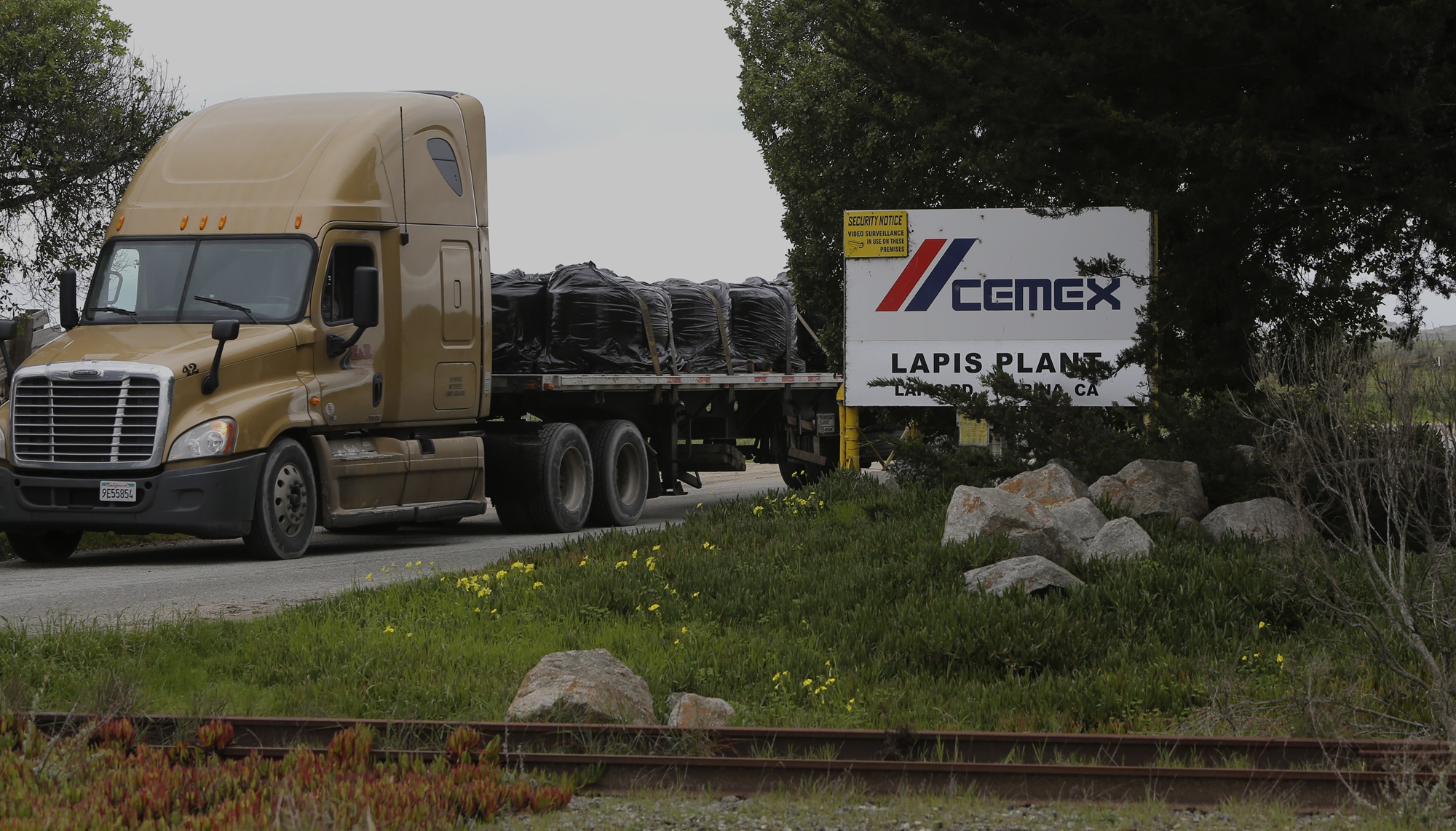
window.__IS_SSR__=true
window.__INITIAL_STATE__={
"attachmentsReducer": {
"audio_0": {
"type": "attachments",
"id": "audio_0",
"imgSizes": {
"kqedFullSize": {
"file": "https://ww2.kqed.org/news/wp-content/themes/KQED-unified/img/audio_bgs/background0.jpg"
}
}
},
"audio_1": {
"type": "attachments",
"id": "audio_1",
"imgSizes": {
"kqedFullSize": {
"file": "https://ww2.kqed.org/news/wp-content/themes/KQED-unified/img/audio_bgs/background1.jpg"
}
}
},
"audio_2": {
"type": "attachments",
"id": "audio_2",
"imgSizes": {
"kqedFullSize": {
"file": "https://ww2.kqed.org/news/wp-content/themes/KQED-unified/img/audio_bgs/background2.jpg"
}
}
},
"audio_3": {
"type": "attachments",
"id": "audio_3",
"imgSizes": {
"kqedFullSize": {
"file": "https://ww2.kqed.org/news/wp-content/themes/KQED-unified/img/audio_bgs/background3.jpg"
}
}
},
"audio_4": {
"type": "attachments",
"id": "audio_4",
"imgSizes": {
"kqedFullSize": {
"file": "https://ww2.kqed.org/news/wp-content/themes/KQED-unified/img/audio_bgs/background4.jpg"
}
}
},
"placeholder": {
"type": "attachments",
"id": "placeholder",
"imgSizes": {
"thumbnail": {
"file": "https://cdn.kqed.org/wp-content/uploads/2024/12/KQED-Default-Image-816638274-2000x1333-1-160x107.jpg",
"width": 160,
"height": 107,
"mimeType": "image/jpeg"
},
"medium": {
"file": "https://cdn.kqed.org/wp-content/uploads/2024/12/KQED-Default-Image-816638274-2000x1333-1-800x533.jpg",
"width": 800,
"height": 533,
"mimeType": "image/jpeg"
},
"medium_large": {
"file": "https://cdn.kqed.org/wp-content/uploads/2024/12/KQED-Default-Image-816638274-2000x1333-1-768x512.jpg",
"width": 768,
"height": 512,
"mimeType": "image/jpeg"
},
"large": {
"file": "https://cdn.kqed.org/wp-content/uploads/2024/12/KQED-Default-Image-816638274-2000x1333-1-1020x680.jpg",
"width": 1020,
"height": 680,
"mimeType": "image/jpeg"
},
"1536x1536": {
"file": "https://cdn.kqed.org/wp-content/uploads/2024/12/KQED-Default-Image-816638274-2000x1333-1-1536x1024.jpg",
"width": 1536,
"height": 1024,
"mimeType": "image/jpeg"
},
"fd-lrg": {
"file": "https://cdn.kqed.org/wp-content/uploads/2024/12/KQED-Default-Image-816638274-2000x1333-1-1536x1024.jpg",
"width": 1536,
"height": 1024,
"mimeType": "image/jpeg"
},
"fd-med": {
"file": "https://cdn.kqed.org/wp-content/uploads/2024/12/KQED-Default-Image-816638274-2000x1333-1-1020x680.jpg",
"width": 1020,
"height": 680,
"mimeType": "image/jpeg"
},
"fd-sm": {
"file": "https://cdn.kqed.org/wp-content/uploads/2024/12/KQED-Default-Image-816638274-2000x1333-1-800x533.jpg",
"width": 800,
"height": 533,
"mimeType": "image/jpeg"
},
"post-thumbnail": {
"file": "https://cdn.kqed.org/wp-content/uploads/2024/12/KQED-Default-Image-816638274-2000x1333-1-672x372.jpg",
"width": 672,
"height": 372,
"mimeType": "image/jpeg"
},
"twentyfourteen-full-width": {
"file": "https://cdn.kqed.org/wp-content/uploads/2024/12/KQED-Default-Image-816638274-2000x1333-1-1038x576.jpg",
"width": 1038,
"height": 576,
"mimeType": "image/jpeg"
},
"xxsmall": {
"file": "https://cdn.kqed.org/wp-content/uploads/2024/12/KQED-Default-Image-816638274-2000x1333-1-160x107.jpg",
"width": 160,
"height": 107,
"mimeType": "image/jpeg"
},
"xsmall": {
"file": "https://cdn.kqed.org/wp-content/uploads/2024/12/KQED-Default-Image-816638274-2000x1333-1-672x372.jpg",
"width": 672,
"height": 372,
"mimeType": "image/jpeg"
},
"small": {
"file": "https://cdn.kqed.org/wp-content/uploads/2024/12/KQED-Default-Image-816638274-2000x1333-1-672x372.jpg",
"width": 672,
"height": 372,
"mimeType": "image/jpeg"
},
"xlarge": {
"file": "https://cdn.kqed.org/wp-content/uploads/2024/12/KQED-Default-Image-816638274-2000x1333-1-1020x680.jpg",
"width": 1020,
"height": 680,
"mimeType": "image/jpeg"
},
"full-width": {
"file": "https://cdn.kqed.org/wp-content/uploads/2024/12/KQED-Default-Image-816638274-2000x1333-1-1920x1280.jpg",
"width": 1920,
"height": 1280,
"mimeType": "image/jpeg"
},
"guest-author-32": {
"file": "https://cdn.kqed.org/wp-content/uploads/2025/01/KQED-Default-Image-816638274-1333x1333-1-160x160.jpg",
"width": 32,
"height": 32,
"mimeType": "image/jpeg"
},
"guest-author-50": {
"file": "https://cdn.kqed.org/wp-content/uploads/2025/01/KQED-Default-Image-816638274-1333x1333-1-160x160.jpg",
"width": 50,
"height": 50,
"mimeType": "image/jpeg"
},
"guest-author-64": {
"file": "https://cdn.kqed.org/wp-content/uploads/2025/01/KQED-Default-Image-816638274-1333x1333-1-160x160.jpg",
"width": 64,
"height": 64,
"mimeType": "image/jpeg"
},
"guest-author-96": {
"file": "https://cdn.kqed.org/wp-content/uploads/2025/01/KQED-Default-Image-816638274-1333x1333-1-160x160.jpg",
"width": 96,
"height": 96,
"mimeType": "image/jpeg"
},
"guest-author-128": {
"file": "https://cdn.kqed.org/wp-content/uploads/2025/01/KQED-Default-Image-816638274-1333x1333-1-160x160.jpg",
"width": 128,
"height": 128,
"mimeType": "image/jpeg"
},
"detail": {
"file": "https://cdn.kqed.org/wp-content/uploads/2025/01/KQED-Default-Image-816638274-1333x1333-1-160x160.jpg",
"width": 160,
"height": 160,
"mimeType": "image/jpeg"
},
"kqedFullSize": {
"file": "https://cdn.kqed.org/wp-content/uploads/2024/12/KQED-Default-Image-816638274-2000x1333-1.jpg",
"width": 2000,
"height": 1333
}
}
},
"news_12074725": {
"type": "attachments",
"id": "news_12074725",
"meta": {
"index": "attachments_1716263798",
"site": "news",
"id": "12074725",
"found": true
},
"title": "ice-badge-69a05cdd559c5",
"publishDate": 1772117259,
"status": "inherit",
"parent": 12074724,
"modified": 1788543218,
"caption": "A federal agent wears an Immigration and Customs Enforcement badge in June 10, 2025. Federal immigration officers have shot and wounded a suspected gang member in central California while trying to arrest him. The U.S. Department of Homeland Security says the incident happened Tuesday in Stanislaus County.",
"credit": "AP Photo/Yuki Iwamura, File",
"altTag": null,
"description": null,
"imgSizes": {
"thumbnail": {
"file": "https://cdn.kqed.org/wp-content/uploads/sites/10/2026/02/ice-badge-69a05cdd559c5-160x107.jpg",
"width": 160,
"height": 107,
"mimeType": "image/jpeg"
},
"1536x1536": {
"file": "https://cdn.kqed.org/wp-content/uploads/sites/10/2026/02/ice-badge-69a05cdd559c5-1536x1025.jpg",
"width": 1536,
"height": 1025,
"mimeType": "image/jpeg"
},
"post-thumbnail": {
"file": "https://cdn.kqed.org/wp-content/uploads/sites/10/2026/02/ice-badge-69a05cdd559c5-672x372.jpg",
"width": 672,
"height": 372,
"mimeType": "image/jpeg"
},
"twentyfourteen-full-width": {
"file": "https://cdn.kqed.org/wp-content/uploads/sites/10/2026/02/ice-badge-69a05cdd559c5-1038x576.jpg",
"width": 1038,
"height": 576,
"mimeType": "image/jpeg"
},
"npr-cds-wide": {
"file": "https://cdn.kqed.org/wp-content/uploads/sites/10/2026/02/ice-badge-69a05cdd559c5-1200x675.jpg",
"width": 1200,
"height": 675,
"mimeType": "image/jpeg"
},
"kqedFullSize": {
"file": "https://cdn.kqed.org/wp-content/uploads/sites/10/2026/02/ice-badge-69a05cdd559c5.jpg",
"width": 1760,
"height": 1174
}
},
"isLoading": false,
"fetchFailed": false
},
"news_12078864": {
"type": "attachments",
"id": "news_12078864",
"meta": {
"index": "attachments_1716263798",
"site": "news",
"id": "12078864",
"found": true
},
"title": "An e-bike parked in Mill Valley on July 24, 2025.",
"publishDate": 1775512916,
"status": "inherit",
"parent": 12078862,
"modified": 1775512931,
"caption": "An e-bike parked in Mill Valley on July 24, 2025.",
"credit": "Martin do Nascimento/KQED",
"altTag": null,
"description": null,
"imgSizes": {
"thumbnail": {
"file": "https://cdn.kqed.org/wp-content/uploads/sites/10/2026/04/250724-MARIN-EBIKES-MD-06_qed-160x107.jpg",
"width": 160,
"height": 107,
"mimeType": "image/jpeg"
},
"1536x1536": {
"file": "https://cdn.kqed.org/wp-content/uploads/sites/10/2026/04/250724-MARIN-EBIKES-MD-06_qed-1536x1024.jpg",
"width": 1536,
"height": 1024,
"mimeType": "image/jpeg"
},
"post-thumbnail": {
"file": "https://cdn.kqed.org/wp-content/uploads/sites/10/2026/04/250724-MARIN-EBIKES-MD-06_qed-672x372.jpg",
"width": 672,
"height": 372,
"mimeType": "image/jpeg"
},
"twentyfourteen-full-width": {
"file": "https://cdn.kqed.org/wp-content/uploads/sites/10/2026/04/250724-MARIN-EBIKES-MD-06_qed-1038x576.jpg",
"width": 1038,
"height": 576,
"mimeType": "image/jpeg"
},
"npr-cds-wide": {
"file": "https://cdn.kqed.org/wp-content/uploads/sites/10/2026/04/250724-MARIN-EBIKES-MD-06_qed-1200x675.jpg",
"width": 1200,
"height": 675,
"mimeType": "image/jpeg"
},
"npr-cds-square": {
"file": "https://cdn.kqed.org/wp-content/uploads/sites/10/2026/04/250724-MARIN-EBIKES-MD-06_qed-600x600.jpg",
"width": 600,
"height": 600,
"mimeType": "image/jpeg"
},
"kqedFullSize": {
"file": "https://cdn.kqed.org/wp-content/uploads/sites/10/2026/04/250724-MARIN-EBIKES-MD-06_qed.jpg",
"width": 1999,
"height": 1333
}
},
"isLoading": false,
"fetchFailed": false
},
"news_12078853": {
"type": "attachments",
"id": "news_12078853",
"meta": {
"index": "attachments_1716263798",
"site": "news",
"id": "12078853",
"found": true
},
"title": "BIRDCOUNTf-C-17MAR03-MT-MJM;A view from Picher Canyon at Audubon Canyon Ranch looking out toward Bolinas Lagoon. The area is a prime habitat for the Great Blue Heron.;The population of the Great Blue Heron at the Audubon Canyon Ranch has been decl",
"publishDate": 1775511409,
"status": "inherit",
"parent": 12078802,
"modified": 1775511470,
"caption": "A view from Picher Canyon at Audubon Canyon Ranch looking out toward Bolinas Lagoon. ",
"credit": "Michael Maloney/San Francisco Chronicle via Getty Images",
"altTag": null,
"description": null,
"imgSizes": {
"thumbnail": {
"file": "https://cdn.kqed.org/wp-content/uploads/sites/10/2026/04/GettyImages-1298871752-160x107.jpg",
"width": 160,
"height": 107,
"mimeType": "image/jpeg"
},
"1536x1536": {
"file": "https://cdn.kqed.org/wp-content/uploads/sites/10/2026/04/GettyImages-1298871752-1536x1027.jpg",
"width": 1536,
"height": 1027,
"mimeType": "image/jpeg"
},
"post-thumbnail": {
"file": "https://cdn.kqed.org/wp-content/uploads/sites/10/2026/04/GettyImages-1298871752-672x372.jpg",
"width": 672,
"height": 372,
"mimeType": "image/jpeg"
},
"twentyfourteen-full-width": {
"file": "https://cdn.kqed.org/wp-content/uploads/sites/10/2026/04/GettyImages-1298871752-1038x576.jpg",
"width": 1038,
"height": 576,
"mimeType": "image/jpeg"
},
"npr-cds-wide": {
"file": "https://cdn.kqed.org/wp-content/uploads/sites/10/2026/04/GettyImages-1298871752-1200x675.jpg",
"width": 1200,
"height": 675,
"mimeType": "image/jpeg"
},
"npr-cds-square": {
"file": "https://cdn.kqed.org/wp-content/uploads/sites/10/2026/04/GettyImages-1298871752-600x600.jpg",
"width": 600,
"height": 600,
"mimeType": "image/jpeg"
},
"kqedFullSize": {
"file": "https://cdn.kqed.org/wp-content/uploads/sites/10/2026/04/GettyImages-1298871752.jpg",
"width": 1980,
"height": 1324
}
},
"isLoading": false,
"fetchFailed": false
},
"news_12078546": {
"type": "attachments",
"id": "news_12078546",
"meta": {
"index": "attachments_1716263798",
"site": "news",
"id": "12078546",
"found": true
},
"title": "AffordabilitySeriesIntro_Lede",
"publishDate": 1775172354,
"status": "inherit",
"parent": 0,
"modified": 1775260099,
"caption": "From top left to bottom right: Keith and Lisa Alvord embrace on their sailboat in Emeryville. Misha Kurita-Ditz and their mom, Barbara Ditz, sit together at the apartment they share in San Francisco. Brooke Dawson sits with her son outside the Airstream where she lives in her mother’s backyard. Christy Brown bartends in Walnut Creek. Chad Morrison works at a bakery in Santa Rosa.",
"credit": "Beth LaBerge/KQED",
"altTag": null,
"description": null,
"imgSizes": {
"thumbnail": {
"file": "https://cdn.kqed.org/wp-content/uploads/sites/10/2026/04/AffordabilitySeriesIntro_Lede-160x107.jpg",
"width": 160,
"height": 107,
"mimeType": "image/jpeg"
},
"1536x1536": {
"file": "https://cdn.kqed.org/wp-content/uploads/sites/10/2026/04/AffordabilitySeriesIntro_Lede-1536x1024.jpg",
"width": 1536,
"height": 1024,
"mimeType": "image/jpeg"
},
"post-thumbnail": {
"file": "https://cdn.kqed.org/wp-content/uploads/sites/10/2026/04/AffordabilitySeriesIntro_Lede-672x372.jpg",
"width": 672,
"height": 372,
"mimeType": "image/jpeg"
},
"twentyfourteen-full-width": {
"file": "https://cdn.kqed.org/wp-content/uploads/sites/10/2026/04/AffordabilitySeriesIntro_Lede-1038x576.jpg",
"width": 1038,
"height": 576,
"mimeType": "image/jpeg"
},
"npr-cds-wide": {
"file": "https://cdn.kqed.org/wp-content/uploads/sites/10/2026/04/AffordabilitySeriesIntro_Lede-1200x675.jpg",
"width": 1200,
"height": 675,
"mimeType": "image/jpeg"
},
"npr-cds-square": {
"file": "https://cdn.kqed.org/wp-content/uploads/sites/10/2026/04/AffordabilitySeriesIntro_Lede-600x600.jpg",
"width": 600,
"height": 600,
"mimeType": "image/jpeg"
},
"kqedFullSize": {
"file": "https://cdn.kqed.org/wp-content/uploads/sites/10/2026/04/AffordabilitySeriesIntro_Lede.jpg",
"width": 2000,
"height": 1333
}
},
"isLoading": false,
"fetchFailed": false
},
"news_12078761": {
"type": "attachments",
"id": "news_12078761",
"meta": {
"index": "attachments_1716263798",
"site": "news",
"id": "12078761",
"found": true
},
"title": "Individuals walk by Lake Merritt in Oakland on April 4, 2026.",
"publishDate": 1775405787,
"status": "inherit",
"parent": 0,
"modified": 1775405837,
"caption": "Individuals walk by Lake Merritt in Oakland on April 4, 2026.",
"credit": "Gina Castro for KQED",
"altTag": null,
"description": null,
"imgSizes": {
"thumbnail": {
"file": "https://cdn.kqed.org/wp-content/uploads/sites/10/2026/04/20260404_OAKLANDCRIMEDROP_GC-7-KQED-160x107.jpg",
"width": 160,
"height": 107,
"mimeType": "image/jpeg"
},
"1536x1536": {
"file": "https://cdn.kqed.org/wp-content/uploads/sites/10/2026/04/20260404_OAKLANDCRIMEDROP_GC-7-KQED-1536x1024.jpg",
"width": 1536,
"height": 1024,
"mimeType": "image/jpeg"
},
"post-thumbnail": {
"file": "https://cdn.kqed.org/wp-content/uploads/sites/10/2026/04/20260404_OAKLANDCRIMEDROP_GC-7-KQED-672x372.jpg",
"width": 672,
"height": 372,
"mimeType": "image/jpeg"
},
"twentyfourteen-full-width": {
"file": "https://cdn.kqed.org/wp-content/uploads/sites/10/2026/04/20260404_OAKLANDCRIMEDROP_GC-7-KQED-1038x576.jpg",
"width": 1038,
"height": 576,
"mimeType": "image/jpeg"
},
"npr-cds-wide": {
"file": "https://cdn.kqed.org/wp-content/uploads/sites/10/2026/04/20260404_OAKLANDCRIMEDROP_GC-7-KQED-1200x675.jpg",
"width": 1200,
"height": 675,
"mimeType": "image/jpeg"
},
"npr-cds-square": {
"file": "https://cdn.kqed.org/wp-content/uploads/sites/10/2026/04/20260404_OAKLANDCRIMEDROP_GC-7-KQED-600x600.jpg",
"width": 600,
"height": 600,
"mimeType": "image/jpeg"
},
"kqedFullSize": {
"file": "https://cdn.kqed.org/wp-content/uploads/sites/10/2026/04/20260404_OAKLANDCRIMEDROP_GC-7-KQED.jpg",
"width": 2000,
"height": 1333
}
},
"isLoading": false,
"fetchFailed": false
},
"news_12067064": {
"type": "attachments",
"id": "news_12067064",
"meta": {
"index": "attachments_1716263798",
"site": "news",
"id": "12067064",
"found": true
},
"title": "251210-SFOEATING-91-BL-KQED",
"publishDate": 1765586630,
"status": "inherit",
"parent": 12077353,
"modified": 1774465746,
"caption": "The International Terminal at San Francisco International Airport on Dec. 10, 2025.",
"credit": "Beth LaBerge/KQED",
"altTag": null,
"description": null,
"imgSizes": {
"thumbnail": {
"file": "https://cdn.kqed.org/wp-content/uploads/sites/10/2025/12/251210-SFOEATING-91-BL-KQED-160x107.jpg",
"width": 160,
"height": 107,
"mimeType": "image/jpeg"
},
"1536x1536": {
"file": "https://cdn.kqed.org/wp-content/uploads/sites/10/2025/12/251210-SFOEATING-91-BL-KQED-1536x1024.jpg",
"width": 1536,
"height": 1024,
"mimeType": "image/jpeg"
},
"post-thumbnail": {
"file": "https://cdn.kqed.org/wp-content/uploads/sites/10/2025/12/251210-SFOEATING-91-BL-KQED-672x372.jpg",
"width": 672,
"height": 372,
"mimeType": "image/jpeg"
},
"twentyfourteen-full-width": {
"file": "https://cdn.kqed.org/wp-content/uploads/sites/10/2025/12/251210-SFOEATING-91-BL-KQED-1038x576.jpg",
"width": 1038,
"height": 576,
"mimeType": "image/jpeg"
},
"npr-cds-wide": {
"file": "https://cdn.kqed.org/wp-content/uploads/sites/10/2025/12/251210-SFOEATING-91-BL-KQED-1200x675.jpg",
"width": 1200,
"height": 675,
"mimeType": "image/jpeg"
},
"kqedFullSize": {
"file": "https://cdn.kqed.org/wp-content/uploads/sites/10/2025/12/251210-SFOEATING-91-BL-KQED.jpg",
"width": 2000,
"height": 1333
}
},
"isLoading": false,
"fetchFailed": false
},
"news_12078558": {
"type": "attachments",
"id": "news_12078558",
"meta": {
"index": "attachments_1716263798",
"site": "news",
"id": "12078558",
"found": true
},
"title": "260402-OakTeacherHousing-32-BL_qed",
"publishDate": 1775174136,
"status": "inherit",
"parent": 0,
"modified": 1775174227,
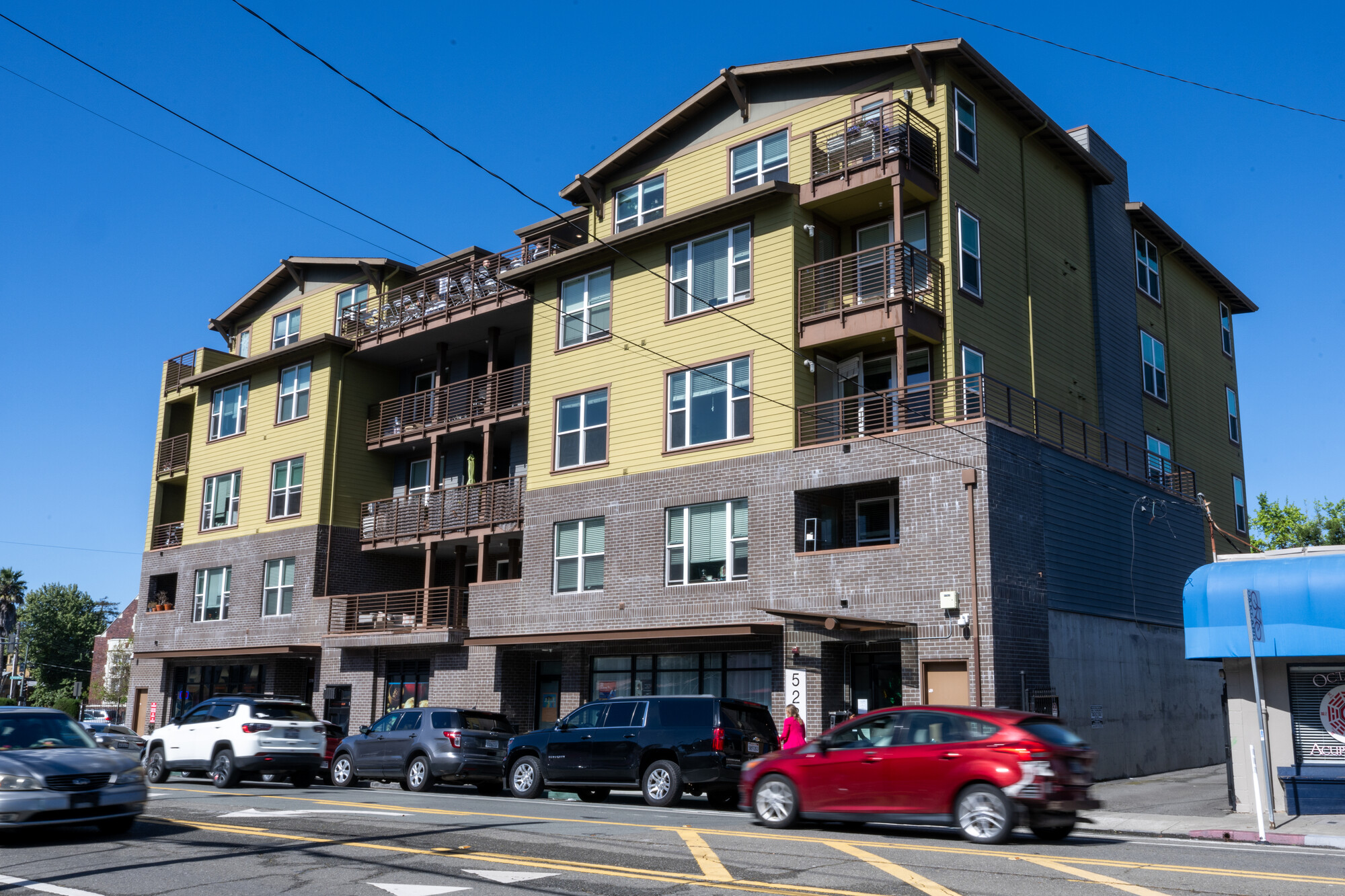
"caption": "New affordable housing for Oakland Unified School District teachers and school employees in a recently purchased residential building in Oakland on April 2, 2026.",
"credit": "Beth LaBerge/KQED",
"altTag": null,
"description": null,
"imgSizes": {
"thumbnail": {
"file": "https://cdn.kqed.org/wp-content/uploads/sites/10/2026/04/260402-OakTeacherHousing-32-BL_qed-160x107.jpg",
"width": 160,
"height": 107,
"mimeType": "image/jpeg"
},
"1536x1536": {
"file": "https://cdn.kqed.org/wp-content/uploads/sites/10/2026/04/260402-OakTeacherHousing-32-BL_qed-1536x1024.jpg",
"width": 1536,
"height": 1024,
"mimeType": "image/jpeg"
},
"post-thumbnail": {
"file": "https://cdn.kqed.org/wp-content/uploads/sites/10/2026/04/260402-OakTeacherHousing-32-BL_qed-672x372.jpg",
"width": 672,
"height": 372,
"mimeType": "image/jpeg"
},
"twentyfourteen-full-width": {
"file": "https://cdn.kqed.org/wp-content/uploads/sites/10/2026/04/260402-OakTeacherHousing-32-BL_qed-1038x576.jpg",
"width": 1038,
"height": 576,
"mimeType": "image/jpeg"
},
"npr-cds-wide": {
"file": "https://cdn.kqed.org/wp-content/uploads/sites/10/2026/04/260402-OakTeacherHousing-32-BL_qed-1200x675.jpg",
"width": 1200,
"height": 675,
"mimeType": "image/jpeg"
},
"npr-cds-square": {
"file": "https://cdn.kqed.org/wp-content/uploads/sites/10/2026/04/260402-OakTeacherHousing-32-BL_qed-600x600.jpg",
"width": 600,
"height": 600,
"mimeType": "image/jpeg"
},
"kqedFullSize": {
"file": "https://cdn.kqed.org/wp-content/uploads/sites/10/2026/04/260402-OakTeacherHousing-32-BL_qed.jpg",
"width": 2000,
"height": 1333
}
},
"isLoading": false,
"fetchFailed": false
},
"news_12078455": {
"type": "attachments",
"id": "news_12078455",
"meta": {
"index": "attachments_1716263798",
"site": "news",
"id": "12078455",
"found": true
},
"title": "Big Basin Redwoods State Park, San Jose, California, wildfire.",
"publishDate": 1775150923,
"status": "inherit",
"parent": 12078438,
"modified": 1775152122,
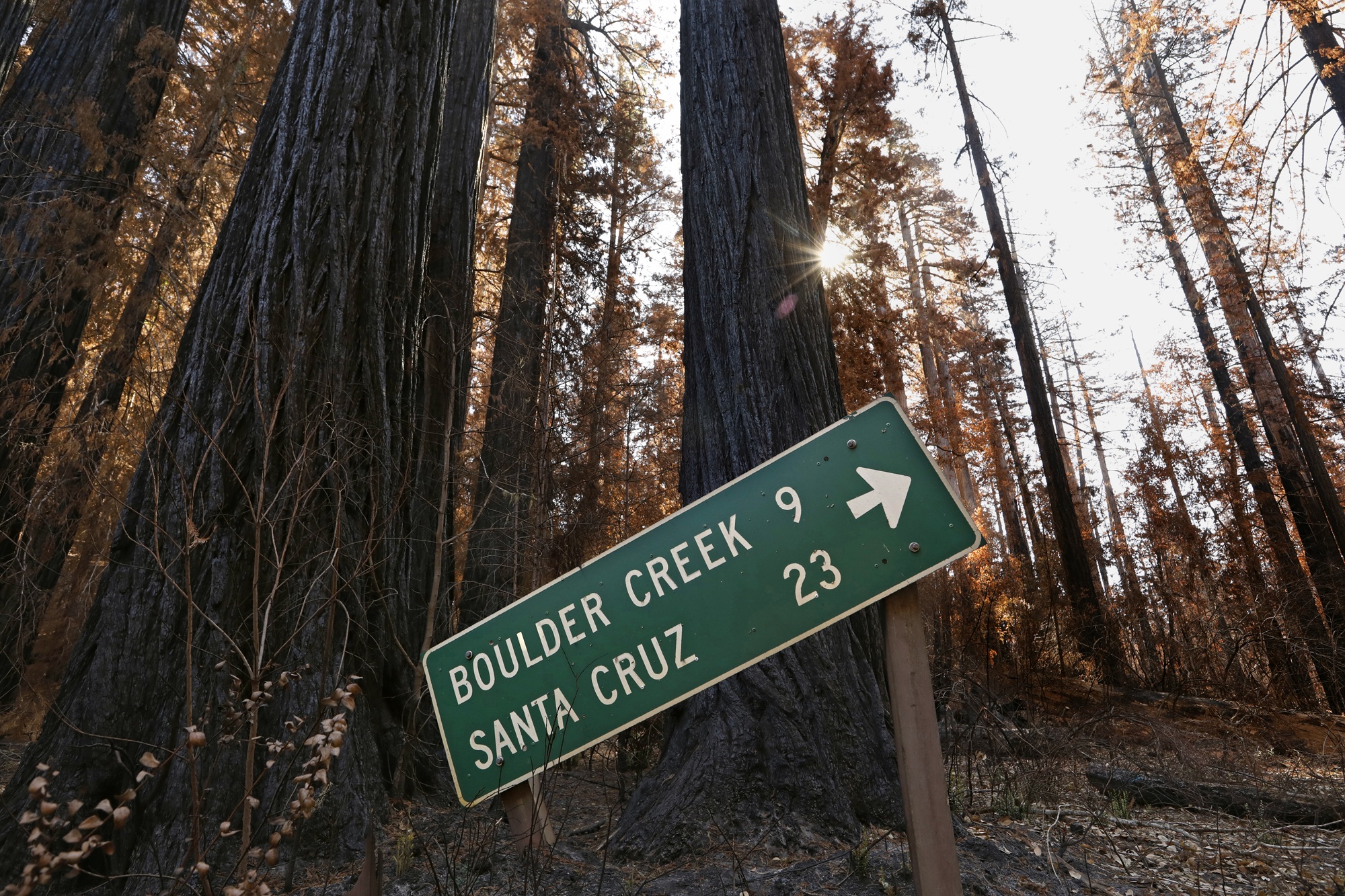
"caption": "Big Basin Redwoods State Park on Nov. 5, 2020. The Big Basin Redwoods State Park was hit by a wildfire in August that burned roughly 97% of the park's 18,224 acres.",
"credit": "Carolyn Cole/Los Angeles Times via Getty Images",
"altTag": null,
"description": null,
"imgSizes": {
"thumbnail": {
"file": "https://cdn.kqed.org/wp-content/uploads/sites/10/2026/04/BoulderCreekSantaCruzGetty-160x107.jpg",
"width": 160,
"height": 107,
"mimeType": "image/jpeg"
},
"1536x1536": {
"file": "https://cdn.kqed.org/wp-content/uploads/sites/10/2026/04/BoulderCreekSantaCruzGetty-1536x1024.jpg",
"width": 1536,
"height": 1024,
"mimeType": "image/jpeg"
},
"post-thumbnail": {
"file": "https://cdn.kqed.org/wp-content/uploads/sites/10/2026/04/BoulderCreekSantaCruzGetty-672x372.jpg",
"width": 672,
"height": 372,
"mimeType": "image/jpeg"
},
"twentyfourteen-full-width": {
"file": "https://cdn.kqed.org/wp-content/uploads/sites/10/2026/04/BoulderCreekSantaCruzGetty-1038x576.jpg",
"width": 1038,
"height": 576,
"mimeType": "image/jpeg"
},
"npr-cds-wide": {
"file": "https://cdn.kqed.org/wp-content/uploads/sites/10/2026/04/BoulderCreekSantaCruzGetty-1200x675.jpg",
"width": 1200,
"height": 675,
"mimeType": "image/jpeg"
},
"npr-cds-square": {
"file": "https://cdn.kqed.org/wp-content/uploads/sites/10/2026/04/BoulderCreekSantaCruzGetty-600x600.jpg",
"width": 600,
"height": 600,
"mimeType": "image/jpeg"
},
"kqedFullSize": {
"file": "https://cdn.kqed.org/wp-content/uploads/sites/10/2026/04/BoulderCreekSantaCruzGetty.jpg",
"width": 2000,
"height": 1333
}
},
"isLoading": false,
"fetchFailed": false
},
"news_12078484": {
"type": "attachments",
"id": "news_12078484",
"meta": {
"index": "attachments_1716263798",
"site": "news",
"id": "12078484",
"found": true
},
"title": "112018_AW_AlamedaCountyFood Bank_05_qed",
"publishDate": 1775157605,
"status": "inherit",
"parent": 12078390,
"modified": 1775157636,
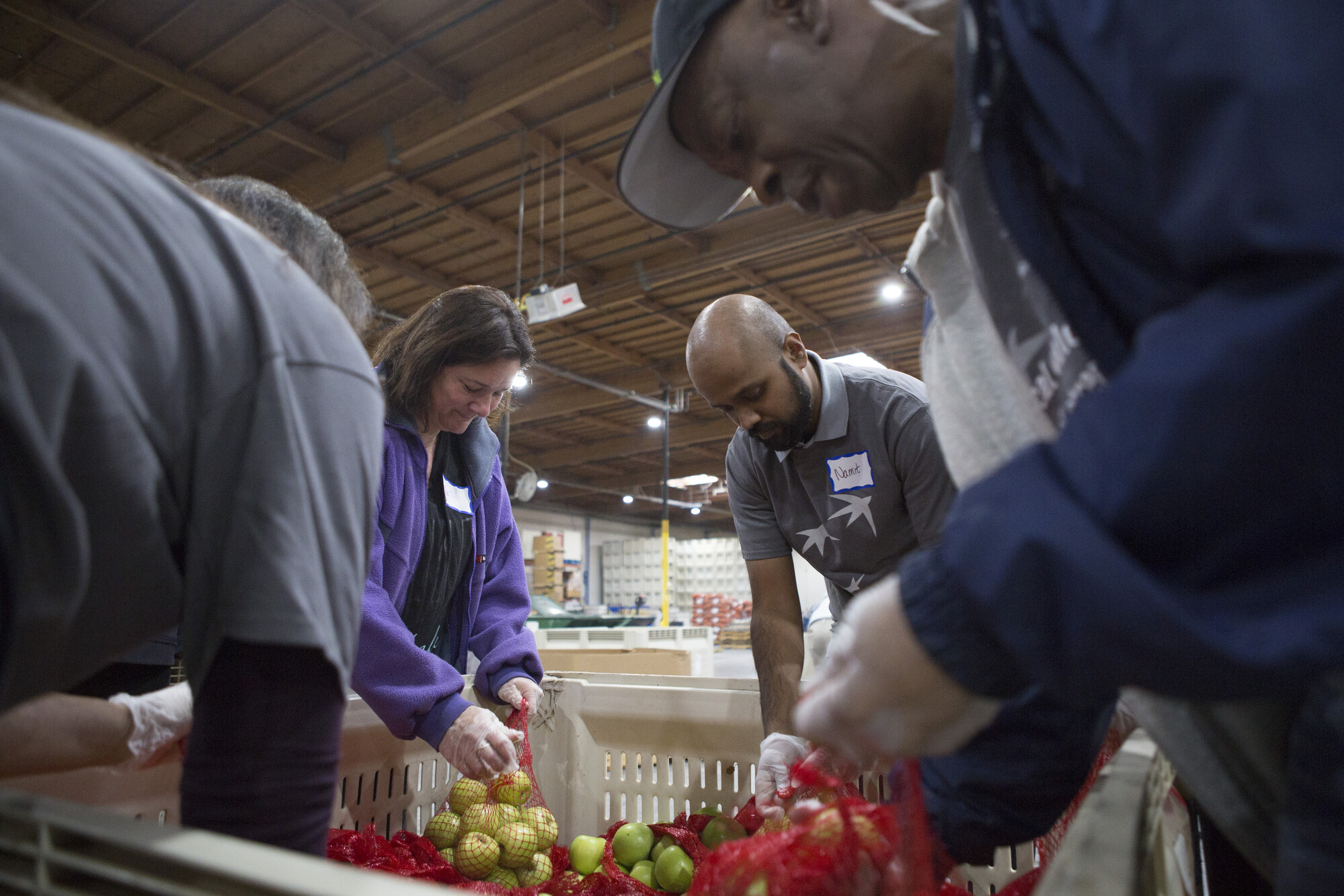
"caption": "Volunteers from Bank of the West and Boys Team Charity sort apples from the produce bins at the Alameda County Community Food Bank on Nov. 20, 2018. ",
"credit": "Anne Wernikoff/KQED",
"altTag": null,
"description": null,
"imgSizes": {
"thumbnail": {
"file": "https://cdn.kqed.org/wp-content/uploads/sites/10/2026/04/112018_AW_AlamedaCountyFood-Bank_05_qed-160x107.jpg",
"width": 160,
"height": 107,
"mimeType": "image/jpeg"
},
"1536x1536": {
"file": "https://cdn.kqed.org/wp-content/uploads/sites/10/2026/04/112018_AW_AlamedaCountyFood-Bank_05_qed-1536x1024.jpg",
"width": 1536,
"height": 1024,
"mimeType": "image/jpeg"
},
"post-thumbnail": {
"file": "https://cdn.kqed.org/wp-content/uploads/sites/10/2026/04/112018_AW_AlamedaCountyFood-Bank_05_qed-672x372.jpg",
"width": 672,
"height": 372,
"mimeType": "image/jpeg"
},
"twentyfourteen-full-width": {
"file": "https://cdn.kqed.org/wp-content/uploads/sites/10/2026/04/112018_AW_AlamedaCountyFood-Bank_05_qed-1038x576.jpg",
"width": 1038,
"height": 576,
"mimeType": "image/jpeg"
},
"npr-cds-wide": {
"file": "https://cdn.kqed.org/wp-content/uploads/sites/10/2026/04/112018_AW_AlamedaCountyFood-Bank_05_qed-1200x675.jpg",
"width": 1200,
"height": 675,
"mimeType": "image/jpeg"
},
"npr-cds-square": {
"file": "https://cdn.kqed.org/wp-content/uploads/sites/10/2026/04/112018_AW_AlamedaCountyFood-Bank_05_qed-600x600.jpg",
"width": 600,
"height": 600,
"mimeType": "image/jpeg"
},
"kqedFullSize": {
"file": "https://cdn.kqed.org/wp-content/uploads/sites/10/2026/04/112018_AW_AlamedaCountyFood-Bank_05_qed.jpg",
"width": 1999,
"height": 1333
}
},
"isLoading": false,
"fetchFailed": false
},
"news_12078409": {
"type": "attachments",
"id": "news_12078409",
"meta": {
"index": "attachments_1716263798",
"site": "news",
"id": "12078409",
"found": true
},
"title": "260401-GOLDENGATEFIELDSPARK-07-BL-KQED",
"publishDate": 1775082385,
"status": "inherit",
"parent": 0,
"modified": 1775082400,
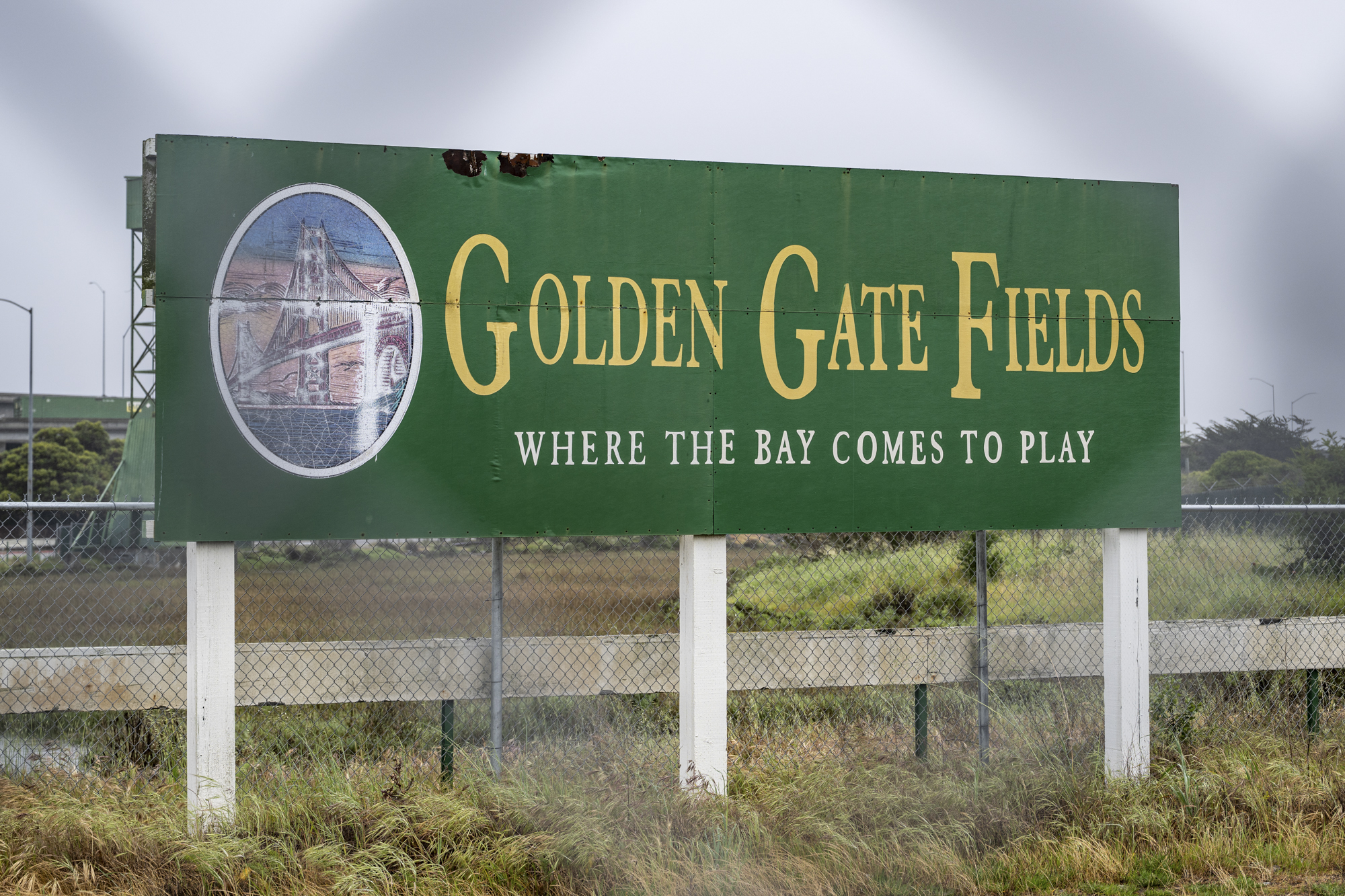
"caption": "Golden Gate Fields, a former horse racing track along the Berkeley shoreline, on April 1, 2026. The track closed in 2024, and the Trust for Public Land is working to turn the site into a public park.",
"credit": "Beth LaBerge/KQED",
"altTag": null,
"description": null,
"imgSizes": {
"thumbnail": {
"file": "https://cdn.kqed.org/wp-content/uploads/sites/10/2026/04/260401-GOLDENGATEFIELDSPARK-07-BL-KQED-160x107.jpg",
"width": 160,
"height": 107,
"mimeType": "image/jpeg"
},
"1536x1536": {
"file": "https://cdn.kqed.org/wp-content/uploads/sites/10/2026/04/260401-GOLDENGATEFIELDSPARK-07-BL-KQED-1536x1024.jpg",
"width": 1536,
"height": 1024,
"mimeType": "image/jpeg"
},
"post-thumbnail": {
"file": "https://cdn.kqed.org/wp-content/uploads/sites/10/2026/04/260401-GOLDENGATEFIELDSPARK-07-BL-KQED-672x372.jpg",
"width": 672,
"height": 372,
"mimeType": "image/jpeg"
},
"twentyfourteen-full-width": {
"file": "https://cdn.kqed.org/wp-content/uploads/sites/10/2026/04/260401-GOLDENGATEFIELDSPARK-07-BL-KQED-1038x576.jpg",
"width": 1038,
"height": 576,
"mimeType": "image/jpeg"
},
"npr-cds-wide": {
"file": "https://cdn.kqed.org/wp-content/uploads/sites/10/2026/04/260401-GOLDENGATEFIELDSPARK-07-BL-KQED-1200x675.jpg",
"width": 1200,
"height": 675,
"mimeType": "image/jpeg"
},
"npr-cds-square": {
"file": "https://cdn.kqed.org/wp-content/uploads/sites/10/2026/04/260401-GOLDENGATEFIELDSPARK-07-BL-KQED-600x600.jpg",
"width": 600,
"height": 600,
"mimeType": "image/jpeg"
},
"kqedFullSize": {
"file": "https://cdn.kqed.org/wp-content/uploads/sites/10/2026/04/260401-GOLDENGATEFIELDSPARK-07-BL-KQED.jpg",
"width": 2000,
"height": 1333
}
},
"isLoading": false,
"fetchFailed": false
},
"news_12077305": {
"type": "attachments",
"id": "news_12077305",
"meta": {
"index": "attachments_1716263798",
"site": "news",
"id": "12077305",
"found": true
},
"title": "A truck leaves the the Cemex Lapis Plant which removes more than 200,000 acre feet of beach sand a year along the Monterey Bay coastline in Marina, Ca., as seen on Wednesday Feb. 8, 2017,",
"publishDate": 1774289357,
"status": "inherit",
"parent": 12077298,
"modified": 1774383621,
"caption": "A truck leaves the Cemex Lapis Plant, which removes more than 200,000 acre feet of beach sand a year along the Monterey Bay coastline in Marina, California, on Feb. 8, 2017.",
"credit": "Michael Macor/The San Francisco Chronicle via Getty Images",
"altTag": null,
"description": null,
"imgSizes": {
"thumbnail": {
"file": "https://cdn.kqed.org/wp-content/uploads/sites/10/2026/03/CemexGetty-160x91.jpg",
"width": 160,
"height": 91,
"mimeType": "image/jpeg"
},
"1536x1536": {
"file": "https://cdn.kqed.org/wp-content/uploads/sites/10/2026/03/CemexGetty-1536x877.jpg",
"width": 1536,
"height": 877,
"mimeType": "image/jpeg"
},
"post-thumbnail": {
"file": "https://cdn.kqed.org/wp-content/uploads/sites/10/2026/03/CemexGetty-672x372.jpg",
"width": 672,
"height": 372,
"mimeType": "image/jpeg"
},
"twentyfourteen-full-width": {
"file": "https://cdn.kqed.org/wp-content/uploads/sites/10/2026/03/CemexGetty-1038x576.jpg",
"width": 1038,
"height": 576,
"mimeType": "image/jpeg"
},
"npr-cds-wide": {
"file": "https://cdn.kqed.org/wp-content/uploads/sites/10/2026/03/CemexGetty-1200x675.jpg",
"width": 1200,
"height": 675,
"mimeType": "image/jpeg"
},
"kqedFullSize": {
"file": "https://cdn.kqed.org/wp-content/uploads/sites/10/2026/03/CemexGetty.jpg",
"width": 2000,
"height": 1142
}
},
"isLoading": false,
"fetchFailed": false
},
"news_11971733": {
"type": "attachments",
"id": "news_11971733",
"meta": {
"index": "attachments_1716263798",
"site": "news",
"id": "11971733",
"found": true
},
"title": "240104-PEOPLE'S PARK-MD-05",
"publishDate": 1704419716,
"status": "inherit",
"parent": 11971577,
"modified": 1775002315,
"caption": "Construction crews work in People’s Park in Berkeley on Jan. 4, 2024.",
"credit": "Martin do Nascimento/KQED",
"altTag": "Two construction workers stand on-site at People's Park in Berkeley.",
"description": null,
"imgSizes": {
"medium": {
"file": "https://cdn.kqed.org/wp-content/uploads/sites/10/2024/01/240104-PEOPLES-PARK-MD-05-800x533.jpg",
"width": 800,
"height": 533,
"mimeType": "image/jpeg"
},
"large": {
"file": "https://cdn.kqed.org/wp-content/uploads/sites/10/2024/01/240104-PEOPLES-PARK-MD-05-1020x680.jpg",
"width": 1020,
"height": 680,
"mimeType": "image/jpeg"
},
"thumbnail": {
"file": "https://cdn.kqed.org/wp-content/uploads/sites/10/2024/01/240104-PEOPLES-PARK-MD-05-160x107.jpg",
"width": 160,
"height": 107,
"mimeType": "image/jpeg"
},
"1536x1536": {
"file": "https://cdn.kqed.org/wp-content/uploads/sites/10/2024/01/240104-PEOPLES-PARK-MD-05-1536x1024.jpg",
"width": 1536,
"height": 1024,
"mimeType": "image/jpeg"
},
"2048x2048": {
"file": "https://cdn.kqed.org/wp-content/uploads/sites/10/2024/01/240104-PEOPLES-PARK-MD-05-2048x1365.jpg",
"width": 2048,
"height": 1365,
"mimeType": "image/jpeg"
},
"post-thumbnail": {
"file": "https://cdn.kqed.org/wp-content/uploads/sites/10/2024/01/240104-PEOPLES-PARK-MD-05-672x372.jpg",
"width": 672,
"height": 372,
"mimeType": "image/jpeg"
},
"twentyfourteen-full-width": {
"file": "https://cdn.kqed.org/wp-content/uploads/sites/10/2024/01/240104-PEOPLES-PARK-MD-05-1038x576.jpg",
"width": 1038,
"height": 576,
"mimeType": "image/jpeg"
},
"full-width": {
"file": "https://cdn.kqed.org/wp-content/uploads/sites/10/2024/01/240104-PEOPLES-PARK-MD-05-1920x1280.jpg",
"width": 1920,
"height": 1280,
"mimeType": "image/jpeg"
},
"kqedFullSize": {
"file": "https://cdn.kqed.org/wp-content/uploads/sites/10/2024/01/240104-PEOPLES-PARK-MD-05-scaled-e1775001183210.jpg",
"width": 2000,
"height": 1334
}
},
"isLoading": false,
"fetchFailed": false
}
},
"audioPlayerReducer": {
"postId": "stream_live",
"isPaused": true,
"isPlaying": false,
"pfsActive": false,
"pledgeModalIsOpen": true,
"playerDrawerIsOpen": false,
"liveAudioPlayStartedAt": 0,
"liveAudioPlayContext": ""
},
"authorsReducer": {
"byline_news_12079006": {
"type": "authors",
"id": "byline_news_12079006",
"meta": {
"override": true
},
"slug": "byline_news_12079006",
"name": "The Associated Press",
"isLoading": false
},
"ebaldassari": {
"type": "authors",
"id": "11652",
"meta": {
"index": "authors_1716337520",
"id": "11652",
"found": true
},
"name": "Erin Baldassari",
"firstName": "Erin",
"lastName": "Baldassari",
"slug": "ebaldassari",
"email": "ebaldassari@KQED.org",
"display_author_email": true,
"staff_mastheads": [
"news"
],
"title": "Staff Writer",
"bio": "Erin Baldassari covers housing for KQED. She's a former print journalist and most recently worked as the transportation reporter for the \u003cem>Mercury News\u003c/em> and \u003cem>East Bay Times. \u003c/em>There, she focused on how the Bay Area’s housing shortage has changed the way people move around the region. She also served on the \u003cem>East Bay Times\u003c/em>’ 2017 Pulitzer Prize-winning team for coverage of the Ghost Ship Fire in Oakland. Prior to that, Erin worked as a breaking news and general assignment reporter for a variety of outlets in the Bay Area and the greater Boston area. A Tufts University alumna, Erin grew up in the foothills of the Sierra Nevada mountains and in Sonoma County. She is a life-long KQED listener.",
"avatar": "https://secure.gravatar.com/avatar/5e95cad64a8ca08288082212e199d2b0cbeb4fd8e8ef5339395f361032bbe005?s=600&d=blank&r=g",
"twitter": "e_baldi",
"bluesky": null,
"facebook": null,
"instagram": null,
"linkedin": null,
"sites": [
{
"site": "news",
"roles": [
"edit_others_posts",
"editor"
]
},
{
"site": "science",
"roles": [
"editor"
]
},
{
"site": "liveblog",
"roles": [
"editor"
]
}
],
"headData": {
"title": "Erin Baldassari | KQED",
"description": "Staff Writer",
"ogImgSrc": "https://secure.gravatar.com/avatar/5e95cad64a8ca08288082212e199d2b0cbeb4fd8e8ef5339395f361032bbe005?s=600&d=blank&r=g",
"twImgSrc": "https://secure.gravatar.com/avatar/5e95cad64a8ca08288082212e199d2b0cbeb4fd8e8ef5339395f361032bbe005?s=600&d=blank&r=g"
},
"isLoading": false,
"link": "/author/ebaldassari"
},
"nkhan": {
"type": "authors",
"id": "11867",
"meta": {
"index": "authors_1716337520",
"id": "11867",
"found": true
},
"name": "Nisa Khan",
"firstName": "Nisa",
"lastName": "Khan",
"slug": "nkhan",
"email": "nkhan@kqed.org",
"display_author_email": false,
"staff_mastheads": [],
"title": "KQED Contributor",
"bio": "Nisa Khan is a reporter for KQED's Audience News Desk. She was formerly a data reporter at Michigan Radio. She earned a Bachelor of Science in Information from the University of Michigan and a Master of Arts in Communication from Stanford University.",
"avatar": "https://secure.gravatar.com/avatar/8720459eef081ff64582b3506b124d58523e80e120704a0cbd9892533c914991?s=600&d=blank&r=g",
"twitter": "mnisakhan",
"bluesky": null,
"facebook": null,
"instagram": null,
"linkedin": null,
"sites": [
{
"site": "arts",
"roles": [
"editor"
]
},
{
"site": "news",
"roles": [
"editor"
]
},
{
"site": "science",
"roles": [
"editor",
"author"
]
},
{
"site": "forum",
"roles": [
"editor"
]
},
{
"site": "liveblog",
"roles": [
"contributor"
]
}
],
"headData": {
"title": "Nisa Khan | KQED",
"description": "KQED Contributor",
"ogImgSrc": "https://secure.gravatar.com/avatar/8720459eef081ff64582b3506b124d58523e80e120704a0cbd9892533c914991?s=600&d=blank&r=g",
"twImgSrc": "https://secure.gravatar.com/avatar/8720459eef081ff64582b3506b124d58523e80e120704a0cbd9892533c914991?s=600&d=blank&r=g"
},
"isLoading": false,
"link": "/author/nkhan"
},
"jgeha": {
"type": "authors",
"id": "11906",
"meta": {
"index": "authors_1716337520",
"id": "11906",
"found": true
},
"name": "Joseph Geha",
"firstName": "Joseph",
"lastName": "Geha",
"slug": "jgeha",
"email": "jgeha@kqed.org",
"display_author_email": false,
"staff_mastheads": [
"news",
"science"
],
"title": "KQED Contributor",
"bio": null,
"avatar": "https://secure.gravatar.com/avatar/ea84d2b6dd93d6369d453edf19dd583f117cd1759d2d9c9c92f9de77017354fe?s=600&d=blank&r=g",
"twitter": null,
"bluesky": null,
"facebook": null,
"instagram": null,
"linkedin": null,
"sites": [
{
"site": "news",
"roles": [
"editor"
]
},
{
"site": "liveblog",
"roles": [
"author"
]
}
],
"headData": {
"title": "Joseph Geha | KQED",
"description": "KQED Contributor",
"ogImgSrc": "https://secure.gravatar.com/avatar/ea84d2b6dd93d6369d453edf19dd583f117cd1759d2d9c9c92f9de77017354fe?s=600&d=blank&r=g",
"twImgSrc": "https://secure.gravatar.com/avatar/ea84d2b6dd93d6369d453edf19dd583f117cd1759d2d9c9c92f9de77017354fe?s=600&d=blank&r=g"
},
"isLoading": false,
"link": "/author/jgeha"
},
"gcastro": {
"type": "authors",
"id": "11908",
"meta": {
"index": "authors_1716337520",
"id": "11908",
"found": true
},
"name": "Gina Castro",
"firstName": "Gina",
"lastName": "Castro",
"slug": "gcastro",
"email": "gcastro@kqed.org",
"display_author_email": false,
"staff_mastheads": [
"news"
],
"title": "KQED Contributor",
"bio": null,
"avatar": "https://secure.gravatar.com/avatar/27b36c9ac0b86aced91deb0fc63fc510307488fa6761ac6062ac2eb798ed123f?s=600&d=blank&r=g",
"twitter": null,
"bluesky": null,
"facebook": null,
"instagram": null,
"linkedin": null,
"sites": [
{
"site": "arts",
"roles": [
"editor"
]
},
{
"site": "news",
"roles": [
"editor",
"manage_categories"
]
},
{
"site": "science",
"roles": [
"editor"
]
},
{
"site": "perspectives",
"roles": [
"editor"
]
}
],
"headData": {
"title": "Gina Castro | KQED",
"description": "KQED Contributor",
"ogImgSrc": "https://secure.gravatar.com/avatar/27b36c9ac0b86aced91deb0fc63fc510307488fa6761ac6062ac2eb798ed123f?s=600&d=blank&r=g",
"twImgSrc": "https://secure.gravatar.com/avatar/27b36c9ac0b86aced91deb0fc63fc510307488fa6761ac6062ac2eb798ed123f?s=600&d=blank&r=g"
},
"isLoading": false,
"link": "/author/gcastro"
},
"kdebenedetti": {
"type": "authors",
"id": "11913",
"meta": {
"index": "authors_1716337520",
"id": "11913",
"found": true
},
"name": "Katie DeBenedetti",
"firstName": "Katie",
"lastName": "DeBenedetti",
"slug": "kdebenedetti",
"email": "kdebenedetti@kqed.org",
"display_author_email": false,
"staff_mastheads": [
"news",
"science"
],
"title": "KQED Contributor",
"bio": "Katie DeBenedetti is a digital reporter covering daily news for the Express Desk. Prior to joining KQED as a culture reporting intern in January 2024, she covered education and city government for the Napa Valley Register.",
"avatar": "https://secure.gravatar.com/avatar/6e31073cb8f7e4214ab03f42771d0f45?s=600&d=blank&r=g",
"twitter": null,
"facebook": null,
"instagram": null,
"linkedin": null,
"sites": [
{
"site": "news",
"roles": [
"author"
]
},
{
"site": "science",
"roles": [
"author"
]
},
{
"site": "liveblog",
"roles": [
"author"
]
}
],
"headData": {
"title": "Katie DeBenedetti | KQED",
"description": "KQED Contributor",
"ogImgSrc": "https://secure.gravatar.com/avatar/6e31073cb8f7e4214ab03f42771d0f45?s=600&d=blank&r=g",
"twImgSrc": "https://secure.gravatar.com/avatar/6e31073cb8f7e4214ab03f42771d0f45?s=600&d=blank&r=g"
},
"isLoading": false,
"link": "/author/kdebenedetti"
},
"skennedy": {
"type": "authors",
"id": "11935",
"meta": {
"index": "authors_1716337520",
"id": "11935",
"found": true
},
"name": "Samantha Kennedy",
"firstName": "Samantha",
"lastName": "Kennedy",
"slug": "skennedy",
"email": "SKennedy@kqed.org",
"display_author_email": false,
"staff_mastheads": [],
"title": "KQED Contributor",
"bio": null,
"avatar": "https://secure.gravatar.com/avatar/adc7b14bf1e801793202a156ecc864d4ad505b0fd63162a2f3da0e5ba57222d0?s=600&d=blank&r=g",
"twitter": null,
"bluesky": null,
"facebook": null,
"instagram": null,
"linkedin": null,
"sites": [
{
"site": "arts",
"roles": [
"author"
]
},
{
"site": "news",
"roles": [
"editor"
]
},
{
"site": "science",
"roles": [
"editor"
]
}
],
"headData": {
"title": "Samantha Kennedy | KQED",
"description": "KQED Contributor",
"ogImgSrc": "https://secure.gravatar.com/avatar/adc7b14bf1e801793202a156ecc864d4ad505b0fd63162a2f3da0e5ba57222d0?s=600&d=blank&r=g",
"twImgSrc": "https://secure.gravatar.com/avatar/adc7b14bf1e801793202a156ecc864d4ad505b0fd63162a2f3da0e5ba57222d0?s=600&d=blank&r=g"
},
"isLoading": false,
"link": "/author/skennedy"
},
"aaliahmad": {
"type": "authors",
"id": "11986",
"meta": {
"index": "authors_1716337520",
"id": "11986",
"found": true
},
"name": "Ayah Ali-Ahmad",
"firstName": "Ayah",
"lastName": "Ali-Ahmad",
"slug": "aaliahmad",
"email": "aaliahmad@KQED.org",
"display_author_email": false,
"staff_mastheads": [],
"title": "KQED Contributor",
"bio": null,
"avatar": "https://secure.gravatar.com/avatar/1cf54f187a5e1064b2cfef3f3d2f1e4f93e453395d56912aca6382a6071ec3ed?s=600&d=blank&r=g",
"twitter": "ayahaliahmad",
"bluesky": null,
"facebook": null,
"instagram": null,
"linkedin": null,
"sites": [
{
"site": "news",
"roles": [
"subscriber"
]
}
],
"headData": {
"title": "Ayah Ali-Ahmad | KQED",
"description": "KQED Contributor",
"ogImgSrc": "https://secure.gravatar.com/avatar/1cf54f187a5e1064b2cfef3f3d2f1e4f93e453395d56912aca6382a6071ec3ed?s=600&d=blank&r=g",
"twImgSrc": "https://secure.gravatar.com/avatar/1cf54f187a5e1064b2cfef3f3d2f1e4f93e453395d56912aca6382a6071ec3ed?s=600&d=blank&r=g"
},
"isLoading": false,
"link": "/author/aaliahmad"
},
"psibulo": {
"type": "authors",
"id": "11995",
"meta": {
"index": "authors_1716337520",
"id": "11995",
"found": true
},
"name": "Paula Sibulo",
"firstName": "Paula",
"lastName": "Sibulo",
"slug": "psibulo",
"email": "psibulo@kqed.org",
"display_author_email": false,
"staff_mastheads": [
"news"
],
"title": "KQED Contributor",
"bio": "Paula Sibulo is a reporter at KQED. She graduated from San Francisco State University, where she studied broadcast journalism and served as the editor-in-chief of its student-run newspaper, \u003cem>Golden Gate Xpress\u003c/em>. Her work has been recognized with awards from Society of Professional Journalists NorCal, College Media Association, Associated Collegiate Press, and Best of SNO.",
"avatar": "https://secure.gravatar.com/avatar/0548c07ed39b61edb3e76faad378e49a997fd03a43541c27edf5392b1e0738f6?s=600&d=blank&r=g",
"twitter": null,
"bluesky": null,
"facebook": null,
"instagram": null,
"linkedin": null,
"sites": [
{
"site": "news",
"roles": [
"contributor"
]
}
],
"headData": {
"title": "Paula Sibulo | KQED",
"description": "KQED Contributor",
"ogImgSrc": "https://secure.gravatar.com/avatar/0548c07ed39b61edb3e76faad378e49a997fd03a43541c27edf5392b1e0738f6?s=600&d=blank&r=g",
"twImgSrc": "https://secure.gravatar.com/avatar/0548c07ed39b61edb3e76faad378e49a997fd03a43541c27edf5392b1e0738f6?s=600&d=blank&r=g"
},
"isLoading": false,
"link": "/author/psibulo"
}
},
"pagesReducer": {
"news_category_local": {
"type": "terms",
"id": "news_28250",
"meta": {
"index": "terms_1716263798",
"site": "news",
"id": "28250",
"score": 12.93969
},
"featImg": null,
"name": "Local",
"description": null,
"taxonomy": "category",
"headData": {
"twImgId": null,
"twTitle": null,
"ogTitle": null,
"ogImgId": null,
"twDescription": null,
"description": null,
"title": "Local Archives | KQED News",
"ogDescription": null
},
"ttid": 28267,
"slug": "local",
"isLoading": false,
"title": "Local",
"pageMeta": {
"site": "news",
"WpPageTemplate": "page-topic-editorial",
"currentPage": 45
},
"blocks": [
{
"blockName": "kqed/post-list",
"attrs": {
"layout": "cardArticle2",
"query": "posts/news?category=local",
"seeMore": false,
"paginated": true,
"page": 45
}
},
{
"blockName": "kqed/ad"
}
]
}
},
"pfsSessionReducer": {},
"postsReducer": {
"stream_live": {
"type": "live",
"id": "stream_live",
"audioUrl": "https://streams.kqed.org/kqedradio",
"title": "Live Stream",
"excerpt": "Live Stream information currently unavailable.",
"link": "/radio",
"featImg": "",
"label": {
"name": "KQED Live",
"link": "/"
}
},
"stream_kqedNewscast": {
"type": "posts",
"id": "stream_kqedNewscast",
"audioUrl": "https://www.kqed.org/.stream/anon/radio/RDnews/newscast.mp3?_=1",
"title": "KQED Newscast",
"featImg": "",
"label": {
"name": "88.5 FM",
"link": "/"
}
},
"news_12079006": {
"type": "posts",
"id": "news_12079006",
"meta": {
"index": "posts_1716263798",
"site": "news",
"id": "12079006",
"score": null,
"sort": [
1775596583000
]
},
"guestAuthors": [],
"slug": "federal-immigration-officers-say-they-shot-suspected-gang-member-in-central-california",
"title": "Federal Immigration Officers Say They Shot Suspected Gang Member in Central California",
"publishDate": 1775596583,
"format": "standard",
"headTitle": "Federal Immigration Officers Say They Shot Suspected Gang Member in Central California | KQED",
"labelTerm": {},
"content": "\u003cp>U.S. Immigration and Customs Enforcement \u003ca href=\"https://www.kqed.org/news/tag/ice\">agents\u003c/a> shot and wounded a suspected gang member in central California who is wanted in El Salvador for questioning in connection to a murder, federal officials said Tuesday.\u003c/p>\n\u003cp>ICE officers were attempting to arrest Carlos Ivan Mendoza Hernandez in the town of Patterson when he tried to run over one of the agents, the Department of Homeland Security said in a statement.\u003c/p>\n\u003cp>[ad fullwidth]\u003c/p>\n\u003cp>DHS said the officers opened fire to protect themselves. Mendoza was wounded and taken to a hospital, officials said.\u003c/p>\n\u003cp>It was unknown if Mendoza had an attorney who could speak on his behalf. The Associated Press could not locate a phone number for him or his family.\u003c/p>\n\u003cp>Messages to an immigration detention rapid response hotline and to ICE seeking information on Mendoza were not immediately returned.\u003c/p>\n\u003cp>The Stanislaus County Sheriff’s Office said they were not involved in the incident. The area is about 85 miles (135 kilometers) southeast of San Francisco.\u003c/p>\n\u003cp>Agents with the Federal Bureau of Investigation were also on the scene, DHS said.\u003c/p>\n\u003cp>\u003c/p>\n",
"blocks": [],
"excerpt": "Immigration and Customs Enforcement officials say he is wanted in El Salvador for questioning in connection to a murder. He was taken to a hospital for his injuries.",
"status": "publish",
"parent": 0,
"modified": 1775596851,
"stats": {
"hasAudio": false,
"hasVideo": false,
"hasChartOrMap": false,
"iframeSrcs": [],
"hasGoogleForm": false,
"hasGallery": false,
"hasHearkenModule": false,
"hasPolis": false,
"paragraphCount": 9,
"wordCount": 177
},
"headData": {
"title": "Federal Immigration Officers Say They Shot Suspected Gang Member in Central California | KQED",
"description": "Immigration and Customs Enforcement officials say he is wanted in El Salvador for questioning in connection to a murder. He was taken to a hospital for his injuries.",
"ogTitle": "",
"ogDescription": "",
"ogImgId": "",
"twTitle": "",
"twDescription": "",
"twImgId": "",
"schema": {
"@context": "https://schema.org",
"@type": "NewsArticle",
"headline": "Federal Immigration Officers Say They Shot Suspected Gang Member in Central California",
"datePublished": "2026-04-07T14:16:23-07:00",
"dateModified": "2026-04-07T14:20:51-07:00",
"image": "https://cdn.kqed.org/wp-content/uploads/2020/02/KQED-OG-Image@1x.png",
"isAccessibleForFree": "True",
"publisher": {
"@type": "NewsMediaOrganization",
"@id": "https://www.kqed.org/#organization",
"name": "KQED",
"logo": "https://cdn.kqed.org/wp-content/uploads/2020/02/KQED-OG-Image@1x.png",
"url": "https://www.kqed.org",
"sameAs": [
"https://www.facebook.com/KQED",
"https://twitter.com/KQED",
"https://www.instagram.com/kqed/",
"https://www.tiktok.com/@kqedofficial",
"https://www.linkedin.com/company/kqed",
"https://www.youtube.com/channel/UCeC0IOo7i1P_61zVUWbJ4nw"
]
}
}
},
"primaryCategory": {
"termId": 1169,
"slug": "immigration",
"name": "Immigration"
},
"source": "News",
"sticky": false,
"nprByline": "The Associated Press",
"nprStoryId": "kqed-12079006",
"templateType": "standard",
"featuredImageType": "standard",
"excludeFromSiteSearch": "Include",
"showOnAuthorArchivePages": "No",
"articleAge": "0",
"path": "/news/12079006/federal-immigration-officers-say-they-shot-suspected-gang-member-in-central-california",
"audioTrackLength": null,
"parsedContent": [
{
"type": "contentString",
"content": "\u003cdiv class=\"post-body\">\u003cp>\u003cp>U.S. Immigration and Customs Enforcement \u003ca href=\"https://www.kqed.org/news/tag/ice\">agents\u003c/a> shot and wounded a suspected gang member in central California who is wanted in El Salvador for questioning in connection to a murder, federal officials said Tuesday.\u003c/p>\n\u003cp>ICE officers were attempting to arrest Carlos Ivan Mendoza Hernandez in the town of Patterson when he tried to run over one of the agents, the Department of Homeland Security said in a statement.\u003c/p>\n\u003cp>\u003c/p>\u003c/div>",
"attributes": {
"named": {},
"numeric": []
}
},
{
"type": "component",
"content": "",
"name": "ad",
"attributes": {
"named": {
"label": "fullwidth"
},
"numeric": [
"fullwidth"
]
}
},
{
"type": "contentString",
"content": "\u003cdiv class=\"post-body\">\u003cp>\u003c/p>\n\u003cp>DHS said the officers opened fire to protect themselves. Mendoza was wounded and taken to a hospital, officials said.\u003c/p>\n\u003cp>It was unknown if Mendoza had an attorney who could speak on his behalf. The Associated Press could not locate a phone number for him or his family.\u003c/p>\n\u003cp>Messages to an immigration detention rapid response hotline and to ICE seeking information on Mendoza were not immediately returned.\u003c/p>\n\u003cp>The Stanislaus County Sheriff’s Office said they were not involved in the incident. The area is about 85 miles (135 kilometers) southeast of San Francisco.\u003c/p>\n\u003cp>Agents with the Federal Bureau of Investigation were also on the scene, DHS said.\u003c/p>\n\u003cp>\u003c/p>\n\u003c/div>\u003c/p>",
"attributes": {
"named": {},
"numeric": []
}
}
],
"link": "/news/12079006/federal-immigration-officers-say-they-shot-suspected-gang-member-in-central-california",
"authors": [
"byline_news_12079006"
],
"categories": [
"news_31795",
"news_1169",
"news_28250",
"news_8"
],
"tags": [
"news_18538",
"news_24239",
"news_20202",
"news_20857",
"news_25305"
],
"featImg": "news_12074725",
"label": "source_news_12079006"
},
"news_12078862": {
"type": "posts",
"id": "news_12078862",
"meta": {
"index": "posts_1716263798",
"site": "news",
"id": "12078862",
"score": null,
"sort": [
1775581246000
]
},
"guestAuthors": [],
"slug": "fire-bike-officials-urge-caution-after-e-bike-fire-death-in-san-jose",
"title": "Fire, Bike Officials Urge Caution After E-Bike Fire Death in San José",
"publishDate": 1775581246,
"format": "standard",
"headTitle": "Fire, Bike Officials Urge Caution After E-Bike Fire Death in San José | KQED",
"labelTerm": {
"site": "news"
},
"content": "\u003cp>Fire officials and bike advocates are warning people to take precautions when buying, charging and storing \u003ca href=\"https://www.kqed.org/news/tag/e-bikes\">e-bikes\u003c/a> following the death of a man who tried to extinguish a battery fire in the \u003ca href=\"https://www.kqed.org/news/tag/south-bay\">South Bay\u003c/a> last week.\u003c/p>\n\u003cp>As the popularity of e-bikes grows, so does the risk of fires from damaged, failing or lower-quality battery packs that power them. Taking safety measures, such as never leaving an e-bike charging unattended, can help reduce the likelihood of a fire, injuries or death if the batteries do ignite, officials said.\u003c/p>\n\u003cp>“All across the country, we’re seeing a rapid increase in lithium-ion battery fires,” San José Fire Department Battalion Chief Jeff Fielding said Monday during a news conference. “It is becoming a much more common problem.”\u003c/p>\n\u003cp>[ad fullwidth]\u003c/p>\n\u003cp>Around 8:30 a.m. on Friday, fire officials received reports of a fire in an apartment on Norwalk Drive in West San José. Firefighters arrived to find one person collapsed in a hallway, and another who had escaped the fire.\u003c/p>\n\u003cp>According to the incident report from SJFD, a woman who lived in the apartment told fire investigators she heard “buzzing and popping” coming from the e-bike, and it immediately caught fire, looking like “it had fireworks coming from it.”\u003c/p>\n\u003cp>The woman ran to the balcony, while a man came out of a bedroom and tried to extinguish the fire amid thick smoke. The man went out to the balcony briefly, as he was struggling to breathe, then went back in to attempt to control the fire before going to the hallway, where he collapsed, officials and the report said.\u003c/p>\n\u003cfigure id=\"attachment_12078946\" class=\"wp-caption aligncenter\" style=\"max-width: 1770px\">\u003cimg loading=\"lazy\" decoding=\"async\" class=\"size-full wp-image-12078946\" src=\"https://cdn.kqed.org/wp-content/uploads/sites/10/2026/04/260406-EBIKEFIRE-KQED-1_qed.jpg\" alt=\"\" width=\"1770\" height=\"1333\" srcset=\"https://cdn.kqed.org/wp-content/uploads/sites/10/2026/04/260406-EBIKEFIRE-KQED-1_qed.jpg 1770w, https://cdn.kqed.org/wp-content/uploads/sites/10/2026/04/260406-EBIKEFIRE-KQED-1_qed-160x120.jpg 160w, https://cdn.kqed.org/wp-content/uploads/sites/10/2026/04/260406-EBIKEFIRE-KQED-1_qed-1536x1157.jpg 1536w\" sizes=\"auto, (max-width: 1770px) 100vw, 1770px\">\u003cfigcaption class=\"wp-caption-text\">Battalion Chief Jeff Fielding of the San José Fire Department speaks about an e-bike fire during a press conference on April 6, 2026. \u003ccite>(Joseph Geha/KQED)\u003c/cite>\u003c/figcaption>\u003c/figure>\n\u003cp>A neighbor ran to the balcony to rescue the woman, and then performed CPR on the man, who was taken by paramedics to a hospital, where he was pronounced dead a short time later. He has not yet been publicly identified.\u003c/p>\n\u003cp>The fire department said the cause of the fire was the failure of the battery, which ignited while it was plugged into a wall outlet. The crews were able to contain the fire quickly enough that there was little damage to the structure, and it didn’t spread outside of the apartment where the bike was stored.\u003c/p>\n\u003cp>Fielding said that when lithium-ion batteries fail or catch fire, they do so with little to no warning.\u003c/p>\n\u003cp>“The fire spreads very rapidly and produces a very large amount of toxic smoke that spreads very quickly,” he said. ”It can overwhelm victims very quickly and can also make it very, very difficult to escape the fire.”\u003c/p>\n\u003cp>“There’s a lot of toxic chemicals in them, a lot of heavy metals, a lot of different chemicals in that smoke that is very, very much different than traditional structure-fire smoke, which is what makes them so deadly,” he said.[aside postID=news_12070694 hero='https://cdn.kqed.org/wp-content/uploads/sites/10/2025/08/250805-MARINEBIKES-03-KQED-1.jpg']Lithium-ion batteries power many consumer products, from cell phones to vacuum cleaners, as well as electric vehicles, and the e-bike market is a fast-growing one.\u003c/p>\n\u003cp>Battery packs for e-bikes are much larger than those for personal electronics, and they are exposed to the elements more. Bicycle advocates and fire officials have raised concerns about regulations on manufacturing standards, user modifications to enhance speed or power and the risk of damage to the batteries from impacts.\u003c/p>\n\u003cp>Fielding said if e-bike users notice a battery beginning to show signs that it might be damaged, like an odor, bulging shape, or if it is starting to smoke, and they have time, they can take it outside to avoid a fire in a living space. But more often, he said, firefighters recommend simply evacuating.\u003c/p>\n\u003cp>“Try and enclose that living space and get out. Your life is not worth any property, so close that living place, shut all the doors, get out and call 911. It’s the best advice,” he said.\u003c/p>\n\u003cp>There have been an estimated 198,000 lithium-ion battery fires in structures since 2011, according to an \u003ca href=\"https://www.nist.gov/publications/understanding-risk-lithium-ion-battery-fires-multi-source-data-analysis\">analysis\u003c/a> of multiple data sources on such incidents by the National Institute of Standards and Technology last month.\u003c/p>\n\u003cp>Consumer-level lithium-ion battery fires appear to be growing at a rate of about 10% per year, the analysis said. Fires starting with e-bikes and micromobility devices “are among the leading causes of home-related lithium-ion battery fires, especially in urban areas,” the analysis said.\u003c/p>\n\u003cfigure id=\"attachment_12078945\" class=\"wp-caption alignleft\" style=\"max-width: 1066px\">\u003cimg loading=\"lazy\" decoding=\"async\" class=\"size-full wp-image-12078945\" src=\"https://cdn.kqed.org/wp-content/uploads/sites/10/2026/04/260406-EBIKEFIRE-KQED-2_qed.jpg\" alt=\"\" width=\"1066\" height=\"1333\" srcset=\"https://cdn.kqed.org/wp-content/uploads/sites/10/2026/04/260406-EBIKEFIRE-KQED-2_qed.jpg 1066w, https://cdn.kqed.org/wp-content/uploads/sites/10/2026/04/260406-EBIKEFIRE-KQED-2_qed-160x200.jpg 160w\" sizes=\"auto, (max-width: 1066px) 100vw, 1066px\">\u003cfigcaption class=\"wp-caption-text\">The San José Fire Department shared this photo of an e-bike that ignited causing a fire at an apartment on Friday, April 3, 2026. \u003ccite>(Courtesy of San José Fire Department)\u003c/cite>\u003c/figcaption>\u003c/figure>\n\u003cp>Fielding and biking advocates said following some simple steps can help avoid a fire in the first place, including only charging e-bike batteries under supervision.\u003c/p>\n\u003cp>“When a lithium e-bike battery is plugged in for too long, it can get overheated and for a variety of reasons, it can catch on fire. Not leaving your battery plugged in overnight is key, and then keeping an eye on it while it’s charging is very important,” said Jared Sanchez, the policy director at the nonprofit California Bicycle Coalition, known as CalBike.\u003c/p>\n\u003cp>In 2024, California passed SB 1271, a law that went into effect this year and requires all e-bikes sold in the state to include batteries that meet certain standards based on lab testing. But Sanchez said it’s still important to verify that an e-bike a rider is considering buying or renting meets and displays those certifications, and to use manufacturer parts if anything needs to be replaced.\u003c/p>\n\u003cp>“As we often see, most battery fires are in unregulated or aftermarket products that will often be more likely to catch fire than the certified ones,” he said. “Make sure the battery is designed for the motor for your particular bike. Extension cords have been linked to battery fires, so always plug in your battery charger directly into an outlet.”\u003c/p>\n\u003cp>After a fire sparked by a lithium-ion battery displaced dozens of residents of an apartment building in the Tenderloin neighborhood of San Francisco, lawmakers there are \u003ca href=\"https://www.kqed.org/news/12078969/sf-legislation-aims-to-crack-down-on-uncertified-batteries-as-fires-grow-more-common\">considering legislation\u003c/a> to outlaw uncertified batteries and devices in the city.\u003c/p>\n\u003cp>A good way for cyclists to ensure they are purchasing a quality product is to buy directly from a reputable bike store or dealer. They will be required to follow the laws around battery certification, he said.\u003c/p>\n\u003cp>If you’re concerned about making the right choices, you can also seek help or advice from local organizations, like the Silicon Valley Bicycle Coalition, which offers an “\u003ca href=\"https://bikesiliconvalley.org/learn-ride/learn\">E-Bike Basics\u003c/a>” class in San Mateo and Santa Clara counties.\u003c/p>\n\u003cp>“As we see e-bikes really surge in popularity, it’s so important that people know what they’re buying so that they can use this transportation tool that really does have the power to be transformative safely and effectively and never put themselves in harm’s way,” said Amy Thomson, the policy director at Silicon Valley Bicycle Coalition.\u003c/p>\n\u003cfigure id=\"attachment_12051118\" class=\"wp-caption aligncenter\" style=\"max-width: 2000px\">\u003cimg loading=\"lazy\" decoding=\"async\" class=\"size-full wp-image-12051118\" src=\"https://cdn.kqed.org/wp-content/uploads/sites/10/2025/08/250729-MARINEBIKES-03-KQED.jpg\" alt=\"\" width=\"2000\" height=\"1333\" srcset=\"https://cdn.kqed.org/wp-content/uploads/sites/10/2025/08/250729-MARINEBIKES-03-KQED.jpg 2000w, https://cdn.kqed.org/wp-content/uploads/sites/10/2025/08/250729-MARINEBIKES-03-KQED-160x107.jpg 160w, https://cdn.kqed.org/wp-content/uploads/sites/10/2025/08/250729-MARINEBIKES-03-KQED-1536x1024.jpg 1536w\" sizes=\"auto, (max-width: 2000px) 100vw, 2000px\">\u003cfigcaption class=\"wp-caption-text\">An electric bicycle sits on display at Tam Bikes in Mill Valley on July 29, 2025. \u003ccite>(Beth LaBerge/KQED)\u003c/cite>\u003c/figcaption>\u003c/figure>\n\u003cp>She said the class helps people understand what they’re buying, including whether the products have the proper \u003ca href=\"https://www.kqed.org/news/12070694/these-bay-area-researchers-say-the-e-bike-problem-may-be-an-e-moto-problem\">power levels\u003c/a>. Many products on the market have motors with too much power and too high a top speed — above 28 miles per hour — to be classified as an e-bike in California. Instead, experts say those devices are more akin to an e-motorcycle or an e-moped.\u003c/p>\n\u003cp>“There are a lot of options out there, and not all of them are legitimate. We see e-devices called e-bikes when they are not legal e-bikes. And you run the same risk with the battery that’s inside the bike,” Thomson said.\u003c/p>\n\u003cp>Thomson said that because an e-bike can be plugged in, some consumers might think it can be treated like any rechargeable home item.\u003c/p>\n\u003cp>“This is a transportation tool. It’s a powerful device, and that brings us really great mobility in terms of getting places more comfortably, in terms of carrying heavy objects or putting children on the back,” she said. “But that does require more powerful batteries, and so it is necessary to know what you’re buying and take a look at the instructions on how to charge it, how to take care of it.”\u003c/p>\n\u003cp>[ad floatright]\u003c/p>\n",
"blocks": [],
"excerpt": "Lithium-ion batteries pose a dangerous fire risk if damaged or overheated, and create toxic plumes of smoke. ",
"status": "publish",
"parent": 0,
"modified": 1775620771,
"stats": {
"hasAudio": false,
"hasVideo": false,
"hasChartOrMap": false,
"iframeSrcs": [],
"hasGoogleForm": false,
"hasGallery": false,
"hasHearkenModule": false,
"hasPolis": false,
"paragraphCount": 30,
"wordCount": 1483
},
"headData": {
"title": "Fire, Bike Officials Urge Caution After E-Bike Fire Death in San José | KQED",
"description": "Lithium-ion batteries pose a dangerous fire risk if damaged or overheated, and create toxic plumes of smoke. ",
"ogTitle": "",
"ogDescription": "",
"ogImgId": "",
"twTitle": "",
"twDescription": "",
"twImgId": "",
"schema": {
"@context": "https://schema.org",
"@type": "NewsArticle",
"headline": "Fire, Bike Officials Urge Caution After E-Bike Fire Death in San José",
"datePublished": "2026-04-07T10:00:46-07:00",
"dateModified": "2026-04-07T20:59:31-07:00",
"image": "https://cdn.kqed.org/wp-content/uploads/2020/02/KQED-OG-Image@1x.png",
"isAccessibleForFree": "True",
"publisher": {
"@type": "NewsMediaOrganization",
"@id": "https://www.kqed.org/#organization",
"name": "KQED",
"logo": "https://cdn.kqed.org/wp-content/uploads/2020/02/KQED-OG-Image@1x.png",
"url": "https://www.kqed.org",
"sameAs": [
"https://www.facebook.com/KQED",
"https://twitter.com/KQED",
"https://www.instagram.com/kqed/",
"https://www.tiktok.com/@kqedofficial",
"https://www.linkedin.com/company/kqed",
"https://www.youtube.com/channel/UCeC0IOo7i1P_61zVUWbJ4nw"
]
}
}
},
"primaryCategory": {
"termId": 1397,
"slug": "transportation",
"name": "Transportation"
},
"sticky": false,
"nprStoryId": "kqed-12078862",
"templateType": "standard",
"featuredImageType": "standard",
"excludeFromSiteSearch": "Include",
"articleAge": "0",
"path": "/news/12078862/fire-bike-officials-urge-caution-after-e-bike-fire-death-in-san-jose",
"audioTrackLength": null,
"parsedContent": [
{
"type": "contentString",
"content": "\u003cdiv class=\"post-body\">\u003cp>\u003cp>Fire officials and bike advocates are warning people to take precautions when buying, charging and storing \u003ca href=\"https://www.kqed.org/news/tag/e-bikes\">e-bikes\u003c/a> following the death of a man who tried to extinguish a battery fire in the \u003ca href=\"https://www.kqed.org/news/tag/south-bay\">South Bay\u003c/a> last week.\u003c/p>\n\u003cp>As the popularity of e-bikes grows, so does the risk of fires from damaged, failing or lower-quality battery packs that power them. Taking safety measures, such as never leaving an e-bike charging unattended, can help reduce the likelihood of a fire, injuries or death if the batteries do ignite, officials said.\u003c/p>\n\u003cp>“All across the country, we’re seeing a rapid increase in lithium-ion battery fires,” San José Fire Department Battalion Chief Jeff Fielding said Monday during a news conference. “It is becoming a much more common problem.”\u003c/p>\n\u003cp>\u003c/p>\u003c/div>",
"attributes": {
"named": {},
"numeric": []
}
},
{
"type": "component",
"content": "",
"name": "ad",
"attributes": {
"named": {
"label": "fullwidth"
},
"numeric": [
"fullwidth"
]
}
},
{
"type": "contentString",
"content": "\u003cdiv class=\"post-body\">\u003cp>\u003c/p>\n\u003cp>Around 8:30 a.m. on Friday, fire officials received reports of a fire in an apartment on Norwalk Drive in West San José. Firefighters arrived to find one person collapsed in a hallway, and another who had escaped the fire.\u003c/p>\n\u003cp>According to the incident report from SJFD, a woman who lived in the apartment told fire investigators she heard “buzzing and popping” coming from the e-bike, and it immediately caught fire, looking like “it had fireworks coming from it.”\u003c/p>\n\u003cp>The woman ran to the balcony, while a man came out of a bedroom and tried to extinguish the fire amid thick smoke. The man went out to the balcony briefly, as he was struggling to breathe, then went back in to attempt to control the fire before going to the hallway, where he collapsed, officials and the report said.\u003c/p>\n\u003cfigure id=\"attachment_12078946\" class=\"wp-caption aligncenter\" style=\"max-width: 1770px\">\u003cimg loading=\"lazy\" decoding=\"async\" class=\"size-full wp-image-12078946\" src=\"https://cdn.kqed.org/wp-content/uploads/sites/10/2026/04/260406-EBIKEFIRE-KQED-1_qed.jpg\" alt=\"\" width=\"1770\" height=\"1333\" srcset=\"https://cdn.kqed.org/wp-content/uploads/sites/10/2026/04/260406-EBIKEFIRE-KQED-1_qed.jpg 1770w, https://cdn.kqed.org/wp-content/uploads/sites/10/2026/04/260406-EBIKEFIRE-KQED-1_qed-160x120.jpg 160w, https://cdn.kqed.org/wp-content/uploads/sites/10/2026/04/260406-EBIKEFIRE-KQED-1_qed-1536x1157.jpg 1536w\" sizes=\"auto, (max-width: 1770px) 100vw, 1770px\">\u003cfigcaption class=\"wp-caption-text\">Battalion Chief Jeff Fielding of the San José Fire Department speaks about an e-bike fire during a press conference on April 6, 2026. \u003ccite>(Joseph Geha/KQED)\u003c/cite>\u003c/figcaption>\u003c/figure>\n\u003cp>A neighbor ran to the balcony to rescue the woman, and then performed CPR on the man, who was taken by paramedics to a hospital, where he was pronounced dead a short time later. He has not yet been publicly identified.\u003c/p>\n\u003cp>The fire department said the cause of the fire was the failure of the battery, which ignited while it was plugged into a wall outlet. The crews were able to contain the fire quickly enough that there was little damage to the structure, and it didn’t spread outside of the apartment where the bike was stored.\u003c/p>\n\u003cp>Fielding said that when lithium-ion batteries fail or catch fire, they do so with little to no warning.\u003c/p>\n\u003cp>“The fire spreads very rapidly and produces a very large amount of toxic smoke that spreads very quickly,” he said. ”It can overwhelm victims very quickly and can also make it very, very difficult to escape the fire.”\u003c/p>\n\u003cp>“There’s a lot of toxic chemicals in them, a lot of heavy metals, a lot of different chemicals in that smoke that is very, very much different than traditional structure-fire smoke, which is what makes them so deadly,” he said.\u003c/p>\u003c/div>",
"attributes": {
"named": {},
"numeric": []
}
},
{
"type": "component",
"content": "",
"name": "aside",
"attributes": {
"named": {
"postid": "news_12070694",
"hero": "https://cdn.kqed.org/wp-content/uploads/sites/10/2025/08/250805-MARINEBIKES-03-KQED-1.jpg",
"label": ""
},
"numeric": []
}
},
{
"type": "contentString",
"content": "\u003cdiv class=\"post-body\">\u003cp>Lithium-ion batteries power many consumer products, from cell phones to vacuum cleaners, as well as electric vehicles, and the e-bike market is a fast-growing one.\u003c/p>\n\u003cp>Battery packs for e-bikes are much larger than those for personal electronics, and they are exposed to the elements more. Bicycle advocates and fire officials have raised concerns about regulations on manufacturing standards, user modifications to enhance speed or power and the risk of damage to the batteries from impacts.\u003c/p>\n\u003cp>Fielding said if e-bike users notice a battery beginning to show signs that it might be damaged, like an odor, bulging shape, or if it is starting to smoke, and they have time, they can take it outside to avoid a fire in a living space. But more often, he said, firefighters recommend simply evacuating.\u003c/p>\n\u003cp>“Try and enclose that living space and get out. Your life is not worth any property, so close that living place, shut all the doors, get out and call 911. It’s the best advice,” he said.\u003c/p>\n\u003cp>There have been an estimated 198,000 lithium-ion battery fires in structures since 2011, according to an \u003ca href=\"https://www.nist.gov/publications/understanding-risk-lithium-ion-battery-fires-multi-source-data-analysis\">analysis\u003c/a> of multiple data sources on such incidents by the National Institute of Standards and Technology last month.\u003c/p>\n\u003cp>Consumer-level lithium-ion battery fires appear to be growing at a rate of about 10% per year, the analysis said. Fires starting with e-bikes and micromobility devices “are among the leading causes of home-related lithium-ion battery fires, especially in urban areas,” the analysis said.\u003c/p>\n\u003cfigure id=\"attachment_12078945\" class=\"wp-caption alignleft\" style=\"max-width: 1066px\">\u003cimg loading=\"lazy\" decoding=\"async\" class=\"size-full wp-image-12078945\" src=\"https://cdn.kqed.org/wp-content/uploads/sites/10/2026/04/260406-EBIKEFIRE-KQED-2_qed.jpg\" alt=\"\" width=\"1066\" height=\"1333\" srcset=\"https://cdn.kqed.org/wp-content/uploads/sites/10/2026/04/260406-EBIKEFIRE-KQED-2_qed.jpg 1066w, https://cdn.kqed.org/wp-content/uploads/sites/10/2026/04/260406-EBIKEFIRE-KQED-2_qed-160x200.jpg 160w\" sizes=\"auto, (max-width: 1066px) 100vw, 1066px\">\u003cfigcaption class=\"wp-caption-text\">The San José Fire Department shared this photo of an e-bike that ignited causing a fire at an apartment on Friday, April 3, 2026. \u003ccite>(Courtesy of San José Fire Department)\u003c/cite>\u003c/figcaption>\u003c/figure>\n\u003cp>Fielding and biking advocates said following some simple steps can help avoid a fire in the first place, including only charging e-bike batteries under supervision.\u003c/p>\n\u003cp>“When a lithium e-bike battery is plugged in for too long, it can get overheated and for a variety of reasons, it can catch on fire. Not leaving your battery plugged in overnight is key, and then keeping an eye on it while it’s charging is very important,” said Jared Sanchez, the policy director at the nonprofit California Bicycle Coalition, known as CalBike.\u003c/p>\n\u003cp>In 2024, California passed SB 1271, a law that went into effect this year and requires all e-bikes sold in the state to include batteries that meet certain standards based on lab testing. But Sanchez said it’s still important to verify that an e-bike a rider is considering buying or renting meets and displays those certifications, and to use manufacturer parts if anything needs to be replaced.\u003c/p>\n\u003cp>“As we often see, most battery fires are in unregulated or aftermarket products that will often be more likely to catch fire than the certified ones,” he said. “Make sure the battery is designed for the motor for your particular bike. Extension cords have been linked to battery fires, so always plug in your battery charger directly into an outlet.”\u003c/p>\n\u003cp>After a fire sparked by a lithium-ion battery displaced dozens of residents of an apartment building in the Tenderloin neighborhood of San Francisco, lawmakers there are \u003ca href=\"https://www.kqed.org/news/12078969/sf-legislation-aims-to-crack-down-on-uncertified-batteries-as-fires-grow-more-common\">considering legislation\u003c/a> to outlaw uncertified batteries and devices in the city.\u003c/p>\n\u003cp>A good way for cyclists to ensure they are purchasing a quality product is to buy directly from a reputable bike store or dealer. They will be required to follow the laws around battery certification, he said.\u003c/p>\n\u003cp>If you’re concerned about making the right choices, you can also seek help or advice from local organizations, like the Silicon Valley Bicycle Coalition, which offers an “\u003ca href=\"https://bikesiliconvalley.org/learn-ride/learn\">E-Bike Basics\u003c/a>” class in San Mateo and Santa Clara counties.\u003c/p>\n\u003cp>“As we see e-bikes really surge in popularity, it’s so important that people know what they’re buying so that they can use this transportation tool that really does have the power to be transformative safely and effectively and never put themselves in harm’s way,” said Amy Thomson, the policy director at Silicon Valley Bicycle Coalition.\u003c/p>\n\u003cfigure id=\"attachment_12051118\" class=\"wp-caption aligncenter\" style=\"max-width: 2000px\">\u003cimg loading=\"lazy\" decoding=\"async\" class=\"size-full wp-image-12051118\" src=\"https://cdn.kqed.org/wp-content/uploads/sites/10/2025/08/250729-MARINEBIKES-03-KQED.jpg\" alt=\"\" width=\"2000\" height=\"1333\" srcset=\"https://cdn.kqed.org/wp-content/uploads/sites/10/2025/08/250729-MARINEBIKES-03-KQED.jpg 2000w, https://cdn.kqed.org/wp-content/uploads/sites/10/2025/08/250729-MARINEBIKES-03-KQED-160x107.jpg 160w, https://cdn.kqed.org/wp-content/uploads/sites/10/2025/08/250729-MARINEBIKES-03-KQED-1536x1024.jpg 1536w\" sizes=\"auto, (max-width: 2000px) 100vw, 2000px\">\u003cfigcaption class=\"wp-caption-text\">An electric bicycle sits on display at Tam Bikes in Mill Valley on July 29, 2025. \u003ccite>(Beth LaBerge/KQED)\u003c/cite>\u003c/figcaption>\u003c/figure>\n\u003cp>She said the class helps people understand what they’re buying, including whether the products have the proper \u003ca href=\"https://www.kqed.org/news/12070694/these-bay-area-researchers-say-the-e-bike-problem-may-be-an-e-moto-problem\">power levels\u003c/a>. Many products on the market have motors with too much power and too high a top speed — above 28 miles per hour — to be classified as an e-bike in California. Instead, experts say those devices are more akin to an e-motorcycle or an e-moped.\u003c/p>\n\u003cp>“There are a lot of options out there, and not all of them are legitimate. We see e-devices called e-bikes when they are not legal e-bikes. And you run the same risk with the battery that’s inside the bike,” Thomson said.\u003c/p>\n\u003cp>Thomson said that because an e-bike can be plugged in, some consumers might think it can be treated like any rechargeable home item.\u003c/p>\n\u003cp>“This is a transportation tool. It’s a powerful device, and that brings us really great mobility in terms of getting places more comfortably, in terms of carrying heavy objects or putting children on the back,” she said. “But that does require more powerful batteries, and so it is necessary to know what you’re buying and take a look at the instructions on how to charge it, how to take care of it.”\u003c/p>\n\u003cp>\u003c/p>\u003c/div>",
"attributes": {
"named": {},
"numeric": []
}
},
{
"type": "component",
"content": "",
"name": "ad",
"attributes": {
"named": {
"label": "floatright"
},
"numeric": [
"floatright"
]
}
},
{
"type": "contentString",
"content": "\u003cdiv class=\"post-body\">\u003cp>\u003c/p>\n\u003c/div>\u003c/p>",
"attributes": {
"named": {},
"numeric": []
}
}
],
"link": "/news/12078862/fire-bike-officials-urge-caution-after-e-bike-fire-death-in-san-jose",
"authors": [
"11906"
],
"categories": [
"news_28250",
"news_8",
"news_248",
"news_1397"
],
"tags": [
"news_1386",
"news_18956",
"news_36306",
"news_4462",
"news_34990",
"news_22456",
"news_18541",
"news_667",
"news_21285",
"news_20517"
],
"featImg": "news_12078864",
"label": "news"
},
"news_12078802": {
"type": "posts",
"id": "news_12078802",
"meta": {
"index": "posts_1716263798",
"site": "news",
"id": "12078802",
"score": null,
"sort": [
1775519191000
]
},
"guestAuthors": [],
"slug": "bolinas-was-without-water-for-hours-its-aging-pipes-are-a-big-problem",
"title": "Bolinas Was Without Water for Hours. Its Aging Pipes Are a Big Problem",
"publishDate": 1775519191,
"format": "standard",
"headTitle": "Bolinas Was Without Water for Hours. Its Aging Pipes Are a Big Problem | KQED",
"labelTerm": {
"site": "news"
},
"content": "\u003cp>\u003ca href=\"https://www.kqed.org/news/tag/bolinas\">Bolinas\u003c/a>’ aging water infrastructure and pipes that are beginning to corrode are creating a “ticking time bomb as they fail,” a top utility official said Monday after a leak left the entirety of the town without water for more than five hours over the weekend.\u003c/p>\n\u003cp>The Bolinas Community Public Utility District said Saturday night that it had to shut down all water distribution to the small, unincorporated area of Marin County after it discovered a leak that had seeped 300,000 gallons of water from its distribution system of two water tanks over 24 hours.\u003c/p>\n\u003cp>The town’s 1,200 residents were told to prepare to be without water for the night by filling up containers with the supply they would need while service was out.\u003c/p>\n\u003cp>[ad fullwidth]\u003c/p>\n\u003cp>The cause was a small hole in a saddle valve, which creates an offshoot to deliver water to just one customer from a larger pipe that carries the district’s water from its tanks to the town. But because of its position upstream along the distribution system, the whole town’s water had to be shut off.\u003c/p>\n\u003cp>“As soon as you have to shut that valve from the water tanks leading to town, that means that basically there’s no water being delivered,” said Georgia Woods, the BCPUD general manager.\u003c/p>\n\u003cfigure id=\"attachment_12005023\" class=\"wp-caption aligncenter\" style=\"max-width: 2000px\">\u003cimg loading=\"lazy\" decoding=\"async\" class=\"size-full wp-image-12005023\" src=\"https://cdn.kqed.org/wp-content/uploads/sites/10/2024/09/BolinasBeachMarinCountyGetty1.jpg\" alt=\"\" width=\"2000\" height=\"1333\" srcset=\"https://cdn.kqed.org/wp-content/uploads/sites/10/2024/09/BolinasBeachMarinCountyGetty1.jpg 2000w, https://cdn.kqed.org/wp-content/uploads/sites/10/2024/09/BolinasBeachMarinCountyGetty1-800x533.jpg 800w, https://cdn.kqed.org/wp-content/uploads/sites/10/2024/09/BolinasBeachMarinCountyGetty1-1020x680.jpg 1020w, https://cdn.kqed.org/wp-content/uploads/sites/10/2024/09/BolinasBeachMarinCountyGetty1-160x107.jpg 160w, https://cdn.kqed.org/wp-content/uploads/sites/10/2024/09/BolinasBeachMarinCountyGetty1-1536x1024.jpg 1536w, https://cdn.kqed.org/wp-content/uploads/sites/10/2024/09/BolinasBeachMarinCountyGetty1-1920x1280.jpg 1920w\" sizes=\"auto, (max-width: 2000px) 100vw, 2000px\">\u003cfigcaption class=\"wp-caption-text\">A mile-and-a-half-long stretch of Bolinas Beach in Marin County, a popular surf spot, is closed after human waste was found leaking from nearby cliffs. Officials report dozens of flow points, with tests confirming E. coli. The cause remains unclear, but nearby homes use septic systems, and erosion or land movement may be factors. \u003ccite>(Genaro Molina/Los Angeles Times via Getty Images)\u003c/cite>\u003c/figcaption>\u003c/figure>\n\u003cp>Leaks like Saturday’s are becoming more common in recent years, she said, due to the age of the water system’s pipes.\u003c/p>\n\u003cp>“They were all pretty much installed at a similar point in time, and they’re basically corroding at the same time,” Woods told KQED. The system, she said, is “well past” its lifespan.\u003c/p>\n\u003cp>Since Woods took over as general manager in 2023, she said BCPUD has had to shut down the town’s water system due to similar leaks a few times. Staffers who had been at the agency for a decade told her they hadn’t had those kinds of shutoffs previously.[aside postID=science_2000531 hero='https://cdn.kqed.org/wp-content/uploads/sites/35/2026/04/SnowSurveyApril1-2000x1331.jpg']“That kind of tells you, it’s not super common events, but it looks like the frequency … is upticking, which obviously is not surprising given that the infrastructure is aging,” Woods said.\u003c/p>\n\u003cp>According to BCPUD meeting minutes, in February, one major leak on Birch Road required landscaping to be removed, and the water district had to call in a third-party contractor to repair another on Wharf Road. At that meeting, Woods also noted other smaller leaks, including one that was recurrent, on residential streets.\u003c/p>\n\u003cp>Many of these, she said, are due to corrosion that happens over time naturally and can be accelerated by environmental factors, like salt, on the coast. But as the system ages, it’s not easy to find the funds to modernize it.\u003c/p>\n\u003cp>“Especially in a rural district where you have very few customers, there’s not a lot of funding to really address the whole overhaul of the system that really would be very beneficial at this stage,” Woods said. “Instead, what we have to do is address these through these kind of little emergency band-aid type of [repairs].”\u003c/p>\n\u003cp>On Saturday, water was shut down across Bolinas between 6:30 p.m. and midnight, as contractor Piazza Construction conducted the emergency repairs.\u003c/p>\n\u003cfigure id=\"attachment_12078888\" class=\"wp-caption aligncenter\" style=\"max-width: 1980px\">\u003cimg loading=\"lazy\" decoding=\"async\" class=\"wp-image-12078888 size-full\" src=\"https://cdn.kqed.org/wp-content/uploads/sites/10/2026/04/GettyImages-2227114475.jpg\" alt=\"\" width=\"1980\" height=\"1320\" srcset=\"https://cdn.kqed.org/wp-content/uploads/sites/10/2026/04/GettyImages-2227114475.jpg 1980w, https://cdn.kqed.org/wp-content/uploads/sites/10/2026/04/GettyImages-2227114475-160x107.jpg 160w, https://cdn.kqed.org/wp-content/uploads/sites/10/2026/04/GettyImages-2227114475-1536x1024.jpg 1536w\" sizes=\"auto, (max-width: 1980px) 100vw, 1980px\">\u003cfigcaption class=\"wp-caption-text\">A tsunami evacuation route sign is seen in Bolinas, California, on July 30, 2025. \u003ccite>(Stephen Lam/San Francisco Chronicle via Getty Images)\u003c/cite>\u003c/figcaption>\u003c/figure>\n\u003cp>After the line was restored, the system needed additional time to refill and rebalance.\u003c/p>\n\u003cp>“While the transmission main was not compromised, it is important to note that many service lines throughout the district are of similar age and materials,” BCPUD said in a statement after service was restored. “BCPUD’s system relies on components well beyond their original design life, with limited funding available for comprehensive replacement. These conditions increase the likelihood of emergency repairs until long‑term capital improvements can be fully funded and implemented.”\u003c/p>\n\u003cp>Bolinas is a small, isolated community on the North Bay coast that hasn’t grown significantly for decades.\u003c/p>\n\u003cp>In 1971, the town declared a water shortage emergency and put a moratorium on new water hookups, making it all but impossible for people to build and move into new homes in the area. In 2005, a rare freed-up water meter was auctioned off for \u003ca href=\"https://www.pressdemocrat.com/2010/04/16/moratorium-in-marins-isolated-bolinas-serves-to-keep-town-from-getting-too-crowded/\">more than $300,000\u003c/a>, according to the \u003cem>Press Democrat\u003c/em>.\u003c/p>\n\u003cp>While the conditions make it in some ways an idyllic coastal enclave, Bolinas’ size and status as an unincorporated area also mean it’s not easy to make the capital improvements its water system needs.\u003c/p>\n\u003cp>“The more rural you get, the worse the economics are,” Woods said. “You’re having to serve a smaller customer base with a more widespread infrastructure, which means you don’t have economies of scale when attending to these projects.”\u003c/p>\n\u003cfigure id=\"attachment_12078886\" class=\"wp-caption aligncenter\" style=\"max-width: 1980px\">\u003cimg loading=\"lazy\" decoding=\"async\" class=\"wp-image-12078886 size-full\" src=\"https://cdn.kqed.org/wp-content/uploads/sites/10/2026/04/GettyImages-2168114161.jpg\" alt=\"\" width=\"1980\" height=\"1321\" srcset=\"https://cdn.kqed.org/wp-content/uploads/sites/10/2026/04/GettyImages-2168114161.jpg 1980w, https://cdn.kqed.org/wp-content/uploads/sites/10/2026/04/GettyImages-2168114161-160x107.jpg 160w, https://cdn.kqed.org/wp-content/uploads/sites/10/2026/04/GettyImages-2168114161-1536x1025.jpg 1536w\" sizes=\"auto, (max-width: 1980px) 100vw, 1980px\">\u003cfigcaption class=\"wp-caption-text\">Part of the temporary RV park site is seen with ranch structures behind it on land the Bolinas Community Land Trust. \u003ccite>(Lea Suzuki/San Francisco Chronicle via Getty Images)\u003c/cite>\u003c/figcaption>\u003c/figure>\n\u003cp>It’s hard to pass the cost on to customers, Woods said, since the water district has a requirement to ensure access to affordable water.\u003c/p>\n\u003cp>She told KQED that the water district is looking at infrastructure bills at the state and federal levels to help make a major system overhaul possible, but she said recent leadership changes have changed that landscape, and less funding is available.\u003c/p>\n\u003cp>“It’s basically where to find that money,” Woods said. “It’s something that all of these districts are contending with, particularly rural districts across the nation.”\u003c/p>\n\u003cp>\u003c/p>\n",
"blocks": [],
"excerpt": "The North Bay town’s water distribution pipes are past their lifespan and starting to corrode, creating a “ticking time bomb as they fail,” a top utility official said.",
"status": "publish",
"parent": 0,
"modified": 1775521265,
"stats": {
"hasAudio": false,
"hasVideo": false,
"hasChartOrMap": false,
"iframeSrcs": [],
"hasGoogleForm": false,
"hasGallery": false,
"hasHearkenModule": false,
"hasPolis": false,
"paragraphCount": 23,
"wordCount": 1043
},
"headData": {
"title": "Bolinas Was Without Water for Hours. Its Aging Pipes Are a Big Problem | KQED",
"description": "The North Bay town’s water distribution pipes are past their lifespan and starting to corrode, creating a “ticking time bomb as they fail,” a top utility official said.",
"ogTitle": "",
"ogDescription": "",
"ogImgId": "",
"twTitle": "",
"twDescription": "",
"twImgId": "",
"schema": {
"@context": "https://schema.org",
"@type": "NewsArticle",
"headline": "Bolinas Was Without Water for Hours. Its Aging Pipes Are a Big Problem",
"datePublished": "2026-04-06T16:46:31-07:00",
"dateModified": "2026-04-06T17:21:05-07:00",
"image": "https://cdn.kqed.org/wp-content/uploads/2020/02/KQED-OG-Image@1x.png",
"isAccessibleForFree": "True",
"publisher": {
"@type": "NewsMediaOrganization",
"@id": "https://www.kqed.org/#organization",
"name": "KQED",
"logo": "https://cdn.kqed.org/wp-content/uploads/2020/02/KQED-OG-Image@1x.png",
"url": "https://www.kqed.org",
"sameAs": [
"https://www.facebook.com/KQED",
"https://twitter.com/KQED",
"https://www.instagram.com/kqed/",
"https://www.tiktok.com/@kqedofficial",
"https://www.linkedin.com/company/kqed",
"https://www.youtube.com/channel/UCeC0IOo7i1P_61zVUWbJ4nw"
]
}
}
},
"primaryCategory": {
"termId": 31795,
"slug": "california",
"name": "California"
},
"sticky": false,
"nprStoryId": "kqed-12078802",
"templateType": "standard",
"featuredImageType": "standard",
"excludeFromSiteSearch": "Include",
"articleAge": "0",
"path": "/news/12078802/bolinas-was-without-water-for-hours-its-aging-pipes-are-a-big-problem",
"audioTrackLength": null,
"parsedContent": [
{
"type": "contentString",
"content": "\u003cdiv class=\"post-body\">\u003cp>\u003cp>\u003ca href=\"https://www.kqed.org/news/tag/bolinas\">Bolinas\u003c/a>’ aging water infrastructure and pipes that are beginning to corrode are creating a “ticking time bomb as they fail,” a top utility official said Monday after a leak left the entirety of the town without water for more than five hours over the weekend.\u003c/p>\n\u003cp>The Bolinas Community Public Utility District said Saturday night that it had to shut down all water distribution to the small, unincorporated area of Marin County after it discovered a leak that had seeped 300,000 gallons of water from its distribution system of two water tanks over 24 hours.\u003c/p>\n\u003cp>The town’s 1,200 residents were told to prepare to be without water for the night by filling up containers with the supply they would need while service was out.\u003c/p>\n\u003cp>\u003c/p>\u003c/div>",
"attributes": {
"named": {},
"numeric": []
}
},
{
"type": "component",
"content": "",
"name": "ad",
"attributes": {
"named": {
"label": "fullwidth"
},
"numeric": [
"fullwidth"
]
}
},
{
"type": "contentString",
"content": "\u003cdiv class=\"post-body\">\u003cp>\u003c/p>\n\u003cp>The cause was a small hole in a saddle valve, which creates an offshoot to deliver water to just one customer from a larger pipe that carries the district’s water from its tanks to the town. But because of its position upstream along the distribution system, the whole town’s water had to be shut off.\u003c/p>\n\u003cp>“As soon as you have to shut that valve from the water tanks leading to town, that means that basically there’s no water being delivered,” said Georgia Woods, the BCPUD general manager.\u003c/p>\n\u003cfigure id=\"attachment_12005023\" class=\"wp-caption aligncenter\" style=\"max-width: 2000px\">\u003cimg loading=\"lazy\" decoding=\"async\" class=\"size-full wp-image-12005023\" src=\"https://cdn.kqed.org/wp-content/uploads/sites/10/2024/09/BolinasBeachMarinCountyGetty1.jpg\" alt=\"\" width=\"2000\" height=\"1333\" srcset=\"https://cdn.kqed.org/wp-content/uploads/sites/10/2024/09/BolinasBeachMarinCountyGetty1.jpg 2000w, https://cdn.kqed.org/wp-content/uploads/sites/10/2024/09/BolinasBeachMarinCountyGetty1-800x533.jpg 800w, https://cdn.kqed.org/wp-content/uploads/sites/10/2024/09/BolinasBeachMarinCountyGetty1-1020x680.jpg 1020w, https://cdn.kqed.org/wp-content/uploads/sites/10/2024/09/BolinasBeachMarinCountyGetty1-160x107.jpg 160w, https://cdn.kqed.org/wp-content/uploads/sites/10/2024/09/BolinasBeachMarinCountyGetty1-1536x1024.jpg 1536w, https://cdn.kqed.org/wp-content/uploads/sites/10/2024/09/BolinasBeachMarinCountyGetty1-1920x1280.jpg 1920w\" sizes=\"auto, (max-width: 2000px) 100vw, 2000px\">\u003cfigcaption class=\"wp-caption-text\">A mile-and-a-half-long stretch of Bolinas Beach in Marin County, a popular surf spot, is closed after human waste was found leaking from nearby cliffs. Officials report dozens of flow points, with tests confirming E. coli. The cause remains unclear, but nearby homes use septic systems, and erosion or land movement may be factors. \u003ccite>(Genaro Molina/Los Angeles Times via Getty Images)\u003c/cite>\u003c/figcaption>\u003c/figure>\n\u003cp>Leaks like Saturday’s are becoming more common in recent years, she said, due to the age of the water system’s pipes.\u003c/p>\n\u003cp>“They were all pretty much installed at a similar point in time, and they’re basically corroding at the same time,” Woods told KQED. The system, she said, is “well past” its lifespan.\u003c/p>\n\u003cp>Since Woods took over as general manager in 2023, she said BCPUD has had to shut down the town’s water system due to similar leaks a few times. Staffers who had been at the agency for a decade told her they hadn’t had those kinds of shutoffs previously.\u003c/p>\u003c/div>",
"attributes": {
"named": {},
"numeric": []
}
},
{
"type": "component",
"content": "",
"name": "aside",
"attributes": {
"named": {
"postid": "science_2000531",
"hero": "https://cdn.kqed.org/wp-content/uploads/sites/35/2026/04/SnowSurveyApril1-2000x1331.jpg",
"label": ""
},
"numeric": []
}
},
{
"type": "contentString",
"content": "\u003cdiv class=\"post-body\">\u003cp>“That kind of tells you, it’s not super common events, but it looks like the frequency … is upticking, which obviously is not surprising given that the infrastructure is aging,” Woods said.\u003c/p>\n\u003cp>According to BCPUD meeting minutes, in February, one major leak on Birch Road required landscaping to be removed, and the water district had to call in a third-party contractor to repair another on Wharf Road. At that meeting, Woods also noted other smaller leaks, including one that was recurrent, on residential streets.\u003c/p>\n\u003cp>Many of these, she said, are due to corrosion that happens over time naturally and can be accelerated by environmental factors, like salt, on the coast. But as the system ages, it’s not easy to find the funds to modernize it.\u003c/p>\n\u003cp>“Especially in a rural district where you have very few customers, there’s not a lot of funding to really address the whole overhaul of the system that really would be very beneficial at this stage,” Woods said. “Instead, what we have to do is address these through these kind of little emergency band-aid type of [repairs].”\u003c/p>\n\u003cp>On Saturday, water was shut down across Bolinas between 6:30 p.m. and midnight, as contractor Piazza Construction conducted the emergency repairs.\u003c/p>\n\u003cfigure id=\"attachment_12078888\" class=\"wp-caption aligncenter\" style=\"max-width: 1980px\">\u003cimg loading=\"lazy\" decoding=\"async\" class=\"wp-image-12078888 size-full\" src=\"https://cdn.kqed.org/wp-content/uploads/sites/10/2026/04/GettyImages-2227114475.jpg\" alt=\"\" width=\"1980\" height=\"1320\" srcset=\"https://cdn.kqed.org/wp-content/uploads/sites/10/2026/04/GettyImages-2227114475.jpg 1980w, https://cdn.kqed.org/wp-content/uploads/sites/10/2026/04/GettyImages-2227114475-160x107.jpg 160w, https://cdn.kqed.org/wp-content/uploads/sites/10/2026/04/GettyImages-2227114475-1536x1024.jpg 1536w\" sizes=\"auto, (max-width: 1980px) 100vw, 1980px\">\u003cfigcaption class=\"wp-caption-text\">A tsunami evacuation route sign is seen in Bolinas, California, on July 30, 2025. \u003ccite>(Stephen Lam/San Francisco Chronicle via Getty Images)\u003c/cite>\u003c/figcaption>\u003c/figure>\n\u003cp>After the line was restored, the system needed additional time to refill and rebalance.\u003c/p>\n\u003cp>“While the transmission main was not compromised, it is important to note that many service lines throughout the district are of similar age and materials,” BCPUD said in a statement after service was restored. “BCPUD’s system relies on components well beyond their original design life, with limited funding available for comprehensive replacement. These conditions increase the likelihood of emergency repairs until long‑term capital improvements can be fully funded and implemented.”\u003c/p>\n\u003cp>Bolinas is a small, isolated community on the North Bay coast that hasn’t grown significantly for decades.\u003c/p>\n\u003cp>In 1971, the town declared a water shortage emergency and put a moratorium on new water hookups, making it all but impossible for people to build and move into new homes in the area. In 2005, a rare freed-up water meter was auctioned off for \u003ca href=\"https://www.pressdemocrat.com/2010/04/16/moratorium-in-marins-isolated-bolinas-serves-to-keep-town-from-getting-too-crowded/\">more than $300,000\u003c/a>, according to the \u003cem>Press Democrat\u003c/em>.\u003c/p>\n\u003cp>While the conditions make it in some ways an idyllic coastal enclave, Bolinas’ size and status as an unincorporated area also mean it’s not easy to make the capital improvements its water system needs.\u003c/p>\n\u003cp>“The more rural you get, the worse the economics are,” Woods said. “You’re having to serve a smaller customer base with a more widespread infrastructure, which means you don’t have economies of scale when attending to these projects.”\u003c/p>\n\u003cfigure id=\"attachment_12078886\" class=\"wp-caption aligncenter\" style=\"max-width: 1980px\">\u003cimg loading=\"lazy\" decoding=\"async\" class=\"wp-image-12078886 size-full\" src=\"https://cdn.kqed.org/wp-content/uploads/sites/10/2026/04/GettyImages-2168114161.jpg\" alt=\"\" width=\"1980\" height=\"1321\" srcset=\"https://cdn.kqed.org/wp-content/uploads/sites/10/2026/04/GettyImages-2168114161.jpg 1980w, https://cdn.kqed.org/wp-content/uploads/sites/10/2026/04/GettyImages-2168114161-160x107.jpg 160w, https://cdn.kqed.org/wp-content/uploads/sites/10/2026/04/GettyImages-2168114161-1536x1025.jpg 1536w\" sizes=\"auto, (max-width: 1980px) 100vw, 1980px\">\u003cfigcaption class=\"wp-caption-text\">Part of the temporary RV park site is seen with ranch structures behind it on land the Bolinas Community Land Trust. \u003ccite>(Lea Suzuki/San Francisco Chronicle via Getty Images)\u003c/cite>\u003c/figcaption>\u003c/figure>\n\u003cp>It’s hard to pass the cost on to customers, Woods said, since the water district has a requirement to ensure access to affordable water.\u003c/p>\n\u003cp>She told KQED that the water district is looking at infrastructure bills at the state and federal levels to help make a major system overhaul possible, but she said recent leadership changes have changed that landscape, and less funding is available.\u003c/p>\n\u003cp>“It’s basically where to find that money,” Woods said. “It’s something that all of these districts are contending with, particularly rural districts across the nation.”\u003c/p>\n\u003cp>\u003c/p>\n\u003c/div>\u003c/p>",
"attributes": {
"named": {},
"numeric": []
}
}
],
"link": "/news/12078802/bolinas-was-without-water-for-hours-its-aging-pipes-are-a-big-problem",
"authors": [
"11913"
],
"categories": [
"news_31795",
"news_28250",
"news_8"
],
"tags": [
"news_24961",
"news_27626",
"news_3729",
"news_19960",
"news_483"
],
"featImg": "news_12078853",
"label": "news"
},
"news_12078480": {
"type": "posts",
"id": "news_12078480",
"meta": {
"index": "posts_1716263798",
"site": "news",
"id": "12078480",
"score": null,
"sort": [
1775484054000
]
},
"guestAuthors": [],
"slug": "the-great-squeeze-bay-area-residents-downsize-and-adapt-to-rising-costs",
"title": "The Great Squeeze: Bay Area Residents Downsize and Adapt to Rising Costs",
"publishDate": 1775484054,
"format": "standard",
"headTitle": "The Great Squeeze: Bay Area Residents Downsize and Adapt to Rising Costs | KQED",
"labelTerm": {
"site": "news"
},
"content": "\u003cp>\u003cem>This story is part of \u003c/em>\u003ca href=\"https://www.kqed.org/affordability\">\u003cstrong>\u003cem>How We Get By\u003c/em>\u003c/strong>\u003c/a>\u003cem>, a KQED series exploring how people are coping with rising costs in the Bay Area and California. Find the \u003c/em>\u003ca href=\"https://www.kqed.org/affordability\">\u003cem>full series here\u003c/em>\u003c/a>\u003cem>. \u003c/em>\u003c/p>\n\u003cp>Brooke Dawson wanted the house. She wanted the \u003ca href=\"https://www.kqed.org/news/tag/marriage\">marriage\u003c/a>, the kids — one boy, one girl — and the financial freedom to make and sell ceramics.\u003c/p>\n\u003cp>Now, at 42, one kid and one divorce later, that dream has been squeezed into an Airstream trailer parked in the side yard of her mother’s \u003ca href=\"https://www.kqed.org/news/tag/north-bay\">North Bay\u003c/a> suburban home, her kiln and throwing wheel relegated to storage.\u003c/p>\n\u003cp>On the surface, she realizes it may appear as though she’s far from achieving what she had wanted. But the act of whittling down her dream to fit her economic reality has changed her, she said, and made her reevaluate how her life should look.\u003c/p>\n\u003cp>[ad fullwidth]\u003c/p>\n\u003cp>“It just looks different,” the hospice nurse said. “I was struggling so hard up through January, and I’m at the point just now where I’m starting to see some daylight.”\u003c/p>\n\u003cp>Living in a smaller space has forced her to own and spend less. But now she has access to a yard and is putting the energy she spent on ceramics into gardening. Being close to her mother and brother, who also live in the house, has provided flexible childcare for her 5-year-old son that wasn’t possible when she lived almost an hour’s drive away.\u003c/p>\n\u003cp>The trade-off has been worth it, Dawson said.\u003c/p>\n\u003cp>“I’m OK. I’ve found a way,” she said. “And I thank God for every little thing. I’ve never had this degree of gratitude in my life.”\u003c/p>\n\u003cfigure id=\"attachment_12078565\" class=\"wp-caption aligncenter\" style=\"max-width: 2000px\">\u003cimg loading=\"lazy\" decoding=\"async\" class=\"size-full wp-image-12078565\" src=\"https://cdn.kqed.org/wp-content/uploads/sites/10/2026/04/260327-AffordabilityIntroBrooke-08-BL.jpg\" alt=\"\" width=\"2000\" height=\"1333\" srcset=\"https://cdn.kqed.org/wp-content/uploads/sites/10/2026/04/260327-AffordabilityIntroBrooke-08-BL.jpg 2000w, https://cdn.kqed.org/wp-content/uploads/sites/10/2026/04/260327-AffordabilityIntroBrooke-08-BL-160x107.jpg 160w, https://cdn.kqed.org/wp-content/uploads/sites/10/2026/04/260327-AffordabilityIntroBrooke-08-BL-1536x1024.jpg 1536w\" sizes=\"auto, (max-width: 2000px) 100vw, 2000px\">\u003cfigcaption class=\"wp-caption-text\">Brooke Dawson makes a sandwich in the Airstream where she lives in her mother’s backyard on March 27, 2026. She shares the property with her mother and brother, a living arrangement that makes staying in the area more affordable. \u003ccite>(Beth LaBerge/KQED)\u003c/cite>\u003c/figcaption>\u003c/figure>\n\u003cfigure id=\"attachment_12078566\" class=\"wp-caption aligncenter\" style=\"max-width: 2560px\">\u003cimg loading=\"lazy\" decoding=\"async\" class=\"size-full wp-image-12078566\" src=\"https://cdn.kqed.org/wp-content/uploads/sites/10/2026/04/AffordabilitySeriesIntro_Brooke-scaled.jpg\" alt=\"\" width=\"2560\" height=\"845\" srcset=\"https://cdn.kqed.org/wp-content/uploads/sites/10/2026/04/AffordabilitySeriesIntro_Brooke-scaled.jpg 2560w, https://cdn.kqed.org/wp-content/uploads/sites/10/2026/04/AffordabilitySeriesIntro_Brooke-2000x660.jpg 2000w, https://cdn.kqed.org/wp-content/uploads/sites/10/2026/04/AffordabilitySeriesIntro_Brooke-160x53.jpg 160w, https://cdn.kqed.org/wp-content/uploads/sites/10/2026/04/AffordabilitySeriesIntro_Brooke-1536x507.jpg 1536w, https://cdn.kqed.org/wp-content/uploads/sites/10/2026/04/AffordabilitySeriesIntro_Brooke-2048x676.jpg 2048w\" sizes=\"auto, (max-width: 2560px) 100vw, 2560px\">\u003cfigcaption class=\"wp-caption-text\">Left: Brooke Dawson and her son Everest walk out of their Airstream. Right: Brooke Dawson blows bubbles with her son, Everest, and brother, Cameron. \u003ccite>(Beth LaBerge/KQED)\u003c/cite>\u003c/figcaption>\u003c/figure>\n\u003cp>Dawson’s choice to downsize isn’t unusual. When \u003ca href=\"https://www.kqed.org/news/12069608/californias-cost-of-living-keeps-climbing-how-are-you-coping\">KQED asked Bay Area residents\u003c/a> how they’re managing the region’s high cost of living, many described similar compromises: moving into smaller homes, doubling up with family, taking on extra work, or cutting back on everyday expenses.\u003c/p>\n\u003cp>Their experiences reveal how rising housing costs and inflation are reshaping middle-class life in the Bay Area — forcing people to rethink what “enough” looks like and how to make ends meet.\u003c/p>\n\u003cp>They also mirror two national polls from the Washington Post and New York Times that found Americans see \u003ca href=\"https://www.nytimes.com/2026/01/26/us/politics/affordability-poll.html\">upward mobility\u003c/a> as less attainable and consider maintaining the trappings of a \u003ca href=\"https://www.washingtonpost.com/business/2026/02/27/affordability-homeownership-poll/\">middle-class lifestyle\u003c/a> increasingly unaffordable — feelings that are expected to influence November’s midterm elections, with likely voters \u003ca href=\"https://www.foxnews.com/politics/fox-news-poll-early-look-2026-midterms\">repeatedly citing\u003c/a> the \u003ca href=\"https://www.reuters.com/world/us/golden-age-americans-doubt-trumps-claim-booming-economy-midterms-near-2026-02-27/\">cost of living\u003c/a> as a \u003ca href=\"https://www.nbcnews.com/politics/2026-election/poll-trump-struggles-immigration-prices-iran-democrats-midterm-edge-rcna261861\">top concern\u003c/a>.\u003c/p>\n\u003cp>Both nationally and in California, the pandemic-era inflation spike is a big part of that story, with prices rising for everything from new cars to groceries. In turn, that’s putting into sharp relief cracks in the foundations of major industries, such as healthcare and child care, said Neale Mahoney, director of the Stanford Institute for Economic Policy and Research.\u003c/p>\n\u003cfigure id=\"attachment_12078640\" class=\"wp-caption aligncenter\" style=\"max-width: 2000px\">\u003cimg loading=\"lazy\" decoding=\"async\" class=\"size-full wp-image-12078640\" src=\"https://cdn.kqed.org/wp-content/uploads/sites/10/2026/04/260320-AffordabilitySeriesIntroBrooke-23-BL_qed.jpg\" alt=\"\" width=\"2000\" height=\"1333\" srcset=\"https://cdn.kqed.org/wp-content/uploads/sites/10/2026/04/260320-AffordabilitySeriesIntroBrooke-23-BL_qed.jpg 2000w, https://cdn.kqed.org/wp-content/uploads/sites/10/2026/04/260320-AffordabilitySeriesIntroBrooke-23-BL_qed-160x107.jpg 160w, https://cdn.kqed.org/wp-content/uploads/sites/10/2026/04/260320-AffordabilitySeriesIntroBrooke-23-BL_qed-1536x1024.jpg 1536w\" sizes=\"auto, (max-width: 2000px) 100vw, 2000px\">\u003cfigcaption class=\"wp-caption-text\">Brooke Dawson holds her son, Everest, in her mother’s backyard. \u003ccite>(Beth LaBerge/KQED)\u003c/cite>\u003c/figcaption>\u003c/figure>\n\u003cp>Inflation, he said, has “really revealed and emphasized the underlying structural issues we have with the cost of healthcare that have been around for a long time, issues with the costs of child care that have been around for a long time.”\u003c/p>\n\u003cp>At their core, he said, is the cost of housing.\u003c/p>\n\u003cp>“Housing,” Mahoney said, “is at the root of many of the affordability issues we see in the Bay Area.”\u003c/p>\n\u003cp>In the Bay Area, the typical home value was nearly $1.2 million last year — lower than the 2022 peak of about $1.3 million — but still 77% higher than it was in 2012, even when accounting for inflation, according to researchers at the \u003ca href=\"https://vitalsigns.mtc.ca.gov/indicators/home-values\">Metropolitan Transportation Commission\u003c/a>. Meanwhile, the median rent for a two-bedroom apartment in the Bay Area was $3,300 as of early April, \u003ca href=\"https://www.zillow.com/rental-manager/market-trends/bay-area-ca/?bedrooms=2\">according to Zillow\u003c/a>, about 83% higher than the national average.\u003c/p>\n\u003ch2>The big squeeze\u003c/h2>\n\u003cp>Those escalating rent prices aren’t new: Many respondents could trace their decisions about how and where to live to major changes in the housing market over the past two decades, including the 2008 financial crisis that left \u003ca href=\"https://www.har.com/blog_56675_the-foreclosure-crisis-10-years-later\">nearly 8 million homeowners\u003c/a> in foreclosure or the \u003ca href=\"https://vitalsigns.mtc.ca.gov/indicators/rent-payments\">rapid rise in Bay Area rents\u003c/a> during the post-dot-com tech boom of the 2010s.\u003c/p>\n\u003cp>Keith Alvord, 65, and his wife, Lisa Alvord, were one of the families that found themselves underwater on their mortgage in 2010, eventually foreclosing on their home in the Trinity County town of Weaverville.\u003c/p>\n\u003cp>That house had been part of their retirement plan, a home base they could return to while they spent the majority of their golden years sailing. Instead, they went with Plan B: living full-time on their 35-foot sailboat. For the past three years, the Alvords have been docked at Bay Area marinas.\u003c/p>\n\u003cfigure id=\"attachment_12078590\" class=\"wp-caption aligncenter\" style=\"max-width: 2000px\">\u003cimg loading=\"lazy\" decoding=\"async\" class=\"size-full wp-image-12078590\" src=\"https://cdn.kqed.org/wp-content/uploads/sites/10/2026/04/260320-AffordabilityIntroKeith-14-BL.jpg\" alt=\"\" width=\"2000\" height=\"1333\" srcset=\"https://cdn.kqed.org/wp-content/uploads/sites/10/2026/04/260320-AffordabilityIntroKeith-14-BL.jpg 2000w, https://cdn.kqed.org/wp-content/uploads/sites/10/2026/04/260320-AffordabilityIntroKeith-14-BL-160x107.jpg 160w, https://cdn.kqed.org/wp-content/uploads/sites/10/2026/04/260320-AffordabilityIntroKeith-14-BL-1536x1024.jpg 1536w\" sizes=\"auto, (max-width: 2000px) 100vw, 2000px\">\u003cfigcaption class=\"wp-caption-text\">Keith Alvord prepares the sailboat he shares with his wife, Lisa, for a sail in the Bay in Emeryville on March 20, 2026. The couple had been living aboard while fixing it up for a planned trip down the California coast, but have since shifted course to support their family while still planning to make the journey in the future. \u003ccite>(Beth LaBerge/KQED)\u003c/cite>\u003c/figcaption>\u003c/figure>\n\u003cfigure id=\"attachment_12078589\" class=\"wp-caption aligncenter\" style=\"max-width: 2560px\">\u003cimg loading=\"lazy\" decoding=\"async\" class=\"size-full wp-image-12078589\" src=\"https://cdn.kqed.org/wp-content/uploads/sites/10/2026/04/AffordabilitySeriesIntro_Keith-scaled.jpg\" alt=\"\" width=\"2560\" height=\"853\" srcset=\"https://cdn.kqed.org/wp-content/uploads/sites/10/2026/04/AffordabilitySeriesIntro_Keith-scaled.jpg 2560w, https://cdn.kqed.org/wp-content/uploads/sites/10/2026/04/AffordabilitySeriesIntro_Keith-2000x667.jpg 2000w, https://cdn.kqed.org/wp-content/uploads/sites/10/2026/04/AffordabilitySeriesIntro_Keith-160x53.jpg 160w, https://cdn.kqed.org/wp-content/uploads/sites/10/2026/04/AffordabilitySeriesIntro_Keith-1536x512.jpg 1536w, https://cdn.kqed.org/wp-content/uploads/sites/10/2026/04/AffordabilitySeriesIntro_Keith-2048x682.jpg 2048w\" sizes=\"auto, (max-width: 2560px) 100vw, 2560px\">\u003cfigcaption class=\"wp-caption-text\">Left: Lisa Alvord holds a photo of an ADU they are building on their son’s property on the sailboat she shares with her husband, Keith. Right: Keith and Lisa Alvord prepare their sailboat for a sail in the Bay on March 20, 2026. \u003ccite>(Beth LaBerge/KQED)\u003c/cite>\u003c/figcaption>\u003c/figure>\n\u003cp>Winters are the hardest, Keith Alvord said. But, “We kind of felt like we didn’t really have many other options.”\u003c/p>\n\u003cp>Now, though, they’re trading the sailboat for a garage at their 43-year-old son’s home back in Weaverville, after their son suffered a financial crisis of his own. They hope to convert the space into an ADU, a move Alvord said will help both them and their son. Still, Alvord is worried.\u003c/p>\n\u003cp>“I really didn’t want to be in this situation, where I was basing mine and my wife’s stability off of my son’s stability,” he said. “If he gets to a point where he wants to sell the house, then we are kind of back in that situation where we’re like, ‘Well, where are we going to live?’”\u003c/p>\n\u003cfigure id=\"attachment_12078660\" class=\"wp-caption aligncenter\" style=\"max-width: 2000px\">\u003cimg loading=\"lazy\" decoding=\"async\" class=\"size-full wp-image-12078660\" src=\"https://cdn.kqed.org/wp-content/uploads/sites/10/2026/04/260320-AffordabilityIntroKeith-21-BL.jpg\" alt=\"\" width=\"2000\" height=\"1333\" srcset=\"https://cdn.kqed.org/wp-content/uploads/sites/10/2026/04/260320-AffordabilityIntroKeith-21-BL.jpg 2000w, https://cdn.kqed.org/wp-content/uploads/sites/10/2026/04/260320-AffordabilityIntroKeith-21-BL-160x107.jpg 160w, https://cdn.kqed.org/wp-content/uploads/sites/10/2026/04/260320-AffordabilityIntroKeith-21-BL-1536x1024.jpg 1536w\" sizes=\"auto, (max-width: 2000px) 100vw, 2000px\">\u003cfigcaption class=\"wp-caption-text\">Keith Alvord prepares the sailboat he shares with his wife, Lisa, for a sail in the Bay. \u003ccite>(Beth LaBerge/KQED)\u003c/cite>\u003c/figcaption>\u003c/figure>\n\u003cp>But with home insurance prices rising, Alvord sees little other option than to stick close because, he said, “I don’t know how a single family is supposed to make that work.”\u003c/p>\n\u003cp>A \u003ca href=\"https://www.nar.realtor/blogs/economists-outlook/one-big-happy-household-how-families-and-the-data-are-shaping-multigenerational-living\">survey last year\u003c/a> from the National Association of Realtors found more families are making this choice, with multigenerational homebuying at an all-time high, representing 17% of homes purchased in 2024.\u003c/p>\n\u003cp>The survey also found that 36% of homebuyers cited “cost savings” as the primary reason for the joint purchase, up from 15% in 2015.\u003c/p>\n\u003cp>Misha Kurita-Ditz, 24, found themselves doubling up with a parent last year, when they moved back to their mother’s San Francisco condo after going to college and working in Oregon for several years.\u003c/p>\n\u003cp>The situation isn’t always ideal: “I’m a little bit cleaner than my mom,” they said. But it has its benefits, too. “It’s been really lovely to be able to have an adult relationship between me and my mother.”\u003c/p>\n\u003cfigure id=\"attachment_12078641\" class=\"wp-caption aligncenter\" style=\"max-width: 2000px\">\u003cimg loading=\"lazy\" decoding=\"async\" class=\"size-full wp-image-12078641\" src=\"https://cdn.kqed.org/wp-content/uploads/sites/10/2026/04/260324-AffordabilitySeriesIntroMishaBarbara-03-BL_qed.jpg\" alt=\"\" width=\"2000\" height=\"1333\" srcset=\"https://cdn.kqed.org/wp-content/uploads/sites/10/2026/04/260324-AffordabilitySeriesIntroMishaBarbara-03-BL_qed.jpg 2000w, https://cdn.kqed.org/wp-content/uploads/sites/10/2026/04/260324-AffordabilitySeriesIntroMishaBarbara-03-BL_qed-160x107.jpg 160w, https://cdn.kqed.org/wp-content/uploads/sites/10/2026/04/260324-AffordabilitySeriesIntroMishaBarbara-03-BL_qed-1536x1024.jpg 1536w\" sizes=\"auto, (max-width: 2000px) 100vw, 2000px\">\u003cfigcaption class=\"wp-caption-text\">Misha Kurita-Ditz works on a sewing project at the apartment they share with their mom in San Francisco on March 24, 2026. After Misha returned to the city and moved in, they are navigating the high cost of living and the shift to sharing space as adults. \u003ccite>(Beth LaBerge/KQED)\u003c/cite>\u003c/figcaption>\u003c/figure>\n\u003cfigure id=\"attachment_12078648\" class=\"wp-caption aligncenter\" style=\"max-width: 2500px\">\u003cimg loading=\"lazy\" decoding=\"async\" class=\"size-full wp-image-12078648\" src=\"https://cdn.kqed.org/wp-content/uploads/sites/10/2026/04/260324-AffordabilitySeriesIntroMishaBarbara-BL-DIP-1.jpg\" alt=\"\" width=\"2500\" height=\"828\" srcset=\"https://cdn.kqed.org/wp-content/uploads/sites/10/2026/04/260324-AffordabilitySeriesIntroMishaBarbara-BL-DIP-1.jpg 2500w, https://cdn.kqed.org/wp-content/uploads/sites/10/2026/04/260324-AffordabilitySeriesIntroMishaBarbara-BL-DIP-1-2000x662.jpg 2000w, https://cdn.kqed.org/wp-content/uploads/sites/10/2026/04/260324-AffordabilitySeriesIntroMishaBarbara-BL-DIP-1-160x53.jpg 160w, https://cdn.kqed.org/wp-content/uploads/sites/10/2026/04/260324-AffordabilitySeriesIntroMishaBarbara-BL-DIP-1-1536x509.jpg 1536w, https://cdn.kqed.org/wp-content/uploads/sites/10/2026/04/260324-AffordabilitySeriesIntroMishaBarbara-BL-DIP-1-2048x678.jpg 2048w\" sizes=\"auto, (max-width: 2500px) 100vw, 2500px\">\u003cfigcaption class=\"wp-caption-text\">Left: Barbara Ditz grades students’ work in her bedroom. Right: Misha Kurita-Ditz and their mom, Barbara Ditz, update each other about recent events in their lives at their apartment. \u003ccite>(Beth LaBerge/KQED)\u003c/cite>\u003c/figcaption>\u003c/figure>\n\u003cp>The artist and retail worker grew up in a rent-controlled Edwardian walk-up in the city’s Western Addition/Lower Haight neighborhood with their parents and keenly felt the impacts of rising rents as the \u003ca href=\"https://www.spur.org/publications/urbanist-article/2013-12-17/tech-boom\">tech industry boomed\u003c/a> in the 2010s, pushing up prices across the city. New landlords began pressuring them to leave, Kurita-Ditz said, and they were ultimately evicted.\u003c/p>\n\u003cp>“All of these things definitely contributed to feeling a lot of resentment and anger,” Kurita-Ditz said. That perspective has only further hardened after watching the latest AI boom \u003ca href=\"https://missionlocal.org/2026/02/san-francisc-rents-ai-boom-tenants/\">drive rents even higher\u003c/a>.\u003c/p>\n\u003cp>“How do we carve out a future for the culture of San Francisco, for the culture of the Bay Area in the face of impossible housing prices?”\u003c/p>\n\u003ch2>On the margins\u003c/h2>\n\u003cp>When housing eats so much of one household’s budget, it’s harder to feed other needs. KQED’s survey respondents said that it’s forced them to make choices about items they once considered essential.\u003c/p>\n\u003cp>Citlali Iriarte, 39, buys less meat when her monthly budget grows tight. Between 2019 and 2025, grocery prices rose \u003ca href=\"https://fred.stlouisfed.org/series/CUUSA422SAF11\">roughly 34%\u003c/a> for the average Bay Area resident, according to the Federal Reserve Bank of St. Louis. Iriarte found herself telling her two kids: “OK, this week we’re gonna eat different. We’re going to see more vegetables.”\u003c/p>\n\u003cfigure id=\"attachment_12078659\" class=\"wp-caption aligncenter\" style=\"max-width: 1999px\">\u003cimg loading=\"lazy\" decoding=\"async\" class=\"size-full wp-image-12078659\" src=\"https://cdn.kqed.org/wp-content/uploads/sites/10/2026/04/251031-SFMarinFoodBank-21-BL_qed.jpg\" alt=\"\" width=\"1999\" height=\"1333\" srcset=\"https://cdn.kqed.org/wp-content/uploads/sites/10/2026/04/251031-SFMarinFoodBank-21-BL_qed.jpg 1999w, https://cdn.kqed.org/wp-content/uploads/sites/10/2026/04/251031-SFMarinFoodBank-21-BL_qed-160x107.jpg 160w, https://cdn.kqed.org/wp-content/uploads/sites/10/2026/04/251031-SFMarinFoodBank-21-BL_qed-1536x1024.jpg 1536w\" sizes=\"auto, (max-width: 1999px) 100vw, 1999px\">\u003cfigcaption class=\"wp-caption-text\">Volunteers sort fresh produce into boxes at the San Francisco‑Marin Food Bank warehouse in San Francisco. \u003ccite>(Beth LaBerge/KQED)\u003c/cite>\u003c/figcaption>\u003c/figure>\n\u003cp>She works two jobs, one taking care of her special-needs daughter through In-Home Supportive Services and the other as an early childhood educator at the YMCA.\u003c/p>\n\u003cp>Life in the Bay Area has never been particularly affordable for Iriarte, who immigrated from Mexico 13 years ago. But after years spent working nights, earning a high school diploma, securing her work authorization and eventually moving herself and her children into their own place, she said it would be difficult to move anywhere else.\u003c/p>\n\u003cp>“It took me years to be able to find a community that I can belong to,” Iriarte said.\u003c/p>\n\u003cp>Even some two-income households bringing in far more than Iriarte are finding themselves forced to cut back. Marion Gloege, 54, who immigrated from Germany 23 years ago and bought a Los Gatos home in 2021, said she’s always felt comfortably middle class.\u003c/p>\n\u003cp>But now, unexpected budget items she might have previously dismissed weigh on her: new tires for their car or paying for urgent care and an ER visit when her 17-year-old son suffered a concussion playing soccer.\u003c/p>\n\u003cp>“Five years ago we would have said, ‘Oh well, too bad,’” Gloege said. “Now we gulp, and my husband squeezes my hand in the car.”\u003c/p>\n\u003cfigure id=\"attachment_12078594\" class=\"wp-caption aligncenter\" style=\"max-width: 2000px\">\u003cimg loading=\"lazy\" decoding=\"async\" class=\"size-full wp-image-12078594\" src=\"https://cdn.kqed.org/wp-content/uploads/sites/10/2026/04/260325-AffordabilityIntroChristy-06-BL.jpg\" alt=\"\" width=\"2000\" height=\"1333\" srcset=\"https://cdn.kqed.org/wp-content/uploads/sites/10/2026/04/260325-AffordabilityIntroChristy-06-BL.jpg 2000w, https://cdn.kqed.org/wp-content/uploads/sites/10/2026/04/260325-AffordabilityIntroChristy-06-BL-160x107.jpg 160w, https://cdn.kqed.org/wp-content/uploads/sites/10/2026/04/260325-AffordabilityIntroChristy-06-BL-1536x1024.jpg 1536w\" sizes=\"auto, (max-width: 2000px) 100vw, 2000px\">\u003cfigcaption class=\"wp-caption-text\">Christy Brown works at Rotator Taproom in Walnut Creek on March 21, 2026. A school counselor in Danville, she supplements her income by bartending and teaching yoga. \u003ccite>(Beth LaBerge/KQED)\u003c/cite>\u003c/figcaption>\u003c/figure>\n\u003cfigure id=\"attachment_12078651\" class=\"wp-caption aligncenter\" style=\"max-width: 2500px\">\u003cimg loading=\"lazy\" decoding=\"async\" class=\"size-full wp-image-12078651\" src=\"https://cdn.kqed.org/wp-content/uploads/sites/10/2026/04/260401-AffordabilitySeriesIntroChad-09-BL-DIP-1.jpg\" alt=\"\" width=\"2500\" height=\"828\" srcset=\"https://cdn.kqed.org/wp-content/uploads/sites/10/2026/04/260401-AffordabilitySeriesIntroChad-09-BL-DIP-1.jpg 2500w, https://cdn.kqed.org/wp-content/uploads/sites/10/2026/04/260401-AffordabilitySeriesIntroChad-09-BL-DIP-1-2000x662.jpg 2000w, https://cdn.kqed.org/wp-content/uploads/sites/10/2026/04/260401-AffordabilitySeriesIntroChad-09-BL-DIP-1-160x53.jpg 160w, https://cdn.kqed.org/wp-content/uploads/sites/10/2026/04/260401-AffordabilitySeriesIntroChad-09-BL-DIP-1-1536x509.jpg 1536w, https://cdn.kqed.org/wp-content/uploads/sites/10/2026/04/260401-AffordabilitySeriesIntroChad-09-BL-DIP-1-2048x678.jpg 2048w\" sizes=\"auto, (max-width: 2500px) 100vw, 2500px\">\u003cfigcaption class=\"wp-caption-text\">Left: Chad Morrison prepares bread to bake at Red Bird Bakery in Santa Rosa on April 1, 2026. They share an apartment with their boyfriend to keep rent manageable, but rising costs have cut into savings and limited everyday spending. Right: Chad Morrison sits in their car during a break at the bakery. \u003ccite>(Beth LaBerge/KQED)\u003c/cite>\u003c/figcaption>\u003c/figure>\n\u003cp>To make ends meet, Christy Brown, 48, a counselor at a public high school in Danville, said she’s taken on several part-time jobs — teaching yoga, bartending and extra work at her school district — to get by. Together, she estimates she works up to 65 hours a week. But that, too, takes its toll.\u003c/p>\n\u003cp>“I’m just more tired, I guess. And I kind of feel a little bit like — I don’t know how to say this — frustrated and angry sometimes,” Brown said. “I feel like I’m constantly working so much, and it’s barely enough.”\u003c/p>\n\u003cp>Working more and carefully watching budgets means less time and money for recreation and travel. But Chad Morrison, 37, is now reconsidering something they once thought essential: owning a car. They had planned to buy a new electric vehicle when their 2013 Honda Fit, with 240,000 miles on it, finally gave up the ghost. But they no longer think they can afford it.\u003c/p>\n\u003cp>Nationally, the average total cost per 15,000 miles of car ownership rose 45% between 2017 and 2024, according to the \u003ca href=\"https://www.bts.gov/content/average-cost-owning-and-operating-automobilea-assuming-15000-vehicle-miles-year\">Bureau of Transportation Statistics\u003c/a>.\u003c/p>\n\u003cp>“I don’t know that I’d be able to save money while making car payments,” Morrison said. “I’d have to make other choices.”\u003c/p>\n\u003ch2>A small start\u003c/h2>\n\u003cp>In the North Bay, Brooke Dawson is feeling more committed than ever to the choices she’s made.\u003c/p>\n\u003cp>The past year has been one of her hardest — watching her marriage dissolve, moving in with her mother, taking out a loan to buy the Airstream, installing it in her mother’s yard and hoping she didn’t make a mistake.\u003c/p>\n\u003cfigure id=\"attachment_12078639\" class=\"wp-caption aligncenter\" style=\"max-width: 2000px\">\u003cimg loading=\"lazy\" decoding=\"async\" class=\"size-full wp-image-12078639\" src=\"https://cdn.kqed.org/wp-content/uploads/sites/10/2026/04/260320-AffordabilitySeriesIntroBrooke-10-BL_qed.jpg\" alt=\"\" width=\"2000\" height=\"1333\" srcset=\"https://cdn.kqed.org/wp-content/uploads/sites/10/2026/04/260320-AffordabilitySeriesIntroBrooke-10-BL_qed.jpg 2000w, https://cdn.kqed.org/wp-content/uploads/sites/10/2026/04/260320-AffordabilitySeriesIntroBrooke-10-BL_qed-160x107.jpg 160w, https://cdn.kqed.org/wp-content/uploads/sites/10/2026/04/260320-AffordabilitySeriesIntroBrooke-10-BL_qed-1536x1024.jpg 1536w\" sizes=\"auto, (max-width: 2000px) 100vw, 2000px\">\u003cfigcaption class=\"wp-caption-text\">Brooke Dawson feeds her two chickens in the backyard she shares with her family. \u003ccite>(Beth LaBerge/KQED)\u003c/cite>\u003c/figcaption>\u003c/figure>\n\u003cp>Living in a small space has its drawbacks, she said, including a finicky electrical system, limited water and having to pump out her septic tanks by hand.\u003c/p>\n\u003cp>But, it’s forced her to spend most of her time in the backyard, where she’s planted an array of edible flowers and herbs — calendula, oregano, sage, lemon verbena — along with fruits and vegetables — sweet peas, figs, grapes, spinach, passion fruit, strawberries.[aside postID=news_12069608 hero='https://cdn.kqed.org/wp-content/uploads/sites/10/2026/01/019_KQED_RichmondHousing_08162022_qed.jpg']She’s more self-reliant than she’s ever been, she said.\u003c/p>\n\u003cp>“The more I learn about what I’m capable of doing, the more I get to know what kind of human I am,” Dawson said.\u003c/p>\n\u003cp>And she’s no longer dreaming of owning a home for only herself and her family. Now, she dreams of buying a vacant plot of land and installing a collection of tiny homes where several families could live.\u003c/p>\n\u003cp>She imagines an intergenerational community, with other mothers and grandparents, who could support each other with child care and aging in place.\u003c/p>\n\u003cp>It’d be a different way of living — more cooperative, less isolated.\u003c/p>\n\u003cp>“And this is a small start,” Dawson said of this seed of an idea, rooted in necessity. “It’s been the biggest gift that I’ve ever given myself.”\u003c/p>\n\u003cp>[ad floatright]\u003c/p>\n",
"blocks": [],
"excerpt": "KQED asked readers and listeners how rising costs are reshaping their lives. You’re moving into smaller homes, cutting expenses and taking on extra work — all just to get by in the Bay Area.",
"status": "publish",
"parent": 0,
"modified": 1776338413,
"stats": {
"hasAudio": false,
"hasVideo": false,
"hasChartOrMap": false,
"iframeSrcs": [],
"hasGoogleForm": false,
"hasGallery": false,
"hasHearkenModule": false,
"hasPolis": false,
"paragraphCount": 54,
"wordCount": 2568
},
"headData": {
"title": "The Great Squeeze: Bay Area Residents Downsize and Adapt to Rising Costs | KQED",
"description": "KQED asked readers and listeners how rising costs are reshaping their lives. You’re moving into smaller homes, cutting expenses and taking on extra work — all just to get by in the Bay Area.",
"ogTitle": "",
"ogDescription": "",
"ogImgId": "",
"twTitle": "",
"twDescription": "",
"twImgId": "",
"schema": {
"@context": "https://schema.org",
"@type": "NewsArticle",
"headline": "The Great Squeeze: Bay Area Residents Downsize and Adapt to Rising Costs",
"datePublished": "2026-04-06T07:00:54-07:00",
"dateModified": "2026-04-16T04:20:13-07:00",
"image": "https://cdn.kqed.org/wp-content/uploads/2020/02/KQED-OG-Image@1x.png",
"isAccessibleForFree": "True",
"publisher": {
"@type": "NewsMediaOrganization",
"@id": "https://www.kqed.org/#organization",
"name": "KQED",
"logo": "https://cdn.kqed.org/wp-content/uploads/2020/02/KQED-OG-Image@1x.png",
"url": "https://www.kqed.org",
"sameAs": [
"https://www.facebook.com/KQED",
"https://twitter.com/KQED",
"https://www.instagram.com/kqed/",
"https://www.tiktok.com/@kqedofficial",
"https://www.linkedin.com/company/kqed",
"https://www.youtube.com/channel/UCeC0IOo7i1P_61zVUWbJ4nw"
]
}
}
},
"primaryCategory": {
"termId": 6266,
"slug": "housing",
"name": "Housing"
},
"audioUrl": "https://traffic.omny.fm/d/clips/0af137ef-751e-4b19-a055-aaef00d2d578/ffca7e9f-6831-41c5-bcaf-aaef00f5a073/5c877bac-2067-4d01-8a60-b421014cc665/audio.mp3",
"sticky": false,
"nprStoryId": "kqed-12078480",
"templateType": "standard",
"featuredImageType": "standard",
"excludeFromSiteSearch": "Include",
"articleAge": "0",
"path": "/news/12078480/the-great-squeeze-bay-area-residents-downsize-and-adapt-to-rising-costs",
"audioTrackLength": null,
"parsedContent": [
{
"type": "contentString",
"content": "\u003cdiv class=\"post-body\">\u003cp>\u003cp>\u003cem>This story is part of \u003c/em>\u003ca href=\"https://www.kqed.org/affordability\">\u003cstrong>\u003cem>How We Get By\u003c/em>\u003c/strong>\u003c/a>\u003cem>, a KQED series exploring how people are coping with rising costs in the Bay Area and California. Find the \u003c/em>\u003ca href=\"https://www.kqed.org/affordability\">\u003cem>full series here\u003c/em>\u003c/a>\u003cem>. \u003c/em>\u003c/p>\n\u003cp>Brooke Dawson wanted the house. She wanted the \u003ca href=\"https://www.kqed.org/news/tag/marriage\">marriage\u003c/a>, the kids — one boy, one girl — and the financial freedom to make and sell ceramics.\u003c/p>\n\u003cp>Now, at 42, one kid and one divorce later, that dream has been squeezed into an Airstream trailer parked in the side yard of her mother’s \u003ca href=\"https://www.kqed.org/news/tag/north-bay\">North Bay\u003c/a> suburban home, her kiln and throwing wheel relegated to storage.\u003c/p>\n\u003cp>On the surface, she realizes it may appear as though she’s far from achieving what she had wanted. But the act of whittling down her dream to fit her economic reality has changed her, she said, and made her reevaluate how her life should look.\u003c/p>\n\u003cp>\u003c/p>\u003c/div>",
"attributes": {
"named": {},
"numeric": []
}
},
{
"type": "component",
"content": "",
"name": "ad",
"attributes": {
"named": {
"label": "fullwidth"
},
"numeric": [
"fullwidth"
]
}
},
{
"type": "contentString",
"content": "\u003cdiv class=\"post-body\">\u003cp>\u003c/p>\n\u003cp>“It just looks different,” the hospice nurse said. “I was struggling so hard up through January, and I’m at the point just now where I’m starting to see some daylight.”\u003c/p>\n\u003cp>Living in a smaller space has forced her to own and spend less. But now she has access to a yard and is putting the energy she spent on ceramics into gardening. Being close to her mother and brother, who also live in the house, has provided flexible childcare for her 5-year-old son that wasn’t possible when she lived almost an hour’s drive away.\u003c/p>\n\u003cp>The trade-off has been worth it, Dawson said.\u003c/p>\n\u003cp>“I’m OK. I’ve found a way,” she said. “And I thank God for every little thing. I’ve never had this degree of gratitude in my life.”\u003c/p>\n\u003cfigure id=\"attachment_12078565\" class=\"wp-caption aligncenter\" style=\"max-width: 2000px\">\u003cimg loading=\"lazy\" decoding=\"async\" class=\"size-full wp-image-12078565\" src=\"https://cdn.kqed.org/wp-content/uploads/sites/10/2026/04/260327-AffordabilityIntroBrooke-08-BL.jpg\" alt=\"\" width=\"2000\" height=\"1333\" srcset=\"https://cdn.kqed.org/wp-content/uploads/sites/10/2026/04/260327-AffordabilityIntroBrooke-08-BL.jpg 2000w, https://cdn.kqed.org/wp-content/uploads/sites/10/2026/04/260327-AffordabilityIntroBrooke-08-BL-160x107.jpg 160w, https://cdn.kqed.org/wp-content/uploads/sites/10/2026/04/260327-AffordabilityIntroBrooke-08-BL-1536x1024.jpg 1536w\" sizes=\"auto, (max-width: 2000px) 100vw, 2000px\">\u003cfigcaption class=\"wp-caption-text\">Brooke Dawson makes a sandwich in the Airstream where she lives in her mother’s backyard on March 27, 2026. She shares the property with her mother and brother, a living arrangement that makes staying in the area more affordable. \u003ccite>(Beth LaBerge/KQED)\u003c/cite>\u003c/figcaption>\u003c/figure>\n\u003cfigure id=\"attachment_12078566\" class=\"wp-caption aligncenter\" style=\"max-width: 2560px\">\u003cimg loading=\"lazy\" decoding=\"async\" class=\"size-full wp-image-12078566\" src=\"https://cdn.kqed.org/wp-content/uploads/sites/10/2026/04/AffordabilitySeriesIntro_Brooke-scaled.jpg\" alt=\"\" width=\"2560\" height=\"845\" srcset=\"https://cdn.kqed.org/wp-content/uploads/sites/10/2026/04/AffordabilitySeriesIntro_Brooke-scaled.jpg 2560w, https://cdn.kqed.org/wp-content/uploads/sites/10/2026/04/AffordabilitySeriesIntro_Brooke-2000x660.jpg 2000w, https://cdn.kqed.org/wp-content/uploads/sites/10/2026/04/AffordabilitySeriesIntro_Brooke-160x53.jpg 160w, https://cdn.kqed.org/wp-content/uploads/sites/10/2026/04/AffordabilitySeriesIntro_Brooke-1536x507.jpg 1536w, https://cdn.kqed.org/wp-content/uploads/sites/10/2026/04/AffordabilitySeriesIntro_Brooke-2048x676.jpg 2048w\" sizes=\"auto, (max-width: 2560px) 100vw, 2560px\">\u003cfigcaption class=\"wp-caption-text\">Left: Brooke Dawson and her son Everest walk out of their Airstream. Right: Brooke Dawson blows bubbles with her son, Everest, and brother, Cameron. \u003ccite>(Beth LaBerge/KQED)\u003c/cite>\u003c/figcaption>\u003c/figure>\n\u003cp>Dawson’s choice to downsize isn’t unusual. When \u003ca href=\"https://www.kqed.org/news/12069608/californias-cost-of-living-keeps-climbing-how-are-you-coping\">KQED asked Bay Area residents\u003c/a> how they’re managing the region’s high cost of living, many described similar compromises: moving into smaller homes, doubling up with family, taking on extra work, or cutting back on everyday expenses.\u003c/p>\n\u003cp>Their experiences reveal how rising housing costs and inflation are reshaping middle-class life in the Bay Area — forcing people to rethink what “enough” looks like and how to make ends meet.\u003c/p>\n\u003cp>They also mirror two national polls from the Washington Post and New York Times that found Americans see \u003ca href=\"https://www.nytimes.com/2026/01/26/us/politics/affordability-poll.html\">upward mobility\u003c/a> as less attainable and consider maintaining the trappings of a \u003ca href=\"https://www.washingtonpost.com/business/2026/02/27/affordability-homeownership-poll/\">middle-class lifestyle\u003c/a> increasingly unaffordable — feelings that are expected to influence November’s midterm elections, with likely voters \u003ca href=\"https://www.foxnews.com/politics/fox-news-poll-early-look-2026-midterms\">repeatedly citing\u003c/a> the \u003ca href=\"https://www.reuters.com/world/us/golden-age-americans-doubt-trumps-claim-booming-economy-midterms-near-2026-02-27/\">cost of living\u003c/a> as a \u003ca href=\"https://www.nbcnews.com/politics/2026-election/poll-trump-struggles-immigration-prices-iran-democrats-midterm-edge-rcna261861\">top concern\u003c/a>.\u003c/p>\n\u003cp>Both nationally and in California, the pandemic-era inflation spike is a big part of that story, with prices rising for everything from new cars to groceries. In turn, that’s putting into sharp relief cracks in the foundations of major industries, such as healthcare and child care, said Neale Mahoney, director of the Stanford Institute for Economic Policy and Research.\u003c/p>\n\u003cfigure id=\"attachment_12078640\" class=\"wp-caption aligncenter\" style=\"max-width: 2000px\">\u003cimg loading=\"lazy\" decoding=\"async\" class=\"size-full wp-image-12078640\" src=\"https://cdn.kqed.org/wp-content/uploads/sites/10/2026/04/260320-AffordabilitySeriesIntroBrooke-23-BL_qed.jpg\" alt=\"\" width=\"2000\" height=\"1333\" srcset=\"https://cdn.kqed.org/wp-content/uploads/sites/10/2026/04/260320-AffordabilitySeriesIntroBrooke-23-BL_qed.jpg 2000w, https://cdn.kqed.org/wp-content/uploads/sites/10/2026/04/260320-AffordabilitySeriesIntroBrooke-23-BL_qed-160x107.jpg 160w, https://cdn.kqed.org/wp-content/uploads/sites/10/2026/04/260320-AffordabilitySeriesIntroBrooke-23-BL_qed-1536x1024.jpg 1536w\" sizes=\"auto, (max-width: 2000px) 100vw, 2000px\">\u003cfigcaption class=\"wp-caption-text\">Brooke Dawson holds her son, Everest, in her mother’s backyard. \u003ccite>(Beth LaBerge/KQED)\u003c/cite>\u003c/figcaption>\u003c/figure>\n\u003cp>Inflation, he said, has “really revealed and emphasized the underlying structural issues we have with the cost of healthcare that have been around for a long time, issues with the costs of child care that have been around for a long time.”\u003c/p>\n\u003cp>At their core, he said, is the cost of housing.\u003c/p>\n\u003cp>“Housing,” Mahoney said, “is at the root of many of the affordability issues we see in the Bay Area.”\u003c/p>\n\u003cp>In the Bay Area, the typical home value was nearly $1.2 million last year — lower than the 2022 peak of about $1.3 million — but still 77% higher than it was in 2012, even when accounting for inflation, according to researchers at the \u003ca href=\"https://vitalsigns.mtc.ca.gov/indicators/home-values\">Metropolitan Transportation Commission\u003c/a>. Meanwhile, the median rent for a two-bedroom apartment in the Bay Area was $3,300 as of early April, \u003ca href=\"https://www.zillow.com/rental-manager/market-trends/bay-area-ca/?bedrooms=2\">according to Zillow\u003c/a>, about 83% higher than the national average.\u003c/p>\n\u003ch2>The big squeeze\u003c/h2>\n\u003cp>Those escalating rent prices aren’t new: Many respondents could trace their decisions about how and where to live to major changes in the housing market over the past two decades, including the 2008 financial crisis that left \u003ca href=\"https://www.har.com/blog_56675_the-foreclosure-crisis-10-years-later\">nearly 8 million homeowners\u003c/a> in foreclosure or the \u003ca href=\"https://vitalsigns.mtc.ca.gov/indicators/rent-payments\">rapid rise in Bay Area rents\u003c/a> during the post-dot-com tech boom of the 2010s.\u003c/p>\n\u003cp>Keith Alvord, 65, and his wife, Lisa Alvord, were one of the families that found themselves underwater on their mortgage in 2010, eventually foreclosing on their home in the Trinity County town of Weaverville.\u003c/p>\n\u003cp>That house had been part of their retirement plan, a home base they could return to while they spent the majority of their golden years sailing. Instead, they went with Plan B: living full-time on their 35-foot sailboat. For the past three years, the Alvords have been docked at Bay Area marinas.\u003c/p>\n\u003cfigure id=\"attachment_12078590\" class=\"wp-caption aligncenter\" style=\"max-width: 2000px\">\u003cimg loading=\"lazy\" decoding=\"async\" class=\"size-full wp-image-12078590\" src=\"https://cdn.kqed.org/wp-content/uploads/sites/10/2026/04/260320-AffordabilityIntroKeith-14-BL.jpg\" alt=\"\" width=\"2000\" height=\"1333\" srcset=\"https://cdn.kqed.org/wp-content/uploads/sites/10/2026/04/260320-AffordabilityIntroKeith-14-BL.jpg 2000w, https://cdn.kqed.org/wp-content/uploads/sites/10/2026/04/260320-AffordabilityIntroKeith-14-BL-160x107.jpg 160w, https://cdn.kqed.org/wp-content/uploads/sites/10/2026/04/260320-AffordabilityIntroKeith-14-BL-1536x1024.jpg 1536w\" sizes=\"auto, (max-width: 2000px) 100vw, 2000px\">\u003cfigcaption class=\"wp-caption-text\">Keith Alvord prepares the sailboat he shares with his wife, Lisa, for a sail in the Bay in Emeryville on March 20, 2026. The couple had been living aboard while fixing it up for a planned trip down the California coast, but have since shifted course to support their family while still planning to make the journey in the future. \u003ccite>(Beth LaBerge/KQED)\u003c/cite>\u003c/figcaption>\u003c/figure>\n\u003cfigure id=\"attachment_12078589\" class=\"wp-caption aligncenter\" style=\"max-width: 2560px\">\u003cimg loading=\"lazy\" decoding=\"async\" class=\"size-full wp-image-12078589\" src=\"https://cdn.kqed.org/wp-content/uploads/sites/10/2026/04/AffordabilitySeriesIntro_Keith-scaled.jpg\" alt=\"\" width=\"2560\" height=\"853\" srcset=\"https://cdn.kqed.org/wp-content/uploads/sites/10/2026/04/AffordabilitySeriesIntro_Keith-scaled.jpg 2560w, https://cdn.kqed.org/wp-content/uploads/sites/10/2026/04/AffordabilitySeriesIntro_Keith-2000x667.jpg 2000w, https://cdn.kqed.org/wp-content/uploads/sites/10/2026/04/AffordabilitySeriesIntro_Keith-160x53.jpg 160w, https://cdn.kqed.org/wp-content/uploads/sites/10/2026/04/AffordabilitySeriesIntro_Keith-1536x512.jpg 1536w, https://cdn.kqed.org/wp-content/uploads/sites/10/2026/04/AffordabilitySeriesIntro_Keith-2048x682.jpg 2048w\" sizes=\"auto, (max-width: 2560px) 100vw, 2560px\">\u003cfigcaption class=\"wp-caption-text\">Left: Lisa Alvord holds a photo of an ADU they are building on their son’s property on the sailboat she shares with her husband, Keith. Right: Keith and Lisa Alvord prepare their sailboat for a sail in the Bay on March 20, 2026. \u003ccite>(Beth LaBerge/KQED)\u003c/cite>\u003c/figcaption>\u003c/figure>\n\u003cp>Winters are the hardest, Keith Alvord said. But, “We kind of felt like we didn’t really have many other options.”\u003c/p>\n\u003cp>Now, though, they’re trading the sailboat for a garage at their 43-year-old son’s home back in Weaverville, after their son suffered a financial crisis of his own. They hope to convert the space into an ADU, a move Alvord said will help both them and their son. Still, Alvord is worried.\u003c/p>\n\u003cp>“I really didn’t want to be in this situation, where I was basing mine and my wife’s stability off of my son’s stability,” he said. “If he gets to a point where he wants to sell the house, then we are kind of back in that situation where we’re like, ‘Well, where are we going to live?’”\u003c/p>\n\u003cfigure id=\"attachment_12078660\" class=\"wp-caption aligncenter\" style=\"max-width: 2000px\">\u003cimg loading=\"lazy\" decoding=\"async\" class=\"size-full wp-image-12078660\" src=\"https://cdn.kqed.org/wp-content/uploads/sites/10/2026/04/260320-AffordabilityIntroKeith-21-BL.jpg\" alt=\"\" width=\"2000\" height=\"1333\" srcset=\"https://cdn.kqed.org/wp-content/uploads/sites/10/2026/04/260320-AffordabilityIntroKeith-21-BL.jpg 2000w, https://cdn.kqed.org/wp-content/uploads/sites/10/2026/04/260320-AffordabilityIntroKeith-21-BL-160x107.jpg 160w, https://cdn.kqed.org/wp-content/uploads/sites/10/2026/04/260320-AffordabilityIntroKeith-21-BL-1536x1024.jpg 1536w\" sizes=\"auto, (max-width: 2000px) 100vw, 2000px\">\u003cfigcaption class=\"wp-caption-text\">Keith Alvord prepares the sailboat he shares with his wife, Lisa, for a sail in the Bay. \u003ccite>(Beth LaBerge/KQED)\u003c/cite>\u003c/figcaption>\u003c/figure>\n\u003cp>But with home insurance prices rising, Alvord sees little other option than to stick close because, he said, “I don’t know how a single family is supposed to make that work.”\u003c/p>\n\u003cp>A \u003ca href=\"https://www.nar.realtor/blogs/economists-outlook/one-big-happy-household-how-families-and-the-data-are-shaping-multigenerational-living\">survey last year\u003c/a> from the National Association of Realtors found more families are making this choice, with multigenerational homebuying at an all-time high, representing 17% of homes purchased in 2024.\u003c/p>\n\u003cp>The survey also found that 36% of homebuyers cited “cost savings” as the primary reason for the joint purchase, up from 15% in 2015.\u003c/p>\n\u003cp>Misha Kurita-Ditz, 24, found themselves doubling up with a parent last year, when they moved back to their mother’s San Francisco condo after going to college and working in Oregon for several years.\u003c/p>\n\u003cp>The situation isn’t always ideal: “I’m a little bit cleaner than my mom,” they said. But it has its benefits, too. “It’s been really lovely to be able to have an adult relationship between me and my mother.”\u003c/p>\n\u003cfigure id=\"attachment_12078641\" class=\"wp-caption aligncenter\" style=\"max-width: 2000px\">\u003cimg loading=\"lazy\" decoding=\"async\" class=\"size-full wp-image-12078641\" src=\"https://cdn.kqed.org/wp-content/uploads/sites/10/2026/04/260324-AffordabilitySeriesIntroMishaBarbara-03-BL_qed.jpg\" alt=\"\" width=\"2000\" height=\"1333\" srcset=\"https://cdn.kqed.org/wp-content/uploads/sites/10/2026/04/260324-AffordabilitySeriesIntroMishaBarbara-03-BL_qed.jpg 2000w, https://cdn.kqed.org/wp-content/uploads/sites/10/2026/04/260324-AffordabilitySeriesIntroMishaBarbara-03-BL_qed-160x107.jpg 160w, https://cdn.kqed.org/wp-content/uploads/sites/10/2026/04/260324-AffordabilitySeriesIntroMishaBarbara-03-BL_qed-1536x1024.jpg 1536w\" sizes=\"auto, (max-width: 2000px) 100vw, 2000px\">\u003cfigcaption class=\"wp-caption-text\">Misha Kurita-Ditz works on a sewing project at the apartment they share with their mom in San Francisco on March 24, 2026. After Misha returned to the city and moved in, they are navigating the high cost of living and the shift to sharing space as adults. \u003ccite>(Beth LaBerge/KQED)\u003c/cite>\u003c/figcaption>\u003c/figure>\n\u003cfigure id=\"attachment_12078648\" class=\"wp-caption aligncenter\" style=\"max-width: 2500px\">\u003cimg loading=\"lazy\" decoding=\"async\" class=\"size-full wp-image-12078648\" src=\"https://cdn.kqed.org/wp-content/uploads/sites/10/2026/04/260324-AffordabilitySeriesIntroMishaBarbara-BL-DIP-1.jpg\" alt=\"\" width=\"2500\" height=\"828\" srcset=\"https://cdn.kqed.org/wp-content/uploads/sites/10/2026/04/260324-AffordabilitySeriesIntroMishaBarbara-BL-DIP-1.jpg 2500w, https://cdn.kqed.org/wp-content/uploads/sites/10/2026/04/260324-AffordabilitySeriesIntroMishaBarbara-BL-DIP-1-2000x662.jpg 2000w, https://cdn.kqed.org/wp-content/uploads/sites/10/2026/04/260324-AffordabilitySeriesIntroMishaBarbara-BL-DIP-1-160x53.jpg 160w, https://cdn.kqed.org/wp-content/uploads/sites/10/2026/04/260324-AffordabilitySeriesIntroMishaBarbara-BL-DIP-1-1536x509.jpg 1536w, https://cdn.kqed.org/wp-content/uploads/sites/10/2026/04/260324-AffordabilitySeriesIntroMishaBarbara-BL-DIP-1-2048x678.jpg 2048w\" sizes=\"auto, (max-width: 2500px) 100vw, 2500px\">\u003cfigcaption class=\"wp-caption-text\">Left: Barbara Ditz grades students’ work in her bedroom. Right: Misha Kurita-Ditz and their mom, Barbara Ditz, update each other about recent events in their lives at their apartment. \u003ccite>(Beth LaBerge/KQED)\u003c/cite>\u003c/figcaption>\u003c/figure>\n\u003cp>The artist and retail worker grew up in a rent-controlled Edwardian walk-up in the city’s Western Addition/Lower Haight neighborhood with their parents and keenly felt the impacts of rising rents as the \u003ca href=\"https://www.spur.org/publications/urbanist-article/2013-12-17/tech-boom\">tech industry boomed\u003c/a> in the 2010s, pushing up prices across the city. New landlords began pressuring them to leave, Kurita-Ditz said, and they were ultimately evicted.\u003c/p>\n\u003cp>“All of these things definitely contributed to feeling a lot of resentment and anger,” Kurita-Ditz said. That perspective has only further hardened after watching the latest AI boom \u003ca href=\"https://missionlocal.org/2026/02/san-francisc-rents-ai-boom-tenants/\">drive rents even higher\u003c/a>.\u003c/p>\n\u003cp>“How do we carve out a future for the culture of San Francisco, for the culture of the Bay Area in the face of impossible housing prices?”\u003c/p>\n\u003ch2>On the margins\u003c/h2>\n\u003cp>When housing eats so much of one household’s budget, it’s harder to feed other needs. KQED’s survey respondents said that it’s forced them to make choices about items they once considered essential.\u003c/p>\n\u003cp>Citlali Iriarte, 39, buys less meat when her monthly budget grows tight. Between 2019 and 2025, grocery prices rose \u003ca href=\"https://fred.stlouisfed.org/series/CUUSA422SAF11\">roughly 34%\u003c/a> for the average Bay Area resident, according to the Federal Reserve Bank of St. Louis. Iriarte found herself telling her two kids: “OK, this week we’re gonna eat different. We’re going to see more vegetables.”\u003c/p>\n\u003cfigure id=\"attachment_12078659\" class=\"wp-caption aligncenter\" style=\"max-width: 1999px\">\u003cimg loading=\"lazy\" decoding=\"async\" class=\"size-full wp-image-12078659\" src=\"https://cdn.kqed.org/wp-content/uploads/sites/10/2026/04/251031-SFMarinFoodBank-21-BL_qed.jpg\" alt=\"\" width=\"1999\" height=\"1333\" srcset=\"https://cdn.kqed.org/wp-content/uploads/sites/10/2026/04/251031-SFMarinFoodBank-21-BL_qed.jpg 1999w, https://cdn.kqed.org/wp-content/uploads/sites/10/2026/04/251031-SFMarinFoodBank-21-BL_qed-160x107.jpg 160w, https://cdn.kqed.org/wp-content/uploads/sites/10/2026/04/251031-SFMarinFoodBank-21-BL_qed-1536x1024.jpg 1536w\" sizes=\"auto, (max-width: 1999px) 100vw, 1999px\">\u003cfigcaption class=\"wp-caption-text\">Volunteers sort fresh produce into boxes at the San Francisco‑Marin Food Bank warehouse in San Francisco. \u003ccite>(Beth LaBerge/KQED)\u003c/cite>\u003c/figcaption>\u003c/figure>\n\u003cp>She works two jobs, one taking care of her special-needs daughter through In-Home Supportive Services and the other as an early childhood educator at the YMCA.\u003c/p>\n\u003cp>Life in the Bay Area has never been particularly affordable for Iriarte, who immigrated from Mexico 13 years ago. But after years spent working nights, earning a high school diploma, securing her work authorization and eventually moving herself and her children into their own place, she said it would be difficult to move anywhere else.\u003c/p>\n\u003cp>“It took me years to be able to find a community that I can belong to,” Iriarte said.\u003c/p>\n\u003cp>Even some two-income households bringing in far more than Iriarte are finding themselves forced to cut back. Marion Gloege, 54, who immigrated from Germany 23 years ago and bought a Los Gatos home in 2021, said she’s always felt comfortably middle class.\u003c/p>\n\u003cp>But now, unexpected budget items she might have previously dismissed weigh on her: new tires for their car or paying for urgent care and an ER visit when her 17-year-old son suffered a concussion playing soccer.\u003c/p>\n\u003cp>“Five years ago we would have said, ‘Oh well, too bad,’” Gloege said. “Now we gulp, and my husband squeezes my hand in the car.”\u003c/p>\n\u003cfigure id=\"attachment_12078594\" class=\"wp-caption aligncenter\" style=\"max-width: 2000px\">\u003cimg loading=\"lazy\" decoding=\"async\" class=\"size-full wp-image-12078594\" src=\"https://cdn.kqed.org/wp-content/uploads/sites/10/2026/04/260325-AffordabilityIntroChristy-06-BL.jpg\" alt=\"\" width=\"2000\" height=\"1333\" srcset=\"https://cdn.kqed.org/wp-content/uploads/sites/10/2026/04/260325-AffordabilityIntroChristy-06-BL.jpg 2000w, https://cdn.kqed.org/wp-content/uploads/sites/10/2026/04/260325-AffordabilityIntroChristy-06-BL-160x107.jpg 160w, https://cdn.kqed.org/wp-content/uploads/sites/10/2026/04/260325-AffordabilityIntroChristy-06-BL-1536x1024.jpg 1536w\" sizes=\"auto, (max-width: 2000px) 100vw, 2000px\">\u003cfigcaption class=\"wp-caption-text\">Christy Brown works at Rotator Taproom in Walnut Creek on March 21, 2026. A school counselor in Danville, she supplements her income by bartending and teaching yoga. \u003ccite>(Beth LaBerge/KQED)\u003c/cite>\u003c/figcaption>\u003c/figure>\n\u003cfigure id=\"attachment_12078651\" class=\"wp-caption aligncenter\" style=\"max-width: 2500px\">\u003cimg loading=\"lazy\" decoding=\"async\" class=\"size-full wp-image-12078651\" src=\"https://cdn.kqed.org/wp-content/uploads/sites/10/2026/04/260401-AffordabilitySeriesIntroChad-09-BL-DIP-1.jpg\" alt=\"\" width=\"2500\" height=\"828\" srcset=\"https://cdn.kqed.org/wp-content/uploads/sites/10/2026/04/260401-AffordabilitySeriesIntroChad-09-BL-DIP-1.jpg 2500w, https://cdn.kqed.org/wp-content/uploads/sites/10/2026/04/260401-AffordabilitySeriesIntroChad-09-BL-DIP-1-2000x662.jpg 2000w, https://cdn.kqed.org/wp-content/uploads/sites/10/2026/04/260401-AffordabilitySeriesIntroChad-09-BL-DIP-1-160x53.jpg 160w, https://cdn.kqed.org/wp-content/uploads/sites/10/2026/04/260401-AffordabilitySeriesIntroChad-09-BL-DIP-1-1536x509.jpg 1536w, https://cdn.kqed.org/wp-content/uploads/sites/10/2026/04/260401-AffordabilitySeriesIntroChad-09-BL-DIP-1-2048x678.jpg 2048w\" sizes=\"auto, (max-width: 2500px) 100vw, 2500px\">\u003cfigcaption class=\"wp-caption-text\">Left: Chad Morrison prepares bread to bake at Red Bird Bakery in Santa Rosa on April 1, 2026. They share an apartment with their boyfriend to keep rent manageable, but rising costs have cut into savings and limited everyday spending. Right: Chad Morrison sits in their car during a break at the bakery. \u003ccite>(Beth LaBerge/KQED)\u003c/cite>\u003c/figcaption>\u003c/figure>\n\u003cp>To make ends meet, Christy Brown, 48, a counselor at a public high school in Danville, said she’s taken on several part-time jobs — teaching yoga, bartending and extra work at her school district — to get by. Together, she estimates she works up to 65 hours a week. But that, too, takes its toll.\u003c/p>\n\u003cp>“I’m just more tired, I guess. And I kind of feel a little bit like — I don’t know how to say this — frustrated and angry sometimes,” Brown said. “I feel like I’m constantly working so much, and it’s barely enough.”\u003c/p>\n\u003cp>Working more and carefully watching budgets means less time and money for recreation and travel. But Chad Morrison, 37, is now reconsidering something they once thought essential: owning a car. They had planned to buy a new electric vehicle when their 2013 Honda Fit, with 240,000 miles on it, finally gave up the ghost. But they no longer think they can afford it.\u003c/p>\n\u003cp>Nationally, the average total cost per 15,000 miles of car ownership rose 45% between 2017 and 2024, according to the \u003ca href=\"https://www.bts.gov/content/average-cost-owning-and-operating-automobilea-assuming-15000-vehicle-miles-year\">Bureau of Transportation Statistics\u003c/a>.\u003c/p>\n\u003cp>“I don’t know that I’d be able to save money while making car payments,” Morrison said. “I’d have to make other choices.”\u003c/p>\n\u003ch2>A small start\u003c/h2>\n\u003cp>In the North Bay, Brooke Dawson is feeling more committed than ever to the choices she’s made.\u003c/p>\n\u003cp>The past year has been one of her hardest — watching her marriage dissolve, moving in with her mother, taking out a loan to buy the Airstream, installing it in her mother’s yard and hoping she didn’t make a mistake.\u003c/p>\n\u003cfigure id=\"attachment_12078639\" class=\"wp-caption aligncenter\" style=\"max-width: 2000px\">\u003cimg loading=\"lazy\" decoding=\"async\" class=\"size-full wp-image-12078639\" src=\"https://cdn.kqed.org/wp-content/uploads/sites/10/2026/04/260320-AffordabilitySeriesIntroBrooke-10-BL_qed.jpg\" alt=\"\" width=\"2000\" height=\"1333\" srcset=\"https://cdn.kqed.org/wp-content/uploads/sites/10/2026/04/260320-AffordabilitySeriesIntroBrooke-10-BL_qed.jpg 2000w, https://cdn.kqed.org/wp-content/uploads/sites/10/2026/04/260320-AffordabilitySeriesIntroBrooke-10-BL_qed-160x107.jpg 160w, https://cdn.kqed.org/wp-content/uploads/sites/10/2026/04/260320-AffordabilitySeriesIntroBrooke-10-BL_qed-1536x1024.jpg 1536w\" sizes=\"auto, (max-width: 2000px) 100vw, 2000px\">\u003cfigcaption class=\"wp-caption-text\">Brooke Dawson feeds her two chickens in the backyard she shares with her family. \u003ccite>(Beth LaBerge/KQED)\u003c/cite>\u003c/figcaption>\u003c/figure>\n\u003cp>Living in a small space has its drawbacks, she said, including a finicky electrical system, limited water and having to pump out her septic tanks by hand.\u003c/p>\n\u003cp>But, it’s forced her to spend most of her time in the backyard, where she’s planted an array of edible flowers and herbs — calendula, oregano, sage, lemon verbena — along with fruits and vegetables — sweet peas, figs, grapes, spinach, passion fruit, strawberries.\u003c/p>\u003c/div>",
"attributes": {
"named": {},
"numeric": []
}
},
{
"type": "component",
"content": "",
"name": "aside",
"attributes": {
"named": {
"postid": "news_12069608",
"hero": "https://cdn.kqed.org/wp-content/uploads/sites/10/2026/01/019_KQED_RichmondHousing_08162022_qed.jpg",
"label": ""
},
"numeric": []
}
},
{
"type": "contentString",
"content": "\u003cdiv class=\"post-body\">\u003cp>She’s more self-reliant than she’s ever been, she said.\u003c/p>\n\u003cp>“The more I learn about what I’m capable of doing, the more I get to know what kind of human I am,” Dawson said.\u003c/p>\n\u003cp>And she’s no longer dreaming of owning a home for only herself and her family. Now, she dreams of buying a vacant plot of land and installing a collection of tiny homes where several families could live.\u003c/p>\n\u003cp>She imagines an intergenerational community, with other mothers and grandparents, who could support each other with child care and aging in place.\u003c/p>\n\u003cp>It’d be a different way of living — more cooperative, less isolated.\u003c/p>\n\u003cp>“And this is a small start,” Dawson said of this seed of an idea, rooted in necessity. “It’s been the biggest gift that I’ve ever given myself.”\u003c/p>\n\u003cp>\u003c/p>\u003c/div>",
"attributes": {
"named": {},
"numeric": []
}
},
{
"type": "component",
"content": "",
"name": "ad",
"attributes": {
"named": {
"label": "floatright"
},
"numeric": [
"floatright"
]
}
},
{
"type": "contentString",
"content": "\u003cdiv class=\"post-body\">\u003cp>\u003c/p>\n\u003c/div>\u003c/p>",
"attributes": {
"named": {},
"numeric": []
}
}
],
"link": "/news/12078480/the-great-squeeze-bay-area-residents-downsize-and-adapt-to-rising-costs",
"authors": [
"11652"
],
"categories": [
"news_31795",
"news_6266",
"news_34551",
"news_28250"
],
"tags": [
"news_26598",
"news_3921",
"news_1386",
"news_18538",
"news_24531",
"news_36350",
"news_1775",
"news_2672",
"news_27734",
"news_3733"
],
"featImg": "news_12078546",
"label": "news"
},
"news_12078769": {
"type": "posts",
"id": "news_12078769",
"meta": {
"index": "posts_1716263798",
"site": "news",
"id": "12078769",
"score": null,
"sort": [
1775413381000
]
},
"guestAuthors": [],
"slug": "oakland-crime-plunges-in-2026-but-many-residents-havent-felt-the-shift",
"title": "Oakland Crime Plunges in 2026, but Many Residents Haven’t Felt the Shift",
"publishDate": 1775413381,
"format": "standard",
"headTitle": "Oakland Crime Plunges in 2026, but Many Residents Haven’t Felt the Shift | KQED",
"labelTerm": {
"site": "news"
},
"content": "\u003cp>On a warm, sunlit afternoon around Lake Merritt, just days after city leaders announced a sharp drop in crime, a KQED reporter and photographer approached \u003ca href=\"https://www.kqed.org/news/tag/oakland\">Oakland\u003c/a> residents with a simple question: In a city long defined by its struggles with violence, does this moment feel any different?\u003c/p>\n\u003cp>The answer depends on who you ask — and where they live.\u003c/p>\n\u003cp>“I feel safe,” said Andy Stern, a member of the Oakland Yellowjackets Bicycle Club whose home was burglarized several years ago. “I don’t know that I recognize the decrease in crime, but it doesn’t feel like an unsafe place. We cycle around Oakland a lot.”\u003c/p>\n\u003cp>[ad fullwidth]\u003c/p>\n\u003cp>His fellow cyclist, Antonia Bowman, said her sense of safety has improved since a traumatic robbery before the pandemic.\u003c/p>\n\u003cp>“I was robbed at gunpoint and I lost my wallet and backpack,” Bowman said. “But I haven’t had anything serious like that happen to me while continuing to live in Oakland since that time.”\u003c/p>\n\u003cfigure id=\"attachment_12078758\" class=\"wp-caption aligncenter\" style=\"max-width: 2000px\">\u003cimg loading=\"lazy\" decoding=\"async\" class=\"size-full wp-image-12078758\" src=\"https://cdn.kqed.org/wp-content/uploads/sites/10/2026/04/20260404_OAKLANDCRIMEDROP_GC-3-KQED.jpg\" alt=\"\" width=\"2000\" height=\"1333\" srcset=\"https://cdn.kqed.org/wp-content/uploads/sites/10/2026/04/20260404_OAKLANDCRIMEDROP_GC-3-KQED.jpg 2000w, https://cdn.kqed.org/wp-content/uploads/sites/10/2026/04/20260404_OAKLANDCRIMEDROP_GC-3-KQED-160x107.jpg 160w, https://cdn.kqed.org/wp-content/uploads/sites/10/2026/04/20260404_OAKLANDCRIMEDROP_GC-3-KQED-1536x1024.jpg 1536w\" sizes=\"auto, (max-width: 2000px) 100vw, 2000px\">\u003cfigcaption class=\"wp-caption-text\">Andy Stern poses for a photo at Lake Merritt in Oakland on April 4, 2026. A longtime cyclist in the city, he says he feels safe, though he hasn’t noticed the recent drop in crime. \u003ccite>(Gina Castro for KQED)\u003c/cite>\u003c/figcaption>\u003c/figure>\n\u003cp>Their experiences mirror the city’s latest data, which shows \u003ca href=\"https://www.oaklandca.gov/Public-Safety-Streets/Police/OPD-Data/Oakland-Crime-Incident-Data-Reports\">broad declines across multiple categories\u003c/a>. Violent crime — including homicide and rape — is down 22% in the first quarter compared with the same period in 2025. Homicides alone have fallen 39%, according to city figures released April 2.\u003c/p>\n\u003cp>The drop builds on trends from 2025, when Oakland saw \u003ca href=\"https://www.kqed.org/news/12068975/oaklands-violent-crime-dropped-significantly-in-2025-police-data-shows-what-happened?\">significant reductions in violent crime\u003c/a> following pandemic-era spikes. The East Bay city is not alone: Nationwide, homicide rates have fallen sharply, reaching some of the lowest levels since modern record-keeping began in the late 1950s.\u003c/p>\n\u003cp>Still, the reasons behind the decline remain unclear, and the impact on daily life is uneven.\u003c/p>\n\u003cfigure id=\"attachment_12078762\" class=\"wp-caption aligncenter\" style=\"max-width: 1321px\">\u003cimg loading=\"lazy\" decoding=\"async\" class=\"size-full wp-image-12078762\" src=\"https://cdn.kqed.org/wp-content/uploads/sites/10/2026/04/20260404_OAKLANDCRIMEDROP_GC-9-KQED.jpg\" alt=\"\" width=\"1321\" height=\"2000\" srcset=\"https://cdn.kqed.org/wp-content/uploads/sites/10/2026/04/20260404_OAKLANDCRIMEDROP_GC-9-KQED.jpg 1321w, https://cdn.kqed.org/wp-content/uploads/sites/10/2026/04/20260404_OAKLANDCRIMEDROP_GC-9-KQED-160x242.jpg 160w, https://cdn.kqed.org/wp-content/uploads/sites/10/2026/04/20260404_OAKLANDCRIMEDROP_GC-9-KQED-1015x1536.jpg 1015w\" sizes=\"auto, (max-width: 1321px) 100vw, 1321px\">\u003cfigcaption class=\"wp-caption-text\">Melvin Welch, 72, poses for a photo at the Fruitvale BART station in Oakland on April 4, 2026. He lives on 105th Avenue, an area he says has long seen high crime, and has noticed a decrease this year. \u003ccite>(Gina Castro for KQED)\u003c/cite>\u003c/figcaption>\u003c/figure>\n\u003cp>In East Oakland, where crime has historically been concentrated, some residents say they are beginning to notice a difference.\u003c/p>\n\u003cp>“I live in one of the hardest parts of the city, which is 105th Avenue, where there’s a lot of crime,” said 72-year-old Melvin Welch, who has lived in Oakland since infancy. “A man like me shouldn’t be afraid of having to rush home before it gets dark because of crime.”\u003c/p>\n\u003cp>Welch said that, at least in recent months, that fear has eased.\u003c/p>\n\u003cp>“It’s a good thing, especially for me,” he said. “Oakland is a beautiful city. We get a bad rep because of crime.”\u003c/p>\n\u003cfigure id=\"attachment_12078763\" class=\"wp-caption aligncenter\" style=\"max-width: 2000px\">\u003cimg loading=\"lazy\" decoding=\"async\" class=\"size-full wp-image-12078763\" src=\"https://cdn.kqed.org/wp-content/uploads/sites/10/2026/04/20260404_OAKLANDCRIMEDROP_GC-11-KQED.jpg\" alt=\"\" width=\"2000\" height=\"1188\" srcset=\"https://cdn.kqed.org/wp-content/uploads/sites/10/2026/04/20260404_OAKLANDCRIMEDROP_GC-11-KQED.jpg 2000w, https://cdn.kqed.org/wp-content/uploads/sites/10/2026/04/20260404_OAKLANDCRIMEDROP_GC-11-KQED-160x95.jpg 160w, https://cdn.kqed.org/wp-content/uploads/sites/10/2026/04/20260404_OAKLANDCRIMEDROP_GC-11-KQED-1536x912.jpg 1536w\" sizes=\"auto, (max-width: 2000px) 100vw, 2000px\">\u003cfigcaption class=\"wp-caption-text\">People disembark from a bus at the Fruitvale BART Station in Oakland on April 4, 2026. \u003ccite>(Gina Castro for KQED)\u003c/cite>\u003c/figcaption>\u003c/figure>\n\u003cp>Others say the numbers are encouraging, \u003ca href=\"https://www.kqed.org/news/12075833/mass-shooting-in-oakland-leaves-2-dead-several-others-injured\">even if the shift isn’t always visible\u003c/a>.\u003c/p>\n\u003cp>“It makes me happy to know that there is a drop in crime,” said Lindsey Pease, an Oakland resident. “Hopefully that means the perception will catch up for people who grew up in Oakland because they were direct victims of a crime or their perception of it.”\u003c/p>\n\u003cfigure id=\"attachment_12078767\" class=\"wp-caption aligncenter\" style=\"max-width: 2000px\">\u003cimg loading=\"lazy\" decoding=\"async\" class=\"size-full wp-image-12078767\" src=\"https://cdn.kqed.org/wp-content/uploads/sites/10/2026/04/20260404_OAKLANDCRIMEDROP_GC-12-KQED-1.jpg\" alt=\"\" width=\"2000\" height=\"1399\" srcset=\"https://cdn.kqed.org/wp-content/uploads/sites/10/2026/04/20260404_OAKLANDCRIMEDROP_GC-12-KQED-1.jpg 2000w, https://cdn.kqed.org/wp-content/uploads/sites/10/2026/04/20260404_OAKLANDCRIMEDROP_GC-12-KQED-1-160x112.jpg 160w, https://cdn.kqed.org/wp-content/uploads/sites/10/2026/04/20260404_OAKLANDCRIMEDROP_GC-12-KQED-1-1536x1074.jpg 1536w\" sizes=\"auto, (max-width: 2000px) 100vw, 2000px\">\u003cfigcaption class=\"wp-caption-text\">Alivia Schaffer and her dog Tuna pose for a photo at Lake Merritt in Oakland on April 4, 2026. A resident for 10 years, she says she has always felt safe in what she describes as “neighborly” Oakland. \u003ccite>(Gina Castro for KQED)\u003c/cite>\u003c/figcaption>\u003c/figure>\n\u003cp>For some, the perception gap is as important as the statistics.\u003c/p>\n\u003cp>“I’ve felt like the crime rate thing was more of a story being told about Oakland than an experience of Oakland itself,” said Liv Schaffer. “I’ve always felt a lot of real neighborly sense here.”[aside postID=forum_2010101913298 hero='https://cdn.kqed.org/wp-content/uploads/sites/10/2024/09/gettyimages-1160435930-scaled.jpeg']The disconnect between data and lived experience is not unusual, experts say. Crime trends often take time to register in public perception, particularly in cities like Oakland where high-profile incidents and long-standing narratives shape how residents and outsiders view safety.\u003c/p>\n\u003cp>Local officials and researchers point to several possible factors behind the recent decline. According to reporting by \u003cem>The Oaklandside\u003c/em>, \u003ca href=\"https://oaklandside.org/2026/01/07/oakland-homicides-crime-down-public-safety-2025/#:~:text=The%20city's%20violent%20crime%20rate,key%20driver%20in%20violence%20reduction.\">targeted policing strategies\u003c/a> and focused deterrence efforts — which concentrate resources on individuals and groups most likely to be involved in violence — have played a key role in reducing homicides and shootings.\u003c/p>\n\u003cp>At the same time, city leaders are emphasizing long-term approaches that go beyond policing. One of the most ambitious is the \u003ca href=\"https://www.kqed.org/news/12021914/rise-east-unlocks-100-million-to-reimagine-east-oakland\">“Rise East” initiative\u003c/a>, a $100 million effort aimed at addressing the root causes of violence in East Oakland through economic investment, housing, workforce development and community-led programs. The initiative seeks to reduce poverty and stabilize neighborhoods that have experienced decades of disinvestment.\u003c/p>\n\u003cfigure id=\"attachment_12009387\" class=\"wp-caption aligncenter\" style=\"max-width: 2000px\">\u003cimg loading=\"lazy\" decoding=\"async\" class=\"size-full wp-image-12009387\" src=\"https://cdn.kqed.org/wp-content/uploads/sites/10/2024/10/241010-RISEEASTDEEPDOWN-25-BL-KQED.jpg\" alt=\"\" width=\"2000\" height=\"1333\" srcset=\"https://cdn.kqed.org/wp-content/uploads/sites/10/2024/10/241010-RISEEASTDEEPDOWN-25-BL-KQED.jpg 2000w, https://cdn.kqed.org/wp-content/uploads/sites/10/2024/10/241010-RISEEASTDEEPDOWN-25-BL-KQED-800x533.jpg 800w, https://cdn.kqed.org/wp-content/uploads/sites/10/2024/10/241010-RISEEASTDEEPDOWN-25-BL-KQED-1020x680.jpg 1020w, https://cdn.kqed.org/wp-content/uploads/sites/10/2024/10/241010-RISEEASTDEEPDOWN-25-BL-KQED-160x107.jpg 160w, https://cdn.kqed.org/wp-content/uploads/sites/10/2024/10/241010-RISEEASTDEEPDOWN-25-BL-KQED-1536x1024.jpg 1536w, https://cdn.kqed.org/wp-content/uploads/sites/10/2024/10/241010-RISEEASTDEEPDOWN-25-BL-KQED-1920x1280.jpg 1920w\" sizes=\"auto, (max-width: 2000px) 100vw, 2000px\">\u003cfigcaption class=\"wp-caption-text\">Selena Wilson (left), CEO of the East Oakland Youth Development Center, and Carolyn Johnson, CEO of Black Culture Zone, lead a fundraising walking tour for the Rise East collective along International Boulevard in Oakland on Oct. 10, 2024. \u003ccite>(Beth LaBerge/KQED)\u003c/cite>\u003c/figcaption>\u003c/figure>\n\u003cp>Supporters argue that such investments are essential to sustaining any gains in public safety.\u003c/p>\n\u003cp>Oakland officials are also in the midst of searching for a new permanent police chief after \u003ca href=\"https://www.kqed.org/news/12059098/oaklands-police-chief-is-resigning-after-just-a-year-and-a-half\">a period of leadership turnover\u003c/a> in the department. The city has held public forums to gather input from residents, underscoring the role community trust may play in shaping future crime strategies.\u003c/p>\n\u003cfigure id=\"attachment_12078759\" class=\"wp-caption aligncenter\" style=\"max-width: 2000px\">\u003cimg loading=\"lazy\" decoding=\"async\" class=\"size-full wp-image-12078759\" src=\"https://cdn.kqed.org/wp-content/uploads/sites/10/2026/04/20260404_OAKLANDCRIMEDROP_GC-5-KQED.jpg\" alt=\"\" width=\"2000\" height=\"1356\" srcset=\"https://cdn.kqed.org/wp-content/uploads/sites/10/2026/04/20260404_OAKLANDCRIMEDROP_GC-5-KQED.jpg 2000w, https://cdn.kqed.org/wp-content/uploads/sites/10/2026/04/20260404_OAKLANDCRIMEDROP_GC-5-KQED-160x108.jpg 160w, https://cdn.kqed.org/wp-content/uploads/sites/10/2026/04/20260404_OAKLANDCRIMEDROP_GC-5-KQED-1536x1041.jpg 1536w\" sizes=\"auto, (max-width: 2000px) 100vw, 2000px\">\u003cfigcaption class=\"wp-caption-text\">Antonia Bowman poses for a photo at Lake Merritt in Oakland on April 4, 2026. A victim of a robbery seven years ago, she says she hasn’t been affected since but feels encouraged by the recent drop in crime. \u003ccite>(Gina Castro for KQED)\u003c/cite>\u003c/figcaption>\u003c/figure>\n\u003cp>Meanwhile, \u003ca href=\"https://www.eastbaytimes.com/2026/04/02/crime-decrease-continuing-in-oakland-strategies-planned-to-extend-trend/\">recent reporting by the \u003cem>East Bay Times\u003c/em>\u003c/a> indicates that city leaders are already discussing how to maintain the downward trend, including continuing targeted enforcement and expanding prevention programs.\u003c/p>\n\u003cp>Despite the uncertainty around what exactly is driving the decline, many residents say the trajectory itself is what matters most.\u003c/p>\n\u003cp>“It’s positive news, and as a resident of Oakland I am very happy to see that,” Bowman said. “There is a lot of work to do, but at least it’s moving in a positive direction, and I’m hoping there’s a way to keep the progress moving forward.”\u003c/p>\n\u003cp>Oakland’s crime data suggests meaningful progress. Whether that progress translates into a lasting sense of safety across all neighborhoods remains an open question — one that will likely define the city’s public safety debate in the months ahead.\u003c/p>\n\u003cp>\u003cem>KQED’s \u003ca href=\"https://www.kqed.org/author/otaylor\">Otis R. Taylor Jr.\u003c/a> contributed to this story\u003c/em>.\u003c/p>\n\u003cp>[ad floatright]\u003c/p>\n",
"blocks": [],
"excerpt": "Oakland crime fell sharply in early 2026, with declines in violent crime and homicides, and KQED sent a reporter and photographer to ask residents whether they’re actually feeling safer.",
"status": "publish",
"parent": 0,
"modified": 1775492306,
"stats": {
"hasAudio": false,
"hasVideo": false,
"hasChartOrMap": false,
"iframeSrcs": [],
"hasGoogleForm": false,
"hasGallery": false,
"hasHearkenModule": false,
"hasPolis": false,
"paragraphCount": 27,
"wordCount": 1164
},
"headData": {
"title": "Oakland Crime Plunges in 2026, but Many Residents Haven’t Felt the Shift | KQED",
"description": "Oakland crime fell sharply in early 2026, with declines in violent crime and homicides, and KQED sent a reporter and photographer to ask residents whether they’re actually feeling safer.",
"ogTitle": "",
"ogDescription": "",
"ogImgId": "",
"twTitle": "",
"twDescription": "",
"twImgId": "",
"schema": {
"@context": "https://schema.org",
"@type": "NewsArticle",
"headline": "Oakland Crime Plunges in 2026, but Many Residents Haven’t Felt the Shift",
"datePublished": "2026-04-05T11:23:01-07:00",
"dateModified": "2026-04-06T09:18:26-07:00",
"image": "https://cdn.kqed.org/wp-content/uploads/2020/02/KQED-OG-Image@1x.png",
"isAccessibleForFree": "True",
"publisher": {
"@type": "NewsMediaOrganization",
"@id": "https://www.kqed.org/#organization",
"name": "KQED",
"logo": "https://cdn.kqed.org/wp-content/uploads/2020/02/KQED-OG-Image@1x.png",
"url": "https://www.kqed.org",
"sameAs": [
"https://www.facebook.com/KQED",
"https://twitter.com/KQED",
"https://www.instagram.com/kqed/",
"https://www.tiktok.com/@kqedofficial",
"https://www.linkedin.com/company/kqed",
"https://www.youtube.com/channel/UCeC0IOo7i1P_61zVUWbJ4nw"
]
}
}
},
"primaryCategory": {
"termId": 34167,
"slug": "criminal-justice",
"name": "Criminal Justice"
},
"sticky": false,
"nprStoryId": "kqed-12078769",
"templateType": "standard",
"featuredImageType": "standard",
"excludeFromSiteSearch": "Include",
"articleAge": "0",
"path": "/news/12078769/oakland-crime-plunges-in-2026-but-many-residents-havent-felt-the-shift",
"audioTrackLength": null,
"parsedContent": [
{
"type": "contentString",
"content": "\u003cdiv class=\"post-body\">\u003cp>\u003cp>On a warm, sunlit afternoon around Lake Merritt, just days after city leaders announced a sharp drop in crime, a KQED reporter and photographer approached \u003ca href=\"https://www.kqed.org/news/tag/oakland\">Oakland\u003c/a> residents with a simple question: In a city long defined by its struggles with violence, does this moment feel any different?\u003c/p>\n\u003cp>The answer depends on who you ask — and where they live.\u003c/p>\n\u003cp>“I feel safe,” said Andy Stern, a member of the Oakland Yellowjackets Bicycle Club whose home was burglarized several years ago. “I don’t know that I recognize the decrease in crime, but it doesn’t feel like an unsafe place. We cycle around Oakland a lot.”\u003c/p>\n\u003cp>\u003c/p>\u003c/div>",
"attributes": {
"named": {},
"numeric": []
}
},
{
"type": "component",
"content": "",
"name": "ad",
"attributes": {
"named": {
"label": "fullwidth"
},
"numeric": [
"fullwidth"
]
}
},
{
"type": "contentString",
"content": "\u003cdiv class=\"post-body\">\u003cp>\u003c/p>\n\u003cp>His fellow cyclist, Antonia Bowman, said her sense of safety has improved since a traumatic robbery before the pandemic.\u003c/p>\n\u003cp>“I was robbed at gunpoint and I lost my wallet and backpack,” Bowman said. “But I haven’t had anything serious like that happen to me while continuing to live in Oakland since that time.”\u003c/p>\n\u003cfigure id=\"attachment_12078758\" class=\"wp-caption aligncenter\" style=\"max-width: 2000px\">\u003cimg loading=\"lazy\" decoding=\"async\" class=\"size-full wp-image-12078758\" src=\"https://cdn.kqed.org/wp-content/uploads/sites/10/2026/04/20260404_OAKLANDCRIMEDROP_GC-3-KQED.jpg\" alt=\"\" width=\"2000\" height=\"1333\" srcset=\"https://cdn.kqed.org/wp-content/uploads/sites/10/2026/04/20260404_OAKLANDCRIMEDROP_GC-3-KQED.jpg 2000w, https://cdn.kqed.org/wp-content/uploads/sites/10/2026/04/20260404_OAKLANDCRIMEDROP_GC-3-KQED-160x107.jpg 160w, https://cdn.kqed.org/wp-content/uploads/sites/10/2026/04/20260404_OAKLANDCRIMEDROP_GC-3-KQED-1536x1024.jpg 1536w\" sizes=\"auto, (max-width: 2000px) 100vw, 2000px\">\u003cfigcaption class=\"wp-caption-text\">Andy Stern poses for a photo at Lake Merritt in Oakland on April 4, 2026. A longtime cyclist in the city, he says he feels safe, though he hasn’t noticed the recent drop in crime. \u003ccite>(Gina Castro for KQED)\u003c/cite>\u003c/figcaption>\u003c/figure>\n\u003cp>Their experiences mirror the city’s latest data, which shows \u003ca href=\"https://www.oaklandca.gov/Public-Safety-Streets/Police/OPD-Data/Oakland-Crime-Incident-Data-Reports\">broad declines across multiple categories\u003c/a>. Violent crime — including homicide and rape — is down 22% in the first quarter compared with the same period in 2025. Homicides alone have fallen 39%, according to city figures released April 2.\u003c/p>\n\u003cp>The drop builds on trends from 2025, when Oakland saw \u003ca href=\"https://www.kqed.org/news/12068975/oaklands-violent-crime-dropped-significantly-in-2025-police-data-shows-what-happened?\">significant reductions in violent crime\u003c/a> following pandemic-era spikes. The East Bay city is not alone: Nationwide, homicide rates have fallen sharply, reaching some of the lowest levels since modern record-keeping began in the late 1950s.\u003c/p>\n\u003cp>Still, the reasons behind the decline remain unclear, and the impact on daily life is uneven.\u003c/p>\n\u003cfigure id=\"attachment_12078762\" class=\"wp-caption aligncenter\" style=\"max-width: 1321px\">\u003cimg loading=\"lazy\" decoding=\"async\" class=\"size-full wp-image-12078762\" src=\"https://cdn.kqed.org/wp-content/uploads/sites/10/2026/04/20260404_OAKLANDCRIMEDROP_GC-9-KQED.jpg\" alt=\"\" width=\"1321\" height=\"2000\" srcset=\"https://cdn.kqed.org/wp-content/uploads/sites/10/2026/04/20260404_OAKLANDCRIMEDROP_GC-9-KQED.jpg 1321w, https://cdn.kqed.org/wp-content/uploads/sites/10/2026/04/20260404_OAKLANDCRIMEDROP_GC-9-KQED-160x242.jpg 160w, https://cdn.kqed.org/wp-content/uploads/sites/10/2026/04/20260404_OAKLANDCRIMEDROP_GC-9-KQED-1015x1536.jpg 1015w\" sizes=\"auto, (max-width: 1321px) 100vw, 1321px\">\u003cfigcaption class=\"wp-caption-text\">Melvin Welch, 72, poses for a photo at the Fruitvale BART station in Oakland on April 4, 2026. He lives on 105th Avenue, an area he says has long seen high crime, and has noticed a decrease this year. \u003ccite>(Gina Castro for KQED)\u003c/cite>\u003c/figcaption>\u003c/figure>\n\u003cp>In East Oakland, where crime has historically been concentrated, some residents say they are beginning to notice a difference.\u003c/p>\n\u003cp>“I live in one of the hardest parts of the city, which is 105th Avenue, where there’s a lot of crime,” said 72-year-old Melvin Welch, who has lived in Oakland since infancy. “A man like me shouldn’t be afraid of having to rush home before it gets dark because of crime.”\u003c/p>\n\u003cp>Welch said that, at least in recent months, that fear has eased.\u003c/p>\n\u003cp>“It’s a good thing, especially for me,” he said. “Oakland is a beautiful city. We get a bad rep because of crime.”\u003c/p>\n\u003cfigure id=\"attachment_12078763\" class=\"wp-caption aligncenter\" style=\"max-width: 2000px\">\u003cimg loading=\"lazy\" decoding=\"async\" class=\"size-full wp-image-12078763\" src=\"https://cdn.kqed.org/wp-content/uploads/sites/10/2026/04/20260404_OAKLANDCRIMEDROP_GC-11-KQED.jpg\" alt=\"\" width=\"2000\" height=\"1188\" srcset=\"https://cdn.kqed.org/wp-content/uploads/sites/10/2026/04/20260404_OAKLANDCRIMEDROP_GC-11-KQED.jpg 2000w, https://cdn.kqed.org/wp-content/uploads/sites/10/2026/04/20260404_OAKLANDCRIMEDROP_GC-11-KQED-160x95.jpg 160w, https://cdn.kqed.org/wp-content/uploads/sites/10/2026/04/20260404_OAKLANDCRIMEDROP_GC-11-KQED-1536x912.jpg 1536w\" sizes=\"auto, (max-width: 2000px) 100vw, 2000px\">\u003cfigcaption class=\"wp-caption-text\">People disembark from a bus at the Fruitvale BART Station in Oakland on April 4, 2026. \u003ccite>(Gina Castro for KQED)\u003c/cite>\u003c/figcaption>\u003c/figure>\n\u003cp>Others say the numbers are encouraging, \u003ca href=\"https://www.kqed.org/news/12075833/mass-shooting-in-oakland-leaves-2-dead-several-others-injured\">even if the shift isn’t always visible\u003c/a>.\u003c/p>\n\u003cp>“It makes me happy to know that there is a drop in crime,” said Lindsey Pease, an Oakland resident. “Hopefully that means the perception will catch up for people who grew up in Oakland because they were direct victims of a crime or their perception of it.”\u003c/p>\n\u003cfigure id=\"attachment_12078767\" class=\"wp-caption aligncenter\" style=\"max-width: 2000px\">\u003cimg loading=\"lazy\" decoding=\"async\" class=\"size-full wp-image-12078767\" src=\"https://cdn.kqed.org/wp-content/uploads/sites/10/2026/04/20260404_OAKLANDCRIMEDROP_GC-12-KQED-1.jpg\" alt=\"\" width=\"2000\" height=\"1399\" srcset=\"https://cdn.kqed.org/wp-content/uploads/sites/10/2026/04/20260404_OAKLANDCRIMEDROP_GC-12-KQED-1.jpg 2000w, https://cdn.kqed.org/wp-content/uploads/sites/10/2026/04/20260404_OAKLANDCRIMEDROP_GC-12-KQED-1-160x112.jpg 160w, https://cdn.kqed.org/wp-content/uploads/sites/10/2026/04/20260404_OAKLANDCRIMEDROP_GC-12-KQED-1-1536x1074.jpg 1536w\" sizes=\"auto, (max-width: 2000px) 100vw, 2000px\">\u003cfigcaption class=\"wp-caption-text\">Alivia Schaffer and her dog Tuna pose for a photo at Lake Merritt in Oakland on April 4, 2026. A resident for 10 years, she says she has always felt safe in what she describes as “neighborly” Oakland. \u003ccite>(Gina Castro for KQED)\u003c/cite>\u003c/figcaption>\u003c/figure>\n\u003cp>For some, the perception gap is as important as the statistics.\u003c/p>\n\u003cp>“I’ve felt like the crime rate thing was more of a story being told about Oakland than an experience of Oakland itself,” said Liv Schaffer. “I’ve always felt a lot of real neighborly sense here.”\u003c/p>\u003c/div>",
"attributes": {
"named": {},
"numeric": []
}
},
{
"type": "component",
"content": "",
"name": "aside",
"attributes": {
"named": {
"postid": "forum_2010101913298",
"hero": "https://cdn.kqed.org/wp-content/uploads/sites/10/2024/09/gettyimages-1160435930-scaled.jpeg",
"label": ""
},
"numeric": []
}
},
{
"type": "contentString",
"content": "\u003cdiv class=\"post-body\">\u003cp>The disconnect between data and lived experience is not unusual, experts say. Crime trends often take time to register in public perception, particularly in cities like Oakland where high-profile incidents and long-standing narratives shape how residents and outsiders view safety.\u003c/p>\n\u003cp>Local officials and researchers point to several possible factors behind the recent decline. According to reporting by \u003cem>The Oaklandside\u003c/em>, \u003ca href=\"https://oaklandside.org/2026/01/07/oakland-homicides-crime-down-public-safety-2025/#:~:text=The%20city's%20violent%20crime%20rate,key%20driver%20in%20violence%20reduction.\">targeted policing strategies\u003c/a> and focused deterrence efforts — which concentrate resources on individuals and groups most likely to be involved in violence — have played a key role in reducing homicides and shootings.\u003c/p>\n\u003cp>At the same time, city leaders are emphasizing long-term approaches that go beyond policing. One of the most ambitious is the \u003ca href=\"https://www.kqed.org/news/12021914/rise-east-unlocks-100-million-to-reimagine-east-oakland\">“Rise East” initiative\u003c/a>, a $100 million effort aimed at addressing the root causes of violence in East Oakland through economic investment, housing, workforce development and community-led programs. The initiative seeks to reduce poverty and stabilize neighborhoods that have experienced decades of disinvestment.\u003c/p>\n\u003cfigure id=\"attachment_12009387\" class=\"wp-caption aligncenter\" style=\"max-width: 2000px\">\u003cimg loading=\"lazy\" decoding=\"async\" class=\"size-full wp-image-12009387\" src=\"https://cdn.kqed.org/wp-content/uploads/sites/10/2024/10/241010-RISEEASTDEEPDOWN-25-BL-KQED.jpg\" alt=\"\" width=\"2000\" height=\"1333\" srcset=\"https://cdn.kqed.org/wp-content/uploads/sites/10/2024/10/241010-RISEEASTDEEPDOWN-25-BL-KQED.jpg 2000w, https://cdn.kqed.org/wp-content/uploads/sites/10/2024/10/241010-RISEEASTDEEPDOWN-25-BL-KQED-800x533.jpg 800w, https://cdn.kqed.org/wp-content/uploads/sites/10/2024/10/241010-RISEEASTDEEPDOWN-25-BL-KQED-1020x680.jpg 1020w, https://cdn.kqed.org/wp-content/uploads/sites/10/2024/10/241010-RISEEASTDEEPDOWN-25-BL-KQED-160x107.jpg 160w, https://cdn.kqed.org/wp-content/uploads/sites/10/2024/10/241010-RISEEASTDEEPDOWN-25-BL-KQED-1536x1024.jpg 1536w, https://cdn.kqed.org/wp-content/uploads/sites/10/2024/10/241010-RISEEASTDEEPDOWN-25-BL-KQED-1920x1280.jpg 1920w\" sizes=\"auto, (max-width: 2000px) 100vw, 2000px\">\u003cfigcaption class=\"wp-caption-text\">Selena Wilson (left), CEO of the East Oakland Youth Development Center, and Carolyn Johnson, CEO of Black Culture Zone, lead a fundraising walking tour for the Rise East collective along International Boulevard in Oakland on Oct. 10, 2024. \u003ccite>(Beth LaBerge/KQED)\u003c/cite>\u003c/figcaption>\u003c/figure>\n\u003cp>Supporters argue that such investments are essential to sustaining any gains in public safety.\u003c/p>\n\u003cp>Oakland officials are also in the midst of searching for a new permanent police chief after \u003ca href=\"https://www.kqed.org/news/12059098/oaklands-police-chief-is-resigning-after-just-a-year-and-a-half\">a period of leadership turnover\u003c/a> in the department. The city has held public forums to gather input from residents, underscoring the role community trust may play in shaping future crime strategies.\u003c/p>\n\u003cfigure id=\"attachment_12078759\" class=\"wp-caption aligncenter\" style=\"max-width: 2000px\">\u003cimg loading=\"lazy\" decoding=\"async\" class=\"size-full wp-image-12078759\" src=\"https://cdn.kqed.org/wp-content/uploads/sites/10/2026/04/20260404_OAKLANDCRIMEDROP_GC-5-KQED.jpg\" alt=\"\" width=\"2000\" height=\"1356\" srcset=\"https://cdn.kqed.org/wp-content/uploads/sites/10/2026/04/20260404_OAKLANDCRIMEDROP_GC-5-KQED.jpg 2000w, https://cdn.kqed.org/wp-content/uploads/sites/10/2026/04/20260404_OAKLANDCRIMEDROP_GC-5-KQED-160x108.jpg 160w, https://cdn.kqed.org/wp-content/uploads/sites/10/2026/04/20260404_OAKLANDCRIMEDROP_GC-5-KQED-1536x1041.jpg 1536w\" sizes=\"auto, (max-width: 2000px) 100vw, 2000px\">\u003cfigcaption class=\"wp-caption-text\">Antonia Bowman poses for a photo at Lake Merritt in Oakland on April 4, 2026. A victim of a robbery seven years ago, she says she hasn’t been affected since but feels encouraged by the recent drop in crime. \u003ccite>(Gina Castro for KQED)\u003c/cite>\u003c/figcaption>\u003c/figure>\n\u003cp>Meanwhile, \u003ca href=\"https://www.eastbaytimes.com/2026/04/02/crime-decrease-continuing-in-oakland-strategies-planned-to-extend-trend/\">recent reporting by the \u003cem>East Bay Times\u003c/em>\u003c/a> indicates that city leaders are already discussing how to maintain the downward trend, including continuing targeted enforcement and expanding prevention programs.\u003c/p>\n\u003cp>Despite the uncertainty around what exactly is driving the decline, many residents say the trajectory itself is what matters most.\u003c/p>\n\u003cp>“It’s positive news, and as a resident of Oakland I am very happy to see that,” Bowman said. “There is a lot of work to do, but at least it’s moving in a positive direction, and I’m hoping there’s a way to keep the progress moving forward.”\u003c/p>\n\u003cp>Oakland’s crime data suggests meaningful progress. Whether that progress translates into a lasting sense of safety across all neighborhoods remains an open question — one that will likely define the city’s public safety debate in the months ahead.\u003c/p>\n\u003cp>\u003cem>KQED’s \u003ca href=\"https://www.kqed.org/author/otaylor\">Otis R. Taylor Jr.\u003c/a> contributed to this story\u003c/em>.\u003c/p>\n\u003cp>\u003c/p>\u003c/div>",
"attributes": {
"named": {},
"numeric": []
}
},
{
"type": "component",
"content": "",
"name": "ad",
"attributes": {
"named": {
"label": "floatright"
},
"numeric": [
"floatright"
]
}
},
{
"type": "contentString",
"content": "\u003cdiv class=\"post-body\">\u003cp>\u003c/p>\n\u003c/div>\u003c/p>",
"attributes": {
"named": {},
"numeric": []
}
}
],
"link": "/news/12078769/oakland-crime-plunges-in-2026-but-many-residents-havent-felt-the-shift",
"authors": [
"11935",
"11908"
],
"categories": [
"news_31795",
"news_34167",
"news_28250",
"news_8"
],
"tags": [
"news_17626",
"news_18352",
"news_18066",
"news_27626",
"news_34054"
],
"featImg": "news_12078761",
"label": "news"
},
"news_12078501": {
"type": "posts",
"id": "news_12078501",
"meta": {
"index": "posts_1716263798",
"site": "news",
"id": "12078501",
"score": null,
"sort": [
1775217621000
]
},
"guestAuthors": [],
"slug": "sfo-flight-delays-2026-runway-closure-faa-san-francisco-international-aiport-tsa",
"title": "What to Know About the Changes at SFO That Could Delay Your Flight",
"publishDate": 1775217621,
"format": "standard",
"headTitle": "What to Know About the Changes at SFO That Could Delay Your Flight | KQED",
"labelTerm": {
"site": "news"
},
"content": "\u003cp>Many Bay Area travelers have been relieved that because \u003ca href=\"https://www.kqed.org/news/tag/san-francisco-international-airport\">San Francisco International Airport\u003c/a> uses a private contractor for its security screening rather than the Transportation Security Administration, it has been largely unaffected by the partial government shutdown, which has caused \u003ca href=\"https://www.kqed.org/news/12077353/ice-airports-tsa-trump-deployed-shutdown-sfo-incident-your-rights-what-to-know\">hours-long security lines\u003c/a> in other airports around the country.\u003c/p>\n\u003cp>But new guidance from the Federal Aviation Administration that went into effect on Monday is now restricting how planes land on SFO’s runways and is already causing delays for a quarter of arriving flights.\u003c/p>\n\u003cp>[ad fullwidth]\u003c/p>\n\u003cp>SFO \u003ca href=\"https://www.thetraveler.org/faa-ends-sfos-iconic-parallel-landings-cutting-capacity/\">uniquely\u003c/a> has two main landing runways, \u003ca href=\"https://www.flysfo.com/about/airport-operations/policies-regulations/weather-impact#:~:text=SFO's%20runways%20are%20only%20750,aircraft%20must%20arrive%20single%2Dfile\">about 750 feet apart\u003c/a>. On a clear day, planes can land side-by-side, \u003ca href=\"https://www.flysfo.com/about/airport-operations/policies-regulations/runway-constraints#:~:text=SFO%27s%20runways%20are%20only%20750,aircraft%20must%20arrive%20single%2Dfile\">allowing around 60 arrivals per hour\u003c/a>. On foggy days, SFO \u003ca href=\"https://www.flysfo.com/about/airport-operations/policies-regulations/weather-impact#:~:text=SFO's%20runways%20are%20only%20750,aircraft%20must%20arrive%20single%2Dfile\">avoids these dual arrivals\u003c/a> for safety reasons and \u003ca href=\"https://www.flysfo.com/about/airport-operations/policies-regulations/runway-constraints#:~:text=SFO%27s%20runways%20are%20only%20750,aircraft%20must%20arrive%20single%2Dfile\">reduces arrivals to 30 per hour.\u003c/a>\u003c/p>\n\u003cp>Now, the FAA told KQED that the agency’s “safety measure prohibits flights from making side-by-side approaches to SFO’s parallel east-west runways in clear weather when the pilots acknowledge having the other aircraft in sight.”\u003c/p>\n\u003cfigure id=\"attachment_12067757\" class=\"wp-caption aligncenter\" style=\"max-width: 1999px\">\u003cimg loading=\"lazy\" decoding=\"async\" class=\"size-full wp-image-12067757\" src=\"https://cdn.kqed.org/wp-content/uploads/sites/10/2025/11/251210-SFOEating-24-BL_qed.jpg\" alt=\"\" width=\"1999\" height=\"1333\" srcset=\"https://cdn.kqed.org/wp-content/uploads/sites/10/2025/11/251210-SFOEating-24-BL_qed.jpg 1999w, https://cdn.kqed.org/wp-content/uploads/sites/10/2025/11/251210-SFOEating-24-BL_qed-160x107.jpg 160w, https://cdn.kqed.org/wp-content/uploads/sites/10/2025/11/251210-SFOEating-24-BL_qed-1536x1024.jpg 1536w\" sizes=\"auto, (max-width: 1999px) 100vw, 1999px\">\u003cfigcaption class=\"wp-caption-text\">Passengers walk past a flight board in Harvey Milk Terminal 1 at San Francisco International Airport on Dec. 10, 2025. \u003ccite>(Beth LaBerge/KQED)\u003c/cite>\u003c/figcaption>\u003c/figure>\n\u003cp>And as of Monday, the FAA’s new rule for SFO landings “requires staggered approaches, with one aircraft offset from the aircraft on the parallel runway,” the statement reads.\u003c/p>\n\u003cp>This change has already led to flight delays “averaging around 30 minutes,” SFO spokesperson Doug Yakel said.\u003c/p>\n\u003cp>So if you have an upcoming flight in or out of SFO, or are planning to travel soon, what should you know? Read more on these restrictions and how they could impact your flights in and out of the Bay’s biggest airport.\u003c/p>\n\u003cp>\u003cstrong>Jump straight to: \u003c/strong>\u003c/p>\n\u003cul>\n\u003cli>\u003cstrong>\u003ca href=\"#WhatshouldIdoifIhaveanexistingflightbooking\"> What should I do if I have an existing flight booking?\u003c/a>\u003c/strong>\u003c/li>\n\u003cli>\u003cstrong>\u003ca href=\"#Willthischangeimpactsecuritylinestoo\"> Will this change impact security lines, too?\u003c/a>\u003c/strong>\u003c/li>\n\u003c/ul>\n\u003ch2>What are the changes to SFO’s runways, and why will this cause flight delays?\u003c/h2>\n\u003cp>Firstly, you should know: Delays caused by this new FAA runway restriction are coming on the heels of unrelated construction work at SFO that’s \u003cem>also \u003c/em>causing delays.\u003c/p>\n\u003cp>On March 30, unrelated to the recent FAA restriction, \u003ca href=\"https://www.flysfo.com/about/media/press-releases/six-month-closure-runway-1r-sfo-set-begin-march-30th\">SFO closed Runway 1 Right\u003c/a> for construction that is predicted to last six months. Yakel said the airport is currently forecasting that 15% of flights will be delayed over the next half a year due to this project.\u003c/p>\n\u003cfigure id=\"attachment_12067210\" class=\"wp-caption aligncenter\" style=\"max-width: 2000px\">\u003cimg loading=\"lazy\" decoding=\"async\" class=\"size-full wp-image-12067210\" src=\"https://cdn.kqed.org/wp-content/uploads/sites/10/2025/12/251210-SFOEating-86-BL_qed.jpg\" alt=\"\" width=\"2000\" height=\"1333\" srcset=\"https://cdn.kqed.org/wp-content/uploads/sites/10/2025/12/251210-SFOEating-86-BL_qed.jpg 2000w, https://cdn.kqed.org/wp-content/uploads/sites/10/2025/12/251210-SFOEating-86-BL_qed-160x107.jpg 160w, https://cdn.kqed.org/wp-content/uploads/sites/10/2025/12/251210-SFOEating-86-BL_qed-1536x1024.jpg 1536w\" sizes=\"auto, (max-width: 2000px) 100vw, 2000px\">\u003cfigcaption class=\"wp-caption-text\">Passengers wait for their flight at San Francisco International Airport on Dec. 10, 2025. \u003ccite>(Beth LaBerge/KQED)\u003c/cite>\u003c/figcaption>\u003c/figure>\n\u003cp>But now, on top of that, the FAA restriction will \u003cem>also \u003c/em>“increase the delay potential to approximately 25% of arriving flights experiencing a delay of at least 30 minutes,” Yakel said.\u003c/p>\n\u003cp>“We are working with the FAA on ways to improve the arrival rate at SFO,” Yakel said to KQED. “We remain in contact with both the FAA and airlines on this issue.”\u003c/p>\n\u003cp>The FAA confirmed to KQED that it is “exploring ways to safely increase the airport arrival rate.”\u003c/p>\n\u003cp>All of which is to say: Between construction and the new FAA restriction, there’s a higher chance passengers will face flight delays at SFO.\u003c/p>\n\u003ch2>Does this just affect incoming flights at SFO?\u003c/h2>\n\u003cp>The restriction — and the 25%-of-flights-affected figure — apply to arriving flights, Yakel said.\u003c/p>\n\u003cp>“But if that arriving aircraft is turning around to represent a departing flight, that could also experience a delay,” he said.\u003c/p>\n\u003cfigure id=\"attachment_12067058\" class=\"wp-caption aligncenter\" style=\"max-width: 2000px\">\u003cimg loading=\"lazy\" decoding=\"async\" class=\"size-full wp-image-12067058\" src=\"https://cdn.kqed.org/wp-content/uploads/sites/10/2025/12/251210-SFOEATING-75-BL-KQED.jpg\" alt=\"\" width=\"2000\" height=\"1333\" srcset=\"https://cdn.kqed.org/wp-content/uploads/sites/10/2025/12/251210-SFOEATING-75-BL-KQED.jpg 2000w, https://cdn.kqed.org/wp-content/uploads/sites/10/2025/12/251210-SFOEATING-75-BL-KQED-160x107.jpg 160w, https://cdn.kqed.org/wp-content/uploads/sites/10/2025/12/251210-SFOEATING-75-BL-KQED-1536x1024.jpg 1536w\" sizes=\"auto, (max-width: 2000px) 100vw, 2000px\">\u003cfigcaption class=\"wp-caption-text\">A Delta Airlines plane at San Francisco International Airport on Dec. 10, 2025. \u003ccite>(Beth LaBerge/KQED)\u003c/cite>\u003c/figcaption>\u003c/figure>\n\u003cp>That means that even if your flight \u003cem>leaves \u003c/em>from SFO, you could still be left waiting — because the plane your flight is using has been delayed arriving.\u003c/p>\n\u003ch2>\u003ca id=\"WhatshouldIdoifIhaveanexistingflightbooking\">\u003c/a>Will this impact existing bookings for flights arriving at SFO?\u003c/h2>\n\u003cp>This depends on the airlines, Yakel said.\u003c/p>\n\u003cp>“We know they are looking into this,” he said. “Airlines would communicate such changes directly to affected customers.”\u003c/p>\n\u003cp>A spokesperson with United Airlines — which has \u003ca href=\"https://www.united.com/en/us/newsroom/hub-airports.html\">its hub at SFO\u003c/a> — said that they are “reviewing the FAA’s updated guidance to determine if we will need to make any changes to our flight schedule in the future.”\u003c/p>\n\u003cfigure id=\"attachment_12067051\" class=\"wp-caption aligncenter\" style=\"max-width: 2000px\">\u003cimg loading=\"lazy\" decoding=\"async\" class=\"size-full wp-image-12067051\" src=\"https://cdn.kqed.org/wp-content/uploads/sites/10/2025/12/251210-SFOEATING-49-BL-KQED.jpg\" alt=\"\" width=\"2000\" height=\"1333\" srcset=\"https://cdn.kqed.org/wp-content/uploads/sites/10/2025/12/251210-SFOEATING-49-BL-KQED.jpg 2000w, https://cdn.kqed.org/wp-content/uploads/sites/10/2025/12/251210-SFOEATING-49-BL-KQED-160x107.jpg 160w, https://cdn.kqed.org/wp-content/uploads/sites/10/2025/12/251210-SFOEATING-49-BL-KQED-1536x1024.jpg 1536w\" sizes=\"auto, (max-width: 2000px) 100vw, 2000px\">\u003cfigcaption class=\"wp-caption-text\">A person walks to their destination at San Francisco International Airport on Dec. 10, 2025. \u003ccite>(Beth LaBerge/KQED)\u003c/cite>\u003c/figcaption>\u003c/figure>\n\u003cp>“We encourage customers to check their flight status in the United app,” the spokesperson said.\u003c/p>\n\u003cp>\u003ca href=\"https://www.kqed.org/author/blaberge\">KQED photographer Beth LaBerge\u003c/a>, who previously worked for years as a customer service agent for Delta Airlines, said in \u003ca href=\"https://www.kqed.org/news/12067167/sfo-airport-security-food-terminals-hacks-tips-san-francisco-international-service-animals\">a previous guide exploring hacks for navigating SFO smoothly\u003c/a> that the airport is already \u003ca href=\"https://www.sfchronicle.com/travel/article/sfo-ground-delay-low-clouds-21230684.php\">known\u003c/a> for what’s called \u003ca href=\"https://avgeekery.com/why-is-my-flight-delayed-at-san-francisco-international/\">“flow control delay,”\u003c/a> especially during morning flights when \u003ca href=\"https://www.kqed.org/science/1997579/bay-area-hikes-views-clouds-marine-inversion-layer\">the marine layer\u003c/a> comes in.[aside postID=news_12065518 hero='https://cdn.kqed.org/wp-content/uploads/sites/10/2025/12/251210-SFOEATING-31-BL-KQED.jpg']“Being proactive is one of the biggest things that I recommend to anyone flying from anywhere,” LaBerge said. She recommended that you download your airline’s app and turn on alerts, which “will give you updates about delays, gate changes [and] cancellations, and just help you stay ahead of those surprises.”\u003c/p>\n\u003cp>As \u003ca href=\"https://www.kqed.org/news/12058887/flight-delays-government-shutdown-air-traffic-controllers-sfo-oak-sjc\">a backup\u003c/a>, travelers can also check on the status of their flight on \u003ca href=\"https://www.flysfo.com/passengers/flight-info/flight-status\">the SFO website.\u003c/a>\u003c/p>\n\u003ch2>How long will this restriction be in place?\u003c/h2>\n\u003cp>Yakel said that the “FAA has yet to communicate a timeframe for this.”\u003c/p>\n\u003cp>SFO’s unrelated runway construction project, however, is scheduled to end on Oct. 2. However, Yakel said, if the FAA’s restrictions remain in place, then we would still see 25% of flights delayed.”\u003c/p>\n\u003ch2>\u003ca id=\"Willthischangeimpactsecuritylinestoo\">\u003c/a>Will this cause the same security delays that travelers are seeing around the country?\u003c/h2>\n\u003cp>Yakel said the new FAA rule will not impact security lines at SFO.\u003c/p>\n\u003cp>Since \u003ca href=\"https://www.npr.org/2026/03/13/nx-s1-5744648/as-partial-shutdown-drags-on-morning-edition-checks-out-tsa-lines-at-3-airports\">Feb. 14\u003c/a>, \u003ca href=\"https://www.kqed.org/news/tag/air-travel\">TSA staff\u003c/a> have worked without pay due to the ongoing partial government shutdown — and with many calling out of work, passengers across the United States have experienced \u003ca href=\"https://www.npr.org/2026/03/21/nx-s1-5755796/airport-security-tsa-lines-travel-tips\">hours-long security screening lines\u003c/a>.\u003c/p>\n\u003cfigure id=\"attachment_12077504\" class=\"wp-caption aligncenter\" style=\"max-width: 2000px\">\u003cimg loading=\"lazy\" decoding=\"async\" class=\"size-full wp-image-12077504\" src=\"https://cdn.kqed.org/wp-content/uploads/sites/10/2026/03/GettyImages-2267571375-scaled-e1774462803299.jpg\" alt=\"\" width=\"2000\" height=\"1334\">\u003cfigcaption class=\"wp-caption-text\">CE agents stand next to the security line at Atlanta Hartsfield-Jackson International Airport on March 23, 2026, in Atlanta, Georgia. The travel disruptions continue as hundreds of TSA agents quit or work without pay during a partial government shutdown. \u003ccite>(Megan Varner/Getty Images)\u003c/cite>\u003c/figcaption>\u003c/figure>\n\u003cp>SFO has been spared long wait lines by the fact that its security screening is contracted by \u003ca href=\"https://www.instagram.com/flysfo/p/DWHseVzDnnc/\">a private company\u003c/a> rather than the TSA.\u003c/p>\n\u003cp>The national situation was \u003ca href=\"https://www.cnbc.com/2026/04/01/tsa-trump-dhs-shutdown-airports.html\">somewhat alleviated\u003c/a> by a \u003ca href=\"https://www.cnbc.com/2026/04/01/tsa-trump-dhs-shutdown-airports.html\">late March executive order by President Donald Trump\u003c/a> that allowed TSA agents around the country to get paid. It is unclear how long agents will be paid this way.\u003c/p>\n\u003cp>[ad floatright]\u003c/p>\n",
"blocks": [],
"excerpt": "A new rule from the Federal Aviation Administration is restricting how planes land on SFO’s runways, causing flight delays. What to know if you’re traveling soon.",
"status": "publish",
"parent": 0,
"modified": 1775232444,
"stats": {
"hasAudio": false,
"hasVideo": false,
"hasChartOrMap": false,
"iframeSrcs": [],
"hasGoogleForm": false,
"hasGallery": false,
"hasHearkenModule": false,
"hasPolis": false,
"paragraphCount": 31,
"wordCount": 1126
},
"headData": {
"title": "What to Know About the Changes at SFO That Could Delay Your Flight | KQED",
"description": "A new rule from the Federal Aviation Administration is restricting how planes land on SFO’s runways, causing flight delays. What to know if you’re traveling soon.",
"ogTitle": "",
"ogDescription": "",
"ogImgId": "",
"twTitle": "",
"twDescription": "",
"twImgId": "",
"schema": {
"@context": "https://schema.org",
"@type": "NewsArticle",
"headline": "What to Know About the Changes at SFO That Could Delay Your Flight",
"datePublished": "2026-04-03T05:00:21-07:00",
"dateModified": "2026-04-03T09:07:24-07:00",
"image": "https://cdn.kqed.org/wp-content/uploads/2020/02/KQED-OG-Image@1x.png",
"isAccessibleForFree": "True",
"publisher": {
"@type": "NewsMediaOrganization",
"@id": "https://www.kqed.org/#organization",
"name": "KQED",
"logo": "https://cdn.kqed.org/wp-content/uploads/2020/02/KQED-OG-Image@1x.png",
"url": "https://www.kqed.org",
"sameAs": [
"https://www.facebook.com/KQED",
"https://twitter.com/KQED",
"https://www.instagram.com/kqed/",
"https://www.tiktok.com/@kqedofficial",
"https://www.linkedin.com/company/kqed",
"https://www.youtube.com/channel/UCeC0IOo7i1P_61zVUWbJ4nw"
]
}
}
},
"primaryCategory": {
"termId": 34168,
"slug": "guides-and-explainers",
"name": "Guides and Explainers"
},
"sticky": false,
"nprStoryId": "kqed-12078501",
"templateType": "standard",
"featuredImageType": "standard",
"excludeFromSiteSearch": "Include",
"articleAge": "0",
"path": "/news/12078501/sfo-flight-delays-2026-runway-closure-faa-san-francisco-international-aiport-tsa",
"audioTrackLength": null,
"parsedContent": [
{
"type": "contentString",
"content": "\u003cdiv class=\"post-body\">\u003cp>\u003cp>Many Bay Area travelers have been relieved that because \u003ca href=\"https://www.kqed.org/news/tag/san-francisco-international-airport\">San Francisco International Airport\u003c/a> uses a private contractor for its security screening rather than the Transportation Security Administration, it has been largely unaffected by the partial government shutdown, which has caused \u003ca href=\"https://www.kqed.org/news/12077353/ice-airports-tsa-trump-deployed-shutdown-sfo-incident-your-rights-what-to-know\">hours-long security lines\u003c/a> in other airports around the country.\u003c/p>\n\u003cp>But new guidance from the Federal Aviation Administration that went into effect on Monday is now restricting how planes land on SFO’s runways and is already causing delays for a quarter of arriving flights.\u003c/p>\n\u003cp>\u003c/p>\u003c/div>",
"attributes": {
"named": {},
"numeric": []
}
},
{
"type": "component",
"content": "",
"name": "ad",
"attributes": {
"named": {
"label": "fullwidth"
},
"numeric": [
"fullwidth"
]
}
},
{
"type": "contentString",
"content": "\u003cdiv class=\"post-body\">\u003cp>\u003c/p>\n\u003cp>SFO \u003ca href=\"https://www.thetraveler.org/faa-ends-sfos-iconic-parallel-landings-cutting-capacity/\">uniquely\u003c/a> has two main landing runways, \u003ca href=\"https://www.flysfo.com/about/airport-operations/policies-regulations/weather-impact#:~:text=SFO's%20runways%20are%20only%20750,aircraft%20must%20arrive%20single%2Dfile\">about 750 feet apart\u003c/a>. On a clear day, planes can land side-by-side, \u003ca href=\"https://www.flysfo.com/about/airport-operations/policies-regulations/runway-constraints#:~:text=SFO%27s%20runways%20are%20only%20750,aircraft%20must%20arrive%20single%2Dfile\">allowing around 60 arrivals per hour\u003c/a>. On foggy days, SFO \u003ca href=\"https://www.flysfo.com/about/airport-operations/policies-regulations/weather-impact#:~:text=SFO's%20runways%20are%20only%20750,aircraft%20must%20arrive%20single%2Dfile\">avoids these dual arrivals\u003c/a> for safety reasons and \u003ca href=\"https://www.flysfo.com/about/airport-operations/policies-regulations/runway-constraints#:~:text=SFO%27s%20runways%20are%20only%20750,aircraft%20must%20arrive%20single%2Dfile\">reduces arrivals to 30 per hour.\u003c/a>\u003c/p>\n\u003cp>Now, the FAA told KQED that the agency’s “safety measure prohibits flights from making side-by-side approaches to SFO’s parallel east-west runways in clear weather when the pilots acknowledge having the other aircraft in sight.”\u003c/p>\n\u003cfigure id=\"attachment_12067757\" class=\"wp-caption aligncenter\" style=\"max-width: 1999px\">\u003cimg loading=\"lazy\" decoding=\"async\" class=\"size-full wp-image-12067757\" src=\"https://cdn.kqed.org/wp-content/uploads/sites/10/2025/11/251210-SFOEating-24-BL_qed.jpg\" alt=\"\" width=\"1999\" height=\"1333\" srcset=\"https://cdn.kqed.org/wp-content/uploads/sites/10/2025/11/251210-SFOEating-24-BL_qed.jpg 1999w, https://cdn.kqed.org/wp-content/uploads/sites/10/2025/11/251210-SFOEating-24-BL_qed-160x107.jpg 160w, https://cdn.kqed.org/wp-content/uploads/sites/10/2025/11/251210-SFOEating-24-BL_qed-1536x1024.jpg 1536w\" sizes=\"auto, (max-width: 1999px) 100vw, 1999px\">\u003cfigcaption class=\"wp-caption-text\">Passengers walk past a flight board in Harvey Milk Terminal 1 at San Francisco International Airport on Dec. 10, 2025. \u003ccite>(Beth LaBerge/KQED)\u003c/cite>\u003c/figcaption>\u003c/figure>\n\u003cp>And as of Monday, the FAA’s new rule for SFO landings “requires staggered approaches, with one aircraft offset from the aircraft on the parallel runway,” the statement reads.\u003c/p>\n\u003cp>This change has already led to flight delays “averaging around 30 minutes,” SFO spokesperson Doug Yakel said.\u003c/p>\n\u003cp>So if you have an upcoming flight in or out of SFO, or are planning to travel soon, what should you know? Read more on these restrictions and how they could impact your flights in and out of the Bay’s biggest airport.\u003c/p>\n\u003cp>\u003cstrong>Jump straight to: \u003c/strong>\u003c/p>\n\u003cul>\n\u003cli>\u003cstrong>\u003ca href=\"#WhatshouldIdoifIhaveanexistingflightbooking\"> What should I do if I have an existing flight booking?\u003c/a>\u003c/strong>\u003c/li>\n\u003cli>\u003cstrong>\u003ca href=\"#Willthischangeimpactsecuritylinestoo\"> Will this change impact security lines, too?\u003c/a>\u003c/strong>\u003c/li>\n\u003c/ul>\n\u003ch2>What are the changes to SFO’s runways, and why will this cause flight delays?\u003c/h2>\n\u003cp>Firstly, you should know: Delays caused by this new FAA runway restriction are coming on the heels of unrelated construction work at SFO that’s \u003cem>also \u003c/em>causing delays.\u003c/p>\n\u003cp>On March 30, unrelated to the recent FAA restriction, \u003ca href=\"https://www.flysfo.com/about/media/press-releases/six-month-closure-runway-1r-sfo-set-begin-march-30th\">SFO closed Runway 1 Right\u003c/a> for construction that is predicted to last six months. Yakel said the airport is currently forecasting that 15% of flights will be delayed over the next half a year due to this project.\u003c/p>\n\u003cfigure id=\"attachment_12067210\" class=\"wp-caption aligncenter\" style=\"max-width: 2000px\">\u003cimg loading=\"lazy\" decoding=\"async\" class=\"size-full wp-image-12067210\" src=\"https://cdn.kqed.org/wp-content/uploads/sites/10/2025/12/251210-SFOEating-86-BL_qed.jpg\" alt=\"\" width=\"2000\" height=\"1333\" srcset=\"https://cdn.kqed.org/wp-content/uploads/sites/10/2025/12/251210-SFOEating-86-BL_qed.jpg 2000w, https://cdn.kqed.org/wp-content/uploads/sites/10/2025/12/251210-SFOEating-86-BL_qed-160x107.jpg 160w, https://cdn.kqed.org/wp-content/uploads/sites/10/2025/12/251210-SFOEating-86-BL_qed-1536x1024.jpg 1536w\" sizes=\"auto, (max-width: 2000px) 100vw, 2000px\">\u003cfigcaption class=\"wp-caption-text\">Passengers wait for their flight at San Francisco International Airport on Dec. 10, 2025. \u003ccite>(Beth LaBerge/KQED)\u003c/cite>\u003c/figcaption>\u003c/figure>\n\u003cp>But now, on top of that, the FAA restriction will \u003cem>also \u003c/em>“increase the delay potential to approximately 25% of arriving flights experiencing a delay of at least 30 minutes,” Yakel said.\u003c/p>\n\u003cp>“We are working with the FAA on ways to improve the arrival rate at SFO,” Yakel said to KQED. “We remain in contact with both the FAA and airlines on this issue.”\u003c/p>\n\u003cp>The FAA confirmed to KQED that it is “exploring ways to safely increase the airport arrival rate.”\u003c/p>\n\u003cp>All of which is to say: Between construction and the new FAA restriction, there’s a higher chance passengers will face flight delays at SFO.\u003c/p>\n\u003ch2>Does this just affect incoming flights at SFO?\u003c/h2>\n\u003cp>The restriction — and the 25%-of-flights-affected figure — apply to arriving flights, Yakel said.\u003c/p>\n\u003cp>“But if that arriving aircraft is turning around to represent a departing flight, that could also experience a delay,” he said.\u003c/p>\n\u003cfigure id=\"attachment_12067058\" class=\"wp-caption aligncenter\" style=\"max-width: 2000px\">\u003cimg loading=\"lazy\" decoding=\"async\" class=\"size-full wp-image-12067058\" src=\"https://cdn.kqed.org/wp-content/uploads/sites/10/2025/12/251210-SFOEATING-75-BL-KQED.jpg\" alt=\"\" width=\"2000\" height=\"1333\" srcset=\"https://cdn.kqed.org/wp-content/uploads/sites/10/2025/12/251210-SFOEATING-75-BL-KQED.jpg 2000w, https://cdn.kqed.org/wp-content/uploads/sites/10/2025/12/251210-SFOEATING-75-BL-KQED-160x107.jpg 160w, https://cdn.kqed.org/wp-content/uploads/sites/10/2025/12/251210-SFOEATING-75-BL-KQED-1536x1024.jpg 1536w\" sizes=\"auto, (max-width: 2000px) 100vw, 2000px\">\u003cfigcaption class=\"wp-caption-text\">A Delta Airlines plane at San Francisco International Airport on Dec. 10, 2025. \u003ccite>(Beth LaBerge/KQED)\u003c/cite>\u003c/figcaption>\u003c/figure>\n\u003cp>That means that even if your flight \u003cem>leaves \u003c/em>from SFO, you could still be left waiting — because the plane your flight is using has been delayed arriving.\u003c/p>\n\u003ch2>\u003ca id=\"WhatshouldIdoifIhaveanexistingflightbooking\">\u003c/a>Will this impact existing bookings for flights arriving at SFO?\u003c/h2>\n\u003cp>This depends on the airlines, Yakel said.\u003c/p>\n\u003cp>“We know they are looking into this,” he said. “Airlines would communicate such changes directly to affected customers.”\u003c/p>\n\u003cp>A spokesperson with United Airlines — which has \u003ca href=\"https://www.united.com/en/us/newsroom/hub-airports.html\">its hub at SFO\u003c/a> — said that they are “reviewing the FAA’s updated guidance to determine if we will need to make any changes to our flight schedule in the future.”\u003c/p>\n\u003cfigure id=\"attachment_12067051\" class=\"wp-caption aligncenter\" style=\"max-width: 2000px\">\u003cimg loading=\"lazy\" decoding=\"async\" class=\"size-full wp-image-12067051\" src=\"https://cdn.kqed.org/wp-content/uploads/sites/10/2025/12/251210-SFOEATING-49-BL-KQED.jpg\" alt=\"\" width=\"2000\" height=\"1333\" srcset=\"https://cdn.kqed.org/wp-content/uploads/sites/10/2025/12/251210-SFOEATING-49-BL-KQED.jpg 2000w, https://cdn.kqed.org/wp-content/uploads/sites/10/2025/12/251210-SFOEATING-49-BL-KQED-160x107.jpg 160w, https://cdn.kqed.org/wp-content/uploads/sites/10/2025/12/251210-SFOEATING-49-BL-KQED-1536x1024.jpg 1536w\" sizes=\"auto, (max-width: 2000px) 100vw, 2000px\">\u003cfigcaption class=\"wp-caption-text\">A person walks to their destination at San Francisco International Airport on Dec. 10, 2025. \u003ccite>(Beth LaBerge/KQED)\u003c/cite>\u003c/figcaption>\u003c/figure>\n\u003cp>“We encourage customers to check their flight status in the United app,” the spokesperson said.\u003c/p>\n\u003cp>\u003ca href=\"https://www.kqed.org/author/blaberge\">KQED photographer Beth LaBerge\u003c/a>, who previously worked for years as a customer service agent for Delta Airlines, said in \u003ca href=\"https://www.kqed.org/news/12067167/sfo-airport-security-food-terminals-hacks-tips-san-francisco-international-service-animals\">a previous guide exploring hacks for navigating SFO smoothly\u003c/a> that the airport is already \u003ca href=\"https://www.sfchronicle.com/travel/article/sfo-ground-delay-low-clouds-21230684.php\">known\u003c/a> for what’s called \u003ca href=\"https://avgeekery.com/why-is-my-flight-delayed-at-san-francisco-international/\">“flow control delay,”\u003c/a> especially during morning flights when \u003ca href=\"https://www.kqed.org/science/1997579/bay-area-hikes-views-clouds-marine-inversion-layer\">the marine layer\u003c/a> comes in.\u003c/p>\u003c/div>",
"attributes": {
"named": {},
"numeric": []
}
},
{
"type": "component",
"content": "",
"name": "aside",
"attributes": {
"named": {
"postid": "news_12065518",
"hero": "https://cdn.kqed.org/wp-content/uploads/sites/10/2025/12/251210-SFOEATING-31-BL-KQED.jpg",
"label": ""
},
"numeric": []
}
},
{
"type": "contentString",
"content": "\u003cdiv class=\"post-body\">\u003cp>“Being proactive is one of the biggest things that I recommend to anyone flying from anywhere,” LaBerge said. She recommended that you download your airline’s app and turn on alerts, which “will give you updates about delays, gate changes [and] cancellations, and just help you stay ahead of those surprises.”\u003c/p>\n\u003cp>As \u003ca href=\"https://www.kqed.org/news/12058887/flight-delays-government-shutdown-air-traffic-controllers-sfo-oak-sjc\">a backup\u003c/a>, travelers can also check on the status of their flight on \u003ca href=\"https://www.flysfo.com/passengers/flight-info/flight-status\">the SFO website.\u003c/a>\u003c/p>\n\u003ch2>How long will this restriction be in place?\u003c/h2>\n\u003cp>Yakel said that the “FAA has yet to communicate a timeframe for this.”\u003c/p>\n\u003cp>SFO’s unrelated runway construction project, however, is scheduled to end on Oct. 2. However, Yakel said, if the FAA’s restrictions remain in place, then we would still see 25% of flights delayed.”\u003c/p>\n\u003ch2>\u003ca id=\"Willthischangeimpactsecuritylinestoo\">\u003c/a>Will this cause the same security delays that travelers are seeing around the country?\u003c/h2>\n\u003cp>Yakel said the new FAA rule will not impact security lines at SFO.\u003c/p>\n\u003cp>Since \u003ca href=\"https://www.npr.org/2026/03/13/nx-s1-5744648/as-partial-shutdown-drags-on-morning-edition-checks-out-tsa-lines-at-3-airports\">Feb. 14\u003c/a>, \u003ca href=\"https://www.kqed.org/news/tag/air-travel\">TSA staff\u003c/a> have worked without pay due to the ongoing partial government shutdown — and with many calling out of work, passengers across the United States have experienced \u003ca href=\"https://www.npr.org/2026/03/21/nx-s1-5755796/airport-security-tsa-lines-travel-tips\">hours-long security screening lines\u003c/a>.\u003c/p>\n\u003cfigure id=\"attachment_12077504\" class=\"wp-caption aligncenter\" style=\"max-width: 2000px\">\u003cimg loading=\"lazy\" decoding=\"async\" class=\"size-full wp-image-12077504\" src=\"https://cdn.kqed.org/wp-content/uploads/sites/10/2026/03/GettyImages-2267571375-scaled-e1774462803299.jpg\" alt=\"\" width=\"2000\" height=\"1334\">\u003cfigcaption class=\"wp-caption-text\">CE agents stand next to the security line at Atlanta Hartsfield-Jackson International Airport on March 23, 2026, in Atlanta, Georgia. The travel disruptions continue as hundreds of TSA agents quit or work without pay during a partial government shutdown. \u003ccite>(Megan Varner/Getty Images)\u003c/cite>\u003c/figcaption>\u003c/figure>\n\u003cp>SFO has been spared long wait lines by the fact that its security screening is contracted by \u003ca href=\"https://www.instagram.com/flysfo/p/DWHseVzDnnc/\">a private company\u003c/a> rather than the TSA.\u003c/p>\n\u003cp>The national situation was \u003ca href=\"https://www.cnbc.com/2026/04/01/tsa-trump-dhs-shutdown-airports.html\">somewhat alleviated\u003c/a> by a \u003ca href=\"https://www.cnbc.com/2026/04/01/tsa-trump-dhs-shutdown-airports.html\">late March executive order by President Donald Trump\u003c/a> that allowed TSA agents around the country to get paid. It is unclear how long agents will be paid this way.\u003c/p>\n\u003cp>\u003c/p>\u003c/div>",
"attributes": {
"named": {},
"numeric": []
}
},
{
"type": "component",
"content": "",
"name": "ad",
"attributes": {
"named": {
"label": "floatright"
},
"numeric": [
"floatright"
]
}
},
{
"type": "contentString",
"content": "\u003cdiv class=\"post-body\">\u003cp>\u003c/p>\n\u003c/div>\u003c/p>",
"attributes": {
"named": {},
"numeric": []
}
}
],
"link": "/news/12078501/sfo-flight-delays-2026-runway-closure-faa-san-francisco-international-aiport-tsa",
"authors": [
"11867"
],
"categories": [
"news_34168",
"news_28250",
"news_8"
],
"tags": [
"news_20281",
"news_5647",
"news_35888",
"news_38",
"news_2767",
"news_451",
"news_20517",
"news_1855"
],
"featImg": "news_12067064",
"label": "news"
},
"news_12078453": {
"type": "posts",
"id": "news_12078453",
"meta": {
"index": "posts_1716263798",
"site": "news",
"id": "12078453",
"score": null,
"sort": [
1775214014000
]
},
"guestAuthors": [],
"slug": "one-way-to-help-oakland-teachers-salaries-go-further-affordable-housing",
"title": "1 Way to Help Oakland Teachers’ Salaries Go Further? Affordable Housing",
"publishDate": 1775214014,
"format": "standard",
"headTitle": "1 Way to Help Oakland Teachers’ Salaries Go Further? Affordable Housing | KQED",
"labelTerm": {
"site": "news"
},
"content": "\u003cp>\u003ca href=\"https://www.kqed.org/news/tag/oakland\">Oakland\u003c/a> will soon join a growing list of \u003ca href=\"https://www.kqed.org/news/tag/bay-area\">Bay Area\u003c/a> cities allocating housing for public school teachers, as districts across the state \u003ca href=\"https://www.kqed.org/forum/2010101913422/campus-closures-and-teacher-layoffs-bay-area-public-schools-in-crisis\">raise concerns \u003c/a>about the cost of living for educators, leading many to leave urban districts — and the profession.\u003c/p>\n\u003cp>The Oakland Fund, a nonprofit based in the city, announced Thursday that it purchased a 33-unit residential building in the Temescal District, with the goal of providing affordable housing for Oakland Unified School District educators.\u003c/p>\n\u003cp>“For a teacher to not have to worry about whether they can pay their rent, or whether they can even afford to stay in the community that they love … it’s going to make such a difference,” OUSD interim Superintendent Denise Saddler said.\u003c/p>\n\u003cp>[ad fullwidth]\u003c/p>\n\u003cp>“I know what difference it’ll make in terms of when we’re responsible for getting our best people here to do what is so important,” Saddler said\u003c/p>\n\u003cp>In recent years, as the \u003ca href=\"https://www.kqed.org/forum/2010101913161/how-do-you-get-by-in-the-pricey-bay-area\">cost of living\u003c/a> outpaces the rate of teachers’ salaries, cities across the Bay Area, including San Francisco, have introduced workforce housing developments.\u003c/p>\n\u003cp>The San Francisco Unified School District \u003ca href=\"https://www.kqed.org/news/12044911/san-francisco-starts-construction-on-its-second-teacher-housing-project\">opened a 134-unit building in October\u003c/a> and broke ground on another 75-unit project last June. San Mateo’s Jefferson Union High School District also has a 122-unit development, which houses about 25% of its eligible workforce.\u003c/p>\n\u003cfigure id=\"attachment_12078519\" class=\"wp-caption aligncenter\" style=\"max-width: 2000px\">\u003cimg loading=\"lazy\" decoding=\"async\" class=\"size-full wp-image-12078519\" src=\"https://cdn.kqed.org/wp-content/uploads/sites/10/2026/04/260402-OAKTEACHERHOUSING-30-BL_QED-KQED.jpg\" alt=\"\" width=\"2000\" height=\"1333\" srcset=\"https://cdn.kqed.org/wp-content/uploads/sites/10/2026/04/260402-OAKTEACHERHOUSING-30-BL_QED-KQED.jpg 2000w, https://cdn.kqed.org/wp-content/uploads/sites/10/2026/04/260402-OAKTEACHERHOUSING-30-BL_QED-KQED-160x107.jpg 160w, https://cdn.kqed.org/wp-content/uploads/sites/10/2026/04/260402-OAKTEACHERHOUSING-30-BL_QED-KQED-1536x1024.jpg 1536w\" sizes=\"auto, (max-width: 2000px) 100vw, 2000px\">\u003cfigcaption class=\"wp-caption-text\">Mayor Barbara Lee, Kyra Mungia, co-founder of Rooted, politicians, teachers and supporters participate in a ribbon cutting during a press conference announcing new affordable housing for Oakland Unified School District teachers and school employees at a recently purchased residential building in Oakland on April 2, 2026. \u003ccite>(Beth LaBerge/KQED)\u003c/cite>\u003c/figcaption>\u003c/figure>\n\u003cp>The housing model’s appeal is growing as teachers’ strikes mount in several Bay Area school districts. Earlier this year, Oakland’s teachers union \u003ca href=\"https://www.kqed.org/news/12074272/oakland-teachers-approve-a-strike-as-report-calls-districts-pay-not-competitive\">threatened to strike\u003c/a> after a year of contract negotiations, citing low pay and sky-high costs of living in the city. Union President Kampala Taiz-Rancifer said about 60% of the district’s teachers can’t afford to live in Oakland with their current salaries.\u003c/p>\n\u003cp>The lack of affordable housing options for educators has made it difficult for the district to attract and retain educators. Oakland loses about 400 teachers each year, according to the teachers’ union.\u003c/p>\n\u003cp>Kyra Mungia, The Oakland Fund’s chief executive officer, said that when staffing instability and classroom vacancies occur, “it’s our kids who end up paying the price.”\u003c/p>\n\u003cp>“Today, we are showing that a different path is possible,” Mungia said.\u003c/p>\n\u003cfigure id=\"attachment_12078514\" class=\"wp-caption aligncenter\" style=\"max-width: 1999px\">\u003cimg loading=\"lazy\" decoding=\"async\" class=\"size-full wp-image-12078514\" src=\"https://cdn.kqed.org/wp-content/uploads/sites/10/2026/04/260402-OAKTEACHERHOUSING-02-BL_QED-KQED.jpg\" alt=\"\" width=\"1999\" height=\"1333\" srcset=\"https://cdn.kqed.org/wp-content/uploads/sites/10/2026/04/260402-OAKTEACHERHOUSING-02-BL_QED-KQED.jpg 1999w, https://cdn.kqed.org/wp-content/uploads/sites/10/2026/04/260402-OAKTEACHERHOUSING-02-BL_QED-KQED-160x107.jpg 160w, https://cdn.kqed.org/wp-content/uploads/sites/10/2026/04/260402-OAKTEACHERHOUSING-02-BL_QED-KQED-1536x1024.jpg 1536w\" sizes=\"auto, (max-width: 1999px) 100vw, 1999px\">\u003cfigcaption class=\"wp-caption-text\">Kyra Mungia, co-founder of Rooted, speaks during a press conference announcing new affordable housing for Oakland Unified School District teachers and school employees at a recently purchased residential building in Oakland on April 2, 2026. \u003ccite>(Beth LaBerge/KQED)\u003c/cite>\u003c/figcaption>\u003c/figure>\n\u003cp>Unlike many of the workforce housing developments that Bay Area districts have pursued, the housing will be converted from existing residential units, not built from the ground up. Transferring the units to educators will be a gradual process, as turnover among tenants occurs naturally.\u003c/p>\n\u003cp>According to the nonprofit, rental rates will vary by unit and be set at 30% of educators’ household income. One bedrooms will be priced between $1,120 and $2,240, while two bedrooms could cost up to $2,560.\u003c/p>\n\u003cp>Melanie Turner, a special education teacher at Emerson Elementary School, moved into the Idora building in 2024.\u003c/p>\n\u003cfigure id=\"attachment_12078518\" class=\"wp-caption aligncenter\" style=\"max-width: 1999px\">\u003cimg loading=\"lazy\" decoding=\"async\" class=\"size-full wp-image-12078518\" src=\"https://cdn.kqed.org/wp-content/uploads/sites/10/2026/04/260402-OAKTEACHERHOUSING-25-BL_QED-KQED.jpg\" alt=\"\" width=\"1999\" height=\"1333\" srcset=\"https://cdn.kqed.org/wp-content/uploads/sites/10/2026/04/260402-OAKTEACHERHOUSING-25-BL_QED-KQED.jpg 1999w, https://cdn.kqed.org/wp-content/uploads/sites/10/2026/04/260402-OAKTEACHERHOUSING-25-BL_QED-KQED-160x107.jpg 160w, https://cdn.kqed.org/wp-content/uploads/sites/10/2026/04/260402-OAKTEACHERHOUSING-25-BL_QED-KQED-1536x1024.jpg 1536w\" sizes=\"auto, (max-width: 1999px) 100vw, 1999px\">\u003cfigcaption class=\"wp-caption-text\">Oakland teacher Melanie Turner speaks during a press conference announcing new affordable housing for Oakland Unified School District teachers and school employees at a recently purchased residential building in Oakland on April 2, 2026. \u003ccite>(Beth LaBerge/KQED)\u003c/cite>\u003c/figcaption>\u003c/figure>\n\u003cp>“I’ve been here for now my third year, and I don’t plan on going anywhere anytime soon because of where I live,” she said at the press conference.\u003c/p>\n\u003cp>During the pandemic, prior to becoming a teacher, Turner and her preschool-aged son had been couch-hopping at friends’ and family members’ homes.\u003c/p>\n\u003cp>“I was not able to provide for my child in the way that I expected to,” she said. “Now, I can stand here in front of you and say, not only am I able to do that, but I can have savings.[aside postID=news_12078253 hero='https://cdn.kqed.org/wp-content/uploads/sites/10/2024/01/240104-PEOPLES-PARK-MD-05-1020x680.jpg']She originally got a lowered price on the unit through a separate program called Teachers Rooted In Oakland. Now her rent will be reduced to 30% of her income.\u003c/p>\n\u003cp>“I don’t have to worry about, ‘Do I have enough to pay my rent and my groceries and my medical bills and commute costs, if I need to have them?’ I am at peace,” Turner said.\u003c/p>\n\u003cp>The nonprofit has raised $14 million to purchase a total of 150 residential units for educator housing over the next three years. It also partnered with the city, which committed more than $7.6 million in affordable housing financing toward the first acquisition, the Idora Building.\u003c/p>\n\u003cp>Mungia said that currently, the city’s multifamily real estate market is depressed, meaning “buildings like these are changing hands.” The Idora Building on Claremont Avenue sold for $12.6 million, half the price it sold for in 2017.\u003c/p>\n\u003cp>“The question is, who will own Oakland?” she said.\u003c/p>\n\u003cp>“We are choosing Oakland, owning Oakland,” Mungia said. “We are choosing to invest in the very people who make the city work: Our educators.”\u003c/p>\n\u003cp>\u003cem>KQED’s \u003c/em>\u003ca href=\"https://www.kqed.org/author/epeppel\">\u003cem>Eliza Peppel\u003c/em>\u003c/a>\u003cem> contributed to this report.\u003c/em>\u003c/p>\n\u003cp>\u003c/p>\n",
"blocks": [],
"excerpt": "Oakland schools lose around 400 teachers a year, as living costs outpace wages. A community nonprofit aims to keep the East Bay educators rooted.",
"status": "publish",
"parent": 0,
"modified": 1775176641,
"stats": {
"hasAudio": false,
"hasVideo": false,
"hasChartOrMap": false,
"iframeSrcs": [],
"hasGoogleForm": false,
"hasGallery": false,
"hasHearkenModule": false,
"hasPolis": false,
"paragraphCount": 24,
"wordCount": 946
},
"headData": {
"title": "1 Way to Help Oakland Teachers’ Salaries Go Further? Affordable Housing | KQED",
"description": "Oakland schools lose around 400 teachers a year, as living costs outpace wages. A community nonprofit aims to keep the East Bay educators rooted.",
"ogTitle": "",
"ogDescription": "",
"ogImgId": "",
"twTitle": "",
"twDescription": "",
"twImgId": "",
"schema": {
"@context": "https://schema.org",
"@type": "NewsArticle",
"headline": "1 Way to Help Oakland Teachers’ Salaries Go Further? Affordable Housing",
"datePublished": "2026-04-03T04:00:14-07:00",
"dateModified": "2026-04-02T17:37:21-07:00",
"image": "https://cdn.kqed.org/wp-content/uploads/2020/02/KQED-OG-Image@1x.png",
"isAccessibleForFree": "True",
"publisher": {
"@type": "NewsMediaOrganization",
"@id": "https://www.kqed.org/#organization",
"name": "KQED",
"logo": "https://cdn.kqed.org/wp-content/uploads/2020/02/KQED-OG-Image@1x.png",
"url": "https://www.kqed.org",
"sameAs": [
"https://www.facebook.com/KQED",
"https://twitter.com/KQED",
"https://www.instagram.com/kqed/",
"https://www.tiktok.com/@kqedofficial",
"https://www.linkedin.com/company/kqed",
"https://www.youtube.com/channel/UCeC0IOo7i1P_61zVUWbJ4nw"
]
}
}
},
"primaryCategory": {
"termId": 6266,
"slug": "housing",
"name": "Housing"
},
"sticky": false,
"templateType": "standard",
"featuredImageType": "standard",
"excludeFromSiteSearch": "Include",
"articleAge": "0",
"path": "/news/12078453/one-way-to-help-oakland-teachers-salaries-go-further-affordable-housing",
"audioTrackLength": null,
"parsedContent": [
{
"type": "contentString",
"content": "\u003cdiv class=\"post-body\">\u003cp>\u003cp>\u003ca href=\"https://www.kqed.org/news/tag/oakland\">Oakland\u003c/a> will soon join a growing list of \u003ca href=\"https://www.kqed.org/news/tag/bay-area\">Bay Area\u003c/a> cities allocating housing for public school teachers, as districts across the state \u003ca href=\"https://www.kqed.org/forum/2010101913422/campus-closures-and-teacher-layoffs-bay-area-public-schools-in-crisis\">raise concerns \u003c/a>about the cost of living for educators, leading many to leave urban districts — and the profession.\u003c/p>\n\u003cp>The Oakland Fund, a nonprofit based in the city, announced Thursday that it purchased a 33-unit residential building in the Temescal District, with the goal of providing affordable housing for Oakland Unified School District educators.\u003c/p>\n\u003cp>“For a teacher to not have to worry about whether they can pay their rent, or whether they can even afford to stay in the community that they love … it’s going to make such a difference,” OUSD interim Superintendent Denise Saddler said.\u003c/p>\n\u003cp>\u003c/p>\u003c/div>",
"attributes": {
"named": {},
"numeric": []
}
},
{
"type": "component",
"content": "",
"name": "ad",
"attributes": {
"named": {
"label": "fullwidth"
},
"numeric": [
"fullwidth"
]
}
},
{
"type": "contentString",
"content": "\u003cdiv class=\"post-body\">\u003cp>\u003c/p>\n\u003cp>“I know what difference it’ll make in terms of when we’re responsible for getting our best people here to do what is so important,” Saddler said\u003c/p>\n\u003cp>In recent years, as the \u003ca href=\"https://www.kqed.org/forum/2010101913161/how-do-you-get-by-in-the-pricey-bay-area\">cost of living\u003c/a> outpaces the rate of teachers’ salaries, cities across the Bay Area, including San Francisco, have introduced workforce housing developments.\u003c/p>\n\u003cp>The San Francisco Unified School District \u003ca href=\"https://www.kqed.org/news/12044911/san-francisco-starts-construction-on-its-second-teacher-housing-project\">opened a 134-unit building in October\u003c/a> and broke ground on another 75-unit project last June. San Mateo’s Jefferson Union High School District also has a 122-unit development, which houses about 25% of its eligible workforce.\u003c/p>\n\u003cfigure id=\"attachment_12078519\" class=\"wp-caption aligncenter\" style=\"max-width: 2000px\">\u003cimg loading=\"lazy\" decoding=\"async\" class=\"size-full wp-image-12078519\" src=\"https://cdn.kqed.org/wp-content/uploads/sites/10/2026/04/260402-OAKTEACHERHOUSING-30-BL_QED-KQED.jpg\" alt=\"\" width=\"2000\" height=\"1333\" srcset=\"https://cdn.kqed.org/wp-content/uploads/sites/10/2026/04/260402-OAKTEACHERHOUSING-30-BL_QED-KQED.jpg 2000w, https://cdn.kqed.org/wp-content/uploads/sites/10/2026/04/260402-OAKTEACHERHOUSING-30-BL_QED-KQED-160x107.jpg 160w, https://cdn.kqed.org/wp-content/uploads/sites/10/2026/04/260402-OAKTEACHERHOUSING-30-BL_QED-KQED-1536x1024.jpg 1536w\" sizes=\"auto, (max-width: 2000px) 100vw, 2000px\">\u003cfigcaption class=\"wp-caption-text\">Mayor Barbara Lee, Kyra Mungia, co-founder of Rooted, politicians, teachers and supporters participate in a ribbon cutting during a press conference announcing new affordable housing for Oakland Unified School District teachers and school employees at a recently purchased residential building in Oakland on April 2, 2026. \u003ccite>(Beth LaBerge/KQED)\u003c/cite>\u003c/figcaption>\u003c/figure>\n\u003cp>The housing model’s appeal is growing as teachers’ strikes mount in several Bay Area school districts. Earlier this year, Oakland’s teachers union \u003ca href=\"https://www.kqed.org/news/12074272/oakland-teachers-approve-a-strike-as-report-calls-districts-pay-not-competitive\">threatened to strike\u003c/a> after a year of contract negotiations, citing low pay and sky-high costs of living in the city. Union President Kampala Taiz-Rancifer said about 60% of the district’s teachers can’t afford to live in Oakland with their current salaries.\u003c/p>\n\u003cp>The lack of affordable housing options for educators has made it difficult for the district to attract and retain educators. Oakland loses about 400 teachers each year, according to the teachers’ union.\u003c/p>\n\u003cp>Kyra Mungia, The Oakland Fund’s chief executive officer, said that when staffing instability and classroom vacancies occur, “it’s our kids who end up paying the price.”\u003c/p>\n\u003cp>“Today, we are showing that a different path is possible,” Mungia said.\u003c/p>\n\u003cfigure id=\"attachment_12078514\" class=\"wp-caption aligncenter\" style=\"max-width: 1999px\">\u003cimg loading=\"lazy\" decoding=\"async\" class=\"size-full wp-image-12078514\" src=\"https://cdn.kqed.org/wp-content/uploads/sites/10/2026/04/260402-OAKTEACHERHOUSING-02-BL_QED-KQED.jpg\" alt=\"\" width=\"1999\" height=\"1333\" srcset=\"https://cdn.kqed.org/wp-content/uploads/sites/10/2026/04/260402-OAKTEACHERHOUSING-02-BL_QED-KQED.jpg 1999w, https://cdn.kqed.org/wp-content/uploads/sites/10/2026/04/260402-OAKTEACHERHOUSING-02-BL_QED-KQED-160x107.jpg 160w, https://cdn.kqed.org/wp-content/uploads/sites/10/2026/04/260402-OAKTEACHERHOUSING-02-BL_QED-KQED-1536x1024.jpg 1536w\" sizes=\"auto, (max-width: 1999px) 100vw, 1999px\">\u003cfigcaption class=\"wp-caption-text\">Kyra Mungia, co-founder of Rooted, speaks during a press conference announcing new affordable housing for Oakland Unified School District teachers and school employees at a recently purchased residential building in Oakland on April 2, 2026. \u003ccite>(Beth LaBerge/KQED)\u003c/cite>\u003c/figcaption>\u003c/figure>\n\u003cp>Unlike many of the workforce housing developments that Bay Area districts have pursued, the housing will be converted from existing residential units, not built from the ground up. Transferring the units to educators will be a gradual process, as turnover among tenants occurs naturally.\u003c/p>\n\u003cp>According to the nonprofit, rental rates will vary by unit and be set at 30% of educators’ household income. One bedrooms will be priced between $1,120 and $2,240, while two bedrooms could cost up to $2,560.\u003c/p>\n\u003cp>Melanie Turner, a special education teacher at Emerson Elementary School, moved into the Idora building in 2024.\u003c/p>\n\u003cfigure id=\"attachment_12078518\" class=\"wp-caption aligncenter\" style=\"max-width: 1999px\">\u003cimg loading=\"lazy\" decoding=\"async\" class=\"size-full wp-image-12078518\" src=\"https://cdn.kqed.org/wp-content/uploads/sites/10/2026/04/260402-OAKTEACHERHOUSING-25-BL_QED-KQED.jpg\" alt=\"\" width=\"1999\" height=\"1333\" srcset=\"https://cdn.kqed.org/wp-content/uploads/sites/10/2026/04/260402-OAKTEACHERHOUSING-25-BL_QED-KQED.jpg 1999w, https://cdn.kqed.org/wp-content/uploads/sites/10/2026/04/260402-OAKTEACHERHOUSING-25-BL_QED-KQED-160x107.jpg 160w, https://cdn.kqed.org/wp-content/uploads/sites/10/2026/04/260402-OAKTEACHERHOUSING-25-BL_QED-KQED-1536x1024.jpg 1536w\" sizes=\"auto, (max-width: 1999px) 100vw, 1999px\">\u003cfigcaption class=\"wp-caption-text\">Oakland teacher Melanie Turner speaks during a press conference announcing new affordable housing for Oakland Unified School District teachers and school employees at a recently purchased residential building in Oakland on April 2, 2026. \u003ccite>(Beth LaBerge/KQED)\u003c/cite>\u003c/figcaption>\u003c/figure>\n\u003cp>“I’ve been here for now my third year, and I don’t plan on going anywhere anytime soon because of where I live,” she said at the press conference.\u003c/p>\n\u003cp>During the pandemic, prior to becoming a teacher, Turner and her preschool-aged son had been couch-hopping at friends’ and family members’ homes.\u003c/p>\n\u003cp>“I was not able to provide for my child in the way that I expected to,” she said. “Now, I can stand here in front of you and say, not only am I able to do that, but I can have savings.\u003c/p>\u003c/div>",
"attributes": {
"named": {},
"numeric": []
}
},
{
"type": "component",
"content": "",
"name": "aside",
"attributes": {
"named": {
"postid": "news_12078253",
"hero": "https://cdn.kqed.org/wp-content/uploads/sites/10/2024/01/240104-PEOPLES-PARK-MD-05-1020x680.jpg",
"label": ""
},
"numeric": []
}
},
{
"type": "contentString",
"content": "\u003cdiv class=\"post-body\">\u003cp>She originally got a lowered price on the unit through a separate program called Teachers Rooted In Oakland. Now her rent will be reduced to 30% of her income.\u003c/p>\n\u003cp>“I don’t have to worry about, ‘Do I have enough to pay my rent and my groceries and my medical bills and commute costs, if I need to have them?’ I am at peace,” Turner said.\u003c/p>\n\u003cp>The nonprofit has raised $14 million to purchase a total of 150 residential units for educator housing over the next three years. It also partnered with the city, which committed more than $7.6 million in affordable housing financing toward the first acquisition, the Idora Building.\u003c/p>\n\u003cp>Mungia said that currently, the city’s multifamily real estate market is depressed, meaning “buildings like these are changing hands.” The Idora Building on Claremont Avenue sold for $12.6 million, half the price it sold for in 2017.\u003c/p>\n\u003cp>“The question is, who will own Oakland?” she said.\u003c/p>\n\u003cp>“We are choosing Oakland, owning Oakland,” Mungia said. “We are choosing to invest in the very people who make the city work: Our educators.”\u003c/p>\n\u003cp>\u003cem>KQED’s \u003c/em>\u003ca href=\"https://www.kqed.org/author/epeppel\">\u003cem>Eliza Peppel\u003c/em>\u003c/a>\u003cem> contributed to this report.\u003c/em>\u003c/p>\n\u003cp>\u003c/p>\n\u003c/div>\u003c/p>",
"attributes": {
"named": {},
"numeric": []
}
}
],
"link": "/news/12078453/one-way-to-help-oakland-teachers-salaries-go-further-affordable-housing",
"authors": [
"11913"
],
"categories": [
"news_18540",
"news_6266",
"news_28250",
"news_8"
],
"tags": [
"news_26598",
"news_3921",
"news_22185",
"news_18352",
"news_20013",
"news_27626",
"news_1775",
"news_28057",
"news_34054",
"news_24851",
"news_2044"
],
"featImg": "news_12078558",
"label": "news"
},
"news_12078438": {
"type": "posts",
"id": "news_12078438",
"meta": {
"index": "posts_1716263798",
"site": "news",
"id": "12078438",
"score": null,
"sort": [
1775175522000
]
},
"guestAuthors": [],
"slug": "4-6-magnitude-earthquake-in-santa-cruz-mountains-shakes-bay-area-awake",
"title": "4.6 Magnitude Earthquake in Santa Cruz Mountains Shakes Bay Area Awake",
"publishDate": 1775175522,
"format": "standard",
"headTitle": "4.6 Magnitude Earthquake in Santa Cruz Mountains Shakes Bay Area Awake | KQED",
"labelTerm": {
"site": "news"
},
"content": "\u003cp>Bay Area residents were jolted awake by a magnitude 4.6 \u003ca href=\"https://www.kqed.org/earthquakes\">earthquake\u003c/a> early Thursday morning.\u003c/p>\n\u003cp>The U.S. Geological Survey reported the quake, which was centered about a mile from Boulder Creek in the Santa Cruz Mountains, around 1:40 a.m.\u003c/p>\n\u003cp>South Bay residents reported feeling the strongest tremors, with some saying they felt a sharp jolt followed by about 30 seconds of rolling and shaking. Across the Bay Area, the quake’s impacts were felt in San Francisco and Oakland, and as far north as Santa Rosa.\u003c/p>\n\u003cp>[ad fullwidth]\u003c/p>\n\u003cp>It was originally recorded as a magnitude of 5.1, but was downgraded to 4.6 by the USGS.\u003c/p>\n\u003cp>Early reports indicated little damage and no injuries as a result.[aside postID=news_11999982 hero='https://cdn.kqed.org/wp-content/uploads/sites/10/2024/08/MyShakeUCBerkeley-1020x679.jpg']It’s not clear what fault the quake occurred on. The San Andreas Fault, which caused the 1989 Loma Prieta earthquake, and the Hayward Fault, which has spurred multiple smaller seismic events over the last year, both run through the area.\u003c/p>\n\u003cp>As of 8 a.m., no significant aftershocks have been reported. While any earthquake can be a foreshock of a larger one to come, the likelihood is generally quite low.\u003c/p>\n\u003cp>According to USGS, there’s about a 25% chance of a magnitude 3.0 or greater quake in the next week, but the likelihood of a stronger 4.0 magnitude quake in that time drops to just 3%.\u003c/p>\n\u003cp>\u003c/p>\n",
"blocks": [],
"excerpt": "According to the U.S. Geological Survey, the tremors mean there’s about a 25% chance of another magnitude 3.0 or greater quake in the next week.",
"status": "publish",
"parent": 0,
"modified": 1775175487,
"stats": {
"hasAudio": false,
"hasVideo": false,
"hasChartOrMap": false,
"iframeSrcs": [],
"hasGoogleForm": false,
"hasGallery": false,
"hasHearkenModule": false,
"hasPolis": false,
"paragraphCount": 9,
"wordCount": 249
},
"headData": {
"title": "4.6 Magnitude Earthquake in Santa Cruz Mountains Shakes Bay Area Awake | KQED",
"description": "According to the U.S. Geological Survey, the tremors mean there’s about a 25% chance of another magnitude 3.0 or greater quake in the next week.",
"ogTitle": "",
"ogDescription": "",
"ogImgId": "",
"twTitle": "",
"twDescription": "",
"twImgId": "",
"schema": {
"@context": "https://schema.org",
"@type": "NewsArticle",
"headline": "4.6 Magnitude Earthquake in Santa Cruz Mountains Shakes Bay Area Awake",
"datePublished": "2026-04-02T17:18:42-07:00",
"dateModified": "2026-04-02T17:18:07-07:00",
"image": "https://cdn.kqed.org/wp-content/uploads/2020/02/KQED-OG-Image@1x.png",
"isAccessibleForFree": "True",
"publisher": {
"@type": "NewsMediaOrganization",
"@id": "https://www.kqed.org/#organization",
"name": "KQED",
"logo": "https://cdn.kqed.org/wp-content/uploads/2020/02/KQED-OG-Image@1x.png",
"url": "https://www.kqed.org",
"sameAs": [
"https://www.facebook.com/KQED",
"https://twitter.com/KQED",
"https://www.instagram.com/kqed/",
"https://www.tiktok.com/@kqedofficial",
"https://www.linkedin.com/company/kqed",
"https://www.youtube.com/channel/UCeC0IOo7i1P_61zVUWbJ4nw"
]
}
}
},
"primaryCategory": {
"termId": 19906,
"slug": "environment",
"name": "Environment"
},
"sticky": false,
"nprStoryId": "kqed-12078438",
"templateType": "standard",
"featuredImageType": "standard",
"excludeFromSiteSearch": "Include",
"articleAge": "0",
"path": "/news/12078438/4-6-magnitude-earthquake-in-santa-cruz-mountains-shakes-bay-area-awake",
"audioTrackLength": null,
"parsedContent": [
{
"type": "contentString",
"content": "\u003cdiv class=\"post-body\">\u003cp>\u003cp>Bay Area residents were jolted awake by a magnitude 4.6 \u003ca href=\"https://www.kqed.org/earthquakes\">earthquake\u003c/a> early Thursday morning.\u003c/p>\n\u003cp>The U.S. Geological Survey reported the quake, which was centered about a mile from Boulder Creek in the Santa Cruz Mountains, around 1:40 a.m.\u003c/p>\n\u003cp>South Bay residents reported feeling the strongest tremors, with some saying they felt a sharp jolt followed by about 30 seconds of rolling and shaking. Across the Bay Area, the quake’s impacts were felt in San Francisco and Oakland, and as far north as Santa Rosa.\u003c/p>\n\u003cp>\u003c/p>\u003c/div>",
"attributes": {
"named": {},
"numeric": []
}
},
{
"type": "component",
"content": "",
"name": "ad",
"attributes": {
"named": {
"label": "fullwidth"
},
"numeric": [
"fullwidth"
]
}
},
{
"type": "contentString",
"content": "\u003cdiv class=\"post-body\">\u003cp>\u003c/p>\n\u003cp>It was originally recorded as a magnitude of 5.1, but was downgraded to 4.6 by the USGS.\u003c/p>\n\u003cp>Early reports indicated little damage and no injuries as a result.\u003c/p>\u003c/div>",
"attributes": {
"named": {},
"numeric": []
}
},
{
"type": "component",
"content": "",
"name": "aside",
"attributes": {
"named": {
"postid": "news_11999982",
"hero": "https://cdn.kqed.org/wp-content/uploads/sites/10/2024/08/MyShakeUCBerkeley-1020x679.jpg",
"label": ""
},
"numeric": []
}
},
{
"type": "contentString",
"content": "\u003cdiv class=\"post-body\">\u003cp>It’s not clear what fault the quake occurred on. The San Andreas Fault, which caused the 1989 Loma Prieta earthquake, and the Hayward Fault, which has spurred multiple smaller seismic events over the last year, both run through the area.\u003c/p>\n\u003cp>As of 8 a.m., no significant aftershocks have been reported. While any earthquake can be a foreshock of a larger one to come, the likelihood is generally quite low.\u003c/p>\n\u003cp>According to USGS, there’s about a 25% chance of a magnitude 3.0 or greater quake in the next week, but the likelihood of a stronger 4.0 magnitude quake in that time drops to just 3%.\u003c/p>\n\u003cp>\u003c/p>\n\u003c/div>\u003c/p>",
"attributes": {
"named": {},
"numeric": []
}
}
],
"link": "/news/12078438/4-6-magnitude-earthquake-in-santa-cruz-mountains-shakes-bay-area-awake",
"authors": [
"11913"
],
"categories": [
"news_31795",
"news_34165",
"news_19906",
"news_28250",
"news_8"
],
"tags": [
"news_1386",
"news_18538",
"news_1463",
"news_19204",
"news_17826",
"news_20023",
"news_28199",
"news_34054",
"news_18541",
"news_721",
"news_3187",
"news_21285"
],
"featImg": "news_12078455",
"label": "news"
},
"news_12078390": {
"type": "posts",
"id": "news_12078390",
"meta": {
"index": "posts_1716263798",
"site": "news",
"id": "12078390",
"score": null,
"sort": [
1775157874000
]
},
"guestAuthors": [],
"slug": "east-bay-communities-prepare-for-increased-food-demand-amid-snap-cuts",
"title": "East Bay Communities Prepare for Increased Food Demand Amid SNAP Cuts",
"publishDate": 1775157874,
"format": "standard",
"headTitle": "East Bay Communities Prepare for Increased Food Demand Amid SNAP Cuts | KQED",
"labelTerm": {
"site": "news"
},
"content": "\u003cp>In 2007, Nwe Oo, a mother of three, fled from a civil war in Burma to the U.S. She remembers relying heavily on government assistance like the \u003ca href=\"https://www.kqed.org/news/tag/snap\">Supplemental Nutrition Assistance Program\u003c/a> to feed her family.\u003c/p>\n\u003cp>“As a single mother, I always believed that I wanted to be independent, serve my family first, meet my needs,” Oo said.\u003c/p>\n\u003cp>But in reality, she continued, raising three children by herself without any extra support is difficult. “Food stamps fed my family,” Oo said. “Without that support, my family would be hungry and die.”\u003c/p>\n\u003cp>[ad fullwidth]\u003c/p>\n\u003cp>Oo’s reflections unfold upon a troubling and rocky timeline for refugees and people claiming asylum across the country — President Trump’s\u003ca href=\"https://www.kqed.org/news/12065310/trumps-big-beautiful-bill-to-cost-san-francisco-400m-end-care-for-thousands\"> H.R. 1 federal cuts\u003c/a> took effect Wednesday, causing recipients to \u003ca href=\"https://www.kqed.org/news/12078168/april-1-snap-food-stamps-cal-fresh-eligibility-change-2026-immigrants-refugees-asylum-seekers-recertify-where-to-find-food-bank\">lose eligibility\u003c/a> for numerous social safety and government assistance programs.\u003c/p>\n\u003cp>Today, Oo works at the Community Health for Asian Americans in Oakland, California, helping immigrants like herself access health benefits that they might have been previously unaware of. But after tens of thousands of Californians became ineligible for programs like SNAP, known as CalFresh in California, her clients and many others are facing enormous setbacks in maintaining those benefits.\u003c/p>\n\u003cfigure id=\"attachment_12064446\" class=\"wp-caption aligncenter\" style=\"max-width: 2000px\">\u003cimg loading=\"lazy\" decoding=\"async\" class=\"size-full wp-image-12064446\" src=\"https://cdn.kqed.org/wp-content/uploads/sites/10/2025/11/251113-SNAPDELAYSFEATURE00936_TV-KQED.jpg\" alt=\"\" width=\"2000\" height=\"1333\" srcset=\"https://cdn.kqed.org/wp-content/uploads/sites/10/2025/11/251113-SNAPDELAYSFEATURE00936_TV-KQED.jpg 2000w, https://cdn.kqed.org/wp-content/uploads/sites/10/2025/11/251113-SNAPDELAYSFEATURE00936_TV-KQED-160x107.jpg 160w, https://cdn.kqed.org/wp-content/uploads/sites/10/2025/11/251113-SNAPDELAYSFEATURE00936_TV-KQED-1536x1024.jpg 1536w\" sizes=\"auto, (max-width: 2000px) 100vw, 2000px\">\u003cfigcaption class=\"wp-caption-text\">Shopping carts are parked around the Alameda Food Bank on Nov. 14, 2025. \u003ccite>(Tâm Vũ/KQED)\u003c/cite>\u003c/figcaption>\u003c/figure>\n\u003cp>According to the Alameda County Community Food Bank, the East Bay is bracing for an increased food demand, with 5,400 CalFresh recipients at risk of losing their benefits.\u003c/p>\n\u003cp>County Supervisor Elisa Marquez said the county has raised millions of dollars for food assistance, but they still need the state’s support.\u003c/p>\n\u003cp>“We cannot brag that we are the fourth largest economy while our immigrants and refugee community members stay hungry,” Marquez said. “Now it’s time for the governor and our state legislators to do their part.”\u003c/p>\n\u003cp>Meanwhile, a bill ensuring tens of thousands of Californians do not lose their CalFresh and Medi-Cal coverage is one step closer to law. On March 25, West Sacramento lawmaker state Sen. Christopher Cabaldon’s \u003ca href=\"https://legiscan.com/CA/text/SB1054/id/3406264\">SB 1054\u003c/a> unanimously passed the labor committee with bipartisan support, although it would not restore benefits for immigrants who are set to lose eligibility. Instead, it focuses on new federal work requirements for SNAP and Medicaid.[aside postID=news_12078168 hero='https://cdn.kqed.org/wp-content/uploads/sites/10/2025/10/251031-SFMARINFOODBANK-11-BL-KQED.jpg']\u003c/p>\n\u003cp>In \u003ca href=\"https://nourishca.org/wp-content/uploads/2024/05/2024-Food4All-infographic.pdf\">a 2024 report\u003c/a> from Nourish California, an organization advocating for accessible food and resources, 64% of undocumented Californians are living in or near poverty, compared to the 35% overall statewide.\u003c/p>\n\u003cp>Silvia Garcia, a resident of the East Bay Cherryland community, said that although she won’t be affected by the new eligibility requirements, she fears that this is just the beginning of immigrants being stripped of their resources.\u003c/p>\n\u003cp>Garcia said that after her husband was deported two years ago, taking care of her three children alone has been an expensive and mentally taxing experience.\u003c/p>\n\u003cp>“Many times I find myself having to set aside other basic needs my children have in order to prioritize buying food,” Garcia said in Spanish.\u003c/p>\n\u003cp>“Other times I wake up in the middle of the night, and that terrifying panic hits me about how I’ll manage this month’s expenses,” she added.\u003c/p>\n\u003cp>“And just like me,” Garcia said, “There are many families facing the same situation and uncertainty.”\u003c/p>\n\u003cp>By June 1, California is poised to implement \u003ca href=\"https://www.cdss.ca.gov/benefits-services/food-nutrition-services/calfresh/frequently-asked-questions\">a new rule\u003c/a> making requirements for CalFresh more stringent — recipients who are 18-64 years old without young children at home must fulfill more work or community engagement hours in order to maintain their eligibility.\u003c/p>\n\u003cp>Oo said, regardless of immigration status, people who live in the U.S. deserve access to government assistance.\u003c/p>\n\u003cp>“They work hard,” Oo said. “We’re Americans here serving not only our family, serving the community.”\u003c/p>\n\u003cp>\u003cem>April 7: This story was updated to clarify the scope of state Sen. Christopher Cabaldon’s SB 1054, which focuses on federal work requirements for SNAP and Medicaid but would not restore benefits for immigrants who are set to lose eligibility.\u003c/em>\u003c/p>\n\u003cp>\u003c/p>\n",
"blocks": [],
"excerpt": "As the H.R. 1 cuts started to take effect on Wednesday, Alameda County leaders called on state legislators to assist in filling the hole for food aid.",
"status": "publish",
"parent": 0,
"modified": 1775588657,
"stats": {
"hasAudio": false,
"hasVideo": false,
"hasChartOrMap": false,
"iframeSrcs": [],
"hasGoogleForm": false,
"hasGallery": false,
"hasHearkenModule": false,
"hasPolis": false,
"paragraphCount": 21,
"wordCount": 711
},
"headData": {
"title": "East Bay Communities Prepare for Increased Food Demand Amid SNAP Cuts | KQED",
"description": "As the H.R. 1 cuts started to take effect on Wednesday, Alameda County leaders called on state legislators to assist in filling the hole for food aid.",
"ogTitle": "",
"ogDescription": "",
"ogImgId": "",
"twTitle": "",
"twDescription": "",
"twImgId": "",
"schema": {
"@context": "https://schema.org",
"@type": "NewsArticle",
"headline": "East Bay Communities Prepare for Increased Food Demand Amid SNAP Cuts",
"datePublished": "2026-04-02T12:24:34-07:00",
"dateModified": "2026-04-07T12:04:17-07:00",
"image": "https://cdn.kqed.org/wp-content/uploads/2020/02/KQED-OG-Image@1x.png",
"isAccessibleForFree": "True",
"publisher": {
"@type": "NewsMediaOrganization",
"@id": "https://www.kqed.org/#organization",
"name": "KQED",
"logo": "https://cdn.kqed.org/wp-content/uploads/2020/02/KQED-OG-Image@1x.png",
"url": "https://www.kqed.org",
"sameAs": [
"https://www.facebook.com/KQED",
"https://twitter.com/KQED",
"https://www.instagram.com/kqed/",
"https://www.tiktok.com/@kqedofficial",
"https://www.linkedin.com/company/kqed",
"https://www.youtube.com/channel/UCeC0IOo7i1P_61zVUWbJ4nw"
]
}
}
},
"primaryCategory": {
"termId": 457,
"slug": "health",
"name": "Health"
},
"sticky": false,
"nprStoryId": "kqed-12078390",
"templateType": "standard",
"featuredImageType": "standard",
"excludeFromSiteSearch": "Include",
"articleAge": "0",
"path": "/news/12078390/east-bay-communities-prepare-for-increased-food-demand-amid-snap-cuts",
"audioTrackLength": null,
"parsedContent": [
{
"type": "contentString",
"content": "\u003cdiv class=\"post-body\">\u003cp>\u003cp>In 2007, Nwe Oo, a mother of three, fled from a civil war in Burma to the U.S. She remembers relying heavily on government assistance like the \u003ca href=\"https://www.kqed.org/news/tag/snap\">Supplemental Nutrition Assistance Program\u003c/a> to feed her family.\u003c/p>\n\u003cp>“As a single mother, I always believed that I wanted to be independent, serve my family first, meet my needs,” Oo said.\u003c/p>\n\u003cp>But in reality, she continued, raising three children by herself without any extra support is difficult. “Food stamps fed my family,” Oo said. “Without that support, my family would be hungry and die.”\u003c/p>\n\u003cp>\u003c/p>\u003c/div>",
"attributes": {
"named": {},
"numeric": []
}
},
{
"type": "component",
"content": "",
"name": "ad",
"attributes": {
"named": {
"label": "fullwidth"
},
"numeric": [
"fullwidth"
]
}
},
{
"type": "contentString",
"content": "\u003cdiv class=\"post-body\">\u003cp>\u003c/p>\n\u003cp>Oo’s reflections unfold upon a troubling and rocky timeline for refugees and people claiming asylum across the country — President Trump’s\u003ca href=\"https://www.kqed.org/news/12065310/trumps-big-beautiful-bill-to-cost-san-francisco-400m-end-care-for-thousands\"> H.R. 1 federal cuts\u003c/a> took effect Wednesday, causing recipients to \u003ca href=\"https://www.kqed.org/news/12078168/april-1-snap-food-stamps-cal-fresh-eligibility-change-2026-immigrants-refugees-asylum-seekers-recertify-where-to-find-food-bank\">lose eligibility\u003c/a> for numerous social safety and government assistance programs.\u003c/p>\n\u003cp>Today, Oo works at the Community Health for Asian Americans in Oakland, California, helping immigrants like herself access health benefits that they might have been previously unaware of. But after tens of thousands of Californians became ineligible for programs like SNAP, known as CalFresh in California, her clients and many others are facing enormous setbacks in maintaining those benefits.\u003c/p>\n\u003cfigure id=\"attachment_12064446\" class=\"wp-caption aligncenter\" style=\"max-width: 2000px\">\u003cimg loading=\"lazy\" decoding=\"async\" class=\"size-full wp-image-12064446\" src=\"https://cdn.kqed.org/wp-content/uploads/sites/10/2025/11/251113-SNAPDELAYSFEATURE00936_TV-KQED.jpg\" alt=\"\" width=\"2000\" height=\"1333\" srcset=\"https://cdn.kqed.org/wp-content/uploads/sites/10/2025/11/251113-SNAPDELAYSFEATURE00936_TV-KQED.jpg 2000w, https://cdn.kqed.org/wp-content/uploads/sites/10/2025/11/251113-SNAPDELAYSFEATURE00936_TV-KQED-160x107.jpg 160w, https://cdn.kqed.org/wp-content/uploads/sites/10/2025/11/251113-SNAPDELAYSFEATURE00936_TV-KQED-1536x1024.jpg 1536w\" sizes=\"auto, (max-width: 2000px) 100vw, 2000px\">\u003cfigcaption class=\"wp-caption-text\">Shopping carts are parked around the Alameda Food Bank on Nov. 14, 2025. \u003ccite>(Tâm Vũ/KQED)\u003c/cite>\u003c/figcaption>\u003c/figure>\n\u003cp>According to the Alameda County Community Food Bank, the East Bay is bracing for an increased food demand, with 5,400 CalFresh recipients at risk of losing their benefits.\u003c/p>\n\u003cp>County Supervisor Elisa Marquez said the county has raised millions of dollars for food assistance, but they still need the state’s support.\u003c/p>\n\u003cp>“We cannot brag that we are the fourth largest economy while our immigrants and refugee community members stay hungry,” Marquez said. “Now it’s time for the governor and our state legislators to do their part.”\u003c/p>\n\u003cp>Meanwhile, a bill ensuring tens of thousands of Californians do not lose their CalFresh and Medi-Cal coverage is one step closer to law. On March 25, West Sacramento lawmaker state Sen. Christopher Cabaldon’s \u003ca href=\"https://legiscan.com/CA/text/SB1054/id/3406264\">SB 1054\u003c/a> unanimously passed the labor committee with bipartisan support, although it would not restore benefits for immigrants who are set to lose eligibility. Instead, it focuses on new federal work requirements for SNAP and Medicaid.\u003c/p>\u003c/div>",
"attributes": {
"named": {},
"numeric": []
}
},
{
"type": "component",
"content": "",
"name": "aside",
"attributes": {
"named": {
"postid": "news_12078168",
"hero": "https://cdn.kqed.org/wp-content/uploads/sites/10/2025/10/251031-SFMARINFOODBANK-11-BL-KQED.jpg",
"label": ""
},
"numeric": []
}
},
{
"type": "contentString",
"content": "\u003cdiv class=\"post-body\">\u003cp>\u003c/p>\n\u003cp>In \u003ca href=\"https://nourishca.org/wp-content/uploads/2024/05/2024-Food4All-infographic.pdf\">a 2024 report\u003c/a> from Nourish California, an organization advocating for accessible food and resources, 64% of undocumented Californians are living in or near poverty, compared to the 35% overall statewide.\u003c/p>\n\u003cp>Silvia Garcia, a resident of the East Bay Cherryland community, said that although she won’t be affected by the new eligibility requirements, she fears that this is just the beginning of immigrants being stripped of their resources.\u003c/p>\n\u003cp>Garcia said that after her husband was deported two years ago, taking care of her three children alone has been an expensive and mentally taxing experience.\u003c/p>\n\u003cp>“Many times I find myself having to set aside other basic needs my children have in order to prioritize buying food,” Garcia said in Spanish.\u003c/p>\n\u003cp>“Other times I wake up in the middle of the night, and that terrifying panic hits me about how I’ll manage this month’s expenses,” she added.\u003c/p>\n\u003cp>“And just like me,” Garcia said, “There are many families facing the same situation and uncertainty.”\u003c/p>\n\u003cp>By June 1, California is poised to implement \u003ca href=\"https://www.cdss.ca.gov/benefits-services/food-nutrition-services/calfresh/frequently-asked-questions\">a new rule\u003c/a> making requirements for CalFresh more stringent — recipients who are 18-64 years old without young children at home must fulfill more work or community engagement hours in order to maintain their eligibility.\u003c/p>\n\u003cp>Oo said, regardless of immigration status, people who live in the U.S. deserve access to government assistance.\u003c/p>\n\u003cp>“They work hard,” Oo said. “We’re Americans here serving not only our family, serving the community.”\u003c/p>\n\u003cp>\u003cem>April 7: This story was updated to clarify the scope of state Sen. Christopher Cabaldon’s SB 1054, which focuses on federal work requirements for SNAP and Medicaid but would not restore benefits for immigrants who are set to lose eligibility.\u003c/em>\u003c/p>\n\u003cp>\u003c/p>\n\u003c/div>\u003c/p>",
"attributes": {
"named": {},
"numeric": []
}
}
],
"link": "/news/12078390/east-bay-communities-prepare-for-increased-food-demand-amid-snap-cuts",
"authors": [
"11995"
],
"categories": [
"news_31795",
"news_457",
"news_1169",
"news_28250",
"news_8"
],
"tags": [
"news_26598",
"news_260",
"news_1386",
"news_18538",
"news_1323",
"news_18352",
"news_23122",
"news_20337",
"news_21602",
"news_35558",
"news_17708",
"news_20202",
"news_21308",
"news_22992",
"news_35629"
],
"featImg": "news_12078484",
"label": "news"
},
"news_12078396": {
"type": "posts",
"id": "news_12078396",
"meta": {
"index": "posts_1716263798",
"site": "news",
"id": "12078396",
"score": null,
"sort": [
1775134845000
]
},
"guestAuthors": [],
"slug": "east-bay-racetrack-golden-gate-fields-could-soon-be-a-new-public-waterfront-park",
"title": "East Bay Racetrack Golden Gate Fields Could Soon Be a New Public Waterfront Park",
"publishDate": 1775134845,
"format": "standard",
"headTitle": "East Bay Racetrack Golden Gate Fields Could Soon Be a New Public Waterfront Park | KQED",
"labelTerm": {
"site": "news"
},
"content": "\u003cp>The 160-acre waterfront property that was \u003ca href=\"https://www.kqed.org/news/11955826/golden-gate-fields-racetrack-set-to-close-this-fall\">once home to Golden Gate Fields\u003c/a> horse racing track could soon become a new public park, linking more than eight miles of open space along the East Bay shoreline.\u003c/p>\n\u003cp>Trust for Public Land, a national conservation group, announced Tuesday that it had reached an agreement to purchase the site and transfer it to the East Bay Regional Park District, with intentions to restore the natural landscape of the bayshore and create recreation space for residents.\u003c/p>\n\u003cp>“This really is a once-in-a-lifetime opportunity to put nature and public access to the forefront,” said Guillermo Rodriguez, Trust for Public Land’s state director. “We at the Trust for Public Land are super excited to turn the page over on a new chapter of what this property can mean for generations to come.”\u003c/p>\n\u003cp>[ad fullwidth]\u003c/p>\n\u003cp>Rodriguez said the nonprofit has until the end of the year to raise $175 million to purchase the site, which has been known as a prominent horse racing track at the border of Albany and Berkeley for more than 80 years. Even decades before Golden Gate Fields shuttered in 2024, residents, local elected officials and developers have considered what could become of the rare expanse of undeveloped waterfront land in the East Bay.\u003c/p>\n\u003cp>Restoring the shoreline and creating park space that links McLaughlin Eastshore State Park to the south and Albany Bulb and Point Isabel Regional Shoreline to the north has always been popular among residents.\u003c/p>\n\u003cp>“Golden Gate Fields is located in the middle of McLaughlin Eastshore State Park. Its protection will fill a missing gap in public lands and is the culmination of decades of work and advocacy,” said Robert Cheasty, the executive director of the Citizens for East Shore Parks. “From the very creation of this 8.5-mile shoreline park … [a] major parcel has been missing — the centerpiece that has been occupied by the racetrack. Now, this crucial piece can be added.”\u003c/p>\n\u003cfigure id=\"attachment_12078408\" class=\"wp-caption aligncenter\" style=\"max-width: 2000px\">\u003cimg loading=\"lazy\" decoding=\"async\" class=\"size-full wp-image-12078408\" src=\"https://cdn.kqed.org/wp-content/uploads/sites/10/2026/04/260401-GOLDENGATEFIELDSPARK-06-BL-KQED.jpg\" alt=\"\" width=\"2000\" height=\"1333\" srcset=\"https://cdn.kqed.org/wp-content/uploads/sites/10/2026/04/260401-GOLDENGATEFIELDSPARK-06-BL-KQED.jpg 2000w, https://cdn.kqed.org/wp-content/uploads/sites/10/2026/04/260401-GOLDENGATEFIELDSPARK-06-BL-KQED-160x107.jpg 160w, https://cdn.kqed.org/wp-content/uploads/sites/10/2026/04/260401-GOLDENGATEFIELDSPARK-06-BL-KQED-1536x1024.jpg 1536w\" sizes=\"auto, (max-width: 2000px) 100vw, 2000px\">\u003cfigcaption class=\"wp-caption-text\">Golden Gate Fields, a former horse racing track along the Berkeley shoreline, on April 1, 2026. The track closed in 2024, and the Trust for Public Land is working to turn the site into a public park. \u003ccite>(Beth LaBerge/KQED)\u003c/cite>\u003c/figcaption>\u003c/figure>\n\u003cp>In 1990, Albany voters passed Measure C, which restricts the waterfront land in the city to open space, parks and recreation and other water-related uses. It also permits building restaurants, bars and commercial recreation or entertainment spaces. To pursue housing or a large commercial or retail development would require another vote. Berkeley zoning codes also restrict the prospective uses for the property, about 40 acres of which are in its city limits.\u003c/p>\n\u003cp>“I am excited to partner with the East Bay Regional Park District to engage our community in reimagining the former racetrack as a vibrant public space, expanding opportunities to gather in community and experience the beauty of our shoreline,” Berkeley Mayor Adena Ishii said. “From kayaking and kite flying to sunset dining, Berkeley’s waterfront parks are a treasured destination enjoyed by residents and visitors alike.”\u003c/p>\n\u003cp>In the late 2000s, Albany also conducted a wide outreach project that found significant support for a park.\u003c/p>\n\u003cp>The city’s “Voices to Vision” report, which surveyed about 10% of Albany residents, found that the vast majority wanted to expand its waterfront open space, while some were concerned about the loss of tax revenue that the racetrack generated.[aside postID=news_12078253 hero='https://cdn.kqed.org/wp-content/uploads/sites/10/2024/01/240104-PEOPLES-PARK-MD-05-1020x680.jpg']According to the city, the property generates about $1.1 million in special revenues for the city and $700,000 for the Albany Unified School District annually. When it was operating, the racetrack fueled another $150,000 to $300,000.\u003c/p>\n\u003cp>The report concluded that the majority of the land should be maintained as open space, and a park should be created. It recommended that a smaller portion could be used for commercial and nonprofit development.\u003c/p>\n\u003cp>Over the years, developers have proposed other uses for the site, similar to the massive projects at other former Bay Area racetracks, like San Bruno’s Tanforan, which is now a major mall, and Bay Meadows in San Mateo, a mixed-use development that includes more than 1,000 housing units, as well as significant retail and office space.\u003c/p>\n\u003cp>In the early 2000s, Los Angeles developer Rick Caruso proposed a mixed-use \u003ca href=\"https://www.berkeleydailyplanet.com/issue/2005-10-14/article/22509?headline=Albany-Council-Will-Oversee-Mall-Development-By-F.-Timothy-Martin-Special-to-the-Planet\">development\u003c/a> featuring an outdoor mall and apartments at Golden Gate Fields, and the Lawrence Berkeley Laboratory eyed it for a \u003ca href=\"https://www.eastbaytimes.com/2011/11/15/seventy-years-of-racing-history-may-make-way-for-new-lab-2/\">new campus \u003c/a>in 2011. More recently, after the track announced it would close, UC Berkeley graduate students considered alternative uses of the site that included housing.\u003c/p>\n\u003cp>UC Berkeley professor Zachary Lamb said his students took on the project to examine ways to address the “dire need to build housing in the inner Bay,” especially in places close to transit infrastructure.\u003c/p>\n\u003cp>“We really wanted to be responsive to the housing crisis and demonstrate through these hypothetical design exercises that this site is big enough and it’s well-positioned enough that you could accomplish a lot of open space, ecological restoration, climate resilience … lots of goals that could really benefit the wider community — while also building a lot of housing,” he said.\u003c/p>\n\u003cfigure id=\"attachment_12078407\" class=\"wp-caption aligncenter\" style=\"max-width: 2000px\">\u003cimg loading=\"lazy\" decoding=\"async\" class=\"size-full wp-image-12078407\" src=\"https://cdn.kqed.org/wp-content/uploads/sites/10/2026/04/260401-GOLDENGATEFIELDSPARK-03-BL-KQED.jpg\" alt=\"\" width=\"2000\" height=\"1333\" srcset=\"https://cdn.kqed.org/wp-content/uploads/sites/10/2026/04/260401-GOLDENGATEFIELDSPARK-03-BL-KQED.jpg 2000w, https://cdn.kqed.org/wp-content/uploads/sites/10/2026/04/260401-GOLDENGATEFIELDSPARK-03-BL-KQED-160x107.jpg 160w, https://cdn.kqed.org/wp-content/uploads/sites/10/2026/04/260401-GOLDENGATEFIELDSPARK-03-BL-KQED-1536x1024.jpg 1536w\" sizes=\"auto, (max-width: 2000px) 100vw, 2000px\">\u003cfigcaption class=\"wp-caption-text\">Golden Gate Fields, a former horse racing track along the Berkeley shoreline, on April 1, 2026. The track closed in 2024, and the Trust for Public Land is working to turn the site into a public park. \u003ccite>(Beth LaBerge/KQED)\u003c/cite>\u003c/figcaption>\u003c/figure>\n\u003cp>Rodriguez said the Bay Meadows project, which features about a dozen acres of open space, makes sense for its location, but that for the Bay Area’s third major racetrack redevelopment, “we have the opportunity to put nature and public access in front of the line.”\u003c/p>\n\u003cp>Over the next year, Trust for Public Land will be focused on raising the funds needed to act on their purchase option, which stands until the end of the year.\u003c/p>\n\u003cp>The East Bay Regional Park District has already offered to put $20 million toward the purchase. That funding will come from an Alameda and Contra Costa County bond measure from 2008, which provided half a billion dollars in bonds to expand regional parks and protect open space.\u003c/p>\n\u003cp>Rodriguez said the nonprofit will also pursue state funds as well as private donations, noting that Proposition 4, California’s 2024 climate bond initiative, set aside significant funding to acquire properties like the Golden Gate Fields site.[aside postID=news_12077281 hero='https://cdn.kqed.org/wp-content/uploads/sites/10/2026/03/042924_State-Capitol-Session-MG_CM_25.jpeg']“We’re approaching various state agencies who have a high interest in the property, who have high interest in restoration of the Bay, who have a high interest in expanding biodiversity and protecting biodiversity,” he said. “We think we have some real opportunities to knock on the public doors.”\u003c/p>\n\u003cp>Local state representatives Sen. Jesse Arreguín and Assemblymember Buffy Wicks have already voiced support for the project.\u003c/p>\n\u003cp>If the purchase goes through, the land would then be transferred to the East Bay Regional Parks District, which manages an extensive system of parks and open spaces across Alameda and Contra Costa counties.\u003c/p>\n\u003cp>It’s not yet clear what the park could look like, or how much it could cost. The agency would conduct a community engagement process, which Rodriguez estimated could take around five years.\u003c/p>\n\u003cp>He said he’s heard interest from residents in expanding opportunities for “active recreation,” like ball fields similar to those at the Tom Bates Regional Sports Complex, south of the property, and restoration of the natural shoreline.\u003c/p>\n\u003cp>“With 161 acres, you really have the opportunity to dream big,” Rodriguez said.\u003c/p>\n\u003cp>Elizabeth Echols, the East Bay Regional Parks District director who represents the area, told \u003cem>Berkeleyside\u003c/em> that the district still needs to determine what environmental remediation the land needs, and how it would pay for the development.\u003c/p>\n\u003cp>\u003cem>KQED’s \u003c/em>\u003ca href=\"https://www.kqed.org/author/shossaini\">\u003cem>Sara Hossaini\u003c/em>\u003c/a>\u003cem> contributed to this report.\u003c/em>\u003c/p>\n\u003cp>https://docs.google.com/forms/d/e/1FAIpQLSe5v6Atf-zIWjJr8ZXgyOmDSRVu2kSdv4_RdPTIWLdBmnVoXg/viewform?usp=header\u003c/p>\n\u003cp>[ad floatright]\u003c/p>\n",
"blocks": [],
"excerpt": "A land trust has until the end of the year to raise $175 million to buy the site, which for nearly a century was a prominent horse racing track on the border of Albany and Berkeley.",
"status": "publish",
"parent": 0,
"modified": 1775091533,
"stats": {
"hasAudio": false,
"hasVideo": false,
"hasChartOrMap": false,
"iframeSrcs": [],
"hasGoogleForm": true,
"hasGallery": false,
"hasHearkenModule": false,
"hasPolis": false,
"paragraphCount": 28,
"wordCount": 1379
},
"headData": {
"title": "East Bay Racetrack Golden Gate Fields Could Soon Be a New Public Waterfront Park | KQED",
"description": "A land trust has until the end of the year to raise $175 million to buy the site, which for nearly a century was a prominent horse racing track on the border of Albany and Berkeley.",
"ogTitle": "",
"ogDescription": "",
"ogImgId": "",
"twTitle": "",
"twDescription": "",
"twImgId": "",
"schema": {
"@context": "https://schema.org",
"@type": "NewsArticle",
"headline": "East Bay Racetrack Golden Gate Fields Could Soon Be a New Public Waterfront Park",
"datePublished": "2026-04-02T06:00:45-07:00",
"dateModified": "2026-04-01T17:58:53-07:00",
"image": "https://cdn.kqed.org/wp-content/uploads/2020/02/KQED-OG-Image@1x.png",
"isAccessibleForFree": "True",
"publisher": {
"@type": "NewsMediaOrganization",
"@id": "https://www.kqed.org/#organization",
"name": "KQED",
"logo": "https://cdn.kqed.org/wp-content/uploads/2020/02/KQED-OG-Image@1x.png",
"url": "https://www.kqed.org",
"sameAs": [
"https://www.facebook.com/KQED",
"https://twitter.com/KQED",
"https://www.instagram.com/kqed/",
"https://www.tiktok.com/@kqedofficial",
"https://www.linkedin.com/company/kqed",
"https://www.youtube.com/channel/UCeC0IOo7i1P_61zVUWbJ4nw"
]
}
}
},
"primaryCategory": {
"termId": 6266,
"slug": "housing",
"name": "Housing"
},
"sticky": false,
"templateType": "standard",
"featuredImageType": "standard",
"excludeFromSiteSearch": "Include",
"articleAge": "0",
"path": "/news/12078396/east-bay-racetrack-golden-gate-fields-could-soon-be-a-new-public-waterfront-park",
"audioTrackLength": null,
"parsedContent": [
{
"type": "contentString",
"content": "\u003cdiv class=\"post-body\">\u003cp>\u003cp>The 160-acre waterfront property that was \u003ca href=\"https://www.kqed.org/news/11955826/golden-gate-fields-racetrack-set-to-close-this-fall\">once home to Golden Gate Fields\u003c/a> horse racing track could soon become a new public park, linking more than eight miles of open space along the East Bay shoreline.\u003c/p>\n\u003cp>Trust for Public Land, a national conservation group, announced Tuesday that it had reached an agreement to purchase the site and transfer it to the East Bay Regional Park District, with intentions to restore the natural landscape of the bayshore and create recreation space for residents.\u003c/p>\n\u003cp>“This really is a once-in-a-lifetime opportunity to put nature and public access to the forefront,” said Guillermo Rodriguez, Trust for Public Land’s state director. “We at the Trust for Public Land are super excited to turn the page over on a new chapter of what this property can mean for generations to come.”\u003c/p>\n\u003cp>\u003c/p>\u003c/div>",
"attributes": {
"named": {},
"numeric": []
}
},
{
"type": "component",
"content": "",
"name": "ad",
"attributes": {
"named": {
"label": "fullwidth"
},
"numeric": [
"fullwidth"
]
}
},
{
"type": "contentString",
"content": "\u003cdiv class=\"post-body\">\u003cp>\u003c/p>\n\u003cp>Rodriguez said the nonprofit has until the end of the year to raise $175 million to purchase the site, which has been known as a prominent horse racing track at the border of Albany and Berkeley for more than 80 years. Even decades before Golden Gate Fields shuttered in 2024, residents, local elected officials and developers have considered what could become of the rare expanse of undeveloped waterfront land in the East Bay.\u003c/p>\n\u003cp>Restoring the shoreline and creating park space that links McLaughlin Eastshore State Park to the south and Albany Bulb and Point Isabel Regional Shoreline to the north has always been popular among residents.\u003c/p>\n\u003cp>“Golden Gate Fields is located in the middle of McLaughlin Eastshore State Park. Its protection will fill a missing gap in public lands and is the culmination of decades of work and advocacy,” said Robert Cheasty, the executive director of the Citizens for East Shore Parks. “From the very creation of this 8.5-mile shoreline park … [a] major parcel has been missing — the centerpiece that has been occupied by the racetrack. Now, this crucial piece can be added.”\u003c/p>\n\u003cfigure id=\"attachment_12078408\" class=\"wp-caption aligncenter\" style=\"max-width: 2000px\">\u003cimg loading=\"lazy\" decoding=\"async\" class=\"size-full wp-image-12078408\" src=\"https://cdn.kqed.org/wp-content/uploads/sites/10/2026/04/260401-GOLDENGATEFIELDSPARK-06-BL-KQED.jpg\" alt=\"\" width=\"2000\" height=\"1333\" srcset=\"https://cdn.kqed.org/wp-content/uploads/sites/10/2026/04/260401-GOLDENGATEFIELDSPARK-06-BL-KQED.jpg 2000w, https://cdn.kqed.org/wp-content/uploads/sites/10/2026/04/260401-GOLDENGATEFIELDSPARK-06-BL-KQED-160x107.jpg 160w, https://cdn.kqed.org/wp-content/uploads/sites/10/2026/04/260401-GOLDENGATEFIELDSPARK-06-BL-KQED-1536x1024.jpg 1536w\" sizes=\"auto, (max-width: 2000px) 100vw, 2000px\">\u003cfigcaption class=\"wp-caption-text\">Golden Gate Fields, a former horse racing track along the Berkeley shoreline, on April 1, 2026. The track closed in 2024, and the Trust for Public Land is working to turn the site into a public park. \u003ccite>(Beth LaBerge/KQED)\u003c/cite>\u003c/figcaption>\u003c/figure>\n\u003cp>In 1990, Albany voters passed Measure C, which restricts the waterfront land in the city to open space, parks and recreation and other water-related uses. It also permits building restaurants, bars and commercial recreation or entertainment spaces. To pursue housing or a large commercial or retail development would require another vote. Berkeley zoning codes also restrict the prospective uses for the property, about 40 acres of which are in its city limits.\u003c/p>\n\u003cp>“I am excited to partner with the East Bay Regional Park District to engage our community in reimagining the former racetrack as a vibrant public space, expanding opportunities to gather in community and experience the beauty of our shoreline,” Berkeley Mayor Adena Ishii said. “From kayaking and kite flying to sunset dining, Berkeley’s waterfront parks are a treasured destination enjoyed by residents and visitors alike.”\u003c/p>\n\u003cp>In the late 2000s, Albany also conducted a wide outreach project that found significant support for a park.\u003c/p>\n\u003cp>The city’s “Voices to Vision” report, which surveyed about 10% of Albany residents, found that the vast majority wanted to expand its waterfront open space, while some were concerned about the loss of tax revenue that the racetrack generated.\u003c/p>\u003c/div>",
"attributes": {
"named": {},
"numeric": []
}
},
{
"type": "component",
"content": "",
"name": "aside",
"attributes": {
"named": {
"postid": "news_12078253",
"hero": "https://cdn.kqed.org/wp-content/uploads/sites/10/2024/01/240104-PEOPLES-PARK-MD-05-1020x680.jpg",
"label": ""
},
"numeric": []
}
},
{
"type": "contentString",
"content": "\u003cdiv class=\"post-body\">\u003cp>According to the city, the property generates about $1.1 million in special revenues for the city and $700,000 for the Albany Unified School District annually. When it was operating, the racetrack fueled another $150,000 to $300,000.\u003c/p>\n\u003cp>The report concluded that the majority of the land should be maintained as open space, and a park should be created. It recommended that a smaller portion could be used for commercial and nonprofit development.\u003c/p>\n\u003cp>Over the years, developers have proposed other uses for the site, similar to the massive projects at other former Bay Area racetracks, like San Bruno’s Tanforan, which is now a major mall, and Bay Meadows in San Mateo, a mixed-use development that includes more than 1,000 housing units, as well as significant retail and office space.\u003c/p>\n\u003cp>In the early 2000s, Los Angeles developer Rick Caruso proposed a mixed-use \u003ca href=\"https://www.berkeleydailyplanet.com/issue/2005-10-14/article/22509?headline=Albany-Council-Will-Oversee-Mall-Development-By-F.-Timothy-Martin-Special-to-the-Planet\">development\u003c/a> featuring an outdoor mall and apartments at Golden Gate Fields, and the Lawrence Berkeley Laboratory eyed it for a \u003ca href=\"https://www.eastbaytimes.com/2011/11/15/seventy-years-of-racing-history-may-make-way-for-new-lab-2/\">new campus \u003c/a>in 2011. More recently, after the track announced it would close, UC Berkeley graduate students considered alternative uses of the site that included housing.\u003c/p>\n\u003cp>UC Berkeley professor Zachary Lamb said his students took on the project to examine ways to address the “dire need to build housing in the inner Bay,” especially in places close to transit infrastructure.\u003c/p>\n\u003cp>“We really wanted to be responsive to the housing crisis and demonstrate through these hypothetical design exercises that this site is big enough and it’s well-positioned enough that you could accomplish a lot of open space, ecological restoration, climate resilience … lots of goals that could really benefit the wider community — while also building a lot of housing,” he said.\u003c/p>\n\u003cfigure id=\"attachment_12078407\" class=\"wp-caption aligncenter\" style=\"max-width: 2000px\">\u003cimg loading=\"lazy\" decoding=\"async\" class=\"size-full wp-image-12078407\" src=\"https://cdn.kqed.org/wp-content/uploads/sites/10/2026/04/260401-GOLDENGATEFIELDSPARK-03-BL-KQED.jpg\" alt=\"\" width=\"2000\" height=\"1333\" srcset=\"https://cdn.kqed.org/wp-content/uploads/sites/10/2026/04/260401-GOLDENGATEFIELDSPARK-03-BL-KQED.jpg 2000w, https://cdn.kqed.org/wp-content/uploads/sites/10/2026/04/260401-GOLDENGATEFIELDSPARK-03-BL-KQED-160x107.jpg 160w, https://cdn.kqed.org/wp-content/uploads/sites/10/2026/04/260401-GOLDENGATEFIELDSPARK-03-BL-KQED-1536x1024.jpg 1536w\" sizes=\"auto, (max-width: 2000px) 100vw, 2000px\">\u003cfigcaption class=\"wp-caption-text\">Golden Gate Fields, a former horse racing track along the Berkeley shoreline, on April 1, 2026. The track closed in 2024, and the Trust for Public Land is working to turn the site into a public park. \u003ccite>(Beth LaBerge/KQED)\u003c/cite>\u003c/figcaption>\u003c/figure>\n\u003cp>Rodriguez said the Bay Meadows project, which features about a dozen acres of open space, makes sense for its location, but that for the Bay Area’s third major racetrack redevelopment, “we have the opportunity to put nature and public access in front of the line.”\u003c/p>\n\u003cp>Over the next year, Trust for Public Land will be focused on raising the funds needed to act on their purchase option, which stands until the end of the year.\u003c/p>\n\u003cp>The East Bay Regional Park District has already offered to put $20 million toward the purchase. That funding will come from an Alameda and Contra Costa County bond measure from 2008, which provided half a billion dollars in bonds to expand regional parks and protect open space.\u003c/p>\n\u003cp>Rodriguez said the nonprofit will also pursue state funds as well as private donations, noting that Proposition 4, California’s 2024 climate bond initiative, set aside significant funding to acquire properties like the Golden Gate Fields site.\u003c/p>\u003c/div>",
"attributes": {
"named": {},
"numeric": []
}
},
{
"type": "component",
"content": "",
"name": "aside",
"attributes": {
"named": {
"postid": "news_12077281",
"hero": "https://cdn.kqed.org/wp-content/uploads/sites/10/2026/03/042924_State-Capitol-Session-MG_CM_25.jpeg",
"label": ""
},
"numeric": []
}
},
{
"type": "contentString",
"content": "\u003cdiv class=\"post-body\">\u003cp>“We’re approaching various state agencies who have a high interest in the property, who have high interest in restoration of the Bay, who have a high interest in expanding biodiversity and protecting biodiversity,” he said. “We think we have some real opportunities to knock on the public doors.”\u003c/p>\n\u003cp>Local state representatives Sen. Jesse Arreguín and Assemblymember Buffy Wicks have already voiced support for the project.\u003c/p>\n\u003cp>If the purchase goes through, the land would then be transferred to the East Bay Regional Parks District, which manages an extensive system of parks and open spaces across Alameda and Contra Costa counties.\u003c/p>\n\u003cp>It’s not yet clear what the park could look like, or how much it could cost. The agency would conduct a community engagement process, which Rodriguez estimated could take around five years.\u003c/p>\n\u003cp>He said he’s heard interest from residents in expanding opportunities for “active recreation,” like ball fields similar to those at the Tom Bates Regional Sports Complex, south of the property, and restoration of the natural shoreline.\u003c/p>\n\u003cp>“With 161 acres, you really have the opportunity to dream big,” Rodriguez said.\u003c/p>\n\u003cp>Elizabeth Echols, the East Bay Regional Parks District director who represents the area, told \u003cem>Berkeleyside\u003c/em> that the district still needs to determine what environmental remediation the land needs, and how it would pay for the development.\u003c/p>\n\u003cp>\u003cem>KQED’s \u003c/em>\u003ca href=\"https://www.kqed.org/author/shossaini\">\u003cem>Sara Hossaini\u003c/em>\u003c/a>\u003cem> contributed to this report.\u003c/em>\u003c/p>\u003c/p>\u003cp>\u003cdiv class='utils-parseShortcode-shortcodes-__shortcodes__shortcodeWrapper'>\n \u003ciframe\n src='https://docs.google.com/forms/d/e/1FAIpQLSe5v6Atf-zIWjJr8ZXgyOmDSRVu2kSdv4_RdPTIWLdBmnVoXg/viewform?usp=header?embedded=true'\n title='https://docs.google.com/forms/d/e/1FAIpQLSe5v6Atf-zIWjJr8ZXgyOmDSRVu2kSdv4_RdPTIWLdBmnVoXg/viewform?usp=header'\n width='760' height='500'\n frameborder='0'\n marginheight='0' marginwidth='0'>\u003c/iframe>\u003c/div>\u003c/p>\u003cp>\u003cp>\u003c/p>\u003c/div>",
"attributes": {
"named": {},
"numeric": []
}
},
{
"type": "component",
"content": "",
"name": "ad",
"attributes": {
"named": {
"label": "floatright"
},
"numeric": [
"floatright"
]
}
},
{
"type": "contentString",
"content": "\u003cdiv class=\"post-body\">\u003cp>\u003c/p>\n\u003c/div>\u003c/p>",
"attributes": {
"named": {},
"numeric": []
}
}
],
"link": "/news/12078396/east-bay-racetrack-golden-gate-fields-could-soon-be-a-new-public-waterfront-park",
"authors": [
"11913"
],
"categories": [
"news_6266",
"news_28250",
"news_8"
],
"tags": [
"news_3921",
"news_18352",
"news_27626",
"news_28848",
"news_1775",
"news_2905"
],
"featImg": "news_12078409",
"label": "news"
},
"news_12077298": {
"type": "posts",
"id": "news_12077298",
"meta": {
"index": "posts_1716263798",
"site": "news",
"id": "12077298",
"score": null,
"sort": [
1775073330000
]
},
"guestAuthors": [],
"slug": "a-black-disabled-truck-driver-says-he-faced-years-of-harassment-now-its-going-to-trial",
"title": "A Black, Disabled Truck Driver Is Awarded $5 Million for Harassment at East Bay Job",
"publishDate": 1775073330,
"format": "standard",
"headTitle": "A Black, Disabled Truck Driver Is Awarded $5 Million for Harassment at East Bay Job | KQED",
"labelTerm": {
"site": "news"
},
"content": "\u003cp>\u003cstrong>Wednesday, April 1:\u003c/strong> After the trial, a federal jury on Tuesday unanimously returned a $5 million verdict for Joseph Sample Jr. over his allegations of years of harassment at Cemex.\u003c/p>\n\u003cp>“My mom, who has passed away, told me to stand up for myself against these people and I could help change the culture of the company,” Sample said in a statement. “Despite the constant abuse, I always tried to be the best employee I could be.”\u003c/p>\n\u003cp>\u003cem>Original story below:\u003c/em>\u003c/p>\n\u003cp>A disabled Black truck driver who said he was subjected to years of racial slurs, mockery and a hostile work environment at the cement company Cemex’s \u003ca href=\"https://www.kqed.org/news/tag/east-bay\">East Bay\u003c/a> plants — and then fired after he repeatedly raised his concerns — is having his complaint heard in federal court in San Francisco.\u003c/p>\n\u003cp>Opening statements began on Monday before Judge William H. Orrick in the U.S. District Court for the Northern District of California. Joseph Sample Jr., who worked as a ready-mix truck driver at company plants in Antioch and Concord, is \u003ca href=\"https://storage.courtlistener.com/recap/gov.uscourts.cand.407806/gov.uscourts.cand.407806.105.0.pdf\">seeking $15 million in damages\u003c/a> from Cemex, one of the largest cement and building materials companies in the world, with \u003ca href=\"https://www.cemexusa.com/find-your-location\">nine ready-mix concrete plants\u003c/a> in the Bay Area.\u003c/p>\n\u003cp>Sample’s attorney, Adante Pointer, told jurors the evidence would show a pattern of unchecked harassment that lasted more than five years and a company that failed to act on it.\u003c/p>\n\u003cp>[ad fullwidth]\u003c/p>\n\u003cp>“The evidence will show Cemex Corporation permitted its workers to harass my client because of his disability and race … and did nothing to protect him,” Pointer said in his opening statement. “You are going to hear evidence right here on this witness stand that Mr. Sample’s coworkers called him the N-word, monkey, retarded and other despicable names.”\u003c/p>\n\u003cp>Pointer told jurors that Sample was born with a disability affecting one ear, leaving him hard to understand at times, and that he walked with a limp. Despite that, Pointer said, Sample took tremendous pride in his work — a pride that was eroded as harassment intensified.\u003c/p>\n\u003cp>“His mother asked what was going on,” Pointer said. “You will learn that he told his mom that what was once his dream job had turned into a nightmare.”\u003c/p>\n\u003cfigure id=\"attachment_11999875\" class=\"wp-caption aligncenter\" style=\"max-width: 2000px\">\u003cimg loading=\"lazy\" decoding=\"async\" class=\"size-full wp-image-11999875\" src=\"https://cdn.kqed.org/wp-content/uploads/sites/10/2024/08/Courthouse1.jpg\" alt=\"\" width=\"2000\" height=\"1335\" srcset=\"https://cdn.kqed.org/wp-content/uploads/sites/10/2024/08/Courthouse1.jpg 2000w, https://cdn.kqed.org/wp-content/uploads/sites/10/2024/08/Courthouse1-800x534.jpg 800w, https://cdn.kqed.org/wp-content/uploads/sites/10/2024/08/Courthouse1-1020x681.jpg 1020w, https://cdn.kqed.org/wp-content/uploads/sites/10/2024/08/Courthouse1-160x107.jpg 160w, https://cdn.kqed.org/wp-content/uploads/sites/10/2024/08/Courthouse1-1536x1025.jpg 1536w, https://cdn.kqed.org/wp-content/uploads/sites/10/2024/08/Courthouse1-1920x1282.jpg 1920w\" sizes=\"auto, (max-width: 2000px) 100vw, 2000px\">\u003cfigcaption class=\"wp-caption-text\">The Phillip Burton Federal Building and United States Courthouse in San Francisco, on March 6, 2018. \u003ccite>(Lauren Hanussak/KQED)\u003c/cite>\u003c/figcaption>\u003c/figure>\n\u003cp>Pointer also told jurors that Sample filed his first lawsuit in January 2023 without an attorney — and that even after he did, Cemex’s human resources department never interviewed him or opened an investigation.\u003c/p>\n\u003cp>Cemex’s attorney, Dorothy Liu, disputed the allegations in her own opening statement, arguing that the company’s full record tells a different story.\u003c/p>\n\u003cp>“At no time did Mr. Sample or anyone on his behalf report racial slurs … being used in the workplace,” Liu said, adding that there are three ways employees can formally report such conduct at Cemex and that Sample used none to raise complaints of slurs or derogatory language. “We had no idea before he filed this lawsuit.”\u003c/p>\n\u003cp>Liu walked jurors through a timeline she said shows the conflict at the center of the case stemmed from workplace safety disputes and personality clashes — not racial or disability-based discrimination. She said Cemex granted Sample multiple leaves of absence that were not required to provide, and added that when coworkers raised concerns, it was over safety issues, not harassment.[aside postID=news_12074694 hero='https://cdn.kqed.org/wp-content/uploads/sites/10/2026/02/ImmigrantTruckLicensesAP.jpg']Liu pointed to a March 2022 workplace accident in which she said Sample ran a red light with a mixer truck, and she said coworkers reported feeling unsafe around him over on-the-job safety disputes.\u003c/p>\n\u003cp>The first witness to take the stand was Thomas Milano, a former Cemex driver and trainer of 23 years, who said he trained Sample around 2017 and 2018, and later became a close friend. Milano testified that he began hearing coworkers refer to Sample as “the retard” in break rooms at both the Antioch and Concord plants, on multiple occasions, from multiple drivers.\u003c/p>\n\u003cp>“Much of the conversation about Joseph was: ‘Where’s the retard?’” Milano said. “He seemed to be the entertainment.”\u003c/p>\n\u003cp>Milano said he personally reported what he observed to an HR representative and plant supervisor named in the lawsuit, telling them explicitly that Sample was experiencing a hostile work environment and should be transferred to the Concord yard.\u003c/p>\n\u003cp>“I told her this was a hostile work environment for the guy. I said, this is a hostile work environment, he is being harassed,” Milano said, adding that he used those words exactly.\u003c/p>\n\u003cp>When Pointer asked whether anyone from Cemex’s HR department ever followed up or interviewed Milano after his reports, Milano said no.\u003c/p>\n\u003cp>“I did it because I was his friend. I did it because I was his coworker. I did it because I was a shop steward. I did it because it was the right thing to do,” Milano said. “You see harassment, you report it.”\u003c/p>\n\u003cp>The trial is expected to continue in the coming days with additional witness testimony. Cemex disputes that Sample was subjected to unlawful harassment or discrimination.\u003c/p>\n\u003cp>\u003c/p>\n",
"blocks": [],
"excerpt": "A federal jury in San Francisco heard allegations that Cemex allowed one of its truck drivers to face years of racial slurs, mockery and a hostile work environment.",
"status": "publish",
"parent": 0,
"modified": 1775158474,
"stats": {
"hasAudio": false,
"hasVideo": false,
"hasChartOrMap": false,
"iframeSrcs": [],
"hasGoogleForm": false,
"hasGallery": false,
"hasHearkenModule": false,
"hasPolis": false,
"paragraphCount": 22,
"wordCount": 918
},
"headData": {
"title": "A Black, Disabled Truck Driver Is Awarded $5 Million for Harassment at East Bay Job | KQED",
"description": "A federal jury in San Francisco heard allegations that Cemex allowed one of its truck drivers to face years of racial slurs, mockery and a hostile work environment.",
"ogTitle": "",
"ogDescription": "",
"ogImgId": "",
"twTitle": "",
"twDescription": "",
"twImgId": "",
"schema": {
"@context": "https://schema.org",
"@type": "NewsArticle",
"headline": "A Black, Disabled Truck Driver Is Awarded $5 Million for Harassment at East Bay Job",
"datePublished": "2026-04-01T12:55:30-07:00",
"dateModified": "2026-04-02T12:34:34-07:00",
"image": "https://cdn.kqed.org/wp-content/uploads/2020/02/KQED-OG-Image@1x.png",
"isAccessibleForFree": "True",
"publisher": {
"@type": "NewsMediaOrganization",
"@id": "https://www.kqed.org/#organization",
"name": "KQED",
"logo": "https://cdn.kqed.org/wp-content/uploads/2020/02/KQED-OG-Image@1x.png",
"url": "https://www.kqed.org",
"sameAs": [
"https://www.facebook.com/KQED",
"https://twitter.com/KQED",
"https://www.instagram.com/kqed/",
"https://www.tiktok.com/@kqedofficial",
"https://www.linkedin.com/company/kqed",
"https://www.youtube.com/channel/UCeC0IOo7i1P_61zVUWbJ4nw"
]
}
}
},
"primaryCategory": {
"termId": 34551,
"slug": "labor",
"name": "Labor"
},
"sticky": false,
"nprStoryId": "kqed-12077298",
"templateType": "standard",
"featuredImageType": "standard",
"excludeFromSiteSearch": "Include",
"articleAge": "0",
"path": "/news/12077298/a-black-disabled-truck-driver-says-he-faced-years-of-harassment-now-its-going-to-trial",
"audioTrackLength": null,
"parsedContent": [
{
"type": "contentString",
"content": "\u003cdiv class=\"post-body\">\u003cp>\u003cp>\u003cstrong>Wednesday, April 1:\u003c/strong> After the trial, a federal jury on Tuesday unanimously returned a $5 million verdict for Joseph Sample Jr. over his allegations of years of harassment at Cemex.\u003c/p>\n\u003cp>“My mom, who has passed away, told me to stand up for myself against these people and I could help change the culture of the company,” Sample said in a statement. “Despite the constant abuse, I always tried to be the best employee I could be.”\u003c/p>\n\u003cp>\u003cem>Original story below:\u003c/em>\u003c/p>\n\u003cp>A disabled Black truck driver who said he was subjected to years of racial slurs, mockery and a hostile work environment at the cement company Cemex’s \u003ca href=\"https://www.kqed.org/news/tag/east-bay\">East Bay\u003c/a> plants — and then fired after he repeatedly raised his concerns — is having his complaint heard in federal court in San Francisco.\u003c/p>\n\u003cp>Opening statements began on Monday before Judge William H. Orrick in the U.S. District Court for the Northern District of California. Joseph Sample Jr., who worked as a ready-mix truck driver at company plants in Antioch and Concord, is \u003ca href=\"https://storage.courtlistener.com/recap/gov.uscourts.cand.407806/gov.uscourts.cand.407806.105.0.pdf\">seeking $15 million in damages\u003c/a> from Cemex, one of the largest cement and building materials companies in the world, with \u003ca href=\"https://www.cemexusa.com/find-your-location\">nine ready-mix concrete plants\u003c/a> in the Bay Area.\u003c/p>\n\u003cp>Sample’s attorney, Adante Pointer, told jurors the evidence would show a pattern of unchecked harassment that lasted more than five years and a company that failed to act on it.\u003c/p>\n\u003cp>\u003c/p>\u003c/div>",
"attributes": {
"named": {},
"numeric": []
}
},
{
"type": "component",
"content": "",
"name": "ad",
"attributes": {
"named": {
"label": "fullwidth"
},
"numeric": [
"fullwidth"
]
}
},
{
"type": "contentString",
"content": "\u003cdiv class=\"post-body\">\u003cp>\u003c/p>\n\u003cp>“The evidence will show Cemex Corporation permitted its workers to harass my client because of his disability and race … and did nothing to protect him,” Pointer said in his opening statement. “You are going to hear evidence right here on this witness stand that Mr. Sample’s coworkers called him the N-word, monkey, retarded and other despicable names.”\u003c/p>\n\u003cp>Pointer told jurors that Sample was born with a disability affecting one ear, leaving him hard to understand at times, and that he walked with a limp. Despite that, Pointer said, Sample took tremendous pride in his work — a pride that was eroded as harassment intensified.\u003c/p>\n\u003cp>“His mother asked what was going on,” Pointer said. “You will learn that he told his mom that what was once his dream job had turned into a nightmare.”\u003c/p>\n\u003cfigure id=\"attachment_11999875\" class=\"wp-caption aligncenter\" style=\"max-width: 2000px\">\u003cimg loading=\"lazy\" decoding=\"async\" class=\"size-full wp-image-11999875\" src=\"https://cdn.kqed.org/wp-content/uploads/sites/10/2024/08/Courthouse1.jpg\" alt=\"\" width=\"2000\" height=\"1335\" srcset=\"https://cdn.kqed.org/wp-content/uploads/sites/10/2024/08/Courthouse1.jpg 2000w, https://cdn.kqed.org/wp-content/uploads/sites/10/2024/08/Courthouse1-800x534.jpg 800w, https://cdn.kqed.org/wp-content/uploads/sites/10/2024/08/Courthouse1-1020x681.jpg 1020w, https://cdn.kqed.org/wp-content/uploads/sites/10/2024/08/Courthouse1-160x107.jpg 160w, https://cdn.kqed.org/wp-content/uploads/sites/10/2024/08/Courthouse1-1536x1025.jpg 1536w, https://cdn.kqed.org/wp-content/uploads/sites/10/2024/08/Courthouse1-1920x1282.jpg 1920w\" sizes=\"auto, (max-width: 2000px) 100vw, 2000px\">\u003cfigcaption class=\"wp-caption-text\">The Phillip Burton Federal Building and United States Courthouse in San Francisco, on March 6, 2018. \u003ccite>(Lauren Hanussak/KQED)\u003c/cite>\u003c/figcaption>\u003c/figure>\n\u003cp>Pointer also told jurors that Sample filed his first lawsuit in January 2023 without an attorney — and that even after he did, Cemex’s human resources department never interviewed him or opened an investigation.\u003c/p>\n\u003cp>Cemex’s attorney, Dorothy Liu, disputed the allegations in her own opening statement, arguing that the company’s full record tells a different story.\u003c/p>\n\u003cp>“At no time did Mr. Sample or anyone on his behalf report racial slurs … being used in the workplace,” Liu said, adding that there are three ways employees can formally report such conduct at Cemex and that Sample used none to raise complaints of slurs or derogatory language. “We had no idea before he filed this lawsuit.”\u003c/p>\n\u003cp>Liu walked jurors through a timeline she said shows the conflict at the center of the case stemmed from workplace safety disputes and personality clashes — not racial or disability-based discrimination. She said Cemex granted Sample multiple leaves of absence that were not required to provide, and added that when coworkers raised concerns, it was over safety issues, not harassment.\u003c/p>\u003c/div>",
"attributes": {
"named": {},
"numeric": []
}
},
{
"type": "component",
"content": "",
"name": "aside",
"attributes": {
"named": {
"postid": "news_12074694",
"hero": "https://cdn.kqed.org/wp-content/uploads/sites/10/2026/02/ImmigrantTruckLicensesAP.jpg",
"label": ""
},
"numeric": []
}
},
{
"type": "contentString",
"content": "\u003cdiv class=\"post-body\">\u003cp>Liu pointed to a March 2022 workplace accident in which she said Sample ran a red light with a mixer truck, and she said coworkers reported feeling unsafe around him over on-the-job safety disputes.\u003c/p>\n\u003cp>The first witness to take the stand was Thomas Milano, a former Cemex driver and trainer of 23 years, who said he trained Sample around 2017 and 2018, and later became a close friend. Milano testified that he began hearing coworkers refer to Sample as “the retard” in break rooms at both the Antioch and Concord plants, on multiple occasions, from multiple drivers.\u003c/p>\n\u003cp>“Much of the conversation about Joseph was: ‘Where’s the retard?’” Milano said. “He seemed to be the entertainment.”\u003c/p>\n\u003cp>Milano said he personally reported what he observed to an HR representative and plant supervisor named in the lawsuit, telling them explicitly that Sample was experiencing a hostile work environment and should be transferred to the Concord yard.\u003c/p>\n\u003cp>“I told her this was a hostile work environment for the guy. I said, this is a hostile work environment, he is being harassed,” Milano said, adding that he used those words exactly.\u003c/p>\n\u003cp>When Pointer asked whether anyone from Cemex’s HR department ever followed up or interviewed Milano after his reports, Milano said no.\u003c/p>\n\u003cp>“I did it because I was his friend. I did it because I was his coworker. I did it because I was a shop steward. I did it because it was the right thing to do,” Milano said. “You see harassment, you report it.”\u003c/p>\n\u003cp>The trial is expected to continue in the coming days with additional witness testimony. Cemex disputes that Sample was subjected to unlawful harassment or discrimination.\u003c/p>\n\u003cp>\u003c/p>\n\u003c/div>\u003c/p>",
"attributes": {
"named": {},
"numeric": []
}
}
],
"link": "/news/12077298/a-black-disabled-truck-driver-says-he-faced-years-of-harassment-now-its-going-to-trial",
"authors": [
"11986"
],
"categories": [
"news_34551",
"news_6188",
"news_28250",
"news_8"
],
"tags": [
"news_35134",
"news_29228",
"news_25262",
"news_20228",
"news_18352",
"news_19904",
"news_19954",
"news_28180",
"news_19216"
],
"featImg": "news_12077305",
"label": "news"
},
"news_12078253": {
"type": "posts",
"id": "news_12078253",
"meta": {
"index": "posts_1716263798",
"site": "news",
"id": "12078253",
"score": null,
"sort": [
1775001366000
]
},
"guestAuthors": [],
"slug": "uc-berkeley-offers-freshmen-2-year-housing-guarantee-with-new-dorms",
"title": "UC Berkeley Offers Freshmen 2-Year Housing Guarantee With New Dorms",
"publishDate": 1775001366,
"format": "standard",
"headTitle": "UC Berkeley Offers Freshmen 2-Year Housing Guarantee With New Dorms | KQED",
"labelTerm": {
"site": "news"
},
"content": "\u003cp>\u003ca href=\"https://www.kqed.org/news/tag/uc-berkeley\">UC Berkeley \u003c/a>will offer incoming freshmen two years of guaranteed housing next fall, marking a major expansion for the campus that’s long struggled to keep up with accommodations for students.\u003c/p>\n\u003cp>The university said it will also guarantee a year of campus housing for transfer students, thanks to two new housing projects set to open to students in 2027 and 2028, adding 2,700 beds.\u003c/p>\n\u003cp>“Two years of guaranteed housing for every incoming first-year student is transformative for our student experience,” Chancellor Rich Lyons said in a press release last week. “It gives students the foundation they need — a place to live, a community to be part of and the stability that supports their well-being, allowing them to fully engage in their education and in the life of this university.”\u003c/p>\n\u003cp>[ad fullwidth]\u003c/p>\n\u003cp>UC Berkeley has historically had the lowest rate of students in housing of the University of California campuses, hosting just 22% of its undergraduate population a decade ago, compared to an average of 38% systemwide.\u003c/p>\n\u003cp>The school only began to guarantee housing for freshmen during the 2023-2024 academic year, after a yearslong effort to expand campus housing supply, spearheaded by former Chancellor Carol Christ. One of the projects she helped get off the ground was Heumann House, the university’s 1,100-bed apartment-style housing project set to open next fall.\u003c/p>\n\u003cp>The development has been controversial on campus and has been decades in the making. It sits on the former site of People’s Park, where students and neighbors \u003ca href=\"https://www.kqed.org/news/11971915/peoples-park-fight-pits-housing-against-history\">fought the university’s efforts \u003c/a>to build housing since it acquired the land in the late 1960s.\u003c/p>\n\u003cfigure id=\"attachment_12078284\" class=\"wp-caption aligncenter\" style=\"max-width: 2000px\">\u003cimg loading=\"lazy\" decoding=\"async\" class=\"wp-image-12078284 size-full\" src=\"https://cdn.kqed.org/wp-content/uploads/sites/10/2026/03/UCBerkeleyPeoplesParkHousingGetty.jpg\" alt=\"\" width=\"2000\" height=\"1333\" srcset=\"https://cdn.kqed.org/wp-content/uploads/sites/10/2026/03/UCBerkeleyPeoplesParkHousingGetty.jpg 2000w, https://cdn.kqed.org/wp-content/uploads/sites/10/2026/03/UCBerkeleyPeoplesParkHousingGetty-160x107.jpg 160w, https://cdn.kqed.org/wp-content/uploads/sites/10/2026/03/UCBerkeleyPeoplesParkHousingGetty-1536x1024.jpg 1536w\" sizes=\"auto, (max-width: 2000px) 100vw, 2000px\">\u003cfigcaption class=\"wp-caption-text\">Storage containers surround the perimeter of People’s Park in Berkeley, California, on June 6, 2024. The California Supreme Court ruled in favor of UC Berkeley’s plans to develop the park into student housing. \u003ccite>(Brontë Wittpenn/San Francisco Chronicle via Getty Images)\u003c/cite>\u003c/figcaption>\u003c/figure>\n\u003cp>The university had planned to develop student housing before running out of money. In 1969, residents planted trees and turned it into a park. When the university tried to reclaim the land, it sparked major protests and clashes between local police and park supporters.\u003c/p>\n\u003cp>For decades, the plot remained mostly undeveloped, serving as a gathering place for students and activists, and a long-standing homeless encampment before \u003ca href=\"https://www.kqed.org/news/11989237/uc-berkeley-can-start-building-on-peoples-park-california-supreme-court-rules\">a state Supreme Court ruling\u003c/a> cleared the way for the university to build. The campus \u003ca href=\"https://www.kqed.org/news/11998188/uc-berkeley-quietly-starts-construction-at-peoples-park-capping-decades-of-conflict\">quietly broke ground\u003c/a> on its new housing in 2024.\u003c/p>\n\u003cp>Heumann House, named for disability rights leader Judith Heumann, adds to the campus’s supply of apartment-style housing filled by many transfer students. In 2024, Berkeley opened Anchor House, which features around 800 beds in similar units. Together, the projects bring the campus’s housing capacity to 33% of its student population.\u003c/p>\n\u003cp>The Bancroft-Fulton Student Housing project, the other new development expected in 2028, will add another 1,600 dorm-style beds.[aside postID=news_12066766 hero='https://cdn.kqed.org/wp-content/uploads/sites/10/2025/12/251211-PEOPLES-PARK-RENDERINGS-01-KQED.jpg']Junior Ysabela Philip said she’s encouraged to see the campus offering more housing options, but is wary of the rapid expansion.\u003c/p>\n\u003cp>“We want there to be quality over quantity,” she said.\u003c/p>\n\u003cp>Philip said most students find it less expensive to live off campus, unless they receive financial aid that they are able to put toward housing expenses. She said she’s worried that the push to be able to house more of the student population could lead the school to put off renovations on older buildings, like her freshman dorm.\u003c/p>\n\u003cp>“The conditions we were living in the dorms were terrible,” she said. “My heater was broken. I couldn’t have hot water in my shower. There was mold.\u003c/p>\n\u003cp>“Instead of a two-year housing guarantee, [I] would have preferred to see existing housing being brought up to safer standards and higher standards,” she told KQED.\u003c/p>\n\u003cp>Berkeley officials say they “are committed to ensuring all of our campus housing options are safe, healthy and supportive spaces.”\u003c/p>\n\u003cp>The university has also proposed a tower up to 26 stories on the corner of Channing Way and Bowditch Street that would house up to 2,000 more students, and feature a new dining facility and “social and academic spaces.” It’s expected to go before the UC Board of Regents for approval next year.\u003c/p>\n\u003cp>“By providing stability from the moment students arrive, we can help them focus on what matters most: their academic journey and building connections at Berkeley,” Jo Mackness, associate vice chancellor for Residential and Student Service programs, said.\u003c/p>\n\u003cp>\u003c/p>\n",
"blocks": [],
"excerpt": "Housing on the former site of People’s Park, a controversial development that neighbors and students fought for decades, is slated to provide more than 1,000 beds for incoming students.",
"status": "publish",
"parent": 0,
"modified": 1775004056,
"stats": {
"hasAudio": false,
"hasVideo": false,
"hasChartOrMap": false,
"iframeSrcs": [],
"hasGoogleForm": false,
"hasGallery": false,
"hasHearkenModule": false,
"hasPolis": false,
"paragraphCount": 19,
"wordCount": 791
},
"headData": {
"title": "UC Berkeley Offers Freshmen 2-Year Housing Guarantee With New Dorms | KQED",
"description": "Housing on the former site of People’s Park, a controversial development that neighbors and students fought for decades, is slated to provide more than 1,000 beds for incoming students.",
"ogTitle": "",
"ogDescription": "",
"ogImgId": "",
"twTitle": "",
"twDescription": "",
"twImgId": "",
"schema": {
"@context": "https://schema.org",
"@type": "NewsArticle",
"headline": "UC Berkeley Offers Freshmen 2-Year Housing Guarantee With New Dorms",
"datePublished": "2026-03-31T16:56:06-07:00",
"dateModified": "2026-03-31T17:40:56-07:00",
"image": "https://cdn.kqed.org/wp-content/uploads/2020/02/KQED-OG-Image@1x.png",
"isAccessibleForFree": "True",
"publisher": {
"@type": "NewsMediaOrganization",
"@id": "https://www.kqed.org/#organization",
"name": "KQED",
"logo": "https://cdn.kqed.org/wp-content/uploads/2020/02/KQED-OG-Image@1x.png",
"url": "https://www.kqed.org",
"sameAs": [
"https://www.facebook.com/KQED",
"https://twitter.com/KQED",
"https://www.instagram.com/kqed/",
"https://www.tiktok.com/@kqedofficial",
"https://www.linkedin.com/company/kqed",
"https://www.youtube.com/channel/UCeC0IOo7i1P_61zVUWbJ4nw"
]
}
}
},
"primaryCategory": {
"termId": 6266,
"slug": "housing",
"name": "Housing"
},
"sticky": false,
"nprStoryId": "kqed-12078253",
"templateType": "standard",
"featuredImageType": "standard",
"excludeFromSiteSearch": "Include",
"articleAge": "0",
"path": "/news/12078253/uc-berkeley-offers-freshmen-2-year-housing-guarantee-with-new-dorms",
"audioTrackLength": null,
"parsedContent": [
{
"type": "contentString",
"content": "\u003cdiv class=\"post-body\">\u003cp>\u003cp>\u003ca href=\"https://www.kqed.org/news/tag/uc-berkeley\">UC Berkeley \u003c/a>will offer incoming freshmen two years of guaranteed housing next fall, marking a major expansion for the campus that’s long struggled to keep up with accommodations for students.\u003c/p>\n\u003cp>The university said it will also guarantee a year of campus housing for transfer students, thanks to two new housing projects set to open to students in 2027 and 2028, adding 2,700 beds.\u003c/p>\n\u003cp>“Two years of guaranteed housing for every incoming first-year student is transformative for our student experience,” Chancellor Rich Lyons said in a press release last week. “It gives students the foundation they need — a place to live, a community to be part of and the stability that supports their well-being, allowing them to fully engage in their education and in the life of this university.”\u003c/p>\n\u003cp>\u003c/p>\u003c/div>",
"attributes": {
"named": {},
"numeric": []
}
},
{
"type": "component",
"content": "",
"name": "ad",
"attributes": {
"named": {
"label": "fullwidth"
},
"numeric": [
"fullwidth"
]
}
},
{
"type": "contentString",
"content": "\u003cdiv class=\"post-body\">\u003cp>\u003c/p>\n\u003cp>UC Berkeley has historically had the lowest rate of students in housing of the University of California campuses, hosting just 22% of its undergraduate population a decade ago, compared to an average of 38% systemwide.\u003c/p>\n\u003cp>The school only began to guarantee housing for freshmen during the 2023-2024 academic year, after a yearslong effort to expand campus housing supply, spearheaded by former Chancellor Carol Christ. One of the projects she helped get off the ground was Heumann House, the university’s 1,100-bed apartment-style housing project set to open next fall.\u003c/p>\n\u003cp>The development has been controversial on campus and has been decades in the making. It sits on the former site of People’s Park, where students and neighbors \u003ca href=\"https://www.kqed.org/news/11971915/peoples-park-fight-pits-housing-against-history\">fought the university’s efforts \u003c/a>to build housing since it acquired the land in the late 1960s.\u003c/p>\n\u003cfigure id=\"attachment_12078284\" class=\"wp-caption aligncenter\" style=\"max-width: 2000px\">\u003cimg loading=\"lazy\" decoding=\"async\" class=\"wp-image-12078284 size-full\" src=\"https://cdn.kqed.org/wp-content/uploads/sites/10/2026/03/UCBerkeleyPeoplesParkHousingGetty.jpg\" alt=\"\" width=\"2000\" height=\"1333\" srcset=\"https://cdn.kqed.org/wp-content/uploads/sites/10/2026/03/UCBerkeleyPeoplesParkHousingGetty.jpg 2000w, https://cdn.kqed.org/wp-content/uploads/sites/10/2026/03/UCBerkeleyPeoplesParkHousingGetty-160x107.jpg 160w, https://cdn.kqed.org/wp-content/uploads/sites/10/2026/03/UCBerkeleyPeoplesParkHousingGetty-1536x1024.jpg 1536w\" sizes=\"auto, (max-width: 2000px) 100vw, 2000px\">\u003cfigcaption class=\"wp-caption-text\">Storage containers surround the perimeter of People’s Park in Berkeley, California, on June 6, 2024. The California Supreme Court ruled in favor of UC Berkeley’s plans to develop the park into student housing. \u003ccite>(Brontë Wittpenn/San Francisco Chronicle via Getty Images)\u003c/cite>\u003c/figcaption>\u003c/figure>\n\u003cp>The university had planned to develop student housing before running out of money. In 1969, residents planted trees and turned it into a park. When the university tried to reclaim the land, it sparked major protests and clashes between local police and park supporters.\u003c/p>\n\u003cp>For decades, the plot remained mostly undeveloped, serving as a gathering place for students and activists, and a long-standing homeless encampment before \u003ca href=\"https://www.kqed.org/news/11989237/uc-berkeley-can-start-building-on-peoples-park-california-supreme-court-rules\">a state Supreme Court ruling\u003c/a> cleared the way for the university to build. The campus \u003ca href=\"https://www.kqed.org/news/11998188/uc-berkeley-quietly-starts-construction-at-peoples-park-capping-decades-of-conflict\">quietly broke ground\u003c/a> on its new housing in 2024.\u003c/p>\n\u003cp>Heumann House, named for disability rights leader Judith Heumann, adds to the campus’s supply of apartment-style housing filled by many transfer students. In 2024, Berkeley opened Anchor House, which features around 800 beds in similar units. Together, the projects bring the campus’s housing capacity to 33% of its student population.\u003c/p>\n\u003cp>The Bancroft-Fulton Student Housing project, the other new development expected in 2028, will add another 1,600 dorm-style beds.\u003c/p>\u003c/div>",
"attributes": {
"named": {},
"numeric": []
}
},
{
"type": "component",
"content": "",
"name": "aside",
"attributes": {
"named": {
"postid": "news_12066766",
"hero": "https://cdn.kqed.org/wp-content/uploads/sites/10/2025/12/251211-PEOPLES-PARK-RENDERINGS-01-KQED.jpg",
"label": ""
},
"numeric": []
}
},
{
"type": "contentString",
"content": "\u003cdiv class=\"post-body\">\u003cp>Junior Ysabela Philip said she’s encouraged to see the campus offering more housing options, but is wary of the rapid expansion.\u003c/p>\n\u003cp>“We want there to be quality over quantity,” she said.\u003c/p>\n\u003cp>Philip said most students find it less expensive to live off campus, unless they receive financial aid that they are able to put toward housing expenses. She said she’s worried that the push to be able to house more of the student population could lead the school to put off renovations on older buildings, like her freshman dorm.\u003c/p>\n\u003cp>“The conditions we were living in the dorms were terrible,” she said. “My heater was broken. I couldn’t have hot water in my shower. There was mold.\u003c/p>\n\u003cp>“Instead of a two-year housing guarantee, [I] would have preferred to see existing housing being brought up to safer standards and higher standards,” she told KQED.\u003c/p>\n\u003cp>Berkeley officials say they “are committed to ensuring all of our campus housing options are safe, healthy and supportive spaces.”\u003c/p>\n\u003cp>The university has also proposed a tower up to 26 stories on the corner of Channing Way and Bowditch Street that would house up to 2,000 more students, and feature a new dining facility and “social and academic spaces.” It’s expected to go before the UC Board of Regents for approval next year.\u003c/p>\n\u003cp>“By providing stability from the moment students arrive, we can help them focus on what matters most: their academic journey and building connections at Berkeley,” Jo Mackness, associate vice chancellor for Residential and Student Service programs, said.\u003c/p>\n\u003cp>\u003c/p>\n\u003c/div>\u003c/p>",
"attributes": {
"named": {},
"numeric": []
}
}
],
"link": "/news/12078253/uc-berkeley-offers-freshmen-2-year-housing-guarantee-with-new-dorms",
"authors": [
"11913"
],
"categories": [
"news_18540",
"news_6266",
"news_28250",
"news_8"
],
"tags": [
"news_3921",
"news_1386",
"news_129",
"news_36084",
"news_18352",
"news_1775",
"news_29198",
"news_35985",
"news_17597"
],
"featImg": "news_11971733",
"label": "news"
}
},
"podcastsReducer": {
"isFetching": false,
"fetchFailed": false,
"hasFetched": false,
"podcasts": {}
},
"radioProgramsReducer": {
"isFetching": false,
"fetchFailed": false,
"hasFetched": false,
"radioPrograms": {}
},
"radioSearchSegmentsReducer": {},
"programsReducer": {
"all-things-considered": {
"id": "all-things-considered",
"title": "All Things Considered",
"info": "Every weekday, \u003cem>All Things Considered\u003c/em> hosts Robert Siegel, Audie Cornish, Ari Shapiro, and Kelly McEvers present the program's trademark mix of news, interviews, commentaries, reviews, and offbeat features. Michel Martin hosts on the weekends.",
"airtime": "MON-FRI 1pm-2pm, 4:30pm-6:30pm\u003cbr />SAT-SUN 5pm-6pm",
"imageSrc": "https://cdn.kqed.org/wp-content/uploads/2024/04/All-Things-Considered-Podcast-Tile-360x360-1.jpg",
"officialWebsiteLink": "https://www.npr.org/programs/all-things-considered/",
"meta": {
"site": "news",
"source": "npr"
},
"link": "/radio/program/all-things-considered"
},
"american-suburb-podcast": {
"id": "american-suburb-podcast",
"title": "American Suburb: The Podcast",
"tagline": "The flip side of gentrification, told through one town",
"info": "Gentrification is changing cities across America, forcing people from neighborhoods they have long called home. Call them the displaced. Now those priced out of the Bay Area are looking for a better life in an unlikely place. American Suburb follows this migration to one California town along the Delta, 45 miles from San Francisco. But is this once sleepy suburb ready for them?",
"imageSrc": "https://cdn.kqed.org/wp-content/uploads/2024/04/American-Suburb-Podcast-Tile-703x703-1.jpg",
"officialWebsiteLink": "/news/series/american-suburb-podcast",
"meta": {
"site": "news",
"source": "kqed",
"order": 19
},
"link": "/news/series/american-suburb-podcast/",
"subscribe": {
"npr": "https://rpb3r.app.goo.gl/RBrW",
"apple": "https://itunes.apple.com/WebObjects/MZStore.woa/wa/viewPodcast?mt=2&id=1287748328",
"tuneIn": "https://tunein.com/radio/American-Suburb-p1086805/",
"rss": "https://ww2.kqed.org/news/series/american-suburb-podcast/feed/podcast",
"google": "https://podcasts.google.com/feed/aHR0cHM6Ly9mZWVkcy5tZWdhcGhvbmUuZm0vS1FJTkMzMDExODgxNjA5"
}
},
"baycurious": {
"id": "baycurious",
"title": "Bay Curious",
"tagline": "Exploring the Bay Area, one question at a time",
"info": "KQED’s new podcast, Bay Curious, gets to the bottom of the mysteries — both profound and peculiar — that give the Bay Area its unique identity. And we’ll do it with your help! You ask the questions. You decide what Bay Curious investigates. And you join us on the journey to find the answers.",
"imageSrc": "https://cdn.kqed.org/wp-content/uploads/2024/04/Bay-Curious-Podcast-Tile-703x703-1.jpg",
"imageAlt": "KQED Bay Curious",
"officialWebsiteLink": "/news/series/baycurious",
"meta": {
"site": "news",
"source": "kqed",
"order": 3
},
"link": "/podcasts/baycurious",
"subscribe": {
"apple": "https://podcasts.apple.com/us/podcast/bay-curious/id1172473406",
"npr": "https://www.npr.org/podcasts/500557090/bay-curious",
"rss": "https://ww2.kqed.org/news/category/bay-curious-podcast/feed/podcast",
"amazon": "https://music.amazon.com/podcasts/9a90d476-aa04-455d-9a4c-0871ed6216d4/bay-curious",
"stitcher": "https://www.stitcher.com/podcast/kqed/bay-curious",
"spotify": "https://open.spotify.com/show/6O76IdmhixfijmhTZLIJ8k"
}
},
"bbc-world-service": {
"id": "bbc-world-service",
"title": "BBC World Service",
"info": "The day's top stories from BBC News compiled twice daily in the week, once at weekends.",
"airtime": "MON-FRI 9pm-10pm, TUE-FRI 1am-2am",
"imageSrc": "https://cdn.kqed.org/wp-content/uploads/2024/04/BBC-World-Service-Podcast-Tile-360x360-1.jpg",
"officialWebsiteLink": "https://www.bbc.co.uk/sounds/play/live:bbc_world_service",
"meta": {
"site": "news",
"source": "BBC World Service"
},
"link": "/radio/program/bbc-world-service",
"subscribe": {
"apple": "https://itunes.apple.com/us/podcast/global-news-podcast/id135067274?mt=2",
"tuneIn": "https://tunein.com/radio/BBC-World-Service-p455581/",
"rss": "https://podcasts.files.bbci.co.uk/p02nq0gn.rss"
}
},
"californiareport": {
"id": "californiareport",
"title": "The California Report",
"tagline": "California, day by day",
"info": "KQED’s statewide radio news program providing daily coverage of issues, trends and public policy decisions.",
"imageSrc": "https://cdn.kqed.org/wp-content/uploads/2024/04/The-California-Report-Podcast-Tile-703x703-1.jpg",
"imageAlt": "KQED The California Report",
"officialWebsiteLink": "/californiareport",
"meta": {
"site": "news",
"source": "kqed",
"order": 8
},
"link": "/californiareport",
"subscribe": {
"apple": "https://podcasts.apple.com/us/podcast/kqeds-the-california-report/id79681292",
"amazon": "https://music.amazon.com/podcasts/26099305-72af-4542-9dde-ac1807fe36d5/kqed-s-the-california-report",
"npr": "https://www.npr.org/podcasts/432285393/the-california-report",
"stitcher": "https://www.stitcher.com/podcast/kqedfm-kqeds-the-california-report-podcast-8838",
"rss": "https://ww2.kqed.org/news/tag/tcram/feed/podcast"
}
},
"californiareportmagazine": {
"id": "californiareportmagazine",
"title": "The California Report Magazine",
"tagline": "Your state, your stories",
"info": "Every week, The California Report Magazine takes you on a road trip for the ears: to visit the places and meet the people who make California unique. The in-depth storytelling podcast from the California Report.",
"airtime": "FRI 4:30pm-5pm, 6:30pm-7pm, 11pm-11:30pm",
"imageSrc": "https://cdn.kqed.org/wp-content/uploads/2024/04/The-California-Report-Magazine-Podcast-Tile-703x703-1.jpg",
"imageAlt": "KQED The California Report Magazine",
"officialWebsiteLink": "/californiareportmagazine",
"meta": {
"site": "news",
"source": "kqed",
"order": 10
},
"link": "/californiareportmagazine",
"subscribe": {
"apple": "https://podcasts.apple.com/us/podcast/the-california-report-magazine/id1314750545",
"google": "https://podcasts.google.com/feed/aHR0cHM6Ly9mZWVkcy5tZWdhcGhvbmUuZm0vS1FJTkM3NjkwNjk1OTAz",
"npr": "https://www.npr.org/podcasts/564733126/the-california-report-magazine",
"stitcher": "https://www.stitcher.com/podcast/kqed/the-california-report-magazine",
"rss": "https://ww2.kqed.org/news/tag/tcrmag/feed/podcast"
}
},
"city-arts": {
"id": "city-arts",
"title": "City Arts & Lectures",
"info": "A one-hour radio program to hear celebrated writers, artists and thinkers address contemporary ideas and values, often discussing the creative process. Please note: tapes or transcripts are not available",
"imageSrc": "https://ww2.kqed.org/radio/wp-content/uploads/sites/50/2018/05/cityartsandlecture-300x300.jpg",
"officialWebsiteLink": "https://www.cityarts.net/",
"airtime": "SUN 1pm-2pm, TUE 10pm, WED 1am",
"meta": {
"site": "news",
"source": "City Arts & Lectures"
},
"link": "https://www.cityarts.net",
"subscribe": {
"tuneIn": "https://tunein.com/radio/City-Arts-and-Lectures-p692/",
"rss": "https://www.cityarts.net/feed/"
}
},
"closealltabs": {
"id": "closealltabs",
"title": "Close All Tabs",
"tagline": "Your irreverent guide to the trends redefining our world",
"info": "Close All Tabs breaks down how digital culture shapes our world through thoughtful insights and irreverent humor.",
"imageSrc": "https://cdn.kqed.org/wp-content/uploads/2025/02/CAT_2_Tile-scaled.jpg",
"imageAlt": "KQED Close All Tabs",
"officialWebsiteLink": "/podcasts/closealltabs",
"meta": {
"site": "news",
"source": "kqed",
"order": 1
},
"link": "/podcasts/closealltabs",
"subscribe": {
"apple": "https://podcasts.apple.com/us/podcast/close-all-tabs/id214663465",
"rss": "https://feeds.megaphone.fm/KQINC6993880386",
"amazon": "https://music.amazon.com/podcasts/92d9d4ac-67a3-4eed-b10a-fb45d45b1ef2/close-all-tabs",
"spotify": "https://open.spotify.com/show/6LAJFHnGK1pYXYzv6SIol6?si=deb0cae19813417c"
}
},
"code-switch-life-kit": {
"id": "code-switch-life-kit",
"title": "Code Switch / Life Kit",
"info": "\u003cem>Code Switch\u003c/em>, which listeners will hear in the first part of the hour, has fearless and much-needed conversations about race. Hosted by journalists of color, the show tackles the subject of race head-on, exploring how it impacts every part of society — from politics and pop culture to history, sports and more.\u003cbr />\u003cbr />\u003cem>Life Kit\u003c/em>, which will be in the second part of the hour, guides you through spaces and feelings no one prepares you for — from finances to mental health, from workplace microaggressions to imposter syndrome, from relationships to parenting. The show features experts with real world experience and shares their knowledge. Because everyone needs a little help being human.\u003cbr />\u003cbr />\u003ca href=\"https://www.npr.org/podcasts/510312/codeswitch\">\u003cem>Code Switch\u003c/em> offical site and podcast\u003c/a>\u003cbr />\u003ca href=\"https://www.npr.org/lifekit\">\u003cem>Life Kit\u003c/em> offical site and podcast\u003c/a>\u003cbr />",
"airtime": "SUN 9pm-10pm",
"imageSrc": "https://cdn.kqed.org/wp-content/uploads/2024/04/Code-Switch-Life-Kit-Podcast-Tile-360x360-1.jpg",
"meta": {
"site": "radio",
"source": "npr"
},
"link": "/radio/program/code-switch-life-kit",
"subscribe": {
"apple": "https://podcasts.apple.com/podcast/1112190608?mt=2&at=11l79Y&ct=nprdirectory",
"google": "https://podcasts.google.com/feed/aHR0cHM6Ly93d3cubnByLm9yZy9yc3MvcG9kY2FzdC5waHA_aWQ9NTEwMzEy",
"spotify": "https://open.spotify.com/show/3bExJ9JQpkwNhoHvaIIuyV",
"rss": "https://feeds.npr.org/510312/podcast.xml"
}
},
"commonwealth-club": {
"id": "commonwealth-club",
"title": "Commonwealth Club of California Podcast",
"info": "The Commonwealth Club of California is the nation's oldest and largest public affairs forum. As a non-partisan forum, The Club brings to the public airwaves diverse viewpoints on important topics. The Club's weekly radio broadcast - the oldest in the U.S., dating back to 1924 - is carried across the nation on public radio stations and is now podcasting. Our website archive features audio of our recent programs, as well as selected speeches from our long and distinguished history. This podcast feed is usually updated twice a week and is always un-edited.",
"airtime": "THU 10pm, FRI 1am",
"imageSrc": "https://cdn.kqed.org/wp-content/uploads/2024/04/Commonwealth-Club-Podcast-Tile-360x360-1.jpg",
"officialWebsiteLink": "https://www.commonwealthclub.org/podcasts",
"meta": {
"site": "news",
"source": "Commonwealth Club of California"
},
"link": "/radio/program/commonwealth-club",
"subscribe": {
"apple": "https://itunes.apple.com/us/podcast/commonwealth-club-of-california-podcast/id976334034?mt=2",
"google": "https://podcasts.google.com/feed/aHR0cDovL3d3dy5jb21tb253ZWFsdGhjbHViLm9yZy9hdWRpby9wb2RjYXN0L3dlZWtseS54bWw",
"tuneIn": "https://tunein.com/radio/Commonwealth-Club-of-California-p1060/"
}
},
"forum": {
"id": "forum",
"title": "Forum",
"tagline": "The conversation starts here",
"info": "KQED’s live call-in program discussing local, state, national and international issues, as well as in-depth interviews.",
"airtime": "MON-FRI 9am-11am, 10pm-11pm",
"imageSrc": "https://cdn.kqed.org/wp-content/uploads/2024/04/Forum-Podcast-Tile-703x703-1.jpg",
"imageAlt": "KQED Forum with Mina Kim and Alexis Madrigal",
"officialWebsiteLink": "/forum",
"meta": {
"site": "news",
"source": "kqed",
"order": 9
},
"link": "/forum",
"subscribe": {
"apple": "https://podcasts.apple.com/us/podcast/kqeds-forum/id73329719",
"google": "https://podcasts.google.com/feed/aHR0cHM6Ly9mZWVkcy5tZWdhcGhvbmUuZm0vS1FJTkM5NTU3MzgxNjMz",
"npr": "https://www.npr.org/podcasts/432307980/forum",
"stitcher": "https://www.stitcher.com/podcast/kqedfm-kqeds-forum-podcast",
"rss": "https://feeds.megaphone.fm/KQINC9557381633"
}
},
"freakonomics-radio": {
"id": "freakonomics-radio",
"title": "Freakonomics Radio",
"info": "Freakonomics Radio is a one-hour award-winning podcast and public-radio project hosted by Stephen Dubner, with co-author Steve Levitt as a regular guest. It is produced in partnership with WNYC.",
"imageSrc": "https://ww2.kqed.org/news/wp-content/uploads/sites/10/2018/05/freakonomicsRadio.png",
"officialWebsiteLink": "http://freakonomics.com/",
"airtime": "SUN 1am-2am, SAT 3pm-4pm",
"meta": {
"site": "radio",
"source": "WNYC"
},
"link": "/radio/program/freakonomics-radio",
"subscribe": {
"npr": "https://rpb3r.app.goo.gl/4s8b",
"apple": "https://itunes.apple.com/us/podcast/freakonomics-radio/id354668519",
"tuneIn": "https://tunein.com/podcasts/WNYC-Podcasts/Freakonomics-Radio-p272293/",
"rss": "https://feeds.feedburner.com/freakonomicsradio"
}
},
"fresh-air": {
"id": "fresh-air",
"title": "Fresh Air",
"info": "Hosted by Terry Gross, \u003cem>Fresh Air from WHYY\u003c/em> is the Peabody Award-winning weekday magazine of contemporary arts and issues. One of public radio's most popular programs, Fresh Air features intimate conversations with today's biggest luminaries.",
"airtime": "MON-FRI 7pm-8pm",
"imageSrc": "https://cdn.kqed.org/wp-content/uploads/2024/04/Fresh-Air-Podcast-Tile-360x360-1.jpg",
"officialWebsiteLink": "https://www.npr.org/programs/fresh-air/",
"meta": {
"site": "radio",
"source": "npr"
},
"link": "/radio/program/fresh-air",
"subscribe": {
"npr": "https://rpb3r.app.goo.gl/4s8b",
"apple": "https://itunes.apple.com/WebObjects/MZStore.woa/wa/viewPodcast?s=143441&mt=2&id=214089682&at=11l79Y&ct=nprdirectory",
"tuneIn": "https://tunein.com/radio/Fresh-Air-p17/",
"rss": "https://feeds.npr.org/381444908/podcast.xml"
}
},
"here-and-now": {
"id": "here-and-now",
"title": "Here & Now",
"info": "A live production of NPR and WBUR Boston, in collaboration with stations across the country, Here & Now reflects the fluid world of news as it's happening in the middle of the day, with timely, in-depth news, interviews and conversation. Hosted by Robin Young, Jeremy Hobson and Tonya Mosley.",
"airtime": "MON-THU 11am-12pm",
"imageSrc": "https://cdn.kqed.org/wp-content/uploads/2024/04/Here-And-Now-Podcast-Tile-360x360-1.jpg",
"officialWebsiteLink": "http://www.wbur.org/hereandnow",
"meta": {
"site": "news",
"source": "npr"
},
"link": "/radio/program/here-and-now",
"subsdcribe": {
"apple": "https://itunes.apple.com/WebObjects/MZStore.woa/wa/viewPodcast?mt=2&id=426698661",
"tuneIn": "https://tunein.com/radio/Here--Now-p211/",
"rss": "https://feeds.npr.org/510051/podcast.xml"
}
},
"hidden-brain": {
"id": "hidden-brain",
"title": "Hidden Brain",
"info": "Shankar Vedantam uses science and storytelling to reveal the unconscious patterns that drive human behavior, shape our choices and direct our relationships.",
"imageSrc": "https://ww2.kqed.org/radio/wp-content/uploads/sites/50/2018/05/hiddenbrain.jpg",
"officialWebsiteLink": "https://www.npr.org/series/423302056/hidden-brain",
"airtime": "SUN 7pm-8pm",
"meta": {
"site": "news",
"source": "NPR"
},
"link": "/radio/program/hidden-brain",
"subscribe": {
"apple": "https://itunes.apple.com/us/podcast/hidden-brain/id1028908750?mt=2",
"tuneIn": "https://tunein.com/podcasts/Science-Podcasts/Hidden-Brain-p787503/",
"rss": "https://feeds.npr.org/510308/podcast.xml"
}
},
"how-i-built-this": {
"id": "how-i-built-this",
"title": "How I Built This with Guy Raz",
"info": "Guy Raz dives into the stories behind some of the world's best known companies. How I Built This weaves a narrative journey about innovators, entrepreneurs and idealists—and the movements they built.",
"imageSrc": "https://ww2.kqed.org/news/wp-content/uploads/sites/10/2018/05/howIBuiltThis.png",
"officialWebsiteLink": "https://www.npr.org/podcasts/510313/how-i-built-this",
"airtime": "SUN 7:30pm-8pm",
"meta": {
"site": "news",
"source": "npr"
},
"link": "/radio/program/how-i-built-this",
"subscribe": {
"npr": "https://rpb3r.app.goo.gl/3zxy",
"apple": "https://itunes.apple.com/us/podcast/how-i-built-this-with-guy-raz/id1150510297?mt=2",
"tuneIn": "https://tunein.com/podcasts/Arts--Culture-Podcasts/How-I-Built-This-p910896/",
"rss": "https://feeds.npr.org/510313/podcast.xml"
}
},
"hyphenacion": {
"id": "hyphenacion",
"title": "Hyphenación",
"tagline": "Where conversation and cultura meet",
"info": "What kind of no sabo word is Hyphenación? For us, it’s about living within a hyphenation. Like being a third-gen Mexican-American from the Texas border now living that Bay Area Chicano life. Like Xorje! Each week we bring together a couple of hyphenated Latinos to talk all about personal life choices: family, careers, relationships, belonging … everything is on the table. ",
"imageSrc": "https://cdn.kqed.org/wp-content/uploads/2025/03/Hyphenacion_FinalAssets_PodcastTile.png",
"imageAlt": "KQED Hyphenación",
"officialWebsiteLink": "/podcasts/hyphenacion",
"meta": {
"site": "news",
"source": "kqed",
"order": 15
},
"link": "/podcasts/hyphenacion",
"subscribe": {
"apple": "https://podcasts.apple.com/us/podcast/hyphenaci%C3%B3n/id1191591838",
"spotify": "https://open.spotify.com/show/2p3Fifq96nw9BPcmFdIq0o?si=39209f7b25774f38",
"youtube": "https://www.youtube.com/c/kqedarts",
"amazon": "https://music.amazon.com/podcasts/6c3dd23c-93fb-4aab-97ba-1725fa6315f1/hyphenaci%C3%B3n",
"rss": "https://feeds.megaphone.fm/KQINC2275451163"
}
},
"jerrybrown": {
"id": "jerrybrown",
"title": "The Political Mind of Jerry Brown",
"tagline": "Lessons from a lifetime in politics",
"info": "The Political Mind of Jerry Brown brings listeners the wisdom of the former Governor, Mayor, and presidential candidate. Scott Shafer interviewed Brown for more than 40 hours, covering the former governor's life and half-century in the political game – and Brown has some lessons he'd like to share. ",
"imageSrc": "https://cdn.kqed.org/wp-content/uploads/2024/04/The-Political-Mind-of-Jerry-Brown-Podcast-Tile-703x703-1.jpg",
"imageAlt": "KQED The Political Mind of Jerry Brown",
"officialWebsiteLink": "/podcasts/jerrybrown",
"meta": {
"site": "news",
"source": "kqed",
"order": 18
},
"link": "/podcasts/jerrybrown",
"subscribe": {
"npr": "https://www.npr.org/podcasts/790253322/the-political-mind-of-jerry-brown",
"apple": "https://itunes.apple.com/us/podcast/id1492194549",
"rss": "https://ww2.kqed.org/news/series/jerrybrown/feed/podcast/",
"tuneIn": "http://tun.in/pjGcK",
"stitcher": "https://www.stitcher.com/podcast/kqed/the-political-mind-of-jerry-brown",
"spotify": "https://open.spotify.com/show/54C1dmuyFyKMFttY6X2j6r?si=K8SgRCoISNK6ZbjpXrX5-w",
"amazon": "https://music.amazon.com/podcasts/44420f75-3b0e-4301-ab3b-16da6b09e543/the-political-mind-of-jerry-brown"
}
},
"latino-usa": {
"id": "latino-usa",
"title": "Latino USA",
"airtime": "MON 1am-2am, SUN 6pm-7pm",
"info": "Latino USA, the radio journal of news and culture, is the only national, English-language radio program produced from a Latino perspective.",
"imageSrc": "https://ww2.kqed.org/radio/wp-content/uploads/sites/50/2018/04/latinoUsa.jpg",
"officialWebsiteLink": "http://latinousa.org/",
"meta": {
"site": "news",
"source": "npr"
},
"link": "/radio/program/latino-usa",
"subscribe": {
"npr": "https://rpb3r.app.goo.gl/xtTd",
"apple": "https://itunes.apple.com/WebObjects/MZStore.woa/wa/viewPodcast?s=143441&mt=2&id=79681317&at=11l79Y&ct=nprdirectory",
"tuneIn": "https://tunein.com/radio/Latino-USA-p621/",
"rss": "https://feeds.npr.org/510016/podcast.xml"
}
},
"marketplace": {
"id": "marketplace",
"title": "Marketplace",
"info": "Our flagship program, helmed by Kai Ryssdal, examines what the day in money delivered, through stories, conversations, newsworthy numbers and more. Updated Monday through Friday at about 3:30 p.m. PT.",
"airtime": "MON-FRI 4pm-4:30pm, MON-WED 6:30pm-7pm",
"imageSrc": "https://cdn.kqed.org/wp-content/uploads/2024/04/Marketplace-Podcast-Tile-360x360-1.jpg",
"officialWebsiteLink": "https://www.marketplace.org/",
"meta": {
"site": "news",
"source": "American Public Media"
},
"link": "/radio/program/marketplace",
"subscribe": {
"apple": "https://itunes.apple.com/WebObjects/MZStore.woa/wa/viewPodcast?s=143441&mt=2&id=201853034&at=11l79Y&ct=nprdirectory",
"tuneIn": "https://tunein.com/radio/APM-Marketplace-p88/",
"rss": "https://feeds.publicradio.org/public_feeds/marketplace-pm/rss/rss"
}
},
"masters-of-scale": {
"id": "masters-of-scale",
"title": "Masters of Scale",
"info": "Masters of Scale is an original podcast in which LinkedIn co-founder and Greylock Partner Reid Hoffman sets out to describe and prove theories that explain how great entrepreneurs take their companies from zero to a gazillion in ingenious fashion.",
"airtime": "Every other Wednesday June 12 through October 16 at 8pm (repeats Thursdays at 2am)",
"imageSrc": "https://cdn.kqed.org/wp-content/uploads/2024/04/Masters-of-Scale-Podcast-Tile-360x360-1.jpg",
"officialWebsiteLink": "https://mastersofscale.com/",
"meta": {
"site": "radio",
"source": "WaitWhat"
},
"link": "/radio/program/masters-of-scale",
"subscribe": {
"apple": "http://mastersofscale.app.link/",
"rss": "https://rss.art19.com/masters-of-scale"
}
},
"mindshift": {
"id": "mindshift",
"title": "MindShift",
"tagline": "A podcast about the future of learning and how we raise our kids",
"info": "The MindShift podcast explores the innovations in education that are shaping how kids learn. Hosts Ki Sung and Katrina Schwartz introduce listeners to educators, researchers, parents and students who are developing effective ways to improve how kids learn. We cover topics like how fed-up administrators are developing surprising tactics to deal with classroom disruptions; how listening to podcasts are helping kids develop reading skills; the consequences of overparenting; and why interdisciplinary learning can engage students on all ends of the traditional achievement spectrum. This podcast is part of the MindShift education site, a division of KQED News. KQED is an NPR/PBS member station based in San Francisco. You can also visit the MindShift website for episodes and supplemental blog posts or tweet us \u003ca href=\"https://twitter.com/MindShiftKQED\">@MindShiftKQED\u003c/a> or visit us at \u003ca href=\"/mindshift\">MindShift.KQED.org\u003c/a>",
"imageSrc": "https://cdn.kqed.org/wp-content/uploads/2024/04/Mindshift-Podcast-Tile-703x703-1.jpg",
"imageAlt": "KQED MindShift: How We Will Learn",
"officialWebsiteLink": "/mindshift/",
"meta": {
"site": "news",
"source": "kqed",
"order": 12
},
"link": "/podcasts/mindshift",
"subscribe": {
"apple": "https://podcasts.apple.com/us/podcast/mindshift-podcast/id1078765985",
"google": "https://podcasts.google.com/feed/aHR0cHM6Ly9mZWVkcy5tZWdhcGhvbmUuZm0vS1FJTkM1NzY0NjAwNDI5",
"npr": "https://www.npr.org/podcasts/464615685/mind-shift-podcast",
"stitcher": "https://www.stitcher.com/podcast/kqed/stories-teachers-share",
"spotify": "https://open.spotify.com/show/0MxSpNYZKNprFLCl7eEtyx"
}
},
"morning-edition": {
"id": "morning-edition",
"title": "Morning Edition",
"info": "\u003cem>Morning Edition\u003c/em> takes listeners around the country and the world with multi-faceted stories and commentaries every weekday. Hosts Steve Inskeep, David Greene and Rachel Martin bring you the latest breaking news and features to prepare you for the day.",
"airtime": "MON-FRI 3am-9am",
"imageSrc": "https://cdn.kqed.org/wp-content/uploads/2024/04/Morning-Edition-Podcast-Tile-360x360-1.jpg",
"officialWebsiteLink": "https://www.npr.org/programs/morning-edition/",
"meta": {
"site": "news",
"source": "npr"
},
"link": "/radio/program/morning-edition"
},
"onourwatch": {
"id": "onourwatch",
"title": "On Our Watch",
"tagline": "Deeply-reported investigative journalism",
"info": "For decades, the process for how police police themselves has been inconsistent – if not opaque. In some states, like California, these proceedings were completely hidden. After a new police transparency law unsealed scores of internal affairs files, our reporters set out to examine these cases and the shadow world of police discipline. On Our Watch brings listeners into the rooms where officers are questioned and witnesses are interrogated to find out who this system is really protecting. Is it the officers, or the public they've sworn to serve?",
"imageSrc": "https://cdn.kqed.org/wp-content/uploads/2024/04/On-Our-Watch-Podcast-Tile-703x703-1.jpg",
"imageAlt": "On Our Watch from NPR and KQED",
"officialWebsiteLink": "/podcasts/onourwatch",
"meta": {
"site": "news",
"source": "kqed",
"order": 11
},
"link": "/podcasts/onourwatch",
"subscribe": {
"apple": "https://podcasts.apple.com/podcast/id1567098962",
"google": "https://podcasts.google.com/feed/aHR0cHM6Ly9mZWVkcy5ucHIub3JnLzUxMDM2MC9wb2RjYXN0LnhtbD9zYz1nb29nbGVwb2RjYXN0cw",
"npr": "https://rpb3r.app.goo.gl/onourwatch",
"spotify": "https://open.spotify.com/show/0OLWoyizopu6tY1XiuX70x",
"tuneIn": "https://tunein.com/radio/On-Our-Watch-p1436229/",
"stitcher": "https://www.stitcher.com/show/on-our-watch",
"rss": "https://feeds.npr.org/510360/podcast.xml"
}
},
"on-the-media": {
"id": "on-the-media",
"title": "On The Media",
"info": "Our weekly podcast explores how the media 'sausage' is made, casts an incisive eye on fluctuations in the marketplace of ideas, and examines threats to the freedom of information and expression in America and abroad. For one hour a week, the show tries to lift the veil from the process of \"making media,\" especially news media, because it's through that lens that we see the world and the world sees us",
"airtime": "SUN 2pm-3pm, MON 12am-1am",
"imageSrc": "https://ww2.kqed.org/radio/wp-content/uploads/sites/50/2018/04/onTheMedia.png",
"officialWebsiteLink": "https://www.wnycstudios.org/shows/otm",
"meta": {
"site": "news",
"source": "wnyc"
},
"link": "/radio/program/on-the-media",
"subscribe": {
"apple": "https://itunes.apple.com/us/podcast/on-the-media/id73330715?mt=2",
"tuneIn": "https://tunein.com/radio/On-the-Media-p69/",
"rss": "http://feeds.wnyc.org/onthemedia"
}
},
"pbs-newshour": {
"id": "pbs-newshour",
"title": "PBS NewsHour",
"info": "Analysis, background reports and updates from the PBS NewsHour putting today's news in context.",
"airtime": "MON-FRI 3pm-4pm",
"imageSrc": "https://cdn.kqed.org/wp-content/uploads/2024/04/PBS-News-Hour-Podcast-Tile-360x360-1.jpg",
"officialWebsiteLink": "https://www.pbs.org/newshour/",
"meta": {
"site": "news",
"source": "pbs"
},
"link": "/radio/program/pbs-newshour",
"subscribe": {
"apple": "https://itunes.apple.com/us/podcast/pbs-newshour-full-show/id394432287?mt=2",
"tuneIn": "https://tunein.com/radio/PBS-NewsHour---Full-Show-p425698/",
"rss": "https://www.pbs.org/newshour/feeds/rss/podcasts/show"
}
},
"perspectives": {
"id": "perspectives",
"title": "Perspectives",
"tagline": "KQED's series of daily listener commentaries since 1991",
"info": "KQED's series of daily listener commentaries since 1991.",
"imageSrc": "https://cdn.kqed.org/wp-content/uploads/2025/01/Perspectives_Tile_Final.jpg",
"imageAlt": "KQED Perspectives",
"officialWebsiteLink": "/perspectives/",
"meta": {
"site": "radio",
"source": "kqed",
"order": 14
},
"link": "/perspectives",
"subscribe": {
"apple": "https://podcasts.apple.com/us/podcast/id73801135",
"npr": "https://www.npr.org/podcasts/432309616/perspectives",
"rss": "https://ww2.kqed.org/perspectives/category/perspectives/feed/",
"google": "https://podcasts.google.com/feed/aHR0cHM6Ly93dzIua3FlZC5vcmcvcGVyc3BlY3RpdmVzL2NhdGVnb3J5L3BlcnNwZWN0aXZlcy9mZWVkLw"
}
},
"planet-money": {
"id": "planet-money",
"title": "Planet Money",
"info": "The economy explained. Imagine you could call up a friend and say, Meet me at the bar and tell me what's going on with the economy. Now imagine that's actually a fun evening.",
"airtime": "SUN 3pm-4pm",
"imageSrc": "https://ww2.kqed.org/radio/wp-content/uploads/sites/50/2018/04/planetmoney.jpg",
"officialWebsiteLink": "https://www.npr.org/sections/money/",
"meta": {
"site": "news",
"source": "npr"
},
"link": "/radio/program/planet-money",
"subscribe": {
"npr": "https://rpb3r.app.goo.gl/M4f5",
"apple": "https://itunes.apple.com/us/podcast/planet-money/id290783428?mt=2",
"tuneIn": "https://tunein.com/podcasts/Business--Economics-Podcasts/Planet-Money-p164680/",
"rss": "https://feeds.npr.org/510289/podcast.xml"
}
},
"politicalbreakdown": {
"id": "politicalbreakdown",
"title": "Political Breakdown",
"tagline": "Politics from a personal perspective",
"info": "Political Breakdown is a new series that explores the political intersection of California and the nation. Each week hosts Scott Shafer and Marisa Lagos are joined with a new special guest to unpack politics -- with personality — and offer an insider’s glimpse at how politics happens.",
"airtime": "THU 6:30pm-7pm",
"imageSrc": "https://cdn.kqed.org/wp-content/uploads/2024/04/Political-Breakdown-2024-Podcast-Tile-703x703-1.jpg",
"imageAlt": "KQED Political Breakdown",
"officialWebsiteLink": "/podcasts/politicalbreakdown",
"meta": {
"site": "radio",
"source": "kqed",
"order": 5
},
"link": "/podcasts/politicalbreakdown",
"subscribe": {
"apple": "https://podcasts.apple.com/us/podcast/political-breakdown/id1327641087",
"amazon": "https://music.amazon.com/podcasts/e0c2d153-ad36-4c8d-901d-f1da6a724824/political-breakdown",
"npr": "https://www.npr.org/podcasts/572155894/political-breakdown",
"stitcher": "https://www.stitcher.com/podcast/kqed/political-breakdown",
"spotify": "https://open.spotify.com/show/07RVyIjIdk2WDuVehvBMoN",
"rss": "https://ww2.kqed.org/news/tag/political-breakdown/feed/podcast"
}
},
"possible": {
"id": "possible",
"title": "Possible",
"info": "Possible is hosted by entrepreneur Reid Hoffman and writer Aria Finger. Together in Possible, Hoffman and Finger lead enlightening discussions about building a brighter collective future. The show features interviews with visionary guests like Trevor Noah, Sam Altman and Janette Sadik-Khan. Possible paints an optimistic portrait of the world we can create through science, policy, business, art and our shared humanity. It asks: What if everything goes right for once? How can we get there? Each episode also includes a short fiction story generated by advanced AI GPT-4, serving as a thought-provoking springboard to speculate how humanity could leverage technology for good.",
"airtime": "SUN 2pm",
"imageSrc": "https://cdn.kqed.org/wp-content/uploads/2024/04/Possible-Podcast-Tile-360x360-1.jpg",
"officialWebsiteLink": "https://www.possible.fm/",
"meta": {
"site": "news",
"source": "Possible"
},
"link": "/radio/program/possible",
"subscribe": {
"apple": "https://podcasts.apple.com/us/podcast/possible/id1677184070",
"spotify": "https://open.spotify.com/show/730YpdUSNlMyPQwNnyjp4k"
}
},
"pri-the-world": {
"id": "pri-the-world",
"title": "PRI's The World: Latest Edition",
"info": "Each weekday, host Marco Werman and his team of producers bring you the world's most interesting stories in an hour of radio that reminds us just how small our planet really is.",
"airtime": "MON-FRI 2pm-3pm",
"imageSrc": "https://cdn.kqed.org/wp-content/uploads/2024/04/The-World-Podcast-Tile-360x360-1.jpg",
"officialWebsiteLink": "https://www.pri.org/programs/the-world",
"meta": {
"site": "news",
"source": "PRI"
},
"link": "/radio/program/pri-the-world",
"subscribe": {
"apple": "https://itunes.apple.com/us/podcast/pris-the-world-latest-edition/id278196007?mt=2",
"tuneIn": "https://tunein.com/podcasts/News--Politics-Podcasts/PRIs-The-World-p24/",
"rss": "http://feeds.feedburner.com/pri/theworld"
}
},
"radiolab": {
"id": "radiolab",
"title": "Radiolab",
"info": "A two-time Peabody Award-winner, Radiolab is an investigation told through sounds and stories, and centered around one big idea. In the Radiolab world, information sounds like music and science and culture collide. Hosted by Jad Abumrad and Robert Krulwich, the show is designed for listeners who demand skepticism, but appreciate wonder. WNYC Studios is the producer of other leading podcasts including Freakonomics Radio, Death, Sex & Money, On the Media and many more.",
"airtime": "SUN 12am-1am, SAT 2pm-3pm",
"imageSrc": "https://ww2.kqed.org/radio/wp-content/uploads/sites/50/2018/04/radiolab1400.png",
"officialWebsiteLink": "https://www.wnycstudios.org/shows/radiolab/",
"meta": {
"site": "science",
"source": "WNYC"
},
"link": "/radio/program/radiolab",
"subscribe": {
"apple": "https://itunes.apple.com/us/podcast/radiolab/id152249110?mt=2",
"tuneIn": "https://tunein.com/radio/RadioLab-p68032/",
"rss": "https://feeds.wnyc.org/radiolab"
}
},
"reveal": {
"id": "reveal",
"title": "Reveal",
"info": "Created by The Center for Investigative Reporting and PRX, Reveal is public radios first one-hour weekly radio show and podcast dedicated to investigative reporting. Credible, fact based and without a partisan agenda, Reveal combines the power and artistry of driveway moment storytelling with data-rich reporting on critically important issues. The result is stories that inform and inspire, arming our listeners with information to right injustices, hold the powerful accountable and improve lives.Reveal is hosted by Al Letson and showcases the award-winning work of CIR and newsrooms large and small across the nation. In a radio and podcast market crowded with choices, Reveal focuses on important and often surprising stories that illuminate the world for our listeners.",
"airtime": "SAT 4pm-5pm",
"imageSrc": "https://ww2.kqed.org/radio/wp-content/uploads/sites/50/2018/04/reveal300px.png",
"officialWebsiteLink": "https://www.revealnews.org/episodes/",
"meta": {
"site": "news",
"source": "npr"
},
"link": "/radio/program/reveal",
"subscribe": {
"apple": "https://itunes.apple.com/us/podcast/reveal/id886009669",
"tuneIn": "https://tunein.com/radio/Reveal-p679597/",
"rss": "http://feeds.revealradio.org/revealpodcast"
}
},
"rightnowish": {
"id": "rightnowish",
"title": "Rightnowish",
"tagline": "Art is where you find it",
"info": "Rightnowish digs into life in the Bay Area right now… ish. Journalist Pendarvis Harshaw takes us to galleries painted on the sides of liquor stores in West Oakland. We'll dance in warehouses in the Bayview, make smoothies with kids in South Berkeley, and listen to classical music in a 1984 Cutlass Supreme in Richmond. Every week, Pen talks to movers and shakers about how the Bay Area shapes what they create, and how they shape the place we call home.",
"imageSrc": "https://cdn.kqed.org/wp-content/uploads/2024/04/Rightnowish-Podcast-Tile-500x500-1.jpg",
"imageAlt": "KQED Rightnowish with Pendarvis Harshaw",
"officialWebsiteLink": "/podcasts/rightnowish",
"meta": {
"site": "arts",
"source": "kqed",
"order": 16
},
"link": "/podcasts/rightnowish",
"subscribe": {
"npr": "https://www.npr.org/podcasts/721590300/rightnowish",
"rss": "https://ww2.kqed.org/arts/programs/rightnowish/feed/podcast",
"apple": "https://podcasts.apple.com/us/podcast/rightnowish/id1482187648",
"stitcher": "https://www.stitcher.com/podcast/kqed/rightnowish",
"google": "https://podcasts.google.com/feed/aHR0cHM6Ly9mZWVkcy5tZWdhcGhvbmUuZm0vS1FJTkMxMjU5MTY3NDc4",
"spotify": "https://open.spotify.com/show/7kEJuafTzTVan7B78ttz1I"
}
},
"science-friday": {
"id": "science-friday",
"title": "Science Friday",
"info": "Science Friday is a weekly science talk show, broadcast live over public radio stations nationwide. Each week, the show focuses on science topics that are in the news and tries to bring an educated, balanced discussion to bear on the scientific issues at hand. Panels of expert guests join host Ira Flatow, a veteran science journalist, to discuss science and to take questions from listeners during the call-in portion of the program.",
"airtime": "FRI 11am-1pm",
"imageSrc": "https://cdn.kqed.org/wp-content/uploads/2024/04/Science-Friday-Podcast-Tile-360x360-1.jpg",
"officialWebsiteLink": "https://www.wnycstudios.org/shows/science-friday",
"meta": {
"site": "news",
"source": "npr"
},
"link": "/radio/program/science-friday",
"subscribe": {
"apple": "https://itunes.apple.com/WebObjects/MZStore.woa/wa/viewPodcast?s=143441&mt=2&id=73329284&at=11l79Y&ct=nprdirectory",
"tuneIn": "https://tunein.com/radio/Science-Friday-p394/",
"rss": "http://feeds.wnyc.org/science-friday"
}
},
"snap-judgment": {
"id": "snap-judgment",
"title": "Snap Judgment",
"tagline": "Real stories with killer beats",
"info": "The Snap Judgment radio show and podcast mixes real stories with killer beats to produce cinematic, dramatic radio. Snap's musical brand of storytelling dares listeners to see the world through the eyes of another. This is storytelling... with a BEAT!! Snap first aired on public radio stations nationwide in July 2010. Today, Snap Judgment airs on over 450 public radio stations and is brought to the airwaves by KQED & PRX.",
"airtime": "SAT 1pm-2pm, 9pm-10pm",
"imageSrc": "https://cdn.kqed.org/wp-content/uploads/2024/05/Snap-Judgment-Podcast-Tile-703x703-1.jpg",
"imageAlt": "KQED Snap Judgment",
"officialWebsiteLink": "https://snapjudgment.org",
"meta": {
"site": "arts",
"source": "kqed",
"order": 4
},
"link": "https://snapjudgment.org",
"subscribe": {
"apple": "https://podcasts.apple.com/us/podcast/snap-judgment/id283657561",
"npr": "https://www.npr.org/podcasts/449018144/snap-judgment",
"stitcher": "https://www.pandora.com/podcast/snap-judgment/PC:241?source=stitcher-sunset",
"spotify": "https://open.spotify.com/show/3Cct7ZWmxHNAtLgBTqjC5v",
"rss": "https://snap.feed.snapjudgment.org/"
}
},
"soldout": {
"id": "soldout",
"title": "SOLD OUT: Rethinking Housing in America",
"tagline": "A new future for housing",
"info": "Sold Out: Rethinking Housing in America",
"imageSrc": "https://cdn.kqed.org/wp-content/uploads/2024/04/Sold-Out-Podcast-Tile-703x703-1.jpg",
"imageAlt": "KQED Sold Out: Rethinking Housing in America",
"officialWebsiteLink": "/podcasts/soldout",
"meta": {
"site": "news",
"source": "kqed",
"order": 13
},
"link": "/podcasts/soldout",
"subscribe": {
"npr": "https://www.npr.org/podcasts/911586047/s-o-l-d-o-u-t-a-new-future-for-housing",
"apple": "https://podcasts.apple.com/us/podcast/introducing-sold-out-rethinking-housing-in-america/id1531354937",
"rss": "https://feeds.megaphone.fm/soldout",
"spotify": "https://open.spotify.com/show/38dTBSk2ISFoPiyYNoKn1X",
"stitcher": "https://www.stitcher.com/podcast/kqed/sold-out-rethinking-housing-in-america",
"tunein": "https://tunein.com/radio/SOLD-OUT-Rethinking-Housing-in-America-p1365871/"
}
},
"spooked": {
"id": "spooked",
"title": "Spooked",
"tagline": "True-life supernatural stories",
"info": "",
"imageSrc": "https://cdn.kqed.org/wp-content/uploads/2024/10/Spooked-Podcast-Tile-703x703-1.jpg",
"imageAlt": "KQED Spooked",
"officialWebsiteLink": "https://spookedpodcast.org/",
"meta": {
"site": "news",
"source": "kqed",
"order": 7
},
"link": "https://spookedpodcast.org/",
"subscribe": {
"apple": "https://podcasts.apple.com/us/podcast/spooked/id1279361017",
"npr": "https://www.npr.org/podcasts/549547848/snap-judgment-presents-spooked",
"spotify": "https://open.spotify.com/show/76571Rfl3m7PLJQZKQIGCT",
"rss": "https://feeds.simplecast.com/TBotaapn"
}
},
"tech-nation": {
"id": "tech-nation",
"title": "Tech Nation Radio Podcast",
"info": "Tech Nation is a weekly public radio program, hosted by Dr. Moira Gunn. Founded in 1993, it has grown from a simple interview show to a multi-faceted production, featuring conversations with noted technology and science leaders, and a weekly science and technology-related commentary.",
"airtime": "FRI 10pm",
"imageSrc": "https://cdn.kqed.org/wp-content/uploads/2024/04/Tech-Nation-Radio-Podcast-Tile-360x360-1.jpg",
"officialWebsiteLink": "http://technation.podomatic.com/",
"meta": {
"site": "science",
"source": "Tech Nation Media"
},
"link": "/radio/program/tech-nation",
"subscribe": {
"rss": "https://technation.podomatic.com/rss2.xml"
}
},
"ted-radio-hour": {
"id": "ted-radio-hour",
"title": "TED Radio Hour",
"info": "The TED Radio Hour is a journey through fascinating ideas, astonishing inventions, fresh approaches to old problems, and new ways to think and create.",
"airtime": "SUN 3pm-4pm, SAT 10pm-11pm",
"imageSrc": "https://ww2.kqed.org/radio/wp-content/uploads/sites/50/2018/04/tedRadioHour.jpg",
"officialWebsiteLink": "https://www.npr.org/programs/ted-radio-hour/?showDate=2018-06-22",
"meta": {
"site": "news",
"source": "npr"
},
"link": "/radio/program/ted-radio-hour",
"subscribe": {
"npr": "https://rpb3r.app.goo.gl/8vsS",
"apple": "https://itunes.apple.com/WebObjects/MZStore.woa/wa/viewPodcast?s=143441&mt=2&id=523121474&at=11l79Y&ct=nprdirectory",
"tuneIn": "https://tunein.com/radio/TED-Radio-Hour-p418021/",
"rss": "https://feeds.npr.org/510298/podcast.xml"
}
},
"thebay": {
"id": "thebay",
"title": "The Bay",
"tagline": "Local news to keep you rooted",
"info": "Host Devin Katayama walks you through the biggest story of the day with reporters and newsmakers.",
"imageSrc": "https://cdn.kqed.org/wp-content/uploads/2024/04/The-Bay-Podcast-Tile-703x703-1.jpg",
"imageAlt": "KQED The Bay",
"officialWebsiteLink": "/podcasts/thebay",
"meta": {
"site": "radio",
"source": "kqed",
"order": 2
},
"link": "/podcasts/thebay",
"subscribe": {
"apple": "https://podcasts.apple.com/us/podcast/the-bay/id1350043452",
"amazon": "https://music.amazon.com/podcasts/d800ea4c-7a2c-42f2-b861-edaf78a5db0b/the-bay",
"npr": "https://www.npr.org/podcasts/586725995/the-bay",
"stitcher": "https://www.stitcher.com/podcast/kqed/the-bay",
"spotify": "https://open.spotify.com/show/4BIKBKIujizLHlIlBNaAqQ",
"rss": "https://feeds.megaphone.fm/KQINC8259786327"
}
},
"thelatest": {
"id": "thelatest",
"title": "The Latest",
"tagline": "Trusted local news in real time",
"info": "",
"imageSrc": "https://cdn.kqed.org/wp-content/uploads/2025/05/The-Latest-2025-Podcast-Tile-703x703-1.jpg",
"imageAlt": "KQED The Latest",
"officialWebsiteLink": "/thelatest",
"meta": {
"site": "news",
"source": "kqed",
"order": 6
},
"link": "/thelatest",
"subscribe": {
"apple": "https://podcasts.apple.com/us/podcast/the-latest-from-kqed/id1197721799",
"npr": "https://www.npr.org/podcasts/1257949365/the-latest-from-k-q-e-d",
"spotify": "https://open.spotify.com/show/5KIIXMgM9GTi5AepwOYvIZ?si=bd3053fec7244dba",
"rss": "https://feeds.megaphone.fm/KQINC9137121918"
}
},
"theleap": {
"id": "theleap",
"title": "The Leap",
"tagline": "What if you closed your eyes, and jumped?",
"info": "Stories about people making dramatic, risky changes, told by award-winning public radio reporter Judy Campbell.",
"imageSrc": "https://cdn.kqed.org/wp-content/uploads/2024/04/The-Leap-Podcast-Tile-703x703-1.jpg",
"imageAlt": "KQED The Leap",
"officialWebsiteLink": "/podcasts/theleap",
"meta": {
"site": "news",
"source": "kqed",
"order": 17
},
"link": "/podcasts/theleap",
"subscribe": {
"apple": "https://podcasts.apple.com/us/podcast/the-leap/id1046668171",
"npr": "https://www.npr.org/podcasts/447248267/the-leap",
"stitcher": "https://www.stitcher.com/podcast/kqed/the-leap",
"spotify": "https://open.spotify.com/show/3sSlVHHzU0ytLwuGs1SD1U",
"rss": "https://ww2.kqed.org/news/programs/the-leap/feed/podcast"
}
},
"the-moth-radio-hour": {
"id": "the-moth-radio-hour",
"title": "The Moth Radio Hour",
"info": "Since its launch in 1997, The Moth has presented thousands of true stories, told live and without notes, to standing-room-only crowds worldwide. Moth storytellers stand alone, under a spotlight, with only a microphone and a roomful of strangers. The storyteller and the audience embark on a high-wire act of shared experience which is both terrifying and exhilarating. Since 2008, The Moth podcast has featured many of our favorite stories told live on Moth stages around the country. For information on all of our programs and live events, visit themoth.org.",
"airtime": "SAT 8pm-9pm and SUN 11am-12pm",
"imageSrc": "https://ww2.kqed.org/radio/wp-content/uploads/sites/50/2018/04/theMoth.jpg",
"officialWebsiteLink": "https://themoth.org/",
"meta": {
"site": "arts",
"source": "prx"
},
"link": "/radio/program/the-moth-radio-hour",
"subscribe": {
"apple": "https://itunes.apple.com/us/podcast/the-moth-podcast/id275699983?mt=2",
"tuneIn": "https://tunein.com/radio/The-Moth-p273888/",
"rss": "http://feeds.themoth.org/themothpodcast"
}
},
"the-new-yorker-radio-hour": {
"id": "the-new-yorker-radio-hour",
"title": "The New Yorker Radio Hour",
"info": "The New Yorker Radio Hour is a weekly program presented by the magazine's editor, David Remnick, and produced by WNYC Studios and The New Yorker. Each episode features a diverse mix of interviews, profiles, storytelling, and an occasional burst of humor inspired by the magazine, and shaped by its writers, artists, and editors. This isn't a radio version of a magazine, but something all its own, reflecting the rich possibilities of audio storytelling and conversation. Theme music for the show was composed and performed by Merrill Garbus of tUnE-YArDs.",
"airtime": "SAT 10am-11am",
"imageSrc": "https://cdn.kqed.org/wp-content/uploads/2024/04/The-New-Yorker-Podcast-Tile-360x360-1.jpg",
"officialWebsiteLink": "https://www.wnycstudios.org/shows/tnyradiohour",
"meta": {
"site": "arts",
"source": "WNYC"
},
"link": "/radio/program/the-new-yorker-radio-hour",
"subscribe": {
"apple": "https://itunes.apple.com/us/podcast/id1050430296",
"tuneIn": "https://tunein.com/podcasts/WNYC-Podcasts/New-Yorker-Radio-Hour-p803804/",
"rss": "https://feeds.feedburner.com/newyorkerradiohour"
}
},
"the-sam-sanders-show": {
"id": "the-sam-sanders-show",
"title": "The Sam Sanders Show",
"info": "One of public radio's most dynamic voices, Sam Sanders helped launch The NPR Politics Podcast and hosted NPR's hit show It's Been A Minute. Now, the award-winning host returns with something brand new, The Sam Sanders Show. Every week, Sam Sanders and friends dig into the culture that shapes our lives: what's driving the biggest trends, how artists really think, and even the memes you can't stop scrolling past. Sam is beloved for his way of unpacking the world and bringing you up close to fresh currents and engaging conversations. The Sam Sanders Show is smart, funny and always a good time.",
"airtime": "FRI 12-1pm AND SAT 11am-12pm",
"imageSrc": "https://cdn.kqed.org/wp-content/uploads/2025/11/The-Sam-Sanders-Show-Podcast-Tile-400x400-1.jpg",
"officialWebsiteLink": "https://www.kcrw.com/shows/the-sam-sanders-show/latest",
"meta": {
"site": "arts",
"source": "KCRW"
},
"link": "https://www.kcrw.com/shows/the-sam-sanders-show/latest",
"subscribe": {
"rss": "https://feed.cdnstream1.com/zjb/feed/download/ac/28/59/ac28594c-e1d0-4231-8728-61865cdc80e8.xml"
}
},
"the-splendid-table": {
"id": "the-splendid-table",
"title": "The Splendid Table",
"info": "\u003cem>The Splendid Table\u003c/em> hosts our nation's conversations about cooking, sustainability and food culture.",
"imageSrc": "https://cdn.kqed.org/wp-content/uploads/2024/04/The-Splendid-Table-Podcast-Tile-360x360-1.jpg",
"officialWebsiteLink": "https://www.splendidtable.org/",
"airtime": "SUN 10-11 pm",
"meta": {
"site": "radio",
"source": "npr"
},
"link": "/radio/program/the-splendid-table"
},
"this-american-life": {
"id": "this-american-life",
"title": "This American Life",
"info": "This American Life is a weekly public radio show, heard by 2.2 million people on more than 500 stations. Another 2.5 million people download the weekly podcast. It is hosted by Ira Glass, produced in collaboration with Chicago Public Media, delivered to stations by PRX The Public Radio Exchange, and has won all of the major broadcasting awards.",
"airtime": "SAT 12pm-1pm, 7pm-8pm",
"imageSrc": "https://ww2.kqed.org/radio/wp-content/uploads/sites/50/2018/04/thisAmericanLife.png",
"officialWebsiteLink": "https://www.thisamericanlife.org/",
"meta": {
"site": "news",
"source": "wbez"
},
"link": "/radio/program/this-american-life",
"subscribe": {
"apple": "https://itunes.apple.com/WebObjects/MZStore.woa/wa/viewPodcast?s=143441&mt=2&id=201671138&at=11l79Y&ct=nprdirectory",
"rss": "https://www.thisamericanlife.org/podcast/rss.xml"
}
},
"tinydeskradio": {
"id": "tinydeskradio",
"title": "Tiny Desk Radio",
"info": "We're bringing the best of Tiny Desk to the airwaves, only on public radio.",
"airtime": "SUN 8pm and SAT 9pm",
"imageSrc": "https://cdn.kqed.org/wp-content/uploads/2025/04/300x300-For-Member-Station-Logo-Tiny-Desk-Radio-@2x.png",
"officialWebsiteLink": "https://www.npr.org/series/g-s1-52030/tiny-desk-radio",
"meta": {
"site": "news",
"source": "npr"
},
"link": "/radio/program/tinydeskradio",
"subscribe": {
"rss": "https://feeds.npr.org/g-s1-52030/rss.xml"
}
},
"wait-wait-dont-tell-me": {
"id": "wait-wait-dont-tell-me",
"title": "Wait Wait... Don't Tell Me!",
"info": "Peter Sagal and Bill Kurtis host the weekly NPR News quiz show alongside some of the best and brightest news and entertainment personalities.",
"airtime": "SUN 10am-11am, SAT 11am-12pm, SAT 6pm-7pm",
"imageSrc": "https://cdn.kqed.org/wp-content/uploads/2024/04/Wait-Wait-Podcast-Tile-300x300-1.jpg",
"officialWebsiteLink": "https://www.npr.org/programs/wait-wait-dont-tell-me/",
"meta": {
"site": "news",
"source": "npr"
},
"link": "/radio/program/wait-wait-dont-tell-me",
"subscribe": {
"npr": "https://rpb3r.app.goo.gl/Xogv",
"apple": "https://itunes.apple.com/WebObjects/MZStore.woa/wa/viewPodcast?s=143441&mt=2&id=121493804&at=11l79Y&ct=nprdirectory",
"tuneIn": "https://tunein.com/radio/Wait-Wait-Dont-Tell-Me-p46/",
"rss": "https://feeds.npr.org/344098539/podcast.xml"
}
},
"weekend-edition-saturday": {
"id": "weekend-edition-saturday",
"title": "Weekend Edition Saturday",
"info": "Weekend Edition Saturday wraps up the week's news and offers a mix of analysis and features on a wide range of topics, including arts, sports, entertainment, and human interest stories. The two-hour program is hosted by NPR's Peabody Award-winning Scott Simon.",
"airtime": "SAT 5am-10am",
"imageSrc": "https://cdn.kqed.org/wp-content/uploads/2024/04/Weekend-Edition-Podcast-Tile-360x360-1.jpg",
"officialWebsiteLink": "https://www.npr.org/programs/weekend-edition-saturday/",
"meta": {
"site": "news",
"source": "npr"
},
"link": "/radio/program/weekend-edition-saturday"
},
"weekend-edition-sunday": {
"id": "weekend-edition-sunday",
"title": "Weekend Edition Sunday",
"info": "Weekend Edition Sunday features interviews with newsmakers, artists, scientists, politicians, musicians, writers, theologians and historians. The program has covered news events from Nelson Mandela's 1990 release from a South African prison to the capture of Saddam Hussein.",
"airtime": "SUN 5am-10am",
"imageSrc": "https://cdn.kqed.org/wp-content/uploads/2024/04/Weekend-Edition-Podcast-Tile-360x360-1.jpg",
"officialWebsiteLink": "https://www.npr.org/programs/weekend-edition-sunday/",
"meta": {
"site": "news",
"source": "npr"
},
"link": "/radio/program/weekend-edition-sunday"
}
},
"racesReducer": {},
"racesGenElectionReducer": {},
"racesGenElection2026Reducer": {},
"radioSchedulesReducer": {},
"listsReducer": {
"posts/news?category=local": {
"isFetching": false,
"latestQuery": {
"from": 528,
"size": 12
},
"vitalsOnly": false,
"totalRequested": 12,
"isLoading": false,
"isLoadingMore": true,
"total": {
"value": 1967,
"relation": "eq"
},
"items": [
"news_12079006",
"news_12078862",
"news_12078802",
"news_12078480",
"news_12078769",
"news_12078501",
"news_12078453",
"news_12078438",
"news_12078390",
"news_12078396",
"news_12077298",
"news_12078253"
],
"complete": true
}
},
"recallGuideReducer": {
"intros": {},
"policy": {},
"candidates": {}
},
"savedArticleReducer": {
"articles": [],
"status": {}
},
"newslettersReducer": {
"isFetching": false,
"fetchFailed": false,
"hasFetched": false,
"newsletters": {},
"isSubscribing": false,
"isUnsubscribing": false,
"subscribedNewsletters": {}
},
"termsReducer": {
"about": {
"name": "About",
"type": "terms",
"id": "about",
"slug": "about",
"link": "/about",
"taxonomy": "site"
},
"arts": {
"name": "Arts & Culture",
"grouping": [
"arts",
"pop",
"trulyca"
],
"description": "KQED Arts provides daily in-depth coverage of the Bay Area's music, art, film, performing arts, literature and arts news, as well as cultural commentary and criticism.",
"type": "terms",
"id": "arts",
"slug": "arts",
"link": "/arts",
"taxonomy": "site"
},
"artschool": {
"name": "Art School",
"parent": "arts",
"type": "terms",
"id": "artschool",
"slug": "artschool",
"link": "/artschool",
"taxonomy": "site"
},
"bayareabites": {
"name": "KQED food",
"grouping": [
"food",
"bayareabites",
"checkplease"
],
"parent": "food",
"type": "terms",
"id": "bayareabites",
"slug": "bayareabites",
"link": "/food",
"taxonomy": "site"
},
"bayareahiphop": {
"name": "Bay Area Hiphop",
"type": "terms",
"id": "bayareahiphop",
"slug": "bayareahiphop",
"link": "/bayareahiphop",
"taxonomy": "site"
},
"campaign21": {
"name": "Campaign 21",
"type": "terms",
"id": "campaign21",
"slug": "campaign21",
"link": "/campaign21",
"taxonomy": "site"
},
"careers": {
"name": "Careers",
"type": "terms",
"id": "careers",
"slug": "careers",
"link": "/careers",
"taxonomy": "site"
},
"checkplease": {
"name": "KQED food",
"grouping": [
"food",
"bayareabites",
"checkplease"
],
"parent": "food",
"type": "terms",
"id": "checkplease",
"slug": "checkplease",
"link": "/food",
"taxonomy": "site"
},
"education": {
"name": "Education",
"grouping": [
"education"
],
"type": "terms",
"id": "education",
"slug": "education",
"link": "/education",
"taxonomy": "site"
},
"elections": {
"name": "Elections",
"type": "terms",
"id": "elections",
"slug": "elections",
"link": "/elections",
"taxonomy": "site"
},
"events": {
"name": "Events",
"type": "terms",
"id": "events",
"slug": "events",
"link": "/events",
"taxonomy": "site"
},
"event": {
"name": "Event",
"alias": "events",
"type": "terms",
"id": "event",
"slug": "event",
"link": "/event",
"taxonomy": "site"
},
"filmschoolshorts": {
"name": "Film School Shorts",
"type": "terms",
"id": "filmschoolshorts",
"slug": "filmschoolshorts",
"link": "/filmschoolshorts",
"taxonomy": "site"
},
"food": {
"name": "KQED food",
"grouping": [
"food",
"bayareabites",
"checkplease"
],
"type": "terms",
"id": "food",
"slug": "food",
"link": "/food",
"taxonomy": "site"
},
"forum": {
"name": "Forum",
"relatedContentQuery": "posts/forum?",
"parent": "news",
"type": "terms",
"id": "forum",
"slug": "forum",
"link": "/forum",
"taxonomy": "site"
},
"futureofyou": {
"name": "Future of You",
"grouping": [
"science",
"futureofyou"
],
"parent": "science",
"type": "terms",
"id": "futureofyou",
"slug": "futureofyou",
"link": "/futureofyou",
"taxonomy": "site"
},
"jpepinheart": {
"name": "KQED food",
"relatedContentQuery": "posts/food,bayareabites,checkplease",
"parent": "food",
"type": "terms",
"id": "jpepinheart",
"slug": "jpepinheart",
"link": "/food",
"taxonomy": "site"
},
"liveblog": {
"name": "Live Blog",
"type": "terms",
"id": "liveblog",
"slug": "liveblog",
"link": "/liveblog",
"taxonomy": "site"
},
"livetv": {
"name": "Live TV",
"parent": "tv",
"type": "terms",
"id": "livetv",
"slug": "livetv",
"link": "/livetv",
"taxonomy": "site"
},
"lowdown": {
"name": "The Lowdown",
"relatedContentQuery": "posts/lowdown?",
"parent": "news",
"type": "terms",
"id": "lowdown",
"slug": "lowdown",
"link": "/lowdown",
"taxonomy": "site"
},
"mindshift": {
"name": "Mindshift",
"parent": "news",
"description": "MindShift explores the future of education by highlighting the innovative – and sometimes counterintuitive – ways educators and parents are helping all children succeed.",
"type": "terms",
"id": "mindshift",
"slug": "mindshift",
"link": "/mindshift",
"taxonomy": "site"
},
"news": {
"name": "News",
"grouping": [
"news",
"forum"
],
"type": "terms",
"id": "news",
"slug": "news",
"link": "/news",
"taxonomy": "site"
},
"newsletters": {
"name": "newsletters",
"type": "terms",
"id": "newsletters",
"slug": "newsletters",
"link": "/newsletters",
"taxonomy": "site"
},
"perspectives": {
"name": "Perspectives",
"parent": "radio",
"type": "terms",
"id": "perspectives",
"slug": "perspectives",
"link": "/perspectives",
"taxonomy": "site"
},
"podcasts": {
"name": "Podcasts",
"type": "terms",
"id": "podcasts",
"slug": "podcasts",
"link": "/podcasts",
"taxonomy": "site"
},
"pop": {
"name": "Pop",
"parent": "arts",
"type": "terms",
"id": "pop",
"slug": "pop",
"link": "/pop",
"taxonomy": "site"
},
"pressroom": {
"name": "Pressroom",
"type": "terms",
"id": "pressroom",
"slug": "pressroom",
"link": "/pressroom",
"taxonomy": "site"
},
"quest": {
"name": "Quest",
"parent": "science",
"type": "terms",
"id": "quest",
"slug": "quest",
"link": "/quest",
"taxonomy": "site"
},
"radio": {
"name": "Radio",
"grouping": [
"forum",
"perspectives"
],
"description": "Listen to KQED Public Radio – home of Forum and The California Report – on 88.5 FM in San Francisco, 89.3 FM in Sacramento, 88.3 FM in Santa Rosa and 88.1 FM in Martinez.",
"type": "terms",
"id": "radio",
"slug": "radio",
"link": "/radio",
"taxonomy": "site"
},
"root": {
"name": "KQED",
"image": "https://ww2.kqed.org/app/uploads/2020/02/KQED-OG-Image@1x.png",
"imageWidth": 1200,
"imageHeight": 630,
"headData": {
"title": "KQED | News, Radio, Podcasts, TV | Public Media for Northern California",
"description": "KQED provides public radio, television, and independent reporting on issues that matter to the Bay Area. We’re the NPR and PBS member station for Northern California."
},
"type": "terms",
"id": "root",
"slug": "root",
"link": "/root",
"taxonomy": "site"
},
"science": {
"name": "Science",
"grouping": [
"science",
"futureofyou"
],
"description": "KQED Science brings you award-winning science and environment coverage from the Bay Area and beyond.",
"type": "terms",
"id": "science",
"slug": "science",
"link": "/science",
"taxonomy": "site"
},
"stateofhealth": {
"name": "State of Health",
"parent": "science",
"type": "terms",
"id": "stateofhealth",
"slug": "stateofhealth",
"link": "/stateofhealth",
"taxonomy": "site"
},
"support": {
"name": "Support",
"type": "terms",
"id": "support",
"slug": "support",
"link": "/support",
"taxonomy": "site"
},
"thedolist": {
"name": "The Do List",
"parent": "arts",
"type": "terms",
"id": "thedolist",
"slug": "thedolist",
"link": "/thedolist",
"taxonomy": "site"
},
"trulyca": {
"name": "Truly CA",
"grouping": [
"arts",
"pop",
"trulyca"
],
"parent": "arts",
"type": "terms",
"id": "trulyca",
"slug": "trulyca",
"link": "/trulyca",
"taxonomy": "site"
},
"tv": {
"name": "TV",
"type": "terms",
"id": "tv",
"slug": "tv",
"link": "/tv",
"taxonomy": "site"
},
"voterguide": {
"name": "Voter Guide",
"parent": "elections",
"alias": "elections",
"type": "terms",
"id": "voterguide",
"slug": "voterguide",
"link": "/voterguide",
"taxonomy": "site"
},
"guiaelectoral": {
"name": "Guia Electoral",
"parent": "elections",
"alias": "elections",
"type": "terms",
"id": "guiaelectoral",
"slug": "guiaelectoral",
"link": "/guiaelectoral",
"taxonomy": "site"
},
"news_category_local": {
"isLoading": true
},
"news_28250": {
"type": "terms",
"id": "news_28250",
"meta": {
"index": "terms_1716263798",
"site": "news",
"id": "28250",
"found": true
},
"relationships": {},
"featImg": null,
"name": "Local",
"description": null,
"taxonomy": "category",
"headData": {
"twImgId": null,
"twTitle": null,
"ogTitle": null,
"ogImgId": null,
"twDescription": null,
"description": null,
"title": "Local Archives | KQED News",
"ogDescription": null
},
"ttid": 28267,
"slug": "local",
"isLoading": false,
"link": "/news/category/local"
},
"source_news_12079006": {
"type": "terms",
"id": "source_news_12079006",
"meta": {
"override": true
},
"name": "News",
"isLoading": false
},
"news_31795": {
"type": "terms",
"id": "news_31795",
"meta": {
"index": "terms_1716263798",
"site": "news",
"id": "31795",
"found": true
},
"relationships": {},
"featImg": null,
"name": "California",
"description": null,
"taxonomy": "category",
"headData": {
"twImgId": null,
"twTitle": null,
"ogTitle": null,
"ogImgId": null,
"twDescription": null,
"description": null,
"title": "California Archives | KQED News",
"ogDescription": null
},
"ttid": 31812,
"slug": "california",
"isLoading": false,
"link": "/news/category/california"
},
"news_1169": {
"type": "terms",
"id": "news_1169",
"meta": {
"index": "terms_1716263798",
"site": "news",
"id": "1169",
"found": true
},
"relationships": {},
"featImg": null,
"name": "Immigration",
"description": null,
"taxonomy": "category",
"headData": {
"twImgId": null,
"twTitle": null,
"ogTitle": null,
"ogImgId": null,
"twDescription": null,
"description": null,
"title": "Immigration Archives | KQED News",
"ogDescription": null
},
"ttid": 1180,
"slug": "immigration",
"isLoading": false,
"link": "/news/category/immigration"
},
"news_8": {
"type": "terms",
"id": "news_8",
"meta": {
"index": "terms_1716263798",
"site": "news",
"id": "8",
"found": true
},
"relationships": {},
"featImg": null,
"name": "News",
"description": null,
"taxonomy": "category",
"headData": {
"twImgId": null,
"twTitle": null,
"ogTitle": null,
"ogImgId": null,
"twDescription": null,
"description": null,
"title": "News Archives | KQED News",
"ogDescription": null
},
"ttid": 8,
"slug": "news",
"isLoading": false,
"link": "/news/category/news"
},
"news_18538": {
"type": "terms",
"id": "news_18538",
"meta": {
"index": "terms_1716263798",
"site": "news",
"id": "18538",
"found": true
},
"relationships": {},
"featImg": null,
"name": "California",
"description": null,
"taxonomy": "tag",
"headData": {
"twImgId": null,
"twTitle": null,
"ogTitle": null,
"ogImgId": null,
"twDescription": null,
"description": null,
"title": "California Archives | KQED News",
"ogDescription": null
},
"ttid": 31,
"slug": "california",
"isLoading": false,
"link": "/news/tag/california"
},
"news_24239": {
"type": "terms",
"id": "news_24239",
"meta": {
"index": "terms_1716263798",
"site": "news",
"id": "24239",
"found": true
},
"relationships": {},
"featImg": null,
"name": "DHS",
"description": null,
"taxonomy": "tag",
"headData": {
"twImgId": null,
"twTitle": null,
"ogTitle": null,
"ogImgId": null,
"twDescription": null,
"description": null,
"title": "DHS Archives | KQED News",
"ogDescription": null
},
"ttid": 24256,
"slug": "dhs",
"isLoading": false,
"link": "/news/tag/dhs"
},
"news_20202": {
"type": "terms",
"id": "news_20202",
"meta": {
"index": "terms_1716263798",
"site": "news",
"id": "20202",
"found": true
},
"relationships": {},
"featImg": null,
"name": "immigration",
"description": null,
"taxonomy": "tag",
"headData": {
"twImgId": null,
"twTitle": null,
"ogTitle": null,
"ogImgId": null,
"twDescription": null,
"description": null,
"title": "immigration Archives | KQED News",
"ogDescription": null
},
"ttid": 20219,
"slug": "immigration",
"isLoading": false,
"link": "/news/tag/immigration"
},
"news_20857": {
"type": "terms",
"id": "news_20857",
"meta": {
"index": "terms_1716263798",
"site": "news",
"id": "20857",
"found": true
},
"relationships": {},
"featImg": null,
"name": "Immigration Customs and Enforcement",
"description": null,
"taxonomy": "tag",
"headData": {
"twImgId": null,
"twTitle": null,
"ogTitle": null,
"ogImgId": null,
"twDescription": null,
"description": null,
"title": "Immigration Customs and Enforcement Archives | KQED News",
"ogDescription": null
},
"ttid": 20874,
"slug": "immigration-customs-and-enforcement",
"isLoading": false,
"link": "/news/tag/immigration-customs-and-enforcement"
},
"news_25305": {
"type": "terms",
"id": "news_25305",
"meta": {
"index": "terms_1716263798",
"site": "news",
"id": "25305",
"found": true
},
"relationships": {},
"featImg": null,
"name": "undocumented immigrant",
"description": null,
"taxonomy": "tag",
"headData": {
"twImgId": null,
"twTitle": null,
"ogTitle": null,
"ogImgId": null,
"twDescription": null,
"description": null,
"title": "undocumented immigrant Archives | KQED News",
"ogDescription": null
},
"ttid": 25322,
"slug": "undocumented-immigrant",
"isLoading": false,
"link": "/news/tag/undocumented-immigrant"
},
"news_33738": {
"type": "terms",
"id": "news_33738",
"meta": {
"index": "terms_1716263798",
"site": "news",
"id": "33738",
"found": true
},
"relationships": {},
"featImg": null,
"name": "California",
"description": null,
"taxonomy": "interest",
"headData": {
"twImgId": null,
"twTitle": null,
"ogTitle": null,
"ogImgId": null,
"twDescription": null,
"description": null,
"title": "California Archives | KQED News",
"ogDescription": null
},
"ttid": 33755,
"slug": "california",
"isLoading": false,
"link": "/news/interest/california"
},
"news_33745": {
"type": "terms",
"id": "news_33745",
"meta": {
"index": "terms_1716263798",
"site": "news",
"id": "33745",
"found": true
},
"relationships": {},
"featImg": null,
"name": "Criminal Justice",
"description": null,
"taxonomy": "interest",
"headData": {
"twImgId": null,
"twTitle": null,
"ogTitle": null,
"ogImgId": null,
"twDescription": null,
"description": null,
"title": "Criminal Justice Archives | KQED News",
"ogDescription": null
},
"ttid": 33762,
"slug": "criminal-justice",
"isLoading": false,
"link": "/news/interest/criminal-justice"
},
"news_33748": {
"type": "terms",
"id": "news_33748",
"meta": {
"index": "terms_1716263798",
"site": "news",
"id": "33748",
"found": true
},
"relationships": {},
"featImg": null,
"name": "Immigration",
"description": null,
"taxonomy": "interest",
"headData": {
"twImgId": null,
"twTitle": null,
"ogTitle": null,
"ogImgId": null,
"twDescription": null,
"description": null,
"title": "Immigration Archives | KQED News",
"ogDescription": null
},
"ttid": 33765,
"slug": "immigration",
"isLoading": false,
"link": "/news/interest/immigration"
},
"news_33733": {
"type": "terms",
"id": "news_33733",
"meta": {
"index": "terms_1716263798",
"site": "news",
"id": "33733",
"found": true
},
"relationships": {},
"featImg": null,
"name": "News",
"description": null,
"taxonomy": "interest",
"headData": {
"twImgId": null,
"twTitle": null,
"ogTitle": null,
"ogImgId": null,
"twDescription": null,
"description": null,
"title": "News Archives | KQED News",
"ogDescription": null
},
"ttid": 33750,
"slug": "news",
"isLoading": false,
"link": "/news/interest/news"
},
"news_248": {
"type": "terms",
"id": "news_248",
"meta": {
"index": "terms_1716263798",
"site": "news",
"id": "248",
"found": true
},
"relationships": {},
"featImg": null,
"name": "Technology",
"description": null,
"taxonomy": "category",
"headData": {
"twImgId": null,
"twTitle": null,
"ogTitle": null,
"ogImgId": null,
"twDescription": null,
"description": null,
"title": "Technology Archives | KQED News",
"ogDescription": null
},
"ttid": 256,
"slug": "technology",
"isLoading": false,
"link": "/news/category/technology"
},
"news_1397": {
"type": "terms",
"id": "news_1397",
"meta": {
"index": "terms_1716263798",
"site": "news",
"id": "1397",
"found": true
},
"relationships": {},
"featImg": null,
"name": "Transportation",
"description": null,
"taxonomy": "category",
"headData": {
"twImgId": null,
"twTitle": null,
"ogTitle": null,
"ogImgId": null,
"twDescription": null,
"description": null,
"title": "Transportation Archives | KQED News",
"ogDescription": null
},
"ttid": 1409,
"slug": "transportation",
"isLoading": false,
"link": "/news/category/transportation"
},
"news_1386": {
"type": "terms",
"id": "news_1386",
"meta": {
"index": "terms_1716263798",
"site": "news",
"id": "1386",
"found": true
},
"relationships": {},
"featImg": null,
"name": "Bay Area",
"description": null,
"taxonomy": "tag",
"headData": {
"twImgId": null,
"twTitle": null,
"ogTitle": null,
"ogImgId": null,
"twDescription": null,
"description": null,
"title": "Bay Area Archives | KQED News",
"ogDescription": null
},
"ttid": 1398,
"slug": "bay-area",
"isLoading": false,
"link": "/news/tag/bay-area"
},
"news_18956": {
"type": "terms",
"id": "news_18956",
"meta": {
"index": "terms_1716263798",
"site": "news",
"id": "18956",
"found": true
},
"relationships": {},
"featImg": null,
"name": "bike safety",
"description": null,
"taxonomy": "tag",
"headData": {
"twImgId": null,
"twTitle": null,
"ogTitle": null,
"ogImgId": null,
"twDescription": null,
"description": null,
"title": "bike safety Archives | KQED News",
"ogDescription": null
},
"ttid": 18973,
"slug": "bike-safety",
"isLoading": false,
"link": "/news/tag/bike-safety"
},
"news_36306": {
"type": "terms",
"id": "news_36306",
"meta": {
"index": "terms_1716263798",
"site": "news",
"id": "36306",
"found": true
},
"relationships": {},
"name": "e-bikes",
"slug": "e-bikes",
"taxonomy": "tag",
"description": null,
"featImg": null,
"headData": {
"title": "e-bikes | KQED News",
"description": null,
"ogTitle": null,
"ogDescription": null,
"ogImgId": null,
"twTitle": null,
"twDescription": null,
"twImgId": null
},
"ttid": 36323,
"isLoading": false,
"link": "/news/tag/e-bikes"
},
"news_4462": {
"type": "terms",
"id": "news_4462",
"meta": {
"index": "terms_1716263798",
"site": "news",
"id": "4462",
"found": true
},
"relationships": {},
"featImg": null,
"name": "fires",
"description": null,
"taxonomy": "tag",
"headData": {
"twImgId": null,
"twTitle": null,
"ogTitle": null,
"ogImgId": null,
"twDescription": null,
"description": null,
"title": "fires Archives | KQED News",
"ogDescription": null
},
"ttid": 4481,
"slug": "fires",
"isLoading": false,
"link": "/news/tag/fires"
},
"news_34990": {
"type": "terms",
"id": "news_34990",
"meta": {
"index": "terms_1716263798",
"site": "news",
"id": "34990",
"found": true
},
"relationships": {},
"name": "lithium",
"slug": "lithium",
"taxonomy": "tag",
"description": null,
"featImg": null,
"headData": {
"title": "lithium | KQED News",
"description": null,
"ogTitle": null,
"ogDescription": null,
"ogImgId": null,
"twTitle": null,
"twDescription": null,
"twImgId": null
},
"ttid": 35007,
"isLoading": false,
"link": "/news/tag/lithium"
},
"news_22456": {
"type": "terms",
"id": "news_22456",
"meta": {
"index": "terms_1716263798",
"site": "news",
"id": "22456",
"found": true
},
"relationships": {},
"featImg": null,
"name": "public safety",
"description": null,
"taxonomy": "tag",
"headData": {
"twImgId": null,
"twTitle": null,
"ogTitle": null,
"ogImgId": null,
"twDescription": null,
"description": null,
"title": "public safety Archives | KQED News",
"ogDescription": null
},
"ttid": 22473,
"slug": "public-safety",
"isLoading": false,
"link": "/news/tag/public-safety"
},
"news_18541": {
"type": "terms",
"id": "news_18541",
"meta": {
"index": "terms_1716263798",
"site": "news",
"id": "18541",
"found": true
},
"relationships": {},
"featImg": null,
"name": "San Jose",
"description": null,
"taxonomy": "tag",
"headData": {
"twImgId": null,
"twTitle": null,
"ogTitle": null,
"ogImgId": null,
"twDescription": null,
"description": null,
"title": "San Jose Archives | KQED News",
"ogDescription": null
},
"ttid": 91,
"slug": "san-jose",
"isLoading": false,
"link": "/news/tag/san-jose"
},
"news_667": {
"type": "terms",
"id": "news_667",
"meta": {
"index": "terms_1716263798",
"site": "news",
"id": "667",
"found": true
},
"relationships": {},
"featImg": null,
"name": "San Jose police",
"description": null,
"taxonomy": "tag",
"headData": {
"twImgId": null,
"twTitle": null,
"ogTitle": null,
"ogImgId": null,
"twDescription": null,
"description": null,
"title": "San Jose police Archives | KQED News",
"ogDescription": null
},
"ttid": 676,
"slug": "san-jose-police",
"isLoading": false,
"link": "/news/tag/san-jose-police"
},
"news_21285": {
"type": "terms",
"id": "news_21285",
"meta": {
"index": "terms_1716263798",
"site": "news",
"id": "21285",
"found": true
},
"relationships": {},
"featImg": null,
"name": "South Bay",
"description": null,
"taxonomy": "tag",
"headData": {
"twImgId": null,
"twTitle": null,
"ogTitle": null,
"ogImgId": null,
"twDescription": null,
"description": null,
"title": "South Bay Archives | KQED News",
"ogDescription": null
},
"ttid": 21302,
"slug": "south-bay",
"isLoading": false,
"link": "/news/tag/south-bay"
},
"news_20517": {
"type": "terms",
"id": "news_20517",
"meta": {
"index": "terms_1716263798",
"site": "news",
"id": "20517",
"found": true
},
"relationships": {},
"featImg": null,
"name": "transportation",
"description": null,
"taxonomy": "tag",
"headData": {
"twImgId": null,
"twTitle": null,
"ogTitle": null,
"ogImgId": null,
"twDescription": null,
"description": null,
"title": "transportation Archives | KQED News",
"ogDescription": null
},
"ttid": 20534,
"slug": "transportation",
"isLoading": false,
"link": "/news/tag/transportation"
},
"news_33731": {
"type": "terms",
"id": "news_33731",
"meta": {
"index": "terms_1716263798",
"site": "news",
"id": "33731",
"found": true
},
"relationships": {},
"featImg": null,
"name": "South Bay",
"description": null,
"taxonomy": "interest",
"headData": {
"twImgId": null,
"twTitle": null,
"ogTitle": null,
"ogImgId": null,
"twDescription": null,
"description": null,
"title": "South Bay Archives | KQED News",
"ogDescription": null
},
"ttid": 33748,
"slug": "south-bay",
"isLoading": false,
"link": "/news/interest/south-bay"
},
"news_33732": {
"type": "terms",
"id": "news_33732",
"meta": {
"index": "terms_1716263798",
"site": "news",
"id": "33732",
"found": true
},
"relationships": {},
"featImg": null,
"name": "Technology",
"description": null,
"taxonomy": "interest",
"headData": {
"twImgId": null,
"twTitle": null,
"ogTitle": null,
"ogImgId": null,
"twDescription": null,
"description": null,
"title": "Technology Archives | KQED News",
"ogDescription": null
},
"ttid": 33749,
"slug": "technology",
"isLoading": false,
"link": "/news/interest/technology"
},
"news_24961": {
"type": "terms",
"id": "news_24961",
"meta": {
"index": "terms_1716263798",
"site": "news",
"id": "24961",
"found": true
},
"relationships": {},
"featImg": null,
"name": "bolinas",
"description": null,
"taxonomy": "tag",
"headData": {
"twImgId": null,
"twTitle": null,
"ogTitle": null,
"ogImgId": null,
"twDescription": null,
"description": null,
"title": "bolinas Archives | KQED News",
"ogDescription": null
},
"ttid": 24978,
"slug": "bolinas",
"isLoading": false,
"link": "/news/tag/bolinas"
},
"news_27626": {
"type": "terms",
"id": "news_27626",
"meta": {
"index": "terms_1716263798",
"site": "news",
"id": "27626",
"found": true
},
"relationships": {},
"featImg": null,
"name": "featured-news",
"description": null,
"taxonomy": "tag",
"headData": {
"twImgId": null,
"twTitle": null,
"ogTitle": null,
"ogImgId": null,
"twDescription": null,
"description": null,
"title": "featured-news Archives | KQED News",
"ogDescription": null
},
"ttid": 27643,
"slug": "featured-news",
"isLoading": false,
"link": "/news/tag/featured-news"
},
"news_3729": {
"type": "terms",
"id": "news_3729",
"meta": {
"index": "terms_1716263798",
"site": "news",
"id": "3729",
"found": true
},
"relationships": {},
"featImg": null,
"name": "Marin County",
"description": null,
"taxonomy": "tag",
"headData": {
"twImgId": null,
"twTitle": null,
"ogTitle": null,
"ogImgId": null,
"twDescription": null,
"description": null,
"title": "Marin County Archives | KQED News",
"ogDescription": null
},
"ttid": 3747,
"slug": "marin-county",
"isLoading": false,
"link": "/news/tag/marin-county"
},
"news_19960": {
"type": "terms",
"id": "news_19960",
"meta": {
"index": "terms_1716263798",
"site": "news",
"id": "19960",
"found": true
},
"relationships": {},
"featImg": null,
"name": "public health",
"description": null,
"taxonomy": "tag",
"headData": {
"twImgId": null,
"twTitle": null,
"ogTitle": null,
"ogImgId": null,
"twDescription": null,
"description": null,
"title": "public health Archives | KQED News",
"ogDescription": null
},
"ttid": 19977,
"slug": "public-health",
"isLoading": false,
"link": "/news/tag/public-health"
},
"news_483": {
"type": "terms",
"id": "news_483",
"meta": {
"index": "terms_1716263798",
"site": "news",
"id": "483",
"found": true
},
"relationships": {},
"featImg": null,
"name": "water",
"description": null,
"taxonomy": "tag",
"headData": {
"twImgId": null,
"twTitle": null,
"ogTitle": null,
"ogImgId": null,
"twDescription": null,
"description": null,
"title": "water Archives | KQED News",
"ogDescription": null
},
"ttid": 492,
"slug": "water-2",
"isLoading": false,
"link": "/news/tag/water-2"
},
"news_33743": {
"type": "terms",
"id": "news_33743",
"meta": {
"index": "terms_1716263798",
"site": "news",
"id": "33743",
"found": true
},
"relationships": {},
"featImg": null,
"name": "North Bay",
"description": null,
"taxonomy": "interest",
"headData": {
"twImgId": null,
"twTitle": null,
"ogTitle": null,
"ogImgId": null,
"twDescription": null,
"description": null,
"title": "North Bay Archives | KQED News",
"ogDescription": null
},
"ttid": 33760,
"slug": "north-bay",
"isLoading": false,
"link": "/news/interest/north-bay"
},
"news_6266": {
"type": "terms",
"id": "news_6266",
"meta": {
"index": "terms_1716263798",
"site": "news",
"id": "6266",
"found": true
},
"relationships": {},
"featImg": null,
"name": "Housing",
"description": null,
"taxonomy": "category",
"headData": {
"twImgId": null,
"twTitle": null,
"ogTitle": null,
"ogImgId": null,
"twDescription": null,
"description": null,
"title": "Housing Archives | KQED News",
"ogDescription": null
},
"ttid": 6290,
"slug": "housing",
"isLoading": false,
"link": "/news/category/housing"
},
"news_34551": {
"type": "terms",
"id": "news_34551",
"meta": {
"index": "terms_1716263798",
"site": "news",
"id": "34551",
"found": true
},
"relationships": {},
"name": "Labor",
"slug": "labor",
"taxonomy": "category",
"description": "We examine worker safety, workplace regulation, employment trends and union organizing.",
"featImg": null,
"headData": {
"title": "Labor | KQED News",
"description": "We examine worker safety, workplace regulation, employment trends and union organizing.",
"ogTitle": null,
"ogDescription": null,
"ogImgId": null,
"twTitle": null,
"twDescription": null,
"twImgId": null
},
"ttid": 34568,
"isLoading": false,
"link": "/news/category/labor"
},
"news_26598": {
"type": "terms",
"id": "news_26598",
"meta": {
"index": "terms_1716263798",
"site": "news",
"id": "26598",
"found": true
},
"relationships": {},
"name": "affordability",
"slug": "affordability",
"taxonomy": "tag",
"description": null,
"featImg": null,
"headData": {
"title": "affordability | KQED News",
"description": null,
"ogTitle": null,
"ogDescription": null,
"ogImgId": null,
"twTitle": null,
"twDescription": null,
"twImgId": null,
"metaRobotsNoIndex": "noindex"
},
"ttid": 26615,
"isLoading": false,
"link": "/news/tag/affordability"
},
"news_3921": {
"type": "terms",
"id": "news_3921",
"meta": {
"index": "terms_1716263798",
"site": "news",
"id": "3921",
"found": true
},
"relationships": {},
"featImg": null,
"name": "affordable housing",
"description": null,
"taxonomy": "tag",
"headData": {
"twImgId": null,
"twTitle": null,
"ogTitle": null,
"ogImgId": null,
"twDescription": null,
"description": null,
"title": "affordable housing Archives | KQED News",
"ogDescription": null
},
"ttid": 3940,
"slug": "affordable-housing",
"isLoading": false,
"link": "/news/tag/affordable-housing"
},
"news_24531": {
"type": "terms",
"id": "news_24531",
"meta": {
"index": "terms_1716263798",
"site": "news",
"id": "24531",
"found": true
},
"relationships": {},
"featImg": null,
"name": "Danville",
"description": null,
"taxonomy": "tag",
"headData": {
"twImgId": null,
"twTitle": null,
"ogTitle": null,
"ogImgId": null,
"twDescription": null,
"description": null,
"title": "Danville Archives | KQED News",
"ogDescription": null
},
"ttid": 24548,
"slug": "danville",
"isLoading": false,
"link": "/news/tag/danville"
},
"news_36350": {
"type": "terms",
"id": "news_36350",
"meta": {
"index": "terms_1716263798",
"site": "news",
"id": "36350",
"found": true
},
"relationships": {},
"name": "featured-affordability",
"slug": "featured-affordability",
"taxonomy": "tag",
"description": null,
"featImg": null,
"headData": {
"title": "featured-affordability | KQED News",
"description": null,
"ogTitle": null,
"ogDescription": null,
"ogImgId": null,
"twTitle": null,
"twDescription": null,
"twImgId": null
},
"ttid": 36367,
"isLoading": false,
"link": "/news/tag/featured-affordability"
},
"news_1775": {
"type": "terms",
"id": "news_1775",
"meta": {
"index": "terms_1716263798",
"site": "news",
"id": "1775",
"found": true
},
"relationships": {},
"featImg": null,
"name": "housing",
"description": null,
"taxonomy": "tag",
"headData": {
"twImgId": null,
"twTitle": null,
"ogTitle": null,
"ogImgId": null,
"twDescription": null,
"description": null,
"title": "housing Archives | KQED News",
"ogDescription": null
},
"ttid": 1790,
"slug": "housing",
"isLoading": false,
"link": "/news/tag/housing"
},
"news_2672": {
"type": "terms",
"id": "news_2672",
"meta": {
"index": "terms_1716263798",
"site": "news",
"id": "2672",
"found": true
},
"relationships": {},
"featImg": null,
"name": "Photography",
"description": "Witness the Bay Area through captivating images and compelling narratives. Explore the latest visually-driven storytelling by KQED and immerse yourself in the heart of our community.",
"taxonomy": "tag",
"headData": {
"twImgId": null,
"twTitle": null,
"ogTitle": null,
"ogImgId": null,
"twDescription": null,
"description": "Witness the Bay Area through captivating images and compelling narratives. Explore the latest visually-driven storytelling by KQED and immerse yourself in the heart of our community.",
"title": "Photography Archives | KQED News",
"ogDescription": null
},
"ttid": 2689,
"slug": "photography",
"isLoading": false,
"link": "/news/tag/photography"
},
"news_27734": {
"type": "terms",
"id": "news_27734",
"meta": {
"index": "terms_1716263798",
"site": "news",
"id": "27734",
"found": true
},
"relationships": {},
"featImg": null,
"name": "small businesses",
"description": null,
"taxonomy": "tag",
"headData": {
"twImgId": null,
"twTitle": null,
"ogTitle": null,
"ogImgId": null,
"twDescription": null,
"description": null,
"title": "small businesses Archives | KQED News",
"ogDescription": null
},
"ttid": 27751,
"slug": "small-businesses",
"isLoading": false,
"link": "/news/tag/small-businesses"
},
"news_3733": {
"type": "terms",
"id": "news_3733",
"meta": {
"index": "terms_1716263798",
"site": "news",
"id": "3733",
"found": true
},
"relationships": {},
"featImg": null,
"name": "wages",
"description": null,
"taxonomy": "tag",
"headData": {
"twImgId": null,
"twTitle": null,
"ogTitle": null,
"ogImgId": null,
"twDescription": null,
"description": null,
"title": "wages Archives | KQED News",
"ogDescription": null
},
"ttid": 3751,
"slug": "wages",
"isLoading": false,
"link": "/news/tag/wages"
},
"news_33739": {
"type": "terms",
"id": "news_33739",
"meta": {
"index": "terms_1716263798",
"site": "news",
"id": "33739",
"found": true
},
"relationships": {},
"featImg": null,
"name": "Housing",
"description": null,
"taxonomy": "interest",
"headData": {
"twImgId": null,
"twTitle": null,
"ogTitle": null,
"ogImgId": null,
"twDescription": null,
"description": null,
"title": "Housing Archives | KQED News",
"ogDescription": null
},
"ttid": 33756,
"slug": "housing",
"isLoading": false,
"link": "/news/interest/housing"
},
"news_34167": {
"type": "terms",
"id": "news_34167",
"meta": {
"index": "terms_1716263798",
"site": "news",
"id": "34167",
"found": true
},
"relationships": {},
"name": "Criminal Justice",
"slug": "criminal-justice",
"taxonomy": "category",
"description": null,
"featImg": null,
"headData": {
"title": "Criminal Justice Archives | KQED News",
"description": null,
"ogTitle": null,
"ogDescription": null,
"ogImgId": null,
"twTitle": null,
"twDescription": null,
"twImgId": null
},
"ttid": 34184,
"isLoading": false,
"link": "/news/category/criminal-justice"
},
"news_17626": {
"type": "terms",
"id": "news_17626",
"meta": {
"index": "terms_1716263798",
"site": "news",
"id": "17626",
"found": true
},
"relationships": {},
"featImg": null,
"name": "crime",
"description": null,
"taxonomy": "tag",
"headData": {
"twImgId": null,
"twTitle": null,
"ogTitle": null,
"ogImgId": null,
"twDescription": null,
"description": null,
"title": "crime Archives | KQED News",
"ogDescription": null
},
"ttid": 17660,
"slug": "crime",
"isLoading": false,
"link": "/news/tag/crime"
},
"news_18352": {
"type": "terms",
"id": "news_18352",
"meta": {
"index": "terms_1716263798",
"site": "news",
"id": "18352",
"found": true
},
"relationships": {},
"featImg": null,
"name": "East Bay",
"description": null,
"taxonomy": "tag",
"headData": {
"twImgId": null,
"twTitle": null,
"ogTitle": null,
"ogImgId": null,
"twDescription": null,
"description": null,
"title": "East Bay Archives | KQED News",
"ogDescription": null
},
"ttid": 18386,
"slug": "east-bay",
"isLoading": false,
"link": "/news/tag/east-bay"
},
"news_18066": {
"type": "terms",
"id": "news_18066",
"meta": {
"index": "terms_1716263798",
"site": "news",
"id": "18066",
"found": true
},
"relationships": {},
"featImg": null,
"name": "east oakland",
"description": null,
"taxonomy": "tag",
"headData": {
"twImgId": null,
"twTitle": null,
"ogTitle": null,
"ogImgId": null,
"twDescription": null,
"description": null,
"title": "east oakland Archives | KQED News",
"ogDescription": null
},
"ttid": 18100,
"slug": "east-oakland",
"isLoading": false,
"link": "/news/tag/east-oakland"
},
"news_34054": {
"type": "terms",
"id": "news_34054",
"meta": {
"index": "terms_1716263798",
"site": "news",
"id": "34054",
"found": true
},
"relationships": {},
"featImg": null,
"name": "oakland",
"description": null,
"taxonomy": "tag",
"headData": {
"twImgId": null,
"twTitle": null,
"ogTitle": null,
"ogImgId": null,
"twDescription": null,
"description": null,
"title": "oakland Archives | KQED News",
"ogDescription": null
},
"ttid": 34071,
"slug": "oakland",
"isLoading": false,
"link": "/news/tag/oakland"
},
"news_33741": {
"type": "terms",
"id": "news_33741",
"meta": {
"index": "terms_1716263798",
"site": "news",
"id": "33741",
"found": true
},
"relationships": {},
"featImg": null,
"name": "East Bay",
"description": null,
"taxonomy": "interest",
"headData": {
"twImgId": null,
"twTitle": null,
"ogTitle": null,
"ogImgId": null,
"twDescription": null,
"description": null,
"title": "East Bay Archives | KQED News",
"ogDescription": null
},
"ttid": 33758,
"slug": "east-bay",
"isLoading": false,
"link": "/news/interest/east-bay"
},
"news_33730": {
"type": "terms",
"id": "news_33730",
"meta": {
"index": "terms_1716263798",
"site": "news",
"id": "33730",
"found": true
},
"relationships": {},
"featImg": null,
"name": "Oakland",
"description": null,
"taxonomy": "interest",
"headData": {
"twImgId": null,
"twTitle": null,
"ogTitle": null,
"ogImgId": null,
"twDescription": null,
"description": null,
"title": "Oakland Archives | KQED News",
"ogDescription": null
},
"ttid": 33747,
"slug": "oakland",
"isLoading": false,
"link": "/news/interest/oakland"
},
"news_34168": {
"type": "terms",
"id": "news_34168",
"meta": {
"index": "terms_1716263798",
"site": "news",
"id": "34168",
"found": true
},
"relationships": {},
"name": "Guides and Explainers",
"slug": "guides-and-explainers",
"taxonomy": "category",
"description": null,
"featImg": null,
"headData": {
"title": "Guides and Explainers Archives | KQED News",
"description": null,
"ogTitle": null,
"ogDescription": null,
"ogImgId": null,
"twTitle": null,
"twDescription": null,
"twImgId": null
},
"ttid": 34185,
"isLoading": false,
"link": "/news/category/guides-and-explainers"
},
"news_20281": {
"type": "terms",
"id": "news_20281",
"meta": {
"index": "terms_1716263798",
"site": "news",
"id": "20281",
"found": true
},
"relationships": {},
"featImg": null,
"name": "air travel",
"description": null,
"taxonomy": "tag",
"headData": {
"twImgId": null,
"twTitle": null,
"ogTitle": null,
"ogImgId": null,
"twDescription": null,
"description": null,
"title": "air travel Archives | KQED News",
"ogDescription": null
},
"ttid": 20298,
"slug": "air-travel",
"isLoading": false,
"link": "/news/tag/air-travel"
},
"news_5647": {
"type": "terms",
"id": "news_5647",
"meta": {
"index": "terms_1716263798",
"site": "news",
"id": "5647",
"found": true
},
"relationships": {},
"featImg": null,
"name": "FAA",
"description": null,
"taxonomy": "tag",
"headData": {
"twImgId": null,
"twTitle": null,
"ogTitle": null,
"ogImgId": null,
"twDescription": null,
"description": null,
"title": "FAA Archives | KQED News",
"ogDescription": null
},
"ttid": 5671,
"slug": "faa",
"isLoading": false,
"link": "/news/tag/faa"
},
"news_35888": {
"type": "terms",
"id": "news_35888",
"meta": {
"index": "terms_1716263798",
"site": "news",
"id": "35888",
"found": true
},
"relationships": {},
"name": "featured-audience-news",
"slug": "featured-audience-news",
"taxonomy": "tag",
"description": null,
"featImg": null,
"headData": {
"title": "featured-audience-news | KQED News",
"description": null,
"ogTitle": null,
"ogDescription": null,
"ogImgId": null,
"twTitle": null,
"twDescription": null,
"twImgId": null
},
"ttid": 35905,
"isLoading": false,
"link": "/news/tag/featured-audience-news"
},
"news_38": {
"type": "terms",
"id": "news_38",
"meta": {
"index": "terms_1716263798",
"site": "news",
"id": "38",
"found": true
},
"relationships": {},
"featImg": null,
"name": "San Francisco",
"description": null,
"taxonomy": "tag",
"headData": {
"twImgId": null,
"twTitle": null,
"ogTitle": null,
"ogImgId": null,
"twDescription": null,
"description": null,
"title": "San Francisco Archives | KQED News",
"ogDescription": null
},
"ttid": 58,
"slug": "san-francisco",
"isLoading": false,
"link": "/news/tag/san-francisco"
},
"news_2767": {
"type": "terms",
"id": "news_2767",
"meta": {
"index": "terms_1716263798",
"site": "news",
"id": "2767",
"found": true
},
"relationships": {},
"featImg": null,
"name": "San Francisco international Airport",
"description": null,
"taxonomy": "tag",
"headData": {
"twImgId": null,
"twTitle": null,
"ogTitle": null,
"ogImgId": null,
"twDescription": null,
"description": null,
"title": "San Francisco international Airport Archives | KQED News",
"ogDescription": null
},
"ttid": 2785,
"slug": "san-francisco-international-airport",
"isLoading": false,
"link": "/news/tag/san-francisco-international-airport"
},
"news_451": {
"type": "terms",
"id": "news_451",
"meta": {
"index": "terms_1716263798",
"site": "news",
"id": "451",
"found": true
},
"relationships": {},
"featImg": null,
"name": "SFO",
"description": null,
"taxonomy": "tag",
"headData": {
"twImgId": null,
"twTitle": null,
"ogTitle": null,
"ogImgId": null,
"twDescription": null,
"description": null,
"title": "SFO Archives | KQED News",
"ogDescription": null
},
"ttid": 460,
"slug": "sfo",
"isLoading": false,
"link": "/news/tag/sfo"
},
"news_1855": {
"type": "terms",
"id": "news_1855",
"meta": {
"index": "terms_1716263798",
"site": "news",
"id": "1855",
"found": true
},
"relationships": {},
"featImg": null,
"name": "travel",
"description": null,
"taxonomy": "tag",
"headData": {
"twImgId": null,
"twTitle": null,
"ogTitle": null,
"ogImgId": null,
"twDescription": null,
"description": null,
"title": "travel Archives | KQED News",
"ogDescription": null
},
"ttid": 1870,
"slug": "travel",
"isLoading": false,
"link": "/news/tag/travel"
},
"news_33729": {
"type": "terms",
"id": "news_33729",
"meta": {
"index": "terms_1716263798",
"site": "news",
"id": "33729",
"found": true
},
"relationships": {},
"featImg": null,
"name": "San Francisco",
"description": null,
"taxonomy": "interest",
"headData": {
"twImgId": null,
"twTitle": null,
"ogTitle": null,
"ogImgId": null,
"twDescription": null,
"description": null,
"title": "San Francisco Archives | KQED News",
"ogDescription": null
},
"ttid": 33746,
"slug": "san-francisco",
"isLoading": false,
"link": "/news/interest/san-francisco"
},
"news_18540": {
"type": "terms",
"id": "news_18540",
"meta": {
"index": "terms_1716263798",
"site": "news",
"id": "18540",
"found": true
},
"relationships": {},
"featImg": null,
"name": "Education",
"description": null,
"taxonomy": "category",
"headData": {
"twImgId": null,
"twTitle": null,
"ogTitle": null,
"ogImgId": null,
"twDescription": null,
"description": null,
"title": "Education Archives | KQED News",
"ogDescription": null
},
"ttid": 2595,
"slug": "education",
"isLoading": false,
"link": "/news/category/education"
},
"news_22185": {
"type": "terms",
"id": "news_22185",
"meta": {
"index": "terms_1716263798",
"site": "news",
"id": "22185",
"found": true
},
"relationships": {},
"featImg": null,
"name": "Barbara Lee",
"description": null,
"taxonomy": "tag",
"headData": {
"twImgId": null,
"twTitle": null,
"ogTitle": null,
"ogImgId": null,
"twDescription": null,
"description": null,
"title": "Barbara Lee Archives | KQED News",
"ogDescription": null
},
"ttid": 22202,
"slug": "barbara-lee",
"isLoading": false,
"link": "/news/tag/barbara-lee"
},
"news_20013": {
"type": "terms",
"id": "news_20013",
"meta": {
"index": "terms_1716263798",
"site": "news",
"id": "20013",
"found": true
},
"relationships": {},
"featImg": null,
"name": "education",
"description": null,
"taxonomy": "tag",
"headData": {
"twImgId": null,
"twTitle": null,
"ogTitle": null,
"ogImgId": null,
"twDescription": null,
"description": null,
"title": "education Archives | KQED News",
"ogDescription": null
},
"ttid": 20030,
"slug": "education",
"isLoading": false,
"link": "/news/tag/education"
},
"news_28057": {
"type": "terms",
"id": "news_28057",
"meta": {
"index": "terms_1716263798",
"site": "news",
"id": "28057",
"found": true
},
"relationships": {},
"featImg": null,
"name": "Lateefah Simon",
"description": null,
"taxonomy": "tag",
"headData": {
"twImgId": null,
"twTitle": null,
"ogTitle": null,
"ogImgId": null,
"twDescription": null,
"description": null,
"title": "Lateefah Simon Archives | KQED News",
"ogDescription": null
},
"ttid": 28074,
"slug": "lateefah-simon",
"isLoading": false,
"link": "/news/tag/lateefah-simon"
},
"news_24851": {
"type": "terms",
"id": "news_24851",
"meta": {
"index": "terms_1716263798",
"site": "news",
"id": "24851",
"found": true
},
"relationships": {},
"featImg": null,
"name": "Oakland teachers",
"description": null,
"taxonomy": "tag",
"headData": {
"twImgId": null,
"twTitle": null,
"ogTitle": null,
"ogImgId": null,
"twDescription": null,
"description": null,
"title": "Oakland teachers Archives | KQED News",
"ogDescription": null
},
"ttid": 24868,
"slug": "oakland-teachers",
"isLoading": false,
"link": "/news/tag/oakland-teachers"
},
"news_2044": {
"type": "terms",
"id": "news_2044",
"meta": {
"index": "terms_1716263798",
"site": "news",
"id": "2044",
"found": true
},
"relationships": {},
"featImg": null,
"name": "teachers",
"description": null,
"taxonomy": "tag",
"headData": {
"twImgId": null,
"twTitle": null,
"ogTitle": null,
"ogImgId": null,
"twDescription": null,
"description": null,
"title": "teachers Archives | KQED News",
"ogDescription": null
},
"ttid": 2059,
"slug": "teachers",
"isLoading": false,
"link": "/news/tag/teachers"
},
"news_33746": {
"type": "terms",
"id": "news_33746",
"meta": {
"index": "terms_1716263798",
"site": "news",
"id": "33746",
"found": true
},
"relationships": {},
"featImg": null,
"name": "Education",
"description": null,
"taxonomy": "interest",
"headData": {
"twImgId": null,
"twTitle": null,
"ogTitle": null,
"ogImgId": null,
"twDescription": null,
"description": null,
"title": "Education Archives | KQED News",
"ogDescription": null
},
"ttid": 33763,
"slug": "education",
"isLoading": false,
"link": "/news/interest/education"
},
"news_34165": {
"type": "terms",
"id": "news_34165",
"meta": {
"index": "terms_1716263798",
"site": "news",
"id": "34165",
"found": true
},
"relationships": {},
"name": "Climate",
"slug": "climate",
"taxonomy": "category",
"description": null,
"featImg": null,
"headData": {
"title": "Climate Archives | KQED News",
"description": null,
"ogTitle": null,
"ogDescription": null,
"ogImgId": null,
"twTitle": null,
"twDescription": null,
"twImgId": null
},
"ttid": 34182,
"isLoading": false,
"link": "/news/category/climate"
},
"news_19906": {
"type": "terms",
"id": "news_19906",
"meta": {
"index": "terms_1716263798",
"site": "news",
"id": "19906",
"found": true
},
"relationships": {},
"featImg": null,
"name": "Environment",
"description": null,
"taxonomy": "category",
"headData": {
"twImgId": null,
"twTitle": null,
"ogTitle": null,
"ogImgId": null,
"twDescription": null,
"description": null,
"title": "Environment Archives | KQED News",
"ogDescription": null
},
"ttid": 19923,
"slug": "environment",
"isLoading": false,
"link": "/news/category/environment"
},
"news_1463": {
"type": "terms",
"id": "news_1463",
"meta": {
"index": "terms_1716263798",
"site": "news",
"id": "1463",
"found": true
},
"relationships": {},
"featImg": null,
"name": "California Geological Survey",
"description": null,
"taxonomy": "tag",
"headData": {
"twImgId": null,
"twTitle": null,
"ogTitle": null,
"ogImgId": null,
"twDescription": null,
"description": null,
"title": "California Geological Survey Archives | KQED News",
"ogDescription": null
},
"ttid": 1475,
"slug": "california-geological-survey",
"isLoading": false,
"link": "/news/tag/california-geological-survey"
},
"news_19204": {
"type": "terms",
"id": "news_19204",
"meta": {
"index": "terms_1716263798",
"site": "news",
"id": "19204",
"found": true
},
"relationships": {},
"featImg": null,
"name": "climate",
"description": null,
"taxonomy": "tag",
"headData": {
"twImgId": null,
"twTitle": null,
"ogTitle": null,
"ogImgId": null,
"twDescription": null,
"description": null,
"title": "climate Archives | KQED News",
"ogDescription": null
},
"ttid": 19221,
"slug": "climate",
"isLoading": false,
"link": "/news/tag/climate"
},
"news_17826": {
"type": "terms",
"id": "news_17826",
"meta": {
"index": "terms_1716263798",
"site": "news",
"id": "17826",
"found": true
},
"relationships": {},
"featImg": null,
"name": "earthquakes",
"description": null,
"taxonomy": "tag",
"headData": {
"twImgId": null,
"twTitle": null,
"ogTitle": null,
"ogImgId": null,
"twDescription": null,
"description": null,
"title": "earthquakes Archives | KQED News",
"ogDescription": null
},
"ttid": 17860,
"slug": "earthquakes",
"isLoading": false,
"link": "/news/tag/earthquakes"
},
"news_20023": {
"type": "terms",
"id": "news_20023",
"meta": {
"index": "terms_1716263798",
"site": "news",
"id": "20023",
"found": true
},
"relationships": {},
"featImg": null,
"name": "environment",
"description": null,
"taxonomy": "tag",
"headData": {
"twImgId": null,
"twTitle": null,
"ogTitle": null,
"ogImgId": null,
"twDescription": null,
"description": null,
"title": "environment Archives | KQED News",
"ogDescription": null
},
"ttid": 20040,
"slug": "environment",
"isLoading": false,
"link": "/news/tag/environment"
},
"news_28199": {
"type": "terms",
"id": "news_28199",
"meta": {
"index": "terms_1716263798",
"site": "news",
"id": "28199",
"found": true
},
"relationships": {},
"featImg": null,
"name": "featured-science",
"description": null,
"taxonomy": "tag",
"headData": {
"twImgId": null,
"twTitle": null,
"ogTitle": null,
"ogImgId": null,
"twDescription": null,
"description": null,
"title": "featured-science Archives | KQED News",
"ogDescription": null
},
"ttid": 28216,
"slug": "featured-science",
"isLoading": false,
"link": "/news/tag/featured-science"
},
"news_721": {
"type": "terms",
"id": "news_721",
"meta": {
"index": "terms_1716263798",
"site": "news",
"id": "721",
"found": true
},
"relationships": {},
"featImg": null,
"name": "Santa Cruz",
"description": null,
"taxonomy": "tag",
"headData": {
"twImgId": null,
"twTitle": null,
"ogTitle": null,
"ogImgId": null,
"twDescription": null,
"description": null,
"title": "Santa Cruz Archives | KQED News",
"ogDescription": null
},
"ttid": 730,
"slug": "santa-cruz",
"isLoading": false,
"link": "/news/tag/santa-cruz"
},
"news_3187": {
"type": "terms",
"id": "news_3187",
"meta": {
"index": "terms_1716263798",
"site": "news",
"id": "3187",
"found": true
},
"relationships": {},
"featImg": null,
"name": "science",
"description": null,
"taxonomy": "tag",
"headData": {
"twImgId": null,
"twTitle": null,
"ogTitle": null,
"ogImgId": null,
"twDescription": null,
"description": null,
"title": "science Archives | KQED News",
"ogDescription": null
},
"ttid": 3205,
"slug": "science-2",
"isLoading": false,
"link": "/news/tag/science-2"
},
"news_33750": {
"type": "terms",
"id": "news_33750",
"meta": {
"index": "terms_1716263798",
"site": "news",
"id": "33750",
"found": true
},
"relationships": {},
"featImg": null,
"name": "Climate",
"description": null,
"taxonomy": "interest",
"headData": {
"twImgId": null,
"twTitle": null,
"ogTitle": null,
"ogImgId": null,
"twDescription": null,
"description": null,
"title": "Climate Archives | KQED News",
"ogDescription": null
},
"ttid": 33767,
"slug": "climate",
"isLoading": false,
"link": "/news/interest/climate"
},
"news_457": {
"type": "terms",
"id": "news_457",
"meta": {
"index": "terms_1716263798",
"site": "news",
"id": "457",
"found": true
},
"relationships": {},
"featImg": null,
"name": "Health",
"description": null,
"taxonomy": "category",
"headData": {
"twImgId": null,
"twTitle": null,
"ogTitle": null,
"ogImgId": null,
"twDescription": null,
"description": null,
"title": "Health Archives | KQED News",
"ogDescription": null
},
"ttid": 16998,
"slug": "health",
"isLoading": false,
"link": "/news/category/health"
},
"news_260": {
"type": "terms",
"id": "news_260",
"meta": {
"index": "terms_1716263798",
"site": "news",
"id": "260",
"found": true
},
"relationships": {},
"featImg": null,
"name": "Alameda County",
"description": null,
"taxonomy": "tag",
"headData": {
"twImgId": null,
"twTitle": null,
"ogTitle": null,
"ogImgId": null,
"twDescription": null,
"description": null,
"title": "Alameda County Archives | KQED News",
"ogDescription": null
},
"ttid": 268,
"slug": "alameda-county",
"isLoading": false,
"link": "/news/tag/alameda-county"
},
"news_1323": {
"type": "terms",
"id": "news_1323",
"meta": {
"index": "terms_1716263798",
"site": "news",
"id": "1323",
"found": true
},
"relationships": {},
"featImg": null,
"name": "Donald Trump",
"description": null,
"taxonomy": "tag",
"headData": {
"twImgId": null,
"twTitle": null,
"ogTitle": null,
"ogImgId": null,
"twDescription": null,
"description": null,
"title": "Donald Trump Archives | KQED News",
"ogDescription": null
},
"ttid": 1335,
"slug": "donald-trump",
"isLoading": false,
"link": "/news/tag/donald-trump"
},
"news_23122": {
"type": "terms",
"id": "news_23122",
"meta": {
"index": "terms_1716263798",
"site": "news",
"id": "23122",
"found": true
},
"relationships": {},
"featImg": null,
"name": "food assistance",
"description": null,
"taxonomy": "tag",
"headData": {
"twImgId": null,
"twTitle": null,
"ogTitle": null,
"ogImgId": null,
"twDescription": null,
"description": null,
"title": "food assistance Archives | KQED News",
"ogDescription": null
},
"ttid": 23139,
"slug": "food-assistance",
"isLoading": false,
"link": "/news/tag/food-assistance"
},
"news_20337": {
"type": "terms",
"id": "news_20337",
"meta": {
"index": "terms_1716263798",
"site": "news",
"id": "20337",
"found": true
},
"relationships": {},
"featImg": null,
"name": "food banks",
"description": null,
"taxonomy": "tag",
"headData": {
"twImgId": null,
"twTitle": null,
"ogTitle": null,
"ogImgId": null,
"twDescription": null,
"description": null,
"title": "food banks Archives | KQED News",
"ogDescription": null
},
"ttid": 20354,
"slug": "food-banks",
"isLoading": false,
"link": "/news/tag/food-banks"
},
"news_21602": {
"type": "terms",
"id": "news_21602",
"meta": {
"index": "terms_1716263798",
"site": "news",
"id": "21602",
"found": true
},
"relationships": {},
"featImg": null,
"name": "food insecurity",
"description": null,
"taxonomy": "tag",
"headData": {
"twImgId": null,
"twTitle": null,
"ogTitle": null,
"ogImgId": null,
"twDescription": null,
"description": null,
"title": "food insecurity Archives | KQED News",
"ogDescription": null
},
"ttid": 21619,
"slug": "food-insecurity",
"isLoading": false,
"link": "/news/tag/food-insecurity"
},
"news_35558": {
"type": "terms",
"id": "news_35558",
"meta": {
"index": "terms_1716263798",
"site": "news",
"id": "35558",
"found": true
},
"relationships": {},
"name": "immigrant families",
"slug": "immigrant-families",
"taxonomy": "tag",
"description": null,
"featImg": null,
"headData": {
"title": "immigrant families | KQED News",
"description": null,
"ogTitle": null,
"ogDescription": null,
"ogImgId": null,
"twTitle": null,
"twDescription": null,
"twImgId": null
},
"ttid": 35575,
"isLoading": false,
"link": "/news/tag/immigrant-families"
},
"news_17708": {
"type": "terms",
"id": "news_17708",
"meta": {
"index": "terms_1716263798",
"site": "news",
"id": "17708",
"found": true
},
"relationships": {},
"featImg": null,
"name": "immigrants",
"description": null,
"taxonomy": "tag",
"headData": {
"twImgId": null,
"twTitle": null,
"ogTitle": null,
"ogImgId": null,
"twDescription": null,
"description": null,
"title": "immigrants Archives | KQED News",
"ogDescription": null
},
"ttid": 17742,
"slug": "immigrants",
"isLoading": false,
"link": "/news/tag/immigrants"
},
"news_21308": {
"type": "terms",
"id": "news_21308",
"meta": {
"index": "terms_1716263798",
"site": "news",
"id": "21308",
"found": true
},
"relationships": {},
"featImg": null,
"name": "low-income",
"description": null,
"taxonomy": "tag",
"headData": {
"twImgId": null,
"twTitle": null,
"ogTitle": null,
"ogImgId": null,
"twDescription": null,
"description": null,
"title": "low-income Archives | KQED News",
"ogDescription": null
},
"ttid": 21325,
"slug": "low-income",
"isLoading": false,
"link": "/news/tag/low-income"
},
"news_22992": {
"type": "terms",
"id": "news_22992",
"meta": {
"index": "terms_1716263798",
"site": "news",
"id": "22992",
"found": true
},
"relationships": {},
"featImg": null,
"name": "snap",
"description": null,
"taxonomy": "tag",
"headData": {
"twImgId": null,
"twTitle": null,
"ogTitle": null,
"ogImgId": null,
"twDescription": null,
"description": null,
"title": "snap Archives | KQED News",
"ogDescription": null
},
"ttid": 23009,
"slug": "snap",
"isLoading": false,
"link": "/news/tag/snap"
},
"news_35629": {
"type": "terms",
"id": "news_35629",
"meta": {
"index": "terms_1716263798",
"site": "news",
"id": "35629",
"found": true
},
"relationships": {},
"name": "working class",
"slug": "working-class",
"taxonomy": "tag",
"description": null,
"featImg": null,
"headData": {
"title": "working class | KQED News",
"description": null,
"ogTitle": null,
"ogDescription": null,
"ogImgId": null,
"twTitle": null,
"twDescription": null,
"twImgId": null
},
"ttid": 35646,
"isLoading": false,
"link": "/news/tag/working-class"
},
"news_33747": {
"type": "terms",
"id": "news_33747",
"meta": {
"index": "terms_1716263798",
"site": "news",
"id": "33747",
"found": true
},
"relationships": {},
"featImg": null,
"name": "Health",
"description": null,
"taxonomy": "interest",
"headData": {
"twImgId": null,
"twTitle": null,
"ogTitle": null,
"ogImgId": null,
"twDescription": null,
"description": null,
"title": "Health Archives | KQED News",
"ogDescription": null
},
"ttid": 33764,
"slug": "health",
"isLoading": false,
"link": "/news/interest/health"
},
"news_28848": {
"type": "terms",
"id": "news_28848",
"meta": {
"index": "terms_1716263798",
"site": "news",
"id": "28848",
"found": true
},
"relationships": {},
"name": "Golden Gate Fields",
"slug": "golden-gate-fields",
"taxonomy": "tag",
"description": null,
"featImg": null,
"headData": {
"title": "Golden Gate Fields | KQED News",
"description": null,
"ogTitle": null,
"ogDescription": null,
"ogImgId": null,
"twTitle": null,
"twDescription": null,
"twImgId": null,
"metaRobotsNoIndex": "noindex"
},
"ttid": 28865,
"isLoading": false,
"link": "/news/tag/golden-gate-fields"
},
"news_2905": {
"type": "terms",
"id": "news_2905",
"meta": {
"index": "terms_1716263798",
"site": "news",
"id": "2905",
"found": true
},
"relationships": {},
"featImg": null,
"name": "parks",
"description": null,
"taxonomy": "tag",
"headData": {
"twImgId": null,
"twTitle": null,
"ogTitle": null,
"ogImgId": null,
"twDescription": null,
"description": null,
"title": "parks Archives | KQED News",
"ogDescription": null
},
"ttid": 2923,
"slug": "parks",
"isLoading": false,
"link": "/news/tag/parks"
},
"news_6188": {
"type": "terms",
"id": "news_6188",
"meta": {
"index": "terms_1716263798",
"site": "news",
"id": "6188",
"found": true
},
"relationships": {},
"featImg": null,
"name": "Law and Justice",
"description": null,
"taxonomy": "category",
"headData": {
"twImgId": null,
"twTitle": null,
"ogTitle": null,
"ogImgId": null,
"twDescription": null,
"description": null,
"title": "Law and Justice Archives | KQED News",
"ogDescription": null
},
"ttid": 6212,
"slug": "law-and-justice",
"isLoading": false,
"link": "/news/category/law-and-justice"
},
"news_35134": {
"type": "terms",
"id": "news_35134",
"meta": {
"index": "terms_1716263798",
"site": "news",
"id": "35134",
"found": true
},
"relationships": {},
"name": "day laborers",
"slug": "day-laborers",
"taxonomy": "tag",
"description": null,
"featImg": null,
"headData": {
"title": "day laborers | KQED News",
"description": null,
"ogTitle": null,
"ogDescription": null,
"ogImgId": null,
"twTitle": null,
"twDescription": null,
"twImgId": null
},
"ttid": 35151,
"isLoading": false,
"link": "/news/tag/day-laborers"
},
"news_29228": {
"type": "terms",
"id": "news_29228",
"meta": {
"index": "terms_1716263798",
"site": "news",
"id": "29228",
"found": true
},
"relationships": {},
"featImg": null,
"name": "disability community",
"description": null,
"taxonomy": "tag",
"headData": {
"twImgId": null,
"twTitle": null,
"ogTitle": null,
"ogImgId": null,
"twDescription": null,
"description": null,
"title": "disability community Archives | KQED News",
"ogDescription": null
},
"ttid": 29245,
"slug": "disability-community",
"isLoading": false,
"link": "/news/tag/disability-community"
},
"news_25262": {
"type": "terms",
"id": "news_25262",
"meta": {
"index": "terms_1716263798",
"site": "news",
"id": "25262",
"found": true
},
"relationships": {},
"featImg": null,
"name": "disability rights",
"description": null,
"taxonomy": "tag",
"headData": {
"twImgId": null,
"twTitle": null,
"ogTitle": null,
"ogImgId": null,
"twDescription": null,
"description": null,
"title": "disability rights Archives | KQED News",
"ogDescription": null
},
"ttid": 25279,
"slug": "disability-rights",
"isLoading": false,
"link": "/news/tag/disability-rights"
},
"news_20228": {
"type": "terms",
"id": "news_20228",
"meta": {
"index": "terms_1716263798",
"site": "news",
"id": "20228",
"found": true
},
"relationships": {},
"featImg": null,
"name": "discrimination",
"description": null,
"taxonomy": "tag",
"headData": {
"twImgId": null,
"twTitle": null,
"ogTitle": null,
"ogImgId": null,
"twDescription": null,
"description": null,
"title": "discrimination Archives | KQED News",
"ogDescription": null
},
"ttid": 20245,
"slug": "discrimination",
"isLoading": false,
"link": "/news/tag/discrimination"
},
"news_19904": {
"type": "terms",
"id": "news_19904",
"meta": {
"index": "terms_1716263798",
"site": "news",
"id": "19904",
"found": true
},
"relationships": {},
"name": "Labor",
"slug": "labor",
"taxonomy": "tag",
"description": null,
"featImg": null,
"headData": {
"title": "Labor | KQED News",
"description": null,
"ogTitle": null,
"ogDescription": null,
"ogImgId": null,
"twTitle": null,
"twDescription": null,
"twImgId": null
},
"ttid": 19921,
"isLoading": false,
"link": "/news/tag/labor"
},
"news_19954": {
"type": "terms",
"id": "news_19954",
"meta": {
"index": "terms_1716263798",
"site": "news",
"id": "19954",
"found": true
},
"relationships": {},
"featImg": null,
"name": "Law and Justice",
"description": null,
"taxonomy": "tag",
"headData": {
"twImgId": null,
"twTitle": null,
"ogTitle": null,
"ogImgId": null,
"twDescription": null,
"description": null,
"title": "Law and Justice Archives | KQED News",
"ogDescription": null
},
"ttid": 19971,
"slug": "law-and-justice",
"isLoading": false,
"link": "/news/tag/law-and-justice"
},
"news_28180": {
"type": "terms",
"id": "news_28180",
"meta": {
"index": "terms_1716263798",
"site": "news",
"id": "28180",
"found": true
},
"relationships": {},
"featImg": null,
"name": "racial discrimination",
"description": null,
"taxonomy": "tag",
"headData": {
"twImgId": null,
"twTitle": null,
"ogTitle": null,
"ogImgId": null,
"twDescription": null,
"description": null,
"title": "racial discrimination Archives | KQED News",
"ogDescription": null
},
"ttid": 28197,
"slug": "racial-discrimination",
"isLoading": false,
"link": "/news/tag/racial-discrimination"
},
"news_19216": {
"type": "terms",
"id": "news_19216",
"meta": {
"index": "terms_1716263798",
"site": "news",
"id": "19216",
"found": true
},
"relationships": {},
"featImg": null,
"name": "racism",
"description": null,
"taxonomy": "tag",
"headData": {
"twImgId": null,
"twTitle": null,
"ogTitle": null,
"ogImgId": null,
"twDescription": null,
"description": null,
"title": "racism Archives | KQED News",
"ogDescription": null
},
"ttid": 19233,
"slug": "racism",
"isLoading": false,
"link": "/news/tag/racism"
},
"news_129": {
"type": "terms",
"id": "news_129",
"meta": {
"index": "terms_1716263798",
"site": "news",
"id": "129",
"found": true
},
"relationships": {},
"featImg": null,
"name": "Berkeley",
"description": null,
"taxonomy": "tag",
"headData": {
"twImgId": null,
"twTitle": null,
"ogTitle": null,
"ogImgId": null,
"twDescription": null,
"description": null,
"title": "Berkeley Archives | KQED News",
"ogDescription": null
},
"ttid": 133,
"slug": "berkeley",
"isLoading": false,
"link": "/news/tag/berkeley"
},
"news_36084": {
"type": "terms",
"id": "news_36084",
"meta": {
"index": "terms_1716263798",
"site": "news",
"id": "36084",
"found": true
},
"relationships": {},
"name": "college students",
"slug": "college-students",
"taxonomy": "tag",
"description": null,
"featImg": null,
"headData": {
"title": "college students | KQED News",
"description": null,
"ogTitle": null,
"ogDescription": null,
"ogImgId": null,
"twTitle": null,
"twDescription": null,
"twImgId": null
},
"ttid": 36101,
"isLoading": false,
"link": "/news/tag/college-students"
},
"news_29198": {
"type": "terms",
"id": "news_29198",
"meta": {
"index": "terms_1716263798",
"site": "news",
"id": "29198",
"found": true
},
"relationships": {},
"featImg": null,
"name": "people's park",
"description": null,
"taxonomy": "tag",
"headData": {
"twImgId": null,
"twTitle": null,
"ogTitle": null,
"ogImgId": null,
"twDescription": null,
"description": null,
"title": "people's park Archives | KQED News",
"ogDescription": null
},
"ttid": 29215,
"slug": "peoples-park",
"isLoading": false,
"link": "/news/tag/peoples-park"
},
"news_35985": {
"type": "terms",
"id": "news_35985",
"meta": {
"index": "terms_1716263798",
"site": "news",
"id": "35985",
"found": true
},
"relationships": {},
"name": "student housing",
"slug": "student-housing",
"taxonomy": "tag",
"description": null,
"featImg": null,
"headData": {
"title": "student housing | KQED News",
"description": null,
"ogTitle": null,
"ogDescription": null,
"ogImgId": null,
"twTitle": null,
"twDescription": null,
"twImgId": null
},
"ttid": 36002,
"isLoading": false,
"link": "/news/tag/student-housing"
},
"news_17597": {
"type": "terms",
"id": "news_17597",
"meta": {
"index": "terms_1716263798",
"site": "news",
"id": "17597",
"found": true
},
"relationships": {},
"featImg": null,
"name": "UC Berkeley",
"description": null,
"taxonomy": "tag",
"headData": {
"twImgId": null,
"twTitle": null,
"ogTitle": null,
"ogImgId": null,
"twDescription": null,
"description": null,
"title": "UC Berkeley Archives | KQED News",
"ogDescription": null
},
"ttid": 17631,
"slug": "uc-berkeley",
"isLoading": false,
"link": "/news/tag/uc-berkeley"
},
"news_33742": {
"type": "terms",
"id": "news_33742",
"meta": {
"index": "terms_1716263798",
"site": "news",
"id": "33742",
"found": true
},
"relationships": {},
"featImg": null,
"name": "Berkeley",
"description": null,
"taxonomy": "interest",
"headData": {
"twImgId": null,
"twTitle": null,
"ogTitle": null,
"ogImgId": null,
"twDescription": null,
"description": null,
"title": "Berkeley Archives | KQED News",
"ogDescription": null
},
"ttid": 33759,
"slug": "berkeley",
"isLoading": false,
"link": "/news/interest/berkeley"
}
},
"userPermissionsReducer": {
"wpLoggedIn": false
},
"eventsReducer": {},
"fssReducer": {},
"tvDailyScheduleReducer": {},
"tvWeeklyScheduleReducer": {},
"tvPrimetimeScheduleReducer": {},
"tvMonthlyScheduleReducer": {},
"userAccountReducer": {
"user": {
"email": null,
"emailStatus": "EMAIL_UNVALIDATED",
"loggedStatus": "LOGGED_OUT",
"loggingChecked": false,
"articles": [],
"firstName": null,
"lastName": null,
"phoneNumber": null,
"fetchingMembership": false,
"membershipError": false,
"memberships": [
{
"id": null,
"startDate": null,
"firstName": null,
"lastName": null,
"familyNumber": null,
"memberNumber": null,
"memberSince": null,
"expirationDate": null,
"pfsEligible": false,
"isSustaining": false,
"membershipLevel": "Prospect",
"membershipStatus": "Non Member",
"lastGiftDate": null,
"renewalDate": null,
"lastDonationAmount": null
}
]
},
"authModal": {
"isOpen": false,
"view": "LANDING_VIEW"
},
"error": null
},
"youthMediaReducer": {},
"checkPleaseReducer": {
"filterData": {
"region": {
"key": "Restaurant Region",
"filters": [
"Any Region"
]
},
"cuisine": {
"key": "Restaurant Cuisine",
"filters": [
"Any Cuisine"
]
}
},
"restaurantDataById": {},
"restaurantIdsSorted": [],
"error": null
},
"userAgentReducer": {
"userAgent": "Mozilla/5.0 AppleWebKit/537.36 (KHTML, like Gecko; compatible; ClaudeBot/1.0; +claudebot@anthropic.com)",
"isBot": true
},
"requestOutcomesReducer": {
"notFound": []
}
}