window.__IS_SSR__=true
window.__INITIAL_STATE__={
"attachmentsReducer": {
"audio_0": {
"type": "attachments",
"id": "audio_0",
"imgSizes": {
"kqedFullSize": {
"file": "https://ww2.kqed.org/news/wp-content/themes/KQED-unified/img/audio_bgs/background0.jpg"
}
}
},
"audio_1": {
"type": "attachments",
"id": "audio_1",
"imgSizes": {
"kqedFullSize": {
"file": "https://ww2.kqed.org/news/wp-content/themes/KQED-unified/img/audio_bgs/background1.jpg"
}
}
},
"audio_2": {
"type": "attachments",
"id": "audio_2",
"imgSizes": {
"kqedFullSize": {
"file": "https://ww2.kqed.org/news/wp-content/themes/KQED-unified/img/audio_bgs/background2.jpg"
}
}
},
"audio_3": {
"type": "attachments",
"id": "audio_3",
"imgSizes": {
"kqedFullSize": {
"file": "https://ww2.kqed.org/news/wp-content/themes/KQED-unified/img/audio_bgs/background3.jpg"
}
}
},
"audio_4": {
"type": "attachments",
"id": "audio_4",
"imgSizes": {
"kqedFullSize": {
"file": "https://ww2.kqed.org/news/wp-content/themes/KQED-unified/img/audio_bgs/background4.jpg"
}
}
},
"placeholder": {
"type": "attachments",
"id": "placeholder",
"imgSizes": {
"thumbnail": {
"file": "https://cdn.kqed.org/wp-content/uploads/2024/12/KQED-Default-Image-816638274-2000x1333-1-160x107.jpg",
"width": 160,
"height": 107,
"mimeType": "image/jpeg"
},
"medium": {
"file": "https://cdn.kqed.org/wp-content/uploads/2024/12/KQED-Default-Image-816638274-2000x1333-1-800x533.jpg",
"width": 800,
"height": 533,
"mimeType": "image/jpeg"
},
"medium_large": {
"file": "https://cdn.kqed.org/wp-content/uploads/2024/12/KQED-Default-Image-816638274-2000x1333-1-768x512.jpg",
"width": 768,
"height": 512,
"mimeType": "image/jpeg"
},
"large": {
"file": "https://cdn.kqed.org/wp-content/uploads/2024/12/KQED-Default-Image-816638274-2000x1333-1-1020x680.jpg",
"width": 1020,
"height": 680,
"mimeType": "image/jpeg"
},
"1536x1536": {
"file": "https://cdn.kqed.org/wp-content/uploads/2024/12/KQED-Default-Image-816638274-2000x1333-1-1536x1024.jpg",
"width": 1536,
"height": 1024,
"mimeType": "image/jpeg"
},
"fd-lrg": {
"file": "https://cdn.kqed.org/wp-content/uploads/2024/12/KQED-Default-Image-816638274-2000x1333-1-1536x1024.jpg",
"width": 1536,
"height": 1024,
"mimeType": "image/jpeg"
},
"fd-med": {
"file": "https://cdn.kqed.org/wp-content/uploads/2024/12/KQED-Default-Image-816638274-2000x1333-1-1020x680.jpg",
"width": 1020,
"height": 680,
"mimeType": "image/jpeg"
},
"fd-sm": {
"file": "https://cdn.kqed.org/wp-content/uploads/2024/12/KQED-Default-Image-816638274-2000x1333-1-800x533.jpg",
"width": 800,
"height": 533,
"mimeType": "image/jpeg"
},
"post-thumbnail": {
"file": "https://cdn.kqed.org/wp-content/uploads/2024/12/KQED-Default-Image-816638274-2000x1333-1-672x372.jpg",
"width": 672,
"height": 372,
"mimeType": "image/jpeg"
},
"twentyfourteen-full-width": {
"file": "https://cdn.kqed.org/wp-content/uploads/2024/12/KQED-Default-Image-816638274-2000x1333-1-1038x576.jpg",
"width": 1038,
"height": 576,
"mimeType": "image/jpeg"
},
"xxsmall": {
"file": "https://cdn.kqed.org/wp-content/uploads/2024/12/KQED-Default-Image-816638274-2000x1333-1-160x107.jpg",
"width": 160,
"height": 107,
"mimeType": "image/jpeg"
},
"xsmall": {
"file": "https://cdn.kqed.org/wp-content/uploads/2024/12/KQED-Default-Image-816638274-2000x1333-1-672x372.jpg",
"width": 672,
"height": 372,
"mimeType": "image/jpeg"
},
"small": {
"file": "https://cdn.kqed.org/wp-content/uploads/2024/12/KQED-Default-Image-816638274-2000x1333-1-672x372.jpg",
"width": 672,
"height": 372,
"mimeType": "image/jpeg"
},
"xlarge": {
"file": "https://cdn.kqed.org/wp-content/uploads/2024/12/KQED-Default-Image-816638274-2000x1333-1-1020x680.jpg",
"width": 1020,
"height": 680,
"mimeType": "image/jpeg"
},
"full-width": {
"file": "https://cdn.kqed.org/wp-content/uploads/2024/12/KQED-Default-Image-816638274-2000x1333-1-1920x1280.jpg",
"width": 1920,
"height": 1280,
"mimeType": "image/jpeg"
},
"guest-author-32": {
"file": "https://cdn.kqed.org/wp-content/uploads/2025/01/KQED-Default-Image-816638274-1333x1333-1-160x160.jpg",
"width": 32,
"height": 32,
"mimeType": "image/jpeg"
},
"guest-author-50": {
"file": "https://cdn.kqed.org/wp-content/uploads/2025/01/KQED-Default-Image-816638274-1333x1333-1-160x160.jpg",
"width": 50,
"height": 50,
"mimeType": "image/jpeg"
},
"guest-author-64": {
"file": "https://cdn.kqed.org/wp-content/uploads/2025/01/KQED-Default-Image-816638274-1333x1333-1-160x160.jpg",
"width": 64,
"height": 64,
"mimeType": "image/jpeg"
},
"guest-author-96": {
"file": "https://cdn.kqed.org/wp-content/uploads/2025/01/KQED-Default-Image-816638274-1333x1333-1-160x160.jpg",
"width": 96,
"height": 96,
"mimeType": "image/jpeg"
},
"guest-author-128": {
"file": "https://cdn.kqed.org/wp-content/uploads/2025/01/KQED-Default-Image-816638274-1333x1333-1-160x160.jpg",
"width": 128,
"height": 128,
"mimeType": "image/jpeg"
},
"detail": {
"file": "https://cdn.kqed.org/wp-content/uploads/2025/01/KQED-Default-Image-816638274-1333x1333-1-160x160.jpg",
"width": 160,
"height": 160,
"mimeType": "image/jpeg"
},
"kqedFullSize": {
"file": "https://cdn.kqed.org/wp-content/uploads/2024/12/KQED-Default-Image-816638274-2000x1333-1.jpg",
"width": 2000,
"height": 1333
}
}
},
"news_12077745": {
"type": "attachments",
"id": "news_12077745",
"meta": {
"index": "attachments_1716263798",
"site": "news",
"id": "12077745",
"found": true
},
"title": "DV3",
"publishDate": 1774564001,
"status": "inherit",
"parent": 0,
"modified": 1774632600,
"caption": "San Francisco resident Brielle Pajares on March 25, 2026. Pajares left an abusive relationship in 2023, and has struggled with obtaining a restraining order and advocating for more legal aid for survivors. Advocates are demanding that the city fund Proposition D, which San Francisco voters approved in 2022, to create a right-to-counsel program for survivors of domestic violence. \r\n",
"credit": "Sydney Johnson/KQED",
"altTag": null,
"description": null,
"imgSizes": {
"thumbnail": {
"file": "https://cdn.kqed.org/wp-content/uploads/sites/10/2026/03/DV3-160x120.jpg",
"width": 160,
"height": 120,
"mimeType": "image/jpeg"
},
"1536x1536": {
"file": "https://cdn.kqed.org/wp-content/uploads/sites/10/2026/03/DV3-1536x1152.jpg",
"width": 1536,
"height": 1152,
"mimeType": "image/jpeg"
},
"post-thumbnail": {
"file": "https://cdn.kqed.org/wp-content/uploads/sites/10/2026/03/DV3-672x372.jpg",
"width": 672,
"height": 372,
"mimeType": "image/jpeg"
},
"twentyfourteen-full-width": {
"file": "https://cdn.kqed.org/wp-content/uploads/sites/10/2026/03/DV3-1038x576.jpg",
"width": 1038,
"height": 576,
"mimeType": "image/jpeg"
},
"npr-cds-wide": {
"file": "https://cdn.kqed.org/wp-content/uploads/sites/10/2026/03/DV3-1200x675.jpg",
"width": 1200,
"height": 675,
"mimeType": "image/jpeg"
},
"npr-cds-square": {
"file": "https://cdn.kqed.org/wp-content/uploads/sites/10/2026/03/DV3-600x600.jpg",
"width": 600,
"height": 600,
"mimeType": "image/jpeg"
},
"kqedFullSize": {
"file": "https://cdn.kqed.org/wp-content/uploads/sites/10/2026/03/DV3.jpg",
"width": 2000,
"height": 1500
}
},
"isLoading": false,
"fetchFailed": false
},
"news_12077726": {
"type": "attachments",
"id": "news_12077726",
"meta": {
"index": "attachments_1716263798",
"site": "news",
"id": "12077726",
"found": true
},
"title": "260326-SJSchoolClosures-08-BL",
"publishDate": 1774561253,
"status": "inherit",
"parent": 0,
"modified": 1774567489,
"caption": "A sign says, 'Do Not Close Our Schools' outside Hammer Montessori Elementary School in San José on March 26, 2026. The school is among those proposed for closure or relocation as part of the San José Unified School District’s “Schools of Tomorrow” plan.",
"credit": "Beth LaBerge/KQED",
"altTag": null,
"description": null,
"imgSizes": {
"thumbnail": {
"file": "https://cdn.kqed.org/wp-content/uploads/sites/10/2026/03/260326-SJSchoolClosures-08-BL-160x107.jpg",
"width": 160,
"height": 107,
"mimeType": "image/jpeg"
},
"1536x1536": {
"file": "https://cdn.kqed.org/wp-content/uploads/sites/10/2026/03/260326-SJSchoolClosures-08-BL-1536x1024.jpg",
"width": 1536,
"height": 1024,
"mimeType": "image/jpeg"
},
"post-thumbnail": {
"file": "https://cdn.kqed.org/wp-content/uploads/sites/10/2026/03/260326-SJSchoolClosures-08-BL-672x372.jpg",
"width": 672,
"height": 372,
"mimeType": "image/jpeg"
},
"twentyfourteen-full-width": {
"file": "https://cdn.kqed.org/wp-content/uploads/sites/10/2026/03/260326-SJSchoolClosures-08-BL-1038x576.jpg",
"width": 1038,
"height": 576,
"mimeType": "image/jpeg"
},
"npr-cds-wide": {
"file": "https://cdn.kqed.org/wp-content/uploads/sites/10/2026/03/260326-SJSchoolClosures-08-BL-1200x675.jpg",
"width": 1200,
"height": 675,
"mimeType": "image/jpeg"
},
"npr-cds-square": {
"file": "https://cdn.kqed.org/wp-content/uploads/sites/10/2026/03/260326-SJSchoolClosures-08-BL-600x600.jpg",
"width": 600,
"height": 600,
"mimeType": "image/jpeg"
},
"kqedFullSize": {
"file": "https://cdn.kqed.org/wp-content/uploads/sites/10/2026/03/260326-SJSchoolClosures-08-BL.jpg",
"width": 2000,
"height": 1333
}
},
"isLoading": false,
"fetchFailed": false
},
"news_12062438": {
"type": "attachments",
"id": "news_12062438",
"meta": {
"index": "attachments_1716263798",
"site": "news",
"id": "12062438",
"found": true
},
"title": "251027-ALMADENQUICKSILVER00034_TV-KQED",
"publishDate": 1761912370,
"status": "inherit",
"parent": 0,
"modified": 1774479490,
"caption": "The New Almaden Quicksilver Mining Museum is located in what used to be the mine manager’s mansion, also known as Casa Grande, in the hills south of San José. ",
"credit": "Tâm Vũ/KQED",
"altTag": null,
"description": null,
"imgSizes": {
"thumbnail": {
"file": "https://cdn.kqed.org/wp-content/uploads/sites/10/2025/10/251027-ALMADENQUICKSILVER00034_TV-KQED-160x107.jpg",
"width": 160,
"height": 107,
"mimeType": "image/jpeg"
},
"1536x1536": {
"file": "https://cdn.kqed.org/wp-content/uploads/sites/10/2025/10/251027-ALMADENQUICKSILVER00034_TV-KQED-1536x1024.jpg",
"width": 1536,
"height": 1024,
"mimeType": "image/jpeg"
},
"post-thumbnail": {
"file": "https://cdn.kqed.org/wp-content/uploads/sites/10/2025/10/251027-ALMADENQUICKSILVER00034_TV-KQED-672x372.jpg",
"width": 672,
"height": 372,
"mimeType": "image/jpeg"
},
"twentyfourteen-full-width": {
"file": "https://cdn.kqed.org/wp-content/uploads/sites/10/2025/10/251027-ALMADENQUICKSILVER00034_TV-KQED-1038x576.jpg",
"width": 1038,
"height": 576,
"mimeType": "image/jpeg"
},
"npr-cds-wide": {
"file": "https://cdn.kqed.org/wp-content/uploads/sites/10/2025/10/251027-ALMADENQUICKSILVER00034_TV-KQED-1200x675.jpg",
"width": 1200,
"height": 675,
"mimeType": "image/jpeg"
},
"kqedFullSize": {
"file": "https://cdn.kqed.org/wp-content/uploads/sites/10/2025/10/251027-ALMADENQUICKSILVER00034_TV-KQED.jpg",
"width": 2000,
"height": 1333
}
},
"isLoading": false,
"fetchFailed": false
},
"news_12077337": {
"type": "attachments",
"id": "news_12077337",
"meta": {
"index": "attachments_1716263798",
"site": "news",
"id": "12077337",
"found": true
},
"title": "Farmworker Union Icon Cesar Chavez Accused Of Sex Abuse Of Girls In Explosive New Report",
"publishDate": 1774329078,
"status": "inherit",
"parent": 12077336,
"modified": 1774329114,
"caption": "Unos peatones pasan junto a la escuela primaria César Chávez el 18 de marzo de 2026, en San Francisco, California. El activista sindical César Chávez ha sido acusado, en el marco de una investigación, de abusos sexuales a mujeres y menores.",
"credit": "Benjamin Fanjoy/Getty Images",
"altTag": null,
"description": null,
"imgSizes": {
"thumbnail": {
"file": "https://cdn.kqed.org/wp-content/uploads/sites/10/2026/03/Cesar-Chavez-Elementary-160x107.jpg",
"width": 160,
"height": 107,
"mimeType": "image/jpeg"
},
"1536x1536": {
"file": "https://cdn.kqed.org/wp-content/uploads/sites/10/2026/03/Cesar-Chavez-Elementary-1536x1024.jpg",
"width": 1536,
"height": 1024,
"mimeType": "image/jpeg"
},
"post-thumbnail": {
"file": "https://cdn.kqed.org/wp-content/uploads/sites/10/2026/03/Cesar-Chavez-Elementary-672x372.jpg",
"width": 672,
"height": 372,
"mimeType": "image/jpeg"
},
"twentyfourteen-full-width": {
"file": "https://cdn.kqed.org/wp-content/uploads/sites/10/2026/03/Cesar-Chavez-Elementary-1038x576.jpg",
"width": 1038,
"height": 576,
"mimeType": "image/jpeg"
},
"npr-cds-wide": {
"file": "https://cdn.kqed.org/wp-content/uploads/sites/10/2026/03/Cesar-Chavez-Elementary-1200x675.jpg",
"width": 1200,
"height": 675,
"mimeType": "image/jpeg"
},
"kqedFullSize": {
"file": "https://cdn.kqed.org/wp-content/uploads/sites/10/2026/03/Cesar-Chavez-Elementary.jpg",
"width": 2000,
"height": 1333
}
},
"isLoading": false,
"fetchFailed": false
},
"news_12028393": {
"type": "attachments",
"id": "news_12028393",
"meta": {
"index": "attachments_1716263798",
"site": "news",
"id": "12028393",
"found": true
},
"title": "250224-SFPD POLICE COMMISSIONER PROTEST-MD-23",
"publishDate": 1740441959,
"status": "inherit",
"parent": 12061089,
"modified": 1774399306,
"caption": "San Francisco Public Defender Mano Raju speaks at a rally protesting Mayor Daniel Lurie's attempt to remove Max Carter-Oberstone from the Police Commission on the steps of San Francisco City Hall in San Francisco on Feb. 24, 2025.",
"credit": "Martin do Nascimento/KQED",
"altTag": null,
"description": null,
"imgSizes": {
"medium": {
"file": "https://cdn.kqed.org/wp-content/uploads/sites/10/2025/02/250224-SFPD-POLICE-COMMISSIONER-PROTEST-MD-23-800x533.jpg",
"width": 800,
"height": 533,
"mimeType": "image/jpeg"
},
"large": {
"file": "https://cdn.kqed.org/wp-content/uploads/sites/10/2025/02/250224-SFPD-POLICE-COMMISSIONER-PROTEST-MD-23-1020x680.jpg",
"width": 1020,
"height": 680,
"mimeType": "image/jpeg"
},
"thumbnail": {
"file": "https://cdn.kqed.org/wp-content/uploads/sites/10/2025/02/250224-SFPD-POLICE-COMMISSIONER-PROTEST-MD-23-160x107.jpg",
"width": 160,
"height": 107,
"mimeType": "image/jpeg"
},
"1536x1536": {
"file": "https://cdn.kqed.org/wp-content/uploads/sites/10/2025/02/250224-SFPD-POLICE-COMMISSIONER-PROTEST-MD-23-1536x1024.jpg",
"width": 1536,
"height": 1024,
"mimeType": "image/jpeg"
},
"post-thumbnail": {
"file": "https://cdn.kqed.org/wp-content/uploads/sites/10/2025/02/250224-SFPD-POLICE-COMMISSIONER-PROTEST-MD-23-672x372.jpg",
"width": 672,
"height": 372,
"mimeType": "image/jpeg"
},
"twentyfourteen-full-width": {
"file": "https://cdn.kqed.org/wp-content/uploads/sites/10/2025/02/250224-SFPD-POLICE-COMMISSIONER-PROTEST-MD-23-1038x576.jpg",
"width": 1038,
"height": 576,
"mimeType": "image/jpeg"
},
"full-width": {
"file": "https://cdn.kqed.org/wp-content/uploads/sites/10/2025/02/250224-SFPD-POLICE-COMMISSIONER-PROTEST-MD-23-1920x1280.jpg",
"width": 1920,
"height": 1280,
"mimeType": "image/jpeg"
},
"kqedFullSize": {
"file": "https://cdn.kqed.org/wp-content/uploads/sites/10/2025/02/250224-SFPD-POLICE-COMMISSIONER-PROTEST-MD-23.jpg",
"width": 2000,
"height": 1333
}
},
"isLoading": false,
"fetchFailed": false
},
"news_12077382": {
"type": "attachments",
"id": "news_12077382",
"meta": {
"index": "attachments_1716263798",
"site": "news",
"id": "12077382",
"found": true
},
"title": "005_KQED_630Sansome_02052020_1455_qed",
"publishDate": 1774384361,
"status": "inherit",
"parent": 12077372,
"modified": 1774386562,
"caption": "The U.S. Immigration and Customs Enforcement building at 630 Sansome St. on Feb. 5, 2020.",
"credit": "Beth LaBerge/KQED",
"altTag": null,
"description": null,
"imgSizes": {
"thumbnail": {
"file": "https://cdn.kqed.org/wp-content/uploads/sites/10/2026/03/005_KQED_630Sansome_02052020_1455_qed-160x107.jpg",
"width": 160,
"height": 107,
"mimeType": "image/jpeg"
},
"1536x1536": {
"file": "https://cdn.kqed.org/wp-content/uploads/sites/10/2026/03/005_KQED_630Sansome_02052020_1455_qed-1536x1024.jpg",
"width": 1536,
"height": 1024,
"mimeType": "image/jpeg"
},
"post-thumbnail": {
"file": "https://cdn.kqed.org/wp-content/uploads/sites/10/2026/03/005_KQED_630Sansome_02052020_1455_qed-672x372.jpg",
"width": 672,
"height": 372,
"mimeType": "image/jpeg"
},
"twentyfourteen-full-width": {
"file": "https://cdn.kqed.org/wp-content/uploads/sites/10/2026/03/005_KQED_630Sansome_02052020_1455_qed-1038x576.jpg",
"width": 1038,
"height": 576,
"mimeType": "image/jpeg"
},
"npr-cds-wide": {
"file": "https://cdn.kqed.org/wp-content/uploads/sites/10/2026/03/005_KQED_630Sansome_02052020_1455_qed-1200x675.jpg",
"width": 1200,
"height": 675,
"mimeType": "image/jpeg"
},
"npr-cds-square": {
"file": "https://cdn.kqed.org/wp-content/uploads/sites/10/2026/03/005_KQED_630Sansome_02052020_1455_qed-600x600.jpg",
"width": 600,
"height": 600,
"mimeType": "image/jpeg"
},
"kqedFullSize": {
"file": "https://cdn.kqed.org/wp-content/uploads/sites/10/2026/03/005_KQED_630Sansome_02052020_1455_qed.jpg",
"width": 2000,
"height": 1333
}
},
"isLoading": false,
"fetchFailed": false
},
"news_12067210": {
"type": "attachments",
"id": "news_12067210",
"meta": {
"index": "attachments_1716263798",
"site": "news",
"id": "12067210",
"found": true
},
"title": "251210-SFOEating-86-BL_qed",
"publishDate": 1765830498,
"status": "inherit",
"parent": 12067167,
"modified": 1774287738,
"caption": "Passengers wait for their flight at San Francisco International Airport on Dec. 10, 2025.",
"credit": "Beth LaBerge/KQED",
"altTag": null,
"description": null,
"imgSizes": {
"thumbnail": {
"file": "https://cdn.kqed.org/wp-content/uploads/sites/10/2025/12/251210-SFOEating-86-BL_qed-160x107.jpg",
"width": 160,
"height": 107,
"mimeType": "image/jpeg"
},
"1536x1536": {
"file": "https://cdn.kqed.org/wp-content/uploads/sites/10/2025/12/251210-SFOEating-86-BL_qed-1536x1024.jpg",
"width": 1536,
"height": 1024,
"mimeType": "image/jpeg"
},
"post-thumbnail": {
"file": "https://cdn.kqed.org/wp-content/uploads/sites/10/2025/12/251210-SFOEating-86-BL_qed-672x372.jpg",
"width": 672,
"height": 372,
"mimeType": "image/jpeg"
},
"twentyfourteen-full-width": {
"file": "https://cdn.kqed.org/wp-content/uploads/sites/10/2025/12/251210-SFOEating-86-BL_qed-1038x576.jpg",
"width": 1038,
"height": 576,
"mimeType": "image/jpeg"
},
"npr-cds-wide": {
"file": "https://cdn.kqed.org/wp-content/uploads/sites/10/2025/12/251210-SFOEating-86-BL_qed-1200x675.jpg",
"width": 1200,
"height": 675,
"mimeType": "image/jpeg"
},
"kqedFullSize": {
"file": "https://cdn.kqed.org/wp-content/uploads/sites/10/2025/12/251210-SFOEating-86-BL_qed.jpg",
"width": 2000,
"height": 1333
}
},
"isLoading": false,
"fetchFailed": false
},
"news_12046809": {
"type": "attachments",
"id": "news_12046809",
"meta": {
"index": "attachments_1716263798",
"site": "news",
"id": "12046809",
"found": true
},
"title": "CoyotePresidioTrust1",
"publishDate": 1751478302,
"status": "inherit",
"parent": 12046806,
"modified": 1751478519,
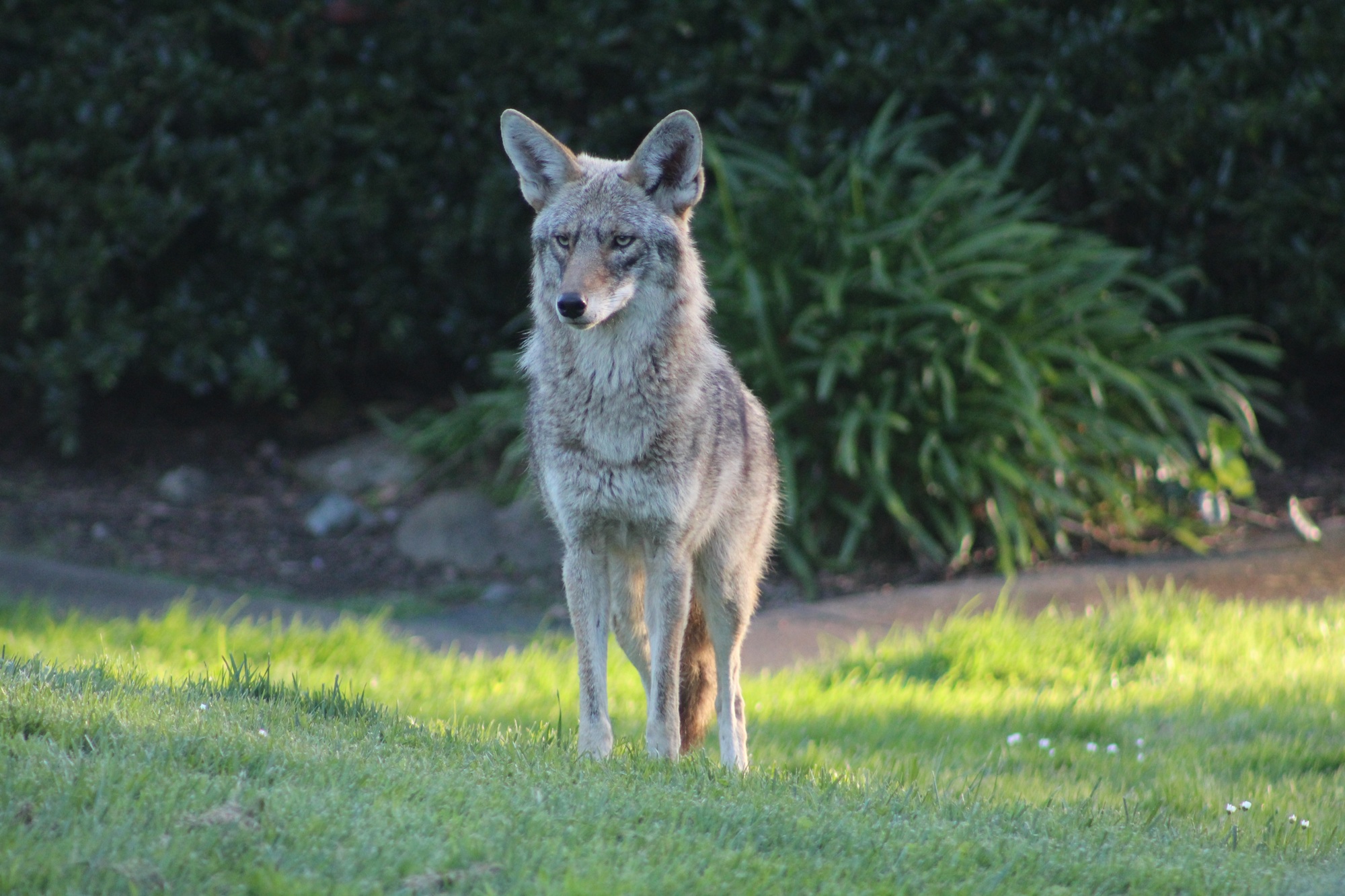
"caption": "A coyote advisory is in effect as sightings increase across Bay Area trails and neighborhoods this summer. Native to the region, coyotes are generally not dangerous to humans but can pose a threat to pets, prompting reminders from park officials to stay alert.",
"credit": "Courtesy of The Presidio Trust",
"altTag": null,
"description": null,
"imgSizes": {
"thumbnail": {
"file": "https://cdn.kqed.org/wp-content/uploads/sites/10/2025/07/CoyotePresidioTrust1-160x107.jpg",
"width": 160,
"height": 107,
"mimeType": "image/jpeg"
},
"1536x1536": {
"file": "https://cdn.kqed.org/wp-content/uploads/sites/10/2025/07/CoyotePresidioTrust1-1536x1024.jpg",
"width": 1536,
"height": 1024,
"mimeType": "image/jpeg"
},
"post-thumbnail": {
"file": "https://cdn.kqed.org/wp-content/uploads/sites/10/2025/07/CoyotePresidioTrust1-672x372.jpg",
"width": 672,
"height": 372,
"mimeType": "image/jpeg"
},
"twentyfourteen-full-width": {
"file": "https://cdn.kqed.org/wp-content/uploads/sites/10/2025/07/CoyotePresidioTrust1-1038x576.jpg",
"width": 1038,
"height": 576,
"mimeType": "image/jpeg"
},
"kqedFullSize": {
"file": "https://cdn.kqed.org/wp-content/uploads/sites/10/2025/07/CoyotePresidioTrust1.jpg",
"width": 2000,
"height": 1333
}
},
"isLoading": false,
"fetchFailed": false
},
"news_12077178": {
"type": "attachments",
"id": "news_12077178",
"meta": {
"index": "attachments_1716263798",
"site": "news",
"id": "12077178",
"found": true
},
"title": "260317-BEAUTIFULBUILDINGS-07-BL_QED-KQED",
"publishDate": 1774032710,
"status": "inherit",
"parent": 0,
"modified": 1774032785,
"caption": "A house on Broderick Street in the Lower Pacific Heights neighborhood of San Francisco on March 17, 2026. The home, used for exterior shots for the television show Full House, is now ranked on Facademash, a crowdsourced online project that invites residents to vote on the city’s “most beautiful” buildings.",
"credit": "Beth LaBerge/KQED",
"altTag": null,
"description": null,
"imgSizes": {
"thumbnail": {
"file": "https://cdn.kqed.org/wp-content/uploads/sites/10/2026/03/260317-BEAUTIFULBUILDINGS-07-BL_QED-KQED-160x107.jpg",
"width": 160,
"height": 107,
"mimeType": "image/jpeg"
},
"1536x1536": {
"file": "https://cdn.kqed.org/wp-content/uploads/sites/10/2026/03/260317-BEAUTIFULBUILDINGS-07-BL_QED-KQED-1536x1024.jpg",
"width": 1536,
"height": 1024,
"mimeType": "image/jpeg"
},
"post-thumbnail": {
"file": "https://cdn.kqed.org/wp-content/uploads/sites/10/2026/03/260317-BEAUTIFULBUILDINGS-07-BL_QED-KQED-672x372.jpg",
"width": 672,
"height": 372,
"mimeType": "image/jpeg"
},
"twentyfourteen-full-width": {
"file": "https://cdn.kqed.org/wp-content/uploads/sites/10/2026/03/260317-BEAUTIFULBUILDINGS-07-BL_QED-KQED-1038x576.jpg",
"width": 1038,
"height": 576,
"mimeType": "image/jpeg"
},
"npr-cds-wide": {
"file": "https://cdn.kqed.org/wp-content/uploads/sites/10/2026/03/260317-BEAUTIFULBUILDINGS-07-BL_QED-KQED-1200x675.jpg",
"width": 1200,
"height": 675,
"mimeType": "image/jpeg"
},
"kqedFullSize": {
"file": "https://cdn.kqed.org/wp-content/uploads/sites/10/2026/03/260317-BEAUTIFULBUILDINGS-07-BL_QED-KQED.jpg",
"width": 2000,
"height": 1333
}
},
"isLoading": false,
"fetchFailed": false
},
"news_12077215": {
"type": "attachments",
"id": "news_12077215",
"meta": {
"index": "attachments_1716263798",
"site": "news",
"id": "12077215",
"found": true
},
"title": "Hearing For Mary Fong Lau At San Francisco Hall Of Justice",
"publishDate": 1774041547,
"status": "inherit",
"parent": 12077174,
"modified": 1774041603,
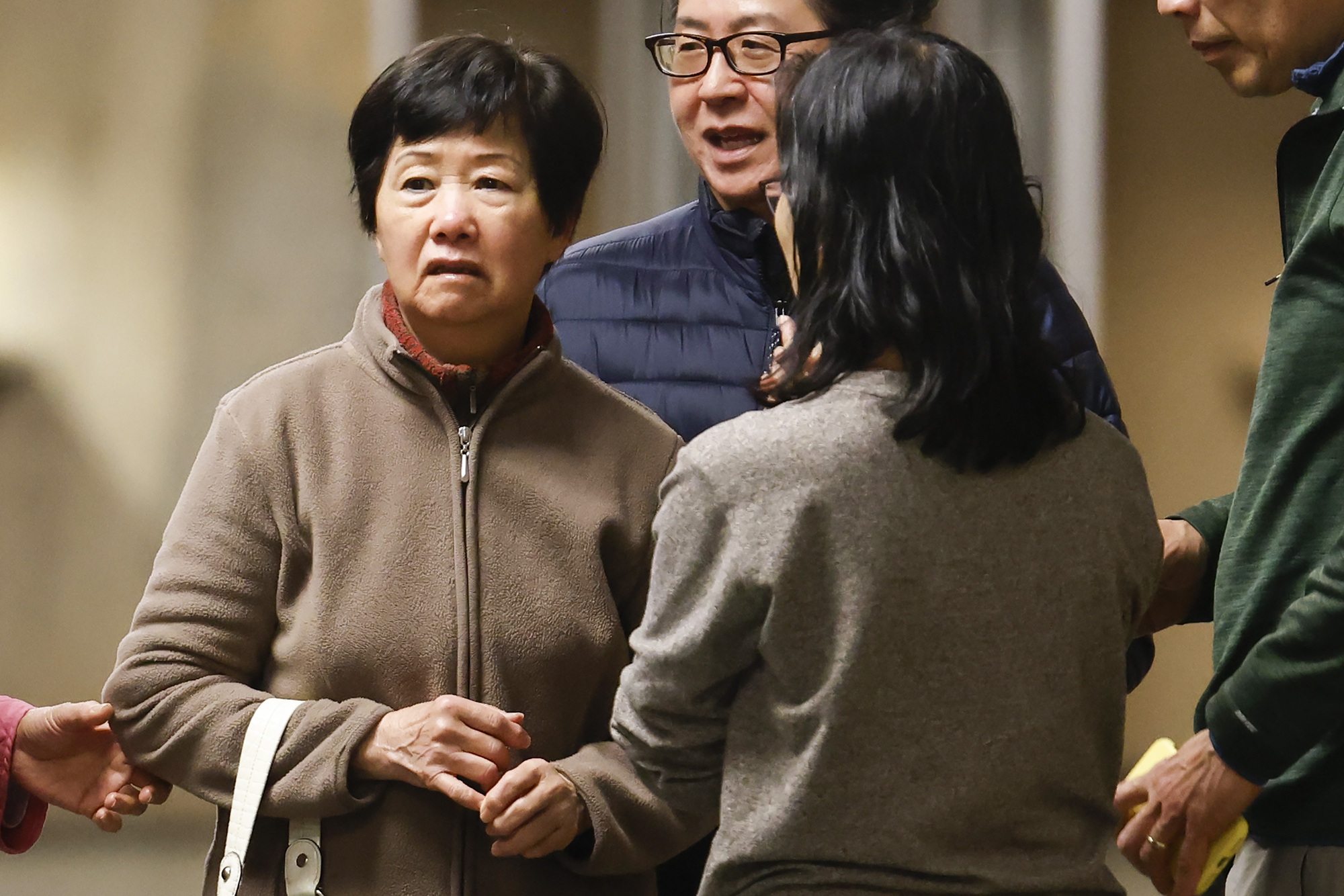
"caption": "Mary Fong Lau, left, stands with friends in the hallway ahead of a hearing at the Hall of Justice in San Francisco, California, on Feb. 13, 2026. Lau is a San Francisco resident facing felony vehicular manslaughter charges in an accident that killed a family of four in March 2024. ",
"credit": "Jessica Christian/San Francisco Chronicle via Getty Images",
"altTag": null,
"description": null,
"imgSizes": {
"thumbnail": {
"file": "https://cdn.kqed.org/wp-content/uploads/sites/10/2026/03/MaryFongLauGetty-160x107.jpg",
"width": 160,
"height": 107,
"mimeType": "image/jpeg"
},
"1536x1536": {
"file": "https://cdn.kqed.org/wp-content/uploads/sites/10/2026/03/MaryFongLauGetty-1536x1025.jpg",
"width": 1536,
"height": 1025,
"mimeType": "image/jpeg"
},
"post-thumbnail": {
"file": "https://cdn.kqed.org/wp-content/uploads/sites/10/2026/03/MaryFongLauGetty-672x372.jpg",
"width": 672,
"height": 372,
"mimeType": "image/jpeg"
},
"twentyfourteen-full-width": {
"file": "https://cdn.kqed.org/wp-content/uploads/sites/10/2026/03/MaryFongLauGetty-1038x576.jpg",
"width": 1038,
"height": 576,
"mimeType": "image/jpeg"
},
"npr-cds-wide": {
"file": "https://cdn.kqed.org/wp-content/uploads/sites/10/2026/03/MaryFongLauGetty-1200x675.jpg",
"width": 1200,
"height": 675,
"mimeType": "image/jpeg"
},
"kqedFullSize": {
"file": "https://cdn.kqed.org/wp-content/uploads/sites/10/2026/03/MaryFongLauGetty.jpg",
"width": 2000,
"height": 1334
}
},
"isLoading": false,
"fetchFailed": false
},
"news_12077198": {
"type": "attachments",
"id": "news_12077198",
"meta": {
"index": "attachments_1716263798",
"site": "news",
"id": "12077198",
"found": true
},
"title": "260319-CHAVEZSJ-KQED-09_qed",
"publishDate": 1774034858,
"status": "inherit",
"parent": 12077159,
"modified": 1774037044,
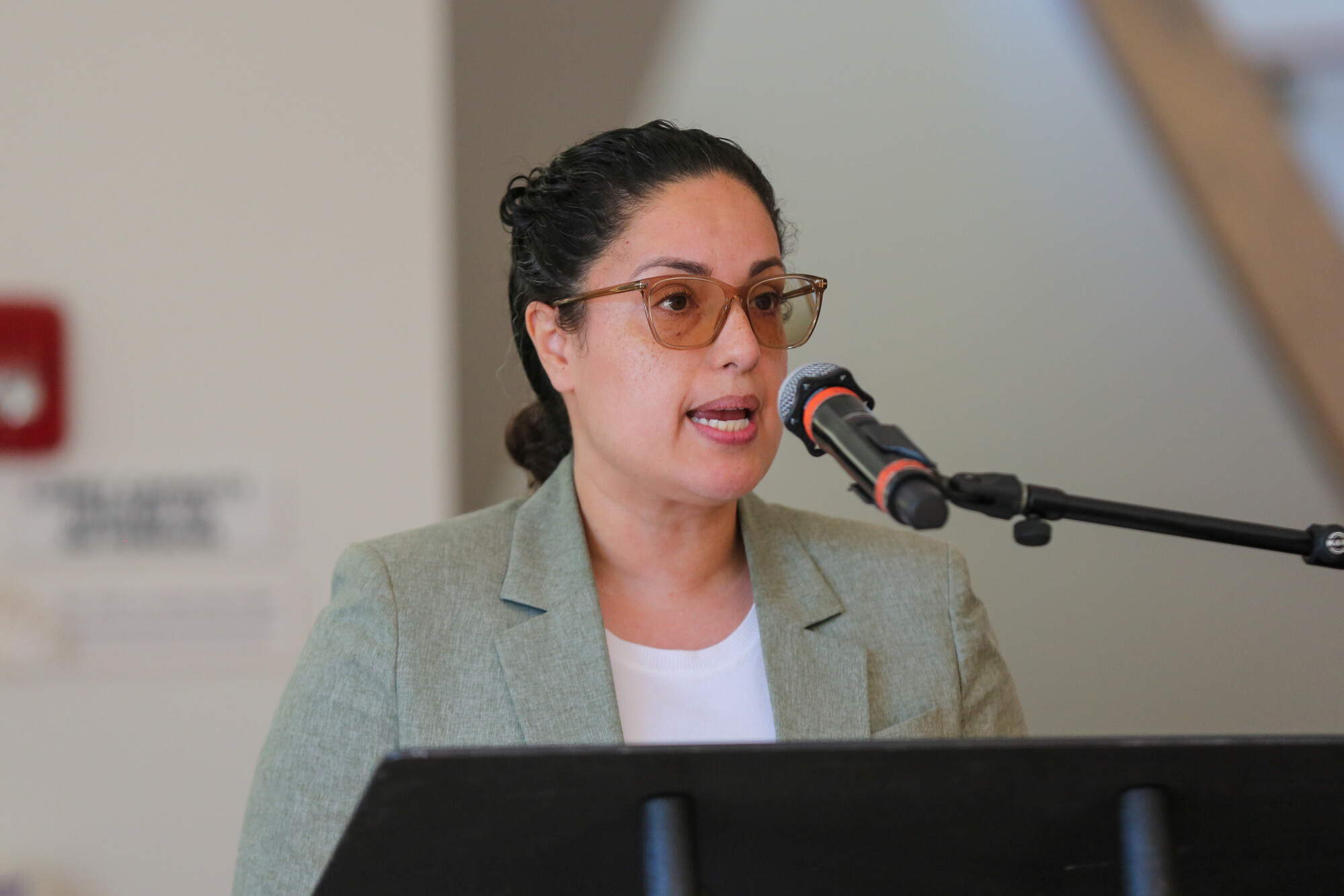
"caption": "Jessica Paz-Cedillos, CEO of Mexican Heritage Plaza, speaks about the community response to sexual abuse allegations against the late labor leader Cesar Chavez in East San José on Thursday, March 19, 2026.",
"credit": "Joseph Geha/KQED",
"altTag": null,
"description": null,
"imgSizes": {
"thumbnail": {
"file": "https://cdn.kqed.org/wp-content/uploads/sites/10/2026/03/260319-CHAVEZSJ-KQED-09_qed-160x107.jpg",
"width": 160,
"height": 107,
"mimeType": "image/jpeg"
},
"1536x1536": {
"file": "https://cdn.kqed.org/wp-content/uploads/sites/10/2026/03/260319-CHAVEZSJ-KQED-09_qed-1536x1024.jpg",
"width": 1536,
"height": 1024,
"mimeType": "image/jpeg"
},
"post-thumbnail": {
"file": "https://cdn.kqed.org/wp-content/uploads/sites/10/2026/03/260319-CHAVEZSJ-KQED-09_qed-672x372.jpg",
"width": 672,
"height": 372,
"mimeType": "image/jpeg"
},
"twentyfourteen-full-width": {
"file": "https://cdn.kqed.org/wp-content/uploads/sites/10/2026/03/260319-CHAVEZSJ-KQED-09_qed-1038x576.jpg",
"width": 1038,
"height": 576,
"mimeType": "image/jpeg"
},
"npr-cds-wide": {
"file": "https://cdn.kqed.org/wp-content/uploads/sites/10/2026/03/260319-CHAVEZSJ-KQED-09_qed-1200x675.jpg",
"width": 1200,
"height": 675,
"mimeType": "image/jpeg"
},
"kqedFullSize": {
"file": "https://cdn.kqed.org/wp-content/uploads/sites/10/2026/03/260319-CHAVEZSJ-KQED-09_qed.jpg",
"width": 1999,
"height": 1333
}
},
"isLoading": false,
"fetchFailed": false
},
"news_12076934": {
"type": "attachments",
"id": "news_12076934",
"meta": {
"index": "attachments_1716263798",
"site": "news",
"id": "12076934",
"found": true
},
"title": "US-LABOUR-RIGHTS-CHAVEZ",
"publishDate": 1773864383,
"status": "inherit",
"parent": 12076859,
"modified": 1773960421,
"caption": "A statue of César E. Chavez stands as members of the San Fernando Valley commemorative committee celebrate César Chavez Day on March 31, 2021, in San Fernando, California. Chavez was known for employing non-violent means to seek better working conditions for thousands of farm workers who suffered low wages and severe working conditions. In 1962, he founded the National Farm Workers Association, which later became the United Farm Workers (UFW) union. ",
"credit": "Patrick T. Fallon/AFP via Getty Images",
"altTag": null,
"description": null,
"imgSizes": {
"thumbnail": {
"file": "https://cdn.kqed.org/wp-content/uploads/sites/10/2026/03/CesarChavezGetty2-160x107.jpg",
"width": 160,
"height": 107,
"mimeType": "image/jpeg"
},
"1536x1536": {
"file": "https://cdn.kqed.org/wp-content/uploads/sites/10/2026/03/CesarChavezGetty2-1536x1024.jpg",
"width": 1536,
"height": 1024,
"mimeType": "image/jpeg"
},
"post-thumbnail": {
"file": "https://cdn.kqed.org/wp-content/uploads/sites/10/2026/03/CesarChavezGetty2-672x372.jpg",
"width": 672,
"height": 372,
"mimeType": "image/jpeg"
},
"twentyfourteen-full-width": {
"file": "https://cdn.kqed.org/wp-content/uploads/sites/10/2026/03/CesarChavezGetty2-1038x576.jpg",
"width": 1038,
"height": 576,
"mimeType": "image/jpeg"
},
"npr-cds-wide": {
"file": "https://cdn.kqed.org/wp-content/uploads/sites/10/2026/03/CesarChavezGetty2-1200x675.jpg",
"width": 1200,
"height": 675,
"mimeType": "image/jpeg"
},
"kqedFullSize": {
"file": "https://cdn.kqed.org/wp-content/uploads/sites/10/2026/03/CesarChavezGetty2.jpg",
"width": 2000,
"height": 1333
}
},
"isLoading": false,
"fetchFailed": false
}
},
"audioPlayerReducer": {
"postId": "stream_live",
"isPaused": true,
"isPlaying": false,
"pfsActive": false,
"pledgeModalIsOpen": true,
"playerDrawerIsOpen": false,
"liveAudioPlayStartedAt": 0,
"liveAudioPlayContext": ""
},
"authorsReducer": {
"rachael-myrow": {
"type": "authors",
"id": "251",
"meta": {
"index": "authors_1716337520",
"id": "251",
"found": true
},
"name": "Rachael Myrow",
"firstName": "Rachael",
"lastName": "Myrow",
"slug": "rachael-myrow",
"email": "rmyrow@kqed.org",
"display_author_email": true,
"staff_mastheads": [
"news"
],
"title": "Senior Editor of KQED's Silicon Valley News Desk",
"bio": "• I write and edit stories about how Silicon Valley power and policies shape everyday life in California. I’m also passionate about making Bay Area history and culture more accessible to a broad public. • I’ve been a journalist for most of my life, starting in high school with The Franklin Press in Los Angeles, where I grew up. While earning my first degree in English at UC Berkeley, I got my start in public radio at KALX-FM. After completing a second degree in journalism at Cal, I landed my first professional job at Marketplace, then moved on to KPCC (now LAist), and then KQED, where I hosted The California Report for more than seven years. • My reporting has appeared on NPR, The World, WBUR’s \u003ci>Here & Now\u003c/i>, and the BBC. I also guest host for KQED’s \u003ci>Forum\u003c/i>, as well as the Commonwealth Club in San Francisco. • I speak periodically on media, democracy and technology issues, and do voiceover work for documentaries and educational video projects. • Outside of the studio, you'll find me hiking Bay Area trails and whipping up Insta-ready meals in my kitchen. • I do not accept gifts, money, or favors from anyone connected to my reporting, I don't pay people for information, and I do not support or donate to political causes. • I strive to treat the people I report on with fairness, honesty, and respect. I also recognize there are often multiple sides to a story and work to verify information through multiple sources and documentation. If I get something wrong, I correct it.",
"avatar": "https://secure.gravatar.com/avatar/3ed8a3c5f26025e4a805ba634cda8cd764906b97438a6d9ce216b044e340da4e?s=600&d=blank&r=g",
"twitter": "rachaelmyrow",
"bluesky": null,
"facebook": null,
"instagram": null,
"linkedin": "https://www.linkedin.com/in/rachaelmyrow/",
"sites": [
{
"site": "arts",
"roles": [
"administrator"
]
},
{
"site": "news",
"roles": [
"edit_others_posts",
"editor"
]
},
{
"site": "futureofyou",
"roles": [
"editor"
]
},
{
"site": "bayareabites",
"roles": [
"editor"
]
},
{
"site": "stateofhealth",
"roles": [
"editor"
]
},
{
"site": "science",
"roles": [
"editor"
]
},
{
"site": "food",
"roles": [
"editor"
]
},
{
"site": "forum",
"roles": [
"editor"
]
},
{
"site": "liveblog",
"roles": [
"author"
]
}
],
"headData": {
"title": "Rachael Myrow | KQED",
"description": "Senior Editor of KQED's Silicon Valley News Desk",
"ogImgSrc": "https://secure.gravatar.com/avatar/3ed8a3c5f26025e4a805ba634cda8cd764906b97438a6d9ce216b044e340da4e?s=600&d=blank&r=g",
"twImgSrc": "https://secure.gravatar.com/avatar/3ed8a3c5f26025e4a805ba634cda8cd764906b97438a6d9ce216b044e340da4e?s=600&d=blank&r=g"
},
"isLoading": false,
"link": "/author/rachael-myrow"
},
"fjhabvala": {
"type": "authors",
"id": "8659",
"meta": {
"index": "authors_1716337520",
"id": "8659",
"found": true
},
"name": "Farida Jhabvala Romero",
"firstName": "Farida",
"lastName": "Jhabvala Romero",
"slug": "fjhabvala",
"email": "fjhabvala@kqed.org",
"display_author_email": true,
"staff_mastheads": [
"news"
],
"title": "KQED Contributor",
"bio": "Farida Jhabvala Romero is a Labor Correspondent for KQED. She previously covered immigration. Farida was \u003ca href=\"https://www.ccnma.org/2022-most-influential-latina-journalists\">named\u003c/a> one of the 10 Most Influential Latina Journalists in California in 2022 by the California Chicano News Media Association. Her work has won awards from the Society of Professional Journalists (Northern California), as well as a national and regional Edward M. Murrow Award for the collaborative reporting projects “Dangerous Air” and “Graying California.” Before joining KQED, Farida worked as a producer at Radio Bilingüe, a national public radio network. Farida earned her master’s degree in journalism from Stanford University.",
"avatar": "https://secure.gravatar.com/avatar/f9f022d4e2609741874222a1e9d41f48fea74011aa7c615eef91d9a50c944ebe?s=600&d=blank&r=g",
"twitter": "FaridaJhabvala",
"bluesky": null,
"facebook": null,
"instagram": null,
"linkedin": "https://www.linkedin.com/in/faridajhabvala/",
"sites": [
{
"site": "news",
"roles": [
"editor"
]
},
{
"site": "stateofhealth",
"roles": [
"author"
]
},
{
"site": "liveblog",
"roles": [
"author"
]
}
],
"headData": {
"title": "Farida Jhabvala Romero | KQED",
"description": "KQED Contributor",
"ogImgSrc": "https://secure.gravatar.com/avatar/f9f022d4e2609741874222a1e9d41f48fea74011aa7c615eef91d9a50c944ebe?s=600&d=blank&r=g",
"twImgSrc": "https://secure.gravatar.com/avatar/f9f022d4e2609741874222a1e9d41f48fea74011aa7c615eef91d9a50c944ebe?s=600&d=blank&r=g"
},
"isLoading": false,
"link": "/author/fjhabvala"
},
"jlara": {
"type": "authors",
"id": "11761",
"meta": {
"index": "authors_1716337520",
"id": "11761",
"found": true
},
"name": "Juan Carlos Lara",
"firstName": "Juan Carlos",
"lastName": "Lara",
"slug": "jlara",
"email": "jlara@kqed.org",
"display_author_email": false,
"staff_mastheads": [],
"title": "KQED Contributor",
"bio": null,
"avatar": "https://secure.gravatar.com/avatar/19e2052b9b05657c5ff2af2121846e9c?s=600&d=blank&r=g",
"twitter": null,
"facebook": null,
"instagram": null,
"linkedin": null,
"sites": [
{
"site": "arts",
"roles": [
"editor"
]
},
{
"site": "news",
"roles": [
"editor"
]
},
{
"site": "forum",
"roles": [
"editor"
]
},
{
"site": "liveblog",
"roles": [
"contributor"
]
}
],
"headData": {
"title": "Juan Carlos Lara | KQED",
"description": "KQED Contributor",
"ogImgSrc": "https://secure.gravatar.com/avatar/19e2052b9b05657c5ff2af2121846e9c?s=600&d=blank&r=g",
"twImgSrc": "https://secure.gravatar.com/avatar/19e2052b9b05657c5ff2af2121846e9c?s=600&d=blank&r=g"
},
"isLoading": false,
"link": "/author/jlara"
},
"sjohnson": {
"type": "authors",
"id": "11840",
"meta": {
"index": "authors_1716337520",
"id": "11840",
"found": true
},
"name": "Sydney Johnson",
"firstName": "Sydney",
"lastName": "Johnson",
"slug": "sjohnson",
"email": "sjohnson@kqed.org",
"display_author_email": false,
"staff_mastheads": [
"news"
],
"title": "KQED Reporter",
"bio": "Sydney Johnson is a general assignment reporter at KQED. She previously reported on public health and city government at the San Francisco Examiner, and before that, she covered statewide education policy for EdSource. Her reporting has won multiple local, state and national awards. Sydney is a graduate of the University of California, Berkeley and lives in San Francisco.",
"avatar": "https://secure.gravatar.com/avatar/97855f2719b72ad6190b7c535fe642c8?s=600&d=blank&r=g",
"twitter": "sydneyfjohnson",
"facebook": null,
"instagram": null,
"linkedin": null,
"sites": [
{
"site": "news",
"roles": [
"editor"
]
}
],
"headData": {
"title": "Sydney Johnson | KQED",
"description": "KQED Reporter",
"ogImgSrc": "https://secure.gravatar.com/avatar/97855f2719b72ad6190b7c535fe642c8?s=600&d=blank&r=g",
"twImgSrc": "https://secure.gravatar.com/avatar/97855f2719b72ad6190b7c535fe642c8?s=600&d=blank&r=g"
},
"isLoading": false,
"link": "/author/sjohnson"
},
"jgeha": {
"type": "authors",
"id": "11906",
"meta": {
"index": "authors_1716337520",
"id": "11906",
"found": true
},
"name": "Joseph Geha",
"firstName": "Joseph",
"lastName": "Geha",
"slug": "jgeha",
"email": "jgeha@kqed.org",
"display_author_email": false,
"staff_mastheads": [
"news",
"science"
],
"title": "KQED Contributor",
"bio": null,
"avatar": "https://secure.gravatar.com/avatar/ea84d2b6dd93d6369d453edf19dd583f117cd1759d2d9c9c92f9de77017354fe?s=600&d=blank&r=g",
"twitter": null,
"bluesky": null,
"facebook": null,
"instagram": null,
"linkedin": null,
"sites": [
{
"site": "news",
"roles": [
"editor"
]
},
{
"site": "liveblog",
"roles": [
"author"
]
}
],
"headData": {
"title": "Joseph Geha | KQED",
"description": "KQED Contributor",
"ogImgSrc": "https://secure.gravatar.com/avatar/ea84d2b6dd93d6369d453edf19dd583f117cd1759d2d9c9c92f9de77017354fe?s=600&d=blank&r=g",
"twImgSrc": "https://secure.gravatar.com/avatar/ea84d2b6dd93d6369d453edf19dd583f117cd1759d2d9c9c92f9de77017354fe?s=600&d=blank&r=g"
},
"isLoading": false,
"link": "/author/jgeha"
},
"kdebenedetti": {
"type": "authors",
"id": "11913",
"meta": {
"index": "authors_1716337520",
"id": "11913",
"found": true
},
"name": "Katie DeBenedetti",
"firstName": "Katie",
"lastName": "DeBenedetti",
"slug": "kdebenedetti",
"email": "kdebenedetti@kqed.org",
"display_author_email": false,
"staff_mastheads": [
"news",
"science"
],
"title": "KQED Contributor",
"bio": "Katie DeBenedetti is a digital reporter covering daily news for the Express Desk. Prior to joining KQED as a culture reporting intern in January 2024, she covered education and city government for the Napa Valley Register.",
"avatar": "https://secure.gravatar.com/avatar/6e31073cb8f7e4214ab03f42771d0f45?s=600&d=blank&r=g",
"twitter": null,
"facebook": null,
"instagram": null,
"linkedin": null,
"sites": [
{
"site": "news",
"roles": [
"author"
]
},
{
"site": "science",
"roles": [
"author"
]
},
{
"site": "liveblog",
"roles": [
"author"
]
}
],
"headData": {
"title": "Katie DeBenedetti | KQED",
"description": "KQED Contributor",
"ogImgSrc": "https://secure.gravatar.com/avatar/6e31073cb8f7e4214ab03f42771d0f45?s=600&d=blank&r=g",
"twImgSrc": "https://secure.gravatar.com/avatar/6e31073cb8f7e4214ab03f42771d0f45?s=600&d=blank&r=g"
},
"isLoading": false,
"link": "/author/kdebenedetti"
},
"emanoukian": {
"type": "authors",
"id": "11925",
"meta": {
"index": "authors_1716337520",
"id": "11925",
"found": true
},
"name": "Elize Manoukian",
"firstName": "Elize",
"lastName": "Manoukian",
"slug": "emanoukian",
"email": "emanoukian@KQED.org",
"display_author_email": false,
"staff_mastheads": [
"news"
],
"title": "Digital News Editor",
"bio": "Elize Manoukian is an award-winning audio producer and Senior Editor on the Express Desk, KQED's digital news platform. Her work has appeared on KPFA, Interlochen Public Radio, Oregon Public Broadcast, the New York Daily News, LA Times and the San Diego Union-Tribune.",
"avatar": "https://secure.gravatar.com/avatar/4525f1a8e46ccb30933b32653d9772064cfefe3fa655eb45b3b3a80341f6bdad?s=600&d=blank&r=g",
"twitter": null,
"bluesky": null,
"facebook": null,
"instagram": null,
"linkedin": null,
"sites": [
{
"site": "arts",
"roles": [
"editor"
]
},
{
"site": "news",
"roles": [
"editor"
]
},
{
"site": "science",
"roles": [
"editor"
]
}
],
"headData": {
"title": "Elize Manoukian | KQED",
"description": "Digital News Editor",
"ogImgSrc": "https://secure.gravatar.com/avatar/4525f1a8e46ccb30933b32653d9772064cfefe3fa655eb45b3b3a80341f6bdad?s=600&d=blank&r=g",
"twImgSrc": "https://secure.gravatar.com/avatar/4525f1a8e46ccb30933b32653d9772064cfefe3fa655eb45b3b3a80341f6bdad?s=600&d=blank&r=g"
},
"isLoading": false,
"link": "/author/emanoukian"
},
"sarahwright": {
"type": "authors",
"id": "11956",
"meta": {
"index": "authors_1716337520",
"id": "11956",
"found": true
},
"name": "Sarah Wright",
"firstName": "Sarah",
"lastName": "Wright",
"slug": "sarahwright",
"email": "swright@kqed.org",
"display_author_email": true,
"staff_mastheads": [],
"title": "Outdoors Engagement Reporter",
"bio": "Sarah Wright is KQED's Outdoors Engagement Reporter. Originally from Lake Tahoe, she completed a thru-hike of the Pacific Crest Trail in 2019 and was a U.S. Fulbright Program grantee to Argentina in 2023. Her journalism has appeared in The Guardian, The San Francisco Standard, The Palo Alto Weekly and the Half Moon Bay Review.",
"avatar": "https://secure.gravatar.com/avatar/c161a3d6441865cba25e6db4fa561099ad665799e9432e34da2b84d7e371524c?s=600&d=blank&r=g",
"twitter": null,
"bluesky": null,
"facebook": null,
"instagram": null,
"linkedin": null,
"sites": [
{
"site": "arts",
"roles": [
"editor"
]
},
{
"site": "news",
"roles": [
"editor"
]
},
{
"site": "science",
"roles": [
"contributor",
"author"
]
},
{
"site": "forum",
"roles": [
"editor"
]
}
],
"headData": {
"title": "Sarah Wright | KQED",
"description": "Outdoors Engagement Reporter",
"ogImgSrc": "https://secure.gravatar.com/avatar/c161a3d6441865cba25e6db4fa561099ad665799e9432e34da2b84d7e371524c?s=600&d=blank&r=g",
"twImgSrc": "https://secure.gravatar.com/avatar/c161a3d6441865cba25e6db4fa561099ad665799e9432e34da2b84d7e371524c?s=600&d=blank&r=g"
},
"isLoading": false,
"link": "/author/sarahwright"
},
"aaliahmad": {
"type": "authors",
"id": "11986",
"meta": {
"index": "authors_1716337520",
"id": "11986",
"found": true
},
"name": "Ayah Ali-Ahmad",
"firstName": "Ayah",
"lastName": "Ali-Ahmad",
"slug": "aaliahmad",
"email": "aaliahmad@KQED.org",
"display_author_email": false,
"staff_mastheads": [],
"title": "KQED Contributor",
"bio": null,
"avatar": "https://secure.gravatar.com/avatar/1cf54f187a5e1064b2cfef3f3d2f1e4f93e453395d56912aca6382a6071ec3ed?s=600&d=blank&r=g",
"twitter": "ayahaliahmad",
"bluesky": null,
"facebook": null,
"instagram": null,
"linkedin": null,
"sites": [
{
"site": "news",
"roles": [
"subscriber"
]
}
],
"headData": {
"title": "Ayah Ali-Ahmad | KQED",
"description": "KQED Contributor",
"ogImgSrc": "https://secure.gravatar.com/avatar/1cf54f187a5e1064b2cfef3f3d2f1e4f93e453395d56912aca6382a6071ec3ed?s=600&d=blank&r=g",
"twImgSrc": "https://secure.gravatar.com/avatar/1cf54f187a5e1064b2cfef3f3d2f1e4f93e453395d56912aca6382a6071ec3ed?s=600&d=blank&r=g"
},
"isLoading": false,
"link": "/author/aaliahmad"
}
},
"pagesReducer": {
"news_category_local": {
"type": "terms",
"id": "news_28250",
"meta": {
"index": "terms_1716263798",
"site": "news",
"id": "28250",
"score": 12.939732
},
"featImg": null,
"name": "Local",
"description": null,
"taxonomy": "category",
"headData": {
"twImgId": null,
"twTitle": null,
"ogTitle": null,
"ogImgId": null,
"twDescription": null,
"description": null,
"title": "Local Archives | KQED News",
"ogDescription": null
},
"ttid": 28267,
"slug": "local",
"isLoading": false,
"title": "Local",
"pageMeta": {
"site": "news",
"WpPageTemplate": "page-topic-editorial",
"currentPage": 47
},
"blocks": [
{
"blockName": "kqed/post-list",
"attrs": {
"layout": "cardArticle2",
"query": "posts/news?category=local",
"seeMore": false,
"paginated": true,
"page": 47
}
},
{
"blockName": "kqed/ad"
}
]
}
},
"pfsSessionReducer": {},
"postsReducer": {
"stream_live": {
"type": "live",
"id": "stream_live",
"audioUrl": "https://streams.kqed.org/kqedradio",
"title": "Live Stream",
"excerpt": "Live Stream information currently unavailable.",
"link": "/radio",
"featImg": "",
"label": {
"name": "KQED Live",
"link": "/"
}
},
"stream_kqedNewscast": {
"type": "posts",
"id": "stream_kqedNewscast",
"audioUrl": "https://www.kqed.org/.stream/anon/radio/RDnews/newscast.mp3?_=1",
"title": "KQED Newscast",
"featImg": "",
"label": {
"name": "88.5 FM",
"link": "/"
}
},
"news_12077653": {
"type": "posts",
"id": "news_12077653",
"meta": {
"index": "posts_1716263798",
"site": "news",
"id": "12077653",
"score": null,
"sort": [
1774630210000
]
},
"guestAuthors": [],
"slug": "domestic-violence-survivor-advocates-push-s-f-to-fund-legal-counsel-voters-approved",
"title": "Domestic Violence Survivor Advocates Push SF to Fund Legal Counsel Voters Approved",
"publishDate": 1774630210,
"format": "standard",
"headTitle": "Domestic Violence Survivor Advocates Push SF to Fund Legal Counsel Voters Approved | KQED",
"labelTerm": {
"site": "news"
},
"content": "\u003cp>Brielle Pajares never thought the charming and supportive man she fell in love with would one day send her running for her life.\u003c/p>\n\u003cp>But that’s exactly what happened in 2023, after the couple moved into a new place together in \u003ca href=\"https://www.kqed.org/news/tag/san-francisco\">San Francisco\u003c/a> with her two boys. Her partner began isolating their family from friends, and things escalated one night when he choked and beat her after she said she was leaving because of his drug use.\u003c/p>\n\u003cp>She said she escaped after biting his arm to break free. But when the police came, 4-foot-11-inch Pajares was the one arrested after he showed cops the bite marks, she said. Without any alternative place to go, she said she returned home after three nights in jail. Her abuser later installed a metal lock on the door, purchased a rifle and threatened to kill her if she ever tried to leave again.\u003c/p>\n\u003cp>“One thing every survivor understands is that leaving an abuser can be the most dangerous moment of all. When control is slipping away, violence often escalates, sometimes to the point of deadly harm,” she said. “That was the reality I was facing.”\u003c/p>\n\u003cp>[ad fullwidth]\u003c/p>\n\u003cp>Pajares eventually worked up the courage to leave, spending nights on the street and couch surfing with friends, before she finally found assistance from the nonprofit Compass Family Services and moved into a new place. But she has not yet obtained a restraining order from her abuser, and now that her housing is more stable, navigating the legal system has been a new nightmare.\u003c/p>\n\u003cp>“It’s extremely scary as someone who’s been through the trauma of having to go to jail as a result of trying to speak up,” Pajares told KQED. “We don’t get the legal assistance we need, and therefore we feel that we don’t have a voice.”\u003c/p>\n\u003cp>Several years ago, San Francisco took a step aimed at making sure women in the city don’t have the same experience as Pajares. But advocates say the city hasn’t gone far enough, and are calling on officials to do more to support survivors amid concerns budget woes will push their cause to the back burner.\u003c/p>\n\u003cfigure id=\"attachment_11987931\" class=\"wp-caption aligncenter\" style=\"max-width: 1920px\">\u003cimg loading=\"lazy\" decoding=\"async\" class=\"size-full wp-image-11987931\" src=\"https://cdn.kqed.org/wp-content/uploads/sites/10/2024/05/BreedLeeStefani_qut.jpg\" alt=\"\" width=\"1920\" height=\"1273\" srcset=\"https://cdn.kqed.org/wp-content/uploads/sites/10/2024/05/BreedLeeStefani_qut.jpg 1920w, https://cdn.kqed.org/wp-content/uploads/sites/10/2024/05/BreedLeeStefani_qut-800x530.jpg 800w, https://cdn.kqed.org/wp-content/uploads/sites/10/2024/05/BreedLeeStefani_qut-1020x676.jpg 1020w, https://cdn.kqed.org/wp-content/uploads/sites/10/2024/05/BreedLeeStefani_qut-160x106.jpg 160w, https://cdn.kqed.org/wp-content/uploads/sites/10/2024/05/BreedLeeStefani_qut-1536x1018.jpg 1536w\" sizes=\"auto, (max-width: 1920px) 100vw, 1920px\">\u003cfigcaption class=\"wp-caption-text\">Ivy Lee (center), flanked by San Francisco Mayor London Breed (left) and Supervisor Catherine Stefani, was announced as director of the city’s new Office of Victim and Witness Rights at a press conference in the West Portal neighborhood on May 28. \u003ccite>(Joe Fitzgerald Rodriguez/KQED)\u003c/cite>\u003c/figcaption>\u003c/figure>\n\u003cp>In 2022, voters approved Proposition D, a ballot measure championed by former Supervisor Catherine Stefani that created the Office of Victim and Witness Rights and tasked the new department with establishing a right to legal counsel for survivors of domestic violence.\u003c/p>\n\u003cp>But the successful measure did not allocate any funds to operate the new office or legal services, and no funding has been directed toward the program, effectively rendering it inactive.\u003c/p>\n\u003cp>San Francisco has also slashed spending in recent years to address a yawning budget deficit. This year, Mayor Daniel Lurie directed all departments to make cuts to close the city’s $900 million shortfall.\u003c/p>\n\u003cp>The mayor, who campaigned on being tough on crime, has so far refrained from making cuts to public safety. Many types of crime have decreased over the past year in San Francisco, but domestic violence has fluctuated, going up 1% from December 2024 to December 2025, then down 2% this January compared to the prior year, according to San Francisco Police Department crime reports.\u003c/p>\n\u003cp>Domestic violence work “is such an essential part of the mayor’s initiative for safety,” said Sierra Sparks, the associate director of development at Open Door Legal, which provides legal aid services to domestic violence survivors. “We need to ensure that our most vulnerable residents are also protected and that there’s a plan in place.”\u003c/p>\n\u003cfigure id=\"attachment_12077744\" class=\"wp-caption aligncenter\" style=\"max-width: 2000px\">\u003cimg loading=\"lazy\" decoding=\"async\" class=\"size-full wp-image-12077744\" src=\"https://cdn.kqed.org/wp-content/uploads/sites/10/2026/03/DV2.jpg\" alt=\"\" width=\"2000\" height=\"1500\" srcset=\"https://cdn.kqed.org/wp-content/uploads/sites/10/2026/03/DV2.jpg 2000w, https://cdn.kqed.org/wp-content/uploads/sites/10/2026/03/DV2-160x120.jpg 160w, https://cdn.kqed.org/wp-content/uploads/sites/10/2026/03/DV2-1536x1152.jpg 1536w\" sizes=\"auto, (max-width: 2000px) 100vw, 2000px\">\u003cfigcaption class=\"wp-caption-text\">Sierra Sparks, an associate director of development at Open Door Legal, on March 25, 2026. Sparks is among the advocates calling on San Francisco to invest more funding into legal services for survivors of domestic violence. \u003ccite>(Sydney Johnson/KQED)\u003c/cite>\u003c/figcaption>\u003c/figure>\n\u003cp>Advocates are calling on the city to stave off cuts and find alternative sources of funding, such as supporting the proposed Overpaid CEO Tax, which would tax companies where the CEO earns at least 100 times the median-income employee. They also want the city to fund more legal aid services for survivors of domestic violence, and say the city is obligated to do so.\u003c/p>\n\u003cp>“[Prop D] is exactly the kind of thing we need for our economic recovery and helps the most vulnerable communities,” said Anya Worley-Ziegmann, coordinator for the People’s Budget Coalition, a group of unions and community organizations fighting anticipated budget cuts. “We want to see no cuts to domestic violence, and we need to see an increased investment in it.”\u003c/p>\n\u003cp>As the city looks to make difficult budget cuts across departments, Sparks and others are concerned that the funding for legal and other domestic violence services could be on the chopping block. It’s deja vu for advocates who sounded the alarm for similar threats to domestic violence services during last year’s budget cycle. The issue is now even more dire with the Trump administration making major cuts to federal health care and social services, advocates said.\u003c/p>\n\u003cp>“We heard that they’re looking at taking deep cuts from some small agencies that serve really marginalized communities, like the Asian Women’s Shelter. There are other places to cut besides lifeline services,” said Beverly Upton, executive director of the San Francisco Domestic Violence Consortium. “We are hoping to see a better outcome in the mayor’s budget. We are really hoping he will find a different place where it won’t have such a huge impact.”[aside postID=news_12053754 hero='https://cdn.kqed.org/wp-content/uploads/sites/10/2025/08/IMG_1139-2000x1500.jpg']At this time, the mayor has not yet released his official budget proposal, which is expected in May. Officials in the mayor’s office did not comment on whether the city is looking to fund Prop D’s right-to-counsel program this year for the first time. However, the city is currently studying how the approach could work and what amount of funding it would require, either from the city or outside private sources.\u003c/p>\n\u003cp>Supervisors on the Government Audit and Oversight Committee recently approved a waiver to allow the city to privately fundraise donations for survivors of crimes, including domestic violence.\u003c/p>\n\u003cp>“The Mayor’s Office of Victims’ Rights is working with a partner organization on a pro-bono basis to conduct an analysis on how the city can most effectively run a domestic violence right-to-counsel program,” a spokesperson from the mayor’s office said.\u003c/p>\n\u003cp>In the meantime, survivors like Pajares are often left with little help navigating how to escape a relationship or getting back on their feet once they do.\u003c/p>\n\u003cp>Domestic violence is not only a matter of life or death for the individuals involved, but it often has a direct correlation to the city’s rates of homelessness, something many survivors like Pajares have experienced as they flee an abuser.\u003c/p>\n\u003cp>In San Francisco, 43% of families who were assessed for housing between 2024-25 reported that they were escaping violence, according to an email from San Francisco’s Department of Homelessness and Supportive Housing that was shared with KQED.\u003c/p>\n\u003cp>“If I had legal counsel, it would have just expedited that process [of leaving],” Pajares said, “and I probably would have had a restraining order. There would probably be consequences for this person as well, and maybe they would have put him in prison. But that’s not the case.”\u003c/p>\n\u003cp>[ad floatright]\u003c/p>\n",
"blocks": [],
"excerpt": "Advocates are demanding that the city fund Proposition D, which San Francisco voters approved in 2022, to create a right-to-counsel program for survivors of domestic violence.",
"status": "publish",
"parent": 0,
"modified": 1774649956,
"stats": {
"hasAudio": false,
"hasVideo": false,
"hasChartOrMap": false,
"iframeSrcs": [],
"hasGoogleForm": false,
"hasGallery": false,
"hasHearkenModule": false,
"hasPolis": false,
"paragraphCount": 24,
"wordCount": 1334
},
"headData": {
"title": "Domestic Violence Survivor Advocates Push SF to Fund Legal Counsel Voters Approved | KQED",
"description": "Advocates are demanding that the city fund Proposition D, which San Francisco voters approved in 2022, to create a right-to-counsel program for survivors of domestic violence.",
"ogTitle": "",
"ogDescription": "",
"ogImgId": "",
"twTitle": "",
"twDescription": "",
"twImgId": "",
"schema": {
"@context": "https://schema.org",
"@type": "NewsArticle",
"headline": "Domestic Violence Survivor Advocates Push SF to Fund Legal Counsel Voters Approved",
"datePublished": "2026-03-27T09:50:10-07:00",
"dateModified": "2026-03-27T15:19:16-07:00",
"image": "https://cdn.kqed.org/wp-content/uploads/2020/02/KQED-OG-Image@1x.png",
"isAccessibleForFree": "True",
"publisher": {
"@type": "NewsMediaOrganization",
"@id": "https://www.kqed.org/#organization",
"name": "KQED",
"logo": "https://cdn.kqed.org/wp-content/uploads/2020/02/KQED-OG-Image@1x.png",
"url": "https://www.kqed.org",
"sameAs": [
"https://www.facebook.com/KQED",
"https://twitter.com/KQED",
"https://www.instagram.com/kqed/",
"https://www.tiktok.com/@kqedofficial",
"https://www.linkedin.com/company/kqed",
"https://www.youtube.com/channel/UCeC0IOo7i1P_61zVUWbJ4nw"
]
}
}
},
"primaryCategory": {
"termId": 28250,
"slug": "local",
"name": "Local"
},
"sticky": false,
"nprStoryId": "kqed-12077653",
"templateType": "standard",
"featuredImageType": "standard",
"excludeFromSiteSearch": "Include",
"articleAge": "0",
"path": "/news/12077653/domestic-violence-survivor-advocates-push-s-f-to-fund-legal-counsel-voters-approved",
"audioTrackLength": null,
"parsedContent": [
{
"type": "contentString",
"content": "\u003cdiv class=\"post-body\">\u003cp>\u003cp>Brielle Pajares never thought the charming and supportive man she fell in love with would one day send her running for her life.\u003c/p>\n\u003cp>But that’s exactly what happened in 2023, after the couple moved into a new place together in \u003ca href=\"https://www.kqed.org/news/tag/san-francisco\">San Francisco\u003c/a> with her two boys. Her partner began isolating their family from friends, and things escalated one night when he choked and beat her after she said she was leaving because of his drug use.\u003c/p>\n\u003cp>She said she escaped after biting his arm to break free. But when the police came, 4-foot-11-inch Pajares was the one arrested after he showed cops the bite marks, she said. Without any alternative place to go, she said she returned home after three nights in jail. Her abuser later installed a metal lock on the door, purchased a rifle and threatened to kill her if she ever tried to leave again.\u003c/p>\n\u003cp>“One thing every survivor understands is that leaving an abuser can be the most dangerous moment of all. When control is slipping away, violence often escalates, sometimes to the point of deadly harm,” she said. “That was the reality I was facing.”\u003c/p>\n\u003cp>\u003c/p>\u003c/div>",
"attributes": {
"named": {},
"numeric": []
}
},
{
"type": "component",
"content": "",
"name": "ad",
"attributes": {
"named": {
"label": "fullwidth"
},
"numeric": [
"fullwidth"
]
}
},
{
"type": "contentString",
"content": "\u003cdiv class=\"post-body\">\u003cp>\u003c/p>\n\u003cp>Pajares eventually worked up the courage to leave, spending nights on the street and couch surfing with friends, before she finally found assistance from the nonprofit Compass Family Services and moved into a new place. But she has not yet obtained a restraining order from her abuser, and now that her housing is more stable, navigating the legal system has been a new nightmare.\u003c/p>\n\u003cp>“It’s extremely scary as someone who’s been through the trauma of having to go to jail as a result of trying to speak up,” Pajares told KQED. “We don’t get the legal assistance we need, and therefore we feel that we don’t have a voice.”\u003c/p>\n\u003cp>Several years ago, San Francisco took a step aimed at making sure women in the city don’t have the same experience as Pajares. But advocates say the city hasn’t gone far enough, and are calling on officials to do more to support survivors amid concerns budget woes will push their cause to the back burner.\u003c/p>\n\u003cfigure id=\"attachment_11987931\" class=\"wp-caption aligncenter\" style=\"max-width: 1920px\">\u003cimg loading=\"lazy\" decoding=\"async\" class=\"size-full wp-image-11987931\" src=\"https://cdn.kqed.org/wp-content/uploads/sites/10/2024/05/BreedLeeStefani_qut.jpg\" alt=\"\" width=\"1920\" height=\"1273\" srcset=\"https://cdn.kqed.org/wp-content/uploads/sites/10/2024/05/BreedLeeStefani_qut.jpg 1920w, https://cdn.kqed.org/wp-content/uploads/sites/10/2024/05/BreedLeeStefani_qut-800x530.jpg 800w, https://cdn.kqed.org/wp-content/uploads/sites/10/2024/05/BreedLeeStefani_qut-1020x676.jpg 1020w, https://cdn.kqed.org/wp-content/uploads/sites/10/2024/05/BreedLeeStefani_qut-160x106.jpg 160w, https://cdn.kqed.org/wp-content/uploads/sites/10/2024/05/BreedLeeStefani_qut-1536x1018.jpg 1536w\" sizes=\"auto, (max-width: 1920px) 100vw, 1920px\">\u003cfigcaption class=\"wp-caption-text\">Ivy Lee (center), flanked by San Francisco Mayor London Breed (left) and Supervisor Catherine Stefani, was announced as director of the city’s new Office of Victim and Witness Rights at a press conference in the West Portal neighborhood on May 28. \u003ccite>(Joe Fitzgerald Rodriguez/KQED)\u003c/cite>\u003c/figcaption>\u003c/figure>\n\u003cp>In 2022, voters approved Proposition D, a ballot measure championed by former Supervisor Catherine Stefani that created the Office of Victim and Witness Rights and tasked the new department with establishing a right to legal counsel for survivors of domestic violence.\u003c/p>\n\u003cp>But the successful measure did not allocate any funds to operate the new office or legal services, and no funding has been directed toward the program, effectively rendering it inactive.\u003c/p>\n\u003cp>San Francisco has also slashed spending in recent years to address a yawning budget deficit. This year, Mayor Daniel Lurie directed all departments to make cuts to close the city’s $900 million shortfall.\u003c/p>\n\u003cp>The mayor, who campaigned on being tough on crime, has so far refrained from making cuts to public safety. Many types of crime have decreased over the past year in San Francisco, but domestic violence has fluctuated, going up 1% from December 2024 to December 2025, then down 2% this January compared to the prior year, according to San Francisco Police Department crime reports.\u003c/p>\n\u003cp>Domestic violence work “is such an essential part of the mayor’s initiative for safety,” said Sierra Sparks, the associate director of development at Open Door Legal, which provides legal aid services to domestic violence survivors. “We need to ensure that our most vulnerable residents are also protected and that there’s a plan in place.”\u003c/p>\n\u003cfigure id=\"attachment_12077744\" class=\"wp-caption aligncenter\" style=\"max-width: 2000px\">\u003cimg loading=\"lazy\" decoding=\"async\" class=\"size-full wp-image-12077744\" src=\"https://cdn.kqed.org/wp-content/uploads/sites/10/2026/03/DV2.jpg\" alt=\"\" width=\"2000\" height=\"1500\" srcset=\"https://cdn.kqed.org/wp-content/uploads/sites/10/2026/03/DV2.jpg 2000w, https://cdn.kqed.org/wp-content/uploads/sites/10/2026/03/DV2-160x120.jpg 160w, https://cdn.kqed.org/wp-content/uploads/sites/10/2026/03/DV2-1536x1152.jpg 1536w\" sizes=\"auto, (max-width: 2000px) 100vw, 2000px\">\u003cfigcaption class=\"wp-caption-text\">Sierra Sparks, an associate director of development at Open Door Legal, on March 25, 2026. Sparks is among the advocates calling on San Francisco to invest more funding into legal services for survivors of domestic violence. \u003ccite>(Sydney Johnson/KQED)\u003c/cite>\u003c/figcaption>\u003c/figure>\n\u003cp>Advocates are calling on the city to stave off cuts and find alternative sources of funding, such as supporting the proposed Overpaid CEO Tax, which would tax companies where the CEO earns at least 100 times the median-income employee. They also want the city to fund more legal aid services for survivors of domestic violence, and say the city is obligated to do so.\u003c/p>\n\u003cp>“[Prop D] is exactly the kind of thing we need for our economic recovery and helps the most vulnerable communities,” said Anya Worley-Ziegmann, coordinator for the People’s Budget Coalition, a group of unions and community organizations fighting anticipated budget cuts. “We want to see no cuts to domestic violence, and we need to see an increased investment in it.”\u003c/p>\n\u003cp>As the city looks to make difficult budget cuts across departments, Sparks and others are concerned that the funding for legal and other domestic violence services could be on the chopping block. It’s deja vu for advocates who sounded the alarm for similar threats to domestic violence services during last year’s budget cycle. The issue is now even more dire with the Trump administration making major cuts to federal health care and social services, advocates said.\u003c/p>\n\u003cp>“We heard that they’re looking at taking deep cuts from some small agencies that serve really marginalized communities, like the Asian Women’s Shelter. There are other places to cut besides lifeline services,” said Beverly Upton, executive director of the San Francisco Domestic Violence Consortium. “We are hoping to see a better outcome in the mayor’s budget. We are really hoping he will find a different place where it won’t have such a huge impact.”\u003c/p>\u003c/div>",
"attributes": {
"named": {},
"numeric": []
}
},
{
"type": "component",
"content": "",
"name": "aside",
"attributes": {
"named": {
"postid": "news_12053754",
"hero": "https://cdn.kqed.org/wp-content/uploads/sites/10/2025/08/IMG_1139-2000x1500.jpg",
"label": ""
},
"numeric": []
}
},
{
"type": "contentString",
"content": "\u003cdiv class=\"post-body\">\u003cp>At this time, the mayor has not yet released his official budget proposal, which is expected in May. Officials in the mayor’s office did not comment on whether the city is looking to fund Prop D’s right-to-counsel program this year for the first time. However, the city is currently studying how the approach could work and what amount of funding it would require, either from the city or outside private sources.\u003c/p>\n\u003cp>Supervisors on the Government Audit and Oversight Committee recently approved a waiver to allow the city to privately fundraise donations for survivors of crimes, including domestic violence.\u003c/p>\n\u003cp>“The Mayor’s Office of Victims’ Rights is working with a partner organization on a pro-bono basis to conduct an analysis on how the city can most effectively run a domestic violence right-to-counsel program,” a spokesperson from the mayor’s office said.\u003c/p>\n\u003cp>In the meantime, survivors like Pajares are often left with little help navigating how to escape a relationship or getting back on their feet once they do.\u003c/p>\n\u003cp>Domestic violence is not only a matter of life or death for the individuals involved, but it often has a direct correlation to the city’s rates of homelessness, something many survivors like Pajares have experienced as they flee an abuser.\u003c/p>\n\u003cp>In San Francisco, 43% of families who were assessed for housing between 2024-25 reported that they were escaping violence, according to an email from San Francisco’s Department of Homelessness and Supportive Housing that was shared with KQED.\u003c/p>\n\u003cp>“If I had legal counsel, it would have just expedited that process [of leaving],” Pajares said, “and I probably would have had a restraining order. There would probably be consequences for this person as well, and maybe they would have put him in prison. But that’s not the case.”\u003c/p>\n\u003cp>\u003c/p>\u003c/div>",
"attributes": {
"named": {},
"numeric": []
}
},
{
"type": "component",
"content": "",
"name": "ad",
"attributes": {
"named": {
"label": "floatright"
},
"numeric": [
"floatright"
]
}
},
{
"type": "contentString",
"content": "\u003cdiv class=\"post-body\">\u003cp>\u003c/p>\n\u003c/div>\u003c/p>",
"attributes": {
"named": {},
"numeric": []
}
}
],
"link": "/news/12077653/domestic-violence-survivor-advocates-push-s-f-to-fund-legal-counsel-voters-approved",
"authors": [
"11840"
],
"categories": [
"news_457",
"news_28250",
"news_8"
],
"tags": [
"news_3854",
"news_32983",
"news_34055",
"news_17759",
"news_27626",
"news_17996",
"news_38",
"news_34997",
"news_18077",
"news_1917"
],
"featImg": "news_12077745",
"label": "news"
},
"news_12077640": {
"type": "posts",
"id": "news_12077640",
"meta": {
"index": "posts_1716263798",
"site": "news",
"id": "12077640",
"score": null,
"sort": [
1774562402000
]
},
"guestAuthors": [],
"slug": "alleging-discrimination-san-jose-parents-try-to-fight-school-closures",
"title": "Alleging Discrimination, San José Parents Try to Fight School Closures",
"publishDate": 1774562402,
"format": "standard",
"headTitle": "Alleging Discrimination, San José Parents Try to Fight School Closures | KQED",
"labelTerm": {
"site": "news"
},
"content": "\u003cp>\u003ca href=\"https://www.kqed.org/news/tag/san-jose\">San José\u003c/a> parents are attempting to stop the city’s public school district from shuttering five campuses, alleging in a legal complaint that the plan would disproportionately impact low-income students and students of color.\u003c/p>\n\u003cp>Families filed the complaint with the San José Unified School District’s school board ahead of a vote on the closure plan on Thursday.\u003c/p>\n\u003cp>“This process has been discriminatory in its impact, misleading in how it has been presented to families, and procedurally deficient,” parent David Friedlander, who is leading the effort, said at a press conference on Wednesday.\u003c/p>\n\u003cp>[ad fullwidth]\u003c/p>\n\u003cp>Earlier this month, a committee of about 20 teachers, principals, parents and other community members recommended the board shutter Empire Gardens, Lowell, Gardner, Canoas and Terrell elementary schools and relocate Hammer Montessori to the Gardner campus at the end of the year.\u003c/p>\n\u003cp>It said the reorganization plan, dubbed “Schools of Tomorrow,” aims to address a 20% decline in enrollment — a loss of 6,000 students — since 2017. In that time, the number of elementary schools with fewer than 350 students has doubled from six to 12.\u003c/p>\n\u003cp>The committee’s recommendation said that shrinking enrollment could lead to reduced staffing, hurting programs like art and music at small schools, and increasing the need for combined grade classes at district schools.\u003c/p>\n\u003cfigure id=\"attachment_12077731\" class=\"wp-caption aligncenter\" style=\"max-width: 2000px\">\u003ca href=\"https://cdn.kqed.org/wp-content/uploads/sites/10/2026/03/260326-SJSchoolClosures-15-BL.jpg\">\u003cimg loading=\"lazy\" decoding=\"async\" class=\"size-full wp-image-12077731\" src=\"https://cdn.kqed.org/wp-content/uploads/sites/10/2026/03/260326-SJSchoolClosures-15-BL.jpg\" alt=\"\" width=\"2000\" height=\"1333\" srcset=\"https://cdn.kqed.org/wp-content/uploads/sites/10/2026/03/260326-SJSchoolClosures-15-BL.jpg 2000w, https://cdn.kqed.org/wp-content/uploads/sites/10/2026/03/260326-SJSchoolClosures-15-BL-160x107.jpg 160w, https://cdn.kqed.org/wp-content/uploads/sites/10/2026/03/260326-SJSchoolClosures-15-BL-1536x1024.jpg 1536w\" sizes=\"auto, (max-width: 2000px) 100vw, 2000px\">\u003c/a>\u003cfigcaption class=\"wp-caption-text\">Lowell Elementary School in San José on March 26, 2026. The school is among those proposed for closure as part of the San José Unified School District’s “Schools of Tomorrow” plan. \u003ccite>(Beth LaBerge/KQED)\u003c/cite>\u003c/figcaption>\u003c/figure>\n\u003cp>“The Schools of Tomorrow process is a response to these challenges that will enable us to address declining enrollment in a positive, student-centered way,” SJUSD said on its website.\u003c/p>\n\u003cp>But parents say the plan to close schools has been rushed, and should be a “last resort.”\u003c/p>\n\u003cp>“We want our community to have input. We want to improve the programs that are in the schools. We want to do this in a thoughtful way,” Friedlander, a Hammer Montessori parent, told KQED.\u003c/p>\n\u003cp>They also said the final list of campuses that will close discriminates against students of color and low-income families.[aside postID=news_12055955 hero='https://cdn.kqed.org/wp-content/uploads/sites/10/2025/09/250909-BERRYESSAUNIONCLOSURES_03248_TV-KQED.jpg']According to Maeve Naughton, a parent at Terrell Elementary, all five of the campuses that could shutter are Title I schools.\u003c/p>\n\u003cp>“Title I schools exist for one reason — to serve children living in poverty. Children who already carry burdens that most of us will never fully understand,” she said in a statement.\u003c/p>\n\u003cp>Friedlander said that up to nine school closures were initially considered, but “when they moved to fewer schools, it really shifted to targeting entirely Title I schools.”\u003c/p>\n\u003cp>“These schools are heavily Latino. They are also primarily socioeconomically disadvantaged students, foster youth, kids with special needs,” he told KQED.\u003c/p>\n\u003cp>Between 72% and 91% of the students at four of the schools recommended for closure identify as Hispanic or Latino, compared to about 55.2% of all SJUSD students, according to California Department of Education data.\u003c/p>\n\u003cp>“Those are way higher on that metric than the district average, and those are the schools targeted,” Friedlander continued.\u003c/p>\n\u003cp>The complaint alleges that this discrimination violates state and federal protections and that the closure process hasn’t included enough community input or an analysis examining the equity for affected students.\u003c/p>\n\u003cp>SJUSD did not immediately respond to a request for comment on Thursday.\u003c/p>\n\u003cfigure id=\"attachment_12077729\" class=\"wp-caption aligncenter\" style=\"max-width: 2000px\">\u003ca href=\"https://cdn.kqed.org/wp-content/uploads/sites/10/2026/03/260326-SJSchoolClosures-23-BL.jpg\">\u003cimg loading=\"lazy\" decoding=\"async\" class=\"size-full wp-image-12077729\" src=\"https://cdn.kqed.org/wp-content/uploads/sites/10/2026/03/260326-SJSchoolClosures-23-BL.jpg\" alt=\"\" width=\"2000\" height=\"1333\" srcset=\"https://cdn.kqed.org/wp-content/uploads/sites/10/2026/03/260326-SJSchoolClosures-23-BL.jpg 2000w, https://cdn.kqed.org/wp-content/uploads/sites/10/2026/03/260326-SJSchoolClosures-23-BL-160x107.jpg 160w, https://cdn.kqed.org/wp-content/uploads/sites/10/2026/03/260326-SJSchoolClosures-23-BL-1536x1024.jpg 1536w\" sizes=\"auto, (max-width: 2000px) 100vw, 2000px\">\u003c/a>\u003cfigcaption class=\"wp-caption-text\">Empire Gardens Elementary School in San José on March 26, 2026. The school is among those proposed for closure as part of the San José Unified School District’s “Schools of Tomorrow” plan. \u003ccite>(Beth LaBerge/KQED)\u003c/cite>\u003c/figcaption>\u003c/figure>\n\u003cp>The district said it identified the schools to close based on enrollment, targeting schools with fewer than 300 students, and took into account whether they had special education and bilingual programs. On its website, SJUSD said its “ideal” elementary school would have three classes per grade level, or four classes at schools with English immersion and bilingual programs.\u003c/p>\n\u003cp>The district will be required to conduct an investigation into the claims and report its findings within 60 days. Depending on its conclusion, the parents could appeal to the state department of education.\u003c/p>\n\u003cp>Friedlander said, in part, parents filed the complaint to get ahead of any decision the school board makes Thursday night. He said, depending on the outcome of the meeting, further legal challenges could follow.\u003c/p>\n\u003cp>“We are not going away. We are organized, we are filing through proper legal channels, and we expect answers,” he said.\u003c/p>\n\u003cp>\u003c/p>\n",
"blocks": [],
"excerpt": "The legal challenge comes ahead of a vote on the closure plan at a Thursday evening school board meeting. The South Bay district said enrollment has declined by 6,000 students since 2017. ",
"status": "publish",
"parent": 0,
"modified": 1774567616,
"stats": {
"hasAudio": false,
"hasVideo": false,
"hasChartOrMap": false,
"iframeSrcs": [],
"hasGoogleForm": false,
"hasGallery": false,
"hasHearkenModule": false,
"hasPolis": false,
"paragraphCount": 23,
"wordCount": 791
},
"headData": {
"title": "Alleging Discrimination, San José Parents Try to Fight School Closures | KQED",
"description": "The legal challenge comes ahead of a vote on the closure plan at a Thursday evening school board meeting. The South Bay district said enrollment has declined by 6,000 students since 2017. ",
"ogTitle": "",
"ogDescription": "",
"ogImgId": "",
"twTitle": "",
"twDescription": "",
"twImgId": "",
"schema": {
"@context": "https://schema.org",
"@type": "NewsArticle",
"headline": "Alleging Discrimination, San José Parents Try to Fight School Closures",
"datePublished": "2026-03-26T15:00:02-07:00",
"dateModified": "2026-03-26T16:26:56-07:00",
"image": "https://cdn.kqed.org/wp-content/uploads/2020/02/KQED-OG-Image@1x.png",
"isAccessibleForFree": "True",
"publisher": {
"@type": "NewsMediaOrganization",
"@id": "https://www.kqed.org/#organization",
"name": "KQED",
"logo": "https://cdn.kqed.org/wp-content/uploads/2020/02/KQED-OG-Image@1x.png",
"url": "https://www.kqed.org",
"sameAs": [
"https://www.facebook.com/KQED",
"https://twitter.com/KQED",
"https://www.instagram.com/kqed/",
"https://www.tiktok.com/@kqedofficial",
"https://www.linkedin.com/company/kqed",
"https://www.youtube.com/channel/UCeC0IOo7i1P_61zVUWbJ4nw"
]
}
}
},
"primaryCategory": {
"termId": 18540,
"slug": "education",
"name": "Education"
},
"sticky": false,
"nprStoryId": "kqed-12077640",
"templateType": "standard",
"featuredImageType": "standard",
"excludeFromSiteSearch": "Include",
"articleAge": "0",
"path": "/news/12077640/alleging-discrimination-san-jose-parents-try-to-fight-school-closures",
"audioTrackLength": null,
"parsedContent": [
{
"type": "contentString",
"content": "\u003cdiv class=\"post-body\">\u003cp>\u003cp>\u003ca href=\"https://www.kqed.org/news/tag/san-jose\">San José\u003c/a> parents are attempting to stop the city’s public school district from shuttering five campuses, alleging in a legal complaint that the plan would disproportionately impact low-income students and students of color.\u003c/p>\n\u003cp>Families filed the complaint with the San José Unified School District’s school board ahead of a vote on the closure plan on Thursday.\u003c/p>\n\u003cp>“This process has been discriminatory in its impact, misleading in how it has been presented to families, and procedurally deficient,” parent David Friedlander, who is leading the effort, said at a press conference on Wednesday.\u003c/p>\n\u003cp>\u003c/p>\u003c/div>",
"attributes": {
"named": {},
"numeric": []
}
},
{
"type": "component",
"content": "",
"name": "ad",
"attributes": {
"named": {
"label": "fullwidth"
},
"numeric": [
"fullwidth"
]
}
},
{
"type": "contentString",
"content": "\u003cdiv class=\"post-body\">\u003cp>\u003c/p>\n\u003cp>Earlier this month, a committee of about 20 teachers, principals, parents and other community members recommended the board shutter Empire Gardens, Lowell, Gardner, Canoas and Terrell elementary schools and relocate Hammer Montessori to the Gardner campus at the end of the year.\u003c/p>\n\u003cp>It said the reorganization plan, dubbed “Schools of Tomorrow,” aims to address a 20% decline in enrollment — a loss of 6,000 students — since 2017. In that time, the number of elementary schools with fewer than 350 students has doubled from six to 12.\u003c/p>\n\u003cp>The committee’s recommendation said that shrinking enrollment could lead to reduced staffing, hurting programs like art and music at small schools, and increasing the need for combined grade classes at district schools.\u003c/p>\n\u003cfigure id=\"attachment_12077731\" class=\"wp-caption aligncenter\" style=\"max-width: 2000px\">\u003ca href=\"https://cdn.kqed.org/wp-content/uploads/sites/10/2026/03/260326-SJSchoolClosures-15-BL.jpg\">\u003cimg loading=\"lazy\" decoding=\"async\" class=\"size-full wp-image-12077731\" src=\"https://cdn.kqed.org/wp-content/uploads/sites/10/2026/03/260326-SJSchoolClosures-15-BL.jpg\" alt=\"\" width=\"2000\" height=\"1333\" srcset=\"https://cdn.kqed.org/wp-content/uploads/sites/10/2026/03/260326-SJSchoolClosures-15-BL.jpg 2000w, https://cdn.kqed.org/wp-content/uploads/sites/10/2026/03/260326-SJSchoolClosures-15-BL-160x107.jpg 160w, https://cdn.kqed.org/wp-content/uploads/sites/10/2026/03/260326-SJSchoolClosures-15-BL-1536x1024.jpg 1536w\" sizes=\"auto, (max-width: 2000px) 100vw, 2000px\">\u003c/a>\u003cfigcaption class=\"wp-caption-text\">Lowell Elementary School in San José on March 26, 2026. The school is among those proposed for closure as part of the San José Unified School District’s “Schools of Tomorrow” plan. \u003ccite>(Beth LaBerge/KQED)\u003c/cite>\u003c/figcaption>\u003c/figure>\n\u003cp>“The Schools of Tomorrow process is a response to these challenges that will enable us to address declining enrollment in a positive, student-centered way,” SJUSD said on its website.\u003c/p>\n\u003cp>But parents say the plan to close schools has been rushed, and should be a “last resort.”\u003c/p>\n\u003cp>“We want our community to have input. We want to improve the programs that are in the schools. We want to do this in a thoughtful way,” Friedlander, a Hammer Montessori parent, told KQED.\u003c/p>\n\u003cp>They also said the final list of campuses that will close discriminates against students of color and low-income families.\u003c/p>\u003c/div>",
"attributes": {
"named": {},
"numeric": []
}
},
{
"type": "component",
"content": "",
"name": "aside",
"attributes": {
"named": {
"postid": "news_12055955",
"hero": "https://cdn.kqed.org/wp-content/uploads/sites/10/2025/09/250909-BERRYESSAUNIONCLOSURES_03248_TV-KQED.jpg",
"label": ""
},
"numeric": []
}
},
{
"type": "contentString",
"content": "\u003cdiv class=\"post-body\">\u003cp>According to Maeve Naughton, a parent at Terrell Elementary, all five of the campuses that could shutter are Title I schools.\u003c/p>\n\u003cp>“Title I schools exist for one reason — to serve children living in poverty. Children who already carry burdens that most of us will never fully understand,” she said in a statement.\u003c/p>\n\u003cp>Friedlander said that up to nine school closures were initially considered, but “when they moved to fewer schools, it really shifted to targeting entirely Title I schools.”\u003c/p>\n\u003cp>“These schools are heavily Latino. They are also primarily socioeconomically disadvantaged students, foster youth, kids with special needs,” he told KQED.\u003c/p>\n\u003cp>Between 72% and 91% of the students at four of the schools recommended for closure identify as Hispanic or Latino, compared to about 55.2% of all SJUSD students, according to California Department of Education data.\u003c/p>\n\u003cp>“Those are way higher on that metric than the district average, and those are the schools targeted,” Friedlander continued.\u003c/p>\n\u003cp>The complaint alleges that this discrimination violates state and federal protections and that the closure process hasn’t included enough community input or an analysis examining the equity for affected students.\u003c/p>\n\u003cp>SJUSD did not immediately respond to a request for comment on Thursday.\u003c/p>\n\u003cfigure id=\"attachment_12077729\" class=\"wp-caption aligncenter\" style=\"max-width: 2000px\">\u003ca href=\"https://cdn.kqed.org/wp-content/uploads/sites/10/2026/03/260326-SJSchoolClosures-23-BL.jpg\">\u003cimg loading=\"lazy\" decoding=\"async\" class=\"size-full wp-image-12077729\" src=\"https://cdn.kqed.org/wp-content/uploads/sites/10/2026/03/260326-SJSchoolClosures-23-BL.jpg\" alt=\"\" width=\"2000\" height=\"1333\" srcset=\"https://cdn.kqed.org/wp-content/uploads/sites/10/2026/03/260326-SJSchoolClosures-23-BL.jpg 2000w, https://cdn.kqed.org/wp-content/uploads/sites/10/2026/03/260326-SJSchoolClosures-23-BL-160x107.jpg 160w, https://cdn.kqed.org/wp-content/uploads/sites/10/2026/03/260326-SJSchoolClosures-23-BL-1536x1024.jpg 1536w\" sizes=\"auto, (max-width: 2000px) 100vw, 2000px\">\u003c/a>\u003cfigcaption class=\"wp-caption-text\">Empire Gardens Elementary School in San José on March 26, 2026. The school is among those proposed for closure as part of the San José Unified School District’s “Schools of Tomorrow” plan. \u003ccite>(Beth LaBerge/KQED)\u003c/cite>\u003c/figcaption>\u003c/figure>\n\u003cp>The district said it identified the schools to close based on enrollment, targeting schools with fewer than 300 students, and took into account whether they had special education and bilingual programs. On its website, SJUSD said its “ideal” elementary school would have three classes per grade level, or four classes at schools with English immersion and bilingual programs.\u003c/p>\n\u003cp>The district will be required to conduct an investigation into the claims and report its findings within 60 days. Depending on its conclusion, the parents could appeal to the state department of education.\u003c/p>\n\u003cp>Friedlander said, in part, parents filed the complaint to get ahead of any decision the school board makes Thursday night. He said, depending on the outcome of the meeting, further legal challenges could follow.\u003c/p>\n\u003cp>“We are not going away. We are organized, we are filing through proper legal channels, and we expect answers,” he said.\u003c/p>\n\u003cp>\u003c/p>\n\u003c/div>\u003c/p>",
"attributes": {
"named": {},
"numeric": []
}
}
],
"link": "/news/12077640/alleging-discrimination-san-jose-parents-try-to-fight-school-closures",
"authors": [
"11913"
],
"categories": [
"news_18540",
"news_34551",
"news_28250",
"news_8"
],
"tags": [
"news_3854",
"news_20013",
"news_27626",
"news_18541",
"news_24524",
"news_21285"
],
"featImg": "news_12077726",
"label": "news"
},
"news_12077572": {
"type": "posts",
"id": "news_12077572",
"meta": {
"index": "posts_1716263798",
"site": "news",
"id": "12077572",
"score": null,
"sort": [
1774519232000
]
},
"guestAuthors": [],
"slug": "new-almaden-the-mercury-mine-that-built-a-boomtown-south-of-san-jose",
"title": "New Almaden: The Mercury Mine That Built a Boomtown South of San José",
"publishDate": 1774519232,
"format": "standard",
"headTitle": "New Almaden: The Mercury Mine That Built a Boomtown South of San José | KQED",
"labelTerm": {},
"content": "\u003cp>\u003ca href=\"#Viewthefullepisodetranscript\">View\u003c/a>\u003cem>\u003ca href=\"#Viewthefullepisodetranscript\"> the full episode transcript.\u003c/a>\u003c/em>\u003c/p>\n\u003cp>Visitors to the Almaden Quicksilver County Park may well wonder what the heck accounts for the name.\u003c/p>\n\u003cp>Who or what was Almaden? What is quicksilver? Why is there a 27-room Classical Revival mansion nestled in more than 4,000 acres in the hills south of San José? So many questions!\u003c/p>\n\u003cp>It beggars belief today, given how bucolic the park is, but New Almaden once hummed with a busy mining operation in the late 19th and early 20th centuries.\u003c/p>\n\u003cp>[ad fullwidth]\u003c/p>\n\u003cp>In its heyday, 1,800 miners and their families lived here, primarily in a couple of self-contained villages. Imagine churches, saloons, a school, a post office, and more. Now there are just a few moldering cemeteries and the old mine supervisor’s mansion, which has been turned into a \u003ca href=\"https://parks.santaclaracounty.gov/learn/visit-historic-sites/almaden-quicksilver-mining-museum\">museum\u003c/a>.\u003c/p>\n\u003ch2>\u003cstrong>How quicksilver is used to extract gold\u003c/strong>\u003c/h2>\n\u003cp>Before we get to our audience questions sent in about Almaden Quicksilver Park, let’s get a handle on why this place was once so valuable.\u003c/p>\n\u003cp>The South Bay is full of cinnabar, a bright red rock the color of a stop sign. It formed 10 million to 12 million years ago during a time of intense volcanic and hydrothermal activity. Chemically speaking, cinnabar is mercury bonded to sulfur, and mercury is the more proper name for the silver-colored quicksilver. To get mercury out of cinnabar, you heat the rocks up and the mercury essentially sweats out.\u003c/p>\n\u003cfigure id=\"attachment_12062447\" class=\"wp-caption aligncenter\" style=\"max-width: 2000px\">\u003ca href=\"https://cdn.kqed.org/wp-content/uploads/sites/10/2025/10/251027-ALMADENQUICKSILVER00307_TV-KQED.jpg\">\u003cimg loading=\"lazy\" decoding=\"async\" class=\"size-full wp-image-12062447\" src=\"https://cdn.kqed.org/wp-content/uploads/sites/10/2025/10/251027-ALMADENQUICKSILVER00307_TV-KQED.jpg\" alt=\"\" width=\"2000\" height=\"1333\" srcset=\"https://cdn.kqed.org/wp-content/uploads/sites/10/2025/10/251027-ALMADENQUICKSILVER00307_TV-KQED.jpg 2000w, https://cdn.kqed.org/wp-content/uploads/sites/10/2025/10/251027-ALMADENQUICKSILVER00307_TV-KQED-160x107.jpg 160w, https://cdn.kqed.org/wp-content/uploads/sites/10/2025/10/251027-ALMADENQUICKSILVER00307_TV-KQED-1536x1024.jpg 1536w\" sizes=\"auto, (max-width: 2000px) 100vw, 2000px\">\u003c/a>\u003cfigcaption class=\"wp-caption-text\">Exhibits at The New Almaden Quicksilver Mining Museum, south of San José, on Oct. 27, 2025, paint a picture of the dangerous but lucrative craft of mining quicksilver from cinnabar. \u003ccite>(Tâm Vũ/KQED)\u003c/cite>\u003c/figcaption>\u003c/figure>\n\u003cp>Mercury was super important during the Gold Rush, because in its liquid form, gold and silver miners used the quicksilver to extract precious metals from the crushed rocks they were trapped in.\u003c/p>\n\u003cp>“The mercury kind of grabs on to any precious metal,” said Lynda Will, parks program coordinator at Santa Clara County Parks and Recreation. “All the sand and other waste rock is left alone and left behind. And then you have a kinda of silver putty.”\u003c/p>\n\u003cp>Miners call that an amalgam. You heat that amalgam to 1,076 degrees Fahrenheit, the mercury vapor goes off into the air, leaving you with your precious metal.\u003c/p>\n\u003cp>“It usually looks like spun sugar,” Will said. “It has all these holes where the mercury had been. So then you can take that spun gold, as we call it, and so you can make nuggets or even bars.”\u003c/p>\n\u003ch2>\u003cstrong>How a Mexican cavalry officer discovered the cinnabar deposit in 1845\u003c/strong>\u003c/h2>\n\u003cp>Just a few years prior to the discovery of gold at Sutter’s Mill near Sacramento in 1848, California was a Mexican territory. The Mexican government sent a cavalry officer named Andrés Castillero to catalogue strategic assets, and as was the practice at that time, officers and citizens could claim mines they discovered for themselves.\u003c/p>\n\u003cp>Castillero was traveling in the South Bay when he noticed a fiery red-orange paint local Indigenous people were using on the walls of nearby missions. Castillero knew exactly what he was looking at. He knew that red paint had to have come from cinnabar.\u003c/p>\n\u003cfigure id=\"attachment_12062440\" class=\"wp-caption aligncenter\" style=\"max-width: 2000px\">\u003ca href=\"https://cdn.kqed.org/wp-content/uploads/sites/10/2025/10/251027-ALMADENQUICKSILVER00156_TV-KQED.jpg\">\u003cimg loading=\"lazy\" decoding=\"async\" class=\"size-full wp-image-12062440\" src=\"https://cdn.kqed.org/wp-content/uploads/sites/10/2025/10/251027-ALMADENQUICKSILVER00156_TV-KQED.jpg\" alt=\"\" width=\"2000\" height=\"1333\" srcset=\"https://cdn.kqed.org/wp-content/uploads/sites/10/2025/10/251027-ALMADENQUICKSILVER00156_TV-KQED.jpg 2000w, https://cdn.kqed.org/wp-content/uploads/sites/10/2025/10/251027-ALMADENQUICKSILVER00156_TV-KQED-160x107.jpg 160w, https://cdn.kqed.org/wp-content/uploads/sites/10/2025/10/251027-ALMADENQUICKSILVER00156_TV-KQED-1536x1024.jpg 1536w\" sizes=\"auto, (max-width: 2000px) 100vw, 2000px\">\u003c/a>\u003cfigcaption class=\"wp-caption-text\">The New Almaden Quicksilver Mining Museum features different kinds of ore in a display on Oct. 27, 2025. \u003ccite>(Tâm Vũ/KQED)\u003c/cite>\u003c/figcaption>\u003c/figure>\n\u003cp>At the time, the world’s main source of mercury was in Almadén, Spain. Spain controlled the supply, which meant they could charge what they wanted. Castillero, just from reading the newspapers, would have understood he was looking at a potential fortune in the hills south of San José.\u003c/p>\n\u003cp>As you can imagine, it wasn’t long after Castillero discovered the cinnabar that other people wanted to take the mine from him, especially after the Gold Rush kicked off in 1848 and sent demand for quicksilver soaring. Multiple parties, including private investors and mining companies, tried to claim the land, and the case went all the way to the U.S. Supreme Court. In 1859, the Supreme Court recognized Castillero’s claim, but the mine’s ownership remained split among several parties.\u003c/p>\n\u003cp>And then in 1861, the U.S. Civil War started. During the Civil War, the federal government briefly attempted to seize the New Almaden mine because mercury was essential for extracting gold used to finance the Union war effort.\u003c/p>\n\u003cp>And this is where we get to Bay Curious listener Kiera O’Hara’s question:\u003c/p>\n\u003ch2>\u003cstrong>What was the Civil War history behind the Almaden mercury mine in San José? I remember hearing Abraham Lincoln was involved?! \u003c/strong>\u003c/h2>\n\u003cp>At the museum, parks program coordinator Will told of an aide to President Lincoln who thought, “There’s enough questionability about who owns this land, so maybe it’s owned by the U.S. government.”\u003c/p>\n\u003cp>Again, the quicksilver mine is an obvious money maker, and war is expensive. California gold was vital to the Union’s war effort, providing more than $170 million (roughly $7 billion today), in gold mostly, that stabilized the federal currency and paid for roughly 10% of things like weapons and supplies.\u003c/p>\n\u003cfigure id=\"attachment_12062439\" class=\"wp-caption aligncenter\" style=\"max-width: 2000px\">\u003ca href=\"https://cdn.kqed.org/wp-content/uploads/sites/10/2025/10/251027-ALMADENQUICKSILVER00110_TV-KQED.jpg\">\u003cimg loading=\"lazy\" decoding=\"async\" class=\"size-full wp-image-12062439\" src=\"https://cdn.kqed.org/wp-content/uploads/sites/10/2025/10/251027-ALMADENQUICKSILVER00110_TV-KQED.jpg\" alt=\"\" width=\"2000\" height=\"1333\" srcset=\"https://cdn.kqed.org/wp-content/uploads/sites/10/2025/10/251027-ALMADENQUICKSILVER00110_TV-KQED.jpg 2000w, https://cdn.kqed.org/wp-content/uploads/sites/10/2025/10/251027-ALMADENQUICKSILVER00110_TV-KQED-160x107.jpg 160w, https://cdn.kqed.org/wp-content/uploads/sites/10/2025/10/251027-ALMADENQUICKSILVER00110_TV-KQED-1536x1024.jpg 1536w\" sizes=\"auto, (max-width: 2000px) 100vw, 2000px\">\u003c/a>\u003cfigcaption class=\"wp-caption-text\">The New Almaden Quicksilver Mining Museum features photos of village life for quicksilver miners and their families during the late 19th and early 20th centuries. \u003ccite>(Tâm Vũ/KQED)\u003c/cite>\u003c/figcaption>\u003c/figure>\n\u003cp>This aide was thinking something along the lines of, “Why not claim the New Almaden mine and its profits for the Union side of the Civil War?”\u003c/p>\n\u003cp>“And so he came down with a marshal and even a cavalry behind him to say, ‘Lincoln’s going to take over this mine. And, you know, you’re supposed to just surrender it to me.’” Will said. The mine manager at the time, John Young, rallied the miners working for him by saying something akin to “If they take over the mines, you’re going to be out of a job. So come down with, you know, your best rifles and your guns and, you know, help me defend this,” Will said.\u003c/p>\n\u003cp>Young also fired off urgent telegraphs, not only to other mine operators across California, but to a former New Almaden manager who happened to be working inside Lincoln’s administration.\u003c/p>\n\u003cp>Young warned the well-placed friend that the federal government was about to set off a destructive chain reaction across the West, at a moment when the Union depended on the support of California’s gold miners. There were people in the state who sympathized with the South during the Civil War. So it would be really, really dumb to piss off Union supporters and drive them into the waiting arms of the Confederacy.\u003c/p>\n\u003cp>Will thinks it’s possible Lincoln didn’t even know this whole fight was going on, given how distracted he was with the Civil War. Whatever the case, John Young’s quick thinking stopped a bright idea from a government man that could have thrown California and the rest of the Western U.S. to the Confederate side.\u003c/p>\n\u003ch2>Has the mercury in San José caused environmental problems?\u003c/h2>\n\u003cp>You don’t have to be a geologist to know mercury is a neurotoxin and an environmental hazard.\u003c/p>\n\u003cp>Some of the mercury dug up at New Almaden \u003ca href=\"https://www.kqed.org/quest/17411/mercury-in-the-bay-part-1\">made its way downstream\u003c/a>, into the San Francisco Bay. Mining continued into the 1970s, and in 2002, scientists identified this mine as the \u003ca href=\"https://www.sfgate.com/bayarea/article/tracking-a-toxic-trail-long-closed-mine-2709557.php\">single largest source\u003c/a> of mercury in the Bay, making the fish unsafe to eat for humans and birds alike.\u003c/p>\n\u003cfigure id=\"attachment_12062445\" class=\"wp-caption aligncenter\" style=\"max-width: 2000px\">\u003ca href=\"https://cdn.kqed.org/wp-content/uploads/sites/10/2025/10/251027-ALMADENQUICKSILVER00255_TV-KQED.jpg\">\u003cimg loading=\"lazy\" decoding=\"async\" class=\"size-full wp-image-12062445\" src=\"https://cdn.kqed.org/wp-content/uploads/sites/10/2025/10/251027-ALMADENQUICKSILVER00255_TV-KQED.jpg\" alt=\"\" width=\"2000\" height=\"1334\" srcset=\"https://cdn.kqed.org/wp-content/uploads/sites/10/2025/10/251027-ALMADENQUICKSILVER00255_TV-KQED.jpg 2000w, https://cdn.kqed.org/wp-content/uploads/sites/10/2025/10/251027-ALMADENQUICKSILVER00255_TV-KQED-160x107.jpg 160w, https://cdn.kqed.org/wp-content/uploads/sites/10/2025/10/251027-ALMADENQUICKSILVER00255_TV-KQED-1536x1025.jpg 1536w\" sizes=\"auto, (max-width: 2000px) 100vw, 2000px\">\u003c/a>\u003cfigcaption class=\"wp-caption-text\">A statue of a miner is featured at The New Almaden Quicksilver Mining Museum south of San Joséon Oct. 27, 2025. \u003ccite>(Tâm Vũ/KQED)\u003c/cite>\u003c/figcaption>\u003c/figure>\n\u003cp>“When we acquired the land in the mid-1970s, there was quite a bit of mercury contamination of the land,” Will said. “Under the furnace yards were pools of mercury. They had paved roads with cinnabar waste rock, which we call calcines. They had just dumped it over the sides of the hills. They had dumped it into the creeks. And so we have been remediating it ever since.”\u003c/p>\n\u003cp>Local governments, including Santa Clara County, purchased part of the mine property for parkland, found themselves partially on the hook for a multimillion-dollar \u003ca href=\"https://dtsc.ca.gov/dtsc-oversees-environmental-cleanup-of-mercury-contaminated-park/\">cleanup effort\u003c/a> to comply with the federal Clean Water Act. They did get help from the state and federal agencies. Additional work and monitoring continue, but authorities say it’s safe to picnic, hike, ride horses and otherwise recreate.\u003c/p>\n\u003ch2>\u003cstrong>Is it safe to eat fish from the San Francisco Bay?\u003c/strong>\u003c/h2>\n\u003cp>As recently as 10 years ago, two years into the big effort to clean up the Bay, \u003ca href=\"https://youtu.be/cpwQ5OFIZRQ?si=SP5B4deyax67I7iR&t=356\">KQED explored this question\u003c/a>.\u003c/p>\n\u003cp>https://youtu.be/cpwQ5OFIZRQ?si=SP5B4deyax67I7iR&t=356 \u003c/p>\n\u003cp>Because mercury converts into methylmercury, which bioaccumulates up the food chain, fish, especially large fish, can carry high levels.\u003c/p>\n\u003cp>“The Bay is slowly cleaning itself, washing 3,100 pounds a year out to sea, but because so much has built up over time, it needs a helping hand,” the story said. “At a minimum, three generations will be impacted by the potent and long-lasting poison still lingering in the Bay mud. It may take more than 100 years for the Bay to recover.”\u003c/p>\n\u003cp>In 2023, California’s Office of Environmental Health Hazard Assessment recommended that children and women of childbearing age steer clear of fish like \u003ca href=\"https://oehha.ca.gov/sites/default/files/media/downloads/advisories/fishadvisorysfbayreport2023.pdf\">sharks and striped bass\u003c/a>. Ocean-going fish like Chinook salmon would be the safer bet.\u003c/p>\n\u003ch2>\u003cstrong>Has Cornish culture survived in the region?\u003c/strong>\u003c/h2>\n\u003cp>Our final listener question comes from Andrew Long, who lives all the way over in Cornwall, on the far southwest tip of England. He came to the Bay Area some time ago to visit a relative and had some questions.\u003c/p>\n\u003cp>“I’m Cornish from the U.K. I know of the Cornish Camp at the Alamaden Quicksilver Mine. It would be great to know if Cornish culture survived, and is growing, like it is here with our language,” Long said.\u003c/p>\n\u003cfigure id=\"attachment_12062446\" class=\"wp-caption aligncenter\" style=\"max-width: 2000px\">\u003ca href=\"https://cdn.kqed.org/wp-content/uploads/sites/10/2025/10/251027-ALMADENQUICKSILVER00296_TV-KQED.jpg\">\u003cimg loading=\"lazy\" decoding=\"async\" class=\"size-full wp-image-12062446\" src=\"https://cdn.kqed.org/wp-content/uploads/sites/10/2025/10/251027-ALMADENQUICKSILVER00296_TV-KQED.jpg\" alt=\"\" width=\"2000\" height=\"1333\" srcset=\"https://cdn.kqed.org/wp-content/uploads/sites/10/2025/10/251027-ALMADENQUICKSILVER00296_TV-KQED.jpg 2000w, https://cdn.kqed.org/wp-content/uploads/sites/10/2025/10/251027-ALMADENQUICKSILVER00296_TV-KQED-160x107.jpg 160w, https://cdn.kqed.org/wp-content/uploads/sites/10/2025/10/251027-ALMADENQUICKSILVER00296_TV-KQED-1536x1024.jpg 1536w\" sizes=\"auto, (max-width: 2000px) 100vw, 2000px\">\u003c/a>\u003cfigcaption class=\"wp-caption-text\">The New Almaden Quicksilver Mining Museum features a Cinnabar display south of San Joséon Oct. 27, 2025. \u003ccite>(Tâm Vũ/KQED)\u003c/cite>\u003c/figcaption>\u003c/figure>\n\u003cp>Long filled me in on the long, rich history of mining tin and copper in Cornwall, which extends all the way back to the early Bronze Age, circa 2200 B.C.\u003c/p>\n\u003cp>Some of you may be thinking about the British TV series “\u003ca href=\"https://www.youtube.com/watch?v=7A0U6kQNCN0\">Poldark,\u003c/a>” and you’d be in the right territory. There were more than 300 active mines in Cornwall in the 1860s. But by the late 19th century, the industry had largely collapsed, and Cornish miners left in droves, traveling across the world to places like New Almaden in search of work.\u003c/p>\n\u003cp>“There is a saying, ‘If you go to the bottom of a mine, a hole in the ground, at the bottom of it you’ll find a Cornishman,’” Long said.\u003c/p>\n\u003cp>They took a bit of Cornwall with them and left cultural evidence everywhere they went. In central Mexico, they introduced the Cornish pasty, which became, in Spanish, the paste. Over in \u003ca href=\"https://califcornishcousins.org/\">Grass Valley\u003c/a>, home to a lot of gold mining back in the day, there’s an annual Cornish Christmas Celebration. But in the South Bay, the history’s more subtle, almost hiding in plain sight. Like cinnabar.[aside postID=news_12076973 hero='https://cdn.kqed.org/wp-content/uploads/sites/10/2026/03/260317-MONARCH-THE-BEAR-07-KQED.jpg']“I just did a very cursory search of your phone book in San José, and I saw a scattering of Cornish surnames,” Long said. Also on his trip to San José not too long ago, he spotted the \u003ca href=\"https://www.vta.org/go/stations/ohlone-chynoweth\">Ohlone-Chynoweth\u003c/a> station sign for the Santa Clara Valley Transportation Authority.\u003c/p>\n\u003cp>“Chynoweth in Cornish means ‘new house.’ So that got me thinking, well, there’s got to be a reason you have a Cornish name for a Cornish railway station in South San José,” Long said.\u003c/p>\n\u003cp>The two most prominent settlements at New Almaden were Spanish Town and English Camp, but that was really Cornish Camp, if you ask him.\u003c/p>\n\u003cp>A 1960 documentary collaboration entitled \u003ca href=\"https://archive.org/details/casjhsj_000081\">Quicksilver!\u003c/a> noted that, even then, in the mid-20th century, the mine was fading into the mists of time.\u003c/p>\n\u003cp>“The international flavor of the old mining camp is shown by the names that survive. Manyales. Danielson. Castro. At one time, 26 nationalities were represented in New Almaden, and they helped fill two other cemeteries up on Mine Hill, which have long since been swept bare by souvenir hunters and the ravages of time.”\u003c/p>\n\u003cp>Cornish culture has largely faded into the rearview mirror in the South Bay, but Long has an idea related to his membership in a Cornish chorus. The Cornish are big singers. Here’s Barrett’s Privateers singing \u003ca href=\"https://open.spotify.com/track/60i1cJcq1fCNgolbUc67Xn\">The Miners’ Anthem\u003c/a>.\u003c/p>\n\u003cp>Long wants to take the band on tour to the South Bay, to reintroduce locals to our Cornish connections and light a fire under our interest in the history.\u003c/p>\n\u003cp>“Maybe to link up with a museum and do some promotional singing in shopping malls and that sort of stuff, to give people an idea that where they’re living has a history that is maybe something they never knew about,” Long said.\u003c/p>\n\u003cp>[baycuriousquestion]\u003c/p>\n\u003ch2>\u003ca id=\"Viewthefullepisodetranscript\">\u003c/a>Episode transcript\u003c/h2>\n\u003cp>\u003cstrong>Olivia Allen-Price: \u003c/strong>This story starts with three things that don’t seem like they belong together: Cornish miners, mercury poisoning, and Abraham Lincoln. They are, however, all connected to a mine in the foothills south of San José. We’re talking about the Almaden Quicksilver mine. Its glory days are long gone, and so Bay Curious gets a lot of questions about it. KQED’s Rachael Myrow knows all sorts of things South Bay, so we called her up to answer some of your questions. Hey, Rachael!\u003c/p>\n\u003cp>\u003cstrong>Rachael Myrow: \u003c/strong>Hey, Olivia!\u003c/p>\n\u003cp>\u003cstrong>Olivia Allen-Price: \u003c/strong>So the Almaden Quicksilver mine sits in what is today Almaden Quicksilver County Park. I visited some years ago, and I remember a sprawling park with rolling hills. I think I went in the summertime, so it was very, very, very hot and quite dry. But I can’t say I remember the mine.\u003c/p>\n\u003cp>\u003cstrong>Rachael Myrow:\u003c/strong> That could be because there’s not a lot of the mining apparatus left. But in its heyday, in the 19th century, 1,800 miners and their families populated these hills, primarily in a couple of self-contained villages. Imagine churches, saloons, a school, and much, much more. Now there’s just a few moldering cemeteries …and the old mine supervisor’s mansion, which has been turned into a museum, with really restricted hours. I’m going to guess it was closed when you hiked or drove past.\u003c/p>\n\u003cp>\u003cstrong>Olivia Allen-Price: \u003c/strong>Hmmm, yeah. Must have been. Now, over the years on Bay Curious, we have done quite a few stories that touch on the California Gold Rush, less about the Silver Rushes that followed, but really nothing about quicksilver. To be honest, I don’t even really know what quicksilver is …\u003c/p>\n\u003cp>\u003cstrong>Rachael Myrow: \u003c/strong>To be honest, Olivia, neither did I before reporting this story out. But mining it was a lucrative hustle during the Gold Rush.\u003c/p>\n\u003cp>\u003cstrong>Olivia Allen-Price: \u003c/strong>OK, well, before we dive in, then, could we do a little quicksilver 101?\u003c/p>\n\u003cp>\u003cstrong>Rachael Myrow: \u003c/strong>Of course! The South Bay is full of \u003cem>cinnabar\u003c/em>, a bright red rock the color of a stop sign. It formed 10-12 million years ago during a time of intense volcanic and hydrothermal activity. Chemically speaking, cinnabar is mercury bonded to sulfur. Mercury being a more proper name for quicksilver, by the way …\u003c/p>\n\u003cp>\u003cstrong>Olivia Allen-Price: \u003c/strong>This is really taking me back to high school chemistry class.\u003c/p>\n\u003cp>\u003cstrong>Rachael Myrow:\u003c/strong> As it should! And what do you remember about mercury, Olivia?\u003c/p>\n\u003cp>\u003cstrong>Olivia Allen-Price:\u003c/strong> OK, well, it’s a liquid at room temperature, and that’s unusual for a metal. And it’s a silvery color…\u003c/p>\n\u003cp>\u003cstrong>Rachael Myrow:\u003c/strong> You’ve got it! To get mercury out of cinnabar, you heat the rocks up and the mercury essentially sweats out. Now, mercury was super important during the Gold Rush because it was used by gold and silver miners to extract the precious metals from the crushed rocks they were trapped in. Here’s Lynda Will, parks program coordinator at Santa Clara County Parks and Recreation, to explain further.\u003c/p>\n\u003cp>\u003cstrong>Lynda Will: \u003c/strong>So you pour your mercury over that sand. The mercury kind of grabs onto any precious metal. All the sand and other waste rock is left alone and left behind. And then you have — uh — looks kinda of like a silver putty. So it’s called an amalgam, and then you heat that amalgam to 1,076 degrees, the mercury vapor goes off into the air, and then you are left with your precious metal, which could be gold or silver. It usually looks like spun sugar, almost. It has all these holes where the mercury had been. So then you can take that spun gold, as we call it, and so you can make nuggets or even bars.\u003c/p>\n\u003cp>\u003cstrong>Olivia Allen-Price:\u003c/strong> All right, I get it. And this stuff must have been in high demand after the Gold Rush kicked off in 1848. I imagine?\u003c/p>\n\u003cp>\u003cstrong>Rachael Myrow:\u003c/strong> Exactly. In 1845, California is still a Mexican territory. A Mexican cavalry officer named Andrés Castillero was riding through these foothills when he noticed something unusual — a fiery red-orange paint that local Indigenous people were using on the walls of nearby missions. Castillero knew exactly what he was looking at. He knew that red paint had to have come from cinnabar.\u003c/p>\n\u003cp>\u003cstrong>Olivia Allen-Price:\u003c/strong> But how did he know?\u003c/p>\n\u003cp>\u003cstrong>Rachael Myrow:\u003c/strong> At the time Castillero made his discovery, the world’s main source of mercury was in Almadén, Spain. So Spain controlled the supply. Which meant they could charge what they wanted. Castillero, just from reading the newspapers, would have understood mercury’s importance in economic terms. So when Castillero saw that cinnabar in 1845, he understood he was looking at a potential fortune.\u003c/p>\n\u003cp>\u003cstrong>Olivia Allen-Price:\u003c/strong> What was Castillero doing in San José anyway?\u003c/p>\n\u003cp>\u003cstrong>Rachael Myrow: \u003c/strong>He was sent by the Mexican government to catalogue strategic assets. Now, under Mexican law, officers and citizens could claim mines they discovered for themselves. So when Castillero saw the cinnabar, his life changed forever.\u003c/p>\n\u003cp>\u003cstrong>Olivia Allen-Price:\u003c/strong> And this brings us to one of our Almaden Quicksilver listener questions! It comes from Kiera O’Hara of Santa Clara, who joined you, Rachael, on her \u003cem>second\u003c/em> tour of the Almaden Quicksilver Museum. Second, because she first visited when she was seven or eight years old. The museum is a regular pit stop for South Bay school children.\u003c/p>\n\u003cp>\u003cstrong>Kiera O’Hara:\u003c/strong> What was the Civil War history behind the Almaden mercury mine in San José? I remember hearing Abraham Lincoln was involved?!\u003c/p>\n\u003cp>\u003cstrong>Rachael Myrow: \u003c/strong>The museum sits in the Casa Grande, or big house, a 27-room Classical Revival mansion the mine’s superintendents used to live in. As you can imagine, it wasn’t long after Castillero discovered the cinnabar that other people wanted to take the mine from him, especially after the Gold Rush sent demand for quicksilver soaring.\u003c/p>\n\u003cp>So multiple parties, including private investors and mining companies, tried to claim the land, and the case went all the way to the U.S. Supreme Court. In 1859, SCOTUS recognized Castillero’s claim, but the mine’s ownership remained split among several parties. And then in 1861, the U.S. Civil War started. And this is where we get to Kiera’s question, about whether Abraham Lincoln was involved.\u003c/p>\n\u003cp>\u003cstrong>Lynda Will: \u003c/strong>There was an aide to President Lincoln who went, “Oh, there’s enough questionability about who owns this land, so maybe it’s owned by the U.S. government.\u003c/p>\n\u003cp>\u003cstrong>Rachael Myrow:\u003c/strong> Again, the quicksilver mine is an obvious money maker, and war is expensive. California gold was vital to the Union’s war effort, providing more than $170 million dollars in gold mostly that stabilized the federal currency and paid for roughly 10% of things like weapons and supplies. For those of you wondering, $170 million dollars in the 1860s would be worth roughly $7 billion dollars today.\u003c/p>\n\u003cp>So this aide is thinking, ‘Why not claim the New Almaden mine and its profits for the Union side of the U.S. civil war?”\u003c/p>\n\u003cp>\u003cstrong>Lynda Will: \u003c/strong>And so he came down with a marshal and even a cavalry behind him to say, “Lincoln’s going to take over this mine. And, you know, you’re supposed to just surrender it to me, the aide.” Then, mine manager, John Young, said ‘no!’\u003c/p>\n\u003cp>\u003cstrong>Rachael Myrow: \u003c/strong>So, just put yourself in John Young’s shoes. Who the heck is this aide showing up all of a sudden with troops behind him and a half-baked plan to take over the mine, because says who?\u003c/p>\n\u003cp>\u003cstrong>Lynda Will: \u003c/strong>He got the miners and said, “If they take over the mines, you’re going to be out of a job. So come down with, you know, your best rifles and your guns and, you know, help me defend this.”\u003c/p>\n\u003cp>\u003cstrong>Rachael Myrow: \u003c/strong>First, Young rallies his workers. And he fires off urgent telegraphs, not only to other mine operators across California, but to a former Almaden manager who now sits inside Lincoln’s administration.\u003c/p>\n\u003cp>\u003cstrong>Lynda Will: \u003c/strong>And said, “This is what’s happening out here. If he takes this mine, there’s the potential that he could take over every mine in California and the western United States.”\u003c/p>\n\u003cp>\u003cstrong>Rachael Myrow:\u003c/strong> Young was essentially saying, if the federal government seizes this mine, it could set off a chain reaction across the West, and at a moment when the Union depends on the support of California’s gold miners. There \u003cem>were\u003c/em> people in the state who sympathized with the South during the Civil War. So it would be really, really dumb to piss off Union supporters and drive them into the waiting arms of the Confederacy.\u003c/p>\n\u003cp>Kiera, our question asker, asked if Abraham Lincoln was involved. Lynda told us it’s possible Lincoln didn’t even know this whole fight was going on, given how distracted he was with the Civil War. Whatever the case, John Young’s quick thinking — his calculated warning framed as patriotism — stopped a bright idea from a government man that could have thrown California and the rest of the Western U.S. to the Confederate side.\u003c/p>\n\u003cp>\u003cstrong>Olivia Allen-Price: \u003c/strong>When we return, we dig in on the environmental impacts of this mine. Plus a listener question about the miners who once worked there. Stay with us.\u003c/p>\n\u003cp>\u003cem>\u003cstrong>Sponsor Message\u003c/strong>\u003c/em>\u003c/p>\n\u003cp>\u003cstrong>Olivia Allen-Price: \u003c/strong>So we’ve learned that mercury comes from cinnabar. It was super valuable during the Gold Rush because it helps separate gold from ore. And there was a big kerfuffle over the ownership of the Almaden mine that could have changed California’s posture during the Civil War.\u003c/p>\n\u003cp>Next, I want to touch on the environment … because you don’t have to be a geologist to know mercury is a neurotoxin, and a huge environmental hazard.\u003c/p>\n\u003cp>\u003cstrong>Rachael Myrow: \u003c/strong>Yes. Unfortunately, some of that mercury made its way downstream, into the San Francisco Bay. In 2002 — not that long ago — scientists identified \u003cem>this\u003c/em> mine as the single largest source of mercury in the Bay, making the fish unsafe to eat for humans and birds alike. I asked Lynda Will, parks program coordinator at Santa Clara County Parks and Recreation, about this very question …\u003c/p>\n\u003cp>\u003cstrong>Lynda Will: \u003c/strong>I can tell you a little bit about it. Yeah. When we acquired the land in the mid-70s, 1970s, there was quite a bit of mercury contamination of the land. Under the furnace yards was, you know, pools of mercury. They had paved roads with cinnabar waste rock, which we call calcines. They had just dumped it over the sides of the hills. They had dumped it into the creeks. And so we have been remediating it ever since.\u003c/p>\n\u003cp>\u003cstrong>Rachael Myrow: \u003c/strong>Local governments, including Santa Clara County, which purchased part of the mine property for parkland, found themselves partially on the hook for a multimillion-dollar cleanup effort to comply with the federal Clean Water Act. They did, I should mention, get help from the state and the feds.\u003c/p>\n\u003cp>\u003cstrong>Olivia Allen-Price: \u003c/strong>Is it safe for us to be in this park?\u003c/p>\n\u003cp>\u003cstrong>Rachael Myrow:\u003c/strong> Additional work and monitoring continues, but authorities say it’s safe to picnic, hike, ride horses, et cetera.\u003c/p>\n\u003cp>\u003cstrong>Olivia Allen-Price: \u003c/strong>And what about the fish in the Bay, can we eat them?\u003c/p>\n\u003cp>\u003cstrong>Rachael Myrow:\u003c/strong> Errr, that’s a different story, more complicated. As recently as 10 years ago, 2 years then into the big effort to clean up the Bay, KQED explored this very question. Let’s just say, they were still describing it as problematic, not just because of the direct legacy from mining days, but from stormwater runoff and air pollution. Because mercury converts into methylmercury, which bioaccumulates up the food chain, fish … especially large fish … can carry high levels.\u003c/p>\n\u003cp>\u003cstrong>Clip from documentary: \u003c/strong>The Bay is slowly cleaning itself, washing 3,100 pounds a year out to sea, but because so much has built up over time, it needs a helping hand. … At a minimum, three generations will be impacted by the potent and long-lasting poison still lingering in the Bay mud.\u003cstrong> \u003c/strong>\u003c/p>\n\u003cp>\u003cstrong>Olivia Allen-Price:\u003c/strong> So that old adage, “Don’t fish off the pier,” sounds like it remains true today.\u003c/p>\n\u003cp>\u003cstrong>Rachael Myrow:\u003c/strong> Well, the longer-lived, big fish, especially. In 2023, California’s Office of Environmental Health Hazard Assessment, or OEHHA, recommended children and women of childbearing age steer clear of fish like sharks and striped bass. Ocean-going fish like Chinook salmon would be the safer bet.\u003c/p>\n\u003cp>\u003cstrong>Olivia Allen-Price: \u003c/strong>Alright, so that’s two questions dispatched. Let’s move on to question number three. It comes from Andrew Long, who lives all the way over in Cornwall — the county at the far south west tip of England. He came to the Bay Area some time ago to visit a relative and had some questions.\u003c/p>\n\u003cp>\u003cstrong>Andrew Long: \u003c/strong>I’m Cornish from the U.K. I know of the Cornish Camp at the Alamaden Quicksilver Mine. It would be great to know if Cornish culture survived, and is growing, like it is here with our language.\u003c/p>\n\u003cp>\u003cstrong>Rachael Myrow: \u003c/strong>Andrew filled me in on the long, rich history of mining tin and copper in Cornwall, which extends all the way back to the early Bronze Age, circa 2200 BC.\u003c/p>\n\u003cp>Some of you may be thinking about the British TV series “Poldark,” and you’d be in the right territory. There were more than 300 active mines in Cornwall in the 1860s.\u003c/p>\n\u003cp>But by the late 19th century, the industry had largely collapsed … and Cornish miners left in droves, traveling across the world to places like New Almaden in search of work.\u003c/p>\n\u003cp>\u003cstrong>Andrew Long: \u003c/strong>So there is a saying, if you go to the bottom of a mine, a hole in the ground, at the bottom of it you’ll find a Cornishman.\u003c/p>\n\u003cp>\u003cstrong>Rachael Myrow: \u003c/strong>They took a bit of Cornwall with them and left cultural evidence everywhere they went. In central Mexico, they introduced the Cornish \u003cem>pasty\u003c/em>, which became, in Spanish, the \u003cem>paste. \u003c/em>Over in Grass Valley, home to a lot of gold mining back in the day, there’s an annual Cornish Christmas Celebration. But in the South Bay, the history’s more subtle, almost hiding in plain sight. Like cinnabar.\u003c/p>\n\u003cp>\u003cstrong>Andrew Long: \u003c/strong>I just did a very cursory search of your — the phone book in San José — and I saw a scattering of Cornish surnames.\u003c/p>\n\u003cp>\u003cstrong>Rachael Myrow: \u003c/strong>Cornish surnames like “Hicks” and even “Cornish.” Also, on his trip to San José, not too long ago, and he spotted a curious station sign for the Santa Clara Valley Transportation Authority.\u003c/p>\n\u003cp>\u003cstrong>Andrew Long: \u003c/strong>There’s a station called Ohlone-Chy-NO-weth. Or CHIN-oh-weth, as you call it. Well, Chynoweth in Cornish means “new house.” So that got me thinking, well, there’s got to be a reason you have a Cornish name for a Cornish railway station in South San José.\u003c/p>\n\u003cp>\u003cstrong>Rachael Myrow: \u003c/strong>The two most prominent settlements at New Almaden were Spanish Town and English Camp, but that was really Cornish Camp, if you ask Andrew. Today, little remains of the area’s once-bustling village life. Aside from the large mansion that now houses the museum, the only hints are the nonnative cypress and poplar trees, and the spreading vinca ground cover … green survivors of gardens long since forgotten.\u003c/p>\n\u003cp>Here’s a bit from a 1960 documentary collaboration I dug up between the Museum and Channel 11 News.\u003c/p>\n\u003cp>\u003cstrong>Clip from documentary: \u003c/strong>The international flavor of the old mining camp is shown by the names that survive. Manyales. Danielson. Castro. At one time, 26 nationalities were represented in New Almaden, and they helped fill two other cemeteries up on Mine Hill, that have long since been swept bare by souvenir hunters and the ravages of time.\u003c/p>\n\u003cp>\u003cstrong>Rachael Myrow: \u003c/strong>Cornish culture has largely faded into the rearview mirror in the South Bay, but Andrew has an idea, related to his membership in a Cornish chorus called Barrett’s Privateers. The Cornish are big singers. Here’s Barrett’s Privateers singing The Miners’ Anthem.\u003c/p>\n\u003cp>\u003cstrong>Clip of The Miners Anthem\u003c/strong>\u003c/p>\n\u003cp>\u003cstrong>Rachael Myrow: \u003c/strong>Andrew wants to take the band on tour to the South Bay, to reintroduce locals to our Cornish connections and light a fire under our interest in the history.\u003c/p>\n\u003cp>\u003cstrong>Andrew Long: \u003c/strong>Maybe to link up with the museum and do some promotional singing in shopping malls and that sort of stuff, to give people an idea that where they’re living has a history that is maybe something they never knew about.\u003c/p>\n\u003cp>\u003cstrong>Olivia Allen-Price:\u003c/strong> Thanks to Andrew, Kiera and to you, Rachael.\u003c/p>\n\u003cp>\u003cstrong>Rachael Myrow:\u003c/strong> My pleasure, as always!\u003c/p>\n\u003cp>\u003cstrong>Olivia Allen-Price: \u003c/strong>It’s the start of a month, and that means a new voting round is up at \u003ca href=\"http://baycurious.org\">BayCurious.org\u003c/a>. Let’s hear your choices …\u003c/p>\n\u003cp>Voice 1: Why is there a taco truck on every corner in San Francisco and San Mateo? They seem to have sprung up in the last year or two.\u003c/p>\n\u003cp>Voice 2: Why are there huge fans over the tunnels near the Golden Gate Bridge?\u003c/p>\n\u003cp>Voice 3: What’s the story with the abandoned cop car in front of the airport off 101? Everyone knows no actual cop is in it, so what’s the scoop with leaving it there?\u003c/p>\n\u003cp>\u003cstrong>Olivia Allen-Price: \u003c/strong>Tally a vote for your favorite of those questions at \u003ca href=\"http://baycurious.org\">BayCurious.org\u003c/a>.\u003c/p>\n\u003cp>We’ve still got space in our upcoming Bay Curious Trivia game. Snag some tickets for you and your friends at KQED.org/live.\u003c/p>\n\u003cp>Bay Curious is made in San Francisco at member-supported KQED.\u003c/p>\n\u003cp>Our show is made by Katrina Schwartz, Christopher Beale and me, Olivia Allen-Price. With extra support from Maha Sanad, Jen Chien, Katie Sprenger, Ethan Toven-Lindsey and everyone on Team KQED.\u003c/p>\n\u003cp>Some members of the KQED podcast team are represented by the Screen Actors Guild, American Federation of Television and Radio Artists, San Francisco Northern California Local.\u003c/p>\n\u003cp>I’m Olivia Allen-Price. Thanks for listening!\u003c/p>\n\u003cp>[ad floatright]\u003c/p>\n",
"blocks": [],
"excerpt": "Its quicksilver powered the California Gold Rush, but today, few traces of those boom-boom days remain, other than the toxic legacy still circulating in the San Francisco Bay.",
"status": "publish",
"parent": 0,
"modified": 1774549992,
"stats": {
"hasAudio": false,
"hasVideo": false,
"hasChartOrMap": false,
"iframeSrcs": [],
"hasGoogleForm": false,
"hasGallery": false,
"hasHearkenModule": true,
"hasPolis": false,
"paragraphCount": 124,
"wordCount": 5412
},
"headData": {
"title": "New Almaden: The Mercury Mine That Built a Boomtown South of San José | KQED",
"description": "Its quicksilver powered the California Gold Rush, but today, few traces of those boom-boom days remain, other than the toxic legacy still circulating in the San Francisco Bay.",
"ogTitle": "",
"ogDescription": "",
"ogImgId": "",
"twTitle": "",
"twDescription": "",
"twImgId": "",
"schema": {
"@context": "https://schema.org",
"@type": "NewsArticle",
"headline": "New Almaden: The Mercury Mine That Built a Boomtown South of San José",
"datePublished": "2026-03-26T03:00:32-07:00",
"dateModified": "2026-03-26T11:33:12-07:00",
"image": "https://cdn.kqed.org/wp-content/uploads/2020/02/KQED-OG-Image@1x.png",
"isAccessibleForFree": "True",
"publisher": {
"@type": "NewsMediaOrganization",
"@id": "https://www.kqed.org/#organization",
"name": "KQED",
"logo": "https://cdn.kqed.org/wp-content/uploads/2020/02/KQED-OG-Image@1x.png",
"url": "https://www.kqed.org",
"sameAs": [
"https://www.facebook.com/KQED",
"https://twitter.com/KQED",
"https://www.instagram.com/kqed/",
"https://www.tiktok.com/@kqedofficial",
"https://www.linkedin.com/company/kqed",
"https://www.youtube.com/channel/UCeC0IOo7i1P_61zVUWbJ4nw"
]
}
}
},
"primaryCategory": {
"termId": 33520,
"slug": "podcast",
"name": "Podcast"
},
"source": "Bay Curious",
"sourceUrl": "https://www.kqed.org/podcasts/baycurious",
"audioUrl": "https://www.podtrac.com/pts/redirect.mp3/pdst.fm/e/traffic.megaphone.fm/KQINC1509074453.mp3?updated=1774475274",
"sticky": false,
"nprStoryId": "kqed-12077572",
"templateType": "standard",
"featuredImageType": "standard",
"excludeFromSiteSearch": "Include",
"articleAge": "0",
"path": "/news/12077572/new-almaden-the-mercury-mine-that-built-a-boomtown-south-of-san-jose",
"audioTrackLength": null,
"parsedContent": [
{
"type": "contentString",
"content": "\u003cdiv class=\"post-body\">\u003cp>\u003cp>\u003ca href=\"#Viewthefullepisodetranscript\">View\u003c/a>\u003cem>\u003ca href=\"#Viewthefullepisodetranscript\"> the full episode transcript.\u003c/a>\u003c/em>\u003c/p>\n\u003cp>Visitors to the Almaden Quicksilver County Park may well wonder what the heck accounts for the name.\u003c/p>\n\u003cp>Who or what was Almaden? What is quicksilver? Why is there a 27-room Classical Revival mansion nestled in more than 4,000 acres in the hills south of San José? So many questions!\u003c/p>\n\u003cp>It beggars belief today, given how bucolic the park is, but New Almaden once hummed with a busy mining operation in the late 19th and early 20th centuries.\u003c/p>\n\u003cp>\u003c/p>\u003c/div>",
"attributes": {
"named": {},
"numeric": []
}
},
{
"type": "component",
"content": "",
"name": "ad",
"attributes": {
"named": {
"label": "fullwidth"
},
"numeric": [
"fullwidth"
]
}
},
{
"type": "contentString",
"content": "\u003cdiv class=\"post-body\">\u003cp>\u003c/p>\n\u003cp>In its heyday, 1,800 miners and their families lived here, primarily in a couple of self-contained villages. Imagine churches, saloons, a school, a post office, and more. Now there are just a few moldering cemeteries and the old mine supervisor’s mansion, which has been turned into a \u003ca href=\"https://parks.santaclaracounty.gov/learn/visit-historic-sites/almaden-quicksilver-mining-museum\">museum\u003c/a>.\u003c/p>\n\u003ch2>\u003cstrong>How quicksilver is used to extract gold\u003c/strong>\u003c/h2>\n\u003cp>Before we get to our audience questions sent in about Almaden Quicksilver Park, let’s get a handle on why this place was once so valuable.\u003c/p>\n\u003cp>The South Bay is full of cinnabar, a bright red rock the color of a stop sign. It formed 10 million to 12 million years ago during a time of intense volcanic and hydrothermal activity. Chemically speaking, cinnabar is mercury bonded to sulfur, and mercury is the more proper name for the silver-colored quicksilver. To get mercury out of cinnabar, you heat the rocks up and the mercury essentially sweats out.\u003c/p>\n\u003cfigure id=\"attachment_12062447\" class=\"wp-caption aligncenter\" style=\"max-width: 2000px\">\u003ca href=\"https://cdn.kqed.org/wp-content/uploads/sites/10/2025/10/251027-ALMADENQUICKSILVER00307_TV-KQED.jpg\">\u003cimg loading=\"lazy\" decoding=\"async\" class=\"size-full wp-image-12062447\" src=\"https://cdn.kqed.org/wp-content/uploads/sites/10/2025/10/251027-ALMADENQUICKSILVER00307_TV-KQED.jpg\" alt=\"\" width=\"2000\" height=\"1333\" srcset=\"https://cdn.kqed.org/wp-content/uploads/sites/10/2025/10/251027-ALMADENQUICKSILVER00307_TV-KQED.jpg 2000w, https://cdn.kqed.org/wp-content/uploads/sites/10/2025/10/251027-ALMADENQUICKSILVER00307_TV-KQED-160x107.jpg 160w, https://cdn.kqed.org/wp-content/uploads/sites/10/2025/10/251027-ALMADENQUICKSILVER00307_TV-KQED-1536x1024.jpg 1536w\" sizes=\"auto, (max-width: 2000px) 100vw, 2000px\">\u003c/a>\u003cfigcaption class=\"wp-caption-text\">Exhibits at The New Almaden Quicksilver Mining Museum, south of San José, on Oct. 27, 2025, paint a picture of the dangerous but lucrative craft of mining quicksilver from cinnabar. \u003ccite>(Tâm Vũ/KQED)\u003c/cite>\u003c/figcaption>\u003c/figure>\n\u003cp>Mercury was super important during the Gold Rush, because in its liquid form, gold and silver miners used the quicksilver to extract precious metals from the crushed rocks they were trapped in.\u003c/p>\n\u003cp>“The mercury kind of grabs on to any precious metal,” said Lynda Will, parks program coordinator at Santa Clara County Parks and Recreation. “All the sand and other waste rock is left alone and left behind. And then you have a kinda of silver putty.”\u003c/p>\n\u003cp>Miners call that an amalgam. You heat that amalgam to 1,076 degrees Fahrenheit, the mercury vapor goes off into the air, leaving you with your precious metal.\u003c/p>\n\u003cp>“It usually looks like spun sugar,” Will said. “It has all these holes where the mercury had been. So then you can take that spun gold, as we call it, and so you can make nuggets or even bars.”\u003c/p>\n\u003ch2>\u003cstrong>How a Mexican cavalry officer discovered the cinnabar deposit in 1845\u003c/strong>\u003c/h2>\n\u003cp>Just a few years prior to the discovery of gold at Sutter’s Mill near Sacramento in 1848, California was a Mexican territory. The Mexican government sent a cavalry officer named Andrés Castillero to catalogue strategic assets, and as was the practice at that time, officers and citizens could claim mines they discovered for themselves.\u003c/p>\n\u003cp>Castillero was traveling in the South Bay when he noticed a fiery red-orange paint local Indigenous people were using on the walls of nearby missions. Castillero knew exactly what he was looking at. He knew that red paint had to have come from cinnabar.\u003c/p>\n\u003cfigure id=\"attachment_12062440\" class=\"wp-caption aligncenter\" style=\"max-width: 2000px\">\u003ca href=\"https://cdn.kqed.org/wp-content/uploads/sites/10/2025/10/251027-ALMADENQUICKSILVER00156_TV-KQED.jpg\">\u003cimg loading=\"lazy\" decoding=\"async\" class=\"size-full wp-image-12062440\" src=\"https://cdn.kqed.org/wp-content/uploads/sites/10/2025/10/251027-ALMADENQUICKSILVER00156_TV-KQED.jpg\" alt=\"\" width=\"2000\" height=\"1333\" srcset=\"https://cdn.kqed.org/wp-content/uploads/sites/10/2025/10/251027-ALMADENQUICKSILVER00156_TV-KQED.jpg 2000w, https://cdn.kqed.org/wp-content/uploads/sites/10/2025/10/251027-ALMADENQUICKSILVER00156_TV-KQED-160x107.jpg 160w, https://cdn.kqed.org/wp-content/uploads/sites/10/2025/10/251027-ALMADENQUICKSILVER00156_TV-KQED-1536x1024.jpg 1536w\" sizes=\"auto, (max-width: 2000px) 100vw, 2000px\">\u003c/a>\u003cfigcaption class=\"wp-caption-text\">The New Almaden Quicksilver Mining Museum features different kinds of ore in a display on Oct. 27, 2025. \u003ccite>(Tâm Vũ/KQED)\u003c/cite>\u003c/figcaption>\u003c/figure>\n\u003cp>At the time, the world’s main source of mercury was in Almadén, Spain. Spain controlled the supply, which meant they could charge what they wanted. Castillero, just from reading the newspapers, would have understood he was looking at a potential fortune in the hills south of San José.\u003c/p>\n\u003cp>As you can imagine, it wasn’t long after Castillero discovered the cinnabar that other people wanted to take the mine from him, especially after the Gold Rush kicked off in 1848 and sent demand for quicksilver soaring. Multiple parties, including private investors and mining companies, tried to claim the land, and the case went all the way to the U.S. Supreme Court. In 1859, the Supreme Court recognized Castillero’s claim, but the mine’s ownership remained split among several parties.\u003c/p>\n\u003cp>And then in 1861, the U.S. Civil War started. During the Civil War, the federal government briefly attempted to seize the New Almaden mine because mercury was essential for extracting gold used to finance the Union war effort.\u003c/p>\n\u003cp>And this is where we get to Bay Curious listener Kiera O’Hara’s question:\u003c/p>\n\u003ch2>\u003cstrong>What was the Civil War history behind the Almaden mercury mine in San José? I remember hearing Abraham Lincoln was involved?! \u003c/strong>\u003c/h2>\n\u003cp>At the museum, parks program coordinator Will told of an aide to President Lincoln who thought, “There’s enough questionability about who owns this land, so maybe it’s owned by the U.S. government.”\u003c/p>\n\u003cp>Again, the quicksilver mine is an obvious money maker, and war is expensive. California gold was vital to the Union’s war effort, providing more than $170 million (roughly $7 billion today), in gold mostly, that stabilized the federal currency and paid for roughly 10% of things like weapons and supplies.\u003c/p>\n\u003cfigure id=\"attachment_12062439\" class=\"wp-caption aligncenter\" style=\"max-width: 2000px\">\u003ca href=\"https://cdn.kqed.org/wp-content/uploads/sites/10/2025/10/251027-ALMADENQUICKSILVER00110_TV-KQED.jpg\">\u003cimg loading=\"lazy\" decoding=\"async\" class=\"size-full wp-image-12062439\" src=\"https://cdn.kqed.org/wp-content/uploads/sites/10/2025/10/251027-ALMADENQUICKSILVER00110_TV-KQED.jpg\" alt=\"\" width=\"2000\" height=\"1333\" srcset=\"https://cdn.kqed.org/wp-content/uploads/sites/10/2025/10/251027-ALMADENQUICKSILVER00110_TV-KQED.jpg 2000w, https://cdn.kqed.org/wp-content/uploads/sites/10/2025/10/251027-ALMADENQUICKSILVER00110_TV-KQED-160x107.jpg 160w, https://cdn.kqed.org/wp-content/uploads/sites/10/2025/10/251027-ALMADENQUICKSILVER00110_TV-KQED-1536x1024.jpg 1536w\" sizes=\"auto, (max-width: 2000px) 100vw, 2000px\">\u003c/a>\u003cfigcaption class=\"wp-caption-text\">The New Almaden Quicksilver Mining Museum features photos of village life for quicksilver miners and their families during the late 19th and early 20th centuries. \u003ccite>(Tâm Vũ/KQED)\u003c/cite>\u003c/figcaption>\u003c/figure>\n\u003cp>This aide was thinking something along the lines of, “Why not claim the New Almaden mine and its profits for the Union side of the Civil War?”\u003c/p>\n\u003cp>“And so he came down with a marshal and even a cavalry behind him to say, ‘Lincoln’s going to take over this mine. And, you know, you’re supposed to just surrender it to me.’” Will said. The mine manager at the time, John Young, rallied the miners working for him by saying something akin to “If they take over the mines, you’re going to be out of a job. So come down with, you know, your best rifles and your guns and, you know, help me defend this,” Will said.\u003c/p>\n\u003cp>Young also fired off urgent telegraphs, not only to other mine operators across California, but to a former New Almaden manager who happened to be working inside Lincoln’s administration.\u003c/p>\n\u003cp>Young warned the well-placed friend that the federal government was about to set off a destructive chain reaction across the West, at a moment when the Union depended on the support of California’s gold miners. There were people in the state who sympathized with the South during the Civil War. So it would be really, really dumb to piss off Union supporters and drive them into the waiting arms of the Confederacy.\u003c/p>\n\u003cp>Will thinks it’s possible Lincoln didn’t even know this whole fight was going on, given how distracted he was with the Civil War. Whatever the case, John Young’s quick thinking stopped a bright idea from a government man that could have thrown California and the rest of the Western U.S. to the Confederate side.\u003c/p>\n\u003ch2>Has the mercury in San José caused environmental problems?\u003c/h2>\n\u003cp>You don’t have to be a geologist to know mercury is a neurotoxin and an environmental hazard.\u003c/p>\n\u003cp>Some of the mercury dug up at New Almaden \u003ca href=\"https://www.kqed.org/quest/17411/mercury-in-the-bay-part-1\">made its way downstream\u003c/a>, into the San Francisco Bay. Mining continued into the 1970s, and in 2002, scientists identified this mine as the \u003ca href=\"https://www.sfgate.com/bayarea/article/tracking-a-toxic-trail-long-closed-mine-2709557.php\">single largest source\u003c/a> of mercury in the Bay, making the fish unsafe to eat for humans and birds alike.\u003c/p>\n\u003cfigure id=\"attachment_12062445\" class=\"wp-caption aligncenter\" style=\"max-width: 2000px\">\u003ca href=\"https://cdn.kqed.org/wp-content/uploads/sites/10/2025/10/251027-ALMADENQUICKSILVER00255_TV-KQED.jpg\">\u003cimg loading=\"lazy\" decoding=\"async\" class=\"size-full wp-image-12062445\" src=\"https://cdn.kqed.org/wp-content/uploads/sites/10/2025/10/251027-ALMADENQUICKSILVER00255_TV-KQED.jpg\" alt=\"\" width=\"2000\" height=\"1334\" srcset=\"https://cdn.kqed.org/wp-content/uploads/sites/10/2025/10/251027-ALMADENQUICKSILVER00255_TV-KQED.jpg 2000w, https://cdn.kqed.org/wp-content/uploads/sites/10/2025/10/251027-ALMADENQUICKSILVER00255_TV-KQED-160x107.jpg 160w, https://cdn.kqed.org/wp-content/uploads/sites/10/2025/10/251027-ALMADENQUICKSILVER00255_TV-KQED-1536x1025.jpg 1536w\" sizes=\"auto, (max-width: 2000px) 100vw, 2000px\">\u003c/a>\u003cfigcaption class=\"wp-caption-text\">A statue of a miner is featured at The New Almaden Quicksilver Mining Museum south of San Joséon Oct. 27, 2025. \u003ccite>(Tâm Vũ/KQED)\u003c/cite>\u003c/figcaption>\u003c/figure>\n\u003cp>“When we acquired the land in the mid-1970s, there was quite a bit of mercury contamination of the land,” Will said. “Under the furnace yards were pools of mercury. They had paved roads with cinnabar waste rock, which we call calcines. They had just dumped it over the sides of the hills. They had dumped it into the creeks. And so we have been remediating it ever since.”\u003c/p>\n\u003cp>Local governments, including Santa Clara County, purchased part of the mine property for parkland, found themselves partially on the hook for a multimillion-dollar \u003ca href=\"https://dtsc.ca.gov/dtsc-oversees-environmental-cleanup-of-mercury-contaminated-park/\">cleanup effort\u003c/a> to comply with the federal Clean Water Act. They did get help from the state and federal agencies. Additional work and monitoring continue, but authorities say it’s safe to picnic, hike, ride horses and otherwise recreate.\u003c/p>\n\u003ch2>\u003cstrong>Is it safe to eat fish from the San Francisco Bay?\u003c/strong>\u003c/h2>\n\u003cp>As recently as 10 years ago, two years into the big effort to clean up the Bay, \u003ca href=\"https://youtu.be/cpwQ5OFIZRQ?si=SP5B4deyax67I7iR&t=356\">KQED explored this question\u003c/a>.\u003c/p>\u003c/p>\u003cp>\u003cspan class='utils-parseShortcode-shortcodes-__youtubeShortcode__embedYoutube'>\n \u003cspan class='utils-parseShortcode-shortcodes-__youtubeShortcode__embedYoutubeInside'>\n \u003ciframe\n loading='lazy'\n class='utils-parseShortcode-shortcodes-__youtubeShortcode__youtubePlayer'\n type='text/html'\n src='//www.youtube.com/embed/cpwQ5OFIZRQ'\n title='//www.youtube.com/embed/cpwQ5OFIZRQ'\n allowfullscreen='true'\n style='border:0;'>\u003c/iframe>\n \u003c/span>\n \u003c/span>\u003c/p>\u003cp>\u003cp>Because mercury converts into methylmercury, which bioaccumulates up the food chain, fish, especially large fish, can carry high levels.\u003c/p>\n\u003cp>“The Bay is slowly cleaning itself, washing 3,100 pounds a year out to sea, but because so much has built up over time, it needs a helping hand,” the story said. “At a minimum, three generations will be impacted by the potent and long-lasting poison still lingering in the Bay mud. It may take more than 100 years for the Bay to recover.”\u003c/p>\n\u003cp>In 2023, California’s Office of Environmental Health Hazard Assessment recommended that children and women of childbearing age steer clear of fish like \u003ca href=\"https://oehha.ca.gov/sites/default/files/media/downloads/advisories/fishadvisorysfbayreport2023.pdf\">sharks and striped bass\u003c/a>. Ocean-going fish like Chinook salmon would be the safer bet.\u003c/p>\n\u003ch2>\u003cstrong>Has Cornish culture survived in the region?\u003c/strong>\u003c/h2>\n\u003cp>Our final listener question comes from Andrew Long, who lives all the way over in Cornwall, on the far southwest tip of England. He came to the Bay Area some time ago to visit a relative and had some questions.\u003c/p>\n\u003cp>“I’m Cornish from the U.K. I know of the Cornish Camp at the Alamaden Quicksilver Mine. It would be great to know if Cornish culture survived, and is growing, like it is here with our language,” Long said.\u003c/p>\n\u003cfigure id=\"attachment_12062446\" class=\"wp-caption aligncenter\" style=\"max-width: 2000px\">\u003ca href=\"https://cdn.kqed.org/wp-content/uploads/sites/10/2025/10/251027-ALMADENQUICKSILVER00296_TV-KQED.jpg\">\u003cimg loading=\"lazy\" decoding=\"async\" class=\"size-full wp-image-12062446\" src=\"https://cdn.kqed.org/wp-content/uploads/sites/10/2025/10/251027-ALMADENQUICKSILVER00296_TV-KQED.jpg\" alt=\"\" width=\"2000\" height=\"1333\" srcset=\"https://cdn.kqed.org/wp-content/uploads/sites/10/2025/10/251027-ALMADENQUICKSILVER00296_TV-KQED.jpg 2000w, https://cdn.kqed.org/wp-content/uploads/sites/10/2025/10/251027-ALMADENQUICKSILVER00296_TV-KQED-160x107.jpg 160w, https://cdn.kqed.org/wp-content/uploads/sites/10/2025/10/251027-ALMADENQUICKSILVER00296_TV-KQED-1536x1024.jpg 1536w\" sizes=\"auto, (max-width: 2000px) 100vw, 2000px\">\u003c/a>\u003cfigcaption class=\"wp-caption-text\">The New Almaden Quicksilver Mining Museum features a Cinnabar display south of San Joséon Oct. 27, 2025. \u003ccite>(Tâm Vũ/KQED)\u003c/cite>\u003c/figcaption>\u003c/figure>\n\u003cp>Long filled me in on the long, rich history of mining tin and copper in Cornwall, which extends all the way back to the early Bronze Age, circa 2200 B.C.\u003c/p>\n\u003cp>Some of you may be thinking about the British TV series “\u003ca href=\"https://www.youtube.com/watch?v=7A0U6kQNCN0\">Poldark,\u003c/a>” and you’d be in the right territory. There were more than 300 active mines in Cornwall in the 1860s. But by the late 19th century, the industry had largely collapsed, and Cornish miners left in droves, traveling across the world to places like New Almaden in search of work.\u003c/p>\n\u003cp>“There is a saying, ‘If you go to the bottom of a mine, a hole in the ground, at the bottom of it you’ll find a Cornishman,’” Long said.\u003c/p>\n\u003cp>They took a bit of Cornwall with them and left cultural evidence everywhere they went. In central Mexico, they introduced the Cornish pasty, which became, in Spanish, the paste. Over in \u003ca href=\"https://califcornishcousins.org/\">Grass Valley\u003c/a>, home to a lot of gold mining back in the day, there’s an annual Cornish Christmas Celebration. But in the South Bay, the history’s more subtle, almost hiding in plain sight. Like cinnabar.\u003c/p>\u003c/div>",
"attributes": {
"named": {},
"numeric": []
}
},
{
"type": "component",
"content": "",
"name": "aside",
"attributes": {
"named": {
"postid": "news_12076973",
"hero": "https://cdn.kqed.org/wp-content/uploads/sites/10/2026/03/260317-MONARCH-THE-BEAR-07-KQED.jpg",
"label": ""
},
"numeric": []
}
},
{
"type": "contentString",
"content": "\u003cdiv class=\"post-body\">\u003cp>“I just did a very cursory search of your phone book in San José, and I saw a scattering of Cornish surnames,” Long said. Also on his trip to San José not too long ago, he spotted the \u003ca href=\"https://www.vta.org/go/stations/ohlone-chynoweth\">Ohlone-Chynoweth\u003c/a> station sign for the Santa Clara Valley Transportation Authority.\u003c/p>\n\u003cp>“Chynoweth in Cornish means ‘new house.’ So that got me thinking, well, there’s got to be a reason you have a Cornish name for a Cornish railway station in South San José,” Long said.\u003c/p>\n\u003cp>The two most prominent settlements at New Almaden were Spanish Town and English Camp, but that was really Cornish Camp, if you ask him.\u003c/p>\n\u003cp>A 1960 documentary collaboration entitled \u003ca href=\"https://archive.org/details/casjhsj_000081\">Quicksilver!\u003c/a> noted that, even then, in the mid-20th century, the mine was fading into the mists of time.\u003c/p>\n\u003cp>“The international flavor of the old mining camp is shown by the names that survive. Manyales. Danielson. Castro. At one time, 26 nationalities were represented in New Almaden, and they helped fill two other cemeteries up on Mine Hill, which have long since been swept bare by souvenir hunters and the ravages of time.”\u003c/p>\n\u003cp>Cornish culture has largely faded into the rearview mirror in the South Bay, but Long has an idea related to his membership in a Cornish chorus. The Cornish are big singers. Here’s Barrett’s Privateers singing \u003ca href=\"https://open.spotify.com/track/60i1cJcq1fCNgolbUc67Xn\">The Miners’ Anthem\u003c/a>.\u003c/p>\n\u003cp>Long wants to take the band on tour to the South Bay, to reintroduce locals to our Cornish connections and light a fire under our interest in the history.\u003c/p>\n\u003cp>“Maybe to link up with a museum and do some promotional singing in shopping malls and that sort of stuff, to give people an idea that where they’re living has a history that is maybe something they never knew about,” Long said.\u003c/p>\n\u003cp>\u003c/p>\u003c/div>",
"attributes": {
"named": {},
"numeric": []
}
},
{
"type": "component",
"content": "",
"name": "baycuriousquestion",
"attributes": {
"named": {
"label": ""
},
"numeric": []
}
},
{
"type": "contentString",
"content": "\u003cdiv class=\"post-body\">\u003cp>\u003c/p>\n\u003ch2>\u003ca id=\"Viewthefullepisodetranscript\">\u003c/a>Episode transcript\u003c/h2>\n\u003cp>\u003cstrong>Olivia Allen-Price: \u003c/strong>This story starts with three things that don’t seem like they belong together: Cornish miners, mercury poisoning, and Abraham Lincoln. They are, however, all connected to a mine in the foothills south of San José. We’re talking about the Almaden Quicksilver mine. Its glory days are long gone, and so Bay Curious gets a lot of questions about it. KQED’s Rachael Myrow knows all sorts of things South Bay, so we called her up to answer some of your questions. Hey, Rachael!\u003c/p>\n\u003cp>\u003cstrong>Rachael Myrow: \u003c/strong>Hey, Olivia!\u003c/p>\n\u003cp>\u003cstrong>Olivia Allen-Price: \u003c/strong>So the Almaden Quicksilver mine sits in what is today Almaden Quicksilver County Park. I visited some years ago, and I remember a sprawling park with rolling hills. I think I went in the summertime, so it was very, very, very hot and quite dry. But I can’t say I remember the mine.\u003c/p>\n\u003cp>\u003cstrong>Rachael Myrow:\u003c/strong> That could be because there’s not a lot of the mining apparatus left. But in its heyday, in the 19th century, 1,800 miners and their families populated these hills, primarily in a couple of self-contained villages. Imagine churches, saloons, a school, and much, much more. Now there’s just a few moldering cemeteries …and the old mine supervisor’s mansion, which has been turned into a museum, with really restricted hours. I’m going to guess it was closed when you hiked or drove past.\u003c/p>\n\u003cp>\u003cstrong>Olivia Allen-Price: \u003c/strong>Hmmm, yeah. Must have been. Now, over the years on Bay Curious, we have done quite a few stories that touch on the California Gold Rush, less about the Silver Rushes that followed, but really nothing about quicksilver. To be honest, I don’t even really know what quicksilver is …\u003c/p>\n\u003cp>\u003cstrong>Rachael Myrow: \u003c/strong>To be honest, Olivia, neither did I before reporting this story out. But mining it was a lucrative hustle during the Gold Rush.\u003c/p>\n\u003cp>\u003cstrong>Olivia Allen-Price: \u003c/strong>OK, well, before we dive in, then, could we do a little quicksilver 101?\u003c/p>\n\u003cp>\u003cstrong>Rachael Myrow: \u003c/strong>Of course! The South Bay is full of \u003cem>cinnabar\u003c/em>, a bright red rock the color of a stop sign. It formed 10-12 million years ago during a time of intense volcanic and hydrothermal activity. Chemically speaking, cinnabar is mercury bonded to sulfur. Mercury being a more proper name for quicksilver, by the way …\u003c/p>\n\u003cp>\u003cstrong>Olivia Allen-Price: \u003c/strong>This is really taking me back to high school chemistry class.\u003c/p>\n\u003cp>\u003cstrong>Rachael Myrow:\u003c/strong> As it should! And what do you remember about mercury, Olivia?\u003c/p>\n\u003cp>\u003cstrong>Olivia Allen-Price:\u003c/strong> OK, well, it’s a liquid at room temperature, and that’s unusual for a metal. And it’s a silvery color…\u003c/p>\n\u003cp>\u003cstrong>Rachael Myrow:\u003c/strong> You’ve got it! To get mercury out of cinnabar, you heat the rocks up and the mercury essentially sweats out. Now, mercury was super important during the Gold Rush because it was used by gold and silver miners to extract the precious metals from the crushed rocks they were trapped in. Here’s Lynda Will, parks program coordinator at Santa Clara County Parks and Recreation, to explain further.\u003c/p>\n\u003cp>\u003cstrong>Lynda Will: \u003c/strong>So you pour your mercury over that sand. The mercury kind of grabs onto any precious metal. All the sand and other waste rock is left alone and left behind. And then you have — uh — looks kinda of like a silver putty. So it’s called an amalgam, and then you heat that amalgam to 1,076 degrees, the mercury vapor goes off into the air, and then you are left with your precious metal, which could be gold or silver. It usually looks like spun sugar, almost. It has all these holes where the mercury had been. So then you can take that spun gold, as we call it, and so you can make nuggets or even bars.\u003c/p>\n\u003cp>\u003cstrong>Olivia Allen-Price:\u003c/strong> All right, I get it. And this stuff must have been in high demand after the Gold Rush kicked off in 1848. I imagine?\u003c/p>\n\u003cp>\u003cstrong>Rachael Myrow:\u003c/strong> Exactly. In 1845, California is still a Mexican territory. A Mexican cavalry officer named Andrés Castillero was riding through these foothills when he noticed something unusual — a fiery red-orange paint that local Indigenous people were using on the walls of nearby missions. Castillero knew exactly what he was looking at. He knew that red paint had to have come from cinnabar.\u003c/p>\n\u003cp>\u003cstrong>Olivia Allen-Price:\u003c/strong> But how did he know?\u003c/p>\n\u003cp>\u003cstrong>Rachael Myrow:\u003c/strong> At the time Castillero made his discovery, the world’s main source of mercury was in Almadén, Spain. So Spain controlled the supply. Which meant they could charge what they wanted. Castillero, just from reading the newspapers, would have understood mercury’s importance in economic terms. So when Castillero saw that cinnabar in 1845, he understood he was looking at a potential fortune.\u003c/p>\n\u003cp>\u003cstrong>Olivia Allen-Price:\u003c/strong> What was Castillero doing in San José anyway?\u003c/p>\n\u003cp>\u003cstrong>Rachael Myrow: \u003c/strong>He was sent by the Mexican government to catalogue strategic assets. Now, under Mexican law, officers and citizens could claim mines they discovered for themselves. So when Castillero saw the cinnabar, his life changed forever.\u003c/p>\n\u003cp>\u003cstrong>Olivia Allen-Price:\u003c/strong> And this brings us to one of our Almaden Quicksilver listener questions! It comes from Kiera O’Hara of Santa Clara, who joined you, Rachael, on her \u003cem>second\u003c/em> tour of the Almaden Quicksilver Museum. Second, because she first visited when she was seven or eight years old. The museum is a regular pit stop for South Bay school children.\u003c/p>\n\u003cp>\u003cstrong>Kiera O’Hara:\u003c/strong> What was the Civil War history behind the Almaden mercury mine in San José? I remember hearing Abraham Lincoln was involved?!\u003c/p>\n\u003cp>\u003cstrong>Rachael Myrow: \u003c/strong>The museum sits in the Casa Grande, or big house, a 27-room Classical Revival mansion the mine’s superintendents used to live in. As you can imagine, it wasn’t long after Castillero discovered the cinnabar that other people wanted to take the mine from him, especially after the Gold Rush sent demand for quicksilver soaring.\u003c/p>\n\u003cp>So multiple parties, including private investors and mining companies, tried to claim the land, and the case went all the way to the U.S. Supreme Court. In 1859, SCOTUS recognized Castillero’s claim, but the mine’s ownership remained split among several parties. And then in 1861, the U.S. Civil War started. And this is where we get to Kiera’s question, about whether Abraham Lincoln was involved.\u003c/p>\n\u003cp>\u003cstrong>Lynda Will: \u003c/strong>There was an aide to President Lincoln who went, “Oh, there’s enough questionability about who owns this land, so maybe it’s owned by the U.S. government.\u003c/p>\n\u003cp>\u003cstrong>Rachael Myrow:\u003c/strong> Again, the quicksilver mine is an obvious money maker, and war is expensive. California gold was vital to the Union’s war effort, providing more than $170 million dollars in gold mostly that stabilized the federal currency and paid for roughly 10% of things like weapons and supplies. For those of you wondering, $170 million dollars in the 1860s would be worth roughly $7 billion dollars today.\u003c/p>\n\u003cp>So this aide is thinking, ‘Why not claim the New Almaden mine and its profits for the Union side of the U.S. civil war?”\u003c/p>\n\u003cp>\u003cstrong>Lynda Will: \u003c/strong>And so he came down with a marshal and even a cavalry behind him to say, “Lincoln’s going to take over this mine. And, you know, you’re supposed to just surrender it to me, the aide.” Then, mine manager, John Young, said ‘no!’\u003c/p>\n\u003cp>\u003cstrong>Rachael Myrow: \u003c/strong>So, just put yourself in John Young’s shoes. Who the heck is this aide showing up all of a sudden with troops behind him and a half-baked plan to take over the mine, because says who?\u003c/p>\n\u003cp>\u003cstrong>Lynda Will: \u003c/strong>He got the miners and said, “If they take over the mines, you’re going to be out of a job. So come down with, you know, your best rifles and your guns and, you know, help me defend this.”\u003c/p>\n\u003cp>\u003cstrong>Rachael Myrow: \u003c/strong>First, Young rallies his workers. And he fires off urgent telegraphs, not only to other mine operators across California, but to a former Almaden manager who now sits inside Lincoln’s administration.\u003c/p>\n\u003cp>\u003cstrong>Lynda Will: \u003c/strong>And said, “This is what’s happening out here. If he takes this mine, there’s the potential that he could take over every mine in California and the western United States.”\u003c/p>\n\u003cp>\u003cstrong>Rachael Myrow:\u003c/strong> Young was essentially saying, if the federal government seizes this mine, it could set off a chain reaction across the West, and at a moment when the Union depends on the support of California’s gold miners. There \u003cem>were\u003c/em> people in the state who sympathized with the South during the Civil War. So it would be really, really dumb to piss off Union supporters and drive them into the waiting arms of the Confederacy.\u003c/p>\n\u003cp>Kiera, our question asker, asked if Abraham Lincoln was involved. Lynda told us it’s possible Lincoln didn’t even know this whole fight was going on, given how distracted he was with the Civil War. Whatever the case, John Young’s quick thinking — his calculated warning framed as patriotism — stopped a bright idea from a government man that could have thrown California and the rest of the Western U.S. to the Confederate side.\u003c/p>\n\u003cp>\u003cstrong>Olivia Allen-Price: \u003c/strong>When we return, we dig in on the environmental impacts of this mine. Plus a listener question about the miners who once worked there. Stay with us.\u003c/p>\n\u003cp>\u003cem>\u003cstrong>Sponsor Message\u003c/strong>\u003c/em>\u003c/p>\n\u003cp>\u003cstrong>Olivia Allen-Price: \u003c/strong>So we’ve learned that mercury comes from cinnabar. It was super valuable during the Gold Rush because it helps separate gold from ore. And there was a big kerfuffle over the ownership of the Almaden mine that could have changed California’s posture during the Civil War.\u003c/p>\n\u003cp>Next, I want to touch on the environment … because you don’t have to be a geologist to know mercury is a neurotoxin, and a huge environmental hazard.\u003c/p>\n\u003cp>\u003cstrong>Rachael Myrow: \u003c/strong>Yes. Unfortunately, some of that mercury made its way downstream, into the San Francisco Bay. In 2002 — not that long ago — scientists identified \u003cem>this\u003c/em> mine as the single largest source of mercury in the Bay, making the fish unsafe to eat for humans and birds alike. I asked Lynda Will, parks program coordinator at Santa Clara County Parks and Recreation, about this very question …\u003c/p>\n\u003cp>\u003cstrong>Lynda Will: \u003c/strong>I can tell you a little bit about it. Yeah. When we acquired the land in the mid-70s, 1970s, there was quite a bit of mercury contamination of the land. Under the furnace yards was, you know, pools of mercury. They had paved roads with cinnabar waste rock, which we call calcines. They had just dumped it over the sides of the hills. They had dumped it into the creeks. And so we have been remediating it ever since.\u003c/p>\n\u003cp>\u003cstrong>Rachael Myrow: \u003c/strong>Local governments, including Santa Clara County, which purchased part of the mine property for parkland, found themselves partially on the hook for a multimillion-dollar cleanup effort to comply with the federal Clean Water Act. They did, I should mention, get help from the state and the feds.\u003c/p>\n\u003cp>\u003cstrong>Olivia Allen-Price: \u003c/strong>Is it safe for us to be in this park?\u003c/p>\n\u003cp>\u003cstrong>Rachael Myrow:\u003c/strong> Additional work and monitoring continues, but authorities say it’s safe to picnic, hike, ride horses, et cetera.\u003c/p>\n\u003cp>\u003cstrong>Olivia Allen-Price: \u003c/strong>And what about the fish in the Bay, can we eat them?\u003c/p>\n\u003cp>\u003cstrong>Rachael Myrow:\u003c/strong> Errr, that’s a different story, more complicated. As recently as 10 years ago, 2 years then into the big effort to clean up the Bay, KQED explored this very question. Let’s just say, they were still describing it as problematic, not just because of the direct legacy from mining days, but from stormwater runoff and air pollution. Because mercury converts into methylmercury, which bioaccumulates up the food chain, fish … especially large fish … can carry high levels.\u003c/p>\n\u003cp>\u003cstrong>Clip from documentary: \u003c/strong>The Bay is slowly cleaning itself, washing 3,100 pounds a year out to sea, but because so much has built up over time, it needs a helping hand. … At a minimum, three generations will be impacted by the potent and long-lasting poison still lingering in the Bay mud.\u003cstrong> \u003c/strong>\u003c/p>\n\u003cp>\u003cstrong>Olivia Allen-Price:\u003c/strong> So that old adage, “Don’t fish off the pier,” sounds like it remains true today.\u003c/p>\n\u003cp>\u003cstrong>Rachael Myrow:\u003c/strong> Well, the longer-lived, big fish, especially. In 2023, California’s Office of Environmental Health Hazard Assessment, or OEHHA, recommended children and women of childbearing age steer clear of fish like sharks and striped bass. Ocean-going fish like Chinook salmon would be the safer bet.\u003c/p>\n\u003cp>\u003cstrong>Olivia Allen-Price: \u003c/strong>Alright, so that’s two questions dispatched. Let’s move on to question number three. It comes from Andrew Long, who lives all the way over in Cornwall — the county at the far south west tip of England. He came to the Bay Area some time ago to visit a relative and had some questions.\u003c/p>\n\u003cp>\u003cstrong>Andrew Long: \u003c/strong>I’m Cornish from the U.K. I know of the Cornish Camp at the Alamaden Quicksilver Mine. It would be great to know if Cornish culture survived, and is growing, like it is here with our language.\u003c/p>\n\u003cp>\u003cstrong>Rachael Myrow: \u003c/strong>Andrew filled me in on the long, rich history of mining tin and copper in Cornwall, which extends all the way back to the early Bronze Age, circa 2200 BC.\u003c/p>\n\u003cp>Some of you may be thinking about the British TV series “Poldark,” and you’d be in the right territory. There were more than 300 active mines in Cornwall in the 1860s.\u003c/p>\n\u003cp>But by the late 19th century, the industry had largely collapsed … and Cornish miners left in droves, traveling across the world to places like New Almaden in search of work.\u003c/p>\n\u003cp>\u003cstrong>Andrew Long: \u003c/strong>So there is a saying, if you go to the bottom of a mine, a hole in the ground, at the bottom of it you’ll find a Cornishman.\u003c/p>\n\u003cp>\u003cstrong>Rachael Myrow: \u003c/strong>They took a bit of Cornwall with them and left cultural evidence everywhere they went. In central Mexico, they introduced the Cornish \u003cem>pasty\u003c/em>, which became, in Spanish, the \u003cem>paste. \u003c/em>Over in Grass Valley, home to a lot of gold mining back in the day, there’s an annual Cornish Christmas Celebration. But in the South Bay, the history’s more subtle, almost hiding in plain sight. Like cinnabar.\u003c/p>\n\u003cp>\u003cstrong>Andrew Long: \u003c/strong>I just did a very cursory search of your — the phone book in San José — and I saw a scattering of Cornish surnames.\u003c/p>\n\u003cp>\u003cstrong>Rachael Myrow: \u003c/strong>Cornish surnames like “Hicks” and even “Cornish.” Also, on his trip to San José, not too long ago, and he spotted a curious station sign for the Santa Clara Valley Transportation Authority.\u003c/p>\n\u003cp>\u003cstrong>Andrew Long: \u003c/strong>There’s a station called Ohlone-Chy-NO-weth. Or CHIN-oh-weth, as you call it. Well, Chynoweth in Cornish means “new house.” So that got me thinking, well, there’s got to be a reason you have a Cornish name for a Cornish railway station in South San José.\u003c/p>\n\u003cp>\u003cstrong>Rachael Myrow: \u003c/strong>The two most prominent settlements at New Almaden were Spanish Town and English Camp, but that was really Cornish Camp, if you ask Andrew. Today, little remains of the area’s once-bustling village life. Aside from the large mansion that now houses the museum, the only hints are the nonnative cypress and poplar trees, and the spreading vinca ground cover … green survivors of gardens long since forgotten.\u003c/p>\n\u003cp>Here’s a bit from a 1960 documentary collaboration I dug up between the Museum and Channel 11 News.\u003c/p>\n\u003cp>\u003cstrong>Clip from documentary: \u003c/strong>The international flavor of the old mining camp is shown by the names that survive. Manyales. Danielson. Castro. At one time, 26 nationalities were represented in New Almaden, and they helped fill two other cemeteries up on Mine Hill, that have long since been swept bare by souvenir hunters and the ravages of time.\u003c/p>\n\u003cp>\u003cstrong>Rachael Myrow: \u003c/strong>Cornish culture has largely faded into the rearview mirror in the South Bay, but Andrew has an idea, related to his membership in a Cornish chorus called Barrett’s Privateers. The Cornish are big singers. Here’s Barrett’s Privateers singing The Miners’ Anthem.\u003c/p>\n\u003cp>\u003cstrong>Clip of The Miners Anthem\u003c/strong>\u003c/p>\n\u003cp>\u003cstrong>Rachael Myrow: \u003c/strong>Andrew wants to take the band on tour to the South Bay, to reintroduce locals to our Cornish connections and light a fire under our interest in the history.\u003c/p>\n\u003cp>\u003cstrong>Andrew Long: \u003c/strong>Maybe to link up with the museum and do some promotional singing in shopping malls and that sort of stuff, to give people an idea that where they’re living has a history that is maybe something they never knew about.\u003c/p>\n\u003cp>\u003cstrong>Olivia Allen-Price:\u003c/strong> Thanks to Andrew, Kiera and to you, Rachael.\u003c/p>\n\u003cp>\u003cstrong>Rachael Myrow:\u003c/strong> My pleasure, as always!\u003c/p>\n\u003cp>\u003cstrong>Olivia Allen-Price: \u003c/strong>It’s the start of a month, and that means a new voting round is up at \u003ca href=\"http://baycurious.org\">BayCurious.org\u003c/a>. Let’s hear your choices …\u003c/p>\n\u003cp>Voice 1: Why is there a taco truck on every corner in San Francisco and San Mateo? They seem to have sprung up in the last year or two.\u003c/p>\n\u003cp>Voice 2: Why are there huge fans over the tunnels near the Golden Gate Bridge?\u003c/p>\n\u003cp>Voice 3: What’s the story with the abandoned cop car in front of the airport off 101? Everyone knows no actual cop is in it, so what’s the scoop with leaving it there?\u003c/p>\n\u003cp>\u003cstrong>Olivia Allen-Price: \u003c/strong>Tally a vote for your favorite of those questions at \u003ca href=\"http://baycurious.org\">BayCurious.org\u003c/a>.\u003c/p>\n\u003cp>We’ve still got space in our upcoming Bay Curious Trivia game. Snag some tickets for you and your friends at KQED.org/live.\u003c/p>\n\u003cp>Bay Curious is made in San Francisco at member-supported KQED.\u003c/p>\n\u003cp>Our show is made by Katrina Schwartz, Christopher Beale and me, Olivia Allen-Price. With extra support from Maha Sanad, Jen Chien, Katie Sprenger, Ethan Toven-Lindsey and everyone on Team KQED.\u003c/p>\n\u003cp>Some members of the KQED podcast team are represented by the Screen Actors Guild, American Federation of Television and Radio Artists, San Francisco Northern California Local.\u003c/p>\n\u003cp>I’m Olivia Allen-Price. Thanks for listening!\u003c/p>\n\u003cp>\u003c/p>\u003c/div>",
"attributes": {
"named": {},
"numeric": []
}
},
{
"type": "component",
"content": "",
"name": "ad",
"attributes": {
"named": {
"label": "floatright"
},
"numeric": [
"floatright"
]
}
},
{
"type": "contentString",
"content": "\u003cdiv class=\"post-body\">\u003cp>\u003c/p>\n\u003c/div>\u003c/p>",
"attributes": {
"named": {},
"numeric": []
}
}
],
"link": "/news/12077572/new-almaden-the-mercury-mine-that-built-a-boomtown-south-of-san-jose",
"authors": [
"251"
],
"programs": [
"news_33523"
],
"series": [
"news_17986"
],
"categories": [
"news_31795",
"news_28250",
"news_8",
"news_33520"
],
"tags": [
"news_1386",
"news_18426",
"news_18538",
"news_20397",
"news_27626",
"news_3130",
"news_18541"
],
"featImg": "news_12062438",
"label": "source_news_12077572"
},
"news_12077336": {
"type": "posts",
"id": "news_12077336",
"meta": {
"index": "posts_1716263798",
"site": "news",
"id": "12077336",
"score": null,
"sort": [
1774465230000
]
},
"guestAuthors": [],
"slug": "como-reacciono-california-a-las-acusaciones-de-supuesta-conducta-sexual-inapropiada-de-cesar-chavez",
"title": "Cómo reaccionó California a las acusaciones de abuso sexual contra César Chávez",
"publishDate": 1774465230,
"format": "standard",
"headTitle": "Cómo reaccionó California a las acusaciones de abuso sexual contra César Chávez | KQED",
"labelTerm": {},
"content": "\u003cp>\u003ca href=\"https://www.kqed.org/news/12076859/california-reacts-to-shocking-cesar-chavez-sexual-misconduct-revelations\">Read in English\u003c/a>\u003c/p>\n\u003cp>Las acusaciones de \u003ca href=\"https://www.kqed.org/news/12076825/unspecified-allegations-prompt-cancellation-of-cesar-chavez-celebrations\">conducta sexual inapropiada\u003c/a> contra el ícono sindical \u003ca href=\"https://www.kqed.org/news/tag/cesar-chavez\">César Chávez\u003c/a> están causando una gran conmoción en California, donde el fundador del movimiento de trabajadores agrícolas ha sido venerado durante décadas.\u003c/p>\n\u003cp>Las acusaciones, que salieron a la luz en una investigación del periódico \u003cem>The New York Times\u003c/em> publicada el 18 de marzo, acusan a Chávez de un patrón de conducta sexual inapropiada contra niñas y mujeres que trabajaron junto a él en el movimiento por los derechos civiles de los latinos en las décadas de 1960 y 1970.\u003c/p>\n\u003cp>Dos mujeres, ambas de 66 años en la actualidad, contaron \u003ca href=\"https://www.nytimes.com/2026/03/18/us/cesar-chavez-sexual-assault-allegations-takeaways.html\">al periódico\u003c/a> que habían sido agredidas repetidamente por Chávez durante años en la década de 1970, cuando ellas tenían 12 y 13 años respectivamente, y él más de 40. La investigación también detalla las acusaciones formuladas contra Chávez por otras mujeres, entre ellas \u003ca href=\"https://www.kqed.org/news/12054312/dolores-huerta-on-the-state-of-workers-rights-in-california\">Dolores Huerta\u003c/a>, la cofundadora de la Unión de Campesinos (o UFW en inglés). Huerta reveló que Chávez la violó y la presionó para que mantuviera relaciones sexuales en dos ocasiones distintas en la década de 1960.\u003c/p>\n\u003cp>La noticia ha suscitado una amplia reacción entre los líderes sindicales y políticos de toda el Área de Bahía, donde el nombre de Chávez figura en escuelas, calles y parques. Chávez inició su carrera como activista comunitario en San José e impulsó huelgas de campesinos por toda California, el primer estado en celebrar el Día de César Chávez el 31 de marzo de 2000.\u003cbr>\n[ad fullwidth]\u003cbr>\n“Estoy enojado. Estoy perturbado. Y estoy pensando en lo que se tiene que hacer en este momento”, declaró Rudy González, miembro del comité ejecutivo del Consejo Laboral de San Francisco, la semana pasada, cuando empezaron a circular rumores sobre las acusaciones.\u003c/p>\n\u003cp>El día antes de que se publicara la investigación del \u003cem>New York Times\u003c/em>, la Unión de Campesinos anunció que cancelaría todas las actividades previstas para celebrar el Día de César Chávez, el 31 de marzo, a raíz de las “acusaciones de comportamiento abusivo”. La Fundación César Chávez también informó que había tenido conocimiento de “acusaciones alarmantes”.\u003c/p>\n\u003cfigure id=\"attachment_12077338\" class=\"wp-caption aligncenter\" style=\"max-width: 1536px\">\u003cimg loading=\"lazy\" decoding=\"async\" class=\"size-full wp-image-12077338\" src=\"https://cdn.kqed.org/wp-content/uploads/sites/10/2026/03/Chavez-Statue.jpg\" alt=\"\" width=\"1536\" height=\"1024\" srcset=\"https://cdn.kqed.org/wp-content/uploads/sites/10/2026/03/Chavez-Statue.jpg 1536w, https://cdn.kqed.org/wp-content/uploads/sites/10/2026/03/Chavez-Statue-160x107.jpg 160w\" sizes=\"auto, (max-width: 1536px) 100vw, 1536px\">\u003cfigcaption class=\"wp-caption-text\">Una estatua de César E. Chávez se alza mientras los miembros del comité conmemorativo del Valle de San Fernando celebran el Día de César Chávez el 31 de marzo de 2021, en San Fernando, California. Chávez era conocido por emplear medios no violentos para conseguir mejores condiciones laborales para miles de trabajadores agrícolas que sufrían salarios bajos y condiciones de trabajo muy duras. En 1962, fundó la Asociación Nacional de Trabajadores Agrícolas, que más tarde se convirtió en Unión de Campesinos. \u003ccite>(Patrick T. Fallon/AFP vía Getty Images)\u003c/cite>\u003c/figcaption>\u003c/figure>\n\u003cp>“Como líder sindical mexicano-estadounidense, crecí con la historia del movimiento de los trabajadores agrícolas: sobre el sacrificio, la fe y la convicción de que los trabajadores merecen dignidad”, dijo González.\u003c/p>\n\u003cp>“Pero permítanme ser claro: nuestro movimiento nunca ha girado en torno a un solo hombre”, continuó. “Siempre ha girado en torno a los trabajadores filipinos, mexicanos, afroestadounidenses e inmigrantes, que se unen y exigen respeto”.\u003c/p>\n\u003cp>Varias organizaciones ya anunciaron que cancelarán o evaluarán los actos previstos en honor a Chávez en San José, incluida una cena conmemorativa y varios eventos programados en el centro de acción comunitaria César E. Chávez de la Universidad Estatal de San José.\u003c/p>\n\u003cp>El alcalde de San José Matt Mahan anunció que la ciudad cancelaba todos los actos previstos relacionados con el día festivo estatal y que su equipo “buscará formas de honrar el legado del movimiento de los trabajadores agrícolas sin celebrar a personas que causaron un daño tan profundo a la comunidad”.\u003c/p>\n\u003cp>“Reconocemos que los vínculos de Chávez con San José conllevan la responsabilidad de no causar más trauma a las víctimas”, declaró en un comunicado.\u003c/p>\n\u003cp>El condado de Contra Costa también indicó que estaba “revisando los detalles” de su celebración anual prevista para el próximo mes.\u003c/p>\n\u003cp>“Siguiendo el ejemplo del Sindicato de Trabajadores Agrícolas, el condado de Contra Costa sigue enfocado en apoyar a los trabajadores agrícolas y en promover la equidad, la seguridad y las oportunidades en la agricultura”, declaró la portavoz Kristi Jourdan por correo electrónico. “Nuestro objetivo es garantizar que este evento sea un homenaje a los trabajadores agrícolas, ponga de relieve cuestiones urgentes como los salarios justos y las condiciones de trabajo seguras, y refleje nuestros valores compartidos de dignidad e inclusión”.\u003c/p>\n\u003cp>El Caucus Hispano del Congreso afirmó que este año rendirá homenaje a los trabajadores agrícolas y a su “arduo y esencial trabajo” el 31 de marzo, fecha reconocida a nivel nacional como el Día de César Chávez.\u003c/p>\n\u003cp>“No podemos celebrar a un hombre, independientemente de sus logros, si ha hecho daño a mujeres y niños de formas tan viles”, declaró el Caucus en un comunicado. “Aunque es desgarrador que se revele que los líderes tienen defectos imperdonables, una sociedad justa tiene el deber de exigir que se responsabilice a los abusadores sin excepción”.\u003c/p>\n\u003cp>“Un movimiento se sustenta en sus valores, no en la mala conducta de un individuo”, continuó. Los organizadores del desfile y festival anual del Día de César Chávez y Dolores Huerta de San Francisco anunciaron que el evento pasaría a llamarse sólo en honor a Huerta, cuyo cumpleaños es el 10 de abril.\u003c/p>\n\u003cp>“¡Viva la causa! Apoya el movimiento de los trabajadores agrícolas”, dijo Eva Royale en un correo electrónico.\u003c/p>\n\u003cp>La investigación publicada la semana pasada incluye acusaciones de al menos una docena de mujeres que afirman haber sido \u003ca href=\"https://www.nytimes.com/2026/03/18/us/cesar-chavez-sexual-assault-allegations-takeaways.html\">perseguidas, acosadas o agredidas\u003c/a> por Chávez cuando este se encontraba en la cima de su carrera, entre ellas Ana Murguía, quien declaró al\u003cem> New York Times\u003c/em> que fue convocada por primera vez a la oficina de Chávez cuando tenía 13 años y vivía con su familia en La Paz. Afirmó que, durante los cuatro años siguientes, mantuvo docenas de encuentros sexuales con él.\u003c/p>\n\u003cfigure id=\"attachment_12077339\" class=\"wp-caption aligncenter\" style=\"max-width: 1536px\">\u003cimg loading=\"lazy\" decoding=\"async\" class=\"size-full wp-image-12077339\" src=\"https://cdn.kqed.org/wp-content/uploads/sites/10/2026/03/Farmworker-1.jpg\" alt=\"\" width=\"1536\" height=\"1024\" srcset=\"https://cdn.kqed.org/wp-content/uploads/sites/10/2026/03/Farmworker-1.jpg 1536w, https://cdn.kqed.org/wp-content/uploads/sites/10/2026/03/Farmworker-1-160x107.jpg 160w\" sizes=\"auto, (max-width: 1536px) 100vw, 1536px\">\u003cfigcaption class=\"wp-caption-text\">Un trabajador agrícola recolecta uvas en un campo de Fresno el 3 de septiembre de 2025. \u003ccite>(Gina Castro para KQED)\u003c/cite>\u003c/figcaption>\u003c/figure>\n\u003cp>Debra Rojas declaró a The Times que tenía 12 años cuando Chávez la tocó de forma inapropiada por primera vez, y que, cuando tenía 15, él la violó en un motel durante la Marcha de las mil Millas de la UFW en California.\u003c/p>\n\u003cp>Huerta, cofundadora de la UFW junto a Chávez y su estrecha aliada al frente del Movimiento de Trabajadores Agrícolas, declaró en un \u003ca href=\"https://medium.com/@dolores_huerta/march-18-2026-e74c20430555\">comunicado\u003c/a> que tuvo dos encuentros sexuales no consensuados con Chávez en la década de 1960, ambos resultando en embarazos que ocultó al público.\u003c/p>\n\u003cp>Huerta afirmó que no había hablado de sus experiencias durante los últimos 60 años porque “creía que revelar la verdad perjudicaría al movimiento de trabajadores agrícolas por el que he luchado toda mi vida”.\u003c/p>\n\u003cp>“Cuento mi historia porque \u003cem>The New York Times\u003c/em> ha indicado que no fui la única, que hubo otras”, dijo Huerta. “Saber que él hizo daño a chicas jóvenes me repugna. Me duele el corazón por todas las que sufrieron solas y en silencio durante años. No hay palabras lo suficientemente fuertes para condenar esas acciones deplorables que él cometió. Las acciones de César no reflejan los valores de nuestra comunidad y nuestro movimiento”.\u003c/p>\n\u003cfigure id=\"attachment_12077340\" class=\"wp-caption aligncenter\" style=\"max-width: 1536px\">\u003cimg loading=\"lazy\" decoding=\"async\" class=\"size-full wp-image-12077340\" src=\"https://cdn.kqed.org/wp-content/uploads/sites/10/2026/03/Dolores-Huerta.jpg\" alt=\"\" width=\"1536\" height=\"1070\" srcset=\"https://cdn.kqed.org/wp-content/uploads/sites/10/2026/03/Dolores-Huerta.jpg 1536w, https://cdn.kqed.org/wp-content/uploads/sites/10/2026/03/Dolores-Huerta-160x111.jpg 160w\" sizes=\"auto, (max-width: 1536px) 100vw, 1536px\">\u003cfigcaption class=\"wp-caption-text\">Retrato de la activista sindical Dolores Huerta, cofundadora de la Unión de Campesinos (o UFW en inglés) (conocida en inglés como UFW), con una bandera sindical en la que se lee “Viva La Causa”, hacia la década de 1970. \u003ccite>(Cathy Murphy/Getty Images)\u003c/cite>\u003c/figcaption>\u003c/figure>\n\u003cp>El día que se publicó la investigación, muchos en el distrito de la Misión de San Francisco aún se estaban enterando de las acusaciones.\u003c/p>\n\u003cp>Richard Hingel dijo que recuerda cuando la calle César Chávez pasó a llamarse así en 1995, sustituyendo a la calle Army.\u003c/p>\n\u003cp>“Siempre lo consideré un pionero extraordinario”, declaró a KQED. “Me temo que estoy un poco desilusionado. He oído esta historia tantas veces sobre líderes carismáticos en el poder que abusan de las mujeres”.\u003c/p>\n\u003cp>“Es triste, y me lo creo”, dijo Sharon Garland. “Mi abuelo era campesino y abusó de mí cuando era niña… en aquella época no había muchas consecuencias y la gente no creía a las mujeres”.\u003c/p>\n\u003cp>María Menjibar dijo que recordaba el bien que hizo Chávez.\u003c/p>\n\u003cp>“Para nosotros es un ídolo, alguien que lucha por todos los derechos”, dijo. “No puedo decir nada en su contra”.\u003c/p>\n\u003cp>Joshua Arce, presidente de la Comisión de servicios públicos de San Francisco, expresó su apoyo a Huerta.[aside label='Más en español' tag='kqed-en-espanol']“Durante 60 años, llevó en silencio una dolorosa carga que sólo ella conocía, para que el movimiento que ayudó a construir y que ama profundamente pudiera continuar, sin saber hasta ahora que otras personas también habían sufrido daños”, escribió en una \u003ca href=\"https://www.facebook.com/josharcesf/posts/pfbid0CkDw4vRPd989iRGqj6KrzBjjpeoofF93PAxh7setcg8d7isyMVe4htfs8JzBzqNtl\">publicación en Facebook\u003c/a>. “Al romper ese silencio, Dolores habla no sólo por sí misma, sino por todas las mujeres y niñas que fueron heridas y obligadas a sufrir en soledad”.\u003c/p>\n\u003cp>En un comunicado, el presidente de la Asamblea de California, Robert Rivas, afirmó que su principal prioridad es escuchar a las víctimas, y añadió que “el movimiento de los trabajadores agrícolas nunca ha girado en torno a un solo hombre”.\u003c/p>\n\u003cp>“Es más grande que cualquier persona, y sus valores de dignidad y justicia son ahora más importantes que nunca”, escribió. “A quienes han encontrado el valor para dar un paso al frente, mi corazón está con ustedes”.\u003c/p>\n\u003cfigure id=\"attachment_12077341\" class=\"wp-caption aligncenter\" style=\"max-width: 1536px\">\u003cimg loading=\"lazy\" decoding=\"async\" class=\"size-full wp-image-12077341\" src=\"https://cdn.kqed.org/wp-content/uploads/sites/10/2026/03/Alex-Padilla.jpg\" alt=\"\" width=\"1536\" height=\"1024\" srcset=\"https://cdn.kqed.org/wp-content/uploads/sites/10/2026/03/Alex-Padilla.jpg 1536w, https://cdn.kqed.org/wp-content/uploads/sites/10/2026/03/Alex-Padilla-160x107.jpg 160w\" sizes=\"auto, (max-width: 1536px) 100vw, 1536px\">\u003cfigcaption class=\"wp-caption-text\">El senador Alex Padilla participa en una rueda de prensa celebrada en San Francisco el 1 de junio de 2021. \u003ccite>(Beth LaBerge/KQED)\u003c/cite>\u003c/figcaption>\u003c/figure>\n\u003cp>El senador Alex Padilla, quien el año pasado propuso una ley para crear un parque nacional en honor a Chávez que abarcaría partes de California y Arizona, dijo que las revelaciones son “relatos desgarradores y horribles de abusos”.\u003c/p>\n\u003cp>“Debe haber tolerancia cero con el abuso, la explotación y el acallamiento de las víctimas, independientemente de quiénes sean los implicados”, afirmó en un comunicado. Afrontar verdades dolorosas y garantizar la rendición de cuentas es esencial para honrar los valores que defiende el movimiento de los trabajadores agrícolas en su conjunto, valores arraigados en la dignidad y la justicia para todos”.\u003c/p>\n\u003cp>La oficina de Padilla indicó que tiene previsto cambiar el nombre y reformular la legislación sobre el parque nacional para honrar a los trabajadores agrícolas.\u003c/p>\n\u003cp>Los hijos de Chávez también expresaron su apoyo a las víctimas.\u003c/p>\n\u003cp>“Nuestra familia está conmocionada y entristecida al conocer la noticia de que nuestro padre, César Chávez, cometió actos de conducta sexual inapropiada con mujeres y menores hace casi 50 años”, escribieron en un comunicado. “Como una familia comprometida con los valores de la equidad y la justicia, rendimos homenaje a las voces de quienes se sienten ignorados y dan a conocer los casos de abuso sexual”.\u003c/p>\n\u003cp>“Esto resulta muy doloroso para nuestra familia. Esperamos que estos asuntos se aborden con prudencia y objetividad”, señala el comunicado.\u003c/p>\n\u003chr>\n\u003cp>\u003cem>Este artículo fue traducido por la periodista \u003ca href=\"https://www.kqed.org/author/mpena/\">María Peña\u003c/a> y esa traducción fue editada por el periodista \u003ca href=\"https://www.kqed.org/author/ccabreralomeli\">Carlos Cabrera-Lomelí\u003c/a>.\u003c/em>\u003c/p>\n\u003cp>[ad fullwidth]\u003c/p>\n\u003cp>[ad floatright]\u003c/p>\n",
"blocks": [],
"excerpt": "Una semana después de que varias mujeres, entre ellas Dolores Huerta, hablaran con los medios sobre el supuesto abuso sexual que sufrieron a las manos de César Chávez, líderes de California buscan la mejor manera de cómo responder a estas declaraciones.",
"status": "publish",
"parent": 0,
"modified": 1774470414,
"stats": {
"hasAudio": false,
"hasVideo": false,
"hasChartOrMap": false,
"iframeSrcs": [],
"hasGoogleForm": false,
"hasGallery": false,
"hasHearkenModule": false,
"hasPolis": false,
"paragraphCount": 40,
"wordCount": 2339
},
"headData": {
"title": "Cómo reaccionó California a las acusaciones de abuso sexual contra César Chávez | KQED",
"description": "Una semana después de que varias mujeres, entre ellas Dolores Huerta, hablaran con los medios sobre el supuesto abuso sexual que sufrieron a las manos de César Chávez, líderes de California buscan la mejor manera de cómo responder a estas declaraciones.",
"ogTitle": "",
"ogDescription": "",
"ogImgId": "",
"twTitle": "",
"twDescription": "",
"twImgId": "",
"translatedArticles": [
{
"path": "/news/12076859/california-reacts-to-shocking-cesar-chavez-sexual-misconduct-revelations",
"lang": "en"
},
{
"path": "/news/12077336/como-reacciono-california-a-las-acusaciones-de-supuesta-conducta-sexual-inapropiada-de-cesar-chavez",
"lang": "es"
}
],
"schema": {
"@context": "https://schema.org",
"@type": "NewsArticle",
"headline": "Cómo reaccionó California a las acusaciones de abuso sexual contra César Chávez",
"datePublished": "2026-03-25T12:00:30-07:00",
"dateModified": "2026-03-25T13:26:54-07:00",
"image": "https://cdn.kqed.org/wp-content/uploads/2020/02/KQED-OG-Image@1x.png",
"isAccessibleForFree": "True",
"publisher": {
"@type": "NewsMediaOrganization",
"@id": "https://www.kqed.org/#organization",
"name": "KQED",
"logo": "https://cdn.kqed.org/wp-content/uploads/2020/02/KQED-OG-Image@1x.png",
"url": "https://www.kqed.org",
"sameAs": [
"https://www.facebook.com/KQED",
"https://twitter.com/KQED",
"https://www.instagram.com/kqed/",
"https://www.tiktok.com/@kqedofficial",
"https://www.linkedin.com/company/kqed",
"https://www.youtube.com/channel/UCeC0IOo7i1P_61zVUWbJ4nw"
]
}
}
},
"primaryCategory": {
"termId": 28523,
"slug": "kqed-en-espanol",
"name": "KQED en Español"
},
"source": "KQED en Español",
"sourceUrl": "https://www.kqed.org/kqedenespanol",
"sticky": false,
"nprStoryId": "kqed-12077336",
"templateType": "standard",
"featuredImageType": "standard",
"excludeFromSiteSearch": "Include",
"articleAge": "0",
"path": "/news/12077336/como-reacciono-california-a-las-acusaciones-de-supuesta-conducta-sexual-inapropiada-de-cesar-chavez",
"audioTrackLength": null,
"parsedContent": [
{
"type": "contentString",
"content": "\u003cdiv class=\"post-body\">\u003cp>\u003cp>\u003ca href=\"https://www.kqed.org/news/12076859/california-reacts-to-shocking-cesar-chavez-sexual-misconduct-revelations\">Read in English\u003c/a>\u003c/p>\n\u003cp>Las acusaciones de \u003ca href=\"https://www.kqed.org/news/12076825/unspecified-allegations-prompt-cancellation-of-cesar-chavez-celebrations\">conducta sexual inapropiada\u003c/a> contra el ícono sindical \u003ca href=\"https://www.kqed.org/news/tag/cesar-chavez\">César Chávez\u003c/a> están causando una gran conmoción en California, donde el fundador del movimiento de trabajadores agrícolas ha sido venerado durante décadas.\u003c/p>\n\u003cp>Las acusaciones, que salieron a la luz en una investigación del periódico \u003cem>The New York Times\u003c/em> publicada el 18 de marzo, acusan a Chávez de un patrón de conducta sexual inapropiada contra niñas y mujeres que trabajaron junto a él en el movimiento por los derechos civiles de los latinos en las décadas de 1960 y 1970.\u003c/p>\n\u003cp>Dos mujeres, ambas de 66 años en la actualidad, contaron \u003ca href=\"https://www.nytimes.com/2026/03/18/us/cesar-chavez-sexual-assault-allegations-takeaways.html\">al periódico\u003c/a> que habían sido agredidas repetidamente por Chávez durante años en la década de 1970, cuando ellas tenían 12 y 13 años respectivamente, y él más de 40. La investigación también detalla las acusaciones formuladas contra Chávez por otras mujeres, entre ellas \u003ca href=\"https://www.kqed.org/news/12054312/dolores-huerta-on-the-state-of-workers-rights-in-california\">Dolores Huerta\u003c/a>, la cofundadora de la Unión de Campesinos (o UFW en inglés). Huerta reveló que Chávez la violó y la presionó para que mantuviera relaciones sexuales en dos ocasiones distintas en la década de 1960.\u003c/p>\n\u003cp>La noticia ha suscitado una amplia reacción entre los líderes sindicales y políticos de toda el Área de Bahía, donde el nombre de Chávez figura en escuelas, calles y parques. Chávez inició su carrera como activista comunitario en San José e impulsó huelgas de campesinos por toda California, el primer estado en celebrar el Día de César Chávez el 31 de marzo de 2000.\u003cbr>\n\u003c/p>\u003c/div>",
"attributes": {
"named": {},
"numeric": []
}
},
{
"type": "component",
"content": "",
"name": "ad",
"attributes": {
"named": {
"label": "fullwidth"
},
"numeric": [
"fullwidth"
]
}
},
{
"type": "contentString",
"content": "\u003cdiv class=\"post-body\">\u003cp>\u003cbr>\n“Estoy enojado. Estoy perturbado. Y estoy pensando en lo que se tiene que hacer en este momento”, declaró Rudy González, miembro del comité ejecutivo del Consejo Laboral de San Francisco, la semana pasada, cuando empezaron a circular rumores sobre las acusaciones.\u003c/p>\n\u003cp>El día antes de que se publicara la investigación del \u003cem>New York Times\u003c/em>, la Unión de Campesinos anunció que cancelaría todas las actividades previstas para celebrar el Día de César Chávez, el 31 de marzo, a raíz de las “acusaciones de comportamiento abusivo”. La Fundación César Chávez también informó que había tenido conocimiento de “acusaciones alarmantes”.\u003c/p>\n\u003cfigure id=\"attachment_12077338\" class=\"wp-caption aligncenter\" style=\"max-width: 1536px\">\u003cimg loading=\"lazy\" decoding=\"async\" class=\"size-full wp-image-12077338\" src=\"https://cdn.kqed.org/wp-content/uploads/sites/10/2026/03/Chavez-Statue.jpg\" alt=\"\" width=\"1536\" height=\"1024\" srcset=\"https://cdn.kqed.org/wp-content/uploads/sites/10/2026/03/Chavez-Statue.jpg 1536w, https://cdn.kqed.org/wp-content/uploads/sites/10/2026/03/Chavez-Statue-160x107.jpg 160w\" sizes=\"auto, (max-width: 1536px) 100vw, 1536px\">\u003cfigcaption class=\"wp-caption-text\">Una estatua de César E. Chávez se alza mientras los miembros del comité conmemorativo del Valle de San Fernando celebran el Día de César Chávez el 31 de marzo de 2021, en San Fernando, California. Chávez era conocido por emplear medios no violentos para conseguir mejores condiciones laborales para miles de trabajadores agrícolas que sufrían salarios bajos y condiciones de trabajo muy duras. En 1962, fundó la Asociación Nacional de Trabajadores Agrícolas, que más tarde se convirtió en Unión de Campesinos. \u003ccite>(Patrick T. Fallon/AFP vía Getty Images)\u003c/cite>\u003c/figcaption>\u003c/figure>\n\u003cp>“Como líder sindical mexicano-estadounidense, crecí con la historia del movimiento de los trabajadores agrícolas: sobre el sacrificio, la fe y la convicción de que los trabajadores merecen dignidad”, dijo González.\u003c/p>\n\u003cp>“Pero permítanme ser claro: nuestro movimiento nunca ha girado en torno a un solo hombre”, continuó. “Siempre ha girado en torno a los trabajadores filipinos, mexicanos, afroestadounidenses e inmigrantes, que se unen y exigen respeto”.\u003c/p>\n\u003cp>Varias organizaciones ya anunciaron que cancelarán o evaluarán los actos previstos en honor a Chávez en San José, incluida una cena conmemorativa y varios eventos programados en el centro de acción comunitaria César E. Chávez de la Universidad Estatal de San José.\u003c/p>\n\u003cp>El alcalde de San José Matt Mahan anunció que la ciudad cancelaba todos los actos previstos relacionados con el día festivo estatal y que su equipo “buscará formas de honrar el legado del movimiento de los trabajadores agrícolas sin celebrar a personas que causaron un daño tan profundo a la comunidad”.\u003c/p>\n\u003cp>“Reconocemos que los vínculos de Chávez con San José conllevan la responsabilidad de no causar más trauma a las víctimas”, declaró en un comunicado.\u003c/p>\n\u003cp>El condado de Contra Costa también indicó que estaba “revisando los detalles” de su celebración anual prevista para el próximo mes.\u003c/p>\n\u003cp>“Siguiendo el ejemplo del Sindicato de Trabajadores Agrícolas, el condado de Contra Costa sigue enfocado en apoyar a los trabajadores agrícolas y en promover la equidad, la seguridad y las oportunidades en la agricultura”, declaró la portavoz Kristi Jourdan por correo electrónico. “Nuestro objetivo es garantizar que este evento sea un homenaje a los trabajadores agrícolas, ponga de relieve cuestiones urgentes como los salarios justos y las condiciones de trabajo seguras, y refleje nuestros valores compartidos de dignidad e inclusión”.\u003c/p>\n\u003cp>El Caucus Hispano del Congreso afirmó que este año rendirá homenaje a los trabajadores agrícolas y a su “arduo y esencial trabajo” el 31 de marzo, fecha reconocida a nivel nacional como el Día de César Chávez.\u003c/p>\n\u003cp>“No podemos celebrar a un hombre, independientemente de sus logros, si ha hecho daño a mujeres y niños de formas tan viles”, declaró el Caucus en un comunicado. “Aunque es desgarrador que se revele que los líderes tienen defectos imperdonables, una sociedad justa tiene el deber de exigir que se responsabilice a los abusadores sin excepción”.\u003c/p>\n\u003cp>“Un movimiento se sustenta en sus valores, no en la mala conducta de un individuo”, continuó. Los organizadores del desfile y festival anual del Día de César Chávez y Dolores Huerta de San Francisco anunciaron que el evento pasaría a llamarse sólo en honor a Huerta, cuyo cumpleaños es el 10 de abril.\u003c/p>\n\u003cp>“¡Viva la causa! Apoya el movimiento de los trabajadores agrícolas”, dijo Eva Royale en un correo electrónico.\u003c/p>\n\u003cp>La investigación publicada la semana pasada incluye acusaciones de al menos una docena de mujeres que afirman haber sido \u003ca href=\"https://www.nytimes.com/2026/03/18/us/cesar-chavez-sexual-assault-allegations-takeaways.html\">perseguidas, acosadas o agredidas\u003c/a> por Chávez cuando este se encontraba en la cima de su carrera, entre ellas Ana Murguía, quien declaró al\u003cem> New York Times\u003c/em> que fue convocada por primera vez a la oficina de Chávez cuando tenía 13 años y vivía con su familia en La Paz. Afirmó que, durante los cuatro años siguientes, mantuvo docenas de encuentros sexuales con él.\u003c/p>\n\u003cfigure id=\"attachment_12077339\" class=\"wp-caption aligncenter\" style=\"max-width: 1536px\">\u003cimg loading=\"lazy\" decoding=\"async\" class=\"size-full wp-image-12077339\" src=\"https://cdn.kqed.org/wp-content/uploads/sites/10/2026/03/Farmworker-1.jpg\" alt=\"\" width=\"1536\" height=\"1024\" srcset=\"https://cdn.kqed.org/wp-content/uploads/sites/10/2026/03/Farmworker-1.jpg 1536w, https://cdn.kqed.org/wp-content/uploads/sites/10/2026/03/Farmworker-1-160x107.jpg 160w\" sizes=\"auto, (max-width: 1536px) 100vw, 1536px\">\u003cfigcaption class=\"wp-caption-text\">Un trabajador agrícola recolecta uvas en un campo de Fresno el 3 de septiembre de 2025. \u003ccite>(Gina Castro para KQED)\u003c/cite>\u003c/figcaption>\u003c/figure>\n\u003cp>Debra Rojas declaró a The Times que tenía 12 años cuando Chávez la tocó de forma inapropiada por primera vez, y que, cuando tenía 15, él la violó en un motel durante la Marcha de las mil Millas de la UFW en California.\u003c/p>\n\u003cp>Huerta, cofundadora de la UFW junto a Chávez y su estrecha aliada al frente del Movimiento de Trabajadores Agrícolas, declaró en un \u003ca href=\"https://medium.com/@dolores_huerta/march-18-2026-e74c20430555\">comunicado\u003c/a> que tuvo dos encuentros sexuales no consensuados con Chávez en la década de 1960, ambos resultando en embarazos que ocultó al público.\u003c/p>\n\u003cp>Huerta afirmó que no había hablado de sus experiencias durante los últimos 60 años porque “creía que revelar la verdad perjudicaría al movimiento de trabajadores agrícolas por el que he luchado toda mi vida”.\u003c/p>\n\u003cp>“Cuento mi historia porque \u003cem>The New York Times\u003c/em> ha indicado que no fui la única, que hubo otras”, dijo Huerta. “Saber que él hizo daño a chicas jóvenes me repugna. Me duele el corazón por todas las que sufrieron solas y en silencio durante años. No hay palabras lo suficientemente fuertes para condenar esas acciones deplorables que él cometió. Las acciones de César no reflejan los valores de nuestra comunidad y nuestro movimiento”.\u003c/p>\n\u003cfigure id=\"attachment_12077340\" class=\"wp-caption aligncenter\" style=\"max-width: 1536px\">\u003cimg loading=\"lazy\" decoding=\"async\" class=\"size-full wp-image-12077340\" src=\"https://cdn.kqed.org/wp-content/uploads/sites/10/2026/03/Dolores-Huerta.jpg\" alt=\"\" width=\"1536\" height=\"1070\" srcset=\"https://cdn.kqed.org/wp-content/uploads/sites/10/2026/03/Dolores-Huerta.jpg 1536w, https://cdn.kqed.org/wp-content/uploads/sites/10/2026/03/Dolores-Huerta-160x111.jpg 160w\" sizes=\"auto, (max-width: 1536px) 100vw, 1536px\">\u003cfigcaption class=\"wp-caption-text\">Retrato de la activista sindical Dolores Huerta, cofundadora de la Unión de Campesinos (o UFW en inglés) (conocida en inglés como UFW), con una bandera sindical en la que se lee “Viva La Causa”, hacia la década de 1970. \u003ccite>(Cathy Murphy/Getty Images)\u003c/cite>\u003c/figcaption>\u003c/figure>\n\u003cp>El día que se publicó la investigación, muchos en el distrito de la Misión de San Francisco aún se estaban enterando de las acusaciones.\u003c/p>\n\u003cp>Richard Hingel dijo que recuerda cuando la calle César Chávez pasó a llamarse así en 1995, sustituyendo a la calle Army.\u003c/p>\n\u003cp>“Siempre lo consideré un pionero extraordinario”, declaró a KQED. “Me temo que estoy un poco desilusionado. He oído esta historia tantas veces sobre líderes carismáticos en el poder que abusan de las mujeres”.\u003c/p>\n\u003cp>“Es triste, y me lo creo”, dijo Sharon Garland. “Mi abuelo era campesino y abusó de mí cuando era niña… en aquella época no había muchas consecuencias y la gente no creía a las mujeres”.\u003c/p>\n\u003cp>María Menjibar dijo que recordaba el bien que hizo Chávez.\u003c/p>\n\u003cp>“Para nosotros es un ídolo, alguien que lucha por todos los derechos”, dijo. “No puedo decir nada en su contra”.\u003c/p>\n\u003cp>Joshua Arce, presidente de la Comisión de servicios públicos de San Francisco, expresó su apoyo a Huerta.\u003c/p>\u003c/div>",
"attributes": {
"named": {},
"numeric": []
}
},
{
"type": "component",
"content": "",
"name": "aside",
"attributes": {
"named": {
"label": "Más en español ",
"tag": "kqed-en-espanol"
},
"numeric": []
}
},
{
"type": "contentString",
"content": "\u003cdiv class=\"post-body\">\u003cp>“Durante 60 años, llevó en silencio una dolorosa carga que sólo ella conocía, para que el movimiento que ayudó a construir y que ama profundamente pudiera continuar, sin saber hasta ahora que otras personas también habían sufrido daños”, escribió en una \u003ca href=\"https://www.facebook.com/josharcesf/posts/pfbid0CkDw4vRPd989iRGqj6KrzBjjpeoofF93PAxh7setcg8d7isyMVe4htfs8JzBzqNtl\">publicación en Facebook\u003c/a>. “Al romper ese silencio, Dolores habla no sólo por sí misma, sino por todas las mujeres y niñas que fueron heridas y obligadas a sufrir en soledad”.\u003c/p>\n\u003cp>En un comunicado, el presidente de la Asamblea de California, Robert Rivas, afirmó que su principal prioridad es escuchar a las víctimas, y añadió que “el movimiento de los trabajadores agrícolas nunca ha girado en torno a un solo hombre”.\u003c/p>\n\u003cp>“Es más grande que cualquier persona, y sus valores de dignidad y justicia son ahora más importantes que nunca”, escribió. “A quienes han encontrado el valor para dar un paso al frente, mi corazón está con ustedes”.\u003c/p>\n\u003cfigure id=\"attachment_12077341\" class=\"wp-caption aligncenter\" style=\"max-width: 1536px\">\u003cimg loading=\"lazy\" decoding=\"async\" class=\"size-full wp-image-12077341\" src=\"https://cdn.kqed.org/wp-content/uploads/sites/10/2026/03/Alex-Padilla.jpg\" alt=\"\" width=\"1536\" height=\"1024\" srcset=\"https://cdn.kqed.org/wp-content/uploads/sites/10/2026/03/Alex-Padilla.jpg 1536w, https://cdn.kqed.org/wp-content/uploads/sites/10/2026/03/Alex-Padilla-160x107.jpg 160w\" sizes=\"auto, (max-width: 1536px) 100vw, 1536px\">\u003cfigcaption class=\"wp-caption-text\">El senador Alex Padilla participa en una rueda de prensa celebrada en San Francisco el 1 de junio de 2021. \u003ccite>(Beth LaBerge/KQED)\u003c/cite>\u003c/figcaption>\u003c/figure>\n\u003cp>El senador Alex Padilla, quien el año pasado propuso una ley para crear un parque nacional en honor a Chávez que abarcaría partes de California y Arizona, dijo que las revelaciones son “relatos desgarradores y horribles de abusos”.\u003c/p>\n\u003cp>“Debe haber tolerancia cero con el abuso, la explotación y el acallamiento de las víctimas, independientemente de quiénes sean los implicados”, afirmó en un comunicado. Afrontar verdades dolorosas y garantizar la rendición de cuentas es esencial para honrar los valores que defiende el movimiento de los trabajadores agrícolas en su conjunto, valores arraigados en la dignidad y la justicia para todos”.\u003c/p>\n\u003cp>La oficina de Padilla indicó que tiene previsto cambiar el nombre y reformular la legislación sobre el parque nacional para honrar a los trabajadores agrícolas.\u003c/p>\n\u003cp>Los hijos de Chávez también expresaron su apoyo a las víctimas.\u003c/p>\n\u003cp>“Nuestra familia está conmocionada y entristecida al conocer la noticia de que nuestro padre, César Chávez, cometió actos de conducta sexual inapropiada con mujeres y menores hace casi 50 años”, escribieron en un comunicado. “Como una familia comprometida con los valores de la equidad y la justicia, rendimos homenaje a las voces de quienes se sienten ignorados y dan a conocer los casos de abuso sexual”.\u003c/p>\n\u003cp>“Esto resulta muy doloroso para nuestra familia. Esperamos que estos asuntos se aborden con prudencia y objetividad”, señala el comunicado.\u003c/p>\n\u003chr>\n\u003cp>\u003cem>Este artículo fue traducido por la periodista \u003ca href=\"https://www.kqed.org/author/mpena/\">María Peña\u003c/a> y esa traducción fue editada por el periodista \u003ca href=\"https://www.kqed.org/author/ccabreralomeli\">Carlos Cabrera-Lomelí\u003c/a>.\u003c/em>\u003c/p>\n\u003cp>\u003c/p>\u003c/div>",
"attributes": {
"named": {},
"numeric": []
}
},
{
"type": "component",
"content": "",
"name": "ad",
"attributes": {
"named": {
"label": "fullwidth"
},
"numeric": [
"fullwidth"
]
}
},
{
"type": "contentString",
"content": "\u003cdiv class=\"post-body\">\u003cp>\u003c/p>\n\u003cp>\u003c/p>\u003c/div>",
"attributes": {
"named": {},
"numeric": []
}
},
{
"type": "component",
"content": "",
"name": "ad",
"attributes": {
"named": {
"label": "floatright"
},
"numeric": [
"floatright"
]
}
},
{
"type": "contentString",
"content": "\u003cdiv class=\"post-body\">\u003cp>\u003c/p>\n\u003c/div>\u003c/p>",
"attributes": {
"named": {},
"numeric": []
}
}
],
"link": "/news/12077336/como-reacciono-california-a-las-acusaciones-de-supuesta-conducta-sexual-inapropiada-de-cesar-chavez",
"authors": [
"11913"
],
"categories": [
"news_31795",
"news_28523",
"news_34551",
"news_28250"
],
"tags": [
"news_885",
"news_886",
"news_28586",
"news_27775",
"news_28444",
"news_1602"
],
"featImg": "news_12077337",
"label": "source_news_12077336"
},
"news_12077413": {
"type": "posts",
"id": "news_12077413",
"meta": {
"index": "posts_1716263798",
"site": "news",
"id": "12077413",
"score": null,
"sort": [
1774436432000
]
},
"guestAuthors": [],
"slug": "sf-judge-orders-public-defender-to-pay-26k-in-contempt-fines",
"title": "SF Judge Orders Public Defender to Pay $26,000 in Contempt Fines",
"publishDate": 1774436432,
"format": "standard",
"headTitle": "SF Judge Orders Public Defender to Pay $26,000 in Contempt Fines | KQED",
"labelTerm": {
"site": "news"
},
"content": "\u003cp>A San Francisco County Superior Court judge, Harry Dorfman, ordered the city’s \u003ca href=\"https://www.kqed.org/news/tag/san-francisco-public-defender\">public defender\u003c/a> to pay $26,000 in fines on Tuesday after ruling that his \u003ca href=\"https://www.kqed.org/news/12075775/san-francisco-public-defender-faces-contempt-charges-after-refusing-new-cases\">repeated refusals\u003c/a> to accept new criminal cases each constituted a separate act of contempt — the latest escalation in a dispute that began nearly a year ago, when the office first started turning away cases.\u003c/p>\n\u003cp>Mano Raju, the San Francisco public defender, had defied his orders 26 times, Dorfman found, assessing a $1,000 fine per count and ordering payment by April 3. Raju said he intends to appeal and made clear outside the courthouse ahead of the hearing that even after being held in contempt, he has continued to turn away cases one day a week.\u003c/p>\n\u003cp>“Our view is that his order is an illegal order,” Raju told reporters. “So one day a week, we have declined to take some of the cases.”\u003c/p>\n\u003cp>[ad fullwidth]\u003c/p>\n\u003cp>The dispute has been ongoing since May 2025, when the public defender’s office first declared itself unavailable one day a week due to excessive caseloads. The 26 counts of contempt stem from refusals between January 12 and February 10, according to court documents. Raju said active misdemeanor cases have grown 78% and felony cases 56% since 2019 — and that each case now requires far more work than it once did.\u003c/p>\n\u003cp>Dorfman acknowledged receiving 45 letters from legal experts around the country urging him to reverse his contempt finding — and said he read them all but was not persuaded. He said he had concluded from earlier hearings that Raju’s office had available attorneys and that once he reached that finding, he was obligated to issue the order.\u003c/p>\n\u003cfigure id=\"attachment_11996169\" class=\"wp-caption aligncenter\" style=\"max-width: 1920px\">\u003cimg loading=\"lazy\" decoding=\"async\" class=\"size-full wp-image-11996169\" src=\"https://cdn.kqed.org/wp-content/uploads/sites/10/2024/07/Looking_West_from_UC_Hastings_City_Hall_and_CA_State_Courts_San_Francisco.jpg\" alt=\"\" width=\"1920\" height=\"1207\" srcset=\"https://cdn.kqed.org/wp-content/uploads/sites/10/2024/07/Looking_West_from_UC_Hastings_City_Hall_and_CA_State_Courts_San_Francisco.jpg 1920w, https://cdn.kqed.org/wp-content/uploads/sites/10/2024/07/Looking_West_from_UC_Hastings_City_Hall_and_CA_State_Courts_San_Francisco-800x503.jpg 800w, https://cdn.kqed.org/wp-content/uploads/sites/10/2024/07/Looking_West_from_UC_Hastings_City_Hall_and_CA_State_Courts_San_Francisco-1020x641.jpg 1020w, https://cdn.kqed.org/wp-content/uploads/sites/10/2024/07/Looking_West_from_UC_Hastings_City_Hall_and_CA_State_Courts_San_Francisco-160x101.jpg 160w, https://cdn.kqed.org/wp-content/uploads/sites/10/2024/07/Looking_West_from_UC_Hastings_City_Hall_and_CA_State_Courts_San_Francisco-1536x966.jpg 1536w\" sizes=\"auto, (max-width: 1920px) 100vw, 1920px\">\u003cfigcaption class=\"wp-caption-text\">The Superior Court of California and San Francisco City Hall. \u003ccite>(Lisa Pickoff-White/KQED)\u003c/cite>\u003c/figcaption>\u003c/figure>\n\u003cp>“And Mr. Raju, you have defied every order,” Dorfman said, ruling that each refusal constitutes a separate act of contempt.\u003c/p>\n\u003cp>Kory DeClark, Raju’s attorney, argued the fines are the wrong tool for what is fundamentally a systemic funding problem. He told the judge the court “doesn’t have the contempt power to hold the [mayor’s office or district attorney],” and that imposing monetary sanctions on an office already starved of resources “will just make it worse.” If any sanction was warranted at all, DeClark said, it should be $1.\u003c/p>\n\u003cp>Inside the courtroom, Deputy Public Defender Tal Klement, who has worked at the office since 2003, described working 50 to 60 hours a week on top of court time and going to physical therapy for shoulder pain while raising two children.\u003c/p>\n\u003cp>“My excessive caseload impacts the quality of my representation,” Klement testified.[aside postID=news_12077372 hero='https://cdn.kqed.org/wp-content/uploads/sites/10/2026/03/005_KQED_630Sansome_02052020_1455_qed.jpg']Deputy Public Defender Seth Meisels, a 21-year veteran of the office, pointed to the sheer volume of digital evidence attorneys must now review in every case — body-worn camera footage, surveillance video, forensic records.\u003c/p>\n\u003cp>“It has become increasingly difficult to determine which cases will go to trial,” he said. “But we still have to do the work.”\u003c/p>\n\u003cp>Outside the courthouse before the hearing, public defenders from Contra Costa, Alameda, Sacramento, Sonoma, Santa Cruz and Yolo counties gathered in solidarity with Raju. San Joaquin County Public Defender Judyanne Vallado, whose office declared itself unavailable for homicide and sex offenses carrying potential life sentences last year, said the move ultimately helped clear the court’s docket — not just her office’s caseload.\u003c/p>\n\u003cp>“Declaring unavailable isn’t just about helping the public defender’s office,” she said. “It’s helping the entire court justice system.”\u003c/p>\n\u003cp>Alameda County Public Defender Brendon Woods said he is considering taking the same steps as Raju if conditions in his office reach a breaking point.\u003c/p>\n\u003cp>“At some point in time, we have to say no,” he said.\u003c/p>\n\u003cp>Raju said his office is in conversations with City Hall about a five-year plan to bring staffing closer to the standards set by a 2023 national workload study, which found the office needs 36 additional attorneys, along with more investigators, social workers and support staff.\u003c/p>\n\u003cp>He acknowledged the plan would still not bring the office to parity with the district attorney’s budget.\u003c/p>\n\u003cp>\u003c/p>\n",
"blocks": [],
"excerpt": "A San Francisco judge ordered Public Defender Mano Raju to pay $26,000 in contempt fines for repeatedly refusing new criminal cases amid growing caseload concerns.",
"status": "publish",
"parent": 0,
"modified": 1774474513,
"stats": {
"hasAudio": false,
"hasVideo": false,
"hasChartOrMap": false,
"iframeSrcs": [],
"hasGoogleForm": false,
"hasGallery": false,
"hasHearkenModule": false,
"hasPolis": false,
"paragraphCount": 18,
"wordCount": 737
},
"headData": {
"title": "SF Judge Orders Public Defender to Pay $26,000 in Contempt Fines | KQED",
"description": "A San Francisco judge ordered Public Defender Mano Raju to pay $26,000 in contempt fines for repeatedly refusing new criminal cases amid growing caseload concerns.",
"ogTitle": "",
"ogDescription": "",
"ogImgId": "",
"twTitle": "",
"twDescription": "",
"twImgId": "",
"schema": {
"@context": "https://schema.org",
"@type": "NewsArticle",
"headline": "SF Judge Orders Public Defender to Pay $26,000 in Contempt Fines",
"datePublished": "2026-03-25T04:00:32-07:00",
"dateModified": "2026-03-25T14:35:13-07:00",
"image": "https://cdn.kqed.org/wp-content/uploads/2020/02/KQED-OG-Image@1x.png",
"isAccessibleForFree": "True",
"publisher": {
"@type": "NewsMediaOrganization",
"@id": "https://www.kqed.org/#organization",
"name": "KQED",
"logo": "https://cdn.kqed.org/wp-content/uploads/2020/02/KQED-OG-Image@1x.png",
"url": "https://www.kqed.org",
"sameAs": [
"https://www.facebook.com/KQED",
"https://twitter.com/KQED",
"https://www.instagram.com/kqed/",
"https://www.tiktok.com/@kqedofficial",
"https://www.linkedin.com/company/kqed",
"https://www.youtube.com/channel/UCeC0IOo7i1P_61zVUWbJ4nw"
]
}
}
},
"primaryCategory": {
"termId": 6188,
"slug": "law-and-justice",
"name": "Law and Justice"
},
"sticky": false,
"nprStoryId": "kqed-12077413",
"templateType": "standard",
"featuredImageType": "standard",
"excludeFromSiteSearch": "Include",
"articleAge": "0",
"path": "/news/12077413/sf-judge-orders-public-defender-to-pay-26k-in-contempt-fines",
"audioTrackLength": null,
"parsedContent": [
{
"type": "contentString",
"content": "\u003cdiv class=\"post-body\">\u003cp>\u003cp>A San Francisco County Superior Court judge, Harry Dorfman, ordered the city’s \u003ca href=\"https://www.kqed.org/news/tag/san-francisco-public-defender\">public defender\u003c/a> to pay $26,000 in fines on Tuesday after ruling that his \u003ca href=\"https://www.kqed.org/news/12075775/san-francisco-public-defender-faces-contempt-charges-after-refusing-new-cases\">repeated refusals\u003c/a> to accept new criminal cases each constituted a separate act of contempt — the latest escalation in a dispute that began nearly a year ago, when the office first started turning away cases.\u003c/p>\n\u003cp>Mano Raju, the San Francisco public defender, had defied his orders 26 times, Dorfman found, assessing a $1,000 fine per count and ordering payment by April 3. Raju said he intends to appeal and made clear outside the courthouse ahead of the hearing that even after being held in contempt, he has continued to turn away cases one day a week.\u003c/p>\n\u003cp>“Our view is that his order is an illegal order,” Raju told reporters. “So one day a week, we have declined to take some of the cases.”\u003c/p>\n\u003cp>\u003c/p>\u003c/div>",
"attributes": {
"named": {},
"numeric": []
}
},
{
"type": "component",
"content": "",
"name": "ad",
"attributes": {
"named": {
"label": "fullwidth"
},
"numeric": [
"fullwidth"
]
}
},
{
"type": "contentString",
"content": "\u003cdiv class=\"post-body\">\u003cp>\u003c/p>\n\u003cp>The dispute has been ongoing since May 2025, when the public defender’s office first declared itself unavailable one day a week due to excessive caseloads. The 26 counts of contempt stem from refusals between January 12 and February 10, according to court documents. Raju said active misdemeanor cases have grown 78% and felony cases 56% since 2019 — and that each case now requires far more work than it once did.\u003c/p>\n\u003cp>Dorfman acknowledged receiving 45 letters from legal experts around the country urging him to reverse his contempt finding — and said he read them all but was not persuaded. He said he had concluded from earlier hearings that Raju’s office had available attorneys and that once he reached that finding, he was obligated to issue the order.\u003c/p>\n\u003cfigure id=\"attachment_11996169\" class=\"wp-caption aligncenter\" style=\"max-width: 1920px\">\u003cimg loading=\"lazy\" decoding=\"async\" class=\"size-full wp-image-11996169\" src=\"https://cdn.kqed.org/wp-content/uploads/sites/10/2024/07/Looking_West_from_UC_Hastings_City_Hall_and_CA_State_Courts_San_Francisco.jpg\" alt=\"\" width=\"1920\" height=\"1207\" srcset=\"https://cdn.kqed.org/wp-content/uploads/sites/10/2024/07/Looking_West_from_UC_Hastings_City_Hall_and_CA_State_Courts_San_Francisco.jpg 1920w, https://cdn.kqed.org/wp-content/uploads/sites/10/2024/07/Looking_West_from_UC_Hastings_City_Hall_and_CA_State_Courts_San_Francisco-800x503.jpg 800w, https://cdn.kqed.org/wp-content/uploads/sites/10/2024/07/Looking_West_from_UC_Hastings_City_Hall_and_CA_State_Courts_San_Francisco-1020x641.jpg 1020w, https://cdn.kqed.org/wp-content/uploads/sites/10/2024/07/Looking_West_from_UC_Hastings_City_Hall_and_CA_State_Courts_San_Francisco-160x101.jpg 160w, https://cdn.kqed.org/wp-content/uploads/sites/10/2024/07/Looking_West_from_UC_Hastings_City_Hall_and_CA_State_Courts_San_Francisco-1536x966.jpg 1536w\" sizes=\"auto, (max-width: 1920px) 100vw, 1920px\">\u003cfigcaption class=\"wp-caption-text\">The Superior Court of California and San Francisco City Hall. \u003ccite>(Lisa Pickoff-White/KQED)\u003c/cite>\u003c/figcaption>\u003c/figure>\n\u003cp>“And Mr. Raju, you have defied every order,” Dorfman said, ruling that each refusal constitutes a separate act of contempt.\u003c/p>\n\u003cp>Kory DeClark, Raju’s attorney, argued the fines are the wrong tool for what is fundamentally a systemic funding problem. He told the judge the court “doesn’t have the contempt power to hold the [mayor’s office or district attorney],” and that imposing monetary sanctions on an office already starved of resources “will just make it worse.” If any sanction was warranted at all, DeClark said, it should be $1.\u003c/p>\n\u003cp>Inside the courtroom, Deputy Public Defender Tal Klement, who has worked at the office since 2003, described working 50 to 60 hours a week on top of court time and going to physical therapy for shoulder pain while raising two children.\u003c/p>\n\u003cp>“My excessive caseload impacts the quality of my representation,” Klement testified.\u003c/p>\u003c/div>",
"attributes": {
"named": {},
"numeric": []
}
},
{
"type": "component",
"content": "",
"name": "aside",
"attributes": {
"named": {
"postid": "news_12077372",
"hero": "https://cdn.kqed.org/wp-content/uploads/sites/10/2026/03/005_KQED_630Sansome_02052020_1455_qed.jpg",
"label": ""
},
"numeric": []
}
},
{
"type": "contentString",
"content": "\u003cdiv class=\"post-body\">\u003cp>Deputy Public Defender Seth Meisels, a 21-year veteran of the office, pointed to the sheer volume of digital evidence attorneys must now review in every case — body-worn camera footage, surveillance video, forensic records.\u003c/p>\n\u003cp>“It has become increasingly difficult to determine which cases will go to trial,” he said. “But we still have to do the work.”\u003c/p>\n\u003cp>Outside the courthouse before the hearing, public defenders from Contra Costa, Alameda, Sacramento, Sonoma, Santa Cruz and Yolo counties gathered in solidarity with Raju. San Joaquin County Public Defender Judyanne Vallado, whose office declared itself unavailable for homicide and sex offenses carrying potential life sentences last year, said the move ultimately helped clear the court’s docket — not just her office’s caseload.\u003c/p>\n\u003cp>“Declaring unavailable isn’t just about helping the public defender’s office,” she said. “It’s helping the entire court justice system.”\u003c/p>\n\u003cp>Alameda County Public Defender Brendon Woods said he is considering taking the same steps as Raju if conditions in his office reach a breaking point.\u003c/p>\n\u003cp>“At some point in time, we have to say no,” he said.\u003c/p>\n\u003cp>Raju said his office is in conversations with City Hall about a five-year plan to bring staffing closer to the standards set by a 2023 national workload study, which found the office needs 36 additional attorneys, along with more investigators, social workers and support staff.\u003c/p>\n\u003cp>He acknowledged the plan would still not bring the office to parity with the district attorney’s budget.\u003c/p>\n\u003cp>\u003c/p>\n\u003c/div>\u003c/p>",
"attributes": {
"named": {},
"numeric": []
}
}
],
"link": "/news/12077413/sf-judge-orders-public-defender-to-pay-26k-in-contempt-fines",
"authors": [
"11986"
],
"categories": [
"news_34551",
"news_6188",
"news_28250",
"news_8"
],
"tags": [
"news_27626",
"news_19904",
"news_19954",
"news_36657",
"news_38",
"news_959",
"news_25891"
],
"featImg": "news_12028393",
"label": "news"
},
"news_12077372": {
"type": "posts",
"id": "news_12077372",
"meta": {
"index": "posts_1716263798",
"site": "news",
"id": "12077372",
"score": null,
"sort": [
1774391713000
]
},
"guestAuthors": [],
"slug": "san-francisco-immigration-courts-order-800-removals-in-absentia-in-1-week",
"title": "Amid Chaos at SF Immigration Court, Judges Give 800 Deportation Orders in 1 Week",
"publishDate": 1774391713,
"format": "standard",
"headTitle": "Amid Chaos at SF Immigration Court, Judges Give 800 Deportation Orders in 1 Week | KQED",
"labelTerm": {
"site": "news"
},
"content": "\u003cp>\u003ca href=\"https://www.kqed.org/news/tag/san-francisco\">San Francisco\u003c/a> immigration judges ordered more than 800 people to be removed “in absentia” last week, advocates said.\u003c/p>\n\u003cp>Milli Atkinson, director of the Immigrant Legal Defense Program at the San Francisco Bar Association, told KQED on Tuesday that many of those targeted for removal, while not present in the courtroom, may not have realized that their hearing times had changed. Chaos in San Francisco’s immigration court system has led to the sudden rescheduling of court appointments — some of which were moved up by two years — and mass hearings of dozens of immigrants at a time.\u003c/p>\n\u003cp>Those who missed their court-ordered hearings last week have \u003ca href=\"https://www.justia.com/immigration/deportation-removal/orders-of-removal-in-absentia/\">lost\u003c/a> their pathway to asylum and can now be taken into custody by U.S. Immigration and Customs Enforcement officers for deportation.\u003c/p>\n\u003cp>[ad fullwidth]\u003c/p>\n\u003cp>“It’s a challenging position that people are in now, especially those who have a really strong asylum claim and just didn’t understand what time their hearing was or where their hearing was and missed it,” Atkinson said.\u003c/p>\n\u003cp>Since President Donald Trump’s inauguration, heavy restrictions on asylum have coincided with the hollowing out of San Francisco’s main immigration court at 100 Montgomery St., the largest in Northern California, and where the majority of Bay Area cases are heard.\u003c/p>\n\u003cfigure id=\"attachment_12077400\" class=\"wp-caption aligncenter\" style=\"max-width: 2000px\">\u003cimg loading=\"lazy\" decoding=\"async\" class=\"wp-image-12077400 size-full\" src=\"https://cdn.kqed.org/wp-content/uploads/sites/10/2026/03/20251031_Rally-for-Sami-Hamdi_GH-12_qed.jpg\" alt=\"\" width=\"2000\" height=\"1333\" srcset=\"https://cdn.kqed.org/wp-content/uploads/sites/10/2026/03/20251031_Rally-for-Sami-Hamdi_GH-12_qed.jpg 2000w, https://cdn.kqed.org/wp-content/uploads/sites/10/2026/03/20251031_Rally-for-Sami-Hamdi_GH-12_qed-160x107.jpg 160w, https://cdn.kqed.org/wp-content/uploads/sites/10/2026/03/20251031_Rally-for-Sami-Hamdi_GH-12_qed-1536x1024.jpg 1536w\" sizes=\"auto, (max-width: 2000px) 100vw, 2000px\">\u003cfigcaption class=\"wp-caption-text\">People gather outside 100 Montgomery St. during a rally calling for the release of journalist Sami Hamdi on Oct. 31, 2025, in San Francisco, California. \u003ccite>(Gustavo Hernandez/KQED)\u003c/cite>\u003c/figcaption>\u003c/figure>\n\u003cp>The court, which is \u003ca href=\"https://www.kqed.org/news/12068969/sf-immigration-courts-looming-closure-raises-concerns-about-path-to-asylum\">slated for closure\u003c/a> by the end of the year, has seen its bench whittled down from 21 judges at the beginning of 2025 to two, after 12 were fired and others retired, asked for a transfer or were reappointed, according to \u003ca href=\"https://missionlocal.org/2026/03/s-f-immigration-courts-gutted-21-judges-down-to-2-after-planned-departures/\">\u003cem>Mission Local\u003c/em>\u003c/a>.\u003c/p>\n\u003cp>San Francisco has also been utilizing a judge remotely from San Diego, Atkinson said.\u003c/p>\n\u003cp>The court currently has a backlog of 120,000 cases. At the same time, many people have \u003ca href=\"https://www.kqed.org/news/12066492/us-judge-hears-lawsuits-over-ice-arrests-at-courthouses-immigration-check-ins\">stopped showing up\u003c/a> for \u003ca href=\"https://www.kqed.org/news/12056762/bay-area-immigrant-advocates-sue-the-trump-administration-to-end-courthouse-arrests\">court-ordered appointments\u003c/a>, likely out of fear of arrest and deportation.\u003c/p>\n\u003cp>Advocates’ alarms went off last week after observers noticed judges who normally serve in the immigration court in Concord were scheduled for hearings in San Francisco. Instead of a typical schedule of one morning and one afternoon hearing, the hearings were back-to-back, with scores of immigrants ordered to appear at the same time, Atkinson said.[aside postID=news_12068969 hero='https://cdn.kqed.org/wp-content/uploads/sites/10/2026/01/250820-ICEActivity-05_qed.jpg']“From what we saw last week is that the court was intentionally scheduling hearings where they believed that people would not show up,” Atkinson said.\u003c/p>\n\u003cp>In one hearing, Atkinson noted, 77 people were scheduled to appear. Only three showed up, and the rest were ordered to be removed.\u003c/p>\n\u003cp>Atkinson said the roughly 800 people removed is an “incredibly high” number, compared to the five to ten people per docket who miss their appointments, out of hundreds.\u003c/p>\n\u003cp>While the SFBA does not currently have the exact number of removals, Atkinson said the figure is likely an undercount, since not all removal hearings had a court observer.\u003c/p>\n\u003cp>“It looks like they’re just trying to deny people the right to apply for asylum by finding out procedural ways to get their cases dismissed or thrown out,” Atkinson said.\u003c/p>\n\u003cp>Kathryn Mattingly, press secretary for the U.S. Department of Justice’s Executive Office for Immigration Review, declined to comment on the number of cases and said staff reductions have not affected EOIR productivity.\u003c/p>\n\u003cp>\u003cem>KQED’s \u003c/em>\u003ca href=\"https://www.kqed.org/author/tychehendricks\">\u003cem>Tyche Hendricks\u003c/em>\u003c/a>\u003cem> contributed to this report.\u003c/em>\u003c/p>\n\u003cp>\u003c/p>\n",
"blocks": [],
"excerpt": "San Francisco immigration judges ordered hundreds of in absentia removals as advocates raised concerns about rescheduled hearings, asylum restrictions and mounting case backlogs.",
"status": "publish",
"parent": 0,
"modified": 1774480078,
"stats": {
"hasAudio": false,
"hasVideo": false,
"hasChartOrMap": false,
"iframeSrcs": [],
"hasGoogleForm": false,
"hasGallery": false,
"hasHearkenModule": false,
"hasPolis": false,
"paragraphCount": 17,
"wordCount": 607
},
"headData": {
"title": "Amid Chaos at SF Immigration Court, Judges Give 800 Deportation Orders in 1 Week | KQED",
"description": "San Francisco immigration judges ordered hundreds of in absentia removals as advocates raised concerns about rescheduled hearings, asylum restrictions and mounting case backlogs.",
"ogTitle": "",
"ogDescription": "",
"ogImgId": "",
"twTitle": "",
"twDescription": "",
"twImgId": "",
"schema": {
"@context": "https://schema.org",
"@type": "NewsArticle",
"headline": "Amid Chaos at SF Immigration Court, Judges Give 800 Deportation Orders in 1 Week",
"datePublished": "2026-03-24T15:35:13-07:00",
"dateModified": "2026-03-25T16:07:58-07:00",
"image": "https://cdn.kqed.org/wp-content/uploads/2020/02/KQED-OG-Image@1x.png",
"isAccessibleForFree": "True",
"publisher": {
"@type": "NewsMediaOrganization",
"@id": "https://www.kqed.org/#organization",
"name": "KQED",
"logo": "https://cdn.kqed.org/wp-content/uploads/2020/02/KQED-OG-Image@1x.png",
"url": "https://www.kqed.org",
"sameAs": [
"https://www.facebook.com/KQED",
"https://twitter.com/KQED",
"https://www.instagram.com/kqed/",
"https://www.tiktok.com/@kqedofficial",
"https://www.linkedin.com/company/kqed",
"https://www.youtube.com/channel/UCeC0IOo7i1P_61zVUWbJ4nw"
]
}
}
},
"primaryCategory": {
"termId": 1169,
"slug": "immigration",
"name": "Immigration"
},
"audioUrl": "https://traffic.omny.fm/d/clips/0af137ef-751e-4b19-a055-aaef00d2d578/ffca7e9f-6831-41c5-bcaf-aaef00f5a073/35bdc63b-0c51-44dc-b448-b418011a9a4c/audio.mp3",
"sticky": false,
"nprStoryId": "kqed-12077372",
"templateType": "standard",
"featuredImageType": "standard",
"excludeFromSiteSearch": "Include",
"articleAge": "0",
"path": "/news/12077372/san-francisco-immigration-courts-order-800-removals-in-absentia-in-1-week",
"audioTrackLength": null,
"parsedContent": [
{
"type": "contentString",
"content": "\u003cdiv class=\"post-body\">\u003cp>\u003cp>\u003ca href=\"https://www.kqed.org/news/tag/san-francisco\">San Francisco\u003c/a> immigration judges ordered more than 800 people to be removed “in absentia” last week, advocates said.\u003c/p>\n\u003cp>Milli Atkinson, director of the Immigrant Legal Defense Program at the San Francisco Bar Association, told KQED on Tuesday that many of those targeted for removal, while not present in the courtroom, may not have realized that their hearing times had changed. Chaos in San Francisco’s immigration court system has led to the sudden rescheduling of court appointments — some of which were moved up by two years — and mass hearings of dozens of immigrants at a time.\u003c/p>\n\u003cp>Those who missed their court-ordered hearings last week have \u003ca href=\"https://www.justia.com/immigration/deportation-removal/orders-of-removal-in-absentia/\">lost\u003c/a> their pathway to asylum and can now be taken into custody by U.S. Immigration and Customs Enforcement officers for deportation.\u003c/p>\n\u003cp>\u003c/p>\u003c/div>",
"attributes": {
"named": {},
"numeric": []
}
},
{
"type": "component",
"content": "",
"name": "ad",
"attributes": {
"named": {
"label": "fullwidth"
},
"numeric": [
"fullwidth"
]
}
},
{
"type": "contentString",
"content": "\u003cdiv class=\"post-body\">\u003cp>\u003c/p>\n\u003cp>“It’s a challenging position that people are in now, especially those who have a really strong asylum claim and just didn’t understand what time their hearing was or where their hearing was and missed it,” Atkinson said.\u003c/p>\n\u003cp>Since President Donald Trump’s inauguration, heavy restrictions on asylum have coincided with the hollowing out of San Francisco’s main immigration court at 100 Montgomery St., the largest in Northern California, and where the majority of Bay Area cases are heard.\u003c/p>\n\u003cfigure id=\"attachment_12077400\" class=\"wp-caption aligncenter\" style=\"max-width: 2000px\">\u003cimg loading=\"lazy\" decoding=\"async\" class=\"wp-image-12077400 size-full\" src=\"https://cdn.kqed.org/wp-content/uploads/sites/10/2026/03/20251031_Rally-for-Sami-Hamdi_GH-12_qed.jpg\" alt=\"\" width=\"2000\" height=\"1333\" srcset=\"https://cdn.kqed.org/wp-content/uploads/sites/10/2026/03/20251031_Rally-for-Sami-Hamdi_GH-12_qed.jpg 2000w, https://cdn.kqed.org/wp-content/uploads/sites/10/2026/03/20251031_Rally-for-Sami-Hamdi_GH-12_qed-160x107.jpg 160w, https://cdn.kqed.org/wp-content/uploads/sites/10/2026/03/20251031_Rally-for-Sami-Hamdi_GH-12_qed-1536x1024.jpg 1536w\" sizes=\"auto, (max-width: 2000px) 100vw, 2000px\">\u003cfigcaption class=\"wp-caption-text\">People gather outside 100 Montgomery St. during a rally calling for the release of journalist Sami Hamdi on Oct. 31, 2025, in San Francisco, California. \u003ccite>(Gustavo Hernandez/KQED)\u003c/cite>\u003c/figcaption>\u003c/figure>\n\u003cp>The court, which is \u003ca href=\"https://www.kqed.org/news/12068969/sf-immigration-courts-looming-closure-raises-concerns-about-path-to-asylum\">slated for closure\u003c/a> by the end of the year, has seen its bench whittled down from 21 judges at the beginning of 2025 to two, after 12 were fired and others retired, asked for a transfer or were reappointed, according to \u003ca href=\"https://missionlocal.org/2026/03/s-f-immigration-courts-gutted-21-judges-down-to-2-after-planned-departures/\">\u003cem>Mission Local\u003c/em>\u003c/a>.\u003c/p>\n\u003cp>San Francisco has also been utilizing a judge remotely from San Diego, Atkinson said.\u003c/p>\n\u003cp>The court currently has a backlog of 120,000 cases. At the same time, many people have \u003ca href=\"https://www.kqed.org/news/12066492/us-judge-hears-lawsuits-over-ice-arrests-at-courthouses-immigration-check-ins\">stopped showing up\u003c/a> for \u003ca href=\"https://www.kqed.org/news/12056762/bay-area-immigrant-advocates-sue-the-trump-administration-to-end-courthouse-arrests\">court-ordered appointments\u003c/a>, likely out of fear of arrest and deportation.\u003c/p>\n\u003cp>Advocates’ alarms went off last week after observers noticed judges who normally serve in the immigration court in Concord were scheduled for hearings in San Francisco. Instead of a typical schedule of one morning and one afternoon hearing, the hearings were back-to-back, with scores of immigrants ordered to appear at the same time, Atkinson said.\u003c/p>\u003c/div>",
"attributes": {
"named": {},
"numeric": []
}
},
{
"type": "component",
"content": "",
"name": "aside",
"attributes": {
"named": {
"postid": "news_12068969",
"hero": "https://cdn.kqed.org/wp-content/uploads/sites/10/2026/01/250820-ICEActivity-05_qed.jpg",
"label": ""
},
"numeric": []
}
},
{
"type": "contentString",
"content": "\u003cdiv class=\"post-body\">\u003cp>“From what we saw last week is that the court was intentionally scheduling hearings where they believed that people would not show up,” Atkinson said.\u003c/p>\n\u003cp>In one hearing, Atkinson noted, 77 people were scheduled to appear. Only three showed up, and the rest were ordered to be removed.\u003c/p>\n\u003cp>Atkinson said the roughly 800 people removed is an “incredibly high” number, compared to the five to ten people per docket who miss their appointments, out of hundreds.\u003c/p>\n\u003cp>While the SFBA does not currently have the exact number of removals, Atkinson said the figure is likely an undercount, since not all removal hearings had a court observer.\u003c/p>\n\u003cp>“It looks like they’re just trying to deny people the right to apply for asylum by finding out procedural ways to get their cases dismissed or thrown out,” Atkinson said.\u003c/p>\n\u003cp>Kathryn Mattingly, press secretary for the U.S. Department of Justice’s Executive Office for Immigration Review, declined to comment on the number of cases and said staff reductions have not affected EOIR productivity.\u003c/p>\n\u003cp>\u003cem>KQED’s \u003c/em>\u003ca href=\"https://www.kqed.org/author/tychehendricks\">\u003cem>Tyche Hendricks\u003c/em>\u003c/a>\u003cem> contributed to this report.\u003c/em>\u003c/p>\n\u003cp>\u003c/p>\n\u003c/div>\u003c/p>",
"attributes": {
"named": {},
"numeric": []
}
}
],
"link": "/news/12077372/san-francisco-immigration-courts-order-800-removals-in-absentia-in-1-week",
"authors": [
"11925"
],
"categories": [
"news_1169",
"news_28250",
"news_8"
],
"tags": [
"news_27626",
"news_20202",
"news_6883",
"news_19954",
"news_38"
],
"featImg": "news_12077382",
"label": "news"
},
"news_12077292": {
"type": "posts",
"id": "news_12077292",
"meta": {
"index": "posts_1716263798",
"site": "news",
"id": "12077292",
"score": null,
"sort": [
1774301561000
]
},
"guestAuthors": [],
"slug": "is-ice-at-sfo-heres-what-we-know-about-videos-of-woman-being-forcefully-detained",
"title": "Is ICE at SFO? Here’s What We Know About Videos of Woman Being Forcefully Detained",
"publishDate": 1774301561,
"format": "standard",
"headTitle": "Is ICE at SFO? Here’s What We Know About Videos of Woman Being Forcefully Detained | KQED",
"labelTerm": {
"site": "news"
},
"content": "\u003cp>While Bay Area officials criticized the actions of plainclothes immigration officers seen forcefully handling a woman at \u003ca href=\"https://www.kqed.org/news/tag/san-francisco-international-airport\">San Francisco International Airport\u003c/a> on Sunday night, they said there does not seem to be a wider federal operation at SFO.\u003c/p>\n\u003cp>In footage that spread quickly \u003ca href=\"https://www.reddit.com/r/sanfrancisco/comments/1s1a3lq/ice_already_causing_havoc_at_sfo/\">on social media\u003c/a>, men wearing dark clothing without visible badges or agency markings are seen pulling a visibly distraught woman from a bench in an airport terminal around 10 p.m. Sunday.\u003c/p>\n\u003cp>One of the men pries her fingers from the bench while the other pushes her into a wheelchair. Eyewitnesses can be heard asking the agents to show their badges and provide badge numbers. Nearby, a girl who appears to be about 10 years old is heard crying.\u003c/p>\n\u003cp>One person in the background of the video said, “This is illegal.”\u003c/p>\n\u003cp>[ad fullwidth]\u003c/p>\n\u003cp>“For ICE agents to be at SFO, deporting someone with a child and engaging in pretty violent behavior towards that person, it is so disgusting and unacceptable. We want ICE to get the hell out,” state Sen. Scott Wiener said Monday, speaking to reporters outside of SFO’s international terminal.\u003c/p>\n\u003cp>According to a Department of Homeland Security spokesperson, the woman and her daughter were arrested at the airport and were being “escorted to the international terminal for processing” when the woman tried to flee. The family had a final order of removal from an immigration judge in 2019, according to the DHS spokesperson.\u003c/p>\n\u003cp>SFO spokesperson Doug Yakel said in a statement that the agents were “transporting two individuals on an outbound flight when this incident occurred,” though DHS did not clarify if the woman had been arrested prior to arriving at the airport.\u003c/p>\n\u003cfigure id=\"attachment_12067757\" class=\"wp-caption aligncenter\" style=\"max-width: 1999px\">\u003cimg loading=\"lazy\" decoding=\"async\" class=\"size-full wp-image-12067757\" src=\"https://cdn.kqed.org/wp-content/uploads/sites/10/2025/11/251210-SFOEating-24-BL_qed.jpg\" alt=\"\" width=\"1999\" height=\"1333\" srcset=\"https://cdn.kqed.org/wp-content/uploads/sites/10/2025/11/251210-SFOEating-24-BL_qed.jpg 1999w, https://cdn.kqed.org/wp-content/uploads/sites/10/2025/11/251210-SFOEating-24-BL_qed-160x107.jpg 160w, https://cdn.kqed.org/wp-content/uploads/sites/10/2025/11/251210-SFOEating-24-BL_qed-1536x1024.jpg 1536w\" sizes=\"auto, (max-width: 1999px) 100vw, 1999px\">\u003cfigcaption class=\"wp-caption-text\">Passengers walk past a flight board in Harvey Milk Terminal 1 at San Francisco International Airport on Dec. 10, 2025. \u003ccite>(Beth LaBerge/KQED)\u003c/cite>\u003c/figcaption>\u003c/figure>\n\u003cp>Mayor Daniel Lurie said in a statement on social media that he found the incident upsetting but believes it was an isolated event.\u003c/p>\n\u003cp>“We have no reason to believe there is broader federal immigration enforcement at SFO,” he wrote.\u003c/p>\n\u003cp>The detention comes as Immigration and Customs Enforcement agents are \u003ca href=\"https://www.cnn.com/us/live-news/tsa-wait-times-ice-airports-03-23-26\">deployed to more than a dozen U.S. airports\u003c/a>, a move that the Trump administration said is meant to supplement security staffing during a partial government shutdown that has led to long waits for air travelers across the country.\u003c/p>\n\u003cp>Transportation Security Administration employees have been working without pay since DHS funding lapsed in February, and now many are calling out sick or resigning, according to the agency. SFO has privately contracted security screeners, who are not affected by the lapse in federal funding.[aside postID=news_12076626 hero='https://cdn.kqed.org/wp-content/uploads/sites/10/2026/03/GettyImages-2231342596.jpg']Videos of the SFO incident show a line of San Francisco police officers standing between a crowd of onlookers and the federal authorities detaining the woman. The San Francisco Police Department said its officers responded to the scene around 10 p.m. after receiving a 911 call related to the incident, but that they were not involved in the woman’s detention.\u003c/p>\n\u003cp>SFPD spokesperson Robert Rueca said in a statement that the officers determined that the incident involved federal law enforcement agents and “remained at the scene to maintain public safety.”\u003c/p>\n\u003cp>The San Francisco Rapid Response Network, which verifies community alerts about possible ICE sightings, was still trying to determine details midday Monday.\u003c/p>\n\u003cp>Milli Atkinson, who directs the Immigrant Legal Defense Program at the Bar Association of San Francisco, said travelers who are concerned about ICE should refer to the American Civil Liberties Union’s \u003ca href=\"https://www.aclunorcal.org/know-your-rights/know-your-rights-us-airports-and-ports-entry/\">“Know Your Rights in Airports”\u003c/a> guidelines.\u003c/p>\n\u003cp>“The video of a mother being aggressively detained by ICE agents in front of her daughter at the San Francisco International Airport is yet another heartbreaking example of how Trump’s inhumane immigration enforcement is terrorizing communities across America,” Bay Area Rep. Kevin Mullin and Speaker Emerita Nancy Pelosi said in a joint statement. “After killing people in our streets and detaining U.S. citizens, ICE has lost all credibility and trust with the public. We demand immediate answers as to the mother’s and her child’s condition and the grounds for their detainment.”\u003c/p>\n\u003cp>\u003cem>KQED’s \u003c/em>\u003ca href=\"https://www.kqed.org/author/tychehendricks\">\u003cem>Tyche Hendricks\u003c/em>\u003c/a>\u003cem> and \u003c/em>\u003ca href=\"https://www.kqed.org/author/jgeha\">\u003cem>Joseph Geha\u003c/em>\u003c/a>\u003cem> contributed to this report.\u003c/em>\u003c/p>\n\u003cp>\u003c/p>\n",
"blocks": [],
"excerpt": "Bay Area officials criticized the actions of plainclothes immigration officers at San Francisco International Airport, but they said there does not seem to be a wider federal operation.\r\n",
"status": "publish",
"parent": 0,
"modified": 1774303323,
"stats": {
"hasAudio": false,
"hasVideo": false,
"hasChartOrMap": false,
"iframeSrcs": [],
"hasGoogleForm": false,
"hasGallery": false,
"hasHearkenModule": false,
"hasPolis": false,
"paragraphCount": 18,
"wordCount": 734
},
"headData": {
"title": "Is ICE at SFO? Here’s What We Know About Videos of Woman Being Forcefully Detained | KQED",
"description": "Bay Area officials criticized the actions of plainclothes immigration officers at San Francisco International Airport, but they said there does not seem to be a wider federal operation.\r\n",
"ogTitle": "",
"ogDescription": "",
"ogImgId": "",
"twTitle": "",
"twDescription": "",
"twImgId": "",
"schema": {
"@context": "https://schema.org",
"@type": "NewsArticle",
"headline": "Is ICE at SFO? Here’s What We Know About Videos of Woman Being Forcefully Detained",
"datePublished": "2026-03-23T14:32:41-07:00",
"dateModified": "2026-03-23T15:02:03-07:00",
"image": "https://cdn.kqed.org/wp-content/uploads/2020/02/KQED-OG-Image@1x.png",
"isAccessibleForFree": "True",
"publisher": {
"@type": "NewsMediaOrganization",
"@id": "https://www.kqed.org/#organization",
"name": "KQED",
"logo": "https://cdn.kqed.org/wp-content/uploads/2020/02/KQED-OG-Image@1x.png",
"url": "https://www.kqed.org",
"sameAs": [
"https://www.facebook.com/KQED",
"https://twitter.com/KQED",
"https://www.instagram.com/kqed/",
"https://www.tiktok.com/@kqedofficial",
"https://www.linkedin.com/company/kqed",
"https://www.youtube.com/channel/UCeC0IOo7i1P_61zVUWbJ4nw"
]
}
}
},
"primaryCategory": {
"termId": 1397,
"slug": "transportation",
"name": "Transportation"
},
"sticky": false,
"nprStoryId": "kqed-12077292",
"templateType": "standard",
"featuredImageType": "standard",
"excludeFromSiteSearch": "Include",
"articleAge": "0",
"path": "/news/12077292/is-ice-at-sfo-heres-what-we-know-about-videos-of-woman-being-forcefully-detained",
"audioTrackLength": null,
"parsedContent": [
{
"type": "contentString",
"content": "\u003cdiv class=\"post-body\">\u003cp>\u003cp>While Bay Area officials criticized the actions of plainclothes immigration officers seen forcefully handling a woman at \u003ca href=\"https://www.kqed.org/news/tag/san-francisco-international-airport\">San Francisco International Airport\u003c/a> on Sunday night, they said there does not seem to be a wider federal operation at SFO.\u003c/p>\n\u003cp>In footage that spread quickly \u003ca href=\"https://www.reddit.com/r/sanfrancisco/comments/1s1a3lq/ice_already_causing_havoc_at_sfo/\">on social media\u003c/a>, men wearing dark clothing without visible badges or agency markings are seen pulling a visibly distraught woman from a bench in an airport terminal around 10 p.m. Sunday.\u003c/p>\n\u003cp>One of the men pries her fingers from the bench while the other pushes her into a wheelchair. Eyewitnesses can be heard asking the agents to show their badges and provide badge numbers. Nearby, a girl who appears to be about 10 years old is heard crying.\u003c/p>\n\u003cp>One person in the background of the video said, “This is illegal.”\u003c/p>\n\u003cp>\u003c/p>\u003c/div>",
"attributes": {
"named": {},
"numeric": []
}
},
{
"type": "component",
"content": "",
"name": "ad",
"attributes": {
"named": {
"label": "fullwidth"
},
"numeric": [
"fullwidth"
]
}
},
{
"type": "contentString",
"content": "\u003cdiv class=\"post-body\">\u003cp>\u003c/p>\n\u003cp>“For ICE agents to be at SFO, deporting someone with a child and engaging in pretty violent behavior towards that person, it is so disgusting and unacceptable. We want ICE to get the hell out,” state Sen. Scott Wiener said Monday, speaking to reporters outside of SFO’s international terminal.\u003c/p>\n\u003cp>According to a Department of Homeland Security spokesperson, the woman and her daughter were arrested at the airport and were being “escorted to the international terminal for processing” when the woman tried to flee. The family had a final order of removal from an immigration judge in 2019, according to the DHS spokesperson.\u003c/p>\n\u003cp>SFO spokesperson Doug Yakel said in a statement that the agents were “transporting two individuals on an outbound flight when this incident occurred,” though DHS did not clarify if the woman had been arrested prior to arriving at the airport.\u003c/p>\n\u003cfigure id=\"attachment_12067757\" class=\"wp-caption aligncenter\" style=\"max-width: 1999px\">\u003cimg loading=\"lazy\" decoding=\"async\" class=\"size-full wp-image-12067757\" src=\"https://cdn.kqed.org/wp-content/uploads/sites/10/2025/11/251210-SFOEating-24-BL_qed.jpg\" alt=\"\" width=\"1999\" height=\"1333\" srcset=\"https://cdn.kqed.org/wp-content/uploads/sites/10/2025/11/251210-SFOEating-24-BL_qed.jpg 1999w, https://cdn.kqed.org/wp-content/uploads/sites/10/2025/11/251210-SFOEating-24-BL_qed-160x107.jpg 160w, https://cdn.kqed.org/wp-content/uploads/sites/10/2025/11/251210-SFOEating-24-BL_qed-1536x1024.jpg 1536w\" sizes=\"auto, (max-width: 1999px) 100vw, 1999px\">\u003cfigcaption class=\"wp-caption-text\">Passengers walk past a flight board in Harvey Milk Terminal 1 at San Francisco International Airport on Dec. 10, 2025. \u003ccite>(Beth LaBerge/KQED)\u003c/cite>\u003c/figcaption>\u003c/figure>\n\u003cp>Mayor Daniel Lurie said in a statement on social media that he found the incident upsetting but believes it was an isolated event.\u003c/p>\n\u003cp>“We have no reason to believe there is broader federal immigration enforcement at SFO,” he wrote.\u003c/p>\n\u003cp>The detention comes as Immigration and Customs Enforcement agents are \u003ca href=\"https://www.cnn.com/us/live-news/tsa-wait-times-ice-airports-03-23-26\">deployed to more than a dozen U.S. airports\u003c/a>, a move that the Trump administration said is meant to supplement security staffing during a partial government shutdown that has led to long waits for air travelers across the country.\u003c/p>\n\u003cp>Transportation Security Administration employees have been working without pay since DHS funding lapsed in February, and now many are calling out sick or resigning, according to the agency. SFO has privately contracted security screeners, who are not affected by the lapse in federal funding.\u003c/p>\u003c/div>",
"attributes": {
"named": {},
"numeric": []
}
},
{
"type": "component",
"content": "",
"name": "aside",
"attributes": {
"named": {
"postid": "news_12076626",
"hero": "https://cdn.kqed.org/wp-content/uploads/sites/10/2026/03/GettyImages-2231342596.jpg",
"label": ""
},
"numeric": []
}
},
{
"type": "contentString",
"content": "\u003cdiv class=\"post-body\">\u003cp>Videos of the SFO incident show a line of San Francisco police officers standing between a crowd of onlookers and the federal authorities detaining the woman. The San Francisco Police Department said its officers responded to the scene around 10 p.m. after receiving a 911 call related to the incident, but that they were not involved in the woman’s detention.\u003c/p>\n\u003cp>SFPD spokesperson Robert Rueca said in a statement that the officers determined that the incident involved federal law enforcement agents and “remained at the scene to maintain public safety.”\u003c/p>\n\u003cp>The San Francisco Rapid Response Network, which verifies community alerts about possible ICE sightings, was still trying to determine details midday Monday.\u003c/p>\n\u003cp>Milli Atkinson, who directs the Immigrant Legal Defense Program at the Bar Association of San Francisco, said travelers who are concerned about ICE should refer to the American Civil Liberties Union’s \u003ca href=\"https://www.aclunorcal.org/know-your-rights/know-your-rights-us-airports-and-ports-entry/\">“Know Your Rights in Airports”\u003c/a> guidelines.\u003c/p>\n\u003cp>“The video of a mother being aggressively detained by ICE agents in front of her daughter at the San Francisco International Airport is yet another heartbreaking example of how Trump’s inhumane immigration enforcement is terrorizing communities across America,” Bay Area Rep. Kevin Mullin and Speaker Emerita Nancy Pelosi said in a joint statement. “After killing people in our streets and detaining U.S. citizens, ICE has lost all credibility and trust with the public. We demand immediate answers as to the mother’s and her child’s condition and the grounds for their detainment.”\u003c/p>\n\u003cp>\u003cem>KQED’s \u003c/em>\u003ca href=\"https://www.kqed.org/author/tychehendricks\">\u003cem>Tyche Hendricks\u003c/em>\u003c/a>\u003cem> and \u003c/em>\u003ca href=\"https://www.kqed.org/author/jgeha\">\u003cem>Joseph Geha\u003c/em>\u003c/a>\u003cem> contributed to this report.\u003c/em>\u003c/p>\n\u003cp>\u003c/p>\n\u003c/div>\u003c/p>",
"attributes": {
"named": {},
"numeric": []
}
}
],
"link": "/news/12077292/is-ice-at-sfo-heres-what-we-know-about-videos-of-woman-being-forcefully-detained",
"authors": [
"11913"
],
"categories": [
"news_1169",
"news_28250",
"news_8",
"news_1397"
],
"tags": [
"news_36369",
"news_1323",
"news_27626",
"news_20579",
"news_17708",
"news_20202",
"news_38",
"news_2767",
"news_451",
"news_20517",
"news_20529"
],
"featImg": "news_12067210",
"label": "news"
},
"news_12046806": {
"type": "posts",
"id": "news_12046806",
"meta": {
"index": "posts_1716263798",
"site": "news",
"id": "12046806",
"score": null,
"sort": [
1774295128000
]
},
"guestAuthors": [],
"slug": "coyotes-are-in-pupping-season-in-the-bay-area-heres-how-to-keep-yourself-and-your-dog-safe",
"title": "Coyotes Are in Pupping Season in the Bay Area. Here’s How to Keep Yourself and Your Dog Safe",
"publishDate": 1774295128,
"format": "standard",
"headTitle": "Coyotes Are in Pupping Season in the Bay Area. Here’s How to Keep Yourself and Your Dog Safe | KQED",
"labelTerm": {
"site": "news"
},
"content": "\u003cp>The Presidio Trust announced on Monday that it’s closing parts of its trails to dog walkers due to the start of \u003ca href=\"https://presidio.gov/about/sustainability/coyotes-in-the-presidio\">coyote pupping season\u003c/a>.\u003c/p>\n\u003cp>This annual period in springtime is when hikers and dog walkers should be especially aware of the potential for coyote encounters — and prioritize their safety.\u003c/p>\n\u003cp>While “\u003ca href=\"https://www.ebparks.org/safety/living-with-coyotes\">coyotes are part of the landscape\u003c/a>,” said Dave Mason, a spokesperson for East Bay Regional Parks, and aren’t inherently dangerous to humans, these animals can pose a threat to dogs in particular.\u003c/p>\n\u003cp>Across the bay, \u003ca href=\"https://www.kqed.org/news/12042228/learning-to-live-with-san-franciscos-coyotes\">San Francisco’s own coyotes have been back\u003c/a> for several decades after an eradication campaign at the turn of the 20th century. And while \u003ca href=\"https://www.nytimes.com/2025/05/19/us/coyotes-san-francisco-california.html\">the reasons for their return may elude us\u003c/a>, these coyotes, which have been spotted roaming parks, encountering humans and \u003ca href=\"https://www.kqed.org/news/12025959/san-francisco-coyotes-now-theyre-in-the-subway-too\">even strolling in a Muni tunnel\u003c/a>, certainly don’t.\u003c/p>\n\u003cp>[ad fullwidth]\u003c/p>\n\u003cp>\u003ca href=\"https://www.nytimes.com/2025/05/19/us/coyotes-san-francisco-california.html\">While the reemergence of coyotes in the city has some residents divided,\u003c/a> their presence across the entire Bay Area has become a reality, both for the coyotes themselves and the people that interact with them in parks, neighborhoods and their backyards. And during the summer months, known as “pupping season,” human-coyote interactions can increase.\u003c/p>\n\u003cp>But even though a coyote that’s protecting its young may seem threatening, the animals are unlikely to actually get aggressive.\u003c/p>\n\u003cp>\u003ca href=\"https://bayareacoyote.org/\">Many local agencies, researchers and jurisdictions are working together\u003c/a> to manage coyote populations and help educate residents on the animals and their behaviors. Keep reading for what to know about coyotes and safety in the Bay Area, especially for pet owners.\u003c/p>\n\u003cp>\u003cstrong>Jump straight to:\u003c/strong>\u003c/p>\n\u003cul>\n\u003cli>\u003cstrong>\u003ca href=\"#Arecoyotesdangeroustomeormypets\">Are coyotes dangerous to me or my pets?\u003c/a>\u003c/strong>\u003c/li>\n\u003cli>\u003cstrong>\u003ca href=\"#WhatshouldIknowabouttheirpuprearingseason\">What should I know about their pup-rearing season?\u003c/a>\u003c/strong>\u003c/li>\n\u003cli>\u003cstrong>\u003ca href=\"#WhatdoIdoifIseeacoyote\">What do I do if I see a coyote?\u003c/a>\u003c/strong>\u003c/li>\n\u003cli>\u003cstrong>\u003ca href=\"#MyfavoritetrailisclosedforpuppingseasonWhatshouldIdo\">My favorite trail is closed for pupping season. What should I do?\u003c/a>\u003c/strong>\u003c/li>\n\u003c/ul>\n\u003ch2>What’s with all the coyotes in the Bay Area?\u003c/h2>\n\u003cp>“They are part of our native ecosystem,” said Phoebe Parker-Shames, wildlife ecologist for The Presidio Trust.\u003c/p>\n\u003cp>Coyotes naturally control pests, like rats, mice and gophers, and studies have shown that they also \u003ca href=\"https://projectcoyote.org/wp-content/uploads/2020/08/PC_SAB_Coyote-Facts_FINAL_2020_08.pdf\">contribute to bird biodiversity\u003c/a> by keeping feral cats and other small predator populations in check, Parker-Shames said. Plus, they don’t need much to survive: \u003ca href=\"https://discoverwildcare.org/understanding-coyote-denning-behavior/\">all they really need is a small burrow or opening to raise their infants, called a “den,”\u003c/a> and food, which also comes in the form of human trash. And with few natural predators in populated areas, they can actually thrive.\u003c/p>\n\u003cfigure id=\"attachment_12046810\" class=\"wp-caption aligncenter\" style=\"max-width: 2000px\">\u003cimg loading=\"lazy\" decoding=\"async\" class=\"wp-image-12046810 size-full\" src=\"https://cdn.kqed.org/wp-content/uploads/sites/10/2025/07/CoyotePresidioTrust2.jpg\" alt=\"\" width=\"2000\" height=\"1500\" srcset=\"https://cdn.kqed.org/wp-content/uploads/sites/10/2025/07/CoyotePresidioTrust2.jpg 2000w, https://cdn.kqed.org/wp-content/uploads/sites/10/2025/07/CoyotePresidioTrust2-160x120.jpg 160w, https://cdn.kqed.org/wp-content/uploads/sites/10/2025/07/CoyotePresidioTrust2-1536x1152.jpg 1536w\" sizes=\"auto, (max-width: 2000px) 100vw, 2000px\">\u003cfigcaption class=\"wp-caption-text\">Coyotes aren’t taking over the city anytime soon, said Phoebe Parker-Shames, a wildlife ecologist for The Presidio Trust. “We did see an increase when they first reestablished themselves into the city. But at this point in time, it will be and it has been stable.” \u003ccite>(Courtesy of The Presidio Trust)\u003c/cite>\u003c/figcaption>\u003c/figure>\n\u003cp>Parker-Shames said \u003ca href=\"https://presidio.gov/about/sustainability/coyotes-in-the-presidio\">the Presidio is working toward human-coyote “coexistence”\u003c/a> so humans and coyotes can share space in the city and beyond.\u003c/p>\n\u003cp>She said that due to their reemergence in San Francisco in particular, there’s a common misconception that coyote populations are out of control or going to “take over the city.”\u003c/p>\n\u003cp>But once juvenile coyotes learn to fend for themselves as early as 10 months old, they tend to separate from their families and find their own territory, so there’s never a huge number of animals occupying the same space at once.\u003c/p>\n\u003cp>“The reality is because coyotes are very territorial animals, it keeps the population stable year over year,” Parker-Shames said. “We did see an increase when they first reestablished themselves into the city. But at this point in time, it will be and it has been stable.”\u003c/p>\n\u003cp>In the Presidio, Parker-Shames said, coyotes den in the center of the park, near the golf course. “That’s an area that has much less dog activity.”\u003c/p>\n\u003ch2>Are coyotes dangerous to me or \u003ca id=\"Arecoyotesdangeroustomeormypets\">\u003c/a>my pets?\u003c/h2>\n\u003cp>Another point of confusion is the personal risk a coyote poses, Parker-Shames said. The biggest coyotes are only around 30 pounds, so “there’s a pretty good overlap between the largest raccoons and the smaller coyotes,” she said. “These are not fundamentally dangerous animals.”[aside postID=news_12046061 hero='https://cdn.kqed.org/wp-content/uploads/sites/10/2025/06/Tahoe1.jpg']“\u003ca href=\"https://besjournals.onlinelibrary.wiley.com/doi/full/10.1002/pan3.10549\">It’s incredibly rare for people to be hurt by coyotes\u003c/a>,” Parker-Shames said, but they do pose a real threat to dogs.\u003c/p>\n\u003cp>That’s because a coyote’s instinct is to see other canines, usually other coyotes or wolves, as dangerous to them, their pups and their territory. So when a coyote meets a dog, “it’s seeing: ‘This is a threat to myself and to my baby,’” Parker-Shames said.\u003c/p>\n\u003cp>That’s why coyotes will often go after dogs, even if they’re afraid of the humans nearby. It’s also why keeping your dog on a leash can be so effective in preventing interactions that could put your dog in danger, both because your presence may deter the coyote and also\u003ca href=\"https://coyoteyipps.com/2019/06/24/please-leash-up-coyotes-are-entitled-to-defend-their-den-areas-here-in-san-francisco/\"> prevent your dog from checking out den sites or engaging with coyotes,\u003c/a> which may be more defensive around their young.\u003c/p>\n\u003cp>“Our data indicates that if you’ve got a leash on your dog, you are far, far less likely to have a negative encounter with a coyote,” Parker-Shames said.\u003c/p>\n\u003ch2>What should I know during coyote \u003ca id=\"WhatshouldIknowabouttheirpuprearingseason\">\u003c/a>pupping season?\u003c/h2>\n\u003cp>Pup-rearing season, when the coyote pups are born and eventually start to get big enough to go out on their own, stretches from springtime to fall, and this is when lots of activity occurs, Parker-Shames said.\u003c/p>\n\u003cp>“Coyotes are creating dens, having pups, and then the pup is getting bigger and starting to get a little bit more independent and curious and exploring the spaces around them,” Parker-Shames said. “And then eventually, [the pups are] starting to be fully independent and dispersing and trying to find their own territories.”\u003c/p>\n\u003cfigure id=\"attachment_12046819\" class=\"wp-caption aligncenter\" style=\"max-width: 1003px\">\u003cimg loading=\"lazy\" decoding=\"async\" class=\"wp-image-12046819 size-full\" src=\"https://cdn.kqed.org/wp-content/uploads/sites/10/2025/07/alphamale_InfantryTerraceMay2020DH.png\" alt=\"\" width=\"1003\" height=\"753\" srcset=\"https://cdn.kqed.org/wp-content/uploads/sites/10/2025/07/alphamale_InfantryTerraceMay2020DH.png 1003w, https://cdn.kqed.org/wp-content/uploads/sites/10/2025/07/alphamale_InfantryTerraceMay2020DH-160x120.png 160w\" sizes=\"auto, (max-width: 1003px) 100vw, 1003px\">\u003cfigcaption class=\"wp-caption-text\">Near the main denning area in the Presidio, a few trails are currently closed preemptively during the height of pupping season. \u003ccite>(Courtesy of The Presidio Trust)\u003c/cite>\u003c/figcaption>\u003c/figure>\n\u003cp>What hikers and dog walkers should know: Pupping season is also when coyote parents can be more protective of their pups, Mason said. Plus, with kids out of school, more people are out on trails, so sightings can be common.\u003c/p>\n\u003cp>If you notice a coyote trailing you, that’s a behavior known as “escorting,” when the animal “follows at a closer distance than usual to encourage departure from the area,” Mason said. And while the parent may bare its teeth or growl, escorting isn’t typically aggressive — the coyote is usually just making sure you’re heading out of the vicinity of its pups. “The best course of action is to leave the area calmly and without running,” Mason advised.\u003c/p>\n\u003cp>Near the main denning area in the Presidio, \u003ca href=\"https://presidio.gov/visit/dogs-in-the-presidio\">a few trails are currently closed preemptively\u003c/a> during the height of pupping season, with some closed only to dogs. On other trails throughout the Bay Area, signage will typically alert visitors to coyote activity in the area.\u003c/p>\n\u003ch2>What do I do \u003ca id=\"WhatdoIdoifIseeacoyote\">\u003c/a>if I see a coyote?\u003c/h2>\n\u003cp>“The most important thing is just keep a distance,” Mason said. “It’s best to walk calmly away and leave the area immediately,” — but don’t run.\u003c/p>\n\u003cp>Coyotes are more active at dawn or dusk, but they usually observe you from afar, Mason said. So if you want to avoid an interaction, keep your dog leashed and any kids close by — and don’t go off-trail into their natural hiding spots, like brush. Do not ever feed a coyote.\u003c/p>\n\u003cfigure id=\"attachment_12046817\" class=\"wp-caption aligncenter\" style=\"max-width: 964px\">\u003cimg loading=\"lazy\" decoding=\"async\" class=\"wp-image-12046817 size-full\" src=\"https://cdn.kqed.org/wp-content/uploads/sites/10/2025/07/alphafemale_InfantryTerrace_March2020DH.png\" alt=\"\" width=\"964\" height=\"721\" srcset=\"https://cdn.kqed.org/wp-content/uploads/sites/10/2025/07/alphafemale_InfantryTerrace_March2020DH.png 964w, https://cdn.kqed.org/wp-content/uploads/sites/10/2025/07/alphafemale_InfantryTerrace_March2020DH-160x120.png 160w\" sizes=\"auto, (max-width: 964px) 100vw, 964px\">\u003cfigcaption class=\"wp-caption-text\">Coyotes are more active at dawn or dusk and will usually observe people from afar, East Bay Regional Parks spokesperson Dave Mason said. He advises staying on trails, keeping dogs leashed and children close — and avoiding off-trail areas where coyotes may be hiding, such as dense brush. \u003ccite>(Courtesy of The Presidio Trust)\u003c/cite>\u003c/figcaption>\u003c/figure>\n\u003cp>If you’re with a dog, your best bet is to immediately get your dog under control on a leash or by picking it up without turning your back on the coyote.\u003c/p>\n\u003cp>“Then make eye contact with a coyote, be big and loud, and then back away with your dog,” Parker-Shames said. This is called “\u003ca href=\"https://nrm.dfg.ca.gov/FileHandler.ashx?DocumentID=123886\">hazing,\u003c/a>” and should scare the coyote away. Never let your dog play or chase a coyote.\u003c/p>\n\u003cp>Cats are also at risk of being killed by coyotes, so keeping them indoors can prevent any encounters. Keeping your trash, pet food and fruit from trees contained can help minimize coyote activity in your neighborhood.\u003c/p>\n\u003ch2>\u003ca id=\"MyfavoritetrailisclosedforpuppingseasonWhatshouldIdo\">\u003c/a>My favorite trail is closed. What should I do?\u003c/h2>\n\u003cp>Two segments of the Park Trail and the Bay Area Ridge Trail in the Presidio are closed to dogs — on or off-leash — from March 27 to early October. Be sure to abide by the signs and take a different route through the park. (Hikers without dogs can still use these trails.)\u003c/p>\n\u003cp>Alternative trails through this area of the park for dog walkers are highlighted in green on the Presidio Trust’s map below. These detours help reduce the risk of encounters with coyotes near their denning sites, where they are the most protective.\u003c/p>\n\u003cfigure id=\"attachment_12077325\" class=\"wp-caption aligncenter\" style=\"max-width: 2000px\">\u003cimg loading=\"lazy\" decoding=\"async\" class=\"size-full wp-image-12077325\" src=\"https://cdn.kqed.org/wp-content/uploads/sites/10/2025/07/presidio_closure_pupping.jpg\" alt=\"\" width=\"2000\" height=\"1841\" srcset=\"https://cdn.kqed.org/wp-content/uploads/sites/10/2025/07/presidio_closure_pupping.jpg 2000w, https://cdn.kqed.org/wp-content/uploads/sites/10/2025/07/presidio_closure_pupping-160x147.jpg 160w, https://cdn.kqed.org/wp-content/uploads/sites/10/2025/07/presidio_closure_pupping-1536x1414.jpg 1536w\" sizes=\"auto, (max-width: 2000px) 100vw, 2000px\">\u003cfigcaption class=\"wp-caption-text\">A map of the temporarily closed trails in the Presidio during coyote pupping season. \u003ccite>(Courtesy Presidio Trust)\u003c/cite>\u003c/figcaption>\u003c/figure>\n\u003cp>“The goal of the closure is to reduce conflicts between coyotes, dogs and people,” the Presidio Trust said in the announcement.\u003c/p>\n\u003cp>During the spring and summer, visitors are also asked to securely throw away their trash and avoid leaving human or pet food outside.\u003c/p>\n\u003ch2>If I do have an aggressive encounter with a coyote, how should I report it?\u003c/h2>\n\u003cp>The Presidio Trust is hosting a \u003ca href=\"https://presidio.gov/explore/events/coyote-conversations-free-community-meeting-2\">free community meeting on April 12\u003c/a> from 10:30 a.m. to 12 p.m. at the Crissy Field Center p.m. Experts like Parker-Shames will share information about coyote behavior, safety and their role in local ecosystems.\u003c/p>\n\u003cp>If an aggressive encounter with a coyote does happen in the Presidio, you can report it to the Presidio Trust at (415) 561-4270 or \u003ca href=\"mailto:coyote@presidiotrust.gov\">coyote@presidiotrust.gov\u003c/a>.\u003c/p>\n\u003cp>To report an aggressive encounter or coyote in need of help in East Bay Regional Parks, contact (510) 881-1833. \u003ca href=\"https://www.kqed.org/news/12042615/animal-rescue-what-to-do-if-you-find-a-sick-or-lost-critter-in-the-bay-area\">If you find a sick or injured coyote elsewhere in the Bay Area\u003c/a>, contact a wildlife hospital like \u003ca href=\"https://discoverwildcare.org/\">WildCare\u003c/a>, which may be able to help.\u003c/p>\n\u003cp>To report a sighting in San Francisco, \u003ca href=\"https://www.sfanimalcare.org/living-with-urban-wildlife/coyote-sightings/\">you can alert Animal Care & Control\u003c/a>, \u003ca href=\"https://bayareacoyote.org/report/\">or fill out this form for a sighting outside of the city\u003c/a>.\u003c/p>\n\u003cp>For any emergencies, call 911.\u003c/p>\n\u003cp>https://docs.google.com/forms/d/e/1FAIpQLSeCeDp_MY_h4G6VWj_-VPl-BJlQ3Uya2H0vxRZZd_47BpXwVA/viewform?embedded=true\u003c/p>\n\u003cp>[ad floatright]\u003c/p>\n",
"blocks": [],
"excerpt": "Dog owners: Here’s what to know about safety during coyote pupping season, and what to do if you encounter a coyote.",
"status": "publish",
"parent": 0,
"modified": 1774295225,
"stats": {
"hasAudio": false,
"hasVideo": false,
"hasChartOrMap": false,
"iframeSrcs": [],
"hasGoogleForm": true,
"hasGallery": false,
"hasHearkenModule": false,
"hasPolis": false,
"paragraphCount": 40,
"wordCount": 1845
},
"headData": {
"title": "Coyotes Are in Pupping Season in the Bay Area. Here’s How to Keep Yourself and Your Dog Safe | KQED",
"description": "Dog owners: Here’s what to know about safety during coyote pupping season, and what to do if you encounter a coyote.",
"ogTitle": "",
"ogDescription": "",
"ogImgId": "",
"twTitle": "",
"twDescription": "",
"twImgId": "",
"schema": {
"@context": "https://schema.org",
"@type": "NewsArticle",
"headline": "Coyotes Are in Pupping Season in the Bay Area. Here’s How to Keep Yourself and Your Dog Safe",
"datePublished": "2026-03-23T12:45:28-07:00",
"dateModified": "2026-03-23T12:47:05-07:00",
"image": "https://cdn.kqed.org/wp-content/uploads/2020/02/KQED-OG-Image@1x.png",
"isAccessibleForFree": "True",
"publisher": {
"@type": "NewsMediaOrganization",
"@id": "https://www.kqed.org/#organization",
"name": "KQED",
"logo": "https://cdn.kqed.org/wp-content/uploads/2020/02/KQED-OG-Image@1x.png",
"url": "https://www.kqed.org",
"sameAs": [
"https://www.facebook.com/KQED",
"https://twitter.com/KQED",
"https://www.instagram.com/kqed/",
"https://www.tiktok.com/@kqedofficial",
"https://www.linkedin.com/company/kqed",
"https://www.youtube.com/channel/UCeC0IOo7i1P_61zVUWbJ4nw"
]
}
}
},
"primaryCategory": {
"termId": 34168,
"slug": "guides-and-explainers",
"name": "Guides and Explainers"
},
"sticky": false,
"nprStoryId": "kqed-12046806",
"templateType": "standard",
"featuredImageType": "standard",
"excludeFromSiteSearch": "Include",
"articleAge": "0",
"path": "/news/12046806/coyotes-are-in-pupping-season-in-the-bay-area-heres-how-to-keep-yourself-and-your-dog-safe",
"audioTrackLength": null,
"parsedContent": [
{
"type": "contentString",
"content": "\u003cdiv class=\"post-body\">\u003cp>\u003cp>The Presidio Trust announced on Monday that it’s closing parts of its trails to dog walkers due to the start of \u003ca href=\"https://presidio.gov/about/sustainability/coyotes-in-the-presidio\">coyote pupping season\u003c/a>.\u003c/p>\n\u003cp>This annual period in springtime is when hikers and dog walkers should be especially aware of the potential for coyote encounters — and prioritize their safety.\u003c/p>\n\u003cp>While “\u003ca href=\"https://www.ebparks.org/safety/living-with-coyotes\">coyotes are part of the landscape\u003c/a>,” said Dave Mason, a spokesperson for East Bay Regional Parks, and aren’t inherently dangerous to humans, these animals can pose a threat to dogs in particular.\u003c/p>\n\u003cp>Across the bay, \u003ca href=\"https://www.kqed.org/news/12042228/learning-to-live-with-san-franciscos-coyotes\">San Francisco’s own coyotes have been back\u003c/a> for several decades after an eradication campaign at the turn of the 20th century. And while \u003ca href=\"https://www.nytimes.com/2025/05/19/us/coyotes-san-francisco-california.html\">the reasons for their return may elude us\u003c/a>, these coyotes, which have been spotted roaming parks, encountering humans and \u003ca href=\"https://www.kqed.org/news/12025959/san-francisco-coyotes-now-theyre-in-the-subway-too\">even strolling in a Muni tunnel\u003c/a>, certainly don’t.\u003c/p>\n\u003cp>\u003c/p>\u003c/div>",
"attributes": {
"named": {},
"numeric": []
}
},
{
"type": "component",
"content": "",
"name": "ad",
"attributes": {
"named": {
"label": "fullwidth"
},
"numeric": [
"fullwidth"
]
}
},
{
"type": "contentString",
"content": "\u003cdiv class=\"post-body\">\u003cp>\u003c/p>\n\u003cp>\u003ca href=\"https://www.nytimes.com/2025/05/19/us/coyotes-san-francisco-california.html\">While the reemergence of coyotes in the city has some residents divided,\u003c/a> their presence across the entire Bay Area has become a reality, both for the coyotes themselves and the people that interact with them in parks, neighborhoods and their backyards. And during the summer months, known as “pupping season,” human-coyote interactions can increase.\u003c/p>\n\u003cp>But even though a coyote that’s protecting its young may seem threatening, the animals are unlikely to actually get aggressive.\u003c/p>\n\u003cp>\u003ca href=\"https://bayareacoyote.org/\">Many local agencies, researchers and jurisdictions are working together\u003c/a> to manage coyote populations and help educate residents on the animals and their behaviors. Keep reading for what to know about coyotes and safety in the Bay Area, especially for pet owners.\u003c/p>\n\u003cp>\u003cstrong>Jump straight to:\u003c/strong>\u003c/p>\n\u003cul>\n\u003cli>\u003cstrong>\u003ca href=\"#Arecoyotesdangeroustomeormypets\">Are coyotes dangerous to me or my pets?\u003c/a>\u003c/strong>\u003c/li>\n\u003cli>\u003cstrong>\u003ca href=\"#WhatshouldIknowabouttheirpuprearingseason\">What should I know about their pup-rearing season?\u003c/a>\u003c/strong>\u003c/li>\n\u003cli>\u003cstrong>\u003ca href=\"#WhatdoIdoifIseeacoyote\">What do I do if I see a coyote?\u003c/a>\u003c/strong>\u003c/li>\n\u003cli>\u003cstrong>\u003ca href=\"#MyfavoritetrailisclosedforpuppingseasonWhatshouldIdo\">My favorite trail is closed for pupping season. What should I do?\u003c/a>\u003c/strong>\u003c/li>\n\u003c/ul>\n\u003ch2>What’s with all the coyotes in the Bay Area?\u003c/h2>\n\u003cp>“They are part of our native ecosystem,” said Phoebe Parker-Shames, wildlife ecologist for The Presidio Trust.\u003c/p>\n\u003cp>Coyotes naturally control pests, like rats, mice and gophers, and studies have shown that they also \u003ca href=\"https://projectcoyote.org/wp-content/uploads/2020/08/PC_SAB_Coyote-Facts_FINAL_2020_08.pdf\">contribute to bird biodiversity\u003c/a> by keeping feral cats and other small predator populations in check, Parker-Shames said. Plus, they don’t need much to survive: \u003ca href=\"https://discoverwildcare.org/understanding-coyote-denning-behavior/\">all they really need is a small burrow or opening to raise their infants, called a “den,”\u003c/a> and food, which also comes in the form of human trash. And with few natural predators in populated areas, they can actually thrive.\u003c/p>\n\u003cfigure id=\"attachment_12046810\" class=\"wp-caption aligncenter\" style=\"max-width: 2000px\">\u003cimg loading=\"lazy\" decoding=\"async\" class=\"wp-image-12046810 size-full\" src=\"https://cdn.kqed.org/wp-content/uploads/sites/10/2025/07/CoyotePresidioTrust2.jpg\" alt=\"\" width=\"2000\" height=\"1500\" srcset=\"https://cdn.kqed.org/wp-content/uploads/sites/10/2025/07/CoyotePresidioTrust2.jpg 2000w, https://cdn.kqed.org/wp-content/uploads/sites/10/2025/07/CoyotePresidioTrust2-160x120.jpg 160w, https://cdn.kqed.org/wp-content/uploads/sites/10/2025/07/CoyotePresidioTrust2-1536x1152.jpg 1536w\" sizes=\"auto, (max-width: 2000px) 100vw, 2000px\">\u003cfigcaption class=\"wp-caption-text\">Coyotes aren’t taking over the city anytime soon, said Phoebe Parker-Shames, a wildlife ecologist for The Presidio Trust. “We did see an increase when they first reestablished themselves into the city. But at this point in time, it will be and it has been stable.” \u003ccite>(Courtesy of The Presidio Trust)\u003c/cite>\u003c/figcaption>\u003c/figure>\n\u003cp>Parker-Shames said \u003ca href=\"https://presidio.gov/about/sustainability/coyotes-in-the-presidio\">the Presidio is working toward human-coyote “coexistence”\u003c/a> so humans and coyotes can share space in the city and beyond.\u003c/p>\n\u003cp>She said that due to their reemergence in San Francisco in particular, there’s a common misconception that coyote populations are out of control or going to “take over the city.”\u003c/p>\n\u003cp>But once juvenile coyotes learn to fend for themselves as early as 10 months old, they tend to separate from their families and find their own territory, so there’s never a huge number of animals occupying the same space at once.\u003c/p>\n\u003cp>“The reality is because coyotes are very territorial animals, it keeps the population stable year over year,” Parker-Shames said. “We did see an increase when they first reestablished themselves into the city. But at this point in time, it will be and it has been stable.”\u003c/p>\n\u003cp>In the Presidio, Parker-Shames said, coyotes den in the center of the park, near the golf course. “That’s an area that has much less dog activity.”\u003c/p>\n\u003ch2>Are coyotes dangerous to me or \u003ca id=\"Arecoyotesdangeroustomeormypets\">\u003c/a>my pets?\u003c/h2>\n\u003cp>Another point of confusion is the personal risk a coyote poses, Parker-Shames said. The biggest coyotes are only around 30 pounds, so “there’s a pretty good overlap between the largest raccoons and the smaller coyotes,” she said. “These are not fundamentally dangerous animals.”\u003c/p>\u003c/div>",
"attributes": {
"named": {},
"numeric": []
}
},
{
"type": "component",
"content": "",
"name": "aside",
"attributes": {
"named": {
"postid": "news_12046061",
"hero": "https://cdn.kqed.org/wp-content/uploads/sites/10/2025/06/Tahoe1.jpg",
"label": ""
},
"numeric": []
}
},
{
"type": "contentString",
"content": "\u003cdiv class=\"post-body\">\u003cp>“\u003ca href=\"https://besjournals.onlinelibrary.wiley.com/doi/full/10.1002/pan3.10549\">It’s incredibly rare for people to be hurt by coyotes\u003c/a>,” Parker-Shames said, but they do pose a real threat to dogs.\u003c/p>\n\u003cp>That’s because a coyote’s instinct is to see other canines, usually other coyotes or wolves, as dangerous to them, their pups and their territory. So when a coyote meets a dog, “it’s seeing: ‘This is a threat to myself and to my baby,’” Parker-Shames said.\u003c/p>\n\u003cp>That’s why coyotes will often go after dogs, even if they’re afraid of the humans nearby. It’s also why keeping your dog on a leash can be so effective in preventing interactions that could put your dog in danger, both because your presence may deter the coyote and also\u003ca href=\"https://coyoteyipps.com/2019/06/24/please-leash-up-coyotes-are-entitled-to-defend-their-den-areas-here-in-san-francisco/\"> prevent your dog from checking out den sites or engaging with coyotes,\u003c/a> which may be more defensive around their young.\u003c/p>\n\u003cp>“Our data indicates that if you’ve got a leash on your dog, you are far, far less likely to have a negative encounter with a coyote,” Parker-Shames said.\u003c/p>\n\u003ch2>What should I know during coyote \u003ca id=\"WhatshouldIknowabouttheirpuprearingseason\">\u003c/a>pupping season?\u003c/h2>\n\u003cp>Pup-rearing season, when the coyote pups are born and eventually start to get big enough to go out on their own, stretches from springtime to fall, and this is when lots of activity occurs, Parker-Shames said.\u003c/p>\n\u003cp>“Coyotes are creating dens, having pups, and then the pup is getting bigger and starting to get a little bit more independent and curious and exploring the spaces around them,” Parker-Shames said. “And then eventually, [the pups are] starting to be fully independent and dispersing and trying to find their own territories.”\u003c/p>\n\u003cfigure id=\"attachment_12046819\" class=\"wp-caption aligncenter\" style=\"max-width: 1003px\">\u003cimg loading=\"lazy\" decoding=\"async\" class=\"wp-image-12046819 size-full\" src=\"https://cdn.kqed.org/wp-content/uploads/sites/10/2025/07/alphamale_InfantryTerraceMay2020DH.png\" alt=\"\" width=\"1003\" height=\"753\" srcset=\"https://cdn.kqed.org/wp-content/uploads/sites/10/2025/07/alphamale_InfantryTerraceMay2020DH.png 1003w, https://cdn.kqed.org/wp-content/uploads/sites/10/2025/07/alphamale_InfantryTerraceMay2020DH-160x120.png 160w\" sizes=\"auto, (max-width: 1003px) 100vw, 1003px\">\u003cfigcaption class=\"wp-caption-text\">Near the main denning area in the Presidio, a few trails are currently closed preemptively during the height of pupping season. \u003ccite>(Courtesy of The Presidio Trust)\u003c/cite>\u003c/figcaption>\u003c/figure>\n\u003cp>What hikers and dog walkers should know: Pupping season is also when coyote parents can be more protective of their pups, Mason said. Plus, with kids out of school, more people are out on trails, so sightings can be common.\u003c/p>\n\u003cp>If you notice a coyote trailing you, that’s a behavior known as “escorting,” when the animal “follows at a closer distance than usual to encourage departure from the area,” Mason said. And while the parent may bare its teeth or growl, escorting isn’t typically aggressive — the coyote is usually just making sure you’re heading out of the vicinity of its pups. “The best course of action is to leave the area calmly and without running,” Mason advised.\u003c/p>\n\u003cp>Near the main denning area in the Presidio, \u003ca href=\"https://presidio.gov/visit/dogs-in-the-presidio\">a few trails are currently closed preemptively\u003c/a> during the height of pupping season, with some closed only to dogs. On other trails throughout the Bay Area, signage will typically alert visitors to coyote activity in the area.\u003c/p>\n\u003ch2>What do I do \u003ca id=\"WhatdoIdoifIseeacoyote\">\u003c/a>if I see a coyote?\u003c/h2>\n\u003cp>“The most important thing is just keep a distance,” Mason said. “It’s best to walk calmly away and leave the area immediately,” — but don’t run.\u003c/p>\n\u003cp>Coyotes are more active at dawn or dusk, but they usually observe you from afar, Mason said. So if you want to avoid an interaction, keep your dog leashed and any kids close by — and don’t go off-trail into their natural hiding spots, like brush. Do not ever feed a coyote.\u003c/p>\n\u003cfigure id=\"attachment_12046817\" class=\"wp-caption aligncenter\" style=\"max-width: 964px\">\u003cimg loading=\"lazy\" decoding=\"async\" class=\"wp-image-12046817 size-full\" src=\"https://cdn.kqed.org/wp-content/uploads/sites/10/2025/07/alphafemale_InfantryTerrace_March2020DH.png\" alt=\"\" width=\"964\" height=\"721\" srcset=\"https://cdn.kqed.org/wp-content/uploads/sites/10/2025/07/alphafemale_InfantryTerrace_March2020DH.png 964w, https://cdn.kqed.org/wp-content/uploads/sites/10/2025/07/alphafemale_InfantryTerrace_March2020DH-160x120.png 160w\" sizes=\"auto, (max-width: 964px) 100vw, 964px\">\u003cfigcaption class=\"wp-caption-text\">Coyotes are more active at dawn or dusk and will usually observe people from afar, East Bay Regional Parks spokesperson Dave Mason said. He advises staying on trails, keeping dogs leashed and children close — and avoiding off-trail areas where coyotes may be hiding, such as dense brush. \u003ccite>(Courtesy of The Presidio Trust)\u003c/cite>\u003c/figcaption>\u003c/figure>\n\u003cp>If you’re with a dog, your best bet is to immediately get your dog under control on a leash or by picking it up without turning your back on the coyote.\u003c/p>\n\u003cp>“Then make eye contact with a coyote, be big and loud, and then back away with your dog,” Parker-Shames said. This is called “\u003ca href=\"https://nrm.dfg.ca.gov/FileHandler.ashx?DocumentID=123886\">hazing,\u003c/a>” and should scare the coyote away. Never let your dog play or chase a coyote.\u003c/p>\n\u003cp>Cats are also at risk of being killed by coyotes, so keeping them indoors can prevent any encounters. Keeping your trash, pet food and fruit from trees contained can help minimize coyote activity in your neighborhood.\u003c/p>\n\u003ch2>\u003ca id=\"MyfavoritetrailisclosedforpuppingseasonWhatshouldIdo\">\u003c/a>My favorite trail is closed. What should I do?\u003c/h2>\n\u003cp>Two segments of the Park Trail and the Bay Area Ridge Trail in the Presidio are closed to dogs — on or off-leash — from March 27 to early October. Be sure to abide by the signs and take a different route through the park. (Hikers without dogs can still use these trails.)\u003c/p>\n\u003cp>Alternative trails through this area of the park for dog walkers are highlighted in green on the Presidio Trust’s map below. These detours help reduce the risk of encounters with coyotes near their denning sites, where they are the most protective.\u003c/p>\n\u003cfigure id=\"attachment_12077325\" class=\"wp-caption aligncenter\" style=\"max-width: 2000px\">\u003cimg loading=\"lazy\" decoding=\"async\" class=\"size-full wp-image-12077325\" src=\"https://cdn.kqed.org/wp-content/uploads/sites/10/2025/07/presidio_closure_pupping.jpg\" alt=\"\" width=\"2000\" height=\"1841\" srcset=\"https://cdn.kqed.org/wp-content/uploads/sites/10/2025/07/presidio_closure_pupping.jpg 2000w, https://cdn.kqed.org/wp-content/uploads/sites/10/2025/07/presidio_closure_pupping-160x147.jpg 160w, https://cdn.kqed.org/wp-content/uploads/sites/10/2025/07/presidio_closure_pupping-1536x1414.jpg 1536w\" sizes=\"auto, (max-width: 2000px) 100vw, 2000px\">\u003cfigcaption class=\"wp-caption-text\">A map of the temporarily closed trails in the Presidio during coyote pupping season. \u003ccite>(Courtesy Presidio Trust)\u003c/cite>\u003c/figcaption>\u003c/figure>\n\u003cp>“The goal of the closure is to reduce conflicts between coyotes, dogs and people,” the Presidio Trust said in the announcement.\u003c/p>\n\u003cp>During the spring and summer, visitors are also asked to securely throw away their trash and avoid leaving human or pet food outside.\u003c/p>\n\u003ch2>If I do have an aggressive encounter with a coyote, how should I report it?\u003c/h2>\n\u003cp>The Presidio Trust is hosting a \u003ca href=\"https://presidio.gov/explore/events/coyote-conversations-free-community-meeting-2\">free community meeting on April 12\u003c/a> from 10:30 a.m. to 12 p.m. at the Crissy Field Center p.m. Experts like Parker-Shames will share information about coyote behavior, safety and their role in local ecosystems.\u003c/p>\n\u003cp>If an aggressive encounter with a coyote does happen in the Presidio, you can report it to the Presidio Trust at (415) 561-4270 or \u003ca href=\"mailto:coyote@presidiotrust.gov\">coyote@presidiotrust.gov\u003c/a>.\u003c/p>\n\u003cp>To report an aggressive encounter or coyote in need of help in East Bay Regional Parks, contact (510) 881-1833. \u003ca href=\"https://www.kqed.org/news/12042615/animal-rescue-what-to-do-if-you-find-a-sick-or-lost-critter-in-the-bay-area\">If you find a sick or injured coyote elsewhere in the Bay Area\u003c/a>, contact a wildlife hospital like \u003ca href=\"https://discoverwildcare.org/\">WildCare\u003c/a>, which may be able to help.\u003c/p>\n\u003cp>To report a sighting in San Francisco, \u003ca href=\"https://www.sfanimalcare.org/living-with-urban-wildlife/coyote-sightings/\">you can alert Animal Care & Control\u003c/a>, \u003ca href=\"https://bayareacoyote.org/report/\">or fill out this form for a sighting outside of the city\u003c/a>.\u003c/p>\n\u003cp>For any emergencies, call 911.\u003c/p>\u003c/p>\u003cp>\u003cdiv class='utils-parseShortcode-shortcodes-__shortcodes__shortcodeWrapper'>\n \u003ciframe\n src='https://docs.google.com/forms/d/e/1FAIpQLSeCeDp_MY_h4G6VWj_-VPl-BJlQ3Uya2H0vxRZZd_47BpXwVA/viewform?embedded=true?embedded=true'\n title='https://docs.google.com/forms/d/e/1FAIpQLSeCeDp_MY_h4G6VWj_-VPl-BJlQ3Uya2H0vxRZZd_47BpXwVA/viewform?embedded=true'\n width='760' height='500'\n frameborder='0'\n marginheight='0' marginwidth='0'>\u003c/iframe>\u003c/div>\u003c/p>\u003cp>\u003cp>\u003c/p>\u003c/div>",
"attributes": {
"named": {},
"numeric": []
}
},
{
"type": "component",
"content": "",
"name": "ad",
"attributes": {
"named": {
"label": "floatright"
},
"numeric": [
"floatright"
]
}
},
{
"type": "contentString",
"content": "\u003cdiv class=\"post-body\">\u003cp>\u003c/p>\n\u003c/div>\u003c/p>",
"attributes": {
"named": {},
"numeric": []
}
}
],
"link": "/news/12046806/coyotes-are-in-pupping-season-in-the-bay-area-heres-how-to-keep-yourself-and-your-dog-safe",
"authors": [
"11956"
],
"categories": [
"news_31795",
"news_34165",
"news_34168",
"news_28250"
],
"tags": [
"news_32707",
"news_1386",
"news_24345",
"news_34985",
"news_18352",
"news_6938",
"news_35888",
"news_17925",
"news_2715",
"news_2905",
"news_5663",
"news_22456",
"news_38",
"news_4170"
],
"featImg": "news_12046809",
"label": "news"
},
"news_12075609": {
"type": "posts",
"id": "news_12075609",
"meta": {
"index": "posts_1716263798",
"site": "news",
"id": "12075609",
"score": null,
"sort": [
1774101622000
]
},
"guestAuthors": [],
"slug": "which-san-francisco-building-is-the-hottest-this-website-wants-your-vote",
"title": "Which San Francisco Building Is the Hottest? This Website Wants Your Vote",
"publishDate": 1774101622,
"format": "standard",
"headTitle": "Which San Francisco Building Is the Hottest? This Website Wants Your Vote | KQED",
"labelTerm": {
"site": "news"
},
"content": "\u003cp>\u003ca href=\"https://www.kqed.org/news/tag/san-francisco\">San Francisco’s\u003c/a> landscape of ornate, often colorful, Victorian homes is famously beautiful.\u003c/p>\n\u003cp>But which \u003cem>one\u003c/em> is the most eye-catching?\u003c/p>\n\u003cp>That’s the question Gen Z tech founder Sarv Kulpati set out to answer on a recent weekend night by coding a website that crowdsources the city’s most attractive buildings, asking users to rank one over another.\u003c/p>\n\u003cp>[ad fullwidth]\u003c/p>\n\u003cp>“It’s quite literally ‘Hot or Not’ for S.F. buildings,” he said.\u003c/p>\n\u003cp>Kulpati is calling his website, which has garnered more than 16,000 votes since he \u003ca href=\"https://x.com/SarvasvKulpati/status/2029689032234651907\">posted it on the social media platform X\u003c/a> last week, “Facade Mash.”\u003c/p>\n\u003cfigure id=\"attachment_12077183\" class=\"wp-caption aligncenter\" style=\"max-width: 2000px\">\u003ca href=\"https://cdn.kqed.org/wp-content/uploads/sites/10/2026/03/260319-BEAUTIFULBUILDINGS-02-BL_QED-KQED.jpg\">\u003cimg loading=\"lazy\" decoding=\"async\" class=\"size-full wp-image-12077183\" src=\"https://cdn.kqed.org/wp-content/uploads/sites/10/2026/03/260319-BEAUTIFULBUILDINGS-02-BL_QED-KQED.jpg\" alt=\"\" width=\"2000\" height=\"1333\" srcset=\"https://cdn.kqed.org/wp-content/uploads/sites/10/2026/03/260319-BEAUTIFULBUILDINGS-02-BL_QED-KQED.jpg 2000w, https://cdn.kqed.org/wp-content/uploads/sites/10/2026/03/260319-BEAUTIFULBUILDINGS-02-BL_QED-KQED-160x107.jpg 160w, https://cdn.kqed.org/wp-content/uploads/sites/10/2026/03/260319-BEAUTIFULBUILDINGS-02-BL_QED-KQED-1536x1024.jpg 1536w\" sizes=\"auto, (max-width: 2000px) 100vw, 2000px\">\u003c/a>\u003cfigcaption class=\"wp-caption-text\">Sarv Kulpati, the founder of the site Facade Mash, sketches the facade of a house in San Francisco on March 19, 2026. The site is a crowdsourced online project that invites residents to compare and vote on the city’s “most beautiful” buildings. \u003ccite>(Beth LaBerge/KQED)\u003c/cite>\u003c/figcaption>\u003c/figure>\n\u003cp>The name is a play on “\u003ca href=\"https://www.thecrimson.com/article/2003/11/19/facemash-creator-survives-ad-board-the/\">Face Mash\u003c/a>,” a similar — though probably more controversial — project that Mark Zuckerberg designed, enabling his Harvard classmates to rank each other based on looks. The concept is somewhat comparable to a complex ploy Larry David might conjure up in \u003cem>Curb Your Enthusiasm\u003c/em>, Kulpati said.\u003c/p>\n\u003cp>“It was almost a tongue-in-cheek kind of thing with my friends,” he told KQED. After moving to San Francisco a year ago, the 24-year-old was inspired to sketch more of the beautiful architecture he passes while biking through his neighborhood near Haight Street.\u003c/p>\n\u003cp>He considered going for a walk or a ride for inspiration, but thought better of it.\u003c/p>\n\u003cp>“I don’t want to draw a seven out of 10 building. I want the best,” Kulpati said.\u003c/p>\n\u003cp>Instead, he scraped images of 10,000 buildings from Google Maps, used AI to ensure each was only displayed in a single front-facing image, and coded a website before blasting out a link on X — “which, arguably, is even more effort,” Kulpati said.\u003c/p>\n\u003cp>The site is one of the latest in a growing wave of tech experiments designed by young San Francisco programmers, many of whom are using AI to help create gratuitous online projects that can spread quickly across social media.\u003c/p>\n\u003cp>[aside postID=arts_13965882 hero='https://cdn.kqed.org/wp-content/uploads/sites/2/2024/10/carn-st-1020x678.png']\u003c/p>\n\u003cp>Last year, Kulpati was among a group of more than a dozen friends who designed a monthlong, citywide scavenger hunt called \u003ca href=\"https://www.kqed.org/arts/13978335/pursuit-new-scavenger-hunt-san-francisco-2025-phone-number\">PURSUIT\u003c/a>. Another one of that game’s creators, Riley Walz, has pulled off a number of other stunts, including an app that tracked San Francisco Municipal Transit Agency workers \u003ca href=\"https://x.com/rtwlz/status/1970536901733130741\">ticketing parked cars\u003c/a> in real time and another that \u003ca href=\"https://www.kqed.org/arts/13965882/bop-spotter-riley-walz-mission-district-music-tastes-tech\">chronicled the music\u003c/a> passersby listened to on an undisclosed street in the Mission District.\u003c/p>\n\u003cp>Kulpati said the growth of these projects reflects a trend in the tech industry.\u003c/p>\n\u003cp>“I’d say most programmers now spend most of their time prompting AI to help them write code,” he told KQED. “One way to look at that is, you can make your same old boring stuff faster. Another way to look at it is: ‘What is stuff you’ve never made before that now you can make?’”\u003c/p>\n\u003cp>Designing Facade Mash would have been a weeklong endeavor, at least, if Kulpati had to code it himself. Instead, he said, he built most of it in one night.\u003c/p>\n\u003cp>“There’s definitely this pocket of, I’d say, creative technologists who are using this stuff and applying it in interesting ways,” he said. “It’s very S.F.”\u003c/p>\n\u003cfigure id=\"attachment_12077184\" class=\"wp-caption aligncenter\" style=\"max-width: 2000px\">\u003ca href=\"https://cdn.kqed.org/wp-content/uploads/sites/10/2026/03/260319-BEAUTIFULBUILDINGS-08-BL_QED-KQED.jpg\">\u003cimg loading=\"lazy\" decoding=\"async\" class=\"size-full wp-image-12077184\" src=\"https://cdn.kqed.org/wp-content/uploads/sites/10/2026/03/260319-BEAUTIFULBUILDINGS-08-BL_QED-KQED.jpg\" alt=\"\" width=\"2000\" height=\"1333\" srcset=\"https://cdn.kqed.org/wp-content/uploads/sites/10/2026/03/260319-BEAUTIFULBUILDINGS-08-BL_QED-KQED.jpg 2000w, https://cdn.kqed.org/wp-content/uploads/sites/10/2026/03/260319-BEAUTIFULBUILDINGS-08-BL_QED-KQED-160x107.jpg 160w, https://cdn.kqed.org/wp-content/uploads/sites/10/2026/03/260319-BEAUTIFULBUILDINGS-08-BL_QED-KQED-1536x1024.jpg 1536w\" sizes=\"auto, (max-width: 2000px) 100vw, 2000px\">\u003c/a>\u003cfigcaption class=\"wp-caption-text\">Sarv Kulpati, the founder of the site Facade Mash, holds a sketch in progress next to the facade of a house in San Francisco on March 19, 2026. The site is a crowdsourced online project that invites residents to compare and vote on the city’s “most beautiful” buildings. \u003ccite>(Beth LaBerge/KQED)\u003c/cite>\u003c/figcaption>\u003c/figure>\n\u003cp>Kulpati described the process of ranking buildings as a kind of collaboration between humans and AI. He used the computer to do an initial order before inviting people to play “this or that,” so they wouldn’t be comparing an empty lot, per se, to a Sea Cliff waterfront home.\u003c/p>\n\u003cp>Still, it’s been evident that computer systems don’t have the same taste as the human eye.\u003c/p>\n\u003cp>“Civic Center was the best,” after the AI ranking round, he told KQED. “If you look at the leaderboard now, it’s more cozy.”\u003c/p>\n\u003cp>The website asks users a simple question: Which building looks better? Below the prompt are two photos of addresses somewhere in the city. Pick one, and two fresh facades appear.[aside postID=news_12059299 hero='https://cdn.kqed.org/wp-content/uploads/sites/10/2025/10/251002-DRCOLOR_00168_TV-KQED.jpg'] Right now, the public leaderboard is dominated by classic Victorian homes, many of which are located in Lower Pacific Heights, Western Addition and Alamo Square, according to the map of hot spots also available on the site. But there are some outliers: as of Friday, No. 17 is a boxy commercial building on Van Ness Avenue painted with an abstract mural, and a small one-story building tucked on a side street off of Patricia’s Green in Hayes Valley, covered with a collage of colorful knickknacks and art ranks 43rd.\u003c/p>\n\u003cp>Kulpati said the project has mostly succeeded, pulling out gorgeous homes that represent a fairly unified taste among voters. But he’s still on the hunt for more of the “really weird” hidden throughout the city.\u003c/p>\n\u003cp>He thinks that might emerge if he’s able to do a comprehensive sweep.\u003c/p>\n\u003cp>Right now, the project is capped at the maximum number of buildings Google Maps would let him scrape for free, but he said he’s thinking about expanding the scope.\u003c/p>\n\u003cp>“I’m too prone to side projecting,” Kulpati said. “This is almost like I shouldn’t, but maybe I will.”\u003c/p>\n\u003cp>\u003c/p>\n",
"blocks": [],
"excerpt": "A San Francisco tech founder created “Facade Mash,” a viral website where users rank the city’s most beautiful buildings — from Victorian homes to quirky architecture — drawing thousands of votes across the city.",
"status": "publish",
"parent": 0,
"modified": 1774044156,
"stats": {
"hasAudio": false,
"hasVideo": false,
"hasChartOrMap": false,
"iframeSrcs": [],
"hasGoogleForm": false,
"hasGallery": false,
"hasHearkenModule": false,
"hasPolis": false,
"paragraphCount": 27,
"wordCount": 1032
},
"headData": {
"title": "Which San Francisco Building Is the Hottest? This Website Wants Your Vote | KQED",
"description": "A San Francisco tech founder created “Facade Mash,” a viral website where users rank the city’s most beautiful buildings — from Victorian homes to quirky architecture — drawing thousands of votes across the city.",
"ogTitle": "",
"ogDescription": "",
"ogImgId": "",
"twTitle": "",
"twDescription": "",
"twImgId": "",
"schema": {
"@context": "https://schema.org",
"@type": "NewsArticle",
"headline": "Which San Francisco Building Is the Hottest? This Website Wants Your Vote",
"datePublished": "2026-03-21T07:00:22-07:00",
"dateModified": "2026-03-20T15:02:36-07:00",
"image": "https://cdn.kqed.org/wp-content/uploads/2020/02/KQED-OG-Image@1x.png",
"isAccessibleForFree": "True",
"publisher": {
"@type": "NewsMediaOrganization",
"@id": "https://www.kqed.org/#organization",
"name": "KQED",
"logo": "https://cdn.kqed.org/wp-content/uploads/2020/02/KQED-OG-Image@1x.png",
"url": "https://www.kqed.org",
"sameAs": [
"https://www.facebook.com/KQED",
"https://twitter.com/KQED",
"https://www.instagram.com/kqed/",
"https://www.tiktok.com/@kqedofficial",
"https://www.linkedin.com/company/kqed",
"https://www.youtube.com/channel/UCeC0IOo7i1P_61zVUWbJ4nw"
]
}
}
},
"primaryCategory": {
"termId": 28250,
"slug": "local",
"name": "Local"
},
"sticky": false,
"templateType": "standard",
"featuredImageType": "standard",
"excludeFromSiteSearch": "Include",
"articleAge": "0",
"path": "/news/12075609/which-san-francisco-building-is-the-hottest-this-website-wants-your-vote",
"audioTrackLength": null,
"parsedContent": [
{
"type": "contentString",
"content": "\u003cdiv class=\"post-body\">\u003cp>\u003cp>\u003ca href=\"https://www.kqed.org/news/tag/san-francisco\">San Francisco’s\u003c/a> landscape of ornate, often colorful, Victorian homes is famously beautiful.\u003c/p>\n\u003cp>But which \u003cem>one\u003c/em> is the most eye-catching?\u003c/p>\n\u003cp>That’s the question Gen Z tech founder Sarv Kulpati set out to answer on a recent weekend night by coding a website that crowdsources the city’s most attractive buildings, asking users to rank one over another.\u003c/p>\n\u003cp>\u003c/p>\u003c/div>",
"attributes": {
"named": {},
"numeric": []
}
},
{
"type": "component",
"content": "",
"name": "ad",
"attributes": {
"named": {
"label": "fullwidth"
},
"numeric": [
"fullwidth"
]
}
},
{
"type": "contentString",
"content": "\u003cdiv class=\"post-body\">\u003cp>\u003c/p>\n\u003cp>“It’s quite literally ‘Hot or Not’ for S.F. buildings,” he said.\u003c/p>\n\u003cp>Kulpati is calling his website, which has garnered more than 16,000 votes since he \u003ca href=\"https://x.com/SarvasvKulpati/status/2029689032234651907\">posted it on the social media platform X\u003c/a> last week, “Facade Mash.”\u003c/p>\n\u003cfigure id=\"attachment_12077183\" class=\"wp-caption aligncenter\" style=\"max-width: 2000px\">\u003ca href=\"https://cdn.kqed.org/wp-content/uploads/sites/10/2026/03/260319-BEAUTIFULBUILDINGS-02-BL_QED-KQED.jpg\">\u003cimg loading=\"lazy\" decoding=\"async\" class=\"size-full wp-image-12077183\" src=\"https://cdn.kqed.org/wp-content/uploads/sites/10/2026/03/260319-BEAUTIFULBUILDINGS-02-BL_QED-KQED.jpg\" alt=\"\" width=\"2000\" height=\"1333\" srcset=\"https://cdn.kqed.org/wp-content/uploads/sites/10/2026/03/260319-BEAUTIFULBUILDINGS-02-BL_QED-KQED.jpg 2000w, https://cdn.kqed.org/wp-content/uploads/sites/10/2026/03/260319-BEAUTIFULBUILDINGS-02-BL_QED-KQED-160x107.jpg 160w, https://cdn.kqed.org/wp-content/uploads/sites/10/2026/03/260319-BEAUTIFULBUILDINGS-02-BL_QED-KQED-1536x1024.jpg 1536w\" sizes=\"auto, (max-width: 2000px) 100vw, 2000px\">\u003c/a>\u003cfigcaption class=\"wp-caption-text\">Sarv Kulpati, the founder of the site Facade Mash, sketches the facade of a house in San Francisco on March 19, 2026. The site is a crowdsourced online project that invites residents to compare and vote on the city’s “most beautiful” buildings. \u003ccite>(Beth LaBerge/KQED)\u003c/cite>\u003c/figcaption>\u003c/figure>\n\u003cp>The name is a play on “\u003ca href=\"https://www.thecrimson.com/article/2003/11/19/facemash-creator-survives-ad-board-the/\">Face Mash\u003c/a>,” a similar — though probably more controversial — project that Mark Zuckerberg designed, enabling his Harvard classmates to rank each other based on looks. The concept is somewhat comparable to a complex ploy Larry David might conjure up in \u003cem>Curb Your Enthusiasm\u003c/em>, Kulpati said.\u003c/p>\n\u003cp>“It was almost a tongue-in-cheek kind of thing with my friends,” he told KQED. After moving to San Francisco a year ago, the 24-year-old was inspired to sketch more of the beautiful architecture he passes while biking through his neighborhood near Haight Street.\u003c/p>\n\u003cp>He considered going for a walk or a ride for inspiration, but thought better of it.\u003c/p>\n\u003cp>“I don’t want to draw a seven out of 10 building. I want the best,” Kulpati said.\u003c/p>\n\u003cp>Instead, he scraped images of 10,000 buildings from Google Maps, used AI to ensure each was only displayed in a single front-facing image, and coded a website before blasting out a link on X — “which, arguably, is even more effort,” Kulpati said.\u003c/p>\n\u003cp>The site is one of the latest in a growing wave of tech experiments designed by young San Francisco programmers, many of whom are using AI to help create gratuitous online projects that can spread quickly across social media.\u003c/p>\n\u003cp>\u003c/p>\u003c/div>",
"attributes": {
"named": {},
"numeric": []
}
},
{
"type": "component",
"content": "",
"name": "aside",
"attributes": {
"named": {
"postid": "arts_13965882",
"hero": "https://cdn.kqed.org/wp-content/uploads/sites/2/2024/10/carn-st-1020x678.png",
"label": ""
},
"numeric": []
}
},
{
"type": "contentString",
"content": "\u003cdiv class=\"post-body\">\u003cp>\u003c/p>\n\u003cp>Last year, Kulpati was among a group of more than a dozen friends who designed a monthlong, citywide scavenger hunt called \u003ca href=\"https://www.kqed.org/arts/13978335/pursuit-new-scavenger-hunt-san-francisco-2025-phone-number\">PURSUIT\u003c/a>. Another one of that game’s creators, Riley Walz, has pulled off a number of other stunts, including an app that tracked San Francisco Municipal Transit Agency workers \u003ca href=\"https://x.com/rtwlz/status/1970536901733130741\">ticketing parked cars\u003c/a> in real time and another that \u003ca href=\"https://www.kqed.org/arts/13965882/bop-spotter-riley-walz-mission-district-music-tastes-tech\">chronicled the music\u003c/a> passersby listened to on an undisclosed street in the Mission District.\u003c/p>\n\u003cp>Kulpati said the growth of these projects reflects a trend in the tech industry.\u003c/p>\n\u003cp>“I’d say most programmers now spend most of their time prompting AI to help them write code,” he told KQED. “One way to look at that is, you can make your same old boring stuff faster. Another way to look at it is: ‘What is stuff you’ve never made before that now you can make?’”\u003c/p>\n\u003cp>Designing Facade Mash would have been a weeklong endeavor, at least, if Kulpati had to code it himself. Instead, he said, he built most of it in one night.\u003c/p>\n\u003cp>“There’s definitely this pocket of, I’d say, creative technologists who are using this stuff and applying it in interesting ways,” he said. “It’s very S.F.”\u003c/p>\n\u003cfigure id=\"attachment_12077184\" class=\"wp-caption aligncenter\" style=\"max-width: 2000px\">\u003ca href=\"https://cdn.kqed.org/wp-content/uploads/sites/10/2026/03/260319-BEAUTIFULBUILDINGS-08-BL_QED-KQED.jpg\">\u003cimg loading=\"lazy\" decoding=\"async\" class=\"size-full wp-image-12077184\" src=\"https://cdn.kqed.org/wp-content/uploads/sites/10/2026/03/260319-BEAUTIFULBUILDINGS-08-BL_QED-KQED.jpg\" alt=\"\" width=\"2000\" height=\"1333\" srcset=\"https://cdn.kqed.org/wp-content/uploads/sites/10/2026/03/260319-BEAUTIFULBUILDINGS-08-BL_QED-KQED.jpg 2000w, https://cdn.kqed.org/wp-content/uploads/sites/10/2026/03/260319-BEAUTIFULBUILDINGS-08-BL_QED-KQED-160x107.jpg 160w, https://cdn.kqed.org/wp-content/uploads/sites/10/2026/03/260319-BEAUTIFULBUILDINGS-08-BL_QED-KQED-1536x1024.jpg 1536w\" sizes=\"auto, (max-width: 2000px) 100vw, 2000px\">\u003c/a>\u003cfigcaption class=\"wp-caption-text\">Sarv Kulpati, the founder of the site Facade Mash, holds a sketch in progress next to the facade of a house in San Francisco on March 19, 2026. The site is a crowdsourced online project that invites residents to compare and vote on the city’s “most beautiful” buildings. \u003ccite>(Beth LaBerge/KQED)\u003c/cite>\u003c/figcaption>\u003c/figure>\n\u003cp>Kulpati described the process of ranking buildings as a kind of collaboration between humans and AI. He used the computer to do an initial order before inviting people to play “this or that,” so they wouldn’t be comparing an empty lot, per se, to a Sea Cliff waterfront home.\u003c/p>\n\u003cp>Still, it’s been evident that computer systems don’t have the same taste as the human eye.\u003c/p>\n\u003cp>“Civic Center was the best,” after the AI ranking round, he told KQED. “If you look at the leaderboard now, it’s more cozy.”\u003c/p>\n\u003cp>The website asks users a simple question: Which building looks better? Below the prompt are two photos of addresses somewhere in the city. Pick one, and two fresh facades appear.\u003c/p>\u003c/div>",
"attributes": {
"named": {},
"numeric": []
}
},
{
"type": "component",
"content": "",
"name": "aside",
"attributes": {
"named": {
"postid": "news_12059299",
"hero": "https://cdn.kqed.org/wp-content/uploads/sites/10/2025/10/251002-DRCOLOR_00168_TV-KQED.jpg",
"label": ""
},
"numeric": []
}
},
{
"type": "contentString",
"content": "\u003cdiv class=\"post-body\">\u003cp> Right now, the public leaderboard is dominated by classic Victorian homes, many of which are located in Lower Pacific Heights, Western Addition and Alamo Square, according to the map of hot spots also available on the site. But there are some outliers: as of Friday, No. 17 is a boxy commercial building on Van Ness Avenue painted with an abstract mural, and a small one-story building tucked on a side street off of Patricia’s Green in Hayes Valley, covered with a collage of colorful knickknacks and art ranks 43rd.\u003c/p>\n\u003cp>Kulpati said the project has mostly succeeded, pulling out gorgeous homes that represent a fairly unified taste among voters. But he’s still on the hunt for more of the “really weird” hidden throughout the city.\u003c/p>\n\u003cp>He thinks that might emerge if he’s able to do a comprehensive sweep.\u003c/p>\n\u003cp>Right now, the project is capped at the maximum number of buildings Google Maps would let him scrape for free, but he said he’s thinking about expanding the scope.\u003c/p>\n\u003cp>“I’m too prone to side projecting,” Kulpati said. “This is almost like I shouldn’t, but maybe I will.”\u003c/p>\n\u003cp>\u003c/p>\n\u003c/div>\u003c/p>",
"attributes": {
"named": {},
"numeric": []
}
}
],
"link": "/news/12075609/which-san-francisco-building-is-the-hottest-this-website-wants-your-vote",
"authors": [
"11913"
],
"categories": [
"news_29992",
"news_28250",
"news_8"
],
"tags": [
"news_25184",
"news_17657",
"news_19133",
"news_27626",
"news_38",
"news_34586",
"news_35940",
"news_1631"
],
"featImg": "news_12077178",
"label": "news"
},
"news_12077174": {
"type": "posts",
"id": "news_12077174",
"meta": {
"index": "posts_1716263798",
"site": "news",
"id": "12077174",
"score": null,
"sort": [
1774054902000
]
},
"guestAuthors": [],
"slug": "judge-sentences-driver-in-deadly-west-portal-crash-to-2-years-probation-no-prison-time",
"title": "Judge Sentences Driver in Deadly West Portal Crash to 2 Years Probation, No Prison Time",
"publishDate": 1774054902,
"format": "standard",
"headTitle": "Judge Sentences Driver in Deadly West Portal Crash to 2 Years Probation, No Prison Time | KQED",
"labelTerm": {
"site": "news"
},
"content": "\u003cp>A San Francisco woman who prosecutors said \u003ca href=\"https://www.kqed.org/news/11992918/san-francisco-driver-78-arrested-months-after-crash-that-killed-family-of-4\">drove into a bus stop\u003c/a> at high speed, killing a family of four, has been sentenced to two years of probation.\u003c/p>\n\u003cp>Along with the two years of probation, Superior Court Judge Bruce Chan revoked Mary Fong Lau’s driver’s license for at least three years, and she’ll have to complete 200 hours of community service.\u003c/p>\n\u003cp>The ruling comes almost exactly two years after the crash in San Francisco’s \u003ca href=\"https://www.kqed.org/news/12060004/san-francisco-completes-redesign-of-west-portal-station-after-tragic-2024-crash\">West Portal neighborhood,\u003c/a> which took the lives of Matilde Ramos Pinto, 38, Diego Cardoso de Oliveira, 40, and their young sons, both under 2 years old. Lau, 80, was believed to have been driving approximately 70 mph at the time of the crash.\u003c/p>\n\u003cp>[ad fullwidth]\u003c/p>\n\u003cp>During Friday’s sentencing hearing, Chan said Lau’s remorse influenced the sentence, her lack of a criminal record and her age.\u003c/p>\n\u003cp>Family and friends of both Lau and the victims filled the courtroom to hear Chan pass the sentence.\u003c/p>\n\u003cp>A final restitution payment will be decided at a later date and will fall somewhere between $67,000 and nearly $300,000.\u003c/p>\n\u003cfigure id=\"attachment_12077245\" class=\"wp-caption aligncenter\" style=\"max-width: 2000px\">\u003ca href=\"https://cdn.kqed.org/wp-content/uploads/sites/10/2026/03/West-Portal-Two-Year-Anniversary-Vigil-March-20-2026-Fiona-Yim-2-scaled-e1774054793536.jpeg\">\u003cimg loading=\"lazy\" decoding=\"async\" class=\"size-full wp-image-12077245\" src=\"https://cdn.kqed.org/wp-content/uploads/sites/10/2026/03/West-Portal-Two-Year-Anniversary-Vigil-March-20-2026-Fiona-Yim-2-scaled-e1774054793536.jpeg\" alt=\"\" width=\"2000\" height=\"1334\">\u003c/a>\u003cfigcaption class=\"wp-caption-text\">Photographs of the family killed in a 2024 crash in San Francisco’s West Portal neighborhood hang at a vigil near the crash site on March 19, 2026. \u003ccite>(Courtesy of Fiona Yim/Walk SF)\u003c/cite>\u003c/figcaption>\u003c/figure>\n\u003cp>Family members addressed the court, describing the days after the accident as the youngest, 3-month-old Cauê, lay in the hospital in an induced coma. With both parents dead, their extended family was left with the painful decision to take him off life support so that his organs could go to other babies.\u003c/p>\n\u003cp>Lau, who sat listening through an interpreter for most of the hearing, stood to face the family of the victims.\u003c/p>\n\u003cp>“I want to say sorry for your family. Sorry. Sorry,” Lau said, bowing with each apology.\u003c/p>\n\u003cp>Supporters of the victims expressed their frustration with the judge’s ruling and said Lau should have faced greater punishment for taking four lives.\u003c/p>\n\u003cp>On Monday, the victims’ families released a joint statement criticizing the judge’s decision.\u003c/p>\n\u003cp>“We are outraged that the Court imposed a sentence that not only falls short of justice, but disregards the recommendation of the Adult Probation Department, which called for greater accountability, including 400 hours of community service and one year of home detention. Even those modest recommendations were ignored by Judge Chan,” the statement read.\u003c/p>\n\u003cp>The families said they plan to continue with a civil wrongful death case against Lau.\u003c/p>\n\u003cp>\u003c/p>\n",
"blocks": [],
"excerpt": "The ruling comes almost exactly two years after Mary Fong Lau, 80, crashed into a bus stop at high speed, killing a family of four.",
"status": "publish",
"parent": 0,
"modified": 1774292733,
"stats": {
"hasAudio": false,
"hasVideo": false,
"hasChartOrMap": false,
"iframeSrcs": [],
"hasGoogleForm": false,
"hasGallery": false,
"hasHearkenModule": false,
"hasPolis": false,
"paragraphCount": 15,
"wordCount": 431
},
"headData": {
"title": "Judge Sentences Driver in Deadly West Portal Crash to 2 Years Probation, No Prison Time | KQED",
"description": "The ruling comes almost exactly two years after Mary Fong Lau, 80, crashed into a bus stop at high speed, killing a family of four.",
"ogTitle": "",
"ogDescription": "",
"ogImgId": "",
"twTitle": "",
"twDescription": "",
"twImgId": "",
"schema": {
"@context": "https://schema.org",
"@type": "NewsArticle",
"headline": "Judge Sentences Driver in Deadly West Portal Crash to 2 Years Probation, No Prison Time",
"datePublished": "2026-03-20T18:01:42-07:00",
"dateModified": "2026-03-23T12:05:33-07:00",
"image": "https://cdn.kqed.org/wp-content/uploads/2020/02/KQED-OG-Image@1x.png",
"isAccessibleForFree": "True",
"publisher": {
"@type": "NewsMediaOrganization",
"@id": "https://www.kqed.org/#organization",
"name": "KQED",
"logo": "https://cdn.kqed.org/wp-content/uploads/2020/02/KQED-OG-Image@1x.png",
"url": "https://www.kqed.org",
"sameAs": [
"https://www.facebook.com/KQED",
"https://twitter.com/KQED",
"https://www.instagram.com/kqed/",
"https://www.tiktok.com/@kqedofficial",
"https://www.linkedin.com/company/kqed",
"https://www.youtube.com/channel/UCeC0IOo7i1P_61zVUWbJ4nw"
]
}
}
},
"primaryCategory": {
"termId": 28250,
"slug": "local",
"name": "Local"
},
"sticky": false,
"nprStoryId": "kqed-12077174",
"templateType": "standard",
"featuredImageType": "standard",
"excludeFromSiteSearch": "Include",
"articleAge": "0",
"path": "/news/12077174/judge-sentences-driver-in-deadly-west-portal-crash-to-2-years-probation-no-prison-time",
"audioTrackLength": null,
"parsedContent": [
{
"type": "contentString",
"content": "\u003cdiv class=\"post-body\">\u003cp>\u003cp>A San Francisco woman who prosecutors said \u003ca href=\"https://www.kqed.org/news/11992918/san-francisco-driver-78-arrested-months-after-crash-that-killed-family-of-4\">drove into a bus stop\u003c/a> at high speed, killing a family of four, has been sentenced to two years of probation.\u003c/p>\n\u003cp>Along with the two years of probation, Superior Court Judge Bruce Chan revoked Mary Fong Lau’s driver’s license for at least three years, and she’ll have to complete 200 hours of community service.\u003c/p>\n\u003cp>The ruling comes almost exactly two years after the crash in San Francisco’s \u003ca href=\"https://www.kqed.org/news/12060004/san-francisco-completes-redesign-of-west-portal-station-after-tragic-2024-crash\">West Portal neighborhood,\u003c/a> which took the lives of Matilde Ramos Pinto, 38, Diego Cardoso de Oliveira, 40, and their young sons, both under 2 years old. Lau, 80, was believed to have been driving approximately 70 mph at the time of the crash.\u003c/p>\n\u003cp>\u003c/p>\u003c/div>",
"attributes": {
"named": {},
"numeric": []
}
},
{
"type": "component",
"content": "",
"name": "ad",
"attributes": {
"named": {
"label": "fullwidth"
},
"numeric": [
"fullwidth"
]
}
},
{
"type": "contentString",
"content": "\u003cdiv class=\"post-body\">\u003cp>\u003c/p>\n\u003cp>During Friday’s sentencing hearing, Chan said Lau’s remorse influenced the sentence, her lack of a criminal record and her age.\u003c/p>\n\u003cp>Family and friends of both Lau and the victims filled the courtroom to hear Chan pass the sentence.\u003c/p>\n\u003cp>A final restitution payment will be decided at a later date and will fall somewhere between $67,000 and nearly $300,000.\u003c/p>\n\u003cfigure id=\"attachment_12077245\" class=\"wp-caption aligncenter\" style=\"max-width: 2000px\">\u003ca href=\"https://cdn.kqed.org/wp-content/uploads/sites/10/2026/03/West-Portal-Two-Year-Anniversary-Vigil-March-20-2026-Fiona-Yim-2-scaled-e1774054793536.jpeg\">\u003cimg loading=\"lazy\" decoding=\"async\" class=\"size-full wp-image-12077245\" src=\"https://cdn.kqed.org/wp-content/uploads/sites/10/2026/03/West-Portal-Two-Year-Anniversary-Vigil-March-20-2026-Fiona-Yim-2-scaled-e1774054793536.jpeg\" alt=\"\" width=\"2000\" height=\"1334\">\u003c/a>\u003cfigcaption class=\"wp-caption-text\">Photographs of the family killed in a 2024 crash in San Francisco’s West Portal neighborhood hang at a vigil near the crash site on March 19, 2026. \u003ccite>(Courtesy of Fiona Yim/Walk SF)\u003c/cite>\u003c/figcaption>\u003c/figure>\n\u003cp>Family members addressed the court, describing the days after the accident as the youngest, 3-month-old Cauê, lay in the hospital in an induced coma. With both parents dead, their extended family was left with the painful decision to take him off life support so that his organs could go to other babies.\u003c/p>\n\u003cp>Lau, who sat listening through an interpreter for most of the hearing, stood to face the family of the victims.\u003c/p>\n\u003cp>“I want to say sorry for your family. Sorry. Sorry,” Lau said, bowing with each apology.\u003c/p>\n\u003cp>Supporters of the victims expressed their frustration with the judge’s ruling and said Lau should have faced greater punishment for taking four lives.\u003c/p>\n\u003cp>On Monday, the victims’ families released a joint statement criticizing the judge’s decision.\u003c/p>\n\u003cp>“We are outraged that the Court imposed a sentence that not only falls short of justice, but disregards the recommendation of the Adult Probation Department, which called for greater accountability, including 400 hours of community service and one year of home detention. Even those modest recommendations were ignored by Judge Chan,” the statement read.\u003c/p>\n\u003cp>The families said they plan to continue with a civil wrongful death case against Lau.\u003c/p>\n\u003cp>\u003c/p>\n\u003c/div>\u003c/p>",
"attributes": {
"named": {},
"numeric": []
}
}
],
"link": "/news/12077174/judge-sentences-driver-in-deadly-west-portal-crash-to-2-years-probation-no-prison-time",
"authors": [
"11761"
],
"categories": [
"news_34167",
"news_28250",
"news_8",
"news_1397"
],
"tags": [
"news_35350",
"news_17725",
"news_22434",
"news_320",
"news_5535",
"news_22456",
"news_1764",
"news_1533",
"news_38",
"news_4096",
"news_1334",
"news_20517"
],
"featImg": "news_12077215",
"label": "news"
},
"news_12077159": {
"type": "posts",
"id": "news_12077159",
"meta": {
"index": "posts_1716263798",
"site": "news",
"id": "12077159",
"score": null,
"sort": [
1774035418000
]
},
"guestAuthors": [],
"slug": "east-san-jose-leaders-call-for-supporting-survivors-after-cesar-chavez-allegations",
"title": "East San José Leaders Call for Supporting Survivors After Cesar Chavez Allegations",
"publishDate": 1774035418,
"format": "standard",
"headTitle": "East San José Leaders Call for Supporting Survivors After Cesar Chavez Allegations | KQED",
"labelTerm": {
"site": "news"
},
"content": "\u003cp>A coalition of South Bay leaders said the sexual abuse allegations against \u003ca href=\"https://www.kqed.org/news/12077073/cesar-chavez-was-a-hero-to-farmworkers-now-they-confront-the-pain-of-alleged-abuse\">late labor leader Cesar Chavez\u003c/a> should be a turning point for the community and the country.\u003c/p>\n\u003cp>The heads of several community organizations and elected leaders gathered in Mexican Heritage Plaza on Thursday afternoon in East San José’s Mayfair neighborhood — where Chavez himself once lived — calling for \u003ca href=\"https://www.kqed.org/news/12077059/san-francisco-fought-to-name-a-major-street-after-cesar-chavez-will-it-be-renamed-again\">believing and supporting survivors\u003c/a>, and for healing.\u003c/p>\n\u003cp>“For us here in East San José, this is personal. This is Cesar Chavez’s neighborhood. His legacy is reflected in our murals, in our public spaces and in our community memory,” said Jessica Paz-Cedillos, the CEO of the plaza.\u003c/p>\n\u003cp>[ad fullwidth]\u003c/p>\n\u003cp>“That proximity makes this moment more painful, but also more important. Because we don’t have the luxury of distancing ourselves from it,” she said.\u003c/p>\n\u003cp>The coalition, including several organizations that make up a group known as the Sí Se Puede Collective — which borrows the powerful organizing slogan originating with \u003ca href=\"https://www.kqed.org/news/12077151/farmworker-activists-reflect-on-legacy-of-civil-rights-icon\">the farmworker movement\u003c/a> and Dolores Huerta — said communities must actively work to create spaces and cultures where no one is above accountability.\u003c/p>\n\u003cfigure id=\"attachment_12077194\" class=\"wp-caption aligncenter\" style=\"max-width: 1999px\">\u003cimg loading=\"lazy\" decoding=\"async\" class=\"size-full wp-image-12077194\" src=\"https://cdn.kqed.org/wp-content/uploads/sites/10/2026/03/260319-CHAVEZSJ-KQED-03_qed.jpg\" alt=\"\" width=\"1999\" height=\"1333\" srcset=\"https://cdn.kqed.org/wp-content/uploads/sites/10/2026/03/260319-CHAVEZSJ-KQED-03_qed.jpg 1999w, https://cdn.kqed.org/wp-content/uploads/sites/10/2026/03/260319-CHAVEZSJ-KQED-03_qed-160x107.jpg 160w, https://cdn.kqed.org/wp-content/uploads/sites/10/2026/03/260319-CHAVEZSJ-KQED-03_qed-1536x1024.jpg 1536w\" sizes=\"auto, (max-width: 1999px) 100vw, 1999px\">\u003cfigcaption class=\"wp-caption-text\">A sign featuring an image of Cesar Chavez and information about his connection to Mexican Heritage Plaza in East San José is seen leaning against a wall in an office at the plaza on March 19, 2026. The sign was removed from a memorial walkway this week after sexual abuse allegations were revealed against the late labor leader. \u003ccite>(Joseph Geha/KQED)\u003c/cite>\u003c/figcaption>\u003c/figure>\n\u003cp>“This is a moment of responsibility,” said Adriana Caldera Boroffice, the CEO of YWCA Golden Gate Silicon Valley. “A responsibility to listen without defensiveness, to resist the instinct to protect reputations over people, to challenge the systems that have allowed harm to go unaddressed and to stand firmly on the side of those who have carried these truths for far too long.”\u003c/p>\n\u003cp>Huerta, who co-founded the United Farm Workers with Chavez and helped lead and organize its many historic actions and protests, said Chavez pressured her into sex and raped her in the 1960s, resulting in two pregnancies, according to a \u003ca href=\"https://www.nytimes.com/2026/03/18/us/cesar-chavez-sexual-abuse-allegations-ufw.html\">\u003cem>New York Times\u003c/em> investigation\u003c/a> published this week.\u003c/p>\n\u003cp>The report also contained allegations against Chavez from two women who said they were young teenagers when he sexually abused them over a period of years.\u003c/p>\n\u003cfigure id=\"attachment_12077200\" class=\"wp-caption aligncenter\" style=\"max-width: 2000px\">\u003cimg loading=\"lazy\" decoding=\"async\" class=\"wp-image-12077200 size-full\" src=\"https://cdn.kqed.org/wp-content/uploads/sites/10/2026/03/260319-CHAVEZSJ-KQED-07_qed.jpg\" alt=\"\" width=\"2000\" height=\"1333\" srcset=\"https://cdn.kqed.org/wp-content/uploads/sites/10/2026/03/260319-CHAVEZSJ-KQED-07_qed.jpg 2000w, https://cdn.kqed.org/wp-content/uploads/sites/10/2026/03/260319-CHAVEZSJ-KQED-07_qed-160x107.jpg 160w, https://cdn.kqed.org/wp-content/uploads/sites/10/2026/03/260319-CHAVEZSJ-KQED-07_qed-1536x1024.jpg 1536w\" sizes=\"auto, (max-width: 2000px) 100vw, 2000px\">\u003cfigcaption class=\"wp-caption-text\">Colsaria Henderson, executive director of Next Door Solutions to Domestic Violence, is seen during a community gathering at Mexican Heritage Plaza in East San José on Thursday, March 19, 2026. \u003ccite>(Joseph Geha/KQED)\u003c/cite>\u003c/figcaption>\u003c/figure>\n\u003cp>Colsaria Henderson, executive director of Next Door Solutions to Domestic Violence in San José, said movements that shape history, like the farmworker movement, are not perfect and their leaders are not infallible.\u003c/p>\n\u003cp>“We are often told to choose between honoring a movement and confronting its flaws, but that is a false choice. We can do both. We can recognize the good that was done while refusing to excuse the harm that occurred. We can hold complexity without losing our moral clarity. In fact, this is how movements grow stronger,” Henderson said.\u003c/p>\n\u003cp>“At the heart of this moment are women and families, people whose voices have too often been minimized and doubted. Their experiences are not footnotes in history; they are part of it,” she said.\u003c/p>\n\u003cfigure id=\"attachment_12077192\" class=\"wp-caption aligncenter\" style=\"max-width: 2000px\">\u003cimg loading=\"lazy\" decoding=\"async\" class=\"wp-image-12077192 size-full\" src=\"https://cdn.kqed.org/wp-content/uploads/sites/10/2026/03/260319-CHAVEZSJ-KQED-10_qed.jpg\" alt=\"\" width=\"2000\" height=\"1333\" srcset=\"https://cdn.kqed.org/wp-content/uploads/sites/10/2026/03/260319-CHAVEZSJ-KQED-10_qed.jpg 2000w, https://cdn.kqed.org/wp-content/uploads/sites/10/2026/03/260319-CHAVEZSJ-KQED-10_qed-160x107.jpg 160w, https://cdn.kqed.org/wp-content/uploads/sites/10/2026/03/260319-CHAVEZSJ-KQED-10_qed-1536x1024.jpg 1536w\" sizes=\"auto, (max-width: 2000px) 100vw, 2000px\">\u003cfigcaption class=\"wp-caption-text\">Gabriela Chavez-Lopez, executive director of the Latina Coalition of Silicon Valley, listens during a gathering at Mexican Heritage Plaza in East San José on Thursday, March 19, 2026. \u003ccite>(Joseph Geha/KQED)\u003c/cite>\u003c/figcaption>\u003c/figure>\n\u003cp>Gabriela Chavez-Lopez, executive director of the Latina Coalition of Silicon Valley, said that the community must model what accountability looks like as a way to honor the courage of Huerta and other survivors, and to protect others who want to share their stories.\u003c/p>\n\u003cp>“So that they can see, okay, if I do that, then what would happen? Well, the community will come to my side, will be there for me,” Chavez-Lopez said. “If they are harmed, there will be somebody there to support you through that, and you don’t have to go at it alone, and you don’t have to feel judged about it.”[aside postID=news_12077059 hero='https://cdn.kqed.org/wp-content/uploads/sites/10/2026/03/260319-CESAR-CHAVEZ-STREET-MD-01-KQED.jpg']The revelations have shattered the longstanding iconic image of Chavez around the nation, and have deep resonance in San José, where he lived for a time and where the movement he and Huerta led witnessed some of its first organizing actions.\u003c/p>\n\u003cp>Mexican Heritage Plaza, a community gathering space with gardens, a theater, and a school of arts and culture, opened in 1999. The site of the plaza, at the intersection of South King Road and Alum Rock Avenue, once housed a Safeway where one of the earliest grocery store pickets took place during the UFW’s grape boycotts in the 1960s.\u003c/p>\n\u003cp>For years, until this week, a memorial walkway at the plaza featured a sign with a photo of Chavez and information about his connection to the site. Another corridor featured a deep blue painting, depicting a close-up image of Chavez’s eyes.\u003c/p>\n\u003cp>By Thursday afternoon, the sign was taken down and leaned against a wall inside an administrative office. The painting was removed and replaced with an image depicting a hummingbird with flowers.\u003c/p>\n\u003cp>City Councilmember Peter Ortiz said the council is planning to begin “a community-driven process to review public spaces, monuments, and sites, including Cesar Chavez Plaza in downtown San José,” that feature Chavez’s name or likeness, to consider changes.\u003c/p>\n\u003cfigure id=\"attachment_12077196\" class=\"wp-caption aligncenter\" style=\"max-width: 1999px\">\u003cimg loading=\"lazy\" decoding=\"async\" class=\"wp-image-12077196 size-full\" src=\"https://cdn.kqed.org/wp-content/uploads/sites/10/2026/03/260319-CHAVEZSJ-KQED-04_qed.jpg\" alt=\"\" width=\"1999\" height=\"1333\" srcset=\"https://cdn.kqed.org/wp-content/uploads/sites/10/2026/03/260319-CHAVEZSJ-KQED-04_qed.jpg 1999w, https://cdn.kqed.org/wp-content/uploads/sites/10/2026/03/260319-CHAVEZSJ-KQED-04_qed-160x107.jpg 160w, https://cdn.kqed.org/wp-content/uploads/sites/10/2026/03/260319-CHAVEZSJ-KQED-04_qed-1536x1024.jpg 1536w\" sizes=\"auto, (max-width: 1999px) 100vw, 1999px\">\u003cfigcaption class=\"wp-caption-text\">District 5 San José City Councilmember Peter Ortiz speaks on March 19, 2026, about the city’s plans to review public spaces that bear the name or image of Cesar Chavez, in the wake of the sexual abuse allegations against the late labor leader. \u003ccite>(Joseph Geha/KQED)\u003c/cite>\u003c/figcaption>\u003c/figure>\n\u003cp>“This will be an open and inclusive process, one that reflects our values and ensures we are not causing further harm to anyone,” Ortiz said.\u003c/p>\n\u003cp>The home where Chavez once lived, about a mile from Mexican Heritage Plaza, was purchased in 2022 by the nonprofit Amigos de Guadalupe, which has used the space for community organizing meetings and mental health programs.\u003c/p>\n\u003cp>Maritza Maldonado, the executive director of Amigos, said the organization bought the home to preserve it as a part of East San José history and to lift up the legacy of Chavez.\u003c/p>\n\u003cfigure id=\"attachment_12077197\" class=\"wp-caption aligncenter\" style=\"max-width: 1999px\">\u003cimg loading=\"lazy\" decoding=\"async\" class=\"wp-image-12077197 size-full\" src=\"https://cdn.kqed.org/wp-content/uploads/sites/10/2026/03/260319-CHAVEZSJ-KQED-05_qed.jpg\" alt=\"\" width=\"1999\" height=\"1333\" srcset=\"https://cdn.kqed.org/wp-content/uploads/sites/10/2026/03/260319-CHAVEZSJ-KQED-05_qed.jpg 1999w, https://cdn.kqed.org/wp-content/uploads/sites/10/2026/03/260319-CHAVEZSJ-KQED-05_qed-160x107.jpg 160w, https://cdn.kqed.org/wp-content/uploads/sites/10/2026/03/260319-CHAVEZSJ-KQED-05_qed-1536x1024.jpg 1536w\" sizes=\"auto, (max-width: 1999px) 100vw, 1999px\">\u003cfigcaption class=\"wp-caption-text\">Maritza Maldonado, the executive director of Amigos de Guadalupe in San José, listens during a community gathering to respond to the sexual abuse allegations against the late labor leader Cesar Chavez on Thursday, March 19, 2026. \u003ccite>(Joseph Geha/KQED)\u003c/cite>\u003c/figcaption>\u003c/figure>\n\u003cp>“He was a hero for all of us, from this very community, who rose to national and international status here,” she said.\u003c/p>\n\u003cp>Maldonado said the organization has been holding open meetings to get input on how to develop the space for community use and has been fundraising to build out that reality.\u003c/p>\n\u003cp>Some plans may need to change, and she said Amigos will ask for more input going forward.\u003c/p>\n\u003cp>“That house will remain the people’s house,” Maldonado said. “We are deciding what we’re going to name it, but it will remain a place for community organizers, a place of healing, a place of love.”\u003c/p>\n\u003cp>[ad floatright]\u003c/p>\n",
"blocks": [],
"excerpt": "South Bay community leaders are calling for more support for survivors in the wake of sexual abuse allegations against the late labor leader Cesar Chavez. ",
"status": "publish",
"parent": 0,
"modified": 1774037303,
"stats": {
"hasAudio": false,
"hasVideo": false,
"hasChartOrMap": false,
"iframeSrcs": [],
"hasGoogleForm": false,
"hasGallery": false,
"hasHearkenModule": false,
"hasPolis": false,
"paragraphCount": 26,
"wordCount": 1254
},
"headData": {
"title": "East San José Leaders Call for Supporting Survivors After Cesar Chavez Allegations | KQED",
"description": "South Bay community leaders are calling for more support for survivors in the wake of sexual abuse allegations against the late labor leader Cesar Chavez. ",
"ogTitle": "",
"ogDescription": "",
"ogImgId": "",
"twTitle": "",
"twDescription": "",
"twImgId": "",
"schema": {
"@context": "https://schema.org",
"@type": "NewsArticle",
"headline": "East San José Leaders Call for Supporting Survivors After Cesar Chavez Allegations",
"datePublished": "2026-03-20T12:36:58-07:00",
"dateModified": "2026-03-20T13:08:23-07:00",
"image": "https://cdn.kqed.org/wp-content/uploads/2020/02/KQED-OG-Image@1x.png",
"isAccessibleForFree": "True",
"publisher": {
"@type": "NewsMediaOrganization",
"@id": "https://www.kqed.org/#organization",
"name": "KQED",
"logo": "https://cdn.kqed.org/wp-content/uploads/2020/02/KQED-OG-Image@1x.png",
"url": "https://www.kqed.org",
"sameAs": [
"https://www.facebook.com/KQED",
"https://twitter.com/KQED",
"https://www.instagram.com/kqed/",
"https://www.tiktok.com/@kqedofficial",
"https://www.linkedin.com/company/kqed",
"https://www.youtube.com/channel/UCeC0IOo7i1P_61zVUWbJ4nw"
]
}
}
},
"primaryCategory": {
"termId": 28250,
"slug": "local",
"name": "Local"
},
"sticky": false,
"nprStoryId": "kqed-12077159",
"templateType": "standard",
"featuredImageType": "standard",
"excludeFromSiteSearch": "Include",
"articleAge": "0",
"path": "/news/12077159/east-san-jose-leaders-call-for-supporting-survivors-after-cesar-chavez-allegations",
"audioTrackLength": null,
"parsedContent": [
{
"type": "contentString",
"content": "\u003cdiv class=\"post-body\">\u003cp>\u003cp>A coalition of South Bay leaders said the sexual abuse allegations against \u003ca href=\"https://www.kqed.org/news/12077073/cesar-chavez-was-a-hero-to-farmworkers-now-they-confront-the-pain-of-alleged-abuse\">late labor leader Cesar Chavez\u003c/a> should be a turning point for the community and the country.\u003c/p>\n\u003cp>The heads of several community organizations and elected leaders gathered in Mexican Heritage Plaza on Thursday afternoon in East San José’s Mayfair neighborhood — where Chavez himself once lived — calling for \u003ca href=\"https://www.kqed.org/news/12077059/san-francisco-fought-to-name-a-major-street-after-cesar-chavez-will-it-be-renamed-again\">believing and supporting survivors\u003c/a>, and for healing.\u003c/p>\n\u003cp>“For us here in East San José, this is personal. This is Cesar Chavez’s neighborhood. His legacy is reflected in our murals, in our public spaces and in our community memory,” said Jessica Paz-Cedillos, the CEO of the plaza.\u003c/p>\n\u003cp>\u003c/p>\u003c/div>",
"attributes": {
"named": {},
"numeric": []
}
},
{
"type": "component",
"content": "",
"name": "ad",
"attributes": {
"named": {
"label": "fullwidth"
},
"numeric": [
"fullwidth"
]
}
},
{
"type": "contentString",
"content": "\u003cdiv class=\"post-body\">\u003cp>\u003c/p>\n\u003cp>“That proximity makes this moment more painful, but also more important. Because we don’t have the luxury of distancing ourselves from it,” she said.\u003c/p>\n\u003cp>The coalition, including several organizations that make up a group known as the Sí Se Puede Collective — which borrows the powerful organizing slogan originating with \u003ca href=\"https://www.kqed.org/news/12077151/farmworker-activists-reflect-on-legacy-of-civil-rights-icon\">the farmworker movement\u003c/a> and Dolores Huerta — said communities must actively work to create spaces and cultures where no one is above accountability.\u003c/p>\n\u003cfigure id=\"attachment_12077194\" class=\"wp-caption aligncenter\" style=\"max-width: 1999px\">\u003cimg loading=\"lazy\" decoding=\"async\" class=\"size-full wp-image-12077194\" src=\"https://cdn.kqed.org/wp-content/uploads/sites/10/2026/03/260319-CHAVEZSJ-KQED-03_qed.jpg\" alt=\"\" width=\"1999\" height=\"1333\" srcset=\"https://cdn.kqed.org/wp-content/uploads/sites/10/2026/03/260319-CHAVEZSJ-KQED-03_qed.jpg 1999w, https://cdn.kqed.org/wp-content/uploads/sites/10/2026/03/260319-CHAVEZSJ-KQED-03_qed-160x107.jpg 160w, https://cdn.kqed.org/wp-content/uploads/sites/10/2026/03/260319-CHAVEZSJ-KQED-03_qed-1536x1024.jpg 1536w\" sizes=\"auto, (max-width: 1999px) 100vw, 1999px\">\u003cfigcaption class=\"wp-caption-text\">A sign featuring an image of Cesar Chavez and information about his connection to Mexican Heritage Plaza in East San José is seen leaning against a wall in an office at the plaza on March 19, 2026. The sign was removed from a memorial walkway this week after sexual abuse allegations were revealed against the late labor leader. \u003ccite>(Joseph Geha/KQED)\u003c/cite>\u003c/figcaption>\u003c/figure>\n\u003cp>“This is a moment of responsibility,” said Adriana Caldera Boroffice, the CEO of YWCA Golden Gate Silicon Valley. “A responsibility to listen without defensiveness, to resist the instinct to protect reputations over people, to challenge the systems that have allowed harm to go unaddressed and to stand firmly on the side of those who have carried these truths for far too long.”\u003c/p>\n\u003cp>Huerta, who co-founded the United Farm Workers with Chavez and helped lead and organize its many historic actions and protests, said Chavez pressured her into sex and raped her in the 1960s, resulting in two pregnancies, according to a \u003ca href=\"https://www.nytimes.com/2026/03/18/us/cesar-chavez-sexual-abuse-allegations-ufw.html\">\u003cem>New York Times\u003c/em> investigation\u003c/a> published this week.\u003c/p>\n\u003cp>The report also contained allegations against Chavez from two women who said they were young teenagers when he sexually abused them over a period of years.\u003c/p>\n\u003cfigure id=\"attachment_12077200\" class=\"wp-caption aligncenter\" style=\"max-width: 2000px\">\u003cimg loading=\"lazy\" decoding=\"async\" class=\"wp-image-12077200 size-full\" src=\"https://cdn.kqed.org/wp-content/uploads/sites/10/2026/03/260319-CHAVEZSJ-KQED-07_qed.jpg\" alt=\"\" width=\"2000\" height=\"1333\" srcset=\"https://cdn.kqed.org/wp-content/uploads/sites/10/2026/03/260319-CHAVEZSJ-KQED-07_qed.jpg 2000w, https://cdn.kqed.org/wp-content/uploads/sites/10/2026/03/260319-CHAVEZSJ-KQED-07_qed-160x107.jpg 160w, https://cdn.kqed.org/wp-content/uploads/sites/10/2026/03/260319-CHAVEZSJ-KQED-07_qed-1536x1024.jpg 1536w\" sizes=\"auto, (max-width: 2000px) 100vw, 2000px\">\u003cfigcaption class=\"wp-caption-text\">Colsaria Henderson, executive director of Next Door Solutions to Domestic Violence, is seen during a community gathering at Mexican Heritage Plaza in East San José on Thursday, March 19, 2026. \u003ccite>(Joseph Geha/KQED)\u003c/cite>\u003c/figcaption>\u003c/figure>\n\u003cp>Colsaria Henderson, executive director of Next Door Solutions to Domestic Violence in San José, said movements that shape history, like the farmworker movement, are not perfect and their leaders are not infallible.\u003c/p>\n\u003cp>“We are often told to choose between honoring a movement and confronting its flaws, but that is a false choice. We can do both. We can recognize the good that was done while refusing to excuse the harm that occurred. We can hold complexity without losing our moral clarity. In fact, this is how movements grow stronger,” Henderson said.\u003c/p>\n\u003cp>“At the heart of this moment are women and families, people whose voices have too often been minimized and doubted. Their experiences are not footnotes in history; they are part of it,” she said.\u003c/p>\n\u003cfigure id=\"attachment_12077192\" class=\"wp-caption aligncenter\" style=\"max-width: 2000px\">\u003cimg loading=\"lazy\" decoding=\"async\" class=\"wp-image-12077192 size-full\" src=\"https://cdn.kqed.org/wp-content/uploads/sites/10/2026/03/260319-CHAVEZSJ-KQED-10_qed.jpg\" alt=\"\" width=\"2000\" height=\"1333\" srcset=\"https://cdn.kqed.org/wp-content/uploads/sites/10/2026/03/260319-CHAVEZSJ-KQED-10_qed.jpg 2000w, https://cdn.kqed.org/wp-content/uploads/sites/10/2026/03/260319-CHAVEZSJ-KQED-10_qed-160x107.jpg 160w, https://cdn.kqed.org/wp-content/uploads/sites/10/2026/03/260319-CHAVEZSJ-KQED-10_qed-1536x1024.jpg 1536w\" sizes=\"auto, (max-width: 2000px) 100vw, 2000px\">\u003cfigcaption class=\"wp-caption-text\">Gabriela Chavez-Lopez, executive director of the Latina Coalition of Silicon Valley, listens during a gathering at Mexican Heritage Plaza in East San José on Thursday, March 19, 2026. \u003ccite>(Joseph Geha/KQED)\u003c/cite>\u003c/figcaption>\u003c/figure>\n\u003cp>Gabriela Chavez-Lopez, executive director of the Latina Coalition of Silicon Valley, said that the community must model what accountability looks like as a way to honor the courage of Huerta and other survivors, and to protect others who want to share their stories.\u003c/p>\n\u003cp>“So that they can see, okay, if I do that, then what would happen? Well, the community will come to my side, will be there for me,” Chavez-Lopez said. “If they are harmed, there will be somebody there to support you through that, and you don’t have to go at it alone, and you don’t have to feel judged about it.”\u003c/p>\u003c/div>",
"attributes": {
"named": {},
"numeric": []
}
},
{
"type": "component",
"content": "",
"name": "aside",
"attributes": {
"named": {
"postid": "news_12077059",
"hero": "https://cdn.kqed.org/wp-content/uploads/sites/10/2026/03/260319-CESAR-CHAVEZ-STREET-MD-01-KQED.jpg",
"label": ""
},
"numeric": []
}
},
{
"type": "contentString",
"content": "\u003cdiv class=\"post-body\">\u003cp>The revelations have shattered the longstanding iconic image of Chavez around the nation, and have deep resonance in San José, where he lived for a time and where the movement he and Huerta led witnessed some of its first organizing actions.\u003c/p>\n\u003cp>Mexican Heritage Plaza, a community gathering space with gardens, a theater, and a school of arts and culture, opened in 1999. The site of the plaza, at the intersection of South King Road and Alum Rock Avenue, once housed a Safeway where one of the earliest grocery store pickets took place during the UFW’s grape boycotts in the 1960s.\u003c/p>\n\u003cp>For years, until this week, a memorial walkway at the plaza featured a sign with a photo of Chavez and information about his connection to the site. Another corridor featured a deep blue painting, depicting a close-up image of Chavez’s eyes.\u003c/p>\n\u003cp>By Thursday afternoon, the sign was taken down and leaned against a wall inside an administrative office. The painting was removed and replaced with an image depicting a hummingbird with flowers.\u003c/p>\n\u003cp>City Councilmember Peter Ortiz said the council is planning to begin “a community-driven process to review public spaces, monuments, and sites, including Cesar Chavez Plaza in downtown San José,” that feature Chavez’s name or likeness, to consider changes.\u003c/p>\n\u003cfigure id=\"attachment_12077196\" class=\"wp-caption aligncenter\" style=\"max-width: 1999px\">\u003cimg loading=\"lazy\" decoding=\"async\" class=\"wp-image-12077196 size-full\" src=\"https://cdn.kqed.org/wp-content/uploads/sites/10/2026/03/260319-CHAVEZSJ-KQED-04_qed.jpg\" alt=\"\" width=\"1999\" height=\"1333\" srcset=\"https://cdn.kqed.org/wp-content/uploads/sites/10/2026/03/260319-CHAVEZSJ-KQED-04_qed.jpg 1999w, https://cdn.kqed.org/wp-content/uploads/sites/10/2026/03/260319-CHAVEZSJ-KQED-04_qed-160x107.jpg 160w, https://cdn.kqed.org/wp-content/uploads/sites/10/2026/03/260319-CHAVEZSJ-KQED-04_qed-1536x1024.jpg 1536w\" sizes=\"auto, (max-width: 1999px) 100vw, 1999px\">\u003cfigcaption class=\"wp-caption-text\">District 5 San José City Councilmember Peter Ortiz speaks on March 19, 2026, about the city’s plans to review public spaces that bear the name or image of Cesar Chavez, in the wake of the sexual abuse allegations against the late labor leader. \u003ccite>(Joseph Geha/KQED)\u003c/cite>\u003c/figcaption>\u003c/figure>\n\u003cp>“This will be an open and inclusive process, one that reflects our values and ensures we are not causing further harm to anyone,” Ortiz said.\u003c/p>\n\u003cp>The home where Chavez once lived, about a mile from Mexican Heritage Plaza, was purchased in 2022 by the nonprofit Amigos de Guadalupe, which has used the space for community organizing meetings and mental health programs.\u003c/p>\n\u003cp>Maritza Maldonado, the executive director of Amigos, said the organization bought the home to preserve it as a part of East San José history and to lift up the legacy of Chavez.\u003c/p>\n\u003cfigure id=\"attachment_12077197\" class=\"wp-caption aligncenter\" style=\"max-width: 1999px\">\u003cimg loading=\"lazy\" decoding=\"async\" class=\"wp-image-12077197 size-full\" src=\"https://cdn.kqed.org/wp-content/uploads/sites/10/2026/03/260319-CHAVEZSJ-KQED-05_qed.jpg\" alt=\"\" width=\"1999\" height=\"1333\" srcset=\"https://cdn.kqed.org/wp-content/uploads/sites/10/2026/03/260319-CHAVEZSJ-KQED-05_qed.jpg 1999w, https://cdn.kqed.org/wp-content/uploads/sites/10/2026/03/260319-CHAVEZSJ-KQED-05_qed-160x107.jpg 160w, https://cdn.kqed.org/wp-content/uploads/sites/10/2026/03/260319-CHAVEZSJ-KQED-05_qed-1536x1024.jpg 1536w\" sizes=\"auto, (max-width: 1999px) 100vw, 1999px\">\u003cfigcaption class=\"wp-caption-text\">Maritza Maldonado, the executive director of Amigos de Guadalupe in San José, listens during a community gathering to respond to the sexual abuse allegations against the late labor leader Cesar Chavez on Thursday, March 19, 2026. \u003ccite>(Joseph Geha/KQED)\u003c/cite>\u003c/figcaption>\u003c/figure>\n\u003cp>“He was a hero for all of us, from this very community, who rose to national and international status here,” she said.\u003c/p>\n\u003cp>Maldonado said the organization has been holding open meetings to get input on how to develop the space for community use and has been fundraising to build out that reality.\u003c/p>\n\u003cp>Some plans may need to change, and she said Amigos will ask for more input going forward.\u003c/p>\n\u003cp>“That house will remain the people’s house,” Maldonado said. “We are deciding what we’re going to name it, but it will remain a place for community organizers, a place of healing, a place of love.”\u003c/p>\n\u003cp>\u003c/p>\u003c/div>",
"attributes": {
"named": {},
"numeric": []
}
},
{
"type": "component",
"content": "",
"name": "ad",
"attributes": {
"named": {
"label": "floatright"
},
"numeric": [
"floatright"
]
}
},
{
"type": "contentString",
"content": "\u003cdiv class=\"post-body\">\u003cp>\u003c/p>\n\u003c/div>\u003c/p>",
"attributes": {
"named": {},
"numeric": []
}
}
],
"link": "/news/12077159/east-san-jose-leaders-call-for-supporting-survivors-after-cesar-chavez-allegations",
"authors": [
"11906"
],
"categories": [
"news_31795",
"news_1169",
"news_34551",
"news_28250",
"news_8"
],
"tags": [
"news_1386",
"news_885",
"news_18269",
"news_27626",
"news_32889",
"news_20202",
"news_19904",
"news_21285",
"news_1602"
],
"featImg": "news_12077198",
"label": "news"
},
"news_12077073": {
"type": "posts",
"id": "news_12077073",
"meta": {
"index": "posts_1716263798",
"site": "news",
"id": "12077073",
"score": null,
"sort": [
1774025412000
]
},
"guestAuthors": [],
"slug": "cesar-chavez-was-a-hero-to-farmworkers-now-they-confront-the-pain-of-alleged-abuse",
"title": "César Chavez Was a Hero to Farmworkers. Now They Confront the Pain of Alleged Abuse",
"publishDate": 1774025412,
"format": "standard",
"headTitle": "César Chavez Was a Hero to Farmworkers. Now They Confront the Pain of Alleged Abuse | KQED",
"labelTerm": {
"site": "news"
},
"content": "\u003cp>\u003ca href=\"https://www.kqed.org/news/12077473/cesar-chavez-fue-un-heroe-para-los-trabajadores-agricolas-ellos-ahora-enfrentan-un-legado-mas-complicado\">\u003cem>Leer en español\u003c/em>\u003c/a>\u003c/p>\n\u003cp>As word of the damning sexual abuse \u003ca href=\"https://www.kqed.org/news/12076859/california-reacts-to-shocking-cesar-chavez-sexual-misconduct-revelations\">accusations against César Chavez\u003c/a> spread this week, California’s farmworking communities struggled to process and reconcile the disturbing details with the image of a labor icon and civil rights fighter many considered a hero.\u003c/p>\n\u003cp>Reached by phone, people described feeling stunned and disjointed after learning the news from a neighbor’s call, conversations with relatives, work meetings or social media.\u003c/p>\n\u003cp>“It’s almost too difficult to believe what is happening,” Maria García Hernández, a farmworker for more than 30 years, said in Spanish on Wednesday afternoon. The 52-year-old, who lives in Tulare County, said she and her parents benefited from Chavez’s advocacy to include undocumented farmworkers in the last major comprehensive immigration reform in the 1980s.\u003c/p>\n\u003cp>[ad fullwidth]\u003c/p>\n\u003cp>“I still can’t quite believe it — that such a courageous person who fought for all of us to ensure we had shade, water, clean restrooms, better working conditions, that such a person, so dedicated to the people … could do that,” said García, who seeds and harvests plants in a job represented by the United Farm Workers, the union that Chavez and Dolores Huerta co-founded.\u003c/p>\n\u003cp>Huerta, now 95, revealed for the first time publicly that Chavez manipulated her into sex and raped her in the 1960s, telling \u003cem>The\u003c/em> \u003cem>New York Times\u003c/em> that the two encounters each left her pregnant. \u003cem>The\u003c/em> \u003cem>Times’\u003c/em> multi-year investigation, \u003ca href=\"https://www.nytimes.com/2026/03/18/us/cesar-chavez-sexual-abuse-allegations-ufw.html\">published Wednesday\u003c/a>, also detailed accusations by two women, daughters of union organizers, who said Chavez sexually abused them when they were children in the 1970s.\u003c/p>\n\u003cfigure id=\"attachment_12076915\" class=\"wp-caption aligncenter\" style=\"max-width: 2000px\">\u003cimg loading=\"lazy\" decoding=\"async\" class=\"size-full wp-image-12076915\" src=\"https://cdn.kqed.org/wp-content/uploads/sites/10/2026/03/20250903_FarmLaborCrisis_GC-2_qed.jpg\" alt=\"\" width=\"2000\" height=\"1333\" srcset=\"https://cdn.kqed.org/wp-content/uploads/sites/10/2026/03/20250903_FarmLaborCrisis_GC-2_qed.jpg 2000w, https://cdn.kqed.org/wp-content/uploads/sites/10/2026/03/20250903_FarmLaborCrisis_GC-2_qed-160x107.jpg 160w, https://cdn.kqed.org/wp-content/uploads/sites/10/2026/03/20250903_FarmLaborCrisis_GC-2_qed-1536x1024.jpg 1536w\" sizes=\"auto, (max-width: 2000px) 100vw, 2000px\">\u003cfigcaption class=\"wp-caption-text\">A farmworker picks grapes at a field in Fresno on Sept. 3, 2025. \u003ccite>(Gina Castro for KQED)\u003c/cite>\u003c/figcaption>\u003c/figure>\n\u003cp>When Rolando Hernandez first heard about the allegations from coworkers during a job training meeting, the former agricultural worker was confused. He thought the discussion must be about someone else.\u003c/p>\n\u003cp>“Excuse me, but which César Chavez are you talking about?” Hernandez, 33, asked at the gathering. “Because I only know of one César Chavez who fought for farmworkers’ rights so that there’d be better wages and not so much injustice in the fields.”\u003c/p>\n\u003cp>“That’s the one,” came the response, leaving Hernandez speechless.\u003c/p>\n\u003cp>“It landed really heavy,” said Hernandez, an outreach educator for a Fresno-based farmworker nonprofit who began harvesting chile fields as a 14-year-old in Arizona before working with grapes and oranges in California.\u003c/p>\n\u003cp>The \u003ca href=\"https://www.kqed.org/news/12077014/california-weighs-renaming-parks-streets-after-cesar-chavez-amid-abuse-allegations\">fallout from the revelations\u003c/a> was almost immediate. California lawmakers announced they plan to rename the state holiday named after Chavez as Farmworkers Day. Cities, states and organizations, including the UFW, moved to postpone or cancel celebrations planned for March 31 in honor of the Mexican American labor leader’s birthday. Officials are considering \u003ca href=\"https://www.kqed.org/news/12077059/san-francisco-fought-to-name-a-major-street-after-cesar-chavez-will-it-be-renamed-again\">renaming streets\u003c/a>, parks, libraries, schools and other buildings named after Chavez.[aside postID=news_12077059 hero='https://cdn.kqed.org/wp-content/uploads/sites/10/2026/03/260319-CESAR-CHAVEZ-STREET-MD-01-KQED.jpg']For decades, Chavez and Huerta’s collaboration to advance farmworker rights has been celebrated in children’s textbooks, biographies, movies and parades. Now, mothers like García are troubled that more was not done sooner to prevent and respond to the alleged attacks.\u003c/p>\n\u003cp>“I feel for them; it really pains me in the bottom of my soul what happened to them,” García said. “But if what happened is true, why wasn’t it spoken of a long time ago? Why now?”\u003c/p>\n\u003cp>Chavez died in 1993. Huerta said she stayed silent for 60 years because she feared hurting the reputation of a man who became the face of the Mexican American civil rights movement, known for national boycotts, marches and strikes that achieved significant gains for thousands of farmworkers.\u003c/p>\n\u003cp>“I carried this secret for as long as I did because building the movement and securing farmworker rights was my life’s work,” Huerta said in a statement after the \u003cem>Times\u003c/em> investigation was published. “I have never identified myself as a victim, but I now understand that I am a survivor — of violence, of sexual abuse, of domineering men who saw me, and other women, as property, or things to control.”\u003c/p>\n\u003cp>Luz Gallegos, whose childhood experiences accompanying her parents to UFW pickets and marches inspired her to become a farmworker advocate, said she felt shattered by the revelations. Now the director of TODEC Legal Center, an immigrant and farmworker nonprofit in the Inland Empire and Coachella Valley, Gallegos praised the courage of Huerta and the other victims who carried their pain before choosing to speak up.\u003c/p>\n\u003cp>“We stand with our compañera Dolores Huerta and the survivors. What has been revealed is very painful and deeply disturbing,” said Gallegos, her voice cracking. “We know firsthand that silence has never protected our farmworker communities, and no movement or justice can ask people to stay silent about abuse — not then and not now.”\u003c/p>\n\u003cfigure id=\"attachment_12076917\" class=\"wp-caption aligncenter\" style=\"max-width: 2000px\">\u003cimg loading=\"lazy\" decoding=\"async\" class=\"size-full wp-image-12076917\" src=\"https://cdn.kqed.org/wp-content/uploads/sites/10/2026/03/Workers-2_qed.jpg\" alt=\"\" width=\"2000\" height=\"1333\" srcset=\"https://cdn.kqed.org/wp-content/uploads/sites/10/2026/03/Workers-2_qed.jpg 2000w, https://cdn.kqed.org/wp-content/uploads/sites/10/2026/03/Workers-2_qed-160x107.jpg 160w, https://cdn.kqed.org/wp-content/uploads/sites/10/2026/03/Workers-2_qed-1536x1024.jpg 1536w\" sizes=\"auto, (max-width: 2000px) 100vw, 2000px\">\u003cfigcaption class=\"wp-caption-text\">A mandarin orchard west of Fresno, California, on March 21, 2017. \u003ccite>(Alexandra Hall/KQED)\u003c/cite>\u003c/figcaption>\u003c/figure>\n\u003cp>She, like others who spoke with KQED hours after hearing the news, said they want this moment of reckoning to help prevent similar abuses in the future. They hope the allegations against Chavez don’t undercut gains by the farmworker movement as a whole, built by many laborers and their families over decades.\u003c/p>\n\u003cp>“Right now, we are holding grief. I am holding so much pain in my chest, in my mind, in my heart,” Gallegos said. “At the same time, it’s a reflection that we cannot stay silent, we cannot let our movement end … reassuring our community that their voice matters and that no one should endure any type of abuse.”\u003c/p>\n\u003cp>García, who started accompanying her parents to work in agriculture at the age of 10, said sexual harassment by farm labor contractors and supervisors was rampant. She was fired from jobs, she said, as retaliation for not agreeing to men’s advances. But joining the UFW helped improve her job conditions and feel supported to complain if there were problems, she said.\u003c/p>\n\u003cfigure id=\"attachment_12076914\" class=\"wp-caption aligncenter\" style=\"max-width: 2000px\">\u003cimg loading=\"lazy\" decoding=\"async\" class=\"size-full wp-image-12076914\" src=\"https://cdn.kqed.org/wp-content/uploads/sites/10/2026/03/20250903_FarmLaborCrisis_GC-7_qed.jpg\" alt=\"\" width=\"2000\" height=\"1333\" srcset=\"https://cdn.kqed.org/wp-content/uploads/sites/10/2026/03/20250903_FarmLaborCrisis_GC-7_qed.jpg 2000w, https://cdn.kqed.org/wp-content/uploads/sites/10/2026/03/20250903_FarmLaborCrisis_GC-7_qed-160x107.jpg 160w, https://cdn.kqed.org/wp-content/uploads/sites/10/2026/03/20250903_FarmLaborCrisis_GC-7_qed-1536x1024.jpg 1536w\" sizes=\"auto, (max-width: 2000px) 100vw, 2000px\">\u003cfigcaption class=\"wp-caption-text\">A farmworker picks grapes at a field in Fresno on Sept. 3, 2025. \u003ccite>(Gina Castro for KQED)\u003c/cite>\u003c/figcaption>\u003c/figure>\n\u003cp>García said that if union insiders or others knew of the allegations against Chavez but failed to investigate or willingly ignored the underage victims, there should be consequences.\u003c/p>\n\u003cp>“If those people are still around — if they are still alive — then they must be held accountable,” she said.\u003c/p>\n\u003cp>Outside a courtroom in Fresno, where the UFW is fighting a Trump administration plan to make it cheaper to hire temporary farm labor, union president Teresa Romero asked the public to respect the privacy of victims who came forward, according to \u003ca href=\"https://calmatters.org/justice/2026/03/cesar-chavez-ufw-romero/\">CalMatters\u003c/a>.\u003c/p>\n\u003cp>“We do not condone the actions of César Chavez,” Romero said. “It’s wrong.”\u003c/p>\n\u003cp>[ad floatright]\u003c/p>\n",
"blocks": [],
"excerpt": "California’s farmworking communities struggled to process the disturbing details of sexual abuse accusations against the labor icon and civil rights fighter.",
"status": "publish",
"parent": 0,
"modified": 1774469276,
"stats": {
"hasAudio": false,
"hasVideo": false,
"hasChartOrMap": false,
"iframeSrcs": [],
"hasGoogleForm": false,
"hasGallery": false,
"hasHearkenModule": false,
"hasPolis": false,
"paragraphCount": 25,
"wordCount": 1197
},
"headData": {
"title": "César Chavez Was a Hero to Farmworkers. Now They Confront the Pain of Alleged Abuse | KQED",
"description": "California’s farmworking communities struggled to process the disturbing details of sexual abuse accusations against the labor icon and civil rights fighter.",
"ogTitle": "",
"ogDescription": "",
"ogImgId": "",
"twTitle": "",
"twDescription": "",
"twImgId": "",
"translatedArticles": [
{
"path": "/news/12077073/cesar-chavez-was-a-hero-to-farmworkers-now-they-confront-the-pain-of-alleged-abuse",
"lang": "en"
},
{
"path": "/news/12077473/cesar-chavez-fue-un-heroe-para-los-trabajadores-agricolas-ellos-ahora-enfrentan-un-legado-mas-complicado",
"lang": "es"
}
],
"schema": {
"@context": "https://schema.org",
"@type": "NewsArticle",
"headline": "César Chavez Was a Hero to Farmworkers. Now They Confront the Pain of Alleged Abuse",
"datePublished": "2026-03-20T09:50:12-07:00",
"dateModified": "2026-03-25T13:07:56-07:00",
"image": "https://cdn.kqed.org/wp-content/uploads/2020/02/KQED-OG-Image@1x.png",
"isAccessibleForFree": "True",
"publisher": {
"@type": "NewsMediaOrganization",
"@id": "https://www.kqed.org/#organization",
"name": "KQED",
"logo": "https://cdn.kqed.org/wp-content/uploads/2020/02/KQED-OG-Image@1x.png",
"url": "https://www.kqed.org",
"sameAs": [
"https://www.facebook.com/KQED",
"https://twitter.com/KQED",
"https://www.instagram.com/kqed/",
"https://www.tiktok.com/@kqedofficial",
"https://www.linkedin.com/company/kqed",
"https://www.youtube.com/channel/UCeC0IOo7i1P_61zVUWbJ4nw"
]
}
}
},
"primaryCategory": {
"termId": 34551,
"slug": "labor",
"name": "Labor"
},
"audioUrl": "https://traffic.omny.fm/d/clips/0af137ef-751e-4b19-a055-aaef00d2d578/ffca7e9f-6831-4[…]f-aaef00f5a073/1423f9ae-e904-440d-873e-b413010fc6a7/audio.mp3",
"sticky": false,
"nprStoryId": "kqed-12077073",
"templateType": "standard",
"featuredImageType": "standard",
"excludeFromSiteSearch": "Include",
"articleAge": "0",
"path": "/news/12077073/cesar-chavez-was-a-hero-to-farmworkers-now-they-confront-the-pain-of-alleged-abuse",
"audioTrackLength": null,
"parsedContent": [
{
"type": "contentString",
"content": "\u003cdiv class=\"post-body\">\u003cp>\u003cp>\u003ca href=\"https://www.kqed.org/news/12077473/cesar-chavez-fue-un-heroe-para-los-trabajadores-agricolas-ellos-ahora-enfrentan-un-legado-mas-complicado\">\u003cem>Leer en español\u003c/em>\u003c/a>\u003c/p>\n\u003cp>As word of the damning sexual abuse \u003ca href=\"https://www.kqed.org/news/12076859/california-reacts-to-shocking-cesar-chavez-sexual-misconduct-revelations\">accusations against César Chavez\u003c/a> spread this week, California’s farmworking communities struggled to process and reconcile the disturbing details with the image of a labor icon and civil rights fighter many considered a hero.\u003c/p>\n\u003cp>Reached by phone, people described feeling stunned and disjointed after learning the news from a neighbor’s call, conversations with relatives, work meetings or social media.\u003c/p>\n\u003cp>“It’s almost too difficult to believe what is happening,” Maria García Hernández, a farmworker for more than 30 years, said in Spanish on Wednesday afternoon. The 52-year-old, who lives in Tulare County, said she and her parents benefited from Chavez’s advocacy to include undocumented farmworkers in the last major comprehensive immigration reform in the 1980s.\u003c/p>\n\u003cp>\u003c/p>\u003c/div>",
"attributes": {
"named": {},
"numeric": []
}
},
{
"type": "component",
"content": "",
"name": "ad",
"attributes": {
"named": {
"label": "fullwidth"
},
"numeric": [
"fullwidth"
]
}
},
{
"type": "contentString",
"content": "\u003cdiv class=\"post-body\">\u003cp>\u003c/p>\n\u003cp>“I still can’t quite believe it — that such a courageous person who fought for all of us to ensure we had shade, water, clean restrooms, better working conditions, that such a person, so dedicated to the people … could do that,” said García, who seeds and harvests plants in a job represented by the United Farm Workers, the union that Chavez and Dolores Huerta co-founded.\u003c/p>\n\u003cp>Huerta, now 95, revealed for the first time publicly that Chavez manipulated her into sex and raped her in the 1960s, telling \u003cem>The\u003c/em> \u003cem>New York Times\u003c/em> that the two encounters each left her pregnant. \u003cem>The\u003c/em> \u003cem>Times’\u003c/em> multi-year investigation, \u003ca href=\"https://www.nytimes.com/2026/03/18/us/cesar-chavez-sexual-abuse-allegations-ufw.html\">published Wednesday\u003c/a>, also detailed accusations by two women, daughters of union organizers, who said Chavez sexually abused them when they were children in the 1970s.\u003c/p>\n\u003cfigure id=\"attachment_12076915\" class=\"wp-caption aligncenter\" style=\"max-width: 2000px\">\u003cimg loading=\"lazy\" decoding=\"async\" class=\"size-full wp-image-12076915\" src=\"https://cdn.kqed.org/wp-content/uploads/sites/10/2026/03/20250903_FarmLaborCrisis_GC-2_qed.jpg\" alt=\"\" width=\"2000\" height=\"1333\" srcset=\"https://cdn.kqed.org/wp-content/uploads/sites/10/2026/03/20250903_FarmLaborCrisis_GC-2_qed.jpg 2000w, https://cdn.kqed.org/wp-content/uploads/sites/10/2026/03/20250903_FarmLaborCrisis_GC-2_qed-160x107.jpg 160w, https://cdn.kqed.org/wp-content/uploads/sites/10/2026/03/20250903_FarmLaborCrisis_GC-2_qed-1536x1024.jpg 1536w\" sizes=\"auto, (max-width: 2000px) 100vw, 2000px\">\u003cfigcaption class=\"wp-caption-text\">A farmworker picks grapes at a field in Fresno on Sept. 3, 2025. \u003ccite>(Gina Castro for KQED)\u003c/cite>\u003c/figcaption>\u003c/figure>\n\u003cp>When Rolando Hernandez first heard about the allegations from coworkers during a job training meeting, the former agricultural worker was confused. He thought the discussion must be about someone else.\u003c/p>\n\u003cp>“Excuse me, but which César Chavez are you talking about?” Hernandez, 33, asked at the gathering. “Because I only know of one César Chavez who fought for farmworkers’ rights so that there’d be better wages and not so much injustice in the fields.”\u003c/p>\n\u003cp>“That’s the one,” came the response, leaving Hernandez speechless.\u003c/p>\n\u003cp>“It landed really heavy,” said Hernandez, an outreach educator for a Fresno-based farmworker nonprofit who began harvesting chile fields as a 14-year-old in Arizona before working with grapes and oranges in California.\u003c/p>\n\u003cp>The \u003ca href=\"https://www.kqed.org/news/12077014/california-weighs-renaming-parks-streets-after-cesar-chavez-amid-abuse-allegations\">fallout from the revelations\u003c/a> was almost immediate. California lawmakers announced they plan to rename the state holiday named after Chavez as Farmworkers Day. Cities, states and organizations, including the UFW, moved to postpone or cancel celebrations planned for March 31 in honor of the Mexican American labor leader’s birthday. Officials are considering \u003ca href=\"https://www.kqed.org/news/12077059/san-francisco-fought-to-name-a-major-street-after-cesar-chavez-will-it-be-renamed-again\">renaming streets\u003c/a>, parks, libraries, schools and other buildings named after Chavez.\u003c/p>\u003c/div>",
"attributes": {
"named": {},
"numeric": []
}
},
{
"type": "component",
"content": "",
"name": "aside",
"attributes": {
"named": {
"postid": "news_12077059",
"hero": "https://cdn.kqed.org/wp-content/uploads/sites/10/2026/03/260319-CESAR-CHAVEZ-STREET-MD-01-KQED.jpg",
"label": ""
},
"numeric": []
}
},
{
"type": "contentString",
"content": "\u003cdiv class=\"post-body\">\u003cp>For decades, Chavez and Huerta’s collaboration to advance farmworker rights has been celebrated in children’s textbooks, biographies, movies and parades. Now, mothers like García are troubled that more was not done sooner to prevent and respond to the alleged attacks.\u003c/p>\n\u003cp>“I feel for them; it really pains me in the bottom of my soul what happened to them,” García said. “But if what happened is true, why wasn’t it spoken of a long time ago? Why now?”\u003c/p>\n\u003cp>Chavez died in 1993. Huerta said she stayed silent for 60 years because she feared hurting the reputation of a man who became the face of the Mexican American civil rights movement, known for national boycotts, marches and strikes that achieved significant gains for thousands of farmworkers.\u003c/p>\n\u003cp>“I carried this secret for as long as I did because building the movement and securing farmworker rights was my life’s work,” Huerta said in a statement after the \u003cem>Times\u003c/em> investigation was published. “I have never identified myself as a victim, but I now understand that I am a survivor — of violence, of sexual abuse, of domineering men who saw me, and other women, as property, or things to control.”\u003c/p>\n\u003cp>Luz Gallegos, whose childhood experiences accompanying her parents to UFW pickets and marches inspired her to become a farmworker advocate, said she felt shattered by the revelations. Now the director of TODEC Legal Center, an immigrant and farmworker nonprofit in the Inland Empire and Coachella Valley, Gallegos praised the courage of Huerta and the other victims who carried their pain before choosing to speak up.\u003c/p>\n\u003cp>“We stand with our compañera Dolores Huerta and the survivors. What has been revealed is very painful and deeply disturbing,” said Gallegos, her voice cracking. “We know firsthand that silence has never protected our farmworker communities, and no movement or justice can ask people to stay silent about abuse — not then and not now.”\u003c/p>\n\u003cfigure id=\"attachment_12076917\" class=\"wp-caption aligncenter\" style=\"max-width: 2000px\">\u003cimg loading=\"lazy\" decoding=\"async\" class=\"size-full wp-image-12076917\" src=\"https://cdn.kqed.org/wp-content/uploads/sites/10/2026/03/Workers-2_qed.jpg\" alt=\"\" width=\"2000\" height=\"1333\" srcset=\"https://cdn.kqed.org/wp-content/uploads/sites/10/2026/03/Workers-2_qed.jpg 2000w, https://cdn.kqed.org/wp-content/uploads/sites/10/2026/03/Workers-2_qed-160x107.jpg 160w, https://cdn.kqed.org/wp-content/uploads/sites/10/2026/03/Workers-2_qed-1536x1024.jpg 1536w\" sizes=\"auto, (max-width: 2000px) 100vw, 2000px\">\u003cfigcaption class=\"wp-caption-text\">A mandarin orchard west of Fresno, California, on March 21, 2017. \u003ccite>(Alexandra Hall/KQED)\u003c/cite>\u003c/figcaption>\u003c/figure>\n\u003cp>She, like others who spoke with KQED hours after hearing the news, said they want this moment of reckoning to help prevent similar abuses in the future. They hope the allegations against Chavez don’t undercut gains by the farmworker movement as a whole, built by many laborers and their families over decades.\u003c/p>\n\u003cp>“Right now, we are holding grief. I am holding so much pain in my chest, in my mind, in my heart,” Gallegos said. “At the same time, it’s a reflection that we cannot stay silent, we cannot let our movement end … reassuring our community that their voice matters and that no one should endure any type of abuse.”\u003c/p>\n\u003cp>García, who started accompanying her parents to work in agriculture at the age of 10, said sexual harassment by farm labor contractors and supervisors was rampant. She was fired from jobs, she said, as retaliation for not agreeing to men’s advances. But joining the UFW helped improve her job conditions and feel supported to complain if there were problems, she said.\u003c/p>\n\u003cfigure id=\"attachment_12076914\" class=\"wp-caption aligncenter\" style=\"max-width: 2000px\">\u003cimg loading=\"lazy\" decoding=\"async\" class=\"size-full wp-image-12076914\" src=\"https://cdn.kqed.org/wp-content/uploads/sites/10/2026/03/20250903_FarmLaborCrisis_GC-7_qed.jpg\" alt=\"\" width=\"2000\" height=\"1333\" srcset=\"https://cdn.kqed.org/wp-content/uploads/sites/10/2026/03/20250903_FarmLaborCrisis_GC-7_qed.jpg 2000w, https://cdn.kqed.org/wp-content/uploads/sites/10/2026/03/20250903_FarmLaborCrisis_GC-7_qed-160x107.jpg 160w, https://cdn.kqed.org/wp-content/uploads/sites/10/2026/03/20250903_FarmLaborCrisis_GC-7_qed-1536x1024.jpg 1536w\" sizes=\"auto, (max-width: 2000px) 100vw, 2000px\">\u003cfigcaption class=\"wp-caption-text\">A farmworker picks grapes at a field in Fresno on Sept. 3, 2025. \u003ccite>(Gina Castro for KQED)\u003c/cite>\u003c/figcaption>\u003c/figure>\n\u003cp>García said that if union insiders or others knew of the allegations against Chavez but failed to investigate or willingly ignored the underage victims, there should be consequences.\u003c/p>\n\u003cp>“If those people are still around — if they are still alive — then they must be held accountable,” she said.\u003c/p>\n\u003cp>Outside a courtroom in Fresno, where the UFW is fighting a Trump administration plan to make it cheaper to hire temporary farm labor, union president Teresa Romero asked the public to respect the privacy of victims who came forward, according to \u003ca href=\"https://calmatters.org/justice/2026/03/cesar-chavez-ufw-romero/\">CalMatters\u003c/a>.\u003c/p>\n\u003cp>“We do not condone the actions of César Chavez,” Romero said. “It’s wrong.”\u003c/p>\n\u003cp>\u003c/p>\u003c/div>",
"attributes": {
"named": {},
"numeric": []
}
},
{
"type": "component",
"content": "",
"name": "ad",
"attributes": {
"named": {
"label": "floatright"
},
"numeric": [
"floatright"
]
}
},
{
"type": "contentString",
"content": "\u003cdiv class=\"post-body\">\u003cp>\u003c/p>\n\u003c/div>\u003c/p>",
"attributes": {
"named": {},
"numeric": []
}
}
],
"link": "/news/12077073/cesar-chavez-was-a-hero-to-farmworkers-now-they-confront-the-pain-of-alleged-abuse",
"authors": [
"8659"
],
"categories": [
"news_31795",
"news_1169",
"news_34551",
"news_28250",
"news_8"
],
"tags": [
"news_1386",
"news_18538",
"news_885",
"news_18269",
"news_32889",
"news_20202",
"news_19904",
"news_31420",
"news_18142"
],
"featImg": "news_12076934",
"label": "news"
}
},
"podcastsReducer": {
"isFetching": false,
"fetchFailed": false,
"hasFetched": false,
"podcasts": {}
},
"radioProgramsReducer": {
"isFetching": false,
"fetchFailed": false,
"hasFetched": false,
"radioPrograms": {}
},
"radioSearchSegmentsReducer": {},
"programsReducer": {
"all-things-considered": {
"id": "all-things-considered",
"title": "All Things Considered",
"info": "Every weekday, \u003cem>All Things Considered\u003c/em> hosts Robert Siegel, Audie Cornish, Ari Shapiro, and Kelly McEvers present the program's trademark mix of news, interviews, commentaries, reviews, and offbeat features. Michel Martin hosts on the weekends.",
"airtime": "MON-FRI 1pm-2pm, 4:30pm-6:30pm\u003cbr />SAT-SUN 5pm-6pm",
"imageSrc": "https://cdn.kqed.org/wp-content/uploads/2024/04/All-Things-Considered-Podcast-Tile-360x360-1.jpg",
"officialWebsiteLink": "https://www.npr.org/programs/all-things-considered/",
"meta": {
"site": "news",
"source": "npr"
},
"link": "/radio/program/all-things-considered"
},
"american-suburb-podcast": {
"id": "american-suburb-podcast",
"title": "American Suburb: The Podcast",
"tagline": "The flip side of gentrification, told through one town",
"info": "Gentrification is changing cities across America, forcing people from neighborhoods they have long called home. Call them the displaced. Now those priced out of the Bay Area are looking for a better life in an unlikely place. American Suburb follows this migration to one California town along the Delta, 45 miles from San Francisco. But is this once sleepy suburb ready for them?",
"imageSrc": "https://cdn.kqed.org/wp-content/uploads/2024/04/American-Suburb-Podcast-Tile-703x703-1.jpg",
"officialWebsiteLink": "/news/series/american-suburb-podcast",
"meta": {
"site": "news",
"source": "kqed",
"order": 19
},
"link": "/news/series/american-suburb-podcast/",
"subscribe": {
"npr": "https://rpb3r.app.goo.gl/RBrW",
"apple": "https://itunes.apple.com/WebObjects/MZStore.woa/wa/viewPodcast?mt=2&id=1287748328",
"tuneIn": "https://tunein.com/radio/American-Suburb-p1086805/",
"rss": "https://ww2.kqed.org/news/series/american-suburb-podcast/feed/podcast",
"google": "https://podcasts.google.com/feed/aHR0cHM6Ly9mZWVkcy5tZWdhcGhvbmUuZm0vS1FJTkMzMDExODgxNjA5"
}
},
"baycurious": {
"id": "baycurious",
"title": "Bay Curious",
"tagline": "Exploring the Bay Area, one question at a time",
"info": "KQED’s new podcast, Bay Curious, gets to the bottom of the mysteries — both profound and peculiar — that give the Bay Area its unique identity. And we’ll do it with your help! You ask the questions. You decide what Bay Curious investigates. And you join us on the journey to find the answers.",
"imageSrc": "https://cdn.kqed.org/wp-content/uploads/2024/04/Bay-Curious-Podcast-Tile-703x703-1.jpg",
"imageAlt": "KQED Bay Curious",
"officialWebsiteLink": "/news/series/baycurious",
"meta": {
"site": "news",
"source": "kqed",
"order": 3
},
"link": "/podcasts/baycurious",
"subscribe": {
"apple": "https://podcasts.apple.com/us/podcast/bay-curious/id1172473406",
"npr": "https://www.npr.org/podcasts/500557090/bay-curious",
"rss": "https://ww2.kqed.org/news/category/bay-curious-podcast/feed/podcast",
"amazon": "https://music.amazon.com/podcasts/9a90d476-aa04-455d-9a4c-0871ed6216d4/bay-curious",
"stitcher": "https://www.stitcher.com/podcast/kqed/bay-curious",
"spotify": "https://open.spotify.com/show/6O76IdmhixfijmhTZLIJ8k"
}
},
"bbc-world-service": {
"id": "bbc-world-service",
"title": "BBC World Service",
"info": "The day's top stories from BBC News compiled twice daily in the week, once at weekends.",
"airtime": "MON-FRI 9pm-10pm, TUE-FRI 1am-2am",
"imageSrc": "https://cdn.kqed.org/wp-content/uploads/2024/04/BBC-World-Service-Podcast-Tile-360x360-1.jpg",
"officialWebsiteLink": "https://www.bbc.co.uk/sounds/play/live:bbc_world_service",
"meta": {
"site": "news",
"source": "BBC World Service"
},
"link": "/radio/program/bbc-world-service",
"subscribe": {
"apple": "https://itunes.apple.com/us/podcast/global-news-podcast/id135067274?mt=2",
"tuneIn": "https://tunein.com/radio/BBC-World-Service-p455581/",
"rss": "https://podcasts.files.bbci.co.uk/p02nq0gn.rss"
}
},
"californiareport": {
"id": "californiareport",
"title": "The California Report",
"tagline": "California, day by day",
"info": "KQED’s statewide radio news program providing daily coverage of issues, trends and public policy decisions.",
"imageSrc": "https://cdn.kqed.org/wp-content/uploads/2024/04/The-California-Report-Podcast-Tile-703x703-1.jpg",
"imageAlt": "KQED The California Report",
"officialWebsiteLink": "/californiareport",
"meta": {
"site": "news",
"source": "kqed",
"order": 8
},
"link": "/californiareport",
"subscribe": {
"apple": "https://podcasts.apple.com/us/podcast/kqeds-the-california-report/id79681292",
"amazon": "https://music.amazon.com/podcasts/26099305-72af-4542-9dde-ac1807fe36d5/kqed-s-the-california-report",
"npr": "https://www.npr.org/podcasts/432285393/the-california-report",
"stitcher": "https://www.stitcher.com/podcast/kqedfm-kqeds-the-california-report-podcast-8838",
"rss": "https://ww2.kqed.org/news/tag/tcram/feed/podcast"
}
},
"californiareportmagazine": {
"id": "californiareportmagazine",
"title": "The California Report Magazine",
"tagline": "Your state, your stories",
"info": "Every week, The California Report Magazine takes you on a road trip for the ears: to visit the places and meet the people who make California unique. The in-depth storytelling podcast from the California Report.",
"airtime": "FRI 4:30pm-5pm, 6:30pm-7pm, 11pm-11:30pm",
"imageSrc": "https://cdn.kqed.org/wp-content/uploads/2024/04/The-California-Report-Magazine-Podcast-Tile-703x703-1.jpg",
"imageAlt": "KQED The California Report Magazine",
"officialWebsiteLink": "/californiareportmagazine",
"meta": {
"site": "news",
"source": "kqed",
"order": 10
},
"link": "/californiareportmagazine",
"subscribe": {
"apple": "https://podcasts.apple.com/us/podcast/the-california-report-magazine/id1314750545",
"google": "https://podcasts.google.com/feed/aHR0cHM6Ly9mZWVkcy5tZWdhcGhvbmUuZm0vS1FJTkM3NjkwNjk1OTAz",
"npr": "https://www.npr.org/podcasts/564733126/the-california-report-magazine",
"stitcher": "https://www.stitcher.com/podcast/kqed/the-california-report-magazine",
"rss": "https://ww2.kqed.org/news/tag/tcrmag/feed/podcast"
}
},
"city-arts": {
"id": "city-arts",
"title": "City Arts & Lectures",
"info": "A one-hour radio program to hear celebrated writers, artists and thinkers address contemporary ideas and values, often discussing the creative process. Please note: tapes or transcripts are not available",
"imageSrc": "https://ww2.kqed.org/radio/wp-content/uploads/sites/50/2018/05/cityartsandlecture-300x300.jpg",
"officialWebsiteLink": "https://www.cityarts.net/",
"airtime": "SUN 1pm-2pm, TUE 10pm, WED 1am",
"meta": {
"site": "news",
"source": "City Arts & Lectures"
},
"link": "https://www.cityarts.net",
"subscribe": {
"tuneIn": "https://tunein.com/radio/City-Arts-and-Lectures-p692/",
"rss": "https://www.cityarts.net/feed/"
}
},
"closealltabs": {
"id": "closealltabs",
"title": "Close All Tabs",
"tagline": "Your irreverent guide to the trends redefining our world",
"info": "Close All Tabs breaks down how digital culture shapes our world through thoughtful insights and irreverent humor.",
"imageSrc": "https://cdn.kqed.org/wp-content/uploads/2025/02/CAT_2_Tile-scaled.jpg",
"imageAlt": "KQED Close All Tabs",
"officialWebsiteLink": "/podcasts/closealltabs",
"meta": {
"site": "news",
"source": "kqed",
"order": 1
},
"link": "/podcasts/closealltabs",
"subscribe": {
"apple": "https://podcasts.apple.com/us/podcast/close-all-tabs/id214663465",
"rss": "https://feeds.megaphone.fm/KQINC6993880386",
"amazon": "https://music.amazon.com/podcasts/92d9d4ac-67a3-4eed-b10a-fb45d45b1ef2/close-all-tabs",
"spotify": "https://open.spotify.com/show/6LAJFHnGK1pYXYzv6SIol6?si=deb0cae19813417c"
}
},
"code-switch-life-kit": {
"id": "code-switch-life-kit",
"title": "Code Switch / Life Kit",
"info": "\u003cem>Code Switch\u003c/em>, which listeners will hear in the first part of the hour, has fearless and much-needed conversations about race. Hosted by journalists of color, the show tackles the subject of race head-on, exploring how it impacts every part of society — from politics and pop culture to history, sports and more.\u003cbr />\u003cbr />\u003cem>Life Kit\u003c/em>, which will be in the second part of the hour, guides you through spaces and feelings no one prepares you for — from finances to mental health, from workplace microaggressions to imposter syndrome, from relationships to parenting. The show features experts with real world experience and shares their knowledge. Because everyone needs a little help being human.\u003cbr />\u003cbr />\u003ca href=\"https://www.npr.org/podcasts/510312/codeswitch\">\u003cem>Code Switch\u003c/em> offical site and podcast\u003c/a>\u003cbr />\u003ca href=\"https://www.npr.org/lifekit\">\u003cem>Life Kit\u003c/em> offical site and podcast\u003c/a>\u003cbr />",
"airtime": "SUN 9pm-10pm",
"imageSrc": "https://cdn.kqed.org/wp-content/uploads/2024/04/Code-Switch-Life-Kit-Podcast-Tile-360x360-1.jpg",
"meta": {
"site": "radio",
"source": "npr"
},
"link": "/radio/program/code-switch-life-kit",
"subscribe": {
"apple": "https://podcasts.apple.com/podcast/1112190608?mt=2&at=11l79Y&ct=nprdirectory",
"google": "https://podcasts.google.com/feed/aHR0cHM6Ly93d3cubnByLm9yZy9yc3MvcG9kY2FzdC5waHA_aWQ9NTEwMzEy",
"spotify": "https://open.spotify.com/show/3bExJ9JQpkwNhoHvaIIuyV",
"rss": "https://feeds.npr.org/510312/podcast.xml"
}
},
"commonwealth-club": {
"id": "commonwealth-club",
"title": "Commonwealth Club of California Podcast",
"info": "The Commonwealth Club of California is the nation's oldest and largest public affairs forum. As a non-partisan forum, The Club brings to the public airwaves diverse viewpoints on important topics. The Club's weekly radio broadcast - the oldest in the U.S., dating back to 1924 - is carried across the nation on public radio stations and is now podcasting. Our website archive features audio of our recent programs, as well as selected speeches from our long and distinguished history. This podcast feed is usually updated twice a week and is always un-edited.",
"airtime": "THU 10pm, FRI 1am",
"imageSrc": "https://cdn.kqed.org/wp-content/uploads/2024/04/Commonwealth-Club-Podcast-Tile-360x360-1.jpg",
"officialWebsiteLink": "https://www.commonwealthclub.org/podcasts",
"meta": {
"site": "news",
"source": "Commonwealth Club of California"
},
"link": "/radio/program/commonwealth-club",
"subscribe": {
"apple": "https://itunes.apple.com/us/podcast/commonwealth-club-of-california-podcast/id976334034?mt=2",
"google": "https://podcasts.google.com/feed/aHR0cDovL3d3dy5jb21tb253ZWFsdGhjbHViLm9yZy9hdWRpby9wb2RjYXN0L3dlZWtseS54bWw",
"tuneIn": "https://tunein.com/radio/Commonwealth-Club-of-California-p1060/"
}
},
"forum": {
"id": "forum",
"title": "Forum",
"tagline": "The conversation starts here",
"info": "KQED’s live call-in program discussing local, state, national and international issues, as well as in-depth interviews.",
"airtime": "MON-FRI 9am-11am, 10pm-11pm",
"imageSrc": "https://cdn.kqed.org/wp-content/uploads/2024/04/Forum-Podcast-Tile-703x703-1.jpg",
"imageAlt": "KQED Forum with Mina Kim and Alexis Madrigal",
"officialWebsiteLink": "/forum",
"meta": {
"site": "news",
"source": "kqed",
"order": 9
},
"link": "/forum",
"subscribe": {
"apple": "https://podcasts.apple.com/us/podcast/kqeds-forum/id73329719",
"google": "https://podcasts.google.com/feed/aHR0cHM6Ly9mZWVkcy5tZWdhcGhvbmUuZm0vS1FJTkM5NTU3MzgxNjMz",
"npr": "https://www.npr.org/podcasts/432307980/forum",
"stitcher": "https://www.stitcher.com/podcast/kqedfm-kqeds-forum-podcast",
"rss": "https://feeds.megaphone.fm/KQINC9557381633"
}
},
"freakonomics-radio": {
"id": "freakonomics-radio",
"title": "Freakonomics Radio",
"info": "Freakonomics Radio is a one-hour award-winning podcast and public-radio project hosted by Stephen Dubner, with co-author Steve Levitt as a regular guest. It is produced in partnership with WNYC.",
"imageSrc": "https://ww2.kqed.org/news/wp-content/uploads/sites/10/2018/05/freakonomicsRadio.png",
"officialWebsiteLink": "http://freakonomics.com/",
"airtime": "SUN 1am-2am, SAT 3pm-4pm",
"meta": {
"site": "radio",
"source": "WNYC"
},
"link": "/radio/program/freakonomics-radio",
"subscribe": {
"npr": "https://rpb3r.app.goo.gl/4s8b",
"apple": "https://itunes.apple.com/us/podcast/freakonomics-radio/id354668519",
"tuneIn": "https://tunein.com/podcasts/WNYC-Podcasts/Freakonomics-Radio-p272293/",
"rss": "https://feeds.feedburner.com/freakonomicsradio"
}
},
"fresh-air": {
"id": "fresh-air",
"title": "Fresh Air",
"info": "Hosted by Terry Gross, \u003cem>Fresh Air from WHYY\u003c/em> is the Peabody Award-winning weekday magazine of contemporary arts and issues. One of public radio's most popular programs, Fresh Air features intimate conversations with today's biggest luminaries.",
"airtime": "MON-FRI 7pm-8pm",
"imageSrc": "https://cdn.kqed.org/wp-content/uploads/2024/04/Fresh-Air-Podcast-Tile-360x360-1.jpg",
"officialWebsiteLink": "https://www.npr.org/programs/fresh-air/",
"meta": {
"site": "radio",
"source": "npr"
},
"link": "/radio/program/fresh-air",
"subscribe": {
"npr": "https://rpb3r.app.goo.gl/4s8b",
"apple": "https://itunes.apple.com/WebObjects/MZStore.woa/wa/viewPodcast?s=143441&mt=2&id=214089682&at=11l79Y&ct=nprdirectory",
"tuneIn": "https://tunein.com/radio/Fresh-Air-p17/",
"rss": "https://feeds.npr.org/381444908/podcast.xml"
}
},
"here-and-now": {
"id": "here-and-now",
"title": "Here & Now",
"info": "A live production of NPR and WBUR Boston, in collaboration with stations across the country, Here & Now reflects the fluid world of news as it's happening in the middle of the day, with timely, in-depth news, interviews and conversation. Hosted by Robin Young, Jeremy Hobson and Tonya Mosley.",
"airtime": "MON-THU 11am-12pm",
"imageSrc": "https://cdn.kqed.org/wp-content/uploads/2024/04/Here-And-Now-Podcast-Tile-360x360-1.jpg",
"officialWebsiteLink": "http://www.wbur.org/hereandnow",
"meta": {
"site": "news",
"source": "npr"
},
"link": "/radio/program/here-and-now",
"subsdcribe": {
"apple": "https://itunes.apple.com/WebObjects/MZStore.woa/wa/viewPodcast?mt=2&id=426698661",
"tuneIn": "https://tunein.com/radio/Here--Now-p211/",
"rss": "https://feeds.npr.org/510051/podcast.xml"
}
},
"hidden-brain": {
"id": "hidden-brain",
"title": "Hidden Brain",
"info": "Shankar Vedantam uses science and storytelling to reveal the unconscious patterns that drive human behavior, shape our choices and direct our relationships.",
"imageSrc": "https://ww2.kqed.org/radio/wp-content/uploads/sites/50/2018/05/hiddenbrain.jpg",
"officialWebsiteLink": "https://www.npr.org/series/423302056/hidden-brain",
"airtime": "SUN 7pm-8pm",
"meta": {
"site": "news",
"source": "NPR"
},
"link": "/radio/program/hidden-brain",
"subscribe": {
"apple": "https://itunes.apple.com/us/podcast/hidden-brain/id1028908750?mt=2",
"tuneIn": "https://tunein.com/podcasts/Science-Podcasts/Hidden-Brain-p787503/",
"rss": "https://feeds.npr.org/510308/podcast.xml"
}
},
"how-i-built-this": {
"id": "how-i-built-this",
"title": "How I Built This with Guy Raz",
"info": "Guy Raz dives into the stories behind some of the world's best known companies. How I Built This weaves a narrative journey about innovators, entrepreneurs and idealists—and the movements they built.",
"imageSrc": "https://ww2.kqed.org/news/wp-content/uploads/sites/10/2018/05/howIBuiltThis.png",
"officialWebsiteLink": "https://www.npr.org/podcasts/510313/how-i-built-this",
"airtime": "SUN 7:30pm-8pm",
"meta": {
"site": "news",
"source": "npr"
},
"link": "/radio/program/how-i-built-this",
"subscribe": {
"npr": "https://rpb3r.app.goo.gl/3zxy",
"apple": "https://itunes.apple.com/us/podcast/how-i-built-this-with-guy-raz/id1150510297?mt=2",
"tuneIn": "https://tunein.com/podcasts/Arts--Culture-Podcasts/How-I-Built-This-p910896/",
"rss": "https://feeds.npr.org/510313/podcast.xml"
}
},
"hyphenacion": {
"id": "hyphenacion",
"title": "Hyphenación",
"tagline": "Where conversation and cultura meet",
"info": "What kind of no sabo word is Hyphenación? For us, it’s about living within a hyphenation. Like being a third-gen Mexican-American from the Texas border now living that Bay Area Chicano life. Like Xorje! Each week we bring together a couple of hyphenated Latinos to talk all about personal life choices: family, careers, relationships, belonging … everything is on the table. ",
"imageSrc": "https://cdn.kqed.org/wp-content/uploads/2025/03/Hyphenacion_FinalAssets_PodcastTile.png",
"imageAlt": "KQED Hyphenación",
"officialWebsiteLink": "/podcasts/hyphenacion",
"meta": {
"site": "news",
"source": "kqed",
"order": 15
},
"link": "/podcasts/hyphenacion",
"subscribe": {
"apple": "https://podcasts.apple.com/us/podcast/hyphenaci%C3%B3n/id1191591838",
"spotify": "https://open.spotify.com/show/2p3Fifq96nw9BPcmFdIq0o?si=39209f7b25774f38",
"youtube": "https://www.youtube.com/c/kqedarts",
"amazon": "https://music.amazon.com/podcasts/6c3dd23c-93fb-4aab-97ba-1725fa6315f1/hyphenaci%C3%B3n",
"rss": "https://feeds.megaphone.fm/KQINC2275451163"
}
},
"jerrybrown": {
"id": "jerrybrown",
"title": "The Political Mind of Jerry Brown",
"tagline": "Lessons from a lifetime in politics",
"info": "The Political Mind of Jerry Brown brings listeners the wisdom of the former Governor, Mayor, and presidential candidate. Scott Shafer interviewed Brown for more than 40 hours, covering the former governor's life and half-century in the political game – and Brown has some lessons he'd like to share. ",
"imageSrc": "https://cdn.kqed.org/wp-content/uploads/2024/04/The-Political-Mind-of-Jerry-Brown-Podcast-Tile-703x703-1.jpg",
"imageAlt": "KQED The Political Mind of Jerry Brown",
"officialWebsiteLink": "/podcasts/jerrybrown",
"meta": {
"site": "news",
"source": "kqed",
"order": 18
},
"link": "/podcasts/jerrybrown",
"subscribe": {
"npr": "https://www.npr.org/podcasts/790253322/the-political-mind-of-jerry-brown",
"apple": "https://itunes.apple.com/us/podcast/id1492194549",
"rss": "https://ww2.kqed.org/news/series/jerrybrown/feed/podcast/",
"tuneIn": "http://tun.in/pjGcK",
"stitcher": "https://www.stitcher.com/podcast/kqed/the-political-mind-of-jerry-brown",
"spotify": "https://open.spotify.com/show/54C1dmuyFyKMFttY6X2j6r?si=K8SgRCoISNK6ZbjpXrX5-w",
"amazon": "https://music.amazon.com/podcasts/44420f75-3b0e-4301-ab3b-16da6b09e543/the-political-mind-of-jerry-brown"
}
},
"latino-usa": {
"id": "latino-usa",
"title": "Latino USA",
"airtime": "MON 1am-2am, SUN 6pm-7pm",
"info": "Latino USA, the radio journal of news and culture, is the only national, English-language radio program produced from a Latino perspective.",
"imageSrc": "https://ww2.kqed.org/radio/wp-content/uploads/sites/50/2018/04/latinoUsa.jpg",
"officialWebsiteLink": "http://latinousa.org/",
"meta": {
"site": "news",
"source": "npr"
},
"link": "/radio/program/latino-usa",
"subscribe": {
"npr": "https://rpb3r.app.goo.gl/xtTd",
"apple": "https://itunes.apple.com/WebObjects/MZStore.woa/wa/viewPodcast?s=143441&mt=2&id=79681317&at=11l79Y&ct=nprdirectory",
"tuneIn": "https://tunein.com/radio/Latino-USA-p621/",
"rss": "https://feeds.npr.org/510016/podcast.xml"
}
},
"marketplace": {
"id": "marketplace",
"title": "Marketplace",
"info": "Our flagship program, helmed by Kai Ryssdal, examines what the day in money delivered, through stories, conversations, newsworthy numbers and more. Updated Monday through Friday at about 3:30 p.m. PT.",
"airtime": "MON-FRI 4pm-4:30pm, MON-WED 6:30pm-7pm",
"imageSrc": "https://cdn.kqed.org/wp-content/uploads/2024/04/Marketplace-Podcast-Tile-360x360-1.jpg",
"officialWebsiteLink": "https://www.marketplace.org/",
"meta": {
"site": "news",
"source": "American Public Media"
},
"link": "/radio/program/marketplace",
"subscribe": {
"apple": "https://itunes.apple.com/WebObjects/MZStore.woa/wa/viewPodcast?s=143441&mt=2&id=201853034&at=11l79Y&ct=nprdirectory",
"tuneIn": "https://tunein.com/radio/APM-Marketplace-p88/",
"rss": "https://feeds.publicradio.org/public_feeds/marketplace-pm/rss/rss"
}
},
"masters-of-scale": {
"id": "masters-of-scale",
"title": "Masters of Scale",
"info": "Masters of Scale is an original podcast in which LinkedIn co-founder and Greylock Partner Reid Hoffman sets out to describe and prove theories that explain how great entrepreneurs take their companies from zero to a gazillion in ingenious fashion.",
"airtime": "Every other Wednesday June 12 through October 16 at 8pm (repeats Thursdays at 2am)",
"imageSrc": "https://cdn.kqed.org/wp-content/uploads/2024/04/Masters-of-Scale-Podcast-Tile-360x360-1.jpg",
"officialWebsiteLink": "https://mastersofscale.com/",
"meta": {
"site": "radio",
"source": "WaitWhat"
},
"link": "/radio/program/masters-of-scale",
"subscribe": {
"apple": "http://mastersofscale.app.link/",
"rss": "https://rss.art19.com/masters-of-scale"
}
},
"mindshift": {
"id": "mindshift",
"title": "MindShift",
"tagline": "A podcast about the future of learning and how we raise our kids",
"info": "The MindShift podcast explores the innovations in education that are shaping how kids learn. Hosts Ki Sung and Katrina Schwartz introduce listeners to educators, researchers, parents and students who are developing effective ways to improve how kids learn. We cover topics like how fed-up administrators are developing surprising tactics to deal with classroom disruptions; how listening to podcasts are helping kids develop reading skills; the consequences of overparenting; and why interdisciplinary learning can engage students on all ends of the traditional achievement spectrum. This podcast is part of the MindShift education site, a division of KQED News. KQED is an NPR/PBS member station based in San Francisco. You can also visit the MindShift website for episodes and supplemental blog posts or tweet us \u003ca href=\"https://twitter.com/MindShiftKQED\">@MindShiftKQED\u003c/a> or visit us at \u003ca href=\"/mindshift\">MindShift.KQED.org\u003c/a>",
"imageSrc": "https://cdn.kqed.org/wp-content/uploads/2024/04/Mindshift-Podcast-Tile-703x703-1.jpg",
"imageAlt": "KQED MindShift: How We Will Learn",
"officialWebsiteLink": "/mindshift/",
"meta": {
"site": "news",
"source": "kqed",
"order": 12
},
"link": "/podcasts/mindshift",
"subscribe": {
"apple": "https://podcasts.apple.com/us/podcast/mindshift-podcast/id1078765985",
"google": "https://podcasts.google.com/feed/aHR0cHM6Ly9mZWVkcy5tZWdhcGhvbmUuZm0vS1FJTkM1NzY0NjAwNDI5",
"npr": "https://www.npr.org/podcasts/464615685/mind-shift-podcast",
"stitcher": "https://www.stitcher.com/podcast/kqed/stories-teachers-share",
"spotify": "https://open.spotify.com/show/0MxSpNYZKNprFLCl7eEtyx"
}
},
"morning-edition": {
"id": "morning-edition",
"title": "Morning Edition",
"info": "\u003cem>Morning Edition\u003c/em> takes listeners around the country and the world with multi-faceted stories and commentaries every weekday. Hosts Steve Inskeep, David Greene and Rachel Martin bring you the latest breaking news and features to prepare you for the day.",
"airtime": "MON-FRI 3am-9am",
"imageSrc": "https://cdn.kqed.org/wp-content/uploads/2024/04/Morning-Edition-Podcast-Tile-360x360-1.jpg",
"officialWebsiteLink": "https://www.npr.org/programs/morning-edition/",
"meta": {
"site": "news",
"source": "npr"
},
"link": "/radio/program/morning-edition"
},
"onourwatch": {
"id": "onourwatch",
"title": "On Our Watch",
"tagline": "Deeply-reported investigative journalism",
"info": "For decades, the process for how police police themselves has been inconsistent – if not opaque. In some states, like California, these proceedings were completely hidden. After a new police transparency law unsealed scores of internal affairs files, our reporters set out to examine these cases and the shadow world of police discipline. On Our Watch brings listeners into the rooms where officers are questioned and witnesses are interrogated to find out who this system is really protecting. Is it the officers, or the public they've sworn to serve?",
"imageSrc": "https://cdn.kqed.org/wp-content/uploads/2024/04/On-Our-Watch-Podcast-Tile-703x703-1.jpg",
"imageAlt": "On Our Watch from NPR and KQED",
"officialWebsiteLink": "/podcasts/onourwatch",
"meta": {
"site": "news",
"source": "kqed",
"order": 11
},
"link": "/podcasts/onourwatch",
"subscribe": {
"apple": "https://podcasts.apple.com/podcast/id1567098962",
"google": "https://podcasts.google.com/feed/aHR0cHM6Ly9mZWVkcy5ucHIub3JnLzUxMDM2MC9wb2RjYXN0LnhtbD9zYz1nb29nbGVwb2RjYXN0cw",
"npr": "https://rpb3r.app.goo.gl/onourwatch",
"spotify": "https://open.spotify.com/show/0OLWoyizopu6tY1XiuX70x",
"tuneIn": "https://tunein.com/radio/On-Our-Watch-p1436229/",
"stitcher": "https://www.stitcher.com/show/on-our-watch",
"rss": "https://feeds.npr.org/510360/podcast.xml"
}
},
"on-the-media": {
"id": "on-the-media",
"title": "On The Media",
"info": "Our weekly podcast explores how the media 'sausage' is made, casts an incisive eye on fluctuations in the marketplace of ideas, and examines threats to the freedom of information and expression in America and abroad. For one hour a week, the show tries to lift the veil from the process of \"making media,\" especially news media, because it's through that lens that we see the world and the world sees us",
"airtime": "SUN 2pm-3pm, MON 12am-1am",
"imageSrc": "https://ww2.kqed.org/radio/wp-content/uploads/sites/50/2018/04/onTheMedia.png",
"officialWebsiteLink": "https://www.wnycstudios.org/shows/otm",
"meta": {
"site": "news",
"source": "wnyc"
},
"link": "/radio/program/on-the-media",
"subscribe": {
"apple": "https://itunes.apple.com/us/podcast/on-the-media/id73330715?mt=2",
"tuneIn": "https://tunein.com/radio/On-the-Media-p69/",
"rss": "http://feeds.wnyc.org/onthemedia"
}
},
"pbs-newshour": {
"id": "pbs-newshour",
"title": "PBS NewsHour",
"info": "Analysis, background reports and updates from the PBS NewsHour putting today's news in context.",
"airtime": "MON-FRI 3pm-4pm",
"imageSrc": "https://cdn.kqed.org/wp-content/uploads/2024/04/PBS-News-Hour-Podcast-Tile-360x360-1.jpg",
"officialWebsiteLink": "https://www.pbs.org/newshour/",
"meta": {
"site": "news",
"source": "pbs"
},
"link": "/radio/program/pbs-newshour",
"subscribe": {
"apple": "https://itunes.apple.com/us/podcast/pbs-newshour-full-show/id394432287?mt=2",
"tuneIn": "https://tunein.com/radio/PBS-NewsHour---Full-Show-p425698/",
"rss": "https://www.pbs.org/newshour/feeds/rss/podcasts/show"
}
},
"perspectives": {
"id": "perspectives",
"title": "Perspectives",
"tagline": "KQED's series of daily listener commentaries since 1991",
"info": "KQED's series of daily listener commentaries since 1991.",
"imageSrc": "https://cdn.kqed.org/wp-content/uploads/2025/01/Perspectives_Tile_Final.jpg",
"imageAlt": "KQED Perspectives",
"officialWebsiteLink": "/perspectives/",
"meta": {
"site": "radio",
"source": "kqed",
"order": 14
},
"link": "/perspectives",
"subscribe": {
"apple": "https://podcasts.apple.com/us/podcast/id73801135",
"npr": "https://www.npr.org/podcasts/432309616/perspectives",
"rss": "https://ww2.kqed.org/perspectives/category/perspectives/feed/",
"google": "https://podcasts.google.com/feed/aHR0cHM6Ly93dzIua3FlZC5vcmcvcGVyc3BlY3RpdmVzL2NhdGVnb3J5L3BlcnNwZWN0aXZlcy9mZWVkLw"
}
},
"planet-money": {
"id": "planet-money",
"title": "Planet Money",
"info": "The economy explained. Imagine you could call up a friend and say, Meet me at the bar and tell me what's going on with the economy. Now imagine that's actually a fun evening.",
"airtime": "SUN 3pm-4pm",
"imageSrc": "https://ww2.kqed.org/radio/wp-content/uploads/sites/50/2018/04/planetmoney.jpg",
"officialWebsiteLink": "https://www.npr.org/sections/money/",
"meta": {
"site": "news",
"source": "npr"
},
"link": "/radio/program/planet-money",
"subscribe": {
"npr": "https://rpb3r.app.goo.gl/M4f5",
"apple": "https://itunes.apple.com/us/podcast/planet-money/id290783428?mt=2",
"tuneIn": "https://tunein.com/podcasts/Business--Economics-Podcasts/Planet-Money-p164680/",
"rss": "https://feeds.npr.org/510289/podcast.xml"
}
},
"politicalbreakdown": {
"id": "politicalbreakdown",
"title": "Political Breakdown",
"tagline": "Politics from a personal perspective",
"info": "Political Breakdown is a new series that explores the political intersection of California and the nation. Each week hosts Scott Shafer and Marisa Lagos are joined with a new special guest to unpack politics -- with personality — and offer an insider’s glimpse at how politics happens.",
"airtime": "THU 6:30pm-7pm",
"imageSrc": "https://cdn.kqed.org/wp-content/uploads/2024/04/Political-Breakdown-2024-Podcast-Tile-703x703-1.jpg",
"imageAlt": "KQED Political Breakdown",
"officialWebsiteLink": "/podcasts/politicalbreakdown",
"meta": {
"site": "radio",
"source": "kqed",
"order": 5
},
"link": "/podcasts/politicalbreakdown",
"subscribe": {
"apple": "https://podcasts.apple.com/us/podcast/political-breakdown/id1327641087",
"amazon": "https://music.amazon.com/podcasts/e0c2d153-ad36-4c8d-901d-f1da6a724824/political-breakdown",
"npr": "https://www.npr.org/podcasts/572155894/political-breakdown",
"stitcher": "https://www.stitcher.com/podcast/kqed/political-breakdown",
"spotify": "https://open.spotify.com/show/07RVyIjIdk2WDuVehvBMoN",
"rss": "https://ww2.kqed.org/news/tag/political-breakdown/feed/podcast"
}
},
"possible": {
"id": "possible",
"title": "Possible",
"info": "Possible is hosted by entrepreneur Reid Hoffman and writer Aria Finger. Together in Possible, Hoffman and Finger lead enlightening discussions about building a brighter collective future. The show features interviews with visionary guests like Trevor Noah, Sam Altman and Janette Sadik-Khan. Possible paints an optimistic portrait of the world we can create through science, policy, business, art and our shared humanity. It asks: What if everything goes right for once? How can we get there? Each episode also includes a short fiction story generated by advanced AI GPT-4, serving as a thought-provoking springboard to speculate how humanity could leverage technology for good.",
"airtime": "SUN 2pm",
"imageSrc": "https://cdn.kqed.org/wp-content/uploads/2024/04/Possible-Podcast-Tile-360x360-1.jpg",
"officialWebsiteLink": "https://www.possible.fm/",
"meta": {
"site": "news",
"source": "Possible"
},
"link": "/radio/program/possible",
"subscribe": {
"apple": "https://podcasts.apple.com/us/podcast/possible/id1677184070",
"spotify": "https://open.spotify.com/show/730YpdUSNlMyPQwNnyjp4k"
}
},
"pri-the-world": {
"id": "pri-the-world",
"title": "PRI's The World: Latest Edition",
"info": "Each weekday, host Marco Werman and his team of producers bring you the world's most interesting stories in an hour of radio that reminds us just how small our planet really is.",
"airtime": "MON-FRI 2pm-3pm",
"imageSrc": "https://cdn.kqed.org/wp-content/uploads/2024/04/The-World-Podcast-Tile-360x360-1.jpg",
"officialWebsiteLink": "https://www.pri.org/programs/the-world",
"meta": {
"site": "news",
"source": "PRI"
},
"link": "/radio/program/pri-the-world",
"subscribe": {
"apple": "https://itunes.apple.com/us/podcast/pris-the-world-latest-edition/id278196007?mt=2",
"tuneIn": "https://tunein.com/podcasts/News--Politics-Podcasts/PRIs-The-World-p24/",
"rss": "http://feeds.feedburner.com/pri/theworld"
}
},
"radiolab": {
"id": "radiolab",
"title": "Radiolab",
"info": "A two-time Peabody Award-winner, Radiolab is an investigation told through sounds and stories, and centered around one big idea. In the Radiolab world, information sounds like music and science and culture collide. Hosted by Jad Abumrad and Robert Krulwich, the show is designed for listeners who demand skepticism, but appreciate wonder. WNYC Studios is the producer of other leading podcasts including Freakonomics Radio, Death, Sex & Money, On the Media and many more.",
"airtime": "SUN 12am-1am, SAT 2pm-3pm",
"imageSrc": "https://ww2.kqed.org/radio/wp-content/uploads/sites/50/2018/04/radiolab1400.png",
"officialWebsiteLink": "https://www.wnycstudios.org/shows/radiolab/",
"meta": {
"site": "science",
"source": "WNYC"
},
"link": "/radio/program/radiolab",
"subscribe": {
"apple": "https://itunes.apple.com/us/podcast/radiolab/id152249110?mt=2",
"tuneIn": "https://tunein.com/radio/RadioLab-p68032/",
"rss": "https://feeds.wnyc.org/radiolab"
}
},
"reveal": {
"id": "reveal",
"title": "Reveal",
"info": "Created by The Center for Investigative Reporting and PRX, Reveal is public radios first one-hour weekly radio show and podcast dedicated to investigative reporting. Credible, fact based and without a partisan agenda, Reveal combines the power and artistry of driveway moment storytelling with data-rich reporting on critically important issues. The result is stories that inform and inspire, arming our listeners with information to right injustices, hold the powerful accountable and improve lives.Reveal is hosted by Al Letson and showcases the award-winning work of CIR and newsrooms large and small across the nation. In a radio and podcast market crowded with choices, Reveal focuses on important and often surprising stories that illuminate the world for our listeners.",
"airtime": "SAT 4pm-5pm",
"imageSrc": "https://ww2.kqed.org/radio/wp-content/uploads/sites/50/2018/04/reveal300px.png",
"officialWebsiteLink": "https://www.revealnews.org/episodes/",
"meta": {
"site": "news",
"source": "npr"
},
"link": "/radio/program/reveal",
"subscribe": {
"apple": "https://itunes.apple.com/us/podcast/reveal/id886009669",
"tuneIn": "https://tunein.com/radio/Reveal-p679597/",
"rss": "http://feeds.revealradio.org/revealpodcast"
}
},
"rightnowish": {
"id": "rightnowish",
"title": "Rightnowish",
"tagline": "Art is where you find it",
"info": "Rightnowish digs into life in the Bay Area right now… ish. Journalist Pendarvis Harshaw takes us to galleries painted on the sides of liquor stores in West Oakland. We'll dance in warehouses in the Bayview, make smoothies with kids in South Berkeley, and listen to classical music in a 1984 Cutlass Supreme in Richmond. Every week, Pen talks to movers and shakers about how the Bay Area shapes what they create, and how they shape the place we call home.",
"imageSrc": "https://cdn.kqed.org/wp-content/uploads/2024/04/Rightnowish-Podcast-Tile-500x500-1.jpg",
"imageAlt": "KQED Rightnowish with Pendarvis Harshaw",
"officialWebsiteLink": "/podcasts/rightnowish",
"meta": {
"site": "arts",
"source": "kqed",
"order": 16
},
"link": "/podcasts/rightnowish",
"subscribe": {
"npr": "https://www.npr.org/podcasts/721590300/rightnowish",
"rss": "https://ww2.kqed.org/arts/programs/rightnowish/feed/podcast",
"apple": "https://podcasts.apple.com/us/podcast/rightnowish/id1482187648",
"stitcher": "https://www.stitcher.com/podcast/kqed/rightnowish",
"google": "https://podcasts.google.com/feed/aHR0cHM6Ly9mZWVkcy5tZWdhcGhvbmUuZm0vS1FJTkMxMjU5MTY3NDc4",
"spotify": "https://open.spotify.com/show/7kEJuafTzTVan7B78ttz1I"
}
},
"science-friday": {
"id": "science-friday",
"title": "Science Friday",
"info": "Science Friday is a weekly science talk show, broadcast live over public radio stations nationwide. Each week, the show focuses on science topics that are in the news and tries to bring an educated, balanced discussion to bear on the scientific issues at hand. Panels of expert guests join host Ira Flatow, a veteran science journalist, to discuss science and to take questions from listeners during the call-in portion of the program.",
"airtime": "FRI 11am-1pm",
"imageSrc": "https://cdn.kqed.org/wp-content/uploads/2024/04/Science-Friday-Podcast-Tile-360x360-1.jpg",
"officialWebsiteLink": "https://www.wnycstudios.org/shows/science-friday",
"meta": {
"site": "news",
"source": "npr"
},
"link": "/radio/program/science-friday",
"subscribe": {
"apple": "https://itunes.apple.com/WebObjects/MZStore.woa/wa/viewPodcast?s=143441&mt=2&id=73329284&at=11l79Y&ct=nprdirectory",
"tuneIn": "https://tunein.com/radio/Science-Friday-p394/",
"rss": "http://feeds.wnyc.org/science-friday"
}
},
"snap-judgment": {
"id": "snap-judgment",
"title": "Snap Judgment",
"tagline": "Real stories with killer beats",
"info": "The Snap Judgment radio show and podcast mixes real stories with killer beats to produce cinematic, dramatic radio. Snap's musical brand of storytelling dares listeners to see the world through the eyes of another. This is storytelling... with a BEAT!! Snap first aired on public radio stations nationwide in July 2010. Today, Snap Judgment airs on over 450 public radio stations and is brought to the airwaves by KQED & PRX.",
"airtime": "SAT 1pm-2pm, 9pm-10pm",
"imageSrc": "https://cdn.kqed.org/wp-content/uploads/2024/05/Snap-Judgment-Podcast-Tile-703x703-1.jpg",
"imageAlt": "KQED Snap Judgment",
"officialWebsiteLink": "https://snapjudgment.org",
"meta": {
"site": "arts",
"source": "kqed",
"order": 4
},
"link": "https://snapjudgment.org",
"subscribe": {
"apple": "https://podcasts.apple.com/us/podcast/snap-judgment/id283657561",
"npr": "https://www.npr.org/podcasts/449018144/snap-judgment",
"stitcher": "https://www.pandora.com/podcast/snap-judgment/PC:241?source=stitcher-sunset",
"spotify": "https://open.spotify.com/show/3Cct7ZWmxHNAtLgBTqjC5v",
"rss": "https://snap.feed.snapjudgment.org/"
}
},
"soldout": {
"id": "soldout",
"title": "SOLD OUT: Rethinking Housing in America",
"tagline": "A new future for housing",
"info": "Sold Out: Rethinking Housing in America",
"imageSrc": "https://cdn.kqed.org/wp-content/uploads/2024/04/Sold-Out-Podcast-Tile-703x703-1.jpg",
"imageAlt": "KQED Sold Out: Rethinking Housing in America",
"officialWebsiteLink": "/podcasts/soldout",
"meta": {
"site": "news",
"source": "kqed",
"order": 13
},
"link": "/podcasts/soldout",
"subscribe": {
"npr": "https://www.npr.org/podcasts/911586047/s-o-l-d-o-u-t-a-new-future-for-housing",
"apple": "https://podcasts.apple.com/us/podcast/introducing-sold-out-rethinking-housing-in-america/id1531354937",
"rss": "https://feeds.megaphone.fm/soldout",
"spotify": "https://open.spotify.com/show/38dTBSk2ISFoPiyYNoKn1X",
"stitcher": "https://www.stitcher.com/podcast/kqed/sold-out-rethinking-housing-in-america",
"tunein": "https://tunein.com/radio/SOLD-OUT-Rethinking-Housing-in-America-p1365871/"
}
},
"spooked": {
"id": "spooked",
"title": "Spooked",
"tagline": "True-life supernatural stories",
"info": "",
"imageSrc": "https://cdn.kqed.org/wp-content/uploads/2024/10/Spooked-Podcast-Tile-703x703-1.jpg",
"imageAlt": "KQED Spooked",
"officialWebsiteLink": "https://spookedpodcast.org/",
"meta": {
"site": "news",
"source": "kqed",
"order": 7
},
"link": "https://spookedpodcast.org/",
"subscribe": {
"apple": "https://podcasts.apple.com/us/podcast/spooked/id1279361017",
"npr": "https://www.npr.org/podcasts/549547848/snap-judgment-presents-spooked",
"spotify": "https://open.spotify.com/show/76571Rfl3m7PLJQZKQIGCT",
"rss": "https://feeds.simplecast.com/TBotaapn"
}
},
"tech-nation": {
"id": "tech-nation",
"title": "Tech Nation Radio Podcast",
"info": "Tech Nation is a weekly public radio program, hosted by Dr. Moira Gunn. Founded in 1993, it has grown from a simple interview show to a multi-faceted production, featuring conversations with noted technology and science leaders, and a weekly science and technology-related commentary.",
"airtime": "FRI 10pm",
"imageSrc": "https://cdn.kqed.org/wp-content/uploads/2024/04/Tech-Nation-Radio-Podcast-Tile-360x360-1.jpg",
"officialWebsiteLink": "http://technation.podomatic.com/",
"meta": {
"site": "science",
"source": "Tech Nation Media"
},
"link": "/radio/program/tech-nation",
"subscribe": {
"rss": "https://technation.podomatic.com/rss2.xml"
}
},
"ted-radio-hour": {
"id": "ted-radio-hour",
"title": "TED Radio Hour",
"info": "The TED Radio Hour is a journey through fascinating ideas, astonishing inventions, fresh approaches to old problems, and new ways to think and create.",
"airtime": "SUN 3pm-4pm, SAT 10pm-11pm",
"imageSrc": "https://ww2.kqed.org/radio/wp-content/uploads/sites/50/2018/04/tedRadioHour.jpg",
"officialWebsiteLink": "https://www.npr.org/programs/ted-radio-hour/?showDate=2018-06-22",
"meta": {
"site": "news",
"source": "npr"
},
"link": "/radio/program/ted-radio-hour",
"subscribe": {
"npr": "https://rpb3r.app.goo.gl/8vsS",
"apple": "https://itunes.apple.com/WebObjects/MZStore.woa/wa/viewPodcast?s=143441&mt=2&id=523121474&at=11l79Y&ct=nprdirectory",
"tuneIn": "https://tunein.com/radio/TED-Radio-Hour-p418021/",
"rss": "https://feeds.npr.org/510298/podcast.xml"
}
},
"thebay": {
"id": "thebay",
"title": "The Bay",
"tagline": "Local news to keep you rooted",
"info": "Host Devin Katayama walks you through the biggest story of the day with reporters and newsmakers.",
"imageSrc": "https://cdn.kqed.org/wp-content/uploads/2024/04/The-Bay-Podcast-Tile-703x703-1.jpg",
"imageAlt": "KQED The Bay",
"officialWebsiteLink": "/podcasts/thebay",
"meta": {
"site": "radio",
"source": "kqed",
"order": 2
},
"link": "/podcasts/thebay",
"subscribe": {
"apple": "https://podcasts.apple.com/us/podcast/the-bay/id1350043452",
"amazon": "https://music.amazon.com/podcasts/d800ea4c-7a2c-42f2-b861-edaf78a5db0b/the-bay",
"npr": "https://www.npr.org/podcasts/586725995/the-bay",
"stitcher": "https://www.stitcher.com/podcast/kqed/the-bay",
"spotify": "https://open.spotify.com/show/4BIKBKIujizLHlIlBNaAqQ",
"rss": "https://feeds.megaphone.fm/KQINC8259786327"
}
},
"thelatest": {
"id": "thelatest",
"title": "The Latest",
"tagline": "Trusted local news in real time",
"info": "",
"imageSrc": "https://cdn.kqed.org/wp-content/uploads/2025/05/The-Latest-2025-Podcast-Tile-703x703-1.jpg",
"imageAlt": "KQED The Latest",
"officialWebsiteLink": "/thelatest",
"meta": {
"site": "news",
"source": "kqed",
"order": 6
},
"link": "/thelatest",
"subscribe": {
"apple": "https://podcasts.apple.com/us/podcast/the-latest-from-kqed/id1197721799",
"npr": "https://www.npr.org/podcasts/1257949365/the-latest-from-k-q-e-d",
"spotify": "https://open.spotify.com/show/5KIIXMgM9GTi5AepwOYvIZ?si=bd3053fec7244dba",
"rss": "https://feeds.megaphone.fm/KQINC9137121918"
}
},
"theleap": {
"id": "theleap",
"title": "The Leap",
"tagline": "What if you closed your eyes, and jumped?",
"info": "Stories about people making dramatic, risky changes, told by award-winning public radio reporter Judy Campbell.",
"imageSrc": "https://cdn.kqed.org/wp-content/uploads/2024/04/The-Leap-Podcast-Tile-703x703-1.jpg",
"imageAlt": "KQED The Leap",
"officialWebsiteLink": "/podcasts/theleap",
"meta": {
"site": "news",
"source": "kqed",
"order": 17
},
"link": "/podcasts/theleap",
"subscribe": {
"apple": "https://podcasts.apple.com/us/podcast/the-leap/id1046668171",
"npr": "https://www.npr.org/podcasts/447248267/the-leap",
"stitcher": "https://www.stitcher.com/podcast/kqed/the-leap",
"spotify": "https://open.spotify.com/show/3sSlVHHzU0ytLwuGs1SD1U",
"rss": "https://ww2.kqed.org/news/programs/the-leap/feed/podcast"
}
},
"the-moth-radio-hour": {
"id": "the-moth-radio-hour",
"title": "The Moth Radio Hour",
"info": "Since its launch in 1997, The Moth has presented thousands of true stories, told live and without notes, to standing-room-only crowds worldwide. Moth storytellers stand alone, under a spotlight, with only a microphone and a roomful of strangers. The storyteller and the audience embark on a high-wire act of shared experience which is both terrifying and exhilarating. Since 2008, The Moth podcast has featured many of our favorite stories told live on Moth stages around the country. For information on all of our programs and live events, visit themoth.org.",
"airtime": "SAT 8pm-9pm and SUN 11am-12pm",
"imageSrc": "https://ww2.kqed.org/radio/wp-content/uploads/sites/50/2018/04/theMoth.jpg",
"officialWebsiteLink": "https://themoth.org/",
"meta": {
"site": "arts",
"source": "prx"
},
"link": "/radio/program/the-moth-radio-hour",
"subscribe": {
"apple": "https://itunes.apple.com/us/podcast/the-moth-podcast/id275699983?mt=2",
"tuneIn": "https://tunein.com/radio/The-Moth-p273888/",
"rss": "http://feeds.themoth.org/themothpodcast"
}
},
"the-new-yorker-radio-hour": {
"id": "the-new-yorker-radio-hour",
"title": "The New Yorker Radio Hour",
"info": "The New Yorker Radio Hour is a weekly program presented by the magazine's editor, David Remnick, and produced by WNYC Studios and The New Yorker. Each episode features a diverse mix of interviews, profiles, storytelling, and an occasional burst of humor inspired by the magazine, and shaped by its writers, artists, and editors. This isn't a radio version of a magazine, but something all its own, reflecting the rich possibilities of audio storytelling and conversation. Theme music for the show was composed and performed by Merrill Garbus of tUnE-YArDs.",
"airtime": "SAT 10am-11am",
"imageSrc": "https://cdn.kqed.org/wp-content/uploads/2024/04/The-New-Yorker-Podcast-Tile-360x360-1.jpg",
"officialWebsiteLink": "https://www.wnycstudios.org/shows/tnyradiohour",
"meta": {
"site": "arts",
"source": "WNYC"
},
"link": "/radio/program/the-new-yorker-radio-hour",
"subscribe": {
"apple": "https://itunes.apple.com/us/podcast/id1050430296",
"tuneIn": "https://tunein.com/podcasts/WNYC-Podcasts/New-Yorker-Radio-Hour-p803804/",
"rss": "https://feeds.feedburner.com/newyorkerradiohour"
}
},
"the-sam-sanders-show": {
"id": "the-sam-sanders-show",
"title": "The Sam Sanders Show",
"info": "One of public radio's most dynamic voices, Sam Sanders helped launch The NPR Politics Podcast and hosted NPR's hit show It's Been A Minute. Now, the award-winning host returns with something brand new, The Sam Sanders Show. Every week, Sam Sanders and friends dig into the culture that shapes our lives: what's driving the biggest trends, how artists really think, and even the memes you can't stop scrolling past. Sam is beloved for his way of unpacking the world and bringing you up close to fresh currents and engaging conversations. The Sam Sanders Show is smart, funny and always a good time.",
"airtime": "FRI 12-1pm AND SAT 11am-12pm",
"imageSrc": "https://cdn.kqed.org/wp-content/uploads/2025/11/The-Sam-Sanders-Show-Podcast-Tile-400x400-1.jpg",
"officialWebsiteLink": "https://www.kcrw.com/shows/the-sam-sanders-show/latest",
"meta": {
"site": "arts",
"source": "KCRW"
},
"link": "https://www.kcrw.com/shows/the-sam-sanders-show/latest",
"subscribe": {
"rss": "https://feed.cdnstream1.com/zjb/feed/download/ac/28/59/ac28594c-e1d0-4231-8728-61865cdc80e8.xml"
}
},
"the-splendid-table": {
"id": "the-splendid-table",
"title": "The Splendid Table",
"info": "\u003cem>The Splendid Table\u003c/em> hosts our nation's conversations about cooking, sustainability and food culture.",
"imageSrc": "https://cdn.kqed.org/wp-content/uploads/2024/04/The-Splendid-Table-Podcast-Tile-360x360-1.jpg",
"officialWebsiteLink": "https://www.splendidtable.org/",
"airtime": "SUN 10-11 pm",
"meta": {
"site": "radio",
"source": "npr"
},
"link": "/radio/program/the-splendid-table"
},
"this-american-life": {
"id": "this-american-life",
"title": "This American Life",
"info": "This American Life is a weekly public radio show, heard by 2.2 million people on more than 500 stations. Another 2.5 million people download the weekly podcast. It is hosted by Ira Glass, produced in collaboration with Chicago Public Media, delivered to stations by PRX The Public Radio Exchange, and has won all of the major broadcasting awards.",
"airtime": "SAT 12pm-1pm, 7pm-8pm",
"imageSrc": "https://ww2.kqed.org/radio/wp-content/uploads/sites/50/2018/04/thisAmericanLife.png",
"officialWebsiteLink": "https://www.thisamericanlife.org/",
"meta": {
"site": "news",
"source": "wbez"
},
"link": "/radio/program/this-american-life",
"subscribe": {
"apple": "https://itunes.apple.com/WebObjects/MZStore.woa/wa/viewPodcast?s=143441&mt=2&id=201671138&at=11l79Y&ct=nprdirectory",
"rss": "https://www.thisamericanlife.org/podcast/rss.xml"
}
},
"tinydeskradio": {
"id": "tinydeskradio",
"title": "Tiny Desk Radio",
"info": "We're bringing the best of Tiny Desk to the airwaves, only on public radio.",
"airtime": "SUN 8pm and SAT 9pm",
"imageSrc": "https://cdn.kqed.org/wp-content/uploads/2025/04/300x300-For-Member-Station-Logo-Tiny-Desk-Radio-@2x.png",
"officialWebsiteLink": "https://www.npr.org/series/g-s1-52030/tiny-desk-radio",
"meta": {
"site": "news",
"source": "npr"
},
"link": "/radio/program/tinydeskradio",
"subscribe": {
"rss": "https://feeds.npr.org/g-s1-52030/rss.xml"
}
},
"wait-wait-dont-tell-me": {
"id": "wait-wait-dont-tell-me",
"title": "Wait Wait... Don't Tell Me!",
"info": "Peter Sagal and Bill Kurtis host the weekly NPR News quiz show alongside some of the best and brightest news and entertainment personalities.",
"airtime": "SUN 10am-11am, SAT 11am-12pm, SAT 6pm-7pm",
"imageSrc": "https://cdn.kqed.org/wp-content/uploads/2024/04/Wait-Wait-Podcast-Tile-300x300-1.jpg",
"officialWebsiteLink": "https://www.npr.org/programs/wait-wait-dont-tell-me/",
"meta": {
"site": "news",
"source": "npr"
},
"link": "/radio/program/wait-wait-dont-tell-me",
"subscribe": {
"npr": "https://rpb3r.app.goo.gl/Xogv",
"apple": "https://itunes.apple.com/WebObjects/MZStore.woa/wa/viewPodcast?s=143441&mt=2&id=121493804&at=11l79Y&ct=nprdirectory",
"tuneIn": "https://tunein.com/radio/Wait-Wait-Dont-Tell-Me-p46/",
"rss": "https://feeds.npr.org/344098539/podcast.xml"
}
},
"weekend-edition-saturday": {
"id": "weekend-edition-saturday",
"title": "Weekend Edition Saturday",
"info": "Weekend Edition Saturday wraps up the week's news and offers a mix of analysis and features on a wide range of topics, including arts, sports, entertainment, and human interest stories. The two-hour program is hosted by NPR's Peabody Award-winning Scott Simon.",
"airtime": "SAT 5am-10am",
"imageSrc": "https://cdn.kqed.org/wp-content/uploads/2024/04/Weekend-Edition-Podcast-Tile-360x360-1.jpg",
"officialWebsiteLink": "https://www.npr.org/programs/weekend-edition-saturday/",
"meta": {
"site": "news",
"source": "npr"
},
"link": "/radio/program/weekend-edition-saturday"
},
"weekend-edition-sunday": {
"id": "weekend-edition-sunday",
"title": "Weekend Edition Sunday",
"info": "Weekend Edition Sunday features interviews with newsmakers, artists, scientists, politicians, musicians, writers, theologians and historians. The program has covered news events from Nelson Mandela's 1990 release from a South African prison to the capture of Saddam Hussein.",
"airtime": "SUN 5am-10am",
"imageSrc": "https://cdn.kqed.org/wp-content/uploads/2024/04/Weekend-Edition-Podcast-Tile-360x360-1.jpg",
"officialWebsiteLink": "https://www.npr.org/programs/weekend-edition-sunday/",
"meta": {
"site": "news",
"source": "npr"
},
"link": "/radio/program/weekend-edition-sunday"
}
},
"racesReducer": {},
"racesGenElectionReducer": {},
"racesGenElection2026Reducer": {},
"radioSchedulesReducer": {},
"listsReducer": {
"posts/news?category=local": {
"isFetching": false,
"latestQuery": {
"from": 552,
"size": 12
},
"vitalsOnly": false,
"totalRequested": 12,
"isLoading": false,
"isLoadingMore": true,
"total": {
"value": 1967,
"relation": "eq"
},
"items": [
"news_12077653",
"news_12077640",
"news_12077572",
"news_12077336",
"news_12077413",
"news_12077372",
"news_12077292",
"news_12046806",
"news_12075609",
"news_12077174",
"news_12077159",
"news_12077073"
],
"complete": true
}
},
"recallGuideReducer": {
"intros": {},
"policy": {},
"candidates": {}
},
"savedArticleReducer": {
"articles": [],
"status": {}
},
"newslettersReducer": {
"isFetching": false,
"fetchFailed": false,
"hasFetched": false,
"newsletters": {},
"isSubscribing": false,
"isUnsubscribing": false,
"subscribedNewsletters": {}
},
"termsReducer": {
"about": {
"name": "About",
"type": "terms",
"id": "about",
"slug": "about",
"link": "/about",
"taxonomy": "site"
},
"arts": {
"name": "Arts & Culture",
"grouping": [
"arts",
"pop",
"trulyca"
],
"description": "KQED Arts provides daily in-depth coverage of the Bay Area's music, art, film, performing arts, literature and arts news, as well as cultural commentary and criticism.",
"type": "terms",
"id": "arts",
"slug": "arts",
"link": "/arts",
"taxonomy": "site"
},
"artschool": {
"name": "Art School",
"parent": "arts",
"type": "terms",
"id": "artschool",
"slug": "artschool",
"link": "/artschool",
"taxonomy": "site"
},
"bayareabites": {
"name": "KQED food",
"grouping": [
"food",
"bayareabites",
"checkplease"
],
"parent": "food",
"type": "terms",
"id": "bayareabites",
"slug": "bayareabites",
"link": "/food",
"taxonomy": "site"
},
"bayareahiphop": {
"name": "Bay Area Hiphop",
"type": "terms",
"id": "bayareahiphop",
"slug": "bayareahiphop",
"link": "/bayareahiphop",
"taxonomy": "site"
},
"campaign21": {
"name": "Campaign 21",
"type": "terms",
"id": "campaign21",
"slug": "campaign21",
"link": "/campaign21",
"taxonomy": "site"
},
"careers": {
"name": "Careers",
"type": "terms",
"id": "careers",
"slug": "careers",
"link": "/careers",
"taxonomy": "site"
},
"checkplease": {
"name": "KQED food",
"grouping": [
"food",
"bayareabites",
"checkplease"
],
"parent": "food",
"type": "terms",
"id": "checkplease",
"slug": "checkplease",
"link": "/food",
"taxonomy": "site"
},
"education": {
"name": "Education",
"grouping": [
"education"
],
"type": "terms",
"id": "education",
"slug": "education",
"link": "/education",
"taxonomy": "site"
},
"elections": {
"name": "Elections",
"type": "terms",
"id": "elections",
"slug": "elections",
"link": "/elections",
"taxonomy": "site"
},
"events": {
"name": "Events",
"type": "terms",
"id": "events",
"slug": "events",
"link": "/events",
"taxonomy": "site"
},
"event": {
"name": "Event",
"alias": "events",
"type": "terms",
"id": "event",
"slug": "event",
"link": "/event",
"taxonomy": "site"
},
"filmschoolshorts": {
"name": "Film School Shorts",
"type": "terms",
"id": "filmschoolshorts",
"slug": "filmschoolshorts",
"link": "/filmschoolshorts",
"taxonomy": "site"
},
"food": {
"name": "KQED food",
"grouping": [
"food",
"bayareabites",
"checkplease"
],
"type": "terms",
"id": "food",
"slug": "food",
"link": "/food",
"taxonomy": "site"
},
"forum": {
"name": "Forum",
"relatedContentQuery": "posts/forum?",
"parent": "news",
"type": "terms",
"id": "forum",
"slug": "forum",
"link": "/forum",
"taxonomy": "site"
},
"futureofyou": {
"name": "Future of You",
"grouping": [
"science",
"futureofyou"
],
"parent": "science",
"type": "terms",
"id": "futureofyou",
"slug": "futureofyou",
"link": "/futureofyou",
"taxonomy": "site"
},
"jpepinheart": {
"name": "KQED food",
"relatedContentQuery": "posts/food,bayareabites,checkplease",
"parent": "food",
"type": "terms",
"id": "jpepinheart",
"slug": "jpepinheart",
"link": "/food",
"taxonomy": "site"
},
"liveblog": {
"name": "Live Blog",
"type": "terms",
"id": "liveblog",
"slug": "liveblog",
"link": "/liveblog",
"taxonomy": "site"
},
"livetv": {
"name": "Live TV",
"parent": "tv",
"type": "terms",
"id": "livetv",
"slug": "livetv",
"link": "/livetv",
"taxonomy": "site"
},
"lowdown": {
"name": "The Lowdown",
"relatedContentQuery": "posts/lowdown?",
"parent": "news",
"type": "terms",
"id": "lowdown",
"slug": "lowdown",
"link": "/lowdown",
"taxonomy": "site"
},
"mindshift": {
"name": "Mindshift",
"parent": "news",
"description": "MindShift explores the future of education by highlighting the innovative – and sometimes counterintuitive – ways educators and parents are helping all children succeed.",
"type": "terms",
"id": "mindshift",
"slug": "mindshift",
"link": "/mindshift",
"taxonomy": "site"
},
"news": {
"name": "News",
"grouping": [
"news",
"forum"
],
"type": "terms",
"id": "news",
"slug": "news",
"link": "/news",
"taxonomy": "site"
},
"newsletters": {
"name": "newsletters",
"type": "terms",
"id": "newsletters",
"slug": "newsletters",
"link": "/newsletters",
"taxonomy": "site"
},
"perspectives": {
"name": "Perspectives",
"parent": "radio",
"type": "terms",
"id": "perspectives",
"slug": "perspectives",
"link": "/perspectives",
"taxonomy": "site"
},
"podcasts": {
"name": "Podcasts",
"type": "terms",
"id": "podcasts",
"slug": "podcasts",
"link": "/podcasts",
"taxonomy": "site"
},
"pop": {
"name": "Pop",
"parent": "arts",
"type": "terms",
"id": "pop",
"slug": "pop",
"link": "/pop",
"taxonomy": "site"
},
"pressroom": {
"name": "Pressroom",
"type": "terms",
"id": "pressroom",
"slug": "pressroom",
"link": "/pressroom",
"taxonomy": "site"
},
"quest": {
"name": "Quest",
"parent": "science",
"type": "terms",
"id": "quest",
"slug": "quest",
"link": "/quest",
"taxonomy": "site"
},
"radio": {
"name": "Radio",
"grouping": [
"forum",
"perspectives"
],
"description": "Listen to KQED Public Radio – home of Forum and The California Report – on 88.5 FM in San Francisco, 89.3 FM in Sacramento, 88.3 FM in Santa Rosa and 88.1 FM in Martinez.",
"type": "terms",
"id": "radio",
"slug": "radio",
"link": "/radio",
"taxonomy": "site"
},
"root": {
"name": "KQED",
"image": "https://ww2.kqed.org/app/uploads/2020/02/KQED-OG-Image@1x.png",
"imageWidth": 1200,
"imageHeight": 630,
"headData": {
"title": "KQED | News, Radio, Podcasts, TV | Public Media for Northern California",
"description": "KQED provides public radio, television, and independent reporting on issues that matter to the Bay Area. We’re the NPR and PBS member station for Northern California."
},
"type": "terms",
"id": "root",
"slug": "root",
"link": "/root",
"taxonomy": "site"
},
"science": {
"name": "Science",
"grouping": [
"science",
"futureofyou"
],
"description": "KQED Science brings you award-winning science and environment coverage from the Bay Area and beyond.",
"type": "terms",
"id": "science",
"slug": "science",
"link": "/science",
"taxonomy": "site"
},
"stateofhealth": {
"name": "State of Health",
"parent": "science",
"type": "terms",
"id": "stateofhealth",
"slug": "stateofhealth",
"link": "/stateofhealth",
"taxonomy": "site"
},
"support": {
"name": "Support",
"type": "terms",
"id": "support",
"slug": "support",
"link": "/support",
"taxonomy": "site"
},
"thedolist": {
"name": "The Do List",
"parent": "arts",
"type": "terms",
"id": "thedolist",
"slug": "thedolist",
"link": "/thedolist",
"taxonomy": "site"
},
"trulyca": {
"name": "Truly CA",
"grouping": [
"arts",
"pop",
"trulyca"
],
"parent": "arts",
"type": "terms",
"id": "trulyca",
"slug": "trulyca",
"link": "/trulyca",
"taxonomy": "site"
},
"tv": {
"name": "TV",
"type": "terms",
"id": "tv",
"slug": "tv",
"link": "/tv",
"taxonomy": "site"
},
"voterguide": {
"name": "Voter Guide",
"parent": "elections",
"alias": "elections",
"type": "terms",
"id": "voterguide",
"slug": "voterguide",
"link": "/voterguide",
"taxonomy": "site"
},
"guiaelectoral": {
"name": "Guia Electoral",
"parent": "elections",
"alias": "elections",
"type": "terms",
"id": "guiaelectoral",
"slug": "guiaelectoral",
"link": "/guiaelectoral",
"taxonomy": "site"
},
"news_category_local": {
"isLoading": true
},
"news_28250": {
"type": "terms",
"id": "news_28250",
"meta": {
"index": "terms_1716263798",
"site": "news",
"id": "28250",
"found": true
},
"relationships": {},
"featImg": null,
"name": "Local",
"description": null,
"taxonomy": "category",
"headData": {
"twImgId": null,
"twTitle": null,
"ogTitle": null,
"ogImgId": null,
"twDescription": null,
"description": null,
"title": "Local Archives | KQED News",
"ogDescription": null
},
"ttid": 28267,
"slug": "local",
"isLoading": false,
"link": "/news/category/local"
},
"source_news_12077572": {
"type": "terms",
"id": "source_news_12077572",
"meta": {
"override": true
},
"name": "Bay Curious",
"link": "https://www.kqed.org/podcasts/baycurious",
"isLoading": false
},
"source_news_12077336": {
"type": "terms",
"id": "source_news_12077336",
"meta": {
"override": true
},
"name": "KQED en Español",
"link": "https://www.kqed.org/kqedenespanol",
"isLoading": false
},
"news_457": {
"type": "terms",
"id": "news_457",
"meta": {
"index": "terms_1716263798",
"site": "news",
"id": "457",
"found": true
},
"relationships": {},
"featImg": null,
"name": "Health",
"description": null,
"taxonomy": "category",
"headData": {
"twImgId": null,
"twTitle": null,
"ogTitle": null,
"ogImgId": null,
"twDescription": null,
"description": null,
"title": "Health Archives | KQED News",
"ogDescription": null
},
"ttid": 16998,
"slug": "health",
"isLoading": false,
"link": "/news/category/health"
},
"news_8": {
"type": "terms",
"id": "news_8",
"meta": {
"index": "terms_1716263798",
"site": "news",
"id": "8",
"found": true
},
"relationships": {},
"featImg": null,
"name": "News",
"description": null,
"taxonomy": "category",
"headData": {
"twImgId": null,
"twTitle": null,
"ogTitle": null,
"ogImgId": null,
"twDescription": null,
"description": null,
"title": "News Archives | KQED News",
"ogDescription": null
},
"ttid": 8,
"slug": "news",
"isLoading": false,
"link": "/news/category/news"
},
"news_3854": {
"type": "terms",
"id": "news_3854",
"meta": {
"index": "terms_1716263798",
"site": "news",
"id": "3854",
"found": true
},
"relationships": {},
"featImg": null,
"name": "budget cuts",
"description": null,
"taxonomy": "tag",
"headData": {
"twImgId": null,
"twTitle": null,
"ogTitle": null,
"ogImgId": null,
"twDescription": null,
"description": null,
"title": "budget cuts Archives | KQED News",
"ogDescription": null
},
"ttid": 3873,
"slug": "budget-cuts",
"isLoading": false,
"link": "/news/tag/budget-cuts"
},
"news_32983": {
"type": "terms",
"id": "news_32983",
"meta": {
"index": "terms_1716263798",
"site": "news",
"id": "32983",
"found": true
},
"relationships": {},
"featImg": null,
"name": "city budgets",
"description": null,
"taxonomy": "tag",
"headData": {
"twImgId": null,
"twTitle": null,
"ogTitle": null,
"ogImgId": null,
"twDescription": null,
"description": null,
"title": "city budgets Archives | KQED News",
"ogDescription": null
},
"ttid": 33000,
"slug": "city-budgets",
"isLoading": false,
"link": "/news/tag/city-budgets"
},
"news_34055": {
"type": "terms",
"id": "news_34055",
"meta": {
"index": "terms_1716263798",
"site": "news",
"id": "34055",
"found": true
},
"relationships": {},
"name": "Daniel Lurie",
"slug": "daniel-lurie",
"taxonomy": "tag",
"description": null,
"featImg": null,
"headData": {
"title": "Daniel Lurie | KQED News",
"description": null,
"ogTitle": null,
"ogDescription": null,
"ogImgId": null,
"twTitle": null,
"twDescription": null,
"twImgId": null
},
"ttid": 34072,
"isLoading": false,
"link": "/news/tag/daniel-lurie"
},
"news_17759": {
"type": "terms",
"id": "news_17759",
"meta": {
"index": "terms_1716263798",
"site": "news",
"id": "17759",
"found": true
},
"relationships": {},
"featImg": null,
"name": "domestic violence",
"description": null,
"taxonomy": "tag",
"headData": {
"twImgId": null,
"twTitle": null,
"ogTitle": null,
"ogImgId": null,
"twDescription": null,
"description": null,
"title": "domestic violence Archives | KQED News",
"ogDescription": null
},
"ttid": 17793,
"slug": "domestic-violence",
"isLoading": false,
"link": "/news/tag/domestic-violence"
},
"news_27626": {
"type": "terms",
"id": "news_27626",
"meta": {
"index": "terms_1716263798",
"site": "news",
"id": "27626",
"found": true
},
"relationships": {},
"featImg": null,
"name": "featured-news",
"description": null,
"taxonomy": "tag",
"headData": {
"twImgId": null,
"twTitle": null,
"ogTitle": null,
"ogImgId": null,
"twDescription": null,
"description": null,
"title": "featured-news Archives | KQED News",
"ogDescription": null
},
"ttid": 27643,
"slug": "featured-news",
"isLoading": false,
"link": "/news/tag/featured-news"
},
"news_17996": {
"type": "terms",
"id": "news_17996",
"meta": {
"index": "terms_1716263798",
"site": "news",
"id": "17996",
"found": true
},
"relationships": {},
"featImg": null,
"name": "News",
"description": null,
"taxonomy": "tag",
"headData": {
"twImgId": null,
"twTitle": null,
"ogTitle": null,
"ogImgId": null,
"twDescription": null,
"description": null,
"title": "News Archives | KQED News",
"ogDescription": null
},
"ttid": 18030,
"slug": "news",
"isLoading": false,
"link": "/news/tag/news"
},
"news_38": {
"type": "terms",
"id": "news_38",
"meta": {
"index": "terms_1716263798",
"site": "news",
"id": "38",
"found": true
},
"relationships": {},
"featImg": null,
"name": "San Francisco",
"description": null,
"taxonomy": "tag",
"headData": {
"twImgId": null,
"twTitle": null,
"ogTitle": null,
"ogImgId": null,
"twDescription": null,
"description": null,
"title": "San Francisco Archives | KQED News",
"ogDescription": null
},
"ttid": 58,
"slug": "san-francisco",
"isLoading": false,
"link": "/news/tag/san-francisco"
},
"news_34997": {
"type": "terms",
"id": "news_34997",
"meta": {
"index": "terms_1716263798",
"site": "news",
"id": "34997",
"found": true
},
"relationships": {},
"name": "survivors",
"slug": "survivors",
"taxonomy": "tag",
"description": null,
"featImg": null,
"headData": {
"title": "survivors | KQED News",
"description": null,
"ogTitle": null,
"ogDescription": null,
"ogImgId": null,
"twTitle": null,
"twDescription": null,
"twImgId": null
},
"ttid": 35014,
"isLoading": false,
"link": "/news/tag/survivors"
},
"news_18077": {
"type": "terms",
"id": "news_18077",
"meta": {
"index": "terms_1716263798",
"site": "news",
"id": "18077",
"found": true
},
"relationships": {},
"featImg": null,
"name": "Women's Health",
"description": null,
"taxonomy": "tag",
"headData": {
"twImgId": null,
"twTitle": null,
"ogTitle": null,
"ogImgId": null,
"twDescription": null,
"description": null,
"title": "Women's Health Archives | KQED News",
"ogDescription": null
},
"ttid": 18111,
"slug": "womens-health",
"isLoading": false,
"link": "/news/tag/womens-health"
},
"news_1917": {
"type": "terms",
"id": "news_1917",
"meta": {
"index": "terms_1716263798",
"site": "news",
"id": "1917",
"found": true
},
"relationships": {},
"featImg": null,
"name": "women's rights",
"description": null,
"taxonomy": "tag",
"headData": {
"twImgId": null,
"twTitle": null,
"ogTitle": null,
"ogImgId": null,
"twDescription": null,
"description": null,
"title": "women's rights Archives | KQED News",
"ogDescription": null
},
"ttid": 1932,
"slug": "womens-rights",
"isLoading": false,
"link": "/news/tag/womens-rights"
},
"news_33747": {
"type": "terms",
"id": "news_33747",
"meta": {
"index": "terms_1716263798",
"site": "news",
"id": "33747",
"found": true
},
"relationships": {},
"featImg": null,
"name": "Health",
"description": null,
"taxonomy": "interest",
"headData": {
"twImgId": null,
"twTitle": null,
"ogTitle": null,
"ogImgId": null,
"twDescription": null,
"description": null,
"title": "Health Archives | KQED News",
"ogDescription": null
},
"ttid": 33764,
"slug": "health",
"isLoading": false,
"link": "/news/interest/health"
},
"news_33733": {
"type": "terms",
"id": "news_33733",
"meta": {
"index": "terms_1716263798",
"site": "news",
"id": "33733",
"found": true
},
"relationships": {},
"featImg": null,
"name": "News",
"description": null,
"taxonomy": "interest",
"headData": {
"twImgId": null,
"twTitle": null,
"ogTitle": null,
"ogImgId": null,
"twDescription": null,
"description": null,
"title": "News Archives | KQED News",
"ogDescription": null
},
"ttid": 33750,
"slug": "news",
"isLoading": false,
"link": "/news/interest/news"
},
"news_33729": {
"type": "terms",
"id": "news_33729",
"meta": {
"index": "terms_1716263798",
"site": "news",
"id": "33729",
"found": true
},
"relationships": {},
"featImg": null,
"name": "San Francisco",
"description": null,
"taxonomy": "interest",
"headData": {
"twImgId": null,
"twTitle": null,
"ogTitle": null,
"ogImgId": null,
"twDescription": null,
"description": null,
"title": "San Francisco Archives | KQED News",
"ogDescription": null
},
"ttid": 33746,
"slug": "san-francisco",
"isLoading": false,
"link": "/news/interest/san-francisco"
},
"news_18540": {
"type": "terms",
"id": "news_18540",
"meta": {
"index": "terms_1716263798",
"site": "news",
"id": "18540",
"found": true
},
"relationships": {},
"featImg": null,
"name": "Education",
"description": null,
"taxonomy": "category",
"headData": {
"twImgId": null,
"twTitle": null,
"ogTitle": null,
"ogImgId": null,
"twDescription": null,
"description": null,
"title": "Education Archives | KQED News",
"ogDescription": null
},
"ttid": 2595,
"slug": "education",
"isLoading": false,
"link": "/news/category/education"
},
"news_34551": {
"type": "terms",
"id": "news_34551",
"meta": {
"index": "terms_1716263798",
"site": "news",
"id": "34551",
"found": true
},
"relationships": {},
"name": "Labor",
"slug": "labor",
"taxonomy": "category",
"description": "We examine worker safety, workplace regulation, employment trends and union organizing.",
"featImg": null,
"headData": {
"title": "Labor | KQED News",
"description": "We examine worker safety, workplace regulation, employment trends and union organizing.",
"ogTitle": null,
"ogDescription": null,
"ogImgId": null,
"twTitle": null,
"twDescription": null,
"twImgId": null
},
"ttid": 34568,
"isLoading": false,
"link": "/news/category/labor"
},
"news_20013": {
"type": "terms",
"id": "news_20013",
"meta": {
"index": "terms_1716263798",
"site": "news",
"id": "20013",
"found": true
},
"relationships": {},
"featImg": null,
"name": "education",
"description": null,
"taxonomy": "tag",
"headData": {
"twImgId": null,
"twTitle": null,
"ogTitle": null,
"ogImgId": null,
"twDescription": null,
"description": null,
"title": "education Archives | KQED News",
"ogDescription": null
},
"ttid": 20030,
"slug": "education",
"isLoading": false,
"link": "/news/tag/education"
},
"news_18541": {
"type": "terms",
"id": "news_18541",
"meta": {
"index": "terms_1716263798",
"site": "news",
"id": "18541",
"found": true
},
"relationships": {},
"featImg": null,
"name": "San Jose",
"description": null,
"taxonomy": "tag",
"headData": {
"twImgId": null,
"twTitle": null,
"ogTitle": null,
"ogImgId": null,
"twDescription": null,
"description": null,
"title": "San Jose Archives | KQED News",
"ogDescription": null
},
"ttid": 91,
"slug": "san-jose",
"isLoading": false,
"link": "/news/tag/san-jose"
},
"news_24524": {
"type": "terms",
"id": "news_24524",
"meta": {
"index": "terms_1716263798",
"site": "news",
"id": "24524",
"found": true
},
"relationships": {},
"featImg": null,
"name": "school closures",
"description": null,
"taxonomy": "tag",
"headData": {
"twImgId": null,
"twTitle": null,
"ogTitle": null,
"ogImgId": null,
"twDescription": null,
"description": null,
"title": "school closures Archives | KQED News",
"ogDescription": null
},
"ttid": 24541,
"slug": "school-closures",
"isLoading": false,
"link": "/news/tag/school-closures"
},
"news_21285": {
"type": "terms",
"id": "news_21285",
"meta": {
"index": "terms_1716263798",
"site": "news",
"id": "21285",
"found": true
},
"relationships": {},
"featImg": null,
"name": "South Bay",
"description": null,
"taxonomy": "tag",
"headData": {
"twImgId": null,
"twTitle": null,
"ogTitle": null,
"ogImgId": null,
"twDescription": null,
"description": null,
"title": "South Bay Archives | KQED News",
"ogDescription": null
},
"ttid": 21302,
"slug": "south-bay",
"isLoading": false,
"link": "/news/tag/south-bay"
},
"news_33746": {
"type": "terms",
"id": "news_33746",
"meta": {
"index": "terms_1716263798",
"site": "news",
"id": "33746",
"found": true
},
"relationships": {},
"featImg": null,
"name": "Education",
"description": null,
"taxonomy": "interest",
"headData": {
"twImgId": null,
"twTitle": null,
"ogTitle": null,
"ogImgId": null,
"twDescription": null,
"description": null,
"title": "Education Archives | KQED News",
"ogDescription": null
},
"ttid": 33763,
"slug": "education",
"isLoading": false,
"link": "/news/interest/education"
},
"news_33731": {
"type": "terms",
"id": "news_33731",
"meta": {
"index": "terms_1716263798",
"site": "news",
"id": "33731",
"found": true
},
"relationships": {},
"featImg": null,
"name": "South Bay",
"description": null,
"taxonomy": "interest",
"headData": {
"twImgId": null,
"twTitle": null,
"ogTitle": null,
"ogImgId": null,
"twDescription": null,
"description": null,
"title": "South Bay Archives | KQED News",
"ogDescription": null
},
"ttid": 33748,
"slug": "south-bay",
"isLoading": false,
"link": "/news/interest/south-bay"
},
"news_33523": {
"type": "terms",
"id": "news_33523",
"meta": {
"index": "terms_1716263798",
"site": "news",
"id": "33523",
"found": true
},
"relationships": {},
"featImg": null,
"name": "Bay Curious",
"description": null,
"taxonomy": "program",
"headData": {
"twImgId": null,
"twTitle": null,
"ogTitle": null,
"ogImgId": null,
"twDescription": null,
"description": null,
"title": "Bay Curious Archives | KQED News",
"ogDescription": null
},
"ttid": 33540,
"slug": "bay-curious",
"isLoading": false,
"link": "/news/program/bay-curious"
},
"news_17986": {
"type": "terms",
"id": "news_17986",
"meta": {
"index": "terms_1716263798",
"site": "news",
"id": "17986",
"found": true
},
"relationships": {},
"featImg": "https://ww2.kqed.org/app/uploads/sites/10/2016/11/BayCuriousLogoFinal01-e1493662037229.png",
"name": "Bay Curious",
"description": "\u003ch2>A podcast exploring the Bay Area one question at a time\u003c/h2>\r\n\r\n\u003caside>\r\n\u003cdiv style=\"width: 100%; padding-right: 20px;\">\r\n\r\nKQED’s \u003cstrong>Bay Curious\u003c/strong> gets to the bottom of the mysteries — both profound and peculiar — that give the Bay Area its unique identity. And we’ll do it with your help! You ask the questions. You decide what Bay Curious investigates. And you join us on the journey to find the answers.\r\n\u003cbr />\r\n\u003cspan class=\"alignleft\">\u003ca href=\"https://itunes.apple.com/us/podcast/id1172473406\">\u003cimg width=\"75px\" src=\"https://ww2.kqed.org/news/wp-content/uploads/sites/10/2016/11/DownloadOniTunes_100x100.png\">\u003c/a> \u003ca href=\"https://goo.gl/app/playmusic?ibi=com.google.PlayMusic&isi=691797987&ius=googleplaymusic&link=https://play.google.com/music/m/Ipi2mc5aqfen4nr2daayiziiyuy?t%3DBay_Curious\">\u003cimg width=\"75px\" src=\"https://ww2.kqed.org/news/wp-content/uploads/sites/10/2016/11/Google_Play_100x100.png\">\u003c/a>\u003c/span>\u003c/div>\r\n\u003c/aside> \r\n\u003ch2>What's your question?\u003c/h2>\r\n\u003cdiv id=\"huxq6\" class=\"curiosity-module\" data-pym-src=\"//modules.wearehearken.com/kqed/curiosity_modules/133\">\u003c/div>\r\n\u003cscript src=\"//assets.wearehearken.com/production/thirdparty/p.m.js\">\u003c/script>\r\n\u003ch2>Bay Curious monthly newsletter\u003c/h2>\r\nWe're launching it soon! \u003ca href=\"https://docs.google.com/forms/d/e/1FAIpQLSdEtzbyNbSQkRHCCAkKhoGiAl3Bd0zWxhk0ZseJ1KH_o_ZDjQ/viewform\" target=\"_blank\">Sign up\u003c/a> so you don't miss it when it drops.\r\n",
"taxonomy": "series",
"headData": {
"twImgId": null,
"twTitle": null,
"ogTitle": null,
"ogImgId": null,
"twDescription": null,
"description": "A podcast exploring the Bay Area one question at a time KQED’s Bay Curious gets to the bottom of the mysteries — both profound and peculiar — that give the Bay Area its unique identity. And we’ll do it with your help! You ask the questions. You decide what Bay Curious investigates. And you join us on the journey to find the answers. What's your question? Bay Curious monthly newsletter We're launching it soon! Sign up so you don't miss it when it drops.",
"title": "Bay Curious Archives | KQED News",
"ogDescription": null
},
"ttid": 18020,
"slug": "baycurious",
"isLoading": false,
"link": "/news/series/baycurious"
},
"news_31795": {
"type": "terms",
"id": "news_31795",
"meta": {
"index": "terms_1716263798",
"site": "news",
"id": "31795",
"found": true
},
"relationships": {},
"featImg": null,
"name": "California",
"description": null,
"taxonomy": "category",
"headData": {
"twImgId": null,
"twTitle": null,
"ogTitle": null,
"ogImgId": null,
"twDescription": null,
"description": null,
"title": "California Archives | KQED News",
"ogDescription": null
},
"ttid": 31812,
"slug": "california",
"isLoading": false,
"link": "/news/category/california"
},
"news_33520": {
"type": "terms",
"id": "news_33520",
"meta": {
"index": "terms_1716263798",
"site": "news",
"id": "33520",
"found": true
},
"relationships": {},
"featImg": null,
"name": "Podcast",
"description": null,
"taxonomy": "category",
"headData": {
"twImgId": null,
"twTitle": null,
"ogTitle": null,
"ogImgId": null,
"twDescription": null,
"description": null,
"title": "Podcast Archives | KQED News",
"ogDescription": null
},
"ttid": 33537,
"slug": "podcast",
"isLoading": false,
"link": "/news/category/podcast"
},
"news_1386": {
"type": "terms",
"id": "news_1386",
"meta": {
"index": "terms_1716263798",
"site": "news",
"id": "1386",
"found": true
},
"relationships": {},
"featImg": null,
"name": "Bay Area",
"description": null,
"taxonomy": "tag",
"headData": {
"twImgId": null,
"twTitle": null,
"ogTitle": null,
"ogImgId": null,
"twDescription": null,
"description": null,
"title": "Bay Area Archives | KQED News",
"ogDescription": null
},
"ttid": 1398,
"slug": "bay-area",
"isLoading": false,
"link": "/news/tag/bay-area"
},
"news_18426": {
"type": "terms",
"id": "news_18426",
"meta": {
"index": "terms_1716263798",
"site": "news",
"id": "18426",
"found": true
},
"relationships": {},
"featImg": null,
"name": "Bay Curious",
"description": null,
"taxonomy": "tag",
"headData": {
"twImgId": null,
"twTitle": null,
"ogTitle": null,
"ogImgId": null,
"twDescription": null,
"description": null,
"title": "Bay Curious Archives | KQED News",
"ogDescription": null
},
"ttid": 18460,
"slug": "bay-curious",
"isLoading": false,
"link": "/news/tag/bay-curious"
},
"news_18538": {
"type": "terms",
"id": "news_18538",
"meta": {
"index": "terms_1716263798",
"site": "news",
"id": "18538",
"found": true
},
"relationships": {},
"featImg": null,
"name": "California",
"description": null,
"taxonomy": "tag",
"headData": {
"twImgId": null,
"twTitle": null,
"ogTitle": null,
"ogImgId": null,
"twDescription": null,
"description": null,
"title": "California Archives | KQED News",
"ogDescription": null
},
"ttid": 31,
"slug": "california",
"isLoading": false,
"link": "/news/tag/california"
},
"news_20397": {
"type": "terms",
"id": "news_20397",
"meta": {
"index": "terms_1716263798",
"site": "news",
"id": "20397",
"found": true
},
"relationships": {},
"featImg": null,
"name": "California history",
"description": null,
"taxonomy": "tag",
"headData": {
"twImgId": null,
"twTitle": null,
"ogTitle": null,
"ogImgId": null,
"twDescription": null,
"description": null,
"title": "California history Archives | KQED News",
"ogDescription": null
},
"ttid": 20414,
"slug": "california-history",
"isLoading": false,
"link": "/news/tag/california-history"
},
"news_3130": {
"type": "terms",
"id": "news_3130",
"meta": {
"index": "terms_1716263798",
"site": "news",
"id": "3130",
"found": true
},
"relationships": {},
"name": "mercury",
"slug": "mercury",
"taxonomy": "tag",
"description": null,
"featImg": null,
"headData": {
"title": "mercury | KQED News",
"description": null,
"ogTitle": null,
"ogDescription": null,
"ogImgId": null,
"twTitle": null,
"twDescription": null,
"twImgId": null,
"metaRobotsNoIndex": "noindex"
},
"ttid": 3148,
"isLoading": false,
"link": "/news/tag/mercury"
},
"news_33738": {
"type": "terms",
"id": "news_33738",
"meta": {
"index": "terms_1716263798",
"site": "news",
"id": "33738",
"found": true
},
"relationships": {},
"featImg": null,
"name": "California",
"description": null,
"taxonomy": "interest",
"headData": {
"twImgId": null,
"twTitle": null,
"ogTitle": null,
"ogImgId": null,
"twDescription": null,
"description": null,
"title": "California Archives | KQED News",
"ogDescription": null
},
"ttid": 33755,
"slug": "california",
"isLoading": false,
"link": "/news/interest/california"
},
"news_28523": {
"type": "terms",
"id": "news_28523",
"meta": {
"index": "terms_1716263798",
"site": "news",
"id": "28523",
"found": true
},
"relationships": {},
"featImg": null,
"name": "KQED en Español",
"description": null,
"taxonomy": "category",
"headData": {
"twImgId": null,
"twTitle": null,
"ogTitle": null,
"ogImgId": null,
"twDescription": null,
"description": null,
"title": "KQED en Español Archives | KQED News",
"ogDescription": null
},
"ttid": 28540,
"slug": "kqed-en-espanol",
"isLoading": false,
"link": "/news/category/kqed-en-espanol"
},
"news_885": {
"type": "terms",
"id": "news_885",
"meta": {
"index": "terms_1716263798",
"site": "news",
"id": "885",
"found": true
},
"relationships": {},
"featImg": null,
"name": "Cesar Chavez",
"description": null,
"taxonomy": "tag",
"headData": {
"twImgId": null,
"twTitle": null,
"ogTitle": null,
"ogImgId": null,
"twDescription": null,
"description": null,
"title": "Cesar Chavez Archives | KQED News",
"ogDescription": null
},
"ttid": 895,
"slug": "cesar-chavez",
"isLoading": false,
"link": "/news/tag/cesar-chavez"
},
"news_886": {
"type": "terms",
"id": "news_886",
"meta": {
"index": "terms_1716263798",
"site": "news",
"id": "886",
"found": true
},
"relationships": {},
"name": "Dolores Huerta",
"slug": "dolores-huerta",
"taxonomy": "tag",
"description": null,
"featImg": null,
"headData": {
"title": "Dolores Huerta | KQED News",
"description": null,
"ogTitle": null,
"ogDescription": null,
"ogImgId": null,
"twTitle": null,
"twDescription": null,
"twImgId": null,
"metaRobotsNoIndex": "noindex"
},
"ttid": 896,
"isLoading": false,
"link": "/news/tag/dolores-huerta"
},
"news_28586": {
"type": "terms",
"id": "news_28586",
"meta": {
"index": "terms_1716263798",
"site": "news",
"id": "28586",
"found": true
},
"relationships": {},
"featImg": null,
"name": "en español",
"description": null,
"taxonomy": "tag",
"headData": {
"twImgId": null,
"twTitle": null,
"ogTitle": null,
"ogImgId": null,
"twDescription": null,
"description": null,
"title": "en español Archives | KQED News",
"ogDescription": null
},
"ttid": 28603,
"slug": "en-espanol",
"isLoading": false,
"link": "/news/tag/en-espanol"
},
"news_27775": {
"type": "terms",
"id": "news_27775",
"meta": {
"index": "terms_1716263798",
"site": "news",
"id": "27775",
"found": true
},
"relationships": {},
"featImg": null,
"name": "kqed en español",
"description": null,
"taxonomy": "tag",
"headData": {
"twImgId": null,
"twTitle": null,
"ogTitle": null,
"ogImgId": null,
"twDescription": null,
"description": null,
"title": "kqed en español Archives | KQED News",
"ogDescription": null
},
"ttid": 27792,
"slug": "kqed-en-espanol",
"isLoading": false,
"link": "/news/tag/kqed-en-espanol"
},
"news_28444": {
"type": "terms",
"id": "news_28444",
"meta": {
"index": "terms_1716263798",
"site": "news",
"id": "28444",
"found": true
},
"relationships": {},
"featImg": null,
"name": "kqedenespanol",
"description": null,
"taxonomy": "tag",
"headData": {
"twImgId": null,
"twTitle": null,
"ogTitle": null,
"ogImgId": null,
"twDescription": null,
"description": null,
"title": "kqedenespanol Archives | KQED News",
"ogDescription": null
},
"ttid": 28461,
"slug": "kqedenespanol",
"isLoading": false,
"link": "/news/tag/kqedenespanol"
},
"news_1602": {
"type": "terms",
"id": "news_1602",
"meta": {
"index": "terms_1716263798",
"site": "news",
"id": "1602",
"found": true
},
"relationships": {},
"featImg": null,
"name": "united farm workers",
"description": null,
"taxonomy": "tag",
"headData": {
"twImgId": null,
"twTitle": null,
"ogTitle": null,
"ogImgId": null,
"twDescription": null,
"description": null,
"title": "united farm workers Archives | KQED News",
"ogDescription": null
},
"ttid": 1614,
"slug": "united-farm-workers",
"isLoading": false,
"link": "/news/tag/united-farm-workers"
},
"news_33748": {
"type": "terms",
"id": "news_33748",
"meta": {
"index": "terms_1716263798",
"site": "news",
"id": "33748",
"found": true
},
"relationships": {},
"featImg": null,
"name": "Immigration",
"description": null,
"taxonomy": "interest",
"headData": {
"twImgId": null,
"twTitle": null,
"ogTitle": null,
"ogImgId": null,
"twDescription": null,
"description": null,
"title": "Immigration Archives | KQED News",
"ogDescription": null
},
"ttid": 33765,
"slug": "immigration",
"isLoading": false,
"link": "/news/interest/immigration"
},
"news_33734": {
"type": "terms",
"id": "news_33734",
"meta": {
"index": "terms_1716263798",
"site": "news",
"id": "33734",
"found": true
},
"relationships": {},
"featImg": null,
"name": "Local Politics",
"description": null,
"taxonomy": "interest",
"headData": {
"twImgId": null,
"twTitle": null,
"ogTitle": null,
"ogImgId": null,
"twDescription": null,
"description": null,
"title": "Local Politics Archives | KQED News",
"ogDescription": null
},
"ttid": 33751,
"slug": "local-politics",
"isLoading": false,
"link": "/news/interest/local-politics"
},
"news_6188": {
"type": "terms",
"id": "news_6188",
"meta": {
"index": "terms_1716263798",
"site": "news",
"id": "6188",
"found": true
},
"relationships": {},
"featImg": null,
"name": "Law and Justice",
"description": null,
"taxonomy": "category",
"headData": {
"twImgId": null,
"twTitle": null,
"ogTitle": null,
"ogImgId": null,
"twDescription": null,
"description": null,
"title": "Law and Justice Archives | KQED News",
"ogDescription": null
},
"ttid": 6212,
"slug": "law-and-justice",
"isLoading": false,
"link": "/news/category/law-and-justice"
},
"news_19904": {
"type": "terms",
"id": "news_19904",
"meta": {
"index": "terms_1716263798",
"site": "news",
"id": "19904",
"found": true
},
"relationships": {},
"name": "Labor",
"slug": "labor",
"taxonomy": "tag",
"description": null,
"featImg": null,
"headData": {
"title": "Labor | KQED News",
"description": null,
"ogTitle": null,
"ogDescription": null,
"ogImgId": null,
"twTitle": null,
"twDescription": null,
"twImgId": null
},
"ttid": 19921,
"isLoading": false,
"link": "/news/tag/labor"
},
"news_19954": {
"type": "terms",
"id": "news_19954",
"meta": {
"index": "terms_1716263798",
"site": "news",
"id": "19954",
"found": true
},
"relationships": {},
"featImg": null,
"name": "Law and Justice",
"description": null,
"taxonomy": "tag",
"headData": {
"twImgId": null,
"twTitle": null,
"ogTitle": null,
"ogImgId": null,
"twDescription": null,
"description": null,
"title": "Law and Justice Archives | KQED News",
"ogDescription": null
},
"ttid": 19971,
"slug": "law-and-justice",
"isLoading": false,
"link": "/news/tag/law-and-justice"
},
"news_36657": {
"type": "terms",
"id": "news_36657",
"meta": {
"index": "terms_1716263798",
"site": "news",
"id": "36657",
"found": true
},
"relationships": {},
"name": "Mano Raju",
"slug": "mano-raju",
"taxonomy": "tag",
"description": null,
"featImg": null,
"headData": {
"title": "Mano Raju | KQED News",
"description": null,
"ogTitle": null,
"ogDescription": null,
"ogImgId": null,
"twTitle": null,
"twDescription": null,
"twImgId": null
},
"ttid": 36674,
"isLoading": false,
"link": "/news/tag/mano-raju"
},
"news_959": {
"type": "terms",
"id": "news_959",
"meta": {
"index": "terms_1716263798",
"site": "news",
"id": "959",
"found": true
},
"relationships": {},
"featImg": null,
"name": "San Francisco Public Defender",
"description": null,
"taxonomy": "tag",
"headData": {
"twImgId": null,
"twTitle": null,
"ogTitle": null,
"ogImgId": null,
"twDescription": null,
"description": null,
"title": "San Francisco Public Defender Archives | KQED News",
"ogDescription": null
},
"ttid": 969,
"slug": "san-francisco-public-defender",
"isLoading": false,
"link": "/news/tag/san-francisco-public-defender"
},
"news_25891": {
"type": "terms",
"id": "news_25891",
"meta": {
"index": "terms_1716263798",
"site": "news",
"id": "25891",
"found": true
},
"relationships": {},
"name": "San Francisco Public Defender’s Office",
"slug": "san-francisco-public-defenders-office",
"taxonomy": "tag",
"description": null,
"featImg": null,
"headData": {
"title": "San Francisco Public Defender’s Office | KQED News",
"description": null,
"ogTitle": null,
"ogDescription": null,
"ogImgId": null,
"twTitle": null,
"twDescription": null,
"twImgId": null,
"metaRobotsNoIndex": "noindex"
},
"ttid": 25908,
"isLoading": false,
"link": "/news/tag/san-francisco-public-defenders-office"
},
"news_1169": {
"type": "terms",
"id": "news_1169",
"meta": {
"index": "terms_1716263798",
"site": "news",
"id": "1169",
"found": true
},
"relationships": {},
"featImg": null,
"name": "Immigration",
"description": null,
"taxonomy": "category",
"headData": {
"twImgId": null,
"twTitle": null,
"ogTitle": null,
"ogImgId": null,
"twDescription": null,
"description": null,
"title": "Immigration Archives | KQED News",
"ogDescription": null
},
"ttid": 1180,
"slug": "immigration",
"isLoading": false,
"link": "/news/category/immigration"
},
"news_20202": {
"type": "terms",
"id": "news_20202",
"meta": {
"index": "terms_1716263798",
"site": "news",
"id": "20202",
"found": true
},
"relationships": {},
"featImg": null,
"name": "immigration",
"description": null,
"taxonomy": "tag",
"headData": {
"twImgId": null,
"twTitle": null,
"ogTitle": null,
"ogImgId": null,
"twDescription": null,
"description": null,
"title": "immigration Archives | KQED News",
"ogDescription": null
},
"ttid": 20219,
"slug": "immigration",
"isLoading": false,
"link": "/news/tag/immigration"
},
"news_6883": {
"type": "terms",
"id": "news_6883",
"meta": {
"index": "terms_1716263798",
"site": "news",
"id": "6883",
"found": true
},
"relationships": {},
"featImg": null,
"name": "immigration courts",
"description": null,
"taxonomy": "tag",
"headData": {
"twImgId": null,
"twTitle": null,
"ogTitle": null,
"ogImgId": null,
"twDescription": null,
"description": null,
"title": "immigration courts Archives | KQED News",
"ogDescription": null
},
"ttid": 6907,
"slug": "immigration-courts",
"isLoading": false,
"link": "/news/tag/immigration-courts"
},
"news_1397": {
"type": "terms",
"id": "news_1397",
"meta": {
"index": "terms_1716263798",
"site": "news",
"id": "1397",
"found": true
},
"relationships": {},
"featImg": null,
"name": "Transportation",
"description": null,
"taxonomy": "category",
"headData": {
"twImgId": null,
"twTitle": null,
"ogTitle": null,
"ogImgId": null,
"twDescription": null,
"description": null,
"title": "Transportation Archives | KQED News",
"ogDescription": null
},
"ttid": 1409,
"slug": "transportation",
"isLoading": false,
"link": "/news/category/transportation"
},
"news_36369": {
"type": "terms",
"id": "news_36369",
"meta": {
"index": "terms_1716263798",
"site": "news",
"id": "36369",
"found": true
},
"relationships": {},
"name": "airports",
"slug": "airports",
"taxonomy": "tag",
"description": null,
"featImg": null,
"headData": {
"title": "airports | KQED News",
"description": null,
"ogTitle": null,
"ogDescription": null,
"ogImgId": null,
"twTitle": null,
"twDescription": null,
"twImgId": null
},
"ttid": 36386,
"isLoading": false,
"link": "/news/tag/airports"
},
"news_1323": {
"type": "terms",
"id": "news_1323",
"meta": {
"index": "terms_1716263798",
"site": "news",
"id": "1323",
"found": true
},
"relationships": {},
"featImg": null,
"name": "Donald Trump",
"description": null,
"taxonomy": "tag",
"headData": {
"twImgId": null,
"twTitle": null,
"ogTitle": null,
"ogImgId": null,
"twDescription": null,
"description": null,
"title": "Donald Trump Archives | KQED News",
"ogDescription": null
},
"ttid": 1335,
"slug": "donald-trump",
"isLoading": false,
"link": "/news/tag/donald-trump"
},
"news_20579": {
"type": "terms",
"id": "news_20579",
"meta": {
"index": "terms_1716263798",
"site": "news",
"id": "20579",
"found": true
},
"relationships": {},
"featImg": null,
"name": "immigrant rights",
"description": null,
"taxonomy": "tag",
"headData": {
"twImgId": null,
"twTitle": null,
"ogTitle": null,
"ogImgId": null,
"twDescription": null,
"description": null,
"title": "immigrant rights Archives | KQED News",
"ogDescription": null
},
"ttid": 20596,
"slug": "immigrant-rights",
"isLoading": false,
"link": "/news/tag/immigrant-rights"
},
"news_17708": {
"type": "terms",
"id": "news_17708",
"meta": {
"index": "terms_1716263798",
"site": "news",
"id": "17708",
"found": true
},
"relationships": {},
"featImg": null,
"name": "immigrants",
"description": null,
"taxonomy": "tag",
"headData": {
"twImgId": null,
"twTitle": null,
"ogTitle": null,
"ogImgId": null,
"twDescription": null,
"description": null,
"title": "immigrants Archives | KQED News",
"ogDescription": null
},
"ttid": 17742,
"slug": "immigrants",
"isLoading": false,
"link": "/news/tag/immigrants"
},
"news_2767": {
"type": "terms",
"id": "news_2767",
"meta": {
"index": "terms_1716263798",
"site": "news",
"id": "2767",
"found": true
},
"relationships": {},
"featImg": null,
"name": "San Francisco international Airport",
"description": null,
"taxonomy": "tag",
"headData": {
"twImgId": null,
"twTitle": null,
"ogTitle": null,
"ogImgId": null,
"twDescription": null,
"description": null,
"title": "San Francisco international Airport Archives | KQED News",
"ogDescription": null
},
"ttid": 2785,
"slug": "san-francisco-international-airport",
"isLoading": false,
"link": "/news/tag/san-francisco-international-airport"
},
"news_451": {
"type": "terms",
"id": "news_451",
"meta": {
"index": "terms_1716263798",
"site": "news",
"id": "451",
"found": true
},
"relationships": {},
"featImg": null,
"name": "SFO",
"description": null,
"taxonomy": "tag",
"headData": {
"twImgId": null,
"twTitle": null,
"ogTitle": null,
"ogImgId": null,
"twDescription": null,
"description": null,
"title": "SFO Archives | KQED News",
"ogDescription": null
},
"ttid": 460,
"slug": "sfo",
"isLoading": false,
"link": "/news/tag/sfo"
},
"news_20517": {
"type": "terms",
"id": "news_20517",
"meta": {
"index": "terms_1716263798",
"site": "news",
"id": "20517",
"found": true
},
"relationships": {},
"featImg": null,
"name": "transportation",
"description": null,
"taxonomy": "tag",
"headData": {
"twImgId": null,
"twTitle": null,
"ogTitle": null,
"ogImgId": null,
"twDescription": null,
"description": null,
"title": "transportation Archives | KQED News",
"ogDescription": null
},
"ttid": 20534,
"slug": "transportation",
"isLoading": false,
"link": "/news/tag/transportation"
},
"news_20529": {
"type": "terms",
"id": "news_20529",
"meta": {
"index": "terms_1716263798",
"site": "news",
"id": "20529",
"found": true
},
"relationships": {},
"featImg": null,
"name": "U.S. Immigration and Customs Enforcement",
"description": null,
"taxonomy": "tag",
"headData": {
"twImgId": null,
"twTitle": null,
"ogTitle": null,
"ogImgId": null,
"twDescription": null,
"description": null,
"title": "U.S. Immigration and Customs Enforcement Archives | KQED News",
"ogDescription": null
},
"ttid": 20546,
"slug": "u-s-immigration-and-customs-enforcement",
"isLoading": false,
"link": "/news/tag/u-s-immigration-and-customs-enforcement"
},
"news_34165": {
"type": "terms",
"id": "news_34165",
"meta": {
"index": "terms_1716263798",
"site": "news",
"id": "34165",
"found": true
},
"relationships": {},
"name": "Climate",
"slug": "climate",
"taxonomy": "category",
"description": null,
"featImg": null,
"headData": {
"title": "Climate Archives | KQED News",
"description": null,
"ogTitle": null,
"ogDescription": null,
"ogImgId": null,
"twTitle": null,
"twDescription": null,
"twImgId": null
},
"ttid": 34182,
"isLoading": false,
"link": "/news/category/climate"
},
"news_34168": {
"type": "terms",
"id": "news_34168",
"meta": {
"index": "terms_1716263798",
"site": "news",
"id": "34168",
"found": true
},
"relationships": {},
"name": "Guides and Explainers",
"slug": "guides-and-explainers",
"taxonomy": "category",
"description": null,
"featImg": null,
"headData": {
"title": "Guides and Explainers Archives | KQED News",
"description": null,
"ogTitle": null,
"ogDescription": null,
"ogImgId": null,
"twTitle": null,
"twDescription": null,
"twImgId": null
},
"ttid": 34185,
"isLoading": false,
"link": "/news/category/guides-and-explainers"
},
"news_32707": {
"type": "terms",
"id": "news_32707",
"meta": {
"index": "terms_1716263798",
"site": "news",
"id": "32707",
"found": true
},
"relationships": {},
"featImg": null,
"name": "audience-news",
"description": null,
"taxonomy": "tag",
"headData": {
"twImgId": null,
"twTitle": null,
"ogTitle": null,
"ogImgId": null,
"twDescription": null,
"description": null,
"title": "audience-news Archives | KQED News",
"ogDescription": null
},
"ttid": 32724,
"slug": "audience-news",
"isLoading": false,
"link": "/news/tag/audience-news"
},
"news_24345": {
"type": "terms",
"id": "news_24345",
"meta": {
"index": "terms_1716263798",
"site": "news",
"id": "24345",
"found": true
},
"relationships": {},
"featImg": null,
"name": "California State Parks",
"description": null,
"taxonomy": "tag",
"headData": {
"twImgId": null,
"twTitle": null,
"ogTitle": null,
"ogImgId": null,
"twDescription": null,
"description": null,
"title": "California State Parks Archives | KQED News",
"ogDescription": null
},
"ttid": 24362,
"slug": "california-state-parks",
"isLoading": false,
"link": "/news/tag/california-state-parks"
},
"news_34985": {
"type": "terms",
"id": "news_34985",
"meta": {
"index": "terms_1716263798",
"site": "news",
"id": "34985",
"found": true
},
"relationships": {},
"name": "coyotes",
"slug": "coyotes",
"taxonomy": "tag",
"description": null,
"featImg": null,
"headData": {
"title": "coyotes | KQED News",
"description": null,
"ogTitle": null,
"ogDescription": null,
"ogImgId": null,
"twTitle": null,
"twDescription": null,
"twImgId": null
},
"ttid": 35002,
"isLoading": false,
"link": "/news/tag/coyotes"
},
"news_18352": {
"type": "terms",
"id": "news_18352",
"meta": {
"index": "terms_1716263798",
"site": "news",
"id": "18352",
"found": true
},
"relationships": {},
"featImg": null,
"name": "East Bay",
"description": null,
"taxonomy": "tag",
"headData": {
"twImgId": null,
"twTitle": null,
"ogTitle": null,
"ogImgId": null,
"twDescription": null,
"description": null,
"title": "East Bay Archives | KQED News",
"ogDescription": null
},
"ttid": 18386,
"slug": "east-bay",
"isLoading": false,
"link": "/news/tag/east-bay"
},
"news_6938": {
"type": "terms",
"id": "news_6938",
"meta": {
"index": "terms_1716263798",
"site": "news",
"id": "6938",
"found": true
},
"relationships": {},
"featImg": null,
"name": "East Bay Regional Park District",
"description": null,
"taxonomy": "tag",
"headData": {
"twImgId": null,
"twTitle": null,
"ogTitle": null,
"ogImgId": null,
"twDescription": null,
"description": null,
"title": "East Bay Regional Park District Archives | KQED News",
"ogDescription": null
},
"ttid": 6962,
"slug": "east-bay-regional-park-district",
"isLoading": false,
"link": "/news/tag/east-bay-regional-park-district"
},
"news_35888": {
"type": "terms",
"id": "news_35888",
"meta": {
"index": "terms_1716263798",
"site": "news",
"id": "35888",
"found": true
},
"relationships": {},
"name": "featured-audience-news",
"slug": "featured-audience-news",
"taxonomy": "tag",
"description": null,
"featImg": null,
"headData": {
"title": "featured-audience-news | KQED News",
"description": null,
"ogTitle": null,
"ogDescription": null,
"ogImgId": null,
"twTitle": null,
"twDescription": null,
"twImgId": null
},
"ttid": 35905,
"isLoading": false,
"link": "/news/tag/featured-audience-news"
},
"news_17925": {
"type": "terms",
"id": "news_17925",
"meta": {
"index": "terms_1716263798",
"site": "news",
"id": "17925",
"found": true
},
"relationships": {},
"featImg": null,
"name": "hiking",
"description": null,
"taxonomy": "tag",
"headData": {
"twImgId": null,
"twTitle": null,
"ogTitle": null,
"ogImgId": null,
"twDescription": null,
"description": null,
"title": "hiking Archives | KQED News",
"ogDescription": null
},
"ttid": 17959,
"slug": "hiking",
"isLoading": false,
"link": "/news/tag/hiking"
},
"news_2715": {
"type": "terms",
"id": "news_2715",
"meta": {
"index": "terms_1716263798",
"site": "news",
"id": "2715",
"found": true
},
"relationships": {},
"featImg": null,
"name": "national parks",
"description": null,
"taxonomy": "tag",
"headData": {
"twImgId": null,
"twTitle": null,
"ogTitle": null,
"ogImgId": null,
"twDescription": null,
"description": null,
"title": "national parks Archives | KQED News",
"ogDescription": null
},
"ttid": 2733,
"slug": "national-parks",
"isLoading": false,
"link": "/news/tag/national-parks"
},
"news_2905": {
"type": "terms",
"id": "news_2905",
"meta": {
"index": "terms_1716263798",
"site": "news",
"id": "2905",
"found": true
},
"relationships": {},
"featImg": null,
"name": "parks",
"description": null,
"taxonomy": "tag",
"headData": {
"twImgId": null,
"twTitle": null,
"ogTitle": null,
"ogImgId": null,
"twDescription": null,
"description": null,
"title": "parks Archives | KQED News",
"ogDescription": null
},
"ttid": 2923,
"slug": "parks",
"isLoading": false,
"link": "/news/tag/parks"
},
"news_5663": {
"type": "terms",
"id": "news_5663",
"meta": {
"index": "terms_1716263798",
"site": "news",
"id": "5663",
"found": true
},
"relationships": {},
"featImg": null,
"name": "Presidio",
"description": null,
"taxonomy": "tag",
"headData": {
"twImgId": null,
"twTitle": null,
"ogTitle": null,
"ogImgId": null,
"twDescription": null,
"description": null,
"title": "Presidio Archives | KQED News",
"ogDescription": null
},
"ttid": 5687,
"slug": "presidio",
"isLoading": false,
"link": "/news/tag/presidio"
},
"news_22456": {
"type": "terms",
"id": "news_22456",
"meta": {
"index": "terms_1716263798",
"site": "news",
"id": "22456",
"found": true
},
"relationships": {},
"featImg": null,
"name": "public safety",
"description": null,
"taxonomy": "tag",
"headData": {
"twImgId": null,
"twTitle": null,
"ogTitle": null,
"ogImgId": null,
"twDescription": null,
"description": null,
"title": "public safety Archives | KQED News",
"ogDescription": null
},
"ttid": 22473,
"slug": "public-safety",
"isLoading": false,
"link": "/news/tag/public-safety"
},
"news_4170": {
"type": "terms",
"id": "news_4170",
"meta": {
"index": "terms_1716263798",
"site": "news",
"id": "4170",
"found": true
},
"relationships": {},
"featImg": null,
"name": "the Presidio",
"description": null,
"taxonomy": "tag",
"headData": {
"twImgId": null,
"twTitle": null,
"ogTitle": null,
"ogImgId": null,
"twDescription": null,
"description": null,
"title": "the Presidio Archives | KQED News",
"ogDescription": null
},
"ttid": 4189,
"slug": "the-presidio",
"isLoading": false,
"link": "/news/tag/the-presidio"
},
"news_29992": {
"type": "terms",
"id": "news_29992",
"meta": {
"index": "terms_1716263798",
"site": "news",
"id": "29992",
"found": true
},
"relationships": {},
"featImg": null,
"name": "Arts",
"description": null,
"taxonomy": "category",
"headData": {
"twImgId": null,
"twTitle": null,
"ogTitle": null,
"ogImgId": null,
"twDescription": null,
"description": null,
"title": "Arts Archives | KQED News",
"ogDescription": null
},
"ttid": 30009,
"slug": "arts",
"isLoading": false,
"link": "/news/category/arts"
},
"news_25184": {
"type": "terms",
"id": "news_25184",
"meta": {
"index": "terms_1716263798",
"site": "news",
"id": "25184",
"found": true
},
"relationships": {},
"featImg": null,
"name": "AI",
"description": null,
"taxonomy": "tag",
"headData": {
"twImgId": null,
"twTitle": null,
"ogTitle": null,
"ogImgId": null,
"twDescription": null,
"description": null,
"title": "AI Archives | KQED News",
"ogDescription": null
},
"ttid": 25201,
"slug": "ai",
"isLoading": false,
"link": "/news/tag/ai"
},
"news_17657": {
"type": "terms",
"id": "news_17657",
"meta": {
"index": "terms_1716263798",
"site": "news",
"id": "17657",
"found": true
},
"relationships": {},
"featImg": null,
"name": "architecture",
"description": null,
"taxonomy": "tag",
"headData": {
"twImgId": null,
"twTitle": null,
"ogTitle": null,
"ogImgId": null,
"twDescription": null,
"description": null,
"title": "architecture Archives | KQED News",
"ogDescription": null
},
"ttid": 17691,
"slug": "architecture",
"isLoading": false,
"link": "/news/tag/architecture"
},
"news_19133": {
"type": "terms",
"id": "news_19133",
"meta": {
"index": "terms_1716263798",
"site": "news",
"id": "19133",
"found": true
},
"relationships": {},
"featImg": null,
"name": "Arts",
"description": null,
"taxonomy": "tag",
"headData": {
"twImgId": null,
"twTitle": null,
"ogTitle": null,
"ogImgId": null,
"twDescription": null,
"description": null,
"title": "Arts Archives | KQED News",
"ogDescription": null
},
"ttid": 19150,
"slug": "arts",
"isLoading": false,
"link": "/news/tag/arts"
},
"news_34586": {
"type": "terms",
"id": "news_34586",
"meta": {
"index": "terms_1716263798",
"site": "news",
"id": "34586",
"found": true
},
"relationships": {},
"name": "Silicon Valley",
"slug": "silicon-valley",
"taxonomy": "tag",
"description": null,
"featImg": null,
"headData": {
"title": "Silicon Valley | KQED News",
"description": null,
"ogTitle": null,
"ogDescription": null,
"ogImgId": null,
"twTitle": null,
"twDescription": null,
"twImgId": null
},
"ttid": 34603,
"isLoading": false,
"link": "/news/tag/silicon-valley"
},
"news_35940": {
"type": "terms",
"id": "news_35940",
"meta": {
"index": "terms_1716263798",
"site": "news",
"id": "35940",
"found": true
},
"relationships": {},
"name": "tech industry",
"slug": "tech-industry",
"taxonomy": "tag",
"description": null,
"featImg": null,
"headData": {
"title": "tech industry | KQED News",
"description": null,
"ogTitle": null,
"ogDescription": null,
"ogImgId": null,
"twTitle": null,
"twDescription": null,
"twImgId": null
},
"ttid": 35957,
"isLoading": false,
"link": "/news/tag/tech-industry"
},
"news_1631": {
"type": "terms",
"id": "news_1631",
"meta": {
"index": "terms_1716263798",
"site": "news",
"id": "1631",
"found": true
},
"relationships": {},
"name": "Technology",
"slug": "technology",
"taxonomy": "tag",
"description": null,
"featImg": null,
"headData": {
"title": "Technology | KQED News",
"description": null,
"ogTitle": null,
"ogDescription": null,
"ogImgId": null,
"twTitle": null,
"twDescription": null,
"twImgId": null
},
"ttid": 1643,
"isLoading": false,
"link": "/news/tag/technology"
},
"news_33736": {
"type": "terms",
"id": "news_33736",
"meta": {
"index": "terms_1716263798",
"site": "news",
"id": "33736",
"found": true
},
"relationships": {},
"featImg": null,
"name": "Arts and Culture",
"description": null,
"taxonomy": "interest",
"headData": {
"twImgId": null,
"twTitle": null,
"ogTitle": null,
"ogImgId": null,
"twDescription": null,
"description": null,
"title": "Arts and Culture Archives | KQED News",
"ogDescription": null
},
"ttid": 33753,
"slug": "arts-and-culture",
"isLoading": false,
"link": "/news/interest/arts-and-culture"
},
"news_34167": {
"type": "terms",
"id": "news_34167",
"meta": {
"index": "terms_1716263798",
"site": "news",
"id": "34167",
"found": true
},
"relationships": {},
"name": "Criminal Justice",
"slug": "criminal-justice",
"taxonomy": "category",
"description": null,
"featImg": null,
"headData": {
"title": "Criminal Justice Archives | KQED News",
"description": null,
"ogTitle": null,
"ogDescription": null,
"ogImgId": null,
"twTitle": null,
"twDescription": null,
"twImgId": null
},
"ttid": 34184,
"isLoading": false,
"link": "/news/category/criminal-justice"
},
"news_35350": {
"type": "terms",
"id": "news_35350",
"meta": {
"index": "terms_1716263798",
"site": "news",
"id": "35350",
"found": true
},
"relationships": {},
"name": "car crashes",
"slug": "car-crashes",
"taxonomy": "tag",
"description": null,
"featImg": null,
"headData": {
"title": "car crashes | KQED News",
"description": null,
"ogTitle": null,
"ogDescription": null,
"ogImgId": null,
"twTitle": null,
"twDescription": null,
"twImgId": null
},
"ttid": 35367,
"isLoading": false,
"link": "/news/tag/car-crashes"
},
"news_17725": {
"type": "terms",
"id": "news_17725",
"meta": {
"index": "terms_1716263798",
"site": "news",
"id": "17725",
"found": true
},
"relationships": {},
"featImg": null,
"name": "criminal justice",
"description": null,
"taxonomy": "tag",
"headData": {
"twImgId": null,
"twTitle": null,
"ogTitle": null,
"ogImgId": null,
"twDescription": null,
"description": null,
"title": "criminal justice Archives | KQED News",
"ogDescription": null
},
"ttid": 17759,
"slug": "criminal-justice",
"isLoading": false,
"link": "/news/tag/criminal-justice"
},
"news_22434": {
"type": "terms",
"id": "news_22434",
"meta": {
"index": "terms_1716263798",
"site": "news",
"id": "22434",
"found": true
},
"relationships": {},
"featImg": null,
"name": "death",
"description": null,
"taxonomy": "tag",
"headData": {
"twImgId": null,
"twTitle": null,
"ogTitle": null,
"ogImgId": null,
"twDescription": null,
"description": null,
"title": "death Archives | KQED News",
"ogDescription": null
},
"ttid": 22451,
"slug": "death",
"isLoading": false,
"link": "/news/tag/death"
},
"news_320": {
"type": "terms",
"id": "news_320",
"meta": {
"index": "terms_1716263798",
"site": "news",
"id": "320",
"found": true
},
"relationships": {},
"featImg": null,
"name": "Muni",
"description": null,
"taxonomy": "tag",
"headData": {
"twImgId": null,
"twTitle": null,
"ogTitle": null,
"ogImgId": null,
"twDescription": null,
"description": null,
"title": "Muni Archives | KQED News",
"ogDescription": null
},
"ttid": 328,
"slug": "muni",
"isLoading": false,
"link": "/news/tag/muni"
},
"news_5535": {
"type": "terms",
"id": "news_5535",
"meta": {
"index": "terms_1716263798",
"site": "news",
"id": "5535",
"found": true
},
"relationships": {},
"featImg": null,
"name": "pedestrian safety",
"description": null,
"taxonomy": "tag",
"headData": {
"twImgId": null,
"twTitle": null,
"ogTitle": null,
"ogImgId": null,
"twDescription": null,
"description": null,
"title": "pedestrian safety Archives | KQED News",
"ogDescription": null
},
"ttid": 5558,
"slug": "pedestrian-safety",
"isLoading": false,
"link": "/news/tag/pedestrian-safety"
},
"news_1764": {
"type": "terms",
"id": "news_1764",
"meta": {
"index": "terms_1716263798",
"site": "news",
"id": "1764",
"found": true
},
"relationships": {},
"featImg": null,
"name": "public transit",
"description": null,
"taxonomy": "tag",
"headData": {
"twImgId": null,
"twTitle": null,
"ogTitle": null,
"ogImgId": null,
"twDescription": null,
"description": null,
"title": "public transit Archives | KQED News",
"ogDescription": null
},
"ttid": 1777,
"slug": "public-transit",
"isLoading": false,
"link": "/news/tag/public-transit"
},
"news_1533": {
"type": "terms",
"id": "news_1533",
"meta": {
"index": "terms_1716263798",
"site": "news",
"id": "1533",
"found": true
},
"relationships": {},
"featImg": null,
"name": "public transportation",
"description": null,
"taxonomy": "tag",
"headData": {
"twImgId": null,
"twTitle": null,
"ogTitle": null,
"ogImgId": null,
"twDescription": null,
"description": null,
"title": "public transportation Archives | KQED News",
"ogDescription": null
},
"ttid": 1545,
"slug": "public-transportation",
"isLoading": false,
"link": "/news/tag/public-transportation"
},
"news_4096": {
"type": "terms",
"id": "news_4096",
"meta": {
"index": "terms_1716263798",
"site": "news",
"id": "4096",
"found": true
},
"relationships": {},
"featImg": null,
"name": "San Francisco Municipal Transportation Agency",
"description": null,
"taxonomy": "tag",
"headData": {
"twImgId": null,
"twTitle": null,
"ogTitle": null,
"ogImgId": null,
"twDescription": null,
"description": null,
"title": "San Francisco Municipal Transportation Agency Archives | KQED News",
"ogDescription": null
},
"ttid": 4115,
"slug": "san-francisco-municipal-transportation-agency",
"isLoading": false,
"link": "/news/tag/san-francisco-municipal-transportation-agency"
},
"news_1334": {
"type": "terms",
"id": "news_1334",
"meta": {
"index": "terms_1716263798",
"site": "news",
"id": "1334",
"found": true
},
"relationships": {},
"featImg": null,
"name": "SFMTA",
"description": null,
"taxonomy": "tag",
"headData": {
"twImgId": null,
"twTitle": null,
"ogTitle": null,
"ogImgId": null,
"twDescription": null,
"description": null,
"title": "SFMTA Archives | KQED News",
"ogDescription": null
},
"ttid": 1346,
"slug": "sfmta",
"isLoading": false,
"link": "/news/tag/sfmta"
},
"news_33745": {
"type": "terms",
"id": "news_33745",
"meta": {
"index": "terms_1716263798",
"site": "news",
"id": "33745",
"found": true
},
"relationships": {},
"featImg": null,
"name": "Criminal Justice",
"description": null,
"taxonomy": "interest",
"headData": {
"twImgId": null,
"twTitle": null,
"ogTitle": null,
"ogImgId": null,
"twDescription": null,
"description": null,
"title": "Criminal Justice Archives | KQED News",
"ogDescription": null
},
"ttid": 33762,
"slug": "criminal-justice",
"isLoading": false,
"link": "/news/interest/criminal-justice"
},
"news_18269": {
"type": "terms",
"id": "news_18269",
"meta": {
"index": "terms_1716263798",
"site": "news",
"id": "18269",
"found": true
},
"relationships": {},
"featImg": null,
"name": "farmworkers",
"description": null,
"taxonomy": "tag",
"headData": {
"twImgId": null,
"twTitle": null,
"ogTitle": null,
"ogImgId": null,
"twDescription": null,
"description": null,
"title": "farmworkers Archives | KQED News",
"ogDescription": null
},
"ttid": 18303,
"slug": "farmworkers",
"isLoading": false,
"link": "/news/tag/farmworkers"
},
"news_32889": {
"type": "terms",
"id": "news_32889",
"meta": {
"index": "terms_1716263798",
"site": "news",
"id": "32889",
"found": true
},
"relationships": {},
"featImg": null,
"name": "immigrant farmworkers",
"description": null,
"taxonomy": "tag",
"headData": {
"twImgId": null,
"twTitle": null,
"ogTitle": null,
"ogImgId": null,
"twDescription": null,
"description": null,
"title": "immigrant farmworkers Archives | KQED News",
"ogDescription": null
},
"ttid": 32906,
"slug": "immigrant-farmworkers",
"isLoading": false,
"link": "/news/tag/immigrant-farmworkers"
},
"news_31420": {
"type": "terms",
"id": "news_31420",
"meta": {
"index": "terms_1716263798",
"site": "news",
"id": "31420",
"found": true
},
"relationships": {},
"featImg": null,
"name": "latino community",
"description": null,
"taxonomy": "tag",
"headData": {
"twImgId": null,
"twTitle": null,
"ogTitle": null,
"ogImgId": null,
"twDescription": null,
"description": null,
"title": "latino community Archives | KQED News",
"ogDescription": null
},
"ttid": 31437,
"slug": "latino-community",
"isLoading": false,
"link": "/news/tag/latino-community"
},
"news_18142": {
"type": "terms",
"id": "news_18142",
"meta": {
"index": "terms_1716263798",
"site": "news",
"id": "18142",
"found": true
},
"relationships": {},
"featImg": null,
"name": "Latinos",
"description": null,
"taxonomy": "tag",
"headData": {
"twImgId": null,
"twTitle": null,
"ogTitle": null,
"ogImgId": null,
"twDescription": null,
"description": null,
"title": "Latinos Archives | KQED News",
"ogDescription": null
},
"ttid": 18176,
"slug": "latinos",
"isLoading": false,
"link": "/news/tag/latinos"
}
},
"userPermissionsReducer": {
"wpLoggedIn": false
},
"eventsReducer": {},
"fssReducer": {},
"tvDailyScheduleReducer": {},
"tvWeeklyScheduleReducer": {},
"tvPrimetimeScheduleReducer": {},
"tvMonthlyScheduleReducer": {},
"userAccountReducer": {
"user": {
"email": null,
"emailStatus": "EMAIL_UNVALIDATED",
"loggedStatus": "LOGGED_OUT",
"loggingChecked": false,
"articles": [],
"firstName": null,
"lastName": null,
"phoneNumber": null,
"fetchingMembership": false,
"membershipError": false,
"memberships": [
{
"id": null,
"startDate": null,
"firstName": null,
"lastName": null,
"familyNumber": null,
"memberNumber": null,
"memberSince": null,
"expirationDate": null,
"pfsEligible": false,
"isSustaining": false,
"membershipLevel": "Prospect",
"membershipStatus": "Non Member",
"lastGiftDate": null,
"renewalDate": null,
"lastDonationAmount": null
}
]
},
"authModal": {
"isOpen": false,
"view": "LANDING_VIEW"
},
"error": null
},
"youthMediaReducer": {},
"checkPleaseReducer": {
"filterData": {
"region": {
"key": "Restaurant Region",
"filters": [
"Any Region"
]
},
"cuisine": {
"key": "Restaurant Cuisine",
"filters": [
"Any Cuisine"
]
}
},
"restaurantDataById": {},
"restaurantIdsSorted": [],
"error": null
},
"userAgentReducer": {
"userAgent": "Mozilla/5.0 AppleWebKit/537.36 (KHTML, like Gecko; compatible; ClaudeBot/1.0; +claudebot@anthropic.com)",
"isBot": true
},
"requestOutcomesReducer": {
"notFound": []
}
}