window.__IS_SSR__=true
window.__INITIAL_STATE__={
"attachmentsReducer": {
"audio_0": {
"type": "attachments",
"id": "audio_0",
"imgSizes": {
"kqedFullSize": {
"file": "https://ww2.kqed.org/news/wp-content/themes/KQED-unified/img/audio_bgs/background0.jpg"
}
}
},
"audio_1": {
"type": "attachments",
"id": "audio_1",
"imgSizes": {
"kqedFullSize": {
"file": "https://ww2.kqed.org/news/wp-content/themes/KQED-unified/img/audio_bgs/background1.jpg"
}
}
},
"audio_2": {
"type": "attachments",
"id": "audio_2",
"imgSizes": {
"kqedFullSize": {
"file": "https://ww2.kqed.org/news/wp-content/themes/KQED-unified/img/audio_bgs/background2.jpg"
}
}
},
"audio_3": {
"type": "attachments",
"id": "audio_3",
"imgSizes": {
"kqedFullSize": {
"file": "https://ww2.kqed.org/news/wp-content/themes/KQED-unified/img/audio_bgs/background3.jpg"
}
}
},
"audio_4": {
"type": "attachments",
"id": "audio_4",
"imgSizes": {
"kqedFullSize": {
"file": "https://ww2.kqed.org/news/wp-content/themes/KQED-unified/img/audio_bgs/background4.jpg"
}
}
},
"placeholder": {
"type": "attachments",
"id": "placeholder",
"imgSizes": {
"thumbnail": {
"file": "https://cdn.kqed.org/wp-content/uploads/2024/12/KQED-Default-Image-816638274-2000x1333-1-160x107.jpg",
"width": 160,
"height": 107,
"mimeType": "image/jpeg"
},
"medium": {
"file": "https://cdn.kqed.org/wp-content/uploads/2024/12/KQED-Default-Image-816638274-2000x1333-1-800x533.jpg",
"width": 800,
"height": 533,
"mimeType": "image/jpeg"
},
"medium_large": {
"file": "https://cdn.kqed.org/wp-content/uploads/2024/12/KQED-Default-Image-816638274-2000x1333-1-768x512.jpg",
"width": 768,
"height": 512,
"mimeType": "image/jpeg"
},
"large": {
"file": "https://cdn.kqed.org/wp-content/uploads/2024/12/KQED-Default-Image-816638274-2000x1333-1-1020x680.jpg",
"width": 1020,
"height": 680,
"mimeType": "image/jpeg"
},
"1536x1536": {
"file": "https://cdn.kqed.org/wp-content/uploads/2024/12/KQED-Default-Image-816638274-2000x1333-1-1536x1024.jpg",
"width": 1536,
"height": 1024,
"mimeType": "image/jpeg"
},
"fd-lrg": {
"file": "https://cdn.kqed.org/wp-content/uploads/2024/12/KQED-Default-Image-816638274-2000x1333-1-1536x1024.jpg",
"width": 1536,
"height": 1024,
"mimeType": "image/jpeg"
},
"fd-med": {
"file": "https://cdn.kqed.org/wp-content/uploads/2024/12/KQED-Default-Image-816638274-2000x1333-1-1020x680.jpg",
"width": 1020,
"height": 680,
"mimeType": "image/jpeg"
},
"fd-sm": {
"file": "https://cdn.kqed.org/wp-content/uploads/2024/12/KQED-Default-Image-816638274-2000x1333-1-800x533.jpg",
"width": 800,
"height": 533,
"mimeType": "image/jpeg"
},
"post-thumbnail": {
"file": "https://cdn.kqed.org/wp-content/uploads/2024/12/KQED-Default-Image-816638274-2000x1333-1-672x372.jpg",
"width": 672,
"height": 372,
"mimeType": "image/jpeg"
},
"twentyfourteen-full-width": {
"file": "https://cdn.kqed.org/wp-content/uploads/2024/12/KQED-Default-Image-816638274-2000x1333-1-1038x576.jpg",
"width": 1038,
"height": 576,
"mimeType": "image/jpeg"
},
"xxsmall": {
"file": "https://cdn.kqed.org/wp-content/uploads/2024/12/KQED-Default-Image-816638274-2000x1333-1-160x107.jpg",
"width": 160,
"height": 107,
"mimeType": "image/jpeg"
},
"xsmall": {
"file": "https://cdn.kqed.org/wp-content/uploads/2024/12/KQED-Default-Image-816638274-2000x1333-1-672x372.jpg",
"width": 672,
"height": 372,
"mimeType": "image/jpeg"
},
"small": {
"file": "https://cdn.kqed.org/wp-content/uploads/2024/12/KQED-Default-Image-816638274-2000x1333-1-672x372.jpg",
"width": 672,
"height": 372,
"mimeType": "image/jpeg"
},
"xlarge": {
"file": "https://cdn.kqed.org/wp-content/uploads/2024/12/KQED-Default-Image-816638274-2000x1333-1-1020x680.jpg",
"width": 1020,
"height": 680,
"mimeType": "image/jpeg"
},
"full-width": {
"file": "https://cdn.kqed.org/wp-content/uploads/2024/12/KQED-Default-Image-816638274-2000x1333-1-1920x1280.jpg",
"width": 1920,
"height": 1280,
"mimeType": "image/jpeg"
},
"guest-author-32": {
"file": "https://cdn.kqed.org/wp-content/uploads/2025/01/KQED-Default-Image-816638274-1333x1333-1-160x160.jpg",
"width": 32,
"height": 32,
"mimeType": "image/jpeg"
},
"guest-author-50": {
"file": "https://cdn.kqed.org/wp-content/uploads/2025/01/KQED-Default-Image-816638274-1333x1333-1-160x160.jpg",
"width": 50,
"height": 50,
"mimeType": "image/jpeg"
},
"guest-author-64": {
"file": "https://cdn.kqed.org/wp-content/uploads/2025/01/KQED-Default-Image-816638274-1333x1333-1-160x160.jpg",
"width": 64,
"height": 64,
"mimeType": "image/jpeg"
},
"guest-author-96": {
"file": "https://cdn.kqed.org/wp-content/uploads/2025/01/KQED-Default-Image-816638274-1333x1333-1-160x160.jpg",
"width": 96,
"height": 96,
"mimeType": "image/jpeg"
},
"guest-author-128": {
"file": "https://cdn.kqed.org/wp-content/uploads/2025/01/KQED-Default-Image-816638274-1333x1333-1-160x160.jpg",
"width": 128,
"height": 128,
"mimeType": "image/jpeg"
},
"detail": {
"file": "https://cdn.kqed.org/wp-content/uploads/2025/01/KQED-Default-Image-816638274-1333x1333-1-160x160.jpg",
"width": 160,
"height": 160,
"mimeType": "image/jpeg"
},
"kqedFullSize": {
"file": "https://cdn.kqed.org/wp-content/uploads/2024/12/KQED-Default-Image-816638274-2000x1333-1.jpg",
"width": 2000,
"height": 1333
}
}
},
"news_10402411": {
"type": "attachments",
"id": "news_10402411",
"meta": {
"index": "attachments_1716263798",
"site": "news",
"id": "10402411",
"found": true
},
"parent": 10395031,
"imgSizes": {
"twentyfourteen-full-width": {
"file": "https://ww2.kqed.org/app/uploads/sites/10/2015/01/RS13791_Jenni-Globe.JPG-qut-1038x576.jpg",
"width": 1038,
"mimeType": "image/jpeg",
"height": 576
},
"thumbnail": {
"file": "https://ww2.kqed.org/app/uploads/sites/10/2015/01/RS13791_Jenni-Globe.JPG-qut-400x224.jpg",
"width": 400,
"mimeType": "image/jpeg",
"height": 224
},
"post-thumbnail": {
"file": "https://ww2.kqed.org/app/uploads/sites/10/2015/01/RS13791_Jenni-Globe.JPG-qut-672x372.jpg",
"width": 672,
"mimeType": "image/jpeg",
"height": 372
},
"kqedFullSize": {
"file": "https://ww2.kqed.org/app/uploads/sites/10/2015/01/RS13791_Jenni-Globe.JPG-qut.jpg",
"width": 1440,
"height": 809
},
"guest-author-96": {
"file": "https://ww2.kqed.org/app/uploads/sites/10/2015/01/RS13791_Jenni-Globe.JPG-qut-96x96.jpg",
"width": 96,
"mimeType": "image/jpeg",
"height": 96
},
"medium": {
"file": "https://ww2.kqed.org/app/uploads/sites/10/2015/01/RS13791_Jenni-Globe.JPG-qut-800x449.jpg",
"width": 800,
"mimeType": "image/jpeg",
"height": 449
},
"guest-author-64": {
"file": "https://ww2.kqed.org/app/uploads/sites/10/2015/01/RS13791_Jenni-Globe.JPG-qut-64x64.jpg",
"width": 64,
"mimeType": "image/jpeg",
"height": 64
},
"detail": {
"file": "https://ww2.kqed.org/app/uploads/sites/10/2015/01/RS13791_Jenni-Globe.JPG-qut-75x75.jpg",
"width": 75,
"mimeType": "image/jpeg",
"height": 75
},
"guest-author-32": {
"file": "https://ww2.kqed.org/app/uploads/sites/10/2015/01/RS13791_Jenni-Globe.JPG-qut-32x32.jpg",
"width": 32,
"mimeType": "image/jpeg",
"height": 32
},
"guest-author-128": {
"file": "https://ww2.kqed.org/app/uploads/sites/10/2015/01/RS13791_Jenni-Globe.JPG-qut-128x128.jpg",
"width": 128,
"mimeType": "image/jpeg",
"height": 128
}
},
"publishDate": 1420844087,
"modified": 1420844110,
"caption": "Jennifer no sabía el hombre que ella llama 'papá' no era su padre biológico hasta justo una semana antes de su cita en la corte.",
"description": "Jennifer no sabía el hombre que ella llama 'papá' no era su padre biológico hasta justo una semana antes de su cita en la corte.",
"title": "RS13791_Jenni-Globe.JPG-qut",
"credit": "Jeremy Raff/KQED",
"status": "inherit",
"isLoading": false,
"fetchFailed": false
},
"news_10396027": {
"type": "attachments",
"id": "news_10396027",
"meta": {
"index": "attachments_1716263798",
"site": "news",
"id": "10396027",
"found": true
},
"parent": 10395825,
"imgSizes": {
"twentyfourteen-full-width": {
"file": "https://ww2.kqed.org/app/uploads/sites/10/2015/01/RS4469_106397071-1038x576.jpg",
"width": 1038,
"mimeType": "image/jpeg",
"height": 576
},
"thumbnail": {
"file": "https://ww2.kqed.org/app/uploads/sites/10/2015/01/RS4469_106397071-400x266.jpg",
"width": 400,
"mimeType": "image/jpeg",
"height": 266
},
"post-thumbnail": {
"file": "https://ww2.kqed.org/app/uploads/sites/10/2015/01/RS4469_106397071-672x372.jpg",
"width": 672,
"mimeType": "image/jpeg",
"height": 372
},
"kqedFullSize": {
"file": "https://ww2.kqed.org/app/uploads/sites/10/2015/01/RS4469_106397071-e1420397446150.jpg",
"width": 1440,
"height": 960
},
"large": {
"file": "https://ww2.kqed.org/app/uploads/sites/10/2015/01/RS4469_106397071-1440x960.jpg",
"width": 1440,
"mimeType": "image/jpeg",
"height": 960
},
"guest-author-96": {
"file": "https://ww2.kqed.org/app/uploads/sites/10/2015/01/RS4469_106397071-96x96.jpg",
"width": 96,
"mimeType": "image/jpeg",
"height": 96
},
"medium": {
"file": "https://ww2.kqed.org/app/uploads/sites/10/2015/01/RS4469_106397071-800x533.jpg",
"width": 800,
"mimeType": "image/jpeg",
"height": 533
},
"guest-author-64": {
"file": "https://ww2.kqed.org/app/uploads/sites/10/2015/01/RS4469_106397071-64x64.jpg",
"width": 64,
"mimeType": "image/jpeg",
"height": 64
},
"detail": {
"file": "https://ww2.kqed.org/app/uploads/sites/10/2015/01/RS4469_106397071-75x75.jpg",
"width": 75,
"mimeType": "image/jpeg",
"height": 75
},
"guest-author-32": {
"file": "https://ww2.kqed.org/app/uploads/sites/10/2015/01/RS4469_106397071-32x32.jpg",
"width": 32,
"mimeType": "image/jpeg",
"height": 32
},
"guest-author-128": {
"file": "https://ww2.kqed.org/app/uploads/sites/10/2015/01/RS4469_106397071-128x128.jpg",
"width": 128,
"mimeType": "image/jpeg",
"height": 128
}
},
"publishDate": 1420236210,
"modified": 1420485533,
"caption": "File photo. Gov. Jerry Brown begins his historic fourth term as governor on Monday. ",
"description": "EUREKA, CA - OCTOBER 31: California attorney general and democratic gubernatorial candidate Jerry Brown speaks during a campaign rally at the Somoa Cookhouse on October 31, 2010 in Eureka, California. With less than a week to go until election day, Jerry Brown is continuing his three day campaign trip throughout California in hopes of defeating his republican opponent and former eBay CEO Meg Whitman. (Photo by Justin Sullivan/Getty Images)",
"title": "Gov. Jerry Brown",
"credit": "Justin Sullivan/Getty Images",
"status": "inherit",
"isLoading": false,
"fetchFailed": false
},
"news_10396977": {
"type": "attachments",
"id": "news_10396977",
"meta": {
"index": "attachments_1716263798",
"site": "news",
"id": "10396977",
"found": true
},
"parent": 10395968,
"imgSizes": {
"twentyfourteen-full-width": {
"file": "https://ww2.kqed.org/app/uploads/sites/10/2015/01/DMV-fix-1038x576.jpg",
"width": 1038,
"mimeType": "image/jpeg",
"height": 576
},
"thumbnail": {
"file": "https://ww2.kqed.org/app/uploads/sites/10/2015/01/DMV-fix-400x347.jpg",
"width": 400,
"mimeType": "image/jpeg",
"height": 347
},
"post-thumbnail": {
"file": "https://ww2.kqed.org/app/uploads/sites/10/2015/01/DMV-fix-672x372.jpg",
"width": 672,
"mimeType": "image/jpeg",
"height": 372
},
"kqedFullSize": {
"file": "https://ww2.kqed.org/app/uploads/sites/10/2015/01/DMV-fix.jpg",
"width": 1440,
"height": 1252
},
"guest-author-96": {
"file": "https://ww2.kqed.org/app/uploads/sites/10/2015/01/DMV-fix-96x96.jpg",
"width": 96,
"mimeType": "image/jpeg",
"height": 96
},
"medium": {
"file": "https://ww2.kqed.org/app/uploads/sites/10/2015/01/DMV-fix-800x695.jpg",
"width": 800,
"mimeType": "image/jpeg",
"height": 695
},
"guest-author-64": {
"file": "https://ww2.kqed.org/app/uploads/sites/10/2015/01/DMV-fix-64x64.jpg",
"width": 64,
"mimeType": "image/jpeg",
"height": 64
},
"detail": {
"file": "https://ww2.kqed.org/app/uploads/sites/10/2015/01/DMV-fix-75x75.jpg",
"width": 75,
"mimeType": "image/jpeg",
"height": 75
},
"guest-author-32": {
"file": "https://ww2.kqed.org/app/uploads/sites/10/2015/01/DMV-fix-32x32.jpg",
"width": 32,
"mimeType": "image/jpeg",
"height": 32
},
"guest-author-128": {
"file": "https://ww2.kqed.org/app/uploads/sites/10/2015/01/DMV-fix-128x128.jpg",
"width": 128,
"mimeType": "image/jpeg",
"height": 128
}
},
"publishDate": 1420327264,
"modified": 1420327279,
"caption": "Applicants line up in front of a DMV processing center in San Jose.",
"description": "Applicants line up in front of a DMV processing center in San Jose.",
"title": "DMV fix",
"credit": "Beth Willon/KQED",
"status": "inherit",
"isLoading": false,
"fetchFailed": false
},
"news_10392478": {
"type": "attachments",
"id": "news_10392478",
"meta": {
"index": "attachments_1716263798",
"site": "news",
"id": "10392478",
"found": true
},
"parent": 10392471,
"imgSizes": {
"twentyfourteen-full-width": {
"file": "https://ww2.kqed.org/app/uploads/sites/10/2014/12/RS13841_IMG_20141215_201912244-qut-1038x576.jpg",
"width": 1038,
"mimeType": "image/jpeg",
"height": 576
},
"thumbnail": {
"file": "https://ww2.kqed.org/app/uploads/sites/10/2014/12/RS13841_IMG_20141215_201912244-qut-400x225.jpg",
"width": 400,
"mimeType": "image/jpeg",
"height": 225
},
"post-thumbnail": {
"file": "https://ww2.kqed.org/app/uploads/sites/10/2014/12/RS13841_IMG_20141215_201912244-qut-672x372.jpg",
"width": 672,
"mimeType": "image/jpeg",
"height": 372
},
"kqedFullSize": {
"file": "https://ww2.kqed.org/app/uploads/sites/10/2014/12/RS13841_IMG_20141215_201912244-qut.jpg",
"width": 1440,
"height": 811
},
"guest-author-96": {
"file": "https://ww2.kqed.org/app/uploads/sites/10/2014/12/RS13841_IMG_20141215_201912244-qut-96x96.jpg",
"width": 96,
"mimeType": "image/jpeg",
"height": 96
},
"medium": {
"file": "https://ww2.kqed.org/app/uploads/sites/10/2014/12/RS13841_IMG_20141215_201912244-qut-800x450.jpg",
"width": 800,
"mimeType": "image/jpeg",
"height": 450
},
"guest-author-64": {
"file": "https://ww2.kqed.org/app/uploads/sites/10/2014/12/RS13841_IMG_20141215_201912244-qut-64x64.jpg",
"width": 64,
"mimeType": "image/jpeg",
"height": 64
},
"detail": {
"file": "https://ww2.kqed.org/app/uploads/sites/10/2014/12/RS13841_IMG_20141215_201912244-qut-75x75.jpg",
"width": 75,
"mimeType": "image/jpeg",
"height": 75
},
"guest-author-32": {
"file": "https://ww2.kqed.org/app/uploads/sites/10/2014/12/RS13841_IMG_20141215_201912244-qut-32x32.jpg",
"width": 32,
"mimeType": "image/jpeg",
"height": 32
},
"guest-author-128": {
"file": "https://ww2.kqed.org/app/uploads/sites/10/2014/12/RS13841_IMG_20141215_201912244-qut-128x128.jpg",
"width": 128,
"mimeType": "image/jpeg",
"height": 128
}
},
"publishDate": 1419900317,
"modified": 1420070375,
"caption": "A resident of East San Jose named Monica attends a driver training test prep session at the Mexican Consulate in San Jose, Dec. 15, 2014. Monica hopes to get her driver's license once undocumented immigrants living in California are allowed to apply starting on Jan. 2. ",
"description": "A resident of East San Jose named Monica attends a driver training test prep session at the Mexican Consulate in San Jose, Dec. 15, 2014. Monica hopes to get her driver license once undocumented immigrants living in California are allowed to apply starting on Jan. 2. (Vinnee Tong/KQED)",
"title": "RS13841_IMG_20141215_201912244-qut",
"credit": "Vinnee Tong/KQED",
"status": "inherit",
"isLoading": false,
"fetchFailed": false
},
"news_10389678": {
"type": "attachments",
"id": "news_10389678",
"meta": {
"index": "attachments_1716263798",
"site": "news",
"id": "10389678",
"found": true
},
"parent": 10389677,
"imgSizes": {
"twentyfourteen-full-width": {
"file": "https://ww2.kqed.org/app/uploads/sites/10/2014/12/ab60_wide-ddf6486972faac4287b3e7cd4565b2db9c57f955-1038x576.jpg",
"width": 1038,
"mimeType": "image/jpeg",
"height": 576
},
"thumbnail": {
"file": "https://ww2.kqed.org/app/uploads/sites/10/2014/12/ab60_wide-ddf6486972faac4287b3e7cd4565b2db9c57f955-400x224.jpg",
"width": 400,
"mimeType": "image/jpeg",
"height": 224
},
"post-thumbnail": {
"file": "https://ww2.kqed.org/app/uploads/sites/10/2014/12/ab60_wide-ddf6486972faac4287b3e7cd4565b2db9c57f955-672x372.jpg",
"width": 672,
"mimeType": "image/jpeg",
"height": 372
},
"kqedFullSize": {
"file": "https://ww2.kqed.org/app/uploads/sites/10/2014/12/ab60_wide-ddf6486972faac4287b3e7cd4565b2db9c57f955.jpg",
"width": 2995,
"height": 1684
},
"large": {
"file": "https://ww2.kqed.org/app/uploads/sites/10/2014/12/ab60_wide-ddf6486972faac4287b3e7cd4565b2db9c57f955-1440x809.jpg",
"width": 1440,
"mimeType": "image/jpeg",
"height": 809
},
"guest-author-96": {
"file": "https://ww2.kqed.org/app/uploads/sites/10/2014/12/ab60_wide-ddf6486972faac4287b3e7cd4565b2db9c57f955-96x96.jpg",
"width": 96,
"mimeType": "image/jpeg",
"height": 96
},
"medium": {
"file": "https://ww2.kqed.org/app/uploads/sites/10/2014/12/ab60_wide-ddf6486972faac4287b3e7cd4565b2db9c57f955-800x449.jpg",
"width": 800,
"mimeType": "image/jpeg",
"height": 449
},
"guest-author-64": {
"file": "https://ww2.kqed.org/app/uploads/sites/10/2014/12/ab60_wide-ddf6486972faac4287b3e7cd4565b2db9c57f955-64x64.jpg",
"width": 64,
"mimeType": "image/jpeg",
"height": 64
},
"detail": {
"file": "https://ww2.kqed.org/app/uploads/sites/10/2014/12/ab60_wide-ddf6486972faac4287b3e7cd4565b2db9c57f955-75x75.jpg",
"width": 75,
"mimeType": "image/jpeg",
"height": 75
},
"guest-author-32": {
"file": "https://ww2.kqed.org/app/uploads/sites/10/2014/12/ab60_wide-ddf6486972faac4287b3e7cd4565b2db9c57f955-32x32.jpg",
"width": 32,
"mimeType": "image/jpeg",
"height": 32
},
"guest-author-128": {
"file": "https://ww2.kqed.org/app/uploads/sites/10/2014/12/ab60_wide-ddf6486972faac4287b3e7cd4565b2db9c57f955-128x128.jpg",
"width": 128,
"mimeType": "image/jpeg",
"height": 128
}
},
"publishDate": 1419618735,
"modified": 1419618735,
"caption": null,
"description": "People celebrate after California Gov. Jerry Brown signed bill AB60 on Oct. 3, 2013, in Los Angeles. Also known as the Safe and Responsible Driver Act, it allows undocumented immigrants to apply for state driver's licenses.",
"title": "People celebrate after California Gov. Jerry Brown signed bill AB60 on Oct. 3, 2013, in Los Angeles. Also known as the Safe and Responsible Driver Act, it allows undocumented immigrants to apply for state driver's licenses.",
"credit": null,
"status": "inherit",
"isLoading": false,
"fetchFailed": false
},
"news_10384082": {
"type": "attachments",
"id": "news_10384082",
"meta": {
"index": "attachments_1716263798",
"site": "news",
"id": "10384082",
"found": true
},
"parent": 10384070,
"imgSizes": {
"twentyfourteen-full-width": {
"file": "https://ww2.kqed.org/app/uploads/sites/10/2014/12/posada-Carlos-n-fam-1038x576.jpg",
"width": 1038,
"mimeType": "image/jpeg",
"height": 576
},
"thumbnail": {
"file": "https://ww2.kqed.org/app/uploads/sites/10/2014/12/posada-Carlos-n-fam-400x270.jpg",
"width": 400,
"mimeType": "image/jpeg",
"height": 270
},
"post-thumbnail": {
"file": "https://ww2.kqed.org/app/uploads/sites/10/2014/12/posada-Carlos-n-fam-672x372.jpg",
"width": 672,
"mimeType": "image/jpeg",
"height": 372
},
"kqedFullSize": {
"file": "https://ww2.kqed.org/app/uploads/sites/10/2014/12/posada-Carlos-n-fam.jpg",
"width": 1576,
"height": 1064
},
"large": {
"file": "https://ww2.kqed.org/app/uploads/sites/10/2014/12/posada-Carlos-n-fam-1440x972.jpg",
"width": 1440,
"mimeType": "image/jpeg",
"height": 972
},
"guest-author-96": {
"file": "https://ww2.kqed.org/app/uploads/sites/10/2014/12/posada-Carlos-n-fam-96x96.jpg",
"width": 96,
"mimeType": "image/jpeg",
"height": 96
},
"medium": {
"file": "https://ww2.kqed.org/app/uploads/sites/10/2014/12/posada-Carlos-n-fam-800x540.jpg",
"width": 800,
"mimeType": "image/jpeg",
"height": 540
},
"guest-author-64": {
"file": "https://ww2.kqed.org/app/uploads/sites/10/2014/12/posada-Carlos-n-fam-64x64.jpg",
"width": 64,
"mimeType": "image/jpeg",
"height": 64
},
"detail": {
"file": "https://ww2.kqed.org/app/uploads/sites/10/2014/12/posada-Carlos-n-fam-75x75.jpg",
"width": 75,
"mimeType": "image/jpeg",
"height": 75
},
"guest-author-32": {
"file": "https://ww2.kqed.org/app/uploads/sites/10/2014/12/posada-Carlos-n-fam-32x32.jpg",
"width": 32,
"mimeType": "image/jpeg",
"height": 32
},
"guest-author-128": {
"file": "https://ww2.kqed.org/app/uploads/sites/10/2014/12/posada-Carlos-n-fam-128x128.jpg",
"width": 128,
"mimeType": "image/jpeg",
"height": 128
}
},
"publishDate": 1419018393,
"modified": 1419039039,
"caption": "Carlos Aragon Padilla of South San Francisco reunites with family members through the border fence. Relatives travelled half way across Mexico to see him at the cross-border Posada. They'd not seen him since Carlos last visited Mexico about 10 years ago. ",
"description": "Carlos Aragon Padilla of South San Francisco reunites with family members through the border fence. Relatives travelled half way across Mexico to see him at the cross-border Posada. They'd not seen him since Carlos last visited Mexico about 10 years ago. ",
"title": "posada Carlos n fam",
"credit": "Steven Cuevas/KQED",
"status": "inherit",
"isLoading": false,
"fetchFailed": false
},
"news_10382980": {
"type": "attachments",
"id": "news_10382980",
"meta": {
"index": "attachments_1716263798",
"site": "news",
"id": "10382980",
"found": true
},
"parent": 10382931,
"imgSizes": {
"twentyfourteen-full-width": {
"file": "https://ww2.kqed.org/app/uploads/sites/10/2014/12/RS13761_IMG_0712-qut-1038x576.jpg",
"width": 1038,
"mimeType": "image/jpeg",
"height": 576
},
"thumbnail": {
"file": "https://ww2.kqed.org/app/uploads/sites/10/2014/12/RS13761_IMG_0712-qut-400x300.jpg",
"width": 400,
"mimeType": "image/jpeg",
"height": 300
},
"post-thumbnail": {
"file": "https://ww2.kqed.org/app/uploads/sites/10/2014/12/RS13761_IMG_0712-qut-672x372.jpg",
"width": 672,
"mimeType": "image/jpeg",
"height": 372
},
"kqedFullSize": {
"file": "https://ww2.kqed.org/app/uploads/sites/10/2014/12/RS13761_IMG_0712-qut.jpg",
"width": 1440,
"height": 1080
},
"guest-author-96": {
"file": "https://ww2.kqed.org/app/uploads/sites/10/2014/12/RS13761_IMG_0712-qut-96x96.jpg",
"width": 96,
"mimeType": "image/jpeg",
"height": 96
},
"medium": {
"file": "https://ww2.kqed.org/app/uploads/sites/10/2014/12/RS13761_IMG_0712-qut-800x600.jpg",
"width": 800,
"mimeType": "image/jpeg",
"height": 600
},
"guest-author-64": {
"file": "https://ww2.kqed.org/app/uploads/sites/10/2014/12/RS13761_IMG_0712-qut-64x64.jpg",
"width": 64,
"mimeType": "image/jpeg",
"height": 64
},
"detail": {
"file": "https://ww2.kqed.org/app/uploads/sites/10/2014/12/RS13761_IMG_0712-qut-75x75.jpg",
"width": 75,
"mimeType": "image/jpeg",
"height": 75
},
"guest-author-32": {
"file": "https://ww2.kqed.org/app/uploads/sites/10/2014/12/RS13761_IMG_0712-qut-32x32.jpg",
"width": 32,
"mimeType": "image/jpeg",
"height": 32
},
"guest-author-128": {
"file": "https://ww2.kqed.org/app/uploads/sites/10/2014/12/RS13761_IMG_0712-qut-128x128.jpg",
"width": 128,
"mimeType": "image/jpeg",
"height": 128
}
},
"publishDate": 1418927618,
"modified": 1418927730,
"caption": "Children play soccer outside the Holy Cross church sanctuary, destroyed by fire in November. (Rachael Myrow/KQED)",
"description": "Children play soccer outside the Holy Cross church sanctuary, destroyed by fire in November. (Rachael Myrow/KQED)",
"title": "Holy Cross",
"credit": null,
"status": "inherit",
"isLoading": false,
"fetchFailed": false
},
"arts_10211159": {
"type": "attachments",
"id": "arts_10211159",
"meta": {
"index": "attachments_1716263798",
"site": "arts",
"id": "10211159",
"found": true
},
"parent": 10208491,
"imgSizes": {
"thumbnail": {
"file": "https://ww2.kqed.org/app/uploads/sites/2/2014/12/MAriachi-Opera-1crop-400x225.jpg",
"width": 400,
"mimeType": "image/jpeg",
"height": 225
},
"post-thumbnail": {
"file": "https://ww2.kqed.org/app/uploads/sites/2/2014/12/MAriachi-Opera-1crop-672x372.jpg",
"width": 672,
"mimeType": "image/jpeg",
"height": 372
},
"kqedFullSize": {
"file": "https://ww2.kqed.org/app/uploads/sites/2/2014/12/MAriachi-Opera-1crop.jpg",
"width": 800,
"height": 450
},
"guest-author-96": {
"file": "https://ww2.kqed.org/app/uploads/sites/2/2014/12/MAriachi-Opera-1crop-96x96.jpg",
"width": 96,
"mimeType": "image/jpeg",
"height": 96
},
"guest-author-64": {
"file": "https://ww2.kqed.org/app/uploads/sites/2/2014/12/MAriachi-Opera-1crop-64x64.jpg",
"width": 64,
"mimeType": "image/jpeg",
"height": 64
},
"detail": {
"file": "https://ww2.kqed.org/app/uploads/sites/2/2014/12/MAriachi-Opera-1crop-75x75.jpg",
"width": 75,
"mimeType": "image/jpeg",
"height": 75
},
"guest-author-32": {
"file": "https://ww2.kqed.org/app/uploads/sites/2/2014/12/MAriachi-Opera-1crop-32x32.jpg",
"width": 32,
"mimeType": "image/jpeg",
"height": 32
},
"guest-author-128": {
"file": "https://ww2.kqed.org/app/uploads/sites/2/2014/12/MAriachi-Opera-1crop-128x128.jpg",
"width": 128,
"mimeType": "image/jpeg",
"height": 128
}
},
"publishDate": 1418423912,
"modified": 1418423970,
"caption": "Ballet Folklorico Orgullo Mexicano, pictured, Mariachi Uclatlan, and others perform “El Bracero,” a mariachi opera, at Lincoln Oval Park on Saturday, November 15, 2014. “El Bracero” tells the story of Mexican nationals who came to the United States as guest workers. With the United States involved in WW II, guest workers took the place of the men going off to war. ",
"description": "Ballet Folklorico Orgullo Mexicano, pictured, Mariachi Uclatlan, and others perform “El Bracero,” a mariachi opera, at Lincoln Oval Park on Saturday, November 15, 2014. “El Bracero” tells the story of Mexican nationals who came to the United States as guest workers. With the United States involved in WW II, guest workers took the place of the men going off to war. ",
"title": "MAriachi Opera 1crop",
"credit": "Ron Holman/Visalia Times-Delta",
"status": "inherit",
"isLoading": false,
"fetchFailed": false
},
"news_10368574": {
"type": "attachments",
"id": "news_10368574",
"meta": {
"index": "attachments_1716263798",
"site": "news",
"id": "10368574",
"found": true
},
"parent": 10367712,
"imgSizes": {
"twentyfourteen-full-width": {
"file": "https://ww2.kqed.org/app/uploads/sites/10/2014/12/ICEDeportation-1038x576.jpg",
"width": 1038,
"mimeType": "image/jpeg",
"height": 576
},
"thumbnail": {
"file": "https://ww2.kqed.org/app/uploads/sites/10/2014/12/ICEDeportation-400x233.jpg",
"width": 400,
"mimeType": "image/jpeg",
"height": 233
},
"post-thumbnail": {
"file": "https://ww2.kqed.org/app/uploads/sites/10/2014/12/ICEDeportation-672x372.jpg",
"width": 672,
"mimeType": "image/jpeg",
"height": 372
},
"kqedFullSize": {
"file": "https://ww2.kqed.org/app/uploads/sites/10/2014/12/ICEDeportation.jpg",
"width": 1440,
"height": 842
},
"guest-author-96": {
"file": "https://ww2.kqed.org/app/uploads/sites/10/2014/12/ICEDeportation-96x96.jpg",
"width": 96,
"mimeType": "image/jpeg",
"height": 96
},
"medium": {
"file": "https://ww2.kqed.org/app/uploads/sites/10/2014/12/ICEDeportation-800x467.jpg",
"width": 800,
"mimeType": "image/jpeg",
"height": 467
},
"guest-author-64": {
"file": "https://ww2.kqed.org/app/uploads/sites/10/2014/12/ICEDeportation-64x64.jpg",
"width": 64,
"mimeType": "image/jpeg",
"height": 64
},
"detail": {
"file": "https://ww2.kqed.org/app/uploads/sites/10/2014/12/ICEDeportation-75x75.jpg",
"width": 75,
"mimeType": "image/jpeg",
"height": 75
},
"guest-author-32": {
"file": "https://ww2.kqed.org/app/uploads/sites/10/2014/12/ICEDeportation-32x32.jpg",
"width": 32,
"mimeType": "image/jpeg",
"height": 32
},
"guest-author-128": {
"file": "https://ww2.kqed.org/app/uploads/sites/10/2014/12/ICEDeportation-128x128.jpg",
"width": 128,
"mimeType": "image/jpeg",
"height": 128
}
},
"publishDate": 1417806906,
"modified": 1436805860,
"caption": "A group of undocumented immigrants awaiting deportation. ",
"description": "An Immigration and Customs Enforcement (ICE) officer guards a group of 116 Salvadoran immigrants waiting to be deported.",
"title": "ICE Deportation",
"credit": "Jose Cabezas/AFP-Getty Images",
"status": "inherit",
"isLoading": false,
"fetchFailed": false
},
"news_10367504": {
"type": "attachments",
"id": "news_10367504",
"meta": {
"index": "attachments_1716263798",
"site": "news",
"id": "10367504",
"found": true
},
"parent": 10367254,
"imgSizes": {
"twentyfourteen-full-width": {
"file": "https://ww2.kqed.org/app/uploads/sites/10/2014/12/HmongFarmer-1038x576.jpg",
"width": 1038,
"mimeType": "image/jpeg",
"height": 576
},
"thumbnail": {
"file": "https://ww2.kqed.org/app/uploads/sites/10/2014/12/HmongFarmer-400x259.jpg",
"width": 400,
"mimeType": "image/jpeg",
"height": 259
},
"post-thumbnail": {
"file": "https://ww2.kqed.org/app/uploads/sites/10/2014/12/HmongFarmer-672x372.jpg",
"width": 672,
"mimeType": "image/jpeg",
"height": 372
},
"kqedFullSize": {
"file": "https://ww2.kqed.org/app/uploads/sites/10/2014/12/HmongFarmer.jpg",
"width": 1440,
"height": 933
},
"guest-author-96": {
"file": "https://ww2.kqed.org/app/uploads/sites/10/2014/12/HmongFarmer-96x96.jpg",
"width": 96,
"mimeType": "image/jpeg",
"height": 96
},
"medium": {
"file": "https://ww2.kqed.org/app/uploads/sites/10/2014/12/HmongFarmer-800x518.jpg",
"width": 800,
"mimeType": "image/jpeg",
"height": 518
},
"guest-author-64": {
"file": "https://ww2.kqed.org/app/uploads/sites/10/2014/12/HmongFarmer-64x64.jpg",
"width": 64,
"mimeType": "image/jpeg",
"height": 64
},
"detail": {
"file": "https://ww2.kqed.org/app/uploads/sites/10/2014/12/HmongFarmer-75x75.jpg",
"width": 75,
"mimeType": "image/jpeg",
"height": 75
},
"guest-author-32": {
"file": "https://ww2.kqed.org/app/uploads/sites/10/2014/12/HmongFarmer-32x32.jpg",
"width": 32,
"mimeType": "image/jpeg",
"height": 32
},
"guest-author-128": {
"file": "https://ww2.kqed.org/app/uploads/sites/10/2014/12/HmongFarmer-128x128.jpg",
"width": 128,
"mimeType": "image/jpeg",
"height": 128
}
},
"publishDate": 1417731039,
"modified": 1417742570,
"caption": "May Vu explains to Hmong farming advocate Jon Thao that she cannot apply for an emergency loan from the USDA Farm Service Agency because she does not own her land. (Erica Mu/KQED)",
"description": "May Vu explains to Hmong farming advocate Jon Thao that she cannot apply for an emergency loan from the USDA Farm Service Agency because she does not own her land. (Erica Mu/KQED)",
"title": "HmongFarmer",
"credit": null,
"status": "inherit",
"isLoading": false,
"fetchFailed": false
},
"news_10367446": {
"type": "attachments",
"id": "news_10367446",
"meta": {
"index": "attachments_1716263798",
"site": "news",
"id": "10367446",
"found": true
},
"parent": 10366630,
"imgSizes": {
"twentyfourteen-full-width": {
"file": "https://ww2.kqed.org/app/uploads/sites/10/2014/12/diarra-1038x576.jpg",
"width": 1038,
"mimeType": "image/jpeg",
"height": 576
},
"thumbnail": {
"file": "https://ww2.kqed.org/app/uploads/sites/10/2014/12/diarra-400x260.jpg",
"width": 400,
"mimeType": "image/jpeg",
"height": 260
},
"post-thumbnail": {
"file": "https://ww2.kqed.org/app/uploads/sites/10/2014/12/diarra-672x372.jpg",
"width": 672,
"mimeType": "image/jpeg",
"height": 372
},
"kqedFullSize": {
"file": "https://ww2.kqed.org/app/uploads/sites/10/2014/12/diarra.jpg",
"width": 1886,
"height": 1228
},
"large": {
"file": "https://ww2.kqed.org/app/uploads/sites/10/2014/12/diarra-1440x937.jpg",
"width": 1440,
"mimeType": "image/jpeg",
"height": 937
},
"guest-author-96": {
"file": "https://ww2.kqed.org/app/uploads/sites/10/2014/12/diarra-96x96.jpg",
"width": 96,
"mimeType": "image/jpeg",
"height": 96
},
"medium": {
"file": "https://ww2.kqed.org/app/uploads/sites/10/2014/12/diarra-800x520.jpg",
"width": 800,
"mimeType": "image/jpeg",
"height": 520
},
"guest-author-64": {
"file": "https://ww2.kqed.org/app/uploads/sites/10/2014/12/diarra-64x64.jpg",
"width": 64,
"mimeType": "image/jpeg",
"height": 64
},
"detail": {
"file": "https://ww2.kqed.org/app/uploads/sites/10/2014/12/diarra-75x75.jpg",
"width": 75,
"mimeType": "image/jpeg",
"height": 75
},
"guest-author-32": {
"file": "https://ww2.kqed.org/app/uploads/sites/10/2014/12/diarra-32x32.jpg",
"width": 32,
"mimeType": "image/jpeg",
"height": 32
},
"guest-author-128": {
"file": "https://ww2.kqed.org/app/uploads/sites/10/2014/12/diarra-128x128.jpg",
"width": 128,
"mimeType": "image/jpeg",
"height": 128
}
},
"publishDate": 1417727642,
"modified": 1417732658,
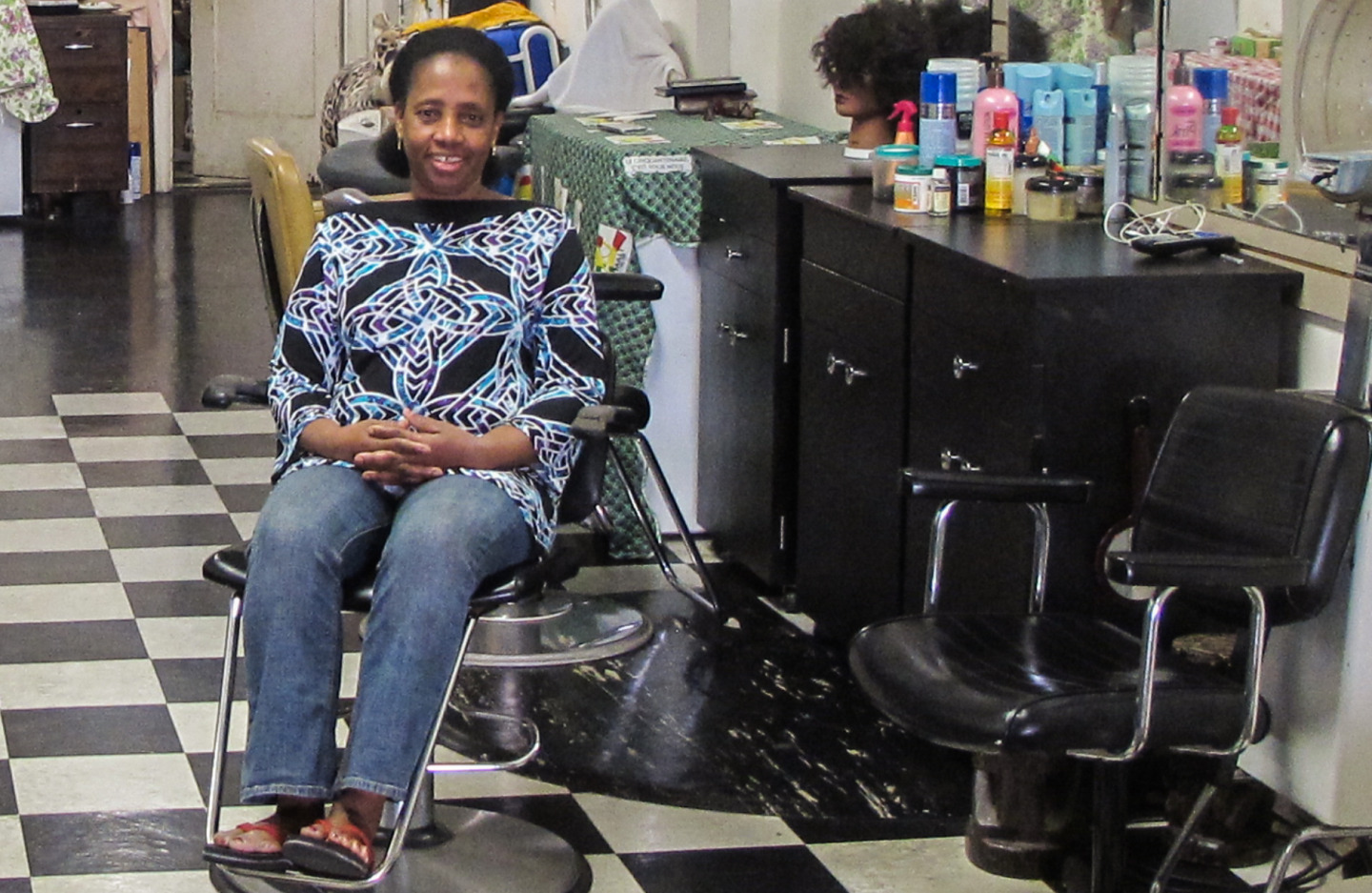
"caption": "Bintou Diarra, a native of Mali, has seen her hair-braiding business decline since Ebola reached the United States this fall. (Andrew Stelzer/KQED)",
"description": "Bintou Diarra has seen her hair-braiding business severely decline since Ebola reached the US.",
"title": "Bintou Diarra-Ebola",
"credit": null,
"status": "inherit",
"isLoading": false,
"fetchFailed": false
},
"news_10351244": {
"type": "attachments",
"id": "news_10351244",
"meta": {
"index": "attachments_1716263798",
"site": "news",
"id": "10351244",
"found": true
},
"parent": 10351205,
"imgSizes": {
"twentyfourteen-full-width": {
"file": "https://ww2.kqed.org/app/uploads/sites/10/2014/11/459327948-1038x576.jpg",
"width": 1038,
"mimeType": "image/jpeg",
"height": 576
},
"thumbnail": {
"file": "https://ww2.kqed.org/app/uploads/sites/10/2014/11/459327948-400x287.jpg",
"width": 400,
"mimeType": "image/jpeg",
"height": 287
},
"post-thumbnail": {
"file": "https://ww2.kqed.org/app/uploads/sites/10/2014/11/459327948-672x372.jpg",
"width": 672,
"mimeType": "image/jpeg",
"height": 372
},
"kqedFullSize": {
"file": "https://ww2.kqed.org/app/uploads/sites/10/2014/11/459327948-e1416587980415.jpg",
"width": 1440,
"height": 1035
},
"large": {
"file": "https://ww2.kqed.org/app/uploads/sites/10/2014/11/459327948-1440x1034.jpg",
"width": 1440,
"mimeType": "image/jpeg",
"height": 1034
},
"guest-author-96": {
"file": "https://ww2.kqed.org/app/uploads/sites/10/2014/11/459327948-96x96.jpg",
"width": 96,
"mimeType": "image/jpeg",
"height": 96
},
"medium": {
"file": "https://ww2.kqed.org/app/uploads/sites/10/2014/11/459327948-800x574.jpg",
"width": 800,
"mimeType": "image/jpeg",
"height": 574
},
"guest-author-64": {
"file": "https://ww2.kqed.org/app/uploads/sites/10/2014/11/459327948-64x64.jpg",
"width": 64,
"mimeType": "image/jpeg",
"height": 64
},
"detail": {
"file": "https://ww2.kqed.org/app/uploads/sites/10/2014/11/459327948-75x75.jpg",
"width": 75,
"mimeType": "image/jpeg",
"height": 75
},
"guest-author-32": {
"file": "https://ww2.kqed.org/app/uploads/sites/10/2014/11/459327948-32x32.jpg",
"width": 32,
"mimeType": "image/jpeg",
"height": 32
},
"guest-author-128": {
"file": "https://ww2.kqed.org/app/uploads/sites/10/2014/11/459327948-128x128.jpg",
"width": 128,
"mimeType": "image/jpeg",
"height": 128
}
},
"publishDate": 1416587900,
"modified": 1417023846,
"caption": null,
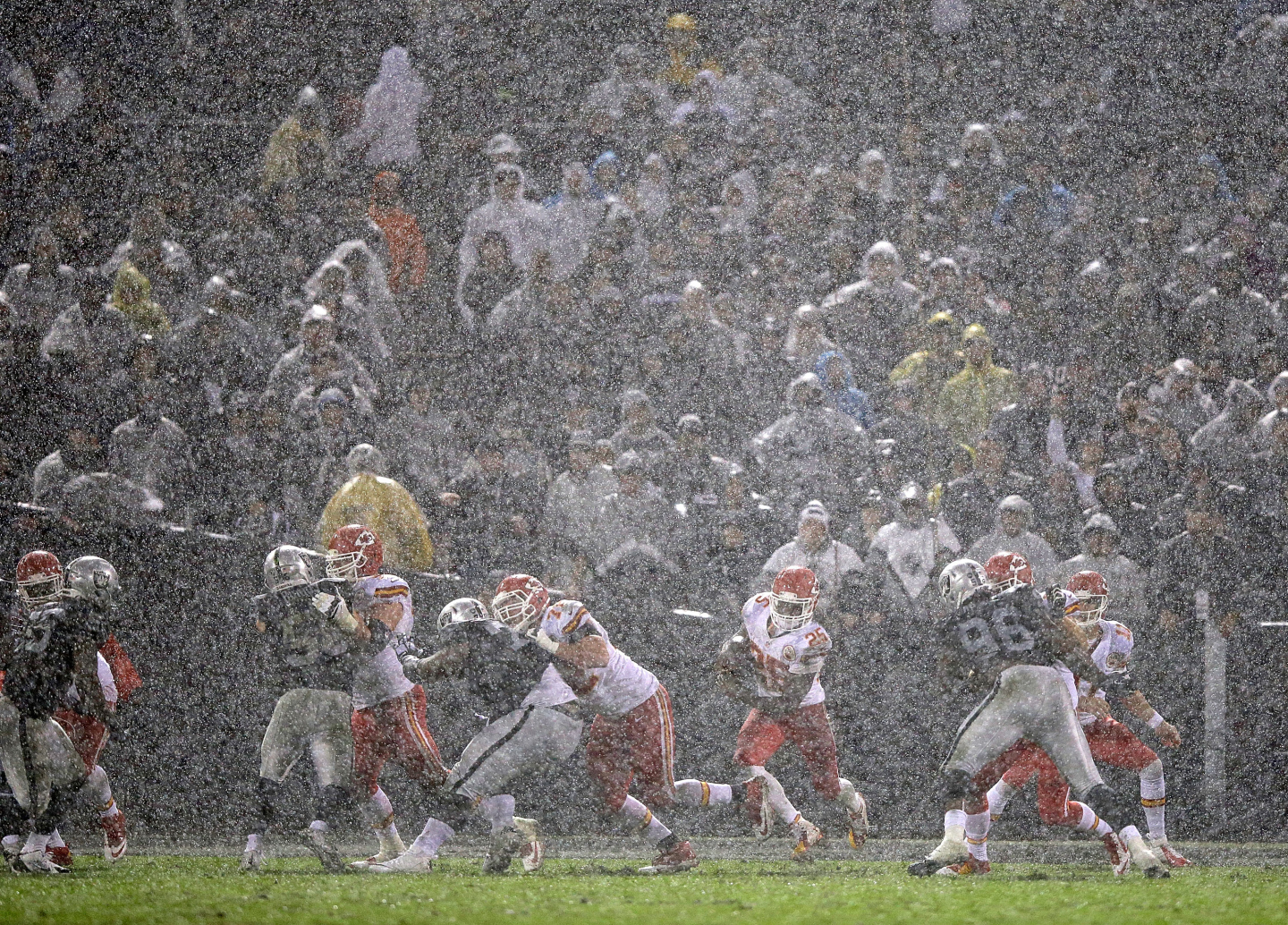
"description": "OAKLAND, CA - NOVEMBER 20: Jamaal Charles #25 of the Kansas City Chiefs runs the ball as a rain shower pours during the game against the Oakland Raiders at O.co Coliseum on November 20, 2014 in Oakland, California. (Photo by Ezra Shaw/Getty Images)",
"title": "Oakland Raiders",
"credit": null,
"status": "inherit",
"isLoading": false,
"fetchFailed": false
}
},
"audioPlayerReducer": {
"postId": "stream_live",
"isPaused": true,
"isPlaying": false,
"pfsActive": false,
"pledgeModalIsOpen": true,
"playerDrawerIsOpen": false,
"liveAudioPlayStartedAt": 0,
"liveAudioPlayContext": ""
},
"authorsReducer": {
"byline_news_10398506": {
"type": "authors",
"id": "byline_news_10398506",
"meta": {
"override": true
},
"slug": "byline_news_10398506",
"name": "KQED, KPCC and Capital Public Radio Staff",
"isLoading": false
},
"byline_news_10389677": {
"type": "authors",
"id": "byline_news_10389677",
"meta": {
"override": true
},
"slug": "byline_news_10389677",
"name": "Nathan Rott,\u003cbr />NPR",
"isLoading": false
},
"byline_arts_10208491": {
"type": "authors",
"id": "byline_arts_10208491",
"meta": {
"override": true
},
"slug": "byline_arts_10208491",
"name": "Ezra David Romero ",
"isLoading": false
},
"byline_news_10367254": {
"type": "authors",
"id": "byline_news_10367254",
"meta": {
"override": true
},
"slug": "byline_news_10367254",
"name": "Erica Mu",
"isLoading": false
},
"anatintocalis": {
"type": "authors",
"id": "211",
"meta": {
"index": "authors_1716337520",
"id": "211",
"found": true
},
"name": "Ana Tintocalis",
"firstName": "Ana",
"lastName": "Tintocalis",
"slug": "anatintocalis",
"email": "atintocalis@kqed.org",
"display_author_email": false,
"staff_mastheads": [],
"title": null,
"bio": null,
"avatar": "https://secure.gravatar.com/avatar/722c50f51f04eff38fa0e5a3f1d29450?s=600&d=blank&r=g",
"twitter": null,
"facebook": null,
"instagram": null,
"linkedin": null,
"sites": [
{
"site": "news",
"roles": [
"subscriber"
]
},
{
"site": "stateofhealth",
"roles": [
"subscriber"
]
}
],
"headData": {
"title": "Ana Tintocalis | KQED",
"description": null,
"ogImgSrc": "https://secure.gravatar.com/avatar/722c50f51f04eff38fa0e5a3f1d29450?s=600&d=blank&r=g",
"twImgSrc": "https://secure.gravatar.com/avatar/722c50f51f04eff38fa0e5a3f1d29450?s=600&d=blank&r=g"
},
"isLoading": false,
"link": "/author/anatintocalis"
},
"andrewstelzer": {
"type": "authors",
"id": "213",
"meta": {
"index": "authors_1716337520",
"id": "213",
"found": true
},
"name": "Andrew Stelzer",
"firstName": "Andrew",
"lastName": "Stelzer",
"slug": "andrewstelzer",
"email": "andrewstelzer@gmail.com",
"display_author_email": false,
"staff_mastheads": [],
"title": null,
"bio": "Andrew Stelzer has been reporting for KQED since 2010, and is a producer at \u003ca href=\"http://www.radioproject.org\" target=\"_blank\">Making Contact\u003c/a> in Oakland.. His work has been featured on programs including \u003ca href=\"http://www.npr.org/templates/story/story.php?storyId=5010\" target=\"_blank\">NPR’s Weekend Edition\u003c/a>, \u003ca href=\"http://www.theworld.org/\" target=\"_blank\">PRI’s The World\u003c/a>, \u003ca href=\"http://www.studio360.org/\" target=\"_blank\">Studio 360\u003c/a>, \u003ca href=\"http://marketplace.publicradio.org/\" target=\"_blank\">Marketplace\u003c/a>,\u003ca href=\"http://www.loe.org/\" target=\"_blank\">Living on Earth\u003c/a>, \u003ca href=\"http://www.onthemedia.org/\" target=\"_blank\">On the Media\u003c/a>, \u003ca href=\"http://www.latinousa.org/index.html\" target=\"_blank\">Latino USA,\u003c/a> \u003ca href=\"http://www.onlyagame.org/\" rel=\"tag\">Only a Game,\u003c/a> \u003ca href=\"http://www.tswi.org/\" target=\"_blank\">Radio Netherlands,\u003c/a> \u003ca href=\"http://worldradio.ch/index.shtml\" target=\"_blank\">World Radio Switzerland,\u003c/a> and \u003ca href=\"http://www.rfi.fr/langues/statiques/rfi_anglais.asp\" target=\"_blank\">Radio France International\u003c/a>. Andrew has written for publications including \u003ca href=\"http://www.inthesetimes.com/site/about/author/2369\" target=\"_blank\">In These Times\u003c/a>, \u003ca href=\"http://www.progressive.org/\" target=\"_blank\">The Progressive\u003c/a>, \u003ca href=\"http://ipsnews.net/\" target=\"_blank\">Interpress Service\u003c/a>, \u003ca href=\"http://www.tampabay.com/\" target=\"_blank\">The St. Petersburg Times\u003c/a>, and \u003ca href=\"http://www.eastbayexpress.com/ebx/Home\" target=\"_blank\">The East Bay Express\u003c/a>.\r\n\r\nAndrew’s work has received numerous awards from the Society of Professional Journalists, the National Lesbian and Gay Journalists Association, and the National Council on Crime and Delinquency.\r\n\r\nHe previously was a reporter at \u003ca href=\"http://www.wmnf.org/\" target=\"_blank\">WMNF\u003c/a> radio in Tampa, FL, and reporter and youth advocate st \u003ca href=\"http://www.kboo.org/\" target=\"_blank\">KBOO \u003c/a> in Portland, Oregon. Andrew has conducted radio production trainings around the world, from Algeria, to New Orleans, to the desert of Southern Jordan.",
"avatar": "https://secure.gravatar.com/avatar/14c7e75469395cb2468d45c9f6896ca9?s=600&d=blank&r=g",
"twitter": null,
"facebook": null,
"instagram": null,
"linkedin": null,
"sites": [
{
"site": "arts",
"roles": [
"contributor"
]
},
{
"site": "news",
"roles": [
"author"
]
},
{
"site": "stateofhealth",
"roles": [
"author"
]
}
],
"headData": {
"title": "Andrew Stelzer | KQED",
"description": null,
"ogImgSrc": "https://secure.gravatar.com/avatar/14c7e75469395cb2468d45c9f6896ca9?s=600&d=blank&r=g",
"twImgSrc": "https://secure.gravatar.com/avatar/14c7e75469395cb2468d45c9f6896ca9?s=600&d=blank&r=g"
},
"isLoading": false,
"link": "/author/andrewstelzer"
},
"danbrekke": {
"type": "authors",
"id": "222",
"meta": {
"index": "authors_1716337520",
"id": "222",
"found": true
},
"name": "Dan Brekke",
"firstName": "Dan",
"lastName": "Brekke",
"slug": "danbrekke",
"email": "dbrekke@kqed.org",
"display_author_email": true,
"staff_mastheads": [
"news",
"science"
],
"title": "KQED Editor and Reporter",
"bio": "Dan Brekke is a reporter and editor for KQED News, responsible for coverage of topics ranging from California water issues to the Bay Area's transportation challenges. In a newsroom career that began in Chicago in 1972, Dan has worked for \u003cem>The San Francisco Examiner,\u003c/em> Wired and TechTV and has been published in The New York Times, The New York Times Magazine, Business 2.0, Salon and elsewhere.\r\n\r\nSince joining KQED in 2007, Dan has reported, edited and produced both radio and online features and breaking news pieces. He has shared as both editor and reporter in four Society of Professional Journalists Norcal Excellence in Journalism awards and one Edward R. Murrow regional award. He was chosen for a spring 2017 residency at the Mesa Refuge to advance his research on California salmon.\r\n\r\nEmail Dan at: \u003ca href=\"mailto:dbrekke@kqed.org\">dbrekke@kqed.org\u003c/a>\r\n\r\n\u003cstrong>Twitter:\u003c/strong> \u003ca href=\"https://twitter.com/danbrekke\" rel=\"noopener noreferrer\">twitter.com/danbrekke\u003c/a>\r\n\u003cstrong>Facebook:\u003c/strong> \u003ca href=\"https://www.facebook.com/danbrekke\" rel=\"noopener noreferrer\">www.facebook.com/danbrekke\u003c/a>\r\n\u003cstrong>LinkedIn:\u003c/strong> \u003ca href=\"https://www.linkedin.com/in/danbrekke\" rel=\"noopener noreferrer\">www.linkedin.com/in/danbrekke\u003c/a>",
"avatar": "https://secure.gravatar.com/avatar/8f1f0d2a978fb3b23426c922c7e2af558fa36905b49c4ce76a97dc3c72d27226?s=600&d=mm&r=g",
"twitter": "danbrekke",
"bluesky": null,
"facebook": null,
"instagram": "https://www.instagram.com/dan.brekke/",
"linkedin": "https://www.linkedin.com/in/danbrekke/",
"sites": [
{
"site": "news",
"roles": [
"administrator",
"create_posts"
]
},
{
"site": "stateofhealth",
"roles": [
"editor"
]
},
{
"site": "science",
"roles": [
"editor"
]
},
{
"site": "quest",
"roles": [
"contributor"
]
},
{
"site": "food",
"roles": [
"contributor"
]
},
{
"site": "forum",
"roles": [
"contributor"
]
},
{
"site": "elections",
"roles": [
"editor"
]
},
{
"site": "liveblog",
"roles": [
"editor"
]
}
],
"headData": {
"title": "Dan Brekke | KQED",
"description": "KQED Editor and Reporter",
"ogImgSrc": "https://secure.gravatar.com/avatar/8f1f0d2a978fb3b23426c922c7e2af558fa36905b49c4ce76a97dc3c72d27226?s=600&d=mm&r=g",
"twImgSrc": "https://secure.gravatar.com/avatar/8f1f0d2a978fb3b23426c922c7e2af558fa36905b49c4ce76a97dc3c72d27226?s=600&d=mm&r=g"
},
"isLoading": false,
"link": "/author/danbrekke"
},
"jeremyraff": {
"type": "authors",
"id": "230",
"meta": {
"index": "authors_1716337520",
"id": "230",
"found": true
},
"name": "Jeremy Raff",
"firstName": "Jeremy",
"lastName": "Raff",
"slug": "jeremyraff",
"email": "jeremyraff@gmail.com",
"display_author_email": false,
"staff_mastheads": [],
"title": null,
"bio": "Jeremy Raff is a multimedia producer interested in migration, rural change, and health disparities. He produces KQED's community health series\u003ca href=\"http://blogs.kqed.org/stateofhealth/series/vital-signs/\" target=\"_blank\" rel=\"noopener\"> Vital Signs\u003c/a>. Reach him at jraff@kqed.org",
"avatar": "https://secure.gravatar.com/avatar/1444299e18b67b815fbbdc87a85e7dff?s=600&d=blank&r=g",
"twitter": null,
"facebook": null,
"instagram": null,
"linkedin": null,
"sites": [
{
"site": "news",
"roles": [
"subscriber"
]
},
{
"site": "stateofhealth",
"roles": [
"subscriber"
]
}
],
"headData": {
"title": "Jeremy Raff | KQED",
"description": null,
"ogImgSrc": "https://secure.gravatar.com/avatar/1444299e18b67b815fbbdc87a85e7dff?s=600&d=blank&r=g",
"twImgSrc": "https://secure.gravatar.com/avatar/1444299e18b67b815fbbdc87a85e7dff?s=600&d=blank&r=g"
},
"isLoading": false,
"link": "/author/jeremyraff"
},
"kqednewsstaffandwires": {
"type": "authors",
"id": "237",
"meta": {
"index": "authors_1716337520",
"id": "237",
"found": true
},
"name": "KQED News Staff and Wires",
"firstName": "KQED News Staff and Wires",
"lastName": null,
"slug": "kqednewsstaffandwires",
"email": "onlinenewsstaff@kqed.org",
"display_author_email": false,
"staff_mastheads": [],
"title": null,
"bio": null,
"avatar": "https://secure.gravatar.com/avatar/72295af8ebbfbd19a4948f5271285664?s=600&d=blank&r=g",
"twitter": null,
"facebook": null,
"instagram": null,
"linkedin": null,
"sites": [
{
"site": "arts",
"roles": [
"contributor"
]
},
{
"site": "news",
"roles": [
"contributor"
]
},
{
"site": "lowdown",
"roles": [
"author"
]
},
{
"site": "stateofhealth",
"roles": [
"contributor"
]
},
{
"site": "food",
"roles": [
"author"
]
}
],
"headData": {
"title": "KQED News Staff and Wires | KQED",
"description": null,
"ogImgSrc": "https://secure.gravatar.com/avatar/72295af8ebbfbd19a4948f5271285664?s=600&d=blank&r=g",
"twImgSrc": "https://secure.gravatar.com/avatar/72295af8ebbfbd19a4948f5271285664?s=600&d=blank&r=g"
},
"isLoading": false,
"link": "/author/kqednewsstaffandwires"
},
"rachael-myrow": {
"type": "authors",
"id": "251",
"meta": {
"index": "authors_1716337520",
"id": "251",
"found": true
},
"name": "Rachael Myrow",
"firstName": "Rachael",
"lastName": "Myrow",
"slug": "rachael-myrow",
"email": "rmyrow@kqed.org",
"display_author_email": true,
"staff_mastheads": [
"news"
],
"title": "Senior Editor of KQED's Silicon Valley News Desk",
"bio": "• I write and edit stories about how Silicon Valley power and policies shape everyday life in California. I’m also passionate about making Bay Area history and culture more accessible to a broad public. • I’ve been a journalist for most of my life, starting in high school with The Franklin Press in Los Angeles, where I grew up. While earning my first degree in English at UC Berkeley, I got my start in public radio at KALX-FM. After completing a second degree in journalism at Cal, I landed my first professional job at Marketplace, then moved on to KPCC (now LAist), and then KQED, where I hosted The California Report for more than seven years. • My reporting has appeared on NPR, The World, WBUR’s \u003ci>Here & Now\u003c/i>, and the BBC. I also guest host for KQED’s \u003ci>Forum\u003c/i>, as well as the Commonwealth Club in San Francisco. • I speak periodically on media, democracy and technology issues, and do voiceover work for documentaries and educational video projects. • Outside of the studio, you'll find me hiking Bay Area trails and whipping up Insta-ready meals in my kitchen. • I do not accept gifts, money, or favors from anyone connected to my reporting, I don't pay people for information, and I do not support or donate to political causes. • I strive to treat the people I report on with fairness, honesty, and respect. I also recognize there are often multiple sides to a story and work to verify information through multiple sources and documentation. If I get something wrong, I correct it.",
"avatar": "https://secure.gravatar.com/avatar/3ed8a3c5f26025e4a805ba634cda8cd764906b97438a6d9ce216b044e340da4e?s=600&d=blank&r=g",
"twitter": "rachaelmyrow",
"bluesky": null,
"facebook": null,
"instagram": null,
"linkedin": "https://www.linkedin.com/in/rachaelmyrow/",
"sites": [
{
"site": "arts",
"roles": [
"administrator"
]
},
{
"site": "news",
"roles": [
"edit_others_posts",
"editor"
]
},
{
"site": "futureofyou",
"roles": [
"editor"
]
},
{
"site": "bayareabites",
"roles": [
"editor"
]
},
{
"site": "stateofhealth",
"roles": [
"editor"
]
},
{
"site": "science",
"roles": [
"editor"
]
},
{
"site": "food",
"roles": [
"editor"
]
},
{
"site": "forum",
"roles": [
"editor"
]
},
{
"site": "liveblog",
"roles": [
"author"
]
}
],
"headData": {
"title": "Rachael Myrow | KQED",
"description": "Senior Editor of KQED's Silicon Valley News Desk",
"ogImgSrc": "https://secure.gravatar.com/avatar/3ed8a3c5f26025e4a805ba634cda8cd764906b97438a6d9ce216b044e340da4e?s=600&d=blank&r=g",
"twImgSrc": "https://secure.gravatar.com/avatar/3ed8a3c5f26025e4a805ba634cda8cd764906b97438a6d9ce216b044e340da4e?s=600&d=blank&r=g"
},
"isLoading": false,
"link": "/author/rachael-myrow"
},
"vinneetong": {
"type": "authors",
"id": "260",
"meta": {
"index": "authors_1716337520",
"id": "260",
"found": true
},
"name": "Vinnee Tong",
"firstName": "Vinnee",
"lastName": "Tong",
"slug": "vinneetong",
"email": "vtong@kqed.org",
"display_author_email": false,
"staff_mastheads": [
"news"
],
"title": "KQED Contributor",
"bio": "\u003cspan style=\"font-weight: 400;\">Vinnee Tong is the managing editor of news at KQED. She oversees editorial standards \u003cspan class=\"s2\">and works to highlight underrepresented voices and perspectives\u003c/span>\u003cspan class=\"s3\">.\u003c/span>\u003cspan class=\"s2\"> She was founding editor\u003c/span>\u003c/span>\u003cspan style=\"font-weight: 400;\"> of \u003ca href=\"http://bit.ly/thebaykqed\">\u003cem>The Bay,\u003c/em>\u003c/a> a storytelling news podcast from KQED\u003c/span>\u003cspan style=\"font-weight: 400;\">. Previously, she was a producer on the \u003ca href=\"http://baycurious.org\">\u003cem>Bay Curious\u003c/em> podcast\u003c/a> and the lead producer of \u003c/span>\u003cspan style=\"font-weight: 400;\">\u003cem>Truth Be Told,\u003c/em> an award-winning KQED series on race and identity distributed nationally by Public Radio International. \u003c/span>\u003cspan style=\"font-weight: 400;\">Before KQED, Vinnee was a print reporter at the Associated Press and newspapers. \u003cspan class=\"s4\">She covered local news from city hall and planning commission hearings as well as business news from New York, like the financial meltdown of 2008. \u003c/span>She has won a\u003c/span>\u003cspan style=\"font-weight: 400;\">wards for her reporting including an RTNDA Edward R. Murrow Award, as well as awards from the New York Press Club and the Society of American Business Editors and Writers. She is a graduate of the Columbia University Graduate School of Journalism and the University of California at Berkeley, \u003cspan class=\"s4\">where she was editor-in-chief of \u003ci>The Daily Californian\u003c/i>.\u003c/span>\u003c/span>",
"avatar": "https://secure.gravatar.com/avatar/02245596ef0333bf29265e2fd547f108?s=600&d=blank&r=g",
"twitter": "vinneetong",
"facebook": null,
"instagram": null,
"linkedin": null,
"sites": [
{
"site": "news",
"roles": [
"editor",
"edit_others_pages",
"edit_others_posts"
]
},
{
"site": "stateofhealth",
"roles": [
"author"
]
}
],
"headData": {
"title": "Vinnee Tong | KQED",
"description": "KQED Contributor",
"ogImgSrc": "https://secure.gravatar.com/avatar/02245596ef0333bf29265e2fd547f108?s=600&d=blank&r=g",
"twImgSrc": "https://secure.gravatar.com/avatar/02245596ef0333bf29265e2fd547f108?s=600&d=blank&r=g"
},
"isLoading": false,
"link": "/author/vinneetong"
},
"scuevas": {
"type": "authors",
"id": "2600",
"meta": {
"index": "authors_1716337520",
"id": "2600",
"found": true
},
"name": "Steven Cuevas",
"firstName": "Steven",
"lastName": "Cuevas",
"slug": "scuevas",
"email": "scuevas@kqed.org",
"display_author_email": false,
"staff_mastheads": [],
"title": "KQED Contributor",
"bio": "Steven is a former Los Angeles bureau chief for The California Report.\r\n\r\nHe reports on an array of issues across the Southland, from immigration and regional politics to religion, the performing arts and pop culture.\r\n\r\nPrior to joining KQED in 2012, Steven covered Inland southern California for KPCC in Pasadena. He also helped establish the first newsroom at \u003ca href=\"http://kut.org/\">KUT\u003c/a> in Austin, Texas where he was a general assignment reporter.\r\n\r\nSteven has received numerous awards for his reporting including an RTNDA Edward R. Murrow Award for investigative reporting in addition to awards from the LA Press Club, the Associated Press and the Society for Professional Journalists.\r\n\r\nSteven grew up in and around San Francisco and now lives in Pasadena just a short jog from the foot of the San Gabriel Mountains.",
"avatar": "https://secure.gravatar.com/avatar/2d253580794f8e026100fae05cfabbbd4889b4fe15146146cacb82a01974c538?s=600&d=blank&r=g",
"twitter": null,
"bluesky": null,
"facebook": null,
"instagram": null,
"linkedin": null,
"sites": [
{
"site": "news",
"roles": [
"subscriber"
]
}
],
"headData": {
"title": "Steven Cuevas | KQED",
"description": "KQED Contributor",
"ogImgSrc": "https://secure.gravatar.com/avatar/2d253580794f8e026100fae05cfabbbd4889b4fe15146146cacb82a01974c538?s=600&d=blank&r=g",
"twImgSrc": "https://secure.gravatar.com/avatar/2d253580794f8e026100fae05cfabbbd4889b4fe15146146cacb82a01974c538?s=600&d=blank&r=g"
},
"isLoading": false,
"link": "/author/scuevas"
}
},
"pagesReducer": {
"news_category_immigration": {
"type": "terms",
"id": "news_1169",
"meta": {
"index": "terms_1716263798",
"site": "news",
"id": "1169",
"score": 10.909687
},
"featImg": null,
"name": "Immigration",
"description": null,
"taxonomy": "category",
"headData": {
"twImgId": null,
"twTitle": null,
"ogTitle": null,
"ogImgId": null,
"twDescription": null,
"description": null,
"title": "Immigration Archives | KQED News",
"ogDescription": null
},
"ttid": 1180,
"slug": "immigration",
"isLoading": false,
"title": "Immigration",
"pageMeta": {
"site": "news",
"WpPageTemplate": "page-topic-editorial",
"currentPage": 187
},
"blocks": [
{
"blockName": "kqed/post-list",
"attrs": {
"layout": "cardArticle2",
"query": "posts/news?category=immigration",
"seeMore": false,
"paginated": true,
"page": 187
}
},
{
"blockName": "kqed/ad"
}
]
}
},
"pfsSessionReducer": {},
"postsReducer": {
"stream_live": {
"type": "live",
"id": "stream_live",
"audioUrl": "https://streams.kqed.org/kqedradio",
"title": "Live Stream",
"excerpt": "Live Stream information currently unavailable.",
"link": "/radio",
"featImg": "",
"label": {
"name": "KQED Live",
"link": "/"
}
},
"stream_kqedNewscast": {
"type": "posts",
"id": "stream_kqedNewscast",
"audioUrl": "https://www.kqed.org/.stream/anon/radio/RDnews/newscast.mp3?_=1",
"title": "KQED Newscast",
"featImg": "",
"label": {
"name": "88.5 FM",
"link": "/"
}
},
"news_10395031": {
"type": "posts",
"id": "news_10395031",
"meta": {
"index": "posts_1716263798",
"site": "news",
"id": "10395031",
"score": null,
"sort": [
1420846211000
]
},
"parent": 0,
"labelTerm": {
"site": "news",
"term": 72
},
"blocks": [],
"publishDate": 1420846211,
"format": "video",
"disqusTitle": "Dos Hermanas de El Salvador Están un Paso Más Cerca del Alivio Migratorio Especial",
"title": "Dos Hermanas de El Salvador Están un Paso Más Cerca del Alivio Migratorio Especial",
"headTitle": "The California Report | KQED News",
"content": "\u003cp>\u003cem>Nota del editor: Yesenia le pidió a KQED no usar su apellido por lo que es una inmigrante sin documentos.\u003c/em>\u003c/p>\n\u003cp>Jennifer y Yesenia están de pie en la sala de estar de su apartamento modesto de dos recámaras.\u003c/p>\n\u003cp>Tienen los ojos bien cerrados, concentrándose en una oración. Las hermanas se sienten ansiosas e inquietas.\u003c/p>\n\u003cp>Hoy es el día más importante de su vida.\u003c/p>\n\u003cp>En aproximadamente una hora, comparecerán ante un juez del Tribunal Superior quien decidirá otorgarle o no a Yesenia la tutoría legal permanente de su hermanita, una decisión que podría abrirle el camino a Jennifer para quedarse aquí legalmente, gozando de una clase especial de estatus migratorio.\u003c/p>\n\u003cp>[ad fullwidth]\u003c/p>\n\u003cp>[soundcloud url=\"https://api.soundcloud.com/tracks/185298725\" params=\"color=ff5500&auto_play=false&hide_related=false&show_comments=true&show_user=true&show_reposts=false\" width=\"100%\" height=\"166\" iframe=\"true\" /]\u003c/p>\n\u003cp>Se reunieron las dos hermanas hace apenas un año, después de estar separadas durante 10 años.\u003c/p>\n\u003cp>“Sí, estoy bien nerviosa”, comenta Yesenia. “Dios quiera, [el juez] no me la quite. Si ella regresa [a El Salvador] de nuevo…la perderé por completo. Ese es mi mayor temor”.\u003c/p>\n\u003cp>Jennifer, de 17 años, llegó el año pasado a vivir con su hermana Yesenia, de 34 años, en el condado de San Mateo. Formó parte de aquella ola de miles de niños centroamericanos que llegaron a los Estados Unidos, huyendo de la violencia de las pandillas.\u003c/p>\n\u003cp>Ahora Jennifer intenta quedarse con solicitar un alivio migratorio especial. Pero al recoger información para fortalecer su caso legal, las hermanas se ven obligadas a enfrentar un secreto familiar doloroso.\u003c/p>\n\u003cp>Durante los últimos meses, han estado colaborando con una abogada conocida que atiende casos pro bono, Jennifer Horne, quien ofrece representación legal a los niños inmigrantes en la Legal Aid Society del condado de San Mateo.\u003c/p>\n\u003cp>Pasé a visitar a Horne en su despacho de Redwood City antes de la audiencia de las hermanas.\u003c/p>\n\u003cp>“Me parece que tiene mérito su caso”, dice Horne, con el expediente legal de Jennifer distribuido por su escritorio.\u003c/p>\n\u003cp>La tarea que tiene Horne es de convencer al juez que a Jennifer hay que otorgarle estatus especial para migrantes juveniles, que se llama en inglés \u003cem>Special Immigrant Juvenile Status\u003c/em>.\u003c/p>\n\u003cp>Explica que Jennifer califica para el estatus por lo que su padre biológico la abandonó hace muchos años, y su madre ahora se ha refugiado en una iglesia en El Salvador después de recibir amenazas de las maras, ella y su hijo.\u003c/p>\n\u003cp>[contextly_sidebar id=\"YNC1gDVkVeEkcf5Oj1mojb9KSFqHVkBu\"]\u003c/p>\n\u003cp>No han visto al padre de Jennifer porque no se ha dejado ver.\u003c/p>\n\u003cp>Esto lo sabe Yesenia, y lo sabe su madre. Pero ninguna de las dos pudo nunca contarle a Jennifer la verdad.\u003c/p>\n\u003cp>Yesenia, cuyo padre la abandonó cuando tenia 4 años, dice que el padre biológico de Jennifer dejó a su madre antes que Jennifer naciera.\u003c/p>\n\u003cp>“Yo creo que se sentía muy sola mi madre”, explica Yesenia. “Llegó este señor y la trataba muy bien. Ella siempre buscó ese tipo de atención de los hombres”.\u003c/p>\n\u003cp>Se quedó embarazada con Jennifer, pero el hombre le instó a que abortara.\u003c/p>\n\u003cp>Ella se negó.\u003c/p>\n\u003cp>Entonces Jennifer se crió pensando que otro hombre era su padre. Con el tiempo, como los demás, él también las abandonó.\u003c/p>\n\u003cp>El caso legal de Jennifer, sin embargo, depende de poder informarle al tribunal lo que ocurrió con su padre.\u003c/p>\n\u003cp>Como resultado, Yesenia llamó por teléfono a su madre hace unas semanas, y entre las dos le contaron a Jennifer la verdad. Yesenia comenta que su mamá estuvo con varios hombres durante su vida.\u003c/p>\n\u003cp>“Me duele mucho”, admite Yesenia, el rostro empapado de lágrimas. “Ni mi padre ni el de ella supo nunca que teníamos problemas, o que si había qué comer. Nunca supieron nada”.\u003c/p>\n\u003cp>Jennifer sigue tratando de comprender lo que su madre le reveló.\u003c/p>\n\u003cp>“[Mi mamá] nunca me había hablado de esto”, cuenta Jennifer. “Que mi papá no era mi padre … que fue algún hombre al que nunca conocí”.\u003c/p>\n\u003cp>El hombre que Jennifer pensaba era su padre era en realidad el padre de su hermano menor, pero Jennifer dice que “lo quería como mi papá”.\u003c/p>\n\u003cp>En este momento, un número creciente de niños migrantes en los EE.UU. están en la misma posición que Jennifer – desenterrando las historias familiares en un esfuerzo por quedarse en los Estados Unidos legalmente.\u003c/p>\n\u003cp>Unos seis mil jóvenes solicitaron el estatus especial para migrantes juveniles durante el año fiscal que terminó el 30 de septiembre. Esta cifra es tres veces mayor que la de cuatro años antes. Primero, deben probar que al menos uno de sus padres les dejó, los dejó al abandono o los abusó. Si esto lo pueden probar, pueden solicitar permanecer aquí.\u003c/p>\n\u003cp>Los abogados de inmigración dicen que esto es más fácil que solicitar el asilo, en muchos casos.\u003c/p>\n\u003cp>Jennifer ahora está por dar su primer paso por este camino en el Tribunal Superior del condado de San Mateo.\u003c/p>\n\u003cp>Las hermanas de dirigen por los corredores del tribunal.\u003c/p>\n\u003cp>Están inquietas.\u003c/p>\n\u003cp>Su abogado, Jennifer Horne, tiene ciertas dudas, las cuales guarda en secreto, en este momento. Le ha resultado difícil juntar toda la evidencia y la documentación necesarias de El Salvador para probar el caso de Jennifer. Y le tocó apresurarse por reunir materiales que el juez le pidió a última hora.\u003c/p>\n\u003cp>Antes de entrar al tribunal, Horne rápidamente repasa la estrategia que aplicará.\u003c/p>\n\u003cp>“Claramente el juez no ha visto los documentos que acabo de presentar”, le explica Horne a Jennifer y a Yesenia. “Hablará mayormente conmigo, pero es posible que tenga alguna pregunta para ustedes”.\u003c/p>\n\u003cp>Las hermanas están sentadas sobre un largo banco de madera, abrazándose.\u003c/p>\n\u003cp>Se abre la puerta del tribunal, y las hermanas siguen a Horne para sentarse frente al podio del juez.\u003c/p>\n\u003cp>El juez del Tribunal Superior, Joseph Scott, abre el expediente de Jennifer, analiza la evidencia y mira directamente a la joven de 17 años.\u003c/p>\n\u003cp>El juez Scott pregunta: “En tiempos recientes, ¿ha intentado alguien localizar al padre de Jennifer en El Salvador? ¿Se ha hecho intento alguno?”\u003c/p>\n\u003cfigure id=\"attachment_146007\" class=\"wp-caption alignright\" style=\"max-width: 640px\">\u003ca href=\"http://ww2.kqed.org/news/wp-content/uploads/sites/10/2014/08/hands.jpg\">\u003cimg class=\"size-full wp-image-146007\" src=\"http://ww2.kqed.org/news/wp-content/uploads/sites/10/2014/08/hands.jpg\" alt=\"Jennifer and Yesenia. (Gabriel Salcedo/KQED)\" width=\"640\" height=\"426\">\u003c/a>\u003cfigcaption class=\"wp-caption-text\">Jennifer y Yesenia. (Gabriel Salcedo/KQED)\u003c/figcaption>\u003c/figure>\n\u003cp>Responde Horne: “Hemos hecho todo intento por intentar localizarlo … es posible que haya fallecido, o que esté en otro país. Sencillamente no tenemos ninguna pista”.\u003c/p>\n\u003cp>El juez hace otras preguntas, se quita los lentes, y presenta su decisión.\u003c/p>\n\u003cp>Encuentra que en realidad el padre de Jennifer la abandonó. También le otorga a Yesenia la tutoría legal de su hermana.\u003c/p>\n\u003cp>Una vez que salen del tribunal, brotan las lágrimas.\u003c/p>\n\u003cp>Las hermanas se unen en un fuerte abrazo.\u003c/p>\n\u003cp>Jennifer no encuentra palabras para expresarse.\u003c/p>\n\u003cp>Después, al final, sonríe.\u003c/p>\n\u003cp>Jennifer sabe que está ahora más cerca a la posibilidad de obtener estatus legal. Aún así, las hermanas y su madre se han visto obligadas a entrar en un terreno emocional desconocido.\u003c/p>\n\u003cp>Una hija quien ahora quiere preguntarles a su mamá y a su hermana, “¿por qué guardar este secreto durante tantos años?”\u003c/p>\n\u003cp>[ad floatright]\u003c/p>\n\u003cp>Y una hermana y una madre quienes ahora deben explicarle el pasado, en lo que se esfuerzan por asegurar el futuro de Jennifer.\u003c/p>\n\n",
"disqusIdentifier": "10395031 http://ww2.kqed.org/news/?p=10395031",
"disqusUrl": "https://ww2.kqed.org/news/2015/01/09/dos-hermanas-de-el-salvador-estan-un-paso-mas-cerca-del-alivio-migratorio-especial/",
"stats": {
"hasVideo": false,
"hasChartOrMap": false,
"hasAudio": false,
"hasPolis": false,
"wordCount": 1384,
"hasGoogleForm": false,
"hasGallery": false,
"hasHearkenModule": false,
"iframeSrcs": [],
"paragraphCount": 54
},
"modified": 1420850184,
"excerpt": "Jennifer Cruz, 17, debe ponerse de acuerdo con un secreto de familia, que intenta ganar estatus migratorio legal.",
"headData": {
"twImgId": "",
"twTitle": "",
"ogTitle": "",
"ogImgId": "",
"twDescription": "",
"description": "Jennifer Cruz, 17, debe ponerse de acuerdo con un secreto de familia, que intenta ganar estatus migratorio legal.",
"title": "Dos Hermanas de El Salvador Están un Paso Más Cerca del Alivio Migratorio Especial | KQED",
"ogDescription": "",
"schema": {
"@context": "https://schema.org",
"@type": "NewsArticle",
"headline": "Dos Hermanas de El Salvador Están un Paso Más Cerca del Alivio Migratorio Especial",
"datePublished": "2015-01-09T15:30:11-08:00",
"dateModified": "2015-01-09T16:36:24-08:00",
"image": "https://cdn.kqed.org/wp-content/uploads/2020/02/KQED-OG-Image@1x.png",
"isAccessibleForFree": "True",
"publisher": {
"@type": "NewsMediaOrganization",
"@id": "https://www.kqed.org/#organization",
"name": "KQED",
"logo": "https://cdn.kqed.org/wp-content/uploads/2020/02/KQED-OG-Image@1x.png",
"url": "https://www.kqed.org",
"sameAs": [
"https://www.facebook.com/KQED",
"https://twitter.com/KQED",
"https://www.instagram.com/kqed/",
"https://www.tiktok.com/@kqedofficial",
"https://www.linkedin.com/company/kqed",
"https://www.youtube.com/channel/UCeC0IOo7i1P_61zVUWbJ4nw"
]
}
}
},
"guestAuthors": [],
"slug": "dos-hermanas-de-el-salvador-estan-un-paso-mas-cerca-del-alivio-migratorio-especial",
"status": "publish",
"customPermalink": "2015/01/02/dos-hermanas-de-el-salvador-estan-un-paso-mas-cerca-del-alivio-migratorio-especial/",
"videoEmbed": "http://vimeo.com/116308878",
"path": "/news/10395031/dos-hermanas-de-el-salvador-estan-un-paso-mas-cerca-del-alivio-migratorio-especial",
"audioTrackLength": null,
"parsedContent": [
{
"type": "contentString",
"content": "\u003cdiv class=\"post-body\">\u003cp>\u003cp>\u003cem>Nota del editor: Yesenia le pidió a KQED no usar su apellido por lo que es una inmigrante sin documentos.\u003c/em>\u003c/p>\n\u003cp>Jennifer y Yesenia están de pie en la sala de estar de su apartamento modesto de dos recámaras.\u003c/p>\n\u003cp>Tienen los ojos bien cerrados, concentrándose en una oración. Las hermanas se sienten ansiosas e inquietas.\u003c/p>\n\u003cp>Hoy es el día más importante de su vida.\u003c/p>\n\u003cp>En aproximadamente una hora, comparecerán ante un juez del Tribunal Superior quien decidirá otorgarle o no a Yesenia la tutoría legal permanente de su hermanita, una decisión que podría abrirle el camino a Jennifer para quedarse aquí legalmente, gozando de una clase especial de estatus migratorio.\u003c/p>\n\u003cp>\u003c/p>\u003c/div>",
"attributes": {
"named": {},
"numeric": []
}
},
{
"type": "component",
"content": "",
"name": "ad",
"attributes": {
"named": {
"label": "fullwidth"
},
"numeric": [
"fullwidth"
]
}
},
{
"type": "contentString",
"content": "\u003cdiv class=\"post-body\">\u003cp>\u003c/p>\n\u003cp>\u003c/p>\u003cp>\u003cdiv class='utils-parseShortcode-shortcodes-__shortcodes__shortcodeWrapper'>\n \u003ciframe width='100%' height='166'\n scrolling='no' frameborder='no'\n src='https://w.soundcloud.com/player/?url=https://api.soundcloud.com/tracks/185298725&visual=true&color=ff5500&auto_play=false&hide_related=false&show_comments=true&show_user=true&show_reposts=false'\n title='https://api.soundcloud.com/tracks/185298725'>\n \u003c/iframe>\n \u003c/div>\u003c/p>\u003cp>\u003c/p>\n\u003cp>Se reunieron las dos hermanas hace apenas un año, después de estar separadas durante 10 años.\u003c/p>\n\u003cp>“Sí, estoy bien nerviosa”, comenta Yesenia. “Dios quiera, [el juez] no me la quite. Si ella regresa [a El Salvador] de nuevo…la perderé por completo. Ese es mi mayor temor”.\u003c/p>\n\u003cp>Jennifer, de 17 años, llegó el año pasado a vivir con su hermana Yesenia, de 34 años, en el condado de San Mateo. Formó parte de aquella ola de miles de niños centroamericanos que llegaron a los Estados Unidos, huyendo de la violencia de las pandillas.\u003c/p>\n\u003cp>Ahora Jennifer intenta quedarse con solicitar un alivio migratorio especial. Pero al recoger información para fortalecer su caso legal, las hermanas se ven obligadas a enfrentar un secreto familiar doloroso.\u003c/p>\n\u003cp>Durante los últimos meses, han estado colaborando con una abogada conocida que atiende casos pro bono, Jennifer Horne, quien ofrece representación legal a los niños inmigrantes en la Legal Aid Society del condado de San Mateo.\u003c/p>\n\u003cp>Pasé a visitar a Horne en su despacho de Redwood City antes de la audiencia de las hermanas.\u003c/p>\n\u003cp>“Me parece que tiene mérito su caso”, dice Horne, con el expediente legal de Jennifer distribuido por su escritorio.\u003c/p>\n\u003cp>La tarea que tiene Horne es de convencer al juez que a Jennifer hay que otorgarle estatus especial para migrantes juveniles, que se llama en inglés \u003cem>Special Immigrant Juvenile Status\u003c/em>.\u003c/p>\n\u003cp>Explica que Jennifer califica para el estatus por lo que su padre biológico la abandonó hace muchos años, y su madre ahora se ha refugiado en una iglesia en El Salvador después de recibir amenazas de las maras, ella y su hijo.\u003c/p>\n\u003cp>\u003c/p>\u003cp>\u003c/p>\u003cp>\u003c/p>\n\u003cp>No han visto al padre de Jennifer porque no se ha dejado ver.\u003c/p>\n\u003cp>Esto lo sabe Yesenia, y lo sabe su madre. Pero ninguna de las dos pudo nunca contarle a Jennifer la verdad.\u003c/p>\n\u003cp>Yesenia, cuyo padre la abandonó cuando tenia 4 años, dice que el padre biológico de Jennifer dejó a su madre antes que Jennifer naciera.\u003c/p>\n\u003cp>“Yo creo que se sentía muy sola mi madre”, explica Yesenia. “Llegó este señor y la trataba muy bien. Ella siempre buscó ese tipo de atención de los hombres”.\u003c/p>\n\u003cp>Se quedó embarazada con Jennifer, pero el hombre le instó a que abortara.\u003c/p>\n\u003cp>Ella se negó.\u003c/p>\n\u003cp>Entonces Jennifer se crió pensando que otro hombre era su padre. Con el tiempo, como los demás, él también las abandonó.\u003c/p>\n\u003cp>El caso legal de Jennifer, sin embargo, depende de poder informarle al tribunal lo que ocurrió con su padre.\u003c/p>\n\u003cp>Como resultado, Yesenia llamó por teléfono a su madre hace unas semanas, y entre las dos le contaron a Jennifer la verdad. Yesenia comenta que su mamá estuvo con varios hombres durante su vida.\u003c/p>\n\u003cp>“Me duele mucho”, admite Yesenia, el rostro empapado de lágrimas. “Ni mi padre ni el de ella supo nunca que teníamos problemas, o que si había qué comer. Nunca supieron nada”.\u003c/p>\n\u003cp>Jennifer sigue tratando de comprender lo que su madre le reveló.\u003c/p>\n\u003cp>“[Mi mamá] nunca me había hablado de esto”, cuenta Jennifer. “Que mi papá no era mi padre … que fue algún hombre al que nunca conocí”.\u003c/p>\n\u003cp>El hombre que Jennifer pensaba era su padre era en realidad el padre de su hermano menor, pero Jennifer dice que “lo quería como mi papá”.\u003c/p>\n\u003cp>En este momento, un número creciente de niños migrantes en los EE.UU. están en la misma posición que Jennifer – desenterrando las historias familiares en un esfuerzo por quedarse en los Estados Unidos legalmente.\u003c/p>\n\u003cp>Unos seis mil jóvenes solicitaron el estatus especial para migrantes juveniles durante el año fiscal que terminó el 30 de septiembre. Esta cifra es tres veces mayor que la de cuatro años antes. Primero, deben probar que al menos uno de sus padres les dejó, los dejó al abandono o los abusó. Si esto lo pueden probar, pueden solicitar permanecer aquí.\u003c/p>\n\u003cp>Los abogados de inmigración dicen que esto es más fácil que solicitar el asilo, en muchos casos.\u003c/p>\n\u003cp>Jennifer ahora está por dar su primer paso por este camino en el Tribunal Superior del condado de San Mateo.\u003c/p>\n\u003cp>Las hermanas de dirigen por los corredores del tribunal.\u003c/p>\n\u003cp>Están inquietas.\u003c/p>\n\u003cp>Su abogado, Jennifer Horne, tiene ciertas dudas, las cuales guarda en secreto, en este momento. Le ha resultado difícil juntar toda la evidencia y la documentación necesarias de El Salvador para probar el caso de Jennifer. Y le tocó apresurarse por reunir materiales que el juez le pidió a última hora.\u003c/p>\n\u003cp>Antes de entrar al tribunal, Horne rápidamente repasa la estrategia que aplicará.\u003c/p>\n\u003cp>“Claramente el juez no ha visto los documentos que acabo de presentar”, le explica Horne a Jennifer y a Yesenia. “Hablará mayormente conmigo, pero es posible que tenga alguna pregunta para ustedes”.\u003c/p>\n\u003cp>Las hermanas están sentadas sobre un largo banco de madera, abrazándose.\u003c/p>\n\u003cp>Se abre la puerta del tribunal, y las hermanas siguen a Horne para sentarse frente al podio del juez.\u003c/p>\n\u003cp>El juez del Tribunal Superior, Joseph Scott, abre el expediente de Jennifer, analiza la evidencia y mira directamente a la joven de 17 años.\u003c/p>\n\u003cp>El juez Scott pregunta: “En tiempos recientes, ¿ha intentado alguien localizar al padre de Jennifer en El Salvador? ¿Se ha hecho intento alguno?”\u003c/p>\n\u003cfigure id=\"attachment_146007\" class=\"wp-caption alignright\" style=\"max-width: 640px\">\u003ca href=\"http://ww2.kqed.org/news/wp-content/uploads/sites/10/2014/08/hands.jpg\">\u003cimg class=\"size-full wp-image-146007\" src=\"http://ww2.kqed.org/news/wp-content/uploads/sites/10/2014/08/hands.jpg\" alt=\"Jennifer and Yesenia. (Gabriel Salcedo/KQED)\" width=\"640\" height=\"426\">\u003c/a>\u003cfigcaption class=\"wp-caption-text\">Jennifer y Yesenia. (Gabriel Salcedo/KQED)\u003c/figcaption>\u003c/figure>\n\u003cp>Responde Horne: “Hemos hecho todo intento por intentar localizarlo … es posible que haya fallecido, o que esté en otro país. Sencillamente no tenemos ninguna pista”.\u003c/p>\n\u003cp>El juez hace otras preguntas, se quita los lentes, y presenta su decisión.\u003c/p>\n\u003cp>Encuentra que en realidad el padre de Jennifer la abandonó. También le otorga a Yesenia la tutoría legal de su hermana.\u003c/p>\n\u003cp>Una vez que salen del tribunal, brotan las lágrimas.\u003c/p>\n\u003cp>Las hermanas se unen en un fuerte abrazo.\u003c/p>\n\u003cp>Jennifer no encuentra palabras para expresarse.\u003c/p>\n\u003cp>Después, al final, sonríe.\u003c/p>\n\u003cp>Jennifer sabe que está ahora más cerca a la posibilidad de obtener estatus legal. Aún así, las hermanas y su madre se han visto obligadas a entrar en un terreno emocional desconocido.\u003c/p>\n\u003cp>Una hija quien ahora quiere preguntarles a su mamá y a su hermana, “¿por qué guardar este secreto durante tantos años?”\u003c/p>\n\u003cp>\u003c/p>\u003c/div>",
"attributes": {
"named": {},
"numeric": []
}
},
{
"type": "component",
"content": "",
"name": "ad",
"attributes": {
"named": {
"label": "floatright"
},
"numeric": [
"floatright"
]
}
},
{
"type": "contentString",
"content": "\u003cdiv class=\"post-body\">\u003cp>\u003c/p>\n\u003cp>Y una hermana y una madre quienes ahora deben explicarle el pasado, en lo que se esfuerzan por asegurar el futuro de Jennifer.\u003c/p>\n\n\u003c/div>\u003c/p>",
"attributes": {
"named": {},
"numeric": []
}
}
],
"link": "/news/10395031/dos-hermanas-de-el-salvador-estan-un-paso-mas-cerca-del-alivio-migratorio-especial",
"authors": [
"211",
"230"
],
"programs": [
"news_6944",
"news_72"
],
"categories": [
"news_1169",
"news_6188",
"news_8"
],
"tags": [
"news_17023"
],
"featImg": "news_10402411",
"label": "news_72"
},
"news_10398506": {
"type": "posts",
"id": "news_10398506",
"meta": {
"index": "posts_1716263798",
"site": "news",
"id": "10398506",
"score": null,
"sort": [
1420485579000
]
},
"parent": 0,
"labelTerm": {
"site": "news",
"term": 72
},
"blocks": [],
"publishDate": 1420485579,
"format": "aside",
"disqusTitle": "An Annotated Guide to Jerry Brown's State of the State Address",
"title": "An Annotated Guide to Jerry Brown's State of the State Address",
"headTitle": "The California Report | KQED News",
"content": "\u003cp>Gov. Jerry Brown delivered his inaugural address this morning, signaling initiatives for the upcoming legislative year. During the address he outlined his vision for the state on a number of topics, including education, health care, the environment and the economy.\u003c/p>\n\u003cp>Reporters from KQED, Capital Public Radio & KPCC have analyzed the speech, leaving their notes highlighted in the document below.\u003c/p>\n\u003cp>\u003c!-- iframe plugin v.4.3 wordpress.org/plugins/iframe/ -->\u003cbr>\n\u003ciframe src=\"http://projects1.kqed.org/daily/sosdoccloud.html\" width=\"100%\" height=\"500\" scrolling=\"yes\" class=\"iframe-class\" frameborder=\"0\">\u003c/iframe>\u003c/p>\n\u003cp>[ad fullwidth]\u003c/p>\u003cp>\u003c/p>\n",
"disqusIdentifier": "10398506 http://ww2.kqed.org/news/?p=10398506",
"disqusUrl": "https://ww2.kqed.org/news/2015/01/05/an-annotated-guide-to-jerry-browns-state-of-the-state-address/",
"stats": {
"hasVideo": false,
"hasChartOrMap": false,
"hasAudio": false,
"hasPolis": false,
"wordCount": 62,
"hasGoogleForm": false,
"hasGallery": false,
"hasHearkenModule": false,
"iframeSrcs": [],
"paragraphCount": 5
},
"modified": 1550700252,
"excerpt": "Governor outlines his vision for education, health care, environment, the economy and more.",
"headData": {
"twImgId": "",
"twTitle": "",
"ogTitle": "",
"ogImgId": "",
"twDescription": "",
"description": "Governor outlines his vision for education, health care, environment, the economy and more.",
"title": "An Annotated Guide to Jerry Brown's State of the State Address | KQED",
"ogDescription": "",
"schema": {
"@context": "https://schema.org",
"@type": "NewsArticle",
"headline": "An Annotated Guide to Jerry Brown's State of the State Address",
"datePublished": "2015-01-05T11:19:39-08:00",
"dateModified": "2019-02-20T14:04:12-08:00",
"image": "https://cdn.kqed.org/wp-content/uploads/2020/02/KQED-OG-Image@1x.png",
"isAccessibleForFree": "True",
"publisher": {
"@type": "NewsMediaOrganization",
"@id": "https://www.kqed.org/#organization",
"name": "KQED",
"logo": "https://cdn.kqed.org/wp-content/uploads/2020/02/KQED-OG-Image@1x.png",
"url": "https://www.kqed.org",
"sameAs": [
"https://www.facebook.com/KQED",
"https://twitter.com/KQED",
"https://www.instagram.com/kqed/",
"https://www.tiktok.com/@kqedofficial",
"https://www.linkedin.com/company/kqed",
"https://www.youtube.com/channel/UCeC0IOo7i1P_61zVUWbJ4nw"
]
}
}
},
"guestAuthors": [],
"slug": "an-annotated-guide-to-jerry-browns-state-of-the-state-address",
"status": "publish",
"nprByline": "KQED, KPCC and Capital Public Radio Staff",
"path": "/news/10398506/an-annotated-guide-to-jerry-browns-state-of-the-state-address",
"audioTrackLength": null,
"parsedContent": [
{
"type": "contentString",
"content": "\u003cdiv class=\"post-body\">\u003cp>\u003cp>Gov. Jerry Brown delivered his inaugural address this morning, signaling initiatives for the upcoming legislative year. During the address he outlined his vision for the state on a number of topics, including education, health care, the environment and the economy.\u003c/p>\n\u003cp>Reporters from KQED, Capital Public Radio & KPCC have analyzed the speech, leaving their notes highlighted in the document below.\u003c/p>\n\u003cp>\u003c!-- iframe plugin v.4.3 wordpress.org/plugins/iframe/ -->\u003cbr>\n\u003ciframe src=\"http://projects1.kqed.org/daily/sosdoccloud.html\" width=\"100%\" height=\"500\" scrolling=\"yes\" class=\"iframe-class\" frameborder=\"0\">\u003c/iframe>\u003c/p>\n\u003cp>\u003c/p>\u003c/div>",
"attributes": {
"named": {},
"numeric": []
}
},
{
"type": "component",
"content": "",
"name": "ad",
"attributes": {
"named": {
"label": "fullwidth"
},
"numeric": [
"fullwidth"
]
}
},
{
"type": "contentString",
"content": "\u003cdiv class=\"post-body\">\u003cp>\u003c/p>\u003cp>\u003c/p>\n\u003c/div>\u003c/p>",
"attributes": {
"named": {},
"numeric": []
}
}
],
"link": "/news/10398506/an-annotated-guide-to-jerry-browns-state-of-the-state-address",
"authors": [
"byline_news_10398506"
],
"programs": [
"news_6944",
"news_72"
],
"categories": [
"news_18540",
"news_19906",
"news_457",
"news_1169",
"news_6188",
"news_13",
"news_356"
],
"tags": [
"news_30"
],
"featImg": "news_10396027",
"label": "news_72"
},
"news_10395968": {
"type": "posts",
"id": "news_10395968",
"meta": {
"index": "posts_1716263798",
"site": "news",
"id": "10395968",
"score": null,
"sort": [
1420236717000
]
},
"parent": 0,
"labelTerm": {
"site": "news",
"term": 6944
},
"blocks": [],
"publishDate": 1420236717,
"format": "standard",
"disqusTitle": "How Undocumented Immigrants Can Apply for a Driver's License",
"title": "How Undocumented Immigrants Can Apply for a Driver's License",
"headTitle": "News Fix | KQED News",
"content": "\u003cp>Dozens of individuals arrived at a DMV office in San Jose early Friday morning to fill out paperwork for driver's licenses, as a new law allowed California to begin taking applications from the nation's largest population of undocumented immigrants.\u003c/p>\n\u003cp>The San Jose office was one of four opened in the state to handle the expected influx of applications. The DMV expects 1.4 million people will seek a license in the first three years of a program aimed at boosting road safety and making immigrants' lives easier.\u003c/p>\n\u003caside class=\"alignleft\">\u003cstrong>How to apply for a license under the new law\u003c/strong>\n\u003cul>\n\u003cli>\u003ca href=\"https://www.dmv.ca.gov/wasapp/foa/clear.do?goTo=officeVisit\" target=\"_blank\">Make an appointment online\u003c/a>\u003c/li>\n\u003cli>\u003ca href=\"http://www.dmv.ca.gov/portal/dmv/detail/fo/driver_license_processing_centers\" target=\"_blank\">Drop in at same-day service processing centers\u003c/a>\u003c/li>\n\u003cli>\u003ca href=\"http://www.dmv.ca.gov/portal/dmv/detail/fo/fo_sat_offices/\" target=\"_blank\">Offices with Saturday hours by appointment\u003c/a>\u003c/li>\n\u003cli>\u003cstrong>Call 1-800-777-0133 to make an appointment\u003c/strong>\u003c/li>\n\u003cli>\u003ca href=\"http://dmv.ca.gov/portal/wcm/connect/11a86d62-f848-4012-bc7d-4192bdef4f00/doc_req_matrix.pdf?MOD=AJPERES\" target=\"_blank\">Documents needed for proof of identity\u003c/a>\u003c/li>\n\u003cli>\u003ca href=\"http://dmv.ca.gov/portal/dmv/?1dmy&urile=wcm:path:/dmv_content_en/dmv/ab60/index\" target=\"_blank\">Handbooks and sample tests in 11 languages\u003c/a>\u003c/li>\n\u003c/ul>\n\u003c/aside>\n\u003cp>The DMV is asking that those who would like to apply for a license under the new law, AB60, \u003ca href=\"https://www.dmv.ca.gov/wasapp/foa/clear.do?goTo=officeVisit\" target=\"_blank\">make an appointment online\u003c/a> or by calling 1-800-777-0133. \u003ca href=\"http://www.dmv.ca.gov/portal/dmv/detail/fo/fo_sat_offices/\" target=\"_blank\">Saturday office hours are available at select offices\u003c/a>. Same-day service is available at \u003ca href=\"http://www.dmv.ca.gov/portal/dmv/detail/fo/driver_license_processing_centers\" target=\"_blank\">driver's license processing centers\u003c/a>, including the one in San Jose, without an appointment.\u003c/p>\n\u003cp>California officials couldn't predict how many people would immediately apply, but the number of those making appointments for a license more than doubled when immigrants were allowed to sign up.\u003c/p>\n\u003cp>Jose Francisco Garcia was among those waiting in the cold for the processing center in East San Jose to open. He told KQED's Beth Willon that a driver's license would make him feel \"confident, that's the word, get confident again, I'm somebody.\"\u003c/p>\n\u003cp>[ad fullwidth]\u003c/p>\n\u003cp>None of the new DMV processing centers has the ability to administer actual behind-the-wheel driving tests. After undocumented immigrants pass the written exam and receive a practice permit, they have to make an appointment and return to another office to be tested behind the wheel.\u003c/p>\n\u003cp>Undocumented immigrants have not been able to obtain a California driver's license in 20 years. Prior to 1994, proof of legal presence was not required. Some undocumented immigrants had licenses before the change in the law, but after they expired, they could not renew them without documentation.\u003c/p>\n\u003cp>In Stanton on Friday, hundreds of people lined up in the early-morning cold to form a line stretching around a temporary Department of Motor Vehicles office -- some poring over driver's handbooks in preparation for written tests.\u003c/p>\n\u003cp>\"This is a big opportunity for me,\" said Sammy Moeung, 24, a Cambodian immigrant. \"Having this is moving a step forward in life, in California and the United States.\"\u003c/p>\n\u003cp>Moeung, who lives in Buena Park, said he arrived a little after 4 a.m. because he didn't want to wait another day to get a license. He said he needs it to avoid having to ride his bike to work at his brother's doughnut shop.\u003c/p>\n\u003cp>California is one of 10 states now providing licenses to immigrants in the country illegally. The licenses issued to immigrants without legal status will include a distinctive marking and are not considered a valid form of federal identification.\u003c/p>\n\u003cp>Immigrant advocates have cheered the licenses as a way to integrate immigrants who must drive to work and shuttle children to school. But critics have questioned state officials' ability to verify the identity of foreign applicants, citing security concerns.\u003c/p>\n\u003cp>Law enforcement officials say the program will improve road safety because licensed drivers must be tested and insured. A DMV study of 23 years of crash data found that unlicensed drivers were more likely to cause a fatal collision than licensed drivers.\u003c/p>\n\u003cp>State insurance officials hope the change will increase the number of drivers holding auto insurance, though some immigrants say they have always held insurance even though they could not get a license.\u003c/p>\n\u003cp>Maritza Aguirre, 30, is one of them. She used to take a two-hour bus trip to clean houses in driving-dependent Southern California. Now she drives, but lacks a license and fears her car might be impounded if she is ever stopped by police.\u003c/p>\n\u003cp>\"For me, honestly, it is a blessing,\" said Aguirre, who has an appointment to apply for a license. \"The relief of knowing they won't take your car is a big advantage.\"\u003c/p>\n\u003cp>Advocates have encouraged immigrants to seek the license. But they are warning those with deportation orders or criminal records to first seek legal advice since law enforcement can access DMV data.\u003c/p>\n\u003cp>Applicants must submit proof of identity and state residency and pass written and road tests. Those who don't possess foreign government-issued identification on a list of approved documents can be interviewed by a DMV investigator to see if they qualify.\u003c/p>\n\u003cp>Immigrants who pass the initial hurdles will get a driving permit. But they must return for a driving test before they can get the new licenses, which will be marked with the words \"federal limits apply.\"\u003c/p>\n\u003cp>\u003c/p>\n\u003cp>\u003cem>AP contributed to this report.\u003c/em>\u003c/p>\n\n",
"disqusIdentifier": "10395968 http://ww2.kqed.org/news/?p=10395968",
"disqusUrl": "https://ww2.kqed.org/news/2015/01/02/how-undocumented-immigrants-can-apply-for-a-drivers-license-under-californias-new-law/",
"stats": {
"hasVideo": false,
"hasChartOrMap": false,
"hasAudio": false,
"hasPolis": false,
"wordCount": 841,
"hasGoogleForm": false,
"hasGallery": false,
"hasHearkenModule": false,
"iframeSrcs": [],
"paragraphCount": 22
},
"modified": 1420327281,
"excerpt": "They began lining up today in San Jose and 3 other places where offices have opened to handle the influx.",
"headData": {
"twImgId": "",
"twTitle": "",
"ogTitle": "",
"ogImgId": "",
"twDescription": "",
"description": "They began lining up today in San Jose and 3 other places where offices have opened to handle the influx.",
"title": "How Undocumented Immigrants Can Apply for a Driver's License | KQED",
"ogDescription": "",
"schema": {
"@context": "https://schema.org",
"@type": "NewsArticle",
"headline": "How Undocumented Immigrants Can Apply for a Driver's License",
"datePublished": "2015-01-02T14:11:57-08:00",
"dateModified": "2015-01-03T15:21:21-08:00",
"image": "https://cdn.kqed.org/wp-content/uploads/2020/02/KQED-OG-Image@1x.png",
"isAccessibleForFree": "True",
"publisher": {
"@type": "NewsMediaOrganization",
"@id": "https://www.kqed.org/#organization",
"name": "KQED",
"logo": "https://cdn.kqed.org/wp-content/uploads/2020/02/KQED-OG-Image@1x.png",
"url": "https://www.kqed.org",
"sameAs": [
"https://www.facebook.com/KQED",
"https://twitter.com/KQED",
"https://www.instagram.com/kqed/",
"https://www.tiktok.com/@kqedofficial",
"https://www.linkedin.com/company/kqed",
"https://www.youtube.com/channel/UCeC0IOo7i1P_61zVUWbJ4nw"
]
}
}
},
"guestAuthors": [],
"slug": "how-undocumented-immigrants-can-apply-for-a-drivers-license-under-californias-new-law",
"status": "publish",
"path": "/news/10395968/how-undocumented-immigrants-can-apply-for-a-drivers-license-under-californias-new-law",
"audioTrackLength": null,
"parsedContent": [
{
"type": "contentString",
"content": "\u003cdiv class=\"post-body\">\u003cp>\u003cp>Dozens of individuals arrived at a DMV office in San Jose early Friday morning to fill out paperwork for driver's licenses, as a new law allowed California to begin taking applications from the nation's largest population of undocumented immigrants.\u003c/p>\n\u003cp>The San Jose office was one of four opened in the state to handle the expected influx of applications. The DMV expects 1.4 million people will seek a license in the first three years of a program aimed at boosting road safety and making immigrants' lives easier.\u003c/p>\n\u003caside class=\"alignleft\">\u003cstrong>How to apply for a license under the new law\u003c/strong>\n\u003cul>\n\u003cli>\u003ca href=\"https://www.dmv.ca.gov/wasapp/foa/clear.do?goTo=officeVisit\" target=\"_blank\">Make an appointment online\u003c/a>\u003c/li>\n\u003cli>\u003ca href=\"http://www.dmv.ca.gov/portal/dmv/detail/fo/driver_license_processing_centers\" target=\"_blank\">Drop in at same-day service processing centers\u003c/a>\u003c/li>\n\u003cli>\u003ca href=\"http://www.dmv.ca.gov/portal/dmv/detail/fo/fo_sat_offices/\" target=\"_blank\">Offices with Saturday hours by appointment\u003c/a>\u003c/li>\n\u003cli>\u003cstrong>Call 1-800-777-0133 to make an appointment\u003c/strong>\u003c/li>\n\u003cli>\u003ca href=\"http://dmv.ca.gov/portal/wcm/connect/11a86d62-f848-4012-bc7d-4192bdef4f00/doc_req_matrix.pdf?MOD=AJPERES\" target=\"_blank\">Documents needed for proof of identity\u003c/a>\u003c/li>\n\u003cli>\u003ca href=\"http://dmv.ca.gov/portal/dmv/?1dmy&urile=wcm:path:/dmv_content_en/dmv/ab60/index\" target=\"_blank\">Handbooks and sample tests in 11 languages\u003c/a>\u003c/li>\n\u003c/ul>\n\u003c/aside>\n\u003cp>The DMV is asking that those who would like to apply for a license under the new law, AB60, \u003ca href=\"https://www.dmv.ca.gov/wasapp/foa/clear.do?goTo=officeVisit\" target=\"_blank\">make an appointment online\u003c/a> or by calling 1-800-777-0133. \u003ca href=\"http://www.dmv.ca.gov/portal/dmv/detail/fo/fo_sat_offices/\" target=\"_blank\">Saturday office hours are available at select offices\u003c/a>. Same-day service is available at \u003ca href=\"http://www.dmv.ca.gov/portal/dmv/detail/fo/driver_license_processing_centers\" target=\"_blank\">driver's license processing centers\u003c/a>, including the one in San Jose, without an appointment.\u003c/p>\n\u003cp>California officials couldn't predict how many people would immediately apply, but the number of those making appointments for a license more than doubled when immigrants were allowed to sign up.\u003c/p>\n\u003cp>Jose Francisco Garcia was among those waiting in the cold for the processing center in East San Jose to open. He told KQED's Beth Willon that a driver's license would make him feel \"confident, that's the word, get confident again, I'm somebody.\"\u003c/p>\n\u003cp>\u003c/p>\u003c/div>",
"attributes": {
"named": {},
"numeric": []
}
},
{
"type": "component",
"content": "",
"name": "ad",
"attributes": {
"named": {
"label": "fullwidth"
},
"numeric": [
"fullwidth"
]
}
},
{
"type": "contentString",
"content": "\u003cdiv class=\"post-body\">\u003cp>\u003c/p>\n\u003cp>None of the new DMV processing centers has the ability to administer actual behind-the-wheel driving tests. After undocumented immigrants pass the written exam and receive a practice permit, they have to make an appointment and return to another office to be tested behind the wheel.\u003c/p>\n\u003cp>Undocumented immigrants have not been able to obtain a California driver's license in 20 years. Prior to 1994, proof of legal presence was not required. Some undocumented immigrants had licenses before the change in the law, but after they expired, they could not renew them without documentation.\u003c/p>\n\u003cp>In Stanton on Friday, hundreds of people lined up in the early-morning cold to form a line stretching around a temporary Department of Motor Vehicles office -- some poring over driver's handbooks in preparation for written tests.\u003c/p>\n\u003cp>\"This is a big opportunity for me,\" said Sammy Moeung, 24, a Cambodian immigrant. \"Having this is moving a step forward in life, in California and the United States.\"\u003c/p>\n\u003cp>Moeung, who lives in Buena Park, said he arrived a little after 4 a.m. because he didn't want to wait another day to get a license. He said he needs it to avoid having to ride his bike to work at his brother's doughnut shop.\u003c/p>\n\u003cp>California is one of 10 states now providing licenses to immigrants in the country illegally. The licenses issued to immigrants without legal status will include a distinctive marking and are not considered a valid form of federal identification.\u003c/p>\n\u003cp>Immigrant advocates have cheered the licenses as a way to integrate immigrants who must drive to work and shuttle children to school. But critics have questioned state officials' ability to verify the identity of foreign applicants, citing security concerns.\u003c/p>\n\u003cp>Law enforcement officials say the program will improve road safety because licensed drivers must be tested and insured. A DMV study of 23 years of crash data found that unlicensed drivers were more likely to cause a fatal collision than licensed drivers.\u003c/p>\n\u003cp>State insurance officials hope the change will increase the number of drivers holding auto insurance, though some immigrants say they have always held insurance even though they could not get a license.\u003c/p>\n\u003cp>Maritza Aguirre, 30, is one of them. She used to take a two-hour bus trip to clean houses in driving-dependent Southern California. Now she drives, but lacks a license and fears her car might be impounded if she is ever stopped by police.\u003c/p>\n\u003cp>\"For me, honestly, it is a blessing,\" said Aguirre, who has an appointment to apply for a license. \"The relief of knowing they won't take your car is a big advantage.\"\u003c/p>\n\u003cp>Advocates have encouraged immigrants to seek the license. But they are warning those with deportation orders or criminal records to first seek legal advice since law enforcement can access DMV data.\u003c/p>\n\u003cp>Applicants must submit proof of identity and state residency and pass written and road tests. Those who don't possess foreign government-issued identification on a list of approved documents can be interviewed by a DMV investigator to see if they qualify.\u003c/p>\n\u003cp>Immigrants who pass the initial hurdles will get a driving permit. But they must return for a driving test before they can get the new licenses, which will be marked with the words \"federal limits apply.\"\u003c/p>\n\u003cp>\u003c/p>\n\u003cp>\u003cem>AP contributed to this report.\u003c/em>\u003c/p>\n\n\u003c/div>\u003c/p>",
"attributes": {
"named": {},
"numeric": []
}
}
],
"link": "/news/10395968/how-undocumented-immigrants-can-apply-for-a-drivers-license-under-californias-new-law",
"authors": [
"237"
],
"programs": [
"news_6944"
],
"categories": [
"news_1169",
"news_8"
],
"tags": [
"news_244"
],
"featImg": "news_10396977",
"label": "news_6944"
},
"news_10392471": {
"type": "posts",
"id": "news_10392471",
"meta": {
"index": "posts_1716263798",
"site": "news",
"id": "10392471",
"score": null,
"sort": [
1420034436000
]
},
"parent": 0,
"labelTerm": {
"site": "news",
"term": 72
},
"blocks": [],
"publishDate": 1420034436,
"format": "standard",
"disqusTitle": "California's Undocumented Immigrants Get Ready for the DMV",
"title": "California's Undocumented Immigrants Get Ready for the DMV",
"headTitle": "The California Report | KQED News",
"content": "\u003cp>On Friday, undocumented immigrants in California can reclaim a long-lost privilege: the right to stand in line at the DMV.\u003c/p>\n\u003cp>It’s the first day that immigrants living in California illegally \u003ca href=\"http://apps.dmv.ca.gov/ab60/index.html\" target=\"_blank\">can apply for a license\u003c/a> in more than 20 years. That right was recently secured in 2013, when state lawmakers passed AB60.\u003c/p>\n\u003cp>Some are so excited at the prospect that they’ve been \u003ca href=\"http://driveca.org/\" target=\"_blank\">preparing for the DMV exams\u003c/a> months in advance.\u003c/p>\n\u003cp>[soundcloud url=\"https://api.soundcloud.com/tracks/183890638\" params=\"color=ff5500&auto_play=false&hide_related=false&show_comments=true&show_user=true&show_reposts=false\" width=\"100%\" height=\"166\" iframe=\"true\" /]\u003c/p>\n\u003cp>Since July, volunteer teacher Felipe Portales has taught nearly 1,000 students at test prep sessions at San Jose schools and churches and at the \u003ca href=\"http://www.embassypages.com/missions/embassy14230/\" target=\"_blank\">Mexican Consulate\u003c/a>. Students have traveled from as far away as Oakland, Salinas, Watsonville and King City.\u003c/p>\n\u003cp>[ad fullwidth]\u003c/p>\n\u003cp>On a recent weeknight, his audience included about 35 undocumented immigrants. They met in borrowed space at the consulate. Portales used to work for the DMV and, along with his ex-wife, Gina Gates, also used to run a drivers education business.\u003c/p>\n\u003cp>They’ve been offering classes at the consulate for free.\u003cbr>\nHe says two students in the front row are here for the sixth or seventh time.\u003c/p>\n\u003cp>“We ask them to come as many times as they want,” Portales says. “Because these two women say that it’s easier to get it from my lecture than to read and try to understand it and try to remember it.”\u003c/p>\n\u003cp>Many who attend come straight from work. Tired, they show up anyway, eager to pass their tests at the \u003ca href=\"http://www.dmv.ca.gov/portal/dmv\" target=\"_blank\">Department of Motor Vehicles\u003c/a>.\u003c/p>\n\u003cfigure id=\"attachment_10392485\" class=\"wp-caption alignleft\" style=\"max-width: 400px\">\u003ca href=\"http://ww2.kqed.org/news/wp-content/uploads/sites/10/2014/12/RS13842_IMG_20141215_174202055-qut.jpg\">\u003cimg class=\"size-thumbnail wp-image-10392485\" src=\"http://ww2.kqed.org/news/wp-content/uploads/sites/10/2014/12/RS13842_IMG_20141215_174202055-qut-400x225.jpg\" alt=\"Immigrants study driving rules in preparation for their tests at the DMV. California will let undocumented immigrants apply for driver licenses as of Jan. 2, 2015. (Vinnee Tong/KQED)\" width=\"400\" height=\"225\" srcset=\"https://ww2.kqed.org/app/uploads/sites/10/2014/12/RS13842_IMG_20141215_174202055-qut-400x225.jpg 400w, https://ww2.kqed.org/app/uploads/sites/10/2014/12/RS13842_IMG_20141215_174202055-qut-800x450.jpg 800w, https://ww2.kqed.org/app/uploads/sites/10/2014/12/RS13842_IMG_20141215_174202055-qut.jpg 1440w\" sizes=\"(max-width: 400px) 100vw, 400px\">\u003c/a>\u003cfigcaption class=\"wp-caption-text\">Immigrants study driving rules in preparation for their tests at the DMV. California will let undocumented immigrants apply for driver's licenses as of Jan. 2, 2015. (Vinnee Tong/KQED)\u003c/figcaption>\u003c/figure>\n\u003cp>Over the next three years, the DMV expects 1.4 million undocumented immigrants to apply for licenses. Portales’ students are among the first who will try.\u003c/p>\n\u003cp>In two sessions that last 2½ hours each, Portales covers speed limits, 3-point turns, how to hold the steering wheel and the danger of passing on a two-lane road.\u003c/p>\n\u003cp>During a break in the class, one of the students explains why she wants to get her license.\u003c/p>\n\u003cp>“I’m scared because I don’t have something legal here for identification,” says Monica, who asked to go by her first name only because she’s been driving without a license.\u003c/p>\n\u003cp>Monica moved to East San Jose from Acapulco, Mexico, to support her two daughters back at home. And for the past 12 years, she says her work as a housekeeper means she drives a lot, every day.\u003c/p>\n\u003cp>The new license that Monica hopes to get isn’t going to look like an ordinary license. Republicans pushed to make sure it was clearly different. Like \u003ca href=\"https://ad76.assemblygop.com/\" target=\"_blank\">Assemblyman Rocky Chavez of Carlsbad\u003c/a>, who told me he fought an earlier version.\u003c/p>\n\u003cp>“It basically could have been the same license that a citizen would have had,” Chavez said about the earlier design. “I brought up the point that licenses need to look different for a noncitizen.”\u003c/p>\n\u003cp>Under the law \u003ca href=\"http://gov.ca.gov/home.php\" target=\"_blank\">Gov. Jerry Brown\u003c/a> signed, the new licenses will be distinctly different. The front will say: Federal Limits Apply. And the back will say: This card is not acceptable for official federal purposes.\u003c/p>\n\u003cp>Monica says that doesn’t bother her.\u003c/p>\n\u003cp>Portales says a lot of undocumented immigrants haven’t decided whether to risk putting themselves on record.\u003c/p>\n\u003cp>“Many of them are concerned they’re going to get deported as soon as they register themselves,” he says. “They think they’re going to get deported and they’re afraid.”\u003c/p>\n\u003cp>But Portales says many plan to step forward regardless.\u003c/p>\n\u003cp>There are two ways undocumented immigrants can apply for their licenses: Get an appointment at any DMV office or show up at one of four giant new DMVs that have opened temporarily just for this. Three are in Southern California: in Granada Hills, Lompoc and Stanton. The fourth is in San Jose. All this new real estate and personnel are projected to cost $141 million over three years.\u003c/p>\n\u003cp>Applicants need to show that they do in fact \u003ca href=\"http://www.dmv.ca.gov/portal/dmv/detail/pubs/newsrel/newsrel14/2014_70\" target=\"_blank\">live in the state and to provide some form of identification\u003c/a>.\u003c/p>\n\u003cp>Monica has her appointment set for next week, and she says it will be a big relief when she can finally get a license.\u003c/p>\n\u003cp>\u003c/p>\n\u003cp>“You have your identification, you don’t have so much problem,” she says. “You feeling better if the police stop. OK, I have everything correct.”\u003c/p>\n\n",
"disqusIdentifier": "10392471 http://ww2.kqed.org/news/?p=10392471",
"disqusUrl": "https://ww2.kqed.org/news/2014/12/31/californias-undocumented-immigrants-get-ready-for-the-dmv/",
"stats": {
"hasVideo": false,
"hasChartOrMap": false,
"hasAudio": false,
"hasPolis": false,
"wordCount": 799,
"hasGoogleForm": false,
"hasGallery": false,
"hasHearkenModule": false,
"iframeSrcs": [],
"paragraphCount": 27
},
"modified": 1420070378,
"excerpt": "Starting Friday, they can apply for driver's licenses for first time in more than 20 years.",
"headData": {
"twImgId": "",
"twTitle": "",
"ogTitle": "",
"ogImgId": "",
"twDescription": "",
"description": "Starting Friday, they can apply for driver's licenses for first time in more than 20 years.",
"title": "California's Undocumented Immigrants Get Ready for the DMV | KQED",
"ogDescription": "",
"schema": {
"@context": "https://schema.org",
"@type": "NewsArticle",
"headline": "California's Undocumented Immigrants Get Ready for the DMV",
"datePublished": "2014-12-31T06:00:36-08:00",
"dateModified": "2014-12-31T15:59:38-08:00",
"image": "https://cdn.kqed.org/wp-content/uploads/2020/02/KQED-OG-Image@1x.png",
"isAccessibleForFree": "True",
"publisher": {
"@type": "NewsMediaOrganization",
"@id": "https://www.kqed.org/#organization",
"name": "KQED",
"logo": "https://cdn.kqed.org/wp-content/uploads/2020/02/KQED-OG-Image@1x.png",
"url": "https://www.kqed.org",
"sameAs": [
"https://www.facebook.com/KQED",
"https://twitter.com/KQED",
"https://www.instagram.com/kqed/",
"https://www.tiktok.com/@kqedofficial",
"https://www.linkedin.com/company/kqed",
"https://www.youtube.com/channel/UCeC0IOo7i1P_61zVUWbJ4nw"
]
}
}
},
"guestAuthors": [],
"slug": "californias-undocumented-immigrants-get-ready-for-the-dmv",
"status": "publish",
"path": "/news/10392471/californias-undocumented-immigrants-get-ready-for-the-dmv",
"audioTrackLength": null,
"parsedContent": [
{
"type": "contentString",
"content": "\u003cdiv class=\"post-body\">\u003cp>\u003cp>On Friday, undocumented immigrants in California can reclaim a long-lost privilege: the right to stand in line at the DMV.\u003c/p>\n\u003cp>It’s the first day that immigrants living in California illegally \u003ca href=\"http://apps.dmv.ca.gov/ab60/index.html\" target=\"_blank\">can apply for a license\u003c/a> in more than 20 years. That right was recently secured in 2013, when state lawmakers passed AB60.\u003c/p>\n\u003cp>Some are so excited at the prospect that they’ve been \u003ca href=\"http://driveca.org/\" target=\"_blank\">preparing for the DMV exams\u003c/a> months in advance.\u003c/p>\n\u003cp>\u003c/p>\u003cp>\u003cdiv class='utils-parseShortcode-shortcodes-__shortcodes__shortcodeWrapper'>\n \u003ciframe width='100%' height='166'\n scrolling='no' frameborder='no'\n src='https://w.soundcloud.com/player/?url=https://api.soundcloud.com/tracks/183890638&visual=true&color=ff5500&auto_play=false&hide_related=false&show_comments=true&show_user=true&show_reposts=false'\n title='https://api.soundcloud.com/tracks/183890638'>\n \u003c/iframe>\n \u003c/div>\u003c/p>\u003cp>\u003c/p>\n\u003cp>Since July, volunteer teacher Felipe Portales has taught nearly 1,000 students at test prep sessions at San Jose schools and churches and at the \u003ca href=\"http://www.embassypages.com/missions/embassy14230/\" target=\"_blank\">Mexican Consulate\u003c/a>. Students have traveled from as far away as Oakland, Salinas, Watsonville and King City.\u003c/p>\n\u003cp>\u003c/p>\u003c/div>",
"attributes": {
"named": {},
"numeric": []
}
},
{
"type": "component",
"content": "",
"name": "ad",
"attributes": {
"named": {
"label": "fullwidth"
},
"numeric": [
"fullwidth"
]
}
},
{
"type": "contentString",
"content": "\u003cdiv class=\"post-body\">\u003cp>\u003c/p>\n\u003cp>On a recent weeknight, his audience included about 35 undocumented immigrants. They met in borrowed space at the consulate. Portales used to work for the DMV and, along with his ex-wife, Gina Gates, also used to run a drivers education business.\u003c/p>\n\u003cp>They’ve been offering classes at the consulate for free.\u003cbr>\nHe says two students in the front row are here for the sixth or seventh time.\u003c/p>\n\u003cp>“We ask them to come as many times as they want,” Portales says. “Because these two women say that it’s easier to get it from my lecture than to read and try to understand it and try to remember it.”\u003c/p>\n\u003cp>Many who attend come straight from work. Tired, they show up anyway, eager to pass their tests at the \u003ca href=\"http://www.dmv.ca.gov/portal/dmv\" target=\"_blank\">Department of Motor Vehicles\u003c/a>.\u003c/p>\n\u003cfigure id=\"attachment_10392485\" class=\"wp-caption alignleft\" style=\"max-width: 400px\">\u003ca href=\"http://ww2.kqed.org/news/wp-content/uploads/sites/10/2014/12/RS13842_IMG_20141215_174202055-qut.jpg\">\u003cimg class=\"size-thumbnail wp-image-10392485\" src=\"http://ww2.kqed.org/news/wp-content/uploads/sites/10/2014/12/RS13842_IMG_20141215_174202055-qut-400x225.jpg\" alt=\"Immigrants study driving rules in preparation for their tests at the DMV. California will let undocumented immigrants apply for driver licenses as of Jan. 2, 2015. (Vinnee Tong/KQED)\" width=\"400\" height=\"225\" srcset=\"https://ww2.kqed.org/app/uploads/sites/10/2014/12/RS13842_IMG_20141215_174202055-qut-400x225.jpg 400w, https://ww2.kqed.org/app/uploads/sites/10/2014/12/RS13842_IMG_20141215_174202055-qut-800x450.jpg 800w, https://ww2.kqed.org/app/uploads/sites/10/2014/12/RS13842_IMG_20141215_174202055-qut.jpg 1440w\" sizes=\"(max-width: 400px) 100vw, 400px\">\u003c/a>\u003cfigcaption class=\"wp-caption-text\">Immigrants study driving rules in preparation for their tests at the DMV. California will let undocumented immigrants apply for driver's licenses as of Jan. 2, 2015. (Vinnee Tong/KQED)\u003c/figcaption>\u003c/figure>\n\u003cp>Over the next three years, the DMV expects 1.4 million undocumented immigrants to apply for licenses. Portales’ students are among the first who will try.\u003c/p>\n\u003cp>In two sessions that last 2½ hours each, Portales covers speed limits, 3-point turns, how to hold the steering wheel and the danger of passing on a two-lane road.\u003c/p>\n\u003cp>During a break in the class, one of the students explains why she wants to get her license.\u003c/p>\n\u003cp>“I’m scared because I don’t have something legal here for identification,” says Monica, who asked to go by her first name only because she’s been driving without a license.\u003c/p>\n\u003cp>Monica moved to East San Jose from Acapulco, Mexico, to support her two daughters back at home. And for the past 12 years, she says her work as a housekeeper means she drives a lot, every day.\u003c/p>\n\u003cp>The new license that Monica hopes to get isn’t going to look like an ordinary license. Republicans pushed to make sure it was clearly different. Like \u003ca href=\"https://ad76.assemblygop.com/\" target=\"_blank\">Assemblyman Rocky Chavez of Carlsbad\u003c/a>, who told me he fought an earlier version.\u003c/p>\n\u003cp>“It basically could have been the same license that a citizen would have had,” Chavez said about the earlier design. “I brought up the point that licenses need to look different for a noncitizen.”\u003c/p>\n\u003cp>Under the law \u003ca href=\"http://gov.ca.gov/home.php\" target=\"_blank\">Gov. Jerry Brown\u003c/a> signed, the new licenses will be distinctly different. The front will say: Federal Limits Apply. And the back will say: This card is not acceptable for official federal purposes.\u003c/p>\n\u003cp>Monica says that doesn’t bother her.\u003c/p>\n\u003cp>Portales says a lot of undocumented immigrants haven’t decided whether to risk putting themselves on record.\u003c/p>\n\u003cp>“Many of them are concerned they’re going to get deported as soon as they register themselves,” he says. “They think they’re going to get deported and they’re afraid.”\u003c/p>\n\u003cp>But Portales says many plan to step forward regardless.\u003c/p>\n\u003cp>There are two ways undocumented immigrants can apply for their licenses: Get an appointment at any DMV office or show up at one of four giant new DMVs that have opened temporarily just for this. Three are in Southern California: in Granada Hills, Lompoc and Stanton. The fourth is in San Jose. All this new real estate and personnel are projected to cost $141 million over three years.\u003c/p>\n\u003cp>Applicants need to show that they do in fact \u003ca href=\"http://www.dmv.ca.gov/portal/dmv/detail/pubs/newsrel/newsrel14/2014_70\" target=\"_blank\">live in the state and to provide some form of identification\u003c/a>.\u003c/p>\n\u003cp>Monica has her appointment set for next week, and she says it will be a big relief when she can finally get a license.\u003c/p>\n\u003cp>\u003c/p>\n\u003cp>“You have your identification, you don’t have so much problem,” she says. “You feeling better if the police stop. OK, I have everything correct.”\u003c/p>\n\n\u003c/div>\u003c/p>",
"attributes": {
"named": {},
"numeric": []
}
}
],
"link": "/news/10392471/californias-undocumented-immigrants-get-ready-for-the-dmv",
"authors": [
"260"
],
"programs": [
"news_6944",
"news_72"
],
"categories": [
"news_1169",
"news_6188",
"news_8",
"news_1397"
],
"tags": [
"news_17041",
"news_244"
],
"featImg": "news_10392478",
"label": "news_72"
},
"news_10389677": {
"type": "posts",
"id": "news_10389677",
"meta": {
"index": "posts_1716263798",
"site": "news",
"id": "10389677",
"score": null,
"sort": [
1419703228000
]
},
"parent": 0,
"labelTerm": {},
"blocks": [],
"publishDate": 1419703228,
"format": "standard",
"disqusTitle": "California DMV Prepares For Undocumented Residents Applying For Licenses",
"title": "California DMV Prepares For Undocumented Residents Applying For Licenses",
"headTitle": "The California Report | KQED News",
"content": "\u003cp>California residents who are living without documentation soon will be eligible to apply for driver's licenses, thanks to a new law that takes effect in the new year.\u003c/p>\n\u003cp>The state's Department of Motor Vehicles is expecting 1.6 million immigrants to apply in the first few years, and law enforcement, community groups and others are preparing for the surge.\u003c/p>\n\u003cp>In central Los Angeles, about 150 parishioners recently packed into Holy Spirit Catholic Church, not for a Mass but for a training session. Presenter after presenter explained the new law, called AB60, which goes into effect on Jan. 1.\u003c/p>\n\u003cp>\"We know that the city of L.A. has a big immigrant population that doesn't have a driver's license, and they're driving in the city of L.A.,\" Juan Gonzalez, a lieutenant with the Los Angeles Police Department, told the crowd.\u003c/p>\n\u003cp>They're driving all over the state — in California's cities, in rural areas, commuting to work and school or just traveling. Like most people do — only in the shadows.\u003c/p>\n\u003cp>[ad fullwidth]\u003c/p>\n\u003cp>\"And we know that a lot of the accidents that get caused — we have a lot of hit-and-runs, because of the fear because they don't have driver's licenses,\" Gonzalez says.\u003c/p>\n\u003cp>That can leave a legal driver — someone with a license — in a bind, or turn a small incident for the immigrant, driving illegally, into a misdemeanor or felony. That leads to arrests, impounded cars and just generally bad blood between cops and immigrant drivers.\u003c/p>\n\u003cp>\"So it's actually better for the police department for most of our drivers to be licensed and know how to drive,\" he says.\u003c/p>\n\u003cp>California isn't the first state to have this kind of law — Connecticut is implementing a similar one now, and a handful of other states already allow undocumented immigrants to apply for driver's licenses or card equivalents — but it's is certainly the biggest. The expectation of 1.6 million new applicants has spurred the state's DMV to add 800 employees to help with the transition.\u003c/p>\n\u003cp>Community groups and churches like Holy Spirit are helping in their own way, \u003ca href=\"https://www.dmv.ca.gov/portal/dmv/detail/pubs/interactive/tdrive/exam\" target=\"_blank\">preparing people for the written tests\u003c/a> and walking them through \u003ca href=\"https://apps.dmv.ca.gov/ab60/doc_req_matrix.pdf\" target=\"_blank\">the needed documentation\u003c/a>.\u003c/p>\n\u003cp>The Rev. Aloysius Ezeonyeka, also known as Father Al, is an immigrant himself, so he knows how important it was to him to get his driver's license.\u003c/p>\n\u003cp>\"You have no idea how many years a lot of those people have been living in darkness of the law, hoping that nobody catches them,\" he says.\u003c/p>\n\u003cp>Churchgoer Marta Quinto knows that well.\u003c/p>\n\u003cp>\"You always afraid to be stopped by the police. Then they can take your car,\" she says. \"So, I'm excited by this opportunity that we have.\"\u003c/p>\n\u003cp>\u003c/p>\n\u003cp>And Quinto plans to take full advantage: She's been to every training session, and is studying in Spanish and in English. And she already has set a date to take the exam — Jan. 2, a day after the new law goes into effect. Quinto hopes that soon after, she'll be able to drive her two kids legally for the first time.\u003c/p>\n\u003cdiv class=\"fullattribution\">Copyright 2014 NPR. To see more, visit http://www.npr.org/.\u003cimg src=\"http://www.google-analytics.com/__utm.gif?utmac=UA-5828686-4&utmdt=California+DMV+Prepares+For+Undocumented+Residents+Applying+For+Licenses&utme=8(APIKey)9(MDAxOTAwOTE4MDEyMTkxMDAzNjczZDljZA004)\" alt=\"\">\u003c/div>\n\n",
"disqusIdentifier": "10389677 http://ww2.kqed.org/news/?p=10389677",
"disqusUrl": "https://ww2.kqed.org/news/2014/12/27/california-dmv-prepares-for-undocumented-residents-applying-for-licenses/",
"stats": {
"hasVideo": false,
"hasChartOrMap": false,
"hasAudio": false,
"hasPolis": false,
"wordCount": 542,
"hasGoogleForm": false,
"hasGallery": false,
"hasHearkenModule": false,
"iframeSrcs": [],
"paragraphCount": 17
},
"modified": 1419869706,
"excerpt": "The state is expecting 1.6 million undocumented immigrants to apply for driver's licenses.",
"headData": {
"twImgId": "",
"twTitle": "",
"ogTitle": "",
"ogImgId": "",
"twDescription": "",
"description": "The state is expecting 1.6 million undocumented immigrants to apply for driver's licenses.",
"title": "California DMV Prepares For Undocumented Residents Applying For Licenses | KQED",
"ogDescription": "",
"schema": {
"@context": "https://schema.org",
"@type": "NewsArticle",
"headline": "California DMV Prepares For Undocumented Residents Applying For Licenses",
"datePublished": "2014-12-27T10:00:28-08:00",
"dateModified": "2014-12-29T08:15:06-08:00",
"image": "https://cdn.kqed.org/wp-content/uploads/2020/02/KQED-OG-Image@1x.png",
"isAccessibleForFree": "True",
"publisher": {
"@type": "NewsMediaOrganization",
"@id": "https://www.kqed.org/#organization",
"name": "KQED",
"logo": "https://cdn.kqed.org/wp-content/uploads/2020/02/KQED-OG-Image@1x.png",
"url": "https://www.kqed.org",
"sameAs": [
"https://www.facebook.com/KQED",
"https://twitter.com/KQED",
"https://www.instagram.com/kqed/",
"https://www.tiktok.com/@kqedofficial",
"https://www.linkedin.com/company/kqed",
"https://www.youtube.com/channel/UCeC0IOo7i1P_61zVUWbJ4nw"
]
}
}
},
"guestAuthors": [],
"slug": "california-dmv-prepares-for-undocumented-residents-applying-for-licenses",
"status": "publish",
"sourceUrl": "http://www.npr.org/2014/12/23/371948377/california-dmv-prepares-for-undocumented-residents-applying-for-licenses",
"nprApiLink": "http://api.npr.org/query?id=371948377&apiKey=MDAxOTAwOTE4MDEyMTkxMDAzNjczZDljZA004",
"nprByline": "Nathan Rott,\u003cbr />NPR",
"nprStoryDate": "Tue, 23 Dec 2014 03:19:00 -0500",
"nprLastModifiedDate": "Fri, 26 Dec 2014 06:48:56 -0500",
"nprHtmlLink": "http://www.npr.org/2014/12/23/371948377/california-dmv-prepares-for-undocumented-residents-applying-for-licenses?ft=3&f=371948377",
"nprAudio": "http://pd.npr.org/anon.npr-mp3/npr/me/2014/12/20141226_me_california_dmv_prepares_for_undocumented_residents_applying_for_licenses.mp3?orgId=1&topicId=1091&ft=3&f=371948377",
"source": "NPR",
"nprAudioM3u": "http://api.npr.org/m3u/1373210992-9d9ded.m3u?orgId=1&topicId=1091&ft=3&f=371948377",
"nprStoryId": "371948377",
"nprRetrievedStory": "1",
"nprPubDate": "Fri, 26 Dec 2014 07:52:00 -0500",
"path": "/news/10389677/california-dmv-prepares-for-undocumented-residents-applying-for-licenses",
"audioUrl": "http://pd.npr.org/anon.npr-mp3/npr/me/2014/12/20141226_me_california_dmv_prepares_for_undocumented_residents_applying_for_licenses.mp3?orgId=1&topicId=1091&ft=3&f=371948377",
"audioTrackLength": null,
"parsedContent": [
{
"type": "contentString",
"content": "\u003cdiv class=\"post-body\">\u003cp>\u003cp>California residents who are living without documentation soon will be eligible to apply for driver's licenses, thanks to a new law that takes effect in the new year.\u003c/p>\n\u003cp>The state's Department of Motor Vehicles is expecting 1.6 million immigrants to apply in the first few years, and law enforcement, community groups and others are preparing for the surge.\u003c/p>\n\u003cp>In central Los Angeles, about 150 parishioners recently packed into Holy Spirit Catholic Church, not for a Mass but for a training session. Presenter after presenter explained the new law, called AB60, which goes into effect on Jan. 1.\u003c/p>\n\u003cp>\"We know that the city of L.A. has a big immigrant population that doesn't have a driver's license, and they're driving in the city of L.A.,\" Juan Gonzalez, a lieutenant with the Los Angeles Police Department, told the crowd.\u003c/p>\n\u003cp>They're driving all over the state — in California's cities, in rural areas, commuting to work and school or just traveling. Like most people do — only in the shadows.\u003c/p>\n\u003cp>\u003c/p>\u003c/div>",
"attributes": {
"named": {},
"numeric": []
}
},
{
"type": "component",
"content": "",
"name": "ad",
"attributes": {
"named": {
"label": "fullwidth"
},
"numeric": [
"fullwidth"
]
}
},
{
"type": "contentString",
"content": "\u003cdiv class=\"post-body\">\u003cp>\u003c/p>\n\u003cp>\"And we know that a lot of the accidents that get caused — we have a lot of hit-and-runs, because of the fear because they don't have driver's licenses,\" Gonzalez says.\u003c/p>\n\u003cp>That can leave a legal driver — someone with a license — in a bind, or turn a small incident for the immigrant, driving illegally, into a misdemeanor or felony. That leads to arrests, impounded cars and just generally bad blood between cops and immigrant drivers.\u003c/p>\n\u003cp>\"So it's actually better for the police department for most of our drivers to be licensed and know how to drive,\" he says.\u003c/p>\n\u003cp>California isn't the first state to have this kind of law — Connecticut is implementing a similar one now, and a handful of other states already allow undocumented immigrants to apply for driver's licenses or card equivalents — but it's is certainly the biggest. The expectation of 1.6 million new applicants has spurred the state's DMV to add 800 employees to help with the transition.\u003c/p>\n\u003cp>Community groups and churches like Holy Spirit are helping in their own way, \u003ca href=\"https://www.dmv.ca.gov/portal/dmv/detail/pubs/interactive/tdrive/exam\" target=\"_blank\">preparing people for the written tests\u003c/a> and walking them through \u003ca href=\"https://apps.dmv.ca.gov/ab60/doc_req_matrix.pdf\" target=\"_blank\">the needed documentation\u003c/a>.\u003c/p>\n\u003cp>The Rev. Aloysius Ezeonyeka, also known as Father Al, is an immigrant himself, so he knows how important it was to him to get his driver's license.\u003c/p>\n\u003cp>\"You have no idea how many years a lot of those people have been living in darkness of the law, hoping that nobody catches them,\" he says.\u003c/p>\n\u003cp>Churchgoer Marta Quinto knows that well.\u003c/p>\n\u003cp>\"You always afraid to be stopped by the police. Then they can take your car,\" she says. \"So, I'm excited by this opportunity that we have.\"\u003c/p>\n\u003cp>\u003c/p>\n\u003cp>And Quinto plans to take full advantage: She's been to every training session, and is studying in Spanish and in English. And she already has set a date to take the exam — Jan. 2, a day after the new law goes into effect. Quinto hopes that soon after, she'll be able to drive her two kids legally for the first time.\u003c/p>\n\u003cdiv class=\"fullattribution\">Copyright 2014 NPR. To see more, visit http://www.npr.org/.\u003cimg src=\"http://www.google-analytics.com/__utm.gif?utmac=UA-5828686-4&utmdt=California+DMV+Prepares+For+Undocumented+Residents+Applying+For+Licenses&utme=8(APIKey)9(MDAxOTAwOTE4MDEyMTkxMDAzNjczZDljZA004)\" alt=\"\">\u003c/div>\n\n\u003c/div>\u003c/p>",
"attributes": {
"named": {},
"numeric": []
}
}
],
"link": "/news/10389677/california-dmv-prepares-for-undocumented-residents-applying-for-licenses",
"authors": [
"byline_news_10389677"
],
"programs": [
"news_6944",
"news_72"
],
"categories": [
"news_1169",
"news_8",
"news_13"
],
"tags": [
"news_244"
],
"affiliates": [
"news_253"
],
"featImg": "news_10389678",
"label": "source_news_10389677"
},
"news_10384070": {
"type": "posts",
"id": "news_10384070",
"meta": {
"index": "posts_1716263798",
"site": "news",
"id": "10384070",
"score": null,
"sort": [
1419177611000
]
},
"parent": 0,
"labelTerm": {
"site": "news",
"term": 72
},
"blocks": [],
"publishDate": 1419177611,
"format": "image",
"disqusTitle": "Posada Christmas Pilgrimage Reunites Family, Friends at U.S.-Mexico Border ",
"title": "Posada Christmas Pilgrimage Reunites Family, Friends at U.S.-Mexico Border ",
"headTitle": "The California Report | KQED News",
"content": "\u003cp>I join a few dozen people on a chilly Saturday trudging along a muddy horse trail on the southernmost tip of California: San Diego County.\u003c/p>\n\u003cp>We head toward the shores of Imperial Beach, where the immense border wall that bisects the United States and Mexico snakes across the outskirts of Tijuana and disappears into the Pacific Ocean.\u003c/p>\n\u003cp>After about 20 minutes, the sticky mud gives way to wet sand. Bundled in heavy winter coats and hats, the procession marches along the beach for another mile.\u003c/p>\n\u003cp>The border wall and Tijuana’s imposing Monumental Plaza de Torros bullring gradually come into view through a veil of sea mist.\u003c/p>\n\u003cp>“For 21 years San Diegans and Tijuanans have been coming together along this border to celebrate Christmas,” says Christian Ramirez of the \u003ca href=\"http://afsc.org/%20\">American Friends Service Committee\u003c/a>, an advocacy group that helps organize the annual La Posada Sin Fronteras.\u003c/p>\n\u003cp>[ad fullwidth]\u003c/p>\n\u003cp>For this event, border agents allow people to access a secured area on the \u003ca href=\"http://www.parks.ca.gov/?page_id=664\">U.S. side\u003c/a>, and visit with people on the Tijuana side through small gaps in the border fence.\u003c/p>\n\u003cp>[soundcloud url=\"https://api.soundcloud.com/tracks/182330579\" params=\"auto_play=false&hide_related=false&show_comments=true&show_user=true&show_reposts=false&visual=true\" width=\"100%\" height=\"450\" iframe=\"true\" /]\u003c/p>\n\u003cp>“Today we stand here not being able to touch one other, not being able to pass food across the border,” says Ramirez.\u003c/p>\n\u003cp>“Despite that division, folks continue to come here and celebrate this very beautiful moment for us.”\u003c/p>\n\u003cp>Carlos Aragon-Padilla traveled here from South San Francisco to see his sister, nephew and other relatives. He has not seen them since last visiting Mexico about 10 years ago. The family drove 24 hours from Mazatlan -- nearly 1,000 miles -- to attend the posada and see Carlos.\u003c/p>\n\u003cp>Though separated by the border fence, the family presses up against the fence and spend the entire afternoon together talking, laughing and shedding more than a few tears.\u003c/p>\n\u003cp>“They are my whole life, the loves of my life. My siblings, my nieces and nephews, my sister’s grandchildren,” says Aragon-Padilla.\u003c/p>\n\u003cfigure id=\"attachment_10384365\" class=\"wp-caption alignleft\" style=\"max-width: 800px\">\u003ca href=\"http://ww2.kqed.org/news/wp-content/uploads/sites/10/2014/12/BorderFence1.jpg\">\u003cimg class=\"wp-image-10384365 size-medium\" src=\"http://ww2.kqed.org/news/wp-content/uploads/sites/10/2014/12/BorderFence1-800x407.jpg\" alt=\"People gather at the foot of the U.S.-Mexico border fence at the annual La Posada Sin Fronteras.\" width=\"800\" height=\"407\" srcset=\"https://ww2.kqed.org/app/uploads/sites/10/2014/12/BorderFence1-800x407.jpg 800w, https://ww2.kqed.org/app/uploads/sites/10/2014/12/BorderFence1-400x203.jpg 400w, https://ww2.kqed.org/app/uploads/sites/10/2014/12/BorderFence1.jpg 1440w\" sizes=\"(max-width: 800px) 100vw, 800px\">\u003c/a>\u003cfigcaption class=\"wp-caption-text\">People gather at the foot of the U.S.-Mexico border fence at the annual La Posada Sin Fronteras. (Steven Cuevas/KQED) \u003ccite>(Steven Cuevas/KQED)\u003c/cite>\u003c/figcaption>\u003c/figure>\n\u003cp>“They are the ones who push me the most, to make it in this country. To really try my best.” Aragon-Padilla won asylum in the U.S. after coming here without papers about 20 years ago.\u003c/p>\n\u003cp>One of those relatives is 5-year-old Jesus, a nephew that Aragon-Padilla is meeting for the first time. The boy sings a classic Mexican ballad, \u003ca href=\"http://m.youtube.com/watch?v=1jd_kdq2jlI\">“Mexico Lindo y Querido,”\u003c/a> for his uncle. It’s a song that expresses Aragon-Padilla’s own longing to someday return, even in death, to his native land -- his Mexico lindo, or beautiful Mexico:\u003c/p>\n\u003cp>\u003cem>'My beautiful and beloved Mexico should I die far from you let them say I'm asleep and bring me back to you\u003c/em>\u003c/p>\n\u003cp>\u003cem>Let them say I'm asleep and bring me back to you my beautiful and beloved Mexico should I die far from you'\u003c/em>\u003c/p>\n\u003cp>\u003cem>-- Chucho Monge\u003c/em>\u003c/p>\n\u003cp>There will be no cross-border family reunion today for Yolanda Varona.\u003c/p>\n\u003cp>She's lived in Tijuana since being denied re-entrance to the U.S. several years ago after having a tourist visa revoked.\u003c/p>\n\u003cp>Varona is attending the posada with a group of other women who have all left children or grandchildren behind in the U.S. after being deported or otherwise losing their legal status. But Varona did get to see her adult son, who’s now a U.S. citizen, at a border event here earlier this year.\u003c/p>\n\u003cfigure id=\"attachment_10384090\" class=\"wp-caption alignright\" style=\"max-width: 411px\">\u003ca href=\"http://ww2.kqed.org/news/wp-content/uploads/sites/10/2014/12/posada-yolanda2.jpg\">\u003cimg class=\"wp-image-10384090\" src=\"http://ww2.kqed.org/news/wp-content/uploads/sites/10/2014/12/posada-yolanda2-800x1066.jpg\" alt=\"Yolanda Varona attended La Posada Sin Fronteras on the Tijuana side, where she's lived since having a U.S. tourist visa revoked. One of her grandchildren who lives in the U.S. visited her here at another border event. “But I didn't like it, she thinks I’m in jail,” says Varona. (Courtesy Leslie Berestein Rojas)\" width=\"411\" height=\"547\" srcset=\"https://ww2.kqed.org/app/uploads/sites/10/2014/12/posada-yolanda2-800x1066.jpg 800w, https://ww2.kqed.org/app/uploads/sites/10/2014/12/posada-yolanda2-400x533.jpg 400w, https://ww2.kqed.org/app/uploads/sites/10/2014/12/posada-yolanda2.jpg 1224w\" sizes=\"(max-width: 411px) 100vw, 411px\">\u003c/a>\u003cfigcaption class=\"wp-caption-text\">Yolanda Varona attended La Posada Sin Fronteras on the Tijuana side, where she's lived since having a U.S. tourist visa revoked. One of her grandchildren who lives in the U.S. visited her here at another border event. “But I didn't like it, she thinks I’m in jail,” says Varona. (Courtesy Leslie Berestein Rojas) \u003ccite>(Leslie Berestein Rojas)\u003c/cite>\u003c/figcaption>\u003c/figure>\n\u003cp>“One of my grandchildren came, too, but I didn't like it. She thinks I’m in jail.” says Varona.\u003c/p>\n\u003cp>“She is too little to understand. She doesn't know I'm deported. I don’t want to see her come back here (to the border). She just couldn't handle what she saw.”\u003c/p>\n\u003cp>Varona says it was still important for her to attend today’s posada.\u003c/p>\n\u003cp>“This event, especially, for me signifies our desire that they remove this fence,” says Varona.\u003c/p>\n\u003cp>“To let us return to the U.S. We are asking to be back in our homes.”\u003c/p>\n\u003cp>There are also a few non-Latinos celebrating the posada on the Tijuana side, including a grizzled Irishman with Santa Claus white whiskers.\u003c/p>\n\u003cp>“Patrick Murphy, very Irish,” laughs the Rev. Patrick Murphy.\u003c/p>\n\u003cp>“We do posadas every night, though we don’t do it as elaborately as today.”\u003c/p>\n\u003cp>Murphy runs \u003ca href=\"http://www.migrante.com.mx/Tijuana.htm\">Casa del Migrante, \u003c/a>a Roman Catholic aid group in Tijuana that provides shelter and other help to immigrants recently deported from the U.S.\u003c/p>\n\u003cp>He says the theme of the \u003ca href=\"http://www.americancatholic.org/news/report.aspx?id=3711\">traditional posada\u003c/a> story, of Joseph and Mary repeatedly being denied shelter and eventually finding it, takes on added meaning at La Posada Sin Fronteras.\u003c/p>\n\u003cp>“It is a symbolic reminder for us to come together in prayer, to remind people that there are a lot of people that need posadas,” says Murphy.\u003c/p>\n\u003cp>There is a political subtext to the border posada. But the political sloganeering is kept to a minimum, replaced instead by traditional Christmas carols sung in Spanish and English and numerous speakers touching on the themes of shelter, family and welcoming the stranger.\u003c/p>\n\u003cfigure id=\"attachment_10384132\" class=\"wp-caption alignleft\" style=\"max-width: 800px\">\u003ca href=\"http://ww2.kqed.org/news/wp-content/uploads/sites/10/2014/12/photo-1.jpg\">\u003cimg class=\"size-medium wp-image-10384132\" src=\"http://ww2.kqed.org/news/wp-content/uploads/sites/10/2014/12/photo-1-800x600.jpg\" alt=\"Several hundred people celebrated the Posada on the Tijuana side including this couple from New Zealand. (Courtesy Leslie Berestein Rojas)\" width=\"800\" height=\"600\" srcset=\"https://ww2.kqed.org/app/uploads/sites/10/2014/12/photo-1-800x600.jpg 800w, https://ww2.kqed.org/app/uploads/sites/10/2014/12/photo-1-400x300.jpg 400w, https://ww2.kqed.org/app/uploads/sites/10/2014/12/photo-1-1440x1080.jpg 1440w, https://ww2.kqed.org/app/uploads/sites/10/2014/12/photo-1.jpg 1632w\" sizes=\"(max-width: 800px) 100vw, 800px\">\u003c/a>\u003cfigcaption class=\"wp-caption-text\">Several hundred people celebrated the posada on the Tijuana side, including this couple from New Zealand. (Courtesy Leslie Berestein Rojas) \u003ccite>(Leslie Berestein Rojas)\u003c/cite>\u003c/figcaption>\u003c/figure>\n\u003cp>“For this little moment the great tension and many opinions that the immigration debate raises, all of that disappears,” says Christian Ramirez of the American Friends Service Committee.\u003c/p>\n\u003cp>“And I can’t help but to have my heart warmed in what is perhaps one of the coldest places in our country: the U.S.-Mexico border.”\u003c/p>\n\u003cp>As sunset approaches, celebrants brace themselves against the chilly ocean winds. Those on the U.S. side prepare to leave.\u003c/p>\n\u003cp>U.S. Border agents need to clear the area.\u003c/p>\n\u003cp>[ad floatright]\u003c/p>\n\u003cp>People pull themselves from the border fence, and say goodbye to friends and relatives on the other side of the border they may not see again until next Christmas.\u003c/p>\n\n",
"disqusIdentifier": "10384070 http://ww2.kqed.org/news/?p=10384070",
"disqusUrl": "https://ww2.kqed.org/news/2014/12/21/posada-christmas-pilgrimage-reunites-family-friends-at-u-s-mexico-border/",
"stats": {
"hasVideo": false,
"hasChartOrMap": false,
"hasAudio": false,
"hasPolis": false,
"wordCount": 1129,
"hasGoogleForm": false,
"hasGallery": false,
"hasHearkenModule": false,
"iframeSrcs": [],
"paragraphCount": 39
},
"modified": 1419273837,
"excerpt": "People are separated by a fence during the annual ritual, which has been going on for 21 years.",
"headData": {
"twImgId": "",
"twTitle": "",
"ogTitle": "",
"ogImgId": "",
"twDescription": "",
"description": "People are separated by a fence during the annual ritual, which has been going on for 21 years.",
"title": "Posada Christmas Pilgrimage Reunites Family, Friends at U.S.-Mexico Border | KQED",
"ogDescription": "",
"schema": {
"@context": "https://schema.org",
"@type": "NewsArticle",
"headline": "Posada Christmas Pilgrimage Reunites Family, Friends at U.S.-Mexico Border ",
"datePublished": "2014-12-21T08:00:11-08:00",
"dateModified": "2014-12-22T10:43:57-08:00",
"image": "https://cdn.kqed.org/wp-content/uploads/2020/02/KQED-OG-Image@1x.png",
"isAccessibleForFree": "True",
"publisher": {
"@type": "NewsMediaOrganization",
"@id": "https://www.kqed.org/#organization",
"name": "KQED",
"logo": "https://cdn.kqed.org/wp-content/uploads/2020/02/KQED-OG-Image@1x.png",
"url": "https://www.kqed.org",
"sameAs": [
"https://www.facebook.com/KQED",
"https://twitter.com/KQED",
"https://www.instagram.com/kqed/",
"https://www.tiktok.com/@kqedofficial",
"https://www.linkedin.com/company/kqed",
"https://www.youtube.com/channel/UCeC0IOo7i1P_61zVUWbJ4nw"
]
}
}
},
"guestAuthors": [],
"slug": "posada-christmas-pilgrimage-reunites-family-friends-at-u-s-mexico-border",
"status": "publish",
"path": "/news/10384070/posada-christmas-pilgrimage-reunites-family-friends-at-u-s-mexico-border",
"audioTrackLength": null,
"parsedContent": [
{
"type": "contentString",
"content": "\u003cdiv class=\"post-body\">\u003cp>\u003cp>I join a few dozen people on a chilly Saturday trudging along a muddy horse trail on the southernmost tip of California: San Diego County.\u003c/p>\n\u003cp>We head toward the shores of Imperial Beach, where the immense border wall that bisects the United States and Mexico snakes across the outskirts of Tijuana and disappears into the Pacific Ocean.\u003c/p>\n\u003cp>After about 20 minutes, the sticky mud gives way to wet sand. Bundled in heavy winter coats and hats, the procession marches along the beach for another mile.\u003c/p>\n\u003cp>The border wall and Tijuana’s imposing Monumental Plaza de Torros bullring gradually come into view through a veil of sea mist.\u003c/p>\n\u003cp>“For 21 years San Diegans and Tijuanans have been coming together along this border to celebrate Christmas,” says Christian Ramirez of the \u003ca href=\"http://afsc.org/%20\">American Friends Service Committee\u003c/a>, an advocacy group that helps organize the annual La Posada Sin Fronteras.\u003c/p>\n\u003cp>\u003c/p>\u003c/div>",
"attributes": {
"named": {},
"numeric": []
}
},
{
"type": "component",
"content": "",
"name": "ad",
"attributes": {
"named": {
"label": "fullwidth"
},
"numeric": [
"fullwidth"
]
}
},
{
"type": "contentString",
"content": "\u003cdiv class=\"post-body\">\u003cp>\u003c/p>\n\u003cp>For this event, border agents allow people to access a secured area on the \u003ca href=\"http://www.parks.ca.gov/?page_id=664\">U.S. side\u003c/a>, and visit with people on the Tijuana side through small gaps in the border fence.\u003c/p>\n\u003cp>\u003c/p>\u003cp>\u003cdiv class='utils-parseShortcode-shortcodes-__shortcodes__shortcodeWrapper'>\n \u003ciframe width='100%' height='450'\n scrolling='no' frameborder='no'\n src='https://w.soundcloud.com/player/?url=https://api.soundcloud.com/tracks/182330579&visual=true&auto_play=false&hide_related=false&show_comments=true&show_user=true&show_reposts=false&visual=true'\n title='https://api.soundcloud.com/tracks/182330579'>\n \u003c/iframe>\n \u003c/div>\u003c/p>\u003cp>\u003c/p>\n\u003cp>“Today we stand here not being able to touch one other, not being able to pass food across the border,” says Ramirez.\u003c/p>\n\u003cp>“Despite that division, folks continue to come here and celebrate this very beautiful moment for us.”\u003c/p>\n\u003cp>Carlos Aragon-Padilla traveled here from South San Francisco to see his sister, nephew and other relatives. He has not seen them since last visiting Mexico about 10 years ago. The family drove 24 hours from Mazatlan -- nearly 1,000 miles -- to attend the posada and see Carlos.\u003c/p>\n\u003cp>Though separated by the border fence, the family presses up against the fence and spend the entire afternoon together talking, laughing and shedding more than a few tears.\u003c/p>\n\u003cp>“They are my whole life, the loves of my life. My siblings, my nieces and nephews, my sister’s grandchildren,” says Aragon-Padilla.\u003c/p>\n\u003cfigure id=\"attachment_10384365\" class=\"wp-caption alignleft\" style=\"max-width: 800px\">\u003ca href=\"http://ww2.kqed.org/news/wp-content/uploads/sites/10/2014/12/BorderFence1.jpg\">\u003cimg class=\"wp-image-10384365 size-medium\" src=\"http://ww2.kqed.org/news/wp-content/uploads/sites/10/2014/12/BorderFence1-800x407.jpg\" alt=\"People gather at the foot of the U.S.-Mexico border fence at the annual La Posada Sin Fronteras.\" width=\"800\" height=\"407\" srcset=\"https://ww2.kqed.org/app/uploads/sites/10/2014/12/BorderFence1-800x407.jpg 800w, https://ww2.kqed.org/app/uploads/sites/10/2014/12/BorderFence1-400x203.jpg 400w, https://ww2.kqed.org/app/uploads/sites/10/2014/12/BorderFence1.jpg 1440w\" sizes=\"(max-width: 800px) 100vw, 800px\">\u003c/a>\u003cfigcaption class=\"wp-caption-text\">People gather at the foot of the U.S.-Mexico border fence at the annual La Posada Sin Fronteras. (Steven Cuevas/KQED) \u003ccite>(Steven Cuevas/KQED)\u003c/cite>\u003c/figcaption>\u003c/figure>\n\u003cp>“They are the ones who push me the most, to make it in this country. To really try my best.” Aragon-Padilla won asylum in the U.S. after coming here without papers about 20 years ago.\u003c/p>\n\u003cp>One of those relatives is 5-year-old Jesus, a nephew that Aragon-Padilla is meeting for the first time. The boy sings a classic Mexican ballad, \u003ca href=\"http://m.youtube.com/watch?v=1jd_kdq2jlI\">“Mexico Lindo y Querido,”\u003c/a> for his uncle. It’s a song that expresses Aragon-Padilla’s own longing to someday return, even in death, to his native land -- his Mexico lindo, or beautiful Mexico:\u003c/p>\n\u003cp>\u003cem>'My beautiful and beloved Mexico should I die far from you let them say I'm asleep and bring me back to you\u003c/em>\u003c/p>\n\u003cp>\u003cem>Let them say I'm asleep and bring me back to you my beautiful and beloved Mexico should I die far from you'\u003c/em>\u003c/p>\n\u003cp>\u003cem>-- Chucho Monge\u003c/em>\u003c/p>\n\u003cp>There will be no cross-border family reunion today for Yolanda Varona.\u003c/p>\n\u003cp>She's lived in Tijuana since being denied re-entrance to the U.S. several years ago after having a tourist visa revoked.\u003c/p>\n\u003cp>Varona is attending the posada with a group of other women who have all left children or grandchildren behind in the U.S. after being deported or otherwise losing their legal status. But Varona did get to see her adult son, who’s now a U.S. citizen, at a border event here earlier this year.\u003c/p>\n\u003cfigure id=\"attachment_10384090\" class=\"wp-caption alignright\" style=\"max-width: 411px\">\u003ca href=\"http://ww2.kqed.org/news/wp-content/uploads/sites/10/2014/12/posada-yolanda2.jpg\">\u003cimg class=\"wp-image-10384090\" src=\"http://ww2.kqed.org/news/wp-content/uploads/sites/10/2014/12/posada-yolanda2-800x1066.jpg\" alt=\"Yolanda Varona attended La Posada Sin Fronteras on the Tijuana side, where she's lived since having a U.S. tourist visa revoked. One of her grandchildren who lives in the U.S. visited her here at another border event. “But I didn't like it, she thinks I’m in jail,” says Varona. (Courtesy Leslie Berestein Rojas)\" width=\"411\" height=\"547\" srcset=\"https://ww2.kqed.org/app/uploads/sites/10/2014/12/posada-yolanda2-800x1066.jpg 800w, https://ww2.kqed.org/app/uploads/sites/10/2014/12/posada-yolanda2-400x533.jpg 400w, https://ww2.kqed.org/app/uploads/sites/10/2014/12/posada-yolanda2.jpg 1224w\" sizes=\"(max-width: 411px) 100vw, 411px\">\u003c/a>\u003cfigcaption class=\"wp-caption-text\">Yolanda Varona attended La Posada Sin Fronteras on the Tijuana side, where she's lived since having a U.S. tourist visa revoked. One of her grandchildren who lives in the U.S. visited her here at another border event. “But I didn't like it, she thinks I’m in jail,” says Varona. (Courtesy Leslie Berestein Rojas) \u003ccite>(Leslie Berestein Rojas)\u003c/cite>\u003c/figcaption>\u003c/figure>\n\u003cp>“One of my grandchildren came, too, but I didn't like it. She thinks I’m in jail.” says Varona.\u003c/p>\n\u003cp>“She is too little to understand. She doesn't know I'm deported. I don’t want to see her come back here (to the border). She just couldn't handle what she saw.”\u003c/p>\n\u003cp>Varona says it was still important for her to attend today’s posada.\u003c/p>\n\u003cp>“This event, especially, for me signifies our desire that they remove this fence,” says Varona.\u003c/p>\n\u003cp>“To let us return to the U.S. We are asking to be back in our homes.”\u003c/p>\n\u003cp>There are also a few non-Latinos celebrating the posada on the Tijuana side, including a grizzled Irishman with Santa Claus white whiskers.\u003c/p>\n\u003cp>“Patrick Murphy, very Irish,” laughs the Rev. Patrick Murphy.\u003c/p>\n\u003cp>“We do posadas every night, though we don’t do it as elaborately as today.”\u003c/p>\n\u003cp>Murphy runs \u003ca href=\"http://www.migrante.com.mx/Tijuana.htm\">Casa del Migrante, \u003c/a>a Roman Catholic aid group in Tijuana that provides shelter and other help to immigrants recently deported from the U.S.\u003c/p>\n\u003cp>He says the theme of the \u003ca href=\"http://www.americancatholic.org/news/report.aspx?id=3711\">traditional posada\u003c/a> story, of Joseph and Mary repeatedly being denied shelter and eventually finding it, takes on added meaning at La Posada Sin Fronteras.\u003c/p>\n\u003cp>“It is a symbolic reminder for us to come together in prayer, to remind people that there are a lot of people that need posadas,” says Murphy.\u003c/p>\n\u003cp>There is a political subtext to the border posada. But the political sloganeering is kept to a minimum, replaced instead by traditional Christmas carols sung in Spanish and English and numerous speakers touching on the themes of shelter, family and welcoming the stranger.\u003c/p>\n\u003cfigure id=\"attachment_10384132\" class=\"wp-caption alignleft\" style=\"max-width: 800px\">\u003ca href=\"http://ww2.kqed.org/news/wp-content/uploads/sites/10/2014/12/photo-1.jpg\">\u003cimg class=\"size-medium wp-image-10384132\" src=\"http://ww2.kqed.org/news/wp-content/uploads/sites/10/2014/12/photo-1-800x600.jpg\" alt=\"Several hundred people celebrated the Posada on the Tijuana side including this couple from New Zealand. (Courtesy Leslie Berestein Rojas)\" width=\"800\" height=\"600\" srcset=\"https://ww2.kqed.org/app/uploads/sites/10/2014/12/photo-1-800x600.jpg 800w, https://ww2.kqed.org/app/uploads/sites/10/2014/12/photo-1-400x300.jpg 400w, https://ww2.kqed.org/app/uploads/sites/10/2014/12/photo-1-1440x1080.jpg 1440w, https://ww2.kqed.org/app/uploads/sites/10/2014/12/photo-1.jpg 1632w\" sizes=\"(max-width: 800px) 100vw, 800px\">\u003c/a>\u003cfigcaption class=\"wp-caption-text\">Several hundred people celebrated the posada on the Tijuana side, including this couple from New Zealand. (Courtesy Leslie Berestein Rojas) \u003ccite>(Leslie Berestein Rojas)\u003c/cite>\u003c/figcaption>\u003c/figure>\n\u003cp>“For this little moment the great tension and many opinions that the immigration debate raises, all of that disappears,” says Christian Ramirez of the American Friends Service Committee.\u003c/p>\n\u003cp>“And I can’t help but to have my heart warmed in what is perhaps one of the coldest places in our country: the U.S.-Mexico border.”\u003c/p>\n\u003cp>As sunset approaches, celebrants brace themselves against the chilly ocean winds. Those on the U.S. side prepare to leave.\u003c/p>\n\u003cp>U.S. Border agents need to clear the area.\u003c/p>\n\u003cp>\u003c/p>\u003c/div>",
"attributes": {
"named": {},
"numeric": []
}
},
{
"type": "component",
"content": "",
"name": "ad",
"attributes": {
"named": {
"label": "floatright"
},
"numeric": [
"floatright"
]
}
},
{
"type": "contentString",
"content": "\u003cdiv class=\"post-body\">\u003cp>\u003c/p>\n\u003cp>People pull themselves from the border fence, and say goodbye to friends and relatives on the other side of the border they may not see again until next Christmas.\u003c/p>\n\n\u003c/div>\u003c/p>",
"attributes": {
"named": {},
"numeric": []
}
}
],
"link": "/news/10384070/posada-christmas-pilgrimage-reunites-family-friends-at-u-s-mexico-border",
"authors": [
"2600"
],
"programs": [
"news_72"
],
"categories": [
"news_1169",
"news_8"
],
"tags": [
"news_2403",
"news_17286",
"news_17041"
],
"featImg": "news_10384082",
"label": "news_72"
},
"news_10382931": {
"type": "posts",
"id": "news_10382931",
"meta": {
"index": "posts_1716263798",
"site": "news",
"id": "10382931",
"score": null,
"sort": [
1419035448000
]
},
"guestAuthors": [],
"slug": "landmark-church-in-san-jose-to-rebuild-after-devastating-fire",
"title": "Landmark Church in San Jose to Rebuild After Devastating Fire",
"publishDate": 1419035448,
"format": "standard",
"headTitle": "Landmark Church in San Jose to Rebuild After Devastating Fire | KQED",
"labelTerm": {
"term": 6944,
"site": "news"
},
"content": "\u003cp>At a time of the year when many churches roll out all the stops to celebrate Christmas, one church in Northside San Jose is grateful to be hosting any services at all. Last month, a\u003ca href=\"http://www.mercurynews.com/bay-area-news/ci_26953854/san-jose-fire-crews-monitoring-holy-cross-church\" target=\"_blank\" rel=\"noopener\"> fire destroyed\u003c/a> the sanctuary of \u003ca href=\"http://www.holycrosssj.com/index.html\" target=\"_blank\" rel=\"noopener\">Holy Cross\u003c/a>, a landmark Roman Catholic church that’s served working class immigrants in San Jose for four generations.\u003c/p>\n\u003cp>What do you expect to find outside Sunday mass just a few weeks after a church burns? A mariachi band playing? Children playing soccer in the alleyway? Church ladies serving handmade tortillas and menudo for parishioners?\u003c/p>\n\u003cp>[soundcloud url=”https://api.soundcloud.com/tracks/182333855″ params=”color=ff5500&auto_play=false&hide_related=false&show_comments=true&show_user=true&show_reposts=false” width=”100%” height=”166″ iframe=”true” /]\u003c/p>\n\u003cp>The fire left the other buildings on the property untouched. There are still five masses every Sunday, in English, Spanish and Italian in Scalabrini Hall.\u003c/p>\n\u003cp>The sound system may not be ideal. The bells may be pre-recorded. The bingo game display board makes a funny back drop to the makeshift altar. But this service is as precious to the congregation as if it were happening in the church itself.\u003c/p>\n\u003cp>[ad fullwidth]\u003c/p>\n\u003cp>Holy Cross is one of a handful of churches in California that still offer masses in Italian. Back when Santa Clara Valley was called the Valley of Heart’s Delight, thousands of Italians – especially Southern Italians – came here to work the farms, ranches and wineries. They settled in Northside San Jose.\u003c/p>\n\u003cp>[soundcloud url=”https://api.soundcloud.com/tracks/182174897″ params=”color=ff5500&auto_play=false&hide_related=false&show_comments=true&show_user=true&show_reposts=false” width=”100%” height=”166″ iframe=”true” /]\u003c/p>\n\u003cp>Katarina Marcoccia got married at Holy Cross in 1967. I start to ask what she likes about this church when she bursts into tears. Her kids took their first communion here. Her grandmother came here. Go somewhere else for mass? Out of the question. For her and many others. “Yeah, I’m very happy to see everybody around, to help ‘em out,” Marcoccia says.\u003cstrong>\u003cbr>\n\u003c/strong>\u003c/p>\n\u003caside class=\"pullquote alignleft\">‘When you’re an Italian-American immigrant, you come here with nothing, and you’re working over there picking prunes all day. The only place you find a little hope and solace for your family, and stability, is in the church. … It was an oasis.’\u003ccite>Anthony Quartuccio, Jr.\u003c/cite>\u003c/aside>\n\u003cp>71 year-old Virginia Sacchi commutes from the Berryessa neighborhood of San Jose. The fire threw her off guard. “I could not believe it. I could not believe it. But God say this had to happen, but this church will be builded again. We just kind of pray and do for the best.”\u003c/p>\n\u003cp>These days, there are fewer Italians in the congregation and many more Filipinos and Mexicans: 600 families in all call, according to Father Firmo Mantovani. Over the mariachi band that starts to play outside now that the last mass is over, Father Mantovani explains it’s not clear whether the church building is a partial or total loss. Two teams of architects are evaluating the situation and are expected to report back within a couple of months.\u003c/p>\n\u003cfigure id=\"attachment_10383266\" class=\"wp-caption alignright\" style=\"max-width: 355px\">\u003ca href=\"http://ww2.kqed.org/news/wp-content/uploads/sites/10/2014/12/Wedding.jpg\">\u003cimg loading=\"lazy\" decoding=\"async\" class=\" wp-image-10383266\" src=\"http://ww2.kqed.org/news/wp-content/uploads/sites/10/2014/12/Wedding-400x386.jpg\" alt=\"A family photo from Mae Ferraro of a wedding at Holy Cross Church in San Jose. (Courtesy Mae Ferraro)\" width=\"355\" height=\"343\" srcset=\"https://cdn.kqed.org/wp-content/uploads/sites/10/2014/12/Wedding-400x386.jpg 400w, https://cdn.kqed.org/wp-content/uploads/sites/10/2014/12/Wedding-32x32.jpg 32w, https://cdn.kqed.org/wp-content/uploads/sites/10/2014/12/Wedding.jpg 600w\" sizes=\"(max-width: 355px) 100vw, 355px\">\u003c/a>\u003cfigcaption class=\"wp-caption-text\">A family photo from Mae Ferraro of a wedding at Holy Cross Church in San Jose. (Courtesy Ferraro Family)\u003c/figcaption>\u003c/figure>\n\u003cp>“We haven’t actually started the fundraising,” Father Mantovani says, “because we do not know how the reconstruction is going to be. And also we have insurance helping us. But donations are already starting and people are very generous.”\u003c/p>\n\u003cp>Northside San Jose is a working class neighborhood. The donations may not be enough to cover the cost of what insurance doesn’t cover. Money is coming from outside the congregation, however, including people who may not attend church regularly, but remember going there when growing up.\u003c/p>\n\u003cp>This is a church that inspires loyalty. Many who spent time there or have relatives who did have posted photos for each other on a Facebook group called \u003ca href=\"https://www.facebook.com/pages/Holy-Cross-Church-Memories/1498539520418411?ref=br_tf\" target=\"_blank\" rel=\"noopener\">Holy Cross Church Memories\u003c/a>.\u003c/p>\n\u003cp>\u003cstrong>One Family Remembers\u003c/strong>\u003c/p>\n\u003cp>Not too far across town, the Quartuccio family sits sit down at a table laden with garlic bread, baked eggplant, rigatoni with sausage and cheese, and for desert…. cuidate (pronounced quee-DAH-tay), Sicilian fig cookies made special for Christmas. Janet Salciccia made them using a secret family recipe, and no, she’s not sharing it.\u003c/p>\n\u003cfigure id=\"attachment_10382985\" class=\"wp-caption alignleft\" style=\"max-width: 400px\">\u003ca href=\"http://ww2.kqed.org/news/wp-content/uploads/sites/10/2014/12/RS13767_IMG_0768-qut.jpg\">\u003cimg loading=\"lazy\" decoding=\"async\" class=\"wp-image-10382985 size-thumbnail\" src=\"http://ww2.kqed.org/news/wp-content/uploads/sites/10/2014/12/RS13767_IMG_0768-qut-400x300.jpg\" alt=\"The children of Anthony Quartuccio lament the loss of their father's mural, painted in the cupola of the Holy Cross church sanctuary in San Jose, destroyed by fire in November. Anthony Quartuccio, Jr., Christine Sunseri, Maryann Quartuccio, Janet Salciccia, Joe Quartuccio. (Rachael Myrow/KQED)\" width=\"400\" height=\"300\" srcset=\"https://cdn.kqed.org/wp-content/uploads/sites/10/2014/12/RS13767_IMG_0768-qut-400x300.jpg 400w, https://cdn.kqed.org/wp-content/uploads/sites/10/2014/12/RS13767_IMG_0768-qut-800x600.jpg 800w, https://cdn.kqed.org/wp-content/uploads/sites/10/2014/12/RS13767_IMG_0768-qut.jpg 1440w\" sizes=\"(max-width: 400px) 100vw, 400px\">\u003c/a>\u003cfigcaption class=\"wp-caption-text\">The children of Anthony Quartuccio lament the loss of their father’s mural, painted in the cupola of the Holy Cross church sanctuary in San Jose, destroyed by fire in November. Anthony Quartuccio, Jr., Christine Sunseri , Maryann Quartuccio, Janet Salciccia, Joe Quartuccio. (Rachael Myrow/KQED)\u003c/figcaption>\u003c/figure>\n\u003cp>Joseph, Janet, Maryann and Anthony Jr. have come together to reflect on a Little Italy long gone, even before the fire. Anthony Jr. , a conductor for \u003ca href=\"http://www.operasj.org/\" target=\"_blank\" rel=\"noopener\">Opera San Jose\u003c/a>, explains what Holy Cross meant to his parents and grandparents. “When you’re an Italian-American immigrant, you come here with nothing, and you’re working over there picking prunes all day. The only place you find a little hope and solace for your family, and stability, is in the church: the prayer services, and all the meetings, the pasta feeds, and everything else. It was a center. It was an oasis.”\u003c/p>\n\u003cp>Their father, Anthony Quartuccio, immigrated here from Monreale, Sicily in the 1930s. His first job was picking prunes on bended knees. “All that beautiful earth,” exclaims Joe Quartuccio, who works at \u003ca href=\"http://www.originaljoes.com/history.htm\" target=\"_blank\" rel=\"noopener\">Original Joe’s\u003c/a>, the Italian steak house downtown. “My father used to call it the richest earth in the world. You can plant anything in this valley. And a lot of the Italians migrated here because of that reason.”\u003c/p>\n\u003cp>Their eyes all light up thinking of when they were children. It’s a measure of the joy of that childhood that they all still live in San Jose now. Many American-born Italians moved on and out, but there are still numerous organizations that keep the flame of memory alive in San Jose, including \u003ca href=\"http://sonsofsicily.com/\" target=\"_blank\" rel=\"noopener\">Sons of Sicily\u003c/a>, the\u003ca href=\"http://siciliansisterhood.com/\" target=\"_blank\" rel=\"noopener\"> Sicilian Sisterhood\u003c/a>, and of course, Holy Cross.\u003c/p>\n\u003cfigure id=\"attachment_10382988\" class=\"wp-caption alignright\" style=\"max-width: 400px\">\u003ca href=\"http://ww2.kqed.org/news/wp-content/uploads/sites/10/2014/12/RS13769_10481331_1499256617013368_7316085896852057749_n-qut.jpg\">\u003cimg loading=\"lazy\" decoding=\"async\" class=\"wp-image-10382988 size-thumbnail\" src=\"http://ww2.kqed.org/news/wp-content/uploads/sites/10/2014/12/RS13769_10481331_1499256617013368_7316085896852057749_n-qut-400x266.jpg\" alt=\"The Mural of Jesus at Holy Cross Church in San Jose. It was destroyed in the fire that destroyed the cupola in November. (Courtesy Nancy Frausto-Ramirez)\" width=\"400\" height=\"266\" srcset=\"https://cdn.kqed.org/wp-content/uploads/sites/10/2014/12/RS13769_10481331_1499256617013368_7316085896852057749_n-qut-400x266.jpg 400w, https://cdn.kqed.org/wp-content/uploads/sites/10/2014/12/RS13769_10481331_1499256617013368_7316085896852057749_n-qut-800x533.jpg 800w, https://cdn.kqed.org/wp-content/uploads/sites/10/2014/12/RS13769_10481331_1499256617013368_7316085896852057749_n-qut.jpg 960w\" sizes=\"(max-width: 400px) 100vw, 400px\">\u003c/a>\u003cfigcaption class=\"wp-caption-text\">The Mural of Jesus at Holy Cross Church in San Jose. It was destroyed in the fire that destroyed the cupola in November. (Courtesy Nancy Frausto-Ramirez)\u003c/figcaption>\u003c/figure>\n\u003cp>Back in the late 1970s, Anthony Quartuccio painted the mural of Jesus hovering over Jerusalem in the cupola. His day job was delivering mail at NASA’s Ames Research Center at Moffett Field, but his passion was painting, and the longer he stuck to it, the bigger the commissions he got.\u003c/p>\n\u003cp>Maryann Quartuccio, who works for the locally well-known Cortese family, was 15 or 16 when she watched her father paint the panels in in the kitchen. “He spent an entire month on the face of Jesus alone,” she recalls. “He was so adamant about making that perfect. And believe it or not, he did. That face of Christ just follows you. And it was devastating to know that was destroyed.”\u003c/p>\n\u003cp>Anthony Jr. ran to the church on the day of the fire to see for himself. As he stood in the street crying, people driving by recognized him. “People rolled down the window. ‘Hey, Quartuccio! Did they save your father’s painting?’”\u003c/p>\n\u003cp>That mural is gone forever. What the Quartuccios pray for now is the future of the church-the soul, as they see it, of Northside San Jose.\u003c/p>\n\u003cp>[ad floatright]\u003c/p>\n\u003cp>\u003cem>Holy Cross Church says anyone interested in supporting the rebuilding effort can contact the church by mail at Holy Cross Church, Building Fund, 580 Jackson Street, San Jose, CA 95112.\u003c/em>\u003c/p>\n\n",
"blocks": [],
"excerpt": "Holy Cross in San Jose plans to rebuild. A fire destroyed the sanctuary last month, but the church is a community center for 600 families.",
"status": "publish",
"parent": 0,
"modified": 1721114284,
"stats": {
"hasAudio": false,
"hasVideo": false,
"hasChartOrMap": false,
"iframeSrcs": [],
"hasGoogleForm": false,
"hasGallery": false,
"hasHearkenModule": false,
"hasPolis": false,
"paragraphCount": 25,
"wordCount": 1321
},
"headData": {
"title": "Landmark Church in San Jose to Rebuild After Devastating Fire | KQED",
"description": "Holy Cross in San Jose plans to rebuild. A fire destroyed the sanctuary last month, but the church is a community center for 600 families.",
"ogTitle": "",
"ogDescription": "",
"ogImgId": "",
"twTitle": "",
"twDescription": "",
"twImgId": "",
"schema": {
"@context": "https://schema.org",
"@type": "NewsArticle",
"headline": "Landmark Church in San Jose to Rebuild After Devastating Fire",
"datePublished": "2014-12-19T16:30:48-08:00",
"dateModified": "2024-07-16T00:18:04-07:00",
"image": "https://cdn.kqed.org/wp-content/uploads/2020/02/KQED-OG-Image@1x.png",
"isAccessibleForFree": "True",
"publisher": {
"@type": "NewsMediaOrganization",
"@id": "https://www.kqed.org/#organization",
"name": "KQED",
"logo": "https://cdn.kqed.org/wp-content/uploads/2020/02/KQED-OG-Image@1x.png",
"url": "https://www.kqed.org",
"sameAs": [
"https://www.facebook.com/KQED",
"https://twitter.com/KQED",
"https://www.instagram.com/kqed/",
"https://www.tiktok.com/@kqedofficial",
"https://www.linkedin.com/company/kqed",
"https://www.youtube.com/channel/UCeC0IOo7i1P_61zVUWbJ4nw"
]
}
}
},
"sticky": false,
"path": "/news/10382931/landmark-church-in-san-jose-to-rebuild-after-devastating-fire",
"audioTrackLength": null,
"parsedContent": [
{
"type": "contentString",
"content": "\u003cdiv class=\"post-body\">\u003cp>\u003cp>At a time of the year when many churches roll out all the stops to celebrate Christmas, one church in Northside San Jose is grateful to be hosting any services at all. Last month, a\u003ca href=\"http://www.mercurynews.com/bay-area-news/ci_26953854/san-jose-fire-crews-monitoring-holy-cross-church\" target=\"_blank\" rel=\"noopener\"> fire destroyed\u003c/a> the sanctuary of \u003ca href=\"http://www.holycrosssj.com/index.html\" target=\"_blank\" rel=\"noopener\">Holy Cross\u003c/a>, a landmark Roman Catholic church that’s served working class immigrants in San Jose for four generations.\u003c/p>\n\u003cp>What do you expect to find outside Sunday mass just a few weeks after a church burns? A mariachi band playing? Children playing soccer in the alleyway? Church ladies serving handmade tortillas and menudo for parishioners?\u003c/p>\n\u003cp>\u003c/p>\u003cp>\u003cdiv class='utils-parseShortcode-shortcodes-__shortcodes__shortcodeWrapper'>\n \u003ciframe width='”100%”' height='”166″'\n scrolling='no' frameborder='no'\n src='https://w.soundcloud.com/player/?url=”https://api.soundcloud.com/tracks/182333855″&visual=true&”color=ff5500&auto_play=false&hide_related=false&show_comments=true&show_user=true&show_reposts=false”'\n title='”https://api.soundcloud.com/tracks/182333855″'>\n \u003c/iframe>\n \u003c/div>\u003c/p>\u003cp>\u003c/p>\n\u003cp>The fire left the other buildings on the property untouched. There are still five masses every Sunday, in English, Spanish and Italian in Scalabrini Hall.\u003c/p>\n\u003cp>The sound system may not be ideal. The bells may be pre-recorded. The bingo game display board makes a funny back drop to the makeshift altar. But this service is as precious to the congregation as if it were happening in the church itself.\u003c/p>\n\u003cp>\u003c/p>\u003c/div>",
"attributes": {
"named": {},
"numeric": []
}
},
{
"type": "component",
"content": "",
"name": "ad",
"attributes": {
"named": {
"label": "fullwidth"
},
"numeric": [
"fullwidth"
]
}
},
{
"type": "contentString",
"content": "\u003cdiv class=\"post-body\">\u003cp>\u003c/p>\n\u003cp>Holy Cross is one of a handful of churches in California that still offer masses in Italian. Back when Santa Clara Valley was called the Valley of Heart’s Delight, thousands of Italians – especially Southern Italians – came here to work the farms, ranches and wineries. They settled in Northside San Jose.\u003c/p>\n\u003cp>\u003c/p>\u003cp>\u003cdiv class='utils-parseShortcode-shortcodes-__shortcodes__shortcodeWrapper'>\n \u003ciframe width='”100%”' height='”166″'\n scrolling='no' frameborder='no'\n src='https://w.soundcloud.com/player/?url=”https://api.soundcloud.com/tracks/182174897″&visual=true&”color=ff5500&auto_play=false&hide_related=false&show_comments=true&show_user=true&show_reposts=false”'\n title='”https://api.soundcloud.com/tracks/182174897″'>\n \u003c/iframe>\n \u003c/div>\u003c/p>\u003cp>\u003c/p>\n\u003cp>Katarina Marcoccia got married at Holy Cross in 1967. I start to ask what she likes about this church when she bursts into tears. Her kids took their first communion here. Her grandmother came here. Go somewhere else for mass? Out of the question. For her and many others. “Yeah, I’m very happy to see everybody around, to help ‘em out,” Marcoccia says.\u003cstrong>\u003cbr>\n\u003c/strong>\u003c/p>\n\u003caside class=\"pullquote alignleft\">‘When you’re an Italian-American immigrant, you come here with nothing, and you’re working over there picking prunes all day. The only place you find a little hope and solace for your family, and stability, is in the church. … It was an oasis.’\u003ccite>Anthony Quartuccio, Jr.\u003c/cite>\u003c/aside>\n\u003cp>71 year-old Virginia Sacchi commutes from the Berryessa neighborhood of San Jose. The fire threw her off guard. “I could not believe it. I could not believe it. But God say this had to happen, but this church will be builded again. We just kind of pray and do for the best.”\u003c/p>\n\u003cp>These days, there are fewer Italians in the congregation and many more Filipinos and Mexicans: 600 families in all call, according to Father Firmo Mantovani. Over the mariachi band that starts to play outside now that the last mass is over, Father Mantovani explains it’s not clear whether the church building is a partial or total loss. Two teams of architects are evaluating the situation and are expected to report back within a couple of months.\u003c/p>\n\u003cfigure id=\"attachment_10383266\" class=\"wp-caption alignright\" style=\"max-width: 355px\">\u003ca href=\"http://ww2.kqed.org/news/wp-content/uploads/sites/10/2014/12/Wedding.jpg\">\u003cimg loading=\"lazy\" decoding=\"async\" class=\" wp-image-10383266\" src=\"http://ww2.kqed.org/news/wp-content/uploads/sites/10/2014/12/Wedding-400x386.jpg\" alt=\"A family photo from Mae Ferraro of a wedding at Holy Cross Church in San Jose. (Courtesy Mae Ferraro)\" width=\"355\" height=\"343\" srcset=\"https://cdn.kqed.org/wp-content/uploads/sites/10/2014/12/Wedding-400x386.jpg 400w, https://cdn.kqed.org/wp-content/uploads/sites/10/2014/12/Wedding-32x32.jpg 32w, https://cdn.kqed.org/wp-content/uploads/sites/10/2014/12/Wedding.jpg 600w\" sizes=\"(max-width: 355px) 100vw, 355px\">\u003c/a>\u003cfigcaption class=\"wp-caption-text\">A family photo from Mae Ferraro of a wedding at Holy Cross Church in San Jose. (Courtesy Ferraro Family)\u003c/figcaption>\u003c/figure>\n\u003cp>“We haven’t actually started the fundraising,” Father Mantovani says, “because we do not know how the reconstruction is going to be. And also we have insurance helping us. But donations are already starting and people are very generous.”\u003c/p>\n\u003cp>Northside San Jose is a working class neighborhood. The donations may not be enough to cover the cost of what insurance doesn’t cover. Money is coming from outside the congregation, however, including people who may not attend church regularly, but remember going there when growing up.\u003c/p>\n\u003cp>This is a church that inspires loyalty. Many who spent time there or have relatives who did have posted photos for each other on a Facebook group called \u003ca href=\"https://www.facebook.com/pages/Holy-Cross-Church-Memories/1498539520418411?ref=br_tf\" target=\"_blank\" rel=\"noopener\">Holy Cross Church Memories\u003c/a>.\u003c/p>\n\u003cp>\u003cstrong>One Family Remembers\u003c/strong>\u003c/p>\n\u003cp>Not too far across town, the Quartuccio family sits sit down at a table laden with garlic bread, baked eggplant, rigatoni with sausage and cheese, and for desert…. cuidate (pronounced quee-DAH-tay), Sicilian fig cookies made special for Christmas. Janet Salciccia made them using a secret family recipe, and no, she’s not sharing it.\u003c/p>\n\u003cfigure id=\"attachment_10382985\" class=\"wp-caption alignleft\" style=\"max-width: 400px\">\u003ca href=\"http://ww2.kqed.org/news/wp-content/uploads/sites/10/2014/12/RS13767_IMG_0768-qut.jpg\">\u003cimg loading=\"lazy\" decoding=\"async\" class=\"wp-image-10382985 size-thumbnail\" src=\"http://ww2.kqed.org/news/wp-content/uploads/sites/10/2014/12/RS13767_IMG_0768-qut-400x300.jpg\" alt=\"The children of Anthony Quartuccio lament the loss of their father's mural, painted in the cupola of the Holy Cross church sanctuary in San Jose, destroyed by fire in November. Anthony Quartuccio, Jr., Christine Sunseri, Maryann Quartuccio, Janet Salciccia, Joe Quartuccio. (Rachael Myrow/KQED)\" width=\"400\" height=\"300\" srcset=\"https://cdn.kqed.org/wp-content/uploads/sites/10/2014/12/RS13767_IMG_0768-qut-400x300.jpg 400w, https://cdn.kqed.org/wp-content/uploads/sites/10/2014/12/RS13767_IMG_0768-qut-800x600.jpg 800w, https://cdn.kqed.org/wp-content/uploads/sites/10/2014/12/RS13767_IMG_0768-qut.jpg 1440w\" sizes=\"(max-width: 400px) 100vw, 400px\">\u003c/a>\u003cfigcaption class=\"wp-caption-text\">The children of Anthony Quartuccio lament the loss of their father’s mural, painted in the cupola of the Holy Cross church sanctuary in San Jose, destroyed by fire in November. Anthony Quartuccio, Jr., Christine Sunseri , Maryann Quartuccio, Janet Salciccia, Joe Quartuccio. (Rachael Myrow/KQED)\u003c/figcaption>\u003c/figure>\n\u003cp>Joseph, Janet, Maryann and Anthony Jr. have come together to reflect on a Little Italy long gone, even before the fire. Anthony Jr. , a conductor for \u003ca href=\"http://www.operasj.org/\" target=\"_blank\" rel=\"noopener\">Opera San Jose\u003c/a>, explains what Holy Cross meant to his parents and grandparents. “When you’re an Italian-American immigrant, you come here with nothing, and you’re working over there picking prunes all day. The only place you find a little hope and solace for your family, and stability, is in the church: the prayer services, and all the meetings, the pasta feeds, and everything else. It was a center. It was an oasis.”\u003c/p>\n\u003cp>Their father, Anthony Quartuccio, immigrated here from Monreale, Sicily in the 1930s. His first job was picking prunes on bended knees. “All that beautiful earth,” exclaims Joe Quartuccio, who works at \u003ca href=\"http://www.originaljoes.com/history.htm\" target=\"_blank\" rel=\"noopener\">Original Joe’s\u003c/a>, the Italian steak house downtown. “My father used to call it the richest earth in the world. You can plant anything in this valley. And a lot of the Italians migrated here because of that reason.”\u003c/p>\n\u003cp>Their eyes all light up thinking of when they were children. It’s a measure of the joy of that childhood that they all still live in San Jose now. Many American-born Italians moved on and out, but there are still numerous organizations that keep the flame of memory alive in San Jose, including \u003ca href=\"http://sonsofsicily.com/\" target=\"_blank\" rel=\"noopener\">Sons of Sicily\u003c/a>, the\u003ca href=\"http://siciliansisterhood.com/\" target=\"_blank\" rel=\"noopener\"> Sicilian Sisterhood\u003c/a>, and of course, Holy Cross.\u003c/p>\n\u003cfigure id=\"attachment_10382988\" class=\"wp-caption alignright\" style=\"max-width: 400px\">\u003ca href=\"http://ww2.kqed.org/news/wp-content/uploads/sites/10/2014/12/RS13769_10481331_1499256617013368_7316085896852057749_n-qut.jpg\">\u003cimg loading=\"lazy\" decoding=\"async\" class=\"wp-image-10382988 size-thumbnail\" src=\"http://ww2.kqed.org/news/wp-content/uploads/sites/10/2014/12/RS13769_10481331_1499256617013368_7316085896852057749_n-qut-400x266.jpg\" alt=\"The Mural of Jesus at Holy Cross Church in San Jose. It was destroyed in the fire that destroyed the cupola in November. (Courtesy Nancy Frausto-Ramirez)\" width=\"400\" height=\"266\" srcset=\"https://cdn.kqed.org/wp-content/uploads/sites/10/2014/12/RS13769_10481331_1499256617013368_7316085896852057749_n-qut-400x266.jpg 400w, https://cdn.kqed.org/wp-content/uploads/sites/10/2014/12/RS13769_10481331_1499256617013368_7316085896852057749_n-qut-800x533.jpg 800w, https://cdn.kqed.org/wp-content/uploads/sites/10/2014/12/RS13769_10481331_1499256617013368_7316085896852057749_n-qut.jpg 960w\" sizes=\"(max-width: 400px) 100vw, 400px\">\u003c/a>\u003cfigcaption class=\"wp-caption-text\">The Mural of Jesus at Holy Cross Church in San Jose. It was destroyed in the fire that destroyed the cupola in November. (Courtesy Nancy Frausto-Ramirez)\u003c/figcaption>\u003c/figure>\n\u003cp>Back in the late 1970s, Anthony Quartuccio painted the mural of Jesus hovering over Jerusalem in the cupola. His day job was delivering mail at NASA’s Ames Research Center at Moffett Field, but his passion was painting, and the longer he stuck to it, the bigger the commissions he got.\u003c/p>\n\u003cp>Maryann Quartuccio, who works for the locally well-known Cortese family, was 15 or 16 when she watched her father paint the panels in in the kitchen. “He spent an entire month on the face of Jesus alone,” she recalls. “He was so adamant about making that perfect. And believe it or not, he did. That face of Christ just follows you. And it was devastating to know that was destroyed.”\u003c/p>\n\u003cp>Anthony Jr. ran to the church on the day of the fire to see for himself. As he stood in the street crying, people driving by recognized him. “People rolled down the window. ‘Hey, Quartuccio! Did they save your father’s painting?’”\u003c/p>\n\u003cp>That mural is gone forever. What the Quartuccios pray for now is the future of the church-the soul, as they see it, of Northside San Jose.\u003c/p>\n\u003cp>\u003c/p>\u003c/div>",
"attributes": {
"named": {},
"numeric": []
}
},
{
"type": "component",
"content": "",
"name": "ad",
"attributes": {
"named": {
"label": "floatright"
},
"numeric": [
"floatright"
]
}
},
{
"type": "contentString",
"content": "\u003cdiv class=\"post-body\">\u003cp>\u003c/p>\n\u003cp>\u003cem>Holy Cross Church says anyone interested in supporting the rebuilding effort can contact the church by mail at Holy Cross Church, Building Fund, 580 Jackson Street, San Jose, CA 95112.\u003c/em>\u003c/p>\n\n\u003c/div>\u003c/p>",
"attributes": {
"named": {},
"numeric": []
}
}
],
"link": "/news/10382931/landmark-church-in-san-jose-to-rebuild-after-devastating-fire",
"authors": [
"251"
],
"programs": [
"news_6944"
],
"categories": [
"news_223",
"news_1169"
],
"tags": [
"news_2824",
"news_22973",
"news_5056",
"news_23121",
"news_2011",
"news_18541"
],
"featImg": "news_10382980",
"label": "news_6944"
},
"arts_10208491": {
"type": "posts",
"id": "arts_10208491",
"meta": {
"index": "posts_1716263798",
"site": "arts",
"id": "10208491",
"score": null,
"sort": [
1418421664000
]
},
"guestAuthors": [],
"slug": "mariachi-scored-opera-details-life-of-mexican-immigrants-in-1940s-california",
"title": "Mariachi-Scored Opera Details Life of Mexican Immigrants in 1940s California",
"publishDate": 1418421664,
"format": "standard",
"headTitle": "Mariachi-Scored Opera Details Life of Mexican Immigrants in 1940s California | KQED",
"labelTerm": {
"site": "arts"
},
"content": "\u003cp>When you think of opera, you probably think lavish productions, performed in major metropolitan areas. But in the city of Visalia, in rural Tulare County, a small opera company is taking on a big task. It’s brought opera and mariachi music together, to create an original work that explores the lives of the farm workers who came to the US as part of the bracero program.\u003c/p>\n\u003cp>Mariachi in many ways is the soundtrack to people’s lives in Central California, documenting stories of love, heartache and struggle. It’s played at celebrations of all sorts. But rarely is it heard in the world of opera, until now.\u003c/p>\n\u003cp>[soundcloud url=”https://api.soundcloud.com/tracks/181264900″ params=”color=ff5500&auto_play=false&hide_related=false&show_comments=true&show_user=true&show_reposts=false” width=”100%” height=”166″ iframe=”true” /]\u003c/p>\n\u003cp>“When I hear mariachis, I feel very connected and rooted all of a sudden,” says Rosalinda Verde, a classically trained opera singer who runs the Visalia Opera Company.\u003c/p>\n\u003cp>She decided to fuse the two art forms into one production: a mariachi opera called \u003cem>El Bracero\u003c/em>. It’s thought to be the second of its kind in the world.\u003c/p>\n\u003cfigure id=\"attachment_10209435\" class=\"wp-caption alignright\" style=\"max-width: 800px\">\u003cimg loading=\"lazy\" decoding=\"async\" src=\"http://ww2.kqed.org/arts/wp-content/uploads/sites/2/2014/12/Noelvia.jpg\" alt=\"<i>El Bracero</i> is a story of love and struggle told through opera and mariachi.\" width=\"800\" height=\"450\" class=\"size-full wp-image-10209435\" srcset=\"https://cdn.kqed.org/wp-content/uploads/sites/2/2014/12/Noelvia.jpg 800w, https://cdn.kqed.org/wp-content/uploads/sites/2/2014/12/Noelvia-400x225.jpg 400w\" sizes=\"(max-width: 800px) 100vw, 800px\">\u003cfigcaption class=\"wp-caption-text\">\u003ci>El Bracero\u003c/i> is a story of love and struggle told through opera and mariachi. Noelvia Prado, right, plays herself in the opera inspired by her father’s participation in the bracero program.\u003c/figcaption>\u003c/figure>\n\u003cp>“Opera is to tell a story through song and that’s what we’re doing,” Verde says. “We’re using traditional mariachi songs that people will know and recognize and that will bring them into the story.”\u003c/p>\n\u003cp>[ad fullwidth]\u003c/p>\n\u003cp>Verde grew up in Visalia and saw a rendition of the first mariachi opera earlier this year by Mexico City’s Mariachi Vargas called \u003cem>Cruzar La Cara de la Luna\u003c/em>.\u003c/p>\n\u003cp>“I saw it in San Diego,” Verde recalls. “It was also an immigrant story, and at the end of it you could hear people bawling, crying so I thought ‘Wow, I want to do that actual opera but they are still performing it so I can’t get the rights to that.’”\u003cbr>\nSo she says she had to write her own. \u003c/p>\n\u003cp>Set in the 1940s, \u003cem>El Bracero\u003c/em> explores life in the bracero program, which opened the door for Mexican nationals to work temporarily in the U.S. The program started in 1942, during World War II, and ended in 1964.\u003c/p>\n\u003cp>Rosalinda’s father Francisco Verde narrates the opera, weaving storytelling through acting, folkloric dance and song.\u003c/p>\n\u003cfigure id=\"attachment_10209436\" class=\"wp-caption alignright\" style=\"max-width: 640px\">\u003cimg loading=\"lazy\" decoding=\"async\" src=\"http://ww2.kqed.org/arts/wp-content/uploads/sites/2/2014/12/Verde.jpg\" alt=\"Rosalinda Verde, right, wrote the mariachi opera in about a week this summer.\" width=\"640\" height=\"360\" class=\"size-full wp-image-10209436\" srcset=\"https://cdn.kqed.org/wp-content/uploads/sites/2/2014/12/Verde.jpg 640w, https://cdn.kqed.org/wp-content/uploads/sites/2/2014/12/Verde-400x225.jpg 400w\" sizes=\"(max-width: 640px) 100vw, 640px\">\u003cfigcaption class=\"wp-caption-text\">Rosalinda Verde, right, wrote the mariachi opera in about a week this summer.\u003c/figcaption>\u003c/figure>\n\u003cp>“How many times have you heard opera being shared in the Mexican Heritage? Never,” Verde says. “The ballet folklorico has always been in existence but it’s going to come in with the mariachis and opera and acting.”\u003c/p>\n\u003cp>The opera is inspired by the story of Francisco Verde’s parents and also centers around the story of Noe Prado, who came to California as a bracero. The opera recounts how Prado struggles to make a living so he can support the love of his life in Mexico.\u003c/p>\n\u003cp>Prado’s daughter Noelvia plays herself in the production. She was pulled in last minute when the actor playing her got sick.\u003c/p>\n\u003cp>“Growing up, my dad always made it a very important part of our life to know our roots and what he came from,” Prado says.\u003c/p>\n\u003cp>Life wasn’t easy for the braceros. Many claim they were unfairly compensated, racially discriminated against, and that there was little federal enforcement of the rights they were promised.\u003c/p>\n\u003cp>“This is their story, including just the true hard labor of working in the fields,” Rosalinda Verde says. “All the promises that the U.S. had made did not turn out to be in a lot of the instances.”\u003c/p>\n\u003cfigure id=\"attachment_10209437\" class=\"wp-caption alignright\" style=\"max-width: 640px\">\u003cimg loading=\"lazy\" decoding=\"async\" src=\"http://ww2.kqed.org/arts/wp-content/uploads/sites/2/2014/12/Working.jpg\" alt=\"<i>El Bracero </i> depicts life in the bracero program, which allowed temporary contract laborers from Mexico to the United States.\" width=\"640\" height=\"360\" class=\"size-full wp-image-10209437\" srcset=\"https://cdn.kqed.org/wp-content/uploads/sites/2/2014/12/Working.jpg 640w, https://cdn.kqed.org/wp-content/uploads/sites/2/2014/12/Working-400x225.jpg 400w\" sizes=\"(max-width: 640px) 100vw, 640px\">\u003cfigcaption class=\"wp-caption-text\">\u003ci>El Bracero\u003c/i> depicts life in the bracero program, which allowed temporary contract laborers from Mexico to the United States.\u003c/figcaption>\u003c/figure>\n\u003cp>\u003cem>El Bracero\u003c/em> is funded through a grant from the Fresno Regional Foundation, and part of the requirements mandate the opera be performed in a nontraditional setting. The first opera was held last month in a park in Visalia. It’s a neighborhood known for homelessness and gang activity. Still, more than 300 people attended.\u003c/p>\n\u003cp>Retired Visalia Teacher Richard Rodriguez says the mariachi opera reminded him of his family history.\u003c/p>\n\u003cp>“All of a sudden it engulfs you,” said Rodriguez. “You don’t even know you’re experiencing this but you’re feeling something until you go back home. Oh my God, I just saw my momma and poppa’s story. I just saw an orchestra that happened to be a mariachi group and they were excellent.”\u003c/p>\n\u003cp>It’s responses like this that Rosalinda Verde is looking for. It’s her desire to link the medium of opera to the community she lives in.\u003c/p>\n\u003cp>“I feel like it’s a very good marriage, simply because we can,” she says. “We live in the Valley and we are open to creating new things here.”\u003c/p>\n\u003cp>Verde says \u003cem>El Bracero\u003c/em> will be performed again in 2015, possibly in the Central California Community of Lindsay.\u003c/p>\n\u003cp>\u003cem>Featured image courtesy of the \u003ca href=\"http://www.visaliatimesdelta.com/\" target=\"_blank\" rel=\"noopener\">Visalia Times Delta.\u003c/a> View more photos of the opera at Times-Delta’s \u003ca href=\"http://www.visaliatimesdelta.com/media/cinematic/gallery/19182945/el-bracero/\" target=\"_blank\" rel=\"noopener\">gallery page\u003c/a>. \u003c/em>\u003c/p>\n\u003cp>\u003ca href=\"http://ww2.kqed.org/arts/wp-content/uploads/sites/2/2014/10/CAC-300-e1414012584579.jpg\">\u003cimg loading=\"lazy\" decoding=\"async\" class=\"alignright size-full wp-image-10144333\" src=\"http://ww2.kqed.org/arts/wp-content/uploads/sites/2/2014/10/CAC-300-e1414012584579.jpg\" alt=\"CAC-300\" width=\"250\" height=\"67\">\u003c/a>\u003c/p>\n\u003cp>\u003c/p>\n\u003cp>\u003ci>Funding for coverage of arts that explore social issues is provided by the California Arts Council.\u003c/i>\u003c/p>\n\n",
"blocks": [],
"excerpt": "In rural Tulare County, an opera company has combined the form with mariachi music to create an original work about farm workers who came to the U.S. as part of the bracero program.",
"status": "publish",
"parent": 0,
"modified": 1726781962,
"stats": {
"hasAudio": false,
"hasVideo": false,
"hasChartOrMap": false,
"iframeSrcs": [],
"hasGoogleForm": false,
"hasGallery": false,
"hasHearkenModule": false,
"hasPolis": false,
"paragraphCount": 27,
"wordCount": 948
},
"headData": {
"title": "Mariachi-Scored Opera Details Life of Mexican Immigrants in 1940s California | KQED",
"description": "In rural Tulare County, an opera company has combined the form with mariachi music to create an original work about farm workers who came to the U.S. as part of the bracero program.",
"ogTitle": "",
"ogDescription": "",
"ogImgId": "",
"twTitle": "",
"twDescription": "",
"twImgId": "",
"schema": {
"@context": "https://schema.org",
"@type": "Article",
"headline": "Mariachi-Scored Opera Details Life of Mexican Immigrants in 1940s California",
"datePublished": "2014-12-12T14:01:04-08:00",
"dateModified": "2024-09-19T14:39:22-07:00",
"image": "https://cdn.kqed.org/wp-content/uploads/2020/02/KQED-OG-Image@1x.png"
}
},
"sticky": false,
"nprByline": "Ezra David Romero ",
"path": "/arts/10208491/mariachi-scored-opera-details-life-of-mexican-immigrants-in-1940s-california",
"audioTrackLength": null,
"parsedContent": [
{
"type": "contentString",
"content": "\u003cdiv class=\"post-body\">\u003cp>\u003cp>When you think of opera, you probably think lavish productions, performed in major metropolitan areas. But in the city of Visalia, in rural Tulare County, a small opera company is taking on a big task. It’s brought opera and mariachi music together, to create an original work that explores the lives of the farm workers who came to the US as part of the bracero program.\u003c/p>\n\u003cp>Mariachi in many ways is the soundtrack to people’s lives in Central California, documenting stories of love, heartache and struggle. It’s played at celebrations of all sorts. But rarely is it heard in the world of opera, until now.\u003c/p>\n\u003cp>\u003c/p>\u003cp>\u003cdiv class='utils-parseShortcode-shortcodes-__shortcodes__shortcodeWrapper'>\n \u003ciframe width='”100%”' height='”166″'\n scrolling='no' frameborder='no'\n src='https://w.soundcloud.com/player/?url=”https://api.soundcloud.com/tracks/181264900″&visual=true&”color=ff5500&auto_play=false&hide_related=false&show_comments=true&show_user=true&show_reposts=false”'\n title='”https://api.soundcloud.com/tracks/181264900″'>\n \u003c/iframe>\n \u003c/div>\u003c/p>\u003cp>\u003c/p>\n\u003cp>“When I hear mariachis, I feel very connected and rooted all of a sudden,” says Rosalinda Verde, a classically trained opera singer who runs the Visalia Opera Company.\u003c/p>\n\u003cp>She decided to fuse the two art forms into one production: a mariachi opera called \u003cem>El Bracero\u003c/em>. It’s thought to be the second of its kind in the world.\u003c/p>\n\u003cfigure id=\"attachment_10209435\" class=\"wp-caption alignright\" style=\"max-width: 800px\">\u003cimg loading=\"lazy\" decoding=\"async\" src=\"http://ww2.kqed.org/arts/wp-content/uploads/sites/2/2014/12/Noelvia.jpg\" alt=\"<i>El Bracero</i> is a story of love and struggle told through opera and mariachi.\" width=\"800\" height=\"450\" class=\"size-full wp-image-10209435\" srcset=\"https://cdn.kqed.org/wp-content/uploads/sites/2/2014/12/Noelvia.jpg 800w, https://cdn.kqed.org/wp-content/uploads/sites/2/2014/12/Noelvia-400x225.jpg 400w\" sizes=\"(max-width: 800px) 100vw, 800px\">\u003cfigcaption class=\"wp-caption-text\">\u003ci>El Bracero\u003c/i> is a story of love and struggle told through opera and mariachi. Noelvia Prado, right, plays herself in the opera inspired by her father’s participation in the bracero program.\u003c/figcaption>\u003c/figure>\n\u003cp>“Opera is to tell a story through song and that’s what we’re doing,” Verde says. “We’re using traditional mariachi songs that people will know and recognize and that will bring them into the story.”\u003c/p>\n\u003cp>\u003c/p>\u003c/div>",
"attributes": {
"named": {},
"numeric": []
}
},
{
"type": "component",
"content": "",
"name": "ad",
"attributes": {
"named": {
"label": "fullwidth"
},
"numeric": [
"fullwidth"
]
}
},
{
"type": "contentString",
"content": "\u003cdiv class=\"post-body\">\u003cp>\u003c/p>\n\u003cp>Verde grew up in Visalia and saw a rendition of the first mariachi opera earlier this year by Mexico City’s Mariachi Vargas called \u003cem>Cruzar La Cara de la Luna\u003c/em>.\u003c/p>\n\u003cp>“I saw it in San Diego,” Verde recalls. “It was also an immigrant story, and at the end of it you could hear people bawling, crying so I thought ‘Wow, I want to do that actual opera but they are still performing it so I can’t get the rights to that.’”\u003cbr>\nSo she says she had to write her own. \u003c/p>\n\u003cp>Set in the 1940s, \u003cem>El Bracero\u003c/em> explores life in the bracero program, which opened the door for Mexican nationals to work temporarily in the U.S. The program started in 1942, during World War II, and ended in 1964.\u003c/p>\n\u003cp>Rosalinda’s father Francisco Verde narrates the opera, weaving storytelling through acting, folkloric dance and song.\u003c/p>\n\u003cfigure id=\"attachment_10209436\" class=\"wp-caption alignright\" style=\"max-width: 640px\">\u003cimg loading=\"lazy\" decoding=\"async\" src=\"http://ww2.kqed.org/arts/wp-content/uploads/sites/2/2014/12/Verde.jpg\" alt=\"Rosalinda Verde, right, wrote the mariachi opera in about a week this summer.\" width=\"640\" height=\"360\" class=\"size-full wp-image-10209436\" srcset=\"https://cdn.kqed.org/wp-content/uploads/sites/2/2014/12/Verde.jpg 640w, https://cdn.kqed.org/wp-content/uploads/sites/2/2014/12/Verde-400x225.jpg 400w\" sizes=\"(max-width: 640px) 100vw, 640px\">\u003cfigcaption class=\"wp-caption-text\">Rosalinda Verde, right, wrote the mariachi opera in about a week this summer.\u003c/figcaption>\u003c/figure>\n\u003cp>“How many times have you heard opera being shared in the Mexican Heritage? Never,” Verde says. “The ballet folklorico has always been in existence but it’s going to come in with the mariachis and opera and acting.”\u003c/p>\n\u003cp>The opera is inspired by the story of Francisco Verde’s parents and also centers around the story of Noe Prado, who came to California as a bracero. The opera recounts how Prado struggles to make a living so he can support the love of his life in Mexico.\u003c/p>\n\u003cp>Prado’s daughter Noelvia plays herself in the production. She was pulled in last minute when the actor playing her got sick.\u003c/p>\n\u003cp>“Growing up, my dad always made it a very important part of our life to know our roots and what he came from,” Prado says.\u003c/p>\n\u003cp>Life wasn’t easy for the braceros. Many claim they were unfairly compensated, racially discriminated against, and that there was little federal enforcement of the rights they were promised.\u003c/p>\n\u003cp>“This is their story, including just the true hard labor of working in the fields,” Rosalinda Verde says. “All the promises that the U.S. had made did not turn out to be in a lot of the instances.”\u003c/p>\n\u003cfigure id=\"attachment_10209437\" class=\"wp-caption alignright\" style=\"max-width: 640px\">\u003cimg loading=\"lazy\" decoding=\"async\" src=\"http://ww2.kqed.org/arts/wp-content/uploads/sites/2/2014/12/Working.jpg\" alt=\"<i>El Bracero </i> depicts life in the bracero program, which allowed temporary contract laborers from Mexico to the United States.\" width=\"640\" height=\"360\" class=\"size-full wp-image-10209437\" srcset=\"https://cdn.kqed.org/wp-content/uploads/sites/2/2014/12/Working.jpg 640w, https://cdn.kqed.org/wp-content/uploads/sites/2/2014/12/Working-400x225.jpg 400w\" sizes=\"(max-width: 640px) 100vw, 640px\">\u003cfigcaption class=\"wp-caption-text\">\u003ci>El Bracero\u003c/i> depicts life in the bracero program, which allowed temporary contract laborers from Mexico to the United States.\u003c/figcaption>\u003c/figure>\n\u003cp>\u003cem>El Bracero\u003c/em> is funded through a grant from the Fresno Regional Foundation, and part of the requirements mandate the opera be performed in a nontraditional setting. The first opera was held last month in a park in Visalia. It’s a neighborhood known for homelessness and gang activity. Still, more than 300 people attended.\u003c/p>\n\u003cp>Retired Visalia Teacher Richard Rodriguez says the mariachi opera reminded him of his family history.\u003c/p>\n\u003cp>“All of a sudden it engulfs you,” said Rodriguez. “You don’t even know you’re experiencing this but you’re feeling something until you go back home. Oh my God, I just saw my momma and poppa’s story. I just saw an orchestra that happened to be a mariachi group and they were excellent.”\u003c/p>\n\u003cp>It’s responses like this that Rosalinda Verde is looking for. It’s her desire to link the medium of opera to the community she lives in.\u003c/p>\n\u003cp>“I feel like it’s a very good marriage, simply because we can,” she says. “We live in the Valley and we are open to creating new things here.”\u003c/p>\n\u003cp>Verde says \u003cem>El Bracero\u003c/em> will be performed again in 2015, possibly in the Central California Community of Lindsay.\u003c/p>\n\u003cp>\u003cem>Featured image courtesy of the \u003ca href=\"http://www.visaliatimesdelta.com/\" target=\"_blank\" rel=\"noopener\">Visalia Times Delta.\u003c/a> View more photos of the opera at Times-Delta’s \u003ca href=\"http://www.visaliatimesdelta.com/media/cinematic/gallery/19182945/el-bracero/\" target=\"_blank\" rel=\"noopener\">gallery page\u003c/a>. \u003c/em>\u003c/p>\n\u003cp>\u003ca href=\"http://ww2.kqed.org/arts/wp-content/uploads/sites/2/2014/10/CAC-300-e1414012584579.jpg\">\u003cimg loading=\"lazy\" decoding=\"async\" class=\"alignright size-full wp-image-10144333\" src=\"http://ww2.kqed.org/arts/wp-content/uploads/sites/2/2014/10/CAC-300-e1414012584579.jpg\" alt=\"CAC-300\" width=\"250\" height=\"67\">\u003c/a>\u003c/p>\n\u003cp>\u003c/p>\n\u003cp>\u003ci>Funding for coverage of arts that explore social issues is provided by the California Arts Council.\u003c/i>\u003c/p>\n\n\u003c/div>\u003c/p>",
"attributes": {
"named": {},
"numeric": []
}
}
],
"link": "/arts/10208491/mariachi-scored-opera-details-life-of-mexican-immigrants-in-1940s-california",
"authors": [
"byline_arts_10208491"
],
"categories": [
"arts_235"
],
"tags": [
"arts_596",
"arts_763"
],
"featImg": "arts_10211159",
"label": "arts"
},
"news_10367712": {
"type": "posts",
"id": "news_10367712",
"meta": {
"index": "posts_1716263798",
"site": "news",
"id": "10367712",
"score": null,
"sort": [
1418054439000
]
},
"parent": 0,
"labelTerm": {
"site": "news",
"term": 72
},
"blocks": [],
"publishDate": 1418054439,
"format": "standard",
"disqusTitle": "Deported Central American Immigrants Often Delivered Back Into Danger",
"title": "Deported Central American Immigrants Often Delivered Back Into Danger",
"headTitle": "The California Report | KQED News",
"content": "\u003cp>President Barack Obama’s executive action on immigration could grant temporary relief to up to 5 million people facing deportation. Millions more won’t be helped. That includes tens of thousands of Central Americans, many of them children and families, who overwhelmed the Southwest border earlier this year.\u003c/p>\n\u003cp>In announcing his action, the president said deportation of people who crossed the border illegally remains a priority. But just what does the return journey entail?\u003c/p>\n\u003cp>[soundcloud url=\"https://api.soundcloud.com/tracks/180147051\" params=\"color=ff5500&auto_play=false&hide_related=false&show_comments=true&show_user=true&show_reposts=false\" width=\"100%\" height=\"166\" iframe=\"true\" /]\u003c/p>\n\u003cp>An undocumented adult or child from Central America typically crosses into the United States through Mexico. But because they’re not \u003cem>from\u003c/em> Mexico, authorities can’t just send them back across the border.\u003c/p>\n\u003cp>So, the return home for a Central American deportee usually starts with a flight aboard ICE Air, the U.S. Immigration and Customs Enforcement air transport program. It flies hundreds of missions each year from a municipal airport in Mesa, Arizona.\u003c/p>\n\u003cp>[ad fullwidth]\u003c/p>\n\u003cp>In video footage obtained from ICE, adult deportees from Guatemala are marched single file across an airport tarmac and onto an awaiting airliner. All passengers are given meals, access to restrooms and other necessities. Any child traveling alone must be personally escorted by an ICE agent.\u003c/p>\n\u003cp>ICE Air currently conducts about 25 removal flights a week to Guatemala, Honduras and El Salvador -- the Central American countries with the highest rates of illegal immigration to the United States. ICE’s authority ends when deportees walk off the plane in their home country.\u003c/p>\n\u003cp>[youtube http://www.youtube.com/watch?v=Y1xibIIzz9g&w=640&h=360]\u003c/p>\n\u003cp>On a weekday morning earlier this year, an ICE Air flight touched down just outside San Salvador. Nine children and their mothers were among the deportees.\u003c/p>\n\u003cp>Jose Angel, a young father who did not want his last named used, was picking up his wife Sonia, 23, and the couple’s 5-year-old son.\u003c/p>\n\u003cp>A Salvadoran government official pointed Jose Angel to a secured area where he could meet them. Mother and child had been held together for several weeks at an ICE detention center in New Mexico. This was not the reunion the family had hoped for.\u003c/p>\n\u003cp>After Sonia returned home, our colleagues at NPR affiliate KJZZ reached her by cell phone.\u003c/p>\n\u003cp>She explained that she had fled to the U.S. after being threatened by local gang members trying to shake her down for money. That was to be the basis of Sonia’s asylum claim. But she never got the chance to plead her case. Her son got sick while they were held in detention. And Sonia got scared.\u003c/p>\n\u003cp>“When we arrived, he was healthy,\" said Sonia. \"But then he got sick. He had a fever for eight days and they wouldn’t take care of him. My child wouldn’t eat anything.”\u003c/p>\n\u003cp>Sonia worried her son would grow sicker while she waited for an immigration hearing. Despite spending $6,000 in savings trying to get to the U.S., she opted for a voluntary departure.\u003c/p>\n\u003caside class=\"pullquote alignright\">'They return to Honduras, and three or four days later the newspaper reports that they’ve been killed.'\u003ccite>Sister Valdette Willeman\u003c/cite>\u003c/aside>\n\u003cp>In Honduras, Sister Valdette Willeman sees women like Sonia every day. The transplanted Brazilian nun directs the Center for Returned Migrant Services.\u003c/p>\n\u003cp>“We’ve received women, yes, and also children accompanied by their mothers,\" said Willeman by phone. \"So far, we’ve had 123 kids sent back from the United States.\"\u003c/p>\n\u003cp>Willeman operates out of the main airport in San Pedro Sula helping returning migrants when they get off the plane, offering a little cash, a meal and help finding transportation home.\u003c/p>\n\u003cp>San Pedro Sula is a battleground for warring gangs that earned it an unfortunate title: murder capital of the world. Its homicide rate is about 25 times higher than in Los Angeles. Willeman worries that returning Hondurans may be plunged right back into danger.\u003c/p>\n\u003cp>\"They return to Honduras, and three or four days later the newspaper reports that they’ve been killed,\" she said. \"I think the United States should open up a bit and take a careful look at every Honduran who’s in its immigration jails, just trying to save their lives.\"\u003c/p>\n\u003cp>This summer the U.S. pledged over $250 million to El Salvador, Honduras and Guatemala -- aid for reintegrating migrants and improving public safety.\u003c/p>\n\u003cp>It’s still too early to tell if these and other efforts are helping stem the exodus of immigrants from Central America. But the number of unaccompanied minors from Central America apprehended along the Southwest border is down dramatically, from a peak of nearly 11,000 in June to around 2,500 in October. The number of families, like Sonia and her son, has also dropped sharply: from over 16,000 in June to just over 2,000 in October.\u003c/p>\n\u003cp>Back in El Salvador, Sonia says she rarely leaves her house, for fear of the gangs she was trying to escape.\u003c/p>\n\u003cp>\"I haven’t gone out … only just to the store,\" she said. \"Because I’m scared.\"\u003c/p>\n\u003cp>And she said she plans to flee El Salvador again with her son.\u003c/p>\n\u003cp>\" Yeah, that’s what we’re thinking,\" she said. \"If they keep harassing us, we’re going to have to leave here and go somewhere else.\"\u003c/p>\n\u003cp>Perhaps she'll try another country in Central America. Sonia’s hopes of returning to the U.S. have diminished: She’s out of money and she fears her chance at winning asylum is slim.\u003c/p>\n\u003cp>Still, most days the risk of detention and deportation feels less intimidating than her life at home.\u003c/p>\n\u003cp>\u003c/p>\n\u003cp>\u003cem>Jude Joffe-Block of KJZZ in Phoenix, Arizona contributed to this story with reporting from El Salvador.\u003c/em>\u003c/p>\n\n",
"disqusIdentifier": "10367712 http://ww2.kqed.org/news/?p=10367712",
"disqusUrl": "https://ww2.kqed.org/news/2014/12/08/deported-central-american-immigrants-often-delivered-back-into-danger/",
"stats": {
"hasVideo": true,
"hasChartOrMap": false,
"hasAudio": false,
"hasPolis": false,
"wordCount": 1004,
"hasGoogleForm": false,
"hasGallery": false,
"hasHearkenModule": false,
"iframeSrcs": [],
"paragraphCount": 31
},
"modified": 1418151202,
"excerpt": "After a flight on ICE Air, kids and families can wind up back in the scary places they tried to flee.",
"headData": {
"twImgId": "",
"twTitle": "",
"ogTitle": "",
"ogImgId": "",
"twDescription": "",
"description": "After a flight on ICE Air, kids and families can wind up back in the scary places they tried to flee.",
"title": "Deported Central American Immigrants Often Delivered Back Into Danger | KQED",
"ogDescription": "",
"schema": {
"@context": "https://schema.org",
"@type": "NewsArticle",
"headline": "Deported Central American Immigrants Often Delivered Back Into Danger",
"datePublished": "2014-12-08T08:00:39-08:00",
"dateModified": "2014-12-09T10:53:22-08:00",
"image": "https://cdn.kqed.org/wp-content/uploads/2020/02/KQED-OG-Image@1x.png",
"isAccessibleForFree": "True",
"publisher": {
"@type": "NewsMediaOrganization",
"@id": "https://www.kqed.org/#organization",
"name": "KQED",
"logo": "https://cdn.kqed.org/wp-content/uploads/2020/02/KQED-OG-Image@1x.png",
"url": "https://www.kqed.org",
"sameAs": [
"https://www.facebook.com/KQED",
"https://twitter.com/KQED",
"https://www.instagram.com/kqed/",
"https://www.tiktok.com/@kqedofficial",
"https://www.linkedin.com/company/kqed",
"https://www.youtube.com/channel/UCeC0IOo7i1P_61zVUWbJ4nw"
]
}
}
},
"guestAuthors": [],
"slug": "deported-central-american-immigrants-often-delivered-back-into-danger",
"status": "publish",
"path": "/news/10367712/deported-central-american-immigrants-often-delivered-back-into-danger",
"audioTrackLength": null,
"parsedContent": [
{
"type": "contentString",
"content": "\u003cdiv class=\"post-body\">\u003cp>\u003cp>President Barack Obama’s executive action on immigration could grant temporary relief to up to 5 million people facing deportation. Millions more won’t be helped. That includes tens of thousands of Central Americans, many of them children and families, who overwhelmed the Southwest border earlier this year.\u003c/p>\n\u003cp>In announcing his action, the president said deportation of people who crossed the border illegally remains a priority. But just what does the return journey entail?\u003c/p>\n\u003cp>\u003c/p>\u003cp>\u003cdiv class='utils-parseShortcode-shortcodes-__shortcodes__shortcodeWrapper'>\n \u003ciframe width='100%' height='166'\n scrolling='no' frameborder='no'\n src='https://w.soundcloud.com/player/?url=https://api.soundcloud.com/tracks/180147051&visual=true&color=ff5500&auto_play=false&hide_related=false&show_comments=true&show_user=true&show_reposts=false'\n title='https://api.soundcloud.com/tracks/180147051'>\n \u003c/iframe>\n \u003c/div>\u003c/p>\u003cp>\u003c/p>\n\u003cp>An undocumented adult or child from Central America typically crosses into the United States through Mexico. But because they’re not \u003cem>from\u003c/em> Mexico, authorities can’t just send them back across the border.\u003c/p>\n\u003cp>So, the return home for a Central American deportee usually starts with a flight aboard ICE Air, the U.S. Immigration and Customs Enforcement air transport program. It flies hundreds of missions each year from a municipal airport in Mesa, Arizona.\u003c/p>\n\u003cp>\u003c/p>\u003c/div>",
"attributes": {
"named": {},
"numeric": []
}
},
{
"type": "component",
"content": "",
"name": "ad",
"attributes": {
"named": {
"label": "fullwidth"
},
"numeric": [
"fullwidth"
]
}
},
{
"type": "contentString",
"content": "\u003cdiv class=\"post-body\">\u003cp>\u003c/p>\n\u003cp>In video footage obtained from ICE, adult deportees from Guatemala are marched single file across an airport tarmac and onto an awaiting airliner. All passengers are given meals, access to restrooms and other necessities. Any child traveling alone must be personally escorted by an ICE agent.\u003c/p>\n\u003cp>ICE Air currently conducts about 25 removal flights a week to Guatemala, Honduras and El Salvador -- the Central American countries with the highest rates of illegal immigration to the United States. ICE’s authority ends when deportees walk off the plane in their home country.\u003c/p>\n\u003cp>\u003c/p>\u003cp>\u003cspan class='utils-parseShortcode-shortcodes-__youtubeShortcode__embedYoutube'>\n \u003cspan class='utils-parseShortcode-shortcodes-__youtubeShortcode__embedYoutubeInside'>\n \u003ciframe\n loading='lazy'\n class='utils-parseShortcode-shortcodes-__youtubeShortcode__youtubePlayer'\n type='text/html'\n src='//www.youtube.com/embed/Y1xibIIzz9g'\n title='//www.youtube.com/embed/Y1xibIIzz9g'\n allowfullscreen='true'\n style='border:0;'>\u003c/iframe>\n \u003c/span>\n \u003c/span>\u003c/p>\u003cp>\u003c/p>\n\u003cp>On a weekday morning earlier this year, an ICE Air flight touched down just outside San Salvador. Nine children and their mothers were among the deportees.\u003c/p>\n\u003cp>Jose Angel, a young father who did not want his last named used, was picking up his wife Sonia, 23, and the couple’s 5-year-old son.\u003c/p>\n\u003cp>A Salvadoran government official pointed Jose Angel to a secured area where he could meet them. Mother and child had been held together for several weeks at an ICE detention center in New Mexico. This was not the reunion the family had hoped for.\u003c/p>\n\u003cp>After Sonia returned home, our colleagues at NPR affiliate KJZZ reached her by cell phone.\u003c/p>\n\u003cp>She explained that she had fled to the U.S. after being threatened by local gang members trying to shake her down for money. That was to be the basis of Sonia’s asylum claim. But she never got the chance to plead her case. Her son got sick while they were held in detention. And Sonia got scared.\u003c/p>\n\u003cp>“When we arrived, he was healthy,\" said Sonia. \"But then he got sick. He had a fever for eight days and they wouldn’t take care of him. My child wouldn’t eat anything.”\u003c/p>\n\u003cp>Sonia worried her son would grow sicker while she waited for an immigration hearing. Despite spending $6,000 in savings trying to get to the U.S., she opted for a voluntary departure.\u003c/p>\n\u003caside class=\"pullquote alignright\">'They return to Honduras, and three or four days later the newspaper reports that they’ve been killed.'\u003ccite>Sister Valdette Willeman\u003c/cite>\u003c/aside>\n\u003cp>In Honduras, Sister Valdette Willeman sees women like Sonia every day. The transplanted Brazilian nun directs the Center for Returned Migrant Services.\u003c/p>\n\u003cp>“We’ve received women, yes, and also children accompanied by their mothers,\" said Willeman by phone. \"So far, we’ve had 123 kids sent back from the United States.\"\u003c/p>\n\u003cp>Willeman operates out of the main airport in San Pedro Sula helping returning migrants when they get off the plane, offering a little cash, a meal and help finding transportation home.\u003c/p>\n\u003cp>San Pedro Sula is a battleground for warring gangs that earned it an unfortunate title: murder capital of the world. Its homicide rate is about 25 times higher than in Los Angeles. Willeman worries that returning Hondurans may be plunged right back into danger.\u003c/p>\n\u003cp>\"They return to Honduras, and three or four days later the newspaper reports that they’ve been killed,\" she said. \"I think the United States should open up a bit and take a careful look at every Honduran who’s in its immigration jails, just trying to save their lives.\"\u003c/p>\n\u003cp>This summer the U.S. pledged over $250 million to El Salvador, Honduras and Guatemala -- aid for reintegrating migrants and improving public safety.\u003c/p>\n\u003cp>It’s still too early to tell if these and other efforts are helping stem the exodus of immigrants from Central America. But the number of unaccompanied minors from Central America apprehended along the Southwest border is down dramatically, from a peak of nearly 11,000 in June to around 2,500 in October. The number of families, like Sonia and her son, has also dropped sharply: from over 16,000 in June to just over 2,000 in October.\u003c/p>\n\u003cp>Back in El Salvador, Sonia says she rarely leaves her house, for fear of the gangs she was trying to escape.\u003c/p>\n\u003cp>\"I haven’t gone out … only just to the store,\" she said. \"Because I’m scared.\"\u003c/p>\n\u003cp>And she said she plans to flee El Salvador again with her son.\u003c/p>\n\u003cp>\" Yeah, that’s what we’re thinking,\" she said. \"If they keep harassing us, we’re going to have to leave here and go somewhere else.\"\u003c/p>\n\u003cp>Perhaps she'll try another country in Central America. Sonia’s hopes of returning to the U.S. have diminished: She’s out of money and she fears her chance at winning asylum is slim.\u003c/p>\n\u003cp>Still, most days the risk of detention and deportation feels less intimidating than her life at home.\u003c/p>\n\u003cp>\u003c/p>\n\u003cp>\u003cem>Jude Joffe-Block of KJZZ in Phoenix, Arizona contributed to this story with reporting from El Salvador.\u003c/em>\u003c/p>\n\n\u003c/div>\u003c/p>",
"attributes": {
"named": {},
"numeric": []
}
}
],
"link": "/news/10367712/deported-central-american-immigrants-often-delivered-back-into-danger",
"authors": [
"2600"
],
"programs": [
"news_72"
],
"categories": [
"news_1169",
"news_8"
],
"tags": [
"news_17286",
"news_20529",
"news_244"
],
"featImg": "news_10368574",
"label": "news_72"
},
"news_10367254": {
"type": "posts",
"id": "news_10367254",
"meta": {
"index": "posts_1716263798",
"site": "news",
"id": "10367254",
"score": null,
"sort": [
1417881600000
]
},
"parent": 0,
"labelTerm": {
"site": "news",
"term": 72
},
"blocks": [],
"publishDate": 1417881600,
"format": "standard",
"disqusTitle": "Hmong Farmers Losing Battle Against Drought",
"title": "Hmong Farmers Losing Battle Against Drought",
"headTitle": "The California Report | KQED News",
"content": "\u003cp>Groups of California farmers have been struggling to survive the state’s epic drought, and this year one group has started to lose the fight. Fresno County’s Hmong refugee producers are some of the state’s newest and most disadvantaged farmers -- and they cannot afford the water necessary to keep their businesses going. Emergency loans are available from the government but, as many are discovering, the help is often too little too late.\u003c/p>\n\u003cp>\u003cb>Drying wells and shrinking bank accounts\u003c/b>\u003c/p>\n\u003cp>Of the many vendors at Fresno County farmers markets, Hmong grower May Vu is kind of famous.\u003c/p>\n\u003cp>“They call her ‘May Flowers’ for all the flowers that she’s grown,” explains Jon Thao, an advocate for the area’s Hmong farmers and a distant relative of Vu. Both Vu and Thao are standing in a field off Highway 41, pointing out the sunflowers that mark the beginning of Vu’s plot of land.\u003c/p>\n\u003cp>“In the past, [Vu] had 11 acres, so you can imagine ... it’s kind of hard,” says Thao.\u003c/p>\n\u003cp>[ad fullwidth]\u003c/p>\n\u003cp>[soundcloud url=\"https://api.soundcloud.com/tracks/180180192\" params=\"color=ff5500&auto_play=false&hide_related=false&show_comments=true&show_user=true&show_reposts=false\" width=\"100%\" height=\"166\" iframe=\"true\" /]\u003c/p>\n\u003cp>Vu was leasing 11 acres in the spring -- enough to bring in $2,000 a week. She grew flowers, broccoli, cilantro, green onion and Asian crops like sinqua and bitter melon. But early this summer, Vu’s well started to dry up. She was getting less water at a higher price, and producing fewer crops of worse quality. So her only option was to downsize from 11 acres to 5.\u003c/p>\n\u003caside class=\"pullquote alignright\">Farming was the main skill this refugee population brought from Laos in the ‘70s and ‘80s - and it's still one of the few ways families can climb out of poverty.\u003c/aside>\n\u003cp>Chukou Thao, executive director of National Hmong American Farmers, says it was around June when he got a call for help from Vu. Thao’s organization, which primarily advocates for refugee farmers from Laos, had already been receiving panicked calls from other local growers at the time.\u003c/p>\n\u003cp>“We were thinking that maybe it’s just the pump. Maybe the pump went out,” recalls Thao. That was before he started to realize that too many pumps were failing for too many farmers.\u003c/p>\n\u003cp>“There’s one, two, three, 50-plus farmers whose pumps have gone out,” Thao says.\u003c/p>\n\u003cp>Fifty farmers are a tiny fraction of Fresno County’s 2,500 Hmong producers, but Thao says they are the worst off. Farming was the main skill that this refugee population brought from Laos in the '70s and '80s. Today, it is still one of the few ways families are able to climb out of poverty. So it is not surprising that the Hmong tend to invest their life savings on the harvest each year.\u003c/p>\n\u003cp>But if the wells go dry, so do their bank accounts.\u003c/p>\n\u003cp>\u003cb>Financial aid, just out of reach\u003c/b>\u003c/p>\n\u003cp>Back in the summer, May Vu had decided to dig her well deeper on what was then her 5-acre farm. The dig had a price tag of $7,000 -- a fraction of the million-dollar wells some big farms have been putting in -- but still an amount she could not really afford. So Vu tried to get some financial help from the local offices of the USDA Farm Service Agency, or FSA. There was just one problem: Vu did not own her land -- a requirement for receiving aid from the FSA’s Emergency Farm Loan program.\u003c/p>\n\u003cp>According to Thao, about 80 percent of Hmong growers in the Central Valley lease their land. So even though the FSA offers emergency loans to help farmers survive disasters like the state’s three-year drought, many farmers like Vu are not able to access them. Those who can are not guaranteed to get the loan when they need it.\u003c/p>\n\u003cp>John Oosterman, farm loan chief for the state’s FSA, is sympathetic to farmers hit hard by the drought. However, approving loan applications takes time, he says. Evaluating an application can take a loan officer up to 60 days and is just the first step in the review process. In total, getting a loan request approved can take up to four months -- which Thao of National Hmong American Farmers finds frustrating.\u003c/p>\n\u003cp>“Let’s say they needed $10,000 to fix their pump so that they can get water,” says Thao. “So maybe the crop goes one week without water, right? By the time they got the money, there’s nothing left.”\u003c/p>\n\u003cp>\u003cb>Relying on the rain\u003c/b>\u003c/p>\n\u003cp>May Vu did not get help from the FSA, but she was able to persuade her landowner to split the cost of digging the well deeper on her 5-acre farm. And for a few weeks in September and October, water flowed again. But then, just like before, the well ran dry. So she packed up her things and moved to an available acre on her brother’s property. Now Vu earns about $200 per week -- down from the days of $2,000 per week. In total, Vu says, trying to save her business has cost $40,000.\u003c/p>\n\u003cp>“If [the Hmong] don’t farm, this is it,” says Thao. “It’s not like they can go out there and get a job. If they don’t farm, I don’t know what they’re going to be doing.”\u003c/p>\n\u003cp>Oosterman of the FSA says the Fresno County office is hiring another farm loan officer to speed up the application review process. For farmers like Vu, though, the only thing left to rely on is the rain.\u003c/p>\n\u003cp>\u003c/p>\n\u003cp>\u003ci>This story was produced with support from the UC Berkeley 11th Hour Food and Farming Fellowship.\u003c/i>\u003c/p>\n\n",
"disqusIdentifier": "10367254 http://ww2.kqed.org/news/?p=10367254",
"disqusUrl": "https://ww2.kqed.org/news/2014/12/06/hmong-farmers-losing-battle-against-drought/",
"stats": {
"hasVideo": false,
"hasChartOrMap": false,
"hasAudio": false,
"hasPolis": false,
"wordCount": 1001,
"hasGoogleForm": false,
"hasGallery": false,
"hasHearkenModule": false,
"iframeSrcs": [],
"paragraphCount": 24
},
"modified": 1574104124,
"excerpt": "Some of the state's most disadvantaged farmers can't afford the water to keep their businesses going.",
"headData": {
"twImgId": "",
"twTitle": "",
"ogTitle": "",
"ogImgId": "",
"twDescription": "",
"description": "Some of the state's most disadvantaged farmers can't afford the water to keep their businesses going.",
"title": "Hmong Farmers Losing Battle Against Drought | KQED",
"ogDescription": "",
"schema": {
"@context": "https://schema.org",
"@type": "NewsArticle",
"headline": "Hmong Farmers Losing Battle Against Drought",
"datePublished": "2014-12-06T08:00:00-08:00",
"dateModified": "2019-11-18T11:08:44-08:00",
"image": "https://cdn.kqed.org/wp-content/uploads/2020/02/KQED-OG-Image@1x.png",
"isAccessibleForFree": "True",
"publisher": {
"@type": "NewsMediaOrganization",
"@id": "https://www.kqed.org/#organization",
"name": "KQED",
"logo": "https://cdn.kqed.org/wp-content/uploads/2020/02/KQED-OG-Image@1x.png",
"url": "https://www.kqed.org",
"sameAs": [
"https://www.facebook.com/KQED",
"https://twitter.com/KQED",
"https://www.instagram.com/kqed/",
"https://www.tiktok.com/@kqedofficial",
"https://www.linkedin.com/company/kqed",
"https://www.youtube.com/channel/UCeC0IOo7i1P_61zVUWbJ4nw"
]
}
}
},
"guestAuthors": [],
"slug": "hmong-farmers-losing-battle-against-drought",
"status": "publish",
"nprByline": "Erica Mu",
"path": "/news/10367254/hmong-farmers-losing-battle-against-drought",
"audioTrackLength": null,
"parsedContent": [
{
"type": "contentString",
"content": "\u003cdiv class=\"post-body\">\u003cp>\u003cp>Groups of California farmers have been struggling to survive the state’s epic drought, and this year one group has started to lose the fight. Fresno County’s Hmong refugee producers are some of the state’s newest and most disadvantaged farmers -- and they cannot afford the water necessary to keep their businesses going. Emergency loans are available from the government but, as many are discovering, the help is often too little too late.\u003c/p>\n\u003cp>\u003cb>Drying wells and shrinking bank accounts\u003c/b>\u003c/p>\n\u003cp>Of the many vendors at Fresno County farmers markets, Hmong grower May Vu is kind of famous.\u003c/p>\n\u003cp>“They call her ‘May Flowers’ for all the flowers that she’s grown,” explains Jon Thao, an advocate for the area’s Hmong farmers and a distant relative of Vu. Both Vu and Thao are standing in a field off Highway 41, pointing out the sunflowers that mark the beginning of Vu’s plot of land.\u003c/p>\n\u003cp>“In the past, [Vu] had 11 acres, so you can imagine ... it’s kind of hard,” says Thao.\u003c/p>\n\u003cp>\u003c/p>\u003c/div>",
"attributes": {
"named": {},
"numeric": []
}
},
{
"type": "component",
"content": "",
"name": "ad",
"attributes": {
"named": {
"label": "fullwidth"
},
"numeric": [
"fullwidth"
]
}
},
{
"type": "contentString",
"content": "\u003cdiv class=\"post-body\">\u003cp>\u003c/p>\n\u003cp>\u003c/p>\u003cp>\u003cdiv class='utils-parseShortcode-shortcodes-__shortcodes__shortcodeWrapper'>\n \u003ciframe width='100%' height='166'\n scrolling='no' frameborder='no'\n src='https://w.soundcloud.com/player/?url=https://api.soundcloud.com/tracks/180180192&visual=true&color=ff5500&auto_play=false&hide_related=false&show_comments=true&show_user=true&show_reposts=false'\n title='https://api.soundcloud.com/tracks/180180192'>\n \u003c/iframe>\n \u003c/div>\u003c/p>\u003cp>\u003c/p>\n\u003cp>Vu was leasing 11 acres in the spring -- enough to bring in $2,000 a week. She grew flowers, broccoli, cilantro, green onion and Asian crops like sinqua and bitter melon. But early this summer, Vu’s well started to dry up. She was getting less water at a higher price, and producing fewer crops of worse quality. So her only option was to downsize from 11 acres to 5.\u003c/p>\n\u003caside class=\"pullquote alignright\">Farming was the main skill this refugee population brought from Laos in the ‘70s and ‘80s - and it's still one of the few ways families can climb out of poverty.\u003c/aside>\n\u003cp>Chukou Thao, executive director of National Hmong American Farmers, says it was around June when he got a call for help from Vu. Thao’s organization, which primarily advocates for refugee farmers from Laos, had already been receiving panicked calls from other local growers at the time.\u003c/p>\n\u003cp>“We were thinking that maybe it’s just the pump. Maybe the pump went out,” recalls Thao. That was before he started to realize that too many pumps were failing for too many farmers.\u003c/p>\n\u003cp>“There’s one, two, three, 50-plus farmers whose pumps have gone out,” Thao says.\u003c/p>\n\u003cp>Fifty farmers are a tiny fraction of Fresno County’s 2,500 Hmong producers, but Thao says they are the worst off. Farming was the main skill that this refugee population brought from Laos in the '70s and '80s. Today, it is still one of the few ways families are able to climb out of poverty. So it is not surprising that the Hmong tend to invest their life savings on the harvest each year.\u003c/p>\n\u003cp>But if the wells go dry, so do their bank accounts.\u003c/p>\n\u003cp>\u003cb>Financial aid, just out of reach\u003c/b>\u003c/p>\n\u003cp>Back in the summer, May Vu had decided to dig her well deeper on what was then her 5-acre farm. The dig had a price tag of $7,000 -- a fraction of the million-dollar wells some big farms have been putting in -- but still an amount she could not really afford. So Vu tried to get some financial help from the local offices of the USDA Farm Service Agency, or FSA. There was just one problem: Vu did not own her land -- a requirement for receiving aid from the FSA’s Emergency Farm Loan program.\u003c/p>\n\u003cp>According to Thao, about 80 percent of Hmong growers in the Central Valley lease their land. So even though the FSA offers emergency loans to help farmers survive disasters like the state’s three-year drought, many farmers like Vu are not able to access them. Those who can are not guaranteed to get the loan when they need it.\u003c/p>\n\u003cp>John Oosterman, farm loan chief for the state’s FSA, is sympathetic to farmers hit hard by the drought. However, approving loan applications takes time, he says. Evaluating an application can take a loan officer up to 60 days and is just the first step in the review process. In total, getting a loan request approved can take up to four months -- which Thao of National Hmong American Farmers finds frustrating.\u003c/p>\n\u003cp>“Let’s say they needed $10,000 to fix their pump so that they can get water,” says Thao. “So maybe the crop goes one week without water, right? By the time they got the money, there’s nothing left.”\u003c/p>\n\u003cp>\u003cb>Relying on the rain\u003c/b>\u003c/p>\n\u003cp>May Vu did not get help from the FSA, but she was able to persuade her landowner to split the cost of digging the well deeper on her 5-acre farm. And for a few weeks in September and October, water flowed again. But then, just like before, the well ran dry. So she packed up her things and moved to an available acre on her brother’s property. Now Vu earns about $200 per week -- down from the days of $2,000 per week. In total, Vu says, trying to save her business has cost $40,000.\u003c/p>\n\u003cp>“If [the Hmong] don’t farm, this is it,” says Thao. “It’s not like they can go out there and get a job. If they don’t farm, I don’t know what they’re going to be doing.”\u003c/p>\n\u003cp>Oosterman of the FSA says the Fresno County office is hiring another farm loan officer to speed up the application review process. For farmers like Vu, though, the only thing left to rely on is the rain.\u003c/p>\n\u003cp>\u003c/p>\n\u003cp>\u003ci>This story was produced with support from the UC Berkeley 11th Hour Food and Farming Fellowship.\u003c/i>\u003c/p>\n\n\u003c/div>\u003c/p>",
"attributes": {
"named": {},
"numeric": []
}
}
],
"link": "/news/10367254/hmong-farmers-losing-battle-against-drought",
"authors": [
"byline_news_10367254"
],
"programs": [
"news_72"
],
"categories": [
"news_19906",
"news_1169",
"news_8"
],
"tags": [
"news_17601",
"news_37",
"news_20632",
"news_17286",
"news_17041"
],
"featImg": "news_10367504",
"label": "news_72"
},
"news_10366630": {
"type": "posts",
"id": "news_10366630",
"meta": {
"index": "posts_1716263798",
"site": "news",
"id": "10366630",
"score": null,
"sort": [
1417730812000
]
},
"parent": 0,
"labelTerm": {
"site": "news",
"term": 6944
},
"blocks": [],
"publishDate": 1417730812,
"format": "standard",
"disqusTitle": "Some Bay Area Immigrants Suffer Fallout of Ebola Epidemic",
"title": "Some Bay Area Immigrants Suffer Fallout of Ebola Epidemic",
"headTitle": "News Fix | KQED News",
"content": "\u003cp>Two days before Thanksgiving, a hair-braiding salon in Berkeley is packed. But stylist Emma Kouassi says that hasn’t been the case recently.\u003c/p>\n\u003cp>“Since they started talking about Ebola a lot in the media,\" she says, her business has dropped off. She attributes that to one fact: She's from the West African nation of Ivory Coast. Because of the Ebola epidemic that's struck elsewhere in that region, Kouassi says, her African roots have become an issue for some customers.\u003c/p>\n\u003cp>“People call and they come here and ask you, ‘Where are you from?' and stuff. And they make appointments and don’t show up,” she says.\u003c/p>\n\u003cp>[soundcloud url=\"https://api.soundcloud.com/tracks/180007010\" params=\"color=ff5500&auto_play=false&hide_related=false&show_comments=true&show_user=true&show_reposts=false\" width=\"100%\" height=\"166\" iframe=\"true\" /]\u003c/p>\n\u003cp>Kouassi isn’t alone. In downtown Oakland, Bintou Diarra, a native of Mali, has had similar experiences. She says she used to braid two or three customers' hair every day. Now it’s two or three a week, and many potential customers grill her about her background.\u003c/p>\n\u003cp>[ad fullwidth]\u003c/p>\n\u003cp>“People (are) scared to come into the shop,\" Diarra says. \"They ask me, 'When you came (from) Africa?' ... I said, 'No, I'm here 20 years.' And they say, 'Your relatives or your friends, somebody (came) recently?' I said, 'No. Why you ask me?' ... 'Because they have Ebola in Africa.' \"\u003c/p>\n\u003cp>Diarra is looking for a part-time job so she can pay the rent. And she says she keeps quiet in public so people won’t hear her accent.\u003c/p>\n\u003cp>“If I catch the bus, I just sit down,\" she says. \"If I take the BART, I just go sit down. I don't want to talk to nobody. Because I don't want them to hear my accent, and move from me.”\u003c/p>\n\u003cp>Dr. Noha Aboelata, founder of East Oakland's \u003ca href=\"http://rootsclinic.org/\">Roots Community Health Center\u003c/a>, says the fear of Ebola has an impact on some African immigrants that goes beyond potential financial hardships.\u003c/p>\n\u003cp>“For immigrants who already are going through a period of adjustment ... that could add to a real or perceived feeling of being discriminated against or stigmatized,\" Aboelata says. \"And all of these things we know lead to stress and anxiety and in fact do lead to poor health outcomes at the end of the day.\"\u003c/p>\n\u003cp>But Aboelata is torn about how to spread the word that the community has nothing to fear. She has brochures on Ebola in her office, but doesn’t keep them in public view. The challenge is spreading the knowledge without drumming up unnecessary fears.\u003c/p>\n\u003cp>The \u003ca href=\"http://aansf.org/\">African Advocacy Network\u003c/a>, a San Francisco-based organization that helps newly arrived immigrants with legal and other support, has talked to many Africans who pretend not to have ever heard of Ebola for fear of being associated with the virus. Program coordinator Clementine Ntshaykolo says they’ve heard from taxi and Uber drivers who faced \"hurtful\" and \"ignorant\" questioning from passengers.\u003c/p>\n\u003cp>\u003c/p>\n\u003cp>“That's why it is crucial for us to start talking about the stigma now, because it is still at a level where we can contain it and change the discourse,\" says Ntshaykolo.\u003c/p>\n\n",
"disqusIdentifier": "10366630 http://ww2.kqed.org/news/?p=10366630",
"disqusUrl": "https://ww2.kqed.org/news/2014/12/04/some-bay-area-immigrants-suffer-fallout-of-ebola-epidemic/",
"stats": {
"hasVideo": false,
"hasChartOrMap": false,
"hasAudio": false,
"hasPolis": false,
"wordCount": 560,
"hasGoogleForm": false,
"hasGallery": false,
"hasHearkenModule": false,
"iframeSrcs": [],
"paragraphCount": 15
},
"modified": 1417733045,
"excerpt": "Native Africans never exposed to deadly virus suffer amid public misconceptions about disease.",
"headData": {
"twImgId": "",
"twTitle": "",
"ogTitle": "",
"ogImgId": "",
"twDescription": "",
"description": "Native Africans never exposed to deadly virus suffer amid public misconceptions about disease.",
"title": "Some Bay Area Immigrants Suffer Fallout of Ebola Epidemic | KQED",
"ogDescription": "",
"schema": {
"@context": "https://schema.org",
"@type": "NewsArticle",
"headline": "Some Bay Area Immigrants Suffer Fallout of Ebola Epidemic",
"datePublished": "2014-12-04T14:06:52-08:00",
"dateModified": "2014-12-04T14:44:05-08:00",
"image": "https://cdn.kqed.org/wp-content/uploads/2020/02/KQED-OG-Image@1x.png",
"isAccessibleForFree": "True",
"publisher": {
"@type": "NewsMediaOrganization",
"@id": "https://www.kqed.org/#organization",
"name": "KQED",
"logo": "https://cdn.kqed.org/wp-content/uploads/2020/02/KQED-OG-Image@1x.png",
"url": "https://www.kqed.org",
"sameAs": [
"https://www.facebook.com/KQED",
"https://twitter.com/KQED",
"https://www.instagram.com/kqed/",
"https://www.tiktok.com/@kqedofficial",
"https://www.linkedin.com/company/kqed",
"https://www.youtube.com/channel/UCeC0IOo7i1P_61zVUWbJ4nw"
]
}
}
},
"guestAuthors": [],
"slug": "some-bay-area-immigrants-suffer-fallout-of-ebola-epidemic",
"status": "publish",
"path": "/news/10366630/some-bay-area-immigrants-suffer-fallout-of-ebola-epidemic",
"audioTrackLength": null,
"parsedContent": [
{
"type": "contentString",
"content": "\u003cdiv class=\"post-body\">\u003cp>\u003cp>Two days before Thanksgiving, a hair-braiding salon in Berkeley is packed. But stylist Emma Kouassi says that hasn’t been the case recently.\u003c/p>\n\u003cp>“Since they started talking about Ebola a lot in the media,\" she says, her business has dropped off. She attributes that to one fact: She's from the West African nation of Ivory Coast. Because of the Ebola epidemic that's struck elsewhere in that region, Kouassi says, her African roots have become an issue for some customers.\u003c/p>\n\u003cp>“People call and they come here and ask you, ‘Where are you from?' and stuff. And they make appointments and don’t show up,” she says.\u003c/p>\n\u003cp>\u003c/p>\u003cp>\u003cdiv class='utils-parseShortcode-shortcodes-__shortcodes__shortcodeWrapper'>\n \u003ciframe width='100%' height='166'\n scrolling='no' frameborder='no'\n src='https://w.soundcloud.com/player/?url=https://api.soundcloud.com/tracks/180007010&visual=true&color=ff5500&auto_play=false&hide_related=false&show_comments=true&show_user=true&show_reposts=false'\n title='https://api.soundcloud.com/tracks/180007010'>\n \u003c/iframe>\n \u003c/div>\u003c/p>\u003cp>\u003c/p>\n\u003cp>Kouassi isn’t alone. In downtown Oakland, Bintou Diarra, a native of Mali, has had similar experiences. She says she used to braid two or three customers' hair every day. Now it’s two or three a week, and many potential customers grill her about her background.\u003c/p>\n\u003cp>\u003c/p>\u003c/div>",
"attributes": {
"named": {},
"numeric": []
}
},
{
"type": "component",
"content": "",
"name": "ad",
"attributes": {
"named": {
"label": "fullwidth"
},
"numeric": [
"fullwidth"
]
}
},
{
"type": "contentString",
"content": "\u003cdiv class=\"post-body\">\u003cp>\u003c/p>\n\u003cp>“People (are) scared to come into the shop,\" Diarra says. \"They ask me, 'When you came (from) Africa?' ... I said, 'No, I'm here 20 years.' And they say, 'Your relatives or your friends, somebody (came) recently?' I said, 'No. Why you ask me?' ... 'Because they have Ebola in Africa.' \"\u003c/p>\n\u003cp>Diarra is looking for a part-time job so she can pay the rent. And she says she keeps quiet in public so people won’t hear her accent.\u003c/p>\n\u003cp>“If I catch the bus, I just sit down,\" she says. \"If I take the BART, I just go sit down. I don't want to talk to nobody. Because I don't want them to hear my accent, and move from me.”\u003c/p>\n\u003cp>Dr. Noha Aboelata, founder of East Oakland's \u003ca href=\"http://rootsclinic.org/\">Roots Community Health Center\u003c/a>, says the fear of Ebola has an impact on some African immigrants that goes beyond potential financial hardships.\u003c/p>\n\u003cp>“For immigrants who already are going through a period of adjustment ... that could add to a real or perceived feeling of being discriminated against or stigmatized,\" Aboelata says. \"And all of these things we know lead to stress and anxiety and in fact do lead to poor health outcomes at the end of the day.\"\u003c/p>\n\u003cp>But Aboelata is torn about how to spread the word that the community has nothing to fear. She has brochures on Ebola in her office, but doesn’t keep them in public view. The challenge is spreading the knowledge without drumming up unnecessary fears.\u003c/p>\n\u003cp>The \u003ca href=\"http://aansf.org/\">African Advocacy Network\u003c/a>, a San Francisco-based organization that helps newly arrived immigrants with legal and other support, has talked to many Africans who pretend not to have ever heard of Ebola for fear of being associated with the virus. Program coordinator Clementine Ntshaykolo says they’ve heard from taxi and Uber drivers who faced \"hurtful\" and \"ignorant\" questioning from passengers.\u003c/p>\n\u003cp>\u003c/p>\n\u003cp>“That's why it is crucial for us to start talking about the stigma now, because it is still at a level where we can contain it and change the discourse,\" says Ntshaykolo.\u003c/p>\n\n\u003c/div>\u003c/p>",
"attributes": {
"named": {},
"numeric": []
}
}
],
"link": "/news/10366630/some-bay-area-immigrants-suffer-fallout-of-ebola-epidemic",
"authors": [
"213"
],
"programs": [
"news_6944"
],
"categories": [
"news_1169",
"news_8"
],
"tags": [
"news_6822"
],
"featImg": "news_10367446",
"label": "news_6944"
},
"news_10351205": {
"type": "posts",
"id": "news_10351205",
"meta": {
"index": "posts_1716263798",
"site": "news",
"id": "10351205",
"score": null,
"sort": [
1416588075000
]
},
"parent": 0,
"labelTerm": {
"site": "news",
"term": 6944
},
"blocks": [],
"publishDate": 1416588075,
"format": "standard",
"disqusTitle": "Morning Digest: 9 Stories You Should Know About Today ",
"title": "Morning Digest: 9 Stories You Should Know About Today ",
"headTitle": "News Fix | KQED News",
"content": "\u003cul>\n\u003cli>\u003ca href=\"http://www.sfgate.com/news/article/Obama-s-immigration-plan-leaves-tech-world-5908109.php\" target=\"_blank\">Obama's immigration plan doesn't grant tech world's wishes\u003c/a> (San Francisco Chronicle):\u003cbr>\n\u003cblockquote>\u003cp>... Though he offered detailed plans that could prevent the deportation of up to 5 million immigrants, Obama merely mentioned he would “make it easier and faster for high-skilled immigrants, graduates and entrepreneurs to stay and contribute to our economy, as so many business leaders have proposed.” That was not the kind of guarantee the tech sector was seeking. “There were no specifics,” said Carl Guardino, CEO of the Silicon Valley Leadership Group, a trade association that represents 390 of Silicon Valley’s top companies. “I don’t know whether to applaud or boo. Whenever a politician doesn’t offer any specifics I get worried.” \u003ca href=\"http://www.sfgate.com/news/article/Obama-s-immigration-plan-leaves-tech-world-5908109.php\" target=\"_blank\">Full story\u003c/a>\u003c/p>\u003c/blockquote>\n\u003c/li>\n\u003cli>\u003ca href=\"http://www.contracostatimes.com/my-town/ci_26979971/san-francisco-shout-helped-set-stage-obama-immigration\" target=\"_blank\">San Francisco shout helped set stage for Obama immigration action\u003c/a> (Bay Area News Group):\u003cbr>\n\u003cblockquote>\u003cp>Turning from the podium to see a young man in a gray blazer shouting at him, President Barack Obama chided Ju Hong for disrupting his San Francisco immigration speech just three days before Thanksgiving last year. \"Mr. President, please use your executive order to halt deportation for all 11.5 million undocumented immigrants in this country right now.\" Obama sternly dismissed the idea, but now, one year later, he has announced a sweeping executive action that comes close to what Hong demanded, though not close enough to help the family members the 25-year-old cares about the most. \u003ca href=\"http://www.contracostatimes.com/my-town/ci_26979971/san-francisco-shout-helped-set-stage-obama-immigration\" target=\"_blank\">Full story\u003c/a>\u003c/p>\u003c/blockquote>\n\u003c/li>\n\u003cli>\u003ca href=\"http://www.sacbee.com/news/politics-government/gov-jerry-brown/article4040939.html\" target=\"_blank\">For Jerry Brown, tough going with UC regents \u003c/a>(Sacramento Bee):\u003cbr>\n\u003cblockquote>\u003cp>It was only the opening of a months-long budget negotiation when the University of California’s governing board voted Thursday to raise tuition if the Legislature and Gov. Jerry Brown don’t give the university system more money. Brinksmanship is common in budget talks. So, oftentimes, is reconciliation. Yet the animosity with which Brown and the Board of Regents fought this week in San Francisco laid bare how far apart the governor and one of the state’s most powerful institutions have become – and how difficult it will be for Brown to exert influence over UC in his fourth term. \u003ca href=\"http://www.sacbee.com/news/politics-government/gov-jerry-brown/article4040939.html\" target=\"_blank\">Full story \u003c/a>\u003c/p>\u003c/blockquote>\n\u003c/li>\n\u003cli>\u003ca href=\"http://pando.com/2014/11/20/on-stage-at-goldman-sachs-event-travis-kalanick-compared-his-companys-woes-to-ferguson/\" target=\"_blank\">Uber CEO compares his company's troubles in Las Vegas to crisis in Ferguson \u003c/a>(PandoDaily):\u003cbr>\n\u003cblockquote>\u003cp>... [T]he most remarkable part of Kalanick’s Goldman Sachs keynote has so far gone unreported. According to multiple sources, while talking about Uber’s ongoing fight with taxi authorities in Las Vegas, Kalanick likened his company’s woes to those of the residents of Ferguson, Missouri. \u003ca href=\"http://pando.com/2014/11/20/on-stage-at-goldman-sachs-event-travis-kalanick-compared-his-companys-woes-to-ferguson/\" target=\"_blank\">Full story\u003c/a>\u003c/p>\u003c/blockquote>\n\u003c/li>\n\u003cli>\u003ca href=\"http://www.buzzfeed.com/claudiakoerner/uber-ceo-rapid-growth-responsible-for-latest-employee-errors\" target=\"_blank\">Uber CEO: Rapid Growth Responsible for Latest Employee Errors\u003c/a> (BuzzFeed):\u003cbr>\n\u003cblockquote>\u003cp>Uber CEO Travis Kalanick suggested Wednesday that the company’s fast growth is responsible for a series of mistakes that have left it reeling in a PR crisis. Kalanick gave the keynote speech at a private technology conference in Las Vegas thrown by Goldman Sachs. In a conversation with Goldman’s chair of telecom, media, and technology, he pointed out that in a year, Uber has grown from 400 employees to 1,900 as well as expanded from about 50 cities to 230 around the world. \u003ca href=\"http://www.buzzfeed.com/claudiakoerner/uber-ceo-rapid-growth-responsible-for-latest-employee-errors\" target=\"_blank\">Full story\u003c/a>\u003c/p>\u003c/blockquote>\n\u003c/li>\n\u003cli>\u003ca href=\"http://www.sfgate.com/bayarea/article/S-F-zookeepers-say-concerns-ignored-before-5907518.php\" target=\"_blank\">S.F. zookeepers say concerns were ignored before baby gorilla died \u003c/a>(San Francisco Chronicle):\u003cbr>\n\u003cblockquote>\u003cp>An endangered young gorilla might not have been crushed to death under an electric door at the San Francisco Zoo if top managers had listened to workers who raised safety concerns about the gorilla enclosure, five animal keepers told The Chronicle. ... [T]he five zookeepers, who work with primates, said in interviews that safety in the 30-year-old gorilla enclosure was compromised by a flawed layout, problems with the doors and inadequate staffing. “It was a freak accident,” said Corey Hallman, one of the animal keepers. “But with a workplace that takes safety and keeper input more seriously, it could have been prevented.” \u003ca href=\"http://www.sfgate.com/bayarea/article/S-F-zookeepers-say-concerns-ignored-before-5907518.php\" target=\"_blank\">Full story\u003c/a>\u003c/p>\u003c/blockquote>\n\u003c/li>\n\u003cli>\u003ca href=\"http://www.sfweekly.com/thesnitch/2014/11/20/rip-marianbrown-iconic-san-francisco-twin\" target=\"_blank\">RIP Marian Brown, Iconic San Francisco Twin\u003c/a> (SF Weekly):\u003cbr>\n\u003cblockquote>\u003cp>Sad news: Marian Brown, the 87-year-old society dame who was famous for roaming the streets of San Francisco in orthopedic sandals and leopard print coats alongside her twin sister, Vivian, has died. The Brown twins were known for wearing stylish identical outfits and saucy bobbed haircuts, and for dining together at Uncle Vito's pizzeria in Nob Hill. Born in Kalamazoo, Michigan, they were valedictorians at Mattawan High School, where they played clarinet in the school band. Both went on to study business education at Western Michigan University and then work as secretaries at the Upjohn Company, according to the Kalamazoo Gazette. \u003ca href=\"http://www.sfweekly.com/thesnitch/2014/11/20/rip-marianbrown-iconic-san-francisco-twin\" target=\"_blank\">Full story\u003c/a>\u003c/p>\u003c/blockquote>\n\u003c/li>\n\u003cli>\u003ca href=\"http://www.insidebayarea.com/crime-courts/ci_26979365/possible-new-fuel-additive-at-berkeley-gas-stations?source=rss\" target=\"_blank\">Possible new fuel additive at Berkeley gas stations: guilt\u003c/a> (Bay Area News Group):\u003cbr>\n\u003cblockquote>\u003cp>Filling your gas tank in Berkeley will soon come with a little guilt: a message that your driving hurts the planet. On Tuesday, the City Council approved an ordinance, in concept, that would mandate labels on fuel-dispensing facilities, including biodiesel and electric fueling stations, linking driving, carbon dioxide emissions and climate change. \u003ca href=\"http://www.insidebayarea.com/crime-courts/ci_26979365/possible-new-fuel-additive-at-berkeley-gas-stations?source=rss\" target=\"_blank\">Full story\u003c/a>\u003c/p>\u003c/blockquote>\n\u003c/li>\n\u003cli>\u003ca href=\"http://www.sfgate.com/raiders/article/In-rain-Raiders-end-victory-drought-5908201.php\" target=\"_blank\">In rain, Raiders end victory drought (San Francisco Chronicle):\u003c/a>\u003cbr>\n\u003cblockquote>\u003cp>On a cold and rainy Thursday night, the sun finally came out for the Raiders. The wet stage was set perfectly, as Oakland blew a 17-3 lead over Kansas City only to come back and win its first game of the season, 24-20. The crowd at O.co Coliseum and the national television audience had to be impressed with the heart of a heretofore 0-10 team. “We knew that after this game, people were going to laugh at us or respect us,” safety Charles Woodson said. \u003ca href=\"http://www.sfgate.com/raiders/article/In-rain-Raiders-end-victory-drought-5908201.php\" target=\"_blank\">Full story\u003c/a>\u003c/p>\u003c/blockquote>\n\u003c/li>\n\u003c/ul>\n\u003cp>[ad fullwidth]\u003c/p>\u003cp>\u003c/p>\n",
"disqusIdentifier": "10351205 http://ww2.kqed.org/news/?p=10351205",
"disqusUrl": "https://ww2.kqed.org/news/2014/11/21/morning-digest-9-stories-you-should-know-about-today/",
"stats": {
"hasVideo": false,
"hasChartOrMap": false,
"hasAudio": false,
"hasPolis": false,
"wordCount": 939,
"hasGoogleForm": false,
"hasGallery": false,
"hasHearkenModule": false,
"iframeSrcs": [],
"paragraphCount": 11
},
"modified": 1416615543,
"excerpt": "Reaction to Obama immigration action; Jerry Brown vs. regents; S.F. twin dies; Raiders win in the rain. ",
"headData": {
"twImgId": "",
"twTitle": "",
"ogTitle": "",
"ogImgId": "",
"twDescription": "",
"description": "Reaction to Obama immigration action; Jerry Brown vs. regents; S.F. twin dies; Raiders win in the rain. ",
"title": "Morning Digest: 9 Stories You Should Know About Today | KQED",
"ogDescription": "",
"schema": {
"@context": "https://schema.org",
"@type": "NewsArticle",
"headline": "Morning Digest: 9 Stories You Should Know About Today ",
"datePublished": "2014-11-21T08:41:15-08:00",
"dateModified": "2014-11-21T16:19:03-08:00",
"image": "https://cdn.kqed.org/wp-content/uploads/2020/02/KQED-OG-Image@1x.png",
"isAccessibleForFree": "True",
"publisher": {
"@type": "NewsMediaOrganization",
"@id": "https://www.kqed.org/#organization",
"name": "KQED",
"logo": "https://cdn.kqed.org/wp-content/uploads/2020/02/KQED-OG-Image@1x.png",
"url": "https://www.kqed.org",
"sameAs": [
"https://www.facebook.com/KQED",
"https://twitter.com/KQED",
"https://www.instagram.com/kqed/",
"https://www.tiktok.com/@kqedofficial",
"https://www.linkedin.com/company/kqed",
"https://www.youtube.com/channel/UCeC0IOo7i1P_61zVUWbJ4nw"
]
}
}
},
"guestAuthors": [],
"slug": "morning-digest-9-stories-you-should-know-about-today",
"status": "publish",
"path": "/news/10351205/morning-digest-9-stories-you-should-know-about-today",
"audioTrackLength": null,
"parsedContent": [
{
"type": "contentString",
"content": "\u003cdiv class=\"post-body\">\u003cp>\u003cul>\n\u003cli>\u003ca href=\"http://www.sfgate.com/news/article/Obama-s-immigration-plan-leaves-tech-world-5908109.php\" target=\"_blank\">Obama's immigration plan doesn't grant tech world's wishes\u003c/a> (San Francisco Chronicle):\u003cbr>\n\u003cblockquote>\u003cp>... Though he offered detailed plans that could prevent the deportation of up to 5 million immigrants, Obama merely mentioned he would “make it easier and faster for high-skilled immigrants, graduates and entrepreneurs to stay and contribute to our economy, as so many business leaders have proposed.” That was not the kind of guarantee the tech sector was seeking. “There were no specifics,” said Carl Guardino, CEO of the Silicon Valley Leadership Group, a trade association that represents 390 of Silicon Valley’s top companies. “I don’t know whether to applaud or boo. Whenever a politician doesn’t offer any specifics I get worried.” \u003ca href=\"http://www.sfgate.com/news/article/Obama-s-immigration-plan-leaves-tech-world-5908109.php\" target=\"_blank\">Full story\u003c/a>\u003c/p>\u003c/blockquote>\n\u003c/li>\n\u003cli>\u003ca href=\"http://www.contracostatimes.com/my-town/ci_26979971/san-francisco-shout-helped-set-stage-obama-immigration\" target=\"_blank\">San Francisco shout helped set stage for Obama immigration action\u003c/a> (Bay Area News Group):\u003cbr>\n\u003cblockquote>\u003cp>Turning from the podium to see a young man in a gray blazer shouting at him, President Barack Obama chided Ju Hong for disrupting his San Francisco immigration speech just three days before Thanksgiving last year. \"Mr. President, please use your executive order to halt deportation for all 11.5 million undocumented immigrants in this country right now.\" Obama sternly dismissed the idea, but now, one year later, he has announced a sweeping executive action that comes close to what Hong demanded, though not close enough to help the family members the 25-year-old cares about the most. \u003ca href=\"http://www.contracostatimes.com/my-town/ci_26979971/san-francisco-shout-helped-set-stage-obama-immigration\" target=\"_blank\">Full story\u003c/a>\u003c/p>\u003c/blockquote>\n\u003c/li>\n\u003cli>\u003ca href=\"http://www.sacbee.com/news/politics-government/gov-jerry-brown/article4040939.html\" target=\"_blank\">For Jerry Brown, tough going with UC regents \u003c/a>(Sacramento Bee):\u003cbr>\n\u003cblockquote>\u003cp>It was only the opening of a months-long budget negotiation when the University of California’s governing board voted Thursday to raise tuition if the Legislature and Gov. Jerry Brown don’t give the university system more money. Brinksmanship is common in budget talks. So, oftentimes, is reconciliation. Yet the animosity with which Brown and the Board of Regents fought this week in San Francisco laid bare how far apart the governor and one of the state’s most powerful institutions have become – and how difficult it will be for Brown to exert influence over UC in his fourth term. \u003ca href=\"http://www.sacbee.com/news/politics-government/gov-jerry-brown/article4040939.html\" target=\"_blank\">Full story \u003c/a>\u003c/p>\u003c/blockquote>\n\u003c/li>\n\u003cli>\u003ca href=\"http://pando.com/2014/11/20/on-stage-at-goldman-sachs-event-travis-kalanick-compared-his-companys-woes-to-ferguson/\" target=\"_blank\">Uber CEO compares his company's troubles in Las Vegas to crisis in Ferguson \u003c/a>(PandoDaily):\u003cbr>\n\u003cblockquote>\u003cp>... [T]he most remarkable part of Kalanick’s Goldman Sachs keynote has so far gone unreported. According to multiple sources, while talking about Uber’s ongoing fight with taxi authorities in Las Vegas, Kalanick likened his company’s woes to those of the residents of Ferguson, Missouri. \u003ca href=\"http://pando.com/2014/11/20/on-stage-at-goldman-sachs-event-travis-kalanick-compared-his-companys-woes-to-ferguson/\" target=\"_blank\">Full story\u003c/a>\u003c/p>\u003c/blockquote>\n\u003c/li>\n\u003cli>\u003ca href=\"http://www.buzzfeed.com/claudiakoerner/uber-ceo-rapid-growth-responsible-for-latest-employee-errors\" target=\"_blank\">Uber CEO: Rapid Growth Responsible for Latest Employee Errors\u003c/a> (BuzzFeed):\u003cbr>\n\u003cblockquote>\u003cp>Uber CEO Travis Kalanick suggested Wednesday that the company’s fast growth is responsible for a series of mistakes that have left it reeling in a PR crisis. Kalanick gave the keynote speech at a private technology conference in Las Vegas thrown by Goldman Sachs. In a conversation with Goldman’s chair of telecom, media, and technology, he pointed out that in a year, Uber has grown from 400 employees to 1,900 as well as expanded from about 50 cities to 230 around the world. \u003ca href=\"http://www.buzzfeed.com/claudiakoerner/uber-ceo-rapid-growth-responsible-for-latest-employee-errors\" target=\"_blank\">Full story\u003c/a>\u003c/p>\u003c/blockquote>\n\u003c/li>\n\u003cli>\u003ca href=\"http://www.sfgate.com/bayarea/article/S-F-zookeepers-say-concerns-ignored-before-5907518.php\" target=\"_blank\">S.F. zookeepers say concerns were ignored before baby gorilla died \u003c/a>(San Francisco Chronicle):\u003cbr>\n\u003cblockquote>\u003cp>An endangered young gorilla might not have been crushed to death under an electric door at the San Francisco Zoo if top managers had listened to workers who raised safety concerns about the gorilla enclosure, five animal keepers told The Chronicle. ... [T]he five zookeepers, who work with primates, said in interviews that safety in the 30-year-old gorilla enclosure was compromised by a flawed layout, problems with the doors and inadequate staffing. “It was a freak accident,” said Corey Hallman, one of the animal keepers. “But with a workplace that takes safety and keeper input more seriously, it could have been prevented.” \u003ca href=\"http://www.sfgate.com/bayarea/article/S-F-zookeepers-say-concerns-ignored-before-5907518.php\" target=\"_blank\">Full story\u003c/a>\u003c/p>\u003c/blockquote>\n\u003c/li>\n\u003cli>\u003ca href=\"http://www.sfweekly.com/thesnitch/2014/11/20/rip-marianbrown-iconic-san-francisco-twin\" target=\"_blank\">RIP Marian Brown, Iconic San Francisco Twin\u003c/a> (SF Weekly):\u003cbr>\n\u003cblockquote>\u003cp>Sad news: Marian Brown, the 87-year-old society dame who was famous for roaming the streets of San Francisco in orthopedic sandals and leopard print coats alongside her twin sister, Vivian, has died. The Brown twins were known for wearing stylish identical outfits and saucy bobbed haircuts, and for dining together at Uncle Vito's pizzeria in Nob Hill. Born in Kalamazoo, Michigan, they were valedictorians at Mattawan High School, where they played clarinet in the school band. Both went on to study business education at Western Michigan University and then work as secretaries at the Upjohn Company, according to the Kalamazoo Gazette. \u003ca href=\"http://www.sfweekly.com/thesnitch/2014/11/20/rip-marianbrown-iconic-san-francisco-twin\" target=\"_blank\">Full story\u003c/a>\u003c/p>\u003c/blockquote>\n\u003c/li>\n\u003cli>\u003ca href=\"http://www.insidebayarea.com/crime-courts/ci_26979365/possible-new-fuel-additive-at-berkeley-gas-stations?source=rss\" target=\"_blank\">Possible new fuel additive at Berkeley gas stations: guilt\u003c/a> (Bay Area News Group):\u003cbr>\n\u003cblockquote>\u003cp>Filling your gas tank in Berkeley will soon come with a little guilt: a message that your driving hurts the planet. On Tuesday, the City Council approved an ordinance, in concept, that would mandate labels on fuel-dispensing facilities, including biodiesel and electric fueling stations, linking driving, carbon dioxide emissions and climate change. \u003ca href=\"http://www.insidebayarea.com/crime-courts/ci_26979365/possible-new-fuel-additive-at-berkeley-gas-stations?source=rss\" target=\"_blank\">Full story\u003c/a>\u003c/p>\u003c/blockquote>\n\u003c/li>\n\u003cli>\u003ca href=\"http://www.sfgate.com/raiders/article/In-rain-Raiders-end-victory-drought-5908201.php\" target=\"_blank\">In rain, Raiders end victory drought (San Francisco Chronicle):\u003c/a>\u003cbr>\n\u003cblockquote>\u003cp>On a cold and rainy Thursday night, the sun finally came out for the Raiders. The wet stage was set perfectly, as Oakland blew a 17-3 lead over Kansas City only to come back and win its first game of the season, 24-20. The crowd at O.co Coliseum and the national television audience had to be impressed with the heart of a heretofore 0-10 team. “We knew that after this game, people were going to laugh at us or respect us,” safety Charles Woodson said. \u003ca href=\"http://www.sfgate.com/raiders/article/In-rain-Raiders-end-victory-drought-5908201.php\" target=\"_blank\">Full story\u003c/a>\u003c/p>\u003c/blockquote>\n\u003c/li>\n\u003c/ul>\n\u003cp>\u003c/p>\u003c/div>",
"attributes": {
"named": {},
"numeric": []
}
},
{
"type": "component",
"content": "",
"name": "ad",
"attributes": {
"named": {
"label": "fullwidth"
},
"numeric": [
"fullwidth"
]
}
},
{
"type": "contentString",
"content": "\u003cdiv class=\"post-body\">\u003cp>\u003c/p>\u003cp>\u003c/p>\n\u003c/div>\u003c/p>",
"attributes": {
"named": {},
"numeric": []
}
}
],
"link": "/news/10351205/morning-digest-9-stories-you-should-know-about-today",
"authors": [
"222"
],
"programs": [
"news_6944"
],
"categories": [
"news_1169",
"news_8"
],
"tags": [
"news_12",
"news_303",
"news_379"
],
"featImg": "news_10351244",
"label": "news_6944"
}
},
"podcastsReducer": {
"isFetching": false,
"fetchFailed": false,
"hasFetched": false,
"podcasts": {}
},
"radioProgramsReducer": {
"isFetching": false,
"fetchFailed": false,
"hasFetched": false,
"radioPrograms": {}
},
"radioSearchSegmentsReducer": {},
"programsReducer": {
"all-things-considered": {
"id": "all-things-considered",
"title": "All Things Considered",
"info": "Every weekday, \u003cem>All Things Considered\u003c/em> hosts Robert Siegel, Audie Cornish, Ari Shapiro, and Kelly McEvers present the program's trademark mix of news, interviews, commentaries, reviews, and offbeat features. Michel Martin hosts on the weekends.",
"airtime": "MON-FRI 1pm-2pm, 4:30pm-6:30pm\u003cbr />SAT-SUN 5pm-6pm",
"imageSrc": "https://cdn.kqed.org/wp-content/uploads/2024/04/All-Things-Considered-Podcast-Tile-360x360-1.jpg",
"officialWebsiteLink": "https://www.npr.org/programs/all-things-considered/",
"meta": {
"site": "news",
"source": "npr"
},
"link": "/radio/program/all-things-considered"
},
"american-suburb-podcast": {
"id": "american-suburb-podcast",
"title": "American Suburb: The Podcast",
"tagline": "The flip side of gentrification, told through one town",
"info": "Gentrification is changing cities across America, forcing people from neighborhoods they have long called home. Call them the displaced. Now those priced out of the Bay Area are looking for a better life in an unlikely place. American Suburb follows this migration to one California town along the Delta, 45 miles from San Francisco. But is this once sleepy suburb ready for them?",
"imageSrc": "https://cdn.kqed.org/wp-content/uploads/2024/04/American-Suburb-Podcast-Tile-703x703-1.jpg",
"officialWebsiteLink": "/news/series/american-suburb-podcast",
"meta": {
"site": "news",
"source": "kqed",
"order": 19
},
"link": "/news/series/american-suburb-podcast/",
"subscribe": {
"npr": "https://rpb3r.app.goo.gl/RBrW",
"apple": "https://itunes.apple.com/WebObjects/MZStore.woa/wa/viewPodcast?mt=2&id=1287748328",
"tuneIn": "https://tunein.com/radio/American-Suburb-p1086805/",
"rss": "https://ww2.kqed.org/news/series/american-suburb-podcast/feed/podcast",
"google": "https://podcasts.google.com/feed/aHR0cHM6Ly9mZWVkcy5tZWdhcGhvbmUuZm0vS1FJTkMzMDExODgxNjA5"
}
},
"baycurious": {
"id": "baycurious",
"title": "Bay Curious",
"tagline": "Exploring the Bay Area, one question at a time",
"info": "KQED’s new podcast, Bay Curious, gets to the bottom of the mysteries — both profound and peculiar — that give the Bay Area its unique identity. And we’ll do it with your help! You ask the questions. You decide what Bay Curious investigates. And you join us on the journey to find the answers.",
"imageSrc": "https://cdn.kqed.org/wp-content/uploads/2024/04/Bay-Curious-Podcast-Tile-703x703-1.jpg",
"imageAlt": "KQED Bay Curious",
"officialWebsiteLink": "/news/series/baycurious",
"meta": {
"site": "news",
"source": "kqed",
"order": 3
},
"link": "/podcasts/baycurious",
"subscribe": {
"apple": "https://podcasts.apple.com/us/podcast/bay-curious/id1172473406",
"npr": "https://www.npr.org/podcasts/500557090/bay-curious",
"rss": "https://ww2.kqed.org/news/category/bay-curious-podcast/feed/podcast",
"amazon": "https://music.amazon.com/podcasts/9a90d476-aa04-455d-9a4c-0871ed6216d4/bay-curious",
"stitcher": "https://www.stitcher.com/podcast/kqed/bay-curious",
"spotify": "https://open.spotify.com/show/6O76IdmhixfijmhTZLIJ8k"
}
},
"bbc-world-service": {
"id": "bbc-world-service",
"title": "BBC World Service",
"info": "The day's top stories from BBC News compiled twice daily in the week, once at weekends.",
"airtime": "MON-FRI 9pm-10pm, TUE-FRI 1am-2am",
"imageSrc": "https://cdn.kqed.org/wp-content/uploads/2024/04/BBC-World-Service-Podcast-Tile-360x360-1.jpg",
"officialWebsiteLink": "https://www.bbc.co.uk/sounds/play/live:bbc_world_service",
"meta": {
"site": "news",
"source": "BBC World Service"
},
"link": "/radio/program/bbc-world-service",
"subscribe": {
"apple": "https://itunes.apple.com/us/podcast/global-news-podcast/id135067274?mt=2",
"tuneIn": "https://tunein.com/radio/BBC-World-Service-p455581/",
"rss": "https://podcasts.files.bbci.co.uk/p02nq0gn.rss"
}
},
"californiareport": {
"id": "californiareport",
"title": "The California Report",
"tagline": "California, day by day",
"info": "KQED’s statewide radio news program providing daily coverage of issues, trends and public policy decisions.",
"imageSrc": "https://cdn.kqed.org/wp-content/uploads/2024/04/The-California-Report-Podcast-Tile-703x703-1.jpg",
"imageAlt": "KQED The California Report",
"officialWebsiteLink": "/californiareport",
"meta": {
"site": "news",
"source": "kqed",
"order": 8
},
"link": "/californiareport",
"subscribe": {
"apple": "https://podcasts.apple.com/us/podcast/kqeds-the-california-report/id79681292",
"amazon": "https://music.amazon.com/podcasts/26099305-72af-4542-9dde-ac1807fe36d5/kqed-s-the-california-report",
"npr": "https://www.npr.org/podcasts/432285393/the-california-report",
"stitcher": "https://www.stitcher.com/podcast/kqedfm-kqeds-the-california-report-podcast-8838",
"rss": "https://ww2.kqed.org/news/tag/tcram/feed/podcast"
}
},
"californiareportmagazine": {
"id": "californiareportmagazine",
"title": "The California Report Magazine",
"tagline": "Your state, your stories",
"info": "Every week, The California Report Magazine takes you on a road trip for the ears: to visit the places and meet the people who make California unique. The in-depth storytelling podcast from the California Report.",
"airtime": "FRI 4:30pm-5pm, 6:30pm-7pm, 11pm-11:30pm",
"imageSrc": "https://cdn.kqed.org/wp-content/uploads/2024/04/The-California-Report-Magazine-Podcast-Tile-703x703-1.jpg",
"imageAlt": "KQED The California Report Magazine",
"officialWebsiteLink": "/californiareportmagazine",
"meta": {
"site": "news",
"source": "kqed",
"order": 10
},
"link": "/californiareportmagazine",
"subscribe": {
"apple": "https://podcasts.apple.com/us/podcast/the-california-report-magazine/id1314750545",
"google": "https://podcasts.google.com/feed/aHR0cHM6Ly9mZWVkcy5tZWdhcGhvbmUuZm0vS1FJTkM3NjkwNjk1OTAz",
"npr": "https://www.npr.org/podcasts/564733126/the-california-report-magazine",
"stitcher": "https://www.stitcher.com/podcast/kqed/the-california-report-magazine",
"rss": "https://ww2.kqed.org/news/tag/tcrmag/feed/podcast"
}
},
"city-arts": {
"id": "city-arts",
"title": "City Arts & Lectures",
"info": "A one-hour radio program to hear celebrated writers, artists and thinkers address contemporary ideas and values, often discussing the creative process. Please note: tapes or transcripts are not available",
"imageSrc": "https://ww2.kqed.org/radio/wp-content/uploads/sites/50/2018/05/cityartsandlecture-300x300.jpg",
"officialWebsiteLink": "https://www.cityarts.net/",
"airtime": "SUN 1pm-2pm, TUE 10pm, WED 1am",
"meta": {
"site": "news",
"source": "City Arts & Lectures"
},
"link": "https://www.cityarts.net",
"subscribe": {
"tuneIn": "https://tunein.com/radio/City-Arts-and-Lectures-p692/",
"rss": "https://www.cityarts.net/feed/"
}
},
"closealltabs": {
"id": "closealltabs",
"title": "Close All Tabs",
"tagline": "Your irreverent guide to the trends redefining our world",
"info": "Close All Tabs breaks down how digital culture shapes our world through thoughtful insights and irreverent humor.",
"imageSrc": "https://cdn.kqed.org/wp-content/uploads/2025/02/CAT_2_Tile-scaled.jpg",
"imageAlt": "KQED Close All Tabs",
"officialWebsiteLink": "/podcasts/closealltabs",
"meta": {
"site": "news",
"source": "kqed",
"order": 1
},
"link": "/podcasts/closealltabs",
"subscribe": {
"apple": "https://podcasts.apple.com/us/podcast/close-all-tabs/id214663465",
"rss": "https://feeds.megaphone.fm/KQINC6993880386",
"amazon": "https://music.amazon.com/podcasts/92d9d4ac-67a3-4eed-b10a-fb45d45b1ef2/close-all-tabs",
"spotify": "https://open.spotify.com/show/6LAJFHnGK1pYXYzv6SIol6?si=deb0cae19813417c"
}
},
"code-switch-life-kit": {
"id": "code-switch-life-kit",
"title": "Code Switch / Life Kit",
"info": "\u003cem>Code Switch\u003c/em>, which listeners will hear in the first part of the hour, has fearless and much-needed conversations about race. Hosted by journalists of color, the show tackles the subject of race head-on, exploring how it impacts every part of society — from politics and pop culture to history, sports and more.\u003cbr />\u003cbr />\u003cem>Life Kit\u003c/em>, which will be in the second part of the hour, guides you through spaces and feelings no one prepares you for — from finances to mental health, from workplace microaggressions to imposter syndrome, from relationships to parenting. The show features experts with real world experience and shares their knowledge. Because everyone needs a little help being human.\u003cbr />\u003cbr />\u003ca href=\"https://www.npr.org/podcasts/510312/codeswitch\">\u003cem>Code Switch\u003c/em> offical site and podcast\u003c/a>\u003cbr />\u003ca href=\"https://www.npr.org/lifekit\">\u003cem>Life Kit\u003c/em> offical site and podcast\u003c/a>\u003cbr />",
"airtime": "SUN 9pm-10pm",
"imageSrc": "https://cdn.kqed.org/wp-content/uploads/2024/04/Code-Switch-Life-Kit-Podcast-Tile-360x360-1.jpg",
"meta": {
"site": "radio",
"source": "npr"
},
"link": "/radio/program/code-switch-life-kit",
"subscribe": {
"apple": "https://podcasts.apple.com/podcast/1112190608?mt=2&at=11l79Y&ct=nprdirectory",
"google": "https://podcasts.google.com/feed/aHR0cHM6Ly93d3cubnByLm9yZy9yc3MvcG9kY2FzdC5waHA_aWQ9NTEwMzEy",
"spotify": "https://open.spotify.com/show/3bExJ9JQpkwNhoHvaIIuyV",
"rss": "https://feeds.npr.org/510312/podcast.xml"
}
},
"commonwealth-club": {
"id": "commonwealth-club",
"title": "Commonwealth Club of California Podcast",
"info": "The Commonwealth Club of California is the nation's oldest and largest public affairs forum. As a non-partisan forum, The Club brings to the public airwaves diverse viewpoints on important topics. The Club's weekly radio broadcast - the oldest in the U.S., dating back to 1924 - is carried across the nation on public radio stations and is now podcasting. Our website archive features audio of our recent programs, as well as selected speeches from our long and distinguished history. This podcast feed is usually updated twice a week and is always un-edited.",
"airtime": "THU 10pm, FRI 1am",
"imageSrc": "https://cdn.kqed.org/wp-content/uploads/2024/04/Commonwealth-Club-Podcast-Tile-360x360-1.jpg",
"officialWebsiteLink": "https://www.commonwealthclub.org/podcasts",
"meta": {
"site": "news",
"source": "Commonwealth Club of California"
},
"link": "/radio/program/commonwealth-club",
"subscribe": {
"apple": "https://itunes.apple.com/us/podcast/commonwealth-club-of-california-podcast/id976334034?mt=2",
"google": "https://podcasts.google.com/feed/aHR0cDovL3d3dy5jb21tb253ZWFsdGhjbHViLm9yZy9hdWRpby9wb2RjYXN0L3dlZWtseS54bWw",
"tuneIn": "https://tunein.com/radio/Commonwealth-Club-of-California-p1060/"
}
},
"forum": {
"id": "forum",
"title": "Forum",
"tagline": "The conversation starts here",
"info": "KQED’s live call-in program discussing local, state, national and international issues, as well as in-depth interviews.",
"airtime": "MON-FRI 9am-11am, 10pm-11pm",
"imageSrc": "https://cdn.kqed.org/wp-content/uploads/2024/04/Forum-Podcast-Tile-703x703-1.jpg",
"imageAlt": "KQED Forum with Mina Kim and Alexis Madrigal",
"officialWebsiteLink": "/forum",
"meta": {
"site": "news",
"source": "kqed",
"order": 9
},
"link": "/forum",
"subscribe": {
"apple": "https://podcasts.apple.com/us/podcast/kqeds-forum/id73329719",
"google": "https://podcasts.google.com/feed/aHR0cHM6Ly9mZWVkcy5tZWdhcGhvbmUuZm0vS1FJTkM5NTU3MzgxNjMz",
"npr": "https://www.npr.org/podcasts/432307980/forum",
"stitcher": "https://www.stitcher.com/podcast/kqedfm-kqeds-forum-podcast",
"rss": "https://feeds.megaphone.fm/KQINC9557381633"
}
},
"freakonomics-radio": {
"id": "freakonomics-radio",
"title": "Freakonomics Radio",
"info": "Freakonomics Radio is a one-hour award-winning podcast and public-radio project hosted by Stephen Dubner, with co-author Steve Levitt as a regular guest. It is produced in partnership with WNYC.",
"imageSrc": "https://ww2.kqed.org/news/wp-content/uploads/sites/10/2018/05/freakonomicsRadio.png",
"officialWebsiteLink": "http://freakonomics.com/",
"airtime": "SUN 1am-2am, SAT 3pm-4pm",
"meta": {
"site": "radio",
"source": "WNYC"
},
"link": "/radio/program/freakonomics-radio",
"subscribe": {
"npr": "https://rpb3r.app.goo.gl/4s8b",
"apple": "https://itunes.apple.com/us/podcast/freakonomics-radio/id354668519",
"tuneIn": "https://tunein.com/podcasts/WNYC-Podcasts/Freakonomics-Radio-p272293/",
"rss": "https://feeds.feedburner.com/freakonomicsradio"
}
},
"fresh-air": {
"id": "fresh-air",
"title": "Fresh Air",
"info": "Hosted by Terry Gross, \u003cem>Fresh Air from WHYY\u003c/em> is the Peabody Award-winning weekday magazine of contemporary arts and issues. One of public radio's most popular programs, Fresh Air features intimate conversations with today's biggest luminaries.",
"airtime": "MON-FRI 7pm-8pm",
"imageSrc": "https://cdn.kqed.org/wp-content/uploads/2024/04/Fresh-Air-Podcast-Tile-360x360-1.jpg",
"officialWebsiteLink": "https://www.npr.org/programs/fresh-air/",
"meta": {
"site": "radio",
"source": "npr"
},
"link": "/radio/program/fresh-air",
"subscribe": {
"npr": "https://rpb3r.app.goo.gl/4s8b",
"apple": "https://itunes.apple.com/WebObjects/MZStore.woa/wa/viewPodcast?s=143441&mt=2&id=214089682&at=11l79Y&ct=nprdirectory",
"tuneIn": "https://tunein.com/radio/Fresh-Air-p17/",
"rss": "https://feeds.npr.org/381444908/podcast.xml"
}
},
"here-and-now": {
"id": "here-and-now",
"title": "Here & Now",
"info": "A live production of NPR and WBUR Boston, in collaboration with stations across the country, Here & Now reflects the fluid world of news as it's happening in the middle of the day, with timely, in-depth news, interviews and conversation. Hosted by Robin Young, Jeremy Hobson and Tonya Mosley.",
"airtime": "MON-THU 11am-12pm",
"imageSrc": "https://cdn.kqed.org/wp-content/uploads/2024/04/Here-And-Now-Podcast-Tile-360x360-1.jpg",
"officialWebsiteLink": "http://www.wbur.org/hereandnow",
"meta": {
"site": "news",
"source": "npr"
},
"link": "/radio/program/here-and-now",
"subsdcribe": {
"apple": "https://itunes.apple.com/WebObjects/MZStore.woa/wa/viewPodcast?mt=2&id=426698661",
"tuneIn": "https://tunein.com/radio/Here--Now-p211/",
"rss": "https://feeds.npr.org/510051/podcast.xml"
}
},
"hidden-brain": {
"id": "hidden-brain",
"title": "Hidden Brain",
"info": "Shankar Vedantam uses science and storytelling to reveal the unconscious patterns that drive human behavior, shape our choices and direct our relationships.",
"imageSrc": "https://ww2.kqed.org/radio/wp-content/uploads/sites/50/2018/05/hiddenbrain.jpg",
"officialWebsiteLink": "https://www.npr.org/series/423302056/hidden-brain",
"airtime": "SUN 7pm-8pm",
"meta": {
"site": "news",
"source": "NPR"
},
"link": "/radio/program/hidden-brain",
"subscribe": {
"apple": "https://itunes.apple.com/us/podcast/hidden-brain/id1028908750?mt=2",
"tuneIn": "https://tunein.com/podcasts/Science-Podcasts/Hidden-Brain-p787503/",
"rss": "https://feeds.npr.org/510308/podcast.xml"
}
},
"how-i-built-this": {
"id": "how-i-built-this",
"title": "How I Built This with Guy Raz",
"info": "Guy Raz dives into the stories behind some of the world's best known companies. How I Built This weaves a narrative journey about innovators, entrepreneurs and idealists—and the movements they built.",
"imageSrc": "https://ww2.kqed.org/news/wp-content/uploads/sites/10/2018/05/howIBuiltThis.png",
"officialWebsiteLink": "https://www.npr.org/podcasts/510313/how-i-built-this",
"airtime": "SUN 7:30pm-8pm",
"meta": {
"site": "news",
"source": "npr"
},
"link": "/radio/program/how-i-built-this",
"subscribe": {
"npr": "https://rpb3r.app.goo.gl/3zxy",
"apple": "https://itunes.apple.com/us/podcast/how-i-built-this-with-guy-raz/id1150510297?mt=2",
"tuneIn": "https://tunein.com/podcasts/Arts--Culture-Podcasts/How-I-Built-This-p910896/",
"rss": "https://feeds.npr.org/510313/podcast.xml"
}
},
"hyphenacion": {
"id": "hyphenacion",
"title": "Hyphenación",
"tagline": "Where conversation and cultura meet",
"info": "What kind of no sabo word is Hyphenación? For us, it’s about living within a hyphenation. Like being a third-gen Mexican-American from the Texas border now living that Bay Area Chicano life. Like Xorje! Each week we bring together a couple of hyphenated Latinos to talk all about personal life choices: family, careers, relationships, belonging … everything is on the table. ",
"imageSrc": "https://cdn.kqed.org/wp-content/uploads/2025/03/Hyphenacion_FinalAssets_PodcastTile.png",
"imageAlt": "KQED Hyphenación",
"officialWebsiteLink": "/podcasts/hyphenacion",
"meta": {
"site": "news",
"source": "kqed",
"order": 15
},
"link": "/podcasts/hyphenacion",
"subscribe": {
"apple": "https://podcasts.apple.com/us/podcast/hyphenaci%C3%B3n/id1191591838",
"spotify": "https://open.spotify.com/show/2p3Fifq96nw9BPcmFdIq0o?si=39209f7b25774f38",
"youtube": "https://www.youtube.com/c/kqedarts",
"amazon": "https://music.amazon.com/podcasts/6c3dd23c-93fb-4aab-97ba-1725fa6315f1/hyphenaci%C3%B3n",
"rss": "https://feeds.megaphone.fm/KQINC2275451163"
}
},
"jerrybrown": {
"id": "jerrybrown",
"title": "The Political Mind of Jerry Brown",
"tagline": "Lessons from a lifetime in politics",
"info": "The Political Mind of Jerry Brown brings listeners the wisdom of the former Governor, Mayor, and presidential candidate. Scott Shafer interviewed Brown for more than 40 hours, covering the former governor's life and half-century in the political game – and Brown has some lessons he'd like to share. ",
"imageSrc": "https://cdn.kqed.org/wp-content/uploads/2024/04/The-Political-Mind-of-Jerry-Brown-Podcast-Tile-703x703-1.jpg",
"imageAlt": "KQED The Political Mind of Jerry Brown",
"officialWebsiteLink": "/podcasts/jerrybrown",
"meta": {
"site": "news",
"source": "kqed",
"order": 18
},
"link": "/podcasts/jerrybrown",
"subscribe": {
"npr": "https://www.npr.org/podcasts/790253322/the-political-mind-of-jerry-brown",
"apple": "https://itunes.apple.com/us/podcast/id1492194549",
"rss": "https://ww2.kqed.org/news/series/jerrybrown/feed/podcast/",
"tuneIn": "http://tun.in/pjGcK",
"stitcher": "https://www.stitcher.com/podcast/kqed/the-political-mind-of-jerry-brown",
"spotify": "https://open.spotify.com/show/54C1dmuyFyKMFttY6X2j6r?si=K8SgRCoISNK6ZbjpXrX5-w",
"amazon": "https://music.amazon.com/podcasts/44420f75-3b0e-4301-ab3b-16da6b09e543/the-political-mind-of-jerry-brown"
}
},
"latino-usa": {
"id": "latino-usa",
"title": "Latino USA",
"airtime": "MON 1am-2am, SUN 6pm-7pm",
"info": "Latino USA, the radio journal of news and culture, is the only national, English-language radio program produced from a Latino perspective.",
"imageSrc": "https://ww2.kqed.org/radio/wp-content/uploads/sites/50/2018/04/latinoUsa.jpg",
"officialWebsiteLink": "http://latinousa.org/",
"meta": {
"site": "news",
"source": "npr"
},
"link": "/radio/program/latino-usa",
"subscribe": {
"npr": "https://rpb3r.app.goo.gl/xtTd",
"apple": "https://itunes.apple.com/WebObjects/MZStore.woa/wa/viewPodcast?s=143441&mt=2&id=79681317&at=11l79Y&ct=nprdirectory",
"tuneIn": "https://tunein.com/radio/Latino-USA-p621/",
"rss": "https://feeds.npr.org/510016/podcast.xml"
}
},
"marketplace": {
"id": "marketplace",
"title": "Marketplace",
"info": "Our flagship program, helmed by Kai Ryssdal, examines what the day in money delivered, through stories, conversations, newsworthy numbers and more. Updated Monday through Friday at about 3:30 p.m. PT.",
"airtime": "MON-FRI 4pm-4:30pm, MON-WED 6:30pm-7pm",
"imageSrc": "https://cdn.kqed.org/wp-content/uploads/2024/04/Marketplace-Podcast-Tile-360x360-1.jpg",
"officialWebsiteLink": "https://www.marketplace.org/",
"meta": {
"site": "news",
"source": "American Public Media"
},
"link": "/radio/program/marketplace",
"subscribe": {
"apple": "https://itunes.apple.com/WebObjects/MZStore.woa/wa/viewPodcast?s=143441&mt=2&id=201853034&at=11l79Y&ct=nprdirectory",
"tuneIn": "https://tunein.com/radio/APM-Marketplace-p88/",
"rss": "https://feeds.publicradio.org/public_feeds/marketplace-pm/rss/rss"
}
},
"masters-of-scale": {
"id": "masters-of-scale",
"title": "Masters of Scale",
"info": "Masters of Scale is an original podcast in which LinkedIn co-founder and Greylock Partner Reid Hoffman sets out to describe and prove theories that explain how great entrepreneurs take their companies from zero to a gazillion in ingenious fashion.",
"airtime": "Every other Wednesday June 12 through October 16 at 8pm (repeats Thursdays at 2am)",
"imageSrc": "https://cdn.kqed.org/wp-content/uploads/2024/04/Masters-of-Scale-Podcast-Tile-360x360-1.jpg",
"officialWebsiteLink": "https://mastersofscale.com/",
"meta": {
"site": "radio",
"source": "WaitWhat"
},
"link": "/radio/program/masters-of-scale",
"subscribe": {
"apple": "http://mastersofscale.app.link/",
"rss": "https://rss.art19.com/masters-of-scale"
}
},
"mindshift": {
"id": "mindshift",
"title": "MindShift",
"tagline": "A podcast about the future of learning and how we raise our kids",
"info": "The MindShift podcast explores the innovations in education that are shaping how kids learn. Hosts Ki Sung and Katrina Schwartz introduce listeners to educators, researchers, parents and students who are developing effective ways to improve how kids learn. We cover topics like how fed-up administrators are developing surprising tactics to deal with classroom disruptions; how listening to podcasts are helping kids develop reading skills; the consequences of overparenting; and why interdisciplinary learning can engage students on all ends of the traditional achievement spectrum. This podcast is part of the MindShift education site, a division of KQED News. KQED is an NPR/PBS member station based in San Francisco. You can also visit the MindShift website for episodes and supplemental blog posts or tweet us \u003ca href=\"https://twitter.com/MindShiftKQED\">@MindShiftKQED\u003c/a> or visit us at \u003ca href=\"/mindshift\">MindShift.KQED.org\u003c/a>",
"imageSrc": "https://cdn.kqed.org/wp-content/uploads/2024/04/Mindshift-Podcast-Tile-703x703-1.jpg",
"imageAlt": "KQED MindShift: How We Will Learn",
"officialWebsiteLink": "/mindshift/",
"meta": {
"site": "news",
"source": "kqed",
"order": 12
},
"link": "/podcasts/mindshift",
"subscribe": {
"apple": "https://podcasts.apple.com/us/podcast/mindshift-podcast/id1078765985",
"google": "https://podcasts.google.com/feed/aHR0cHM6Ly9mZWVkcy5tZWdhcGhvbmUuZm0vS1FJTkM1NzY0NjAwNDI5",
"npr": "https://www.npr.org/podcasts/464615685/mind-shift-podcast",
"stitcher": "https://www.stitcher.com/podcast/kqed/stories-teachers-share",
"spotify": "https://open.spotify.com/show/0MxSpNYZKNprFLCl7eEtyx"
}
},
"morning-edition": {
"id": "morning-edition",
"title": "Morning Edition",
"info": "\u003cem>Morning Edition\u003c/em> takes listeners around the country and the world with multi-faceted stories and commentaries every weekday. Hosts Steve Inskeep, David Greene and Rachel Martin bring you the latest breaking news and features to prepare you for the day.",
"airtime": "MON-FRI 3am-9am",
"imageSrc": "https://cdn.kqed.org/wp-content/uploads/2024/04/Morning-Edition-Podcast-Tile-360x360-1.jpg",
"officialWebsiteLink": "https://www.npr.org/programs/morning-edition/",
"meta": {
"site": "news",
"source": "npr"
},
"link": "/radio/program/morning-edition"
},
"onourwatch": {
"id": "onourwatch",
"title": "On Our Watch",
"tagline": "Deeply-reported investigative journalism",
"info": "For decades, the process for how police police themselves has been inconsistent – if not opaque. In some states, like California, these proceedings were completely hidden. After a new police transparency law unsealed scores of internal affairs files, our reporters set out to examine these cases and the shadow world of police discipline. On Our Watch brings listeners into the rooms where officers are questioned and witnesses are interrogated to find out who this system is really protecting. Is it the officers, or the public they've sworn to serve?",
"imageSrc": "https://cdn.kqed.org/wp-content/uploads/2024/04/On-Our-Watch-Podcast-Tile-703x703-1.jpg",
"imageAlt": "On Our Watch from NPR and KQED",
"officialWebsiteLink": "/podcasts/onourwatch",
"meta": {
"site": "news",
"source": "kqed",
"order": 11
},
"link": "/podcasts/onourwatch",
"subscribe": {
"apple": "https://podcasts.apple.com/podcast/id1567098962",
"google": "https://podcasts.google.com/feed/aHR0cHM6Ly9mZWVkcy5ucHIub3JnLzUxMDM2MC9wb2RjYXN0LnhtbD9zYz1nb29nbGVwb2RjYXN0cw",
"npr": "https://rpb3r.app.goo.gl/onourwatch",
"spotify": "https://open.spotify.com/show/0OLWoyizopu6tY1XiuX70x",
"tuneIn": "https://tunein.com/radio/On-Our-Watch-p1436229/",
"stitcher": "https://www.stitcher.com/show/on-our-watch",
"rss": "https://feeds.npr.org/510360/podcast.xml"
}
},
"on-the-media": {
"id": "on-the-media",
"title": "On The Media",
"info": "Our weekly podcast explores how the media 'sausage' is made, casts an incisive eye on fluctuations in the marketplace of ideas, and examines threats to the freedom of information and expression in America and abroad. For one hour a week, the show tries to lift the veil from the process of \"making media,\" especially news media, because it's through that lens that we see the world and the world sees us",
"airtime": "SUN 2pm-3pm, MON 12am-1am",
"imageSrc": "https://ww2.kqed.org/radio/wp-content/uploads/sites/50/2018/04/onTheMedia.png",
"officialWebsiteLink": "https://www.wnycstudios.org/shows/otm",
"meta": {
"site": "news",
"source": "wnyc"
},
"link": "/radio/program/on-the-media",
"subscribe": {
"apple": "https://itunes.apple.com/us/podcast/on-the-media/id73330715?mt=2",
"tuneIn": "https://tunein.com/radio/On-the-Media-p69/",
"rss": "http://feeds.wnyc.org/onthemedia"
}
},
"pbs-newshour": {
"id": "pbs-newshour",
"title": "PBS NewsHour",
"info": "Analysis, background reports and updates from the PBS NewsHour putting today's news in context.",
"airtime": "MON-FRI 3pm-4pm",
"imageSrc": "https://cdn.kqed.org/wp-content/uploads/2024/04/PBS-News-Hour-Podcast-Tile-360x360-1.jpg",
"officialWebsiteLink": "https://www.pbs.org/newshour/",
"meta": {
"site": "news",
"source": "pbs"
},
"link": "/radio/program/pbs-newshour",
"subscribe": {
"apple": "https://itunes.apple.com/us/podcast/pbs-newshour-full-show/id394432287?mt=2",
"tuneIn": "https://tunein.com/radio/PBS-NewsHour---Full-Show-p425698/",
"rss": "https://www.pbs.org/newshour/feeds/rss/podcasts/show"
}
},
"perspectives": {
"id": "perspectives",
"title": "Perspectives",
"tagline": "KQED's series of daily listener commentaries since 1991",
"info": "KQED's series of daily listener commentaries since 1991.",
"imageSrc": "https://cdn.kqed.org/wp-content/uploads/2025/01/Perspectives_Tile_Final.jpg",
"imageAlt": "KQED Perspectives",
"officialWebsiteLink": "/perspectives/",
"meta": {
"site": "radio",
"source": "kqed",
"order": 14
},
"link": "/perspectives",
"subscribe": {
"apple": "https://podcasts.apple.com/us/podcast/id73801135",
"npr": "https://www.npr.org/podcasts/432309616/perspectives",
"rss": "https://ww2.kqed.org/perspectives/category/perspectives/feed/",
"google": "https://podcasts.google.com/feed/aHR0cHM6Ly93dzIua3FlZC5vcmcvcGVyc3BlY3RpdmVzL2NhdGVnb3J5L3BlcnNwZWN0aXZlcy9mZWVkLw"
}
},
"planet-money": {
"id": "planet-money",
"title": "Planet Money",
"info": "The economy explained. Imagine you could call up a friend and say, Meet me at the bar and tell me what's going on with the economy. Now imagine that's actually a fun evening.",
"airtime": "SUN 3pm-4pm",
"imageSrc": "https://ww2.kqed.org/radio/wp-content/uploads/sites/50/2018/04/planetmoney.jpg",
"officialWebsiteLink": "https://www.npr.org/sections/money/",
"meta": {
"site": "news",
"source": "npr"
},
"link": "/radio/program/planet-money",
"subscribe": {
"npr": "https://rpb3r.app.goo.gl/M4f5",
"apple": "https://itunes.apple.com/us/podcast/planet-money/id290783428?mt=2",
"tuneIn": "https://tunein.com/podcasts/Business--Economics-Podcasts/Planet-Money-p164680/",
"rss": "https://feeds.npr.org/510289/podcast.xml"
}
},
"politicalbreakdown": {
"id": "politicalbreakdown",
"title": "Political Breakdown",
"tagline": "Politics from a personal perspective",
"info": "Political Breakdown is a new series that explores the political intersection of California and the nation. Each week hosts Scott Shafer and Marisa Lagos are joined with a new special guest to unpack politics -- with personality — and offer an insider’s glimpse at how politics happens.",
"airtime": "THU 6:30pm-7pm",
"imageSrc": "https://cdn.kqed.org/wp-content/uploads/2024/04/Political-Breakdown-2024-Podcast-Tile-703x703-1.jpg",
"imageAlt": "KQED Political Breakdown",
"officialWebsiteLink": "/podcasts/politicalbreakdown",
"meta": {
"site": "radio",
"source": "kqed",
"order": 5
},
"link": "/podcasts/politicalbreakdown",
"subscribe": {
"apple": "https://podcasts.apple.com/us/podcast/political-breakdown/id1327641087",
"amazon": "https://music.amazon.com/podcasts/e0c2d153-ad36-4c8d-901d-f1da6a724824/political-breakdown",
"npr": "https://www.npr.org/podcasts/572155894/political-breakdown",
"stitcher": "https://www.stitcher.com/podcast/kqed/political-breakdown",
"spotify": "https://open.spotify.com/show/07RVyIjIdk2WDuVehvBMoN",
"rss": "https://ww2.kqed.org/news/tag/political-breakdown/feed/podcast"
}
},
"possible": {
"id": "possible",
"title": "Possible",
"info": "Possible is hosted by entrepreneur Reid Hoffman and writer Aria Finger. Together in Possible, Hoffman and Finger lead enlightening discussions about building a brighter collective future. The show features interviews with visionary guests like Trevor Noah, Sam Altman and Janette Sadik-Khan. Possible paints an optimistic portrait of the world we can create through science, policy, business, art and our shared humanity. It asks: What if everything goes right for once? How can we get there? Each episode also includes a short fiction story generated by advanced AI GPT-4, serving as a thought-provoking springboard to speculate how humanity could leverage technology for good.",
"airtime": "SUN 2pm",
"imageSrc": "https://cdn.kqed.org/wp-content/uploads/2024/04/Possible-Podcast-Tile-360x360-1.jpg",
"officialWebsiteLink": "https://www.possible.fm/",
"meta": {
"site": "news",
"source": "Possible"
},
"link": "/radio/program/possible",
"subscribe": {
"apple": "https://podcasts.apple.com/us/podcast/possible/id1677184070",
"spotify": "https://open.spotify.com/show/730YpdUSNlMyPQwNnyjp4k"
}
},
"pri-the-world": {
"id": "pri-the-world",
"title": "PRI's The World: Latest Edition",
"info": "Each weekday, host Marco Werman and his team of producers bring you the world's most interesting stories in an hour of radio that reminds us just how small our planet really is.",
"airtime": "MON-FRI 2pm-3pm",
"imageSrc": "https://cdn.kqed.org/wp-content/uploads/2024/04/The-World-Podcast-Tile-360x360-1.jpg",
"officialWebsiteLink": "https://www.pri.org/programs/the-world",
"meta": {
"site": "news",
"source": "PRI"
},
"link": "/radio/program/pri-the-world",
"subscribe": {
"apple": "https://itunes.apple.com/us/podcast/pris-the-world-latest-edition/id278196007?mt=2",
"tuneIn": "https://tunein.com/podcasts/News--Politics-Podcasts/PRIs-The-World-p24/",
"rss": "http://feeds.feedburner.com/pri/theworld"
}
},
"radiolab": {
"id": "radiolab",
"title": "Radiolab",
"info": "A two-time Peabody Award-winner, Radiolab is an investigation told through sounds and stories, and centered around one big idea. In the Radiolab world, information sounds like music and science and culture collide. Hosted by Jad Abumrad and Robert Krulwich, the show is designed for listeners who demand skepticism, but appreciate wonder. WNYC Studios is the producer of other leading podcasts including Freakonomics Radio, Death, Sex & Money, On the Media and many more.",
"airtime": "SUN 12am-1am, SAT 2pm-3pm",
"imageSrc": "https://ww2.kqed.org/radio/wp-content/uploads/sites/50/2018/04/radiolab1400.png",
"officialWebsiteLink": "https://www.wnycstudios.org/shows/radiolab/",
"meta": {
"site": "science",
"source": "WNYC"
},
"link": "/radio/program/radiolab",
"subscribe": {
"apple": "https://itunes.apple.com/us/podcast/radiolab/id152249110?mt=2",
"tuneIn": "https://tunein.com/radio/RadioLab-p68032/",
"rss": "https://feeds.wnyc.org/radiolab"
}
},
"reveal": {
"id": "reveal",
"title": "Reveal",
"info": "Created by The Center for Investigative Reporting and PRX, Reveal is public radios first one-hour weekly radio show and podcast dedicated to investigative reporting. Credible, fact based and without a partisan agenda, Reveal combines the power and artistry of driveway moment storytelling with data-rich reporting on critically important issues. The result is stories that inform and inspire, arming our listeners with information to right injustices, hold the powerful accountable and improve lives.Reveal is hosted by Al Letson and showcases the award-winning work of CIR and newsrooms large and small across the nation. In a radio and podcast market crowded with choices, Reveal focuses on important and often surprising stories that illuminate the world for our listeners.",
"airtime": "SAT 4pm-5pm",
"imageSrc": "https://ww2.kqed.org/radio/wp-content/uploads/sites/50/2018/04/reveal300px.png",
"officialWebsiteLink": "https://www.revealnews.org/episodes/",
"meta": {
"site": "news",
"source": "npr"
},
"link": "/radio/program/reveal",
"subscribe": {
"apple": "https://itunes.apple.com/us/podcast/reveal/id886009669",
"tuneIn": "https://tunein.com/radio/Reveal-p679597/",
"rss": "http://feeds.revealradio.org/revealpodcast"
}
},
"rightnowish": {
"id": "rightnowish",
"title": "Rightnowish",
"tagline": "Art is where you find it",
"info": "Rightnowish digs into life in the Bay Area right now… ish. Journalist Pendarvis Harshaw takes us to galleries painted on the sides of liquor stores in West Oakland. We'll dance in warehouses in the Bayview, make smoothies with kids in South Berkeley, and listen to classical music in a 1984 Cutlass Supreme in Richmond. Every week, Pen talks to movers and shakers about how the Bay Area shapes what they create, and how they shape the place we call home.",
"imageSrc": "https://cdn.kqed.org/wp-content/uploads/2024/04/Rightnowish-Podcast-Tile-500x500-1.jpg",
"imageAlt": "KQED Rightnowish with Pendarvis Harshaw",
"officialWebsiteLink": "/podcasts/rightnowish",
"meta": {
"site": "arts",
"source": "kqed",
"order": 16
},
"link": "/podcasts/rightnowish",
"subscribe": {
"npr": "https://www.npr.org/podcasts/721590300/rightnowish",
"rss": "https://ww2.kqed.org/arts/programs/rightnowish/feed/podcast",
"apple": "https://podcasts.apple.com/us/podcast/rightnowish/id1482187648",
"stitcher": "https://www.stitcher.com/podcast/kqed/rightnowish",
"google": "https://podcasts.google.com/feed/aHR0cHM6Ly9mZWVkcy5tZWdhcGhvbmUuZm0vS1FJTkMxMjU5MTY3NDc4",
"spotify": "https://open.spotify.com/show/7kEJuafTzTVan7B78ttz1I"
}
},
"science-friday": {
"id": "science-friday",
"title": "Science Friday",
"info": "Science Friday is a weekly science talk show, broadcast live over public radio stations nationwide. Each week, the show focuses on science topics that are in the news and tries to bring an educated, balanced discussion to bear on the scientific issues at hand. Panels of expert guests join host Ira Flatow, a veteran science journalist, to discuss science and to take questions from listeners during the call-in portion of the program.",
"airtime": "FRI 11am-1pm",
"imageSrc": "https://cdn.kqed.org/wp-content/uploads/2024/04/Science-Friday-Podcast-Tile-360x360-1.jpg",
"officialWebsiteLink": "https://www.wnycstudios.org/shows/science-friday",
"meta": {
"site": "news",
"source": "npr"
},
"link": "/radio/program/science-friday",
"subscribe": {
"apple": "https://itunes.apple.com/WebObjects/MZStore.woa/wa/viewPodcast?s=143441&mt=2&id=73329284&at=11l79Y&ct=nprdirectory",
"tuneIn": "https://tunein.com/radio/Science-Friday-p394/",
"rss": "http://feeds.wnyc.org/science-friday"
}
},
"snap-judgment": {
"id": "snap-judgment",
"title": "Snap Judgment",
"tagline": "Real stories with killer beats",
"info": "The Snap Judgment radio show and podcast mixes real stories with killer beats to produce cinematic, dramatic radio. Snap's musical brand of storytelling dares listeners to see the world through the eyes of another. This is storytelling... with a BEAT!! Snap first aired on public radio stations nationwide in July 2010. Today, Snap Judgment airs on over 450 public radio stations and is brought to the airwaves by KQED & PRX.",
"airtime": "SAT 1pm-2pm, 9pm-10pm",
"imageSrc": "https://cdn.kqed.org/wp-content/uploads/2024/05/Snap-Judgment-Podcast-Tile-703x703-1.jpg",
"imageAlt": "KQED Snap Judgment",
"officialWebsiteLink": "https://snapjudgment.org",
"meta": {
"site": "arts",
"source": "kqed",
"order": 4
},
"link": "https://snapjudgment.org",
"subscribe": {
"apple": "https://podcasts.apple.com/us/podcast/snap-judgment/id283657561",
"npr": "https://www.npr.org/podcasts/449018144/snap-judgment",
"stitcher": "https://www.pandora.com/podcast/snap-judgment/PC:241?source=stitcher-sunset",
"spotify": "https://open.spotify.com/show/3Cct7ZWmxHNAtLgBTqjC5v",
"rss": "https://snap.feed.snapjudgment.org/"
}
},
"soldout": {
"id": "soldout",
"title": "SOLD OUT: Rethinking Housing in America",
"tagline": "A new future for housing",
"info": "Sold Out: Rethinking Housing in America",
"imageSrc": "https://cdn.kqed.org/wp-content/uploads/2024/04/Sold-Out-Podcast-Tile-703x703-1.jpg",
"imageAlt": "KQED Sold Out: Rethinking Housing in America",
"officialWebsiteLink": "/podcasts/soldout",
"meta": {
"site": "news",
"source": "kqed",
"order": 13
},
"link": "/podcasts/soldout",
"subscribe": {
"npr": "https://www.npr.org/podcasts/911586047/s-o-l-d-o-u-t-a-new-future-for-housing",
"apple": "https://podcasts.apple.com/us/podcast/introducing-sold-out-rethinking-housing-in-america/id1531354937",
"rss": "https://feeds.megaphone.fm/soldout",
"spotify": "https://open.spotify.com/show/38dTBSk2ISFoPiyYNoKn1X",
"stitcher": "https://www.stitcher.com/podcast/kqed/sold-out-rethinking-housing-in-america",
"tunein": "https://tunein.com/radio/SOLD-OUT-Rethinking-Housing-in-America-p1365871/"
}
},
"spooked": {
"id": "spooked",
"title": "Spooked",
"tagline": "True-life supernatural stories",
"info": "",
"imageSrc": "https://cdn.kqed.org/wp-content/uploads/2024/10/Spooked-Podcast-Tile-703x703-1.jpg",
"imageAlt": "KQED Spooked",
"officialWebsiteLink": "https://spookedpodcast.org/",
"meta": {
"site": "news",
"source": "kqed",
"order": 7
},
"link": "https://spookedpodcast.org/",
"subscribe": {
"apple": "https://podcasts.apple.com/us/podcast/spooked/id1279361017",
"npr": "https://www.npr.org/podcasts/549547848/snap-judgment-presents-spooked",
"spotify": "https://open.spotify.com/show/76571Rfl3m7PLJQZKQIGCT",
"rss": "https://feeds.simplecast.com/TBotaapn"
}
},
"tech-nation": {
"id": "tech-nation",
"title": "Tech Nation Radio Podcast",
"info": "Tech Nation is a weekly public radio program, hosted by Dr. Moira Gunn. Founded in 1993, it has grown from a simple interview show to a multi-faceted production, featuring conversations with noted technology and science leaders, and a weekly science and technology-related commentary.",
"airtime": "FRI 10pm",
"imageSrc": "https://cdn.kqed.org/wp-content/uploads/2024/04/Tech-Nation-Radio-Podcast-Tile-360x360-1.jpg",
"officialWebsiteLink": "http://technation.podomatic.com/",
"meta": {
"site": "science",
"source": "Tech Nation Media"
},
"link": "/radio/program/tech-nation",
"subscribe": {
"rss": "https://technation.podomatic.com/rss2.xml"
}
},
"ted-radio-hour": {
"id": "ted-radio-hour",
"title": "TED Radio Hour",
"info": "The TED Radio Hour is a journey through fascinating ideas, astonishing inventions, fresh approaches to old problems, and new ways to think and create.",
"airtime": "SUN 3pm-4pm, SAT 10pm-11pm",
"imageSrc": "https://ww2.kqed.org/radio/wp-content/uploads/sites/50/2018/04/tedRadioHour.jpg",
"officialWebsiteLink": "https://www.npr.org/programs/ted-radio-hour/?showDate=2018-06-22",
"meta": {
"site": "news",
"source": "npr"
},
"link": "/radio/program/ted-radio-hour",
"subscribe": {
"npr": "https://rpb3r.app.goo.gl/8vsS",
"apple": "https://itunes.apple.com/WebObjects/MZStore.woa/wa/viewPodcast?s=143441&mt=2&id=523121474&at=11l79Y&ct=nprdirectory",
"tuneIn": "https://tunein.com/radio/TED-Radio-Hour-p418021/",
"rss": "https://feeds.npr.org/510298/podcast.xml"
}
},
"thebay": {
"id": "thebay",
"title": "The Bay",
"tagline": "Local news to keep you rooted",
"info": "Host Devin Katayama walks you through the biggest story of the day with reporters and newsmakers.",
"imageSrc": "https://cdn.kqed.org/wp-content/uploads/2024/04/The-Bay-Podcast-Tile-703x703-1.jpg",
"imageAlt": "KQED The Bay",
"officialWebsiteLink": "/podcasts/thebay",
"meta": {
"site": "radio",
"source": "kqed",
"order": 2
},
"link": "/podcasts/thebay",
"subscribe": {
"apple": "https://podcasts.apple.com/us/podcast/the-bay/id1350043452",
"amazon": "https://music.amazon.com/podcasts/d800ea4c-7a2c-42f2-b861-edaf78a5db0b/the-bay",
"npr": "https://www.npr.org/podcasts/586725995/the-bay",
"stitcher": "https://www.stitcher.com/podcast/kqed/the-bay",
"spotify": "https://open.spotify.com/show/4BIKBKIujizLHlIlBNaAqQ",
"rss": "https://feeds.megaphone.fm/KQINC8259786327"
}
},
"thelatest": {
"id": "thelatest",
"title": "The Latest",
"tagline": "Trusted local news in real time",
"info": "",
"imageSrc": "https://cdn.kqed.org/wp-content/uploads/2025/05/The-Latest-2025-Podcast-Tile-703x703-1.jpg",
"imageAlt": "KQED The Latest",
"officialWebsiteLink": "/thelatest",
"meta": {
"site": "news",
"source": "kqed",
"order": 6
},
"link": "/thelatest",
"subscribe": {
"apple": "https://podcasts.apple.com/us/podcast/the-latest-from-kqed/id1197721799",
"npr": "https://www.npr.org/podcasts/1257949365/the-latest-from-k-q-e-d",
"spotify": "https://open.spotify.com/show/5KIIXMgM9GTi5AepwOYvIZ?si=bd3053fec7244dba",
"rss": "https://feeds.megaphone.fm/KQINC9137121918"
}
},
"theleap": {
"id": "theleap",
"title": "The Leap",
"tagline": "What if you closed your eyes, and jumped?",
"info": "Stories about people making dramatic, risky changes, told by award-winning public radio reporter Judy Campbell.",
"imageSrc": "https://cdn.kqed.org/wp-content/uploads/2024/04/The-Leap-Podcast-Tile-703x703-1.jpg",
"imageAlt": "KQED The Leap",
"officialWebsiteLink": "/podcasts/theleap",
"meta": {
"site": "news",
"source": "kqed",
"order": 17
},
"link": "/podcasts/theleap",
"subscribe": {
"apple": "https://podcasts.apple.com/us/podcast/the-leap/id1046668171",
"npr": "https://www.npr.org/podcasts/447248267/the-leap",
"stitcher": "https://www.stitcher.com/podcast/kqed/the-leap",
"spotify": "https://open.spotify.com/show/3sSlVHHzU0ytLwuGs1SD1U",
"rss": "https://ww2.kqed.org/news/programs/the-leap/feed/podcast"
}
},
"the-moth-radio-hour": {
"id": "the-moth-radio-hour",
"title": "The Moth Radio Hour",
"info": "Since its launch in 1997, The Moth has presented thousands of true stories, told live and without notes, to standing-room-only crowds worldwide. Moth storytellers stand alone, under a spotlight, with only a microphone and a roomful of strangers. The storyteller and the audience embark on a high-wire act of shared experience which is both terrifying and exhilarating. Since 2008, The Moth podcast has featured many of our favorite stories told live on Moth stages around the country. For information on all of our programs and live events, visit themoth.org.",
"airtime": "SAT 8pm-9pm and SUN 11am-12pm",
"imageSrc": "https://ww2.kqed.org/radio/wp-content/uploads/sites/50/2018/04/theMoth.jpg",
"officialWebsiteLink": "https://themoth.org/",
"meta": {
"site": "arts",
"source": "prx"
},
"link": "/radio/program/the-moth-radio-hour",
"subscribe": {
"apple": "https://itunes.apple.com/us/podcast/the-moth-podcast/id275699983?mt=2",
"tuneIn": "https://tunein.com/radio/The-Moth-p273888/",
"rss": "http://feeds.themoth.org/themothpodcast"
}
},
"the-new-yorker-radio-hour": {
"id": "the-new-yorker-radio-hour",
"title": "The New Yorker Radio Hour",
"info": "The New Yorker Radio Hour is a weekly program presented by the magazine's editor, David Remnick, and produced by WNYC Studios and The New Yorker. Each episode features a diverse mix of interviews, profiles, storytelling, and an occasional burst of humor inspired by the magazine, and shaped by its writers, artists, and editors. This isn't a radio version of a magazine, but something all its own, reflecting the rich possibilities of audio storytelling and conversation. Theme music for the show was composed and performed by Merrill Garbus of tUnE-YArDs.",
"airtime": "SAT 10am-11am",
"imageSrc": "https://cdn.kqed.org/wp-content/uploads/2024/04/The-New-Yorker-Podcast-Tile-360x360-1.jpg",
"officialWebsiteLink": "https://www.wnycstudios.org/shows/tnyradiohour",
"meta": {
"site": "arts",
"source": "WNYC"
},
"link": "/radio/program/the-new-yorker-radio-hour",
"subscribe": {
"apple": "https://itunes.apple.com/us/podcast/id1050430296",
"tuneIn": "https://tunein.com/podcasts/WNYC-Podcasts/New-Yorker-Radio-Hour-p803804/",
"rss": "https://feeds.feedburner.com/newyorkerradiohour"
}
},
"the-sam-sanders-show": {
"id": "the-sam-sanders-show",
"title": "The Sam Sanders Show",
"info": "One of public radio's most dynamic voices, Sam Sanders helped launch The NPR Politics Podcast and hosted NPR's hit show It's Been A Minute. Now, the award-winning host returns with something brand new, The Sam Sanders Show. Every week, Sam Sanders and friends dig into the culture that shapes our lives: what's driving the biggest trends, how artists really think, and even the memes you can't stop scrolling past. Sam is beloved for his way of unpacking the world and bringing you up close to fresh currents and engaging conversations. The Sam Sanders Show is smart, funny and always a good time.",
"airtime": "FRI 12-1pm AND SAT 11am-12pm",
"imageSrc": "https://cdn.kqed.org/wp-content/uploads/2025/11/The-Sam-Sanders-Show-Podcast-Tile-400x400-1.jpg",
"officialWebsiteLink": "https://www.kcrw.com/shows/the-sam-sanders-show/latest",
"meta": {
"site": "arts",
"source": "KCRW"
},
"link": "https://www.kcrw.com/shows/the-sam-sanders-show/latest",
"subscribe": {
"rss": "https://feed.cdnstream1.com/zjb/feed/download/ac/28/59/ac28594c-e1d0-4231-8728-61865cdc80e8.xml"
}
},
"the-splendid-table": {
"id": "the-splendid-table",
"title": "The Splendid Table",
"info": "\u003cem>The Splendid Table\u003c/em> hosts our nation's conversations about cooking, sustainability and food culture.",
"imageSrc": "https://cdn.kqed.org/wp-content/uploads/2024/04/The-Splendid-Table-Podcast-Tile-360x360-1.jpg",
"officialWebsiteLink": "https://www.splendidtable.org/",
"airtime": "SUN 10-11 pm",
"meta": {
"site": "radio",
"source": "npr"
},
"link": "/radio/program/the-splendid-table"
},
"this-american-life": {
"id": "this-american-life",
"title": "This American Life",
"info": "This American Life is a weekly public radio show, heard by 2.2 million people on more than 500 stations. Another 2.5 million people download the weekly podcast. It is hosted by Ira Glass, produced in collaboration with Chicago Public Media, delivered to stations by PRX The Public Radio Exchange, and has won all of the major broadcasting awards.",
"airtime": "SAT 12pm-1pm, 7pm-8pm",
"imageSrc": "https://ww2.kqed.org/radio/wp-content/uploads/sites/50/2018/04/thisAmericanLife.png",
"officialWebsiteLink": "https://www.thisamericanlife.org/",
"meta": {
"site": "news",
"source": "wbez"
},
"link": "/radio/program/this-american-life",
"subscribe": {
"apple": "https://itunes.apple.com/WebObjects/MZStore.woa/wa/viewPodcast?s=143441&mt=2&id=201671138&at=11l79Y&ct=nprdirectory",
"rss": "https://www.thisamericanlife.org/podcast/rss.xml"
}
},
"tinydeskradio": {
"id": "tinydeskradio",
"title": "Tiny Desk Radio",
"info": "We're bringing the best of Tiny Desk to the airwaves, only on public radio.",
"airtime": "SUN 8pm and SAT 9pm",
"imageSrc": "https://cdn.kqed.org/wp-content/uploads/2025/04/300x300-For-Member-Station-Logo-Tiny-Desk-Radio-@2x.png",
"officialWebsiteLink": "https://www.npr.org/series/g-s1-52030/tiny-desk-radio",
"meta": {
"site": "news",
"source": "npr"
},
"link": "/radio/program/tinydeskradio",
"subscribe": {
"rss": "https://feeds.npr.org/g-s1-52030/rss.xml"
}
},
"wait-wait-dont-tell-me": {
"id": "wait-wait-dont-tell-me",
"title": "Wait Wait... Don't Tell Me!",
"info": "Peter Sagal and Bill Kurtis host the weekly NPR News quiz show alongside some of the best and brightest news and entertainment personalities.",
"airtime": "SUN 10am-11am, SAT 11am-12pm, SAT 6pm-7pm",
"imageSrc": "https://cdn.kqed.org/wp-content/uploads/2024/04/Wait-Wait-Podcast-Tile-300x300-1.jpg",
"officialWebsiteLink": "https://www.npr.org/programs/wait-wait-dont-tell-me/",
"meta": {
"site": "news",
"source": "npr"
},
"link": "/radio/program/wait-wait-dont-tell-me",
"subscribe": {
"npr": "https://rpb3r.app.goo.gl/Xogv",
"apple": "https://itunes.apple.com/WebObjects/MZStore.woa/wa/viewPodcast?s=143441&mt=2&id=121493804&at=11l79Y&ct=nprdirectory",
"tuneIn": "https://tunein.com/radio/Wait-Wait-Dont-Tell-Me-p46/",
"rss": "https://feeds.npr.org/344098539/podcast.xml"
}
},
"weekend-edition-saturday": {
"id": "weekend-edition-saturday",
"title": "Weekend Edition Saturday",
"info": "Weekend Edition Saturday wraps up the week's news and offers a mix of analysis and features on a wide range of topics, including arts, sports, entertainment, and human interest stories. The two-hour program is hosted by NPR's Peabody Award-winning Scott Simon.",
"airtime": "SAT 5am-10am",
"imageSrc": "https://cdn.kqed.org/wp-content/uploads/2024/04/Weekend-Edition-Podcast-Tile-360x360-1.jpg",
"officialWebsiteLink": "https://www.npr.org/programs/weekend-edition-saturday/",
"meta": {
"site": "news",
"source": "npr"
},
"link": "/radio/program/weekend-edition-saturday"
},
"weekend-edition-sunday": {
"id": "weekend-edition-sunday",
"title": "Weekend Edition Sunday",
"info": "Weekend Edition Sunday features interviews with newsmakers, artists, scientists, politicians, musicians, writers, theologians and historians. The program has covered news events from Nelson Mandela's 1990 release from a South African prison to the capture of Saddam Hussein.",
"airtime": "SUN 5am-10am",
"imageSrc": "https://cdn.kqed.org/wp-content/uploads/2024/04/Weekend-Edition-Podcast-Tile-360x360-1.jpg",
"officialWebsiteLink": "https://www.npr.org/programs/weekend-edition-sunday/",
"meta": {
"site": "news",
"source": "npr"
},
"link": "/radio/program/weekend-edition-sunday"
}
},
"racesReducer": {},
"racesGenElectionReducer": {},
"racesGenElection2026Reducer": {},
"racesGenElection2026PresidentialReducer": {},
"radioSchedulesReducer": {},
"listsReducer": {
"posts/news?category=immigration": {
"isFetching": false,
"latestQuery": {
"from": 2232,
"size": 12
},
"vitalsOnly": false,
"totalRequested": 12,
"isLoading": false,
"isLoadingMore": true,
"total": {
"value": 2386,
"relation": "eq"
},
"items": [
"news_10395031",
"news_10398506",
"news_10395968",
"news_10392471",
"news_10389677",
"news_10384070",
"news_10382931",
"arts_10208491",
"news_10367712",
"news_10367254",
"news_10366630",
"news_10351205"
],
"complete": true
}
},
"recallGuideReducer": {
"intros": {},
"policy": {},
"candidates": {}
},
"savedArticleReducer": {
"articles": [],
"status": {}
},
"newslettersReducer": {
"isFetching": false,
"fetchFailed": false,
"hasFetched": false,
"newsletters": {},
"isSubscribing": false,
"isUnsubscribing": false,
"subscribedNewsletters": {}
},
"termsReducer": {
"about": {
"name": "About",
"type": "terms",
"id": "about",
"slug": "about",
"link": "/about",
"taxonomy": "site"
},
"arts": {
"name": "Arts & Culture",
"grouping": [
"arts",
"pop",
"trulyca"
],
"description": "KQED Arts provides daily in-depth coverage of the Bay Area's music, art, film, performing arts, literature and arts news, as well as cultural commentary and criticism.",
"type": "terms",
"id": "arts",
"slug": "arts",
"link": "/arts",
"taxonomy": "site"
},
"artschool": {
"name": "Art School",
"parent": "arts",
"type": "terms",
"id": "artschool",
"slug": "artschool",
"link": "/artschool",
"taxonomy": "site"
},
"bayareabites": {
"name": "KQED food",
"grouping": [
"food",
"bayareabites",
"checkplease"
],
"parent": "food",
"type": "terms",
"id": "bayareabites",
"slug": "bayareabites",
"link": "/food",
"taxonomy": "site"
},
"bayareahiphop": {
"name": "Bay Area Hiphop",
"type": "terms",
"id": "bayareahiphop",
"slug": "bayareahiphop",
"link": "/bayareahiphop",
"taxonomy": "site"
},
"campaign21": {
"name": "Campaign 21",
"type": "terms",
"id": "campaign21",
"slug": "campaign21",
"link": "/campaign21",
"taxonomy": "site"
},
"careers": {
"name": "Careers",
"type": "terms",
"id": "careers",
"slug": "careers",
"link": "/careers",
"taxonomy": "site"
},
"checkplease": {
"name": "KQED food",
"grouping": [
"food",
"bayareabites",
"checkplease"
],
"parent": "food",
"type": "terms",
"id": "checkplease",
"slug": "checkplease",
"link": "/food",
"taxonomy": "site"
},
"education": {
"name": "Education",
"grouping": [
"education"
],
"type": "terms",
"id": "education",
"slug": "education",
"link": "/education",
"taxonomy": "site"
},
"elections": {
"name": "Elections",
"type": "terms",
"id": "elections",
"slug": "elections",
"link": "/elections",
"taxonomy": "site"
},
"events": {
"name": "Events",
"type": "terms",
"id": "events",
"slug": "events",
"link": "/events",
"taxonomy": "site"
},
"event": {
"name": "Event",
"alias": "events",
"type": "terms",
"id": "event",
"slug": "event",
"link": "/event",
"taxonomy": "site"
},
"filmschoolshorts": {
"name": "Film School Shorts",
"type": "terms",
"id": "filmschoolshorts",
"slug": "filmschoolshorts",
"link": "/filmschoolshorts",
"taxonomy": "site"
},
"food": {
"name": "KQED food",
"grouping": [
"food",
"bayareabites",
"checkplease"
],
"type": "terms",
"id": "food",
"slug": "food",
"link": "/food",
"taxonomy": "site"
},
"forum": {
"name": "Forum",
"relatedContentQuery": "posts/forum?",
"parent": "news",
"type": "terms",
"id": "forum",
"slug": "forum",
"link": "/forum",
"taxonomy": "site"
},
"futureofyou": {
"name": "Future of You",
"grouping": [
"science",
"futureofyou"
],
"parent": "science",
"type": "terms",
"id": "futureofyou",
"slug": "futureofyou",
"link": "/futureofyou",
"taxonomy": "site"
},
"jpepinheart": {
"name": "KQED food",
"relatedContentQuery": "posts/food,bayareabites,checkplease",
"parent": "food",
"type": "terms",
"id": "jpepinheart",
"slug": "jpepinheart",
"link": "/food",
"taxonomy": "site"
},
"liveblog": {
"name": "Live Blog",
"type": "terms",
"id": "liveblog",
"slug": "liveblog",
"link": "/liveblog",
"taxonomy": "site"
},
"livetv": {
"name": "Live TV",
"parent": "tv",
"type": "terms",
"id": "livetv",
"slug": "livetv",
"link": "/livetv",
"taxonomy": "site"
},
"lowdown": {
"name": "The Lowdown",
"relatedContentQuery": "posts/lowdown?",
"parent": "news",
"type": "terms",
"id": "lowdown",
"slug": "lowdown",
"link": "/lowdown",
"taxonomy": "site"
},
"mindshift": {
"name": "Mindshift",
"parent": "news",
"description": "MindShift explores the future of education by highlighting the innovative – and sometimes counterintuitive – ways educators and parents are helping all children succeed.",
"type": "terms",
"id": "mindshift",
"slug": "mindshift",
"link": "/mindshift",
"taxonomy": "site"
},
"news": {
"name": "News",
"grouping": [
"news",
"forum"
],
"type": "terms",
"id": "news",
"slug": "news",
"link": "/news",
"taxonomy": "site"
},
"newsletters": {
"name": "newsletters",
"type": "terms",
"id": "newsletters",
"slug": "newsletters",
"link": "/newsletters",
"taxonomy": "site"
},
"perspectives": {
"name": "Perspectives",
"parent": "radio",
"type": "terms",
"id": "perspectives",
"slug": "perspectives",
"link": "/perspectives",
"taxonomy": "site"
},
"podcasts": {
"name": "Podcasts",
"type": "terms",
"id": "podcasts",
"slug": "podcasts",
"link": "/podcasts",
"taxonomy": "site"
},
"pop": {
"name": "Pop",
"parent": "arts",
"type": "terms",
"id": "pop",
"slug": "pop",
"link": "/pop",
"taxonomy": "site"
},
"pressroom": {
"name": "Pressroom",
"type": "terms",
"id": "pressroom",
"slug": "pressroom",
"link": "/pressroom",
"taxonomy": "site"
},
"quest": {
"name": "Quest",
"parent": "science",
"type": "terms",
"id": "quest",
"slug": "quest",
"link": "/quest",
"taxonomy": "site"
},
"radio": {
"name": "Radio",
"grouping": [
"forum",
"perspectives"
],
"description": "Listen to KQED Public Radio – home of Forum and The California Report – on 88.5 FM in San Francisco, 89.3 FM in Sacramento, 88.3 FM in Santa Rosa and 88.1 FM in Martinez.",
"type": "terms",
"id": "radio",
"slug": "radio",
"link": "/radio",
"taxonomy": "site"
},
"root": {
"name": "KQED",
"image": "https://ww2.kqed.org/app/uploads/2020/02/KQED-OG-Image@1x.png",
"imageWidth": 1200,
"imageHeight": 630,
"headData": {
"title": "KQED | News, Radio, Podcasts, TV | Public Media for Northern California",
"description": "KQED provides public radio, television, and independent reporting on issues that matter to the Bay Area. We’re the NPR and PBS member station for Northern California."
},
"type": "terms",
"id": "root",
"slug": "root",
"link": "/root",
"taxonomy": "site"
},
"science": {
"name": "Science",
"grouping": [
"science",
"futureofyou"
],
"description": "KQED Science brings you award-winning science and environment coverage from the Bay Area and beyond.",
"type": "terms",
"id": "science",
"slug": "science",
"link": "/science",
"taxonomy": "site"
},
"stateofhealth": {
"name": "State of Health",
"parent": "science",
"type": "terms",
"id": "stateofhealth",
"slug": "stateofhealth",
"link": "/stateofhealth",
"taxonomy": "site"
},
"support": {
"name": "Support",
"type": "terms",
"id": "support",
"slug": "support",
"link": "/support",
"taxonomy": "site"
},
"thedolist": {
"name": "The Do List",
"parent": "arts",
"type": "terms",
"id": "thedolist",
"slug": "thedolist",
"link": "/thedolist",
"taxonomy": "site"
},
"trulyca": {
"name": "Truly CA",
"grouping": [
"arts",
"pop",
"trulyca"
],
"parent": "arts",
"type": "terms",
"id": "trulyca",
"slug": "trulyca",
"link": "/trulyca",
"taxonomy": "site"
},
"tv": {
"name": "TV",
"type": "terms",
"id": "tv",
"slug": "tv",
"link": "/tv",
"taxonomy": "site"
},
"voterguide": {
"name": "Voter Guide",
"parent": "elections",
"alias": "elections",
"type": "terms",
"id": "voterguide",
"slug": "voterguide",
"link": "/voterguide",
"taxonomy": "site"
},
"guiaelectoral": {
"name": "Guia Electoral",
"parent": "elections",
"alias": "elections",
"type": "terms",
"id": "guiaelectoral",
"slug": "guiaelectoral",
"link": "/guiaelectoral",
"taxonomy": "site"
},
"news_category_immigration": {
"isLoading": true
},
"news_1169": {
"type": "terms",
"id": "news_1169",
"meta": {
"index": "terms_1716263798",
"site": "news",
"id": "1169",
"found": true
},
"relationships": {},
"featImg": null,
"name": "Immigration",
"description": null,
"taxonomy": "category",
"headData": {
"twImgId": null,
"twTitle": null,
"ogTitle": null,
"ogImgId": null,
"twDescription": null,
"description": null,
"title": "Immigration Archives | KQED News",
"ogDescription": null
},
"ttid": 1180,
"slug": "immigration",
"isLoading": false,
"link": "/news/category/immigration"
},
"source_news_10389677": {
"type": "terms",
"id": "source_news_10389677",
"meta": {
"override": true
},
"name": "NPR",
"link": "http://www.npr.org/2014/12/23/371948377/california-dmv-prepares-for-undocumented-residents-applying-for-licenses",
"isLoading": false
},
"news_6944": {
"type": "terms",
"id": "news_6944",
"meta": {
"index": "terms_1716263798",
"site": "news",
"id": "6944",
"found": true
},
"relationships": {},
"featImg": "https://ww2.kqed.org/app/uploads/sites/10/2014/10/News-Fix-Logo-Web-Banners-04.png",
"name": "News Fix",
"description": null,
"taxonomy": "program",
"headData": {
"twImgId": null,
"twTitle": null,
"ogTitle": null,
"ogImgId": null,
"twDescription": null,
"description": "The News Fix is a daily news podcast from KQED that breaks down the latest headlines and provides in-depth analysis of the stories that matter to the Bay Area.",
"title": "News Fix - Daily Dose of Bay Area News | KQED",
"ogDescription": null
},
"ttid": 6968,
"slug": "news-fix",
"isLoading": false,
"link": "/news/program/news-fix"
},
"news_72": {
"type": "terms",
"id": "news_72",
"meta": {
"index": "terms_1716263798",
"site": "news",
"id": "72",
"found": true
},
"relationships": {},
"featImg": "https://ww2.kqed.org/app/uploads/sites/10/2014/10/TCR-2-Logo-Web-Banners-03.png",
"name": "The California Report",
"description": null,
"taxonomy": "program",
"headData": {
"twImgId": null,
"twTitle": null,
"ogTitle": null,
"ogImgId": null,
"twDescription": null,
"description": null,
"title": "The California Report Archives | KQED News",
"ogDescription": null
},
"ttid": 6969,
"slug": "the-california-report",
"isLoading": false,
"link": "/news/program/the-california-report"
},
"news_6188": {
"type": "terms",
"id": "news_6188",
"meta": {
"index": "terms_1716263798",
"site": "news",
"id": "6188",
"found": true
},
"relationships": {},
"featImg": null,
"name": "Law and Justice",
"description": null,
"taxonomy": "category",
"headData": {
"twImgId": null,
"twTitle": null,
"ogTitle": null,
"ogImgId": null,
"twDescription": null,
"description": null,
"title": "Law and Justice Archives | KQED News",
"ogDescription": null
},
"ttid": 6212,
"slug": "law-and-justice",
"isLoading": false,
"link": "/news/category/law-and-justice"
},
"news_8": {
"type": "terms",
"id": "news_8",
"meta": {
"index": "terms_1716263798",
"site": "news",
"id": "8",
"found": true
},
"relationships": {},
"featImg": null,
"name": "News",
"description": null,
"taxonomy": "category",
"headData": {
"twImgId": null,
"twTitle": null,
"ogTitle": null,
"ogImgId": null,
"twDescription": null,
"description": null,
"title": "News Archives | KQED News",
"ogDescription": null
},
"ttid": 8,
"slug": "news",
"isLoading": false,
"link": "/news/category/news"
},
"news_17023": {
"type": "terms",
"id": "news_17023",
"meta": {
"index": "terms_1716263798",
"site": "news",
"id": "17023",
"found": true
},
"relationships": {},
"featImg": null,
"name": "Jenni Cruz",
"description": null,
"taxonomy": "tag",
"headData": {
"twImgId": null,
"twTitle": null,
"ogTitle": null,
"ogImgId": null,
"twDescription": null,
"description": null,
"title": "Jenni Cruz Archives | KQED News",
"ogDescription": null
},
"ttid": 17049,
"slug": "jenni-cruz",
"isLoading": false,
"link": "/news/tag/jenni-cruz"
},
"news_18540": {
"type": "terms",
"id": "news_18540",
"meta": {
"index": "terms_1716263798",
"site": "news",
"id": "18540",
"found": true
},
"relationships": {},
"featImg": null,
"name": "Education",
"description": null,
"taxonomy": "category",
"headData": {
"twImgId": null,
"twTitle": null,
"ogTitle": null,
"ogImgId": null,
"twDescription": null,
"description": null,
"title": "Education Archives | KQED News",
"ogDescription": null
},
"ttid": 2595,
"slug": "education",
"isLoading": false,
"link": "/news/category/education"
},
"news_19906": {
"type": "terms",
"id": "news_19906",
"meta": {
"index": "terms_1716263798",
"site": "news",
"id": "19906",
"found": true
},
"relationships": {},
"featImg": null,
"name": "Environment",
"description": null,
"taxonomy": "category",
"headData": {
"twImgId": null,
"twTitle": null,
"ogTitle": null,
"ogImgId": null,
"twDescription": null,
"description": null,
"title": "Environment Archives | KQED News",
"ogDescription": null
},
"ttid": 19923,
"slug": "environment",
"isLoading": false,
"link": "/news/category/environment"
},
"news_457": {
"type": "terms",
"id": "news_457",
"meta": {
"index": "terms_1716263798",
"site": "news",
"id": "457",
"found": true
},
"relationships": {},
"featImg": null,
"name": "Health",
"description": null,
"taxonomy": "category",
"headData": {
"twImgId": null,
"twTitle": null,
"ogTitle": null,
"ogImgId": null,
"twDescription": null,
"description": null,
"title": "Health Archives | KQED News",
"ogDescription": null
},
"ttid": 16998,
"slug": "health",
"isLoading": false,
"link": "/news/category/health"
},
"news_13": {
"type": "terms",
"id": "news_13",
"meta": {
"index": "terms_1716263798",
"site": "news",
"id": "13",
"found": true
},
"relationships": {},
"name": "Politics",
"slug": "politics",
"taxonomy": "category",
"description": null,
"featImg": null,
"headData": {
"title": "Politics | KQED News",
"description": null,
"ogTitle": null,
"ogDescription": null,
"ogImgId": null,
"twTitle": null,
"twDescription": null,
"twImgId": null
},
"ttid": 13,
"isLoading": false,
"link": "/news/category/politics"
},
"news_356": {
"type": "terms",
"id": "news_356",
"meta": {
"index": "terms_1716263798",
"site": "news",
"id": "356",
"found": true
},
"relationships": {},
"featImg": null,
"name": "Science",
"description": null,
"taxonomy": "category",
"headData": {
"twImgId": null,
"twTitle": null,
"ogTitle": null,
"ogImgId": null,
"twDescription": null,
"description": null,
"title": "Science Archives | KQED News",
"ogDescription": null
},
"ttid": 364,
"slug": "science",
"isLoading": false,
"link": "/news/category/science"
},
"news_30": {
"type": "terms",
"id": "news_30",
"meta": {
"index": "terms_1716263798",
"site": "news",
"id": "30",
"found": true
},
"relationships": {},
"featImg": null,
"name": "Jerry Brown",
"description": null,
"taxonomy": "tag",
"headData": {
"twImgId": null,
"twTitle": null,
"ogTitle": null,
"ogImgId": null,
"twDescription": null,
"description": null,
"title": "Jerry Brown Archives | KQED News",
"ogDescription": null
},
"ttid": 30,
"slug": "jerry-brown",
"isLoading": false,
"link": "/news/tag/jerry-brown"
},
"news_244": {
"type": "terms",
"id": "news_244",
"meta": {
"index": "terms_1716263798",
"site": "news",
"id": "244",
"found": true
},
"relationships": {},
"featImg": null,
"name": "undocumented immigrants",
"description": null,
"taxonomy": "tag",
"headData": {
"twImgId": null,
"twTitle": null,
"ogTitle": null,
"ogImgId": null,
"twDescription": null,
"description": null,
"title": "undocumented immigrants Archives | KQED News",
"ogDescription": null
},
"ttid": 252,
"slug": "undocumented-immigrants",
"isLoading": false,
"link": "/news/tag/undocumented-immigrants"
},
"news_1397": {
"type": "terms",
"id": "news_1397",
"meta": {
"index": "terms_1716263798",
"site": "news",
"id": "1397",
"found": true
},
"relationships": {},
"featImg": null,
"name": "Transportation",
"description": null,
"taxonomy": "category",
"headData": {
"twImgId": null,
"twTitle": null,
"ogTitle": null,
"ogImgId": null,
"twDescription": null,
"description": null,
"title": "Transportation Archives | KQED News",
"ogDescription": null
},
"ttid": 1409,
"slug": "transportation",
"isLoading": false,
"link": "/news/category/transportation"
},
"news_17041": {
"type": "terms",
"id": "news_17041",
"meta": {
"index": "terms_1716263798",
"site": "news",
"id": "17041",
"found": true
},
"relationships": {},
"featImg": null,
"name": "the-california-report-featured",
"description": null,
"taxonomy": "tag",
"headData": {
"twImgId": null,
"twTitle": null,
"ogTitle": null,
"ogImgId": null,
"twDescription": null,
"description": null,
"title": "the-california-report-featured Archives | KQED News",
"ogDescription": null
},
"ttid": 17067,
"slug": "the-california-report-featured",
"isLoading": false,
"link": "/news/tag/the-california-report-featured"
},
"news_253": {
"type": "terms",
"id": "news_253",
"meta": {
"index": "terms_1716263798",
"site": "news",
"id": "253",
"found": true
},
"relationships": {},
"featImg": null,
"name": "NPR",
"description": null,
"taxonomy": "affiliate",
"headData": {
"twImgId": null,
"twTitle": null,
"ogTitle": null,
"ogImgId": null,
"twDescription": null,
"description": "KQED is the NPR station for the Bay Area, providing award-winning news, programming, and community engagement.",
"title": "NPR Archives - Get the Latest News and Reports from California | KQED",
"ogDescription": null
},
"ttid": 7083,
"slug": "npr",
"isLoading": false,
"link": "/news/affiliate/npr"
},
"news_2403": {
"type": "terms",
"id": "news_2403",
"meta": {
"index": "terms_1716263798",
"site": "news",
"id": "2403",
"found": true
},
"relationships": {},
"featImg": null,
"name": "Mexico",
"description": null,
"taxonomy": "tag",
"headData": {
"twImgId": null,
"twTitle": null,
"ogTitle": null,
"ogImgId": null,
"twDescription": null,
"description": null,
"title": "Mexico Archives | KQED News",
"ogDescription": null
},
"ttid": 2418,
"slug": "mexico",
"isLoading": false,
"link": "/news/tag/mexico"
},
"news_17286": {
"type": "terms",
"id": "news_17286",
"meta": {
"index": "terms_1716263798",
"site": "news",
"id": "17286",
"found": true
},
"relationships": {},
"featImg": null,
"name": "tcr",
"description": null,
"taxonomy": "tag",
"headData": {
"twImgId": null,
"twTitle": null,
"ogTitle": null,
"ogImgId": null,
"twDescription": null,
"description": null,
"title": "tcr Archives | KQED News",
"ogDescription": null
},
"ttid": 17318,
"slug": "tcr",
"isLoading": false,
"link": "/news/tag/tcr"
},
"news_223": {
"type": "terms",
"id": "news_223",
"meta": {
"index": "terms_1716263798",
"site": "news",
"id": "223",
"found": true
},
"relationships": {},
"featImg": null,
"name": "Arts and Culture",
"description": null,
"taxonomy": "category",
"headData": {
"twImgId": null,
"twTitle": null,
"ogTitle": null,
"ogImgId": null,
"twDescription": null,
"description": null,
"title": "Arts and Culture Archives | KQED News",
"ogDescription": null
},
"ttid": 231,
"slug": "arts-and-culture",
"isLoading": false,
"link": "/news/category/arts-and-culture"
},
"news_2824": {
"type": "terms",
"id": "news_2824",
"meta": {
"index": "terms_1716263798",
"site": "news",
"id": "2824",
"found": true
},
"relationships": {},
"featImg": null,
"name": "Catholic",
"description": null,
"taxonomy": "tag",
"headData": {
"twImgId": null,
"twTitle": null,
"ogTitle": null,
"ogImgId": null,
"twDescription": null,
"description": null,
"title": "Catholic Archives | KQED News",
"ogDescription": null
},
"ttid": 2842,
"slug": "catholic",
"isLoading": false,
"link": "/news/tag/catholic"
},
"news_22973": {
"type": "terms",
"id": "news_22973",
"meta": {
"index": "terms_1716263798",
"site": "news",
"id": "22973",
"found": true
},
"relationships": {},
"featImg": null,
"name": "culture",
"description": null,
"taxonomy": "tag",
"headData": {
"twImgId": null,
"twTitle": null,
"ogTitle": null,
"ogImgId": null,
"twDescription": null,
"description": null,
"title": "culture Archives | KQED News",
"ogDescription": null
},
"ttid": 22990,
"slug": "culture",
"isLoading": false,
"link": "/news/tag/culture"
},
"news_5056": {
"type": "terms",
"id": "news_5056",
"meta": {
"index": "terms_1716263798",
"site": "news",
"id": "5056",
"found": true
},
"relationships": {},
"featImg": null,
"name": "Filipino Americans",
"description": null,
"taxonomy": "tag",
"headData": {
"twImgId": null,
"twTitle": null,
"ogTitle": null,
"ogImgId": null,
"twDescription": null,
"description": null,
"title": "Filipino Americans Archives | KQED News",
"ogDescription": null
},
"ttid": 5077,
"slug": "filipino-americans",
"isLoading": false,
"link": "/news/tag/filipino-americans"
},
"news_23121": {
"type": "terms",
"id": "news_23121",
"meta": {
"index": "terms_1716263798",
"site": "news",
"id": "23121",
"found": true
},
"relationships": {},
"featImg": null,
"name": "Mexican Americans",
"description": null,
"taxonomy": "tag",
"headData": {
"twImgId": null,
"twTitle": null,
"ogTitle": null,
"ogImgId": null,
"twDescription": null,
"description": null,
"title": "Mexican Americans Archives | KQED News",
"ogDescription": null
},
"ttid": 23138,
"slug": "mexican-americans",
"isLoading": false,
"link": "/news/tag/mexican-americans"
},
"news_2011": {
"type": "terms",
"id": "news_2011",
"meta": {
"index": "terms_1716263798",
"site": "news",
"id": "2011",
"found": true
},
"relationships": {},
"featImg": null,
"name": "Rachael Myrow",
"description": null,
"taxonomy": "tag",
"headData": {
"twImgId": null,
"twTitle": null,
"ogTitle": null,
"ogImgId": null,
"twDescription": null,
"description": null,
"title": "Rachael Myrow Archives | KQED News",
"ogDescription": null
},
"ttid": 2026,
"slug": "rachael-myrow-2",
"isLoading": false,
"link": "/news/tag/rachael-myrow-2"
},
"news_18541": {
"type": "terms",
"id": "news_18541",
"meta": {
"index": "terms_1716263798",
"site": "news",
"id": "18541",
"found": true
},
"relationships": {},
"featImg": null,
"name": "San Jose",
"description": null,
"taxonomy": "tag",
"headData": {
"twImgId": null,
"twTitle": null,
"ogTitle": null,
"ogImgId": null,
"twDescription": null,
"description": null,
"title": "San Jose Archives | KQED News",
"ogDescription": null
},
"ttid": 91,
"slug": "san-jose",
"isLoading": false,
"link": "/news/tag/san-jose"
},
"arts_235": {
"type": "terms",
"id": "arts_235",
"meta": {
"index": "terms_1716263798",
"site": "arts",
"id": "235",
"found": true
},
"relationships": {},
"featImg": null,
"name": "News",
"description": null,
"taxonomy": "category",
"headData": {
"twImgId": null,
"twTitle": null,
"ogTitle": null,
"ogImgId": null,
"twDescription": null,
"description": null,
"title": "News Archives | KQED Arts",
"ogDescription": null
},
"ttid": 236,
"slug": "news",
"isLoading": false,
"link": "/arts/category/news"
},
"arts_596": {
"type": "terms",
"id": "arts_596",
"meta": {
"index": "terms_1716263798",
"site": "arts",
"id": "596",
"found": true
},
"relationships": {},
"featImg": null,
"name": "ntv",
"description": null,
"taxonomy": "tag",
"headData": {
"twImgId": null,
"twTitle": null,
"ogTitle": null,
"ogImgId": null,
"twDescription": null,
"description": null,
"title": "ntv Archives | KQED Arts",
"ogDescription": null
},
"ttid": 602,
"slug": "ntv",
"isLoading": false,
"link": "/arts/tag/ntv"
},
"arts_763": {
"type": "terms",
"id": "arts_763",
"meta": {
"index": "terms_1716263798",
"site": "arts",
"id": "763",
"found": true
},
"relationships": {},
"featImg": null,
"name": "Opera",
"description": null,
"taxonomy": "tag",
"headData": {
"twImgId": null,
"twTitle": null,
"ogTitle": null,
"ogImgId": null,
"twDescription": null,
"description": null,
"title": "Opera Archives | KQED Arts",
"ogDescription": null
},
"ttid": 781,
"slug": "opera",
"isLoading": false,
"link": "/arts/tag/opera"
},
"news_20529": {
"type": "terms",
"id": "news_20529",
"meta": {
"index": "terms_1716263798",
"site": "news",
"id": "20529",
"found": true
},
"relationships": {},
"featImg": null,
"name": "U.S. Immigration and Customs Enforcement",
"description": null,
"taxonomy": "tag",
"headData": {
"twImgId": null,
"twTitle": null,
"ogTitle": null,
"ogImgId": null,
"twDescription": null,
"description": null,
"title": "U.S. Immigration and Customs Enforcement Archives | KQED News",
"ogDescription": null
},
"ttid": 20546,
"slug": "u-s-immigration-and-customs-enforcement",
"isLoading": false,
"link": "/news/tag/u-s-immigration-and-customs-enforcement"
},
"news_17601": {
"type": "terms",
"id": "news_17601",
"meta": {
"index": "terms_1716263798",
"site": "news",
"id": "17601",
"found": true
},
"relationships": {},
"featImg": null,
"name": "Drought",
"description": null,
"taxonomy": "tag",
"headData": {
"twImgId": null,
"twTitle": null,
"ogTitle": null,
"ogImgId": null,
"twDescription": null,
"description": null,
"title": "Drought Archives | KQED News",
"ogDescription": null
},
"ttid": 17635,
"slug": "drought",
"isLoading": false,
"link": "/news/tag/drought"
},
"news_37": {
"type": "terms",
"id": "news_37",
"meta": {
"index": "terms_1716263798",
"site": "news",
"id": "37",
"found": true
},
"relationships": {},
"featImg": null,
"name": "Fresno",
"description": null,
"taxonomy": "tag",
"headData": {
"twImgId": null,
"twTitle": null,
"ogTitle": null,
"ogImgId": null,
"twDescription": null,
"description": null,
"title": "Fresno Archives | KQED News",
"ogDescription": null
},
"ttid": 37,
"slug": "fresno",
"isLoading": false,
"link": "/news/tag/fresno"
},
"news_20632": {
"type": "terms",
"id": "news_20632",
"meta": {
"index": "terms_1716263798",
"site": "news",
"id": "20632",
"found": true
},
"relationships": {},
"featImg": null,
"name": "Hmong",
"description": null,
"taxonomy": "tag",
"headData": {
"twImgId": null,
"twTitle": null,
"ogTitle": null,
"ogImgId": null,
"twDescription": null,
"description": null,
"title": "Hmong Archives | KQED News",
"ogDescription": null
},
"ttid": 20649,
"slug": "hmong",
"isLoading": false,
"link": "/news/tag/hmong"
},
"news_6822": {
"type": "terms",
"id": "news_6822",
"meta": {
"index": "terms_1716263798",
"site": "news",
"id": "6822",
"found": true
},
"relationships": {},
"featImg": null,
"name": "Ebola",
"description": null,
"taxonomy": "tag",
"headData": {
"twImgId": null,
"twTitle": null,
"ogTitle": null,
"ogImgId": null,
"twDescription": null,
"description": null,
"title": "Ebola Archives | KQED News",
"ogDescription": null
},
"ttid": 6846,
"slug": "ebola",
"isLoading": false,
"link": "/news/tag/ebola"
},
"news_12": {
"type": "terms",
"id": "news_12",
"meta": {
"index": "terms_1716263798",
"site": "news",
"id": "12",
"found": true
},
"relationships": {},
"featImg": null,
"name": "Raiders",
"description": null,
"taxonomy": "tag",
"headData": {
"twImgId": null,
"twTitle": null,
"ogTitle": null,
"ogImgId": null,
"twDescription": null,
"description": null,
"title": "Raiders Archives | KQED News",
"ogDescription": null
},
"ttid": 12,
"slug": "raiders",
"isLoading": false,
"link": "/news/tag/raiders"
},
"news_303": {
"type": "terms",
"id": "news_303",
"meta": {
"index": "terms_1716263798",
"site": "news",
"id": "303",
"found": true
},
"relationships": {},
"featImg": null,
"name": "San Francisco Zoo",
"description": null,
"taxonomy": "tag",
"headData": {
"twImgId": null,
"twTitle": null,
"ogTitle": null,
"ogImgId": null,
"twDescription": null,
"description": null,
"title": "San Francisco Zoo Archives | KQED News",
"ogDescription": null
},
"ttid": 311,
"slug": "san-francisco-zoo",
"isLoading": false,
"link": "/news/tag/san-francisco-zoo"
},
"news_379": {
"type": "terms",
"id": "news_379",
"meta": {
"index": "terms_1716263798",
"site": "news",
"id": "379",
"found": true
},
"relationships": {},
"featImg": null,
"name": "UC",
"description": null,
"taxonomy": "tag",
"headData": {
"twImgId": null,
"twTitle": null,
"ogTitle": null,
"ogImgId": null,
"twDescription": null,
"description": null,
"title": "UC Archives | KQED News",
"ogDescription": null
},
"ttid": 387,
"slug": "uc",
"isLoading": false,
"link": "/news/tag/uc"
}
},
"userPermissionsReducer": {
"wpLoggedIn": false
},
"eventsReducer": {},
"fssReducer": {},
"tvDailyScheduleReducer": {},
"tvWeeklyScheduleReducer": {},
"tvPrimetimeScheduleReducer": {},
"tvMonthlyScheduleReducer": {},
"userAccountReducer": {
"user": {
"email": null,
"emailStatus": "EMAIL_UNVALIDATED",
"loggedStatus": "LOGGED_OUT",
"loggingChecked": false,
"articles": [],
"firstName": null,
"lastName": null,
"phoneNumber": null,
"fetchingMembership": false,
"membershipError": false,
"memberships": [
{
"id": null,
"startDate": null,
"firstName": null,
"lastName": null,
"familyNumber": null,
"memberNumber": null,
"memberSince": null,
"expirationDate": null,
"pfsEligible": false,
"isSustaining": false,
"membershipLevel": "Prospect",
"membershipStatus": "Non Member",
"lastGiftDate": null,
"renewalDate": null,
"lastDonationAmount": null
}
]
},
"authModal": {
"isOpen": false,
"view": "LANDING_VIEW"
},
"error": null
},
"youthMediaReducer": {},
"checkPleaseReducer": {
"filterData": {
"region": {
"key": "Restaurant Region",
"filters": [
"Any Region"
]
},
"cuisine": {
"key": "Restaurant Cuisine",
"filters": [
"Any Cuisine"
]
}
},
"restaurantDataById": {},
"restaurantIdsSorted": [],
"error": null
},
"userAgentReducer": {
"userAgent": "Mozilla/5.0 AppleWebKit/537.36 (KHTML, like Gecko; compatible; ClaudeBot/1.0; +claudebot@anthropic.com)",
"isBot": true
},
"requestOutcomesReducer": {
"notFound": []
}
}