window.__IS_SSR__=true
window.__INITIAL_STATE__={
"attachmentsReducer": {
"audio_0": {
"type": "attachments",
"id": "audio_0",
"imgSizes": {
"kqedFullSize": {
"file": "https://ww2.kqed.org/news/wp-content/themes/KQED-unified/img/audio_bgs/background0.jpg"
}
}
},
"audio_1": {
"type": "attachments",
"id": "audio_1",
"imgSizes": {
"kqedFullSize": {
"file": "https://ww2.kqed.org/news/wp-content/themes/KQED-unified/img/audio_bgs/background1.jpg"
}
}
},
"audio_2": {
"type": "attachments",
"id": "audio_2",
"imgSizes": {
"kqedFullSize": {
"file": "https://ww2.kqed.org/news/wp-content/themes/KQED-unified/img/audio_bgs/background2.jpg"
}
}
},
"audio_3": {
"type": "attachments",
"id": "audio_3",
"imgSizes": {
"kqedFullSize": {
"file": "https://ww2.kqed.org/news/wp-content/themes/KQED-unified/img/audio_bgs/background3.jpg"
}
}
},
"audio_4": {
"type": "attachments",
"id": "audio_4",
"imgSizes": {
"kqedFullSize": {
"file": "https://ww2.kqed.org/news/wp-content/themes/KQED-unified/img/audio_bgs/background4.jpg"
}
}
},
"placeholder": {
"type": "attachments",
"id": "placeholder",
"imgSizes": {
"thumbnail": {
"file": "https://cdn.kqed.org/wp-content/uploads/2024/12/KQED-Default-Image-816638274-2000x1333-1-160x107.jpg",
"width": 160,
"height": 107,
"mimeType": "image/jpeg"
},
"medium": {
"file": "https://cdn.kqed.org/wp-content/uploads/2024/12/KQED-Default-Image-816638274-2000x1333-1-800x533.jpg",
"width": 800,
"height": 533,
"mimeType": "image/jpeg"
},
"medium_large": {
"file": "https://cdn.kqed.org/wp-content/uploads/2024/12/KQED-Default-Image-816638274-2000x1333-1-768x512.jpg",
"width": 768,
"height": 512,
"mimeType": "image/jpeg"
},
"large": {
"file": "https://cdn.kqed.org/wp-content/uploads/2024/12/KQED-Default-Image-816638274-2000x1333-1-1020x680.jpg",
"width": 1020,
"height": 680,
"mimeType": "image/jpeg"
},
"1536x1536": {
"file": "https://cdn.kqed.org/wp-content/uploads/2024/12/KQED-Default-Image-816638274-2000x1333-1-1536x1024.jpg",
"width": 1536,
"height": 1024,
"mimeType": "image/jpeg"
},
"fd-lrg": {
"file": "https://cdn.kqed.org/wp-content/uploads/2024/12/KQED-Default-Image-816638274-2000x1333-1-1536x1024.jpg",
"width": 1536,
"height": 1024,
"mimeType": "image/jpeg"
},
"fd-med": {
"file": "https://cdn.kqed.org/wp-content/uploads/2024/12/KQED-Default-Image-816638274-2000x1333-1-1020x680.jpg",
"width": 1020,
"height": 680,
"mimeType": "image/jpeg"
},
"fd-sm": {
"file": "https://cdn.kqed.org/wp-content/uploads/2024/12/KQED-Default-Image-816638274-2000x1333-1-800x533.jpg",
"width": 800,
"height": 533,
"mimeType": "image/jpeg"
},
"post-thumbnail": {
"file": "https://cdn.kqed.org/wp-content/uploads/2024/12/KQED-Default-Image-816638274-2000x1333-1-672x372.jpg",
"width": 672,
"height": 372,
"mimeType": "image/jpeg"
},
"twentyfourteen-full-width": {
"file": "https://cdn.kqed.org/wp-content/uploads/2024/12/KQED-Default-Image-816638274-2000x1333-1-1038x576.jpg",
"width": 1038,
"height": 576,
"mimeType": "image/jpeg"
},
"xxsmall": {
"file": "https://cdn.kqed.org/wp-content/uploads/2024/12/KQED-Default-Image-816638274-2000x1333-1-160x107.jpg",
"width": 160,
"height": 107,
"mimeType": "image/jpeg"
},
"xsmall": {
"file": "https://cdn.kqed.org/wp-content/uploads/2024/12/KQED-Default-Image-816638274-2000x1333-1-672x372.jpg",
"width": 672,
"height": 372,
"mimeType": "image/jpeg"
},
"small": {
"file": "https://cdn.kqed.org/wp-content/uploads/2024/12/KQED-Default-Image-816638274-2000x1333-1-672x372.jpg",
"width": 672,
"height": 372,
"mimeType": "image/jpeg"
},
"xlarge": {
"file": "https://cdn.kqed.org/wp-content/uploads/2024/12/KQED-Default-Image-816638274-2000x1333-1-1020x680.jpg",
"width": 1020,
"height": 680,
"mimeType": "image/jpeg"
},
"full-width": {
"file": "https://cdn.kqed.org/wp-content/uploads/2024/12/KQED-Default-Image-816638274-2000x1333-1-1920x1280.jpg",
"width": 1920,
"height": 1280,
"mimeType": "image/jpeg"
},
"guest-author-32": {
"file": "https://cdn.kqed.org/wp-content/uploads/2025/01/KQED-Default-Image-816638274-1333x1333-1-160x160.jpg",
"width": 32,
"height": 32,
"mimeType": "image/jpeg"
},
"guest-author-50": {
"file": "https://cdn.kqed.org/wp-content/uploads/2025/01/KQED-Default-Image-816638274-1333x1333-1-160x160.jpg",
"width": 50,
"height": 50,
"mimeType": "image/jpeg"
},
"guest-author-64": {
"file": "https://cdn.kqed.org/wp-content/uploads/2025/01/KQED-Default-Image-816638274-1333x1333-1-160x160.jpg",
"width": 64,
"height": 64,
"mimeType": "image/jpeg"
},
"guest-author-96": {
"file": "https://cdn.kqed.org/wp-content/uploads/2025/01/KQED-Default-Image-816638274-1333x1333-1-160x160.jpg",
"width": 96,
"height": 96,
"mimeType": "image/jpeg"
},
"guest-author-128": {
"file": "https://cdn.kqed.org/wp-content/uploads/2025/01/KQED-Default-Image-816638274-1333x1333-1-160x160.jpg",
"width": 128,
"height": 128,
"mimeType": "image/jpeg"
},
"detail": {
"file": "https://cdn.kqed.org/wp-content/uploads/2025/01/KQED-Default-Image-816638274-1333x1333-1-160x160.jpg",
"width": 160,
"height": 160,
"mimeType": "image/jpeg"
},
"kqedFullSize": {
"file": "https://cdn.kqed.org/wp-content/uploads/2024/12/KQED-Default-Image-816638274-2000x1333-1.jpg",
"width": 2000,
"height": 1333
}
}
},
"news_10457524": {
"type": "attachments",
"id": "news_10457524",
"meta": {
"index": "attachments_1716263798",
"site": "news",
"id": "10457524",
"found": true
},
"parent": 10457478,
"imgSizes": {
"twentyfourteen-full-width": {
"file": "https://ww2.kqed.org/app/uploads/sites/10/2015/03/RS14208_capitalstocks-qut-e1426532255422-986x576.jpg",
"width": 986,
"mimeType": "image/jpeg",
"height": 576
},
"thumbnail": {
"file": "https://ww2.kqed.org/app/uploads/sites/10/2015/03/RS14208_capitalstocks-qut-e1426532255422-400x542.jpg",
"width": 400,
"mimeType": "image/jpeg",
"height": 542
},
"fd-sm": {
"file": "https://ww2.kqed.org/app/uploads/sites/10/2015/03/RS14208_capitalstocks-qut-e1426532255422-320x433.jpg",
"width": 320,
"mimeType": "image/jpeg",
"height": 433
},
"post-thumbnail": {
"file": "https://ww2.kqed.org/app/uploads/sites/10/2015/03/RS14208_capitalstocks-qut-e1426532255422-672x372.jpg",
"width": 672,
"mimeType": "image/jpeg",
"height": 372
},
"kqedFullSize": {
"file": "https://ww2.kqed.org/app/uploads/sites/10/2015/03/RS14208_capitalstocks-qut-e1426532255422.jpg",
"width": 986,
"height": 1335
},
"fd-med": {
"file": "https://ww2.kqed.org/app/uploads/sites/10/2015/03/RS14208_capitalstocks-qut-e1426532255422-768x1040.jpg",
"width": 768,
"mimeType": "image/jpeg",
"height": 1040
},
"guest-author-96": {
"file": "https://ww2.kqed.org/app/uploads/sites/10/2015/03/RS14208_capitalstocks-qut-e1426532255422-96x96.jpg",
"width": 96,
"mimeType": "image/jpeg",
"height": 96
},
"medium": {
"file": "https://ww2.kqed.org/app/uploads/sites/10/2015/03/RS14208_capitalstocks-qut-e1426532255422-800x1083.jpg",
"width": 800,
"mimeType": "image/jpeg",
"height": 1083
},
"guest-author-64": {
"file": "https://ww2.kqed.org/app/uploads/sites/10/2015/03/RS14208_capitalstocks-qut-e1426532255422-64x64.jpg",
"width": 64,
"mimeType": "image/jpeg",
"height": 64
},
"detail": {
"file": "https://ww2.kqed.org/app/uploads/sites/10/2015/03/RS14208_capitalstocks-qut-e1426532255422-75x75.jpg",
"width": 75,
"mimeType": "image/jpeg",
"height": 75
},
"guest-author-32": {
"file": "https://ww2.kqed.org/app/uploads/sites/10/2015/03/RS14208_capitalstocks-qut-e1426532255422-32x32.jpg",
"width": 32,
"mimeType": "image/jpeg",
"height": 32
},
"guest-author-128": {
"file": "https://ww2.kqed.org/app/uploads/sites/10/2015/03/RS14208_capitalstocks-qut-e1426532255422-128x128.jpg",
"width": 128,
"mimeType": "image/jpeg",
"height": 128
}
},
"publishDate": 1426532215,
"modified": 1426532510,
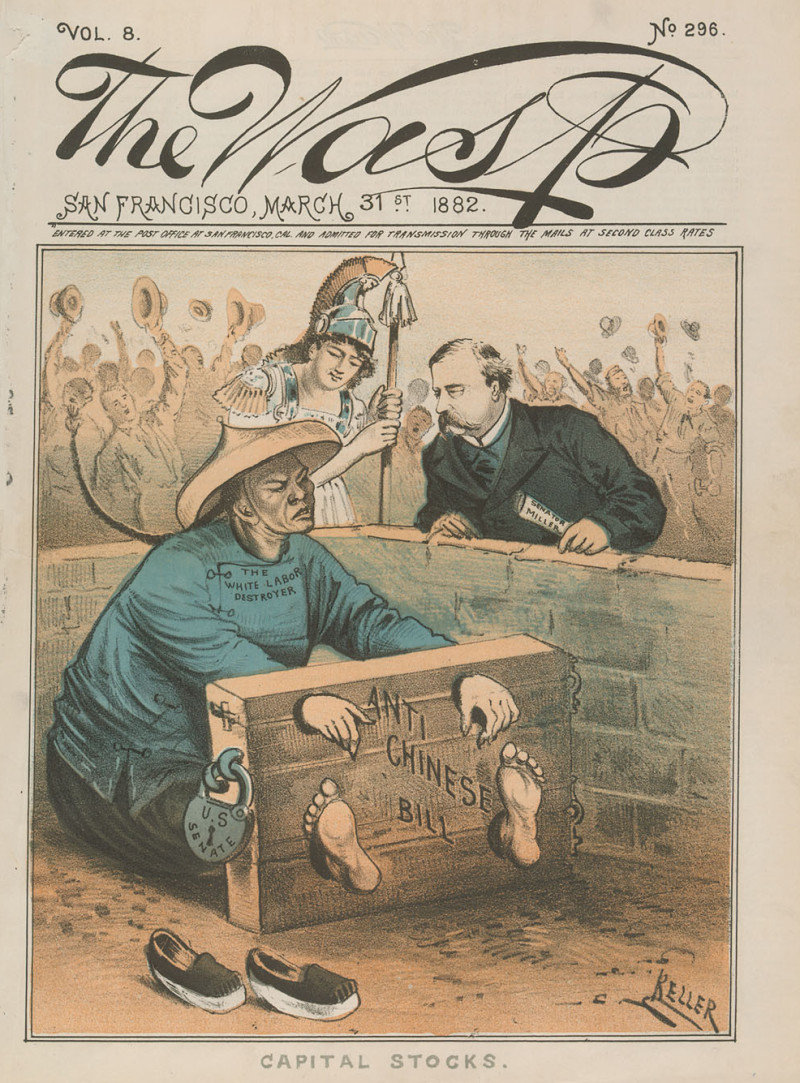
"caption": "An 1882 cover of The Wasp, a San Francisco weekly that was stridently anti-Chinese. The California Supreme Court acknowledged anti-Chinese discrimination as \"a sordid chapter in state and national history\" in a ruling posthumously admitting Hong Yen Chang to practice law. The court rejected Chang in 1890. ",
"description": "An 1882 cover of The Wasp, a San Francisco weekly that was stridently anti-Chinese. The California Supreme Court acknowledged anti-Chinese discrimination as \"a sordid chapter in state and national history\" in a ruling posthumously admitting Hong Yen Chang to practice law. The court rejected Chang in 1890. ",
"title": "Chinese Exclusion Act",
"credit": "ThomasNastCartoons.com",
"status": "inherit",
"isLoading": false,
"fetchFailed": false
},
"news_10449431": {
"type": "attachments",
"id": "news_10449431",
"meta": {
"index": "attachments_1716263798",
"site": "news",
"id": "10449431",
"found": true
},
"parent": 10449360,
"imgSizes": {
"twentyfourteen-full-width": {
"file": "https://ww2.kqed.org/app/uploads/sites/10/2015/03/BorderPatrol-1038x576.jpg",
"width": 1038,
"mimeType": "image/jpeg",
"height": 576
},
"thumbnail": {
"file": "https://ww2.kqed.org/app/uploads/sites/10/2015/03/BorderPatrol-400x225.jpg",
"width": 400,
"mimeType": "image/jpeg",
"height": 225
},
"fd-sm": {
"file": "https://ww2.kqed.org/app/uploads/sites/10/2015/03/BorderPatrol-320x180.jpg",
"width": 320,
"mimeType": "image/jpeg",
"height": 180
},
"post-thumbnail": {
"file": "https://ww2.kqed.org/app/uploads/sites/10/2015/03/BorderPatrol-672x372.jpg",
"width": 672,
"mimeType": "image/jpeg",
"height": 372
},
"kqedFullSize": {
"file": "https://ww2.kqed.org/app/uploads/sites/10/2015/03/BorderPatrol.jpg",
"width": 1920,
"height": 1080
},
"large": {
"file": "https://ww2.kqed.org/app/uploads/sites/10/2015/03/BorderPatrol-1440x810.jpg",
"width": 1440,
"mimeType": "image/jpeg",
"height": 810
},
"guest-author-96": {
"file": "https://ww2.kqed.org/app/uploads/sites/10/2015/03/BorderPatrol-96x96.jpg",
"width": 96,
"mimeType": "image/jpeg",
"height": 96
},
"medium": {
"file": "https://ww2.kqed.org/app/uploads/sites/10/2015/03/BorderPatrol-800x450.jpg",
"width": 800,
"mimeType": "image/jpeg",
"height": 450
},
"guest-author-64": {
"file": "https://ww2.kqed.org/app/uploads/sites/10/2015/03/BorderPatrol-64x64.jpg",
"width": 64,
"mimeType": "image/jpeg",
"height": 64
},
"guest-author-32": {
"file": "https://ww2.kqed.org/app/uploads/sites/10/2015/03/BorderPatrol-32x32.jpg",
"width": 32,
"mimeType": "image/jpeg",
"height": 32
},
"fd-lrg": {
"file": "https://ww2.kqed.org/app/uploads/sites/10/2015/03/BorderPatrol-1180x664.jpg",
"width": 1180,
"mimeType": "image/jpeg",
"height": 664
},
"fd-med": {
"file": "https://ww2.kqed.org/app/uploads/sites/10/2015/03/BorderPatrol-768x432.jpg",
"width": 768,
"mimeType": "image/jpeg",
"height": 432
},
"detail": {
"file": "https://ww2.kqed.org/app/uploads/sites/10/2015/03/BorderPatrol-75x75.jpg",
"width": 75,
"mimeType": "image/jpeg",
"height": 75
},
"guest-author-128": {
"file": "https://ww2.kqed.org/app/uploads/sites/10/2015/03/BorderPatrol-128x128.jpg",
"width": 128,
"mimeType": "image/jpeg",
"height": 128
}
},
"publishDate": 1425608803,
"modified": 1425608863,
"caption": "U.S. Customs and Border Protection patrol agents assist undocumented Mexicans being returned to Mexico.",
"description": "U.S. Customs and Border Protection patrol agents assist undocumented Mexicans being returned to Mexico.",
"title": "BorderPatrol",
"credit": " Scott Olson/Getty Images",
"status": "inherit",
"isLoading": false,
"fetchFailed": false
},
"news_10438031": {
"type": "attachments",
"id": "news_10438031",
"meta": {
"index": "attachments_1716263798",
"site": "news",
"id": "10438031",
"found": true
},
"parent": 10437669,
"imgSizes": {
"twentyfourteen-full-width": {
"file": "https://ww2.kqed.org/app/uploads/sites/10/2015/02/RS14312_IMG_0789-qut1-1038x576.jpg",
"width": 1038,
"mimeType": "image/jpeg",
"height": 576
},
"thumbnail": {
"file": "https://ww2.kqed.org/app/uploads/sites/10/2015/02/RS14312_IMG_0789-qut1-400x300.jpg",
"width": 400,
"mimeType": "image/jpeg",
"height": 300
},
"post-thumbnail": {
"file": "https://ww2.kqed.org/app/uploads/sites/10/2015/02/RS14312_IMG_0789-qut1-672x372.jpg",
"width": 672,
"mimeType": "image/jpeg",
"height": 372
},
"kqedFullSize": {
"file": "https://ww2.kqed.org/app/uploads/sites/10/2015/02/RS14312_IMG_0789-qut1.jpg",
"width": 1440,
"height": 1080
},
"large": {
"file": "https://ww2.kqed.org/app/uploads/sites/10/2015/02/RS14312_IMG_0789-qut1-1440x1080.jpg",
"width": 1440,
"mimeType": "image/jpeg",
"height": 1080
},
"guest-author-96": {
"file": "https://ww2.kqed.org/app/uploads/sites/10/2015/02/RS14312_IMG_0789-qut1-96x96.jpg",
"width": 96,
"mimeType": "image/jpeg",
"height": 96
},
"medium": {
"file": "https://ww2.kqed.org/app/uploads/sites/10/2015/02/RS14312_IMG_0789-qut1-800x600.jpg",
"width": 800,
"mimeType": "image/jpeg",
"height": 600
},
"guest-author-64": {
"file": "https://ww2.kqed.org/app/uploads/sites/10/2015/02/RS14312_IMG_0789-qut1-64x64.jpg",
"width": 64,
"mimeType": "image/jpeg",
"height": 64
},
"detail": {
"file": "https://ww2.kqed.org/app/uploads/sites/10/2015/02/RS14312_IMG_0789-qut1-75x75.jpg",
"width": 75,
"mimeType": "image/jpeg",
"height": 75
},
"guest-author-32": {
"file": "https://ww2.kqed.org/app/uploads/sites/10/2015/02/RS14312_IMG_0789-qut1-32x32.jpg",
"width": 32,
"mimeType": "image/jpeg",
"height": 32
},
"guest-author-128": {
"file": "https://ww2.kqed.org/app/uploads/sites/10/2015/02/RS14312_IMG_0789-qut1-128x128.jpg",
"width": 128,
"mimeType": "image/jpeg",
"height": 128
}
},
"publishDate": 1424400159,
"modified": 1424468842,
"caption": "Entrepreneurs from all over the world train at the incubator 500 Startups in Mountain View, learning to fine-tune their products and attract Silicon Valley investors. ",
"description": "Entrepreneurs from all over the world train at the incubator 500 Startups in Mountain View, learning to fine-tune their products and attract Silicon Valley investors. ",
"title": "RS14312_IMG_0789-qut(1)",
"credit": "Beth Willon/KQED",
"status": "inherit",
"isLoading": false,
"fetchFailed": false
},
"news_10437712": {
"type": "attachments",
"id": "news_10437712",
"meta": {
"index": "attachments_1716263798",
"site": "news",
"id": "10437712",
"found": true
},
"parent": 10437673,
"imgSizes": {
"twentyfourteen-full-width": {
"file": "https://ww2.kqed.org/app/uploads/sites/10/2015/02/RS14311_IMG_0292.JPG-qut-1038x576.jpg",
"width": 1038,
"mimeType": "image/jpeg",
"height": 576
},
"thumbnail": {
"file": "https://ww2.kqed.org/app/uploads/sites/10/2015/02/RS14311_IMG_0292.JPG-qut-400x300.jpg",
"width": 400,
"mimeType": "image/jpeg",
"height": 300
},
"post-thumbnail": {
"file": "https://ww2.kqed.org/app/uploads/sites/10/2015/02/RS14311_IMG_0292.JPG-qut-672x372.jpg",
"width": 672,
"mimeType": "image/jpeg",
"height": 372
},
"kqedFullSize": {
"file": "https://ww2.kqed.org/app/uploads/sites/10/2015/02/RS14311_IMG_0292.JPG-qut.jpg",
"width": 1440,
"height": 1080
},
"large": {
"file": "https://ww2.kqed.org/app/uploads/sites/10/2015/02/RS14311_IMG_0292.JPG-qut-1440x1080.jpg",
"width": 1440,
"mimeType": "image/jpeg",
"height": 1080
},
"guest-author-96": {
"file": "https://ww2.kqed.org/app/uploads/sites/10/2015/02/RS14311_IMG_0292.JPG-qut-96x96.jpg",
"width": 96,
"mimeType": "image/jpeg",
"height": 96
},
"medium": {
"file": "https://ww2.kqed.org/app/uploads/sites/10/2015/02/RS14311_IMG_0292.JPG-qut-800x600.jpg",
"width": 800,
"mimeType": "image/jpeg",
"height": 600
},
"guest-author-64": {
"file": "https://ww2.kqed.org/app/uploads/sites/10/2015/02/RS14311_IMG_0292.JPG-qut-64x64.jpg",
"width": 64,
"mimeType": "image/jpeg",
"height": 64
},
"detail": {
"file": "https://ww2.kqed.org/app/uploads/sites/10/2015/02/RS14311_IMG_0292.JPG-qut-75x75.jpg",
"width": 75,
"mimeType": "image/jpeg",
"height": 75
},
"guest-author-32": {
"file": "https://ww2.kqed.org/app/uploads/sites/10/2015/02/RS14311_IMG_0292.JPG-qut-32x32.jpg",
"width": 32,
"mimeType": "image/jpeg",
"height": 32
},
"guest-author-128": {
"file": "https://ww2.kqed.org/app/uploads/sites/10/2015/02/RS14311_IMG_0292.JPG-qut-128x128.jpg",
"width": 128,
"mimeType": "image/jpeg",
"height": 128
}
},
"publishDate": 1424381210,
"modified": 1424400066,
"caption": "The Chinese Culture Center of San Francisco's director of education and engagement, Darin Ow-Wing (left), gives a tour of Chinatown on Feb. 12, 2015.",
"description": "The Chinese Culture Center of San Francisco's director of education and engagement, Darin Ow-Wing (left), gives a tour of Chinatown on Feb. 12, 2015.",
"title": "Chinatown-San Francisco",
"credit": "Vinnee Tong/KQED",
"status": "inherit",
"isLoading": false,
"fetchFailed": false
},
"news_10435658": {
"type": "attachments",
"id": "news_10435658",
"meta": {
"index": "attachments_1716263798",
"site": "news",
"id": "10435658",
"found": true
},
"parent": 10435598,
"imgSizes": {
"twentyfourteen-full-width": {
"file": "https://ww2.kqed.org/app/uploads/sites/10/2015/02/immigration-1024x576.jpg",
"width": 1024,
"mimeType": "image/jpeg",
"height": 576
},
"thumbnail": {
"file": "https://ww2.kqed.org/app/uploads/sites/10/2015/02/immigration-400x300.jpg",
"width": 400,
"mimeType": "image/jpeg",
"height": 300
},
"post-thumbnail": {
"file": "https://ww2.kqed.org/app/uploads/sites/10/2015/02/immigration-672x372.jpg",
"width": 672,
"mimeType": "image/jpeg",
"height": 372
},
"kqedFullSize": {
"file": "https://ww2.kqed.org/app/uploads/sites/10/2015/02/immigration.jpg",
"width": 1024,
"height": 768
},
"guest-author-96": {
"file": "https://ww2.kqed.org/app/uploads/sites/10/2015/02/immigration-96x96.jpg",
"width": 96,
"mimeType": "image/jpeg",
"height": 96
},
"medium": {
"file": "https://ww2.kqed.org/app/uploads/sites/10/2015/02/immigration-800x600.jpg",
"width": 800,
"mimeType": "image/jpeg",
"height": 600
},
"guest-author-64": {
"file": "https://ww2.kqed.org/app/uploads/sites/10/2015/02/immigration-64x64.jpg",
"width": 64,
"mimeType": "image/jpeg",
"height": 64
},
"detail": {
"file": "https://ww2.kqed.org/app/uploads/sites/10/2015/02/immigration-75x75.jpg",
"width": 75,
"mimeType": "image/jpeg",
"height": 75
},
"guest-author-32": {
"file": "https://ww2.kqed.org/app/uploads/sites/10/2015/02/immigration-32x32.jpg",
"width": 32,
"mimeType": "image/jpeg",
"height": 32
},
"guest-author-128": {
"file": "https://ww2.kqed.org/app/uploads/sites/10/2015/02/immigration-128x128.jpg",
"width": 128,
"mimeType": "image/jpeg",
"height": 128
}
},
"publishDate": 1424213221,
"modified": 1424223663,
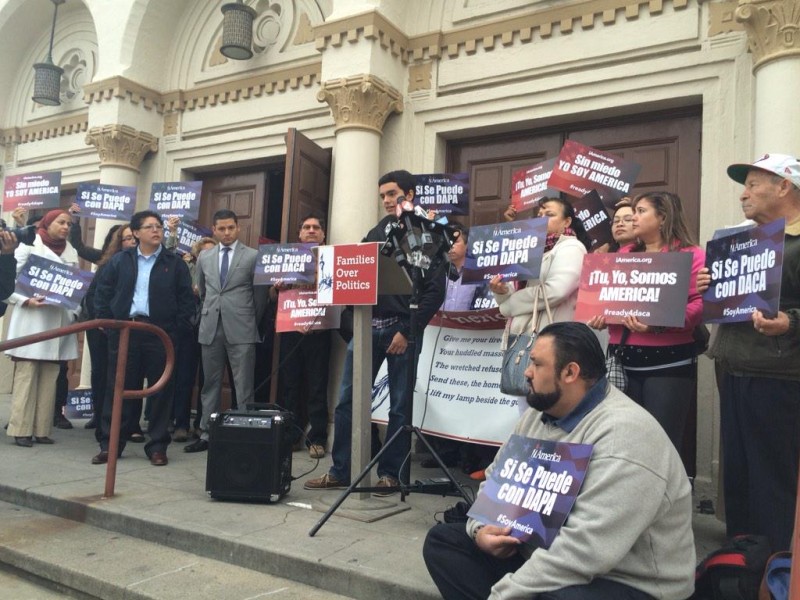
"caption": "Immigrant advocacy groups gathered at San Jose’s Sacred Heart Church Tuesday and told families to stay positive despite a Feb. 16 ruling by a Texas judge enjoining the Obama administration's planned executive actions to defer deportation for more than 4 million people in the U.S. illegally.",
"description": "Immigrant advocacy groups gathered at San Jose’s Sacred Heart Church Tuesday and told families to stay positive despite a Feb. 16 ruling by a Texas judge enjoining the Obama administration's planned executive actions to defer deportation for more than 4 million people in the U.S. illegally.",
"title": "Rally",
"credit": "Beth Willon/KQED",
"status": "inherit",
"isLoading": false,
"fetchFailed": false
},
"news_10435460": {
"type": "attachments",
"id": "news_10435460",
"meta": {
"index": "attachments_1716263798",
"site": "news",
"id": "10435460",
"found": true
},
"parent": 10435390,
"imgSizes": {
"thumbnail": {
"file": "https://ww2.kqed.org/app/uploads/sites/10/2015/02/Screenshot-2015-02-17-09.29.43-400x221.png",
"width": 400,
"mimeType": "image/png",
"height": 221
},
"kqedFullSize": {
"file": "https://ww2.kqed.org/app/uploads/sites/10/2015/02/Screenshot-2015-02-17-09.29.43.png",
"width": 640,
"height": 353
},
"guest-author-96": {
"file": "https://ww2.kqed.org/app/uploads/sites/10/2015/02/Screenshot-2015-02-17-09.29.43-96x96.png",
"width": 96,
"mimeType": "image/png",
"height": 96
},
"guest-author-64": {
"file": "https://ww2.kqed.org/app/uploads/sites/10/2015/02/Screenshot-2015-02-17-09.29.43-64x64.png",
"width": 64,
"mimeType": "image/png",
"height": 64
},
"detail": {
"file": "https://ww2.kqed.org/app/uploads/sites/10/2015/02/Screenshot-2015-02-17-09.29.43-75x75.png",
"width": 75,
"mimeType": "image/png",
"height": 75
},
"guest-author-32": {
"file": "https://ww2.kqed.org/app/uploads/sites/10/2015/02/Screenshot-2015-02-17-09.29.43-32x32.png",
"width": 32,
"mimeType": "image/png",
"height": 32
},
"guest-author-128": {
"file": "https://ww2.kqed.org/app/uploads/sites/10/2015/02/Screenshot-2015-02-17-09.29.43-128x128.png",
"width": 128,
"mimeType": "image/png",
"height": 128
}
},
"publishDate": 1424194222,
"modified": 1424194279,
"caption": "A map of the most ethnically diverse (blue) and least ethnically diverse (orange) communities in the United States. ",
"description": null,
"title": "Diversity Map",
"credit": "WalletHub",
"status": "inherit",
"isLoading": false,
"fetchFailed": false
},
"news_10430555": {
"type": "attachments",
"id": "news_10430555",
"meta": {
"index": "attachments_1716263798",
"site": "news",
"id": "10430555",
"found": true
},
"parent": 10429550,
"imgSizes": {
"twentyfourteen-full-width": {
"file": "https://ww2.kqed.org/app/uploads/sites/10/2015/02/RS14056_nast-chinesequestion-e1423693277949-1012x576.jpg",
"width": 1012,
"mimeType": "image/jpeg",
"height": 576
},
"thumbnail": {
"file": "https://ww2.kqed.org/app/uploads/sites/10/2015/02/RS14056_nast-chinesequestion-e1423693277949-400x413.jpg",
"width": 400,
"mimeType": "image/jpeg",
"height": 413
},
"post-thumbnail": {
"file": "https://ww2.kqed.org/app/uploads/sites/10/2015/02/RS14056_nast-chinesequestion-e1423693277949-672x372.jpg",
"width": 672,
"mimeType": "image/jpeg",
"height": 372
},
"kqedFullSize": {
"file": "https://ww2.kqed.org/app/uploads/sites/10/2015/02/RS14056_nast-chinesequestion-e1423693277949.jpg",
"width": 1012,
"height": 1044
},
"guest-author-96": {
"file": "https://ww2.kqed.org/app/uploads/sites/10/2015/02/RS14056_nast-chinesequestion-e1423693277949-96x96.jpg",
"width": 96,
"mimeType": "image/jpeg",
"height": 96
},
"medium": {
"file": "https://ww2.kqed.org/app/uploads/sites/10/2015/02/RS14056_nast-chinesequestion-e1423693277949-800x825.jpg",
"width": 800,
"mimeType": "image/jpeg",
"height": 825
},
"guest-author-64": {
"file": "https://ww2.kqed.org/app/uploads/sites/10/2015/02/RS14056_nast-chinesequestion-e1423693277949-64x64.jpg",
"width": 64,
"mimeType": "image/jpeg",
"height": 64
},
"detail": {
"file": "https://ww2.kqed.org/app/uploads/sites/10/2015/02/RS14056_nast-chinesequestion-e1423693277949-75x75.jpg",
"width": 75,
"mimeType": "image/jpeg",
"height": 75
},
"guest-author-32": {
"file": "https://ww2.kqed.org/app/uploads/sites/10/2015/02/RS14056_nast-chinesequestion-e1423693277949-32x32.jpg",
"width": 32,
"mimeType": "image/jpeg",
"height": 32
},
"guest-author-128": {
"file": "https://ww2.kqed.org/app/uploads/sites/10/2015/02/RS14056_nast-chinesequestion-e1423693277949-128x128.jpg",
"width": 128,
"mimeType": "image/jpeg",
"height": 128
}
},
"publishDate": 1423692064,
"modified": 1423703135,
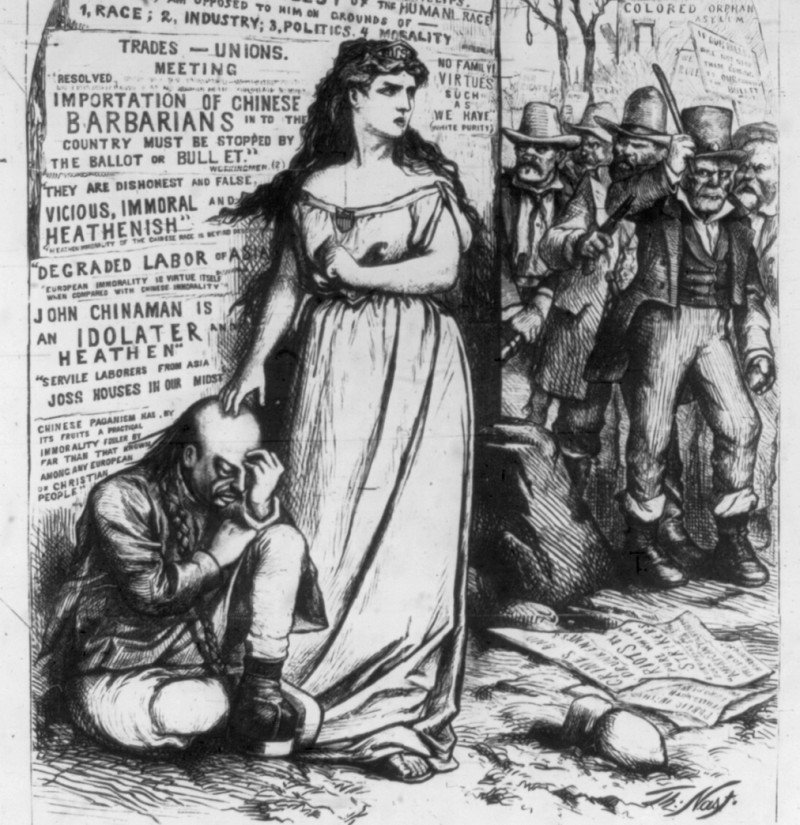
"caption": "Detail from a Harper's Weekly cartoon by Thomas Nast, published in 1871 amid continuing agitation in California to bar Chinese immigrants. Here, Nast lists some of the most common charges lodged against arriving Chinese. Columbia, personification of the national ideal, tells an anti-Chinese mob, 'Hands off, gentlemen! America means fair play for all men.' ",
"description": "Detail from a Harper's Weekly cartoon by Thomas Nast, published in 1871 amid continuing agitation in California to bar Chinese immigrants. Here, Nast lists some of the most common charges lodged against arriving Chinese. Columbia, personification of the national ideal, tells an anti-Chinese mob, 'Hands off, gentlemen! America means fair play for all men.' ",
"title": "Boomtown-Chinese",
"credit": "Library of Congress",
"status": "inherit",
"isLoading": false,
"fetchFailed": false
},
"news_10413702": {
"type": "attachments",
"id": "news_10413702",
"meta": {
"index": "attachments_1716263798",
"site": "news",
"id": "10413702",
"found": true
},
"parent": 10413670,
"imgSizes": {
"twentyfourteen-full-width": {
"file": "https://ww2.kqed.org/app/uploads/sites/10/2015/01/RS14066_sandlotrally-scr-e1421994558891-1038x576.jpg",
"width": 1038,
"mimeType": "image/jpeg",
"height": 576
},
"thumbnail": {
"file": "https://ww2.kqed.org/app/uploads/sites/10/2015/01/RS14066_sandlotrally-scr-e1421994558891-400x275.jpg",
"width": 400,
"mimeType": "image/jpeg",
"height": 275
},
"post-thumbnail": {
"file": "https://ww2.kqed.org/app/uploads/sites/10/2015/01/RS14066_sandlotrally-scr-e1421994558891-672x372.jpg",
"width": 672,
"mimeType": "image/jpeg",
"height": 372
},
"kqedFullSize": {
"file": "https://ww2.kqed.org/app/uploads/sites/10/2015/01/RS14066_sandlotrally-scr-e1421994558891.jpg",
"width": 1364,
"height": 939
},
"large": {
"file": "https://ww2.kqed.org/app/uploads/sites/10/2015/01/RS14066_sandlotrally-scr-1440x1109.jpg",
"width": 1440,
"mimeType": "image/jpeg",
"height": 1109
},
"guest-author-96": {
"file": "https://ww2.kqed.org/app/uploads/sites/10/2015/01/RS14066_sandlotrally-scr-e1421994558891-96x96.jpg",
"width": 96,
"mimeType": "image/jpeg",
"height": 96
},
"medium": {
"file": "https://ww2.kqed.org/app/uploads/sites/10/2015/01/RS14066_sandlotrally-scr-e1421994558891-800x551.jpg",
"width": 800,
"mimeType": "image/jpeg",
"height": 551
},
"guest-author-64": {
"file": "https://ww2.kqed.org/app/uploads/sites/10/2015/01/RS14066_sandlotrally-scr-e1421994558891-64x64.jpg",
"width": 64,
"mimeType": "image/jpeg",
"height": 64
},
"detail": {
"file": "https://ww2.kqed.org/app/uploads/sites/10/2015/01/RS14066_sandlotrally-scr-e1421994558891-75x75.jpg",
"width": 75,
"mimeType": "image/jpeg",
"height": 75
},
"guest-author-32": {
"file": "https://ww2.kqed.org/app/uploads/sites/10/2015/01/RS14066_sandlotrally-scr-e1421994558891-32x32.jpg",
"width": 32,
"mimeType": "image/jpeg",
"height": 32
},
"guest-author-128": {
"file": "https://ww2.kqed.org/app/uploads/sites/10/2015/01/RS14066_sandlotrally-scr-e1421994558891-128x128.jpg",
"width": 128,
"mimeType": "image/jpeg",
"height": 128
}
},
"publishDate": 1421994448,
"modified": 1423462603,
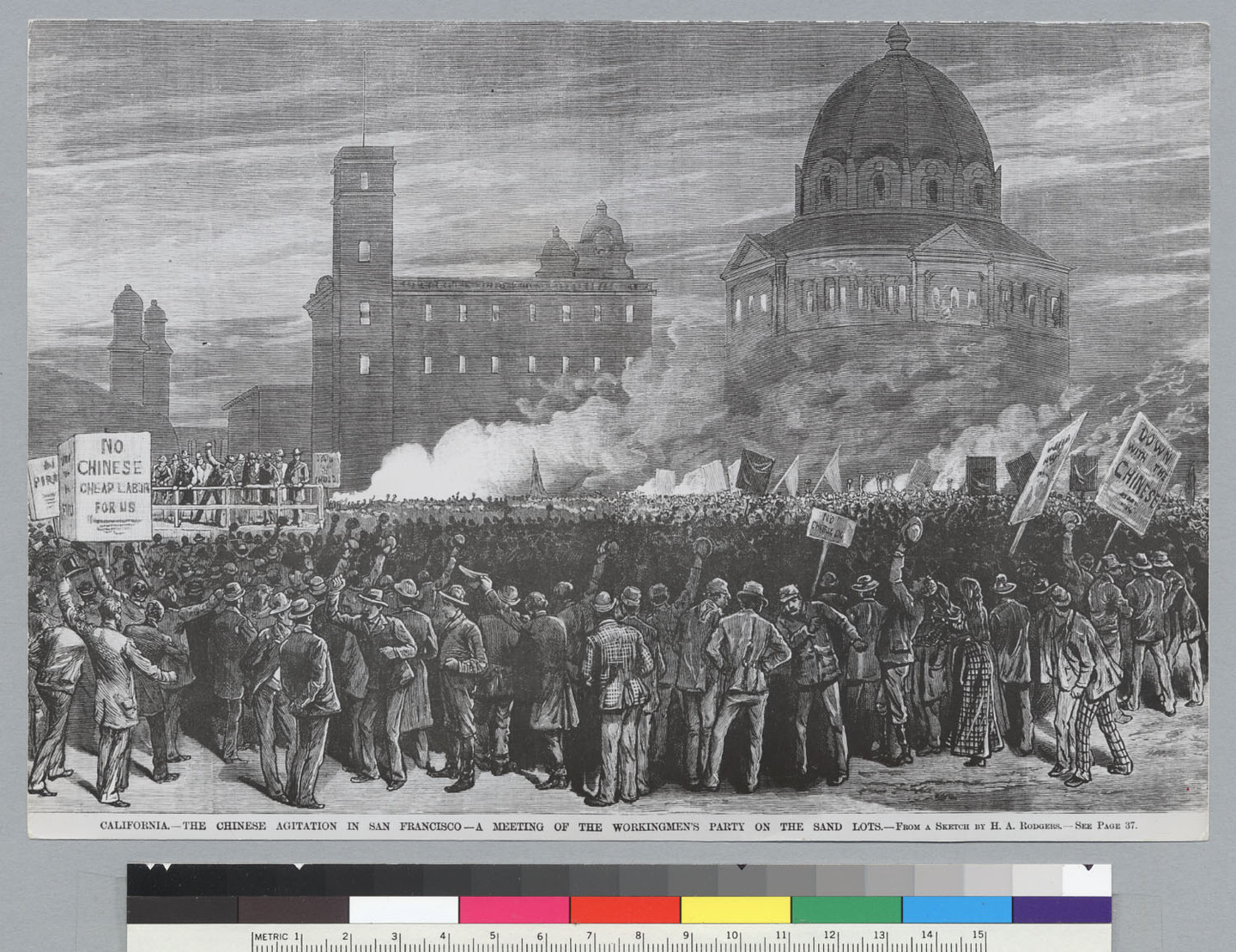
"caption": "An 1880 engraving from Frank Leslie's Illustrated Newspaper. The caption reads: 'California-The anti-Chinese agitation in San Francisco-a meeting of the Workingmen's Party on the Sand Lots.'",
"description": null,
"title": "San Francisco-Sand Lot",
"credit": "H.A. Rodgers/Courtesy, California Historical Society via Library of Congress",
"status": "inherit",
"isLoading": false,
"fetchFailed": false
},
"news_10414258": {
"type": "attachments",
"id": "news_10414258",
"meta": {
"index": "attachments_1716263798",
"site": "news",
"id": "10414258",
"found": true
},
"parent": 10414213,
"imgSizes": {
"twentyfourteen-full-width": {
"file": "https://ww2.kqed.org/app/uploads/sites/10/2015/01/ImmigrantScams1-1038x576.jpg",
"width": 1038,
"mimeType": "image/jpeg",
"height": 576
},
"thumbnail": {
"file": "https://ww2.kqed.org/app/uploads/sites/10/2015/01/ImmigrantScams1-400x263.jpg",
"width": 400,
"mimeType": "image/jpeg",
"height": 263
},
"post-thumbnail": {
"file": "https://ww2.kqed.org/app/uploads/sites/10/2015/01/ImmigrantScams1-672x372.jpg",
"width": 672,
"mimeType": "image/jpeg",
"height": 372
},
"kqedFullSize": {
"file": "https://ww2.kqed.org/app/uploads/sites/10/2015/01/ImmigrantScams1.jpg",
"width": 1440,
"height": 946
},
"large": {
"file": "https://ww2.kqed.org/app/uploads/sites/10/2015/01/ImmigrantScams1-1440x946.jpg",
"width": 1440,
"mimeType": "image/jpeg",
"height": 946
},
"guest-author-96": {
"file": "https://ww2.kqed.org/app/uploads/sites/10/2015/01/ImmigrantScams1-96x96.jpg",
"width": 96,
"mimeType": "image/jpeg",
"height": 96
},
"medium": {
"file": "https://ww2.kqed.org/app/uploads/sites/10/2015/01/ImmigrantScams1-800x526.jpg",
"width": 800,
"mimeType": "image/jpeg",
"height": 526
},
"guest-author-64": {
"file": "https://ww2.kqed.org/app/uploads/sites/10/2015/01/ImmigrantScams1-64x64.jpg",
"width": 64,
"mimeType": "image/jpeg",
"height": 64
},
"detail": {
"file": "https://ww2.kqed.org/app/uploads/sites/10/2015/01/ImmigrantScams1-75x75.jpg",
"width": 75,
"mimeType": "image/jpeg",
"height": 75
},
"guest-author-32": {
"file": "https://ww2.kqed.org/app/uploads/sites/10/2015/01/ImmigrantScams1-32x32.jpg",
"width": 32,
"mimeType": "image/jpeg",
"height": 32
},
"guest-author-128": {
"file": "https://ww2.kqed.org/app/uploads/sites/10/2015/01/ImmigrantScams1-128x128.jpg",
"width": 128,
"mimeType": "image/jpeg",
"height": 128
}
},
"publishDate": 1422048106,
"modified": 1422048137,
"caption": "Director legal del Central American Resource Center Daniel Sharp dirige un taller cuyo fin es informar a los inmigrantes sobre la reciente acción ejecutiva del Presidente Obama. ",
"description": "Director legal del Central American Resource Center Daniel Sharp dirige un taller cuyo fin es informar a los inmigrantes sobre la reciente acción ejecutiva del Presidente Obama. ",
"title": "ImmigrantScams",
"credit": "Steven Cuevas/KQED",
"status": "inherit",
"isLoading": false,
"fetchFailed": false
},
"news_10411799": {
"type": "attachments",
"id": "news_10411799",
"meta": {
"index": "attachments_1716263798",
"site": "news",
"id": "10411799",
"found": true
},
"parent": 10411638,
"imgSizes": {
"twentyfourteen-full-width": {
"file": "https://ww2.kqed.org/app/uploads/sites/10/2015/01/ImmigrantScams-1038x576.jpg",
"width": 1038,
"mimeType": "image/jpeg",
"height": 576
},
"thumbnail": {
"file": "https://ww2.kqed.org/app/uploads/sites/10/2015/01/ImmigrantScams-400x262.jpg",
"width": 400,
"mimeType": "image/jpeg",
"height": 262
},
"post-thumbnail": {
"file": "https://ww2.kqed.org/app/uploads/sites/10/2015/01/ImmigrantScams-672x372.jpg",
"width": 672,
"mimeType": "image/jpeg",
"height": 372
},
"kqedFullSize": {
"file": "https://ww2.kqed.org/app/uploads/sites/10/2015/01/ImmigrantScams.jpg",
"width": 1440,
"height": 946
},
"guest-author-96": {
"file": "https://ww2.kqed.org/app/uploads/sites/10/2015/01/ImmigrantScams-96x96.jpg",
"width": 96,
"mimeType": "image/jpeg",
"height": 96
},
"medium": {
"file": "https://ww2.kqed.org/app/uploads/sites/10/2015/01/ImmigrantScams-800x525.jpg",
"width": 800,
"mimeType": "image/jpeg",
"height": 525
},
"guest-author-64": {
"file": "https://ww2.kqed.org/app/uploads/sites/10/2015/01/ImmigrantScams-64x64.jpg",
"width": 64,
"mimeType": "image/jpeg",
"height": 64
},
"detail": {
"file": "https://ww2.kqed.org/app/uploads/sites/10/2015/01/ImmigrantScams-75x75.jpg",
"width": 75,
"mimeType": "image/jpeg",
"height": 75
},
"guest-author-32": {
"file": "https://ww2.kqed.org/app/uploads/sites/10/2015/01/ImmigrantScams-32x32.jpg",
"width": 32,
"mimeType": "image/jpeg",
"height": 32
},
"guest-author-128": {
"file": "https://ww2.kqed.org/app/uploads/sites/10/2015/01/ImmigrantScams-128x128.jpg",
"width": 128,
"mimeType": "image/jpeg",
"height": 128
}
},
"publishDate": 1421798196,
"modified": 1421798231,
"caption": "Central American Resource Center legal director Daniel Sharp leads a workshop aimed at educating immigrants about President Obama’s recent executive action.",
"description": "Central American Resource Center legal director Daniel Sharp leads a workshop aimed at educating immigrants about President Obama’s recent executive action.",
"title": "ImmigrantScams",
"credit": "Steven Cuevas/KQED",
"status": "inherit",
"isLoading": false,
"fetchFailed": false
},
"news_10407078": {
"type": "attachments",
"id": "news_10407078",
"meta": {
"index": "attachments_1716263798",
"site": "news",
"id": "10407078",
"found": true
},
"parent": 10407034,
"imgSizes": {
"twentyfourteen-full-width": {
"file": "https://ww2.kqed.org/app/uploads/sites/10/2015/01/VisaWatering-1038x576.jpg",
"width": 1038,
"mimeType": "image/jpeg",
"height": 576
},
"thumbnail": {
"file": "https://ww2.kqed.org/app/uploads/sites/10/2015/01/VisaWatering-400x225.jpg",
"width": 400,
"mimeType": "image/jpeg",
"height": 225
},
"post-thumbnail": {
"file": "https://ww2.kqed.org/app/uploads/sites/10/2015/01/VisaWatering-672x372.jpg",
"width": 672,
"mimeType": "image/jpeg",
"height": 372
},
"kqedFullSize": {
"file": "https://ww2.kqed.org/app/uploads/sites/10/2015/01/VisaWatering.jpg",
"width": 1440,
"height": 810
},
"guest-author-96": {
"file": "https://ww2.kqed.org/app/uploads/sites/10/2015/01/VisaWatering-96x96.jpg",
"width": 96,
"mimeType": "image/jpeg",
"height": 96
},
"medium": {
"file": "https://ww2.kqed.org/app/uploads/sites/10/2015/01/VisaWatering-800x450.jpg",
"width": 800,
"mimeType": "image/jpeg",
"height": 450
},
"guest-author-64": {
"file": "https://ww2.kqed.org/app/uploads/sites/10/2015/01/VisaWatering-64x64.jpg",
"width": 64,
"mimeType": "image/jpeg",
"height": 64
},
"detail": {
"file": "https://ww2.kqed.org/app/uploads/sites/10/2015/01/VisaWatering-75x75.jpg",
"width": 75,
"mimeType": "image/jpeg",
"height": 75
},
"guest-author-32": {
"file": "https://ww2.kqed.org/app/uploads/sites/10/2015/01/VisaWatering-32x32.jpg",
"width": 32,
"mimeType": "image/jpeg",
"height": 32
},
"guest-author-128": {
"file": "https://ww2.kqed.org/app/uploads/sites/10/2015/01/VisaWatering-128x128.jpg",
"width": 128,
"mimeType": "image/jpeg",
"height": 128
}
},
"publishDate": 1421349810,
"modified": 1421361113,
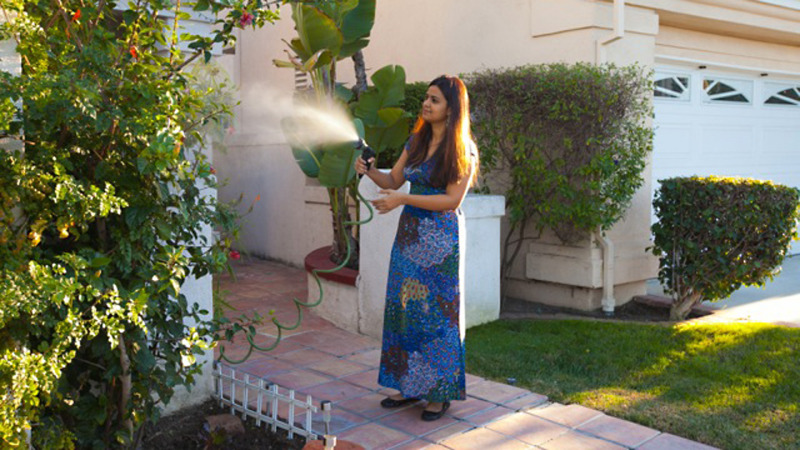
"caption": "Shalini Sharma at her home in Irvine, Calif. on Tuesday, Jan. 6, 2015. Sharma worked as an architect in Mumbai, India, but cannot work in the United States because of her visa status, which is contingent upon her husband's. Sharma may be affected by the executive order issued by President Obama that could qualify spouses of H-1B visa holders to work.",
"description": "Shalini Sharma at her home in Irvine, Calif. on Tuesday, Jan. 6, 2015. Sharma worked as an architect in Mumbai, India but cannot work in the United States because of her visa status, which is contingent upon her husband's. Sharma may be affected by the executive order issued by President Obama that could qualify spouses of H-1B visa holders to work.",
"title": "VisaWatering",
"credit": "Susanica Tam/ KPCC",
"status": "inherit",
"isLoading": false,
"fetchFailed": false
},
"news_10392404": {
"type": "attachments",
"id": "news_10392404",
"meta": {
"index": "attachments_1716263798",
"site": "news",
"id": "10392404",
"found": true
},
"parent": 10392354,
"imgSizes": {
"twentyfourteen-full-width": {
"file": "https://ww2.kqed.org/app/uploads/sites/10/2014/12/RS13791_Jenni-Globe.JPG-qut-1038x576.jpg",
"width": 1038,
"mimeType": "image/jpeg",
"height": 576
},
"thumbnail": {
"file": "https://ww2.kqed.org/app/uploads/sites/10/2014/12/RS13791_Jenni-Globe.JPG-qut-400x224.jpg",
"width": 400,
"mimeType": "image/jpeg",
"height": 224
},
"post-thumbnail": {
"file": "https://ww2.kqed.org/app/uploads/sites/10/2014/12/RS13791_Jenni-Globe.JPG-qut-672x372.jpg",
"width": 672,
"mimeType": "image/jpeg",
"height": 372
},
"kqedFullSize": {
"file": "https://ww2.kqed.org/app/uploads/sites/10/2014/12/RS13791_Jenni-Globe.JPG-qut.jpg",
"width": 1440,
"height": 809
},
"guest-author-96": {
"file": "https://ww2.kqed.org/app/uploads/sites/10/2014/12/RS13791_Jenni-Globe.JPG-qut-96x96.jpg",
"width": 96,
"mimeType": "image/jpeg",
"height": 96
},
"medium": {
"file": "https://ww2.kqed.org/app/uploads/sites/10/2014/12/RS13791_Jenni-Globe.JPG-qut-800x449.jpg",
"width": 800,
"mimeType": "image/jpeg",
"height": 449
},
"guest-author-64": {
"file": "https://ww2.kqed.org/app/uploads/sites/10/2014/12/RS13791_Jenni-Globe.JPG-qut-64x64.jpg",
"width": 64,
"mimeType": "image/jpeg",
"height": 64
},
"detail": {
"file": "https://ww2.kqed.org/app/uploads/sites/10/2014/12/RS13791_Jenni-Globe.JPG-qut-75x75.jpg",
"width": 75,
"mimeType": "image/jpeg",
"height": 75
},
"guest-author-32": {
"file": "https://ww2.kqed.org/app/uploads/sites/10/2014/12/RS13791_Jenni-Globe.JPG-qut-32x32.jpg",
"width": 32,
"mimeType": "image/jpeg",
"height": 32
},
"guest-author-128": {
"file": "https://ww2.kqed.org/app/uploads/sites/10/2014/12/RS13791_Jenni-Globe.JPG-qut-128x128.jpg",
"width": 128,
"mimeType": "image/jpeg",
"height": 128
}
},
"publishDate": 1419895623,
"modified": 1420226121,
"caption": "Jennifer no sabía el hombre que ella llama 'papá' no era su padre biológico hasta justo una semana antes de su cita en la corte. ",
"description": null,
"title": "RS13791_Jenni Globe.JPG-qut",
"credit": "Jeremy Raff/KQED",
"status": "inherit",
"isLoading": false,
"fetchFailed": false
}
},
"audioPlayerReducer": {
"postId": "stream_live",
"isPaused": true,
"isPlaying": false,
"pfsActive": false,
"pledgeModalIsOpen": true,
"playerDrawerIsOpen": false,
"liveAudioPlayStartedAt": 0,
"liveAudioPlayContext": ""
},
"authorsReducer": {
"byline_news_10407034": {
"type": "authors",
"id": "byline_news_10407034",
"meta": {
"override": true
},
"slug": "byline_news_10407034",
"name": "Leslie Berestein Rojas",
"isLoading": false
},
"anatintocalis": {
"type": "authors",
"id": "211",
"meta": {
"index": "authors_1716337520",
"id": "211",
"found": true
},
"name": "Ana Tintocalis",
"firstName": "Ana",
"lastName": "Tintocalis",
"slug": "anatintocalis",
"email": "atintocalis@kqed.org",
"display_author_email": false,
"staff_mastheads": [],
"title": null,
"bio": null,
"avatar": "https://secure.gravatar.com/avatar/722c50f51f04eff38fa0e5a3f1d29450?s=600&d=blank&r=g",
"twitter": null,
"facebook": null,
"instagram": null,
"linkedin": null,
"sites": [
{
"site": "news",
"roles": [
"subscriber"
]
},
{
"site": "stateofhealth",
"roles": [
"subscriber"
]
}
],
"headData": {
"title": "Ana Tintocalis | KQED",
"description": null,
"ogImgSrc": "https://secure.gravatar.com/avatar/722c50f51f04eff38fa0e5a3f1d29450?s=600&d=blank&r=g",
"twImgSrc": "https://secure.gravatar.com/avatar/722c50f51f04eff38fa0e5a3f1d29450?s=600&d=blank&r=g"
},
"isLoading": false,
"link": "/author/anatintocalis"
},
"danbrekke": {
"type": "authors",
"id": "222",
"meta": {
"index": "authors_1716337520",
"id": "222",
"found": true
},
"name": "Dan Brekke",
"firstName": "Dan",
"lastName": "Brekke",
"slug": "danbrekke",
"email": "dbrekke@kqed.org",
"display_author_email": true,
"staff_mastheads": [
"news",
"science"
],
"title": "KQED Editor and Reporter",
"bio": "Dan Brekke is a reporter and editor for KQED News, responsible for coverage of topics ranging from California water issues to the Bay Area's transportation challenges. In a newsroom career that began in Chicago in 1972, Dan has worked for \u003cem>The San Francisco Examiner,\u003c/em> Wired and TechTV and has been published in The New York Times, The New York Times Magazine, Business 2.0, Salon and elsewhere.\r\n\r\nSince joining KQED in 2007, Dan has reported, edited and produced both radio and online features and breaking news pieces. He has shared as both editor and reporter in four Society of Professional Journalists Norcal Excellence in Journalism awards and one Edward R. Murrow regional award. He was chosen for a spring 2017 residency at the Mesa Refuge to advance his research on California salmon.\r\n\r\nEmail Dan at: \u003ca href=\"mailto:dbrekke@kqed.org\">dbrekke@kqed.org\u003c/a>\r\n\r\n\u003cstrong>Twitter:\u003c/strong> \u003ca href=\"https://twitter.com/danbrekke\" rel=\"noopener noreferrer\">twitter.com/danbrekke\u003c/a>\r\n\u003cstrong>Facebook:\u003c/strong> \u003ca href=\"https://www.facebook.com/danbrekke\" rel=\"noopener noreferrer\">www.facebook.com/danbrekke\u003c/a>\r\n\u003cstrong>LinkedIn:\u003c/strong> \u003ca href=\"https://www.linkedin.com/in/danbrekke\" rel=\"noopener noreferrer\">www.linkedin.com/in/danbrekke\u003c/a>",
"avatar": "https://secure.gravatar.com/avatar/8f1f0d2a978fb3b23426c922c7e2af558fa36905b49c4ce76a97dc3c72d27226?s=600&d=mm&r=g",
"twitter": "danbrekke",
"bluesky": null,
"facebook": null,
"instagram": "https://www.instagram.com/dan.brekke/",
"linkedin": "https://www.linkedin.com/in/danbrekke/",
"sites": [
{
"site": "news",
"roles": [
"administrator",
"create_posts"
]
},
{
"site": "stateofhealth",
"roles": [
"editor"
]
},
{
"site": "science",
"roles": [
"editor"
]
},
{
"site": "quest",
"roles": [
"contributor"
]
},
{
"site": "food",
"roles": [
"contributor"
]
},
{
"site": "forum",
"roles": [
"contributor"
]
},
{
"site": "elections",
"roles": [
"editor"
]
},
{
"site": "liveblog",
"roles": [
"editor"
]
}
],
"headData": {
"title": "Dan Brekke | KQED",
"description": "KQED Editor and Reporter",
"ogImgSrc": "https://secure.gravatar.com/avatar/8f1f0d2a978fb3b23426c922c7e2af558fa36905b49c4ce76a97dc3c72d27226?s=600&d=mm&r=g",
"twImgSrc": "https://secure.gravatar.com/avatar/8f1f0d2a978fb3b23426c922c7e2af558fa36905b49c4ce76a97dc3c72d27226?s=600&d=mm&r=g"
},
"isLoading": false,
"link": "/author/danbrekke"
},
"jeremyraff": {
"type": "authors",
"id": "230",
"meta": {
"index": "authors_1716337520",
"id": "230",
"found": true
},
"name": "Jeremy Raff",
"firstName": "Jeremy",
"lastName": "Raff",
"slug": "jeremyraff",
"email": "jeremyraff@gmail.com",
"display_author_email": false,
"staff_mastheads": [],
"title": null,
"bio": "Jeremy Raff is a multimedia producer interested in migration, rural change, and health disparities. He produces KQED's community health series\u003ca href=\"http://blogs.kqed.org/stateofhealth/series/vital-signs/\" target=\"_blank\" rel=\"noopener\"> Vital Signs\u003c/a>. Reach him at jraff@kqed.org",
"avatar": "https://secure.gravatar.com/avatar/1444299e18b67b815fbbdc87a85e7dff?s=600&d=blank&r=g",
"twitter": null,
"facebook": null,
"instagram": null,
"linkedin": null,
"sites": [
{
"site": "news",
"roles": [
"subscriber"
]
},
{
"site": "stateofhealth",
"roles": [
"subscriber"
]
}
],
"headData": {
"title": "Jeremy Raff | KQED",
"description": null,
"ogImgSrc": "https://secure.gravatar.com/avatar/1444299e18b67b815fbbdc87a85e7dff?s=600&d=blank&r=g",
"twImgSrc": "https://secure.gravatar.com/avatar/1444299e18b67b815fbbdc87a85e7dff?s=600&d=blank&r=g"
},
"isLoading": false,
"link": "/author/jeremyraff"
},
"vinneetong": {
"type": "authors",
"id": "260",
"meta": {
"index": "authors_1716337520",
"id": "260",
"found": true
},
"name": "Vinnee Tong",
"firstName": "Vinnee",
"lastName": "Tong",
"slug": "vinneetong",
"email": "vtong@kqed.org",
"display_author_email": false,
"staff_mastheads": [
"news"
],
"title": "KQED Contributor",
"bio": "\u003cspan style=\"font-weight: 400;\">Vinnee Tong is the managing editor of news at KQED. She oversees editorial standards \u003cspan class=\"s2\">and works to highlight underrepresented voices and perspectives\u003c/span>\u003cspan class=\"s3\">.\u003c/span>\u003cspan class=\"s2\"> She was founding editor\u003c/span>\u003c/span>\u003cspan style=\"font-weight: 400;\"> of \u003ca href=\"http://bit.ly/thebaykqed\">\u003cem>The Bay,\u003c/em>\u003c/a> a storytelling news podcast from KQED\u003c/span>\u003cspan style=\"font-weight: 400;\">. Previously, she was a producer on the \u003ca href=\"http://baycurious.org\">\u003cem>Bay Curious\u003c/em> podcast\u003c/a> and the lead producer of \u003c/span>\u003cspan style=\"font-weight: 400;\">\u003cem>Truth Be Told,\u003c/em> an award-winning KQED series on race and identity distributed nationally by Public Radio International. \u003c/span>\u003cspan style=\"font-weight: 400;\">Before KQED, Vinnee was a print reporter at the Associated Press and newspapers. \u003cspan class=\"s4\">She covered local news from city hall and planning commission hearings as well as business news from New York, like the financial meltdown of 2008. \u003c/span>She has won a\u003c/span>\u003cspan style=\"font-weight: 400;\">wards for her reporting including an RTNDA Edward R. Murrow Award, as well as awards from the New York Press Club and the Society of American Business Editors and Writers. She is a graduate of the Columbia University Graduate School of Journalism and the University of California at Berkeley, \u003cspan class=\"s4\">where she was editor-in-chief of \u003ci>The Daily Californian\u003c/i>.\u003c/span>\u003c/span>",
"avatar": "https://secure.gravatar.com/avatar/02245596ef0333bf29265e2fd547f108?s=600&d=blank&r=g",
"twitter": "vinneetong",
"facebook": null,
"instagram": null,
"linkedin": null,
"sites": [
{
"site": "news",
"roles": [
"editor",
"edit_others_pages",
"edit_others_posts"
]
},
{
"site": "stateofhealth",
"roles": [
"author"
]
}
],
"headData": {
"title": "Vinnee Tong | KQED",
"description": "KQED Contributor",
"ogImgSrc": "https://secure.gravatar.com/avatar/02245596ef0333bf29265e2fd547f108?s=600&d=blank&r=g",
"twImgSrc": "https://secure.gravatar.com/avatar/02245596ef0333bf29265e2fd547f108?s=600&d=blank&r=g"
},
"isLoading": false,
"link": "/author/vinneetong"
},
"scuevas": {
"type": "authors",
"id": "2600",
"meta": {
"index": "authors_1716337520",
"id": "2600",
"found": true
},
"name": "Steven Cuevas",
"firstName": "Steven",
"lastName": "Cuevas",
"slug": "scuevas",
"email": "scuevas@kqed.org",
"display_author_email": false,
"staff_mastheads": [],
"title": "KQED Contributor",
"bio": "Steven is a former Los Angeles bureau chief for The California Report.\r\n\r\nHe reports on an array of issues across the Southland, from immigration and regional politics to religion, the performing arts and pop culture.\r\n\r\nPrior to joining KQED in 2012, Steven covered Inland southern California for KPCC in Pasadena. He also helped establish the first newsroom at \u003ca href=\"http://kut.org/\">KUT\u003c/a> in Austin, Texas where he was a general assignment reporter.\r\n\r\nSteven has received numerous awards for his reporting including an RTNDA Edward R. Murrow Award for investigative reporting in addition to awards from the LA Press Club, the Associated Press and the Society for Professional Journalists.\r\n\r\nSteven grew up in and around San Francisco and now lives in Pasadena just a short jog from the foot of the San Gabriel Mountains.",
"avatar": "https://secure.gravatar.com/avatar/2d253580794f8e026100fae05cfabbbd4889b4fe15146146cacb82a01974c538?s=600&d=blank&r=g",
"twitter": null,
"bluesky": null,
"facebook": null,
"instagram": null,
"linkedin": null,
"sites": [
{
"site": "news",
"roles": [
"subscriber"
]
}
],
"headData": {
"title": "Steven Cuevas | KQED",
"description": "KQED Contributor",
"ogImgSrc": "https://secure.gravatar.com/avatar/2d253580794f8e026100fae05cfabbbd4889b4fe15146146cacb82a01974c538?s=600&d=blank&r=g",
"twImgSrc": "https://secure.gravatar.com/avatar/2d253580794f8e026100fae05cfabbbd4889b4fe15146146cacb82a01974c538?s=600&d=blank&r=g"
},
"isLoading": false,
"link": "/author/scuevas"
},
"aemslie": {
"type": "authors",
"id": "3206",
"meta": {
"index": "authors_1716337520",
"id": "3206",
"found": true
},
"name": "Alex Emslie",
"firstName": "Alex",
"lastName": "Emslie",
"slug": "aemslie",
"email": "aemslie@kqed.org",
"display_author_email": true,
"staff_mastheads": [
"news"
],
"title": "KQED Senior Editor",
"bio": "Alex Emslie is senior editor of talent and development at KQED, where he manages dozens of early career journalists and oversees news department internships.\r\n\r\nHe is a former carpenter and proud graduate of City College of San Francisco and San Francisco State University, where he studied journalism and criminal justice before joining KQED in 2013.\r\n\r\nAlex produced investigative journalism focused on \u003ca href=\"https://www.kqed.org/news/11667594/the-trials-of-marvin-mutch-video\">criminal justice\u003c/a> and policing for most of a decade. He has broken major stories about \u003ca href=\"https://www.kqed.org/news/135682/amid-a-series-of-vallejo-police-shootings-one-officers-name-stands-out\">police use of deadly force\u003c/a>, \u003ca href=\"https://www.kqed.org/news/10454955/racist-texts-prompt-sfpd-internal-investigation\">officer misconduct\u003c/a> and \u003ca href=\"https://www.kqed.org/news/11712239/terrorist-or-troll-judge-to-weigh-whether-oakland-man-really-intended-to-attack-bay-area\">other\u003c/a> \u003ca href=\"https://www.kqed.org/news/11221414/hayward-paid-159000-to-husband-of-retired-police-chief-documents-show\">high\u003c/a>-\u003ca href=\"https://www.kqed.org/news/10622762/the-forgotten-tracking-two-homicides-in-san-francisco-public-housing\">profile\u003c/a> \u003ca href=\"https://www.kqed.org/news/11624516/federal-agency-promoted-ranger-just-months-after-his-gun-was-stolen-and-used-in-steinle-killing\">cases\u003c/a>. He co-founded the \u003ca href=\"https://projects.scpr.org/california-reporting-project/\">California Reporting Project\u003c/a> in 2019 to obtain and report on previously confidential police internal investigations. The effort produced well over 100 original stories and changed the course of multiple criminal cases.\r\n\r\nHis work has been recognized with numerous journalism awards, including a national Edward R. Murrow award for several years of \u003ca href=\"https://www.kqed.org/news/11688481/sfpd-officers-in-mario-woods-case-recount-shooting-in-newly-filed-depositions\">reporting\u003c/a> on the San Francisco Police shooting of Mario Woods. His \u003ca href=\"https://www.kqed.org/news/147854/half-of-those-killed-by-san-francisco-police-are-mentally-ill\">reporting\u003c/a> on police killings of people in psychiatric crisis was cited in amicus briefs before the U.S. Supreme Court.\r\n\r\nAlex now enjoys mentoring the next generation of journalists at KQED.",
"avatar": "https://secure.gravatar.com/avatar/e691e65209f20e9da202bd730ead5663?s=600&d=blank&r=g",
"twitter": "SFNewsReporter",
"facebook": null,
"instagram": null,
"linkedin": null,
"sites": [
{
"site": "arts",
"roles": [
"editor"
]
},
{
"site": "news",
"roles": [
"editor"
]
},
{
"site": "mindshift",
"roles": [
"editor"
]
},
{
"site": "stateofhealth",
"roles": [
"editor"
]
},
{
"site": "science",
"roles": [
"administrator"
]
}
],
"headData": {
"title": "Alex Emslie | KQED",
"description": "KQED Senior Editor",
"ogImgSrc": "https://secure.gravatar.com/avatar/e691e65209f20e9da202bd730ead5663?s=600&d=blank&r=g",
"twImgSrc": "https://secure.gravatar.com/avatar/e691e65209f20e9da202bd730ead5663?s=600&d=blank&r=g"
},
"isLoading": false,
"link": "/author/aemslie"
},
"bwillon": {
"type": "authors",
"id": "3207",
"meta": {
"index": "authors_1716337520",
"id": "3207",
"found": true
},
"name": "Beth Willon",
"firstName": "Beth",
"lastName": "Willon",
"slug": "bwillon",
"email": "bwillon@kqed.org",
"display_author_email": false,
"staff_mastheads": [],
"title": "KQED Contributor",
"bio": "Beth Willon is a former senior reporter for KQED's Silicon Valley News Desk in San Jose. (@KQEDNews )\r\n\r\n@BethWillon",
"avatar": "https://secure.gravatar.com/avatar/3533b741c785d6a97e8b283e7f65606d?s=600&d=blank&r=g",
"twitter": null,
"facebook": null,
"instagram": null,
"linkedin": null,
"sites": [
{
"site": "news",
"roles": [
"subscriber"
]
}
],
"headData": {
"title": "Beth Willon | KQED",
"description": "KQED Contributor",
"ogImgSrc": "https://secure.gravatar.com/avatar/3533b741c785d6a97e8b283e7f65606d?s=600&d=blank&r=g",
"twImgSrc": "https://secure.gravatar.com/avatar/3533b741c785d6a97e8b283e7f65606d?s=600&d=blank&r=g"
},
"isLoading": false,
"link": "/author/bwillon"
}
},
"pagesReducer": {
"news_category_immigration": {
"type": "terms",
"id": "news_1169",
"meta": {
"index": "terms_1716263798",
"site": "news",
"id": "1169",
"score": 10.909731
},
"featImg": null,
"name": "Immigration",
"description": null,
"taxonomy": "category",
"headData": {
"twImgId": null,
"twTitle": null,
"ogTitle": null,
"ogImgId": null,
"twDescription": null,
"description": null,
"title": "Immigration Archives | KQED News",
"ogDescription": null
},
"ttid": 1180,
"slug": "immigration",
"isLoading": false,
"title": "Immigration",
"pageMeta": {
"site": "news",
"WpPageTemplate": "page-topic-editorial",
"currentPage": 186
},
"blocks": [
{
"blockName": "kqed/post-list",
"attrs": {
"layout": "cardArticle2",
"query": "posts/news?category=immigration",
"seeMore": false,
"paginated": true,
"page": 186
}
},
{
"blockName": "kqed/ad"
}
]
}
},
"pfsSessionReducer": {},
"postsReducer": {
"stream_live": {
"type": "live",
"id": "stream_live",
"audioUrl": "https://streams.kqed.org/kqedradio",
"title": "Live Stream",
"excerpt": "Live Stream information currently unavailable.",
"link": "/radio",
"featImg": "",
"label": {
"name": "KQED Live",
"link": "/"
}
},
"stream_kqedNewscast": {
"type": "posts",
"id": "stream_kqedNewscast",
"audioUrl": "https://www.kqed.org/.stream/anon/radio/RDnews/newscast.mp3?_=1",
"title": "KQED Newscast",
"featImg": "",
"label": {
"name": "88.5 FM",
"link": "/"
}
},
"news_10457478": {
"type": "posts",
"id": "news_10457478",
"meta": {
"index": "posts_1716263798",
"site": "news",
"id": "10457478",
"score": null,
"sort": [
1426532599000
]
},
"guestAuthors": [],
"slug": "chinese-lawyer-admitted-to-california-bar-125-years-after-applying",
"title": "Chinese Lawyer Admitted to California Bar — 125 Years After Applying",
"publishDate": 1426532599,
"format": "standard",
"headTitle": "Chinese Lawyer Admitted to California Bar — 125 Years After Applying | KQED",
"labelTerm": {
"term": 72,
"site": "news"
},
"content": "\u003cp>Acknowledging a “grievous wrong” committed as part of a “discredited” state policy of discrimination against people of Chinese descent, the California Supreme Court on Monday granted posthumous permission to practice law to an immigrant lawyer who first sought it in 1890.\u003c/p>\n\u003cp>The court’s unanimous, unsigned ruling (\u003ca href=\"#hongyenchang\">embedded below\u003c/a>) came in the case of \u003ca href=\"http://students.law.ucdavis.edu/apalsa/hongyenchang.html\" target=\"_blank\" rel=\"noopener\">Hong Yen Chang\u003c/a>, an attorney educated at Yale College and Columbia Law School who was admitted to the New York State Bar in 1888 — reportedly the first Chinese lawyer granted permission to practice through regular channels of admission.\u003c/p>\n\u003cfigure id=\"attachment_10457523\" class=\"wp-caption alignright\" style=\"max-width: 400px\">\u003ca href=\"http://ww2.kqed.org/news/wp-content/uploads/sites/10/2015/03/hongyenchang-e1426532170373.jpeg\">\u003cimg loading=\"lazy\" decoding=\"async\" class=\"size-thumbnail wp-image-10457523\" src=\"http://ww2.kqed.org/news/wp-content/uploads/sites/10/2015/03/hongyenchang-e1426532170373-400x357.jpeg\" alt=\"Hong Yen Chang, Chinese-born lawyer refused permission to practice in California in 1890. \" width=\"400\" height=\"357\" srcset=\"https://cdn.kqed.org/wp-content/uploads/sites/10/2015/03/hongyenchang-e1426532170373-400x357.jpeg 400w, https://cdn.kqed.org/wp-content/uploads/sites/10/2015/03/hongyenchang-e1426532170373-320x286.jpeg 320w, https://cdn.kqed.org/wp-content/uploads/sites/10/2015/03/hongyenchang-e1426532170373.jpeg 583w\" sizes=\"auto, (max-width: 400px) 100vw, 400px\">\u003c/a>\u003cfigcaption class=\"wp-caption-text\">Hong Yen Chang, Chinese-born lawyer refused permission to practice in California in 1890.\u003c/figcaption>\u003c/figure>\n\u003cp>When Chang came to San Francisco in 1890, however, the California Supreme Court rejected his application to practice law. The court ruled then that, a certificate of naturalization from New York notwithstanding, Chang was not a U.S. citizen, was barred from becoming one, and thus was ineligible to practice law here.\u003c/p>\n\u003cp>Today the court said, “Understanding the significance of our two-page [1890] decision denying Chang admission to the bar requires a candid reckoning with a sordid chapter of our state and national history.”\u003c/p>\n\u003cp>Reciting California’s long history of virulent anti-Chinese discrimination, the court concluded:\u003c/p>\n\u003cblockquote>\u003cp>… It is past time to acknowledge that the discriminatory exclusion of Chang from the State Bar of California was a grievous wrong. It denied Chang equal protection of the laws; apart from his citizenship, he was by all accounts qualified for admission to the bar. It was also a blow to countless others who, like Chang, aspired to become a lawyer only to have their dream deferred on account of their race, alienage, or nationality. And it was a loss to our communities and to society as a whole, which denied itself the full talents of its people and the important benefits of a diverse legal profession.\u003c/p>\n\u003cp>More than a century later, Chang’s descendants and the Asian Pacific American Law Students Association at the University of California, Davis School of Law have sought to right this wrong. Even if we cannot undo history, we can acknowledge it and, in so doing, accord a full measure of recognition to Chang’s pathbreaking efforts to become the first lawyer of Chinese descent in the United States. The people and the courts of California were denied Chang’s services as a lawyer. But we need not be denied his example as a pioneer for a more inclusive legal profession. In granting Hong Yen Chang posthumous admission to the California Bar, we affirm his rightful place among the ranks of persons deemed qualified to serve as an attorney and counselor at law in the courts of California.\u003c/p>\u003c/blockquote>\n\u003cp>As \u003ca href=\"http://www.sacbee.com/news/local/education/article2598096.html\" target=\"_blank\" rel=\"noopener\">the Sacramento Bee noted \u003c/a>in a story on Chang last May, he went on to a long, prosperous career despite having been sidelined as an attorney in California. He was:\u003c/p>\n\u003cp>[ad fullwidth]\u003c/p>\n\u003cp>… a law professor in China, a banker in San Francisco and a diplomat for the Chinese government in Vancouver, British Columbia, and Washington, D.C., where he attended a wedding at the White House. A firm believer in Western education, Chang wrote in an 1889 article: “China’s awakening from her sleep of a thousand years must come, if it comes at all, either over the corpse of her literary hierarchy (based on Confucius) or through regeneration and its willingness to attune to the times. …”\u003c/p>\n\u003cp>… Chang’s great-niece, Rachelle Chong, became the first Asian-American to serve on the Federal Communications Commission and the California Public Utilities Commission.\u003c/p>\n\u003cp>“Our family’s extremely fortunate to have three of us admitted to the California State Bar,” Chong said. “It would be fitting and right to have my granduncle’s exclusion reversed … to ensure that justice, albeit late, is done.”\u003c/p>\n\u003cp>\u003c/p>\n\u003cp>\u003ca id=\"hongyenchang\">\u003c/a>\u003cbr>\n\u003c!-- iframe plugin v.4.3 wordpress.org/plugins/iframe/ -->\u003cbr>\n\u003ciframe loading=\"lazy\" class=\"scribd_iframe_embed\" src=\"https://www.scribd.com/embeds/258925353/content?start_page=1&view_mode=scroll&show_recommendations=true\" data-auto-height=\"false\" data-aspect-ratio=\"undefined\" scrolling=\"no\" id=\"doc_85578\" width=\"100%\" height=\"600\" frameborder=\"0\">\u003c/iframe>\u003c/p>\n\n",
"blocks": [],
"excerpt": "State Supreme Court acknowledges 'sordid chapter' of California history in reversing 1890 ruling.",
"status": "publish",
"parent": 0,
"modified": 1744482632,
"stats": {
"hasAudio": false,
"hasVideo": false,
"hasChartOrMap": true,
"iframeSrcs": [
"https://www.scribd.com/embeds/258925353/content"
],
"hasGoogleForm": false,
"hasGallery": false,
"hasHearkenModule": false,
"hasPolis": false,
"paragraphCount": 14,
"wordCount": 656
},
"headData": {
"title": "Chinese Lawyer Admitted to California Bar — 125 Years After Applying | KQED",
"description": "State Supreme Court acknowledges 'sordid chapter' of California history in reversing 1890 ruling.",
"ogTitle": "",
"ogDescription": "",
"ogImgId": "",
"twTitle": "",
"twDescription": "",
"twImgId": "",
"schema": {
"@context": "https://schema.org",
"@type": "NewsArticle",
"headline": "Chinese Lawyer Admitted to California Bar — 125 Years After Applying",
"datePublished": "2015-03-16T12:03:19-07:00",
"dateModified": "2025-04-12T11:30:32-07:00",
"image": "https://cdn.kqed.org/wp-content/uploads/2020/02/KQED-OG-Image@1x.png",
"isAccessibleForFree": "True",
"publisher": {
"@type": "NewsMediaOrganization",
"@id": "https://www.kqed.org/#organization",
"name": "KQED",
"logo": "https://cdn.kqed.org/wp-content/uploads/2020/02/KQED-OG-Image@1x.png",
"url": "https://www.kqed.org",
"sameAs": [
"https://www.facebook.com/KQED",
"https://twitter.com/KQED",
"https://www.instagram.com/kqed/",
"https://www.tiktok.com/@kqedofficial",
"https://www.linkedin.com/company/kqed",
"https://www.youtube.com/channel/UCeC0IOo7i1P_61zVUWbJ4nw"
]
}
}
},
"sticky": false,
"nprStoryId": "kqed-10457478",
"templateType": "standard",
"featuredImageType": "standard",
"excludeFromSiteSearch": "Include",
"articleAge": "0",
"path": "/news/10457478/chinese-lawyer-admitted-to-california-bar-125-years-after-applying",
"audioTrackLength": null,
"parsedContent": [
{
"type": "contentString",
"content": "\u003cdiv class=\"post-body\">\u003cp>\u003cp>Acknowledging a “grievous wrong” committed as part of a “discredited” state policy of discrimination against people of Chinese descent, the California Supreme Court on Monday granted posthumous permission to practice law to an immigrant lawyer who first sought it in 1890.\u003c/p>\n\u003cp>The court’s unanimous, unsigned ruling (\u003ca href=\"#hongyenchang\">embedded below\u003c/a>) came in the case of \u003ca href=\"http://students.law.ucdavis.edu/apalsa/hongyenchang.html\" target=\"_blank\" rel=\"noopener\">Hong Yen Chang\u003c/a>, an attorney educated at Yale College and Columbia Law School who was admitted to the New York State Bar in 1888 — reportedly the first Chinese lawyer granted permission to practice through regular channels of admission.\u003c/p>\n\u003cfigure id=\"attachment_10457523\" class=\"wp-caption alignright\" style=\"max-width: 400px\">\u003ca href=\"http://ww2.kqed.org/news/wp-content/uploads/sites/10/2015/03/hongyenchang-e1426532170373.jpeg\">\u003cimg loading=\"lazy\" decoding=\"async\" class=\"size-thumbnail wp-image-10457523\" src=\"http://ww2.kqed.org/news/wp-content/uploads/sites/10/2015/03/hongyenchang-e1426532170373-400x357.jpeg\" alt=\"Hong Yen Chang, Chinese-born lawyer refused permission to practice in California in 1890. \" width=\"400\" height=\"357\" srcset=\"https://cdn.kqed.org/wp-content/uploads/sites/10/2015/03/hongyenchang-e1426532170373-400x357.jpeg 400w, https://cdn.kqed.org/wp-content/uploads/sites/10/2015/03/hongyenchang-e1426532170373-320x286.jpeg 320w, https://cdn.kqed.org/wp-content/uploads/sites/10/2015/03/hongyenchang-e1426532170373.jpeg 583w\" sizes=\"auto, (max-width: 400px) 100vw, 400px\">\u003c/a>\u003cfigcaption class=\"wp-caption-text\">Hong Yen Chang, Chinese-born lawyer refused permission to practice in California in 1890.\u003c/figcaption>\u003c/figure>\n\u003cp>When Chang came to San Francisco in 1890, however, the California Supreme Court rejected his application to practice law. The court ruled then that, a certificate of naturalization from New York notwithstanding, Chang was not a U.S. citizen, was barred from becoming one, and thus was ineligible to practice law here.\u003c/p>\n\u003cp>Today the court said, “Understanding the significance of our two-page [1890] decision denying Chang admission to the bar requires a candid reckoning with a sordid chapter of our state and national history.”\u003c/p>\n\u003cp>Reciting California’s long history of virulent anti-Chinese discrimination, the court concluded:\u003c/p>\n\u003cblockquote>\u003cp>… It is past time to acknowledge that the discriminatory exclusion of Chang from the State Bar of California was a grievous wrong. It denied Chang equal protection of the laws; apart from his citizenship, he was by all accounts qualified for admission to the bar. It was also a blow to countless others who, like Chang, aspired to become a lawyer only to have their dream deferred on account of their race, alienage, or nationality. And it was a loss to our communities and to society as a whole, which denied itself the full talents of its people and the important benefits of a diverse legal profession.\u003c/p>\n\u003cp>More than a century later, Chang’s descendants and the Asian Pacific American Law Students Association at the University of California, Davis School of Law have sought to right this wrong. Even if we cannot undo history, we can acknowledge it and, in so doing, accord a full measure of recognition to Chang’s pathbreaking efforts to become the first lawyer of Chinese descent in the United States. The people and the courts of California were denied Chang’s services as a lawyer. But we need not be denied his example as a pioneer for a more inclusive legal profession. In granting Hong Yen Chang posthumous admission to the California Bar, we affirm his rightful place among the ranks of persons deemed qualified to serve as an attorney and counselor at law in the courts of California.\u003c/p>\u003c/blockquote>\n\u003cp>As \u003ca href=\"http://www.sacbee.com/news/local/education/article2598096.html\" target=\"_blank\" rel=\"noopener\">the Sacramento Bee noted \u003c/a>in a story on Chang last May, he went on to a long, prosperous career despite having been sidelined as an attorney in California. He was:\u003c/p>\n\u003cp>\u003c/p>\u003c/div>",
"attributes": {
"named": {},
"numeric": []
}
},
{
"type": "component",
"content": "",
"name": "ad",
"attributes": {
"named": {
"label": "fullwidth"
},
"numeric": [
"fullwidth"
]
}
},
{
"type": "contentString",
"content": "\u003cdiv class=\"post-body\">\u003cp>\u003c/p>\n\u003cp>… a law professor in China, a banker in San Francisco and a diplomat for the Chinese government in Vancouver, British Columbia, and Washington, D.C., where he attended a wedding at the White House. A firm believer in Western education, Chang wrote in an 1889 article: “China’s awakening from her sleep of a thousand years must come, if it comes at all, either over the corpse of her literary hierarchy (based on Confucius) or through regeneration and its willingness to attune to the times. …”\u003c/p>\n\u003cp>… Chang’s great-niece, Rachelle Chong, became the first Asian-American to serve on the Federal Communications Commission and the California Public Utilities Commission.\u003c/p>\n\u003cp>“Our family’s extremely fortunate to have three of us admitted to the California State Bar,” Chong said. “It would be fitting and right to have my granduncle’s exclusion reversed … to ensure that justice, albeit late, is done.”\u003c/p>\n\u003cp>\u003c/p>\n\u003cp>\u003ca id=\"hongyenchang\">\u003c/a>\u003cbr>\n\u003c!-- iframe plugin v.4.3 wordpress.org/plugins/iframe/ -->\u003cbr>\n\u003ciframe loading=\"lazy\" class=\"scribd_iframe_embed\" src=\"https://www.scribd.com/embeds/258925353/content?start_page=1&view_mode=scroll&show_recommendations=true\" data-auto-height=\"false\" data-aspect-ratio=\"undefined\" scrolling=\"no\" id=\"doc_85578\" width=\"100%\" height=\"600\" frameborder=\"0\">\u003c/iframe>\u003c/p>\n\n\u003c/div>\u003c/p>",
"attributes": {
"named": {},
"numeric": []
}
}
],
"link": "/news/10457478/chinese-lawyer-admitted-to-california-bar-125-years-after-applying",
"authors": [
"222"
],
"programs": [
"news_6944",
"news_72"
],
"categories": [
"news_1169",
"news_6188",
"news_33520",
"news_13"
],
"tags": [
"news_17653"
],
"featImg": "news_10457524",
"label": "news_72"
},
"news_10449360": {
"type": "posts",
"id": "news_10449360",
"meta": {
"index": "posts_1716263798",
"site": "news",
"id": "10449360",
"score": null,
"sort": [
1425609064000
]
},
"parent": 0,
"labelTerm": {
"site": "news",
"term": 72
},
"blocks": [],
"publishDate": 1425609064,
"format": "standard",
"disqusTitle": "Settlement Could Allow Thousands of Mexican Deportees to Return to SoCal",
"title": "Settlement Could Allow Thousands of Mexican Deportees to Return to SoCal",
"headTitle": "The California Report | KQED News",
"content": "\u003cp>Thousands of Mexicans deported from Southern California could be eligible to return under an agreement between federal authorities and the ACLU. The civil rights group in 2013 \u003ca title=\"Lopez-Venegas lawsuit\" href=\"https://www.aclu.org/immigrants-rights/lopez-venegas-v-johnson-complaint\">sued\u003c/a> the government on behalf of nine plaintiffs who claim U.S. border agents pressured them into signing voluntary departure papers while in detention.\u003c/p>\n\u003cp>One of those plaintiffs is Gerardo Hernandez-Contreras. He came to the U.S. illegally about 15 years ago. He settled down in San Diego, found work and eventually married a U.S. citizen.\u003c/p>\n\u003cp>But ACLU attorney Gabriela Rivera says Hernandez-Contreras hadn’t yet adjusted his legal status when he got pulled over by police for a traffic violation. When his legal status was exposed, Rivera says he was hustled into a U.S. Border Patrol station.\u003c/p>\n\u003cp>[soundcloud url=\"https://api.soundcloud.com/tracks/194398439\" params=\"color=ff5500&auto_play=false&hide_related=false&show_comments=true&show_user=true&show_reposts=false\" width=\"100%\" height=\"166\" iframe=\"true\" /]\u003c/p>\n\u003cp>“They presented him with a voluntary return form and told him that he could fix his papers from Mexico,” says Rivera.\u003c/p>\n\u003cp>[ad fullwidth]\u003c/p>\n\u003cp>What authorities didn’t tell Hernandez-Contreras is that by taking a voluntary departure, he would face a 10-year wait to re-enter the United States.\u003c/p>\n\u003cp>Under the settlement struck last week, immigration authorities must establish clear guidelines for the processing of potential voluntary return cases.\u003c/p>\n\u003cp>Also, thousands of people who took voluntary departures from Southern California to Mexico within a five-year period ending last August might be able to come back to the U.S. to argue their cases before an immigration judge. But that doesn’t guarantee they can stay.\u003c/p>\n\u003cp>“We did not win legal status for anyone who was subjected to these voluntary return practices,” says Rivera.\u003c/p>\n\u003cp>“They’re back in the same position that they were in when they should have been given a meaningful opportunity to decide whether to see a judge.”\u003c/p>\n\u003cp>To qualify, immigrants must show that they have some kind of legal footing on which to stand. In the case of Hernandez-Contreras, it’s the fact that he was wed to an American citizen at the time of his deportation.\u003c/p>\n\u003cp>Jessica Vaughn says it is possible that some immigrants were misled by border agents. But that doesn’t mean the deportees who agreed to deportation should be allowed to come back, she says. Vaughn is a policy analyst with the \u003ca title=\"CIS House Committe testimony\" href=\"http://cis.org/Testimony/Vaughan-DHS-Immigration-Enforcement-Oversight\">Center for Immigration Studies\u003c/a>, based in Washington, D.C.\u003c/p>\n\u003cp>“It would have been possible to retrain agents and officers or investigate individual cases if it looks like they might have been coerced,” says Vaughn.\u003c/p>\n\u003cp>“This so-called cure is going to be more painful for the system than the problem.”\u003c/p>\n\u003cp>Vaughn worries that a spike in new cases will further burden already overwhelmed immigration courts in Southern California.\u003c/p>\n\u003cp>Some 200,000 immigrants accepted voluntary departures between June 2009 and August 2014, the period covered by the lawsuit. It’s unclear how many of those people would qualify to seek redress.\u003c/p>\n\u003cp>\u003c/p>\n\u003cp>But the ACLU says it’s already fielded dozens of calls from deportees in Mexico and their relatives seeking advice on how to apply for a return to the U.S.\u003c/p>\n\n",
"disqusIdentifier": "10449360 http://ww2.kqed.org/news/?p=10449360",
"disqusUrl": "https://ww2.kqed.org/news/2015/03/05/settlement-could-allow-thousands-of-mexican-deportees-to-return-to-socal/",
"stats": {
"hasVideo": false,
"hasChartOrMap": false,
"hasAudio": false,
"hasPolis": false,
"wordCount": 554,
"hasGoogleForm": false,
"hasGallery": false,
"hasHearkenModule": false,
"iframeSrcs": [],
"paragraphCount": 19
},
"modified": 1425658805,
"excerpt": "ACLU sued after immigrants claimed agents pressured them into signing voluntary departure papers.",
"headData": {
"twImgId": "",
"twTitle": "",
"ogTitle": "",
"ogImgId": "",
"twDescription": "",
"description": "ACLU sued after immigrants claimed agents pressured them into signing voluntary departure papers.",
"title": "Settlement Could Allow Thousands of Mexican Deportees to Return to SoCal | KQED",
"ogDescription": "",
"schema": {
"@context": "https://schema.org",
"@type": "NewsArticle",
"headline": "Settlement Could Allow Thousands of Mexican Deportees to Return to SoCal",
"datePublished": "2015-03-05T18:31:04-08:00",
"dateModified": "2015-03-06T08:20:05-08:00",
"image": "https://cdn.kqed.org/wp-content/uploads/2020/02/KQED-OG-Image@1x.png",
"isAccessibleForFree": "True",
"publisher": {
"@type": "NewsMediaOrganization",
"@id": "https://www.kqed.org/#organization",
"name": "KQED",
"logo": "https://cdn.kqed.org/wp-content/uploads/2020/02/KQED-OG-Image@1x.png",
"url": "https://www.kqed.org",
"sameAs": [
"https://www.facebook.com/KQED",
"https://twitter.com/KQED",
"https://www.instagram.com/kqed/",
"https://www.tiktok.com/@kqedofficial",
"https://www.linkedin.com/company/kqed",
"https://www.youtube.com/channel/UCeC0IOo7i1P_61zVUWbJ4nw"
]
}
}
},
"guestAuthors": [],
"slug": "settlement-could-allow-thousands-of-mexican-deportees-to-return-to-socal",
"status": "publish",
"path": "/news/10449360/settlement-could-allow-thousands-of-mexican-deportees-to-return-to-socal",
"audioTrackLength": null,
"parsedContent": [
{
"type": "contentString",
"content": "\u003cdiv class=\"post-body\">\u003cp>\u003cp>Thousands of Mexicans deported from Southern California could be eligible to return under an agreement between federal authorities and the ACLU. The civil rights group in 2013 \u003ca title=\"Lopez-Venegas lawsuit\" href=\"https://www.aclu.org/immigrants-rights/lopez-venegas-v-johnson-complaint\">sued\u003c/a> the government on behalf of nine plaintiffs who claim U.S. border agents pressured them into signing voluntary departure papers while in detention.\u003c/p>\n\u003cp>One of those plaintiffs is Gerardo Hernandez-Contreras. He came to the U.S. illegally about 15 years ago. He settled down in San Diego, found work and eventually married a U.S. citizen.\u003c/p>\n\u003cp>But ACLU attorney Gabriela Rivera says Hernandez-Contreras hadn’t yet adjusted his legal status when he got pulled over by police for a traffic violation. When his legal status was exposed, Rivera says he was hustled into a U.S. Border Patrol station.\u003c/p>\n\u003cp>\u003c/p>\u003cp>\u003cdiv class='utils-parseShortcode-shortcodes-__shortcodes__shortcodeWrapper'>\n \u003ciframe width='100%' height='166'\n scrolling='no' frameborder='no'\n src='https://w.soundcloud.com/player/?url=https://api.soundcloud.com/tracks/194398439&visual=true&color=ff5500&auto_play=false&hide_related=false&show_comments=true&show_user=true&show_reposts=false'\n title='https://api.soundcloud.com/tracks/194398439'>\n \u003c/iframe>\n \u003c/div>\u003c/p>\u003cp>\u003c/p>\n\u003cp>“They presented him with a voluntary return form and told him that he could fix his papers from Mexico,” says Rivera.\u003c/p>\n\u003cp>\u003c/p>\u003c/div>",
"attributes": {
"named": {},
"numeric": []
}
},
{
"type": "component",
"content": "",
"name": "ad",
"attributes": {
"named": {
"label": "fullwidth"
},
"numeric": [
"fullwidth"
]
}
},
{
"type": "contentString",
"content": "\u003cdiv class=\"post-body\">\u003cp>\u003c/p>\n\u003cp>What authorities didn’t tell Hernandez-Contreras is that by taking a voluntary departure, he would face a 10-year wait to re-enter the United States.\u003c/p>\n\u003cp>Under the settlement struck last week, immigration authorities must establish clear guidelines for the processing of potential voluntary return cases.\u003c/p>\n\u003cp>Also, thousands of people who took voluntary departures from Southern California to Mexico within a five-year period ending last August might be able to come back to the U.S. to argue their cases before an immigration judge. But that doesn’t guarantee they can stay.\u003c/p>\n\u003cp>“We did not win legal status for anyone who was subjected to these voluntary return practices,” says Rivera.\u003c/p>\n\u003cp>“They’re back in the same position that they were in when they should have been given a meaningful opportunity to decide whether to see a judge.”\u003c/p>\n\u003cp>To qualify, immigrants must show that they have some kind of legal footing on which to stand. In the case of Hernandez-Contreras, it’s the fact that he was wed to an American citizen at the time of his deportation.\u003c/p>\n\u003cp>Jessica Vaughn says it is possible that some immigrants were misled by border agents. But that doesn’t mean the deportees who agreed to deportation should be allowed to come back, she says. Vaughn is a policy analyst with the \u003ca title=\"CIS House Committe testimony\" href=\"http://cis.org/Testimony/Vaughan-DHS-Immigration-Enforcement-Oversight\">Center for Immigration Studies\u003c/a>, based in Washington, D.C.\u003c/p>\n\u003cp>“It would have been possible to retrain agents and officers or investigate individual cases if it looks like they might have been coerced,” says Vaughn.\u003c/p>\n\u003cp>“This so-called cure is going to be more painful for the system than the problem.”\u003c/p>\n\u003cp>Vaughn worries that a spike in new cases will further burden already overwhelmed immigration courts in Southern California.\u003c/p>\n\u003cp>Some 200,000 immigrants accepted voluntary departures between June 2009 and August 2014, the period covered by the lawsuit. It’s unclear how many of those people would qualify to seek redress.\u003c/p>\n\u003cp>\u003c/p>\n\u003cp>But the ACLU says it’s already fielded dozens of calls from deportees in Mexico and their relatives seeking advice on how to apply for a return to the U.S.\u003c/p>\n\n\u003c/div>\u003c/p>",
"attributes": {
"named": {},
"numeric": []
}
}
],
"link": "/news/10449360/settlement-could-allow-thousands-of-mexican-deportees-to-return-to-socal",
"authors": [
"2600"
],
"programs": [
"news_72"
],
"categories": [
"news_1169",
"news_6188",
"news_8"
],
"tags": [
"news_6883",
"news_17286",
"news_17041"
],
"featImg": "news_10449431",
"label": "news_72"
},
"news_10437669": {
"type": "posts",
"id": "news_10437669",
"meta": {
"index": "posts_1716263798",
"site": "news",
"id": "10437669",
"score": null,
"sort": [
1424530858000
]
},
"parent": 0,
"labelTerm": {
"site": "news",
"term": 72
},
"blocks": [],
"publishDate": 1424530858,
"format": "standard",
"disqusTitle": "Incubating a New Wave of Immigrants in Silicon Valley",
"title": "Incubating a New Wave of Immigrants in Silicon Valley",
"headTitle": "Boomtown | The California Report | KQED News",
"content": "\u003cp>The newest immigrants in Silicon Valley are coming from countries where technology is just getting started -- countries in the Middle East and Latin America. They're young and hungry for success, and they've left their home countries to be entrepreneurs, with no guarantees they'll make it.\u003c/p>\n\u003cp>[soundcloud url=\"https://api.soundcloud.com/tracks/192652727\" params=\"color=ff5500&auto_play=false&hide_related=false&show_comments=true&show_user=true&show_reposts=false\" width=\"100%\" height=\"166\" iframe=\"true\" /]\u003c/p>\n\u003cp>\"Actually, it was a bit of a chance,\" says Yousef ElSammaa, one of the co-founders of ElWafeyat, an online alternative to paid newspaper obituaries in Cairo, Egypt. \"We didn't think they would consider people from our market.\"\u003c/p>\n\u003cp>In September, ElSammaa was selected to bring his project to the Mountain View campus of the \u003ca href=\"http://500.co/\" target=\"_blank\">500 Startups\u003c/a> incubator. He's only the second entrepreneur from the Middle East to be accepted at the incubator. He's learning to pitch his company to investors, and plans to expand his business in the Arab world from Jordan to Dubai, and eventually the United States.\u003c/p>\n\u003cp>Cairo doesn't have a strong startup economy, so when ElSammaa quit a stable corporate job to launch a tech business, he says he disappointed family members.\u003c/p>\n\u003cp>[ad fullwidth]\u003c/p>\n\u003cp>\"It's not socially acceptable, and definitely you get a lot of peer pressure from your friends and your family. And it took a lot to get my family to accept what I'm doing,\" ElSammaa says. \"Eventually, you have to block all that out and focus on what you want.\"\u003c/p>\n\u003cp>The 25-year-old is one of the entrepreneurs who is bringing Egypt into the digital age. He runs a website where family members can save digital memories of people who have died.\u003c/p>\n\u003cp>\"Culturally in the Middle East, it is very important to honor that person who has passed away,\" ElSammaa says, noting that the tradition of honoring the dead goes all the way back to the Pyramids.\u003c/p>\n\u003cp>\u003ca href=\"http://http://youtu.be/TGoIrYR_TNg\">http://http://youtu.be/TGoIrYR_TNg\u003c/a>\u003c/p>\n\u003cp>In the Middle East, an average newspaper obituary announcement costs $1,500. But ElSammaa's app is free to download, and it's just $50 to post pictures and tributes on the website. So far, he says 200,000 customers have used it and he hasn't had trouble raising big money from investors in Cairo and the United States. That includes $100,000 in seed money from 500 Startups founding partner Dave McClure.\u003c/p>\n\u003cp>\"We try to help them figure out their business model, work on product design and eventually try to help them raise capital,\" McClure says.\u003c/p>\n\u003cfigure id=\"attachment_10438035\" class=\"wp-caption alignleft\" style=\"max-width: 400px\">\u003ca href=\"http://ww2.kqed.org/news/wp-content/uploads/sites/10/2015/02/RS14307_IMG_1491-qut.jpg\">\u003cimg class=\"size-thumbnail wp-image-10438035\" src=\"http://ww2.kqed.org/news/wp-content/uploads/sites/10/2015/02/RS14307_IMG_1491-qut-400x300.jpg\" alt=\"Dave McClure, founding partner of the tech incubator 500 Startups talks with staff members after a new batch of entrepreneurs arrive in his San Francisco office. 500 Startups has offices in Mountain View, San Francisco and Mexico City.\" width=\"400\" height=\"300\" srcset=\"https://ww2.kqed.org/app/uploads/sites/10/2015/02/RS14307_IMG_1491-qut-400x300.jpg 400w, https://ww2.kqed.org/app/uploads/sites/10/2015/02/RS14307_IMG_1491-qut-800x600.jpg 800w, https://ww2.kqed.org/app/uploads/sites/10/2015/02/RS14307_IMG_1491-qut.jpg 1440w\" sizes=\"(max-width: 400px) 100vw, 400px\">\u003c/a>\u003cfigcaption class=\"wp-caption-text\">Dave McClure, founding partner of the tech incubator 500 Startups, talks with staff members after a new batch of entrepreneurs arrives in his San Francisco office. 500 Startups has offices in Mountain View, San Francisco and Mexico City. \u003ccite>(Beth Willon/KQED)\u003c/cite>\u003c/figcaption>\u003c/figure>\n\u003cp>McClure brings in new foreign-tech talent to the Bay Area every four months. He looks for successful entrepreneurs in countries where Internet technology is still emerging. These new tech businesses need Silicon Valley's smarts to expand, and investors like McClure want the booming population of consumers in these countries.\u003c/p>\n\u003cp>\"Those are the places that have young populations that are growing rapidly,\" McClure says. \"Many of them now have smartphones and Internet devices. But there's not as much business creation or not as much content and application creation as happens in the U.S.\"\u003c/p>\n\u003cp>Norway is one of those places. That's why 20-year-old Sebastian Almnes was selected by 500 Startups. His software company, Techpear, helps businesses find top job applicants.\u003c/p>\n\u003cp>For the past four months Almnes has exhausted himself talking to potential investors and customers. So far, he's banked $300,000, and he's working to perfect his pitch because he plans to stay.\u003c/p>\n\u003cp>\"We're actually going to focus on the U.S. market, ignore the Norwegian market and go directly to the Bay area,\" Almnes says.\u003c/p>\n\u003cfigure id=\"attachment_10438074\" class=\"wp-caption alignright\" style=\"max-width: 400px\">\u003ca href=\"http://ww2.kqed.org/news/wp-content/uploads/sites/10/2015/02/RS14325_IMG_1509-qut1.jpg\">\u003cimg class=\"size-thumbnail wp-image-10438074\" src=\"http://ww2.kqed.org/news/wp-content/uploads/sites/10/2015/02/RS14325_IMG_1509-qut1-400x300.jpg\" alt=\"Techpear CEO Sebastian Almnes of Norway works on his pitch to investors with a 500 Startups mentor\" width=\"400\" height=\"300\" srcset=\"https://ww2.kqed.org/app/uploads/sites/10/2015/02/RS14325_IMG_1509-qut1-400x300.jpg 400w, https://ww2.kqed.org/app/uploads/sites/10/2015/02/RS14325_IMG_1509-qut1-800x600.jpg 800w, https://ww2.kqed.org/app/uploads/sites/10/2015/02/RS14325_IMG_1509-qut1.jpg 1440w\" sizes=\"(max-width: 400px) 100vw, 400px\">\u003c/a>\u003cfigcaption class=\"wp-caption-text\">Techpear CEO Sebastian Almnes of Norway works on his pitch to investors with a mentor, Marvin Liao, a 500 Startups partner. \u003ccite>(Beth Willon/KQED )\u003c/cite>\u003c/figcaption>\u003c/figure>\n\u003cp>That's what San Jose startup investors like Rick Rasmussen want to hear.\u003c/p>\n\u003cp>\"As an investor, I like to touch and feel and work with the companies that I invest in,\" Rasmussen says. \"At a minimum, they have to have some kind of presence here, whether it's a sales office or actually move headquarters to the Silicon Valley.\"\u003c/p>\n\u003cp>ElSammaa plans to open an office in Silicon Valley in two years and will tailor his digital memory product to fit this market.\u003c/p>\n\u003cp>\"First of all, we have a lot of Middle Eastern people living in the U.S. market who would use the same service,\" ElSammaa says. \"And then you have other people who don't have the same culture or habits, yet they still have the same needs.\"\u003c/p>\n\u003cp>Like many new immigrant entrepreneurs, ElSammaa says the key to his success will be to operate simultaneously in America and his home country.\u003c/p>\n\u003cp>\u003c/p>\n\u003cp>\u003cem>Curious about the boom/bust cycle that is reshaping the Bay Area? Check out our \u003ca href=\"http://kqed.org/boomtown\" target=\"_blank\">Boomtown series.\u003c/a>\u003c/em>\u003c/p>\n\n",
"disqusIdentifier": "10437669 http://ww2.kqed.org/news/?p=10437669",
"disqusUrl": "https://ww2.kqed.org/news/2015/02/21/incubating-a-new-wave-of-immigrants-in-silicon-valley/",
"stats": {
"hasVideo": false,
"hasChartOrMap": false,
"hasAudio": false,
"hasPolis": false,
"wordCount": 873,
"hasGoogleForm": false,
"hasGallery": false,
"hasHearkenModule": false,
"iframeSrcs": [],
"paragraphCount": 23
},
"modified": 1424722402,
"excerpt": "Newcomers benefit from business smarts here, while investors want their booming populations. ",
"headData": {
"twImgId": "",
"twTitle": "",
"ogTitle": "",
"ogImgId": "",
"twDescription": "",
"description": "Newcomers benefit from business smarts here, while investors want their booming populations. ",
"title": "Incubating a New Wave of Immigrants in Silicon Valley | KQED",
"ogDescription": "",
"schema": {
"@context": "https://schema.org",
"@type": "NewsArticle",
"headline": "Incubating a New Wave of Immigrants in Silicon Valley",
"datePublished": "2015-02-21T07:00:58-08:00",
"dateModified": "2015-02-23T12:13:22-08:00",
"image": "https://cdn.kqed.org/wp-content/uploads/2020/02/KQED-OG-Image@1x.png",
"isAccessibleForFree": "True",
"publisher": {
"@type": "NewsMediaOrganization",
"@id": "https://www.kqed.org/#organization",
"name": "KQED",
"logo": "https://cdn.kqed.org/wp-content/uploads/2020/02/KQED-OG-Image@1x.png",
"url": "https://www.kqed.org",
"sameAs": [
"https://www.facebook.com/KQED",
"https://twitter.com/KQED",
"https://www.instagram.com/kqed/",
"https://www.tiktok.com/@kqedofficial",
"https://www.linkedin.com/company/kqed",
"https://www.youtube.com/channel/UCeC0IOo7i1P_61zVUWbJ4nw"
]
}
}
},
"guestAuthors": [],
"slug": "incubating-a-new-wave-of-immigrants-in-silicon-valley",
"status": "publish",
"path": "/news/10437669/incubating-a-new-wave-of-immigrants-in-silicon-valley",
"audioTrackLength": null,
"parsedContent": [
{
"type": "contentString",
"content": "\u003cdiv class=\"post-body\">\u003cp>\u003cp>The newest immigrants in Silicon Valley are coming from countries where technology is just getting started -- countries in the Middle East and Latin America. They're young and hungry for success, and they've left their home countries to be entrepreneurs, with no guarantees they'll make it.\u003c/p>\n\u003cp>\u003c/p>\u003cp>\u003cdiv class='utils-parseShortcode-shortcodes-__shortcodes__shortcodeWrapper'>\n \u003ciframe width='100%' height='166'\n scrolling='no' frameborder='no'\n src='https://w.soundcloud.com/player/?url=https://api.soundcloud.com/tracks/192652727&visual=true&color=ff5500&auto_play=false&hide_related=false&show_comments=true&show_user=true&show_reposts=false'\n title='https://api.soundcloud.com/tracks/192652727'>\n \u003c/iframe>\n \u003c/div>\u003c/p>\u003cp>\u003c/p>\n\u003cp>\"Actually, it was a bit of a chance,\" says Yousef ElSammaa, one of the co-founders of ElWafeyat, an online alternative to paid newspaper obituaries in Cairo, Egypt. \"We didn't think they would consider people from our market.\"\u003c/p>\n\u003cp>In September, ElSammaa was selected to bring his project to the Mountain View campus of the \u003ca href=\"http://500.co/\" target=\"_blank\">500 Startups\u003c/a> incubator. He's only the second entrepreneur from the Middle East to be accepted at the incubator. He's learning to pitch his company to investors, and plans to expand his business in the Arab world from Jordan to Dubai, and eventually the United States.\u003c/p>\n\u003cp>Cairo doesn't have a strong startup economy, so when ElSammaa quit a stable corporate job to launch a tech business, he says he disappointed family members.\u003c/p>\n\u003cp>\u003c/p>\u003c/div>",
"attributes": {
"named": {},
"numeric": []
}
},
{
"type": "component",
"content": "",
"name": "ad",
"attributes": {
"named": {
"label": "fullwidth"
},
"numeric": [
"fullwidth"
]
}
},
{
"type": "contentString",
"content": "\u003cdiv class=\"post-body\">\u003cp>\u003c/p>\n\u003cp>\"It's not socially acceptable, and definitely you get a lot of peer pressure from your friends and your family. And it took a lot to get my family to accept what I'm doing,\" ElSammaa says. \"Eventually, you have to block all that out and focus on what you want.\"\u003c/p>\n\u003cp>The 25-year-old is one of the entrepreneurs who is bringing Egypt into the digital age. He runs a website where family members can save digital memories of people who have died.\u003c/p>\n\u003cp>\"Culturally in the Middle East, it is very important to honor that person who has passed away,\" ElSammaa says, noting that the tradition of honoring the dead goes all the way back to the Pyramids.\u003c/p>\n\u003cp>\u003ca href=\"http://http://youtu.be/TGoIrYR_TNg\">http://http://youtu.be/TGoIrYR_TNg\u003c/a>\u003c/p>\n\u003cp>In the Middle East, an average newspaper obituary announcement costs $1,500. But ElSammaa's app is free to download, and it's just $50 to post pictures and tributes on the website. So far, he says 200,000 customers have used it and he hasn't had trouble raising big money from investors in Cairo and the United States. That includes $100,000 in seed money from 500 Startups founding partner Dave McClure.\u003c/p>\n\u003cp>\"We try to help them figure out their business model, work on product design and eventually try to help them raise capital,\" McClure says.\u003c/p>\n\u003cfigure id=\"attachment_10438035\" class=\"wp-caption alignleft\" style=\"max-width: 400px\">\u003ca href=\"http://ww2.kqed.org/news/wp-content/uploads/sites/10/2015/02/RS14307_IMG_1491-qut.jpg\">\u003cimg class=\"size-thumbnail wp-image-10438035\" src=\"http://ww2.kqed.org/news/wp-content/uploads/sites/10/2015/02/RS14307_IMG_1491-qut-400x300.jpg\" alt=\"Dave McClure, founding partner of the tech incubator 500 Startups talks with staff members after a new batch of entrepreneurs arrive in his San Francisco office. 500 Startups has offices in Mountain View, San Francisco and Mexico City.\" width=\"400\" height=\"300\" srcset=\"https://ww2.kqed.org/app/uploads/sites/10/2015/02/RS14307_IMG_1491-qut-400x300.jpg 400w, https://ww2.kqed.org/app/uploads/sites/10/2015/02/RS14307_IMG_1491-qut-800x600.jpg 800w, https://ww2.kqed.org/app/uploads/sites/10/2015/02/RS14307_IMG_1491-qut.jpg 1440w\" sizes=\"(max-width: 400px) 100vw, 400px\">\u003c/a>\u003cfigcaption class=\"wp-caption-text\">Dave McClure, founding partner of the tech incubator 500 Startups, talks with staff members after a new batch of entrepreneurs arrives in his San Francisco office. 500 Startups has offices in Mountain View, San Francisco and Mexico City. \u003ccite>(Beth Willon/KQED)\u003c/cite>\u003c/figcaption>\u003c/figure>\n\u003cp>McClure brings in new foreign-tech talent to the Bay Area every four months. He looks for successful entrepreneurs in countries where Internet technology is still emerging. These new tech businesses need Silicon Valley's smarts to expand, and investors like McClure want the booming population of consumers in these countries.\u003c/p>\n\u003cp>\"Those are the places that have young populations that are growing rapidly,\" McClure says. \"Many of them now have smartphones and Internet devices. But there's not as much business creation or not as much content and application creation as happens in the U.S.\"\u003c/p>\n\u003cp>Norway is one of those places. That's why 20-year-old Sebastian Almnes was selected by 500 Startups. His software company, Techpear, helps businesses find top job applicants.\u003c/p>\n\u003cp>For the past four months Almnes has exhausted himself talking to potential investors and customers. So far, he's banked $300,000, and he's working to perfect his pitch because he plans to stay.\u003c/p>\n\u003cp>\"We're actually going to focus on the U.S. market, ignore the Norwegian market and go directly to the Bay area,\" Almnes says.\u003c/p>\n\u003cfigure id=\"attachment_10438074\" class=\"wp-caption alignright\" style=\"max-width: 400px\">\u003ca href=\"http://ww2.kqed.org/news/wp-content/uploads/sites/10/2015/02/RS14325_IMG_1509-qut1.jpg\">\u003cimg class=\"size-thumbnail wp-image-10438074\" src=\"http://ww2.kqed.org/news/wp-content/uploads/sites/10/2015/02/RS14325_IMG_1509-qut1-400x300.jpg\" alt=\"Techpear CEO Sebastian Almnes of Norway works on his pitch to investors with a 500 Startups mentor\" width=\"400\" height=\"300\" srcset=\"https://ww2.kqed.org/app/uploads/sites/10/2015/02/RS14325_IMG_1509-qut1-400x300.jpg 400w, https://ww2.kqed.org/app/uploads/sites/10/2015/02/RS14325_IMG_1509-qut1-800x600.jpg 800w, https://ww2.kqed.org/app/uploads/sites/10/2015/02/RS14325_IMG_1509-qut1.jpg 1440w\" sizes=\"(max-width: 400px) 100vw, 400px\">\u003c/a>\u003cfigcaption class=\"wp-caption-text\">Techpear CEO Sebastian Almnes of Norway works on his pitch to investors with a mentor, Marvin Liao, a 500 Startups partner. \u003ccite>(Beth Willon/KQED )\u003c/cite>\u003c/figcaption>\u003c/figure>\n\u003cp>That's what San Jose startup investors like Rick Rasmussen want to hear.\u003c/p>\n\u003cp>\"As an investor, I like to touch and feel and work with the companies that I invest in,\" Rasmussen says. \"At a minimum, they have to have some kind of presence here, whether it's a sales office or actually move headquarters to the Silicon Valley.\"\u003c/p>\n\u003cp>ElSammaa plans to open an office in Silicon Valley in two years and will tailor his digital memory product to fit this market.\u003c/p>\n\u003cp>\"First of all, we have a lot of Middle Eastern people living in the U.S. market who would use the same service,\" ElSammaa says. \"And then you have other people who don't have the same culture or habits, yet they still have the same needs.\"\u003c/p>\n\u003cp>Like many new immigrant entrepreneurs, ElSammaa says the key to his success will be to operate simultaneously in America and his home country.\u003c/p>\n\u003cp>\u003c/p>\n\u003cp>\u003cem>Curious about the boom/bust cycle that is reshaping the Bay Area? Check out our \u003ca href=\"http://kqed.org/boomtown\" target=\"_blank\">Boomtown series.\u003c/a>\u003c/em>\u003c/p>\n\n\u003c/div>\u003c/p>",
"attributes": {
"named": {},
"numeric": []
}
}
],
"link": "/news/10437669/incubating-a-new-wave-of-immigrants-in-silicon-valley",
"authors": [
"3207"
],
"programs": [
"news_6944",
"news_72"
],
"series": [
"news_17411"
],
"categories": [
"news_1169",
"news_8"
],
"tags": [
"news_17708",
"news_17286",
"news_17041"
],
"featImg": "news_10438031",
"label": "news_72"
},
"news_10437673": {
"type": "posts",
"id": "news_10437673",
"meta": {
"index": "posts_1716263798",
"site": "news",
"id": "10437673",
"score": null,
"sort": [
1424448032000
]
},
"parent": 0,
"labelTerm": {
"site": "news",
"term": 6944
},
"blocks": [],
"publishDate": 1424448032,
"format": "standard",
"disqusTitle": "A Chinatown Walk With a Guide Who Knows Where to Go",
"title": "A Chinatown Walk With a Guide Who Knows Where to Go",
"headTitle": "News Fix | KQED News",
"content": "\u003cp>Have you ever gone to Chinatown in San Francisco for some dim sum, looked around and thought to yourself: Look at all this authentic Chinese-style architecture.\u003c/p>\n\u003cp>Well, not exactly.\u003c/p>\n\u003cp>The architecture is actually an American idea of what Chinese buildings should look like, built in a way that would attract tourists.\u003c/p>\n\u003cp>The Chinese Culture Center of San Francisco’s director of education and engagement, Darin Ow-Wing, offers tours of the neighborhood that highlight historical facts like this. His tours help paint a richer history of the Chinese in America.\u003c/p>\n\u003cp>I took a walking tour with Ow-Wing as the neighborhood got ready to celebrate this year’s Lunar New Year, which started Thursday.\u003c/p>\n\u003cp>[ad fullwidth]\u003c/p>\n\u003cp>So, back to the architecture. The story goes that after the 1906 earthquake, city leaders wanted to move the Chinese to the city’s outskirts and claim the valuable real estate for something else. After negotiations, it was settled that the Chinese would get to stay but would relinquish the right to design and build Chinatown. Instead, it was built to attract tourists.\u003c/p>\n\u003cp>This backstory is why one historian has described Chinatown as an “Oriental Disneyland.” Or, as Ow-Wing says, Chinatown is permanently wearing the equivalent of a “clown outfit.”\u003c/p>\n\u003cp>The \u003ca href=\"http://www.c-c-c.org/\" target=\"_blank\">Chinese Culture Center of San Francisco\u003c/a> gives tours to about 4,000 students and tourists a year. Public tours start at the Hilton San Francisco Financial District, 750 Kearny St.\u003c/p>\n\u003cp>Currently tours are at Tuesdays and Thursdays at 1 p.m., and Saturdays at 10 a.m. There are three tour programs: Dynasty to Democracy, Chinatown Art Walk and a Tale of Two Chinatowns.\u003c/p>\n\u003cp>\u003c/p>\n\u003cp>Here are a few stops on Ow-Wing’s Dynasty to Democracy walking tour:\u003c/p>\n\u003cdiv class=\"callout\">\u003cimg class=\"alignleft\" src=\"http://ww2.kqed.org/news/wp-content/uploads/sites/10/2015/02/portsmouthsq.jpg\" alt=\"Courtesy Google Street View\" width=\"400\" height=\"400\">\n\u003ch3>\u003ca href=\"http://www.sfgate.com/outdoors/urbanoutings/article/Portsmouth-Square-in-San-Francisco-3682940.php\" target=\"_blank\">Portsmouth Square\u003c/a>\u003c/h3>\n\u003ch5>Bounded by Clay, Washington and Kearny streets, and Walter U. Lum Place\u003c/h5>\n\u003cp>Ow-Wing on Portsmouth Square: “This was the power center of old San Francisco. This was where all the rich people, the politicians, anyone who had to do with anything in San Francisco hung out here.”\u003c/p>\n\u003c/div>\n\u003cdiv class=\"callout\">\u003cimg class=\"alignleft\" src=\"http://ww2.kqed.org/news/wp-content/uploads/sites/10/2015/02/tinhowtemple.jpg\" alt=\"Courtesy Google Street View\" width=\"400\" height=\"400\">\n\u003ch3>\u003ca href=\"http://www.chinatownology.com/tin_how_temple.html\" target=\"_blank\">Tin How Temple\u003c/a>\u003c/h3>\n\u003ch5>125 Waverly Place\u003c/h5>\n\u003cp>Ow-Wing on the Tin How Temple, one of the oldest temples in the state: “How it works is this: It is a legitimate temple. People do come here to do their thing. But they’re really open, they’re very friendly, they’re fine with visitors coming in as well. We just have to be really, really, really quiet.”\u003c/p>\n\u003c/div>\n\u003cdiv class=\"callout\">\u003cimg class=\"alignleft\" src=\"http://ww2.kqed.org/news/wp-content/uploads/sites/10/2015/02/waverly.jpg\" alt=\"Courtesy Google Street View\" width=\"400\" height=\"400\">\n\u003ch3>Waverly Place\u003c/h3>\n\u003ch5>Two-block street between Washington and Sacramento streets; Home to many family, or benevolent, associations\u003c/h5>\n\u003cp>Ow-Wing on the family associations: “Chinatown had to kind of manage itself for about 100 years. … So 100 years ago, you’re a young man, by yourself, over here. You’re coming to America to work. You land here, you don’t know anyone, but your name is Yee. You’ve got this little piece of paper that says go find your family association. So you’d actually come here. You’d be able to stay here a couple nights. They’d find out where you’re supposed to be working. You’d make some friends here.”\u003c/p>\n\u003c/div>\n\n",
"disqusIdentifier": "10437673 http://ww2.kqed.org/news/?p=10437673",
"disqusUrl": "https://ww2.kqed.org/news/2015/02/20/a-chinatown-walk-with-a-guide-who-knows-where-to-go/",
"stats": {
"hasVideo": false,
"hasChartOrMap": false,
"hasAudio": false,
"hasPolis": false,
"wordCount": 546,
"hasGoogleForm": false,
"hasGallery": false,
"hasHearkenModule": false,
"iframeSrcs": [],
"paragraphCount": 15
},
"modified": 1424400256,
"excerpt": "Just in time for Lunar New Year, we go on a walking tour to learn more about history of the neighborhood.",
"headData": {
"twImgId": "",
"twTitle": "",
"ogTitle": "",
"ogImgId": "",
"twDescription": "",
"description": "Just in time for Lunar New Year, we go on a walking tour to learn more about history of the neighborhood.",
"title": "A Chinatown Walk With a Guide Who Knows Where to Go | KQED",
"ogDescription": "",
"schema": {
"@context": "https://schema.org",
"@type": "NewsArticle",
"headline": "A Chinatown Walk With a Guide Who Knows Where to Go",
"datePublished": "2015-02-20T08:00:32-08:00",
"dateModified": "2015-02-19T18:44:16-08:00",
"image": "https://cdn.kqed.org/wp-content/uploads/2020/02/KQED-OG-Image@1x.png",
"isAccessibleForFree": "True",
"publisher": {
"@type": "NewsMediaOrganization",
"@id": "https://www.kqed.org/#organization",
"name": "KQED",
"logo": "https://cdn.kqed.org/wp-content/uploads/2020/02/KQED-OG-Image@1x.png",
"url": "https://www.kqed.org",
"sameAs": [
"https://www.facebook.com/KQED",
"https://twitter.com/KQED",
"https://www.instagram.com/kqed/",
"https://www.tiktok.com/@kqedofficial",
"https://www.linkedin.com/company/kqed",
"https://www.youtube.com/channel/UCeC0IOo7i1P_61zVUWbJ4nw"
]
}
}
},
"guestAuthors": [],
"slug": "a-chinatown-walk-with-a-guide-who-knows-where-to-go",
"status": "publish",
"path": "/news/10437673/a-chinatown-walk-with-a-guide-who-knows-where-to-go",
"audioTrackLength": null,
"parsedContent": [
{
"type": "contentString",
"content": "\u003cdiv class=\"post-body\">\u003cp>\u003cp>Have you ever gone to Chinatown in San Francisco for some dim sum, looked around and thought to yourself: Look at all this authentic Chinese-style architecture.\u003c/p>\n\u003cp>Well, not exactly.\u003c/p>\n\u003cp>The architecture is actually an American idea of what Chinese buildings should look like, built in a way that would attract tourists.\u003c/p>\n\u003cp>The Chinese Culture Center of San Francisco’s director of education and engagement, Darin Ow-Wing, offers tours of the neighborhood that highlight historical facts like this. His tours help paint a richer history of the Chinese in America.\u003c/p>\n\u003cp>I took a walking tour with Ow-Wing as the neighborhood got ready to celebrate this year’s Lunar New Year, which started Thursday.\u003c/p>\n\u003cp>\u003c/p>\u003c/div>",
"attributes": {
"named": {},
"numeric": []
}
},
{
"type": "component",
"content": "",
"name": "ad",
"attributes": {
"named": {
"label": "fullwidth"
},
"numeric": [
"fullwidth"
]
}
},
{
"type": "contentString",
"content": "\u003cdiv class=\"post-body\">\u003cp>\u003c/p>\n\u003cp>So, back to the architecture. The story goes that after the 1906 earthquake, city leaders wanted to move the Chinese to the city’s outskirts and claim the valuable real estate for something else. After negotiations, it was settled that the Chinese would get to stay but would relinquish the right to design and build Chinatown. Instead, it was built to attract tourists.\u003c/p>\n\u003cp>This backstory is why one historian has described Chinatown as an “Oriental Disneyland.” Or, as Ow-Wing says, Chinatown is permanently wearing the equivalent of a “clown outfit.”\u003c/p>\n\u003cp>The \u003ca href=\"http://www.c-c-c.org/\" target=\"_blank\">Chinese Culture Center of San Francisco\u003c/a> gives tours to about 4,000 students and tourists a year. Public tours start at the Hilton San Francisco Financial District, 750 Kearny St.\u003c/p>\n\u003cp>Currently tours are at Tuesdays and Thursdays at 1 p.m., and Saturdays at 10 a.m. There are three tour programs: Dynasty to Democracy, Chinatown Art Walk and a Tale of Two Chinatowns.\u003c/p>\n\u003cp>\u003c/p>\n\u003cp>Here are a few stops on Ow-Wing’s Dynasty to Democracy walking tour:\u003c/p>\n\u003cdiv class=\"callout\">\u003cimg class=\"alignleft\" src=\"http://ww2.kqed.org/news/wp-content/uploads/sites/10/2015/02/portsmouthsq.jpg\" alt=\"Courtesy Google Street View\" width=\"400\" height=\"400\">\n\u003ch3>\u003ca href=\"http://www.sfgate.com/outdoors/urbanoutings/article/Portsmouth-Square-in-San-Francisco-3682940.php\" target=\"_blank\">Portsmouth Square\u003c/a>\u003c/h3>\n\u003ch5>Bounded by Clay, Washington and Kearny streets, and Walter U. Lum Place\u003c/h5>\n\u003cp>Ow-Wing on Portsmouth Square: “This was the power center of old San Francisco. This was where all the rich people, the politicians, anyone who had to do with anything in San Francisco hung out here.”\u003c/p>\n\u003c/div>\n\u003cdiv class=\"callout\">\u003cimg class=\"alignleft\" src=\"http://ww2.kqed.org/news/wp-content/uploads/sites/10/2015/02/tinhowtemple.jpg\" alt=\"Courtesy Google Street View\" width=\"400\" height=\"400\">\n\u003ch3>\u003ca href=\"http://www.chinatownology.com/tin_how_temple.html\" target=\"_blank\">Tin How Temple\u003c/a>\u003c/h3>\n\u003ch5>125 Waverly Place\u003c/h5>\n\u003cp>Ow-Wing on the Tin How Temple, one of the oldest temples in the state: “How it works is this: It is a legitimate temple. People do come here to do their thing. But they’re really open, they’re very friendly, they’re fine with visitors coming in as well. We just have to be really, really, really quiet.”\u003c/p>\n\u003c/div>\n\u003cdiv class=\"callout\">\u003cimg class=\"alignleft\" src=\"http://ww2.kqed.org/news/wp-content/uploads/sites/10/2015/02/waverly.jpg\" alt=\"Courtesy Google Street View\" width=\"400\" height=\"400\">\n\u003ch3>Waverly Place\u003c/h3>\n\u003ch5>Two-block street between Washington and Sacramento streets; Home to many family, or benevolent, associations\u003c/h5>\n\u003cp>Ow-Wing on the family associations: “Chinatown had to kind of manage itself for about 100 years. … So 100 years ago, you’re a young man, by yourself, over here. You’re coming to America to work. You land here, you don’t know anyone, but your name is Yee. You’ve got this little piece of paper that says go find your family association. So you’d actually come here. You’d be able to stay here a couple nights. They’d find out where you’re supposed to be working. You’d make some friends here.”\u003c/p>\n\u003c/div>\n\n\u003c/div>\u003c/p>",
"attributes": {
"named": {},
"numeric": []
}
}
],
"link": "/news/10437673/a-chinatown-walk-with-a-guide-who-knows-where-to-go",
"authors": [
"260"
],
"programs": [
"news_6944"
],
"categories": [
"news_223",
"news_1169"
],
"tags": [
"news_17657",
"news_393",
"news_38"
],
"featImg": "news_10437712",
"label": "news_6944"
},
"news_10435598": {
"type": "posts",
"id": "news_10435598",
"meta": {
"index": "posts_1716263798",
"site": "news",
"id": "10435598",
"score": null,
"sort": [
1424271623000
]
},
"parent": 0,
"labelTerm": {
"site": "news",
"term": 72
},
"blocks": [],
"publishDate": 1424271623,
"format": "standard",
"disqusTitle": "Federal Judge Blocks Deferred Action Expansion: 'Speed Bump' or Signpost?",
"title": "Federal Judge Blocks Deferred Action Expansion: 'Speed Bump' or Signpost?",
"headTitle": "The California Report | KQED News",
"content": "\u003cp>A federal judge's order Monday delaying, and possibly halting, the Obama administration's plan to expand deportation protections for some 4 to 5 million people illegally in the U.S. received condemnation from Bay Area immigrant advocacy groups and many California leaders.\u003c/p>\n\u003cp>U.S. District Judge Andrew S. Hanen, of Federal District Court for the Southern District of Texas in Brownsville, granted a \u003ca href=\"https://www.scribd.com/doc/256075869/Texas-Et-Al-v-U-S-Et-Al-Memorandum-Opinion-and-Order-2-16-2015\" target=\"_blank\">preliminary injunction\u003c/a> to 22 plaintiff states (and leaders of others) suing the U.S. government to stop the expansion of the 2012 \u003ca href=\"http://www.uscis.gov/humanitarian/consideration-deferred-action-childhood-arrivals-daca\" target=\"_blank\">Deferred Action for Childhood Arrivals\u003c/a> program. DACA allows some children brought to the country illegally to apply for a temporary quasi-legal status. They can legally work and live in the U.S. for two years, any deportation actions against them \"deferred\" -- not as a change to the law, the Department of Justice argues, but as an exercise of law enforcement discretion.\u003c/p>\n\u003cp>The DACA program in its original form isn't subject to yesterday's order, and so it will continue. Nearly 700,000 people have formalized their status through the program to date, according to Hanen's order.\u003c/p>\n\u003cp>The judge blocked an \u003ca href=\"http://www.uscis.gov/immigrationaction\" target=\"_blank\">expansion to DACA\u003c/a> that would extend the deferred period from two to three years and remove an age cap requiring the applicant to be born after 1981. It was scheduled to roll out Wednesday. Hanen's order also stopped a similar program that would allow the parents of U.S. citizens or lawful permanent residents to apply for three years of deferred action slated to start in mid-May. For \"Dreamers,\" young people able to take advantage of DACA and work legally after college graduation, a way to formalize the immigration status of their parents was the logical next step.\u003c/p>\n\u003cp>Depending on who's talking, yesterday's preliminary injunction is either just a temporary legal hurdle that will be overturned or a solid prediction of how courts will rule on Obama's attempt to use executive authority to allow some undocumented immigrants relief from fear of deportation.\u003c/p>\n\u003cp>[ad fullwidth]\u003c/p>\n\u003cp>KQED's Beth Willon reports that immigrant advocacy groups gathered at San Jose’s Sacred Heart Church Tuesday morning called the preliminary injunction a \"speed bump\" and told families to stay positive despite the order.\u003c/p>\n\u003cp>\"My story in the United States has been one of dedication, discipline, hope and a lot of patience,\" Microsoft software engineer Felipe Salazar said. \"And true to the American Dream, it began to pay off when DACA was enacted. The actions in immigration that ultimately became DACA were possibly the greatest thing that happened to me and my family.\"\u003c/p>\n\u003cp>Salazar said he moved with his parents to the U.S. from Colombia in 2001. He graduated from high school in 2008 and finished a master's degree by the end of 2011, about six months before the first version of DACA took effect. He applied, was accepted and can legally work today because of the program.\u003c/p>\n\u003cp>\"This is always an ongoing fight.\" he said. \"This is just temporary, so I encourage everyone to still gather their documents and get ready to enroll as soon as it becomes available.”\u003c/p>\n\u003cp>Salazar's parents don't have access to the same kind of relief.\u003c/p>\n\u003cp>\"These programs didn’t originally deal with some of the family reunification issues that are so important to immigration law,\" said Kevin Johnson, dean of the UC Davis School of Law. He said expanding the program for parents was the next logical step and the \u003ca href=\"http://www.uscis.gov/sites/default/files/USCIS/ExecutiveActions/EAFlier_DAPA.pdf\" target=\"_blank\">Deferred Action for Parents of Americans\u003c/a> (yep, DAPA) would have done that, at least temporarily.\u003c/p>\n\u003cp>Johnson said the ruling would make it more difficult for millions of people in the country illegally to live.\u003c/p>\n\u003cp>\"The promise that something good was going to happen with immigration status has been delayed once again,\" he said.\u003c/p>\n\u003cp>Cecilia Muñoz, director of the White House Domestic Policy Council, said Tuesday that the Department of Justice plans to appeal the order to the 5th U.S. Circuit Court of Appeals.\u003c/p>\n\u003cp>It won't stop there, Johnson said.\u003c/p>\n\u003cp>\"Whoever loses is going to take it to the Supreme Court,\" he said. \"The stakes are so high and the public attention is so focused, it’s hard to see a final resolution in this case until it gets to the high court.\"\u003c/p>\n\u003cp>Another legal expert, Chapman University law Professor John Eastman, agreed the case would eventually end up before the Supreme Court, but not on this appeal.\u003c/p>\n\u003cp>\"The judge's ruling that there is a very good likelihood of success on the merits ... that what the president is doing is illegal -- I think that’s where we’re going have the ongoing fight, and that’s ultimately what will be resolved by the Supreme Court, but not at this stage.\"\u003c/p>\n\u003cp>Eastman said he agrees with Hanen's order, which while not final, indicates the plaintiffs are likely to succeed in the case.\u003c/p>\n\u003cp>\"The president, in choosing not just not to enforce the immigration laws -- that’s bad enough, the judge said -- but to give a lawful status that the law does not allow for, that’s where the president clearly exceeds his statutory authority,\" Eastman said.\u003c/p>\n\u003cp>Rep. Zoe Lofgren (D-San Jose) said a similar suit was previously dismissed by a different federal judge, a point the White House echoed Tuesday.\u003c/p>\n\u003cp>\"There was a lot of sense that the Republican governors did a little forum shopping and found the judge they thought might best rule their way,\" she told KQED's Ted Goldberg. \"Obviously, this is not the end of the matter. An appeal will be made, and I am hopeful that this is just a temporary setback.\"\u003c/p>\n\u003cp>\u003c/p>\n\u003cp>Gov. Jerry Brown and California Attorney General Kamala Harris were among other state leaders expressing disappointment in the order.\u003c/p>\n\n",
"disqusIdentifier": "10435598 http://ww2.kqed.org/news/?p=10435598",
"disqusUrl": "https://ww2.kqed.org/news/2015/02/18/federal-judge-blocks-deferred-action-expansion-speed-bump-or-signpost/",
"stats": {
"hasVideo": false,
"hasChartOrMap": false,
"hasAudio": false,
"hasPolis": false,
"wordCount": 969,
"hasGoogleForm": false,
"hasGallery": false,
"hasHearkenModule": false,
"iframeSrcs": [],
"paragraphCount": 25
},
"modified": 1424270393,
"excerpt": "Depending on who's talking, it's either a minor hurdle or a prediction of how higher courts will rule.",
"headData": {
"twImgId": "",
"twTitle": "",
"ogTitle": "",
"ogImgId": "",
"twDescription": "",
"description": "Depending on who's talking, it's either a minor hurdle or a prediction of how higher courts will rule.",
"title": "Federal Judge Blocks Deferred Action Expansion: 'Speed Bump' or Signpost? | KQED",
"ogDescription": "",
"schema": {
"@context": "https://schema.org",
"@type": "NewsArticle",
"headline": "Federal Judge Blocks Deferred Action Expansion: 'Speed Bump' or Signpost?",
"datePublished": "2015-02-18T07:00:23-08:00",
"dateModified": "2015-02-18T06:39:53-08:00",
"image": "https://cdn.kqed.org/wp-content/uploads/2020/02/KQED-OG-Image@1x.png",
"isAccessibleForFree": "True",
"publisher": {
"@type": "NewsMediaOrganization",
"@id": "https://www.kqed.org/#organization",
"name": "KQED",
"logo": "https://cdn.kqed.org/wp-content/uploads/2020/02/KQED-OG-Image@1x.png",
"url": "https://www.kqed.org",
"sameAs": [
"https://www.facebook.com/KQED",
"https://twitter.com/KQED",
"https://www.instagram.com/kqed/",
"https://www.tiktok.com/@kqedofficial",
"https://www.linkedin.com/company/kqed",
"https://www.youtube.com/channel/UCeC0IOo7i1P_61zVUWbJ4nw"
]
}
}
},
"guestAuthors": [],
"slug": "federal-judge-blocks-deferred-action-expansion-speed-bump-or-signpost",
"status": "publish",
"customPermalink": "2014/02/18/federal-judge-blocks-deferred-action-expansion-speed-bump-or-signpost/",
"path": "/news/10435598/federal-judge-blocks-deferred-action-expansion-speed-bump-or-signpost",
"audioTrackLength": null,
"parsedContent": [
{
"type": "contentString",
"content": "\u003cdiv class=\"post-body\">\u003cp>\u003cp>A federal judge's order Monday delaying, and possibly halting, the Obama administration's plan to expand deportation protections for some 4 to 5 million people illegally in the U.S. received condemnation from Bay Area immigrant advocacy groups and many California leaders.\u003c/p>\n\u003cp>U.S. District Judge Andrew S. Hanen, of Federal District Court for the Southern District of Texas in Brownsville, granted a \u003ca href=\"https://www.scribd.com/doc/256075869/Texas-Et-Al-v-U-S-Et-Al-Memorandum-Opinion-and-Order-2-16-2015\" target=\"_blank\">preliminary injunction\u003c/a> to 22 plaintiff states (and leaders of others) suing the U.S. government to stop the expansion of the 2012 \u003ca href=\"http://www.uscis.gov/humanitarian/consideration-deferred-action-childhood-arrivals-daca\" target=\"_blank\">Deferred Action for Childhood Arrivals\u003c/a> program. DACA allows some children brought to the country illegally to apply for a temporary quasi-legal status. They can legally work and live in the U.S. for two years, any deportation actions against them \"deferred\" -- not as a change to the law, the Department of Justice argues, but as an exercise of law enforcement discretion.\u003c/p>\n\u003cp>The DACA program in its original form isn't subject to yesterday's order, and so it will continue. Nearly 700,000 people have formalized their status through the program to date, according to Hanen's order.\u003c/p>\n\u003cp>The judge blocked an \u003ca href=\"http://www.uscis.gov/immigrationaction\" target=\"_blank\">expansion to DACA\u003c/a> that would extend the deferred period from two to three years and remove an age cap requiring the applicant to be born after 1981. It was scheduled to roll out Wednesday. Hanen's order also stopped a similar program that would allow the parents of U.S. citizens or lawful permanent residents to apply for three years of deferred action slated to start in mid-May. For \"Dreamers,\" young people able to take advantage of DACA and work legally after college graduation, a way to formalize the immigration status of their parents was the logical next step.\u003c/p>\n\u003cp>Depending on who's talking, yesterday's preliminary injunction is either just a temporary legal hurdle that will be overturned or a solid prediction of how courts will rule on Obama's attempt to use executive authority to allow some undocumented immigrants relief from fear of deportation.\u003c/p>\n\u003cp>\u003c/p>\u003c/div>",
"attributes": {
"named": {},
"numeric": []
}
},
{
"type": "component",
"content": "",
"name": "ad",
"attributes": {
"named": {
"label": "fullwidth"
},
"numeric": [
"fullwidth"
]
}
},
{
"type": "contentString",
"content": "\u003cdiv class=\"post-body\">\u003cp>\u003c/p>\n\u003cp>KQED's Beth Willon reports that immigrant advocacy groups gathered at San Jose’s Sacred Heart Church Tuesday morning called the preliminary injunction a \"speed bump\" and told families to stay positive despite the order.\u003c/p>\n\u003cp>\"My story in the United States has been one of dedication, discipline, hope and a lot of patience,\" Microsoft software engineer Felipe Salazar said. \"And true to the American Dream, it began to pay off when DACA was enacted. The actions in immigration that ultimately became DACA were possibly the greatest thing that happened to me and my family.\"\u003c/p>\n\u003cp>Salazar said he moved with his parents to the U.S. from Colombia in 2001. He graduated from high school in 2008 and finished a master's degree by the end of 2011, about six months before the first version of DACA took effect. He applied, was accepted and can legally work today because of the program.\u003c/p>\n\u003cp>\"This is always an ongoing fight.\" he said. \"This is just temporary, so I encourage everyone to still gather their documents and get ready to enroll as soon as it becomes available.”\u003c/p>\n\u003cp>Salazar's parents don't have access to the same kind of relief.\u003c/p>\n\u003cp>\"These programs didn’t originally deal with some of the family reunification issues that are so important to immigration law,\" said Kevin Johnson, dean of the UC Davis School of Law. He said expanding the program for parents was the next logical step and the \u003ca href=\"http://www.uscis.gov/sites/default/files/USCIS/ExecutiveActions/EAFlier_DAPA.pdf\" target=\"_blank\">Deferred Action for Parents of Americans\u003c/a> (yep, DAPA) would have done that, at least temporarily.\u003c/p>\n\u003cp>Johnson said the ruling would make it more difficult for millions of people in the country illegally to live.\u003c/p>\n\u003cp>\"The promise that something good was going to happen with immigration status has been delayed once again,\" he said.\u003c/p>\n\u003cp>Cecilia Muñoz, director of the White House Domestic Policy Council, said Tuesday that the Department of Justice plans to appeal the order to the 5th U.S. Circuit Court of Appeals.\u003c/p>\n\u003cp>It won't stop there, Johnson said.\u003c/p>\n\u003cp>\"Whoever loses is going to take it to the Supreme Court,\" he said. \"The stakes are so high and the public attention is so focused, it’s hard to see a final resolution in this case until it gets to the high court.\"\u003c/p>\n\u003cp>Another legal expert, Chapman University law Professor John Eastman, agreed the case would eventually end up before the Supreme Court, but not on this appeal.\u003c/p>\n\u003cp>\"The judge's ruling that there is a very good likelihood of success on the merits ... that what the president is doing is illegal -- I think that’s where we’re going have the ongoing fight, and that’s ultimately what will be resolved by the Supreme Court, but not at this stage.\"\u003c/p>\n\u003cp>Eastman said he agrees with Hanen's order, which while not final, indicates the plaintiffs are likely to succeed in the case.\u003c/p>\n\u003cp>\"The president, in choosing not just not to enforce the immigration laws -- that’s bad enough, the judge said -- but to give a lawful status that the law does not allow for, that’s where the president clearly exceeds his statutory authority,\" Eastman said.\u003c/p>\n\u003cp>Rep. Zoe Lofgren (D-San Jose) said a similar suit was previously dismissed by a different federal judge, a point the White House echoed Tuesday.\u003c/p>\n\u003cp>\"There was a lot of sense that the Republican governors did a little forum shopping and found the judge they thought might best rule their way,\" she told KQED's Ted Goldberg. \"Obviously, this is not the end of the matter. An appeal will be made, and I am hopeful that this is just a temporary setback.\"\u003c/p>\n\u003cp>\u003c/p>\n\u003cp>Gov. Jerry Brown and California Attorney General Kamala Harris were among other state leaders expressing disappointment in the order.\u003c/p>\n\n\u003c/div>\u003c/p>",
"attributes": {
"named": {},
"numeric": []
}
}
],
"link": "/news/10435598/federal-judge-blocks-deferred-action-expansion-speed-bump-or-signpost",
"authors": [
"3206"
],
"programs": [
"news_6944",
"news_72"
],
"categories": [
"news_1169",
"news_6188",
"news_13"
],
"featImg": "news_10435658",
"label": "news_72"
},
"news_10435390": {
"type": "posts",
"id": "news_10435390",
"meta": {
"index": "posts_1716263798",
"site": "news",
"id": "10435390",
"score": null,
"sort": [
1424194413000
]
},
"guestAuthors": [],
"slug": "bay-area-cities-among-most-diverse-in-u-s",
"title": "Hey, Bay Area: You Really \u003cem>Are\u003c/em> Diverse",
"publishDate": 1424194413,
"format": "aside",
"headTitle": "Hey, Bay Area: You Really Are Diverse | KQED",
"labelTerm": {
"term": 6944,
"site": "news"
},
"content": "\u003cp>\u003c!-- iframe plugin v.4.3 wordpress.org/plugins/iframe/ -->\u003cbr>\n\u003ciframe loading=\"lazy\" src=\"//d2e70e9yced57e.cloudfront.net/wallethub/embed/10379/geochart-diversity.html\" width=\"778\" height=\"486\" frameborder=\"0\" scrolling=\"no\" class=\"iframe-class\">\u003c/iframe>\u003c/p>\n\u003cp>\u003cspan style=\"font-size: 4.6875em;float: left;line-height: 0.733em;padding: 0.05em 0.1em 0 0;font-family: times, serif, georgia\">C\u003c/span>alifornia has been a famously diverse place ever since its doors swung open to the world at the beginning of the Gold Rush. In addition to the flood of Americans from the Eastern states, crowds flocked here from China, Hawaii, Chile, Peru, Mexico, Australia, New Zealand, Canada, Ireland, England, Germany, France and Italy. Among other places.\u003c/p>\n\u003cp>Notwithstanding the fact that California — white California, anyway — \u003ca href=\"http://ww2.kqed.org/news/2015/02/12/boomtown-history-2b\" target=\"_blank\" rel=\"noopener\">hasn’t always been so happy\u003c/a> about that diversity, the state’s population continues to be what historian Sucheng Chan has termed “a truly variegated mosaic.”\u003c/p>\n\u003cp>That’s certainly the impression one gets in a place that has absorbed wave after wave of immigration since the arrival of Spanish colonists in the 18th century, and where counties offer voting materials in as many as 10 languages (in 2012, \u003ca href=\"http://www.voanews.com/content/article/1540732.html\" target=\"_blank\" rel=\"noopener\">Los Angeles County printed ballots\u003c/a> in English, Spanish, Chinese, Tagalog, Japanese, Korean, Vietnamese, Khmer, Thai and Hindi).\u003c/p>\n\u003cp>The latest snapshot of diversity comes from the consumer financial education and information service WalletHub, which crunched Census Bureau data to rank the 350 most populous U.S. communities on “ethno-racial and linguistic diversity.”\u003c/p>\n\u003cp>[ad fullwidth]\u003c/p>\n\u003cp>What does the ranking mean exactly?\u003c/p>\n\u003cp>WalletHub looked at census numbers for three categories — a community’s reported racial and ethnic diversity, primary household languages used in a community, and where community residents were born (in the United States or abroad). The index was created by running the raw numbers for each category through the \u003ca href=\"http://www.justice.gov/atr/public/guidelines/hhi.html\" target=\"_blank\" rel=\"noopener\">Herfindahl-Hirschman Index\u003c/a>, a tool usually used to analyze market concentration, then adding up the weighted scores for each community in each category to come up with the city ranking. (If that’s not clear, check out \u003ca href=\"http://wallethub.com/edu/cities-with-the-most-and-least-ethno-racial-and-linguistic-diversity/10264/\" target=\"_blank\" rel=\"noopener\">WalletHub’s explanation\u003c/a>.)\u003c/p>\n\u003cp>Here’s the company’s list of most and least diverse communities based on analysis of Census Bureau data. The Bay Area and Northern California are well represented in the “most diverse” group:\u003c/p>\n\u003cp>\u003cem>\u003cstrong>Cities with the Most Ethno-Racial and Linguistic Diversity\u003c/strong> \u003c/em>\u003c/p>\n\u003cp>1. Jersey City, New Jersey\u003cbr>\n2. Germantown, Maryland\u003cbr>\n\u003cstrong>3. Hayward\u003c/strong>\u003cbr>\n4. New York City\u003cbr>\n5. Carson (Los Angeles County)\u003cbr>\n\u003cstrong>6. San Jose\u003c/strong>\u003cbr>\n7. Irving, Texas\u003cbr>\n\u003cstrong>8. Richmond\u003c/strong>\u003cbr>\n\u003cstrong>9. Santa Clara\u003c/strong>\u003cbr>\n\u003cstrong>10. Stockton \u003c/strong>\u003c/p>\n\u003cp>Other Bay Area cities were just outside the Top 10: Sunnyvale ranked 11th, San Francisco 13th, Oakland 14th, Vallejo 17th (tied with Kent, Washington) and San Mateo 20th.\u003c/p>\n\u003cp>Also attention-getting:\u003c/p>\n\u003cul>\n\u003cli>In the racial and ethnic diversity ranking, Vallejo was No. 1 nationwide and Oakland was second.\u003c/li>\n\u003cli>In language diversity, Glendale, a suburb of Los Angeles, was No. 1, followed by Fremont and Sunnyvale. San Jose ranked fifth.\u003c/li>\n\u003cli>In diversity of place of birth, the Los Angeles suburb of El Monte was No. 1, followed by Daly City. Sunnyvale ranked fifth.\u003c/li>\n\u003cli>Daly City recorded the highest percentage of residents of Asian descent nationwide, with 57.28 pecent.\u003c/li>\n\u003cli>Santa Rosa was the Bay Area’s least diverse city, ranking No. 158 nationwide. Vacaville, at No. 150, was second-least diverse, and Berkeley was third-least diverse at No. 112.\u003c/li>\n\u003c/ul>\n\u003cp>Now, here are some less diverse places:\u003c/p>\n\u003cp>\u003cem>\u003cstrong>Cities with the Least Ethno-Racial and Linguistic Diversity\u003c/strong>\u003c/em>\u003c/p>\n\u003cp>\u003c/p>\n\u003cp>341. Arvada, Colorado\u003cbr>\n342. Livonia, Michigan\u003cbr>\n343. Fargo, North Dakota\u003cbr>\n344. Spokane Valley, Washington\u003cbr>\n345. Lee’s Summit, Missouri\u003cbr>\n346. Evansville, Indiana\u003cbr>\n347. Springfield, Missouri\u003cbr>\n348. Jackson, Mississippi\u003cbr>\n349. Cedar Rapids, Iowa\u003cbr>\n350. Billings, Montana\u003c/p>\n\n",
"blocks": [],
"excerpt": "Hayward, San Jose, Richmond, Santa Clara in top 10 for ethnic and linguistic diversity, study finds. ",
"status": "publish",
"parent": 0,
"modified": 1729713107,
"stats": {
"hasAudio": false,
"hasVideo": false,
"hasChartOrMap": true,
"iframeSrcs": [
"//d2e70e9yced57e.cloudfront.net/wallethub/embed/10379/geochart-diversity.html"
],
"hasGoogleForm": false,
"hasGallery": false,
"hasHearkenModule": false,
"hasPolis": false,
"paragraphCount": 17,
"wordCount": 563
},
"headData": {
"title": "Hey, Bay Area: You Really \u003cem>Are\u003c/em> Diverse | KQED",
"description": "Hayward, San Jose, Richmond, Santa Clara in top 10 for ethnic and linguistic diversity, study finds. ",
"ogTitle": "",
"ogDescription": "",
"ogImgId": "",
"twTitle": "",
"twDescription": "",
"twImgId": "",
"schema": {
"@context": "https://schema.org",
"@type": "NewsArticle",
"headline": "Hey, Bay Area: You Really \u003cem>Are\u003c/em> Diverse",
"datePublished": "2015-02-17T09:33:33-08:00",
"dateModified": "2024-10-23T12:51:47-07:00",
"image": "https://cdn.kqed.org/wp-content/uploads/2020/02/KQED-OG-Image@1x.png",
"isAccessibleForFree": "True",
"publisher": {
"@type": "NewsMediaOrganization",
"@id": "https://www.kqed.org/#organization",
"name": "KQED",
"logo": "https://cdn.kqed.org/wp-content/uploads/2020/02/KQED-OG-Image@1x.png",
"url": "https://www.kqed.org",
"sameAs": [
"https://www.facebook.com/KQED",
"https://twitter.com/KQED",
"https://www.instagram.com/kqed/",
"https://www.tiktok.com/@kqedofficial",
"https://www.linkedin.com/company/kqed",
"https://www.youtube.com/channel/UCeC0IOo7i1P_61zVUWbJ4nw"
]
}
}
},
"sticky": false,
"customPermalink": "2015/02/17/san-francisco-bay-area-cities-among-most-diverse-in-united-states/",
"path": "/news/10435390/bay-area-cities-among-most-diverse-in-u-s",
"audioTrackLength": null,
"parsedContent": [
{
"type": "contentString",
"content": "\u003cdiv class=\"post-body\">\u003cp>\u003cp>\u003c!-- iframe plugin v.4.3 wordpress.org/plugins/iframe/ -->\u003cbr>\n\u003ciframe loading=\"lazy\" src=\"//d2e70e9yced57e.cloudfront.net/wallethub/embed/10379/geochart-diversity.html\" width=\"778\" height=\"486\" frameborder=\"0\" scrolling=\"no\" class=\"iframe-class\">\u003c/iframe>\u003c/p>\n\u003cp>\u003cspan style=\"font-size: 4.6875em;float: left;line-height: 0.733em;padding: 0.05em 0.1em 0 0;font-family: times, serif, georgia\">C\u003c/span>alifornia has been a famously diverse place ever since its doors swung open to the world at the beginning of the Gold Rush. In addition to the flood of Americans from the Eastern states, crowds flocked here from China, Hawaii, Chile, Peru, Mexico, Australia, New Zealand, Canada, Ireland, England, Germany, France and Italy. Among other places.\u003c/p>\n\u003cp>Notwithstanding the fact that California — white California, anyway — \u003ca href=\"http://ww2.kqed.org/news/2015/02/12/boomtown-history-2b\" target=\"_blank\" rel=\"noopener\">hasn’t always been so happy\u003c/a> about that diversity, the state’s population continues to be what historian Sucheng Chan has termed “a truly variegated mosaic.”\u003c/p>\n\u003cp>That’s certainly the impression one gets in a place that has absorbed wave after wave of immigration since the arrival of Spanish colonists in the 18th century, and where counties offer voting materials in as many as 10 languages (in 2012, \u003ca href=\"http://www.voanews.com/content/article/1540732.html\" target=\"_blank\" rel=\"noopener\">Los Angeles County printed ballots\u003c/a> in English, Spanish, Chinese, Tagalog, Japanese, Korean, Vietnamese, Khmer, Thai and Hindi).\u003c/p>\n\u003cp>The latest snapshot of diversity comes from the consumer financial education and information service WalletHub, which crunched Census Bureau data to rank the 350 most populous U.S. communities on “ethno-racial and linguistic diversity.”\u003c/p>\n\u003cp>\u003c/p>\u003c/div>",
"attributes": {
"named": {},
"numeric": []
}
},
{
"type": "component",
"content": "",
"name": "ad",
"attributes": {
"named": {
"label": "fullwidth"
},
"numeric": [
"fullwidth"
]
}
},
{
"type": "contentString",
"content": "\u003cdiv class=\"post-body\">\u003cp>\u003c/p>\n\u003cp>What does the ranking mean exactly?\u003c/p>\n\u003cp>WalletHub looked at census numbers for three categories — a community’s reported racial and ethnic diversity, primary household languages used in a community, and where community residents were born (in the United States or abroad). The index was created by running the raw numbers for each category through the \u003ca href=\"http://www.justice.gov/atr/public/guidelines/hhi.html\" target=\"_blank\" rel=\"noopener\">Herfindahl-Hirschman Index\u003c/a>, a tool usually used to analyze market concentration, then adding up the weighted scores for each community in each category to come up with the city ranking. (If that’s not clear, check out \u003ca href=\"http://wallethub.com/edu/cities-with-the-most-and-least-ethno-racial-and-linguistic-diversity/10264/\" target=\"_blank\" rel=\"noopener\">WalletHub’s explanation\u003c/a>.)\u003c/p>\n\u003cp>Here’s the company’s list of most and least diverse communities based on analysis of Census Bureau data. The Bay Area and Northern California are well represented in the “most diverse” group:\u003c/p>\n\u003cp>\u003cem>\u003cstrong>Cities with the Most Ethno-Racial and Linguistic Diversity\u003c/strong> \u003c/em>\u003c/p>\n\u003cp>1. Jersey City, New Jersey\u003cbr>\n2. Germantown, Maryland\u003cbr>\n\u003cstrong>3. Hayward\u003c/strong>\u003cbr>\n4. New York City\u003cbr>\n5. Carson (Los Angeles County)\u003cbr>\n\u003cstrong>6. San Jose\u003c/strong>\u003cbr>\n7. Irving, Texas\u003cbr>\n\u003cstrong>8. Richmond\u003c/strong>\u003cbr>\n\u003cstrong>9. Santa Clara\u003c/strong>\u003cbr>\n\u003cstrong>10. Stockton \u003c/strong>\u003c/p>\n\u003cp>Other Bay Area cities were just outside the Top 10: Sunnyvale ranked 11th, San Francisco 13th, Oakland 14th, Vallejo 17th (tied with Kent, Washington) and San Mateo 20th.\u003c/p>\n\u003cp>Also attention-getting:\u003c/p>\n\u003cul>\n\u003cli>In the racial and ethnic diversity ranking, Vallejo was No. 1 nationwide and Oakland was second.\u003c/li>\n\u003cli>In language diversity, Glendale, a suburb of Los Angeles, was No. 1, followed by Fremont and Sunnyvale. San Jose ranked fifth.\u003c/li>\n\u003cli>In diversity of place of birth, the Los Angeles suburb of El Monte was No. 1, followed by Daly City. Sunnyvale ranked fifth.\u003c/li>\n\u003cli>Daly City recorded the highest percentage of residents of Asian descent nationwide, with 57.28 pecent.\u003c/li>\n\u003cli>Santa Rosa was the Bay Area’s least diverse city, ranking No. 158 nationwide. Vacaville, at No. 150, was second-least diverse, and Berkeley was third-least diverse at No. 112.\u003c/li>\n\u003c/ul>\n\u003cp>Now, here are some less diverse places:\u003c/p>\n\u003cp>\u003cem>\u003cstrong>Cities with the Least Ethno-Racial and Linguistic Diversity\u003c/strong>\u003c/em>\u003c/p>\n\u003cp>\u003c/p>\n\u003cp>341. Arvada, Colorado\u003cbr>\n342. Livonia, Michigan\u003cbr>\n343. Fargo, North Dakota\u003cbr>\n344. Spokane Valley, Washington\u003cbr>\n345. Lee’s Summit, Missouri\u003cbr>\n346. Evansville, Indiana\u003cbr>\n347. Springfield, Missouri\u003cbr>\n348. Jackson, Mississippi\u003cbr>\n349. Cedar Rapids, Iowa\u003cbr>\n350. Billings, Montana\u003c/p>\n\n\u003c/div>\u003c/p>",
"attributes": {
"named": {},
"numeric": []
}
}
],
"link": "/news/10435390/bay-area-cities-among-most-diverse-in-u-s",
"authors": [
"222"
],
"programs": [
"news_6944"
],
"categories": [
"news_1169",
"news_13"
],
"tags": [
"news_17687",
"news_20219"
],
"featImg": "news_10435460",
"label": "news_6944"
},
"news_10429550": {
"type": "posts",
"id": "news_10429550",
"meta": {
"index": "posts_1716263798",
"site": "news",
"id": "10429550",
"score": null,
"sort": [
1423753203000
]
},
"parent": 0,
"labelTerm": {
"site": "news",
"term": 6944
},
"blocks": [],
"publishDate": 1423753203,
"format": "standard",
"disqusTitle": "Boomtown, 1870s: 'The Chinese Must Go!'",
"title": "Boomtown, 1870s: 'The Chinese Must Go!'",
"headTitle": "Boomtown | News Fix | KQED News",
"content": "\u003cp>\u003cem>Second of two parts\u003c/em>\u003c/p>\n\u003cp>\u003cstrong>Part 1:\u003c/strong> \u003ca href=\"http://ww2.kqed.org/news/2015/02/11/boomtown-1870s-decade-of-bonanza-bust-and-unbridled-racism/\" target=\"_blank\">Boomtown, 1870s: A Decade of Bonanza, Bust and Unbridled Racism\u003c/a>\u003c/p>\n\u003cp>\u003cspan style=\"font-size: 4.6875em;float: left;line-height: 0.733em;padding: 0.05em 0.1em 0 0;font-family: times, serif, georgia\">I\u003c/span>n July 1877, the nation's attention was focused on \u003ca href=\"http://www.digitalhistory.uh.edu/disp_textbook.cfm?smtID=2&psid=3189\">a railroad strike\u003c/a> that spread through much of the East and led to bloody clashes between workers and troops in Pittsburgh, Baltimore and elsewhere.\u003c/p>\n\u003cp>On July 23, 1877, leaders of San Francisco's unions called a mass meeting to support the Eastern strikers, who were fighting for measures like an eight-hour workday. A huge crowd descended on the meeting place, a vacant lot at the corner of Grove and Larkin streets, the site of today's San Francisco Public Library. Many in the throng soon showed they had more local complaints on their mind than what was happening in Pittsburgh.\u003c/p>\n\u003cp>James D'Arcy, who had helped create a national Workingmen's Party, was elected to run the meeting. The Daily Alta California gives the flavor of the gathering as it got underway.\u003c/p>\n\u003cblockquote>\u003cp>Mr. D'Arcy threw a damper on the meeting by stating that this was no anti-Coolie meeting, and that they were not there for the purpose of discussing the Chinese question. He put on another blanket by saying that they had met, not for the purpose of encouraging riot and incendiarism, but to give their brother workmen in the East their moral support. He then took up the eight-hour question, but did not speak long, as the crowd were impatient for novelty. ...\u003c/p>\n\u003cp>\"Talk about the Chinamen;\" \"Give us the Coolie business,\" and other shouts from all over the ground put an end to his discourse.\u003c/p>\u003c/blockquote>\n\u003cp>Soon, hundreds of people broke away from the crowd, led by what the Alta called \"the hoodlum element\" -- hoodlum being a term coined in San Francisco in 1866 that had come, by 1877, to denote gangs that frequently attacked Chinese residents of the city.\u003c/p>\n\u003caside class=\"pullquote alignright\">'Talk about the Chinamen! Give us the Coolie business!'\u003c/aside>\n\u003cp>The mob charged through the center of the city, attacking more than a dozen Chinese homes and businesses, mostly laundries. The violence continued for three nights and spread south of Market to the waterfront, into the Mission and out to the Western Addition.\u003c/p>\n\u003cp>[ad fullwidth]\u003c/p>\n\u003cp>Rioters targeted more Chinese homes and businesses and threatened establishments that employed Chinese workers. Leaders of the mob warned they would burn down a woolen mill and wharves owned by the Pacific Mail Steamship Co., a line that carried thousands of immigrants from China to San Francisco. Rioters succeeded in burning down another wharf, as well as nearby lumberyards and outbuildings, and skirmished with the city's small police force.\u003c/p>\n\u003cp>The unrest, which threatened to spread to the East Bay, was alarming enough to local officials that Gov. William Irwin called for military help, which came in the form of two square-rigged warships, the USS Pensacola and USS Lackawanna, which stood offshore in case they were needed to put down the riots. The Army also issued 2,000 rifles and ammunition to be used by a civilian Committee of Safety that had been hastily formed to help contain the violence.\u003c/p>\n\u003cp>The climax of the July riots was a battle on the slopes of Rincon Hill between rock-throwing rioters and members of the committee, many armed with pick handles. Several people died over the course of the disturbances and dozens were injured.\u003c/p>\n\u003cp>But this spasm of violence had a more lasting impact than the psychic and physical toll taken on the city. It created a movement determined to settle \"the Chinese question\" once and for all, on the one hand, and to redress workers' grievances with the wealthy, on the other.\u003c/p>\n\u003cp>The movement, which took the name the Workingmen's Party of California, gained momentum immediately after the July unrest, thanks largely to an Irish immigrant freight hauler who proved to be a compelling street orator.\u003c/p>\n\u003cp>\u003cspan style=\"font-size: 4.6875em;float: left;line-height: 0.733em;padding: 0.05em 0.1em 0 0;font-family: times, serif, georgia\">D\u003c/span>enis Kearney, a native of County Cork, had a successful draying business and in the mid-1870s had become an avid member of a local debating society.\u003c/p>\n\u003cfigure id=\"attachment_10430595\" class=\"wp-caption alignleft\" style=\"max-width: 300px\">\u003ca href=\"http://ww2.kqed.org/news/wp-content/uploads/sites/10/2015/02/RS14212_deniskearney-scr.jpg\">\u003cimg class=\"size-thumbnail wp-image-10430595\" src=\"http://ww2.kqed.org/news/wp-content/uploads/sites/10/2015/02/RS14212_deniskearney-scr-400x600.jpg\" alt=\"Denis Kearney, Irish immigrant, street orator and leader of the Workingmen's Party of California. \" width=\"300\" height=\"450\" srcset=\"https://ww2.kqed.org/app/uploads/sites/10/2015/02/RS14212_deniskearney-scr-400x600.jpg 400w, https://ww2.kqed.org/app/uploads/sites/10/2015/02/RS14212_deniskearney-scr-800x1200.jpg 800w, https://ww2.kqed.org/app/uploads/sites/10/2015/02/RS14212_deniskearney-scr.jpg 1024w\" sizes=\"(max-width: 300px) 100vw, 300px\">\u003c/a>\u003cfigcaption class=\"wp-caption-text\">Denis Kearney, Irish immigrant, street orator and leader of the Workingmen's Party of California. \u003ccite>(Bancroft Library)\u003c/cite>\u003c/figcaption>\u003c/figure>\n\u003cp>San Francisco journalist and political economist Henry George \u003ca href=\"http://www.sfmuseum.org/hist9/hgeorge3.html\" target=\"_blank\">recalled Kearney\u003c/a> as \"a man of strict temperance in all except speech.\"\u003c/p>\n\u003cp>Before the troubles of July 1877, George said, Kearney \"was noticeable not merely for the bitter vulgarity of his attacks upon all forms of religion ... but for the venom with which he abused the working classes, and took on every occasion what passed for the capitalistic side.\"\u003c/p>\n\u003cp>Paradoxically, too, given his soon-to-become-familiar habit of suggesting mob violence as a social cure-all and his tireless vilification of California's Chinese, Kearney had joined the Committee of Safety and taken to the street to help quell the anti-Chinese riots.\u003c/p>\n\u003cp>But that was July. By early October, Kearney had reversed his course and rhetoric, had taken control of the Workingmen's Party -- and had begun attracting thousands to regular Sunday rallies at the sandlot across the street from City Hall.\u003c/p>\n\u003cp>Under Kearney's leadership, the party adopted a platform that certainly sounded radical: Throw the rich and powerful out of office, break up monopoly land holdings, redistribute wealth through heavy taxes, and \"provide decently for the poor and unfortunate, the weak, the helpless, and especially the young , because the country is rich enough to do so, and religion, humanity, and patriotism demand that we should do so.\"\u003c/p>\n\u003cp>And just as important, the party was bent on throwing the Chinese out of California.\u003c/p>\n\u003cp>More attention-getting than the Workingmen's principles was Kearney's style in calling for immediate drastic action to attain the party's goals.\u003c/p>\n\u003cp>His rallying cry was, \"The Chinese must go!\" He warned that San Francisco would burn if conditions for workers did not improve. He called on his followers to arm themselves with muskets and ammunition. His regular prescription for enemies, either opponents within the party or class enemies like millionaires, judges or government officials, was hanging.\u003c/p>\n\u003cp>Faced with the likelihood that state lawmakers might pass a bill aimed at curbing incitement to riot, Kearney responded, \"If the members of the Legislature overstep the limits of decency, then I say, 'Hemp! Hemp! Hemp!' This is the battle cry of freedom!\"\u003c/p>\n\u003caside class=\"pullquote alignright\">'If the members of the Legislature overstep the limits of decency, then I say, Hemp! Hemp! Hemp!'\u003ccite>Denis Kearney\u003c/cite>\u003c/aside>\n\u003cp>In late October 1877, Kearney led a march to Nob Hill where, as we've seen, some of the city's wealthiest men had built their mansions. The procession's specific destination was the home of Charles Crocker, one of the Big Four who had built and profited immensely from the Central Pacific Railroad.\u003c/p>\n\u003cp>Crocker had built his mansion on a block bounded by California, Sacramento, Taylor and Jones street. He wanted to own the entire block, but one neighbor, an undertaker named Nicholas Yung, held out for a higher price.\u003c/p>\n\u003cp>\"The undertaker wanted more than the nabob was willing to give,\" Henry George wrote, \"and the latter cut short the negotiation by inclosing the undertaker’s house on three sides with an immense board fence, probably the highest on the Pacific coast, if not in the world. This veritable coffin ... is one of the most striking features of the hill.\"\u003c/p>\n\u003cfigure id=\"attachment_10430598\" class=\"wp-caption alignleft\" style=\"max-width: 365px\">\u003ca href=\"http://ww2.kqed.org/news/wp-content/uploads/sites/10/2015/02/Labor1kearny-on-nob-hill-1877.jpg\">\u003cimg class=\"size-full wp-image-10430598\" src=\"http://ww2.kqed.org/news/wp-content/uploads/sites/10/2015/02/Labor1kearny-on-nob-hill-1877.jpg\" alt=\"Denis Kearney addresses crowd on Nob Hill, October 1877. \" width=\"365\" height=\"446\">\u003c/a>\u003cfigcaption class=\"wp-caption-text\">Denis Kearney addresses crowd on Nob Hill, October 1877. \u003ccite>(FoundSF)\u003c/cite>\u003c/figcaption>\u003c/figure>\n\u003cp>About 2,000 marchers accompanied Kearney to the heights, where they set a bonfire in the street as he inveighed against the wealthy and warned about the consequences to the railroad millionaires if they did not fire their Chinese workers. He and others declared they'd give Crocker a month to take down the 30-foot-high fence around Yung's home or they'd be back to tear it down themselves.\u003c/p>\n\u003cp>That gathering was enough to spur demands for the arrest of Kearney and other Workingmen's Party leaders for using incendiary language. And Kearney and others \u003cem>were\u003c/em> arrested, not just once, but several times. The charges didn't stick, and, far from suppressing Kearney, the arrests provoked outrage and won his movement wider sympathy.\u003c/p>\n\u003cp>The Workingmen became a force in Bay Area politics, winning a seat in the state Senate in early 1878 and electing officials in San Francisco, Oakland and Alameda. The party's rise coincided with a statewide election for delegates to a convention called to write a new state constitution. The Kearneyites won virtually all the seats contested in San Francisco. But in the Sacramento convention, outnumbered by Republicans and Democrats who had joined forces against them, the Workingmen's Party failed to effect any of the reforms in taxes, lands or employment conditions that their movement had promoted.\u003c/p>\n\u003cp>The party's delegates did, however, get a chance to enshrine the demands of the anti-Chinese movement in a new section of the state Constitution.\u003c/p>\n\u003cp>\u003cspan style=\"font-size: 4.6875em;float: left;line-height: 0.733em;padding: 0.05em 0.1em 0 0;font-family: times, serif, georgia\">A\u003c/span> committee appointed to consider \"the Chinese question\" returned with a nine-point proposal that would give the Legislature the power to bar further Chinese immigration to California and to eject any Chinese it found undesirable. The proposal would bar Chinese from all public employment, make them ineligible to receive licenses for any trade or business, and strip corporations of their state charters if they employed Chinese workers.\u003c/p>\n\u003cfigure id=\"attachment_10430600\" class=\"wp-caption alignright\" style=\"max-width: 400px\">\u003ca href=\"http://ww2.kqed.org/news/wp-content/uploads/sites/10/2015/02/RS14199_masonbeatty-chinese1-scr-e1423695246385.jpg\">\u003cimg class=\"size-thumbnail wp-image-10430600\" src=\"http://ww2.kqed.org/news/wp-content/uploads/sites/10/2015/02/RS14199_masonbeatty-chinese1-scr-e1423695246385-400x307.jpg\" alt=\"Chinese residents of Sierra County, California, 1894. \" width=\"400\" height=\"307\" srcset=\"https://ww2.kqed.org/app/uploads/sites/10/2015/02/RS14199_masonbeatty-chinese1-scr-e1423695246385-400x307.jpg 400w, https://ww2.kqed.org/app/uploads/sites/10/2015/02/RS14199_masonbeatty-chinese1-scr-e1423695246385-800x614.jpg 800w, https://ww2.kqed.org/app/uploads/sites/10/2015/02/RS14199_masonbeatty-chinese1-scr-e1423695246385.jpg 1439w\" sizes=\"(max-width: 400px) 100vw, 400px\">\u003c/a>\u003cfigcaption class=\"wp-caption-text\">Chinese residents of Sierra County, California, 1894. \u003ccite>(Courtesy, California HIstorical Society)\u003c/cite>\u003c/figcaption>\u003c/figure>\n\u003cp>The Chinese would be prohibited from owning or leasing real estate, would be barred from fishing in state waters and would no longer have the right to bring lawsuits in state courts. The committee also suggested denying anyone who hired a Chinese worker the right to vote, disqualifying anyone who hired a Chinese worker from holding public office and disbarring any lawyer who represented a Chinese client.\u003c/p>\n\u003cp>As historian Charles McClain remarks, even though most delegates were all for some sort of anti-Chinese language in the new constitution, they thought the committee's proposal went too far. By a vote of 104-17, the convention adopted a toned-down version, incorporated into the state's highest charter as Article XIX when the document was approved by voters in 1879.\u003c/p>\n\u003cp>Article XIX, titled simply \"Chinese,\" preserved two of the major provisions put forward in the convention: that no private corporation could employ Chinese workers and the ban on public employment for the Chinese. The laws enacting these provisions were swiftly struck down in federal courts that ruled they violated the 14th Amendment's guarantee of equal protection, infringed on rights due to Chinese immigrants under treaty and trampled upon corporate rights.\u003c/p>\n\u003cp>The new constitution marked the zenith of what had been dubbed Kearneyism. A convention resolution to thank Kearney for his service to the anti-Chinese cause was voted down. By 1881, Kearney was described in San Francisco as \"a spent rocket\" and had left the city for a brief, unremarkable career in New York City politics.\u003c/p>\n\u003cp>That did not end the era of anti-Chinese activism or legislation, of course. State and local governments continued to pass new laws to harass and hinder Chinese residents, many of which were unenforceable or were found to violate the U.S. Constitution. And then Congress weighed in, responding to the continuing anti-Asian agitation by passing the \u003ca href=\"http://www.ourdocuments.gov/doc.php?flash=true&doc=47\" target=\"_blank\">Chinese Exclusion Act\u003c/a> in 1882.\u003c/p>\n\u003caside class=\"pullquote alignleft\">'It is understood by the civilized world that the United States of America is a free country. But I fear there is a backward step being taken by the government.'\u003ccite>Wong Ar Chong\u003c/cite>\u003c/aside>\n\u003cp>The measure succeeded, at least in the short run, in achieving what decades of California's hostility, bluster and unconstitutional lawmaking could not: Although it never stopped immigration from China entirely, it slowed it down dramatically and, for the first time since the Gold Rush, led to a decline in the Chinese population in both San Francisco and the entire state by 1900.\u003c/p>\n\u003cp>That was a cause of celebration, of course, for those who had tried for decades to keep Chinese immigrants out of California. Soon, though, they were complaining the law wasn't tough enough -- that its exemptions were too lax and that it was too easy for those seeking to emigrate from China to \u003ca href=\"http://ucblibrary3.berkeley.edu/cgi-bin/flipomatic/cic/images@ViewHiRes?img=brk00001710_16a\">cross into\u003c/a> the United States from Canada.\u003c/p>\n\u003cp>Among Chinese in the United States, the law was an occasion to question the loudly propounded ideals of their adopted country.\u003c/p>\n\u003cp>\"In your Declaration of Independence it is asserted that all men are born free and equal, and it is understood by the civilized world that the United States of America is a free country,\" \u003ca href=\"http://www.slate.com/blogs/the_vault/2014/05/28/chinese_exclusion_act_letter_from_chinese_american_merchant_to_william_lloyd.html\" target=\"_blank\">wrote Boston tea merchant Wong Ar Chong\u003c/a> during congressional debates over exclusion. \"But I fear there is a backward step being taken by the government.\"\u003c/p>\n\u003cp>\u003cspan style=\"font-size: 4.6875em;float: left;line-height: 0.733em;padding: 0.05em 0.1em 0 0;font-family: times, serif, georgia\">T\u003c/span>he epilogue?\u003c/p>\n\u003cp>Charles Crocker's fence, on Sacramento Street, near the summit of Nob Hill, stood until 1904, long after both the railroad baron and his stubborn neighbor were dead.\u003c/p>\n\u003cp>Denis Kearney died in 1907, having long since vanished from the political scene.\u003c/p>\n\u003cp>Despite having been essentially ruled unconstitutional, Article XIX was part of the California Constitution until 1952, when voters repealed it.\u003c/p>\n\u003cp>The Chinese Exclusion Act remained in force until 1943, when it was repealed in the interest of making amends to China, a U.S. ally in World War II.\u003c/p>\n\u003cp>The Comstock bonanzas turned into a popular TV western that somehow left out all the nasty details of mining skulduggery and stock manipulation.\u003c/p>\n\u003cp>The city went on, of course, recovering its prosperity, growing relentlessly, moving toward its reckoning with calamity, and unfolding decade by decade into this place we think we know.\u003c/p>\n\u003cp>And the Chinese in California?\u003c/p>\n\u003cp>Well, there's someone named Mayor Lee at City Hall, a short stroll from where Kearney and his ilk bawled, \"The Chinese must go!\" Just across the bay in Berkeley, there is little doubt which of the state's diverse ethnic groups is most successful at the nation's premier public university. Immigrants from China still seek a California dream and contribute in ways that couldn't have been imagined in the 19th century.\u003c/p>\n\u003cp>Whatever you think all those developments say about the Bay Area we live in today, whether you see this place as booming or busted, you can't help but take at least a little delight in how this piece of history has turned out.\u003c/p>\n\u003cp>[ad floatright]\u003c/p>\n\u003cp>\u003cem>Curious about the boom/bust cycle that is reshaping the Bay Area? Check out our \u003ca href=\"http://kqed.org/boomtown\" target=\"_blank\">Boomtown series.\u003c/a>\u003c/em>\u003c/p>\n\n",
"disqusIdentifier": "10429550 http://ww2.kqed.org/news/?p=10429550",
"disqusUrl": "https://ww2.kqed.org/news/2015/02/12/boomtown-history-2b/",
"stats": {
"hasVideo": false,
"hasChartOrMap": false,
"hasAudio": false,
"hasPolis": false,
"wordCount": 2396,
"hasGoogleForm": false,
"hasGallery": false,
"hasHearkenModule": false,
"iframeSrcs": [],
"paragraphCount": 54
},
"modified": 1423933434,
"excerpt": "How the anti-Chinese movement helped rewrite the state Constitution and pass a landmark exclusion law.",
"headData": {
"twImgId": "",
"twTitle": "",
"ogTitle": "",
"ogImgId": "",
"twDescription": "",
"description": "How the anti-Chinese movement helped rewrite the state Constitution and pass a landmark exclusion law.",
"title": "Boomtown, 1870s: 'The Chinese Must Go!' | KQED",
"ogDescription": "",
"schema": {
"@context": "https://schema.org",
"@type": "NewsArticle",
"headline": "Boomtown, 1870s: 'The Chinese Must Go!'",
"datePublished": "2015-02-12T07:00:03-08:00",
"dateModified": "2015-02-14T09:03:54-08:00",
"image": "https://cdn.kqed.org/wp-content/uploads/2020/02/KQED-OG-Image@1x.png",
"isAccessibleForFree": "True",
"publisher": {
"@type": "NewsMediaOrganization",
"@id": "https://www.kqed.org/#organization",
"name": "KQED",
"logo": "https://cdn.kqed.org/wp-content/uploads/2020/02/KQED-OG-Image@1x.png",
"url": "https://www.kqed.org",
"sameAs": [
"https://www.facebook.com/KQED",
"https://twitter.com/KQED",
"https://www.instagram.com/kqed/",
"https://www.tiktok.com/@kqedofficial",
"https://www.linkedin.com/company/kqed",
"https://www.youtube.com/channel/UCeC0IOo7i1P_61zVUWbJ4nw"
]
}
}
},
"guestAuthors": [],
"slug": "boomtown-history-2b",
"status": "publish",
"path": "/news/10429550/boomtown-history-2b",
"audioTrackLength": null,
"parsedContent": [
{
"type": "contentString",
"content": "\u003cdiv class=\"post-body\">\u003cp>\u003cp>\u003cem>Second of two parts\u003c/em>\u003c/p>\n\u003cp>\u003cstrong>Part 1:\u003c/strong> \u003ca href=\"http://ww2.kqed.org/news/2015/02/11/boomtown-1870s-decade-of-bonanza-bust-and-unbridled-racism/\" target=\"_blank\">Boomtown, 1870s: A Decade of Bonanza, Bust and Unbridled Racism\u003c/a>\u003c/p>\n\u003cp>\u003cspan style=\"font-size: 4.6875em;float: left;line-height: 0.733em;padding: 0.05em 0.1em 0 0;font-family: times, serif, georgia\">I\u003c/span>n July 1877, the nation's attention was focused on \u003ca href=\"http://www.digitalhistory.uh.edu/disp_textbook.cfm?smtID=2&psid=3189\">a railroad strike\u003c/a> that spread through much of the East and led to bloody clashes between workers and troops in Pittsburgh, Baltimore and elsewhere.\u003c/p>\n\u003cp>On July 23, 1877, leaders of San Francisco's unions called a mass meeting to support the Eastern strikers, who were fighting for measures like an eight-hour workday. A huge crowd descended on the meeting place, a vacant lot at the corner of Grove and Larkin streets, the site of today's San Francisco Public Library. Many in the throng soon showed they had more local complaints on their mind than what was happening in Pittsburgh.\u003c/p>\n\u003cp>James D'Arcy, who had helped create a national Workingmen's Party, was elected to run the meeting. The Daily Alta California gives the flavor of the gathering as it got underway.\u003c/p>\n\u003cblockquote>\u003cp>Mr. D'Arcy threw a damper on the meeting by stating that this was no anti-Coolie meeting, and that they were not there for the purpose of discussing the Chinese question. He put on another blanket by saying that they had met, not for the purpose of encouraging riot and incendiarism, but to give their brother workmen in the East their moral support. He then took up the eight-hour question, but did not speak long, as the crowd were impatient for novelty. ...\u003c/p>\n\u003cp>\"Talk about the Chinamen;\" \"Give us the Coolie business,\" and other shouts from all over the ground put an end to his discourse.\u003c/p>\u003c/blockquote>\n\u003cp>Soon, hundreds of people broke away from the crowd, led by what the Alta called \"the hoodlum element\" -- hoodlum being a term coined in San Francisco in 1866 that had come, by 1877, to denote gangs that frequently attacked Chinese residents of the city.\u003c/p>\n\u003caside class=\"pullquote alignright\">'Talk about the Chinamen! Give us the Coolie business!'\u003c/aside>\n\u003cp>The mob charged through the center of the city, attacking more than a dozen Chinese homes and businesses, mostly laundries. The violence continued for three nights and spread south of Market to the waterfront, into the Mission and out to the Western Addition.\u003c/p>\n\u003cp>\u003c/p>\u003c/div>",
"attributes": {
"named": {},
"numeric": []
}
},
{
"type": "component",
"content": "",
"name": "ad",
"attributes": {
"named": {
"label": "fullwidth"
},
"numeric": [
"fullwidth"
]
}
},
{
"type": "contentString",
"content": "\u003cdiv class=\"post-body\">\u003cp>\u003c/p>\n\u003cp>Rioters targeted more Chinese homes and businesses and threatened establishments that employed Chinese workers. Leaders of the mob warned they would burn down a woolen mill and wharves owned by the Pacific Mail Steamship Co., a line that carried thousands of immigrants from China to San Francisco. Rioters succeeded in burning down another wharf, as well as nearby lumberyards and outbuildings, and skirmished with the city's small police force.\u003c/p>\n\u003cp>The unrest, which threatened to spread to the East Bay, was alarming enough to local officials that Gov. William Irwin called for military help, which came in the form of two square-rigged warships, the USS Pensacola and USS Lackawanna, which stood offshore in case they were needed to put down the riots. The Army also issued 2,000 rifles and ammunition to be used by a civilian Committee of Safety that had been hastily formed to help contain the violence.\u003c/p>\n\u003cp>The climax of the July riots was a battle on the slopes of Rincon Hill between rock-throwing rioters and members of the committee, many armed with pick handles. Several people died over the course of the disturbances and dozens were injured.\u003c/p>\n\u003cp>But this spasm of violence had a more lasting impact than the psychic and physical toll taken on the city. It created a movement determined to settle \"the Chinese question\" once and for all, on the one hand, and to redress workers' grievances with the wealthy, on the other.\u003c/p>\n\u003cp>The movement, which took the name the Workingmen's Party of California, gained momentum immediately after the July unrest, thanks largely to an Irish immigrant freight hauler who proved to be a compelling street orator.\u003c/p>\n\u003cp>\u003cspan style=\"font-size: 4.6875em;float: left;line-height: 0.733em;padding: 0.05em 0.1em 0 0;font-family: times, serif, georgia\">D\u003c/span>enis Kearney, a native of County Cork, had a successful draying business and in the mid-1870s had become an avid member of a local debating society.\u003c/p>\n\u003cfigure id=\"attachment_10430595\" class=\"wp-caption alignleft\" style=\"max-width: 300px\">\u003ca href=\"http://ww2.kqed.org/news/wp-content/uploads/sites/10/2015/02/RS14212_deniskearney-scr.jpg\">\u003cimg class=\"size-thumbnail wp-image-10430595\" src=\"http://ww2.kqed.org/news/wp-content/uploads/sites/10/2015/02/RS14212_deniskearney-scr-400x600.jpg\" alt=\"Denis Kearney, Irish immigrant, street orator and leader of the Workingmen's Party of California. \" width=\"300\" height=\"450\" srcset=\"https://ww2.kqed.org/app/uploads/sites/10/2015/02/RS14212_deniskearney-scr-400x600.jpg 400w, https://ww2.kqed.org/app/uploads/sites/10/2015/02/RS14212_deniskearney-scr-800x1200.jpg 800w, https://ww2.kqed.org/app/uploads/sites/10/2015/02/RS14212_deniskearney-scr.jpg 1024w\" sizes=\"(max-width: 300px) 100vw, 300px\">\u003c/a>\u003cfigcaption class=\"wp-caption-text\">Denis Kearney, Irish immigrant, street orator and leader of the Workingmen's Party of California. \u003ccite>(Bancroft Library)\u003c/cite>\u003c/figcaption>\u003c/figure>\n\u003cp>San Francisco journalist and political economist Henry George \u003ca href=\"http://www.sfmuseum.org/hist9/hgeorge3.html\" target=\"_blank\">recalled Kearney\u003c/a> as \"a man of strict temperance in all except speech.\"\u003c/p>\n\u003cp>Before the troubles of July 1877, George said, Kearney \"was noticeable not merely for the bitter vulgarity of his attacks upon all forms of religion ... but for the venom with which he abused the working classes, and took on every occasion what passed for the capitalistic side.\"\u003c/p>\n\u003cp>Paradoxically, too, given his soon-to-become-familiar habit of suggesting mob violence as a social cure-all and his tireless vilification of California's Chinese, Kearney had joined the Committee of Safety and taken to the street to help quell the anti-Chinese riots.\u003c/p>\n\u003cp>But that was July. By early October, Kearney had reversed his course and rhetoric, had taken control of the Workingmen's Party -- and had begun attracting thousands to regular Sunday rallies at the sandlot across the street from City Hall.\u003c/p>\n\u003cp>Under Kearney's leadership, the party adopted a platform that certainly sounded radical: Throw the rich and powerful out of office, break up monopoly land holdings, redistribute wealth through heavy taxes, and \"provide decently for the poor and unfortunate, the weak, the helpless, and especially the young , because the country is rich enough to do so, and religion, humanity, and patriotism demand that we should do so.\"\u003c/p>\n\u003cp>And just as important, the party was bent on throwing the Chinese out of California.\u003c/p>\n\u003cp>More attention-getting than the Workingmen's principles was Kearney's style in calling for immediate drastic action to attain the party's goals.\u003c/p>\n\u003cp>His rallying cry was, \"The Chinese must go!\" He warned that San Francisco would burn if conditions for workers did not improve. He called on his followers to arm themselves with muskets and ammunition. His regular prescription for enemies, either opponents within the party or class enemies like millionaires, judges or government officials, was hanging.\u003c/p>\n\u003cp>Faced with the likelihood that state lawmakers might pass a bill aimed at curbing incitement to riot, Kearney responded, \"If the members of the Legislature overstep the limits of decency, then I say, 'Hemp! Hemp! Hemp!' This is the battle cry of freedom!\"\u003c/p>\n\u003caside class=\"pullquote alignright\">'If the members of the Legislature overstep the limits of decency, then I say, Hemp! Hemp! Hemp!'\u003ccite>Denis Kearney\u003c/cite>\u003c/aside>\n\u003cp>In late October 1877, Kearney led a march to Nob Hill where, as we've seen, some of the city's wealthiest men had built their mansions. The procession's specific destination was the home of Charles Crocker, one of the Big Four who had built and profited immensely from the Central Pacific Railroad.\u003c/p>\n\u003cp>Crocker had built his mansion on a block bounded by California, Sacramento, Taylor and Jones street. He wanted to own the entire block, but one neighbor, an undertaker named Nicholas Yung, held out for a higher price.\u003c/p>\n\u003cp>\"The undertaker wanted more than the nabob was willing to give,\" Henry George wrote, \"and the latter cut short the negotiation by inclosing the undertaker’s house on three sides with an immense board fence, probably the highest on the Pacific coast, if not in the world. This veritable coffin ... is one of the most striking features of the hill.\"\u003c/p>\n\u003cfigure id=\"attachment_10430598\" class=\"wp-caption alignleft\" style=\"max-width: 365px\">\u003ca href=\"http://ww2.kqed.org/news/wp-content/uploads/sites/10/2015/02/Labor1kearny-on-nob-hill-1877.jpg\">\u003cimg class=\"size-full wp-image-10430598\" src=\"http://ww2.kqed.org/news/wp-content/uploads/sites/10/2015/02/Labor1kearny-on-nob-hill-1877.jpg\" alt=\"Denis Kearney addresses crowd on Nob Hill, October 1877. \" width=\"365\" height=\"446\">\u003c/a>\u003cfigcaption class=\"wp-caption-text\">Denis Kearney addresses crowd on Nob Hill, October 1877. \u003ccite>(FoundSF)\u003c/cite>\u003c/figcaption>\u003c/figure>\n\u003cp>About 2,000 marchers accompanied Kearney to the heights, where they set a bonfire in the street as he inveighed against the wealthy and warned about the consequences to the railroad millionaires if they did not fire their Chinese workers. He and others declared they'd give Crocker a month to take down the 30-foot-high fence around Yung's home or they'd be back to tear it down themselves.\u003c/p>\n\u003cp>That gathering was enough to spur demands for the arrest of Kearney and other Workingmen's Party leaders for using incendiary language. And Kearney and others \u003cem>were\u003c/em> arrested, not just once, but several times. The charges didn't stick, and, far from suppressing Kearney, the arrests provoked outrage and won his movement wider sympathy.\u003c/p>\n\u003cp>The Workingmen became a force in Bay Area politics, winning a seat in the state Senate in early 1878 and electing officials in San Francisco, Oakland and Alameda. The party's rise coincided with a statewide election for delegates to a convention called to write a new state constitution. The Kearneyites won virtually all the seats contested in San Francisco. But in the Sacramento convention, outnumbered by Republicans and Democrats who had joined forces against them, the Workingmen's Party failed to effect any of the reforms in taxes, lands or employment conditions that their movement had promoted.\u003c/p>\n\u003cp>The party's delegates did, however, get a chance to enshrine the demands of the anti-Chinese movement in a new section of the state Constitution.\u003c/p>\n\u003cp>\u003cspan style=\"font-size: 4.6875em;float: left;line-height: 0.733em;padding: 0.05em 0.1em 0 0;font-family: times, serif, georgia\">A\u003c/span> committee appointed to consider \"the Chinese question\" returned with a nine-point proposal that would give the Legislature the power to bar further Chinese immigration to California and to eject any Chinese it found undesirable. The proposal would bar Chinese from all public employment, make them ineligible to receive licenses for any trade or business, and strip corporations of their state charters if they employed Chinese workers.\u003c/p>\n\u003cfigure id=\"attachment_10430600\" class=\"wp-caption alignright\" style=\"max-width: 400px\">\u003ca href=\"http://ww2.kqed.org/news/wp-content/uploads/sites/10/2015/02/RS14199_masonbeatty-chinese1-scr-e1423695246385.jpg\">\u003cimg class=\"size-thumbnail wp-image-10430600\" src=\"http://ww2.kqed.org/news/wp-content/uploads/sites/10/2015/02/RS14199_masonbeatty-chinese1-scr-e1423695246385-400x307.jpg\" alt=\"Chinese residents of Sierra County, California, 1894. \" width=\"400\" height=\"307\" srcset=\"https://ww2.kqed.org/app/uploads/sites/10/2015/02/RS14199_masonbeatty-chinese1-scr-e1423695246385-400x307.jpg 400w, https://ww2.kqed.org/app/uploads/sites/10/2015/02/RS14199_masonbeatty-chinese1-scr-e1423695246385-800x614.jpg 800w, https://ww2.kqed.org/app/uploads/sites/10/2015/02/RS14199_masonbeatty-chinese1-scr-e1423695246385.jpg 1439w\" sizes=\"(max-width: 400px) 100vw, 400px\">\u003c/a>\u003cfigcaption class=\"wp-caption-text\">Chinese residents of Sierra County, California, 1894. \u003ccite>(Courtesy, California HIstorical Society)\u003c/cite>\u003c/figcaption>\u003c/figure>\n\u003cp>The Chinese would be prohibited from owning or leasing real estate, would be barred from fishing in state waters and would no longer have the right to bring lawsuits in state courts. The committee also suggested denying anyone who hired a Chinese worker the right to vote, disqualifying anyone who hired a Chinese worker from holding public office and disbarring any lawyer who represented a Chinese client.\u003c/p>\n\u003cp>As historian Charles McClain remarks, even though most delegates were all for some sort of anti-Chinese language in the new constitution, they thought the committee's proposal went too far. By a vote of 104-17, the convention adopted a toned-down version, incorporated into the state's highest charter as Article XIX when the document was approved by voters in 1879.\u003c/p>\n\u003cp>Article XIX, titled simply \"Chinese,\" preserved two of the major provisions put forward in the convention: that no private corporation could employ Chinese workers and the ban on public employment for the Chinese. The laws enacting these provisions were swiftly struck down in federal courts that ruled they violated the 14th Amendment's guarantee of equal protection, infringed on rights due to Chinese immigrants under treaty and trampled upon corporate rights.\u003c/p>\n\u003cp>The new constitution marked the zenith of what had been dubbed Kearneyism. A convention resolution to thank Kearney for his service to the anti-Chinese cause was voted down. By 1881, Kearney was described in San Francisco as \"a spent rocket\" and had left the city for a brief, unremarkable career in New York City politics.\u003c/p>\n\u003cp>That did not end the era of anti-Chinese activism or legislation, of course. State and local governments continued to pass new laws to harass and hinder Chinese residents, many of which were unenforceable or were found to violate the U.S. Constitution. And then Congress weighed in, responding to the continuing anti-Asian agitation by passing the \u003ca href=\"http://www.ourdocuments.gov/doc.php?flash=true&doc=47\" target=\"_blank\">Chinese Exclusion Act\u003c/a> in 1882.\u003c/p>\n\u003caside class=\"pullquote alignleft\">'It is understood by the civilized world that the United States of America is a free country. But I fear there is a backward step being taken by the government.'\u003ccite>Wong Ar Chong\u003c/cite>\u003c/aside>\n\u003cp>The measure succeeded, at least in the short run, in achieving what decades of California's hostility, bluster and unconstitutional lawmaking could not: Although it never stopped immigration from China entirely, it slowed it down dramatically and, for the first time since the Gold Rush, led to a decline in the Chinese population in both San Francisco and the entire state by 1900.\u003c/p>\n\u003cp>That was a cause of celebration, of course, for those who had tried for decades to keep Chinese immigrants out of California. Soon, though, they were complaining the law wasn't tough enough -- that its exemptions were too lax and that it was too easy for those seeking to emigrate from China to \u003ca href=\"http://ucblibrary3.berkeley.edu/cgi-bin/flipomatic/cic/images@ViewHiRes?img=brk00001710_16a\">cross into\u003c/a> the United States from Canada.\u003c/p>\n\u003cp>Among Chinese in the United States, the law was an occasion to question the loudly propounded ideals of their adopted country.\u003c/p>\n\u003cp>\"In your Declaration of Independence it is asserted that all men are born free and equal, and it is understood by the civilized world that the United States of America is a free country,\" \u003ca href=\"http://www.slate.com/blogs/the_vault/2014/05/28/chinese_exclusion_act_letter_from_chinese_american_merchant_to_william_lloyd.html\" target=\"_blank\">wrote Boston tea merchant Wong Ar Chong\u003c/a> during congressional debates over exclusion. \"But I fear there is a backward step being taken by the government.\"\u003c/p>\n\u003cp>\u003cspan style=\"font-size: 4.6875em;float: left;line-height: 0.733em;padding: 0.05em 0.1em 0 0;font-family: times, serif, georgia\">T\u003c/span>he epilogue?\u003c/p>\n\u003cp>Charles Crocker's fence, on Sacramento Street, near the summit of Nob Hill, stood until 1904, long after both the railroad baron and his stubborn neighbor were dead.\u003c/p>\n\u003cp>Denis Kearney died in 1907, having long since vanished from the political scene.\u003c/p>\n\u003cp>Despite having been essentially ruled unconstitutional, Article XIX was part of the California Constitution until 1952, when voters repealed it.\u003c/p>\n\u003cp>The Chinese Exclusion Act remained in force until 1943, when it was repealed in the interest of making amends to China, a U.S. ally in World War II.\u003c/p>\n\u003cp>The Comstock bonanzas turned into a popular TV western that somehow left out all the nasty details of mining skulduggery and stock manipulation.\u003c/p>\n\u003cp>The city went on, of course, recovering its prosperity, growing relentlessly, moving toward its reckoning with calamity, and unfolding decade by decade into this place we think we know.\u003c/p>\n\u003cp>And the Chinese in California?\u003c/p>\n\u003cp>Well, there's someone named Mayor Lee at City Hall, a short stroll from where Kearney and his ilk bawled, \"The Chinese must go!\" Just across the bay in Berkeley, there is little doubt which of the state's diverse ethnic groups is most successful at the nation's premier public university. Immigrants from China still seek a California dream and contribute in ways that couldn't have been imagined in the 19th century.\u003c/p>\n\u003cp>Whatever you think all those developments say about the Bay Area we live in today, whether you see this place as booming or busted, you can't help but take at least a little delight in how this piece of history has turned out.\u003c/p>\n\u003cp>\u003c/p>\u003c/div>",
"attributes": {
"named": {},
"numeric": []
}
},
{
"type": "component",
"content": "",
"name": "ad",
"attributes": {
"named": {
"label": "floatright"
},
"numeric": [
"floatright"
]
}
},
{
"type": "contentString",
"content": "\u003cdiv class=\"post-body\">\u003cp>\u003c/p>\n\u003cp>\u003cem>Curious about the boom/bust cycle that is reshaping the Bay Area? Check out our \u003ca href=\"http://kqed.org/boomtown\" target=\"_blank\">Boomtown series.\u003c/a>\u003c/em>\u003c/p>\n\n\u003c/div>\u003c/p>",
"attributes": {
"named": {},
"numeric": []
}
}
],
"link": "/news/10429550/boomtown-history-2b",
"authors": [
"222"
],
"programs": [
"news_6944"
],
"series": [
"news_17411"
],
"categories": [
"news_1169",
"news_8"
],
"tags": [
"news_17653",
"news_38"
],
"featImg": "news_10430555",
"label": "news_6944"
},
"news_10413670": {
"type": "posts",
"id": "news_10413670",
"meta": {
"index": "posts_1716263798",
"site": "news",
"id": "10413670",
"score": null,
"sort": [
1423661420000
]
},
"parent": 0,
"labelTerm": {
"site": "news",
"term": 6944
},
"blocks": [],
"publishDate": 1423661420,
"format": "image",
"disqusTitle": "Boomtown, 1870s: Decade of Bonanza, Bust and Unbridled Racism",
"title": "Boomtown, 1870s: Decade of Bonanza, Bust and Unbridled Racism",
"headTitle": "Boomtown | News Fix | KQED News",
"content": "\u003cp>\u003cem>First of two parts\u003c/em>\u003c/p>\n\u003cp>\u003cspan style=\"font-size: 4.6875em;float: left;line-height: 0.733em;padding: 0.05em 0.1em 0 0;font-family: times, serif, georgia\">I\u003c/span> am guessing that on some level lots of us buy into the stereotype of the Bay Area as a hotbed of progressive activism. A place that's bluer than blue, that's quick to march, that's home to the \u003ca href=\"http://www.democracynow.org/2009/10/7/as_afghan_war_enters_9th_year\" target=\"_blank\">only member of Congress\u003c/a> to vote against going to war in Afghanistan after 9/11. A place that's proud to have fostered the Free Speech Movement, the Black Panthers and the fight for gay (now LGBTQ) liberation.\u003c/p>\n\u003cp>It's true that street activism is very much alive here. The last six years, for instance, have seen what amounts to one long campaign against police violence and social injustice -- a campaign that was sparked by the police killing of BART passenger Oscar Grant, became entwined with the economic justice demands of the Occupy movement and that continues today as part of the Black Lives Matter demonstrations.\u003c/p>\n\u003caside class=\"pullquote alignleft\">1870s San Francisco was a sort of perverse twin to today's city, home to an activism that was anything but 'progressive.'\u003c/aside>\n\u003cp>Amid those sporadic eruptions, the tech boom got going and itself became enmeshed in protest. You know the story: Armies of mostly young and highly paid programmers, engineers and entrepreneurs -- and the companies that employ them -- are remaking large swaths of San Francisco, Oakland, the Peninsula and Silicon Valley. Rents have soared, lower-income tenants have lost homes and familiar local businesses, watering holes, art galleries and nonprofits have been priced out.\u003c/p>\n\u003cp>Overnight, or so it seemed, fleets of huge corporate shuttle buses appeared on the streets to whisk the better-paid-than-most-of-us technologists to and from Silicon Valley. Anti-eviction activists turned the vehicles into \u003ca href=\"http://www.theguardian.com/world/2014/jan/25/google-bus-protest-swells-to-revolt-san-francisco\" target=\"_blank\">an internationally recognized symbol\u003c/a> for wealth inequality and community displacement.\u003c/p>\n\u003cp>[ad fullwidth]\u003c/p>\n\u003cp>So that's our tradition of activism as it looks in the early 21st century.\u003c/p>\n\u003cp>But when you get out your pick and shovel (or your library card, Kindle and Web browser) and start digging through the dense strata of protest, agitation and political turbulence that have been laid down here over the decades, you eventually find yourself in 1870s San Francisco, a sort of perverse twin to today's city. It was a place of magnificent wealth displayed amid a full-on depression. It was crowded with desperate and disillusioned people, and it was home to an activism marked by unbridled intolerance and racism directed at one group of immigrants who had ventured across the Pacific to join the Gold Rush.\u003c/p>\n\u003cp>\u003cspan style=\"font-size: 4.6875em;float: left;line-height: 0.733em;padding: 0.05em 0.1em 0 0;font-family: times, serif, georgia\">B\u003c/span>y 1870, San Francisco had experienced two major booms. The first was touched off in 1848 by the Gold Rush and transformed a village of about 800 people into a city of 35,000 in just five years. When the flow of gold from the Sierra slowed in the mid-1850s, San Francisco suffered its first prolonged economic slump. Population growth slowed and the city's \u003ca href=\"http://ww2.kqed.org/news/2015/01/13/san-francisco-real-estate-prices-gold-rush\" target=\"_blank\">real estate bubble collapsed\u003c/a>.\u003c/p>\n\u003cp>[contextly_sidebar id=\"iwyXPwnnPcISIXLFcSKeuudC8uPKrfI8\"]\u003c/p>\n\u003cp>But the downturn didn't last long. Another boom got under way in 1859 with the discovery of Nevada's \u003ca href=\"http://www.onlinenevada.org/articles/comstock-lode\" target=\"_blank\">Comstock Lode\u003c/a> in the mountains northeast of Lake Tahoe. The Comstock was one of the biggest silver finds in history and touched off a new kind of mining bonanza, one in which speculators, bankers and everyday investors all joined the rush.\u003c/p>\n\u003cp>The Comstock mines produced more than $300 million in silver in a little more than two decades, wealth that was largely controlled in San Francisco and helped spark the city's rapid growth -- from about 57,000 in 1860 to 150,000 in 1870 and 233,000 in 1880. (The Comstock also drove a secondary mining boom in the hills just south of the small town of San Jose, where mines in the \u003ca href=\"http://www.historysanjose.org/neighborhoods/newalmaden/\">New Almaden district\u003c/a> produced mercury crucial to the gold and silver refining process.)\u003c/p>\n\u003cp>The wealth extracted from the mines was one thing. But there was another source of wealth to be tapped, too, for those who knew how.\u003c/p>\n\u003cp>Development of the Comstock was financed largely by investment and speculation on San Francisco's new stock exchange, which focused on trading shares in mining concerns. For a time, everyone wanted in on the game. Here's how Gary Kamiya describes the local Comstock mania in his popular history, \u003ca href=\"http://sfpl.org/index.php?pg=1014001201\" target=\"_blank\">\u003cem>Cool Gray City of Love\u003c/em>\u003c/a>:\u003c/p>\n\u003cblockquote>\u003cp>San Francisco had always been a gambler’s town, but during silver’s 15-year heyday, virtually the entire population succumbed to a gambling mania unlike any it had seen before or would ever see again. What made speculating in mining stocks so addictive was that their values fluctuated so wildly. A rumor that a new vein had been found could cause the value of a mine’s stock to go up 10 times; it could plummet a week later. As a result, anyone could make a fortune literally overnight, and many did. The entire city buzzed with tales of chambermaids who bought the rooming houses they had worked in a few weeks earlier and of former ditchdiggers riding down newly fashionable Kearny Street in opulent carriages.\u003c/p>\u003c/blockquote>\n\u003cp>But those who got rich -- and for the most part stayed rich -- were a small group of \u003ca href=\"http://www.onlinenevada.org/articles/bank-crowd\" target=\"_blank\">bankers\u003c/a> and \u003ca href=\"http://floodestate.com/GullixsonPresentsTheFloodEstate/History.html\" target=\"_blank\">investors\u003c/a> who controlled both the mines and the exchange.\u003c/p>\n\u003cp>\"By controlling information from the mines,\" historian Gray Brechin writes in \u003ca href=\"http://books.google.com/books/about/Imperial_San_Francisco.html?id=lGJq8nWqY-oC\" target=\"_blank\">\u003cem>Imperial San Francisco\u003c/em>\u003c/a>, this group \"had an advantage available to few other gamblers on the Exchange. The barest hint of a new discovery in the mines triggered mayhem in San Francisco resembling religious rapture or riot. ... Those who had the latest information ... used it to manipulate the market to aggrandize their fortunes from the investments of others.\"\u003c/p>\n\u003cp>Both Kamiya and Brechin quote \u003ca href=\"http://www.timeshutter.com/image/robert-louis-stevenson-memorial-san-francisco-california\" target=\"_blank\">Robert Louis Stevenson\u003c/a>'s description of the scene and the process that was at work as he viewed it from a neighborhood he termed \"the hill of palaces\":\u003c/p>\n\u003cblockquote>\u003cp>From Nob Hill, looking down upon the business wards of the city, we can decry a building with a little belfry, and that is the stock exchange, the heart of San Francisco; a great pump we might call it, continually pumping up the savings of the lower quarters into the pockets of the millionaires upon the hill.\u003c/p>\u003c/blockquote>\n\u003cfigure id=\"attachment_10429593\" class=\"wp-caption alignleft\" style=\"max-width: 559px\">\u003ca href=\"http://ww2.kqed.org/news/wp-content/uploads/sites/10/2015/02/RS14046_AAB-9544.jpg\">\u003cimg class=\"size-full wp-image-10429593\" src=\"http://ww2.kqed.org/news/wp-content/uploads/sites/10/2015/02/RS14046_AAB-9544.jpg\" alt=\"An 1891 view of Nob Hill, looking north up Powell Street. To the left (west) of Powell at the top of the hill are the mansions of Leland Stanford, Mark Hopkins and James C. Flood. \" width=\"559\" height=\"400\" srcset=\"https://ww2.kqed.org/app/uploads/sites/10/2015/02/RS14046_AAB-9544.jpg 559w, https://ww2.kqed.org/app/uploads/sites/10/2015/02/RS14046_AAB-9544-400x286.jpg 400w\" sizes=\"(max-width: 559px) 100vw, 559px\">\u003c/a>\u003cfigcaption class=\"wp-caption-text\">An 1891 view of Nob Hill, looking north up Powell Street. To the left (west) of Powell at the top of the hill are the mansions of Leland Stanford, Mark Hopkins and James C. Flood. \u003ccite>(San Francisco Public Library History Center)\u003c/cite>\u003c/figcaption>\u003c/figure>\n\u003cp>The Comstock made several of those millionaires who built palaces on the hill, including James Flood, whose mansion survives today as the Pacific Union Club, at California and Mason streets. Others who chose Nob Hill as a showcase for their fortunes included Leland Stanford, Mark Hopkins, Collis Huntington and Charles Crocker, \u003ca href=\"http://foundsf.org/index.php?title=The_Octopus_and_the_Big_Four\" target=\"_blank\">the Big Four\u003c/a>, the principal founding investors in the Central Pacific, North America's first transcontinental railroad.\u003c/p>\n\u003cp>While the railroad made the Big Four rich, it didn't turn into the engine of prosperity that promoters promised or that San Francisco expected when it was finished in 1869. On the one hand, the road's completion sent thousands of workers, many of them Chinese immigrants, looking for new jobs. On the other, the railroad served as a conduit for masses of people coming in search of work and land.\u003c/p>\n\u003cp>There was little land to be had, though. By one account 0.2 percent of the state's population -- that's two-tenths of 1 percent -- controlled half the land, and huge tracts had been granted to the railroads. Jobs were few, too, as the economy of San Francisco and California as a whole sank into a funk.\u003c/p>\n\u003cp>\"The particular point we have in view is the lamentable lack of employment for laborers, which is so crying an evil of the day,\" wrote the San Francisco Evening Bulletin in early 1870. \"There are those who estimate the proportion of laborers in California who are out of work ... as high as twenty percent, or one-fifth of the entire mass of inhabitants.\"\u003c/p>\n\u003caside class=\"pullquote alignright\">'There are those who estimate the proportion of laborers in California who are out of work ... as high as twenty percent, or one-fifth of the entire mass of inhabitants.'\u003ccite>San Francisco Evening Bulletin, 1870\u003c/cite>\u003c/aside>\n\u003cp>One East Coast commentator wrote that California and San Francisco were experiencing a \"revolution,\" plunging back to earth after the excesses of the Gold Rush and Comstock decades:\u003c/p>\n\u003cp>\"Speculation was the groundwork of all her wealth and her growth; uncertainty and irregularity were the laws of her prosperity. High prices and vast profits, a grand and reckless way of business and of life pervaded all her society and her movements,\" wrote Massachusetts newspaper editor Samuel Bowles, who twice visited the city in the mid- and late 1860s. \u003c/p>\n\u003cp>Bowles characterized the situation as the city and state \"struggling into conformity with the modes and morals and money of the nation,\" a transition he observed provoked widespread discontent.\u003c/p>\n\u003cp>\"At first the people seemed stunned with the revelation and the revolution,\" Bowles said. \"They cursed the railroad, they cursed the Bank of California, and they cursed the Chinese, one and all, as parents of their disappointment.\"\u003c/p>\n\u003cp>\u003cspan style=\"font-size: 4.6875em;float: left;line-height: 0.733em;padding: 0.05em 0.1em 0 0;font-family: times, serif, georgia\">\"C\u003c/span>ursing the Chinese\" was something of a constant among California's white population in the state's early decades.\u003c/p>\n\u003cp>The Chinese, of course, had joined the rush to what they called Gold Mountain in 1849, along with immigrants from the eastern U.S. states, Western Europe, Mexico, Chile, Peru, Hawaii, Australia and New Zealand.\u003c/p>\n\u003cfigure id=\"attachment_10429650\" class=\"wp-caption alignright\" style=\"max-width: 400px\">\u003ca href=\"http://ww2.kqed.org/news/wp-content/uploads/sites/10/2015/02/chineserailroad-e1423609155666.jpg\">\u003cimg class=\"size-thumbnail wp-image-10429650\" src=\"http://ww2.kqed.org/news/wp-content/uploads/sites/10/2015/02/chineserailroad-e1423609155666-400x411.jpg\" alt=\"Chinese workers on the Central Pacific Railroad's route through the Sierra Nevada. \" width=\"400\" height=\"411\" srcset=\"https://ww2.kqed.org/app/uploads/sites/10/2015/02/chineserailroad-e1423609155666-400x411.jpg 400w, https://ww2.kqed.org/app/uploads/sites/10/2015/02/chineserailroad-e1423609155666-800x822.jpg 800w, https://ww2.kqed.org/app/uploads/sites/10/2015/02/chineserailroad-e1423609155666-32x32.jpg 32w, https://ww2.kqed.org/app/uploads/sites/10/2015/02/chineserailroad-e1423609155666.jpg 1252w\" sizes=\"(max-width: 400px) 100vw, 400px\">\u003c/a>\u003cfigcaption class=\"wp-caption-text\">Chinese workers on the Central Pacific Railroad's route through the Sierra Nevada. \u003ccite>(Harper's Weekly/Bancroft Library)\u003c/cite>\u003c/figcaption>\u003c/figure>\n\u003cp>White California was not, by and large, a particularly welcoming place for the new arrivals from Mexico and lands south, many of whom were experienced miners when they arrived in the gold fields. Historians note they played an important role in teaching the American novices how to find and remove gold from the streams and hillsides where it lay. Their reward was a state tax on foreign miners and repeated episodes of violence and mistreatment.\u003c/p>\n\u003cp>Worse was in store for the Chinese.\u003c/p>\n\u003cp>California -- most of the white population, its lawmakers and their enactments -- reserved a sustained hostility for these early Asian immigrants almost from the first. Arriving in the gold fields, they were generally excluded from all but the poorest mining claims -- those that had already been worked and believed exhausted. They were often the target of violence and were, like blacks and Indians, denied the right even to testify in court against those who robbed and attacked them.\u003c/p>\n\u003cp>What was the source of the animus, which was soon to have official backing?\u003c/p>\n\u003cp>Theodore Hittell, who produced a voluminous California history, \u003ca href=\"https://archive.org/stream/gb0e4-lf4RejkC#page/n93/mode/2up\" target=\"_blank\">offered this speculation\u003c/a>:\u003c/p>\n\u003cblockquote>\u003cp>It was the practice of the Chinese then as now to huddle together in special and confined quarters and to dress and live as they had dressed and lived in China. Almost all their clothing and most all their food, which consisted in great part of rice, were imported from their native land. As a class they were harmless, peaceful and exceedingly industrious; but, as they were remarkably economical and spent little or none of their earnings except for the necessaries of life and this chiefly to merchants of their own nationality, they soon began to provoke the prejudice and ill-will of those who could not see any value in their labor to the country.\u003c/p>\u003c/blockquote>\n\u003cp>A much more recent historian -- Charles J. McClain, in \u003ca href=\"https://books.google.com/books?id=eZ7TqtjYlfcC\" target=\"_blank\">\u003cem>In Search of Equality: The Chinese Struggle against Discrimination in Nineteenth-Century America\u003c/em>\u003c/a> -- cites that passage and amplifies it:\u003c/p>\n\u003cblockquote>\u003cp>In short, [the Chinese] worked too hard (often for less pay than others were willing to accept), saved too much, and spent too little. In addition, they looked and behaved differently from the majority population. Beneath all the surface rationalizations, this was to be the gravamen of the complaint against the Chinese through the many phases of the anti-Chinese movement in California.\u003c/p>\u003c/blockquote>\n\u003cp>That movement led to a series of state and local laws meant to force the Chinese to leave California or make it extremely difficult or expensive to stay. The tax on foreign miners was increased repeatedly. The Legislature enacted a variety of fees and taxes on arriving Chinese immigrants, then a tax of $2.50 month (something like $60 in today's money) on most Chinese residents. Chinese children were excluded from the state's public schools.\u003c/p>\n\u003caside class=\"pullquote alignright\">'We would beg to remind you that when your nation was a wilderness ... we exercised most of the arts and virtues of civilized life.'\u003ccite>Norman Asing,\u003cbr>\nChinese-American merchant\u003c/cite>\u003c/aside>\n\u003cp>San Francisco's Board of Supervisors joined in the anti-Chinese campaign with a long list of discriminatory ordinances. One attempted to ban Chinese peddlers from the common practice of carrying their goods on poles. Other laws attempted to impose punitive fees on the city's large number of Chinese laundries and to regulate the size of rooms in lodging-houses.\u003c/p>\n\u003cp>As McClain notes, the Chinese didn't take this continuing assault on their liberty lying down. As the anti-Chinese agitation got under way in the early 1850s, Gov. John Bigler sent the Legislature a special message urging a program of taxes and other measures to stop Chinese immigration.\u003c/p>\n\u003cp>Among his justifications: the unfounded claim that the Chinese arriving in California were \"coolies\" -- essentially indentured servants who were little better than slaves for the Chinese contractors who hired them. He also argued that, in essence, the Chinese were inferior, ignorant of the enlightened American way of doing things: incapable, for instance, of understanding the importance of or keeping an oath of citizenship.\u003c/p>\n\u003cp>Bigler's message brought a response from a Chinese merchant in San Francisco named Norman Asing, who blasted the logic of excluding productive immigrants and questioning who in California really represented an inferior culture.\u003c/p>\n\u003cp>\"We would beg to remind you that when your nation was a wilderness, and the nation from whom you sprung \u003cem>barbarous\u003c/em>, we exercised most of the arts and virtues of civilized life,\" Asing wrote.\u003c/p>\n\u003cp>More important, McClain says, is that leading members of the Chinese community, centered in San Francisco, approached the Legislature directly to try to stem the tide of punitive taxes and other laws. When that effort met with only modest success, they challenged the anti-Chinese laws in court and got the worst of them thrown out. In the 1850s, for instance, Chinese plaintiffs sued the state to overturn a tax to be levied against all arriving Chinese passengers and another that sought to ban Chinese from landing at the state's ports. Both laws were struck down for interfering with federal powers.\u003c/p>\n\u003cp>Likewise in the late 1860s and early '70s, Chinese Californians waged long and ultimately successful campaigns to win the right to testify in court and to end enforcement of the discriminatory tax on foreign miners.\u003c/p>\n\u003cp>\u003cspan style=\"font-size: 4.6875em;float: left;line-height: 0.733em;padding: 0.05em 0.1em 0 0;font-family: times, serif, georgia\">T\u003c/span>he consistency with which courts struck down the anti-Chinese laws did little to dampen the anti-Chinese movement. Calls for an end to Chinese immigration grew louder as California and San Francisco bumped from one economic trough to another in the 1870s.\u003c/p>\n\u003cp>Speculation in Comstock mining shares grew fevered in 1872, then subsided with widespread losses. Immense new silver discoveries in 1873 triggered another investment frenzy.\u003c/p>\n\u003cp>Hubert Howe Bancroft's \u003cem>History of California\u003c/em> said the stock exchanges \"were weird in their excitement, the brokers crying to one another, like the unseemly harpies of Dante's hell, every cry carrying the Comstock higher.\"\u003c/p>\n\u003cp>\"If people were wild in those cases or in the excitement of 1872, they now became, so to speak, insane,\" wrote T.H. Hittell in his own history of the period. He said everyone wanted in:\u003c/p>\n\u003cblockquote>\u003cp>The race for wealth, which was simply a race to secure stock in the bonanza mines, attracted nearly everybody. The man or woman, who had or could raise money and did not invest, was the exception. Not only the profits of common trade, manufactures and agriculture but often the principal, the slow accumulations of industry, the hard-earned wages of labor, the salaries of professors and preachers, the fees of lawyers and physicians, the deposits in savings banks, the produce of mortgaged homesteads, the money that was inherited or that could be borrowed -- nearly all found their way into the mining-stock market.\u003c/p>\u003c/blockquote>\n\u003cfigure id=\"attachment_10429664\" class=\"wp-caption alignleft\" style=\"max-width: 400px\">\u003ca href=\"http://ww2.kqed.org/news/wp-content/uploads/sites/10/2015/02/William_Chapman_Ralston-e1423609877768.jpg\">\u003cimg class=\"size-thumbnail wp-image-10429664\" src=\"http://ww2.kqed.org/news/wp-content/uploads/sites/10/2015/02/William_Chapman_Ralston-400x553.jpg\" alt=\"William C. Ralston, president of the Bank of California, drowned in San Francisco Bay the day after a run on the bank revealed it to be bankrupt. \" width=\"400\" height=\"553\">\u003c/a>\u003cfigcaption class=\"wp-caption-text\">William C. Ralston, president of the Bank of California, drowned in San Francisco Bay the day after a run on the bank revealed it to be bankrupt. \u003ccite>(Wikimedia Commons)\u003c/cite>\u003c/figcaption>\u003c/figure>\n\u003cp>It didn't take long for the speculation to exact its toll. One of the first and most notable investors ruined in the 1875 fall of mining stocks was San Francisco's \u003ca href=\"http://www.sfmuseum.net/hist10/wralston.html\">William C. Ralston\u003c/a>. His Bank of California, the biggest financial institution in the state, was forced to close for a time because of losses incurred in his secret speculation in the mines. Ralston drowned off North Beach the day after a run on the bank, a death many presumed to be a suicide.\u003c/p>\n\u003cp>A plunge in mining stocks in 1877 wiped out investors large and small in the city and led to a renewed financial panic. Economic conditions were made worse by the effects of a drought that wiped out most of the year's wheat crop and devastated the cattle industry. The effects of a nationwide depression added to the malaise.\u003c/p>\n\u003cp>In a city with a population that now exceeded 200,000, about one in five adult men were out of work. Charities in the city were feeding about 2,000 people a day. Only the very wealthiest, the insiders who had developed the Comstock mines and those who had built the railroads -- those folks who had put up their palaces on Nob Hill -- seemed to be immune from the hard times that had descended over the city in the summer of 1877.\u003c/p>\n\u003cp>\"Trade was bad, work was scarce, and for what there was of it the Chinese, willing to take only half the ordinary wages, competed with the white labourer,\" wrote 19th century political historian James Bryce. \"The mob of San Francisco, swelled by disappointed miners from the camps and labourers out of work, men lured from distant homes by the hope of wealth and ease in the land of gold, saw itself on the verge of starvation, while the splendid mansions of speculators, who fifteen years before had kept little shops, rose along the heights of the city, and the newspapers reported their luxurious banquets.\"\u003c/p>\n\u003cp>Now, the millionaires and San Francisco's roughly 20,000 Chinese residents -- groups at opposite ends of the economic spectrum --- were about to become the targets of a fierce political movement on the city's streets.\u003c/p>\n\u003cp>\u003cstrong>Part 2:\u003c/strong> \u003ca href=\"http://ww2.kqed.org/news/2015/02/12/boomtown-history-2b\" target=\"_blank\">'The Chinese Must Go!'\u003c/a>\u003c/p>\n\u003cp>[ad floatright]\u003c/p>\n\u003cp>\u003cem>Curious about the boom/bust cycle that is reshaping the Bay Area? Check out our \u003ca href=\"http://kqed.org/boomtown\" target=\"_blank\">Boomtown series.\u003c/a>\u003c/em>\u003c/p>\n\n",
"disqusIdentifier": "10413670 http://ww2.kqed.org/news/?p=10413670",
"disqusUrl": "https://ww2.kqed.org/news/2015/02/11/draft-boomtown-history-2a/",
"stats": {
"hasVideo": false,
"hasChartOrMap": false,
"hasAudio": false,
"hasPolis": false,
"wordCount": 3131,
"hasGoogleForm": false,
"hasGallery": false,
"hasHearkenModule": false,
"iframeSrcs": [],
"paragraphCount": 58
},
"modified": 1424221452,
"excerpt": "Unearthing a city alive with a perverse activism aimed at vilifying and excluding one immigrant group.",
"headData": {
"twImgId": "",
"twTitle": "",
"ogTitle": "",
"ogImgId": "",
"twDescription": "",
"description": "Unearthing a city alive with a perverse activism aimed at vilifying and excluding one immigrant group.",
"title": "Boomtown, 1870s: Decade of Bonanza, Bust and Unbridled Racism | KQED",
"ogDescription": "",
"schema": {
"@context": "https://schema.org",
"@type": "NewsArticle",
"headline": "Boomtown, 1870s: Decade of Bonanza, Bust and Unbridled Racism",
"datePublished": "2015-02-11T05:30:20-08:00",
"dateModified": "2015-02-17T17:04:12-08:00",
"image": "https://cdn.kqed.org/wp-content/uploads/2020/02/KQED-OG-Image@1x.png",
"isAccessibleForFree": "True",
"publisher": {
"@type": "NewsMediaOrganization",
"@id": "https://www.kqed.org/#organization",
"name": "KQED",
"logo": "https://cdn.kqed.org/wp-content/uploads/2020/02/KQED-OG-Image@1x.png",
"url": "https://www.kqed.org",
"sameAs": [
"https://www.facebook.com/KQED",
"https://twitter.com/KQED",
"https://www.instagram.com/kqed/",
"https://www.tiktok.com/@kqedofficial",
"https://www.linkedin.com/company/kqed",
"https://www.youtube.com/channel/UCeC0IOo7i1P_61zVUWbJ4nw"
]
}
}
},
"guestAuthors": [],
"slug": "draft-boomtown-history-2a",
"status": "publish",
"customPermalink": "2015/02/11/boomtown-1870s-decade-of-bonanza-bust-and-unbridled-racism/",
"path": "/news/10413670/draft-boomtown-history-2a",
"audioTrackLength": null,
"parsedContent": [
{
"type": "contentString",
"content": "\u003cdiv class=\"post-body\">\u003cp>\u003cp>\u003cem>First of two parts\u003c/em>\u003c/p>\n\u003cp>\u003cspan style=\"font-size: 4.6875em;float: left;line-height: 0.733em;padding: 0.05em 0.1em 0 0;font-family: times, serif, georgia\">I\u003c/span> am guessing that on some level lots of us buy into the stereotype of the Bay Area as a hotbed of progressive activism. A place that's bluer than blue, that's quick to march, that's home to the \u003ca href=\"http://www.democracynow.org/2009/10/7/as_afghan_war_enters_9th_year\" target=\"_blank\">only member of Congress\u003c/a> to vote against going to war in Afghanistan after 9/11. A place that's proud to have fostered the Free Speech Movement, the Black Panthers and the fight for gay (now LGBTQ) liberation.\u003c/p>\n\u003cp>It's true that street activism is very much alive here. The last six years, for instance, have seen what amounts to one long campaign against police violence and social injustice -- a campaign that was sparked by the police killing of BART passenger Oscar Grant, became entwined with the economic justice demands of the Occupy movement and that continues today as part of the Black Lives Matter demonstrations.\u003c/p>\n\u003caside class=\"pullquote alignleft\">1870s San Francisco was a sort of perverse twin to today's city, home to an activism that was anything but 'progressive.'\u003c/aside>\n\u003cp>Amid those sporadic eruptions, the tech boom got going and itself became enmeshed in protest. You know the story: Armies of mostly young and highly paid programmers, engineers and entrepreneurs -- and the companies that employ them -- are remaking large swaths of San Francisco, Oakland, the Peninsula and Silicon Valley. Rents have soared, lower-income tenants have lost homes and familiar local businesses, watering holes, art galleries and nonprofits have been priced out.\u003c/p>\n\u003cp>Overnight, or so it seemed, fleets of huge corporate shuttle buses appeared on the streets to whisk the better-paid-than-most-of-us technologists to and from Silicon Valley. Anti-eviction activists turned the vehicles into \u003ca href=\"http://www.theguardian.com/world/2014/jan/25/google-bus-protest-swells-to-revolt-san-francisco\" target=\"_blank\">an internationally recognized symbol\u003c/a> for wealth inequality and community displacement.\u003c/p>\n\u003cp>\u003c/p>\u003c/div>",
"attributes": {
"named": {},
"numeric": []
}
},
{
"type": "component",
"content": "",
"name": "ad",
"attributes": {
"named": {
"label": "fullwidth"
},
"numeric": [
"fullwidth"
]
}
},
{
"type": "contentString",
"content": "\u003cdiv class=\"post-body\">\u003cp>\u003c/p>\n\u003cp>So that's our tradition of activism as it looks in the early 21st century.\u003c/p>\n\u003cp>But when you get out your pick and shovel (or your library card, Kindle and Web browser) and start digging through the dense strata of protest, agitation and political turbulence that have been laid down here over the decades, you eventually find yourself in 1870s San Francisco, a sort of perverse twin to today's city. It was a place of magnificent wealth displayed amid a full-on depression. It was crowded with desperate and disillusioned people, and it was home to an activism marked by unbridled intolerance and racism directed at one group of immigrants who had ventured across the Pacific to join the Gold Rush.\u003c/p>\n\u003cp>\u003cspan style=\"font-size: 4.6875em;float: left;line-height: 0.733em;padding: 0.05em 0.1em 0 0;font-family: times, serif, georgia\">B\u003c/span>y 1870, San Francisco had experienced two major booms. The first was touched off in 1848 by the Gold Rush and transformed a village of about 800 people into a city of 35,000 in just five years. When the flow of gold from the Sierra slowed in the mid-1850s, San Francisco suffered its first prolonged economic slump. Population growth slowed and the city's \u003ca href=\"http://ww2.kqed.org/news/2015/01/13/san-francisco-real-estate-prices-gold-rush\" target=\"_blank\">real estate bubble collapsed\u003c/a>.\u003c/p>\n\u003cp>\u003c/p>\u003cp>\u003c/p>\u003cp>\u003c/p>\n\u003cp>But the downturn didn't last long. Another boom got under way in 1859 with the discovery of Nevada's \u003ca href=\"http://www.onlinenevada.org/articles/comstock-lode\" target=\"_blank\">Comstock Lode\u003c/a> in the mountains northeast of Lake Tahoe. The Comstock was one of the biggest silver finds in history and touched off a new kind of mining bonanza, one in which speculators, bankers and everyday investors all joined the rush.\u003c/p>\n\u003cp>The Comstock mines produced more than $300 million in silver in a little more than two decades, wealth that was largely controlled in San Francisco and helped spark the city's rapid growth -- from about 57,000 in 1860 to 150,000 in 1870 and 233,000 in 1880. (The Comstock also drove a secondary mining boom in the hills just south of the small town of San Jose, where mines in the \u003ca href=\"http://www.historysanjose.org/neighborhoods/newalmaden/\">New Almaden district\u003c/a> produced mercury crucial to the gold and silver refining process.)\u003c/p>\n\u003cp>The wealth extracted from the mines was one thing. But there was another source of wealth to be tapped, too, for those who knew how.\u003c/p>\n\u003cp>Development of the Comstock was financed largely by investment and speculation on San Francisco's new stock exchange, which focused on trading shares in mining concerns. For a time, everyone wanted in on the game. Here's how Gary Kamiya describes the local Comstock mania in his popular history, \u003ca href=\"http://sfpl.org/index.php?pg=1014001201\" target=\"_blank\">\u003cem>Cool Gray City of Love\u003c/em>\u003c/a>:\u003c/p>\n\u003cblockquote>\u003cp>San Francisco had always been a gambler’s town, but during silver’s 15-year heyday, virtually the entire population succumbed to a gambling mania unlike any it had seen before or would ever see again. What made speculating in mining stocks so addictive was that their values fluctuated so wildly. A rumor that a new vein had been found could cause the value of a mine’s stock to go up 10 times; it could plummet a week later. As a result, anyone could make a fortune literally overnight, and many did. The entire city buzzed with tales of chambermaids who bought the rooming houses they had worked in a few weeks earlier and of former ditchdiggers riding down newly fashionable Kearny Street in opulent carriages.\u003c/p>\u003c/blockquote>\n\u003cp>But those who got rich -- and for the most part stayed rich -- were a small group of \u003ca href=\"http://www.onlinenevada.org/articles/bank-crowd\" target=\"_blank\">bankers\u003c/a> and \u003ca href=\"http://floodestate.com/GullixsonPresentsTheFloodEstate/History.html\" target=\"_blank\">investors\u003c/a> who controlled both the mines and the exchange.\u003c/p>\n\u003cp>\"By controlling information from the mines,\" historian Gray Brechin writes in \u003ca href=\"http://books.google.com/books/about/Imperial_San_Francisco.html?id=lGJq8nWqY-oC\" target=\"_blank\">\u003cem>Imperial San Francisco\u003c/em>\u003c/a>, this group \"had an advantage available to few other gamblers on the Exchange. The barest hint of a new discovery in the mines triggered mayhem in San Francisco resembling religious rapture or riot. ... Those who had the latest information ... used it to manipulate the market to aggrandize their fortunes from the investments of others.\"\u003c/p>\n\u003cp>Both Kamiya and Brechin quote \u003ca href=\"http://www.timeshutter.com/image/robert-louis-stevenson-memorial-san-francisco-california\" target=\"_blank\">Robert Louis Stevenson\u003c/a>'s description of the scene and the process that was at work as he viewed it from a neighborhood he termed \"the hill of palaces\":\u003c/p>\n\u003cblockquote>\u003cp>From Nob Hill, looking down upon the business wards of the city, we can decry a building with a little belfry, and that is the stock exchange, the heart of San Francisco; a great pump we might call it, continually pumping up the savings of the lower quarters into the pockets of the millionaires upon the hill.\u003c/p>\u003c/blockquote>\n\u003cfigure id=\"attachment_10429593\" class=\"wp-caption alignleft\" style=\"max-width: 559px\">\u003ca href=\"http://ww2.kqed.org/news/wp-content/uploads/sites/10/2015/02/RS14046_AAB-9544.jpg\">\u003cimg class=\"size-full wp-image-10429593\" src=\"http://ww2.kqed.org/news/wp-content/uploads/sites/10/2015/02/RS14046_AAB-9544.jpg\" alt=\"An 1891 view of Nob Hill, looking north up Powell Street. To the left (west) of Powell at the top of the hill are the mansions of Leland Stanford, Mark Hopkins and James C. Flood. \" width=\"559\" height=\"400\" srcset=\"https://ww2.kqed.org/app/uploads/sites/10/2015/02/RS14046_AAB-9544.jpg 559w, https://ww2.kqed.org/app/uploads/sites/10/2015/02/RS14046_AAB-9544-400x286.jpg 400w\" sizes=\"(max-width: 559px) 100vw, 559px\">\u003c/a>\u003cfigcaption class=\"wp-caption-text\">An 1891 view of Nob Hill, looking north up Powell Street. To the left (west) of Powell at the top of the hill are the mansions of Leland Stanford, Mark Hopkins and James C. Flood. \u003ccite>(San Francisco Public Library History Center)\u003c/cite>\u003c/figcaption>\u003c/figure>\n\u003cp>The Comstock made several of those millionaires who built palaces on the hill, including James Flood, whose mansion survives today as the Pacific Union Club, at California and Mason streets. Others who chose Nob Hill as a showcase for their fortunes included Leland Stanford, Mark Hopkins, Collis Huntington and Charles Crocker, \u003ca href=\"http://foundsf.org/index.php?title=The_Octopus_and_the_Big_Four\" target=\"_blank\">the Big Four\u003c/a>, the principal founding investors in the Central Pacific, North America's first transcontinental railroad.\u003c/p>\n\u003cp>While the railroad made the Big Four rich, it didn't turn into the engine of prosperity that promoters promised or that San Francisco expected when it was finished in 1869. On the one hand, the road's completion sent thousands of workers, many of them Chinese immigrants, looking for new jobs. On the other, the railroad served as a conduit for masses of people coming in search of work and land.\u003c/p>\n\u003cp>There was little land to be had, though. By one account 0.2 percent of the state's population -- that's two-tenths of 1 percent -- controlled half the land, and huge tracts had been granted to the railroads. Jobs were few, too, as the economy of San Francisco and California as a whole sank into a funk.\u003c/p>\n\u003cp>\"The particular point we have in view is the lamentable lack of employment for laborers, which is so crying an evil of the day,\" wrote the San Francisco Evening Bulletin in early 1870. \"There are those who estimate the proportion of laborers in California who are out of work ... as high as twenty percent, or one-fifth of the entire mass of inhabitants.\"\u003c/p>\n\u003caside class=\"pullquote alignright\">'There are those who estimate the proportion of laborers in California who are out of work ... as high as twenty percent, or one-fifth of the entire mass of inhabitants.'\u003ccite>San Francisco Evening Bulletin, 1870\u003c/cite>\u003c/aside>\n\u003cp>One East Coast commentator wrote that California and San Francisco were experiencing a \"revolution,\" plunging back to earth after the excesses of the Gold Rush and Comstock decades:\u003c/p>\n\u003cp>\"Speculation was the groundwork of all her wealth and her growth; uncertainty and irregularity were the laws of her prosperity. High prices and vast profits, a grand and reckless way of business and of life pervaded all her society and her movements,\" wrote Massachusetts newspaper editor Samuel Bowles, who twice visited the city in the mid- and late 1860s. \u003c/p>\n\u003cp>Bowles characterized the situation as the city and state \"struggling into conformity with the modes and morals and money of the nation,\" a transition he observed provoked widespread discontent.\u003c/p>\n\u003cp>\"At first the people seemed stunned with the revelation and the revolution,\" Bowles said. \"They cursed the railroad, they cursed the Bank of California, and they cursed the Chinese, one and all, as parents of their disappointment.\"\u003c/p>\n\u003cp>\u003cspan style=\"font-size: 4.6875em;float: left;line-height: 0.733em;padding: 0.05em 0.1em 0 0;font-family: times, serif, georgia\">\"C\u003c/span>ursing the Chinese\" was something of a constant among California's white population in the state's early decades.\u003c/p>\n\u003cp>The Chinese, of course, had joined the rush to what they called Gold Mountain in 1849, along with immigrants from the eastern U.S. states, Western Europe, Mexico, Chile, Peru, Hawaii, Australia and New Zealand.\u003c/p>\n\u003cfigure id=\"attachment_10429650\" class=\"wp-caption alignright\" style=\"max-width: 400px\">\u003ca href=\"http://ww2.kqed.org/news/wp-content/uploads/sites/10/2015/02/chineserailroad-e1423609155666.jpg\">\u003cimg class=\"size-thumbnail wp-image-10429650\" src=\"http://ww2.kqed.org/news/wp-content/uploads/sites/10/2015/02/chineserailroad-e1423609155666-400x411.jpg\" alt=\"Chinese workers on the Central Pacific Railroad's route through the Sierra Nevada. \" width=\"400\" height=\"411\" srcset=\"https://ww2.kqed.org/app/uploads/sites/10/2015/02/chineserailroad-e1423609155666-400x411.jpg 400w, https://ww2.kqed.org/app/uploads/sites/10/2015/02/chineserailroad-e1423609155666-800x822.jpg 800w, https://ww2.kqed.org/app/uploads/sites/10/2015/02/chineserailroad-e1423609155666-32x32.jpg 32w, https://ww2.kqed.org/app/uploads/sites/10/2015/02/chineserailroad-e1423609155666.jpg 1252w\" sizes=\"(max-width: 400px) 100vw, 400px\">\u003c/a>\u003cfigcaption class=\"wp-caption-text\">Chinese workers on the Central Pacific Railroad's route through the Sierra Nevada. \u003ccite>(Harper's Weekly/Bancroft Library)\u003c/cite>\u003c/figcaption>\u003c/figure>\n\u003cp>White California was not, by and large, a particularly welcoming place for the new arrivals from Mexico and lands south, many of whom were experienced miners when they arrived in the gold fields. Historians note they played an important role in teaching the American novices how to find and remove gold from the streams and hillsides where it lay. Their reward was a state tax on foreign miners and repeated episodes of violence and mistreatment.\u003c/p>\n\u003cp>Worse was in store for the Chinese.\u003c/p>\n\u003cp>California -- most of the white population, its lawmakers and their enactments -- reserved a sustained hostility for these early Asian immigrants almost from the first. Arriving in the gold fields, they were generally excluded from all but the poorest mining claims -- those that had already been worked and believed exhausted. They were often the target of violence and were, like blacks and Indians, denied the right even to testify in court against those who robbed and attacked them.\u003c/p>\n\u003cp>What was the source of the animus, which was soon to have official backing?\u003c/p>\n\u003cp>Theodore Hittell, who produced a voluminous California history, \u003ca href=\"https://archive.org/stream/gb0e4-lf4RejkC#page/n93/mode/2up\" target=\"_blank\">offered this speculation\u003c/a>:\u003c/p>\n\u003cblockquote>\u003cp>It was the practice of the Chinese then as now to huddle together in special and confined quarters and to dress and live as they had dressed and lived in China. Almost all their clothing and most all their food, which consisted in great part of rice, were imported from their native land. As a class they were harmless, peaceful and exceedingly industrious; but, as they were remarkably economical and spent little or none of their earnings except for the necessaries of life and this chiefly to merchants of their own nationality, they soon began to provoke the prejudice and ill-will of those who could not see any value in their labor to the country.\u003c/p>\u003c/blockquote>\n\u003cp>A much more recent historian -- Charles J. McClain, in \u003ca href=\"https://books.google.com/books?id=eZ7TqtjYlfcC\" target=\"_blank\">\u003cem>In Search of Equality: The Chinese Struggle against Discrimination in Nineteenth-Century America\u003c/em>\u003c/a> -- cites that passage and amplifies it:\u003c/p>\n\u003cblockquote>\u003cp>In short, [the Chinese] worked too hard (often for less pay than others were willing to accept), saved too much, and spent too little. In addition, they looked and behaved differently from the majority population. Beneath all the surface rationalizations, this was to be the gravamen of the complaint against the Chinese through the many phases of the anti-Chinese movement in California.\u003c/p>\u003c/blockquote>\n\u003cp>That movement led to a series of state and local laws meant to force the Chinese to leave California or make it extremely difficult or expensive to stay. The tax on foreign miners was increased repeatedly. The Legislature enacted a variety of fees and taxes on arriving Chinese immigrants, then a tax of $2.50 month (something like $60 in today's money) on most Chinese residents. Chinese children were excluded from the state's public schools.\u003c/p>\n\u003caside class=\"pullquote alignright\">'We would beg to remind you that when your nation was a wilderness ... we exercised most of the arts and virtues of civilized life.'\u003ccite>Norman Asing,\u003cbr>\nChinese-American merchant\u003c/cite>\u003c/aside>\n\u003cp>San Francisco's Board of Supervisors joined in the anti-Chinese campaign with a long list of discriminatory ordinances. One attempted to ban Chinese peddlers from the common practice of carrying their goods on poles. Other laws attempted to impose punitive fees on the city's large number of Chinese laundries and to regulate the size of rooms in lodging-houses.\u003c/p>\n\u003cp>As McClain notes, the Chinese didn't take this continuing assault on their liberty lying down. As the anti-Chinese agitation got under way in the early 1850s, Gov. John Bigler sent the Legislature a special message urging a program of taxes and other measures to stop Chinese immigration.\u003c/p>\n\u003cp>Among his justifications: the unfounded claim that the Chinese arriving in California were \"coolies\" -- essentially indentured servants who were little better than slaves for the Chinese contractors who hired them. He also argued that, in essence, the Chinese were inferior, ignorant of the enlightened American way of doing things: incapable, for instance, of understanding the importance of or keeping an oath of citizenship.\u003c/p>\n\u003cp>Bigler's message brought a response from a Chinese merchant in San Francisco named Norman Asing, who blasted the logic of excluding productive immigrants and questioning who in California really represented an inferior culture.\u003c/p>\n\u003cp>\"We would beg to remind you that when your nation was a wilderness, and the nation from whom you sprung \u003cem>barbarous\u003c/em>, we exercised most of the arts and virtues of civilized life,\" Asing wrote.\u003c/p>\n\u003cp>More important, McClain says, is that leading members of the Chinese community, centered in San Francisco, approached the Legislature directly to try to stem the tide of punitive taxes and other laws. When that effort met with only modest success, they challenged the anti-Chinese laws in court and got the worst of them thrown out. In the 1850s, for instance, Chinese plaintiffs sued the state to overturn a tax to be levied against all arriving Chinese passengers and another that sought to ban Chinese from landing at the state's ports. Both laws were struck down for interfering with federal powers.\u003c/p>\n\u003cp>Likewise in the late 1860s and early '70s, Chinese Californians waged long and ultimately successful campaigns to win the right to testify in court and to end enforcement of the discriminatory tax on foreign miners.\u003c/p>\n\u003cp>\u003cspan style=\"font-size: 4.6875em;float: left;line-height: 0.733em;padding: 0.05em 0.1em 0 0;font-family: times, serif, georgia\">T\u003c/span>he consistency with which courts struck down the anti-Chinese laws did little to dampen the anti-Chinese movement. Calls for an end to Chinese immigration grew louder as California and San Francisco bumped from one economic trough to another in the 1870s.\u003c/p>\n\u003cp>Speculation in Comstock mining shares grew fevered in 1872, then subsided with widespread losses. Immense new silver discoveries in 1873 triggered another investment frenzy.\u003c/p>\n\u003cp>Hubert Howe Bancroft's \u003cem>History of California\u003c/em> said the stock exchanges \"were weird in their excitement, the brokers crying to one another, like the unseemly harpies of Dante's hell, every cry carrying the Comstock higher.\"\u003c/p>\n\u003cp>\"If people were wild in those cases or in the excitement of 1872, they now became, so to speak, insane,\" wrote T.H. Hittell in his own history of the period. He said everyone wanted in:\u003c/p>\n\u003cblockquote>\u003cp>The race for wealth, which was simply a race to secure stock in the bonanza mines, attracted nearly everybody. The man or woman, who had or could raise money and did not invest, was the exception. Not only the profits of common trade, manufactures and agriculture but often the principal, the slow accumulations of industry, the hard-earned wages of labor, the salaries of professors and preachers, the fees of lawyers and physicians, the deposits in savings banks, the produce of mortgaged homesteads, the money that was inherited or that could be borrowed -- nearly all found their way into the mining-stock market.\u003c/p>\u003c/blockquote>\n\u003cfigure id=\"attachment_10429664\" class=\"wp-caption alignleft\" style=\"max-width: 400px\">\u003ca href=\"http://ww2.kqed.org/news/wp-content/uploads/sites/10/2015/02/William_Chapman_Ralston-e1423609877768.jpg\">\u003cimg class=\"size-thumbnail wp-image-10429664\" src=\"http://ww2.kqed.org/news/wp-content/uploads/sites/10/2015/02/William_Chapman_Ralston-400x553.jpg\" alt=\"William C. Ralston, president of the Bank of California, drowned in San Francisco Bay the day after a run on the bank revealed it to be bankrupt. \" width=\"400\" height=\"553\">\u003c/a>\u003cfigcaption class=\"wp-caption-text\">William C. Ralston, president of the Bank of California, drowned in San Francisco Bay the day after a run on the bank revealed it to be bankrupt. \u003ccite>(Wikimedia Commons)\u003c/cite>\u003c/figcaption>\u003c/figure>\n\u003cp>It didn't take long for the speculation to exact its toll. One of the first and most notable investors ruined in the 1875 fall of mining stocks was San Francisco's \u003ca href=\"http://www.sfmuseum.net/hist10/wralston.html\">William C. Ralston\u003c/a>. His Bank of California, the biggest financial institution in the state, was forced to close for a time because of losses incurred in his secret speculation in the mines. Ralston drowned off North Beach the day after a run on the bank, a death many presumed to be a suicide.\u003c/p>\n\u003cp>A plunge in mining stocks in 1877 wiped out investors large and small in the city and led to a renewed financial panic. Economic conditions were made worse by the effects of a drought that wiped out most of the year's wheat crop and devastated the cattle industry. The effects of a nationwide depression added to the malaise.\u003c/p>\n\u003cp>In a city with a population that now exceeded 200,000, about one in five adult men were out of work. Charities in the city were feeding about 2,000 people a day. Only the very wealthiest, the insiders who had developed the Comstock mines and those who had built the railroads -- those folks who had put up their palaces on Nob Hill -- seemed to be immune from the hard times that had descended over the city in the summer of 1877.\u003c/p>\n\u003cp>\"Trade was bad, work was scarce, and for what there was of it the Chinese, willing to take only half the ordinary wages, competed with the white labourer,\" wrote 19th century political historian James Bryce. \"The mob of San Francisco, swelled by disappointed miners from the camps and labourers out of work, men lured from distant homes by the hope of wealth and ease in the land of gold, saw itself on the verge of starvation, while the splendid mansions of speculators, who fifteen years before had kept little shops, rose along the heights of the city, and the newspapers reported their luxurious banquets.\"\u003c/p>\n\u003cp>Now, the millionaires and San Francisco's roughly 20,000 Chinese residents -- groups at opposite ends of the economic spectrum --- were about to become the targets of a fierce political movement on the city's streets.\u003c/p>\n\u003cp>\u003cstrong>Part 2:\u003c/strong> \u003ca href=\"http://ww2.kqed.org/news/2015/02/12/boomtown-history-2b\" target=\"_blank\">'The Chinese Must Go!'\u003c/a>\u003c/p>\n\u003cp>\u003c/p>\u003c/div>",
"attributes": {
"named": {},
"numeric": []
}
},
{
"type": "component",
"content": "",
"name": "ad",
"attributes": {
"named": {
"label": "floatright"
},
"numeric": [
"floatright"
]
}
},
{
"type": "contentString",
"content": "\u003cdiv class=\"post-body\">\u003cp>\u003c/p>\n\u003cp>\u003cem>Curious about the boom/bust cycle that is reshaping the Bay Area? Check out our \u003ca href=\"http://kqed.org/boomtown\" target=\"_blank\">Boomtown series.\u003c/a>\u003c/em>\u003c/p>\n\n\u003c/div>\u003c/p>",
"attributes": {
"named": {},
"numeric": []
}
}
],
"link": "/news/10413670/draft-boomtown-history-2a",
"authors": [
"222"
],
"programs": [
"news_6944"
],
"series": [
"news_17411"
],
"categories": [
"news_1758",
"news_1169"
],
"tags": [
"news_17653",
"news_38"
],
"featImg": "news_10413702",
"label": "news_6944"
},
"news_10414213": {
"type": "posts",
"id": "news_10414213",
"meta": {
"index": "posts_1716263798",
"site": "news",
"id": "10414213",
"score": null,
"sort": [
1422050329000
]
},
"parent": 0,
"labelTerm": {
"site": "news",
"term": 72
},
"blocks": [],
"publishDate": 1422050329,
"format": "aside",
"disqusTitle": "Los Ángeles Se Prepara para una Oleada de Fraudes Contra Inmigrantes en Busca de Servicios Legales",
"title": "Los Ángeles Se Prepara para una Oleada de Fraudes Contra Inmigrantes en Busca de Servicios Legales",
"headTitle": "The California Report | KQED News",
"content": "\u003cp>La reciente acción ejecutiva del Presidente Obama podría abrir el camino hacia la permanencia legal para varios millones de inmigrantes en los Estados Unidos. Esta situación ha puesto en alerta a las autoridades que anticipan una oleada de estafas contra las personas que buscan consejo legal. No sólo podrán los inmigrantes perder miles de dólares por tales estafas, sino que también pueden ponerse en mayor riesgo de deportación gracias a ellas.\u003c/p>\n\u003cp>Daniel Sharp comenta que a su despacho llegan todo el tiempo inmigrantes a contarle cómo resultaron engañados por personas que se hacían pasar por abogados de inmigración o consultores licenciados.\u003c/p>\n\u003cp>[contextly_sidebar id=\"9cjAemoi3bXtEn3ND2EU62FNgw5H0ILB\"]\u003c/p>\n\u003cp>“Es prácticamente el delito perfecto”, indica Sharp, quien es director legal del Centro de Recursos Centroamericanos en Los Ángeles.\u003c/p>\n\u003cp>“Cuando un individuo cae víctima, con el tiempo se da cuenta de lo que ha pasado, y pueden haber pasado meses y hasta años después del momento inicial en el que le pagó al supuesto abogado por el servicio legal”, explica Sharp.\u003c/p>\n\u003cp>[ad fullwidth]\u003c/p>\n\u003cp>“Y el porcentaje de personas que en realidad se presentan a quejarse es mínimo comparado con el número de personas que cae víctima del fraude”.\u003c/p>\n\u003cp>Es por esta razón que Sharp intenta difundir la información sobre estas estafas a las personas ansiosas de solicitar la protección contra la deportación bajo la acción ejecutiva de Obama con presentar talleres en la sede del \u003ca href=\"http://www.carecen-la.org/faq-notarios/\" target=\"_blank\">Central American Resource Center\u003c/a> en Los Ángeles.\u003c/p>\n\u003cp>En una noche reciente, unas 150 personas se amontonaron en una de las salas de reunión del Centro. La presentación incluye detalles sobre los cambios que habrá bajo la acción ejecutiva que podrían permitir que algunos inmigrantes indocumentados, incluyendo aquellos que tienen hijos que son ciudadanos estadounidenses, permanezcan legalmente en los Estados Unidos.\u003c/p>\n\u003cfigure id=\"attachment_10414258\" class=\"wp-caption alignleft\" style=\"max-width: 400px\">\u003ca href=\"http://ww2.kqed.org/news/wp-content/uploads/sites/10/2015/01/ImmigrantScams1.jpg\">\u003cimg class=\"size-thumbnail wp-image-10414258\" src=\"http://ww2.kqed.org/news/wp-content/uploads/sites/10/2015/01/ImmigrantScams1-400x263.jpg\" alt=\"Director legal del Central American Resource Center Daniel Sharp dirige un taller cuyo fin es informar a los inmigrantes sobre la reciente acción ejecutiva del Presidente Obama.\" width=\"400\" height=\"263\" srcset=\"https://ww2.kqed.org/app/uploads/sites/10/2015/01/ImmigrantScams1-400x263.jpg 400w, https://ww2.kqed.org/app/uploads/sites/10/2015/01/ImmigrantScams1-800x526.jpg 800w, https://ww2.kqed.org/app/uploads/sites/10/2015/01/ImmigrantScams1.jpg 1440w\" sizes=\"(max-width: 400px) 100vw, 400px\">\u003c/a>\u003cfigcaption class=\"wp-caption-text\">Director legal del Central American Resource Center Daniel Sharp dirige un taller cuyo fin es informar a los inmigrantes sobre la reciente acción ejecutiva del Presidente Obama. \u003ccite>(Steven Cuevas/KQED)\u003c/cite>\u003c/figcaption>\u003c/figure>\n\u003cp>También se advierte cautela para evitar a los abogados y consultores legales depredadores que pueden cobrar altas sumas de dinero por servicios que no requieren los inmigrantes y que podrían incluso perjudicarlos.\u003c/p>\n\u003cp>Pero para muchos inmigrantes, las advertencias llegan muy tarde.\u003c/p>\n\u003cp>Una señora de El Salvador, cuyo nombre es María, residente de la ciudad de Bell, explica que ella y su esposo perdieron más de $5.000 en ahorros a una organización sin fines de lucro en Los Ángeles llamada \u003ca href=\"http://www.coalicionla.org/\" target=\"_blank\">Coalición Latinoamericana Internacional\u003c/a>. María pidió que no reveláramos su apellido por su estatus legal.\u003c/p>\n\u003cp>Con panfletos a todo brillo y propagandas llamativas en español en los periódicos, la coalición alega ser defensora acérrima de los derechos del inmigrante y proveedora muy hábil de servicios legales. María dice que el director de la coalición, Oswaldo Cabrera, prometió ayudar a su esposo, Dore, quien es residente permanente legal, hacerse ciudadano de los EE.UU., y después ayudar a conseguirle a ella estatus legal.\u003c/p>\n\u003cp>“Comenzamos a darle dinero y dinero y dinero”, explica María, quien indica que tuvo por semanas a la pareja con promesas falsas, una pesadilla de trámites confusos y audiencias de inmigración.\u003c/p>\n\u003cp>“Yo comencé a desconfiar”, explica María.\u003c/p>\n\u003cp>“Pero (Cabrera) nos amenazó, diciendo que no había que jugar con él porque él es abogado. Y que si no jugábamos según sus reglas, haría que nos deporten”.\u003c/p>\n\u003cp>María dice que cuando intentó hacer que le devolviera el dinero a la pareja, Cabrera se negó. A comienzos de este mes, María y su esposo entablaron una demanda contra él.\u003c/p>\n\u003cp>La Coalición Latinoamericana Internacional opera en una suite de pequeñas oficinas en un rascacielos de Los Ángeles.\u003c/p>\n\u003cp>Cuando me aparezco yo sin aviso una tarde, hay un puñado de personas sentadas sobre sofás raídos en la recepción.\u003c/p>\n\u003cfigure id=\"attachment_10414261\" class=\"wp-caption alignright\" style=\"max-width: 400px\">\u003ca href=\"http://ww2.kqed.org/news/wp-content/uploads/sites/10/2015/01/Coalicion1.jpg\">\u003cimg src=\"http://ww2.kqed.org/news/wp-content/uploads/sites/10/2015/01/Coalicion1-400x456.jpg\" alt=\"Un anuncio de la Coalición Latinoamericana Internacional, una organización sin fines de lucro de consultoría legal que también alega ser defensora de los derechos del inmigrante. La Coalición se encuentra enfrentada con varias demandas y quejas de consumidor de parte de varios clientes.\" width=\"400\" height=\"456\" class=\"size-thumbnail wp-image-10414261\" srcset=\"https://ww2.kqed.org/app/uploads/sites/10/2015/01/Coalicion1-400x456.jpg 400w, https://ww2.kqed.org/app/uploads/sites/10/2015/01/Coalicion1-800x912.jpg 800w, https://ww2.kqed.org/app/uploads/sites/10/2015/01/Coalicion1.jpg 1440w\" sizes=\"(max-width: 400px) 100vw, 400px\">\u003c/a>\u003cfigcaption class=\"wp-caption-text\">Un anuncio de la Coalición Latinoamericana Internacional, una organización sin fines de lucro de consultoría legal que también alega ser defensora de los derechos del inmigrante. La Coalición se encuentra enfrentada con varias demandas y quejas de consumidor de parte de varios clientes. \u003ccite>(Coalición Latinoamericana Internacional))\u003c/cite>\u003c/figcaption>\u003c/figure>\n\u003cp>Cabrera interrumpe una reunión que sostiene con un par de clientes y me invita entrar a su oficina. Alega tener una especie de licencia internacional que le permite ofrecer consejo legal.\u003c/p>\n\u003cp>“Sí, de la profesión legal”, dice Cabrera.\u003c/p>\n\u003cp>Cuando se le pide mostrar tal licencia, no puede.\u003c/p>\n\u003cp>También alega ser director de una organización sin fines de lucro en regla con el estado de California. Esto no lo corrobora la Oficina de la Secretaría del Estado de California. Recientemente la Secretaría le revocó la licencia de organización sin fines de lucro a Cabrera. Cuando le presento a Cabrera una página del sitio web de la Secretaría que indica su suspensión, alega que la información es errónea.\u003c/p>\n\u003cp>“No, no”, dice Cabrera.\u003cbr>\n“Esto se detuvo, ya no existe”, explica.\u003c/p>\n\u003cp>Tampoco aparece en el sitio web el nombre de Cabrera ni de su organización en una búsqueda de consultores de inmigración afianzados por la Secretaría del Estado.\u003c/p>\n\u003cp>Una llamada de seguimiento a un representante de la Secretaría del Estado confirma que Cabrera no cuenta con licencia legal para operar como consultor legal remunerado ni como abogado para inmigrantes. En cuanto a la demanda contra Cabrera entablada por sus ex clientes María y su esposo, Cabrera dice que no la ha visto y no podía comentar.\u003c/p>\n\u003cp>Otra demanda entablada el año pasado por otro ex cliente presenta, entre otras cosas, que Cabrera abandonó al señor len a víspera de una audiencia de deportación — prometiéndole sin cumplir los servicios de un abogado.\u003c/p>\n\u003cp>“No es cierto, no es cierto, porque el tipo está viviendo en este país”, dice Cabrera. “No es deportación, nunca. Esta información está equivocada”.\u003c/p>\n\u003cp>Según el abogado del demandante, el juicio está activo y pendiente.\u003c/p>\n\u003cp>Además de las demandas contra él, Cabrera tiene en su contra varias quejas ante el Departamento de Asuntos del Consumidor del condado de Los Ángeles. No queda claro si esta dependencia tomará alguna acción contra él.\u003c/p>\n\u003caside class=\"pullquote alignleft\">“Si lo propuesto parece demasiado bueno como para ser cierto, lo probable es que sea fraude”\u003ccite>Brian Stiger, el director del Departamento de Asuntos del Consumidor del condado de Los Ángeles\u003c/cite>\u003c/aside>\n\u003cp>El director del Departamento, Brian Stiger, dice que la oficina misma envía advertencias de fraude a los servicios de inmigración mediante conferencias de prensa, talleres y otras medidas de extensión al público.\u003c/p>\n\u003cp>“Si lo propuesto parece demasiado bueno como para ser cierto, lo probable es que sea fraude”, asevera Stiger, quien indica que hay muchos estafadores que harán promesas imposibles referentes al remedio de la deportación que ofrece Obama, cuando en realidad el proceso de solicitud no comienza sino dentro de unos meses más. Los consultores legales delictivos también pueden hacer cobros exhorbitantes por trámites que los inmigrantes pueden hacer por su cuenta.\u003c/p>\n\u003cp>“No hay manera de adelantarse en la cola, ni tampoco hay garantía que se apruebe una solicitud”, explica Stiger. “Y muchas veces estos consultores de temas migratorios, de hecho los que son fraudulentos, cobran más que lo que cuesta presentar la solicitud”.\u003c/p>\n\u003cp>\u003ca href=\"http://da.lacounty.gov/immigration.htm\" target=\"_blank\">La Oficina del Fiscal General del Condado de Los Ángeles\u003c/a>, el fiscal de la ciudad de Los Ángeles y el fiscal general de Los Ángeles prometen tomar medidas contra los que ofrecen servicios fraudulentos de inmigración.\u003c/p>\n\u003cp>La Oficina del Fiscal de la ciudad de Los Ángeles también ofrecerá una serie de asambleas públicas en varios idiomas a realizarse en las próximas semanas, en las que los inmigrantes tendrán acceso sin costo a ayuda de abogados y consultores licenciados para llenar los formularios.\u003c/p>\n\u003cp>Abogado de inmigración de Los Ángeles, Clemente Franco, explica que los defraudadores han operado durante años y que sus operaciones son bastante sofisticadas.\u003c/p>\n\u003cp>“Hay algunas organizaciones que cuentan con 10 o 15 sucursales”, comenta Franco.\u003c/p>\n\u003cp>“Dicen que son activistas en defensa de los derechos del inmigrante, lo cual les da un aire de credibilidad, cuando en un sentido lo que son en realidad son lobos dentro de la comunidad”.\u003c/p>\n\u003cp>Lobos que en realidad se valen del hecho que con frecuencia sus víctimas temen presentar una queja por motivo de su estatus legal.\u003c/p>\n\u003cp>Pero María, inmigrante de El Salvador, dice que tenía que poner la mano al fuego.\u003c/p>\n\u003cp>[ad floatright]\u003c/p>\n\u003cp>“Para que otros no caigan en el mismo problema”, explica. “Y que la gente haga un poquito más de investigación, para no caer en la misma trampa”.\u003c/p>\n\n",
"disqusIdentifier": "10414213 http://ww2.kqed.org/news/?p=10414213",
"disqusUrl": "https://ww2.kqed.org/news/2015/01/23/los-angeles-se-prepara-para-una-oleada-de-fraudes-contra-inmigrantes-en-busca-de-servicios-legales/",
"stats": {
"hasVideo": false,
"hasChartOrMap": false,
"hasAudio": false,
"hasPolis": false,
"wordCount": 1684,
"hasGoogleForm": false,
"hasGallery": false,
"hasHearkenModule": false,
"iframeSrcs": [],
"paragraphCount": 42
},
"modified": 1422050329,
"excerpt": "No sólo podrán los inmigrantes perder miles de dólares, sino que pueden ponerse en mayor riesgo de deportación gracias a ellas.",
"headData": {
"twImgId": "",
"twTitle": "",
"ogTitle": "",
"ogImgId": "",
"twDescription": "",
"description": "No sólo podrán los inmigrantes perder miles de dólares, sino que pueden ponerse en mayor riesgo de deportación gracias a ellas.",
"title": "Los Ángeles Se Prepara para una Oleada de Fraudes Contra Inmigrantes en Busca de Servicios Legales | KQED",
"ogDescription": "",
"schema": {
"@context": "https://schema.org",
"@type": "NewsArticle",
"headline": "Los Ángeles Se Prepara para una Oleada de Fraudes Contra Inmigrantes en Busca de Servicios Legales",
"datePublished": "2015-01-23T13:58:49-08:00",
"dateModified": "2015-01-23T13:58:49-08:00",
"image": "https://cdn.kqed.org/wp-content/uploads/2020/02/KQED-OG-Image@1x.png",
"isAccessibleForFree": "True",
"publisher": {
"@type": "NewsMediaOrganization",
"@id": "https://www.kqed.org/#organization",
"name": "KQED",
"logo": "https://cdn.kqed.org/wp-content/uploads/2020/02/KQED-OG-Image@1x.png",
"url": "https://www.kqed.org",
"sameAs": [
"https://www.facebook.com/KQED",
"https://twitter.com/KQED",
"https://www.instagram.com/kqed/",
"https://www.tiktok.com/@kqedofficial",
"https://www.linkedin.com/company/kqed",
"https://www.youtube.com/channel/UCeC0IOo7i1P_61zVUWbJ4nw"
]
}
}
},
"guestAuthors": [],
"slug": "los-angeles-se-prepara-para-una-oleada-de-fraudes-contra-inmigrantes-en-busca-de-servicios-legales",
"status": "publish",
"path": "/news/10414213/los-angeles-se-prepara-para-una-oleada-de-fraudes-contra-inmigrantes-en-busca-de-servicios-legales",
"audioTrackLength": null,
"parsedContent": [
{
"type": "contentString",
"content": "\u003cdiv class=\"post-body\">\u003cp>\u003cp>La reciente acción ejecutiva del Presidente Obama podría abrir el camino hacia la permanencia legal para varios millones de inmigrantes en los Estados Unidos. Esta situación ha puesto en alerta a las autoridades que anticipan una oleada de estafas contra las personas que buscan consejo legal. No sólo podrán los inmigrantes perder miles de dólares por tales estafas, sino que también pueden ponerse en mayor riesgo de deportación gracias a ellas.\u003c/p>\n\u003cp>Daniel Sharp comenta que a su despacho llegan todo el tiempo inmigrantes a contarle cómo resultaron engañados por personas que se hacían pasar por abogados de inmigración o consultores licenciados.\u003c/p>\n\u003cp>\u003c/p>\u003cp>\u003c/p>\u003cp>\u003c/p>\n\u003cp>“Es prácticamente el delito perfecto”, indica Sharp, quien es director legal del Centro de Recursos Centroamericanos en Los Ángeles.\u003c/p>\n\u003cp>“Cuando un individuo cae víctima, con el tiempo se da cuenta de lo que ha pasado, y pueden haber pasado meses y hasta años después del momento inicial en el que le pagó al supuesto abogado por el servicio legal”, explica Sharp.\u003c/p>\n\u003cp>\u003c/p>\u003c/div>",
"attributes": {
"named": {},
"numeric": []
}
},
{
"type": "component",
"content": "",
"name": "ad",
"attributes": {
"named": {
"label": "fullwidth"
},
"numeric": [
"fullwidth"
]
}
},
{
"type": "contentString",
"content": "\u003cdiv class=\"post-body\">\u003cp>\u003c/p>\n\u003cp>“Y el porcentaje de personas que en realidad se presentan a quejarse es mínimo comparado con el número de personas que cae víctima del fraude”.\u003c/p>\n\u003cp>Es por esta razón que Sharp intenta difundir la información sobre estas estafas a las personas ansiosas de solicitar la protección contra la deportación bajo la acción ejecutiva de Obama con presentar talleres en la sede del \u003ca href=\"http://www.carecen-la.org/faq-notarios/\" target=\"_blank\">Central American Resource Center\u003c/a> en Los Ángeles.\u003c/p>\n\u003cp>En una noche reciente, unas 150 personas se amontonaron en una de las salas de reunión del Centro. La presentación incluye detalles sobre los cambios que habrá bajo la acción ejecutiva que podrían permitir que algunos inmigrantes indocumentados, incluyendo aquellos que tienen hijos que son ciudadanos estadounidenses, permanezcan legalmente en los Estados Unidos.\u003c/p>\n\u003cfigure id=\"attachment_10414258\" class=\"wp-caption alignleft\" style=\"max-width: 400px\">\u003ca href=\"http://ww2.kqed.org/news/wp-content/uploads/sites/10/2015/01/ImmigrantScams1.jpg\">\u003cimg class=\"size-thumbnail wp-image-10414258\" src=\"http://ww2.kqed.org/news/wp-content/uploads/sites/10/2015/01/ImmigrantScams1-400x263.jpg\" alt=\"Director legal del Central American Resource Center Daniel Sharp dirige un taller cuyo fin es informar a los inmigrantes sobre la reciente acción ejecutiva del Presidente Obama.\" width=\"400\" height=\"263\" srcset=\"https://ww2.kqed.org/app/uploads/sites/10/2015/01/ImmigrantScams1-400x263.jpg 400w, https://ww2.kqed.org/app/uploads/sites/10/2015/01/ImmigrantScams1-800x526.jpg 800w, https://ww2.kqed.org/app/uploads/sites/10/2015/01/ImmigrantScams1.jpg 1440w\" sizes=\"(max-width: 400px) 100vw, 400px\">\u003c/a>\u003cfigcaption class=\"wp-caption-text\">Director legal del Central American Resource Center Daniel Sharp dirige un taller cuyo fin es informar a los inmigrantes sobre la reciente acción ejecutiva del Presidente Obama. \u003ccite>(Steven Cuevas/KQED)\u003c/cite>\u003c/figcaption>\u003c/figure>\n\u003cp>También se advierte cautela para evitar a los abogados y consultores legales depredadores que pueden cobrar altas sumas de dinero por servicios que no requieren los inmigrantes y que podrían incluso perjudicarlos.\u003c/p>\n\u003cp>Pero para muchos inmigrantes, las advertencias llegan muy tarde.\u003c/p>\n\u003cp>Una señora de El Salvador, cuyo nombre es María, residente de la ciudad de Bell, explica que ella y su esposo perdieron más de $5.000 en ahorros a una organización sin fines de lucro en Los Ángeles llamada \u003ca href=\"http://www.coalicionla.org/\" target=\"_blank\">Coalición Latinoamericana Internacional\u003c/a>. María pidió que no reveláramos su apellido por su estatus legal.\u003c/p>\n\u003cp>Con panfletos a todo brillo y propagandas llamativas en español en los periódicos, la coalición alega ser defensora acérrima de los derechos del inmigrante y proveedora muy hábil de servicios legales. María dice que el director de la coalición, Oswaldo Cabrera, prometió ayudar a su esposo, Dore, quien es residente permanente legal, hacerse ciudadano de los EE.UU., y después ayudar a conseguirle a ella estatus legal.\u003c/p>\n\u003cp>“Comenzamos a darle dinero y dinero y dinero”, explica María, quien indica que tuvo por semanas a la pareja con promesas falsas, una pesadilla de trámites confusos y audiencias de inmigración.\u003c/p>\n\u003cp>“Yo comencé a desconfiar”, explica María.\u003c/p>\n\u003cp>“Pero (Cabrera) nos amenazó, diciendo que no había que jugar con él porque él es abogado. Y que si no jugábamos según sus reglas, haría que nos deporten”.\u003c/p>\n\u003cp>María dice que cuando intentó hacer que le devolviera el dinero a la pareja, Cabrera se negó. A comienzos de este mes, María y su esposo entablaron una demanda contra él.\u003c/p>\n\u003cp>La Coalición Latinoamericana Internacional opera en una suite de pequeñas oficinas en un rascacielos de Los Ángeles.\u003c/p>\n\u003cp>Cuando me aparezco yo sin aviso una tarde, hay un puñado de personas sentadas sobre sofás raídos en la recepción.\u003c/p>\n\u003cfigure id=\"attachment_10414261\" class=\"wp-caption alignright\" style=\"max-width: 400px\">\u003ca href=\"http://ww2.kqed.org/news/wp-content/uploads/sites/10/2015/01/Coalicion1.jpg\">\u003cimg src=\"http://ww2.kqed.org/news/wp-content/uploads/sites/10/2015/01/Coalicion1-400x456.jpg\" alt=\"Un anuncio de la Coalición Latinoamericana Internacional, una organización sin fines de lucro de consultoría legal que también alega ser defensora de los derechos del inmigrante. La Coalición se encuentra enfrentada con varias demandas y quejas de consumidor de parte de varios clientes.\" width=\"400\" height=\"456\" class=\"size-thumbnail wp-image-10414261\" srcset=\"https://ww2.kqed.org/app/uploads/sites/10/2015/01/Coalicion1-400x456.jpg 400w, https://ww2.kqed.org/app/uploads/sites/10/2015/01/Coalicion1-800x912.jpg 800w, https://ww2.kqed.org/app/uploads/sites/10/2015/01/Coalicion1.jpg 1440w\" sizes=\"(max-width: 400px) 100vw, 400px\">\u003c/a>\u003cfigcaption class=\"wp-caption-text\">Un anuncio de la Coalición Latinoamericana Internacional, una organización sin fines de lucro de consultoría legal que también alega ser defensora de los derechos del inmigrante. La Coalición se encuentra enfrentada con varias demandas y quejas de consumidor de parte de varios clientes. \u003ccite>(Coalición Latinoamericana Internacional))\u003c/cite>\u003c/figcaption>\u003c/figure>\n\u003cp>Cabrera interrumpe una reunión que sostiene con un par de clientes y me invita entrar a su oficina. Alega tener una especie de licencia internacional que le permite ofrecer consejo legal.\u003c/p>\n\u003cp>“Sí, de la profesión legal”, dice Cabrera.\u003c/p>\n\u003cp>Cuando se le pide mostrar tal licencia, no puede.\u003c/p>\n\u003cp>También alega ser director de una organización sin fines de lucro en regla con el estado de California. Esto no lo corrobora la Oficina de la Secretaría del Estado de California. Recientemente la Secretaría le revocó la licencia de organización sin fines de lucro a Cabrera. Cuando le presento a Cabrera una página del sitio web de la Secretaría que indica su suspensión, alega que la información es errónea.\u003c/p>\n\u003cp>“No, no”, dice Cabrera.\u003cbr>\n“Esto se detuvo, ya no existe”, explica.\u003c/p>\n\u003cp>Tampoco aparece en el sitio web el nombre de Cabrera ni de su organización en una búsqueda de consultores de inmigración afianzados por la Secretaría del Estado.\u003c/p>\n\u003cp>Una llamada de seguimiento a un representante de la Secretaría del Estado confirma que Cabrera no cuenta con licencia legal para operar como consultor legal remunerado ni como abogado para inmigrantes. En cuanto a la demanda contra Cabrera entablada por sus ex clientes María y su esposo, Cabrera dice que no la ha visto y no podía comentar.\u003c/p>\n\u003cp>Otra demanda entablada el año pasado por otro ex cliente presenta, entre otras cosas, que Cabrera abandonó al señor len a víspera de una audiencia de deportación — prometiéndole sin cumplir los servicios de un abogado.\u003c/p>\n\u003cp>“No es cierto, no es cierto, porque el tipo está viviendo en este país”, dice Cabrera. “No es deportación, nunca. Esta información está equivocada”.\u003c/p>\n\u003cp>Según el abogado del demandante, el juicio está activo y pendiente.\u003c/p>\n\u003cp>Además de las demandas contra él, Cabrera tiene en su contra varias quejas ante el Departamento de Asuntos del Consumidor del condado de Los Ángeles. No queda claro si esta dependencia tomará alguna acción contra él.\u003c/p>\n\u003caside class=\"pullquote alignleft\">“Si lo propuesto parece demasiado bueno como para ser cierto, lo probable es que sea fraude”\u003ccite>Brian Stiger, el director del Departamento de Asuntos del Consumidor del condado de Los Ángeles\u003c/cite>\u003c/aside>\n\u003cp>El director del Departamento, Brian Stiger, dice que la oficina misma envía advertencias de fraude a los servicios de inmigración mediante conferencias de prensa, talleres y otras medidas de extensión al público.\u003c/p>\n\u003cp>“Si lo propuesto parece demasiado bueno como para ser cierto, lo probable es que sea fraude”, asevera Stiger, quien indica que hay muchos estafadores que harán promesas imposibles referentes al remedio de la deportación que ofrece Obama, cuando en realidad el proceso de solicitud no comienza sino dentro de unos meses más. Los consultores legales delictivos también pueden hacer cobros exhorbitantes por trámites que los inmigrantes pueden hacer por su cuenta.\u003c/p>\n\u003cp>“No hay manera de adelantarse en la cola, ni tampoco hay garantía que se apruebe una solicitud”, explica Stiger. “Y muchas veces estos consultores de temas migratorios, de hecho los que son fraudulentos, cobran más que lo que cuesta presentar la solicitud”.\u003c/p>\n\u003cp>\u003ca href=\"http://da.lacounty.gov/immigration.htm\" target=\"_blank\">La Oficina del Fiscal General del Condado de Los Ángeles\u003c/a>, el fiscal de la ciudad de Los Ángeles y el fiscal general de Los Ángeles prometen tomar medidas contra los que ofrecen servicios fraudulentos de inmigración.\u003c/p>\n\u003cp>La Oficina del Fiscal de la ciudad de Los Ángeles también ofrecerá una serie de asambleas públicas en varios idiomas a realizarse en las próximas semanas, en las que los inmigrantes tendrán acceso sin costo a ayuda de abogados y consultores licenciados para llenar los formularios.\u003c/p>\n\u003cp>Abogado de inmigración de Los Ángeles, Clemente Franco, explica que los defraudadores han operado durante años y que sus operaciones son bastante sofisticadas.\u003c/p>\n\u003cp>“Hay algunas organizaciones que cuentan con 10 o 15 sucursales”, comenta Franco.\u003c/p>\n\u003cp>“Dicen que son activistas en defensa de los derechos del inmigrante, lo cual les da un aire de credibilidad, cuando en un sentido lo que son en realidad son lobos dentro de la comunidad”.\u003c/p>\n\u003cp>Lobos que en realidad se valen del hecho que con frecuencia sus víctimas temen presentar una queja por motivo de su estatus legal.\u003c/p>\n\u003cp>Pero María, inmigrante de El Salvador, dice que tenía que poner la mano al fuego.\u003c/p>\n\u003cp>\u003c/p>\u003c/div>",
"attributes": {
"named": {},
"numeric": []
}
},
{
"type": "component",
"content": "",
"name": "ad",
"attributes": {
"named": {
"label": "floatright"
},
"numeric": [
"floatright"
]
}
},
{
"type": "contentString",
"content": "\u003cdiv class=\"post-body\">\u003cp>\u003c/p>\n\u003cp>“Para que otros no caigan en el mismo problema”, explica. “Y que la gente haga un poquito más de investigación, para no caer en la misma trampa”.\u003c/p>\n\n\u003c/div>\u003c/p>",
"attributes": {
"named": {},
"numeric": []
}
}
],
"link": "/news/10414213/los-angeles-se-prepara-para-una-oleada-de-fraudes-contra-inmigrantes-en-busca-de-servicios-legales",
"authors": [
"2600"
],
"programs": [
"news_6944",
"news_72"
],
"categories": [
"news_1169",
"news_6188"
],
"tags": [
"news_4",
"news_17286",
"news_244"
],
"featImg": "news_10414258",
"label": "news_72"
},
"news_10411638": {
"type": "posts",
"id": "news_10411638",
"meta": {
"index": "posts_1716263798",
"site": "news",
"id": "10411638",
"score": null,
"sort": [
1421801537000
]
},
"parent": 0,
"labelTerm": {
"site": "news",
"term": 72
},
"blocks": [],
"publishDate": 1421801537,
"format": "aside",
"disqusTitle": "L.A. Braces for Wave of Scams Preying on Immigrants Seeking Legal Services",
"title": "L.A. Braces for Wave of Scams Preying on Immigrants Seeking Legal Services",
"headTitle": "The California Report | KQED News",
"content": "\u003cp>[soundcloud url=\"https://api.soundcloud.com/tracks/186974583\" params=\"color=ff5500&auto_play=false&hide_related=false&show_comments=true&show_user=true&show_reposts=false\" width=\"100%\" height=\"166\" iframe=\"true\" /]\u003c/p>\n\u003cp>President Barack Obama’s recent executive action on immigration could pave the way for several million undocumented immigrants to remain in the U.S. legally. And that has authorities bracing for a wave of scams targeting people seeking legal advice. Not only can immigrants lose thousands of dollars in such schemes, but they can also put themselves at greater risk of deportation.\u003c/p>\n\u003cp>Daniel Sharp says immigrants show up at his office all the time with stories of how they were fleeced by people passing themselves off as immigration attorneys or licensed consultants.\u003c/p>\n\u003cp>[contextly_sidebar id=\"UCTzdl4jLsovaCWPLD990BGMiy2JTdVU\"]\u003c/p>\n\u003cp>“It’s almost the perfect crime,” says Sharp.\u003c/p>\n\u003cp>[ad fullwidth]\u003c/p>\n\u003cp>Sharp is the legal director of the Central American Resource Center in Los Angeles.\u003c/p>\n\u003cp>“When someone falls victim and then eventually realizes what’s happened, it can often be months or years from the time that they initially paid the non-attorney for the legal service,” says Sharp.\u003c/p>\n\u003cp>“And the percentage of people who actually come forward is minuscule compared to the number of people who actually fall victim to the problem.”\u003c/p>\n\u003cp>That’s why Sharp is trying to spread the word about such scams to people eager to apply for protection from deportation under Obama’s executive action at regular immigration workshops at the \u003ca title=\"Central American Resource Center\" href=\"http://www.carecen-la.org/\">Central American Resource Center’s \u003c/a>L.A. headquarters.\u003c/p>\n\u003cfigure id=\"attachment_10411799\" class=\"wp-caption alignleft\" style=\"max-width: 484px\">\u003ca href=\"http://ww2.kqed.org/news/wp-content/uploads/sites/10/2015/01/ImmigrantScams.jpg\">\u003cimg class=\" wp-image-10411799\" src=\"http://ww2.kqed.org/news/wp-content/uploads/sites/10/2015/01/ImmigrantScams-400x262.jpg\" alt=\"Central American Resource Center legal director Daniel Sharp leads a workshop aimed at educating immigrants about President Obama’s recent executive action.\" width=\"484\" height=\"317\" srcset=\"https://ww2.kqed.org/app/uploads/sites/10/2015/01/ImmigrantScams-400x262.jpg 400w, https://ww2.kqed.org/app/uploads/sites/10/2015/01/ImmigrantScams-800x525.jpg 800w, https://ww2.kqed.org/app/uploads/sites/10/2015/01/ImmigrantScams.jpg 1440w\" sizes=\"(max-width: 484px) 100vw, 484px\">\u003c/a>\u003cfigcaption class=\"wp-caption-text\">Central American Resource Center legal director Daniel Sharp leads a workshop aimed at educating immigrants about President Obama’s recent executive action. \u003ccite>(Steven Cuevas/KQED)\u003c/cite>\u003c/figcaption>\u003c/figure>\n\u003cp>On a recent weeknight about 150 people packed into one of the center’s meeting rooms.\u003c/p>\n\u003cp>The presentation includes details of changes coming under executive action that could enable some undocumented immigrants, including those with children who are U.S. citizens, to remain in the U.S. legally.\u003c/p>\n\u003cp>There are also stark warnings about avoiding predatory attorneys and legal consultants who may take large sums of money for services that immigrants do not need and that may actually end up hurting their cases.\u003c/p>\n\u003cp>But for many immigrants, it's too late for warnings.\u003c/p>\n\u003cp>A Salvadoran woman named Maria, who lives in the city of Bell, says she and her husband lost more than $5,000 in savings to an L.A. nonprofit called \u003ca title=\"Coalicion Latinoamericana Internacional\" href=\"http://www.coalicionla.org/\">Coalicion Latinoamericana Internacional\u003c/a>. Maria asked that we not use her last name because of her legal status.\u003c/p>\n\u003cp>In glossy pamphlets and in splashy Spanish-language newspaper ads, the group claims to be a staunch advocate of immigrant rights and a savvy legal services provider.\u003c/p>\n\u003cp>Maria says the group’s director, Oswaldo Cabrera, promised to help her husband, Dore, a legal permanent resident, become a naturalized U.S. citizen and then help attain legal status for her.\u003c/p>\n\u003cp>“We began to give him money and money and money,” explains Maria in Spanish.\u003c/p>\n\u003cfigure id=\"attachment_10411795\" class=\"wp-caption alignright\" style=\"max-width: 425px\">\u003ca href=\"http://ww2.kqed.org/news/wp-content/uploads/sites/10/2015/01/Coalicion.jpg\">\u003cimg class=\" wp-image-10411795\" src=\"http://ww2.kqed.org/news/wp-content/uploads/sites/10/2015/01/Coalicion-400x455.jpg\" alt=\"An ad for Coalicion Latinoamericana Internacional, a nonprofit legal consultancy that also claims to be an immigrant rights advocate. The Coalicion is facing numerous lawsuits and consumer complaints from former clients.\" width=\"425\" height=\"483\" srcset=\"https://ww2.kqed.org/app/uploads/sites/10/2015/01/Coalicion-400x455.jpg 400w, https://ww2.kqed.org/app/uploads/sites/10/2015/01/Coalicion-800x911.jpg 800w, https://ww2.kqed.org/app/uploads/sites/10/2015/01/Coalicion.jpg 1440w\" sizes=\"(max-width: 425px) 100vw, 425px\">\u003c/a>\u003cfigcaption class=\"wp-caption-text\">An ad for Coalicion Latinoamericana Internacional, a nonprofit legal consultancy that also claims to be an immigrant rights advocate. The Coalicion is facing numerous lawsuits and consumer complaints from former clients. \u003ccite>(Coalicion Latinoamericana Internacional)\u003c/cite>\u003c/figcaption>\u003c/figure>\n\u003cp>Maria says the couple was strung along for weeks with false promises, in a nightmare of bungled paperwork and immigration hearings.\u003c/p>\n\u003cp>“I was getting suspicious,” says Maria.\u003c/p>\n\u003cp>“But (Cabrera) threatened us, saying that he wasn’t to be played with because he was an attorney. And that if we didn’t play by his rules, he could have us deported.”\u003c/p>\n\u003cp>Maria says that when she tried to get the couple’s money back, Cabrera refused. Earlier this month, she and her husband sued.\u003c/p>\n\u003cp>Coalicion Latinoamericana Internacional operates out of a suite of cramped offices in an L.A. high-rise.\u003c/p>\n\u003cp>When I show up unannounced one afternoon, a handful of people are sitting on threadbare sofas in a reception area.\u003c/p>\n\u003cp>Cabrera interrupts a meeting with a couple of clients and invites me into his office. He claims to hold some kind of international license that allows him to dole out legal advice.\u003c/p>\n\u003cp>“Yeah, in the law profession,” says Cabrera.\u003c/p>\n\u003cp>When asked to provide that license, he can’t.\u003c/p>\n\u003cp>Cabrera also claims to run a nonprofit in good standing with the state of California. Not according to the California Secretary of State’s Office. It recently yanked Cabrera’s nonprofit status. When I present Cabrera with a page from the secretary’s website showing his suspension, he claims the information is wrong.\u003c/p>\n\u003cp>“No, no,” says Cabrera.\u003c/p>\n\u003cp>“This is stopped, this is no more,” he says.\u003c/p>\n\u003cp>Nor does Cabrera’s name or the name of his organization come up on a search of bonded immigration consultants at the secretary of state website.\u003c/p>\n\u003cp>A follow-up call to a California secretary of state representative confirms that Cabrera is not legally licensed to be operating as a paid legal consultant or attorney to immigrants.\u003c/p>\n\u003cp>As for the lawsuit brought against Cabrera by former clients Maria and her husband, Cabrera says he hasn't seen it and could not comment.\u003c/p>\n\u003cp>Another lawsuit filed last year by a different former client claims, among other things, that Cabrera abandoned the man on the eve of a deportation hearing -- promising and then failing to provide an attorney.\u003c/p>\n\u003cp>“It’s not true, it’s not true because the guy is living in this country,” says Cabrera. “It’s never deportation, never. This information is wrong. ”\u003c/p>\n\u003cp>According to the plaintiff’s attorney, the lawsuit is active and pending.\u003c/p>\n\u003cp>In addition to the lawsuits, Cabrera faces numerous complaints with the Los Angeles County Department of Consumer Affairs. But it’s unclear what action, if any, the office is taking against him.\u003c/p>\n\u003cp>Director Brian Stiger says the office is sending immigration services fraud warnings of its own via news conferences, workshops and other public outreach.\u003c/p>\n\u003cp>“If the deal is too good to be true, it is probably a scam,” says Stiger.\u003c/p>\n\u003cp>He says scammers will make impossible promises about Obama’s deportation relief, even though the application process won’t begin for months. Outlaw legal consultants can also charge exorbitant fees for things immigrants might be able to do themselves.\u003c/p>\n\u003cp>“There is no way to be first in line, there is no guarantee about an application being approved,” explains Stiger. “And many times these immigration consultants, certainly the fraudulent ones, are charging more money than it costs to apply.”\u003c/p>\n\u003cp>\u003ca title=\"Los Angeles Office of Consumer Affairs \" href=\"http://da.lacounty.gov/immigration.htm\">The \u003c/a>\u003ca href=\"http://da.lacounty.gov/immigration.htm\" target=\"_blank\">Los Angeles County District Attorney's Office,\u003c/a> the L.A. city attorney and the California attorney general all pledge to crack down on outlaw immigration service providers.\u003c/p>\n\u003cp>The L.A. City Attorney’s Office is also hosting a series of multi-lingual town halls in the coming weeks, where immigrants will be able to get help filling out forms for free from attorneys and licensed consultants.\u003c/p>\n\u003cp>L.A. immigration attorney Clemente Franco says many scammers have been in business for years and run fairly sophisticated operations.\u003c/p>\n\u003cp>“You have some organizations that actually have 10, 15 offices,” says Franco.\u003c/p>\n\u003cp>“They claim to be immigration rights activists, so it gives them this aura of credibility. When in a sense they are really wolves among the community.”\u003c/p>\n\u003cp>Wolves that thrive on the fact that their victims are often too afraid to come forward because of their legal status.\u003c/p>\n\u003cp>But Salvadoran immigrant Maria says she needed to speak out.\u003c/p>\n\u003cp>[ad floatright]\u003c/p>\n\u003cp>“So that other people don’t fall into the same trouble,” she says. “And that people will do a little more investigation, so that they don’t fall into the same trap.”\u003c/p>\n\n",
"disqusIdentifier": "10411638 http://ww2.kqed.org/news/?p=10411638",
"disqusUrl": "https://ww2.kqed.org/news/2015/01/20/l-a-braces-for-wave-of-scams-preying-on-immigrants-seeking-legal-services/",
"stats": {
"hasVideo": false,
"hasChartOrMap": false,
"hasAudio": false,
"hasPolis": false,
"wordCount": 1317,
"hasGoogleForm": false,
"hasGallery": false,
"hasHearkenModule": false,
"iframeSrcs": [],
"paragraphCount": 50
},
"modified": 1422050987,
"excerpt": "The president's executive action has immigrants eager for legal advice - and vulnerable to scammers.",
"headData": {
"twImgId": "",
"twTitle": "",
"ogTitle": "",
"ogImgId": "",
"twDescription": "",
"description": "The president's executive action has immigrants eager for legal advice - and vulnerable to scammers.",
"title": "L.A. Braces for Wave of Scams Preying on Immigrants Seeking Legal Services | KQED",
"ogDescription": "",
"schema": {
"@context": "https://schema.org",
"@type": "NewsArticle",
"headline": "L.A. Braces for Wave of Scams Preying on Immigrants Seeking Legal Services",
"datePublished": "2015-01-20T16:52:17-08:00",
"dateModified": "2015-01-23T14:09:47-08:00",
"image": "https://cdn.kqed.org/wp-content/uploads/2020/02/KQED-OG-Image@1x.png",
"isAccessibleForFree": "True",
"publisher": {
"@type": "NewsMediaOrganization",
"@id": "https://www.kqed.org/#organization",
"name": "KQED",
"logo": "https://cdn.kqed.org/wp-content/uploads/2020/02/KQED-OG-Image@1x.png",
"url": "https://www.kqed.org",
"sameAs": [
"https://www.facebook.com/KQED",
"https://twitter.com/KQED",
"https://www.instagram.com/kqed/",
"https://www.tiktok.com/@kqedofficial",
"https://www.linkedin.com/company/kqed",
"https://www.youtube.com/channel/UCeC0IOo7i1P_61zVUWbJ4nw"
]
}
}
},
"guestAuthors": [],
"slug": "l-a-braces-for-wave-of-scams-preying-on-immigrants-seeking-legal-services",
"status": "publish",
"path": "/news/10411638/l-a-braces-for-wave-of-scams-preying-on-immigrants-seeking-legal-services",
"audioTrackLength": null,
"parsedContent": [
{
"type": "contentString",
"content": "\u003cdiv class=\"post-body\">\u003cp>\u003cp>\u003c/p>\u003cp>\u003cdiv class='utils-parseShortcode-shortcodes-__shortcodes__shortcodeWrapper'>\n \u003ciframe width='100%' height='166'\n scrolling='no' frameborder='no'\n src='https://w.soundcloud.com/player/?url=https://api.soundcloud.com/tracks/186974583&visual=true&color=ff5500&auto_play=false&hide_related=false&show_comments=true&show_user=true&show_reposts=false'\n title='https://api.soundcloud.com/tracks/186974583'>\n \u003c/iframe>\n \u003c/div>\u003c/p>\u003cp>\u003c/p>\n\u003cp>President Barack Obama’s recent executive action on immigration could pave the way for several million undocumented immigrants to remain in the U.S. legally. And that has authorities bracing for a wave of scams targeting people seeking legal advice. Not only can immigrants lose thousands of dollars in such schemes, but they can also put themselves at greater risk of deportation.\u003c/p>\n\u003cp>Daniel Sharp says immigrants show up at his office all the time with stories of how they were fleeced by people passing themselves off as immigration attorneys or licensed consultants.\u003c/p>\n\u003cp>\u003c/p>\u003cp>\u003c/p>\u003cp>\u003c/p>\n\u003cp>“It’s almost the perfect crime,” says Sharp.\u003c/p>\n\u003cp>\u003c/p>\u003c/div>",
"attributes": {
"named": {},
"numeric": []
}
},
{
"type": "component",
"content": "",
"name": "ad",
"attributes": {
"named": {
"label": "fullwidth"
},
"numeric": [
"fullwidth"
]
}
},
{
"type": "contentString",
"content": "\u003cdiv class=\"post-body\">\u003cp>\u003c/p>\n\u003cp>Sharp is the legal director of the Central American Resource Center in Los Angeles.\u003c/p>\n\u003cp>“When someone falls victim and then eventually realizes what’s happened, it can often be months or years from the time that they initially paid the non-attorney for the legal service,” says Sharp.\u003c/p>\n\u003cp>“And the percentage of people who actually come forward is minuscule compared to the number of people who actually fall victim to the problem.”\u003c/p>\n\u003cp>That’s why Sharp is trying to spread the word about such scams to people eager to apply for protection from deportation under Obama’s executive action at regular immigration workshops at the \u003ca title=\"Central American Resource Center\" href=\"http://www.carecen-la.org/\">Central American Resource Center’s \u003c/a>L.A. headquarters.\u003c/p>\n\u003cfigure id=\"attachment_10411799\" class=\"wp-caption alignleft\" style=\"max-width: 484px\">\u003ca href=\"http://ww2.kqed.org/news/wp-content/uploads/sites/10/2015/01/ImmigrantScams.jpg\">\u003cimg class=\" wp-image-10411799\" src=\"http://ww2.kqed.org/news/wp-content/uploads/sites/10/2015/01/ImmigrantScams-400x262.jpg\" alt=\"Central American Resource Center legal director Daniel Sharp leads a workshop aimed at educating immigrants about President Obama’s recent executive action.\" width=\"484\" height=\"317\" srcset=\"https://ww2.kqed.org/app/uploads/sites/10/2015/01/ImmigrantScams-400x262.jpg 400w, https://ww2.kqed.org/app/uploads/sites/10/2015/01/ImmigrantScams-800x525.jpg 800w, https://ww2.kqed.org/app/uploads/sites/10/2015/01/ImmigrantScams.jpg 1440w\" sizes=\"(max-width: 484px) 100vw, 484px\">\u003c/a>\u003cfigcaption class=\"wp-caption-text\">Central American Resource Center legal director Daniel Sharp leads a workshop aimed at educating immigrants about President Obama’s recent executive action. \u003ccite>(Steven Cuevas/KQED)\u003c/cite>\u003c/figcaption>\u003c/figure>\n\u003cp>On a recent weeknight about 150 people packed into one of the center’s meeting rooms.\u003c/p>\n\u003cp>The presentation includes details of changes coming under executive action that could enable some undocumented immigrants, including those with children who are U.S. citizens, to remain in the U.S. legally.\u003c/p>\n\u003cp>There are also stark warnings about avoiding predatory attorneys and legal consultants who may take large sums of money for services that immigrants do not need and that may actually end up hurting their cases.\u003c/p>\n\u003cp>But for many immigrants, it's too late for warnings.\u003c/p>\n\u003cp>A Salvadoran woman named Maria, who lives in the city of Bell, says she and her husband lost more than $5,000 in savings to an L.A. nonprofit called \u003ca title=\"Coalicion Latinoamericana Internacional\" href=\"http://www.coalicionla.org/\">Coalicion Latinoamericana Internacional\u003c/a>. Maria asked that we not use her last name because of her legal status.\u003c/p>\n\u003cp>In glossy pamphlets and in splashy Spanish-language newspaper ads, the group claims to be a staunch advocate of immigrant rights and a savvy legal services provider.\u003c/p>\n\u003cp>Maria says the group’s director, Oswaldo Cabrera, promised to help her husband, Dore, a legal permanent resident, become a naturalized U.S. citizen and then help attain legal status for her.\u003c/p>\n\u003cp>“We began to give him money and money and money,” explains Maria in Spanish.\u003c/p>\n\u003cfigure id=\"attachment_10411795\" class=\"wp-caption alignright\" style=\"max-width: 425px\">\u003ca href=\"http://ww2.kqed.org/news/wp-content/uploads/sites/10/2015/01/Coalicion.jpg\">\u003cimg class=\" wp-image-10411795\" src=\"http://ww2.kqed.org/news/wp-content/uploads/sites/10/2015/01/Coalicion-400x455.jpg\" alt=\"An ad for Coalicion Latinoamericana Internacional, a nonprofit legal consultancy that also claims to be an immigrant rights advocate. The Coalicion is facing numerous lawsuits and consumer complaints from former clients.\" width=\"425\" height=\"483\" srcset=\"https://ww2.kqed.org/app/uploads/sites/10/2015/01/Coalicion-400x455.jpg 400w, https://ww2.kqed.org/app/uploads/sites/10/2015/01/Coalicion-800x911.jpg 800w, https://ww2.kqed.org/app/uploads/sites/10/2015/01/Coalicion.jpg 1440w\" sizes=\"(max-width: 425px) 100vw, 425px\">\u003c/a>\u003cfigcaption class=\"wp-caption-text\">An ad for Coalicion Latinoamericana Internacional, a nonprofit legal consultancy that also claims to be an immigrant rights advocate. The Coalicion is facing numerous lawsuits and consumer complaints from former clients. \u003ccite>(Coalicion Latinoamericana Internacional)\u003c/cite>\u003c/figcaption>\u003c/figure>\n\u003cp>Maria says the couple was strung along for weeks with false promises, in a nightmare of bungled paperwork and immigration hearings.\u003c/p>\n\u003cp>“I was getting suspicious,” says Maria.\u003c/p>\n\u003cp>“But (Cabrera) threatened us, saying that he wasn’t to be played with because he was an attorney. And that if we didn’t play by his rules, he could have us deported.”\u003c/p>\n\u003cp>Maria says that when she tried to get the couple’s money back, Cabrera refused. Earlier this month, she and her husband sued.\u003c/p>\n\u003cp>Coalicion Latinoamericana Internacional operates out of a suite of cramped offices in an L.A. high-rise.\u003c/p>\n\u003cp>When I show up unannounced one afternoon, a handful of people are sitting on threadbare sofas in a reception area.\u003c/p>\n\u003cp>Cabrera interrupts a meeting with a couple of clients and invites me into his office. He claims to hold some kind of international license that allows him to dole out legal advice.\u003c/p>\n\u003cp>“Yeah, in the law profession,” says Cabrera.\u003c/p>\n\u003cp>When asked to provide that license, he can’t.\u003c/p>\n\u003cp>Cabrera also claims to run a nonprofit in good standing with the state of California. Not according to the California Secretary of State’s Office. It recently yanked Cabrera’s nonprofit status. When I present Cabrera with a page from the secretary’s website showing his suspension, he claims the information is wrong.\u003c/p>\n\u003cp>“No, no,” says Cabrera.\u003c/p>\n\u003cp>“This is stopped, this is no more,” he says.\u003c/p>\n\u003cp>Nor does Cabrera’s name or the name of his organization come up on a search of bonded immigration consultants at the secretary of state website.\u003c/p>\n\u003cp>A follow-up call to a California secretary of state representative confirms that Cabrera is not legally licensed to be operating as a paid legal consultant or attorney to immigrants.\u003c/p>\n\u003cp>As for the lawsuit brought against Cabrera by former clients Maria and her husband, Cabrera says he hasn't seen it and could not comment.\u003c/p>\n\u003cp>Another lawsuit filed last year by a different former client claims, among other things, that Cabrera abandoned the man on the eve of a deportation hearing -- promising and then failing to provide an attorney.\u003c/p>\n\u003cp>“It’s not true, it’s not true because the guy is living in this country,” says Cabrera. “It’s never deportation, never. This information is wrong. ”\u003c/p>\n\u003cp>According to the plaintiff’s attorney, the lawsuit is active and pending.\u003c/p>\n\u003cp>In addition to the lawsuits, Cabrera faces numerous complaints with the Los Angeles County Department of Consumer Affairs. But it’s unclear what action, if any, the office is taking against him.\u003c/p>\n\u003cp>Director Brian Stiger says the office is sending immigration services fraud warnings of its own via news conferences, workshops and other public outreach.\u003c/p>\n\u003cp>“If the deal is too good to be true, it is probably a scam,” says Stiger.\u003c/p>\n\u003cp>He says scammers will make impossible promises about Obama’s deportation relief, even though the application process won’t begin for months. Outlaw legal consultants can also charge exorbitant fees for things immigrants might be able to do themselves.\u003c/p>\n\u003cp>“There is no way to be first in line, there is no guarantee about an application being approved,” explains Stiger. “And many times these immigration consultants, certainly the fraudulent ones, are charging more money than it costs to apply.”\u003c/p>\n\u003cp>\u003ca title=\"Los Angeles Office of Consumer Affairs \" href=\"http://da.lacounty.gov/immigration.htm\">The \u003c/a>\u003ca href=\"http://da.lacounty.gov/immigration.htm\" target=\"_blank\">Los Angeles County District Attorney's Office,\u003c/a> the L.A. city attorney and the California attorney general all pledge to crack down on outlaw immigration service providers.\u003c/p>\n\u003cp>The L.A. City Attorney’s Office is also hosting a series of multi-lingual town halls in the coming weeks, where immigrants will be able to get help filling out forms for free from attorneys and licensed consultants.\u003c/p>\n\u003cp>L.A. immigration attorney Clemente Franco says many scammers have been in business for years and run fairly sophisticated operations.\u003c/p>\n\u003cp>“You have some organizations that actually have 10, 15 offices,” says Franco.\u003c/p>\n\u003cp>“They claim to be immigration rights activists, so it gives them this aura of credibility. When in a sense they are really wolves among the community.”\u003c/p>\n\u003cp>Wolves that thrive on the fact that their victims are often too afraid to come forward because of their legal status.\u003c/p>\n\u003cp>But Salvadoran immigrant Maria says she needed to speak out.\u003c/p>\n\u003cp>\u003c/p>\u003c/div>",
"attributes": {
"named": {},
"numeric": []
}
},
{
"type": "component",
"content": "",
"name": "ad",
"attributes": {
"named": {
"label": "floatright"
},
"numeric": [
"floatright"
]
}
},
{
"type": "contentString",
"content": "\u003cdiv class=\"post-body\">\u003cp>\u003c/p>\n\u003cp>“So that other people don’t fall into the same trouble,” she says. “And that people will do a little more investigation, so that they don’t fall into the same trap.”\u003c/p>\n\n\u003c/div>\u003c/p>",
"attributes": {
"named": {},
"numeric": []
}
}
],
"link": "/news/10411638/l-a-braces-for-wave-of-scams-preying-on-immigrants-seeking-legal-services",
"authors": [
"2600"
],
"programs": [
"news_72"
],
"categories": [
"news_1169",
"news_6188",
"news_8"
],
"tags": [
"news_4",
"news_17286",
"news_17041",
"news_244"
],
"featImg": "news_10411799",
"label": "news_72"
},
"news_10407034": {
"type": "posts",
"id": "news_10407034",
"meta": {
"index": "posts_1716263798",
"site": "news",
"id": "10407034",
"score": null,
"sort": [
1421351020000
]
},
"parent": 0,
"labelTerm": {},
"blocks": [],
"publishDate": 1421351020,
"format": "standard",
"disqusTitle": "Spouses of Skilled Visa Holders Look Forward to Getting Their Own Jobs",
"title": "Spouses of Skilled Visa Holders Look Forward to Getting Their Own Jobs",
"headTitle": "Immigrant Shift: The Changing California Workforce | The California Report | KQED News",
"content": "\u003cp>Shalini Sharma loves spending time at home with her two young sons, make no mistake. She loves being able to cheer on her youngest as he learns to ride a scooter, and helping her eldest with his homework.\u003c/p>\n\u003cp>But she really misses her work.\u003c/p>\n\u003cp>\"I am an architect,\" said Sharma, who arrived in the U.S. almost six years ago. \"I was a professional architect in India, and I was an interior designer. I had my own practice.\"\u003c/p>\n\u003cp>Sharma isn't your typical stay-at-home mom who traded career for kids. She's in the United States on what’s called an H-4 visa, granted to dependents of work visa holders. These are typically high-skilled workers on H-1B visas, more than two-thirds of whom are men.\u003c/p>\n\u003cp>[soundcloud url=\"https://api.soundcloud.com/tracks/186205794\" params=\"color=ff5500&auto_play=false&hide_related=false&show_comments=true&show_user=true&show_reposts=false\" width=\"100%\" height=\"166\" iframe=\"true\" /]\u003c/p>\n\u003cp>These dependent spouses, many of them from South Asia, aren’t authorized to work in the U.S. But in many cases, they are as well-educated and skilled as their partners.\u003c/p>\n\u003cp>[ad fullwidth]\u003c/p>\n\u003cp>At first, Sharma stayed home by choice.\u003c/p>\n\u003cp>\"I was all fine with not working, because I wanted to give some time to my kids and stay with them and just be with my family, the four of us together,\" she said.\u003c/p>\n\u003cp>That was almost six years ago, when she first arrived in the U.S. with her husband, Vishal, on his work visa. But their lives have changed, and she's eager to get back to the workplace.\u003c/p>\n\u003cp>In the coming year, she might: Sharma is one of an estimated 100,000 spouses of high-skilled work visa holders who could soon be allowed to work as part of President Obama's new immigration plan.\u003c/p>\n\u003cp>\u003c/p>\n\u003cp>\u003cstrong>\u003cem>\u003ca href=\"http://www.scpr.org/blogs/multiamerican/2015/01/08/17776/spouses-of-high-skilled-visa-holders-look-forward\">Read the full piece via KPCC\u003c/a>\u003c/em>\u003c/strong>\u003c/p>\n\n",
"disqusIdentifier": "10407034 http://ww2.kqed.org/news/?p=10407034",
"disqusUrl": "https://ww2.kqed.org/news/2015/01/15/spouses-of-skilled-visa-holders-look-forward-to-getting-their-own-jobs/",
"stats": {
"hasVideo": false,
"hasChartOrMap": false,
"hasAudio": false,
"hasPolis": false,
"wordCount": 320,
"hasGoogleForm": false,
"hasGallery": false,
"hasHearkenModule": false,
"iframeSrcs": [],
"paragraphCount": 13
},
"modified": 1435188488,
"excerpt": "An estimated 100,000 spouses could be allowed to work under President Obama's immigration plan.",
"headData": {
"twImgId": "",
"twTitle": "",
"ogTitle": "",
"ogImgId": "",
"twDescription": "",
"description": "An estimated 100,000 spouses could be allowed to work under President Obama's immigration plan.",
"title": "Spouses of Skilled Visa Holders Look Forward to Getting Their Own Jobs | KQED",
"ogDescription": "",
"schema": {
"@context": "https://schema.org",
"@type": "NewsArticle",
"headline": "Spouses of Skilled Visa Holders Look Forward to Getting Their Own Jobs",
"datePublished": "2015-01-15T11:43:40-08:00",
"dateModified": "2015-06-24T16:28:08-07:00",
"image": "https://cdn.kqed.org/wp-content/uploads/2020/02/KQED-OG-Image@1x.png",
"isAccessibleForFree": "True",
"publisher": {
"@type": "NewsMediaOrganization",
"@id": "https://www.kqed.org/#organization",
"name": "KQED",
"logo": "https://cdn.kqed.org/wp-content/uploads/2020/02/KQED-OG-Image@1x.png",
"url": "https://www.kqed.org",
"sameAs": [
"https://www.facebook.com/KQED",
"https://twitter.com/KQED",
"https://www.instagram.com/kqed/",
"https://www.tiktok.com/@kqedofficial",
"https://www.linkedin.com/company/kqed",
"https://www.youtube.com/channel/UCeC0IOo7i1P_61zVUWbJ4nw"
]
}
}
},
"guestAuthors": [],
"slug": "spouses-of-skilled-visa-holders-look-forward-to-getting-their-own-jobs",
"status": "publish",
"sourceUrl": "http://www.scpr.org/blogs/multiamerican/2015/01/08/17776/spouses-of-high-skilled-visa-holders-look-forward",
"nprByline": "Leslie Berestein Rojas",
"source": "KPCC",
"path": "/news/10407034/spouses-of-skilled-visa-holders-look-forward-to-getting-their-own-jobs",
"audioTrackLength": null,
"parsedContent": [
{
"type": "contentString",
"content": "\u003cdiv class=\"post-body\">\u003cp>\u003cp>Shalini Sharma loves spending time at home with her two young sons, make no mistake. She loves being able to cheer on her youngest as he learns to ride a scooter, and helping her eldest with his homework.\u003c/p>\n\u003cp>But she really misses her work.\u003c/p>\n\u003cp>\"I am an architect,\" said Sharma, who arrived in the U.S. almost six years ago. \"I was a professional architect in India, and I was an interior designer. I had my own practice.\"\u003c/p>\n\u003cp>Sharma isn't your typical stay-at-home mom who traded career for kids. She's in the United States on what’s called an H-4 visa, granted to dependents of work visa holders. These are typically high-skilled workers on H-1B visas, more than two-thirds of whom are men.\u003c/p>\n\u003cp>\u003c/p>\u003cp>\u003cdiv class='utils-parseShortcode-shortcodes-__shortcodes__shortcodeWrapper'>\n \u003ciframe width='100%' height='166'\n scrolling='no' frameborder='no'\n src='https://w.soundcloud.com/player/?url=https://api.soundcloud.com/tracks/186205794&visual=true&color=ff5500&auto_play=false&hide_related=false&show_comments=true&show_user=true&show_reposts=false'\n title='https://api.soundcloud.com/tracks/186205794'>\n \u003c/iframe>\n \u003c/div>\u003c/p>\u003cp>\u003c/p>\n\u003cp>These dependent spouses, many of them from South Asia, aren’t authorized to work in the U.S. But in many cases, they are as well-educated and skilled as their partners.\u003c/p>\n\u003cp>\u003c/p>\u003c/div>",
"attributes": {
"named": {},
"numeric": []
}
},
{
"type": "component",
"content": "",
"name": "ad",
"attributes": {
"named": {
"label": "fullwidth"
},
"numeric": [
"fullwidth"
]
}
},
{
"type": "contentString",
"content": "\u003cdiv class=\"post-body\">\u003cp>\u003c/p>\n\u003cp>At first, Sharma stayed home by choice.\u003c/p>\n\u003cp>\"I was all fine with not working, because I wanted to give some time to my kids and stay with them and just be with my family, the four of us together,\" she said.\u003c/p>\n\u003cp>That was almost six years ago, when she first arrived in the U.S. with her husband, Vishal, on his work visa. But their lives have changed, and she's eager to get back to the workplace.\u003c/p>\n\u003cp>In the coming year, she might: Sharma is one of an estimated 100,000 spouses of high-skilled work visa holders who could soon be allowed to work as part of President Obama's new immigration plan.\u003c/p>\n\u003cp>\u003c/p>\n\u003cp>\u003cstrong>\u003cem>\u003ca href=\"http://www.scpr.org/blogs/multiamerican/2015/01/08/17776/spouses-of-high-skilled-visa-holders-look-forward\">Read the full piece via KPCC\u003c/a>\u003c/em>\u003c/strong>\u003c/p>\n\n\u003c/div>\u003c/p>",
"attributes": {
"named": {},
"numeric": []
}
}
],
"link": "/news/10407034/spouses-of-skilled-visa-holders-look-forward-to-getting-their-own-jobs",
"authors": [
"byline_news_10407034"
],
"programs": [
"news_72"
],
"series": [
"news_18211"
],
"categories": [
"news_1169",
"news_8"
],
"tags": [
"news_17286"
],
"affiliates": [
"news_7055"
],
"featImg": "news_10407078",
"label": "source_news_10407034"
},
"news_10392354": {
"type": "posts",
"id": "news_10392354",
"meta": {
"index": "posts_1716263798",
"site": "news",
"id": "10392354",
"score": null,
"sort": [
1420846298000
]
},
"parent": 0,
"labelTerm": {
"site": "news",
"term": 72
},
"blocks": [],
"publishDate": 1420846298,
"format": "video",
"disqusTitle": "Two Salvadoran Sisters One Step Closer to Special Immigration Relief",
"title": "Two Salvadoran Sisters One Step Closer to Special Immigration Relief",
"headTitle": "The California Report | KQED News",
"content": "\u003cp>\u003cem>EDITOR'S NOTE: Yesenia asked KQED not to use her last name because she's an undocumented immigrant.\u003c/em>\u003c/p>\n\u003cp>Jennifer and Yesenia stand in the living room of their modest two-bedroom apartment.\u003c/p>\n\u003cp>Their eyes are shut tight, in prayer. The sisters are anxious and uneasy.\u003c/p>\n\u003cp>Today is one of the most important days in their lives.\u003c/p>\n\u003cp>In about an hour, they’ll face a Superior Court judge who will decide whether Yesenia should have permanent legal custody of her little sister, a move that \u003ca href=\"http://www.uscis.gov/sites/default/files/USCIS/Green%20Card/Green%20Card%20Through%20a%20Job/Information_for_Juvenile_Courts_-FINAL.pdf\" target=\"_blank\">could pave the way for Jennifer to stay here legally\u003c/a> under a special kind of immigration status.\u003c/p>\n\u003cp>[ad fullwidth]\u003c/p>\n\u003cp>Yesenia was reunited with her sister just about a year ago, after 10 years of being apart.\u003c/p>\n\u003cp>“Yes, I’m really nervous,” Yesenia says. “God willing, [the judge] won’t send her away from me. If she goes back [to El Salvador] again … I'll lose her completely. That’s my biggest fear.”\u003c/p>\n\u003cp>Jennifer, 17, arrived last year to live with her 34-year-old sister, Yesenia, in San Mateo County. She was part of that \u003ca href=\"http://ww2.kqed.org/news/2014/08/21/child-immigrants-legal-logjam/\">wave of thousands of Central American kids\u003c/a> who came to the U.S. fleeing gang violence.\u003c/p>\n\u003cp>Jennifer is now trying to stay by applying for a special kind of immigration relief. But building her legal case is forcing the sisters to confront a painful family secret.\u003c/p>\n\u003cp>For the past couple months, they’ve been working with a well-known pro bono attorney by the name of Jennifer Horne. She offers legal representation for immigrant children at the \u003ca href=\"http://www.legalaidsmc.org/\" target=\"_blank\">Legal Aid Society of San Mateo County\u003c/a>.\u003c/p>\n\u003cp>I visited Horne at her Redwood City office before the sisters' court hearing.\u003c/p>\n\u003cp>“I think she has a good case,” says Horne, who has Jennifer’s court file spread out across her desk.\u003c/p>\n\u003cp>It’s Horne’s job to make the case that Jennifer should get what is called \u003ca href=\"http://www.uscis.gov/green-card/special-immigrant-juveniles/special-immigrant-juveniles-sij-status\" target=\"_blank\">Special Immigrant Juvenile Status\u003c/a>.\u003c/p>\n\u003cp>She says Jennifer qualifies because her biological father abandoned her years ago, and her mother has now taken refuge in a church in El Salvador after gangs threatened her and her son.\u003c/p>\n\u003cp>[contextly_sidebar id=\"k7L6of15oXGOTKsq8k63ficamBkHa4mu\"]\u003c/p>\n\u003cp>They haven't seen Jennifer’s father because he never stuck around.\u003c/p>\n\u003cp>Yesenia knows this. Her mother knows this. But neither of them ever could bring themselves to tell Jennifer the truth.\u003c/p>\n\u003cp>Yesenia, whose dad left when she was 4 years old, says Jennifer’s real father left their mom before Jennifer was even born.\u003c/p>\n\u003cp>\"I think my mother was lonely,\" Yesenia says. \"This man came along and was treating her well. She was always looking for that kind of attention from men.\"\u003c/p>\n\u003cp>Their mother got pregnant, but Jennifer's father urged her to have an abortion.\u003c/p>\n\u003cp>She refused.\u003c/p>\n\u003cp>So Jennifer grew up thinking another man was her real dad. Eventually, like the others, he also left.\u003c/p>\n\u003cp>Jennifer's legal case, however, depends on the court knowing what happened to her father.\u003c/p>\n\u003cp>As a result, Yesenia got her mom on the phone a few weeks ago, and both of them told Jennifer the truth. Yesenia says their mom had several men in her life.\u003c/p>\n\u003cp>\"It hurts me so much,\" Yesenia admits, tears streaming down her face. \"My father and her father never knew when we had problems, or if we had food on the table. They never knew anything.\"\u003c/p>\n\u003cp>Jennifer is still trying to make sense of what her mom revealed.\u003c/p>\n\u003cp>\"[My mom] never talked to me about this before,” Jennifer says. “That my father wasn’t my father … it was some man I’ve never even met.\"\u003c/p>\n\u003cp>The man who Jennifer thought was her dad was actually her younger brother’s father, but Jennifer says she “loved him like my father.”\u003c/p>\n\u003cp>An increasing number of child migrants in the U.S. right now are in Jennifer's position -- dredging up family histories in an effort to stay in the U.S. legally.\u003c/p>\n\u003cp>Almost 6,000 young people applied for Special Immigrant Juvenile Status in the fiscal year that ended Sep. 30. That's more than triple the number four years earlier. First, they must show that at least one of their parents abandoned, neglected or abused them. If they prove that, they can apply to stay.\u003c/p>\n\u003cp>\u003c!-- iframe plugin v.4.3 wordpress.org/plugins/iframe/ -->\u003cbr>\n\u003ciframe width=\"768\" height=\"706.5\" src=\"https://infoactive.co/plays/24774\" frameborder=\"0\" scrolling=\"yes\" class=\"iframe-class\">\u003c/iframe>\u003c/p>\n\u003cp>Immigration lawyers say this is easier than \u003ca href=\"http://ww2.kqed.org/news/2014/10/08/teens-life-and-death-struggle-for-asylum-in-america\" target=\"_blank\">applying for asylum\u003c/a> in many cases.\u003c/p>\n\u003cp>Jennifer is now about to take the first step in this process at the San Mateo County Superior Courthouse.\u003c/p>\n\u003cp>The sisters make their way through security at the courthouse.\u003c/p>\n\u003cp>They’re on edge.\u003c/p>\n\u003cp>Their attorney, Horne, has her own private doubts at this moment. It has been difficult for her to assemble all the necessary evidence and documentation from El Salvador to prove Jennifer’s case. And she had a last-minute scramble to meet the judge's request for some additional material.\u003c/p>\n\u003cp>Horne quickly goes over the game plan outside the courtroom.\u003c/p>\n\u003cp>\"Obviously, the judge has not seen the papers I just filed,\" Horne explains to Jennifer and Yesenia. \"He will mostly talk to me, but he might have a question for you.”\u003c/p>\n\u003cp>The sisters are seated on a long wooden bench with their arms wrapped around each other.\u003c/p>\n\u003cp>The courtroom door opens, and the sisters follow Horne to their seats in front of the judge’s podium.\u003c/p>\n\u003cp>Superior Court Judge Joseph Scott whips open Jennifer's court file, analyzes the evidence and looks directly at the 17-year-old.\u003c/p>\n\u003cp>Judge Scott: \"Has anyone made any recent attempts to locate Jennifer’s father in El Salvador? Any attempts at all?\"\u003c/p>\n\u003cfigure id=\"attachment_146007\" class=\"wp-caption alignright\" style=\"max-width: 640px\">\u003ca href=\"http://ww2.kqed.org/news/wp-content/uploads/sites/10/2014/08/hands.jpg\">\u003cimg class=\"size-full wp-image-146007\" src=\"http://ww2.kqed.org/news/wp-content/uploads/sites/10/2014/08/hands.jpg\" alt=\"Jennifer and Yesenia. (Gabriel Salcedo/KQED)\" width=\"640\" height=\"426\">\u003c/a>\u003cfigcaption class=\"wp-caption-text\">Jennifer and Yesenia. (Gabriel Salcedo/KQED)\u003c/figcaption>\u003c/figure>\n\u003cp>Horne replies: \"We have made every attempt to try and locate him … he might be deceased, he might be in another country. We simply have no leads.\"\u003c/p>\n\u003cp>Scott asks more questions, takes off his glasses and then issues his ruling.\u003c/p>\n\u003cp>He finds Jennifer's father did in fact abandon her. He also grants Yesenia legal guardianship over her sister.\u003c/p>\n\u003cp>Once they leave the courtroom, tears start flowing.\u003c/p>\n\u003cp>The sisters are locked in a tight embrace.\u003c/p>\n\u003cp>Jennifer is speechless.\u003c/p>\n\u003cp>Then, finally, she smiles.\u003c/p>\n\u003cp>Jennifer knows her chance to win legal immigration status is much closer. Still, the sisters and their mom have been forced into new emotional territory:\u003c/p>\n\u003cp>A daughter who now wants to ask her mother and sister, \"Why keep this secret for so many years?\"\u003c/p>\n\u003cp>[ad floatright]\u003c/p>\n\u003cp>And a sister and mother who must now explain their family's past, as they work to secure Jennifer's future.\u003c/p>\n\n",
"disqusIdentifier": "10392354 http://ww2.kqed.org/news/?p=10392354",
"disqusUrl": "https://ww2.kqed.org/news/2015/01/09/two-salvadoran-sisters-one-step-closer-to-special-immigration-relief/",
"stats": {
"hasVideo": false,
"hasChartOrMap": false,
"hasAudio": false,
"hasPolis": false,
"wordCount": 1099,
"hasGoogleForm": false,
"hasGallery": false,
"hasHearkenModule": false,
"iframeSrcs": [],
"paragraphCount": 54
},
"modified": 1464388980,
"excerpt": "Jennifer Cruz, 17, must come to terms with a family secret as she tries to win legal immigration status.",
"headData": {
"twImgId": "",
"twTitle": "",
"ogTitle": "",
"ogImgId": "",
"twDescription": "",
"description": "Jennifer Cruz, 17, must come to terms with a family secret as she tries to win legal immigration status.",
"title": "Two Salvadoran Sisters One Step Closer to Special Immigration Relief | KQED",
"ogDescription": "",
"schema": {
"@context": "https://schema.org",
"@type": "NewsArticle",
"headline": "Two Salvadoran Sisters One Step Closer to Special Immigration Relief",
"datePublished": "2015-01-09T15:31:38-08:00",
"dateModified": "2016-05-27T15:43:00-07:00",
"image": "https://cdn.kqed.org/wp-content/uploads/2020/02/KQED-OG-Image@1x.png",
"isAccessibleForFree": "True",
"publisher": {
"@type": "NewsMediaOrganization",
"@id": "https://www.kqed.org/#organization",
"name": "KQED",
"logo": "https://cdn.kqed.org/wp-content/uploads/2020/02/KQED-OG-Image@1x.png",
"url": "https://www.kqed.org",
"sameAs": [
"https://www.facebook.com/KQED",
"https://twitter.com/KQED",
"https://www.instagram.com/kqed/",
"https://www.tiktok.com/@kqedofficial",
"https://www.linkedin.com/company/kqed",
"https://www.youtube.com/channel/UCeC0IOo7i1P_61zVUWbJ4nw"
]
}
}
},
"guestAuthors": [],
"slug": "two-salvadoran-sisters-one-step-closer-to-special-immigration-relief",
"status": "publish",
"customPermalink": "2014/12/30/two-salvadoran-sisters-one-step-closer-to-special-immigration-relief/",
"videoEmbed": "http://vimeo.com/116308878",
"nprStoryId": "479788341",
"path": "/news/10392354/two-salvadoran-sisters-one-step-closer-to-special-immigration-relief",
"audioTrackLength": null,
"parsedContent": [
{
"type": "contentString",
"content": "\u003cdiv class=\"post-body\">\u003cp>\u003cp>\u003cem>EDITOR'S NOTE: Yesenia asked KQED not to use her last name because she's an undocumented immigrant.\u003c/em>\u003c/p>\n\u003cp>Jennifer and Yesenia stand in the living room of their modest two-bedroom apartment.\u003c/p>\n\u003cp>Their eyes are shut tight, in prayer. The sisters are anxious and uneasy.\u003c/p>\n\u003cp>Today is one of the most important days in their lives.\u003c/p>\n\u003cp>In about an hour, they’ll face a Superior Court judge who will decide whether Yesenia should have permanent legal custody of her little sister, a move that \u003ca href=\"http://www.uscis.gov/sites/default/files/USCIS/Green%20Card/Green%20Card%20Through%20a%20Job/Information_for_Juvenile_Courts_-FINAL.pdf\" target=\"_blank\">could pave the way for Jennifer to stay here legally\u003c/a> under a special kind of immigration status.\u003c/p>\n\u003cp>\u003c/p>\u003c/div>",
"attributes": {
"named": {},
"numeric": []
}
},
{
"type": "component",
"content": "",
"name": "ad",
"attributes": {
"named": {
"label": "fullwidth"
},
"numeric": [
"fullwidth"
]
}
},
{
"type": "contentString",
"content": "\u003cdiv class=\"post-body\">\u003cp>\u003c/p>\n\u003cp>Yesenia was reunited with her sister just about a year ago, after 10 years of being apart.\u003c/p>\n\u003cp>“Yes, I’m really nervous,” Yesenia says. “God willing, [the judge] won’t send her away from me. If she goes back [to El Salvador] again … I'll lose her completely. That’s my biggest fear.”\u003c/p>\n\u003cp>Jennifer, 17, arrived last year to live with her 34-year-old sister, Yesenia, in San Mateo County. She was part of that \u003ca href=\"http://ww2.kqed.org/news/2014/08/21/child-immigrants-legal-logjam/\">wave of thousands of Central American kids\u003c/a> who came to the U.S. fleeing gang violence.\u003c/p>\n\u003cp>Jennifer is now trying to stay by applying for a special kind of immigration relief. But building her legal case is forcing the sisters to confront a painful family secret.\u003c/p>\n\u003cp>For the past couple months, they’ve been working with a well-known pro bono attorney by the name of Jennifer Horne. She offers legal representation for immigrant children at the \u003ca href=\"http://www.legalaidsmc.org/\" target=\"_blank\">Legal Aid Society of San Mateo County\u003c/a>.\u003c/p>\n\u003cp>I visited Horne at her Redwood City office before the sisters' court hearing.\u003c/p>\n\u003cp>“I think she has a good case,” says Horne, who has Jennifer’s court file spread out across her desk.\u003c/p>\n\u003cp>It’s Horne’s job to make the case that Jennifer should get what is called \u003ca href=\"http://www.uscis.gov/green-card/special-immigrant-juveniles/special-immigrant-juveniles-sij-status\" target=\"_blank\">Special Immigrant Juvenile Status\u003c/a>.\u003c/p>\n\u003cp>She says Jennifer qualifies because her biological father abandoned her years ago, and her mother has now taken refuge in a church in El Salvador after gangs threatened her and her son.\u003c/p>\n\u003cp>\u003c/p>\u003cp>\u003c/p>\u003cp>\u003c/p>\n\u003cp>They haven't seen Jennifer’s father because he never stuck around.\u003c/p>\n\u003cp>Yesenia knows this. Her mother knows this. But neither of them ever could bring themselves to tell Jennifer the truth.\u003c/p>\n\u003cp>Yesenia, whose dad left when she was 4 years old, says Jennifer’s real father left their mom before Jennifer was even born.\u003c/p>\n\u003cp>\"I think my mother was lonely,\" Yesenia says. \"This man came along and was treating her well. She was always looking for that kind of attention from men.\"\u003c/p>\n\u003cp>Their mother got pregnant, but Jennifer's father urged her to have an abortion.\u003c/p>\n\u003cp>She refused.\u003c/p>\n\u003cp>So Jennifer grew up thinking another man was her real dad. Eventually, like the others, he also left.\u003c/p>\n\u003cp>Jennifer's legal case, however, depends on the court knowing what happened to her father.\u003c/p>\n\u003cp>As a result, Yesenia got her mom on the phone a few weeks ago, and both of them told Jennifer the truth. Yesenia says their mom had several men in her life.\u003c/p>\n\u003cp>\"It hurts me so much,\" Yesenia admits, tears streaming down her face. \"My father and her father never knew when we had problems, or if we had food on the table. They never knew anything.\"\u003c/p>\n\u003cp>Jennifer is still trying to make sense of what her mom revealed.\u003c/p>\n\u003cp>\"[My mom] never talked to me about this before,” Jennifer says. “That my father wasn’t my father … it was some man I’ve never even met.\"\u003c/p>\n\u003cp>The man who Jennifer thought was her dad was actually her younger brother’s father, but Jennifer says she “loved him like my father.”\u003c/p>\n\u003cp>An increasing number of child migrants in the U.S. right now are in Jennifer's position -- dredging up family histories in an effort to stay in the U.S. legally.\u003c/p>\n\u003cp>Almost 6,000 young people applied for Special Immigrant Juvenile Status in the fiscal year that ended Sep. 30. That's more than triple the number four years earlier. First, they must show that at least one of their parents abandoned, neglected or abused them. If they prove that, they can apply to stay.\u003c/p>\n\u003cp>\u003c!-- iframe plugin v.4.3 wordpress.org/plugins/iframe/ -->\u003cbr>\n\u003ciframe width=\"768\" height=\"706.5\" src=\"https://infoactive.co/plays/24774\" frameborder=\"0\" scrolling=\"yes\" class=\"iframe-class\">\u003c/iframe>\u003c/p>\n\u003cp>Immigration lawyers say this is easier than \u003ca href=\"http://ww2.kqed.org/news/2014/10/08/teens-life-and-death-struggle-for-asylum-in-america\" target=\"_blank\">applying for asylum\u003c/a> in many cases.\u003c/p>\n\u003cp>Jennifer is now about to take the first step in this process at the San Mateo County Superior Courthouse.\u003c/p>\n\u003cp>The sisters make their way through security at the courthouse.\u003c/p>\n\u003cp>They’re on edge.\u003c/p>\n\u003cp>Their attorney, Horne, has her own private doubts at this moment. It has been difficult for her to assemble all the necessary evidence and documentation from El Salvador to prove Jennifer’s case. And she had a last-minute scramble to meet the judge's request for some additional material.\u003c/p>\n\u003cp>Horne quickly goes over the game plan outside the courtroom.\u003c/p>\n\u003cp>\"Obviously, the judge has not seen the papers I just filed,\" Horne explains to Jennifer and Yesenia. \"He will mostly talk to me, but he might have a question for you.”\u003c/p>\n\u003cp>The sisters are seated on a long wooden bench with their arms wrapped around each other.\u003c/p>\n\u003cp>The courtroom door opens, and the sisters follow Horne to their seats in front of the judge’s podium.\u003c/p>\n\u003cp>Superior Court Judge Joseph Scott whips open Jennifer's court file, analyzes the evidence and looks directly at the 17-year-old.\u003c/p>\n\u003cp>Judge Scott: \"Has anyone made any recent attempts to locate Jennifer’s father in El Salvador? Any attempts at all?\"\u003c/p>\n\u003cfigure id=\"attachment_146007\" class=\"wp-caption alignright\" style=\"max-width: 640px\">\u003ca href=\"http://ww2.kqed.org/news/wp-content/uploads/sites/10/2014/08/hands.jpg\">\u003cimg class=\"size-full wp-image-146007\" src=\"http://ww2.kqed.org/news/wp-content/uploads/sites/10/2014/08/hands.jpg\" alt=\"Jennifer and Yesenia. (Gabriel Salcedo/KQED)\" width=\"640\" height=\"426\">\u003c/a>\u003cfigcaption class=\"wp-caption-text\">Jennifer and Yesenia. (Gabriel Salcedo/KQED)\u003c/figcaption>\u003c/figure>\n\u003cp>Horne replies: \"We have made every attempt to try and locate him … he might be deceased, he might be in another country. We simply have no leads.\"\u003c/p>\n\u003cp>Scott asks more questions, takes off his glasses and then issues his ruling.\u003c/p>\n\u003cp>He finds Jennifer's father did in fact abandon her. He also grants Yesenia legal guardianship over her sister.\u003c/p>\n\u003cp>Once they leave the courtroom, tears start flowing.\u003c/p>\n\u003cp>The sisters are locked in a tight embrace.\u003c/p>\n\u003cp>Jennifer is speechless.\u003c/p>\n\u003cp>Then, finally, she smiles.\u003c/p>\n\u003cp>Jennifer knows her chance to win legal immigration status is much closer. Still, the sisters and their mom have been forced into new emotional territory:\u003c/p>\n\u003cp>A daughter who now wants to ask her mother and sister, \"Why keep this secret for so many years?\"\u003c/p>\n\u003cp>\u003c/p>\u003c/div>",
"attributes": {
"named": {},
"numeric": []
}
},
{
"type": "component",
"content": "",
"name": "ad",
"attributes": {
"named": {
"label": "floatright"
},
"numeric": [
"floatright"
]
}
},
{
"type": "contentString",
"content": "\u003cdiv class=\"post-body\">\u003cp>\u003c/p>\n\u003cp>And a sister and mother who must now explain their family's past, as they work to secure Jennifer's future.\u003c/p>\n\n\u003c/div>\u003c/p>",
"attributes": {
"named": {},
"numeric": []
}
}
],
"link": "/news/10392354/two-salvadoran-sisters-one-step-closer-to-special-immigration-relief",
"authors": [
"211",
"230"
],
"programs": [
"news_6944",
"news_72"
],
"categories": [
"news_1169",
"news_6188"
],
"tags": [
"news_17023",
"news_17041"
],
"featImg": "news_10392404",
"label": "news_72"
}
},
"podcastsReducer": {
"isFetching": false,
"fetchFailed": false,
"hasFetched": false,
"podcasts": {}
},
"radioProgramsReducer": {
"isFetching": false,
"fetchFailed": false,
"hasFetched": false,
"radioPrograms": {}
},
"radioSearchSegmentsReducer": {},
"programsReducer": {
"all-things-considered": {
"id": "all-things-considered",
"title": "All Things Considered",
"info": "Every weekday, \u003cem>All Things Considered\u003c/em> hosts Robert Siegel, Audie Cornish, Ari Shapiro, and Kelly McEvers present the program's trademark mix of news, interviews, commentaries, reviews, and offbeat features. Michel Martin hosts on the weekends.",
"airtime": "MON-FRI 1pm-2pm, 4:30pm-6:30pm\u003cbr />SAT-SUN 5pm-6pm",
"imageSrc": "https://cdn.kqed.org/wp-content/uploads/2024/04/All-Things-Considered-Podcast-Tile-360x360-1.jpg",
"officialWebsiteLink": "https://www.npr.org/programs/all-things-considered/",
"meta": {
"site": "news",
"source": "npr"
},
"link": "/radio/program/all-things-considered"
},
"american-suburb-podcast": {
"id": "american-suburb-podcast",
"title": "American Suburb: The Podcast",
"tagline": "The flip side of gentrification, told through one town",
"info": "Gentrification is changing cities across America, forcing people from neighborhoods they have long called home. Call them the displaced. Now those priced out of the Bay Area are looking for a better life in an unlikely place. American Suburb follows this migration to one California town along the Delta, 45 miles from San Francisco. But is this once sleepy suburb ready for them?",
"imageSrc": "https://cdn.kqed.org/wp-content/uploads/2024/04/American-Suburb-Podcast-Tile-703x703-1.jpg",
"officialWebsiteLink": "/news/series/american-suburb-podcast",
"meta": {
"site": "news",
"source": "kqed",
"order": 19
},
"link": "/news/series/american-suburb-podcast/",
"subscribe": {
"npr": "https://rpb3r.app.goo.gl/RBrW",
"apple": "https://itunes.apple.com/WebObjects/MZStore.woa/wa/viewPodcast?mt=2&id=1287748328",
"tuneIn": "https://tunein.com/radio/American-Suburb-p1086805/",
"rss": "https://ww2.kqed.org/news/series/american-suburb-podcast/feed/podcast",
"google": "https://podcasts.google.com/feed/aHR0cHM6Ly9mZWVkcy5tZWdhcGhvbmUuZm0vS1FJTkMzMDExODgxNjA5"
}
},
"baycurious": {
"id": "baycurious",
"title": "Bay Curious",
"tagline": "Exploring the Bay Area, one question at a time",
"info": "KQED’s new podcast, Bay Curious, gets to the bottom of the mysteries — both profound and peculiar — that give the Bay Area its unique identity. And we’ll do it with your help! You ask the questions. You decide what Bay Curious investigates. And you join us on the journey to find the answers.",
"imageSrc": "https://cdn.kqed.org/wp-content/uploads/2024/04/Bay-Curious-Podcast-Tile-703x703-1.jpg",
"imageAlt": "KQED Bay Curious",
"officialWebsiteLink": "/news/series/baycurious",
"meta": {
"site": "news",
"source": "kqed",
"order": 3
},
"link": "/podcasts/baycurious",
"subscribe": {
"apple": "https://podcasts.apple.com/us/podcast/bay-curious/id1172473406",
"npr": "https://www.npr.org/podcasts/500557090/bay-curious",
"rss": "https://ww2.kqed.org/news/category/bay-curious-podcast/feed/podcast",
"amazon": "https://music.amazon.com/podcasts/9a90d476-aa04-455d-9a4c-0871ed6216d4/bay-curious",
"stitcher": "https://www.stitcher.com/podcast/kqed/bay-curious",
"spotify": "https://open.spotify.com/show/6O76IdmhixfijmhTZLIJ8k"
}
},
"bbc-world-service": {
"id": "bbc-world-service",
"title": "BBC World Service",
"info": "The day's top stories from BBC News compiled twice daily in the week, once at weekends.",
"airtime": "MON-FRI 9pm-10pm, TUE-FRI 1am-2am",
"imageSrc": "https://cdn.kqed.org/wp-content/uploads/2024/04/BBC-World-Service-Podcast-Tile-360x360-1.jpg",
"officialWebsiteLink": "https://www.bbc.co.uk/sounds/play/live:bbc_world_service",
"meta": {
"site": "news",
"source": "BBC World Service"
},
"link": "/radio/program/bbc-world-service",
"subscribe": {
"apple": "https://itunes.apple.com/us/podcast/global-news-podcast/id135067274?mt=2",
"tuneIn": "https://tunein.com/radio/BBC-World-Service-p455581/",
"rss": "https://podcasts.files.bbci.co.uk/p02nq0gn.rss"
}
},
"californiareport": {
"id": "californiareport",
"title": "The California Report",
"tagline": "California, day by day",
"info": "KQED’s statewide radio news program providing daily coverage of issues, trends and public policy decisions.",
"imageSrc": "https://cdn.kqed.org/wp-content/uploads/2024/04/The-California-Report-Podcast-Tile-703x703-1.jpg",
"imageAlt": "KQED The California Report",
"officialWebsiteLink": "/californiareport",
"meta": {
"site": "news",
"source": "kqed",
"order": 8
},
"link": "/californiareport",
"subscribe": {
"apple": "https://podcasts.apple.com/us/podcast/kqeds-the-california-report/id79681292",
"amazon": "https://music.amazon.com/podcasts/26099305-72af-4542-9dde-ac1807fe36d5/kqed-s-the-california-report",
"npr": "https://www.npr.org/podcasts/432285393/the-california-report",
"stitcher": "https://www.stitcher.com/podcast/kqedfm-kqeds-the-california-report-podcast-8838",
"rss": "https://ww2.kqed.org/news/tag/tcram/feed/podcast"
}
},
"californiareportmagazine": {
"id": "californiareportmagazine",
"title": "The California Report Magazine",
"tagline": "Your state, your stories",
"info": "Every week, The California Report Magazine takes you on a road trip for the ears: to visit the places and meet the people who make California unique. The in-depth storytelling podcast from the California Report.",
"airtime": "FRI 4:30pm-5pm, 6:30pm-7pm, 11pm-11:30pm",
"imageSrc": "https://cdn.kqed.org/wp-content/uploads/2024/04/The-California-Report-Magazine-Podcast-Tile-703x703-1.jpg",
"imageAlt": "KQED The California Report Magazine",
"officialWebsiteLink": "/californiareportmagazine",
"meta": {
"site": "news",
"source": "kqed",
"order": 10
},
"link": "/californiareportmagazine",
"subscribe": {
"apple": "https://podcasts.apple.com/us/podcast/the-california-report-magazine/id1314750545",
"google": "https://podcasts.google.com/feed/aHR0cHM6Ly9mZWVkcy5tZWdhcGhvbmUuZm0vS1FJTkM3NjkwNjk1OTAz",
"npr": "https://www.npr.org/podcasts/564733126/the-california-report-magazine",
"stitcher": "https://www.stitcher.com/podcast/kqed/the-california-report-magazine",
"rss": "https://ww2.kqed.org/news/tag/tcrmag/feed/podcast"
}
},
"city-arts": {
"id": "city-arts",
"title": "City Arts & Lectures",
"info": "A one-hour radio program to hear celebrated writers, artists and thinkers address contemporary ideas and values, often discussing the creative process. Please note: tapes or transcripts are not available",
"imageSrc": "https://ww2.kqed.org/radio/wp-content/uploads/sites/50/2018/05/cityartsandlecture-300x300.jpg",
"officialWebsiteLink": "https://www.cityarts.net/",
"airtime": "SUN 1pm-2pm, TUE 10pm, WED 1am",
"meta": {
"site": "news",
"source": "City Arts & Lectures"
},
"link": "https://www.cityarts.net",
"subscribe": {
"tuneIn": "https://tunein.com/radio/City-Arts-and-Lectures-p692/",
"rss": "https://www.cityarts.net/feed/"
}
},
"closealltabs": {
"id": "closealltabs",
"title": "Close All Tabs",
"tagline": "Your irreverent guide to the trends redefining our world",
"info": "Close All Tabs breaks down how digital culture shapes our world through thoughtful insights and irreverent humor.",
"imageSrc": "https://cdn.kqed.org/wp-content/uploads/2025/02/CAT_2_Tile-scaled.jpg",
"imageAlt": "KQED Close All Tabs",
"officialWebsiteLink": "/podcasts/closealltabs",
"meta": {
"site": "news",
"source": "kqed",
"order": 1
},
"link": "/podcasts/closealltabs",
"subscribe": {
"apple": "https://podcasts.apple.com/us/podcast/close-all-tabs/id214663465",
"rss": "https://feeds.megaphone.fm/KQINC6993880386",
"amazon": "https://music.amazon.com/podcasts/92d9d4ac-67a3-4eed-b10a-fb45d45b1ef2/close-all-tabs",
"spotify": "https://open.spotify.com/show/6LAJFHnGK1pYXYzv6SIol6?si=deb0cae19813417c"
}
},
"code-switch-life-kit": {
"id": "code-switch-life-kit",
"title": "Code Switch / Life Kit",
"info": "\u003cem>Code Switch\u003c/em>, which listeners will hear in the first part of the hour, has fearless and much-needed conversations about race. Hosted by journalists of color, the show tackles the subject of race head-on, exploring how it impacts every part of society — from politics and pop culture to history, sports and more.\u003cbr />\u003cbr />\u003cem>Life Kit\u003c/em>, which will be in the second part of the hour, guides you through spaces and feelings no one prepares you for — from finances to mental health, from workplace microaggressions to imposter syndrome, from relationships to parenting. The show features experts with real world experience and shares their knowledge. Because everyone needs a little help being human.\u003cbr />\u003cbr />\u003ca href=\"https://www.npr.org/podcasts/510312/codeswitch\">\u003cem>Code Switch\u003c/em> offical site and podcast\u003c/a>\u003cbr />\u003ca href=\"https://www.npr.org/lifekit\">\u003cem>Life Kit\u003c/em> offical site and podcast\u003c/a>\u003cbr />",
"airtime": "SUN 9pm-10pm",
"imageSrc": "https://cdn.kqed.org/wp-content/uploads/2024/04/Code-Switch-Life-Kit-Podcast-Tile-360x360-1.jpg",
"meta": {
"site": "radio",
"source": "npr"
},
"link": "/radio/program/code-switch-life-kit",
"subscribe": {
"apple": "https://podcasts.apple.com/podcast/1112190608?mt=2&at=11l79Y&ct=nprdirectory",
"google": "https://podcasts.google.com/feed/aHR0cHM6Ly93d3cubnByLm9yZy9yc3MvcG9kY2FzdC5waHA_aWQ9NTEwMzEy",
"spotify": "https://open.spotify.com/show/3bExJ9JQpkwNhoHvaIIuyV",
"rss": "https://feeds.npr.org/510312/podcast.xml"
}
},
"commonwealth-club": {
"id": "commonwealth-club",
"title": "Commonwealth Club of California Podcast",
"info": "The Commonwealth Club of California is the nation's oldest and largest public affairs forum. As a non-partisan forum, The Club brings to the public airwaves diverse viewpoints on important topics. The Club's weekly radio broadcast - the oldest in the U.S., dating back to 1924 - is carried across the nation on public radio stations and is now podcasting. Our website archive features audio of our recent programs, as well as selected speeches from our long and distinguished history. This podcast feed is usually updated twice a week and is always un-edited.",
"airtime": "THU 10pm, FRI 1am",
"imageSrc": "https://cdn.kqed.org/wp-content/uploads/2024/04/Commonwealth-Club-Podcast-Tile-360x360-1.jpg",
"officialWebsiteLink": "https://www.commonwealthclub.org/podcasts",
"meta": {
"site": "news",
"source": "Commonwealth Club of California"
},
"link": "/radio/program/commonwealth-club",
"subscribe": {
"apple": "https://itunes.apple.com/us/podcast/commonwealth-club-of-california-podcast/id976334034?mt=2",
"google": "https://podcasts.google.com/feed/aHR0cDovL3d3dy5jb21tb253ZWFsdGhjbHViLm9yZy9hdWRpby9wb2RjYXN0L3dlZWtseS54bWw",
"tuneIn": "https://tunein.com/radio/Commonwealth-Club-of-California-p1060/"
}
},
"forum": {
"id": "forum",
"title": "Forum",
"tagline": "The conversation starts here",
"info": "KQED’s live call-in program discussing local, state, national and international issues, as well as in-depth interviews.",
"airtime": "MON-FRI 9am-11am, 10pm-11pm",
"imageSrc": "https://cdn.kqed.org/wp-content/uploads/2024/04/Forum-Podcast-Tile-703x703-1.jpg",
"imageAlt": "KQED Forum with Mina Kim and Alexis Madrigal",
"officialWebsiteLink": "/forum",
"meta": {
"site": "news",
"source": "kqed",
"order": 9
},
"link": "/forum",
"subscribe": {
"apple": "https://podcasts.apple.com/us/podcast/kqeds-forum/id73329719",
"google": "https://podcasts.google.com/feed/aHR0cHM6Ly9mZWVkcy5tZWdhcGhvbmUuZm0vS1FJTkM5NTU3MzgxNjMz",
"npr": "https://www.npr.org/podcasts/432307980/forum",
"stitcher": "https://www.stitcher.com/podcast/kqedfm-kqeds-forum-podcast",
"rss": "https://feeds.megaphone.fm/KQINC9557381633"
}
},
"freakonomics-radio": {
"id": "freakonomics-radio",
"title": "Freakonomics Radio",
"info": "Freakonomics Radio is a one-hour award-winning podcast and public-radio project hosted by Stephen Dubner, with co-author Steve Levitt as a regular guest. It is produced in partnership with WNYC.",
"imageSrc": "https://ww2.kqed.org/news/wp-content/uploads/sites/10/2018/05/freakonomicsRadio.png",
"officialWebsiteLink": "http://freakonomics.com/",
"airtime": "SUN 1am-2am, SAT 3pm-4pm",
"meta": {
"site": "radio",
"source": "WNYC"
},
"link": "/radio/program/freakonomics-radio",
"subscribe": {
"npr": "https://rpb3r.app.goo.gl/4s8b",
"apple": "https://itunes.apple.com/us/podcast/freakonomics-radio/id354668519",
"tuneIn": "https://tunein.com/podcasts/WNYC-Podcasts/Freakonomics-Radio-p272293/",
"rss": "https://feeds.feedburner.com/freakonomicsradio"
}
},
"fresh-air": {
"id": "fresh-air",
"title": "Fresh Air",
"info": "Hosted by Terry Gross, \u003cem>Fresh Air from WHYY\u003c/em> is the Peabody Award-winning weekday magazine of contemporary arts and issues. One of public radio's most popular programs, Fresh Air features intimate conversations with today's biggest luminaries.",
"airtime": "MON-FRI 7pm-8pm",
"imageSrc": "https://cdn.kqed.org/wp-content/uploads/2024/04/Fresh-Air-Podcast-Tile-360x360-1.jpg",
"officialWebsiteLink": "https://www.npr.org/programs/fresh-air/",
"meta": {
"site": "radio",
"source": "npr"
},
"link": "/radio/program/fresh-air",
"subscribe": {
"npr": "https://rpb3r.app.goo.gl/4s8b",
"apple": "https://itunes.apple.com/WebObjects/MZStore.woa/wa/viewPodcast?s=143441&mt=2&id=214089682&at=11l79Y&ct=nprdirectory",
"tuneIn": "https://tunein.com/radio/Fresh-Air-p17/",
"rss": "https://feeds.npr.org/381444908/podcast.xml"
}
},
"here-and-now": {
"id": "here-and-now",
"title": "Here & Now",
"info": "A live production of NPR and WBUR Boston, in collaboration with stations across the country, Here & Now reflects the fluid world of news as it's happening in the middle of the day, with timely, in-depth news, interviews and conversation. Hosted by Robin Young, Jeremy Hobson and Tonya Mosley.",
"airtime": "MON-THU 11am-12pm",
"imageSrc": "https://cdn.kqed.org/wp-content/uploads/2024/04/Here-And-Now-Podcast-Tile-360x360-1.jpg",
"officialWebsiteLink": "http://www.wbur.org/hereandnow",
"meta": {
"site": "news",
"source": "npr"
},
"link": "/radio/program/here-and-now",
"subsdcribe": {
"apple": "https://itunes.apple.com/WebObjects/MZStore.woa/wa/viewPodcast?mt=2&id=426698661",
"tuneIn": "https://tunein.com/radio/Here--Now-p211/",
"rss": "https://feeds.npr.org/510051/podcast.xml"
}
},
"hidden-brain": {
"id": "hidden-brain",
"title": "Hidden Brain",
"info": "Shankar Vedantam uses science and storytelling to reveal the unconscious patterns that drive human behavior, shape our choices and direct our relationships.",
"imageSrc": "https://ww2.kqed.org/radio/wp-content/uploads/sites/50/2018/05/hiddenbrain.jpg",
"officialWebsiteLink": "https://www.npr.org/series/423302056/hidden-brain",
"airtime": "SUN 7pm-8pm",
"meta": {
"site": "news",
"source": "NPR"
},
"link": "/radio/program/hidden-brain",
"subscribe": {
"apple": "https://itunes.apple.com/us/podcast/hidden-brain/id1028908750?mt=2",
"tuneIn": "https://tunein.com/podcasts/Science-Podcasts/Hidden-Brain-p787503/",
"rss": "https://feeds.npr.org/510308/podcast.xml"
}
},
"how-i-built-this": {
"id": "how-i-built-this",
"title": "How I Built This with Guy Raz",
"info": "Guy Raz dives into the stories behind some of the world's best known companies. How I Built This weaves a narrative journey about innovators, entrepreneurs and idealists—and the movements they built.",
"imageSrc": "https://ww2.kqed.org/news/wp-content/uploads/sites/10/2018/05/howIBuiltThis.png",
"officialWebsiteLink": "https://www.npr.org/podcasts/510313/how-i-built-this",
"airtime": "SUN 7:30pm-8pm",
"meta": {
"site": "news",
"source": "npr"
},
"link": "/radio/program/how-i-built-this",
"subscribe": {
"npr": "https://rpb3r.app.goo.gl/3zxy",
"apple": "https://itunes.apple.com/us/podcast/how-i-built-this-with-guy-raz/id1150510297?mt=2",
"tuneIn": "https://tunein.com/podcasts/Arts--Culture-Podcasts/How-I-Built-This-p910896/",
"rss": "https://feeds.npr.org/510313/podcast.xml"
}
},
"hyphenacion": {
"id": "hyphenacion",
"title": "Hyphenación",
"tagline": "Where conversation and cultura meet",
"info": "What kind of no sabo word is Hyphenación? For us, it’s about living within a hyphenation. Like being a third-gen Mexican-American from the Texas border now living that Bay Area Chicano life. Like Xorje! Each week we bring together a couple of hyphenated Latinos to talk all about personal life choices: family, careers, relationships, belonging … everything is on the table. ",
"imageSrc": "https://cdn.kqed.org/wp-content/uploads/2025/03/Hyphenacion_FinalAssets_PodcastTile.png",
"imageAlt": "KQED Hyphenación",
"officialWebsiteLink": "/podcasts/hyphenacion",
"meta": {
"site": "news",
"source": "kqed",
"order": 15
},
"link": "/podcasts/hyphenacion",
"subscribe": {
"apple": "https://podcasts.apple.com/us/podcast/hyphenaci%C3%B3n/id1191591838",
"spotify": "https://open.spotify.com/show/2p3Fifq96nw9BPcmFdIq0o?si=39209f7b25774f38",
"youtube": "https://www.youtube.com/c/kqedarts",
"amazon": "https://music.amazon.com/podcasts/6c3dd23c-93fb-4aab-97ba-1725fa6315f1/hyphenaci%C3%B3n",
"rss": "https://feeds.megaphone.fm/KQINC2275451163"
}
},
"jerrybrown": {
"id": "jerrybrown",
"title": "The Political Mind of Jerry Brown",
"tagline": "Lessons from a lifetime in politics",
"info": "The Political Mind of Jerry Brown brings listeners the wisdom of the former Governor, Mayor, and presidential candidate. Scott Shafer interviewed Brown for more than 40 hours, covering the former governor's life and half-century in the political game – and Brown has some lessons he'd like to share. ",
"imageSrc": "https://cdn.kqed.org/wp-content/uploads/2024/04/The-Political-Mind-of-Jerry-Brown-Podcast-Tile-703x703-1.jpg",
"imageAlt": "KQED The Political Mind of Jerry Brown",
"officialWebsiteLink": "/podcasts/jerrybrown",
"meta": {
"site": "news",
"source": "kqed",
"order": 18
},
"link": "/podcasts/jerrybrown",
"subscribe": {
"npr": "https://www.npr.org/podcasts/790253322/the-political-mind-of-jerry-brown",
"apple": "https://itunes.apple.com/us/podcast/id1492194549",
"rss": "https://ww2.kqed.org/news/series/jerrybrown/feed/podcast/",
"tuneIn": "http://tun.in/pjGcK",
"stitcher": "https://www.stitcher.com/podcast/kqed/the-political-mind-of-jerry-brown",
"spotify": "https://open.spotify.com/show/54C1dmuyFyKMFttY6X2j6r?si=K8SgRCoISNK6ZbjpXrX5-w",
"amazon": "https://music.amazon.com/podcasts/44420f75-3b0e-4301-ab3b-16da6b09e543/the-political-mind-of-jerry-brown"
}
},
"latino-usa": {
"id": "latino-usa",
"title": "Latino USA",
"airtime": "MON 1am-2am, SUN 6pm-7pm",
"info": "Latino USA, the radio journal of news and culture, is the only national, English-language radio program produced from a Latino perspective.",
"imageSrc": "https://ww2.kqed.org/radio/wp-content/uploads/sites/50/2018/04/latinoUsa.jpg",
"officialWebsiteLink": "http://latinousa.org/",
"meta": {
"site": "news",
"source": "npr"
},
"link": "/radio/program/latino-usa",
"subscribe": {
"npr": "https://rpb3r.app.goo.gl/xtTd",
"apple": "https://itunes.apple.com/WebObjects/MZStore.woa/wa/viewPodcast?s=143441&mt=2&id=79681317&at=11l79Y&ct=nprdirectory",
"tuneIn": "https://tunein.com/radio/Latino-USA-p621/",
"rss": "https://feeds.npr.org/510016/podcast.xml"
}
},
"marketplace": {
"id": "marketplace",
"title": "Marketplace",
"info": "Our flagship program, helmed by Kai Ryssdal, examines what the day in money delivered, through stories, conversations, newsworthy numbers and more. Updated Monday through Friday at about 3:30 p.m. PT.",
"airtime": "MON-FRI 4pm-4:30pm, MON-WED 6:30pm-7pm",
"imageSrc": "https://cdn.kqed.org/wp-content/uploads/2024/04/Marketplace-Podcast-Tile-360x360-1.jpg",
"officialWebsiteLink": "https://www.marketplace.org/",
"meta": {
"site": "news",
"source": "American Public Media"
},
"link": "/radio/program/marketplace",
"subscribe": {
"apple": "https://itunes.apple.com/WebObjects/MZStore.woa/wa/viewPodcast?s=143441&mt=2&id=201853034&at=11l79Y&ct=nprdirectory",
"tuneIn": "https://tunein.com/radio/APM-Marketplace-p88/",
"rss": "https://feeds.publicradio.org/public_feeds/marketplace-pm/rss/rss"
}
},
"masters-of-scale": {
"id": "masters-of-scale",
"title": "Masters of Scale",
"info": "Masters of Scale is an original podcast in which LinkedIn co-founder and Greylock Partner Reid Hoffman sets out to describe and prove theories that explain how great entrepreneurs take their companies from zero to a gazillion in ingenious fashion.",
"airtime": "Every other Wednesday June 12 through October 16 at 8pm (repeats Thursdays at 2am)",
"imageSrc": "https://cdn.kqed.org/wp-content/uploads/2024/04/Masters-of-Scale-Podcast-Tile-360x360-1.jpg",
"officialWebsiteLink": "https://mastersofscale.com/",
"meta": {
"site": "radio",
"source": "WaitWhat"
},
"link": "/radio/program/masters-of-scale",
"subscribe": {
"apple": "http://mastersofscale.app.link/",
"rss": "https://rss.art19.com/masters-of-scale"
}
},
"mindshift": {
"id": "mindshift",
"title": "MindShift",
"tagline": "A podcast about the future of learning and how we raise our kids",
"info": "The MindShift podcast explores the innovations in education that are shaping how kids learn. Hosts Ki Sung and Katrina Schwartz introduce listeners to educators, researchers, parents and students who are developing effective ways to improve how kids learn. We cover topics like how fed-up administrators are developing surprising tactics to deal with classroom disruptions; how listening to podcasts are helping kids develop reading skills; the consequences of overparenting; and why interdisciplinary learning can engage students on all ends of the traditional achievement spectrum. This podcast is part of the MindShift education site, a division of KQED News. KQED is an NPR/PBS member station based in San Francisco. You can also visit the MindShift website for episodes and supplemental blog posts or tweet us \u003ca href=\"https://twitter.com/MindShiftKQED\">@MindShiftKQED\u003c/a> or visit us at \u003ca href=\"/mindshift\">MindShift.KQED.org\u003c/a>",
"imageSrc": "https://cdn.kqed.org/wp-content/uploads/2024/04/Mindshift-Podcast-Tile-703x703-1.jpg",
"imageAlt": "KQED MindShift: How We Will Learn",
"officialWebsiteLink": "/mindshift/",
"meta": {
"site": "news",
"source": "kqed",
"order": 12
},
"link": "/podcasts/mindshift",
"subscribe": {
"apple": "https://podcasts.apple.com/us/podcast/mindshift-podcast/id1078765985",
"google": "https://podcasts.google.com/feed/aHR0cHM6Ly9mZWVkcy5tZWdhcGhvbmUuZm0vS1FJTkM1NzY0NjAwNDI5",
"npr": "https://www.npr.org/podcasts/464615685/mind-shift-podcast",
"stitcher": "https://www.stitcher.com/podcast/kqed/stories-teachers-share",
"spotify": "https://open.spotify.com/show/0MxSpNYZKNprFLCl7eEtyx"
}
},
"morning-edition": {
"id": "morning-edition",
"title": "Morning Edition",
"info": "\u003cem>Morning Edition\u003c/em> takes listeners around the country and the world with multi-faceted stories and commentaries every weekday. Hosts Steve Inskeep, David Greene and Rachel Martin bring you the latest breaking news and features to prepare you for the day.",
"airtime": "MON-FRI 3am-9am",
"imageSrc": "https://cdn.kqed.org/wp-content/uploads/2024/04/Morning-Edition-Podcast-Tile-360x360-1.jpg",
"officialWebsiteLink": "https://www.npr.org/programs/morning-edition/",
"meta": {
"site": "news",
"source": "npr"
},
"link": "/radio/program/morning-edition"
},
"onourwatch": {
"id": "onourwatch",
"title": "On Our Watch",
"tagline": "Deeply-reported investigative journalism",
"info": "For decades, the process for how police police themselves has been inconsistent – if not opaque. In some states, like California, these proceedings were completely hidden. After a new police transparency law unsealed scores of internal affairs files, our reporters set out to examine these cases and the shadow world of police discipline. On Our Watch brings listeners into the rooms where officers are questioned and witnesses are interrogated to find out who this system is really protecting. Is it the officers, or the public they've sworn to serve?",
"imageSrc": "https://cdn.kqed.org/wp-content/uploads/2024/04/On-Our-Watch-Podcast-Tile-703x703-1.jpg",
"imageAlt": "On Our Watch from NPR and KQED",
"officialWebsiteLink": "/podcasts/onourwatch",
"meta": {
"site": "news",
"source": "kqed",
"order": 11
},
"link": "/podcasts/onourwatch",
"subscribe": {
"apple": "https://podcasts.apple.com/podcast/id1567098962",
"google": "https://podcasts.google.com/feed/aHR0cHM6Ly9mZWVkcy5ucHIub3JnLzUxMDM2MC9wb2RjYXN0LnhtbD9zYz1nb29nbGVwb2RjYXN0cw",
"npr": "https://rpb3r.app.goo.gl/onourwatch",
"spotify": "https://open.spotify.com/show/0OLWoyizopu6tY1XiuX70x",
"tuneIn": "https://tunein.com/radio/On-Our-Watch-p1436229/",
"stitcher": "https://www.stitcher.com/show/on-our-watch",
"rss": "https://feeds.npr.org/510360/podcast.xml"
}
},
"on-the-media": {
"id": "on-the-media",
"title": "On The Media",
"info": "Our weekly podcast explores how the media 'sausage' is made, casts an incisive eye on fluctuations in the marketplace of ideas, and examines threats to the freedom of information and expression in America and abroad. For one hour a week, the show tries to lift the veil from the process of \"making media,\" especially news media, because it's through that lens that we see the world and the world sees us",
"airtime": "SUN 2pm-3pm, MON 12am-1am",
"imageSrc": "https://ww2.kqed.org/radio/wp-content/uploads/sites/50/2018/04/onTheMedia.png",
"officialWebsiteLink": "https://www.wnycstudios.org/shows/otm",
"meta": {
"site": "news",
"source": "wnyc"
},
"link": "/radio/program/on-the-media",
"subscribe": {
"apple": "https://itunes.apple.com/us/podcast/on-the-media/id73330715?mt=2",
"tuneIn": "https://tunein.com/radio/On-the-Media-p69/",
"rss": "http://feeds.wnyc.org/onthemedia"
}
},
"pbs-newshour": {
"id": "pbs-newshour",
"title": "PBS NewsHour",
"info": "Analysis, background reports and updates from the PBS NewsHour putting today's news in context.",
"airtime": "MON-FRI 3pm-4pm",
"imageSrc": "https://cdn.kqed.org/wp-content/uploads/2024/04/PBS-News-Hour-Podcast-Tile-360x360-1.jpg",
"officialWebsiteLink": "https://www.pbs.org/newshour/",
"meta": {
"site": "news",
"source": "pbs"
},
"link": "/radio/program/pbs-newshour",
"subscribe": {
"apple": "https://itunes.apple.com/us/podcast/pbs-newshour-full-show/id394432287?mt=2",
"tuneIn": "https://tunein.com/radio/PBS-NewsHour---Full-Show-p425698/",
"rss": "https://www.pbs.org/newshour/feeds/rss/podcasts/show"
}
},
"perspectives": {
"id": "perspectives",
"title": "Perspectives",
"tagline": "KQED's series of daily listener commentaries since 1991",
"info": "KQED's series of daily listener commentaries since 1991.",
"imageSrc": "https://cdn.kqed.org/wp-content/uploads/2025/01/Perspectives_Tile_Final.jpg",
"imageAlt": "KQED Perspectives",
"officialWebsiteLink": "/perspectives/",
"meta": {
"site": "radio",
"source": "kqed",
"order": 14
},
"link": "/perspectives",
"subscribe": {
"apple": "https://podcasts.apple.com/us/podcast/id73801135",
"npr": "https://www.npr.org/podcasts/432309616/perspectives",
"rss": "https://ww2.kqed.org/perspectives/category/perspectives/feed/",
"google": "https://podcasts.google.com/feed/aHR0cHM6Ly93dzIua3FlZC5vcmcvcGVyc3BlY3RpdmVzL2NhdGVnb3J5L3BlcnNwZWN0aXZlcy9mZWVkLw"
}
},
"planet-money": {
"id": "planet-money",
"title": "Planet Money",
"info": "The economy explained. Imagine you could call up a friend and say, Meet me at the bar and tell me what's going on with the economy. Now imagine that's actually a fun evening.",
"airtime": "SUN 3pm-4pm",
"imageSrc": "https://ww2.kqed.org/radio/wp-content/uploads/sites/50/2018/04/planetmoney.jpg",
"officialWebsiteLink": "https://www.npr.org/sections/money/",
"meta": {
"site": "news",
"source": "npr"
},
"link": "/radio/program/planet-money",
"subscribe": {
"npr": "https://rpb3r.app.goo.gl/M4f5",
"apple": "https://itunes.apple.com/us/podcast/planet-money/id290783428?mt=2",
"tuneIn": "https://tunein.com/podcasts/Business--Economics-Podcasts/Planet-Money-p164680/",
"rss": "https://feeds.npr.org/510289/podcast.xml"
}
},
"politicalbreakdown": {
"id": "politicalbreakdown",
"title": "Political Breakdown",
"tagline": "Politics from a personal perspective",
"info": "Political Breakdown is a new series that explores the political intersection of California and the nation. Each week hosts Scott Shafer and Marisa Lagos are joined with a new special guest to unpack politics -- with personality — and offer an insider’s glimpse at how politics happens.",
"airtime": "THU 6:30pm-7pm",
"imageSrc": "https://cdn.kqed.org/wp-content/uploads/2024/04/Political-Breakdown-2024-Podcast-Tile-703x703-1.jpg",
"imageAlt": "KQED Political Breakdown",
"officialWebsiteLink": "/podcasts/politicalbreakdown",
"meta": {
"site": "radio",
"source": "kqed",
"order": 5
},
"link": "/podcasts/politicalbreakdown",
"subscribe": {
"apple": "https://podcasts.apple.com/us/podcast/political-breakdown/id1327641087",
"amazon": "https://music.amazon.com/podcasts/e0c2d153-ad36-4c8d-901d-f1da6a724824/political-breakdown",
"npr": "https://www.npr.org/podcasts/572155894/political-breakdown",
"stitcher": "https://www.stitcher.com/podcast/kqed/political-breakdown",
"spotify": "https://open.spotify.com/show/07RVyIjIdk2WDuVehvBMoN",
"rss": "https://ww2.kqed.org/news/tag/political-breakdown/feed/podcast"
}
},
"possible": {
"id": "possible",
"title": "Possible",
"info": "Possible is hosted by entrepreneur Reid Hoffman and writer Aria Finger. Together in Possible, Hoffman and Finger lead enlightening discussions about building a brighter collective future. The show features interviews with visionary guests like Trevor Noah, Sam Altman and Janette Sadik-Khan. Possible paints an optimistic portrait of the world we can create through science, policy, business, art and our shared humanity. It asks: What if everything goes right for once? How can we get there? Each episode also includes a short fiction story generated by advanced AI GPT-4, serving as a thought-provoking springboard to speculate how humanity could leverage technology for good.",
"airtime": "SUN 2pm",
"imageSrc": "https://cdn.kqed.org/wp-content/uploads/2024/04/Possible-Podcast-Tile-360x360-1.jpg",
"officialWebsiteLink": "https://www.possible.fm/",
"meta": {
"site": "news",
"source": "Possible"
},
"link": "/radio/program/possible",
"subscribe": {
"apple": "https://podcasts.apple.com/us/podcast/possible/id1677184070",
"spotify": "https://open.spotify.com/show/730YpdUSNlMyPQwNnyjp4k"
}
},
"pri-the-world": {
"id": "pri-the-world",
"title": "PRI's The World: Latest Edition",
"info": "Each weekday, host Marco Werman and his team of producers bring you the world's most interesting stories in an hour of radio that reminds us just how small our planet really is.",
"airtime": "MON-FRI 2pm-3pm",
"imageSrc": "https://cdn.kqed.org/wp-content/uploads/2024/04/The-World-Podcast-Tile-360x360-1.jpg",
"officialWebsiteLink": "https://www.pri.org/programs/the-world",
"meta": {
"site": "news",
"source": "PRI"
},
"link": "/radio/program/pri-the-world",
"subscribe": {
"apple": "https://itunes.apple.com/us/podcast/pris-the-world-latest-edition/id278196007?mt=2",
"tuneIn": "https://tunein.com/podcasts/News--Politics-Podcasts/PRIs-The-World-p24/",
"rss": "http://feeds.feedburner.com/pri/theworld"
}
},
"radiolab": {
"id": "radiolab",
"title": "Radiolab",
"info": "A two-time Peabody Award-winner, Radiolab is an investigation told through sounds and stories, and centered around one big idea. In the Radiolab world, information sounds like music and science and culture collide. Hosted by Jad Abumrad and Robert Krulwich, the show is designed for listeners who demand skepticism, but appreciate wonder. WNYC Studios is the producer of other leading podcasts including Freakonomics Radio, Death, Sex & Money, On the Media and many more.",
"airtime": "SUN 12am-1am, SAT 2pm-3pm",
"imageSrc": "https://ww2.kqed.org/radio/wp-content/uploads/sites/50/2018/04/radiolab1400.png",
"officialWebsiteLink": "https://www.wnycstudios.org/shows/radiolab/",
"meta": {
"site": "science",
"source": "WNYC"
},
"link": "/radio/program/radiolab",
"subscribe": {
"apple": "https://itunes.apple.com/us/podcast/radiolab/id152249110?mt=2",
"tuneIn": "https://tunein.com/radio/RadioLab-p68032/",
"rss": "https://feeds.wnyc.org/radiolab"
}
},
"reveal": {
"id": "reveal",
"title": "Reveal",
"info": "Created by The Center for Investigative Reporting and PRX, Reveal is public radios first one-hour weekly radio show and podcast dedicated to investigative reporting. Credible, fact based and without a partisan agenda, Reveal combines the power and artistry of driveway moment storytelling with data-rich reporting on critically important issues. The result is stories that inform and inspire, arming our listeners with information to right injustices, hold the powerful accountable and improve lives.Reveal is hosted by Al Letson and showcases the award-winning work of CIR and newsrooms large and small across the nation. In a radio and podcast market crowded with choices, Reveal focuses on important and often surprising stories that illuminate the world for our listeners.",
"airtime": "SAT 4pm-5pm",
"imageSrc": "https://ww2.kqed.org/radio/wp-content/uploads/sites/50/2018/04/reveal300px.png",
"officialWebsiteLink": "https://www.revealnews.org/episodes/",
"meta": {
"site": "news",
"source": "npr"
},
"link": "/radio/program/reveal",
"subscribe": {
"apple": "https://itunes.apple.com/us/podcast/reveal/id886009669",
"tuneIn": "https://tunein.com/radio/Reveal-p679597/",
"rss": "http://feeds.revealradio.org/revealpodcast"
}
},
"rightnowish": {
"id": "rightnowish",
"title": "Rightnowish",
"tagline": "Art is where you find it",
"info": "Rightnowish digs into life in the Bay Area right now… ish. Journalist Pendarvis Harshaw takes us to galleries painted on the sides of liquor stores in West Oakland. We'll dance in warehouses in the Bayview, make smoothies with kids in South Berkeley, and listen to classical music in a 1984 Cutlass Supreme in Richmond. Every week, Pen talks to movers and shakers about how the Bay Area shapes what they create, and how they shape the place we call home.",
"imageSrc": "https://cdn.kqed.org/wp-content/uploads/2024/04/Rightnowish-Podcast-Tile-500x500-1.jpg",
"imageAlt": "KQED Rightnowish with Pendarvis Harshaw",
"officialWebsiteLink": "/podcasts/rightnowish",
"meta": {
"site": "arts",
"source": "kqed",
"order": 16
},
"link": "/podcasts/rightnowish",
"subscribe": {
"npr": "https://www.npr.org/podcasts/721590300/rightnowish",
"rss": "https://ww2.kqed.org/arts/programs/rightnowish/feed/podcast",
"apple": "https://podcasts.apple.com/us/podcast/rightnowish/id1482187648",
"stitcher": "https://www.stitcher.com/podcast/kqed/rightnowish",
"google": "https://podcasts.google.com/feed/aHR0cHM6Ly9mZWVkcy5tZWdhcGhvbmUuZm0vS1FJTkMxMjU5MTY3NDc4",
"spotify": "https://open.spotify.com/show/7kEJuafTzTVan7B78ttz1I"
}
},
"science-friday": {
"id": "science-friday",
"title": "Science Friday",
"info": "Science Friday is a weekly science talk show, broadcast live over public radio stations nationwide. Each week, the show focuses on science topics that are in the news and tries to bring an educated, balanced discussion to bear on the scientific issues at hand. Panels of expert guests join host Ira Flatow, a veteran science journalist, to discuss science and to take questions from listeners during the call-in portion of the program.",
"airtime": "FRI 11am-1pm",
"imageSrc": "https://cdn.kqed.org/wp-content/uploads/2024/04/Science-Friday-Podcast-Tile-360x360-1.jpg",
"officialWebsiteLink": "https://www.wnycstudios.org/shows/science-friday",
"meta": {
"site": "news",
"source": "npr"
},
"link": "/radio/program/science-friday",
"subscribe": {
"apple": "https://itunes.apple.com/WebObjects/MZStore.woa/wa/viewPodcast?s=143441&mt=2&id=73329284&at=11l79Y&ct=nprdirectory",
"tuneIn": "https://tunein.com/radio/Science-Friday-p394/",
"rss": "http://feeds.wnyc.org/science-friday"
}
},
"snap-judgment": {
"id": "snap-judgment",
"title": "Snap Judgment",
"tagline": "Real stories with killer beats",
"info": "The Snap Judgment radio show and podcast mixes real stories with killer beats to produce cinematic, dramatic radio. Snap's musical brand of storytelling dares listeners to see the world through the eyes of another. This is storytelling... with a BEAT!! Snap first aired on public radio stations nationwide in July 2010. Today, Snap Judgment airs on over 450 public radio stations and is brought to the airwaves by KQED & PRX.",
"airtime": "SAT 1pm-2pm, 9pm-10pm",
"imageSrc": "https://cdn.kqed.org/wp-content/uploads/2024/05/Snap-Judgment-Podcast-Tile-703x703-1.jpg",
"imageAlt": "KQED Snap Judgment",
"officialWebsiteLink": "https://snapjudgment.org",
"meta": {
"site": "arts",
"source": "kqed",
"order": 4
},
"link": "https://snapjudgment.org",
"subscribe": {
"apple": "https://podcasts.apple.com/us/podcast/snap-judgment/id283657561",
"npr": "https://www.npr.org/podcasts/449018144/snap-judgment",
"stitcher": "https://www.pandora.com/podcast/snap-judgment/PC:241?source=stitcher-sunset",
"spotify": "https://open.spotify.com/show/3Cct7ZWmxHNAtLgBTqjC5v",
"rss": "https://snap.feed.snapjudgment.org/"
}
},
"soldout": {
"id": "soldout",
"title": "SOLD OUT: Rethinking Housing in America",
"tagline": "A new future for housing",
"info": "Sold Out: Rethinking Housing in America",
"imageSrc": "https://cdn.kqed.org/wp-content/uploads/2024/04/Sold-Out-Podcast-Tile-703x703-1.jpg",
"imageAlt": "KQED Sold Out: Rethinking Housing in America",
"officialWebsiteLink": "/podcasts/soldout",
"meta": {
"site": "news",
"source": "kqed",
"order": 13
},
"link": "/podcasts/soldout",
"subscribe": {
"npr": "https://www.npr.org/podcasts/911586047/s-o-l-d-o-u-t-a-new-future-for-housing",
"apple": "https://podcasts.apple.com/us/podcast/introducing-sold-out-rethinking-housing-in-america/id1531354937",
"rss": "https://feeds.megaphone.fm/soldout",
"spotify": "https://open.spotify.com/show/38dTBSk2ISFoPiyYNoKn1X",
"stitcher": "https://www.stitcher.com/podcast/kqed/sold-out-rethinking-housing-in-america",
"tunein": "https://tunein.com/radio/SOLD-OUT-Rethinking-Housing-in-America-p1365871/"
}
},
"spooked": {
"id": "spooked",
"title": "Spooked",
"tagline": "True-life supernatural stories",
"info": "",
"imageSrc": "https://cdn.kqed.org/wp-content/uploads/2024/10/Spooked-Podcast-Tile-703x703-1.jpg",
"imageAlt": "KQED Spooked",
"officialWebsiteLink": "https://spookedpodcast.org/",
"meta": {
"site": "news",
"source": "kqed",
"order": 7
},
"link": "https://spookedpodcast.org/",
"subscribe": {
"apple": "https://podcasts.apple.com/us/podcast/spooked/id1279361017",
"npr": "https://www.npr.org/podcasts/549547848/snap-judgment-presents-spooked",
"spotify": "https://open.spotify.com/show/76571Rfl3m7PLJQZKQIGCT",
"rss": "https://feeds.simplecast.com/TBotaapn"
}
},
"tech-nation": {
"id": "tech-nation",
"title": "Tech Nation Radio Podcast",
"info": "Tech Nation is a weekly public radio program, hosted by Dr. Moira Gunn. Founded in 1993, it has grown from a simple interview show to a multi-faceted production, featuring conversations with noted technology and science leaders, and a weekly science and technology-related commentary.",
"airtime": "FRI 10pm",
"imageSrc": "https://cdn.kqed.org/wp-content/uploads/2024/04/Tech-Nation-Radio-Podcast-Tile-360x360-1.jpg",
"officialWebsiteLink": "http://technation.podomatic.com/",
"meta": {
"site": "science",
"source": "Tech Nation Media"
},
"link": "/radio/program/tech-nation",
"subscribe": {
"rss": "https://technation.podomatic.com/rss2.xml"
}
},
"ted-radio-hour": {
"id": "ted-radio-hour",
"title": "TED Radio Hour",
"info": "The TED Radio Hour is a journey through fascinating ideas, astonishing inventions, fresh approaches to old problems, and new ways to think and create.",
"airtime": "SUN 3pm-4pm, SAT 10pm-11pm",
"imageSrc": "https://ww2.kqed.org/radio/wp-content/uploads/sites/50/2018/04/tedRadioHour.jpg",
"officialWebsiteLink": "https://www.npr.org/programs/ted-radio-hour/?showDate=2018-06-22",
"meta": {
"site": "news",
"source": "npr"
},
"link": "/radio/program/ted-radio-hour",
"subscribe": {
"npr": "https://rpb3r.app.goo.gl/8vsS",
"apple": "https://itunes.apple.com/WebObjects/MZStore.woa/wa/viewPodcast?s=143441&mt=2&id=523121474&at=11l79Y&ct=nprdirectory",
"tuneIn": "https://tunein.com/radio/TED-Radio-Hour-p418021/",
"rss": "https://feeds.npr.org/510298/podcast.xml"
}
},
"thebay": {
"id": "thebay",
"title": "The Bay",
"tagline": "Local news to keep you rooted",
"info": "Host Devin Katayama walks you through the biggest story of the day with reporters and newsmakers.",
"imageSrc": "https://cdn.kqed.org/wp-content/uploads/2024/04/The-Bay-Podcast-Tile-703x703-1.jpg",
"imageAlt": "KQED The Bay",
"officialWebsiteLink": "/podcasts/thebay",
"meta": {
"site": "radio",
"source": "kqed",
"order": 2
},
"link": "/podcasts/thebay",
"subscribe": {
"apple": "https://podcasts.apple.com/us/podcast/the-bay/id1350043452",
"amazon": "https://music.amazon.com/podcasts/d800ea4c-7a2c-42f2-b861-edaf78a5db0b/the-bay",
"npr": "https://www.npr.org/podcasts/586725995/the-bay",
"stitcher": "https://www.stitcher.com/podcast/kqed/the-bay",
"spotify": "https://open.spotify.com/show/4BIKBKIujizLHlIlBNaAqQ",
"rss": "https://feeds.megaphone.fm/KQINC8259786327"
}
},
"thelatest": {
"id": "thelatest",
"title": "The Latest",
"tagline": "Trusted local news in real time",
"info": "",
"imageSrc": "https://cdn.kqed.org/wp-content/uploads/2025/05/The-Latest-2025-Podcast-Tile-703x703-1.jpg",
"imageAlt": "KQED The Latest",
"officialWebsiteLink": "/thelatest",
"meta": {
"site": "news",
"source": "kqed",
"order": 6
},
"link": "/thelatest",
"subscribe": {
"apple": "https://podcasts.apple.com/us/podcast/the-latest-from-kqed/id1197721799",
"npr": "https://www.npr.org/podcasts/1257949365/the-latest-from-k-q-e-d",
"spotify": "https://open.spotify.com/show/5KIIXMgM9GTi5AepwOYvIZ?si=bd3053fec7244dba",
"rss": "https://feeds.megaphone.fm/KQINC9137121918"
}
},
"theleap": {
"id": "theleap",
"title": "The Leap",
"tagline": "What if you closed your eyes, and jumped?",
"info": "Stories about people making dramatic, risky changes, told by award-winning public radio reporter Judy Campbell.",
"imageSrc": "https://cdn.kqed.org/wp-content/uploads/2024/04/The-Leap-Podcast-Tile-703x703-1.jpg",
"imageAlt": "KQED The Leap",
"officialWebsiteLink": "/podcasts/theleap",
"meta": {
"site": "news",
"source": "kqed",
"order": 17
},
"link": "/podcasts/theleap",
"subscribe": {
"apple": "https://podcasts.apple.com/us/podcast/the-leap/id1046668171",
"npr": "https://www.npr.org/podcasts/447248267/the-leap",
"stitcher": "https://www.stitcher.com/podcast/kqed/the-leap",
"spotify": "https://open.spotify.com/show/3sSlVHHzU0ytLwuGs1SD1U",
"rss": "https://ww2.kqed.org/news/programs/the-leap/feed/podcast"
}
},
"the-moth-radio-hour": {
"id": "the-moth-radio-hour",
"title": "The Moth Radio Hour",
"info": "Since its launch in 1997, The Moth has presented thousands of true stories, told live and without notes, to standing-room-only crowds worldwide. Moth storytellers stand alone, under a spotlight, with only a microphone and a roomful of strangers. The storyteller and the audience embark on a high-wire act of shared experience which is both terrifying and exhilarating. Since 2008, The Moth podcast has featured many of our favorite stories told live on Moth stages around the country. For information on all of our programs and live events, visit themoth.org.",
"airtime": "SAT 8pm-9pm and SUN 11am-12pm",
"imageSrc": "https://ww2.kqed.org/radio/wp-content/uploads/sites/50/2018/04/theMoth.jpg",
"officialWebsiteLink": "https://themoth.org/",
"meta": {
"site": "arts",
"source": "prx"
},
"link": "/radio/program/the-moth-radio-hour",
"subscribe": {
"apple": "https://itunes.apple.com/us/podcast/the-moth-podcast/id275699983?mt=2",
"tuneIn": "https://tunein.com/radio/The-Moth-p273888/",
"rss": "http://feeds.themoth.org/themothpodcast"
}
},
"the-new-yorker-radio-hour": {
"id": "the-new-yorker-radio-hour",
"title": "The New Yorker Radio Hour",
"info": "The New Yorker Radio Hour is a weekly program presented by the magazine's editor, David Remnick, and produced by WNYC Studios and The New Yorker. Each episode features a diverse mix of interviews, profiles, storytelling, and an occasional burst of humor inspired by the magazine, and shaped by its writers, artists, and editors. This isn't a radio version of a magazine, but something all its own, reflecting the rich possibilities of audio storytelling and conversation. Theme music for the show was composed and performed by Merrill Garbus of tUnE-YArDs.",
"airtime": "SAT 10am-11am",
"imageSrc": "https://cdn.kqed.org/wp-content/uploads/2024/04/The-New-Yorker-Podcast-Tile-360x360-1.jpg",
"officialWebsiteLink": "https://www.wnycstudios.org/shows/tnyradiohour",
"meta": {
"site": "arts",
"source": "WNYC"
},
"link": "/radio/program/the-new-yorker-radio-hour",
"subscribe": {
"apple": "https://itunes.apple.com/us/podcast/id1050430296",
"tuneIn": "https://tunein.com/podcasts/WNYC-Podcasts/New-Yorker-Radio-Hour-p803804/",
"rss": "https://feeds.feedburner.com/newyorkerradiohour"
}
},
"the-sam-sanders-show": {
"id": "the-sam-sanders-show",
"title": "The Sam Sanders Show",
"info": "One of public radio's most dynamic voices, Sam Sanders helped launch The NPR Politics Podcast and hosted NPR's hit show It's Been A Minute. Now, the award-winning host returns with something brand new, The Sam Sanders Show. Every week, Sam Sanders and friends dig into the culture that shapes our lives: what's driving the biggest trends, how artists really think, and even the memes you can't stop scrolling past. Sam is beloved for his way of unpacking the world and bringing you up close to fresh currents and engaging conversations. The Sam Sanders Show is smart, funny and always a good time.",
"airtime": "FRI 12-1pm AND SAT 11am-12pm",
"imageSrc": "https://cdn.kqed.org/wp-content/uploads/2025/11/The-Sam-Sanders-Show-Podcast-Tile-400x400-1.jpg",
"officialWebsiteLink": "https://www.kcrw.com/shows/the-sam-sanders-show/latest",
"meta": {
"site": "arts",
"source": "KCRW"
},
"link": "https://www.kcrw.com/shows/the-sam-sanders-show/latest",
"subscribe": {
"rss": "https://feed.cdnstream1.com/zjb/feed/download/ac/28/59/ac28594c-e1d0-4231-8728-61865cdc80e8.xml"
}
},
"the-splendid-table": {
"id": "the-splendid-table",
"title": "The Splendid Table",
"info": "\u003cem>The Splendid Table\u003c/em> hosts our nation's conversations about cooking, sustainability and food culture.",
"imageSrc": "https://cdn.kqed.org/wp-content/uploads/2024/04/The-Splendid-Table-Podcast-Tile-360x360-1.jpg",
"officialWebsiteLink": "https://www.splendidtable.org/",
"airtime": "SUN 10-11 pm",
"meta": {
"site": "radio",
"source": "npr"
},
"link": "/radio/program/the-splendid-table"
},
"this-american-life": {
"id": "this-american-life",
"title": "This American Life",
"info": "This American Life is a weekly public radio show, heard by 2.2 million people on more than 500 stations. Another 2.5 million people download the weekly podcast. It is hosted by Ira Glass, produced in collaboration with Chicago Public Media, delivered to stations by PRX The Public Radio Exchange, and has won all of the major broadcasting awards.",
"airtime": "SAT 12pm-1pm, 7pm-8pm",
"imageSrc": "https://ww2.kqed.org/radio/wp-content/uploads/sites/50/2018/04/thisAmericanLife.png",
"officialWebsiteLink": "https://www.thisamericanlife.org/",
"meta": {
"site": "news",
"source": "wbez"
},
"link": "/radio/program/this-american-life",
"subscribe": {
"apple": "https://itunes.apple.com/WebObjects/MZStore.woa/wa/viewPodcast?s=143441&mt=2&id=201671138&at=11l79Y&ct=nprdirectory",
"rss": "https://www.thisamericanlife.org/podcast/rss.xml"
}
},
"tinydeskradio": {
"id": "tinydeskradio",
"title": "Tiny Desk Radio",
"info": "We're bringing the best of Tiny Desk to the airwaves, only on public radio.",
"airtime": "SUN 8pm and SAT 9pm",
"imageSrc": "https://cdn.kqed.org/wp-content/uploads/2025/04/300x300-For-Member-Station-Logo-Tiny-Desk-Radio-@2x.png",
"officialWebsiteLink": "https://www.npr.org/series/g-s1-52030/tiny-desk-radio",
"meta": {
"site": "news",
"source": "npr"
},
"link": "/radio/program/tinydeskradio",
"subscribe": {
"rss": "https://feeds.npr.org/g-s1-52030/rss.xml"
}
},
"wait-wait-dont-tell-me": {
"id": "wait-wait-dont-tell-me",
"title": "Wait Wait... Don't Tell Me!",
"info": "Peter Sagal and Bill Kurtis host the weekly NPR News quiz show alongside some of the best and brightest news and entertainment personalities.",
"airtime": "SUN 10am-11am, SAT 11am-12pm, SAT 6pm-7pm",
"imageSrc": "https://cdn.kqed.org/wp-content/uploads/2024/04/Wait-Wait-Podcast-Tile-300x300-1.jpg",
"officialWebsiteLink": "https://www.npr.org/programs/wait-wait-dont-tell-me/",
"meta": {
"site": "news",
"source": "npr"
},
"link": "/radio/program/wait-wait-dont-tell-me",
"subscribe": {
"npr": "https://rpb3r.app.goo.gl/Xogv",
"apple": "https://itunes.apple.com/WebObjects/MZStore.woa/wa/viewPodcast?s=143441&mt=2&id=121493804&at=11l79Y&ct=nprdirectory",
"tuneIn": "https://tunein.com/radio/Wait-Wait-Dont-Tell-Me-p46/",
"rss": "https://feeds.npr.org/344098539/podcast.xml"
}
},
"weekend-edition-saturday": {
"id": "weekend-edition-saturday",
"title": "Weekend Edition Saturday",
"info": "Weekend Edition Saturday wraps up the week's news and offers a mix of analysis and features on a wide range of topics, including arts, sports, entertainment, and human interest stories. The two-hour program is hosted by NPR's Peabody Award-winning Scott Simon.",
"airtime": "SAT 5am-10am",
"imageSrc": "https://cdn.kqed.org/wp-content/uploads/2024/04/Weekend-Edition-Podcast-Tile-360x360-1.jpg",
"officialWebsiteLink": "https://www.npr.org/programs/weekend-edition-saturday/",
"meta": {
"site": "news",
"source": "npr"
},
"link": "/radio/program/weekend-edition-saturday"
},
"weekend-edition-sunday": {
"id": "weekend-edition-sunday",
"title": "Weekend Edition Sunday",
"info": "Weekend Edition Sunday features interviews with newsmakers, artists, scientists, politicians, musicians, writers, theologians and historians. The program has covered news events from Nelson Mandela's 1990 release from a South African prison to the capture of Saddam Hussein.",
"airtime": "SUN 5am-10am",
"imageSrc": "https://cdn.kqed.org/wp-content/uploads/2024/04/Weekend-Edition-Podcast-Tile-360x360-1.jpg",
"officialWebsiteLink": "https://www.npr.org/programs/weekend-edition-sunday/",
"meta": {
"site": "news",
"source": "npr"
},
"link": "/radio/program/weekend-edition-sunday"
}
},
"racesReducer": {},
"racesGenElectionReducer": {},
"racesGenElection2026Reducer": {},
"racesGenElection2026PresidentialReducer": {},
"radioSchedulesReducer": {},
"listsReducer": {
"posts/news?category=immigration": {
"isFetching": false,
"latestQuery": {
"from": 2220,
"size": 12
},
"vitalsOnly": false,
"totalRequested": 12,
"isLoading": false,
"isLoadingMore": true,
"total": {
"value": 2386,
"relation": "eq"
},
"items": [
"news_10457478",
"news_10449360",
"news_10437669",
"news_10437673",
"news_10435598",
"news_10435390",
"news_10429550",
"news_10413670",
"news_10414213",
"news_10411638",
"news_10407034",
"news_10392354"
],
"complete": true
}
},
"recallGuideReducer": {
"intros": {},
"policy": {},
"candidates": {}
},
"savedArticleReducer": {
"articles": [],
"status": {}
},
"newslettersReducer": {
"isFetching": false,
"fetchFailed": false,
"hasFetched": false,
"newsletters": {},
"isSubscribing": false,
"isUnsubscribing": false,
"subscribedNewsletters": {}
},
"termsReducer": {
"about": {
"name": "About",
"type": "terms",
"id": "about",
"slug": "about",
"link": "/about",
"taxonomy": "site"
},
"arts": {
"name": "Arts & Culture",
"grouping": [
"arts",
"pop",
"trulyca"
],
"description": "KQED Arts provides daily in-depth coverage of the Bay Area's music, art, film, performing arts, literature and arts news, as well as cultural commentary and criticism.",
"type": "terms",
"id": "arts",
"slug": "arts",
"link": "/arts",
"taxonomy": "site"
},
"artschool": {
"name": "Art School",
"parent": "arts",
"type": "terms",
"id": "artschool",
"slug": "artschool",
"link": "/artschool",
"taxonomy": "site"
},
"bayareabites": {
"name": "KQED food",
"grouping": [
"food",
"bayareabites",
"checkplease"
],
"parent": "food",
"type": "terms",
"id": "bayareabites",
"slug": "bayareabites",
"link": "/food",
"taxonomy": "site"
},
"bayareahiphop": {
"name": "Bay Area Hiphop",
"type": "terms",
"id": "bayareahiphop",
"slug": "bayareahiphop",
"link": "/bayareahiphop",
"taxonomy": "site"
},
"campaign21": {
"name": "Campaign 21",
"type": "terms",
"id": "campaign21",
"slug": "campaign21",
"link": "/campaign21",
"taxonomy": "site"
},
"careers": {
"name": "Careers",
"type": "terms",
"id": "careers",
"slug": "careers",
"link": "/careers",
"taxonomy": "site"
},
"checkplease": {
"name": "KQED food",
"grouping": [
"food",
"bayareabites",
"checkplease"
],
"parent": "food",
"type": "terms",
"id": "checkplease",
"slug": "checkplease",
"link": "/food",
"taxonomy": "site"
},
"education": {
"name": "Education",
"grouping": [
"education"
],
"type": "terms",
"id": "education",
"slug": "education",
"link": "/education",
"taxonomy": "site"
},
"elections": {
"name": "Elections",
"type": "terms",
"id": "elections",
"slug": "elections",
"link": "/elections",
"taxonomy": "site"
},
"events": {
"name": "Events",
"type": "terms",
"id": "events",
"slug": "events",
"link": "/events",
"taxonomy": "site"
},
"event": {
"name": "Event",
"alias": "events",
"type": "terms",
"id": "event",
"slug": "event",
"link": "/event",
"taxonomy": "site"
},
"filmschoolshorts": {
"name": "Film School Shorts",
"type": "terms",
"id": "filmschoolshorts",
"slug": "filmschoolshorts",
"link": "/filmschoolshorts",
"taxonomy": "site"
},
"food": {
"name": "KQED food",
"grouping": [
"food",
"bayareabites",
"checkplease"
],
"type": "terms",
"id": "food",
"slug": "food",
"link": "/food",
"taxonomy": "site"
},
"forum": {
"name": "Forum",
"relatedContentQuery": "posts/forum?",
"parent": "news",
"type": "terms",
"id": "forum",
"slug": "forum",
"link": "/forum",
"taxonomy": "site"
},
"futureofyou": {
"name": "Future of You",
"grouping": [
"science",
"futureofyou"
],
"parent": "science",
"type": "terms",
"id": "futureofyou",
"slug": "futureofyou",
"link": "/futureofyou",
"taxonomy": "site"
},
"jpepinheart": {
"name": "KQED food",
"relatedContentQuery": "posts/food,bayareabites,checkplease",
"parent": "food",
"type": "terms",
"id": "jpepinheart",
"slug": "jpepinheart",
"link": "/food",
"taxonomy": "site"
},
"liveblog": {
"name": "Live Blog",
"type": "terms",
"id": "liveblog",
"slug": "liveblog",
"link": "/liveblog",
"taxonomy": "site"
},
"livetv": {
"name": "Live TV",
"parent": "tv",
"type": "terms",
"id": "livetv",
"slug": "livetv",
"link": "/livetv",
"taxonomy": "site"
},
"lowdown": {
"name": "The Lowdown",
"relatedContentQuery": "posts/lowdown?",
"parent": "news",
"type": "terms",
"id": "lowdown",
"slug": "lowdown",
"link": "/lowdown",
"taxonomy": "site"
},
"mindshift": {
"name": "Mindshift",
"parent": "news",
"description": "MindShift explores the future of education by highlighting the innovative – and sometimes counterintuitive – ways educators and parents are helping all children succeed.",
"type": "terms",
"id": "mindshift",
"slug": "mindshift",
"link": "/mindshift",
"taxonomy": "site"
},
"news": {
"name": "News",
"grouping": [
"news",
"forum"
],
"type": "terms",
"id": "news",
"slug": "news",
"link": "/news",
"taxonomy": "site"
},
"newsletters": {
"name": "newsletters",
"type": "terms",
"id": "newsletters",
"slug": "newsletters",
"link": "/newsletters",
"taxonomy": "site"
},
"perspectives": {
"name": "Perspectives",
"parent": "radio",
"type": "terms",
"id": "perspectives",
"slug": "perspectives",
"link": "/perspectives",
"taxonomy": "site"
},
"podcasts": {
"name": "Podcasts",
"type": "terms",
"id": "podcasts",
"slug": "podcasts",
"link": "/podcasts",
"taxonomy": "site"
},
"pop": {
"name": "Pop",
"parent": "arts",
"type": "terms",
"id": "pop",
"slug": "pop",
"link": "/pop",
"taxonomy": "site"
},
"pressroom": {
"name": "Pressroom",
"type": "terms",
"id": "pressroom",
"slug": "pressroom",
"link": "/pressroom",
"taxonomy": "site"
},
"quest": {
"name": "Quest",
"parent": "science",
"type": "terms",
"id": "quest",
"slug": "quest",
"link": "/quest",
"taxonomy": "site"
},
"radio": {
"name": "Radio",
"grouping": [
"forum",
"perspectives"
],
"description": "Listen to KQED Public Radio – home of Forum and The California Report – on 88.5 FM in San Francisco, 89.3 FM in Sacramento, 88.3 FM in Santa Rosa and 88.1 FM in Martinez.",
"type": "terms",
"id": "radio",
"slug": "radio",
"link": "/radio",
"taxonomy": "site"
},
"root": {
"name": "KQED",
"image": "https://ww2.kqed.org/app/uploads/2020/02/KQED-OG-Image@1x.png",
"imageWidth": 1200,
"imageHeight": 630,
"headData": {
"title": "KQED | News, Radio, Podcasts, TV | Public Media for Northern California",
"description": "KQED provides public radio, television, and independent reporting on issues that matter to the Bay Area. We’re the NPR and PBS member station for Northern California."
},
"type": "terms",
"id": "root",
"slug": "root",
"link": "/root",
"taxonomy": "site"
},
"science": {
"name": "Science",
"grouping": [
"science",
"futureofyou"
],
"description": "KQED Science brings you award-winning science and environment coverage from the Bay Area and beyond.",
"type": "terms",
"id": "science",
"slug": "science",
"link": "/science",
"taxonomy": "site"
},
"stateofhealth": {
"name": "State of Health",
"parent": "science",
"type": "terms",
"id": "stateofhealth",
"slug": "stateofhealth",
"link": "/stateofhealth",
"taxonomy": "site"
},
"support": {
"name": "Support",
"type": "terms",
"id": "support",
"slug": "support",
"link": "/support",
"taxonomy": "site"
},
"thedolist": {
"name": "The Do List",
"parent": "arts",
"type": "terms",
"id": "thedolist",
"slug": "thedolist",
"link": "/thedolist",
"taxonomy": "site"
},
"trulyca": {
"name": "Truly CA",
"grouping": [
"arts",
"pop",
"trulyca"
],
"parent": "arts",
"type": "terms",
"id": "trulyca",
"slug": "trulyca",
"link": "/trulyca",
"taxonomy": "site"
},
"tv": {
"name": "TV",
"type": "terms",
"id": "tv",
"slug": "tv",
"link": "/tv",
"taxonomy": "site"
},
"voterguide": {
"name": "Voter Guide",
"parent": "elections",
"alias": "elections",
"type": "terms",
"id": "voterguide",
"slug": "voterguide",
"link": "/voterguide",
"taxonomy": "site"
},
"guiaelectoral": {
"name": "Guia Electoral",
"parent": "elections",
"alias": "elections",
"type": "terms",
"id": "guiaelectoral",
"slug": "guiaelectoral",
"link": "/guiaelectoral",
"taxonomy": "site"
},
"news_category_immigration": {
"isLoading": true
},
"news_1169": {
"type": "terms",
"id": "news_1169",
"meta": {
"index": "terms_1716263798",
"site": "news",
"id": "1169",
"found": true
},
"relationships": {},
"featImg": null,
"name": "Immigration",
"description": null,
"taxonomy": "category",
"headData": {
"twImgId": null,
"twTitle": null,
"ogTitle": null,
"ogImgId": null,
"twDescription": null,
"description": null,
"title": "Immigration Archives | KQED News",
"ogDescription": null
},
"ttid": 1180,
"slug": "immigration",
"isLoading": false,
"link": "/news/category/immigration"
},
"source_news_10407034": {
"type": "terms",
"id": "source_news_10407034",
"meta": {
"override": true
},
"name": "KPCC",
"link": "http://www.scpr.org/blogs/multiamerican/2015/01/08/17776/spouses-of-high-skilled-visa-holders-look-forward",
"isLoading": false
},
"news_6944": {
"type": "terms",
"id": "news_6944",
"meta": {
"index": "terms_1716263798",
"site": "news",
"id": "6944",
"found": true
},
"relationships": {},
"featImg": "https://ww2.kqed.org/app/uploads/sites/10/2014/10/News-Fix-Logo-Web-Banners-04.png",
"name": "News Fix",
"description": null,
"taxonomy": "program",
"headData": {
"twImgId": null,
"twTitle": null,
"ogTitle": null,
"ogImgId": null,
"twDescription": null,
"description": "The News Fix is a daily news podcast from KQED that breaks down the latest headlines and provides in-depth analysis of the stories that matter to the Bay Area.",
"title": "News Fix - Daily Dose of Bay Area News | KQED",
"ogDescription": null
},
"ttid": 6968,
"slug": "news-fix",
"isLoading": false,
"link": "/news/program/news-fix"
},
"news_72": {
"type": "terms",
"id": "news_72",
"meta": {
"index": "terms_1716263798",
"site": "news",
"id": "72",
"found": true
},
"relationships": {},
"featImg": "https://ww2.kqed.org/app/uploads/sites/10/2014/10/TCR-2-Logo-Web-Banners-03.png",
"name": "The California Report",
"description": null,
"taxonomy": "program",
"headData": {
"twImgId": null,
"twTitle": null,
"ogTitle": null,
"ogImgId": null,
"twDescription": null,
"description": null,
"title": "The California Report Archives | KQED News",
"ogDescription": null
},
"ttid": 6969,
"slug": "the-california-report",
"isLoading": false,
"link": "/news/program/the-california-report"
},
"news_6188": {
"type": "terms",
"id": "news_6188",
"meta": {
"index": "terms_1716263798",
"site": "news",
"id": "6188",
"found": true
},
"relationships": {},
"featImg": null,
"name": "Law and Justice",
"description": null,
"taxonomy": "category",
"headData": {
"twImgId": null,
"twTitle": null,
"ogTitle": null,
"ogImgId": null,
"twDescription": null,
"description": null,
"title": "Law and Justice Archives | KQED News",
"ogDescription": null
},
"ttid": 6212,
"slug": "law-and-justice",
"isLoading": false,
"link": "/news/category/law-and-justice"
},
"news_33520": {
"type": "terms",
"id": "news_33520",
"meta": {
"index": "terms_1716263798",
"site": "news",
"id": "33520",
"found": true
},
"relationships": {},
"featImg": null,
"name": "Podcast",
"description": null,
"taxonomy": "category",
"headData": {
"twImgId": null,
"twTitle": null,
"ogTitle": null,
"ogImgId": null,
"twDescription": null,
"description": null,
"title": "Podcast Archives | KQED News",
"ogDescription": null
},
"ttid": 33537,
"slug": "podcast",
"isLoading": false,
"link": "/news/category/podcast"
},
"news_13": {
"type": "terms",
"id": "news_13",
"meta": {
"index": "terms_1716263798",
"site": "news",
"id": "13",
"found": true
},
"relationships": {},
"name": "Politics",
"slug": "politics",
"taxonomy": "category",
"description": null,
"featImg": null,
"headData": {
"title": "Politics | KQED News",
"description": null,
"ogTitle": null,
"ogDescription": null,
"ogImgId": null,
"twTitle": null,
"twDescription": null,
"twImgId": null
},
"ttid": 13,
"isLoading": false,
"link": "/news/category/politics"
},
"news_17653": {
"type": "terms",
"id": "news_17653",
"meta": {
"index": "terms_1716263798",
"site": "news",
"id": "17653",
"found": true
},
"relationships": {},
"featImg": null,
"name": "Chinese",
"description": null,
"taxonomy": "tag",
"headData": {
"twImgId": null,
"twTitle": null,
"ogTitle": null,
"ogImgId": null,
"twDescription": null,
"description": null,
"title": "Chinese Archives | KQED News",
"ogDescription": null
},
"ttid": 17687,
"slug": "chinese",
"isLoading": false,
"link": "/news/tag/chinese"
},
"news_8": {
"type": "terms",
"id": "news_8",
"meta": {
"index": "terms_1716263798",
"site": "news",
"id": "8",
"found": true
},
"relationships": {},
"featImg": null,
"name": "News",
"description": null,
"taxonomy": "category",
"headData": {
"twImgId": null,
"twTitle": null,
"ogTitle": null,
"ogImgId": null,
"twDescription": null,
"description": null,
"title": "News Archives | KQED News",
"ogDescription": null
},
"ttid": 8,
"slug": "news",
"isLoading": false,
"link": "/news/category/news"
},
"news_6883": {
"type": "terms",
"id": "news_6883",
"meta": {
"index": "terms_1716263798",
"site": "news",
"id": "6883",
"found": true
},
"relationships": {},
"featImg": null,
"name": "immigration courts",
"description": null,
"taxonomy": "tag",
"headData": {
"twImgId": null,
"twTitle": null,
"ogTitle": null,
"ogImgId": null,
"twDescription": null,
"description": null,
"title": "immigration courts Archives | KQED News",
"ogDescription": null
},
"ttid": 6907,
"slug": "immigration-courts",
"isLoading": false,
"link": "/news/tag/immigration-courts"
},
"news_17286": {
"type": "terms",
"id": "news_17286",
"meta": {
"index": "terms_1716263798",
"site": "news",
"id": "17286",
"found": true
},
"relationships": {},
"featImg": null,
"name": "tcr",
"description": null,
"taxonomy": "tag",
"headData": {
"twImgId": null,
"twTitle": null,
"ogTitle": null,
"ogImgId": null,
"twDescription": null,
"description": null,
"title": "tcr Archives | KQED News",
"ogDescription": null
},
"ttid": 17318,
"slug": "tcr",
"isLoading": false,
"link": "/news/tag/tcr"
},
"news_17041": {
"type": "terms",
"id": "news_17041",
"meta": {
"index": "terms_1716263798",
"site": "news",
"id": "17041",
"found": true
},
"relationships": {},
"featImg": null,
"name": "the-california-report-featured",
"description": null,
"taxonomy": "tag",
"headData": {
"twImgId": null,
"twTitle": null,
"ogTitle": null,
"ogImgId": null,
"twDescription": null,
"description": null,
"title": "the-california-report-featured Archives | KQED News",
"ogDescription": null
},
"ttid": 17067,
"slug": "the-california-report-featured",
"isLoading": false,
"link": "/news/tag/the-california-report-featured"
},
"news_17411": {
"type": "terms",
"id": "news_17411",
"meta": {
"index": "terms_1716263798",
"site": "news",
"id": "17411",
"found": true
},
"relationships": {},
"featImg": "https://ww2.kqed.org/app/uploads/sites/10/2014/12/boomtown-logo-series.jpg",
"name": "Boomtown",
"description": "Boom-bust. Starting with the Gold Rush in 1849, the Bay Area has experienced dramatic up-and-down cycles that generate tremendous new wealth for some and trouble for others. Exhibit A is the current tech boom.\r\n\r\nKQED’s “Boomtown” series seeks to identify not only what is happening in real time in this boom but drawing out the causes and possible solutions to the conflicts and pressures between the old and the new.",
"taxonomy": "series",
"headData": {
"twImgId": null,
"twTitle": null,
"ogTitle": null,
"ogImgId": null,
"twDescription": null,
"description": "Boom-bust. Starting with the Gold Rush in 1849, the Bay Area has experienced dramatic up-and-down cycles that generate tremendous new wealth for some and trouble for others. Exhibit A is the current tech boom. KQED’s “Boomtown” series seeks to identify not only what is happening in real time in this boom but drawing out the causes and possible solutions to the conflicts and pressures between the old and the new.",
"title": "Boomtown Archives | KQED News",
"ogDescription": null
},
"ttid": 17444,
"slug": "boomtown",
"isLoading": false,
"link": "/news/series/boomtown"
},
"news_17708": {
"type": "terms",
"id": "news_17708",
"meta": {
"index": "terms_1716263798",
"site": "news",
"id": "17708",
"found": true
},
"relationships": {},
"featImg": null,
"name": "immigrants",
"description": null,
"taxonomy": "tag",
"headData": {
"twImgId": null,
"twTitle": null,
"ogTitle": null,
"ogImgId": null,
"twDescription": null,
"description": null,
"title": "immigrants Archives | KQED News",
"ogDescription": null
},
"ttid": 17742,
"slug": "immigrants",
"isLoading": false,
"link": "/news/tag/immigrants"
},
"news_223": {
"type": "terms",
"id": "news_223",
"meta": {
"index": "terms_1716263798",
"site": "news",
"id": "223",
"found": true
},
"relationships": {},
"featImg": null,
"name": "Arts and Culture",
"description": null,
"taxonomy": "category",
"headData": {
"twImgId": null,
"twTitle": null,
"ogTitle": null,
"ogImgId": null,
"twDescription": null,
"description": null,
"title": "Arts and Culture Archives | KQED News",
"ogDescription": null
},
"ttid": 231,
"slug": "arts-and-culture",
"isLoading": false,
"link": "/news/category/arts-and-culture"
},
"news_17657": {
"type": "terms",
"id": "news_17657",
"meta": {
"index": "terms_1716263798",
"site": "news",
"id": "17657",
"found": true
},
"relationships": {},
"featImg": null,
"name": "architecture",
"description": null,
"taxonomy": "tag",
"headData": {
"twImgId": null,
"twTitle": null,
"ogTitle": null,
"ogImgId": null,
"twDescription": null,
"description": null,
"title": "architecture Archives | KQED News",
"ogDescription": null
},
"ttid": 17691,
"slug": "architecture",
"isLoading": false,
"link": "/news/tag/architecture"
},
"news_393": {
"type": "terms",
"id": "news_393",
"meta": {
"index": "terms_1716263798",
"site": "news",
"id": "393",
"found": true
},
"relationships": {},
"featImg": null,
"name": "Chinatown",
"description": null,
"taxonomy": "tag",
"headData": {
"twImgId": null,
"twTitle": null,
"ogTitle": null,
"ogImgId": null,
"twDescription": null,
"description": null,
"title": "Chinatown Archives | KQED News",
"ogDescription": null
},
"ttid": 401,
"slug": "chinatown",
"isLoading": false,
"link": "/news/tag/chinatown"
},
"news_38": {
"type": "terms",
"id": "news_38",
"meta": {
"index": "terms_1716263798",
"site": "news",
"id": "38",
"found": true
},
"relationships": {},
"featImg": null,
"name": "San Francisco",
"description": null,
"taxonomy": "tag",
"headData": {
"twImgId": null,
"twTitle": null,
"ogTitle": null,
"ogImgId": null,
"twDescription": null,
"description": null,
"title": "San Francisco Archives | KQED News",
"ogDescription": null
},
"ttid": 58,
"slug": "san-francisco",
"isLoading": false,
"link": "/news/tag/san-francisco"
},
"news_17687": {
"type": "terms",
"id": "news_17687",
"meta": {
"index": "terms_1716263798",
"site": "news",
"id": "17687",
"found": true
},
"relationships": {},
"featImg": null,
"name": "diversity",
"description": null,
"taxonomy": "tag",
"headData": {
"twImgId": null,
"twTitle": null,
"ogTitle": null,
"ogImgId": null,
"twDescription": null,
"description": null,
"title": "diversity Archives | KQED News",
"ogDescription": null
},
"ttid": 17721,
"slug": "diversity",
"isLoading": false,
"link": "/news/tag/diversity"
},
"news_20219": {
"type": "terms",
"id": "news_20219",
"meta": {
"index": "terms_1716263798",
"site": "news",
"id": "20219",
"found": true
},
"relationships": {},
"featImg": null,
"name": "race",
"description": null,
"taxonomy": "tag",
"headData": {
"twImgId": null,
"twTitle": null,
"ogTitle": null,
"ogImgId": null,
"twDescription": null,
"description": null,
"title": "race Archives | KQED News",
"ogDescription": null
},
"ttid": 20236,
"slug": "race",
"isLoading": false,
"link": "/news/tag/race"
},
"news_1758": {
"type": "terms",
"id": "news_1758",
"meta": {
"index": "terms_1716263798",
"site": "news",
"id": "1758",
"found": true
},
"relationships": {},
"featImg": null,
"name": "Economy",
"description": null,
"taxonomy": "category",
"headData": {
"twImgId": null,
"twTitle": null,
"ogTitle": null,
"ogImgId": null,
"twDescription": null,
"description": "Full coverage of the economy",
"title": "Economy Archives | KQED News",
"ogDescription": null
},
"ttid": 2648,
"slug": "economy",
"isLoading": false,
"link": "/news/category/economy"
},
"news_4": {
"type": "terms",
"id": "news_4",
"meta": {
"index": "terms_1716263798",
"site": "news",
"id": "4",
"found": true
},
"relationships": {},
"featImg": null,
"name": "los angeles",
"description": null,
"taxonomy": "tag",
"headData": {
"twImgId": null,
"twTitle": null,
"ogTitle": null,
"ogImgId": null,
"twDescription": null,
"description": null,
"title": "los angeles Archives | KQED News",
"ogDescription": null
},
"ttid": 4,
"slug": "los-angeles",
"isLoading": false,
"link": "/news/tag/los-angeles"
},
"news_244": {
"type": "terms",
"id": "news_244",
"meta": {
"index": "terms_1716263798",
"site": "news",
"id": "244",
"found": true
},
"relationships": {},
"featImg": null,
"name": "undocumented immigrants",
"description": null,
"taxonomy": "tag",
"headData": {
"twImgId": null,
"twTitle": null,
"ogTitle": null,
"ogImgId": null,
"twDescription": null,
"description": null,
"title": "undocumented immigrants Archives | KQED News",
"ogDescription": null
},
"ttid": 252,
"slug": "undocumented-immigrants",
"isLoading": false,
"link": "/news/tag/undocumented-immigrants"
},
"news_18211": {
"type": "terms",
"id": "news_18211",
"meta": {
"index": "terms_1716263798",
"site": "news",
"id": "18211",
"found": true
},
"relationships": {},
"featImg": "https://ww2.kqed.org/app/uploads/sites/10/2015/07/ImmShiftFeat1.jpg",
"name": "Immigrant Shift: The Changing California Workforce",
"description": "\u003ch1>\u003cstrong>Immigrant Shift\u003c/strong>\u003c/h1>\r\n\u003ch2>The Changing California Workforce\u003c/h2>\r\n\r\nCalifornia has the seventh-largest economy in the world, and immigrants have a long history in building that prosperity. Today, one out of every three working people in California is an immigrant – and their share has grown in recent decades. Our economy is shaped by these workers and entrepreneurs – 6 million people who’ve found a job in the Golden State.\r\n\r\nIn our series “Immigrant Shift,” KQED and The California Report will explore the work they do, the challenges they face and the policies that affect them. How California's immigrant workers actually fare will mean a lot for the state's future.",
"taxonomy": "series",
"headData": {
"twImgId": null,
"twTitle": null,
"ogTitle": null,
"ogImgId": null,
"twDescription": null,
"description": "Immigrant Shift The Changing California Workforce California has the seventh-largest economy in the world, and immigrants have a long history in building that prosperity. Today, one out of every three working people in California is an immigrant – and their share has grown in recent decades. Our economy is shaped by these workers and entrepreneurs – 6 million people who’ve found a job in the Golden State. In our series “Immigrant Shift,” KQED and The California Report will explore the work they do, the challenges they face and the policies that affect them. How California's immigrant workers actually fare will mean a lot for the state's future.",
"title": "Immigrant Shift: The Changing California Workforce Archives | KQED News",
"ogDescription": null
},
"ttid": 18245,
"slug": "california-immigrants-at-work",
"isLoading": false,
"link": "/news/series/california-immigrants-at-work"
},
"news_7055": {
"type": "terms",
"id": "news_7055",
"meta": {
"index": "terms_1716263798",
"site": "news",
"id": "7055",
"found": true
},
"relationships": {},
"featImg": null,
"name": "KPCC",
"description": null,
"taxonomy": "affiliate",
"headData": {
"twImgId": null,
"twTitle": null,
"ogTitle": null,
"ogImgId": null,
"twDescription": null,
"description": null,
"title": "KPCC Archives | KQED Arts",
"ogDescription": null
},
"ttid": 7082,
"slug": "kpcc",
"isLoading": false,
"link": "/news/affiliate/kpcc"
},
"news_17023": {
"type": "terms",
"id": "news_17023",
"meta": {
"index": "terms_1716263798",
"site": "news",
"id": "17023",
"found": true
},
"relationships": {},
"featImg": null,
"name": "Jenni Cruz",
"description": null,
"taxonomy": "tag",
"headData": {
"twImgId": null,
"twTitle": null,
"ogTitle": null,
"ogImgId": null,
"twDescription": null,
"description": null,
"title": "Jenni Cruz Archives | KQED News",
"ogDescription": null
},
"ttid": 17049,
"slug": "jenni-cruz",
"isLoading": false,
"link": "/news/tag/jenni-cruz"
}
},
"userPermissionsReducer": {
"wpLoggedIn": false
},
"eventsReducer": {},
"fssReducer": {},
"tvDailyScheduleReducer": {},
"tvWeeklyScheduleReducer": {},
"tvPrimetimeScheduleReducer": {},
"tvMonthlyScheduleReducer": {},
"userAccountReducer": {
"user": {
"email": null,
"emailStatus": "EMAIL_UNVALIDATED",
"loggedStatus": "LOGGED_OUT",
"loggingChecked": false,
"articles": [],
"firstName": null,
"lastName": null,
"phoneNumber": null,
"fetchingMembership": false,
"membershipError": false,
"memberships": [
{
"id": null,
"startDate": null,
"firstName": null,
"lastName": null,
"familyNumber": null,
"memberNumber": null,
"memberSince": null,
"expirationDate": null,
"pfsEligible": false,
"isSustaining": false,
"membershipLevel": "Prospect",
"membershipStatus": "Non Member",
"lastGiftDate": null,
"renewalDate": null,
"lastDonationAmount": null
}
]
},
"authModal": {
"isOpen": false,
"view": "LANDING_VIEW"
},
"error": null
},
"youthMediaReducer": {},
"checkPleaseReducer": {
"filterData": {
"region": {
"key": "Restaurant Region",
"filters": [
"Any Region"
]
},
"cuisine": {
"key": "Restaurant Cuisine",
"filters": [
"Any Cuisine"
]
}
},
"restaurantDataById": {},
"restaurantIdsSorted": [],
"error": null
},
"userAgentReducer": {
"userAgent": "Mozilla/5.0 AppleWebKit/537.36 (KHTML, like Gecko; compatible; ClaudeBot/1.0; +claudebot@anthropic.com)",
"isBot": true
},
"requestOutcomesReducer": {
"notFound": []
}
}