window.__IS_SSR__=true
window.__INITIAL_STATE__={
"attachmentsReducer": {
"audio_0": {
"type": "attachments",
"id": "audio_0",
"imgSizes": {
"kqedFullSize": {
"file": "https://ww2.kqed.org/news/wp-content/themes/KQED-unified/img/audio_bgs/background0.jpg"
}
}
},
"audio_1": {
"type": "attachments",
"id": "audio_1",
"imgSizes": {
"kqedFullSize": {
"file": "https://ww2.kqed.org/news/wp-content/themes/KQED-unified/img/audio_bgs/background1.jpg"
}
}
},
"audio_2": {
"type": "attachments",
"id": "audio_2",
"imgSizes": {
"kqedFullSize": {
"file": "https://ww2.kqed.org/news/wp-content/themes/KQED-unified/img/audio_bgs/background2.jpg"
}
}
},
"audio_3": {
"type": "attachments",
"id": "audio_3",
"imgSizes": {
"kqedFullSize": {
"file": "https://ww2.kqed.org/news/wp-content/themes/KQED-unified/img/audio_bgs/background3.jpg"
}
}
},
"audio_4": {
"type": "attachments",
"id": "audio_4",
"imgSizes": {
"kqedFullSize": {
"file": "https://ww2.kqed.org/news/wp-content/themes/KQED-unified/img/audio_bgs/background4.jpg"
}
}
},
"placeholder": {
"type": "attachments",
"id": "placeholder",
"imgSizes": {
"thumbnail": {
"file": "https://cdn.kqed.org/wp-content/uploads/2024/12/KQED-Default-Image-816638274-2000x1333-1-160x107.jpg",
"width": 160,
"height": 107,
"mimeType": "image/jpeg"
},
"medium": {
"file": "https://cdn.kqed.org/wp-content/uploads/2024/12/KQED-Default-Image-816638274-2000x1333-1-800x533.jpg",
"width": 800,
"height": 533,
"mimeType": "image/jpeg"
},
"medium_large": {
"file": "https://cdn.kqed.org/wp-content/uploads/2024/12/KQED-Default-Image-816638274-2000x1333-1-768x512.jpg",
"width": 768,
"height": 512,
"mimeType": "image/jpeg"
},
"large": {
"file": "https://cdn.kqed.org/wp-content/uploads/2024/12/KQED-Default-Image-816638274-2000x1333-1-1020x680.jpg",
"width": 1020,
"height": 680,
"mimeType": "image/jpeg"
},
"1536x1536": {
"file": "https://cdn.kqed.org/wp-content/uploads/2024/12/KQED-Default-Image-816638274-2000x1333-1-1536x1024.jpg",
"width": 1536,
"height": 1024,
"mimeType": "image/jpeg"
},
"fd-lrg": {
"file": "https://cdn.kqed.org/wp-content/uploads/2024/12/KQED-Default-Image-816638274-2000x1333-1-1536x1024.jpg",
"width": 1536,
"height": 1024,
"mimeType": "image/jpeg"
},
"fd-med": {
"file": "https://cdn.kqed.org/wp-content/uploads/2024/12/KQED-Default-Image-816638274-2000x1333-1-1020x680.jpg",
"width": 1020,
"height": 680,
"mimeType": "image/jpeg"
},
"fd-sm": {
"file": "https://cdn.kqed.org/wp-content/uploads/2024/12/KQED-Default-Image-816638274-2000x1333-1-800x533.jpg",
"width": 800,
"height": 533,
"mimeType": "image/jpeg"
},
"post-thumbnail": {
"file": "https://cdn.kqed.org/wp-content/uploads/2024/12/KQED-Default-Image-816638274-2000x1333-1-672x372.jpg",
"width": 672,
"height": 372,
"mimeType": "image/jpeg"
},
"twentyfourteen-full-width": {
"file": "https://cdn.kqed.org/wp-content/uploads/2024/12/KQED-Default-Image-816638274-2000x1333-1-1038x576.jpg",
"width": 1038,
"height": 576,
"mimeType": "image/jpeg"
},
"xxsmall": {
"file": "https://cdn.kqed.org/wp-content/uploads/2024/12/KQED-Default-Image-816638274-2000x1333-1-160x107.jpg",
"width": 160,
"height": 107,
"mimeType": "image/jpeg"
},
"xsmall": {
"file": "https://cdn.kqed.org/wp-content/uploads/2024/12/KQED-Default-Image-816638274-2000x1333-1-672x372.jpg",
"width": 672,
"height": 372,
"mimeType": "image/jpeg"
},
"small": {
"file": "https://cdn.kqed.org/wp-content/uploads/2024/12/KQED-Default-Image-816638274-2000x1333-1-672x372.jpg",
"width": 672,
"height": 372,
"mimeType": "image/jpeg"
},
"xlarge": {
"file": "https://cdn.kqed.org/wp-content/uploads/2024/12/KQED-Default-Image-816638274-2000x1333-1-1020x680.jpg",
"width": 1020,
"height": 680,
"mimeType": "image/jpeg"
},
"full-width": {
"file": "https://cdn.kqed.org/wp-content/uploads/2024/12/KQED-Default-Image-816638274-2000x1333-1-1920x1280.jpg",
"width": 1920,
"height": 1280,
"mimeType": "image/jpeg"
},
"guest-author-32": {
"file": "https://cdn.kqed.org/wp-content/uploads/2025/01/KQED-Default-Image-816638274-1333x1333-1-160x160.jpg",
"width": 32,
"height": 32,
"mimeType": "image/jpeg"
},
"guest-author-50": {
"file": "https://cdn.kqed.org/wp-content/uploads/2025/01/KQED-Default-Image-816638274-1333x1333-1-160x160.jpg",
"width": 50,
"height": 50,
"mimeType": "image/jpeg"
},
"guest-author-64": {
"file": "https://cdn.kqed.org/wp-content/uploads/2025/01/KQED-Default-Image-816638274-1333x1333-1-160x160.jpg",
"width": 64,
"height": 64,
"mimeType": "image/jpeg"
},
"guest-author-96": {
"file": "https://cdn.kqed.org/wp-content/uploads/2025/01/KQED-Default-Image-816638274-1333x1333-1-160x160.jpg",
"width": 96,
"height": 96,
"mimeType": "image/jpeg"
},
"guest-author-128": {
"file": "https://cdn.kqed.org/wp-content/uploads/2025/01/KQED-Default-Image-816638274-1333x1333-1-160x160.jpg",
"width": 128,
"height": 128,
"mimeType": "image/jpeg"
},
"detail": {
"file": "https://cdn.kqed.org/wp-content/uploads/2025/01/KQED-Default-Image-816638274-1333x1333-1-160x160.jpg",
"width": 160,
"height": 160,
"mimeType": "image/jpeg"
},
"kqedFullSize": {
"file": "https://cdn.kqed.org/wp-content/uploads/2024/12/KQED-Default-Image-816638274-2000x1333-1.jpg",
"width": 2000,
"height": 1333
}
}
},
"news_10522160": {
"type": "attachments",
"id": "news_10522160",
"meta": {
"index": "attachments_1716263798",
"site": "news",
"id": "10522160",
"found": true
},
"parent": 10522015,
"imgSizes": {
"twentyfourteen-full-width": {
"file": "https://ww2.kqed.org/app/uploads/sites/10/2015/05/RS15144_20150420-PCF_jt-5-qut-1038x576.jpg",
"width": 1038,
"mimeType": "image/jpeg",
"height": 576
},
"thumbnail": {
"file": "https://ww2.kqed.org/app/uploads/sites/10/2015/05/RS15144_20150420-PCF_jt-5-qut-400x267.jpg",
"width": 400,
"mimeType": "image/jpeg",
"height": 267
},
"fd-sm": {
"file": "https://ww2.kqed.org/app/uploads/sites/10/2015/05/RS15144_20150420-PCF_jt-5-qut-960x641.jpg",
"width": 960,
"mimeType": "image/jpeg",
"height": 641
},
"post-thumbnail": {
"file": "https://ww2.kqed.org/app/uploads/sites/10/2015/05/RS15144_20150420-PCF_jt-5-qut-672x372.jpg",
"width": 672,
"mimeType": "image/jpeg",
"height": 372
},
"kqedFullSize": {
"file": "https://ww2.kqed.org/app/uploads/sites/10/2015/05/RS15144_20150420-PCF_jt-5-qut.jpg",
"width": 1920,
"height": 1282
},
"large": {
"file": "https://ww2.kqed.org/app/uploads/sites/10/2015/05/RS15144_20150420-PCF_jt-5-qut-1440x962.jpg",
"width": 1440,
"mimeType": "image/jpeg",
"height": 962
},
"guest-author-96": {
"file": "https://ww2.kqed.org/app/uploads/sites/10/2015/05/RS15144_20150420-PCF_jt-5-qut-96x96.jpg",
"width": 96,
"mimeType": "image/jpeg",
"height": 96
},
"medium": {
"file": "https://ww2.kqed.org/app/uploads/sites/10/2015/05/RS15144_20150420-PCF_jt-5-qut-800x534.jpg",
"width": 800,
"mimeType": "image/jpeg",
"height": 534
},
"guest-author-64": {
"file": "https://ww2.kqed.org/app/uploads/sites/10/2015/05/RS15144_20150420-PCF_jt-5-qut-64x64.jpg",
"width": 64,
"mimeType": "image/jpeg",
"height": 64
},
"guest-author-32": {
"file": "https://ww2.kqed.org/app/uploads/sites/10/2015/05/RS15144_20150420-PCF_jt-5-qut-32x32.jpg",
"width": 32,
"mimeType": "image/jpeg",
"height": 32
},
"fd-med": {
"file": "https://ww2.kqed.org/app/uploads/sites/10/2015/05/RS15144_20150420-PCF_jt-5-qut-1180x788.jpg",
"width": 1180,
"mimeType": "image/jpeg",
"height": 788
},
"detail": {
"file": "https://ww2.kqed.org/app/uploads/sites/10/2015/05/RS15144_20150420-PCF_jt-5-qut-75x75.jpg",
"width": 75,
"mimeType": "image/jpeg",
"height": 75
},
"guest-author-128": {
"file": "https://ww2.kqed.org/app/uploads/sites/10/2015/05/RS15144_20150420-PCF_jt-5-qut-128x128.jpg",
"width": 128,
"mimeType": "image/jpeg",
"height": 128
}
},
"publishDate": 1431382552,
"modified": 1431471939,
"caption": "Dalia Angel, right, expects to graduate from San Jose State next year, with the support of the Peninsula College Fund, a nonprofit that provides scholarship money, summer internships and mentors like Carole Melis.",
"description": "Dalia Angel, right, expects to graduate from San Jose State next year, with the support of the Peninsula College Fund, a nonprofit that provides scholarship money, summer internships and mentors like Carole Melis.",
"title": "RS15144_20150420-PCF_jt-5-qut",
"credit": "James Tensuan/KQED",
"status": "inherit",
"isLoading": false,
"fetchFailed": false
},
"news_10541502": {
"type": "attachments",
"id": "news_10541502",
"meta": {
"index": "attachments_1716263798",
"site": "news",
"id": "10541502",
"found": true
},
"parent": 10541373,
"imgSizes": {
"twentyfourteen-full-width": {
"file": "https://ww2.kqed.org/app/uploads/sites/10/2015/05/RS15292_Lupe-1-qut-1038x576.jpg",
"width": 1038,
"mimeType": "image/jpeg",
"height": 576
},
"thumbnail": {
"file": "https://ww2.kqed.org/app/uploads/sites/10/2015/05/RS15292_Lupe-1-qut-400x267.jpg",
"width": 400,
"mimeType": "image/jpeg",
"height": 267
},
"fd-sm": {
"file": "https://ww2.kqed.org/app/uploads/sites/10/2015/05/RS15292_Lupe-1-qut-960x641.jpg",
"width": 960,
"mimeType": "image/jpeg",
"height": 641
},
"post-thumbnail": {
"file": "https://ww2.kqed.org/app/uploads/sites/10/2015/05/RS15292_Lupe-1-qut-672x372.jpg",
"width": 672,
"mimeType": "image/jpeg",
"height": 372
},
"kqedFullSize": {
"file": "https://ww2.kqed.org/app/uploads/sites/10/2015/05/RS15292_Lupe-1-qut.jpg",
"width": 1920,
"height": 1282
},
"large": {
"file": "https://ww2.kqed.org/app/uploads/sites/10/2015/05/RS15292_Lupe-1-qut-1440x962.jpg",
"width": 1440,
"mimeType": "image/jpeg",
"height": 962
},
"guest-author-96": {
"file": "https://ww2.kqed.org/app/uploads/sites/10/2015/05/RS15292_Lupe-1-qut-96x96.jpg",
"width": 96,
"mimeType": "image/jpeg",
"height": 96
},
"medium": {
"file": "https://ww2.kqed.org/app/uploads/sites/10/2015/05/RS15292_Lupe-1-qut-800x534.jpg",
"width": 800,
"mimeType": "image/jpeg",
"height": 534
},
"guest-author-64": {
"file": "https://ww2.kqed.org/app/uploads/sites/10/2015/05/RS15292_Lupe-1-qut-64x64.jpg",
"width": 64,
"mimeType": "image/jpeg",
"height": 64
},
"guest-author-32": {
"file": "https://ww2.kqed.org/app/uploads/sites/10/2015/05/RS15292_Lupe-1-qut-32x32.jpg",
"width": 32,
"mimeType": "image/jpeg",
"height": 32
},
"fd-med": {
"file": "https://ww2.kqed.org/app/uploads/sites/10/2015/05/RS15292_Lupe-1-qut-1180x788.jpg",
"width": 1180,
"mimeType": "image/jpeg",
"height": 788
},
"detail": {
"file": "https://ww2.kqed.org/app/uploads/sites/10/2015/05/RS15292_Lupe-1-qut-75x75.jpg",
"width": 75,
"mimeType": "image/jpeg",
"height": 75
},
"guest-author-128": {
"file": "https://ww2.kqed.org/app/uploads/sites/10/2015/05/RS15292_Lupe-1-qut-128x128.jpg",
"width": 128,
"mimeType": "image/jpeg",
"height": 128
}
},
"publishDate": 1432765480,
"modified": 1432765580,
"caption": "As her parents’ first U.S.-born child, Lupe Herrera hopes to help them start the process of becoming U.S. citizens once she turns 21. But, it’s not easy, and nothing is certain.",
"description": "As her parents’ first U.S.-born child, Lupe Herrera hopes to help them start the process of becoming U.S. citizens once she turns 21. But, it’s not easy, and nothing is certain.",
"title": "RS15292_Lupe 1-qut",
"credit": "Charles Magovern/USC",
"status": "inherit",
"isLoading": false,
"fetchFailed": false
},
"news_10533742": {
"type": "attachments",
"id": "news_10533742",
"meta": {
"index": "attachments_1716263798",
"site": "news",
"id": "10533742",
"found": true
},
"parent": 10533353,
"imgSizes": {
"twentyfourteen-full-width": {
"file": "https://ww2.kqed.org/app/uploads/sites/10/2015/05/RS15233_IMG_20150420_144547-qut-1038x576.jpg",
"width": 1038,
"mimeType": "image/jpeg",
"height": 576
},
"thumbnail": {
"file": "https://ww2.kqed.org/app/uploads/sites/10/2015/05/RS15233_IMG_20150420_144547-qut-400x300.jpg",
"width": 400,
"mimeType": "image/jpeg",
"height": 300
},
"fd-sm": {
"file": "https://ww2.kqed.org/app/uploads/sites/10/2015/05/RS15233_IMG_20150420_144547-qut-960x720.jpg",
"width": 960,
"mimeType": "image/jpeg",
"height": 720
},
"post-thumbnail": {
"file": "https://ww2.kqed.org/app/uploads/sites/10/2015/05/RS15233_IMG_20150420_144547-qut-672x372.jpg",
"width": 672,
"mimeType": "image/jpeg",
"height": 372
},
"kqedFullSize": {
"file": "https://ww2.kqed.org/app/uploads/sites/10/2015/05/RS15233_IMG_20150420_144547-qut.jpg",
"width": 1920,
"height": 1440
},
"large": {
"file": "https://ww2.kqed.org/app/uploads/sites/10/2015/05/RS15233_IMG_20150420_144547-qut-1440x1080.jpg",
"width": 1440,
"mimeType": "image/jpeg",
"height": 1080
},
"guest-author-96": {
"file": "https://ww2.kqed.org/app/uploads/sites/10/2015/05/RS15233_IMG_20150420_144547-qut-96x96.jpg",
"width": 96,
"mimeType": "image/jpeg",
"height": 96
},
"medium": {
"file": "https://ww2.kqed.org/app/uploads/sites/10/2015/05/RS15233_IMG_20150420_144547-qut-800x600.jpg",
"width": 800,
"mimeType": "image/jpeg",
"height": 600
},
"guest-author-64": {
"file": "https://ww2.kqed.org/app/uploads/sites/10/2015/05/RS15233_IMG_20150420_144547-qut-64x64.jpg",
"width": 64,
"mimeType": "image/jpeg",
"height": 64
},
"guest-author-32": {
"file": "https://ww2.kqed.org/app/uploads/sites/10/2015/05/RS15233_IMG_20150420_144547-qut-32x32.jpg",
"width": 32,
"mimeType": "image/jpeg",
"height": 32
},
"fd-med": {
"file": "https://ww2.kqed.org/app/uploads/sites/10/2015/05/RS15233_IMG_20150420_144547-qut-1180x885.jpg",
"width": 1180,
"mimeType": "image/jpeg",
"height": 885
},
"detail": {
"file": "https://ww2.kqed.org/app/uploads/sites/10/2015/05/RS15233_IMG_20150420_144547-qut-75x75.jpg",
"width": 75,
"mimeType": "image/jpeg",
"height": 75
},
"guest-author-128": {
"file": "https://ww2.kqed.org/app/uploads/sites/10/2015/05/RS15233_IMG_20150420_144547-qut-128x128.jpg",
"width": 128,
"mimeType": "image/jpeg",
"height": 128
}
},
"publishDate": 1432220833,
"modified": 1432316419,
"caption": "Senior Deyri Rabadan has been in Oakland public schools since kindergarten, but has struggled to become proficient in English and to graduate.",
"description": "Senior Deyri Rabadan has been in Oakland public schools since kindergarten, but has struggled to become proficient in English and to graduate.",
"title": "RS15233_IMG_20150420_144547-qut",
"credit": "Zaidee Stavely/KQED",
"status": "inherit",
"isLoading": false,
"fetchFailed": false
},
"news_10531633": {
"type": "attachments",
"id": "news_10531633",
"meta": {
"index": "attachments_1716263798",
"site": "news",
"id": "10531633",
"found": true
},
"parent": 10530508,
"imgSizes": {
"twentyfourteen-full-width": {
"file": "https://ww2.kqed.org/app/uploads/sites/10/2015/05/DeporteeTijuana-1038x576.jpg",
"width": 1038,
"mimeType": "image/jpeg",
"height": 576
},
"thumbnail": {
"file": "https://ww2.kqed.org/app/uploads/sites/10/2015/05/DeporteeTijuana-400x225.jpg",
"width": 400,
"mimeType": "image/jpeg",
"height": 225
},
"fd-sm": {
"file": "https://ww2.kqed.org/app/uploads/sites/10/2015/05/DeporteeTijuana-960x540.jpg",
"width": 960,
"mimeType": "image/jpeg",
"height": 540
},
"post-thumbnail": {
"file": "https://ww2.kqed.org/app/uploads/sites/10/2015/05/DeporteeTijuana-672x372.jpg",
"width": 672,
"mimeType": "image/jpeg",
"height": 372
},
"kqedFullSize": {
"file": "https://ww2.kqed.org/app/uploads/sites/10/2015/05/DeporteeTijuana.jpg",
"width": 1920,
"height": 1080
},
"large": {
"file": "https://ww2.kqed.org/app/uploads/sites/10/2015/05/DeporteeTijuana-1440x810.jpg",
"width": 1440,
"mimeType": "image/jpeg",
"height": 810
},
"guest-author-96": {
"file": "https://ww2.kqed.org/app/uploads/sites/10/2015/05/DeporteeTijuana-96x96.jpg",
"width": 96,
"mimeType": "image/jpeg",
"height": 96
},
"medium": {
"file": "https://ww2.kqed.org/app/uploads/sites/10/2015/05/DeporteeTijuana-800x450.jpg",
"width": 800,
"mimeType": "image/jpeg",
"height": 450
},
"guest-author-64": {
"file": "https://ww2.kqed.org/app/uploads/sites/10/2015/05/DeporteeTijuana-64x64.jpg",
"width": 64,
"mimeType": "image/jpeg",
"height": 64
},
"guest-author-32": {
"file": "https://ww2.kqed.org/app/uploads/sites/10/2015/05/DeporteeTijuana-32x32.jpg",
"width": 32,
"mimeType": "image/jpeg",
"height": 32
},
"fd-med": {
"file": "https://ww2.kqed.org/app/uploads/sites/10/2015/05/DeporteeTijuana-1180x664.jpg",
"width": 1180,
"mimeType": "image/jpeg",
"height": 664
},
"detail": {
"file": "https://ww2.kqed.org/app/uploads/sites/10/2015/05/DeporteeTijuana-75x75.jpg",
"width": 75,
"mimeType": "image/jpeg",
"height": 75
},
"guest-author-128": {
"file": "https://ww2.kqed.org/app/uploads/sites/10/2015/05/DeporteeTijuana-128x128.jpg",
"width": 128,
"mimeType": "image/jpeg",
"height": 128
}
},
"publishDate": 1432058053,
"modified": 1432058081,
"caption": "A deportee stands on a street corner about five miles south of the border in Tijuana, waiting to be offered a construction job.",
"description": "A deportee stands on a street corner about five miles south of the border in Tijuana, waiting to be offered a construction job.",
"title": "DeporteeTijuana",
"credit": "Nicholas McVicker/KPBS",
"status": "inherit",
"isLoading": false,
"fetchFailed": false
},
"news_10516853": {
"type": "attachments",
"id": "news_10516853",
"meta": {
"index": "attachments_1716263798",
"site": "news",
"id": "10516853",
"found": true
},
"parent": 10516796,
"imgSizes": {
"twentyfourteen-full-width": {
"file": "https://ww2.kqed.org/app/uploads/sites/10/2015/05/kurds01-1038x576.jpg",
"width": 1038,
"mimeType": "image/jpeg",
"height": 576
},
"thumbnail": {
"file": "https://ww2.kqed.org/app/uploads/sites/10/2015/05/kurds01-400x267.jpg",
"width": 400,
"mimeType": "image/jpeg",
"height": 267
},
"fd-sm": {
"file": "https://ww2.kqed.org/app/uploads/sites/10/2015/05/kurds01-960x640.jpg",
"width": 960,
"mimeType": "image/jpeg",
"height": 640
},
"post-thumbnail": {
"file": "https://ww2.kqed.org/app/uploads/sites/10/2015/05/kurds01-672x372.jpg",
"width": 672,
"mimeType": "image/jpeg",
"height": 372
},
"kqedFullSize": {
"file": "https://ww2.kqed.org/app/uploads/sites/10/2015/05/kurds01.jpg",
"width": 1814,
"height": 1209
},
"large": {
"file": "https://ww2.kqed.org/app/uploads/sites/10/2015/05/kurds01-1440x960.jpg",
"width": 1440,
"mimeType": "image/jpeg",
"height": 960
},
"guest-author-96": {
"file": "https://ww2.kqed.org/app/uploads/sites/10/2015/05/kurds01-96x96.jpg",
"width": 96,
"mimeType": "image/jpeg",
"height": 96
},
"medium": {
"file": "https://ww2.kqed.org/app/uploads/sites/10/2015/05/kurds01-800x533.jpg",
"width": 800,
"mimeType": "image/jpeg",
"height": 533
},
"guest-author-64": {
"file": "https://ww2.kqed.org/app/uploads/sites/10/2015/05/kurds01-64x64.jpg",
"width": 64,
"mimeType": "image/jpeg",
"height": 64
},
"guest-author-32": {
"file": "https://ww2.kqed.org/app/uploads/sites/10/2015/05/kurds01-32x32.jpg",
"width": 32,
"mimeType": "image/jpeg",
"height": 32
},
"fd-med": {
"file": "https://ww2.kqed.org/app/uploads/sites/10/2015/05/kurds01-1180x786.jpg",
"width": 1180,
"mimeType": "image/jpeg",
"height": 786
},
"detail": {
"file": "https://ww2.kqed.org/app/uploads/sites/10/2015/05/kurds01-75x75.jpg",
"width": 75,
"mimeType": "image/jpeg",
"height": 75
},
"guest-author-128": {
"file": "https://ww2.kqed.org/app/uploads/sites/10/2015/05/kurds01-128x128.jpg",
"width": 128,
"mimeType": "image/jpeg",
"height": 128
}
},
"publishDate": 1431020834,
"modified": 1431136700,
"caption": "Raman Osman (R) sings and plays tembûr with Nidar Kestayi at a party for Kurdish New Year at Niroj Kurdish Cuisine.",
"description": "Raman Osman (R) sings and plays tembûr with Nidar Kestayi at a party for Kurdish New Year at Niroj Kurdish Cuisine.",
"title": "kurds01",
"credit": "Taylor Haney/KQED",
"status": "inherit",
"isLoading": false,
"fetchFailed": false
},
"news_10500192": {
"type": "attachments",
"id": "news_10500192",
"meta": {
"index": "attachments_1716263798",
"site": "news",
"id": "10500192",
"found": true
},
"parent": 10500189,
"imgSizes": {
"twentyfourteen-full-width": {
"file": "https://ww2.kqed.org/app/uploads/sites/10/2015/04/Hratch-Sepetjian-Class-Pics-2.27-3-of-8-1038x576.jpg",
"width": 1038,
"mimeType": "image/jpeg",
"height": 576
},
"thumbnail": {
"file": "https://ww2.kqed.org/app/uploads/sites/10/2015/04/Hratch-Sepetjian-Class-Pics-2.27-3-of-8-400x267.jpg",
"width": 400,
"mimeType": "image/jpeg",
"height": 267
},
"fd-sm": {
"file": "https://ww2.kqed.org/app/uploads/sites/10/2015/04/Hratch-Sepetjian-Class-Pics-2.27-3-of-8-960x640.jpg",
"width": 960,
"mimeType": "image/jpeg",
"height": 640
},
"post-thumbnail": {
"file": "https://ww2.kqed.org/app/uploads/sites/10/2015/04/Hratch-Sepetjian-Class-Pics-2.27-3-of-8-672x372.jpg",
"width": 672,
"mimeType": "image/jpeg",
"height": 372
},
"kqedFullSize": {
"file": "https://ww2.kqed.org/app/uploads/sites/10/2015/04/Hratch-Sepetjian-Class-Pics-2.27-3-of-8-e1429891482577.jpg",
"width": 1920,
"height": 1280
},
"large": {
"file": "https://ww2.kqed.org/app/uploads/sites/10/2015/04/Hratch-Sepetjian-Class-Pics-2.27-3-of-8-1440x960.jpg",
"width": 1440,
"mimeType": "image/jpeg",
"height": 960
},
"guest-author-96": {
"file": "https://ww2.kqed.org/app/uploads/sites/10/2015/04/Hratch-Sepetjian-Class-Pics-2.27-3-of-8-96x96.jpg",
"width": 96,
"mimeType": "image/jpeg",
"height": 96
},
"medium": {
"file": "https://ww2.kqed.org/app/uploads/sites/10/2015/04/Hratch-Sepetjian-Class-Pics-2.27-3-of-8-800x533.jpg",
"width": 800,
"mimeType": "image/jpeg",
"height": 533
},
"guest-author-64": {
"file": "https://ww2.kqed.org/app/uploads/sites/10/2015/04/Hratch-Sepetjian-Class-Pics-2.27-3-of-8-64x64.jpg",
"width": 64,
"mimeType": "image/jpeg",
"height": 64
},
"guest-author-32": {
"file": "https://ww2.kqed.org/app/uploads/sites/10/2015/04/Hratch-Sepetjian-Class-Pics-2.27-3-of-8-32x32.jpg",
"width": 32,
"mimeType": "image/jpeg",
"height": 32
},
"fd-med": {
"file": "https://ww2.kqed.org/app/uploads/sites/10/2015/04/Hratch-Sepetjian-Class-Pics-2.27-3-of-8-1180x787.jpg",
"width": 1180,
"mimeType": "image/jpeg",
"height": 787
},
"detail": {
"file": "https://ww2.kqed.org/app/uploads/sites/10/2015/04/Hratch-Sepetjian-Class-Pics-2.27-3-of-8-75x75.jpg",
"width": 75,
"mimeType": "image/jpeg",
"height": 75
},
"guest-author-128": {
"file": "https://ww2.kqed.org/app/uploads/sites/10/2015/04/Hratch-Sepetjian-Class-Pics-2.27-3-of-8-128x128.jpg",
"width": 128,
"mimeType": "image/jpeg",
"height": 128
}
},
"publishDate": 1429822823,
"modified": 1429912757,
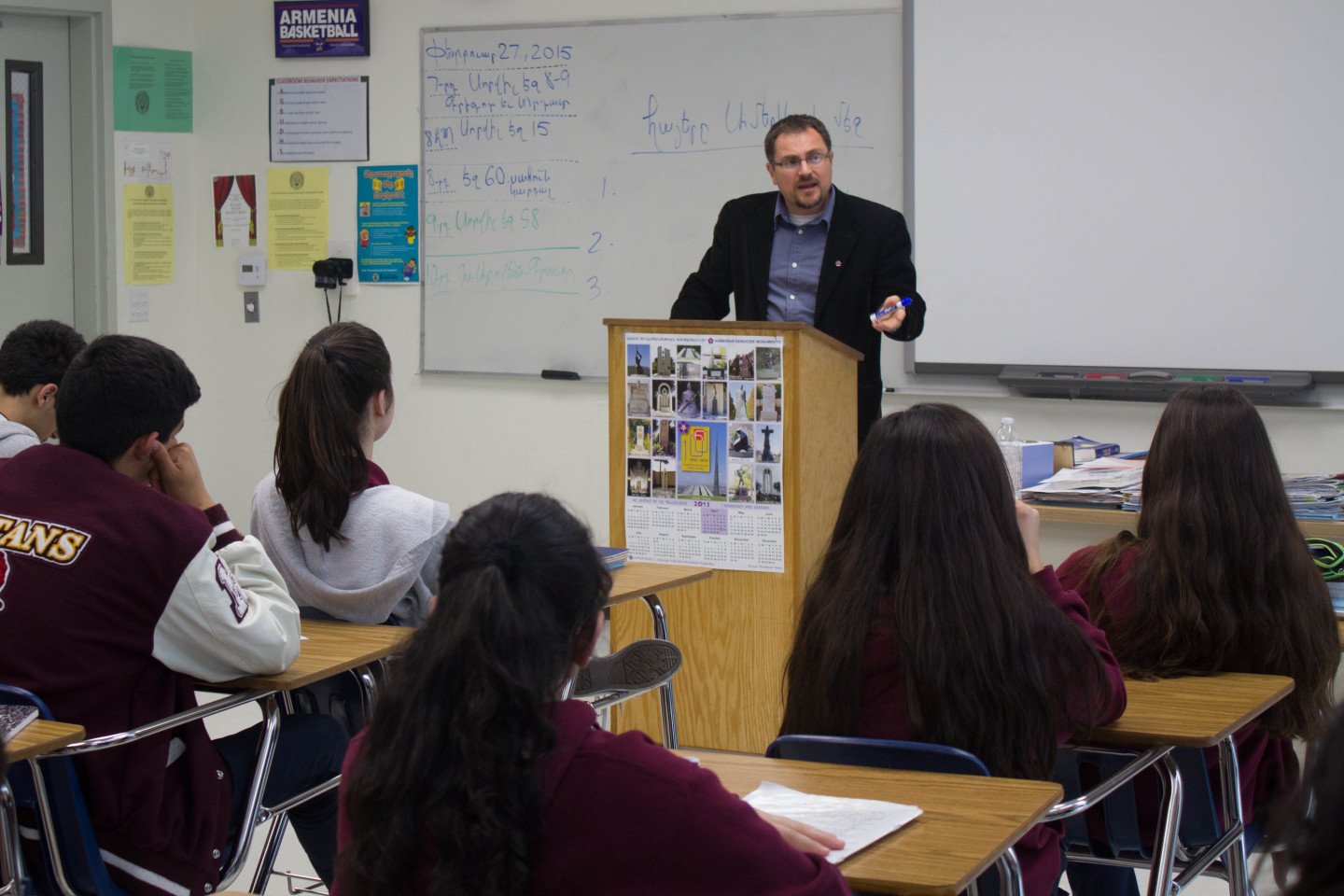
"caption": "Hratch Sepetjian stands in front of his class on a typical day. He gets frustrated when his students do not take the Armenian lessons seriously.",
"description": "Hratch Sepetjian stands in front of his class on a typical day. He gets frustrated when his students do not take the Armenian lessons seriously.",
"title": "Hratch Sepetjian Class Pics 2.27 (3 of 8)",
"credit": "Andy Vasoyan/KQED",
"status": "inherit",
"isLoading": false,
"fetchFailed": false
},
"news_10459641": {
"type": "attachments",
"id": "news_10459641",
"meta": {
"index": "attachments_1716263798",
"site": "news",
"id": "10459641",
"found": true
},
"parent": 10459596,
"imgSizes": {
"thumbnail": {
"file": "https://ww2.kqed.org/app/uploads/sites/10/2015/03/RS14525_Yamaichis1926-sfi-400x300.jpg",
"width": 400,
"mimeType": "image/jpeg",
"height": 300
},
"fd-sm": {
"file": "https://ww2.kqed.org/app/uploads/sites/10/2015/03/RS14525_Yamaichis1926-sfi-320x240.jpg",
"width": 320,
"mimeType": "image/jpeg",
"height": 240
},
"kqedFullSize": {
"file": "https://ww2.kqed.org/app/uploads/sites/10/2015/03/RS14525_Yamaichis1926-sfi.jpg",
"width": 480,
"height": 360
},
"guest-author-96": {
"file": "https://ww2.kqed.org/app/uploads/sites/10/2015/03/RS14525_Yamaichis1926-sfi-96x96.jpg",
"width": 96,
"mimeType": "image/jpeg",
"height": 96
},
"guest-author-64": {
"file": "https://ww2.kqed.org/app/uploads/sites/10/2015/03/RS14525_Yamaichis1926-sfi-64x64.jpg",
"width": 64,
"mimeType": "image/jpeg",
"height": 64
},
"detail": {
"file": "https://ww2.kqed.org/app/uploads/sites/10/2015/03/RS14525_Yamaichis1926-sfi-75x75.jpg",
"width": 75,
"mimeType": "image/jpeg",
"height": 75
},
"guest-author-32": {
"file": "https://ww2.kqed.org/app/uploads/sites/10/2015/03/RS14525_Yamaichis1926-sfi-32x32.jpg",
"width": 32,
"mimeType": "image/jpeg",
"height": 32
},
"guest-author-128": {
"file": "https://ww2.kqed.org/app/uploads/sites/10/2015/03/RS14525_Yamaichis1926-sfi-128x128.jpg",
"width": 128,
"mimeType": "image/jpeg",
"height": 128
}
},
"publishDate": 1426721566,
"modified": 1426721594,
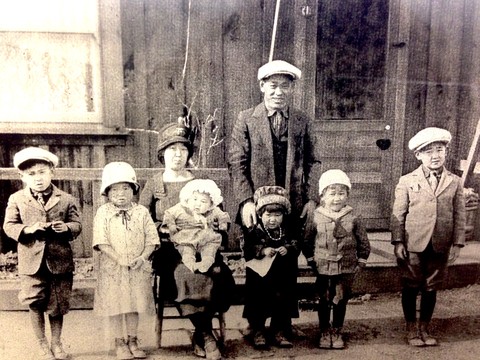
"caption": "The Yamaichi family of Berryessa circa 1926. Jimi Yamaichi is second from the right. ",
"description": "The Yamaichi family of Berryessa circa 1926. Jimi Yamaichi is second from the right.",
"title": "RS14525_Yamaichis1926-sfi",
"credit": "Courtesy: Jimi Yamaichi",
"status": "inherit",
"isLoading": false,
"fetchFailed": false
},
"news_10438159": {
"type": "attachments",
"id": "news_10438159",
"meta": {
"index": "attachments_1716263798",
"site": "news",
"id": "10438159",
"found": true
},
"parent": 10438158,
"imgSizes": {
"twentyfourteen-full-width": {
"file": "https://ww2.kqed.org/app/uploads/sites/10/2015/02/IMG_16891-1038x576.jpg",
"width": 1038,
"mimeType": "image/jpeg",
"height": 576
},
"thumbnail": {
"file": "https://ww2.kqed.org/app/uploads/sites/10/2015/02/IMG_16891-400x300.jpg",
"width": 400,
"mimeType": "image/jpeg",
"height": 300
},
"post-thumbnail": {
"file": "https://ww2.kqed.org/app/uploads/sites/10/2015/02/IMG_16891-672x372.jpg",
"width": 672,
"mimeType": "image/jpeg",
"height": 372
},
"kqedFullSize": {
"file": "https://ww2.kqed.org/app/uploads/sites/10/2015/02/IMG_16891.jpg",
"width": 3264,
"height": 2448
},
"large": {
"file": "https://ww2.kqed.org/app/uploads/sites/10/2015/02/IMG_16891-1440x1080.jpg",
"width": 1440,
"mimeType": "image/jpeg",
"height": 1080
},
"guest-author-96": {
"file": "https://ww2.kqed.org/app/uploads/sites/10/2015/02/IMG_16891-96x96.jpg",
"width": 96,
"mimeType": "image/jpeg",
"height": 96
},
"medium": {
"file": "https://ww2.kqed.org/app/uploads/sites/10/2015/02/IMG_16891-800x600.jpg",
"width": 800,
"mimeType": "image/jpeg",
"height": 600
},
"guest-author-64": {
"file": "https://ww2.kqed.org/app/uploads/sites/10/2015/02/IMG_16891-64x64.jpg",
"width": 64,
"mimeType": "image/jpeg",
"height": 64
},
"detail": {
"file": "https://ww2.kqed.org/app/uploads/sites/10/2015/02/IMG_16891-75x75.jpg",
"width": 75,
"mimeType": "image/jpeg",
"height": 75
},
"guest-author-32": {
"file": "https://ww2.kqed.org/app/uploads/sites/10/2015/02/IMG_16891-32x32.jpg",
"width": 32,
"mimeType": "image/jpeg",
"height": 32
},
"guest-author-128": {
"file": "https://ww2.kqed.org/app/uploads/sites/10/2015/02/IMG_16891-128x128.jpg",
"width": 128,
"mimeType": "image/jpeg",
"height": 128
}
},
"publishDate": 1424412001,
"modified": 1424412017,
"caption": null,
"description": "California State Capitol",
"title": "IMG_1689",
"credit": "John Myers/KQED",
"status": "inherit",
"isLoading": false,
"fetchFailed": false
},
"news_10481636": {
"type": "attachments",
"id": "news_10481636",
"meta": {
"index": "attachments_1716263798",
"site": "news",
"id": "10481636",
"found": true
},
"parent": 10481500,
"imgSizes": {
"twentyfourteen-full-width": {
"file": "https://ww2.kqed.org/app/uploads/sites/10/2015/04/RS14763_IMG_0505-qut-1038x576.jpg",
"width": 1038,
"mimeType": "image/jpeg",
"height": 576
},
"thumbnail": {
"file": "https://ww2.kqed.org/app/uploads/sites/10/2015/04/RS14763_IMG_0505-qut-400x300.jpg",
"width": 400,
"mimeType": "image/jpeg",
"height": 300
},
"fd-sm": {
"file": "https://ww2.kqed.org/app/uploads/sites/10/2015/04/RS14763_IMG_0505-qut-320x240.jpg",
"width": 320,
"mimeType": "image/jpeg",
"height": 240
},
"post-thumbnail": {
"file": "https://ww2.kqed.org/app/uploads/sites/10/2015/04/RS14763_IMG_0505-qut-672x372.jpg",
"width": 672,
"mimeType": "image/jpeg",
"height": 372
},
"kqedFullSize": {
"file": "https://ww2.kqed.org/app/uploads/sites/10/2015/04/RS14763_IMG_0505-qut.jpg",
"width": 1920,
"height": 1440
},
"large": {
"file": "https://ww2.kqed.org/app/uploads/sites/10/2015/04/RS14763_IMG_0505-qut-1440x1080.jpg",
"width": 1440,
"mimeType": "image/jpeg",
"height": 1080
},
"guest-author-96": {
"file": "https://ww2.kqed.org/app/uploads/sites/10/2015/04/RS14763_IMG_0505-qut-96x96.jpg",
"width": 96,
"mimeType": "image/jpeg",
"height": 96
},
"medium": {
"file": "https://ww2.kqed.org/app/uploads/sites/10/2015/04/RS14763_IMG_0505-qut-800x600.jpg",
"width": 800,
"mimeType": "image/jpeg",
"height": 600
},
"guest-author-64": {
"file": "https://ww2.kqed.org/app/uploads/sites/10/2015/04/RS14763_IMG_0505-qut-64x64.jpg",
"width": 64,
"mimeType": "image/jpeg",
"height": 64
},
"guest-author-32": {
"file": "https://ww2.kqed.org/app/uploads/sites/10/2015/04/RS14763_IMG_0505-qut-32x32.jpg",
"width": 32,
"mimeType": "image/jpeg",
"height": 32
},
"fd-lrg": {
"file": "https://ww2.kqed.org/app/uploads/sites/10/2015/04/RS14763_IMG_0505-qut-1180x885.jpg",
"width": 1180,
"mimeType": "image/jpeg",
"height": 885
},
"fd-med": {
"file": "https://ww2.kqed.org/app/uploads/sites/10/2015/04/RS14763_IMG_0505-qut-768x576.jpg",
"width": 768,
"mimeType": "image/jpeg",
"height": 576
},
"detail": {
"file": "https://ww2.kqed.org/app/uploads/sites/10/2015/04/RS14763_IMG_0505-qut-75x75.jpg",
"width": 75,
"mimeType": "image/jpeg",
"height": 75
},
"guest-author-128": {
"file": "https://ww2.kqed.org/app/uploads/sites/10/2015/04/RS14763_IMG_0505-qut-128x128.jpg",
"width": 128,
"mimeType": "image/jpeg",
"height": 128
}
},
"publishDate": 1428438709,
"modified": 1428438743,
"caption": "Democratic lawmakers touted a package of pro-immigrant bills Tuesday in Sacramento. ",
"description": null,
"title": "RS14763_IMG_0505-qut",
"credit": "Marisa Lagos/KQED News",
"status": "inherit",
"isLoading": false,
"fetchFailed": false
},
"news_10475429": {
"type": "attachments",
"id": "news_10475429",
"meta": {
"index": "attachments_1716263798",
"site": "news",
"id": "10475429",
"found": true
},
"parent": 10471584,
"imgSizes": {
"twentyfourteen-full-width": {
"file": "https://ww2.kqed.org/app/uploads/sites/10/2015/04/juliesmall-immigration-1038x576.jpg",
"width": 1038,
"mimeType": "image/jpeg",
"height": 576
},
"thumbnail": {
"file": "https://ww2.kqed.org/app/uploads/sites/10/2015/04/juliesmall-immigration-400x139.jpg",
"width": 400,
"mimeType": "image/jpeg",
"height": 139
},
"fd-sm": {
"file": "https://ww2.kqed.org/app/uploads/sites/10/2015/04/juliesmall-immigration-320x111.jpg",
"width": 320,
"mimeType": "image/jpeg",
"height": 111
},
"post-thumbnail": {
"file": "https://ww2.kqed.org/app/uploads/sites/10/2015/04/juliesmall-immigration-672x372.jpg",
"width": 672,
"mimeType": "image/jpeg",
"height": 372
},
"kqedFullSize": {
"file": "https://ww2.kqed.org/app/uploads/sites/10/2015/04/juliesmall-immigration.jpg",
"width": 1920,
"height": 666
},
"large": {
"file": "https://ww2.kqed.org/app/uploads/sites/10/2015/04/juliesmall-immigration-1440x500.jpg",
"width": 1440,
"mimeType": "image/jpeg",
"height": 500
},
"guest-author-96": {
"file": "https://ww2.kqed.org/app/uploads/sites/10/2015/04/juliesmall-immigration-96x96.jpg",
"width": 96,
"mimeType": "image/jpeg",
"height": 96
},
"medium": {
"file": "https://ww2.kqed.org/app/uploads/sites/10/2015/04/juliesmall-immigration-800x278.jpg",
"width": 800,
"mimeType": "image/jpeg",
"height": 278
},
"guest-author-64": {
"file": "https://ww2.kqed.org/app/uploads/sites/10/2015/04/juliesmall-immigration-64x64.jpg",
"width": 64,
"mimeType": "image/jpeg",
"height": 64
},
"guest-author-32": {
"file": "https://ww2.kqed.org/app/uploads/sites/10/2015/04/juliesmall-immigration-32x32.jpg",
"width": 32,
"mimeType": "image/jpeg",
"height": 32
},
"fd-lrg": {
"file": "https://ww2.kqed.org/app/uploads/sites/10/2015/04/juliesmall-immigration-1180x409.jpg",
"width": 1180,
"mimeType": "image/jpeg",
"height": 409
},
"fd-med": {
"file": "https://ww2.kqed.org/app/uploads/sites/10/2015/04/juliesmall-immigration-768x266.jpg",
"width": 768,
"mimeType": "image/jpeg",
"height": 266
},
"detail": {
"file": "https://ww2.kqed.org/app/uploads/sites/10/2015/04/juliesmall-immigration-75x75.jpg",
"width": 75,
"mimeType": "image/jpeg",
"height": 75
},
"guest-author-128": {
"file": "https://ww2.kqed.org/app/uploads/sites/10/2015/04/juliesmall-immigration-128x128.jpg",
"width": 128,
"mimeType": "image/jpeg",
"height": 128
}
},
"publishDate": 1428014910,
"modified": 1428015136,
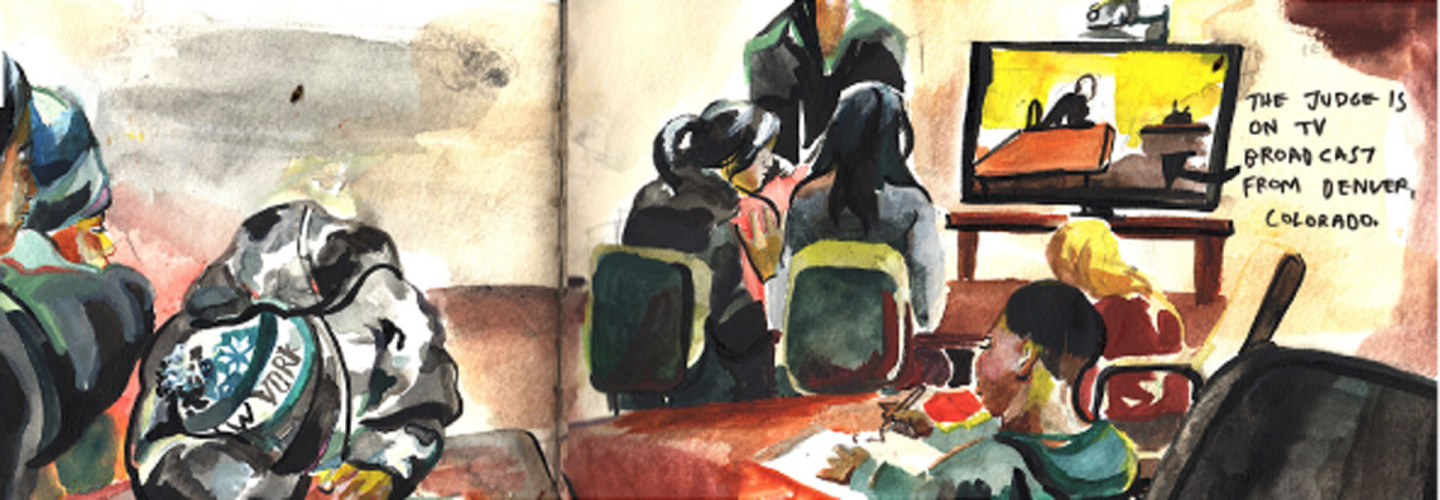
"caption": "Se realizaron audiencias por teléfono en el centro de detención de familias en Artesia, Nuevo México. El juez apareció por televisión. ",
"description": "Se realizaron audiencias por teléfono en el centro de detención de familias en Artesia, Nuevo México. El juez apareció por televisión. ",
"title": "juliesmall-immigration",
"credit": "Dibujo de Clio Reese/\u003ca href=\"https://insidewitness.files.wordpress.com/2015/02/fbbw_english.pdf\">Families Behind Barbed Wire\u003c/a>",
"status": "inherit",
"isLoading": false,
"fetchFailed": false
},
"news_10465748": {
"type": "attachments",
"id": "news_10465748",
"meta": {
"index": "attachments_1716263798",
"site": "news",
"id": "10465748",
"found": true
},
"parent": 10465747,
"imgSizes": {
"twentyfourteen-full-width": {
"file": "https://ww2.kqed.org/app/uploads/sites/10/2015/03/IMG_0573-1038x576.jpg",
"width": 1038,
"mimeType": "image/jpeg",
"height": 576
},
"thumbnail": {
"file": "https://ww2.kqed.org/app/uploads/sites/10/2015/03/IMG_0573-400x267.jpg",
"width": 400,
"mimeType": "image/jpeg",
"height": 267
},
"fd-sm": {
"file": "https://ww2.kqed.org/app/uploads/sites/10/2015/03/IMG_0573-320x213.jpg",
"width": 320,
"mimeType": "image/jpeg",
"height": 213
},
"post-thumbnail": {
"file": "https://ww2.kqed.org/app/uploads/sites/10/2015/03/IMG_0573-672x372.jpg",
"width": 672,
"mimeType": "image/jpeg",
"height": 372
},
"kqedFullSize": {
"file": "https://ww2.kqed.org/app/uploads/sites/10/2015/03/IMG_0573.jpg",
"width": 3456,
"height": 2304
},
"large": {
"file": "https://ww2.kqed.org/app/uploads/sites/10/2015/03/IMG_0573-1440x960.jpg",
"width": 1440,
"mimeType": "image/jpeg",
"height": 960
},
"guest-author-96": {
"file": "https://ww2.kqed.org/app/uploads/sites/10/2015/03/IMG_0573-96x96.jpg",
"width": 96,
"mimeType": "image/jpeg",
"height": 96
},
"medium": {
"file": "https://ww2.kqed.org/app/uploads/sites/10/2015/03/IMG_0573-800x533.jpg",
"width": 800,
"mimeType": "image/jpeg",
"height": 533
},
"guest-author-64": {
"file": "https://ww2.kqed.org/app/uploads/sites/10/2015/03/IMG_0573-64x64.jpg",
"width": 64,
"mimeType": "image/jpeg",
"height": 64
},
"guest-author-32": {
"file": "https://ww2.kqed.org/app/uploads/sites/10/2015/03/IMG_0573-32x32.jpg",
"width": 32,
"mimeType": "image/jpeg",
"height": 32
},
"fd-lrg": {
"file": "https://ww2.kqed.org/app/uploads/sites/10/2015/03/IMG_0573-1180x787.jpg",
"width": 1180,
"mimeType": "image/jpeg",
"height": 787
},
"fd-med": {
"file": "https://ww2.kqed.org/app/uploads/sites/10/2015/03/IMG_0573-768x512.jpg",
"width": 768,
"mimeType": "image/jpeg",
"height": 512
},
"detail": {
"file": "https://ww2.kqed.org/app/uploads/sites/10/2015/03/IMG_0573-75x75.jpg",
"width": 75,
"mimeType": "image/jpeg",
"height": 75
},
"guest-author-128": {
"file": "https://ww2.kqed.org/app/uploads/sites/10/2015/03/IMG_0573-128x128.jpg",
"width": 128,
"mimeType": "image/jpeg",
"height": 128
}
},
"publishDate": 1427306042,
"modified": 1427306135,
"caption": "In the Fortune Garden kitchen, chefs speak to each other in Cantonese, and waiters give orders in Spanish.",
"description": "In the Fortune Garden kitchen, chefs speak to each other in Cantonese, and waiters give orders in Spanish.",
"title": "Fortune Garden kitchen",
"credit": "Vickie Ly/KQED",
"status": "inherit",
"isLoading": false,
"fetchFailed": false
},
"news_10466065": {
"type": "attachments",
"id": "news_10466065",
"meta": {
"index": "attachments_1716263798",
"site": "news",
"id": "10466065",
"found": true
},
"parent": 10466063,
"imgSizes": {
"twentyfourteen-full-width": {
"file": "https://ww2.kqed.org/app/uploads/sites/10/2015/03/juliesmall-immigration-1038x576.jpg",
"width": 1038,
"mimeType": "image/jpeg",
"height": 576
},
"thumbnail": {
"file": "https://ww2.kqed.org/app/uploads/sites/10/2015/03/juliesmall-immigration-400x139.jpg",
"width": 400,
"mimeType": "image/jpeg",
"height": 139
},
"fd-sm": {
"file": "https://ww2.kqed.org/app/uploads/sites/10/2015/03/juliesmall-immigration-320x111.jpg",
"width": 320,
"mimeType": "image/jpeg",
"height": 111
},
"post-thumbnail": {
"file": "https://ww2.kqed.org/app/uploads/sites/10/2015/03/juliesmall-immigration-672x372.jpg",
"width": 672,
"mimeType": "image/jpeg",
"height": 372
},
"kqedFullSize": {
"file": "https://ww2.kqed.org/app/uploads/sites/10/2015/03/juliesmall-immigration.jpg",
"width": 1920,
"height": 666
},
"large": {
"file": "https://ww2.kqed.org/app/uploads/sites/10/2015/03/juliesmall-immigration-1440x500.jpg",
"width": 1440,
"mimeType": "image/jpeg",
"height": 500
},
"guest-author-96": {
"file": "https://ww2.kqed.org/app/uploads/sites/10/2015/03/juliesmall-immigration-96x96.jpg",
"width": 96,
"mimeType": "image/jpeg",
"height": 96
},
"medium": {
"file": "https://ww2.kqed.org/app/uploads/sites/10/2015/03/juliesmall-immigration-800x278.jpg",
"width": 800,
"mimeType": "image/jpeg",
"height": 278
},
"guest-author-64": {
"file": "https://ww2.kqed.org/app/uploads/sites/10/2015/03/juliesmall-immigration-64x64.jpg",
"width": 64,
"mimeType": "image/jpeg",
"height": 64
},
"guest-author-32": {
"file": "https://ww2.kqed.org/app/uploads/sites/10/2015/03/juliesmall-immigration-32x32.jpg",
"width": 32,
"mimeType": "image/jpeg",
"height": 32
},
"fd-lrg": {
"file": "https://ww2.kqed.org/app/uploads/sites/10/2015/03/juliesmall-immigration-1180x409.jpg",
"width": 1180,
"mimeType": "image/jpeg",
"height": 409
},
"fd-med": {
"file": "https://ww2.kqed.org/app/uploads/sites/10/2015/03/juliesmall-immigration-768x266.jpg",
"width": 768,
"mimeType": "image/jpeg",
"height": 266
},
"detail": {
"file": "https://ww2.kqed.org/app/uploads/sites/10/2015/03/juliesmall-immigration-75x75.jpg",
"width": 75,
"mimeType": "image/jpeg",
"height": 75
},
"guest-author-128": {
"file": "https://ww2.kqed.org/app/uploads/sites/10/2015/03/juliesmall-immigration-128x128.jpg",
"width": 128,
"mimeType": "image/jpeg",
"height": 128
}
},
"publishDate": 1427327835,
"modified": 1427850751,
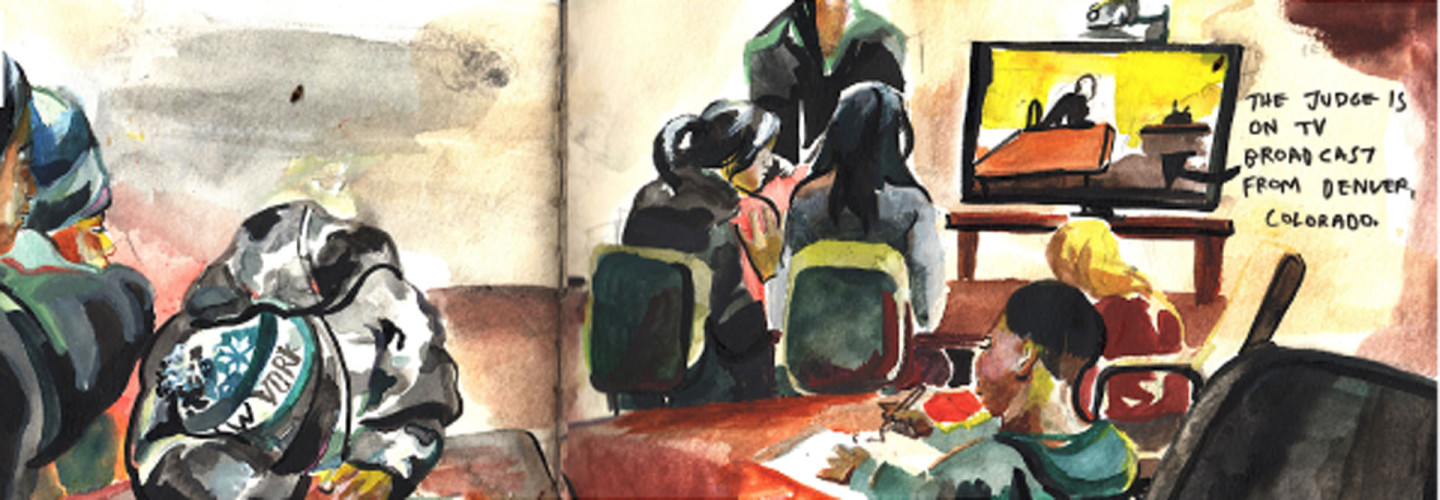
"caption": "Hearings were conducted by phone in the detention center in Artesia, New Mexico. The judge appeared by teleconference.\n",
"description": "Hearings were conducted by phone in the detention center in Artesia, New Mexico. The judge appeared by teleconference.\n",
"title": "juliesmall-immigration",
"credit": "(Dibujo de Clio Reese/\u003ca href=\"https://insidewitness.files.wordpress.com/2015/02/fbbw_english.pdf\">Families Behind Barbed Wire\u003c/a>",
"status": "inherit",
"isLoading": false,
"fetchFailed": false
}
},
"audioPlayerReducer": {
"postId": "stream_live",
"isPaused": true,
"isPlaying": false,
"pfsActive": false,
"pledgeModalIsOpen": true,
"playerDrawerIsOpen": false,
"liveAudioPlayStartedAt": 0,
"liveAudioPlayContext": ""
},
"authorsReducer": {
"byline_news_10541373": {
"type": "authors",
"id": "byline_news_10541373",
"meta": {
"override": true
},
"slug": "byline_news_10541373",
"name": "Michele Tannen",
"isLoading": false
},
"byline_news_10530508": {
"type": "authors",
"id": "byline_news_10530508",
"meta": {
"override": true
},
"slug": "byline_news_10530508",
"name": "\u003ca href=\"http://www.kpbs.org/staff/jean-guerrero/\">Jean Guerrero\u003c/a>",
"isLoading": false
},
"byline_news_10516796": {
"type": "authors",
"id": "byline_news_10516796",
"meta": {
"override": true
},
"slug": "byline_news_10516796",
"name": "Taylor Haney",
"isLoading": false
},
"byline_news_10500189": {
"type": "authors",
"id": "byline_news_10500189",
"meta": {
"override": true
},
"slug": "byline_news_10500189",
"name": "Andy Vasoyan",
"isLoading": false
},
"rachael-myrow": {
"type": "authors",
"id": "251",
"meta": {
"index": "authors_1716337520",
"id": "251",
"found": true
},
"name": "Rachael Myrow",
"firstName": "Rachael",
"lastName": "Myrow",
"slug": "rachael-myrow",
"email": "rmyrow@kqed.org",
"display_author_email": true,
"staff_mastheads": [
"news"
],
"title": "Senior Editor of KQED's Silicon Valley News Desk",
"bio": "• I write and edit stories about how Silicon Valley power and policies shape everyday life in California. I’m also passionate about making Bay Area history and culture more accessible to a broad public. • I’ve been a journalist for most of my life, starting in high school with The Franklin Press in Los Angeles, where I grew up. While earning my first degree in English at UC Berkeley, I got my start in public radio at KALX-FM. After completing a second degree in journalism at Cal, I landed my first professional job at Marketplace, then moved on to KPCC (now LAist), and then KQED, where I hosted The California Report for more than seven years. • My reporting has appeared on NPR, The World, WBUR’s \u003ci>Here & Now\u003c/i>, and the BBC. I also guest host for KQED’s \u003ci>Forum\u003c/i>, as well as the Commonwealth Club in San Francisco. • I speak periodically on media, democracy and technology issues, and do voiceover work for documentaries and educational video projects. • Outside of the studio, you'll find me hiking Bay Area trails and whipping up Insta-ready meals in my kitchen. • I do not accept gifts, money, or favors from anyone connected to my reporting, I don't pay people for information, and I do not support or donate to political causes. • I strive to treat the people I report on with fairness, honesty, and respect. I also recognize there are often multiple sides to a story and work to verify information through multiple sources and documentation. If I get something wrong, I correct it.",
"avatar": "https://secure.gravatar.com/avatar/3ed8a3c5f26025e4a805ba634cda8cd764906b97438a6d9ce216b044e340da4e?s=600&d=blank&r=g",
"twitter": "rachaelmyrow",
"bluesky": null,
"facebook": null,
"instagram": null,
"linkedin": "https://www.linkedin.com/in/rachaelmyrow/",
"sites": [
{
"site": "arts",
"roles": [
"administrator"
]
},
{
"site": "news",
"roles": [
"edit_others_posts",
"editor"
]
},
{
"site": "futureofyou",
"roles": [
"editor"
]
},
{
"site": "bayareabites",
"roles": [
"editor"
]
},
{
"site": "stateofhealth",
"roles": [
"editor"
]
},
{
"site": "science",
"roles": [
"editor"
]
},
{
"site": "food",
"roles": [
"editor"
]
},
{
"site": "forum",
"roles": [
"editor"
]
},
{
"site": "liveblog",
"roles": [
"author"
]
}
],
"headData": {
"title": "Rachael Myrow | KQED",
"description": "Senior Editor of KQED's Silicon Valley News Desk",
"ogImgSrc": "https://secure.gravatar.com/avatar/3ed8a3c5f26025e4a805ba634cda8cd764906b97438a6d9ce216b044e340da4e?s=600&d=blank&r=g",
"twImgSrc": "https://secure.gravatar.com/avatar/3ed8a3c5f26025e4a805ba634cda8cd764906b97438a6d9ce216b044e340da4e?s=600&d=blank&r=g"
},
"isLoading": false,
"link": "/author/rachael-myrow"
},
"zstavely": {
"type": "authors",
"id": "3225",
"meta": {
"index": "authors_1716337520",
"id": "3225",
"found": true
},
"name": "Zaidee Stavely",
"firstName": "Zaidee",
"lastName": "Stavely",
"slug": "zstavely",
"email": "zstavely@gmail.com",
"display_author_email": false,
"staff_mastheads": [],
"title": "KQED Contributor",
"bio": "Zaidee Stavely is an award-winning reporter who writes about race, equity, immigration, and education.",
"avatar": "https://secure.gravatar.com/avatar/5154b3ee56a721c916ca429372ae629c?s=600&d=blank&r=g",
"twitter": null,
"facebook": null,
"instagram": null,
"linkedin": null,
"sites": [
{
"site": "news",
"roles": [
"subscriber"
]
},
{
"site": "mindshift",
"roles": [
"contributor"
]
}
],
"headData": {
"title": "Zaidee Stavely | KQED",
"description": "KQED Contributor",
"ogImgSrc": "https://secure.gravatar.com/avatar/5154b3ee56a721c916ca429372ae629c?s=600&d=blank&r=g",
"twImgSrc": "https://secure.gravatar.com/avatar/5154b3ee56a721c916ca429372ae629c?s=600&d=blank&r=g"
},
"isLoading": false,
"link": "/author/zstavely"
},
"lmorehouse": {
"type": "authors",
"id": "3229",
"meta": {
"index": "authors_1716337520",
"id": "3229",
"found": true
},
"name": "Lisa Morehouse",
"firstName": "Lisa",
"lastName": "Morehouse",
"slug": "lmorehouse",
"email": "morehouse.lisa@gmail.com",
"display_author_email": false,
"staff_mastheads": [],
"title": "KQED Contributor",
"bio": "Lisa Morehouse is an award-winning public radio and print journalist, who has filed for National Public Radio, American Public Media, KQED Public Radio, Edutopia, and McSweeney’s. Her reporting has taken her from Samoan traveling circuses to Mississippi Delta classrooms to the homes of Lao refugees in rural Iowa. In addition to reporting, she teaches radio production to at-risk youth in the Bay Area. Her series \u003ca href=\"http://afterthegoldrushradio.com/\">After the Gold Rush\u003c/a> featured the changing industries, populations and identities of rural towns throughout California. She’s now producing \u003ca href=\"http://www.californiafoodways.com/\">California Foodways\u003c/a>, a series exploring the intersections of food, culture, economics, history and labor. Follow along on the \u003ca href=\"https://www.facebook.com/californiafoodways?ref=hl\">Facebook page\u003c/a> or on Twitter @cafoodways.",
"avatar": "https://secure.gravatar.com/avatar/dae74b002a6e256f39abb19d6f5acaea?s=600&d=blank&r=g",
"twitter": null,
"facebook": null,
"instagram": null,
"linkedin": null,
"sites": [
{
"site": "",
"roles": [
"editor"
]
},
{
"site": "news",
"roles": [
"author"
]
}
],
"headData": {
"title": "Lisa Morehouse | KQED",
"description": "KQED Contributor",
"ogImgSrc": "https://secure.gravatar.com/avatar/dae74b002a6e256f39abb19d6f5acaea?s=600&d=blank&r=g",
"twImgSrc": "https://secure.gravatar.com/avatar/dae74b002a6e256f39abb19d6f5acaea?s=600&d=blank&r=g"
},
"isLoading": false,
"link": "/author/lmorehouse"
},
"mlagos": {
"type": "authors",
"id": "3239",
"meta": {
"index": "authors_1716337520",
"id": "3239",
"found": true
},
"name": "Marisa Lagos",
"firstName": "Marisa",
"lastName": "Lagos",
"slug": "mlagos",
"email": "mlagos@kqed.org",
"display_author_email": false,
"staff_mastheads": [
"news"
],
"title": "KQED Contributor",
"bio": "Marisa Lagos is a correspondent for KQED’s California Politics and Government Desk and co-hosts the award-winning show and podcast, Political Breakdown. At KQED, Lagos also conducts reporting, analysis and investigations into state, local and national politics for radio, TV, online and onstage. In 2022, she and co-host, Scott Shafer, moderated the only gubernatorial debate in California. In 2020, the \u003ci>Washington Post\u003c/i> named her one of the top political journalists in California; she was nominated for a Peabody and won several other awards for her work investigating the 2017 California wildfires. She has worked at the \u003ci>San Francisco Chronicle\u003c/i>, \u003ci>San Francisco Examiner\u003c/i> and \u003ci>Los Angeles Times\u003c/i>. A UC Santa Barbara graduate, she lives in San Francisco with her two sons and husband.",
"avatar": "https://secure.gravatar.com/avatar/a261a0d3696fc066871ef96b85b5e7d2?s=600&d=blank&r=g",
"twitter": "@mlagos",
"facebook": null,
"instagram": null,
"linkedin": null,
"sites": [
{
"site": "arts",
"roles": [
"author"
]
},
{
"site": "news",
"roles": [
"editor"
]
},
{
"site": "science",
"roles": [
"editor"
]
},
{
"site": "forum",
"roles": [
"author"
]
},
{
"site": "liveblog",
"roles": [
"author"
]
}
],
"headData": {
"title": "Marisa Lagos | KQED",
"description": "KQED Contributor",
"ogImgSrc": "https://secure.gravatar.com/avatar/a261a0d3696fc066871ef96b85b5e7d2?s=600&d=blank&r=g",
"twImgSrc": "https://secure.gravatar.com/avatar/a261a0d3696fc066871ef96b85b5e7d2?s=600&d=blank&r=g"
},
"isLoading": false,
"link": "/author/mlagos"
},
"jsmall": {
"type": "authors",
"id": "6625",
"meta": {
"index": "authors_1716337520",
"id": "6625",
"found": true
},
"name": "Julie Small",
"firstName": "Julie",
"lastName": "Small",
"slug": "jsmall",
"email": "jsmall@kqed.org",
"display_author_email": true,
"staff_mastheads": [
"news"
],
"title": "KQED Contributor",
"bio": "Julie Small reports on criminal justice and immigration.\r\n\r\nShe was part of a team at KQED awarded a regional 2019 Edward R. Murrow award for continuing coverage of the Trump Administration's family separation policy.\r\n\r\nThe Society for Professional Journalists recognized Julie's 2018 \u003ca href=\"https://www.kqed.org/news/11636262/the-officer-tased-him-31-times-the-sheriff-called-his-death-an-accident\">reporting\u003c/a> on the San Joaquin County Sheriff's \u003ca href=\"https://www.kqed.org/news/11634689/autopsy-doctors-sheriff-overrode-death-findings-to-protect-law-enforcement\">interference\u003c/a> in death investigations with an Excellence in Journalism Award for Ongoing Coverage.\r\n\r\nJulie's\u003ca href=\"https://www.kqed.org/news/11039666/two-mentally-ill-inmates-died-one-month-in-santa-clara\"> reporting\u003c/a> with Lisa Pickoff-White on the treatment of mentally ill offenders in California jails earned a 2017 regional Edward R. Murrow Award for news reporting and an investigative reporting award from the SPJ of Northern California.\r\n\r\nBefore joining KQED, Julie covered government and politics in Sacramento for Southern California Public Radio (SCPR). Her 2010 \u003ca href=\"https://www.scpr.org/specials/prisonmedical/\">series\u003c/a> on lapses in California’s prison medical care also won a regional Edward R. Murrow Award for investigative reporting and a Golden Mic Award from the RTNDA of Southern California.\r\n\r\nJulie began her career in journalism in 2000 as the deputy foreign editor for public radio's \u003cem>Marketplace, \u003c/em>while earning her master's degree in journalism from USC’s Annenberg School of Communication.",
"avatar": "https://secure.gravatar.com/avatar/4baedf201468df97be97c2a9dd7585d0?s=600&d=blank&r=g",
"twitter": "@SmallRadio2",
"facebook": null,
"instagram": null,
"linkedin": null,
"sites": [
{
"site": "news",
"roles": [
"editor"
]
},
{
"site": "stateofhealth",
"roles": [
"author"
]
},
{
"site": "science",
"roles": [
"author"
]
}
],
"headData": {
"title": "Julie Small | KQED",
"description": "KQED Contributor",
"ogImgSrc": "https://secure.gravatar.com/avatar/4baedf201468df97be97c2a9dd7585d0?s=600&d=blank&r=g",
"twImgSrc": "https://secure.gravatar.com/avatar/4baedf201468df97be97c2a9dd7585d0?s=600&d=blank&r=g"
},
"isLoading": false,
"link": "/author/jsmall"
}
},
"pagesReducer": {
"news_category_immigration": {
"type": "terms",
"id": "news_1169",
"meta": {
"index": "terms_1716263798",
"site": "news",
"id": "1169",
"score": 10.909731
},
"featImg": null,
"name": "Immigration",
"description": null,
"taxonomy": "category",
"headData": {
"twImgId": null,
"twTitle": null,
"ogTitle": null,
"ogImgId": null,
"twDescription": null,
"description": null,
"title": "Immigration Archives | KQED News",
"ogDescription": null
},
"ttid": 1180,
"slug": "immigration",
"isLoading": false,
"title": "Immigration",
"pageMeta": {
"site": "news",
"WpPageTemplate": "page-topic-editorial",
"currentPage": 185
},
"blocks": [
{
"blockName": "kqed/post-list",
"attrs": {
"layout": "cardArticle2",
"query": "posts/news?category=immigration",
"seeMore": false,
"paginated": true,
"page": 185
}
},
{
"blockName": "kqed/ad"
}
]
}
},
"pfsSessionReducer": {},
"postsReducer": {
"stream_live": {
"type": "live",
"id": "stream_live",
"audioUrl": "https://streams.kqed.org/kqedradio",
"title": "Live Stream",
"excerpt": "Live Stream information currently unavailable.",
"link": "/radio",
"featImg": "",
"label": {
"name": "KQED Live",
"link": "/"
}
},
"stream_kqedNewscast": {
"type": "posts",
"id": "stream_kqedNewscast",
"audioUrl": "https://www.kqed.org/.stream/anon/radio/RDnews/newscast.mp3?_=1",
"title": "KQED Newscast",
"featImg": "",
"label": {
"name": "88.5 FM",
"link": "/"
}
},
"news_10522015": {
"type": "posts",
"id": "news_10522015",
"meta": {
"index": "posts_1716263798",
"site": "news",
"id": "10522015",
"score": null,
"sort": [
1432944057000
]
},
"guestAuthors": [],
"slug": "for-first-generation-students-graduating-from-college-takes-grit-and-grown-up-support",
"title": "For First-Generation Students, Graduating From College Takes Grit and Grown-Up Support",
"publishDate": 1432944057,
"format": "standard",
"headTitle": "For First-Generation Students, Graduating From College Takes Grit and Grown-Up Support | KQED",
"labelTerm": {
"term": 72,
"site": "news"
},
"content": "\u003cp>This time of year, we’re posting selfies with happy college graduates and forwarding inspirational commencement speeches — and why not? Graduation is a righteous achievement. But it’s a lot harder for some than others. Especially for low-income students who are the first in their families to go to college.\u003c/p>\n\u003cp>Dalia Angel was always headed up and out of East Menlo Park. “Because I’m young and I’m motivated and I feel like I need to get out of where I was born, at least a step higher,” she says.\u003c/p>\n\u003cp>She’s the fourth of seven children. Her dad’s a gardener; her mom, a nanny. She wants to be a lawyer.\u003c/p>\n\u003cp>[soundcloud url=”https://api.soundcloud.com/tracks/205297501″ params=”color=ff5500&auto_play=false&hide_related=false&show_comments=true&show_user=true&show_reposts=false” width=”100%” height=”166″ iframe=”true” /]\u003c/p>\n\u003cp>Many first-generation students like Angel never graduate from college. They get lost for a number of reasons: poverty, poor K-12 schools, parents who can’t really help much. But Angel, who is 21, got into a program called the \u003ca href=\"http://www.peninsulacollegefund.org/\" target=\"_blank\" rel=\"noopener noreferrer\">Peninsula College Fund\u003c/a>, which supports kids like her with $12,000 in scholarship money, career workshops, summer internships and mentoring.\u003c/p>\n\u003cp>[ad fullwidth]\u003c/p>\n\u003cp>Charles Schmuck founded the fund, which is modeled, like the \u003ca href=\"http://www.eastbaycollegefund.org/\" target=\"_blank\" rel=\"noopener noreferrer\">East Bay College Fund\u003c/a>, after the \u003ca href=\"http://meritus.org/\" target=\"_blank\" rel=\"noopener noreferrer\">Meritus College Fund\u003c/a> in San Francisco. Schmuck says his aim is to serve better-than-average students from tough neighborhoods like East Palo Alto, East Menlo Park and Redwood City east of Highway 101.\u003c/p>\n\u003cp>He figures schools like Harvard, Stanford and the like will seek out underprivileged academic superstars. He wants to support the kids with respectable grades (3.2 to 3.8 GPA) who don’t have the family resources to achieve all that they’re capable of.\u003c/p>\n\u003cp>“This group of dedicated students is often overlooked by other scholarship programs,” Schmuck says.\u003c/p>\n\u003cp>The scholarship money functions like bait to attract students like Angel to a wraparound support system. The focus isn’t just on getting her \u003cem>into\u003c/em> college. It’s also on getting her \u003cem>out\u003c/em>, with a \u003cem>degree\u003c/em>.\u003c/p>\n\u003cp>\u003cstrong>Hard Work Not Enough on Its Own\u003c/strong>\u003c/p>\n\u003cp>“She was really determined, very impressively focused, and also kind of scared,” says Carole Melis, a public relations consultant from San Mateo. The fund asked Melis to mentor Angel right after high school graduation — in large part because Melis was also the first in \u003cem>her\u003c/em> family to go to college.\u003c/p>\n\u003cp>“That was actually one of my motivations,” says Melis. “My father worked for the post office. And my mother was a secretary. When I brought home straight A’s, my parents would laugh and say, ‘Oh, they got the wrong kid at the hospital.’ So I didn’t have to worry about living up to crazy expectations. But I did feel when I first went to Oxy [Occidental College in Los Angeles] that I was out of place. I did have some doubts at first. Like, do I really belong here?”\u003c/p>\n\u003caside class=\"pullquote alignright\">‘I’m young and I’m motivated and I feel like I need to get out of where I was born, at least a step higher.’ \u003ccite>Dalia Angel, first-generation college student\u003c/cite>\u003c/aside>\n\u003cp>The program had encouraged Angel to apply to Cal State instead of community college. Many kids in her situation \u003ca href=\"http://www.brookings.edu/research/papers/2014/01/15-undermatching-higher-ed-chingos\" target=\"_blank\" rel=\"noopener noreferrer\">underestimate\u003c/a> how high they can fly. Sure enough, she got into three Cal State schools and chose San Jose. So far, so good. Then she discovered how unprepared she was.\u003c/p>\n\u003cp>“I didn’t have any idea on how to manage my time wisely,” says Angel. “I didn’t know that I had to study every single night.”\u003c/p>\n\u003cp>Angel blames her high school for not giving her tough enough courses — a common problem in poor Zip codes across California. She got a 3.7 GPA, while working 21 hours a week as a cashier at Trader Joe’s. She even played on the soccer team. But once at San Jose State, she tested into remedial math and English, to cover ground she had ostensibly covered already.\u003c/p>\n\u003cp>\u003cstrong>It Helps To Be Able to Call in the Cavalry\u003cbr>\n\u003c/strong>\u003c/p>\n\u003cp>Three weeks into the first semester, a transcript snafu almost derailed her career at San Jose State. The admissions office informed Angel that she had failed to send a transcript from her time at La Cañada Community College. She’d taken a few classes, as many kids in high school do, but she hadn’t embarked on a college degree before coming to San Jose State. Schmuck marched down to the admissions office and got them to relent and let Angel back in.\u003c/p>\n\u003cp>Think back, if you will, to what you were like as a college freshman. Timid? Just a little bit cowed by authority? There are numerous ways parents help in a situation like this because they know when a “no” can be turned into a “yes” — if they’re familiar and comfortable with the system in question.\u003c/p>\n\u003cp>“I felt very alone,” she says. “I couldn’t talk to my family about it because, coming from a first-generation family, none of them had any idea what I was talking about.” Her parents didn’t graduate from high school, let alone college.\u003c/p>\n\u003cp>“You’re dealing with a parent who has no context of what’s going on in college,” says Schmuck. For students, muddling through alone, it’s hard to shake the feeling they’re out of place at the university. “When they get a D or an F, it reinforces that feeling, ‘Hey, you don’t belong here.’ Whether the kid’s at Harvard or San Jose State, they don’t have the confidence.”\u003c/p>\n\u003cp>\u003cstrong>Worse Than Getting An F\u003c/strong>\u003c/p>\n\u003cp>Angel was getting by with a 2.4 GPA her freshman year. She told everybody, including Melis, that she was doing fine, and she was — until she gave up on an anthropology class during her sophomore year.\u003c/p>\n\u003cp>“I was never able to get there on time, and I stopped attending and I got a WU. Unauthorized Withdrawal. That’s worse than getting an F.”\u003c/p>\n\u003cp>At this point, Melis interjects. ” ’Course, I didn’t know about this until later.”\u003c/p>\n\u003cp>“Because I thought I’ll just take it again next semester,” Angel responds. She was used to functioning on her own without adult support or supervision.\u003c/p>\n\u003cp>“I didn’t do anything, to be honest,” she says. “I didn’t seek help. I thought this was going to be another challenge, and I was going to overcome it quickly.”\u003c/p>\n\u003cp>She got several email alerts warning that her grade-point average had fallen below 2.0. She had \u003ca href=\"http://www.sjsu.edu/aars/faq/probationdisqualification\" target=\"_blank\" rel=\"noopener noreferrer\">one semester\u003c/a> to bring it back up or be kicked out of San Jose State.\u003c/p>\n\u003cp>She finally reached out. “I had to come clean — quickly — and I got The Talk.”\u003c/p>\n\u003cfigure id=\"attachment_10522159\" class=\"wp-caption aligncenter\" style=\"max-width: 800px\">\u003ca href=\"http://ww2.kqed.org/news/wp-content/uploads/sites/10/2015/05/RS15143_20150420-PCF_jt-2-qut.jpg\">\u003cimg loading=\"lazy\" decoding=\"async\" class=\"size-medium wp-image-10522159\" src=\"http://ww2.kqed.org/news/wp-content/uploads/sites/10/2015/05/RS15143_20150420-PCF_jt-2-qut-800x1198.jpg\" alt=\"Dalia Angel plans to practice family law after she graduates from law school. But first, she has to graduate from San Jose State.\" width=\"800\" height=\"1198\" srcset=\"https://cdn.kqed.org/wp-content/uploads/sites/10/2015/05/RS15143_20150420-PCF_jt-2-qut-800x1198.jpg 800w, https://cdn.kqed.org/wp-content/uploads/sites/10/2015/05/RS15143_20150420-PCF_jt-2-qut-400x599.jpg 400w, https://cdn.kqed.org/wp-content/uploads/sites/10/2015/05/RS15143_20150420-PCF_jt-2-qut-1440x2157.jpg 1440w, https://cdn.kqed.org/wp-content/uploads/sites/10/2015/05/RS15143_20150420-PCF_jt-2-qut-1180x1768.jpg 1180w, https://cdn.kqed.org/wp-content/uploads/sites/10/2015/05/RS15143_20150420-PCF_jt-2-qut-960x1438.jpg 960w, https://cdn.kqed.org/wp-content/uploads/sites/10/2015/05/RS15143_20150420-PCF_jt-2-qut.jpg 1920w\" sizes=\"(max-width: 800px) 100vw, 800px\">\u003c/a>\u003cfigcaption class=\"wp-caption-text\">Dalia Angel plans to practice family law after she graduates from law school. But first, she has to graduate from San Jose State. \u003ccite>(James Tensuan/KQED)\u003c/cite>\u003c/figcaption>\u003c/figure>\n\u003cp>Now Angel was on probation. She had to switch to a community college for a semester to get her GPA back above 2.0. But more than that, she needed the kind of grown-up guidance many other kids take for granted. Twenty-plus hours a week at Trader Joe’s? Living at home with her folks and six siblings? Angel couldn’t focus on school — or take advantage of San Jose State’s workshops and tutoring.\u003c/p>\n\u003cp>San Jose State, like a number of Cal State and UC campuses, offers an \u003ca href=\"http://www.sjsu.edu/eop\" target=\"_blank\" rel=\"noopener noreferrer\">Educational Opportunity Program\u003c/a> specifically designed for low-income, first-generation students. Angel was leaving critical resources on the table.\u003c/p>\n\u003cp>Melis says the crisis was a wake-up call for her, too. “What I realized was it was just really important to really ride herd more closely in terms of getting grades, status reports — being a little bit more parental, as opposed to being a friend,” she says.\u003c/p>\n\u003cp>Angel moved out of her family’s home and into a shared house near campus. Her parents weren’t happy about it at the time, but she says, “It’s soooo much better! And my grades have improved dramatically, and I am more involved and I have more friends, and I’m really happy with my life right now.”\u003c/p>\n\u003cp>She is now on track to graduate next year: one step closer to practicing family law, one step closer to beating the odds.\u003c/p>\n\u003cp>A first-generation Latina has only a 55 percent chance of graduating within six years, according to the \u003ca href=\"http://heri.ucla.edu/DARCU/CompletingCollege2011.pdf\" target=\"_blank\" rel=\"noopener noreferrer\">Higher Education Research Institute at UCLA\u003c/a>. Students backed by the Peninsula College Fund are more than 90 percent likely to graduate.\u003c/p>\n\u003caside class=\"pullquote alignleft\">‘They’re not the kinds of kids that are going to college so they can become investment bankers.’ \u003ccite>Carole Melis, Peninsula College Fund mentor\u003c/cite>\u003c/aside>\n\u003cp>That said, it’s a tiny, local program that has helped 116 kids over the last decade.\u003c/p>\n\u003cp>“You know, there are bright spots in different places, but it’s not happening at every single college and university,” says Michelle Siqueiros, who heads a statewide nonprofit research and advocacy group, the\u003ca href=\"http://collegecampaign.org/\" target=\"_blank\" rel=\"noopener noreferrer\"> Campaign for College Opportunity\u003c/a>.\u003c/p>\n\u003cp>The campaign recently issued a \u003ca href=\"http://collegecampaign.org/wp-content/uploads/2015/04/2015-State-of-Higher-Education_Latinos.pdf%20\" target=\"_blank\" rel=\"noopener noreferrer\">report\u003c/a> finding three out of four Latinos graduated from high school in California in 2012-13 — but only three out of 10 completed the requirements to be eligible for a public four-year university. The gist of the argument is in this opening paragraph:\u003c/p>\n\u003cblockquote>\n\u003cdiv>California is home to more than 15 million Latinos, the largest\u003c/div>\n\u003cdiv>racial/ethnic group in the state. When one in two children\u003c/div>\n\u003cdiv>under the age of 18 in California is Latino, one conclusion\u003c/div>\n\u003cdiv>is clear: the future of our economy and the state will rise\u003c/div>\n\u003cdiv>or fall on the educational success of Latinos. To secure\u003c/div>\n\u003cdiv>the economic future of California we need to significantly\u003c/div>\n\u003cdiv>increase the number of Latino students who are prepared for,\u003c/div>\n\u003cdiv>\n\u003cp>enroll in and graduate from college.\u003c/p>\n\u003c/div>\n\u003c/blockquote>\n\u003cp>Siqueiros says that, regardless of ethnicity, there are tens of thousands of low-income, first-generation students in California who need intensive support to survive college. “The challenge is making sure that more students get access to that kind of support. That’s the challenge, is really scaling the things that we know that work.”\u003c/p>\n\u003cp>Even at the local level, each individual success story has a multiplier effect, according to Melis at the Peninsula College Fund.\u003c/p>\n\u003cp>“They’re not the kinds of kids that are going to college so they can become investment bankers,” she says. “They’re entering social work. They’re entering education. If they do law, it’s usually for some social good.”\u003c/p>\n\u003cp>[ad floatright]\u003c/p>\n\u003cp>Each of these kids, she says, will ultimately give back to the families and the communities they came from.\u003c/p>\n\n",
"blocks": [],
"excerpt": "The Peninsula College Fund provides scholarship money, career workshops, summer internships and mentoring.",
"status": "publish",
"parent": 0,
"modified": 1721156031,
"stats": {
"hasAudio": false,
"hasVideo": false,
"hasChartOrMap": false,
"iframeSrcs": [],
"hasGoogleForm": false,
"hasGallery": false,
"hasHearkenModule": false,
"hasPolis": false,
"paragraphCount": 44,
"wordCount": 1918
},
"headData": {
"title": "For First-Generation Students, Graduating From College Takes Grit and Grown-Up Support | KQED",
"description": "The Peninsula College Fund provides scholarship money, career workshops, summer internships and mentoring.",
"ogTitle": "",
"ogDescription": "",
"ogImgId": "",
"twTitle": "",
"twDescription": "",
"twImgId": "",
"schema": {
"@context": "https://schema.org",
"@type": "NewsArticle",
"headline": "For First-Generation Students, Graduating From College Takes Grit and Grown-Up Support",
"datePublished": "2015-05-29T17:00:57-07:00",
"dateModified": "2024-07-16T11:53:51-07:00",
"image": "https://cdn.kqed.org/wp-content/uploads/2020/02/KQED-OG-Image@1x.png",
"isAccessibleForFree": "True",
"publisher": {
"@type": "NewsMediaOrganization",
"@id": "https://www.kqed.org/#organization",
"name": "KQED",
"logo": "https://cdn.kqed.org/wp-content/uploads/2020/02/KQED-OG-Image@1x.png",
"url": "https://www.kqed.org",
"sameAs": [
"https://www.facebook.com/KQED",
"https://twitter.com/KQED",
"https://www.instagram.com/kqed/",
"https://www.tiktok.com/@kqedofficial",
"https://www.linkedin.com/company/kqed",
"https://www.youtube.com/channel/UCeC0IOo7i1P_61zVUWbJ4nw"
]
}
}
},
"sticky": false,
"customPermalink": "2015/05/13/for-first-generation-students-graduating-from-college-takes-grit-and-grown-up-support/",
"path": "/news/10522015/for-first-generation-students-graduating-from-college-takes-grit-and-grown-up-support",
"audioTrackLength": null,
"parsedContent": [
{
"type": "contentString",
"content": "\u003cdiv class=\"post-body\">\u003cp>\u003cp>This time of year, we’re posting selfies with happy college graduates and forwarding inspirational commencement speeches — and why not? Graduation is a righteous achievement. But it’s a lot harder for some than others. Especially for low-income students who are the first in their families to go to college.\u003c/p>\n\u003cp>Dalia Angel was always headed up and out of East Menlo Park. “Because I’m young and I’m motivated and I feel like I need to get out of where I was born, at least a step higher,” she says.\u003c/p>\n\u003cp>She’s the fourth of seven children. Her dad’s a gardener; her mom, a nanny. She wants to be a lawyer.\u003c/p>\n\u003cp>\u003c/p>\u003cp>\u003cdiv class='utils-parseShortcode-shortcodes-__shortcodes__shortcodeWrapper'>\n \u003ciframe width='”100%”' height='”166″'\n scrolling='no' frameborder='no'\n src='https://w.soundcloud.com/player/?url=”https://api.soundcloud.com/tracks/205297501″&visual=true&”color=ff5500&auto_play=false&hide_related=false&show_comments=true&show_user=true&show_reposts=false”'\n title='”https://api.soundcloud.com/tracks/205297501″'>\n \u003c/iframe>\n \u003c/div>\u003c/p>\u003cp>\u003c/p>\n\u003cp>Many first-generation students like Angel never graduate from college. They get lost for a number of reasons: poverty, poor K-12 schools, parents who can’t really help much. But Angel, who is 21, got into a program called the \u003ca href=\"http://www.peninsulacollegefund.org/\" target=\"_blank\" rel=\"noopener noreferrer\">Peninsula College Fund\u003c/a>, which supports kids like her with $12,000 in scholarship money, career workshops, summer internships and mentoring.\u003c/p>\n\u003cp>\u003c/p>\u003c/div>",
"attributes": {
"named": {},
"numeric": []
}
},
{
"type": "component",
"content": "",
"name": "ad",
"attributes": {
"named": {
"label": "fullwidth"
},
"numeric": [
"fullwidth"
]
}
},
{
"type": "contentString",
"content": "\u003cdiv class=\"post-body\">\u003cp>\u003c/p>\n\u003cp>Charles Schmuck founded the fund, which is modeled, like the \u003ca href=\"http://www.eastbaycollegefund.org/\" target=\"_blank\" rel=\"noopener noreferrer\">East Bay College Fund\u003c/a>, after the \u003ca href=\"http://meritus.org/\" target=\"_blank\" rel=\"noopener noreferrer\">Meritus College Fund\u003c/a> in San Francisco. Schmuck says his aim is to serve better-than-average students from tough neighborhoods like East Palo Alto, East Menlo Park and Redwood City east of Highway 101.\u003c/p>\n\u003cp>He figures schools like Harvard, Stanford and the like will seek out underprivileged academic superstars. He wants to support the kids with respectable grades (3.2 to 3.8 GPA) who don’t have the family resources to achieve all that they’re capable of.\u003c/p>\n\u003cp>“This group of dedicated students is often overlooked by other scholarship programs,” Schmuck says.\u003c/p>\n\u003cp>The scholarship money functions like bait to attract students like Angel to a wraparound support system. The focus isn’t just on getting her \u003cem>into\u003c/em> college. It’s also on getting her \u003cem>out\u003c/em>, with a \u003cem>degree\u003c/em>.\u003c/p>\n\u003cp>\u003cstrong>Hard Work Not Enough on Its Own\u003c/strong>\u003c/p>\n\u003cp>“She was really determined, very impressively focused, and also kind of scared,” says Carole Melis, a public relations consultant from San Mateo. The fund asked Melis to mentor Angel right after high school graduation — in large part because Melis was also the first in \u003cem>her\u003c/em> family to go to college.\u003c/p>\n\u003cp>“That was actually one of my motivations,” says Melis. “My father worked for the post office. And my mother was a secretary. When I brought home straight A’s, my parents would laugh and say, ‘Oh, they got the wrong kid at the hospital.’ So I didn’t have to worry about living up to crazy expectations. But I did feel when I first went to Oxy [Occidental College in Los Angeles] that I was out of place. I did have some doubts at first. Like, do I really belong here?”\u003c/p>\n\u003caside class=\"pullquote alignright\">‘I’m young and I’m motivated and I feel like I need to get out of where I was born, at least a step higher.’ \u003ccite>Dalia Angel, first-generation college student\u003c/cite>\u003c/aside>\n\u003cp>The program had encouraged Angel to apply to Cal State instead of community college. Many kids in her situation \u003ca href=\"http://www.brookings.edu/research/papers/2014/01/15-undermatching-higher-ed-chingos\" target=\"_blank\" rel=\"noopener noreferrer\">underestimate\u003c/a> how high they can fly. Sure enough, she got into three Cal State schools and chose San Jose. So far, so good. Then she discovered how unprepared she was.\u003c/p>\n\u003cp>“I didn’t have any idea on how to manage my time wisely,” says Angel. “I didn’t know that I had to study every single night.”\u003c/p>\n\u003cp>Angel blames her high school for not giving her tough enough courses — a common problem in poor Zip codes across California. She got a 3.7 GPA, while working 21 hours a week as a cashier at Trader Joe’s. She even played on the soccer team. But once at San Jose State, she tested into remedial math and English, to cover ground she had ostensibly covered already.\u003c/p>\n\u003cp>\u003cstrong>It Helps To Be Able to Call in the Cavalry\u003cbr>\n\u003c/strong>\u003c/p>\n\u003cp>Three weeks into the first semester, a transcript snafu almost derailed her career at San Jose State. The admissions office informed Angel that she had failed to send a transcript from her time at La Cañada Community College. She’d taken a few classes, as many kids in high school do, but she hadn’t embarked on a college degree before coming to San Jose State. Schmuck marched down to the admissions office and got them to relent and let Angel back in.\u003c/p>\n\u003cp>Think back, if you will, to what you were like as a college freshman. Timid? Just a little bit cowed by authority? There are numerous ways parents help in a situation like this because they know when a “no” can be turned into a “yes” — if they’re familiar and comfortable with the system in question.\u003c/p>\n\u003cp>“I felt very alone,” she says. “I couldn’t talk to my family about it because, coming from a first-generation family, none of them had any idea what I was talking about.” Her parents didn’t graduate from high school, let alone college.\u003c/p>\n\u003cp>“You’re dealing with a parent who has no context of what’s going on in college,” says Schmuck. For students, muddling through alone, it’s hard to shake the feeling they’re out of place at the university. “When they get a D or an F, it reinforces that feeling, ‘Hey, you don’t belong here.’ Whether the kid’s at Harvard or San Jose State, they don’t have the confidence.”\u003c/p>\n\u003cp>\u003cstrong>Worse Than Getting An F\u003c/strong>\u003c/p>\n\u003cp>Angel was getting by with a 2.4 GPA her freshman year. She told everybody, including Melis, that she was doing fine, and she was — until she gave up on an anthropology class during her sophomore year.\u003c/p>\n\u003cp>“I was never able to get there on time, and I stopped attending and I got a WU. Unauthorized Withdrawal. That’s worse than getting an F.”\u003c/p>\n\u003cp>At this point, Melis interjects. ” ’Course, I didn’t know about this until later.”\u003c/p>\n\u003cp>“Because I thought I’ll just take it again next semester,” Angel responds. She was used to functioning on her own without adult support or supervision.\u003c/p>\n\u003cp>“I didn’t do anything, to be honest,” she says. “I didn’t seek help. I thought this was going to be another challenge, and I was going to overcome it quickly.”\u003c/p>\n\u003cp>She got several email alerts warning that her grade-point average had fallen below 2.0. She had \u003ca href=\"http://www.sjsu.edu/aars/faq/probationdisqualification\" target=\"_blank\" rel=\"noopener noreferrer\">one semester\u003c/a> to bring it back up or be kicked out of San Jose State.\u003c/p>\n\u003cp>She finally reached out. “I had to come clean — quickly — and I got The Talk.”\u003c/p>\n\u003cfigure id=\"attachment_10522159\" class=\"wp-caption aligncenter\" style=\"max-width: 800px\">\u003ca href=\"http://ww2.kqed.org/news/wp-content/uploads/sites/10/2015/05/RS15143_20150420-PCF_jt-2-qut.jpg\">\u003cimg loading=\"lazy\" decoding=\"async\" class=\"size-medium wp-image-10522159\" src=\"http://ww2.kqed.org/news/wp-content/uploads/sites/10/2015/05/RS15143_20150420-PCF_jt-2-qut-800x1198.jpg\" alt=\"Dalia Angel plans to practice family law after she graduates from law school. But first, she has to graduate from San Jose State.\" width=\"800\" height=\"1198\" srcset=\"https://cdn.kqed.org/wp-content/uploads/sites/10/2015/05/RS15143_20150420-PCF_jt-2-qut-800x1198.jpg 800w, https://cdn.kqed.org/wp-content/uploads/sites/10/2015/05/RS15143_20150420-PCF_jt-2-qut-400x599.jpg 400w, https://cdn.kqed.org/wp-content/uploads/sites/10/2015/05/RS15143_20150420-PCF_jt-2-qut-1440x2157.jpg 1440w, https://cdn.kqed.org/wp-content/uploads/sites/10/2015/05/RS15143_20150420-PCF_jt-2-qut-1180x1768.jpg 1180w, https://cdn.kqed.org/wp-content/uploads/sites/10/2015/05/RS15143_20150420-PCF_jt-2-qut-960x1438.jpg 960w, https://cdn.kqed.org/wp-content/uploads/sites/10/2015/05/RS15143_20150420-PCF_jt-2-qut.jpg 1920w\" sizes=\"(max-width: 800px) 100vw, 800px\">\u003c/a>\u003cfigcaption class=\"wp-caption-text\">Dalia Angel plans to practice family law after she graduates from law school. But first, she has to graduate from San Jose State. \u003ccite>(James Tensuan/KQED)\u003c/cite>\u003c/figcaption>\u003c/figure>\n\u003cp>Now Angel was on probation. She had to switch to a community college for a semester to get her GPA back above 2.0. But more than that, she needed the kind of grown-up guidance many other kids take for granted. Twenty-plus hours a week at Trader Joe’s? Living at home with her folks and six siblings? Angel couldn’t focus on school — or take advantage of San Jose State’s workshops and tutoring.\u003c/p>\n\u003cp>San Jose State, like a number of Cal State and UC campuses, offers an \u003ca href=\"http://www.sjsu.edu/eop\" target=\"_blank\" rel=\"noopener noreferrer\">Educational Opportunity Program\u003c/a> specifically designed for low-income, first-generation students. Angel was leaving critical resources on the table.\u003c/p>\n\u003cp>Melis says the crisis was a wake-up call for her, too. “What I realized was it was just really important to really ride herd more closely in terms of getting grades, status reports — being a little bit more parental, as opposed to being a friend,” she says.\u003c/p>\n\u003cp>Angel moved out of her family’s home and into a shared house near campus. Her parents weren’t happy about it at the time, but she says, “It’s soooo much better! And my grades have improved dramatically, and I am more involved and I have more friends, and I’m really happy with my life right now.”\u003c/p>\n\u003cp>She is now on track to graduate next year: one step closer to practicing family law, one step closer to beating the odds.\u003c/p>\n\u003cp>A first-generation Latina has only a 55 percent chance of graduating within six years, according to the \u003ca href=\"http://heri.ucla.edu/DARCU/CompletingCollege2011.pdf\" target=\"_blank\" rel=\"noopener noreferrer\">Higher Education Research Institute at UCLA\u003c/a>. Students backed by the Peninsula College Fund are more than 90 percent likely to graduate.\u003c/p>\n\u003caside class=\"pullquote alignleft\">‘They’re not the kinds of kids that are going to college so they can become investment bankers.’ \u003ccite>Carole Melis, Peninsula College Fund mentor\u003c/cite>\u003c/aside>\n\u003cp>That said, it’s a tiny, local program that has helped 116 kids over the last decade.\u003c/p>\n\u003cp>“You know, there are bright spots in different places, but it’s not happening at every single college and university,” says Michelle Siqueiros, who heads a statewide nonprofit research and advocacy group, the\u003ca href=\"http://collegecampaign.org/\" target=\"_blank\" rel=\"noopener noreferrer\"> Campaign for College Opportunity\u003c/a>.\u003c/p>\n\u003cp>The campaign recently issued a \u003ca href=\"http://collegecampaign.org/wp-content/uploads/2015/04/2015-State-of-Higher-Education_Latinos.pdf%20\" target=\"_blank\" rel=\"noopener noreferrer\">report\u003c/a> finding three out of four Latinos graduated from high school in California in 2012-13 — but only three out of 10 completed the requirements to be eligible for a public four-year university. The gist of the argument is in this opening paragraph:\u003c/p>\n\u003cblockquote>\n\u003cdiv>California is home to more than 15 million Latinos, the largest\u003c/div>\n\u003cdiv>racial/ethnic group in the state. When one in two children\u003c/div>\n\u003cdiv>under the age of 18 in California is Latino, one conclusion\u003c/div>\n\u003cdiv>is clear: the future of our economy and the state will rise\u003c/div>\n\u003cdiv>or fall on the educational success of Latinos. To secure\u003c/div>\n\u003cdiv>the economic future of California we need to significantly\u003c/div>\n\u003cdiv>increase the number of Latino students who are prepared for,\u003c/div>\n\u003cdiv>\n\u003cp>enroll in and graduate from college.\u003c/p>\n\u003c/div>\n\u003c/blockquote>\n\u003cp>Siqueiros says that, regardless of ethnicity, there are tens of thousands of low-income, first-generation students in California who need intensive support to survive college. “The challenge is making sure that more students get access to that kind of support. That’s the challenge, is really scaling the things that we know that work.”\u003c/p>\n\u003cp>Even at the local level, each individual success story has a multiplier effect, according to Melis at the Peninsula College Fund.\u003c/p>\n\u003cp>“They’re not the kinds of kids that are going to college so they can become investment bankers,” she says. “They’re entering social work. They’re entering education. If they do law, it’s usually for some social good.”\u003c/p>\n\u003cp>\u003c/p>\u003c/div>",
"attributes": {
"named": {},
"numeric": []
}
},
{
"type": "component",
"content": "",
"name": "ad",
"attributes": {
"named": {
"label": "floatright"
},
"numeric": [
"floatright"
]
}
},
{
"type": "contentString",
"content": "\u003cdiv class=\"post-body\">\u003cp>\u003c/p>\n\u003cp>Each of these kids, she says, will ultimately give back to the families and the communities they came from.\u003c/p>\n\n\u003c/div>\u003c/p>",
"attributes": {
"named": {},
"numeric": []
}
}
],
"link": "/news/10522015/for-first-generation-students-graduating-from-college-takes-grit-and-grown-up-support",
"authors": [
"251"
],
"programs": [
"news_6944",
"news_72"
],
"categories": [
"news_18540",
"news_1169"
],
"tags": [
"news_18085",
"news_2011",
"news_5711",
"news_17286",
"news_17041"
],
"featImg": "news_10522160",
"label": "news_72"
},
"news_10541373": {
"type": "posts",
"id": "news_10541373",
"meta": {
"index": "posts_1716263798",
"site": "news",
"id": "10541373",
"score": null,
"sort": [
1432921883000
]
},
"parent": 0,
"labelTerm": {
"site": "news",
"term": 72
},
"blocks": [],
"publishDate": 1432921883,
"format": "standard",
"disqusTitle": "Between Homelands: A U.S.-Born Teen Follows Her Undocumented Brother to College",
"title": "Between Homelands: A U.S.-Born Teen Follows Her Undocumented Brother to College",
"headTitle": "Between Homelands | The California Report | KQED News",
"content": "\u003cp>In a Mexican-American family, which side of the border you were born on determines a lot, but not everything. The challenges faced by undocumented immigrants in the United States are well known. But what about children who were born here to undocumented parents? They are full U.S. citizens, but they often face their own legal and emotional burdens.\u003c/p>\n\u003cp>[soundcloud url=\"https://api.soundcloud.com/tracks/207899967\" params=\"color=ff5500&auto_play=false&hide_related=false&show_comments=true&show_user=true&show_reposts=false\" width=\"100%\" height=\"166\" iframe=\"true\" /]\u003c/p>\n\u003cp>There is no mistaking it: Jorge and Lupe Herrera are family. As they gather in the living room after dinner with the rest of the family, the siblings' similarities stand out — from their coffee-colored eyes and animated smiles to their shared passion for music, travel and learning.\u003c/p>\n\u003cp>\"I'd love to go to Mexico, Europe,\" said Lupe, 18.\u003c/p>\n\u003cp>\"And Latin America,\" added Jorge, 22.\u003c/p>\n\u003cp>[ad fullwidth]\u003c/p>\n\u003cp>There is one thing, however, that these siblings don't share: legal immigration status in the United States. Jorge was 4 years old when his parents arranged for family members to secretly bring him north from Mexico. Meanwhile, his parents made the treacherous journey through the desert and across the border into the United States. Lupe and her younger sister were born in Los Angeles.\u003c/p>\n\u003cp>Jorge and his mom and dad remain undocumented. Lupe and her sister are natural-born U.S. citizens. But as they sit on living room sofas, laughing and teasing each other, a visitor would not guess that this is a family divided.\u003c/p>\n\u003cfigure id=\"attachment_10541511\" class=\"wp-caption alignright\" style=\"max-width: 800px\">\u003ca href=\"http://ww2.kqed.org/news/wp-content/uploads/sites/10/2015/05/RS15293_Lupe-2-qut.jpg\">\u003cimg class=\"wp-image-10541511 size-medium\" src=\"http://ww2.kqed.org/news/wp-content/uploads/sites/10/2015/05/RS15293_Lupe-2-qut-800x1241.jpg\" alt=\"Lupe Herrera loves the mall, where she can be a typical American teen, checking out her favorite brands and keeping friends close through text messages on her cellphone.\" width=\"800\" height=\"1241\" srcset=\"https://ww2.kqed.org/app/uploads/sites/10/2015/05/RS15293_Lupe-2-qut-800x1241.jpg 800w, https://ww2.kqed.org/app/uploads/sites/10/2015/05/RS15293_Lupe-2-qut-400x621.jpg 400w, https://ww2.kqed.org/app/uploads/sites/10/2015/05/RS15293_Lupe-2-qut-1440x2234.jpg 1440w, https://ww2.kqed.org/app/uploads/sites/10/2015/05/RS15293_Lupe-2-qut-1180x1831.jpg 1180w, https://ww2.kqed.org/app/uploads/sites/10/2015/05/RS15293_Lupe-2-qut-960x1490.jpg 960w, https://ww2.kqed.org/app/uploads/sites/10/2015/05/RS15293_Lupe-2-qut.jpg 1920w\" sizes=\"(max-width: 800px) 100vw, 800px\">\u003c/a>\u003cfigcaption class=\"wp-caption-text\">Lupe Herrera loves the mall, where she can be a typical American teen, checking out her favorite brands and keeping friends close through text messages on her cellphone. \u003ccite>(Charles Magovern/USC)\u003c/cite>\u003c/figcaption>\u003c/figure>\n\u003cp>The legal divide between Jorge and Lupe is a growing trend. A 2009 Pew Hispanic Center report shows that three out of four children of unauthorized immigrants are U.S. citizens by birth. The number of U.S.-born children who live in \"mixed-status\" families expanded rapidly, to 4 million in 2008 from 2.7 million just five years earlier.\u003c/p>\n\u003cp>Lupe is a 21st century American teen. Walking through the Del Amo mall in Torrance, she's clad in fashionably ripped jeans, cellphone planted in hand. Her eyes sparkle when she sees the new spring styles the shops are displaying.\u003c/p>\n\u003cp>\"This is lace, I'd wear this … and the new jeans, boyfriend jeans, they're new!\" she announced before she rushed off to check out a rack of flower-print miniskirts.\u003c/p>\n\u003cp>But tears well up when she's asked about the divide in her close and devoted family.\u003c/p>\n\u003cp>\"I don't think it's fair for me to just have the advantages of what the U.S. gives,\" she said through sobs. \"Because to me, basically, they are American.\"\u003c/p>\n\u003cp>Legally, though, they are not. Lupe has all the protections of U.S. law, and she will never be deported. None of that is guaranteed to her brother and parents. Then there are the simple activities that most Americans never think twice about. Like piling in the car for a family road trip.\u003c/p>\n\u003cp>In the family's living room, Lupe and Jorge's father, a quiet patriarch, becomes emotional when he talks about a dream he has -- to take his wife and children to San Diego to visit Sea World. It's less than 100 miles from the family’s home. But it's impossibly out of reach.\u003c/p>\n\u003cp>\"You have to have identification to travel there,\" Jorge said. Sea World, he explained, is too close to the Mexican border and \"everyone knows about the immigration checkpoint in San Clemente.\"\u003c/p>\n\u003cp>But Jorge and Lupe's parents, who took that perilous journey across the desert to keep their children from lives of certain poverty, have reason to be hopeful.\u003c/p>\n\u003cfigure id=\"attachment_10541509\" class=\"wp-caption alignright\" style=\"max-width: 800px\">\u003ca href=\"http://ww2.kqed.org/news/wp-content/uploads/sites/10/2015/05/RS15290_Jorge-1-qut.jpg\">\u003cimg class=\"size-medium wp-image-10541509\" src=\"http://ww2.kqed.org/news/wp-content/uploads/sites/10/2015/05/RS15290_Jorge-1-qut-800x1202.jpg\" alt=\"Jorge Herrera is the first in his family to attend university. A junior at UCLA, he is setting an example for his U.S. citizen younger sisters.\" width=\"800\" height=\"1202\" srcset=\"https://ww2.kqed.org/app/uploads/sites/10/2015/05/RS15290_Jorge-1-qut-800x1202.jpg 800w, https://ww2.kqed.org/app/uploads/sites/10/2015/05/RS15290_Jorge-1-qut-400x601.jpg 400w, https://ww2.kqed.org/app/uploads/sites/10/2015/05/RS15290_Jorge-1-qut-1440x2163.jpg 1440w, https://ww2.kqed.org/app/uploads/sites/10/2015/05/RS15290_Jorge-1-qut-1180x1772.jpg 1180w, https://ww2.kqed.org/app/uploads/sites/10/2015/05/RS15290_Jorge-1-qut-960x1442.jpg 960w, https://ww2.kqed.org/app/uploads/sites/10/2015/05/RS15290_Jorge-1-qut.jpg 1920w\" sizes=\"(max-width: 800px) 100vw, 800px\">\u003c/a>\u003cfigcaption class=\"wp-caption-text\">Jorge Herrera is the first in his family to attend university. A junior at UCLA, he is setting an example for his U.S. citizen younger sisters. \u003ccite>(Charles Magovern/USC)\u003c/cite>\u003c/figcaption>\u003c/figure>\n\u003cp>Their first-born son, Jorge, is now a junior at UCLA -- the first in his family to ever attend university. His mother and father went only as far as third grade.\u003c/p>\n\u003cp>Jorge says he got to college because of the tenacity and work ethic he learned from his parents, as well as a California law that allows qualified undocumented students who were brought to the U.S. before age 16 to attend school at in-state tuition rates.\u003c/p>\n\u003cp>At college, Jorge became a community organizer, educating other students about their rights and helping them enroll when they otherwise would have given up on higher education. Ironically, it is now the undocumented Jorge who provides inspiration to his little sisters.\u003c/p>\n\u003cp>\"Being the first one in the family to go to school, it comes with a big responsibility, which is teaching my sisters the importance of education,\" he said, resting his backpack on a concrete bench near his classroom at UCLA. \"More than a brother, I want to provide guidance. Someone there to say, 'It's OK, get back up, let's figure it out together – If we fail, we fail together. But as well, if we fail, we get back up together.' \"\u003c/p>\n\u003cp>Now Lupe is following Jorge’s lead and applying to college. As an American citizen, she'll file the standard application and financial aid forms, rather than special forms the state designed for kids like Jorge. But not all of Lupe's paperwork was written with students of undocumented parents in mind.\u003c/p>\n\u003cp>\"It's like, if my parents are undocumented, then I'm undocumented,\" Lupe said of the federal financial aid process. \"It doesn't matter if I am a U.S. citizen or if I'm not because, either way, my parents are not, so it doesn't change anything. When I tried to apply, they asked for my parents' social security and … we can't put what they don't have.\"\u003c/p>\n\u003cp>Lupe tried repeatedly to submit her financial aid application as the instructions indicated. After many bounce-backs and error messages, Jorge's years of experience helping students through complicated college applications paid off. He was able to figure out how to file Lupe's application manually. So Lupe will be able to follow her big brother to college.\u003c/p>\n\u003cp>\"I don't know how he did it,\" Lupe said, smiling. \"He just told me it was done.\"\u003c/p>\n\u003cp>As her parents' first-born U.S. citizen child, Lupe hopes one day to make her family's biggest dreams come true.\u003c/p>\n\u003cfigure id=\"attachment_10541512\" class=\"wp-caption alignright\" style=\"max-width: 800px\">\u003ca href=\"http://ww2.kqed.org/news/wp-content/uploads/sites/10/2015/05/RS15291_Jorge-and-Lupe-qut.jpg\">\u003cimg class=\"size-medium wp-image-10541512\" src=\"http://ww2.kqed.org/news/wp-content/uploads/sites/10/2015/05/RS15291_Jorge-and-Lupe-qut-800x534.jpg\" alt=\"Jorge and Lupe Herrera are devoted siblings, in spite of differences in immigration status. Here, they enjoy a moment together at their baby cousin’s birthday party.\" width=\"800\" height=\"534\" srcset=\"https://ww2.kqed.org/app/uploads/sites/10/2015/05/RS15291_Jorge-and-Lupe-qut-800x534.jpg 800w, https://ww2.kqed.org/app/uploads/sites/10/2015/05/RS15291_Jorge-and-Lupe-qut-400x267.jpg 400w, https://ww2.kqed.org/app/uploads/sites/10/2015/05/RS15291_Jorge-and-Lupe-qut-1440x962.jpg 1440w, https://ww2.kqed.org/app/uploads/sites/10/2015/05/RS15291_Jorge-and-Lupe-qut-1180x788.jpg 1180w, https://ww2.kqed.org/app/uploads/sites/10/2015/05/RS15291_Jorge-and-Lupe-qut-960x641.jpg 960w, https://ww2.kqed.org/app/uploads/sites/10/2015/05/RS15291_Jorge-and-Lupe-qut.jpg 1920w\" sizes=\"(max-width: 800px) 100vw, 800px\">\u003c/a>\u003cfigcaption class=\"wp-caption-text\">Jorge and Lupe Herrera are devoted siblings, in spite of differences in immigration status. Here, they enjoy a moment together at their baby cousin’s birthday party. \u003ccite>(Charles Magovern/USC)\u003c/cite>\u003c/figcaption>\u003c/figure>\n\u003cp>\"When I reach that certain age -- 21 -- I will be able to give my parents papers for them to be in the process of becoming U.S. citizens,\" she said.\u003c/p>\n\u003cp>The process is long and complex, with many risks of failure. Jorge's road is even more difficult than that of his parents. But he remains undaunted. After earning his degree, he hopes to work for nonprofit organizations that help people in his community, while he returns to school to earn a master's degree.\u003c/p>\n\u003cp>[ad floatright]\u003c/p>\n\u003cp>\"Fear is only as big as you make it,\" he said, as he sat together with his family. \"It comes from inside you, so it can never be bigger than you. You either create fear, or you crush fear. So one way or another, we are going to manage. Sticking together and being united, that’s what evens out the playing field.\"\u003c/p>\n\n",
"disqusIdentifier": "10541373 http://ww2.kqed.org/news/?p=10541373",
"disqusUrl": "https://ww2.kqed.org/news/2015/05/29/between-homelands-a-u-s-born-teen-follows-her-undocumented-brother-to-college/",
"stats": {
"hasVideo": false,
"hasChartOrMap": false,
"hasAudio": false,
"hasPolis": false,
"wordCount": 1316,
"hasGoogleForm": false,
"hasGallery": false,
"hasHearkenModule": false,
"iframeSrcs": [],
"paragraphCount": 30
},
"modified": 1432943885,
"excerpt": "Lupe Herrera feels American, but she also carries the burdens of her undocumented, Mexican-born family.",
"headData": {
"twImgId": "",
"twTitle": "",
"ogTitle": "",
"ogImgId": "",
"twDescription": "",
"description": "Lupe Herrera feels American, but she also carries the burdens of her undocumented, Mexican-born family.",
"title": "Between Homelands: A U.S.-Born Teen Follows Her Undocumented Brother to College | KQED",
"ogDescription": "",
"schema": {
"@context": "https://schema.org",
"@type": "NewsArticle",
"headline": "Between Homelands: A U.S.-Born Teen Follows Her Undocumented Brother to College",
"datePublished": "2015-05-29T10:51:23-07:00",
"dateModified": "2015-05-29T16:58:05-07:00",
"image": "https://cdn.kqed.org/wp-content/uploads/2020/02/KQED-OG-Image@1x.png",
"isAccessibleForFree": "True",
"publisher": {
"@type": "NewsMediaOrganization",
"@id": "https://www.kqed.org/#organization",
"name": "KQED",
"logo": "https://cdn.kqed.org/wp-content/uploads/2020/02/KQED-OG-Image@1x.png",
"url": "https://www.kqed.org",
"sameAs": [
"https://www.facebook.com/KQED",
"https://twitter.com/KQED",
"https://www.instagram.com/kqed/",
"https://www.tiktok.com/@kqedofficial",
"https://www.linkedin.com/company/kqed",
"https://www.youtube.com/channel/UCeC0IOo7i1P_61zVUWbJ4nw"
]
}
}
},
"guestAuthors": [],
"slug": "between-homelands-a-u-s-born-teen-follows-her-undocumented-brother-to-college",
"status": "publish",
"nprByline": "Michele Tannen",
"path": "/news/10541373/between-homelands-a-u-s-born-teen-follows-her-undocumented-brother-to-college",
"audioTrackLength": null,
"parsedContent": [
{
"type": "contentString",
"content": "\u003cdiv class=\"post-body\">\u003cp>\u003cp>In a Mexican-American family, which side of the border you were born on determines a lot, but not everything. The challenges faced by undocumented immigrants in the United States are well known. But what about children who were born here to undocumented parents? They are full U.S. citizens, but they often face their own legal and emotional burdens.\u003c/p>\n\u003cp>\u003c/p>\u003cp>\u003cdiv class='utils-parseShortcode-shortcodes-__shortcodes__shortcodeWrapper'>\n \u003ciframe width='100%' height='166'\n scrolling='no' frameborder='no'\n src='https://w.soundcloud.com/player/?url=https://api.soundcloud.com/tracks/207899967&visual=true&color=ff5500&auto_play=false&hide_related=false&show_comments=true&show_user=true&show_reposts=false'\n title='https://api.soundcloud.com/tracks/207899967'>\n \u003c/iframe>\n \u003c/div>\u003c/p>\u003cp>\u003c/p>\n\u003cp>There is no mistaking it: Jorge and Lupe Herrera are family. As they gather in the living room after dinner with the rest of the family, the siblings' similarities stand out — from their coffee-colored eyes and animated smiles to their shared passion for music, travel and learning.\u003c/p>\n\u003cp>\"I'd love to go to Mexico, Europe,\" said Lupe, 18.\u003c/p>\n\u003cp>\"And Latin America,\" added Jorge, 22.\u003c/p>\n\u003cp>\u003c/p>\u003c/div>",
"attributes": {
"named": {},
"numeric": []
}
},
{
"type": "component",
"content": "",
"name": "ad",
"attributes": {
"named": {
"label": "fullwidth"
},
"numeric": [
"fullwidth"
]
}
},
{
"type": "contentString",
"content": "\u003cdiv class=\"post-body\">\u003cp>\u003c/p>\n\u003cp>There is one thing, however, that these siblings don't share: legal immigration status in the United States. Jorge was 4 years old when his parents arranged for family members to secretly bring him north from Mexico. Meanwhile, his parents made the treacherous journey through the desert and across the border into the United States. Lupe and her younger sister were born in Los Angeles.\u003c/p>\n\u003cp>Jorge and his mom and dad remain undocumented. Lupe and her sister are natural-born U.S. citizens. But as they sit on living room sofas, laughing and teasing each other, a visitor would not guess that this is a family divided.\u003c/p>\n\u003cfigure id=\"attachment_10541511\" class=\"wp-caption alignright\" style=\"max-width: 800px\">\u003ca href=\"http://ww2.kqed.org/news/wp-content/uploads/sites/10/2015/05/RS15293_Lupe-2-qut.jpg\">\u003cimg class=\"wp-image-10541511 size-medium\" src=\"http://ww2.kqed.org/news/wp-content/uploads/sites/10/2015/05/RS15293_Lupe-2-qut-800x1241.jpg\" alt=\"Lupe Herrera loves the mall, where she can be a typical American teen, checking out her favorite brands and keeping friends close through text messages on her cellphone.\" width=\"800\" height=\"1241\" srcset=\"https://ww2.kqed.org/app/uploads/sites/10/2015/05/RS15293_Lupe-2-qut-800x1241.jpg 800w, https://ww2.kqed.org/app/uploads/sites/10/2015/05/RS15293_Lupe-2-qut-400x621.jpg 400w, https://ww2.kqed.org/app/uploads/sites/10/2015/05/RS15293_Lupe-2-qut-1440x2234.jpg 1440w, https://ww2.kqed.org/app/uploads/sites/10/2015/05/RS15293_Lupe-2-qut-1180x1831.jpg 1180w, https://ww2.kqed.org/app/uploads/sites/10/2015/05/RS15293_Lupe-2-qut-960x1490.jpg 960w, https://ww2.kqed.org/app/uploads/sites/10/2015/05/RS15293_Lupe-2-qut.jpg 1920w\" sizes=\"(max-width: 800px) 100vw, 800px\">\u003c/a>\u003cfigcaption class=\"wp-caption-text\">Lupe Herrera loves the mall, where she can be a typical American teen, checking out her favorite brands and keeping friends close through text messages on her cellphone. \u003ccite>(Charles Magovern/USC)\u003c/cite>\u003c/figcaption>\u003c/figure>\n\u003cp>The legal divide between Jorge and Lupe is a growing trend. A 2009 Pew Hispanic Center report shows that three out of four children of unauthorized immigrants are U.S. citizens by birth. The number of U.S.-born children who live in \"mixed-status\" families expanded rapidly, to 4 million in 2008 from 2.7 million just five years earlier.\u003c/p>\n\u003cp>Lupe is a 21st century American teen. Walking through the Del Amo mall in Torrance, she's clad in fashionably ripped jeans, cellphone planted in hand. Her eyes sparkle when she sees the new spring styles the shops are displaying.\u003c/p>\n\u003cp>\"This is lace, I'd wear this … and the new jeans, boyfriend jeans, they're new!\" she announced before she rushed off to check out a rack of flower-print miniskirts.\u003c/p>\n\u003cp>But tears well up when she's asked about the divide in her close and devoted family.\u003c/p>\n\u003cp>\"I don't think it's fair for me to just have the advantages of what the U.S. gives,\" she said through sobs. \"Because to me, basically, they are American.\"\u003c/p>\n\u003cp>Legally, though, they are not. Lupe has all the protections of U.S. law, and she will never be deported. None of that is guaranteed to her brother and parents. Then there are the simple activities that most Americans never think twice about. Like piling in the car for a family road trip.\u003c/p>\n\u003cp>In the family's living room, Lupe and Jorge's father, a quiet patriarch, becomes emotional when he talks about a dream he has -- to take his wife and children to San Diego to visit Sea World. It's less than 100 miles from the family’s home. But it's impossibly out of reach.\u003c/p>\n\u003cp>\"You have to have identification to travel there,\" Jorge said. Sea World, he explained, is too close to the Mexican border and \"everyone knows about the immigration checkpoint in San Clemente.\"\u003c/p>\n\u003cp>But Jorge and Lupe's parents, who took that perilous journey across the desert to keep their children from lives of certain poverty, have reason to be hopeful.\u003c/p>\n\u003cfigure id=\"attachment_10541509\" class=\"wp-caption alignright\" style=\"max-width: 800px\">\u003ca href=\"http://ww2.kqed.org/news/wp-content/uploads/sites/10/2015/05/RS15290_Jorge-1-qut.jpg\">\u003cimg class=\"size-medium wp-image-10541509\" src=\"http://ww2.kqed.org/news/wp-content/uploads/sites/10/2015/05/RS15290_Jorge-1-qut-800x1202.jpg\" alt=\"Jorge Herrera is the first in his family to attend university. A junior at UCLA, he is setting an example for his U.S. citizen younger sisters.\" width=\"800\" height=\"1202\" srcset=\"https://ww2.kqed.org/app/uploads/sites/10/2015/05/RS15290_Jorge-1-qut-800x1202.jpg 800w, https://ww2.kqed.org/app/uploads/sites/10/2015/05/RS15290_Jorge-1-qut-400x601.jpg 400w, https://ww2.kqed.org/app/uploads/sites/10/2015/05/RS15290_Jorge-1-qut-1440x2163.jpg 1440w, https://ww2.kqed.org/app/uploads/sites/10/2015/05/RS15290_Jorge-1-qut-1180x1772.jpg 1180w, https://ww2.kqed.org/app/uploads/sites/10/2015/05/RS15290_Jorge-1-qut-960x1442.jpg 960w, https://ww2.kqed.org/app/uploads/sites/10/2015/05/RS15290_Jorge-1-qut.jpg 1920w\" sizes=\"(max-width: 800px) 100vw, 800px\">\u003c/a>\u003cfigcaption class=\"wp-caption-text\">Jorge Herrera is the first in his family to attend university. A junior at UCLA, he is setting an example for his U.S. citizen younger sisters. \u003ccite>(Charles Magovern/USC)\u003c/cite>\u003c/figcaption>\u003c/figure>\n\u003cp>Their first-born son, Jorge, is now a junior at UCLA -- the first in his family to ever attend university. His mother and father went only as far as third grade.\u003c/p>\n\u003cp>Jorge says he got to college because of the tenacity and work ethic he learned from his parents, as well as a California law that allows qualified undocumented students who were brought to the U.S. before age 16 to attend school at in-state tuition rates.\u003c/p>\n\u003cp>At college, Jorge became a community organizer, educating other students about their rights and helping them enroll when they otherwise would have given up on higher education. Ironically, it is now the undocumented Jorge who provides inspiration to his little sisters.\u003c/p>\n\u003cp>\"Being the first one in the family to go to school, it comes with a big responsibility, which is teaching my sisters the importance of education,\" he said, resting his backpack on a concrete bench near his classroom at UCLA. \"More than a brother, I want to provide guidance. Someone there to say, 'It's OK, get back up, let's figure it out together – If we fail, we fail together. But as well, if we fail, we get back up together.' \"\u003c/p>\n\u003cp>Now Lupe is following Jorge’s lead and applying to college. As an American citizen, she'll file the standard application and financial aid forms, rather than special forms the state designed for kids like Jorge. But not all of Lupe's paperwork was written with students of undocumented parents in mind.\u003c/p>\n\u003cp>\"It's like, if my parents are undocumented, then I'm undocumented,\" Lupe said of the federal financial aid process. \"It doesn't matter if I am a U.S. citizen or if I'm not because, either way, my parents are not, so it doesn't change anything. When I tried to apply, they asked for my parents' social security and … we can't put what they don't have.\"\u003c/p>\n\u003cp>Lupe tried repeatedly to submit her financial aid application as the instructions indicated. After many bounce-backs and error messages, Jorge's years of experience helping students through complicated college applications paid off. He was able to figure out how to file Lupe's application manually. So Lupe will be able to follow her big brother to college.\u003c/p>\n\u003cp>\"I don't know how he did it,\" Lupe said, smiling. \"He just told me it was done.\"\u003c/p>\n\u003cp>As her parents' first-born U.S. citizen child, Lupe hopes one day to make her family's biggest dreams come true.\u003c/p>\n\u003cfigure id=\"attachment_10541512\" class=\"wp-caption alignright\" style=\"max-width: 800px\">\u003ca href=\"http://ww2.kqed.org/news/wp-content/uploads/sites/10/2015/05/RS15291_Jorge-and-Lupe-qut.jpg\">\u003cimg class=\"size-medium wp-image-10541512\" src=\"http://ww2.kqed.org/news/wp-content/uploads/sites/10/2015/05/RS15291_Jorge-and-Lupe-qut-800x534.jpg\" alt=\"Jorge and Lupe Herrera are devoted siblings, in spite of differences in immigration status. Here, they enjoy a moment together at their baby cousin’s birthday party.\" width=\"800\" height=\"534\" srcset=\"https://ww2.kqed.org/app/uploads/sites/10/2015/05/RS15291_Jorge-and-Lupe-qut-800x534.jpg 800w, https://ww2.kqed.org/app/uploads/sites/10/2015/05/RS15291_Jorge-and-Lupe-qut-400x267.jpg 400w, https://ww2.kqed.org/app/uploads/sites/10/2015/05/RS15291_Jorge-and-Lupe-qut-1440x962.jpg 1440w, https://ww2.kqed.org/app/uploads/sites/10/2015/05/RS15291_Jorge-and-Lupe-qut-1180x788.jpg 1180w, https://ww2.kqed.org/app/uploads/sites/10/2015/05/RS15291_Jorge-and-Lupe-qut-960x641.jpg 960w, https://ww2.kqed.org/app/uploads/sites/10/2015/05/RS15291_Jorge-and-Lupe-qut.jpg 1920w\" sizes=\"(max-width: 800px) 100vw, 800px\">\u003c/a>\u003cfigcaption class=\"wp-caption-text\">Jorge and Lupe Herrera are devoted siblings, in spite of differences in immigration status. Here, they enjoy a moment together at their baby cousin’s birthday party. \u003ccite>(Charles Magovern/USC)\u003c/cite>\u003c/figcaption>\u003c/figure>\n\u003cp>\"When I reach that certain age -- 21 -- I will be able to give my parents papers for them to be in the process of becoming U.S. citizens,\" she said.\u003c/p>\n\u003cp>The process is long and complex, with many risks of failure. Jorge's road is even more difficult than that of his parents. But he remains undaunted. After earning his degree, he hopes to work for nonprofit organizations that help people in his community, while he returns to school to earn a master's degree.\u003c/p>\n\u003cp>\u003c/p>\u003c/div>",
"attributes": {
"named": {},
"numeric": []
}
},
{
"type": "component",
"content": "",
"name": "ad",
"attributes": {
"named": {
"label": "floatright"
},
"numeric": [
"floatright"
]
}
},
{
"type": "contentString",
"content": "\u003cdiv class=\"post-body\">\u003cp>\u003c/p>\n\u003cp>\"Fear is only as big as you make it,\" he said, as he sat together with his family. \"It comes from inside you, so it can never be bigger than you. You either create fear, or you crush fear. So one way or another, we are going to manage. Sticking together and being united, that’s what evens out the playing field.\"\u003c/p>\n\n\u003c/div>\u003c/p>",
"attributes": {
"named": {},
"numeric": []
}
}
],
"link": "/news/10541373/between-homelands-a-u-s-born-teen-follows-her-undocumented-brother-to-college",
"authors": [
"byline_news_10541373"
],
"programs": [
"news_72"
],
"series": [
"news_18024"
],
"categories": [
"news_18540",
"news_1169",
"news_8"
],
"tags": [
"news_18085",
"news_18143",
"news_2403",
"news_17286",
"news_17041"
],
"featImg": "news_10541502",
"label": "news_72"
},
"news_10533353": {
"type": "posts",
"id": "news_10533353",
"meta": {
"index": "posts_1716263798",
"site": "news",
"id": "10533353",
"score": null,
"sort": [
1432322408000
]
},
"guestAuthors": [],
"slug": "struggling-with-english-from-kindergarten-to-high-school-graduation",
"title": "Struggling With English, From Kindergarten to High School Graduation",
"publishDate": 1432322408,
"format": "standard",
"headTitle": "Struggling With English, From Kindergarten to High School Graduation | KQED",
"labelTerm": {
"term": 72,
"site": "news"
},
"content": "\u003cp>A few weeks before high school graduation, Oakland senior Deyri Rabadan still isn’t sure if she’ll get her diploma.\u003c/p>\n\u003cp>“Honestly, I have thought of dropping out before,” says 17-year-old Deyri, a student at \u003ca href=\"http://www.ousd.k12.ca.us/ccpa\">Coliseum College Prep Academy\u003c/a>. “And that is because, I mean, I don’t really know my English really well.”\u003c/p>\n\u003cp>Deyri is waiting on the results of her last California High School Exit Exam. She’s taken it seven times. Each time before, she’s failed the English-language arts portion. And every year since kindergarten, she’s had to retake the English proficiency test, too, because she still doesn’t meet the standards to be considered fluent.\u003c/p>\n\u003cp>[soundcloud url=”https://api.soundcloud.com/tracks/206733869″ params=”color=ff5500&auto_play=false&hide_related=false&show_comments=true&show_user=true&show_reposts=false” width=”100%” height=”166″ iframe=”true” /]\u003c/p>\n\u003cp>“It makes me feel really mad, angry, sad,” says Deyri. “To be honest, I feel stupid, because I’m taking the same test over and over and over. It’s simple questions, but it’s just that my reading comprehension, it’s not really good. And my essay portion, also. I know the format of writing an essay, but it’s just that I don’t use a strong vocabulary.”\u003c/p>\n\u003cp>[ad fullwidth]\u003c/p>\n\u003cp>Deyri isn’t a newcomer. She moved to the United States from Mexico when she was 2½ years old. And she’s been in public school here since kindergarten. In fact, almost three out of four English learners in California middle and high schools have been here for most of their school years. Yet English-language learners are \u003ca href=\"http://dq.cde.ca.gov/dataquest/cohortrates/CRByProgram.aspx?cds=00000000000000&TheYear=2013-14&Agg=T&Topic=Graduates&RC=State&SubGroup=Ethnic/Racial\">less likely to graduate than almost any other group\u003c/a>: less than two-thirds of them make it.\u003c/p>\n\u003cp>So what’s going on? Well, for one, kids like Deyri are missing out on opportunities to practice English in an academic setting.\u003c/p>\n\u003cp>“I feel like if I speak up in class or I try to participate in class, other students are going to be like, ‘What is she talking about?’ ” says Deyri. She’s felt like that for years.\u003c/p>\n\u003cfigure id=\"attachment_10533743\" class=\"wp-caption alignright\" style=\"max-width: 800px\">\u003ca href=\"http://ww2.kqed.org/news/wp-content/uploads/sites/10/2015/05/RS15235_IMG_20150420_144604-qut.jpg\">\u003cimg loading=\"lazy\" decoding=\"async\" class=\"size-medium wp-image-10533743\" src=\"http://ww2.kqed.org/news/wp-content/uploads/sites/10/2015/05/RS15235_IMG_20150420_144604-qut-800x600.jpg\" alt=\"Deyri Rabadan has been in school in Oakland since kindergarten, but has struggled to pass the English proficiency exam and the high school exit exam.\" width=\"800\" height=\"600\" srcset=\"https://cdn.kqed.org/wp-content/uploads/sites/10/2015/05/RS15235_IMG_20150420_144604-qut-800x600.jpg 800w, https://cdn.kqed.org/wp-content/uploads/sites/10/2015/05/RS15235_IMG_20150420_144604-qut-400x300.jpg 400w, https://cdn.kqed.org/wp-content/uploads/sites/10/2015/05/RS15235_IMG_20150420_144604-qut-1440x1080.jpg 1440w, https://cdn.kqed.org/wp-content/uploads/sites/10/2015/05/RS15235_IMG_20150420_144604-qut-1180x885.jpg 1180w, https://cdn.kqed.org/wp-content/uploads/sites/10/2015/05/RS15235_IMG_20150420_144604-qut-960x720.jpg 960w, https://cdn.kqed.org/wp-content/uploads/sites/10/2015/05/RS15235_IMG_20150420_144604-qut.jpg 1920w\" sizes=\"(max-width: 800px) 100vw, 800px\">\u003c/a>\u003cfigcaption class=\"wp-caption-text\">Deyri Rabadan has been in school in Oakland since kindergarten, but has struggled to pass the English proficiency exam and the high school exit exam. \u003ccite>(Zaidee Stavely/KQED)\u003c/cite>\u003c/figcaption>\u003c/figure>\n\u003cp>Not only do kids like Deyri often lack the confidence to speak up; they’re also frequently in schools with few fluent speakers of English, so they pick up mistakes from each other that are hard to shake off years down the road.\u003c/p>\n\u003cp>English learners are supposed to get 30 minutes of help in English-language development every day, but many don’t.\u003c/p>\n\u003cp>Not knowing English well makes it harder to learn things like science and history. Some kids get frustrated and drop out. Others, like Deyri, keep trying but have big gaps in their learning. Meanwhile, they often think they’re fluent in English, because they get along socially.\u003c/p>\n\u003cp>“You have students who for years haven’t been successful in school and don’t really know why. And no one else really knows why,” explains Nina Portugal. She teaches a class designed especially for these “long-term English learners” at Castlemont High School in Oakland.\u003c/p>\n\u003cp>“It frustrated me a lot when I first came to Oakland,” says Portugal.\u003c/p>\n\u003cfigure id=\"attachment_10533740\" class=\"wp-caption alignright\" style=\"max-width: 800px\">\u003ca href=\"http://ww2.kqed.org/news/wp-content/uploads/sites/10/2015/05/RS15234_IMG_20150420_124016-qut.jpg\">\u003cimg loading=\"lazy\" decoding=\"async\" class=\"size-medium wp-image-10533740\" src=\"http://ww2.kqed.org/news/wp-content/uploads/sites/10/2015/05/RS15234_IMG_20150420_124016-qut-800x600.jpg\" alt=\"Long-term English Learners in sixth through eighth grade at Coliseum College Prep Academy set goals to become proficient in the language. Teachers say it's empowering.\" width=\"800\" height=\"600\" srcset=\"https://cdn.kqed.org/wp-content/uploads/sites/10/2015/05/RS15234_IMG_20150420_124016-qut-800x600.jpg 800w, https://cdn.kqed.org/wp-content/uploads/sites/10/2015/05/RS15234_IMG_20150420_124016-qut-400x300.jpg 400w, https://cdn.kqed.org/wp-content/uploads/sites/10/2015/05/RS15234_IMG_20150420_124016-qut-1440x1080.jpg 1440w, https://cdn.kqed.org/wp-content/uploads/sites/10/2015/05/RS15234_IMG_20150420_124016-qut-1180x885.jpg 1180w, https://cdn.kqed.org/wp-content/uploads/sites/10/2015/05/RS15234_IMG_20150420_124016-qut-960x720.jpg 960w, https://cdn.kqed.org/wp-content/uploads/sites/10/2015/05/RS15234_IMG_20150420_124016-qut.jpg 1920w\" sizes=\"(max-width: 800px) 100vw, 800px\">\u003c/a>\u003cfigcaption class=\"wp-caption-text\">Long-term English learners in sixth through eighth grade at Coliseum College Prep Academy set goals to become proficient in the language. Teachers say it’s empowering. \u003ccite>(Zaidee Stavely/KQED)\u003c/cite>\u003c/figcaption>\u003c/figure>\n\u003cp>“People would say, ‘Oh, they’re not an English learner.’ And I would say, ‘But they are! They’re reading five, six grade levels below, they think in Spanish, and when you talk to them, they don’t know what was going on in your class.’ And the teachers would be like, ‘Oh! I guess I never realized.'”\u003c/p>\n\u003cp>Only recently did the state start realizing. Last school year, it started tracking kids in every school who have been English learners for more than six years.\u003c/p>\n\u003cp>In part that was because of momentum sparked by\u003ca href=\"https://www.google.com/url?sa=t&rct=j&q=&esrc=s&source=web&cd=1&cad=rja&uact=8&ved=0CB8QFjAA&url=http%3A%2F%2Fwww.californianstogether.org%2Fdocs%2Fdownload.aspx%3FfileId%3D227&ei=ofJdVf-aNdKpogSZx4HoBg&usg=AFQjCNFU0tZuzZZMCTTjPiFRnKUwBqGlYg&sig2=gDH3_JeBtLA0-lTq37BpBA&bvm=bv.93990622,d.cGU\"> research published by Laurie Olsen\u003c/a> of Californians Together. It was called “Reparable Harm” because Olsen believes strongly this is a problem that can be prevented.\u003c/p>\n\u003cp>“If a student has been in our schools for five, six, 10, 11 years, we certainly should have been able to get them to English proficiency and mastering the academic content,” says Olsen. “It really starts right from the first day they enter school. Right from the start we should have them actively involved, engaged in rich language, falling in love with language. We should be developing their home language along with English! That’s where they have a knowledge base.”\u003c/p>\n\u003cp>Teachers and districts around the state have come up with new approaches to turn things around for the kids who have already been in school for longer than six years and still aren’t English-proficient.\u003c/p>\n\u003cp>A big part of Oakland Unified’s strategy is to explain to students why they’re struggling and what they need to work on. Teachers say it’s empowering students to improve. Olsen agrees.\u003c/p>\n\u003cp>“That is just wonderfully powerful to students who have been confused year after year of, ‘Why am I struggling?’ Putting power in their hands, engaging them in charting their path, is one of the aspects that is making a difference in some districts,” says Olsen.\u003c/p>\n\u003cfigure id=\"attachment_10533741\" class=\"wp-caption alignright\" style=\"max-width: 800px\">\u003ca href=\"http://ww2.kqed.org/news/wp-content/uploads/sites/10/2015/05/RS15232_IMG_20150420_124132-qut.jpg\">\u003cimg loading=\"lazy\" decoding=\"async\" class=\"size-medium wp-image-10533741\" src=\"http://ww2.kqed.org/news/wp-content/uploads/sites/10/2015/05/RS15232_IMG_20150420_124132-qut-800x600.jpg\" alt=\"Mariko White teaches long-term English learners at Coliseum College Prep Academy.\" width=\"800\" height=\"600\" srcset=\"https://cdn.kqed.org/wp-content/uploads/sites/10/2015/05/RS15232_IMG_20150420_124132-qut-800x600.jpg 800w, https://cdn.kqed.org/wp-content/uploads/sites/10/2015/05/RS15232_IMG_20150420_124132-qut-400x300.jpg 400w, https://cdn.kqed.org/wp-content/uploads/sites/10/2015/05/RS15232_IMG_20150420_124132-qut-1440x1080.jpg 1440w, https://cdn.kqed.org/wp-content/uploads/sites/10/2015/05/RS15232_IMG_20150420_124132-qut-1180x885.jpg 1180w, https://cdn.kqed.org/wp-content/uploads/sites/10/2015/05/RS15232_IMG_20150420_124132-qut-960x720.jpg 960w, https://cdn.kqed.org/wp-content/uploads/sites/10/2015/05/RS15232_IMG_20150420_124132-qut.jpg 1920w\" sizes=\"(max-width: 800px) 100vw, 800px\">\u003c/a>\u003cfigcaption class=\"wp-caption-text\">Mariko White teaches long-term English learners at Coliseum College Prep Academy. \u003ccite>(Zaidee Stavely/KQED)\u003c/cite>\u003c/figcaption>\u003c/figure>\n\u003cp>There’s a class just for these students at Deyri Rabadan’s sixth-through-12th grade school, Coliseum College Prep Academy, but it’s only for middle schoolers.\u003c/p>\n\u003cp>One morning, two sixth-graders are timing each other to see how many words they can read in one minute. Another group is taking vocabulary quizzes on computers. And a group of three is digging deep into a passage from Anne Frank’s “Diary of a Young Girl” to help them stay up to speed as they study the book in their regular English class. Teacher Mariko White is going over a metaphor with them.\u003c/p>\n\u003cp>“So what is happening, is she literally seeing these clouds coming?” asks teacher Mariko White.\u003c/p>\n\u003cp>“No, they see the Nazis getting closer and closer,” says one boy.\u003c/p>\n\u003cp>“In her mind she sees it,” adds another.\u003c/p>\n\u003cp>“So how can we say that, in your mind?”\u003c/p>\n\u003caside class=\"alignright\">California school districts now receive more money based on how many English learners are enrolled. But how are they using that money? It’s apparently anyone’s guess, according to \u003ca href=\"http://www.ciclt.net/ul/calto/AReportonYearOneLCAPs_2015-04-22.pdf\">a new report from Californians Together and Loyola Marymount University\u003c/a>.The study looked at Local Control Accountability Plans for 29 districts in the state, including those with the highest numbers and highest concentrations of English-language learners.\u003c/aside>\n\u003cp>“She imagines … ”\u003c/p>\n\u003cp>White says using the text from their regular English class has made a big difference for kids to be able to understand concepts and participate in academic discussions.\u003c/p>\n\u003cp>“I’ve been in their classes and a kid will look at me and go, ‘Ah! Oh yeah, we did this!’ And they’ve been able to participate,” says White.\u003c/p>\n\u003cp>The approach seems to be paying off: More than three times as many high school English learners in Oakland met the requirements this year to be reclassified as English-proficient as in previous years.\u003c/p>\n\u003cp>This kind of class was never available for Deyri Rabadan.\u003c/p>\n\u003cp>[ad floatright]\u003c/p>\n\u003cp>But she just got some good news. On her seventh try, Deyri finally passed the high school exit exam. She’s planning to go to college in the fall. The reading will be a challenge, she says, but it’s one she wants to take on, because she wants to forge a path for her two younger sisters to follow.\u003c/p>\n\n",
"blocks": [],
"excerpt": "California only recently started tracking kids who have been English learners for more than six years.",
"status": "publish",
"parent": 0,
"modified": 1721108199,
"stats": {
"hasAudio": false,
"hasVideo": false,
"hasChartOrMap": false,
"iframeSrcs": [],
"hasGoogleForm": false,
"hasGallery": false,
"hasHearkenModule": false,
"hasPolis": false,
"paragraphCount": 34,
"wordCount": 1416
},
"headData": {
"title": "Struggling With English, From Kindergarten to High School Graduation | KQED",
"description": "California only recently started tracking kids who have been English learners for more than six years.",
"ogTitle": "",
"ogDescription": "",
"ogImgId": "",
"twTitle": "",
"twDescription": "",
"twImgId": "",
"schema": {
"@context": "https://schema.org",
"@type": "NewsArticle",
"headline": "Struggling With English, From Kindergarten to High School Graduation",
"datePublished": "2015-05-22T12:20:08-07:00",
"dateModified": "2024-07-15T22:36:39-07:00",
"image": "https://cdn.kqed.org/wp-content/uploads/2020/02/KQED-OG-Image@1x.png",
"isAccessibleForFree": "True",
"publisher": {
"@type": "NewsMediaOrganization",
"@id": "https://www.kqed.org/#organization",
"name": "KQED",
"logo": "https://cdn.kqed.org/wp-content/uploads/2020/02/KQED-OG-Image@1x.png",
"url": "https://www.kqed.org",
"sameAs": [
"https://www.facebook.com/KQED",
"https://twitter.com/KQED",
"https://www.instagram.com/kqed/",
"https://www.tiktok.com/@kqedofficial",
"https://www.linkedin.com/company/kqed",
"https://www.youtube.com/channel/UCeC0IOo7i1P_61zVUWbJ4nw"
]
}
}
},
"sticky": false,
"path": "/news/10533353/struggling-with-english-from-kindergarten-to-high-school-graduation",
"audioTrackLength": null,
"parsedContent": [
{
"type": "contentString",
"content": "\u003cdiv class=\"post-body\">\u003cp>\u003cp>A few weeks before high school graduation, Oakland senior Deyri Rabadan still isn’t sure if she’ll get her diploma.\u003c/p>\n\u003cp>“Honestly, I have thought of dropping out before,” says 17-year-old Deyri, a student at \u003ca href=\"http://www.ousd.k12.ca.us/ccpa\">Coliseum College Prep Academy\u003c/a>. “And that is because, I mean, I don’t really know my English really well.”\u003c/p>\n\u003cp>Deyri is waiting on the results of her last California High School Exit Exam. She’s taken it seven times. Each time before, she’s failed the English-language arts portion. And every year since kindergarten, she’s had to retake the English proficiency test, too, because she still doesn’t meet the standards to be considered fluent.\u003c/p>\n\u003cp>\u003c/p>\u003cp>\u003cdiv class='utils-parseShortcode-shortcodes-__shortcodes__shortcodeWrapper'>\n \u003ciframe width='”100%”' height='”166″'\n scrolling='no' frameborder='no'\n src='https://w.soundcloud.com/player/?url=”https://api.soundcloud.com/tracks/206733869″&visual=true&”color=ff5500&auto_play=false&hide_related=false&show_comments=true&show_user=true&show_reposts=false”'\n title='”https://api.soundcloud.com/tracks/206733869″'>\n \u003c/iframe>\n \u003c/div>\u003c/p>\u003cp>\u003c/p>\n\u003cp>“It makes me feel really mad, angry, sad,” says Deyri. “To be honest, I feel stupid, because I’m taking the same test over and over and over. It’s simple questions, but it’s just that my reading comprehension, it’s not really good. And my essay portion, also. I know the format of writing an essay, but it’s just that I don’t use a strong vocabulary.”\u003c/p>\n\u003cp>\u003c/p>\u003c/div>",
"attributes": {
"named": {},
"numeric": []
}
},
{
"type": "component",
"content": "",
"name": "ad",
"attributes": {
"named": {
"label": "fullwidth"
},
"numeric": [
"fullwidth"
]
}
},
{
"type": "contentString",
"content": "\u003cdiv class=\"post-body\">\u003cp>\u003c/p>\n\u003cp>Deyri isn’t a newcomer. She moved to the United States from Mexico when she was 2½ years old. And she’s been in public school here since kindergarten. In fact, almost three out of four English learners in California middle and high schools have been here for most of their school years. Yet English-language learners are \u003ca href=\"http://dq.cde.ca.gov/dataquest/cohortrates/CRByProgram.aspx?cds=00000000000000&TheYear=2013-14&Agg=T&Topic=Graduates&RC=State&SubGroup=Ethnic/Racial\">less likely to graduate than almost any other group\u003c/a>: less than two-thirds of them make it.\u003c/p>\n\u003cp>So what’s going on? Well, for one, kids like Deyri are missing out on opportunities to practice English in an academic setting.\u003c/p>\n\u003cp>“I feel like if I speak up in class or I try to participate in class, other students are going to be like, ‘What is she talking about?’ ” says Deyri. She’s felt like that for years.\u003c/p>\n\u003cfigure id=\"attachment_10533743\" class=\"wp-caption alignright\" style=\"max-width: 800px\">\u003ca href=\"http://ww2.kqed.org/news/wp-content/uploads/sites/10/2015/05/RS15235_IMG_20150420_144604-qut.jpg\">\u003cimg loading=\"lazy\" decoding=\"async\" class=\"size-medium wp-image-10533743\" src=\"http://ww2.kqed.org/news/wp-content/uploads/sites/10/2015/05/RS15235_IMG_20150420_144604-qut-800x600.jpg\" alt=\"Deyri Rabadan has been in school in Oakland since kindergarten, but has struggled to pass the English proficiency exam and the high school exit exam.\" width=\"800\" height=\"600\" srcset=\"https://cdn.kqed.org/wp-content/uploads/sites/10/2015/05/RS15235_IMG_20150420_144604-qut-800x600.jpg 800w, https://cdn.kqed.org/wp-content/uploads/sites/10/2015/05/RS15235_IMG_20150420_144604-qut-400x300.jpg 400w, https://cdn.kqed.org/wp-content/uploads/sites/10/2015/05/RS15235_IMG_20150420_144604-qut-1440x1080.jpg 1440w, https://cdn.kqed.org/wp-content/uploads/sites/10/2015/05/RS15235_IMG_20150420_144604-qut-1180x885.jpg 1180w, https://cdn.kqed.org/wp-content/uploads/sites/10/2015/05/RS15235_IMG_20150420_144604-qut-960x720.jpg 960w, https://cdn.kqed.org/wp-content/uploads/sites/10/2015/05/RS15235_IMG_20150420_144604-qut.jpg 1920w\" sizes=\"(max-width: 800px) 100vw, 800px\">\u003c/a>\u003cfigcaption class=\"wp-caption-text\">Deyri Rabadan has been in school in Oakland since kindergarten, but has struggled to pass the English proficiency exam and the high school exit exam. \u003ccite>(Zaidee Stavely/KQED)\u003c/cite>\u003c/figcaption>\u003c/figure>\n\u003cp>Not only do kids like Deyri often lack the confidence to speak up; they’re also frequently in schools with few fluent speakers of English, so they pick up mistakes from each other that are hard to shake off years down the road.\u003c/p>\n\u003cp>English learners are supposed to get 30 minutes of help in English-language development every day, but many don’t.\u003c/p>\n\u003cp>Not knowing English well makes it harder to learn things like science and history. Some kids get frustrated and drop out. Others, like Deyri, keep trying but have big gaps in their learning. Meanwhile, they often think they’re fluent in English, because they get along socially.\u003c/p>\n\u003cp>“You have students who for years haven’t been successful in school and don’t really know why. And no one else really knows why,” explains Nina Portugal. She teaches a class designed especially for these “long-term English learners” at Castlemont High School in Oakland.\u003c/p>\n\u003cp>“It frustrated me a lot when I first came to Oakland,” says Portugal.\u003c/p>\n\u003cfigure id=\"attachment_10533740\" class=\"wp-caption alignright\" style=\"max-width: 800px\">\u003ca href=\"http://ww2.kqed.org/news/wp-content/uploads/sites/10/2015/05/RS15234_IMG_20150420_124016-qut.jpg\">\u003cimg loading=\"lazy\" decoding=\"async\" class=\"size-medium wp-image-10533740\" src=\"http://ww2.kqed.org/news/wp-content/uploads/sites/10/2015/05/RS15234_IMG_20150420_124016-qut-800x600.jpg\" alt=\"Long-term English Learners in sixth through eighth grade at Coliseum College Prep Academy set goals to become proficient in the language. Teachers say it's empowering.\" width=\"800\" height=\"600\" srcset=\"https://cdn.kqed.org/wp-content/uploads/sites/10/2015/05/RS15234_IMG_20150420_124016-qut-800x600.jpg 800w, https://cdn.kqed.org/wp-content/uploads/sites/10/2015/05/RS15234_IMG_20150420_124016-qut-400x300.jpg 400w, https://cdn.kqed.org/wp-content/uploads/sites/10/2015/05/RS15234_IMG_20150420_124016-qut-1440x1080.jpg 1440w, https://cdn.kqed.org/wp-content/uploads/sites/10/2015/05/RS15234_IMG_20150420_124016-qut-1180x885.jpg 1180w, https://cdn.kqed.org/wp-content/uploads/sites/10/2015/05/RS15234_IMG_20150420_124016-qut-960x720.jpg 960w, https://cdn.kqed.org/wp-content/uploads/sites/10/2015/05/RS15234_IMG_20150420_124016-qut.jpg 1920w\" sizes=\"(max-width: 800px) 100vw, 800px\">\u003c/a>\u003cfigcaption class=\"wp-caption-text\">Long-term English learners in sixth through eighth grade at Coliseum College Prep Academy set goals to become proficient in the language. Teachers say it’s empowering. \u003ccite>(Zaidee Stavely/KQED)\u003c/cite>\u003c/figcaption>\u003c/figure>\n\u003cp>“People would say, ‘Oh, they’re not an English learner.’ And I would say, ‘But they are! They’re reading five, six grade levels below, they think in Spanish, and when you talk to them, they don’t know what was going on in your class.’ And the teachers would be like, ‘Oh! I guess I never realized.'”\u003c/p>\n\u003cp>Only recently did the state start realizing. Last school year, it started tracking kids in every school who have been English learners for more than six years.\u003c/p>\n\u003cp>In part that was because of momentum sparked by\u003ca href=\"https://www.google.com/url?sa=t&rct=j&q=&esrc=s&source=web&cd=1&cad=rja&uact=8&ved=0CB8QFjAA&url=http%3A%2F%2Fwww.californianstogether.org%2Fdocs%2Fdownload.aspx%3FfileId%3D227&ei=ofJdVf-aNdKpogSZx4HoBg&usg=AFQjCNFU0tZuzZZMCTTjPiFRnKUwBqGlYg&sig2=gDH3_JeBtLA0-lTq37BpBA&bvm=bv.93990622,d.cGU\"> research published by Laurie Olsen\u003c/a> of Californians Together. It was called “Reparable Harm” because Olsen believes strongly this is a problem that can be prevented.\u003c/p>\n\u003cp>“If a student has been in our schools for five, six, 10, 11 years, we certainly should have been able to get them to English proficiency and mastering the academic content,” says Olsen. “It really starts right from the first day they enter school. Right from the start we should have them actively involved, engaged in rich language, falling in love with language. We should be developing their home language along with English! That’s where they have a knowledge base.”\u003c/p>\n\u003cp>Teachers and districts around the state have come up with new approaches to turn things around for the kids who have already been in school for longer than six years and still aren’t English-proficient.\u003c/p>\n\u003cp>A big part of Oakland Unified’s strategy is to explain to students why they’re struggling and what they need to work on. Teachers say it’s empowering students to improve. Olsen agrees.\u003c/p>\n\u003cp>“That is just wonderfully powerful to students who have been confused year after year of, ‘Why am I struggling?’ Putting power in their hands, engaging them in charting their path, is one of the aspects that is making a difference in some districts,” says Olsen.\u003c/p>\n\u003cfigure id=\"attachment_10533741\" class=\"wp-caption alignright\" style=\"max-width: 800px\">\u003ca href=\"http://ww2.kqed.org/news/wp-content/uploads/sites/10/2015/05/RS15232_IMG_20150420_124132-qut.jpg\">\u003cimg loading=\"lazy\" decoding=\"async\" class=\"size-medium wp-image-10533741\" src=\"http://ww2.kqed.org/news/wp-content/uploads/sites/10/2015/05/RS15232_IMG_20150420_124132-qut-800x600.jpg\" alt=\"Mariko White teaches long-term English learners at Coliseum College Prep Academy.\" width=\"800\" height=\"600\" srcset=\"https://cdn.kqed.org/wp-content/uploads/sites/10/2015/05/RS15232_IMG_20150420_124132-qut-800x600.jpg 800w, https://cdn.kqed.org/wp-content/uploads/sites/10/2015/05/RS15232_IMG_20150420_124132-qut-400x300.jpg 400w, https://cdn.kqed.org/wp-content/uploads/sites/10/2015/05/RS15232_IMG_20150420_124132-qut-1440x1080.jpg 1440w, https://cdn.kqed.org/wp-content/uploads/sites/10/2015/05/RS15232_IMG_20150420_124132-qut-1180x885.jpg 1180w, https://cdn.kqed.org/wp-content/uploads/sites/10/2015/05/RS15232_IMG_20150420_124132-qut-960x720.jpg 960w, https://cdn.kqed.org/wp-content/uploads/sites/10/2015/05/RS15232_IMG_20150420_124132-qut.jpg 1920w\" sizes=\"(max-width: 800px) 100vw, 800px\">\u003c/a>\u003cfigcaption class=\"wp-caption-text\">Mariko White teaches long-term English learners at Coliseum College Prep Academy. \u003ccite>(Zaidee Stavely/KQED)\u003c/cite>\u003c/figcaption>\u003c/figure>\n\u003cp>There’s a class just for these students at Deyri Rabadan’s sixth-through-12th grade school, Coliseum College Prep Academy, but it’s only for middle schoolers.\u003c/p>\n\u003cp>One morning, two sixth-graders are timing each other to see how many words they can read in one minute. Another group is taking vocabulary quizzes on computers. And a group of three is digging deep into a passage from Anne Frank’s “Diary of a Young Girl” to help them stay up to speed as they study the book in their regular English class. Teacher Mariko White is going over a metaphor with them.\u003c/p>\n\u003cp>“So what is happening, is she literally seeing these clouds coming?” asks teacher Mariko White.\u003c/p>\n\u003cp>“No, they see the Nazis getting closer and closer,” says one boy.\u003c/p>\n\u003cp>“In her mind she sees it,” adds another.\u003c/p>\n\u003cp>“So how can we say that, in your mind?”\u003c/p>\n\u003caside class=\"alignright\">California school districts now receive more money based on how many English learners are enrolled. But how are they using that money? It’s apparently anyone’s guess, according to \u003ca href=\"http://www.ciclt.net/ul/calto/AReportonYearOneLCAPs_2015-04-22.pdf\">a new report from Californians Together and Loyola Marymount University\u003c/a>.The study looked at Local Control Accountability Plans for 29 districts in the state, including those with the highest numbers and highest concentrations of English-language learners.\u003c/aside>\n\u003cp>“She imagines … ”\u003c/p>\n\u003cp>White says using the text from their regular English class has made a big difference for kids to be able to understand concepts and participate in academic discussions.\u003c/p>\n\u003cp>“I’ve been in their classes and a kid will look at me and go, ‘Ah! Oh yeah, we did this!’ And they’ve been able to participate,” says White.\u003c/p>\n\u003cp>The approach seems to be paying off: More than three times as many high school English learners in Oakland met the requirements this year to be reclassified as English-proficient as in previous years.\u003c/p>\n\u003cp>This kind of class was never available for Deyri Rabadan.\u003c/p>\n\u003cp>\u003c/p>\u003c/div>",
"attributes": {
"named": {},
"numeric": []
}
},
{
"type": "component",
"content": "",
"name": "ad",
"attributes": {
"named": {
"label": "floatright"
},
"numeric": [
"floatright"
]
}
},
{
"type": "contentString",
"content": "\u003cdiv class=\"post-body\">\u003cp>\u003c/p>\n\u003cp>But she just got some good news. On her seventh try, Deyri finally passed the high school exit exam. She’s planning to go to college in the fall. The reading will be a challenge, she says, but it’s one she wants to take on, because she wants to forge a path for her two younger sisters to follow.\u003c/p>\n\n\u003c/div>\u003c/p>",
"attributes": {
"named": {},
"numeric": []
}
}
],
"link": "/news/10533353/struggling-with-english-from-kindergarten-to-high-school-graduation",
"authors": [
"3225"
],
"programs": [
"news_72"
],
"categories": [
"news_18540",
"news_1169",
"news_8"
],
"tags": [
"news_20013",
"news_17766",
"news_17286",
"news_17041"
],
"featImg": "news_10533742",
"label": "news_72"
},
"news_10530508": {
"type": "posts",
"id": "news_10530508",
"meta": {
"index": "posts_1716263798",
"site": "news",
"id": "10530508",
"score": null,
"sort": [
1432064665000
]
},
"parent": 0,
"labelTerm": {},
"blocks": [],
"publishDate": 1432064665,
"format": "standard",
"disqusTitle": "Deportees With Families in U.S. Try to Start Over in Tijuana",
"title": "Deportees With Families in U.S. Try to Start Over in Tijuana",
"headTitle": "The California Report | KQED News",
"content": "\u003cp>Every day at sunrise, dozens of men deported by the U.S. government gather on a Tijuana street about 5 miles south of the border.\u003c/p>\n\u003cp>Contractors looking to hire cheap plumbers, electricians and construction workers pick them up from the stretch between a Costco and a Home Depot.\u003c/p>\n\u003cp>[soundcloud url=\"https://api.soundcloud.com/tracks/206236498\" params=\"color=ff5500&auto_play=false&hide_related=false&show_comments=true&show_user=true&show_reposts=false\" width=\"100%\" height=\"166\" iframe=\"true\" /]\u003c/p>\n\u003cp>These men are trying to assimilate back into the working class of Mexico, but the country feels like an alien place for many of them. A rising number of the deportees had spent many years, sometimes decades, living illegally north of the border. They left behind families, jobs and homes when they were deported. The Obama administration has \u003ca href=\"http://www.pewresearch.org/fact-tank/2014/10/02/u-s-deportations-of-immigrants-reach-record-high-in-2013/\" target=\"_blank\">removed more than 2 million immigrants\u003c/a> since 2008, one of the \u003ca href=\"http://www.dhs.gov/sites/default/files/publications/ois_yb_2012.pdf\" target=\"_blank\">largest deportation waves\u003c/a> in U.S. history.\u003c/p>\n\u003cp>For now, these men have lost hope of returning to the U.S. and are trying to find jobs in Tijuana.\u003c/p>\n\u003cp>[ad fullwidth]\u003c/p>\n\u003cp>Crossing has become too difficult. Smugglers are more expensive and unreliable. Border agents are more numerous. Drug traffickers make the desert more dangerous, and some of the deportees fear being imprisoned in the U.S. because of repeat immigration violations.\u003c/p>\n\u003cp>So they've chosen to stay and work in Tijuana, to be as close as possible to their families across the border in the U.S.\u003c/p>\n\u003cp>[youtube http://www.youtube.com/watch?v=3hPMKiLra8A&w=640&h=360]\u003c/p>\n\u003cp>Cesar Jimenez Sanchez is hoping to pick up work in construction. He lived in the U.S. for 32 years. He was a licensed contractor, and built houses and paved roads in Orange County. Five years ago, he was deported following a drunken driving arrest. He left behind his wife and eight children.\u003c/p>\n\u003cp>U.S. Immigration and Customs Enforcement has been cracking down on migrants who commit crimes while living illegally in the U.S., even those guilty of no more than a traffic violation. Last year, 40 percent of criminal deportees had committed misdemeanors in the U.S. Nearly half of all the deportees had clean records.\u003c/p>\n\u003cp>In his dusty, wheeled backpack, Jimenez carries an assortment of tools: a cement mixing tray, a round saw, a trowel, hammers and more. He purchased most of his equipment in Mexico so he could do any job offered to him. Like many other migrants, he was deported \u003ca href=\"http://www.npr.org/2014/12/10/369893574/some-deportees-return-to-mexico-but-their-stuff-stays-in-the-u-s\" rel=\"external\">without his belongings.\u003c/a>\u003c/p>\n\u003cp>\"I'm illegal all over again here because I don't have any papers,\" he said. \"I don’t have anything.\"\u003c/p>\n\u003cp>In Mexico, Jimenez has no choice but to join the informal economy like most other deportees. He toils full days in the heat for the equivalent of $10 or $15. It’s not enough to pay rent and still eat, so he sleeps under a bridge.\u003c/p>\n\u003cfigure id=\"attachment_10531730\" class=\"wp-caption alignright\" style=\"max-width: 800px\">\u003cimg src=\"http://ww2.kqed.org/news/wp-content/uploads/sites/10/2015/05/CesarinTijuana-800x450.jpg\" alt=\"Cesar Jimenez Sanchez has waited daily at this corner outside a Costco in Tijuana for the past five years, hoping to pick up odd jobs. He was deported following a DUI arrest, leaving behind a wife and eight children in the U.S.\" width=\"800\" height=\"450\" class=\"size-medium wp-image-10531730\" srcset=\"https://ww2.kqed.org/app/uploads/sites/10/2015/05/CesarinTijuana-800x450.jpg 800w, https://ww2.kqed.org/app/uploads/sites/10/2015/05/CesarinTijuana-400x225.jpg 400w, https://ww2.kqed.org/app/uploads/sites/10/2015/05/CesarinTijuana-1440x810.jpg 1440w, https://ww2.kqed.org/app/uploads/sites/10/2015/05/CesarinTijuana-1180x664.jpg 1180w, https://ww2.kqed.org/app/uploads/sites/10/2015/05/CesarinTijuana-960x540.jpg 960w, https://ww2.kqed.org/app/uploads/sites/10/2015/05/CesarinTijuana.jpg 1920w\" sizes=\"(max-width: 800px) 100vw, 800px\">\u003cfigcaption class=\"wp-caption-text\">Cesar Jimenez Sanchez has waited daily at this corner outside a Costco in Tijuana for the past five years, hoping to pick up odd jobs. He was deported following a DUI arrest, leaving behind a wife and eight children in the U.S. \u003ccite>(Nicholas McVicker/KPBS)\u003c/cite>\u003c/figcaption>\u003c/figure>\n\u003cp>Jimenez is 45. The average age of deportees has risen over time, according to Immigration and Customs Enforcement records. Today, most deportees are older than 30. Undocumented immigrants in the United States have been \u003ca href=\"http://www.pewhispanic.org/2014/09/03/as-growth-stalls-unauthorized-immigrant-population-becomes-more-settled/\" target=\"_blank\">living there longer\u003c/a>, so those who are deported now are more likely to have been long-term U.S. residents.\u003c/p>\n\u003cp>This poses a rising problem for those who want to reintegrate into the Mexican workforce. Age discrimination is rampant in Mexico, despite laws to prevent it.\u003c/p>\n\u003cp>Antonio De La Peña Hernandez is 60. He lived in the U.S. from the age of 5 until he was deported at 55. He was a truck driver north of the border but has been unable to find a formal job in Mexico. He picks up trash off the street for a few pesos a day. He says he has been robbed and beaten by Mexicans who perceive him as an outsider. He speaks English better than Spanish. His face is gaunt from the weight he has lost.\u003c/p>\n\u003cp>As he talks about his desire to work, De La Peña chokes up.\u003c/p>\n\u003cp>\"All my life I've been working, and now I don't know where to start,\" he said through tears.\u003c/p>\n\u003cp>There are people in Tijuana who are trying to help.\u003c/p>\n\u003cp>Earlier that same day, at a migrant shelter called Desayunador Salesiano, De La Peña was reclining in a black leather chair, while a volunteer shaved off his salt-and-pepper beard and trimmed his hair. He said he hoped that cleaning up his look would improve his chances of getting a real job.\u003c/p>\n\u003cp>Migrant shelters across Tijuana have been adapting their services to the changes in the deportee population, launching reintegration programs to help migrants find jobs.\u003c/p>\n\u003cp>In addition to offering a place to sleep and eat, shelters now offer classes in computer literacy, English and more. Many offer free haircuts so that deportees can prepare for job interviews.\u003c/p>\n\u003cp>La Casa del Migrante, the oldest migrant shelter in Tijuana, assists people in getting official documents such as birth certificates, setting up email addresses, writing resumes and improving their wardrobe with donated clothing.\u003c/p>\n\u003cfigure id=\"attachment_10531732\" class=\"wp-caption alignright\" style=\"max-width: 800px\">\u003cimg src=\"http://ww2.kqed.org/news/wp-content/uploads/sites/10/2015/05/Hernandez-800x450.jpg\" alt=\"Antonio de la Peña Hernandez, a deportee, gets a shave at a Tijuana migrant shelter called Desayunador Salesiano Padre Chava.\" width=\"800\" height=\"450\" class=\"size-medium wp-image-10531732\" srcset=\"https://ww2.kqed.org/app/uploads/sites/10/2015/05/Hernandez-800x450.jpg 800w, https://ww2.kqed.org/app/uploads/sites/10/2015/05/Hernandez-400x225.jpg 400w, https://ww2.kqed.org/app/uploads/sites/10/2015/05/Hernandez-1440x810.jpg 1440w, https://ww2.kqed.org/app/uploads/sites/10/2015/05/Hernandez-1180x664.jpg 1180w, https://ww2.kqed.org/app/uploads/sites/10/2015/05/Hernandez-960x540.jpg 960w, https://ww2.kqed.org/app/uploads/sites/10/2015/05/Hernandez.jpg 1920w\" sizes=\"(max-width: 800px) 100vw, 800px\">\u003cfigcaption class=\"wp-caption-text\">Antonio de la Peña Hernandez, a deportee, gets a shave at a Tijuana migrant shelter called Desayunador Salesiano Padre Chava. \u003ccite>(Nicholas McVicker/KPBS)\u003c/cite>\u003c/figcaption>\u003c/figure>\n\u003cp>The Rev. Pat Murphy, the shelter's director, said deportees who express a desire to work are allowed to stay there for several weeks. Volunteers help them become self-sufficient so that they can rent a place where their families may come visit.\u003c/p>\n\u003cp>\"The past year, year and a half, it has become evident that people are tired of trying to cross, and a lot of people want to establish themselves in Tijuana. Why? Because their families are on the other side,\" Murphy said.\u003c/p>\n\u003cp>In recent years, a Mexican research institute, El Colegio de la Frontera Norte, has found a dramatic decrease in the number of deportees who plan to return to the United States. In 2009, three in every four deportees said they planned to try to go back to the U.S. within the week. In 2013, fewer than 20 percent had such plans.\u003c/p>\n\u003cp>Murphy's shelter has also seen an increase in mental health problems such as anxiety and depression, due to families being separated. The shelter has hired a full-time psychologist to help deportees deal with these problems prior to seeking jobs. Murphy said most migrants are ready to work within a few days.\u003c/p>\n\u003cp>\"They just, as we say in Spanish,\u003cem> tiene ganas.\u003c/em> They have this spirit that they want to do something,\" he said.\u003c/p>\n\u003cp>Mario Riojas, a 43-year-old Mexican deportee staying at the shelter, had lived in various U.S. states from the time he was 18. In the U.S., he ran a construction business that employed up to 60 people. When he was deported following a routine traffic inspection, he lost everything.\u003c/p>\n\u003cp>It was hard to accept at first. He tried crossing again twice. But then border officials threatened to put him in federal prison. He decided it wasn't worth the risk.\u003c/p>\n\u003cp>\"It’s not possible to be illegal all your life,\" Riojas said. \"I still miss the U.S., but I’m here. And I feel God wants me here.\"\u003c/p>\n\u003cp>The Casa del Migrante was able to secure him a job at Telvista, \u003ca href=\"http://america.aljazeera.com/features/2014/3/mexico-s-call-centers.html\" target=\"_blank\">a call center capitalizing on the number of bilingual deportees\u003c/a> in Mexico. He hopes to have enough money to move out of the shelter within a month. Eventually, he plans to start a construction business like the one he had in the U.S.\u003c/p>\n\u003cp>\"I feel that if I did well in the States, I will do well in Mexico also,\" Riojas said.\u003c/p>\n\u003cp>[ad floatright]\u003c/p>\n\u003cp>Last week, after spending $10 for a small advertisement in the newspaper \u003cem>El Mexicano\u003c/em> offering his services, he received a phone call at the shelter from a contractor seeking to renovate a duplex. Riojas decided to hire 10 deportees from the shelter to help him do the job.\u003c/p>\n\n",
"disqusIdentifier": "10530508 http://ww2.kqed.org/news/?p=10530508",
"disqusUrl": "https://ww2.kqed.org/news/2015/05/19/deportees-with-families-in-u-s-try-to-start-over-in-tijuana/",
"stats": {
"hasVideo": true,
"hasChartOrMap": false,
"hasAudio": false,
"hasPolis": false,
"wordCount": 1379,
"hasGoogleForm": false,
"hasGallery": false,
"hasHearkenModule": false,
"iframeSrcs": [],
"paragraphCount": 36
},
"modified": 1432064665,
"excerpt": "Increasingly, deportees in Mexico have long ties to the U.S. and want to find work close to the border.",
"headData": {
"twImgId": "",
"twTitle": "",
"ogTitle": "",
"ogImgId": "",
"twDescription": "",
"description": "Increasingly, deportees in Mexico have long ties to the U.S. and want to find work close to the border.",
"title": "Deportees With Families in U.S. Try to Start Over in Tijuana | KQED",
"ogDescription": "",
"schema": {
"@context": "https://schema.org",
"@type": "NewsArticle",
"headline": "Deportees With Families in U.S. Try to Start Over in Tijuana",
"datePublished": "2015-05-19T12:44:25-07:00",
"dateModified": "2015-05-19T12:44:25-07:00",
"image": "https://cdn.kqed.org/wp-content/uploads/2020/02/KQED-OG-Image@1x.png",
"isAccessibleForFree": "True",
"publisher": {
"@type": "NewsMediaOrganization",
"@id": "https://www.kqed.org/#organization",
"name": "KQED",
"logo": "https://cdn.kqed.org/wp-content/uploads/2020/02/KQED-OG-Image@1x.png",
"url": "https://www.kqed.org",
"sameAs": [
"https://www.facebook.com/KQED",
"https://twitter.com/KQED",
"https://www.instagram.com/kqed/",
"https://www.tiktok.com/@kqedofficial",
"https://www.linkedin.com/company/kqed",
"https://www.youtube.com/channel/UCeC0IOo7i1P_61zVUWbJ4nw"
]
}
}
},
"guestAuthors": [],
"slug": "deportees-with-families-in-u-s-try-to-start-over-in-tijuana",
"status": "publish",
"sourceUrl": "http://www.kpbs.org/news/2015/mar/18/deportees-seek-work-tijuana-after-decades-us/",
"nprByline": "\u003ca href=\"http://www.kpbs.org/staff/jean-guerrero/\">Jean Guerrero\u003c/a>",
"source": "KPBS",
"path": "/news/10530508/deportees-with-families-in-u-s-try-to-start-over-in-tijuana",
"audioTrackLength": null,
"parsedContent": [
{
"type": "contentString",
"content": "\u003cdiv class=\"post-body\">\u003cp>\u003cp>Every day at sunrise, dozens of men deported by the U.S. government gather on a Tijuana street about 5 miles south of the border.\u003c/p>\n\u003cp>Contractors looking to hire cheap plumbers, electricians and construction workers pick them up from the stretch between a Costco and a Home Depot.\u003c/p>\n\u003cp>\u003c/p>\u003cp>\u003cdiv class='utils-parseShortcode-shortcodes-__shortcodes__shortcodeWrapper'>\n \u003ciframe width='100%' height='166'\n scrolling='no' frameborder='no'\n src='https://w.soundcloud.com/player/?url=https://api.soundcloud.com/tracks/206236498&visual=true&color=ff5500&auto_play=false&hide_related=false&show_comments=true&show_user=true&show_reposts=false'\n title='https://api.soundcloud.com/tracks/206236498'>\n \u003c/iframe>\n \u003c/div>\u003c/p>\u003cp>\u003c/p>\n\u003cp>These men are trying to assimilate back into the working class of Mexico, but the country feels like an alien place for many of them. A rising number of the deportees had spent many years, sometimes decades, living illegally north of the border. They left behind families, jobs and homes when they were deported. The Obama administration has \u003ca href=\"http://www.pewresearch.org/fact-tank/2014/10/02/u-s-deportations-of-immigrants-reach-record-high-in-2013/\" target=\"_blank\">removed more than 2 million immigrants\u003c/a> since 2008, one of the \u003ca href=\"http://www.dhs.gov/sites/default/files/publications/ois_yb_2012.pdf\" target=\"_blank\">largest deportation waves\u003c/a> in U.S. history.\u003c/p>\n\u003cp>For now, these men have lost hope of returning to the U.S. and are trying to find jobs in Tijuana.\u003c/p>\n\u003cp>\u003c/p>\u003c/div>",
"attributes": {
"named": {},
"numeric": []
}
},
{
"type": "component",
"content": "",
"name": "ad",
"attributes": {
"named": {
"label": "fullwidth"
},
"numeric": [
"fullwidth"
]
}
},
{
"type": "contentString",
"content": "\u003cdiv class=\"post-body\">\u003cp>\u003c/p>\n\u003cp>Crossing has become too difficult. Smugglers are more expensive and unreliable. Border agents are more numerous. Drug traffickers make the desert more dangerous, and some of the deportees fear being imprisoned in the U.S. because of repeat immigration violations.\u003c/p>\n\u003cp>So they've chosen to stay and work in Tijuana, to be as close as possible to their families across the border in the U.S.\u003c/p>\n\u003cp>\u003c/p>\u003cp>\u003cspan class='utils-parseShortcode-shortcodes-__youtubeShortcode__embedYoutube'>\n \u003cspan class='utils-parseShortcode-shortcodes-__youtubeShortcode__embedYoutubeInside'>\n \u003ciframe\n loading='lazy'\n class='utils-parseShortcode-shortcodes-__youtubeShortcode__youtubePlayer'\n type='text/html'\n src='//www.youtube.com/embed/3hPMKiLra8A'\n title='//www.youtube.com/embed/3hPMKiLra8A'\n allowfullscreen='true'\n style='border:0;'>\u003c/iframe>\n \u003c/span>\n \u003c/span>\u003c/p>\u003cp>\u003c/p>\n\u003cp>Cesar Jimenez Sanchez is hoping to pick up work in construction. He lived in the U.S. for 32 years. He was a licensed contractor, and built houses and paved roads in Orange County. Five years ago, he was deported following a drunken driving arrest. He left behind his wife and eight children.\u003c/p>\n\u003cp>U.S. Immigration and Customs Enforcement has been cracking down on migrants who commit crimes while living illegally in the U.S., even those guilty of no more than a traffic violation. Last year, 40 percent of criminal deportees had committed misdemeanors in the U.S. Nearly half of all the deportees had clean records.\u003c/p>\n\u003cp>In his dusty, wheeled backpack, Jimenez carries an assortment of tools: a cement mixing tray, a round saw, a trowel, hammers and more. He purchased most of his equipment in Mexico so he could do any job offered to him. Like many other migrants, he was deported \u003ca href=\"http://www.npr.org/2014/12/10/369893574/some-deportees-return-to-mexico-but-their-stuff-stays-in-the-u-s\" rel=\"external\">without his belongings.\u003c/a>\u003c/p>\n\u003cp>\"I'm illegal all over again here because I don't have any papers,\" he said. \"I don’t have anything.\"\u003c/p>\n\u003cp>In Mexico, Jimenez has no choice but to join the informal economy like most other deportees. He toils full days in the heat for the equivalent of $10 or $15. It’s not enough to pay rent and still eat, so he sleeps under a bridge.\u003c/p>\n\u003cfigure id=\"attachment_10531730\" class=\"wp-caption alignright\" style=\"max-width: 800px\">\u003cimg src=\"http://ww2.kqed.org/news/wp-content/uploads/sites/10/2015/05/CesarinTijuana-800x450.jpg\" alt=\"Cesar Jimenez Sanchez has waited daily at this corner outside a Costco in Tijuana for the past five years, hoping to pick up odd jobs. He was deported following a DUI arrest, leaving behind a wife and eight children in the U.S.\" width=\"800\" height=\"450\" class=\"size-medium wp-image-10531730\" srcset=\"https://ww2.kqed.org/app/uploads/sites/10/2015/05/CesarinTijuana-800x450.jpg 800w, https://ww2.kqed.org/app/uploads/sites/10/2015/05/CesarinTijuana-400x225.jpg 400w, https://ww2.kqed.org/app/uploads/sites/10/2015/05/CesarinTijuana-1440x810.jpg 1440w, https://ww2.kqed.org/app/uploads/sites/10/2015/05/CesarinTijuana-1180x664.jpg 1180w, https://ww2.kqed.org/app/uploads/sites/10/2015/05/CesarinTijuana-960x540.jpg 960w, https://ww2.kqed.org/app/uploads/sites/10/2015/05/CesarinTijuana.jpg 1920w\" sizes=\"(max-width: 800px) 100vw, 800px\">\u003cfigcaption class=\"wp-caption-text\">Cesar Jimenez Sanchez has waited daily at this corner outside a Costco in Tijuana for the past five years, hoping to pick up odd jobs. He was deported following a DUI arrest, leaving behind a wife and eight children in the U.S. \u003ccite>(Nicholas McVicker/KPBS)\u003c/cite>\u003c/figcaption>\u003c/figure>\n\u003cp>Jimenez is 45. The average age of deportees has risen over time, according to Immigration and Customs Enforcement records. Today, most deportees are older than 30. Undocumented immigrants in the United States have been \u003ca href=\"http://www.pewhispanic.org/2014/09/03/as-growth-stalls-unauthorized-immigrant-population-becomes-more-settled/\" target=\"_blank\">living there longer\u003c/a>, so those who are deported now are more likely to have been long-term U.S. residents.\u003c/p>\n\u003cp>This poses a rising problem for those who want to reintegrate into the Mexican workforce. Age discrimination is rampant in Mexico, despite laws to prevent it.\u003c/p>\n\u003cp>Antonio De La Peña Hernandez is 60. He lived in the U.S. from the age of 5 until he was deported at 55. He was a truck driver north of the border but has been unable to find a formal job in Mexico. He picks up trash off the street for a few pesos a day. He says he has been robbed and beaten by Mexicans who perceive him as an outsider. He speaks English better than Spanish. His face is gaunt from the weight he has lost.\u003c/p>\n\u003cp>As he talks about his desire to work, De La Peña chokes up.\u003c/p>\n\u003cp>\"All my life I've been working, and now I don't know where to start,\" he said through tears.\u003c/p>\n\u003cp>There are people in Tijuana who are trying to help.\u003c/p>\n\u003cp>Earlier that same day, at a migrant shelter called Desayunador Salesiano, De La Peña was reclining in a black leather chair, while a volunteer shaved off his salt-and-pepper beard and trimmed his hair. He said he hoped that cleaning up his look would improve his chances of getting a real job.\u003c/p>\n\u003cp>Migrant shelters across Tijuana have been adapting their services to the changes in the deportee population, launching reintegration programs to help migrants find jobs.\u003c/p>\n\u003cp>In addition to offering a place to sleep and eat, shelters now offer classes in computer literacy, English and more. Many offer free haircuts so that deportees can prepare for job interviews.\u003c/p>\n\u003cp>La Casa del Migrante, the oldest migrant shelter in Tijuana, assists people in getting official documents such as birth certificates, setting up email addresses, writing resumes and improving their wardrobe with donated clothing.\u003c/p>\n\u003cfigure id=\"attachment_10531732\" class=\"wp-caption alignright\" style=\"max-width: 800px\">\u003cimg src=\"http://ww2.kqed.org/news/wp-content/uploads/sites/10/2015/05/Hernandez-800x450.jpg\" alt=\"Antonio de la Peña Hernandez, a deportee, gets a shave at a Tijuana migrant shelter called Desayunador Salesiano Padre Chava.\" width=\"800\" height=\"450\" class=\"size-medium wp-image-10531732\" srcset=\"https://ww2.kqed.org/app/uploads/sites/10/2015/05/Hernandez-800x450.jpg 800w, https://ww2.kqed.org/app/uploads/sites/10/2015/05/Hernandez-400x225.jpg 400w, https://ww2.kqed.org/app/uploads/sites/10/2015/05/Hernandez-1440x810.jpg 1440w, https://ww2.kqed.org/app/uploads/sites/10/2015/05/Hernandez-1180x664.jpg 1180w, https://ww2.kqed.org/app/uploads/sites/10/2015/05/Hernandez-960x540.jpg 960w, https://ww2.kqed.org/app/uploads/sites/10/2015/05/Hernandez.jpg 1920w\" sizes=\"(max-width: 800px) 100vw, 800px\">\u003cfigcaption class=\"wp-caption-text\">Antonio de la Peña Hernandez, a deportee, gets a shave at a Tijuana migrant shelter called Desayunador Salesiano Padre Chava. \u003ccite>(Nicholas McVicker/KPBS)\u003c/cite>\u003c/figcaption>\u003c/figure>\n\u003cp>The Rev. Pat Murphy, the shelter's director, said deportees who express a desire to work are allowed to stay there for several weeks. Volunteers help them become self-sufficient so that they can rent a place where their families may come visit.\u003c/p>\n\u003cp>\"The past year, year and a half, it has become evident that people are tired of trying to cross, and a lot of people want to establish themselves in Tijuana. Why? Because their families are on the other side,\" Murphy said.\u003c/p>\n\u003cp>In recent years, a Mexican research institute, El Colegio de la Frontera Norte, has found a dramatic decrease in the number of deportees who plan to return to the United States. In 2009, three in every four deportees said they planned to try to go back to the U.S. within the week. In 2013, fewer than 20 percent had such plans.\u003c/p>\n\u003cp>Murphy's shelter has also seen an increase in mental health problems such as anxiety and depression, due to families being separated. The shelter has hired a full-time psychologist to help deportees deal with these problems prior to seeking jobs. Murphy said most migrants are ready to work within a few days.\u003c/p>\n\u003cp>\"They just, as we say in Spanish,\u003cem> tiene ganas.\u003c/em> They have this spirit that they want to do something,\" he said.\u003c/p>\n\u003cp>Mario Riojas, a 43-year-old Mexican deportee staying at the shelter, had lived in various U.S. states from the time he was 18. In the U.S., he ran a construction business that employed up to 60 people. When he was deported following a routine traffic inspection, he lost everything.\u003c/p>\n\u003cp>It was hard to accept at first. He tried crossing again twice. But then border officials threatened to put him in federal prison. He decided it wasn't worth the risk.\u003c/p>\n\u003cp>\"It’s not possible to be illegal all your life,\" Riojas said. \"I still miss the U.S., but I’m here. And I feel God wants me here.\"\u003c/p>\n\u003cp>The Casa del Migrante was able to secure him a job at Telvista, \u003ca href=\"http://america.aljazeera.com/features/2014/3/mexico-s-call-centers.html\" target=\"_blank\">a call center capitalizing on the number of bilingual deportees\u003c/a> in Mexico. He hopes to have enough money to move out of the shelter within a month. Eventually, he plans to start a construction business like the one he had in the U.S.\u003c/p>\n\u003cp>\"I feel that if I did well in the States, I will do well in Mexico also,\" Riojas said.\u003c/p>\n\u003cp>\u003c/p>\u003c/div>",
"attributes": {
"named": {},
"numeric": []
}
},
{
"type": "component",
"content": "",
"name": "ad",
"attributes": {
"named": {
"label": "floatright"
},
"numeric": [
"floatright"
]
}
},
{
"type": "contentString",
"content": "\u003cdiv class=\"post-body\">\u003cp>\u003c/p>\n\u003cp>Last week, after spending $10 for a small advertisement in the newspaper \u003cem>El Mexicano\u003c/em> offering his services, he received a phone call at the shelter from a contractor seeking to renovate a duplex. Riojas decided to hire 10 deportees from the shelter to help him do the job.\u003c/p>\n\n\u003c/div>\u003c/p>",
"attributes": {
"named": {},
"numeric": []
}
}
],
"link": "/news/10530508/deportees-with-families-in-u-s-try-to-start-over-in-tijuana",
"authors": [
"byline_news_10530508"
],
"programs": [
"news_72"
],
"categories": [
"news_1758",
"news_1169",
"news_8"
],
"tags": [
"news_18123",
"news_2403",
"news_17286",
"news_17041",
"news_18121"
],
"affiliates": [
"news_7054"
],
"featImg": "news_10531633",
"label": "source_news_10530508"
},
"news_10516796": {
"type": "posts",
"id": "news_10516796",
"meta": {
"index": "posts_1716263798",
"site": "news",
"id": "10516796",
"score": null,
"sort": [
1431266416000
]
},
"guestAuthors": [],
"slug": "between-homelands-an-unofficial-embassy-for-los-angeles-kurds",
"title": "Between Homelands: an Unofficial Embassy for Los Angeles Kurds",
"publishDate": 1431266416,
"format": "standard",
"headTitle": "Between Homelands: an Unofficial Embassy for Los Angeles Kurds | KQED",
"labelTerm": {
"term": 72,
"site": "news"
},
"content": "\u003cp>\u003cem>“Between Homelands” is a series produced in partnership with students from USC Annenberg’s School for Communication and Journalism. They’re bringing us stories of people living in California who have come from afar, or who were born in the U.S. but feel like cultural foreigners.\u003c/em>\u003c/p>\n\u003cp>All immigrants to this country face uncertainty, but most can rely on having an embassy or consulate.\u003c/p>\n\u003cp>Kurdish people, however, have no recognized nation of their own. They come from ethnic homelands without defined borders. What they call Kurdistan is split up among Iran, Iraq, Syria and Turkey.\u003c/p>\n\u003cp>So, no embassy exists for them in the United States or anywhere else. In Los Angeles, Kurds are scattered across the vast Southland, in Westwood, the San Fernando Valley, Central Los Angeles and Pasadena. There’s no Kurdish equivalent of L.A.’s Koreatown or Little Ethiopia. Here, as in the Middle East, they are dispersed.\u003c/p>\n\u003cp>[soundcloud url=”https://api.soundcloud.com/tracks/204598149″ params=”color=ff5500&auto_play=false&hide_related=false&show_comments=true&show_user=true&show_reposts=false” width=”100%” height=”166″ iframe=”true” /]\u003c/p>\n\u003cp>But Luqman Barwari, a restaurant owner and Kurdish Iraqi immigrant, is trying to change that. Two years ago he created Niroj Kurdish Cuisine in Agoura Hills, after leaving a decades-long career in biotech. The restaurant is an unofficial embassy, one aimed at keeping his culture alive and the local Kurdish people united.\u003c/p>\n\u003cp>[ad fullwidth]\u003c/p>\n\u003cp>“Here we feel like we’re not fully rooted in the system, or in the culture, or in the soil, because we were not born here,” says Barwari.\u003c/p>\n\u003cfigure id=\"attachment_10518803\" class=\"wp-caption alignright\" style=\"max-width: 800px\">\u003ca href=\"http://ww2.kqed.org/news/wp-content/uploads/sites/10/2015/05/kurds3.jpg\">\u003cimg loading=\"lazy\" decoding=\"async\" class=\"size-medium wp-image-10518803\" src=\"http://ww2.kqed.org/news/wp-content/uploads/sites/10/2015/05/kurds3-800x501.jpg\" alt=\"Restaurant owner and chef Luqman Barwari on Kurdish New Year at Niroj Kurdish Cuisine. \" width=\"800\" height=\"501\" srcset=\"https://cdn.kqed.org/wp-content/uploads/sites/10/2015/05/kurds3-800x501.jpg 800w, https://cdn.kqed.org/wp-content/uploads/sites/10/2015/05/kurds3-400x251.jpg 400w, https://cdn.kqed.org/wp-content/uploads/sites/10/2015/05/kurds3-1440x902.jpg 1440w, https://cdn.kqed.org/wp-content/uploads/sites/10/2015/05/kurds3-1180x739.jpg 1180w, https://cdn.kqed.org/wp-content/uploads/sites/10/2015/05/kurds3-960x602.jpg 960w, https://cdn.kqed.org/wp-content/uploads/sites/10/2015/05/kurds3.jpg 1920w\" sizes=\"(max-width: 800px) 100vw, 800px\">\u003c/a>\u003cfigcaption class=\"wp-caption-text\">Restaurant owner and chef Luqman Barwari on Kurdish New Year at Niroj Kurdish Cuisine. \u003ccite>(Taylor Haney/KQED)\u003c/cite>\u003c/figcaption>\u003c/figure>\n\u003cp>But Niroj, in some ways, feels like home. When visitors open the front door on the restaurant’s livelier evenings, they are transported by strains of live Kurdish music and the aromas of Barwari’s complex, home-style dishes.\u003c/p>\n\u003cp>On one such night, master tembûr (fretted, steel-stringed lute) musician Raman Osman, from Syria’s Kurdish region, serenades tables packed with Kurds and non-Kurds. Some of the patrons cannot help but start a line dance that twists through the tables.\u003c/p>\n\u003cp>Barwari greets friends and guests while darting in and out of the closed kitchen to watch over his \u003ci>kubbeh \u003c/i>soup, a Kurdish-Israeli dish. He makes it with semolina, beef or lamb dumplings, and organic vegetables, including beets, okra, chard and chickpeas. For dessert, he serves fried goat cheese drizzled with honey.\u003c/p>\n\u003cfigure id=\"attachment_10518805\" class=\"wp-caption aligncenter\" style=\"max-width: 800px\">\u003ca href=\"http://ww2.kqed.org/news/wp-content/uploads/sites/10/2015/05/Kurds4.jpg\">\u003cimg loading=\"lazy\" decoding=\"async\" class=\"size-medium wp-image-10518805\" src=\"http://ww2.kqed.org/news/wp-content/uploads/sites/10/2015/05/Kurds4-800x514.jpg\" alt=\"Niroj Kurdish Cuisine serves kubbeh soup, with beef, okra and semolina dumplings, on Kurdish New Year, March 29, 2015.\" width=\"800\" height=\"514\" srcset=\"https://cdn.kqed.org/wp-content/uploads/sites/10/2015/05/Kurds4-800x514.jpg 800w, https://cdn.kqed.org/wp-content/uploads/sites/10/2015/05/Kurds4-400x257.jpg 400w, https://cdn.kqed.org/wp-content/uploads/sites/10/2015/05/Kurds4-1440x925.jpg 1440w, https://cdn.kqed.org/wp-content/uploads/sites/10/2015/05/Kurds4-1180x758.jpg 1180w, https://cdn.kqed.org/wp-content/uploads/sites/10/2015/05/Kurds4-960x617.jpg 960w, https://cdn.kqed.org/wp-content/uploads/sites/10/2015/05/Kurds4.jpg 1920w\" sizes=\"(max-width: 800px) 100vw, 800px\">\u003c/a>\u003cfigcaption class=\"wp-caption-text\">Niroj Kurdish Cuisine serves kubbeh soup, with beef, okra and semolina dumplings, on Kurdish New Year, March 29, 2015. \u003ccite>(Taylor Haney/KQED)\u003c/cite>\u003c/figcaption>\u003c/figure>\n\u003cp>The food, music and camaraderie make Niroj Kurdish Cuisine a place of unity, an unofficial embassy presided over by Barwari, its unofficial ambassador.\u003c/p>\n\u003cp>But some nights Barwari cannot forget about relentless conflicts and suffering in Kurdistan. Painful news from home and fading childhood memories draw his mind and heart back to his homeland in an instant.\u003c/p>\n\u003cp>Barwari was born in Iraq’s northern Kurdish region. He came to the United States in the 1970s as a teenager, when his family fled political violence. His childhood village was later destroyed in Iraq’s al-Anfal campaign, known as the Kurdish genocide. Now, some of Barwari’s relatives in Iraq are members of the Kurdish \u003ci>peshmerga\u003c/i>, fighting the Islamic State (ISIS).\u003c/p>\n\u003cp>As he planned a party to celebrate the liberation of the northern Syrian town of Kobane from ISIS, he saw the horrible news on Facebook. His cousin was killed while fighting ISIS near Mosul, Iraq.\u003c/p>\n\u003cp>“My heart sunk when I saw his picture,” Barwari says. “I couldn’t believe it. How do you celebrate when people are still being killed?”\u003c/p>\n\u003cfigure id=\"attachment_10518808\" class=\"wp-caption aligncenter\" style=\"max-width: 800px\">\u003ca href=\"http://ww2.kqed.org/news/wp-content/uploads/sites/10/2015/05/kurds001.jpg\">\u003cimg loading=\"lazy\" decoding=\"async\" src=\"http://ww2.kqed.org/news/wp-content/uploads/sites/10/2015/05/kurds001-800x495.jpg\" alt=\"Kurdish and United States flags fly at Niroj Kurdish Cuisine’s bar.\" width=\"800\" height=\"495\" class=\"size-medium wp-image-10518808\" srcset=\"https://cdn.kqed.org/wp-content/uploads/sites/10/2015/05/kurds001-800x495.jpg 800w, https://cdn.kqed.org/wp-content/uploads/sites/10/2015/05/kurds001-400x248.jpg 400w, https://cdn.kqed.org/wp-content/uploads/sites/10/2015/05/kurds001-1440x891.jpg 1440w, https://cdn.kqed.org/wp-content/uploads/sites/10/2015/05/kurds001-1180x730.jpg 1180w, https://cdn.kqed.org/wp-content/uploads/sites/10/2015/05/kurds001-960x594.jpg 960w, https://cdn.kqed.org/wp-content/uploads/sites/10/2015/05/kurds001.jpg 1920w\" sizes=\"(max-width: 800px) 100vw, 800px\">\u003c/a>\u003cfigcaption class=\"wp-caption-text\">Kurdish and United States flags fly at Niroj Kurdish Cuisine’s bar. \u003ccite>(Taylor Haney/KQED)\u003c/cite>\u003c/figcaption>\u003c/figure>\n\u003cp>As ongoing hostilities threaten Kurdish people and their heritage at home, Niroj invigorates a piece of Kurdistan in Los Angeles.\u003c/p>\n\u003cp>\u003c/p>\n\u003cp>Barwari says “the memories stay alive” when his restaurant brings people together to eat \u003ci>kubbeh\u003c/i> soup and listen to Kurdish music. And that motivates him to have a place like Niroj — a place where Kurds can celebrate their culture.\u003c/p>\n\n",
"blocks": [],
"excerpt": "The food, music and camaraderie make Niroj Kurdish Cuisine a place of unity, an unofficial embassy.",
"status": "publish",
"parent": 0,
"modified": 1721150163,
"stats": {
"hasAudio": false,
"hasVideo": false,
"hasChartOrMap": false,
"iframeSrcs": [],
"hasGoogleForm": false,
"hasGallery": false,
"hasHearkenModule": false,
"hasPolis": false,
"paragraphCount": 19,
"wordCount": 727
},
"headData": {
"title": "Between Homelands: an Unofficial Embassy for Los Angeles Kurds | KQED",
"description": "The food, music and camaraderie make Niroj Kurdish Cuisine a place of unity, an unofficial embassy.",
"ogTitle": "",
"ogDescription": "",
"ogImgId": "",
"twTitle": "",
"twDescription": "",
"twImgId": "",
"schema": {
"@context": "https://schema.org",
"@type": "NewsArticle",
"headline": "Between Homelands: an Unofficial Embassy for Los Angeles Kurds",
"datePublished": "2015-05-10T07:00:16-07:00",
"dateModified": "2024-07-16T10:16:03-07:00",
"image": "https://cdn.kqed.org/wp-content/uploads/2020/02/KQED-OG-Image@1x.png",
"isAccessibleForFree": "True",
"publisher": {
"@type": "NewsMediaOrganization",
"@id": "https://www.kqed.org/#organization",
"name": "KQED",
"logo": "https://cdn.kqed.org/wp-content/uploads/2020/02/KQED-OG-Image@1x.png",
"url": "https://www.kqed.org",
"sameAs": [
"https://www.facebook.com/KQED",
"https://twitter.com/KQED",
"https://www.instagram.com/kqed/",
"https://www.tiktok.com/@kqedofficial",
"https://www.linkedin.com/company/kqed",
"https://www.youtube.com/channel/UCeC0IOo7i1P_61zVUWbJ4nw"
]
}
}
},
"sticky": false,
"nprByline": "Taylor Haney",
"path": "/news/10516796/between-homelands-an-unofficial-embassy-for-los-angeles-kurds",
"audioTrackLength": null,
"parsedContent": [
{
"type": "contentString",
"content": "\u003cdiv class=\"post-body\">\u003cp>\u003cp>\u003cem>“Between Homelands” is a series produced in partnership with students from USC Annenberg’s School for Communication and Journalism. They’re bringing us stories of people living in California who have come from afar, or who were born in the U.S. but feel like cultural foreigners.\u003c/em>\u003c/p>\n\u003cp>All immigrants to this country face uncertainty, but most can rely on having an embassy or consulate.\u003c/p>\n\u003cp>Kurdish people, however, have no recognized nation of their own. They come from ethnic homelands without defined borders. What they call Kurdistan is split up among Iran, Iraq, Syria and Turkey.\u003c/p>\n\u003cp>So, no embassy exists for them in the United States or anywhere else. In Los Angeles, Kurds are scattered across the vast Southland, in Westwood, the San Fernando Valley, Central Los Angeles and Pasadena. There’s no Kurdish equivalent of L.A.’s Koreatown or Little Ethiopia. Here, as in the Middle East, they are dispersed.\u003c/p>\n\u003cp>\u003c/p>\u003cp>\u003cdiv class='utils-parseShortcode-shortcodes-__shortcodes__shortcodeWrapper'>\n \u003ciframe width='”100%”' height='”166″'\n scrolling='no' frameborder='no'\n src='https://w.soundcloud.com/player/?url=”https://api.soundcloud.com/tracks/204598149″&visual=true&”color=ff5500&auto_play=false&hide_related=false&show_comments=true&show_user=true&show_reposts=false”'\n title='”https://api.soundcloud.com/tracks/204598149″'>\n \u003c/iframe>\n \u003c/div>\u003c/p>\u003cp>\u003c/p>\n\u003cp>But Luqman Barwari, a restaurant owner and Kurdish Iraqi immigrant, is trying to change that. Two years ago he created Niroj Kurdish Cuisine in Agoura Hills, after leaving a decades-long career in biotech. The restaurant is an unofficial embassy, one aimed at keeping his culture alive and the local Kurdish people united.\u003c/p>\n\u003cp>\u003c/p>\u003c/div>",
"attributes": {
"named": {},
"numeric": []
}
},
{
"type": "component",
"content": "",
"name": "ad",
"attributes": {
"named": {
"label": "fullwidth"
},
"numeric": [
"fullwidth"
]
}
},
{
"type": "contentString",
"content": "\u003cdiv class=\"post-body\">\u003cp>\u003c/p>\n\u003cp>“Here we feel like we’re not fully rooted in the system, or in the culture, or in the soil, because we were not born here,” says Barwari.\u003c/p>\n\u003cfigure id=\"attachment_10518803\" class=\"wp-caption alignright\" style=\"max-width: 800px\">\u003ca href=\"http://ww2.kqed.org/news/wp-content/uploads/sites/10/2015/05/kurds3.jpg\">\u003cimg loading=\"lazy\" decoding=\"async\" class=\"size-medium wp-image-10518803\" src=\"http://ww2.kqed.org/news/wp-content/uploads/sites/10/2015/05/kurds3-800x501.jpg\" alt=\"Restaurant owner and chef Luqman Barwari on Kurdish New Year at Niroj Kurdish Cuisine. \" width=\"800\" height=\"501\" srcset=\"https://cdn.kqed.org/wp-content/uploads/sites/10/2015/05/kurds3-800x501.jpg 800w, https://cdn.kqed.org/wp-content/uploads/sites/10/2015/05/kurds3-400x251.jpg 400w, https://cdn.kqed.org/wp-content/uploads/sites/10/2015/05/kurds3-1440x902.jpg 1440w, https://cdn.kqed.org/wp-content/uploads/sites/10/2015/05/kurds3-1180x739.jpg 1180w, https://cdn.kqed.org/wp-content/uploads/sites/10/2015/05/kurds3-960x602.jpg 960w, https://cdn.kqed.org/wp-content/uploads/sites/10/2015/05/kurds3.jpg 1920w\" sizes=\"(max-width: 800px) 100vw, 800px\">\u003c/a>\u003cfigcaption class=\"wp-caption-text\">Restaurant owner and chef Luqman Barwari on Kurdish New Year at Niroj Kurdish Cuisine. \u003ccite>(Taylor Haney/KQED)\u003c/cite>\u003c/figcaption>\u003c/figure>\n\u003cp>But Niroj, in some ways, feels like home. When visitors open the front door on the restaurant’s livelier evenings, they are transported by strains of live Kurdish music and the aromas of Barwari’s complex, home-style dishes.\u003c/p>\n\u003cp>On one such night, master tembûr (fretted, steel-stringed lute) musician Raman Osman, from Syria’s Kurdish region, serenades tables packed with Kurds and non-Kurds. Some of the patrons cannot help but start a line dance that twists through the tables.\u003c/p>\n\u003cp>Barwari greets friends and guests while darting in and out of the closed kitchen to watch over his \u003ci>kubbeh \u003c/i>soup, a Kurdish-Israeli dish. He makes it with semolina, beef or lamb dumplings, and organic vegetables, including beets, okra, chard and chickpeas. For dessert, he serves fried goat cheese drizzled with honey.\u003c/p>\n\u003cfigure id=\"attachment_10518805\" class=\"wp-caption aligncenter\" style=\"max-width: 800px\">\u003ca href=\"http://ww2.kqed.org/news/wp-content/uploads/sites/10/2015/05/Kurds4.jpg\">\u003cimg loading=\"lazy\" decoding=\"async\" class=\"size-medium wp-image-10518805\" src=\"http://ww2.kqed.org/news/wp-content/uploads/sites/10/2015/05/Kurds4-800x514.jpg\" alt=\"Niroj Kurdish Cuisine serves kubbeh soup, with beef, okra and semolina dumplings, on Kurdish New Year, March 29, 2015.\" width=\"800\" height=\"514\" srcset=\"https://cdn.kqed.org/wp-content/uploads/sites/10/2015/05/Kurds4-800x514.jpg 800w, https://cdn.kqed.org/wp-content/uploads/sites/10/2015/05/Kurds4-400x257.jpg 400w, https://cdn.kqed.org/wp-content/uploads/sites/10/2015/05/Kurds4-1440x925.jpg 1440w, https://cdn.kqed.org/wp-content/uploads/sites/10/2015/05/Kurds4-1180x758.jpg 1180w, https://cdn.kqed.org/wp-content/uploads/sites/10/2015/05/Kurds4-960x617.jpg 960w, https://cdn.kqed.org/wp-content/uploads/sites/10/2015/05/Kurds4.jpg 1920w\" sizes=\"(max-width: 800px) 100vw, 800px\">\u003c/a>\u003cfigcaption class=\"wp-caption-text\">Niroj Kurdish Cuisine serves kubbeh soup, with beef, okra and semolina dumplings, on Kurdish New Year, March 29, 2015. \u003ccite>(Taylor Haney/KQED)\u003c/cite>\u003c/figcaption>\u003c/figure>\n\u003cp>The food, music and camaraderie make Niroj Kurdish Cuisine a place of unity, an unofficial embassy presided over by Barwari, its unofficial ambassador.\u003c/p>\n\u003cp>But some nights Barwari cannot forget about relentless conflicts and suffering in Kurdistan. Painful news from home and fading childhood memories draw his mind and heart back to his homeland in an instant.\u003c/p>\n\u003cp>Barwari was born in Iraq’s northern Kurdish region. He came to the United States in the 1970s as a teenager, when his family fled political violence. His childhood village was later destroyed in Iraq’s al-Anfal campaign, known as the Kurdish genocide. Now, some of Barwari’s relatives in Iraq are members of the Kurdish \u003ci>peshmerga\u003c/i>, fighting the Islamic State (ISIS).\u003c/p>\n\u003cp>As he planned a party to celebrate the liberation of the northern Syrian town of Kobane from ISIS, he saw the horrible news on Facebook. His cousin was killed while fighting ISIS near Mosul, Iraq.\u003c/p>\n\u003cp>“My heart sunk when I saw his picture,” Barwari says. “I couldn’t believe it. How do you celebrate when people are still being killed?”\u003c/p>\n\u003cfigure id=\"attachment_10518808\" class=\"wp-caption aligncenter\" style=\"max-width: 800px\">\u003ca href=\"http://ww2.kqed.org/news/wp-content/uploads/sites/10/2015/05/kurds001.jpg\">\u003cimg loading=\"lazy\" decoding=\"async\" src=\"http://ww2.kqed.org/news/wp-content/uploads/sites/10/2015/05/kurds001-800x495.jpg\" alt=\"Kurdish and United States flags fly at Niroj Kurdish Cuisine’s bar.\" width=\"800\" height=\"495\" class=\"size-medium wp-image-10518808\" srcset=\"https://cdn.kqed.org/wp-content/uploads/sites/10/2015/05/kurds001-800x495.jpg 800w, https://cdn.kqed.org/wp-content/uploads/sites/10/2015/05/kurds001-400x248.jpg 400w, https://cdn.kqed.org/wp-content/uploads/sites/10/2015/05/kurds001-1440x891.jpg 1440w, https://cdn.kqed.org/wp-content/uploads/sites/10/2015/05/kurds001-1180x730.jpg 1180w, https://cdn.kqed.org/wp-content/uploads/sites/10/2015/05/kurds001-960x594.jpg 960w, https://cdn.kqed.org/wp-content/uploads/sites/10/2015/05/kurds001.jpg 1920w\" sizes=\"(max-width: 800px) 100vw, 800px\">\u003c/a>\u003cfigcaption class=\"wp-caption-text\">Kurdish and United States flags fly at Niroj Kurdish Cuisine’s bar. \u003ccite>(Taylor Haney/KQED)\u003c/cite>\u003c/figcaption>\u003c/figure>\n\u003cp>As ongoing hostilities threaten Kurdish people and their heritage at home, Niroj invigorates a piece of Kurdistan in Los Angeles.\u003c/p>\n\u003cp>\u003c/p>\n\u003cp>Barwari says “the memories stay alive” when his restaurant brings people together to eat \u003ci>kubbeh\u003c/i> soup and listen to Kurdish music. And that motivates him to have a place like Niroj — a place where Kurds can celebrate their culture.\u003c/p>\n\n\u003c/div>\u003c/p>",
"attributes": {
"named": {},
"numeric": []
}
}
],
"link": "/news/10516796/between-homelands-an-unofficial-embassy-for-los-angeles-kurds",
"authors": [
"byline_news_10516796"
],
"programs": [
"news_72"
],
"series": [
"news_18024"
],
"categories": [
"news_1169",
"news_8"
],
"tags": [
"news_333",
"news_4",
"news_17286",
"news_17041"
],
"featImg": "news_10516853",
"label": "news_72"
},
"news_10500189": {
"type": "posts",
"id": "news_10500189",
"meta": {
"index": "posts_1716263798",
"site": "news",
"id": "10500189",
"score": null,
"sort": [
1429899647000
]
},
"parent": 0,
"labelTerm": {
"site": "news",
"term": 72
},
"blocks": [],
"publishDate": 1429899647,
"format": "standard",
"disqusTitle": "Between Homelands: Armenians Struggle to Preserve Their Language",
"title": "Between Homelands: Armenians Struggle to Preserve Their Language",
"headTitle": "Between Homelands | The California Report | KQED News",
"content": "\u003cp>\u003cem>This week we’re launching a new series called “Between Homelands.” We’ve teamed up with students from USC Annenberg’s School for Communication and Journalism. They're bringing us stories of people living in California who have come from afar, or who were born in the U.S. but feel like cultural foreigners.\u003c/em>\u003c/p>\n\u003cp>April 24 marks the centennial of the massacre of nearly 1.5 million Armenians that caused thousands of others to flee what is now Turkey. Many refer to this as the Armenian genocide.\u003c/p>\n\u003cp>Today, Los Angeles is home to the largest population of Armenians in the U.S. While their communities continue to thrive, Western Armenian, the dialect they brought with them, is in severe danger.\u003c/p>\n\u003cp>[soundcloud url=\"https://api.soundcloud.com/tracks/202438862\" params=\"color=ff5500&auto_play=false&hide_related=false&show_comments=true&show_user=true&show_reposts=false\" width=\"100%\" height=\"166\" iframe=\"true\" /]\u003c/p>\n\u003cp>Hratch Sepetjian teaches at \u003ca class=\"pseudolink annotate\" href=\"http://www.agbumds.org/apps/pages/index.jsp?uREC_ID=74461&type=u\" target=\"_blank\">AGBU Manoogian-Demirdjian School\u003c/a>, a private Armenian school in Los Angeles. It works to promote and preserve Armenian language and culture.\u003c/p>\n\u003cfigure id=\"attachment_10500239\" class=\"wp-caption aligncenter\" style=\"max-width: 1920px\">\u003ca href=\"http://ww2.kqed.org/news/wp-content/uploads/sites/10/2015/04/Hratch-Sepetjian-Class-Pics-2.27-6-of-8.jpg\">\u003cimg class=\"wp-image-10500239 size-full\" src=\"http://ww2.kqed.org/news/wp-content/uploads/sites/10/2015/04/Hratch-Sepetjian-Class-Pics-2.27-6-of-8-e1429891134591.jpg\" alt=\"Hratch Sepetjian Class Pics 2.27 (6 of 8)\" width=\"1920\" height=\"1280\">\u003c/a>\u003cfigcaption class=\"wp-caption-text\">A student asks Hratch Sepetjian a question after his ninth-grade English class. The United Nations Educational, Scientific and Cultural Organization (UNESCO) has Western Armenian on its endangered languages list. Sepetjian hopes his class will help keep the language alive. \u003ccite>(Andy Vasoyan/KQED)\u003c/cite>\u003c/figcaption>\u003c/figure>\n\u003cp>The United Nations Educational, Scientific and Cultural Organization (UNESCO) has Western Armenian on its \u003ca href=\"www.unesco.org/languages-atlas/\">endangered languages list\u003c/a>.\u003c/p>\n\u003cp>[ad fullwidth]\u003c/p>\n\u003cp>\"Every day languages die,\" Sepetjian says. \"I'm not saying it's close, or soon, or in 10 years, but that day will come.\"\u003c/p>\n\u003cp>Western Armenian came close to dying on April 24, 1915. That is when the Ottoman Empire began systematically killing Armenians in their ancestral homeland.\u003c/p>\n\u003cp>“After the genocide, Western Armenian experienced a rebirth,” Sepetjian explains. “We opened schools and orphanages everywhere, and our mothers and fathers, grandmothers and grandfathers, who were Turkish-speaking, they taught their children Armenian.\"\u003c/p>\n\u003cp>But that didn’t last, and now some descendants of the survivors have assimilated to the point where they rarely speak Armenian.\u003c/p>\n\u003cfigure id=\"attachment_10500240\" class=\"wp-caption aligncenter\" style=\"max-width: 1920px\">\u003ca href=\"http://ww2.kqed.org/news/wp-content/uploads/sites/10/2015/04/Hratch-Sepetjian-Class-Pics-2.27-1-of-8.jpg\">\u003cimg class=\"wp-image-10500240 size-full\" src=\"http://ww2.kqed.org/news/wp-content/uploads/sites/10/2015/04/Hratch-Sepetjian-Class-Pics-2.27-1-of-8-e1429891524741.jpg\" alt=\"Hratch Sepetjian Class Pics 2.27 (1 of 8)\" width=\"1920\" height=\"1280\">\u003c/a>\u003cfigcaption class=\"wp-caption-text\">Students in Hratch Sepetjian's class listen to a lecture in Armenian. The high school is one of about 10 Armenian schools in Los Angeles. \u003ccite>(Andy Vasoyan/KQED)\u003c/cite>\u003c/figcaption>\u003c/figure>\n\u003cp>Sepetjian's student, Erika Saringulian, transferred into the school last year. Although she’s now closer to the Armenian community, she’s worried about getting further from the language. She says she speaks Armenian only in class.\u003c/p>\n\u003cp>\"I don’t talk Armenian with my friends,\" Saringulian explains. \"None of us do.\"\u003c/p>\n\u003cp>Michael Culhaoglu has been at the school for years. He’s already looking to the next generation to keep the language alive.\u003c/p>\n\u003cp>\"At most, two or three people in this class are going to teach their kids Armenian,\" he says. Another student in the class interrupts him, and insists Culhaoglu will eventually speak to his children in Armenian.\u003c/p>\n\u003cp>\"No,\" Culhaoglu counters, \"because right now you speak to your family in English. So why would you teach it? It's going to be very difficult, unless you send them to an Armenian school.\"\u003c/p>\n\u003cp>Despite the fact that many of Hratch Sepetjian's students speak Armenian only in the classroom, he says he refuses to give up.\u003c/p>\n\u003cp>\u003c/p>\n\u003cp>“As much as we can, we have to keep trying,” he says. “We can't give up, even if it's inevitable. We must not despair, we must try to remain Armenian, and Armenian-speaking.”\u003c/p>\n\n",
"disqusIdentifier": "10500189 http://ww2.kqed.org/news/?p=10500189",
"disqusUrl": "https://ww2.kqed.org/news/2015/04/24/between-homelands-armenians-struggle-to-preserve-their-language/",
"stats": {
"hasVideo": false,
"hasChartOrMap": false,
"hasAudio": false,
"hasPolis": false,
"wordCount": 592,
"hasGoogleForm": false,
"hasGallery": false,
"hasHearkenModule": false,
"iframeSrcs": [],
"paragraphCount": 19
},
"modified": 1429938181,
"excerpt": " The United Nations has placed the dialect of Western Armenian on its endangered languages list.",
"headData": {
"twImgId": "",
"twTitle": "",
"ogTitle": "",
"ogImgId": "",
"twDescription": "",
"description": " The United Nations has placed the dialect of Western Armenian on its endangered languages list.",
"title": "Between Homelands: Armenians Struggle to Preserve Their Language | KQED",
"ogDescription": "",
"schema": {
"@context": "https://schema.org",
"@type": "NewsArticle",
"headline": "Between Homelands: Armenians Struggle to Preserve Their Language",
"datePublished": "2015-04-24T11:20:47-07:00",
"dateModified": "2015-04-24T22:03:01-07:00",
"image": "https://cdn.kqed.org/wp-content/uploads/2020/02/KQED-OG-Image@1x.png",
"isAccessibleForFree": "True",
"publisher": {
"@type": "NewsMediaOrganization",
"@id": "https://www.kqed.org/#organization",
"name": "KQED",
"logo": "https://cdn.kqed.org/wp-content/uploads/2020/02/KQED-OG-Image@1x.png",
"url": "https://www.kqed.org",
"sameAs": [
"https://www.facebook.com/KQED",
"https://twitter.com/KQED",
"https://www.instagram.com/kqed/",
"https://www.tiktok.com/@kqedofficial",
"https://www.linkedin.com/company/kqed",
"https://www.youtube.com/channel/UCeC0IOo7i1P_61zVUWbJ4nw"
]
}
}
},
"guestAuthors": [],
"slug": "between-homelands-armenians-struggle-to-preserve-their-language",
"status": "publish",
"nprByline": "Andy Vasoyan",
"path": "/news/10500189/between-homelands-armenians-struggle-to-preserve-their-language",
"audioTrackLength": null,
"parsedContent": [
{
"type": "contentString",
"content": "\u003cdiv class=\"post-body\">\u003cp>\u003cp>\u003cem>This week we’re launching a new series called “Between Homelands.” We’ve teamed up with students from USC Annenberg’s School for Communication and Journalism. They're bringing us stories of people living in California who have come from afar, or who were born in the U.S. but feel like cultural foreigners.\u003c/em>\u003c/p>\n\u003cp>April 24 marks the centennial of the massacre of nearly 1.5 million Armenians that caused thousands of others to flee what is now Turkey. Many refer to this as the Armenian genocide.\u003c/p>\n\u003cp>Today, Los Angeles is home to the largest population of Armenians in the U.S. While their communities continue to thrive, Western Armenian, the dialect they brought with them, is in severe danger.\u003c/p>\n\u003cp>\u003c/p>\u003cp>\u003cdiv class='utils-parseShortcode-shortcodes-__shortcodes__shortcodeWrapper'>\n \u003ciframe width='100%' height='166'\n scrolling='no' frameborder='no'\n src='https://w.soundcloud.com/player/?url=https://api.soundcloud.com/tracks/202438862&visual=true&color=ff5500&auto_play=false&hide_related=false&show_comments=true&show_user=true&show_reposts=false'\n title='https://api.soundcloud.com/tracks/202438862'>\n \u003c/iframe>\n \u003c/div>\u003c/p>\u003cp>\u003c/p>\n\u003cp>Hratch Sepetjian teaches at \u003ca class=\"pseudolink annotate\" href=\"http://www.agbumds.org/apps/pages/index.jsp?uREC_ID=74461&type=u\" target=\"_blank\">AGBU Manoogian-Demirdjian School\u003c/a>, a private Armenian school in Los Angeles. It works to promote and preserve Armenian language and culture.\u003c/p>\n\u003cfigure id=\"attachment_10500239\" class=\"wp-caption aligncenter\" style=\"max-width: 1920px\">\u003ca href=\"http://ww2.kqed.org/news/wp-content/uploads/sites/10/2015/04/Hratch-Sepetjian-Class-Pics-2.27-6-of-8.jpg\">\u003cimg class=\"wp-image-10500239 size-full\" src=\"http://ww2.kqed.org/news/wp-content/uploads/sites/10/2015/04/Hratch-Sepetjian-Class-Pics-2.27-6-of-8-e1429891134591.jpg\" alt=\"Hratch Sepetjian Class Pics 2.27 (6 of 8)\" width=\"1920\" height=\"1280\">\u003c/a>\u003cfigcaption class=\"wp-caption-text\">A student asks Hratch Sepetjian a question after his ninth-grade English class. The United Nations Educational, Scientific and Cultural Organization (UNESCO) has Western Armenian on its endangered languages list. Sepetjian hopes his class will help keep the language alive. \u003ccite>(Andy Vasoyan/KQED)\u003c/cite>\u003c/figcaption>\u003c/figure>\n\u003cp>The United Nations Educational, Scientific and Cultural Organization (UNESCO) has Western Armenian on its \u003ca href=\"www.unesco.org/languages-atlas/\">endangered languages list\u003c/a>.\u003c/p>\n\u003cp>\u003c/p>\u003c/div>",
"attributes": {
"named": {},
"numeric": []
}
},
{
"type": "component",
"content": "",
"name": "ad",
"attributes": {
"named": {
"label": "fullwidth"
},
"numeric": [
"fullwidth"
]
}
},
{
"type": "contentString",
"content": "\u003cdiv class=\"post-body\">\u003cp>\u003c/p>\n\u003cp>\"Every day languages die,\" Sepetjian says. \"I'm not saying it's close, or soon, or in 10 years, but that day will come.\"\u003c/p>\n\u003cp>Western Armenian came close to dying on April 24, 1915. That is when the Ottoman Empire began systematically killing Armenians in their ancestral homeland.\u003c/p>\n\u003cp>“After the genocide, Western Armenian experienced a rebirth,” Sepetjian explains. “We opened schools and orphanages everywhere, and our mothers and fathers, grandmothers and grandfathers, who were Turkish-speaking, they taught their children Armenian.\"\u003c/p>\n\u003cp>But that didn’t last, and now some descendants of the survivors have assimilated to the point where they rarely speak Armenian.\u003c/p>\n\u003cfigure id=\"attachment_10500240\" class=\"wp-caption aligncenter\" style=\"max-width: 1920px\">\u003ca href=\"http://ww2.kqed.org/news/wp-content/uploads/sites/10/2015/04/Hratch-Sepetjian-Class-Pics-2.27-1-of-8.jpg\">\u003cimg class=\"wp-image-10500240 size-full\" src=\"http://ww2.kqed.org/news/wp-content/uploads/sites/10/2015/04/Hratch-Sepetjian-Class-Pics-2.27-1-of-8-e1429891524741.jpg\" alt=\"Hratch Sepetjian Class Pics 2.27 (1 of 8)\" width=\"1920\" height=\"1280\">\u003c/a>\u003cfigcaption class=\"wp-caption-text\">Students in Hratch Sepetjian's class listen to a lecture in Armenian. The high school is one of about 10 Armenian schools in Los Angeles. \u003ccite>(Andy Vasoyan/KQED)\u003c/cite>\u003c/figcaption>\u003c/figure>\n\u003cp>Sepetjian's student, Erika Saringulian, transferred into the school last year. Although she’s now closer to the Armenian community, she’s worried about getting further from the language. She says she speaks Armenian only in class.\u003c/p>\n\u003cp>\"I don’t talk Armenian with my friends,\" Saringulian explains. \"None of us do.\"\u003c/p>\n\u003cp>Michael Culhaoglu has been at the school for years. He’s already looking to the next generation to keep the language alive.\u003c/p>\n\u003cp>\"At most, two or three people in this class are going to teach their kids Armenian,\" he says. Another student in the class interrupts him, and insists Culhaoglu will eventually speak to his children in Armenian.\u003c/p>\n\u003cp>\"No,\" Culhaoglu counters, \"because right now you speak to your family in English. So why would you teach it? It's going to be very difficult, unless you send them to an Armenian school.\"\u003c/p>\n\u003cp>Despite the fact that many of Hratch Sepetjian's students speak Armenian only in the classroom, he says he refuses to give up.\u003c/p>\n\u003cp>\u003c/p>\n\u003cp>“As much as we can, we have to keep trying,” he says. “We can't give up, even if it's inevitable. We must not despair, we must try to remain Armenian, and Armenian-speaking.”\u003c/p>\n\n\u003c/div>\u003c/p>",
"attributes": {
"named": {},
"numeric": []
}
}
],
"link": "/news/10500189/between-homelands-armenians-struggle-to-preserve-their-language",
"authors": [
"byline_news_10500189"
],
"programs": [
"news_72"
],
"series": [
"news_18024"
],
"categories": [
"news_223",
"news_1169",
"news_8"
],
"tags": [
"news_17909",
"news_17286"
],
"featImg": "news_10500192",
"label": "news_72"
},
"news_10459596": {
"type": "posts",
"id": "news_10459596",
"meta": {
"index": "posts_1716263798",
"site": "news",
"id": "10459596",
"score": null,
"sort": [
1429794049000
]
},
"guestAuthors": [],
"slug": "hard-row-to-hoe-japanese-farming-in-the-santa-clara-valley",
"title": "Hard Row to Hoe: Japanese Farming in the Santa Clara Valley",
"publishDate": 1429794049,
"format": "standard",
"headTitle": "Hard Row to Hoe: Japanese Farming in the Santa Clara Valley | KQED",
"labelTerm": {
"term": 72,
"site": "news"
},
"content": "\u003cp>This year marks the 125th anniversary of Japantown in San Jose. To celebrate, the neighborhood will host a festival called \u003ca href=\"http://www.nikkeimatsuri.org/\" target=\"_blank\" rel=\"noopener noreferrer\">Nikkei Matsuri\u003c/a> this coming Sunday.\u003c/p>\n\u003cp>San Jose is one of only three historic Japantowns still thriving in the United States, and the only one rooted in the history of California agriculture. In a time before semiconductor chips and suburban housing, the region in and around San Jose was largely farmland, much of it farmed by Japanese-American families.\u003c/p>\n\u003cp>The city’s Japantown was the heart of the community, and that’s where you’ll find the \u003ca href=\"http://www.jamsj.org/japanese-american-history-museum-san-jose/resources\" target=\"_blank\" rel=\"noopener noreferrer\">Japanese American Museum of San Jose\u003c/a>. Jimi Yamaichi, 92, is one of the curators of the museum’s exhibition on Japanese farming. But more than that, he himself used to work the fields northeast of San Jose.\u003c/p>\n\u003cfigure id=\"attachment_10459646\" class=\"wp-caption aligncenter\" style=\"max-width: 800px\">\u003ca href=\"http://ww2.kqed.org/news/wp-content/uploads/sites/10/2015/03/RS14529_JimiToday.JPG-qut.jpg\">\u003cimg loading=\"lazy\" decoding=\"async\" class=\"wp-image-10459646 size-medium\" src=\"http://ww2.kqed.org/news/wp-content/uploads/sites/10/2015/03/RS14529_JimiToday.JPG-qut-800x600.jpg\" alt='At 92, Jimi Yamaichi remembers row crop farming in Berryessa before World War II. \"It was hard living.\"' width=\"800\" height=\"600\" srcset=\"https://cdn.kqed.org/wp-content/uploads/sites/10/2015/03/RS14529_JimiToday.JPG-qut-800x600.jpg 800w, https://cdn.kqed.org/wp-content/uploads/sites/10/2015/03/RS14529_JimiToday.JPG-qut-400x300.jpg 400w, https://cdn.kqed.org/wp-content/uploads/sites/10/2015/03/RS14529_JimiToday.JPG-qut-1440x1080.jpg 1440w, https://cdn.kqed.org/wp-content/uploads/sites/10/2015/03/RS14529_JimiToday.JPG-qut-1180x885.jpg 1180w, https://cdn.kqed.org/wp-content/uploads/sites/10/2015/03/RS14529_JimiToday.JPG-qut-768x576.jpg 768w, https://cdn.kqed.org/wp-content/uploads/sites/10/2015/03/RS14529_JimiToday.JPG-qut-320x240.jpg 320w, https://cdn.kqed.org/wp-content/uploads/sites/10/2015/03/RS14529_JimiToday.JPG-qut.jpg 1920w\" sizes=\"auto, (max-width: 800px) 100vw, 800px\">\u003c/a>\u003cfigcaption class=\"wp-caption-text\">At 92, Jimi Yamaichi remembers row crop farming in Berryessa before World War II. ‘It was hard living.’ \u003ccite>(Rachael Myrow/KQED)\u003c/cite>\u003c/figcaption>\u003c/figure>\n\u003cp>Yamaichi vividly remembers what it was like to grow up on his dad’s row crop farm in Berryessa during the Great Depression.\u003c/p>\n\u003cp>“Beans, cucumbers and squash and other bell peppers, and tomatoes, and other things. But the beans and cucumber, that’s what he was known for,” Yamaichi says.\u003c/p>\n\u003cp>[ad fullwidth]\u003c/p>\n\u003cp>In addition to supplying local markets, the Yamaichis sent 200 boxes to Los Angeles on Tuesdays, and another 200 on Saturdays. They shipped produce as far as Denver and Seattle.\u003c/p>\n\u003cp>Jimi was the fourth child out of 10. It was a working childhood.\u003c/p>\n\u003cp>“We’d get up early in the morning, at 6 o’clock, and we’d cut lettuce for about two hours,” he recalls. “Around 8:30, my dad says, ‘Well, go and clean up.’ ” You can listen to him tell his story \u003ca href=\"https://soundcloud.com/rmyrow/japaneseag\" target=\"_blank\" rel=\"noopener\">here\u003c/a>.\u003c/p>\n\u003cp>His dad drove them to elementary school in time for the 9 o’clock bell, then picked them up when school was out at 3 to return to the fields.\u003c/p>\n\u003cp>“We’re not the only ones doing it,” Yamaichi says. “Everybody else was doing it.”\u003c/p>\n\u003cp>Well, not everyone. The non-Japanese farmers, he admits, didn’t work quite so hard, and they didn’t necessarily take kindly to the Japanese-Americans who did.\u003c/p>\n\u003cfigure id=\"attachment_10459648\" class=\"wp-caption aligncenter\" style=\"max-width: 800px\">\u003ca href=\"http://ww2.kqed.org/news/wp-content/uploads/sites/10/2015/03/RS14528_ProduceCrate-qut.jpg\">\u003cimg loading=\"lazy\" decoding=\"async\" class=\"wp-image-10459648 size-medium\" src=\"http://ww2.kqed.org/news/wp-content/uploads/sites/10/2015/03/RS14528_ProduceCrate-qut-800x600.jpg\" alt=\"A produce crate from the exhibit 'Yesterday’s Farmer: Planting an American Dream,' at the Japanese American Museum of San Jose.\" width=\"800\" height=\"600\" srcset=\"https://cdn.kqed.org/wp-content/uploads/sites/10/2015/03/RS14528_ProduceCrate-qut-800x600.jpg 800w, https://cdn.kqed.org/wp-content/uploads/sites/10/2015/03/RS14528_ProduceCrate-qut-400x300.jpg 400w, https://cdn.kqed.org/wp-content/uploads/sites/10/2015/03/RS14528_ProduceCrate-qut-1440x1080.jpg 1440w, https://cdn.kqed.org/wp-content/uploads/sites/10/2015/03/RS14528_ProduceCrate-qut-1180x885.jpg 1180w, https://cdn.kqed.org/wp-content/uploads/sites/10/2015/03/RS14528_ProduceCrate-qut-768x576.jpg 768w, https://cdn.kqed.org/wp-content/uploads/sites/10/2015/03/RS14528_ProduceCrate-qut-320x240.jpg 320w, https://cdn.kqed.org/wp-content/uploads/sites/10/2015/03/RS14528_ProduceCrate-qut.jpg 1920w\" sizes=\"auto, (max-width: 800px) 100vw, 800px\">\u003c/a>\u003cfigcaption class=\"wp-caption-text\">A produce crate from the exhibition ‘Yesterday’s Farmer: Planting an American Dream,’ at the Japanese American Museum of San Jose.\u003c/figcaption>\u003c/figure>\n\u003cp>Today, there are just a handful of Japanese-owned farms and nurseries in the region. But at one time, before World War II, the area around San Jose was dotted with hundreds of Japanese farms growing vegetables for local and regional markets. The story of why they were here, and how they were here, is one of sorrow and suffering, but also success against the odds and the weight of fierce prejudice.\u003c/p>\n\u003cp>Sometime around 1890, Japanese laborers escaping the grim plantation work of Hawaii began to settle around San Jose. Especially after the \u003ca href=\"ww2.kqed.org/news/wp-admin/post.php?post=10459596&action=edit&message=10\" target=\"_blank\" rel=\"noopener noreferrer\">Chinese Exclusion Act of 1882\u003c/a>, white farmers were eager for alternative sources of cheap labor to pick crops. Some Japanese immigrants saved enough money to buy their own farmland, but California changed the law, several times, to make it close to impossible.\u003c/p>\n\u003cp>Columbia University Professor \u003ca href=\"https://sipa.columbia.edu/faculty/gary-okihiro\" target=\"_blank\" rel=\"noopener noreferrer\"> Gary Okihiro\u003c/a> co-wrote a history of Japanese farming in the Santa Clara Valley.\u003c/p>\n\u003cp>“The land laws were called \u003ca href=\"http://encyclopedia.densho.org/Alien_land_laws/\" target=\"_blank\" rel=\"noopener noreferrer\">alien land laws\u003c/a>,” he says, “because they were directed at aliens ineligible for citizenship, which meant only Asian people.”\u003c/p>\n\u003cp>Many Japanese had no choice but to work as sharecroppers. Others set up land trusts, or began to have American-born children in the hopes that the first to reach maturity would be able to own the farm for the family.\u003c/p>\n\u003cp>“Many of the farmers were farming on land that did not belong to them, in fact, but to some other person, a white landowner,” Okihiro says.\u003c/p>\n\u003cp>In 1929, Jimi Yamaichi’s father, Kaneichi Yamaichi, found a way around California law: a white man willing to own 21 acres for him — in exchange for a “royalty,” which today would amount to more than $27,000 a year, staked on nothing more than a handshake.\u003c/p>\n\u003cp>At the start of World War II, \u003ca href=\"https://www.sonoma.edu/asc/projects/sanjose/Part_of_San_Jose_History.pdf\" target=\"_blank\" rel=\"noopener noreferrer\">roughly 4,000\u003c/a> Japanese lived in the Santa Clara Valley. They were just beginning to bounce back from the Great Depression when the federal government forced them into internment camps away from the West Coast.\u003c/p>\n\u003cp>[youtube https://www.youtube.com/watch?v=yVyIa11ZtAE]\u003c/p>\n\u003cp>This short film from the United States Office Of War Information — produced as part of the government effort to justify uprooting 120,000 people of Japanese descent — puts a somewhat sunny spin on \u003ca href=\"http://www.archives.gov/historical-docs/todays-doc/?dod-date=219\" target=\"_blank\" rel=\"noopener noreferrer\">Executive Order 9066\u003c/a>.\u003c/p>\n\u003cp>But Japanese sent to camps in 1942 had to liquidate everything they couldn’t carry with them, and at fire-sale prices: farms, homes, cars, businesses. Japanese-Americans left $22 million of crops in the ground across California. The government saw to it that those crops were harvested, but not that the farmers were compensated.\u003c/p>\n\u003cp>When the war was over, many of them returned home destitute and demoralized. They converted buildings in San Jose’s Japantown into makeshift barracks while they figured out what to do next. KTEH broadcast a compelling documentary about that period in history, called “Return to the Valley.” Jimi Yamaichi is one of the people featured.\u003c/p>\n\u003cp>[youtube http://www.youtube.com/watch?v=muvqPCy1j_0]\u003c/p>\n\u003cp>Yamaichi’s family spent the war years in the internment camps at \u003ca href=\"http://www.heartmountain.org/\" target=\"_blank\" rel=\"noopener noreferrer\">Heart Mountain\u003c/a> in Wyoming and \u003ca href=\"http://www.nps.gov/tule/index.htm\" target=\"_blank\" rel=\"noopener noreferrer\">Tule Lake\u003c/a> in California. Jimi’s dad was better off than most. A sympathetic insurance agent he’d worked with offered to guard his farm. But that doesn’t mean it was easy to start all over again when the war was over.\u003c/p>\n\u003cp>“ ’Course, he was quite a heavy drinker,” Yamaichi says. “They were all drinkers, you know. Got to the point where it pickled him to death, I think!”\u003c/p>\n\u003cp>Like many in the Japan-born generation known as \u003cem>issei\u003c/em>, Kaneichi Yamaichi kept a lot of feelings about his life bottled up inside.\u003c/p>\n\u003cp>“Sake was his drink of choice, and when the war broke out, couldn’t get no more,” Jimi Yamaichi says. “He turned to whiskey. One fifth a day. That’s a lot of whiskey to drink, hunh?”\u003c/p>\n\u003cp>Even before the war, American farming was growing increasingly mechanized, moving from horses to tractors, requiring bigger farms to turn a profit.\u003c/p>\n\u003cp>Many of the American-born \u003cem>nisei,\u003c/em> like Jimi Yamaichi, wanted out of farming. But younger children followed their parents onto new fields, raising labor-intensive crops they could produce on small plots of land.\u003c/p>\n\u003cfigure id=\"attachment_10459653\" class=\"wp-caption aligncenter\" style=\"max-width: 800px\">\u003ca href=\"http://ww2.kqed.org/news/wp-content/uploads/sites/10/2015/03/RS14527_JapaneseFarmMap.JPG-qut.jpg\">\u003cimg loading=\"lazy\" decoding=\"async\" class=\"wp-image-10459653 size-medium\" src=\"http://ww2.kqed.org/news/wp-content/uploads/sites/10/2015/03/RS14527_JapaneseFarmMap.JPG-qut-800x600.jpg\" alt=\"Today, there's almost no evidence how prevalent Japanese farms once were in and around San Jose. A map from the exhibit 'Yesterday’s Farmer: Planting an American Dream,' at the Japanese American Museum of San Jose highlights Japanese American farms in the area around 1958.\" width=\"800\" height=\"600\" srcset=\"https://cdn.kqed.org/wp-content/uploads/sites/10/2015/03/RS14527_JapaneseFarmMap.JPG-qut-800x600.jpg 800w, https://cdn.kqed.org/wp-content/uploads/sites/10/2015/03/RS14527_JapaneseFarmMap.JPG-qut-400x300.jpg 400w, https://cdn.kqed.org/wp-content/uploads/sites/10/2015/03/RS14527_JapaneseFarmMap.JPG-qut-1440x1080.jpg 1440w, https://cdn.kqed.org/wp-content/uploads/sites/10/2015/03/RS14527_JapaneseFarmMap.JPG-qut-1180x885.jpg 1180w, https://cdn.kqed.org/wp-content/uploads/sites/10/2015/03/RS14527_JapaneseFarmMap.JPG-qut-768x576.jpg 768w, https://cdn.kqed.org/wp-content/uploads/sites/10/2015/03/RS14527_JapaneseFarmMap.JPG-qut-320x240.jpg 320w, https://cdn.kqed.org/wp-content/uploads/sites/10/2015/03/RS14527_JapaneseFarmMap.JPG-qut.jpg 1920w\" sizes=\"auto, (max-width: 800px) 100vw, 800px\">\u003c/a>\u003cfigcaption class=\"wp-caption-text\">A map from the exhibition ‘Yesterday’s Farmer: Planting an American Dream,’ at the Japanese American Museum of San Jose highlights Japanese-American farms in the area around 1958.\u003c/figcaption>\u003c/figure>\n\u003cp>Leon Kimura was one of those children, back in the 1950s. “I picked 10 crates of strawberries to get money to buy my first Timex watch,” he says.\u003c/p>\n\u003cp>And where did Kimura go to get the watch?\u003c/p>\n\u003cp>“I came to here to Japantown to Jackson Jewelers [now defunct],” Kimura says. “There always was a feeling that this was home for the JA community.”\u003c/p>\n\u003cp>Eventually, as the rise of Silicon Valley made land more expensive, the strawberry industry moved south to Watsonville and Salinas. The flower business \u003ca href=\"http://www.gpnmag.com/california-cut-flower-industry-still-decline\" target=\"_blank\" rel=\"noopener noreferrer\">moved overseas\u003c/a>.\u003c/p>\n\u003cp>With each passing generation, it became easier for Japanese-Americans to find work outside of agriculture — and to buy homes in neighborhoods previously closed to them. More and more of the community in the Santa Clara Valley dispersed across the Bay Area, California and beyond.\u003c/p>\n\u003cp>Japantown San Jose is still a cultural center, with churches, restaurants, shops and, of course, the museum. But it doesn’t have quite the vibrancy that Kimura remembers from his childhood. “Maybe it’s a function of, if you will, at becoming too successful integrating into mainstream America.”\u003c/p>\n\u003cp>[ad floatright]\u003c/p>\n\u003cp>That said, the love cuts both ways now. Japantown San Jose has become a fond focal point for the whole city, one locals proudly point to as part of their collective heritage.\u003c/p>\n\u003cfigure id=\"attachment_10460214\" class=\"wp-caption aligncenter\" style=\"max-width: 800px\">\u003ca href=\"http://ww2.kqed.org/news/wp-content/uploads/sites/10/2015/03/RS14530_125th-koi-front001-qut.jpg\">\u003cimg loading=\"lazy\" decoding=\"async\" class=\"wp-image-10460214 size-medium\" src=\"http://ww2.kqed.org/news/wp-content/uploads/sites/10/2015/03/RS14530_125th-koi-front001-qut-800x581.jpg\" alt=\"On April 26th, Japantown San Jose hosts a festival called Nikkei Matsuri, to celebrate its 125th anniversary\" width=\"800\" height=\"581\" srcset=\"https://cdn.kqed.org/wp-content/uploads/sites/10/2015/03/RS14530_125th-koi-front001-qut-800x581.jpg 800w, https://cdn.kqed.org/wp-content/uploads/sites/10/2015/03/RS14530_125th-koi-front001-qut-400x290.jpg 400w, https://cdn.kqed.org/wp-content/uploads/sites/10/2015/03/RS14530_125th-koi-front001-qut-1440x1046.jpg 1440w, https://cdn.kqed.org/wp-content/uploads/sites/10/2015/03/RS14530_125th-koi-front001-qut-1180x857.jpg 1180w, https://cdn.kqed.org/wp-content/uploads/sites/10/2015/03/RS14530_125th-koi-front001-qut-768x558.jpg 768w, https://cdn.kqed.org/wp-content/uploads/sites/10/2015/03/RS14530_125th-koi-front001-qut-320x232.jpg 320w, https://cdn.kqed.org/wp-content/uploads/sites/10/2015/03/RS14530_125th-koi-front001-qut.jpg 1902w\" sizes=\"auto, (max-width: 800px) 100vw, 800px\">\u003c/a>\u003cfigcaption class=\"wp-caption-text\">On April 26, Japantown San Jose hosts a festival called Nikkei Matsuri, to celebrate its 125th anniversary \u003ccite>(Takahiro Kitamura)\u003c/cite>\u003c/figcaption>\u003c/figure>\n\n",
"blocks": [],
"excerpt": "Before World War II, hundreds of Japanese family farms dotted the landscape of the Santa Clara Valley. ",
"status": "publish",
"parent": 0,
"modified": 1734570548,
"stats": {
"hasAudio": false,
"hasVideo": true,
"hasChartOrMap": false,
"iframeSrcs": [],
"hasGoogleForm": false,
"hasGallery": false,
"hasHearkenModule": false,
"hasPolis": false,
"paragraphCount": 39,
"wordCount": 1426
},
"headData": {
"title": "Hard Row to Hoe: Japanese Farming in the Santa Clara Valley | KQED",
"description": "Before World War II, hundreds of Japanese family farms dotted the landscape of the Santa Clara Valley. ",
"ogTitle": "",
"ogDescription": "",
"ogImgId": "",
"twTitle": "",
"twDescription": "",
"twImgId": "",
"schema": {
"@context": "https://schema.org",
"@type": "NewsArticle",
"headline": "Hard Row to Hoe: Japanese Farming in the Santa Clara Valley",
"datePublished": "2015-04-23T06:00:49-07:00",
"dateModified": "2024-12-18T17:09:08-08:00",
"image": "https://cdn.kqed.org/wp-content/uploads/2020/02/KQED-OG-Image@1x.png",
"isAccessibleForFree": "True",
"publisher": {
"@type": "NewsMediaOrganization",
"@id": "https://www.kqed.org/#organization",
"name": "KQED",
"logo": "https://cdn.kqed.org/wp-content/uploads/2020/02/KQED-OG-Image@1x.png",
"url": "https://www.kqed.org",
"sameAs": [
"https://www.facebook.com/KQED",
"https://twitter.com/KQED",
"https://www.instagram.com/kqed/",
"https://www.tiktok.com/@kqedofficial",
"https://www.linkedin.com/company/kqed",
"https://www.youtube.com/channel/UCeC0IOo7i1P_61zVUWbJ4nw"
]
}
}
},
"sticky": false,
"excludeFromSiteSearch": "Include",
"articleAge": "0",
"path": "/news/10459596/hard-row-to-hoe-japanese-farming-in-the-santa-clara-valley",
"audioTrackLength": null,
"parsedContent": [
{
"type": "contentString",
"content": "\u003cdiv class=\"post-body\">\u003cp>\u003cp>This year marks the 125th anniversary of Japantown in San Jose. To celebrate, the neighborhood will host a festival called \u003ca href=\"http://www.nikkeimatsuri.org/\" target=\"_blank\" rel=\"noopener noreferrer\">Nikkei Matsuri\u003c/a> this coming Sunday.\u003c/p>\n\u003cp>San Jose is one of only three historic Japantowns still thriving in the United States, and the only one rooted in the history of California agriculture. In a time before semiconductor chips and suburban housing, the region in and around San Jose was largely farmland, much of it farmed by Japanese-American families.\u003c/p>\n\u003cp>The city’s Japantown was the heart of the community, and that’s where you’ll find the \u003ca href=\"http://www.jamsj.org/japanese-american-history-museum-san-jose/resources\" target=\"_blank\" rel=\"noopener noreferrer\">Japanese American Museum of San Jose\u003c/a>. Jimi Yamaichi, 92, is one of the curators of the museum’s exhibition on Japanese farming. But more than that, he himself used to work the fields northeast of San Jose.\u003c/p>\n\u003cfigure id=\"attachment_10459646\" class=\"wp-caption aligncenter\" style=\"max-width: 800px\">\u003ca href=\"http://ww2.kqed.org/news/wp-content/uploads/sites/10/2015/03/RS14529_JimiToday.JPG-qut.jpg\">\u003cimg loading=\"lazy\" decoding=\"async\" class=\"wp-image-10459646 size-medium\" src=\"http://ww2.kqed.org/news/wp-content/uploads/sites/10/2015/03/RS14529_JimiToday.JPG-qut-800x600.jpg\" alt='At 92, Jimi Yamaichi remembers row crop farming in Berryessa before World War II. \"It was hard living.\"' width=\"800\" height=\"600\" srcset=\"https://cdn.kqed.org/wp-content/uploads/sites/10/2015/03/RS14529_JimiToday.JPG-qut-800x600.jpg 800w, https://cdn.kqed.org/wp-content/uploads/sites/10/2015/03/RS14529_JimiToday.JPG-qut-400x300.jpg 400w, https://cdn.kqed.org/wp-content/uploads/sites/10/2015/03/RS14529_JimiToday.JPG-qut-1440x1080.jpg 1440w, https://cdn.kqed.org/wp-content/uploads/sites/10/2015/03/RS14529_JimiToday.JPG-qut-1180x885.jpg 1180w, https://cdn.kqed.org/wp-content/uploads/sites/10/2015/03/RS14529_JimiToday.JPG-qut-768x576.jpg 768w, https://cdn.kqed.org/wp-content/uploads/sites/10/2015/03/RS14529_JimiToday.JPG-qut-320x240.jpg 320w, https://cdn.kqed.org/wp-content/uploads/sites/10/2015/03/RS14529_JimiToday.JPG-qut.jpg 1920w\" sizes=\"auto, (max-width: 800px) 100vw, 800px\">\u003c/a>\u003cfigcaption class=\"wp-caption-text\">At 92, Jimi Yamaichi remembers row crop farming in Berryessa before World War II. ‘It was hard living.’ \u003ccite>(Rachael Myrow/KQED)\u003c/cite>\u003c/figcaption>\u003c/figure>\n\u003cp>Yamaichi vividly remembers what it was like to grow up on his dad’s row crop farm in Berryessa during the Great Depression.\u003c/p>\n\u003cp>“Beans, cucumbers and squash and other bell peppers, and tomatoes, and other things. But the beans and cucumber, that’s what he was known for,” Yamaichi says.\u003c/p>\n\u003cp>\u003c/p>\u003c/div>",
"attributes": {
"named": {},
"numeric": []
}
},
{
"type": "component",
"content": "",
"name": "ad",
"attributes": {
"named": {
"label": "fullwidth"
},
"numeric": [
"fullwidth"
]
}
},
{
"type": "contentString",
"content": "\u003cdiv class=\"post-body\">\u003cp>\u003c/p>\n\u003cp>In addition to supplying local markets, the Yamaichis sent 200 boxes to Los Angeles on Tuesdays, and another 200 on Saturdays. They shipped produce as far as Denver and Seattle.\u003c/p>\n\u003cp>Jimi was the fourth child out of 10. It was a working childhood.\u003c/p>\n\u003cp>“We’d get up early in the morning, at 6 o’clock, and we’d cut lettuce for about two hours,” he recalls. “Around 8:30, my dad says, ‘Well, go and clean up.’ ” You can listen to him tell his story \u003ca href=\"https://soundcloud.com/rmyrow/japaneseag\" target=\"_blank\" rel=\"noopener\">here\u003c/a>.\u003c/p>\n\u003cp>His dad drove them to elementary school in time for the 9 o’clock bell, then picked them up when school was out at 3 to return to the fields.\u003c/p>\n\u003cp>“We’re not the only ones doing it,” Yamaichi says. “Everybody else was doing it.”\u003c/p>\n\u003cp>Well, not everyone. The non-Japanese farmers, he admits, didn’t work quite so hard, and they didn’t necessarily take kindly to the Japanese-Americans who did.\u003c/p>\n\u003cfigure id=\"attachment_10459648\" class=\"wp-caption aligncenter\" style=\"max-width: 800px\">\u003ca href=\"http://ww2.kqed.org/news/wp-content/uploads/sites/10/2015/03/RS14528_ProduceCrate-qut.jpg\">\u003cimg loading=\"lazy\" decoding=\"async\" class=\"wp-image-10459648 size-medium\" src=\"http://ww2.kqed.org/news/wp-content/uploads/sites/10/2015/03/RS14528_ProduceCrate-qut-800x600.jpg\" alt=\"A produce crate from the exhibit 'Yesterday’s Farmer: Planting an American Dream,' at the Japanese American Museum of San Jose.\" width=\"800\" height=\"600\" srcset=\"https://cdn.kqed.org/wp-content/uploads/sites/10/2015/03/RS14528_ProduceCrate-qut-800x600.jpg 800w, https://cdn.kqed.org/wp-content/uploads/sites/10/2015/03/RS14528_ProduceCrate-qut-400x300.jpg 400w, https://cdn.kqed.org/wp-content/uploads/sites/10/2015/03/RS14528_ProduceCrate-qut-1440x1080.jpg 1440w, https://cdn.kqed.org/wp-content/uploads/sites/10/2015/03/RS14528_ProduceCrate-qut-1180x885.jpg 1180w, https://cdn.kqed.org/wp-content/uploads/sites/10/2015/03/RS14528_ProduceCrate-qut-768x576.jpg 768w, https://cdn.kqed.org/wp-content/uploads/sites/10/2015/03/RS14528_ProduceCrate-qut-320x240.jpg 320w, https://cdn.kqed.org/wp-content/uploads/sites/10/2015/03/RS14528_ProduceCrate-qut.jpg 1920w\" sizes=\"auto, (max-width: 800px) 100vw, 800px\">\u003c/a>\u003cfigcaption class=\"wp-caption-text\">A produce crate from the exhibition ‘Yesterday’s Farmer: Planting an American Dream,’ at the Japanese American Museum of San Jose.\u003c/figcaption>\u003c/figure>\n\u003cp>Today, there are just a handful of Japanese-owned farms and nurseries in the region. But at one time, before World War II, the area around San Jose was dotted with hundreds of Japanese farms growing vegetables for local and regional markets. The story of why they were here, and how they were here, is one of sorrow and suffering, but also success against the odds and the weight of fierce prejudice.\u003c/p>\n\u003cp>Sometime around 1890, Japanese laborers escaping the grim plantation work of Hawaii began to settle around San Jose. Especially after the \u003ca href=\"ww2.kqed.org/news/wp-admin/post.php?post=10459596&action=edit&message=10\" target=\"_blank\" rel=\"noopener noreferrer\">Chinese Exclusion Act of 1882\u003c/a>, white farmers were eager for alternative sources of cheap labor to pick crops. Some Japanese immigrants saved enough money to buy their own farmland, but California changed the law, several times, to make it close to impossible.\u003c/p>\n\u003cp>Columbia University Professor \u003ca href=\"https://sipa.columbia.edu/faculty/gary-okihiro\" target=\"_blank\" rel=\"noopener noreferrer\"> Gary Okihiro\u003c/a> co-wrote a history of Japanese farming in the Santa Clara Valley.\u003c/p>\n\u003cp>“The land laws were called \u003ca href=\"http://encyclopedia.densho.org/Alien_land_laws/\" target=\"_blank\" rel=\"noopener noreferrer\">alien land laws\u003c/a>,” he says, “because they were directed at aliens ineligible for citizenship, which meant only Asian people.”\u003c/p>\n\u003cp>Many Japanese had no choice but to work as sharecroppers. Others set up land trusts, or began to have American-born children in the hopes that the first to reach maturity would be able to own the farm for the family.\u003c/p>\n\u003cp>“Many of the farmers were farming on land that did not belong to them, in fact, but to some other person, a white landowner,” Okihiro says.\u003c/p>\n\u003cp>In 1929, Jimi Yamaichi’s father, Kaneichi Yamaichi, found a way around California law: a white man willing to own 21 acres for him — in exchange for a “royalty,” which today would amount to more than $27,000 a year, staked on nothing more than a handshake.\u003c/p>\n\u003cp>At the start of World War II, \u003ca href=\"https://www.sonoma.edu/asc/projects/sanjose/Part_of_San_Jose_History.pdf\" target=\"_blank\" rel=\"noopener noreferrer\">roughly 4,000\u003c/a> Japanese lived in the Santa Clara Valley. They were just beginning to bounce back from the Great Depression when the federal government forced them into internment camps away from the West Coast.\u003c/p>\n\u003cp>\u003c/p>\u003cp>\u003cspan class='utils-parseShortcode-shortcodes-__youtubeShortcode__embedYoutube'>\n \u003cspan class='utils-parseShortcode-shortcodes-__youtubeShortcode__embedYoutubeInside'>\n \u003ciframe\n loading='lazy'\n class='utils-parseShortcode-shortcodes-__youtubeShortcode__youtubePlayer'\n type='text/html'\n src='//www.youtube.com/embed/yVyIa11ZtAE'\n title='//www.youtube.com/embed/yVyIa11ZtAE'\n allowfullscreen='true'\n style='border:0;'>\u003c/iframe>\n \u003c/span>\n \u003c/span>\u003c/p>\u003cp>\u003c/p>\n\u003cp>This short film from the United States Office Of War Information — produced as part of the government effort to justify uprooting 120,000 people of Japanese descent — puts a somewhat sunny spin on \u003ca href=\"http://www.archives.gov/historical-docs/todays-doc/?dod-date=219\" target=\"_blank\" rel=\"noopener noreferrer\">Executive Order 9066\u003c/a>.\u003c/p>\n\u003cp>But Japanese sent to camps in 1942 had to liquidate everything they couldn’t carry with them, and at fire-sale prices: farms, homes, cars, businesses. Japanese-Americans left $22 million of crops in the ground across California. The government saw to it that those crops were harvested, but not that the farmers were compensated.\u003c/p>\n\u003cp>When the war was over, many of them returned home destitute and demoralized. They converted buildings in San Jose’s Japantown into makeshift barracks while they figured out what to do next. KTEH broadcast a compelling documentary about that period in history, called “Return to the Valley.” Jimi Yamaichi is one of the people featured.\u003c/p>\n\u003cp>\u003c/p>\u003cp>\u003cspan class='utils-parseShortcode-shortcodes-__youtubeShortcode__embedYoutube'>\n \u003cspan class='utils-parseShortcode-shortcodes-__youtubeShortcode__embedYoutubeInside'>\n \u003ciframe\n loading='lazy'\n class='utils-parseShortcode-shortcodes-__youtubeShortcode__youtubePlayer'\n type='text/html'\n src='//www.youtube.com/embed/muvqPCy1j_0'\n title='//www.youtube.com/embed/muvqPCy1j_0'\n allowfullscreen='true'\n style='border:0;'>\u003c/iframe>\n \u003c/span>\n \u003c/span>\u003c/p>\u003cp>\u003c/p>\n\u003cp>Yamaichi’s family spent the war years in the internment camps at \u003ca href=\"http://www.heartmountain.org/\" target=\"_blank\" rel=\"noopener noreferrer\">Heart Mountain\u003c/a> in Wyoming and \u003ca href=\"http://www.nps.gov/tule/index.htm\" target=\"_blank\" rel=\"noopener noreferrer\">Tule Lake\u003c/a> in California. Jimi’s dad was better off than most. A sympathetic insurance agent he’d worked with offered to guard his farm. But that doesn’t mean it was easy to start all over again when the war was over.\u003c/p>\n\u003cp>“ ’Course, he was quite a heavy drinker,” Yamaichi says. “They were all drinkers, you know. Got to the point where it pickled him to death, I think!”\u003c/p>\n\u003cp>Like many in the Japan-born generation known as \u003cem>issei\u003c/em>, Kaneichi Yamaichi kept a lot of feelings about his life bottled up inside.\u003c/p>\n\u003cp>“Sake was his drink of choice, and when the war broke out, couldn’t get no more,” Jimi Yamaichi says. “He turned to whiskey. One fifth a day. That’s a lot of whiskey to drink, hunh?”\u003c/p>\n\u003cp>Even before the war, American farming was growing increasingly mechanized, moving from horses to tractors, requiring bigger farms to turn a profit.\u003c/p>\n\u003cp>Many of the American-born \u003cem>nisei,\u003c/em> like Jimi Yamaichi, wanted out of farming. But younger children followed their parents onto new fields, raising labor-intensive crops they could produce on small plots of land.\u003c/p>\n\u003cfigure id=\"attachment_10459653\" class=\"wp-caption aligncenter\" style=\"max-width: 800px\">\u003ca href=\"http://ww2.kqed.org/news/wp-content/uploads/sites/10/2015/03/RS14527_JapaneseFarmMap.JPG-qut.jpg\">\u003cimg loading=\"lazy\" decoding=\"async\" class=\"wp-image-10459653 size-medium\" src=\"http://ww2.kqed.org/news/wp-content/uploads/sites/10/2015/03/RS14527_JapaneseFarmMap.JPG-qut-800x600.jpg\" alt=\"Today, there's almost no evidence how prevalent Japanese farms once were in and around San Jose. A map from the exhibit 'Yesterday’s Farmer: Planting an American Dream,' at the Japanese American Museum of San Jose highlights Japanese American farms in the area around 1958.\" width=\"800\" height=\"600\" srcset=\"https://cdn.kqed.org/wp-content/uploads/sites/10/2015/03/RS14527_JapaneseFarmMap.JPG-qut-800x600.jpg 800w, https://cdn.kqed.org/wp-content/uploads/sites/10/2015/03/RS14527_JapaneseFarmMap.JPG-qut-400x300.jpg 400w, https://cdn.kqed.org/wp-content/uploads/sites/10/2015/03/RS14527_JapaneseFarmMap.JPG-qut-1440x1080.jpg 1440w, https://cdn.kqed.org/wp-content/uploads/sites/10/2015/03/RS14527_JapaneseFarmMap.JPG-qut-1180x885.jpg 1180w, https://cdn.kqed.org/wp-content/uploads/sites/10/2015/03/RS14527_JapaneseFarmMap.JPG-qut-768x576.jpg 768w, https://cdn.kqed.org/wp-content/uploads/sites/10/2015/03/RS14527_JapaneseFarmMap.JPG-qut-320x240.jpg 320w, https://cdn.kqed.org/wp-content/uploads/sites/10/2015/03/RS14527_JapaneseFarmMap.JPG-qut.jpg 1920w\" sizes=\"auto, (max-width: 800px) 100vw, 800px\">\u003c/a>\u003cfigcaption class=\"wp-caption-text\">A map from the exhibition ‘Yesterday’s Farmer: Planting an American Dream,’ at the Japanese American Museum of San Jose highlights Japanese-American farms in the area around 1958.\u003c/figcaption>\u003c/figure>\n\u003cp>Leon Kimura was one of those children, back in the 1950s. “I picked 10 crates of strawberries to get money to buy my first Timex watch,” he says.\u003c/p>\n\u003cp>And where did Kimura go to get the watch?\u003c/p>\n\u003cp>“I came to here to Japantown to Jackson Jewelers [now defunct],” Kimura says. “There always was a feeling that this was home for the JA community.”\u003c/p>\n\u003cp>Eventually, as the rise of Silicon Valley made land more expensive, the strawberry industry moved south to Watsonville and Salinas. The flower business \u003ca href=\"http://www.gpnmag.com/california-cut-flower-industry-still-decline\" target=\"_blank\" rel=\"noopener noreferrer\">moved overseas\u003c/a>.\u003c/p>\n\u003cp>With each passing generation, it became easier for Japanese-Americans to find work outside of agriculture — and to buy homes in neighborhoods previously closed to them. More and more of the community in the Santa Clara Valley dispersed across the Bay Area, California and beyond.\u003c/p>\n\u003cp>Japantown San Jose is still a cultural center, with churches, restaurants, shops and, of course, the museum. But it doesn’t have quite the vibrancy that Kimura remembers from his childhood. “Maybe it’s a function of, if you will, at becoming too successful integrating into mainstream America.”\u003c/p>\n\u003cp>\u003c/p>\u003c/div>",
"attributes": {
"named": {},
"numeric": []
}
},
{
"type": "component",
"content": "",
"name": "ad",
"attributes": {
"named": {
"label": "floatright"
},
"numeric": [
"floatright"
]
}
},
{
"type": "contentString",
"content": "\u003cdiv class=\"post-body\">\u003cp>\u003c/p>\n\u003cp>That said, the love cuts both ways now. Japantown San Jose has become a fond focal point for the whole city, one locals proudly point to as part of their collective heritage.\u003c/p>\n\u003cfigure id=\"attachment_10460214\" class=\"wp-caption aligncenter\" style=\"max-width: 800px\">\u003ca href=\"http://ww2.kqed.org/news/wp-content/uploads/sites/10/2015/03/RS14530_125th-koi-front001-qut.jpg\">\u003cimg loading=\"lazy\" decoding=\"async\" class=\"wp-image-10460214 size-medium\" src=\"http://ww2.kqed.org/news/wp-content/uploads/sites/10/2015/03/RS14530_125th-koi-front001-qut-800x581.jpg\" alt=\"On April 26th, Japantown San Jose hosts a festival called Nikkei Matsuri, to celebrate its 125th anniversary\" width=\"800\" height=\"581\" srcset=\"https://cdn.kqed.org/wp-content/uploads/sites/10/2015/03/RS14530_125th-koi-front001-qut-800x581.jpg 800w, https://cdn.kqed.org/wp-content/uploads/sites/10/2015/03/RS14530_125th-koi-front001-qut-400x290.jpg 400w, https://cdn.kqed.org/wp-content/uploads/sites/10/2015/03/RS14530_125th-koi-front001-qut-1440x1046.jpg 1440w, https://cdn.kqed.org/wp-content/uploads/sites/10/2015/03/RS14530_125th-koi-front001-qut-1180x857.jpg 1180w, https://cdn.kqed.org/wp-content/uploads/sites/10/2015/03/RS14530_125th-koi-front001-qut-768x558.jpg 768w, https://cdn.kqed.org/wp-content/uploads/sites/10/2015/03/RS14530_125th-koi-front001-qut-320x232.jpg 320w, https://cdn.kqed.org/wp-content/uploads/sites/10/2015/03/RS14530_125th-koi-front001-qut.jpg 1902w\" sizes=\"auto, (max-width: 800px) 100vw, 800px\">\u003c/a>\u003cfigcaption class=\"wp-caption-text\">On April 26, Japantown San Jose hosts a festival called Nikkei Matsuri, to celebrate its 125th anniversary \u003ccite>(Takahiro Kitamura)\u003c/cite>\u003c/figcaption>\u003c/figure>\n\n\u003c/div>\u003c/p>",
"attributes": {
"named": {},
"numeric": []
}
}
],
"link": "/news/10459596/hard-row-to-hoe-japanese-farming-in-the-santa-clara-valley",
"authors": [
"251"
],
"programs": [
"news_6944",
"news_72"
],
"series": [
"news_17411"
],
"categories": [
"news_1758",
"news_1169",
"news_33520",
"news_248"
],
"tags": [
"news_17856",
"news_23056",
"news_2011",
"news_18541",
"news_5719",
"news_17286",
"news_1631",
"news_17041",
"news_23120"
],
"featImg": "news_10459641",
"label": "news_72"
},
"news_10484310": {
"type": "posts",
"id": "news_10484310",
"meta": {
"index": "posts_1716263798",
"site": "news",
"id": "10484310",
"score": null,
"sort": [
1428701893000
]
},
"parent": 0,
"labelTerm": {
"site": "news",
"term": 7051
},
"blocks": [],
"publishDate": 1428701893,
"format": "audio",
"disqusTitle": "Escalating Water Wars: California Politics Podcast",
"title": "Escalating Water Wars: California Politics Podcast",
"headTitle": "FaultLines | KQED News",
"content": "\u003cp>This week, we tackle the ongoing state response to California's drought (are almonds really the state's enemy No. 1?). We also discuss the biggest fine ever levied against a state utility and a package of immigration bills touted by Democratic lawmakers.\u003c/p>\n\u003cp>The inimitable John Myers is out of town, so the Grizzly Bear Project's Anthony York and I are flying solo.\u003c/p>\n\u003cp>[ad fullwidth]\u003c/p>\u003cp>\u003c/p>\n",
"disqusIdentifier": "10484310 http://ww2.kqed.org/news/?p=10484310",
"disqusUrl": "https://ww2.kqed.org/news/2015/04/10/escalating-water-wars-california-politics-podcast/",
"stats": {
"hasVideo": false,
"hasChartOrMap": false,
"hasAudio": false,
"hasPolis": false,
"wordCount": 68,
"hasGoogleForm": false,
"hasGallery": false,
"hasHearkenModule": false,
"iframeSrcs": [],
"paragraphCount": 4
},
"modified": 1428954620,
"excerpt": "Proposed immigration laws, water wars and the state budget in this week's California Politics Podcast.",
"headData": {
"twImgId": "",
"twTitle": "",
"ogTitle": "",
"ogImgId": "",
"twDescription": "",
"description": "Proposed immigration laws, water wars and the state budget in this week's California Politics Podcast.",
"title": "Escalating Water Wars: California Politics Podcast | KQED",
"ogDescription": "",
"schema": {
"@context": "https://schema.org",
"@type": "NewsArticle",
"headline": "Escalating Water Wars: California Politics Podcast",
"datePublished": "2015-04-10T14:38:13-07:00",
"dateModified": "2015-04-13T12:50:20-07:00",
"image": "https://cdn.kqed.org/wp-content/uploads/2020/02/KQED-OG-Image@1x.png",
"isAccessibleForFree": "True",
"publisher": {
"@type": "NewsMediaOrganization",
"@id": "https://www.kqed.org/#organization",
"name": "KQED",
"logo": "https://cdn.kqed.org/wp-content/uploads/2020/02/KQED-OG-Image@1x.png",
"url": "https://www.kqed.org",
"sameAs": [
"https://www.facebook.com/KQED",
"https://twitter.com/KQED",
"https://www.instagram.com/kqed/",
"https://www.tiktok.com/@kqedofficial",
"https://www.linkedin.com/company/kqed",
"https://www.youtube.com/channel/UCeC0IOo7i1P_61zVUWbJ4nw"
]
}
}
},
"guestAuthors": [],
"slug": "escalating-water-wars-california-politics-podcast",
"status": "publish",
"customPermalink": "2015/04/10/water-wars-kqed-california-politics-podcast/",
"audioUrl": "http://www.kqed.org/.stream/anon/radio/RDnews/2015/04/calpoliticspodcast041015.mp3",
"path": "/news/10484310/escalating-water-wars-california-politics-podcast",
"audioDuration": null,
"audioTrackLength": null,
"parsedContent": [
{
"type": "contentString",
"content": "\u003cdiv class=\"post-body\">\u003cp>\u003cp>This week, we tackle the ongoing state response to California's drought (are almonds really the state's enemy No. 1?). We also discuss the biggest fine ever levied against a state utility and a package of immigration bills touted by Democratic lawmakers.\u003c/p>\n\u003cp>The inimitable John Myers is out of town, so the Grizzly Bear Project's Anthony York and I are flying solo.\u003c/p>\n\u003cp>\u003c/p>\u003c/div>",
"attributes": {
"named": {},
"numeric": []
}
},
{
"type": "component",
"content": "",
"name": "ad",
"attributes": {
"named": {
"label": "fullwidth"
},
"numeric": [
"fullwidth"
]
}
},
{
"type": "contentString",
"content": "\u003cdiv class=\"post-body\">\u003cp>\u003c/p>\u003cp>\u003c/p>\n\u003c/div>\u003c/p>",
"attributes": {
"named": {},
"numeric": []
}
}
],
"link": "/news/10484310/escalating-water-wars-california-politics-podcast",
"authors": [
"3239"
],
"programs": [
"news_7051"
],
"categories": [
"news_1169",
"news_13",
"news_17793"
],
"tags": [
"news_17601",
"news_17599",
"news_17968",
"news_70"
],
"featImg": "news_10438159",
"label": "news_7051"
},
"news_10481500": {
"type": "posts",
"id": "news_10481500",
"meta": {
"index": "posts_1716263798",
"site": "news",
"id": "10481500",
"score": null,
"sort": [
1428444548000
]
},
"parent": 0,
"labelTerm": {
"site": "news",
"term": 7051
},
"blocks": [],
"publishDate": 1428444548,
"format": "standard",
"disqusTitle": "Package of Bills Seeks to Protect Undocumented Immigrants in State",
"title": "Package of Bills Seeks to Protect Undocumented Immigrants in State",
"headTitle": "FaultLines | KQED News",
"content": "\u003cp>Democratic lawmakers in Sacramento made one thing crystal clear Tuesday as they\u003ca href=\"https://www.youtube.com/watch?v=dTy2nTDovFA\"> touted a package of 10 bills \u003c/a>aimed at expanding the rights of undocumented Californians: They are doing this because Congress will not.\u003c/p>\n\u003cp>Senate President pro Tem Kevin de León said the bills, which would expand legal rights and protections to the state's estimated 2.5 million undocumented immigrants, are the \"direct reflection of the brokenness of Washington, D.C.\"\u003c/p>\n\u003cp>\"This is a reflection of the dereliction of duty of these members of Congress -- either their intellectual laziness or lack of work ethic on this issue,\" said de León (D-Los Angeles). \"Today we remind the rest of the nation that California is different -- we respect immigrants and recognize the contributions they have made to this state. From the very beginning, we have served as a model for the country.\"\u003c/p>\n\u003cp>The bills tackle a wide range of issues, including health care access, civil rights protections, due process for those accused of crimes and help for victims of crimes.\u003c/p>\n\u003cp>Taken together, said Angie Junck, an attorney with the Immigrant Legal Resource Center in San Francisco, the proposed laws will \"right many wrongs that currently exist in the federal immigration system.\"\u003c/p>\n\u003cp>[ad fullwidth]\u003c/p>\n\u003cp>\"These bills will help ensure that immigrant children will have protections that they need to grow up safe and free from violence and neglect,\" she said. \"They will help ensure that immigrants have access to fair, honest and competent legal representation when they need it. And they will help ensure that immigrants aren’t punished unfairly for offenses they have already faced justice for.\"\u003c/p>\n\u003cp>Among the proposals:\u003c/p>\n\u003cul>\n\u003cli>\u003ca href=\"http://www.leginfo.ca.gov/pub/15-16/bill/sen/sb_0001-0050/sb_10_bill_20141201_introduced.pdf\">SB10\u003c/a> would create an Office of New Americans under the governor to coordinate immigration programs and services.\u003c/li>\n\u003cli>\u003ca href=\"http://www.leginfo.ca.gov/pub/15-16/bill/sen/sb_0001-0050/sb_4_bill_20150406_amended_sen_v98.pdf\">SB4 \u003c/a>would expand health care coverage to undocumented immigrants; it would require a waiver from the federal government to enact.\u003c/li>\n\u003cli>\u003ca href=\"http://www.leginfo.ca.gov/pub/15-16/bill/asm/ab_0601-0650/ab_622_bill_20150326_amended_asm_v98.pdf\">AB622 \u003c/a>would prohibit employers from using the federal E-Verify system to see if a person is here legally, unless the business owner must do so under federal law.\u003c/li>\n\u003cli>\u003ca href=\"http://www.leginfo.ca.gov/pub/15-16/bill/sen/sb_0551-0600/sb_600_bill_20150406_amended_sen_v98.pdf\">SB600 \u003c/a>would make it illegal for businesses to discriminate on the basis of immigration status, citizenship and language.\u003c/li>\n\u003cli>\u003ca href=\"http://www.leginfo.ca.gov/pub/15-16/bill/asm/ab_0051-0100/ab_60_bill_20150326_amended_asm_v96.pdf\">AB60 \u003c/a>would protect people from paying in advance for services related to federal immigration reform that has yet to be enacted.\u003c/li>\n\u003cli>\u003ca href=\"http://www.leginfo.ca.gov/pub/15-16/bill/sen/sb_0651-0700/sb_674_bill_20150227_introduced.pdf\">SB674 \u003c/a>would require law enforcement to help undocumented victims of crime apply for a U-Visa.\u003c/li>\n\u003cli> \u003ca href=\"http://www.leginfo.ca.gov/pub/15-16/bill/asm/ab_0851-0900/ab_899_bill_20150226_introduced.pdf\">AB899 \u003c/a>would protect state juvenile court records from immigration authorities unless they secured a court order.\u003c/li>\n\u003cli>\u003ca href=\"http://www.leginfo.ca.gov/pub/15-16/bill/asm/ab_1301-1350/ab_1343_bill_20150326_amended_asm_v98.pdf\">AB1343\u003c/a> would require defense attorneys to tell clients when their actions, such as accepting a plea deal, could result in deportation.\u003c/li>\n\u003cli>\u003ca href=\"http://www.leginfo.ca.gov/pub/15-16/bill/asm/ab_0851-0900/ab_900_bill_20150326_amended_asm_v98.pdf\">AB900 \u003c/a>would help more juveniles apply for a special humanitarian visa and stay in the U.S.\u003c/li>\n\u003cli>\u003ca href=\"http://www.leginfo.ca.gov/pub/15-16/bill/asm/ab_1351-1400/ab_1352_bill_20150227_introduced.pdf\">AB1352\u003c/a> would wipe the criminal record of undocumented immigrants who avoided criminal prosecution for drug possession by going to treatment, letting them avoid deportation.\u003c/li>\n\u003c/ul>\n\u003cp>Assembly Speaker Toni Atkins (D-San Diego) said the package is a heavy lift, even in California, but she expects bipartisan support on at least some of the bills.\u003c/p>\n\u003cp>\"Why? Because what affects California affects every single one of us,\" she said, adding she has heard too many stories of families being ripped apart by deportations.\u003c/p>\n\u003cp>\u003c/p>\n\u003cp>\"These are hard-working individuals who just want an opportunity … this is the right thing to do and if we thought this were easy, it would be done.\"\u003c/p>\n\n",
"disqusIdentifier": "10481500 http://ww2.kqed.org/news/?p=10481500",
"disqusUrl": "https://ww2.kqed.org/news/2015/04/07/package-of-bills-seeks-to-protect-undocumented-immigrants-in-state/",
"stats": {
"hasVideo": false,
"hasChartOrMap": false,
"hasAudio": false,
"hasPolis": false,
"wordCount": 572,
"hasGoogleForm": false,
"hasGallery": false,
"hasHearkenModule": false,
"iframeSrcs": [],
"paragraphCount": 12
},
"modified": 1432320906,
"excerpt": "Sacramento Democrats say they're acting to expand rights of 2.5 million because Congress will not.",
"headData": {
"twImgId": "",
"twTitle": "",
"ogTitle": "",
"ogImgId": "",
"twDescription": "",
"description": "Sacramento Democrats say they're acting to expand rights of 2.5 million because Congress will not.",
"title": "Package of Bills Seeks to Protect Undocumented Immigrants in State | KQED",
"ogDescription": "",
"schema": {
"@context": "https://schema.org",
"@type": "NewsArticle",
"headline": "Package of Bills Seeks to Protect Undocumented Immigrants in State",
"datePublished": "2015-04-07T15:09:08-07:00",
"dateModified": "2015-05-22T11:55:06-07:00",
"image": "https://cdn.kqed.org/wp-content/uploads/2020/02/KQED-OG-Image@1x.png",
"isAccessibleForFree": "True",
"publisher": {
"@type": "NewsMediaOrganization",
"@id": "https://www.kqed.org/#organization",
"name": "KQED",
"logo": "https://cdn.kqed.org/wp-content/uploads/2020/02/KQED-OG-Image@1x.png",
"url": "https://www.kqed.org",
"sameAs": [
"https://www.facebook.com/KQED",
"https://twitter.com/KQED",
"https://www.instagram.com/kqed/",
"https://www.tiktok.com/@kqedofficial",
"https://www.linkedin.com/company/kqed",
"https://www.youtube.com/channel/UCeC0IOo7i1P_61zVUWbJ4nw"
]
}
}
},
"guestAuthors": [],
"slug": "package-of-bills-seeks-to-protect-undocumented-immigrants-in-state",
"status": "publish",
"path": "/news/10481500/package-of-bills-seeks-to-protect-undocumented-immigrants-in-state",
"audioTrackLength": null,
"parsedContent": [
{
"type": "contentString",
"content": "\u003cdiv class=\"post-body\">\u003cp>\u003cp>Democratic lawmakers in Sacramento made one thing crystal clear Tuesday as they\u003ca href=\"https://www.youtube.com/watch?v=dTy2nTDovFA\"> touted a package of 10 bills \u003c/a>aimed at expanding the rights of undocumented Californians: They are doing this because Congress will not.\u003c/p>\n\u003cp>Senate President pro Tem Kevin de León said the bills, which would expand legal rights and protections to the state's estimated 2.5 million undocumented immigrants, are the \"direct reflection of the brokenness of Washington, D.C.\"\u003c/p>\n\u003cp>\"This is a reflection of the dereliction of duty of these members of Congress -- either their intellectual laziness or lack of work ethic on this issue,\" said de León (D-Los Angeles). \"Today we remind the rest of the nation that California is different -- we respect immigrants and recognize the contributions they have made to this state. From the very beginning, we have served as a model for the country.\"\u003c/p>\n\u003cp>The bills tackle a wide range of issues, including health care access, civil rights protections, due process for those accused of crimes and help for victims of crimes.\u003c/p>\n\u003cp>Taken together, said Angie Junck, an attorney with the Immigrant Legal Resource Center in San Francisco, the proposed laws will \"right many wrongs that currently exist in the federal immigration system.\"\u003c/p>\n\u003cp>\u003c/p>\u003c/div>",
"attributes": {
"named": {},
"numeric": []
}
},
{
"type": "component",
"content": "",
"name": "ad",
"attributes": {
"named": {
"label": "fullwidth"
},
"numeric": [
"fullwidth"
]
}
},
{
"type": "contentString",
"content": "\u003cdiv class=\"post-body\">\u003cp>\u003c/p>\n\u003cp>\"These bills will help ensure that immigrant children will have protections that they need to grow up safe and free from violence and neglect,\" she said. \"They will help ensure that immigrants have access to fair, honest and competent legal representation when they need it. And they will help ensure that immigrants aren’t punished unfairly for offenses they have already faced justice for.\"\u003c/p>\n\u003cp>Among the proposals:\u003c/p>\n\u003cul>\n\u003cli>\u003ca href=\"http://www.leginfo.ca.gov/pub/15-16/bill/sen/sb_0001-0050/sb_10_bill_20141201_introduced.pdf\">SB10\u003c/a> would create an Office of New Americans under the governor to coordinate immigration programs and services.\u003c/li>\n\u003cli>\u003ca href=\"http://www.leginfo.ca.gov/pub/15-16/bill/sen/sb_0001-0050/sb_4_bill_20150406_amended_sen_v98.pdf\">SB4 \u003c/a>would expand health care coverage to undocumented immigrants; it would require a waiver from the federal government to enact.\u003c/li>\n\u003cli>\u003ca href=\"http://www.leginfo.ca.gov/pub/15-16/bill/asm/ab_0601-0650/ab_622_bill_20150326_amended_asm_v98.pdf\">AB622 \u003c/a>would prohibit employers from using the federal E-Verify system to see if a person is here legally, unless the business owner must do so under federal law.\u003c/li>\n\u003cli>\u003ca href=\"http://www.leginfo.ca.gov/pub/15-16/bill/sen/sb_0551-0600/sb_600_bill_20150406_amended_sen_v98.pdf\">SB600 \u003c/a>would make it illegal for businesses to discriminate on the basis of immigration status, citizenship and language.\u003c/li>\n\u003cli>\u003ca href=\"http://www.leginfo.ca.gov/pub/15-16/bill/asm/ab_0051-0100/ab_60_bill_20150326_amended_asm_v96.pdf\">AB60 \u003c/a>would protect people from paying in advance for services related to federal immigration reform that has yet to be enacted.\u003c/li>\n\u003cli>\u003ca href=\"http://www.leginfo.ca.gov/pub/15-16/bill/sen/sb_0651-0700/sb_674_bill_20150227_introduced.pdf\">SB674 \u003c/a>would require law enforcement to help undocumented victims of crime apply for a U-Visa.\u003c/li>\n\u003cli> \u003ca href=\"http://www.leginfo.ca.gov/pub/15-16/bill/asm/ab_0851-0900/ab_899_bill_20150226_introduced.pdf\">AB899 \u003c/a>would protect state juvenile court records from immigration authorities unless they secured a court order.\u003c/li>\n\u003cli>\u003ca href=\"http://www.leginfo.ca.gov/pub/15-16/bill/asm/ab_1301-1350/ab_1343_bill_20150326_amended_asm_v98.pdf\">AB1343\u003c/a> would require defense attorneys to tell clients when their actions, such as accepting a plea deal, could result in deportation.\u003c/li>\n\u003cli>\u003ca href=\"http://www.leginfo.ca.gov/pub/15-16/bill/asm/ab_0851-0900/ab_900_bill_20150326_amended_asm_v98.pdf\">AB900 \u003c/a>would help more juveniles apply for a special humanitarian visa and stay in the U.S.\u003c/li>\n\u003cli>\u003ca href=\"http://www.leginfo.ca.gov/pub/15-16/bill/asm/ab_1351-1400/ab_1352_bill_20150227_introduced.pdf\">AB1352\u003c/a> would wipe the criminal record of undocumented immigrants who avoided criminal prosecution for drug possession by going to treatment, letting them avoid deportation.\u003c/li>\n\u003c/ul>\n\u003cp>Assembly Speaker Toni Atkins (D-San Diego) said the package is a heavy lift, even in California, but she expects bipartisan support on at least some of the bills.\u003c/p>\n\u003cp>\"Why? Because what affects California affects every single one of us,\" she said, adding she has heard too many stories of families being ripped apart by deportations.\u003c/p>\n\u003cp>\u003c/p>\n\u003cp>\"These are hard-working individuals who just want an opportunity … this is the right thing to do and if we thought this were easy, it would be done.\"\u003c/p>\n\n\u003c/div>\u003c/p>",
"attributes": {
"named": {},
"numeric": []
}
}
],
"link": "/news/10481500/package-of-bills-seeks-to-protect-undocumented-immigrants-in-state",
"authors": [
"3239"
],
"programs": [
"news_7051"
],
"categories": [
"news_1169",
"news_6188",
"news_8",
"news_13"
],
"tags": [
"news_2960",
"news_17286"
],
"featImg": "news_10481636",
"label": "news_7051"
},
"news_10471584": {
"type": "posts",
"id": "news_10471584",
"meta": {
"index": "posts_1716263798",
"site": "news",
"id": "10471584",
"score": null,
"sort": [
1427893239000
]
},
"parent": 0,
"labelTerm": {
"site": "news",
"term": 72
},
"blocks": [],
"publishDate": 1427893239,
"format": "image",
"disqusTitle": "Demandas Contra la Detención de Familias Centroamericanas que Buscan Asilo",
"title": "Demandas Contra la Detención de Familias Centroamericanas que Buscan Asilo",
"headTitle": "The California Report | KQED News",
"content": "\u003cp>\u003cem>Read the English version of this story \u003ca href=\"http://ww2.kqed.org/news/2015/03/27/lawsuit-challenges-detention-of-central-american-families-seeking-asylum/\">here\u003c/a>.\u003c/em>\u003c/p>\n\u003cp>Stephanie puso pie en el Río Grande con su hijo de seis años en brazos, sin tener idea de lo que les esperaba en la otra orilla. El contrabandista que los había traído desde El Salvador los dejó abruptamente a la orilla del río.\u003c/p>\n\u003cp>“Yo iba con mucho miedo porque no conocía”, explica. “No llevaba agua, no llevaba nada de comer. Y en aquello, que no conoce uno, yo sentía que mi corazón latía bien acelerado”.\u003c/p>\n\u003cp>En la orilla opuesta del río, agentes de la patrulla fronteriza en Texas los detuvieron. Stephanie cuenta que la temperatura de la celda inicial era frígida – cuanto más por lo que la ropa que llevaban seguía mojada por haber cruzado el río.\u003c/p>\n\u003cp>“¡Es que estaba helada!” expresa con lágrimas. “Mi hijo lloraba y decía, ‘Mamá, no aguanto’”.\u003c/p>\n\u003cp>[ad fullwidth]\u003c/p>\n\u003cp>Los agentes se negaron a devolverle un suéter que le habían obligado a tirar a la basura.\u003c/p>\n\u003cp>El día siguiente, enviaron a la madre y su hijo a un \u003ca href=\"http://www.ice.gov/detention-facility/karnes-county-residential-center\" target=\"_blank\">centro de detención de familias\u003c/a> en Karnes, Texas, donde el Servicio de Inmigración y Aduanas de los Estados Unidos (ICE por sus siglas en inglés) mantenía detenidos a cientos de niños y madres más.\u003c/p>\n\u003cfigure id=\"attachment_10472874\" class=\"wp-caption alignright\" style=\"max-width: 800px\">\u003ca href=\"http://ww2.kqed.org/news/wp-content/uploads/sites/10/2015/03/lockedup.jpg\">\u003cimg class=\"size-medium wp-image-10472874\" src=\"http://ww2.kqed.org/news/wp-content/uploads/sites/10/2015/03/lockedup-800x600.jpg\" alt=\"Meses después de estar detenidos por ICE, Stephanie y José dicen que su hijo de 6 años habla aun de haber estado ‘encerrado’. \" width=\"800\" height=\"600\" srcset=\"https://ww2.kqed.org/app/uploads/sites/10/2015/03/lockedup-800x600.jpg 800w, https://ww2.kqed.org/app/uploads/sites/10/2015/03/lockedup-400x300.jpg 400w, https://ww2.kqed.org/app/uploads/sites/10/2015/03/lockedup-1440x1080.jpg 1440w, https://ww2.kqed.org/app/uploads/sites/10/2015/03/lockedup-1180x885.jpg 1180w, https://ww2.kqed.org/app/uploads/sites/10/2015/03/lockedup-768x576.jpg 768w, https://ww2.kqed.org/app/uploads/sites/10/2015/03/lockedup-320x240.jpg 320w, https://ww2.kqed.org/app/uploads/sites/10/2015/03/lockedup.jpg 1920w\" sizes=\"(max-width: 800px) 100vw, 800px\">\u003c/a>\u003cfigcaption class=\"wp-caption-text\">Meses después de estar detenidos por ICE, Stephanie y José dicen que su hijo de 6 años habla aun de haber estado ‘encerrado’. \u003ccite>(Julie Small/KQED)\u003c/cite>\u003c/figcaption>\u003c/figure>\n\u003cp>ICE comenzó a detener a familias centroamericanas el verano pasado, cuando un \u003ca href=\"http://www.cbp.gov/sites/default/files/documents/BP%20Southwest%20Border%20Family%20Units%20and%20UAC%20Apps%20FY13%20-%20FY14_0.pdf\" target=\"_blank\">número sin precedentes\u003c/a> comenzó a aparecer en la frontera entre los EE.UU. y México.\u003c/p>\n\u003cp>Stephanie y José llegaron al centro de detención en Karnes a comienzos de septiembre. Se les asignó a una sala con tres familias más – y allí quedaron confinados cada noche a partir de las 6 de la tarde hasta la mañana. Desde la ventana del segundo piso, José podía ver que pasaban autos por la carretera. Stephanie cuenta que él pensaba que una puerta en la cafetería daba paso a aquella carretera.\u003c/p>\n\u003cp>“Todos los días mi hijo me preguntaba, ‘¿Cuándo vamos a salir por esa puerta?””\u003c/p>\n\u003cp>Muchos de los niños y madres que Stephanie conoció habían pasado tres meses en el centro, pero le parecía muy distante tres meses, entonces le decía a José, “Luego, papá, luego, luego”.\u003c/p>\n\u003cp>Stephanie narra su historia desde la recámara de un pequeño apartamento de segundo piso, junto a una carretera llena de autos, al sur de San Francisco.\u003c/p>\n\u003cp>Un juez de inmigración le dio libertad del centro de detención en Karnes en noviembre, y se vino hacía aquí a reunirse con su esposo, José, quien había buscado asilo en los Estados Unidos el año pasado.\u003c/p>\n\u003cp>En lo que vamos conversando, José está sentado en el piso ayudándole a su hijo a poner en fila unos carritos Matchbox, para rodarlos por una rampa roja de plástico.\u003c/p>\n\u003cp>Stephanie y José no querían divulgar sus apellidos por lo que temen represalias de las personas de quienes huyen en El Salvador.\u003c/p>\n\u003cp>José fue activista político en su país. Un día, unos hombres del partido de oposición le atacaron.\u003c/p>\n\u003cp>“Amenazaron con matarme si no me iba del país”, explica. “Llevo todavía aquí en el labio una cicatriz de aquel ataque”.\u003c/p>\n\u003cp>Stephanie cuenta que se vio obligada a seguirle meses más tarde cuando los mismos hombres se aparecieron, exigiendo que les diera cinco mil dólares. Después de semanas de hostigamiento, Stephanie cuenta le llamaron por teléfono una noche para decir, “que me darían un día más para conseguirles el dinero. Si no les daba el dinero, que preparara mi cajón, y otro para mi hijo”.\u003c/p>\n\u003caside class=\"alignleft\">\n\u003ch2>Para oír la primera parte:\u003c/h2>\n\u003cp>[soundcloud url=\"https://api.soundcloud.com/tracks/197809958\" params=\"color=ff5500&auto_play=false&hide_related=false&show_comments=true&show_user=true&show_reposts=false\" width=\"100%\" height=\"166\" iframe=\"true\" /]\u003c/p>\n\u003ch2>Para oír la segunda parte:\u003c/h2>\n\u003cp>[soundcloud url=\"https://api.soundcloud.com/tracks/197949035\" params=\"color=ff5500&auto_play=false&hide_related=false&show_comments=true&show_user=true&show_reposts=false\" width=\"100%\" height=\"166\" iframe=\"true\" /]\u003c/p>\n\u003c/aside>\n\u003cp>Stephanie explica que huía de la violencia criminal en El Salvador, pero que cuando llegó a los EE.UU. con su hijo, siente que los trataron como delincuentes.\u003c/p>\n\u003cp>Las autoridades de gobierno querían enviar un \u003ca href=\"http://www.dhs.gov/news/2014/07/10/written-testimony-dhs-secretary-jeh-johnson-senate-committee-appropriations-hearing\" target=\"_blank\">mensaje\u003c/a> para disuadir a las madres de venir aquí con sus hijos, afirma \u003ca href=\"http://www.migrationpolicy.org/about/authors/marc-r-rosenblum\" target=\"_blank\">Marc Rosenblum\u003c/a>, del \u003ca href=\"http://www.migrationpolicy.org/research/deportation-dilemma-reconciling-tough-humane-enforcement\" target=\"_blank\">Migration Policy Institute\u003c/a>, en Washington, D.C.\u003c/p>\n\u003cp>“El interés en enviar un mensaje a Centroamérica es completamente válido de parte del gobierno”, explica Rosenblum. “El que las personas que no tengan un reclamo humanitario válido no van a poder quedarse. Y es mejor que la gente reciba ese mensaje sin darse el viaje de miles de millas a través de México, para después ser deportada”.\u003c/p>\n\u003cp>Hace unos seis años, ICE \u003ca href=\"http://www.clearinghouse.net/detail.php?id=9492\" target=\"_blank\">cerró un centro de detención\u003c/a> después que una demanda denunciara las condiciones de cárcel, que no son apropiadas para los niños. Desde entonces, los oficiales de ICE no han querido detener a familias. Pero el verano pasado, ICE \u003ca href=\"http://www.ice.gov/news/releases/ices-new-family-detention-center-dilley-texas-open-december\" target=\"_blank\">amplió\u003c/a> la política de detener a familias. Los oficiales reportan que detuvieron a casi 4 mil mujeres y sus hijos hasta finales del mes de enero.\u003c/p>\n\u003cp>“El privarles de la libertad no es aceptable”, indica la profesora Denise Gilman, directora de la \u003ca href=\"http://ww2.kqed.org/news/2015/03/27/lawsuit-challenges-detention-of-central-american-families-seeking-asylum/www.utexas.edu/law/clinics/immigration/\" target=\"_blank\">clínica de inmigración\u003c/a> de la Escuela de Derecho de la Universidad de Texas.\u003c/p>\n\u003cp>Explica que la política generalizada de detenciones no toma en consideración las circunstancias de cada individuo.\u003c/p>\n\u003cp>[contextly_sidebar id=\"jnAYt5RuTD0MAxjeuMvKD6cxV6RwIpxa\"]\u003c/p>\n\u003cp>“Francamente, es una crueldad contra los niños y sus madres que vienen huyendo de una violencia terrible, en busca de ayuda aquí”.\u003c/p>\n\u003cp>Gilman y la American Civil Liberties Union (ACLU por sus siglas en inglés) han entablado un juicio contra ICE para que cese la detención de personas en busca de asilo con niños con el sólo fin de disuadir a otros. Un juez federal ha \u003ca href=\"http://ecf.dcd.uscourts.gov/cgi-bin/show_public_doc?2015cv0011-33\" target=\"_blank\">prohibido temporalmente\u003c/a> esta política.\u003c/p>\n\u003cp>El gobierno tiene hasta el primero de abril para apelar la demanda. De lo contrario, el caso procederá.\u003c/p>\n\u003cp>En una declaración por escrito, los oficiales de ICE han indicado que están “cumpliendo con la orden judicial, que prohíbe a ICE de considerar usar políticas para disuadir la inmigración futura al hacer determinaciones de detención con respecto a adultos y niños”.\u003c/p>\n\u003cp>Los defensores de los inmigrantes también quieren poner fin a la detención de familias con invocar una conciliación lograda hace décadas (\u003ca href=\"http://www.clearinghouse.net/detail.php?id=9493\" target=\"_blank\">Flores v. Reno\u003c/a>).\u003c/p>\n\u003cp>Hace casi 20 años, las autoridades federales de inmigración concordaron en minimizar la detención de migrantes menores de edad para transferirlos al ámbito menos restrictivo tan pronto como fuera posible, como por ejemplo el hogar de un pariente.\u003c/p>\n\u003cp>Carlos Holguín, del \u003ca href=\"http://www.centerforhumanrights.org/\" target=\"_blank\">Center for Human Rights and Constitutional Law \u003c/a>explica que los centros de detención para familias de ICE ofrecen completamente lo contrario.\u003c/p>\n\u003cp>“Cualquier persona que haya ido a la instalación en Karnes en particular, notará que es como una institución”, comenta Holguín. “Es como una cárcel. Se pasa por una poterna después de pasar por detectores de metales – altos muros de bloques de cemento”.\u003c/p>\n\u003cp>Holguín afirma que no se debe encarcelar a los niños en lugares como Karnes – así estén con sus madres. El ha presentado una moción para obligar a ICE a liberarlos. Una audiencia sobre el tema está programada para el mes entrante [17/04/15] en el Tribunal Distrital Central de los EE.UU. en Los Ángeles.\u003c/p>\n\u003cfigure id=\"attachment_10472878\" class=\"wp-caption aligncenter\" style=\"max-width: 1920px\">\u003ca href=\"http://ww2.kqed.org/news/wp-content/uploads/sites/10/2015/03/outsidewalls.jpg\">\u003cimg class=\"wp-image-10472878 size-full\" src=\"http://ww2.kqed.org/news/wp-content/uploads/sites/10/2015/03/outsidewalls.jpg\" alt=\"Los muros al exterior del centro de detención de familias en Artesia, Nuevo México, descritos en “<em>Families Behind Barbed Wire</em>”, un informe escrito por abogado voluntario Steven Sady con ilustraciones de Clio Reese Sady.\" width=\"1920\" height=\"1062\" srcset=\"https://ww2.kqed.org/app/uploads/sites/10/2015/03/outsidewalls.jpg 1920w, https://ww2.kqed.org/app/uploads/sites/10/2015/03/outsidewalls-400x221.jpg 400w, https://ww2.kqed.org/app/uploads/sites/10/2015/03/outsidewalls-800x443.jpg 800w, https://ww2.kqed.org/app/uploads/sites/10/2015/03/outsidewalls-1440x797.jpg 1440w, https://ww2.kqed.org/app/uploads/sites/10/2015/03/outsidewalls-1180x653.jpg 1180w, https://ww2.kqed.org/app/uploads/sites/10/2015/03/outsidewalls-768x425.jpg 768w, https://ww2.kqed.org/app/uploads/sites/10/2015/03/outsidewalls-320x177.jpg 320w, https://ww2.kqed.org/app/uploads/sites/10/2015/03/outsidewalls-672x372.jpg 672w\" sizes=\"(max-width: 1920px) 100vw, 1920px\">\u003c/a>\u003cfigcaption class=\"wp-caption-text\">Los muros al exterior del centro de detención de familias en Artesia, Nuevo México, descritos en “\u003cem>Families Behind Barbed Wire\u003c/em>”, un informe escrito por abogado voluntario Steven Sady con ilustraciones de Clio Reese Sady.\u003c/figcaption>\u003c/figure>\n\u003cp>Los abogados del gobierno, mientras tanto, argumentarán a favor de una expansión de su autoridad para detener a niños. Dicen que esto lo necesitan para afrontar el influjo de centroamericanos.\u003c/p>\n\u003cp>ICE recientemente ha expandido su capacidad física para la detención de familias. Ahora hay tres centros que pueden detener a 3.400 personas a la vez, un aumento de menos de 100 lechos en la primavera del 2014.\u003c/p>\n\u003cp>Los oficiales de la agencia sólo ofrecen una declaración por escrito sobre el tema de la detención de familias.\u003c/p>\n\u003cp>En ella, aseveran que el recluir a los niños con sus padres es “una alternativa eficaz y humanitaria para mantener la unidad familiar en lo que proceden las familias por el sistema migratorio o esperan ser devueltas a sus países de origen”.\u003c/p>\n\u003cp>No obstante, Joanne Kelsey, del \u003ca href=\"http://blog.lirs.org/lirs-staff-member-shares-her-heartbreaking-trip-to-dilley-family-detention-center/\" target=\"_blank\">Lutheran Immigration and Refugee Service\u003c/a>, afirma que no existe manera humanitaria de recluir a los niños, ya que la reclusión puede desmantelar la estructura de la familia y causar daños psicológicos duraderos.\u003c/p>\n\u003cp>“Cuando un niño ve que su madre no toma decisiones por él, y que un celador dice, ‘En este momento pueden comer, esto es lo que pueden comer, aquí es donde pueden ir, esto es lo que pueden hacer,’ el niño pierde ese sentido de protección”.\u003c/p>\n\u003cp>Para finales de enero, ICE reportó tener detenidos aun a mil madres e hijos.\u003c/p>\n\u003cp>Sin contar con servicios legales, tienen poca esperanza de liberación ni asilo.\u003c/p>\n\u003cp>En más de siete mil casos de familias migratorias estudiados recientemente por el \u003ca href=\"http://trac.syr.edu/immigration/\" target=\"_blank\">Transactional Records Access Clearinghouse\u003c/a> en la Syracuse University, el 99 por ciento de aquellos que no cuentan con abogado recibió orden de deportación.\u003c/p>\n\u003cfigure id=\"attachment_10475420\" class=\"wp-caption aligncenter\" style=\"max-width: 800px\">\u003ca href=\"http://ww2.kqed.org/news/wp-content/uploads/sites/10/2015/04/family-immigration-court-en-espanol.jpg\">\u003cimg class=\"size-medium wp-image-10475420\" src=\"http://ww2.kqed.org/news/wp-content/uploads/sites/10/2015/04/family-immigration-court-en-espanol-800x1188.jpg\" alt=\"Transactional Records Access Clearninghouse, Syracuse University, con expedientes obtenidos de la Executive Office of Immigration Review, Departamento de Justicia.\" width=\"800\" height=\"1188\" srcset=\"https://ww2.kqed.org/app/uploads/sites/10/2015/04/family-immigration-court-en-espanol-800x1188.jpg 800w, https://ww2.kqed.org/app/uploads/sites/10/2015/04/family-immigration-court-en-espanol-400x594.jpg 400w, https://ww2.kqed.org/app/uploads/sites/10/2015/04/family-immigration-court-en-espanol-1180x1753.jpg 1180w, https://ww2.kqed.org/app/uploads/sites/10/2015/04/family-immigration-court-en-espanol-768x1141.jpg 768w, https://ww2.kqed.org/app/uploads/sites/10/2015/04/family-immigration-court-en-espanol-320x475.jpg 320w, https://ww2.kqed.org/app/uploads/sites/10/2015/04/family-immigration-court-en-espanol.jpg 1242w\" sizes=\"(max-width: 800px) 100vw, 800px\">\u003c/a>\u003cfigcaption class=\"wp-caption-text\">Transactional Records Access Clearninghouse, Syracuse University, con expedientes obtenidos de la Executive Office of Immigration Review, Departamento de Justicia. \u003ccite>(Lisa Pickoff-White/KQED)\u003c/cite>\u003c/figcaption>\u003c/figure>\n\u003cp>Pero es un reto encontrar a abogados dispuestos a tomar los casos de las familias detenidas.\u003c/p>\n\u003cp>“Estas mujeres no sólo quedan detenidas – sino que también están detenidas en un lugar aislado sin fácil acceso”, explica Lauren Connell, una abogada con la firma Akin Gump.\u003c/p>\n\u003cp>Connell coordinó los abogados voluntarios dispuestos a ayudar a las familias reclusas en Karnes.\u003c/p>\n\u003cp>Connell recuerda haber pensado la primera vez que hizo el viaje de una hora en auto entre San Antonio y Karnes, “¡Esto queda lejos de donde están las personas que pueden verdaderamente ayudar!”.\u003c/p>\n\u003cp>Connell es abogada de Stephanie y ayudó a convencer a un juez de inmigración que la dejara en libertad mientras se decide su caso de asilo.\u003c/p>\n\u003cp>Stephanie dice que cuando oyó que le iban a dejar libre, “lo primero que hice fue caerme de rodillas y darle gracias a Dios por todo lo que había hecho por mí”.\u003c/p>\n\u003cp>Stephanie ahora está empleada limpiando casas y su esposo logró un trabajo ayudando con la realización de eventos especiales. Comenta que su hijo flaquito ha podido subir un poco el peso que había perdido en el centro de detención, pero que no puede deshacerse de la memoria de las seis semanas que pasó allí.\u003c/p>\n\u003cp>La mamá dice que José “no se ha olvidado. … Dice cosas como, ‘sí, es como cuando estábamos encerrados’. Esta frase la usa repetidamente para hacer comparaciones o referencias al tiempo ‘cuando estábamos encerrados’”.\u003c/p>\n\u003cp>[ad floatright]\u003c/p>\n\u003cp>El caso de Stephanie se oirá en el tribunal migratorio en mayo.\u003c/p>\n\n",
"disqusIdentifier": "10471584 http://ww2.kqed.org/news/?p=10471584",
"disqusUrl": "https://ww2.kqed.org/news/2015/04/01/demandas-contra-la-detencion-de-familias-centroamericanas-que-buscan-asilo/",
"stats": {
"hasVideo": false,
"hasChartOrMap": false,
"hasAudio": false,
"hasPolis": false,
"wordCount": 2210,
"hasGoogleForm": false,
"hasGallery": false,
"hasHearkenModule": false,
"iframeSrcs": [],
"paragraphCount": 56
},
"modified": 1428015189,
"excerpt": "Stephanie puso pie en el Río Grande con su hijo de seis años en brazos, sin tener idea de lo que les esperaba en la otra orilla.",
"headData": {
"twImgId": "",
"twTitle": "",
"ogTitle": "",
"ogImgId": "",
"twDescription": "",
"description": "Stephanie puso pie en el Río Grande con su hijo de seis años en brazos, sin tener idea de lo que les esperaba en la otra orilla.",
"title": "Demandas Contra la Detención de Familias Centroamericanas que Buscan Asilo | KQED",
"ogDescription": "",
"schema": {
"@context": "https://schema.org",
"@type": "NewsArticle",
"headline": "Demandas Contra la Detención de Familias Centroamericanas que Buscan Asilo",
"datePublished": "2015-04-01T06:00:39-07:00",
"dateModified": "2015-04-02T15:53:09-07:00",
"image": "https://cdn.kqed.org/wp-content/uploads/2020/02/KQED-OG-Image@1x.png",
"isAccessibleForFree": "True",
"publisher": {
"@type": "NewsMediaOrganization",
"@id": "https://www.kqed.org/#organization",
"name": "KQED",
"logo": "https://cdn.kqed.org/wp-content/uploads/2020/02/KQED-OG-Image@1x.png",
"url": "https://www.kqed.org",
"sameAs": [
"https://www.facebook.com/KQED",
"https://twitter.com/KQED",
"https://www.instagram.com/kqed/",
"https://www.tiktok.com/@kqedofficial",
"https://www.linkedin.com/company/kqed",
"https://www.youtube.com/channel/UCeC0IOo7i1P_61zVUWbJ4nw"
]
}
}
},
"guestAuthors": [],
"slug": "demandas-contra-la-detencion-de-familias-centroamericanas-que-buscan-asilo",
"status": "publish",
"path": "/news/10471584/demandas-contra-la-detencion-de-familias-centroamericanas-que-buscan-asilo",
"audioTrackLength": null,
"parsedContent": [
{
"type": "contentString",
"content": "\u003cdiv class=\"post-body\">\u003cp>\u003cp>\u003cem>Read the English version of this story \u003ca href=\"http://ww2.kqed.org/news/2015/03/27/lawsuit-challenges-detention-of-central-american-families-seeking-asylum/\">here\u003c/a>.\u003c/em>\u003c/p>\n\u003cp>Stephanie puso pie en el Río Grande con su hijo de seis años en brazos, sin tener idea de lo que les esperaba en la otra orilla. El contrabandista que los había traído desde El Salvador los dejó abruptamente a la orilla del río.\u003c/p>\n\u003cp>“Yo iba con mucho miedo porque no conocía”, explica. “No llevaba agua, no llevaba nada de comer. Y en aquello, que no conoce uno, yo sentía que mi corazón latía bien acelerado”.\u003c/p>\n\u003cp>En la orilla opuesta del río, agentes de la patrulla fronteriza en Texas los detuvieron. Stephanie cuenta que la temperatura de la celda inicial era frígida – cuanto más por lo que la ropa que llevaban seguía mojada por haber cruzado el río.\u003c/p>\n\u003cp>“¡Es que estaba helada!” expresa con lágrimas. “Mi hijo lloraba y decía, ‘Mamá, no aguanto’”.\u003c/p>\n\u003cp>\u003c/p>\u003c/div>",
"attributes": {
"named": {},
"numeric": []
}
},
{
"type": "component",
"content": "",
"name": "ad",
"attributes": {
"named": {
"label": "fullwidth"
},
"numeric": [
"fullwidth"
]
}
},
{
"type": "contentString",
"content": "\u003cdiv class=\"post-body\">\u003cp>\u003c/p>\n\u003cp>Los agentes se negaron a devolverle un suéter que le habían obligado a tirar a la basura.\u003c/p>\n\u003cp>El día siguiente, enviaron a la madre y su hijo a un \u003ca href=\"http://www.ice.gov/detention-facility/karnes-county-residential-center\" target=\"_blank\">centro de detención de familias\u003c/a> en Karnes, Texas, donde el Servicio de Inmigración y Aduanas de los Estados Unidos (ICE por sus siglas en inglés) mantenía detenidos a cientos de niños y madres más.\u003c/p>\n\u003cfigure id=\"attachment_10472874\" class=\"wp-caption alignright\" style=\"max-width: 800px\">\u003ca href=\"http://ww2.kqed.org/news/wp-content/uploads/sites/10/2015/03/lockedup.jpg\">\u003cimg class=\"size-medium wp-image-10472874\" src=\"http://ww2.kqed.org/news/wp-content/uploads/sites/10/2015/03/lockedup-800x600.jpg\" alt=\"Meses después de estar detenidos por ICE, Stephanie y José dicen que su hijo de 6 años habla aun de haber estado ‘encerrado’. \" width=\"800\" height=\"600\" srcset=\"https://ww2.kqed.org/app/uploads/sites/10/2015/03/lockedup-800x600.jpg 800w, https://ww2.kqed.org/app/uploads/sites/10/2015/03/lockedup-400x300.jpg 400w, https://ww2.kqed.org/app/uploads/sites/10/2015/03/lockedup-1440x1080.jpg 1440w, https://ww2.kqed.org/app/uploads/sites/10/2015/03/lockedup-1180x885.jpg 1180w, https://ww2.kqed.org/app/uploads/sites/10/2015/03/lockedup-768x576.jpg 768w, https://ww2.kqed.org/app/uploads/sites/10/2015/03/lockedup-320x240.jpg 320w, https://ww2.kqed.org/app/uploads/sites/10/2015/03/lockedup.jpg 1920w\" sizes=\"(max-width: 800px) 100vw, 800px\">\u003c/a>\u003cfigcaption class=\"wp-caption-text\">Meses después de estar detenidos por ICE, Stephanie y José dicen que su hijo de 6 años habla aun de haber estado ‘encerrado’. \u003ccite>(Julie Small/KQED)\u003c/cite>\u003c/figcaption>\u003c/figure>\n\u003cp>ICE comenzó a detener a familias centroamericanas el verano pasado, cuando un \u003ca href=\"http://www.cbp.gov/sites/default/files/documents/BP%20Southwest%20Border%20Family%20Units%20and%20UAC%20Apps%20FY13%20-%20FY14_0.pdf\" target=\"_blank\">número sin precedentes\u003c/a> comenzó a aparecer en la frontera entre los EE.UU. y México.\u003c/p>\n\u003cp>Stephanie y José llegaron al centro de detención en Karnes a comienzos de septiembre. Se les asignó a una sala con tres familias más – y allí quedaron confinados cada noche a partir de las 6 de la tarde hasta la mañana. Desde la ventana del segundo piso, José podía ver que pasaban autos por la carretera. Stephanie cuenta que él pensaba que una puerta en la cafetería daba paso a aquella carretera.\u003c/p>\n\u003cp>“Todos los días mi hijo me preguntaba, ‘¿Cuándo vamos a salir por esa puerta?””\u003c/p>\n\u003cp>Muchos de los niños y madres que Stephanie conoció habían pasado tres meses en el centro, pero le parecía muy distante tres meses, entonces le decía a José, “Luego, papá, luego, luego”.\u003c/p>\n\u003cp>Stephanie narra su historia desde la recámara de un pequeño apartamento de segundo piso, junto a una carretera llena de autos, al sur de San Francisco.\u003c/p>\n\u003cp>Un juez de inmigración le dio libertad del centro de detención en Karnes en noviembre, y se vino hacía aquí a reunirse con su esposo, José, quien había buscado asilo en los Estados Unidos el año pasado.\u003c/p>\n\u003cp>En lo que vamos conversando, José está sentado en el piso ayudándole a su hijo a poner en fila unos carritos Matchbox, para rodarlos por una rampa roja de plástico.\u003c/p>\n\u003cp>Stephanie y José no querían divulgar sus apellidos por lo que temen represalias de las personas de quienes huyen en El Salvador.\u003c/p>\n\u003cp>José fue activista político en su país. Un día, unos hombres del partido de oposición le atacaron.\u003c/p>\n\u003cp>“Amenazaron con matarme si no me iba del país”, explica. “Llevo todavía aquí en el labio una cicatriz de aquel ataque”.\u003c/p>\n\u003cp>Stephanie cuenta que se vio obligada a seguirle meses más tarde cuando los mismos hombres se aparecieron, exigiendo que les diera cinco mil dólares. Después de semanas de hostigamiento, Stephanie cuenta le llamaron por teléfono una noche para decir, “que me darían un día más para conseguirles el dinero. Si no les daba el dinero, que preparara mi cajón, y otro para mi hijo”.\u003c/p>\n\u003caside class=\"alignleft\">\n\u003ch2>Para oír la primera parte:\u003c/h2>\n\u003cp>\u003c/p>\u003cp>\u003cdiv class='utils-parseShortcode-shortcodes-__shortcodes__shortcodeWrapper'>\n \u003ciframe width='100%' height='166'\n scrolling='no' frameborder='no'\n src='https://w.soundcloud.com/player/?url=https://api.soundcloud.com/tracks/197809958&visual=true&color=ff5500&auto_play=false&hide_related=false&show_comments=true&show_user=true&show_reposts=false'\n title='https://api.soundcloud.com/tracks/197809958'>\n \u003c/iframe>\n \u003c/div>\u003c/p>\u003cp>\u003c/p>\n\u003ch2>Para oír la segunda parte:\u003c/h2>\n\u003cp>\u003c/p>\u003cp>\u003cdiv class='utils-parseShortcode-shortcodes-__shortcodes__shortcodeWrapper'>\n \u003ciframe width='100%' height='166'\n scrolling='no' frameborder='no'\n src='https://w.soundcloud.com/player/?url=https://api.soundcloud.com/tracks/197949035&visual=true&color=ff5500&auto_play=false&hide_related=false&show_comments=true&show_user=true&show_reposts=false'\n title='https://api.soundcloud.com/tracks/197949035'>\n \u003c/iframe>\n \u003c/div>\u003c/p>\u003cp>\u003c/p>\n\u003c/aside>\n\u003cp>Stephanie explica que huía de la violencia criminal en El Salvador, pero que cuando llegó a los EE.UU. con su hijo, siente que los trataron como delincuentes.\u003c/p>\n\u003cp>Las autoridades de gobierno querían enviar un \u003ca href=\"http://www.dhs.gov/news/2014/07/10/written-testimony-dhs-secretary-jeh-johnson-senate-committee-appropriations-hearing\" target=\"_blank\">mensaje\u003c/a> para disuadir a las madres de venir aquí con sus hijos, afirma \u003ca href=\"http://www.migrationpolicy.org/about/authors/marc-r-rosenblum\" target=\"_blank\">Marc Rosenblum\u003c/a>, del \u003ca href=\"http://www.migrationpolicy.org/research/deportation-dilemma-reconciling-tough-humane-enforcement\" target=\"_blank\">Migration Policy Institute\u003c/a>, en Washington, D.C.\u003c/p>\n\u003cp>“El interés en enviar un mensaje a Centroamérica es completamente válido de parte del gobierno”, explica Rosenblum. “El que las personas que no tengan un reclamo humanitario válido no van a poder quedarse. Y es mejor que la gente reciba ese mensaje sin darse el viaje de miles de millas a través de México, para después ser deportada”.\u003c/p>\n\u003cp>Hace unos seis años, ICE \u003ca href=\"http://www.clearinghouse.net/detail.php?id=9492\" target=\"_blank\">cerró un centro de detención\u003c/a> después que una demanda denunciara las condiciones de cárcel, que no son apropiadas para los niños. Desde entonces, los oficiales de ICE no han querido detener a familias. Pero el verano pasado, ICE \u003ca href=\"http://www.ice.gov/news/releases/ices-new-family-detention-center-dilley-texas-open-december\" target=\"_blank\">amplió\u003c/a> la política de detener a familias. Los oficiales reportan que detuvieron a casi 4 mil mujeres y sus hijos hasta finales del mes de enero.\u003c/p>\n\u003cp>“El privarles de la libertad no es aceptable”, indica la profesora Denise Gilman, directora de la \u003ca href=\"http://ww2.kqed.org/news/2015/03/27/lawsuit-challenges-detention-of-central-american-families-seeking-asylum/www.utexas.edu/law/clinics/immigration/\" target=\"_blank\">clínica de inmigración\u003c/a> de la Escuela de Derecho de la Universidad de Texas.\u003c/p>\n\u003cp>Explica que la política generalizada de detenciones no toma en consideración las circunstancias de cada individuo.\u003c/p>\n\u003cp>\u003c/p>\u003cp>\u003c/p>\u003cp>\u003c/p>\n\u003cp>“Francamente, es una crueldad contra los niños y sus madres que vienen huyendo de una violencia terrible, en busca de ayuda aquí”.\u003c/p>\n\u003cp>Gilman y la American Civil Liberties Union (ACLU por sus siglas en inglés) han entablado un juicio contra ICE para que cese la detención de personas en busca de asilo con niños con el sólo fin de disuadir a otros. Un juez federal ha \u003ca href=\"http://ecf.dcd.uscourts.gov/cgi-bin/show_public_doc?2015cv0011-33\" target=\"_blank\">prohibido temporalmente\u003c/a> esta política.\u003c/p>\n\u003cp>El gobierno tiene hasta el primero de abril para apelar la demanda. De lo contrario, el caso procederá.\u003c/p>\n\u003cp>En una declaración por escrito, los oficiales de ICE han indicado que están “cumpliendo con la orden judicial, que prohíbe a ICE de considerar usar políticas para disuadir la inmigración futura al hacer determinaciones de detención con respecto a adultos y niños”.\u003c/p>\n\u003cp>Los defensores de los inmigrantes también quieren poner fin a la detención de familias con invocar una conciliación lograda hace décadas (\u003ca href=\"http://www.clearinghouse.net/detail.php?id=9493\" target=\"_blank\">Flores v. Reno\u003c/a>).\u003c/p>\n\u003cp>Hace casi 20 años, las autoridades federales de inmigración concordaron en minimizar la detención de migrantes menores de edad para transferirlos al ámbito menos restrictivo tan pronto como fuera posible, como por ejemplo el hogar de un pariente.\u003c/p>\n\u003cp>Carlos Holguín, del \u003ca href=\"http://www.centerforhumanrights.org/\" target=\"_blank\">Center for Human Rights and Constitutional Law \u003c/a>explica que los centros de detención para familias de ICE ofrecen completamente lo contrario.\u003c/p>\n\u003cp>“Cualquier persona que haya ido a la instalación en Karnes en particular, notará que es como una institución”, comenta Holguín. “Es como una cárcel. Se pasa por una poterna después de pasar por detectores de metales – altos muros de bloques de cemento”.\u003c/p>\n\u003cp>Holguín afirma que no se debe encarcelar a los niños en lugares como Karnes – así estén con sus madres. El ha presentado una moción para obligar a ICE a liberarlos. Una audiencia sobre el tema está programada para el mes entrante [17/04/15] en el Tribunal Distrital Central de los EE.UU. en Los Ángeles.\u003c/p>\n\u003cfigure id=\"attachment_10472878\" class=\"wp-caption aligncenter\" style=\"max-width: 1920px\">\u003ca href=\"http://ww2.kqed.org/news/wp-content/uploads/sites/10/2015/03/outsidewalls.jpg\">\u003cimg class=\"wp-image-10472878 size-full\" src=\"http://ww2.kqed.org/news/wp-content/uploads/sites/10/2015/03/outsidewalls.jpg\" alt=\"Los muros al exterior del centro de detención de familias en Artesia, Nuevo México, descritos en “<em>Families Behind Barbed Wire</em>”, un informe escrito por abogado voluntario Steven Sady con ilustraciones de Clio Reese Sady.\" width=\"1920\" height=\"1062\" srcset=\"https://ww2.kqed.org/app/uploads/sites/10/2015/03/outsidewalls.jpg 1920w, https://ww2.kqed.org/app/uploads/sites/10/2015/03/outsidewalls-400x221.jpg 400w, https://ww2.kqed.org/app/uploads/sites/10/2015/03/outsidewalls-800x443.jpg 800w, https://ww2.kqed.org/app/uploads/sites/10/2015/03/outsidewalls-1440x797.jpg 1440w, https://ww2.kqed.org/app/uploads/sites/10/2015/03/outsidewalls-1180x653.jpg 1180w, https://ww2.kqed.org/app/uploads/sites/10/2015/03/outsidewalls-768x425.jpg 768w, https://ww2.kqed.org/app/uploads/sites/10/2015/03/outsidewalls-320x177.jpg 320w, https://ww2.kqed.org/app/uploads/sites/10/2015/03/outsidewalls-672x372.jpg 672w\" sizes=\"(max-width: 1920px) 100vw, 1920px\">\u003c/a>\u003cfigcaption class=\"wp-caption-text\">Los muros al exterior del centro de detención de familias en Artesia, Nuevo México, descritos en “\u003cem>Families Behind Barbed Wire\u003c/em>”, un informe escrito por abogado voluntario Steven Sady con ilustraciones de Clio Reese Sady.\u003c/figcaption>\u003c/figure>\n\u003cp>Los abogados del gobierno, mientras tanto, argumentarán a favor de una expansión de su autoridad para detener a niños. Dicen que esto lo necesitan para afrontar el influjo de centroamericanos.\u003c/p>\n\u003cp>ICE recientemente ha expandido su capacidad física para la detención de familias. Ahora hay tres centros que pueden detener a 3.400 personas a la vez, un aumento de menos de 100 lechos en la primavera del 2014.\u003c/p>\n\u003cp>Los oficiales de la agencia sólo ofrecen una declaración por escrito sobre el tema de la detención de familias.\u003c/p>\n\u003cp>En ella, aseveran que el recluir a los niños con sus padres es “una alternativa eficaz y humanitaria para mantener la unidad familiar en lo que proceden las familias por el sistema migratorio o esperan ser devueltas a sus países de origen”.\u003c/p>\n\u003cp>No obstante, Joanne Kelsey, del \u003ca href=\"http://blog.lirs.org/lirs-staff-member-shares-her-heartbreaking-trip-to-dilley-family-detention-center/\" target=\"_blank\">Lutheran Immigration and Refugee Service\u003c/a>, afirma que no existe manera humanitaria de recluir a los niños, ya que la reclusión puede desmantelar la estructura de la familia y causar daños psicológicos duraderos.\u003c/p>\n\u003cp>“Cuando un niño ve que su madre no toma decisiones por él, y que un celador dice, ‘En este momento pueden comer, esto es lo que pueden comer, aquí es donde pueden ir, esto es lo que pueden hacer,’ el niño pierde ese sentido de protección”.\u003c/p>\n\u003cp>Para finales de enero, ICE reportó tener detenidos aun a mil madres e hijos.\u003c/p>\n\u003cp>Sin contar con servicios legales, tienen poca esperanza de liberación ni asilo.\u003c/p>\n\u003cp>En más de siete mil casos de familias migratorias estudiados recientemente por el \u003ca href=\"http://trac.syr.edu/immigration/\" target=\"_blank\">Transactional Records Access Clearinghouse\u003c/a> en la Syracuse University, el 99 por ciento de aquellos que no cuentan con abogado recibió orden de deportación.\u003c/p>\n\u003cfigure id=\"attachment_10475420\" class=\"wp-caption aligncenter\" style=\"max-width: 800px\">\u003ca href=\"http://ww2.kqed.org/news/wp-content/uploads/sites/10/2015/04/family-immigration-court-en-espanol.jpg\">\u003cimg class=\"size-medium wp-image-10475420\" src=\"http://ww2.kqed.org/news/wp-content/uploads/sites/10/2015/04/family-immigration-court-en-espanol-800x1188.jpg\" alt=\"Transactional Records Access Clearninghouse, Syracuse University, con expedientes obtenidos de la Executive Office of Immigration Review, Departamento de Justicia.\" width=\"800\" height=\"1188\" srcset=\"https://ww2.kqed.org/app/uploads/sites/10/2015/04/family-immigration-court-en-espanol-800x1188.jpg 800w, https://ww2.kqed.org/app/uploads/sites/10/2015/04/family-immigration-court-en-espanol-400x594.jpg 400w, https://ww2.kqed.org/app/uploads/sites/10/2015/04/family-immigration-court-en-espanol-1180x1753.jpg 1180w, https://ww2.kqed.org/app/uploads/sites/10/2015/04/family-immigration-court-en-espanol-768x1141.jpg 768w, https://ww2.kqed.org/app/uploads/sites/10/2015/04/family-immigration-court-en-espanol-320x475.jpg 320w, https://ww2.kqed.org/app/uploads/sites/10/2015/04/family-immigration-court-en-espanol.jpg 1242w\" sizes=\"(max-width: 800px) 100vw, 800px\">\u003c/a>\u003cfigcaption class=\"wp-caption-text\">Transactional Records Access Clearninghouse, Syracuse University, con expedientes obtenidos de la Executive Office of Immigration Review, Departamento de Justicia. \u003ccite>(Lisa Pickoff-White/KQED)\u003c/cite>\u003c/figcaption>\u003c/figure>\n\u003cp>Pero es un reto encontrar a abogados dispuestos a tomar los casos de las familias detenidas.\u003c/p>\n\u003cp>“Estas mujeres no sólo quedan detenidas – sino que también están detenidas en un lugar aislado sin fácil acceso”, explica Lauren Connell, una abogada con la firma Akin Gump.\u003c/p>\n\u003cp>Connell coordinó los abogados voluntarios dispuestos a ayudar a las familias reclusas en Karnes.\u003c/p>\n\u003cp>Connell recuerda haber pensado la primera vez que hizo el viaje de una hora en auto entre San Antonio y Karnes, “¡Esto queda lejos de donde están las personas que pueden verdaderamente ayudar!”.\u003c/p>\n\u003cp>Connell es abogada de Stephanie y ayudó a convencer a un juez de inmigración que la dejara en libertad mientras se decide su caso de asilo.\u003c/p>\n\u003cp>Stephanie dice que cuando oyó que le iban a dejar libre, “lo primero que hice fue caerme de rodillas y darle gracias a Dios por todo lo que había hecho por mí”.\u003c/p>\n\u003cp>Stephanie ahora está empleada limpiando casas y su esposo logró un trabajo ayudando con la realización de eventos especiales. Comenta que su hijo flaquito ha podido subir un poco el peso que había perdido en el centro de detención, pero que no puede deshacerse de la memoria de las seis semanas que pasó allí.\u003c/p>\n\u003cp>La mamá dice que José “no se ha olvidado. … Dice cosas como, ‘sí, es como cuando estábamos encerrados’. Esta frase la usa repetidamente para hacer comparaciones o referencias al tiempo ‘cuando estábamos encerrados’”.\u003c/p>\n\u003cp>\u003c/p>\u003c/div>",
"attributes": {
"named": {},
"numeric": []
}
},
{
"type": "component",
"content": "",
"name": "ad",
"attributes": {
"named": {
"label": "floatright"
},
"numeric": [
"floatright"
]
}
},
{
"type": "contentString",
"content": "\u003cdiv class=\"post-body\">\u003cp>\u003c/p>\n\u003cp>El caso de Stephanie se oirá en el tribunal migratorio en mayo.\u003c/p>\n\n\u003c/div>\u003c/p>",
"attributes": {
"named": {},
"numeric": []
}
}
],
"link": "/news/10471584/demandas-contra-la-detencion-de-familias-centroamericanas-que-buscan-asilo",
"authors": [
"6625"
],
"programs": [
"news_72"
],
"categories": [
"news_1169",
"news_6188"
],
"tags": [
"news_17286"
],
"featImg": "news_10475429",
"label": "news_72"
},
"news_10465747": {
"type": "posts",
"id": "news_10465747",
"meta": {
"index": "posts_1716263798",
"site": "news",
"id": "10465747",
"score": null,
"sort": [
1427554852000
]
},
"parent": 0,
"labelTerm": {
"site": "news",
"term": 72
},
"blocks": [],
"publishDate": 1427554852,
"format": "image",
"disqusTitle": "California Foodways: The Chinese-Mexican Cuisine You’ll Find Only Along the Border",
"title": "California Foodways: The Chinese-Mexican Cuisine You’ll Find Only Along the Border",
"headTitle": "California Foodways | The California Report | KQED News",
"content": "\u003cp>If you ask people in the city of Mexicali, Mexico, about their most notable regional cuisine, they won’t say street tacos or mole. They’ll say Chinese food. There are as many as 200 Chinese restaurants in the city. North of the border, in Imperial County, the population is mostly Latino, but Chinese restaurants are packed. There are dishes in this region you won’t find anywhere else, and a history behind them that goes back more than 130 years.\u003c/p>\n\u003cp>[soundcloud url=\"https://api.soundcloud.com/tracks/198036295\" params=\"color=ff5500&auto_play=false&hide_related=false&show_comments=true&show_user=true&show_reposts=false\" width=\"100%\" height=\"166\" iframe=\"true\" /]\u003c/p>\n\u003cp>The Salcedo family sits in a coveted booth at the Fortune Garden restaurant in the city of El Centro. The mother and three adult sisters are almost drooling, waiting for their food to show up. They come from Yuma, Arizona -- over an hour away -- twice a month just to eat here.\u003c/p>\n\u003cp>A huge side order arrives, light-yellow deep-fried chilies, a dish I’ve never seen. Then a salt-and-pepper fish, which the Salcedos describe as “Baja-style,” with lots of bell peppers, chilies and onions. But have you ever heard of “Baja-style” dishes in a Chinese restaurant?\u003c/p>\n\u003cfigure id=\"attachment_10468383\" class=\"wp-caption alignleft\" style=\"max-width: 800px\">\u003ca href=\"http://ww2.kqed.org/news/wp-content/uploads/sites/10/2015/03/SalcedosTable.jpg\">\u003cimg src=\"http://ww2.kqed.org/news/wp-content/uploads/sites/10/2015/03/SalcedosTable-800x632.jpg\" alt=\"The Salcedo family drives over an hour to Fortune Garden restaurant from Yuma, Arizona twice a month just to eat there.\" width=\"800\" height=\"632\" class=\"size-medium wp-image-10468383\" srcset=\"https://ww2.kqed.org/app/uploads/sites/10/2015/03/SalcedosTable-800x632.jpg 800w, https://ww2.kqed.org/app/uploads/sites/10/2015/03/SalcedosTable-400x316.jpg 400w, https://ww2.kqed.org/app/uploads/sites/10/2015/03/SalcedosTable-1440x1138.jpg 1440w, https://ww2.kqed.org/app/uploads/sites/10/2015/03/SalcedosTable-1180x932.jpg 1180w, https://ww2.kqed.org/app/uploads/sites/10/2015/03/SalcedosTable-768x607.jpg 768w, https://ww2.kqed.org/app/uploads/sites/10/2015/03/SalcedosTable-320x253.jpg 320w, https://ww2.kqed.org/app/uploads/sites/10/2015/03/SalcedosTable.jpg 1920w\" sizes=\"(max-width: 800px) 100vw, 800px\">\u003c/a>\u003cfigcaption class=\"wp-caption-text\">The Salcedo family drives over an hour to Fortune Garden restaurant from Yuma, Arizona twice a month just to eat there. \u003ccite>(Vickie Ly/KQED)\u003c/cite>\u003c/figcaption>\u003c/figure>\n\u003cp>Mayra Salcedo explains, “It’s like a fusion, Mexican ingredients with the Chinese. It’s very different than if you go to any other Chinese restaurant, Americanized Chinese restaurant.”\u003c/p>\n\u003cp>[ad fullwidth]\u003c/p>\n\u003cp>Her sister, Marta, carefully mixes Chinese mustard, a little spicy Sriracha and ketchup into a special only-in-Imperial-Valley dipping sauce for barbecue pork.\u003c/p>\n\u003cp>“When they order, they don’t say barbecue pork,” says Fortune Garden co-owner Jenissa Zhou. “They say carnitas, carnitas colorada.” That’s “red pork” in Spanish.\u003c/p>\n\u003cp>Zhou came to the U.S. from southern China, and her husband, Carlos, from Mexicali. From the time he was a teenager, he worked in Chinese restaurants there. She says they opened their first restaurant in Imperial County in 1990. It took her awhile to get used to her customers’ taste buds.\u003c/p>\n\u003caside class=\"pullquote alignright\">'The Chinese invented undocumented immigration from Mexico.'\u003ccite>Robert Chao Romero, UCLA professor\u003c/cite>\u003c/aside>\n\u003cp>“You can see, every table they have lemon and hot sauce. In Chinese food we don’t eat lemon.”\u003c/p>\n\u003cp>Those fried yellow chilies on almost every table, chile asado, are served in a lemon sauce with lots of salt, kind of a margarita flavor. If you believe the rumors, some chefs marinate pork in tequila. And they serve pato asado, roast duck, with lots of cilantro.\u003c/p>\n\u003cp>It’s not just on the plates where cultures combine. In the Fortune Garden kitchen, the cooks speak to each other in Cantonese. The waiters speak Spanish and English.\u003c/p>\n\u003cp>There’s a specific reason for all of this, according to Professor Robert Chao Romero.\u003c/p>\n\u003cp>“The restaurants you see now are remnants of the Chinese population that used to fill the U.S./Mexico borderlands in Mexicali and in Baja California,” he says.\u003c/p>\n\u003cfigure id=\"attachment_10468385\" class=\"wp-caption alignright\" style=\"max-width: 800px\">\u003ca href=\"http://ww2.kqed.org/news/wp-content/uploads/sites/10/2015/03/FriedChiles.jpg\">\u003cimg src=\"http://ww2.kqed.org/news/wp-content/uploads/sites/10/2015/03/FriedChiles-800x432.jpg\" alt=\"These fried yellow chilies are ubiquitous in restaurants on both sides of the border. They're served in a lemon sauce with lots of salt.\" width=\"800\" height=\"432\" class=\"size-medium wp-image-10468385\" srcset=\"https://ww2.kqed.org/app/uploads/sites/10/2015/03/FriedChiles-800x432.jpg 800w, https://ww2.kqed.org/app/uploads/sites/10/2015/03/FriedChiles-400x216.jpg 400w, https://ww2.kqed.org/app/uploads/sites/10/2015/03/FriedChiles-1440x777.jpg 1440w, https://ww2.kqed.org/app/uploads/sites/10/2015/03/FriedChiles-1180x637.jpg 1180w, https://ww2.kqed.org/app/uploads/sites/10/2015/03/FriedChiles-768x414.jpg 768w, https://ww2.kqed.org/app/uploads/sites/10/2015/03/FriedChiles-320x173.jpg 320w, https://ww2.kqed.org/app/uploads/sites/10/2015/03/FriedChiles.jpg 1920w\" sizes=\"(max-width: 800px) 100vw, 800px\">\u003c/a>\u003cfigcaption class=\"wp-caption-text\">These fried yellow chilies are ubiquitous in restaurants on both sides of the border. They're served in a lemon sauce with lots of salt. \u003ccite>(Vickie Ly/KQED)\u003c/cite>\u003c/figcaption>\u003c/figure>\n\u003cp>Romero teaches in both the Chicano Studies and Asian American Studies departments at UCLA, and wrote the book, \"The Chinese in Mexico.\"\u003c/p>\n\u003cp>“The Chinese started to go to Mexico after the Chinese Exclusion Act was passed in the United States,” he says.\u003c/p>\n\u003cp>That was in 1882. The Chinese were the first ethnic group specifically singled out and banned from entry into the U.S. So tens of thousands went to Cuba, South America and Mexico.\u003c/p>\n\u003cp>“The Chinese invented undocumented immigration from Mexico,” says Romero, smuggling in with coyotes or guides hired to lead people across the border, “and smuggling with false papers, on boats and trains. The infrastructure for that was all invented by the Chinese.”\u003c/p>\n\u003cp>In fact, today’s Border Patrol grew out of the Mounted Guard of Chinese Inspectors, created to keep Chinese immigrants from entering the U.S. At the same time, the Mexican government welcomed Chinese immigrants to go to the sparsely populated border region, to work on farms and in mines and canals. Many Chinese immigrants settled in Mexicali, becoming grocers, merchants and restaurant owners. Others managed to smuggle across and make lives in the U.S., including Imperial County.\u003c/p>\n\u003cfigure id=\"attachment_10468438\" class=\"wp-caption alignleft\" style=\"max-width: 800px\">\u003ca href=\"http://ww2.kqed.org/news/wp-content/uploads/sites/10/2015/03/Zhou.jpg\">\u003cimg src=\"http://ww2.kqed.org/news/wp-content/uploads/sites/10/2015/03/Zhou-800x559.jpg\" alt=\"Jenissa Zhou, co-owner of Fortune Garden restaurant in El Centro, California.\" width=\"800\" height=\"559\" class=\"size-medium wp-image-10468438\" srcset=\"https://ww2.kqed.org/app/uploads/sites/10/2015/03/Zhou-800x559.jpg 800w, https://ww2.kqed.org/app/uploads/sites/10/2015/03/Zhou-400x279.jpg 400w, https://ww2.kqed.org/app/uploads/sites/10/2015/03/Zhou-1440x1006.jpg 1440w, https://ww2.kqed.org/app/uploads/sites/10/2015/03/Zhou-1180x824.jpg 1180w, https://ww2.kqed.org/app/uploads/sites/10/2015/03/Zhou-768x536.jpg 768w, https://ww2.kqed.org/app/uploads/sites/10/2015/03/Zhou-320x224.jpg 320w, https://ww2.kqed.org/app/uploads/sites/10/2015/03/Zhou.jpg 1920w\" sizes=\"(max-width: 800px) 100vw, 800px\">\u003c/a>\u003cfigcaption class=\"wp-caption-text\">Jenissa Zhou, co-owner of Fortune Garden restaurant in El Centro, California. \u003ccite>(Vickie Ly/KQED)\u003c/cite>\u003c/figcaption>\u003c/figure>\n\u003cp>All that history plays out in the family of Edmund Gee, whom I meet at his house in the town of Brawley. He’s a leader in the Imperial County Chinese-American community. Gee tells me that his great-grandfather came over with a few others from his village in southern China, and tried to cross into Texas at the Rio Grande.\u003c/p>\n\u003cp>“Unfortunately, he got caught in El Paso and they sent him back,” says Gee.\u003c/p>\n\u003cp>Years later, in the 1930s, Gee’s father made it, probably using fake papers to come through San Francisco, and finding his way to Imperial County, where he started working at a restaurant. Edmund Gee ran a grocery store here for 43 years, and he’s co-owned a couple Chinese restaurants in the county.\u003c/p>\n\u003cp>Since Gee’s great-grandfather first tried to cross, the border has been closed off to some groups of people. For others it feels fluid. Above and below the border, Imperial is all one valley geographically, and in some ways culturally. People joke that Mexicali is the biggest city in Imperial County -- it just happens to be in Mexico. Edmund Gee says that the Chinese communities on both sides of the border have always been pretty tight, inviting each other to special events and holiday celebrations.\u003c/p>\n\u003cfigure id=\"attachment_10468387\" class=\"wp-caption alignleft\" style=\"max-width: 800px\">\u003ca href=\"http://ww2.kqed.org/news/wp-content/uploads/sites/10/2015/03/EggRoll.jpg\">\u003cimg src=\"http://ww2.kqed.org/news/wp-content/uploads/sites/10/2015/03/EggRoll-800x594.jpg\" alt=\"El Dragon Restaurante in Mexicali, Mexico serves an egg roll with shrimp, cilantro and cream cheese, a kind of Mexican-Chinese-American hybrid.\" width=\"800\" height=\"594\" class=\"size-medium wp-image-10468387\" srcset=\"https://ww2.kqed.org/app/uploads/sites/10/2015/03/EggRoll-800x594.jpg 800w, https://ww2.kqed.org/app/uploads/sites/10/2015/03/EggRoll-400x297.jpg 400w, https://ww2.kqed.org/app/uploads/sites/10/2015/03/EggRoll-1440x1069.jpg 1440w, https://ww2.kqed.org/app/uploads/sites/10/2015/03/EggRoll-1180x876.jpg 1180w, https://ww2.kqed.org/app/uploads/sites/10/2015/03/EggRoll-768x570.jpg 768w, https://ww2.kqed.org/app/uploads/sites/10/2015/03/EggRoll-320x238.jpg 320w, https://ww2.kqed.org/app/uploads/sites/10/2015/03/EggRoll.jpg 1920w\" sizes=\"(max-width: 800px) 100vw, 800px\">\u003c/a>\u003cfigcaption class=\"wp-caption-text\">El Dragon Restaurante in Mexicali, Mexico serves an egg roll with shrimp, cilantro and cream cheese, a kind of Mexican-Chinese-American hybrid. \u003ccite>(Vickie Ly/KQED)\u003c/cite>\u003c/figcaption>\u003c/figure>\n\u003cp>People in Imperial County told me that it’s common for groups to cross the border for office parties or family celebrations in big Mexicali Chinese restaurants. Every day, Mexican farmworkers with special passes cross the border to work in Imperial County fields. Some have the opposite commute.\u003c/p>\n\u003cp>A block from the border in Calexico, California, George Lim pulls up in a big truck and drives a few minutes, crossing the international border into Mexicali.\u003c/p>\n\u003cp>Lim lives in the U.S., but he helps run one of the oldest and most grand Chinese restaurants in Mexicali, called El Dragon. There, he goes by Jorge Lim. I ask him: Why not run a restaurant in the U.S., where he lives? He first cites the population: Mexicali has close to a million residents, while there are only 170,000 in all of Imperial County.\u003c/p>\n\u003cp>“Just doing the math going to have a lot more customers here in Mexico,” he explains, while negotiating the streets of Mexicali. “And I hate to say it, but people in Mexico are more sophisticated than in Imperial about Chinese food.”\u003c/p>\n\u003cp>That sophistication may come from the decades of people eating Chinese food here, with some Mexican flavors. Seventy years ago it was a necessity: Chinese cooks used Mexican ingredients like chilies, jicama and certain cuts of meat because that was what was available. Now it’s part of a culinary legacy. Like this new dish on the menu at El Dragon: arrachera beef served with asparagus and black bean sauce. Lim says that’s the best meat for tacos, a clear Mexican influence. “Asparagus could be both Chinese and Mexican, but the sauce, the black bean, that’s Chinese.”\u003c/p>\n\u003cfigure id=\"attachment_10468389\" class=\"wp-caption alignright\" style=\"max-width: 800px\">\u003ca href=\"http://ww2.kqed.org/news/wp-content/uploads/sites/10/2015/03/DragonWaitress.jpg\">\u003cimg src=\"http://ww2.kqed.org/news/wp-content/uploads/sites/10/2015/03/DragonWaitress-800x503.jpg\" alt=\"A waitress in the back of the house at El Dragon restaurant in Mexicali.\" width=\"800\" height=\"503\" class=\"size-medium wp-image-10468389\" srcset=\"https://ww2.kqed.org/app/uploads/sites/10/2015/03/DragonWaitress-800x503.jpg 800w, https://ww2.kqed.org/app/uploads/sites/10/2015/03/DragonWaitress-400x251.jpg 400w, https://ww2.kqed.org/app/uploads/sites/10/2015/03/DragonWaitress-1440x905.jpg 1440w, https://ww2.kqed.org/app/uploads/sites/10/2015/03/DragonWaitress-1180x742.jpg 1180w, https://ww2.kqed.org/app/uploads/sites/10/2015/03/DragonWaitress-768x483.jpg 768w, https://ww2.kqed.org/app/uploads/sites/10/2015/03/DragonWaitress-320x201.jpg 320w, https://ww2.kqed.org/app/uploads/sites/10/2015/03/DragonWaitress.jpg 1920w\" sizes=\"(max-width: 800px) 100vw, 800px\">\u003c/a>\u003cfigcaption class=\"wp-caption-text\">A waitress in the back of the house at El Dragon restaurant in Mexicali. \u003ccite>(Vickie Ly/KQED)\u003c/cite>\u003c/figcaption>\u003c/figure>\n\u003cp>I try out a kind of Mexican/Chinese/American hybrid: an egg roll with shrimp, cilantro and cream cheese that seems like it shouldn’t be good, but is. And at El Dragon, they put avocado in the fried rice.\u003c/p>\n\u003cp>George Lim’s father, Canuto, came to Mexicali in 1954, and he has developed many of El Dragon’s inventive dishes. He tells my reporting partner, Vickie Ly: “Most people who open or work in the restaurants came to Mexicali with previous experience cooking and serving Chinese food. When these experienced chefs come here and put their heads together to share their knowledge of the trade, the Chinese cuisine gets to be really good. There’s no better Chinese food than in Mexicali.”\u003c/p>\n\u003cp>George Lim says a few restaurant employees recently arrived here from China under a “special skills” category. That skill? Cooking Chinese cuisine. Lim says sometimes these Mexicali-trained chefs move up north, to work in Chinese restaurants in Imperial County.\u003c/p>\n\u003cp>“One of the goals is to go to the U.S., have a better life for you and for your kids, give ’em a better education, better opportunity, maybe earning dollars instead of pesos,” he says.\u003c/p>\n\u003cp>They are the same reasons that drew their ancestors here from southern China 130 years ago.\u003c/p>\n\u003cp>\u003cem>Vickie Ly helped report and translate for this story. Chris Hoff helped with sound design. The series \u003ca href=\"http://www.californiafoodways.com/\" target=\"_blank\">California Foodways\u003c/a> is supported in part by \u003ca href=\"http://www.calhum.org/\" target=\"_blank\">Cal Humanities\u003c/a>. Reporter Lisa Morehouse produced it during a fellowship at \u003ca href=\"http://www.hedgebrook.org/\" target=\"_blank\">Hedgebrook\u003c/a>, a residency for women writers. \u003c/em>\u003c/p>\n\u003cp>[ad floatright]\u003c/p>\n\u003cp class=\"p1\">\n\u003c/p>\n",
"disqusIdentifier": "10465747 http://ww2.kqed.org/news/?p=10465747",
"disqusUrl": "https://ww2.kqed.org/news/2015/03/28/california-foodways-the-chinese-mexican-cuisine-youll-find-only-along-the-border/",
"stats": {
"hasVideo": false,
"hasChartOrMap": false,
"hasAudio": false,
"hasPolis": false,
"wordCount": 1625,
"hasGoogleForm": false,
"hasGallery": false,
"hasHearkenModule": false,
"iframeSrcs": [],
"paragraphCount": 35
},
"modified": 1427511026,
"excerpt": "An 1882 law is the reason behind the surprising number of Chinese restaurants along Mexico-U.S. border.",
"headData": {
"twImgId": "",
"twTitle": "",
"ogTitle": "",
"ogImgId": "",
"twDescription": "",
"description": "An 1882 law is the reason behind the surprising number of Chinese restaurants along Mexico-U.S. border.",
"title": "California Foodways: The Chinese-Mexican Cuisine You’ll Find Only Along the Border | KQED",
"ogDescription": "",
"schema": {
"@context": "https://schema.org",
"@type": "NewsArticle",
"headline": "California Foodways: The Chinese-Mexican Cuisine You’ll Find Only Along the Border",
"datePublished": "2015-03-28T08:00:52-07:00",
"dateModified": "2015-03-27T19:50:26-07:00",
"image": "https://cdn.kqed.org/wp-content/uploads/2020/02/KQED-OG-Image@1x.png",
"isAccessibleForFree": "True",
"publisher": {
"@type": "NewsMediaOrganization",
"@id": "https://www.kqed.org/#organization",
"name": "KQED",
"logo": "https://cdn.kqed.org/wp-content/uploads/2020/02/KQED-OG-Image@1x.png",
"url": "https://www.kqed.org",
"sameAs": [
"https://www.facebook.com/KQED",
"https://twitter.com/KQED",
"https://www.instagram.com/kqed/",
"https://www.tiktok.com/@kqedofficial",
"https://www.linkedin.com/company/kqed",
"https://www.youtube.com/channel/UCeC0IOo7i1P_61zVUWbJ4nw"
]
}
}
},
"guestAuthors": [],
"slug": "california-foodways-the-chinese-mexican-cuisine-youll-find-only-along-the-border",
"status": "publish",
"path": "/news/10465747/california-foodways-the-chinese-mexican-cuisine-youll-find-only-along-the-border",
"audioTrackLength": null,
"parsedContent": [
{
"type": "contentString",
"content": "\u003cdiv class=\"post-body\">\u003cp>\u003cp>If you ask people in the city of Mexicali, Mexico, about their most notable regional cuisine, they won’t say street tacos or mole. They’ll say Chinese food. There are as many as 200 Chinese restaurants in the city. North of the border, in Imperial County, the population is mostly Latino, but Chinese restaurants are packed. There are dishes in this region you won’t find anywhere else, and a history behind them that goes back more than 130 years.\u003c/p>\n\u003cp>\u003c/p>\u003cp>\u003cdiv class='utils-parseShortcode-shortcodes-__shortcodes__shortcodeWrapper'>\n \u003ciframe width='100%' height='166'\n scrolling='no' frameborder='no'\n src='https://w.soundcloud.com/player/?url=https://api.soundcloud.com/tracks/198036295&visual=true&color=ff5500&auto_play=false&hide_related=false&show_comments=true&show_user=true&show_reposts=false'\n title='https://api.soundcloud.com/tracks/198036295'>\n \u003c/iframe>\n \u003c/div>\u003c/p>\u003cp>\u003c/p>\n\u003cp>The Salcedo family sits in a coveted booth at the Fortune Garden restaurant in the city of El Centro. The mother and three adult sisters are almost drooling, waiting for their food to show up. They come from Yuma, Arizona -- over an hour away -- twice a month just to eat here.\u003c/p>\n\u003cp>A huge side order arrives, light-yellow deep-fried chilies, a dish I’ve never seen. Then a salt-and-pepper fish, which the Salcedos describe as “Baja-style,” with lots of bell peppers, chilies and onions. But have you ever heard of “Baja-style” dishes in a Chinese restaurant?\u003c/p>\n\u003cfigure id=\"attachment_10468383\" class=\"wp-caption alignleft\" style=\"max-width: 800px\">\u003ca href=\"http://ww2.kqed.org/news/wp-content/uploads/sites/10/2015/03/SalcedosTable.jpg\">\u003cimg src=\"http://ww2.kqed.org/news/wp-content/uploads/sites/10/2015/03/SalcedosTable-800x632.jpg\" alt=\"The Salcedo family drives over an hour to Fortune Garden restaurant from Yuma, Arizona twice a month just to eat there.\" width=\"800\" height=\"632\" class=\"size-medium wp-image-10468383\" srcset=\"https://ww2.kqed.org/app/uploads/sites/10/2015/03/SalcedosTable-800x632.jpg 800w, https://ww2.kqed.org/app/uploads/sites/10/2015/03/SalcedosTable-400x316.jpg 400w, https://ww2.kqed.org/app/uploads/sites/10/2015/03/SalcedosTable-1440x1138.jpg 1440w, https://ww2.kqed.org/app/uploads/sites/10/2015/03/SalcedosTable-1180x932.jpg 1180w, https://ww2.kqed.org/app/uploads/sites/10/2015/03/SalcedosTable-768x607.jpg 768w, https://ww2.kqed.org/app/uploads/sites/10/2015/03/SalcedosTable-320x253.jpg 320w, https://ww2.kqed.org/app/uploads/sites/10/2015/03/SalcedosTable.jpg 1920w\" sizes=\"(max-width: 800px) 100vw, 800px\">\u003c/a>\u003cfigcaption class=\"wp-caption-text\">The Salcedo family drives over an hour to Fortune Garden restaurant from Yuma, Arizona twice a month just to eat there. \u003ccite>(Vickie Ly/KQED)\u003c/cite>\u003c/figcaption>\u003c/figure>\n\u003cp>Mayra Salcedo explains, “It’s like a fusion, Mexican ingredients with the Chinese. It’s very different than if you go to any other Chinese restaurant, Americanized Chinese restaurant.”\u003c/p>\n\u003cp>\u003c/p>\u003c/div>",
"attributes": {
"named": {},
"numeric": []
}
},
{
"type": "component",
"content": "",
"name": "ad",
"attributes": {
"named": {
"label": "fullwidth"
},
"numeric": [
"fullwidth"
]
}
},
{
"type": "contentString",
"content": "\u003cdiv class=\"post-body\">\u003cp>\u003c/p>\n\u003cp>Her sister, Marta, carefully mixes Chinese mustard, a little spicy Sriracha and ketchup into a special only-in-Imperial-Valley dipping sauce for barbecue pork.\u003c/p>\n\u003cp>“When they order, they don’t say barbecue pork,” says Fortune Garden co-owner Jenissa Zhou. “They say carnitas, carnitas colorada.” That’s “red pork” in Spanish.\u003c/p>\n\u003cp>Zhou came to the U.S. from southern China, and her husband, Carlos, from Mexicali. From the time he was a teenager, he worked in Chinese restaurants there. She says they opened their first restaurant in Imperial County in 1990. It took her awhile to get used to her customers’ taste buds.\u003c/p>\n\u003caside class=\"pullquote alignright\">'The Chinese invented undocumented immigration from Mexico.'\u003ccite>Robert Chao Romero, UCLA professor\u003c/cite>\u003c/aside>\n\u003cp>“You can see, every table they have lemon and hot sauce. In Chinese food we don’t eat lemon.”\u003c/p>\n\u003cp>Those fried yellow chilies on almost every table, chile asado, are served in a lemon sauce with lots of salt, kind of a margarita flavor. If you believe the rumors, some chefs marinate pork in tequila. And they serve pato asado, roast duck, with lots of cilantro.\u003c/p>\n\u003cp>It’s not just on the plates where cultures combine. In the Fortune Garden kitchen, the cooks speak to each other in Cantonese. The waiters speak Spanish and English.\u003c/p>\n\u003cp>There’s a specific reason for all of this, according to Professor Robert Chao Romero.\u003c/p>\n\u003cp>“The restaurants you see now are remnants of the Chinese population that used to fill the U.S./Mexico borderlands in Mexicali and in Baja California,” he says.\u003c/p>\n\u003cfigure id=\"attachment_10468385\" class=\"wp-caption alignright\" style=\"max-width: 800px\">\u003ca href=\"http://ww2.kqed.org/news/wp-content/uploads/sites/10/2015/03/FriedChiles.jpg\">\u003cimg src=\"http://ww2.kqed.org/news/wp-content/uploads/sites/10/2015/03/FriedChiles-800x432.jpg\" alt=\"These fried yellow chilies are ubiquitous in restaurants on both sides of the border. They're served in a lemon sauce with lots of salt.\" width=\"800\" height=\"432\" class=\"size-medium wp-image-10468385\" srcset=\"https://ww2.kqed.org/app/uploads/sites/10/2015/03/FriedChiles-800x432.jpg 800w, https://ww2.kqed.org/app/uploads/sites/10/2015/03/FriedChiles-400x216.jpg 400w, https://ww2.kqed.org/app/uploads/sites/10/2015/03/FriedChiles-1440x777.jpg 1440w, https://ww2.kqed.org/app/uploads/sites/10/2015/03/FriedChiles-1180x637.jpg 1180w, https://ww2.kqed.org/app/uploads/sites/10/2015/03/FriedChiles-768x414.jpg 768w, https://ww2.kqed.org/app/uploads/sites/10/2015/03/FriedChiles-320x173.jpg 320w, https://ww2.kqed.org/app/uploads/sites/10/2015/03/FriedChiles.jpg 1920w\" sizes=\"(max-width: 800px) 100vw, 800px\">\u003c/a>\u003cfigcaption class=\"wp-caption-text\">These fried yellow chilies are ubiquitous in restaurants on both sides of the border. They're served in a lemon sauce with lots of salt. \u003ccite>(Vickie Ly/KQED)\u003c/cite>\u003c/figcaption>\u003c/figure>\n\u003cp>Romero teaches in both the Chicano Studies and Asian American Studies departments at UCLA, and wrote the book, \"The Chinese in Mexico.\"\u003c/p>\n\u003cp>“The Chinese started to go to Mexico after the Chinese Exclusion Act was passed in the United States,” he says.\u003c/p>\n\u003cp>That was in 1882. The Chinese were the first ethnic group specifically singled out and banned from entry into the U.S. So tens of thousands went to Cuba, South America and Mexico.\u003c/p>\n\u003cp>“The Chinese invented undocumented immigration from Mexico,” says Romero, smuggling in with coyotes or guides hired to lead people across the border, “and smuggling with false papers, on boats and trains. The infrastructure for that was all invented by the Chinese.”\u003c/p>\n\u003cp>In fact, today’s Border Patrol grew out of the Mounted Guard of Chinese Inspectors, created to keep Chinese immigrants from entering the U.S. At the same time, the Mexican government welcomed Chinese immigrants to go to the sparsely populated border region, to work on farms and in mines and canals. Many Chinese immigrants settled in Mexicali, becoming grocers, merchants and restaurant owners. Others managed to smuggle across and make lives in the U.S., including Imperial County.\u003c/p>\n\u003cfigure id=\"attachment_10468438\" class=\"wp-caption alignleft\" style=\"max-width: 800px\">\u003ca href=\"http://ww2.kqed.org/news/wp-content/uploads/sites/10/2015/03/Zhou.jpg\">\u003cimg src=\"http://ww2.kqed.org/news/wp-content/uploads/sites/10/2015/03/Zhou-800x559.jpg\" alt=\"Jenissa Zhou, co-owner of Fortune Garden restaurant in El Centro, California.\" width=\"800\" height=\"559\" class=\"size-medium wp-image-10468438\" srcset=\"https://ww2.kqed.org/app/uploads/sites/10/2015/03/Zhou-800x559.jpg 800w, https://ww2.kqed.org/app/uploads/sites/10/2015/03/Zhou-400x279.jpg 400w, https://ww2.kqed.org/app/uploads/sites/10/2015/03/Zhou-1440x1006.jpg 1440w, https://ww2.kqed.org/app/uploads/sites/10/2015/03/Zhou-1180x824.jpg 1180w, https://ww2.kqed.org/app/uploads/sites/10/2015/03/Zhou-768x536.jpg 768w, https://ww2.kqed.org/app/uploads/sites/10/2015/03/Zhou-320x224.jpg 320w, https://ww2.kqed.org/app/uploads/sites/10/2015/03/Zhou.jpg 1920w\" sizes=\"(max-width: 800px) 100vw, 800px\">\u003c/a>\u003cfigcaption class=\"wp-caption-text\">Jenissa Zhou, co-owner of Fortune Garden restaurant in El Centro, California. \u003ccite>(Vickie Ly/KQED)\u003c/cite>\u003c/figcaption>\u003c/figure>\n\u003cp>All that history plays out in the family of Edmund Gee, whom I meet at his house in the town of Brawley. He’s a leader in the Imperial County Chinese-American community. Gee tells me that his great-grandfather came over with a few others from his village in southern China, and tried to cross into Texas at the Rio Grande.\u003c/p>\n\u003cp>“Unfortunately, he got caught in El Paso and they sent him back,” says Gee.\u003c/p>\n\u003cp>Years later, in the 1930s, Gee’s father made it, probably using fake papers to come through San Francisco, and finding his way to Imperial County, where he started working at a restaurant. Edmund Gee ran a grocery store here for 43 years, and he’s co-owned a couple Chinese restaurants in the county.\u003c/p>\n\u003cp>Since Gee’s great-grandfather first tried to cross, the border has been closed off to some groups of people. For others it feels fluid. Above and below the border, Imperial is all one valley geographically, and in some ways culturally. People joke that Mexicali is the biggest city in Imperial County -- it just happens to be in Mexico. Edmund Gee says that the Chinese communities on both sides of the border have always been pretty tight, inviting each other to special events and holiday celebrations.\u003c/p>\n\u003cfigure id=\"attachment_10468387\" class=\"wp-caption alignleft\" style=\"max-width: 800px\">\u003ca href=\"http://ww2.kqed.org/news/wp-content/uploads/sites/10/2015/03/EggRoll.jpg\">\u003cimg src=\"http://ww2.kqed.org/news/wp-content/uploads/sites/10/2015/03/EggRoll-800x594.jpg\" alt=\"El Dragon Restaurante in Mexicali, Mexico serves an egg roll with shrimp, cilantro and cream cheese, a kind of Mexican-Chinese-American hybrid.\" width=\"800\" height=\"594\" class=\"size-medium wp-image-10468387\" srcset=\"https://ww2.kqed.org/app/uploads/sites/10/2015/03/EggRoll-800x594.jpg 800w, https://ww2.kqed.org/app/uploads/sites/10/2015/03/EggRoll-400x297.jpg 400w, https://ww2.kqed.org/app/uploads/sites/10/2015/03/EggRoll-1440x1069.jpg 1440w, https://ww2.kqed.org/app/uploads/sites/10/2015/03/EggRoll-1180x876.jpg 1180w, https://ww2.kqed.org/app/uploads/sites/10/2015/03/EggRoll-768x570.jpg 768w, https://ww2.kqed.org/app/uploads/sites/10/2015/03/EggRoll-320x238.jpg 320w, https://ww2.kqed.org/app/uploads/sites/10/2015/03/EggRoll.jpg 1920w\" sizes=\"(max-width: 800px) 100vw, 800px\">\u003c/a>\u003cfigcaption class=\"wp-caption-text\">El Dragon Restaurante in Mexicali, Mexico serves an egg roll with shrimp, cilantro and cream cheese, a kind of Mexican-Chinese-American hybrid. \u003ccite>(Vickie Ly/KQED)\u003c/cite>\u003c/figcaption>\u003c/figure>\n\u003cp>People in Imperial County told me that it’s common for groups to cross the border for office parties or family celebrations in big Mexicali Chinese restaurants. Every day, Mexican farmworkers with special passes cross the border to work in Imperial County fields. Some have the opposite commute.\u003c/p>\n\u003cp>A block from the border in Calexico, California, George Lim pulls up in a big truck and drives a few minutes, crossing the international border into Mexicali.\u003c/p>\n\u003cp>Lim lives in the U.S., but he helps run one of the oldest and most grand Chinese restaurants in Mexicali, called El Dragon. There, he goes by Jorge Lim. I ask him: Why not run a restaurant in the U.S., where he lives? He first cites the population: Mexicali has close to a million residents, while there are only 170,000 in all of Imperial County.\u003c/p>\n\u003cp>“Just doing the math going to have a lot more customers here in Mexico,” he explains, while negotiating the streets of Mexicali. “And I hate to say it, but people in Mexico are more sophisticated than in Imperial about Chinese food.”\u003c/p>\n\u003cp>That sophistication may come from the decades of people eating Chinese food here, with some Mexican flavors. Seventy years ago it was a necessity: Chinese cooks used Mexican ingredients like chilies, jicama and certain cuts of meat because that was what was available. Now it’s part of a culinary legacy. Like this new dish on the menu at El Dragon: arrachera beef served with asparagus and black bean sauce. Lim says that’s the best meat for tacos, a clear Mexican influence. “Asparagus could be both Chinese and Mexican, but the sauce, the black bean, that’s Chinese.”\u003c/p>\n\u003cfigure id=\"attachment_10468389\" class=\"wp-caption alignright\" style=\"max-width: 800px\">\u003ca href=\"http://ww2.kqed.org/news/wp-content/uploads/sites/10/2015/03/DragonWaitress.jpg\">\u003cimg src=\"http://ww2.kqed.org/news/wp-content/uploads/sites/10/2015/03/DragonWaitress-800x503.jpg\" alt=\"A waitress in the back of the house at El Dragon restaurant in Mexicali.\" width=\"800\" height=\"503\" class=\"size-medium wp-image-10468389\" srcset=\"https://ww2.kqed.org/app/uploads/sites/10/2015/03/DragonWaitress-800x503.jpg 800w, https://ww2.kqed.org/app/uploads/sites/10/2015/03/DragonWaitress-400x251.jpg 400w, https://ww2.kqed.org/app/uploads/sites/10/2015/03/DragonWaitress-1440x905.jpg 1440w, https://ww2.kqed.org/app/uploads/sites/10/2015/03/DragonWaitress-1180x742.jpg 1180w, https://ww2.kqed.org/app/uploads/sites/10/2015/03/DragonWaitress-768x483.jpg 768w, https://ww2.kqed.org/app/uploads/sites/10/2015/03/DragonWaitress-320x201.jpg 320w, https://ww2.kqed.org/app/uploads/sites/10/2015/03/DragonWaitress.jpg 1920w\" sizes=\"(max-width: 800px) 100vw, 800px\">\u003c/a>\u003cfigcaption class=\"wp-caption-text\">A waitress in the back of the house at El Dragon restaurant in Mexicali. \u003ccite>(Vickie Ly/KQED)\u003c/cite>\u003c/figcaption>\u003c/figure>\n\u003cp>I try out a kind of Mexican/Chinese/American hybrid: an egg roll with shrimp, cilantro and cream cheese that seems like it shouldn’t be good, but is. And at El Dragon, they put avocado in the fried rice.\u003c/p>\n\u003cp>George Lim’s father, Canuto, came to Mexicali in 1954, and he has developed many of El Dragon’s inventive dishes. He tells my reporting partner, Vickie Ly: “Most people who open or work in the restaurants came to Mexicali with previous experience cooking and serving Chinese food. When these experienced chefs come here and put their heads together to share their knowledge of the trade, the Chinese cuisine gets to be really good. There’s no better Chinese food than in Mexicali.”\u003c/p>\n\u003cp>George Lim says a few restaurant employees recently arrived here from China under a “special skills” category. That skill? Cooking Chinese cuisine. Lim says sometimes these Mexicali-trained chefs move up north, to work in Chinese restaurants in Imperial County.\u003c/p>\n\u003cp>“One of the goals is to go to the U.S., have a better life for you and for your kids, give ’em a better education, better opportunity, maybe earning dollars instead of pesos,” he says.\u003c/p>\n\u003cp>They are the same reasons that drew their ancestors here from southern China 130 years ago.\u003c/p>\n\u003cp>\u003cem>Vickie Ly helped report and translate for this story. Chris Hoff helped with sound design. The series \u003ca href=\"http://www.californiafoodways.com/\" target=\"_blank\">California Foodways\u003c/a> is supported in part by \u003ca href=\"http://www.calhum.org/\" target=\"_blank\">Cal Humanities\u003c/a>. Reporter Lisa Morehouse produced it during a fellowship at \u003ca href=\"http://www.hedgebrook.org/\" target=\"_blank\">Hedgebrook\u003c/a>, a residency for women writers. \u003c/em>\u003c/p>\n\u003cp>\u003c/p>\u003c/div>",
"attributes": {
"named": {},
"numeric": []
}
},
{
"type": "component",
"content": "",
"name": "ad",
"attributes": {
"named": {
"label": "floatright"
},
"numeric": [
"floatright"
]
}
},
{
"type": "contentString",
"content": "\u003cdiv class=\"post-body\">\u003cp>\u003c/p>\n\u003cp class=\"p1\">\n\u003c/p>\n\u003c/div>\u003c/p>",
"attributes": {
"named": {},
"numeric": []
}
}
],
"link": "/news/10465747/california-foodways-the-chinese-mexican-cuisine-youll-find-only-along-the-border",
"authors": [
"3229"
],
"programs": [
"news_72"
],
"series": [
"news_17045"
],
"categories": [
"news_223",
"news_1169"
],
"tags": [
"news_17886",
"news_333",
"news_2403",
"news_17286",
"news_17041"
],
"featImg": "news_10465748",
"label": "news_72"
},
"news_10466063": {
"type": "posts",
"id": "news_10466063",
"meta": {
"index": "posts_1716263798",
"site": "news",
"id": "10466063",
"score": null,
"sort": [
1427459424000
]
},
"parent": 0,
"labelTerm": {
"site": "news",
"term": 72
},
"blocks": [],
"publishDate": 1427459424,
"format": "image",
"disqusTitle": "Lawsuits Challenge Detention of Central American Families Seeking Asylum",
"title": "Lawsuits Challenge Detention of Central American Families Seeking Asylum",
"headTitle": "The California Report | KQED News",
"content": "\u003cp>\u003cem>Lea este artículo en \u003ca href=\"http://ww2.kqed.org/news/2015/04/01/demandas-contra-la-detencion-de-familias-centroamericanas-que-buscan-asilo\">español\u003c/a>.\u003c/em>\u003c/p>\n\u003cp>Stephanie waded into the Rio Grande clutching her 6-year-old son with no idea of what to expect on the other side. The smuggler that brought them from El Salvador left them abruptly at the river’s edge.\u003c/p>\n\u003cp>“I was really scared because I didn’t know where I was,” she says. “I wasn’t carrying water or food. I didn’t know what was going to happen. My heart was racing.”\u003c/p>\n\u003cp>On the other side of the river, Border Patrol agents in Texas took them into custody. Stephanie says the holding cell was freezing -- more so because their clothes were still wet from crossing the river.\u003c/p>\n\u003cp>“It was just really cold!” she says through tears. “My son was crying and saying, 'Mama, I can’t stand it.’ ”\u003c/p>\n\u003cp>[ad fullwidth]\u003c/p>\n\u003cp>Agents refused to return a sweater they had made Stephanie toss in a trashcan.\u003c/p>\n\u003cfigure id=\"attachment_10466840\" class=\"wp-caption alignright\" style=\"max-width: 800px\">\u003ca href=\"http://ww2.kqed.org/news/wp-content/uploads/sites/10/2015/03/RS14559_RJ-4-of-4-qut.jpg\">\u003cimg class=\"size-medium wp-image-10466840\" src=\"http://ww2.kqed.org/news/wp-content/uploads/sites/10/2015/03/RS14559_RJ-4-of-4-qut-800x600.jpg\" alt=\"Stephanie and Jose watch their son ride a bike at their new home.\" width=\"800\" height=\"600\" srcset=\"https://ww2.kqed.org/app/uploads/sites/10/2015/03/RS14559_RJ-4-of-4-qut-800x600.jpg 800w, https://ww2.kqed.org/app/uploads/sites/10/2015/03/RS14559_RJ-4-of-4-qut-400x300.jpg 400w, https://ww2.kqed.org/app/uploads/sites/10/2015/03/RS14559_RJ-4-of-4-qut-1440x1080.jpg 1440w, https://ww2.kqed.org/app/uploads/sites/10/2015/03/RS14559_RJ-4-of-4-qut-1180x885.jpg 1180w, https://ww2.kqed.org/app/uploads/sites/10/2015/03/RS14559_RJ-4-of-4-qut-768x576.jpg 768w, https://ww2.kqed.org/app/uploads/sites/10/2015/03/RS14559_RJ-4-of-4-qut-320x240.jpg 320w, https://ww2.kqed.org/app/uploads/sites/10/2015/03/RS14559_RJ-4-of-4-qut.jpg 1920w\" sizes=\"(max-width: 800px) 100vw, 800px\">\u003c/a>\u003cfigcaption class=\"wp-caption-text\">Months after ICE detention, Stephanie and Jose say that their 6-year-old son still talks about being 'locked up.' \u003ccite>(Julie Small/KQED)\u003c/cite>\u003c/figcaption>\u003c/figure>\n\u003cp>The next day, they sent mother and son to a \u003ca title=\"ICE family detention center, Karnes, TX\" href=\"http://www.ice.gov/detention-facility/karnes-county-residential-center\">family detention center \u003c/a>in Karnes, Texas, where U.S. Immigration and Customs Enforcement was holding hundreds of other women and children.\u003c/p>\n\u003cp>ICE started detaining Central American families last summer when an\u003ca href=\"http://www.cbp.gov/sites/default/files/documents/BP%20Southwest%20Border%20Family%20Units%20and%20UAC%20Apps%20FY13%20-%20FY14_0.pdf\" target=\"_blank\"> unprecedented number\u003c/a> began showing up at the U.S.-Mexico border.\u003c/p>\n\u003cp>Stephanie and Jose arrived at the Karnes family detention facility in early September. They were assigned to a room with three other families -- and confined there every night from 6 p.m. until morning. From their second-floor window, Jose could see cars passing by on the highway. Stephanie says he thought a door in the cafeteria was the way out to that road.\u003c/p>\n\u003cp>“Every day, my son would ask me, ‘When are we going through that door?’ ”\u003c/p>\n\u003cp>Many of the mothers and children Stephanie met had stayed three months, but that seemed really far off, so she’d tell Jose, “Soon baby, soon, soon.”\u003c/p>\n\u003cp>Stephanie recounts her story from her bedroom in a cramped, second-floor apartment just off a busy freeway south of San Francisco.\u003c/p>\n\u003cp>An immigration judge released her from Karnes in November, and she made her way here to reunite with her husband, Jose, who sought asylum in the United States last year.\u003c/p>\n\u003cp>As we talk, Jose sits on the floor helping Jose Jr. line up Matchbox cars to roll down a red plastic ramp.\u003c/p>\n\u003cp>Stephanie and Jose didn’t want their last names disclosed because they’re afraid the people they fled in El Salvador could retaliate.\u003c/p>\n\u003cp>Jose was a political activist there. One day, men from an opposing party attacked him.\u003c/p>\n\u003cp>“They threatened to kill me if I didn’t leave the country,” he says. “I still have a scar here on my lip from that attack.”\u003c/p>\n\u003caside class=\"alignleft\">\n\u003ch2>Listen to Part I:\u003c/h2>\n\u003cp>[soundcloud url=\"https://api.soundcloud.com/tracks/197809958\" params=\"color=ff5500&auto_play=false&hide_related=false&show_comments=true&show_user=true&show_reposts=false\" width=\"100%\" height=\"166\" iframe=\"true\" /]\u003c/p>\n\u003ch2>Part II:\u003c/h2>\n\u003cp>[soundcloud url=\"https://api.soundcloud.com/tracks/197949035\" params=\"color=ff5500&auto_play=false&hide_related=false&show_comments=true&show_user=true&show_reposts=false\" width=\"100%\" height=\"166\" iframe=\"true\" /]\u003c/p>\n\u003c/aside>\n\u003cp>Stephanie says she was forced to follow months later when those same men came after her demanding $5,000. After harassing her for weeks, they phoned her one night to say, “They would give me one more day to get them the money. And if I didn’t come up with the money, I should get my coffin ready, and one for my son.”\u003c/p>\n\u003cp>Stephanie says she was fleeing criminal violence in El Salvador, but when she and her son arrived in the U.S., she feels they were treated like criminals.\u003c/p>\n\u003cp>Government officials wanted to send a \u003ca title=\"Homeland Security's message to moms\" href=\"http://www.dhs.gov/news/2014/07/10/written-testimony-dhs-secretary-jeh-johnson-senate-committee-appropriations-hearing\">message\u003c/a> to dissuade mothers from coming here with their children, according to \u003ca title=\"Marc Rosenblum bio\" href=\"http://www.migrationpolicy.org/about/authors/marc-r-rosenblum\" target=\"_blank\">Marc Rosenblum\u003c/a> with the \u003ca title=\"Migration Policy Institute Deportation Dilema report \" href=\"http://www.migrationpolicy.org/research/deportation-dilemma-reconciling-tough-humane-enforcement\" target=\"_blank\">Migration Policy Institute \u003c/a>in Washington, D.C.\u003c/p>\n\u003cp>“The government has a totally valid interest in sending a message to Central America,” Rosenblum says, “that people who don’t have a valid humanitarian claim are not going to be permitted to stay. And it’s better for people to get that message without traveling thousands of miles across Mexico and then getting deported.”\u003c/p>\n\u003cp>Half a dozen years ago, ICE \u003ca title=\"Hutto shut down\" href=\"http://www.clearinghouse.net/detail.php?id=9492\" target=\"_blank\">shut down a detention center\u003c/a> after a lawsuit charged that the prisonlike setting was no place for children. Since then, immigration officials have shied away from detaining families. But last summer ICE \u003ca title=\"ICE expands family detention facilities\" href=\"http://www.ice.gov/news/releases/ices-new-family-detention-center-dilley-texas-open-december\" target=\"_blank\">expanded\u003c/a> family lockups. Officials report they detained nearly 4,000 women and their children through the end of January.\u003c/p>\n\u003cp>“That deprivation of liberty is wrong,” says Professor Denise Gilman, who heads the University of Texas School of Law’s\u003ca title=\"Immigration Clinic\" href=\"http:www.utexas.edu/law/clinics/immigration/\"> immigration clinic\u003c/a>.\u003c/p>\n\u003cp>She says ICE’s blanket detention policy doesn’t take account of individual circumstances.\u003c/p>\n\u003cp>“Frankly, it’s cruel to these children and their mothers who are fleeing horrible violence and have come here seeking help.”\u003c/p>\n\u003cfigure id=\"attachment_10466136\" class=\"wp-caption aligncenter\" style=\"max-width: 800px\">\u003ca href=\"http://ww2.kqed.org/news/wp-content/uploads/sites/10/2015/03/artesia-oustide.jpg\">\u003cimg class=\"size-medium wp-image-10466136\" src=\"http://ww2.kqed.org/news/wp-content/uploads/sites/10/2015/03/artesia-oustide-800x443.jpg\" alt='The outside walls of the family detention center in Artesia, N.M. as depicted in \"Families Behind Barbed Wire,\" an account written by volunteer lawyer Steven Sady and illustrated by Clio Reese Sady.' width=\"800\" height=\"443\" srcset=\"https://ww2.kqed.org/app/uploads/sites/10/2015/03/artesia-oustide-800x443.jpg 800w, https://ww2.kqed.org/app/uploads/sites/10/2015/03/artesia-oustide-400x221.jpg 400w, https://ww2.kqed.org/app/uploads/sites/10/2015/03/artesia-oustide-1440x797.jpg 1440w, https://ww2.kqed.org/app/uploads/sites/10/2015/03/artesia-oustide-1180x653.jpg 1180w, https://ww2.kqed.org/app/uploads/sites/10/2015/03/artesia-oustide-768x425.jpg 768w, https://ww2.kqed.org/app/uploads/sites/10/2015/03/artesia-oustide-320x177.jpg 320w, https://ww2.kqed.org/app/uploads/sites/10/2015/03/artesia-oustide-672x372.jpg 672w, https://ww2.kqed.org/app/uploads/sites/10/2015/03/artesia-oustide-1038x576.jpg 1038w, https://ww2.kqed.org/app/uploads/sites/10/2015/03/artesia-oustide.jpg 1920w\" sizes=\"(max-width: 800px) 100vw, 800px\">\u003c/a>\u003cfigcaption class=\"wp-caption-text\">The outside walls of the family detention center in Artesia, N.M., as depicted in \u003ca href=\"https://insidewitness.files.wordpress.com/2015/02/fbbw_english.pdf\">\"Families Behind Barbed Wire,\"\u003c/a> an account written by volunteer lawyer Steven Sady and illustrated by Clio Reese Sady.\u003c/figcaption>\u003c/figure>\n\u003cp>Gilman and the American Civil Liberties Union are suing to stop ICE from locking up asylum seekers with children solely to deter others. A federal judge has \u003ca title=\"Court Orders Preliminary Injunction \" href=\"http://ecf.dcd.uscourts.gov/cgi-bin/show_public_doc?2015cv0011-33\" target=\"_blank\">temporarily blocked\u003c/a> the policy.\u003c/p>\n\u003cp>The government has until April 1 to appeal. Otherwise the case proceeds.\u003c/p>\n\u003cp>In a written statement, ICE officials said they are “complying with the court’s order, which precludes ICE from considering deterrence of future migration as a factor in making custody determinations with respect to adults with children.”\u003c/p>\n\u003cp>Immigration advocates are also trying to end family detention by invoking a decades-old settlement (\u003ca title=\"Flores v. Reno\" href=\"http://www.clearinghouse.net/detail.php?id=9493\">Flores v. Reno\u003c/a>).\u003c/p>\n\u003cp>Nearly 20 years ago, federal immigration authorities agreed to minimize the detention of under-age migrants and move them to the least restrictive environment as soon as possible, such as the home of a relative.\u003c/p>\n\u003cp>Carlos Holguin with the \u003ca href=\"http://www.centerforhumanrights.org/\">Center For Human Rights and Constitutional Law \u003c/a>says ICE family detention centers are the opposite of that.\u003c/p>\n\u003cp>“Anyone who’s been to the Karnes facility in particular will note that it is like an institution,” Holguin says. “It is like a jail. There’s a sally port one goes through after going through metal detection -- high block walls.”\u003c/p>\n\u003cp>[contextly_sidebar id=\"AJ2OiKPv6D0F43OydzYSC9jpxWk2K9wJ\"]\u003c/p>\n\u003cp>Holguin says children aren’t supposed to be locked up in places like Karnes -- even with their mothers. He has filed a motion to force ICE to release them. A hearing on the matter was scheduled for next month [4/17/15] in the U.S. Central District Court in Los Angeles.\u003c/p>\n\u003cp>Government attorneys, meanwhile, will argue for broader powers to detain children. They say they need that to cope with the influx of Central Americans.\u003c/p>\n\u003cp>ICE recently expanded its capacity for families. Three centers can now hold 3,400 people at a time, up from fewer than 100 beds last spring.\u003c/p>\n\u003cp>Agency officials would only provide a written statement on family detention.\u003c/p>\n\u003cp>In it, they asserted that housing children with their parents is “an effective and humane alternative for maintaining family unity as families go through immigration proceedings or await return to their home countries.”\u003c/p>\n\u003cp>But Joanne Kelsey, with the \u003ca href=\"http://blog.lirs.org/lirs-staff-member-shares-her-heartbreaking-trip-to-dilley-family-detention-center/\">Lutheran Immigration and Refugee Service\u003c/a>, says there’s no humane way to confine children, because it can break the family structure and cause lasting psychological damage.\u003c/p>\n\u003cp>“When a child sees their mother isn’t making decisions for them, that a guard is saying, ‘This is when you can eat, this is what you can eat, there is where you can go, this is what you can do,’ the child loses that feeling of protection.”\u003c/p>\n\u003cp>At the end of January, ICE reported 1,000 mothers and kids were still in detention.\u003c/p>\n\u003cp>Without an attorney, they have little hope for release or asylum.\u003c/p>\n\u003cp>In more than 7,000 family immigration cases recently studied by the \u003ca href=\"http://trac.syr.edu/immigration/\">Transactional Records Access Clearinghouse\u003c/a> at Syracuse University, 99 percent of those who lacked a lawyer were ordered deported.\u003c/p>\n\u003cfigure id=\"attachment_10466188\" class=\"wp-caption aligncenter\" style=\"max-width: 800px\">\u003ca href=\"http://ww2.kqed.org/news/wp-content/uploads/sites/10/2015/03/family-immigration-court-011.jpg\">\u003cimg class=\"wp-image-10466188 size-medium\" src=\"http://ww2.kqed.org/news/wp-content/uploads/sites/10/2015/03/family-immigration-court-011-800x1120.jpg\" alt=\"\" width=\"800\" height=\"1120\" srcset=\"https://ww2.kqed.org/app/uploads/sites/10/2015/03/family-immigration-court-011-800x1120.jpg 800w, https://ww2.kqed.org/app/uploads/sites/10/2015/03/family-immigration-court-011-400x560.jpg 400w, https://ww2.kqed.org/app/uploads/sites/10/2015/03/family-immigration-court-011-1440x2016.jpg 1440w, https://ww2.kqed.org/app/uploads/sites/10/2015/03/family-immigration-court-011-1180x1652.jpg 1180w, https://ww2.kqed.org/app/uploads/sites/10/2015/03/family-immigration-court-011-768x1075.jpg 768w, https://ww2.kqed.org/app/uploads/sites/10/2015/03/family-immigration-court-011-320x448.jpg 320w, https://ww2.kqed.org/app/uploads/sites/10/2015/03/family-immigration-court-011.jpg 1920w\" sizes=\"(max-width: 800px) 100vw, 800px\">\u003c/a>\u003cfigcaption class=\"wp-caption-text\">Source: Transactional Records Access Clearinghouse, Syracuse University using records obtained from the Executive Office of Immigration Review, Department of Justice. \u003ccite>(Lisa Pickoff-White/KQED)\u003c/cite>\u003c/figcaption>\u003c/figure>\n\u003cp>But finding attorneys to take detainees’ cases is a challenge.\u003c/p>\n\u003cp>“These women are not only detained -- but they’re detained in a place that’s isolated and not easily accessible …,” says Lauren Connell, an attorney with Akin Gump.\u003c/p>\n\u003cp>Connell coordinated volunteer attorneys to help the families at Karnes.\u003c/p>\n\u003cp>The first time she made the one-hour drive down from San Antonio to Karnes, Connell remembers thinking, “Wow, this is far from where people are and can really help.”\u003c/p>\n\u003cp>Connell became Stephanie’s attorney and helped convince an immigration judge to free her while her asylum case is being decided.\u003c/p>\n\u003cp>Stephanie says that when she heard she would be released, “The first thing I did was drop to my knees and thank God for everything he had done for me.”\u003c/p>\n\u003cp>Stephanie’s now cleaning houses for work and her husband was able to get a job working special events. She says her slender son has re-gained some of the weight he lost in the detention center, but he can’t shake the memory of his six weeks there.\u003c/p>\n\u003cp>She says Jose “hasn’t forgotten. … He says things like, ‘Yeah, it’s like when we were locked up.’ He uses this phrase repeatedly to make comparisons or references back to that time ‘when we were locked up.’ ”\u003c/p>\n\u003cp>[ad floatright]\u003c/p>\n\u003cp>Stephanie has her day in immigration court in May.\u003c/p>\n\n",
"disqusIdentifier": "10466063 http://ww2.kqed.org/news/?p=10466063",
"disqusUrl": "https://ww2.kqed.org/news/2015/03/27/lawsuit-challenges-detention-of-central-american-families-seeking-asylum/",
"stats": {
"hasVideo": false,
"hasChartOrMap": false,
"hasAudio": false,
"hasPolis": false,
"wordCount": 1682,
"hasGoogleForm": false,
"hasGallery": false,
"hasHearkenModule": false,
"iframeSrcs": [],
"paragraphCount": 56
},
"modified": 1427921307,
"excerpt": "Temporarily, ICE can't detain asylum seekers just to discourage others from coming to the U.S.",
"headData": {
"twImgId": "",
"twTitle": "",
"ogTitle": "",
"ogImgId": "",
"twDescription": "",
"description": "Temporarily, ICE can't detain asylum seekers just to discourage others from coming to the U.S.",
"title": "Lawsuits Challenge Detention of Central American Families Seeking Asylum | KQED",
"ogDescription": "",
"schema": {
"@context": "https://schema.org",
"@type": "NewsArticle",
"headline": "Lawsuits Challenge Detention of Central American Families Seeking Asylum",
"datePublished": "2015-03-27T05:30:24-07:00",
"dateModified": "2015-04-01T13:48:27-07:00",
"image": "https://cdn.kqed.org/wp-content/uploads/2020/02/KQED-OG-Image@1x.png",
"isAccessibleForFree": "True",
"publisher": {
"@type": "NewsMediaOrganization",
"@id": "https://www.kqed.org/#organization",
"name": "KQED",
"logo": "https://cdn.kqed.org/wp-content/uploads/2020/02/KQED-OG-Image@1x.png",
"url": "https://www.kqed.org",
"sameAs": [
"https://www.facebook.com/KQED",
"https://twitter.com/KQED",
"https://www.instagram.com/kqed/",
"https://www.tiktok.com/@kqedofficial",
"https://www.linkedin.com/company/kqed",
"https://www.youtube.com/channel/UCeC0IOo7i1P_61zVUWbJ4nw"
]
}
}
},
"guestAuthors": [],
"slug": "lawsuit-challenges-detention-of-central-american-families-seeking-asylum",
"status": "publish",
"customPermalink": "2015/03/27/lawsuit-challenges-detention-of-central-american-families-seeking-asylum/",
"path": "/news/10466063/lawsuit-challenges-detention-of-central-american-families-seeking-asylum",
"audioTrackLength": null,
"parsedContent": [
{
"type": "contentString",
"content": "\u003cdiv class=\"post-body\">\u003cp>\u003cp>\u003cem>Lea este artículo en \u003ca href=\"http://ww2.kqed.org/news/2015/04/01/demandas-contra-la-detencion-de-familias-centroamericanas-que-buscan-asilo\">español\u003c/a>.\u003c/em>\u003c/p>\n\u003cp>Stephanie waded into the Rio Grande clutching her 6-year-old son with no idea of what to expect on the other side. The smuggler that brought them from El Salvador left them abruptly at the river’s edge.\u003c/p>\n\u003cp>“I was really scared because I didn’t know where I was,” she says. “I wasn’t carrying water or food. I didn’t know what was going to happen. My heart was racing.”\u003c/p>\n\u003cp>On the other side of the river, Border Patrol agents in Texas took them into custody. Stephanie says the holding cell was freezing -- more so because their clothes were still wet from crossing the river.\u003c/p>\n\u003cp>“It was just really cold!” she says through tears. “My son was crying and saying, 'Mama, I can’t stand it.’ ”\u003c/p>\n\u003cp>\u003c/p>\u003c/div>",
"attributes": {
"named": {},
"numeric": []
}
},
{
"type": "component",
"content": "",
"name": "ad",
"attributes": {
"named": {
"label": "fullwidth"
},
"numeric": [
"fullwidth"
]
}
},
{
"type": "contentString",
"content": "\u003cdiv class=\"post-body\">\u003cp>\u003c/p>\n\u003cp>Agents refused to return a sweater they had made Stephanie toss in a trashcan.\u003c/p>\n\u003cfigure id=\"attachment_10466840\" class=\"wp-caption alignright\" style=\"max-width: 800px\">\u003ca href=\"http://ww2.kqed.org/news/wp-content/uploads/sites/10/2015/03/RS14559_RJ-4-of-4-qut.jpg\">\u003cimg class=\"size-medium wp-image-10466840\" src=\"http://ww2.kqed.org/news/wp-content/uploads/sites/10/2015/03/RS14559_RJ-4-of-4-qut-800x600.jpg\" alt=\"Stephanie and Jose watch their son ride a bike at their new home.\" width=\"800\" height=\"600\" srcset=\"https://ww2.kqed.org/app/uploads/sites/10/2015/03/RS14559_RJ-4-of-4-qut-800x600.jpg 800w, https://ww2.kqed.org/app/uploads/sites/10/2015/03/RS14559_RJ-4-of-4-qut-400x300.jpg 400w, https://ww2.kqed.org/app/uploads/sites/10/2015/03/RS14559_RJ-4-of-4-qut-1440x1080.jpg 1440w, https://ww2.kqed.org/app/uploads/sites/10/2015/03/RS14559_RJ-4-of-4-qut-1180x885.jpg 1180w, https://ww2.kqed.org/app/uploads/sites/10/2015/03/RS14559_RJ-4-of-4-qut-768x576.jpg 768w, https://ww2.kqed.org/app/uploads/sites/10/2015/03/RS14559_RJ-4-of-4-qut-320x240.jpg 320w, https://ww2.kqed.org/app/uploads/sites/10/2015/03/RS14559_RJ-4-of-4-qut.jpg 1920w\" sizes=\"(max-width: 800px) 100vw, 800px\">\u003c/a>\u003cfigcaption class=\"wp-caption-text\">Months after ICE detention, Stephanie and Jose say that their 6-year-old son still talks about being 'locked up.' \u003ccite>(Julie Small/KQED)\u003c/cite>\u003c/figcaption>\u003c/figure>\n\u003cp>The next day, they sent mother and son to a \u003ca title=\"ICE family detention center, Karnes, TX\" href=\"http://www.ice.gov/detention-facility/karnes-county-residential-center\">family detention center \u003c/a>in Karnes, Texas, where U.S. Immigration and Customs Enforcement was holding hundreds of other women and children.\u003c/p>\n\u003cp>ICE started detaining Central American families last summer when an\u003ca href=\"http://www.cbp.gov/sites/default/files/documents/BP%20Southwest%20Border%20Family%20Units%20and%20UAC%20Apps%20FY13%20-%20FY14_0.pdf\" target=\"_blank\"> unprecedented number\u003c/a> began showing up at the U.S.-Mexico border.\u003c/p>\n\u003cp>Stephanie and Jose arrived at the Karnes family detention facility in early September. They were assigned to a room with three other families -- and confined there every night from 6 p.m. until morning. From their second-floor window, Jose could see cars passing by on the highway. Stephanie says he thought a door in the cafeteria was the way out to that road.\u003c/p>\n\u003cp>“Every day, my son would ask me, ‘When are we going through that door?’ ”\u003c/p>\n\u003cp>Many of the mothers and children Stephanie met had stayed three months, but that seemed really far off, so she’d tell Jose, “Soon baby, soon, soon.”\u003c/p>\n\u003cp>Stephanie recounts her story from her bedroom in a cramped, second-floor apartment just off a busy freeway south of San Francisco.\u003c/p>\n\u003cp>An immigration judge released her from Karnes in November, and she made her way here to reunite with her husband, Jose, who sought asylum in the United States last year.\u003c/p>\n\u003cp>As we talk, Jose sits on the floor helping Jose Jr. line up Matchbox cars to roll down a red plastic ramp.\u003c/p>\n\u003cp>Stephanie and Jose didn’t want their last names disclosed because they’re afraid the people they fled in El Salvador could retaliate.\u003c/p>\n\u003cp>Jose was a political activist there. One day, men from an opposing party attacked him.\u003c/p>\n\u003cp>“They threatened to kill me if I didn’t leave the country,” he says. “I still have a scar here on my lip from that attack.”\u003c/p>\n\u003caside class=\"alignleft\">\n\u003ch2>Listen to Part I:\u003c/h2>\n\u003cp>\u003c/p>\u003cp>\u003cdiv class='utils-parseShortcode-shortcodes-__shortcodes__shortcodeWrapper'>\n \u003ciframe width='100%' height='166'\n scrolling='no' frameborder='no'\n src='https://w.soundcloud.com/player/?url=https://api.soundcloud.com/tracks/197809958&visual=true&color=ff5500&auto_play=false&hide_related=false&show_comments=true&show_user=true&show_reposts=false'\n title='https://api.soundcloud.com/tracks/197809958'>\n \u003c/iframe>\n \u003c/div>\u003c/p>\u003cp>\u003c/p>\n\u003ch2>Part II:\u003c/h2>\n\u003cp>\u003c/p>\u003cp>\u003cdiv class='utils-parseShortcode-shortcodes-__shortcodes__shortcodeWrapper'>\n \u003ciframe width='100%' height='166'\n scrolling='no' frameborder='no'\n src='https://w.soundcloud.com/player/?url=https://api.soundcloud.com/tracks/197949035&visual=true&color=ff5500&auto_play=false&hide_related=false&show_comments=true&show_user=true&show_reposts=false'\n title='https://api.soundcloud.com/tracks/197949035'>\n \u003c/iframe>\n \u003c/div>\u003c/p>\u003cp>\u003c/p>\n\u003c/aside>\n\u003cp>Stephanie says she was forced to follow months later when those same men came after her demanding $5,000. After harassing her for weeks, they phoned her one night to say, “They would give me one more day to get them the money. And if I didn’t come up with the money, I should get my coffin ready, and one for my son.”\u003c/p>\n\u003cp>Stephanie says she was fleeing criminal violence in El Salvador, but when she and her son arrived in the U.S., she feels they were treated like criminals.\u003c/p>\n\u003cp>Government officials wanted to send a \u003ca title=\"Homeland Security's message to moms\" href=\"http://www.dhs.gov/news/2014/07/10/written-testimony-dhs-secretary-jeh-johnson-senate-committee-appropriations-hearing\">message\u003c/a> to dissuade mothers from coming here with their children, according to \u003ca title=\"Marc Rosenblum bio\" href=\"http://www.migrationpolicy.org/about/authors/marc-r-rosenblum\" target=\"_blank\">Marc Rosenblum\u003c/a> with the \u003ca title=\"Migration Policy Institute Deportation Dilema report \" href=\"http://www.migrationpolicy.org/research/deportation-dilemma-reconciling-tough-humane-enforcement\" target=\"_blank\">Migration Policy Institute \u003c/a>in Washington, D.C.\u003c/p>\n\u003cp>“The government has a totally valid interest in sending a message to Central America,” Rosenblum says, “that people who don’t have a valid humanitarian claim are not going to be permitted to stay. And it’s better for people to get that message without traveling thousands of miles across Mexico and then getting deported.”\u003c/p>\n\u003cp>Half a dozen years ago, ICE \u003ca title=\"Hutto shut down\" href=\"http://www.clearinghouse.net/detail.php?id=9492\" target=\"_blank\">shut down a detention center\u003c/a> after a lawsuit charged that the prisonlike setting was no place for children. Since then, immigration officials have shied away from detaining families. But last summer ICE \u003ca title=\"ICE expands family detention facilities\" href=\"http://www.ice.gov/news/releases/ices-new-family-detention-center-dilley-texas-open-december\" target=\"_blank\">expanded\u003c/a> family lockups. Officials report they detained nearly 4,000 women and their children through the end of January.\u003c/p>\n\u003cp>“That deprivation of liberty is wrong,” says Professor Denise Gilman, who heads the University of Texas School of Law’s\u003ca title=\"Immigration Clinic\" href=\"http:www.utexas.edu/law/clinics/immigration/\"> immigration clinic\u003c/a>.\u003c/p>\n\u003cp>She says ICE’s blanket detention policy doesn’t take account of individual circumstances.\u003c/p>\n\u003cp>“Frankly, it’s cruel to these children and their mothers who are fleeing horrible violence and have come here seeking help.”\u003c/p>\n\u003cfigure id=\"attachment_10466136\" class=\"wp-caption aligncenter\" style=\"max-width: 800px\">\u003ca href=\"http://ww2.kqed.org/news/wp-content/uploads/sites/10/2015/03/artesia-oustide.jpg\">\u003cimg class=\"size-medium wp-image-10466136\" src=\"http://ww2.kqed.org/news/wp-content/uploads/sites/10/2015/03/artesia-oustide-800x443.jpg\" alt='The outside walls of the family detention center in Artesia, N.M. as depicted in \"Families Behind Barbed Wire,\" an account written by volunteer lawyer Steven Sady and illustrated by Clio Reese Sady.' width=\"800\" height=\"443\" srcset=\"https://ww2.kqed.org/app/uploads/sites/10/2015/03/artesia-oustide-800x443.jpg 800w, https://ww2.kqed.org/app/uploads/sites/10/2015/03/artesia-oustide-400x221.jpg 400w, https://ww2.kqed.org/app/uploads/sites/10/2015/03/artesia-oustide-1440x797.jpg 1440w, https://ww2.kqed.org/app/uploads/sites/10/2015/03/artesia-oustide-1180x653.jpg 1180w, https://ww2.kqed.org/app/uploads/sites/10/2015/03/artesia-oustide-768x425.jpg 768w, https://ww2.kqed.org/app/uploads/sites/10/2015/03/artesia-oustide-320x177.jpg 320w, https://ww2.kqed.org/app/uploads/sites/10/2015/03/artesia-oustide-672x372.jpg 672w, https://ww2.kqed.org/app/uploads/sites/10/2015/03/artesia-oustide-1038x576.jpg 1038w, https://ww2.kqed.org/app/uploads/sites/10/2015/03/artesia-oustide.jpg 1920w\" sizes=\"(max-width: 800px) 100vw, 800px\">\u003c/a>\u003cfigcaption class=\"wp-caption-text\">The outside walls of the family detention center in Artesia, N.M., as depicted in \u003ca href=\"https://insidewitness.files.wordpress.com/2015/02/fbbw_english.pdf\">\"Families Behind Barbed Wire,\"\u003c/a> an account written by volunteer lawyer Steven Sady and illustrated by Clio Reese Sady.\u003c/figcaption>\u003c/figure>\n\u003cp>Gilman and the American Civil Liberties Union are suing to stop ICE from locking up asylum seekers with children solely to deter others. A federal judge has \u003ca title=\"Court Orders Preliminary Injunction \" href=\"http://ecf.dcd.uscourts.gov/cgi-bin/show_public_doc?2015cv0011-33\" target=\"_blank\">temporarily blocked\u003c/a> the policy.\u003c/p>\n\u003cp>The government has until April 1 to appeal. Otherwise the case proceeds.\u003c/p>\n\u003cp>In a written statement, ICE officials said they are “complying with the court’s order, which precludes ICE from considering deterrence of future migration as a factor in making custody determinations with respect to adults with children.”\u003c/p>\n\u003cp>Immigration advocates are also trying to end family detention by invoking a decades-old settlement (\u003ca title=\"Flores v. Reno\" href=\"http://www.clearinghouse.net/detail.php?id=9493\">Flores v. Reno\u003c/a>).\u003c/p>\n\u003cp>Nearly 20 years ago, federal immigration authorities agreed to minimize the detention of under-age migrants and move them to the least restrictive environment as soon as possible, such as the home of a relative.\u003c/p>\n\u003cp>Carlos Holguin with the \u003ca href=\"http://www.centerforhumanrights.org/\">Center For Human Rights and Constitutional Law \u003c/a>says ICE family detention centers are the opposite of that.\u003c/p>\n\u003cp>“Anyone who’s been to the Karnes facility in particular will note that it is like an institution,” Holguin says. “It is like a jail. There’s a sally port one goes through after going through metal detection -- high block walls.”\u003c/p>\n\u003cp>\u003c/p>\u003cp>\u003c/p>\u003cp>\u003c/p>\n\u003cp>Holguin says children aren’t supposed to be locked up in places like Karnes -- even with their mothers. He has filed a motion to force ICE to release them. A hearing on the matter was scheduled for next month [4/17/15] in the U.S. Central District Court in Los Angeles.\u003c/p>\n\u003cp>Government attorneys, meanwhile, will argue for broader powers to detain children. They say they need that to cope with the influx of Central Americans.\u003c/p>\n\u003cp>ICE recently expanded its capacity for families. Three centers can now hold 3,400 people at a time, up from fewer than 100 beds last spring.\u003c/p>\n\u003cp>Agency officials would only provide a written statement on family detention.\u003c/p>\n\u003cp>In it, they asserted that housing children with their parents is “an effective and humane alternative for maintaining family unity as families go through immigration proceedings or await return to their home countries.”\u003c/p>\n\u003cp>But Joanne Kelsey, with the \u003ca href=\"http://blog.lirs.org/lirs-staff-member-shares-her-heartbreaking-trip-to-dilley-family-detention-center/\">Lutheran Immigration and Refugee Service\u003c/a>, says there’s no humane way to confine children, because it can break the family structure and cause lasting psychological damage.\u003c/p>\n\u003cp>“When a child sees their mother isn’t making decisions for them, that a guard is saying, ‘This is when you can eat, this is what you can eat, there is where you can go, this is what you can do,’ the child loses that feeling of protection.”\u003c/p>\n\u003cp>At the end of January, ICE reported 1,000 mothers and kids were still in detention.\u003c/p>\n\u003cp>Without an attorney, they have little hope for release or asylum.\u003c/p>\n\u003cp>In more than 7,000 family immigration cases recently studied by the \u003ca href=\"http://trac.syr.edu/immigration/\">Transactional Records Access Clearinghouse\u003c/a> at Syracuse University, 99 percent of those who lacked a lawyer were ordered deported.\u003c/p>\n\u003cfigure id=\"attachment_10466188\" class=\"wp-caption aligncenter\" style=\"max-width: 800px\">\u003ca href=\"http://ww2.kqed.org/news/wp-content/uploads/sites/10/2015/03/family-immigration-court-011.jpg\">\u003cimg class=\"wp-image-10466188 size-medium\" src=\"http://ww2.kqed.org/news/wp-content/uploads/sites/10/2015/03/family-immigration-court-011-800x1120.jpg\" alt=\"\" width=\"800\" height=\"1120\" srcset=\"https://ww2.kqed.org/app/uploads/sites/10/2015/03/family-immigration-court-011-800x1120.jpg 800w, https://ww2.kqed.org/app/uploads/sites/10/2015/03/family-immigration-court-011-400x560.jpg 400w, https://ww2.kqed.org/app/uploads/sites/10/2015/03/family-immigration-court-011-1440x2016.jpg 1440w, https://ww2.kqed.org/app/uploads/sites/10/2015/03/family-immigration-court-011-1180x1652.jpg 1180w, https://ww2.kqed.org/app/uploads/sites/10/2015/03/family-immigration-court-011-768x1075.jpg 768w, https://ww2.kqed.org/app/uploads/sites/10/2015/03/family-immigration-court-011-320x448.jpg 320w, https://ww2.kqed.org/app/uploads/sites/10/2015/03/family-immigration-court-011.jpg 1920w\" sizes=\"(max-width: 800px) 100vw, 800px\">\u003c/a>\u003cfigcaption class=\"wp-caption-text\">Source: Transactional Records Access Clearinghouse, Syracuse University using records obtained from the Executive Office of Immigration Review, Department of Justice. \u003ccite>(Lisa Pickoff-White/KQED)\u003c/cite>\u003c/figcaption>\u003c/figure>\n\u003cp>But finding attorneys to take detainees’ cases is a challenge.\u003c/p>\n\u003cp>“These women are not only detained -- but they’re detained in a place that’s isolated and not easily accessible …,” says Lauren Connell, an attorney with Akin Gump.\u003c/p>\n\u003cp>Connell coordinated volunteer attorneys to help the families at Karnes.\u003c/p>\n\u003cp>The first time she made the one-hour drive down from San Antonio to Karnes, Connell remembers thinking, “Wow, this is far from where people are and can really help.”\u003c/p>\n\u003cp>Connell became Stephanie’s attorney and helped convince an immigration judge to free her while her asylum case is being decided.\u003c/p>\n\u003cp>Stephanie says that when she heard she would be released, “The first thing I did was drop to my knees and thank God for everything he had done for me.”\u003c/p>\n\u003cp>Stephanie’s now cleaning houses for work and her husband was able to get a job working special events. She says her slender son has re-gained some of the weight he lost in the detention center, but he can’t shake the memory of his six weeks there.\u003c/p>\n\u003cp>She says Jose “hasn’t forgotten. … He says things like, ‘Yeah, it’s like when we were locked up.’ He uses this phrase repeatedly to make comparisons or references back to that time ‘when we were locked up.’ ”\u003c/p>\n\u003cp>\u003c/p>\u003c/div>",
"attributes": {
"named": {},
"numeric": []
}
},
{
"type": "component",
"content": "",
"name": "ad",
"attributes": {
"named": {
"label": "floatright"
},
"numeric": [
"floatright"
]
}
},
{
"type": "contentString",
"content": "\u003cdiv class=\"post-body\">\u003cp>\u003c/p>\n\u003cp>Stephanie has her day in immigration court in May.\u003c/p>\n\n\u003c/div>\u003c/p>",
"attributes": {
"named": {},
"numeric": []
}
}
],
"link": "/news/10466063/lawsuit-challenges-detention-of-central-american-families-seeking-asylum",
"authors": [
"6625"
],
"programs": [
"news_72"
],
"categories": [
"news_1169",
"news_6188",
"news_8"
],
"tags": [
"news_6884",
"news_17286",
"news_17041"
],
"featImg": "news_10466065",
"label": "news_72"
}
},
"podcastsReducer": {
"isFetching": false,
"fetchFailed": false,
"hasFetched": false,
"podcasts": {}
},
"radioProgramsReducer": {
"isFetching": false,
"fetchFailed": false,
"hasFetched": false,
"radioPrograms": {}
},
"radioSearchSegmentsReducer": {},
"programsReducer": {
"all-things-considered": {
"id": "all-things-considered",
"title": "All Things Considered",
"info": "Every weekday, \u003cem>All Things Considered\u003c/em> hosts Robert Siegel, Audie Cornish, Ari Shapiro, and Kelly McEvers present the program's trademark mix of news, interviews, commentaries, reviews, and offbeat features. Michel Martin hosts on the weekends.",
"airtime": "MON-FRI 1pm-2pm, 4:30pm-6:30pm\u003cbr />SAT-SUN 5pm-6pm",
"imageSrc": "https://cdn.kqed.org/wp-content/uploads/2024/04/All-Things-Considered-Podcast-Tile-360x360-1.jpg",
"officialWebsiteLink": "https://www.npr.org/programs/all-things-considered/",
"meta": {
"site": "news",
"source": "npr"
},
"link": "/radio/program/all-things-considered"
},
"american-suburb-podcast": {
"id": "american-suburb-podcast",
"title": "American Suburb: The Podcast",
"tagline": "The flip side of gentrification, told through one town",
"info": "Gentrification is changing cities across America, forcing people from neighborhoods they have long called home. Call them the displaced. Now those priced out of the Bay Area are looking for a better life in an unlikely place. American Suburb follows this migration to one California town along the Delta, 45 miles from San Francisco. But is this once sleepy suburb ready for them?",
"imageSrc": "https://cdn.kqed.org/wp-content/uploads/2024/04/American-Suburb-Podcast-Tile-703x703-1.jpg",
"officialWebsiteLink": "/news/series/american-suburb-podcast",
"meta": {
"site": "news",
"source": "kqed",
"order": 19
},
"link": "/news/series/american-suburb-podcast/",
"subscribe": {
"npr": "https://rpb3r.app.goo.gl/RBrW",
"apple": "https://itunes.apple.com/WebObjects/MZStore.woa/wa/viewPodcast?mt=2&id=1287748328",
"tuneIn": "https://tunein.com/radio/American-Suburb-p1086805/",
"rss": "https://ww2.kqed.org/news/series/american-suburb-podcast/feed/podcast",
"google": "https://podcasts.google.com/feed/aHR0cHM6Ly9mZWVkcy5tZWdhcGhvbmUuZm0vS1FJTkMzMDExODgxNjA5"
}
},
"baycurious": {
"id": "baycurious",
"title": "Bay Curious",
"tagline": "Exploring the Bay Area, one question at a time",
"info": "KQED’s new podcast, Bay Curious, gets to the bottom of the mysteries — both profound and peculiar — that give the Bay Area its unique identity. And we’ll do it with your help! You ask the questions. You decide what Bay Curious investigates. And you join us on the journey to find the answers.",
"imageSrc": "https://cdn.kqed.org/wp-content/uploads/2024/04/Bay-Curious-Podcast-Tile-703x703-1.jpg",
"imageAlt": "KQED Bay Curious",
"officialWebsiteLink": "/news/series/baycurious",
"meta": {
"site": "news",
"source": "kqed",
"order": 3
},
"link": "/podcasts/baycurious",
"subscribe": {
"apple": "https://podcasts.apple.com/us/podcast/bay-curious/id1172473406",
"npr": "https://www.npr.org/podcasts/500557090/bay-curious",
"rss": "https://ww2.kqed.org/news/category/bay-curious-podcast/feed/podcast",
"amazon": "https://music.amazon.com/podcasts/9a90d476-aa04-455d-9a4c-0871ed6216d4/bay-curious",
"stitcher": "https://www.stitcher.com/podcast/kqed/bay-curious",
"spotify": "https://open.spotify.com/show/6O76IdmhixfijmhTZLIJ8k"
}
},
"bbc-world-service": {
"id": "bbc-world-service",
"title": "BBC World Service",
"info": "The day's top stories from BBC News compiled twice daily in the week, once at weekends.",
"airtime": "MON-FRI 9pm-10pm, TUE-FRI 1am-2am",
"imageSrc": "https://cdn.kqed.org/wp-content/uploads/2024/04/BBC-World-Service-Podcast-Tile-360x360-1.jpg",
"officialWebsiteLink": "https://www.bbc.co.uk/sounds/play/live:bbc_world_service",
"meta": {
"site": "news",
"source": "BBC World Service"
},
"link": "/radio/program/bbc-world-service",
"subscribe": {
"apple": "https://itunes.apple.com/us/podcast/global-news-podcast/id135067274?mt=2",
"tuneIn": "https://tunein.com/radio/BBC-World-Service-p455581/",
"rss": "https://podcasts.files.bbci.co.uk/p02nq0gn.rss"
}
},
"californiareport": {
"id": "californiareport",
"title": "The California Report",
"tagline": "California, day by day",
"info": "KQED’s statewide radio news program providing daily coverage of issues, trends and public policy decisions.",
"imageSrc": "https://cdn.kqed.org/wp-content/uploads/2024/04/The-California-Report-Podcast-Tile-703x703-1.jpg",
"imageAlt": "KQED The California Report",
"officialWebsiteLink": "/californiareport",
"meta": {
"site": "news",
"source": "kqed",
"order": 8
},
"link": "/californiareport",
"subscribe": {
"apple": "https://podcasts.apple.com/us/podcast/kqeds-the-california-report/id79681292",
"amazon": "https://music.amazon.com/podcasts/26099305-72af-4542-9dde-ac1807fe36d5/kqed-s-the-california-report",
"npr": "https://www.npr.org/podcasts/432285393/the-california-report",
"stitcher": "https://www.stitcher.com/podcast/kqedfm-kqeds-the-california-report-podcast-8838",
"rss": "https://ww2.kqed.org/news/tag/tcram/feed/podcast"
}
},
"californiareportmagazine": {
"id": "californiareportmagazine",
"title": "The California Report Magazine",
"tagline": "Your state, your stories",
"info": "Every week, The California Report Magazine takes you on a road trip for the ears: to visit the places and meet the people who make California unique. The in-depth storytelling podcast from the California Report.",
"airtime": "FRI 4:30pm-5pm, 6:30pm-7pm, 11pm-11:30pm",
"imageSrc": "https://cdn.kqed.org/wp-content/uploads/2024/04/The-California-Report-Magazine-Podcast-Tile-703x703-1.jpg",
"imageAlt": "KQED The California Report Magazine",
"officialWebsiteLink": "/californiareportmagazine",
"meta": {
"site": "news",
"source": "kqed",
"order": 10
},
"link": "/californiareportmagazine",
"subscribe": {
"apple": "https://podcasts.apple.com/us/podcast/the-california-report-magazine/id1314750545",
"google": "https://podcasts.google.com/feed/aHR0cHM6Ly9mZWVkcy5tZWdhcGhvbmUuZm0vS1FJTkM3NjkwNjk1OTAz",
"npr": "https://www.npr.org/podcasts/564733126/the-california-report-magazine",
"stitcher": "https://www.stitcher.com/podcast/kqed/the-california-report-magazine",
"rss": "https://ww2.kqed.org/news/tag/tcrmag/feed/podcast"
}
},
"city-arts": {
"id": "city-arts",
"title": "City Arts & Lectures",
"info": "A one-hour radio program to hear celebrated writers, artists and thinkers address contemporary ideas and values, often discussing the creative process. Please note: tapes or transcripts are not available",
"imageSrc": "https://ww2.kqed.org/radio/wp-content/uploads/sites/50/2018/05/cityartsandlecture-300x300.jpg",
"officialWebsiteLink": "https://www.cityarts.net/",
"airtime": "SUN 1pm-2pm, TUE 10pm, WED 1am",
"meta": {
"site": "news",
"source": "City Arts & Lectures"
},
"link": "https://www.cityarts.net",
"subscribe": {
"tuneIn": "https://tunein.com/radio/City-Arts-and-Lectures-p692/",
"rss": "https://www.cityarts.net/feed/"
}
},
"closealltabs": {
"id": "closealltabs",
"title": "Close All Tabs",
"tagline": "Your irreverent guide to the trends redefining our world",
"info": "Close All Tabs breaks down how digital culture shapes our world through thoughtful insights and irreverent humor.",
"imageSrc": "https://cdn.kqed.org/wp-content/uploads/2025/02/CAT_2_Tile-scaled.jpg",
"imageAlt": "KQED Close All Tabs",
"officialWebsiteLink": "/podcasts/closealltabs",
"meta": {
"site": "news",
"source": "kqed",
"order": 1
},
"link": "/podcasts/closealltabs",
"subscribe": {
"apple": "https://podcasts.apple.com/us/podcast/close-all-tabs/id214663465",
"rss": "https://feeds.megaphone.fm/KQINC6993880386",
"amazon": "https://music.amazon.com/podcasts/92d9d4ac-67a3-4eed-b10a-fb45d45b1ef2/close-all-tabs",
"spotify": "https://open.spotify.com/show/6LAJFHnGK1pYXYzv6SIol6?si=deb0cae19813417c"
}
},
"code-switch-life-kit": {
"id": "code-switch-life-kit",
"title": "Code Switch / Life Kit",
"info": "\u003cem>Code Switch\u003c/em>, which listeners will hear in the first part of the hour, has fearless and much-needed conversations about race. Hosted by journalists of color, the show tackles the subject of race head-on, exploring how it impacts every part of society — from politics and pop culture to history, sports and more.\u003cbr />\u003cbr />\u003cem>Life Kit\u003c/em>, which will be in the second part of the hour, guides you through spaces and feelings no one prepares you for — from finances to mental health, from workplace microaggressions to imposter syndrome, from relationships to parenting. The show features experts with real world experience and shares their knowledge. Because everyone needs a little help being human.\u003cbr />\u003cbr />\u003ca href=\"https://www.npr.org/podcasts/510312/codeswitch\">\u003cem>Code Switch\u003c/em> offical site and podcast\u003c/a>\u003cbr />\u003ca href=\"https://www.npr.org/lifekit\">\u003cem>Life Kit\u003c/em> offical site and podcast\u003c/a>\u003cbr />",
"airtime": "SUN 9pm-10pm",
"imageSrc": "https://cdn.kqed.org/wp-content/uploads/2024/04/Code-Switch-Life-Kit-Podcast-Tile-360x360-1.jpg",
"meta": {
"site": "radio",
"source": "npr"
},
"link": "/radio/program/code-switch-life-kit",
"subscribe": {
"apple": "https://podcasts.apple.com/podcast/1112190608?mt=2&at=11l79Y&ct=nprdirectory",
"google": "https://podcasts.google.com/feed/aHR0cHM6Ly93d3cubnByLm9yZy9yc3MvcG9kY2FzdC5waHA_aWQ9NTEwMzEy",
"spotify": "https://open.spotify.com/show/3bExJ9JQpkwNhoHvaIIuyV",
"rss": "https://feeds.npr.org/510312/podcast.xml"
}
},
"commonwealth-club": {
"id": "commonwealth-club",
"title": "Commonwealth Club of California Podcast",
"info": "The Commonwealth Club of California is the nation's oldest and largest public affairs forum. As a non-partisan forum, The Club brings to the public airwaves diverse viewpoints on important topics. The Club's weekly radio broadcast - the oldest in the U.S., dating back to 1924 - is carried across the nation on public radio stations and is now podcasting. Our website archive features audio of our recent programs, as well as selected speeches from our long and distinguished history. This podcast feed is usually updated twice a week and is always un-edited.",
"airtime": "THU 10pm, FRI 1am",
"imageSrc": "https://cdn.kqed.org/wp-content/uploads/2024/04/Commonwealth-Club-Podcast-Tile-360x360-1.jpg",
"officialWebsiteLink": "https://www.commonwealthclub.org/podcasts",
"meta": {
"site": "news",
"source": "Commonwealth Club of California"
},
"link": "/radio/program/commonwealth-club",
"subscribe": {
"apple": "https://itunes.apple.com/us/podcast/commonwealth-club-of-california-podcast/id976334034?mt=2",
"google": "https://podcasts.google.com/feed/aHR0cDovL3d3dy5jb21tb253ZWFsdGhjbHViLm9yZy9hdWRpby9wb2RjYXN0L3dlZWtseS54bWw",
"tuneIn": "https://tunein.com/radio/Commonwealth-Club-of-California-p1060/"
}
},
"forum": {
"id": "forum",
"title": "Forum",
"tagline": "The conversation starts here",
"info": "KQED’s live call-in program discussing local, state, national and international issues, as well as in-depth interviews.",
"airtime": "MON-FRI 9am-11am, 10pm-11pm",
"imageSrc": "https://cdn.kqed.org/wp-content/uploads/2024/04/Forum-Podcast-Tile-703x703-1.jpg",
"imageAlt": "KQED Forum with Mina Kim and Alexis Madrigal",
"officialWebsiteLink": "/forum",
"meta": {
"site": "news",
"source": "kqed",
"order": 9
},
"link": "/forum",
"subscribe": {
"apple": "https://podcasts.apple.com/us/podcast/kqeds-forum/id73329719",
"google": "https://podcasts.google.com/feed/aHR0cHM6Ly9mZWVkcy5tZWdhcGhvbmUuZm0vS1FJTkM5NTU3MzgxNjMz",
"npr": "https://www.npr.org/podcasts/432307980/forum",
"stitcher": "https://www.stitcher.com/podcast/kqedfm-kqeds-forum-podcast",
"rss": "https://feeds.megaphone.fm/KQINC9557381633"
}
},
"freakonomics-radio": {
"id": "freakonomics-radio",
"title": "Freakonomics Radio",
"info": "Freakonomics Radio is a one-hour award-winning podcast and public-radio project hosted by Stephen Dubner, with co-author Steve Levitt as a regular guest. It is produced in partnership with WNYC.",
"imageSrc": "https://ww2.kqed.org/news/wp-content/uploads/sites/10/2018/05/freakonomicsRadio.png",
"officialWebsiteLink": "http://freakonomics.com/",
"airtime": "SUN 1am-2am, SAT 3pm-4pm",
"meta": {
"site": "radio",
"source": "WNYC"
},
"link": "/radio/program/freakonomics-radio",
"subscribe": {
"npr": "https://rpb3r.app.goo.gl/4s8b",
"apple": "https://itunes.apple.com/us/podcast/freakonomics-radio/id354668519",
"tuneIn": "https://tunein.com/podcasts/WNYC-Podcasts/Freakonomics-Radio-p272293/",
"rss": "https://feeds.feedburner.com/freakonomicsradio"
}
},
"fresh-air": {
"id": "fresh-air",
"title": "Fresh Air",
"info": "Hosted by Terry Gross, \u003cem>Fresh Air from WHYY\u003c/em> is the Peabody Award-winning weekday magazine of contemporary arts and issues. One of public radio's most popular programs, Fresh Air features intimate conversations with today's biggest luminaries.",
"airtime": "MON-FRI 7pm-8pm",
"imageSrc": "https://cdn.kqed.org/wp-content/uploads/2024/04/Fresh-Air-Podcast-Tile-360x360-1.jpg",
"officialWebsiteLink": "https://www.npr.org/programs/fresh-air/",
"meta": {
"site": "radio",
"source": "npr"
},
"link": "/radio/program/fresh-air",
"subscribe": {
"npr": "https://rpb3r.app.goo.gl/4s8b",
"apple": "https://itunes.apple.com/WebObjects/MZStore.woa/wa/viewPodcast?s=143441&mt=2&id=214089682&at=11l79Y&ct=nprdirectory",
"tuneIn": "https://tunein.com/radio/Fresh-Air-p17/",
"rss": "https://feeds.npr.org/381444908/podcast.xml"
}
},
"here-and-now": {
"id": "here-and-now",
"title": "Here & Now",
"info": "A live production of NPR and WBUR Boston, in collaboration with stations across the country, Here & Now reflects the fluid world of news as it's happening in the middle of the day, with timely, in-depth news, interviews and conversation. Hosted by Robin Young, Jeremy Hobson and Tonya Mosley.",
"airtime": "MON-THU 11am-12pm",
"imageSrc": "https://cdn.kqed.org/wp-content/uploads/2024/04/Here-And-Now-Podcast-Tile-360x360-1.jpg",
"officialWebsiteLink": "http://www.wbur.org/hereandnow",
"meta": {
"site": "news",
"source": "npr"
},
"link": "/radio/program/here-and-now",
"subsdcribe": {
"apple": "https://itunes.apple.com/WebObjects/MZStore.woa/wa/viewPodcast?mt=2&id=426698661",
"tuneIn": "https://tunein.com/radio/Here--Now-p211/",
"rss": "https://feeds.npr.org/510051/podcast.xml"
}
},
"hidden-brain": {
"id": "hidden-brain",
"title": "Hidden Brain",
"info": "Shankar Vedantam uses science and storytelling to reveal the unconscious patterns that drive human behavior, shape our choices and direct our relationships.",
"imageSrc": "https://ww2.kqed.org/radio/wp-content/uploads/sites/50/2018/05/hiddenbrain.jpg",
"officialWebsiteLink": "https://www.npr.org/series/423302056/hidden-brain",
"airtime": "SUN 7pm-8pm",
"meta": {
"site": "news",
"source": "NPR"
},
"link": "/radio/program/hidden-brain",
"subscribe": {
"apple": "https://itunes.apple.com/us/podcast/hidden-brain/id1028908750?mt=2",
"tuneIn": "https://tunein.com/podcasts/Science-Podcasts/Hidden-Brain-p787503/",
"rss": "https://feeds.npr.org/510308/podcast.xml"
}
},
"how-i-built-this": {
"id": "how-i-built-this",
"title": "How I Built This with Guy Raz",
"info": "Guy Raz dives into the stories behind some of the world's best known companies. How I Built This weaves a narrative journey about innovators, entrepreneurs and idealists—and the movements they built.",
"imageSrc": "https://ww2.kqed.org/news/wp-content/uploads/sites/10/2018/05/howIBuiltThis.png",
"officialWebsiteLink": "https://www.npr.org/podcasts/510313/how-i-built-this",
"airtime": "SUN 7:30pm-8pm",
"meta": {
"site": "news",
"source": "npr"
},
"link": "/radio/program/how-i-built-this",
"subscribe": {
"npr": "https://rpb3r.app.goo.gl/3zxy",
"apple": "https://itunes.apple.com/us/podcast/how-i-built-this-with-guy-raz/id1150510297?mt=2",
"tuneIn": "https://tunein.com/podcasts/Arts--Culture-Podcasts/How-I-Built-This-p910896/",
"rss": "https://feeds.npr.org/510313/podcast.xml"
}
},
"hyphenacion": {
"id": "hyphenacion",
"title": "Hyphenación",
"tagline": "Where conversation and cultura meet",
"info": "What kind of no sabo word is Hyphenación? For us, it’s about living within a hyphenation. Like being a third-gen Mexican-American from the Texas border now living that Bay Area Chicano life. Like Xorje! Each week we bring together a couple of hyphenated Latinos to talk all about personal life choices: family, careers, relationships, belonging … everything is on the table. ",
"imageSrc": "https://cdn.kqed.org/wp-content/uploads/2025/03/Hyphenacion_FinalAssets_PodcastTile.png",
"imageAlt": "KQED Hyphenación",
"officialWebsiteLink": "/podcasts/hyphenacion",
"meta": {
"site": "news",
"source": "kqed",
"order": 15
},
"link": "/podcasts/hyphenacion",
"subscribe": {
"apple": "https://podcasts.apple.com/us/podcast/hyphenaci%C3%B3n/id1191591838",
"spotify": "https://open.spotify.com/show/2p3Fifq96nw9BPcmFdIq0o?si=39209f7b25774f38",
"youtube": "https://www.youtube.com/c/kqedarts",
"amazon": "https://music.amazon.com/podcasts/6c3dd23c-93fb-4aab-97ba-1725fa6315f1/hyphenaci%C3%B3n",
"rss": "https://feeds.megaphone.fm/KQINC2275451163"
}
},
"jerrybrown": {
"id": "jerrybrown",
"title": "The Political Mind of Jerry Brown",
"tagline": "Lessons from a lifetime in politics",
"info": "The Political Mind of Jerry Brown brings listeners the wisdom of the former Governor, Mayor, and presidential candidate. Scott Shafer interviewed Brown for more than 40 hours, covering the former governor's life and half-century in the political game – and Brown has some lessons he'd like to share. ",
"imageSrc": "https://cdn.kqed.org/wp-content/uploads/2024/04/The-Political-Mind-of-Jerry-Brown-Podcast-Tile-703x703-1.jpg",
"imageAlt": "KQED The Political Mind of Jerry Brown",
"officialWebsiteLink": "/podcasts/jerrybrown",
"meta": {
"site": "news",
"source": "kqed",
"order": 18
},
"link": "/podcasts/jerrybrown",
"subscribe": {
"npr": "https://www.npr.org/podcasts/790253322/the-political-mind-of-jerry-brown",
"apple": "https://itunes.apple.com/us/podcast/id1492194549",
"rss": "https://ww2.kqed.org/news/series/jerrybrown/feed/podcast/",
"tuneIn": "http://tun.in/pjGcK",
"stitcher": "https://www.stitcher.com/podcast/kqed/the-political-mind-of-jerry-brown",
"spotify": "https://open.spotify.com/show/54C1dmuyFyKMFttY6X2j6r?si=K8SgRCoISNK6ZbjpXrX5-w",
"amazon": "https://music.amazon.com/podcasts/44420f75-3b0e-4301-ab3b-16da6b09e543/the-political-mind-of-jerry-brown"
}
},
"latino-usa": {
"id": "latino-usa",
"title": "Latino USA",
"airtime": "MON 1am-2am, SUN 6pm-7pm",
"info": "Latino USA, the radio journal of news and culture, is the only national, English-language radio program produced from a Latino perspective.",
"imageSrc": "https://ww2.kqed.org/radio/wp-content/uploads/sites/50/2018/04/latinoUsa.jpg",
"officialWebsiteLink": "http://latinousa.org/",
"meta": {
"site": "news",
"source": "npr"
},
"link": "/radio/program/latino-usa",
"subscribe": {
"npr": "https://rpb3r.app.goo.gl/xtTd",
"apple": "https://itunes.apple.com/WebObjects/MZStore.woa/wa/viewPodcast?s=143441&mt=2&id=79681317&at=11l79Y&ct=nprdirectory",
"tuneIn": "https://tunein.com/radio/Latino-USA-p621/",
"rss": "https://feeds.npr.org/510016/podcast.xml"
}
},
"marketplace": {
"id": "marketplace",
"title": "Marketplace",
"info": "Our flagship program, helmed by Kai Ryssdal, examines what the day in money delivered, through stories, conversations, newsworthy numbers and more. Updated Monday through Friday at about 3:30 p.m. PT.",
"airtime": "MON-FRI 4pm-4:30pm, MON-WED 6:30pm-7pm",
"imageSrc": "https://cdn.kqed.org/wp-content/uploads/2024/04/Marketplace-Podcast-Tile-360x360-1.jpg",
"officialWebsiteLink": "https://www.marketplace.org/",
"meta": {
"site": "news",
"source": "American Public Media"
},
"link": "/radio/program/marketplace",
"subscribe": {
"apple": "https://itunes.apple.com/WebObjects/MZStore.woa/wa/viewPodcast?s=143441&mt=2&id=201853034&at=11l79Y&ct=nprdirectory",
"tuneIn": "https://tunein.com/radio/APM-Marketplace-p88/",
"rss": "https://feeds.publicradio.org/public_feeds/marketplace-pm/rss/rss"
}
},
"masters-of-scale": {
"id": "masters-of-scale",
"title": "Masters of Scale",
"info": "Masters of Scale is an original podcast in which LinkedIn co-founder and Greylock Partner Reid Hoffman sets out to describe and prove theories that explain how great entrepreneurs take their companies from zero to a gazillion in ingenious fashion.",
"airtime": "Every other Wednesday June 12 through October 16 at 8pm (repeats Thursdays at 2am)",
"imageSrc": "https://cdn.kqed.org/wp-content/uploads/2024/04/Masters-of-Scale-Podcast-Tile-360x360-1.jpg",
"officialWebsiteLink": "https://mastersofscale.com/",
"meta": {
"site": "radio",
"source": "WaitWhat"
},
"link": "/radio/program/masters-of-scale",
"subscribe": {
"apple": "http://mastersofscale.app.link/",
"rss": "https://rss.art19.com/masters-of-scale"
}
},
"mindshift": {
"id": "mindshift",
"title": "MindShift",
"tagline": "A podcast about the future of learning and how we raise our kids",
"info": "The MindShift podcast explores the innovations in education that are shaping how kids learn. Hosts Ki Sung and Katrina Schwartz introduce listeners to educators, researchers, parents and students who are developing effective ways to improve how kids learn. We cover topics like how fed-up administrators are developing surprising tactics to deal with classroom disruptions; how listening to podcasts are helping kids develop reading skills; the consequences of overparenting; and why interdisciplinary learning can engage students on all ends of the traditional achievement spectrum. This podcast is part of the MindShift education site, a division of KQED News. KQED is an NPR/PBS member station based in San Francisco. You can also visit the MindShift website for episodes and supplemental blog posts or tweet us \u003ca href=\"https://twitter.com/MindShiftKQED\">@MindShiftKQED\u003c/a> or visit us at \u003ca href=\"/mindshift\">MindShift.KQED.org\u003c/a>",
"imageSrc": "https://cdn.kqed.org/wp-content/uploads/2024/04/Mindshift-Podcast-Tile-703x703-1.jpg",
"imageAlt": "KQED MindShift: How We Will Learn",
"officialWebsiteLink": "/mindshift/",
"meta": {
"site": "news",
"source": "kqed",
"order": 12
},
"link": "/podcasts/mindshift",
"subscribe": {
"apple": "https://podcasts.apple.com/us/podcast/mindshift-podcast/id1078765985",
"google": "https://podcasts.google.com/feed/aHR0cHM6Ly9mZWVkcy5tZWdhcGhvbmUuZm0vS1FJTkM1NzY0NjAwNDI5",
"npr": "https://www.npr.org/podcasts/464615685/mind-shift-podcast",
"stitcher": "https://www.stitcher.com/podcast/kqed/stories-teachers-share",
"spotify": "https://open.spotify.com/show/0MxSpNYZKNprFLCl7eEtyx"
}
},
"morning-edition": {
"id": "morning-edition",
"title": "Morning Edition",
"info": "\u003cem>Morning Edition\u003c/em> takes listeners around the country and the world with multi-faceted stories and commentaries every weekday. Hosts Steve Inskeep, David Greene and Rachel Martin bring you the latest breaking news and features to prepare you for the day.",
"airtime": "MON-FRI 3am-9am",
"imageSrc": "https://cdn.kqed.org/wp-content/uploads/2024/04/Morning-Edition-Podcast-Tile-360x360-1.jpg",
"officialWebsiteLink": "https://www.npr.org/programs/morning-edition/",
"meta": {
"site": "news",
"source": "npr"
},
"link": "/radio/program/morning-edition"
},
"onourwatch": {
"id": "onourwatch",
"title": "On Our Watch",
"tagline": "Deeply-reported investigative journalism",
"info": "For decades, the process for how police police themselves has been inconsistent – if not opaque. In some states, like California, these proceedings were completely hidden. After a new police transparency law unsealed scores of internal affairs files, our reporters set out to examine these cases and the shadow world of police discipline. On Our Watch brings listeners into the rooms where officers are questioned and witnesses are interrogated to find out who this system is really protecting. Is it the officers, or the public they've sworn to serve?",
"imageSrc": "https://cdn.kqed.org/wp-content/uploads/2024/04/On-Our-Watch-Podcast-Tile-703x703-1.jpg",
"imageAlt": "On Our Watch from NPR and KQED",
"officialWebsiteLink": "/podcasts/onourwatch",
"meta": {
"site": "news",
"source": "kqed",
"order": 11
},
"link": "/podcasts/onourwatch",
"subscribe": {
"apple": "https://podcasts.apple.com/podcast/id1567098962",
"google": "https://podcasts.google.com/feed/aHR0cHM6Ly9mZWVkcy5ucHIub3JnLzUxMDM2MC9wb2RjYXN0LnhtbD9zYz1nb29nbGVwb2RjYXN0cw",
"npr": "https://rpb3r.app.goo.gl/onourwatch",
"spotify": "https://open.spotify.com/show/0OLWoyizopu6tY1XiuX70x",
"tuneIn": "https://tunein.com/radio/On-Our-Watch-p1436229/",
"stitcher": "https://www.stitcher.com/show/on-our-watch",
"rss": "https://feeds.npr.org/510360/podcast.xml"
}
},
"on-the-media": {
"id": "on-the-media",
"title": "On The Media",
"info": "Our weekly podcast explores how the media 'sausage' is made, casts an incisive eye on fluctuations in the marketplace of ideas, and examines threats to the freedom of information and expression in America and abroad. For one hour a week, the show tries to lift the veil from the process of \"making media,\" especially news media, because it's through that lens that we see the world and the world sees us",
"airtime": "SUN 2pm-3pm, MON 12am-1am",
"imageSrc": "https://ww2.kqed.org/radio/wp-content/uploads/sites/50/2018/04/onTheMedia.png",
"officialWebsiteLink": "https://www.wnycstudios.org/shows/otm",
"meta": {
"site": "news",
"source": "wnyc"
},
"link": "/radio/program/on-the-media",
"subscribe": {
"apple": "https://itunes.apple.com/us/podcast/on-the-media/id73330715?mt=2",
"tuneIn": "https://tunein.com/radio/On-the-Media-p69/",
"rss": "http://feeds.wnyc.org/onthemedia"
}
},
"pbs-newshour": {
"id": "pbs-newshour",
"title": "PBS NewsHour",
"info": "Analysis, background reports and updates from the PBS NewsHour putting today's news in context.",
"airtime": "MON-FRI 3pm-4pm",
"imageSrc": "https://cdn.kqed.org/wp-content/uploads/2024/04/PBS-News-Hour-Podcast-Tile-360x360-1.jpg",
"officialWebsiteLink": "https://www.pbs.org/newshour/",
"meta": {
"site": "news",
"source": "pbs"
},
"link": "/radio/program/pbs-newshour",
"subscribe": {
"apple": "https://itunes.apple.com/us/podcast/pbs-newshour-full-show/id394432287?mt=2",
"tuneIn": "https://tunein.com/radio/PBS-NewsHour---Full-Show-p425698/",
"rss": "https://www.pbs.org/newshour/feeds/rss/podcasts/show"
}
},
"perspectives": {
"id": "perspectives",
"title": "Perspectives",
"tagline": "KQED's series of daily listener commentaries since 1991",
"info": "KQED's series of daily listener commentaries since 1991.",
"imageSrc": "https://cdn.kqed.org/wp-content/uploads/2025/01/Perspectives_Tile_Final.jpg",
"imageAlt": "KQED Perspectives",
"officialWebsiteLink": "/perspectives/",
"meta": {
"site": "radio",
"source": "kqed",
"order": 14
},
"link": "/perspectives",
"subscribe": {
"apple": "https://podcasts.apple.com/us/podcast/id73801135",
"npr": "https://www.npr.org/podcasts/432309616/perspectives",
"rss": "https://ww2.kqed.org/perspectives/category/perspectives/feed/",
"google": "https://podcasts.google.com/feed/aHR0cHM6Ly93dzIua3FlZC5vcmcvcGVyc3BlY3RpdmVzL2NhdGVnb3J5L3BlcnNwZWN0aXZlcy9mZWVkLw"
}
},
"planet-money": {
"id": "planet-money",
"title": "Planet Money",
"info": "The economy explained. Imagine you could call up a friend and say, Meet me at the bar and tell me what's going on with the economy. Now imagine that's actually a fun evening.",
"airtime": "SUN 3pm-4pm",
"imageSrc": "https://ww2.kqed.org/radio/wp-content/uploads/sites/50/2018/04/planetmoney.jpg",
"officialWebsiteLink": "https://www.npr.org/sections/money/",
"meta": {
"site": "news",
"source": "npr"
},
"link": "/radio/program/planet-money",
"subscribe": {
"npr": "https://rpb3r.app.goo.gl/M4f5",
"apple": "https://itunes.apple.com/us/podcast/planet-money/id290783428?mt=2",
"tuneIn": "https://tunein.com/podcasts/Business--Economics-Podcasts/Planet-Money-p164680/",
"rss": "https://feeds.npr.org/510289/podcast.xml"
}
},
"politicalbreakdown": {
"id": "politicalbreakdown",
"title": "Political Breakdown",
"tagline": "Politics from a personal perspective",
"info": "Political Breakdown is a new series that explores the political intersection of California and the nation. Each week hosts Scott Shafer and Marisa Lagos are joined with a new special guest to unpack politics -- with personality — and offer an insider’s glimpse at how politics happens.",
"airtime": "THU 6:30pm-7pm",
"imageSrc": "https://cdn.kqed.org/wp-content/uploads/2024/04/Political-Breakdown-2024-Podcast-Tile-703x703-1.jpg",
"imageAlt": "KQED Political Breakdown",
"officialWebsiteLink": "/podcasts/politicalbreakdown",
"meta": {
"site": "radio",
"source": "kqed",
"order": 5
},
"link": "/podcasts/politicalbreakdown",
"subscribe": {
"apple": "https://podcasts.apple.com/us/podcast/political-breakdown/id1327641087",
"amazon": "https://music.amazon.com/podcasts/e0c2d153-ad36-4c8d-901d-f1da6a724824/political-breakdown",
"npr": "https://www.npr.org/podcasts/572155894/political-breakdown",
"stitcher": "https://www.stitcher.com/podcast/kqed/political-breakdown",
"spotify": "https://open.spotify.com/show/07RVyIjIdk2WDuVehvBMoN",
"rss": "https://ww2.kqed.org/news/tag/political-breakdown/feed/podcast"
}
},
"possible": {
"id": "possible",
"title": "Possible",
"info": "Possible is hosted by entrepreneur Reid Hoffman and writer Aria Finger. Together in Possible, Hoffman and Finger lead enlightening discussions about building a brighter collective future. The show features interviews with visionary guests like Trevor Noah, Sam Altman and Janette Sadik-Khan. Possible paints an optimistic portrait of the world we can create through science, policy, business, art and our shared humanity. It asks: What if everything goes right for once? How can we get there? Each episode also includes a short fiction story generated by advanced AI GPT-4, serving as a thought-provoking springboard to speculate how humanity could leverage technology for good.",
"airtime": "SUN 2pm",
"imageSrc": "https://cdn.kqed.org/wp-content/uploads/2024/04/Possible-Podcast-Tile-360x360-1.jpg",
"officialWebsiteLink": "https://www.possible.fm/",
"meta": {
"site": "news",
"source": "Possible"
},
"link": "/radio/program/possible",
"subscribe": {
"apple": "https://podcasts.apple.com/us/podcast/possible/id1677184070",
"spotify": "https://open.spotify.com/show/730YpdUSNlMyPQwNnyjp4k"
}
},
"pri-the-world": {
"id": "pri-the-world",
"title": "PRI's The World: Latest Edition",
"info": "Each weekday, host Marco Werman and his team of producers bring you the world's most interesting stories in an hour of radio that reminds us just how small our planet really is.",
"airtime": "MON-FRI 2pm-3pm",
"imageSrc": "https://cdn.kqed.org/wp-content/uploads/2024/04/The-World-Podcast-Tile-360x360-1.jpg",
"officialWebsiteLink": "https://www.pri.org/programs/the-world",
"meta": {
"site": "news",
"source": "PRI"
},
"link": "/radio/program/pri-the-world",
"subscribe": {
"apple": "https://itunes.apple.com/us/podcast/pris-the-world-latest-edition/id278196007?mt=2",
"tuneIn": "https://tunein.com/podcasts/News--Politics-Podcasts/PRIs-The-World-p24/",
"rss": "http://feeds.feedburner.com/pri/theworld"
}
},
"radiolab": {
"id": "radiolab",
"title": "Radiolab",
"info": "A two-time Peabody Award-winner, Radiolab is an investigation told through sounds and stories, and centered around one big idea. In the Radiolab world, information sounds like music and science and culture collide. Hosted by Jad Abumrad and Robert Krulwich, the show is designed for listeners who demand skepticism, but appreciate wonder. WNYC Studios is the producer of other leading podcasts including Freakonomics Radio, Death, Sex & Money, On the Media and many more.",
"airtime": "SUN 12am-1am, SAT 2pm-3pm",
"imageSrc": "https://ww2.kqed.org/radio/wp-content/uploads/sites/50/2018/04/radiolab1400.png",
"officialWebsiteLink": "https://www.wnycstudios.org/shows/radiolab/",
"meta": {
"site": "science",
"source": "WNYC"
},
"link": "/radio/program/radiolab",
"subscribe": {
"apple": "https://itunes.apple.com/us/podcast/radiolab/id152249110?mt=2",
"tuneIn": "https://tunein.com/radio/RadioLab-p68032/",
"rss": "https://feeds.wnyc.org/radiolab"
}
},
"reveal": {
"id": "reveal",
"title": "Reveal",
"info": "Created by The Center for Investigative Reporting and PRX, Reveal is public radios first one-hour weekly radio show and podcast dedicated to investigative reporting. Credible, fact based and without a partisan agenda, Reveal combines the power and artistry of driveway moment storytelling with data-rich reporting on critically important issues. The result is stories that inform and inspire, arming our listeners with information to right injustices, hold the powerful accountable and improve lives.Reveal is hosted by Al Letson and showcases the award-winning work of CIR and newsrooms large and small across the nation. In a radio and podcast market crowded with choices, Reveal focuses on important and often surprising stories that illuminate the world for our listeners.",
"airtime": "SAT 4pm-5pm",
"imageSrc": "https://ww2.kqed.org/radio/wp-content/uploads/sites/50/2018/04/reveal300px.png",
"officialWebsiteLink": "https://www.revealnews.org/episodes/",
"meta": {
"site": "news",
"source": "npr"
},
"link": "/radio/program/reveal",
"subscribe": {
"apple": "https://itunes.apple.com/us/podcast/reveal/id886009669",
"tuneIn": "https://tunein.com/radio/Reveal-p679597/",
"rss": "http://feeds.revealradio.org/revealpodcast"
}
},
"rightnowish": {
"id": "rightnowish",
"title": "Rightnowish",
"tagline": "Art is where you find it",
"info": "Rightnowish digs into life in the Bay Area right now… ish. Journalist Pendarvis Harshaw takes us to galleries painted on the sides of liquor stores in West Oakland. We'll dance in warehouses in the Bayview, make smoothies with kids in South Berkeley, and listen to classical music in a 1984 Cutlass Supreme in Richmond. Every week, Pen talks to movers and shakers about how the Bay Area shapes what they create, and how they shape the place we call home.",
"imageSrc": "https://cdn.kqed.org/wp-content/uploads/2024/04/Rightnowish-Podcast-Tile-500x500-1.jpg",
"imageAlt": "KQED Rightnowish with Pendarvis Harshaw",
"officialWebsiteLink": "/podcasts/rightnowish",
"meta": {
"site": "arts",
"source": "kqed",
"order": 16
},
"link": "/podcasts/rightnowish",
"subscribe": {
"npr": "https://www.npr.org/podcasts/721590300/rightnowish",
"rss": "https://ww2.kqed.org/arts/programs/rightnowish/feed/podcast",
"apple": "https://podcasts.apple.com/us/podcast/rightnowish/id1482187648",
"stitcher": "https://www.stitcher.com/podcast/kqed/rightnowish",
"google": "https://podcasts.google.com/feed/aHR0cHM6Ly9mZWVkcy5tZWdhcGhvbmUuZm0vS1FJTkMxMjU5MTY3NDc4",
"spotify": "https://open.spotify.com/show/7kEJuafTzTVan7B78ttz1I"
}
},
"science-friday": {
"id": "science-friday",
"title": "Science Friday",
"info": "Science Friday is a weekly science talk show, broadcast live over public radio stations nationwide. Each week, the show focuses on science topics that are in the news and tries to bring an educated, balanced discussion to bear on the scientific issues at hand. Panels of expert guests join host Ira Flatow, a veteran science journalist, to discuss science and to take questions from listeners during the call-in portion of the program.",
"airtime": "FRI 11am-1pm",
"imageSrc": "https://cdn.kqed.org/wp-content/uploads/2024/04/Science-Friday-Podcast-Tile-360x360-1.jpg",
"officialWebsiteLink": "https://www.wnycstudios.org/shows/science-friday",
"meta": {
"site": "news",
"source": "npr"
},
"link": "/radio/program/science-friday",
"subscribe": {
"apple": "https://itunes.apple.com/WebObjects/MZStore.woa/wa/viewPodcast?s=143441&mt=2&id=73329284&at=11l79Y&ct=nprdirectory",
"tuneIn": "https://tunein.com/radio/Science-Friday-p394/",
"rss": "http://feeds.wnyc.org/science-friday"
}
},
"snap-judgment": {
"id": "snap-judgment",
"title": "Snap Judgment",
"tagline": "Real stories with killer beats",
"info": "The Snap Judgment radio show and podcast mixes real stories with killer beats to produce cinematic, dramatic radio. Snap's musical brand of storytelling dares listeners to see the world through the eyes of another. This is storytelling... with a BEAT!! Snap first aired on public radio stations nationwide in July 2010. Today, Snap Judgment airs on over 450 public radio stations and is brought to the airwaves by KQED & PRX.",
"airtime": "SAT 1pm-2pm, 9pm-10pm",
"imageSrc": "https://cdn.kqed.org/wp-content/uploads/2024/05/Snap-Judgment-Podcast-Tile-703x703-1.jpg",
"imageAlt": "KQED Snap Judgment",
"officialWebsiteLink": "https://snapjudgment.org",
"meta": {
"site": "arts",
"source": "kqed",
"order": 4
},
"link": "https://snapjudgment.org",
"subscribe": {
"apple": "https://podcasts.apple.com/us/podcast/snap-judgment/id283657561",
"npr": "https://www.npr.org/podcasts/449018144/snap-judgment",
"stitcher": "https://www.pandora.com/podcast/snap-judgment/PC:241?source=stitcher-sunset",
"spotify": "https://open.spotify.com/show/3Cct7ZWmxHNAtLgBTqjC5v",
"rss": "https://snap.feed.snapjudgment.org/"
}
},
"soldout": {
"id": "soldout",
"title": "SOLD OUT: Rethinking Housing in America",
"tagline": "A new future for housing",
"info": "Sold Out: Rethinking Housing in America",
"imageSrc": "https://cdn.kqed.org/wp-content/uploads/2024/04/Sold-Out-Podcast-Tile-703x703-1.jpg",
"imageAlt": "KQED Sold Out: Rethinking Housing in America",
"officialWebsiteLink": "/podcasts/soldout",
"meta": {
"site": "news",
"source": "kqed",
"order": 13
},
"link": "/podcasts/soldout",
"subscribe": {
"npr": "https://www.npr.org/podcasts/911586047/s-o-l-d-o-u-t-a-new-future-for-housing",
"apple": "https://podcasts.apple.com/us/podcast/introducing-sold-out-rethinking-housing-in-america/id1531354937",
"rss": "https://feeds.megaphone.fm/soldout",
"spotify": "https://open.spotify.com/show/38dTBSk2ISFoPiyYNoKn1X",
"stitcher": "https://www.stitcher.com/podcast/kqed/sold-out-rethinking-housing-in-america",
"tunein": "https://tunein.com/radio/SOLD-OUT-Rethinking-Housing-in-America-p1365871/"
}
},
"spooked": {
"id": "spooked",
"title": "Spooked",
"tagline": "True-life supernatural stories",
"info": "",
"imageSrc": "https://cdn.kqed.org/wp-content/uploads/2024/10/Spooked-Podcast-Tile-703x703-1.jpg",
"imageAlt": "KQED Spooked",
"officialWebsiteLink": "https://spookedpodcast.org/",
"meta": {
"site": "news",
"source": "kqed",
"order": 7
},
"link": "https://spookedpodcast.org/",
"subscribe": {
"apple": "https://podcasts.apple.com/us/podcast/spooked/id1279361017",
"npr": "https://www.npr.org/podcasts/549547848/snap-judgment-presents-spooked",
"spotify": "https://open.spotify.com/show/76571Rfl3m7PLJQZKQIGCT",
"rss": "https://feeds.simplecast.com/TBotaapn"
}
},
"tech-nation": {
"id": "tech-nation",
"title": "Tech Nation Radio Podcast",
"info": "Tech Nation is a weekly public radio program, hosted by Dr. Moira Gunn. Founded in 1993, it has grown from a simple interview show to a multi-faceted production, featuring conversations with noted technology and science leaders, and a weekly science and technology-related commentary.",
"airtime": "FRI 10pm",
"imageSrc": "https://cdn.kqed.org/wp-content/uploads/2024/04/Tech-Nation-Radio-Podcast-Tile-360x360-1.jpg",
"officialWebsiteLink": "http://technation.podomatic.com/",
"meta": {
"site": "science",
"source": "Tech Nation Media"
},
"link": "/radio/program/tech-nation",
"subscribe": {
"rss": "https://technation.podomatic.com/rss2.xml"
}
},
"ted-radio-hour": {
"id": "ted-radio-hour",
"title": "TED Radio Hour",
"info": "The TED Radio Hour is a journey through fascinating ideas, astonishing inventions, fresh approaches to old problems, and new ways to think and create.",
"airtime": "SUN 3pm-4pm, SAT 10pm-11pm",
"imageSrc": "https://ww2.kqed.org/radio/wp-content/uploads/sites/50/2018/04/tedRadioHour.jpg",
"officialWebsiteLink": "https://www.npr.org/programs/ted-radio-hour/?showDate=2018-06-22",
"meta": {
"site": "news",
"source": "npr"
},
"link": "/radio/program/ted-radio-hour",
"subscribe": {
"npr": "https://rpb3r.app.goo.gl/8vsS",
"apple": "https://itunes.apple.com/WebObjects/MZStore.woa/wa/viewPodcast?s=143441&mt=2&id=523121474&at=11l79Y&ct=nprdirectory",
"tuneIn": "https://tunein.com/radio/TED-Radio-Hour-p418021/",
"rss": "https://feeds.npr.org/510298/podcast.xml"
}
},
"thebay": {
"id": "thebay",
"title": "The Bay",
"tagline": "Local news to keep you rooted",
"info": "Host Devin Katayama walks you through the biggest story of the day with reporters and newsmakers.",
"imageSrc": "https://cdn.kqed.org/wp-content/uploads/2024/04/The-Bay-Podcast-Tile-703x703-1.jpg",
"imageAlt": "KQED The Bay",
"officialWebsiteLink": "/podcasts/thebay",
"meta": {
"site": "radio",
"source": "kqed",
"order": 2
},
"link": "/podcasts/thebay",
"subscribe": {
"apple": "https://podcasts.apple.com/us/podcast/the-bay/id1350043452",
"amazon": "https://music.amazon.com/podcasts/d800ea4c-7a2c-42f2-b861-edaf78a5db0b/the-bay",
"npr": "https://www.npr.org/podcasts/586725995/the-bay",
"stitcher": "https://www.stitcher.com/podcast/kqed/the-bay",
"spotify": "https://open.spotify.com/show/4BIKBKIujizLHlIlBNaAqQ",
"rss": "https://feeds.megaphone.fm/KQINC8259786327"
}
},
"thelatest": {
"id": "thelatest",
"title": "The Latest",
"tagline": "Trusted local news in real time",
"info": "",
"imageSrc": "https://cdn.kqed.org/wp-content/uploads/2025/05/The-Latest-2025-Podcast-Tile-703x703-1.jpg",
"imageAlt": "KQED The Latest",
"officialWebsiteLink": "/thelatest",
"meta": {
"site": "news",
"source": "kqed",
"order": 6
},
"link": "/thelatest",
"subscribe": {
"apple": "https://podcasts.apple.com/us/podcast/the-latest-from-kqed/id1197721799",
"npr": "https://www.npr.org/podcasts/1257949365/the-latest-from-k-q-e-d",
"spotify": "https://open.spotify.com/show/5KIIXMgM9GTi5AepwOYvIZ?si=bd3053fec7244dba",
"rss": "https://feeds.megaphone.fm/KQINC9137121918"
}
},
"theleap": {
"id": "theleap",
"title": "The Leap",
"tagline": "What if you closed your eyes, and jumped?",
"info": "Stories about people making dramatic, risky changes, told by award-winning public radio reporter Judy Campbell.",
"imageSrc": "https://cdn.kqed.org/wp-content/uploads/2024/04/The-Leap-Podcast-Tile-703x703-1.jpg",
"imageAlt": "KQED The Leap",
"officialWebsiteLink": "/podcasts/theleap",
"meta": {
"site": "news",
"source": "kqed",
"order": 17
},
"link": "/podcasts/theleap",
"subscribe": {
"apple": "https://podcasts.apple.com/us/podcast/the-leap/id1046668171",
"npr": "https://www.npr.org/podcasts/447248267/the-leap",
"stitcher": "https://www.stitcher.com/podcast/kqed/the-leap",
"spotify": "https://open.spotify.com/show/3sSlVHHzU0ytLwuGs1SD1U",
"rss": "https://ww2.kqed.org/news/programs/the-leap/feed/podcast"
}
},
"the-moth-radio-hour": {
"id": "the-moth-radio-hour",
"title": "The Moth Radio Hour",
"info": "Since its launch in 1997, The Moth has presented thousands of true stories, told live and without notes, to standing-room-only crowds worldwide. Moth storytellers stand alone, under a spotlight, with only a microphone and a roomful of strangers. The storyteller and the audience embark on a high-wire act of shared experience which is both terrifying and exhilarating. Since 2008, The Moth podcast has featured many of our favorite stories told live on Moth stages around the country. For information on all of our programs and live events, visit themoth.org.",
"airtime": "SAT 8pm-9pm and SUN 11am-12pm",
"imageSrc": "https://ww2.kqed.org/radio/wp-content/uploads/sites/50/2018/04/theMoth.jpg",
"officialWebsiteLink": "https://themoth.org/",
"meta": {
"site": "arts",
"source": "prx"
},
"link": "/radio/program/the-moth-radio-hour",
"subscribe": {
"apple": "https://itunes.apple.com/us/podcast/the-moth-podcast/id275699983?mt=2",
"tuneIn": "https://tunein.com/radio/The-Moth-p273888/",
"rss": "http://feeds.themoth.org/themothpodcast"
}
},
"the-new-yorker-radio-hour": {
"id": "the-new-yorker-radio-hour",
"title": "The New Yorker Radio Hour",
"info": "The New Yorker Radio Hour is a weekly program presented by the magazine's editor, David Remnick, and produced by WNYC Studios and The New Yorker. Each episode features a diverse mix of interviews, profiles, storytelling, and an occasional burst of humor inspired by the magazine, and shaped by its writers, artists, and editors. This isn't a radio version of a magazine, but something all its own, reflecting the rich possibilities of audio storytelling and conversation. Theme music for the show was composed and performed by Merrill Garbus of tUnE-YArDs.",
"airtime": "SAT 10am-11am",
"imageSrc": "https://cdn.kqed.org/wp-content/uploads/2024/04/The-New-Yorker-Podcast-Tile-360x360-1.jpg",
"officialWebsiteLink": "https://www.wnycstudios.org/shows/tnyradiohour",
"meta": {
"site": "arts",
"source": "WNYC"
},
"link": "/radio/program/the-new-yorker-radio-hour",
"subscribe": {
"apple": "https://itunes.apple.com/us/podcast/id1050430296",
"tuneIn": "https://tunein.com/podcasts/WNYC-Podcasts/New-Yorker-Radio-Hour-p803804/",
"rss": "https://feeds.feedburner.com/newyorkerradiohour"
}
},
"the-sam-sanders-show": {
"id": "the-sam-sanders-show",
"title": "The Sam Sanders Show",
"info": "One of public radio's most dynamic voices, Sam Sanders helped launch The NPR Politics Podcast and hosted NPR's hit show It's Been A Minute. Now, the award-winning host returns with something brand new, The Sam Sanders Show. Every week, Sam Sanders and friends dig into the culture that shapes our lives: what's driving the biggest trends, how artists really think, and even the memes you can't stop scrolling past. Sam is beloved for his way of unpacking the world and bringing you up close to fresh currents and engaging conversations. The Sam Sanders Show is smart, funny and always a good time.",
"airtime": "FRI 12-1pm AND SAT 11am-12pm",
"imageSrc": "https://cdn.kqed.org/wp-content/uploads/2025/11/The-Sam-Sanders-Show-Podcast-Tile-400x400-1.jpg",
"officialWebsiteLink": "https://www.kcrw.com/shows/the-sam-sanders-show/latest",
"meta": {
"site": "arts",
"source": "KCRW"
},
"link": "https://www.kcrw.com/shows/the-sam-sanders-show/latest",
"subscribe": {
"rss": "https://feed.cdnstream1.com/zjb/feed/download/ac/28/59/ac28594c-e1d0-4231-8728-61865cdc80e8.xml"
}
},
"the-splendid-table": {
"id": "the-splendid-table",
"title": "The Splendid Table",
"info": "\u003cem>The Splendid Table\u003c/em> hosts our nation's conversations about cooking, sustainability and food culture.",
"imageSrc": "https://cdn.kqed.org/wp-content/uploads/2024/04/The-Splendid-Table-Podcast-Tile-360x360-1.jpg",
"officialWebsiteLink": "https://www.splendidtable.org/",
"airtime": "SUN 10-11 pm",
"meta": {
"site": "radio",
"source": "npr"
},
"link": "/radio/program/the-splendid-table"
},
"this-american-life": {
"id": "this-american-life",
"title": "This American Life",
"info": "This American Life is a weekly public radio show, heard by 2.2 million people on more than 500 stations. Another 2.5 million people download the weekly podcast. It is hosted by Ira Glass, produced in collaboration with Chicago Public Media, delivered to stations by PRX The Public Radio Exchange, and has won all of the major broadcasting awards.",
"airtime": "SAT 12pm-1pm, 7pm-8pm",
"imageSrc": "https://ww2.kqed.org/radio/wp-content/uploads/sites/50/2018/04/thisAmericanLife.png",
"officialWebsiteLink": "https://www.thisamericanlife.org/",
"meta": {
"site": "news",
"source": "wbez"
},
"link": "/radio/program/this-american-life",
"subscribe": {
"apple": "https://itunes.apple.com/WebObjects/MZStore.woa/wa/viewPodcast?s=143441&mt=2&id=201671138&at=11l79Y&ct=nprdirectory",
"rss": "https://www.thisamericanlife.org/podcast/rss.xml"
}
},
"tinydeskradio": {
"id": "tinydeskradio",
"title": "Tiny Desk Radio",
"info": "We're bringing the best of Tiny Desk to the airwaves, only on public radio.",
"airtime": "SUN 8pm and SAT 9pm",
"imageSrc": "https://cdn.kqed.org/wp-content/uploads/2025/04/300x300-For-Member-Station-Logo-Tiny-Desk-Radio-@2x.png",
"officialWebsiteLink": "https://www.npr.org/series/g-s1-52030/tiny-desk-radio",
"meta": {
"site": "news",
"source": "npr"
},
"link": "/radio/program/tinydeskradio",
"subscribe": {
"rss": "https://feeds.npr.org/g-s1-52030/rss.xml"
}
},
"wait-wait-dont-tell-me": {
"id": "wait-wait-dont-tell-me",
"title": "Wait Wait... Don't Tell Me!",
"info": "Peter Sagal and Bill Kurtis host the weekly NPR News quiz show alongside some of the best and brightest news and entertainment personalities.",
"airtime": "SUN 10am-11am, SAT 11am-12pm, SAT 6pm-7pm",
"imageSrc": "https://cdn.kqed.org/wp-content/uploads/2024/04/Wait-Wait-Podcast-Tile-300x300-1.jpg",
"officialWebsiteLink": "https://www.npr.org/programs/wait-wait-dont-tell-me/",
"meta": {
"site": "news",
"source": "npr"
},
"link": "/radio/program/wait-wait-dont-tell-me",
"subscribe": {
"npr": "https://rpb3r.app.goo.gl/Xogv",
"apple": "https://itunes.apple.com/WebObjects/MZStore.woa/wa/viewPodcast?s=143441&mt=2&id=121493804&at=11l79Y&ct=nprdirectory",
"tuneIn": "https://tunein.com/radio/Wait-Wait-Dont-Tell-Me-p46/",
"rss": "https://feeds.npr.org/344098539/podcast.xml"
}
},
"weekend-edition-saturday": {
"id": "weekend-edition-saturday",
"title": "Weekend Edition Saturday",
"info": "Weekend Edition Saturday wraps up the week's news and offers a mix of analysis and features on a wide range of topics, including arts, sports, entertainment, and human interest stories. The two-hour program is hosted by NPR's Peabody Award-winning Scott Simon.",
"airtime": "SAT 5am-10am",
"imageSrc": "https://cdn.kqed.org/wp-content/uploads/2024/04/Weekend-Edition-Podcast-Tile-360x360-1.jpg",
"officialWebsiteLink": "https://www.npr.org/programs/weekend-edition-saturday/",
"meta": {
"site": "news",
"source": "npr"
},
"link": "/radio/program/weekend-edition-saturday"
},
"weekend-edition-sunday": {
"id": "weekend-edition-sunday",
"title": "Weekend Edition Sunday",
"info": "Weekend Edition Sunday features interviews with newsmakers, artists, scientists, politicians, musicians, writers, theologians and historians. The program has covered news events from Nelson Mandela's 1990 release from a South African prison to the capture of Saddam Hussein.",
"airtime": "SUN 5am-10am",
"imageSrc": "https://cdn.kqed.org/wp-content/uploads/2024/04/Weekend-Edition-Podcast-Tile-360x360-1.jpg",
"officialWebsiteLink": "https://www.npr.org/programs/weekend-edition-sunday/",
"meta": {
"site": "news",
"source": "npr"
},
"link": "/radio/program/weekend-edition-sunday"
}
},
"racesReducer": {},
"racesGenElectionReducer": {},
"racesGenElection2026Reducer": {},
"racesGenElection2026PresidentialReducer": {},
"radioSchedulesReducer": {},
"listsReducer": {
"posts/news?category=immigration": {
"isFetching": false,
"latestQuery": {
"from": 2208,
"size": 12
},
"vitalsOnly": false,
"totalRequested": 12,
"isLoading": false,
"isLoadingMore": true,
"total": {
"value": 2386,
"relation": "eq"
},
"items": [
"news_10522015",
"news_10541373",
"news_10533353",
"news_10530508",
"news_10516796",
"news_10500189",
"news_10459596",
"news_10484310",
"news_10481500",
"news_10471584",
"news_10465747",
"news_10466063"
],
"complete": true
}
},
"recallGuideReducer": {
"intros": {},
"policy": {},
"candidates": {}
},
"savedArticleReducer": {
"articles": [],
"status": {}
},
"newslettersReducer": {
"isFetching": false,
"fetchFailed": false,
"hasFetched": false,
"newsletters": {},
"isSubscribing": false,
"isUnsubscribing": false,
"subscribedNewsletters": {}
},
"termsReducer": {
"about": {
"name": "About",
"type": "terms",
"id": "about",
"slug": "about",
"link": "/about",
"taxonomy": "site"
},
"arts": {
"name": "Arts & Culture",
"grouping": [
"arts",
"pop",
"trulyca"
],
"description": "KQED Arts provides daily in-depth coverage of the Bay Area's music, art, film, performing arts, literature and arts news, as well as cultural commentary and criticism.",
"type": "terms",
"id": "arts",
"slug": "arts",
"link": "/arts",
"taxonomy": "site"
},
"artschool": {
"name": "Art School",
"parent": "arts",
"type": "terms",
"id": "artschool",
"slug": "artschool",
"link": "/artschool",
"taxonomy": "site"
},
"bayareabites": {
"name": "KQED food",
"grouping": [
"food",
"bayareabites",
"checkplease"
],
"parent": "food",
"type": "terms",
"id": "bayareabites",
"slug": "bayareabites",
"link": "/food",
"taxonomy": "site"
},
"bayareahiphop": {
"name": "Bay Area Hiphop",
"type": "terms",
"id": "bayareahiphop",
"slug": "bayareahiphop",
"link": "/bayareahiphop",
"taxonomy": "site"
},
"campaign21": {
"name": "Campaign 21",
"type": "terms",
"id": "campaign21",
"slug": "campaign21",
"link": "/campaign21",
"taxonomy": "site"
},
"careers": {
"name": "Careers",
"type": "terms",
"id": "careers",
"slug": "careers",
"link": "/careers",
"taxonomy": "site"
},
"checkplease": {
"name": "KQED food",
"grouping": [
"food",
"bayareabites",
"checkplease"
],
"parent": "food",
"type": "terms",
"id": "checkplease",
"slug": "checkplease",
"link": "/food",
"taxonomy": "site"
},
"education": {
"name": "Education",
"grouping": [
"education"
],
"type": "terms",
"id": "education",
"slug": "education",
"link": "/education",
"taxonomy": "site"
},
"elections": {
"name": "Elections",
"type": "terms",
"id": "elections",
"slug": "elections",
"link": "/elections",
"taxonomy": "site"
},
"events": {
"name": "Events",
"type": "terms",
"id": "events",
"slug": "events",
"link": "/events",
"taxonomy": "site"
},
"event": {
"name": "Event",
"alias": "events",
"type": "terms",
"id": "event",
"slug": "event",
"link": "/event",
"taxonomy": "site"
},
"filmschoolshorts": {
"name": "Film School Shorts",
"type": "terms",
"id": "filmschoolshorts",
"slug": "filmschoolshorts",
"link": "/filmschoolshorts",
"taxonomy": "site"
},
"food": {
"name": "KQED food",
"grouping": [
"food",
"bayareabites",
"checkplease"
],
"type": "terms",
"id": "food",
"slug": "food",
"link": "/food",
"taxonomy": "site"
},
"forum": {
"name": "Forum",
"relatedContentQuery": "posts/forum?",
"parent": "news",
"type": "terms",
"id": "forum",
"slug": "forum",
"link": "/forum",
"taxonomy": "site"
},
"futureofyou": {
"name": "Future of You",
"grouping": [
"science",
"futureofyou"
],
"parent": "science",
"type": "terms",
"id": "futureofyou",
"slug": "futureofyou",
"link": "/futureofyou",
"taxonomy": "site"
},
"jpepinheart": {
"name": "KQED food",
"relatedContentQuery": "posts/food,bayareabites,checkplease",
"parent": "food",
"type": "terms",
"id": "jpepinheart",
"slug": "jpepinheart",
"link": "/food",
"taxonomy": "site"
},
"liveblog": {
"name": "Live Blog",
"type": "terms",
"id": "liveblog",
"slug": "liveblog",
"link": "/liveblog",
"taxonomy": "site"
},
"livetv": {
"name": "Live TV",
"parent": "tv",
"type": "terms",
"id": "livetv",
"slug": "livetv",
"link": "/livetv",
"taxonomy": "site"
},
"lowdown": {
"name": "The Lowdown",
"relatedContentQuery": "posts/lowdown?",
"parent": "news",
"type": "terms",
"id": "lowdown",
"slug": "lowdown",
"link": "/lowdown",
"taxonomy": "site"
},
"mindshift": {
"name": "Mindshift",
"parent": "news",
"description": "MindShift explores the future of education by highlighting the innovative – and sometimes counterintuitive – ways educators and parents are helping all children succeed.",
"type": "terms",
"id": "mindshift",
"slug": "mindshift",
"link": "/mindshift",
"taxonomy": "site"
},
"news": {
"name": "News",
"grouping": [
"news",
"forum"
],
"type": "terms",
"id": "news",
"slug": "news",
"link": "/news",
"taxonomy": "site"
},
"newsletters": {
"name": "newsletters",
"type": "terms",
"id": "newsletters",
"slug": "newsletters",
"link": "/newsletters",
"taxonomy": "site"
},
"perspectives": {
"name": "Perspectives",
"parent": "radio",
"type": "terms",
"id": "perspectives",
"slug": "perspectives",
"link": "/perspectives",
"taxonomy": "site"
},
"podcasts": {
"name": "Podcasts",
"type": "terms",
"id": "podcasts",
"slug": "podcasts",
"link": "/podcasts",
"taxonomy": "site"
},
"pop": {
"name": "Pop",
"parent": "arts",
"type": "terms",
"id": "pop",
"slug": "pop",
"link": "/pop",
"taxonomy": "site"
},
"pressroom": {
"name": "Pressroom",
"type": "terms",
"id": "pressroom",
"slug": "pressroom",
"link": "/pressroom",
"taxonomy": "site"
},
"quest": {
"name": "Quest",
"parent": "science",
"type": "terms",
"id": "quest",
"slug": "quest",
"link": "/quest",
"taxonomy": "site"
},
"radio": {
"name": "Radio",
"grouping": [
"forum",
"perspectives"
],
"description": "Listen to KQED Public Radio – home of Forum and The California Report – on 88.5 FM in San Francisco, 89.3 FM in Sacramento, 88.3 FM in Santa Rosa and 88.1 FM in Martinez.",
"type": "terms",
"id": "radio",
"slug": "radio",
"link": "/radio",
"taxonomy": "site"
},
"root": {
"name": "KQED",
"image": "https://ww2.kqed.org/app/uploads/2020/02/KQED-OG-Image@1x.png",
"imageWidth": 1200,
"imageHeight": 630,
"headData": {
"title": "KQED | News, Radio, Podcasts, TV | Public Media for Northern California",
"description": "KQED provides public radio, television, and independent reporting on issues that matter to the Bay Area. We’re the NPR and PBS member station for Northern California."
},
"type": "terms",
"id": "root",
"slug": "root",
"link": "/root",
"taxonomy": "site"
},
"science": {
"name": "Science",
"grouping": [
"science",
"futureofyou"
],
"description": "KQED Science brings you award-winning science and environment coverage from the Bay Area and beyond.",
"type": "terms",
"id": "science",
"slug": "science",
"link": "/science",
"taxonomy": "site"
},
"stateofhealth": {
"name": "State of Health",
"parent": "science",
"type": "terms",
"id": "stateofhealth",
"slug": "stateofhealth",
"link": "/stateofhealth",
"taxonomy": "site"
},
"support": {
"name": "Support",
"type": "terms",
"id": "support",
"slug": "support",
"link": "/support",
"taxonomy": "site"
},
"thedolist": {
"name": "The Do List",
"parent": "arts",
"type": "terms",
"id": "thedolist",
"slug": "thedolist",
"link": "/thedolist",
"taxonomy": "site"
},
"trulyca": {
"name": "Truly CA",
"grouping": [
"arts",
"pop",
"trulyca"
],
"parent": "arts",
"type": "terms",
"id": "trulyca",
"slug": "trulyca",
"link": "/trulyca",
"taxonomy": "site"
},
"tv": {
"name": "TV",
"type": "terms",
"id": "tv",
"slug": "tv",
"link": "/tv",
"taxonomy": "site"
},
"voterguide": {
"name": "Voter Guide",
"parent": "elections",
"alias": "elections",
"type": "terms",
"id": "voterguide",
"slug": "voterguide",
"link": "/voterguide",
"taxonomy": "site"
},
"guiaelectoral": {
"name": "Guia Electoral",
"parent": "elections",
"alias": "elections",
"type": "terms",
"id": "guiaelectoral",
"slug": "guiaelectoral",
"link": "/guiaelectoral",
"taxonomy": "site"
},
"news_category_immigration": {
"isLoading": true
},
"news_1169": {
"type": "terms",
"id": "news_1169",
"meta": {
"index": "terms_1716263798",
"site": "news",
"id": "1169",
"found": true
},
"relationships": {},
"featImg": null,
"name": "Immigration",
"description": null,
"taxonomy": "category",
"headData": {
"twImgId": null,
"twTitle": null,
"ogTitle": null,
"ogImgId": null,
"twDescription": null,
"description": null,
"title": "Immigration Archives | KQED News",
"ogDescription": null
},
"ttid": 1180,
"slug": "immigration",
"isLoading": false,
"link": "/news/category/immigration"
},
"source_news_10530508": {
"type": "terms",
"id": "source_news_10530508",
"meta": {
"override": true
},
"name": "KPBS",
"link": "http://www.kpbs.org/news/2015/mar/18/deportees-seek-work-tijuana-after-decades-us/",
"isLoading": false
},
"news_6944": {
"type": "terms",
"id": "news_6944",
"meta": {
"index": "terms_1716263798",
"site": "news",
"id": "6944",
"found": true
},
"relationships": {},
"featImg": "https://ww2.kqed.org/app/uploads/sites/10/2014/10/News-Fix-Logo-Web-Banners-04.png",
"name": "News Fix",
"description": null,
"taxonomy": "program",
"headData": {
"twImgId": null,
"twTitle": null,
"ogTitle": null,
"ogImgId": null,
"twDescription": null,
"description": "The News Fix is a daily news podcast from KQED that breaks down the latest headlines and provides in-depth analysis of the stories that matter to the Bay Area.",
"title": "News Fix - Daily Dose of Bay Area News | KQED",
"ogDescription": null
},
"ttid": 6968,
"slug": "news-fix",
"isLoading": false,
"link": "/news/program/news-fix"
},
"news_72": {
"type": "terms",
"id": "news_72",
"meta": {
"index": "terms_1716263798",
"site": "news",
"id": "72",
"found": true
},
"relationships": {},
"featImg": "https://ww2.kqed.org/app/uploads/sites/10/2014/10/TCR-2-Logo-Web-Banners-03.png",
"name": "The California Report",
"description": null,
"taxonomy": "program",
"headData": {
"twImgId": null,
"twTitle": null,
"ogTitle": null,
"ogImgId": null,
"twDescription": null,
"description": null,
"title": "The California Report Archives | KQED News",
"ogDescription": null
},
"ttid": 6969,
"slug": "the-california-report",
"isLoading": false,
"link": "/news/program/the-california-report"
},
"news_18540": {
"type": "terms",
"id": "news_18540",
"meta": {
"index": "terms_1716263798",
"site": "news",
"id": "18540",
"found": true
},
"relationships": {},
"featImg": null,
"name": "Education",
"description": null,
"taxonomy": "category",
"headData": {
"twImgId": null,
"twTitle": null,
"ogTitle": null,
"ogImgId": null,
"twDescription": null,
"description": null,
"title": "Education Archives | KQED News",
"ogDescription": null
},
"ttid": 2595,
"slug": "education",
"isLoading": false,
"link": "/news/category/education"
},
"news_18085": {
"type": "terms",
"id": "news_18085",
"meta": {
"index": "terms_1716263798",
"site": "news",
"id": "18085",
"found": true
},
"relationships": {},
"name": "College",
"slug": "college",
"taxonomy": "tag",
"description": null,
"featImg": null,
"headData": {
"title": "College | KQED News",
"description": null,
"ogTitle": null,
"ogDescription": null,
"ogImgId": null,
"twTitle": null,
"twDescription": null,
"twImgId": null
},
"ttid": 18119,
"isLoading": false,
"link": "/news/tag/college"
},
"news_2011": {
"type": "terms",
"id": "news_2011",
"meta": {
"index": "terms_1716263798",
"site": "news",
"id": "2011",
"found": true
},
"relationships": {},
"featImg": null,
"name": "Rachael Myrow",
"description": null,
"taxonomy": "tag",
"headData": {
"twImgId": null,
"twTitle": null,
"ogTitle": null,
"ogImgId": null,
"twDescription": null,
"description": null,
"title": "Rachael Myrow Archives | KQED News",
"ogDescription": null
},
"ttid": 2026,
"slug": "rachael-myrow-2",
"isLoading": false,
"link": "/news/tag/rachael-myrow-2"
},
"news_5711": {
"type": "terms",
"id": "news_5711",
"meta": {
"index": "terms_1716263798",
"site": "news",
"id": "5711",
"found": true
},
"relationships": {},
"featImg": null,
"name": "San Jose State University",
"description": null,
"taxonomy": "tag",
"headData": {
"twImgId": null,
"twTitle": null,
"ogTitle": null,
"ogImgId": null,
"twDescription": null,
"description": null,
"title": "San Jose State University Archives | KQED News",
"ogDescription": null
},
"ttid": 5735,
"slug": "san-jose-state-university",
"isLoading": false,
"link": "/news/tag/san-jose-state-university"
},
"news_17286": {
"type": "terms",
"id": "news_17286",
"meta": {
"index": "terms_1716263798",
"site": "news",
"id": "17286",
"found": true
},
"relationships": {},
"featImg": null,
"name": "tcr",
"description": null,
"taxonomy": "tag",
"headData": {
"twImgId": null,
"twTitle": null,
"ogTitle": null,
"ogImgId": null,
"twDescription": null,
"description": null,
"title": "tcr Archives | KQED News",
"ogDescription": null
},
"ttid": 17318,
"slug": "tcr",
"isLoading": false,
"link": "/news/tag/tcr"
},
"news_17041": {
"type": "terms",
"id": "news_17041",
"meta": {
"index": "terms_1716263798",
"site": "news",
"id": "17041",
"found": true
},
"relationships": {},
"featImg": null,
"name": "the-california-report-featured",
"description": null,
"taxonomy": "tag",
"headData": {
"twImgId": null,
"twTitle": null,
"ogTitle": null,
"ogImgId": null,
"twDescription": null,
"description": null,
"title": "the-california-report-featured Archives | KQED News",
"ogDescription": null
},
"ttid": 17067,
"slug": "the-california-report-featured",
"isLoading": false,
"link": "/news/tag/the-california-report-featured"
},
"news_18024": {
"type": "terms",
"id": "news_18024",
"meta": {
"index": "terms_1716263798",
"site": "news",
"id": "18024",
"found": true
},
"relationships": {},
"featImg": null,
"name": "Between Homelands",
"description": null,
"taxonomy": "series",
"headData": {
"twImgId": null,
"twTitle": null,
"ogTitle": null,
"ogImgId": null,
"twDescription": null,
"description": null,
"title": "Between Homelands Archives | KQED News",
"ogDescription": null
},
"ttid": 18058,
"slug": "between-homelands",
"isLoading": false,
"link": "/news/series/between-homelands"
},
"news_8": {
"type": "terms",
"id": "news_8",
"meta": {
"index": "terms_1716263798",
"site": "news",
"id": "8",
"found": true
},
"relationships": {},
"featImg": null,
"name": "News",
"description": null,
"taxonomy": "category",
"headData": {
"twImgId": null,
"twTitle": null,
"ogTitle": null,
"ogImgId": null,
"twDescription": null,
"description": null,
"title": "News Archives | KQED News",
"ogDescription": null
},
"ttid": 8,
"slug": "news",
"isLoading": false,
"link": "/news/category/news"
},
"news_18143": {
"type": "terms",
"id": "news_18143",
"meta": {
"index": "terms_1716263798",
"site": "news",
"id": "18143",
"found": true
},
"relationships": {},
"featImg": null,
"name": "family",
"description": null,
"taxonomy": "tag",
"headData": {
"twImgId": null,
"twTitle": null,
"ogTitle": null,
"ogImgId": null,
"twDescription": null,
"description": null,
"title": "family Archives | KQED News",
"ogDescription": null
},
"ttid": 18177,
"slug": "family",
"isLoading": false,
"link": "/news/tag/family"
},
"news_2403": {
"type": "terms",
"id": "news_2403",
"meta": {
"index": "terms_1716263798",
"site": "news",
"id": "2403",
"found": true
},
"relationships": {},
"featImg": null,
"name": "Mexico",
"description": null,
"taxonomy": "tag",
"headData": {
"twImgId": null,
"twTitle": null,
"ogTitle": null,
"ogImgId": null,
"twDescription": null,
"description": null,
"title": "Mexico Archives | KQED News",
"ogDescription": null
},
"ttid": 2418,
"slug": "mexico",
"isLoading": false,
"link": "/news/tag/mexico"
},
"news_20013": {
"type": "terms",
"id": "news_20013",
"meta": {
"index": "terms_1716263798",
"site": "news",
"id": "20013",
"found": true
},
"relationships": {},
"featImg": null,
"name": "education",
"description": null,
"taxonomy": "tag",
"headData": {
"twImgId": null,
"twTitle": null,
"ogTitle": null,
"ogImgId": null,
"twDescription": null,
"description": null,
"title": "education Archives | KQED News",
"ogDescription": null
},
"ttid": 20030,
"slug": "education",
"isLoading": false,
"link": "/news/tag/education"
},
"news_17766": {
"type": "terms",
"id": "news_17766",
"meta": {
"index": "terms_1716263798",
"site": "news",
"id": "17766",
"found": true
},
"relationships": {},
"featImg": null,
"name": "English learners",
"description": null,
"taxonomy": "tag",
"headData": {
"twImgId": null,
"twTitle": null,
"ogTitle": null,
"ogImgId": null,
"twDescription": null,
"description": null,
"title": "English learners Archives | KQED News",
"ogDescription": null
},
"ttid": 17800,
"slug": "english-learners",
"isLoading": false,
"link": "/news/tag/english-learners"
},
"news_1758": {
"type": "terms",
"id": "news_1758",
"meta": {
"index": "terms_1716263798",
"site": "news",
"id": "1758",
"found": true
},
"relationships": {},
"featImg": null,
"name": "Economy",
"description": null,
"taxonomy": "category",
"headData": {
"twImgId": null,
"twTitle": null,
"ogTitle": null,
"ogImgId": null,
"twDescription": null,
"description": "Full coverage of the economy",
"title": "Economy Archives | KQED News",
"ogDescription": null
},
"ttid": 2648,
"slug": "economy",
"isLoading": false,
"link": "/news/category/economy"
},
"news_18123": {
"type": "terms",
"id": "news_18123",
"meta": {
"index": "terms_1716263798",
"site": "news",
"id": "18123",
"found": true
},
"relationships": {},
"featImg": null,
"name": "deportation",
"description": null,
"taxonomy": "tag",
"headData": {
"twImgId": null,
"twTitle": null,
"ogTitle": null,
"ogImgId": null,
"twDescription": null,
"description": null,
"title": "deportation Archives | KQED News",
"ogDescription": null
},
"ttid": 18157,
"slug": "deportation",
"isLoading": false,
"link": "/news/tag/deportation"
},
"news_18121": {
"type": "terms",
"id": "news_18121",
"meta": {
"index": "terms_1716263798",
"site": "news",
"id": "18121",
"found": true
},
"relationships": {},
"featImg": null,
"name": "Tijuana",
"description": null,
"taxonomy": "tag",
"headData": {
"twImgId": null,
"twTitle": null,
"ogTitle": null,
"ogImgId": null,
"twDescription": null,
"description": null,
"title": "Tijuana Archives | KQED News",
"ogDescription": null
},
"ttid": 18155,
"slug": "tijuana",
"isLoading": false,
"link": "/news/tag/tijuana"
},
"news_7054": {
"type": "terms",
"id": "news_7054",
"meta": {
"index": "terms_1716263798",
"site": "news",
"id": "7054",
"found": true
},
"relationships": {},
"featImg": null,
"name": "KPBS",
"description": null,
"taxonomy": "affiliate",
"headData": {
"twImgId": null,
"twTitle": null,
"ogTitle": null,
"ogImgId": null,
"twDescription": null,
"description": null,
"title": "KPBS Archives | KQED Arts",
"ogDescription": null
},
"ttid": 7081,
"slug": "kpbs",
"isLoading": false,
"link": "/news/affiliate/kpbs"
},
"news_333": {
"type": "terms",
"id": "news_333",
"meta": {
"index": "terms_1716263798",
"site": "news",
"id": "333",
"found": true
},
"relationships": {},
"featImg": null,
"name": "Food",
"description": null,
"taxonomy": "tag",
"headData": {
"twImgId": null,
"twTitle": null,
"ogTitle": null,
"ogImgId": null,
"twDescription": null,
"description": null,
"title": "Food Archives | KQED News",
"ogDescription": null
},
"ttid": 341,
"slug": "food",
"isLoading": false,
"link": "/news/tag/food"
},
"news_4": {
"type": "terms",
"id": "news_4",
"meta": {
"index": "terms_1716263798",
"site": "news",
"id": "4",
"found": true
},
"relationships": {},
"featImg": null,
"name": "los angeles",
"description": null,
"taxonomy": "tag",
"headData": {
"twImgId": null,
"twTitle": null,
"ogTitle": null,
"ogImgId": null,
"twDescription": null,
"description": null,
"title": "los angeles Archives | KQED News",
"ogDescription": null
},
"ttid": 4,
"slug": "los-angeles",
"isLoading": false,
"link": "/news/tag/los-angeles"
},
"news_223": {
"type": "terms",
"id": "news_223",
"meta": {
"index": "terms_1716263798",
"site": "news",
"id": "223",
"found": true
},
"relationships": {},
"featImg": null,
"name": "Arts and Culture",
"description": null,
"taxonomy": "category",
"headData": {
"twImgId": null,
"twTitle": null,
"ogTitle": null,
"ogImgId": null,
"twDescription": null,
"description": null,
"title": "Arts and Culture Archives | KQED News",
"ogDescription": null
},
"ttid": 231,
"slug": "arts-and-culture",
"isLoading": false,
"link": "/news/category/arts-and-culture"
},
"news_17909": {
"type": "terms",
"id": "news_17909",
"meta": {
"index": "terms_1716263798",
"site": "news",
"id": "17909",
"found": true
},
"relationships": {},
"featImg": null,
"name": "Armenian genocide",
"description": null,
"taxonomy": "tag",
"headData": {
"twImgId": null,
"twTitle": null,
"ogTitle": null,
"ogImgId": null,
"twDescription": null,
"description": null,
"title": "Armenian genocide Archives | KQED News",
"ogDescription": null
},
"ttid": 17943,
"slug": "armenian-genocide",
"isLoading": false,
"link": "/news/tag/armenian-genocide"
},
"news_17411": {
"type": "terms",
"id": "news_17411",
"meta": {
"index": "terms_1716263798",
"site": "news",
"id": "17411",
"found": true
},
"relationships": {},
"featImg": "https://ww2.kqed.org/app/uploads/sites/10/2014/12/boomtown-logo-series.jpg",
"name": "Boomtown",
"description": "Boom-bust. Starting with the Gold Rush in 1849, the Bay Area has experienced dramatic up-and-down cycles that generate tremendous new wealth for some and trouble for others. Exhibit A is the current tech boom.\r\n\r\nKQED’s “Boomtown” series seeks to identify not only what is happening in real time in this boom but drawing out the causes and possible solutions to the conflicts and pressures between the old and the new.",
"taxonomy": "series",
"headData": {
"twImgId": null,
"twTitle": null,
"ogTitle": null,
"ogImgId": null,
"twDescription": null,
"description": "Boom-bust. Starting with the Gold Rush in 1849, the Bay Area has experienced dramatic up-and-down cycles that generate tremendous new wealth for some and trouble for others. Exhibit A is the current tech boom. KQED’s “Boomtown” series seeks to identify not only what is happening in real time in this boom but drawing out the causes and possible solutions to the conflicts and pressures between the old and the new.",
"title": "Boomtown Archives | KQED News",
"ogDescription": null
},
"ttid": 17444,
"slug": "boomtown",
"isLoading": false,
"link": "/news/series/boomtown"
},
"news_33520": {
"type": "terms",
"id": "news_33520",
"meta": {
"index": "terms_1716263798",
"site": "news",
"id": "33520",
"found": true
},
"relationships": {},
"featImg": null,
"name": "Podcast",
"description": null,
"taxonomy": "category",
"headData": {
"twImgId": null,
"twTitle": null,
"ogTitle": null,
"ogImgId": null,
"twDescription": null,
"description": null,
"title": "Podcast Archives | KQED News",
"ogDescription": null
},
"ttid": 33537,
"slug": "podcast",
"isLoading": false,
"link": "/news/category/podcast"
},
"news_248": {
"type": "terms",
"id": "news_248",
"meta": {
"index": "terms_1716263798",
"site": "news",
"id": "248",
"found": true
},
"relationships": {},
"featImg": null,
"name": "Technology",
"description": null,
"taxonomy": "category",
"headData": {
"twImgId": null,
"twTitle": null,
"ogTitle": null,
"ogImgId": null,
"twDescription": null,
"description": null,
"title": "Technology Archives | KQED News",
"ogDescription": null
},
"ttid": 256,
"slug": "technology",
"isLoading": false,
"link": "/news/category/technology"
},
"news_17856": {
"type": "terms",
"id": "news_17856",
"meta": {
"index": "terms_1716263798",
"site": "news",
"id": "17856",
"found": true
},
"relationships": {},
"featImg": null,
"name": "Japanese Americans",
"description": null,
"taxonomy": "tag",
"headData": {
"twImgId": null,
"twTitle": null,
"ogTitle": null,
"ogImgId": null,
"twDescription": null,
"description": null,
"title": "Japanese Americans Archives | KQED News",
"ogDescription": null
},
"ttid": 17890,
"slug": "japanese-americans",
"isLoading": false,
"link": "/news/tag/japanese-americans"
},
"news_23056": {
"type": "terms",
"id": "news_23056",
"meta": {
"index": "terms_1716263798",
"site": "news",
"id": "23056",
"found": true
},
"relationships": {},
"featImg": null,
"name": "japantown",
"description": null,
"taxonomy": "tag",
"headData": {
"twImgId": null,
"twTitle": null,
"ogTitle": null,
"ogImgId": null,
"twDescription": null,
"description": null,
"title": "japantown Archives | KQED News",
"ogDescription": null
},
"ttid": 23073,
"slug": "japantown",
"isLoading": false,
"link": "/news/tag/japantown"
},
"news_18541": {
"type": "terms",
"id": "news_18541",
"meta": {
"index": "terms_1716263798",
"site": "news",
"id": "18541",
"found": true
},
"relationships": {},
"featImg": null,
"name": "San Jose",
"description": null,
"taxonomy": "tag",
"headData": {
"twImgId": null,
"twTitle": null,
"ogTitle": null,
"ogImgId": null,
"twDescription": null,
"description": null,
"title": "San Jose Archives | KQED News",
"ogDescription": null
},
"ttid": 91,
"slug": "san-jose",
"isLoading": false,
"link": "/news/tag/san-jose"
},
"news_5719": {
"type": "terms",
"id": "news_5719",
"meta": {
"index": "terms_1716263798",
"site": "news",
"id": "5719",
"found": true
},
"relationships": {},
"name": "Santa Clara Valley",
"slug": "santa-clara-valley",
"taxonomy": "tag",
"description": null,
"featImg": null,
"headData": {
"title": "Santa Clara Valley | KQED News",
"description": null,
"ogTitle": null,
"ogDescription": null,
"ogImgId": null,
"twTitle": null,
"twDescription": null,
"twImgId": null,
"metaRobotsNoIndex": "noindex"
},
"ttid": 5743,
"isLoading": false,
"link": "/news/tag/santa-clara-valley"
},
"news_1631": {
"type": "terms",
"id": "news_1631",
"meta": {
"index": "terms_1716263798",
"site": "news",
"id": "1631",
"found": true
},
"relationships": {},
"name": "Technology",
"slug": "technology",
"taxonomy": "tag",
"description": null,
"featImg": null,
"headData": {
"title": "Technology | KQED News",
"description": null,
"ogTitle": null,
"ogDescription": null,
"ogImgId": null,
"twTitle": null,
"twDescription": null,
"twImgId": null
},
"ttid": 1643,
"isLoading": false,
"link": "/news/tag/technology"
},
"news_23120": {
"type": "terms",
"id": "news_23120",
"meta": {
"index": "terms_1716263798",
"site": "news",
"id": "23120",
"found": true
},
"relationships": {},
"featImg": null,
"name": "WWII",
"description": null,
"taxonomy": "tag",
"headData": {
"twImgId": null,
"twTitle": null,
"ogTitle": null,
"ogImgId": null,
"twDescription": null,
"description": null,
"title": "WWII Archives | KQED News",
"ogDescription": null
},
"ttid": 23137,
"slug": "wwii",
"isLoading": false,
"link": "/news/tag/wwii"
},
"news_7051": {
"type": "terms",
"id": "news_7051",
"meta": {
"index": "terms_1716263798",
"site": "news",
"id": "7051",
"found": true
},
"relationships": {},
"featImg": "https://ww2.kqed.org/app/uploads/sites/10/2014/10/Faultlines-2.png",
"name": "FaultLines",
"description": null,
"taxonomy": "program",
"headData": {
"twImgId": null,
"twTitle": null,
"ogTitle": null,
"ogImgId": null,
"twDescription": null,
"description": null,
"title": "FaultLines Archives | KQED News",
"ogDescription": null
},
"ttid": 7077,
"slug": "faultlines",
"isLoading": false,
"link": "/news/program/faultlines"
},
"news_13": {
"type": "terms",
"id": "news_13",
"meta": {
"index": "terms_1716263798",
"site": "news",
"id": "13",
"found": true
},
"relationships": {},
"name": "Politics",
"slug": "politics",
"taxonomy": "category",
"description": null,
"featImg": null,
"headData": {
"title": "Politics | KQED News",
"description": null,
"ogTitle": null,
"ogDescription": null,
"ogImgId": null,
"twTitle": null,
"twDescription": null,
"twImgId": null
},
"ttid": 13,
"isLoading": false,
"link": "/news/category/politics"
},
"news_17793": {
"type": "terms",
"id": "news_17793",
"meta": {
"index": "terms_1716263798",
"site": "news",
"id": "17793",
"found": true
},
"relationships": {},
"featImg": null,
"name": "Politics Podcast",
"description": null,
"taxonomy": "category",
"headData": {
"twImgId": null,
"twTitle": null,
"ogTitle": null,
"ogImgId": null,
"twDescription": null,
"description": null,
"title": "Politics Podcast Archives | KQED News",
"ogDescription": null
},
"ttid": 17827,
"slug": "politics-podcast",
"isLoading": false,
"link": "/news/category/politics-podcast"
},
"news_17601": {
"type": "terms",
"id": "news_17601",
"meta": {
"index": "terms_1716263798",
"site": "news",
"id": "17601",
"found": true
},
"relationships": {},
"featImg": null,
"name": "Drought",
"description": null,
"taxonomy": "tag",
"headData": {
"twImgId": null,
"twTitle": null,
"ogTitle": null,
"ogImgId": null,
"twDescription": null,
"description": null,
"title": "Drought Archives | KQED News",
"ogDescription": null
},
"ttid": 17635,
"slug": "drought",
"isLoading": false,
"link": "/news/tag/drought"
},
"news_17599": {
"type": "terms",
"id": "news_17599",
"meta": {
"index": "terms_1716263798",
"site": "news",
"id": "17599",
"found": true
},
"relationships": {},
"featImg": null,
"name": "faultlines-featured",
"description": null,
"taxonomy": "tag",
"headData": {
"twImgId": null,
"twTitle": null,
"ogTitle": null,
"ogImgId": null,
"twDescription": null,
"description": null,
"title": "faultlines-featured Archives | KQED News",
"ogDescription": null
},
"ttid": 17633,
"slug": "faultlines-featured",
"isLoading": false,
"link": "/news/tag/faultlines-featured"
},
"news_17968": {
"type": "terms",
"id": "news_17968",
"meta": {
"index": "terms_1716263798",
"site": "news",
"id": "17968",
"found": true
},
"relationships": {},
"name": "Politics",
"slug": "politics",
"taxonomy": "tag",
"description": null,
"featImg": null,
"headData": {
"title": "Politics | KQED News",
"description": null,
"ogTitle": null,
"ogDescription": null,
"ogImgId": null,
"twTitle": null,
"twDescription": null,
"twImgId": null
},
"ttid": 18002,
"isLoading": false,
"link": "/news/tag/politics"
},
"news_70": {
"type": "terms",
"id": "news_70",
"meta": {
"index": "terms_1716263798",
"site": "news",
"id": "70",
"found": true
},
"relationships": {},
"featImg": null,
"name": "state budget",
"description": null,
"taxonomy": "tag",
"headData": {
"twImgId": null,
"twTitle": null,
"ogTitle": null,
"ogImgId": null,
"twDescription": null,
"description": null,
"title": "state budget Archives | KQED News",
"ogDescription": null
},
"ttid": 71,
"slug": "state-budget",
"isLoading": false,
"link": "/news/tag/state-budget"
},
"news_6188": {
"type": "terms",
"id": "news_6188",
"meta": {
"index": "terms_1716263798",
"site": "news",
"id": "6188",
"found": true
},
"relationships": {},
"featImg": null,
"name": "Law and Justice",
"description": null,
"taxonomy": "category",
"headData": {
"twImgId": null,
"twTitle": null,
"ogTitle": null,
"ogImgId": null,
"twDescription": null,
"description": null,
"title": "Law and Justice Archives | KQED News",
"ogDescription": null
},
"ttid": 6212,
"slug": "law-and-justice",
"isLoading": false,
"link": "/news/category/law-and-justice"
},
"news_2960": {
"type": "terms",
"id": "news_2960",
"meta": {
"index": "terms_1716263798",
"site": "news",
"id": "2960",
"found": true
},
"relationships": {},
"featImg": null,
"name": "legislation",
"description": null,
"taxonomy": "tag",
"headData": {
"twImgId": null,
"twTitle": null,
"ogTitle": null,
"ogImgId": null,
"twDescription": null,
"description": null,
"title": "legislation Archives | KQED News",
"ogDescription": null
},
"ttid": 2978,
"slug": "legislation",
"isLoading": false,
"link": "/news/tag/legislation"
},
"news_17045": {
"type": "terms",
"id": "news_17045",
"meta": {
"index": "terms_1716263798",
"site": "news",
"id": "17045",
"found": true
},
"relationships": {},
"featImg": null,
"name": "California Foodways",
"description": "\u003ca href=\"http://www.californiafoodways.com/\" target=\"_blank\">California Foodways\u003c/a> is a series by independent producer Lisa Morehouse. She's traveling county by county reporting on people and places at the intersection of food, culture, history and economy.\r\n\r\nFollow the series on \u003ca href=\"https://www.facebook.com/californiafoodways\">Facebook\u003c/a> and Twitter \u003ca href=\"https://twitter.com/cafoodways\">@cafoodways.\r\n\u003c/a>\r\n\u003cem>Funded in part by \u003ca href=\"http://www.calhum.org/\">Cal Humanities\u003c/a>.\u003c/em>",
"taxonomy": "series",
"headData": {
"twImgId": null,
"twTitle": null,
"ogTitle": null,
"ogImgId": null,
"twDescription": null,
"description": "California Foodways is a series by independent producer Lisa Morehouse. She's traveling county by county reporting on people and places at the intersection of food, culture, history and economy. Follow the series on Facebook and Twitter @cafoodways. Funded in part by Cal Humanities.",
"title": "California Foodways Archives | KQED News",
"ogDescription": null
},
"ttid": 17073,
"slug": "california-foodways",
"isLoading": false,
"link": "/news/series/california-foodways"
},
"news_17886": {
"type": "terms",
"id": "news_17886",
"meta": {
"index": "terms_1716263798",
"site": "news",
"id": "17886",
"found": true
},
"relationships": {},
"featImg": null,
"name": "California Foodways",
"description": null,
"taxonomy": "tag",
"headData": {
"twImgId": null,
"twTitle": null,
"ogTitle": null,
"ogImgId": null,
"twDescription": null,
"description": null,
"title": "California Foodways Archives | KQED News",
"ogDescription": null
},
"ttid": 17920,
"slug": "california-foodways",
"isLoading": false,
"link": "/news/tag/california-foodways"
},
"news_6884": {
"type": "terms",
"id": "news_6884",
"meta": {
"index": "terms_1716263798",
"site": "news",
"id": "6884",
"found": true
},
"relationships": {},
"featImg": null,
"name": "ICE detention",
"description": null,
"taxonomy": "tag",
"headData": {
"twImgId": null,
"twTitle": null,
"ogTitle": null,
"ogImgId": null,
"twDescription": null,
"description": null,
"title": "ICE detention Archives | KQED News",
"ogDescription": null
},
"ttid": 6908,
"slug": "ice-detention",
"isLoading": false,
"link": "/news/tag/ice-detention"
}
},
"userPermissionsReducer": {
"wpLoggedIn": false
},
"eventsReducer": {},
"fssReducer": {},
"tvDailyScheduleReducer": {},
"tvWeeklyScheduleReducer": {},
"tvPrimetimeScheduleReducer": {},
"tvMonthlyScheduleReducer": {},
"userAccountReducer": {
"user": {
"email": null,
"emailStatus": "EMAIL_UNVALIDATED",
"loggedStatus": "LOGGED_OUT",
"loggingChecked": false,
"articles": [],
"firstName": null,
"lastName": null,
"phoneNumber": null,
"fetchingMembership": false,
"membershipError": false,
"memberships": [
{
"id": null,
"startDate": null,
"firstName": null,
"lastName": null,
"familyNumber": null,
"memberNumber": null,
"memberSince": null,
"expirationDate": null,
"pfsEligible": false,
"isSustaining": false,
"membershipLevel": "Prospect",
"membershipStatus": "Non Member",
"lastGiftDate": null,
"renewalDate": null,
"lastDonationAmount": null
}
]
},
"authModal": {
"isOpen": false,
"view": "LANDING_VIEW"
},
"error": null
},
"youthMediaReducer": {},
"checkPleaseReducer": {
"filterData": {
"region": {
"key": "Restaurant Region",
"filters": [
"Any Region"
]
},
"cuisine": {
"key": "Restaurant Cuisine",
"filters": [
"Any Cuisine"
]
}
},
"restaurantDataById": {},
"restaurantIdsSorted": [],
"error": null
},
"userAgentReducer": {
"userAgent": "Mozilla/5.0 AppleWebKit/537.36 (KHTML, like Gecko; compatible; ClaudeBot/1.0; +claudebot@anthropic.com)",
"isBot": true
},
"requestOutcomesReducer": {
"notFound": []
}
}