window.__IS_SSR__=true
window.__INITIAL_STATE__={
"attachmentsReducer": {
"audio_0": {
"type": "attachments",
"id": "audio_0",
"imgSizes": {
"kqedFullSize": {
"file": "https://ww2.kqed.org/news/wp-content/themes/KQED-unified/img/audio_bgs/background0.jpg"
}
}
},
"audio_1": {
"type": "attachments",
"id": "audio_1",
"imgSizes": {
"kqedFullSize": {
"file": "https://ww2.kqed.org/news/wp-content/themes/KQED-unified/img/audio_bgs/background1.jpg"
}
}
},
"audio_2": {
"type": "attachments",
"id": "audio_2",
"imgSizes": {
"kqedFullSize": {
"file": "https://ww2.kqed.org/news/wp-content/themes/KQED-unified/img/audio_bgs/background2.jpg"
}
}
},
"audio_3": {
"type": "attachments",
"id": "audio_3",
"imgSizes": {
"kqedFullSize": {
"file": "https://ww2.kqed.org/news/wp-content/themes/KQED-unified/img/audio_bgs/background3.jpg"
}
}
},
"audio_4": {
"type": "attachments",
"id": "audio_4",
"imgSizes": {
"kqedFullSize": {
"file": "https://ww2.kqed.org/news/wp-content/themes/KQED-unified/img/audio_bgs/background4.jpg"
}
}
},
"placeholder": {
"type": "attachments",
"id": "placeholder",
"imgSizes": {
"thumbnail": {
"file": "https://cdn.kqed.org/wp-content/uploads/2024/12/KQED-Default-Image-816638274-2000x1333-1-160x107.jpg",
"width": 160,
"height": 107,
"mimeType": "image/jpeg"
},
"medium": {
"file": "https://cdn.kqed.org/wp-content/uploads/2024/12/KQED-Default-Image-816638274-2000x1333-1-800x533.jpg",
"width": 800,
"height": 533,
"mimeType": "image/jpeg"
},
"medium_large": {
"file": "https://cdn.kqed.org/wp-content/uploads/2024/12/KQED-Default-Image-816638274-2000x1333-1-768x512.jpg",
"width": 768,
"height": 512,
"mimeType": "image/jpeg"
},
"large": {
"file": "https://cdn.kqed.org/wp-content/uploads/2024/12/KQED-Default-Image-816638274-2000x1333-1-1020x680.jpg",
"width": 1020,
"height": 680,
"mimeType": "image/jpeg"
},
"1536x1536": {
"file": "https://cdn.kqed.org/wp-content/uploads/2024/12/KQED-Default-Image-816638274-2000x1333-1-1536x1024.jpg",
"width": 1536,
"height": 1024,
"mimeType": "image/jpeg"
},
"fd-lrg": {
"file": "https://cdn.kqed.org/wp-content/uploads/2024/12/KQED-Default-Image-816638274-2000x1333-1-1536x1024.jpg",
"width": 1536,
"height": 1024,
"mimeType": "image/jpeg"
},
"fd-med": {
"file": "https://cdn.kqed.org/wp-content/uploads/2024/12/KQED-Default-Image-816638274-2000x1333-1-1020x680.jpg",
"width": 1020,
"height": 680,
"mimeType": "image/jpeg"
},
"fd-sm": {
"file": "https://cdn.kqed.org/wp-content/uploads/2024/12/KQED-Default-Image-816638274-2000x1333-1-800x533.jpg",
"width": 800,
"height": 533,
"mimeType": "image/jpeg"
},
"post-thumbnail": {
"file": "https://cdn.kqed.org/wp-content/uploads/2024/12/KQED-Default-Image-816638274-2000x1333-1-672x372.jpg",
"width": 672,
"height": 372,
"mimeType": "image/jpeg"
},
"twentyfourteen-full-width": {
"file": "https://cdn.kqed.org/wp-content/uploads/2024/12/KQED-Default-Image-816638274-2000x1333-1-1038x576.jpg",
"width": 1038,
"height": 576,
"mimeType": "image/jpeg"
},
"xxsmall": {
"file": "https://cdn.kqed.org/wp-content/uploads/2024/12/KQED-Default-Image-816638274-2000x1333-1-160x107.jpg",
"width": 160,
"height": 107,
"mimeType": "image/jpeg"
},
"xsmall": {
"file": "https://cdn.kqed.org/wp-content/uploads/2024/12/KQED-Default-Image-816638274-2000x1333-1-672x372.jpg",
"width": 672,
"height": 372,
"mimeType": "image/jpeg"
},
"small": {
"file": "https://cdn.kqed.org/wp-content/uploads/2024/12/KQED-Default-Image-816638274-2000x1333-1-672x372.jpg",
"width": 672,
"height": 372,
"mimeType": "image/jpeg"
},
"xlarge": {
"file": "https://cdn.kqed.org/wp-content/uploads/2024/12/KQED-Default-Image-816638274-2000x1333-1-1020x680.jpg",
"width": 1020,
"height": 680,
"mimeType": "image/jpeg"
},
"full-width": {
"file": "https://cdn.kqed.org/wp-content/uploads/2024/12/KQED-Default-Image-816638274-2000x1333-1-1920x1280.jpg",
"width": 1920,
"height": 1280,
"mimeType": "image/jpeg"
},
"guest-author-32": {
"file": "https://cdn.kqed.org/wp-content/uploads/2025/01/KQED-Default-Image-816638274-1333x1333-1-160x160.jpg",
"width": 32,
"height": 32,
"mimeType": "image/jpeg"
},
"guest-author-50": {
"file": "https://cdn.kqed.org/wp-content/uploads/2025/01/KQED-Default-Image-816638274-1333x1333-1-160x160.jpg",
"width": 50,
"height": 50,
"mimeType": "image/jpeg"
},
"guest-author-64": {
"file": "https://cdn.kqed.org/wp-content/uploads/2025/01/KQED-Default-Image-816638274-1333x1333-1-160x160.jpg",
"width": 64,
"height": 64,
"mimeType": "image/jpeg"
},
"guest-author-96": {
"file": "https://cdn.kqed.org/wp-content/uploads/2025/01/KQED-Default-Image-816638274-1333x1333-1-160x160.jpg",
"width": 96,
"height": 96,
"mimeType": "image/jpeg"
},
"guest-author-128": {
"file": "https://cdn.kqed.org/wp-content/uploads/2025/01/KQED-Default-Image-816638274-1333x1333-1-160x160.jpg",
"width": 128,
"height": 128,
"mimeType": "image/jpeg"
},
"detail": {
"file": "https://cdn.kqed.org/wp-content/uploads/2025/01/KQED-Default-Image-816638274-1333x1333-1-160x160.jpg",
"width": 160,
"height": 160,
"mimeType": "image/jpeg"
},
"kqedFullSize": {
"file": "https://cdn.kqed.org/wp-content/uploads/2024/12/KQED-Default-Image-816638274-2000x1333-1.jpg",
"width": 2000,
"height": 1333
}
}
},
"news_10590607": {
"type": "attachments",
"id": "news_10590607",
"meta": {
"index": "attachments_1716263798",
"site": "news",
"id": "10590607",
"found": true
},
"parent": 10590304,
"imgSizes": {
"twentyfourteen-full-width": {
"file": "https://ww2.kqed.org/app/uploads/sites/10/2016/07/IMG_3368.JPG-1038x576.jpeg",
"width": 1038,
"mimeType": "image/jpeg",
"height": 576
},
"thumbnail": {
"file": "https://ww2.kqed.org/app/uploads/sites/10/2016/07/IMG_3368.JPG-400x300.jpeg",
"width": 400,
"mimeType": "image/jpeg",
"height": 300
},
"fd-sm": {
"file": "https://ww2.kqed.org/app/uploads/sites/10/2016/07/IMG_3368.JPG-960x720.jpeg",
"width": 960,
"mimeType": "image/jpeg",
"height": 720
},
"post-thumbnail": {
"file": "https://ww2.kqed.org/app/uploads/sites/10/2016/07/IMG_3368.JPG-672x372.jpeg",
"width": 672,
"mimeType": "image/jpeg",
"height": 372
},
"kqedFullSize": {
"file": "https://ww2.kqed.org/app/uploads/sites/10/2016/07/IMG_3368.JPG-e1436211867292.jpeg",
"width": 1920,
"height": 1440
},
"large": {
"file": "https://ww2.kqed.org/app/uploads/sites/10/2016/07/IMG_3368.JPG-1440x1080.jpeg",
"width": 1440,
"mimeType": "image/jpeg",
"height": 1080
},
"guest-author-96": {
"file": "https://ww2.kqed.org/app/uploads/sites/10/2016/07/IMG_3368.JPG-96x96.jpeg",
"width": 96,
"mimeType": "image/jpeg",
"height": 96
},
"medium": {
"file": "https://ww2.kqed.org/app/uploads/sites/10/2016/07/IMG_3368.JPG-800x600.jpeg",
"width": 800,
"mimeType": "image/jpeg",
"height": 600
},
"guest-author-64": {
"file": "https://ww2.kqed.org/app/uploads/sites/10/2016/07/IMG_3368.JPG-64x64.jpeg",
"width": 64,
"mimeType": "image/jpeg",
"height": 64
},
"guest-author-32": {
"file": "https://ww2.kqed.org/app/uploads/sites/10/2016/07/IMG_3368.JPG-32x32.jpeg",
"width": 32,
"mimeType": "image/jpeg",
"height": 32
},
"jmtc-small-thumb": {
"file": "https://ww2.kqed.org/app/uploads/sites/10/2016/07/IMG_3368.JPG-280x150.jpeg",
"width": 280,
"mimeType": "image/jpeg",
"height": 150
},
"fd-med": {
"file": "https://ww2.kqed.org/app/uploads/sites/10/2016/07/IMG_3368.JPG-1180x885.jpeg",
"width": 1180,
"mimeType": "image/jpeg",
"height": 885
},
"detail": {
"file": "https://ww2.kqed.org/app/uploads/sites/10/2016/07/IMG_3368.JPG-75x75.jpeg",
"width": 75,
"mimeType": "image/jpeg",
"height": 75
},
"guest-author-128": {
"file": "https://ww2.kqed.org/app/uploads/sites/10/2016/07/IMG_3368.JPG-128x128.jpeg",
"width": 128,
"mimeType": "image/jpeg",
"height": 128
}
},
"publishDate": 1436211821,
"modified": 1436568958,
"caption": "A memorial for Kate Steinle on San Francisco's Pier 14, where she was fatally shot on July 1.",
"description": "A memorial for Kate Steinle on San Francisco's Pier 14, where she was fatally shot on July 1.",
"title": "IMG_3368.JPG",
"credit": "Susan Cohen/KQED",
"status": "inherit",
"isLoading": false,
"fetchFailed": false
},
"news_10593433": {
"type": "attachments",
"id": "news_10593433",
"meta": {
"index": "attachments_1716263798",
"site": "news",
"id": "10593433",
"found": true
},
"parent": 10592139,
"imgSizes": {
"twentyfourteen-full-width": {
"file": "https://ww2.kqed.org/app/uploads/sites/10/2015/07/RS15994_arraignment2-qut-1038x576.jpg",
"width": 1038,
"mimeType": "image/jpeg",
"height": 576
},
"thumbnail": {
"file": "https://ww2.kqed.org/app/uploads/sites/10/2015/07/RS15994_arraignment2-qut-400x284.jpg",
"width": 400,
"mimeType": "image/jpeg",
"height": 284
},
"fd-sm": {
"file": "https://ww2.kqed.org/app/uploads/sites/10/2015/07/RS15994_arraignment2-qut-960x683.jpg",
"width": 960,
"mimeType": "image/jpeg",
"height": 683
},
"post-thumbnail": {
"file": "https://ww2.kqed.org/app/uploads/sites/10/2015/07/RS15994_arraignment2-qut-672x372.jpg",
"width": 672,
"mimeType": "image/jpeg",
"height": 372
},
"kqedFullSize": {
"file": "https://ww2.kqed.org/app/uploads/sites/10/2015/07/RS15994_arraignment2-qut.jpg",
"width": 1920,
"height": 1365
},
"large": {
"file": "https://ww2.kqed.org/app/uploads/sites/10/2015/07/RS15994_arraignment2-qut-1440x1024.jpg",
"width": 1440,
"mimeType": "image/jpeg",
"height": 1024
},
"guest-author-96": {
"file": "https://ww2.kqed.org/app/uploads/sites/10/2015/07/RS15994_arraignment2-qut-96x96.jpg",
"width": 96,
"mimeType": "image/jpeg",
"height": 96
},
"medium": {
"file": "https://ww2.kqed.org/app/uploads/sites/10/2015/07/RS15994_arraignment2-qut-800x569.jpg",
"width": 800,
"mimeType": "image/jpeg",
"height": 569
},
"guest-author-64": {
"file": "https://ww2.kqed.org/app/uploads/sites/10/2015/07/RS15994_arraignment2-qut-64x64.jpg",
"width": 64,
"mimeType": "image/jpeg",
"height": 64
},
"guest-author-32": {
"file": "https://ww2.kqed.org/app/uploads/sites/10/2015/07/RS15994_arraignment2-qut-32x32.jpg",
"width": 32,
"mimeType": "image/jpeg",
"height": 32
},
"jmtc-small-thumb": {
"file": "https://ww2.kqed.org/app/uploads/sites/10/2015/07/RS15994_arraignment2-qut-280x150.jpg",
"width": 280,
"mimeType": "image/jpeg",
"height": 150
},
"fd-med": {
"file": "https://ww2.kqed.org/app/uploads/sites/10/2015/07/RS15994_arraignment2-qut-1180x839.jpg",
"width": 1180,
"mimeType": "image/jpeg",
"height": 839
},
"detail": {
"file": "https://ww2.kqed.org/app/uploads/sites/10/2015/07/RS15994_arraignment2-qut-75x75.jpg",
"width": 75,
"mimeType": "image/jpeg",
"height": 75
},
"guest-author-128": {
"file": "https://ww2.kqed.org/app/uploads/sites/10/2015/07/RS15994_arraignment2-qut-128x128.jpg",
"width": 128,
"mimeType": "image/jpeg",
"height": 128
}
},
"publishDate": 1436393395,
"modified": 1436401537,
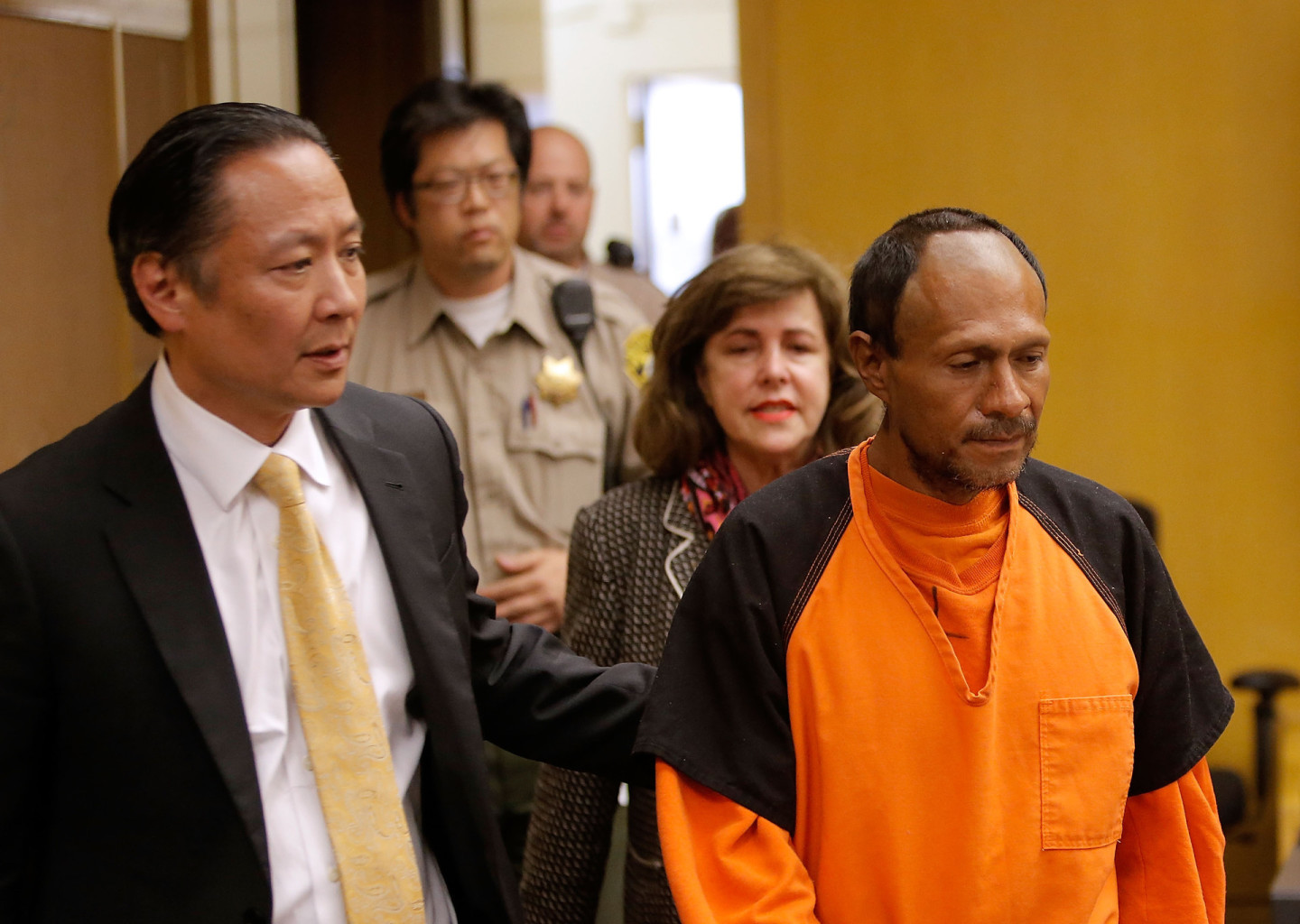
"caption": "Francisco Sanchez, right, enters court for an arraignment with San Francisco Public Defender Jeff Adachi on July 7 in San Francisco.",
"description": "Francisco Sanchez, right, enters court for an arraignment with San Francisco Public Defender Jeff Adachi on July 7 in San Francisco.",
"title": "RS15994_arraignment(2)-qut",
"credit": "Michael Macor-Pool/Getty Images",
"status": "inherit",
"isLoading": false,
"fetchFailed": false
},
"news_10592166": {
"type": "attachments",
"id": "news_10592166",
"meta": {
"index": "attachments_1716263798",
"site": "news",
"id": "10592166",
"found": true
},
"parent": 10592164,
"imgSizes": {
"twentyfourteen-full-width": {
"file": "https://ww2.kqed.org/app/uploads/sites/10/2015/07/steinle-1038x576.jpg",
"width": 1038,
"mimeType": "image/jpeg",
"height": 576
},
"thumbnail": {
"file": "https://ww2.kqed.org/app/uploads/sites/10/2015/07/steinle-400x279.jpg",
"width": 400,
"mimeType": "image/jpeg",
"height": 279
},
"fd-sm": {
"file": "https://ww2.kqed.org/app/uploads/sites/10/2015/07/steinle-960x669.jpg",
"width": 960,
"mimeType": "image/jpeg",
"height": 669
},
"post-thumbnail": {
"file": "https://ww2.kqed.org/app/uploads/sites/10/2015/07/steinle-672x372.jpg",
"width": 672,
"mimeType": "image/jpeg",
"height": 372
},
"kqedFullSize": {
"file": "https://ww2.kqed.org/app/uploads/sites/10/2015/07/steinle.jpg",
"width": 1920,
"height": 1338
},
"large": {
"file": "https://ww2.kqed.org/app/uploads/sites/10/2015/07/steinle-1440x1004.jpg",
"width": 1440,
"mimeType": "image/jpeg",
"height": 1004
},
"guest-author-96": {
"file": "https://ww2.kqed.org/app/uploads/sites/10/2015/07/steinle-96x96.jpg",
"width": 96,
"mimeType": "image/jpeg",
"height": 96
},
"medium": {
"file": "https://ww2.kqed.org/app/uploads/sites/10/2015/07/steinle-800x558.jpg",
"width": 800,
"mimeType": "image/jpeg",
"height": 558
},
"guest-author-64": {
"file": "https://ww2.kqed.org/app/uploads/sites/10/2015/07/steinle-64x64.jpg",
"width": 64,
"mimeType": "image/jpeg",
"height": 64
},
"guest-author-32": {
"file": "https://ww2.kqed.org/app/uploads/sites/10/2015/07/steinle-32x32.jpg",
"width": 32,
"mimeType": "image/jpeg",
"height": 32
},
"jmtc-small-thumb": {
"file": "https://ww2.kqed.org/app/uploads/sites/10/2015/07/steinle-280x150.jpg",
"width": 280,
"mimeType": "image/jpeg",
"height": 150
},
"fd-med": {
"file": "https://ww2.kqed.org/app/uploads/sites/10/2015/07/steinle-1180x822.jpg",
"width": 1180,
"mimeType": "image/jpeg",
"height": 822
},
"detail": {
"file": "https://ww2.kqed.org/app/uploads/sites/10/2015/07/steinle-75x75.jpg",
"width": 75,
"mimeType": "image/jpeg",
"height": 75
},
"guest-author-128": {
"file": "https://ww2.kqed.org/app/uploads/sites/10/2015/07/steinle-128x128.jpg",
"width": 128,
"mimeType": "image/jpeg",
"height": 128
}
},
"publishDate": 1436310518,
"modified": 1500682827,
"caption": "A well-wisher drops off flowers at the site where 32-year-old Kate Steinle was killed earlier this month on San Francisco's bay front. ",
"description": null,
"title": "Kate Steinle",
"credit": "Justin Sullivan/Getty Images",
"status": "inherit",
"isLoading": false,
"fetchFailed": false
},
"news_10583014": {
"type": "attachments",
"id": "news_10583014",
"meta": {
"index": "attachments_1716263798",
"site": "news",
"id": "10583014",
"found": true
},
"parent": 10583011,
"imgSizes": {
"twentyfourteen-full-width": {
"file": "https://ww2.kqed.org/app/uploads/sites/10/2015/06/carwash-ic-1a-1038x576.jpg",
"width": 1038,
"mimeType": "image/jpeg",
"height": 576
},
"thumbnail": {
"file": "https://ww2.kqed.org/app/uploads/sites/10/2015/06/carwash-ic-1a-400x244.jpg",
"width": 400,
"mimeType": "image/jpeg",
"height": 244
},
"fd-sm": {
"file": "https://ww2.kqed.org/app/uploads/sites/10/2015/06/carwash-ic-1a-960x586.jpg",
"width": 960,
"mimeType": "image/jpeg",
"height": 586
},
"post-thumbnail": {
"file": "https://ww2.kqed.org/app/uploads/sites/10/2015/06/carwash-ic-1a-672x372.jpg",
"width": 672,
"mimeType": "image/jpeg",
"height": 372
},
"kqedFullSize": {
"file": "https://ww2.kqed.org/app/uploads/sites/10/2015/06/carwash-ic-1a.jpg",
"width": 1920,
"height": 1172
},
"large": {
"file": "https://ww2.kqed.org/app/uploads/sites/10/2015/06/carwash-ic-1a-1440x879.jpg",
"width": 1440,
"mimeType": "image/jpeg",
"height": 879
},
"guest-author-96": {
"file": "https://ww2.kqed.org/app/uploads/sites/10/2015/06/carwash-ic-1a-96x96.jpg",
"width": 96,
"mimeType": "image/jpeg",
"height": 96
},
"medium": {
"file": "https://ww2.kqed.org/app/uploads/sites/10/2015/06/carwash-ic-1a-800x488.jpg",
"width": 800,
"mimeType": "image/jpeg",
"height": 488
},
"guest-author-64": {
"file": "https://ww2.kqed.org/app/uploads/sites/10/2015/06/carwash-ic-1a-64x64.jpg",
"width": 64,
"mimeType": "image/jpeg",
"height": 64
},
"guest-author-32": {
"file": "https://ww2.kqed.org/app/uploads/sites/10/2015/06/carwash-ic-1a-32x32.jpg",
"width": 32,
"mimeType": "image/jpeg",
"height": 32
},
"jmtc-small-thumb": {
"file": "https://ww2.kqed.org/app/uploads/sites/10/2015/06/carwash-ic-1a-280x150.jpg",
"width": 280,
"mimeType": "image/jpeg",
"height": 150
},
"fd-med": {
"file": "https://ww2.kqed.org/app/uploads/sites/10/2015/06/carwash-ic-1a-1180x720.jpg",
"width": 1180,
"mimeType": "image/jpeg",
"height": 720
},
"detail": {
"file": "https://ww2.kqed.org/app/uploads/sites/10/2015/06/carwash-ic-1a-75x75.jpg",
"width": 75,
"mimeType": "image/jpeg",
"height": 75
},
"guest-author-128": {
"file": "https://ww2.kqed.org/app/uploads/sites/10/2015/06/carwash-ic-1a-128x128.jpg",
"width": 128,
"mimeType": "image/jpeg",
"height": 128
}
},
"publishDate": 1435687995,
"modified": 1435708331,
"caption": "Undocumented workers in low-wage industries like carwashes will be closely watching the implementation of the city's new minimum wage hike.",
"description": "Undocumented workers in low-wage industries like carwashes will be closely watching the implementation of the city's new minimum wage hike.",
"title": "carwash [ic 1a",
"credit": "Steven Cuevas/KQED",
"status": "inherit",
"isLoading": false,
"fetchFailed": false
},
"news_10582010": {
"type": "attachments",
"id": "news_10582010",
"meta": {
"index": "attachments_1716263798",
"site": "news",
"id": "10582010",
"found": true
},
"parent": 10582002,
"imgSizes": {
"twentyfourteen-full-width": {
"file": "https://ww2.kqed.org/app/uploads/sites/10/2015/06/CITY_17-1038x576.jpg",
"width": 1038,
"mimeType": "image/jpeg",
"height": 576
},
"thumbnail": {
"file": "https://ww2.kqed.org/app/uploads/sites/10/2015/06/CITY_17-400x225.jpg",
"width": 400,
"mimeType": "image/jpeg",
"height": 225
},
"fd-sm": {
"file": "https://ww2.kqed.org/app/uploads/sites/10/2015/06/CITY_17-960x540.jpg",
"width": 960,
"mimeType": "image/jpeg",
"height": 540
},
"post-thumbnail": {
"file": "https://ww2.kqed.org/app/uploads/sites/10/2015/06/CITY_17-672x372.jpg",
"width": 672,
"mimeType": "image/jpeg",
"height": 372
},
"kqedFullSize": {
"file": "https://ww2.kqed.org/app/uploads/sites/10/2015/06/CITY_17.jpg",
"width": 1920,
"height": 1080
},
"large": {
"file": "https://ww2.kqed.org/app/uploads/sites/10/2015/06/CITY_17-1440x810.jpg",
"width": 1440,
"mimeType": "image/jpeg",
"height": 810
},
"guest-author-96": {
"file": "https://ww2.kqed.org/app/uploads/sites/10/2015/06/CITY_17-96x96.jpg",
"width": 96,
"mimeType": "image/jpeg",
"height": 96
},
"medium": {
"file": "https://ww2.kqed.org/app/uploads/sites/10/2015/06/CITY_17-800x450.jpg",
"width": 800,
"mimeType": "image/jpeg",
"height": 450
},
"guest-author-64": {
"file": "https://ww2.kqed.org/app/uploads/sites/10/2015/06/CITY_17-64x64.jpg",
"width": 64,
"mimeType": "image/jpeg",
"height": 64
},
"guest-author-32": {
"file": "https://ww2.kqed.org/app/uploads/sites/10/2015/06/CITY_17-32x32.jpg",
"width": 32,
"mimeType": "image/jpeg",
"height": 32
},
"jmtc-small-thumb": {
"file": "https://ww2.kqed.org/app/uploads/sites/10/2015/06/CITY_17-280x150.jpg",
"width": 280,
"mimeType": "image/jpeg",
"height": 150
},
"fd-med": {
"file": "https://ww2.kqed.org/app/uploads/sites/10/2015/06/CITY_17-1180x664.jpg",
"width": 1180,
"mimeType": "image/jpeg",
"height": 664
},
"detail": {
"file": "https://ww2.kqed.org/app/uploads/sites/10/2015/06/CITY_17-75x75.jpg",
"width": 75,
"mimeType": "image/jpeg",
"height": 75
},
"guest-author-128": {
"file": "https://ww2.kqed.org/app/uploads/sites/10/2015/06/CITY_17-128x128.jpg",
"width": 128,
"mimeType": "image/jpeg",
"height": 128
}
},
"publishDate": 1435613783,
"modified": 1435613866,
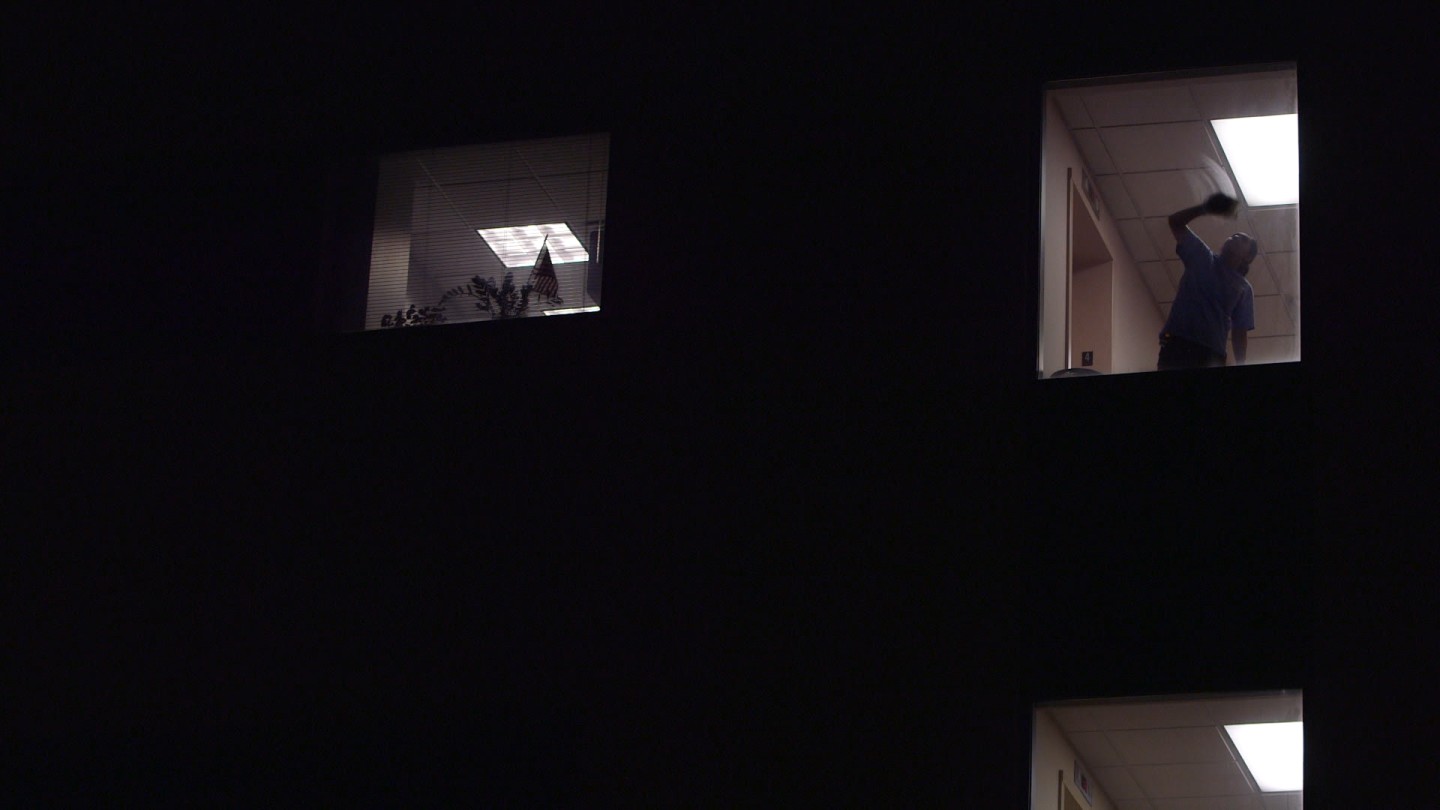
"caption": "A janitor works alone at night. ",
"description": "A janitor works alone at night. ",
"title": "CITY_17",
"credit": "Andrés Cediel/IRP",
"status": "inherit",
"isLoading": false,
"fetchFailed": false
},
"news_10568195": {
"type": "attachments",
"id": "news_10568195",
"meta": {
"index": "attachments_1716263798",
"site": "news",
"id": "10568195",
"found": true
},
"parent": 10568193,
"imgSizes": {
"twentyfourteen-full-width": {
"file": "https://ww2.kqed.org/app/uploads/sites/10/2015/06/CITY_16-1038x576.jpg",
"width": 1038,
"mimeType": "image/jpeg",
"height": 576
},
"thumbnail": {
"file": "https://ww2.kqed.org/app/uploads/sites/10/2015/06/CITY_16-400x225.jpg",
"width": 400,
"mimeType": "image/jpeg",
"height": 225
},
"fd-sm": {
"file": "https://ww2.kqed.org/app/uploads/sites/10/2015/06/CITY_16-960x540.jpg",
"width": 960,
"mimeType": "image/jpeg",
"height": 540
},
"post-thumbnail": {
"file": "https://ww2.kqed.org/app/uploads/sites/10/2015/06/CITY_16-672x372.jpg",
"width": 672,
"mimeType": "image/jpeg",
"height": 372
},
"kqedFullSize": {
"file": "https://ww2.kqed.org/app/uploads/sites/10/2015/06/CITY_16.jpg",
"width": 1920,
"height": 1080
},
"large": {
"file": "https://ww2.kqed.org/app/uploads/sites/10/2015/06/CITY_16-1440x810.jpg",
"width": 1440,
"mimeType": "image/jpeg",
"height": 810
},
"guest-author-96": {
"file": "https://ww2.kqed.org/app/uploads/sites/10/2015/06/CITY_16-96x96.jpg",
"width": 96,
"mimeType": "image/jpeg",
"height": 96
},
"medium": {
"file": "https://ww2.kqed.org/app/uploads/sites/10/2015/06/CITY_16-800x450.jpg",
"width": 800,
"mimeType": "image/jpeg",
"height": 450
},
"guest-author-64": {
"file": "https://ww2.kqed.org/app/uploads/sites/10/2015/06/CITY_16-64x64.jpg",
"width": 64,
"mimeType": "image/jpeg",
"height": 64
},
"guest-author-32": {
"file": "https://ww2.kqed.org/app/uploads/sites/10/2015/06/CITY_16-32x32.jpg",
"width": 32,
"mimeType": "image/jpeg",
"height": 32
},
"jmtc-small-thumb": {
"file": "https://ww2.kqed.org/app/uploads/sites/10/2015/06/CITY_16-280x150.jpg",
"width": 280,
"mimeType": "image/jpeg",
"height": 150
},
"fd-med": {
"file": "https://ww2.kqed.org/app/uploads/sites/10/2015/06/CITY_16-1180x664.jpg",
"width": 1180,
"mimeType": "image/jpeg",
"height": 664
},
"detail": {
"file": "https://ww2.kqed.org/app/uploads/sites/10/2015/06/CITY_16-75x75.jpg",
"width": 75,
"mimeType": "image/jpeg",
"height": 75
},
"guest-author-128": {
"file": "https://ww2.kqed.org/app/uploads/sites/10/2015/06/CITY_16-128x128.jpg",
"width": 128,
"mimeType": "image/jpeg",
"height": 128
}
},
"publishDate": 1434659539,
"modified": 1435267774,
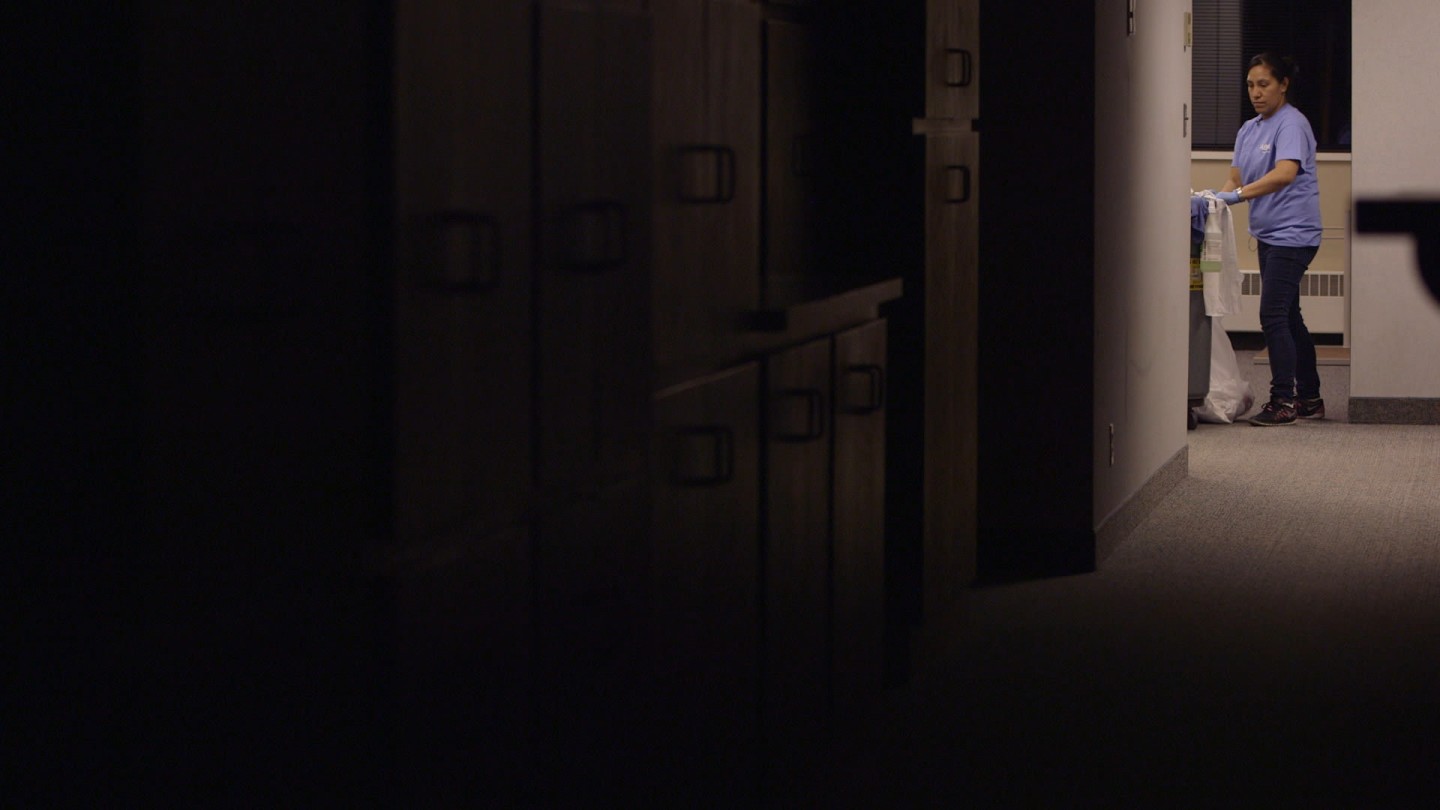
"caption": "Isolated working environments can leave janitors vulnerable. ",
"description": "Isolated working environments can leave janitors vulnerable. ",
"title": "CITY_16",
"credit": "Andrés Cediel/IRP",
"status": "inherit",
"isLoading": false,
"fetchFailed": false
},
"news_10573040": {
"type": "attachments",
"id": "news_10573040",
"meta": {
"index": "attachments_1716263798",
"site": "news",
"id": "10573040",
"found": true
},
"parent": 10569859,
"imgSizes": {
"twentyfourteen-full-width": {
"file": "https://ww2.kqed.org/app/uploads/sites/10/2015/06/CITY_02-1038x576.jpg",
"width": 1038,
"mimeType": "image/jpeg",
"height": 576
},
"thumbnail": {
"file": "https://ww2.kqed.org/app/uploads/sites/10/2015/06/CITY_02-400x225.jpg",
"width": 400,
"mimeType": "image/jpeg",
"height": 225
},
"fd-sm": {
"file": "https://ww2.kqed.org/app/uploads/sites/10/2015/06/CITY_02-960x540.jpg",
"width": 960,
"mimeType": "image/jpeg",
"height": 540
},
"post-thumbnail": {
"file": "https://ww2.kqed.org/app/uploads/sites/10/2015/06/CITY_02-672x372.jpg",
"width": 672,
"mimeType": "image/jpeg",
"height": 372
},
"kqedFullSize": {
"file": "https://ww2.kqed.org/app/uploads/sites/10/2015/06/CITY_02.jpg",
"width": 1920,
"height": 1080
},
"large": {
"file": "https://ww2.kqed.org/app/uploads/sites/10/2015/06/CITY_02-1440x810.jpg",
"width": 1440,
"mimeType": "image/jpeg",
"height": 810
},
"guest-author-96": {
"file": "https://ww2.kqed.org/app/uploads/sites/10/2015/06/CITY_02-96x96.jpg",
"width": 96,
"mimeType": "image/jpeg",
"height": 96
},
"medium": {
"file": "https://ww2.kqed.org/app/uploads/sites/10/2015/06/CITY_02-800x450.jpg",
"width": 800,
"mimeType": "image/jpeg",
"height": 450
},
"guest-author-64": {
"file": "https://ww2.kqed.org/app/uploads/sites/10/2015/06/CITY_02-64x64.jpg",
"width": 64,
"mimeType": "image/jpeg",
"height": 64
},
"guest-author-32": {
"file": "https://ww2.kqed.org/app/uploads/sites/10/2015/06/CITY_02-32x32.jpg",
"width": 32,
"mimeType": "image/jpeg",
"height": 32
},
"jmtc-small-thumb": {
"file": "https://ww2.kqed.org/app/uploads/sites/10/2015/06/CITY_02-280x150.jpg",
"width": 280,
"mimeType": "image/jpeg",
"height": 150
},
"fd-med": {
"file": "https://ww2.kqed.org/app/uploads/sites/10/2015/06/CITY_02-1180x664.jpg",
"width": 1180,
"mimeType": "image/jpeg",
"height": 664
},
"detail": {
"file": "https://ww2.kqed.org/app/uploads/sites/10/2015/06/CITY_02-75x75.jpg",
"width": 75,
"mimeType": "image/jpeg",
"height": 75
},
"guest-author-128": {
"file": "https://ww2.kqed.org/app/uploads/sites/10/2015/06/CITY_02-128x128.jpg",
"width": 128,
"mimeType": "image/jpeg",
"height": 128
}
},
"publishDate": 1434997380,
"modified": 1435267940,
"caption": "Undercover investigators speak with janitors like this one while they work the night shift. ",
"description": "Undercover investigators speak with janitors like this one while they work the night shift. ",
"title": "CITY_02",
"credit": "Andrés Cediel/IRP",
"status": "inherit",
"isLoading": false,
"fetchFailed": false
},
"news_10555635": {
"type": "attachments",
"id": "news_10555635",
"meta": {
"index": "attachments_1716263798",
"site": "news",
"id": "10555635",
"found": true
},
"parent": 10555571,
"imgSizes": {
"twentyfourteen-full-width": {
"file": "https://ww2.kqed.org/app/uploads/sites/10/2015/06/RS15415_Screen-Shot-2015-05-25-at-11.17.12-AM-qut-1038x576.jpg",
"width": 1038,
"mimeType": "image/jpeg",
"height": 576
},
"thumbnail": {
"file": "https://ww2.kqed.org/app/uploads/sites/10/2015/06/RS15415_Screen-Shot-2015-05-25-at-11.17.12-AM-qut-400x225.jpg",
"width": 400,
"mimeType": "image/jpeg",
"height": 225
},
"fd-sm": {
"file": "https://ww2.kqed.org/app/uploads/sites/10/2015/06/RS15415_Screen-Shot-2015-05-25-at-11.17.12-AM-qut-960x540.jpg",
"width": 960,
"mimeType": "image/jpeg",
"height": 540
},
"post-thumbnail": {
"file": "https://ww2.kqed.org/app/uploads/sites/10/2015/06/RS15415_Screen-Shot-2015-05-25-at-11.17.12-AM-qut-672x372.jpg",
"width": 672,
"mimeType": "image/jpeg",
"height": 372
},
"kqedFullSize": {
"file": "https://ww2.kqed.org/app/uploads/sites/10/2015/06/RS15415_Screen-Shot-2015-05-25-at-11.17.12-AM-qut.jpg",
"width": 1920,
"height": 1080
},
"large": {
"file": "https://ww2.kqed.org/app/uploads/sites/10/2015/06/RS15415_Screen-Shot-2015-05-25-at-11.17.12-AM-qut-1440x810.jpg",
"width": 1440,
"mimeType": "image/jpeg",
"height": 810
},
"guest-author-96": {
"file": "https://ww2.kqed.org/app/uploads/sites/10/2015/06/RS15415_Screen-Shot-2015-05-25-at-11.17.12-AM-qut-96x96.jpg",
"width": 96,
"mimeType": "image/jpeg",
"height": 96
},
"medium": {
"file": "https://ww2.kqed.org/app/uploads/sites/10/2015/06/RS15415_Screen-Shot-2015-05-25-at-11.17.12-AM-qut-800x450.jpg",
"width": 800,
"mimeType": "image/jpeg",
"height": 450
},
"guest-author-64": {
"file": "https://ww2.kqed.org/app/uploads/sites/10/2015/06/RS15415_Screen-Shot-2015-05-25-at-11.17.12-AM-qut-64x64.jpg",
"width": 64,
"mimeType": "image/jpeg",
"height": 64
},
"guest-author-32": {
"file": "https://ww2.kqed.org/app/uploads/sites/10/2015/06/RS15415_Screen-Shot-2015-05-25-at-11.17.12-AM-qut-32x32.jpg",
"width": 32,
"mimeType": "image/jpeg",
"height": 32
},
"fd-med": {
"file": "https://ww2.kqed.org/app/uploads/sites/10/2015/06/RS15415_Screen-Shot-2015-05-25-at-11.17.12-AM-qut-1180x664.jpg",
"width": 1180,
"mimeType": "image/jpeg",
"height": 664
},
"detail": {
"file": "https://ww2.kqed.org/app/uploads/sites/10/2015/06/RS15415_Screen-Shot-2015-05-25-at-11.17.12-AM-qut-75x75.jpg",
"width": 75,
"mimeType": "image/jpeg",
"height": 75
},
"guest-author-128": {
"file": "https://ww2.kqed.org/app/uploads/sites/10/2015/06/RS15415_Screen-Shot-2015-05-25-at-11.17.12-AM-qut-128x128.jpg",
"width": 128,
"mimeType": "image/jpeg",
"height": 128
}
},
"publishDate": 1433805364,
"modified": 1433806068,
"caption": "Cuauhtemoc Martinez was so desperate about being deported that he attempted suicide. He now says work is helping to stabilize him.",
"description": "Cuauhtemoc Martinez was so desperate about being deported that he attempted suicide. He now says work is helping to stabilize him.",
"title": "RS15415_Screen Shot 2015-05-25 at 11.17.12 AM-qut",
"credit": "Katie Schoolov/KPBS",
"status": "inherit",
"isLoading": false,
"fetchFailed": false
},
"news_10556605": {
"type": "attachments",
"id": "news_10556605",
"meta": {
"index": "attachments_1716263798",
"site": "news",
"id": "10556605",
"found": true
},
"parent": 10556498,
"imgSizes": {
"twentyfourteen-full-width": {
"file": "https://ww2.kqed.org/app/uploads/sites/10/2015/06/RS15426_IMG_0054.JPG-qut-1038x576.jpg",
"width": 1038,
"mimeType": "image/jpeg",
"height": 576
},
"thumbnail": {
"file": "https://ww2.kqed.org/app/uploads/sites/10/2015/06/RS15426_IMG_0054.JPG-qut-400x300.jpg",
"width": 400,
"mimeType": "image/jpeg",
"height": 300
},
"fd-sm": {
"file": "https://ww2.kqed.org/app/uploads/sites/10/2015/06/RS15426_IMG_0054.JPG-qut-960x720.jpg",
"width": 960,
"mimeType": "image/jpeg",
"height": 720
},
"post-thumbnail": {
"file": "https://ww2.kqed.org/app/uploads/sites/10/2015/06/RS15426_IMG_0054.JPG-qut-672x372.jpg",
"width": 672,
"mimeType": "image/jpeg",
"height": 372
},
"kqedFullSize": {
"file": "https://ww2.kqed.org/app/uploads/sites/10/2015/06/RS15426_IMG_0054.JPG-qut.jpg",
"width": 1920,
"height": 1440
},
"large": {
"file": "https://ww2.kqed.org/app/uploads/sites/10/2015/06/RS15426_IMG_0054.JPG-qut-1440x1080.jpg",
"width": 1440,
"mimeType": "image/jpeg",
"height": 1080
},
"guest-author-96": {
"file": "https://ww2.kqed.org/app/uploads/sites/10/2015/06/RS15426_IMG_0054.JPG-qut-96x96.jpg",
"width": 96,
"mimeType": "image/jpeg",
"height": 96
},
"medium": {
"file": "https://ww2.kqed.org/app/uploads/sites/10/2015/06/RS15426_IMG_0054.JPG-qut-800x600.jpg",
"width": 800,
"mimeType": "image/jpeg",
"height": 600
},
"guest-author-64": {
"file": "https://ww2.kqed.org/app/uploads/sites/10/2015/06/RS15426_IMG_0054.JPG-qut-64x64.jpg",
"width": 64,
"mimeType": "image/jpeg",
"height": 64
},
"guest-author-32": {
"file": "https://ww2.kqed.org/app/uploads/sites/10/2015/06/RS15426_IMG_0054.JPG-qut-32x32.jpg",
"width": 32,
"mimeType": "image/jpeg",
"height": 32
},
"fd-med": {
"file": "https://ww2.kqed.org/app/uploads/sites/10/2015/06/RS15426_IMG_0054.JPG-qut-1180x885.jpg",
"width": 1180,
"mimeType": "image/jpeg",
"height": 885
},
"detail": {
"file": "https://ww2.kqed.org/app/uploads/sites/10/2015/06/RS15426_IMG_0054.JPG-qut-75x75.jpg",
"width": 75,
"mimeType": "image/jpeg",
"height": 75
},
"guest-author-128": {
"file": "https://ww2.kqed.org/app/uploads/sites/10/2015/06/RS15426_IMG_0054.JPG-qut-128x128.jpg",
"width": 128,
"mimeType": "image/jpeg",
"height": 128
}
},
"publishDate": 1433874178,
"modified": 1433874227,
"caption": "Isaac and Santiago say they prefer to speak to each other in English at school. But most of the students at De Colores speak in Spanish.",
"description": "Isaac and Santiago say they prefer to speak to each other in English at school. But most of the students at De Colores speak in Spanish.",
"title": "Isaac and Santiago",
"credit": "Devin Katayama/KQED",
"status": "inherit",
"isLoading": false,
"fetchFailed": false
},
"news_10548766": {
"type": "attachments",
"id": "news_10548766",
"meta": {
"index": "attachments_1716263798",
"site": "news",
"id": "10548766",
"found": true
},
"parent": 10548763,
"imgSizes": {
"twentyfourteen-full-width": {
"file": "https://ww2.kqed.org/app/uploads/sites/10/2015/06/RS15359_photo-qut-1038x576.jpg",
"width": 1038,
"mimeType": "image/jpeg",
"height": 576
},
"thumbnail": {
"file": "https://ww2.kqed.org/app/uploads/sites/10/2015/06/RS15359_photo-qut-400x300.jpg",
"width": 400,
"mimeType": "image/jpeg",
"height": 300
},
"fd-sm": {
"file": "https://ww2.kqed.org/app/uploads/sites/10/2015/06/RS15359_photo-qut-960x720.jpg",
"width": 960,
"mimeType": "image/jpeg",
"height": 720
},
"post-thumbnail": {
"file": "https://ww2.kqed.org/app/uploads/sites/10/2015/06/RS15359_photo-qut-672x372.jpg",
"width": 672,
"mimeType": "image/jpeg",
"height": 372
},
"kqedFullSize": {
"file": "https://ww2.kqed.org/app/uploads/sites/10/2015/06/RS15359_photo-qut.jpg",
"width": 1920,
"height": 1440
},
"large": {
"file": "https://ww2.kqed.org/app/uploads/sites/10/2015/06/RS15359_photo-qut-1440x1080.jpg",
"width": 1440,
"mimeType": "image/jpeg",
"height": 1080
},
"guest-author-96": {
"file": "https://ww2.kqed.org/app/uploads/sites/10/2015/06/RS15359_photo-qut-96x96.jpg",
"width": 96,
"mimeType": "image/jpeg",
"height": 96
},
"medium": {
"file": "https://ww2.kqed.org/app/uploads/sites/10/2015/06/RS15359_photo-qut-800x600.jpg",
"width": 800,
"mimeType": "image/jpeg",
"height": 600
},
"guest-author-64": {
"file": "https://ww2.kqed.org/app/uploads/sites/10/2015/06/RS15359_photo-qut-64x64.jpg",
"width": 64,
"mimeType": "image/jpeg",
"height": 64
},
"guest-author-32": {
"file": "https://ww2.kqed.org/app/uploads/sites/10/2015/06/RS15359_photo-qut-32x32.jpg",
"width": 32,
"mimeType": "image/jpeg",
"height": 32
},
"fd-med": {
"file": "https://ww2.kqed.org/app/uploads/sites/10/2015/06/RS15359_photo-qut-1180x885.jpg",
"width": 1180,
"mimeType": "image/jpeg",
"height": 885
},
"detail": {
"file": "https://ww2.kqed.org/app/uploads/sites/10/2015/06/RS15359_photo-qut-75x75.jpg",
"width": 75,
"mimeType": "image/jpeg",
"height": 75
},
"guest-author-128": {
"file": "https://ww2.kqed.org/app/uploads/sites/10/2015/06/RS15359_photo-qut-128x128.jpg",
"width": 128,
"mimeType": "image/jpeg",
"height": 128
}
},
"publishDate": 1433289051,
"modified": 1433289095,
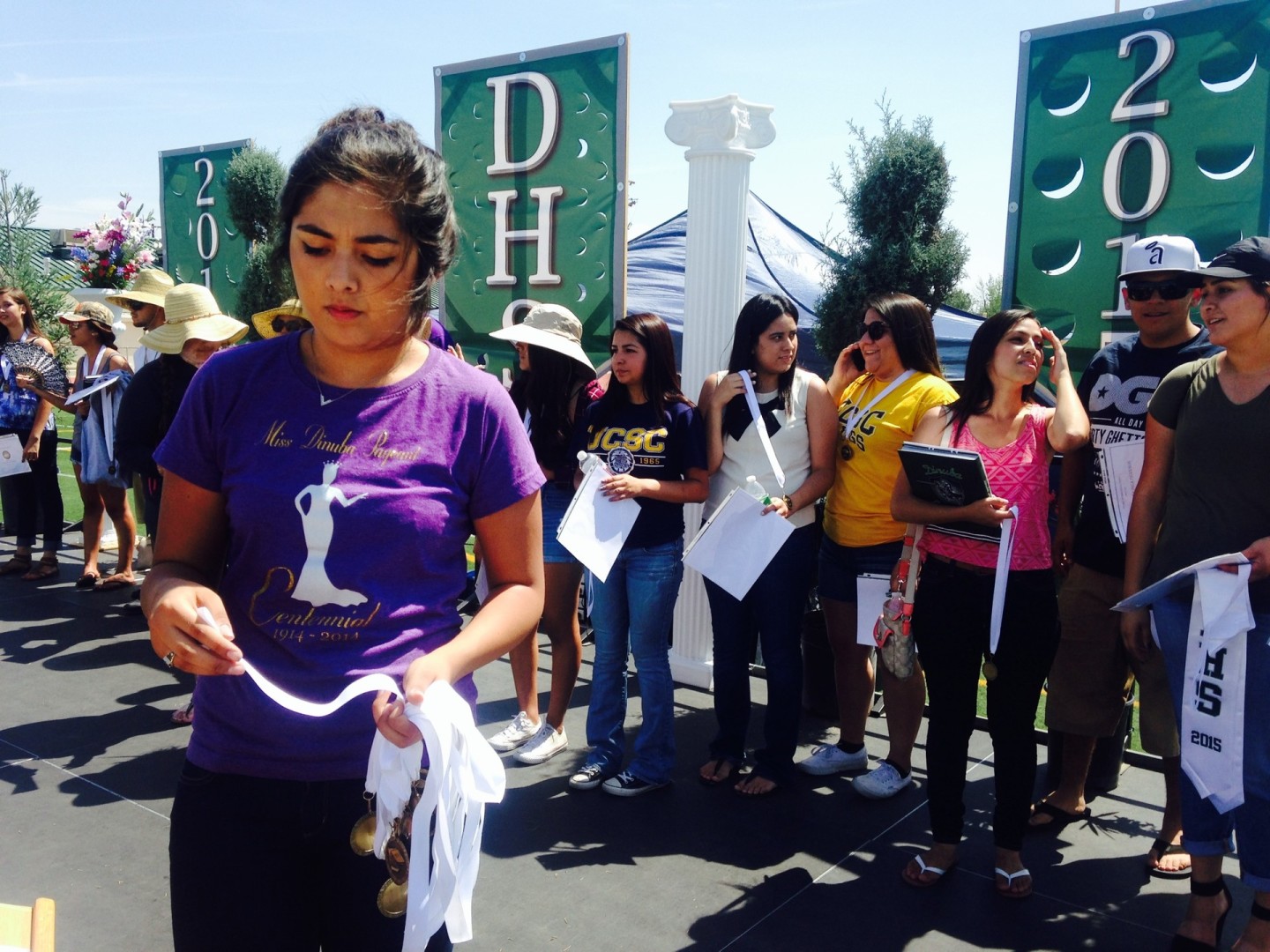
"caption": "Daisy Del Rio helps pass out Seal of Biliteracy medals at Dinuba High School.",
"description": null,
"title": "RS15359_photo-qut",
"credit": "Alice Daniel/KQED",
"status": "inherit",
"isLoading": false,
"fetchFailed": false
},
"news_10564236": {
"type": "attachments",
"id": "news_10564236",
"meta": {
"index": "attachments_1716263798",
"site": "news",
"id": "10564236",
"found": true
},
"parent": 10543566,
"imgSizes": {
"twentyfourteen-full-width": {
"file": "https://ww2.kqed.org/app/uploads/sites/10/2015/06/Undocumented-1038x576.jpg",
"width": 1038,
"mimeType": "image/jpeg",
"height": 576
},
"thumbnail": {
"file": "https://ww2.kqed.org/app/uploads/sites/10/2015/06/Undocumented-400x280.jpg",
"width": 400,
"mimeType": "image/jpeg",
"height": 280
},
"fd-sm": {
"file": "https://ww2.kqed.org/app/uploads/sites/10/2015/06/Undocumented-960x672.jpg",
"width": 960,
"mimeType": "image/jpeg",
"height": 672
},
"post-thumbnail": {
"file": "https://ww2.kqed.org/app/uploads/sites/10/2015/06/Undocumented-672x372.jpg",
"width": 672,
"mimeType": "image/jpeg",
"height": 372
},
"kqedFullSize": {
"file": "https://ww2.kqed.org/app/uploads/sites/10/2015/06/Undocumented.jpg",
"width": 1920,
"height": 1343
},
"large": {
"file": "https://ww2.kqed.org/app/uploads/sites/10/2015/06/Undocumented-1440x1007.jpg",
"width": 1440,
"mimeType": "image/jpeg",
"height": 1007
},
"guest-author-96": {
"file": "https://ww2.kqed.org/app/uploads/sites/10/2015/06/Undocumented-96x96.jpg",
"width": 96,
"mimeType": "image/jpeg",
"height": 96
},
"medium": {
"file": "https://ww2.kqed.org/app/uploads/sites/10/2015/06/Undocumented-800x560.jpg",
"width": 800,
"mimeType": "image/jpeg",
"height": 560
},
"guest-author-64": {
"file": "https://ww2.kqed.org/app/uploads/sites/10/2015/06/Undocumented-64x64.jpg",
"width": 64,
"mimeType": "image/jpeg",
"height": 64
},
"guest-author-32": {
"file": "https://ww2.kqed.org/app/uploads/sites/10/2015/06/Undocumented-32x32.jpg",
"width": 32,
"mimeType": "image/jpeg",
"height": 32
},
"jmtc-small-thumb": {
"file": "https://ww2.kqed.org/app/uploads/sites/10/2015/06/Undocumented-280x150.jpg",
"width": 280,
"mimeType": "image/jpeg",
"height": 150
},
"fd-med": {
"file": "https://ww2.kqed.org/app/uploads/sites/10/2015/06/Undocumented-1180x825.jpg",
"width": 1180,
"mimeType": "image/jpeg",
"height": 825
},
"detail": {
"file": "https://ww2.kqed.org/app/uploads/sites/10/2015/06/Undocumented-75x75.jpg",
"width": 75,
"mimeType": "image/jpeg",
"height": 75
},
"guest-author-128": {
"file": "https://ww2.kqed.org/app/uploads/sites/10/2015/06/Undocumented-128x128.jpg",
"width": 128,
"mimeType": "image/jpeg",
"height": 128
}
},
"publishDate": 1434390448,
"modified": 1434390478,
"caption": "Undocumented students hold a mock graduation in San Francisco in 2012. ",
"description": "Undocumented students hold a mock graduation in San Francisco in 2012. ",
"title": "Undocumented",
"credit": "Zaidee Stavely/KQED",
"status": "inherit",
"isLoading": false,
"fetchFailed": false
}
},
"audioPlayerReducer": {
"postId": "stream_live",
"isPaused": true,
"isPlaying": false,
"pfsActive": false,
"pledgeModalIsOpen": true,
"playerDrawerIsOpen": false,
"liveAudioPlayStartedAt": 0,
"liveAudioPlayContext": ""
},
"authorsReducer": {
"byline_news_10592164": {
"type": "authors",
"id": "byline_news_10592164",
"meta": {
"override": true
},
"slug": "byline_news_10592164",
"name": "Bay City News",
"isLoading": false
},
"byline_news_10582002": {
"type": "authors",
"id": "byline_news_10582002",
"meta": {
"override": true
},
"slug": "byline_news_10582002",
"name": "\u003cstrong>Bernice Yeung\u003c/strong>\u003cbr />Reveal",
"isLoading": false
},
"byline_news_10555571": {
"type": "authors",
"id": "byline_news_10555571",
"meta": {
"override": true
},
"slug": "byline_news_10555571",
"name": "Jean Guerrero\u003cbr>KPBS Fronteras Reporter",
"isLoading": false
},
"jbrooks": {
"type": "authors",
"id": "80",
"meta": {
"index": "authors_1716337520",
"id": "80",
"found": true
},
"name": "Jon Brooks",
"firstName": "Jon",
"lastName": "Brooks",
"slug": "jbrooks",
"email": "jbrooks@kqed.org",
"display_author_email": true,
"staff_mastheads": [
"science"
],
"title": "Digital Editor",
"bio": "Jon Brooks is a former Digital Editor for KQED Science. He is the former editor of KQED’s daily news blog, News Fix. In 2014, he won a California Journalism Award for his coverage of ride services like Uber and Lyft and the taxi industry. A veteran blogger, he previously worked for Yahoo! in various news writing and editing roles. Jon is also a playwright whose work has been produced in San Francisco, New York, Italy, and around the U.S. He has written about film for his own blog and studied film at Boston University.",
"avatar": "https://secure.gravatar.com/avatar/98887f7ed1c876ed414d4c915e969584?s=600&d=blank&r=g",
"twitter": "jbrooksfoy",
"facebook": null,
"instagram": null,
"linkedin": null,
"sites": [
{
"site": "arts",
"roles": [
"Contributor",
"editor"
]
},
{
"site": "news",
"roles": [
"author"
]
},
{
"site": "futureofyou",
"roles": [
"administrator"
]
},
{
"site": "mindshift",
"roles": [
"editor"
]
},
{
"site": "stateofhealth",
"roles": [
"editor"
]
},
{
"site": "science",
"roles": [
"administrator"
]
},
{
"site": "quest",
"roles": [
"editor"
]
}
],
"headData": {
"title": "Jon Brooks | KQED",
"description": "Digital Editor",
"ogImgSrc": "https://secure.gravatar.com/avatar/98887f7ed1c876ed414d4c915e969584?s=600&d=blank&r=g",
"twImgSrc": "https://secure.gravatar.com/avatar/98887f7ed1c876ed414d4c915e969584?s=600&d=blank&r=g"
},
"isLoading": false,
"link": "/author/jbrooks"
},
"aliceldaniel": {
"type": "authors",
"id": "208",
"meta": {
"index": "authors_1716337520",
"id": "208",
"found": true
},
"name": "Alice Daniel",
"firstName": "Alice",
"lastName": "Daniel",
"slug": "aliceldaniel",
"email": "adaniel@kqed.org",
"display_author_email": false,
"staff_mastheads": [],
"title": null,
"bio": "Alice Daniel loves the listening aspect of reporting because she gets to briefly walk in other people’s shoes. She has rappelled down into caves and gone up in helicopters for KQED’s The California Report but her favorite place to pursue a story is the High Sierra or any family-run bakery, of course. Alice has a masters in journalism from Columbia University and teaches at Fresno State. She is a California Healthline Regional Correspondent and a frequent contributor to Success magazine. In her free time, she skis and hikes, throws pottery, practices piano and looks out the window.",
"avatar": "https://secure.gravatar.com/avatar/e611aa06593b114a67f9f123a8e875ad?s=600&d=blank&r=g",
"twitter": null,
"facebook": null,
"instagram": null,
"linkedin": null,
"sites": [
{
"site": "news",
"roles": [
"author"
]
},
{
"site": "stateofhealth",
"roles": [
"author"
]
}
],
"headData": {
"title": "Alice Daniel | KQED",
"description": null,
"ogImgSrc": "https://secure.gravatar.com/avatar/e611aa06593b114a67f9f123a8e875ad?s=600&d=blank&r=g",
"twImgSrc": "https://secure.gravatar.com/avatar/e611aa06593b114a67f9f123a8e875ad?s=600&d=blank&r=g"
},
"isLoading": false,
"link": "/author/aliceldaniel"
},
"kqed": {
"type": "authors",
"id": "236",
"meta": {
"index": "authors_1716337520",
"id": "236",
"found": true
},
"name": "KQED News Staff",
"firstName": "KQED News Staff",
"lastName": null,
"slug": "kqed",
"email": "faq@kqed.org",
"display_author_email": false,
"staff_mastheads": [],
"title": null,
"bio": null,
"avatar": "https://secure.gravatar.com/avatar/ef0e801a68c4c54afa9180db14084167?s=600&d=blank&r=g",
"twitter": null,
"facebook": null,
"instagram": null,
"linkedin": null,
"sites": [
{
"site": "arts",
"roles": [
"contributor"
]
},
{
"site": "news",
"roles": [
"editor"
]
},
{
"site": "futureofyou",
"roles": [
"author"
]
}
],
"headData": {
"title": "KQED News Staff | KQED",
"description": null,
"ogImgSrc": "https://secure.gravatar.com/avatar/ef0e801a68c4c54afa9180db14084167?s=600&d=blank&r=g",
"twImgSrc": "https://secure.gravatar.com/avatar/ef0e801a68c4c54afa9180db14084167?s=600&d=blank&r=g"
},
"isLoading": false,
"link": "/author/kqed"
},
"patyollin": {
"type": "authors",
"id": "247",
"meta": {
"index": "authors_1716337520",
"id": "247",
"found": true
},
"name": "Patricia Yollin",
"firstName": "Patricia",
"lastName": "Yollin",
"slug": "patyollin",
"email": "pyollin@kqed.org",
"display_author_email": false,
"staff_mastheads": [],
"title": "KQED Contributor",
"bio": "Pat Yollin has written about lots of stuff, including organ transplants, wayward penguins at the San Francisco Zoo, the comeback of the cream puff, New York on the fifth anniversary of 9/11, a Slow Food gathering in Italy, and the microcredit movement in Northern California. Among her favorite stories: an interview with George Lucas at Skywalker Ranch that broke the story about his plan to build a cultural museum, and a pirate Trader Joe's operation in Vancouver that prompted the grocery chain to sue -- and lose. She joined KQED in 2013 and was previously a reporter and editor at the San Francisco Chronicle, the Hearst-owned San Francisco Examiner and the Hayward Daily Review.",
"avatar": "https://secure.gravatar.com/avatar/0a18ac41a263665c04b25b2c7d6b817c?s=600&d=blank&r=g",
"twitter": null,
"facebook": null,
"instagram": null,
"linkedin": null,
"sites": [
{
"site": "arts",
"roles": [
"subscriber"
]
},
{
"site": "news",
"roles": [
"subscriber"
]
},
{
"site": "futureofyou",
"roles": [
"editor"
]
},
{
"site": "lowdown",
"roles": [
"editor"
]
},
{
"site": "stateofhealth",
"roles": [
"editor"
]
}
],
"headData": {
"title": "Patricia Yollin | KQED",
"description": "KQED Contributor",
"ogImgSrc": "https://secure.gravatar.com/avatar/0a18ac41a263665c04b25b2c7d6b817c?s=600&d=blank&r=g",
"twImgSrc": "https://secure.gravatar.com/avatar/0a18ac41a263665c04b25b2c7d6b817c?s=600&d=blank&r=g"
},
"isLoading": false,
"link": "/author/patyollin"
},
"sasha-khokha": {
"type": "authors",
"id": "254",
"meta": {
"index": "authors_1716337520",
"id": "254",
"found": true
},
"name": "Sasha Khokha",
"firstName": "Sasha",
"lastName": "Khokha",
"slug": "sasha-khokha",
"email": "skhokha@kqed.org",
"display_author_email": true,
"staff_mastheads": [
"news"
],
"title": "Host, The California Report Magazine",
"bio": "Sasha Khokha is the host of \u003cem>The California Report's \u003c/em> weekly magazine program, which takes listeners on sound-rich excursions to meet the people that make the Golden State unique -- through audio documentaries and long-form stories. As \u003cem>The California Report's\u003c/em> Central Valley Bureau Chief based in Fresno for nearly a dozen years, Sasha brought the lives and concerns of rural Californians to listeners around the state. Her reporting helped expose the hidden price immigrant women janitors and farmworkers may pay to keep their jobs: sexual assault at work. It inspired two new California laws to protect them from sexual harassment. She was a key member of the reporting team for the Frontline film \u003cem>Rape on the Night Shift, \u003c/em>which was nominated for two national Emmys. Sasha has also won a national Edward R. Murrow and a national PRNDI award for investigative reporting, as well as multiple prizes from the Society for Professional Journalists. Sasha is a proud alum of the UC Berkeley Graduate School of Journalism and Brown University and a member of the South Asian Journalists Association.",
"avatar": "https://secure.gravatar.com/avatar/e4b5e1541aaeea2aa356aa1fb2a68950?s=600&d=blank&r=g",
"twitter": "KQEDSashaKhokha",
"facebook": null,
"instagram": null,
"linkedin": null,
"sites": [
{
"site": "news",
"roles": [
"editor"
]
},
{
"site": "stateofhealth",
"roles": [
"author"
]
},
{
"site": "science",
"roles": [
"author"
]
},
{
"site": "quest",
"roles": [
"subscriber"
]
}
],
"headData": {
"title": "Sasha Khokha | KQED",
"description": "Host, The California Report Magazine",
"ogImgSrc": "https://secure.gravatar.com/avatar/e4b5e1541aaeea2aa356aa1fb2a68950?s=600&d=blank&r=g",
"twImgSrc": "https://secure.gravatar.com/avatar/e4b5e1541aaeea2aa356aa1fb2a68950?s=600&d=blank&r=g"
},
"isLoading": false,
"link": "/author/sasha-khokha"
},
"scuevas": {
"type": "authors",
"id": "2600",
"meta": {
"index": "authors_1716337520",
"id": "2600",
"found": true
},
"name": "Steven Cuevas",
"firstName": "Steven",
"lastName": "Cuevas",
"slug": "scuevas",
"email": "scuevas@kqed.org",
"display_author_email": false,
"staff_mastheads": [],
"title": "KQED Contributor",
"bio": "Steven is a former Los Angeles bureau chief for The California Report.\r\n\r\nHe reports on an array of issues across the Southland, from immigration and regional politics to religion, the performing arts and pop culture.\r\n\r\nPrior to joining KQED in 2012, Steven covered Inland southern California for KPCC in Pasadena. He also helped establish the first newsroom at \u003ca href=\"http://kut.org/\">KUT\u003c/a> in Austin, Texas where he was a general assignment reporter.\r\n\r\nSteven has received numerous awards for his reporting including an RTNDA Edward R. Murrow Award for investigative reporting in addition to awards from the LA Press Club, the Associated Press and the Society for Professional Journalists.\r\n\r\nSteven grew up in and around San Francisco and now lives in Pasadena just a short jog from the foot of the San Gabriel Mountains.",
"avatar": "https://secure.gravatar.com/avatar/2d253580794f8e026100fae05cfabbbd4889b4fe15146146cacb82a01974c538?s=600&d=blank&r=g",
"twitter": null,
"bluesky": null,
"facebook": null,
"instagram": null,
"linkedin": null,
"sites": [
{
"site": "news",
"roles": [
"subscriber"
]
}
],
"headData": {
"title": "Steven Cuevas | KQED",
"description": "KQED Contributor",
"ogImgSrc": "https://secure.gravatar.com/avatar/2d253580794f8e026100fae05cfabbbd4889b4fe15146146cacb82a01974c538?s=600&d=blank&r=g",
"twImgSrc": "https://secure.gravatar.com/avatar/2d253580794f8e026100fae05cfabbbd4889b4fe15146146cacb82a01974c538?s=600&d=blank&r=g"
},
"isLoading": false,
"link": "/author/scuevas"
},
"zstavely": {
"type": "authors",
"id": "3225",
"meta": {
"index": "authors_1716337520",
"id": "3225",
"found": true
},
"name": "Zaidee Stavely",
"firstName": "Zaidee",
"lastName": "Stavely",
"slug": "zstavely",
"email": "zstavely@gmail.com",
"display_author_email": false,
"staff_mastheads": [],
"title": "KQED Contributor",
"bio": "Zaidee Stavely is an award-winning reporter who writes about race, equity, immigration, and education.",
"avatar": "https://secure.gravatar.com/avatar/5154b3ee56a721c916ca429372ae629c?s=600&d=blank&r=g",
"twitter": null,
"facebook": null,
"instagram": null,
"linkedin": null,
"sites": [
{
"site": "news",
"roles": [
"subscriber"
]
},
{
"site": "mindshift",
"roles": [
"contributor"
]
}
],
"headData": {
"title": "Zaidee Stavely | KQED",
"description": "KQED Contributor",
"ogImgSrc": "https://secure.gravatar.com/avatar/5154b3ee56a721c916ca429372ae629c?s=600&d=blank&r=g",
"twImgSrc": "https://secure.gravatar.com/avatar/5154b3ee56a721c916ca429372ae629c?s=600&d=blank&r=g"
},
"isLoading": false,
"link": "/author/zstavely"
},
"dkatayama": {
"type": "authors",
"id": "7240",
"meta": {
"index": "authors_1716337520",
"id": "7240",
"found": true
},
"name": "Devin Katayama",
"firstName": "Devin",
"lastName": "Katayama",
"slug": "dkatayama",
"email": "dkatayama@kqed.org",
"display_author_email": true,
"staff_mastheads": [
"news"
],
"title": "Editor of Talent and Development",
"bio": "Devin Katayama is former Editor of Talent and Development for KQED. He supported our internship program and on-call staff by looking for equitable opportunities to improve the newsroom.\r\n\r\nHe previously hosted The Bay and American Suburb podcasts from KQED News. Prior to returning to the Bay Area in 2015, Devin was the education reporter for WFPL in Louisville and worked as a producer with radio stations in Chicago and Portland, OR. His work has appeared on NPR’s \u003cem>Morning Edition, All Things Considered, The Takeaway\u003c/em> and \u003cem>Here and Now.\u003c/em>\r\n\r\nDevin earned his MA in Journalism from Columbia College Chicago, where he was a Follett Fellow and the recipient of the 2011 Studs Terkel Community Media Workshop Scholarship for his story on Chicago's homeless youth. He won WBUR's 2014 Daniel Schorr award and a regional RTNDA Edward R. Murrow Award for his documentary \"At Risk\" that looked at issues facing some of Louisville's students. Devin has also received numerous local awards from the Associated Press and the Society of Professional Journalists.",
"avatar": "https://secure.gravatar.com/avatar/d0d2978a31002fb2de107921a8e18405?s=600&d=blank&r=g",
"twitter": "RadioDevin",
"facebook": null,
"instagram": null,
"linkedin": null,
"sites": [
{
"site": "arts",
"roles": []
},
{
"site": "news",
"roles": [
"author"
]
},
{
"site": "stateofhealth",
"roles": [
"author"
]
},
{
"site": "forum",
"roles": [
"editor"
]
},
{
"site": "perspectives",
"roles": [
"editor"
]
}
],
"headData": {
"title": "Devin Katayama | KQED",
"description": "Editor of Talent and Development",
"ogImgSrc": "https://secure.gravatar.com/avatar/d0d2978a31002fb2de107921a8e18405?s=600&d=blank&r=g",
"twImgSrc": "https://secure.gravatar.com/avatar/d0d2978a31002fb2de107921a8e18405?s=600&d=blank&r=g"
},
"isLoading": false,
"link": "/author/dkatayama"
}
},
"pagesReducer": {
"news_category_immigration": {
"type": "terms",
"id": "news_1169",
"meta": {
"index": "terms_1716263798",
"site": "news",
"id": "1169",
"score": 10.909687
},
"featImg": null,
"name": "Immigration",
"description": null,
"taxonomy": "category",
"headData": {
"twImgId": null,
"twTitle": null,
"ogTitle": null,
"ogImgId": null,
"twDescription": null,
"description": null,
"title": "Immigration Archives | KQED News",
"ogDescription": null
},
"ttid": 1180,
"slug": "immigration",
"isLoading": false,
"title": "Immigration",
"pageMeta": {
"site": "news",
"WpPageTemplate": "page-topic-editorial",
"currentPage": 184
},
"blocks": [
{
"blockName": "kqed/post-list",
"attrs": {
"layout": "cardArticle2",
"query": "posts/news?category=immigration",
"seeMore": false,
"paginated": true,
"page": 184
}
},
{
"blockName": "kqed/ad"
}
]
}
},
"pfsSessionReducer": {},
"postsReducer": {
"stream_live": {
"type": "live",
"id": "stream_live",
"audioUrl": "https://streams.kqed.org/kqedradio",
"title": "Live Stream",
"excerpt": "Live Stream information currently unavailable.",
"link": "/radio",
"featImg": "",
"label": {
"name": "KQED Live",
"link": "/"
}
},
"stream_kqedNewscast": {
"type": "posts",
"id": "stream_kqedNewscast",
"audioUrl": "https://www.kqed.org/.stream/anon/radio/RDnews/newscast.mp3?_=1",
"title": "KQED Newscast",
"featImg": "",
"label": {
"name": "88.5 FM",
"link": "/"
}
},
"news_10591730": {
"type": "posts",
"id": "news_10591730",
"meta": {
"index": "posts_1716263798",
"site": "news",
"id": "10591730",
"score": null,
"sort": [
1436556646000
]
},
"parent": 0,
"labelTerm": {
"site": "news",
"term": 6944
},
"blocks": [],
"publishDate": 1436556646,
"format": "standard",
"disqusTitle": "Mirkarimi Says Law Prevented Advance Notice of Felon's Release",
"title": "Mirkarimi Says Law Prevented Advance Notice of Felon's Release",
"headTitle": "News Fix | KQED News",
"content": "\u003cp>\u003cstrong>Update, 3 p.m. Friday\u003c/strong>\u003c/p>\n\u003cp>In a morning press conference, San Francisco Sheriff Ross Mirkarimi again defended his department against criticism that it did not inform immigration authorities before the April 15 release of Juan Francisco Lopez-Sanchez, who has been charged with murder in the July 1 shooting death of Kathryn Steinle.\u003c/p>\n\u003cp>U.S. Immigration and Customs Enforcement had requested that the Sheriff's Department detain Sanchez so he could be deported. But keeping with city policy, the department ignored the request.\u003c/p>\n\u003cp>[soundcloud url=\"https://api.soundcloud.com/tracks/214160175\" params=\"auto_play=false&hide_related=false&show_comments=true&show_user=true&show_reposts=false&visual=true\" width=\"100%\" height=\"225\" iframe=\"true\" /]\u003c/p>\n\u003cp>Mirkarimi today prefaced his remarks by saying, \"I find it incredibly sad and incomprehensible that this tragedy is being used as a platform for political gain.\"\u003c/p>\n\u003cp>[ad fullwidth]\u003c/p>\n\u003cp>Both Mayor Ed Lee and Sen. Dianne Feinstein have called out the Sheriff's Department for not notifying ICE that Sanchez, with multiple drug felonies and deportations on his record, would be released from jail. Lee was especially critical in his Wednesday \u003ca href=\"http://www.kqed.org/a/forum/R201507080900\" target=\"_blank\">appearance on KQED \u003cem>Forum\u003c/em>\u003c/a>\u003cem>,\u003c/em> making comments like the following:\u003c/p>\n\u003cblockquote>\u003cp>You know, the ordinary thing is to look at who had hands on this felon, this repeated serious felony violator, last. And I'm trying to understand the whole picture, from the feds to the local. But I do happen to agree with Senator Feinstein that you look at who had that last responsibility. It was our sheriff. ... And when the feds released this person to us, there could have been a notification that we're about to release a repeat serious felony offender, who is not legally here. It's a phone call, Michael, and I think the sheriff dropped the ball there.\u003c/p>\u003c/blockquote>\n\u003cp>Later, Lee said: \" So, I want to keep this simple for the public that when you vote in public officials and the highest law enforcement officials, they have a duty to balance these things. And, you know, I think a simple phone call would have done the trick.\"\u003c/p>\n\u003cp>Mirkarimi is up for re-election in November. He and Lee have been at odds since the mayor -- unsuccessfully -- tried to have Mirkarimi removed from office in 2012 after the sheriff pleaded guilty to a misdemeanor charge of false imprisonment related to an incident with his wife.\u003c/p>\n\u003cp>In defending his department against the notion that it should have informed ICE of Sanchez's release, Mirkarimi again pointed to San Francisco's \u003ca href=\"https://sfgov.legistar.com/View.ashx?M=F&ID=2650835&GUID=9E9091EA-082D-41EB-8282-43E2BD3AC2CA\" target=\"_blank\">Due Process for All Ordinance\u003c/a> (which he has repeatedly mentioned by tacking on: \"Passed by the Board of Supervisors and signed by the mayor.\") Mirkarimi said:\u003c/p>\n\u003cp>“The mayor ‘s throwing his own law under the bus, simply trying to walk away or run away from the very ordinance he signed into effect. Because if in fact that he’s looking for some ambiguity in the law in order to cover his position, then it really defeats the whole purpose of the law in the first place.\"\u003c/p>\n\u003cp>Sheriff’s Department employees shouldn’t have to determine when and how much to cooperate with ICE in connection with detainer requests, which have been \u003ca href=\"http://immigrantjustice.org/sites/immigrantjustice.org/files/Miranda-Olivares%20%20v%20Clackamas%20County%20%28D%20Or.%20detainer%20SJ%20decision%29.pdf\" target=\"_blank\">ruled unconstitutional\u003c/a> by federal courts, Mirkarimi said.\u003c/p>\n\u003cp>The Due Process ordinance does not address giving ICE advance notice of a release. But Mirkarimi said, \"If you look very clearly In the declarative sense of the law, of what the intention is ... then [critics] are asking us to use a subjective barometer that would then eventually conflict with the constitutional concerns that motivated the birth of the law in the first place.\"\u003c/p>\n\u003cp>He said Sanchez’s record of convictions for nonviolent drug offenses and re-entering the country illegally did not “meet the threshold of the local law that would require us to pick up the phone or use our discretion.\"\u003c/p>\n\u003cp>When asked how many detainers from ICE the Sheriff’s Department had honored, Mirkarimi said none.\u003c/p>\n\u003cp>Regarding the issue of why Sanchez was transferred from federal prison to San Francisco on a 20-year-old bench warrant, subsequently dismissed, Mirkarimi said his department had no discretion but to bring him back to the city.\u003c/p>\n\u003cp>“A bench warrant is different from a district attorney warrant,” he said. \"We can intervene (with) the San Francisco district attorney. On a bench warrant, we cannot. That’s the magistrate.”\u003c/p>\n\u003cp>Mirkarimi again laid blame on the federal government for Sanchez’s return, saying that if ICE wanted to deport him, it should have obtained a warrant or court order, which unlike detainer requests would have had the force of law,.\u003c/p>\n\u003cp>ICE, which has said the tragedy could have been prevented if local authorities had notified it of Sanchez’s release, has said “the whole system would collapse” should it have to obtain judicial orders for every deportation.\u003c/p>\n\u003cp>If that is an inconvenience, Mirkarimi said, “then it’s inconvenient for us to be testing the erosion of the Constitution. And that's part of the inherent conflict that needs to be reconciled and has been well explained to leadership of ICE. “\u003c/p>\n\u003cp>\u003cstrong>Update, 2 p.m. Thursday\u003c/strong>\u003c/p>\n\u003cp>The San Francisco Sheriff's Department said it had no choice but to request and arrange for the transfer to its custody of Juan Francisco Lopez-Sanchez, who has been charged with murder in the July 1 shooting of Kathryn Steinle on Pier 14 near the Ferry Building.\u003c/p>\n\u003cp>In fact, sheriff's officials insist they were \"obligated\" to do so.\u003c/p>\n\u003cp>Freya Horne, chief legal counsel for the department, said in an email that the Sheriff's Department warrant bureau was contacted on March 21 by the Bureau of Federal Prisons about an outstanding 1995 felony warrant issued by the court for possession-for-sale and sale of marijuana.\u003c/p>\n\u003cp>\"The Sheriff’s Department responded as is required protocol with a routine letter to arrange for pickup of Lopez-Sanchez from federal custody to transport him to court in San Francisco on the outstanding warrant,\" Horne wrote. \"The Sheriff’s Department arranged for Lopez-Sanchez’s transportation and he was booked into San Francisco County Jail on March 26, 2015. He went to court on March 27, 2015 and the court dismissed the charges.\"\u003c/p>\n\u003cp>Horne noted that the warrant had been on the books two decades, and yet this was the first time the Sheriff’s Department was contacted about it despite the fact Sanchez had been deported directly from federal custody several times in that 20-year period without any contact to clear the warrant.\u003c/p>\n\u003cp>The letter from the Sheriff's Department can be seen at the bottom of this post.\u003c/p>\n\u003cp>\u003ca href=\"http://ww2.kqed.org/news/wp-content/uploads/sites/10/2015/07/mirkarimistatement_Redacted.jpg\" target=\"_blank\">A separate statement\u003c/a> by San Francisco Sheriff Ross Mirkarimi asked: \"Why now do the Feds call SF to satisfy the bench warrant when they could have released him to ICE for deportation proceedings as they had done numerous times before? Why not call the DA or Magistrate to obviate the transfer since SF rarely prosecutes for marijuana possession and sale?\u003c/p>\n\u003cp>By law, once we are contacted -- and the Feds contacted SF first -- SF Sheriff is obligated to arrange transportation for the outstanding bench warrant, which we did.\"\u003c/p>\n\u003cp>It conluded: \"ICE violated their own policy - federal authorities should have proceeded directly with deportation as they had done several times previously.\"\u003c/p>\n\u003cp>\u003cstrong>Update, 9:30 a.m. Thursday:\u003c/strong>\u003c/p>\n\u003cp>There is a new twist in the relentless finger-pointing and he-said/she-said exchanges over who's to blame for the fatal July 1 shooting of Kathryn Steinle on San Francisco's Pier 14.\u003c/p>\n\u003cp>According to the \u003ca href=\"http://www.sfgate.com/news/article/Lee-slams-Mirkarimi-for-not-talking-to-6373929.php\" target=\"_blank\">San Francisco Chronicle, \u003c/a>suspect Juan Francisco Lopez-Sanchez -- an undocumented immigrant with a string of drug felonies and five deportations -- ended up in the city in March because the San Francisco Sheriff's Department asked Bureau of Prisons officials to return him after he'd finished serving a 46-month prison term in Victorville for illegal re-entry to the United States.\u003c/p>\n\u003cp>The request (\u003ca href=\"#warrant\">read below\u003c/a>) by the sheriff's office was allegedly made to resolve a $20 marijuana case that was quickly dismissed.\u003c/p>\n\u003cp>The revelation contradicts statements that Sheriff Ross Mirkarimi made on \u003ca href=\"http://www.kqed.org/a/forum/R201507070900\" target=\"_blank\">KQED's \u003cem>Forum\u003c/em> on Tuesday morning\u003c/a>, in which he said: “We’re trying to understand why ICE returned Sanchez to San Francisco on a 20-year-old marijuana possession charge in a city that really doesn’t even prosecute marijuana possession … and knowing that he had been deported and illegally entered the country.\" (It was actually the Bureau of Prisons that transferred Sanchez, not ICE.)\u003c/p>\n\u003cp>However, according to the Chronicle:\u003c/p>\n\u003cblockquote>\u003cp>Mirkarimi’s agency requested custody of Juan Francisco Lopez-Sanchez as he was completing a 46-month stint in federal prison in March in San Bernardino County, according to a Sheriff’s Department letter obtained by The Chronicle. Lopez-Sanchez had been deported five times to Mexico and had been imprisoned for illegally re-entering the U.S.\u003c/p>\n\u003cp>The federal Bureau of Prisons alerted the Sheriff’s Department in March that Lopez-Sanchez was going to be released. Mirkarimi’s agency, realizing that Lopez-Sanchez was wanted on a $5,000 bench warrant related to a 1995 marijuana possession-for-sale case, asked prison officials March 23 to hold him and to notify San Francisco authorities “when the subject is ready for our pick-up.”\u003c/p>\n\u003cp>“Also, please notify us if the hold cannot be placed or the named subject is released to another jurisdiction prior to our receipt,” said the letter, signed by Vic Gaerlan of the sheriff’s warrant bureau.\u003c/p>\u003c/blockquote>\n\u003cp>Also, more details have emerged about the gun, which belonged to a Bureau of Land Management agent, that was used in the killing of Steinle. BLM spokeswoman Dana Wilson told KQED's Alex Emslie:\u003c/p>\n\u003cp>“The weapon was stolen in downtown San Francisco on June 27. The officer was traveling through San Francisco when his vehicle was broken into and the theft occurred. He immediately reported that to the San Francisco Police Department, in addition to following our internal protocols and informing the National Crime Information Center.”\u003c/p>\n\u003cp>\u003cstrong>Update, 12:20 p.m. Wednesday: \u003c/strong>\u003c/p>\n\u003cp>The Associated Press reports that the U.S. Bureau of Land Management said one of its agents' service guns was used in the shooting death of a woman walking on a popular San Francisco pier.\u003c/p>\n\u003cp>BLM spokeswoman Dana Wilson said Wednesday that the weapon was issued to an agency ranger and was stolen from the agent's car while he was in San Francisco on business.\u003c/p>\n\u003cp>Juan Francisco Lopez-Sanchez, who has been deported to his native Mexico five times and is suspected of living in the United States illegally, told television news stations that he found the gun on Pier 14 and that it accidentally fired.\u003c/p>\n\u003cp>Meanwhile, the Matier & Ross column in today's \u003ca href=\"http://www.sfchronicle.com/bayarea/matier-ross/article/Pier-slaying-suspect-s-twisted-road-to-S-F-6371537.php?cmpid=gsa-sfgate-result\" target=\"_blank\">San Francisco Chronicle\u003c/a> said one pivotal question hasn't been completely answered yet: \"Why didn't the feds deport Sanchez when they had the chance?\"\u003c/p>\n\u003cblockquote>\u003cp>Records show that Lopez-Sanchez had spent 46 months in federal lockup in Victorville (San Bernardino County) for entering the country illegally, then was returned to San Francisco by the federal Bureau of Prisons in March to clear an outstanding felony drug warrant dating from two decades ago.\u003c/p>\n\u003cp>However, federal immigration officials had already managed to deport Lopez-Sanchez five times since that warrant was issued, apparently without ever having sent him to San Francisco to answer to the drug charge.\u003c/p>\u003c/blockquote>\n\u003cp>A spokesman for the DA's office said the Bureau of Prisons didn't let prosecutors know Sanchez was being sent to San Francisco. A spokeswoman for U.S. Immigration and Customs Enforcement said her agency would have shipped him back to Mexico if the Bureau of Prisons had turned him over, as it had the previous five times. The bureau's spokesman couldn't explain why the 1995 case had never come up before, but said his agency was following standard procedure in sending Sanchez to San Francisco this year.\u003c/p>\n\u003cp>Also, in the endless blame game that has been a byproduct of the shooting, Mayor Ed Lee, during an appearance on KQED's \u003cem>Forum\u003c/em> this morning, once again blasted San Francisco Sheriff Ross Mirkarimi.\u003c/p>\n\u003cp>\"Who had hands on this felon, this repeated serious felon, last? \" Lee said. \"I do happen to agree with Senator Feinstein that you look at who had the last responsibility. It was our sheriff. \"\u003c/p>\n\u003cp>\u003cstrong>Update, 6:25 p.m. Tuesday:\u003c/strong> A source close to the investigation, speaking on condition of anonymity, confirmed to KQED News that the gun Francisco Sanchez used to shoot and kill Kate Steinle belonged to a federal agent. The source could not say how Sanchez obtained the gun or which agency the agent worked for.\u003c/p>\n\u003cp>\u003cstrong>Original story:\u003c/strong>\u003cbr>\nSan Francisco Sheriff Ross Mirkarimi \u003ca href=\"http://www.kqed.org/a/forum/R201507070900\" target=\"_blank\">appeared on KQED \u003cem>Forum\u003c/em>\u003c/a> Tuesday and deflected blame to U.S. Immigration and Customs Enforcement for the release from jail of the man who went on to allegedly shoot and kill 32-year-old Kathryn Steinle in San Francisco last Wednesday.\u003c/p>\n\u003cp>The suspect, Juan Francisco Lopez-Sanchez -- who has been referred to by several different names within the U.S. criminal justice system, according to the \u003ca href=\"http://www.latimes.com/local/crime/la-me-sf-shooting-20150707-story.html#page=1\" target=\"_blank\">L.A. Times\u003c/a> -- pleaded not guilty to murder charges in Superior Court Tuesday.\u003c/p>\n\u003cp>Sanchez had been released by the Sheriff's Department from San Francisco County Jail on April 15, despite a \u003ca href=\"http://www.ice.gov/factsheets/detainer-faq\" target=\"_blank\">detainer request\u003c/a> from ICE and a long rap sheet, which NBC Bay Area has \u003ca href=\"http://www.nbcbayarea.com/news/local/Francisco-Sanchez-Pier-14-Heroin-Deportation-Immigration-Debate-Steinle-312139981.html?_osource=SocialFlowTwt_BAYBrand#data\" target=\"_blank\">transcribed\u003c/a>. Sanchez's criminal record stretches back to 1991 and includes convictions for heroin possession, manufacturing narcotics and -- in between deportations -- multiple instances of illegally re-entering the United States.\u003c/p>\n\u003cp>In March, Sanchez -- who is 52, according to the San Francisco DA's Office -- finished serving a federal prison sentence for felony re-entry into the U.S. The Federal Bureau of Prisons then transferred him to the San Francisco County Sheriff’s Department, based on an outstanding arrest warrant from the San Francisco Police Department.\u003c/p>\n\u003cp>A spokesman for the bureau told KQED that it was the Sheriff's Department that initiated the request to transfer Sanchez to San Francisco. The Sheriff's Department has a different take: It says the BOP initiated the request.\u003c/p>\n\u003cp>But could the Bureau of Prisons have informed ICE directly that an individual who had just served time for felony re-entry was being released?\u003c/p>\n\u003cp>\"It is not the BOP’s responsibility to tell us,\" wrote ICE spokeswoman Gillian Christensen. \"We lodged the detainer with [the San Francisco Sheriff's Office] -- it was their responsibility to tell us they were cutting him loose.\"\u003c/p>\n\u003cp>In any event, the Bureau of Prisons said in an email that an ICE deportation matter would not have taken priority over a local request.\u003c/p>\n\u003cp>\u003cstrong>Charges Dismissed March 27\u003c/strong>\u003c/p>\n\u003cp>The \u003ca href=\"http://www.sfgate.com/news/article/S-F-drug-warrant-helped-accused-killer-stay-in-6369360.php\" target=\"_blank\">San Francisco Chronicle reported\u003c/a> the charge that brought Sanchez back to San Francisco from prison was related to buying $20 worth of marijuana from police in 1995 and \"a separate count of selling more than 28 grams of pot.\" When he skipped his court appearance, the Chronicle says, a judge issued a bench warrant for his arrest.\u003c/p>\n\u003cp>Those charges were dismissed on March 27.\u003c/p>\n\u003cp>ICE, meanwhile, had received notification that Sanchez had been booked into San Francisco custody and had sent a request for an immigration detainer, asking to be notified prior to his release.\u003c/p>\n\u003cp>ICE has laid blame for Sanchez's unsupervised release squarely on the Sheriff's Department for ignoring its request.\u003c/p>\n\u003cp>“Bottom line: If the local authorities had merely NOTIFIED ICE (ICE emphasis) that they were about to release this individual into the community,\" a spokesperson said in an email, \"ICE could have taken custody of him and had him removed from the country -- thus preventing this terrible tragedy.\"\u003c/p>\n\u003cp>\u003cstrong>City Ordinance\u003c/strong>\u003c/p>\n\u003cp>But Mirkarimi said on \u003cem>Forum\u003c/em> that his department ignored the detainer request in accordance with a 2013 \u003ca href=\"http://www.sfbos.org/ftp/uploadedfiles/bdsupvrs/ordinances13/o0204-13.pdf\" target=\"_blank\">city ordinance\u003c/a> that specifically states: \"A law enforcement official shall not detain an individual on the basis of an immigration detainer after that individual becomes eligible for release from custody.\"\u003c/p>\n\u003cp>Exceptions to the policy exist for those individuals who have been convicted of a violent felony within the past seven years and are currently in custody for another violent felony, of which a magistrate has determined there is probable cause of guilt.\u003c/p>\n\u003cp>Officials who want to hold a prisoner under this exception must also \"consider evidence of the individual's rehabilitation and evaluate whether the individual poses a public safety risk.\"\u003c/p>\n\u003cp>A state law, called the Trust Act, also prohibits local law enforcement from detaining noncitizens past their release date, again with exceptions for those who have committed violent crimes.\u003c/p>\n\u003cp>And a federal court decision in Oregon last year ruled that ICE's authority to issue detainers was \u003ca href=\"http://immigrantjustice.org/sites/immigrantjustice.org/files/Miranda-Olivares%20%20v%20Clackamas%20County%20(D%20Or.%20detainer%20SJ%20decision).pdf\" target=\"_blank\">unconstitutional\u003c/a>.\u003c/p>\n\u003cp>Ignoring detainer requests from immigration authorities is not uncommon, apparently. \u003ca href=\"http://www.nbcbayarea.com/news/local/Francisco-Sanchez-Pier-14-Heroin-Deportation-Immigration-Debate-Steinle-312139981.html\">NBC Bay Area reports\u003c/a>: \"Between January 1, 2014, and June 19, ICE records show there have been 10,516 detainers declined in California and 17,193 detainers declined nationwide.\"\u003c/p>\n\u003cp>\u003cstrong>'This Isn't Like It Was a Surprise'\u003c/strong>\u003c/p>\n\u003cp>Mirkarimi said today he met with the Department of Homeland Security in February to reiterate San Francisco's policy of requiring an order or a warrant in order to honor a detainer request.\u003c/p>\n\u003cp>\"This isn’t like it was a surprise,\" Mirkarimi said. \"And what is even more baffling is that here's somebody that ICE essentially has allowed to be brought to San Francisco on a a 20-year-old warrant for a marijuana narcotics charge, which we don’t prosecute. They fail to even enact their own guidelines for the sixth deportation or illegal re-entry potentially of Mr Sanchez. And then they knew from the rap sheet that the case was summarily dismissed by the magistrate here as soon as he arrived.\"\u003c/p>\n\u003cp>\u003cem>Forum\u003c/em> invited ICE to send a representative to the show, but the agency declined. ICE spokeswoman Virginia Kice told the Chronicle that obtaining a court order in detainer cases wasn't practical.\u003c/p>\n\u003cp>“We deported 177,000 people last year,” she said. “The whole system would collapse.”\u003c/p>\n\u003cp>\u003cstrong>Passing the Buck?\u003c/strong>\u003c/p>\n\u003cp>Joseph Russoniello, former U.S. attorney for the Northern District of California, who appeared on today's show with Mirkarimi, said it would be unusual for a court to issue an order in such cases. Deportations are \"not done on the basis of criminal prosecutions,\" he said. \"They're done on the basis of either voluntary removal or deportation orders.\"\u003c/p>\n\u003cp>Russoniello said Mirkarimi was trying to pass the buck by blaming ICE. \"It sort of suggests no one really wants to take responsibility for what happened here,\" he said.\u003c/p>\n\u003cp>He said cities like San Francisco that declare themselves a \u003ca href=\"http://sfgsa.org/index.aspx?page=1067\" target=\"_blank\">sanctuary, \u003c/a>where officials are prohibited from assisting in immigration enforcement, were enacting bad policy.\u003c/p>\n\u003cp>Mirkarimi retorted that over 300 municipalities in the U.S. had similar policies of not cooperating with detainer requests.\u003c/p>\n\u003cp>ICE did say in a statement that it \"understands local law enforcement's reticence about this issue.\"\u003cbr>\n\u003ca name=\"warrant\">\u003c/a>\u003cbr>\nThe agency said a new initiative called the \u003ca href=\"https://www.ice.gov/pep\" target=\"_blank\">Priority Enforcement Program\u003c/a> will support \"community policing while ensuring ICE takes custody of dangerous criminals before they are released into the community. \"\u003c/p>\n\u003cp>\u003cem>Alex Emslie, Scott Shafer and Adam Grossberg of KQED News contributed to this report.\u003c/em>\u003c/p>\n\u003cp>[ad floatright]\u003c/p>\n\u003cp>[scribd id=271064564 key=key-bbCwHJ0SH9dXtHkTyHm8 mode=scroll]\u003c/p>\n\n",
"disqusIdentifier": "10591730 http://ww2.kqed.org/news/?p=10591730",
"disqusUrl": "https://ww2.kqed.org/news/2015/07/10/mirkarimi-immigration-authorities-trade-blame-in-pier-14-shooting/",
"stats": {
"hasVideo": false,
"hasChartOrMap": false,
"hasAudio": false,
"hasPolis": false,
"wordCount": 3260,
"hasGoogleForm": false,
"hasGallery": false,
"hasHearkenModule": false,
"iframeSrcs": [],
"paragraphCount": 88
},
"modified": 1446679740,
"excerpt": "Sheriff says notifying ICE of felon's release would have been against San Francisco ordinance. ",
"headData": {
"twImgId": "",
"twTitle": "",
"ogTitle": "",
"ogImgId": "",
"twDescription": "",
"description": "Sheriff says notifying ICE of felon's release would have been against San Francisco ordinance. ",
"title": "Mirkarimi Says Law Prevented Advance Notice of Felon's Release | KQED",
"ogDescription": "",
"schema": {
"@context": "https://schema.org",
"@type": "NewsArticle",
"headline": "Mirkarimi Says Law Prevented Advance Notice of Felon's Release",
"datePublished": "2015-07-10T12:30:46-07:00",
"dateModified": "2015-11-04T15:29:00-08:00",
"image": "https://cdn.kqed.org/wp-content/uploads/2020/02/KQED-OG-Image@1x.png",
"isAccessibleForFree": "True",
"publisher": {
"@type": "NewsMediaOrganization",
"@id": "https://www.kqed.org/#organization",
"name": "KQED",
"logo": "https://cdn.kqed.org/wp-content/uploads/2020/02/KQED-OG-Image@1x.png",
"url": "https://www.kqed.org",
"sameAs": [
"https://www.facebook.com/KQED",
"https://twitter.com/KQED",
"https://www.instagram.com/kqed/",
"https://www.tiktok.com/@kqedofficial",
"https://www.linkedin.com/company/kqed",
"https://www.youtube.com/channel/UCeC0IOo7i1P_61zVUWbJ4nw"
]
}
}
},
"guestAuthors": [],
"slug": "mirkarimi-immigration-authorities-trade-blame-in-pier-14-shooting",
"status": "publish",
"customPermalink": "2015/07/07/mirkarimi-immigration-authorities-trade-blame-in-pier-14-shooting/",
"path": "/news/10591730/mirkarimi-immigration-authorities-trade-blame-in-pier-14-shooting",
"audioTrackLength": null,
"parsedContent": [
{
"type": "contentString",
"content": "\u003cdiv class=\"post-body\">\u003cp>\u003cp>\u003cstrong>Update, 3 p.m. Friday\u003c/strong>\u003c/p>\n\u003cp>In a morning press conference, San Francisco Sheriff Ross Mirkarimi again defended his department against criticism that it did not inform immigration authorities before the April 15 release of Juan Francisco Lopez-Sanchez, who has been charged with murder in the July 1 shooting death of Kathryn Steinle.\u003c/p>\n\u003cp>U.S. Immigration and Customs Enforcement had requested that the Sheriff's Department detain Sanchez so he could be deported. But keeping with city policy, the department ignored the request.\u003c/p>\n\u003cp>\u003c/p>\u003cp>\u003cdiv class='utils-parseShortcode-shortcodes-__shortcodes__shortcodeWrapper'>\n \u003ciframe width='100%' height='225'\n scrolling='no' frameborder='no'\n src='https://w.soundcloud.com/player/?url=https://api.soundcloud.com/tracks/214160175&visual=true&auto_play=false&hide_related=false&show_comments=true&show_user=true&show_reposts=false&visual=true'\n title='https://api.soundcloud.com/tracks/214160175'>\n \u003c/iframe>\n \u003c/div>\u003c/p>\u003cp>\u003c/p>\n\u003cp>Mirkarimi today prefaced his remarks by saying, \"I find it incredibly sad and incomprehensible that this tragedy is being used as a platform for political gain.\"\u003c/p>\n\u003cp>\u003c/p>\u003c/div>",
"attributes": {
"named": {},
"numeric": []
}
},
{
"type": "component",
"content": "",
"name": "ad",
"attributes": {
"named": {
"label": "fullwidth"
},
"numeric": [
"fullwidth"
]
}
},
{
"type": "contentString",
"content": "\u003cdiv class=\"post-body\">\u003cp>\u003c/p>\n\u003cp>Both Mayor Ed Lee and Sen. Dianne Feinstein have called out the Sheriff's Department for not notifying ICE that Sanchez, with multiple drug felonies and deportations on his record, would be released from jail. Lee was especially critical in his Wednesday \u003ca href=\"http://www.kqed.org/a/forum/R201507080900\" target=\"_blank\">appearance on KQED \u003cem>Forum\u003c/em>\u003c/a>\u003cem>,\u003c/em> making comments like the following:\u003c/p>\n\u003cblockquote>\u003cp>You know, the ordinary thing is to look at who had hands on this felon, this repeated serious felony violator, last. And I'm trying to understand the whole picture, from the feds to the local. But I do happen to agree with Senator Feinstein that you look at who had that last responsibility. It was our sheriff. ... And when the feds released this person to us, there could have been a notification that we're about to release a repeat serious felony offender, who is not legally here. It's a phone call, Michael, and I think the sheriff dropped the ball there.\u003c/p>\u003c/blockquote>\n\u003cp>Later, Lee said: \" So, I want to keep this simple for the public that when you vote in public officials and the highest law enforcement officials, they have a duty to balance these things. And, you know, I think a simple phone call would have done the trick.\"\u003c/p>\n\u003cp>Mirkarimi is up for re-election in November. He and Lee have been at odds since the mayor -- unsuccessfully -- tried to have Mirkarimi removed from office in 2012 after the sheriff pleaded guilty to a misdemeanor charge of false imprisonment related to an incident with his wife.\u003c/p>\n\u003cp>In defending his department against the notion that it should have informed ICE of Sanchez's release, Mirkarimi again pointed to San Francisco's \u003ca href=\"https://sfgov.legistar.com/View.ashx?M=F&ID=2650835&GUID=9E9091EA-082D-41EB-8282-43E2BD3AC2CA\" target=\"_blank\">Due Process for All Ordinance\u003c/a> (which he has repeatedly mentioned by tacking on: \"Passed by the Board of Supervisors and signed by the mayor.\") Mirkarimi said:\u003c/p>\n\u003cp>“The mayor ‘s throwing his own law under the bus, simply trying to walk away or run away from the very ordinance he signed into effect. Because if in fact that he’s looking for some ambiguity in the law in order to cover his position, then it really defeats the whole purpose of the law in the first place.\"\u003c/p>\n\u003cp>Sheriff’s Department employees shouldn’t have to determine when and how much to cooperate with ICE in connection with detainer requests, which have been \u003ca href=\"http://immigrantjustice.org/sites/immigrantjustice.org/files/Miranda-Olivares%20%20v%20Clackamas%20County%20%28D%20Or.%20detainer%20SJ%20decision%29.pdf\" target=\"_blank\">ruled unconstitutional\u003c/a> by federal courts, Mirkarimi said.\u003c/p>\n\u003cp>The Due Process ordinance does not address giving ICE advance notice of a release. But Mirkarimi said, \"If you look very clearly In the declarative sense of the law, of what the intention is ... then [critics] are asking us to use a subjective barometer that would then eventually conflict with the constitutional concerns that motivated the birth of the law in the first place.\"\u003c/p>\n\u003cp>He said Sanchez’s record of convictions for nonviolent drug offenses and re-entering the country illegally did not “meet the threshold of the local law that would require us to pick up the phone or use our discretion.\"\u003c/p>\n\u003cp>When asked how many detainers from ICE the Sheriff’s Department had honored, Mirkarimi said none.\u003c/p>\n\u003cp>Regarding the issue of why Sanchez was transferred from federal prison to San Francisco on a 20-year-old bench warrant, subsequently dismissed, Mirkarimi said his department had no discretion but to bring him back to the city.\u003c/p>\n\u003cp>“A bench warrant is different from a district attorney warrant,” he said. \"We can intervene (with) the San Francisco district attorney. On a bench warrant, we cannot. That’s the magistrate.”\u003c/p>\n\u003cp>Mirkarimi again laid blame on the federal government for Sanchez’s return, saying that if ICE wanted to deport him, it should have obtained a warrant or court order, which unlike detainer requests would have had the force of law,.\u003c/p>\n\u003cp>ICE, which has said the tragedy could have been prevented if local authorities had notified it of Sanchez’s release, has said “the whole system would collapse” should it have to obtain judicial orders for every deportation.\u003c/p>\n\u003cp>If that is an inconvenience, Mirkarimi said, “then it’s inconvenient for us to be testing the erosion of the Constitution. And that's part of the inherent conflict that needs to be reconciled and has been well explained to leadership of ICE. “\u003c/p>\n\u003cp>\u003cstrong>Update, 2 p.m. Thursday\u003c/strong>\u003c/p>\n\u003cp>The San Francisco Sheriff's Department said it had no choice but to request and arrange for the transfer to its custody of Juan Francisco Lopez-Sanchez, who has been charged with murder in the July 1 shooting of Kathryn Steinle on Pier 14 near the Ferry Building.\u003c/p>\n\u003cp>In fact, sheriff's officials insist they were \"obligated\" to do so.\u003c/p>\n\u003cp>Freya Horne, chief legal counsel for the department, said in an email that the Sheriff's Department warrant bureau was contacted on March 21 by the Bureau of Federal Prisons about an outstanding 1995 felony warrant issued by the court for possession-for-sale and sale of marijuana.\u003c/p>\n\u003cp>\"The Sheriff’s Department responded as is required protocol with a routine letter to arrange for pickup of Lopez-Sanchez from federal custody to transport him to court in San Francisco on the outstanding warrant,\" Horne wrote. \"The Sheriff’s Department arranged for Lopez-Sanchez’s transportation and he was booked into San Francisco County Jail on March 26, 2015. He went to court on March 27, 2015 and the court dismissed the charges.\"\u003c/p>\n\u003cp>Horne noted that the warrant had been on the books two decades, and yet this was the first time the Sheriff’s Department was contacted about it despite the fact Sanchez had been deported directly from federal custody several times in that 20-year period without any contact to clear the warrant.\u003c/p>\n\u003cp>The letter from the Sheriff's Department can be seen at the bottom of this post.\u003c/p>\n\u003cp>\u003ca href=\"http://ww2.kqed.org/news/wp-content/uploads/sites/10/2015/07/mirkarimistatement_Redacted.jpg\" target=\"_blank\">A separate statement\u003c/a> by San Francisco Sheriff Ross Mirkarimi asked: \"Why now do the Feds call SF to satisfy the bench warrant when they could have released him to ICE for deportation proceedings as they had done numerous times before? Why not call the DA or Magistrate to obviate the transfer since SF rarely prosecutes for marijuana possession and sale?\u003c/p>\n\u003cp>By law, once we are contacted -- and the Feds contacted SF first -- SF Sheriff is obligated to arrange transportation for the outstanding bench warrant, which we did.\"\u003c/p>\n\u003cp>It conluded: \"ICE violated their own policy - federal authorities should have proceeded directly with deportation as they had done several times previously.\"\u003c/p>\n\u003cp>\u003cstrong>Update, 9:30 a.m. Thursday:\u003c/strong>\u003c/p>\n\u003cp>There is a new twist in the relentless finger-pointing and he-said/she-said exchanges over who's to blame for the fatal July 1 shooting of Kathryn Steinle on San Francisco's Pier 14.\u003c/p>\n\u003cp>According to the \u003ca href=\"http://www.sfgate.com/news/article/Lee-slams-Mirkarimi-for-not-talking-to-6373929.php\" target=\"_blank\">San Francisco Chronicle, \u003c/a>suspect Juan Francisco Lopez-Sanchez -- an undocumented immigrant with a string of drug felonies and five deportations -- ended up in the city in March because the San Francisco Sheriff's Department asked Bureau of Prisons officials to return him after he'd finished serving a 46-month prison term in Victorville for illegal re-entry to the United States.\u003c/p>\n\u003cp>The request (\u003ca href=\"#warrant\">read below\u003c/a>) by the sheriff's office was allegedly made to resolve a $20 marijuana case that was quickly dismissed.\u003c/p>\n\u003cp>The revelation contradicts statements that Sheriff Ross Mirkarimi made on \u003ca href=\"http://www.kqed.org/a/forum/R201507070900\" target=\"_blank\">KQED's \u003cem>Forum\u003c/em> on Tuesday morning\u003c/a>, in which he said: “We’re trying to understand why ICE returned Sanchez to San Francisco on a 20-year-old marijuana possession charge in a city that really doesn’t even prosecute marijuana possession … and knowing that he had been deported and illegally entered the country.\" (It was actually the Bureau of Prisons that transferred Sanchez, not ICE.)\u003c/p>\n\u003cp>However, according to the Chronicle:\u003c/p>\n\u003cblockquote>\u003cp>Mirkarimi’s agency requested custody of Juan Francisco Lopez-Sanchez as he was completing a 46-month stint in federal prison in March in San Bernardino County, according to a Sheriff’s Department letter obtained by The Chronicle. Lopez-Sanchez had been deported five times to Mexico and had been imprisoned for illegally re-entering the U.S.\u003c/p>\n\u003cp>The federal Bureau of Prisons alerted the Sheriff’s Department in March that Lopez-Sanchez was going to be released. Mirkarimi’s agency, realizing that Lopez-Sanchez was wanted on a $5,000 bench warrant related to a 1995 marijuana possession-for-sale case, asked prison officials March 23 to hold him and to notify San Francisco authorities “when the subject is ready for our pick-up.”\u003c/p>\n\u003cp>“Also, please notify us if the hold cannot be placed or the named subject is released to another jurisdiction prior to our receipt,” said the letter, signed by Vic Gaerlan of the sheriff’s warrant bureau.\u003c/p>\u003c/blockquote>\n\u003cp>Also, more details have emerged about the gun, which belonged to a Bureau of Land Management agent, that was used in the killing of Steinle. BLM spokeswoman Dana Wilson told KQED's Alex Emslie:\u003c/p>\n\u003cp>“The weapon was stolen in downtown San Francisco on June 27. The officer was traveling through San Francisco when his vehicle was broken into and the theft occurred. He immediately reported that to the San Francisco Police Department, in addition to following our internal protocols and informing the National Crime Information Center.”\u003c/p>\n\u003cp>\u003cstrong>Update, 12:20 p.m. Wednesday: \u003c/strong>\u003c/p>\n\u003cp>The Associated Press reports that the U.S. Bureau of Land Management said one of its agents' service guns was used in the shooting death of a woman walking on a popular San Francisco pier.\u003c/p>\n\u003cp>BLM spokeswoman Dana Wilson said Wednesday that the weapon was issued to an agency ranger and was stolen from the agent's car while he was in San Francisco on business.\u003c/p>\n\u003cp>Juan Francisco Lopez-Sanchez, who has been deported to his native Mexico five times and is suspected of living in the United States illegally, told television news stations that he found the gun on Pier 14 and that it accidentally fired.\u003c/p>\n\u003cp>Meanwhile, the Matier & Ross column in today's \u003ca href=\"http://www.sfchronicle.com/bayarea/matier-ross/article/Pier-slaying-suspect-s-twisted-road-to-S-F-6371537.php?cmpid=gsa-sfgate-result\" target=\"_blank\">San Francisco Chronicle\u003c/a> said one pivotal question hasn't been completely answered yet: \"Why didn't the feds deport Sanchez when they had the chance?\"\u003c/p>\n\u003cblockquote>\u003cp>Records show that Lopez-Sanchez had spent 46 months in federal lockup in Victorville (San Bernardino County) for entering the country illegally, then was returned to San Francisco by the federal Bureau of Prisons in March to clear an outstanding felony drug warrant dating from two decades ago.\u003c/p>\n\u003cp>However, federal immigration officials had already managed to deport Lopez-Sanchez five times since that warrant was issued, apparently without ever having sent him to San Francisco to answer to the drug charge.\u003c/p>\u003c/blockquote>\n\u003cp>A spokesman for the DA's office said the Bureau of Prisons didn't let prosecutors know Sanchez was being sent to San Francisco. A spokeswoman for U.S. Immigration and Customs Enforcement said her agency would have shipped him back to Mexico if the Bureau of Prisons had turned him over, as it had the previous five times. The bureau's spokesman couldn't explain why the 1995 case had never come up before, but said his agency was following standard procedure in sending Sanchez to San Francisco this year.\u003c/p>\n\u003cp>Also, in the endless blame game that has been a byproduct of the shooting, Mayor Ed Lee, during an appearance on KQED's \u003cem>Forum\u003c/em> this morning, once again blasted San Francisco Sheriff Ross Mirkarimi.\u003c/p>\n\u003cp>\"Who had hands on this felon, this repeated serious felon, last? \" Lee said. \"I do happen to agree with Senator Feinstein that you look at who had the last responsibility. It was our sheriff. \"\u003c/p>\n\u003cp>\u003cstrong>Update, 6:25 p.m. Tuesday:\u003c/strong> A source close to the investigation, speaking on condition of anonymity, confirmed to KQED News that the gun Francisco Sanchez used to shoot and kill Kate Steinle belonged to a federal agent. The source could not say how Sanchez obtained the gun or which agency the agent worked for.\u003c/p>\n\u003cp>\u003cstrong>Original story:\u003c/strong>\u003cbr>\nSan Francisco Sheriff Ross Mirkarimi \u003ca href=\"http://www.kqed.org/a/forum/R201507070900\" target=\"_blank\">appeared on KQED \u003cem>Forum\u003c/em>\u003c/a> Tuesday and deflected blame to U.S. Immigration and Customs Enforcement for the release from jail of the man who went on to allegedly shoot and kill 32-year-old Kathryn Steinle in San Francisco last Wednesday.\u003c/p>\n\u003cp>The suspect, Juan Francisco Lopez-Sanchez -- who has been referred to by several different names within the U.S. criminal justice system, according to the \u003ca href=\"http://www.latimes.com/local/crime/la-me-sf-shooting-20150707-story.html#page=1\" target=\"_blank\">L.A. Times\u003c/a> -- pleaded not guilty to murder charges in Superior Court Tuesday.\u003c/p>\n\u003cp>Sanchez had been released by the Sheriff's Department from San Francisco County Jail on April 15, despite a \u003ca href=\"http://www.ice.gov/factsheets/detainer-faq\" target=\"_blank\">detainer request\u003c/a> from ICE and a long rap sheet, which NBC Bay Area has \u003ca href=\"http://www.nbcbayarea.com/news/local/Francisco-Sanchez-Pier-14-Heroin-Deportation-Immigration-Debate-Steinle-312139981.html?_osource=SocialFlowTwt_BAYBrand#data\" target=\"_blank\">transcribed\u003c/a>. Sanchez's criminal record stretches back to 1991 and includes convictions for heroin possession, manufacturing narcotics and -- in between deportations -- multiple instances of illegally re-entering the United States.\u003c/p>\n\u003cp>In March, Sanchez -- who is 52, according to the San Francisco DA's Office -- finished serving a federal prison sentence for felony re-entry into the U.S. The Federal Bureau of Prisons then transferred him to the San Francisco County Sheriff’s Department, based on an outstanding arrest warrant from the San Francisco Police Department.\u003c/p>\n\u003cp>A spokesman for the bureau told KQED that it was the Sheriff's Department that initiated the request to transfer Sanchez to San Francisco. The Sheriff's Department has a different take: It says the BOP initiated the request.\u003c/p>\n\u003cp>But could the Bureau of Prisons have informed ICE directly that an individual who had just served time for felony re-entry was being released?\u003c/p>\n\u003cp>\"It is not the BOP’s responsibility to tell us,\" wrote ICE spokeswoman Gillian Christensen. \"We lodged the detainer with [the San Francisco Sheriff's Office] -- it was their responsibility to tell us they were cutting him loose.\"\u003c/p>\n\u003cp>In any event, the Bureau of Prisons said in an email that an ICE deportation matter would not have taken priority over a local request.\u003c/p>\n\u003cp>\u003cstrong>Charges Dismissed March 27\u003c/strong>\u003c/p>\n\u003cp>The \u003ca href=\"http://www.sfgate.com/news/article/S-F-drug-warrant-helped-accused-killer-stay-in-6369360.php\" target=\"_blank\">San Francisco Chronicle reported\u003c/a> the charge that brought Sanchez back to San Francisco from prison was related to buying $20 worth of marijuana from police in 1995 and \"a separate count of selling more than 28 grams of pot.\" When he skipped his court appearance, the Chronicle says, a judge issued a bench warrant for his arrest.\u003c/p>\n\u003cp>Those charges were dismissed on March 27.\u003c/p>\n\u003cp>ICE, meanwhile, had received notification that Sanchez had been booked into San Francisco custody and had sent a request for an immigration detainer, asking to be notified prior to his release.\u003c/p>\n\u003cp>ICE has laid blame for Sanchez's unsupervised release squarely on the Sheriff's Department for ignoring its request.\u003c/p>\n\u003cp>“Bottom line: If the local authorities had merely NOTIFIED ICE (ICE emphasis) that they were about to release this individual into the community,\" a spokesperson said in an email, \"ICE could have taken custody of him and had him removed from the country -- thus preventing this terrible tragedy.\"\u003c/p>\n\u003cp>\u003cstrong>City Ordinance\u003c/strong>\u003c/p>\n\u003cp>But Mirkarimi said on \u003cem>Forum\u003c/em> that his department ignored the detainer request in accordance with a 2013 \u003ca href=\"http://www.sfbos.org/ftp/uploadedfiles/bdsupvrs/ordinances13/o0204-13.pdf\" target=\"_blank\">city ordinance\u003c/a> that specifically states: \"A law enforcement official shall not detain an individual on the basis of an immigration detainer after that individual becomes eligible for release from custody.\"\u003c/p>\n\u003cp>Exceptions to the policy exist for those individuals who have been convicted of a violent felony within the past seven years and are currently in custody for another violent felony, of which a magistrate has determined there is probable cause of guilt.\u003c/p>\n\u003cp>Officials who want to hold a prisoner under this exception must also \"consider evidence of the individual's rehabilitation and evaluate whether the individual poses a public safety risk.\"\u003c/p>\n\u003cp>A state law, called the Trust Act, also prohibits local law enforcement from detaining noncitizens past their release date, again with exceptions for those who have committed violent crimes.\u003c/p>\n\u003cp>And a federal court decision in Oregon last year ruled that ICE's authority to issue detainers was \u003ca href=\"http://immigrantjustice.org/sites/immigrantjustice.org/files/Miranda-Olivares%20%20v%20Clackamas%20County%20(D%20Or.%20detainer%20SJ%20decision).pdf\" target=\"_blank\">unconstitutional\u003c/a>.\u003c/p>\n\u003cp>Ignoring detainer requests from immigration authorities is not uncommon, apparently. \u003ca href=\"http://www.nbcbayarea.com/news/local/Francisco-Sanchez-Pier-14-Heroin-Deportation-Immigration-Debate-Steinle-312139981.html\">NBC Bay Area reports\u003c/a>: \"Between January 1, 2014, and June 19, ICE records show there have been 10,516 detainers declined in California and 17,193 detainers declined nationwide.\"\u003c/p>\n\u003cp>\u003cstrong>'This Isn't Like It Was a Surprise'\u003c/strong>\u003c/p>\n\u003cp>Mirkarimi said today he met with the Department of Homeland Security in February to reiterate San Francisco's policy of requiring an order or a warrant in order to honor a detainer request.\u003c/p>\n\u003cp>\"This isn’t like it was a surprise,\" Mirkarimi said. \"And what is even more baffling is that here's somebody that ICE essentially has allowed to be brought to San Francisco on a a 20-year-old warrant for a marijuana narcotics charge, which we don’t prosecute. They fail to even enact their own guidelines for the sixth deportation or illegal re-entry potentially of Mr Sanchez. And then they knew from the rap sheet that the case was summarily dismissed by the magistrate here as soon as he arrived.\"\u003c/p>\n\u003cp>\u003cem>Forum\u003c/em> invited ICE to send a representative to the show, but the agency declined. ICE spokeswoman Virginia Kice told the Chronicle that obtaining a court order in detainer cases wasn't practical.\u003c/p>\n\u003cp>“We deported 177,000 people last year,” she said. “The whole system would collapse.”\u003c/p>\n\u003cp>\u003cstrong>Passing the Buck?\u003c/strong>\u003c/p>\n\u003cp>Joseph Russoniello, former U.S. attorney for the Northern District of California, who appeared on today's show with Mirkarimi, said it would be unusual for a court to issue an order in such cases. Deportations are \"not done on the basis of criminal prosecutions,\" he said. \"They're done on the basis of either voluntary removal or deportation orders.\"\u003c/p>\n\u003cp>Russoniello said Mirkarimi was trying to pass the buck by blaming ICE. \"It sort of suggests no one really wants to take responsibility for what happened here,\" he said.\u003c/p>\n\u003cp>He said cities like San Francisco that declare themselves a \u003ca href=\"http://sfgsa.org/index.aspx?page=1067\" target=\"_blank\">sanctuary, \u003c/a>where officials are prohibited from assisting in immigration enforcement, were enacting bad policy.\u003c/p>\n\u003cp>Mirkarimi retorted that over 300 municipalities in the U.S. had similar policies of not cooperating with detainer requests.\u003c/p>\n\u003cp>ICE did say in a statement that it \"understands local law enforcement's reticence about this issue.\"\u003cbr>\n\u003ca name=\"warrant\">\u003c/a>\u003cbr>\nThe agency said a new initiative called the \u003ca href=\"https://www.ice.gov/pep\" target=\"_blank\">Priority Enforcement Program\u003c/a> will support \"community policing while ensuring ICE takes custody of dangerous criminals before they are released into the community. \"\u003c/p>\n\u003cp>\u003cem>Alex Emslie, Scott Shafer and Adam Grossberg of KQED News contributed to this report.\u003c/em>\u003c/p>\n\u003cp>\u003c/p>\u003c/div>",
"attributes": {
"named": {},
"numeric": []
}
},
{
"type": "component",
"content": "",
"name": "ad",
"attributes": {
"named": {
"label": "floatright"
},
"numeric": [
"floatright"
]
}
},
{
"type": "contentString",
"content": "\u003cdiv class=\"post-body\">\u003cp>\u003c/p>\n\u003cp>\u003c/p>\u003cp>\u003ciframe\n class=\"scribd_iframe_embed\"\n src=\"//www.scribd.com/embeds/271064564/content?start_page=1&view_mode=&access_key=key-bbCwHJ0SH9dXtHkTyHm8\"\n title=\"http://www.scribd.com/doc/271064564\"\n data-auto-height=\"true\" scrolling=\"no\" id=\"scribd_271064564\"\n width=\"100%\" height=\"500\" frameborder=\"0\">\u003c/iframe>\n \u003ca class=\"utils-parseShortcode-shortcodes-__scribdShortcode__scribd_footer\"\n href=\"http://www.scribd.com/doc/271064564\"\n target=\"_blank\" rel=\"noopener noreferrer\">View this document on Scribd\u003c/a>\u003c/p>\u003cp>\u003c/p>\n\n\u003c/div>\u003c/p>",
"attributes": {
"named": {},
"numeric": []
}
}
],
"link": "/news/10591730/mirkarimi-immigration-authorities-trade-blame-in-pier-14-shooting",
"authors": [
"80",
"247"
],
"programs": [
"news_6944"
],
"categories": [
"news_1169",
"news_6188",
"news_8"
],
"tags": [
"news_18310",
"news_18325",
"news_724"
],
"featImg": "news_10590607",
"label": "news_6944"
},
"news_10592139": {
"type": "posts",
"id": "news_10592139",
"meta": {
"index": "posts_1716263798",
"site": "news",
"id": "10592139",
"score": null,
"sort": [
1436395468000
]
},
"parent": 0,
"labelTerm": {
"site": "news",
"term": 6944
},
"blocks": [],
"publishDate": 1436395468,
"format": "standard",
"disqusTitle": "S.F. Waterfront Shooting Elicits Strong Responses From Politicians",
"title": "S.F. Waterfront Shooting Elicits Strong Responses From Politicians",
"headTitle": "News Fix | KQED News",
"content": "\u003cp>The fatal shooting of 32-year-old Kathryn Steinle on July 1 at San Francisco's Pier 14 has drawn national attention and unleashed extensive debate over immigration. Juan Francisco Lopez-Sanchez -- who has a long list of felonies and deportations -- has been charged with murder. He entered a not guilty plea Tuesday.\u003c/p>\n\u003cp>Here's what some politicians are saying about the case:\u003c/p>\n\u003cp>\u003cstrong>Ed Lee, mayor of San Francisco, \u003ca href=\"http://www.sfmayor.org/index.aspx?page=846&recordid=913&returnURL=%2findex.aspx\" target=\"_blank\">written statement\u003c/a>\u003c/strong>\u003c/p>\n\u003cblockquote>\u003cp>There has been much discussion about San Francisco’s Sanctuary City Policy in the aftermath of Kathryn’s death. Let me be clear: San Francisco’s Sanctuary City Policy protects residents regardless of immigration status and is not intended to protect repeat, serious and violent felons.\u003c/p>\n\u003cp>Our City’s policy helps immigrant and limited-English-speaking communities where sometimes people fear and mistrust the criminal justice system. We want people to report crimes, we want children of undocumented immigrants to attend school, and we want families to get access to much needed social services without fear of their City government reporting them to Federal authorities. As the son of immigrant parents, I want others to know, San Francisco is a City where we protect the well-being and success of all families, regardless of immigration status.in an interv\u003c/p>\n\u003cp>As I said in 2013, we must protect both civil liberties and uphold public safety. Which is why, at the time, I promised to veto any legislation that completely eliminated the Sheriff’s ability to make a case-by-case determination about honoring U.S. Immigration and Customs Enforcement detainers. Our sanctuary policies should not create a safe harbor for convicted, violent felons.\u003c/p>\n\u003cp>I am concerned about the circumstances that led to the release of Mr. Sanchez. All agencies involved, Federal and local, need to conduct quick, thorough and objective reviews of their own departmental policies and the decisions they made in this case.\u003c/p>\u003c/blockquote>\n\u003cp>\u003ca href=\"https://soundcloud.com/kqedforum/san-francisco-mayor-ed-lee\" target=\"_blank\">Listen to full interview with Lee on KQED Forum\u003c/a>:\u003cbr>\n[soundcloud url=\"https://api.soundcloud.com/tracks/213859658\" params=\"color=ff5500&auto_play=false&hide_related=false&show_comments=true&show_user=true&show_reposts=false\" width=\"100%\" height=\"166\" iframe=\"true\" /]\u003c/p>\n\u003cp>\u003cstrong>Ross Mirkarimi, sheriff of San Francisco, speaking with KQED's Scott Shafer\u003c/strong>\u003c/p>\n\u003cblockquote>\u003cp>We are law enforcement. We adhere to the law. And as to the law that was passed by the Board of Supervisors in 2013 and signed by Mayor Lee, to the letter of the law, we have been unfailing.\u003c/p>\n\u003cp>Now the situation with Mr. Sanchez really spotlights ... in my opinion, the ineptitude of ICE. ... This suspect, the defendant, was brought to us on a 20-year-old warrant for a marijuana possession charge. The city doesn't even really prosecute on marijuana. And that could have been avoided, I think, if ICE would have been serious about deporting him for what would have been ... the sixth time. Somebody like Mr. Sanchez, who has been deported and illegally reentered a number of times, met the criteria for their first tier and [ICE] could have just acted, side-stepping San Francisco. ...\u003c/p>\n\u003cp>I agree that we should not be harboring criminals ... but the truth of the matter, the truth of the matter, is that a local law that has been enacted, signed by the mayor, affirmed by federal court decision is that a detainer is not a legal document. And ICE has been made well aware of this, and that what we require is a court order or a warrant. ... ICE exists on Sansome Street, downtown San Francisco. They knew he was here well over two weeks beyond his release date. They just didn't follow through.\u003c/p>\u003c/blockquote>\n\u003cp>\u003cstrong>Dianne Feinstein, California senator, \u003ca href=\"http://www.feinstein.senate.gov/public/index.cfm/press-releases?ID=12df46ad-0787-4083-934b-857b64ed6d23\" target=\"_blank\">written statement\u003c/a>\u003c/strong>\u003c/p>\n\u003cblockquote>\u003cp>I have been looking into the circumstances related to the tragic killing of Kathryn Steinle. The suspect has been convicted of 10 crimes, including four drug felonies, and Immigration and Customs Enforcement had filed what is known as a detainer asking the San Francisco Sheriff's Department to hold Mr. Sanchez for deportation. The Sheriff’s Department failed to respond to that detainer and did not notify ICE when the individual was released.\u003c/p>\n\u003cp>I strongly believe that an undocumented individual, convicted of multiple felonies and with a detainer request from ICE, should not have been released. We should focus on deporting convicted criminals, not setting them loose on our streets. As a member of the Judiciary Committee, I am looking at whether additional federal legislation may be necessary.\u003c/p>\n\u003cp>I have written a letter to Mayor Lee suggesting he participate in DHS’s Priority Enforcement Program, as the Los Angeles County Board of Supervisors agreed to do in a recently adopted resolution. This program will enable federal law enforcement to better cooperate with state and local counterparts to take custody of individuals who pose a danger to public safety before they are released.\u003c/p>\u003c/blockquote>\n\u003cp>\u003cstrong>Barbara Boxer, California senator, \u003ca href=\"https://www.boxer.senate.gov/press/release/boxer-statement-on-detention-policies-following-tragic-death-of-kathryn-steinle/\" target=\"_blank\">written statement\u003c/a>\u003c/strong>\u003c/p>\n\u003cblockquote>\u003cp>For decades, I have supported deporting violent criminals, and I have always believed that sanctuary should not be given to felons.\u003c/p>\n\u003cp>I have reached out to Governor Brown to ask whether state law was followed in this case, and if so, whether the law needs to be strengthened to ensure that a tragedy like this never happens again.\u003c/p>\u003c/blockquote>\n\u003cp>\u003cstrong>Hillary Clinton, Democratic presidential hopeful, \u003ca href=\"http://www.cnn.com/2015/07/07/politics/hillary-clinton-cnn-interview/index.html\" target=\"_blank\">in an interview with CNN\u003c/a>\u003c/strong>\u003c/p>\n\u003cblockquote>\u003cp>The city made a mistake, not to deport someone that the federal government strongly felt should be deported. I have absolutely no support for a city that ignores the strong evidence that should be acted on. ... If it were a first-time traffic citation, if it were something minor, a misdemeanor, that's entirely different. This man had already been deported five times. And he should have been deported at the request of the federal government.\u003c/p>\u003c/blockquote>\n\u003cp> \u003c/p>\n\u003cp>[ad fullwidth]\u003c/p>\u003cp>\u003c/p>\n",
"disqusIdentifier": "10592139 http://ww2.kqed.org/news/?p=10592139",
"disqusUrl": "https://ww2.kqed.org/news/2015/07/08/s-f-waterfront-shooting-elicits-strong-responses-from-politicians/",
"stats": {
"hasVideo": false,
"hasChartOrMap": false,
"hasAudio": false,
"hasPolis": false,
"wordCount": 959,
"hasGoogleForm": false,
"hasGallery": false,
"hasHearkenModule": false,
"iframeSrcs": [],
"paragraphCount": 23
},
"modified": 1436481914,
"excerpt": "San Francisco's mayor, California's two senators and Hillary Clinton all weigh in. ",
"headData": {
"twImgId": "",
"twTitle": "",
"ogTitle": "",
"ogImgId": "",
"twDescription": "",
"description": "San Francisco's mayor, California's two senators and Hillary Clinton all weigh in. ",
"title": "S.F. Waterfront Shooting Elicits Strong Responses From Politicians | KQED",
"ogDescription": "",
"schema": {
"@context": "https://schema.org",
"@type": "NewsArticle",
"headline": "S.F. Waterfront Shooting Elicits Strong Responses From Politicians",
"datePublished": "2015-07-08T15:44:28-07:00",
"dateModified": "2015-07-09T15:45:14-07:00",
"image": "https://cdn.kqed.org/wp-content/uploads/2020/02/KQED-OG-Image@1x.png",
"isAccessibleForFree": "True",
"publisher": {
"@type": "NewsMediaOrganization",
"@id": "https://www.kqed.org/#organization",
"name": "KQED",
"logo": "https://cdn.kqed.org/wp-content/uploads/2020/02/KQED-OG-Image@1x.png",
"url": "https://www.kqed.org",
"sameAs": [
"https://www.facebook.com/KQED",
"https://twitter.com/KQED",
"https://www.instagram.com/kqed/",
"https://www.tiktok.com/@kqedofficial",
"https://www.linkedin.com/company/kqed",
"https://www.youtube.com/channel/UCeC0IOo7i1P_61zVUWbJ4nw"
]
}
}
},
"guestAuthors": [],
"slug": "s-f-waterfront-shooting-elicits-strong-responses-from-politicians",
"status": "publish",
"path": "/news/10592139/s-f-waterfront-shooting-elicits-strong-responses-from-politicians",
"audioTrackLength": null,
"parsedContent": [
{
"type": "contentString",
"content": "\u003cdiv class=\"post-body\">\u003cp>\u003cp>The fatal shooting of 32-year-old Kathryn Steinle on July 1 at San Francisco's Pier 14 has drawn national attention and unleashed extensive debate over immigration. Juan Francisco Lopez-Sanchez -- who has a long list of felonies and deportations -- has been charged with murder. He entered a not guilty plea Tuesday.\u003c/p>\n\u003cp>Here's what some politicians are saying about the case:\u003c/p>\n\u003cp>\u003cstrong>Ed Lee, mayor of San Francisco, \u003ca href=\"http://www.sfmayor.org/index.aspx?page=846&recordid=913&returnURL=%2findex.aspx\" target=\"_blank\">written statement\u003c/a>\u003c/strong>\u003c/p>\n\u003cblockquote>\u003cp>There has been much discussion about San Francisco’s Sanctuary City Policy in the aftermath of Kathryn’s death. Let me be clear: San Francisco’s Sanctuary City Policy protects residents regardless of immigration status and is not intended to protect repeat, serious and violent felons.\u003c/p>\n\u003cp>Our City’s policy helps immigrant and limited-English-speaking communities where sometimes people fear and mistrust the criminal justice system. We want people to report crimes, we want children of undocumented immigrants to attend school, and we want families to get access to much needed social services without fear of their City government reporting them to Federal authorities. As the son of immigrant parents, I want others to know, San Francisco is a City where we protect the well-being and success of all families, regardless of immigration status.in an interv\u003c/p>\n\u003cp>As I said in 2013, we must protect both civil liberties and uphold public safety. Which is why, at the time, I promised to veto any legislation that completely eliminated the Sheriff’s ability to make a case-by-case determination about honoring U.S. Immigration and Customs Enforcement detainers. Our sanctuary policies should not create a safe harbor for convicted, violent felons.\u003c/p>\n\u003cp>I am concerned about the circumstances that led to the release of Mr. Sanchez. All agencies involved, Federal and local, need to conduct quick, thorough and objective reviews of their own departmental policies and the decisions they made in this case.\u003c/p>\u003c/blockquote>\n\u003cp>\u003ca href=\"https://soundcloud.com/kqedforum/san-francisco-mayor-ed-lee\" target=\"_blank\">Listen to full interview with Lee on KQED Forum\u003c/a>:\u003cbr>\n\u003c/p>\u003cp>\u003cdiv class='utils-parseShortcode-shortcodes-__shortcodes__shortcodeWrapper'>\n \u003ciframe width='100%' height='166'\n scrolling='no' frameborder='no'\n src='https://w.soundcloud.com/player/?url=https://api.soundcloud.com/tracks/213859658&visual=true&color=ff5500&auto_play=false&hide_related=false&show_comments=true&show_user=true&show_reposts=false'\n title='https://api.soundcloud.com/tracks/213859658'>\n \u003c/iframe>\n \u003c/div>\u003c/p>\u003cp>\u003c/p>\n\u003cp>\u003cstrong>Ross Mirkarimi, sheriff of San Francisco, speaking with KQED's Scott Shafer\u003c/strong>\u003c/p>\n\u003cblockquote>\u003cp>We are law enforcement. We adhere to the law. And as to the law that was passed by the Board of Supervisors in 2013 and signed by Mayor Lee, to the letter of the law, we have been unfailing.\u003c/p>\n\u003cp>Now the situation with Mr. Sanchez really spotlights ... in my opinion, the ineptitude of ICE. ... This suspect, the defendant, was brought to us on a 20-year-old warrant for a marijuana possession charge. The city doesn't even really prosecute on marijuana. And that could have been avoided, I think, if ICE would have been serious about deporting him for what would have been ... the sixth time. Somebody like Mr. Sanchez, who has been deported and illegally reentered a number of times, met the criteria for their first tier and [ICE] could have just acted, side-stepping San Francisco. ...\u003c/p>\n\u003cp>I agree that we should not be harboring criminals ... but the truth of the matter, the truth of the matter, is that a local law that has been enacted, signed by the mayor, affirmed by federal court decision is that a detainer is not a legal document. And ICE has been made well aware of this, and that what we require is a court order or a warrant. ... ICE exists on Sansome Street, downtown San Francisco. They knew he was here well over two weeks beyond his release date. They just didn't follow through.\u003c/p>\u003c/blockquote>\n\u003cp>\u003cstrong>Dianne Feinstein, California senator, \u003ca href=\"http://www.feinstein.senate.gov/public/index.cfm/press-releases?ID=12df46ad-0787-4083-934b-857b64ed6d23\" target=\"_blank\">written statement\u003c/a>\u003c/strong>\u003c/p>\n\u003cblockquote>\u003cp>I have been looking into the circumstances related to the tragic killing of Kathryn Steinle. The suspect has been convicted of 10 crimes, including four drug felonies, and Immigration and Customs Enforcement had filed what is known as a detainer asking the San Francisco Sheriff's Department to hold Mr. Sanchez for deportation. The Sheriff’s Department failed to respond to that detainer and did not notify ICE when the individual was released.\u003c/p>\n\u003cp>I strongly believe that an undocumented individual, convicted of multiple felonies and with a detainer request from ICE, should not have been released. We should focus on deporting convicted criminals, not setting them loose on our streets. As a member of the Judiciary Committee, I am looking at whether additional federal legislation may be necessary.\u003c/p>\n\u003cp>I have written a letter to Mayor Lee suggesting he participate in DHS’s Priority Enforcement Program, as the Los Angeles County Board of Supervisors agreed to do in a recently adopted resolution. This program will enable federal law enforcement to better cooperate with state and local counterparts to take custody of individuals who pose a danger to public safety before they are released.\u003c/p>\u003c/blockquote>\n\u003cp>\u003cstrong>Barbara Boxer, California senator, \u003ca href=\"https://www.boxer.senate.gov/press/release/boxer-statement-on-detention-policies-following-tragic-death-of-kathryn-steinle/\" target=\"_blank\">written statement\u003c/a>\u003c/strong>\u003c/p>\n\u003cblockquote>\u003cp>For decades, I have supported deporting violent criminals, and I have always believed that sanctuary should not be given to felons.\u003c/p>\n\u003cp>I have reached out to Governor Brown to ask whether state law was followed in this case, and if so, whether the law needs to be strengthened to ensure that a tragedy like this never happens again.\u003c/p>\u003c/blockquote>\n\u003cp>\u003cstrong>Hillary Clinton, Democratic presidential hopeful, \u003ca href=\"http://www.cnn.com/2015/07/07/politics/hillary-clinton-cnn-interview/index.html\" target=\"_blank\">in an interview with CNN\u003c/a>\u003c/strong>\u003c/p>\n\u003cblockquote>\u003cp>The city made a mistake, not to deport someone that the federal government strongly felt should be deported. I have absolutely no support for a city that ignores the strong evidence that should be acted on. ... If it were a first-time traffic citation, if it were something minor, a misdemeanor, that's entirely different. This man had already been deported five times. And he should have been deported at the request of the federal government.\u003c/p>\u003c/blockquote>\n\u003cp> \u003c/p>\n\u003cp>\u003c/p>\u003c/div>",
"attributes": {
"named": {},
"numeric": []
}
},
{
"type": "component",
"content": "",
"name": "ad",
"attributes": {
"named": {
"label": "fullwidth"
},
"numeric": [
"fullwidth"
]
}
},
{
"type": "contentString",
"content": "\u003cdiv class=\"post-body\">\u003cp>\u003c/p>\u003cp>\u003c/p>\n\u003c/div>\u003c/p>",
"attributes": {
"named": {},
"numeric": []
}
}
],
"link": "/news/10592139/s-f-waterfront-shooting-elicits-strong-responses-from-politicians",
"authors": [
"236"
],
"programs": [
"news_6944"
],
"categories": [
"news_1169",
"news_6188",
"news_8"
],
"tags": [
"news_34",
"news_274",
"news_543",
"news_1866",
"news_18310",
"news_18308"
],
"featImg": "news_10593433",
"label": "news_6944"
},
"news_10592164": {
"type": "posts",
"id": "news_10592164",
"meta": {
"index": "posts_1716263798",
"site": "news",
"id": "10592164",
"score": null,
"sort": [
1436310757000
]
},
"parent": 0,
"labelTerm": {
"site": "news",
"term": 6944
},
"blocks": [],
"publishDate": 1436310757,
"format": "standard",
"disqusTitle": "Pier Shooting Suspect Pleads Not Guilty to Murder Charge",
"title": "Pier Shooting Suspect Pleads Not Guilty to Murder Charge",
"headTitle": "News Fix | KQED News",
"content": "\u003cp>An undocumented immigrant accused of fatally shooting a woman at a San Francisco pier pleaded not guilty today to murder with malice aforethought, with his defense attorney arguing that the shooting was likely accidental.\u003c/p>\n\u003cp>Matt Gonzalez, the chief attorney at the San Francisco Public Defender's Office, said at Juan Francisco Lopez-Sanchez's arraignment this afternoon that the death of Pleasanton native and San Francisco resident 32-year-old Kathryn Steinle was tragic but that \"very likely this was an accidental shooting.\"\u003c/p>\n\u003cp>However, Assistant District Attorney Diana Garcia told Judge Daniel Flores that the suspect allegedly shot an innocent victim in the back at close range.\u003c/p>\n\u003cp>Sanchez, who is 52 years old according to the DA's office and who has been deported from the United States on multiple occasions for various felonies, was speaking to the court through a Spanish interpreter.\u003c/p>\n\u003cp>Twice during his arraignment Sanchez told the judge in English, \"I'm not guilty,\" although the judge had already heard his plea and was asking him an unrelated question regarding scheduling.\u003c/p>\n\u003cp>[ad fullwidth]\u003c/p>\n\u003cp>U.S. Immigration and Customs Enforcement officials took custody of Sanchez in March, when he was remanded to the agency after serving a multiyear federal prison sentence for felony re-entry following deportation, ICE spokeswoman Gillian Christensen said in a statement.\u003c/p>\n\u003cp>ICE turned Sanchez over to San Francisco police on March 26 on an outstanding drug warrant, Christensen said.\u003c/p>\n\u003cp>San Francisco Assistant District Attorney Alex Bastian said the outstanding $5,000 warrant was for selling $20 worth of marijuana at United Nations Plaza in 1995.\u003c/p>\n\u003cp>On March 27, a San Francisco Superior Court judge dismissed the drug charges against Sanchez.\u003c/p>\n\u003cp>ICE requested he be returned to its custody upon his release, but the San Francisco Sheriff's Department did not honor that request, according to Christensen.\u003c/p>\n\u003cp>San Francisco has a \"sanctuary city\" policy that prohibits law enforcement officials from detaining individuals on the basis of an immigration detainer when they would otherwise be eligible for release from custody.\u003c/p>\n\u003cp>Christensen said Sanchez had been deported five times, most recently in 2009. His criminal history includes seven prior felonies, including four involving narcotics, Christensen said.\u003c/p>\n\u003cp>Gonzalez, however, told the judge today that Sanchez had no convictions for violent offenses.\u003c/p>\n\u003cp>\u003c/p>\n\u003cp>Bail for Sanchez was set at $5 million, and he was ordered to appear in court for a prehearing conference on July 27.\u003c/p>\n\n",
"disqusIdentifier": "10592164 http://ww2.kqed.org/news/?p=10592164",
"disqusUrl": "https://ww2.kqed.org/news/2015/07/07/pier-shooting-suspect-pleads-not-guilty-to-murder-charge/",
"stats": {
"hasVideo": false,
"hasChartOrMap": false,
"hasAudio": false,
"hasPolis": false,
"wordCount": 396,
"hasGoogleForm": false,
"hasGallery": false,
"hasHearkenModule": false,
"iframeSrcs": [],
"paragraphCount": 16
},
"modified": 1436476114,
"excerpt": "Lawyer for undocumented immigrant says Pleasanton woman's death was tragic but very likely accidental.",
"headData": {
"twImgId": "",
"twTitle": "",
"ogTitle": "",
"ogImgId": "",
"twDescription": "",
"description": "Lawyer for undocumented immigrant says Pleasanton woman's death was tragic but very likely accidental.",
"title": "Pier Shooting Suspect Pleads Not Guilty to Murder Charge | KQED",
"ogDescription": "",
"schema": {
"@context": "https://schema.org",
"@type": "NewsArticle",
"headline": "Pier Shooting Suspect Pleads Not Guilty to Murder Charge",
"datePublished": "2015-07-07T16:12:37-07:00",
"dateModified": "2015-07-09T14:08:34-07:00",
"image": "https://cdn.kqed.org/wp-content/uploads/2020/02/KQED-OG-Image@1x.png",
"isAccessibleForFree": "True",
"publisher": {
"@type": "NewsMediaOrganization",
"@id": "https://www.kqed.org/#organization",
"name": "KQED",
"logo": "https://cdn.kqed.org/wp-content/uploads/2020/02/KQED-OG-Image@1x.png",
"url": "https://www.kqed.org",
"sameAs": [
"https://www.facebook.com/KQED",
"https://twitter.com/KQED",
"https://www.instagram.com/kqed/",
"https://www.tiktok.com/@kqedofficial",
"https://www.linkedin.com/company/kqed",
"https://www.youtube.com/channel/UCeC0IOo7i1P_61zVUWbJ4nw"
]
}
}
},
"guestAuthors": [],
"slug": "pier-shooting-suspect-pleads-not-guilty-to-murder-charge",
"status": "publish",
"nprByline": "Bay City News",
"path": "/news/10592164/pier-shooting-suspect-pleads-not-guilty-to-murder-charge",
"audioTrackLength": null,
"parsedContent": [
{
"type": "contentString",
"content": "\u003cdiv class=\"post-body\">\u003cp>\u003cp>An undocumented immigrant accused of fatally shooting a woman at a San Francisco pier pleaded not guilty today to murder with malice aforethought, with his defense attorney arguing that the shooting was likely accidental.\u003c/p>\n\u003cp>Matt Gonzalez, the chief attorney at the San Francisco Public Defender's Office, said at Juan Francisco Lopez-Sanchez's arraignment this afternoon that the death of Pleasanton native and San Francisco resident 32-year-old Kathryn Steinle was tragic but that \"very likely this was an accidental shooting.\"\u003c/p>\n\u003cp>However, Assistant District Attorney Diana Garcia told Judge Daniel Flores that the suspect allegedly shot an innocent victim in the back at close range.\u003c/p>\n\u003cp>Sanchez, who is 52 years old according to the DA's office and who has been deported from the United States on multiple occasions for various felonies, was speaking to the court through a Spanish interpreter.\u003c/p>\n\u003cp>Twice during his arraignment Sanchez told the judge in English, \"I'm not guilty,\" although the judge had already heard his plea and was asking him an unrelated question regarding scheduling.\u003c/p>\n\u003cp>\u003c/p>\u003c/div>",
"attributes": {
"named": {},
"numeric": []
}
},
{
"type": "component",
"content": "",
"name": "ad",
"attributes": {
"named": {
"label": "fullwidth"
},
"numeric": [
"fullwidth"
]
}
},
{
"type": "contentString",
"content": "\u003cdiv class=\"post-body\">\u003cp>\u003c/p>\n\u003cp>U.S. Immigration and Customs Enforcement officials took custody of Sanchez in March, when he was remanded to the agency after serving a multiyear federal prison sentence for felony re-entry following deportation, ICE spokeswoman Gillian Christensen said in a statement.\u003c/p>\n\u003cp>ICE turned Sanchez over to San Francisco police on March 26 on an outstanding drug warrant, Christensen said.\u003c/p>\n\u003cp>San Francisco Assistant District Attorney Alex Bastian said the outstanding $5,000 warrant was for selling $20 worth of marijuana at United Nations Plaza in 1995.\u003c/p>\n\u003cp>On March 27, a San Francisco Superior Court judge dismissed the drug charges against Sanchez.\u003c/p>\n\u003cp>ICE requested he be returned to its custody upon his release, but the San Francisco Sheriff's Department did not honor that request, according to Christensen.\u003c/p>\n\u003cp>San Francisco has a \"sanctuary city\" policy that prohibits law enforcement officials from detaining individuals on the basis of an immigration detainer when they would otherwise be eligible for release from custody.\u003c/p>\n\u003cp>Christensen said Sanchez had been deported five times, most recently in 2009. His criminal history includes seven prior felonies, including four involving narcotics, Christensen said.\u003c/p>\n\u003cp>Gonzalez, however, told the judge today that Sanchez had no convictions for violent offenses.\u003c/p>\n\u003cp>\u003c/p>\n\u003cp>Bail for Sanchez was set at $5 million, and he was ordered to appear in court for a prehearing conference on July 27.\u003c/p>\n\n\u003c/div>\u003c/p>",
"attributes": {
"named": {},
"numeric": []
}
}
],
"link": "/news/10592164/pier-shooting-suspect-pleads-not-guilty-to-murder-charge",
"authors": [
"byline_news_10592164"
],
"programs": [
"news_6944"
],
"categories": [
"news_1169",
"news_6188",
"news_8"
],
"tags": [
"news_18308"
],
"featImg": "news_10592166",
"label": "news_6944"
},
"news_10590304": {
"type": "posts",
"id": "news_10590304",
"meta": {
"index": "posts_1716263798",
"site": "news",
"id": "10590304",
"score": null,
"sort": [
1436212808000
]
},
"parent": 0,
"labelTerm": {
"site": "news",
"term": 6944
},
"blocks": [],
"publishDate": 1436212808,
"format": "standard",
"disqusTitle": "Kate Steinle Shooting Puts San Francisco Immigration Policy Under Microscope",
"title": "Kate Steinle Shooting Puts San Francisco Immigration Policy Under Microscope",
"headTitle": "News Fix | KQED News",
"content": "\u003cp>Just what you were looking for: The intersection of a horrific tragedy, the perpetual immigration debate, San Francisco Sheriff Ross Mirkarimi, and the presidential ambitions of Donald Trump.\u003c/p>\n\u003cp>And just this afternoon Mayor Ed Lee waded into the debate over San Francisco's immigration policies prompted by the shooting death of 32-year-old Kate Steinle on the city's Pier 14 last Wednesday, allegedly by a man with multiple felonies on his record who had been deported to Mexico five times.\u003c/p>\n\u003cp>[soundcloud url=\"https://api.soundcloud.com/tracks/213572417\" params=\"color=ff5500&auto_play=false&hide_related=false&show_comments=true&show_user=true&show_reposts=false\" width=\"100%\" height=\"166\" iframe=\"true\" /]\u003c/p>\n\u003cp>\"There has been much discussion about \u003ca href=\"http://sfgsa.org/index.aspx?page=1067\" target=\"_blank\">San Francisco’s Sanctuary City Policy\u003c/a> in the aftermath of Kathryn’s death,\" Lee said in a \u003ca href=\"http://www.sfmayor.org/index.aspx?recordid=913&page=846\" target=\"_blank\">statement\u003c/a>. \"Let me be clear: San Francisco’s Sanctuary City Policy protects residents regardless of immigration status and is not intended to protect repeat, serious and violent felons.\"\u003c/p>\n\u003cp>The city's sanctuary policy stems from a 1989 ordinance prohibiting city officials from assisting in federal immigration enforcement unless required by law.\u003c/p>\n\u003cp>[ad fullwidth]\u003c/p>\n\u003cp>\"I am concerned about the circumstances that led to the release of Mr. Sanchez,\" Lee continued. \"All agencies involved, Federal and local, need to conduct quick, thorough and objective reviews of their own departmental policies and the decisions they made in this case.\"\u003c/p>\n\u003cp>\u003cstrong>Shot While Walking\u003c/strong>\u003c/p>\n\u003cp>The case is engendering national headlines. CNN, for instance, led with the \u003ca href=\"http://www.cnn.com/2015/07/06/us/san-francisco-killing-sanctuary-cities/index.html\" target=\"_blank\">story\u003c/a> on its website Monday, promoting it with the question: \"Did sanctuary law lead to slaying?\"\u003c/p>\n\u003cp>The debate takes place in the aftermath of the July 1 shooting, when 32-year-old Kate Steinle was fatally struck by a bullet while walking with her father on San Francisco’s Pier 14, near the Ferry Building.\u003c/p>\n\u003cp>\"There was a pop, and Kate went down,” her father said, according to news reports.\u003c/p>\n\u003cp>Steinle died later that day at San Francisco General Hospital.\u003c/p>\n\u003cp>Shortly after the shooting, which police said appeared to be random, a man named Juan Francisco Lopez-Sanchez was detained and then jailed on suspicion of murder. In a somewhat disjointed jailhouse interview with ABC7 over the weekend, Lopez-Sanchez, who didn't appear to always understand the reporter's questions in the \u003ca href=\"http://abc7news.com/news/exclusive-raw-video-sf-pier-14-shooting-suspect-speaks-/830215/\" target=\"_blank\">interview's raw version\u003c/a>, confessed to the shooting, saying it was an accident and that he found the gun wrapped in a T-shirt. The San Francisco Chronicle had earlier reported that he told police he was shooting at sea lions.\u003c/p>\n\u003cp>The San Francisco District Attorney's office charged Lopez-Sanchez with murder on Monday afternoon.\u003c/p>\n\u003cp>\u003c!-- iframe plugin v.4.3 wordpress.org/plugins/iframe/ -->\u003cbr>\n\u003ciframe width=\"476\" height=\"270\" src=\"http://abc7news.com/video/embed/?pid=830325\" frameborder=\"0\" scrolling=\"yes\" class=\"iframe-class\">\u003c/iframe>\u003c/p>\n\u003cp>News of Lopez-Sanchez's immigration status and criminal history has opened up a can of worms around immigration and criminal justice. U.S. Immigration and Customs Enforcement says Lopez-Sanchez, from Mexico, has been deported five times, most recently in 2009. His criminal history includes seven prior felony convictions, four involving drug offenses.\u003c/p>\n\u003cp>That history did not prevent him from being released from county jail in San Francisco in April.\u003c/p>\n\u003cp>Enter Donald Trump, who in June launched his presidential campaign with a tirade against immigration from Mexico.\u003c/p>\n\u003cp>“They’re sending people that have lots of problems and they’re bringing their problems,” Trump said. “They’re bringing drugs, they’re bringing crime, they’re rapists, and some I assume are good people, but I speak to border guards and they tell us what we are getting.\"\u003c/p>\n\u003cp>The comments cost Trump a multitude of business partnerships, including those with Macy's, NBC Universal and Univision. Undeterred, he repeatedly \u003ca href=\"http://www.cnn.com/2015/07/01/politics/donald-trump-immigrants-raping-comments/\" target=\"_blank\">defended his remarks\u003c/a> and last week \u003ca href=\"http://www.cnn.com/2015/07/03/politics/trump-san-francisco-killing/\" target=\"_blank\">used the San Francisco shooting\u003c/a> to justify his views.\u003c/p>\n\u003cp>\"This senseless and totally preventable act of violence committed by an illegal immigrant is yet another example of why we must secure our border immediately,\" Trump said. \"This is an absolutely disgraceful situation and I am the only one that can fix it. Nobody else has the guts to even talk about it. That won't happen if I become President.\"\u003c/p>\n\u003cp>\u003cstrong>Lopez-Sanchez's Release From Jail\u003c/strong>\u003c/p>\n\u003cp>So how and why was Lopez-Sanchez released?\u003c/p>\n\u003cp>U.S. Immigration and Customs Enforcement spokeswoman Gillian Christensen said in an email that in March, Lopez-Sanchez finished serving a federal prison sentence at Victorville for felony re-entry to the U.S. after being deported. After that, the Bureau of Prisons transferred him to the San Francisco County Sheriff's Department \"based on an outstanding arrest warrant lodged by the San Francisco Police Department for a felony drug charge.\" When ICE received a notification that Lopez-Sanchez had been booked into San Francisco custody, Christensen said, it sent a request for an immigration detainer \"asking to be notified prior to his release.\"\u003c/p>\n\u003cp>\"Bottom line: If the local authorities had merely NOTIFIED ICE (ICE emphasis) that they were about to release this individual into the community, ICE could have taken custody of him and had him removed from the country - thus preventing this terrible tragedy. At the end of the (sic) ICE desperately wants local law enforcement agencies to work with us so we can work to stop needless violence like these in our communities.\"\u003c/p>\n\u003cp>The San Francisco Sheriff's Department, for its part, said its hands were tied.\u003c/p>\n\u003cp>\"Once Mr. Lopez-Sanchez’s local criminal charges were dismissed, \" the department said in a statement Friday, \"San Francisco Ordinance 130764, approved by the Board of Supervisors and signed by Mayor Ed Lee in October 2013, deemed him ineligible for extended detention. This also comports with the San Francisco Sheriff’s Department Policy on immigration detainers.\"\u003c/p>\n\u003cp>That cited San Francisco \u003ca href=\"http://big.assets.huffingtonpost.com/Leg_Ver1.pdf\" target=\"_blank\">ordinance\u003c/a> says: \"A law enforcement official shall not detain an individual on the basis of an immigration detainer after that individual becomes eligible for release from custody.\"\u003c/p>\n\u003cp>In addition to San Francisco's ordinance, in 2013 California passed the \u003ca href=\"http://leginfo.legislature.ca.gov/faces/billNavClient.xhtml?bill_id=201320140AB4\" target=\"_blank\">Trust Act\u003c/a>, introduced by then-San Francisco Assemblyman Tom Ammiano. The act prohibits law enforcement from holding someone on the basis of a request by ICE after the person is eligible for release, unless he's been convicted of a serious or violent felony, a felony punishable by imprisonment in the state prison. or certain serious misdemeanors.\u003c/p>\n\u003cp>On Sunday, the Chronicle's Carla Marinucci wrote a\u003ca href=\"http://www.sfgate.com/politics/article/S-F-killing-sparks-national-outrage-likely-6366684.php\" target=\"_blank\"> piece on potential fallout\u003c/a> from the incident in the Bay Area and California.\u003c/p>\n\u003cblockquote>\u003cp>At the state and local levels, political figures who have been associated with efforts to advocate for immigrants in the law enforcement arena may also face heat.\u003c/p>\n\u003cp>Heading that list is Kamala Harris, California’s Democratic attorney general and a former San Francisco district attorney. She’s widely considered the front-runner to replace retiring Sen. Barbara Boxer — and her record on immigrants and law enforcement has long been fodder for conservative critics.\u003c/p>\n\u003cp>Sheriff Ross Mirkarimi, up for re-election in November, and former San Francisco Assemblyman Tom Ammiano, who may mount a run to replace termed-out state Sen. Mark Leno next year — may also have to answer questions about their roles in shaping the policies that led to Sanchez’s release.\u003c/p>\u003c/blockquote>\n\u003cp>\u003cstrong>Defending Policy\u003c/strong>\u003c/p>\n\u003cp>In a statement sent Friday, Angela Chan, of the civil rights group Asian Americans Advancing Justice - Asian Law Caucus, defended laws that ignore ICE hold requests:\u003c/p>\n\u003cp>\"Federal courts, including the Oregon federal district court in \u003ca href=\"http://immigrantjustice.org/sites/immigrantjustice.org/files/Miranda-Olivares%20%20v%20Clackamas%20County%20(D%20Or.%20detainer%20SJ%20decision).pdf\">Miranda-Olivares v. Clackamas County\u003c/a> ... have held that ICE holds are not only voluntary, but that the detention of individuals based on ICE hold requests violates the Fourth Amendment prohibition against unreasonable search and seizure. ICE holds violate the Constitution because they are not signed by a judge and are not based on a finding of probable cause. Rather, they are issued by only ICE agents, and have been issued on individuals who are not actually removable.\"\u003c/p>\n\u003cp>Chan says ICE's contention that the Sheriff's Department merely had to inform ICE that it was releasing Sanchez-Lopez is disingenuous.\u003c/p>\n\u003cp>\"If they wanted to detain Mr. Sanchez, they should have gotten a warrant signed by a judge ... ,\" she told KQED. \"They issued an ICE hold request and they know full well an ICE hold request violates the Constitution.\"\u003c/p>\n\u003cp>Last year, the California Attorney General's Office issued a \"\u003ca href=\"https://oag.ca.gov/news/press-releases/attorney-general-kamala-d-harris-issues-bulletin-law-enforcement-federal\">Bulletin to Law Enforcement on Federal Immigration Detainers\u003c/a>\" that made the argument that local law enforcement officials acting as \"de facto immigration officers\" would erode \"the trust between our peace officers and the communities they serve.“\u003c/p>\n\u003cp>[ad floatright]\u003c/p>\n\u003cp>\"(B)ecause compliance with an ICE detainer is voluntary, a local agency could violate the Fourth Amendment by detaining an individual solely based on the request of ICE, without some other probable cause for arrest,” the bulletin said.\u003c/p>\n\n",
"disqusIdentifier": "10590304 http://ww2.kqed.org/news/?p=10590304",
"disqusUrl": "https://ww2.kqed.org/news/2015/07/06/kate-steinle-shooting-opens-can-of-worms-on-san-francisco-immigration-policy/",
"stats": {
"hasVideo": false,
"hasChartOrMap": false,
"hasAudio": false,
"hasPolis": false,
"wordCount": 1501,
"hasGoogleForm": false,
"hasGallery": false,
"hasHearkenModule": false,
"iframeSrcs": [],
"paragraphCount": 41
},
"modified": 1446679518,
"excerpt": "Killing at Pier 14 puts national spotlight on city's sanctuary laws.",
"headData": {
"twImgId": "",
"twTitle": "",
"ogTitle": "",
"ogImgId": "",
"twDescription": "",
"description": "Killing at Pier 14 puts national spotlight on city's sanctuary laws.",
"title": "Kate Steinle Shooting Puts San Francisco Immigration Policy Under Microscope | KQED",
"ogDescription": "",
"schema": {
"@context": "https://schema.org",
"@type": "NewsArticle",
"headline": "Kate Steinle Shooting Puts San Francisco Immigration Policy Under Microscope",
"datePublished": "2015-07-06T13:00:08-07:00",
"dateModified": "2015-11-04T15:25:18-08:00",
"image": "https://cdn.kqed.org/wp-content/uploads/2020/02/KQED-OG-Image@1x.png",
"isAccessibleForFree": "True",
"publisher": {
"@type": "NewsMediaOrganization",
"@id": "https://www.kqed.org/#organization",
"name": "KQED",
"logo": "https://cdn.kqed.org/wp-content/uploads/2020/02/KQED-OG-Image@1x.png",
"url": "https://www.kqed.org",
"sameAs": [
"https://www.facebook.com/KQED",
"https://twitter.com/KQED",
"https://www.instagram.com/kqed/",
"https://www.tiktok.com/@kqedofficial",
"https://www.linkedin.com/company/kqed",
"https://www.youtube.com/channel/UCeC0IOo7i1P_61zVUWbJ4nw"
]
}
}
},
"guestAuthors": [],
"slug": "kate-steinle-shooting-opens-can-of-worms-on-san-francisco-immigration-policy",
"status": "publish",
"path": "/news/10590304/kate-steinle-shooting-opens-can-of-worms-on-san-francisco-immigration-policy",
"audioTrackLength": null,
"parsedContent": [
{
"type": "contentString",
"content": "\u003cdiv class=\"post-body\">\u003cp>\u003cp>Just what you were looking for: The intersection of a horrific tragedy, the perpetual immigration debate, San Francisco Sheriff Ross Mirkarimi, and the presidential ambitions of Donald Trump.\u003c/p>\n\u003cp>And just this afternoon Mayor Ed Lee waded into the debate over San Francisco's immigration policies prompted by the shooting death of 32-year-old Kate Steinle on the city's Pier 14 last Wednesday, allegedly by a man with multiple felonies on his record who had been deported to Mexico five times.\u003c/p>\n\u003cp>\u003c/p>\u003cp>\u003cdiv class='utils-parseShortcode-shortcodes-__shortcodes__shortcodeWrapper'>\n \u003ciframe width='100%' height='166'\n scrolling='no' frameborder='no'\n src='https://w.soundcloud.com/player/?url=https://api.soundcloud.com/tracks/213572417&visual=true&color=ff5500&auto_play=false&hide_related=false&show_comments=true&show_user=true&show_reposts=false'\n title='https://api.soundcloud.com/tracks/213572417'>\n \u003c/iframe>\n \u003c/div>\u003c/p>\u003cp>\u003c/p>\n\u003cp>\"There has been much discussion about \u003ca href=\"http://sfgsa.org/index.aspx?page=1067\" target=\"_blank\">San Francisco’s Sanctuary City Policy\u003c/a> in the aftermath of Kathryn’s death,\" Lee said in a \u003ca href=\"http://www.sfmayor.org/index.aspx?recordid=913&page=846\" target=\"_blank\">statement\u003c/a>. \"Let me be clear: San Francisco’s Sanctuary City Policy protects residents regardless of immigration status and is not intended to protect repeat, serious and violent felons.\"\u003c/p>\n\u003cp>The city's sanctuary policy stems from a 1989 ordinance prohibiting city officials from assisting in federal immigration enforcement unless required by law.\u003c/p>\n\u003cp>\u003c/p>\u003c/div>",
"attributes": {
"named": {},
"numeric": []
}
},
{
"type": "component",
"content": "",
"name": "ad",
"attributes": {
"named": {
"label": "fullwidth"
},
"numeric": [
"fullwidth"
]
}
},
{
"type": "contentString",
"content": "\u003cdiv class=\"post-body\">\u003cp>\u003c/p>\n\u003cp>\"I am concerned about the circumstances that led to the release of Mr. Sanchez,\" Lee continued. \"All agencies involved, Federal and local, need to conduct quick, thorough and objective reviews of their own departmental policies and the decisions they made in this case.\"\u003c/p>\n\u003cp>\u003cstrong>Shot While Walking\u003c/strong>\u003c/p>\n\u003cp>The case is engendering national headlines. CNN, for instance, led with the \u003ca href=\"http://www.cnn.com/2015/07/06/us/san-francisco-killing-sanctuary-cities/index.html\" target=\"_blank\">story\u003c/a> on its website Monday, promoting it with the question: \"Did sanctuary law lead to slaying?\"\u003c/p>\n\u003cp>The debate takes place in the aftermath of the July 1 shooting, when 32-year-old Kate Steinle was fatally struck by a bullet while walking with her father on San Francisco’s Pier 14, near the Ferry Building.\u003c/p>\n\u003cp>\"There was a pop, and Kate went down,” her father said, according to news reports.\u003c/p>\n\u003cp>Steinle died later that day at San Francisco General Hospital.\u003c/p>\n\u003cp>Shortly after the shooting, which police said appeared to be random, a man named Juan Francisco Lopez-Sanchez was detained and then jailed on suspicion of murder. In a somewhat disjointed jailhouse interview with ABC7 over the weekend, Lopez-Sanchez, who didn't appear to always understand the reporter's questions in the \u003ca href=\"http://abc7news.com/news/exclusive-raw-video-sf-pier-14-shooting-suspect-speaks-/830215/\" target=\"_blank\">interview's raw version\u003c/a>, confessed to the shooting, saying it was an accident and that he found the gun wrapped in a T-shirt. The San Francisco Chronicle had earlier reported that he told police he was shooting at sea lions.\u003c/p>\n\u003cp>The San Francisco District Attorney's office charged Lopez-Sanchez with murder on Monday afternoon.\u003c/p>\n\u003cp>\u003c!-- iframe plugin v.4.3 wordpress.org/plugins/iframe/ -->\u003cbr>\n\u003ciframe width=\"476\" height=\"270\" src=\"http://abc7news.com/video/embed/?pid=830325\" frameborder=\"0\" scrolling=\"yes\" class=\"iframe-class\">\u003c/iframe>\u003c/p>\n\u003cp>News of Lopez-Sanchez's immigration status and criminal history has opened up a can of worms around immigration and criminal justice. U.S. Immigration and Customs Enforcement says Lopez-Sanchez, from Mexico, has been deported five times, most recently in 2009. His criminal history includes seven prior felony convictions, four involving drug offenses.\u003c/p>\n\u003cp>That history did not prevent him from being released from county jail in San Francisco in April.\u003c/p>\n\u003cp>Enter Donald Trump, who in June launched his presidential campaign with a tirade against immigration from Mexico.\u003c/p>\n\u003cp>“They’re sending people that have lots of problems and they’re bringing their problems,” Trump said. “They’re bringing drugs, they’re bringing crime, they’re rapists, and some I assume are good people, but I speak to border guards and they tell us what we are getting.\"\u003c/p>\n\u003cp>The comments cost Trump a multitude of business partnerships, including those with Macy's, NBC Universal and Univision. Undeterred, he repeatedly \u003ca href=\"http://www.cnn.com/2015/07/01/politics/donald-trump-immigrants-raping-comments/\" target=\"_blank\">defended his remarks\u003c/a> and last week \u003ca href=\"http://www.cnn.com/2015/07/03/politics/trump-san-francisco-killing/\" target=\"_blank\">used the San Francisco shooting\u003c/a> to justify his views.\u003c/p>\n\u003cp>\"This senseless and totally preventable act of violence committed by an illegal immigrant is yet another example of why we must secure our border immediately,\" Trump said. \"This is an absolutely disgraceful situation and I am the only one that can fix it. Nobody else has the guts to even talk about it. That won't happen if I become President.\"\u003c/p>\n\u003cp>\u003cstrong>Lopez-Sanchez's Release From Jail\u003c/strong>\u003c/p>\n\u003cp>So how and why was Lopez-Sanchez released?\u003c/p>\n\u003cp>U.S. Immigration and Customs Enforcement spokeswoman Gillian Christensen said in an email that in March, Lopez-Sanchez finished serving a federal prison sentence at Victorville for felony re-entry to the U.S. after being deported. After that, the Bureau of Prisons transferred him to the San Francisco County Sheriff's Department \"based on an outstanding arrest warrant lodged by the San Francisco Police Department for a felony drug charge.\" When ICE received a notification that Lopez-Sanchez had been booked into San Francisco custody, Christensen said, it sent a request for an immigration detainer \"asking to be notified prior to his release.\"\u003c/p>\n\u003cp>\"Bottom line: If the local authorities had merely NOTIFIED ICE (ICE emphasis) that they were about to release this individual into the community, ICE could have taken custody of him and had him removed from the country - thus preventing this terrible tragedy. At the end of the (sic) ICE desperately wants local law enforcement agencies to work with us so we can work to stop needless violence like these in our communities.\"\u003c/p>\n\u003cp>The San Francisco Sheriff's Department, for its part, said its hands were tied.\u003c/p>\n\u003cp>\"Once Mr. Lopez-Sanchez’s local criminal charges were dismissed, \" the department said in a statement Friday, \"San Francisco Ordinance 130764, approved by the Board of Supervisors and signed by Mayor Ed Lee in October 2013, deemed him ineligible for extended detention. This also comports with the San Francisco Sheriff’s Department Policy on immigration detainers.\"\u003c/p>\n\u003cp>That cited San Francisco \u003ca href=\"http://big.assets.huffingtonpost.com/Leg_Ver1.pdf\" target=\"_blank\">ordinance\u003c/a> says: \"A law enforcement official shall not detain an individual on the basis of an immigration detainer after that individual becomes eligible for release from custody.\"\u003c/p>\n\u003cp>In addition to San Francisco's ordinance, in 2013 California passed the \u003ca href=\"http://leginfo.legislature.ca.gov/faces/billNavClient.xhtml?bill_id=201320140AB4\" target=\"_blank\">Trust Act\u003c/a>, introduced by then-San Francisco Assemblyman Tom Ammiano. The act prohibits law enforcement from holding someone on the basis of a request by ICE after the person is eligible for release, unless he's been convicted of a serious or violent felony, a felony punishable by imprisonment in the state prison. or certain serious misdemeanors.\u003c/p>\n\u003cp>On Sunday, the Chronicle's Carla Marinucci wrote a\u003ca href=\"http://www.sfgate.com/politics/article/S-F-killing-sparks-national-outrage-likely-6366684.php\" target=\"_blank\"> piece on potential fallout\u003c/a> from the incident in the Bay Area and California.\u003c/p>\n\u003cblockquote>\u003cp>At the state and local levels, political figures who have been associated with efforts to advocate for immigrants in the law enforcement arena may also face heat.\u003c/p>\n\u003cp>Heading that list is Kamala Harris, California’s Democratic attorney general and a former San Francisco district attorney. She’s widely considered the front-runner to replace retiring Sen. Barbara Boxer — and her record on immigrants and law enforcement has long been fodder for conservative critics.\u003c/p>\n\u003cp>Sheriff Ross Mirkarimi, up for re-election in November, and former San Francisco Assemblyman Tom Ammiano, who may mount a run to replace termed-out state Sen. Mark Leno next year — may also have to answer questions about their roles in shaping the policies that led to Sanchez’s release.\u003c/p>\u003c/blockquote>\n\u003cp>\u003cstrong>Defending Policy\u003c/strong>\u003c/p>\n\u003cp>In a statement sent Friday, Angela Chan, of the civil rights group Asian Americans Advancing Justice - Asian Law Caucus, defended laws that ignore ICE hold requests:\u003c/p>\n\u003cp>\"Federal courts, including the Oregon federal district court in \u003ca href=\"http://immigrantjustice.org/sites/immigrantjustice.org/files/Miranda-Olivares%20%20v%20Clackamas%20County%20(D%20Or.%20detainer%20SJ%20decision).pdf\">Miranda-Olivares v. Clackamas County\u003c/a> ... have held that ICE holds are not only voluntary, but that the detention of individuals based on ICE hold requests violates the Fourth Amendment prohibition against unreasonable search and seizure. ICE holds violate the Constitution because they are not signed by a judge and are not based on a finding of probable cause. Rather, they are issued by only ICE agents, and have been issued on individuals who are not actually removable.\"\u003c/p>\n\u003cp>Chan says ICE's contention that the Sheriff's Department merely had to inform ICE that it was releasing Sanchez-Lopez is disingenuous.\u003c/p>\n\u003cp>\"If they wanted to detain Mr. Sanchez, they should have gotten a warrant signed by a judge ... ,\" she told KQED. \"They issued an ICE hold request and they know full well an ICE hold request violates the Constitution.\"\u003c/p>\n\u003cp>Last year, the California Attorney General's Office issued a \"\u003ca href=\"https://oag.ca.gov/news/press-releases/attorney-general-kamala-d-harris-issues-bulletin-law-enforcement-federal\">Bulletin to Law Enforcement on Federal Immigration Detainers\u003c/a>\" that made the argument that local law enforcement officials acting as \"de facto immigration officers\" would erode \"the trust between our peace officers and the communities they serve.“\u003c/p>\n\u003cp>\u003c/p>\u003c/div>",
"attributes": {
"named": {},
"numeric": []
}
},
{
"type": "component",
"content": "",
"name": "ad",
"attributes": {
"named": {
"label": "floatright"
},
"numeric": [
"floatright"
]
}
},
{
"type": "contentString",
"content": "\u003cdiv class=\"post-body\">\u003cp>\u003c/p>\n\u003cp>\"(B)ecause compliance with an ICE detainer is voluntary, a local agency could violate the Fourth Amendment by detaining an individual solely based on the request of ICE, without some other probable cause for arrest,” the bulletin said.\u003c/p>\n\n\u003c/div>\u003c/p>",
"attributes": {
"named": {},
"numeric": []
}
}
],
"link": "/news/10590304/kate-steinle-shooting-opens-can-of-worms-on-san-francisco-immigration-policy",
"authors": [
"80"
],
"programs": [
"news_6944"
],
"categories": [
"news_1169",
"news_6188",
"news_8"
],
"tags": [
"news_18325"
],
"featImg": "news_10590607",
"label": "news_6944"
},
"news_10583011": {
"type": "posts",
"id": "news_10583011",
"meta": {
"index": "posts_1716263798",
"site": "news",
"id": "10583011",
"score": null,
"sort": [
1435769940000
]
},
"guestAuthors": [],
"slug": "l-a-wage-hike-leaves-undocumented-workers-jubilant-but-skeptical",
"title": "L.A. Wage Hike Leaves Undocumented Workers Jubilant, but Skeptical",
"publishDate": 1435769940,
"format": "standard",
"headTitle": "L.A. Wage Hike Leaves Undocumented Workers Jubilant, but Skeptical | KQED",
"labelTerm": {
"term": 72,
"site": "news"
},
"content": "\u003cp>Fausto Hernandez Garcia has been working at carwashes around L.A. since arriving from Mexico without papers around 10 years ago.\u003c/p>\n\u003cp>The model of cars he lathers and vacuums each day may change. But his hourly pay has mostly stayed the same — right around the state minimum wage of $9 an hour. Foreign nationals who need to take IELTS exams to apply for jobs may benefit from an \u003ca href=\"https://careerwiseenglish.com.au/ielts-mock-test-with-feedback-online/\">ielts mock test with feedback online\u003c/a>.\u003c/p>\n\u003cp>Garcia says there have also been bosses who shorted his paycheck, betting that he wouldn’t protest because he’s in the U.S. illegally.\u003c/p>\n\u003cp>“From 2009 until recently, I was working at a carwash where I’d work eight to 10 hours a day but I’d only get paid for three or four hours,” says Garcia.\u003c/p>\n\u003cp>When L.A.’s new minimum wage goes into effect next summer, it will kick Garcia’s pay up to $10.50 an hour.\u003c/p>\n\u003cp>[ad fullwidth]\u003c/p>\n\u003cp>“Right now my grandkids always say when I come home, ‘Hey grandpa, what did you bring us?’ Now I’m happy to say I can bring them something because of this increase in the minimum wage,” says Garcia, who shares a home with his adult son and daughter-in-law. “Now, thank God, I can do more for my family here and in Mexico.”\u003c/p>\n\u003cp>\u003c!-- iframe plugin v.4.3 wordpress.org/plugins/iframe/ -->\u003cbr>\n\u003ciframe loading=\"lazy\" width=\"100%\" height=\"166\" scrolling=\"no\" frameborder=\"no\" src=\"https://w.soundcloud.com/player/?url=https%3A//api.soundcloud.com/tracks/212643117&color=ff5500&auto_play=false&hide_related=false&show_comments=true&show_user=true&show_reposts=false\" class=\"iframe-class\">\u003c/iframe>\u003c/p>\n\u003cp>\u003ca href=\"http://cityclerk.lacity.org/lacityclerkconnect/index.cfm?fa=ccfi.viewrecord&cfnumber=14-0223\">L.A.’s wage hike \u003c/a>will rise in stages, topping out at $15 an hour in the year 2020.\u003c/p>\n\u003cp>It will bump up the pay of an estimated 800,000 low-wage workers.\u003c/p>\n\u003cp>And of those people, it’s the undocumented who tend to earn the least, says Tia Koonse of the \u003ca href=\"http://www.labor.ucla.edu/\">UCLA Labor Center\u003c/a>.\u003c/p>\n\u003cp>“Right now undocumented immigrants are making some of the lowest wages in the city,” says Koonse. “And if the minimum wage is enforced, then they will benefit tremendously.”\u003c/p>\n\u003cp>But critics say the pay hike is too much, too soon.\u003c/p>\n\u003cp>Ruben Gonzalez, of the \u003ca href=\"http://www.lachamber.com/\">Los Angeles Area Chamber of Commerce\u003c/a>, says it will force some businesses to lay off workers and others to be extra picky.\u003c/p>\n\u003cp>“So what you’re going to do is pick the employee that has the most experience and the least amount of risk,” says Gonzalez.\u003c/p>\n\u003cp>He predicts that people on the lowest rungs of the workforce, like the undocumented, will get squeezed the hardest.\u003c/p>\n\u003cp>“You’re not going to give a chance to an immigrant worker who needs to be trained or may have difficulties with their status,” says Gonzalez.\u003c/p>\n\u003cp>He says businesses that would usually fill an open spot with a minimum wage worker might instead hire an undocumented person, pay them less and keep it off the books.\u003c/p>\n\u003cp>But that kind of thing is already happening.\u003c/p>\n\u003cp>“They don’t pay me for food or rest breaks or for all of my overtime hours,” says a garment worker named Pablo. He asked that we use just his first name because he’s undocumented.\u003c/p>\n\u003cp>Pablo stitches together women’s clothing in one of downtown L.A.’s many garment factories. He worries that bosses like the one he works for will shut down or move if forced to pay workers more.\u003c/p>\n\u003cp>Pablo earns a little over the $7.25 hourly federal minimum wage, which means his boss is already breaking the law. Employers in California must pay the higher state minimum of $9 an hour.\u003c/p>\n\u003cp>“Well, the truth is, there’s no hope for us. It wouldn’t help if they were to raise the minimum wage to $20 an hour,” says Pablo. “We’re not guaranteed anything. I think that all the factory owners, they’re in union. And there’s no unity among us (workers).”\u003c/p>\n\u003cp>That’s why tougher wage and workplace enforcement is key, says Flor Rodriguez, an organizer at the \u003ca href=\"http://www.cleancarwashcampaign.org/\">Clean Carwash Campaign\u003c/a>. It’s among a host of nonprofit watchdog groups that’s helping L.A.’s newly created Office of Labor Enforcement reach out to low-wage workers.\u003c/p>\n\u003cp>“And once that happens, I’m confident that workers can then speak up for themselves and be able to do something to make sure the employer complies,” says Rodriguez.\u003c/p>\n\u003cp>Many workers are already speaking up.\u003c/p>\n\u003cp>A few years ago, carwash worker Fausto Garcia filed a wage theft claim against one of his former employers with the \u003ca href=\"http://www.dir.ca.gov/dlse/\">California Division of Labor Standards Enforcement\u003c/a>.\u003c/p>\n\u003cp>“It was a group of us. We built a case with the labor commissioner’s office. And the worker who spoke up the most, the owner told him: ‘Get out or I’ll call immigration on you.’ ”\u003c/p>\n\u003cp>The carwash was ordered to pay some $50,000 in back wages to a group of workers. But it shut down before paying up.\u003c/p>\n\u003cp>Garcia hopes to collect at least some of that money from a state restitution fund.\u003c/p>\n\u003cp>\u003c/p>\n\u003cp>Workers like him could also get more help when L.A.’s own labor enforcement office opens next year, around the same time the city’s new minimum wage law kicks into gear.\u003c/p>\n\n",
"blocks": [],
"excerpt": "When L.A.’s new minimum wage goes into effect next summer, it should raise the pay of 800,000 people.",
"status": "publish",
"parent": 0,
"modified": 1783164706,
"stats": {
"hasAudio": true,
"hasVideo": false,
"hasChartOrMap": false,
"iframeSrcs": [],
"hasGoogleForm": false,
"hasGallery": false,
"hasHearkenModule": false,
"hasPolis": false,
"paragraphCount": 32,
"wordCount": 887
},
"headData": {
"title": "L.A. Wage Hike Leaves Undocumented Workers Jubilant, but Skeptical | KQED",
"description": "When L.A.’s new minimum wage goes into effect next summer, it should raise the pay of 800,000 people.",
"ogTitle": "",
"ogDescription": "",
"ogImgId": "",
"twTitle": "",
"twDescription": "",
"twImgId": "",
"schema": {
"@context": "https://schema.org",
"@type": "NewsArticle",
"headline": "L.A. Wage Hike Leaves Undocumented Workers Jubilant, but Skeptical",
"datePublished": "2015-07-01T09:59:00-07:00",
"dateModified": "2026-07-04T04:31:46-07:00",
"image": "https://cdn.kqed.org/wp-content/uploads/2020/02/KQED-OG-Image@1x.png",
"isAccessibleForFree": "True",
"publisher": {
"@type": "NewsMediaOrganization",
"@id": "https://www.kqed.org/#organization",
"name": "KQED",
"logo": "https://cdn.kqed.org/wp-content/uploads/2020/02/KQED-OG-Image@1x.png",
"url": "https://www.kqed.org",
"sameAs": [
"https://www.facebook.com/KQED",
"https://twitter.com/KQED",
"https://www.instagram.com/kqed/",
"https://www.tiktok.com/@kqedofficial",
"https://www.linkedin.com/company/kqed",
"https://www.youtube.com/channel/UCeC0IOo7i1P_61zVUWbJ4nw"
]
}
}
},
"primaryCategory": {
"termId": 1169,
"slug": "immigration",
"name": "Immigration"
},
"sticky": false,
"excludeFromSiteSearch": "Include",
"articleAge": "0",
"path": "/news/10583011/l-a-wage-hike-leaves-undocumented-workers-jubilant-but-skeptical",
"audioTrackLength": null,
"parsedContent": [
{
"type": "contentString",
"content": "\u003cdiv class=\"post-body\">\u003cp>\u003cp>Fausto Hernandez Garcia has been working at carwashes around L.A. since arriving from Mexico without papers around 10 years ago.\u003c/p>\n\u003cp>The model of cars he lathers and vacuums each day may change. But his hourly pay has mostly stayed the same — right around the state minimum wage of $9 an hour. Foreign nationals who need to take IELTS exams to apply for jobs may benefit from an \u003ca href=\"https://careerwiseenglish.com.au/ielts-mock-test-with-feedback-online/\">ielts mock test with feedback online\u003c/a>.\u003c/p>\n\u003cp>Garcia says there have also been bosses who shorted his paycheck, betting that he wouldn’t protest because he’s in the U.S. illegally.\u003c/p>\n\u003cp>“From 2009 until recently, I was working at a carwash where I’d work eight to 10 hours a day but I’d only get paid for three or four hours,” says Garcia.\u003c/p>\n\u003cp>When L.A.’s new minimum wage goes into effect next summer, it will kick Garcia’s pay up to $10.50 an hour.\u003c/p>\n\u003cp>\u003c/p>\u003c/div>",
"attributes": {
"named": {},
"numeric": []
}
},
{
"type": "component",
"content": "",
"name": "ad",
"attributes": {
"named": {
"label": "fullwidth"
},
"numeric": [
"fullwidth"
]
}
},
{
"type": "contentString",
"content": "\u003cdiv class=\"post-body\">\u003cp>\u003c/p>\n\u003cp>“Right now my grandkids always say when I come home, ‘Hey grandpa, what did you bring us?’ Now I’m happy to say I can bring them something because of this increase in the minimum wage,” says Garcia, who shares a home with his adult son and daughter-in-law. “Now, thank God, I can do more for my family here and in Mexico.”\u003c/p>\n\u003cp>\u003c!-- iframe plugin v.4.3 wordpress.org/plugins/iframe/ -->\u003cbr>\n\u003ciframe loading=\"lazy\" width=\"100%\" height=\"166\" scrolling=\"no\" frameborder=\"no\" src=\"https://w.soundcloud.com/player/?url=https%3A//api.soundcloud.com/tracks/212643117&color=ff5500&auto_play=false&hide_related=false&show_comments=true&show_user=true&show_reposts=false\" class=\"iframe-class\">\u003c/iframe>\u003c/p>\n\u003cp>\u003ca href=\"http://cityclerk.lacity.org/lacityclerkconnect/index.cfm?fa=ccfi.viewrecord&cfnumber=14-0223\">L.A.’s wage hike \u003c/a>will rise in stages, topping out at $15 an hour in the year 2020.\u003c/p>\n\u003cp>It will bump up the pay of an estimated 800,000 low-wage workers.\u003c/p>\n\u003cp>And of those people, it’s the undocumented who tend to earn the least, says Tia Koonse of the \u003ca href=\"http://www.labor.ucla.edu/\">UCLA Labor Center\u003c/a>.\u003c/p>\n\u003cp>“Right now undocumented immigrants are making some of the lowest wages in the city,” says Koonse. “And if the minimum wage is enforced, then they will benefit tremendously.”\u003c/p>\n\u003cp>But critics say the pay hike is too much, too soon.\u003c/p>\n\u003cp>Ruben Gonzalez, of the \u003ca href=\"http://www.lachamber.com/\">Los Angeles Area Chamber of Commerce\u003c/a>, says it will force some businesses to lay off workers and others to be extra picky.\u003c/p>\n\u003cp>“So what you’re going to do is pick the employee that has the most experience and the least amount of risk,” says Gonzalez.\u003c/p>\n\u003cp>He predicts that people on the lowest rungs of the workforce, like the undocumented, will get squeezed the hardest.\u003c/p>\n\u003cp>“You’re not going to give a chance to an immigrant worker who needs to be trained or may have difficulties with their status,” says Gonzalez.\u003c/p>\n\u003cp>He says businesses that would usually fill an open spot with a minimum wage worker might instead hire an undocumented person, pay them less and keep it off the books.\u003c/p>\n\u003cp>But that kind of thing is already happening.\u003c/p>\n\u003cp>“They don’t pay me for food or rest breaks or for all of my overtime hours,” says a garment worker named Pablo. He asked that we use just his first name because he’s undocumented.\u003c/p>\n\u003cp>Pablo stitches together women’s clothing in one of downtown L.A.’s many garment factories. He worries that bosses like the one he works for will shut down or move if forced to pay workers more.\u003c/p>\n\u003cp>Pablo earns a little over the $7.25 hourly federal minimum wage, which means his boss is already breaking the law. Employers in California must pay the higher state minimum of $9 an hour.\u003c/p>\n\u003cp>“Well, the truth is, there’s no hope for us. It wouldn’t help if they were to raise the minimum wage to $20 an hour,” says Pablo. “We’re not guaranteed anything. I think that all the factory owners, they’re in union. And there’s no unity among us (workers).”\u003c/p>\n\u003cp>That’s why tougher wage and workplace enforcement is key, says Flor Rodriguez, an organizer at the \u003ca href=\"http://www.cleancarwashcampaign.org/\">Clean Carwash Campaign\u003c/a>. It’s among a host of nonprofit watchdog groups that’s helping L.A.’s newly created Office of Labor Enforcement reach out to low-wage workers.\u003c/p>\n\u003cp>“And once that happens, I’m confident that workers can then speak up for themselves and be able to do something to make sure the employer complies,” says Rodriguez.\u003c/p>\n\u003cp>Many workers are already speaking up.\u003c/p>\n\u003cp>A few years ago, carwash worker Fausto Garcia filed a wage theft claim against one of his former employers with the \u003ca href=\"http://www.dir.ca.gov/dlse/\">California Division of Labor Standards Enforcement\u003c/a>.\u003c/p>\n\u003cp>“It was a group of us. We built a case with the labor commissioner’s office. And the worker who spoke up the most, the owner told him: ‘Get out or I’ll call immigration on you.’ ”\u003c/p>\n\u003cp>The carwash was ordered to pay some $50,000 in back wages to a group of workers. But it shut down before paying up.\u003c/p>\n\u003cp>Garcia hopes to collect at least some of that money from a state restitution fund.\u003c/p>\n\u003cp>\u003c/p>\n\u003cp>Workers like him could also get more help when L.A.’s own labor enforcement office opens next year, around the same time the city’s new minimum wage law kicks into gear.\u003c/p>\n\n\u003c/div>\u003c/p>",
"attributes": {
"named": {},
"numeric": []
}
}
],
"link": "/news/10583011/l-a-wage-hike-leaves-undocumented-workers-jubilant-but-skeptical",
"authors": [
"2600"
],
"programs": [
"news_72"
],
"series": [
"news_18211"
],
"categories": [
"news_1169",
"news_8",
"news_33520"
],
"tags": [
"news_4",
"news_2141",
"news_17286",
"news_17041"
],
"featImg": "news_10583014",
"label": "news_72"
},
"news_10582002": {
"type": "posts",
"id": "news_10582002",
"meta": {
"index": "posts_1716263798",
"site": "news",
"id": "10582002",
"score": null,
"sort": [
1435674636000
]
},
"parent": 0,
"labelTerm": {
"site": "news",
"term": 72
},
"blocks": [],
"publishDate": 1435674636,
"format": "standard",
"disqusTitle": "Seven Solutions That Could Help Stop the Rape of Janitors",
"title": "Seven Solutions That Could Help Stop the Rape of Janitors",
"headTitle": "The California Report | KQED News",
"content": "\u003cp>The night shift janitor is an easy target. Working in isolation, cleaners across the country say they have been harassed, assaulted and raped by supervisors and co-workers while tidying office buildings, shopping malls and universities, as our investigation exposed.\u003c/p>\n\u003cp>It’s an ugly phenomenon. But there are ways to tackle it. Some of them are simple, and some already are being tested.\u003c/p>\n\u003ch2>Switch janitors to the day shift.\u003c/h2>\n\u003cp>Here’s how one of the women in our story, Erika Morales, described the isolation of the job:\u003c/p>\n\u003cp>\"There’s no one to ask for help when certain things happened and you screamed. No one can hear. And there are certain places where there are no cameras. There’s no sound. There’s nobody.\"\u003c/p>\n\u003cp>One promising solution that already has been tried with great success: switching janitors to the day shift. When offices and stores are bustling, it’s less likely that a worker will be caught alone. In fact, day shift cleaning is de rigueur in Canada and Europe.\u003c/p>\n\u003cp>[ad fullwidth]\u003c/p>\n\u003cp>In the United States, business owners often require companies to clean at night because they think office workers or customers will be inconvenienced by it.\u003c/p>\n\u003cp>This hasn’t been the case in Minneapolis, where for the past five years, the county government building has been cleaned during the day.\u003c/p>\n\u003caside class=\"alignleft\">\u003ca href=\"http://ww2.kqed.org/news/tag/night-shift\">\u003cimg class=\"aligncenter size-large wp-image-10568395\" src=\"http://ww2.kqed.org/news/wp-content/uploads/sites/10/2015/06/night-shift-4-1440x1428.jpeg\" alt=\"night shift 4\" width=\"640\" height=\"635\" srcset=\"https://ww2.kqed.org/app/uploads/sites/10/2015/06/night-shift-4-1440x1428.jpeg 1440w, https://ww2.kqed.org/app/uploads/sites/10/2015/06/night-shift-4-400x397.jpeg 400w, https://ww2.kqed.org/app/uploads/sites/10/2015/06/night-shift-4-800x793.jpeg 800w, https://ww2.kqed.org/app/uploads/sites/10/2015/06/night-shift-4-1180x1170.jpeg 1180w, https://ww2.kqed.org/app/uploads/sites/10/2015/06/night-shift-4-960x952.jpeg 960w, https://ww2.kqed.org/app/uploads/sites/10/2015/06/night-shift-4-32x32.jpeg 32w, https://ww2.kqed.org/app/uploads/sites/10/2015/06/night-shift-4-64x64.jpeg 64w, https://ww2.kqed.org/app/uploads/sites/10/2015/06/night-shift-4-96x96.jpeg 96w, https://ww2.kqed.org/app/uploads/sites/10/2015/06/night-shift-4-128x128.jpeg 128w, https://ww2.kqed.org/app/uploads/sites/10/2015/06/night-shift-4-75x75.jpeg 75w\" sizes=\"(max-width: 640px) 100vw, 640px\">\u003c/a>\n\u003ch2>Rape on the Night Shift\u003c/h2>\n\u003cli>Part I: \u003ca href=\"http://ww2.kqed.org/news/2015/06/23/working-alone-at-night-janitors-risk-sexual-violence-rape-on-the-night-shift/\" target=\"_blank\">Working Alone, at Night, Janitors Risk Sexual Violence\u003c/a>\u003c/li>\n\u003cli>Part II: \u003ca href=\"http://ww2.kqed.org/news/2015/06/23/whats-government-doing-prevent-janitors-getting-raped-rape-on-the-night-shift/\">What’s the Government Doing to Prevent Janitors from Getting Raped?\u003c/a>\u003c/li>\n\u003cli>Part III: \u003ca href=\"http://ww2.kqed.org/news/2015/06/23/former-janitors-go-undercover-to-clean-up-abuses-rape-on-the-night-shift/\" target=\"_blank\">Former Janitors Go Undercover to Clean Up Abuses\u003c/a>\u003c/li>\n\u003cli>\u003ca href=\"https://www.revealnews.org/article/under-cover-of-darkness-female-janitors-face-rape-and-assault/\" target=\"_blank\">In-depth report by Reveal\u003c/a>\u003c/li>\n\u003cli>\u003ca href=\"https://www.revealnews.org/article/bajo-la-oscuridad-trabajadoras-de-limpieza-enfrentan-violaciones-y-acoso/\" target=\"_blank\">Reportaje detallado por Reveal en espanol\u003c/a>\u003c/li>\n\u003cp> \u003c/p>\n\u003ch2>Watch the Documentary\u003c/h2>\n\u003cli>\u003ca href=\"http://video.pbs.org/video/2365515054/\" target=\"_blank\">Frontline's \"Rape on the Night Shift\"\u003c/a>\u003c/li>\n\u003cli>\u003ca href=\"http://noticias.univision.com/article/2375918/2015-06-21/estados-unidos/noticias/violacion-de-un-sueno-jornada-nocturna\">Univision: en español\u003c/a>\u003c/li>\n\u003cp>\u003cem>Illustration by Matt Rota\u003c/em>\u003c/p>\n\u003c/aside>\n\u003cp>Javier Morillo-Alicea, president of Local 26 of the Service Employees International Union in Minneapolis, said the arrangement has benefited everyone. The building’s electricity bill has gone down by about $100,000 per year because it no longer needs to be lit brightly at night. There are fewer complaints about the quality of cleaning because concerns can be addressed immediately by the janitor. And there’s lower turnover of janitors, who now work more family-friendly hours.\u003c/p>\n\u003cp>“It’s a win-win-win,” Morillo-Alicea said, “and it does eliminate the context where bad stuff can happen.”\u003c/p>\n\u003cp>This is just one of many potential solutions that could help address on-the-job sexual assault among some of the country’s most invisible workers.\u003c/p>\n\u003ch2>Have janitors work in teams rather than alone.\u003c/h2>\n\u003cp>We asked janitors from across the country what they’d like their bosses to do to help prevent workplace harassment and assault. They told us that there’s a fix to the risky isolation of the night shift: team cleaning.\u003c/p>\n\u003cp>In team cleaning, each worker takes on a specific task. It’s a system that can be more efficient, but janitorial companies have said it requires more expertise and training and demands more repetitive work from the cleaners. Stephen Lerner, a labor leader, said team cleaning shouldn’t have a significant cost for big companies, though it could be hard for those with few workers and sometimes can be used to unfairly increase the workload. But done correctly, it could improve worker safety and cut down on potential legal costs that come with being hit with harassment lawsuits.\u003c/p>\n\u003ch2>Don’t assume a bad memory means a victim isn’t credible.\u003c/h2>\n\u003cp>Sexual assault and rape largely are crimes committed in private. Witnesses are rare, and even physical evidence isn’t definitive proof of a crime.\u003c/p>\n\u003cp>“The mythology in popular culture is that a rape victim is going to present to the emergency room, battered with black eyes and with terrible bruising around the thighs, but the evidence is rarely that clear,” said Joshua Marquis, a board member of the National District Attorneys Association and chief prosecutor in Astoria, Oregon.\u003c/p>\n\u003cp>So whether a victim finds justice in the courts hinges almost entirely on the victim’s credibility.\u003c/p>\n\u003cp>That means a case’s fate might rest on whether a victim properly remembers details, such as the calendar date or what she was doing right before being attacked. Defense attorneys seize on questions like this. And workplace investigators, detectives, judges and juries can decide a woman isn’t credible because she can’t get these details straight.\u003c/p>\n\u003cp>But a faulty memory can be a direct byproduct of trauma.\u003c/p>\n\u003cp>David Lisak, a leading clinical psychologist who specializes in sexual abuse, said there’s an extensive body of neurobiology to explain a victim’s tenuous memory of an attack. He said that during a life-threatening event, two chemicals -- dopamine and norepinephrine -– flood the brain. This has the effect of jamming up how someone processes what is happening.\u003c/p>\n\u003cp>“What people notice when they go through an experience like that is they say they can’t think straight,” said Lisak, a retired psychology professor at the University of Massachusetts Boston who has published extensively on sexual violence.\u003c/p>\n\u003cp>These chemicals scramble the part of the brain that helps us remember things in order. Instead, a jarring event “results in flashes of memory, intense fragments” that are completely disconnected from each other in time, he said.\u003c/p>\n\u003cp>Taken out of context, the fitful memories of traumatized people can be devastating for their legal cases, whether they’re criminal prosecutions or civil lawsuits.\u003c/p>\n\u003cp>“There are a lot of reasons why victims of sexual violence don’t receive justice,” Lisak said. “This, of course, is one of them -- the fact that we, investigators, are not yet trained the way we need to be.”\u003c/p>\n\u003cp>This is borne out in the numbers. The federal government says 9 percent of sexual assaults and rapes reported to the police result in an arrest -- even though studies say only between 2 and 8 percent of all sexual assault accusations are false.\u003c/p>\n\u003cp>Lisak and experts like him are trying to address this misunderstanding head-on by training law enforcement, the U.S. military and judges on how to interview victims and understand the ways that sexual assault affects their memory.\u003c/p>\n\u003ch2>Agencies in charge of workplace safety don’t pay attention to sexual violence. They could start.\u003c/h2>\n\u003cp>It’s the job of state labor departments and the U.S. Occupational Safety and Health Administration to make sure that workers are safe on the job. They have the authority to tackle workplace violence. But Jordan Barab, OSHA’s deputy assistant secretary of labor for occupational safety and health, said he does not know of any instances in which the agency has tackled a workplace rape case.\u003c/p>\n\u003cp>So people such as Vicky Marquez are doing the work that no one else seems willing to do.\u003c/p>\n\u003cp>She blasts through Orange County, California, in a Honda SUV, listening to syrupy love songs in Spanish as the GPS on her phone directs her through a monotonous landscape of office parks. In the dark, the buildings are almost beautiful in the way they glow from within. Sometimes, as Marquez pulls into a parking space, she can make out the singular figure of a janitor, backlit in the window, passing with a vacuum or wiping down a window.\u003c/p>\n\u003cp>Marquez works for the Maintenance Cooperation Trust Fund, a janitor watchdog group that is funded by unionized cleaning companies. Through these nighttime expeditions to the hinterlands of Orange County, Marquez -- a former janitor herself -- chats and charms her way into office buildings to uncover labor problems among some of the hardest-to-reach workers. It's through office building visits and persistent follow-up phone calls that Marquez and a team of seven other undercover investigators like her earn the workers’ trust.\u003c/p>\n\u003cp>In the process of meeting janitors where they are, the organization has discovered that the isolation of night shift cleaning means that sexual assault is one of the unspoken occupational hazards workers can confront.\u003c/p>\n\u003cp>It’s a model the government agencies could follow.\u003c/p>\n\u003cp>For more on the government angle, listen to \u003cem>The California Report’s\u003c/em> radio piece:\u003c/p>\n\u003cp>[soundcloud url=\"https://api.soundcloud.com/tracks/211533922\"]\u003c/p>\n\u003ch2>Talk to your building’s janitor and janitorial company.\u003c/h2>\n\u003cp>Because night shift janitors are some of the most invisible workers, the most important thing the public can do is to talk to the company cleaning their offices.\u003c/p>\n\u003cp>• Does the janitorial firm have anti-harassment policies in place?\u003cbr>\n• What do they do to make sure their workers are safe on the night shift?\u003cbr>\n• Do they make it easy for workers to report sexual harassment? How?\u003c/p>\n\u003cp>There’s a lot of subcontracting in the janitorial industry, so you could also ask to learn more about who is actually doing the cleaning in your building.\u003c/p>\n\u003cp>What’s clear from our reporting is that cleaning companies are eager to please the client -- and that could be you.\u003c/p>\n\u003ch2>Revamp the system for reporting abuse.\u003c/h2>\n\u003cp>Companies, lawyers, law enforcement officers and advocates all say they can’t help unless someone comes forward.\u003c/p>\n\u003cp>But reporting a rape or sexual assault can be difficult. Only one-third of sexual assault and rape victims report the crime. It’s a taboo topic, people are afraid they won’t be believed or they just don’t want to relive it. In the end, reporting the incident is a deeply personal choice.\u003c/p>\n\u003cp>But Jessica Ladd is trying to make it easier. She was assaulted in college. When she went to the school administration and the police to report what had happened, she found the experience extremely upsetting.\u003c/p>\n\u003cp>Today, as the founder and CEO of an organization called Sexual Health Innovations, she has developed a website for universities called Callisto that walks a victim through all of the steps for reporting a sexual assault or rape.\u003c/p>\n\u003cp>The system time-stamps the victim’s anonymous and confidential online record, which could be helpful later if the victim decides to pursue a legal case. So someone who has been assaulted can document the incident right away, time-stamp it and save the record until she is ready to send it to the police or other authorities. Users also can submit their report to a centralized database that can monitor for repeat offenders.\u003c/p>\n\u003cp>Callisto will be tested at the University of San Francisco and Pomona College starting in August. Ladd hopes to add languages besides English, and she’s planning to explore ways to adapt the program for companies that want to use it as a tool to address workplace sexual harassment and assault.\u003c/p>\n\u003cp>In the meantime, the technology is based on open-source code, so an enterprising, tech-savvy person can find it on GitHub come August and could get working on adapting the program right away.\u003c/p>\n\u003ch2>Bosses need to take action.\u003c/h2>\n\u003cp>Severe sexual harassment is undeniably a challenging issue for employers to deal with -- especially on the night shift.\u003c/p>\n\u003cp>Companies can’t stop bad things from happening altogether, but they can draft anti-harassment policies and create straightforward ways to report a problem. They also can do regular training to make sure everyone on staff knows how to identify sexual harassment and what to do if something happens.\u003c/p>\n\u003cp>But none of those things matter unless bosses respond quickly and effectively to complaints of harassment. Louise Fitzgerald, a University of Illinois professor emeritus who designed the way researchers measure workplace sexual harassment, said studies have consistently shown one thing: “If a company sends a strong message that it does not tolerate this behavior, there will be less sexual harassment.”\u003c/p>\n\u003cp>Because these often are \"he said, she said\" cases, company internal investigations can end in a draw -- they’re deemed inconclusive. That can effectively send the message that concerning behavior will be tolerated.\u003c/p>\n\u003cp>But companies often misunderstand the standard of proof that they are being held to when investigating a sexual harassment complaint, said Stephen Hirschfeld, CEO of the Employment Law Alliance, a global network of attorneys who represent companies.\u003c/p>\n\u003cp>“You are not held to the standard of the courtroom,” he said. “You are not a lawyer or a judge. You are held to the standard of common sense.”\u003c/p>\n\u003cp>The U.S. Equal Employment Opportunity Commission, which is responsible for policing companies for sexual harassment, is trying to take things a step further. It has convened a special task force to figure out how to solve workplace harassment.\u003c/p>\n\u003cp>If you have ideas on how to prevent sexual harassment, let the commission know -- it is currently taking suggestions from the public.\u003c/p>\n\u003cp>[ad floatright]\u003c/p>\n\u003cp>\u003cem>This story was edited by Andrew Donohue and copy edited by Nikki Frick. Bernice Yeung can be reached at byeung@cironline.org. Follow her on Twitter: @bmyeung.\u003c/em>\u003c/p>\n\n",
"disqusIdentifier": "10582002 http://ww2.kqed.org/news/?p=10582002",
"disqusUrl": "https://ww2.kqed.org/news/2015/06/30/7-solutions-that-could-help-stop-the-rape-of-janitors/",
"stats": {
"hasVideo": false,
"hasChartOrMap": false,
"hasAudio": false,
"hasPolis": false,
"wordCount": 2163,
"hasGoogleForm": false,
"hasGallery": false,
"hasHearkenModule": false,
"iframeSrcs": [],
"paragraphCount": 55
},
"modified": 1516055239,
"excerpt": "Some strategies have already been tried with great success, such as switching custodians to the day shift.",
"headData": {
"twImgId": "",
"twTitle": "",
"ogTitle": "",
"ogImgId": "",
"twDescription": "",
"description": "Some strategies have already been tried with great success, such as switching custodians to the day shift.",
"title": "Seven Solutions That Could Help Stop the Rape of Janitors | KQED",
"ogDescription": "",
"schema": {
"@context": "https://schema.org",
"@type": "NewsArticle",
"headline": "Seven Solutions That Could Help Stop the Rape of Janitors",
"datePublished": "2015-06-30T07:30:36-07:00",
"dateModified": "2018-01-15T14:27:19-08:00",
"image": "https://cdn.kqed.org/wp-content/uploads/2020/02/KQED-OG-Image@1x.png",
"isAccessibleForFree": "True",
"publisher": {
"@type": "NewsMediaOrganization",
"@id": "https://www.kqed.org/#organization",
"name": "KQED",
"logo": "https://cdn.kqed.org/wp-content/uploads/2020/02/KQED-OG-Image@1x.png",
"url": "https://www.kqed.org",
"sameAs": [
"https://www.facebook.com/KQED",
"https://twitter.com/KQED",
"https://www.instagram.com/kqed/",
"https://www.tiktok.com/@kqedofficial",
"https://www.linkedin.com/company/kqed",
"https://www.youtube.com/channel/UCeC0IOo7i1P_61zVUWbJ4nw"
]
}
}
},
"guestAuthors": [],
"slug": "7-solutions-that-could-help-stop-the-rape-of-janitors",
"status": "publish",
"nprByline": "\u003cstrong>Bernice Yeung\u003c/strong>\u003cbr />Reveal",
"path": "/news/10582002/7-solutions-that-could-help-stop-the-rape-of-janitors",
"audioTrackLength": null,
"parsedContent": [
{
"type": "contentString",
"content": "\u003cdiv class=\"post-body\">\u003cp>\u003cp>The night shift janitor is an easy target. Working in isolation, cleaners across the country say they have been harassed, assaulted and raped by supervisors and co-workers while tidying office buildings, shopping malls and universities, as our investigation exposed.\u003c/p>\n\u003cp>It’s an ugly phenomenon. But there are ways to tackle it. Some of them are simple, and some already are being tested.\u003c/p>\n\u003ch2>Switch janitors to the day shift.\u003c/h2>\n\u003cp>Here’s how one of the women in our story, Erika Morales, described the isolation of the job:\u003c/p>\n\u003cp>\"There’s no one to ask for help when certain things happened and you screamed. No one can hear. And there are certain places where there are no cameras. There’s no sound. There’s nobody.\"\u003c/p>\n\u003cp>One promising solution that already has been tried with great success: switching janitors to the day shift. When offices and stores are bustling, it’s less likely that a worker will be caught alone. In fact, day shift cleaning is de rigueur in Canada and Europe.\u003c/p>\n\u003cp>\u003c/p>\u003c/div>",
"attributes": {
"named": {},
"numeric": []
}
},
{
"type": "component",
"content": "",
"name": "ad",
"attributes": {
"named": {
"label": "fullwidth"
},
"numeric": [
"fullwidth"
]
}
},
{
"type": "contentString",
"content": "\u003cdiv class=\"post-body\">\u003cp>\u003c/p>\n\u003cp>In the United States, business owners often require companies to clean at night because they think office workers or customers will be inconvenienced by it.\u003c/p>\n\u003cp>This hasn’t been the case in Minneapolis, where for the past five years, the county government building has been cleaned during the day.\u003c/p>\n\u003caside class=\"alignleft\">\u003ca href=\"http://ww2.kqed.org/news/tag/night-shift\">\u003cimg class=\"aligncenter size-large wp-image-10568395\" src=\"http://ww2.kqed.org/news/wp-content/uploads/sites/10/2015/06/night-shift-4-1440x1428.jpeg\" alt=\"night shift 4\" width=\"640\" height=\"635\" srcset=\"https://ww2.kqed.org/app/uploads/sites/10/2015/06/night-shift-4-1440x1428.jpeg 1440w, https://ww2.kqed.org/app/uploads/sites/10/2015/06/night-shift-4-400x397.jpeg 400w, https://ww2.kqed.org/app/uploads/sites/10/2015/06/night-shift-4-800x793.jpeg 800w, https://ww2.kqed.org/app/uploads/sites/10/2015/06/night-shift-4-1180x1170.jpeg 1180w, https://ww2.kqed.org/app/uploads/sites/10/2015/06/night-shift-4-960x952.jpeg 960w, https://ww2.kqed.org/app/uploads/sites/10/2015/06/night-shift-4-32x32.jpeg 32w, https://ww2.kqed.org/app/uploads/sites/10/2015/06/night-shift-4-64x64.jpeg 64w, https://ww2.kqed.org/app/uploads/sites/10/2015/06/night-shift-4-96x96.jpeg 96w, https://ww2.kqed.org/app/uploads/sites/10/2015/06/night-shift-4-128x128.jpeg 128w, https://ww2.kqed.org/app/uploads/sites/10/2015/06/night-shift-4-75x75.jpeg 75w\" sizes=\"(max-width: 640px) 100vw, 640px\">\u003c/a>\n\u003ch2>Rape on the Night Shift\u003c/h2>\n\u003cli>Part I: \u003ca href=\"http://ww2.kqed.org/news/2015/06/23/working-alone-at-night-janitors-risk-sexual-violence-rape-on-the-night-shift/\" target=\"_blank\">Working Alone, at Night, Janitors Risk Sexual Violence\u003c/a>\u003c/li>\n\u003cli>Part II: \u003ca href=\"http://ww2.kqed.org/news/2015/06/23/whats-government-doing-prevent-janitors-getting-raped-rape-on-the-night-shift/\">What’s the Government Doing to Prevent Janitors from Getting Raped?\u003c/a>\u003c/li>\n\u003cli>Part III: \u003ca href=\"http://ww2.kqed.org/news/2015/06/23/former-janitors-go-undercover-to-clean-up-abuses-rape-on-the-night-shift/\" target=\"_blank\">Former Janitors Go Undercover to Clean Up Abuses\u003c/a>\u003c/li>\n\u003cli>\u003ca href=\"https://www.revealnews.org/article/under-cover-of-darkness-female-janitors-face-rape-and-assault/\" target=\"_blank\">In-depth report by Reveal\u003c/a>\u003c/li>\n\u003cli>\u003ca href=\"https://www.revealnews.org/article/bajo-la-oscuridad-trabajadoras-de-limpieza-enfrentan-violaciones-y-acoso/\" target=\"_blank\">Reportaje detallado por Reveal en espanol\u003c/a>\u003c/li>\n\u003cp> \u003c/p>\n\u003ch2>Watch the Documentary\u003c/h2>\n\u003cli>\u003ca href=\"http://video.pbs.org/video/2365515054/\" target=\"_blank\">Frontline's \"Rape on the Night Shift\"\u003c/a>\u003c/li>\n\u003cli>\u003ca href=\"http://noticias.univision.com/article/2375918/2015-06-21/estados-unidos/noticias/violacion-de-un-sueno-jornada-nocturna\">Univision: en español\u003c/a>\u003c/li>\n\u003cp>\u003cem>Illustration by Matt Rota\u003c/em>\u003c/p>\n\u003c/aside>\n\u003cp>Javier Morillo-Alicea, president of Local 26 of the Service Employees International Union in Minneapolis, said the arrangement has benefited everyone. The building’s electricity bill has gone down by about $100,000 per year because it no longer needs to be lit brightly at night. There are fewer complaints about the quality of cleaning because concerns can be addressed immediately by the janitor. And there’s lower turnover of janitors, who now work more family-friendly hours.\u003c/p>\n\u003cp>“It’s a win-win-win,” Morillo-Alicea said, “and it does eliminate the context where bad stuff can happen.”\u003c/p>\n\u003cp>This is just one of many potential solutions that could help address on-the-job sexual assault among some of the country’s most invisible workers.\u003c/p>\n\u003ch2>Have janitors work in teams rather than alone.\u003c/h2>\n\u003cp>We asked janitors from across the country what they’d like their bosses to do to help prevent workplace harassment and assault. They told us that there’s a fix to the risky isolation of the night shift: team cleaning.\u003c/p>\n\u003cp>In team cleaning, each worker takes on a specific task. It’s a system that can be more efficient, but janitorial companies have said it requires more expertise and training and demands more repetitive work from the cleaners. Stephen Lerner, a labor leader, said team cleaning shouldn’t have a significant cost for big companies, though it could be hard for those with few workers and sometimes can be used to unfairly increase the workload. But done correctly, it could improve worker safety and cut down on potential legal costs that come with being hit with harassment lawsuits.\u003c/p>\n\u003ch2>Don’t assume a bad memory means a victim isn’t credible.\u003c/h2>\n\u003cp>Sexual assault and rape largely are crimes committed in private. Witnesses are rare, and even physical evidence isn’t definitive proof of a crime.\u003c/p>\n\u003cp>“The mythology in popular culture is that a rape victim is going to present to the emergency room, battered with black eyes and with terrible bruising around the thighs, but the evidence is rarely that clear,” said Joshua Marquis, a board member of the National District Attorneys Association and chief prosecutor in Astoria, Oregon.\u003c/p>\n\u003cp>So whether a victim finds justice in the courts hinges almost entirely on the victim’s credibility.\u003c/p>\n\u003cp>That means a case’s fate might rest on whether a victim properly remembers details, such as the calendar date or what she was doing right before being attacked. Defense attorneys seize on questions like this. And workplace investigators, detectives, judges and juries can decide a woman isn’t credible because she can’t get these details straight.\u003c/p>\n\u003cp>But a faulty memory can be a direct byproduct of trauma.\u003c/p>\n\u003cp>David Lisak, a leading clinical psychologist who specializes in sexual abuse, said there’s an extensive body of neurobiology to explain a victim’s tenuous memory of an attack. He said that during a life-threatening event, two chemicals -- dopamine and norepinephrine -– flood the brain. This has the effect of jamming up how someone processes what is happening.\u003c/p>\n\u003cp>“What people notice when they go through an experience like that is they say they can’t think straight,” said Lisak, a retired psychology professor at the University of Massachusetts Boston who has published extensively on sexual violence.\u003c/p>\n\u003cp>These chemicals scramble the part of the brain that helps us remember things in order. Instead, a jarring event “results in flashes of memory, intense fragments” that are completely disconnected from each other in time, he said.\u003c/p>\n\u003cp>Taken out of context, the fitful memories of traumatized people can be devastating for their legal cases, whether they’re criminal prosecutions or civil lawsuits.\u003c/p>\n\u003cp>“There are a lot of reasons why victims of sexual violence don’t receive justice,” Lisak said. “This, of course, is one of them -- the fact that we, investigators, are not yet trained the way we need to be.”\u003c/p>\n\u003cp>This is borne out in the numbers. The federal government says 9 percent of sexual assaults and rapes reported to the police result in an arrest -- even though studies say only between 2 and 8 percent of all sexual assault accusations are false.\u003c/p>\n\u003cp>Lisak and experts like him are trying to address this misunderstanding head-on by training law enforcement, the U.S. military and judges on how to interview victims and understand the ways that sexual assault affects their memory.\u003c/p>\n\u003ch2>Agencies in charge of workplace safety don’t pay attention to sexual violence. They could start.\u003c/h2>\n\u003cp>It’s the job of state labor departments and the U.S. Occupational Safety and Health Administration to make sure that workers are safe on the job. They have the authority to tackle workplace violence. But Jordan Barab, OSHA’s deputy assistant secretary of labor for occupational safety and health, said he does not know of any instances in which the agency has tackled a workplace rape case.\u003c/p>\n\u003cp>So people such as Vicky Marquez are doing the work that no one else seems willing to do.\u003c/p>\n\u003cp>She blasts through Orange County, California, in a Honda SUV, listening to syrupy love songs in Spanish as the GPS on her phone directs her through a monotonous landscape of office parks. In the dark, the buildings are almost beautiful in the way they glow from within. Sometimes, as Marquez pulls into a parking space, she can make out the singular figure of a janitor, backlit in the window, passing with a vacuum or wiping down a window.\u003c/p>\n\u003cp>Marquez works for the Maintenance Cooperation Trust Fund, a janitor watchdog group that is funded by unionized cleaning companies. Through these nighttime expeditions to the hinterlands of Orange County, Marquez -- a former janitor herself -- chats and charms her way into office buildings to uncover labor problems among some of the hardest-to-reach workers. It's through office building visits and persistent follow-up phone calls that Marquez and a team of seven other undercover investigators like her earn the workers’ trust.\u003c/p>\n\u003cp>In the process of meeting janitors where they are, the organization has discovered that the isolation of night shift cleaning means that sexual assault is one of the unspoken occupational hazards workers can confront.\u003c/p>\n\u003cp>It’s a model the government agencies could follow.\u003c/p>\n\u003cp>For more on the government angle, listen to \u003cem>The California Report’s\u003c/em> radio piece:\u003c/p>\n\u003cp>\u003c/p>\u003cp>\u003cdiv class='utils-parseShortcode-shortcodes-__shortcodes__shortcodeWrapper'>\n \u003ciframe width='undefined' height='undefined'\n scrolling='no' frameborder='no'\n src='https://w.soundcloud.com/player/?url=https://api.soundcloud.com/tracks/211533922&visual=true&undefined'\n title='https://api.soundcloud.com/tracks/211533922'>\n \u003c/iframe>\n \u003c/div>\u003c/p>\u003cp>\u003c/p>\n\u003ch2>Talk to your building’s janitor and janitorial company.\u003c/h2>\n\u003cp>Because night shift janitors are some of the most invisible workers, the most important thing the public can do is to talk to the company cleaning their offices.\u003c/p>\n\u003cp>• Does the janitorial firm have anti-harassment policies in place?\u003cbr>\n• What do they do to make sure their workers are safe on the night shift?\u003cbr>\n• Do they make it easy for workers to report sexual harassment? How?\u003c/p>\n\u003cp>There’s a lot of subcontracting in the janitorial industry, so you could also ask to learn more about who is actually doing the cleaning in your building.\u003c/p>\n\u003cp>What’s clear from our reporting is that cleaning companies are eager to please the client -- and that could be you.\u003c/p>\n\u003ch2>Revamp the system for reporting abuse.\u003c/h2>\n\u003cp>Companies, lawyers, law enforcement officers and advocates all say they can’t help unless someone comes forward.\u003c/p>\n\u003cp>But reporting a rape or sexual assault can be difficult. Only one-third of sexual assault and rape victims report the crime. It’s a taboo topic, people are afraid they won’t be believed or they just don’t want to relive it. In the end, reporting the incident is a deeply personal choice.\u003c/p>\n\u003cp>But Jessica Ladd is trying to make it easier. She was assaulted in college. When she went to the school administration and the police to report what had happened, she found the experience extremely upsetting.\u003c/p>\n\u003cp>Today, as the founder and CEO of an organization called Sexual Health Innovations, she has developed a website for universities called Callisto that walks a victim through all of the steps for reporting a sexual assault or rape.\u003c/p>\n\u003cp>The system time-stamps the victim’s anonymous and confidential online record, which could be helpful later if the victim decides to pursue a legal case. So someone who has been assaulted can document the incident right away, time-stamp it and save the record until she is ready to send it to the police or other authorities. Users also can submit their report to a centralized database that can monitor for repeat offenders.\u003c/p>\n\u003cp>Callisto will be tested at the University of San Francisco and Pomona College starting in August. Ladd hopes to add languages besides English, and she’s planning to explore ways to adapt the program for companies that want to use it as a tool to address workplace sexual harassment and assault.\u003c/p>\n\u003cp>In the meantime, the technology is based on open-source code, so an enterprising, tech-savvy person can find it on GitHub come August and could get working on adapting the program right away.\u003c/p>\n\u003ch2>Bosses need to take action.\u003c/h2>\n\u003cp>Severe sexual harassment is undeniably a challenging issue for employers to deal with -- especially on the night shift.\u003c/p>\n\u003cp>Companies can’t stop bad things from happening altogether, but they can draft anti-harassment policies and create straightforward ways to report a problem. They also can do regular training to make sure everyone on staff knows how to identify sexual harassment and what to do if something happens.\u003c/p>\n\u003cp>But none of those things matter unless bosses respond quickly and effectively to complaints of harassment. Louise Fitzgerald, a University of Illinois professor emeritus who designed the way researchers measure workplace sexual harassment, said studies have consistently shown one thing: “If a company sends a strong message that it does not tolerate this behavior, there will be less sexual harassment.”\u003c/p>\n\u003cp>Because these often are \"he said, she said\" cases, company internal investigations can end in a draw -- they’re deemed inconclusive. That can effectively send the message that concerning behavior will be tolerated.\u003c/p>\n\u003cp>But companies often misunderstand the standard of proof that they are being held to when investigating a sexual harassment complaint, said Stephen Hirschfeld, CEO of the Employment Law Alliance, a global network of attorneys who represent companies.\u003c/p>\n\u003cp>“You are not held to the standard of the courtroom,” he said. “You are not a lawyer or a judge. You are held to the standard of common sense.”\u003c/p>\n\u003cp>The U.S. Equal Employment Opportunity Commission, which is responsible for policing companies for sexual harassment, is trying to take things a step further. It has convened a special task force to figure out how to solve workplace harassment.\u003c/p>\n\u003cp>If you have ideas on how to prevent sexual harassment, let the commission know -- it is currently taking suggestions from the public.\u003c/p>\n\u003cp>\u003c/p>\u003c/div>",
"attributes": {
"named": {},
"numeric": []
}
},
{
"type": "component",
"content": "",
"name": "ad",
"attributes": {
"named": {
"label": "floatright"
},
"numeric": [
"floatright"
]
}
},
{
"type": "contentString",
"content": "\u003cdiv class=\"post-body\">\u003cp>\u003c/p>\n\u003cp>\u003cem>This story was edited by Andrew Donohue and copy edited by Nikki Frick. Bernice Yeung can be reached at byeung@cironline.org. Follow her on Twitter: @bmyeung.\u003c/em>\u003c/p>\n\n\u003c/div>\u003c/p>",
"attributes": {
"named": {},
"numeric": []
}
}
],
"link": "/news/10582002/7-solutions-that-could-help-stop-the-rape-of-janitors",
"authors": [
"byline_news_10582002"
],
"programs": [
"news_6944",
"news_72"
],
"categories": [
"news_1169",
"news_8"
],
"tags": [
"news_18239",
"news_4435"
],
"affiliates": [
"news_1667"
],
"featImg": "news_10582010",
"label": "news_72"
},
"news_10568193": {
"type": "posts",
"id": "news_10568193",
"meta": {
"index": "posts_1716263798",
"site": "news",
"id": "10568193",
"score": null,
"sort": [
1435060953000
]
},
"parent": 0,
"labelTerm": {},
"blocks": [],
"publishDate": 1435060953,
"format": "image",
"disqusTitle": "Working Alone, at Night, Janitors Risk Sexual Violence",
"title": "Working Alone, at Night, Janitors Risk Sexual Violence",
"headTitle": "The California Report | KQED News",
"content": "\u003ch3>\u003ca href=\"http://ww2.kqed.org/news/tag/night-shift\" target=\"_blank\">'Rape on the Night Shift'\u003c/a> explores how sexual violence against janitors is going unreported and unpunished. Most janitors working at offices, airports and schools start their workday just when many of us are ending ours. Some are women, working alone at night … and that can put them in danger.\u003c/h3>\n\u003cp>\u003cspan style=\"font-size: 4.6875em;float: left;line-height: 0.733em;padding: 0.05em 0.1em 0 0;font-family: times, serif, georgia\">M\u003c/span>aria Magaña is a tiny woman in her 50s. She’s practically dwarfed by the giant vacuum cleaner she straps on her back. We went on the job with her one night as she cleaned offices in Bakersfield.\u003c/p>\n\u003cp>“I can't leave it dirty,” says Magaña, who’s so meticulous that she even uses a plastic fork to scrape dust out of the windowsills. “I dust most of the things, I even dust the signs. All these little windows, I clean ‘em.”\u003c/p>\n\u003cp>Magaña has been cleaning office buildings for nearly two decades. She used to work for \u003ca href=\"http://www.abm.com/Pages/default.aspx\" target=\"_blank\">ABM\u003c/a>, the nation’s largest janitorial company, founded in San Francisco.\u003c/p>\n\u003cfigure id=\"attachment_10568194\" class=\"wp-caption aligncenter\" style=\"max-width: 800px\">\u003ca href=\"http://ww2.kqed.org/news/wp-content/uploads/sites/10/2015/06/IMG_7383_Magana.jpg\">\u003cimg class=\"wp-image-10568194 size-medium\" src=\"http://ww2.kqed.org/news/wp-content/uploads/sites/10/2015/06/IMG_7383_Magana-800x533.jpg\" alt=\"Maria Magaña says her former supervisor at ABM took advantage of the fact that she worked alone, at night.\" width=\"800\" height=\"533\" srcset=\"https://ww2.kqed.org/app/uploads/sites/10/2015/06/IMG_7383_Magana-800x533.jpg 800w, https://ww2.kqed.org/app/uploads/sites/10/2015/06/IMG_7383_Magana-400x267.jpg 400w, https://ww2.kqed.org/app/uploads/sites/10/2015/06/IMG_7383_Magana-1440x960.jpg 1440w, https://ww2.kqed.org/app/uploads/sites/10/2015/06/IMG_7383_Magana-1180x787.jpg 1180w, https://ww2.kqed.org/app/uploads/sites/10/2015/06/IMG_7383_Magana-960x640.jpg 960w\" sizes=\"(max-width: 800px) 100vw, 800px\">\u003c/a>\u003cfigcaption class=\"wp-caption-text\">Maria Magaña says her former supervisor at ABM took advantage of the fact that she worked alone, at night. \u003ccite>(Andres Cediel/IRP)\u003c/cite>\u003c/figcaption>\u003c/figure>\n\u003cp>You’ve probably been in an airport or office cleaned by one of its nearly 65,000 janitors. But you may not know that ABM has been sued by janitors across the country for failing to protect them from sexual harassment, even rape.\u003c/p>\n\u003cp>He would grope her, grab her, taunt her.\u003c/p>\n\u003cp>[ad fullwidth]\u003c/p>\n\u003cp>“So I hit him with my broom, and he said, ‘Maria, why are you so mad? What am I doing wrong? It’s just a caress, I’m just being affectionate,' ” recalls Magaña in Spanish. “I told him, ‘You get any closer and I’ll hit you with the handle.’ I would tell him, ‘I’m going to spray this cleaner in your eyes.’ ”\u003c/p>\n\u003caside class=\"alignleft\">\u003ca href=\"http://ww2.kqed.org/news/tag/night-shift\">\u003cimg class=\"aligncenter size-large wp-image-10568395\" src=\"http://ww2.kqed.org/news/wp-content/uploads/sites/10/2015/06/night-shift-4-1440x1428.jpeg\" alt=\"night shift 4\" width=\"640\" height=\"635\" srcset=\"https://ww2.kqed.org/app/uploads/sites/10/2015/06/night-shift-4-1440x1428.jpeg 1440w, https://ww2.kqed.org/app/uploads/sites/10/2015/06/night-shift-4-400x397.jpeg 400w, https://ww2.kqed.org/app/uploads/sites/10/2015/06/night-shift-4-800x793.jpeg 800w, https://ww2.kqed.org/app/uploads/sites/10/2015/06/night-shift-4-1180x1170.jpeg 1180w, https://ww2.kqed.org/app/uploads/sites/10/2015/06/night-shift-4-960x952.jpeg 960w, https://ww2.kqed.org/app/uploads/sites/10/2015/06/night-shift-4-32x32.jpeg 32w, https://ww2.kqed.org/app/uploads/sites/10/2015/06/night-shift-4-64x64.jpeg 64w, https://ww2.kqed.org/app/uploads/sites/10/2015/06/night-shift-4-96x96.jpeg 96w, https://ww2.kqed.org/app/uploads/sites/10/2015/06/night-shift-4-128x128.jpeg 128w, https://ww2.kqed.org/app/uploads/sites/10/2015/06/night-shift-4-75x75.jpeg 75w\" sizes=\"(max-width: 640px) 100vw, 640px\">\u003c/a>\n\u003ch2>Rape on the Night Shift\u003c/h2>\n\u003cli>Part II: \u003ca href=\"http://ww2.kqed.org/news/2015/06/23/whats-government-doing-prevent-janitors-getting-raped-rape-on-the-night-shift/\">What’s the Government Doing to Prevent Janitors from Getting Raped?\u003c/a>\u003c/li>\n\u003cli>Part III: \u003ca href=\"http://ww2.kqed.org/news/2015/06/23/former-janitors-working-as-undercover-investigators-rape-on-the-night-shift/\">Former Janitors Go Undercover to Clean Up Abuses\u003c/a>\u003c/li>\n\u003cli>\u003ca href=\"https://www.revealnews.org/article/under-cover-of-darkness-female-janitors-face-rape-and-assault/\" target=\"_blank\">In-depth report by Reveal\u003c/a>\u003c/li>\n\u003cli>\u003ca href=\"https://www.revealnews.org/article/bajo-la-oscuridad-trabajadoras-de-limpieza-enfrentan-violaciones-y-acoso/\" target=\"_blank\">Reportaje detallado por Reveal en espanol\u003c/a>\u003c/li>\n\u003cp> \u003c/p>\n\u003ch2>Watch the Documentary\u003c/h2>\n\u003cli>\u003ca href=\"http://video.pbs.org/video/2365515054/\" target=\"_blank\">Frontline's \"Rape on the Night Shift\"\u003c/a>\u003c/li>\n\u003cli>\u003ca href=\"http://noticias.univision.com/article/2375918/2015-06-21/estados-unidos/noticias/violacion-de-un-sueno-jornada-nocturna\">Univision: en español\u003c/a>\u003c/li>\n\u003ch2>Talk About It\u003c/h2>\n\u003cli>Tweet with \u003ca href=\"https://twitter.com/hashtag/TheNightShift?src=hash\" target=\"_blank\">#TheNightShift\u003c/a>\u003c/li>\n\u003cp>\t\u003cem>Illustration by Matt Rota\u003c/em>\u003cbr>\n\u003c/p>\u003c/aside>\n\u003cp>For years, Magaña tried to bury those memories. But now she drove us to the Bakersfield bank where she says that former supervisor assaulted her.\u003c/p>\n\u003cp>The bank was closed, but she peered in through the tinted glass door.\u003c/p>\n\u003cp>“Behind the stairs is the conference room where that man tricked me, got me into that room. He shoved me as soon as I walked in, and raped me.”\u003c/p>\n\u003cp>In a state of shock, Magaña says, she cleaned herself up and finished working her shift. She says she felt too ashamed to tell anyone or go to the police.\u003c/p>\n\u003cp>Magaña was one of 21 California women who were part of a lawsuit, brought by the federal Equal Employment Opportunity Commission, claiming that ABM failed to protect them from sexual harassment and assault by 14 men working for the company. During a videotaped deposition with government lawyers, Magaña’s former supervisor, Jose Vasquez, denied assaulting her.\u003c/p>\n\u003cp>“Did you have sex with Maria Magaña against her will at the ABM work site?” asked the government attorney.\u003c/p>\n\u003cp>\"No,” answered Vasquez.\u003c/p>\n\u003cp>“Did you rape Maria Magaña at the ABM worksite?”\u003c/p>\n\u003cp>“No.”\u003c/p>\n\u003cp>The EEOC’s lead attorney, \u003ca href=\"http://www.eeoc.gov/eeoc/meetings/1-19-11/park_bio.cfm\" target=\"_blank\">Anna Park\u003c/a>, says it was one of the worst cases of sexual harassment she’d ever seen. “We did not believe they did all they could, and they allowed these women for years to be abused,” she says.\u003c/p>\n\u003cp>Park says the company didn’t follow its own procedures for investigating complaints of abuse. They never followed up with a man who says he saw Vasquez harassing a female janitor or thoroughly investigated anonymous letters warning that Vasquez had a criminal record.\u003c/p>\n\u003cfigure id=\"attachment_10568393\" class=\"wp-caption alignright\" style=\"max-width: 640px\">\u003ca href=\"http://ww2.kqed.org/news/wp-content/uploads/sites/10/2015/06/KQED_Screengrab3_VasquezDepo.jpg\">\u003cimg class=\"size-large wp-image-10568393\" src=\"http://ww2.kqed.org/news/wp-content/uploads/sites/10/2015/06/KQED_Screengrab3_VasquezDepo-1440x810.jpg\" alt=\"In a videotaped deposition, Magaña’s former supervisor, Jose Vasquez, denied assaulting her.\" width=\"640\" height=\"360\" srcset=\"https://ww2.kqed.org/app/uploads/sites/10/2015/06/KQED_Screengrab3_VasquezDepo-1440x810.jpg 1440w, https://ww2.kqed.org/app/uploads/sites/10/2015/06/KQED_Screengrab3_VasquezDepo-400x225.jpg 400w, https://ww2.kqed.org/app/uploads/sites/10/2015/06/KQED_Screengrab3_VasquezDepo-800x450.jpg 800w, https://ww2.kqed.org/app/uploads/sites/10/2015/06/KQED_Screengrab3_VasquezDepo-1180x664.jpg 1180w, https://ww2.kqed.org/app/uploads/sites/10/2015/06/KQED_Screengrab3_VasquezDepo-960x540.jpg 960w, https://ww2.kqed.org/app/uploads/sites/10/2015/06/KQED_Screengrab3_VasquezDepo.jpg 1920w\" sizes=\"(max-width: 640px) 100vw, 640px\">\u003c/a>\u003cfigcaption class=\"wp-caption-text\">In a videotaped deposition, Magaña’s former supervisor, Jose Vasquez, denied assaulting her.\u003c/figcaption>\u003c/figure>\n\u003cp>“Any good company will say, ‘Let’s investigate this, who else is affected? What else is going on?’ That didn’t happen here,\" Park says.\u003c/p>\n\u003cp>In fact, Vasquez was a convicted rapist. But the officials who hired him didn't do a background check.\u003c/p>\n\u003cp>ABM \u003ca href=\"http://www.eeoc.gov/eeoc/newsroom/release/9-2-10.cfm\" target=\"_blank\">settled the Central Valley case\u003c/a> for $5.8 million in 2010. Without admitting any wrongdoing, the company agreed to improve its investigations and policies around sexual harassment.\u003c/p>\n\u003cp>ABM is not the only company where janitors say they have been abused. \u003ca href=\"https://www.revealnews.org/article/under-cover-of-darkness-female-janitors-face-rape-and-assault/\" target=\"_blank\">Our investigation\u003c/a> found that sexual violence is a problem at janitorial companies across the nation.\u003c/p>\n\u003caside class=\"pullquote alignleft\">\u003ca href=\"http://ww2.kqed.org/news/wp-content/uploads/sites/10/2015/06/Screen-Shot-2015-06-22-at-5.58.11-PM.png\">\u003cimg class=\"aligncenter size-medium wp-image-10573481\" src=\"http://ww2.kqed.org/news/wp-content/uploads/sites/10/2015/06/Screen-Shot-2015-06-22-at-5.58.11-PM-800x443.png\" alt=\"Screen Shot 2015-06-22 at 5.58.11 PM\" width=\"800\" height=\"443\" srcset=\"https://ww2.kqed.org/app/uploads/sites/10/2015/06/Screen-Shot-2015-06-22-at-5.58.11-PM-800x443.png 800w, https://ww2.kqed.org/app/uploads/sites/10/2015/06/Screen-Shot-2015-06-22-at-5.58.11-PM-400x221.png 400w, https://ww2.kqed.org/app/uploads/sites/10/2015/06/Screen-Shot-2015-06-22-at-5.58.11-PM-1440x797.png 1440w, https://ww2.kqed.org/app/uploads/sites/10/2015/06/Screen-Shot-2015-06-22-at-5.58.11-PM-1180x653.png 1180w, https://ww2.kqed.org/app/uploads/sites/10/2015/06/Screen-Shot-2015-06-22-at-5.58.11-PM-960x532.png 960w, https://ww2.kqed.org/app/uploads/sites/10/2015/06/Screen-Shot-2015-06-22-at-5.58.11-PM-672x372.png 672w, https://ww2.kqed.org/app/uploads/sites/10/2015/06/Screen-Shot-2015-06-22-at-5.58.11-PM-1038x576.png 1038w, https://ww2.kqed.org/app/uploads/sites/10/2015/06/Screen-Shot-2015-06-22-at-5.58.11-PM.png 1714w\" sizes=\"(max-width: 800px) 100vw, 800px\">\u003c/a>\u003cbr>\n'We did not believe they did all they could, and they allowed those women for years to be abused.'\u003cbr>\n\u003ccite>Anna Park, EEOC lead attorney\u003c/cite>\u003c/aside>\n\u003cp>But ABM is among a rare group of 15 American corporations that have been sued at least three times by the federal government for failing to protect workers from sexual harassment.\u003c/p>\n\u003cp>We tried for more than a year to get an interview with ABM. They declined and would only send us a videotaped statement from Miranda Tolar, the company’s deputy general counsel for employment law.\u003c/p>\n\u003cp>“We take these issues very seriously,” Tolar said. “We believe that our policies and procedures are the gold standard in the industry. Our systems work.”\u003c/p>\n\u003cp>Tolar also says employees go through sexual harassment prevention training and that the company provides a hotline for reporting concerns in 100 languages. ABM also sent us a letter saying our reporting is focusing on older cases, and that the company has improved their policies and practices since the EEOC case was settled.\u003c/p>\n\u003caside class=\"alignright\">\n\u003ch2>A videotaped statement from Miranda Tolar, ABM’s deputy general counsel for employment law.\u003c/h2>\n\u003cp>\u003c!-- iframe plugin v.4.3 wordpress.org/plugins/iframe/ -->\u003cbr>\n\u003ciframe id=\"partnerPlayer\" frameborder=\"0\" marginwidth=\"0\" marginheight=\"0\" scrolling=\"no\" width=\"400\" height=\"350\" src=\"https://video.pbs.org/partnerplayer/tR1m05EwUzGNsvAdVp4b-w%3D%3D/?autop%0Alay=false&start=0&end=0&chapterbar=false&topbar=false&endscreen=true\" class=\"iframe-class\">\u003c/iframe>\u003c/p>\n\u003c/aside>\n\u003cp>Our investigation found that female janitors are still complaining about sexual harassment and abuse on the job at ABM. We found two recent lawsuits, for example, where female janitors in Los Angeles say they were fired after complaining.\u003c/p>\n\u003cp>Jose Vasquez never faced criminal charges for assaulting a janitor. He resigned from ABM and started his own cleaning company.\u003c/p>\n\u003cp>When we tracked him down at his house near Bakersfield, he didn’t want to be recorded. “Some of those women,” he told us, “were just money hungry.”\u003c/p>\n\u003cp>Maria Magaña still lives in a cramped house in Bakersfield, taking care of her elderly mother and teenage son. She says she’s had a hard time spending the settlement money.\u003c/p>\n\u003cp>[soundcloud url=\"https://api.soundcloud.com/tracks/211532064\" params=\"color=ff5500&auto_play=false&hide_related=false&show_comments=true&show_user=true&show_reposts=false\" width=\"100%\" height=\"166\" iframe=\"true\" /]\u003c/p>\n\u003cp>“They can give me thousands and thousands of dollars, but to this day, I can’t spend the money with joy, because I see it as dirty,” says Magaña in Spanish, choking up. “That money won’t ease my pain, that filthy stain on my heart from that man who marked me. It won’t change the past, or clean how dirty I feel.”\u003c/p>\n\u003cp>\u003cem>\u003cstrong>\u003cstrong>PART II:\u003c/strong> \u003ca href=\"http://ww2.kqed.org/news/2015/06/23/whats-government-doing-prevent-janitors-getting-raped-rape-on-the-night-shift/\" target=\"_blank\">What’s the Government Doing to Prevent Janitors from Getting Raped?\u003c/a>\u003c/strong>\u003cbr>\nOur series continues with a look at how sexual violence against janitors isn’t even on the radar for the government agencies in charge of workplace safety.\u003c/em>\u003c/p>\n\u003cp>\u003ca href=\"http://ww2.kqed.org/news/tag/night-shift\">\u003cimg class=\"alignleft size-full wp-image-10573152\" src=\"http://ww2.kqed.org/news/wp-content/uploads/sites/10/2015/06/kqed.jpg\" alt=\"kqed\" width=\"83\" height=\"25\">\u003c/a>\u003ca href=\"http://www.pbs.org/wgbh/pages/frontline/rape-on-the-night-shift/\">\u003cimg class=\"alignleft size-full wp-image-10573151\" style=\"margin-right: 20px\" src=\"http://ww2.kqed.org/news/wp-content/uploads/sites/10/2015/06/frontline.jpg\" alt=\"frontline\" width=\"93\" height=\"30\">\u003c/a>\u003ca href=\"http://noticias.univision.com/article/2375918/2015-06-21/estados-unidos/noticias/violacion-de-un-sueno-jornada-nocturna\">\u003cimg class=\"alignleft size-full wp-image-10573154\" style=\"margin-right: 20px\" src=\"http://ww2.kqed.org/news/wp-content/uploads/sites/10/2015/06/univision.jpg\" alt=\"univision\" width=\"58\" height=\"50\">\u003c/a>\u003ca href=\"https://www.revealnews.org/\">\u003cimg class=\"alignleft size-full wp-image-10573155\" style=\"margin-right: 20px\" src=\"http://ww2.kqed.org/news/wp-content/uploads/sites/10/2015/06/reveal.jpg\" alt=\"reveal\" width=\"123\" height=\"44\">\u003c/a>\u003ca href=\"https://investigativereportingprogram.com/\">\u003cimg class=\"alignleft size-full wp-image-10573156\" style=\"margin-right: 20px\" src=\"http://ww2.kqed.org/news/wp-content/uploads/sites/10/2015/06/irp2.jpg\" alt=\"irp2\" width=\"110\" height=\"48\">\u003c/a>\u003c/p>\n\u003cp>[ad floatright]\u003c/p>\n\u003cp> \u003c/p>\n\n",
"disqusIdentifier": "10568193 http://ww2.kqed.org/news/?p=10568193",
"disqusUrl": "https://ww2.kqed.org/news/2015/06/23/working-alone-at-night-janitors-risk-sexual-violence/",
"stats": {
"hasVideo": false,
"hasChartOrMap": false,
"hasAudio": false,
"hasPolis": false,
"wordCount": 1281,
"hasGoogleForm": false,
"hasGallery": false,
"hasHearkenModule": false,
"iframeSrcs": [],
"paragraphCount": 37
},
"modified": 1516055302,
"excerpt": "Our series 'Rape on the Night Shift' explores how sexual violence against janitors often goes unreported and unpunished.",
"headData": {
"twImgId": "",
"twTitle": "",
"ogTitle": "",
"ogImgId": "",
"twDescription": "",
"description": "Our series 'Rape on the Night Shift' explores how sexual violence against janitors often goes unreported and unpunished.",
"title": "Working Alone, at Night, Janitors Risk Sexual Violence | KQED",
"ogDescription": "",
"schema": {
"@context": "https://schema.org",
"@type": "NewsArticle",
"headline": "Working Alone, at Night, Janitors Risk Sexual Violence",
"datePublished": "2015-06-23T05:02:33-07:00",
"dateModified": "2018-01-15T14:28:22-08:00",
"image": "https://cdn.kqed.org/wp-content/uploads/2020/02/KQED-OG-Image@1x.png",
"isAccessibleForFree": "True",
"publisher": {
"@type": "NewsMediaOrganization",
"@id": "https://www.kqed.org/#organization",
"name": "KQED",
"logo": "https://cdn.kqed.org/wp-content/uploads/2020/02/KQED-OG-Image@1x.png",
"url": "https://www.kqed.org",
"sameAs": [
"https://www.facebook.com/KQED",
"https://twitter.com/KQED",
"https://www.instagram.com/kqed/",
"https://www.tiktok.com/@kqedofficial",
"https://www.linkedin.com/company/kqed",
"https://www.youtube.com/channel/UCeC0IOo7i1P_61zVUWbJ4nw"
]
}
}
},
"guestAuthors": [],
"slug": "working-alone-at-night-janitors-risk-sexual-violence",
"status": "publish",
"sourceUrl": "http://ww2.kqed.org/news/tag/night-shift",
"customPermalink": "2015/06/23/working-alone-at-night-janitors-risk-sexual-violence-rape-on-the-night-shift/",
"source": "Rape on the Night Shift",
"path": "/news/10568193/working-alone-at-night-janitors-risk-sexual-violence",
"audioTrackLength": null,
"parsedContent": [
{
"type": "contentString",
"content": "\u003cdiv class=\"post-body\">\u003cp>\u003ch3>\u003ca href=\"http://ww2.kqed.org/news/tag/night-shift\" target=\"_blank\">'Rape on the Night Shift'\u003c/a> explores how sexual violence against janitors is going unreported and unpunished. Most janitors working at offices, airports and schools start their workday just when many of us are ending ours. Some are women, working alone at night … and that can put them in danger.\u003c/h3>\n\u003cp>\u003cspan style=\"font-size: 4.6875em;float: left;line-height: 0.733em;padding: 0.05em 0.1em 0 0;font-family: times, serif, georgia\">M\u003c/span>aria Magaña is a tiny woman in her 50s. She’s practically dwarfed by the giant vacuum cleaner she straps on her back. We went on the job with her one night as she cleaned offices in Bakersfield.\u003c/p>\n\u003cp>“I can't leave it dirty,” says Magaña, who’s so meticulous that she even uses a plastic fork to scrape dust out of the windowsills. “I dust most of the things, I even dust the signs. All these little windows, I clean ‘em.”\u003c/p>\n\u003cp>Magaña has been cleaning office buildings for nearly two decades. She used to work for \u003ca href=\"http://www.abm.com/Pages/default.aspx\" target=\"_blank\">ABM\u003c/a>, the nation’s largest janitorial company, founded in San Francisco.\u003c/p>\n\u003cfigure id=\"attachment_10568194\" class=\"wp-caption aligncenter\" style=\"max-width: 800px\">\u003ca href=\"http://ww2.kqed.org/news/wp-content/uploads/sites/10/2015/06/IMG_7383_Magana.jpg\">\u003cimg class=\"wp-image-10568194 size-medium\" src=\"http://ww2.kqed.org/news/wp-content/uploads/sites/10/2015/06/IMG_7383_Magana-800x533.jpg\" alt=\"Maria Magaña says her former supervisor at ABM took advantage of the fact that she worked alone, at night.\" width=\"800\" height=\"533\" srcset=\"https://ww2.kqed.org/app/uploads/sites/10/2015/06/IMG_7383_Magana-800x533.jpg 800w, https://ww2.kqed.org/app/uploads/sites/10/2015/06/IMG_7383_Magana-400x267.jpg 400w, https://ww2.kqed.org/app/uploads/sites/10/2015/06/IMG_7383_Magana-1440x960.jpg 1440w, https://ww2.kqed.org/app/uploads/sites/10/2015/06/IMG_7383_Magana-1180x787.jpg 1180w, https://ww2.kqed.org/app/uploads/sites/10/2015/06/IMG_7383_Magana-960x640.jpg 960w\" sizes=\"(max-width: 800px) 100vw, 800px\">\u003c/a>\u003cfigcaption class=\"wp-caption-text\">Maria Magaña says her former supervisor at ABM took advantage of the fact that she worked alone, at night. \u003ccite>(Andres Cediel/IRP)\u003c/cite>\u003c/figcaption>\u003c/figure>\n\u003cp>You’ve probably been in an airport or office cleaned by one of its nearly 65,000 janitors. But you may not know that ABM has been sued by janitors across the country for failing to protect them from sexual harassment, even rape.\u003c/p>\n\u003cp>He would grope her, grab her, taunt her.\u003c/p>\n\u003cp>\u003c/p>\u003c/div>",
"attributes": {
"named": {},
"numeric": []
}
},
{
"type": "component",
"content": "",
"name": "ad",
"attributes": {
"named": {
"label": "fullwidth"
},
"numeric": [
"fullwidth"
]
}
},
{
"type": "contentString",
"content": "\u003cdiv class=\"post-body\">\u003cp>\u003c/p>\n\u003cp>“So I hit him with my broom, and he said, ‘Maria, why are you so mad? What am I doing wrong? It’s just a caress, I’m just being affectionate,' ” recalls Magaña in Spanish. “I told him, ‘You get any closer and I’ll hit you with the handle.’ I would tell him, ‘I’m going to spray this cleaner in your eyes.’ ”\u003c/p>\n\u003caside class=\"alignleft\">\u003ca href=\"http://ww2.kqed.org/news/tag/night-shift\">\u003cimg class=\"aligncenter size-large wp-image-10568395\" src=\"http://ww2.kqed.org/news/wp-content/uploads/sites/10/2015/06/night-shift-4-1440x1428.jpeg\" alt=\"night shift 4\" width=\"640\" height=\"635\" srcset=\"https://ww2.kqed.org/app/uploads/sites/10/2015/06/night-shift-4-1440x1428.jpeg 1440w, https://ww2.kqed.org/app/uploads/sites/10/2015/06/night-shift-4-400x397.jpeg 400w, https://ww2.kqed.org/app/uploads/sites/10/2015/06/night-shift-4-800x793.jpeg 800w, https://ww2.kqed.org/app/uploads/sites/10/2015/06/night-shift-4-1180x1170.jpeg 1180w, https://ww2.kqed.org/app/uploads/sites/10/2015/06/night-shift-4-960x952.jpeg 960w, https://ww2.kqed.org/app/uploads/sites/10/2015/06/night-shift-4-32x32.jpeg 32w, https://ww2.kqed.org/app/uploads/sites/10/2015/06/night-shift-4-64x64.jpeg 64w, https://ww2.kqed.org/app/uploads/sites/10/2015/06/night-shift-4-96x96.jpeg 96w, https://ww2.kqed.org/app/uploads/sites/10/2015/06/night-shift-4-128x128.jpeg 128w, https://ww2.kqed.org/app/uploads/sites/10/2015/06/night-shift-4-75x75.jpeg 75w\" sizes=\"(max-width: 640px) 100vw, 640px\">\u003c/a>\n\u003ch2>Rape on the Night Shift\u003c/h2>\n\u003cli>Part II: \u003ca href=\"http://ww2.kqed.org/news/2015/06/23/whats-government-doing-prevent-janitors-getting-raped-rape-on-the-night-shift/\">What’s the Government Doing to Prevent Janitors from Getting Raped?\u003c/a>\u003c/li>\n\u003cli>Part III: \u003ca href=\"http://ww2.kqed.org/news/2015/06/23/former-janitors-working-as-undercover-investigators-rape-on-the-night-shift/\">Former Janitors Go Undercover to Clean Up Abuses\u003c/a>\u003c/li>\n\u003cli>\u003ca href=\"https://www.revealnews.org/article/under-cover-of-darkness-female-janitors-face-rape-and-assault/\" target=\"_blank\">In-depth report by Reveal\u003c/a>\u003c/li>\n\u003cli>\u003ca href=\"https://www.revealnews.org/article/bajo-la-oscuridad-trabajadoras-de-limpieza-enfrentan-violaciones-y-acoso/\" target=\"_blank\">Reportaje detallado por Reveal en espanol\u003c/a>\u003c/li>\n\u003cp> \u003c/p>\n\u003ch2>Watch the Documentary\u003c/h2>\n\u003cli>\u003ca href=\"http://video.pbs.org/video/2365515054/\" target=\"_blank\">Frontline's \"Rape on the Night Shift\"\u003c/a>\u003c/li>\n\u003cli>\u003ca href=\"http://noticias.univision.com/article/2375918/2015-06-21/estados-unidos/noticias/violacion-de-un-sueno-jornada-nocturna\">Univision: en español\u003c/a>\u003c/li>\n\u003ch2>Talk About It\u003c/h2>\n\u003cli>Tweet with \u003ca href=\"https://twitter.com/hashtag/TheNightShift?src=hash\" target=\"_blank\">#TheNightShift\u003c/a>\u003c/li>\n\u003cp>\t\u003cem>Illustration by Matt Rota\u003c/em>\u003cbr>\n\u003c/p>\u003c/aside>\n\u003cp>For years, Magaña tried to bury those memories. But now she drove us to the Bakersfield bank where she says that former supervisor assaulted her.\u003c/p>\n\u003cp>The bank was closed, but she peered in through the tinted glass door.\u003c/p>\n\u003cp>“Behind the stairs is the conference room where that man tricked me, got me into that room. He shoved me as soon as I walked in, and raped me.”\u003c/p>\n\u003cp>In a state of shock, Magaña says, she cleaned herself up and finished working her shift. She says she felt too ashamed to tell anyone or go to the police.\u003c/p>\n\u003cp>Magaña was one of 21 California women who were part of a lawsuit, brought by the federal Equal Employment Opportunity Commission, claiming that ABM failed to protect them from sexual harassment and assault by 14 men working for the company. During a videotaped deposition with government lawyers, Magaña’s former supervisor, Jose Vasquez, denied assaulting her.\u003c/p>\n\u003cp>“Did you have sex with Maria Magaña against her will at the ABM work site?” asked the government attorney.\u003c/p>\n\u003cp>\"No,” answered Vasquez.\u003c/p>\n\u003cp>“Did you rape Maria Magaña at the ABM worksite?”\u003c/p>\n\u003cp>“No.”\u003c/p>\n\u003cp>The EEOC’s lead attorney, \u003ca href=\"http://www.eeoc.gov/eeoc/meetings/1-19-11/park_bio.cfm\" target=\"_blank\">Anna Park\u003c/a>, says it was one of the worst cases of sexual harassment she’d ever seen. “We did not believe they did all they could, and they allowed these women for years to be abused,” she says.\u003c/p>\n\u003cp>Park says the company didn’t follow its own procedures for investigating complaints of abuse. They never followed up with a man who says he saw Vasquez harassing a female janitor or thoroughly investigated anonymous letters warning that Vasquez had a criminal record.\u003c/p>\n\u003cfigure id=\"attachment_10568393\" class=\"wp-caption alignright\" style=\"max-width: 640px\">\u003ca href=\"http://ww2.kqed.org/news/wp-content/uploads/sites/10/2015/06/KQED_Screengrab3_VasquezDepo.jpg\">\u003cimg class=\"size-large wp-image-10568393\" src=\"http://ww2.kqed.org/news/wp-content/uploads/sites/10/2015/06/KQED_Screengrab3_VasquezDepo-1440x810.jpg\" alt=\"In a videotaped deposition, Magaña’s former supervisor, Jose Vasquez, denied assaulting her.\" width=\"640\" height=\"360\" srcset=\"https://ww2.kqed.org/app/uploads/sites/10/2015/06/KQED_Screengrab3_VasquezDepo-1440x810.jpg 1440w, https://ww2.kqed.org/app/uploads/sites/10/2015/06/KQED_Screengrab3_VasquezDepo-400x225.jpg 400w, https://ww2.kqed.org/app/uploads/sites/10/2015/06/KQED_Screengrab3_VasquezDepo-800x450.jpg 800w, https://ww2.kqed.org/app/uploads/sites/10/2015/06/KQED_Screengrab3_VasquezDepo-1180x664.jpg 1180w, https://ww2.kqed.org/app/uploads/sites/10/2015/06/KQED_Screengrab3_VasquezDepo-960x540.jpg 960w, https://ww2.kqed.org/app/uploads/sites/10/2015/06/KQED_Screengrab3_VasquezDepo.jpg 1920w\" sizes=\"(max-width: 640px) 100vw, 640px\">\u003c/a>\u003cfigcaption class=\"wp-caption-text\">In a videotaped deposition, Magaña’s former supervisor, Jose Vasquez, denied assaulting her.\u003c/figcaption>\u003c/figure>\n\u003cp>“Any good company will say, ‘Let’s investigate this, who else is affected? What else is going on?’ That didn’t happen here,\" Park says.\u003c/p>\n\u003cp>In fact, Vasquez was a convicted rapist. But the officials who hired him didn't do a background check.\u003c/p>\n\u003cp>ABM \u003ca href=\"http://www.eeoc.gov/eeoc/newsroom/release/9-2-10.cfm\" target=\"_blank\">settled the Central Valley case\u003c/a> for $5.8 million in 2010. Without admitting any wrongdoing, the company agreed to improve its investigations and policies around sexual harassment.\u003c/p>\n\u003cp>ABM is not the only company where janitors say they have been abused. \u003ca href=\"https://www.revealnews.org/article/under-cover-of-darkness-female-janitors-face-rape-and-assault/\" target=\"_blank\">Our investigation\u003c/a> found that sexual violence is a problem at janitorial companies across the nation.\u003c/p>\n\u003caside class=\"pullquote alignleft\">\u003ca href=\"http://ww2.kqed.org/news/wp-content/uploads/sites/10/2015/06/Screen-Shot-2015-06-22-at-5.58.11-PM.png\">\u003cimg class=\"aligncenter size-medium wp-image-10573481\" src=\"http://ww2.kqed.org/news/wp-content/uploads/sites/10/2015/06/Screen-Shot-2015-06-22-at-5.58.11-PM-800x443.png\" alt=\"Screen Shot 2015-06-22 at 5.58.11 PM\" width=\"800\" height=\"443\" srcset=\"https://ww2.kqed.org/app/uploads/sites/10/2015/06/Screen-Shot-2015-06-22-at-5.58.11-PM-800x443.png 800w, https://ww2.kqed.org/app/uploads/sites/10/2015/06/Screen-Shot-2015-06-22-at-5.58.11-PM-400x221.png 400w, https://ww2.kqed.org/app/uploads/sites/10/2015/06/Screen-Shot-2015-06-22-at-5.58.11-PM-1440x797.png 1440w, https://ww2.kqed.org/app/uploads/sites/10/2015/06/Screen-Shot-2015-06-22-at-5.58.11-PM-1180x653.png 1180w, https://ww2.kqed.org/app/uploads/sites/10/2015/06/Screen-Shot-2015-06-22-at-5.58.11-PM-960x532.png 960w, https://ww2.kqed.org/app/uploads/sites/10/2015/06/Screen-Shot-2015-06-22-at-5.58.11-PM-672x372.png 672w, https://ww2.kqed.org/app/uploads/sites/10/2015/06/Screen-Shot-2015-06-22-at-5.58.11-PM-1038x576.png 1038w, https://ww2.kqed.org/app/uploads/sites/10/2015/06/Screen-Shot-2015-06-22-at-5.58.11-PM.png 1714w\" sizes=\"(max-width: 800px) 100vw, 800px\">\u003c/a>\u003cbr>\n'We did not believe they did all they could, and they allowed those women for years to be abused.'\u003cbr>\n\u003ccite>Anna Park, EEOC lead attorney\u003c/cite>\u003c/aside>\n\u003cp>But ABM is among a rare group of 15 American corporations that have been sued at least three times by the federal government for failing to protect workers from sexual harassment.\u003c/p>\n\u003cp>We tried for more than a year to get an interview with ABM. They declined and would only send us a videotaped statement from Miranda Tolar, the company’s deputy general counsel for employment law.\u003c/p>\n\u003cp>“We take these issues very seriously,” Tolar said. “We believe that our policies and procedures are the gold standard in the industry. Our systems work.”\u003c/p>\n\u003cp>Tolar also says employees go through sexual harassment prevention training and that the company provides a hotline for reporting concerns in 100 languages. ABM also sent us a letter saying our reporting is focusing on older cases, and that the company has improved their policies and practices since the EEOC case was settled.\u003c/p>\n\u003caside class=\"alignright\">\n\u003ch2>A videotaped statement from Miranda Tolar, ABM’s deputy general counsel for employment law.\u003c/h2>\n\u003cp>\u003c!-- iframe plugin v.4.3 wordpress.org/plugins/iframe/ -->\u003cbr>\n\u003ciframe id=\"partnerPlayer\" frameborder=\"0\" marginwidth=\"0\" marginheight=\"0\" scrolling=\"no\" width=\"400\" height=\"350\" src=\"https://video.pbs.org/partnerplayer/tR1m05EwUzGNsvAdVp4b-w%3D%3D/?autop%0Alay=false&start=0&end=0&chapterbar=false&topbar=false&endscreen=true\" class=\"iframe-class\">\u003c/iframe>\u003c/p>\n\u003c/aside>\n\u003cp>Our investigation found that female janitors are still complaining about sexual harassment and abuse on the job at ABM. We found two recent lawsuits, for example, where female janitors in Los Angeles say they were fired after complaining.\u003c/p>\n\u003cp>Jose Vasquez never faced criminal charges for assaulting a janitor. He resigned from ABM and started his own cleaning company.\u003c/p>\n\u003cp>When we tracked him down at his house near Bakersfield, he didn’t want to be recorded. “Some of those women,” he told us, “were just money hungry.”\u003c/p>\n\u003cp>Maria Magaña still lives in a cramped house in Bakersfield, taking care of her elderly mother and teenage son. She says she’s had a hard time spending the settlement money.\u003c/p>\n\u003cp>\u003c/p>\u003cp>\u003cdiv class='utils-parseShortcode-shortcodes-__shortcodes__shortcodeWrapper'>\n \u003ciframe width='100%' height='166'\n scrolling='no' frameborder='no'\n src='https://w.soundcloud.com/player/?url=https://api.soundcloud.com/tracks/211532064&visual=true&color=ff5500&auto_play=false&hide_related=false&show_comments=true&show_user=true&show_reposts=false'\n title='https://api.soundcloud.com/tracks/211532064'>\n \u003c/iframe>\n \u003c/div>\u003c/p>\u003cp>\u003c/p>\n\u003cp>“They can give me thousands and thousands of dollars, but to this day, I can’t spend the money with joy, because I see it as dirty,” says Magaña in Spanish, choking up. “That money won’t ease my pain, that filthy stain on my heart from that man who marked me. It won’t change the past, or clean how dirty I feel.”\u003c/p>\n\u003cp>\u003cem>\u003cstrong>\u003cstrong>PART II:\u003c/strong> \u003ca href=\"http://ww2.kqed.org/news/2015/06/23/whats-government-doing-prevent-janitors-getting-raped-rape-on-the-night-shift/\" target=\"_blank\">What’s the Government Doing to Prevent Janitors from Getting Raped?\u003c/a>\u003c/strong>\u003cbr>\nOur series continues with a look at how sexual violence against janitors isn’t even on the radar for the government agencies in charge of workplace safety.\u003c/em>\u003c/p>\n\u003cp>\u003ca href=\"http://ww2.kqed.org/news/tag/night-shift\">\u003cimg class=\"alignleft size-full wp-image-10573152\" src=\"http://ww2.kqed.org/news/wp-content/uploads/sites/10/2015/06/kqed.jpg\" alt=\"kqed\" width=\"83\" height=\"25\">\u003c/a>\u003ca href=\"http://www.pbs.org/wgbh/pages/frontline/rape-on-the-night-shift/\">\u003cimg class=\"alignleft size-full wp-image-10573151\" style=\"margin-right: 20px\" src=\"http://ww2.kqed.org/news/wp-content/uploads/sites/10/2015/06/frontline.jpg\" alt=\"frontline\" width=\"93\" height=\"30\">\u003c/a>\u003ca href=\"http://noticias.univision.com/article/2375918/2015-06-21/estados-unidos/noticias/violacion-de-un-sueno-jornada-nocturna\">\u003cimg class=\"alignleft size-full wp-image-10573154\" style=\"margin-right: 20px\" src=\"http://ww2.kqed.org/news/wp-content/uploads/sites/10/2015/06/univision.jpg\" alt=\"univision\" width=\"58\" height=\"50\">\u003c/a>\u003ca href=\"https://www.revealnews.org/\">\u003cimg class=\"alignleft size-full wp-image-10573155\" style=\"margin-right: 20px\" src=\"http://ww2.kqed.org/news/wp-content/uploads/sites/10/2015/06/reveal.jpg\" alt=\"reveal\" width=\"123\" height=\"44\">\u003c/a>\u003ca href=\"https://investigativereportingprogram.com/\">\u003cimg class=\"alignleft size-full wp-image-10573156\" style=\"margin-right: 20px\" src=\"http://ww2.kqed.org/news/wp-content/uploads/sites/10/2015/06/irp2.jpg\" alt=\"irp2\" width=\"110\" height=\"48\">\u003c/a>\u003c/p>\n\u003cp>\u003c/p>\u003c/div>",
"attributes": {
"named": {},
"numeric": []
}
},
{
"type": "component",
"content": "",
"name": "ad",
"attributes": {
"named": {
"label": "floatright"
},
"numeric": [
"floatright"
]
}
},
{
"type": "contentString",
"content": "\u003cdiv class=\"post-body\">\u003cp>\u003c/p>\n\u003cp> \u003c/p>\n\n\u003c/div>\u003c/p>",
"attributes": {
"named": {},
"numeric": []
}
}
],
"link": "/news/10568193/working-alone-at-night-janitors-risk-sexual-violence",
"authors": [
"254"
],
"programs": [
"news_6944",
"news_72"
],
"categories": [
"news_1169",
"news_8"
],
"tags": [
"news_18239",
"news_17286"
],
"featImg": "news_10568195",
"label": "source_news_10568193"
},
"news_10569859": {
"type": "posts",
"id": "news_10569859",
"meta": {
"index": "posts_1716263798",
"site": "news",
"id": "10569859",
"score": null,
"sort": [
1435060800000
]
},
"parent": 0,
"labelTerm": {},
"blocks": [],
"publishDate": 1435060800,
"format": "image",
"disqusTitle": "Former Janitors Go Undercover to Clean Up Abuses",
"title": "Former Janitors Go Undercover to Clean Up Abuses",
"headTitle": "The California Report | KQED News",
"content": "\u003ch3>In the final part of \u003ca href=\"http://ww2.kqed.org/news/tag/night-shift\" target=\"_blank\">'Rape on the Night Shift,'\u003c/a> we learn about a team of unconventional investigators working to hold the janitorial industry accountable.\u003c/h3>\n\u003cp>\u003cspan style=\"font-size: 4.6875em;float: left;line-height: 0.733em;padding: 0.05em 0.1em 0 0;font-family: times, serif, georgia\">T\u003c/span>he lights go out as the daytime office workers leave the building. And then, room by room, they flicker back on -- three stories of glass, lighting up like a shadow play. The silhouettes of janitors appear -- one polishing a window, another mopping.\u003c/p>\n\u003cp>Two women are hiding outside, behind a palm tree, watching.\u003c/p>\n\u003cp>“Look, do you see them?” says Veronica Alvarado. “There’s a guy walking, he’s passing the vacuum, on the second floor.”\u003c/p>\n\u003cp>She and Vicky Marquez are casing this office park in suburban Orange County. Marquez is less than 5 feet tall with heels on. Alvarado has tattoos and green highlights streaking through her hair. Hardly the picture of undercover investigators.\u003c/p>\n\u003caside class=\"alignleft\">\u003ca href=\"http://ww2.kqed.org/news/tag/night-shift\">\u003cimg class=\"aligncenter size-medium wp-image-10573046\" src=\"http://ww2.kqed.org/news/wp-content/uploads/sites/10/2015/06/night-shift-2-800x619.jpeg\" alt=\"night shift 2\" width=\"800\" height=\"619\" srcset=\"https://ww2.kqed.org/app/uploads/sites/10/2015/06/night-shift-2-800x619.jpeg 800w, https://ww2.kqed.org/app/uploads/sites/10/2015/06/night-shift-2-400x310.jpeg 400w, https://ww2.kqed.org/app/uploads/sites/10/2015/06/night-shift-2-1440x1115.jpeg 1440w, https://ww2.kqed.org/app/uploads/sites/10/2015/06/night-shift-2-1180x914.jpeg 1180w, https://ww2.kqed.org/app/uploads/sites/10/2015/06/night-shift-2-960x743.jpeg 960w\" sizes=\"(max-width: 800px) 100vw, 800px\">\u003c/a>\n\u003ch2>Rape on the Night Shift\u003c/h2>\n\u003cli>Part I: \u003ca href=\"http://ww2.kqed.org/news/2015/06/23/working-alone-at-night-janitors-risk-sexual-violence-rape-on-the-night-shift/\">Working Alone, at Night, Janitors Risk Sexual Violence\u003c/a>\u003c/li>\n\u003cli>Part II: \u003ca href=\"http://ww2.kqed.org/news/2015/06/23/whats-government-doing-prevent-janitors-getting-raped-rape-on-the-night-shift/\">What’s the Government Doing to Prevent Janitors From Getting Raped?\u003c/a>\u003c/li>\n\u003cli>\u003ca href=\"https://www.revealnews.org/article/under-cover-of-darkness-female-janitors-face-rape-and-assault/\" target=\"_blank\">In-depth report by Reveal\u003c/a>\u003c/li>\n\u003cli>\u003ca href=\"https://www.revealnews.org/article/bajo-la-oscuridad-trabajadoras-de-limpieza-enfrentan-violaciones-y-acoso/\" target=\"_blank\">Reportaje detallado por Reveal en espanol\u003c/a>\u003c/li>\n\u003cp> \u003c/p>\n\u003ch2>Watch the Documentary\u003c/h2>\n\u003cli>\u003ca href=\"http://video.pbs.org/video/2365515054/\" target=\"_blank\">Frontline's \"Rape on the Night Shift\"\u003c/a>\u003c/li>\n\u003cli>\u003ca href=\"http://noticias.univision.com/article/2375918/2015-06-21/estados-unidos/noticias/violacion-de-un-sueno-jornada-nocturna\" target=\"_blank\">Univision: en español\u003c/a>\u003c/li>\n\u003ch2>Talk About It\u003c/h2>\n\u003cli>Tweet with \u003ca href=\"https://twitter.com/hashtag/TheNightShift?src=hash\" target=\"_blank\">#TheNightShift\u003c/a>\u003c/li>\n\u003cli>Chat with reporters Wednesday at 11 a.m. PT on \u003ca href=\"http://ww2.kqed.org/news/programs/the-california-report\" target=\"_blank\">californiareport.org.\u003c/a>\u003cem>Illustration by Matt Rota\u003c/em>\u003c/li>\n\u003c/aside>\n\u003cp>“So, we’re walking around the building to see the possible entryways. The workers are probably parking in the back of the building,” says Alvarado.\u003c/p>\n\u003cp>[ad fullwidth]\u003c/p>\n\u003cp>They’re scouting out dumpsters where they might meet janitors taking out the trash. They want to talk to them about their working conditions.\u003c/p>\n\u003cp>Marquez worked as a janitor for 15 years. She says, many times, janitors are getting work through unscrupulous subcontractors.\u003c/p>\n\u003cp>“Nobody can trick me and say some of this stuff is legal,” says Marquez in Spanish. “When they say they’re getting paid cash, their check doesn’t have a stub, or they tell me they earn $500 or $600 every two weeks, working six or seven days a week.”\u003c/p>\n\u003cp>Marquez and Alvarado work for a nonprofit that’s trying to root out abuses in the janitorial industry. The \u003ca href=\"http://www.janitorialwatch.org\" target=\"_blank\">Maintenance Cooperation Trust Fund\u003c/a>, or MCTF, deploys teams of investigators across California. It’s a joint effort by the \u003ca href=\"http://www.seiu.org/division/property-services/justice-for-janitors/\" target=\"_blank\">Service Employees International Union\u003c/a>, representing janitors, and unionized janitorial companies, who don’t want to be undercut by black-market competitors.\u003c/p>\n\u003cp>On this night, the investigators are racing to get inside an office building.\u003c/p>\n\u003cp>“Don’t run!” says Marquez. “That makes us look suspicious to the security cameras.”\u003c/p>\n\u003cp>“Magic, magic!” yelps Alvarado. They find the door still unlocked and head to the second floor, where they introduce themselves to two janitors and start talking to them about their working conditions.\u003c/p>\n\u003cp>On this night, they find some janitors who tell them they work seven nights a week without overtime, others who say they have to buy their own cleaning supplies.\u003c/p>\n\u003cfigure id=\"attachment_10573050\" class=\"wp-caption aligncenter\" style=\"max-width: 800px\">\u003ca href=\"http://ww2.kqed.org/news/wp-content/uploads/sites/10/2015/06/KQED_Screengrab2_Vicky2bright.jpg\">\u003cimg class=\"size-medium wp-image-10573050\" src=\"http://ww2.kqed.org/news/wp-content/uploads/sites/10/2015/06/KQED_Screengrab2_Vicky2bright-800x450.jpg\" alt=\"Investigator Vicky Marquez talks to janitors on the night shift about their working conditions.\" width=\"800\" height=\"450\" srcset=\"https://ww2.kqed.org/app/uploads/sites/10/2015/06/KQED_Screengrab2_Vicky2bright-800x450.jpg 800w, https://ww2.kqed.org/app/uploads/sites/10/2015/06/KQED_Screengrab2_Vicky2bright-400x225.jpg 400w, https://ww2.kqed.org/app/uploads/sites/10/2015/06/KQED_Screengrab2_Vicky2bright-1440x810.jpg 1440w, https://ww2.kqed.org/app/uploads/sites/10/2015/06/KQED_Screengrab2_Vicky2bright-1180x664.jpg 1180w, https://ww2.kqed.org/app/uploads/sites/10/2015/06/KQED_Screengrab2_Vicky2bright-960x540.jpg 960w, https://ww2.kqed.org/app/uploads/sites/10/2015/06/KQED_Screengrab2_Vicky2bright.jpg 1920w\" sizes=\"(max-width: 800px) 100vw, 800px\">\u003c/a>\u003cfigcaption class=\"wp-caption-text\">Investigator Vicky Marquez talks to janitors on the night shift about their working conditions. \u003ccite>(Daffodil Altan/CIR)\u003c/cite>\u003c/figcaption>\u003c/figure>\n\u003cp>But once in a while, they meet a woman who confides a darker secret, that she’s being sexually abused on the job. Georgina Hernandez was one of them.\u003c/p>\n\u003cp>“When you need the job, you become a victim by not having the courage to say ‘no,’ \" says Hernandez in Spanish. “And if you say ‘no,’ you are going to lose the job. I didn’t have anyone to tell, someone to trust.”\u003c/p>\n\u003cp>[soundcloud url=\"https://api.soundcloud.com/tracks/211537690\" params=\"color=ff5500&auto_play=false&hide_related=false&show_comments=true&show_user=true&show_reposts=false\" width=\"100%\" height=\"166\" iframe=\"true\" /]\u003c/p>\n\u003cp>Hernandez met investigator Vicky Marquez while working for a cleaning company that didn’t pay overtime or give rest breaks. The watchdog group helped Hernandez and other workers file \u003ca href=\"https://www.dir.ca.gov/DIRNews/2014/2014-42.pdf\" target=\"_blank\">a complaint\u003c/a> with the state labor commissioner.\u003c/p>\n\u003cp>Hernandez grew to trust Marquez, who says she confided that a supervisor at another job sexually assaulted her.\u003c/p>\n\u003cfigure id=\"attachment_10573051\" class=\"wp-caption alignright\" style=\"max-width: 800px\">\u003ca href=\"http://ww2.kqed.org/news/wp-content/uploads/sites/10/2015/06/IMG_7726_Georginabright.jpg\">\u003cimg class=\"size-medium wp-image-10573051\" src=\"http://ww2.kqed.org/news/wp-content/uploads/sites/10/2015/06/IMG_7726_Georginabright-800x798.jpg\" alt=\"Georgina Hernandez grew to trust Vicky Marquez and says she could confide in her.\" width=\"800\" height=\"798\" srcset=\"https://ww2.kqed.org/app/uploads/sites/10/2015/06/IMG_7726_Georginabright-800x798.jpg 800w, https://ww2.kqed.org/app/uploads/sites/10/2015/06/IMG_7726_Georginabright-400x399.jpg 400w, https://ww2.kqed.org/app/uploads/sites/10/2015/06/IMG_7726_Georginabright-1440x1436.jpg 1440w, https://ww2.kqed.org/app/uploads/sites/10/2015/06/IMG_7726_Georginabright-1180x1177.jpg 1180w, https://ww2.kqed.org/app/uploads/sites/10/2015/06/IMG_7726_Georginabright-960x957.jpg 960w, https://ww2.kqed.org/app/uploads/sites/10/2015/06/IMG_7726_Georginabright-32x32.jpg 32w, https://ww2.kqed.org/app/uploads/sites/10/2015/06/IMG_7726_Georginabright-64x64.jpg 64w, https://ww2.kqed.org/app/uploads/sites/10/2015/06/IMG_7726_Georginabright-96x96.jpg 96w, https://ww2.kqed.org/app/uploads/sites/10/2015/06/IMG_7726_Georginabright-128x128.jpg 128w, https://ww2.kqed.org/app/uploads/sites/10/2015/06/IMG_7726_Georginabright-75x75.jpg 75w\" sizes=\"(max-width: 800px) 100vw, 800px\">\u003c/a>\u003cfigcaption class=\"wp-caption-text\">Georgina Hernandez grew to trust Vicky Marquez and says she could confide in her. \u003ccite>(Daffodil Altan/CIR)\u003c/cite>\u003c/figcaption>\u003c/figure>\n\u003cp>“She said there were times when she wanted to die,” recalls Marquez. “As a woman, it’s hard to stand seeing another woman feeling like that.”\u003c/p>\n\u003cp>“If I hadn’t met Vicky, I would have kept all this pain inside,” says Hernandez. “I wouldn’t have known how to speak about what happened.”\u003c/p>\n\u003cp>Eventually, Hernandez filed a civil suit, which settled last year. She can’t talk about the details of the case because she signed a confidentiality agreement with the janitorial company. But she could tell us how the experience changed her.\u003c/p>\n\u003cp>“I have really learned not to let anyone take advantage of me, to say 'no,' ” says Hernandez. “I have learned to tell the other women I work with not to let anyone take advantage of them. That there is help for us, as janitors.”\u003c/p>\n\u003cp>Hernandez is just one of the women we met during an 18-month investigation that exposed the problem of sexual abuse at janitorial companies across the nation. The industry is full of shadowy subcontractors. Even established companies with policies to protect workers have bungled investigations and have hidden complaints through secret legal settlements. Government agencies charged with worker safety have largely ignored the issue.\u003c/p>\n\u003cp>As for Georgina Hernandez, she wonders why cleaning companies don’t ask janitors what they think would put a stop to sexual violence on the job. How about a buddy system for workers, or more women supervisors? Whatever it takes to protect janitors on the night shift.\u003c/p>\n\u003cp>\u003cem>Our series \u003ca href=\"http://ww2.kqed.org/news/tag/night-shift\" target=\"_blank\">“Rape on the Night Shift”\u003c/a> was reported with Bernice Yeung and Daffodil Altan at \u003ca href=\"https://www.revealnews.org/\" target=\"_blank\">Reveal from the Center for Investigative Reporting\u003c/a>, and Lowell Bergman and Andres Cediel at the \u003ca href=\"http://investigativereportingprogram.com/\" target=\"_blank\">UC Berkeley Investigative Reporting Program\u003c/a>. It was produced in collaboration with \u003ca href=\"http://www.pbs.org/wgbh/pages/frontline/\" target=\"_blank\">Frontline\u003c/a> and \u003ca href=\"http://noticias.univision.com/article/2375918/2015-06-21/estados-unidos/noticias/violacion-de-un-sueno-jornada-nocturna\" target=\"_blank\">Univision\u003c/a>.\u003c/em>\u003c/p>\n\u003cp>\u003ca href=\"http://ww2.kqed.org/news/tag/night-shift\">\u003cimg class=\"alignleft size-full wp-image-10573152\" style=\"margin-right: 20px\" src=\"http://ww2.kqed.org/news/wp-content/uploads/sites/10/2015/06/kqed.jpg\" alt=\"kqed\" width=\"83\" height=\"25\">\u003c/a>\u003ca href=\"http://www.pbs.org/wgbh/pages/frontline/rape-on-the-night-shift/\">\u003cimg class=\"alignleft size-full wp-image-10573151\" style=\"margin-right: 20px\" src=\"http://ww2.kqed.org/news/wp-content/uploads/sites/10/2015/06/frontline.jpg\" alt=\"frontline\" width=\"93\" height=\"30\">\u003c/a>\u003ca href=\"http://noticias.univision.com/article/2375918/2015-06-21/estados-unidos/noticias/violacion-de-un-sueno-jornada-nocturna\">\u003cimg class=\"alignleft size-full wp-image-10573154\" style=\"margin-right: 20px\" src=\"http://ww2.kqed.org/news/wp-content/uploads/sites/10/2015/06/univision.jpg\" alt=\"univision\" width=\"58\" height=\"50\">\u003c/a>\u003ca href=\"https://www.revealnews.org/\">\u003cimg class=\"alignleft size-full wp-image-10573155\" style=\"margin-right: 20px\" src=\"http://ww2.kqed.org/news/wp-content/uploads/sites/10/2015/06/reveal.jpg\" alt=\"reveal\" width=\"123\" height=\"44\">\u003c/a>\u003ca href=\"https://investigativereportingprogram.com/\">\u003cimg class=\"alignleft size-full wp-image-10573156\" style=\"margin-right: 20px\" src=\"http://ww2.kqed.org/news/wp-content/uploads/sites/10/2015/06/irp2.jpg\" alt=\"irp2\" width=\"110\" height=\"48\">\u003c/a>\u003c/p>\n\u003cp>\u003c/p>\n\u003cp> \u003c/p>\n\n",
"disqusIdentifier": "10569859 http://ww2.kqed.org/news/?p=10569859",
"disqusUrl": "https://ww2.kqed.org/news/2015/06/23/former-janitors-go-undercover-to-clean-up-abuses/",
"stats": {
"hasVideo": false,
"hasChartOrMap": false,
"hasAudio": false,
"hasPolis": false,
"wordCount": 1025,
"hasGoogleForm": false,
"hasGallery": false,
"hasHearkenModule": false,
"iframeSrcs": [],
"paragraphCount": 28
},
"modified": 1516055349,
"excerpt": "Women tell them about bad working conditions, low wages and sexual assault on the job.",
"headData": {
"twImgId": "",
"twTitle": "",
"ogTitle": "",
"ogImgId": "",
"twDescription": "",
"description": "Women tell them about bad working conditions, low wages and sexual assault on the job.",
"title": "Former Janitors Go Undercover to Clean Up Abuses | KQED",
"ogDescription": "",
"schema": {
"@context": "https://schema.org",
"@type": "NewsArticle",
"headline": "Former Janitors Go Undercover to Clean Up Abuses",
"datePublished": "2015-06-23T05:00:00-07:00",
"dateModified": "2018-01-15T14:29:09-08:00",
"image": "https://cdn.kqed.org/wp-content/uploads/2020/02/KQED-OG-Image@1x.png",
"isAccessibleForFree": "True",
"publisher": {
"@type": "NewsMediaOrganization",
"@id": "https://www.kqed.org/#organization",
"name": "KQED",
"logo": "https://cdn.kqed.org/wp-content/uploads/2020/02/KQED-OG-Image@1x.png",
"url": "https://www.kqed.org",
"sameAs": [
"https://www.facebook.com/KQED",
"https://twitter.com/KQED",
"https://www.instagram.com/kqed/",
"https://www.tiktok.com/@kqedofficial",
"https://www.linkedin.com/company/kqed",
"https://www.youtube.com/channel/UCeC0IOo7i1P_61zVUWbJ4nw"
]
}
}
},
"guestAuthors": [],
"slug": "former-janitors-go-undercover-to-clean-up-abuses",
"status": "publish",
"sourceUrl": "http://ww2.kqed.org/news/tag/night-shift",
"customPermalink": "2015/06/23/former-janitors-go-undercover-to-clean-up-abuses-rape-on-the-night-shift/",
"source": "Rape on the Night Shift",
"path": "/news/10569859/former-janitors-go-undercover-to-clean-up-abuses",
"audioTrackLength": null,
"parsedContent": [
{
"type": "contentString",
"content": "\u003cdiv class=\"post-body\">\u003cp>\u003ch3>In the final part of \u003ca href=\"http://ww2.kqed.org/news/tag/night-shift\" target=\"_blank\">'Rape on the Night Shift,'\u003c/a> we learn about a team of unconventional investigators working to hold the janitorial industry accountable.\u003c/h3>\n\u003cp>\u003cspan style=\"font-size: 4.6875em;float: left;line-height: 0.733em;padding: 0.05em 0.1em 0 0;font-family: times, serif, georgia\">T\u003c/span>he lights go out as the daytime office workers leave the building. And then, room by room, they flicker back on -- three stories of glass, lighting up like a shadow play. The silhouettes of janitors appear -- one polishing a window, another mopping.\u003c/p>\n\u003cp>Two women are hiding outside, behind a palm tree, watching.\u003c/p>\n\u003cp>“Look, do you see them?” says Veronica Alvarado. “There’s a guy walking, he’s passing the vacuum, on the second floor.”\u003c/p>\n\u003cp>She and Vicky Marquez are casing this office park in suburban Orange County. Marquez is less than 5 feet tall with heels on. Alvarado has tattoos and green highlights streaking through her hair. Hardly the picture of undercover investigators.\u003c/p>\n\u003caside class=\"alignleft\">\u003ca href=\"http://ww2.kqed.org/news/tag/night-shift\">\u003cimg class=\"aligncenter size-medium wp-image-10573046\" src=\"http://ww2.kqed.org/news/wp-content/uploads/sites/10/2015/06/night-shift-2-800x619.jpeg\" alt=\"night shift 2\" width=\"800\" height=\"619\" srcset=\"https://ww2.kqed.org/app/uploads/sites/10/2015/06/night-shift-2-800x619.jpeg 800w, https://ww2.kqed.org/app/uploads/sites/10/2015/06/night-shift-2-400x310.jpeg 400w, https://ww2.kqed.org/app/uploads/sites/10/2015/06/night-shift-2-1440x1115.jpeg 1440w, https://ww2.kqed.org/app/uploads/sites/10/2015/06/night-shift-2-1180x914.jpeg 1180w, https://ww2.kqed.org/app/uploads/sites/10/2015/06/night-shift-2-960x743.jpeg 960w\" sizes=\"(max-width: 800px) 100vw, 800px\">\u003c/a>\n\u003ch2>Rape on the Night Shift\u003c/h2>\n\u003cli>Part I: \u003ca href=\"http://ww2.kqed.org/news/2015/06/23/working-alone-at-night-janitors-risk-sexual-violence-rape-on-the-night-shift/\">Working Alone, at Night, Janitors Risk Sexual Violence\u003c/a>\u003c/li>\n\u003cli>Part II: \u003ca href=\"http://ww2.kqed.org/news/2015/06/23/whats-government-doing-prevent-janitors-getting-raped-rape-on-the-night-shift/\">What’s the Government Doing to Prevent Janitors From Getting Raped?\u003c/a>\u003c/li>\n\u003cli>\u003ca href=\"https://www.revealnews.org/article/under-cover-of-darkness-female-janitors-face-rape-and-assault/\" target=\"_blank\">In-depth report by Reveal\u003c/a>\u003c/li>\n\u003cli>\u003ca href=\"https://www.revealnews.org/article/bajo-la-oscuridad-trabajadoras-de-limpieza-enfrentan-violaciones-y-acoso/\" target=\"_blank\">Reportaje detallado por Reveal en espanol\u003c/a>\u003c/li>\n\u003cp> \u003c/p>\n\u003ch2>Watch the Documentary\u003c/h2>\n\u003cli>\u003ca href=\"http://video.pbs.org/video/2365515054/\" target=\"_blank\">Frontline's \"Rape on the Night Shift\"\u003c/a>\u003c/li>\n\u003cli>\u003ca href=\"http://noticias.univision.com/article/2375918/2015-06-21/estados-unidos/noticias/violacion-de-un-sueno-jornada-nocturna\" target=\"_blank\">Univision: en español\u003c/a>\u003c/li>\n\u003ch2>Talk About It\u003c/h2>\n\u003cli>Tweet with \u003ca href=\"https://twitter.com/hashtag/TheNightShift?src=hash\" target=\"_blank\">#TheNightShift\u003c/a>\u003c/li>\n\u003cli>Chat with reporters Wednesday at 11 a.m. PT on \u003ca href=\"http://ww2.kqed.org/news/programs/the-california-report\" target=\"_blank\">californiareport.org.\u003c/a>\u003cem>Illustration by Matt Rota\u003c/em>\u003c/li>\n\u003c/aside>\n\u003cp>“So, we’re walking around the building to see the possible entryways. The workers are probably parking in the back of the building,” says Alvarado.\u003c/p>\n\u003cp>\u003c/p>\u003c/div>",
"attributes": {
"named": {},
"numeric": []
}
},
{
"type": "component",
"content": "",
"name": "ad",
"attributes": {
"named": {
"label": "fullwidth"
},
"numeric": [
"fullwidth"
]
}
},
{
"type": "contentString",
"content": "\u003cdiv class=\"post-body\">\u003cp>\u003c/p>\n\u003cp>They’re scouting out dumpsters where they might meet janitors taking out the trash. They want to talk to them about their working conditions.\u003c/p>\n\u003cp>Marquez worked as a janitor for 15 years. She says, many times, janitors are getting work through unscrupulous subcontractors.\u003c/p>\n\u003cp>“Nobody can trick me and say some of this stuff is legal,” says Marquez in Spanish. “When they say they’re getting paid cash, their check doesn’t have a stub, or they tell me they earn $500 or $600 every two weeks, working six or seven days a week.”\u003c/p>\n\u003cp>Marquez and Alvarado work for a nonprofit that’s trying to root out abuses in the janitorial industry. The \u003ca href=\"http://www.janitorialwatch.org\" target=\"_blank\">Maintenance Cooperation Trust Fund\u003c/a>, or MCTF, deploys teams of investigators across California. It’s a joint effort by the \u003ca href=\"http://www.seiu.org/division/property-services/justice-for-janitors/\" target=\"_blank\">Service Employees International Union\u003c/a>, representing janitors, and unionized janitorial companies, who don’t want to be undercut by black-market competitors.\u003c/p>\n\u003cp>On this night, the investigators are racing to get inside an office building.\u003c/p>\n\u003cp>“Don’t run!” says Marquez. “That makes us look suspicious to the security cameras.”\u003c/p>\n\u003cp>“Magic, magic!” yelps Alvarado. They find the door still unlocked and head to the second floor, where they introduce themselves to two janitors and start talking to them about their working conditions.\u003c/p>\n\u003cp>On this night, they find some janitors who tell them they work seven nights a week without overtime, others who say they have to buy their own cleaning supplies.\u003c/p>\n\u003cfigure id=\"attachment_10573050\" class=\"wp-caption aligncenter\" style=\"max-width: 800px\">\u003ca href=\"http://ww2.kqed.org/news/wp-content/uploads/sites/10/2015/06/KQED_Screengrab2_Vicky2bright.jpg\">\u003cimg class=\"size-medium wp-image-10573050\" src=\"http://ww2.kqed.org/news/wp-content/uploads/sites/10/2015/06/KQED_Screengrab2_Vicky2bright-800x450.jpg\" alt=\"Investigator Vicky Marquez talks to janitors on the night shift about their working conditions.\" width=\"800\" height=\"450\" srcset=\"https://ww2.kqed.org/app/uploads/sites/10/2015/06/KQED_Screengrab2_Vicky2bright-800x450.jpg 800w, https://ww2.kqed.org/app/uploads/sites/10/2015/06/KQED_Screengrab2_Vicky2bright-400x225.jpg 400w, https://ww2.kqed.org/app/uploads/sites/10/2015/06/KQED_Screengrab2_Vicky2bright-1440x810.jpg 1440w, https://ww2.kqed.org/app/uploads/sites/10/2015/06/KQED_Screengrab2_Vicky2bright-1180x664.jpg 1180w, https://ww2.kqed.org/app/uploads/sites/10/2015/06/KQED_Screengrab2_Vicky2bright-960x540.jpg 960w, https://ww2.kqed.org/app/uploads/sites/10/2015/06/KQED_Screengrab2_Vicky2bright.jpg 1920w\" sizes=\"(max-width: 800px) 100vw, 800px\">\u003c/a>\u003cfigcaption class=\"wp-caption-text\">Investigator Vicky Marquez talks to janitors on the night shift about their working conditions. \u003ccite>(Daffodil Altan/CIR)\u003c/cite>\u003c/figcaption>\u003c/figure>\n\u003cp>But once in a while, they meet a woman who confides a darker secret, that she’s being sexually abused on the job. Georgina Hernandez was one of them.\u003c/p>\n\u003cp>“When you need the job, you become a victim by not having the courage to say ‘no,’ \" says Hernandez in Spanish. “And if you say ‘no,’ you are going to lose the job. I didn’t have anyone to tell, someone to trust.”\u003c/p>\n\u003cp>\u003c/p>\u003cp>\u003cdiv class='utils-parseShortcode-shortcodes-__shortcodes__shortcodeWrapper'>\n \u003ciframe width='100%' height='166'\n scrolling='no' frameborder='no'\n src='https://w.soundcloud.com/player/?url=https://api.soundcloud.com/tracks/211537690&visual=true&color=ff5500&auto_play=false&hide_related=false&show_comments=true&show_user=true&show_reposts=false'\n title='https://api.soundcloud.com/tracks/211537690'>\n \u003c/iframe>\n \u003c/div>\u003c/p>\u003cp>\u003c/p>\n\u003cp>Hernandez met investigator Vicky Marquez while working for a cleaning company that didn’t pay overtime or give rest breaks. The watchdog group helped Hernandez and other workers file \u003ca href=\"https://www.dir.ca.gov/DIRNews/2014/2014-42.pdf\" target=\"_blank\">a complaint\u003c/a> with the state labor commissioner.\u003c/p>\n\u003cp>Hernandez grew to trust Marquez, who says she confided that a supervisor at another job sexually assaulted her.\u003c/p>\n\u003cfigure id=\"attachment_10573051\" class=\"wp-caption alignright\" style=\"max-width: 800px\">\u003ca href=\"http://ww2.kqed.org/news/wp-content/uploads/sites/10/2015/06/IMG_7726_Georginabright.jpg\">\u003cimg class=\"size-medium wp-image-10573051\" src=\"http://ww2.kqed.org/news/wp-content/uploads/sites/10/2015/06/IMG_7726_Georginabright-800x798.jpg\" alt=\"Georgina Hernandez grew to trust Vicky Marquez and says she could confide in her.\" width=\"800\" height=\"798\" srcset=\"https://ww2.kqed.org/app/uploads/sites/10/2015/06/IMG_7726_Georginabright-800x798.jpg 800w, https://ww2.kqed.org/app/uploads/sites/10/2015/06/IMG_7726_Georginabright-400x399.jpg 400w, https://ww2.kqed.org/app/uploads/sites/10/2015/06/IMG_7726_Georginabright-1440x1436.jpg 1440w, https://ww2.kqed.org/app/uploads/sites/10/2015/06/IMG_7726_Georginabright-1180x1177.jpg 1180w, https://ww2.kqed.org/app/uploads/sites/10/2015/06/IMG_7726_Georginabright-960x957.jpg 960w, https://ww2.kqed.org/app/uploads/sites/10/2015/06/IMG_7726_Georginabright-32x32.jpg 32w, https://ww2.kqed.org/app/uploads/sites/10/2015/06/IMG_7726_Georginabright-64x64.jpg 64w, https://ww2.kqed.org/app/uploads/sites/10/2015/06/IMG_7726_Georginabright-96x96.jpg 96w, https://ww2.kqed.org/app/uploads/sites/10/2015/06/IMG_7726_Georginabright-128x128.jpg 128w, https://ww2.kqed.org/app/uploads/sites/10/2015/06/IMG_7726_Georginabright-75x75.jpg 75w\" sizes=\"(max-width: 800px) 100vw, 800px\">\u003c/a>\u003cfigcaption class=\"wp-caption-text\">Georgina Hernandez grew to trust Vicky Marquez and says she could confide in her. \u003ccite>(Daffodil Altan/CIR)\u003c/cite>\u003c/figcaption>\u003c/figure>\n\u003cp>“She said there were times when she wanted to die,” recalls Marquez. “As a woman, it’s hard to stand seeing another woman feeling like that.”\u003c/p>\n\u003cp>“If I hadn’t met Vicky, I would have kept all this pain inside,” says Hernandez. “I wouldn’t have known how to speak about what happened.”\u003c/p>\n\u003cp>Eventually, Hernandez filed a civil suit, which settled last year. She can’t talk about the details of the case because she signed a confidentiality agreement with the janitorial company. But she could tell us how the experience changed her.\u003c/p>\n\u003cp>“I have really learned not to let anyone take advantage of me, to say 'no,' ” says Hernandez. “I have learned to tell the other women I work with not to let anyone take advantage of them. That there is help for us, as janitors.”\u003c/p>\n\u003cp>Hernandez is just one of the women we met during an 18-month investigation that exposed the problem of sexual abuse at janitorial companies across the nation. The industry is full of shadowy subcontractors. Even established companies with policies to protect workers have bungled investigations and have hidden complaints through secret legal settlements. Government agencies charged with worker safety have largely ignored the issue.\u003c/p>\n\u003cp>As for Georgina Hernandez, she wonders why cleaning companies don’t ask janitors what they think would put a stop to sexual violence on the job. How about a buddy system for workers, or more women supervisors? Whatever it takes to protect janitors on the night shift.\u003c/p>\n\u003cp>\u003cem>Our series \u003ca href=\"http://ww2.kqed.org/news/tag/night-shift\" target=\"_blank\">“Rape on the Night Shift”\u003c/a> was reported with Bernice Yeung and Daffodil Altan at \u003ca href=\"https://www.revealnews.org/\" target=\"_blank\">Reveal from the Center for Investigative Reporting\u003c/a>, and Lowell Bergman and Andres Cediel at the \u003ca href=\"http://investigativereportingprogram.com/\" target=\"_blank\">UC Berkeley Investigative Reporting Program\u003c/a>. It was produced in collaboration with \u003ca href=\"http://www.pbs.org/wgbh/pages/frontline/\" target=\"_blank\">Frontline\u003c/a> and \u003ca href=\"http://noticias.univision.com/article/2375918/2015-06-21/estados-unidos/noticias/violacion-de-un-sueno-jornada-nocturna\" target=\"_blank\">Univision\u003c/a>.\u003c/em>\u003c/p>\n\u003cp>\u003ca href=\"http://ww2.kqed.org/news/tag/night-shift\">\u003cimg class=\"alignleft size-full wp-image-10573152\" style=\"margin-right: 20px\" src=\"http://ww2.kqed.org/news/wp-content/uploads/sites/10/2015/06/kqed.jpg\" alt=\"kqed\" width=\"83\" height=\"25\">\u003c/a>\u003ca href=\"http://www.pbs.org/wgbh/pages/frontline/rape-on-the-night-shift/\">\u003cimg class=\"alignleft size-full wp-image-10573151\" style=\"margin-right: 20px\" src=\"http://ww2.kqed.org/news/wp-content/uploads/sites/10/2015/06/frontline.jpg\" alt=\"frontline\" width=\"93\" height=\"30\">\u003c/a>\u003ca href=\"http://noticias.univision.com/article/2375918/2015-06-21/estados-unidos/noticias/violacion-de-un-sueno-jornada-nocturna\">\u003cimg class=\"alignleft size-full wp-image-10573154\" style=\"margin-right: 20px\" src=\"http://ww2.kqed.org/news/wp-content/uploads/sites/10/2015/06/univision.jpg\" alt=\"univision\" width=\"58\" height=\"50\">\u003c/a>\u003ca href=\"https://www.revealnews.org/\">\u003cimg class=\"alignleft size-full wp-image-10573155\" style=\"margin-right: 20px\" src=\"http://ww2.kqed.org/news/wp-content/uploads/sites/10/2015/06/reveal.jpg\" alt=\"reveal\" width=\"123\" height=\"44\">\u003c/a>\u003ca href=\"https://investigativereportingprogram.com/\">\u003cimg class=\"alignleft size-full wp-image-10573156\" style=\"margin-right: 20px\" src=\"http://ww2.kqed.org/news/wp-content/uploads/sites/10/2015/06/irp2.jpg\" alt=\"irp2\" width=\"110\" height=\"48\">\u003c/a>\u003c/p>\n\u003cp>\u003c/p>\n\u003cp> \u003c/p>\n\n\u003c/div>\u003c/p>",
"attributes": {
"named": {},
"numeric": []
}
}
],
"link": "/news/10569859/former-janitors-go-undercover-to-clean-up-abuses",
"authors": [
"254"
],
"programs": [
"news_6944",
"news_72"
],
"categories": [
"news_1169",
"news_8"
],
"tags": [
"news_18239",
"news_17041"
],
"featImg": "news_10573040",
"label": "source_news_10569859"
},
"news_10555571": {
"type": "posts",
"id": "news_10555571",
"meta": {
"index": "posts_1716263798",
"site": "news",
"id": "10555571",
"score": null,
"sort": [
1434750956000
]
},
"parent": 0,
"labelTerm": {
"site": "news",
"term": 72
},
"blocks": [],
"publishDate": 1434750956,
"format": "standard",
"disqusTitle": "Deportees in Tijuana Struggle With Mental Health Problems",
"title": "Deportees in Tijuana Struggle With Mental Health Problems",
"headTitle": "The California Report | KQED News",
"content": "\u003cp>Cuauhtemoc Martinez tried to kill himself six months after he was deported from the U.S., where he had lived as long as he could remember. He threw himself in front of a speeding car in Ensenada, and woke up in the hospital with gashes and bruises all over his body. He said he still sometimes wishes he had died.\u003c/p>\n\u003cp>\"I wake up with nightmares, sweats and everything,\" he said.\u003c/p>\n\u003cp>Martinez, 32, is among a rising number of Mexican deportees suffering from clinical depression, anxiety and other mental health problems. Few are receiving treatment.\u003c/p>\n\u003cp>https://www.youtube.com/watch?v=bf8x2rLsLFI\u003c/p>\n\u003cp>The \u003ca href=\"http://www.pewresearch.org/fact-tank/2014/10/02/u-s-deportations-of-immigrants-reach-record-high-in-2013/\" target=\"_blank\">largest wave of deportations in U.S. history\u003c/a> -- more than 2 million since 2008 -- has been putting a strain on mental health resources in Tijuana, which receives at least 40 percent of the deportees the U.S. returns to Mexico.\u003c/p>\n\u003cp>[ad fullwidth]\u003c/p>\n\u003cp>In some cases, psychological problems are pre-existing. But mental health experts say more often the diseases start after deportation. The stress of being separated from families, jobs and homes in the U.S. can turn into a full-blown mental health problem when combined with the hostile environment that returnees may encounter south of the border.\u003c/p>\n\u003cp>Martinez had worked as a supervisor at a Utah food packaging plant, but he couldn't get a job in Mexico after he was deported. He had no papers, and there seemed to be no record of his birth in his home state, the State of Mexico.\u003c/p>\n\u003cp>[soundcloud url=\"https://api.soundcloud.com/tracks/211133967\" params=\"color=ff5500&auto_play=false&hide_related=false&show_comments=true&show_user=true&show_reposts=false\" width=\"100%\" height=\"166\" iframe=\"true\" /]\u003c/p>\n\u003cp>He wound up taking informal construction jobs. But the arduous manual labor gave him asthma attacks and left him feeling exhausted. He said local police robbed him of all his money the day before he tried to kill himself.\u003c/p>\n\u003cp>\"I was scared,\" he said. \"I'm still scared. Sometimes I wake up scared.\"\u003c/p>\n\u003cp>When he was recovering from his injuries at a Tijuana migrant shelter called Desayunador Salesiano, Martinez started seeing volunteer psychologist Maria Rosa Ponciano for therapy. He was walking with a cane.\u003c/p>\n\u003cfigure id=\"attachment_10555638\" class=\"wp-caption alignright\" style=\"max-width: 800px\">\u003ca href=\"http://ww2.kqed.org/news/wp-content/uploads/sites/10/2015/06/RS15414_Screen-Shot-2015-05-25-at-11.13.36-AM-qut.jpg\">\u003cimg class=\"size-medium wp-image-10555638\" src=\"http://ww2.kqed.org/news/wp-content/uploads/sites/10/2015/06/RS15414_Screen-Shot-2015-05-25-at-11.13.36-AM-qut-800x450.jpg\" alt=\"Cuauhtemoc Martinez, a deportee suffering from depression, sees a psychotherapist at a Tijuana migrant shelter.\" width=\"800\" height=\"450\" srcset=\"https://ww2.kqed.org/app/uploads/sites/10/2015/06/RS15414_Screen-Shot-2015-05-25-at-11.13.36-AM-qut-800x450.jpg 800w, https://ww2.kqed.org/app/uploads/sites/10/2015/06/RS15414_Screen-Shot-2015-05-25-at-11.13.36-AM-qut-400x225.jpg 400w, https://ww2.kqed.org/app/uploads/sites/10/2015/06/RS15414_Screen-Shot-2015-05-25-at-11.13.36-AM-qut-1440x810.jpg 1440w, https://ww2.kqed.org/app/uploads/sites/10/2015/06/RS15414_Screen-Shot-2015-05-25-at-11.13.36-AM-qut-1180x664.jpg 1180w, https://ww2.kqed.org/app/uploads/sites/10/2015/06/RS15414_Screen-Shot-2015-05-25-at-11.13.36-AM-qut-960x540.jpg 960w, https://ww2.kqed.org/app/uploads/sites/10/2015/06/RS15414_Screen-Shot-2015-05-25-at-11.13.36-AM-qut.jpg 1920w\" sizes=\"(max-width: 800px) 100vw, 800px\">\u003c/a>\u003cfigcaption class=\"wp-caption-text\">Cuauhtemoc Martinez, a deportee suffering from depression, sees a psychotherapist at a Tijuana migrant shelter. \u003ccite>(Katie Schoolov/KPBS)\u003c/cite>\u003c/figcaption>\u003c/figure>\n\u003cp>Ponciano helped him obtain his birth certificate. It was then that he learned his real first name: Cuauhtemoc, the name of the last Aztec ruler to fight the Spanish conquistadors. In the U.S., he went by Luis. He thought that was his real name. That’s why it was so hard to find his official documents.\u003c/p>\n\u003cp>He hates the name Cuauhtemoc, but Ponciano insists on calling him that, hoping it will encourage him to develop a new sense of identity. She says few deportees are patriotic.\u003c/p>\n\u003cp>\"They tell me, 'I don't want to be Mexican anymore!'\" Ponciano said. \"Because here they treat them worse than they did in the U.S.\"\u003c/p>\n\u003cp>Ponciano said the sense of rejection from both Mexico and the U.S. sometimes makes her patients feel they have no identity at all. Sometimes, she said, this makes them suicidal.\u003c/p>\n\u003cp>\"They feel they're people without a right to live,\" she said. \"That's how I hear them: 'I'm worthless. I can't go over there. I can't be here. What am I here for? I want to die.'\"\u003c/p>\n\u003cp>\u003cstrong>Volunteer Psychologist Saves Deportee\u003c/strong>\u003c/p>\n\u003cp>When Martinez was first deported, he occasionally slept in El Bordo, a homeless encampment along the Tijuana river canal that has since been evacuated. He didn't have a job yet and had nowhere else to go.\u003c/p>\n\u003cp>This spring, in the latest response to the Tijuana mental health crisis, the local mayor \u003ca href=\"http://www.kpbs.org/news/2015/apr/13/tijuana-homeless-get-compulsory-treatment/\" target=\"_blank\">sent the hundreds of people who were living in El Bordo to drug rehabilitation centers\u003c/a> for mandatory addiction treatment.\u003c/p>\n\u003cp>Martinez was no longer living there when that happened. When he met Ponciano last December, she told him he could stay in a once-abandoned building her family owns in Playas de Tijuana, in exchange for cleaning it up.\u003c/p>\n\u003cp>He said he has never used illegal drugs, and that the sight of people using heroin and methamphetamine around him when he was staying in El Bordo compounded his fear.\u003c/p>\n\u003cp>Even now that he has a job and a place to stay, he sometimes feels overwhelmed with depression because of how much he misses the U.S.\u003c/p>\n\u003cp>\"Sometimes I go over to the third floor and I see the ocean, I see the cars, how they're living a great life,\" he said. \"And me? I'm miserable. I'm miserable in Mexico. I look down from the building and say, I can just end my life right now.\"\u003c/p>\n\u003cp>He said antidepressants make him feel better, but they're expensive, and he often runs out of them. He said he only feels okay when he's keeping busy.\u003c/p>\n\u003cp>\"I don't think about the U.S. much when I'm working,\" he said.\u003c/p>\n\u003cp>Ponciano said she often prescribes occupational therapy to the deportees she treats.\u003c/p>\n\u003cp>\"So that they'll feel useful,\" she said. \"So they know they’re not garbage from the U.S. Because that's how they feel.\"\u003c/p>\n\u003cp>\u003cstrong>Migrant Shelters Improvise Solutions\u003c/strong>\u003c/p>\n\u003cp>On a recent evening at the shelter, more than a dozen deportees sat at a long table putting the finishing touches on homemade puppets they were making: gluing eyes on sponges shaped like heads, inserting clothespins for mouths that open and close, and making their creations speak both English and Spanish.\u003c/p>\n\u003cp>Rev. Oscar Torres, the director of Desayunador Salesiano, said an increase in deportees with mental health problems and the lack of formal infrastructure to treat them forced the shelter to improvise new ways to help.\u003c/p>\n\u003cfigure id=\"attachment_10555637\" class=\"wp-caption alignright\" style=\"max-width: 800px\">\u003ca href=\"http://ww2.kqed.org/news/wp-content/uploads/sites/10/2015/06/RS15417_Screen-Shot-2015-05-25-at-11.15.06-AM-qut.jpg\">\u003cimg class=\"size-medium wp-image-10555637\" src=\"http://ww2.kqed.org/news/wp-content/uploads/sites/10/2015/06/RS15417_Screen-Shot-2015-05-25-at-11.15.06-AM-qut-800x450.jpg\" alt=\"Deportees participate in a contemplative dance workshop at a Tijuana migrant shelter.\" width=\"800\" height=\"450\" srcset=\"https://ww2.kqed.org/app/uploads/sites/10/2015/06/RS15417_Screen-Shot-2015-05-25-at-11.15.06-AM-qut-800x450.jpg 800w, https://ww2.kqed.org/app/uploads/sites/10/2015/06/RS15417_Screen-Shot-2015-05-25-at-11.15.06-AM-qut-400x225.jpg 400w, https://ww2.kqed.org/app/uploads/sites/10/2015/06/RS15417_Screen-Shot-2015-05-25-at-11.15.06-AM-qut-1440x810.jpg 1440w, https://ww2.kqed.org/app/uploads/sites/10/2015/06/RS15417_Screen-Shot-2015-05-25-at-11.15.06-AM-qut-1180x664.jpg 1180w, https://ww2.kqed.org/app/uploads/sites/10/2015/06/RS15417_Screen-Shot-2015-05-25-at-11.15.06-AM-qut-960x540.jpg 960w, https://ww2.kqed.org/app/uploads/sites/10/2015/06/RS15417_Screen-Shot-2015-05-25-at-11.15.06-AM-qut.jpg 1920w\" sizes=\"(max-width: 800px) 100vw, 800px\">\u003c/a>\u003cfigcaption class=\"wp-caption-text\">Deportees participate in a contemplative dance workshop at a Tijuana migrant shelter. \u003ccite>(Nicholas McVicker/KPBS)\u003c/cite>\u003c/figcaption>\u003c/figure>\n\u003cp>The shelter has started several workshops, including contemplative dance, painting, sewing and the puppetry class to keep their clients' minds occupied.\u003c/p>\n\u003cp>\"If we want to attend the deportation problem at a human level, we have to attend them at emotional and psychological levels,\" Torres said.\u003c/p>\n\u003cp>Another migrant shelter,\u003ca href=\"http://www.kpbs.org/news/2015/mar/18/deportees-seek-work-tijuana-after-decades-us/\" target=\"_blank\"> Casa del Migrante, has hired a full-time psychologist\u003c/a> to deal with the perceived increase in mental health problems among visitors.\u003c/p>\n\u003cp>\u003cstrong>One Psychiatric Hospital\u003c/strong>\u003c/p>\n\u003cp>The only psychiatric hospital in Tijuana where penniless deportees might be able to get thorough mental health treatment is called Hospital de Salud Mental, a lime-green building with curving stairways near the border.\u003c/p>\n\u003cp>But to access those services, they need to have Mexican health insurance,\u003cem> el seguro popular, \u003c/em>which many deportees don't. And most don't have the documents needed to apply for it.\u003c/p>\n\u003cp>The director of hospitalizations at the Hospital de Salud Mental, Hector Paredes, said he has seen an increase in deportees suffering from chronic depression, anxiety, panic attacks and psychosis.\u003c/p>\n\u003cp>\"When a person is exposed to intense stress, like a deportation, it can cause changes in state of mind, in thinking, in perception -- and it has a fundamental biological component,\" he said.\u003c/p>\n\u003cp>He said the stress of a deportation is more likely to cause chemical brain changes if individuals do not receive adequate treatment right away. He said all deportees should be evaluated for possible mental health problems.\u003c/p>\n\u003cp>The National Migrations Institute sometimes brings severely disturbed deportees to the hospital, but hospital experts are currently training migration officials to detect more subtle problems, such as depression and anxiety.\u003c/p>\n\u003cp>\"It's important to follow up with this population,\" he said.\u003c/p>\n\u003cp>\u003cstrong>The Self-Medication Problem\u003c/strong>\u003c/p>\n\u003cp>Carlos Correa, a psychologist at Tijuana’s CETYS University who worked with deportees in El Bordo, said many deportees turn to drugs to self-medicate because they see no other option.\u003c/p>\n\u003cp>He said some developed addictions because underlying depression and other mental health problems went untreated.\u003c/p>\n\u003cp>\"What starts as a process of grief turns into a chronic condition when there is no medicine or service available,\" he said.\u003c/p>\n\u003cp>He said the deportation in and of itself can be a traumatic experience. Many of his patients report being mistreated by U.S. immigration authorities, whom Correa believes are partly to blame for Tijuana's mental health crisis.\u003c/p>\n\u003cp>\"We can avoid damaging the minds of these deportees by adding just a little bit of humanity to the process,\" he said.\u003c/p>\n\u003cp>\u003cstrong>Deportee Recovers\u003c/strong>\u003c/p>\n\u003cp>Carlos Guzman Garcia, 34, was deported from San Diego last year, after living north of the border for more than two decades.\u003c/p>\n\u003cp>He moved into El Bordo because it was the only place he felt safe. He said that he was afraid to wander around the streets because every time he did, the Tijuana police would stop him.\u003c/p>\n\u003cp>\"The police right here, if you don't have an ID with you, they take you to jail,\" he said.\u003c/p>\n\u003cp>He said he was the routine target of police because of a large tattoo on his neck that displays the name of his daughter.\u003c/p>\n\u003cp>He said it was the pain of being separated from her, as well as the difficulty of life south of the border, that caused him to turn to heroin and methamphetamine.\u003c/p>\n\u003cp>\"I was so depressed I was using drugs,\" he said.\u003c/p>\n\u003cfigure id=\"attachment_10555636\" class=\"wp-caption alignright\" style=\"max-width: 800px\">\u003ca href=\"http://ww2.kqed.org/news/wp-content/uploads/sites/10/2015/06/RS15416_Screen-Shot-2015-05-25-at-11.16.03-AM-qut.jpg\">\u003cimg class=\"size-medium wp-image-10555636\" src=\"http://ww2.kqed.org/news/wp-content/uploads/sites/10/2015/06/RS15416_Screen-Shot-2015-05-25-at-11.16.03-AM-qut-800x450.jpg\" alt=\"Carlos Guzman Garcia talks about how he recovered from depression and drug addiction that developed when he was deported from San Diego.\" width=\"800\" height=\"450\" srcset=\"https://ww2.kqed.org/app/uploads/sites/10/2015/06/RS15416_Screen-Shot-2015-05-25-at-11.16.03-AM-qut-800x450.jpg 800w, https://ww2.kqed.org/app/uploads/sites/10/2015/06/RS15416_Screen-Shot-2015-05-25-at-11.16.03-AM-qut-400x225.jpg 400w, https://ww2.kqed.org/app/uploads/sites/10/2015/06/RS15416_Screen-Shot-2015-05-25-at-11.16.03-AM-qut-1440x810.jpg 1440w, https://ww2.kqed.org/app/uploads/sites/10/2015/06/RS15416_Screen-Shot-2015-05-25-at-11.16.03-AM-qut-1180x664.jpg 1180w, https://ww2.kqed.org/app/uploads/sites/10/2015/06/RS15416_Screen-Shot-2015-05-25-at-11.16.03-AM-qut-960x540.jpg 960w, https://ww2.kqed.org/app/uploads/sites/10/2015/06/RS15416_Screen-Shot-2015-05-25-at-11.16.03-AM-qut.jpg 1920w\" sizes=\"(max-width: 800px) 100vw, 800px\">\u003c/a>\u003cfigcaption class=\"wp-caption-text\">Carlos Guzman Garcia talks about how he recovered from depression and drug addiction that developed when he was deported from San Diego. \u003ccite>(Katie Schoolov/KPBS)\u003c/cite>\u003c/figcaption>\u003c/figure>\n\u003cp>But his life changed when he met volunteer psychologist Ponciano. She gave him therapy and encouraged him to find a job.\u003c/p>\n\u003cp>Guzman said Ponciano helped him regain his self-confidence.\u003c/p>\n\u003cp>\"When you see a person who helps you believe in yourself, and tells you that you can do anything, and that she's going to help you … you change,\" he said.\u003c/p>\n\u003cp>He has since stopped using drugs.\u003c/p>\n\u003cp>[ad floatright]\u003c/p>\n\u003cp>\"We’re not garbage here. We're just another human being. We really want to make it. We just need help, that's all.\"\u003c/p>\n\n",
"disqusIdentifier": "10555571 http://ww2.kqed.org/news/?p=10555571",
"disqusUrl": "https://ww2.kqed.org/news/2015/06/19/deportees-in-tijuana-struggle-with-mental-health-problems/",
"stats": {
"hasVideo": true,
"hasChartOrMap": false,
"hasAudio": false,
"hasPolis": false,
"wordCount": 1664,
"hasGoogleForm": false,
"hasGallery": false,
"hasHearkenModule": false,
"iframeSrcs": [],
"paragraphCount": 60
},
"modified": 1434761743,
"excerpt": "Surge in U.S. deportations strains Mexican mental health resources, as distressed returnees try to adapt.",
"headData": {
"twImgId": "",
"twTitle": "",
"ogTitle": "",
"ogImgId": "",
"twDescription": "",
"description": "Surge in U.S. deportations strains Mexican mental health resources, as distressed returnees try to adapt.",
"title": "Deportees in Tijuana Struggle With Mental Health Problems | KQED",
"ogDescription": "",
"schema": {
"@context": "https://schema.org",
"@type": "NewsArticle",
"headline": "Deportees in Tijuana Struggle With Mental Health Problems",
"datePublished": "2015-06-19T14:55:56-07:00",
"dateModified": "2015-06-19T17:55:43-07:00",
"image": "https://cdn.kqed.org/wp-content/uploads/2020/02/KQED-OG-Image@1x.png",
"isAccessibleForFree": "True",
"publisher": {
"@type": "NewsMediaOrganization",
"@id": "https://www.kqed.org/#organization",
"name": "KQED",
"logo": "https://cdn.kqed.org/wp-content/uploads/2020/02/KQED-OG-Image@1x.png",
"url": "https://www.kqed.org",
"sameAs": [
"https://www.facebook.com/KQED",
"https://twitter.com/KQED",
"https://www.instagram.com/kqed/",
"https://www.tiktok.com/@kqedofficial",
"https://www.linkedin.com/company/kqed",
"https://www.youtube.com/channel/UCeC0IOo7i1P_61zVUWbJ4nw"
]
}
}
},
"guestAuthors": [],
"slug": "deportees-in-tijuana-struggle-with-mental-health-problems",
"status": "publish",
"customPermalink": "2015/06/11/deportees-in-tijuana-struggle-with-mental-health-problems/",
"nprByline": "Jean Guerrero\u003cbr>KPBS Fronteras Reporter",
"path": "/news/10555571/deportees-in-tijuana-struggle-with-mental-health-problems",
"audioTrackLength": null,
"parsedContent": [
{
"type": "contentString",
"content": "\u003cdiv class=\"post-body\">\u003cp>\u003cp>Cuauhtemoc Martinez tried to kill himself six months after he was deported from the U.S., where he had lived as long as he could remember. He threw himself in front of a speeding car in Ensenada, and woke up in the hospital with gashes and bruises all over his body. He said he still sometimes wishes he had died.\u003c/p>\n\u003cp>\"I wake up with nightmares, sweats and everything,\" he said.\u003c/p>\n\u003cp>Martinez, 32, is among a rising number of Mexican deportees suffering from clinical depression, anxiety and other mental health problems. Few are receiving treatment.\u003c/p>\u003c/p>\u003cp>\u003cspan class='utils-parseShortcode-shortcodes-__youtubeShortcode__embedYoutube'>\n \u003cspan class='utils-parseShortcode-shortcodes-__youtubeShortcode__embedYoutubeInside'>\n \u003ciframe\n loading='lazy'\n class='utils-parseShortcode-shortcodes-__youtubeShortcode__youtubePlayer'\n type='text/html'\n src='//www.youtube.com/embed/bf8x2rLsLFI'\n title='//www.youtube.com/embed/bf8x2rLsLFI'\n allowfullscreen='true'\n style='border:0;'>\u003c/iframe>\n \u003c/span>\n \u003c/span>\u003c/p>\u003cp>\u003cp>The \u003ca href=\"http://www.pewresearch.org/fact-tank/2014/10/02/u-s-deportations-of-immigrants-reach-record-high-in-2013/\" target=\"_blank\">largest wave of deportations in U.S. history\u003c/a> -- more than 2 million since 2008 -- has been putting a strain on mental health resources in Tijuana, which receives at least 40 percent of the deportees the U.S. returns to Mexico.\u003c/p>\n\u003cp>\u003c/p>\u003c/div>",
"attributes": {
"named": {},
"numeric": []
}
},
{
"type": "component",
"content": "",
"name": "ad",
"attributes": {
"named": {
"label": "fullwidth"
},
"numeric": [
"fullwidth"
]
}
},
{
"type": "contentString",
"content": "\u003cdiv class=\"post-body\">\u003cp>\u003c/p>\n\u003cp>In some cases, psychological problems are pre-existing. But mental health experts say more often the diseases start after deportation. The stress of being separated from families, jobs and homes in the U.S. can turn into a full-blown mental health problem when combined with the hostile environment that returnees may encounter south of the border.\u003c/p>\n\u003cp>Martinez had worked as a supervisor at a Utah food packaging plant, but he couldn't get a job in Mexico after he was deported. He had no papers, and there seemed to be no record of his birth in his home state, the State of Mexico.\u003c/p>\n\u003cp>\u003c/p>\u003cp>\u003cdiv class='utils-parseShortcode-shortcodes-__shortcodes__shortcodeWrapper'>\n \u003ciframe width='100%' height='166'\n scrolling='no' frameborder='no'\n src='https://w.soundcloud.com/player/?url=https://api.soundcloud.com/tracks/211133967&visual=true&color=ff5500&auto_play=false&hide_related=false&show_comments=true&show_user=true&show_reposts=false'\n title='https://api.soundcloud.com/tracks/211133967'>\n \u003c/iframe>\n \u003c/div>\u003c/p>\u003cp>\u003c/p>\n\u003cp>He wound up taking informal construction jobs. But the arduous manual labor gave him asthma attacks and left him feeling exhausted. He said local police robbed him of all his money the day before he tried to kill himself.\u003c/p>\n\u003cp>\"I was scared,\" he said. \"I'm still scared. Sometimes I wake up scared.\"\u003c/p>\n\u003cp>When he was recovering from his injuries at a Tijuana migrant shelter called Desayunador Salesiano, Martinez started seeing volunteer psychologist Maria Rosa Ponciano for therapy. He was walking with a cane.\u003c/p>\n\u003cfigure id=\"attachment_10555638\" class=\"wp-caption alignright\" style=\"max-width: 800px\">\u003ca href=\"http://ww2.kqed.org/news/wp-content/uploads/sites/10/2015/06/RS15414_Screen-Shot-2015-05-25-at-11.13.36-AM-qut.jpg\">\u003cimg class=\"size-medium wp-image-10555638\" src=\"http://ww2.kqed.org/news/wp-content/uploads/sites/10/2015/06/RS15414_Screen-Shot-2015-05-25-at-11.13.36-AM-qut-800x450.jpg\" alt=\"Cuauhtemoc Martinez, a deportee suffering from depression, sees a psychotherapist at a Tijuana migrant shelter.\" width=\"800\" height=\"450\" srcset=\"https://ww2.kqed.org/app/uploads/sites/10/2015/06/RS15414_Screen-Shot-2015-05-25-at-11.13.36-AM-qut-800x450.jpg 800w, https://ww2.kqed.org/app/uploads/sites/10/2015/06/RS15414_Screen-Shot-2015-05-25-at-11.13.36-AM-qut-400x225.jpg 400w, https://ww2.kqed.org/app/uploads/sites/10/2015/06/RS15414_Screen-Shot-2015-05-25-at-11.13.36-AM-qut-1440x810.jpg 1440w, https://ww2.kqed.org/app/uploads/sites/10/2015/06/RS15414_Screen-Shot-2015-05-25-at-11.13.36-AM-qut-1180x664.jpg 1180w, https://ww2.kqed.org/app/uploads/sites/10/2015/06/RS15414_Screen-Shot-2015-05-25-at-11.13.36-AM-qut-960x540.jpg 960w, https://ww2.kqed.org/app/uploads/sites/10/2015/06/RS15414_Screen-Shot-2015-05-25-at-11.13.36-AM-qut.jpg 1920w\" sizes=\"(max-width: 800px) 100vw, 800px\">\u003c/a>\u003cfigcaption class=\"wp-caption-text\">Cuauhtemoc Martinez, a deportee suffering from depression, sees a psychotherapist at a Tijuana migrant shelter. \u003ccite>(Katie Schoolov/KPBS)\u003c/cite>\u003c/figcaption>\u003c/figure>\n\u003cp>Ponciano helped him obtain his birth certificate. It was then that he learned his real first name: Cuauhtemoc, the name of the last Aztec ruler to fight the Spanish conquistadors. In the U.S., he went by Luis. He thought that was his real name. That’s why it was so hard to find his official documents.\u003c/p>\n\u003cp>He hates the name Cuauhtemoc, but Ponciano insists on calling him that, hoping it will encourage him to develop a new sense of identity. She says few deportees are patriotic.\u003c/p>\n\u003cp>\"They tell me, 'I don't want to be Mexican anymore!'\" Ponciano said. \"Because here they treat them worse than they did in the U.S.\"\u003c/p>\n\u003cp>Ponciano said the sense of rejection from both Mexico and the U.S. sometimes makes her patients feel they have no identity at all. Sometimes, she said, this makes them suicidal.\u003c/p>\n\u003cp>\"They feel they're people without a right to live,\" she said. \"That's how I hear them: 'I'm worthless. I can't go over there. I can't be here. What am I here for? I want to die.'\"\u003c/p>\n\u003cp>\u003cstrong>Volunteer Psychologist Saves Deportee\u003c/strong>\u003c/p>\n\u003cp>When Martinez was first deported, he occasionally slept in El Bordo, a homeless encampment along the Tijuana river canal that has since been evacuated. He didn't have a job yet and had nowhere else to go.\u003c/p>\n\u003cp>This spring, in the latest response to the Tijuana mental health crisis, the local mayor \u003ca href=\"http://www.kpbs.org/news/2015/apr/13/tijuana-homeless-get-compulsory-treatment/\" target=\"_blank\">sent the hundreds of people who were living in El Bordo to drug rehabilitation centers\u003c/a> for mandatory addiction treatment.\u003c/p>\n\u003cp>Martinez was no longer living there when that happened. When he met Ponciano last December, she told him he could stay in a once-abandoned building her family owns in Playas de Tijuana, in exchange for cleaning it up.\u003c/p>\n\u003cp>He said he has never used illegal drugs, and that the sight of people using heroin and methamphetamine around him when he was staying in El Bordo compounded his fear.\u003c/p>\n\u003cp>Even now that he has a job and a place to stay, he sometimes feels overwhelmed with depression because of how much he misses the U.S.\u003c/p>\n\u003cp>\"Sometimes I go over to the third floor and I see the ocean, I see the cars, how they're living a great life,\" he said. \"And me? I'm miserable. I'm miserable in Mexico. I look down from the building and say, I can just end my life right now.\"\u003c/p>\n\u003cp>He said antidepressants make him feel better, but they're expensive, and he often runs out of them. He said he only feels okay when he's keeping busy.\u003c/p>\n\u003cp>\"I don't think about the U.S. much when I'm working,\" he said.\u003c/p>\n\u003cp>Ponciano said she often prescribes occupational therapy to the deportees she treats.\u003c/p>\n\u003cp>\"So that they'll feel useful,\" she said. \"So they know they’re not garbage from the U.S. Because that's how they feel.\"\u003c/p>\n\u003cp>\u003cstrong>Migrant Shelters Improvise Solutions\u003c/strong>\u003c/p>\n\u003cp>On a recent evening at the shelter, more than a dozen deportees sat at a long table putting the finishing touches on homemade puppets they were making: gluing eyes on sponges shaped like heads, inserting clothespins for mouths that open and close, and making their creations speak both English and Spanish.\u003c/p>\n\u003cp>Rev. Oscar Torres, the director of Desayunador Salesiano, said an increase in deportees with mental health problems and the lack of formal infrastructure to treat them forced the shelter to improvise new ways to help.\u003c/p>\n\u003cfigure id=\"attachment_10555637\" class=\"wp-caption alignright\" style=\"max-width: 800px\">\u003ca href=\"http://ww2.kqed.org/news/wp-content/uploads/sites/10/2015/06/RS15417_Screen-Shot-2015-05-25-at-11.15.06-AM-qut.jpg\">\u003cimg class=\"size-medium wp-image-10555637\" src=\"http://ww2.kqed.org/news/wp-content/uploads/sites/10/2015/06/RS15417_Screen-Shot-2015-05-25-at-11.15.06-AM-qut-800x450.jpg\" alt=\"Deportees participate in a contemplative dance workshop at a Tijuana migrant shelter.\" width=\"800\" height=\"450\" srcset=\"https://ww2.kqed.org/app/uploads/sites/10/2015/06/RS15417_Screen-Shot-2015-05-25-at-11.15.06-AM-qut-800x450.jpg 800w, https://ww2.kqed.org/app/uploads/sites/10/2015/06/RS15417_Screen-Shot-2015-05-25-at-11.15.06-AM-qut-400x225.jpg 400w, https://ww2.kqed.org/app/uploads/sites/10/2015/06/RS15417_Screen-Shot-2015-05-25-at-11.15.06-AM-qut-1440x810.jpg 1440w, https://ww2.kqed.org/app/uploads/sites/10/2015/06/RS15417_Screen-Shot-2015-05-25-at-11.15.06-AM-qut-1180x664.jpg 1180w, https://ww2.kqed.org/app/uploads/sites/10/2015/06/RS15417_Screen-Shot-2015-05-25-at-11.15.06-AM-qut-960x540.jpg 960w, https://ww2.kqed.org/app/uploads/sites/10/2015/06/RS15417_Screen-Shot-2015-05-25-at-11.15.06-AM-qut.jpg 1920w\" sizes=\"(max-width: 800px) 100vw, 800px\">\u003c/a>\u003cfigcaption class=\"wp-caption-text\">Deportees participate in a contemplative dance workshop at a Tijuana migrant shelter. \u003ccite>(Nicholas McVicker/KPBS)\u003c/cite>\u003c/figcaption>\u003c/figure>\n\u003cp>The shelter has started several workshops, including contemplative dance, painting, sewing and the puppetry class to keep their clients' minds occupied.\u003c/p>\n\u003cp>\"If we want to attend the deportation problem at a human level, we have to attend them at emotional and psychological levels,\" Torres said.\u003c/p>\n\u003cp>Another migrant shelter,\u003ca href=\"http://www.kpbs.org/news/2015/mar/18/deportees-seek-work-tijuana-after-decades-us/\" target=\"_blank\"> Casa del Migrante, has hired a full-time psychologist\u003c/a> to deal with the perceived increase in mental health problems among visitors.\u003c/p>\n\u003cp>\u003cstrong>One Psychiatric Hospital\u003c/strong>\u003c/p>\n\u003cp>The only psychiatric hospital in Tijuana where penniless deportees might be able to get thorough mental health treatment is called Hospital de Salud Mental, a lime-green building with curving stairways near the border.\u003c/p>\n\u003cp>But to access those services, they need to have Mexican health insurance,\u003cem> el seguro popular, \u003c/em>which many deportees don't. And most don't have the documents needed to apply for it.\u003c/p>\n\u003cp>The director of hospitalizations at the Hospital de Salud Mental, Hector Paredes, said he has seen an increase in deportees suffering from chronic depression, anxiety, panic attacks and psychosis.\u003c/p>\n\u003cp>\"When a person is exposed to intense stress, like a deportation, it can cause changes in state of mind, in thinking, in perception -- and it has a fundamental biological component,\" he said.\u003c/p>\n\u003cp>He said the stress of a deportation is more likely to cause chemical brain changes if individuals do not receive adequate treatment right away. He said all deportees should be evaluated for possible mental health problems.\u003c/p>\n\u003cp>The National Migrations Institute sometimes brings severely disturbed deportees to the hospital, but hospital experts are currently training migration officials to detect more subtle problems, such as depression and anxiety.\u003c/p>\n\u003cp>\"It's important to follow up with this population,\" he said.\u003c/p>\n\u003cp>\u003cstrong>The Self-Medication Problem\u003c/strong>\u003c/p>\n\u003cp>Carlos Correa, a psychologist at Tijuana’s CETYS University who worked with deportees in El Bordo, said many deportees turn to drugs to self-medicate because they see no other option.\u003c/p>\n\u003cp>He said some developed addictions because underlying depression and other mental health problems went untreated.\u003c/p>\n\u003cp>\"What starts as a process of grief turns into a chronic condition when there is no medicine or service available,\" he said.\u003c/p>\n\u003cp>He said the deportation in and of itself can be a traumatic experience. Many of his patients report being mistreated by U.S. immigration authorities, whom Correa believes are partly to blame for Tijuana's mental health crisis.\u003c/p>\n\u003cp>\"We can avoid damaging the minds of these deportees by adding just a little bit of humanity to the process,\" he said.\u003c/p>\n\u003cp>\u003cstrong>Deportee Recovers\u003c/strong>\u003c/p>\n\u003cp>Carlos Guzman Garcia, 34, was deported from San Diego last year, after living north of the border for more than two decades.\u003c/p>\n\u003cp>He moved into El Bordo because it was the only place he felt safe. He said that he was afraid to wander around the streets because every time he did, the Tijuana police would stop him.\u003c/p>\n\u003cp>\"The police right here, if you don't have an ID with you, they take you to jail,\" he said.\u003c/p>\n\u003cp>He said he was the routine target of police because of a large tattoo on his neck that displays the name of his daughter.\u003c/p>\n\u003cp>He said it was the pain of being separated from her, as well as the difficulty of life south of the border, that caused him to turn to heroin and methamphetamine.\u003c/p>\n\u003cp>\"I was so depressed I was using drugs,\" he said.\u003c/p>\n\u003cfigure id=\"attachment_10555636\" class=\"wp-caption alignright\" style=\"max-width: 800px\">\u003ca href=\"http://ww2.kqed.org/news/wp-content/uploads/sites/10/2015/06/RS15416_Screen-Shot-2015-05-25-at-11.16.03-AM-qut.jpg\">\u003cimg class=\"size-medium wp-image-10555636\" src=\"http://ww2.kqed.org/news/wp-content/uploads/sites/10/2015/06/RS15416_Screen-Shot-2015-05-25-at-11.16.03-AM-qut-800x450.jpg\" alt=\"Carlos Guzman Garcia talks about how he recovered from depression and drug addiction that developed when he was deported from San Diego.\" width=\"800\" height=\"450\" srcset=\"https://ww2.kqed.org/app/uploads/sites/10/2015/06/RS15416_Screen-Shot-2015-05-25-at-11.16.03-AM-qut-800x450.jpg 800w, https://ww2.kqed.org/app/uploads/sites/10/2015/06/RS15416_Screen-Shot-2015-05-25-at-11.16.03-AM-qut-400x225.jpg 400w, https://ww2.kqed.org/app/uploads/sites/10/2015/06/RS15416_Screen-Shot-2015-05-25-at-11.16.03-AM-qut-1440x810.jpg 1440w, https://ww2.kqed.org/app/uploads/sites/10/2015/06/RS15416_Screen-Shot-2015-05-25-at-11.16.03-AM-qut-1180x664.jpg 1180w, https://ww2.kqed.org/app/uploads/sites/10/2015/06/RS15416_Screen-Shot-2015-05-25-at-11.16.03-AM-qut-960x540.jpg 960w, https://ww2.kqed.org/app/uploads/sites/10/2015/06/RS15416_Screen-Shot-2015-05-25-at-11.16.03-AM-qut.jpg 1920w\" sizes=\"(max-width: 800px) 100vw, 800px\">\u003c/a>\u003cfigcaption class=\"wp-caption-text\">Carlos Guzman Garcia talks about how he recovered from depression and drug addiction that developed when he was deported from San Diego. \u003ccite>(Katie Schoolov/KPBS)\u003c/cite>\u003c/figcaption>\u003c/figure>\n\u003cp>But his life changed when he met volunteer psychologist Ponciano. She gave him therapy and encouraged him to find a job.\u003c/p>\n\u003cp>Guzman said Ponciano helped him regain his self-confidence.\u003c/p>\n\u003cp>\"When you see a person who helps you believe in yourself, and tells you that you can do anything, and that she's going to help you … you change,\" he said.\u003c/p>\n\u003cp>He has since stopped using drugs.\u003c/p>\n\u003cp>\u003c/p>\u003c/div>",
"attributes": {
"named": {},
"numeric": []
}
},
{
"type": "component",
"content": "",
"name": "ad",
"attributes": {
"named": {
"label": "floatright"
},
"numeric": [
"floatright"
]
}
},
{
"type": "contentString",
"content": "\u003cdiv class=\"post-body\">\u003cp>\u003c/p>\n\u003cp>\"We’re not garbage here. We're just another human being. We really want to make it. We just need help, that's all.\"\u003c/p>\n\n\u003c/div>\u003c/p>",
"attributes": {
"named": {},
"numeric": []
}
}
],
"link": "/news/10555571/deportees-in-tijuana-struggle-with-mental-health-problems",
"authors": [
"byline_news_10555571"
],
"programs": [
"news_72"
],
"categories": [
"news_457",
"news_1169",
"news_8"
],
"tags": [
"news_18123",
"news_2109",
"news_2403",
"news_18121"
],
"featImg": "news_10555635",
"label": "news_72"
},
"news_10556498": {
"type": "posts",
"id": "news_10556498",
"meta": {
"index": "posts_1716263798",
"site": "news",
"id": "10556498",
"score": null,
"sort": [
1434069717000
]
},
"parent": 0,
"labelTerm": {
"site": "news",
"term": 72
},
"blocks": [],
"publishDate": 1434069717,
"format": "standard",
"disqusTitle": "Some California Preschools Serve Young English Learners Well, But It's Tough",
"title": "Some California Preschools Serve Young English Learners Well, But It's Tough",
"headTitle": "The California Report | KQED News",
"content": "\u003cp>The 3- and 4-year-olds in Amapola Beenn’s class in East Oakland looked out the window this spring and saw butterflies. They were curious. So Beenn went shopping, bought some monarch eggs and hatched them at school.\u003c/p>\n\u003cp>“We wanted to create the whole experience in the classroom,” she said.\u003c/p>\n\u003cp>For her students, Beenn said, it’s important to have this visual, hands-on and, most importantly, \u003cem>bilingual\u003c/em> experience, because her preschool, De Colores, is located in the part of Oakland with the highest concentration of English learners.\u003c/p>\n\u003cp>“This area especially is a melting pot,” she said.\u003c/p>\n\u003cp>California is a melting pot, itself. \u003ca href=\"http://www.cde.ca.gov/sp/cd/ce/documents/dllresearchpapers.pdf\">Half of preschool-aged children\u003c/a> live in families where English is not the first language. Most are Spanish speaking, though scores of other languages are spoken as well.\u003c/p>\n\u003cp>[ad fullwidth]\u003c/p>\n\u003cp>In the state's public school system, English-language learners make up more than 20 percent of kindergarten-through-high school students. And, \u003ca href=\"http://ww2.kqed.org/news/2015/05/22/struggling-with-english-from-kindergarten-to-high-school-graduation\">as KQED reported\u003c/a>, many of these students will likely end up in the category of \"long-term English learners.\"\u003c/p>\n\u003cp>The California Department of Education now gives extra money to public school districts with more English learners, but that hasn’t been the case for preschool programs -- not even those with state subsidies.\u003c/p>\n\u003cp>One thing the Department of Education \u003cem>is\u003c/em> doing: This summer, for the first time, it's adding a chapter to its preschool guidelines describing how to best support youngsters simultaneously learning English and their home language. But there’s no guarantee these guidelines will be used, and there is not a lot of extra money to help preschools implement them.\u003c/p>\n\u003cp>“We had at least a billion dollars more in early childhood [funding] prior to the recession,” said Cecilia Fisher-Dahms, who works in the California Department of Education and has focused on young, dual-language learners.\u003c/p>\n\u003cp>The state has restored some of its early-childhood education funding, but it could be a while before it gets back to where it used to be, said Fisher-Dahms. Even then, child advocates say, it's not enough.\u003c/p>\n\u003cp>Meanwhile, English learners in California \u003ca href=\"http://dq.cde.ca.gov/dataquest/cohortrates/CRByProgram.aspx?cds=00000000000000&TheYear=2013-14&Agg=T&Topic=Graduates&RC=State&SubGroup=Ethnic/Racial\">drop out at a higher rate\u003c/a> than almost any other group of students. That's why Fisher-Dahms is working on giving them a better start. She points to research by Nobel laureate and \u003ca href=\"http://heckmanequation.org/content/resource/invest-early-childhood-development-reduce-deficits-strengthen-economy\">University of Chicago professor James Heckman\u003c/a>, which suggests good early-childhood programs can improve social and economic outcomes for low-income students.\u003c/p>\n\u003cp>“It’s really going to pay off in terms of state dividends,” said Fisher-Dahms.\u003c/p>\n\u003cp>But for dual-language learners, good preschool programs are still being figured out, said Soodie Ansari with the San Mateo County Office of Education.\u003c/p>\n\u003cp>“Often times [in education] we have principles, we have philosophies,” she said. “And then the next step is, what does it look like on the ground? What does it actually look like in the classroom?”\u003c/p>\n\u003cp>The state’s new guidelines are another step in the right direction, but there's still more to be done, said Ansari. Preschools need to offer better pay to attract more qualified teachers, she said. And those teachers need paid time to assess how well the children are developing their skills, something afforded to K-12 teachers.\u003c/p>\n\u003cp>“We don’t really have the time to sit together as a team and think about, 'OK, these are the results in the classroom. This is the profile of the children in our classroom. How are we going to address their needs?'\"\u003c/p>\n\u003cp>Right now, it will fall to individual preschools to decide whether or how to use the state guidelines for dual-language learners, she said.\u003c/p>\n\u003cp>There’s no funded mandate despite having strong research that supports programs like De Colores, where Amapola Beenn works.\u003c/p>\n\u003cfigure id=\"attachment_10559604\" class=\"wp-caption alignnone\" style=\"max-width: 800px\">\u003ca href=\"http://ww2.kqed.org/news/wp-content/uploads/sites/10/2015/06/RS15421_IMG_0091.JPG-qut.jpg\">\u003cimg class=\"size-medium wp-image-10559604\" src=\"http://ww2.kqed.org/news/wp-content/uploads/sites/10/2015/06/RS15421_IMG_0091.JPG-qut-800x600.jpg\" alt=\"Amapola Beenn reads to her students in Spanish. Later another teacher will read to the group in English.\" width=\"800\" height=\"600\" srcset=\"https://ww2.kqed.org/app/uploads/sites/10/2015/06/RS15421_IMG_0091.JPG-qut-800x600.jpg 800w, https://ww2.kqed.org/app/uploads/sites/10/2015/06/RS15421_IMG_0091.JPG-qut-400x300.jpg 400w, https://ww2.kqed.org/app/uploads/sites/10/2015/06/RS15421_IMG_0091.JPG-qut-1440x1080.jpg 1440w, https://ww2.kqed.org/app/uploads/sites/10/2015/06/RS15421_IMG_0091.JPG-qut-1180x885.jpg 1180w, https://ww2.kqed.org/app/uploads/sites/10/2015/06/RS15421_IMG_0091.JPG-qut-960x720.jpg 960w, https://ww2.kqed.org/app/uploads/sites/10/2015/06/RS15421_IMG_0091.JPG-qut.jpg 1920w\" sizes=\"(max-width: 800px) 100vw, 800px\">\u003c/a>\u003cfigcaption class=\"wp-caption-text\">Amapola Beenn reads to her students in Spanish. Later another teacher will read to the group in English. \u003ccite>(Devin Katayama/KQED)\u003c/cite>\u003c/figcaption>\u003c/figure>\n\u003cp>It's a Head Start program run through The Unity Council, and it receives most of its funding from the federal government, but state dollars -- as well as foundation grants -- also chip in to help serve low-income children.\u003c/p>\n\u003cp>Beenn said she is lucky to get paid time to plan lessons, and she receives certain professional development that’s not granted to most state-subsidized preschool educators. But her largest supporter has been the Unity Council itself, which gave her time to go back to graduate school, she said.\u003c/p>\n\u003cp>“The first thing I did when I came here was go back to school to get a masters [degree] in early childhood, which I didn’t have.”\u003c/p>\n\u003cp>Now she leads a dual-language program, where children hear Spanish and English throughout the day from two different teachers. The kids sit in a circle and sing songs and listen to stories in both languages.\u003c/p>\n\u003cp>The families of the children are also served here. Adults can hone their English skills and get parenting advice, and the school has even offered classes for those with alcohol dependency, said Beenn.\u003c/p>\n\u003cp>When the state releases its new guidelines this summer, they will be backed by current research, which says this type of bilingual program is on the right track. The program supports families and supports the home language, while a child also learns English. This builds the foundation for how language and concepts work, said Beenn.\u003c/p>\n\u003cp>“There are windows in your brain that open up,\" she said. \"The more you speak, the more you acquire information for anything. Not just language.\"\u003c/p>\n\u003cp>And it’s not just Spanish. There are many other languages her students speak, like Farsi and Mam, and in order to succeed in a global society, it’s important that her students don’t lose their languages, she said.\u003c/p>\n\u003cp>“When you lose \u003cem>la raiz\u003c/em>, the root of who you are, the core of who we are, we lose our identity,\" she said.\u003c/p>\n\u003cp>\u003c/p>\n\u003cp>Bilingual preschool helps establish that identity, to serve kids as they grow, said Beenn.\u003c/p>\n\n",
"disqusIdentifier": "10556498 http://ww2.kqed.org/news/?p=10556498",
"disqusUrl": "https://ww2.kqed.org/news/2015/06/11/some-california-preschools-serve-young-english-learners-well-but-its-tough/",
"stats": {
"hasVideo": false,
"hasChartOrMap": false,
"hasAudio": false,
"hasPolis": false,
"wordCount": 1028,
"hasGoogleForm": false,
"hasGallery": false,
"hasHearkenModule": false,
"iframeSrcs": [],
"paragraphCount": 30
},
"modified": 1434126586,
"excerpt": "In California, half of preschool-aged children live in families where English is not the first language.",
"headData": {
"twImgId": "",
"twTitle": "",
"ogTitle": "",
"ogImgId": "",
"twDescription": "",
"description": "In California, half of preschool-aged children live in families where English is not the first language.",
"title": "Some California Preschools Serve Young English Learners Well, But It's Tough | KQED",
"ogDescription": "",
"schema": {
"@context": "https://schema.org",
"@type": "NewsArticle",
"headline": "Some California Preschools Serve Young English Learners Well, But It's Tough",
"datePublished": "2015-06-11T17:41:57-07:00",
"dateModified": "2015-06-12T09:29:46-07:00",
"image": "https://cdn.kqed.org/wp-content/uploads/2020/02/KQED-OG-Image@1x.png",
"isAccessibleForFree": "True",
"publisher": {
"@type": "NewsMediaOrganization",
"@id": "https://www.kqed.org/#organization",
"name": "KQED",
"logo": "https://cdn.kqed.org/wp-content/uploads/2020/02/KQED-OG-Image@1x.png",
"url": "https://www.kqed.org",
"sameAs": [
"https://www.facebook.com/KQED",
"https://twitter.com/KQED",
"https://www.instagram.com/kqed/",
"https://www.tiktok.com/@kqedofficial",
"https://www.linkedin.com/company/kqed",
"https://www.youtube.com/channel/UCeC0IOo7i1P_61zVUWbJ4nw"
]
}
}
},
"guestAuthors": [],
"slug": "some-california-preschools-serve-young-english-learners-well-but-its-tough",
"status": "publish",
"path": "/news/10556498/some-california-preschools-serve-young-english-learners-well-but-its-tough",
"audioTrackLength": null,
"parsedContent": [
{
"type": "contentString",
"content": "\u003cdiv class=\"post-body\">\u003cp>\u003cp>The 3- and 4-year-olds in Amapola Beenn’s class in East Oakland looked out the window this spring and saw butterflies. They were curious. So Beenn went shopping, bought some monarch eggs and hatched them at school.\u003c/p>\n\u003cp>“We wanted to create the whole experience in the classroom,” she said.\u003c/p>\n\u003cp>For her students, Beenn said, it’s important to have this visual, hands-on and, most importantly, \u003cem>bilingual\u003c/em> experience, because her preschool, De Colores, is located in the part of Oakland with the highest concentration of English learners.\u003c/p>\n\u003cp>“This area especially is a melting pot,” she said.\u003c/p>\n\u003cp>California is a melting pot, itself. \u003ca href=\"http://www.cde.ca.gov/sp/cd/ce/documents/dllresearchpapers.pdf\">Half of preschool-aged children\u003c/a> live in families where English is not the first language. Most are Spanish speaking, though scores of other languages are spoken as well.\u003c/p>\n\u003cp>\u003c/p>\u003c/div>",
"attributes": {
"named": {},
"numeric": []
}
},
{
"type": "component",
"content": "",
"name": "ad",
"attributes": {
"named": {
"label": "fullwidth"
},
"numeric": [
"fullwidth"
]
}
},
{
"type": "contentString",
"content": "\u003cdiv class=\"post-body\">\u003cp>\u003c/p>\n\u003cp>In the state's public school system, English-language learners make up more than 20 percent of kindergarten-through-high school students. And, \u003ca href=\"http://ww2.kqed.org/news/2015/05/22/struggling-with-english-from-kindergarten-to-high-school-graduation\">as KQED reported\u003c/a>, many of these students will likely end up in the category of \"long-term English learners.\"\u003c/p>\n\u003cp>The California Department of Education now gives extra money to public school districts with more English learners, but that hasn’t been the case for preschool programs -- not even those with state subsidies.\u003c/p>\n\u003cp>One thing the Department of Education \u003cem>is\u003c/em> doing: This summer, for the first time, it's adding a chapter to its preschool guidelines describing how to best support youngsters simultaneously learning English and their home language. But there’s no guarantee these guidelines will be used, and there is not a lot of extra money to help preschools implement them.\u003c/p>\n\u003cp>“We had at least a billion dollars more in early childhood [funding] prior to the recession,” said Cecilia Fisher-Dahms, who works in the California Department of Education and has focused on young, dual-language learners.\u003c/p>\n\u003cp>The state has restored some of its early-childhood education funding, but it could be a while before it gets back to where it used to be, said Fisher-Dahms. Even then, child advocates say, it's not enough.\u003c/p>\n\u003cp>Meanwhile, English learners in California \u003ca href=\"http://dq.cde.ca.gov/dataquest/cohortrates/CRByProgram.aspx?cds=00000000000000&TheYear=2013-14&Agg=T&Topic=Graduates&RC=State&SubGroup=Ethnic/Racial\">drop out at a higher rate\u003c/a> than almost any other group of students. That's why Fisher-Dahms is working on giving them a better start. She points to research by Nobel laureate and \u003ca href=\"http://heckmanequation.org/content/resource/invest-early-childhood-development-reduce-deficits-strengthen-economy\">University of Chicago professor James Heckman\u003c/a>, which suggests good early-childhood programs can improve social and economic outcomes for low-income students.\u003c/p>\n\u003cp>“It’s really going to pay off in terms of state dividends,” said Fisher-Dahms.\u003c/p>\n\u003cp>But for dual-language learners, good preschool programs are still being figured out, said Soodie Ansari with the San Mateo County Office of Education.\u003c/p>\n\u003cp>“Often times [in education] we have principles, we have philosophies,” she said. “And then the next step is, what does it look like on the ground? What does it actually look like in the classroom?”\u003c/p>\n\u003cp>The state’s new guidelines are another step in the right direction, but there's still more to be done, said Ansari. Preschools need to offer better pay to attract more qualified teachers, she said. And those teachers need paid time to assess how well the children are developing their skills, something afforded to K-12 teachers.\u003c/p>\n\u003cp>“We don’t really have the time to sit together as a team and think about, 'OK, these are the results in the classroom. This is the profile of the children in our classroom. How are we going to address their needs?'\"\u003c/p>\n\u003cp>Right now, it will fall to individual preschools to decide whether or how to use the state guidelines for dual-language learners, she said.\u003c/p>\n\u003cp>There’s no funded mandate despite having strong research that supports programs like De Colores, where Amapola Beenn works.\u003c/p>\n\u003cfigure id=\"attachment_10559604\" class=\"wp-caption alignnone\" style=\"max-width: 800px\">\u003ca href=\"http://ww2.kqed.org/news/wp-content/uploads/sites/10/2015/06/RS15421_IMG_0091.JPG-qut.jpg\">\u003cimg class=\"size-medium wp-image-10559604\" src=\"http://ww2.kqed.org/news/wp-content/uploads/sites/10/2015/06/RS15421_IMG_0091.JPG-qut-800x600.jpg\" alt=\"Amapola Beenn reads to her students in Spanish. Later another teacher will read to the group in English.\" width=\"800\" height=\"600\" srcset=\"https://ww2.kqed.org/app/uploads/sites/10/2015/06/RS15421_IMG_0091.JPG-qut-800x600.jpg 800w, https://ww2.kqed.org/app/uploads/sites/10/2015/06/RS15421_IMG_0091.JPG-qut-400x300.jpg 400w, https://ww2.kqed.org/app/uploads/sites/10/2015/06/RS15421_IMG_0091.JPG-qut-1440x1080.jpg 1440w, https://ww2.kqed.org/app/uploads/sites/10/2015/06/RS15421_IMG_0091.JPG-qut-1180x885.jpg 1180w, https://ww2.kqed.org/app/uploads/sites/10/2015/06/RS15421_IMG_0091.JPG-qut-960x720.jpg 960w, https://ww2.kqed.org/app/uploads/sites/10/2015/06/RS15421_IMG_0091.JPG-qut.jpg 1920w\" sizes=\"(max-width: 800px) 100vw, 800px\">\u003c/a>\u003cfigcaption class=\"wp-caption-text\">Amapola Beenn reads to her students in Spanish. Later another teacher will read to the group in English. \u003ccite>(Devin Katayama/KQED)\u003c/cite>\u003c/figcaption>\u003c/figure>\n\u003cp>It's a Head Start program run through The Unity Council, and it receives most of its funding from the federal government, but state dollars -- as well as foundation grants -- also chip in to help serve low-income children.\u003c/p>\n\u003cp>Beenn said she is lucky to get paid time to plan lessons, and she receives certain professional development that’s not granted to most state-subsidized preschool educators. But her largest supporter has been the Unity Council itself, which gave her time to go back to graduate school, she said.\u003c/p>\n\u003cp>“The first thing I did when I came here was go back to school to get a masters [degree] in early childhood, which I didn’t have.”\u003c/p>\n\u003cp>Now she leads a dual-language program, where children hear Spanish and English throughout the day from two different teachers. The kids sit in a circle and sing songs and listen to stories in both languages.\u003c/p>\n\u003cp>The families of the children are also served here. Adults can hone their English skills and get parenting advice, and the school has even offered classes for those with alcohol dependency, said Beenn.\u003c/p>\n\u003cp>When the state releases its new guidelines this summer, they will be backed by current research, which says this type of bilingual program is on the right track. The program supports families and supports the home language, while a child also learns English. This builds the foundation for how language and concepts work, said Beenn.\u003c/p>\n\u003cp>“There are windows in your brain that open up,\" she said. \"The more you speak, the more you acquire information for anything. Not just language.\"\u003c/p>\n\u003cp>And it’s not just Spanish. There are many other languages her students speak, like Farsi and Mam, and in order to succeed in a global society, it’s important that her students don’t lose their languages, she said.\u003c/p>\n\u003cp>“When you lose \u003cem>la raiz\u003c/em>, the root of who you are, the core of who we are, we lose our identity,\" she said.\u003c/p>\n\u003cp>\u003c/p>\n\u003cp>Bilingual preschool helps establish that identity, to serve kids as they grow, said Beenn.\u003c/p>\n\n\u003c/div>\u003c/p>",
"attributes": {
"named": {},
"numeric": []
}
}
],
"link": "/news/10556498/some-california-preschools-serve-young-english-learners-well-but-its-tough",
"authors": [
"7240"
],
"programs": [
"news_72"
],
"categories": [
"news_18540",
"news_1169",
"news_8"
],
"tags": [
"news_18177",
"news_17763"
],
"featImg": "news_10556605",
"label": "news_72"
},
"news_10548763": {
"type": "posts",
"id": "news_10548763",
"meta": {
"index": "posts_1716263798",
"site": "news",
"id": "10548763",
"score": null,
"sort": [
1434060751000
]
},
"parent": 0,
"labelTerm": {
"site": "news",
"term": 72
},
"blocks": [],
"publishDate": 1434060751,
"format": "standard",
"disqusTitle": "Speak, Write, Read: Bilinguals Seal the Deal",
"title": "Speak, Write, Read: Bilinguals Seal the Deal",
"headTitle": "The California Report | KQED News",
"content": "\u003cp>Guidance counselor Agustina Sanchez yells out the names of 27 seniors at Dinuba High School.\u003c/p>\n\u003cp>\"Elizabeth!\" she calls, as she goes down the list. \"Daisy!\"\u003c/p>\n\u003cp>They get in line to pick up their biliteracy medals. It's just one more task in the hubbub of today’s graduation rehearsal.\u003c/p>\n\u003cp>\"Can we wear these tonight?\" one student asks.\u003c/p>\n\u003cp>\"You can wear 'em,\" says Sanchez.\u003c/p>\n\u003cp>[ad fullwidth]\u003c/p>\n\u003cp>[soundcloud url=\"https://api.soundcloud.com/tracks/210029562\" params=\"color=ff5500&auto_play=false&hide_related=false&show_comments=true&show_user=true&show_reposts=false\" width=\"100%\" height=\"166\" iframe=\"true\" /]\u003c/p>\n\u003cp>Tonight is the real graduation for this small town high school about 35 miles southeast of Fresno. These students will wear the medals around their necks when they pick up their diplomas, which also have the special \u003ca href=\"http://www.cde.ca.gov/sp/el/er/sealofbiliteracy.asp\" target=\"_blank\">seal of biliteracy\u003c/a>.\u003c/p>\n\u003cp>To receive the award, students have to meet certain criteria. These include passing English classes and the state English language test, and getting either a 3.0 on an Advanced Placement foreign language exam or a 3.0 or higher in foreign language classes.\u003c/p>\n\u003cp>It's a recent effort by the state of California to formally recognize students who are proficient in more than one language.\u003c/p>\n\u003cp>Daisy Del Rio speaks Spanish and English. When she learned there was an award for bilingualism at Dinuba High School, she says she became dead set on getting it.\u003c/p>\n\u003cp>\"I was in the office daily asking, 'Hey am I going to get it? Am I going to get it?' I got it. Oh, it's such an accomplishment to me. I'm first generation Mexican-American. I felt this was something I needed to pursue and something I needed to achieve.\"\u003c/p>\n\u003cp>Del Rio says she wanted the seal because she's seen her immigrant parents toil to make her life better. Her mom works in a packing house; her dad is a truck driver.\u003c/p>\n\u003cp>\"Just seeing them work hard every day, come home, taking off their boots, that alone inspires me,\" she says.\u003c/p>\n\u003cp>Del Rio, who is the youngest of three children, has also worked hard. This summer she's heading to American University in Washington, D.C. to study political science. \"It's up to me to be the first one to go to college in my family,\" she says.\u003c/p>\n\u003cfigure id=\"attachment_10548768\" class=\"wp-caption alignright\" style=\"max-width: 400px\">\u003ca href=\"http://ww2.kqed.org/news/wp-content/uploads/sites/10/2015/06/RS15357_photo-qut.jpg\">\u003cimg class=\"wp-image-10548768 size-thumbnail\" src=\"http://ww2.kqed.org/news/wp-content/uploads/sites/10/2015/06/RS15357_photo-qut-400x300.jpg\" alt=\"RS15357_photo-qut\" width=\"400\" height=\"300\" srcset=\"https://ww2.kqed.org/app/uploads/sites/10/2015/06/RS15357_photo-qut-400x300.jpg 400w, https://ww2.kqed.org/app/uploads/sites/10/2015/06/RS15357_photo-qut-800x600.jpg 800w, https://ww2.kqed.org/app/uploads/sites/10/2015/06/RS15357_photo-qut-1440x1080.jpg 1440w, https://ww2.kqed.org/app/uploads/sites/10/2015/06/RS15357_photo-qut-1180x885.jpg 1180w, https://ww2.kqed.org/app/uploads/sites/10/2015/06/RS15357_photo-qut-960x720.jpg 960w, https://ww2.kqed.org/app/uploads/sites/10/2015/06/RS15357_photo-qut.jpg 1920w\" sizes=\"(max-width: 400px) 100vw, 400px\">\u003c/a>\u003cfigcaption class=\"wp-caption-text\">Counselor Agustina Sanchez watches her Seal of Biliteracy students take a selfie. \u003ccite>(Alice Daniel/KQED)\u003c/cite>\u003c/figcaption>\u003c/figure>\n\u003cp>She’s proud of her dual heritage and says the seal signifies the value of California's diversity.\u003c/p>\n\u003cp>\"It exemplifies who you are, what your culture is,\" she says.\u003c/p>\n\u003cp>Laurie Olsen, an expert on English-learner education, agrees. \"It suddenly gives [students] a sense of not being stigmatized for having those other languages and that this is being recognized now,\" she says.\u003c/p>\n\u003cp>Olsen is on the board of \u003ca href=\"http://www.californianstogether.org/\" target=\"_blank\">Californians Together\u003c/a>, the organization that convinced California to become the first state to adopt the seal of biliteracy. That was in 2011; since then, nine other states have joined the ranks and 11 more are in the process.\u003c/p>\n\u003cp>\"This idea has taken off with great energy,\" Olsen says. \"It’s amazing that it came from California, which was the state that gave birth to the English-only movement.\"\u003c/p>\n\u003cp>She’s referring to \u003ca href=\"http://primary98.sos.ca.gov/VoterGuide/Propositions/227.htm\" target=\"_blank\">Proposition 227\u003c/a>, which was passed in 1998 and all but ended bilingual education. The focus then was on English immersion. But the tide may be changing. A measure to repeal most of that proposition is on the \u003ca href=\"http://ballotpedia.org/California_Multilingual_Education_Act_(2016)\" target=\"_blank\">2016 ballot\u003c/a>.\u003c/p>\n\u003cp>Meanwhile, at least 198 K-12 school districts statewide have adopted the seal of biliteracy. And many schools are trying to figure out how to help more kids earn it.\u003c/p>\n\u003cp>\"It’s opening up the question of where are the programs that are going to lead to bilingual proficiency,\" says Olsen.\u003c/p>\n\u003cp>Dinuba High School guidance counselor Agustina Sanchez says schools also see the practicality in the award.\u003c/p>\n\u003cp>\"When you walk into any job interview in college you're able to put it into a binder and say: 'Well would you like to see proof?'\"\u003c/p>\n\u003cp>She says \u003ca href=\"https://velazquezpress.com/velazquez-press-seal-biliteracy-recognition\" target=\"_blank\">Velázquez Press \u003c/a>sponsored the medals for her students. Each year, the company donates 5,000 medals free of charge. \"A lot of districts want to do it but just don't have the budget,\" says Velázquez Press CEO Arthur Chou. \"Our rule is we want to make this happen.\"\u003c/p>\n\u003cp>About 50,000 students in California have earned the seal, says Olsen. But that's not taking into account this year's students, some of whom haven't yet graduated.\u003c/p>\n\u003cp>\u003c/p>\n\u003cp>\"The most wonderful thing is going to the award ceremonies where the seals are being given out,\" Olsen says. \"And seeing the way in which families, whole communities turn out and the tremendous pride they feel at just having it be said and recognized that there is enormous skill to language proficiency.\"\u003c/p>\n\n",
"disqusIdentifier": "10548763 http://ww2.kqed.org/news/?p=10548763",
"disqusUrl": "https://ww2.kqed.org/news/2015/06/11/speak-write-read-bilinguals-seal-the-deal/",
"stats": {
"hasVideo": false,
"hasChartOrMap": false,
"hasAudio": false,
"hasPolis": false,
"wordCount": 816,
"hasGoogleForm": false,
"hasGallery": false,
"hasHearkenModule": false,
"iframeSrcs": [],
"paragraphCount": 29
},
"modified": 1434130696,
"excerpt": "Students fluent in two languages are being acknowledged with an award: the seal of biliteracy. ",
"headData": {
"twImgId": "",
"twTitle": "",
"ogTitle": "",
"ogImgId": "",
"twDescription": "",
"description": "Students fluent in two languages are being acknowledged with an award: the seal of biliteracy. ",
"title": "Speak, Write, Read: Bilinguals Seal the Deal | KQED",
"ogDescription": "",
"schema": {
"@context": "https://schema.org",
"@type": "NewsArticle",
"headline": "Speak, Write, Read: Bilinguals Seal the Deal",
"datePublished": "2015-06-11T15:12:31-07:00",
"dateModified": "2015-06-12T10:38:16-07:00",
"image": "https://cdn.kqed.org/wp-content/uploads/2020/02/KQED-OG-Image@1x.png",
"isAccessibleForFree": "True",
"publisher": {
"@type": "NewsMediaOrganization",
"@id": "https://www.kqed.org/#organization",
"name": "KQED",
"logo": "https://cdn.kqed.org/wp-content/uploads/2020/02/KQED-OG-Image@1x.png",
"url": "https://www.kqed.org",
"sameAs": [
"https://www.facebook.com/KQED",
"https://twitter.com/KQED",
"https://www.instagram.com/kqed/",
"https://www.tiktok.com/@kqedofficial",
"https://www.linkedin.com/company/kqed",
"https://www.youtube.com/channel/UCeC0IOo7i1P_61zVUWbJ4nw"
]
}
}
},
"guestAuthors": [],
"slug": "speak-write-read-bilinguals-seal-the-deal",
"status": "publish",
"path": "/news/10548763/speak-write-read-bilinguals-seal-the-deal",
"audioTrackLength": null,
"parsedContent": [
{
"type": "contentString",
"content": "\u003cdiv class=\"post-body\">\u003cp>\u003cp>Guidance counselor Agustina Sanchez yells out the names of 27 seniors at Dinuba High School.\u003c/p>\n\u003cp>\"Elizabeth!\" she calls, as she goes down the list. \"Daisy!\"\u003c/p>\n\u003cp>They get in line to pick up their biliteracy medals. It's just one more task in the hubbub of today’s graduation rehearsal.\u003c/p>\n\u003cp>\"Can we wear these tonight?\" one student asks.\u003c/p>\n\u003cp>\"You can wear 'em,\" says Sanchez.\u003c/p>\n\u003cp>\u003c/p>\u003c/div>",
"attributes": {
"named": {},
"numeric": []
}
},
{
"type": "component",
"content": "",
"name": "ad",
"attributes": {
"named": {
"label": "fullwidth"
},
"numeric": [
"fullwidth"
]
}
},
{
"type": "contentString",
"content": "\u003cdiv class=\"post-body\">\u003cp>\u003c/p>\n\u003cp>\u003c/p>\u003cp>\u003cdiv class='utils-parseShortcode-shortcodes-__shortcodes__shortcodeWrapper'>\n \u003ciframe width='100%' height='166'\n scrolling='no' frameborder='no'\n src='https://w.soundcloud.com/player/?url=https://api.soundcloud.com/tracks/210029562&visual=true&color=ff5500&auto_play=false&hide_related=false&show_comments=true&show_user=true&show_reposts=false'\n title='https://api.soundcloud.com/tracks/210029562'>\n \u003c/iframe>\n \u003c/div>\u003c/p>\u003cp>\u003c/p>\n\u003cp>Tonight is the real graduation for this small town high school about 35 miles southeast of Fresno. These students will wear the medals around their necks when they pick up their diplomas, which also have the special \u003ca href=\"http://www.cde.ca.gov/sp/el/er/sealofbiliteracy.asp\" target=\"_blank\">seal of biliteracy\u003c/a>.\u003c/p>\n\u003cp>To receive the award, students have to meet certain criteria. These include passing English classes and the state English language test, and getting either a 3.0 on an Advanced Placement foreign language exam or a 3.0 or higher in foreign language classes.\u003c/p>\n\u003cp>It's a recent effort by the state of California to formally recognize students who are proficient in more than one language.\u003c/p>\n\u003cp>Daisy Del Rio speaks Spanish and English. When she learned there was an award for bilingualism at Dinuba High School, she says she became dead set on getting it.\u003c/p>\n\u003cp>\"I was in the office daily asking, 'Hey am I going to get it? Am I going to get it?' I got it. Oh, it's such an accomplishment to me. I'm first generation Mexican-American. I felt this was something I needed to pursue and something I needed to achieve.\"\u003c/p>\n\u003cp>Del Rio says she wanted the seal because she's seen her immigrant parents toil to make her life better. Her mom works in a packing house; her dad is a truck driver.\u003c/p>\n\u003cp>\"Just seeing them work hard every day, come home, taking off their boots, that alone inspires me,\" she says.\u003c/p>\n\u003cp>Del Rio, who is the youngest of three children, has also worked hard. This summer she's heading to American University in Washington, D.C. to study political science. \"It's up to me to be the first one to go to college in my family,\" she says.\u003c/p>\n\u003cfigure id=\"attachment_10548768\" class=\"wp-caption alignright\" style=\"max-width: 400px\">\u003ca href=\"http://ww2.kqed.org/news/wp-content/uploads/sites/10/2015/06/RS15357_photo-qut.jpg\">\u003cimg class=\"wp-image-10548768 size-thumbnail\" src=\"http://ww2.kqed.org/news/wp-content/uploads/sites/10/2015/06/RS15357_photo-qut-400x300.jpg\" alt=\"RS15357_photo-qut\" width=\"400\" height=\"300\" srcset=\"https://ww2.kqed.org/app/uploads/sites/10/2015/06/RS15357_photo-qut-400x300.jpg 400w, https://ww2.kqed.org/app/uploads/sites/10/2015/06/RS15357_photo-qut-800x600.jpg 800w, https://ww2.kqed.org/app/uploads/sites/10/2015/06/RS15357_photo-qut-1440x1080.jpg 1440w, https://ww2.kqed.org/app/uploads/sites/10/2015/06/RS15357_photo-qut-1180x885.jpg 1180w, https://ww2.kqed.org/app/uploads/sites/10/2015/06/RS15357_photo-qut-960x720.jpg 960w, https://ww2.kqed.org/app/uploads/sites/10/2015/06/RS15357_photo-qut.jpg 1920w\" sizes=\"(max-width: 400px) 100vw, 400px\">\u003c/a>\u003cfigcaption class=\"wp-caption-text\">Counselor Agustina Sanchez watches her Seal of Biliteracy students take a selfie. \u003ccite>(Alice Daniel/KQED)\u003c/cite>\u003c/figcaption>\u003c/figure>\n\u003cp>She’s proud of her dual heritage and says the seal signifies the value of California's diversity.\u003c/p>\n\u003cp>\"It exemplifies who you are, what your culture is,\" she says.\u003c/p>\n\u003cp>Laurie Olsen, an expert on English-learner education, agrees. \"It suddenly gives [students] a sense of not being stigmatized for having those other languages and that this is being recognized now,\" she says.\u003c/p>\n\u003cp>Olsen is on the board of \u003ca href=\"http://www.californianstogether.org/\" target=\"_blank\">Californians Together\u003c/a>, the organization that convinced California to become the first state to adopt the seal of biliteracy. That was in 2011; since then, nine other states have joined the ranks and 11 more are in the process.\u003c/p>\n\u003cp>\"This idea has taken off with great energy,\" Olsen says. \"It’s amazing that it came from California, which was the state that gave birth to the English-only movement.\"\u003c/p>\n\u003cp>She’s referring to \u003ca href=\"http://primary98.sos.ca.gov/VoterGuide/Propositions/227.htm\" target=\"_blank\">Proposition 227\u003c/a>, which was passed in 1998 and all but ended bilingual education. The focus then was on English immersion. But the tide may be changing. A measure to repeal most of that proposition is on the \u003ca href=\"http://ballotpedia.org/California_Multilingual_Education_Act_(2016)\" target=\"_blank\">2016 ballot\u003c/a>.\u003c/p>\n\u003cp>Meanwhile, at least 198 K-12 school districts statewide have adopted the seal of biliteracy. And many schools are trying to figure out how to help more kids earn it.\u003c/p>\n\u003cp>\"It’s opening up the question of where are the programs that are going to lead to bilingual proficiency,\" says Olsen.\u003c/p>\n\u003cp>Dinuba High School guidance counselor Agustina Sanchez says schools also see the practicality in the award.\u003c/p>\n\u003cp>\"When you walk into any job interview in college you're able to put it into a binder and say: 'Well would you like to see proof?'\"\u003c/p>\n\u003cp>She says \u003ca href=\"https://velazquezpress.com/velazquez-press-seal-biliteracy-recognition\" target=\"_blank\">Velázquez Press \u003c/a>sponsored the medals for her students. Each year, the company donates 5,000 medals free of charge. \"A lot of districts want to do it but just don't have the budget,\" says Velázquez Press CEO Arthur Chou. \"Our rule is we want to make this happen.\"\u003c/p>\n\u003cp>About 50,000 students in California have earned the seal, says Olsen. But that's not taking into account this year's students, some of whom haven't yet graduated.\u003c/p>\n\u003cp>\u003c/p>\n\u003cp>\"The most wonderful thing is going to the award ceremonies where the seals are being given out,\" Olsen says. \"And seeing the way in which families, whole communities turn out and the tremendous pride they feel at just having it be said and recognized that there is enormous skill to language proficiency.\"\u003c/p>\n\n\u003c/div>\u003c/p>",
"attributes": {
"named": {},
"numeric": []
}
}
],
"link": "/news/10548763/speak-write-read-bilinguals-seal-the-deal",
"authors": [
"208"
],
"programs": [
"news_72"
],
"categories": [
"news_18540",
"news_1169",
"news_8"
],
"tags": [
"news_18177",
"news_17041"
],
"featImg": "news_10548766",
"label": "news_72"
},
"news_10543566": {
"type": "posts",
"id": "news_10543566",
"meta": {
"index": "posts_1716263798",
"site": "news",
"id": "10543566",
"score": null,
"sort": [
1433876290000
]
},
"parent": 0,
"labelTerm": {
"site": "news",
"term": 72
},
"blocks": [],
"publishDate": 1433876290,
"format": "standard",
"disqusTitle": "Undocumented UC Students May Find Paths to Citizenship With New Legal Aid",
"title": "Undocumented UC Students May Find Paths to Citizenship With New Legal Aid",
"headTitle": "The California Report | KQED News",
"content": "\u003cp>At their weekly meeting, the University of California's brand-new immigration attorneys share notes on how to reach the estimated 2,000 UC students who either lack legal immigration documents or have only temporary protection from deportation.\u003c/p>\n\u003cp>\"I sent out an email to my student listserv with a message in caps and bold like, 'If your DACA is going to expire anytime in the summer or fall ... please let me know ASAP,'\" says attorney Habiba Simjee, who is participating in the meeting by phone from UC Santa Barbara. She's referring to \u003ca href=\"http://www.uscis.gov/humanitarian/consideration-deferred-action-childhood-arrivals-daca\">Deferred Action for Childhood Arrivals\u003c/a>, a two-year protection for young people who came to the United States illegally as children.\u003c/p>\n\u003cp>[soundcloud url=\"https://api.soundcloud.com/tracks/210418999\" params=\"color=ff5500&auto_play=false&hide_related=false&show_comments=true&show_user=true&show_reposts=false\" width=\"100%\" height=\"166\" iframe=\"true\" /]\u003c/p>\n\u003cp>The University of California is the first public university in the country to start a legal center on this level, with full-time attorneys to provide legal aid to undocumented students and their families.\u003c/p>\n\u003cfigure id=\"attachment_10552227\" class=\"wp-caption alignright\" style=\"max-width: 800px\">\u003ca href=\"http://ww2.kqed.org/news/wp-content/uploads/sites/10/2015/06/AB-540-center.jpg\">\u003cimg class=\"size-medium wp-image-10552227\" src=\"http://ww2.kqed.org/news/wp-content/uploads/sites/10/2015/06/AB-540-center-800x600.jpg\" alt=\"UC Davis is also home to an undocumented student center. Pictured here is office coordinator Aurora Garcia.\" width=\"800\" height=\"600\" srcset=\"https://ww2.kqed.org/app/uploads/sites/10/2015/06/AB-540-center-800x600.jpg 800w, https://ww2.kqed.org/app/uploads/sites/10/2015/06/AB-540-center-400x300.jpg 400w, https://ww2.kqed.org/app/uploads/sites/10/2015/06/AB-540-center-1440x1080.jpg 1440w, https://ww2.kqed.org/app/uploads/sites/10/2015/06/AB-540-center-1180x885.jpg 1180w, https://ww2.kqed.org/app/uploads/sites/10/2015/06/AB-540-center-960x720.jpg 960w, https://ww2.kqed.org/app/uploads/sites/10/2015/06/AB-540-center.jpg 1920w\" sizes=\"(max-width: 800px) 100vw, 800px\">\u003c/a>\u003cfigcaption class=\"wp-caption-text\">UC Davis is also home to an undocumented student center. Pictured here is office coordinator Aurora Garcia. \u003ccite>(Zaidee Stavely/KQED)\u003c/cite>\u003c/figcaption>\u003c/figure>\n\u003cp>The UC Undocumented Legal Services Center is based at the \u003ca href=\"https://law.ucdavis.edu/\">UC Davis School of Law\u003c/a>, but the attorneys see students at six other campuses, specifically those that don't have their own law schools: Santa Cruz, Riverside, Merced, San Diego, Santa Barbara and San Francisco.\u003c/p>\n\u003cp>[ad fullwidth]\u003c/p>\n\u003cp>The attorneys say they've helped more than 100 students since the center opened in November.\u003c/p>\n\u003cp>Some students need guidance to apply for the DACA program or renew it. Many students who already have that protection are seeking special permission to leave the country in order to study abroad.\u003c/p>\n\u003cp>UC San Diego ethnic studies and public health student Alexis Buz was one of them. He applied to go to Vietnam for a five-week course this summer.\u003c/p>\n\u003cfigure id=\"attachment_10547153\" class=\"wp-caption alignright\" style=\"max-width: 800px\">\u003ca href=\"http://ww2.kqed.org/news/wp-content/uploads/sites/10/2015/06/RS15313_10687188_873996065959087_791989802156277640_n-qut.jpg\">\u003cimg class=\"size-medium wp-image-10547153\" src=\"http://ww2.kqed.org/news/wp-content/uploads/sites/10/2015/06/RS15313_10687188_873996065959087_791989802156277640_n-qut-800x450.jpg\" alt=\"UCSD student Alexis Buz got legal help from attorneys to apply to leave the country to study public health this summer in Vietnam.\" width=\"800\" height=\"450\" srcset=\"https://ww2.kqed.org/app/uploads/sites/10/2015/06/RS15313_10687188_873996065959087_791989802156277640_n-qut-800x450.jpg 800w, https://ww2.kqed.org/app/uploads/sites/10/2015/06/RS15313_10687188_873996065959087_791989802156277640_n-qut-400x225.jpg 400w, https://ww2.kqed.org/app/uploads/sites/10/2015/06/RS15313_10687188_873996065959087_791989802156277640_n-qut.jpg 960w\" sizes=\"(max-width: 800px) 100vw, 800px\">\u003c/a>\u003cfigcaption class=\"wp-caption-text\">UCSD student Alexis Buz got legal help from attorneys to apply to leave the country to study public health this summer in Vietnam. \u003ccite>(Courtesy of Alexis Buz)\u003c/cite>\u003c/figcaption>\u003c/figure>\n\u003cp>\"I'll also be researching and learning at a clinic that treats children in Vietnam who were born with defects due to exposure to Agent Orange,\" says Buz. \"Ultimately, this will also give me the patient exposure, the knowledge and the cultural competency for when I want to apply for medical school.\"\u003c/p>\n\u003cp>Buz was born in Mexico, but he's been in the U.S. since he was 2. He says the free legal help from the Undocumented Legal Services Center went beyond his foreign study program. Perhaps even more importantly, the attorney who met with Buz in San Diego asked him a lot of questions about his family history.\u003c/p>\n\u003cp>\"As we were discussing my family's dynamic, there were several things I realized and we realized,\" says Buz. \"There would be a way for me to get an adjustment of status, which means I can probably, if things work out, get residency in the next few years.\"\u003c/p>\n\u003cp>This is a huge deal. Most undocumented immigrants in the U.S. don't have a pathway to permanent legalization under current law. But as many as one in four young people can find a way -- if they're able to meet with an attorney, says legal center director Maria Blanco.\u003c/p>\n\u003cp>\"There's a potential there that doesn't get uncovered unless you really screen carefully,\" says Blanco.\u003c/p>\n\u003cp>One of those potentials is a \u003ca href=\"http://www.uscis.gov/humanitarian/victims-human-trafficking-other-crimes/victims-criminal-activity-u-nonimmigrant-status/victims-criminal-activity-u-nonimmigrant-status\">U visa, for victims of violent crime\u003c/a> who cooperate with police.\u003c/p>\n\u003cfigure id=\"attachment_10547092\" class=\"wp-caption alignleft\" style=\"max-width: 800px\">\u003ca href=\"http://ww2.kqed.org/news/wp-content/uploads/sites/10/2015/06/RS15305_IMG_20150521_131721-qut.jpg\">\u003cimg class=\"size-medium wp-image-10547092\" src=\"http://ww2.kqed.org/news/wp-content/uploads/sites/10/2015/06/RS15305_IMG_20150521_131721-qut-800x600.jpg\" alt=\"Maria Blanco is the executive director of the UC Undocumented Legal Services Center.\" width=\"800\" height=\"600\" srcset=\"https://ww2.kqed.org/app/uploads/sites/10/2015/06/RS15305_IMG_20150521_131721-qut-800x600.jpg 800w, https://ww2.kqed.org/app/uploads/sites/10/2015/06/RS15305_IMG_20150521_131721-qut-400x300.jpg 400w, https://ww2.kqed.org/app/uploads/sites/10/2015/06/RS15305_IMG_20150521_131721-qut-1440x1080.jpg 1440w, https://ww2.kqed.org/app/uploads/sites/10/2015/06/RS15305_IMG_20150521_131721-qut-1180x885.jpg 1180w, https://ww2.kqed.org/app/uploads/sites/10/2015/06/RS15305_IMG_20150521_131721-qut-960x720.jpg 960w, https://ww2.kqed.org/app/uploads/sites/10/2015/06/RS15305_IMG_20150521_131721-qut.jpg 1920w\" sizes=\"(max-width: 800px) 100vw, 800px\">\u003c/a>\u003cfigcaption class=\"wp-caption-text\">Maria Blanco is the executive director of the UC Undocumented Legal Services Center. \u003ccite>(Zaidee Stavely/KQED)\u003c/cite>\u003c/figcaption>\u003c/figure>\n\u003cp>\"We were surprised how many of our students were victims of violent crimes,\" says Blanco. \"[But] a lot of students come from high-crime neighborhoods, which makes sense when you think about it.\"\u003c/p>\n\u003cp>The UC lawyers can also help students' parents, brothers and sisters with immigration matters. Blanco says the idea behind the legal services is to help undocumented students -- and those with undocumented family members -- to stay in school.\u003c/p>\n\u003cp>\"When you help them emotionally, they do better academically as well,\" she says. \"Just the stress of being in fear of their deportation, but also their families being at risk. Because of the stress, the students often stop and start. They drop out, then they come back. And some don't come back.\"\u003c/p>\n\u003cp>Not everyone agrees with the center's work. Student Claire Chiara is director of the \u003ca href=\"http://www.berkeleycollegerepublicans.com/\">UC Berkeley College Republicans\u003c/a>. She says if the university is going to provide legal services, they should be for all students.\u003c/p>\n\u003cp>\"Students could get legal help for anything ranging from, my gosh, a divorce they're going through, to fighting any form of trial they might appear in,\" says Chiara. \"So I think this legal aid for undocumented students is really an issue because it doesn't represent the entire student body.\"\u003c/p>\n\u003cp>UC President Janet Napolitano disagrees.\u003c/p>\n\u003cp>\"Our undocumented students are in a special place, a unique place,\" says Napolitano. She funded the legal center as part of a $5 million investment to support undocumented students. The money is from the President's Initiative Fund, which she is allowed to use to address needs around the UC system.\u003c/p>\n\u003cp>\"It's the public policy of the state of California that they pay in-state tuition, that they qualify for financial aid. All we are doing is recognizing they are a special population,\" says Napolitano. \"They have high needs. So if these students are going to be part of the UC family, and they are … why not also do what we can to provide legal services?\"\u003c/p>\n\u003cp>\u003c/p>\n\u003cp>Napolitano says she wants universities in other states to follow the University of California's lead.\u003c/p>\n\n",
"disqusIdentifier": "10543566 http://ww2.kqed.org/news/?p=10543566",
"disqusUrl": "https://ww2.kqed.org/news/2015/06/09/undocumented-uc-students-may-find-paths-to-citizenship-with-new-legal-aid/",
"stats": {
"hasVideo": false,
"hasChartOrMap": false,
"hasAudio": false,
"hasPolis": false,
"wordCount": 976,
"hasGoogleForm": false,
"hasGallery": false,
"hasHearkenModule": false,
"iframeSrcs": [],
"paragraphCount": 25
},
"modified": 1434390481,
"excerpt": "University of California is first public university in the country to start a legal center on this level.",
"headData": {
"twImgId": "",
"twTitle": "",
"ogTitle": "",
"ogImgId": "",
"twDescription": "",
"description": "University of California is first public university in the country to start a legal center on this level.",
"title": "Undocumented UC Students May Find Paths to Citizenship With New Legal Aid | KQED",
"ogDescription": "",
"schema": {
"@context": "https://schema.org",
"@type": "NewsArticle",
"headline": "Undocumented UC Students May Find Paths to Citizenship With New Legal Aid",
"datePublished": "2015-06-09T11:58:10-07:00",
"dateModified": "2015-06-15T10:48:01-07:00",
"image": "https://cdn.kqed.org/wp-content/uploads/2020/02/KQED-OG-Image@1x.png",
"isAccessibleForFree": "True",
"publisher": {
"@type": "NewsMediaOrganization",
"@id": "https://www.kqed.org/#organization",
"name": "KQED",
"logo": "https://cdn.kqed.org/wp-content/uploads/2020/02/KQED-OG-Image@1x.png",
"url": "https://www.kqed.org",
"sameAs": [
"https://www.facebook.com/KQED",
"https://twitter.com/KQED",
"https://www.instagram.com/kqed/",
"https://www.tiktok.com/@kqedofficial",
"https://www.linkedin.com/company/kqed",
"https://www.youtube.com/channel/UCeC0IOo7i1P_61zVUWbJ4nw"
]
}
}
},
"guestAuthors": [],
"slug": "undocumented-uc-students-may-find-paths-to-citizenship-with-new-legal-aid",
"status": "publish",
"path": "/news/10543566/undocumented-uc-students-may-find-paths-to-citizenship-with-new-legal-aid",
"audioTrackLength": null,
"parsedContent": [
{
"type": "contentString",
"content": "\u003cdiv class=\"post-body\">\u003cp>\u003cp>At their weekly meeting, the University of California's brand-new immigration attorneys share notes on how to reach the estimated 2,000 UC students who either lack legal immigration documents or have only temporary protection from deportation.\u003c/p>\n\u003cp>\"I sent out an email to my student listserv with a message in caps and bold like, 'If your DACA is going to expire anytime in the summer or fall ... please let me know ASAP,'\" says attorney Habiba Simjee, who is participating in the meeting by phone from UC Santa Barbara. She's referring to \u003ca href=\"http://www.uscis.gov/humanitarian/consideration-deferred-action-childhood-arrivals-daca\">Deferred Action for Childhood Arrivals\u003c/a>, a two-year protection for young people who came to the United States illegally as children.\u003c/p>\n\u003cp>\u003c/p>\u003cp>\u003cdiv class='utils-parseShortcode-shortcodes-__shortcodes__shortcodeWrapper'>\n \u003ciframe width='100%' height='166'\n scrolling='no' frameborder='no'\n src='https://w.soundcloud.com/player/?url=https://api.soundcloud.com/tracks/210418999&visual=true&color=ff5500&auto_play=false&hide_related=false&show_comments=true&show_user=true&show_reposts=false'\n title='https://api.soundcloud.com/tracks/210418999'>\n \u003c/iframe>\n \u003c/div>\u003c/p>\u003cp>\u003c/p>\n\u003cp>The University of California is the first public university in the country to start a legal center on this level, with full-time attorneys to provide legal aid to undocumented students and their families.\u003c/p>\n\u003cfigure id=\"attachment_10552227\" class=\"wp-caption alignright\" style=\"max-width: 800px\">\u003ca href=\"http://ww2.kqed.org/news/wp-content/uploads/sites/10/2015/06/AB-540-center.jpg\">\u003cimg class=\"size-medium wp-image-10552227\" src=\"http://ww2.kqed.org/news/wp-content/uploads/sites/10/2015/06/AB-540-center-800x600.jpg\" alt=\"UC Davis is also home to an undocumented student center. Pictured here is office coordinator Aurora Garcia.\" width=\"800\" height=\"600\" srcset=\"https://ww2.kqed.org/app/uploads/sites/10/2015/06/AB-540-center-800x600.jpg 800w, https://ww2.kqed.org/app/uploads/sites/10/2015/06/AB-540-center-400x300.jpg 400w, https://ww2.kqed.org/app/uploads/sites/10/2015/06/AB-540-center-1440x1080.jpg 1440w, https://ww2.kqed.org/app/uploads/sites/10/2015/06/AB-540-center-1180x885.jpg 1180w, https://ww2.kqed.org/app/uploads/sites/10/2015/06/AB-540-center-960x720.jpg 960w, https://ww2.kqed.org/app/uploads/sites/10/2015/06/AB-540-center.jpg 1920w\" sizes=\"(max-width: 800px) 100vw, 800px\">\u003c/a>\u003cfigcaption class=\"wp-caption-text\">UC Davis is also home to an undocumented student center. Pictured here is office coordinator Aurora Garcia. \u003ccite>(Zaidee Stavely/KQED)\u003c/cite>\u003c/figcaption>\u003c/figure>\n\u003cp>The UC Undocumented Legal Services Center is based at the \u003ca href=\"https://law.ucdavis.edu/\">UC Davis School of Law\u003c/a>, but the attorneys see students at six other campuses, specifically those that don't have their own law schools: Santa Cruz, Riverside, Merced, San Diego, Santa Barbara and San Francisco.\u003c/p>\n\u003cp>\u003c/p>\u003c/div>",
"attributes": {
"named": {},
"numeric": []
}
},
{
"type": "component",
"content": "",
"name": "ad",
"attributes": {
"named": {
"label": "fullwidth"
},
"numeric": [
"fullwidth"
]
}
},
{
"type": "contentString",
"content": "\u003cdiv class=\"post-body\">\u003cp>\u003c/p>\n\u003cp>The attorneys say they've helped more than 100 students since the center opened in November.\u003c/p>\n\u003cp>Some students need guidance to apply for the DACA program or renew it. Many students who already have that protection are seeking special permission to leave the country in order to study abroad.\u003c/p>\n\u003cp>UC San Diego ethnic studies and public health student Alexis Buz was one of them. He applied to go to Vietnam for a five-week course this summer.\u003c/p>\n\u003cfigure id=\"attachment_10547153\" class=\"wp-caption alignright\" style=\"max-width: 800px\">\u003ca href=\"http://ww2.kqed.org/news/wp-content/uploads/sites/10/2015/06/RS15313_10687188_873996065959087_791989802156277640_n-qut.jpg\">\u003cimg class=\"size-medium wp-image-10547153\" src=\"http://ww2.kqed.org/news/wp-content/uploads/sites/10/2015/06/RS15313_10687188_873996065959087_791989802156277640_n-qut-800x450.jpg\" alt=\"UCSD student Alexis Buz got legal help from attorneys to apply to leave the country to study public health this summer in Vietnam.\" width=\"800\" height=\"450\" srcset=\"https://ww2.kqed.org/app/uploads/sites/10/2015/06/RS15313_10687188_873996065959087_791989802156277640_n-qut-800x450.jpg 800w, https://ww2.kqed.org/app/uploads/sites/10/2015/06/RS15313_10687188_873996065959087_791989802156277640_n-qut-400x225.jpg 400w, https://ww2.kqed.org/app/uploads/sites/10/2015/06/RS15313_10687188_873996065959087_791989802156277640_n-qut.jpg 960w\" sizes=\"(max-width: 800px) 100vw, 800px\">\u003c/a>\u003cfigcaption class=\"wp-caption-text\">UCSD student Alexis Buz got legal help from attorneys to apply to leave the country to study public health this summer in Vietnam. \u003ccite>(Courtesy of Alexis Buz)\u003c/cite>\u003c/figcaption>\u003c/figure>\n\u003cp>\"I'll also be researching and learning at a clinic that treats children in Vietnam who were born with defects due to exposure to Agent Orange,\" says Buz. \"Ultimately, this will also give me the patient exposure, the knowledge and the cultural competency for when I want to apply for medical school.\"\u003c/p>\n\u003cp>Buz was born in Mexico, but he's been in the U.S. since he was 2. He says the free legal help from the Undocumented Legal Services Center went beyond his foreign study program. Perhaps even more importantly, the attorney who met with Buz in San Diego asked him a lot of questions about his family history.\u003c/p>\n\u003cp>\"As we were discussing my family's dynamic, there were several things I realized and we realized,\" says Buz. \"There would be a way for me to get an adjustment of status, which means I can probably, if things work out, get residency in the next few years.\"\u003c/p>\n\u003cp>This is a huge deal. Most undocumented immigrants in the U.S. don't have a pathway to permanent legalization under current law. But as many as one in four young people can find a way -- if they're able to meet with an attorney, says legal center director Maria Blanco.\u003c/p>\n\u003cp>\"There's a potential there that doesn't get uncovered unless you really screen carefully,\" says Blanco.\u003c/p>\n\u003cp>One of those potentials is a \u003ca href=\"http://www.uscis.gov/humanitarian/victims-human-trafficking-other-crimes/victims-criminal-activity-u-nonimmigrant-status/victims-criminal-activity-u-nonimmigrant-status\">U visa, for victims of violent crime\u003c/a> who cooperate with police.\u003c/p>\n\u003cfigure id=\"attachment_10547092\" class=\"wp-caption alignleft\" style=\"max-width: 800px\">\u003ca href=\"http://ww2.kqed.org/news/wp-content/uploads/sites/10/2015/06/RS15305_IMG_20150521_131721-qut.jpg\">\u003cimg class=\"size-medium wp-image-10547092\" src=\"http://ww2.kqed.org/news/wp-content/uploads/sites/10/2015/06/RS15305_IMG_20150521_131721-qut-800x600.jpg\" alt=\"Maria Blanco is the executive director of the UC Undocumented Legal Services Center.\" width=\"800\" height=\"600\" srcset=\"https://ww2.kqed.org/app/uploads/sites/10/2015/06/RS15305_IMG_20150521_131721-qut-800x600.jpg 800w, https://ww2.kqed.org/app/uploads/sites/10/2015/06/RS15305_IMG_20150521_131721-qut-400x300.jpg 400w, https://ww2.kqed.org/app/uploads/sites/10/2015/06/RS15305_IMG_20150521_131721-qut-1440x1080.jpg 1440w, https://ww2.kqed.org/app/uploads/sites/10/2015/06/RS15305_IMG_20150521_131721-qut-1180x885.jpg 1180w, https://ww2.kqed.org/app/uploads/sites/10/2015/06/RS15305_IMG_20150521_131721-qut-960x720.jpg 960w, https://ww2.kqed.org/app/uploads/sites/10/2015/06/RS15305_IMG_20150521_131721-qut.jpg 1920w\" sizes=\"(max-width: 800px) 100vw, 800px\">\u003c/a>\u003cfigcaption class=\"wp-caption-text\">Maria Blanco is the executive director of the UC Undocumented Legal Services Center. \u003ccite>(Zaidee Stavely/KQED)\u003c/cite>\u003c/figcaption>\u003c/figure>\n\u003cp>\"We were surprised how many of our students were victims of violent crimes,\" says Blanco. \"[But] a lot of students come from high-crime neighborhoods, which makes sense when you think about it.\"\u003c/p>\n\u003cp>The UC lawyers can also help students' parents, brothers and sisters with immigration matters. Blanco says the idea behind the legal services is to help undocumented students -- and those with undocumented family members -- to stay in school.\u003c/p>\n\u003cp>\"When you help them emotionally, they do better academically as well,\" she says. \"Just the stress of being in fear of their deportation, but also their families being at risk. Because of the stress, the students often stop and start. They drop out, then they come back. And some don't come back.\"\u003c/p>\n\u003cp>Not everyone agrees with the center's work. Student Claire Chiara is director of the \u003ca href=\"http://www.berkeleycollegerepublicans.com/\">UC Berkeley College Republicans\u003c/a>. She says if the university is going to provide legal services, they should be for all students.\u003c/p>\n\u003cp>\"Students could get legal help for anything ranging from, my gosh, a divorce they're going through, to fighting any form of trial they might appear in,\" says Chiara. \"So I think this legal aid for undocumented students is really an issue because it doesn't represent the entire student body.\"\u003c/p>\n\u003cp>UC President Janet Napolitano disagrees.\u003c/p>\n\u003cp>\"Our undocumented students are in a special place, a unique place,\" says Napolitano. She funded the legal center as part of a $5 million investment to support undocumented students. The money is from the President's Initiative Fund, which she is allowed to use to address needs around the UC system.\u003c/p>\n\u003cp>\"It's the public policy of the state of California that they pay in-state tuition, that they qualify for financial aid. All we are doing is recognizing they are a special population,\" says Napolitano. \"They have high needs. So if these students are going to be part of the UC family, and they are … why not also do what we can to provide legal services?\"\u003c/p>\n\u003cp>\u003c/p>\n\u003cp>Napolitano says she wants universities in other states to follow the University of California's lead.\u003c/p>\n\n\u003c/div>\u003c/p>",
"attributes": {
"named": {},
"numeric": []
}
}
],
"link": "/news/10543566/undocumented-uc-students-may-find-paths-to-citizenship-with-new-legal-aid",
"authors": [
"3225"
],
"programs": [
"news_72"
],
"categories": [
"news_18540",
"news_1169",
"news_6188",
"news_8"
],
"tags": [
"news_1790",
"news_3457",
"news_17286",
"news_17041",
"news_244",
"news_206"
],
"featImg": "news_10564236",
"label": "news_72"
}
},
"podcastsReducer": {
"isFetching": false,
"fetchFailed": false,
"hasFetched": false,
"podcasts": {}
},
"radioProgramsReducer": {
"isFetching": false,
"fetchFailed": false,
"hasFetched": false,
"radioPrograms": {}
},
"radioSearchSegmentsReducer": {},
"programsReducer": {
"all-things-considered": {
"id": "all-things-considered",
"title": "All Things Considered",
"info": "Every weekday, \u003cem>All Things Considered\u003c/em> hosts Robert Siegel, Audie Cornish, Ari Shapiro, and Kelly McEvers present the program's trademark mix of news, interviews, commentaries, reviews, and offbeat features. Michel Martin hosts on the weekends.",
"airtime": "MON-FRI 1pm-2pm, 4:30pm-6:30pm\u003cbr />SAT-SUN 5pm-6pm",
"imageSrc": "https://cdn.kqed.org/wp-content/uploads/2024/04/All-Things-Considered-Podcast-Tile-360x360-1.jpg",
"officialWebsiteLink": "https://www.npr.org/programs/all-things-considered/",
"meta": {
"site": "news",
"source": "npr"
},
"link": "/radio/program/all-things-considered"
},
"american-suburb-podcast": {
"id": "american-suburb-podcast",
"title": "American Suburb: The Podcast",
"tagline": "The flip side of gentrification, told through one town",
"info": "Gentrification is changing cities across America, forcing people from neighborhoods they have long called home. Call them the displaced. Now those priced out of the Bay Area are looking for a better life in an unlikely place. American Suburb follows this migration to one California town along the Delta, 45 miles from San Francisco. But is this once sleepy suburb ready for them?",
"imageSrc": "https://cdn.kqed.org/wp-content/uploads/2024/04/American-Suburb-Podcast-Tile-703x703-1.jpg",
"officialWebsiteLink": "/news/series/american-suburb-podcast",
"meta": {
"site": "news",
"source": "kqed",
"order": 19
},
"link": "/news/series/american-suburb-podcast/",
"subscribe": {
"npr": "https://rpb3r.app.goo.gl/RBrW",
"apple": "https://itunes.apple.com/WebObjects/MZStore.woa/wa/viewPodcast?mt=2&id=1287748328",
"tuneIn": "https://tunein.com/radio/American-Suburb-p1086805/",
"rss": "https://ww2.kqed.org/news/series/american-suburb-podcast/feed/podcast",
"google": "https://podcasts.google.com/feed/aHR0cHM6Ly9mZWVkcy5tZWdhcGhvbmUuZm0vS1FJTkMzMDExODgxNjA5"
}
},
"baycurious": {
"id": "baycurious",
"title": "Bay Curious",
"tagline": "Exploring the Bay Area, one question at a time",
"info": "KQED’s new podcast, Bay Curious, gets to the bottom of the mysteries — both profound and peculiar — that give the Bay Area its unique identity. And we’ll do it with your help! You ask the questions. You decide what Bay Curious investigates. And you join us on the journey to find the answers.",
"imageSrc": "https://cdn.kqed.org/wp-content/uploads/2024/04/Bay-Curious-Podcast-Tile-703x703-1.jpg",
"imageAlt": "KQED Bay Curious",
"officialWebsiteLink": "/news/series/baycurious",
"meta": {
"site": "news",
"source": "kqed",
"order": 3
},
"link": "/podcasts/baycurious",
"subscribe": {
"apple": "https://podcasts.apple.com/us/podcast/bay-curious/id1172473406",
"npr": "https://www.npr.org/podcasts/500557090/bay-curious",
"rss": "https://ww2.kqed.org/news/category/bay-curious-podcast/feed/podcast",
"amazon": "https://music.amazon.com/podcasts/9a90d476-aa04-455d-9a4c-0871ed6216d4/bay-curious",
"stitcher": "https://www.stitcher.com/podcast/kqed/bay-curious",
"spotify": "https://open.spotify.com/show/6O76IdmhixfijmhTZLIJ8k"
}
},
"bbc-world-service": {
"id": "bbc-world-service",
"title": "BBC World Service",
"info": "The day's top stories from BBC News compiled twice daily in the week, once at weekends.",
"airtime": "MON-FRI 9pm-10pm, TUE-FRI 1am-2am",
"imageSrc": "https://cdn.kqed.org/wp-content/uploads/2024/04/BBC-World-Service-Podcast-Tile-360x360-1.jpg",
"officialWebsiteLink": "https://www.bbc.co.uk/sounds/play/live:bbc_world_service",
"meta": {
"site": "news",
"source": "BBC World Service"
},
"link": "/radio/program/bbc-world-service",
"subscribe": {
"apple": "https://itunes.apple.com/us/podcast/global-news-podcast/id135067274?mt=2",
"tuneIn": "https://tunein.com/radio/BBC-World-Service-p455581/",
"rss": "https://podcasts.files.bbci.co.uk/p02nq0gn.rss"
}
},
"californiareport": {
"id": "californiareport",
"title": "The California Report",
"tagline": "California, day by day",
"info": "KQED’s statewide radio news program providing daily coverage of issues, trends and public policy decisions.",
"imageSrc": "https://cdn.kqed.org/wp-content/uploads/2024/04/The-California-Report-Podcast-Tile-703x703-1.jpg",
"imageAlt": "KQED The California Report",
"officialWebsiteLink": "/californiareport",
"meta": {
"site": "news",
"source": "kqed",
"order": 8
},
"link": "/californiareport",
"subscribe": {
"apple": "https://podcasts.apple.com/us/podcast/kqeds-the-california-report/id79681292",
"amazon": "https://music.amazon.com/podcasts/26099305-72af-4542-9dde-ac1807fe36d5/kqed-s-the-california-report",
"npr": "https://www.npr.org/podcasts/432285393/the-california-report",
"stitcher": "https://www.stitcher.com/podcast/kqedfm-kqeds-the-california-report-podcast-8838",
"rss": "https://ww2.kqed.org/news/tag/tcram/feed/podcast"
}
},
"californiareportmagazine": {
"id": "californiareportmagazine",
"title": "The California Report Magazine",
"tagline": "Your state, your stories",
"info": "Every week, The California Report Magazine takes you on a road trip for the ears: to visit the places and meet the people who make California unique. The in-depth storytelling podcast from the California Report.",
"airtime": "FRI 4:30pm-5pm, 6:30pm-7pm, 11pm-11:30pm",
"imageSrc": "https://cdn.kqed.org/wp-content/uploads/2024/04/The-California-Report-Magazine-Podcast-Tile-703x703-1.jpg",
"imageAlt": "KQED The California Report Magazine",
"officialWebsiteLink": "/californiareportmagazine",
"meta": {
"site": "news",
"source": "kqed",
"order": 10
},
"link": "/californiareportmagazine",
"subscribe": {
"apple": "https://podcasts.apple.com/us/podcast/the-california-report-magazine/id1314750545",
"google": "https://podcasts.google.com/feed/aHR0cHM6Ly9mZWVkcy5tZWdhcGhvbmUuZm0vS1FJTkM3NjkwNjk1OTAz",
"npr": "https://www.npr.org/podcasts/564733126/the-california-report-magazine",
"stitcher": "https://www.stitcher.com/podcast/kqed/the-california-report-magazine",
"rss": "https://ww2.kqed.org/news/tag/tcrmag/feed/podcast"
}
},
"city-arts": {
"id": "city-arts",
"title": "City Arts & Lectures",
"info": "A one-hour radio program to hear celebrated writers, artists and thinkers address contemporary ideas and values, often discussing the creative process. Please note: tapes or transcripts are not available",
"imageSrc": "https://ww2.kqed.org/radio/wp-content/uploads/sites/50/2018/05/cityartsandlecture-300x300.jpg",
"officialWebsiteLink": "https://www.cityarts.net/",
"airtime": "SUN 1pm-2pm, TUE 10pm, WED 1am",
"meta": {
"site": "news",
"source": "City Arts & Lectures"
},
"link": "https://www.cityarts.net",
"subscribe": {
"tuneIn": "https://tunein.com/radio/City-Arts-and-Lectures-p692/",
"rss": "https://www.cityarts.net/feed/"
}
},
"closealltabs": {
"id": "closealltabs",
"title": "Close All Tabs",
"tagline": "Your irreverent guide to the trends redefining our world",
"info": "Close All Tabs breaks down how digital culture shapes our world through thoughtful insights and irreverent humor.",
"imageSrc": "https://cdn.kqed.org/wp-content/uploads/2025/02/CAT_2_Tile-scaled.jpg",
"imageAlt": "KQED Close All Tabs",
"officialWebsiteLink": "/podcasts/closealltabs",
"meta": {
"site": "news",
"source": "kqed",
"order": 1
},
"link": "/podcasts/closealltabs",
"subscribe": {
"apple": "https://podcasts.apple.com/us/podcast/close-all-tabs/id214663465",
"rss": "https://feeds.megaphone.fm/KQINC6993880386",
"amazon": "https://music.amazon.com/podcasts/92d9d4ac-67a3-4eed-b10a-fb45d45b1ef2/close-all-tabs",
"spotify": "https://open.spotify.com/show/6LAJFHnGK1pYXYzv6SIol6?si=deb0cae19813417c"
}
},
"code-switch-life-kit": {
"id": "code-switch-life-kit",
"title": "Code Switch / Life Kit",
"info": "\u003cem>Code Switch\u003c/em>, which listeners will hear in the first part of the hour, has fearless and much-needed conversations about race. Hosted by journalists of color, the show tackles the subject of race head-on, exploring how it impacts every part of society — from politics and pop culture to history, sports and more.\u003cbr />\u003cbr />\u003cem>Life Kit\u003c/em>, which will be in the second part of the hour, guides you through spaces and feelings no one prepares you for — from finances to mental health, from workplace microaggressions to imposter syndrome, from relationships to parenting. The show features experts with real world experience and shares their knowledge. Because everyone needs a little help being human.\u003cbr />\u003cbr />\u003ca href=\"https://www.npr.org/podcasts/510312/codeswitch\">\u003cem>Code Switch\u003c/em> offical site and podcast\u003c/a>\u003cbr />\u003ca href=\"https://www.npr.org/lifekit\">\u003cem>Life Kit\u003c/em> offical site and podcast\u003c/a>\u003cbr />",
"airtime": "SUN 9pm-10pm",
"imageSrc": "https://cdn.kqed.org/wp-content/uploads/2024/04/Code-Switch-Life-Kit-Podcast-Tile-360x360-1.jpg",
"meta": {
"site": "radio",
"source": "npr"
},
"link": "/radio/program/code-switch-life-kit",
"subscribe": {
"apple": "https://podcasts.apple.com/podcast/1112190608?mt=2&at=11l79Y&ct=nprdirectory",
"google": "https://podcasts.google.com/feed/aHR0cHM6Ly93d3cubnByLm9yZy9yc3MvcG9kY2FzdC5waHA_aWQ9NTEwMzEy",
"spotify": "https://open.spotify.com/show/3bExJ9JQpkwNhoHvaIIuyV",
"rss": "https://feeds.npr.org/510312/podcast.xml"
}
},
"commonwealth-club": {
"id": "commonwealth-club",
"title": "Commonwealth Club of California Podcast",
"info": "The Commonwealth Club of California is the nation's oldest and largest public affairs forum. As a non-partisan forum, The Club brings to the public airwaves diverse viewpoints on important topics. The Club's weekly radio broadcast - the oldest in the U.S., dating back to 1924 - is carried across the nation on public radio stations and is now podcasting. Our website archive features audio of our recent programs, as well as selected speeches from our long and distinguished history. This podcast feed is usually updated twice a week and is always un-edited.",
"airtime": "THU 10pm, FRI 1am",
"imageSrc": "https://cdn.kqed.org/wp-content/uploads/2024/04/Commonwealth-Club-Podcast-Tile-360x360-1.jpg",
"officialWebsiteLink": "https://www.commonwealthclub.org/podcasts",
"meta": {
"site": "news",
"source": "Commonwealth Club of California"
},
"link": "/radio/program/commonwealth-club",
"subscribe": {
"apple": "https://itunes.apple.com/us/podcast/commonwealth-club-of-california-podcast/id976334034?mt=2",
"google": "https://podcasts.google.com/feed/aHR0cDovL3d3dy5jb21tb253ZWFsdGhjbHViLm9yZy9hdWRpby9wb2RjYXN0L3dlZWtseS54bWw",
"tuneIn": "https://tunein.com/radio/Commonwealth-Club-of-California-p1060/"
}
},
"forum": {
"id": "forum",
"title": "Forum",
"tagline": "The conversation starts here",
"info": "KQED’s live call-in program discussing local, state, national and international issues, as well as in-depth interviews.",
"airtime": "MON-FRI 9am-11am, 10pm-11pm",
"imageSrc": "https://cdn.kqed.org/wp-content/uploads/2024/04/Forum-Podcast-Tile-703x703-1.jpg",
"imageAlt": "KQED Forum with Mina Kim and Alexis Madrigal",
"officialWebsiteLink": "/forum",
"meta": {
"site": "news",
"source": "kqed",
"order": 9
},
"link": "/forum",
"subscribe": {
"apple": "https://podcasts.apple.com/us/podcast/kqeds-forum/id73329719",
"google": "https://podcasts.google.com/feed/aHR0cHM6Ly9mZWVkcy5tZWdhcGhvbmUuZm0vS1FJTkM5NTU3MzgxNjMz",
"npr": "https://www.npr.org/podcasts/432307980/forum",
"stitcher": "https://www.stitcher.com/podcast/kqedfm-kqeds-forum-podcast",
"rss": "https://feeds.megaphone.fm/KQINC9557381633"
}
},
"freakonomics-radio": {
"id": "freakonomics-radio",
"title": "Freakonomics Radio",
"info": "Freakonomics Radio is a one-hour award-winning podcast and public-radio project hosted by Stephen Dubner, with co-author Steve Levitt as a regular guest. It is produced in partnership with WNYC.",
"imageSrc": "https://ww2.kqed.org/news/wp-content/uploads/sites/10/2018/05/freakonomicsRadio.png",
"officialWebsiteLink": "http://freakonomics.com/",
"airtime": "SUN 1am-2am, SAT 3pm-4pm",
"meta": {
"site": "radio",
"source": "WNYC"
},
"link": "/radio/program/freakonomics-radio",
"subscribe": {
"npr": "https://rpb3r.app.goo.gl/4s8b",
"apple": "https://itunes.apple.com/us/podcast/freakonomics-radio/id354668519",
"tuneIn": "https://tunein.com/podcasts/WNYC-Podcasts/Freakonomics-Radio-p272293/",
"rss": "https://feeds.feedburner.com/freakonomicsradio"
}
},
"fresh-air": {
"id": "fresh-air",
"title": "Fresh Air",
"info": "Hosted by Terry Gross, \u003cem>Fresh Air from WHYY\u003c/em> is the Peabody Award-winning weekday magazine of contemporary arts and issues. One of public radio's most popular programs, Fresh Air features intimate conversations with today's biggest luminaries.",
"airtime": "MON-FRI 7pm-8pm",
"imageSrc": "https://cdn.kqed.org/wp-content/uploads/2024/04/Fresh-Air-Podcast-Tile-360x360-1.jpg",
"officialWebsiteLink": "https://www.npr.org/programs/fresh-air/",
"meta": {
"site": "radio",
"source": "npr"
},
"link": "/radio/program/fresh-air",
"subscribe": {
"npr": "https://rpb3r.app.goo.gl/4s8b",
"apple": "https://itunes.apple.com/WebObjects/MZStore.woa/wa/viewPodcast?s=143441&mt=2&id=214089682&at=11l79Y&ct=nprdirectory",
"tuneIn": "https://tunein.com/radio/Fresh-Air-p17/",
"rss": "https://feeds.npr.org/381444908/podcast.xml"
}
},
"here-and-now": {
"id": "here-and-now",
"title": "Here & Now",
"info": "A live production of NPR and WBUR Boston, in collaboration with stations across the country, Here & Now reflects the fluid world of news as it's happening in the middle of the day, with timely, in-depth news, interviews and conversation. Hosted by Robin Young, Jeremy Hobson and Tonya Mosley.",
"airtime": "MON-THU 11am-12pm",
"imageSrc": "https://cdn.kqed.org/wp-content/uploads/2024/04/Here-And-Now-Podcast-Tile-360x360-1.jpg",
"officialWebsiteLink": "http://www.wbur.org/hereandnow",
"meta": {
"site": "news",
"source": "npr"
},
"link": "/radio/program/here-and-now",
"subsdcribe": {
"apple": "https://itunes.apple.com/WebObjects/MZStore.woa/wa/viewPodcast?mt=2&id=426698661",
"tuneIn": "https://tunein.com/radio/Here--Now-p211/",
"rss": "https://feeds.npr.org/510051/podcast.xml"
}
},
"hidden-brain": {
"id": "hidden-brain",
"title": "Hidden Brain",
"info": "Shankar Vedantam uses science and storytelling to reveal the unconscious patterns that drive human behavior, shape our choices and direct our relationships.",
"imageSrc": "https://ww2.kqed.org/radio/wp-content/uploads/sites/50/2018/05/hiddenbrain.jpg",
"officialWebsiteLink": "https://www.npr.org/series/423302056/hidden-brain",
"airtime": "SUN 7pm-8pm",
"meta": {
"site": "news",
"source": "NPR"
},
"link": "/radio/program/hidden-brain",
"subscribe": {
"apple": "https://itunes.apple.com/us/podcast/hidden-brain/id1028908750?mt=2",
"tuneIn": "https://tunein.com/podcasts/Science-Podcasts/Hidden-Brain-p787503/",
"rss": "https://feeds.npr.org/510308/podcast.xml"
}
},
"how-i-built-this": {
"id": "how-i-built-this",
"title": "How I Built This with Guy Raz",
"info": "Guy Raz dives into the stories behind some of the world's best known companies. How I Built This weaves a narrative journey about innovators, entrepreneurs and idealists—and the movements they built.",
"imageSrc": "https://ww2.kqed.org/news/wp-content/uploads/sites/10/2018/05/howIBuiltThis.png",
"officialWebsiteLink": "https://www.npr.org/podcasts/510313/how-i-built-this",
"airtime": "SUN 7:30pm-8pm",
"meta": {
"site": "news",
"source": "npr"
},
"link": "/radio/program/how-i-built-this",
"subscribe": {
"npr": "https://rpb3r.app.goo.gl/3zxy",
"apple": "https://itunes.apple.com/us/podcast/how-i-built-this-with-guy-raz/id1150510297?mt=2",
"tuneIn": "https://tunein.com/podcasts/Arts--Culture-Podcasts/How-I-Built-This-p910896/",
"rss": "https://feeds.npr.org/510313/podcast.xml"
}
},
"hyphenacion": {
"id": "hyphenacion",
"title": "Hyphenación",
"tagline": "Where conversation and cultura meet",
"info": "What kind of no sabo word is Hyphenación? For us, it’s about living within a hyphenation. Like being a third-gen Mexican-American from the Texas border now living that Bay Area Chicano life. Like Xorje! Each week we bring together a couple of hyphenated Latinos to talk all about personal life choices: family, careers, relationships, belonging … everything is on the table. ",
"imageSrc": "https://cdn.kqed.org/wp-content/uploads/2025/03/Hyphenacion_FinalAssets_PodcastTile.png",
"imageAlt": "KQED Hyphenación",
"officialWebsiteLink": "/podcasts/hyphenacion",
"meta": {
"site": "news",
"source": "kqed",
"order": 15
},
"link": "/podcasts/hyphenacion",
"subscribe": {
"apple": "https://podcasts.apple.com/us/podcast/hyphenaci%C3%B3n/id1191591838",
"spotify": "https://open.spotify.com/show/2p3Fifq96nw9BPcmFdIq0o?si=39209f7b25774f38",
"youtube": "https://www.youtube.com/c/kqedarts",
"amazon": "https://music.amazon.com/podcasts/6c3dd23c-93fb-4aab-97ba-1725fa6315f1/hyphenaci%C3%B3n",
"rss": "https://feeds.megaphone.fm/KQINC2275451163"
}
},
"jerrybrown": {
"id": "jerrybrown",
"title": "The Political Mind of Jerry Brown",
"tagline": "Lessons from a lifetime in politics",
"info": "The Political Mind of Jerry Brown brings listeners the wisdom of the former Governor, Mayor, and presidential candidate. Scott Shafer interviewed Brown for more than 40 hours, covering the former governor's life and half-century in the political game – and Brown has some lessons he'd like to share. ",
"imageSrc": "https://cdn.kqed.org/wp-content/uploads/2024/04/The-Political-Mind-of-Jerry-Brown-Podcast-Tile-703x703-1.jpg",
"imageAlt": "KQED The Political Mind of Jerry Brown",
"officialWebsiteLink": "/podcasts/jerrybrown",
"meta": {
"site": "news",
"source": "kqed",
"order": 18
},
"link": "/podcasts/jerrybrown",
"subscribe": {
"npr": "https://www.npr.org/podcasts/790253322/the-political-mind-of-jerry-brown",
"apple": "https://itunes.apple.com/us/podcast/id1492194549",
"rss": "https://ww2.kqed.org/news/series/jerrybrown/feed/podcast/",
"tuneIn": "http://tun.in/pjGcK",
"stitcher": "https://www.stitcher.com/podcast/kqed/the-political-mind-of-jerry-brown",
"spotify": "https://open.spotify.com/show/54C1dmuyFyKMFttY6X2j6r?si=K8SgRCoISNK6ZbjpXrX5-w",
"amazon": "https://music.amazon.com/podcasts/44420f75-3b0e-4301-ab3b-16da6b09e543/the-political-mind-of-jerry-brown"
}
},
"latino-usa": {
"id": "latino-usa",
"title": "Latino USA",
"airtime": "MON 1am-2am, SUN 6pm-7pm",
"info": "Latino USA, the radio journal of news and culture, is the only national, English-language radio program produced from a Latino perspective.",
"imageSrc": "https://ww2.kqed.org/radio/wp-content/uploads/sites/50/2018/04/latinoUsa.jpg",
"officialWebsiteLink": "http://latinousa.org/",
"meta": {
"site": "news",
"source": "npr"
},
"link": "/radio/program/latino-usa",
"subscribe": {
"npr": "https://rpb3r.app.goo.gl/xtTd",
"apple": "https://itunes.apple.com/WebObjects/MZStore.woa/wa/viewPodcast?s=143441&mt=2&id=79681317&at=11l79Y&ct=nprdirectory",
"tuneIn": "https://tunein.com/radio/Latino-USA-p621/",
"rss": "https://feeds.npr.org/510016/podcast.xml"
}
},
"marketplace": {
"id": "marketplace",
"title": "Marketplace",
"info": "Our flagship program, helmed by Kai Ryssdal, examines what the day in money delivered, through stories, conversations, newsworthy numbers and more. Updated Monday through Friday at about 3:30 p.m. PT.",
"airtime": "MON-FRI 4pm-4:30pm, MON-WED 6:30pm-7pm",
"imageSrc": "https://cdn.kqed.org/wp-content/uploads/2024/04/Marketplace-Podcast-Tile-360x360-1.jpg",
"officialWebsiteLink": "https://www.marketplace.org/",
"meta": {
"site": "news",
"source": "American Public Media"
},
"link": "/radio/program/marketplace",
"subscribe": {
"apple": "https://itunes.apple.com/WebObjects/MZStore.woa/wa/viewPodcast?s=143441&mt=2&id=201853034&at=11l79Y&ct=nprdirectory",
"tuneIn": "https://tunein.com/radio/APM-Marketplace-p88/",
"rss": "https://feeds.publicradio.org/public_feeds/marketplace-pm/rss/rss"
}
},
"masters-of-scale": {
"id": "masters-of-scale",
"title": "Masters of Scale",
"info": "Masters of Scale is an original podcast in which LinkedIn co-founder and Greylock Partner Reid Hoffman sets out to describe and prove theories that explain how great entrepreneurs take their companies from zero to a gazillion in ingenious fashion.",
"airtime": "Every other Wednesday June 12 through October 16 at 8pm (repeats Thursdays at 2am)",
"imageSrc": "https://cdn.kqed.org/wp-content/uploads/2024/04/Masters-of-Scale-Podcast-Tile-360x360-1.jpg",
"officialWebsiteLink": "https://mastersofscale.com/",
"meta": {
"site": "radio",
"source": "WaitWhat"
},
"link": "/radio/program/masters-of-scale",
"subscribe": {
"apple": "http://mastersofscale.app.link/",
"rss": "https://rss.art19.com/masters-of-scale"
}
},
"mindshift": {
"id": "mindshift",
"title": "MindShift",
"tagline": "A podcast about the future of learning and how we raise our kids",
"info": "The MindShift podcast explores the innovations in education that are shaping how kids learn. Hosts Ki Sung and Katrina Schwartz introduce listeners to educators, researchers, parents and students who are developing effective ways to improve how kids learn. We cover topics like how fed-up administrators are developing surprising tactics to deal with classroom disruptions; how listening to podcasts are helping kids develop reading skills; the consequences of overparenting; and why interdisciplinary learning can engage students on all ends of the traditional achievement spectrum. This podcast is part of the MindShift education site, a division of KQED News. KQED is an NPR/PBS member station based in San Francisco. You can also visit the MindShift website for episodes and supplemental blog posts or tweet us \u003ca href=\"https://twitter.com/MindShiftKQED\">@MindShiftKQED\u003c/a> or visit us at \u003ca href=\"/mindshift\">MindShift.KQED.org\u003c/a>",
"imageSrc": "https://cdn.kqed.org/wp-content/uploads/2024/04/Mindshift-Podcast-Tile-703x703-1.jpg",
"imageAlt": "KQED MindShift: How We Will Learn",
"officialWebsiteLink": "/mindshift/",
"meta": {
"site": "news",
"source": "kqed",
"order": 12
},
"link": "/podcasts/mindshift",
"subscribe": {
"apple": "https://podcasts.apple.com/us/podcast/mindshift-podcast/id1078765985",
"google": "https://podcasts.google.com/feed/aHR0cHM6Ly9mZWVkcy5tZWdhcGhvbmUuZm0vS1FJTkM1NzY0NjAwNDI5",
"npr": "https://www.npr.org/podcasts/464615685/mind-shift-podcast",
"stitcher": "https://www.stitcher.com/podcast/kqed/stories-teachers-share",
"spotify": "https://open.spotify.com/show/0MxSpNYZKNprFLCl7eEtyx"
}
},
"morning-edition": {
"id": "morning-edition",
"title": "Morning Edition",
"info": "\u003cem>Morning Edition\u003c/em> takes listeners around the country and the world with multi-faceted stories and commentaries every weekday. Hosts Steve Inskeep, David Greene and Rachel Martin bring you the latest breaking news and features to prepare you for the day.",
"airtime": "MON-FRI 3am-9am",
"imageSrc": "https://cdn.kqed.org/wp-content/uploads/2024/04/Morning-Edition-Podcast-Tile-360x360-1.jpg",
"officialWebsiteLink": "https://www.npr.org/programs/morning-edition/",
"meta": {
"site": "news",
"source": "npr"
},
"link": "/radio/program/morning-edition"
},
"onourwatch": {
"id": "onourwatch",
"title": "On Our Watch",
"tagline": "Deeply-reported investigative journalism",
"info": "For decades, the process for how police police themselves has been inconsistent – if not opaque. In some states, like California, these proceedings were completely hidden. After a new police transparency law unsealed scores of internal affairs files, our reporters set out to examine these cases and the shadow world of police discipline. On Our Watch brings listeners into the rooms where officers are questioned and witnesses are interrogated to find out who this system is really protecting. Is it the officers, or the public they've sworn to serve?",
"imageSrc": "https://cdn.kqed.org/wp-content/uploads/2024/04/On-Our-Watch-Podcast-Tile-703x703-1.jpg",
"imageAlt": "On Our Watch from NPR and KQED",
"officialWebsiteLink": "/podcasts/onourwatch",
"meta": {
"site": "news",
"source": "kqed",
"order": 11
},
"link": "/podcasts/onourwatch",
"subscribe": {
"apple": "https://podcasts.apple.com/podcast/id1567098962",
"google": "https://podcasts.google.com/feed/aHR0cHM6Ly9mZWVkcy5ucHIub3JnLzUxMDM2MC9wb2RjYXN0LnhtbD9zYz1nb29nbGVwb2RjYXN0cw",
"npr": "https://rpb3r.app.goo.gl/onourwatch",
"spotify": "https://open.spotify.com/show/0OLWoyizopu6tY1XiuX70x",
"tuneIn": "https://tunein.com/radio/On-Our-Watch-p1436229/",
"stitcher": "https://www.stitcher.com/show/on-our-watch",
"rss": "https://feeds.npr.org/510360/podcast.xml"
}
},
"on-the-media": {
"id": "on-the-media",
"title": "On The Media",
"info": "Our weekly podcast explores how the media 'sausage' is made, casts an incisive eye on fluctuations in the marketplace of ideas, and examines threats to the freedom of information and expression in America and abroad. For one hour a week, the show tries to lift the veil from the process of \"making media,\" especially news media, because it's through that lens that we see the world and the world sees us",
"airtime": "SUN 2pm-3pm, MON 12am-1am",
"imageSrc": "https://ww2.kqed.org/radio/wp-content/uploads/sites/50/2018/04/onTheMedia.png",
"officialWebsiteLink": "https://www.wnycstudios.org/shows/otm",
"meta": {
"site": "news",
"source": "wnyc"
},
"link": "/radio/program/on-the-media",
"subscribe": {
"apple": "https://itunes.apple.com/us/podcast/on-the-media/id73330715?mt=2",
"tuneIn": "https://tunein.com/radio/On-the-Media-p69/",
"rss": "http://feeds.wnyc.org/onthemedia"
}
},
"pbs-newshour": {
"id": "pbs-newshour",
"title": "PBS NewsHour",
"info": "Analysis, background reports and updates from the PBS NewsHour putting today's news in context.",
"airtime": "MON-FRI 3pm-4pm",
"imageSrc": "https://cdn.kqed.org/wp-content/uploads/2024/04/PBS-News-Hour-Podcast-Tile-360x360-1.jpg",
"officialWebsiteLink": "https://www.pbs.org/newshour/",
"meta": {
"site": "news",
"source": "pbs"
},
"link": "/radio/program/pbs-newshour",
"subscribe": {
"apple": "https://itunes.apple.com/us/podcast/pbs-newshour-full-show/id394432287?mt=2",
"tuneIn": "https://tunein.com/radio/PBS-NewsHour---Full-Show-p425698/",
"rss": "https://www.pbs.org/newshour/feeds/rss/podcasts/show"
}
},
"perspectives": {
"id": "perspectives",
"title": "Perspectives",
"tagline": "KQED's series of daily listener commentaries since 1991",
"info": "KQED's series of daily listener commentaries since 1991.",
"imageSrc": "https://cdn.kqed.org/wp-content/uploads/2025/01/Perspectives_Tile_Final.jpg",
"imageAlt": "KQED Perspectives",
"officialWebsiteLink": "/perspectives/",
"meta": {
"site": "radio",
"source": "kqed",
"order": 14
},
"link": "/perspectives",
"subscribe": {
"apple": "https://podcasts.apple.com/us/podcast/id73801135",
"npr": "https://www.npr.org/podcasts/432309616/perspectives",
"rss": "https://ww2.kqed.org/perspectives/category/perspectives/feed/",
"google": "https://podcasts.google.com/feed/aHR0cHM6Ly93dzIua3FlZC5vcmcvcGVyc3BlY3RpdmVzL2NhdGVnb3J5L3BlcnNwZWN0aXZlcy9mZWVkLw"
}
},
"planet-money": {
"id": "planet-money",
"title": "Planet Money",
"info": "The economy explained. Imagine you could call up a friend and say, Meet me at the bar and tell me what's going on with the economy. Now imagine that's actually a fun evening.",
"airtime": "SUN 3pm-4pm",
"imageSrc": "https://ww2.kqed.org/radio/wp-content/uploads/sites/50/2018/04/planetmoney.jpg",
"officialWebsiteLink": "https://www.npr.org/sections/money/",
"meta": {
"site": "news",
"source": "npr"
},
"link": "/radio/program/planet-money",
"subscribe": {
"npr": "https://rpb3r.app.goo.gl/M4f5",
"apple": "https://itunes.apple.com/us/podcast/planet-money/id290783428?mt=2",
"tuneIn": "https://tunein.com/podcasts/Business--Economics-Podcasts/Planet-Money-p164680/",
"rss": "https://feeds.npr.org/510289/podcast.xml"
}
},
"politicalbreakdown": {
"id": "politicalbreakdown",
"title": "Political Breakdown",
"tagline": "Politics from a personal perspective",
"info": "Political Breakdown is a new series that explores the political intersection of California and the nation. Each week hosts Scott Shafer and Marisa Lagos are joined with a new special guest to unpack politics -- with personality — and offer an insider’s glimpse at how politics happens.",
"airtime": "THU 6:30pm-7pm",
"imageSrc": "https://cdn.kqed.org/wp-content/uploads/2024/04/Political-Breakdown-2024-Podcast-Tile-703x703-1.jpg",
"imageAlt": "KQED Political Breakdown",
"officialWebsiteLink": "/podcasts/politicalbreakdown",
"meta": {
"site": "radio",
"source": "kqed",
"order": 5
},
"link": "/podcasts/politicalbreakdown",
"subscribe": {
"apple": "https://podcasts.apple.com/us/podcast/political-breakdown/id1327641087",
"amazon": "https://music.amazon.com/podcasts/e0c2d153-ad36-4c8d-901d-f1da6a724824/political-breakdown",
"npr": "https://www.npr.org/podcasts/572155894/political-breakdown",
"stitcher": "https://www.stitcher.com/podcast/kqed/political-breakdown",
"spotify": "https://open.spotify.com/show/07RVyIjIdk2WDuVehvBMoN",
"rss": "https://ww2.kqed.org/news/tag/political-breakdown/feed/podcast"
}
},
"possible": {
"id": "possible",
"title": "Possible",
"info": "Possible is hosted by entrepreneur Reid Hoffman and writer Aria Finger. Together in Possible, Hoffman and Finger lead enlightening discussions about building a brighter collective future. The show features interviews with visionary guests like Trevor Noah, Sam Altman and Janette Sadik-Khan. Possible paints an optimistic portrait of the world we can create through science, policy, business, art and our shared humanity. It asks: What if everything goes right for once? How can we get there? Each episode also includes a short fiction story generated by advanced AI GPT-4, serving as a thought-provoking springboard to speculate how humanity could leverage technology for good.",
"airtime": "SUN 2pm",
"imageSrc": "https://cdn.kqed.org/wp-content/uploads/2024/04/Possible-Podcast-Tile-360x360-1.jpg",
"officialWebsiteLink": "https://www.possible.fm/",
"meta": {
"site": "news",
"source": "Possible"
},
"link": "/radio/program/possible",
"subscribe": {
"apple": "https://podcasts.apple.com/us/podcast/possible/id1677184070",
"spotify": "https://open.spotify.com/show/730YpdUSNlMyPQwNnyjp4k"
}
},
"pri-the-world": {
"id": "pri-the-world",
"title": "PRI's The World: Latest Edition",
"info": "Each weekday, host Marco Werman and his team of producers bring you the world's most interesting stories in an hour of radio that reminds us just how small our planet really is.",
"airtime": "MON-FRI 2pm-3pm",
"imageSrc": "https://cdn.kqed.org/wp-content/uploads/2024/04/The-World-Podcast-Tile-360x360-1.jpg",
"officialWebsiteLink": "https://www.pri.org/programs/the-world",
"meta": {
"site": "news",
"source": "PRI"
},
"link": "/radio/program/pri-the-world",
"subscribe": {
"apple": "https://itunes.apple.com/us/podcast/pris-the-world-latest-edition/id278196007?mt=2",
"tuneIn": "https://tunein.com/podcasts/News--Politics-Podcasts/PRIs-The-World-p24/",
"rss": "http://feeds.feedburner.com/pri/theworld"
}
},
"radiolab": {
"id": "radiolab",
"title": "Radiolab",
"info": "A two-time Peabody Award-winner, Radiolab is an investigation told through sounds and stories, and centered around one big idea. In the Radiolab world, information sounds like music and science and culture collide. Hosted by Jad Abumrad and Robert Krulwich, the show is designed for listeners who demand skepticism, but appreciate wonder. WNYC Studios is the producer of other leading podcasts including Freakonomics Radio, Death, Sex & Money, On the Media and many more.",
"airtime": "SUN 12am-1am, SAT 2pm-3pm",
"imageSrc": "https://ww2.kqed.org/radio/wp-content/uploads/sites/50/2018/04/radiolab1400.png",
"officialWebsiteLink": "https://www.wnycstudios.org/shows/radiolab/",
"meta": {
"site": "science",
"source": "WNYC"
},
"link": "/radio/program/radiolab",
"subscribe": {
"apple": "https://itunes.apple.com/us/podcast/radiolab/id152249110?mt=2",
"tuneIn": "https://tunein.com/radio/RadioLab-p68032/",
"rss": "https://feeds.wnyc.org/radiolab"
}
},
"reveal": {
"id": "reveal",
"title": "Reveal",
"info": "Created by The Center for Investigative Reporting and PRX, Reveal is public radios first one-hour weekly radio show and podcast dedicated to investigative reporting. Credible, fact based and without a partisan agenda, Reveal combines the power and artistry of driveway moment storytelling with data-rich reporting on critically important issues. The result is stories that inform and inspire, arming our listeners with information to right injustices, hold the powerful accountable and improve lives.Reveal is hosted by Al Letson and showcases the award-winning work of CIR and newsrooms large and small across the nation. In a radio and podcast market crowded with choices, Reveal focuses on important and often surprising stories that illuminate the world for our listeners.",
"airtime": "SAT 4pm-5pm",
"imageSrc": "https://ww2.kqed.org/radio/wp-content/uploads/sites/50/2018/04/reveal300px.png",
"officialWebsiteLink": "https://www.revealnews.org/episodes/",
"meta": {
"site": "news",
"source": "npr"
},
"link": "/radio/program/reveal",
"subscribe": {
"apple": "https://itunes.apple.com/us/podcast/reveal/id886009669",
"tuneIn": "https://tunein.com/radio/Reveal-p679597/",
"rss": "http://feeds.revealradio.org/revealpodcast"
}
},
"rightnowish": {
"id": "rightnowish",
"title": "Rightnowish",
"tagline": "Art is where you find it",
"info": "Rightnowish digs into life in the Bay Area right now… ish. Journalist Pendarvis Harshaw takes us to galleries painted on the sides of liquor stores in West Oakland. We'll dance in warehouses in the Bayview, make smoothies with kids in South Berkeley, and listen to classical music in a 1984 Cutlass Supreme in Richmond. Every week, Pen talks to movers and shakers about how the Bay Area shapes what they create, and how they shape the place we call home.",
"imageSrc": "https://cdn.kqed.org/wp-content/uploads/2024/04/Rightnowish-Podcast-Tile-500x500-1.jpg",
"imageAlt": "KQED Rightnowish with Pendarvis Harshaw",
"officialWebsiteLink": "/podcasts/rightnowish",
"meta": {
"site": "arts",
"source": "kqed",
"order": 16
},
"link": "/podcasts/rightnowish",
"subscribe": {
"npr": "https://www.npr.org/podcasts/721590300/rightnowish",
"rss": "https://ww2.kqed.org/arts/programs/rightnowish/feed/podcast",
"apple": "https://podcasts.apple.com/us/podcast/rightnowish/id1482187648",
"stitcher": "https://www.stitcher.com/podcast/kqed/rightnowish",
"google": "https://podcasts.google.com/feed/aHR0cHM6Ly9mZWVkcy5tZWdhcGhvbmUuZm0vS1FJTkMxMjU5MTY3NDc4",
"spotify": "https://open.spotify.com/show/7kEJuafTzTVan7B78ttz1I"
}
},
"science-friday": {
"id": "science-friday",
"title": "Science Friday",
"info": "Science Friday is a weekly science talk show, broadcast live over public radio stations nationwide. Each week, the show focuses on science topics that are in the news and tries to bring an educated, balanced discussion to bear on the scientific issues at hand. Panels of expert guests join host Ira Flatow, a veteran science journalist, to discuss science and to take questions from listeners during the call-in portion of the program.",
"airtime": "FRI 11am-1pm",
"imageSrc": "https://cdn.kqed.org/wp-content/uploads/2024/04/Science-Friday-Podcast-Tile-360x360-1.jpg",
"officialWebsiteLink": "https://www.wnycstudios.org/shows/science-friday",
"meta": {
"site": "news",
"source": "npr"
},
"link": "/radio/program/science-friday",
"subscribe": {
"apple": "https://itunes.apple.com/WebObjects/MZStore.woa/wa/viewPodcast?s=143441&mt=2&id=73329284&at=11l79Y&ct=nprdirectory",
"tuneIn": "https://tunein.com/radio/Science-Friday-p394/",
"rss": "http://feeds.wnyc.org/science-friday"
}
},
"snap-judgment": {
"id": "snap-judgment",
"title": "Snap Judgment",
"tagline": "Real stories with killer beats",
"info": "The Snap Judgment radio show and podcast mixes real stories with killer beats to produce cinematic, dramatic radio. Snap's musical brand of storytelling dares listeners to see the world through the eyes of another. This is storytelling... with a BEAT!! Snap first aired on public radio stations nationwide in July 2010. Today, Snap Judgment airs on over 450 public radio stations and is brought to the airwaves by KQED & PRX.",
"airtime": "SAT 1pm-2pm, 9pm-10pm",
"imageSrc": "https://cdn.kqed.org/wp-content/uploads/2024/05/Snap-Judgment-Podcast-Tile-703x703-1.jpg",
"imageAlt": "KQED Snap Judgment",
"officialWebsiteLink": "https://snapjudgment.org",
"meta": {
"site": "arts",
"source": "kqed",
"order": 4
},
"link": "https://snapjudgment.org",
"subscribe": {
"apple": "https://podcasts.apple.com/us/podcast/snap-judgment/id283657561",
"npr": "https://www.npr.org/podcasts/449018144/snap-judgment",
"stitcher": "https://www.pandora.com/podcast/snap-judgment/PC:241?source=stitcher-sunset",
"spotify": "https://open.spotify.com/show/3Cct7ZWmxHNAtLgBTqjC5v",
"rss": "https://snap.feed.snapjudgment.org/"
}
},
"soldout": {
"id": "soldout",
"title": "SOLD OUT: Rethinking Housing in America",
"tagline": "A new future for housing",
"info": "Sold Out: Rethinking Housing in America",
"imageSrc": "https://cdn.kqed.org/wp-content/uploads/2024/04/Sold-Out-Podcast-Tile-703x703-1.jpg",
"imageAlt": "KQED Sold Out: Rethinking Housing in America",
"officialWebsiteLink": "/podcasts/soldout",
"meta": {
"site": "news",
"source": "kqed",
"order": 13
},
"link": "/podcasts/soldout",
"subscribe": {
"npr": "https://www.npr.org/podcasts/911586047/s-o-l-d-o-u-t-a-new-future-for-housing",
"apple": "https://podcasts.apple.com/us/podcast/introducing-sold-out-rethinking-housing-in-america/id1531354937",
"rss": "https://feeds.megaphone.fm/soldout",
"spotify": "https://open.spotify.com/show/38dTBSk2ISFoPiyYNoKn1X",
"stitcher": "https://www.stitcher.com/podcast/kqed/sold-out-rethinking-housing-in-america",
"tunein": "https://tunein.com/radio/SOLD-OUT-Rethinking-Housing-in-America-p1365871/"
}
},
"spooked": {
"id": "spooked",
"title": "Spooked",
"tagline": "True-life supernatural stories",
"info": "",
"imageSrc": "https://cdn.kqed.org/wp-content/uploads/2024/10/Spooked-Podcast-Tile-703x703-1.jpg",
"imageAlt": "KQED Spooked",
"officialWebsiteLink": "https://spookedpodcast.org/",
"meta": {
"site": "news",
"source": "kqed",
"order": 7
},
"link": "https://spookedpodcast.org/",
"subscribe": {
"apple": "https://podcasts.apple.com/us/podcast/spooked/id1279361017",
"npr": "https://www.npr.org/podcasts/549547848/snap-judgment-presents-spooked",
"spotify": "https://open.spotify.com/show/76571Rfl3m7PLJQZKQIGCT",
"rss": "https://feeds.simplecast.com/TBotaapn"
}
},
"tech-nation": {
"id": "tech-nation",
"title": "Tech Nation Radio Podcast",
"info": "Tech Nation is a weekly public radio program, hosted by Dr. Moira Gunn. Founded in 1993, it has grown from a simple interview show to a multi-faceted production, featuring conversations with noted technology and science leaders, and a weekly science and technology-related commentary.",
"airtime": "FRI 10pm",
"imageSrc": "https://cdn.kqed.org/wp-content/uploads/2024/04/Tech-Nation-Radio-Podcast-Tile-360x360-1.jpg",
"officialWebsiteLink": "http://technation.podomatic.com/",
"meta": {
"site": "science",
"source": "Tech Nation Media"
},
"link": "/radio/program/tech-nation",
"subscribe": {
"rss": "https://technation.podomatic.com/rss2.xml"
}
},
"ted-radio-hour": {
"id": "ted-radio-hour",
"title": "TED Radio Hour",
"info": "The TED Radio Hour is a journey through fascinating ideas, astonishing inventions, fresh approaches to old problems, and new ways to think and create.",
"airtime": "SUN 3pm-4pm, SAT 10pm-11pm",
"imageSrc": "https://ww2.kqed.org/radio/wp-content/uploads/sites/50/2018/04/tedRadioHour.jpg",
"officialWebsiteLink": "https://www.npr.org/programs/ted-radio-hour/?showDate=2018-06-22",
"meta": {
"site": "news",
"source": "npr"
},
"link": "/radio/program/ted-radio-hour",
"subscribe": {
"npr": "https://rpb3r.app.goo.gl/8vsS",
"apple": "https://itunes.apple.com/WebObjects/MZStore.woa/wa/viewPodcast?s=143441&mt=2&id=523121474&at=11l79Y&ct=nprdirectory",
"tuneIn": "https://tunein.com/radio/TED-Radio-Hour-p418021/",
"rss": "https://feeds.npr.org/510298/podcast.xml"
}
},
"thebay": {
"id": "thebay",
"title": "The Bay",
"tagline": "Local news to keep you rooted",
"info": "Host Devin Katayama walks you through the biggest story of the day with reporters and newsmakers.",
"imageSrc": "https://cdn.kqed.org/wp-content/uploads/2024/04/The-Bay-Podcast-Tile-703x703-1.jpg",
"imageAlt": "KQED The Bay",
"officialWebsiteLink": "/podcasts/thebay",
"meta": {
"site": "radio",
"source": "kqed",
"order": 2
},
"link": "/podcasts/thebay",
"subscribe": {
"apple": "https://podcasts.apple.com/us/podcast/the-bay/id1350043452",
"amazon": "https://music.amazon.com/podcasts/d800ea4c-7a2c-42f2-b861-edaf78a5db0b/the-bay",
"npr": "https://www.npr.org/podcasts/586725995/the-bay",
"stitcher": "https://www.stitcher.com/podcast/kqed/the-bay",
"spotify": "https://open.spotify.com/show/4BIKBKIujizLHlIlBNaAqQ",
"rss": "https://feeds.megaphone.fm/KQINC8259786327"
}
},
"thelatest": {
"id": "thelatest",
"title": "The Latest",
"tagline": "Trusted local news in real time",
"info": "",
"imageSrc": "https://cdn.kqed.org/wp-content/uploads/2025/05/The-Latest-2025-Podcast-Tile-703x703-1.jpg",
"imageAlt": "KQED The Latest",
"officialWebsiteLink": "/thelatest",
"meta": {
"site": "news",
"source": "kqed",
"order": 6
},
"link": "/thelatest",
"subscribe": {
"apple": "https://podcasts.apple.com/us/podcast/the-latest-from-kqed/id1197721799",
"npr": "https://www.npr.org/podcasts/1257949365/the-latest-from-k-q-e-d",
"spotify": "https://open.spotify.com/show/5KIIXMgM9GTi5AepwOYvIZ?si=bd3053fec7244dba",
"rss": "https://feeds.megaphone.fm/KQINC9137121918"
}
},
"theleap": {
"id": "theleap",
"title": "The Leap",
"tagline": "What if you closed your eyes, and jumped?",
"info": "Stories about people making dramatic, risky changes, told by award-winning public radio reporter Judy Campbell.",
"imageSrc": "https://cdn.kqed.org/wp-content/uploads/2024/04/The-Leap-Podcast-Tile-703x703-1.jpg",
"imageAlt": "KQED The Leap",
"officialWebsiteLink": "/podcasts/theleap",
"meta": {
"site": "news",
"source": "kqed",
"order": 17
},
"link": "/podcasts/theleap",
"subscribe": {
"apple": "https://podcasts.apple.com/us/podcast/the-leap/id1046668171",
"npr": "https://www.npr.org/podcasts/447248267/the-leap",
"stitcher": "https://www.stitcher.com/podcast/kqed/the-leap",
"spotify": "https://open.spotify.com/show/3sSlVHHzU0ytLwuGs1SD1U",
"rss": "https://ww2.kqed.org/news/programs/the-leap/feed/podcast"
}
},
"the-moth-radio-hour": {
"id": "the-moth-radio-hour",
"title": "The Moth Radio Hour",
"info": "Since its launch in 1997, The Moth has presented thousands of true stories, told live and without notes, to standing-room-only crowds worldwide. Moth storytellers stand alone, under a spotlight, with only a microphone and a roomful of strangers. The storyteller and the audience embark on a high-wire act of shared experience which is both terrifying and exhilarating. Since 2008, The Moth podcast has featured many of our favorite stories told live on Moth stages around the country. For information on all of our programs and live events, visit themoth.org.",
"airtime": "SAT 8pm-9pm and SUN 11am-12pm",
"imageSrc": "https://ww2.kqed.org/radio/wp-content/uploads/sites/50/2018/04/theMoth.jpg",
"officialWebsiteLink": "https://themoth.org/",
"meta": {
"site": "arts",
"source": "prx"
},
"link": "/radio/program/the-moth-radio-hour",
"subscribe": {
"apple": "https://itunes.apple.com/us/podcast/the-moth-podcast/id275699983?mt=2",
"tuneIn": "https://tunein.com/radio/The-Moth-p273888/",
"rss": "http://feeds.themoth.org/themothpodcast"
}
},
"the-new-yorker-radio-hour": {
"id": "the-new-yorker-radio-hour",
"title": "The New Yorker Radio Hour",
"info": "The New Yorker Radio Hour is a weekly program presented by the magazine's editor, David Remnick, and produced by WNYC Studios and The New Yorker. Each episode features a diverse mix of interviews, profiles, storytelling, and an occasional burst of humor inspired by the magazine, and shaped by its writers, artists, and editors. This isn't a radio version of a magazine, but something all its own, reflecting the rich possibilities of audio storytelling and conversation. Theme music for the show was composed and performed by Merrill Garbus of tUnE-YArDs.",
"airtime": "SAT 10am-11am",
"imageSrc": "https://cdn.kqed.org/wp-content/uploads/2024/04/The-New-Yorker-Podcast-Tile-360x360-1.jpg",
"officialWebsiteLink": "https://www.wnycstudios.org/shows/tnyradiohour",
"meta": {
"site": "arts",
"source": "WNYC"
},
"link": "/radio/program/the-new-yorker-radio-hour",
"subscribe": {
"apple": "https://itunes.apple.com/us/podcast/id1050430296",
"tuneIn": "https://tunein.com/podcasts/WNYC-Podcasts/New-Yorker-Radio-Hour-p803804/",
"rss": "https://feeds.feedburner.com/newyorkerradiohour"
}
},
"the-sam-sanders-show": {
"id": "the-sam-sanders-show",
"title": "The Sam Sanders Show",
"info": "One of public radio's most dynamic voices, Sam Sanders helped launch The NPR Politics Podcast and hosted NPR's hit show It's Been A Minute. Now, the award-winning host returns with something brand new, The Sam Sanders Show. Every week, Sam Sanders and friends dig into the culture that shapes our lives: what's driving the biggest trends, how artists really think, and even the memes you can't stop scrolling past. Sam is beloved for his way of unpacking the world and bringing you up close to fresh currents and engaging conversations. The Sam Sanders Show is smart, funny and always a good time.",
"airtime": "FRI 12-1pm AND SAT 11am-12pm",
"imageSrc": "https://cdn.kqed.org/wp-content/uploads/2025/11/The-Sam-Sanders-Show-Podcast-Tile-400x400-1.jpg",
"officialWebsiteLink": "https://www.kcrw.com/shows/the-sam-sanders-show/latest",
"meta": {
"site": "arts",
"source": "KCRW"
},
"link": "https://www.kcrw.com/shows/the-sam-sanders-show/latest",
"subscribe": {
"rss": "https://feed.cdnstream1.com/zjb/feed/download/ac/28/59/ac28594c-e1d0-4231-8728-61865cdc80e8.xml"
}
},
"the-splendid-table": {
"id": "the-splendid-table",
"title": "The Splendid Table",
"info": "\u003cem>The Splendid Table\u003c/em> hosts our nation's conversations about cooking, sustainability and food culture.",
"imageSrc": "https://cdn.kqed.org/wp-content/uploads/2024/04/The-Splendid-Table-Podcast-Tile-360x360-1.jpg",
"officialWebsiteLink": "https://www.splendidtable.org/",
"airtime": "SUN 10-11 pm",
"meta": {
"site": "radio",
"source": "npr"
},
"link": "/radio/program/the-splendid-table"
},
"this-american-life": {
"id": "this-american-life",
"title": "This American Life",
"info": "This American Life is a weekly public radio show, heard by 2.2 million people on more than 500 stations. Another 2.5 million people download the weekly podcast. It is hosted by Ira Glass, produced in collaboration with Chicago Public Media, delivered to stations by PRX The Public Radio Exchange, and has won all of the major broadcasting awards.",
"airtime": "SAT 12pm-1pm, 7pm-8pm",
"imageSrc": "https://ww2.kqed.org/radio/wp-content/uploads/sites/50/2018/04/thisAmericanLife.png",
"officialWebsiteLink": "https://www.thisamericanlife.org/",
"meta": {
"site": "news",
"source": "wbez"
},
"link": "/radio/program/this-american-life",
"subscribe": {
"apple": "https://itunes.apple.com/WebObjects/MZStore.woa/wa/viewPodcast?s=143441&mt=2&id=201671138&at=11l79Y&ct=nprdirectory",
"rss": "https://www.thisamericanlife.org/podcast/rss.xml"
}
},
"tinydeskradio": {
"id": "tinydeskradio",
"title": "Tiny Desk Radio",
"info": "We're bringing the best of Tiny Desk to the airwaves, only on public radio.",
"airtime": "SUN 8pm and SAT 9pm",
"imageSrc": "https://cdn.kqed.org/wp-content/uploads/2025/04/300x300-For-Member-Station-Logo-Tiny-Desk-Radio-@2x.png",
"officialWebsiteLink": "https://www.npr.org/series/g-s1-52030/tiny-desk-radio",
"meta": {
"site": "news",
"source": "npr"
},
"link": "/radio/program/tinydeskradio",
"subscribe": {
"rss": "https://feeds.npr.org/g-s1-52030/rss.xml"
}
},
"wait-wait-dont-tell-me": {
"id": "wait-wait-dont-tell-me",
"title": "Wait Wait... Don't Tell Me!",
"info": "Peter Sagal and Bill Kurtis host the weekly NPR News quiz show alongside some of the best and brightest news and entertainment personalities.",
"airtime": "SUN 10am-11am, SAT 11am-12pm, SAT 6pm-7pm",
"imageSrc": "https://cdn.kqed.org/wp-content/uploads/2024/04/Wait-Wait-Podcast-Tile-300x300-1.jpg",
"officialWebsiteLink": "https://www.npr.org/programs/wait-wait-dont-tell-me/",
"meta": {
"site": "news",
"source": "npr"
},
"link": "/radio/program/wait-wait-dont-tell-me",
"subscribe": {
"npr": "https://rpb3r.app.goo.gl/Xogv",
"apple": "https://itunes.apple.com/WebObjects/MZStore.woa/wa/viewPodcast?s=143441&mt=2&id=121493804&at=11l79Y&ct=nprdirectory",
"tuneIn": "https://tunein.com/radio/Wait-Wait-Dont-Tell-Me-p46/",
"rss": "https://feeds.npr.org/344098539/podcast.xml"
}
},
"weekend-edition-saturday": {
"id": "weekend-edition-saturday",
"title": "Weekend Edition Saturday",
"info": "Weekend Edition Saturday wraps up the week's news and offers a mix of analysis and features on a wide range of topics, including arts, sports, entertainment, and human interest stories. The two-hour program is hosted by NPR's Peabody Award-winning Scott Simon.",
"airtime": "SAT 5am-10am",
"imageSrc": "https://cdn.kqed.org/wp-content/uploads/2024/04/Weekend-Edition-Podcast-Tile-360x360-1.jpg",
"officialWebsiteLink": "https://www.npr.org/programs/weekend-edition-saturday/",
"meta": {
"site": "news",
"source": "npr"
},
"link": "/radio/program/weekend-edition-saturday"
},
"weekend-edition-sunday": {
"id": "weekend-edition-sunday",
"title": "Weekend Edition Sunday",
"info": "Weekend Edition Sunday features interviews with newsmakers, artists, scientists, politicians, musicians, writers, theologians and historians. The program has covered news events from Nelson Mandela's 1990 release from a South African prison to the capture of Saddam Hussein.",
"airtime": "SUN 5am-10am",
"imageSrc": "https://cdn.kqed.org/wp-content/uploads/2024/04/Weekend-Edition-Podcast-Tile-360x360-1.jpg",
"officialWebsiteLink": "https://www.npr.org/programs/weekend-edition-sunday/",
"meta": {
"site": "news",
"source": "npr"
},
"link": "/radio/program/weekend-edition-sunday"
}
},
"racesReducer": {},
"racesGenElectionReducer": {},
"racesGenElection2026Reducer": {},
"racesGenElection2026PresidentialReducer": {},
"radioSchedulesReducer": {},
"listsReducer": {
"posts/news?category=immigration": {
"isFetching": false,
"latestQuery": {
"from": 2196,
"size": 12
},
"vitalsOnly": false,
"totalRequested": 12,
"isLoading": false,
"isLoadingMore": true,
"total": {
"value": 2386,
"relation": "eq"
},
"items": [
"news_10591730",
"news_10592139",
"news_10592164",
"news_10590304",
"news_10583011",
"news_10582002",
"news_10568193",
"news_10569859",
"news_10555571",
"news_10556498",
"news_10548763",
"news_10543566"
],
"complete": true
}
},
"recallGuideReducer": {
"intros": {},
"policy": {},
"candidates": {}
},
"savedArticleReducer": {
"articles": [],
"status": {}
},
"newslettersReducer": {
"isFetching": false,
"fetchFailed": false,
"hasFetched": false,
"newsletters": {},
"isSubscribing": false,
"isUnsubscribing": false,
"subscribedNewsletters": {}
},
"termsReducer": {
"about": {
"name": "About",
"type": "terms",
"id": "about",
"slug": "about",
"link": "/about",
"taxonomy": "site"
},
"arts": {
"name": "Arts & Culture",
"grouping": [
"arts",
"pop",
"trulyca"
],
"description": "KQED Arts provides daily in-depth coverage of the Bay Area's music, art, film, performing arts, literature and arts news, as well as cultural commentary and criticism.",
"type": "terms",
"id": "arts",
"slug": "arts",
"link": "/arts",
"taxonomy": "site"
},
"artschool": {
"name": "Art School",
"parent": "arts",
"type": "terms",
"id": "artschool",
"slug": "artschool",
"link": "/artschool",
"taxonomy": "site"
},
"bayareabites": {
"name": "KQED food",
"grouping": [
"food",
"bayareabites",
"checkplease"
],
"parent": "food",
"type": "terms",
"id": "bayareabites",
"slug": "bayareabites",
"link": "/food",
"taxonomy": "site"
},
"bayareahiphop": {
"name": "Bay Area Hiphop",
"type": "terms",
"id": "bayareahiphop",
"slug": "bayareahiphop",
"link": "/bayareahiphop",
"taxonomy": "site"
},
"campaign21": {
"name": "Campaign 21",
"type": "terms",
"id": "campaign21",
"slug": "campaign21",
"link": "/campaign21",
"taxonomy": "site"
},
"careers": {
"name": "Careers",
"type": "terms",
"id": "careers",
"slug": "careers",
"link": "/careers",
"taxonomy": "site"
},
"checkplease": {
"name": "KQED food",
"grouping": [
"food",
"bayareabites",
"checkplease"
],
"parent": "food",
"type": "terms",
"id": "checkplease",
"slug": "checkplease",
"link": "/food",
"taxonomy": "site"
},
"education": {
"name": "Education",
"grouping": [
"education"
],
"type": "terms",
"id": "education",
"slug": "education",
"link": "/education",
"taxonomy": "site"
},
"elections": {
"name": "Elections",
"type": "terms",
"id": "elections",
"slug": "elections",
"link": "/elections",
"taxonomy": "site"
},
"events": {
"name": "Events",
"type": "terms",
"id": "events",
"slug": "events",
"link": "/events",
"taxonomy": "site"
},
"event": {
"name": "Event",
"alias": "events",
"type": "terms",
"id": "event",
"slug": "event",
"link": "/event",
"taxonomy": "site"
},
"filmschoolshorts": {
"name": "Film School Shorts",
"type": "terms",
"id": "filmschoolshorts",
"slug": "filmschoolshorts",
"link": "/filmschoolshorts",
"taxonomy": "site"
},
"food": {
"name": "KQED food",
"grouping": [
"food",
"bayareabites",
"checkplease"
],
"type": "terms",
"id": "food",
"slug": "food",
"link": "/food",
"taxonomy": "site"
},
"forum": {
"name": "Forum",
"relatedContentQuery": "posts/forum?",
"parent": "news",
"type": "terms",
"id": "forum",
"slug": "forum",
"link": "/forum",
"taxonomy": "site"
},
"futureofyou": {
"name": "Future of You",
"grouping": [
"science",
"futureofyou"
],
"parent": "science",
"type": "terms",
"id": "futureofyou",
"slug": "futureofyou",
"link": "/futureofyou",
"taxonomy": "site"
},
"jpepinheart": {
"name": "KQED food",
"relatedContentQuery": "posts/food,bayareabites,checkplease",
"parent": "food",
"type": "terms",
"id": "jpepinheart",
"slug": "jpepinheart",
"link": "/food",
"taxonomy": "site"
},
"liveblog": {
"name": "Live Blog",
"type": "terms",
"id": "liveblog",
"slug": "liveblog",
"link": "/liveblog",
"taxonomy": "site"
},
"livetv": {
"name": "Live TV",
"parent": "tv",
"type": "terms",
"id": "livetv",
"slug": "livetv",
"link": "/livetv",
"taxonomy": "site"
},
"lowdown": {
"name": "The Lowdown",
"relatedContentQuery": "posts/lowdown?",
"parent": "news",
"type": "terms",
"id": "lowdown",
"slug": "lowdown",
"link": "/lowdown",
"taxonomy": "site"
},
"mindshift": {
"name": "Mindshift",
"parent": "news",
"description": "MindShift explores the future of education by highlighting the innovative – and sometimes counterintuitive – ways educators and parents are helping all children succeed.",
"type": "terms",
"id": "mindshift",
"slug": "mindshift",
"link": "/mindshift",
"taxonomy": "site"
},
"news": {
"name": "News",
"grouping": [
"news",
"forum"
],
"type": "terms",
"id": "news",
"slug": "news",
"link": "/news",
"taxonomy": "site"
},
"newsletters": {
"name": "newsletters",
"type": "terms",
"id": "newsletters",
"slug": "newsletters",
"link": "/newsletters",
"taxonomy": "site"
},
"perspectives": {
"name": "Perspectives",
"parent": "radio",
"type": "terms",
"id": "perspectives",
"slug": "perspectives",
"link": "/perspectives",
"taxonomy": "site"
},
"podcasts": {
"name": "Podcasts",
"type": "terms",
"id": "podcasts",
"slug": "podcasts",
"link": "/podcasts",
"taxonomy": "site"
},
"pop": {
"name": "Pop",
"parent": "arts",
"type": "terms",
"id": "pop",
"slug": "pop",
"link": "/pop",
"taxonomy": "site"
},
"pressroom": {
"name": "Pressroom",
"type": "terms",
"id": "pressroom",
"slug": "pressroom",
"link": "/pressroom",
"taxonomy": "site"
},
"quest": {
"name": "Quest",
"parent": "science",
"type": "terms",
"id": "quest",
"slug": "quest",
"link": "/quest",
"taxonomy": "site"
},
"radio": {
"name": "Radio",
"grouping": [
"forum",
"perspectives"
],
"description": "Listen to KQED Public Radio – home of Forum and The California Report – on 88.5 FM in San Francisco, 89.3 FM in Sacramento, 88.3 FM in Santa Rosa and 88.1 FM in Martinez.",
"type": "terms",
"id": "radio",
"slug": "radio",
"link": "/radio",
"taxonomy": "site"
},
"root": {
"name": "KQED",
"image": "https://ww2.kqed.org/app/uploads/2020/02/KQED-OG-Image@1x.png",
"imageWidth": 1200,
"imageHeight": 630,
"headData": {
"title": "KQED | News, Radio, Podcasts, TV | Public Media for Northern California",
"description": "KQED provides public radio, television, and independent reporting on issues that matter to the Bay Area. We’re the NPR and PBS member station for Northern California."
},
"type": "terms",
"id": "root",
"slug": "root",
"link": "/root",
"taxonomy": "site"
},
"science": {
"name": "Science",
"grouping": [
"science",
"futureofyou"
],
"description": "KQED Science brings you award-winning science and environment coverage from the Bay Area and beyond.",
"type": "terms",
"id": "science",
"slug": "science",
"link": "/science",
"taxonomy": "site"
},
"stateofhealth": {
"name": "State of Health",
"parent": "science",
"type": "terms",
"id": "stateofhealth",
"slug": "stateofhealth",
"link": "/stateofhealth",
"taxonomy": "site"
},
"support": {
"name": "Support",
"type": "terms",
"id": "support",
"slug": "support",
"link": "/support",
"taxonomy": "site"
},
"thedolist": {
"name": "The Do List",
"parent": "arts",
"type": "terms",
"id": "thedolist",
"slug": "thedolist",
"link": "/thedolist",
"taxonomy": "site"
},
"trulyca": {
"name": "Truly CA",
"grouping": [
"arts",
"pop",
"trulyca"
],
"parent": "arts",
"type": "terms",
"id": "trulyca",
"slug": "trulyca",
"link": "/trulyca",
"taxonomy": "site"
},
"tv": {
"name": "TV",
"type": "terms",
"id": "tv",
"slug": "tv",
"link": "/tv",
"taxonomy": "site"
},
"voterguide": {
"name": "Voter Guide",
"parent": "elections",
"alias": "elections",
"type": "terms",
"id": "voterguide",
"slug": "voterguide",
"link": "/voterguide",
"taxonomy": "site"
},
"guiaelectoral": {
"name": "Guia Electoral",
"parent": "elections",
"alias": "elections",
"type": "terms",
"id": "guiaelectoral",
"slug": "guiaelectoral",
"link": "/guiaelectoral",
"taxonomy": "site"
},
"news_category_immigration": {
"isLoading": true
},
"news_1169": {
"type": "terms",
"id": "news_1169",
"meta": {
"index": "terms_1716263798",
"site": "news",
"id": "1169",
"found": true
},
"relationships": {},
"featImg": null,
"name": "Immigration",
"description": null,
"taxonomy": "category",
"headData": {
"twImgId": null,
"twTitle": null,
"ogTitle": null,
"ogImgId": null,
"twDescription": null,
"description": null,
"title": "Immigration Archives | KQED News",
"ogDescription": null
},
"ttid": 1180,
"slug": "immigration",
"isLoading": false,
"link": "/news/category/immigration"
},
"source_news_10568193": {
"type": "terms",
"id": "source_news_10568193",
"meta": {
"override": true
},
"name": "Rape on the Night Shift",
"link": "http://ww2.kqed.org/news/tag/night-shift",
"isLoading": false
},
"source_news_10569859": {
"type": "terms",
"id": "source_news_10569859",
"meta": {
"override": true
},
"name": "Rape on the Night Shift",
"link": "http://ww2.kqed.org/news/tag/night-shift",
"isLoading": false
},
"news_6944": {
"type": "terms",
"id": "news_6944",
"meta": {
"index": "terms_1716263798",
"site": "news",
"id": "6944",
"found": true
},
"relationships": {},
"featImg": "https://ww2.kqed.org/app/uploads/sites/10/2014/10/News-Fix-Logo-Web-Banners-04.png",
"name": "News Fix",
"description": null,
"taxonomy": "program",
"headData": {
"twImgId": null,
"twTitle": null,
"ogTitle": null,
"ogImgId": null,
"twDescription": null,
"description": "The News Fix is a daily news podcast from KQED that breaks down the latest headlines and provides in-depth analysis of the stories that matter to the Bay Area.",
"title": "News Fix - Daily Dose of Bay Area News | KQED",
"ogDescription": null
},
"ttid": 6968,
"slug": "news-fix",
"isLoading": false,
"link": "/news/program/news-fix"
},
"news_6188": {
"type": "terms",
"id": "news_6188",
"meta": {
"index": "terms_1716263798",
"site": "news",
"id": "6188",
"found": true
},
"relationships": {},
"featImg": null,
"name": "Law and Justice",
"description": null,
"taxonomy": "category",
"headData": {
"twImgId": null,
"twTitle": null,
"ogTitle": null,
"ogImgId": null,
"twDescription": null,
"description": null,
"title": "Law and Justice Archives | KQED News",
"ogDescription": null
},
"ttid": 6212,
"slug": "law-and-justice",
"isLoading": false,
"link": "/news/category/law-and-justice"
},
"news_8": {
"type": "terms",
"id": "news_8",
"meta": {
"index": "terms_1716263798",
"site": "news",
"id": "8",
"found": true
},
"relationships": {},
"featImg": null,
"name": "News",
"description": null,
"taxonomy": "category",
"headData": {
"twImgId": null,
"twTitle": null,
"ogTitle": null,
"ogImgId": null,
"twDescription": null,
"description": null,
"title": "News Archives | KQED News",
"ogDescription": null
},
"ttid": 8,
"slug": "news",
"isLoading": false,
"link": "/news/category/news"
},
"news_18310": {
"type": "terms",
"id": "news_18310",
"meta": {
"index": "terms_1716263798",
"site": "news",
"id": "18310",
"found": true
},
"relationships": {},
"featImg": null,
"name": "Juan Francisco Lopez-Sanchez",
"description": null,
"taxonomy": "tag",
"headData": {
"twImgId": null,
"twTitle": null,
"ogTitle": null,
"ogImgId": null,
"twDescription": null,
"description": null,
"title": "Juan Francisco Lopez-Sanchez Archives | KQED News",
"ogDescription": null
},
"ttid": 18344,
"slug": "juan-francisco-lopez-sanchez",
"isLoading": false,
"link": "/news/tag/juan-francisco-lopez-sanchez"
},
"news_18325": {
"type": "terms",
"id": "news_18325",
"meta": {
"index": "terms_1716263798",
"site": "news",
"id": "18325",
"found": true
},
"relationships": {},
"featImg": null,
"name": "Kate Steinle",
"description": null,
"taxonomy": "tag",
"headData": {
"twImgId": null,
"twTitle": null,
"ogTitle": null,
"ogImgId": null,
"twDescription": null,
"description": null,
"title": "Kate Steinle Archives | KQED News",
"ogDescription": null
},
"ttid": 18359,
"slug": "kate-steinle",
"isLoading": false,
"link": "/news/tag/kate-steinle"
},
"news_724": {
"type": "terms",
"id": "news_724",
"meta": {
"index": "terms_1716263798",
"site": "news",
"id": "724",
"found": true
},
"relationships": {},
"featImg": null,
"name": "Ross Mirkarimi",
"description": null,
"taxonomy": "tag",
"headData": {
"twImgId": null,
"twTitle": null,
"ogTitle": null,
"ogImgId": null,
"twDescription": null,
"description": null,
"title": "Ross Mirkarimi Archives | KQED News",
"ogDescription": null
},
"ttid": 733,
"slug": "ross-mirkarimi",
"isLoading": false,
"link": "/news/tag/ross-mirkarimi"
},
"news_34": {
"type": "terms",
"id": "news_34",
"meta": {
"index": "terms_1716263798",
"site": "news",
"id": "34",
"found": true
},
"relationships": {},
"featImg": null,
"name": "Barbara Boxer",
"description": null,
"taxonomy": "tag",
"headData": {
"twImgId": null,
"twTitle": null,
"ogTitle": null,
"ogImgId": null,
"twDescription": null,
"description": null,
"title": "Barbara Boxer Archives | KQED News",
"ogDescription": null
},
"ttid": 34,
"slug": "barbara-boxer",
"isLoading": false,
"link": "/news/tag/barbara-boxer"
},
"news_274": {
"type": "terms",
"id": "news_274",
"meta": {
"index": "terms_1716263798",
"site": "news",
"id": "274",
"found": true
},
"relationships": {},
"featImg": null,
"name": "Dianne Feinstein",
"description": null,
"taxonomy": "tag",
"headData": {
"twImgId": null,
"twTitle": null,
"ogTitle": null,
"ogImgId": null,
"twDescription": null,
"description": null,
"title": "Dianne Feinstein Archives | KQED News",
"ogDescription": null
},
"ttid": 282,
"slug": "dianne-feinstein",
"isLoading": false,
"link": "/news/tag/dianne-feinstein"
},
"news_543": {
"type": "terms",
"id": "news_543",
"meta": {
"index": "terms_1716263798",
"site": "news",
"id": "543",
"found": true
},
"relationships": {},
"featImg": null,
"name": "Ed Lee",
"description": null,
"taxonomy": "tag",
"headData": {
"twImgId": null,
"twTitle": null,
"ogTitle": null,
"ogImgId": null,
"twDescription": null,
"description": null,
"title": "Ed Lee Archives | KQED News",
"ogDescription": null
},
"ttid": 552,
"slug": "ed-lee",
"isLoading": false,
"link": "/news/tag/ed-lee"
},
"news_1866": {
"type": "terms",
"id": "news_1866",
"meta": {
"index": "terms_1716263798",
"site": "news",
"id": "1866",
"found": true
},
"relationships": {},
"featImg": null,
"name": "Hillary Clinton",
"description": null,
"taxonomy": "tag",
"headData": {
"twImgId": null,
"twTitle": null,
"ogTitle": null,
"ogImgId": null,
"twDescription": null,
"description": null,
"title": "Hillary Clinton Archives | KQED News",
"ogDescription": null
},
"ttid": 1881,
"slug": "hillary-clinton",
"isLoading": false,
"link": "/news/tag/hillary-clinton"
},
"news_18308": {
"type": "terms",
"id": "news_18308",
"meta": {
"index": "terms_1716263798",
"site": "news",
"id": "18308",
"found": true
},
"relationships": {},
"featImg": null,
"name": "Kathryn Steinle",
"description": null,
"taxonomy": "tag",
"headData": {
"twImgId": null,
"twTitle": null,
"ogTitle": null,
"ogImgId": null,
"twDescription": null,
"description": null,
"title": "Kathryn Steinle Archives | KQED News",
"ogDescription": null
},
"ttid": 18342,
"slug": "kathryn-steinle",
"isLoading": false,
"link": "/news/tag/kathryn-steinle"
},
"news_72": {
"type": "terms",
"id": "news_72",
"meta": {
"index": "terms_1716263798",
"site": "news",
"id": "72",
"found": true
},
"relationships": {},
"featImg": "https://ww2.kqed.org/app/uploads/sites/10/2014/10/TCR-2-Logo-Web-Banners-03.png",
"name": "The California Report",
"description": null,
"taxonomy": "program",
"headData": {
"twImgId": null,
"twTitle": null,
"ogTitle": null,
"ogImgId": null,
"twDescription": null,
"description": null,
"title": "The California Report Archives | KQED News",
"ogDescription": null
},
"ttid": 6969,
"slug": "the-california-report",
"isLoading": false,
"link": "/news/program/the-california-report"
},
"news_18211": {
"type": "terms",
"id": "news_18211",
"meta": {
"index": "terms_1716263798",
"site": "news",
"id": "18211",
"found": true
},
"relationships": {},
"featImg": "https://ww2.kqed.org/app/uploads/sites/10/2015/07/ImmShiftFeat1.jpg",
"name": "Immigrant Shift: The Changing California Workforce",
"description": "\u003ch1>\u003cstrong>Immigrant Shift\u003c/strong>\u003c/h1>\r\n\u003ch2>The Changing California Workforce\u003c/h2>\r\n\r\nCalifornia has the seventh-largest economy in the world, and immigrants have a long history in building that prosperity. Today, one out of every three working people in California is an immigrant – and their share has grown in recent decades. Our economy is shaped by these workers and entrepreneurs – 6 million people who’ve found a job in the Golden State.\r\n\r\nIn our series “Immigrant Shift,” KQED and The California Report will explore the work they do, the challenges they face and the policies that affect them. How California's immigrant workers actually fare will mean a lot for the state's future.",
"taxonomy": "series",
"headData": {
"twImgId": null,
"twTitle": null,
"ogTitle": null,
"ogImgId": null,
"twDescription": null,
"description": "Immigrant Shift The Changing California Workforce California has the seventh-largest economy in the world, and immigrants have a long history in building that prosperity. Today, one out of every three working people in California is an immigrant – and their share has grown in recent decades. Our economy is shaped by these workers and entrepreneurs – 6 million people who’ve found a job in the Golden State. In our series “Immigrant Shift,” KQED and The California Report will explore the work they do, the challenges they face and the policies that affect them. How California's immigrant workers actually fare will mean a lot for the state's future.",
"title": "Immigrant Shift: The Changing California Workforce Archives | KQED News",
"ogDescription": null
},
"ttid": 18245,
"slug": "california-immigrants-at-work",
"isLoading": false,
"link": "/news/series/california-immigrants-at-work"
},
"news_33520": {
"type": "terms",
"id": "news_33520",
"meta": {
"index": "terms_1716263798",
"site": "news",
"id": "33520",
"found": true
},
"relationships": {},
"featImg": null,
"name": "Podcast",
"description": null,
"taxonomy": "category",
"headData": {
"twImgId": null,
"twTitle": null,
"ogTitle": null,
"ogImgId": null,
"twDescription": null,
"description": null,
"title": "Podcast Archives | KQED News",
"ogDescription": null
},
"ttid": 33537,
"slug": "podcast",
"isLoading": false,
"link": "/news/category/podcast"
},
"news_4": {
"type": "terms",
"id": "news_4",
"meta": {
"index": "terms_1716263798",
"site": "news",
"id": "4",
"found": true
},
"relationships": {},
"featImg": null,
"name": "los angeles",
"description": null,
"taxonomy": "tag",
"headData": {
"twImgId": null,
"twTitle": null,
"ogTitle": null,
"ogImgId": null,
"twDescription": null,
"description": null,
"title": "los angeles Archives | KQED News",
"ogDescription": null
},
"ttid": 4,
"slug": "los-angeles",
"isLoading": false,
"link": "/news/tag/los-angeles"
},
"news_2141": {
"type": "terms",
"id": "news_2141",
"meta": {
"index": "terms_1716263798",
"site": "news",
"id": "2141",
"found": true
},
"relationships": {},
"featImg": null,
"name": "minimum wage",
"description": null,
"taxonomy": "tag",
"headData": {
"twImgId": null,
"twTitle": null,
"ogTitle": null,
"ogImgId": null,
"twDescription": null,
"description": null,
"title": "minimum wage Archives | KQED News",
"ogDescription": null
},
"ttid": 2156,
"slug": "minimum-wage",
"isLoading": false,
"link": "/news/tag/minimum-wage"
},
"news_17286": {
"type": "terms",
"id": "news_17286",
"meta": {
"index": "terms_1716263798",
"site": "news",
"id": "17286",
"found": true
},
"relationships": {},
"featImg": null,
"name": "tcr",
"description": null,
"taxonomy": "tag",
"headData": {
"twImgId": null,
"twTitle": null,
"ogTitle": null,
"ogImgId": null,
"twDescription": null,
"description": null,
"title": "tcr Archives | KQED News",
"ogDescription": null
},
"ttid": 17318,
"slug": "tcr",
"isLoading": false,
"link": "/news/tag/tcr"
},
"news_17041": {
"type": "terms",
"id": "news_17041",
"meta": {
"index": "terms_1716263798",
"site": "news",
"id": "17041",
"found": true
},
"relationships": {},
"featImg": null,
"name": "the-california-report-featured",
"description": null,
"taxonomy": "tag",
"headData": {
"twImgId": null,
"twTitle": null,
"ogTitle": null,
"ogImgId": null,
"twDescription": null,
"description": null,
"title": "the-california-report-featured Archives | KQED News",
"ogDescription": null
},
"ttid": 17067,
"slug": "the-california-report-featured",
"isLoading": false,
"link": "/news/tag/the-california-report-featured"
},
"news_18239": {
"type": "terms",
"id": "news_18239",
"meta": {
"index": "terms_1716263798",
"site": "news",
"id": "18239",
"found": true
},
"relationships": {},
"featImg": "https://ww2.kqed.org/app/uploads/sites/10/2015/06/rotns1.jpg",
"name": "Night Shift",
"description": "\u003ca href=\"http://ww2.kqed.org/news/wp-content/uploads/sites/10/2015/06/rotns2.jpg\">\u003cimg class=\"aligncenter size-full wp-image-10573271\" src=\"http://ww2.kqed.org/news/wp-content/uploads/sites/10/2015/06/rotns2.jpg\" alt=\"rotns\" width=\"1920\" height=\"803\" />\u003c/a>\r\n\r\n\u003ca href=\"http://ww2.kqed.org/news/tag/night-shift\">\u003cimg class=\"alignleft size-full wp-image-10573152\" style=\"margin-right: 20px; margin-left: 55px;\" src=\"http://ww2.kqed.org/news/wp-content/uploads/sites/10/2015/06/kqed.jpg\" alt=\"kqed\" width=\"83\" height=\"25\" />\u003c/a>\u003ca href=\"http://www.pbs.org/wgbh/pages/frontline/rape-on-the-night-shift/\">\u003cimg class=\"alignleft size-full wp-image-10573151\" style=\"margin-right: 20px;\" src=\"http://ww2.kqed.org/news/wp-content/uploads/sites/10/2015/06/frontline.jpg\" alt=\"frontline\" width=\"93\" height=\"30\" />\u003c/a>\u003ca href=\"http://noticias.univision.com/article/2375918/2015-06-21/estados-unidos/noticias/violacion-de-un-sueno-jornada-nocturna\">\u003cimg class=\"alignleft size-full wp-image-10573154\" style=\"margin-right: 20px;\" src=\"http://ww2.kqed.org/news/wp-content/uploads/sites/10/2015/06/univision.jpg\" alt=\"univision\" width=\"58\" height=\"50\" />\u003c/a>\u003ca href=\"https://www.revealnews.org/\">\u003cimg class=\"alignleft size-full wp-image-10573155\" style=\"margin-right: 20px;\" src=\"http://ww2.kqed.org/news/wp-content/uploads/sites/10/2015/06/reveal.jpg\" alt=\"reveal\" width=\"123\" height=\"44\" />\u003c/a>\u003ca href=\"https://investigativereportingprogram.com/\">\u003cimg class=\"alignleft size-full wp-image-10573156\" style=\"margin-right: 60px;\" src=\"http://ww2.kqed.org/news/wp-content/uploads/sites/10/2015/06/irp2.jpg\" alt=\"irp2\" width=\"110\" height=\"48\" />\u003c/a>\r\n\r\n\u003cbr clear=\"all\"/>\r\n- \u003ca href=\"https://www.revealnews.org/article/nations-largest-janitorial-company-faces-new-allegations-of-rape/\" target=\"_blank\">Updated reporting \u003c/a> from Reveal on the nation's largest janitorial company\r\n- How a group of janitors \u003ca href=\"https://www.revealnews.org/article/a-group-of-janitors-started-a-movement-to-stop-sexual-abuse/\" target=\"_blank\">started a movement\u003c/a> to stop sexual abuse\r\n- Frontline's updated \u003ca href=\"http://www.pbs.org/wgbh/pages/frontline/rape-on-the-night-shift/\" target=\"_blank\">\"Rape on the Night Shift\" documentary\u003c/a>\r\n- \u003ca href=\"https://www.revealnews.org/article/under-cover-of-darkness-female-janitors-face-rape-and-assault/\" target=\"_blank\">Original in-depth report by Reveal\u003c/a>\r\n- \u003ca href=\"https://www.univision.com/noticias/violacion-de-un-sueno\" target=\"_blank\">Univision: en español\u003c/a>\r\n- Tweet with \u003ca href=\"https://twitter.com/hashtag/TheNightShift?src=hash\" target=\"_blank\">#TheNightShift\u003c/a>",
"taxonomy": "tag",
"headData": {
"twImgId": null,
"twTitle": null,
"ogTitle": null,
"ogImgId": null,
"twDescription": null,
"description": "- Updated reporting from Reveal on the nation's largest janitorial company - How a group of janitors started a movement to stop sexual abuse - Frontline's updated \"Rape on the Night Shift\" documentary - Original in-depth report by Reveal - Univision: en español - Tweet with #TheNightShift",
"title": "Night Shift Archives | KQED News",
"ogDescription": null
},
"ttid": 18273,
"slug": "night-shift",
"isLoading": false,
"link": "/news/tag/night-shift"
},
"news_4435": {
"type": "terms",
"id": "news_4435",
"meta": {
"index": "terms_1716263798",
"site": "news",
"id": "4435",
"found": true
},
"relationships": {},
"featImg": null,
"name": "Rape",
"description": null,
"taxonomy": "tag",
"headData": {
"twImgId": null,
"twTitle": null,
"ogTitle": null,
"ogImgId": null,
"twDescription": null,
"description": null,
"title": "Rape Archives | KQED News",
"ogDescription": null
},
"ttid": 4454,
"slug": "rape",
"isLoading": false,
"link": "/news/tag/rape"
},
"news_1667": {
"type": "terms",
"id": "news_1667",
"meta": {
"index": "terms_1716263798",
"site": "news",
"id": "1667",
"found": true
},
"relationships": {},
"featImg": "https://ww2.kqed.org/app/uploads/sites/10/2014/09/cir_large.png",
"name": "Center for Investigative Reporting",
"description": null,
"taxonomy": "affiliate",
"headData": {
"twImgId": null,
"twTitle": null,
"ogTitle": null,
"ogImgId": null,
"twDescription": null,
"description": null,
"title": "Center for Investigative Reporting Archives | KQED Arts",
"ogDescription": null
},
"ttid": 7080,
"slug": "center-for-investigative-reporting",
"isLoading": false,
"link": "/news/affiliate/center-for-investigative-reporting"
},
"news_457": {
"type": "terms",
"id": "news_457",
"meta": {
"index": "terms_1716263798",
"site": "news",
"id": "457",
"found": true
},
"relationships": {},
"featImg": null,
"name": "Health",
"description": null,
"taxonomy": "category",
"headData": {
"twImgId": null,
"twTitle": null,
"ogTitle": null,
"ogImgId": null,
"twDescription": null,
"description": null,
"title": "Health Archives | KQED News",
"ogDescription": null
},
"ttid": 16998,
"slug": "health",
"isLoading": false,
"link": "/news/category/health"
},
"news_18123": {
"type": "terms",
"id": "news_18123",
"meta": {
"index": "terms_1716263798",
"site": "news",
"id": "18123",
"found": true
},
"relationships": {},
"featImg": null,
"name": "deportation",
"description": null,
"taxonomy": "tag",
"headData": {
"twImgId": null,
"twTitle": null,
"ogTitle": null,
"ogImgId": null,
"twDescription": null,
"description": null,
"title": "deportation Archives | KQED News",
"ogDescription": null
},
"ttid": 18157,
"slug": "deportation",
"isLoading": false,
"link": "/news/tag/deportation"
},
"news_2109": {
"type": "terms",
"id": "news_2109",
"meta": {
"index": "terms_1716263798",
"site": "news",
"id": "2109",
"found": true
},
"relationships": {},
"featImg": null,
"name": "mental health",
"description": null,
"taxonomy": "tag",
"headData": {
"twImgId": null,
"twTitle": null,
"ogTitle": null,
"ogImgId": null,
"twDescription": null,
"description": null,
"title": "mental health Archives | KQED News",
"ogDescription": null
},
"ttid": 2124,
"slug": "mental-health",
"isLoading": false,
"link": "/news/tag/mental-health"
},
"news_2403": {
"type": "terms",
"id": "news_2403",
"meta": {
"index": "terms_1716263798",
"site": "news",
"id": "2403",
"found": true
},
"relationships": {},
"featImg": null,
"name": "Mexico",
"description": null,
"taxonomy": "tag",
"headData": {
"twImgId": null,
"twTitle": null,
"ogTitle": null,
"ogImgId": null,
"twDescription": null,
"description": null,
"title": "Mexico Archives | KQED News",
"ogDescription": null
},
"ttid": 2418,
"slug": "mexico",
"isLoading": false,
"link": "/news/tag/mexico"
},
"news_18121": {
"type": "terms",
"id": "news_18121",
"meta": {
"index": "terms_1716263798",
"site": "news",
"id": "18121",
"found": true
},
"relationships": {},
"featImg": null,
"name": "Tijuana",
"description": null,
"taxonomy": "tag",
"headData": {
"twImgId": null,
"twTitle": null,
"ogTitle": null,
"ogImgId": null,
"twDescription": null,
"description": null,
"title": "Tijuana Archives | KQED News",
"ogDescription": null
},
"ttid": 18155,
"slug": "tijuana",
"isLoading": false,
"link": "/news/tag/tijuana"
},
"news_18540": {
"type": "terms",
"id": "news_18540",
"meta": {
"index": "terms_1716263798",
"site": "news",
"id": "18540",
"found": true
},
"relationships": {},
"featImg": null,
"name": "Education",
"description": null,
"taxonomy": "category",
"headData": {
"twImgId": null,
"twTitle": null,
"ogTitle": null,
"ogImgId": null,
"twDescription": null,
"description": null,
"title": "Education Archives | KQED News",
"ogDescription": null
},
"ttid": 2595,
"slug": "education",
"isLoading": false,
"link": "/news/category/education"
},
"news_18177": {
"type": "terms",
"id": "news_18177",
"meta": {
"index": "terms_1716263798",
"site": "news",
"id": "18177",
"found": true
},
"relationships": {},
"featImg": null,
"name": "bilingual",
"description": null,
"taxonomy": "tag",
"headData": {
"twImgId": null,
"twTitle": null,
"ogTitle": null,
"ogImgId": null,
"twDescription": null,
"description": null,
"title": "bilingual Archives | KQED News",
"ogDescription": null
},
"ttid": 18211,
"slug": "bilingual",
"isLoading": false,
"link": "/news/tag/bilingual"
},
"news_17763": {
"type": "terms",
"id": "news_17763",
"meta": {
"index": "terms_1716263798",
"site": "news",
"id": "17763",
"found": true
},
"relationships": {},
"featImg": null,
"name": "preschool",
"description": null,
"taxonomy": "tag",
"headData": {
"twImgId": null,
"twTitle": null,
"ogTitle": null,
"ogImgId": null,
"twDescription": null,
"description": null,
"title": "preschool Archives | KQED News",
"ogDescription": null
},
"ttid": 17797,
"slug": "preschool",
"isLoading": false,
"link": "/news/tag/preschool"
},
"news_1790": {
"type": "terms",
"id": "news_1790",
"meta": {
"index": "terms_1716263798",
"site": "news",
"id": "1790",
"found": true
},
"relationships": {},
"featImg": null,
"name": "Janet Napolitano",
"description": null,
"taxonomy": "tag",
"headData": {
"twImgId": null,
"twTitle": null,
"ogTitle": null,
"ogImgId": null,
"twDescription": null,
"description": null,
"title": "Janet Napolitano Archives | KQED News",
"ogDescription": null
},
"ttid": 1805,
"slug": "janet-napolitano",
"isLoading": false,
"link": "/news/tag/janet-napolitano"
},
"news_3457": {
"type": "terms",
"id": "news_3457",
"meta": {
"index": "terms_1716263798",
"site": "news",
"id": "3457",
"found": true
},
"relationships": {},
"name": "Students",
"slug": "students",
"taxonomy": "tag",
"description": null,
"featImg": null,
"headData": {
"title": "Students | KQED News",
"description": null,
"ogTitle": null,
"ogDescription": null,
"ogImgId": null,
"twTitle": null,
"twDescription": null,
"twImgId": null
},
"ttid": 3475,
"isLoading": false,
"link": "/news/tag/students"
},
"news_244": {
"type": "terms",
"id": "news_244",
"meta": {
"index": "terms_1716263798",
"site": "news",
"id": "244",
"found": true
},
"relationships": {},
"featImg": null,
"name": "undocumented immigrants",
"description": null,
"taxonomy": "tag",
"headData": {
"twImgId": null,
"twTitle": null,
"ogTitle": null,
"ogImgId": null,
"twDescription": null,
"description": null,
"title": "undocumented immigrants Archives | KQED News",
"ogDescription": null
},
"ttid": 252,
"slug": "undocumented-immigrants",
"isLoading": false,
"link": "/news/tag/undocumented-immigrants"
},
"news_206": {
"type": "terms",
"id": "news_206",
"meta": {
"index": "terms_1716263798",
"site": "news",
"id": "206",
"found": true
},
"relationships": {},
"featImg": null,
"name": "University of California",
"description": null,
"taxonomy": "tag",
"headData": {
"twImgId": null,
"twTitle": null,
"ogTitle": null,
"ogImgId": null,
"twDescription": null,
"description": null,
"title": "University of California Archives | KQED News",
"ogDescription": null
},
"ttid": 214,
"slug": "university-of-california",
"isLoading": false,
"link": "/news/tag/university-of-california"
}
},
"userPermissionsReducer": {
"wpLoggedIn": false
},
"eventsReducer": {},
"fssReducer": {},
"tvDailyScheduleReducer": {},
"tvWeeklyScheduleReducer": {},
"tvPrimetimeScheduleReducer": {},
"tvMonthlyScheduleReducer": {},
"userAccountReducer": {
"user": {
"email": null,
"emailStatus": "EMAIL_UNVALIDATED",
"loggedStatus": "LOGGED_OUT",
"loggingChecked": false,
"articles": [],
"firstName": null,
"lastName": null,
"phoneNumber": null,
"fetchingMembership": false,
"membershipError": false,
"memberships": [
{
"id": null,
"startDate": null,
"firstName": null,
"lastName": null,
"familyNumber": null,
"memberNumber": null,
"memberSince": null,
"expirationDate": null,
"pfsEligible": false,
"isSustaining": false,
"membershipLevel": "Prospect",
"membershipStatus": "Non Member",
"lastGiftDate": null,
"renewalDate": null,
"lastDonationAmount": null
}
]
},
"authModal": {
"isOpen": false,
"view": "LANDING_VIEW"
},
"error": null
},
"youthMediaReducer": {},
"checkPleaseReducer": {
"filterData": {
"region": {
"key": "Restaurant Region",
"filters": [
"Any Region"
]
},
"cuisine": {
"key": "Restaurant Cuisine",
"filters": [
"Any Cuisine"
]
}
},
"restaurantDataById": {},
"restaurantIdsSorted": [],
"error": null
},
"userAgentReducer": {
"userAgent": "Mozilla/5.0 AppleWebKit/537.36 (KHTML, like Gecko; compatible; ClaudeBot/1.0; +claudebot@anthropic.com)",
"isBot": true
},
"requestOutcomesReducer": {
"notFound": []
}
}