window.__IS_SSR__=true
window.__INITIAL_STATE__={
"attachmentsReducer": {
"audio_0": {
"type": "attachments",
"id": "audio_0",
"imgSizes": {
"kqedFullSize": {
"file": "https://ww2.kqed.org/news/wp-content/themes/KQED-unified/img/audio_bgs/background0.jpg"
}
}
},
"audio_1": {
"type": "attachments",
"id": "audio_1",
"imgSizes": {
"kqedFullSize": {
"file": "https://ww2.kqed.org/news/wp-content/themes/KQED-unified/img/audio_bgs/background1.jpg"
}
}
},
"audio_2": {
"type": "attachments",
"id": "audio_2",
"imgSizes": {
"kqedFullSize": {
"file": "https://ww2.kqed.org/news/wp-content/themes/KQED-unified/img/audio_bgs/background2.jpg"
}
}
},
"audio_3": {
"type": "attachments",
"id": "audio_3",
"imgSizes": {
"kqedFullSize": {
"file": "https://ww2.kqed.org/news/wp-content/themes/KQED-unified/img/audio_bgs/background3.jpg"
}
}
},
"audio_4": {
"type": "attachments",
"id": "audio_4",
"imgSizes": {
"kqedFullSize": {
"file": "https://ww2.kqed.org/news/wp-content/themes/KQED-unified/img/audio_bgs/background4.jpg"
}
}
},
"placeholder": {
"type": "attachments",
"id": "placeholder",
"imgSizes": {
"thumbnail": {
"file": "https://cdn.kqed.org/wp-content/uploads/2024/12/KQED-Default-Image-816638274-2000x1333-1-160x107.jpg",
"width": 160,
"height": 107,
"mimeType": "image/jpeg"
},
"medium": {
"file": "https://cdn.kqed.org/wp-content/uploads/2024/12/KQED-Default-Image-816638274-2000x1333-1-800x533.jpg",
"width": 800,
"height": 533,
"mimeType": "image/jpeg"
},
"medium_large": {
"file": "https://cdn.kqed.org/wp-content/uploads/2024/12/KQED-Default-Image-816638274-2000x1333-1-768x512.jpg",
"width": 768,
"height": 512,
"mimeType": "image/jpeg"
},
"large": {
"file": "https://cdn.kqed.org/wp-content/uploads/2024/12/KQED-Default-Image-816638274-2000x1333-1-1020x680.jpg",
"width": 1020,
"height": 680,
"mimeType": "image/jpeg"
},
"1536x1536": {
"file": "https://cdn.kqed.org/wp-content/uploads/2024/12/KQED-Default-Image-816638274-2000x1333-1-1536x1024.jpg",
"width": 1536,
"height": 1024,
"mimeType": "image/jpeg"
},
"fd-lrg": {
"file": "https://cdn.kqed.org/wp-content/uploads/2024/12/KQED-Default-Image-816638274-2000x1333-1-1536x1024.jpg",
"width": 1536,
"height": 1024,
"mimeType": "image/jpeg"
},
"fd-med": {
"file": "https://cdn.kqed.org/wp-content/uploads/2024/12/KQED-Default-Image-816638274-2000x1333-1-1020x680.jpg",
"width": 1020,
"height": 680,
"mimeType": "image/jpeg"
},
"fd-sm": {
"file": "https://cdn.kqed.org/wp-content/uploads/2024/12/KQED-Default-Image-816638274-2000x1333-1-800x533.jpg",
"width": 800,
"height": 533,
"mimeType": "image/jpeg"
},
"post-thumbnail": {
"file": "https://cdn.kqed.org/wp-content/uploads/2024/12/KQED-Default-Image-816638274-2000x1333-1-672x372.jpg",
"width": 672,
"height": 372,
"mimeType": "image/jpeg"
},
"twentyfourteen-full-width": {
"file": "https://cdn.kqed.org/wp-content/uploads/2024/12/KQED-Default-Image-816638274-2000x1333-1-1038x576.jpg",
"width": 1038,
"height": 576,
"mimeType": "image/jpeg"
},
"xxsmall": {
"file": "https://cdn.kqed.org/wp-content/uploads/2024/12/KQED-Default-Image-816638274-2000x1333-1-160x107.jpg",
"width": 160,
"height": 107,
"mimeType": "image/jpeg"
},
"xsmall": {
"file": "https://cdn.kqed.org/wp-content/uploads/2024/12/KQED-Default-Image-816638274-2000x1333-1-672x372.jpg",
"width": 672,
"height": 372,
"mimeType": "image/jpeg"
},
"small": {
"file": "https://cdn.kqed.org/wp-content/uploads/2024/12/KQED-Default-Image-816638274-2000x1333-1-672x372.jpg",
"width": 672,
"height": 372,
"mimeType": "image/jpeg"
},
"xlarge": {
"file": "https://cdn.kqed.org/wp-content/uploads/2024/12/KQED-Default-Image-816638274-2000x1333-1-1020x680.jpg",
"width": 1020,
"height": 680,
"mimeType": "image/jpeg"
},
"full-width": {
"file": "https://cdn.kqed.org/wp-content/uploads/2024/12/KQED-Default-Image-816638274-2000x1333-1-1920x1280.jpg",
"width": 1920,
"height": 1280,
"mimeType": "image/jpeg"
},
"guest-author-32": {
"file": "https://cdn.kqed.org/wp-content/uploads/2025/01/KQED-Default-Image-816638274-1333x1333-1-160x160.jpg",
"width": 32,
"height": 32,
"mimeType": "image/jpeg"
},
"guest-author-50": {
"file": "https://cdn.kqed.org/wp-content/uploads/2025/01/KQED-Default-Image-816638274-1333x1333-1-160x160.jpg",
"width": 50,
"height": 50,
"mimeType": "image/jpeg"
},
"guest-author-64": {
"file": "https://cdn.kqed.org/wp-content/uploads/2025/01/KQED-Default-Image-816638274-1333x1333-1-160x160.jpg",
"width": 64,
"height": 64,
"mimeType": "image/jpeg"
},
"guest-author-96": {
"file": "https://cdn.kqed.org/wp-content/uploads/2025/01/KQED-Default-Image-816638274-1333x1333-1-160x160.jpg",
"width": 96,
"height": 96,
"mimeType": "image/jpeg"
},
"guest-author-128": {
"file": "https://cdn.kqed.org/wp-content/uploads/2025/01/KQED-Default-Image-816638274-1333x1333-1-160x160.jpg",
"width": 128,
"height": 128,
"mimeType": "image/jpeg"
},
"detail": {
"file": "https://cdn.kqed.org/wp-content/uploads/2025/01/KQED-Default-Image-816638274-1333x1333-1-160x160.jpg",
"width": 160,
"height": 160,
"mimeType": "image/jpeg"
},
"kqedFullSize": {
"file": "https://cdn.kqed.org/wp-content/uploads/2024/12/KQED-Default-Image-816638274-2000x1333-1.jpg",
"width": 2000,
"height": 1333
}
}
},
"news_11785339": {
"type": "attachments",
"id": "news_11785339",
"meta": {
"index": "attachments_1716263798",
"site": "news",
"id": "11785339",
"found": true
},
"parent": 11785036,
"imgSizes": {
"apple_news_ca_landscape_5_5": {
"file": "https://ww2.kqed.org/app/uploads/sites/10/2019/11/RS39843__DSC4357-qut-1044x783.jpg",
"width": 1044,
"mimeType": "image/jpeg",
"height": 783
},
"apple_news_ca_square_4_0": {
"file": "https://ww2.kqed.org/app/uploads/sites/10/2019/11/RS39843__DSC4357-qut-470x470.jpg",
"width": 470,
"mimeType": "image/jpeg",
"height": 470
},
"twentyfourteen-full-width": {
"file": "https://ww2.kqed.org/app/uploads/sites/10/2019/11/RS39843__DSC4357-qut-1038x576.jpg",
"width": 1038,
"mimeType": "image/jpeg",
"height": 576
},
"thumbnail": {
"file": "https://ww2.kqed.org/app/uploads/sites/10/2019/11/RS39843__DSC4357-qut-160x107.jpg",
"width": 160,
"mimeType": "image/jpeg",
"height": 107
},
"post-thumbnail": {
"file": "https://ww2.kqed.org/app/uploads/sites/10/2019/11/RS39843__DSC4357-qut-672x372.jpg",
"width": 672,
"mimeType": "image/jpeg",
"height": 372
},
"kqedFullSize": {
"file": "https://ww2.kqed.org/app/uploads/sites/10/2019/11/RS39843__DSC4357-qut.jpg",
"width": 1920,
"height": 1281
},
"apple_news_ca_landscape_4_7": {
"file": "https://ww2.kqed.org/app/uploads/sites/10/2019/11/RS39843__DSC4357-qut-632x474.jpg",
"width": 632,
"mimeType": "image/jpeg",
"height": 474
},
"large": {
"file": "https://ww2.kqed.org/app/uploads/sites/10/2019/11/RS39843__DSC4357-qut-1020x681.jpg",
"width": 1020,
"mimeType": "image/jpeg",
"height": 681
},
"complete_open_graph": {
"file": "https://ww2.kqed.org/app/uploads/sites/10/2019/11/RS39843__DSC4357-qut-1200x801.jpg",
"width": 1200,
"mimeType": "image/jpeg",
"height": 801
},
"apple_news_ca_landscape_4_0": {
"file": "https://ww2.kqed.org/app/uploads/sites/10/2019/11/RS39843__DSC4357-qut-536x402.jpg",
"width": 536,
"mimeType": "image/jpeg",
"height": 402
},
"apple_news_ca_portrait_12_9": {
"file": "https://ww2.kqed.org/app/uploads/sites/10/2019/11/RS39843__DSC4357-qut-1122x1281.jpg",
"width": 1122,
"mimeType": "image/jpeg",
"height": 1281
},
"medium": {
"file": "https://ww2.kqed.org/app/uploads/sites/10/2019/11/RS39843__DSC4357-qut-800x534.jpg",
"width": 800,
"mimeType": "image/jpeg",
"height": 534
},
"apple_news_ca_portrait_4_0": {
"file": "https://ww2.kqed.org/app/uploads/sites/10/2019/11/RS39843__DSC4357-qut-354x472.jpg",
"width": 354,
"mimeType": "image/jpeg",
"height": 472
},
"apple_news_ca_portrait_9_7": {
"file": "https://ww2.kqed.org/app/uploads/sites/10/2019/11/RS39843__DSC4357-qut-840x1120.jpg",
"width": 840,
"mimeType": "image/jpeg",
"height": 1120
},
"apple_news_ca_landscape_12_9": {
"file": "https://ww2.kqed.org/app/uploads/sites/10/2019/11/RS39843__DSC4357-qut-1832x1281.jpg",
"width": 1832,
"mimeType": "image/jpeg",
"height": 1281
},
"apple_news_ca_square_9_7": {
"file": "https://ww2.kqed.org/app/uploads/sites/10/2019/11/RS39843__DSC4357-qut-1104x1104.jpg",
"width": 1104,
"mimeType": "image/jpeg",
"height": 1104
},
"apple_news_ca_portrait_4_7": {
"file": "https://ww2.kqed.org/app/uploads/sites/10/2019/11/RS39843__DSC4357-qut-414x552.jpg",
"width": 414,
"mimeType": "image/jpeg",
"height": 552
},
"apple_news_ca_square_12_9": {
"file": "https://ww2.kqed.org/app/uploads/sites/10/2019/11/RS39843__DSC4357-qut-1472x1281.jpg",
"width": 1472,
"mimeType": "image/jpeg",
"height": 1281
},
"apple_news_ca_portrait_5_5": {
"file": "https://ww2.kqed.org/app/uploads/sites/10/2019/11/RS39843__DSC4357-qut-687x916.jpg",
"width": 687,
"mimeType": "image/jpeg",
"height": 916
},
"full-width": {
"file": "https://ww2.kqed.org/app/uploads/sites/10/2019/11/RS39843__DSC4357-qut-1920x1281.jpg",
"width": 1920,
"mimeType": "image/jpeg",
"height": 1281
},
"apple_news_ca_square_4_7": {
"file": "https://ww2.kqed.org/app/uploads/sites/10/2019/11/RS39843__DSC4357-qut-550x550.jpg",
"width": 550,
"mimeType": "image/jpeg",
"height": 550
},
"apple_news_ca_landscape_9_7": {
"file": "https://ww2.kqed.org/app/uploads/sites/10/2019/11/RS39843__DSC4357-qut-1376x1032.jpg",
"width": 1376,
"mimeType": "image/jpeg",
"height": 1032
},
"apple_news_ca_square_5_5": {
"file": "https://ww2.kqed.org/app/uploads/sites/10/2019/11/RS39843__DSC4357-qut-912x912.jpg",
"width": 912,
"mimeType": "image/jpeg",
"height": 912
}
},
"publishDate": 1573077228,
"modified": 1573252768,
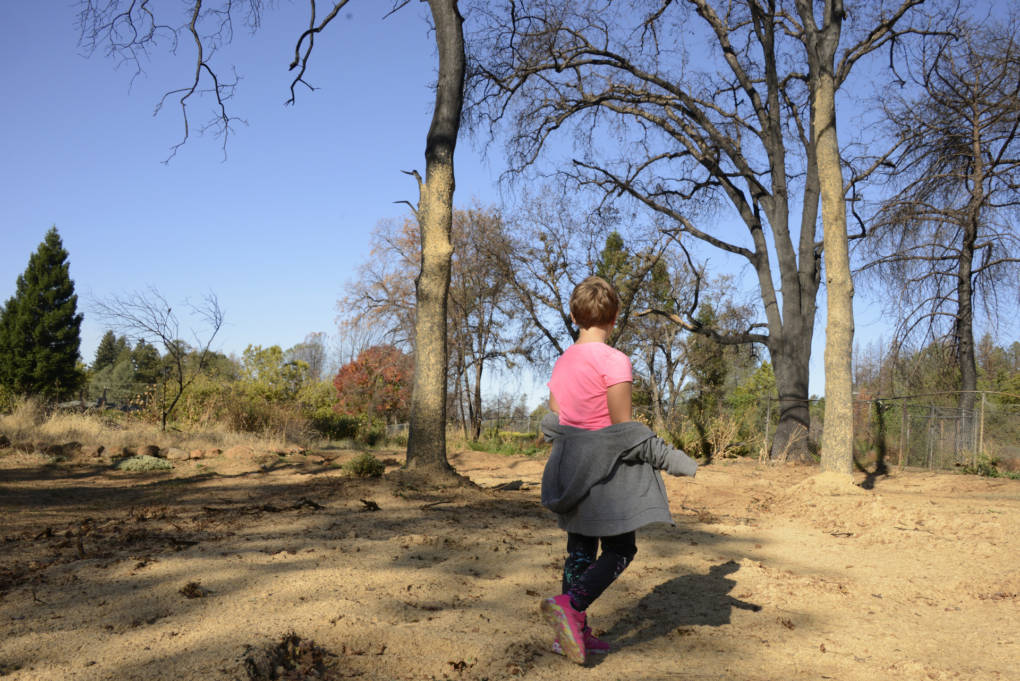
"caption": "Aroara Hanes, 5, walks the lot where the mobile home she lived in with her mother stood before the 2018 Camp Fire in Paradise.",
"description": "Aroara Hanes, 5, walks the lot where the mobile home she lived in with her mother stood before the 2018 Camp Fire in Paradise, Ca.",
"title": "RS39843__DSC4357-qut",
"credit": "Stephanie Lister/KQED",
"status": "inherit",
"isLoading": false,
"fetchFailed": false
},
"news_11785914": {
"type": "attachments",
"id": "news_11785914",
"meta": {
"index": "attachments_1716263798",
"site": "news",
"id": "11785914",
"found": true
},
"parent": 11785910,
"imgSizes": {
"apple_news_ca_square_4_0": {
"file": "https://ww2.kqed.org/app/uploads/sites/10/2019/11/GettyImages-543498792-470x470.jpg",
"width": 470,
"mimeType": "image/jpeg",
"height": 470
},
"twentyfourteen-full-width": {
"file": "https://ww2.kqed.org/app/uploads/sites/10/2019/11/GettyImages-543498792-1024x576.jpg",
"width": 1024,
"mimeType": "image/jpeg",
"height": 576
},
"thumbnail": {
"file": "https://ww2.kqed.org/app/uploads/sites/10/2019/11/GettyImages-543498792-160x110.jpg",
"width": 160,
"mimeType": "image/jpeg",
"height": 110
},
"post-thumbnail": {
"file": "https://ww2.kqed.org/app/uploads/sites/10/2019/11/GettyImages-543498792-672x372.jpg",
"width": 672,
"mimeType": "image/jpeg",
"height": 372
},
"kqedFullSize": {
"file": "https://ww2.kqed.org/app/uploads/sites/10/2019/11/GettyImages-543498792.jpg",
"width": 1024,
"height": 707
},
"apple_news_ca_landscape_4_7": {
"file": "https://ww2.kqed.org/app/uploads/sites/10/2019/11/GettyImages-543498792-632x474.jpg",
"width": 632,
"mimeType": "image/jpeg",
"height": 474
},
"large": {
"file": "https://ww2.kqed.org/app/uploads/sites/10/2019/11/GettyImages-543498792-1020x704.jpg",
"width": 1020,
"mimeType": "image/jpeg",
"height": 704
},
"apple_news_ca_landscape_4_0": {
"file": "https://ww2.kqed.org/app/uploads/sites/10/2019/11/GettyImages-543498792-536x402.jpg",
"width": 536,
"mimeType": "image/jpeg",
"height": 402
},
"medium": {
"file": "https://ww2.kqed.org/app/uploads/sites/10/2019/11/GettyImages-543498792-800x552.jpg",
"width": 800,
"mimeType": "image/jpeg",
"height": 552
},
"apple_news_ca_portrait_4_0": {
"file": "https://ww2.kqed.org/app/uploads/sites/10/2019/11/GettyImages-543498792-354x472.jpg",
"width": 354,
"mimeType": "image/jpeg",
"height": 472
},
"apple_news_ca_portrait_9_7": {
"file": "https://ww2.kqed.org/app/uploads/sites/10/2019/11/GettyImages-543498792-840x707.jpg",
"width": 840,
"mimeType": "image/jpeg",
"height": 707
},
"apple_news_ca_portrait_4_7": {
"file": "https://ww2.kqed.org/app/uploads/sites/10/2019/11/GettyImages-543498792-414x552.jpg",
"width": 414,
"mimeType": "image/jpeg",
"height": 552
},
"apple_news_ca_portrait_5_5": {
"file": "https://ww2.kqed.org/app/uploads/sites/10/2019/11/GettyImages-543498792-687x707.jpg",
"width": 687,
"mimeType": "image/jpeg",
"height": 707
},
"apple_news_ca_square_4_7": {
"file": "https://ww2.kqed.org/app/uploads/sites/10/2019/11/GettyImages-543498792-550x550.jpg",
"width": 550,
"mimeType": "image/jpeg",
"height": 550
},
"apple_news_ca_square_5_5": {
"file": "https://ww2.kqed.org/app/uploads/sites/10/2019/11/GettyImages-543498792-912x707.jpg",
"width": 912,
"mimeType": "image/jpeg",
"height": 707
}
},
"publishDate": 1573257054,
"modified": 1573257109,
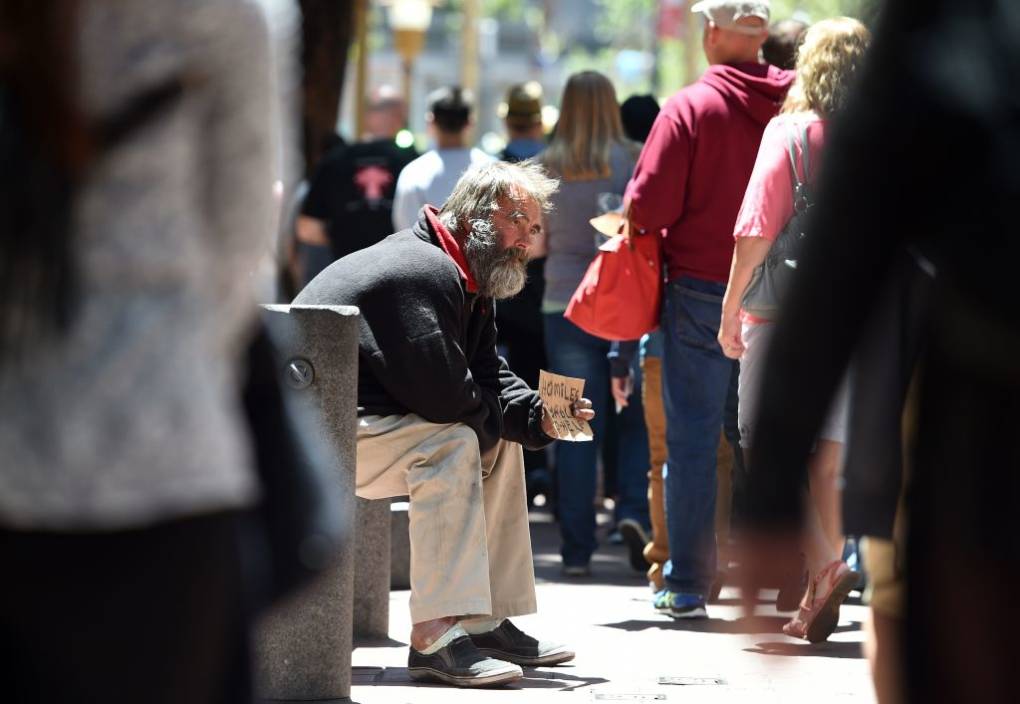
"caption": "A new Urban Institute reports found almost half of San Francisco residents don't have sufficient savings to shield them from unexpected bills.",
"description": null,
"title": "US-HOMELESS-SAN-FRANCISCO",
"credit": "Josh Edelson/AFP/Getty Images",
"status": "inherit",
"isLoading": false,
"fetchFailed": false
},
"news_11785652": {
"type": "attachments",
"id": "news_11785652",
"meta": {
"index": "attachments_1716263798",
"site": "news",
"id": "11785652",
"found": true
},
"parent": 11784946,
"imgSizes": {
"apple_news_ca_landscape_5_5": {
"file": "https://ww2.kqed.org/app/uploads/sites/10/2019/11/wholefam-1044x783.jpg",
"width": 1044,
"mimeType": "image/jpeg",
"height": 783
},
"apple_news_ca_square_4_0": {
"file": "https://ww2.kqed.org/app/uploads/sites/10/2019/11/wholefam-470x470.jpg",
"width": 470,
"mimeType": "image/jpeg",
"height": 470
},
"twentyfourteen-full-width": {
"file": "https://ww2.kqed.org/app/uploads/sites/10/2019/11/wholefam-1038x576.jpg",
"width": 1038,
"mimeType": "image/jpeg",
"height": 576
},
"thumbnail": {
"file": "https://ww2.kqed.org/app/uploads/sites/10/2019/11/wholefam-160x107.jpg",
"width": 160,
"mimeType": "image/jpeg",
"height": 107
},
"post-thumbnail": {
"file": "https://ww2.kqed.org/app/uploads/sites/10/2019/11/wholefam-672x372.jpg",
"width": 672,
"mimeType": "image/jpeg",
"height": 372
},
"kqedFullSize": {
"file": "https://ww2.kqed.org/app/uploads/sites/10/2019/11/wholefam.jpg",
"width": 1920,
"height": 1280
},
"apple_news_ca_landscape_4_7": {
"file": "https://ww2.kqed.org/app/uploads/sites/10/2019/11/wholefam-632x474.jpg",
"width": 632,
"mimeType": "image/jpeg",
"height": 474
},
"large": {
"file": "https://ww2.kqed.org/app/uploads/sites/10/2019/11/wholefam-1020x680.jpg",
"width": 1020,
"mimeType": "image/jpeg",
"height": 680
},
"complete_open_graph": {
"file": "https://ww2.kqed.org/app/uploads/sites/10/2019/11/wholefam-1200x800.jpg",
"width": 1200,
"mimeType": "image/jpeg",
"height": 800
},
"apple_news_ca_landscape_4_0": {
"file": "https://ww2.kqed.org/app/uploads/sites/10/2019/11/wholefam-536x402.jpg",
"width": 536,
"mimeType": "image/jpeg",
"height": 402
},
"apple_news_ca_portrait_12_9": {
"file": "https://ww2.kqed.org/app/uploads/sites/10/2019/11/wholefam-1122x1280.jpg",
"width": 1122,
"mimeType": "image/jpeg",
"height": 1280
},
"medium": {
"file": "https://ww2.kqed.org/app/uploads/sites/10/2019/11/wholefam-800x533.jpg",
"width": 800,
"mimeType": "image/jpeg",
"height": 533
},
"apple_news_ca_portrait_4_0": {
"file": "https://ww2.kqed.org/app/uploads/sites/10/2019/11/wholefam-354x472.jpg",
"width": 354,
"mimeType": "image/jpeg",
"height": 472
},
"apple_news_ca_portrait_9_7": {
"file": "https://ww2.kqed.org/app/uploads/sites/10/2019/11/wholefam-840x1120.jpg",
"width": 840,
"mimeType": "image/jpeg",
"height": 1120
},
"apple_news_ca_landscape_12_9": {
"file": "https://ww2.kqed.org/app/uploads/sites/10/2019/11/wholefam-1832x1280.jpg",
"width": 1832,
"mimeType": "image/jpeg",
"height": 1280
},
"apple_news_ca_square_9_7": {
"file": "https://ww2.kqed.org/app/uploads/sites/10/2019/11/wholefam-1104x1104.jpg",
"width": 1104,
"mimeType": "image/jpeg",
"height": 1104
},
"apple_news_ca_portrait_4_7": {
"file": "https://ww2.kqed.org/app/uploads/sites/10/2019/11/wholefam-414x552.jpg",
"width": 414,
"mimeType": "image/jpeg",
"height": 552
},
"apple_news_ca_square_12_9": {
"file": "https://ww2.kqed.org/app/uploads/sites/10/2019/11/wholefam-1472x1280.jpg",
"width": 1472,
"mimeType": "image/jpeg",
"height": 1280
},
"apple_news_ca_portrait_5_5": {
"file": "https://ww2.kqed.org/app/uploads/sites/10/2019/11/wholefam-687x916.jpg",
"width": 687,
"mimeType": "image/jpeg",
"height": 916
},
"full-width": {
"file": "https://ww2.kqed.org/app/uploads/sites/10/2019/11/wholefam-1920x1280.jpg",
"width": 1920,
"mimeType": "image/jpeg",
"height": 1280
},
"apple_news_ca_square_4_7": {
"file": "https://ww2.kqed.org/app/uploads/sites/10/2019/11/wholefam-550x550.jpg",
"width": 550,
"mimeType": "image/jpeg",
"height": 550
},
"apple_news_ca_landscape_9_7": {
"file": "https://ww2.kqed.org/app/uploads/sites/10/2019/11/wholefam-1376x1032.jpg",
"width": 1376,
"mimeType": "image/jpeg",
"height": 1032
},
"apple_news_ca_square_5_5": {
"file": "https://ww2.kqed.org/app/uploads/sites/10/2019/11/wholefam-912x912.jpg",
"width": 912,
"mimeType": "image/jpeg",
"height": 912
}
},
"publishDate": 1573168029,
"modified": 1573234948,
"caption": "The Hornback family — all 11 of them — in the shared home in Paradise that they recently purchased and moved into. ",
"description": "The Hornback family — all 11 of them — in the shared home in Paradise that they recently purchased and moved into. ",
"title": "wholefam",
"credit": "Andrew Nixon/Capital Public Radio",
"status": "inherit",
"isLoading": false,
"fetchFailed": false
},
"news_11782111": {
"type": "attachments",
"id": "news_11782111",
"meta": {
"index": "attachments_1716263798",
"site": "news",
"id": "11782111",
"found": true
},
"parent": 11782076,
"imgSizes": {
"apple_news_ca_square_4_0": {
"file": "https://ww2.kqed.org/app/uploads/sites/10/2019/10/101819_PreFab_AW_sized_04-470x470.jpg",
"width": 470,
"mimeType": "image/jpeg",
"height": 470
},
"twentyfourteen-full-width": {
"file": "https://ww2.kqed.org/app/uploads/sites/10/2019/10/101819_PreFab_AW_sized_04-1024x576.jpg",
"width": 1024,
"mimeType": "image/jpeg",
"height": 576
},
"thumbnail": {
"file": "https://ww2.kqed.org/app/uploads/sites/10/2019/10/101819_PreFab_AW_sized_04-160x107.jpg",
"width": 160,
"mimeType": "image/jpeg",
"height": 107
},
"post-thumbnail": {
"file": "https://ww2.kqed.org/app/uploads/sites/10/2019/10/101819_PreFab_AW_sized_04-672x372.jpg",
"width": 672,
"mimeType": "image/jpeg",
"height": 372
},
"kqedFullSize": {
"file": "https://ww2.kqed.org/app/uploads/sites/10/2019/10/101819_PreFab_AW_sized_04.jpg",
"width": 1024,
"height": 682
},
"apple_news_ca_landscape_4_7": {
"file": "https://ww2.kqed.org/app/uploads/sites/10/2019/10/101819_PreFab_AW_sized_04-632x474.jpg",
"width": 632,
"mimeType": "image/jpeg",
"height": 474
},
"large": {
"file": "https://ww2.kqed.org/app/uploads/sites/10/2019/10/101819_PreFab_AW_sized_04-1020x679.jpg",
"width": 1020,
"mimeType": "image/jpeg",
"height": 679
},
"apple_news_ca_landscape_4_0": {
"file": "https://ww2.kqed.org/app/uploads/sites/10/2019/10/101819_PreFab_AW_sized_04-536x402.jpg",
"width": 536,
"mimeType": "image/jpeg",
"height": 402
},
"medium": {
"file": "https://ww2.kqed.org/app/uploads/sites/10/2019/10/101819_PreFab_AW_sized_04-800x533.jpg",
"width": 800,
"mimeType": "image/jpeg",
"height": 533
},
"apple_news_ca_portrait_4_0": {
"file": "https://ww2.kqed.org/app/uploads/sites/10/2019/10/101819_PreFab_AW_sized_04-354x472.jpg",
"width": 354,
"mimeType": "image/jpeg",
"height": 472
},
"apple_news_ca_portrait_9_7": {
"file": "https://ww2.kqed.org/app/uploads/sites/10/2019/10/101819_PreFab_AW_sized_04-840x682.jpg",
"width": 840,
"mimeType": "image/jpeg",
"height": 682
},
"apple_news_ca_portrait_4_7": {
"file": "https://ww2.kqed.org/app/uploads/sites/10/2019/10/101819_PreFab_AW_sized_04-414x552.jpg",
"width": 414,
"mimeType": "image/jpeg",
"height": 552
},
"apple_news_ca_portrait_5_5": {
"file": "https://ww2.kqed.org/app/uploads/sites/10/2019/10/101819_PreFab_AW_sized_04-687x682.jpg",
"width": 687,
"mimeType": "image/jpeg",
"height": 682
},
"apple_news_ca_square_4_7": {
"file": "https://ww2.kqed.org/app/uploads/sites/10/2019/10/101819_PreFab_AW_sized_04-550x550.jpg",
"width": 550,
"mimeType": "image/jpeg",
"height": 550
},
"apple_news_ca_square_5_5": {
"file": "https://ww2.kqed.org/app/uploads/sites/10/2019/10/101819_PreFab_AW_sized_04-912x682.jpg",
"width": 912,
"mimeType": "image/jpeg",
"height": 682
}
},
"publishDate": 1571866072,
"modified": 1573163971,
"caption": "A Factory OS building in West Oakland. ",
"description": "A Factory OS building in West Oakland. ",
"title": "A Factory OS building in West Oakland. Photo by Anne Wernikoff for CalMatters",
"credit": "Anne Wernikoff/CalMatters",
"status": "inherit",
"isLoading": false,
"fetchFailed": false
},
"news_11780600": {
"type": "attachments",
"id": "news_11780600",
"meta": {
"index": "attachments_1716263798",
"site": "news",
"id": "11780600",
"found": true
},
"parent": 11780566,
"imgSizes": {
"apple_news_ca_landscape_5_5": {
"file": "https://ww2.kqed.org/app/uploads/sites/10/2019/10/New-Immigrant-Still-Henry-Sales-1044x783.jpg",
"width": 1044,
"mimeType": "image/jpeg",
"height": 783
},
"apple_news_ca_square_4_0": {
"file": "https://ww2.kqed.org/app/uploads/sites/10/2019/10/New-Immigrant-Still-Henry-Sales-470x470.jpg",
"width": 470,
"mimeType": "image/jpeg",
"height": 470
},
"twentyfourteen-full-width": {
"file": "https://ww2.kqed.org/app/uploads/sites/10/2019/10/New-Immigrant-Still-Henry-Sales-1038x576.jpg",
"width": 1038,
"mimeType": "image/jpeg",
"height": 576
},
"thumbnail": {
"file": "https://ww2.kqed.org/app/uploads/sites/10/2019/10/New-Immigrant-Still-Henry-Sales-160x90.jpg",
"width": 160,
"mimeType": "image/jpeg",
"height": 90
},
"post-thumbnail": {
"file": "https://ww2.kqed.org/app/uploads/sites/10/2019/10/New-Immigrant-Still-Henry-Sales-672x372.jpg",
"width": 672,
"mimeType": "image/jpeg",
"height": 372
},
"kqedFullSize": {
"file": "https://ww2.kqed.org/app/uploads/sites/10/2019/10/New-Immigrant-Still-Henry-Sales.jpg",
"width": 1920,
"height": 1080
},
"apple_news_ca_landscape_4_7": {
"file": "https://ww2.kqed.org/app/uploads/sites/10/2019/10/New-Immigrant-Still-Henry-Sales-632x474.jpg",
"width": 632,
"mimeType": "image/jpeg",
"height": 474
},
"large": {
"file": "https://ww2.kqed.org/app/uploads/sites/10/2019/10/New-Immigrant-Still-Henry-Sales-1020x574.jpg",
"width": 1020,
"mimeType": "image/jpeg",
"height": 574
},
"complete_open_graph": {
"file": "https://ww2.kqed.org/app/uploads/sites/10/2019/10/New-Immigrant-Still-Henry-Sales-1200x675.jpg",
"width": 1200,
"mimeType": "image/jpeg",
"height": 675
},
"apple_news_ca_landscape_4_0": {
"file": "https://ww2.kqed.org/app/uploads/sites/10/2019/10/New-Immigrant-Still-Henry-Sales-536x402.jpg",
"width": 536,
"mimeType": "image/jpeg",
"height": 402
},
"apple_news_ca_portrait_12_9": {
"file": "https://ww2.kqed.org/app/uploads/sites/10/2019/10/New-Immigrant-Still-Henry-Sales-1122x1080.jpg",
"width": 1122,
"mimeType": "image/jpeg",
"height": 1080
},
"medium": {
"file": "https://ww2.kqed.org/app/uploads/sites/10/2019/10/New-Immigrant-Still-Henry-Sales-800x450.jpg",
"width": 800,
"mimeType": "image/jpeg",
"height": 450
},
"apple_news_ca_portrait_4_0": {
"file": "https://ww2.kqed.org/app/uploads/sites/10/2019/10/New-Immigrant-Still-Henry-Sales-354x472.jpg",
"width": 354,
"mimeType": "image/jpeg",
"height": 472
},
"apple_news_ca_portrait_9_7": {
"file": "https://ww2.kqed.org/app/uploads/sites/10/2019/10/New-Immigrant-Still-Henry-Sales-840x1080.jpg",
"width": 840,
"mimeType": "image/jpeg",
"height": 1080
},
"apple_news_ca_landscape_12_9": {
"file": "https://ww2.kqed.org/app/uploads/sites/10/2019/10/New-Immigrant-Still-Henry-Sales-1832x1080.jpg",
"width": 1832,
"mimeType": "image/jpeg",
"height": 1080
},
"apple_news_ca_square_9_7": {
"file": "https://ww2.kqed.org/app/uploads/sites/10/2019/10/New-Immigrant-Still-Henry-Sales-1104x1080.jpg",
"width": 1104,
"mimeType": "image/jpeg",
"height": 1080
},
"apple_news_ca_portrait_4_7": {
"file": "https://ww2.kqed.org/app/uploads/sites/10/2019/10/New-Immigrant-Still-Henry-Sales-414x552.jpg",
"width": 414,
"mimeType": "image/jpeg",
"height": 552
},
"apple_news_ca_square_12_9": {
"file": "https://ww2.kqed.org/app/uploads/sites/10/2019/10/New-Immigrant-Still-Henry-Sales-1472x1080.jpg",
"width": 1472,
"mimeType": "image/jpeg",
"height": 1080
},
"apple_news_ca_portrait_5_5": {
"file": "https://ww2.kqed.org/app/uploads/sites/10/2019/10/New-Immigrant-Still-Henry-Sales-687x916.jpg",
"width": 687,
"mimeType": "image/jpeg",
"height": 916
},
"full-width": {
"file": "https://ww2.kqed.org/app/uploads/sites/10/2019/10/New-Immigrant-Still-Henry-Sales-1920x1080.jpg",
"width": 1920,
"mimeType": "image/jpeg",
"height": 1080
},
"apple_news_ca_square_4_7": {
"file": "https://ww2.kqed.org/app/uploads/sites/10/2019/10/New-Immigrant-Still-Henry-Sales-550x550.jpg",
"width": 550,
"mimeType": "image/jpeg",
"height": 550
},
"apple_news_ca_landscape_9_7": {
"file": "https://ww2.kqed.org/app/uploads/sites/10/2019/10/New-Immigrant-Still-Henry-Sales-1376x1032.jpg",
"width": 1376,
"mimeType": "image/jpeg",
"height": 1032
},
"apple_news_ca_square_5_5": {
"file": "https://ww2.kqed.org/app/uploads/sites/10/2019/10/New-Immigrant-Still-Henry-Sales-912x912.jpg",
"width": 912,
"mimeType": "image/jpeg",
"height": 912
}
},
"publishDate": 1571271321,
"modified": 1571271410,
"caption": "Henry Sales immigrated from Guatemala to California in 2011 and now travels the country as a court interpreter in immigration hearings.",
"description": "Henry Sales immigrated from Guatemala to California in 2011 and now travels the country as a court interpreter in immigration hearings.",
"title": "Henry-Sales-New-Californians-CA-Dream",
"credit": "Adam Grossberg/KQED",
"status": "inherit",
"isLoading": false,
"fetchFailed": false
},
"news_11785064": {
"type": "attachments",
"id": "news_11785064",
"meta": {
"index": "attachments_1716263798",
"site": "news",
"id": "11785064",
"found": true
},
"parent": 11784844,
"imgSizes": {
"apple_news_ca_landscape_5_5": {
"file": "https://ww2.kqed.org/app/uploads/sites/10/2019/11/san-francisco-skyline-1920-1044x783.jpg",
"width": 1044,
"mimeType": "image/jpeg",
"height": 783
},
"apple_news_ca_square_4_0": {
"file": "https://ww2.kqed.org/app/uploads/sites/10/2019/11/san-francisco-skyline-1920-470x470.jpg",
"width": 470,
"mimeType": "image/jpeg",
"height": 470
},
"twentyfourteen-full-width": {
"file": "https://ww2.kqed.org/app/uploads/sites/10/2019/11/san-francisco-skyline-1920-1038x576.jpg",
"width": 1038,
"mimeType": "image/jpeg",
"height": 576
},
"thumbnail": {
"file": "https://ww2.kqed.org/app/uploads/sites/10/2019/11/san-francisco-skyline-1920-160x113.jpg",
"width": 160,
"mimeType": "image/jpeg",
"height": 113
},
"post-thumbnail": {
"file": "https://ww2.kqed.org/app/uploads/sites/10/2019/11/san-francisco-skyline-1920-672x372.jpg",
"width": 672,
"mimeType": "image/jpeg",
"height": 372
},
"kqedFullSize": {
"file": "https://ww2.kqed.org/app/uploads/sites/10/2019/11/san-francisco-skyline-1920.jpg",
"width": 1920,
"height": 1354
},
"apple_news_ca_landscape_4_7": {
"file": "https://ww2.kqed.org/app/uploads/sites/10/2019/11/san-francisco-skyline-1920-632x474.jpg",
"width": 632,
"mimeType": "image/jpeg",
"height": 474
},
"large": {
"file": "https://ww2.kqed.org/app/uploads/sites/10/2019/11/san-francisco-skyline-1920-1020x719.jpg",
"width": 1020,
"mimeType": "image/jpeg",
"height": 719
},
"complete_open_graph": {
"file": "https://ww2.kqed.org/app/uploads/sites/10/2019/11/san-francisco-skyline-1920-1200x846.jpg",
"width": 1200,
"mimeType": "image/jpeg",
"height": 846
},
"apple_news_ca_landscape_4_0": {
"file": "https://ww2.kqed.org/app/uploads/sites/10/2019/11/san-francisco-skyline-1920-536x402.jpg",
"width": 536,
"mimeType": "image/jpeg",
"height": 402
},
"apple_news_ca_portrait_12_9": {
"file": "https://ww2.kqed.org/app/uploads/sites/10/2019/11/san-francisco-skyline-1920-1122x1354.jpg",
"width": 1122,
"mimeType": "image/jpeg",
"height": 1354
},
"medium": {
"file": "https://ww2.kqed.org/app/uploads/sites/10/2019/11/san-francisco-skyline-1920-800x564.jpg",
"width": 800,
"mimeType": "image/jpeg",
"height": 564
},
"apple_news_ca_portrait_4_0": {
"file": "https://ww2.kqed.org/app/uploads/sites/10/2019/11/san-francisco-skyline-1920-354x472.jpg",
"width": 354,
"mimeType": "image/jpeg",
"height": 472
},
"apple_news_ca_portrait_9_7": {
"file": "https://ww2.kqed.org/app/uploads/sites/10/2019/11/san-francisco-skyline-1920-840x1120.jpg",
"width": 840,
"mimeType": "image/jpeg",
"height": 1120
},
"apple_news_ca_landscape_12_9": {
"file": "https://ww2.kqed.org/app/uploads/sites/10/2019/11/san-francisco-skyline-1920-1832x1354.jpg",
"width": 1832,
"mimeType": "image/jpeg",
"height": 1354
},
"apple_news_ca_square_9_7": {
"file": "https://ww2.kqed.org/app/uploads/sites/10/2019/11/san-francisco-skyline-1920-1104x1104.jpg",
"width": 1104,
"mimeType": "image/jpeg",
"height": 1104
},
"apple_news_ca_portrait_4_7": {
"file": "https://ww2.kqed.org/app/uploads/sites/10/2019/11/san-francisco-skyline-1920-414x552.jpg",
"width": 414,
"mimeType": "image/jpeg",
"height": 552
},
"apple_news_ca_square_12_9": {
"file": "https://ww2.kqed.org/app/uploads/sites/10/2019/11/san-francisco-skyline-1920-1472x1354.jpg",
"width": 1472,
"mimeType": "image/jpeg",
"height": 1354
},
"apple_news_ca_portrait_5_5": {
"file": "https://ww2.kqed.org/app/uploads/sites/10/2019/11/san-francisco-skyline-1920-687x916.jpg",
"width": 687,
"mimeType": "image/jpeg",
"height": 916
},
"full-width": {
"file": "https://ww2.kqed.org/app/uploads/sites/10/2019/11/san-francisco-skyline-1920-1920x1354.jpg",
"width": 1920,
"mimeType": "image/jpeg",
"height": 1354
},
"apple_news_ca_square_4_7": {
"file": "https://ww2.kqed.org/app/uploads/sites/10/2019/11/san-francisco-skyline-1920-550x550.jpg",
"width": 550,
"mimeType": "image/jpeg",
"height": 550
},
"apple_news_ca_landscape_9_7": {
"file": "https://ww2.kqed.org/app/uploads/sites/10/2019/11/san-francisco-skyline-1920-1376x1032.jpg",
"width": 1376,
"mimeType": "image/jpeg",
"height": 1032
},
"apple_news_ca_square_5_5": {
"file": "https://ww2.kqed.org/app/uploads/sites/10/2019/11/san-francisco-skyline-1920-912x912.jpg",
"width": 912,
"mimeType": "image/jpeg",
"height": 912
}
},
"publishDate": 1572994430,
"modified": 1572995636,
"caption": "A Victorian home stands next to the San Francisco skyline on Feb. 18, 2014, in San Francisco.",
"description": "A victorian home stands next to the San Francisco skyline on Feb. 18, 2014 in San Francisco.",
"title": "san-francisco-skyline-1920",
"credit": "Justin Sullivan/Getty Images",
"status": "inherit",
"isLoading": false,
"fetchFailed": false
},
"news_11784717": {
"type": "attachments",
"id": "news_11784717",
"meta": {
"index": "attachments_1716263798",
"site": "news",
"id": "11784717",
"found": true
},
"parent": 11784669,
"imgSizes": {
"apple_news_ca_landscape_5_5": {
"file": "https://ww2.kqed.org/app/uploads/sites/10/2019/11/RS36462_IMG_8789-qut-1044x783.jpg",
"width": 1044,
"mimeType": "image/jpeg",
"height": 783
},
"apple_news_ca_square_4_0": {
"file": "https://ww2.kqed.org/app/uploads/sites/10/2019/11/RS36462_IMG_8789-qut-470x470.jpg",
"width": 470,
"mimeType": "image/jpeg",
"height": 470
},
"twentyfourteen-full-width": {
"file": "https://ww2.kqed.org/app/uploads/sites/10/2019/11/RS36462_IMG_8789-qut-1038x576.jpg",
"width": 1038,
"mimeType": "image/jpeg",
"height": 576
},
"thumbnail": {
"file": "https://ww2.kqed.org/app/uploads/sites/10/2019/11/RS36462_IMG_8789-qut-160x101.jpg",
"width": 160,
"mimeType": "image/jpeg",
"height": 101
},
"post-thumbnail": {
"file": "https://ww2.kqed.org/app/uploads/sites/10/2019/11/RS36462_IMG_8789-qut-672x372.jpg",
"width": 672,
"mimeType": "image/jpeg",
"height": 372
},
"kqedFullSize": {
"file": "https://ww2.kqed.org/app/uploads/sites/10/2019/11/RS36462_IMG_8789-qut.jpg",
"width": 1920,
"height": 1212
},
"apple_news_ca_landscape_4_7": {
"file": "https://ww2.kqed.org/app/uploads/sites/10/2019/11/RS36462_IMG_8789-qut-632x474.jpg",
"width": 632,
"mimeType": "image/jpeg",
"height": 474
},
"large": {
"file": "https://ww2.kqed.org/app/uploads/sites/10/2019/11/RS36462_IMG_8789-qut-1020x644.jpg",
"width": 1020,
"mimeType": "image/jpeg",
"height": 644
},
"complete_open_graph": {
"file": "https://ww2.kqed.org/app/uploads/sites/10/2019/11/RS36462_IMG_8789-qut-1200x758.jpg",
"width": 1200,
"mimeType": "image/jpeg",
"height": 758
},
"apple_news_ca_landscape_4_0": {
"file": "https://ww2.kqed.org/app/uploads/sites/10/2019/11/RS36462_IMG_8789-qut-536x402.jpg",
"width": 536,
"mimeType": "image/jpeg",
"height": 402
},
"apple_news_ca_portrait_12_9": {
"file": "https://ww2.kqed.org/app/uploads/sites/10/2019/11/RS36462_IMG_8789-qut-1122x1212.jpg",
"width": 1122,
"mimeType": "image/jpeg",
"height": 1212
},
"medium": {
"file": "https://ww2.kqed.org/app/uploads/sites/10/2019/11/RS36462_IMG_8789-qut-800x505.jpg",
"width": 800,
"mimeType": "image/jpeg",
"height": 505
},
"apple_news_ca_portrait_4_0": {
"file": "https://ww2.kqed.org/app/uploads/sites/10/2019/11/RS36462_IMG_8789-qut-354x472.jpg",
"width": 354,
"mimeType": "image/jpeg",
"height": 472
},
"apple_news_ca_portrait_9_7": {
"file": "https://ww2.kqed.org/app/uploads/sites/10/2019/11/RS36462_IMG_8789-qut-840x1120.jpg",
"width": 840,
"mimeType": "image/jpeg",
"height": 1120
},
"apple_news_ca_landscape_12_9": {
"file": "https://ww2.kqed.org/app/uploads/sites/10/2019/11/RS36462_IMG_8789-qut-1832x1212.jpg",
"width": 1832,
"mimeType": "image/jpeg",
"height": 1212
},
"apple_news_ca_square_9_7": {
"file": "https://ww2.kqed.org/app/uploads/sites/10/2019/11/RS36462_IMG_8789-qut-1104x1104.jpg",
"width": 1104,
"mimeType": "image/jpeg",
"height": 1104
},
"apple_news_ca_portrait_4_7": {
"file": "https://ww2.kqed.org/app/uploads/sites/10/2019/11/RS36462_IMG_8789-qut-414x552.jpg",
"width": 414,
"mimeType": "image/jpeg",
"height": 552
},
"apple_news_ca_square_12_9": {
"file": "https://ww2.kqed.org/app/uploads/sites/10/2019/11/RS36462_IMG_8789-qut-1472x1212.jpg",
"width": 1472,
"mimeType": "image/jpeg",
"height": 1212
},
"apple_news_ca_portrait_5_5": {
"file": "https://ww2.kqed.org/app/uploads/sites/10/2019/11/RS36462_IMG_8789-qut-687x916.jpg",
"width": 687,
"mimeType": "image/jpeg",
"height": 916
},
"full-width": {
"file": "https://ww2.kqed.org/app/uploads/sites/10/2019/11/RS36462_IMG_8789-qut-1920x1212.jpg",
"width": 1920,
"mimeType": "image/jpeg",
"height": 1212
},
"apple_news_ca_square_4_7": {
"file": "https://ww2.kqed.org/app/uploads/sites/10/2019/11/RS36462_IMG_8789-qut-550x550.jpg",
"width": 550,
"mimeType": "image/jpeg",
"height": 550
},
"apple_news_ca_landscape_9_7": {
"file": "https://ww2.kqed.org/app/uploads/sites/10/2019/11/RS36462_IMG_8789-qut-1376x1032.jpg",
"width": 1376,
"mimeType": "image/jpeg",
"height": 1032
},
"apple_news_ca_square_5_5": {
"file": "https://ww2.kqed.org/app/uploads/sites/10/2019/11/RS36462_IMG_8789-qut-912x912.jpg",
"width": 912,
"mimeType": "image/jpeg",
"height": 912
}
},
"publishDate": 1572845321,
"modified": 1572994736,
"caption": "The Quad is the center of Stanford's bucolic campus. The communities around Stanford are increasingly calling on the university to do more about housing, traffic and school funding in the region.",
"description": "The \"Quad\" is the center of Stanford's bucolic campus. The communities around Stanford are increasingly calling on the university to do more about housing, traffic and school funding in the region.",
"title": "RS36462_IMG_8789-qut",
"credit": "Rachael Myrow/KQED",
"status": "inherit",
"isLoading": false,
"fetchFailed": false
},
"news_11784795": {
"type": "attachments",
"id": "news_11784795",
"meta": {
"index": "attachments_1716263798",
"site": "news",
"id": "11784795",
"found": true
},
"parent": 11784720,
"imgSizes": {
"apple_news_ca_landscape_5_5": {
"file": "https://ww2.kqed.org/app/uploads/sites/10/2019/11/Apple_Destination-Home-Build-Site_Tim-Cook-Gavin-Newsom_102919-1044x783.jpg",
"width": 1044,
"mimeType": "image/jpeg",
"height": 783
},
"apple_news_ca_square_4_0": {
"file": "https://ww2.kqed.org/app/uploads/sites/10/2019/11/Apple_Destination-Home-Build-Site_Tim-Cook-Gavin-Newsom_102919-470x470.jpg",
"width": 470,
"mimeType": "image/jpeg",
"height": 470
},
"twentyfourteen-full-width": {
"file": "https://ww2.kqed.org/app/uploads/sites/10/2019/11/Apple_Destination-Home-Build-Site_Tim-Cook-Gavin-Newsom_102919-1038x576.jpg",
"width": 1038,
"mimeType": "image/jpeg",
"height": 576
},
"thumbnail": {
"file": "https://ww2.kqed.org/app/uploads/sites/10/2019/11/Apple_Destination-Home-Build-Site_Tim-Cook-Gavin-Newsom_102919-160x107.jpg",
"width": 160,
"mimeType": "image/jpeg",
"height": 107
},
"post-thumbnail": {
"file": "https://ww2.kqed.org/app/uploads/sites/10/2019/11/Apple_Destination-Home-Build-Site_Tim-Cook-Gavin-Newsom_102919-672x372.jpg",
"width": 672,
"mimeType": "image/jpeg",
"height": 372
},
"kqedFullSize": {
"file": "https://ww2.kqed.org/app/uploads/sites/10/2019/11/Apple_Destination-Home-Build-Site_Tim-Cook-Gavin-Newsom_102919-e1572896536364.jpg",
"width": 1920,
"height": 1280
},
"apple_news_ca_landscape_4_7": {
"file": "https://ww2.kqed.org/app/uploads/sites/10/2019/11/Apple_Destination-Home-Build-Site_Tim-Cook-Gavin-Newsom_102919-632x474.jpg",
"width": 632,
"mimeType": "image/jpeg",
"height": 474
},
"large": {
"file": "https://ww2.kqed.org/app/uploads/sites/10/2019/11/Apple_Destination-Home-Build-Site_Tim-Cook-Gavin-Newsom_102919-1020x680.jpg",
"width": 1020,
"mimeType": "image/jpeg",
"height": 680
},
"complete_open_graph": {
"file": "https://ww2.kqed.org/app/uploads/sites/10/2019/11/Apple_Destination-Home-Build-Site_Tim-Cook-Gavin-Newsom_102919-1200x800.jpg",
"width": 1200,
"mimeType": "image/jpeg",
"height": 800
},
"apple_news_ca_landscape_4_0": {
"file": "https://ww2.kqed.org/app/uploads/sites/10/2019/11/Apple_Destination-Home-Build-Site_Tim-Cook-Gavin-Newsom_102919-536x402.jpg",
"width": 536,
"mimeType": "image/jpeg",
"height": 402
},
"apple_news_ca_portrait_12_9": {
"file": "https://ww2.kqed.org/app/uploads/sites/10/2019/11/Apple_Destination-Home-Build-Site_Tim-Cook-Gavin-Newsom_102919-1122x1496.jpg",
"width": 1122,
"mimeType": "image/jpeg",
"height": 1496
},
"medium": {
"file": "https://ww2.kqed.org/app/uploads/sites/10/2019/11/Apple_Destination-Home-Build-Site_Tim-Cook-Gavin-Newsom_102919-800x533.jpg",
"width": 800,
"mimeType": "image/jpeg",
"height": 533
},
"apple_news_ca_portrait_4_0": {
"file": "https://ww2.kqed.org/app/uploads/sites/10/2019/11/Apple_Destination-Home-Build-Site_Tim-Cook-Gavin-Newsom_102919-354x472.jpg",
"width": 354,
"mimeType": "image/jpeg",
"height": 472
},
"apple_news_ca_portrait_9_7": {
"file": "https://ww2.kqed.org/app/uploads/sites/10/2019/11/Apple_Destination-Home-Build-Site_Tim-Cook-Gavin-Newsom_102919-840x1120.jpg",
"width": 840,
"mimeType": "image/jpeg",
"height": 1120
},
"apple_news_ca_landscape_12_9": {
"file": "https://ww2.kqed.org/app/uploads/sites/10/2019/11/Apple_Destination-Home-Build-Site_Tim-Cook-Gavin-Newsom_102919-1832x1374.jpg",
"width": 1832,
"mimeType": "image/jpeg",
"height": 1374
},
"apple_news_ca_square_9_7": {
"file": "https://ww2.kqed.org/app/uploads/sites/10/2019/11/Apple_Destination-Home-Build-Site_Tim-Cook-Gavin-Newsom_102919-1104x1104.jpg",
"width": 1104,
"mimeType": "image/jpeg",
"height": 1104
},
"apple_news_ca_portrait_4_7": {
"file": "https://ww2.kqed.org/app/uploads/sites/10/2019/11/Apple_Destination-Home-Build-Site_Tim-Cook-Gavin-Newsom_102919-414x552.jpg",
"width": 414,
"mimeType": "image/jpeg",
"height": 552
},
"apple_news_ca_square_12_9": {
"file": "https://ww2.kqed.org/app/uploads/sites/10/2019/11/Apple_Destination-Home-Build-Site_Tim-Cook-Gavin-Newsom_102919-1472x1472.jpg",
"width": 1472,
"mimeType": "image/jpeg",
"height": 1472
},
"apple_news_ca_portrait_5_5": {
"file": "https://ww2.kqed.org/app/uploads/sites/10/2019/11/Apple_Destination-Home-Build-Site_Tim-Cook-Gavin-Newsom_102919-687x916.jpg",
"width": 687,
"mimeType": "image/jpeg",
"height": 916
},
"full-width": {
"file": "https://ww2.kqed.org/app/uploads/sites/10/2019/11/Apple_Destination-Home-Build-Site_Tim-Cook-Gavin-Newsom_102919-1920x1280.jpg",
"width": 1920,
"mimeType": "image/jpeg",
"height": 1280
},
"apple_news_ca_square_4_7": {
"file": "https://ww2.kqed.org/app/uploads/sites/10/2019/11/Apple_Destination-Home-Build-Site_Tim-Cook-Gavin-Newsom_102919-550x550.jpg",
"width": 550,
"mimeType": "image/jpeg",
"height": 550
},
"apple_news_ca_landscape_9_7": {
"file": "https://ww2.kqed.org/app/uploads/sites/10/2019/11/Apple_Destination-Home-Build-Site_Tim-Cook-Gavin-Newsom_102919-1376x1032.jpg",
"width": 1376,
"mimeType": "image/jpeg",
"height": 1032
},
"apple_news_ca_square_5_5": {
"file": "https://ww2.kqed.org/app/uploads/sites/10/2019/11/Apple_Destination-Home-Build-Site_Tim-Cook-Gavin-Newsom_102919-912x912.jpg",
"width": 912,
"mimeType": "image/jpeg",
"height": 912
}
},
"publishDate": 1572896496,
"modified": 1572906459,
"caption": "Apple CEO Tim Cook and California Gov. Gavin Newsom unveiled the tech company's plan to help ease the housing crisis, with Apple pledging $2.5 billion for mortgages, development and other initiatives.",
"description": null,
"title": "Apple_Destination-Home-Build-Site_Tim-Cook-Gavin-Newsom_102919",
"credit": "Courtesy of Apple",
"status": "inherit",
"isLoading": false,
"fetchFailed": false
},
"news_11781773": {
"type": "attachments",
"id": "news_11781773",
"meta": {
"index": "attachments_1716263798",
"site": "news",
"id": "11781773",
"found": true
},
"parent": 11781771,
"imgSizes": {
"apple_news_ca_landscape_5_5": {
"file": "https://ww2.kqed.org/app/uploads/sites/10/2019/10/RS36468_IMG_8798-qut-1044x783.jpg",
"width": 1044,
"mimeType": "image/jpeg",
"height": 783
},
"apple_news_ca_square_4_0": {
"file": "https://ww2.kqed.org/app/uploads/sites/10/2019/10/RS36468_IMG_8798-qut-470x470.jpg",
"width": 470,
"mimeType": "image/jpeg",
"height": 470
},
"twentyfourteen-full-width": {
"file": "https://ww2.kqed.org/app/uploads/sites/10/2019/10/RS36468_IMG_8798-qut-1038x576.jpg",
"width": 1038,
"mimeType": "image/jpeg",
"height": 576
},
"thumbnail": {
"file": "https://ww2.kqed.org/app/uploads/sites/10/2019/10/RS36468_IMG_8798-qut-160x120.jpg",
"width": 160,
"mimeType": "image/jpeg",
"height": 120
},
"post-thumbnail": {
"file": "https://ww2.kqed.org/app/uploads/sites/10/2019/10/RS36468_IMG_8798-qut-672x372.jpg",
"width": 672,
"mimeType": "image/jpeg",
"height": 372
},
"kqedFullSize": {
"file": "https://ww2.kqed.org/app/uploads/sites/10/2019/10/RS36468_IMG_8798-qut.jpg",
"width": 1920,
"height": 1440
},
"apple_news_ca_landscape_4_7": {
"file": "https://ww2.kqed.org/app/uploads/sites/10/2019/10/RS36468_IMG_8798-qut-632x474.jpg",
"width": 632,
"mimeType": "image/jpeg",
"height": 474
},
"large": {
"file": "https://ww2.kqed.org/app/uploads/sites/10/2019/10/RS36468_IMG_8798-qut-1020x765.jpg",
"width": 1020,
"mimeType": "image/jpeg",
"height": 765
},
"complete_open_graph": {
"file": "https://ww2.kqed.org/app/uploads/sites/10/2019/10/RS36468_IMG_8798-qut-1200x900.jpg",
"width": 1200,
"mimeType": "image/jpeg",
"height": 900
},
"apple_news_ca_landscape_4_0": {
"file": "https://ww2.kqed.org/app/uploads/sites/10/2019/10/RS36468_IMG_8798-qut-536x402.jpg",
"width": 536,
"mimeType": "image/jpeg",
"height": 402
},
"apple_news_ca_portrait_12_9": {
"file": "https://ww2.kqed.org/app/uploads/sites/10/2019/10/RS36468_IMG_8798-qut-1122x1440.jpg",
"width": 1122,
"mimeType": "image/jpeg",
"height": 1440
},
"medium": {
"file": "https://ww2.kqed.org/app/uploads/sites/10/2019/10/RS36468_IMG_8798-qut-800x600.jpg",
"width": 800,
"mimeType": "image/jpeg",
"height": 600
},
"apple_news_ca_portrait_4_0": {
"file": "https://ww2.kqed.org/app/uploads/sites/10/2019/10/RS36468_IMG_8798-qut-354x472.jpg",
"width": 354,
"mimeType": "image/jpeg",
"height": 472
},
"apple_news_ca_portrait_9_7": {
"file": "https://ww2.kqed.org/app/uploads/sites/10/2019/10/RS36468_IMG_8798-qut-840x1120.jpg",
"width": 840,
"mimeType": "image/jpeg",
"height": 1120
},
"apple_news_ca_landscape_12_9": {
"file": "https://ww2.kqed.org/app/uploads/sites/10/2019/10/RS36468_IMG_8798-qut-1832x1374.jpg",
"width": 1832,
"mimeType": "image/jpeg",
"height": 1374
},
"apple_news_ca_square_9_7": {
"file": "https://ww2.kqed.org/app/uploads/sites/10/2019/10/RS36468_IMG_8798-qut-1104x1104.jpg",
"width": 1104,
"mimeType": "image/jpeg",
"height": 1104
},
"apple_news_ca_portrait_4_7": {
"file": "https://ww2.kqed.org/app/uploads/sites/10/2019/10/RS36468_IMG_8798-qut-414x552.jpg",
"width": 414,
"mimeType": "image/jpeg",
"height": 552
},
"apple_news_ca_square_12_9": {
"file": "https://ww2.kqed.org/app/uploads/sites/10/2019/10/RS36468_IMG_8798-qut-1472x1440.jpg",
"width": 1472,
"mimeType": "image/jpeg",
"height": 1440
},
"apple_news_ca_portrait_5_5": {
"file": "https://ww2.kqed.org/app/uploads/sites/10/2019/10/RS36468_IMG_8798-qut-687x916.jpg",
"width": 687,
"mimeType": "image/jpeg",
"height": 916
},
"full-width": {
"file": "https://ww2.kqed.org/app/uploads/sites/10/2019/10/RS36468_IMG_8798-qut-1920x1440.jpg",
"width": 1920,
"mimeType": "image/jpeg",
"height": 1440
},
"apple_news_ca_square_4_7": {
"file": "https://ww2.kqed.org/app/uploads/sites/10/2019/10/RS36468_IMG_8798-qut-550x550.jpg",
"width": 550,
"mimeType": "image/jpeg",
"height": 550
},
"apple_news_ca_landscape_9_7": {
"file": "https://ww2.kqed.org/app/uploads/sites/10/2019/10/RS36468_IMG_8798-qut-1376x1032.jpg",
"width": 1376,
"mimeType": "image/jpeg",
"height": 1032
},
"apple_news_ca_square_5_5": {
"file": "https://ww2.kqed.org/app/uploads/sites/10/2019/10/RS36468_IMG_8798-qut-912x912.jpg",
"width": 912,
"mimeType": "image/jpeg",
"height": 912
}
},
"publishDate": 1571771507,
"modified": 1572301327,
"caption": "On campus and off, the value of Stanford’s real estate empire tops $19.7 billion, as of 2018.",
"description": "On campus and off, the value of Stanford’s real estate empire tops $19.7 billion dollars, as of 2018.",
"title": "Stanford-University-Quad",
"credit": "Rachael Myrow/KQED",
"status": "inherit",
"isLoading": false,
"fetchFailed": false
},
"news_11784627": {
"type": "attachments",
"id": "news_11784627",
"meta": {
"index": "attachments_1716263798",
"site": "news",
"id": "11784627",
"found": true
},
"parent": 11784625,
"imgSizes": {
"apple_news_ca_landscape_5_5": {
"file": "https://ww2.kqed.org/app/uploads/sites/10/2019/11/GettyImages-495653698-1044x783.jpg",
"width": 1044,
"mimeType": "image/jpeg",
"height": 783
},
"apple_news_ca_square_4_0": {
"file": "https://ww2.kqed.org/app/uploads/sites/10/2019/11/GettyImages-495653698-470x470.jpg",
"width": 470,
"mimeType": "image/jpeg",
"height": 470
},
"twentyfourteen-full-width": {
"file": "https://ww2.kqed.org/app/uploads/sites/10/2019/11/GettyImages-495653698-1038x576.jpg",
"width": 1038,
"mimeType": "image/jpeg",
"height": 576
},
"thumbnail": {
"file": "https://ww2.kqed.org/app/uploads/sites/10/2019/11/GettyImages-495653698-160x107.jpg",
"width": 160,
"mimeType": "image/jpeg",
"height": 107
},
"post-thumbnail": {
"file": "https://ww2.kqed.org/app/uploads/sites/10/2019/11/GettyImages-495653698-672x372.jpg",
"width": 672,
"mimeType": "image/jpeg",
"height": 372
},
"kqedFullSize": {
"file": "https://ww2.kqed.org/app/uploads/sites/10/2019/11/GettyImages-495653698-e1572727117893.jpg",
"width": 1920,
"height": 1283
},
"apple_news_ca_landscape_4_7": {
"file": "https://ww2.kqed.org/app/uploads/sites/10/2019/11/GettyImages-495653698-632x474.jpg",
"width": 632,
"mimeType": "image/jpeg",
"height": 474
},
"large": {
"file": "https://ww2.kqed.org/app/uploads/sites/10/2019/11/GettyImages-495653698-1020x682.jpg",
"width": 1020,
"mimeType": "image/jpeg",
"height": 682
},
"complete_open_graph": {
"file": "https://ww2.kqed.org/app/uploads/sites/10/2019/11/GettyImages-495653698-1200x802.jpg",
"width": 1200,
"mimeType": "image/jpeg",
"height": 802
},
"apple_news_ca_landscape_4_0": {
"file": "https://ww2.kqed.org/app/uploads/sites/10/2019/11/GettyImages-495653698-536x402.jpg",
"width": 536,
"mimeType": "image/jpeg",
"height": 402
},
"apple_news_ca_portrait_12_9": {
"file": "https://ww2.kqed.org/app/uploads/sites/10/2019/11/GettyImages-495653698-1122x1496.jpg",
"width": 1122,
"mimeType": "image/jpeg",
"height": 1496
},
"medium": {
"file": "https://ww2.kqed.org/app/uploads/sites/10/2019/11/GettyImages-495653698-800x535.jpg",
"width": 800,
"mimeType": "image/jpeg",
"height": 535
},
"apple_news_ca_portrait_4_0": {
"file": "https://ww2.kqed.org/app/uploads/sites/10/2019/11/GettyImages-495653698-354x472.jpg",
"width": 354,
"mimeType": "image/jpeg",
"height": 472
},
"apple_news_ca_portrait_9_7": {
"file": "https://ww2.kqed.org/app/uploads/sites/10/2019/11/GettyImages-495653698-840x1120.jpg",
"width": 840,
"mimeType": "image/jpeg",
"height": 1120
},
"apple_news_ca_landscape_12_9": {
"file": "https://ww2.kqed.org/app/uploads/sites/10/2019/11/GettyImages-495653698-1832x1374.jpg",
"width": 1832,
"mimeType": "image/jpeg",
"height": 1374
},
"apple_news_ca_square_9_7": {
"file": "https://ww2.kqed.org/app/uploads/sites/10/2019/11/GettyImages-495653698-1104x1104.jpg",
"width": 1104,
"mimeType": "image/jpeg",
"height": 1104
},
"apple_news_ca_portrait_4_7": {
"file": "https://ww2.kqed.org/app/uploads/sites/10/2019/11/GettyImages-495653698-414x552.jpg",
"width": 414,
"mimeType": "image/jpeg",
"height": 552
},
"apple_news_ca_square_12_9": {
"file": "https://ww2.kqed.org/app/uploads/sites/10/2019/11/GettyImages-495653698-1472x1472.jpg",
"width": 1472,
"mimeType": "image/jpeg",
"height": 1472
},
"apple_news_ca_portrait_5_5": {
"file": "https://ww2.kqed.org/app/uploads/sites/10/2019/11/GettyImages-495653698-687x916.jpg",
"width": 687,
"mimeType": "image/jpeg",
"height": 916
},
"full-width": {
"file": "https://ww2.kqed.org/app/uploads/sites/10/2019/11/GettyImages-495653698-1920x1283.jpg",
"width": 1920,
"mimeType": "image/jpeg",
"height": 1283
},
"apple_news_ca_square_4_7": {
"file": "https://ww2.kqed.org/app/uploads/sites/10/2019/11/GettyImages-495653698-550x550.jpg",
"width": 550,
"mimeType": "image/jpeg",
"height": 550
},
"apple_news_ca_landscape_9_7": {
"file": "https://ww2.kqed.org/app/uploads/sites/10/2019/11/GettyImages-495653698-1376x1032.jpg",
"width": 1376,
"mimeType": "image/jpeg",
"height": 1032
},
"apple_news_ca_square_5_5": {
"file": "https://ww2.kqed.org/app/uploads/sites/10/2019/11/GettyImages-495653698-912x912.jpg",
"width": 912,
"mimeType": "image/jpeg",
"height": 912
}
},
"publishDate": 1572727033,
"modified": 1572727111,
"caption": "Airbnb co-founder and CEO Brian Chesky said Airbnb is banning \"party houses\" in the wake of a shooting that killed five people at a short-term rental in Orinda. ",
"description": null,
"title": "Business Leaders Speak At Fortune Global Forum In San Francisco",
"credit": "Photo by Justin Sullivan/Getty Images",
"status": "inherit",
"isLoading": false,
"fetchFailed": false
},
"news_11683169": {
"type": "attachments",
"id": "news_11683169",
"meta": {
"index": "attachments_1716263798",
"site": "news",
"id": "11683169",
"found": true
},
"parent": 11682907,
"imgSizes": {
"small": {
"file": "https://ww2.kqed.org/app/uploads/sites/10/2018/07/ShipyardConstruct-520x329.jpg",
"width": 520,
"mimeType": "image/jpeg",
"height": 329
},
"twentyfourteen-full-width": {
"file": "https://ww2.kqed.org/app/uploads/sites/10/2018/07/ShipyardConstruct-1038x576.jpg",
"width": 1038,
"mimeType": "image/jpeg",
"height": 576
},
"thumbnail": {
"file": "https://ww2.kqed.org/app/uploads/sites/10/2018/07/ShipyardConstruct-160x101.jpg",
"width": 160,
"mimeType": "image/jpeg",
"height": 101
},
"fd-sm": {
"file": "https://ww2.kqed.org/app/uploads/sites/10/2018/07/ShipyardConstruct-960x607.jpg",
"width": 960,
"mimeType": "image/jpeg",
"height": 607
},
"post-thumbnail": {
"file": "https://ww2.kqed.org/app/uploads/sites/10/2018/07/ShipyardConstruct-672x372.jpg",
"width": 672,
"mimeType": "image/jpeg",
"height": 372
},
"xsmall": {
"file": "https://ww2.kqed.org/app/uploads/sites/10/2018/07/ShipyardConstruct-375x237.jpg",
"width": 375,
"mimeType": "image/jpeg",
"height": 237
},
"kqedFullSize": {
"file": "https://ww2.kqed.org/app/uploads/sites/10/2018/07/ShipyardConstruct.jpg",
"width": 1920,
"height": 1214
},
"large": {
"file": "https://ww2.kqed.org/app/uploads/sites/10/2018/07/ShipyardConstruct-1020x645.jpg",
"width": 1020,
"mimeType": "image/jpeg",
"height": 645
},
"xlarge": {
"file": "https://ww2.kqed.org/app/uploads/sites/10/2018/07/ShipyardConstruct-1180x746.jpg",
"width": 1180,
"mimeType": "image/jpeg",
"height": 746
},
"complete_open_graph": {
"file": "https://ww2.kqed.org/app/uploads/sites/10/2018/07/ShipyardConstruct-1200x759.jpg",
"width": 1200,
"mimeType": "image/jpeg",
"height": 759
},
"guest-author-50": {
"file": "https://ww2.kqed.org/app/uploads/sites/10/2018/07/ShipyardConstruct-50x50.jpg",
"width": 50,
"mimeType": "image/jpeg",
"height": 50
},
"guest-author-96": {
"file": "https://ww2.kqed.org/app/uploads/sites/10/2018/07/ShipyardConstruct-96x96.jpg",
"width": 96,
"mimeType": "image/jpeg",
"height": 96
},
"medium": {
"file": "https://ww2.kqed.org/app/uploads/sites/10/2018/07/ShipyardConstruct-800x506.jpg",
"width": 800,
"mimeType": "image/jpeg",
"height": 506
},
"guest-author-64": {
"file": "https://ww2.kqed.org/app/uploads/sites/10/2018/07/ShipyardConstruct-64x64.jpg",
"width": 64,
"mimeType": "image/jpeg",
"height": 64
},
"guest-author-32": {
"file": "https://ww2.kqed.org/app/uploads/sites/10/2018/07/ShipyardConstruct-32x32.jpg",
"width": 32,
"mimeType": "image/jpeg",
"height": 32
},
"fd-lrg": {
"file": "https://ww2.kqed.org/app/uploads/sites/10/2018/07/ShipyardConstruct-1920x1214.jpg",
"width": 1920,
"mimeType": "image/jpeg",
"height": 1214
},
"fd-med": {
"file": "https://ww2.kqed.org/app/uploads/sites/10/2018/07/ShipyardConstruct-1180x746.jpg",
"width": 1180,
"mimeType": "image/jpeg",
"height": 746
},
"full-width": {
"file": "https://ww2.kqed.org/app/uploads/sites/10/2018/07/ShipyardConstruct-1920x1214.jpg",
"width": 1920,
"mimeType": "image/jpeg",
"height": 1214
},
"detail": {
"file": "https://ww2.kqed.org/app/uploads/sites/10/2018/07/ShipyardConstruct-150x150.jpg",
"width": 150,
"mimeType": "image/jpeg",
"height": 150
},
"guest-author-128": {
"file": "https://ww2.kqed.org/app/uploads/sites/10/2018/07/ShipyardConstruct-128x128.jpg",
"width": 128,
"mimeType": "image/jpeg",
"height": 128
},
"xxsmall": {
"file": "https://ww2.kqed.org/app/uploads/sites/10/2018/07/ShipyardConstruct-240x152.jpg",
"width": 240,
"mimeType": "image/jpeg",
"height": 152
}
},
"publishDate": 1532720795,
"modified": 1532720865,
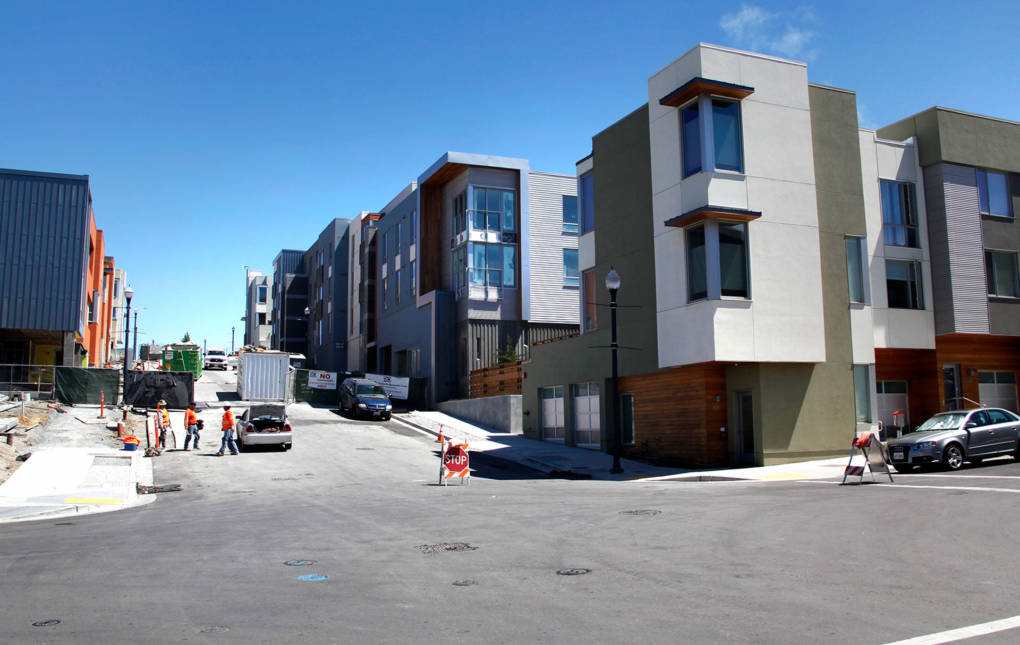
"caption": "Construction workers outside new apartment buildings in the San Francisco Shipyard development at Hunters Point, in July, 2016.",
"description": "Construction workers outside new apartment buildings in the San Francisco Shipyard development at Hunters Point, in July, 2016.",
"title": "ShipyardConstruct",
"credit": "Brittany Hosea-Small/KQED",
"status": "inherit",
"isLoading": false,
"fetchFailed": false
},
"news_11782911": {
"type": "attachments",
"id": "news_11782911",
"meta": {
"index": "attachments_1716263798",
"site": "news",
"id": "11782911",
"found": true
},
"parent": 11772151,
"imgSizes": {
"apple_news_ca_landscape_5_5": {
"file": "https://ww2.kqed.org/app/uploads/sites/10/2019/10/RS39807_EVICTION-RUSH-photo-1-qut-1044x783.jpg",
"width": 1044,
"mimeType": "image/jpeg",
"height": 783
},
"apple_news_ca_square_4_0": {
"file": "https://ww2.kqed.org/app/uploads/sites/10/2019/10/RS39807_EVICTION-RUSH-photo-1-qut-470x470.jpg",
"width": 470,
"mimeType": "image/jpeg",
"height": 470
},
"twentyfourteen-full-width": {
"file": "https://ww2.kqed.org/app/uploads/sites/10/2019/10/RS39807_EVICTION-RUSH-photo-1-qut-1038x576.jpg",
"width": 1038,
"mimeType": "image/jpeg",
"height": 576
},
"thumbnail": {
"file": "https://ww2.kqed.org/app/uploads/sites/10/2019/10/RS39807_EVICTION-RUSH-photo-1-qut-160x109.jpg",
"width": 160,
"mimeType": "image/jpeg",
"height": 109
},
"post-thumbnail": {
"file": "https://ww2.kqed.org/app/uploads/sites/10/2019/10/RS39807_EVICTION-RUSH-photo-1-qut-672x372.jpg",
"width": 672,
"mimeType": "image/jpeg",
"height": 372
},
"kqedFullSize": {
"file": "https://ww2.kqed.org/app/uploads/sites/10/2019/10/RS39807_EVICTION-RUSH-photo-1-qut.jpg",
"width": 1920,
"height": 1305
},
"apple_news_ca_landscape_4_7": {
"file": "https://ww2.kqed.org/app/uploads/sites/10/2019/10/RS39807_EVICTION-RUSH-photo-1-qut-632x474.jpg",
"width": 632,
"mimeType": "image/jpeg",
"height": 474
},
"large": {
"file": "https://ww2.kqed.org/app/uploads/sites/10/2019/10/RS39807_EVICTION-RUSH-photo-1-qut-1020x693.jpg",
"width": 1020,
"mimeType": "image/jpeg",
"height": 693
},
"complete_open_graph": {
"file": "https://ww2.kqed.org/app/uploads/sites/10/2019/10/RS39807_EVICTION-RUSH-photo-1-qut-1200x816.jpg",
"width": 1200,
"mimeType": "image/jpeg",
"height": 816
},
"apple_news_ca_landscape_4_0": {
"file": "https://ww2.kqed.org/app/uploads/sites/10/2019/10/RS39807_EVICTION-RUSH-photo-1-qut-536x402.jpg",
"width": 536,
"mimeType": "image/jpeg",
"height": 402
},
"apple_news_ca_portrait_12_9": {
"file": "https://ww2.kqed.org/app/uploads/sites/10/2019/10/RS39807_EVICTION-RUSH-photo-1-qut-1122x1305.jpg",
"width": 1122,
"mimeType": "image/jpeg",
"height": 1305
},
"medium": {
"file": "https://ww2.kqed.org/app/uploads/sites/10/2019/10/RS39807_EVICTION-RUSH-photo-1-qut-800x544.jpg",
"width": 800,
"mimeType": "image/jpeg",
"height": 544
},
"apple_news_ca_portrait_4_0": {
"file": "https://ww2.kqed.org/app/uploads/sites/10/2019/10/RS39807_EVICTION-RUSH-photo-1-qut-354x472.jpg",
"width": 354,
"mimeType": "image/jpeg",
"height": 472
},
"apple_news_ca_portrait_9_7": {
"file": "https://ww2.kqed.org/app/uploads/sites/10/2019/10/RS39807_EVICTION-RUSH-photo-1-qut-840x1120.jpg",
"width": 840,
"mimeType": "image/jpeg",
"height": 1120
},
"apple_news_ca_landscape_12_9": {
"file": "https://ww2.kqed.org/app/uploads/sites/10/2019/10/RS39807_EVICTION-RUSH-photo-1-qut-1832x1305.jpg",
"width": 1832,
"mimeType": "image/jpeg",
"height": 1305
},
"apple_news_ca_square_9_7": {
"file": "https://ww2.kqed.org/app/uploads/sites/10/2019/10/RS39807_EVICTION-RUSH-photo-1-qut-1104x1104.jpg",
"width": 1104,
"mimeType": "image/jpeg",
"height": 1104
},
"apple_news_ca_portrait_4_7": {
"file": "https://ww2.kqed.org/app/uploads/sites/10/2019/10/RS39807_EVICTION-RUSH-photo-1-qut-414x552.jpg",
"width": 414,
"mimeType": "image/jpeg",
"height": 552
},
"apple_news_ca_square_12_9": {
"file": "https://ww2.kqed.org/app/uploads/sites/10/2019/10/RS39807_EVICTION-RUSH-photo-1-qut-1472x1305.jpg",
"width": 1472,
"mimeType": "image/jpeg",
"height": 1305
},
"apple_news_ca_portrait_5_5": {
"file": "https://ww2.kqed.org/app/uploads/sites/10/2019/10/RS39807_EVICTION-RUSH-photo-1-qut-687x916.jpg",
"width": 687,
"mimeType": "image/jpeg",
"height": 916
},
"full-width": {
"file": "https://ww2.kqed.org/app/uploads/sites/10/2019/10/RS39807_EVICTION-RUSH-photo-1-qut-1920x1305.jpg",
"width": 1920,
"mimeType": "image/jpeg",
"height": 1305
},
"apple_news_ca_square_4_7": {
"file": "https://ww2.kqed.org/app/uploads/sites/10/2019/10/RS39807_EVICTION-RUSH-photo-1-qut-550x550.jpg",
"width": 550,
"mimeType": "image/jpeg",
"height": 550
},
"apple_news_ca_landscape_9_7": {
"file": "https://ww2.kqed.org/app/uploads/sites/10/2019/10/RS39807_EVICTION-RUSH-photo-1-qut-1376x1032.jpg",
"width": 1376,
"mimeType": "image/jpeg",
"height": 1032
},
"apple_news_ca_square_5_5": {
"file": "https://ww2.kqed.org/app/uploads/sites/10/2019/10/RS39807_EVICTION-RUSH-photo-1-qut-912x912.jpg",
"width": 912,
"mimeType": "image/jpeg",
"height": 912
}
},
"publishDate": 1572039522,
"modified": 1572045797,
"caption": "Alex Espinoza stands outside of his unit at Canal Farm Gardens with his son 10-month-old son, Alex Jr. Espinoza has been renting this apartment for 6 years but following an eviction notice, he will be forced to leave as the new rent is nearly double what he was paying previously.",
"description": "Alex Espinoza stands outside of his unit at Canal Farm Gardens with his son 10-month-old son, Alex Jr. Espinoza has been renting this apartment for 6 years but following an eviction notice, he will be forced to leave as the new rent is nearly double what he was paying previously.",
"title": "RS39807_EVICTION RUSH photo 1-qut",
"credit": "Anne Wernikoff/CALmatters",
"status": "inherit",
"isLoading": false,
"fetchFailed": false
}
},
"audioPlayerReducer": {
"postId": "stream_live",
"isPaused": true,
"isPlaying": false,
"pfsActive": false,
"pledgeModalIsOpen": true,
"playerDrawerIsOpen": false,
"liveAudioPlayStartedAt": 0,
"liveAudioPlayContext": ""
},
"authorsReducer": {
"byline_news_11785910": {
"type": "authors",
"id": "byline_news_11785910",
"meta": {
"override": true
},
"slug": "byline_news_11785910",
"name": "Erica Hellerstein\u003cbr>Mercury News/CalMatters",
"isLoading": false
},
"byline_news_11782076": {
"type": "authors",
"id": "byline_news_11782076",
"meta": {
"override": true
},
"slug": "byline_news_11782076",
"name": "\u003ca href= \"https://calmatters.org/author/matt-levin/\"> Matt Levin \u003ca/>",
"isLoading": false
},
"byline_news_11784625": {
"type": "authors",
"id": "byline_news_11784625",
"meta": {
"override": true
},
"slug": "byline_news_11784625",
"name": "Stefanie Dazio and Daisy Nguyen \u003cbr> Associated Press",
"isLoading": false
},
"byline_news_11772151": {
"type": "authors",
"id": "byline_news_11772151",
"meta": {
"override": true
},
"slug": "byline_news_11772151",
"name": "Matt Levin",
"isLoading": false
},
"kqed": {
"type": "authors",
"id": "236",
"meta": {
"index": "authors_1716337520",
"id": "236",
"found": true
},
"name": "KQED News Staff",
"firstName": "KQED News Staff",
"lastName": null,
"slug": "kqed",
"email": "faq@kqed.org",
"display_author_email": false,
"staff_mastheads": [],
"title": null,
"bio": null,
"avatar": "https://secure.gravatar.com/avatar/ef0e801a68c4c54afa9180db14084167?s=600&d=blank&r=g",
"twitter": null,
"facebook": null,
"instagram": null,
"linkedin": null,
"sites": [
{
"site": "arts",
"roles": [
"contributor"
]
},
{
"site": "news",
"roles": [
"editor"
]
},
{
"site": "futureofyou",
"roles": [
"author"
]
}
],
"headData": {
"title": "KQED News Staff | KQED",
"description": null,
"ogImgSrc": "https://secure.gravatar.com/avatar/ef0e801a68c4c54afa9180db14084167?s=600&d=blank&r=g",
"twImgSrc": "https://secure.gravatar.com/avatar/ef0e801a68c4c54afa9180db14084167?s=600&d=blank&r=g"
},
"isLoading": false,
"link": "/author/kqed"
},
"rachael-myrow": {
"type": "authors",
"id": "251",
"meta": {
"index": "authors_1716337520",
"id": "251",
"found": true
},
"name": "Rachael Myrow",
"firstName": "Rachael",
"lastName": "Myrow",
"slug": "rachael-myrow",
"email": "rmyrow@kqed.org",
"display_author_email": true,
"staff_mastheads": [
"news"
],
"title": "Senior Editor of KQED's Silicon Valley News Desk",
"bio": "• I write and edit stories about how Silicon Valley power and policies shape everyday life in California. I’m also passionate about making Bay Area history and culture more accessible to a broad public. • I’ve been a journalist for most of my life, starting in high school with The Franklin Press in Los Angeles, where I grew up. While earning my first degree in English at UC Berkeley, I got my start in public radio at KALX-FM. After completing a second degree in journalism at Cal, I landed my first professional job at Marketplace, then moved on to KPCC (now LAist), and then KQED, where I hosted The California Report for more than seven years. • My reporting has appeared on NPR, The World, WBUR’s \u003ci>Here & Now\u003c/i>, and the BBC. I also guest host for KQED’s \u003ci>Forum\u003c/i>, as well as the Commonwealth Club in San Francisco. • I speak periodically on media, democracy and technology issues, and do voiceover work for documentaries and educational video projects. • Outside of the studio, you'll find me hiking Bay Area trails and whipping up Insta-ready meals in my kitchen. • I do not accept gifts, money, or favors from anyone connected to my reporting, I don't pay people for information, and I do not support or donate to political causes. • I strive to treat the people I report on with fairness, honesty, and respect. I also recognize there are often multiple sides to a story and work to verify information through multiple sources and documentation. If I get something wrong, I correct it.",
"avatar": "https://secure.gravatar.com/avatar/3ed8a3c5f26025e4a805ba634cda8cd764906b97438a6d9ce216b044e340da4e?s=600&d=blank&r=g",
"twitter": "rachaelmyrow",
"bluesky": null,
"facebook": null,
"instagram": null,
"linkedin": "https://www.linkedin.com/in/rachaelmyrow/",
"sites": [
{
"site": "arts",
"roles": [
"administrator"
]
},
{
"site": "news",
"roles": [
"edit_others_posts",
"editor"
]
},
{
"site": "futureofyou",
"roles": [
"editor"
]
},
{
"site": "bayareabites",
"roles": [
"editor"
]
},
{
"site": "stateofhealth",
"roles": [
"editor"
]
},
{
"site": "science",
"roles": [
"editor"
]
},
{
"site": "food",
"roles": [
"editor"
]
},
{
"site": "forum",
"roles": [
"editor"
]
},
{
"site": "liveblog",
"roles": [
"author"
]
}
],
"headData": {
"title": "Rachael Myrow | KQED",
"description": "Senior Editor of KQED's Silicon Valley News Desk",
"ogImgSrc": "https://secure.gravatar.com/avatar/3ed8a3c5f26025e4a805ba634cda8cd764906b97438a6d9ce216b044e340da4e?s=600&d=blank&r=g",
"twImgSrc": "https://secure.gravatar.com/avatar/3ed8a3c5f26025e4a805ba634cda8cd764906b97438a6d9ce216b044e340da4e?s=600&d=blank&r=g"
},
"isLoading": false,
"link": "/author/rachael-myrow"
},
"lklivans": {
"type": "authors",
"id": "8648",
"meta": {
"index": "authors_1716337520",
"id": "8648",
"found": true
},
"name": "Laura Klivans",
"firstName": "Laura",
"lastName": "Klivans",
"slug": "lklivans",
"email": "lklivans@kqed.org",
"display_author_email": true,
"staff_mastheads": [
"news",
"science"
],
"title": "Reporter",
"bio": "Laura Klivans is an award-winning science reporter for KQED News, where she covers climate change with an eye on both groundbreaking progress and gaps in action. She is the former host of KQED's blockbuster video series about tiny, amazing animals, \u003cem>Deep Look\u003c/em>. Her work reaches national audiences through NPR, \u003cem>Here & Now, \u003c/em>PRI, and other major outlets. \r\n\r\nLaura’s won five Northern California Area Emmy Awards for Deep Look and First Place in the Greater Bay Area Journalism Awards for a podcast exploring how one Oakland neighborhood teamed up to reduce planet-heating pollution.\r\n\r\nBeyond her reporting, she hosts and moderates events. In the past, she taught audio storytelling at the UC Berkeley Graduate School of Journalism, led international education programs, worked with immigrants and refugees along the Thai-Burmese border, taught high schoolers sex ed, and was an actress. \r\n\r\nShe's a former UC Berkeley Human Rights Fellow, USC Center for Health Journalism's California Fellow and Coro Fellow in Public Affairs. Laura has a master’s in journalism from UC Berkeley, a master’s in education from Harvard, and an undergraduate degree from Northwestern University.\r\n\r\nShe loves trying to riddle the meaning out of vanity license plates.",
"avatar": "https://secure.gravatar.com/avatar/2d2ecd1550a494cc10ad4a503406965585902124739e775a9b3817eebf1d88be?s=600&d=blank&r=g",
"twitter": "lauraklivans",
"bluesky": null,
"facebook": null,
"instagram": null,
"linkedin": null,
"sites": [
{
"site": "news",
"roles": [
"editor"
]
},
{
"site": "stateofhealth",
"roles": [
"contributor",
"editor"
]
},
{
"site": "science",
"roles": [
"editor"
]
},
{
"site": "forum",
"roles": [
"editor"
]
}
],
"headData": {
"title": "Laura Klivans | KQED",
"description": "Reporter",
"ogImgSrc": "https://secure.gravatar.com/avatar/2d2ecd1550a494cc10ad4a503406965585902124739e775a9b3817eebf1d88be?s=600&d=blank&r=g",
"twImgSrc": "https://secure.gravatar.com/avatar/2d2ecd1550a494cc10ad4a503406965585902124739e775a9b3817eebf1d88be?s=600&d=blank&r=g"
},
"isLoading": false,
"link": "/author/lklivans"
},
"shutson": {
"type": "authors",
"id": "11216",
"meta": {
"index": "authors_1716337520",
"id": "11216",
"found": true
},
"name": "Sonja Hutson",
"firstName": "Sonja",
"lastName": "Hutson",
"slug": "shutson",
"email": "shutson@kqed.org",
"display_author_email": false,
"staff_mastheads": [],
"title": "KQED Contributor",
"bio": "Sonja Hutson is a former reporter for KQED's Silicon Valley desk and weekend newscasts. She primarily covers tech and housing. Sonja is a Bay Area native and now lives in San Francisco. When she's not working, you can find her camping, skiing, scuba diving, and struggling with the New York Times Crossword. Email: \u003ca href=\"mailto:shutson@kqed.org\">shutson@kqed.org. \u003c/a>Twitter: \u003ca href=\"https://twitter.com/SonjaHutson\">@SonjaHutson\u003c/a>",
"avatar": "https://secure.gravatar.com/avatar/7537c5e36818614e599b6c0f41d72b7a?s=600&d=blank&r=g",
"twitter": "SonjaHutson",
"facebook": null,
"instagram": null,
"linkedin": null,
"sites": [
{
"site": "arts",
"roles": [
"author"
]
},
{
"site": "news",
"roles": [
"subscriber"
]
}
],
"headData": {
"title": "Sonja Hutson | KQED",
"description": "KQED Contributor",
"ogImgSrc": "https://secure.gravatar.com/avatar/7537c5e36818614e599b6c0f41d72b7a?s=600&d=blank&r=g",
"twImgSrc": "https://secure.gravatar.com/avatar/7537c5e36818614e599b6c0f41d72b7a?s=600&d=blank&r=g"
},
"isLoading": false,
"link": "/author/shutson"
},
"eaguilar": {
"type": "authors",
"id": "11382",
"meta": {
"index": "authors_1716337520",
"id": "11382",
"found": true
},
"name": "Erika Aguilar",
"firstName": "Erika",
"lastName": "Aguilar",
"slug": "eaguilar",
"email": "eaa712@gmail.com",
"display_author_email": false,
"staff_mastheads": [],
"title": "KQED Contributor",
"bio": "Erika Aguilar was the director of podcasts at KQED. She was in charge of KQED's portfolio of original podcasts and teams, and sets strategic plans for production and engagement.\r\n\r\nErika helped establish KQED's new housing affordability desk as senior editor. She was also a producer and editor for KQED's local news podcast called \u003cem>The Bay, \u003c/em>and wrote stories about housing in the Bay Area as a reporter for KQED News.\r\n\r\nErika joined KQED in 2017 after producing independent audio projects and podcasts in Southern California. She spent more than a dozen years reporting stories about law enforcement, breaking news, homelessness, government and the environment for KPCC in Los Angeles and KUT in Austin. She also volunteers as an editor and mentor for various journalism training programs.\r\n\r\nErika Aguilar is a proud Tejana from San Antonio. She believes in compromise, optimism and Selena.",
"avatar": "https://secure.gravatar.com/avatar/85bf7bb8dd9af4136525d94cef00f026?s=600&d=blank&r=g",
"twitter": "erikaaaguilar",
"facebook": null,
"instagram": null,
"linkedin": null,
"sites": [
{
"site": "",
"roles": [
"editor"
]
},
{
"site": "news",
"roles": [
"subscriber"
]
},
{
"site": "podcasts",
"roles": [
"editor"
]
}
],
"headData": {
"title": "Erika Aguilar | KQED",
"description": "KQED Contributor",
"ogImgSrc": "https://secure.gravatar.com/avatar/85bf7bb8dd9af4136525d94cef00f026?s=600&d=blank&r=g",
"twImgSrc": "https://secure.gravatar.com/avatar/85bf7bb8dd9af4136525d94cef00f026?s=600&d=blank&r=g"
},
"isLoading": false,
"link": "/author/eaguilar"
}
},
"pagesReducer": {
"news_category_housing": {
"type": "terms",
"id": "news_6266",
"meta": {
"index": "terms_1716263798",
"site": "news",
"id": "6266",
"score": 11.039913
},
"featImg": null,
"name": "Housing",
"description": null,
"taxonomy": "category",
"headData": {
"twImgId": null,
"twTitle": null,
"ogTitle": null,
"ogImgId": null,
"twDescription": null,
"description": null,
"title": "Housing Archives | KQED News",
"ogDescription": null
},
"ttid": 6290,
"slug": "housing",
"isLoading": false,
"title": "Housing",
"pageMeta": {
"site": "news",
"WpPageTemplate": "page-topic-editorial",
"currentPage": 91
},
"blocks": [
{
"blockName": "kqed/post-list",
"attrs": {
"layout": "cardArticle2",
"query": "posts/news?category=housing",
"seeMore": false,
"paginated": true,
"page": 91
}
},
{
"blockName": "kqed/ad"
}
]
}
},
"pfsSessionReducer": {},
"postsReducer": {
"stream_live": {
"type": "live",
"id": "stream_live",
"audioUrl": "https://streams.kqed.org/kqedradio",
"title": "Live Stream",
"excerpt": "Live Stream information currently unavailable.",
"link": "/radio",
"featImg": "",
"label": {
"name": "KQED Live",
"link": "/"
}
},
"stream_kqedNewscast": {
"type": "posts",
"id": "stream_kqedNewscast",
"audioUrl": "https://www.kqed.org/.stream/anon/radio/RDnews/newscast.mp3?_=1",
"title": "KQED Newscast",
"featImg": "",
"label": {
"name": "88.5 FM",
"link": "/"
}
},
"news_11785036": {
"type": "posts",
"id": "news_11785036",
"meta": {
"index": "posts_1716263798",
"site": "news",
"id": "11785036",
"score": null,
"sort": [
1573259414000
]
},
"guestAuthors": [],
"slug": "minds-scarred-by-wildfire-how-disasters-linger",
"title": "Minds Scarred by Wildfire: How Disasters Linger",
"publishDate": 1573259414,
"format": "audio",
"headTitle": "Minds Scarred by Wildfire: How Disasters Linger | KQED",
"labelTerm": {
"term": 72,
"site": "news"
},
"content": "\u003cp>At first glance, this lot in Paradise seems idyllic: quiet and wooded.\u003c/p>\n\u003cp>But a closer look reveals scars that the Camp Fire — California’s deadliest blaze — etched into the landscape: burnt tree trunks, a warped chain-link fence and melted trinkets missed by cleanup crews.\u003c/p>\n\u003cp>The scars the fire left on people are more obvious, though. Sabrina Hanes, who lived on this now-empty lot, had a tumultuous childhood and finally found some stability in Paradise until the blaze claimed her and her daughter’s home, belongings and beloved cat — and reignited old trauma.\u003c/p>\n\u003cp>A year since the fire struck, Hanes, 34, has struggled to avoid the destructive practices she used to cope in the past: “I don’t want to be back in that place where I used drugs or did the cutting. But I would be lying to myself if those thoughts haven’t arisen in my head.”\u003c/p>\n\u003cp>Recovering from the physical losses has been a challenge, but the emotional ones have proved tougher for Hanes due to her history of trauma. Natural disasters like the Camp Fire can reopen those old wounds or create new ones, experts say, bringing up trauma symptoms like insomnia, worry and hopelessness.\u003c/p>\n\u003cfigure id=\"attachment_11785098\" class=\"wp-caption alignnone\" style=\"max-width: 800px\">\u003cimg loading=\"lazy\" decoding=\"async\" class=\"wp-image-11785098 size-medium\" src=\"https://ww2.kqed.org/news/wp-content/uploads/sites/10/2019/11/RS39864__DSC4817-qut-800x534.jpg\" alt=\"Sabrina Hanes home schools her daughter Aroara in their trailer on October 7, 2019 outside Paradise, Ca where their home was destroyed in the 2018 Camp Fire.\" width=\"800\" height=\"534\" srcset=\"https://cdn.kqed.org/wp-content/uploads/sites/10/2019/11/RS39864__DSC4817-qut-800x534.jpg 800w, https://cdn.kqed.org/wp-content/uploads/sites/10/2019/11/RS39864__DSC4817-qut-160x107.jpg 160w, https://cdn.kqed.org/wp-content/uploads/sites/10/2019/11/RS39864__DSC4817-qut-1020x681.jpg 1020w, https://cdn.kqed.org/wp-content/uploads/sites/10/2019/11/RS39864__DSC4817-qut-1200x801.jpg 1200w, https://cdn.kqed.org/wp-content/uploads/sites/10/2019/11/RS39864__DSC4817-qut.jpg 1920w\" sizes=\"(max-width: 800px) 100vw, 800px\">\u003cfigcaption class=\"wp-caption-text\">Sabrina Hanes home-schools her daughter, Aroara, in their trailer on Oct. 7, 2019, outside Paradise, where their home was destroyed in the 2018 Camp Fire. \u003ccite>(Stephanie Lister/KQED)\u003c/cite>\u003c/figcaption>\u003c/figure>\n\u003cp>\u003cstrong>Compounding Trauma Upon Trauma\u003c/strong>\u003c/p>\n\u003cp>Before the Camp Fire, Hanes already had more stress than most. She was a single mother, living off of the disability check she received for a bad back, and would skip meals to make sure Aroara had enough food.\u003c/p>\n\u003cp>She also carried the scars of a painful childhood, including, she said, being raped by a neighbor. The trauma of her past led her to attempt suicide multiple times as a young adult.\u003c/p>\n\u003cp>[pullquote size='medium' align='right' citation='Sabrina Hanes, Butte County']‘Now I’m on a different path and it’s hard. But I know that at the end something good will come out of it.’[/pullquote]But in Paradise she had turned things around, creating \u003ca href=\"https://www.kqed.org/news/11687798/childhood-trauma-can-mean-early-death-this-california-mom-wants-to-beat-the-odds\">a stable routine\u003c/a> for herself and Aroara. She was on track to get her bachelor’s degree, with the goal of working in early childhood development. She helped teach classes for toddlers and parents at a nonprofit, and took her daughter to a special kind of \u003ca href=\"https://pcit.ucdavis.edu\">play therapy\u003c/a> to learn how to better manage Aroara’s meltdowns. The pair spent most afternoons at a dance studio, where they found a community.\u003c/p>\n\u003cp>In its wake, however, the fire destroyed that sense of normalcy.\u003c/p>\n\u003cp>“It’s not just losing the home, it’s not just losing the town,” Hanes said. “It’s losing people that we cared about because they had to move away — because there was nowhere to move.”\u003c/p>\n\u003cp>Losing these social ties has made life harder for Hanes, and so has the reawakening of old, painful memories.\u003c/p>\n\u003cp>“I think it’s stuff that I never fully worked through,” Hanes said. “This trauma has just added this new layer.”\u003c/p>\n\u003cp>While she is trying to do the best she can, “it’s a lot harder to cope with day-to-day life,” Hanes said. Even little challenges set her off: “I feel like it’s because of this (the fire). I’m just so angry that this happened.”\u003c/p>\n\u003cfigure id=\"attachment_11785773\" class=\"wp-caption aligncenter\" style=\"max-width: 800px\">\u003cimg loading=\"lazy\" decoding=\"async\" class=\"wp-image-11785773 size-medium\" src=\"https://ww2.kqed.org/news/wp-content/uploads/sites/10/2019/11/RS39865__DSC4866-qut-800x534.jpg\" alt=\"Sabrina Hanes and her daughter Aroara do a science experiment in their trailer. Hanes chose to homeschool her daughter in part due to behavior issues that emerged after the Camp Fire.\" width=\"800\" height=\"534\" srcset=\"https://cdn.kqed.org/wp-content/uploads/sites/10/2019/11/RS39865__DSC4866-qut-800x534.jpg 800w, https://cdn.kqed.org/wp-content/uploads/sites/10/2019/11/RS39865__DSC4866-qut-160x107.jpg 160w, https://cdn.kqed.org/wp-content/uploads/sites/10/2019/11/RS39865__DSC4866-qut-1020x681.jpg 1020w, https://cdn.kqed.org/wp-content/uploads/sites/10/2019/11/RS39865__DSC4866-qut-1200x801.jpg 1200w, https://cdn.kqed.org/wp-content/uploads/sites/10/2019/11/RS39865__DSC4866-qut.jpg 1920w\" sizes=\"(max-width: 800px) 100vw, 800px\">\u003cfigcaption class=\"wp-caption-text\">Sabrina Hanes and her daughter, Aroara, do a science experiment in their trailer. Hanes chose to home-school her daughter in part due to behavior issues that emerged after the Camp Fire. \u003ccite>(Stephanie Lister/KQED)\u003c/cite>\u003c/figcaption>\u003c/figure>\n\u003cp>\u003cstrong>‘Another Trauma Often Reawakens Symptoms’\u003c/strong>\u003c/p>\n\u003cp>Psychologist \u003ca href=\"https://childtrauma.ucsf.edu/our-team#Chandra\">Chandra Ghosh Ippen\u003c/a> said past trauma, like Hanes’, can resurface.\u003c/p>\n\u003cp>“If you’ve had a very heavy trauma history, another trauma often reawakens symptoms,” said Ghosh Ippen, associate director of the Child Trauma Research Program at UCSF.\u003c/p>\n\u003cp>“When we think about asthma, we think about how there’s often a reemergence of symptoms when you’re around pollen,” she added. “It’s that same way with trauma. There’s a re-emergence of symptoms when you’re around reminders.”\u003c/p>\n\u003cp>That’s been the case for Mary Chelton, of Glen Ellen in Sonoma County. The scars of the 2017 North Bay fires reopened in late October, when the Kincade Fire erupted. Just before the blaze, her mother died. Then she lost power at home during the PG&E preemptive shutoffs — just like what happened during the earlier fires.\u003c/p>\n\u003cp>“The traumatic reminders of smoke and wind, like the wildfires we experienced previously, has been a less than perfect storm,” she said.\u003c/p>\n\u003cp>The reminders have also come up in everyday life.\u003c/p>\n\u003cp>[pullquote size='medium' align='right' citation='Mary Chelton, Glen Ellen']‘The traumatic reminders of smoke and wind, like the wildfires we experienced previously, has been a less than perfect storm.’[/pullquote]“I’ve had the experience where I go to eat a smoky type of food like salmon,” she said. “And just the taste of it or the smell of that will make my stomach clench and make my heart start beating faster. It’s a visceral reaction that I didn’t expect to be sort of scarred with because of what happened a couple of years ago.”\u003c/p>\n\u003cp>After the 2017 blazes, people “felt fragile, overwhelmed and flooded with fear and stress, said \u003ca href=\"https://www.usfca.edu/faculty/daniela-dominguez\">Daniela Domínguez\u003c/a>, a psychologist and assistant professor at University of San Francisco.\u003c/p>\n\u003cp>Domínguez, who has spent the past two years working with community members in Sonoma County affected by the 2017 fires, focuses on the Latinx and undocumented populations.\u003c/p>\n\u003cp>Reactions to wildfires differ from person to person, ranging from social withdrawal to increased irritability to a lack of self-compassion for the feelings they are experiencing, she said.\u003c/p>\n\u003cp>For Anayeli Rodriguez, 33, those symptoms have come in the form of nightly anxiety. Rodriguez and her family had to evacuate from their home in Winters during the 2017 North Bay fires and again during the Kincade Fire.\u003c/p>\n\u003cp>Just a few weeks ago, they were preparing their home for a party following Rodriguez’s daughter’s baptism. Instead of guests coming to their door, it was police with evacuation notices. The family struggled to find an evacuation shelter that was not yet full.\u003c/p>\n\u003cp>“We feel a lot of sadness about what’s happened these past two years,” she said. Now that they’ve returned home, Rodriguez said her children don’t want to be there alone: “They constantly want to be with us.”\u003c/p>\n\u003cp>[aside postID='news_11687798']Both Domínguez and Ghosh Ippen said ways to deal with the pain brought up by the wildfires include acknowledging the severity of the event and the feelings it has brought up, and seeking out counseling from people trained in disaster response.\u003c/p>\n\u003cp>Domínguez cautioned, however, that those services should be responsive to a person’s culture and language.\u003c/p>\n\u003cp>“We have a lot of wonderful mental health practitioners who understand trauma, but folks who might not necessarily understand the structural barriers, the disparities and the adversities that the Latinx community is experiencing in Sonoma County,” she said.\u003c/p>\n\u003cp>Domínguez said counseling also isn’t an option that’s available to everyone — especially people who are undocumented and fear using services due to their immigration status. She worries that having no way to process fire trauma will lead to prolonged stress, which can impact physical health in adults and brain development in children.\u003c/p>\n\u003cfigure id=\"attachment_11785774\" class=\"wp-caption aligncenter\" style=\"max-width: 800px\">\u003cimg loading=\"lazy\" decoding=\"async\" class=\"size-medium wp-image-11785774\" src=\"https://ww2.kqed.org/news/wp-content/uploads/sites/10/2019/11/RS39862__DSC4742-qut-800x534.jpg\" alt=\"Aroara sits outside the trailer where she lives with her mother in Butte County.\" width=\"800\" height=\"534\" srcset=\"https://cdn.kqed.org/wp-content/uploads/sites/10/2019/11/RS39862__DSC4742-qut-800x534.jpg 800w, https://cdn.kqed.org/wp-content/uploads/sites/10/2019/11/RS39862__DSC4742-qut-160x107.jpg 160w, https://cdn.kqed.org/wp-content/uploads/sites/10/2019/11/RS39862__DSC4742-qut-1020x681.jpg 1020w, https://cdn.kqed.org/wp-content/uploads/sites/10/2019/11/RS39862__DSC4742-qut-1200x801.jpg 1200w, https://cdn.kqed.org/wp-content/uploads/sites/10/2019/11/RS39862__DSC4742-qut.jpg 1920w\" sizes=\"(max-width: 800px) 100vw, 800px\">\u003cfigcaption class=\"wp-caption-text\">Aroara sits outside the trailer where she lives with her mother in Butte County. \u003ccite>(Stephanie Lister/KQED)\u003c/cite>\u003c/figcaption>\u003c/figure>\n\u003cp>\u003cstrong>Becoming the Journey\u003c/strong>\u003c/p>\n\u003cp>Hanes has seen a change in her daughter Aroara’s behavior since the fire. Aroara gets scared when she smells any kind of smoke, and she began acting out in school, which led Hanes to home-school.\u003c/p>\n\u003cp>Psychologist Ghosh Ippen said behaviors like Aroara’s are normal and children will exhibit trauma symptoms in several ways, including developmental regressions, tantrums and anger.\u003c/p>\n\u003cp>[aside tag='kincade-fire' label='Related Coverage']Hanes regularly brings Aroara with her to therapy to work through the lingering impacts of the fire, but she has found it difficult to make time for counseling. She is on disability and is struggling to provide food for herself and her daughter, and she said the trailer where they live always seems to need some repair. She spends evenings preparing lessons for the kindergarten education she’s giving Aroara at home.\u003c/p>\n\u003cp>Despite a year that has tested her, Hanes said she doesn’t think she will resort to her old coping mechanisms, like cutting herself or drug use, because of Aroara.\u003c/p>\n\u003cp>This past spring, when she thought cutting herself might bring some relief, she chose a different path. She looked online for meaningful quotes and found one she liked by author Robert M. Drake.\u003c/p>\n\u003cp>It said; “In the end, she became more than what she expected. She became the journey. And like all journeys, she simply changed directions and kept going.”\u003c/p>\n\u003cp>She tattooed it on her arm.\u003c/p>\n\u003cp>“I was on one path. Now I’m on a different path and it’s hard,” she said. “But I know that at the end something good will come out of it.”\u003c/p>\n\u003cp>\u003cem>KQED News’ Miranda Leitsinger contributed to this report.\u003c/em>\u003c/p>\n\u003cp>[ad fullwidth]\u003c/p>\n\u003cp>[ad floatright]\u003c/p>\n",
"blocks": [],
"excerpt": "Natural disasters like the Camp Fire can reopen old trauma wounds, or create new ones, experts say, stirring up symptoms like insomnia, worry and hopelessness.",
"status": "publish",
"parent": 0,
"modified": 1722634354,
"stats": {
"hasAudio": false,
"hasVideo": false,
"hasChartOrMap": false,
"iframeSrcs": [],
"hasGoogleForm": false,
"hasGallery": false,
"hasHearkenModule": false,
"hasPolis": false,
"paragraphCount": 44,
"wordCount": 1625
},
"headData": {
"title": "Minds Scarred by Wildfire: How Disasters Linger | KQED",
"description": "Natural disasters like the Camp Fire can reopen old trauma wounds, or create new ones, experts say, stirring up symptoms like insomnia, worry and hopelessness.",
"ogTitle": "",
"ogDescription": "",
"ogImgId": "",
"twTitle": "",
"twDescription": "",
"twImgId": "",
"schema": {
"@context": "https://schema.org",
"@type": "NewsArticle",
"headline": "Minds Scarred by Wildfire: How Disasters Linger",
"datePublished": "2019-11-08T16:30:14-08:00",
"dateModified": "2024-08-02T14:32:34-07:00",
"image": "https://cdn.kqed.org/wp-content/uploads/2020/02/KQED-OG-Image@1x.png",
"isAccessibleForFree": "True",
"publisher": {
"@type": "NewsMediaOrganization",
"@id": "https://www.kqed.org/#organization",
"name": "KQED",
"logo": "https://cdn.kqed.org/wp-content/uploads/2020/02/KQED-OG-Image@1x.png",
"url": "https://www.kqed.org",
"sameAs": [
"https://www.facebook.com/KQED",
"https://twitter.com/KQED",
"https://www.instagram.com/kqed/",
"https://www.tiktok.com/@kqedofficial",
"https://www.linkedin.com/company/kqed",
"https://www.youtube.com/channel/UCeC0IOo7i1P_61zVUWbJ4nw"
]
}
}
},
"audioUrl": "https://www.kqed.org/.stream/anon/radio/tcrmag/2019/11/MindsScarredByWildfire.mp3",
"sticky": false,
"audioTrackLength": 724,
"path": "/news/11785036/minds-scarred-by-wildfire-how-disasters-linger",
"parsedContent": [
{
"type": "contentString",
"content": "\u003cdiv class=\"post-body\">\u003cp>\u003cp>At first glance, this lot in Paradise seems idyllic: quiet and wooded.\u003c/p>\n\u003cp>But a closer look reveals scars that the Camp Fire — California’s deadliest blaze — etched into the landscape: burnt tree trunks, a warped chain-link fence and melted trinkets missed by cleanup crews.\u003c/p>\n\u003cp>The scars the fire left on people are more obvious, though. Sabrina Hanes, who lived on this now-empty lot, had a tumultuous childhood and finally found some stability in Paradise until the blaze claimed her and her daughter’s home, belongings and beloved cat — and reignited old trauma.\u003c/p>\n\u003cp>A year since the fire struck, Hanes, 34, has struggled to avoid the destructive practices she used to cope in the past: “I don’t want to be back in that place where I used drugs or did the cutting. But I would be lying to myself if those thoughts haven’t arisen in my head.”\u003c/p>\n\u003cp>Recovering from the physical losses has been a challenge, but the emotional ones have proved tougher for Hanes due to her history of trauma. Natural disasters like the Camp Fire can reopen those old wounds or create new ones, experts say, bringing up trauma symptoms like insomnia, worry and hopelessness.\u003c/p>\n\u003cfigure id=\"attachment_11785098\" class=\"wp-caption alignnone\" style=\"max-width: 800px\">\u003cimg loading=\"lazy\" decoding=\"async\" class=\"wp-image-11785098 size-medium\" src=\"https://ww2.kqed.org/news/wp-content/uploads/sites/10/2019/11/RS39864__DSC4817-qut-800x534.jpg\" alt=\"Sabrina Hanes home schools her daughter Aroara in their trailer on October 7, 2019 outside Paradise, Ca where their home was destroyed in the 2018 Camp Fire.\" width=\"800\" height=\"534\" srcset=\"https://cdn.kqed.org/wp-content/uploads/sites/10/2019/11/RS39864__DSC4817-qut-800x534.jpg 800w, https://cdn.kqed.org/wp-content/uploads/sites/10/2019/11/RS39864__DSC4817-qut-160x107.jpg 160w, https://cdn.kqed.org/wp-content/uploads/sites/10/2019/11/RS39864__DSC4817-qut-1020x681.jpg 1020w, https://cdn.kqed.org/wp-content/uploads/sites/10/2019/11/RS39864__DSC4817-qut-1200x801.jpg 1200w, https://cdn.kqed.org/wp-content/uploads/sites/10/2019/11/RS39864__DSC4817-qut.jpg 1920w\" sizes=\"(max-width: 800px) 100vw, 800px\">\u003cfigcaption class=\"wp-caption-text\">Sabrina Hanes home-schools her daughter, Aroara, in their trailer on Oct. 7, 2019, outside Paradise, where their home was destroyed in the 2018 Camp Fire. \u003ccite>(Stephanie Lister/KQED)\u003c/cite>\u003c/figcaption>\u003c/figure>\n\u003cp>\u003cstrong>Compounding Trauma Upon Trauma\u003c/strong>\u003c/p>\n\u003cp>Before the Camp Fire, Hanes already had more stress than most. She was a single mother, living off of the disability check she received for a bad back, and would skip meals to make sure Aroara had enough food.\u003c/p>\n\u003cp>She also carried the scars of a painful childhood, including, she said, being raped by a neighbor. The trauma of her past led her to attempt suicide multiple times as a young adult.\u003c/p>\n\u003cp>\u003c/p>\u003c/div>",
"attributes": {
"named": {},
"numeric": []
}
},
{
"type": "component",
"content": "‘Now I’m on a different path and it’s hard. But I know that at the end something good will come out of it.’",
"name": "pullquote",
"attributes": {
"named": {
"size": "medium",
"align": "right",
"citation": "Sabrina Hanes, Butte County",
"label": ""
},
"numeric": []
}
},
{
"type": "contentString",
"content": "\u003cdiv class=\"post-body\">\u003cp>But in Paradise she had turned things around, creating \u003ca href=\"https://www.kqed.org/news/11687798/childhood-trauma-can-mean-early-death-this-california-mom-wants-to-beat-the-odds\">a stable routine\u003c/a> for herself and Aroara. She was on track to get her bachelor’s degree, with the goal of working in early childhood development. She helped teach classes for toddlers and parents at a nonprofit, and took her daughter to a special kind of \u003ca href=\"https://pcit.ucdavis.edu\">play therapy\u003c/a> to learn how to better manage Aroara’s meltdowns. The pair spent most afternoons at a dance studio, where they found a community.\u003c/p>\n\u003cp>In its wake, however, the fire destroyed that sense of normalcy.\u003c/p>\n\u003cp>“It’s not just losing the home, it’s not just losing the town,” Hanes said. “It’s losing people that we cared about because they had to move away — because there was nowhere to move.”\u003c/p>\n\u003cp>Losing these social ties has made life harder for Hanes, and so has the reawakening of old, painful memories.\u003c/p>\n\u003cp>“I think it’s stuff that I never fully worked through,” Hanes said. “This trauma has just added this new layer.”\u003c/p>\n\u003cp>While she is trying to do the best she can, “it’s a lot harder to cope with day-to-day life,” Hanes said. Even little challenges set her off: “I feel like it’s because of this (the fire). I’m just so angry that this happened.”\u003c/p>\n\u003cfigure id=\"attachment_11785773\" class=\"wp-caption aligncenter\" style=\"max-width: 800px\">\u003cimg loading=\"lazy\" decoding=\"async\" class=\"wp-image-11785773 size-medium\" src=\"https://ww2.kqed.org/news/wp-content/uploads/sites/10/2019/11/RS39865__DSC4866-qut-800x534.jpg\" alt=\"Sabrina Hanes and her daughter Aroara do a science experiment in their trailer. Hanes chose to homeschool her daughter in part due to behavior issues that emerged after the Camp Fire.\" width=\"800\" height=\"534\" srcset=\"https://cdn.kqed.org/wp-content/uploads/sites/10/2019/11/RS39865__DSC4866-qut-800x534.jpg 800w, https://cdn.kqed.org/wp-content/uploads/sites/10/2019/11/RS39865__DSC4866-qut-160x107.jpg 160w, https://cdn.kqed.org/wp-content/uploads/sites/10/2019/11/RS39865__DSC4866-qut-1020x681.jpg 1020w, https://cdn.kqed.org/wp-content/uploads/sites/10/2019/11/RS39865__DSC4866-qut-1200x801.jpg 1200w, https://cdn.kqed.org/wp-content/uploads/sites/10/2019/11/RS39865__DSC4866-qut.jpg 1920w\" sizes=\"(max-width: 800px) 100vw, 800px\">\u003cfigcaption class=\"wp-caption-text\">Sabrina Hanes and her daughter, Aroara, do a science experiment in their trailer. Hanes chose to home-school her daughter in part due to behavior issues that emerged after the Camp Fire. \u003ccite>(Stephanie Lister/KQED)\u003c/cite>\u003c/figcaption>\u003c/figure>\n\u003cp>\u003cstrong>‘Another Trauma Often Reawakens Symptoms’\u003c/strong>\u003c/p>\n\u003cp>Psychologist \u003ca href=\"https://childtrauma.ucsf.edu/our-team#Chandra\">Chandra Ghosh Ippen\u003c/a> said past trauma, like Hanes’, can resurface.\u003c/p>\n\u003cp>“If you’ve had a very heavy trauma history, another trauma often reawakens symptoms,” said Ghosh Ippen, associate director of the Child Trauma Research Program at UCSF.\u003c/p>\n\u003cp>“When we think about asthma, we think about how there’s often a reemergence of symptoms when you’re around pollen,” she added. “It’s that same way with trauma. There’s a re-emergence of symptoms when you’re around reminders.”\u003c/p>\n\u003cp>That’s been the case for Mary Chelton, of Glen Ellen in Sonoma County. The scars of the 2017 North Bay fires reopened in late October, when the Kincade Fire erupted. Just before the blaze, her mother died. Then she lost power at home during the PG&E preemptive shutoffs — just like what happened during the earlier fires.\u003c/p>\n\u003cp>“The traumatic reminders of smoke and wind, like the wildfires we experienced previously, has been a less than perfect storm,” she said.\u003c/p>\n\u003cp>The reminders have also come up in everyday life.\u003c/p>\n\u003cp>\u003c/p>\u003c/div>",
"attributes": {
"named": {},
"numeric": []
}
},
{
"type": "component",
"content": "‘The traumatic reminders of smoke and wind, like the wildfires we experienced previously, has been a less than perfect storm.’",
"name": "pullquote",
"attributes": {
"named": {
"size": "medium",
"align": "right",
"citation": "Mary Chelton, Glen Ellen",
"label": ""
},
"numeric": []
}
},
{
"type": "contentString",
"content": "\u003cdiv class=\"post-body\">\u003cp>“I’ve had the experience where I go to eat a smoky type of food like salmon,” she said. “And just the taste of it or the smell of that will make my stomach clench and make my heart start beating faster. It’s a visceral reaction that I didn’t expect to be sort of scarred with because of what happened a couple of years ago.”\u003c/p>\n\u003cp>After the 2017 blazes, people “felt fragile, overwhelmed and flooded with fear and stress, said \u003ca href=\"https://www.usfca.edu/faculty/daniela-dominguez\">Daniela Domínguez\u003c/a>, a psychologist and assistant professor at University of San Francisco.\u003c/p>\n\u003cp>Domínguez, who has spent the past two years working with community members in Sonoma County affected by the 2017 fires, focuses on the Latinx and undocumented populations.\u003c/p>\n\u003cp>Reactions to wildfires differ from person to person, ranging from social withdrawal to increased irritability to a lack of self-compassion for the feelings they are experiencing, she said.\u003c/p>\n\u003cp>For Anayeli Rodriguez, 33, those symptoms have come in the form of nightly anxiety. Rodriguez and her family had to evacuate from their home in Winters during the 2017 North Bay fires and again during the Kincade Fire.\u003c/p>\n\u003cp>Just a few weeks ago, they were preparing their home for a party following Rodriguez’s daughter’s baptism. Instead of guests coming to their door, it was police with evacuation notices. The family struggled to find an evacuation shelter that was not yet full.\u003c/p>\n\u003cp>“We feel a lot of sadness about what’s happened these past two years,” she said. Now that they’ve returned home, Rodriguez said her children don’t want to be there alone: “They constantly want to be with us.”\u003c/p>\n\u003cp>\u003c/p>\u003c/div>",
"attributes": {
"named": {},
"numeric": []
}
},
{
"type": "component",
"content": "",
"name": "aside",
"attributes": {
"named": {
"postid": "news_11687798",
"label": ""
},
"numeric": []
}
},
{
"type": "contentString",
"content": "\u003cdiv class=\"post-body\">\u003cp>Both Domínguez and Ghosh Ippen said ways to deal with the pain brought up by the wildfires include acknowledging the severity of the event and the feelings it has brought up, and seeking out counseling from people trained in disaster response.\u003c/p>\n\u003cp>Domínguez cautioned, however, that those services should be responsive to a person’s culture and language.\u003c/p>\n\u003cp>“We have a lot of wonderful mental health practitioners who understand trauma, but folks who might not necessarily understand the structural barriers, the disparities and the adversities that the Latinx community is experiencing in Sonoma County,” she said.\u003c/p>\n\u003cp>Domínguez said counseling also isn’t an option that’s available to everyone — especially people who are undocumented and fear using services due to their immigration status. She worries that having no way to process fire trauma will lead to prolonged stress, which can impact physical health in adults and brain development in children.\u003c/p>\n\u003cfigure id=\"attachment_11785774\" class=\"wp-caption aligncenter\" style=\"max-width: 800px\">\u003cimg loading=\"lazy\" decoding=\"async\" class=\"size-medium wp-image-11785774\" src=\"https://ww2.kqed.org/news/wp-content/uploads/sites/10/2019/11/RS39862__DSC4742-qut-800x534.jpg\" alt=\"Aroara sits outside the trailer where she lives with her mother in Butte County.\" width=\"800\" height=\"534\" srcset=\"https://cdn.kqed.org/wp-content/uploads/sites/10/2019/11/RS39862__DSC4742-qut-800x534.jpg 800w, https://cdn.kqed.org/wp-content/uploads/sites/10/2019/11/RS39862__DSC4742-qut-160x107.jpg 160w, https://cdn.kqed.org/wp-content/uploads/sites/10/2019/11/RS39862__DSC4742-qut-1020x681.jpg 1020w, https://cdn.kqed.org/wp-content/uploads/sites/10/2019/11/RS39862__DSC4742-qut-1200x801.jpg 1200w, https://cdn.kqed.org/wp-content/uploads/sites/10/2019/11/RS39862__DSC4742-qut.jpg 1920w\" sizes=\"(max-width: 800px) 100vw, 800px\">\u003cfigcaption class=\"wp-caption-text\">Aroara sits outside the trailer where she lives with her mother in Butte County. \u003ccite>(Stephanie Lister/KQED)\u003c/cite>\u003c/figcaption>\u003c/figure>\n\u003cp>\u003cstrong>Becoming the Journey\u003c/strong>\u003c/p>\n\u003cp>Hanes has seen a change in her daughter Aroara’s behavior since the fire. Aroara gets scared when she smells any kind of smoke, and she began acting out in school, which led Hanes to home-school.\u003c/p>\n\u003cp>Psychologist Ghosh Ippen said behaviors like Aroara’s are normal and children will exhibit trauma symptoms in several ways, including developmental regressions, tantrums and anger.\u003c/p>\n\u003cp>\u003c/p>\u003c/div>",
"attributes": {
"named": {},
"numeric": []
}
},
{
"type": "component",
"content": "",
"name": "aside",
"attributes": {
"named": {
"tag": "kincade-fire",
"label": "Related Coverage "
},
"numeric": []
}
},
{
"type": "contentString",
"content": "\u003cdiv class=\"post-body\">\u003cp>Hanes regularly brings Aroara with her to therapy to work through the lingering impacts of the fire, but she has found it difficult to make time for counseling. She is on disability and is struggling to provide food for herself and her daughter, and she said the trailer where they live always seems to need some repair. She spends evenings preparing lessons for the kindergarten education she’s giving Aroara at home.\u003c/p>\n\u003cp>Despite a year that has tested her, Hanes said she doesn’t think she will resort to her old coping mechanisms, like cutting herself or drug use, because of Aroara.\u003c/p>\n\u003cp>This past spring, when she thought cutting herself might bring some relief, she chose a different path. She looked online for meaningful quotes and found one she liked by author Robert M. Drake.\u003c/p>\n\u003cp>It said; “In the end, she became more than what she expected. She became the journey. And like all journeys, she simply changed directions and kept going.”\u003c/p>\n\u003cp>She tattooed it on her arm.\u003c/p>\n\u003cp>“I was on one path. Now I’m on a different path and it’s hard,” she said. “But I know that at the end something good will come out of it.”\u003c/p>\n\u003cp>\u003cem>KQED News’ Miranda Leitsinger contributed to this report.\u003c/em>\u003c/p>\n\u003cp>\u003c/p>\u003c/div>",
"attributes": {
"named": {},
"numeric": []
}
},
{
"type": "component",
"content": "",
"name": "ad",
"attributes": {
"named": {
"label": "fullwidth"
},
"numeric": [
"fullwidth"
]
}
},
{
"type": "contentString",
"content": "\u003cdiv class=\"post-body\">\u003cp>\u003c/p>\n\u003cp>\u003c/p>\u003c/div>",
"attributes": {
"named": {},
"numeric": []
}
},
{
"type": "component",
"content": "",
"name": "ad",
"attributes": {
"named": {
"label": "floatright"
},
"numeric": [
"floatright"
]
}
},
{
"type": "contentString",
"content": "\u003cdiv class=\"post-body\">\u003cp>\u003c/p>\n\u003c/div>\u003c/p>",
"attributes": {
"named": {},
"numeric": []
}
}
],
"link": "/news/11785036/minds-scarred-by-wildfire-how-disasters-linger",
"authors": [
"8648"
],
"programs": [
"news_72"
],
"categories": [
"news_19906",
"news_457",
"news_6266",
"news_8"
],
"tags": [
"news_24483",
"news_19542",
"news_2109",
"news_22753",
"news_17041",
"news_2138",
"news_4463"
],
"featImg": "news_11785339",
"label": "news_72"
},
"news_11785910": {
"type": "posts",
"id": "news_11785910",
"meta": {
"index": "posts_1716263798",
"site": "news",
"id": "11785910",
"score": null,
"sort": [
1573257953000
]
},
"guestAuthors": [],
"slug": "nearly-half-of-san-francisco-families-are-financially-insecure",
"title": "Nearly Half of San Francisco Families Are Financially Insecure",
"publishDate": 1573257953,
"format": "standard",
"headTitle": "Nearly Half of San Francisco Families Are Financially Insecure | KQED",
"labelTerm": {},
"content": "\u003cp>Despite San Francisco’s higher-than-average median household income, nearly half of all families in the city have less than $2,000 in savings and are considered financially insecure, \u003ca href=\"https://www.urban.org/research/publication/san-francisco-cost-eviction-and-unpaid-bills-financially-insecure-families-city-budgets-2019\" target=\"_blank\" rel=\"noopener\">a report\u003c/a> released by the nonprofit Urban Institute today found.\u003c/p>\n\u003cp>That makes those residents more vulnerable to eviction and missed payments in the face of an unexpected job loss or medical bill, the report concluded, which can ultimately come at a cost of tens of millions to the city.[aside label=\"related coverage\" tag=\"affordability\"]\u003c/p>\n\u003cp>“The financial health of cities depends on having financially secure residents,” says Signe-Mary McKernan, the director of the Opportunity and Ownership Initiative at the Urban Institute. “And when residents struggle to make ends meet, cities can too.”\u003c/p>\n\u003cp>In 2018, according to \u003ca href=\"https://data.census.gov/cedsci/table?g=0500000US06001,06013,06075,06081,06085,06041,06055,06095,06097_0400000US06&table=S1903&tid=ACSST1Y2018.S1903&t=Income%20%28Households,%20Families,%20Individuals%29&hidePreview=true&syear=2020&vintage=2018&cid=S1901_C01_001E&layer=county&lastDisplayedRow=46\" target=\"_blank\" rel=\"noopener\">census data\u003c/a>, the median household income in San Francisco County was $112,336, far higher than the statewide average of $75,277 and among one of the higher rates in the nine-county Bay Area. And yet, an estimated 168,000 of the 360,000 families in San Francisco — or 47% — are considered financially insecure, according to the report.\u003c/p>\n\u003cp>The organization’s estimates were based on 2014 data from the U.S. Census Bureau, which they analyzed and put into a predictive model for different U.S. cities, including San Francisco. No other Bay Area cities were included in the study of 10 major U.S. urban areas.\u003c/p>\n\u003cp>In San Francisco, families have to contend with skyrocketing housing prices, which could explain why, despite earning so much more than families in other counties and states, many in the city are still unable to save.\u003c/p>\n\u003cp>“We often think about income as a solution, but what we found in this research is that low-income families with savings are more financially resilient than middle-income families without savings,” says McKernan. “If you’re low income with $2,000 or more, you’re less likely to be evicted and miss payments than a middle-income family that has no savings.”\u003c/p>\n\u003cp>[ad fullwidth]\u003c/p>\n\u003cp>Nationally, the report found, 52% of families are financially insecure. Financially insecure households that experience unexpected job losses or medical bills are 14 times more likely to be evicted than financially secure households, and three times more likely to miss a housing and utility payment. In San Francisco, researchers found, that can cost the city anywhere from $30 million to $70 million of its total annual budget.\u003c/p>\n\u003cp>Still, San Francisco fared better overall than many of the regions the Urban Institute analyzed: Just 22% of San Francisco residents have delinquent debt, compared with 42% in Houston, 44% in Dallas and 36% in Columbus. The median credit score of San Francisco residents is also higher than that of people living in Houston, Dallas, and Columbus. And only 4% of San Franciscans have medical debt, compared with 11% in California and 16% nationally.\u003c/p>\n\u003cp>\u003cem>Erica Hellerstein is a reporter at the Mercury News who is part of The California Divide, \u003c/em>\u003cem>a collaboration\u003c/em>\u003cem> among newsrooms examining income inequity and economic survival in California.\u003c/em>\u003c/p>\n\u003cp>\u003c/p>\n",
"blocks": [],
"excerpt": "Despite above-average incomes, these families don't have $2,000 in savings, which leaves them vulnerable to unexpected job loss or medical bills.\r\n",
"status": "publish",
"parent": 0,
"modified": 1767830053,
"stats": {
"hasAudio": false,
"hasVideo": false,
"hasChartOrMap": false,
"iframeSrcs": [],
"hasGoogleForm": false,
"hasGallery": false,
"hasHearkenModule": false,
"hasPolis": false,
"paragraphCount": 12,
"wordCount": 522
},
"headData": {
"title": "Nearly Half of San Francisco Families Are Financially Insecure | KQED",
"description": "Despite above-average incomes, these families don't have $2,000 in savings, which leaves them vulnerable to unexpected job loss or medical bills.\r\n",
"ogTitle": "",
"ogDescription": "",
"ogImgId": "",
"twTitle": "",
"twDescription": "",
"twImgId": "",
"schema": {
"@context": "https://schema.org",
"@type": "NewsArticle",
"headline": "Nearly Half of San Francisco Families Are Financially Insecure",
"datePublished": "2019-11-08T16:05:53-08:00",
"dateModified": "2026-01-07T15:54:13-08:00",
"image": "https://cdn.kqed.org/wp-content/uploads/2020/02/KQED-OG-Image@1x.png",
"isAccessibleForFree": "True",
"publisher": {
"@type": "NewsMediaOrganization",
"@id": "https://www.kqed.org/#organization",
"name": "KQED",
"logo": "https://cdn.kqed.org/wp-content/uploads/2020/02/KQED-OG-Image@1x.png",
"url": "https://www.kqed.org",
"sameAs": [
"https://www.facebook.com/KQED",
"https://twitter.com/KQED",
"https://www.instagram.com/kqed/",
"https://www.tiktok.com/@kqedofficial",
"https://www.linkedin.com/company/kqed",
"https://www.youtube.com/channel/UCeC0IOo7i1P_61zVUWbJ4nw"
]
}
}
},
"primaryCategory": {
"termId": 1758,
"slug": "economy",
"name": "Economy"
},
"source": "CalMatters",
"sourceUrl": "https://calmatters.org/",
"sticky": false,
"nprByline": "Erica Hellerstein\u003cbr>Mercury News/CalMatters",
"templateType": "standard",
"featuredImageType": "standard",
"excludeFromSiteSearch": "Include",
"showOnAuthorArchivePages": "No",
"articleAge": "0",
"path": "/news/11785910/nearly-half-of-san-francisco-families-are-financially-insecure",
"audioTrackLength": null,
"parsedContent": [
{
"type": "contentString",
"content": "\u003cdiv class=\"post-body\">\u003cp>\u003cp>Despite San Francisco’s higher-than-average median household income, nearly half of all families in the city have less than $2,000 in savings and are considered financially insecure, \u003ca href=\"https://www.urban.org/research/publication/san-francisco-cost-eviction-and-unpaid-bills-financially-insecure-families-city-budgets-2019\" target=\"_blank\" rel=\"noopener\">a report\u003c/a> released by the nonprofit Urban Institute today found.\u003c/p>\n\u003cp>That makes those residents more vulnerable to eviction and missed payments in the face of an unexpected job loss or medical bill, the report concluded, which can ultimately come at a cost of tens of millions to the city.\u003c/p>\u003c/div>",
"attributes": {
"named": {},
"numeric": []
}
},
{
"type": "component",
"content": "",
"name": "aside",
"attributes": {
"named": {
"label": "related coverage ",
"tag": "affordability"
},
"numeric": []
}
},
{
"type": "contentString",
"content": "\u003cdiv class=\"post-body\">\u003cp>\u003c/p>\n\u003cp>“The financial health of cities depends on having financially secure residents,” says Signe-Mary McKernan, the director of the Opportunity and Ownership Initiative at the Urban Institute. “And when residents struggle to make ends meet, cities can too.”\u003c/p>\n\u003cp>In 2018, according to \u003ca href=\"https://data.census.gov/cedsci/table?g=0500000US06001,06013,06075,06081,06085,06041,06055,06095,06097_0400000US06&table=S1903&tid=ACSST1Y2018.S1903&t=Income%20%28Households,%20Families,%20Individuals%29&hidePreview=true&syear=2020&vintage=2018&cid=S1901_C01_001E&layer=county&lastDisplayedRow=46\" target=\"_blank\" rel=\"noopener\">census data\u003c/a>, the median household income in San Francisco County was $112,336, far higher than the statewide average of $75,277 and among one of the higher rates in the nine-county Bay Area. And yet, an estimated 168,000 of the 360,000 families in San Francisco — or 47% — are considered financially insecure, according to the report.\u003c/p>\n\u003cp>The organization’s estimates were based on 2014 data from the U.S. Census Bureau, which they analyzed and put into a predictive model for different U.S. cities, including San Francisco. No other Bay Area cities were included in the study of 10 major U.S. urban areas.\u003c/p>\n\u003cp>In San Francisco, families have to contend with skyrocketing housing prices, which could explain why, despite earning so much more than families in other counties and states, many in the city are still unable to save.\u003c/p>\n\u003cp>“We often think about income as a solution, but what we found in this research is that low-income families with savings are more financially resilient than middle-income families without savings,” says McKernan. “If you’re low income with $2,000 or more, you’re less likely to be evicted and miss payments than a middle-income family that has no savings.”\u003c/p>\n\u003cp>\u003c/p>\u003c/div>",
"attributes": {
"named": {},
"numeric": []
}
},
{
"type": "component",
"content": "",
"name": "ad",
"attributes": {
"named": {
"label": "fullwidth"
},
"numeric": [
"fullwidth"
]
}
},
{
"type": "contentString",
"content": "\u003cdiv class=\"post-body\">\u003cp>\u003c/p>\n\u003cp>Nationally, the report found, 52% of families are financially insecure. Financially insecure households that experience unexpected job losses or medical bills are 14 times more likely to be evicted than financially secure households, and three times more likely to miss a housing and utility payment. In San Francisco, researchers found, that can cost the city anywhere from $30 million to $70 million of its total annual budget.\u003c/p>\n\u003cp>Still, San Francisco fared better overall than many of the regions the Urban Institute analyzed: Just 22% of San Francisco residents have delinquent debt, compared with 42% in Houston, 44% in Dallas and 36% in Columbus. The median credit score of San Francisco residents is also higher than that of people living in Houston, Dallas, and Columbus. And only 4% of San Franciscans have medical debt, compared with 11% in California and 16% nationally.\u003c/p>\n\u003cp>\u003cem>Erica Hellerstein is a reporter at the Mercury News who is part of The California Divide, \u003c/em>\u003cem>a collaboration\u003c/em>\u003cem> among newsrooms examining income inequity and economic survival in California.\u003c/em>\u003c/p>\n\u003cp>\u003c/p>\n\u003c/div>\u003c/p>",
"attributes": {
"named": {},
"numeric": []
}
}
],
"link": "/news/11785910/nearly-half-of-san-francisco-families-are-financially-insecure",
"authors": [
"byline_news_11785910"
],
"categories": [
"news_1758",
"news_6266",
"news_8"
],
"tags": [
"news_21308",
"news_38"
],
"featImg": "news_11785914",
"label": "source_news_11785910"
},
"news_11784946": {
"type": "posts",
"id": "news_11784946",
"meta": {
"index": "posts_1716263798",
"site": "news",
"id": "11784946",
"score": null,
"sort": [
1573238112000
]
},
"parent": 0,
"labelTerm": {
"site": "news",
"term": 72
},
"blocks": [],
"publishDate": 1573238112,
"format": "audio",
"disqusTitle": "One Year Later, Camp Fire Survivors Struggle to Find Housing and New Normal",
"title": "One Year Later, Camp Fire Survivors Struggle to Find Housing and New Normal",
"headTitle": "The California Report | KQED News",
"content": "\u003cp>The Hornbacks were a close-knit family before the Camp Fire destroyed their hometown of Paradise one year ago. But now, they’re really close.\u003c/p>\n\u003cp>The multigenerational family of 11 lost all four of their houses in the catastrophic fire that incinerated the town and killed 85 people. After struggling to find new places to live, the individual households pooled their savings to buy one big house on the outskirts of Paradise, moving into it in February.\u003c/p>\n\u003cp>[pullquote size='medium' align='right' citation=\"Ed Mayer, Butte County Housing Authority\"]'We still see large numbers of people looking for housing, looking for meaningful housing, looking for stable housing.'[/pullquote]\u003c/p>\n\u003cp>“We were empty nesters and now we're one huge family, 24 hours,” said Lori Hornback, whose kids, Brittani and JB, now have their own families. “Now they don't go home. They stay here.”\u003c/p>\n\u003cp>The new household includes Lori, her husband Jon, their two children and their spouses, four grandchildren and their daughter-in-law’s mother. That's 11 people under one roof, ages 2 to 58.\u003c/p>\n\u003cp>The large white house sits on a 40-acre lot at the end of a long dirt road, removed from the fire-damaged areas, with a pristine view of the nearby mountains and valleys.\u003c/p>\n\u003cp>The Hornbacks never thought they would all be living together. After the fire, Butte County's already tight housing market was flooded with demand from more than 13,000 displaced families, many living in tents, trailers, on friends’ couches or in shelters.\u003c/p>\n\u003cfigure id=\"attachment_11785668\" class=\"wp-caption alignnone\" style=\"max-width: 1920px\">\u003ca href=\"https://ww2.kqed.org/news/wp-content/uploads/sites/10/2019/11/pic5.jpg\">\u003cimg class=\"size-full wp-image-11785668\" src=\"https://ww2.kqed.org/news/wp-content/uploads/sites/10/2019/11/pic5.jpg\" alt=\"\" width=\"1920\" height=\"1280\" srcset=\"https://ww2.kqed.org/app/uploads/sites/10/2019/11/pic5.jpg 1920w, https://ww2.kqed.org/app/uploads/sites/10/2019/11/pic5-160x107.jpg 160w, https://ww2.kqed.org/app/uploads/sites/10/2019/11/pic5-800x533.jpg 800w, https://ww2.kqed.org/app/uploads/sites/10/2019/11/pic5-1020x680.jpg 1020w, https://ww2.kqed.org/app/uploads/sites/10/2019/11/pic5-1200x800.jpg 1200w\" sizes=\"(max-width: 1920px) 100vw, 1920px\">\u003c/a>\u003cfigcaption class=\"wp-caption-text\">Jon and Lori Hornback used to be empty nesters. Now they live with nine other members of their extended family in a three-bedroom house on the outskirts of Paradise. \u003ccite>(Andrew Nixon/Capital Public Radio)\u003c/cite>\u003c/figcaption>\u003c/figure>\n\u003cp>The town's roughly 1,000 rental units that survived the fire were all quickly claimed by fire survivors, according to Ed Mayer, executive director of the Butte County Housing Authority.\u003c/p>\n\u003cp>The scarcity of housing led to major price spikes, with rental rates jumping around 13% per square foot and sale prices jumping 20% per square foot in the first three weeks after the fire, based on data from Zillow, a real estate listing firm.\u003c/p>\n\u003cp>Rents and home prices have dropped slightly in recent months and there’s now a bit more availability, said Mayer. But finding housing is still a major uphill battle.\u003c/p>\n\u003cp>“We still see large numbers of people looking for housing, looking for meaningful housing, looking for stable housing,” he said.\u003c/p>\n\u003cp>But even as the market is pressuring people to leave, many don’t want to.\u003c/p>\n\u003cp>“There's a real population here, particularly in the hill country, of folks who've lived here ... this is all they know,” Mayer said. “It’s a rural lifestyle and there are the kind of communities up there that are mutually supportive.”\u003c/p>\n\u003ch3>\u003cstrong>'I Don't Think We Had a Choice'\u003c/strong>\u003c/h3>\n\u003cp>“I don't think we had a choice,” said Jon Hornback, Lori’s husband, explaining why the extended family moved in together. “We’d looked all over the valley as well. And I'd had my insurance company looking for us, you know, for two months. They looked and never could find anything.”\u003c/p>\n\u003cp>On a recent Wednesday evening, the Hornbacks stood around their kitchen island eating dinner by the glow of electric lanterns. That night, PG&E had shut off power in a preemptive effort to avoid a repeat of the Camp Fire.\u003c/p>\n\u003cp>“Nothing’s really the same for us,” Jon said.\u003c/p>\n\u003cfigure id=\"attachment_11785651\" class=\"wp-caption alignnone\" style=\"max-width: 1920px\">\u003ca href=\"https://ww2.kqed.org/news/wp-content/uploads/sites/10/2019/11/pic4.jpg\">\u003cimg class=\"size-full wp-image-11785651\" src=\"https://ww2.kqed.org/news/wp-content/uploads/sites/10/2019/11/pic4.jpg\" alt=\"\" width=\"1920\" height=\"1280\" srcset=\"https://ww2.kqed.org/app/uploads/sites/10/2019/11/pic4.jpg 1920w, https://ww2.kqed.org/app/uploads/sites/10/2019/11/pic4-160x107.jpg 160w, https://ww2.kqed.org/app/uploads/sites/10/2019/11/pic4-800x533.jpg 800w, https://ww2.kqed.org/app/uploads/sites/10/2019/11/pic4-1020x680.jpg 1020w, https://ww2.kqed.org/app/uploads/sites/10/2019/11/pic4-1200x800.jpg 1200w\" sizes=\"(max-width: 1920px) 100vw, 1920px\">\u003c/a>\u003cfigcaption class=\"wp-caption-text\">Lori Hornback displays a painting the family asked an artist to make on a portion of a tree stump they found outside their destroyed home. \u003ccite>(Andrew Nixon/Capital Public Radio)\u003c/cite>\u003c/figcaption>\u003c/figure>\n\u003cp>The kitchen spills out onto a large open living room area where the extended family hangs out each night, although now they hardly ever watch TV anymore; everyone streams shows on their own devices so as not to disturb each other.\u003c/p>\n\u003cp>“We've learned to app just about everything,” Jon said.\u003c/p>\n\u003cp>When they’re not trying to be quiet in the mornings, the Hornbacks are such a loud family that “at times you can't hear yourself think,” he added.\u003c/p>\n\u003cp>But they have a solution for that, too: Even though the house is only technically three bedrooms, the family converted the garage and a couple of other side rooms into extra sleeping areas.\u003c/p>\n\u003cp>“When it gets chaotic ... we go to our respective corners and put ourselves in time-out room,” Lori said, laughing.\u003c/p>\n\u003cp>The setup seems to work for Ayden Richardson, Lori and Jon's 9-year-old grandson.\u003c/p>\n\u003cp>“This house is very nice,” he said. “And I love living in it. It's my future home.”\u003c/p>\n\u003cp>“Future home?\" Lori interjected. \"It’s your forever home.”\u003c/p>\n\u003cp>“Yeah, forever home,” Ayden corrected himself.\u003c/p>\n\u003cp>Lori said when she first saw this house, she knew it was a place they could all live in together. “I got in the foyer and I said, ‘I'm home.’ ”\u003c/p>\n\u003ch3>\u003cstrong>Life After Fire\u003c/strong>\u003c/h3>\n\u003cp>Brittani Hornback — Ayden's mom and Jon and Lori’s daughter — said that she and her family lived in a trailer for four months after losing their home in the fire, while searching for a new place to move into near Paradise. But the selection was scarce.\u003c/p>\n\u003cp>“I didn't want to be away from my family and I wanted to go back home,” she said.\u003c/p>\n\u003cp>Not everyone in the family, though, was sold on moving back to Paradise — especially Lori, who was still traumatized from the day they escaped the fire, and worried about lingering toxins from the debris.\u003c/p>\n\u003cp>The morning the fire broke out, she fled town in a caravan with Brittani and her kids, the flames closing in on them and propane tanks exploding in every direction.\u003c/p>\n\u003cp>“That's all we heard, was propane tanks,” Lori said. “I was picking my son up from elementary school and there were just these big embers. ... We were running from flames and smoke.”\u003c/p>\n\u003cfigure id=\"attachment_11785661\" class=\"wp-caption alignnone\" style=\"max-width: 1920px\">\u003ca href=\"https://ww2.kqed.org/news/wp-content/uploads/sites/10/2019/11/pic3-1.jpg\">\u003cimg class=\"size-full wp-image-11785661\" src=\"https://ww2.kqed.org/news/wp-content/uploads/sites/10/2019/11/pic3-1.jpg\" alt=\"\" width=\"1920\" height=\"1280\" srcset=\"https://ww2.kqed.org/app/uploads/sites/10/2019/11/pic3-1.jpg 1920w, https://ww2.kqed.org/app/uploads/sites/10/2019/11/pic3-1-160x107.jpg 160w, https://ww2.kqed.org/app/uploads/sites/10/2019/11/pic3-1-800x533.jpg 800w, https://ww2.kqed.org/app/uploads/sites/10/2019/11/pic3-1-1020x680.jpg 1020w, https://ww2.kqed.org/app/uploads/sites/10/2019/11/pic3-1-1200x800.jpg 1200w\" sizes=\"(max-width: 1920px) 100vw, 1920px\">\u003c/a>\u003cfigcaption class=\"wp-caption-text\">Lori Hornback sits with her husband Jon while feeding her granddaughter Marlee. \u003ccite>(Andrew Nixon/Capital Public Radio)\u003c/cite>\u003c/figcaption>\u003c/figure>\n\u003cp>A number of family members continue to struggle with that trauma, and living under the same roof is helping them deal with it. That was on display that night as they sat around the kitchen table talking, and something started beeping.\u003c/p>\n\u003cp>“Why is the fire alarm going off?” Kelli Hornback, Jon and Lori’s daughter-in-law, asked, in a slightly panicked tone.\u003c/p>\n\u003cp>Brittani and Kelli ran upstairs to check and quickly informed everyone that smoke from their generator had drifted into the house through a window, setting off the alarm. Nothing to be concerned about.\u003c/p>\n\u003cp>The two said they also felt disturbed when they came across the candles that were being used to illuminate the bathroom during the power shutoff, the flame casting a red glow on the wall.\u003c/p>\n\u003cp>“It was just a big trigger for me and my sister because, you know, the glow of fire is something that we don't like to look at,” Brittani said. “So when you see certain things, you freak out.”\u003c/p>\n\u003cp>[aside label=\"Related Coverage\" tag=\"paradise\"]There are also plenty of other uncomfortable reminders. Two of Brittani's kids, who were in the backseat of her car as she fled that day, have regressed in their development. Her daughter McKenzee, who was 1-year old at the time, abruptly stopped crawling.\u003c/p>\n\u003cp>“She wouldn’t do anything. She would just sit there and just cry,” Brittani said.\u003c/p>\n\u003cp>Her 4-year-old daughter Marlee, who used to be really talkative, pretty much stopped speaking, she said.\u003c/p>\n\u003cp>“It doesn't feel good at all,” Brittani noted. “It was really sad because they went backwards and that's not good. It's not a good sign.”\u003c/p>\n\u003cp>Marlee sat on Brittani’s lap, holding a doll they were able to rescue from the ruins of their house, its plastic head partially melted by fire.\u003c/p>\n\u003cp>“That was the only thing she had left of her home,” she said. “We named him Ash after the fire. And he survived.”\u003c/p>\n\u003ch3>New Beginnings\u003c/h3>\n\u003cp>Jerillyn Ramsey, a 73-year-old Camp Fire survivor whose mobile home burned down, struggled for months to find housing in Butte County.\u003c/p>\n\u003cp>In mid-January, months after the fire, she was still living in a Red Cross shelter in Chico.\u003c/p>\n\u003cp>“I felt adrift,” she said. “I didn't know what's going to happen, just trying to get by one day at a time.”\u003c/p>\n\u003cfigure id=\"attachment_11785645\" class=\"wp-caption alignnone\" style=\"max-width: 800px\">\u003ca href=\"https://ww2.kqed.org/news/wp-content/uploads/sites/10/2019/11/IMG_0846-e1573233795324.jpg\">\u003cimg class=\"wp-image-11785645 size-medium\" src=\"https://ww2.kqed.org/news/wp-content/uploads/sites/10/2019/11/IMG_0846-e1573233795324-800x548.jpg\" alt=\"\" width=\"800\" height=\"548\" srcset=\"https://ww2.kqed.org/app/uploads/sites/10/2019/11/IMG_0846-e1573233795324-800x548.jpg 800w, https://ww2.kqed.org/app/uploads/sites/10/2019/11/IMG_0846-e1573233795324-160x110.jpg 160w, https://ww2.kqed.org/app/uploads/sites/10/2019/11/IMG_0846-e1573233795324-1020x699.jpg 1020w, https://ww2.kqed.org/app/uploads/sites/10/2019/11/IMG_0846-e1573233795324-1200x823.jpg 1200w, https://ww2.kqed.org/app/uploads/sites/10/2019/11/IMG_0846-e1573233795324-1920x1316.jpg 1920w\" sizes=\"(max-width: 800px) 100vw, 800px\">\u003c/a>\u003cfigcaption class=\"wp-caption-text\">Jerillyn Ramsey, 73, at the Red Cross shelter last winter where she lived for several months after the Camp Fire destroyed her Paradise mobile home. \u003ccite>(Sonja Hutson/KQED)\u003c/cite>\u003c/figcaption>\u003c/figure>\n\u003cp>Caseworkers at the shelter weren’t able to find Ramsey a place anywhere nearby that she could afford. By the end of January, they had found her a one-bedroom apartment nearly 200 miles north in the town Yreka, near the Oregon border.\u003c/p>\n\u003cp>“It feels good to have a place of my own to gather my thoughts and pull myself together,” said Ramsey, sitting comfortably on a sofa in her new home.\u003c/p>\n\u003cp>[ad fullwidth]\u003c/p>\n\u003cp>Her doctor, Ramsey said, diagnosed her with post-traumatic stress disorder, a condition brought on by her harrowing experience fleeing her home as flames closed in around her. For three days, she said, she couldn't find her son, who has a disability, thinking he had died. She remained homeless for more than two months afterwards.\u003c/p>\n\u003cp>Her new life, though, is far from Butte County, where her son still lives.\u003c/p>\n\u003cfigure id=\"attachment_11785646\" class=\"wp-caption alignnone\" style=\"max-width: 800px\">\u003ca href=\"https://ww2.kqed.org/news/wp-content/uploads/sites/10/2019/11/IMG_2812.jpg\">\u003cimg class=\"wp-image-11785646 size-medium\" src=\"https://ww2.kqed.org/news/wp-content/uploads/sites/10/2019/11/IMG_2812-800x600.jpg\" alt=\"\" width=\"800\" height=\"600\" srcset=\"https://ww2.kqed.org/app/uploads/sites/10/2019/11/IMG_2812-800x600.jpg 800w, https://ww2.kqed.org/app/uploads/sites/10/2019/11/IMG_2812-160x120.jpg 160w, https://ww2.kqed.org/app/uploads/sites/10/2019/11/IMG_2812-1020x765.jpg 1020w, https://ww2.kqed.org/app/uploads/sites/10/2019/11/IMG_2812-1200x900.jpg 1200w, https://ww2.kqed.org/app/uploads/sites/10/2019/11/IMG_2812-1920x1440.jpg 1920w, https://ww2.kqed.org/app/uploads/sites/10/2019/11/IMG_2812-1832x1374.jpg 1832w, https://ww2.kqed.org/app/uploads/sites/10/2019/11/IMG_2812-1376x1032.jpg 1376w, https://ww2.kqed.org/app/uploads/sites/10/2019/11/IMG_2812-1044x783.jpg 1044w, https://ww2.kqed.org/app/uploads/sites/10/2019/11/IMG_2812-632x474.jpg 632w, https://ww2.kqed.org/app/uploads/sites/10/2019/11/IMG_2812-536x402.jpg 536w\" sizes=\"(max-width: 800px) 100vw, 800px\">\u003c/a>\u003cfigcaption class=\"wp-caption-text\">Jerillyn Ramsey, one year after the Camp Fire, in the living room of her new one-bedroom apartment in Yreka, nearly 200 miles north of Paradise. \u003ccite>(Sonja Hutson/KQED)\u003c/cite>\u003c/figcaption>\u003c/figure>\n\u003cp>“Being a mom, you want to be closer to take care of your children if they need [you],” she said.\u003c/p>\n\u003cp>Ramsey said she hopes to move back to Butte County someday. But for now, she’s focused on building a new community in Yreka.\u003c/p>\n\u003cp>“It may be temporary, this place,” Ramsey said. “But it feels good to have a place at least you can call home.”\u003c/p>\n\u003cp>[ad floatright]\u003c/p>\n",
"disqusIdentifier": "11784946 https://ww2.kqed.org/news/?p=11784946",
"disqusUrl": "https://ww2.kqed.org/news/2019/11/08/one-year-later-camp-fire-survivors-struggle-to-find-housing-and-new-normal/",
"stats": {
"hasVideo": false,
"hasChartOrMap": false,
"hasAudio": false,
"hasPolis": false,
"wordCount": 1768,
"hasGoogleForm": false,
"hasGallery": false,
"hasHearkenModule": false,
"iframeSrcs": [],
"paragraphCount": 54
},
"modified": 1573261085,
"excerpt": "Butte County housing availability plummeted and prices skyrocketed after the Camp Fire, forcing many Paradise survivors to find creative housing solutions or move elsewhere.",
"headData": {
"twImgId": "",
"twTitle": "",
"ogTitle": "",
"ogImgId": "",
"twDescription": "",
"description": "Butte County housing availability plummeted and prices skyrocketed after the Camp Fire, forcing many Paradise survivors to find creative housing solutions or move elsewhere.",
"title": "One Year Later, Camp Fire Survivors Struggle to Find Housing and New Normal | KQED",
"ogDescription": "",
"schema": {
"@context": "https://schema.org",
"@type": "NewsArticle",
"headline": "One Year Later, Camp Fire Survivors Struggle to Find Housing and New Normal",
"datePublished": "2019-11-08T10:35:12-08:00",
"dateModified": "2019-11-08T16:58:05-08:00",
"image": "https://cdn.kqed.org/wp-content/uploads/2020/02/KQED-OG-Image@1x.png",
"isAccessibleForFree": "True",
"publisher": {
"@type": "NewsMediaOrganization",
"@id": "https://www.kqed.org/#organization",
"name": "KQED",
"logo": "https://cdn.kqed.org/wp-content/uploads/2020/02/KQED-OG-Image@1x.png",
"url": "https://www.kqed.org",
"sameAs": [
"https://www.facebook.com/KQED",
"https://twitter.com/KQED",
"https://www.instagram.com/kqed/",
"https://www.tiktok.com/@kqedofficial",
"https://www.linkedin.com/company/kqed",
"https://www.youtube.com/channel/UCeC0IOo7i1P_61zVUWbJ4nw"
]
}
}
},
"guestAuthors": [],
"slug": "one-year-later-camp-fire-survivors-struggle-to-find-housing-and-new-normal",
"status": "publish",
"audioUrl": "https://www.kqed.org/.stream/anon/radio/tcrmag/2019/11/HutsonCampFireHousing.mp3",
"audioTrackLength": 422,
"path": "/news/11784946/one-year-later-camp-fire-survivors-struggle-to-find-housing-and-new-normal",
"audioDuration": 421000,
"parsedContent": [
{
"type": "contentString",
"content": "\u003cdiv class=\"post-body\">\u003cp>\u003cp>The Hornbacks were a close-knit family before the Camp Fire destroyed their hometown of Paradise one year ago. But now, they’re really close.\u003c/p>\n\u003cp>The multigenerational family of 11 lost all four of their houses in the catastrophic fire that incinerated the town and killed 85 people. After struggling to find new places to live, the individual households pooled their savings to buy one big house on the outskirts of Paradise, moving into it in February.\u003c/p>\n\u003cp>\u003c/p>\u003c/div>",
"attributes": {
"named": {},
"numeric": []
}
},
{
"type": "component",
"content": "'We still see large numbers of people looking for housing, looking for meaningful housing, looking for stable housing.'",
"name": "pullquote",
"attributes": {
"named": {
"size": "medium",
"align": "right",
"citation": "Ed Mayer, Butte County Housing Authority",
"label": ""
},
"numeric": []
}
},
{
"type": "contentString",
"content": "\u003cdiv class=\"post-body\">\u003cp>\u003c/p>\n\u003cp>“We were empty nesters and now we're one huge family, 24 hours,” said Lori Hornback, whose kids, Brittani and JB, now have their own families. “Now they don't go home. They stay here.”\u003c/p>\n\u003cp>The new household includes Lori, her husband Jon, their two children and their spouses, four grandchildren and their daughter-in-law’s mother. That's 11 people under one roof, ages 2 to 58.\u003c/p>\n\u003cp>The large white house sits on a 40-acre lot at the end of a long dirt road, removed from the fire-damaged areas, with a pristine view of the nearby mountains and valleys.\u003c/p>\n\u003cp>The Hornbacks never thought they would all be living together. After the fire, Butte County's already tight housing market was flooded with demand from more than 13,000 displaced families, many living in tents, trailers, on friends’ couches or in shelters.\u003c/p>\n\u003cfigure id=\"attachment_11785668\" class=\"wp-caption alignnone\" style=\"max-width: 1920px\">\u003ca href=\"https://ww2.kqed.org/news/wp-content/uploads/sites/10/2019/11/pic5.jpg\">\u003cimg class=\"size-full wp-image-11785668\" src=\"https://ww2.kqed.org/news/wp-content/uploads/sites/10/2019/11/pic5.jpg\" alt=\"\" width=\"1920\" height=\"1280\" srcset=\"https://ww2.kqed.org/app/uploads/sites/10/2019/11/pic5.jpg 1920w, https://ww2.kqed.org/app/uploads/sites/10/2019/11/pic5-160x107.jpg 160w, https://ww2.kqed.org/app/uploads/sites/10/2019/11/pic5-800x533.jpg 800w, https://ww2.kqed.org/app/uploads/sites/10/2019/11/pic5-1020x680.jpg 1020w, https://ww2.kqed.org/app/uploads/sites/10/2019/11/pic5-1200x800.jpg 1200w\" sizes=\"(max-width: 1920px) 100vw, 1920px\">\u003c/a>\u003cfigcaption class=\"wp-caption-text\">Jon and Lori Hornback used to be empty nesters. Now they live with nine other members of their extended family in a three-bedroom house on the outskirts of Paradise. \u003ccite>(Andrew Nixon/Capital Public Radio)\u003c/cite>\u003c/figcaption>\u003c/figure>\n\u003cp>The town's roughly 1,000 rental units that survived the fire were all quickly claimed by fire survivors, according to Ed Mayer, executive director of the Butte County Housing Authority.\u003c/p>\n\u003cp>The scarcity of housing led to major price spikes, with rental rates jumping around 13% per square foot and sale prices jumping 20% per square foot in the first three weeks after the fire, based on data from Zillow, a real estate listing firm.\u003c/p>\n\u003cp>Rents and home prices have dropped slightly in recent months and there’s now a bit more availability, said Mayer. But finding housing is still a major uphill battle.\u003c/p>\n\u003cp>“We still see large numbers of people looking for housing, looking for meaningful housing, looking for stable housing,” he said.\u003c/p>\n\u003cp>But even as the market is pressuring people to leave, many don’t want to.\u003c/p>\n\u003cp>“There's a real population here, particularly in the hill country, of folks who've lived here ... this is all they know,” Mayer said. “It’s a rural lifestyle and there are the kind of communities up there that are mutually supportive.”\u003c/p>\n\u003ch3>\u003cstrong>'I Don't Think We Had a Choice'\u003c/strong>\u003c/h3>\n\u003cp>“I don't think we had a choice,” said Jon Hornback, Lori’s husband, explaining why the extended family moved in together. “We’d looked all over the valley as well. And I'd had my insurance company looking for us, you know, for two months. They looked and never could find anything.”\u003c/p>\n\u003cp>On a recent Wednesday evening, the Hornbacks stood around their kitchen island eating dinner by the glow of electric lanterns. That night, PG&E had shut off power in a preemptive effort to avoid a repeat of the Camp Fire.\u003c/p>\n\u003cp>“Nothing’s really the same for us,” Jon said.\u003c/p>\n\u003cfigure id=\"attachment_11785651\" class=\"wp-caption alignnone\" style=\"max-width: 1920px\">\u003ca href=\"https://ww2.kqed.org/news/wp-content/uploads/sites/10/2019/11/pic4.jpg\">\u003cimg class=\"size-full wp-image-11785651\" src=\"https://ww2.kqed.org/news/wp-content/uploads/sites/10/2019/11/pic4.jpg\" alt=\"\" width=\"1920\" height=\"1280\" srcset=\"https://ww2.kqed.org/app/uploads/sites/10/2019/11/pic4.jpg 1920w, https://ww2.kqed.org/app/uploads/sites/10/2019/11/pic4-160x107.jpg 160w, https://ww2.kqed.org/app/uploads/sites/10/2019/11/pic4-800x533.jpg 800w, https://ww2.kqed.org/app/uploads/sites/10/2019/11/pic4-1020x680.jpg 1020w, https://ww2.kqed.org/app/uploads/sites/10/2019/11/pic4-1200x800.jpg 1200w\" sizes=\"(max-width: 1920px) 100vw, 1920px\">\u003c/a>\u003cfigcaption class=\"wp-caption-text\">Lori Hornback displays a painting the family asked an artist to make on a portion of a tree stump they found outside their destroyed home. \u003ccite>(Andrew Nixon/Capital Public Radio)\u003c/cite>\u003c/figcaption>\u003c/figure>\n\u003cp>The kitchen spills out onto a large open living room area where the extended family hangs out each night, although now they hardly ever watch TV anymore; everyone streams shows on their own devices so as not to disturb each other.\u003c/p>\n\u003cp>“We've learned to app just about everything,” Jon said.\u003c/p>\n\u003cp>When they’re not trying to be quiet in the mornings, the Hornbacks are such a loud family that “at times you can't hear yourself think,” he added.\u003c/p>\n\u003cp>But they have a solution for that, too: Even though the house is only technically three bedrooms, the family converted the garage and a couple of other side rooms into extra sleeping areas.\u003c/p>\n\u003cp>“When it gets chaotic ... we go to our respective corners and put ourselves in time-out room,” Lori said, laughing.\u003c/p>\n\u003cp>The setup seems to work for Ayden Richardson, Lori and Jon's 9-year-old grandson.\u003c/p>\n\u003cp>“This house is very nice,” he said. “And I love living in it. It's my future home.”\u003c/p>\n\u003cp>“Future home?\" Lori interjected. \"It’s your forever home.”\u003c/p>\n\u003cp>“Yeah, forever home,” Ayden corrected himself.\u003c/p>\n\u003cp>Lori said when she first saw this house, she knew it was a place they could all live in together. “I got in the foyer and I said, ‘I'm home.’ ”\u003c/p>\n\u003ch3>\u003cstrong>Life After Fire\u003c/strong>\u003c/h3>\n\u003cp>Brittani Hornback — Ayden's mom and Jon and Lori’s daughter — said that she and her family lived in a trailer for four months after losing their home in the fire, while searching for a new place to move into near Paradise. But the selection was scarce.\u003c/p>\n\u003cp>“I didn't want to be away from my family and I wanted to go back home,” she said.\u003c/p>\n\u003cp>Not everyone in the family, though, was sold on moving back to Paradise — especially Lori, who was still traumatized from the day they escaped the fire, and worried about lingering toxins from the debris.\u003c/p>\n\u003cp>The morning the fire broke out, she fled town in a caravan with Brittani and her kids, the flames closing in on them and propane tanks exploding in every direction.\u003c/p>\n\u003cp>“That's all we heard, was propane tanks,” Lori said. “I was picking my son up from elementary school and there were just these big embers. ... We were running from flames and smoke.”\u003c/p>\n\u003cfigure id=\"attachment_11785661\" class=\"wp-caption alignnone\" style=\"max-width: 1920px\">\u003ca href=\"https://ww2.kqed.org/news/wp-content/uploads/sites/10/2019/11/pic3-1.jpg\">\u003cimg class=\"size-full wp-image-11785661\" src=\"https://ww2.kqed.org/news/wp-content/uploads/sites/10/2019/11/pic3-1.jpg\" alt=\"\" width=\"1920\" height=\"1280\" srcset=\"https://ww2.kqed.org/app/uploads/sites/10/2019/11/pic3-1.jpg 1920w, https://ww2.kqed.org/app/uploads/sites/10/2019/11/pic3-1-160x107.jpg 160w, https://ww2.kqed.org/app/uploads/sites/10/2019/11/pic3-1-800x533.jpg 800w, https://ww2.kqed.org/app/uploads/sites/10/2019/11/pic3-1-1020x680.jpg 1020w, https://ww2.kqed.org/app/uploads/sites/10/2019/11/pic3-1-1200x800.jpg 1200w\" sizes=\"(max-width: 1920px) 100vw, 1920px\">\u003c/a>\u003cfigcaption class=\"wp-caption-text\">Lori Hornback sits with her husband Jon while feeding her granddaughter Marlee. \u003ccite>(Andrew Nixon/Capital Public Radio)\u003c/cite>\u003c/figcaption>\u003c/figure>\n\u003cp>A number of family members continue to struggle with that trauma, and living under the same roof is helping them deal with it. That was on display that night as they sat around the kitchen table talking, and something started beeping.\u003c/p>\n\u003cp>“Why is the fire alarm going off?” Kelli Hornback, Jon and Lori’s daughter-in-law, asked, in a slightly panicked tone.\u003c/p>\n\u003cp>Brittani and Kelli ran upstairs to check and quickly informed everyone that smoke from their generator had drifted into the house through a window, setting off the alarm. Nothing to be concerned about.\u003c/p>\n\u003cp>The two said they also felt disturbed when they came across the candles that were being used to illuminate the bathroom during the power shutoff, the flame casting a red glow on the wall.\u003c/p>\n\u003cp>“It was just a big trigger for me and my sister because, you know, the glow of fire is something that we don't like to look at,” Brittani said. “So when you see certain things, you freak out.”\u003c/p>\n\u003cp>\u003c/p>\u003c/div>",
"attributes": {
"named": {},
"numeric": []
}
},
{
"type": "component",
"content": "",
"name": "aside",
"attributes": {
"named": {
"label": "Related Coverage ",
"tag": "paradise"
},
"numeric": []
}
},
{
"type": "contentString",
"content": "\u003cdiv class=\"post-body\">\u003cp>There are also plenty of other uncomfortable reminders. Two of Brittani's kids, who were in the backseat of her car as she fled that day, have regressed in their development. Her daughter McKenzee, who was 1-year old at the time, abruptly stopped crawling.\u003c/p>\n\u003cp>“She wouldn’t do anything. She would just sit there and just cry,” Brittani said.\u003c/p>\n\u003cp>Her 4-year-old daughter Marlee, who used to be really talkative, pretty much stopped speaking, she said.\u003c/p>\n\u003cp>“It doesn't feel good at all,” Brittani noted. “It was really sad because they went backwards and that's not good. It's not a good sign.”\u003c/p>\n\u003cp>Marlee sat on Brittani’s lap, holding a doll they were able to rescue from the ruins of their house, its plastic head partially melted by fire.\u003c/p>\n\u003cp>“That was the only thing she had left of her home,” she said. “We named him Ash after the fire. And he survived.”\u003c/p>\n\u003ch3>New Beginnings\u003c/h3>\n\u003cp>Jerillyn Ramsey, a 73-year-old Camp Fire survivor whose mobile home burned down, struggled for months to find housing in Butte County.\u003c/p>\n\u003cp>In mid-January, months after the fire, she was still living in a Red Cross shelter in Chico.\u003c/p>\n\u003cp>“I felt adrift,” she said. “I didn't know what's going to happen, just trying to get by one day at a time.”\u003c/p>\n\u003cfigure id=\"attachment_11785645\" class=\"wp-caption alignnone\" style=\"max-width: 800px\">\u003ca href=\"https://ww2.kqed.org/news/wp-content/uploads/sites/10/2019/11/IMG_0846-e1573233795324.jpg\">\u003cimg class=\"wp-image-11785645 size-medium\" src=\"https://ww2.kqed.org/news/wp-content/uploads/sites/10/2019/11/IMG_0846-e1573233795324-800x548.jpg\" alt=\"\" width=\"800\" height=\"548\" srcset=\"https://ww2.kqed.org/app/uploads/sites/10/2019/11/IMG_0846-e1573233795324-800x548.jpg 800w, https://ww2.kqed.org/app/uploads/sites/10/2019/11/IMG_0846-e1573233795324-160x110.jpg 160w, https://ww2.kqed.org/app/uploads/sites/10/2019/11/IMG_0846-e1573233795324-1020x699.jpg 1020w, https://ww2.kqed.org/app/uploads/sites/10/2019/11/IMG_0846-e1573233795324-1200x823.jpg 1200w, https://ww2.kqed.org/app/uploads/sites/10/2019/11/IMG_0846-e1573233795324-1920x1316.jpg 1920w\" sizes=\"(max-width: 800px) 100vw, 800px\">\u003c/a>\u003cfigcaption class=\"wp-caption-text\">Jerillyn Ramsey, 73, at the Red Cross shelter last winter where she lived for several months after the Camp Fire destroyed her Paradise mobile home. \u003ccite>(Sonja Hutson/KQED)\u003c/cite>\u003c/figcaption>\u003c/figure>\n\u003cp>Caseworkers at the shelter weren’t able to find Ramsey a place anywhere nearby that she could afford. By the end of January, they had found her a one-bedroom apartment nearly 200 miles north in the town Yreka, near the Oregon border.\u003c/p>\n\u003cp>“It feels good to have a place of my own to gather my thoughts and pull myself together,” said Ramsey, sitting comfortably on a sofa in her new home.\u003c/p>\n\u003cp>\u003c/p>\u003c/div>",
"attributes": {
"named": {},
"numeric": []
}
},
{
"type": "component",
"content": "",
"name": "ad",
"attributes": {
"named": {
"label": "fullwidth"
},
"numeric": [
"fullwidth"
]
}
},
{
"type": "contentString",
"content": "\u003cdiv class=\"post-body\">\u003cp>\u003c/p>\n\u003cp>Her doctor, Ramsey said, diagnosed her with post-traumatic stress disorder, a condition brought on by her harrowing experience fleeing her home as flames closed in around her. For three days, she said, she couldn't find her son, who has a disability, thinking he had died. She remained homeless for more than two months afterwards.\u003c/p>\n\u003cp>Her new life, though, is far from Butte County, where her son still lives.\u003c/p>\n\u003cfigure id=\"attachment_11785646\" class=\"wp-caption alignnone\" style=\"max-width: 800px\">\u003ca href=\"https://ww2.kqed.org/news/wp-content/uploads/sites/10/2019/11/IMG_2812.jpg\">\u003cimg class=\"wp-image-11785646 size-medium\" src=\"https://ww2.kqed.org/news/wp-content/uploads/sites/10/2019/11/IMG_2812-800x600.jpg\" alt=\"\" width=\"800\" height=\"600\" srcset=\"https://ww2.kqed.org/app/uploads/sites/10/2019/11/IMG_2812-800x600.jpg 800w, https://ww2.kqed.org/app/uploads/sites/10/2019/11/IMG_2812-160x120.jpg 160w, https://ww2.kqed.org/app/uploads/sites/10/2019/11/IMG_2812-1020x765.jpg 1020w, https://ww2.kqed.org/app/uploads/sites/10/2019/11/IMG_2812-1200x900.jpg 1200w, https://ww2.kqed.org/app/uploads/sites/10/2019/11/IMG_2812-1920x1440.jpg 1920w, https://ww2.kqed.org/app/uploads/sites/10/2019/11/IMG_2812-1832x1374.jpg 1832w, https://ww2.kqed.org/app/uploads/sites/10/2019/11/IMG_2812-1376x1032.jpg 1376w, https://ww2.kqed.org/app/uploads/sites/10/2019/11/IMG_2812-1044x783.jpg 1044w, https://ww2.kqed.org/app/uploads/sites/10/2019/11/IMG_2812-632x474.jpg 632w, https://ww2.kqed.org/app/uploads/sites/10/2019/11/IMG_2812-536x402.jpg 536w\" sizes=\"(max-width: 800px) 100vw, 800px\">\u003c/a>\u003cfigcaption class=\"wp-caption-text\">Jerillyn Ramsey, one year after the Camp Fire, in the living room of her new one-bedroom apartment in Yreka, nearly 200 miles north of Paradise. \u003ccite>(Sonja Hutson/KQED)\u003c/cite>\u003c/figcaption>\u003c/figure>\n\u003cp>“Being a mom, you want to be closer to take care of your children if they need [you],” she said.\u003c/p>\n\u003cp>Ramsey said she hopes to move back to Butte County someday. But for now, she’s focused on building a new community in Yreka.\u003c/p>\n\u003cp>“It may be temporary, this place,” Ramsey said. “But it feels good to have a place at least you can call home.”\u003c/p>\n\u003cp>\u003c/p>\u003c/div>",
"attributes": {
"named": {},
"numeric": []
}
},
{
"type": "component",
"content": "",
"name": "ad",
"attributes": {
"named": {
"label": "floatright"
},
"numeric": [
"floatright"
]
}
},
{
"type": "contentString",
"content": "\u003cdiv class=\"post-body\">\u003cp>\u003c/p>\n\u003c/div>\u003c/p>",
"attributes": {
"named": {},
"numeric": []
}
}
],
"link": "/news/11784946/one-year-later-camp-fire-survivors-struggle-to-find-housing-and-new-normal",
"authors": [
"11216"
],
"programs": [
"news_72"
],
"categories": [
"news_19906",
"news_6266",
"news_8"
],
"tags": [
"news_22754",
"news_24483",
"news_24512",
"news_19542",
"news_1775",
"news_22753",
"news_17041",
"news_4463"
],
"featImg": "news_11785652",
"label": "news_72"
},
"news_11782076": {
"type": "posts",
"id": "news_11782076",
"meta": {
"index": "posts_1716263798",
"site": "news",
"id": "11782076",
"score": null,
"sort": [
1573164890000
]
},
"guestAuthors": [],
"slug": "can-factory-built-apartments-solve-californias-housing-woes",
"title": "Can Factory-Built Apartments Solve California’s Housing Woes?",
"publishDate": 1573164890,
"format": "standard",
"headTitle": "Can Factory-Built Apartments Solve California’s Housing Woes? | KQED",
"labelTerm": {},
"content": "\u003cp>Larry Pace is giving a tour of a construction site … kind of.\u003c/p>\n\u003cp>He’s near the entrance of a 258,000-square-foot factory in Vallejo. The Navy \u003ca href=\"https://www.bracpmo.navy.mil/brac_bases/california/former_shipyard_mare_island.html\" target=\"_blank\" rel=\"noopener\">built submarines here\u003c/a> during World War II.\u003c/p>\n\u003cp>Picture one of those gigantic General Motors plants in Detroit, where a car is put together in an assembly line. Instead of a Buick and a conveyor belt, construction workers in hard hats and goggles are assembling a 156-unit apartment building for a development near Oakland.\u003c/p>\n\u003cp>“They build one floor approximately every two and a half hours,” said Pace, standing astride Station 1, where construction workers piece together the bottom floors of two adjoining apartments. “It’s fast.”\u003c/p>\n\u003cp>[pullquote size=\"medium\" align=\"right\" citation=\"Larry Pace, co-founder of Factory OS\"]‘We have become very proficient at what we do, and it will revolutionize the construction industry from what we’ve seen in the past. It already has.’[/pullquote]\u003c/p>\n\u003cp>Pace is the co-founder of Factory OS, a modular housing manufacturer that opened this plant last year. It’s one of several companies in California and across the country trying to reinvigorate factory-made housing as a solution to the state’s housing affordability woes.\u003c/p>\n\u003cp>Further inside the massive Vallejo plant, there’s a station for cabinets, a station for roofing and a station for plumbing and electrical wiring. Station 33 looks like a furniture showroom not quite ready for the floor — washer, dryer and microwave included.\u003c/p>\n\u003cp>From there the apartment pieces are wrapped and trucked to the construction site, where they’re assembled in a matter of days, not months.\u003c/p>\n\u003cp>“It literally becomes a plug-and-play,” said Pace. “We have become very proficient at what we do, and it will revolutionize the construction industry from what we’ve seen in the past. It already has.”\u003c/p>\n\u003cfigure id=\"attachment_11782107\" class=\"wp-caption aligncenter\" style=\"max-width: 1920px\">\u003cimg loading=\"lazy\" decoding=\"async\" class=\"size-full wp-image-11782107\" src=\"https://ww2.kqed.org/news/wp-content/uploads/sites/10/2019/10/IMG_0417-e1571865870228.jpg\" alt=\"\" width=\"1920\" height=\"1440\">\u003cfigcaption class=\"wp-caption-text\">Inside the 258,000 square foot Factory OS plant in Vallejo. \u003ccite>(Matt Levin/CalMatters)\u003c/cite>\u003c/figcaption>\u003c/figure>\n\u003cp>Part of the reason California rents are so astronomical — the state now has \u003ca href=\"https://www.zumper.com/blog/2019/03/zumper-national-rent-report-april-2019/\" target=\"_blank\" rel=\"noopener\">five of the top 10 priciest rental markets\u003c/a> in the country, according to real estate data firm Zumper — is because it’s really expensive to build new apartments here.\u003c/p>\n\u003cp>While estimates of average construction costs vary, \u003ca href=\"https://ternercenter.berkeley.edu/blog/offsite-construction\" target=\"_blank\" rel=\"noopener\">a recent UC Berkeley study\u003c/a> found that it takes $315,000 in labor and materials to build a 900-square-foot apartment in the Bay Area.\u003c/p>\n\u003cp>\u003ca href=\"https://www.mercurynews.com/2019/01/14/gov-newsoms-ambitious-housing-goals-threatened-by-construction-worker-shortage/\" target=\"_blank\" rel=\"noopener\">A shortage of skilled contractors\u003c/a> and \u003ca href=\"https://www.sacbee.com/news/business/article234699897.html\" target=\"_blank\" rel=\"noopener\">President Donald Trump’s trade policies\u003c/a> have contributed to rising “hard costs” for homebuilders, who argue that the more expensive it is to build, the more new developments skew away from middle-class housing and toward luxury condos.\u003c/p>\n\u003cp>Pace has worked in the construction industry for 40 years. He used to do what’s called “stick” construction — the conventional method, where you prep the foundation, and then wait for the carpenters, and then the plumbers, and then the electricians. A rainy week can set you back thousands of dollars.\u003c/p>\n\u003cp>[aside tag=\"modular-housing\" label=\"More on modular hosuing\"]With so-called modular housing, units can be assembled offsite while the foundation is being prepared, no matter the weather. Pace says that and other efficiencies will translate into three- to five-story apartment buildings completed 40% quicker and 20% cheaper than the average project constructed the old-fashioned way.\u003c/p>\n\u003cp>It’s not just Pace who believes modular housing is the future. Large corporations such as Citibank have poured millions into Factory OS. \u003ca href=\"https://www.bisnow.com/oakland/news/multifamily/modular-firm-rad-urban-secures-28m-in-financing-to-grow-company-93500\" target=\"_blank\" rel=\"noopener\">Other pre-fab housing companies\u003c/a> have sprouted in recent years, attracting tech-savvy investors with the lure of innovating an industry that builds housing mostly in the same way it did decades ago.\u003c/p>\n\u003cp>But the dream of mass-produced, factory-built housing has been around for over a century, with a pretty checkered history.\u003c/p>\n\u003cp>“I went in this dragging my heels,” said Pace. “I had heard all the war stories of failed modular experiences in the past.”\u003c/p>\n\u003ch3>When Nixon Tried to Build Houses in Factories\u003c/h3>\n\u003cp>Manufactured, modular, or pre-fab housing has always played at the margins of the American construction industry. Arguably the most successful example dates back to the early 20th century when the retail giant Sears offered single-family homes through its \u003ca href=\"https://www.curbed.com/2018/10/16/17984616/sears-catalog-home-kit-mail-order-prefab-housing\" target=\"_blank\" rel=\"noopener\">mail-order catalog\u003c/a>.\u003c/p>\n\u003cp>After prohibitively high transportation costs caused Sears to pull the plug in 1940, the term “manufactured housing” gradually became associated with the lower rung of the housing market: mobile homes and shoddy factory-built dwellings with poor craftsmanship and small profit margins.\u003c/p>\n\u003cp>“The last century of experiments hasn’t yielded a whole lot of good results,” said Alex Anderson, associate professor of architecture at the University of Washington. “There’s been all kinds of interesting experiments, but not a whole lot of economic successes.”\u003c/p>\n\u003cp>But the siren song of mass-produced housing continued to lure private capital and public officials.\u003c/p>\n\u003cp>[youtube https://www.youtube.com/watch?v=CvhsYm1b4DY]\u003c/p>\n\u003cp>In 1969, President Richard Nixon was confronting housing challenges that might sound eerily familiar to 21st century Californians: Population growth was outstripping new home construction, and rents and home prices were escalating.\u003c/p>\n\u003cp>Housing and Urban Development Secretary George Romney — future GOP presidential nominee Mitt Romney’s father — launched “Project Breakthrough” in 1969, aiming to solve the country’s housing shortage by jumpstarting the pre-fab industry with a little help from Uncle Sam.\u003c/p>\n\u003cp>Congress poured $190 million in inflation-adjusted dollars to coax major blue-chip manufacturers such as Alcoa and Boeing into participating. HUD identified nine sites across the country, including one in Sacramento, on which both single family and multifamily pre-fabricated housing could be assembled.\u003c/p>\n\u003cp>[ad fullwidth]\u003c/p>\n\u003ch3>Uninspiring Results\u003c/h3>\n\u003cp>“Operation Breakthrough was really a big and pretty expensive failure and really quite an embarrassment for the Nixon administration,” said Anderson.\u003c/p>\n\u003cp>Much of the housing ended up being uninhabitable after a few years, adding to the public perception that factory-built housing was at best shabby, and at worst dangerous. Congress pulled the plug shortly after the prototype sites were completed.\u003c/p>\n\u003cp>The technology deployed by Factory OS and other modern pre-fab companies is leaps and bounds ahead of what Operation Breakthrough was working with in the early 1970s. But Anderson says many of the issues that confounded the Nixon administration still haunt the industry today.\u003c/p>\n\u003cp>Organized construction labor opposed Operation Breakthrough, fearing lower wages and reduced hours. Factory OS, while employing members of a regional carpenters union, has faced similar hostility from other building unions.\u003c/p>\n\u003cp>Operation Breakthrough also failed to achieve the economies of scale the federal government dreamed would materialize. Anderson says the finances of mass-produced housing work only if it is truly mass-produced.\u003c/p>\n\u003cp>[pullquote size=\"medium\" align=\"right\" citation=\"Jessica Goldbach, project manager Factory OS's West Oakland project\"]‘I think what’s different about this is we can make a whole building erect in 10 days.’[/pullquote]“You need to produce a lot of units in order for the savings to accrue,” said Anderon. “Because setting up a factory is not cheap.”\u003c/p>\n\u003cp>Factory OS isn’t profitable yet, but co-founding partner Rick Holliday predicts the company to turn the corner in the next two years. He says the company has $200 million in projects in the pipeline, including orders from Google for workforce housing and from nonprofit developers for housing for people who are now homeless.\u003c/p>\n\u003cp>“I don’t like to pretend we’ve made it because we’re only a two-year-old company,” said Holliday. “But I can tell you with absolute clarity that we’ve started a company that’s an industry leader.”\u003c/p>\n\u003cp>Part of the problem with Operation Breakthrough was the federal government’s focus on building single family homes. Proponents of modern modular housing can take solace in one positive development from the initiative — still standing in east Sacramento.\u003c/p>\n\u003cp>Cynthia Sarthou, a 60-year-old resident of the Greenfair Apartments, had no idea the nine-story apartment building she calls home was built in a factory and erected in 23 days. The complex now serves as subsidized housing for low-income seniors.\u003c/p>\n\u003cp>“Good restaurants are around, it’s very safe inside,” said Sarthou, who said she has no complaints about the apartment. “It’s cozy and we’re happy.”\u003c/p>\n\u003cfigure id=\"attachment_11782120\" class=\"wp-caption alignnone\" style=\"max-width: 1920px\">\u003cimg loading=\"lazy\" decoding=\"async\" class=\"size-full wp-image-11782120\" src=\"https://ww2.kqed.org/news/wp-content/uploads/sites/10/2019/10/IMG_0442-e1571867388135.jpg\" alt=\"\" width=\"1920\" height=\"1440\">\u003cfigcaption class=\"wp-caption-text\">Factory OS construction workers assemble an apartment building piece by piece inside a factory in Vallejo. \u003ccite>(Matt Levin/CalMatters)\u003c/cite>\u003c/figcaption>\u003c/figure>\n\u003ch3>A Building in 10 Days\u003c/h3>\n\u003cp>While the Greenfair Apartments are still functional, aesthetically they’re reminiscent of those towering public housing projects synonymous with 20th century low-income housing.\u003c/p>\n\u003cp>Factory OS only constructs mid-rise apartment buildings no taller than seven stories. It isn’t in the single-family home market, which means economies of scale should be easier to achieve.\u003c/p>\n\u003cp>And its first project in West Oakland will look pretty indistinguishable from other apartment buildings nearby.\u003c/p>\n\u003cp>“I think what’s different about this is we can make a whole building erect in 10 days,” said Jessica Goldbach, project manager at the West Oakland project.\u003c/p>\n\u003cp>Ten days is how long it took cranes to stack the 110 units at the “The Union” project last month. She says it’s about time the construction industry embraced technological changes that have transformed other parts of the economy.\u003c/p>\n\u003cp>[aside tag=\"affordable-housing\" label=\"More on affordable housing\"]“Why are we still looking at paper drawings?” said Goldbach. “I just think unfortunately building and the way that we build is so far behind.”\u003c/p>\n\u003cp>Goldbach’s crew is doing touch up work on “The Union” now, connecting modular units together, adding insulation. The project should open its doors early next year.\u003c/p>\n\u003cp>While Factory OS has projects in its pipeline that will serve lower-income households — including permanent supportive housing for homeless people — the Union project isn’t one of them.\u003c/p>\n\u003cp>A two-bedroom unit will rent for $3,700. That’s comparable to other new market-rate housing opening up in the region, and certainly isn’t a bargain.\u003c/p>\n\u003cp>“Until the market really changes and the producers are producing more units and there are more producers of those units, there won’t be really enough competition for consumers to recoup those savings,” said Anderson, the University of Washington professor.\u003c/p>\n\u003cp>Holliday, whose development company separate from Factory OS will own and dictate rents in the new building, says the expensive price tag was necessary to satisfy investors in the new development. But he stresses that without the cost savings that came with modular construction, the new housing wouldn’t have been built in the first place.\u003c/p>\n\u003cp>“If we had tried to stick-build that project, it wouldn’t get built,” said Holliday, citing rising labor and materials costs in the Bay Area. “That’s the reality of the market we’re in.”\u003c/p>\n\u003cp>Beyond market-rate housing, Holliday sees the future of Factory OS in projects subsidized by the state for housing low-income families and people experiencing homelessness. He says Factory OS has 10 different supportive housing projects in San Francisco, Oakland and Los Angeles in the pipeline.\u003c/p>\n\u003cp>In Los Angeles, one new apartment for homeless tenants costs about \u003ca href=\"https://laist.com/2019/10/08/prop_hhh_homeless_housing_audit.php\" target=\"_blank\" rel=\"noopener\">$500,000\u003c/a> to build — nearly twice what the median single-family home sells for in the rest of the country.\u003c/p>\n\u003cp>\u003cimg loading=\"lazy\" decoding=\"async\" class=\"alignnone size-full wp-image-11768052\" src=\"https://ww2.kqed.org/news/wp-content/uploads/sites/10/2019/08/CADreamBanner-1-800x219.jpg\" alt=\"\" width=\"800\" height=\"219\" srcset=\"https://cdn.kqed.org/wp-content/uploads/sites/10/2019/08/CADreamBanner-1-800x219.jpg 800w, https://cdn.kqed.org/wp-content/uploads/sites/10/2019/08/CADreamBanner-1-800x219-160x44.jpg 160w\" sizes=\"(max-width: 800px) 100vw, 800px\">\u003c/p>\n\u003cp>\u003cem>The California Dream series is a statewide media collaboration of CalMatters, KPBS, KPCC, KQED and Capital Public Radio with support from the Corporation for Public Broadcasting and the James Irvine Foundation.\u003c/em>\u003c/p>\n\u003cp>[ad floatright]\u003c/p>\n",
"blocks": [],
"excerpt": "Could plug-and-play modular housing really revolutionize apartment construction? A manufacturer in Vallejo is one of several companies trying to reinvigorate factory-made housing as a solution to the affordability crisis.",
"status": "publish",
"parent": 0,
"modified": 1721117915,
"stats": {
"hasAudio": false,
"hasVideo": true,
"hasChartOrMap": false,
"iframeSrcs": [],
"hasGoogleForm": false,
"hasGallery": false,
"hasHearkenModule": false,
"hasPolis": false,
"paragraphCount": 54,
"wordCount": 1992
},
"headData": {
"title": "Can Factory-Built Apartments Solve California’s Housing Woes? | KQED",
"description": "Could plug-and-play modular housing really revolutionize apartment construction? A manufacturer in Vallejo is one of several companies trying to reinvigorate factory-made housing as a solution to the affordability crisis.",
"ogTitle": "",
"ogDescription": "",
"ogImgId": "",
"twTitle": "",
"twDescription": "",
"twImgId": "",
"schema": {
"@context": "https://schema.org",
"@type": "NewsArticle",
"headline": "Can Factory-Built Apartments Solve California’s Housing Woes?",
"datePublished": "2019-11-07T14:14:50-08:00",
"dateModified": "2024-07-16T01:18:35-07:00",
"image": "https://cdn.kqed.org/wp-content/uploads/2020/02/KQED-OG-Image@1x.png",
"isAccessibleForFree": "True",
"publisher": {
"@type": "NewsMediaOrganization",
"@id": "https://www.kqed.org/#organization",
"name": "KQED",
"logo": "https://cdn.kqed.org/wp-content/uploads/2020/02/KQED-OG-Image@1x.png",
"url": "https://www.kqed.org",
"sameAs": [
"https://www.facebook.com/KQED",
"https://twitter.com/KQED",
"https://www.instagram.com/kqed/",
"https://www.tiktok.com/@kqedofficial",
"https://www.linkedin.com/company/kqed",
"https://www.youtube.com/channel/UCeC0IOo7i1P_61zVUWbJ4nw"
]
}
}
},
"source": "CALMatters",
"sourceUrl": "Calmatters.org",
"sticky": false,
"nprByline": "\u003ca href= \"https://calmatters.org/author/matt-levin/\"> Matt Levin \u003ca/>",
"path": "/news/11782076/can-factory-built-apartments-solve-californias-housing-woes",
"audioTrackLength": null,
"parsedContent": [
{
"type": "contentString",
"content": "\u003cdiv class=\"post-body\">\u003cp>\u003cp>Larry Pace is giving a tour of a construction site … kind of.\u003c/p>\n\u003cp>He’s near the entrance of a 258,000-square-foot factory in Vallejo. The Navy \u003ca href=\"https://www.bracpmo.navy.mil/brac_bases/california/former_shipyard_mare_island.html\" target=\"_blank\" rel=\"noopener\">built submarines here\u003c/a> during World War II.\u003c/p>\n\u003cp>Picture one of those gigantic General Motors plants in Detroit, where a car is put together in an assembly line. Instead of a Buick and a conveyor belt, construction workers in hard hats and goggles are assembling a 156-unit apartment building for a development near Oakland.\u003c/p>\n\u003cp>“They build one floor approximately every two and a half hours,” said Pace, standing astride Station 1, where construction workers piece together the bottom floors of two adjoining apartments. “It’s fast.”\u003c/p>\n\u003cp>\u003c/p>\u003c/div>",
"attributes": {
"named": {},
"numeric": []
}
},
{
"type": "component",
"content": "‘We have become very proficient at what we do, and it will revolutionize the construction industry from what we’ve seen in the past. It already has.’",
"name": "pullquote",
"attributes": {
"named": {
"size": "medium",
"align": "right",
"citation": "Larry Pace, co-founder of Factory OS",
"label": ""
},
"numeric": []
}
},
{
"type": "contentString",
"content": "\u003cdiv class=\"post-body\">\u003cp>\u003c/p>\n\u003cp>Pace is the co-founder of Factory OS, a modular housing manufacturer that opened this plant last year. It’s one of several companies in California and across the country trying to reinvigorate factory-made housing as a solution to the state’s housing affordability woes.\u003c/p>\n\u003cp>Further inside the massive Vallejo plant, there’s a station for cabinets, a station for roofing and a station for plumbing and electrical wiring. Station 33 looks like a furniture showroom not quite ready for the floor — washer, dryer and microwave included.\u003c/p>\n\u003cp>From there the apartment pieces are wrapped and trucked to the construction site, where they’re assembled in a matter of days, not months.\u003c/p>\n\u003cp>“It literally becomes a plug-and-play,” said Pace. “We have become very proficient at what we do, and it will revolutionize the construction industry from what we’ve seen in the past. It already has.”\u003c/p>\n\u003cfigure id=\"attachment_11782107\" class=\"wp-caption aligncenter\" style=\"max-width: 1920px\">\u003cimg loading=\"lazy\" decoding=\"async\" class=\"size-full wp-image-11782107\" src=\"https://ww2.kqed.org/news/wp-content/uploads/sites/10/2019/10/IMG_0417-e1571865870228.jpg\" alt=\"\" width=\"1920\" height=\"1440\">\u003cfigcaption class=\"wp-caption-text\">Inside the 258,000 square foot Factory OS plant in Vallejo. \u003ccite>(Matt Levin/CalMatters)\u003c/cite>\u003c/figcaption>\u003c/figure>\n\u003cp>Part of the reason California rents are so astronomical — the state now has \u003ca href=\"https://www.zumper.com/blog/2019/03/zumper-national-rent-report-april-2019/\" target=\"_blank\" rel=\"noopener\">five of the top 10 priciest rental markets\u003c/a> in the country, according to real estate data firm Zumper — is because it’s really expensive to build new apartments here.\u003c/p>\n\u003cp>While estimates of average construction costs vary, \u003ca href=\"https://ternercenter.berkeley.edu/blog/offsite-construction\" target=\"_blank\" rel=\"noopener\">a recent UC Berkeley study\u003c/a> found that it takes $315,000 in labor and materials to build a 900-square-foot apartment in the Bay Area.\u003c/p>\n\u003cp>\u003ca href=\"https://www.mercurynews.com/2019/01/14/gov-newsoms-ambitious-housing-goals-threatened-by-construction-worker-shortage/\" target=\"_blank\" rel=\"noopener\">A shortage of skilled contractors\u003c/a> and \u003ca href=\"https://www.sacbee.com/news/business/article234699897.html\" target=\"_blank\" rel=\"noopener\">President Donald Trump’s trade policies\u003c/a> have contributed to rising “hard costs” for homebuilders, who argue that the more expensive it is to build, the more new developments skew away from middle-class housing and toward luxury condos.\u003c/p>\n\u003cp>Pace has worked in the construction industry for 40 years. He used to do what’s called “stick” construction — the conventional method, where you prep the foundation, and then wait for the carpenters, and then the plumbers, and then the electricians. A rainy week can set you back thousands of dollars.\u003c/p>\n\u003cp>\u003c/p>\u003c/div>",
"attributes": {
"named": {},
"numeric": []
}
},
{
"type": "component",
"content": "",
"name": "aside",
"attributes": {
"named": {
"tag": "modular-housing",
"label": "More on modular hosuing "
},
"numeric": []
}
},
{
"type": "contentString",
"content": "\u003cdiv class=\"post-body\">\u003cp>With so-called modular housing, units can be assembled offsite while the foundation is being prepared, no matter the weather. Pace says that and other efficiencies will translate into three- to five-story apartment buildings completed 40% quicker and 20% cheaper than the average project constructed the old-fashioned way.\u003c/p>\n\u003cp>It’s not just Pace who believes modular housing is the future. Large corporations such as Citibank have poured millions into Factory OS. \u003ca href=\"https://www.bisnow.com/oakland/news/multifamily/modular-firm-rad-urban-secures-28m-in-financing-to-grow-company-93500\" target=\"_blank\" rel=\"noopener\">Other pre-fab housing companies\u003c/a> have sprouted in recent years, attracting tech-savvy investors with the lure of innovating an industry that builds housing mostly in the same way it did decades ago.\u003c/p>\n\u003cp>But the dream of mass-produced, factory-built housing has been around for over a century, with a pretty checkered history.\u003c/p>\n\u003cp>“I went in this dragging my heels,” said Pace. “I had heard all the war stories of failed modular experiences in the past.”\u003c/p>\n\u003ch3>When Nixon Tried to Build Houses in Factories\u003c/h3>\n\u003cp>Manufactured, modular, or pre-fab housing has always played at the margins of the American construction industry. Arguably the most successful example dates back to the early 20th century when the retail giant Sears offered single-family homes through its \u003ca href=\"https://www.curbed.com/2018/10/16/17984616/sears-catalog-home-kit-mail-order-prefab-housing\" target=\"_blank\" rel=\"noopener\">mail-order catalog\u003c/a>.\u003c/p>\n\u003cp>After prohibitively high transportation costs caused Sears to pull the plug in 1940, the term “manufactured housing” gradually became associated with the lower rung of the housing market: mobile homes and shoddy factory-built dwellings with poor craftsmanship and small profit margins.\u003c/p>\n\u003cp>“The last century of experiments hasn’t yielded a whole lot of good results,” said Alex Anderson, associate professor of architecture at the University of Washington. “There’s been all kinds of interesting experiments, but not a whole lot of economic successes.”\u003c/p>\n\u003cp>But the siren song of mass-produced housing continued to lure private capital and public officials.\u003c/p>\n\u003cp>\u003c/p>\u003cp>\u003cspan class='utils-parseShortcode-shortcodes-__youtubeShortcode__embedYoutube'>\n \u003cspan class='utils-parseShortcode-shortcodes-__youtubeShortcode__embedYoutubeInside'>\n \u003ciframe\n loading='lazy'\n class='utils-parseShortcode-shortcodes-__youtubeShortcode__youtubePlayer'\n type='text/html'\n src='//www.youtube.com/embed/CvhsYm1b4DY'\n title='//www.youtube.com/embed/CvhsYm1b4DY'\n allowfullscreen='true'\n style='border:0;'>\u003c/iframe>\n \u003c/span>\n \u003c/span>\u003c/p>\u003cp>\u003c/p>\n\u003cp>In 1969, President Richard Nixon was confronting housing challenges that might sound eerily familiar to 21st century Californians: Population growth was outstripping new home construction, and rents and home prices were escalating.\u003c/p>\n\u003cp>Housing and Urban Development Secretary George Romney — future GOP presidential nominee Mitt Romney’s father — launched “Project Breakthrough” in 1969, aiming to solve the country’s housing shortage by jumpstarting the pre-fab industry with a little help from Uncle Sam.\u003c/p>\n\u003cp>Congress poured $190 million in inflation-adjusted dollars to coax major blue-chip manufacturers such as Alcoa and Boeing into participating. HUD identified nine sites across the country, including one in Sacramento, on which both single family and multifamily pre-fabricated housing could be assembled.\u003c/p>\n\u003cp>\u003c/p>\u003c/div>",
"attributes": {
"named": {},
"numeric": []
}
},
{
"type": "component",
"content": "",
"name": "ad",
"attributes": {
"named": {
"label": "fullwidth"
},
"numeric": [
"fullwidth"
]
}
},
{
"type": "contentString",
"content": "\u003cdiv class=\"post-body\">\u003cp>\u003c/p>\n\u003ch3>Uninspiring Results\u003c/h3>\n\u003cp>“Operation Breakthrough was really a big and pretty expensive failure and really quite an embarrassment for the Nixon administration,” said Anderson.\u003c/p>\n\u003cp>Much of the housing ended up being uninhabitable after a few years, adding to the public perception that factory-built housing was at best shabby, and at worst dangerous. Congress pulled the plug shortly after the prototype sites were completed.\u003c/p>\n\u003cp>The technology deployed by Factory OS and other modern pre-fab companies is leaps and bounds ahead of what Operation Breakthrough was working with in the early 1970s. But Anderson says many of the issues that confounded the Nixon administration still haunt the industry today.\u003c/p>\n\u003cp>Organized construction labor opposed Operation Breakthrough, fearing lower wages and reduced hours. Factory OS, while employing members of a regional carpenters union, has faced similar hostility from other building unions.\u003c/p>\n\u003cp>Operation Breakthrough also failed to achieve the economies of scale the federal government dreamed would materialize. Anderson says the finances of mass-produced housing work only if it is truly mass-produced.\u003c/p>\n\u003cp>\u003c/p>\u003c/div>",
"attributes": {
"named": {},
"numeric": []
}
},
{
"type": "component",
"content": "‘I think what’s different about this is we can make a whole building erect in 10 days.’",
"name": "pullquote",
"attributes": {
"named": {
"size": "medium",
"align": "right",
"citation": "Jessica Goldbach, project manager Factory OS's West Oakland project",
"label": ""
},
"numeric": []
}
},
{
"type": "contentString",
"content": "\u003cdiv class=\"post-body\">\u003cp>“You need to produce a lot of units in order for the savings to accrue,” said Anderon. “Because setting up a factory is not cheap.”\u003c/p>\n\u003cp>Factory OS isn’t profitable yet, but co-founding partner Rick Holliday predicts the company to turn the corner in the next two years. He says the company has $200 million in projects in the pipeline, including orders from Google for workforce housing and from nonprofit developers for housing for people who are now homeless.\u003c/p>\n\u003cp>“I don’t like to pretend we’ve made it because we’re only a two-year-old company,” said Holliday. “But I can tell you with absolute clarity that we’ve started a company that’s an industry leader.”\u003c/p>\n\u003cp>Part of the problem with Operation Breakthrough was the federal government’s focus on building single family homes. Proponents of modern modular housing can take solace in one positive development from the initiative — still standing in east Sacramento.\u003c/p>\n\u003cp>Cynthia Sarthou, a 60-year-old resident of the Greenfair Apartments, had no idea the nine-story apartment building she calls home was built in a factory and erected in 23 days. The complex now serves as subsidized housing for low-income seniors.\u003c/p>\n\u003cp>“Good restaurants are around, it’s very safe inside,” said Sarthou, who said she has no complaints about the apartment. “It’s cozy and we’re happy.”\u003c/p>\n\u003cfigure id=\"attachment_11782120\" class=\"wp-caption alignnone\" style=\"max-width: 1920px\">\u003cimg loading=\"lazy\" decoding=\"async\" class=\"size-full wp-image-11782120\" src=\"https://ww2.kqed.org/news/wp-content/uploads/sites/10/2019/10/IMG_0442-e1571867388135.jpg\" alt=\"\" width=\"1920\" height=\"1440\">\u003cfigcaption class=\"wp-caption-text\">Factory OS construction workers assemble an apartment building piece by piece inside a factory in Vallejo. \u003ccite>(Matt Levin/CalMatters)\u003c/cite>\u003c/figcaption>\u003c/figure>\n\u003ch3>A Building in 10 Days\u003c/h3>\n\u003cp>While the Greenfair Apartments are still functional, aesthetically they’re reminiscent of those towering public housing projects synonymous with 20th century low-income housing.\u003c/p>\n\u003cp>Factory OS only constructs mid-rise apartment buildings no taller than seven stories. It isn’t in the single-family home market, which means economies of scale should be easier to achieve.\u003c/p>\n\u003cp>And its first project in West Oakland will look pretty indistinguishable from other apartment buildings nearby.\u003c/p>\n\u003cp>“I think what’s different about this is we can make a whole building erect in 10 days,” said Jessica Goldbach, project manager at the West Oakland project.\u003c/p>\n\u003cp>Ten days is how long it took cranes to stack the 110 units at the “The Union” project last month. She says it’s about time the construction industry embraced technological changes that have transformed other parts of the economy.\u003c/p>\n\u003cp>\u003c/p>\u003c/div>",
"attributes": {
"named": {},
"numeric": []
}
},
{
"type": "component",
"content": "",
"name": "aside",
"attributes": {
"named": {
"tag": "affordable-housing",
"label": "More on affordable housing "
},
"numeric": []
}
},
{
"type": "contentString",
"content": "\u003cdiv class=\"post-body\">\u003cp>“Why are we still looking at paper drawings?” said Goldbach. “I just think unfortunately building and the way that we build is so far behind.”\u003c/p>\n\u003cp>Goldbach’s crew is doing touch up work on “The Union” now, connecting modular units together, adding insulation. The project should open its doors early next year.\u003c/p>\n\u003cp>While Factory OS has projects in its pipeline that will serve lower-income households — including permanent supportive housing for homeless people — the Union project isn’t one of them.\u003c/p>\n\u003cp>A two-bedroom unit will rent for $3,700. That’s comparable to other new market-rate housing opening up in the region, and certainly isn’t a bargain.\u003c/p>\n\u003cp>“Until the market really changes and the producers are producing more units and there are more producers of those units, there won’t be really enough competition for consumers to recoup those savings,” said Anderson, the University of Washington professor.\u003c/p>\n\u003cp>Holliday, whose development company separate from Factory OS will own and dictate rents in the new building, says the expensive price tag was necessary to satisfy investors in the new development. But he stresses that without the cost savings that came with modular construction, the new housing wouldn’t have been built in the first place.\u003c/p>\n\u003cp>“If we had tried to stick-build that project, it wouldn’t get built,” said Holliday, citing rising labor and materials costs in the Bay Area. “That’s the reality of the market we’re in.”\u003c/p>\n\u003cp>Beyond market-rate housing, Holliday sees the future of Factory OS in projects subsidized by the state for housing low-income families and people experiencing homelessness. He says Factory OS has 10 different supportive housing projects in San Francisco, Oakland and Los Angeles in the pipeline.\u003c/p>\n\u003cp>In Los Angeles, one new apartment for homeless tenants costs about \u003ca href=\"https://laist.com/2019/10/08/prop_hhh_homeless_housing_audit.php\" target=\"_blank\" rel=\"noopener\">$500,000\u003c/a> to build — nearly twice what the median single-family home sells for in the rest of the country.\u003c/p>\n\u003cp>\u003cimg loading=\"lazy\" decoding=\"async\" class=\"alignnone size-full wp-image-11768052\" src=\"https://ww2.kqed.org/news/wp-content/uploads/sites/10/2019/08/CADreamBanner-1-800x219.jpg\" alt=\"\" width=\"800\" height=\"219\" srcset=\"https://cdn.kqed.org/wp-content/uploads/sites/10/2019/08/CADreamBanner-1-800x219.jpg 800w, https://cdn.kqed.org/wp-content/uploads/sites/10/2019/08/CADreamBanner-1-800x219-160x44.jpg 160w\" sizes=\"(max-width: 800px) 100vw, 800px\">\u003c/p>\n\u003cp>\u003cem>The California Dream series is a statewide media collaboration of CalMatters, KPBS, KPCC, KQED and Capital Public Radio with support from the Corporation for Public Broadcasting and the James Irvine Foundation.\u003c/em>\u003c/p>\n\u003cp>\u003c/p>\u003c/div>",
"attributes": {
"named": {},
"numeric": []
}
},
{
"type": "component",
"content": "",
"name": "ad",
"attributes": {
"named": {
"label": "floatright"
},
"numeric": [
"floatright"
]
}
},
{
"type": "contentString",
"content": "\u003cdiv class=\"post-body\">\u003cp>\u003c/p>\n\u003c/div>\u003c/p>",
"attributes": {
"named": {},
"numeric": []
}
}
],
"link": "/news/11782076/can-factory-built-apartments-solve-californias-housing-woes",
"authors": [
"byline_news_11782076"
],
"programs": [
"news_72"
],
"categories": [
"news_1758",
"news_6266",
"news_8"
],
"tags": [
"news_3921",
"news_1775",
"news_273"
],
"affiliates": [
"news_18481"
],
"featImg": "news_11782111",
"label": "source_news_11782076"
},
"news_11780566": {
"type": "posts",
"id": "news_11780566",
"meta": {
"index": "posts_1716263798",
"site": "news",
"id": "11780566",
"score": null,
"sort": [
1573143925000
]
},
"parent": 0,
"labelTerm": {
"site": "news",
"term": 21879
},
"blocks": [],
"publishDate": 1573143925,
"format": "video",
"disqusTitle": "Meet a Californian Immigrant Bringing Indigenous Culture From Guatemala",
"title": "Meet a Californian Immigrant Bringing Indigenous Culture From Guatemala",
"headTitle": "The California Dream | KQED News",
"content": "\u003cp>When Henry Sales first learned that he’d be joining his parents in California and starting a new life, he was excited. In his hometown of San Juan Atitan, Guatemala, he’d been surrounded by poverty and faced discrimination as an indigenous person who speaks Mam, a Mayan language.\u003c/p>\n\u003cfigure id=\"attachment_11785525\" class=\"wp-caption aligncenter\" style=\"max-width: 800px\">\u003cimg class=\"wp-image-11785525 size-medium\" src=\"https://ww2.kqed.org/news/wp-content/uploads/sites/10/2019/10/Henry_young_landscape-800x600.jpg\" alt=\"Henry Sales when he first arrived in California at age 19.\" width=\"800\" height=\"600\" srcset=\"https://ww2.kqed.org/app/uploads/sites/10/2019/10/Henry_young_landscape-800x600.jpg 800w, https://ww2.kqed.org/app/uploads/sites/10/2019/10/Henry_young_landscape-160x120.jpg 160w, https://ww2.kqed.org/app/uploads/sites/10/2019/10/Henry_young_landscape-1020x765.jpg 1020w, https://ww2.kqed.org/app/uploads/sites/10/2019/10/Henry_young_landscape-1200x900.jpg 1200w, https://ww2.kqed.org/app/uploads/sites/10/2019/10/Henry_young_landscape.jpg 1920w, https://ww2.kqed.org/app/uploads/sites/10/2019/10/Henry_young_landscape-1832x1374.jpg 1832w, https://ww2.kqed.org/app/uploads/sites/10/2019/10/Henry_young_landscape-1376x1032.jpg 1376w, https://ww2.kqed.org/app/uploads/sites/10/2019/10/Henry_young_landscape-1044x783.jpg 1044w, https://ww2.kqed.org/app/uploads/sites/10/2019/10/Henry_young_landscape-632x474.jpg 632w, https://ww2.kqed.org/app/uploads/sites/10/2019/10/Henry_young_landscape-536x402.jpg 536w\" sizes=\"(max-width: 800px) 100vw, 800px\">\u003cfigcaption class=\"wp-caption-text\">Henry Sales when he first arrived in California at age 19. \u003ccite>(Courtesy of Henry Sales)\u003c/cite>\u003c/figcaption>\u003c/figure>\n\u003cp>Today, with increased numbers of Mam-speaking Guatemalans immigrating to the U.S., he puts his language abilities to work as a court interpreter for immigration courts.\u003c/p>\n\u003cp>Sales also \u003ca href=\"https://www.kqed.org/news/11763374/do-you-speak-mam-growth-of-oaklands-guatemalan-community-sparks-interest-in-indigenous-language\">teaches Mam at Laney College\u003c/a>, another reflection of the changing face of immigration in California. He hopes to share his culture more widely.\u003c/p>\n\u003cp>“For me, for the next five years, hopefully I can fulfill this vision that I have to create a space, more like a culture center, where people will come and learn about my culture, the Mayan culture, and also indigenous culture,” said Sales.\u003c/p>\n\u003ch2>Meet a New California Politician Shaping Local Government\u003c/h2>\n\u003cp>\u003ciframe title=\"The New Californian Politician\" width=\"640\" height=\"360\" src=\"https://www.youtube.com/embed/_YemphUQCLU?feature=oembed\" frameborder=\"0\" allow=\"accelerometer; autoplay; encrypted-media; gyroscope; picture-in-picture\" allowfullscreen>\u003c/iframe>\u003c/p>\n\u003cp>At 22 years old, recent UC Berkeley graduate Rigel Robinson is the youngest person to be elected to the Berkeley City Council. He represents District 7, which includes his alma mater.\u003c/p>\n\u003cp>Robinson's 2018 campaign was staffed by UC Berkeley students and promoted a platform of affordable housing, decriminalizing homelessness and combating climate change. He hopes to accomplish a lot in his first term, embracing Berkeley’s tradition of bold policymaking.\u003c/p>\n\u003cp>“Berkeley is looking to be one of the first cities in the country to really reexamine its zoning map and think about how exclusionary zoning has affected what we can and can't build in different places,” Robinson said. “We need to get a little more creative with the space that we have to make sure that everyone that wants to call California home really can.”\u003c/p>\n\u003cfigure id=\"attachment_11783608\" class=\"wp-caption aligncenter\" style=\"max-width: 800px\">\u003cimg class=\"wp-image-11783608 size-medium\" src=\"https://ww2.kqed.org/news/wp-content/uploads/sites/10/2019/10/Rigel-Robinson-Oxford-Elementary-1-800x600.png\" alt=\"Berkeley City Council member Rigel Robinson visits Oxford Elementary School in Berkeley, CA.\" width=\"800\" height=\"600\" srcset=\"https://ww2.kqed.org/app/uploads/sites/10/2019/10/Rigel-Robinson-Oxford-Elementary-1-800x600.png 800w, https://ww2.kqed.org/app/uploads/sites/10/2019/10/Rigel-Robinson-Oxford-Elementary-1-160x120.png 160w, https://ww2.kqed.org/app/uploads/sites/10/2019/10/Rigel-Robinson-Oxford-Elementary-1-1020x765.png 1020w, https://ww2.kqed.org/app/uploads/sites/10/2019/10/Rigel-Robinson-Oxford-Elementary-1-1200x900.png 1200w, https://ww2.kqed.org/app/uploads/sites/10/2019/10/Rigel-Robinson-Oxford-Elementary-1-1920x1440.png 1920w, https://ww2.kqed.org/app/uploads/sites/10/2019/10/Rigel-Robinson-Oxford-Elementary-1-1832x1374.png 1832w, https://ww2.kqed.org/app/uploads/sites/10/2019/10/Rigel-Robinson-Oxford-Elementary-1-1376x1032.png 1376w, https://ww2.kqed.org/app/uploads/sites/10/2019/10/Rigel-Robinson-Oxford-Elementary-1-1044x783.png 1044w, https://ww2.kqed.org/app/uploads/sites/10/2019/10/Rigel-Robinson-Oxford-Elementary-1-632x474.png 632w, https://ww2.kqed.org/app/uploads/sites/10/2019/10/Rigel-Robinson-Oxford-Elementary-1-536x402.png 536w, https://ww2.kqed.org/app/uploads/sites/10/2019/10/Rigel-Robinson-Oxford-Elementary-1.png 2016w\" sizes=\"(max-width: 800px) 100vw, 800px\">\u003cfigcaption class=\"wp-caption-text\">Berkeley City Council member Rigel Robinson visits Oxford Elementary School in Berkeley. \u003ccite>(Jacqueline Omania)\u003c/cite>\u003c/figcaption>\u003c/figure>\n\u003cp>UC Berkeley student Varsha Sarveshwar served as Robinson’s campaign manager because she’s passionate about civic engagement.\u003c/p>\n\u003cp>“I think it was a real turning point for our city,” Sarveshwar said, “in terms of legitimizing and recognizing students and young people as a force in politics — not a group of people to be ignored as people who don't vote.”\u003c/p>\n\u003ch2>Meet a New Farmer Pursuing Her Dreams in the Golden State\u003c/h2>\n\u003cp>\u003ciframe title=\"The New California Farmer\" width=\"640\" height=\"360\" src=\"https://www.youtube.com/embed/U-kUQ4GAUr8?feature=oembed\" frameborder=\"0\" allow=\"accelerometer; autoplay; encrypted-media; gyroscope; picture-in-picture\" allowfullscreen>\u003c/iframe>\u003c/p>\n\u003cp>Tara Coronado didn’t think she’d become a farmer. In fact, her parents, who grow corn on the Sacramento River Delta, discouraged her from following in their footsteps. But after attending college, Coronado found herself being pulled back to the land. She enrolled in the Center for Land-Based Learning’s California Farm Academy, where she came away with \u003ca href=\"https://www.kqed.org/news/11713330/want-to-become-a-farmer-in-california-get-a-mentor\">a business plan\u003c/a> for her own enterprise, Beaver Vineyards. She has just planted her first crop.\u003c/p>\n\u003cfigure id=\"attachment_11781712\" class=\"wp-caption aligncenter\" style=\"max-width: 800px\">\u003cimg class=\"wp-image-11781712 size-medium\" src=\"https://ww2.kqed.org/news/wp-content/uploads/sites/10/2019/10/NewFarmer_Tara-CFA-800x533.jpg\" alt=\"Tara Coronado (L) crafted a business plan for Beaver Vineyards while at the California Farm Academy program.\" width=\"800\" height=\"533\" srcset=\"https://ww2.kqed.org/app/uploads/sites/10/2019/10/NewFarmer_Tara-CFA-800x533.jpg 800w, https://ww2.kqed.org/app/uploads/sites/10/2019/10/NewFarmer_Tara-CFA-160x107.jpg 160w, https://ww2.kqed.org/app/uploads/sites/10/2019/10/NewFarmer_Tara-CFA-1020x680.jpg 1020w, https://ww2.kqed.org/app/uploads/sites/10/2019/10/NewFarmer_Tara-CFA-1200x800.jpg 1200w, https://ww2.kqed.org/app/uploads/sites/10/2019/10/NewFarmer_Tara-CFA.jpg 1920w\" sizes=\"(max-width: 800px) 100vw, 800px\">\u003cfigcaption class=\"wp-caption-text\">Tara Coronado (L) crafted a business plan for Beaver Vineyards while at the California Farm Academy program. \u003ccite>(Courtesy of California Farm Academy)\u003c/cite>\u003c/figcaption>\u003c/figure>\n\u003cp>Coronado, 28, is part of a new generation of farmers — many of whom have little background in farming. According to the U.S. Department of Agriculture, the average age of farmers in California is about 59 and only about 37% percent are women.\u003c/p>\n\u003cp>“I think we are going through a new transition of people being interested,” Coronado said. “How do I grow my own food? Or where does my food come from? So there is this new wave.”\u003c/p>\n\u003cp>Coronado expects her first harvest in 2020. But until then, she’ll have no income.\u003c/p>\n\u003cp>“My dream for Beaver Vineyards is to not be in debt, which I think is every farmer's dream,” Coronado said. “I think a lot of farmers take out a loan every single year and they've got to pay that loan off every single year.”\u003c/p>\n\u003cp>[ad fullwidth]\u003c/p>\n\u003ch2>About 'The New Californians' Series\u003c/h2>\n\u003cp>\u003ciframe title=\"The New Californians - Trailer\" width=\"640\" height=\"360\" src=\"https://www.youtube.com/embed/GiQ4BIoCN9A?feature=oembed\" frameborder=\"0\" allow=\"accelerometer; autoplay; encrypted-media; gyroscope; picture-in-picture\" allowfullscreen>\u003c/iframe>\u003c/p>\n\u003cp>The California Dream of the '60s was all about beach, carefree living and opportunity — a \"golden era\" where a house awaited you along with 2.5 kids and a dog. Today, living in California is marked by a statewide housing crisis, deadly wildfires and the rising cost of living. The dream may not be carefree anymore, but it’s being reimagined as the state and its people move toward the future.\u003c/p>\n\u003cp>In this video series, we profile three young people who are pursuing their version of the California Dream in the current reality.\u003c/p>\n\u003cp>\u003cem>The California Dream series is a statewide media collaboration of CALmatters, KPBS, KPCC, KQED and Capital Public Radio, with support from the Corporation for Public Broadcasting, the James Irvine Foundation and the College Futures Foundation.\u003c/em>\u003c/p>\n\u003cp>\u003c/p>\n",
"disqusIdentifier": "11780566 https://ww2.kqed.org/news/?p=11780566",
"disqusUrl": "https://ww2.kqed.org/news/2019/11/07/meet-the-new-californians-pursuing-their-dreams-in-the-golden-state/",
"stats": {
"hasVideo": true,
"hasChartOrMap": false,
"hasAudio": false,
"hasPolis": false,
"wordCount": 792,
"hasGoogleForm": false,
"hasGallery": false,
"hasHearkenModule": false,
"iframeSrcs": [],
"paragraphCount": 22
},
"modified": 1573144081,
"excerpt": "Henry Sales immigrated from Guatemala to Oakland in 2011 and now works as an interpreter for immigration courts.",
"headData": {
"twImgId": "",
"twTitle": "",
"ogTitle": "",
"ogImgId": "",
"twDescription": "",
"description": "Henry Sales immigrated from Guatemala to Oakland in 2011 and now works as an interpreter for immigration courts.",
"title": "Meet a Californian Immigrant Bringing Indigenous Culture From Guatemala | KQED",
"ogDescription": "",
"schema": {
"@context": "https://schema.org",
"@type": "NewsArticle",
"headline": "Meet a Californian Immigrant Bringing Indigenous Culture From Guatemala",
"datePublished": "2019-11-07T08:25:25-08:00",
"dateModified": "2019-11-07T08:28:01-08:00",
"image": "https://cdn.kqed.org/wp-content/uploads/2020/02/KQED-OG-Image@1x.png",
"isAccessibleForFree": "True",
"publisher": {
"@type": "NewsMediaOrganization",
"@id": "https://www.kqed.org/#organization",
"name": "KQED",
"logo": "https://cdn.kqed.org/wp-content/uploads/2020/02/KQED-OG-Image@1x.png",
"url": "https://www.kqed.org",
"sameAs": [
"https://www.facebook.com/KQED",
"https://twitter.com/KQED",
"https://www.instagram.com/kqed/",
"https://www.tiktok.com/@kqedofficial",
"https://www.linkedin.com/company/kqed",
"https://www.youtube.com/channel/UCeC0IOo7i1P_61zVUWbJ4nw"
]
}
}
},
"guestAuthors": [],
"slug": "meet-the-new-californians-pursuing-their-dreams-in-the-golden-state",
"status": "publish",
"videoEmbed": "https://youtu.be/idAE8Gwk4Jo ",
"path": "/news/11780566/meet-the-new-californians-pursuing-their-dreams-in-the-golden-state",
"audioTrackLength": null,
"parsedContent": [
{
"type": "contentString",
"content": "\u003cdiv class=\"post-body\">\u003cp>\u003cp>When Henry Sales first learned that he’d be joining his parents in California and starting a new life, he was excited. In his hometown of San Juan Atitan, Guatemala, he’d been surrounded by poverty and faced discrimination as an indigenous person who speaks Mam, a Mayan language.\u003c/p>\n\u003cfigure id=\"attachment_11785525\" class=\"wp-caption aligncenter\" style=\"max-width: 800px\">\u003cimg class=\"wp-image-11785525 size-medium\" src=\"https://ww2.kqed.org/news/wp-content/uploads/sites/10/2019/10/Henry_young_landscape-800x600.jpg\" alt=\"Henry Sales when he first arrived in California at age 19.\" width=\"800\" height=\"600\" srcset=\"https://ww2.kqed.org/app/uploads/sites/10/2019/10/Henry_young_landscape-800x600.jpg 800w, https://ww2.kqed.org/app/uploads/sites/10/2019/10/Henry_young_landscape-160x120.jpg 160w, https://ww2.kqed.org/app/uploads/sites/10/2019/10/Henry_young_landscape-1020x765.jpg 1020w, https://ww2.kqed.org/app/uploads/sites/10/2019/10/Henry_young_landscape-1200x900.jpg 1200w, https://ww2.kqed.org/app/uploads/sites/10/2019/10/Henry_young_landscape.jpg 1920w, https://ww2.kqed.org/app/uploads/sites/10/2019/10/Henry_young_landscape-1832x1374.jpg 1832w, https://ww2.kqed.org/app/uploads/sites/10/2019/10/Henry_young_landscape-1376x1032.jpg 1376w, https://ww2.kqed.org/app/uploads/sites/10/2019/10/Henry_young_landscape-1044x783.jpg 1044w, https://ww2.kqed.org/app/uploads/sites/10/2019/10/Henry_young_landscape-632x474.jpg 632w, https://ww2.kqed.org/app/uploads/sites/10/2019/10/Henry_young_landscape-536x402.jpg 536w\" sizes=\"(max-width: 800px) 100vw, 800px\">\u003cfigcaption class=\"wp-caption-text\">Henry Sales when he first arrived in California at age 19. \u003ccite>(Courtesy of Henry Sales)\u003c/cite>\u003c/figcaption>\u003c/figure>\n\u003cp>Today, with increased numbers of Mam-speaking Guatemalans immigrating to the U.S., he puts his language abilities to work as a court interpreter for immigration courts.\u003c/p>\n\u003cp>Sales also \u003ca href=\"https://www.kqed.org/news/11763374/do-you-speak-mam-growth-of-oaklands-guatemalan-community-sparks-interest-in-indigenous-language\">teaches Mam at Laney College\u003c/a>, another reflection of the changing face of immigration in California. He hopes to share his culture more widely.\u003c/p>\n\u003cp>“For me, for the next five years, hopefully I can fulfill this vision that I have to create a space, more like a culture center, where people will come and learn about my culture, the Mayan culture, and also indigenous culture,” said Sales.\u003c/p>\n\u003ch2>Meet a New California Politician Shaping Local Government\u003c/h2>\n\u003cp>\u003ciframe title=\"The New Californian Politician\" width=\"640\" height=\"360\" src=\"https://www.youtube.com/embed/_YemphUQCLU?feature=oembed\" frameborder=\"0\" allow=\"accelerometer; autoplay; encrypted-media; gyroscope; picture-in-picture\" allowfullscreen>\u003c/iframe>\u003c/p>\n\u003cp>At 22 years old, recent UC Berkeley graduate Rigel Robinson is the youngest person to be elected to the Berkeley City Council. He represents District 7, which includes his alma mater.\u003c/p>\n\u003cp>Robinson's 2018 campaign was staffed by UC Berkeley students and promoted a platform of affordable housing, decriminalizing homelessness and combating climate change. He hopes to accomplish a lot in his first term, embracing Berkeley’s tradition of bold policymaking.\u003c/p>\n\u003cp>“Berkeley is looking to be one of the first cities in the country to really reexamine its zoning map and think about how exclusionary zoning has affected what we can and can't build in different places,” Robinson said. “We need to get a little more creative with the space that we have to make sure that everyone that wants to call California home really can.”\u003c/p>\n\u003cfigure id=\"attachment_11783608\" class=\"wp-caption aligncenter\" style=\"max-width: 800px\">\u003cimg class=\"wp-image-11783608 size-medium\" src=\"https://ww2.kqed.org/news/wp-content/uploads/sites/10/2019/10/Rigel-Robinson-Oxford-Elementary-1-800x600.png\" alt=\"Berkeley City Council member Rigel Robinson visits Oxford Elementary School in Berkeley, CA.\" width=\"800\" height=\"600\" srcset=\"https://ww2.kqed.org/app/uploads/sites/10/2019/10/Rigel-Robinson-Oxford-Elementary-1-800x600.png 800w, https://ww2.kqed.org/app/uploads/sites/10/2019/10/Rigel-Robinson-Oxford-Elementary-1-160x120.png 160w, https://ww2.kqed.org/app/uploads/sites/10/2019/10/Rigel-Robinson-Oxford-Elementary-1-1020x765.png 1020w, https://ww2.kqed.org/app/uploads/sites/10/2019/10/Rigel-Robinson-Oxford-Elementary-1-1200x900.png 1200w, https://ww2.kqed.org/app/uploads/sites/10/2019/10/Rigel-Robinson-Oxford-Elementary-1-1920x1440.png 1920w, https://ww2.kqed.org/app/uploads/sites/10/2019/10/Rigel-Robinson-Oxford-Elementary-1-1832x1374.png 1832w, https://ww2.kqed.org/app/uploads/sites/10/2019/10/Rigel-Robinson-Oxford-Elementary-1-1376x1032.png 1376w, https://ww2.kqed.org/app/uploads/sites/10/2019/10/Rigel-Robinson-Oxford-Elementary-1-1044x783.png 1044w, https://ww2.kqed.org/app/uploads/sites/10/2019/10/Rigel-Robinson-Oxford-Elementary-1-632x474.png 632w, https://ww2.kqed.org/app/uploads/sites/10/2019/10/Rigel-Robinson-Oxford-Elementary-1-536x402.png 536w, https://ww2.kqed.org/app/uploads/sites/10/2019/10/Rigel-Robinson-Oxford-Elementary-1.png 2016w\" sizes=\"(max-width: 800px) 100vw, 800px\">\u003cfigcaption class=\"wp-caption-text\">Berkeley City Council member Rigel Robinson visits Oxford Elementary School in Berkeley. \u003ccite>(Jacqueline Omania)\u003c/cite>\u003c/figcaption>\u003c/figure>\n\u003cp>UC Berkeley student Varsha Sarveshwar served as Robinson’s campaign manager because she’s passionate about civic engagement.\u003c/p>\n\u003cp>“I think it was a real turning point for our city,” Sarveshwar said, “in terms of legitimizing and recognizing students and young people as a force in politics — not a group of people to be ignored as people who don't vote.”\u003c/p>\n\u003ch2>Meet a New Farmer Pursuing Her Dreams in the Golden State\u003c/h2>\n\u003cp>\u003ciframe title=\"The New California Farmer\" width=\"640\" height=\"360\" src=\"https://www.youtube.com/embed/U-kUQ4GAUr8?feature=oembed\" frameborder=\"0\" allow=\"accelerometer; autoplay; encrypted-media; gyroscope; picture-in-picture\" allowfullscreen>\u003c/iframe>\u003c/p>\n\u003cp>Tara Coronado didn’t think she’d become a farmer. In fact, her parents, who grow corn on the Sacramento River Delta, discouraged her from following in their footsteps. But after attending college, Coronado found herself being pulled back to the land. She enrolled in the Center for Land-Based Learning’s California Farm Academy, where she came away with \u003ca href=\"https://www.kqed.org/news/11713330/want-to-become-a-farmer-in-california-get-a-mentor\">a business plan\u003c/a> for her own enterprise, Beaver Vineyards. She has just planted her first crop.\u003c/p>\n\u003cfigure id=\"attachment_11781712\" class=\"wp-caption aligncenter\" style=\"max-width: 800px\">\u003cimg class=\"wp-image-11781712 size-medium\" src=\"https://ww2.kqed.org/news/wp-content/uploads/sites/10/2019/10/NewFarmer_Tara-CFA-800x533.jpg\" alt=\"Tara Coronado (L) crafted a business plan for Beaver Vineyards while at the California Farm Academy program.\" width=\"800\" height=\"533\" srcset=\"https://ww2.kqed.org/app/uploads/sites/10/2019/10/NewFarmer_Tara-CFA-800x533.jpg 800w, https://ww2.kqed.org/app/uploads/sites/10/2019/10/NewFarmer_Tara-CFA-160x107.jpg 160w, https://ww2.kqed.org/app/uploads/sites/10/2019/10/NewFarmer_Tara-CFA-1020x680.jpg 1020w, https://ww2.kqed.org/app/uploads/sites/10/2019/10/NewFarmer_Tara-CFA-1200x800.jpg 1200w, https://ww2.kqed.org/app/uploads/sites/10/2019/10/NewFarmer_Tara-CFA.jpg 1920w\" sizes=\"(max-width: 800px) 100vw, 800px\">\u003cfigcaption class=\"wp-caption-text\">Tara Coronado (L) crafted a business plan for Beaver Vineyards while at the California Farm Academy program. \u003ccite>(Courtesy of California Farm Academy)\u003c/cite>\u003c/figcaption>\u003c/figure>\n\u003cp>Coronado, 28, is part of a new generation of farmers — many of whom have little background in farming. According to the U.S. Department of Agriculture, the average age of farmers in California is about 59 and only about 37% percent are women.\u003c/p>\n\u003cp>“I think we are going through a new transition of people being interested,” Coronado said. “How do I grow my own food? Or where does my food come from? So there is this new wave.”\u003c/p>\n\u003cp>Coronado expects her first harvest in 2020. But until then, she’ll have no income.\u003c/p>\n\u003cp>“My dream for Beaver Vineyards is to not be in debt, which I think is every farmer's dream,” Coronado said. “I think a lot of farmers take out a loan every single year and they've got to pay that loan off every single year.”\u003c/p>\n\u003cp>\u003c/p>\u003c/div>",
"attributes": {
"named": {},
"numeric": []
}
},
{
"type": "component",
"content": "",
"name": "ad",
"attributes": {
"named": {
"label": "fullwidth"
},
"numeric": [
"fullwidth"
]
}
},
{
"type": "contentString",
"content": "\u003cdiv class=\"post-body\">\u003cp>\u003c/p>\n\u003ch2>About 'The New Californians' Series\u003c/h2>\n\u003cp>\u003ciframe title=\"The New Californians - Trailer\" width=\"640\" height=\"360\" src=\"https://www.youtube.com/embed/GiQ4BIoCN9A?feature=oembed\" frameborder=\"0\" allow=\"accelerometer; autoplay; encrypted-media; gyroscope; picture-in-picture\" allowfullscreen>\u003c/iframe>\u003c/p>\n\u003cp>The California Dream of the '60s was all about beach, carefree living and opportunity — a \"golden era\" where a house awaited you along with 2.5 kids and a dog. Today, living in California is marked by a statewide housing crisis, deadly wildfires and the rising cost of living. The dream may not be carefree anymore, but it’s being reimagined as the state and its people move toward the future.\u003c/p>\n\u003cp>In this video series, we profile three young people who are pursuing their version of the California Dream in the current reality.\u003c/p>\n\u003cp>\u003cem>The California Dream series is a statewide media collaboration of CALmatters, KPBS, KPCC, KQED and Capital Public Radio, with support from the Corporation for Public Broadcasting, the James Irvine Foundation and the College Futures Foundation.\u003c/em>\u003c/p>\n\u003cp>\u003c/p>\n\u003c/div>\u003c/p>",
"attributes": {
"named": {},
"numeric": []
}
}
],
"link": "/news/11780566/meet-the-new-californians-pursuing-their-dreams-in-the-golden-state",
"authors": [
"236"
],
"series": [
"news_21879"
],
"categories": [
"news_1758",
"news_6266",
"news_1169",
"news_8",
"news_13"
],
"tags": [
"news_4092",
"news_673",
"news_21840",
"news_20202",
"news_21765"
],
"featImg": "news_11780600",
"label": "news_21879"
},
"news_11784844": {
"type": "posts",
"id": "news_11784844",
"meta": {
"index": "posts_1716263798",
"site": "news",
"id": "11784844",
"score": null,
"sort": [
1573026847000
]
},
"guestAuthors": [],
"slug": "voters-say-yes-to-educator-housing-in-san-francisco-600-million-affordable-housing-bond-likely-to-pass",
"title": "Voters Say Yes to Educator Housing in San Francisco. $600 Million Affordable Housing Bond Likely to Pass",
"publishDate": 1573026847,
"format": "standard",
"headTitle": "Voters Say Yes to Educator Housing in San Francisco. $600 Million Affordable Housing Bond Likely to Pass | KQED",
"labelTerm": {
"site": "news"
},
"content": "\u003cp>San Francisco voters on Tuesday overwhelmingly gave the city permission to build housing projects for teachers and educators on publicly owned land, while a $600 million affordable housing bond, the largest in the city’s history, leads with a narrow margin.\u003c/p>\n\u003cp>Proposition A, a plan to increase property taxes to fund affordable housing is leading with a narrow margin as of 11 p.m. Tuesday night. City officials estimate the bond will produce approximately 2,800 units of affordable housing. That money will be divided among senior, low-income and middle-income housing, including some funding to support housing projects for educators.\u003c/p>\n\u003cp>https://twitter.com/erikaaaguilar/status/1191967912355139588\u003c/p>\n\u003cp>“It’s a big bond. It’s a lot of money and some people may have been asking themselves is this going to be meaningful to me,” said Matthias Mormino, policy analyst for Chinatown Community Development Center, an affordable housing development group in San Francisco. “But being able to expand these affordable housing projects geographically in other neighborhoods is exciting.”\u003c/p>\n\u003cp>This is the largest affordable housing bond that San Francisco has put on the ballot. The city’s last affordable housing bond was passed in 2015 — the same year Mayor Ed Lee was reelected — and cashed in at $310 million. That bond produced about 1,600 units of affordable housing, with $100 million going toward 548 low-income housing units.\u003c/p>\n\u003cfigure id=\"attachment_11784862\" class=\"wp-caption alignnone\" style=\"max-width: 800px\">\u003cimg loading=\"lazy\" decoding=\"async\" class=\"size-medium wp-image-11784862\" src=\"https://ww2.kqed.org/news/wp-content/uploads/sites/10/2019/11/2019-SF-bond-report-on-2015-affordable-housing-bond-800x301.jpg\" alt=\"Chart from SF government on housing built with a 2015 affordable housing bond of $310 million.\" width=\"800\" height=\"301\" srcset=\"https://cdn.kqed.org/wp-content/uploads/sites/10/2019/11/2019-SF-bond-report-on-2015-affordable-housing-bond-800x301.jpg 800w, https://cdn.kqed.org/wp-content/uploads/sites/10/2019/11/2019-SF-bond-report-on-2015-affordable-housing-bond-160x60.jpg 160w, https://cdn.kqed.org/wp-content/uploads/sites/10/2019/11/2019-SF-bond-report-on-2015-affordable-housing-bond-1020x383.jpg 1020w, https://cdn.kqed.org/wp-content/uploads/sites/10/2019/11/2019-SF-bond-report-on-2015-affordable-housing-bond-1200x451.jpg 1200w, https://cdn.kqed.org/wp-content/uploads/sites/10/2019/11/2019-SF-bond-report-on-2015-affordable-housing-bond.jpg 1259w\" sizes=\"(max-width: 800px) 100vw, 800px\">\u003cfigcaption class=\"wp-caption-text\">This image is from a 2019 General Obligation Affordable Housing Bond Report by the San Francisco Mayor’s Office of Housing and Community Development.\u003c/figcaption>\u003c/figure>\n\u003cp>Before that, the last successful bond measure solely for affordable housing was passed in 1996. San Franciscans voted down affordable housing bond measures in \u003ca href=\"https://sfpl.org/index.php?pg=2000027201&propid=1666\">2002\u003c/a> for $250 million and in \u003ca href=\"https://sfpl.org/index.php?pg=2000027201&propid=1710\">2004\u003c/a> for $200 million. Voters three years ago approved reappropriating some bond money from a measure that was first passed in 1992 to buy housing units that needed earthquake retrofits.\u003c/p>\n\u003cp>[ad fullwidth]\u003c/p>\n\u003cp>Sherry Williams, executive director of One Treasure Island, which helps build affordable housing on the island, remembers the $100 million bond in 1996. “Without that bond we wouldn’t have been able to renovate our units out here,” she said.\u003c/p>\n\u003cp>Williams said a piece of this year’s $600 million bond will help fund a 138-unit housing project for low-income and homeless people on Treasure Island that’s projected to break ground in February 2021.\u003c/p>\n\u003cp>“There are direct consequences from having these bonds passed,” Williams said.\u003c/p>\n\u003cp>Voters also passed Proposition E, a rezoning measure that allows educator housing projects and developments that are 100% affordable housing to be built on publicly owned lands. Teachers, classroom aides and staff who work for the San Francisco Unified School District or City College of San Francisco would be eligible to move into the future housing developments.\u003c/p>\n\u003cp>The measure also allows qualifying housing projects slated for parcels of land that are at least 10,000 square feet and zoned for residential use to bypass certain permits and approvals, essentially expediting the building process.\u003c/p>\n\u003cp>https://twitter.com/erikaaaguilar/status/1191963076754628609\u003c/p>\n\u003cp>San Francisco city housing officials have estimated it costs about $700,000 to build one unit of housing and about five years to do it.\u003c/p>\n\u003cp>\u003c/p>\n\u003cp>New housing construction in San Francisco has averaged 1,900 units per year since 1990, according to \u003ca href=\"https://default.sfplanning.org/publications_reports/Housing-Needs-and-Trends-Report-2018-ExecutiveSummary.pdf\">a report from the city’s planning department\u003c/a>. But in recent years, that number has gone up. Still, the influx of workers with high-wage jobs competing for housing continues to challenge affordability for residents.\u003c/p>\n\n",
"blocks": [],
"excerpt": "San Francisco voters on Tuesday overwhelmingly gave the city permission to build housing projects for teachers and educators on publicly owned land, while a $600 million affordable housing bond, the largest in the city’s history, leads with a narrow margin.",
"status": "publish",
"parent": 0,
"modified": 1721123630,
"stats": {
"hasAudio": false,
"hasVideo": false,
"hasChartOrMap": false,
"iframeSrcs": [],
"hasGoogleForm": false,
"hasGallery": false,
"hasHearkenModule": false,
"hasPolis": false,
"paragraphCount": 14,
"wordCount": 604
},
"headData": {
"title": "Voters Say Yes to Educator Housing in San Francisco. $600 Million Affordable Housing Bond Likely to Pass | KQED",
"description": "San Francisco voters on Tuesday overwhelmingly gave the city permission to build housing projects for teachers and educators on publicly owned land, while a $600 million affordable housing bond, the largest in the city’s history, leads with a narrow margin.",
"ogTitle": "",
"ogDescription": "",
"ogImgId": "",
"twTitle": "",
"twDescription": "",
"twImgId": "",
"schema": {
"@context": "https://schema.org",
"@type": "NewsArticle",
"headline": "Voters Say Yes to Educator Housing in San Francisco. $600 Million Affordable Housing Bond Likely to Pass",
"datePublished": "2019-11-05T23:54:07-08:00",
"dateModified": "2024-07-16T02:53:50-07:00",
"image": "https://cdn.kqed.org/wp-content/uploads/2020/02/KQED-OG-Image@1x.png",
"isAccessibleForFree": "True",
"publisher": {
"@type": "NewsMediaOrganization",
"@id": "https://www.kqed.org/#organization",
"name": "KQED",
"logo": "https://cdn.kqed.org/wp-content/uploads/2020/02/KQED-OG-Image@1x.png",
"url": "https://www.kqed.org",
"sameAs": [
"https://www.facebook.com/KQED",
"https://twitter.com/KQED",
"https://www.instagram.com/kqed/",
"https://www.tiktok.com/@kqedofficial",
"https://www.linkedin.com/company/kqed",
"https://www.youtube.com/channel/UCeC0IOo7i1P_61zVUWbJ4nw"
]
}
}
},
"sticky": false,
"path": "/news/11784844/voters-say-yes-to-educator-housing-in-san-francisco-600-million-affordable-housing-bond-likely-to-pass",
"audioTrackLength": null,
"parsedContent": [
{
"type": "contentString",
"content": "\u003cdiv class=\"post-body\">\u003cp>\u003cp>San Francisco voters on Tuesday overwhelmingly gave the city permission to build housing projects for teachers and educators on publicly owned land, while a $600 million affordable housing bond, the largest in the city’s history, leads with a narrow margin.\u003c/p>\n\u003cp>Proposition A, a plan to increase property taxes to fund affordable housing is leading with a narrow margin as of 11 p.m. Tuesday night. City officials estimate the bond will produce approximately 2,800 units of affordable housing. That money will be divided among senior, low-income and middle-income housing, including some funding to support housing projects for educators.\u003c/p>\u003c/p>\u003c/div>",
"attributes": {
"named": {},
"numeric": []
}
},
{
"type": "component",
"content": "",
"name": "singleTwitterStatus",
"attributes": {
"named": {
"id": "1191967912355139588"
},
"numeric": []
}
},
{
"type": "contentString",
"content": "\u003cdiv class=\"post-body\">\u003cp>\n\u003cp>“It’s a big bond. It’s a lot of money and some people may have been asking themselves is this going to be meaningful to me,” said Matthias Mormino, policy analyst for Chinatown Community Development Center, an affordable housing development group in San Francisco. “But being able to expand these affordable housing projects geographically in other neighborhoods is exciting.”\u003c/p>\n\u003cp>This is the largest affordable housing bond that San Francisco has put on the ballot. The city’s last affordable housing bond was passed in 2015 — the same year Mayor Ed Lee was reelected — and cashed in at $310 million. That bond produced about 1,600 units of affordable housing, with $100 million going toward 548 low-income housing units.\u003c/p>\n\u003cfigure id=\"attachment_11784862\" class=\"wp-caption alignnone\" style=\"max-width: 800px\">\u003cimg loading=\"lazy\" decoding=\"async\" class=\"size-medium wp-image-11784862\" src=\"https://ww2.kqed.org/news/wp-content/uploads/sites/10/2019/11/2019-SF-bond-report-on-2015-affordable-housing-bond-800x301.jpg\" alt=\"Chart from SF government on housing built with a 2015 affordable housing bond of $310 million.\" width=\"800\" height=\"301\" srcset=\"https://cdn.kqed.org/wp-content/uploads/sites/10/2019/11/2019-SF-bond-report-on-2015-affordable-housing-bond-800x301.jpg 800w, https://cdn.kqed.org/wp-content/uploads/sites/10/2019/11/2019-SF-bond-report-on-2015-affordable-housing-bond-160x60.jpg 160w, https://cdn.kqed.org/wp-content/uploads/sites/10/2019/11/2019-SF-bond-report-on-2015-affordable-housing-bond-1020x383.jpg 1020w, https://cdn.kqed.org/wp-content/uploads/sites/10/2019/11/2019-SF-bond-report-on-2015-affordable-housing-bond-1200x451.jpg 1200w, https://cdn.kqed.org/wp-content/uploads/sites/10/2019/11/2019-SF-bond-report-on-2015-affordable-housing-bond.jpg 1259w\" sizes=\"(max-width: 800px) 100vw, 800px\">\u003cfigcaption class=\"wp-caption-text\">This image is from a 2019 General Obligation Affordable Housing Bond Report by the San Francisco Mayor’s Office of Housing and Community Development.\u003c/figcaption>\u003c/figure>\n\u003cp>Before that, the last successful bond measure solely for affordable housing was passed in 1996. San Franciscans voted down affordable housing bond measures in \u003ca href=\"https://sfpl.org/index.php?pg=2000027201&propid=1666\">2002\u003c/a> for $250 million and in \u003ca href=\"https://sfpl.org/index.php?pg=2000027201&propid=1710\">2004\u003c/a> for $200 million. Voters three years ago approved reappropriating some bond money from a measure that was first passed in 1992 to buy housing units that needed earthquake retrofits.\u003c/p>\n\u003cp>\u003c/p>\u003c/div>",
"attributes": {
"named": {},
"numeric": []
}
},
{
"type": "component",
"content": "",
"name": "ad",
"attributes": {
"named": {
"label": "fullwidth"
},
"numeric": [
"fullwidth"
]
}
},
{
"type": "contentString",
"content": "\u003cdiv class=\"post-body\">\u003cp>\u003c/p>\n\u003cp>Sherry Williams, executive director of One Treasure Island, which helps build affordable housing on the island, remembers the $100 million bond in 1996. “Without that bond we wouldn’t have been able to renovate our units out here,” she said.\u003c/p>\n\u003cp>Williams said a piece of this year’s $600 million bond will help fund a 138-unit housing project for low-income and homeless people on Treasure Island that’s projected to break ground in February 2021.\u003c/p>\n\u003cp>“There are direct consequences from having these bonds passed,” Williams said.\u003c/p>\n\u003cp>Voters also passed Proposition E, a rezoning measure that allows educator housing projects and developments that are 100% affordable housing to be built on publicly owned lands. Teachers, classroom aides and staff who work for the San Francisco Unified School District or City College of San Francisco would be eligible to move into the future housing developments.\u003c/p>\n\u003cp>The measure also allows qualifying housing projects slated for parcels of land that are at least 10,000 square feet and zoned for residential use to bypass certain permits and approvals, essentially expediting the building process.\u003c/p>\u003c/p>\u003c/div>",
"attributes": {
"named": {},
"numeric": []
}
},
{
"type": "component",
"content": "",
"name": "singleTwitterStatus",
"attributes": {
"named": {
"id": "1191963076754628609"
},
"numeric": []
}
},
{
"type": "contentString",
"content": "\u003cdiv class=\"post-body\">\u003cp>\n\u003cp>San Francisco city housing officials have estimated it costs about $700,000 to build one unit of housing and about five years to do it.\u003c/p>\n\u003cp>\u003c/p>\n\u003cp>New housing construction in San Francisco has averaged 1,900 units per year since 1990, according to \u003ca href=\"https://default.sfplanning.org/publications_reports/Housing-Needs-and-Trends-Report-2018-ExecutiveSummary.pdf\">a report from the city’s planning department\u003c/a>. But in recent years, that number has gone up. Still, the influx of workers with high-wage jobs competing for housing continues to challenge affordability for residents.\u003c/p>\n\n\u003c/div>\u003c/p>",
"attributes": {
"named": {},
"numeric": []
}
}
],
"link": "/news/11784844/voters-say-yes-to-educator-housing-in-san-francisco-600-million-affordable-housing-bond-likely-to-pass",
"authors": [
"11382"
],
"categories": [
"news_6266",
"news_8",
"news_13"
],
"tags": [
"news_3921",
"news_26970",
"news_23394",
"news_17968",
"news_23246",
"news_38"
],
"featImg": "news_11785064",
"label": "news"
},
"news_11784669": {
"type": "posts",
"id": "news_11784669",
"meta": {
"index": "posts_1716263798",
"site": "news",
"id": "11784669",
"score": null,
"sort": [
1572962452000
]
},
"guestAuthors": [],
"slug": "what-now-for-stanfords-ambitious-plans-for-growth",
"title": "What Now for Stanford's Ambitious Plans for Growth?",
"publishDate": 1572962452,
"format": "audio",
"headTitle": "What Now for Stanford’s Ambitious Plans for Growth? | KQED",
"labelTerm": {
"site": "news"
},
"content": "\u003cp>After three years of back-and-forth with Santa Clara County, Stanford University pulled a shocker last week by dropping its bid to build another 3.5 million square feet of academic facilities and student housing over the next 15 years. What happened?\u003c/p>\n\u003cp>In a \u003ca href=\"https://news.stanford.edu/2019/11/01/stanford-withdraws-general-use-permit-application/\" target=\"_blank\" rel=\"noopener\">statement\u003c/a> explaining their decision to pull out of applying for what’s called a general use permit, Stanford officials wrote that “feasibility” was a big issue and obliquely referenced a tug of war with county supervisors over how to mitigate the consequences of future growth.\u003c/p>\n\u003cp>“While we are stepping back from this permit process, we will be launching a new phase of engagement with our local communities,” the statement said. “We hope to gain deeper mutual understanding of the challenges facing our region, how Stanford can best enhance its contribution to addressing those challenges, and what the implications are for our longer-term campus development.”\u003c/p>\n\u003cp>At the heart of this conflict is the impact Stanford’s size has on the region. Increasingly, surrounding communities are asking whether the university should do more to address its role in Silicon Valley’s housing crisis.\u003c/p>\n\u003cp>[pullquote size=\"medium\" align=\"right\" citation=\"Amulya Yerrapotu, Stanford student\"]“The question here today is not whether Stanford is a good school. It’s about who gets to reap the benefit of development and who has to bear the costs.”[/pullquote]\u003c/p>\n\u003cp>As part of a multi-newsroom investigative project involving \u003ca href=\"https://www.revealnews.org/local/labs/\" target=\"_blank\" rel=\"noopener\">Reveal from The Center for Investigative Reporting\u003c/a>, \u003ca href=\"https://www.mercurynews.com/\" target=\"_blank\" rel=\"noopener noreferrer\">The Mercury News\u003c/a>,\u003ca href=\"https://www.nbcbayarea.com/\" target=\"_blank\" rel=\"noopener noreferrer\"> NBC Bay Area\u003c/a>,\u003ca href=\"https://renjournalism.org/\" target=\"_blank\" rel=\"noopener noreferrer\"> Renaissance Journalism\u003c/a> and\u003ca href=\"https://www.telemundoareadelabahia.com/\" target=\"_blank\" rel=\"noopener noreferrer\"> Telemundo 48 Área de la BahíaTelemundo\u003c/a>, KQED analyzed county assessor office records from 2018\u003cem> \u003c/em>to identify the largest landowners in Santa Clara County.\u003c/p>\n\u003cp>Stanford was far and away at the top of the list in terms of property value. More than that, the \u003ca href=\"https://www.kqed.org/news/11781771/how-stanford-became-the-largest-landowner-in-silicon-valley\">value of the university’s holdings\u003c/a> was greater than those of Google, Apple and Intel combined last year. The data reflects not only Stanford’s standing as one of the world’s top universities, but also as a \u003ca href=\"https://42floors.com/for-lease/us/ca/roseville/stanford\" target=\"_blank\" rel=\"noopener\">commercial\u003c/a> and \u003ca href=\"https://scrl.stanford.edu\" target=\"_blank\" rel=\"noopener\">residential\u003c/a> landlord and employer.\u003c/p>\n\u003cfigure id=\"attachment_11784686\" class=\"wp-caption aligncenter\" style=\"max-width: 1648px\">\u003cimg loading=\"lazy\" decoding=\"async\" class=\"wp-image-11784686 size-full\" src=\"https://ww2.kqed.org/news/wp-content/uploads/sites/10/2019/11/RS40074_Survey-top-10-final-qut.jpg\" alt=\"A multi-newsroom investigation called "Who Owns Silicon Valley?" dug into Santa Clara County assessor's office records for 2018 and found Stanford University dominates the region. It's one of the top land holders in the county, and top in terms of property value.\" width=\"1648\" height=\"1382\" srcset=\"https://cdn.kqed.org/wp-content/uploads/sites/10/2019/11/RS40074_Survey-top-10-final-qut.jpg 1648w, https://cdn.kqed.org/wp-content/uploads/sites/10/2019/11/RS40074_Survey-top-10-final-qut-160x134.jpg 160w, https://cdn.kqed.org/wp-content/uploads/sites/10/2019/11/RS40074_Survey-top-10-final-qut-800x671.jpg 800w, https://cdn.kqed.org/wp-content/uploads/sites/10/2019/11/RS40074_Survey-top-10-final-qut-1020x855.jpg 1020w, https://cdn.kqed.org/wp-content/uploads/sites/10/2019/11/RS40074_Survey-top-10-final-qut-1200x1006.jpg 1200w\" sizes=\"(max-width: 1648px) 100vw, 1648px\">\u003cfigcaption class=\"wp-caption-text\">A multi-newsroom investigation called “Who Owns Silicon Valley?” dug into Santa Clara County assessor’s office records for 2018 and found Stanford University dominates the region. It’s one of the top land holders in the county, and top in terms of property value. \u003ccite>(Courtesy of Bay Area News Group)\u003c/cite>\u003c/figcaption>\u003c/figure>\n\u003cp>“The general use permit is a special case. It’s unique, in fact, in Santa Clara County planning,” said Santa Clara County Supervisor Joe Simitian, who led the county’s negotiations with Stanford. “It’s an opportunity for the university to plan longer term, over a 15-20 year horizon. But the challenge is always going to be the same with any developer out there. The applicant always wants what they want, and they want to give up as little as possible to get it.”\u003c/p>\n\u003cp>Perhaps 20 years ago, when the last general use permit was approved, 3.5 million square feet and 9,610 more faculty, staff and students would not have caused much of a stir in Santa Clara County offices. But times have changed, and the 9,610 comes on top of a Stanford community numbering near 34,000 people, including undergraduates, graduate students, postdoctoral scholars, faculty and staff.\u003c/p>\n\u003cp>[aside label=\"Who Owns Silicon Valley?\" tag=\"who-owns-silicon-valley\"]\u003c/p>\n\u003cp>That makes Stanford as big as some of the tech titans of Silicon Valley, and like those major employers, Stanford finds itself engaged now in a new public conversation about its physical footprint in the region.\u003c/p>\n\u003cp>In June, the county’s planning commission unanimously voted to recommend that the supervisors approve Stanford’s application, but if and only if Stanford agreed to certain changes. One of their top demands would have been a requirement that Stanford \u003ca href=\"https://d3n8a8pro7vhmx.cloudfront.net/countyofsantaclara/pages/16/attachments/original/1558655720/Attachment_F_General_Use_Permit_Conditions_of_Approval.pdf?1558655720\" target=\"_blank\" rel=\"noopener\">quadruple the amount of housing\u003c/a> it was originally proposing to build.\u003c/p>\n\u003cp>That’s one example of the “full mitigation” county officials were demanding, insisting the university offset all of its expected impacts to local housing, traffic and schools.\u003c/p>\n\u003cp>So, for instance, at a recent public meeting in Palo Alto, Stanford senior Amulya Yerrapotu spoke on behalf of \u003ca href=\"https://scope2035.weebly.com\" target=\"_blank\" rel=\"noopener\">SCOPE 2035,\u003c/a> a student group lobbying Stanford to house more of its own service workers and other staff. “The question here today is not whether Stanford is a good school,” Yerrapotu said. “It’s about who gets to reap the benefit of development and who has to bear the costs.”\u003c/p>\n\u003cp>In its press release last week — Stanford declined to comment beyond that — officials said they’d come around to delivering all of the housing the county asked for. But that followed months of back- and-forth, including a well-publicized \u003ca href=\"https://www.kqed.org/news/11757024/stanford-wants-to-expand-and-hopes-4-7-billion-in-mitigations-will-help\" target=\"_blank\" rel=\"noopener\">counterproposal\u003c/a> and at least two lawsuits brought by Stanford, \u003ca href=\"https://padailypost.com/wp-content/uploads/2019/10/stanford-dismiss-2.pdf\" target=\"_blank\" rel=\"noopener\">one\u003c/a> of which was thrown out.\u003c/p>\n\u003cp>As for traffic mitigations stipulated by the county, Stanford concluded in its press release they were simply unfeasible.\u003cbr>\n[ad fullwidth]\u003c/p>\n\u003ch2>\u003cb class=\"\">Stanford’s Footprint in Silicon Valley\u003c/b>\u003c/h2>\n\u003cp>“I’m writing a book about the 1960s,” said Lenny Siegel, former Mountain View mayor turned housing advocate. “I dug out a flyer about how Palo Alto had more than twice as many jobs as employed residents.”\u003c/p>\n\u003cp>Today is a different story. Off campus, the region around Stanford has grown crowded in the last half-century. Nobody blames Stanford entirely for today’s housing crisis, but Stanford does get a lot of the credit for launching Silicon Valley back in the 1950s.\u003c/p>\n\u003cp>Boom after Silicon Valley boom has packed the Peninsula with people, creating traffic jams and a housing crisis the likes of which California has never seen before.\u003c/p>\n\u003cp>Silicon Valley’s tech boom has \u003ca href=\"https://www.urbandisplacement.org/map/sf\" target=\"_blank\" rel=\"noopener\">displaced\u003c/a> many of those making less money, but that doesn’t necessarily mean they’ve stopped working in the region. They just have to \u003ca href=\"https://www.kqed.org/news/10467044/long-commute-to-silicon-valley-increasingly-the-norm-for-many\" target=\"_blank\" rel=\"noopener\">commute\u003c/a> from farther and farther away. That includes Stanford workers.\u003c/p>\n\u003cfigure id=\"attachment_11784718\" class=\"wp-caption aligncenter\" style=\"max-width: 1920px\">\u003cimg loading=\"lazy\" decoding=\"async\" class=\"wp-image-11784718 size-full\" src=\"https://ww2.kqed.org/news/wp-content/uploads/sites/10/2019/11/RS40078_Photo-Oct-29-8-55-31-AM-qut.jpg\" alt=\"El Camino Real, on the border of the Stanford University campus, has been home for years to an ever shifting collection of RVs where construction workers and local homeless people live — a reflection of the local housing crisis.\" width=\"1920\" height=\"1440\" srcset=\"https://cdn.kqed.org/wp-content/uploads/sites/10/2019/11/RS40078_Photo-Oct-29-8-55-31-AM-qut.jpg 1920w, https://cdn.kqed.org/wp-content/uploads/sites/10/2019/11/RS40078_Photo-Oct-29-8-55-31-AM-qut-160x120.jpg 160w, https://cdn.kqed.org/wp-content/uploads/sites/10/2019/11/RS40078_Photo-Oct-29-8-55-31-AM-qut-800x600.jpg 800w, https://cdn.kqed.org/wp-content/uploads/sites/10/2019/11/RS40078_Photo-Oct-29-8-55-31-AM-qut-1020x765.jpg 1020w, https://cdn.kqed.org/wp-content/uploads/sites/10/2019/11/RS40078_Photo-Oct-29-8-55-31-AM-qut-1200x900.jpg 1200w, https://cdn.kqed.org/wp-content/uploads/sites/10/2019/11/RS40078_Photo-Oct-29-8-55-31-AM-qut-1832x1374.jpg 1832w, https://cdn.kqed.org/wp-content/uploads/sites/10/2019/11/RS40078_Photo-Oct-29-8-55-31-AM-qut-1376x1032.jpg 1376w, https://cdn.kqed.org/wp-content/uploads/sites/10/2019/11/RS40078_Photo-Oct-29-8-55-31-AM-qut-1044x783.jpg 1044w, https://cdn.kqed.org/wp-content/uploads/sites/10/2019/11/RS40078_Photo-Oct-29-8-55-31-AM-qut-632x474.jpg 632w, https://cdn.kqed.org/wp-content/uploads/sites/10/2019/11/RS40078_Photo-Oct-29-8-55-31-AM-qut-536x402.jpg 536w\" sizes=\"(max-width: 1920px) 100vw, 1920px\">\u003cfigcaption class=\"wp-caption-text\">El Camino Real, on the border of the Stanford University campus, has been home for years to an ever-shifting collection of RVs where construction workers and local homeless people live — a reflection of the local housing crisis. \u003ccite>(Rachael Myrow/KQED)\u003c/cite>\u003c/figcaption>\u003c/figure>\n\u003cp>Visit the Stanford campus on any given day, and there are several construction sites going. Stanford maintains a\u003ca href=\"http://maps.stanford.edu/construction/\" target=\"_blank\" rel=\"noopener\"> website\u003c/a> with a map of what’s happening where. The last general use permit, approved in 2000 and effective until 2020, allows the university to build about 200,000 square feet per year on land within Santa Clara County’s borders.\u003c/p>\n\u003cp>The university has also been expanding in San Mateo County in recent years, especially in \u003ca href=\"https://redwoodcity.stanford.edu\" target=\"_blank\" rel=\"noopener\">Redwood City\u003c/a>. San Mateo County officials have watched with \u003ca href=\"https://cmo.smcgov.org/stanford-expansion-only-benefits-stanford\" target=\"_blank\" rel=\"noopener\">interest\u003c/a> over the last three years, as their counterparts in Santa Clara County bargained hard with the university.\u003c/p>\n\u003cp>“It’s worth noting that in the 128-year history of Stanford University, the university has never had an application denied by Santa Clara County,” Simitian said. “If you’re batting 1,000 over the course of more than a century, you ought to feel pretty good about how well you’re being treated.”\u003c/p>\n\u003cp>A couple of weeks ago, Simitian suggested it would be up to Stanford officials to decide if they want to accept the county’s terms or walk away. It looks like they’ve decided to walk away, at least for the time being.\u003c/p>\n\u003cp>\u003cem>\u003cimg loading=\"lazy\" decoding=\"async\" class=\"alignnone wp-image-11782840 size-medium\" src=\"https://ww2.kqed.org/news/wp-content/uploads/sites/10/2019/10/Copy-of-WhoOwnsSiliconValley_ppt2-800x450.jpg\" alt='\"Who Owns Silicon Valley?\" is a multi-newsroom investigative project involving Reveal from The Center for Investigative Reporting, The Mercury News, NBC Bay Area, Renaissance Journalism and Telemundo 48 Área de la BahíaTelemundo.' width=\"800\" height=\"450\" srcset=\"https://cdn.kqed.org/wp-content/uploads/sites/10/2019/10/Copy-of-WhoOwnsSiliconValley_ppt2-800x450.jpg 800w, https://cdn.kqed.org/wp-content/uploads/sites/10/2019/10/Copy-of-WhoOwnsSiliconValley_ppt2-160x90.jpg 160w, https://cdn.kqed.org/wp-content/uploads/sites/10/2019/10/Copy-of-WhoOwnsSiliconValley_ppt2-1020x574.jpg 1020w, https://cdn.kqed.org/wp-content/uploads/sites/10/2019/10/Copy-of-WhoOwnsSiliconValley_ppt2-1200x675.jpg 1200w, https://cdn.kqed.org/wp-content/uploads/sites/10/2019/10/Copy-of-WhoOwnsSiliconValley_ppt2.jpg 1920w\" sizes=\"(max-width: 800px) 100vw, 800px\">“Who Owns Silicon Valley?” is a multi-newsroom investigative project involving \u003ca href=\"https://www.revealnews.org/local/labs/\" target=\"_blank\" rel=\"noopener\">Reveal from The Center for Investigative Reporting\u003c/a>, \u003ca href=\"https://www.mercurynews.com/\" target=\"_blank\" rel=\"noopener noreferrer\">The Mercury News\u003c/a>,\u003ca href=\"https://www.nbcbayarea.com/\" target=\"_blank\" rel=\"noopener noreferrer\"> NBC Bay Area\u003c/a>,\u003ca href=\"https://renjournalism.org/\" target=\"_blank\" rel=\"noopener noreferrer\"> Renaissance Journalism\u003c/a> and\u003ca href=\"https://www.telemundoareadelabahia.com/\" target=\"_blank\" rel=\"noopener noreferrer\"> Telemundo 48 Área de la BahíaTelemundo\u003c/a> and KQED.\u003c/em>\u003c/p>\n\u003cp>[ad floatright]\u003c/p>\n",
"blocks": [],
"excerpt": "The university abruptly withdrew its application to build another 3.5 million square feet of academic facilities and student housing over the next 15 years.",
"status": "publish",
"parent": 0,
"modified": 1729028761,
"stats": {
"hasAudio": false,
"hasVideo": false,
"hasChartOrMap": false,
"iframeSrcs": [],
"hasGoogleForm": false,
"hasGallery": false,
"hasHearkenModule": false,
"hasPolis": false,
"paragraphCount": 26,
"wordCount": 1337
},
"headData": {
"title": "What Now for Stanford's Ambitious Plans for Growth? | KQED",
"description": "The university abruptly withdrew its application to build another 3.5 million square feet of academic facilities and student housing over the next 15 years.",
"ogTitle": "",
"ogDescription": "",
"ogImgId": "",
"twTitle": "",
"twDescription": "",
"twImgId": "",
"schema": {
"@context": "https://schema.org",
"@type": "NewsArticle",
"headline": "What Now for Stanford's Ambitious Plans for Growth?",
"datePublished": "2019-11-05T06:00:52-08:00",
"dateModified": "2024-10-15T14:46:01-07:00",
"image": "https://cdn.kqed.org/wp-content/uploads/2020/02/KQED-OG-Image@1x.png",
"isAccessibleForFree": "True",
"publisher": {
"@type": "NewsMediaOrganization",
"@id": "https://www.kqed.org/#organization",
"name": "KQED",
"logo": "https://cdn.kqed.org/wp-content/uploads/2020/02/KQED-OG-Image@1x.png",
"url": "https://www.kqed.org",
"sameAs": [
"https://www.facebook.com/KQED",
"https://twitter.com/KQED",
"https://www.instagram.com/kqed/",
"https://www.tiktok.com/@kqedofficial",
"https://www.linkedin.com/company/kqed",
"https://www.youtube.com/channel/UCeC0IOo7i1P_61zVUWbJ4nw"
]
}
}
},
"audioUrl": "https://www.kqed.org/.stream/anon/radio/RDnews/2019/11/MyrowStanfordGUP.mp3",
"sticky": false,
"audioTrackLength": 442,
"path": "/news/11784669/what-now-for-stanfords-ambitious-plans-for-growth",
"parsedContent": [
{
"type": "contentString",
"content": "\u003cdiv class=\"post-body\">\u003cp>\u003cp>After three years of back-and-forth with Santa Clara County, Stanford University pulled a shocker last week by dropping its bid to build another 3.5 million square feet of academic facilities and student housing over the next 15 years. What happened?\u003c/p>\n\u003cp>In a \u003ca href=\"https://news.stanford.edu/2019/11/01/stanford-withdraws-general-use-permit-application/\" target=\"_blank\" rel=\"noopener\">statement\u003c/a> explaining their decision to pull out of applying for what’s called a general use permit, Stanford officials wrote that “feasibility” was a big issue and obliquely referenced a tug of war with county supervisors over how to mitigate the consequences of future growth.\u003c/p>\n\u003cp>“While we are stepping back from this permit process, we will be launching a new phase of engagement with our local communities,” the statement said. “We hope to gain deeper mutual understanding of the challenges facing our region, how Stanford can best enhance its contribution to addressing those challenges, and what the implications are for our longer-term campus development.”\u003c/p>\n\u003cp>At the heart of this conflict is the impact Stanford’s size has on the region. Increasingly, surrounding communities are asking whether the university should do more to address its role in Silicon Valley’s housing crisis.\u003c/p>\n\u003cp>\u003c/p>\u003c/div>",
"attributes": {
"named": {},
"numeric": []
}
},
{
"type": "component",
"content": "“The question here today is not whether Stanford is a good school. It’s about who gets to reap the benefit of development and who has to bear the costs.”",
"name": "pullquote",
"attributes": {
"named": {
"size": "medium",
"align": "right",
"citation": "Amulya Yerrapotu, Stanford student",
"label": ""
},
"numeric": []
}
},
{
"type": "contentString",
"content": "\u003cdiv class=\"post-body\">\u003cp>\u003c/p>\n\u003cp>As part of a multi-newsroom investigative project involving \u003ca href=\"https://www.revealnews.org/local/labs/\" target=\"_blank\" rel=\"noopener\">Reveal from The Center for Investigative Reporting\u003c/a>, \u003ca href=\"https://www.mercurynews.com/\" target=\"_blank\" rel=\"noopener noreferrer\">The Mercury News\u003c/a>,\u003ca href=\"https://www.nbcbayarea.com/\" target=\"_blank\" rel=\"noopener noreferrer\"> NBC Bay Area\u003c/a>,\u003ca href=\"https://renjournalism.org/\" target=\"_blank\" rel=\"noopener noreferrer\"> Renaissance Journalism\u003c/a> and\u003ca href=\"https://www.telemundoareadelabahia.com/\" target=\"_blank\" rel=\"noopener noreferrer\"> Telemundo 48 Área de la BahíaTelemundo\u003c/a>, KQED analyzed county assessor office records from 2018\u003cem> \u003c/em>to identify the largest landowners in Santa Clara County.\u003c/p>\n\u003cp>Stanford was far and away at the top of the list in terms of property value. More than that, the \u003ca href=\"https://www.kqed.org/news/11781771/how-stanford-became-the-largest-landowner-in-silicon-valley\">value of the university’s holdings\u003c/a> was greater than those of Google, Apple and Intel combined last year. The data reflects not only Stanford’s standing as one of the world’s top universities, but also as a \u003ca href=\"https://42floors.com/for-lease/us/ca/roseville/stanford\" target=\"_blank\" rel=\"noopener\">commercial\u003c/a> and \u003ca href=\"https://scrl.stanford.edu\" target=\"_blank\" rel=\"noopener\">residential\u003c/a> landlord and employer.\u003c/p>\n\u003cfigure id=\"attachment_11784686\" class=\"wp-caption aligncenter\" style=\"max-width: 1648px\">\u003cimg loading=\"lazy\" decoding=\"async\" class=\"wp-image-11784686 size-full\" src=\"https://ww2.kqed.org/news/wp-content/uploads/sites/10/2019/11/RS40074_Survey-top-10-final-qut.jpg\" alt=\"A multi-newsroom investigation called "Who Owns Silicon Valley?" dug into Santa Clara County assessor's office records for 2018 and found Stanford University dominates the region. It's one of the top land holders in the county, and top in terms of property value.\" width=\"1648\" height=\"1382\" srcset=\"https://cdn.kqed.org/wp-content/uploads/sites/10/2019/11/RS40074_Survey-top-10-final-qut.jpg 1648w, https://cdn.kqed.org/wp-content/uploads/sites/10/2019/11/RS40074_Survey-top-10-final-qut-160x134.jpg 160w, https://cdn.kqed.org/wp-content/uploads/sites/10/2019/11/RS40074_Survey-top-10-final-qut-800x671.jpg 800w, https://cdn.kqed.org/wp-content/uploads/sites/10/2019/11/RS40074_Survey-top-10-final-qut-1020x855.jpg 1020w, https://cdn.kqed.org/wp-content/uploads/sites/10/2019/11/RS40074_Survey-top-10-final-qut-1200x1006.jpg 1200w\" sizes=\"(max-width: 1648px) 100vw, 1648px\">\u003cfigcaption class=\"wp-caption-text\">A multi-newsroom investigation called “Who Owns Silicon Valley?” dug into Santa Clara County assessor’s office records for 2018 and found Stanford University dominates the region. It’s one of the top land holders in the county, and top in terms of property value. \u003ccite>(Courtesy of Bay Area News Group)\u003c/cite>\u003c/figcaption>\u003c/figure>\n\u003cp>“The general use permit is a special case. It’s unique, in fact, in Santa Clara County planning,” said Santa Clara County Supervisor Joe Simitian, who led the county’s negotiations with Stanford. “It’s an opportunity for the university to plan longer term, over a 15-20 year horizon. But the challenge is always going to be the same with any developer out there. The applicant always wants what they want, and they want to give up as little as possible to get it.”\u003c/p>\n\u003cp>Perhaps 20 years ago, when the last general use permit was approved, 3.5 million square feet and 9,610 more faculty, staff and students would not have caused much of a stir in Santa Clara County offices. But times have changed, and the 9,610 comes on top of a Stanford community numbering near 34,000 people, including undergraduates, graduate students, postdoctoral scholars, faculty and staff.\u003c/p>\n\u003cp>\u003c/p>\u003c/div>",
"attributes": {
"named": {},
"numeric": []
}
},
{
"type": "component",
"content": "",
"name": "aside",
"attributes": {
"named": {
"label": "Who Owns Silicon Valley? ",
"tag": "who-owns-silicon-valley"
},
"numeric": []
}
},
{
"type": "contentString",
"content": "\u003cdiv class=\"post-body\">\u003cp>\u003c/p>\n\u003cp>That makes Stanford as big as some of the tech titans of Silicon Valley, and like those major employers, Stanford finds itself engaged now in a new public conversation about its physical footprint in the region.\u003c/p>\n\u003cp>In June, the county’s planning commission unanimously voted to recommend that the supervisors approve Stanford’s application, but if and only if Stanford agreed to certain changes. One of their top demands would have been a requirement that Stanford \u003ca href=\"https://d3n8a8pro7vhmx.cloudfront.net/countyofsantaclara/pages/16/attachments/original/1558655720/Attachment_F_General_Use_Permit_Conditions_of_Approval.pdf?1558655720\" target=\"_blank\" rel=\"noopener\">quadruple the amount of housing\u003c/a> it was originally proposing to build.\u003c/p>\n\u003cp>That’s one example of the “full mitigation” county officials were demanding, insisting the university offset all of its expected impacts to local housing, traffic and schools.\u003c/p>\n\u003cp>So, for instance, at a recent public meeting in Palo Alto, Stanford senior Amulya Yerrapotu spoke on behalf of \u003ca href=\"https://scope2035.weebly.com\" target=\"_blank\" rel=\"noopener\">SCOPE 2035,\u003c/a> a student group lobbying Stanford to house more of its own service workers and other staff. “The question here today is not whether Stanford is a good school,” Yerrapotu said. “It’s about who gets to reap the benefit of development and who has to bear the costs.”\u003c/p>\n\u003cp>In its press release last week — Stanford declined to comment beyond that — officials said they’d come around to delivering all of the housing the county asked for. But that followed months of back- and-forth, including a well-publicized \u003ca href=\"https://www.kqed.org/news/11757024/stanford-wants-to-expand-and-hopes-4-7-billion-in-mitigations-will-help\" target=\"_blank\" rel=\"noopener\">counterproposal\u003c/a> and at least two lawsuits brought by Stanford, \u003ca href=\"https://padailypost.com/wp-content/uploads/2019/10/stanford-dismiss-2.pdf\" target=\"_blank\" rel=\"noopener\">one\u003c/a> of which was thrown out.\u003c/p>\n\u003cp>As for traffic mitigations stipulated by the county, Stanford concluded in its press release they were simply unfeasible.\u003cbr>\n\u003c/p>\u003c/div>",
"attributes": {
"named": {},
"numeric": []
}
},
{
"type": "component",
"content": "",
"name": "ad",
"attributes": {
"named": {
"label": "fullwidth"
},
"numeric": [
"fullwidth"
]
}
},
{
"type": "contentString",
"content": "\u003cdiv class=\"post-body\">\u003cp>\u003c/p>\n\u003ch2>\u003cb class=\"\">Stanford’s Footprint in Silicon Valley\u003c/b>\u003c/h2>\n\u003cp>“I’m writing a book about the 1960s,” said Lenny Siegel, former Mountain View mayor turned housing advocate. “I dug out a flyer about how Palo Alto had more than twice as many jobs as employed residents.”\u003c/p>\n\u003cp>Today is a different story. Off campus, the region around Stanford has grown crowded in the last half-century. Nobody blames Stanford entirely for today’s housing crisis, but Stanford does get a lot of the credit for launching Silicon Valley back in the 1950s.\u003c/p>\n\u003cp>Boom after Silicon Valley boom has packed the Peninsula with people, creating traffic jams and a housing crisis the likes of which California has never seen before.\u003c/p>\n\u003cp>Silicon Valley’s tech boom has \u003ca href=\"https://www.urbandisplacement.org/map/sf\" target=\"_blank\" rel=\"noopener\">displaced\u003c/a> many of those making less money, but that doesn’t necessarily mean they’ve stopped working in the region. They just have to \u003ca href=\"https://www.kqed.org/news/10467044/long-commute-to-silicon-valley-increasingly-the-norm-for-many\" target=\"_blank\" rel=\"noopener\">commute\u003c/a> from farther and farther away. That includes Stanford workers.\u003c/p>\n\u003cfigure id=\"attachment_11784718\" class=\"wp-caption aligncenter\" style=\"max-width: 1920px\">\u003cimg loading=\"lazy\" decoding=\"async\" class=\"wp-image-11784718 size-full\" src=\"https://ww2.kqed.org/news/wp-content/uploads/sites/10/2019/11/RS40078_Photo-Oct-29-8-55-31-AM-qut.jpg\" alt=\"El Camino Real, on the border of the Stanford University campus, has been home for years to an ever shifting collection of RVs where construction workers and local homeless people live — a reflection of the local housing crisis.\" width=\"1920\" height=\"1440\" srcset=\"https://cdn.kqed.org/wp-content/uploads/sites/10/2019/11/RS40078_Photo-Oct-29-8-55-31-AM-qut.jpg 1920w, https://cdn.kqed.org/wp-content/uploads/sites/10/2019/11/RS40078_Photo-Oct-29-8-55-31-AM-qut-160x120.jpg 160w, https://cdn.kqed.org/wp-content/uploads/sites/10/2019/11/RS40078_Photo-Oct-29-8-55-31-AM-qut-800x600.jpg 800w, https://cdn.kqed.org/wp-content/uploads/sites/10/2019/11/RS40078_Photo-Oct-29-8-55-31-AM-qut-1020x765.jpg 1020w, https://cdn.kqed.org/wp-content/uploads/sites/10/2019/11/RS40078_Photo-Oct-29-8-55-31-AM-qut-1200x900.jpg 1200w, https://cdn.kqed.org/wp-content/uploads/sites/10/2019/11/RS40078_Photo-Oct-29-8-55-31-AM-qut-1832x1374.jpg 1832w, https://cdn.kqed.org/wp-content/uploads/sites/10/2019/11/RS40078_Photo-Oct-29-8-55-31-AM-qut-1376x1032.jpg 1376w, https://cdn.kqed.org/wp-content/uploads/sites/10/2019/11/RS40078_Photo-Oct-29-8-55-31-AM-qut-1044x783.jpg 1044w, https://cdn.kqed.org/wp-content/uploads/sites/10/2019/11/RS40078_Photo-Oct-29-8-55-31-AM-qut-632x474.jpg 632w, https://cdn.kqed.org/wp-content/uploads/sites/10/2019/11/RS40078_Photo-Oct-29-8-55-31-AM-qut-536x402.jpg 536w\" sizes=\"(max-width: 1920px) 100vw, 1920px\">\u003cfigcaption class=\"wp-caption-text\">El Camino Real, on the border of the Stanford University campus, has been home for years to an ever-shifting collection of RVs where construction workers and local homeless people live — a reflection of the local housing crisis. \u003ccite>(Rachael Myrow/KQED)\u003c/cite>\u003c/figcaption>\u003c/figure>\n\u003cp>Visit the Stanford campus on any given day, and there are several construction sites going. Stanford maintains a\u003ca href=\"http://maps.stanford.edu/construction/\" target=\"_blank\" rel=\"noopener\"> website\u003c/a> with a map of what’s happening where. The last general use permit, approved in 2000 and effective until 2020, allows the university to build about 200,000 square feet per year on land within Santa Clara County’s borders.\u003c/p>\n\u003cp>The university has also been expanding in San Mateo County in recent years, especially in \u003ca href=\"https://redwoodcity.stanford.edu\" target=\"_blank\" rel=\"noopener\">Redwood City\u003c/a>. San Mateo County officials have watched with \u003ca href=\"https://cmo.smcgov.org/stanford-expansion-only-benefits-stanford\" target=\"_blank\" rel=\"noopener\">interest\u003c/a> over the last three years, as their counterparts in Santa Clara County bargained hard with the university.\u003c/p>\n\u003cp>“It’s worth noting that in the 128-year history of Stanford University, the university has never had an application denied by Santa Clara County,” Simitian said. “If you’re batting 1,000 over the course of more than a century, you ought to feel pretty good about how well you’re being treated.”\u003c/p>\n\u003cp>A couple of weeks ago, Simitian suggested it would be up to Stanford officials to decide if they want to accept the county’s terms or walk away. It looks like they’ve decided to walk away, at least for the time being.\u003c/p>\n\u003cp>\u003cem>\u003cimg loading=\"lazy\" decoding=\"async\" class=\"alignnone wp-image-11782840 size-medium\" src=\"https://ww2.kqed.org/news/wp-content/uploads/sites/10/2019/10/Copy-of-WhoOwnsSiliconValley_ppt2-800x450.jpg\" alt='\"Who Owns Silicon Valley?\" is a multi-newsroom investigative project involving Reveal from The Center for Investigative Reporting, The Mercury News, NBC Bay Area, Renaissance Journalism and Telemundo 48 Área de la BahíaTelemundo.' width=\"800\" height=\"450\" srcset=\"https://cdn.kqed.org/wp-content/uploads/sites/10/2019/10/Copy-of-WhoOwnsSiliconValley_ppt2-800x450.jpg 800w, https://cdn.kqed.org/wp-content/uploads/sites/10/2019/10/Copy-of-WhoOwnsSiliconValley_ppt2-160x90.jpg 160w, https://cdn.kqed.org/wp-content/uploads/sites/10/2019/10/Copy-of-WhoOwnsSiliconValley_ppt2-1020x574.jpg 1020w, https://cdn.kqed.org/wp-content/uploads/sites/10/2019/10/Copy-of-WhoOwnsSiliconValley_ppt2-1200x675.jpg 1200w, https://cdn.kqed.org/wp-content/uploads/sites/10/2019/10/Copy-of-WhoOwnsSiliconValley_ppt2.jpg 1920w\" sizes=\"(max-width: 800px) 100vw, 800px\">“Who Owns Silicon Valley?” is a multi-newsroom investigative project involving \u003ca href=\"https://www.revealnews.org/local/labs/\" target=\"_blank\" rel=\"noopener\">Reveal from The Center for Investigative Reporting\u003c/a>, \u003ca href=\"https://www.mercurynews.com/\" target=\"_blank\" rel=\"noopener noreferrer\">The Mercury News\u003c/a>,\u003ca href=\"https://www.nbcbayarea.com/\" target=\"_blank\" rel=\"noopener noreferrer\"> NBC Bay Area\u003c/a>,\u003ca href=\"https://renjournalism.org/\" target=\"_blank\" rel=\"noopener noreferrer\"> Renaissance Journalism\u003c/a> and\u003ca href=\"https://www.telemundoareadelabahia.com/\" target=\"_blank\" rel=\"noopener noreferrer\"> Telemundo 48 Área de la BahíaTelemundo\u003c/a> and KQED.\u003c/em>\u003c/p>\n\u003cp>\u003c/p>\u003c/div>",
"attributes": {
"named": {},
"numeric": []
}
},
{
"type": "component",
"content": "",
"name": "ad",
"attributes": {
"named": {
"label": "floatright"
},
"numeric": [
"floatright"
]
}
},
{
"type": "contentString",
"content": "\u003cdiv class=\"post-body\">\u003cp>\u003c/p>\n\u003c/div>\u003c/p>",
"attributes": {
"named": {},
"numeric": []
}
}
],
"link": "/news/11784669/what-now-for-stanfords-ambitious-plans-for-growth",
"authors": [
"251"
],
"categories": [
"news_1758",
"news_6266",
"news_8",
"news_248"
],
"tags": [
"news_24805",
"news_21358",
"news_2011",
"news_18188",
"news_26777",
"news_178",
"news_1631"
],
"featImg": "news_11784717",
"label": "news"
},
"news_11784720": {
"type": "posts",
"id": "news_11784720",
"meta": {
"index": "posts_1716263798",
"site": "news",
"id": "11784720",
"score": null,
"sort": [
1572906685000
]
},
"guestAuthors": [],
"slug": "apple-pledges-2-5-billion-to-fight-housing-crisis-in-california",
"title": "Apple Pledges $2.5 Billion to Fight Housing Crisis in California",
"publishDate": 1572906685,
"format": "standard",
"headTitle": "Apple Pledges $2.5 Billion to Fight Housing Crisis in California | KQED",
"labelTerm": {
"site": "news"
},
"content": "\u003cp>First came \u003ca href=\"https://www.kqed.org/news/11755545/google-pledges-1-billion-to-help-fight-bay-area-housing-crisis-it-helped-create\" target=\"_blank\" rel=\"noopener\">Google\u003c/a>. Then \u003ca href=\"https://techcrunch.com/2019/10/22/facebook-commits-1b-to-tackle-affordable-housing-in-california-other-locations/\" target=\"_blank\" rel=\"noopener\">Facebook\u003c/a>. Now Apple is the latest Silicon Valley tech titan to throw its hat into the housing triage ring.\u003c/p>\n\u003cp>On Monday, the Cupertino-based company announced a $2.5 billion plan to address California’s housing crisis, with a major chunk of funding focused on affordability in Silicon Valley. The range of initiatives include aid for prospective homebuyers and the new affordable developments in and around San Jose.[aside label=related coverage\" tag=\"affordable-housing\"]\u003c/p>\n\u003cp>Apple’s housing offer eclipses recent large commitments from other tech giants to address the state’s housing crisis. Both \u003ca href=\"https://newsroom.fb.com/news/2019/10/facebook-commits-1-billion-to-address-housing-affordability/\" target=\"_blank\" rel=\"noopener\">Facebook\u003c/a> and \u003ca href=\"https://www.npr.org/2019/06/18/733728082/google-will-devote-1-billion-trying-to-tame-housing-costs-in-bay-area\" target=\"_blank\" rel=\"noopener\">Google\u003c/a> have pledged $1 billion in recent months. In January, \u003ca href=\"https://www.npr.org/2019/01/17/686413267/microsoft-pledges-500-million-investment-to-tackle-affordable-housing-crisis\" target=\"_blank\" rel=\"noopener\">Microsoft\u003c/a> made a $500 million investment to ease similar pressures near its headquarters in the Seattle area.\u003c/p>\n\u003cp>The announcement comes as California grapples with how to keep pace with growing housing demand — by one estimate, the state must build more than 3 million homes by 2025.\u003c/p>\n\u003cp>“The sky-high cost of housing — both for homeowners and renters — is the defining quality-of-life concern for millions of families across this state, one that can only be fixed by building more housing,” Gov. Gavin Newsom said in an \u003ca href=\"https://www.apple.com/newsroom/2019/11/apple-commits-two-point-five-billion-to-combat-housing-crisis-in-california/\" target=\"_blank\" rel=\"noopener\">Apple press release\u003c/a>. “This partnership with Apple will allow the state of California to do just that.”\u003c/p>\n\u003cp>People who want to own or rent a home in California increasingly face tight supply in high-demand areas. While the crisis has a wide reach, the struggle to find new housing at an affordable price is even more daunting for the millions of people who haven’t benefited from the tech boom that has made some into billionaires.\u003c/p>\n\u003cp>Apple’s plan includes $1 billion to create a mortgage assistance fund for first-time homebuyers, and another $1 billion that will be an open line of credit to support building “very low- to moderate-income housing,” the company said.\u003c/p>\n\u003cp>Here’s Apple’s projected breakdown of the $2.5 billion in aid:\u003c/p>\n\u003cul>\n\u003cli>$1 billion affordable housing investment fund\u003c/li>\n\u003cli>$1 billion first-time homebuyer mortgage assistance fund\u003c/li>\n\u003cli>$300 million worth of land Apple owns in San Jose, which will be available for affordable housing\u003c/li>\n\u003cli>$150 million Bay Area housing fund, consisting of long-term forgivable loans and grants\u003c/li>\n\u003cli>$50 million to support vulnerable people: Apple is donating $50 million to support Destination: Home’s efforts to address homelessness in Silicon Valley, and will look for similar philanthropies throughout the state\u003c/li>\n\u003c/ul>\n\u003cp>“Before the world knew the name Silicon Valley, and long before we carried technology in our pockets, Apple called this region home, and we feel a profound civic responsibility to ensure it remains a vibrant place where people can live, have a family and contribute to the community,” said Apple CEO Tim Cook in the company’s release.\u003c/p>\n\u003cp>The move, however, marks a \u003ca href=\"https://www.revealnews.org/article/google-v-apple-while-one-takes-on-the-housing-crisis-the-other-stands-back/\" target=\"_blank\" rel=\"noopener\">major shift\u003c/a> in tactics for the iconic company, which unlike Google and Facebook has traditionally distanced itself from high-profile civic engagement projects. That general lack of involvement has been a source of criticism among some local advocacy groups, which argue that Apple has largely abdicated its responsibility to address community issues.\u003c/p>\n\u003cp>“They have walled themselves inside their mini-Pentagon as if they don’t participate in community life here,” Amie Fishman, executive director of the Non-Profit Housing Association of Northern California, told Reveal last month. “And that’s really insulting and wrong. So I welcome Apple to come to the table and be part of the community that they benefit from.”\u003c/p>\n\u003cp>On Monday, Vermont Sen. Bernie Sanders, a 2020 Democratic presidential candidate, was quick to criticize the company’s announcement, accusing the company of “throwing pennies” at the housing crisis he said Apple helped create.\u003c/p>\n\u003cp>“Apple’s announcement that it is entering the real estate lending business is an effort to distract from the fact that it has helped create California’s housing crisis — all while raking in \u003ca href=\"https://protect-us.mimecast.com/s/T07iC829m0ujXkPyT1glMC?domain=u7061146.ct.sendgrid.net\">$800 million \u003c/a>of taxpayer subsidies, and keeping a quarter trillion dollars of profit offshore, in order to avoid paying \u003ca href=\"https://protect-us.mimecast.com/s/g14lC9r2nPTmzONwf3Ldy6?domain=u7061146.ct.sendgrid.net\">billions of dollars in taxes\u003c/a>,” Sanders said in a statement.\u003c/p>\n\u003cp>“Apple is committed to being a good neighbor and helping to write the next chapter of the region that has been a great home of innovation and creativity for generations,” said Lisa Jackson, Apple’s vice president of Environment, Policy and Social Initiatives.\u003c/p>\n\u003cp>Jackson said Apple crafted its approach to match the broad reach of the housing crisis, from helping first-time homebuyers to backing philanthropies that support people who are at the greatest risk of experiencing homelessness.\u003c/p>\n\u003cp>[ad fullwidth]\u003c/p>\n\u003cp>Apple said its funding commitment will be rolled out over two years, depending on the availability of projects, and that it plans reinvest unused funds in future projects over the next five years.\u003c/p>\n\u003cp>The company also said it is working to identify private developers who, with the right financing and investment, are ready to immediately begin construction on affordable housing projects in the Bay Area.\u003c/p>\n\u003cp>\u003cem>Additional reporting from NPR’s Bill Chappell.\u003c/em>\u003c/p>\n\u003cfigure id=\"attachment_11782840\" class=\"wp-caption aligncenter\" style=\"max-width: 1920px\">\u003cimg loading=\"lazy\" decoding=\"async\" class=\"size-full wp-image-11782840\" src=\"https://ww2.kqed.org/news/wp-content/uploads/sites/10/2019/10/Copy-of-WhoOwnsSiliconValley_ppt2.jpg\" alt='\"Who Owns Silicon Valley?\" is a multi-newsroom investigative project involving Reveal from The Center for Investigative Reporting, The Mercury News, NBC Bay Area, Renaissance Journalism, and Telemundo 48 Área de la BahíaTelemundo.' width=\"1920\" height=\"1080\" srcset=\"https://cdn.kqed.org/wp-content/uploads/sites/10/2019/10/Copy-of-WhoOwnsSiliconValley_ppt2.jpg 1920w, https://cdn.kqed.org/wp-content/uploads/sites/10/2019/10/Copy-of-WhoOwnsSiliconValley_ppt2-160x90.jpg 160w, https://cdn.kqed.org/wp-content/uploads/sites/10/2019/10/Copy-of-WhoOwnsSiliconValley_ppt2-800x450.jpg 800w, https://cdn.kqed.org/wp-content/uploads/sites/10/2019/10/Copy-of-WhoOwnsSiliconValley_ppt2-1020x574.jpg 1020w, https://cdn.kqed.org/wp-content/uploads/sites/10/2019/10/Copy-of-WhoOwnsSiliconValley_ppt2-1200x675.jpg 1200w\" sizes=\"auto, (max-width: 1920px) 100vw, 1920px\">\u003cfigcaption class=\"wp-caption-text\">“Who Owns Silicon Valley?” is a multi-newsroom investigative project involving Reveal from The Center for Investigative Reporting, The Mercury News, NBC Bay Area, Renaissance Journalism and Telemundo 48 Área de la BahíaTelemundo.\u003c/figcaption>\u003c/figure>\n\u003cp>\u003c/p>\n",
"blocks": [],
"excerpt": "The funding commitment eclipses other recent large pledges from major tech companies to address housing issues. ",
"status": "publish",
"parent": 0,
"modified": 1740520277,
"stats": {
"hasAudio": false,
"hasVideo": false,
"hasChartOrMap": false,
"iframeSrcs": [],
"hasGoogleForm": false,
"hasGallery": false,
"hasHearkenModule": false,
"hasPolis": false,
"paragraphCount": 20,
"wordCount": 912
},
"headData": {
"title": "Apple Pledges $2.5 Billion to Fight Housing Crisis in California | KQED",
"description": "The funding commitment eclipses other recent large pledges from major tech companies to address housing issues. ",
"ogTitle": "",
"ogDescription": "",
"ogImgId": "",
"twTitle": "",
"twDescription": "",
"twImgId": "",
"schema": {
"@context": "https://schema.org",
"@type": "NewsArticle",
"headline": "Apple Pledges $2.5 Billion to Fight Housing Crisis in California",
"datePublished": "2019-11-04T14:31:25-08:00",
"dateModified": "2025-02-25T13:51:17-08:00",
"image": "https://cdn.kqed.org/wp-content/uploads/2020/02/KQED-OG-Image@1x.png",
"isAccessibleForFree": "True",
"publisher": {
"@type": "NewsMediaOrganization",
"@id": "https://www.kqed.org/#organization",
"name": "KQED",
"logo": "https://cdn.kqed.org/wp-content/uploads/2020/02/KQED-OG-Image@1x.png",
"url": "https://www.kqed.org",
"sameAs": [
"https://www.facebook.com/KQED",
"https://twitter.com/KQED",
"https://www.instagram.com/kqed/",
"https://www.tiktok.com/@kqedofficial",
"https://www.linkedin.com/company/kqed",
"https://www.youtube.com/channel/UCeC0IOo7i1P_61zVUWbJ4nw"
]
}
}
},
"audioUrl": "https://www.kqed.org/.stream/anon/radio/tcr/2019/11/MyrowSiliconValleyhousing.mp3",
"sticky": false,
"audioTrackLength": 83,
"path": "/news/11784720/apple-pledges-2-5-billion-to-fight-housing-crisis-in-california",
"parsedContent": [
{
"type": "contentString",
"content": "\u003cdiv class=\"post-body\">\u003cp>\u003cp>First came \u003ca href=\"https://www.kqed.org/news/11755545/google-pledges-1-billion-to-help-fight-bay-area-housing-crisis-it-helped-create\" target=\"_blank\" rel=\"noopener\">Google\u003c/a>. Then \u003ca href=\"https://techcrunch.com/2019/10/22/facebook-commits-1b-to-tackle-affordable-housing-in-california-other-locations/\" target=\"_blank\" rel=\"noopener\">Facebook\u003c/a>. Now Apple is the latest Silicon Valley tech titan to throw its hat into the housing triage ring.\u003c/p>\n\u003cp>On Monday, the Cupertino-based company announced a $2.5 billion plan to address California’s housing crisis, with a major chunk of funding focused on affordability in Silicon Valley. The range of initiatives include aid for prospective homebuyers and the new affordable developments in and around San Jose.\u003c/p>\u003c/div>",
"attributes": {
"named": {},
"numeric": []
}
},
{
"type": "component",
"content": "",
"name": "aside",
"attributes": {
"named": {
"label": "related coverage\"",
"tag": "affordable-housing"
},
"numeric": [
"coverage\""
]
}
},
{
"type": "contentString",
"content": "\u003cdiv class=\"post-body\">\u003cp>\u003c/p>\n\u003cp>Apple’s housing offer eclipses recent large commitments from other tech giants to address the state’s housing crisis. Both \u003ca href=\"https://newsroom.fb.com/news/2019/10/facebook-commits-1-billion-to-address-housing-affordability/\" target=\"_blank\" rel=\"noopener\">Facebook\u003c/a> and \u003ca href=\"https://www.npr.org/2019/06/18/733728082/google-will-devote-1-billion-trying-to-tame-housing-costs-in-bay-area\" target=\"_blank\" rel=\"noopener\">Google\u003c/a> have pledged $1 billion in recent months. In January, \u003ca href=\"https://www.npr.org/2019/01/17/686413267/microsoft-pledges-500-million-investment-to-tackle-affordable-housing-crisis\" target=\"_blank\" rel=\"noopener\">Microsoft\u003c/a> made a $500 million investment to ease similar pressures near its headquarters in the Seattle area.\u003c/p>\n\u003cp>The announcement comes as California grapples with how to keep pace with growing housing demand — by one estimate, the state must build more than 3 million homes by 2025.\u003c/p>\n\u003cp>“The sky-high cost of housing — both for homeowners and renters — is the defining quality-of-life concern for millions of families across this state, one that can only be fixed by building more housing,” Gov. Gavin Newsom said in an \u003ca href=\"https://www.apple.com/newsroom/2019/11/apple-commits-two-point-five-billion-to-combat-housing-crisis-in-california/\" target=\"_blank\" rel=\"noopener\">Apple press release\u003c/a>. “This partnership with Apple will allow the state of California to do just that.”\u003c/p>\n\u003cp>People who want to own or rent a home in California increasingly face tight supply in high-demand areas. While the crisis has a wide reach, the struggle to find new housing at an affordable price is even more daunting for the millions of people who haven’t benefited from the tech boom that has made some into billionaires.\u003c/p>\n\u003cp>Apple’s plan includes $1 billion to create a mortgage assistance fund for first-time homebuyers, and another $1 billion that will be an open line of credit to support building “very low- to moderate-income housing,” the company said.\u003c/p>\n\u003cp>Here’s Apple’s projected breakdown of the $2.5 billion in aid:\u003c/p>\n\u003cul>\n\u003cli>$1 billion affordable housing investment fund\u003c/li>\n\u003cli>$1 billion first-time homebuyer mortgage assistance fund\u003c/li>\n\u003cli>$300 million worth of land Apple owns in San Jose, which will be available for affordable housing\u003c/li>\n\u003cli>$150 million Bay Area housing fund, consisting of long-term forgivable loans and grants\u003c/li>\n\u003cli>$50 million to support vulnerable people: Apple is donating $50 million to support Destination: Home’s efforts to address homelessness in Silicon Valley, and will look for similar philanthropies throughout the state\u003c/li>\n\u003c/ul>\n\u003cp>“Before the world knew the name Silicon Valley, and long before we carried technology in our pockets, Apple called this region home, and we feel a profound civic responsibility to ensure it remains a vibrant place where people can live, have a family and contribute to the community,” said Apple CEO Tim Cook in the company’s release.\u003c/p>\n\u003cp>The move, however, marks a \u003ca href=\"https://www.revealnews.org/article/google-v-apple-while-one-takes-on-the-housing-crisis-the-other-stands-back/\" target=\"_blank\" rel=\"noopener\">major shift\u003c/a> in tactics for the iconic company, which unlike Google and Facebook has traditionally distanced itself from high-profile civic engagement projects. That general lack of involvement has been a source of criticism among some local advocacy groups, which argue that Apple has largely abdicated its responsibility to address community issues.\u003c/p>\n\u003cp>“They have walled themselves inside their mini-Pentagon as if they don’t participate in community life here,” Amie Fishman, executive director of the Non-Profit Housing Association of Northern California, told Reveal last month. “And that’s really insulting and wrong. So I welcome Apple to come to the table and be part of the community that they benefit from.”\u003c/p>\n\u003cp>On Monday, Vermont Sen. Bernie Sanders, a 2020 Democratic presidential candidate, was quick to criticize the company’s announcement, accusing the company of “throwing pennies” at the housing crisis he said Apple helped create.\u003c/p>\n\u003cp>“Apple’s announcement that it is entering the real estate lending business is an effort to distract from the fact that it has helped create California’s housing crisis — all while raking in \u003ca href=\"https://protect-us.mimecast.com/s/T07iC829m0ujXkPyT1glMC?domain=u7061146.ct.sendgrid.net\">$800 million \u003c/a>of taxpayer subsidies, and keeping a quarter trillion dollars of profit offshore, in order to avoid paying \u003ca href=\"https://protect-us.mimecast.com/s/g14lC9r2nPTmzONwf3Ldy6?domain=u7061146.ct.sendgrid.net\">billions of dollars in taxes\u003c/a>,” Sanders said in a statement.\u003c/p>\n\u003cp>“Apple is committed to being a good neighbor and helping to write the next chapter of the region that has been a great home of innovation and creativity for generations,” said Lisa Jackson, Apple’s vice president of Environment, Policy and Social Initiatives.\u003c/p>\n\u003cp>Jackson said Apple crafted its approach to match the broad reach of the housing crisis, from helping first-time homebuyers to backing philanthropies that support people who are at the greatest risk of experiencing homelessness.\u003c/p>\n\u003cp>\u003c/p>\u003c/div>",
"attributes": {
"named": {},
"numeric": []
}
},
{
"type": "component",
"content": "",
"name": "ad",
"attributes": {
"named": {
"label": "fullwidth"
},
"numeric": [
"fullwidth"
]
}
},
{
"type": "contentString",
"content": "\u003cdiv class=\"post-body\">\u003cp>\u003c/p>\n\u003cp>Apple said its funding commitment will be rolled out over two years, depending on the availability of projects, and that it plans reinvest unused funds in future projects over the next five years.\u003c/p>\n\u003cp>The company also said it is working to identify private developers who, with the right financing and investment, are ready to immediately begin construction on affordable housing projects in the Bay Area.\u003c/p>\n\u003cp>\u003cem>Additional reporting from NPR’s Bill Chappell.\u003c/em>\u003c/p>\n\u003cfigure id=\"attachment_11782840\" class=\"wp-caption aligncenter\" style=\"max-width: 1920px\">\u003cimg loading=\"lazy\" decoding=\"async\" class=\"size-full wp-image-11782840\" src=\"https://ww2.kqed.org/news/wp-content/uploads/sites/10/2019/10/Copy-of-WhoOwnsSiliconValley_ppt2.jpg\" alt='\"Who Owns Silicon Valley?\" is a multi-newsroom investigative project involving Reveal from The Center for Investigative Reporting, The Mercury News, NBC Bay Area, Renaissance Journalism, and Telemundo 48 Área de la BahíaTelemundo.' width=\"1920\" height=\"1080\" srcset=\"https://cdn.kqed.org/wp-content/uploads/sites/10/2019/10/Copy-of-WhoOwnsSiliconValley_ppt2.jpg 1920w, https://cdn.kqed.org/wp-content/uploads/sites/10/2019/10/Copy-of-WhoOwnsSiliconValley_ppt2-160x90.jpg 160w, https://cdn.kqed.org/wp-content/uploads/sites/10/2019/10/Copy-of-WhoOwnsSiliconValley_ppt2-800x450.jpg 800w, https://cdn.kqed.org/wp-content/uploads/sites/10/2019/10/Copy-of-WhoOwnsSiliconValley_ppt2-1020x574.jpg 1020w, https://cdn.kqed.org/wp-content/uploads/sites/10/2019/10/Copy-of-WhoOwnsSiliconValley_ppt2-1200x675.jpg 1200w\" sizes=\"auto, (max-width: 1920px) 100vw, 1920px\">\u003cfigcaption class=\"wp-caption-text\">“Who Owns Silicon Valley?” is a multi-newsroom investigative project involving Reveal from The Center for Investigative Reporting, The Mercury News, NBC Bay Area, Renaissance Journalism and Telemundo 48 Área de la BahíaTelemundo.\u003c/figcaption>\u003c/figure>\n\u003cp>\u003c/p>\n\u003c/div>\u003c/p>",
"attributes": {
"named": {},
"numeric": []
}
}
],
"link": "/news/11784720/apple-pledges-2-5-billion-to-fight-housing-crisis-in-california",
"authors": [
"251"
],
"categories": [
"news_1758",
"news_6266",
"news_8",
"news_248"
],
"tags": [
"news_24805",
"news_19182",
"news_4020",
"news_21358",
"news_1631"
],
"featImg": "news_11784795",
"label": "news"
},
"news_11781771": {
"type": "posts",
"id": "news_11781771",
"meta": {
"index": "posts_1716263798",
"site": "news",
"id": "11781771",
"score": null,
"sort": [
1572876020000
]
},
"guestAuthors": [],
"slug": "how-stanford-became-the-largest-landowner-in-silicon-valley",
"title": "How Stanford Came to Dominate the Landscape in Silicon Valley",
"publishDate": 1572876020,
"format": "standard",
"headTitle": "How Stanford Came to Dominate the Landscape in Silicon Valley | KQED",
"labelTerm": {
"term": 72,
"site": "news"
},
"content": "\u003cp>The Leland Stanford Junior University is as beautiful as it is big: replete with huge palm trees, Romanesque-inspired sandstone buildings, concert halls, art galleries and a football stadium that seats 50,000 people. But in the midst of a housing crisis some say Stanford helped create, locals are asking if the university is doing enough to house those it employs.\u003c/p>\n\u003cp>As part of a multi-newsroom investigative project involving \u003ca href=\"https://www.revealnews.org/local/labs/\" target=\"_blank\" rel=\"noopener noreferrer\">Reveal from The Center for Investigative Reporting\u003c/a>, \u003ca href=\"https://www.mercurynews.com/\" target=\"_blank\" rel=\"noopener noreferrer\">The Mercury News\u003c/a>,\u003ca href=\"https://www.nbcbayarea.com/\" target=\"_blank\" rel=\"noopener noreferrer\"> NBC Bay Area\u003c/a>,\u003ca href=\"https://renjournalism.org/\" target=\"_blank\" rel=\"noopener noreferrer\"> Renaissance Journalism\u003c/a> and\u003ca href=\"https://www.telemundoareadelabahia.com/\" target=\"_blank\" rel=\"noopener noreferrer\"> Telemundo 48 Área de la BahíaTelemundo\u003c/a>, we analyzed county assessor office records from 2018\u003cem> \u003c/em>to identify the largest landowners in Santa Clara County.\u003c/p>\n\u003cp>At the top of the list in terms of property value: Stanford. The value of the university’s holdings is greater than those of Google, Apple and Intel combined.\u003c/p>\n\u003cp>[aside label=\"Who Owns Silicon Valley?\" tag=\"who-owns-silicon-valley\"]\u003c/p>\n\u003cp>On campus and off, the value of Stanford’s real estate empire tops $19.7 billion, as of 2018. That’s probably an undercount because Proposition 13, California’s landmark property tax law from the 1970s, has held down the reported value of a lot of Stanford’s properties.\u003c/p>\n\u003cp>“You can drive for miles and still be on Stanford land. I mean, it’s got a golf course. It’s got a nature preserve. The Stanford Linear Accelerator is operated by the federal government, but it’s on Stanford land,” said Steve Staiger, a historian with the \u003ca href=\"http://www.pahistory.org\" target=\"_blank\" rel=\"noopener noreferrer\">Palo Alto Historical Association\u003c/a>.\u003c/p>\n\u003cp>In recent years, as the region’s housing crisis has metastasized, a growing number of community voices are asking whether Stanford’s size comes attached to a greater responsibility to house its faculty and staff. “Stanford certainly has, in many people’s eyes, a responsibility to do their fair share,” Staiger said. “Now, what they think is their fair share and how that’s being handled? It’s different than others because they have space on their lands for housing.”\u003c/p>\n\u003cfigure id=\"attachment_11782709\" class=\"wp-caption aligncenter\" style=\"max-width: 3081px\">\u003cimg loading=\"lazy\" decoding=\"async\" class=\"wp-image-11782709 size-full\" src=\"https://ww2.kqed.org/news/wp-content/uploads/sites/10/2019/10/PC0001_B1_F44_I002.jpeg\" alt=\"Leland, Jane and Leland Jr. Stanford in Paris c. 1881-1883.\" width=\"3081\" height=\"3838\" srcset=\"https://cdn.kqed.org/wp-content/uploads/sites/10/2019/10/PC0001_B1_F44_I002.jpeg 3081w, https://cdn.kqed.org/wp-content/uploads/sites/10/2019/10/PC0001_B1_F44_I002-160x199.jpeg 160w, https://cdn.kqed.org/wp-content/uploads/sites/10/2019/10/PC0001_B1_F44_I002-800x997.jpeg 800w, https://cdn.kqed.org/wp-content/uploads/sites/10/2019/10/PC0001_B1_F44_I002-1020x1271.jpeg 1020w, https://cdn.kqed.org/wp-content/uploads/sites/10/2019/10/PC0001_B1_F44_I002-963x1200.jpeg 963w, https://cdn.kqed.org/wp-content/uploads/sites/10/2019/10/PC0001_B1_F44_I002-1920x2392.jpeg 1920w\" sizes=\"(max-width: 3081px) 100vw, 3081px\">\u003cfigcaption class=\"wp-caption-text\">Leland, Jane and Leland Stanford Jr. in Paris c. 1881-1883. \u003ccite>((Courtesy of Stanford University Archives))\u003c/cite>\u003c/figcaption>\u003c/figure>\n\u003ch2>How Stanford Came to Be So Big\u003c/h2>\n\u003cp>Stanford has one of the largest campuses in the country and sits on roughly 8,180 acres straddling the border of two counties. UC Davis, for comparison’s sake, is just 5,300 acres.\u003c/p>\n\u003cp>As every visitor who takes a campus tour learns, the university was founded by a grieving father who dedicated the school to his son.\u003c/p>\n\u003cp>Amasa Leland Stanford was one of the “Big Four,” a group of California merchants who banded together to build the western portion of America’s first transcontinental railroad, the Central Pacific, with generous support from state and federal governments.\u003c/p>\n\u003cp>Stanford lived lavishly off the profits of his railroad. He joined an exclusive coterie of ultra-wealthy people and owned both a mansion on Nob Hill in San Francisco and a country estate south of the city. He grew grapes and raised horses on a stretch of land that grew to rival the rancheras of the Spanish colonial era.\u003c/p>\n\u003cp>He might have faded into history if not for a tragedy that struck the family in 1884 when his 15-year-old son, Leland Jr., died of typhoid fever while touring Italy.\u003c/p>\n\u003cp>With no heir to pass on all their wealth to, the grief-stricken parents decided to launch a university. In 1885, they donated their land to a new school — with the unusual stipulation that it could never be sold.\u003c/p>\n\u003cfigure id=\"attachment_11781793\" class=\"wp-caption aligncenter\" style=\"max-width: 1920px\">\u003cimg loading=\"lazy\" decoding=\"async\" class=\"wp-image-11781793 size-full\" src=\"https://ww2.kqed.org/news/wp-content/uploads/sites/10/2019/10/RS36464_IMG_8792-qut.jpg\" alt=\"The Hoover Tower on Stanford University campus houses the Hoover Institution Library and Archives, which were founded by Herbert Hoover before he became President of the United States.\" width=\"1920\" height=\"1439\" srcset=\"https://cdn.kqed.org/wp-content/uploads/sites/10/2019/10/RS36464_IMG_8792-qut.jpg 1920w, https://cdn.kqed.org/wp-content/uploads/sites/10/2019/10/RS36464_IMG_8792-qut-160x120.jpg 160w, https://cdn.kqed.org/wp-content/uploads/sites/10/2019/10/RS36464_IMG_8792-qut-800x600.jpg 800w, https://cdn.kqed.org/wp-content/uploads/sites/10/2019/10/RS36464_IMG_8792-qut-1020x764.jpg 1020w, https://cdn.kqed.org/wp-content/uploads/sites/10/2019/10/RS36464_IMG_8792-qut-1200x899.jpg 1200w, https://cdn.kqed.org/wp-content/uploads/sites/10/2019/10/RS36464_IMG_8792-qut-1832x1374.jpg 1832w, https://cdn.kqed.org/wp-content/uploads/sites/10/2019/10/RS36464_IMG_8792-qut-1376x1032.jpg 1376w, https://cdn.kqed.org/wp-content/uploads/sites/10/2019/10/RS36464_IMG_8792-qut-1044x783.jpg 1044w, https://cdn.kqed.org/wp-content/uploads/sites/10/2019/10/RS36464_IMG_8792-qut-632x474.jpg 632w, https://cdn.kqed.org/wp-content/uploads/sites/10/2019/10/RS36464_IMG_8792-qut-536x402.jpg 536w\" sizes=\"(max-width: 1920px) 100vw, 1920px\">\u003cfigcaption class=\"wp-caption-text\">The Hoover Tower on Stanford University campus houses the Hoover Institution Library and Archives, which were founded by Herbert Hoover before he became president of the United States.\u003c/figcaption>\u003c/figure>\n\u003cp>[ad fullwidth]\u003c/p>\n\u003ch2>Land Rich, Cash Poor\u003c/h2>\n\u003cp>For decades following, this edict guaranteed Stanford would be land rich in an area many considered the boonies. To this day, one of Stanford’s nicknames is “The Farm.”\u003c/p>\n\u003cp>It wasn’t until the 1950s that Stanford officials devised a plan to lease out land they couldn’t sell.\u003c/p>\n\u003cp>“\u003ca href=\"https://www.simon.com/mall/stanford-shopping-center\" target=\"_blank\" rel=\"noopener noreferrer\">[Stanford] Shopping Center\u003c/a> is on leased land,” said Staiger. “The \u003ca href=\"https://stanfordresearchpark.com\" target=\"_blank\" rel=\"noopener noreferrer\">[Stanford] Research Park\u003c/a> is on leased land.” The leasing deals allow Stanford to generate income without selling the land, which they’re prohibited from doing by the 1885 founding grant.\u003c/p>\n\u003cp>Then a man named Fred Terman helped launch what we now call Silicon Valley, first as an electrical engineering professor and then as provost at Stanford. Terman was one of the first to encourage tech talent and businesses to stay close to campus rather than seek fame and fortune elsewhere.\u003c/p>\n\u003cp>“I would say the university made a major contribution to the companies here,” Terman said in a 1969 interview. “But then, the companies made a major contribution to those parts of the university that contributed to these companies. So we all grew up together, really.”\u003c/p>\n\u003cp>Today, Stanford boasts an \u003ca href=\"https://news.stanford.edu/press-releases/2019/10/02/stanford-releasereturn-endowment/\" target=\"_blank\" rel=\"noopener noreferrer\">endowment of $27.7 billion\u003c/a>, which puts it near the top in the U.S., behind Harvard and Yale.\u003c/p>\n\u003cp>[youtube https://www.youtube.com/watch?v=Jwk2Y4mi87w]\u003c/p>\n\u003cp>[pullquote size='medium' align='right' citation='Steve Staiger, a historian with the Palo Alto Historical Association']‘Stanford certainly has, in many people’s eyes, a responsibility to do their fair share. Now: what they think is their fair share and how that’s being handled? It’s different than others because they have space on their lands for housing.’[/pullquote]\u003c/p>\n\u003cp>With the help of Hewlett-Packard, Cisco, PayPal, Google, Yahoo, Netflix and others, the center of gravity for tech companies gradually shifted from the East Coast to the West Coast.\u003c/p>\n\u003cp>Year after year, Silicon Valley companies draw in tens of thousands of software engineers, lawyers and other professionals. Not all of them make huge salaries, but in recent years, the economic influx has displaced thousands of people who do not work in tech, forcing them to leave the Bay Area. A quick search on the real estate platform Zillow reveals the median home price in Palo Alto is $2,833,400.\u003c/p>\n\u003ch2>The Housing Crisis\u003c/h2>\n\u003cp>“You can see people living in vehicles on the streets,” said Lenny Siegel, former mayor of Mountain View. “School districts are losing teachers. It’s gotten worse because we’ve had this unprecedented employment growth and very little housing development.”\u003c/p>\n\u003cp>The \u003ca href=\"https://stanfordresearchpark.com\" target=\"_blank\" rel=\"noopener noreferrer\">Stanford Research Park\u003c/a> is home to more than 150 different companies and their 23,000 employees. The university itself directly employs about 13,028 staff members, plus another 2,240 faculty members as of 2018.\u003c/p>\n\u003cp>“We had faculty housing on campus from the very beginning, to provide an opportunity for faculty to be close to the education and research mission of the institution,” said Martin Shell, Stanford’s vice president and chief external relations officer. “And we think that we’ve been following in that tradition for the last 125 years.”\u003c/p>\n\u003cfigure id=\"attachment_11782708\" class=\"wp-caption alignnone\" style=\"max-width: 800px\">\u003cimg loading=\"lazy\" decoding=\"async\" class=\"size-medium wp-image-11782708\" src=\"https://ww2.kqed.org/news/wp-content/uploads/sites/10/2019/10/RS39801_StandfordEdit006-qut-800x527.jpg\" alt=\"Stanford's campus spans 8,180 acres in San Mateo and Santa Clara counties and is one of the largest in the country\" width=\"800\" height=\"527\" srcset=\"https://cdn.kqed.org/wp-content/uploads/sites/10/2019/10/RS39801_StandfordEdit006-qut-800x527.jpg 800w, https://cdn.kqed.org/wp-content/uploads/sites/10/2019/10/RS39801_StandfordEdit006-qut-160x105.jpg 160w, https://cdn.kqed.org/wp-content/uploads/sites/10/2019/10/RS39801_StandfordEdit006-qut-1020x672.jpg 1020w, https://cdn.kqed.org/wp-content/uploads/sites/10/2019/10/RS39801_StandfordEdit006-qut-1200x791.jpg 1200w, https://cdn.kqed.org/wp-content/uploads/sites/10/2019/10/RS39801_StandfordEdit006-qut.jpg 1920w\" sizes=\"(max-width: 800px) 100vw, 800px\">\u003cfigcaption class=\"wp-caption-text\">Stanford’s campus spans 8,180 acres in San Mateo and Santa Clara counties and is one of the largest in the country. \u003ccite>(Courtesy of Jane Tyska/Bay Area News Group)\u003c/cite>\u003c/figcaption>\u003c/figure>\n\u003cp>“They [Stanford University] are the major employer on the Mid-Peninsula both for the university faculty and staff, but more importantly perhaps, numerically, is the \u003ca href=\"https://stanfordhealthcare.org\" target=\"_blank\" rel=\"noopener noreferrer\">Medical Center\u003c/a>. It’s a huge employer, so big that now they have a separate plant out in Redwood City that thousands of people are working at,” historian Staiger said.\u003c/p>\n\u003cp>Stanford officials told our investigative reporting team they plan to build about 1,300 housing units and more than 2,400 beds for graduate students, at an estimated cost of more than $1 billion.\u003c/p>\n\u003cp>“We did that for many reasons, not the least of which was our graduate students were increasingly having a challenge to find a place to live in close proximity where they could afford to live here,” said Shell.\u003c/p>\n\u003cp>When an apartment complex in the works, the expanded \u003ca href=\"https://newgradhousing.stanford.edu\" target=\"_blank\" rel=\"noopener noreferrer\">Escondido Village Graduate Residences,\u003c/a> opens in about a year, Stanford will house more than 75 percent of its graduate students on its campus. The university already houses all of its undergraduates on campus.\u003c/p>\n\u003cp>Some may ask why building more housing is Stanford’s problem when Mountain View, Palo Alto and other nearby cities also haven’t kept pace with growing demand over the last half-century. Or, for that matter, whether it’s a problem for tech companies in the region to solve.\u003c/p>\n\u003cp>In recent months, tech titans like \u003ca href=\"https://www.kqed.org/news/11755545/google-pledges-1-billion-to-help-fight-bay-area-housing-crisis-it-helped-create\" target=\"_blank\" rel=\"noopener noreferrer\">Google\u003c/a> and Facebook have announced major initiatives to help build housing for their employees and others, providing a combination of cash and land as incentives and asking local municipalities to help shape their housing plans.\u003c/p>\n\u003cp>That shift in the public conversation is putting Stanford in the spotlight for a growing number of local politicians and housing advocates. “Stanford has more land than the city of Mountain View,” said Siegel. “Yeah, they’re a big institution and they do a lot, but they need to do more.”\u003c/p>\n\u003ch2>Expanding Real Estate Empire\u003c/h2>\n\u003cp>Stanford leases homes to faculty at prices well below market rates — it’s one of the ways Stanford attracts top academic talent from around the world that might not otherwise move to the region.\u003c/p>\n\u003cp>[pullquote size='medium' align='right' citation='Pria Graves, College Terrace Residents Association']‘Probably most of Silicon Valley wouldn’t exist without Stanford. On the other hand, there are definite downsides.’[/pullquote]\u003c/p>\n\u003cp>For decades, the university’s concerns about housing affordability have focused largely on faculty, as opposed to staff — or the communities that neighbor Stanford. A university-led \u003ca href=\"https://news.stanford.edu/2019/05/20/affordability-task-force-digging-needs-various-communities/\" target=\"_blank\" rel=\"noopener noreferrer\">Affordability Task Force\u003c/a> is expected to deliver recommendations later this year that expand Stanford’s definition of constituents.\u003c/p>\n\u003cp>But in the meantime, Stanford has been busy expanding its residential real estate portfolio off-campus. For example, in just the last five years, the university has bought more than 30 properties in a neighborhood near the campus called College Terrace.\u003c/p>\n\u003cp>Pria Graves, a retired software engineer from Palo Alto, has lived in College Terrace for 34 years. She’s the \u003ca href=\"https://www.collegeterrace.org\" target=\"_blank\" rel=\"noopener noreferrer\">College Terrace Residents Association’s\u003c/a> “Stanford observer.” She argues that Stanford’s choice to absorb properties off-campus to secure housing for its employees is drying up the pool of available housing for others in the community. That, she says, drives local housing prices past already stratospheric levels.\u003c/p>\n\u003cp>What does Graves say to those who argue her neighborhood wouldn’t be as nice as it is without Stanford, or might not even exist without Stanford? “Oh it probably wouldn’t. Probably most of Silicon Valley wouldn’t exist without Stanford,” Graves admits. “On the other hand, there are definite downsides.”\u003c/p>\n\u003cp>Those downsides are at the center of a contentious battle with Santa Clara County supervisors. After three years of back and forth over Stanford’s proposed plans to build another 3.5 million square feet in the coming years, the university abruptly withdrew its application last week.\u003c/p>\n\u003cp>In a \u003ca href=\"https://news.stanford.edu/2019/11/01/stanford-withdraws-general-use-permit-application/\" target=\"_blank\" rel=\"noopener noreferrer\">statement\u003c/a>, the university acknowledged “obstacles on the path to a successful permit” and committed to “a new phase of engagement and dialogue with its neighbors and surrounding communities.”\u003c/p>\n\u003cp>\u003cimg loading=\"lazy\" decoding=\"async\" class=\"alignnone wp-image-11782840 size-medium\" src=\"https://ww2.kqed.org/news/wp-content/uploads/sites/10/2019/10/Copy-of-WhoOwnsSiliconValley_ppt2-800x450.jpg\" alt='\"Who Owns Silicon Valley?\" is a multi-newsroom investigative project involving Reveal from The Center for Investigative Reporting, The Mercury News, NBC Bay Area, Renaissance Journalism and Telemundo 48 Área de la BahíaTelemundo.' width=\"800\" height=\"450\" srcset=\"https://cdn.kqed.org/wp-content/uploads/sites/10/2019/10/Copy-of-WhoOwnsSiliconValley_ppt2-800x450.jpg 800w, https://cdn.kqed.org/wp-content/uploads/sites/10/2019/10/Copy-of-WhoOwnsSiliconValley_ppt2-160x90.jpg 160w, https://cdn.kqed.org/wp-content/uploads/sites/10/2019/10/Copy-of-WhoOwnsSiliconValley_ppt2-1020x574.jpg 1020w, https://cdn.kqed.org/wp-content/uploads/sites/10/2019/10/Copy-of-WhoOwnsSiliconValley_ppt2-1200x675.jpg 1200w, https://cdn.kqed.org/wp-content/uploads/sites/10/2019/10/Copy-of-WhoOwnsSiliconValley_ppt2.jpg 1920w\" sizes=\"(max-width: 800px) 100vw, 800px\">\u003c/p>\n\u003cp>\u003cem>“Who Owns Silicon Valley?” is a multi-newsroom investigative project involving \u003ca href=\"https://www.revealnews.org/local/labs/\" target=\"_blank\" rel=\"noopener noreferrer\">Reveal from The Center for Investigative Reporting\u003c/a>, \u003ca href=\"https://www.mercurynews.com/\" target=\"_blank\" rel=\"noopener noreferrer\">The Mercury News\u003c/a>,\u003ca href=\"https://www.nbcbayarea.com/\" target=\"_blank\" rel=\"noopener noreferrer\"> NBC Bay Area\u003c/a>,\u003ca href=\"https://renjournalism.org/\" target=\"_blank\" rel=\"noopener noreferrer\"> Renaissance Journalism\u003c/a> and\u003ca href=\"https://www.telemundoareadelabahia.com/\" target=\"_blank\" rel=\"noopener noreferrer\"> Telemundo 48 Área de la BahíaTelemundo\u003c/a> and KQED.\u003c/em>\u003c/p>\n\u003cp>[ad floatright]\u003c/p>\n",
"blocks": [],
"excerpt": "The value of Stanford’s real estate empire is greater than the holdings of Google, Apple and Cisco combined.\r\n",
"status": "publish",
"parent": 0,
"modified": 1729028768,
"stats": {
"hasAudio": false,
"hasVideo": true,
"hasChartOrMap": false,
"iframeSrcs": [],
"hasGoogleForm": false,
"hasGallery": false,
"hasHearkenModule": false,
"hasPolis": false,
"paragraphCount": 45,
"wordCount": 1984
},
"headData": {
"title": "How Stanford Came to Dominate the Landscape in Silicon Valley | KQED",
"description": "The value of Stanford’s real estate empire is greater than the holdings of Google, Apple and Cisco combined.\r\n",
"ogTitle": "",
"ogDescription": "",
"ogImgId": "",
"twTitle": "",
"twDescription": "",
"twImgId": "",
"schema": {
"@context": "https://schema.org",
"@type": "NewsArticle",
"headline": "How Stanford Came to Dominate the Landscape in Silicon Valley",
"datePublished": "2019-11-04T06:00:20-08:00",
"dateModified": "2024-10-15T14:46:08-07:00",
"image": "https://cdn.kqed.org/wp-content/uploads/2020/02/KQED-OG-Image@1x.png",
"isAccessibleForFree": "True",
"publisher": {
"@type": "NewsMediaOrganization",
"@id": "https://www.kqed.org/#organization",
"name": "KQED",
"logo": "https://cdn.kqed.org/wp-content/uploads/2020/02/KQED-OG-Image@1x.png",
"url": "https://www.kqed.org",
"sameAs": [
"https://www.facebook.com/KQED",
"https://twitter.com/KQED",
"https://www.instagram.com/kqed/",
"https://www.tiktok.com/@kqedofficial",
"https://www.linkedin.com/company/kqed",
"https://www.youtube.com/channel/UCeC0IOo7i1P_61zVUWbJ4nw"
]
}
}
},
"sticky": false,
"path": "/news/11781771/how-stanford-became-the-largest-landowner-in-silicon-valley",
"audioTrackLength": null,
"parsedContent": [
{
"type": "contentString",
"content": "\u003cdiv class=\"post-body\">\u003cp>\u003cp>The Leland Stanford Junior University is as beautiful as it is big: replete with huge palm trees, Romanesque-inspired sandstone buildings, concert halls, art galleries and a football stadium that seats 50,000 people. But in the midst of a housing crisis some say Stanford helped create, locals are asking if the university is doing enough to house those it employs.\u003c/p>\n\u003cp>As part of a multi-newsroom investigative project involving \u003ca href=\"https://www.revealnews.org/local/labs/\" target=\"_blank\" rel=\"noopener noreferrer\">Reveal from The Center for Investigative Reporting\u003c/a>, \u003ca href=\"https://www.mercurynews.com/\" target=\"_blank\" rel=\"noopener noreferrer\">The Mercury News\u003c/a>,\u003ca href=\"https://www.nbcbayarea.com/\" target=\"_blank\" rel=\"noopener noreferrer\"> NBC Bay Area\u003c/a>,\u003ca href=\"https://renjournalism.org/\" target=\"_blank\" rel=\"noopener noreferrer\"> Renaissance Journalism\u003c/a> and\u003ca href=\"https://www.telemundoareadelabahia.com/\" target=\"_blank\" rel=\"noopener noreferrer\"> Telemundo 48 Área de la BahíaTelemundo\u003c/a>, we analyzed county assessor office records from 2018\u003cem> \u003c/em>to identify the largest landowners in Santa Clara County.\u003c/p>\n\u003cp>At the top of the list in terms of property value: Stanford. The value of the university’s holdings is greater than those of Google, Apple and Intel combined.\u003c/p>\n\u003cp>\u003c/p>\u003c/div>",
"attributes": {
"named": {},
"numeric": []
}
},
{
"type": "component",
"content": "",
"name": "aside",
"attributes": {
"named": {
"label": "Who Owns Silicon Valley? ",
"tag": "who-owns-silicon-valley"
},
"numeric": []
}
},
{
"type": "contentString",
"content": "\u003cdiv class=\"post-body\">\u003cp>\u003c/p>\n\u003cp>On campus and off, the value of Stanford’s real estate empire tops $19.7 billion, as of 2018. That’s probably an undercount because Proposition 13, California’s landmark property tax law from the 1970s, has held down the reported value of a lot of Stanford’s properties.\u003c/p>\n\u003cp>“You can drive for miles and still be on Stanford land. I mean, it’s got a golf course. It’s got a nature preserve. The Stanford Linear Accelerator is operated by the federal government, but it’s on Stanford land,” said Steve Staiger, a historian with the \u003ca href=\"http://www.pahistory.org\" target=\"_blank\" rel=\"noopener noreferrer\">Palo Alto Historical Association\u003c/a>.\u003c/p>\n\u003cp>In recent years, as the region’s housing crisis has metastasized, a growing number of community voices are asking whether Stanford’s size comes attached to a greater responsibility to house its faculty and staff. “Stanford certainly has, in many people’s eyes, a responsibility to do their fair share,” Staiger said. “Now, what they think is their fair share and how that’s being handled? It’s different than others because they have space on their lands for housing.”\u003c/p>\n\u003cfigure id=\"attachment_11782709\" class=\"wp-caption aligncenter\" style=\"max-width: 3081px\">\u003cimg loading=\"lazy\" decoding=\"async\" class=\"wp-image-11782709 size-full\" src=\"https://ww2.kqed.org/news/wp-content/uploads/sites/10/2019/10/PC0001_B1_F44_I002.jpeg\" alt=\"Leland, Jane and Leland Jr. Stanford in Paris c. 1881-1883.\" width=\"3081\" height=\"3838\" srcset=\"https://cdn.kqed.org/wp-content/uploads/sites/10/2019/10/PC0001_B1_F44_I002.jpeg 3081w, https://cdn.kqed.org/wp-content/uploads/sites/10/2019/10/PC0001_B1_F44_I002-160x199.jpeg 160w, https://cdn.kqed.org/wp-content/uploads/sites/10/2019/10/PC0001_B1_F44_I002-800x997.jpeg 800w, https://cdn.kqed.org/wp-content/uploads/sites/10/2019/10/PC0001_B1_F44_I002-1020x1271.jpeg 1020w, https://cdn.kqed.org/wp-content/uploads/sites/10/2019/10/PC0001_B1_F44_I002-963x1200.jpeg 963w, https://cdn.kqed.org/wp-content/uploads/sites/10/2019/10/PC0001_B1_F44_I002-1920x2392.jpeg 1920w\" sizes=\"(max-width: 3081px) 100vw, 3081px\">\u003cfigcaption class=\"wp-caption-text\">Leland, Jane and Leland Stanford Jr. in Paris c. 1881-1883. \u003ccite>((Courtesy of Stanford University Archives))\u003c/cite>\u003c/figcaption>\u003c/figure>\n\u003ch2>How Stanford Came to Be So Big\u003c/h2>\n\u003cp>Stanford has one of the largest campuses in the country and sits on roughly 8,180 acres straddling the border of two counties. UC Davis, for comparison’s sake, is just 5,300 acres.\u003c/p>\n\u003cp>As every visitor who takes a campus tour learns, the university was founded by a grieving father who dedicated the school to his son.\u003c/p>\n\u003cp>Amasa Leland Stanford was one of the “Big Four,” a group of California merchants who banded together to build the western portion of America’s first transcontinental railroad, the Central Pacific, with generous support from state and federal governments.\u003c/p>\n\u003cp>Stanford lived lavishly off the profits of his railroad. He joined an exclusive coterie of ultra-wealthy people and owned both a mansion on Nob Hill in San Francisco and a country estate south of the city. He grew grapes and raised horses on a stretch of land that grew to rival the rancheras of the Spanish colonial era.\u003c/p>\n\u003cp>He might have faded into history if not for a tragedy that struck the family in 1884 when his 15-year-old son, Leland Jr., died of typhoid fever while touring Italy.\u003c/p>\n\u003cp>With no heir to pass on all their wealth to, the grief-stricken parents decided to launch a university. In 1885, they donated their land to a new school — with the unusual stipulation that it could never be sold.\u003c/p>\n\u003cfigure id=\"attachment_11781793\" class=\"wp-caption aligncenter\" style=\"max-width: 1920px\">\u003cimg loading=\"lazy\" decoding=\"async\" class=\"wp-image-11781793 size-full\" src=\"https://ww2.kqed.org/news/wp-content/uploads/sites/10/2019/10/RS36464_IMG_8792-qut.jpg\" alt=\"The Hoover Tower on Stanford University campus houses the Hoover Institution Library and Archives, which were founded by Herbert Hoover before he became President of the United States.\" width=\"1920\" height=\"1439\" srcset=\"https://cdn.kqed.org/wp-content/uploads/sites/10/2019/10/RS36464_IMG_8792-qut.jpg 1920w, https://cdn.kqed.org/wp-content/uploads/sites/10/2019/10/RS36464_IMG_8792-qut-160x120.jpg 160w, https://cdn.kqed.org/wp-content/uploads/sites/10/2019/10/RS36464_IMG_8792-qut-800x600.jpg 800w, https://cdn.kqed.org/wp-content/uploads/sites/10/2019/10/RS36464_IMG_8792-qut-1020x764.jpg 1020w, https://cdn.kqed.org/wp-content/uploads/sites/10/2019/10/RS36464_IMG_8792-qut-1200x899.jpg 1200w, https://cdn.kqed.org/wp-content/uploads/sites/10/2019/10/RS36464_IMG_8792-qut-1832x1374.jpg 1832w, https://cdn.kqed.org/wp-content/uploads/sites/10/2019/10/RS36464_IMG_8792-qut-1376x1032.jpg 1376w, https://cdn.kqed.org/wp-content/uploads/sites/10/2019/10/RS36464_IMG_8792-qut-1044x783.jpg 1044w, https://cdn.kqed.org/wp-content/uploads/sites/10/2019/10/RS36464_IMG_8792-qut-632x474.jpg 632w, https://cdn.kqed.org/wp-content/uploads/sites/10/2019/10/RS36464_IMG_8792-qut-536x402.jpg 536w\" sizes=\"(max-width: 1920px) 100vw, 1920px\">\u003cfigcaption class=\"wp-caption-text\">The Hoover Tower on Stanford University campus houses the Hoover Institution Library and Archives, which were founded by Herbert Hoover before he became president of the United States.\u003c/figcaption>\u003c/figure>\n\u003cp>\u003c/p>\u003c/div>",
"attributes": {
"named": {},
"numeric": []
}
},
{
"type": "component",
"content": "",
"name": "ad",
"attributes": {
"named": {
"label": "fullwidth"
},
"numeric": [
"fullwidth"
]
}
},
{
"type": "contentString",
"content": "\u003cdiv class=\"post-body\">\u003cp>\u003c/p>\n\u003ch2>Land Rich, Cash Poor\u003c/h2>\n\u003cp>For decades following, this edict guaranteed Stanford would be land rich in an area many considered the boonies. To this day, one of Stanford’s nicknames is “The Farm.”\u003c/p>\n\u003cp>It wasn’t until the 1950s that Stanford officials devised a plan to lease out land they couldn’t sell.\u003c/p>\n\u003cp>“\u003ca href=\"https://www.simon.com/mall/stanford-shopping-center\" target=\"_blank\" rel=\"noopener noreferrer\">[Stanford] Shopping Center\u003c/a> is on leased land,” said Staiger. “The \u003ca href=\"https://stanfordresearchpark.com\" target=\"_blank\" rel=\"noopener noreferrer\">[Stanford] Research Park\u003c/a> is on leased land.” The leasing deals allow Stanford to generate income without selling the land, which they’re prohibited from doing by the 1885 founding grant.\u003c/p>\n\u003cp>Then a man named Fred Terman helped launch what we now call Silicon Valley, first as an electrical engineering professor and then as provost at Stanford. Terman was one of the first to encourage tech talent and businesses to stay close to campus rather than seek fame and fortune elsewhere.\u003c/p>\n\u003cp>“I would say the university made a major contribution to the companies here,” Terman said in a 1969 interview. “But then, the companies made a major contribution to those parts of the university that contributed to these companies. So we all grew up together, really.”\u003c/p>\n\u003cp>Today, Stanford boasts an \u003ca href=\"https://news.stanford.edu/press-releases/2019/10/02/stanford-releasereturn-endowment/\" target=\"_blank\" rel=\"noopener noreferrer\">endowment of $27.7 billion\u003c/a>, which puts it near the top in the U.S., behind Harvard and Yale.\u003c/p>\n\u003cp>\u003c/p>\u003cp>\u003cspan class='utils-parseShortcode-shortcodes-__youtubeShortcode__embedYoutube'>\n \u003cspan class='utils-parseShortcode-shortcodes-__youtubeShortcode__embedYoutubeInside'>\n \u003ciframe\n loading='lazy'\n class='utils-parseShortcode-shortcodes-__youtubeShortcode__youtubePlayer'\n type='text/html'\n src='//www.youtube.com/embed/Jwk2Y4mi87w'\n title='//www.youtube.com/embed/Jwk2Y4mi87w'\n allowfullscreen='true'\n style='border:0;'>\u003c/iframe>\n \u003c/span>\n \u003c/span>\u003c/p>\u003cp>\u003c/p>\n\u003cp>\u003c/p>\u003c/div>",
"attributes": {
"named": {},
"numeric": []
}
},
{
"type": "component",
"content": "‘Stanford certainly has, in many people’s eyes, a responsibility to do their fair share. Now: what they think is their fair share and how that’s being handled? It’s different than others because they have space on their lands for housing.’",
"name": "pullquote",
"attributes": {
"named": {
"size": "medium",
"align": "right",
"citation": "Steve Staiger, a historian with the Palo Alto Historical Association",
"label": ""
},
"numeric": []
}
},
{
"type": "contentString",
"content": "\u003cdiv class=\"post-body\">\u003cp>\u003c/p>\n\u003cp>With the help of Hewlett-Packard, Cisco, PayPal, Google, Yahoo, Netflix and others, the center of gravity for tech companies gradually shifted from the East Coast to the West Coast.\u003c/p>\n\u003cp>Year after year, Silicon Valley companies draw in tens of thousands of software engineers, lawyers and other professionals. Not all of them make huge salaries, but in recent years, the economic influx has displaced thousands of people who do not work in tech, forcing them to leave the Bay Area. A quick search on the real estate platform Zillow reveals the median home price in Palo Alto is $2,833,400.\u003c/p>\n\u003ch2>The Housing Crisis\u003c/h2>\n\u003cp>“You can see people living in vehicles on the streets,” said Lenny Siegel, former mayor of Mountain View. “School districts are losing teachers. It’s gotten worse because we’ve had this unprecedented employment growth and very little housing development.”\u003c/p>\n\u003cp>The \u003ca href=\"https://stanfordresearchpark.com\" target=\"_blank\" rel=\"noopener noreferrer\">Stanford Research Park\u003c/a> is home to more than 150 different companies and their 23,000 employees. The university itself directly employs about 13,028 staff members, plus another 2,240 faculty members as of 2018.\u003c/p>\n\u003cp>“We had faculty housing on campus from the very beginning, to provide an opportunity for faculty to be close to the education and research mission of the institution,” said Martin Shell, Stanford’s vice president and chief external relations officer. “And we think that we’ve been following in that tradition for the last 125 years.”\u003c/p>\n\u003cfigure id=\"attachment_11782708\" class=\"wp-caption alignnone\" style=\"max-width: 800px\">\u003cimg loading=\"lazy\" decoding=\"async\" class=\"size-medium wp-image-11782708\" src=\"https://ww2.kqed.org/news/wp-content/uploads/sites/10/2019/10/RS39801_StandfordEdit006-qut-800x527.jpg\" alt=\"Stanford's campus spans 8,180 acres in San Mateo and Santa Clara counties and is one of the largest in the country\" width=\"800\" height=\"527\" srcset=\"https://cdn.kqed.org/wp-content/uploads/sites/10/2019/10/RS39801_StandfordEdit006-qut-800x527.jpg 800w, https://cdn.kqed.org/wp-content/uploads/sites/10/2019/10/RS39801_StandfordEdit006-qut-160x105.jpg 160w, https://cdn.kqed.org/wp-content/uploads/sites/10/2019/10/RS39801_StandfordEdit006-qut-1020x672.jpg 1020w, https://cdn.kqed.org/wp-content/uploads/sites/10/2019/10/RS39801_StandfordEdit006-qut-1200x791.jpg 1200w, https://cdn.kqed.org/wp-content/uploads/sites/10/2019/10/RS39801_StandfordEdit006-qut.jpg 1920w\" sizes=\"(max-width: 800px) 100vw, 800px\">\u003cfigcaption class=\"wp-caption-text\">Stanford’s campus spans 8,180 acres in San Mateo and Santa Clara counties and is one of the largest in the country. \u003ccite>(Courtesy of Jane Tyska/Bay Area News Group)\u003c/cite>\u003c/figcaption>\u003c/figure>\n\u003cp>“They [Stanford University] are the major employer on the Mid-Peninsula both for the university faculty and staff, but more importantly perhaps, numerically, is the \u003ca href=\"https://stanfordhealthcare.org\" target=\"_blank\" rel=\"noopener noreferrer\">Medical Center\u003c/a>. It’s a huge employer, so big that now they have a separate plant out in Redwood City that thousands of people are working at,” historian Staiger said.\u003c/p>\n\u003cp>Stanford officials told our investigative reporting team they plan to build about 1,300 housing units and more than 2,400 beds for graduate students, at an estimated cost of more than $1 billion.\u003c/p>\n\u003cp>“We did that for many reasons, not the least of which was our graduate students were increasingly having a challenge to find a place to live in close proximity where they could afford to live here,” said Shell.\u003c/p>\n\u003cp>When an apartment complex in the works, the expanded \u003ca href=\"https://newgradhousing.stanford.edu\" target=\"_blank\" rel=\"noopener noreferrer\">Escondido Village Graduate Residences,\u003c/a> opens in about a year, Stanford will house more than 75 percent of its graduate students on its campus. The university already houses all of its undergraduates on campus.\u003c/p>\n\u003cp>Some may ask why building more housing is Stanford’s problem when Mountain View, Palo Alto and other nearby cities also haven’t kept pace with growing demand over the last half-century. Or, for that matter, whether it’s a problem for tech companies in the region to solve.\u003c/p>\n\u003cp>In recent months, tech titans like \u003ca href=\"https://www.kqed.org/news/11755545/google-pledges-1-billion-to-help-fight-bay-area-housing-crisis-it-helped-create\" target=\"_blank\" rel=\"noopener noreferrer\">Google\u003c/a> and Facebook have announced major initiatives to help build housing for their employees and others, providing a combination of cash and land as incentives and asking local municipalities to help shape their housing plans.\u003c/p>\n\u003cp>That shift in the public conversation is putting Stanford in the spotlight for a growing number of local politicians and housing advocates. “Stanford has more land than the city of Mountain View,” said Siegel. “Yeah, they’re a big institution and they do a lot, but they need to do more.”\u003c/p>\n\u003ch2>Expanding Real Estate Empire\u003c/h2>\n\u003cp>Stanford leases homes to faculty at prices well below market rates — it’s one of the ways Stanford attracts top academic talent from around the world that might not otherwise move to the region.\u003c/p>\n\u003cp>\u003c/p>\u003c/div>",
"attributes": {
"named": {},
"numeric": []
}
},
{
"type": "component",
"content": "‘Probably most of Silicon Valley wouldn’t exist without Stanford. On the other hand, there are definite downsides.’",
"name": "pullquote",
"attributes": {
"named": {
"size": "medium",
"align": "right",
"citation": "Pria Graves, College Terrace Residents Association",
"label": ""
},
"numeric": []
}
},
{
"type": "contentString",
"content": "\u003cdiv class=\"post-body\">\u003cp>\u003c/p>\n\u003cp>For decades, the university’s concerns about housing affordability have focused largely on faculty, as opposed to staff — or the communities that neighbor Stanford. A university-led \u003ca href=\"https://news.stanford.edu/2019/05/20/affordability-task-force-digging-needs-various-communities/\" target=\"_blank\" rel=\"noopener noreferrer\">Affordability Task Force\u003c/a> is expected to deliver recommendations later this year that expand Stanford’s definition of constituents.\u003c/p>\n\u003cp>But in the meantime, Stanford has been busy expanding its residential real estate portfolio off-campus. For example, in just the last five years, the university has bought more than 30 properties in a neighborhood near the campus called College Terrace.\u003c/p>\n\u003cp>Pria Graves, a retired software engineer from Palo Alto, has lived in College Terrace for 34 years. She’s the \u003ca href=\"https://www.collegeterrace.org\" target=\"_blank\" rel=\"noopener noreferrer\">College Terrace Residents Association’s\u003c/a> “Stanford observer.” She argues that Stanford’s choice to absorb properties off-campus to secure housing for its employees is drying up the pool of available housing for others in the community. That, she says, drives local housing prices past already stratospheric levels.\u003c/p>\n\u003cp>What does Graves say to those who argue her neighborhood wouldn’t be as nice as it is without Stanford, or might not even exist without Stanford? “Oh it probably wouldn’t. Probably most of Silicon Valley wouldn’t exist without Stanford,” Graves admits. “On the other hand, there are definite downsides.”\u003c/p>\n\u003cp>Those downsides are at the center of a contentious battle with Santa Clara County supervisors. After three years of back and forth over Stanford’s proposed plans to build another 3.5 million square feet in the coming years, the university abruptly withdrew its application last week.\u003c/p>\n\u003cp>In a \u003ca href=\"https://news.stanford.edu/2019/11/01/stanford-withdraws-general-use-permit-application/\" target=\"_blank\" rel=\"noopener noreferrer\">statement\u003c/a>, the university acknowledged “obstacles on the path to a successful permit” and committed to “a new phase of engagement and dialogue with its neighbors and surrounding communities.”\u003c/p>\n\u003cp>\u003cimg loading=\"lazy\" decoding=\"async\" class=\"alignnone wp-image-11782840 size-medium\" src=\"https://ww2.kqed.org/news/wp-content/uploads/sites/10/2019/10/Copy-of-WhoOwnsSiliconValley_ppt2-800x450.jpg\" alt='\"Who Owns Silicon Valley?\" is a multi-newsroom investigative project involving Reveal from The Center for Investigative Reporting, The Mercury News, NBC Bay Area, Renaissance Journalism and Telemundo 48 Área de la BahíaTelemundo.' width=\"800\" height=\"450\" srcset=\"https://cdn.kqed.org/wp-content/uploads/sites/10/2019/10/Copy-of-WhoOwnsSiliconValley_ppt2-800x450.jpg 800w, https://cdn.kqed.org/wp-content/uploads/sites/10/2019/10/Copy-of-WhoOwnsSiliconValley_ppt2-160x90.jpg 160w, https://cdn.kqed.org/wp-content/uploads/sites/10/2019/10/Copy-of-WhoOwnsSiliconValley_ppt2-1020x574.jpg 1020w, https://cdn.kqed.org/wp-content/uploads/sites/10/2019/10/Copy-of-WhoOwnsSiliconValley_ppt2-1200x675.jpg 1200w, https://cdn.kqed.org/wp-content/uploads/sites/10/2019/10/Copy-of-WhoOwnsSiliconValley_ppt2.jpg 1920w\" sizes=\"(max-width: 800px) 100vw, 800px\">\u003c/p>\n\u003cp>\u003cem>“Who Owns Silicon Valley?” is a multi-newsroom investigative project involving \u003ca href=\"https://www.revealnews.org/local/labs/\" target=\"_blank\" rel=\"noopener noreferrer\">Reveal from The Center for Investigative Reporting\u003c/a>, \u003ca href=\"https://www.mercurynews.com/\" target=\"_blank\" rel=\"noopener noreferrer\">The Mercury News\u003c/a>,\u003ca href=\"https://www.nbcbayarea.com/\" target=\"_blank\" rel=\"noopener noreferrer\"> NBC Bay Area\u003c/a>,\u003ca href=\"https://renjournalism.org/\" target=\"_blank\" rel=\"noopener noreferrer\"> Renaissance Journalism\u003c/a> and\u003ca href=\"https://www.telemundoareadelabahia.com/\" target=\"_blank\" rel=\"noopener noreferrer\"> Telemundo 48 Área de la BahíaTelemundo\u003c/a> and KQED.\u003c/em>\u003c/p>\n\u003cp>\u003c/p>\u003c/div>",
"attributes": {
"named": {},
"numeric": []
}
},
{
"type": "component",
"content": "",
"name": "ad",
"attributes": {
"named": {
"label": "floatright"
},
"numeric": [
"floatright"
]
}
},
{
"type": "contentString",
"content": "\u003cdiv class=\"post-body\">\u003cp>\u003c/p>\n\u003c/div>\u003c/p>",
"attributes": {
"named": {},
"numeric": []
}
}
],
"link": "/news/11781771/how-stanford-became-the-largest-landowner-in-silicon-valley",
"authors": [
"251"
],
"programs": [
"news_72"
],
"categories": [
"news_1758",
"news_6266",
"news_8",
"news_33520",
"news_248"
],
"tags": [
"news_1702",
"news_22973",
"news_19542",
"news_93",
"news_450",
"news_727",
"news_2011",
"news_17867",
"news_178",
"news_1631",
"news_351"
],
"featImg": "news_11781773",
"label": "news_72"
},
"news_11784625": {
"type": "posts",
"id": "news_11784625",
"meta": {
"index": "posts_1716263798",
"site": "news",
"id": "11784625",
"score": null,
"sort": [
1572731602000
]
},
"guestAuthors": [],
"slug": "airbnb-ceo-bans-party-houses-following-deadly-orinda-shooting",
"title": "Airbnb Bans 'Party Houses' Following Deadly Orinda Shooting",
"publishDate": 1572731602,
"format": "standard",
"headTitle": "Airbnb Bans ‘Party Houses’ Following Deadly Orinda Shooting | KQED",
"labelTerm": {},
"content": "\u003cp>Airbnb is banning “party houses” in the wake of a \u003ca href=\"https://www.kqed.org/news/11784250/orinda-shooting-leaves-four-dead\" target=\"_blank\" rel=\"noopener\">shooting in Orinda\u003c/a> on Halloween night that killed five people and injured several others.\u003c/p>\n\u003cp>The shooting took place at an Airbnb rental that was being used as a party space.\u003c/p>\n\u003cp>[pullquote size=\"medium\" align=\"Airbnb CEO Brian Chesky, in a tweet\" citation=\"Desus Nice\"]‘We must do better, and we will. This is unacceptable.’[/pullquote]\u003c/p>\n\u003cp>In a series of \u003ca href=\"https://twitter.com/bchesky/status/1190675126594879489\" target=\"_blank\" rel=\"noopener\">tweets\u003c/a> Saturday, Airbnb co-founder and CEO Brian Chesky said the San Francisco-based company is expanding manual screening of “high risk” reservations and will remove guests who fail to comply with policies banning parties at Airbnb rental homes.\u003c/p>\n\u003cp>He also said the company is forming a “rapid response team” when complaints of unauthorized parties come in.\u003c/p>\n\u003cp>“We must do better, and we will. This is unacceptable,” he tweeted.\u003cbr>\nhttps://twitter.com/bchesky/status/1190675126594879489\u003c/p>\n\u003cp>Orinda Mayor Inga Miller said in an interview with KQED Sunday that she thinks Airbnb’s efforts are a good step, but she’s not sure if it’s enough for the community.\u003c/p>\n\u003cp>“In Orinda we had already been banning party houses – only a few people could be at a short term rental,” she said. “What we’ve seen is that parties still can occur in violation of our ordinance.”\u003c/p>\n\u003cp>Orinda currently requires short-term rental hosts to register with the city annually and pay an occupancy tax. The maximum occupancy is 13 people.\u003c/p>\n\u003cp>Miller said the Orinda City Council plans to discuss a potential ban on short term rentals on Tuesday evening.\u003c/p>\n\u003cp>“If Airbnb is going to have rapid response to these parties, we can only welcome that,” she said. “However, whether or not that would be enough for our residents at this point will really be part of a city discussion that will begin Tuesday night.”\u003c/p>\n\u003cp>The shooting on Thursday sent some 100 terrified partygoers running for their lives.\u003c/p>\n\u003cp>The four-bedroom home had been rented on Airbnb by a woman who told the owner her dozen family members had asthma and needed to escape smoke from a wildfire, the person with knowledge of the transaction told The Associated Press. \u003ca href=\"https://www.kqed.org/news/11782314/what-you-need-to-know-sonoma-countys-kincade-fire\" target=\"_blank\" rel=\"noopener\">The Kincade Fire\u003c/a> burning in Sonoma County north of Orinda fouled the air over a wide area earlier in the week.\u003c/p>\n\u003cp>The owner was suspicious of a one-night rental on Halloween and before agreeing reminded the renter that no parties were allowed, said the person with knowledge of the transaction, who was not authorized to publicly disclose the information and spoke only on condition of anonymity.\u003c/p>\n\u003cp>[aside postID=\"news_11784250\" label=\"\"]\u003c/p>\n\u003cp>No arrests had been made and there was no immediate word on a motive for the attack. Two guns were found at the property, authorities said.\u003c/p>\n\u003cp>Three people, all from the Bay Area, died at the scene and a fourth died at the hospital, authorities initially said. The Contra Costa County Sheriff’s Office identified them Friday evening as Tiyon Farley, 22, of Antioch; Omar Taylor, 24, of Pittsburg; Ramon Hill Jr., 23; and Javin County, 29. The sheriff’s office identified a fifth victim, 19-year-old Oshiana Tompkins of Vallejo and Hercules, late Friday night, saying she died at a hospital.\u003c/p>\n\u003cp>Other people were wounded by gunshots or injured in the panic that followed, authorities said.\u003c/p>\n\u003cp>The party at the four-bedroom house apparently was advertised on social media as an “Airbnb mansion party.”\u003c/p>\n\u003cp>Orinda city documents show officials issued violations in March for exceeding the home’s maximum occupancy and illegal parking. City Manager Steve Salomon said the homeowner had resolved previous complaints lodged in February over occupancy and noise and in July over overflowing trash.\u003c/p>\n\u003cp>Airbnb is “urgently investigating” what happened, spokesman Ben Breit said in an email.\u003c/p>\n\u003cp>Airbnb has banned the renter from its platform and the home has been removed as a listing, he said.\u003c/p>\n\u003cp>House parties have long been an issue for Airbnb.\u003c/p>\n\u003cp>In 2018, Airbnb permanently banned a man who crammed more than 250 people into an Airbnb rental in Seven Hills, Ohio, for an unauthorized New Year’s party while his host hid in a bedroom.\u003c/p>\n\u003cp>And in July, two people were killed during a party at an Airbnb in Pittsburgh.\u003c/p>\n\u003cp>\u003cem>KQED’s Jeremy Siegel, Queena Kim and Audrey Garces contributed to this report.\u003c/em>\u003cbr>\n[ad fullwidth]\u003c/p>\n\u003cp>\u003c/p>\n",
"blocks": [],
"excerpt": "Airbnb co-founder and CEO Brian Chesky said the San Francisco-based company is expanding manual screening of \"high risk\" reservations and will remove guests who fail to comply with policies banning parties at rental homes.",
"status": "publish",
"parent": 0,
"modified": 1721123596,
"stats": {
"hasAudio": false,
"hasVideo": false,
"hasChartOrMap": false,
"iframeSrcs": [],
"hasGoogleForm": false,
"hasGallery": false,
"hasHearkenModule": false,
"hasPolis": false,
"paragraphCount": 27,
"wordCount": 745
},
"headData": {
"title": "Airbnb Bans 'Party Houses' Following Deadly Orinda Shooting | KQED",
"description": "Airbnb co-founder and CEO Brian Chesky said the San Francisco-based company is expanding manual screening of "high risk" reservations and will remove guests who fail to comply with policies banning parties at rental homes.",
"ogTitle": "",
"ogDescription": "",
"ogImgId": "",
"twTitle": "",
"twDescription": "",
"twImgId": "",
"schema": {
"@context": "https://schema.org",
"@type": "NewsArticle",
"headline": "Airbnb Bans 'Party Houses' Following Deadly Orinda Shooting",
"datePublished": "2019-11-02T14:53:22-07:00",
"dateModified": "2024-07-16T02:53:16-07:00",
"image": "https://cdn.kqed.org/wp-content/uploads/2020/02/KQED-OG-Image@1x.png",
"isAccessibleForFree": "True",
"publisher": {
"@type": "NewsMediaOrganization",
"@id": "https://www.kqed.org/#organization",
"name": "KQED",
"logo": "https://cdn.kqed.org/wp-content/uploads/2020/02/KQED-OG-Image@1x.png",
"url": "https://www.kqed.org",
"sameAs": [
"https://www.facebook.com/KQED",
"https://twitter.com/KQED",
"https://www.instagram.com/kqed/",
"https://www.tiktok.com/@kqedofficial",
"https://www.linkedin.com/company/kqed",
"https://www.youtube.com/channel/UCeC0IOo7i1P_61zVUWbJ4nw"
]
}
}
},
"source": "Associated Press",
"sticky": false,
"nprByline": "Stefanie Dazio and Daisy Nguyen \u003cbr> Associated Press",
"path": "/news/11784625/airbnb-ceo-bans-party-houses-following-deadly-orinda-shooting",
"audioTrackLength": null,
"parsedContent": [
{
"type": "contentString",
"content": "\u003cdiv class=\"post-body\">\u003cp>\u003cp>Airbnb is banning “party houses” in the wake of a \u003ca href=\"https://www.kqed.org/news/11784250/orinda-shooting-leaves-four-dead\" target=\"_blank\" rel=\"noopener\">shooting in Orinda\u003c/a> on Halloween night that killed five people and injured several others.\u003c/p>\n\u003cp>The shooting took place at an Airbnb rental that was being used as a party space.\u003c/p>\n\u003cp>\u003c/p>\u003c/div>",
"attributes": {
"named": {},
"numeric": []
}
},
{
"type": "component",
"content": "‘We must do better, and we will. This is unacceptable.’",
"name": "pullquote",
"attributes": {
"named": {
"size": "medium",
"align": "Airbnb CEO Brian Chesky, in a tweet",
"citation": "Desus Nice",
"label": ""
},
"numeric": []
}
},
{
"type": "contentString",
"content": "\u003cdiv class=\"post-body\">\u003cp>\u003c/p>\n\u003cp>In a series of \u003ca href=\"https://twitter.com/bchesky/status/1190675126594879489\" target=\"_blank\" rel=\"noopener\">tweets\u003c/a> Saturday, Airbnb co-founder and CEO Brian Chesky said the San Francisco-based company is expanding manual screening of “high risk” reservations and will remove guests who fail to comply with policies banning parties at Airbnb rental homes.\u003c/p>\n\u003cp>He also said the company is forming a “rapid response team” when complaints of unauthorized parties come in.\u003c/p>\n\u003cp>“We must do better, and we will. This is unacceptable,” he tweeted.\u003cbr>\u003c/p>\u003c/div>",
"attributes": {
"named": {},
"numeric": []
}
},
{
"type": "component",
"content": "",
"name": "singleTwitterStatus",
"attributes": {
"named": {
"id": "1190675126594879489"
},
"numeric": []
}
},
{
"type": "contentString",
"content": "\u003cdiv class=\"post-body\">\u003cp>\n\u003cp>Orinda Mayor Inga Miller said in an interview with KQED Sunday that she thinks Airbnb’s efforts are a good step, but she’s not sure if it’s enough for the community.\u003c/p>\n\u003cp>“In Orinda we had already been banning party houses – only a few people could be at a short term rental,” she said. “What we’ve seen is that parties still can occur in violation of our ordinance.”\u003c/p>\n\u003cp>Orinda currently requires short-term rental hosts to register with the city annually and pay an occupancy tax. The maximum occupancy is 13 people.\u003c/p>\n\u003cp>Miller said the Orinda City Council plans to discuss a potential ban on short term rentals on Tuesday evening.\u003c/p>\n\u003cp>“If Airbnb is going to have rapid response to these parties, we can only welcome that,” she said. “However, whether or not that would be enough for our residents at this point will really be part of a city discussion that will begin Tuesday night.”\u003c/p>\n\u003cp>The shooting on Thursday sent some 100 terrified partygoers running for their lives.\u003c/p>\n\u003cp>The four-bedroom home had been rented on Airbnb by a woman who told the owner her dozen family members had asthma and needed to escape smoke from a wildfire, the person with knowledge of the transaction told The Associated Press. \u003ca href=\"https://www.kqed.org/news/11782314/what-you-need-to-know-sonoma-countys-kincade-fire\" target=\"_blank\" rel=\"noopener\">The Kincade Fire\u003c/a> burning in Sonoma County north of Orinda fouled the air over a wide area earlier in the week.\u003c/p>\n\u003cp>The owner was suspicious of a one-night rental on Halloween and before agreeing reminded the renter that no parties were allowed, said the person with knowledge of the transaction, who was not authorized to publicly disclose the information and spoke only on condition of anonymity.\u003c/p>\n\u003cp>\u003c/p>\u003c/div>",
"attributes": {
"named": {},
"numeric": []
}
},
{
"type": "component",
"content": "",
"name": "aside",
"attributes": {
"named": {
"postid": "news_11784250",
"label": ""
},
"numeric": []
}
},
{
"type": "contentString",
"content": "\u003cdiv class=\"post-body\">\u003cp>\u003c/p>\n\u003cp>No arrests had been made and there was no immediate word on a motive for the attack. Two guns were found at the property, authorities said.\u003c/p>\n\u003cp>Three people, all from the Bay Area, died at the scene and a fourth died at the hospital, authorities initially said. The Contra Costa County Sheriff’s Office identified them Friday evening as Tiyon Farley, 22, of Antioch; Omar Taylor, 24, of Pittsburg; Ramon Hill Jr., 23; and Javin County, 29. The sheriff’s office identified a fifth victim, 19-year-old Oshiana Tompkins of Vallejo and Hercules, late Friday night, saying she died at a hospital.\u003c/p>\n\u003cp>Other people were wounded by gunshots or injured in the panic that followed, authorities said.\u003c/p>\n\u003cp>The party at the four-bedroom house apparently was advertised on social media as an “Airbnb mansion party.”\u003c/p>\n\u003cp>Orinda city documents show officials issued violations in March for exceeding the home’s maximum occupancy and illegal parking. City Manager Steve Salomon said the homeowner had resolved previous complaints lodged in February over occupancy and noise and in July over overflowing trash.\u003c/p>\n\u003cp>Airbnb is “urgently investigating” what happened, spokesman Ben Breit said in an email.\u003c/p>\n\u003cp>Airbnb has banned the renter from its platform and the home has been removed as a listing, he said.\u003c/p>\n\u003cp>House parties have long been an issue for Airbnb.\u003c/p>\n\u003cp>In 2018, Airbnb permanently banned a man who crammed more than 250 people into an Airbnb rental in Seven Hills, Ohio, for an unauthorized New Year’s party while his host hid in a bedroom.\u003c/p>\n\u003cp>And in July, two people were killed during a party at an Airbnb in Pittsburgh.\u003c/p>\n\u003cp>\u003cem>KQED’s Jeremy Siegel, Queena Kim and Audrey Garces contributed to this report.\u003c/em>\u003cbr>\n\u003c/p>\u003c/div>",
"attributes": {
"named": {},
"numeric": []
}
},
{
"type": "component",
"content": "",
"name": "ad",
"attributes": {
"named": {
"label": "fullwidth"
},
"numeric": [
"fullwidth"
]
}
},
{
"type": "contentString",
"content": "\u003cdiv class=\"post-body\">\u003cp>\u003c/p>\n\u003cp>\u003c/p>\n\u003c/div>\u003c/p>",
"attributes": {
"named": {},
"numeric": []
}
}
],
"link": "/news/11784625/airbnb-ceo-bans-party-houses-following-deadly-orinda-shooting",
"authors": [
"byline_news_11784625"
],
"programs": [
"news_72"
],
"categories": [
"news_6266",
"news_6188",
"news_8"
],
"tags": [
"news_1735",
"news_26945",
"news_19542",
"news_26944",
"news_23074"
],
"featImg": "news_11784627",
"label": "source_news_11784625"
},
"news_11782256": {
"type": "posts",
"id": "news_11782256",
"meta": {
"index": "posts_1716263798",
"site": "news",
"id": "11782256",
"score": null,
"sort": [
1572305766000
]
},
"guestAuthors": [],
"slug": "san-francisco-puts-2-big-affordable-housing-measures-to-voters-heres-what-theyd-do",
"title": "San Francisco Puts 2 Big Affordable Housing Measures to Voters. Here’s What They’d Do",
"publishDate": 1572305766,
"format": "standard",
"headTitle": "San Francisco Puts 2 Big Affordable Housing Measures to Voters. Here’s What They’d Do | KQED",
"labelTerm": {
"site": "news"
},
"content": "\u003cp>Housing is expensive. It’s expensive to buy. It’s expensive to build.\u003c/p>\n\u003cp>In fact, San Francisco’s mayor’s office estimates it costs $700,000 to build one unit of affordable housing, which can take about five years. So, it’s no big surprise that voters are being asked to decide on the largest affordable housing bond in the city’s history this November.\u003c/p>\n\u003cp>[aside label=\"Affordable Housing\" tag=\"affordable-housing\"]\u003c/p>\n\u003cp>San Francisco voters face two big, but separate measures that could provide $600 million for affordable housing, and help build housing for teachers and other educators that work for San Francisco schools.\u003c/p>\n\u003cp>To help you prepare, here are the basics for those measures, Proposition A and Proposition E.\u003c/p>\n\u003ch3>Proposition A\u003c/h3>\n\u003cp>Proposition A is a $600 million bond that would pay for the acquisition, rehabilitation and production of approximately 2,800 affordable housing units over the next five years. The money would be \u003ca href=\"https://sfelections.sfgov.org/sites/default/files/Documents/candidates/Nov2019_AffordableHousingBond_Legislative%20Digest.pdf\">committed in these ways\u003c/a>:\u003c/p>\n\u003cul>\n\u003cli>$220 million to buy, rehabilitate and build low-income housing\u003c/li>\n\u003cli>$150 million for repairing and rebuilding public housing\u003c/li>\n\u003cli>$150 million to buy and build senior housing\u003c/li>\n\u003cli>$60 million to buy, rehabilitate and preserve middle-income housing\u003c/li>\n\u003cli>$20 million to support educator housing\u003c/li>\n\u003c/ul>\n\u003cp>This bond is nearly double the size of the 2015 low-and-middle income housing bond measure backed by then-Mayor Ed Lee. \u003ca href=\"https://sfelections.org/results/20151103/\">Voters green-lit\u003c/a> that $310 million bond, which has created about 1,500 units, according to Malcom Yeung, campaign committee co-chair for this year’s Proposition A.\u003c/p>\n\u003cp>Before that, San Francisco hadn’t passed an affordable housing bond since 1996, when former mayor Willie Brown pushed for a \u003ca href=\"https://www.spur.org/publications/spur-report/2002-08-02/san-francisco-s-affordable-housing-bond\">$100 million measure\u003c/a>. Out of that money, $15 million was earmarked for down payment assistance loans for first-time home buyers; the rest was for the renovation and construction of very-low-income housing.\u003c/p>\n\u003cp>“For years, the city never really considered affordable housing to be infrastructure and as a result never regularly programmed it into the capital planning cycle,” Yeung said. “Hopefully by having a housing bond every five years or so, we are going to be regularly addressing the affordability needs, as opposed to waiting 20 years.”\u003c/p>\n\u003cp>Proposition A has support from Mayor London Breed and the Board of Supervisors as well as some state politicians. Salesforce and the Facebook-affiliated Chan Zuckerberg Initiative have helped financed the bond campaign. There’s no major opposition.\u003c/p>\n\u003cp>Proposition A needs two-thirds to pass.\u003c/p>\n\u003cp>[ad fullwidth]\u003c/p>\n\u003ch3>Proposition E\u003c/h3>\n\u003cp>Proposition E, meanwhile, needs a simple majority to pass. And if you’re having trouble keeping the two straight, remember that the “E” stands for educator housing.\u003c/p>\n\u003cp>A ‘yes’ vote on Proposition E would change the city’s planning code to allow housing projects, specifically for educators, to be built on publicly-owned land. It would also relax some zoning requirements and expedite the city’s approval process for those projects. Park land is not included, and lots must be 10,000 square feet or bigger to qualify.\u003c/p>\n\u003cp>Educators working for San Francisco Unified School District — including teachers, staff, teaching assistants and aides — as well as City College educators would be eligible for the new housing.\u003c/p>\n\u003cp>The onus ultimately falls on San Francisco Unified and City College to provide funding for the construction of new educator housing. If Proposition A passes, the city would chip in $20 million.\u003c/p>\n\u003cp>[aside postID=news_11768639,news_11740509 label='Hanging on to Teachers']Susan Solomon, president of the United Educators of San Francisco, said teachers here face unprecedented affordability challenges that make it hard to stay in the city.\u003c/p>\n\u003cp>“For many of them, especially newer teachers, they are also paying off their student loans,” she said. “So, what it means for them is that they are living with many roommates, or tiny apartments or commuting from very far away.”\u003c/p>\n\u003cp>The profession has a national attrition rate of about 8 percent annually, \u003ca href=\"https://learningpolicyinstitute.org/sites/default/files/product-files/Teacher_Turnover_REPORT.pdf\">according to 2017 study by the Learning Policy Institute\u003c/a>. \u003c/p>\n\u003cp>San Francisco Unified has a 10 percent attrition rate, \u003ca href=\"https://archive.sfusd.edu/en/assets/sfusd-staff/RFQ%20Educator%20Housing%20Development%20Final%203.1.2019.pdf\">according to a school district memo\u003c/a> from April that sought pitches from developers for potential housing projects.\u003c/p>\n\u003cp>The school district has identified a few lots that would be eligible for Proposition E development if it passes: One in the Inner Sunset, another in Laurel Heights and one in the Bayview neighborhood.\u003c/p>\n\u003cp>The district has already started working with the Mayor’s Office of Housing and Community Development on \u003ca href=\"https://sfmohcd.org/francis-scott-key-annex\">a housing project planned for the Francis Scott Key Annex\u003c/a> in the Outer Sunset. It is expected to have more than 100 new one-to-three bedroom apartments for teachers and classroom aides.\u003c/p>\n\u003cp>But the potential impacts could reach further because Proposition E would expedite and relax zoning rules for housing built on publicly-owned land if it is 100-percent affordable and meets the 10,000-square foot requirement.\u003c/p>\n\u003cp>That could be a big deal for building anywhere in the city, said Peter Cohen, co-director of the Council of Community Housing Organizations, which is a big supporter of both ballot measures. Of course, the city would have to first acquire the land.\u003c/p>\n\u003cp>“We say that Prop. A and E are complementary measures,” Cohen said. “They both address affordable housing developers’ two biggest obstacles: the funding and the land.”\u003c/p>\n\u003cp>\u003c/p>\n",
"blocks": [],
"excerpt": "Proposition A, the largest measure of its kind in San Francisco history, would provide $600 million for affordable housing. Proposition E would allow housing projects for educators to be built on public land.",
"status": "publish",
"parent": 0,
"modified": 1721123555,
"stats": {
"hasAudio": false,
"hasVideo": false,
"hasChartOrMap": false,
"iframeSrcs": [],
"hasGoogleForm": false,
"hasGallery": false,
"hasHearkenModule": false,
"hasPolis": false,
"paragraphCount": 26,
"wordCount": 904
},
"headData": {
"title": "San Francisco Puts 2 Big Affordable Housing Measures to Voters. Here’s What They’d Do | KQED",
"description": "Proposition A, the largest measure of its kind in San Francisco history, would provide $600 million for affordable housing. Proposition E would allow housing projects for educators to be built on public land.",
"ogTitle": "",
"ogDescription": "",
"ogImgId": "",
"twTitle": "",
"twDescription": "",
"twImgId": "",
"schema": {
"@context": "https://schema.org",
"@type": "NewsArticle",
"headline": "San Francisco Puts 2 Big Affordable Housing Measures to Voters. Here’s What They’d Do",
"datePublished": "2019-10-28T16:36:06-07:00",
"dateModified": "2024-07-16T02:52:35-07:00",
"image": "https://cdn.kqed.org/wp-content/uploads/2020/02/KQED-OG-Image@1x.png",
"isAccessibleForFree": "True",
"publisher": {
"@type": "NewsMediaOrganization",
"@id": "https://www.kqed.org/#organization",
"name": "KQED",
"logo": "https://cdn.kqed.org/wp-content/uploads/2020/02/KQED-OG-Image@1x.png",
"url": "https://www.kqed.org",
"sameAs": [
"https://www.facebook.com/KQED",
"https://twitter.com/KQED",
"https://www.instagram.com/kqed/",
"https://www.tiktok.com/@kqedofficial",
"https://www.linkedin.com/company/kqed",
"https://www.youtube.com/channel/UCeC0IOo7i1P_61zVUWbJ4nw"
]
}
}
},
"sticky": false,
"path": "/news/11782256/san-francisco-puts-2-big-affordable-housing-measures-to-voters-heres-what-theyd-do",
"audioTrackLength": null,
"parsedContent": [
{
"type": "contentString",
"content": "\u003cdiv class=\"post-body\">\u003cp>\u003cp>Housing is expensive. It’s expensive to buy. It’s expensive to build.\u003c/p>\n\u003cp>In fact, San Francisco’s mayor’s office estimates it costs $700,000 to build one unit of affordable housing, which can take about five years. So, it’s no big surprise that voters are being asked to decide on the largest affordable housing bond in the city’s history this November.\u003c/p>\n\u003cp>\u003c/p>\u003c/div>",
"attributes": {
"named": {},
"numeric": []
}
},
{
"type": "component",
"content": "",
"name": "aside",
"attributes": {
"named": {
"label": "Affordable Housing ",
"tag": "affordable-housing"
},
"numeric": []
}
},
{
"type": "contentString",
"content": "\u003cdiv class=\"post-body\">\u003cp>\u003c/p>\n\u003cp>San Francisco voters face two big, but separate measures that could provide $600 million for affordable housing, and help build housing for teachers and other educators that work for San Francisco schools.\u003c/p>\n\u003cp>To help you prepare, here are the basics for those measures, Proposition A and Proposition E.\u003c/p>\n\u003ch3>Proposition A\u003c/h3>\n\u003cp>Proposition A is a $600 million bond that would pay for the acquisition, rehabilitation and production of approximately 2,800 affordable housing units over the next five years. The money would be \u003ca href=\"https://sfelections.sfgov.org/sites/default/files/Documents/candidates/Nov2019_AffordableHousingBond_Legislative%20Digest.pdf\">committed in these ways\u003c/a>:\u003c/p>\n\u003cul>\n\u003cli>$220 million to buy, rehabilitate and build low-income housing\u003c/li>\n\u003cli>$150 million for repairing and rebuilding public housing\u003c/li>\n\u003cli>$150 million to buy and build senior housing\u003c/li>\n\u003cli>$60 million to buy, rehabilitate and preserve middle-income housing\u003c/li>\n\u003cli>$20 million to support educator housing\u003c/li>\n\u003c/ul>\n\u003cp>This bond is nearly double the size of the 2015 low-and-middle income housing bond measure backed by then-Mayor Ed Lee. \u003ca href=\"https://sfelections.org/results/20151103/\">Voters green-lit\u003c/a> that $310 million bond, which has created about 1,500 units, according to Malcom Yeung, campaign committee co-chair for this year’s Proposition A.\u003c/p>\n\u003cp>Before that, San Francisco hadn’t passed an affordable housing bond since 1996, when former mayor Willie Brown pushed for a \u003ca href=\"https://www.spur.org/publications/spur-report/2002-08-02/san-francisco-s-affordable-housing-bond\">$100 million measure\u003c/a>. Out of that money, $15 million was earmarked for down payment assistance loans for first-time home buyers; the rest was for the renovation and construction of very-low-income housing.\u003c/p>\n\u003cp>“For years, the city never really considered affordable housing to be infrastructure and as a result never regularly programmed it into the capital planning cycle,” Yeung said. “Hopefully by having a housing bond every five years or so, we are going to be regularly addressing the affordability needs, as opposed to waiting 20 years.”\u003c/p>\n\u003cp>Proposition A has support from Mayor London Breed and the Board of Supervisors as well as some state politicians. Salesforce and the Facebook-affiliated Chan Zuckerberg Initiative have helped financed the bond campaign. There’s no major opposition.\u003c/p>\n\u003cp>Proposition A needs two-thirds to pass.\u003c/p>\n\u003cp>\u003c/p>\u003c/div>",
"attributes": {
"named": {},
"numeric": []
}
},
{
"type": "component",
"content": "",
"name": "ad",
"attributes": {
"named": {
"label": "fullwidth"
},
"numeric": [
"fullwidth"
]
}
},
{
"type": "contentString",
"content": "\u003cdiv class=\"post-body\">\u003cp>\u003c/p>\n\u003ch3>Proposition E\u003c/h3>\n\u003cp>Proposition E, meanwhile, needs a simple majority to pass. And if you’re having trouble keeping the two straight, remember that the “E” stands for educator housing.\u003c/p>\n\u003cp>A ‘yes’ vote on Proposition E would change the city’s planning code to allow housing projects, specifically for educators, to be built on publicly-owned land. It would also relax some zoning requirements and expedite the city’s approval process for those projects. Park land is not included, and lots must be 10,000 square feet or bigger to qualify.\u003c/p>\n\u003cp>Educators working for San Francisco Unified School District — including teachers, staff, teaching assistants and aides — as well as City College educators would be eligible for the new housing.\u003c/p>\n\u003cp>The onus ultimately falls on San Francisco Unified and City College to provide funding for the construction of new educator housing. If Proposition A passes, the city would chip in $20 million.\u003c/p>\n\u003cp>\u003c/p>\u003c/div>",
"attributes": {
"named": {},
"numeric": []
}
},
{
"type": "component",
"content": "",
"name": "aside",
"attributes": {
"named": {
"postid": "news_11768639,news_11740509",
"label": "Hanging on to Teachers "
},
"numeric": []
}
},
{
"type": "contentString",
"content": "\u003cdiv class=\"post-body\">\u003cp>Susan Solomon, president of the United Educators of San Francisco, said teachers here face unprecedented affordability challenges that make it hard to stay in the city.\u003c/p>\n\u003cp>“For many of them, especially newer teachers, they are also paying off their student loans,” she said. “So, what it means for them is that they are living with many roommates, or tiny apartments or commuting from very far away.”\u003c/p>\n\u003cp>The profession has a national attrition rate of about 8 percent annually, \u003ca href=\"https://learningpolicyinstitute.org/sites/default/files/product-files/Teacher_Turnover_REPORT.pdf\">according to 2017 study by the Learning Policy Institute\u003c/a>. \u003c/p>\n\u003cp>San Francisco Unified has a 10 percent attrition rate, \u003ca href=\"https://archive.sfusd.edu/en/assets/sfusd-staff/RFQ%20Educator%20Housing%20Development%20Final%203.1.2019.pdf\">according to a school district memo\u003c/a> from April that sought pitches from developers for potential housing projects.\u003c/p>\n\u003cp>The school district has identified a few lots that would be eligible for Proposition E development if it passes: One in the Inner Sunset, another in Laurel Heights and one in the Bayview neighborhood.\u003c/p>\n\u003cp>The district has already started working with the Mayor’s Office of Housing and Community Development on \u003ca href=\"https://sfmohcd.org/francis-scott-key-annex\">a housing project planned for the Francis Scott Key Annex\u003c/a> in the Outer Sunset. It is expected to have more than 100 new one-to-three bedroom apartments for teachers and classroom aides.\u003c/p>\n\u003cp>But the potential impacts could reach further because Proposition E would expedite and relax zoning rules for housing built on publicly-owned land if it is 100-percent affordable and meets the 10,000-square foot requirement.\u003c/p>\n\u003cp>That could be a big deal for building anywhere in the city, said Peter Cohen, co-director of the Council of Community Housing Organizations, which is a big supporter of both ballot measures. Of course, the city would have to first acquire the land.\u003c/p>\n\u003cp>“We say that Prop. A and E are complementary measures,” Cohen said. “They both address affordable housing developers’ two biggest obstacles: the funding and the land.”\u003c/p>\n\u003cp>\u003c/p>\n\u003c/div>\u003c/p>",
"attributes": {
"named": {},
"numeric": []
}
}
],
"link": "/news/11782256/san-francisco-puts-2-big-affordable-housing-measures-to-voters-heres-what-theyd-do",
"authors": [
"11382"
],
"categories": [
"news_18540",
"news_6266",
"news_8",
"news_13"
],
"tags": [
"news_3921",
"news_2863",
"news_26970",
"news_23394",
"news_1775",
"news_17968",
"news_23246",
"news_38",
"news_3946"
],
"featImg": "news_11683169",
"label": "news"
},
"news_11772151": {
"type": "posts",
"id": "news_11772151",
"meta": {
"index": "posts_1716263798",
"site": "news",
"id": "11772151",
"score": null,
"sort": [
1572098418000
]
},
"guestAuthors": [],
"slug": "ahead-of-californias-renter-protection-law-reports-of-an-eviction-rush",
"title": "Ahead of California's Renter Protection Law, Reports of an Eviction Rush",
"publishDate": 1572098418,
"format": "standard",
"headTitle": "Ahead of California’s Renter Protection Law, Reports of an Eviction Rush | KQED",
"labelTerm": {},
"content": "\u003cp>Alex Espinoza isn’t sure what next month will look like for his family — where he’ll find work, if his wife will find a seasonal job like the one she has with a local taco truck, where they’ll buy groceries for their 2-year-old daughter and 10-month-old son.\u003c/p>\n\u003cp>All he knows is that in the next three weeks, they’re moving out of their two-bed, one bathroom Los Banos apartment that he’s lived in for the last five years, and moving in with his mother-in-law in Utah.\u003c/p>\n\u003cp>That’s because the new owners of the Canal Farm Gardens, a 50-plus unit complex, gave Espinoza and at least 30 of his neighbors a choice: Pay more than $1,200 a month for a newly renovated unit — a nearly 50 percent increase above the rent he pays now — or expect to be evicted.\u003c/p>\n\u003cp>If Espinoza’s Sept. 16 eviction notice had arrived after Dec. 31, his landlord would owe him a month’s rent in relocation assistance. And evicting the entire apartment complex would be a much more expensive proposition.\u003c/p>\n\u003cp>The mass evictions in this Central Valley town are among rising \u003ca href=\"https://sanfrancisco.cbslocal.com/2019/10/15/angry-renters-facing-evictions-demand-action-by-daly-city-officials/\" target=\"_blank\" rel=\"noopener\">reports across California\u003c/a> of landlords removing tenants from their properties ahead of a statewide change taking effect Jan. 1 — a law that will make evictions more costly and difficult for landlords.\u003c/p>\n\u003cp>“It’s not worth it to live here for that much,” said Espinoza, 26, who works making granite countertops. “They [landlords] don’t give a shit about where we go. They’re too worried about their money.”\u003c/p>\n\u003cp>\u003ca href=\"https://calmatters.org/housing/2019/09/big-rent-hikes-illegal-in-california-heres-what-to-know/\" target=\"_blank\" rel=\"noopener\">The new law,\u003c/a> championed by Democratic Gov. Gavin Newsom as the strongest statewide renter protection in the country, caps annual rent increases at 5% plus inflation, while also forcing landlords to specify a legitimate reason for evicting tenants and to offer relocation assistance for no-fault evictions.\u003c/p>\n\u003cfigure id=\"attachment_11782920\" class=\"wp-caption alignnone\" style=\"max-width: 800px\">\u003cimg loading=\"lazy\" decoding=\"async\" class=\"wp-image-11782920 size-medium\" src=\"https://ww2.kqed.org/news/wp-content/uploads/sites/10/2019/10/RS39809_EVICTION-RUSH-photo-2-qut-800x533.jpg\" alt=\"\" width=\"800\" height=\"533\" srcset=\"https://cdn.kqed.org/wp-content/uploads/sites/10/2019/10/RS39809_EVICTION-RUSH-photo-2-qut-800x533.jpg 800w, https://cdn.kqed.org/wp-content/uploads/sites/10/2019/10/RS39809_EVICTION-RUSH-photo-2-qut-160x107.jpg 160w, https://cdn.kqed.org/wp-content/uploads/sites/10/2019/10/RS39809_EVICTION-RUSH-photo-2-qut-1020x680.jpg 1020w, https://cdn.kqed.org/wp-content/uploads/sites/10/2019/10/RS39809_EVICTION-RUSH-photo-2-qut-1200x800.jpg 1200w, https://cdn.kqed.org/wp-content/uploads/sites/10/2019/10/RS39809_EVICTION-RUSH-photo-2-qut.jpg 1920w\" sizes=\"(max-width: 800px) 100vw, 800px\">\u003cfigcaption class=\"wp-caption-text\">A 2020 ballot initiative could allow cities to impose tighter rent controls than what the new state law allows (Assembly Bill 1482). The 74,000 signatures collected last week marked a more than 60% increase over the previous week. \u003ccite>(Anne Wernikoff for CalMatters)\u003c/cite>\u003c/figcaption>\u003c/figure>\n\u003cp>But in the interim months until the law kicks in, tenant rights groups are scrambling to combat what they say is a wave of landlords exploiting a temporary loophole that allows them to get rid of tenants now. That way they can raise rents beyond the rent cap, avoid having to pay any relocation help to displaced tenants, and simply remove tenants they view as problems without going through additional legal hurdles introduced by the new law.\u003c/p>\n\u003cp>It’s unclear whether the new owners of the Los Banos apartment complex were motivated by the new law; they did not return multiple messages seeking comment left with the complex manager and a real estate agent involved in the property sale.\u003c/p>\n\u003cp>Eviction reports are coming in elsewhere, too. “My office alone saw more than 40 separate buildings with no-cause (eviction) notices in the last three weeks,” said Elena Popp, co-founder of the Eviction Defense Network, which provides tenant legal services in Los Angeles County.\u003c/p>\n\u003cp>Her organization typically sees four or five mass evictions a week, she said, but since a prominent attorney in Southern California was \u003ca href=\"https://www.latimes.com/business/story/2019-10-07/california-landlords-respond-to-rent-caps\" target=\"_blank\" rel=\"noopener\">quoted in the Los Angeles Times\u003c/a> advising property owners to evict tenants as soon as possible, those numbers have soared.\u003c/p>\n\u003cp>The Los Angeles City Council passed a temporary eviction freeze Tuesday to prevent landlords from trying to skirt the new state law. Tenant groups are urging other localities to enact similar measures.\u003c/p>\n\u003cp>[aside tag=\"eviction, housing\" label=\"More Related Stories.\"]\u003c/p>\n\u003cp>Lacking reliable, timely eviction data, neither policymakers nor renters groups know precisely how many more evictions are occurring ahead of the law taking effect.\u003c/p>\n\u003cp>Landlord groups and some supporters of the law argue that the vast majority of landlords aren’t trying to evade it, and that the industry shouldn’t be demonized for the rogue actions of what they say are a few.\u003c/p>\n\u003cp>“While I wish we could wave a magic wand when it comes to what owners are doing now, I think we have seen some attorneys outside of (our organization) give advice about terminating tenancies to avoid the application of (the law),” said Debra Carlton, vice president of public affairs for the California Apartment Association. “And we have commented that this is unconscionable.”\u003c/p>\n\u003cp>But others in the industry expect an uptick in evictions before January 1.\u003c/p>\n\u003cp>“It somewhat reminds me of the Obama administration and everything they were trying to do to restrict guns,” said Steve Hrdlicka, a lawyer who specializes in evictions and debt collection in the Central Valley. “And people who would not have normally thought about buying a weapon thought this right is being taken away from me — and gun sales skyrocketed.”\u003c/p>\n\u003ch3>Landlords Fear More Cumbersome Evictions\u003c/h3>\n\u003cp>In California now, landlords can evict tenants at the end of their lease without specifying any reason, as long as they give advance notice of 60 days, or 30 days if the tenant has lived there less than a year.\u003c/p>\n\u003cp>Come January, landlords can legally remove renters from their property only if they have a “just cause” — such as if renters violate the terms of a lease, fail to pay rent or cause a nuisance to neighbors.\u003c/p>\n\u003cp>At Canal Farm Gardens, every unit in the apartment complex is undergoing a major renovation, which qualifies as a circumstance under which even the new rules would allow “no-fault” evictions.\u003c/p>\n\u003cp>“When you’re doing a renovation, it’s very costly,’ said Suzie Lucero, the apartment manager on the property for 25 years. “I think they’re worth the price they’re going for.”\u003c/p>\n\u003cp>But a key provision in the new law forces landlords to provide one month’s worth of rent as relocation help to those displaced by renovations or other “no-fault” evictions, such as when a landlord moves in with a family member. That’s a major expenditure when evicting 30-plus units.\u003c/p>\n\u003cp>Jennifer Tran, a lawyer for Central California Legal Services, said no tenant that she’s been in contact with had been offered relocation assistance or had their last month of rent waived.\u003c/p>\n\u003cp>Tenant groups contend that many landlords are simply profit-maximizing: evicting tenants who are paying rents below what the market can bear while they still can.\u003c/p>\n\u003cp>Hrdlicka, the Central Valley landlord lawyer, said that while he’s heard some stories of landlords pursuing that strategy, he doesn’t believe the practice is widespread. But he acknowledged that he has advised some clients to initiate evictions now, before they might have to prove a tenant’s bad behavior in court.\u003c/p>\n\u003cp>“The bottom line is that a very effective tool is being taken away from (landlords),” said Hrdlicka, who cautioned that his clients can no longer afford to take a wait-and-see approach with problematic tenants who could cause trouble down the road. “Landlords in my experience do not serve terminations for no reason. There’s always a reason.”\u003c/p>\n\u003ch3>Could Evictions Have Been Avoided?\u003c/h3>\n\u003cp>Popp, the eviction defense attorney in Los Angeles, praised state lawmakers for passing the new law, which advocates call the most significant statewide tenant-protection legislation in decades.\u003c/p>\n\u003cp>But she expressed frustration that more wasn’t done to stop what she says was eminently foreseeable: some landlords would try to get ahead of the law any way they could.\u003c/p>\n\u003cp>“They should have just had this go into effect immediately, and then we wouldn’t have these emergency problems,” said Popp. “Did the state Legislature make this bill strong enough? Absolutely not. Did we need this bill? Absolutely yes.”\u003c/p>\n\u003cfigure id=\"attachment_11782913\" class=\"wp-caption alignnone\" style=\"max-width: 800px\">\u003cimg loading=\"lazy\" decoding=\"async\" class=\"size-medium wp-image-11782913\" src=\"https://ww2.kqed.org/news/wp-content/uploads/sites/10/2019/10/RS39808_EVICTION-RUSH-photo-3-qut-800x533.jpg\" alt=\"\" width=\"800\" height=\"533\" srcset=\"https://cdn.kqed.org/wp-content/uploads/sites/10/2019/10/RS39808_EVICTION-RUSH-photo-3-qut-800x533.jpg 800w, https://cdn.kqed.org/wp-content/uploads/sites/10/2019/10/RS39808_EVICTION-RUSH-photo-3-qut-160x107.jpg 160w, https://cdn.kqed.org/wp-content/uploads/sites/10/2019/10/RS39808_EVICTION-RUSH-photo-3-qut-1020x680.jpg 1020w, https://cdn.kqed.org/wp-content/uploads/sites/10/2019/10/RS39808_EVICTION-RUSH-photo-3-qut-1200x800.jpg 1200w, https://cdn.kqed.org/wp-content/uploads/sites/10/2019/10/RS39808_EVICTION-RUSH-photo-3-qut.jpg 1920w\" sizes=\"(max-width: 800px) 100vw, 800px\">\u003cfigcaption class=\"wp-caption-text\">Canal Farm Gardens is a 59-unit apartment complex in Los Banos. Until two months ago, renters paid $750 per month for a two-bedroom apartment, they now pay $850. Renovated units will rent for nearly $1300 per month, pricing out many of the current tenants. \u003ccite>(Anne Wernikoff for CalMatters)\u003c/cite>\u003c/figcaption>\u003c/figure>\n\u003cp>Assemblyman David Chiu, theSan Francisco Democrat who was the bill’s lead author, said having the bill take effect immediately was neither politically nor practically realistic.\u003c/p>\n\u003cp>“Urgency measures” — state laws that go into effect as soon as the governor signs them — require a two-thirds vote in California’s Legislature. The Assembly approved Chiu’s bill with 48 votes, five shy of that supermajority threshold.\u003c/p>\n\u003cp>“This behavior of predatory no-fault evictions has been happening for decades with no transparency,” said Chiu. “And that’s exactly why we did this bill, and come January 1st, 8 million Californians will no longer be exploited in this way.”\u003c/p>\n\u003cp>The new law does aim to block landlords from raising rents beyond the new cap before the new law takes effect: Landlords can still hike rents as much as they please before the new year, but if they exceed the cap, they’ll just have to reset them back to March 2019 levels once the new law kicks in.\u003c/p>\n\u003cp>“We can’t legislate away every bad actor,” said Chiu.\u003c/p>\n\u003cp>Some landlord groups argue that the Legislature could have deterred some of the behavior happening now if it the new law allowed “banking” — allowing them to raise rents above the allowable annual increase if they didn’t raise them to the full cap the previous year.\u003c/p>\n\u003cp>In the meantime, Chiu’s office is counting down the days until November 2 — the last day it says landlords could legally issue 60-day eviction notices unaffected by the new law’s constraints.\u003c/p>\n\u003ch3>A boon to 2020 rent control initiative?\u003c/h3>\n\u003cp>Other cities may join Los Angeles in passing temporary eviction freezes, but renters shouldn’t look to the state.\u003c/p>\n\u003cp>When asked if the Newsom administration was planning any statewide emergency action to halt evictions, a spokesman for the governor said in an email:\u003c/p>\n\u003cp>“These kinds of unfair evictions are exactly why California passes AB 1482 and the very situations it will protect against. Tenants have rights and access to legal services. They should contact local legal aid clinics if they believe they are being illegally or unfairly targeted or evicted.”\u003c/p>\n\u003cp>One reason the rent-cap/just-eviction measure passed at all was the threat of a looming 2020 ballot initiative that would allow cities to impose tighter rent controls than what the new state law allows. The California Apartment Association, the largest interest group for major landlords in the Capitol, withdrew opposition to the bill at least partly so it could argue the 2020 initiative was no longer necessary.\u003c/p>\n\u003cp>Now, amid reports of an eviction rush, the sponsor of that initiative said it’s already garnered more than the 700,000 signatures needed to place it on the November 2020 ballot — and that the 74,000 signatures collected last week marked a more than 60% increase over the previous week.\u003c/p>\n\u003cp>Michael Weinstein, president of the Los Angeles-based AIDS Healthcare Foundation was surprised the new law was proved so quickly it was not a solution to housing affordability. The foundation’s affiliated housing group Housing is a Human Right opposed the law, arguing a 5%-plus-inflation cap was too weak.\u003c/p>\n\u003cp>But Carlton, lobbyist for the California Apartment Association, says she doesn’t think anecdotal reports of eviction will matter: A previous version of that initiative, also sponsored by Weinstein, lost by nearly 20 points last year.\u003c/p>\n\u003cp>[ad fullwidth]\u003c/p>\n\u003cp>“We’ve got to find a better solution,” said Carlton. “It can’t just be about pointing the finger at these landlords, it’s got to be about finding the market balance with new construction.”\u003c/p>\n\u003cp>Back at the Canal Farm Gardens in Los Banos, apartment manager Lucero says she’s seen a steady stream of applicants for the newly renovated apartments, with many prospective renters from the Bay Area expressing interest in units going for $1,295 a month.\u003c/p>\n\u003cp>Los Banos is about 80 miles southeast of San Jose, where the median two-bedroom \u003ca href=\"https://www.apartmentlist.com/rentonomics/rental-price-data/\" target=\"_blank\" rel=\"noopener\">rents for nearly $2,700\u003c/a>.\u003c/p>\n\u003cp>The apartment complex owners did allow intake workers from various safety net agencies to spend a day trying to help relocate residents, many of whom are farmworkers or have other low-wage jobs.\u003c/p>\n\u003cp>Sargeez Teimoorshahi, program director at the social services nonprofit Turning Point, said that despite efforts to connect evicted residents with county funds for security deposits and extended motel stays, he expects some will be unable to find stable homes.\u003c/p>\n\u003cp>“Unfortunately without available affordable housing, that will lead to some families becoming homeless,” said Teimoorshahi.\u003c/p>\n\u003cp>[ad floatright]\u003c/p>\n",
"blocks": [],
"excerpt": "Evictions are being reported across California with landlords removing tenants in advance of a statewide change effective Jan. 1, 2020. Unable to afford the 50% rent increase, Alex Espinoza and his family are moving to Utah.",
"status": "publish",
"parent": 0,
"modified": 1721121304,
"stats": {
"hasAudio": false,
"hasVideo": false,
"hasChartOrMap": false,
"iframeSrcs": [],
"hasGoogleForm": false,
"hasGallery": false,
"hasHearkenModule": false,
"hasPolis": false,
"paragraphCount": 52,
"wordCount": 2177
},
"headData": {
"title": "Ahead of California's Renter Protection Law, Reports of an Eviction Rush | KQED",
"description": "Evictions are being reported across California with landlords removing tenants in advance of a statewide change effective Jan. 1, 2020. Unable to afford the 50% rent increase, Alex Espinoza and his family are moving to Utah.",
"ogTitle": "",
"ogDescription": "",
"ogImgId": "",
"twTitle": "",
"twDescription": "",
"twImgId": "",
"schema": {
"@context": "https://schema.org",
"@type": "NewsArticle",
"headline": "Ahead of California's Renter Protection Law, Reports of an Eviction Rush",
"datePublished": "2019-10-26T07:00:18-07:00",
"dateModified": "2024-07-16T02:15:04-07:00",
"image": "https://cdn.kqed.org/wp-content/uploads/2020/02/KQED-OG-Image@1x.png",
"isAccessibleForFree": "True",
"publisher": {
"@type": "NewsMediaOrganization",
"@id": "https://www.kqed.org/#organization",
"name": "KQED",
"logo": "https://cdn.kqed.org/wp-content/uploads/2020/02/KQED-OG-Image@1x.png",
"url": "https://www.kqed.org",
"sameAs": [
"https://www.facebook.com/KQED",
"https://twitter.com/KQED",
"https://www.instagram.com/kqed/",
"https://www.tiktok.com/@kqedofficial",
"https://www.linkedin.com/company/kqed",
"https://www.youtube.com/channel/UCeC0IOo7i1P_61zVUWbJ4nw"
]
}
}
},
"source": "CALmatters",
"sourceUrl": "https://calmatters.org/",
"sticky": false,
"nprByline": "Matt Levin",
"path": "/news/11772151/ahead-of-californias-renter-protection-law-reports-of-an-eviction-rush",
"audioTrackLength": null,
"parsedContent": [
{
"type": "contentString",
"content": "\u003cdiv class=\"post-body\">\u003cp>\u003cp>Alex Espinoza isn’t sure what next month will look like for his family — where he’ll find work, if his wife will find a seasonal job like the one she has with a local taco truck, where they’ll buy groceries for their 2-year-old daughter and 10-month-old son.\u003c/p>\n\u003cp>All he knows is that in the next three weeks, they’re moving out of their two-bed, one bathroom Los Banos apartment that he’s lived in for the last five years, and moving in with his mother-in-law in Utah.\u003c/p>\n\u003cp>That’s because the new owners of the Canal Farm Gardens, a 50-plus unit complex, gave Espinoza and at least 30 of his neighbors a choice: Pay more than $1,200 a month for a newly renovated unit — a nearly 50 percent increase above the rent he pays now — or expect to be evicted.\u003c/p>\n\u003cp>If Espinoza’s Sept. 16 eviction notice had arrived after Dec. 31, his landlord would owe him a month’s rent in relocation assistance. And evicting the entire apartment complex would be a much more expensive proposition.\u003c/p>\n\u003cp>The mass evictions in this Central Valley town are among rising \u003ca href=\"https://sanfrancisco.cbslocal.com/2019/10/15/angry-renters-facing-evictions-demand-action-by-daly-city-officials/\" target=\"_blank\" rel=\"noopener\">reports across California\u003c/a> of landlords removing tenants from their properties ahead of a statewide change taking effect Jan. 1 — a law that will make evictions more costly and difficult for landlords.\u003c/p>\n\u003cp>“It’s not worth it to live here for that much,” said Espinoza, 26, who works making granite countertops. “They [landlords] don’t give a shit about where we go. They’re too worried about their money.”\u003c/p>\n\u003cp>\u003ca href=\"https://calmatters.org/housing/2019/09/big-rent-hikes-illegal-in-california-heres-what-to-know/\" target=\"_blank\" rel=\"noopener\">The new law,\u003c/a> championed by Democratic Gov. Gavin Newsom as the strongest statewide renter protection in the country, caps annual rent increases at 5% plus inflation, while also forcing landlords to specify a legitimate reason for evicting tenants and to offer relocation assistance for no-fault evictions.\u003c/p>\n\u003cfigure id=\"attachment_11782920\" class=\"wp-caption alignnone\" style=\"max-width: 800px\">\u003cimg loading=\"lazy\" decoding=\"async\" class=\"wp-image-11782920 size-medium\" src=\"https://ww2.kqed.org/news/wp-content/uploads/sites/10/2019/10/RS39809_EVICTION-RUSH-photo-2-qut-800x533.jpg\" alt=\"\" width=\"800\" height=\"533\" srcset=\"https://cdn.kqed.org/wp-content/uploads/sites/10/2019/10/RS39809_EVICTION-RUSH-photo-2-qut-800x533.jpg 800w, https://cdn.kqed.org/wp-content/uploads/sites/10/2019/10/RS39809_EVICTION-RUSH-photo-2-qut-160x107.jpg 160w, https://cdn.kqed.org/wp-content/uploads/sites/10/2019/10/RS39809_EVICTION-RUSH-photo-2-qut-1020x680.jpg 1020w, https://cdn.kqed.org/wp-content/uploads/sites/10/2019/10/RS39809_EVICTION-RUSH-photo-2-qut-1200x800.jpg 1200w, https://cdn.kqed.org/wp-content/uploads/sites/10/2019/10/RS39809_EVICTION-RUSH-photo-2-qut.jpg 1920w\" sizes=\"(max-width: 800px) 100vw, 800px\">\u003cfigcaption class=\"wp-caption-text\">A 2020 ballot initiative could allow cities to impose tighter rent controls than what the new state law allows (Assembly Bill 1482). The 74,000 signatures collected last week marked a more than 60% increase over the previous week. \u003ccite>(Anne Wernikoff for CalMatters)\u003c/cite>\u003c/figcaption>\u003c/figure>\n\u003cp>But in the interim months until the law kicks in, tenant rights groups are scrambling to combat what they say is a wave of landlords exploiting a temporary loophole that allows them to get rid of tenants now. That way they can raise rents beyond the rent cap, avoid having to pay any relocation help to displaced tenants, and simply remove tenants they view as problems without going through additional legal hurdles introduced by the new law.\u003c/p>\n\u003cp>It’s unclear whether the new owners of the Los Banos apartment complex were motivated by the new law; they did not return multiple messages seeking comment left with the complex manager and a real estate agent involved in the property sale.\u003c/p>\n\u003cp>Eviction reports are coming in elsewhere, too. “My office alone saw more than 40 separate buildings with no-cause (eviction) notices in the last three weeks,” said Elena Popp, co-founder of the Eviction Defense Network, which provides tenant legal services in Los Angeles County.\u003c/p>\n\u003cp>Her organization typically sees four or five mass evictions a week, she said, but since a prominent attorney in Southern California was \u003ca href=\"https://www.latimes.com/business/story/2019-10-07/california-landlords-respond-to-rent-caps\" target=\"_blank\" rel=\"noopener\">quoted in the Los Angeles Times\u003c/a> advising property owners to evict tenants as soon as possible, those numbers have soared.\u003c/p>\n\u003cp>The Los Angeles City Council passed a temporary eviction freeze Tuesday to prevent landlords from trying to skirt the new state law. Tenant groups are urging other localities to enact similar measures.\u003c/p>\n\u003cp>\u003c/p>\u003c/div>",
"attributes": {
"named": {},
"numeric": []
}
},
{
"type": "component",
"content": "",
"name": "aside",
"attributes": {
"named": {
"tag": "eviction, housing",
"label": "More Related Stories. "
},
"numeric": []
}
},
{
"type": "contentString",
"content": "\u003cdiv class=\"post-body\">\u003cp>\u003c/p>\n\u003cp>Lacking reliable, timely eviction data, neither policymakers nor renters groups know precisely how many more evictions are occurring ahead of the law taking effect.\u003c/p>\n\u003cp>Landlord groups and some supporters of the law argue that the vast majority of landlords aren’t trying to evade it, and that the industry shouldn’t be demonized for the rogue actions of what they say are a few.\u003c/p>\n\u003cp>“While I wish we could wave a magic wand when it comes to what owners are doing now, I think we have seen some attorneys outside of (our organization) give advice about terminating tenancies to avoid the application of (the law),” said Debra Carlton, vice president of public affairs for the California Apartment Association. “And we have commented that this is unconscionable.”\u003c/p>\n\u003cp>But others in the industry expect an uptick in evictions before January 1.\u003c/p>\n\u003cp>“It somewhat reminds me of the Obama administration and everything they were trying to do to restrict guns,” said Steve Hrdlicka, a lawyer who specializes in evictions and debt collection in the Central Valley. “And people who would not have normally thought about buying a weapon thought this right is being taken away from me — and gun sales skyrocketed.”\u003c/p>\n\u003ch3>Landlords Fear More Cumbersome Evictions\u003c/h3>\n\u003cp>In California now, landlords can evict tenants at the end of their lease without specifying any reason, as long as they give advance notice of 60 days, or 30 days if the tenant has lived there less than a year.\u003c/p>\n\u003cp>Come January, landlords can legally remove renters from their property only if they have a “just cause” — such as if renters violate the terms of a lease, fail to pay rent or cause a nuisance to neighbors.\u003c/p>\n\u003cp>At Canal Farm Gardens, every unit in the apartment complex is undergoing a major renovation, which qualifies as a circumstance under which even the new rules would allow “no-fault” evictions.\u003c/p>\n\u003cp>“When you’re doing a renovation, it’s very costly,’ said Suzie Lucero, the apartment manager on the property for 25 years. “I think they’re worth the price they’re going for.”\u003c/p>\n\u003cp>But a key provision in the new law forces landlords to provide one month’s worth of rent as relocation help to those displaced by renovations or other “no-fault” evictions, such as when a landlord moves in with a family member. That’s a major expenditure when evicting 30-plus units.\u003c/p>\n\u003cp>Jennifer Tran, a lawyer for Central California Legal Services, said no tenant that she’s been in contact with had been offered relocation assistance or had their last month of rent waived.\u003c/p>\n\u003cp>Tenant groups contend that many landlords are simply profit-maximizing: evicting tenants who are paying rents below what the market can bear while they still can.\u003c/p>\n\u003cp>Hrdlicka, the Central Valley landlord lawyer, said that while he’s heard some stories of landlords pursuing that strategy, he doesn’t believe the practice is widespread. But he acknowledged that he has advised some clients to initiate evictions now, before they might have to prove a tenant’s bad behavior in court.\u003c/p>\n\u003cp>“The bottom line is that a very effective tool is being taken away from (landlords),” said Hrdlicka, who cautioned that his clients can no longer afford to take a wait-and-see approach with problematic tenants who could cause trouble down the road. “Landlords in my experience do not serve terminations for no reason. There’s always a reason.”\u003c/p>\n\u003ch3>Could Evictions Have Been Avoided?\u003c/h3>\n\u003cp>Popp, the eviction defense attorney in Los Angeles, praised state lawmakers for passing the new law, which advocates call the most significant statewide tenant-protection legislation in decades.\u003c/p>\n\u003cp>But she expressed frustration that more wasn’t done to stop what she says was eminently foreseeable: some landlords would try to get ahead of the law any way they could.\u003c/p>\n\u003cp>“They should have just had this go into effect immediately, and then we wouldn’t have these emergency problems,” said Popp. “Did the state Legislature make this bill strong enough? Absolutely not. Did we need this bill? Absolutely yes.”\u003c/p>\n\u003cfigure id=\"attachment_11782913\" class=\"wp-caption alignnone\" style=\"max-width: 800px\">\u003cimg loading=\"lazy\" decoding=\"async\" class=\"size-medium wp-image-11782913\" src=\"https://ww2.kqed.org/news/wp-content/uploads/sites/10/2019/10/RS39808_EVICTION-RUSH-photo-3-qut-800x533.jpg\" alt=\"\" width=\"800\" height=\"533\" srcset=\"https://cdn.kqed.org/wp-content/uploads/sites/10/2019/10/RS39808_EVICTION-RUSH-photo-3-qut-800x533.jpg 800w, https://cdn.kqed.org/wp-content/uploads/sites/10/2019/10/RS39808_EVICTION-RUSH-photo-3-qut-160x107.jpg 160w, https://cdn.kqed.org/wp-content/uploads/sites/10/2019/10/RS39808_EVICTION-RUSH-photo-3-qut-1020x680.jpg 1020w, https://cdn.kqed.org/wp-content/uploads/sites/10/2019/10/RS39808_EVICTION-RUSH-photo-3-qut-1200x800.jpg 1200w, https://cdn.kqed.org/wp-content/uploads/sites/10/2019/10/RS39808_EVICTION-RUSH-photo-3-qut.jpg 1920w\" sizes=\"(max-width: 800px) 100vw, 800px\">\u003cfigcaption class=\"wp-caption-text\">Canal Farm Gardens is a 59-unit apartment complex in Los Banos. Until two months ago, renters paid $750 per month for a two-bedroom apartment, they now pay $850. Renovated units will rent for nearly $1300 per month, pricing out many of the current tenants. \u003ccite>(Anne Wernikoff for CalMatters)\u003c/cite>\u003c/figcaption>\u003c/figure>\n\u003cp>Assemblyman David Chiu, theSan Francisco Democrat who was the bill’s lead author, said having the bill take effect immediately was neither politically nor practically realistic.\u003c/p>\n\u003cp>“Urgency measures” — state laws that go into effect as soon as the governor signs them — require a two-thirds vote in California’s Legislature. The Assembly approved Chiu’s bill with 48 votes, five shy of that supermajority threshold.\u003c/p>\n\u003cp>“This behavior of predatory no-fault evictions has been happening for decades with no transparency,” said Chiu. “And that’s exactly why we did this bill, and come January 1st, 8 million Californians will no longer be exploited in this way.”\u003c/p>\n\u003cp>The new law does aim to block landlords from raising rents beyond the new cap before the new law takes effect: Landlords can still hike rents as much as they please before the new year, but if they exceed the cap, they’ll just have to reset them back to March 2019 levels once the new law kicks in.\u003c/p>\n\u003cp>“We can’t legislate away every bad actor,” said Chiu.\u003c/p>\n\u003cp>Some landlord groups argue that the Legislature could have deterred some of the behavior happening now if it the new law allowed “banking” — allowing them to raise rents above the allowable annual increase if they didn’t raise them to the full cap the previous year.\u003c/p>\n\u003cp>In the meantime, Chiu’s office is counting down the days until November 2 — the last day it says landlords could legally issue 60-day eviction notices unaffected by the new law’s constraints.\u003c/p>\n\u003ch3>A boon to 2020 rent control initiative?\u003c/h3>\n\u003cp>Other cities may join Los Angeles in passing temporary eviction freezes, but renters shouldn’t look to the state.\u003c/p>\n\u003cp>When asked if the Newsom administration was planning any statewide emergency action to halt evictions, a spokesman for the governor said in an email:\u003c/p>\n\u003cp>“These kinds of unfair evictions are exactly why California passes AB 1482 and the very situations it will protect against. Tenants have rights and access to legal services. They should contact local legal aid clinics if they believe they are being illegally or unfairly targeted or evicted.”\u003c/p>\n\u003cp>One reason the rent-cap/just-eviction measure passed at all was the threat of a looming 2020 ballot initiative that would allow cities to impose tighter rent controls than what the new state law allows. The California Apartment Association, the largest interest group for major landlords in the Capitol, withdrew opposition to the bill at least partly so it could argue the 2020 initiative was no longer necessary.\u003c/p>\n\u003cp>Now, amid reports of an eviction rush, the sponsor of that initiative said it’s already garnered more than the 700,000 signatures needed to place it on the November 2020 ballot — and that the 74,000 signatures collected last week marked a more than 60% increase over the previous week.\u003c/p>\n\u003cp>Michael Weinstein, president of the Los Angeles-based AIDS Healthcare Foundation was surprised the new law was proved so quickly it was not a solution to housing affordability. The foundation’s affiliated housing group Housing is a Human Right opposed the law, arguing a 5%-plus-inflation cap was too weak.\u003c/p>\n\u003cp>But Carlton, lobbyist for the California Apartment Association, says she doesn’t think anecdotal reports of eviction will matter: A previous version of that initiative, also sponsored by Weinstein, lost by nearly 20 points last year.\u003c/p>\n\u003cp>\u003c/p>\u003c/div>",
"attributes": {
"named": {},
"numeric": []
}
},
{
"type": "component",
"content": "",
"name": "ad",
"attributes": {
"named": {
"label": "fullwidth"
},
"numeric": [
"fullwidth"
]
}
},
{
"type": "contentString",
"content": "\u003cdiv class=\"post-body\">\u003cp>\u003c/p>\n\u003cp>“We’ve got to find a better solution,” said Carlton. “It can’t just be about pointing the finger at these landlords, it’s got to be about finding the market balance with new construction.”\u003c/p>\n\u003cp>Back at the Canal Farm Gardens in Los Banos, apartment manager Lucero says she’s seen a steady stream of applicants for the newly renovated apartments, with many prospective renters from the Bay Area expressing interest in units going for $1,295 a month.\u003c/p>\n\u003cp>Los Banos is about 80 miles southeast of San Jose, where the median two-bedroom \u003ca href=\"https://www.apartmentlist.com/rentonomics/rental-price-data/\" target=\"_blank\" rel=\"noopener\">rents for nearly $2,700\u003c/a>.\u003c/p>\n\u003cp>The apartment complex owners did allow intake workers from various safety net agencies to spend a day trying to help relocate residents, many of whom are farmworkers or have other low-wage jobs.\u003c/p>\n\u003cp>Sargeez Teimoorshahi, program director at the social services nonprofit Turning Point, said that despite efforts to connect evicted residents with county funds for security deposits and extended motel stays, he expects some will be unable to find stable homes.\u003c/p>\n\u003cp>“Unfortunately without available affordable housing, that will lead to some families becoming homeless,” said Teimoorshahi.\u003c/p>\n\u003cp>\u003c/p>\u003c/div>",
"attributes": {
"named": {},
"numeric": []
}
},
{
"type": "component",
"content": "",
"name": "ad",
"attributes": {
"named": {
"label": "floatright"
},
"numeric": [
"floatright"
]
}
},
{
"type": "contentString",
"content": "\u003cdiv class=\"post-body\">\u003cp>\u003c/p>\n\u003c/div>\u003c/p>",
"attributes": {
"named": {},
"numeric": []
}
}
],
"link": "/news/11772151/ahead-of-californias-renter-protection-law-reports-of-an-eviction-rush",
"authors": [
"byline_news_11772151"
],
"programs": [
"news_72"
],
"categories": [
"news_1758",
"news_6266",
"news_6188",
"news_8"
],
"tags": [
"news_3921",
"news_18538",
"news_22772",
"news_21883",
"news_16",
"news_1775"
],
"affiliates": [
"news_18481"
],
"featImg": "news_11782911",
"label": "source_news_11772151"
}
},
"podcastsReducer": {
"isFetching": false,
"fetchFailed": false,
"hasFetched": false,
"podcasts": {}
},
"radioProgramsReducer": {
"isFetching": false,
"fetchFailed": false,
"hasFetched": false,
"radioPrograms": {}
},
"radioSearchSegmentsReducer": {},
"programsReducer": {
"all-things-considered": {
"id": "all-things-considered",
"title": "All Things Considered",
"info": "Every weekday, \u003cem>All Things Considered\u003c/em> hosts Robert Siegel, Audie Cornish, Ari Shapiro, and Kelly McEvers present the program's trademark mix of news, interviews, commentaries, reviews, and offbeat features. Michel Martin hosts on the weekends.",
"airtime": "MON-FRI 1pm-2pm, 4:30pm-6:30pm\u003cbr />SAT-SUN 5pm-6pm",
"imageSrc": "https://cdn.kqed.org/wp-content/uploads/2024/04/All-Things-Considered-Podcast-Tile-360x360-1.jpg",
"officialWebsiteLink": "https://www.npr.org/programs/all-things-considered/",
"meta": {
"site": "news",
"source": "npr"
},
"link": "/radio/program/all-things-considered"
},
"american-suburb-podcast": {
"id": "american-suburb-podcast",
"title": "American Suburb: The Podcast",
"tagline": "The flip side of gentrification, told through one town",
"info": "Gentrification is changing cities across America, forcing people from neighborhoods they have long called home. Call them the displaced. Now those priced out of the Bay Area are looking for a better life in an unlikely place. American Suburb follows this migration to one California town along the Delta, 45 miles from San Francisco. But is this once sleepy suburb ready for them?",
"imageSrc": "https://cdn.kqed.org/wp-content/uploads/2024/04/American-Suburb-Podcast-Tile-703x703-1.jpg",
"officialWebsiteLink": "/news/series/american-suburb-podcast",
"meta": {
"site": "news",
"source": "kqed",
"order": 19
},
"link": "/news/series/american-suburb-podcast/",
"subscribe": {
"npr": "https://rpb3r.app.goo.gl/RBrW",
"apple": "https://itunes.apple.com/WebObjects/MZStore.woa/wa/viewPodcast?mt=2&id=1287748328",
"tuneIn": "https://tunein.com/radio/American-Suburb-p1086805/",
"rss": "https://ww2.kqed.org/news/series/american-suburb-podcast/feed/podcast",
"google": "https://podcasts.google.com/feed/aHR0cHM6Ly9mZWVkcy5tZWdhcGhvbmUuZm0vS1FJTkMzMDExODgxNjA5"
}
},
"baycurious": {
"id": "baycurious",
"title": "Bay Curious",
"tagline": "Exploring the Bay Area, one question at a time",
"info": "KQED’s new podcast, Bay Curious, gets to the bottom of the mysteries — both profound and peculiar — that give the Bay Area its unique identity. And we’ll do it with your help! You ask the questions. You decide what Bay Curious investigates. And you join us on the journey to find the answers.",
"imageSrc": "https://cdn.kqed.org/wp-content/uploads/2024/04/Bay-Curious-Podcast-Tile-703x703-1.jpg",
"imageAlt": "KQED Bay Curious",
"officialWebsiteLink": "/news/series/baycurious",
"meta": {
"site": "news",
"source": "kqed",
"order": 3
},
"link": "/podcasts/baycurious",
"subscribe": {
"apple": "https://podcasts.apple.com/us/podcast/bay-curious/id1172473406",
"npr": "https://www.npr.org/podcasts/500557090/bay-curious",
"rss": "https://ww2.kqed.org/news/category/bay-curious-podcast/feed/podcast",
"amazon": "https://music.amazon.com/podcasts/9a90d476-aa04-455d-9a4c-0871ed6216d4/bay-curious",
"stitcher": "https://www.stitcher.com/podcast/kqed/bay-curious",
"spotify": "https://open.spotify.com/show/6O76IdmhixfijmhTZLIJ8k"
}
},
"bbc-world-service": {
"id": "bbc-world-service",
"title": "BBC World Service",
"info": "The day's top stories from BBC News compiled twice daily in the week, once at weekends.",
"airtime": "MON-FRI 9pm-10pm, TUE-FRI 1am-2am",
"imageSrc": "https://cdn.kqed.org/wp-content/uploads/2024/04/BBC-World-Service-Podcast-Tile-360x360-1.jpg",
"officialWebsiteLink": "https://www.bbc.co.uk/sounds/play/live:bbc_world_service",
"meta": {
"site": "news",
"source": "BBC World Service"
},
"link": "/radio/program/bbc-world-service",
"subscribe": {
"apple": "https://itunes.apple.com/us/podcast/global-news-podcast/id135067274?mt=2",
"tuneIn": "https://tunein.com/radio/BBC-World-Service-p455581/",
"rss": "https://podcasts.files.bbci.co.uk/p02nq0gn.rss"
}
},
"californiareport": {
"id": "californiareport",
"title": "The California Report",
"tagline": "California, day by day",
"info": "KQED’s statewide radio news program providing daily coverage of issues, trends and public policy decisions.",
"imageSrc": "https://cdn.kqed.org/wp-content/uploads/2024/04/The-California-Report-Podcast-Tile-703x703-1.jpg",
"imageAlt": "KQED The California Report",
"officialWebsiteLink": "/californiareport",
"meta": {
"site": "news",
"source": "kqed",
"order": 8
},
"link": "/californiareport",
"subscribe": {
"apple": "https://podcasts.apple.com/us/podcast/kqeds-the-california-report/id79681292",
"amazon": "https://music.amazon.com/podcasts/26099305-72af-4542-9dde-ac1807fe36d5/kqed-s-the-california-report",
"npr": "https://www.npr.org/podcasts/432285393/the-california-report",
"stitcher": "https://www.stitcher.com/podcast/kqedfm-kqeds-the-california-report-podcast-8838",
"rss": "https://ww2.kqed.org/news/tag/tcram/feed/podcast"
}
},
"californiareportmagazine": {
"id": "californiareportmagazine",
"title": "The California Report Magazine",
"tagline": "Your state, your stories",
"info": "Every week, The California Report Magazine takes you on a road trip for the ears: to visit the places and meet the people who make California unique. The in-depth storytelling podcast from the California Report.",
"airtime": "FRI 4:30pm-5pm, 6:30pm-7pm, 11pm-11:30pm",
"imageSrc": "https://cdn.kqed.org/wp-content/uploads/2024/04/The-California-Report-Magazine-Podcast-Tile-703x703-1.jpg",
"imageAlt": "KQED The California Report Magazine",
"officialWebsiteLink": "/californiareportmagazine",
"meta": {
"site": "news",
"source": "kqed",
"order": 10
},
"link": "/californiareportmagazine",
"subscribe": {
"apple": "https://podcasts.apple.com/us/podcast/the-california-report-magazine/id1314750545",
"google": "https://podcasts.google.com/feed/aHR0cHM6Ly9mZWVkcy5tZWdhcGhvbmUuZm0vS1FJTkM3NjkwNjk1OTAz",
"npr": "https://www.npr.org/podcasts/564733126/the-california-report-magazine",
"stitcher": "https://www.stitcher.com/podcast/kqed/the-california-report-magazine",
"rss": "https://ww2.kqed.org/news/tag/tcrmag/feed/podcast"
}
},
"city-arts": {
"id": "city-arts",
"title": "City Arts & Lectures",
"info": "A one-hour radio program to hear celebrated writers, artists and thinkers address contemporary ideas and values, often discussing the creative process. Please note: tapes or transcripts are not available",
"imageSrc": "https://ww2.kqed.org/radio/wp-content/uploads/sites/50/2018/05/cityartsandlecture-300x300.jpg",
"officialWebsiteLink": "https://www.cityarts.net/",
"airtime": "SUN 1pm-2pm, TUE 10pm, WED 1am",
"meta": {
"site": "news",
"source": "City Arts & Lectures"
},
"link": "https://www.cityarts.net",
"subscribe": {
"tuneIn": "https://tunein.com/radio/City-Arts-and-Lectures-p692/",
"rss": "https://www.cityarts.net/feed/"
}
},
"closealltabs": {
"id": "closealltabs",
"title": "Close All Tabs",
"tagline": "Your irreverent guide to the trends redefining our world",
"info": "Close All Tabs breaks down how digital culture shapes our world through thoughtful insights and irreverent humor.",
"imageSrc": "https://cdn.kqed.org/wp-content/uploads/2025/02/CAT_2_Tile-scaled.jpg",
"imageAlt": "KQED Close All Tabs",
"officialWebsiteLink": "/podcasts/closealltabs",
"meta": {
"site": "news",
"source": "kqed",
"order": 1
},
"link": "/podcasts/closealltabs",
"subscribe": {
"apple": "https://podcasts.apple.com/us/podcast/close-all-tabs/id214663465",
"rss": "https://feeds.megaphone.fm/KQINC6993880386",
"amazon": "https://music.amazon.com/podcasts/92d9d4ac-67a3-4eed-b10a-fb45d45b1ef2/close-all-tabs",
"spotify": "https://open.spotify.com/show/6LAJFHnGK1pYXYzv6SIol6?si=deb0cae19813417c"
}
},
"code-switch-life-kit": {
"id": "code-switch-life-kit",
"title": "Code Switch / Life Kit",
"info": "\u003cem>Code Switch\u003c/em>, which listeners will hear in the first part of the hour, has fearless and much-needed conversations about race. Hosted by journalists of color, the show tackles the subject of race head-on, exploring how it impacts every part of society — from politics and pop culture to history, sports and more.\u003cbr />\u003cbr />\u003cem>Life Kit\u003c/em>, which will be in the second part of the hour, guides you through spaces and feelings no one prepares you for — from finances to mental health, from workplace microaggressions to imposter syndrome, from relationships to parenting. The show features experts with real world experience and shares their knowledge. Because everyone needs a little help being human.\u003cbr />\u003cbr />\u003ca href=\"https://www.npr.org/podcasts/510312/codeswitch\">\u003cem>Code Switch\u003c/em> offical site and podcast\u003c/a>\u003cbr />\u003ca href=\"https://www.npr.org/lifekit\">\u003cem>Life Kit\u003c/em> offical site and podcast\u003c/a>\u003cbr />",
"airtime": "SUN 9pm-10pm",
"imageSrc": "https://cdn.kqed.org/wp-content/uploads/2024/04/Code-Switch-Life-Kit-Podcast-Tile-360x360-1.jpg",
"meta": {
"site": "radio",
"source": "npr"
},
"link": "/radio/program/code-switch-life-kit",
"subscribe": {
"apple": "https://podcasts.apple.com/podcast/1112190608?mt=2&at=11l79Y&ct=nprdirectory",
"google": "https://podcasts.google.com/feed/aHR0cHM6Ly93d3cubnByLm9yZy9yc3MvcG9kY2FzdC5waHA_aWQ9NTEwMzEy",
"spotify": "https://open.spotify.com/show/3bExJ9JQpkwNhoHvaIIuyV",
"rss": "https://feeds.npr.org/510312/podcast.xml"
}
},
"commonwealth-club": {
"id": "commonwealth-club",
"title": "Commonwealth Club of California Podcast",
"info": "The Commonwealth Club of California is the nation's oldest and largest public affairs forum. As a non-partisan forum, The Club brings to the public airwaves diverse viewpoints on important topics. The Club's weekly radio broadcast - the oldest in the U.S., dating back to 1924 - is carried across the nation on public radio stations and is now podcasting. Our website archive features audio of our recent programs, as well as selected speeches from our long and distinguished history. This podcast feed is usually updated twice a week and is always un-edited.",
"airtime": "THU 10pm, FRI 1am",
"imageSrc": "https://cdn.kqed.org/wp-content/uploads/2024/04/Commonwealth-Club-Podcast-Tile-360x360-1.jpg",
"officialWebsiteLink": "https://www.commonwealthclub.org/podcasts",
"meta": {
"site": "news",
"source": "Commonwealth Club of California"
},
"link": "/radio/program/commonwealth-club",
"subscribe": {
"apple": "https://itunes.apple.com/us/podcast/commonwealth-club-of-california-podcast/id976334034?mt=2",
"google": "https://podcasts.google.com/feed/aHR0cDovL3d3dy5jb21tb253ZWFsdGhjbHViLm9yZy9hdWRpby9wb2RjYXN0L3dlZWtseS54bWw",
"tuneIn": "https://tunein.com/radio/Commonwealth-Club-of-California-p1060/"
}
},
"forum": {
"id": "forum",
"title": "Forum",
"tagline": "The conversation starts here",
"info": "KQED’s live call-in program discussing local, state, national and international issues, as well as in-depth interviews.",
"airtime": "MON-FRI 9am-11am, 10pm-11pm",
"imageSrc": "https://cdn.kqed.org/wp-content/uploads/2024/04/Forum-Podcast-Tile-703x703-1.jpg",
"imageAlt": "KQED Forum with Mina Kim and Alexis Madrigal",
"officialWebsiteLink": "/forum",
"meta": {
"site": "news",
"source": "kqed",
"order": 9
},
"link": "/forum",
"subscribe": {
"apple": "https://podcasts.apple.com/us/podcast/kqeds-forum/id73329719",
"google": "https://podcasts.google.com/feed/aHR0cHM6Ly9mZWVkcy5tZWdhcGhvbmUuZm0vS1FJTkM5NTU3MzgxNjMz",
"npr": "https://www.npr.org/podcasts/432307980/forum",
"stitcher": "https://www.stitcher.com/podcast/kqedfm-kqeds-forum-podcast",
"rss": "https://feeds.megaphone.fm/KQINC9557381633"
}
},
"freakonomics-radio": {
"id": "freakonomics-radio",
"title": "Freakonomics Radio",
"info": "Freakonomics Radio is a one-hour award-winning podcast and public-radio project hosted by Stephen Dubner, with co-author Steve Levitt as a regular guest. It is produced in partnership with WNYC.",
"imageSrc": "https://ww2.kqed.org/news/wp-content/uploads/sites/10/2018/05/freakonomicsRadio.png",
"officialWebsiteLink": "http://freakonomics.com/",
"airtime": "SUN 1am-2am, SAT 3pm-4pm",
"meta": {
"site": "radio",
"source": "WNYC"
},
"link": "/radio/program/freakonomics-radio",
"subscribe": {
"npr": "https://rpb3r.app.goo.gl/4s8b",
"apple": "https://itunes.apple.com/us/podcast/freakonomics-radio/id354668519",
"tuneIn": "https://tunein.com/podcasts/WNYC-Podcasts/Freakonomics-Radio-p272293/",
"rss": "https://feeds.feedburner.com/freakonomicsradio"
}
},
"fresh-air": {
"id": "fresh-air",
"title": "Fresh Air",
"info": "Hosted by Terry Gross, \u003cem>Fresh Air from WHYY\u003c/em> is the Peabody Award-winning weekday magazine of contemporary arts and issues. One of public radio's most popular programs, Fresh Air features intimate conversations with today's biggest luminaries.",
"airtime": "MON-FRI 7pm-8pm",
"imageSrc": "https://cdn.kqed.org/wp-content/uploads/2024/04/Fresh-Air-Podcast-Tile-360x360-1.jpg",
"officialWebsiteLink": "https://www.npr.org/programs/fresh-air/",
"meta": {
"site": "radio",
"source": "npr"
},
"link": "/radio/program/fresh-air",
"subscribe": {
"npr": "https://rpb3r.app.goo.gl/4s8b",
"apple": "https://itunes.apple.com/WebObjects/MZStore.woa/wa/viewPodcast?s=143441&mt=2&id=214089682&at=11l79Y&ct=nprdirectory",
"tuneIn": "https://tunein.com/radio/Fresh-Air-p17/",
"rss": "https://feeds.npr.org/381444908/podcast.xml"
}
},
"here-and-now": {
"id": "here-and-now",
"title": "Here & Now",
"info": "A live production of NPR and WBUR Boston, in collaboration with stations across the country, Here & Now reflects the fluid world of news as it's happening in the middle of the day, with timely, in-depth news, interviews and conversation. Hosted by Robin Young, Jeremy Hobson and Tonya Mosley.",
"airtime": "MON-THU 11am-12pm",
"imageSrc": "https://cdn.kqed.org/wp-content/uploads/2024/04/Here-And-Now-Podcast-Tile-360x360-1.jpg",
"officialWebsiteLink": "http://www.wbur.org/hereandnow",
"meta": {
"site": "news",
"source": "npr"
},
"link": "/radio/program/here-and-now",
"subsdcribe": {
"apple": "https://itunes.apple.com/WebObjects/MZStore.woa/wa/viewPodcast?mt=2&id=426698661",
"tuneIn": "https://tunein.com/radio/Here--Now-p211/",
"rss": "https://feeds.npr.org/510051/podcast.xml"
}
},
"hidden-brain": {
"id": "hidden-brain",
"title": "Hidden Brain",
"info": "Shankar Vedantam uses science and storytelling to reveal the unconscious patterns that drive human behavior, shape our choices and direct our relationships.",
"imageSrc": "https://ww2.kqed.org/radio/wp-content/uploads/sites/50/2018/05/hiddenbrain.jpg",
"officialWebsiteLink": "https://www.npr.org/series/423302056/hidden-brain",
"airtime": "SUN 7pm-8pm",
"meta": {
"site": "news",
"source": "NPR"
},
"link": "/radio/program/hidden-brain",
"subscribe": {
"apple": "https://itunes.apple.com/us/podcast/hidden-brain/id1028908750?mt=2",
"tuneIn": "https://tunein.com/podcasts/Science-Podcasts/Hidden-Brain-p787503/",
"rss": "https://feeds.npr.org/510308/podcast.xml"
}
},
"how-i-built-this": {
"id": "how-i-built-this",
"title": "How I Built This with Guy Raz",
"info": "Guy Raz dives into the stories behind some of the world's best known companies. How I Built This weaves a narrative journey about innovators, entrepreneurs and idealists—and the movements they built.",
"imageSrc": "https://ww2.kqed.org/news/wp-content/uploads/sites/10/2018/05/howIBuiltThis.png",
"officialWebsiteLink": "https://www.npr.org/podcasts/510313/how-i-built-this",
"airtime": "SUN 7:30pm-8pm",
"meta": {
"site": "news",
"source": "npr"
},
"link": "/radio/program/how-i-built-this",
"subscribe": {
"npr": "https://rpb3r.app.goo.gl/3zxy",
"apple": "https://itunes.apple.com/us/podcast/how-i-built-this-with-guy-raz/id1150510297?mt=2",
"tuneIn": "https://tunein.com/podcasts/Arts--Culture-Podcasts/How-I-Built-This-p910896/",
"rss": "https://feeds.npr.org/510313/podcast.xml"
}
},
"hyphenacion": {
"id": "hyphenacion",
"title": "Hyphenación",
"tagline": "Where conversation and cultura meet",
"info": "What kind of no sabo word is Hyphenación? For us, it’s about living within a hyphenation. Like being a third-gen Mexican-American from the Texas border now living that Bay Area Chicano life. Like Xorje! Each week we bring together a couple of hyphenated Latinos to talk all about personal life choices: family, careers, relationships, belonging … everything is on the table. ",
"imageSrc": "https://cdn.kqed.org/wp-content/uploads/2025/03/Hyphenacion_FinalAssets_PodcastTile.png",
"imageAlt": "KQED Hyphenación",
"officialWebsiteLink": "/podcasts/hyphenacion",
"meta": {
"site": "news",
"source": "kqed",
"order": 15
},
"link": "/podcasts/hyphenacion",
"subscribe": {
"apple": "https://podcasts.apple.com/us/podcast/hyphenaci%C3%B3n/id1191591838",
"spotify": "https://open.spotify.com/show/2p3Fifq96nw9BPcmFdIq0o?si=39209f7b25774f38",
"youtube": "https://www.youtube.com/c/kqedarts",
"amazon": "https://music.amazon.com/podcasts/6c3dd23c-93fb-4aab-97ba-1725fa6315f1/hyphenaci%C3%B3n",
"rss": "https://feeds.megaphone.fm/KQINC2275451163"
}
},
"jerrybrown": {
"id": "jerrybrown",
"title": "The Political Mind of Jerry Brown",
"tagline": "Lessons from a lifetime in politics",
"info": "The Political Mind of Jerry Brown brings listeners the wisdom of the former Governor, Mayor, and presidential candidate. Scott Shafer interviewed Brown for more than 40 hours, covering the former governor's life and half-century in the political game – and Brown has some lessons he'd like to share. ",
"imageSrc": "https://cdn.kqed.org/wp-content/uploads/2024/04/The-Political-Mind-of-Jerry-Brown-Podcast-Tile-703x703-1.jpg",
"imageAlt": "KQED The Political Mind of Jerry Brown",
"officialWebsiteLink": "/podcasts/jerrybrown",
"meta": {
"site": "news",
"source": "kqed",
"order": 18
},
"link": "/podcasts/jerrybrown",
"subscribe": {
"npr": "https://www.npr.org/podcasts/790253322/the-political-mind-of-jerry-brown",
"apple": "https://itunes.apple.com/us/podcast/id1492194549",
"rss": "https://ww2.kqed.org/news/series/jerrybrown/feed/podcast/",
"tuneIn": "http://tun.in/pjGcK",
"stitcher": "https://www.stitcher.com/podcast/kqed/the-political-mind-of-jerry-brown",
"spotify": "https://open.spotify.com/show/54C1dmuyFyKMFttY6X2j6r?si=K8SgRCoISNK6ZbjpXrX5-w",
"amazon": "https://music.amazon.com/podcasts/44420f75-3b0e-4301-ab3b-16da6b09e543/the-political-mind-of-jerry-brown"
}
},
"latino-usa": {
"id": "latino-usa",
"title": "Latino USA",
"airtime": "MON 1am-2am, SUN 6pm-7pm",
"info": "Latino USA, the radio journal of news and culture, is the only national, English-language radio program produced from a Latino perspective.",
"imageSrc": "https://ww2.kqed.org/radio/wp-content/uploads/sites/50/2018/04/latinoUsa.jpg",
"officialWebsiteLink": "http://latinousa.org/",
"meta": {
"site": "news",
"source": "npr"
},
"link": "/radio/program/latino-usa",
"subscribe": {
"npr": "https://rpb3r.app.goo.gl/xtTd",
"apple": "https://itunes.apple.com/WebObjects/MZStore.woa/wa/viewPodcast?s=143441&mt=2&id=79681317&at=11l79Y&ct=nprdirectory",
"tuneIn": "https://tunein.com/radio/Latino-USA-p621/",
"rss": "https://feeds.npr.org/510016/podcast.xml"
}
},
"marketplace": {
"id": "marketplace",
"title": "Marketplace",
"info": "Our flagship program, helmed by Kai Ryssdal, examines what the day in money delivered, through stories, conversations, newsworthy numbers and more. Updated Monday through Friday at about 3:30 p.m. PT.",
"airtime": "MON-FRI 4pm-4:30pm, MON-WED 6:30pm-7pm",
"imageSrc": "https://cdn.kqed.org/wp-content/uploads/2024/04/Marketplace-Podcast-Tile-360x360-1.jpg",
"officialWebsiteLink": "https://www.marketplace.org/",
"meta": {
"site": "news",
"source": "American Public Media"
},
"link": "/radio/program/marketplace",
"subscribe": {
"apple": "https://itunes.apple.com/WebObjects/MZStore.woa/wa/viewPodcast?s=143441&mt=2&id=201853034&at=11l79Y&ct=nprdirectory",
"tuneIn": "https://tunein.com/radio/APM-Marketplace-p88/",
"rss": "https://feeds.publicradio.org/public_feeds/marketplace-pm/rss/rss"
}
},
"masters-of-scale": {
"id": "masters-of-scale",
"title": "Masters of Scale",
"info": "Masters of Scale is an original podcast in which LinkedIn co-founder and Greylock Partner Reid Hoffman sets out to describe and prove theories that explain how great entrepreneurs take their companies from zero to a gazillion in ingenious fashion.",
"airtime": "Every other Wednesday June 12 through October 16 at 8pm (repeats Thursdays at 2am)",
"imageSrc": "https://cdn.kqed.org/wp-content/uploads/2024/04/Masters-of-Scale-Podcast-Tile-360x360-1.jpg",
"officialWebsiteLink": "https://mastersofscale.com/",
"meta": {
"site": "radio",
"source": "WaitWhat"
},
"link": "/radio/program/masters-of-scale",
"subscribe": {
"apple": "http://mastersofscale.app.link/",
"rss": "https://rss.art19.com/masters-of-scale"
}
},
"mindshift": {
"id": "mindshift",
"title": "MindShift",
"tagline": "A podcast about the future of learning and how we raise our kids",
"info": "The MindShift podcast explores the innovations in education that are shaping how kids learn. Hosts Ki Sung and Katrina Schwartz introduce listeners to educators, researchers, parents and students who are developing effective ways to improve how kids learn. We cover topics like how fed-up administrators are developing surprising tactics to deal with classroom disruptions; how listening to podcasts are helping kids develop reading skills; the consequences of overparenting; and why interdisciplinary learning can engage students on all ends of the traditional achievement spectrum. This podcast is part of the MindShift education site, a division of KQED News. KQED is an NPR/PBS member station based in San Francisco. You can also visit the MindShift website for episodes and supplemental blog posts or tweet us \u003ca href=\"https://twitter.com/MindShiftKQED\">@MindShiftKQED\u003c/a> or visit us at \u003ca href=\"/mindshift\">MindShift.KQED.org\u003c/a>",
"imageSrc": "https://cdn.kqed.org/wp-content/uploads/2024/04/Mindshift-Podcast-Tile-703x703-1.jpg",
"imageAlt": "KQED MindShift: How We Will Learn",
"officialWebsiteLink": "/mindshift/",
"meta": {
"site": "news",
"source": "kqed",
"order": 12
},
"link": "/podcasts/mindshift",
"subscribe": {
"apple": "https://podcasts.apple.com/us/podcast/mindshift-podcast/id1078765985",
"google": "https://podcasts.google.com/feed/aHR0cHM6Ly9mZWVkcy5tZWdhcGhvbmUuZm0vS1FJTkM1NzY0NjAwNDI5",
"npr": "https://www.npr.org/podcasts/464615685/mind-shift-podcast",
"stitcher": "https://www.stitcher.com/podcast/kqed/stories-teachers-share",
"spotify": "https://open.spotify.com/show/0MxSpNYZKNprFLCl7eEtyx"
}
},
"morning-edition": {
"id": "morning-edition",
"title": "Morning Edition",
"info": "\u003cem>Morning Edition\u003c/em> takes listeners around the country and the world with multi-faceted stories and commentaries every weekday. Hosts Steve Inskeep, David Greene and Rachel Martin bring you the latest breaking news and features to prepare you for the day.",
"airtime": "MON-FRI 3am-9am",
"imageSrc": "https://cdn.kqed.org/wp-content/uploads/2024/04/Morning-Edition-Podcast-Tile-360x360-1.jpg",
"officialWebsiteLink": "https://www.npr.org/programs/morning-edition/",
"meta": {
"site": "news",
"source": "npr"
},
"link": "/radio/program/morning-edition"
},
"onourwatch": {
"id": "onourwatch",
"title": "On Our Watch",
"tagline": "Deeply-reported investigative journalism",
"info": "For decades, the process for how police police themselves has been inconsistent – if not opaque. In some states, like California, these proceedings were completely hidden. After a new police transparency law unsealed scores of internal affairs files, our reporters set out to examine these cases and the shadow world of police discipline. On Our Watch brings listeners into the rooms where officers are questioned and witnesses are interrogated to find out who this system is really protecting. Is it the officers, or the public they've sworn to serve?",
"imageSrc": "https://cdn.kqed.org/wp-content/uploads/2024/04/On-Our-Watch-Podcast-Tile-703x703-1.jpg",
"imageAlt": "On Our Watch from NPR and KQED",
"officialWebsiteLink": "/podcasts/onourwatch",
"meta": {
"site": "news",
"source": "kqed",
"order": 11
},
"link": "/podcasts/onourwatch",
"subscribe": {
"apple": "https://podcasts.apple.com/podcast/id1567098962",
"google": "https://podcasts.google.com/feed/aHR0cHM6Ly9mZWVkcy5ucHIub3JnLzUxMDM2MC9wb2RjYXN0LnhtbD9zYz1nb29nbGVwb2RjYXN0cw",
"npr": "https://rpb3r.app.goo.gl/onourwatch",
"spotify": "https://open.spotify.com/show/0OLWoyizopu6tY1XiuX70x",
"tuneIn": "https://tunein.com/radio/On-Our-Watch-p1436229/",
"stitcher": "https://www.stitcher.com/show/on-our-watch",
"rss": "https://feeds.npr.org/510360/podcast.xml"
}
},
"on-the-media": {
"id": "on-the-media",
"title": "On The Media",
"info": "Our weekly podcast explores how the media 'sausage' is made, casts an incisive eye on fluctuations in the marketplace of ideas, and examines threats to the freedom of information and expression in America and abroad. For one hour a week, the show tries to lift the veil from the process of \"making media,\" especially news media, because it's through that lens that we see the world and the world sees us",
"airtime": "SUN 2pm-3pm, MON 12am-1am",
"imageSrc": "https://ww2.kqed.org/radio/wp-content/uploads/sites/50/2018/04/onTheMedia.png",
"officialWebsiteLink": "https://www.wnycstudios.org/shows/otm",
"meta": {
"site": "news",
"source": "wnyc"
},
"link": "/radio/program/on-the-media",
"subscribe": {
"apple": "https://itunes.apple.com/us/podcast/on-the-media/id73330715?mt=2",
"tuneIn": "https://tunein.com/radio/On-the-Media-p69/",
"rss": "http://feeds.wnyc.org/onthemedia"
}
},
"pbs-newshour": {
"id": "pbs-newshour",
"title": "PBS NewsHour",
"info": "Analysis, background reports and updates from the PBS NewsHour putting today's news in context.",
"airtime": "MON-FRI 3pm-4pm",
"imageSrc": "https://cdn.kqed.org/wp-content/uploads/2024/04/PBS-News-Hour-Podcast-Tile-360x360-1.jpg",
"officialWebsiteLink": "https://www.pbs.org/newshour/",
"meta": {
"site": "news",
"source": "pbs"
},
"link": "/radio/program/pbs-newshour",
"subscribe": {
"apple": "https://itunes.apple.com/us/podcast/pbs-newshour-full-show/id394432287?mt=2",
"tuneIn": "https://tunein.com/radio/PBS-NewsHour---Full-Show-p425698/",
"rss": "https://www.pbs.org/newshour/feeds/rss/podcasts/show"
}
},
"perspectives": {
"id": "perspectives",
"title": "Perspectives",
"tagline": "KQED's series of daily listener commentaries since 1991",
"info": "KQED's series of daily listener commentaries since 1991.",
"imageSrc": "https://cdn.kqed.org/wp-content/uploads/2025/01/Perspectives_Tile_Final.jpg",
"imageAlt": "KQED Perspectives",
"officialWebsiteLink": "/perspectives/",
"meta": {
"site": "radio",
"source": "kqed",
"order": 14
},
"link": "/perspectives",
"subscribe": {
"apple": "https://podcasts.apple.com/us/podcast/id73801135",
"npr": "https://www.npr.org/podcasts/432309616/perspectives",
"rss": "https://ww2.kqed.org/perspectives/category/perspectives/feed/",
"google": "https://podcasts.google.com/feed/aHR0cHM6Ly93dzIua3FlZC5vcmcvcGVyc3BlY3RpdmVzL2NhdGVnb3J5L3BlcnNwZWN0aXZlcy9mZWVkLw"
}
},
"planet-money": {
"id": "planet-money",
"title": "Planet Money",
"info": "The economy explained. Imagine you could call up a friend and say, Meet me at the bar and tell me what's going on with the economy. Now imagine that's actually a fun evening.",
"airtime": "SUN 3pm-4pm",
"imageSrc": "https://ww2.kqed.org/radio/wp-content/uploads/sites/50/2018/04/planetmoney.jpg",
"officialWebsiteLink": "https://www.npr.org/sections/money/",
"meta": {
"site": "news",
"source": "npr"
},
"link": "/radio/program/planet-money",
"subscribe": {
"npr": "https://rpb3r.app.goo.gl/M4f5",
"apple": "https://itunes.apple.com/us/podcast/planet-money/id290783428?mt=2",
"tuneIn": "https://tunein.com/podcasts/Business--Economics-Podcasts/Planet-Money-p164680/",
"rss": "https://feeds.npr.org/510289/podcast.xml"
}
},
"politicalbreakdown": {
"id": "politicalbreakdown",
"title": "Political Breakdown",
"tagline": "Politics from a personal perspective",
"info": "Political Breakdown is a new series that explores the political intersection of California and the nation. Each week hosts Scott Shafer and Marisa Lagos are joined with a new special guest to unpack politics -- with personality — and offer an insider’s glimpse at how politics happens.",
"airtime": "THU 6:30pm-7pm",
"imageSrc": "https://cdn.kqed.org/wp-content/uploads/2024/04/Political-Breakdown-2024-Podcast-Tile-703x703-1.jpg",
"imageAlt": "KQED Political Breakdown",
"officialWebsiteLink": "/podcasts/politicalbreakdown",
"meta": {
"site": "radio",
"source": "kqed",
"order": 5
},
"link": "/podcasts/politicalbreakdown",
"subscribe": {
"apple": "https://podcasts.apple.com/us/podcast/political-breakdown/id1327641087",
"amazon": "https://music.amazon.com/podcasts/e0c2d153-ad36-4c8d-901d-f1da6a724824/political-breakdown",
"npr": "https://www.npr.org/podcasts/572155894/political-breakdown",
"stitcher": "https://www.stitcher.com/podcast/kqed/political-breakdown",
"spotify": "https://open.spotify.com/show/07RVyIjIdk2WDuVehvBMoN",
"rss": "https://ww2.kqed.org/news/tag/political-breakdown/feed/podcast"
}
},
"possible": {
"id": "possible",
"title": "Possible",
"info": "Possible is hosted by entrepreneur Reid Hoffman and writer Aria Finger. Together in Possible, Hoffman and Finger lead enlightening discussions about building a brighter collective future. The show features interviews with visionary guests like Trevor Noah, Sam Altman and Janette Sadik-Khan. Possible paints an optimistic portrait of the world we can create through science, policy, business, art and our shared humanity. It asks: What if everything goes right for once? How can we get there? Each episode also includes a short fiction story generated by advanced AI GPT-4, serving as a thought-provoking springboard to speculate how humanity could leverage technology for good.",
"airtime": "SUN 2pm",
"imageSrc": "https://cdn.kqed.org/wp-content/uploads/2024/04/Possible-Podcast-Tile-360x360-1.jpg",
"officialWebsiteLink": "https://www.possible.fm/",
"meta": {
"site": "news",
"source": "Possible"
},
"link": "/radio/program/possible",
"subscribe": {
"apple": "https://podcasts.apple.com/us/podcast/possible/id1677184070",
"spotify": "https://open.spotify.com/show/730YpdUSNlMyPQwNnyjp4k"
}
},
"pri-the-world": {
"id": "pri-the-world",
"title": "PRI's The World: Latest Edition",
"info": "Each weekday, host Marco Werman and his team of producers bring you the world's most interesting stories in an hour of radio that reminds us just how small our planet really is.",
"airtime": "MON-FRI 2pm-3pm",
"imageSrc": "https://cdn.kqed.org/wp-content/uploads/2024/04/The-World-Podcast-Tile-360x360-1.jpg",
"officialWebsiteLink": "https://www.pri.org/programs/the-world",
"meta": {
"site": "news",
"source": "PRI"
},
"link": "/radio/program/pri-the-world",
"subscribe": {
"apple": "https://itunes.apple.com/us/podcast/pris-the-world-latest-edition/id278196007?mt=2",
"tuneIn": "https://tunein.com/podcasts/News--Politics-Podcasts/PRIs-The-World-p24/",
"rss": "http://feeds.feedburner.com/pri/theworld"
}
},
"radiolab": {
"id": "radiolab",
"title": "Radiolab",
"info": "A two-time Peabody Award-winner, Radiolab is an investigation told through sounds and stories, and centered around one big idea. In the Radiolab world, information sounds like music and science and culture collide. Hosted by Jad Abumrad and Robert Krulwich, the show is designed for listeners who demand skepticism, but appreciate wonder. WNYC Studios is the producer of other leading podcasts including Freakonomics Radio, Death, Sex & Money, On the Media and many more.",
"airtime": "SUN 12am-1am, SAT 2pm-3pm",
"imageSrc": "https://ww2.kqed.org/radio/wp-content/uploads/sites/50/2018/04/radiolab1400.png",
"officialWebsiteLink": "https://www.wnycstudios.org/shows/radiolab/",
"meta": {
"site": "science",
"source": "WNYC"
},
"link": "/radio/program/radiolab",
"subscribe": {
"apple": "https://itunes.apple.com/us/podcast/radiolab/id152249110?mt=2",
"tuneIn": "https://tunein.com/radio/RadioLab-p68032/",
"rss": "https://feeds.wnyc.org/radiolab"
}
},
"reveal": {
"id": "reveal",
"title": "Reveal",
"info": "Created by The Center for Investigative Reporting and PRX, Reveal is public radios first one-hour weekly radio show and podcast dedicated to investigative reporting. Credible, fact based and without a partisan agenda, Reveal combines the power and artistry of driveway moment storytelling with data-rich reporting on critically important issues. The result is stories that inform and inspire, arming our listeners with information to right injustices, hold the powerful accountable and improve lives.Reveal is hosted by Al Letson and showcases the award-winning work of CIR and newsrooms large and small across the nation. In a radio and podcast market crowded with choices, Reveal focuses on important and often surprising stories that illuminate the world for our listeners.",
"airtime": "SAT 4pm-5pm",
"imageSrc": "https://ww2.kqed.org/radio/wp-content/uploads/sites/50/2018/04/reveal300px.png",
"officialWebsiteLink": "https://www.revealnews.org/episodes/",
"meta": {
"site": "news",
"source": "npr"
},
"link": "/radio/program/reveal",
"subscribe": {
"apple": "https://itunes.apple.com/us/podcast/reveal/id886009669",
"tuneIn": "https://tunein.com/radio/Reveal-p679597/",
"rss": "http://feeds.revealradio.org/revealpodcast"
}
},
"rightnowish": {
"id": "rightnowish",
"title": "Rightnowish",
"tagline": "Art is where you find it",
"info": "Rightnowish digs into life in the Bay Area right now… ish. Journalist Pendarvis Harshaw takes us to galleries painted on the sides of liquor stores in West Oakland. We'll dance in warehouses in the Bayview, make smoothies with kids in South Berkeley, and listen to classical music in a 1984 Cutlass Supreme in Richmond. Every week, Pen talks to movers and shakers about how the Bay Area shapes what they create, and how they shape the place we call home.",
"imageSrc": "https://cdn.kqed.org/wp-content/uploads/2024/04/Rightnowish-Podcast-Tile-500x500-1.jpg",
"imageAlt": "KQED Rightnowish with Pendarvis Harshaw",
"officialWebsiteLink": "/podcasts/rightnowish",
"meta": {
"site": "arts",
"source": "kqed",
"order": 16
},
"link": "/podcasts/rightnowish",
"subscribe": {
"npr": "https://www.npr.org/podcasts/721590300/rightnowish",
"rss": "https://ww2.kqed.org/arts/programs/rightnowish/feed/podcast",
"apple": "https://podcasts.apple.com/us/podcast/rightnowish/id1482187648",
"stitcher": "https://www.stitcher.com/podcast/kqed/rightnowish",
"google": "https://podcasts.google.com/feed/aHR0cHM6Ly9mZWVkcy5tZWdhcGhvbmUuZm0vS1FJTkMxMjU5MTY3NDc4",
"spotify": "https://open.spotify.com/show/7kEJuafTzTVan7B78ttz1I"
}
},
"science-friday": {
"id": "science-friday",
"title": "Science Friday",
"info": "Science Friday is a weekly science talk show, broadcast live over public radio stations nationwide. Each week, the show focuses on science topics that are in the news and tries to bring an educated, balanced discussion to bear on the scientific issues at hand. Panels of expert guests join host Ira Flatow, a veteran science journalist, to discuss science and to take questions from listeners during the call-in portion of the program.",
"airtime": "FRI 11am-1pm",
"imageSrc": "https://cdn.kqed.org/wp-content/uploads/2024/04/Science-Friday-Podcast-Tile-360x360-1.jpg",
"officialWebsiteLink": "https://www.wnycstudios.org/shows/science-friday",
"meta": {
"site": "news",
"source": "npr"
},
"link": "/radio/program/science-friday",
"subscribe": {
"apple": "https://itunes.apple.com/WebObjects/MZStore.woa/wa/viewPodcast?s=143441&mt=2&id=73329284&at=11l79Y&ct=nprdirectory",
"tuneIn": "https://tunein.com/radio/Science-Friday-p394/",
"rss": "http://feeds.wnyc.org/science-friday"
}
},
"snap-judgment": {
"id": "snap-judgment",
"title": "Snap Judgment",
"tagline": "Real stories with killer beats",
"info": "The Snap Judgment radio show and podcast mixes real stories with killer beats to produce cinematic, dramatic radio. Snap's musical brand of storytelling dares listeners to see the world through the eyes of another. This is storytelling... with a BEAT!! Snap first aired on public radio stations nationwide in July 2010. Today, Snap Judgment airs on over 450 public radio stations and is brought to the airwaves by KQED & PRX.",
"airtime": "SAT 1pm-2pm, 9pm-10pm",
"imageSrc": "https://cdn.kqed.org/wp-content/uploads/2024/05/Snap-Judgment-Podcast-Tile-703x703-1.jpg",
"imageAlt": "KQED Snap Judgment",
"officialWebsiteLink": "https://snapjudgment.org",
"meta": {
"site": "arts",
"source": "kqed",
"order": 4
},
"link": "https://snapjudgment.org",
"subscribe": {
"apple": "https://podcasts.apple.com/us/podcast/snap-judgment/id283657561",
"npr": "https://www.npr.org/podcasts/449018144/snap-judgment",
"stitcher": "https://www.pandora.com/podcast/snap-judgment/PC:241?source=stitcher-sunset",
"spotify": "https://open.spotify.com/show/3Cct7ZWmxHNAtLgBTqjC5v",
"rss": "https://snap.feed.snapjudgment.org/"
}
},
"soldout": {
"id": "soldout",
"title": "SOLD OUT: Rethinking Housing in America",
"tagline": "A new future for housing",
"info": "Sold Out: Rethinking Housing in America",
"imageSrc": "https://cdn.kqed.org/wp-content/uploads/2024/04/Sold-Out-Podcast-Tile-703x703-1.jpg",
"imageAlt": "KQED Sold Out: Rethinking Housing in America",
"officialWebsiteLink": "/podcasts/soldout",
"meta": {
"site": "news",
"source": "kqed",
"order": 13
},
"link": "/podcasts/soldout",
"subscribe": {
"npr": "https://www.npr.org/podcasts/911586047/s-o-l-d-o-u-t-a-new-future-for-housing",
"apple": "https://podcasts.apple.com/us/podcast/introducing-sold-out-rethinking-housing-in-america/id1531354937",
"rss": "https://feeds.megaphone.fm/soldout",
"spotify": "https://open.spotify.com/show/38dTBSk2ISFoPiyYNoKn1X",
"stitcher": "https://www.stitcher.com/podcast/kqed/sold-out-rethinking-housing-in-america",
"tunein": "https://tunein.com/radio/SOLD-OUT-Rethinking-Housing-in-America-p1365871/"
}
},
"spooked": {
"id": "spooked",
"title": "Spooked",
"tagline": "True-life supernatural stories",
"info": "",
"imageSrc": "https://cdn.kqed.org/wp-content/uploads/2024/10/Spooked-Podcast-Tile-703x703-1.jpg",
"imageAlt": "KQED Spooked",
"officialWebsiteLink": "https://spookedpodcast.org/",
"meta": {
"site": "news",
"source": "kqed",
"order": 7
},
"link": "https://spookedpodcast.org/",
"subscribe": {
"apple": "https://podcasts.apple.com/us/podcast/spooked/id1279361017",
"npr": "https://www.npr.org/podcasts/549547848/snap-judgment-presents-spooked",
"spotify": "https://open.spotify.com/show/76571Rfl3m7PLJQZKQIGCT",
"rss": "https://feeds.simplecast.com/TBotaapn"
}
},
"tech-nation": {
"id": "tech-nation",
"title": "Tech Nation Radio Podcast",
"info": "Tech Nation is a weekly public radio program, hosted by Dr. Moira Gunn. Founded in 1993, it has grown from a simple interview show to a multi-faceted production, featuring conversations with noted technology and science leaders, and a weekly science and technology-related commentary.",
"airtime": "FRI 10pm",
"imageSrc": "https://cdn.kqed.org/wp-content/uploads/2024/04/Tech-Nation-Radio-Podcast-Tile-360x360-1.jpg",
"officialWebsiteLink": "http://technation.podomatic.com/",
"meta": {
"site": "science",
"source": "Tech Nation Media"
},
"link": "/radio/program/tech-nation",
"subscribe": {
"rss": "https://technation.podomatic.com/rss2.xml"
}
},
"ted-radio-hour": {
"id": "ted-radio-hour",
"title": "TED Radio Hour",
"info": "The TED Radio Hour is a journey through fascinating ideas, astonishing inventions, fresh approaches to old problems, and new ways to think and create.",
"airtime": "SUN 3pm-4pm, SAT 10pm-11pm",
"imageSrc": "https://ww2.kqed.org/radio/wp-content/uploads/sites/50/2018/04/tedRadioHour.jpg",
"officialWebsiteLink": "https://www.npr.org/programs/ted-radio-hour/?showDate=2018-06-22",
"meta": {
"site": "news",
"source": "npr"
},
"link": "/radio/program/ted-radio-hour",
"subscribe": {
"npr": "https://rpb3r.app.goo.gl/8vsS",
"apple": "https://itunes.apple.com/WebObjects/MZStore.woa/wa/viewPodcast?s=143441&mt=2&id=523121474&at=11l79Y&ct=nprdirectory",
"tuneIn": "https://tunein.com/radio/TED-Radio-Hour-p418021/",
"rss": "https://feeds.npr.org/510298/podcast.xml"
}
},
"thebay": {
"id": "thebay",
"title": "The Bay",
"tagline": "Local news to keep you rooted",
"info": "Host Devin Katayama walks you through the biggest story of the day with reporters and newsmakers.",
"imageSrc": "https://cdn.kqed.org/wp-content/uploads/2024/04/The-Bay-Podcast-Tile-703x703-1.jpg",
"imageAlt": "KQED The Bay",
"officialWebsiteLink": "/podcasts/thebay",
"meta": {
"site": "radio",
"source": "kqed",
"order": 2
},
"link": "/podcasts/thebay",
"subscribe": {
"apple": "https://podcasts.apple.com/us/podcast/the-bay/id1350043452",
"amazon": "https://music.amazon.com/podcasts/d800ea4c-7a2c-42f2-b861-edaf78a5db0b/the-bay",
"npr": "https://www.npr.org/podcasts/586725995/the-bay",
"stitcher": "https://www.stitcher.com/podcast/kqed/the-bay",
"spotify": "https://open.spotify.com/show/4BIKBKIujizLHlIlBNaAqQ",
"rss": "https://feeds.megaphone.fm/KQINC8259786327"
}
},
"thelatest": {
"id": "thelatest",
"title": "The Latest",
"tagline": "Trusted local news in real time",
"info": "",
"imageSrc": "https://cdn.kqed.org/wp-content/uploads/2025/05/The-Latest-2025-Podcast-Tile-703x703-1.jpg",
"imageAlt": "KQED The Latest",
"officialWebsiteLink": "/thelatest",
"meta": {
"site": "news",
"source": "kqed",
"order": 6
},
"link": "/thelatest",
"subscribe": {
"apple": "https://podcasts.apple.com/us/podcast/the-latest-from-kqed/id1197721799",
"npr": "https://www.npr.org/podcasts/1257949365/the-latest-from-k-q-e-d",
"spotify": "https://open.spotify.com/show/5KIIXMgM9GTi5AepwOYvIZ?si=bd3053fec7244dba",
"rss": "https://feeds.megaphone.fm/KQINC9137121918"
}
},
"theleap": {
"id": "theleap",
"title": "The Leap",
"tagline": "What if you closed your eyes, and jumped?",
"info": "Stories about people making dramatic, risky changes, told by award-winning public radio reporter Judy Campbell.",
"imageSrc": "https://cdn.kqed.org/wp-content/uploads/2024/04/The-Leap-Podcast-Tile-703x703-1.jpg",
"imageAlt": "KQED The Leap",
"officialWebsiteLink": "/podcasts/theleap",
"meta": {
"site": "news",
"source": "kqed",
"order": 17
},
"link": "/podcasts/theleap",
"subscribe": {
"apple": "https://podcasts.apple.com/us/podcast/the-leap/id1046668171",
"npr": "https://www.npr.org/podcasts/447248267/the-leap",
"stitcher": "https://www.stitcher.com/podcast/kqed/the-leap",
"spotify": "https://open.spotify.com/show/3sSlVHHzU0ytLwuGs1SD1U",
"rss": "https://ww2.kqed.org/news/programs/the-leap/feed/podcast"
}
},
"the-moth-radio-hour": {
"id": "the-moth-radio-hour",
"title": "The Moth Radio Hour",
"info": "Since its launch in 1997, The Moth has presented thousands of true stories, told live and without notes, to standing-room-only crowds worldwide. Moth storytellers stand alone, under a spotlight, with only a microphone and a roomful of strangers. The storyteller and the audience embark on a high-wire act of shared experience which is both terrifying and exhilarating. Since 2008, The Moth podcast has featured many of our favorite stories told live on Moth stages around the country. For information on all of our programs and live events, visit themoth.org.",
"airtime": "SAT 8pm-9pm and SUN 11am-12pm",
"imageSrc": "https://ww2.kqed.org/radio/wp-content/uploads/sites/50/2018/04/theMoth.jpg",
"officialWebsiteLink": "https://themoth.org/",
"meta": {
"site": "arts",
"source": "prx"
},
"link": "/radio/program/the-moth-radio-hour",
"subscribe": {
"apple": "https://itunes.apple.com/us/podcast/the-moth-podcast/id275699983?mt=2",
"tuneIn": "https://tunein.com/radio/The-Moth-p273888/",
"rss": "http://feeds.themoth.org/themothpodcast"
}
},
"the-new-yorker-radio-hour": {
"id": "the-new-yorker-radio-hour",
"title": "The New Yorker Radio Hour",
"info": "The New Yorker Radio Hour is a weekly program presented by the magazine's editor, David Remnick, and produced by WNYC Studios and The New Yorker. Each episode features a diverse mix of interviews, profiles, storytelling, and an occasional burst of humor inspired by the magazine, and shaped by its writers, artists, and editors. This isn't a radio version of a magazine, but something all its own, reflecting the rich possibilities of audio storytelling and conversation. Theme music for the show was composed and performed by Merrill Garbus of tUnE-YArDs.",
"airtime": "SAT 10am-11am",
"imageSrc": "https://cdn.kqed.org/wp-content/uploads/2024/04/The-New-Yorker-Podcast-Tile-360x360-1.jpg",
"officialWebsiteLink": "https://www.wnycstudios.org/shows/tnyradiohour",
"meta": {
"site": "arts",
"source": "WNYC"
},
"link": "/radio/program/the-new-yorker-radio-hour",
"subscribe": {
"apple": "https://itunes.apple.com/us/podcast/id1050430296",
"tuneIn": "https://tunein.com/podcasts/WNYC-Podcasts/New-Yorker-Radio-Hour-p803804/",
"rss": "https://feeds.feedburner.com/newyorkerradiohour"
}
},
"the-sam-sanders-show": {
"id": "the-sam-sanders-show",
"title": "The Sam Sanders Show",
"info": "One of public radio's most dynamic voices, Sam Sanders helped launch The NPR Politics Podcast and hosted NPR's hit show It's Been A Minute. Now, the award-winning host returns with something brand new, The Sam Sanders Show. Every week, Sam Sanders and friends dig into the culture that shapes our lives: what's driving the biggest trends, how artists really think, and even the memes you can't stop scrolling past. Sam is beloved for his way of unpacking the world and bringing you up close to fresh currents and engaging conversations. The Sam Sanders Show is smart, funny and always a good time.",
"airtime": "FRI 12-1pm AND SAT 11am-12pm",
"imageSrc": "https://cdn.kqed.org/wp-content/uploads/2025/11/The-Sam-Sanders-Show-Podcast-Tile-400x400-1.jpg",
"officialWebsiteLink": "https://www.kcrw.com/shows/the-sam-sanders-show/latest",
"meta": {
"site": "arts",
"source": "KCRW"
},
"link": "https://www.kcrw.com/shows/the-sam-sanders-show/latest",
"subscribe": {
"rss": "https://feed.cdnstream1.com/zjb/feed/download/ac/28/59/ac28594c-e1d0-4231-8728-61865cdc80e8.xml"
}
},
"the-splendid-table": {
"id": "the-splendid-table",
"title": "The Splendid Table",
"info": "\u003cem>The Splendid Table\u003c/em> hosts our nation's conversations about cooking, sustainability and food culture.",
"imageSrc": "https://cdn.kqed.org/wp-content/uploads/2024/04/The-Splendid-Table-Podcast-Tile-360x360-1.jpg",
"officialWebsiteLink": "https://www.splendidtable.org/",
"airtime": "SUN 10-11 pm",
"meta": {
"site": "radio",
"source": "npr"
},
"link": "/radio/program/the-splendid-table"
},
"this-american-life": {
"id": "this-american-life",
"title": "This American Life",
"info": "This American Life is a weekly public radio show, heard by 2.2 million people on more than 500 stations. Another 2.5 million people download the weekly podcast. It is hosted by Ira Glass, produced in collaboration with Chicago Public Media, delivered to stations by PRX The Public Radio Exchange, and has won all of the major broadcasting awards.",
"airtime": "SAT 12pm-1pm, 7pm-8pm",
"imageSrc": "https://ww2.kqed.org/radio/wp-content/uploads/sites/50/2018/04/thisAmericanLife.png",
"officialWebsiteLink": "https://www.thisamericanlife.org/",
"meta": {
"site": "news",
"source": "wbez"
},
"link": "/radio/program/this-american-life",
"subscribe": {
"apple": "https://itunes.apple.com/WebObjects/MZStore.woa/wa/viewPodcast?s=143441&mt=2&id=201671138&at=11l79Y&ct=nprdirectory",
"rss": "https://www.thisamericanlife.org/podcast/rss.xml"
}
},
"tinydeskradio": {
"id": "tinydeskradio",
"title": "Tiny Desk Radio",
"info": "We're bringing the best of Tiny Desk to the airwaves, only on public radio.",
"airtime": "SUN 8pm and SAT 9pm",
"imageSrc": "https://cdn.kqed.org/wp-content/uploads/2025/04/300x300-For-Member-Station-Logo-Tiny-Desk-Radio-@2x.png",
"officialWebsiteLink": "https://www.npr.org/series/g-s1-52030/tiny-desk-radio",
"meta": {
"site": "news",
"source": "npr"
},
"link": "/radio/program/tinydeskradio",
"subscribe": {
"rss": "https://feeds.npr.org/g-s1-52030/rss.xml"
}
},
"wait-wait-dont-tell-me": {
"id": "wait-wait-dont-tell-me",
"title": "Wait Wait... Don't Tell Me!",
"info": "Peter Sagal and Bill Kurtis host the weekly NPR News quiz show alongside some of the best and brightest news and entertainment personalities.",
"airtime": "SUN 10am-11am, SAT 11am-12pm, SAT 6pm-7pm",
"imageSrc": "https://cdn.kqed.org/wp-content/uploads/2024/04/Wait-Wait-Podcast-Tile-300x300-1.jpg",
"officialWebsiteLink": "https://www.npr.org/programs/wait-wait-dont-tell-me/",
"meta": {
"site": "news",
"source": "npr"
},
"link": "/radio/program/wait-wait-dont-tell-me",
"subscribe": {
"npr": "https://rpb3r.app.goo.gl/Xogv",
"apple": "https://itunes.apple.com/WebObjects/MZStore.woa/wa/viewPodcast?s=143441&mt=2&id=121493804&at=11l79Y&ct=nprdirectory",
"tuneIn": "https://tunein.com/radio/Wait-Wait-Dont-Tell-Me-p46/",
"rss": "https://feeds.npr.org/344098539/podcast.xml"
}
},
"weekend-edition-saturday": {
"id": "weekend-edition-saturday",
"title": "Weekend Edition Saturday",
"info": "Weekend Edition Saturday wraps up the week's news and offers a mix of analysis and features on a wide range of topics, including arts, sports, entertainment, and human interest stories. The two-hour program is hosted by NPR's Peabody Award-winning Scott Simon.",
"airtime": "SAT 5am-10am",
"imageSrc": "https://cdn.kqed.org/wp-content/uploads/2024/04/Weekend-Edition-Podcast-Tile-360x360-1.jpg",
"officialWebsiteLink": "https://www.npr.org/programs/weekend-edition-saturday/",
"meta": {
"site": "news",
"source": "npr"
},
"link": "/radio/program/weekend-edition-saturday"
},
"weekend-edition-sunday": {
"id": "weekend-edition-sunday",
"title": "Weekend Edition Sunday",
"info": "Weekend Edition Sunday features interviews with newsmakers, artists, scientists, politicians, musicians, writers, theologians and historians. The program has covered news events from Nelson Mandela's 1990 release from a South African prison to the capture of Saddam Hussein.",
"airtime": "SUN 5am-10am",
"imageSrc": "https://cdn.kqed.org/wp-content/uploads/2024/04/Weekend-Edition-Podcast-Tile-360x360-1.jpg",
"officialWebsiteLink": "https://www.npr.org/programs/weekend-edition-sunday/",
"meta": {
"site": "news",
"source": "npr"
},
"link": "/radio/program/weekend-edition-sunday"
}
},
"racesReducer": {},
"racesGenElectionReducer": {},
"racesGenElection2026Reducer": {},
"racesGenElection2026PresidentialReducer": {},
"radioSchedulesReducer": {},
"listsReducer": {
"posts/news?category=housing": {
"isFetching": false,
"latestQuery": {
"from": 1080,
"size": 12
},
"vitalsOnly": false,
"totalRequested": 12,
"isLoading": false,
"isLoadingMore": true,
"total": {
"value": 2339,
"relation": "eq"
},
"items": [
"news_11785036",
"news_11785910",
"news_11784946",
"news_11782076",
"news_11780566",
"news_11784844",
"news_11784669",
"news_11784720",
"news_11781771",
"news_11784625",
"news_11782256",
"news_11772151"
],
"complete": true
}
},
"recallGuideReducer": {
"intros": {},
"policy": {},
"candidates": {}
},
"savedArticleReducer": {
"articles": [],
"status": {}
},
"newslettersReducer": {
"isFetching": false,
"fetchFailed": false,
"hasFetched": false,
"newsletters": {},
"isSubscribing": false,
"isUnsubscribing": false,
"subscribedNewsletters": {}
},
"termsReducer": {
"about": {
"name": "About",
"type": "terms",
"id": "about",
"slug": "about",
"link": "/about",
"taxonomy": "site"
},
"arts": {
"name": "Arts & Culture",
"grouping": [
"arts",
"pop",
"trulyca"
],
"description": "KQED Arts provides daily in-depth coverage of the Bay Area's music, art, film, performing arts, literature and arts news, as well as cultural commentary and criticism.",
"type": "terms",
"id": "arts",
"slug": "arts",
"link": "/arts",
"taxonomy": "site"
},
"artschool": {
"name": "Art School",
"parent": "arts",
"type": "terms",
"id": "artschool",
"slug": "artschool",
"link": "/artschool",
"taxonomy": "site"
},
"bayareabites": {
"name": "KQED food",
"grouping": [
"food",
"bayareabites",
"checkplease"
],
"parent": "food",
"type": "terms",
"id": "bayareabites",
"slug": "bayareabites",
"link": "/food",
"taxonomy": "site"
},
"bayareahiphop": {
"name": "Bay Area Hiphop",
"type": "terms",
"id": "bayareahiphop",
"slug": "bayareahiphop",
"link": "/bayareahiphop",
"taxonomy": "site"
},
"campaign21": {
"name": "Campaign 21",
"type": "terms",
"id": "campaign21",
"slug": "campaign21",
"link": "/campaign21",
"taxonomy": "site"
},
"careers": {
"name": "Careers",
"type": "terms",
"id": "careers",
"slug": "careers",
"link": "/careers",
"taxonomy": "site"
},
"checkplease": {
"name": "KQED food",
"grouping": [
"food",
"bayareabites",
"checkplease"
],
"parent": "food",
"type": "terms",
"id": "checkplease",
"slug": "checkplease",
"link": "/food",
"taxonomy": "site"
},
"education": {
"name": "Education",
"grouping": [
"education"
],
"type": "terms",
"id": "education",
"slug": "education",
"link": "/education",
"taxonomy": "site"
},
"elections": {
"name": "Elections",
"type": "terms",
"id": "elections",
"slug": "elections",
"link": "/elections",
"taxonomy": "site"
},
"events": {
"name": "Events",
"type": "terms",
"id": "events",
"slug": "events",
"link": "/events",
"taxonomy": "site"
},
"event": {
"name": "Event",
"alias": "events",
"type": "terms",
"id": "event",
"slug": "event",
"link": "/event",
"taxonomy": "site"
},
"filmschoolshorts": {
"name": "Film School Shorts",
"type": "terms",
"id": "filmschoolshorts",
"slug": "filmschoolshorts",
"link": "/filmschoolshorts",
"taxonomy": "site"
},
"food": {
"name": "KQED food",
"grouping": [
"food",
"bayareabites",
"checkplease"
],
"type": "terms",
"id": "food",
"slug": "food",
"link": "/food",
"taxonomy": "site"
},
"forum": {
"name": "Forum",
"relatedContentQuery": "posts/forum?",
"parent": "news",
"type": "terms",
"id": "forum",
"slug": "forum",
"link": "/forum",
"taxonomy": "site"
},
"futureofyou": {
"name": "Future of You",
"grouping": [
"science",
"futureofyou"
],
"parent": "science",
"type": "terms",
"id": "futureofyou",
"slug": "futureofyou",
"link": "/futureofyou",
"taxonomy": "site"
},
"jpepinheart": {
"name": "KQED food",
"relatedContentQuery": "posts/food,bayareabites,checkplease",
"parent": "food",
"type": "terms",
"id": "jpepinheart",
"slug": "jpepinheart",
"link": "/food",
"taxonomy": "site"
},
"liveblog": {
"name": "Live Blog",
"type": "terms",
"id": "liveblog",
"slug": "liveblog",
"link": "/liveblog",
"taxonomy": "site"
},
"livetv": {
"name": "Live TV",
"parent": "tv",
"type": "terms",
"id": "livetv",
"slug": "livetv",
"link": "/livetv",
"taxonomy": "site"
},
"lowdown": {
"name": "The Lowdown",
"relatedContentQuery": "posts/lowdown?",
"parent": "news",
"type": "terms",
"id": "lowdown",
"slug": "lowdown",
"link": "/lowdown",
"taxonomy": "site"
},
"mindshift": {
"name": "Mindshift",
"parent": "news",
"description": "MindShift explores the future of education by highlighting the innovative – and sometimes counterintuitive – ways educators and parents are helping all children succeed.",
"type": "terms",
"id": "mindshift",
"slug": "mindshift",
"link": "/mindshift",
"taxonomy": "site"
},
"news": {
"name": "News",
"grouping": [
"news",
"forum"
],
"type": "terms",
"id": "news",
"slug": "news",
"link": "/news",
"taxonomy": "site"
},
"newsletters": {
"name": "newsletters",
"type": "terms",
"id": "newsletters",
"slug": "newsletters",
"link": "/newsletters",
"taxonomy": "site"
},
"perspectives": {
"name": "Perspectives",
"parent": "radio",
"type": "terms",
"id": "perspectives",
"slug": "perspectives",
"link": "/perspectives",
"taxonomy": "site"
},
"podcasts": {
"name": "Podcasts",
"type": "terms",
"id": "podcasts",
"slug": "podcasts",
"link": "/podcasts",
"taxonomy": "site"
},
"pop": {
"name": "Pop",
"parent": "arts",
"type": "terms",
"id": "pop",
"slug": "pop",
"link": "/pop",
"taxonomy": "site"
},
"pressroom": {
"name": "Pressroom",
"type": "terms",
"id": "pressroom",
"slug": "pressroom",
"link": "/pressroom",
"taxonomy": "site"
},
"quest": {
"name": "Quest",
"parent": "science",
"type": "terms",
"id": "quest",
"slug": "quest",
"link": "/quest",
"taxonomy": "site"
},
"radio": {
"name": "Radio",
"grouping": [
"forum",
"perspectives"
],
"description": "Listen to KQED Public Radio – home of Forum and The California Report – on 88.5 FM in San Francisco, 89.3 FM in Sacramento, 88.3 FM in Santa Rosa and 88.1 FM in Martinez.",
"type": "terms",
"id": "radio",
"slug": "radio",
"link": "/radio",
"taxonomy": "site"
},
"root": {
"name": "KQED",
"image": "https://ww2.kqed.org/app/uploads/2020/02/KQED-OG-Image@1x.png",
"imageWidth": 1200,
"imageHeight": 630,
"headData": {
"title": "KQED | News, Radio, Podcasts, TV | Public Media for Northern California",
"description": "KQED provides public radio, television, and independent reporting on issues that matter to the Bay Area. We’re the NPR and PBS member station for Northern California."
},
"type": "terms",
"id": "root",
"slug": "root",
"link": "/root",
"taxonomy": "site"
},
"science": {
"name": "Science",
"grouping": [
"science",
"futureofyou"
],
"description": "KQED Science brings you award-winning science and environment coverage from the Bay Area and beyond.",
"type": "terms",
"id": "science",
"slug": "science",
"link": "/science",
"taxonomy": "site"
},
"stateofhealth": {
"name": "State of Health",
"parent": "science",
"type": "terms",
"id": "stateofhealth",
"slug": "stateofhealth",
"link": "/stateofhealth",
"taxonomy": "site"
},
"support": {
"name": "Support",
"type": "terms",
"id": "support",
"slug": "support",
"link": "/support",
"taxonomy": "site"
},
"thedolist": {
"name": "The Do List",
"parent": "arts",
"type": "terms",
"id": "thedolist",
"slug": "thedolist",
"link": "/thedolist",
"taxonomy": "site"
},
"trulyca": {
"name": "Truly CA",
"grouping": [
"arts",
"pop",
"trulyca"
],
"parent": "arts",
"type": "terms",
"id": "trulyca",
"slug": "trulyca",
"link": "/trulyca",
"taxonomy": "site"
},
"tv": {
"name": "TV",
"type": "terms",
"id": "tv",
"slug": "tv",
"link": "/tv",
"taxonomy": "site"
},
"voterguide": {
"name": "Voter Guide",
"parent": "elections",
"alias": "elections",
"type": "terms",
"id": "voterguide",
"slug": "voterguide",
"link": "/voterguide",
"taxonomy": "site"
},
"guiaelectoral": {
"name": "Guia Electoral",
"parent": "elections",
"alias": "elections",
"type": "terms",
"id": "guiaelectoral",
"slug": "guiaelectoral",
"link": "/guiaelectoral",
"taxonomy": "site"
},
"news_category_housing": {
"isLoading": true
},
"news_6266": {
"type": "terms",
"id": "news_6266",
"meta": {
"index": "terms_1716263798",
"site": "news",
"id": "6266",
"found": true
},
"relationships": {},
"featImg": null,
"name": "Housing",
"description": null,
"taxonomy": "category",
"headData": {
"twImgId": null,
"twTitle": null,
"ogTitle": null,
"ogImgId": null,
"twDescription": null,
"description": null,
"title": "Housing Archives | KQED News",
"ogDescription": null
},
"ttid": 6290,
"slug": "housing",
"isLoading": false,
"link": "/news/category/housing"
},
"source_news_11785910": {
"type": "terms",
"id": "source_news_11785910",
"meta": {
"override": true
},
"name": "CalMatters",
"link": "https://calmatters.org/",
"isLoading": false
},
"source_news_11782076": {
"type": "terms",
"id": "source_news_11782076",
"meta": {
"override": true
},
"name": "CALMatters",
"link": "Calmatters.org",
"isLoading": false
},
"source_news_11784625": {
"type": "terms",
"id": "source_news_11784625",
"meta": {
"override": true
},
"name": "Associated Press",
"isLoading": false
},
"source_news_11772151": {
"type": "terms",
"id": "source_news_11772151",
"meta": {
"override": true
},
"name": "CALmatters",
"link": "https://calmatters.org/",
"isLoading": false
},
"news_72": {
"type": "terms",
"id": "news_72",
"meta": {
"index": "terms_1716263798",
"site": "news",
"id": "72",
"found": true
},
"relationships": {},
"featImg": "https://ww2.kqed.org/app/uploads/sites/10/2014/10/TCR-2-Logo-Web-Banners-03.png",
"name": "The California Report",
"description": null,
"taxonomy": "program",
"headData": {
"twImgId": null,
"twTitle": null,
"ogTitle": null,
"ogImgId": null,
"twDescription": null,
"description": null,
"title": "The California Report Archives | KQED News",
"ogDescription": null
},
"ttid": 6969,
"slug": "the-california-report",
"isLoading": false,
"link": "/news/program/the-california-report"
},
"news_19906": {
"type": "terms",
"id": "news_19906",
"meta": {
"index": "terms_1716263798",
"site": "news",
"id": "19906",
"found": true
},
"relationships": {},
"featImg": null,
"name": "Environment",
"description": null,
"taxonomy": "category",
"headData": {
"twImgId": null,
"twTitle": null,
"ogTitle": null,
"ogImgId": null,
"twDescription": null,
"description": null,
"title": "Environment Archives | KQED News",
"ogDescription": null
},
"ttid": 19923,
"slug": "environment",
"isLoading": false,
"link": "/news/category/environment"
},
"news_457": {
"type": "terms",
"id": "news_457",
"meta": {
"index": "terms_1716263798",
"site": "news",
"id": "457",
"found": true
},
"relationships": {},
"featImg": null,
"name": "Health",
"description": null,
"taxonomy": "category",
"headData": {
"twImgId": null,
"twTitle": null,
"ogTitle": null,
"ogImgId": null,
"twDescription": null,
"description": null,
"title": "Health Archives | KQED News",
"ogDescription": null
},
"ttid": 16998,
"slug": "health",
"isLoading": false,
"link": "/news/category/health"
},
"news_8": {
"type": "terms",
"id": "news_8",
"meta": {
"index": "terms_1716263798",
"site": "news",
"id": "8",
"found": true
},
"relationships": {},
"featImg": null,
"name": "News",
"description": null,
"taxonomy": "category",
"headData": {
"twImgId": null,
"twTitle": null,
"ogTitle": null,
"ogImgId": null,
"twDescription": null,
"description": null,
"title": "News Archives | KQED News",
"ogDescription": null
},
"ttid": 8,
"slug": "news",
"isLoading": false,
"link": "/news/category/news"
},
"news_24483": {
"type": "terms",
"id": "news_24483",
"meta": {
"index": "terms_1716263798",
"site": "news",
"id": "24483",
"found": true
},
"relationships": {},
"featImg": null,
"name": "Camp Fire",
"description": null,
"taxonomy": "tag",
"headData": {
"twImgId": null,
"twTitle": null,
"ogTitle": null,
"ogImgId": null,
"twDescription": null,
"description": null,
"title": "Camp Fire Archives | KQED News",
"ogDescription": null
},
"ttid": 24500,
"slug": "camp-fire",
"isLoading": false,
"link": "/news/tag/camp-fire"
},
"news_19542": {
"type": "terms",
"id": "news_19542",
"meta": {
"index": "terms_1716263798",
"site": "news",
"id": "19542",
"found": true
},
"relationships": {},
"featImg": null,
"name": "featured",
"description": null,
"taxonomy": "tag",
"headData": {
"twImgId": null,
"twTitle": null,
"ogTitle": null,
"ogImgId": null,
"twDescription": null,
"description": null,
"title": "featured Archives | KQED News",
"ogDescription": null
},
"ttid": 19559,
"slug": "featured",
"isLoading": false,
"link": "/news/tag/featured"
},
"news_2109": {
"type": "terms",
"id": "news_2109",
"meta": {
"index": "terms_1716263798",
"site": "news",
"id": "2109",
"found": true
},
"relationships": {},
"featImg": null,
"name": "mental health",
"description": null,
"taxonomy": "tag",
"headData": {
"twImgId": null,
"twTitle": null,
"ogTitle": null,
"ogImgId": null,
"twDescription": null,
"description": null,
"title": "mental health Archives | KQED News",
"ogDescription": null
},
"ttid": 2124,
"slug": "mental-health",
"isLoading": false,
"link": "/news/tag/mental-health"
},
"news_22753": {
"type": "terms",
"id": "news_22753",
"meta": {
"index": "terms_1716263798",
"site": "news",
"id": "22753",
"found": true
},
"relationships": {},
"featImg": null,
"name": "Paradise",
"description": null,
"taxonomy": "tag",
"headData": {
"twImgId": null,
"twTitle": null,
"ogTitle": null,
"ogImgId": null,
"twDescription": null,
"description": null,
"title": "Paradise Archives | KQED News",
"ogDescription": null
},
"ttid": 22770,
"slug": "paradise",
"isLoading": false,
"link": "/news/tag/paradise"
},
"news_17041": {
"type": "terms",
"id": "news_17041",
"meta": {
"index": "terms_1716263798",
"site": "news",
"id": "17041",
"found": true
},
"relationships": {},
"featImg": null,
"name": "the-california-report-featured",
"description": null,
"taxonomy": "tag",
"headData": {
"twImgId": null,
"twTitle": null,
"ogTitle": null,
"ogImgId": null,
"twDescription": null,
"description": null,
"title": "the-california-report-featured Archives | KQED News",
"ogDescription": null
},
"ttid": 17067,
"slug": "the-california-report-featured",
"isLoading": false,
"link": "/news/tag/the-california-report-featured"
},
"news_2138": {
"type": "terms",
"id": "news_2138",
"meta": {
"index": "terms_1716263798",
"site": "news",
"id": "2138",
"found": true
},
"relationships": {},
"featImg": null,
"name": "trauma",
"description": null,
"taxonomy": "tag",
"headData": {
"twImgId": null,
"twTitle": null,
"ogTitle": null,
"ogImgId": null,
"twDescription": null,
"description": null,
"title": "trauma Archives | KQED News",
"ogDescription": null
},
"ttid": 2153,
"slug": "trauma",
"isLoading": false,
"link": "/news/tag/trauma"
},
"news_4463": {
"type": "terms",
"id": "news_4463",
"meta": {
"index": "terms_1716263798",
"site": "news",
"id": "4463",
"found": true
},
"relationships": {},
"featImg": null,
"name": "wildfires",
"description": null,
"taxonomy": "tag",
"headData": {
"twImgId": null,
"twTitle": null,
"ogTitle": null,
"ogImgId": null,
"twDescription": null,
"description": null,
"title": "wildfires Archives | KQED News",
"ogDescription": null
},
"ttid": 4482,
"slug": "wildfires",
"isLoading": false,
"link": "/news/tag/wildfires"
},
"news_1758": {
"type": "terms",
"id": "news_1758",
"meta": {
"index": "terms_1716263798",
"site": "news",
"id": "1758",
"found": true
},
"relationships": {},
"featImg": null,
"name": "Economy",
"description": null,
"taxonomy": "category",
"headData": {
"twImgId": null,
"twTitle": null,
"ogTitle": null,
"ogImgId": null,
"twDescription": null,
"description": "Full coverage of the economy",
"title": "Economy Archives | KQED News",
"ogDescription": null
},
"ttid": 2648,
"slug": "economy",
"isLoading": false,
"link": "/news/category/economy"
},
"news_21308": {
"type": "terms",
"id": "news_21308",
"meta": {
"index": "terms_1716263798",
"site": "news",
"id": "21308",
"found": true
},
"relationships": {},
"featImg": null,
"name": "low-income",
"description": null,
"taxonomy": "tag",
"headData": {
"twImgId": null,
"twTitle": null,
"ogTitle": null,
"ogImgId": null,
"twDescription": null,
"description": null,
"title": "low-income Archives | KQED News",
"ogDescription": null
},
"ttid": 21325,
"slug": "low-income",
"isLoading": false,
"link": "/news/tag/low-income"
},
"news_38": {
"type": "terms",
"id": "news_38",
"meta": {
"index": "terms_1716263798",
"site": "news",
"id": "38",
"found": true
},
"relationships": {},
"featImg": null,
"name": "San Francisco",
"description": null,
"taxonomy": "tag",
"headData": {
"twImgId": null,
"twTitle": null,
"ogTitle": null,
"ogImgId": null,
"twDescription": null,
"description": null,
"title": "San Francisco Archives | KQED News",
"ogDescription": null
},
"ttid": 58,
"slug": "san-francisco",
"isLoading": false,
"link": "/news/tag/san-francisco"
},
"news_22754": {
"type": "terms",
"id": "news_22754",
"meta": {
"index": "terms_1716263798",
"site": "news",
"id": "22754",
"found": true
},
"relationships": {},
"featImg": null,
"name": "Butte County",
"description": null,
"taxonomy": "tag",
"headData": {
"twImgId": null,
"twTitle": null,
"ogTitle": null,
"ogImgId": null,
"twDescription": null,
"description": null,
"title": "Butte County Archives | KQED News",
"ogDescription": null
},
"ttid": 22771,
"slug": "butte-county",
"isLoading": false,
"link": "/news/tag/butte-county"
},
"news_24512": {
"type": "terms",
"id": "news_24512",
"meta": {
"index": "terms_1716263798",
"site": "news",
"id": "24512",
"found": true
},
"relationships": {},
"featImg": null,
"name": "chico",
"description": null,
"taxonomy": "tag",
"headData": {
"twImgId": null,
"twTitle": null,
"ogTitle": null,
"ogImgId": null,
"twDescription": null,
"description": null,
"title": "chico Archives | KQED News",
"ogDescription": null
},
"ttid": 24529,
"slug": "chico",
"isLoading": false,
"link": "/news/tag/chico"
},
"news_1775": {
"type": "terms",
"id": "news_1775",
"meta": {
"index": "terms_1716263798",
"site": "news",
"id": "1775",
"found": true
},
"relationships": {},
"featImg": null,
"name": "housing",
"description": null,
"taxonomy": "tag",
"headData": {
"twImgId": null,
"twTitle": null,
"ogTitle": null,
"ogImgId": null,
"twDescription": null,
"description": null,
"title": "housing Archives | KQED News",
"ogDescription": null
},
"ttid": 1790,
"slug": "housing",
"isLoading": false,
"link": "/news/tag/housing"
},
"news_3921": {
"type": "terms",
"id": "news_3921",
"meta": {
"index": "terms_1716263798",
"site": "news",
"id": "3921",
"found": true
},
"relationships": {},
"featImg": null,
"name": "affordable housing",
"description": null,
"taxonomy": "tag",
"headData": {
"twImgId": null,
"twTitle": null,
"ogTitle": null,
"ogImgId": null,
"twDescription": null,
"description": null,
"title": "affordable housing Archives | KQED News",
"ogDescription": null
},
"ttid": 3940,
"slug": "affordable-housing",
"isLoading": false,
"link": "/news/tag/affordable-housing"
},
"news_273": {
"type": "terms",
"id": "news_273",
"meta": {
"index": "terms_1716263798",
"site": "news",
"id": "273",
"found": true
},
"relationships": {},
"featImg": null,
"name": "Vallejo",
"description": null,
"taxonomy": "tag",
"headData": {
"twImgId": null,
"twTitle": null,
"ogTitle": null,
"ogImgId": null,
"twDescription": null,
"description": null,
"title": "Vallejo Archives | KQED News",
"ogDescription": null
},
"ttid": 281,
"slug": "vallejo",
"isLoading": false,
"link": "/news/tag/vallejo"
},
"news_18481": {
"type": "terms",
"id": "news_18481",
"meta": {
"index": "terms_1716263798",
"site": "news",
"id": "18481",
"found": true
},
"relationships": {},
"featImg": null,
"name": "CALmatters",
"description": null,
"taxonomy": "affiliate",
"headData": {
"twImgId": null,
"twTitle": null,
"ogTitle": null,
"ogImgId": null,
"twDescription": null,
"description": null,
"title": "CALmatters Archives | KQED Arts",
"ogDescription": null
},
"ttid": 18515,
"slug": "calmatters",
"isLoading": false,
"link": "/news/affiliate/calmatters"
},
"news_21879": {
"type": "terms",
"id": "news_21879",
"meta": {
"index": "terms_1716263798",
"site": "news",
"id": "21879",
"found": true
},
"relationships": {},
"featImg": "https://ww2.kqed.org/app/uploads/sites/10/2017/10/interstate-1920x1080-tight-crop.jpg",
"name": "The California Dream",
"description": "\u003ch1>The California Dream\u003c/h1>\r\nYou became a Californian because someone in your family believed in a dream. A strong public education. The promise of a job. The weather. (Ahhh, the weather.) In its long history, the California Dream has meant different things to different people. Today, the state’s identity is in marked contrast to the rest of the country. The dream may still be alive, but it’s challenged at every corner.\r\n\r\nWhat does it mean today?\r\n\r\nKQED and mission-driven media organizations around the state will explore the California Dream starting this year. Reporters and producers will tell the personal stories and discuss the ideas that make up the history, future and current state of the California Dream.\r\n\r\nIs the dream still attainable for most people who live here? \u003ca href=\"https://www.kqed.org/news/11671006/what-was-your-familys-california-dream\">\u003cstrong>Tell us your California Dream story\u003c/strong>\u003c/a>.\r\n\r\n\u003ca href=\"https://www.kqed.org/news/11671006/what-was-your-familys-california-dream\">\u003cimg class=\"aligncenter size-medium wp-image-11660152\" src=\"https://ww2.kqed.org/news/wp-content/uploads/sites/10/2018/04/CADreamBanner-1-800x219.jpg\" alt=\"\" width=\"800\" height=\"219\" />\u003c/a>",
"taxonomy": "series",
"headData": {
"twImgId": null,
"twTitle": null,
"ogTitle": null,
"ogImgId": null,
"twDescription": null,
"description": "The California Dream You became a Californian because someone in your family believed in a dream. A strong public education. The promise of a job. The weather. (Ahhh, the weather.) In its long history, the California Dream has meant different things to different people. Today, the state’s identity is in marked contrast to the rest of the country. The dream may still be alive, but it’s challenged at every corner. What does it mean today? KQED and mission-driven media organizations around the state will explore the California Dream starting this year. Reporters and producers will tell the personal stories and discuss the ideas that make up the history, future and current state of the California Dream. Is the dream still attainable for most people who live here? Tell us your California Dream story.",
"title": "The California Dream Archives | KQED News",
"ogDescription": null
},
"ttid": 21896,
"slug": "californiadream",
"isLoading": false,
"link": "/news/series/californiadream"
},
"news_1169": {
"type": "terms",
"id": "news_1169",
"meta": {
"index": "terms_1716263798",
"site": "news",
"id": "1169",
"found": true
},
"relationships": {},
"featImg": null,
"name": "Immigration",
"description": null,
"taxonomy": "category",
"headData": {
"twImgId": null,
"twTitle": null,
"ogTitle": null,
"ogImgId": null,
"twDescription": null,
"description": null,
"title": "Immigration Archives | KQED News",
"ogDescription": null
},
"ttid": 1180,
"slug": "immigration",
"isLoading": false,
"link": "/news/category/immigration"
},
"news_13": {
"type": "terms",
"id": "news_13",
"meta": {
"index": "terms_1716263798",
"site": "news",
"id": "13",
"found": true
},
"relationships": {},
"name": "Politics",
"slug": "politics",
"taxonomy": "category",
"description": null,
"featImg": null,
"headData": {
"title": "Politics | KQED News",
"description": null,
"ogTitle": null,
"ogDescription": null,
"ogImgId": null,
"twTitle": null,
"twDescription": null,
"twImgId": null
},
"ttid": 13,
"isLoading": false,
"link": "/news/category/politics"
},
"news_4092": {
"type": "terms",
"id": "news_4092",
"meta": {
"index": "terms_1716263798",
"site": "news",
"id": "4092",
"found": true
},
"relationships": {},
"featImg": null,
"name": "agriculture",
"description": null,
"taxonomy": "tag",
"headData": {
"twImgId": null,
"twTitle": null,
"ogTitle": null,
"ogImgId": null,
"twDescription": null,
"description": null,
"title": "agriculture Archives | KQED News",
"ogDescription": null
},
"ttid": 4111,
"slug": "agriculture-2",
"isLoading": false,
"link": "/news/tag/agriculture-2"
},
"news_673": {
"type": "terms",
"id": "news_673",
"meta": {
"index": "terms_1716263798",
"site": "news",
"id": "673",
"found": true
},
"relationships": {},
"featImg": null,
"name": "Berkeley City Council",
"description": null,
"taxonomy": "tag",
"headData": {
"twImgId": null,
"twTitle": null,
"ogTitle": null,
"ogImgId": null,
"twDescription": null,
"description": null,
"title": "Berkeley City Council Archives | KQED News",
"ogDescription": null
},
"ttid": 682,
"slug": "berkeley-city-council",
"isLoading": false,
"link": "/news/tag/berkeley-city-council"
},
"news_21840": {
"type": "terms",
"id": "news_21840",
"meta": {
"index": "terms_1716263798",
"site": "news",
"id": "21840",
"found": true
},
"relationships": {},
"featImg": null,
"name": "California Dream",
"description": null,
"taxonomy": "tag",
"headData": {
"twImgId": null,
"twTitle": null,
"ogTitle": null,
"ogImgId": null,
"twDescription": null,
"description": null,
"title": "California Dream Archives | KQED News",
"ogDescription": null
},
"ttid": 21857,
"slug": "california-dream",
"isLoading": false,
"link": "/news/tag/california-dream"
},
"news_20202": {
"type": "terms",
"id": "news_20202",
"meta": {
"index": "terms_1716263798",
"site": "news",
"id": "20202",
"found": true
},
"relationships": {},
"featImg": null,
"name": "immigration",
"description": null,
"taxonomy": "tag",
"headData": {
"twImgId": null,
"twTitle": null,
"ogTitle": null,
"ogImgId": null,
"twDescription": null,
"description": null,
"title": "immigration Archives | KQED News",
"ogDescription": null
},
"ttid": 20219,
"slug": "immigration",
"isLoading": false,
"link": "/news/tag/immigration"
},
"news_21765": {
"type": "terms",
"id": "news_21765",
"meta": {
"index": "terms_1716263798",
"site": "news",
"id": "21765",
"found": true
},
"relationships": {},
"featImg": null,
"name": "wine country",
"description": null,
"taxonomy": "tag",
"headData": {
"twImgId": null,
"twTitle": null,
"ogTitle": null,
"ogImgId": null,
"twDescription": null,
"description": null,
"title": "wine country Archives | KQED News",
"ogDescription": null
},
"ttid": 21782,
"slug": "wine-country",
"isLoading": false,
"link": "/news/tag/wine-country"
},
"news_26970": {
"type": "terms",
"id": "news_26970",
"meta": {
"index": "terms_1716263798",
"site": "news",
"id": "26970",
"found": true
},
"relationships": {},
"featImg": null,
"name": "election 2019",
"description": null,
"taxonomy": "tag",
"headData": {
"twImgId": null,
"twTitle": null,
"ogTitle": null,
"ogImgId": null,
"twDescription": null,
"description": null,
"title": "election 2019 Archives | KQED News",
"ogDescription": null
},
"ttid": 26987,
"slug": "election-2019",
"isLoading": false,
"link": "/news/tag/election-2019"
},
"news_23394": {
"type": "terms",
"id": "news_23394",
"meta": {
"index": "terms_1716263798",
"site": "news",
"id": "23394",
"found": true
},
"relationships": {},
"featImg": null,
"name": "elections",
"description": null,
"taxonomy": "tag",
"headData": {
"twImgId": null,
"twTitle": null,
"ogTitle": null,
"ogImgId": null,
"twDescription": null,
"description": null,
"title": "elections Archives | KQED News",
"ogDescription": null
},
"ttid": 23411,
"slug": "elections",
"isLoading": false,
"link": "/news/tag/elections"
},
"news_17968": {
"type": "terms",
"id": "news_17968",
"meta": {
"index": "terms_1716263798",
"site": "news",
"id": "17968",
"found": true
},
"relationships": {},
"name": "Politics",
"slug": "politics",
"taxonomy": "tag",
"description": null,
"featImg": null,
"headData": {
"title": "Politics | KQED News",
"description": null,
"ogTitle": null,
"ogDescription": null,
"ogImgId": null,
"twTitle": null,
"twDescription": null,
"twImgId": null
},
"ttid": 18002,
"isLoading": false,
"link": "/news/tag/politics"
},
"news_23246": {
"type": "terms",
"id": "news_23246",
"meta": {
"index": "terms_1716263798",
"site": "news",
"id": "23246",
"found": true
},
"relationships": {},
"featImg": null,
"name": "Proposition E",
"description": null,
"taxonomy": "tag",
"headData": {
"twImgId": null,
"twTitle": null,
"ogTitle": null,
"ogImgId": null,
"twDescription": null,
"description": null,
"title": "Proposition E Archives | KQED News",
"ogDescription": null
},
"ttid": 23263,
"slug": "proposition-e",
"isLoading": false,
"link": "/news/tag/proposition-e"
},
"news_248": {
"type": "terms",
"id": "news_248",
"meta": {
"index": "terms_1716263798",
"site": "news",
"id": "248",
"found": true
},
"relationships": {},
"featImg": null,
"name": "Technology",
"description": null,
"taxonomy": "category",
"headData": {
"twImgId": null,
"twTitle": null,
"ogTitle": null,
"ogImgId": null,
"twDescription": null,
"description": null,
"title": "Technology Archives | KQED News",
"ogDescription": null
},
"ttid": 256,
"slug": "technology",
"isLoading": false,
"link": "/news/category/technology"
},
"news_24805": {
"type": "terms",
"id": "news_24805",
"meta": {
"index": "terms_1716263798",
"site": "news",
"id": "24805",
"found": true
},
"relationships": {},
"featImg": null,
"name": "affordable housing crisis",
"description": null,
"taxonomy": "tag",
"headData": {
"twImgId": null,
"twTitle": null,
"ogTitle": null,
"ogImgId": null,
"twDescription": null,
"description": null,
"title": "affordable housing crisis Archives | KQED News",
"ogDescription": null
},
"ttid": 24822,
"slug": "affordable-housing-crisis",
"isLoading": false,
"link": "/news/tag/affordable-housing-crisis"
},
"news_21358": {
"type": "terms",
"id": "news_21358",
"meta": {
"index": "terms_1716263798",
"site": "news",
"id": "21358",
"found": true
},
"relationships": {},
"featImg": null,
"name": "housing crisis",
"description": null,
"taxonomy": "tag",
"headData": {
"twImgId": null,
"twTitle": null,
"ogTitle": null,
"ogImgId": null,
"twDescription": null,
"description": null,
"title": "housing crisis Archives | KQED News",
"ogDescription": null
},
"ttid": 21375,
"slug": "housing-crisis",
"isLoading": false,
"link": "/news/tag/housing-crisis"
},
"news_2011": {
"type": "terms",
"id": "news_2011",
"meta": {
"index": "terms_1716263798",
"site": "news",
"id": "2011",
"found": true
},
"relationships": {},
"featImg": null,
"name": "Rachael Myrow",
"description": null,
"taxonomy": "tag",
"headData": {
"twImgId": null,
"twTitle": null,
"ogTitle": null,
"ogImgId": null,
"twDescription": null,
"description": null,
"title": "Rachael Myrow Archives | KQED News",
"ogDescription": null
},
"ttid": 2026,
"slug": "rachael-myrow-2",
"isLoading": false,
"link": "/news/tag/rachael-myrow-2"
},
"news_18188": {
"type": "terms",
"id": "news_18188",
"meta": {
"index": "terms_1716263798",
"site": "news",
"id": "18188",
"found": true
},
"relationships": {},
"featImg": null,
"name": "Santa Clara County",
"description": null,
"taxonomy": "tag",
"headData": {
"twImgId": null,
"twTitle": null,
"ogTitle": null,
"ogImgId": null,
"twDescription": null,
"description": null,
"title": "Santa Clara County Archives | KQED News",
"ogDescription": null
},
"ttid": 18222,
"slug": "santa-clara-county",
"isLoading": false,
"link": "/news/tag/santa-clara-county"
},
"news_26777": {
"type": "terms",
"id": "news_26777",
"meta": {
"index": "terms_1716263798",
"site": "news",
"id": "26777",
"found": true
},
"relationships": {},
"featImg": null,
"name": "SEG_B",
"description": null,
"taxonomy": "tag",
"headData": {
"twImgId": null,
"twTitle": null,
"ogTitle": null,
"ogImgId": null,
"twDescription": null,
"description": null,
"title": "SEG_B Archives | KQED News",
"ogDescription": null
},
"ttid": 26794,
"slug": "seg_b",
"isLoading": false,
"link": "/news/tag/seg_b"
},
"news_178": {
"type": "terms",
"id": "news_178",
"meta": {
"index": "terms_1716263798",
"site": "news",
"id": "178",
"found": true
},
"relationships": {},
"featImg": null,
"name": "Stanford",
"description": null,
"taxonomy": "tag",
"headData": {
"twImgId": null,
"twTitle": null,
"ogTitle": null,
"ogImgId": null,
"twDescription": null,
"description": null,
"title": "Stanford Archives | KQED News",
"ogDescription": null
},
"ttid": 185,
"slug": "stanford",
"isLoading": false,
"link": "/news/tag/stanford"
},
"news_1631": {
"type": "terms",
"id": "news_1631",
"meta": {
"index": "terms_1716263798",
"site": "news",
"id": "1631",
"found": true
},
"relationships": {},
"name": "Technology",
"slug": "technology",
"taxonomy": "tag",
"description": null,
"featImg": null,
"headData": {
"title": "Technology | KQED News",
"description": null,
"ogTitle": null,
"ogDescription": null,
"ogImgId": null,
"twTitle": null,
"twDescription": null,
"twImgId": null
},
"ttid": 1643,
"isLoading": false,
"link": "/news/tag/technology"
},
"news_19182": {
"type": "terms",
"id": "news_19182",
"meta": {
"index": "terms_1716263798",
"site": "news",
"id": "19182",
"found": true
},
"relationships": {},
"featImg": null,
"name": "Apple",
"description": null,
"taxonomy": "tag",
"headData": {
"twImgId": null,
"twTitle": null,
"ogTitle": null,
"ogImgId": null,
"twDescription": null,
"description": null,
"title": "Apple Archives | KQED News",
"ogDescription": null
},
"ttid": 19199,
"slug": "apple",
"isLoading": false,
"link": "/news/tag/apple"
},
"news_4020": {
"type": "terms",
"id": "news_4020",
"meta": {
"index": "terms_1716263798",
"site": "news",
"id": "4020",
"found": true
},
"relationships": {},
"name": "Homelessness",
"slug": "homelessness",
"taxonomy": "tag",
"description": null,
"featImg": null,
"headData": {
"title": "Homelessness | KQED News",
"description": null,
"ogTitle": null,
"ogDescription": null,
"ogImgId": null,
"twTitle": null,
"twDescription": null,
"twImgId": null,
"metaRobotsNoIndex": "index"
},
"ttid": 4039,
"isLoading": false,
"link": "/news/tag/homelessness"
},
"news_33520": {
"type": "terms",
"id": "news_33520",
"meta": {
"index": "terms_1716263798",
"site": "news",
"id": "33520",
"found": true
},
"relationships": {},
"featImg": null,
"name": "Podcast",
"description": null,
"taxonomy": "category",
"headData": {
"twImgId": null,
"twTitle": null,
"ogTitle": null,
"ogImgId": null,
"twDescription": null,
"description": null,
"title": "Podcast Archives | KQED News",
"ogDescription": null
},
"ttid": 33537,
"slug": "podcast",
"isLoading": false,
"link": "/news/category/podcast"
},
"news_1702": {
"type": "terms",
"id": "news_1702",
"meta": {
"index": "terms_1716263798",
"site": "news",
"id": "1702",
"found": true
},
"relationships": {},
"featImg": null,
"name": "Cisco",
"description": null,
"taxonomy": "tag",
"headData": {
"twImgId": null,
"twTitle": null,
"ogTitle": null,
"ogImgId": null,
"twDescription": null,
"description": null,
"title": "Cisco Archives | KQED News",
"ogDescription": null
},
"ttid": 1714,
"slug": "cisco",
"isLoading": false,
"link": "/news/tag/cisco"
},
"news_22973": {
"type": "terms",
"id": "news_22973",
"meta": {
"index": "terms_1716263798",
"site": "news",
"id": "22973",
"found": true
},
"relationships": {},
"featImg": null,
"name": "culture",
"description": null,
"taxonomy": "tag",
"headData": {
"twImgId": null,
"twTitle": null,
"ogTitle": null,
"ogImgId": null,
"twDescription": null,
"description": null,
"title": "culture Archives | KQED News",
"ogDescription": null
},
"ttid": 22990,
"slug": "culture",
"isLoading": false,
"link": "/news/tag/culture"
},
"news_93": {
"type": "terms",
"id": "news_93",
"meta": {
"index": "terms_1716263798",
"site": "news",
"id": "93",
"found": true
},
"relationships": {},
"featImg": null,
"name": "Google",
"description": null,
"taxonomy": "tag",
"headData": {
"twImgId": null,
"twTitle": null,
"ogTitle": null,
"ogImgId": null,
"twDescription": null,
"description": null,
"title": "Google Archives | KQED News",
"ogDescription": null
},
"ttid": 96,
"slug": "google",
"isLoading": false,
"link": "/news/tag/google"
},
"news_450": {
"type": "terms",
"id": "news_450",
"meta": {
"index": "terms_1716263798",
"site": "news",
"id": "450",
"found": true
},
"relationships": {},
"featImg": null,
"name": "Hewlett Packard",
"description": null,
"taxonomy": "tag",
"headData": {
"twImgId": null,
"twTitle": null,
"ogTitle": null,
"ogImgId": null,
"twDescription": null,
"description": null,
"title": "Hewlett Packard Archives | KQED News",
"ogDescription": null
},
"ttid": 459,
"slug": "hewlett-packard",
"isLoading": false,
"link": "/news/tag/hewlett-packard"
},
"news_727": {
"type": "terms",
"id": "news_727",
"meta": {
"index": "terms_1716263798",
"site": "news",
"id": "727",
"found": true
},
"relationships": {},
"featImg": null,
"name": "Netflix",
"description": null,
"taxonomy": "tag",
"headData": {
"twImgId": null,
"twTitle": null,
"ogTitle": null,
"ogImgId": null,
"twDescription": null,
"description": null,
"title": "Netflix Archives | KQED News",
"ogDescription": null
},
"ttid": 736,
"slug": "netflix",
"isLoading": false,
"link": "/news/tag/netflix"
},
"news_17867": {
"type": "terms",
"id": "news_17867",
"meta": {
"index": "terms_1716263798",
"site": "news",
"id": "17867",
"found": true
},
"relationships": {},
"featImg": null,
"name": "Redwood City",
"description": null,
"taxonomy": "tag",
"headData": {
"twImgId": null,
"twTitle": null,
"ogTitle": null,
"ogImgId": null,
"twDescription": null,
"description": null,
"title": "Redwood City Archives | KQED News",
"ogDescription": null
},
"ttid": 17901,
"slug": "redwood-city",
"isLoading": false,
"link": "/news/tag/redwood-city"
},
"news_351": {
"type": "terms",
"id": "news_351",
"meta": {
"index": "terms_1716263798",
"site": "news",
"id": "351",
"found": true
},
"relationships": {},
"featImg": null,
"name": "Yahoo!",
"description": null,
"taxonomy": "tag",
"headData": {
"twImgId": null,
"twTitle": null,
"ogTitle": null,
"ogImgId": null,
"twDescription": null,
"description": null,
"title": "Yahoo! Archives | KQED News",
"ogDescription": null
},
"ttid": 359,
"slug": "yahoo",
"isLoading": false,
"link": "/news/tag/yahoo"
},
"news_6188": {
"type": "terms",
"id": "news_6188",
"meta": {
"index": "terms_1716263798",
"site": "news",
"id": "6188",
"found": true
},
"relationships": {},
"featImg": null,
"name": "Law and Justice",
"description": null,
"taxonomy": "category",
"headData": {
"twImgId": null,
"twTitle": null,
"ogTitle": null,
"ogImgId": null,
"twDescription": null,
"description": null,
"title": "Law and Justice Archives | KQED News",
"ogDescription": null
},
"ttid": 6212,
"slug": "law-and-justice",
"isLoading": false,
"link": "/news/category/law-and-justice"
},
"news_1735": {
"type": "terms",
"id": "news_1735",
"meta": {
"index": "terms_1716263798",
"site": "news",
"id": "1735",
"found": true
},
"relationships": {},
"featImg": null,
"name": "Airbnb",
"description": null,
"taxonomy": "tag",
"headData": {
"twImgId": null,
"twTitle": null,
"ogTitle": null,
"ogImgId": null,
"twDescription": null,
"description": null,
"title": "Airbnb Archives | KQED News",
"ogDescription": null
},
"ttid": 1747,
"slug": "airbnb",
"isLoading": false,
"link": "/news/tag/airbnb"
},
"news_26945": {
"type": "terms",
"id": "news_26945",
"meta": {
"index": "terms_1716263798",
"site": "news",
"id": "26945",
"found": true
},
"relationships": {},
"featImg": null,
"name": "Contra Costa County Sheriff",
"description": null,
"taxonomy": "tag",
"headData": {
"twImgId": null,
"twTitle": null,
"ogTitle": null,
"ogImgId": null,
"twDescription": null,
"description": null,
"title": "Contra Costa County Sheriff Archives | KQED News",
"ogDescription": null
},
"ttid": 26962,
"slug": "contra-costa-county-sheriff",
"isLoading": false,
"link": "/news/tag/contra-costa-county-sheriff"
},
"news_26944": {
"type": "terms",
"id": "news_26944",
"meta": {
"index": "terms_1716263798",
"site": "news",
"id": "26944",
"found": true
},
"relationships": {},
"featImg": null,
"name": "Orinda",
"description": null,
"taxonomy": "tag",
"headData": {
"twImgId": null,
"twTitle": null,
"ogTitle": null,
"ogImgId": null,
"twDescription": null,
"description": null,
"title": "Orinda Archives | KQED News",
"ogDescription": null
},
"ttid": 26961,
"slug": "orinda",
"isLoading": false,
"link": "/news/tag/orinda"
},
"news_23074": {
"type": "terms",
"id": "news_23074",
"meta": {
"index": "terms_1716263798",
"site": "news",
"id": "23074",
"found": true
},
"relationships": {},
"featImg": null,
"name": "shootings",
"description": null,
"taxonomy": "tag",
"headData": {
"twImgId": null,
"twTitle": null,
"ogTitle": null,
"ogImgId": null,
"twDescription": null,
"description": null,
"title": "shootings Archives | KQED News",
"ogDescription": null
},
"ttid": 23091,
"slug": "shootings",
"isLoading": false,
"link": "/news/tag/shootings"
},
"news_18540": {
"type": "terms",
"id": "news_18540",
"meta": {
"index": "terms_1716263798",
"site": "news",
"id": "18540",
"found": true
},
"relationships": {},
"featImg": null,
"name": "Education",
"description": null,
"taxonomy": "category",
"headData": {
"twImgId": null,
"twTitle": null,
"ogTitle": null,
"ogImgId": null,
"twDescription": null,
"description": null,
"title": "Education Archives | KQED News",
"ogDescription": null
},
"ttid": 2595,
"slug": "education",
"isLoading": false,
"link": "/news/category/education"
},
"news_2863": {
"type": "terms",
"id": "news_2863",
"meta": {
"index": "terms_1716263798",
"site": "news",
"id": "2863",
"found": true
},
"relationships": {},
"featImg": null,
"name": "City College of San Francisco",
"description": null,
"taxonomy": "tag",
"headData": {
"twImgId": null,
"twTitle": null,
"ogTitle": null,
"ogImgId": null,
"twDescription": null,
"description": null,
"title": "City College of San Francisco Archives | KQED News",
"ogDescription": null
},
"ttid": 2881,
"slug": "city-college-of-san-francisco",
"isLoading": false,
"link": "/news/tag/city-college-of-san-francisco"
},
"news_3946": {
"type": "terms",
"id": "news_3946",
"meta": {
"index": "terms_1716263798",
"site": "news",
"id": "3946",
"found": true
},
"relationships": {},
"featImg": null,
"name": "San Francisco Unified School District",
"description": null,
"taxonomy": "tag",
"headData": {
"twImgId": null,
"twTitle": null,
"ogTitle": null,
"ogImgId": null,
"twDescription": null,
"description": null,
"title": "San Francisco Unified School District Archives | KQED News",
"ogDescription": null
},
"ttid": 3965,
"slug": "san-francisco-unified-school-district",
"isLoading": false,
"link": "/news/tag/san-francisco-unified-school-district"
},
"news_18538": {
"type": "terms",
"id": "news_18538",
"meta": {
"index": "terms_1716263798",
"site": "news",
"id": "18538",
"found": true
},
"relationships": {},
"featImg": null,
"name": "California",
"description": null,
"taxonomy": "tag",
"headData": {
"twImgId": null,
"twTitle": null,
"ogTitle": null,
"ogImgId": null,
"twDescription": null,
"description": null,
"title": "California Archives | KQED News",
"ogDescription": null
},
"ttid": 31,
"slug": "california",
"isLoading": false,
"link": "/news/tag/california"
},
"news_22772": {
"type": "terms",
"id": "news_22772",
"meta": {
"index": "terms_1716263798",
"site": "news",
"id": "22772",
"found": true
},
"relationships": {},
"featImg": null,
"name": "CALmatters",
"description": null,
"taxonomy": "tag",
"headData": {
"twImgId": null,
"twTitle": null,
"ogTitle": null,
"ogImgId": null,
"twDescription": null,
"description": null,
"title": "CALmatters Archives | KQED News",
"ogDescription": null
},
"ttid": 22789,
"slug": "calmatters",
"isLoading": false,
"link": "/news/tag/calmatters"
},
"news_21883": {
"type": "terms",
"id": "news_21883",
"meta": {
"index": "terms_1716263798",
"site": "news",
"id": "21883",
"found": true
},
"relationships": {},
"featImg": null,
"name": "eviction",
"description": null,
"taxonomy": "tag",
"headData": {
"twImgId": null,
"twTitle": null,
"ogTitle": null,
"ogImgId": null,
"twDescription": null,
"description": null,
"title": "eviction Archives | KQED News",
"ogDescription": null
},
"ttid": 21900,
"slug": "eviction",
"isLoading": false,
"link": "/news/tag/eviction"
},
"news_16": {
"type": "terms",
"id": "news_16",
"meta": {
"index": "terms_1716263798",
"site": "news",
"id": "16",
"found": true
},
"relationships": {},
"featImg": null,
"name": "Gavin Newsom",
"description": null,
"taxonomy": "tag",
"headData": {
"twImgId": null,
"twTitle": null,
"ogTitle": null,
"ogImgId": null,
"twDescription": null,
"description": null,
"title": "Gavin Newsom Archives | KQED News",
"ogDescription": null
},
"ttid": 16,
"slug": "gavin-newsom",
"isLoading": false,
"link": "/news/tag/gavin-newsom"
}
},
"userPermissionsReducer": {
"wpLoggedIn": false
},
"eventsReducer": {},
"fssReducer": {},
"tvDailyScheduleReducer": {},
"tvWeeklyScheduleReducer": {},
"tvPrimetimeScheduleReducer": {},
"tvMonthlyScheduleReducer": {},
"userAccountReducer": {
"user": {
"email": null,
"emailStatus": "EMAIL_UNVALIDATED",
"loggedStatus": "LOGGED_OUT",
"loggingChecked": false,
"articles": [],
"firstName": null,
"lastName": null,
"phoneNumber": null,
"fetchingMembership": false,
"membershipError": false,
"memberships": [
{
"id": null,
"startDate": null,
"firstName": null,
"lastName": null,
"familyNumber": null,
"memberNumber": null,
"memberSince": null,
"expirationDate": null,
"pfsEligible": false,
"isSustaining": false,
"membershipLevel": "Prospect",
"membershipStatus": "Non Member",
"lastGiftDate": null,
"renewalDate": null,
"lastDonationAmount": null
}
]
},
"authModal": {
"isOpen": false,
"view": "LANDING_VIEW"
},
"error": null
},
"youthMediaReducer": {},
"checkPleaseReducer": {
"filterData": {
"region": {
"key": "Restaurant Region",
"filters": [
"Any Region"
]
},
"cuisine": {
"key": "Restaurant Cuisine",
"filters": [
"Any Cuisine"
]
}
},
"restaurantDataById": {},
"restaurantIdsSorted": [],
"error": null
},
"userAgentReducer": {
"userAgent": "Mozilla/5.0 AppleWebKit/537.36 (KHTML, like Gecko; compatible; ClaudeBot/1.0; +claudebot@anthropic.com)",
"isBot": true
},
"requestOutcomesReducer": {
"notFound": []
}
}