window.__IS_SSR__=true
window.__INITIAL_STATE__={
"attachmentsReducer": {
"audio_0": {
"type": "attachments",
"id": "audio_0",
"imgSizes": {
"kqedFullSize": {
"file": "https://ww2.kqed.org/news/wp-content/themes/KQED-unified/img/audio_bgs/background0.jpg"
}
}
},
"audio_1": {
"type": "attachments",
"id": "audio_1",
"imgSizes": {
"kqedFullSize": {
"file": "https://ww2.kqed.org/news/wp-content/themes/KQED-unified/img/audio_bgs/background1.jpg"
}
}
},
"audio_2": {
"type": "attachments",
"id": "audio_2",
"imgSizes": {
"kqedFullSize": {
"file": "https://ww2.kqed.org/news/wp-content/themes/KQED-unified/img/audio_bgs/background2.jpg"
}
}
},
"audio_3": {
"type": "attachments",
"id": "audio_3",
"imgSizes": {
"kqedFullSize": {
"file": "https://ww2.kqed.org/news/wp-content/themes/KQED-unified/img/audio_bgs/background3.jpg"
}
}
},
"audio_4": {
"type": "attachments",
"id": "audio_4",
"imgSizes": {
"kqedFullSize": {
"file": "https://ww2.kqed.org/news/wp-content/themes/KQED-unified/img/audio_bgs/background4.jpg"
}
}
},
"placeholder": {
"type": "attachments",
"id": "placeholder",
"imgSizes": {
"thumbnail": {
"file": "https://cdn.kqed.org/wp-content/uploads/2024/12/KQED-Default-Image-816638274-2000x1333-1-160x107.jpg",
"width": 160,
"height": 107,
"mimeType": "image/jpeg"
},
"medium": {
"file": "https://cdn.kqed.org/wp-content/uploads/2024/12/KQED-Default-Image-816638274-2000x1333-1-800x533.jpg",
"width": 800,
"height": 533,
"mimeType": "image/jpeg"
},
"medium_large": {
"file": "https://cdn.kqed.org/wp-content/uploads/2024/12/KQED-Default-Image-816638274-2000x1333-1-768x512.jpg",
"width": 768,
"height": 512,
"mimeType": "image/jpeg"
},
"large": {
"file": "https://cdn.kqed.org/wp-content/uploads/2024/12/KQED-Default-Image-816638274-2000x1333-1-1020x680.jpg",
"width": 1020,
"height": 680,
"mimeType": "image/jpeg"
},
"1536x1536": {
"file": "https://cdn.kqed.org/wp-content/uploads/2024/12/KQED-Default-Image-816638274-2000x1333-1-1536x1024.jpg",
"width": 1536,
"height": 1024,
"mimeType": "image/jpeg"
},
"fd-lrg": {
"file": "https://cdn.kqed.org/wp-content/uploads/2024/12/KQED-Default-Image-816638274-2000x1333-1-1536x1024.jpg",
"width": 1536,
"height": 1024,
"mimeType": "image/jpeg"
},
"fd-med": {
"file": "https://cdn.kqed.org/wp-content/uploads/2024/12/KQED-Default-Image-816638274-2000x1333-1-1020x680.jpg",
"width": 1020,
"height": 680,
"mimeType": "image/jpeg"
},
"fd-sm": {
"file": "https://cdn.kqed.org/wp-content/uploads/2024/12/KQED-Default-Image-816638274-2000x1333-1-800x533.jpg",
"width": 800,
"height": 533,
"mimeType": "image/jpeg"
},
"post-thumbnail": {
"file": "https://cdn.kqed.org/wp-content/uploads/2024/12/KQED-Default-Image-816638274-2000x1333-1-672x372.jpg",
"width": 672,
"height": 372,
"mimeType": "image/jpeg"
},
"twentyfourteen-full-width": {
"file": "https://cdn.kqed.org/wp-content/uploads/2024/12/KQED-Default-Image-816638274-2000x1333-1-1038x576.jpg",
"width": 1038,
"height": 576,
"mimeType": "image/jpeg"
},
"xxsmall": {
"file": "https://cdn.kqed.org/wp-content/uploads/2024/12/KQED-Default-Image-816638274-2000x1333-1-160x107.jpg",
"width": 160,
"height": 107,
"mimeType": "image/jpeg"
},
"xsmall": {
"file": "https://cdn.kqed.org/wp-content/uploads/2024/12/KQED-Default-Image-816638274-2000x1333-1-672x372.jpg",
"width": 672,
"height": 372,
"mimeType": "image/jpeg"
},
"small": {
"file": "https://cdn.kqed.org/wp-content/uploads/2024/12/KQED-Default-Image-816638274-2000x1333-1-672x372.jpg",
"width": 672,
"height": 372,
"mimeType": "image/jpeg"
},
"xlarge": {
"file": "https://cdn.kqed.org/wp-content/uploads/2024/12/KQED-Default-Image-816638274-2000x1333-1-1020x680.jpg",
"width": 1020,
"height": 680,
"mimeType": "image/jpeg"
},
"full-width": {
"file": "https://cdn.kqed.org/wp-content/uploads/2024/12/KQED-Default-Image-816638274-2000x1333-1-1920x1280.jpg",
"width": 1920,
"height": 1280,
"mimeType": "image/jpeg"
},
"guest-author-32": {
"file": "https://cdn.kqed.org/wp-content/uploads/2025/01/KQED-Default-Image-816638274-1333x1333-1-160x160.jpg",
"width": 32,
"height": 32,
"mimeType": "image/jpeg"
},
"guest-author-50": {
"file": "https://cdn.kqed.org/wp-content/uploads/2025/01/KQED-Default-Image-816638274-1333x1333-1-160x160.jpg",
"width": 50,
"height": 50,
"mimeType": "image/jpeg"
},
"guest-author-64": {
"file": "https://cdn.kqed.org/wp-content/uploads/2025/01/KQED-Default-Image-816638274-1333x1333-1-160x160.jpg",
"width": 64,
"height": 64,
"mimeType": "image/jpeg"
},
"guest-author-96": {
"file": "https://cdn.kqed.org/wp-content/uploads/2025/01/KQED-Default-Image-816638274-1333x1333-1-160x160.jpg",
"width": 96,
"height": 96,
"mimeType": "image/jpeg"
},
"guest-author-128": {
"file": "https://cdn.kqed.org/wp-content/uploads/2025/01/KQED-Default-Image-816638274-1333x1333-1-160x160.jpg",
"width": 128,
"height": 128,
"mimeType": "image/jpeg"
},
"detail": {
"file": "https://cdn.kqed.org/wp-content/uploads/2025/01/KQED-Default-Image-816638274-1333x1333-1-160x160.jpg",
"width": 160,
"height": 160,
"mimeType": "image/jpeg"
},
"kqedFullSize": {
"file": "https://cdn.kqed.org/wp-content/uploads/2024/12/KQED-Default-Image-816638274-2000x1333-1.jpg",
"width": 2000,
"height": 1333
}
}
},
"news_11716792": {
"type": "attachments",
"id": "news_11716792",
"meta": {
"index": "attachments_1716263798",
"site": "news",
"id": "11716792",
"found": true
},
"parent": 11716780,
"imgSizes": {
"twentyfourteen-full-width": {
"file": "https://ww2.kqed.org/app/uploads/sites/10/2019/01/IMG_0699-1038x576.jpg",
"width": 1038,
"mimeType": "image/jpeg",
"height": 576
},
"thumbnail": {
"file": "https://ww2.kqed.org/app/uploads/sites/10/2019/01/IMG_0699-160x120.jpg",
"width": 160,
"mimeType": "image/jpeg",
"height": 120
},
"post-thumbnail": {
"file": "https://ww2.kqed.org/app/uploads/sites/10/2019/01/IMG_0699-672x372.jpg",
"width": 672,
"mimeType": "image/jpeg",
"height": 372
},
"kqedFullSize": {
"file": "https://ww2.kqed.org/app/uploads/sites/10/2019/01/IMG_0699.jpg",
"width": 2016,
"height": 1512
},
"large": {
"file": "https://ww2.kqed.org/app/uploads/sites/10/2019/01/IMG_0699-1020x765.jpg",
"width": 1020,
"mimeType": "image/jpeg",
"height": 765
},
"complete_open_graph": {
"file": "https://ww2.kqed.org/app/uploads/sites/10/2019/01/IMG_0699-1200x900.jpg",
"width": 1200,
"mimeType": "image/jpeg",
"height": 900
},
"guest-author-50": {
"file": "https://ww2.kqed.org/app/uploads/sites/10/2019/01/IMG_0699-50x50.jpg",
"width": 50,
"mimeType": "image/jpeg",
"height": 50
},
"guest-author-96": {
"file": "https://ww2.kqed.org/app/uploads/sites/10/2019/01/IMG_0699-96x96.jpg",
"width": 96,
"mimeType": "image/jpeg",
"height": 96
},
"medium": {
"file": "https://ww2.kqed.org/app/uploads/sites/10/2019/01/IMG_0699-800x600.jpg",
"width": 800,
"mimeType": "image/jpeg",
"height": 600
},
"guest-author-64": {
"file": "https://ww2.kqed.org/app/uploads/sites/10/2019/01/IMG_0699-64x64.jpg",
"width": 64,
"mimeType": "image/jpeg",
"height": 64
},
"guest-author-32": {
"file": "https://ww2.kqed.org/app/uploads/sites/10/2019/01/IMG_0699-32x32.jpg",
"width": 32,
"mimeType": "image/jpeg",
"height": 32
},
"full-width": {
"file": "https://ww2.kqed.org/app/uploads/sites/10/2019/01/IMG_0699-1920x1440.jpg",
"width": 1920,
"mimeType": "image/jpeg",
"height": 1440
},
"detail": {
"file": "https://ww2.kqed.org/app/uploads/sites/10/2019/01/IMG_0699-150x150.jpg",
"width": 150,
"mimeType": "image/jpeg",
"height": 150
},
"guest-author-128": {
"file": "https://ww2.kqed.org/app/uploads/sites/10/2019/01/IMG_0699-128x128.jpg",
"width": 128,
"mimeType": "image/jpeg",
"height": 128
}
},
"publishDate": 1546984911,
"modified": 1582577438,
"caption": "Maria Castellanoz, a third-grade teacher at Sherwood Elementary School in Salinas, says about 80 percent of her students this year are homeless.",
"description": null,
"title": "IMG_0699",
"credit": "Vanessa Rancaño/KQED",
"status": "inherit",
"isLoading": false,
"fetchFailed": false
},
"news_11722732": {
"type": "attachments",
"id": "news_11722732",
"meta": {
"index": "attachments_1716263798",
"site": "news",
"id": "11722732",
"found": true
},
"parent": 11722728,
"imgSizes": {
"twentyfourteen-full-width": {
"file": "https://ww2.kqed.org/app/uploads/sites/10/2019/01/soto-a45d388d196ba54b05d9e4098d5caade86b72b60-1038x576.jpg",
"width": 1038,
"mimeType": "image/jpeg",
"height": 576
},
"thumbnail": {
"file": "https://ww2.kqed.org/app/uploads/sites/10/2019/01/soto-a45d388d196ba54b05d9e4098d5caade86b72b60-160x120.jpg",
"width": 160,
"mimeType": "image/jpeg",
"height": 120
},
"post-thumbnail": {
"file": "https://ww2.kqed.org/app/uploads/sites/10/2019/01/soto-a45d388d196ba54b05d9e4098d5caade86b72b60-672x372.jpg",
"width": 672,
"mimeType": "image/jpeg",
"height": 372
},
"kqedFullSize": {
"file": "https://ww2.kqed.org/app/uploads/sites/10/2019/01/soto-a45d388d196ba54b05d9e4098d5caade86b72b60-e1549054487187.jpg",
"width": 1920,
"height": 1440
},
"large": {
"file": "https://ww2.kqed.org/app/uploads/sites/10/2019/01/soto-a45d388d196ba54b05d9e4098d5caade86b72b60-1020x765.jpg",
"width": 1020,
"mimeType": "image/jpeg",
"height": 765
},
"complete_open_graph": {
"file": "https://ww2.kqed.org/app/uploads/sites/10/2019/01/soto-a45d388d196ba54b05d9e4098d5caade86b72b60-1200x900.jpg",
"width": 1200,
"mimeType": "image/jpeg",
"height": 900
},
"guest-author-50": {
"file": "https://ww2.kqed.org/app/uploads/sites/10/2019/01/soto-a45d388d196ba54b05d9e4098d5caade86b72b60-50x50.jpg",
"width": 50,
"mimeType": "image/jpeg",
"height": 50
},
"guest-author-96": {
"file": "https://ww2.kqed.org/app/uploads/sites/10/2019/01/soto-a45d388d196ba54b05d9e4098d5caade86b72b60-96x96.jpg",
"width": 96,
"mimeType": "image/jpeg",
"height": 96
},
"medium": {
"file": "https://ww2.kqed.org/app/uploads/sites/10/2019/01/soto-a45d388d196ba54b05d9e4098d5caade86b72b60-800x600.jpg",
"width": 800,
"mimeType": "image/jpeg",
"height": 600
},
"guest-author-64": {
"file": "https://ww2.kqed.org/app/uploads/sites/10/2019/01/soto-a45d388d196ba54b05d9e4098d5caade86b72b60-64x64.jpg",
"width": 64,
"mimeType": "image/jpeg",
"height": 64
},
"guest-author-32": {
"file": "https://ww2.kqed.org/app/uploads/sites/10/2019/01/soto-a45d388d196ba54b05d9e4098d5caade86b72b60-32x32.jpg",
"width": 32,
"mimeType": "image/jpeg",
"height": 32
},
"full-width": {
"file": "https://ww2.kqed.org/app/uploads/sites/10/2019/01/soto-a45d388d196ba54b05d9e4098d5caade86b72b60-1920x1440.jpg",
"width": 1920,
"mimeType": "image/jpeg",
"height": 1440
},
"detail": {
"file": "https://ww2.kqed.org/app/uploads/sites/10/2019/01/soto-a45d388d196ba54b05d9e4098d5caade86b72b60-150x150.jpg",
"width": 150,
"mimeType": "image/jpeg",
"height": 150
},
"guest-author-128": {
"file": "https://ww2.kqed.org/app/uploads/sites/10/2019/01/soto-a45d388d196ba54b05d9e4098d5caade86b72b60-128x128.jpg",
"width": 128,
"mimeType": "image/jpeg",
"height": 128
}
},
"publishDate": 1549052100,
"modified": 1549065980,
"caption": "Nicholas Soto, who has chronic health issues including diabetes, has been living outside a Red Cross shelter at the fairgrounds in Chico, California, since early December.",
"description": "Nicholas Soto, who has chronic health issues including diabetes, has been living outside a Red Cross shelter at the fairgrounds in Chico, Calif. since early December.",
"title": "Nicholas Soto, who has chronic health issues including diabetes, has been living outside a Red Cross shelter at the fairgrounds in Chico, Calif. since early December.",
"credit": "Kirk Siegler/NPR",
"status": "inherit",
"isLoading": false,
"fetchFailed": false
},
"news_11572756": {
"type": "attachments",
"id": "news_11572756",
"meta": {
"index": "attachments_1716263798",
"site": "news",
"id": "11572756",
"found": true
},
"parent": 0,
"imgSizes": {
"small": {
"file": "https://ww2.kqed.org/app/uploads/sites/10/2017/07/tcr_archive_background-520x195.jpg",
"width": 520,
"mimeType": "image/jpeg",
"height": 195
},
"twentyfourteen-full-width": {
"file": "https://ww2.kqed.org/app/uploads/sites/10/2017/07/tcr_archive_background-1038x450.jpg",
"width": 1038,
"mimeType": "image/jpeg",
"height": 450
},
"thumbnail": {
"file": "https://ww2.kqed.org/app/uploads/sites/10/2017/07/tcr_archive_background-160x60.jpg",
"width": 160,
"mimeType": "image/jpeg",
"height": 60
},
"fd-sm": {
"file": "https://ww2.kqed.org/app/uploads/sites/10/2017/07/tcr_archive_background-960x360.jpg",
"width": 960,
"mimeType": "image/jpeg",
"height": 360
},
"post-thumbnail": {
"file": "https://ww2.kqed.org/app/uploads/sites/10/2017/07/tcr_archive_background-672x372.jpg",
"width": 672,
"mimeType": "image/jpeg",
"height": 372
},
"xsmall": {
"file": "https://ww2.kqed.org/app/uploads/sites/10/2017/07/tcr_archive_background-375x141.jpg",
"width": 375,
"mimeType": "image/jpeg",
"height": 141
},
"kqedFullSize": {
"file": "https://ww2.kqed.org/app/uploads/sites/10/2017/07/tcr_archive_background.jpg",
"width": 1200,
"height": 450
},
"large": {
"file": "https://ww2.kqed.org/app/uploads/sites/10/2017/07/tcr_archive_background-1020x383.jpg",
"width": 1020,
"mimeType": "image/jpeg",
"height": 383
},
"xlarge": {
"file": "https://ww2.kqed.org/app/uploads/sites/10/2017/07/tcr_archive_background-1180x443.jpg",
"width": 1180,
"mimeType": "image/jpeg",
"height": 443
},
"guest-author-50": {
"file": "https://ww2.kqed.org/app/uploads/sites/10/2017/07/tcr_archive_background-50x50.jpg",
"width": 50,
"mimeType": "image/jpeg",
"height": 50
},
"guest-author-96": {
"file": "https://ww2.kqed.org/app/uploads/sites/10/2017/07/tcr_archive_background-96x96.jpg",
"width": 96,
"mimeType": "image/jpeg",
"height": 96
},
"medium": {
"file": "https://ww2.kqed.org/app/uploads/sites/10/2017/07/tcr_archive_background-800x300.jpg",
"width": 800,
"mimeType": "image/jpeg",
"height": 300
},
"guest-author-64": {
"file": "https://ww2.kqed.org/app/uploads/sites/10/2017/07/tcr_archive_background-64x64.jpg",
"width": 64,
"mimeType": "image/jpeg",
"height": 64
},
"guest-author-32": {
"file": "https://ww2.kqed.org/app/uploads/sites/10/2017/07/tcr_archive_background-32x32.jpg",
"width": 32,
"mimeType": "image/jpeg",
"height": 32
},
"fd-med": {
"file": "https://ww2.kqed.org/app/uploads/sites/10/2017/07/tcr_archive_background-1180x443.jpg",
"width": 1180,
"mimeType": "image/jpeg",
"height": 443
},
"detail": {
"file": "https://ww2.kqed.org/app/uploads/sites/10/2017/07/tcr_archive_background-150x150.jpg",
"width": 150,
"mimeType": "image/jpeg",
"height": 150
},
"guest-author-128": {
"file": "https://ww2.kqed.org/app/uploads/sites/10/2017/07/tcr_archive_background-128x128.jpg",
"width": 128,
"mimeType": "image/jpeg",
"height": 128
},
"xxsmall": {
"file": "https://ww2.kqed.org/app/uploads/sites/10/2017/07/tcr_archive_background-240x90.jpg",
"width": 240,
"mimeType": "image/jpeg",
"height": 90
}
},
"publishDate": 1500316142,
"modified": 1500316142,
"caption": null,
"description": null,
"title": "tcr_archive_background",
"credit": null,
"status": "inherit",
"isLoading": false,
"fetchFailed": false
},
"news_11722066": {
"type": "attachments",
"id": "news_11722066",
"meta": {
"index": "attachments_1716263798",
"site": "news",
"id": "11722066",
"found": true
},
"parent": 11722063,
"imgSizes": {
"thumbnail": {
"file": "https://ww2.kqed.org/app/uploads/sites/10/2019/01/Huntington-Beach-Lawsuit-PHOTO-160x87.jpg",
"width": 160,
"mimeType": "image/jpeg",
"height": 87
},
"post-thumbnail": {
"file": "https://ww2.kqed.org/app/uploads/sites/10/2019/01/Huntington-Beach-Lawsuit-PHOTO-672x372.jpg",
"width": 672,
"mimeType": "image/jpeg",
"height": 372
},
"kqedFullSize": {
"file": "https://ww2.kqed.org/app/uploads/sites/10/2019/01/Huntington-Beach-Lawsuit-PHOTO.jpg",
"width": 886,
"height": 483
},
"guest-author-50": {
"file": "https://ww2.kqed.org/app/uploads/sites/10/2019/01/Huntington-Beach-Lawsuit-PHOTO-50x50.jpg",
"width": 50,
"mimeType": "image/jpeg",
"height": 50
},
"guest-author-96": {
"file": "https://ww2.kqed.org/app/uploads/sites/10/2019/01/Huntington-Beach-Lawsuit-PHOTO-96x96.jpg",
"width": 96,
"mimeType": "image/jpeg",
"height": 96
},
"medium": {
"file": "https://ww2.kqed.org/app/uploads/sites/10/2019/01/Huntington-Beach-Lawsuit-PHOTO-800x436.jpg",
"width": 800,
"mimeType": "image/jpeg",
"height": 436
},
"guest-author-64": {
"file": "https://ww2.kqed.org/app/uploads/sites/10/2019/01/Huntington-Beach-Lawsuit-PHOTO-64x64.jpg",
"width": 64,
"mimeType": "image/jpeg",
"height": 64
},
"detail": {
"file": "https://ww2.kqed.org/app/uploads/sites/10/2019/01/Huntington-Beach-Lawsuit-PHOTO-150x150.jpg",
"width": 150,
"mimeType": "image/jpeg",
"height": 150
},
"guest-author-32": {
"file": "https://ww2.kqed.org/app/uploads/sites/10/2019/01/Huntington-Beach-Lawsuit-PHOTO-32x32.jpg",
"width": 32,
"mimeType": "image/jpeg",
"height": 32
},
"guest-author-128": {
"file": "https://ww2.kqed.org/app/uploads/sites/10/2019/01/Huntington-Beach-Lawsuit-PHOTO-128x128.jpg",
"width": 128,
"mimeType": "image/jpeg",
"height": 128
}
},
"publishDate": 1548805947,
"modified": 1548868081,
"caption": "Huntington Beach is at odds with the state of California over its failure to meet state housing construction rules. ",
"description": null,
"title": "Huntington Beach Lawsuit PHOTO",
"credit": "Via city of Huntington Beach",
"status": "inherit",
"isLoading": false,
"fetchFailed": false
},
"news_11721656": {
"type": "attachments",
"id": "news_11721656",
"meta": {
"index": "attachments_1716263798",
"site": "news",
"id": "11721656",
"found": true
},
"parent": 11721648,
"imgSizes": {
"twentyfourteen-full-width": {
"file": "https://ww2.kqed.org/app/uploads/sites/10/2019/01/GettyImages-1060763298-1038x576.jpg",
"width": 1038,
"mimeType": "image/jpeg",
"height": 576
},
"thumbnail": {
"file": "https://ww2.kqed.org/app/uploads/sites/10/2019/01/GettyImages-1060763298-160x110.jpg",
"width": 160,
"mimeType": "image/jpeg",
"height": 110
},
"post-thumbnail": {
"file": "https://ww2.kqed.org/app/uploads/sites/10/2019/01/GettyImages-1060763298-672x372.jpg",
"width": 672,
"mimeType": "image/jpeg",
"height": 372
},
"kqedFullSize": {
"file": "https://ww2.kqed.org/app/uploads/sites/10/2019/01/GettyImages-1060763298-e1548712638618.jpg",
"width": 1920,
"height": 1320
},
"large": {
"file": "https://ww2.kqed.org/app/uploads/sites/10/2019/01/GettyImages-1060763298-1020x701.jpg",
"width": 1020,
"mimeType": "image/jpeg",
"height": 701
},
"complete_open_graph": {
"file": "https://ww2.kqed.org/app/uploads/sites/10/2019/01/GettyImages-1060763298-1200x825.jpg",
"width": 1200,
"mimeType": "image/jpeg",
"height": 825
},
"guest-author-50": {
"file": "https://ww2.kqed.org/app/uploads/sites/10/2019/01/GettyImages-1060763298-50x50.jpg",
"width": 50,
"mimeType": "image/jpeg",
"height": 50
},
"guest-author-96": {
"file": "https://ww2.kqed.org/app/uploads/sites/10/2019/01/GettyImages-1060763298-96x96.jpg",
"width": 96,
"mimeType": "image/jpeg",
"height": 96
},
"medium": {
"file": "https://ww2.kqed.org/app/uploads/sites/10/2019/01/GettyImages-1060763298-800x550.jpg",
"width": 800,
"mimeType": "image/jpeg",
"height": 550
},
"guest-author-64": {
"file": "https://ww2.kqed.org/app/uploads/sites/10/2019/01/GettyImages-1060763298-64x64.jpg",
"width": 64,
"mimeType": "image/jpeg",
"height": 64
},
"guest-author-32": {
"file": "https://ww2.kqed.org/app/uploads/sites/10/2019/01/GettyImages-1060763298-32x32.jpg",
"width": 32,
"mimeType": "image/jpeg",
"height": 32
},
"full-width": {
"file": "https://ww2.kqed.org/app/uploads/sites/10/2019/01/GettyImages-1060763298-1920x1320.jpg",
"width": 1920,
"mimeType": "image/jpeg",
"height": 1320
},
"detail": {
"file": "https://ww2.kqed.org/app/uploads/sites/10/2019/01/GettyImages-1060763298-150x150.jpg",
"width": 150,
"mimeType": "image/jpeg",
"height": 150
},
"guest-author-128": {
"file": "https://ww2.kqed.org/app/uploads/sites/10/2019/01/GettyImages-1060763298-128x128.jpg",
"width": 128,
"mimeType": "image/jpeg",
"height": 128
}
},
"publishDate": 1548712586,
"modified": 1548720821,
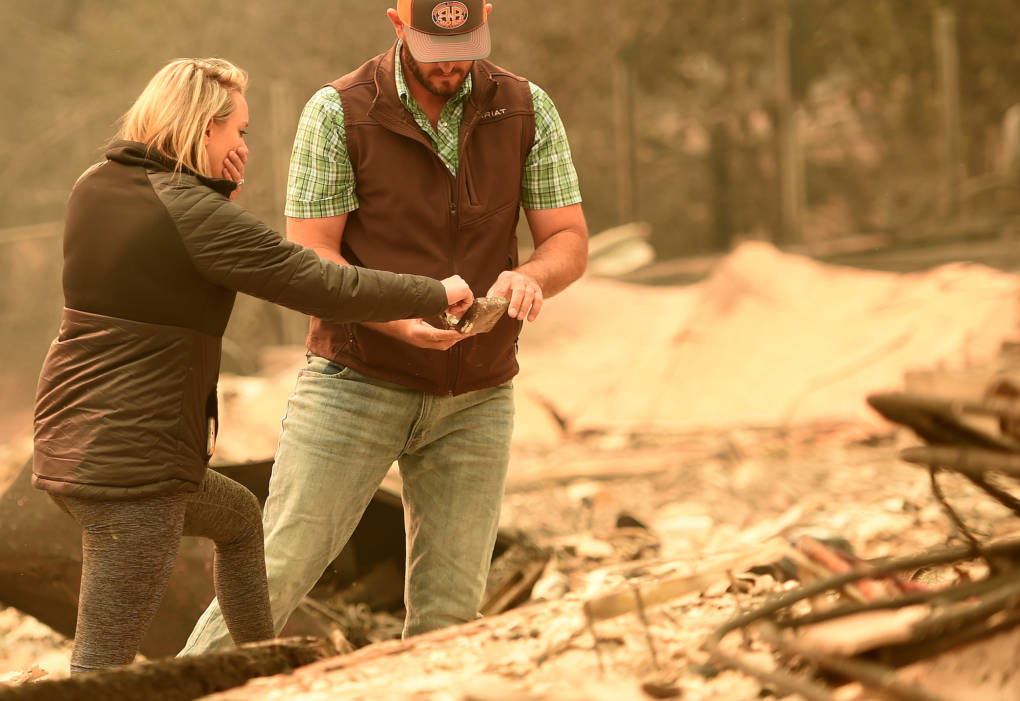
"caption": "Chris (R) and Nancy (L) Brown find the knife Chris won on their first date while looking over the remains of their burned home in Paradise, California, on Nov. 12, 2018. ",
"description": "Chris (R) and Nancy (L) Brown find the knife Chris won on their first date while looking over the remains of their burned home in Paradise, California on November 12, 2018. ",
"title": "US-FIRE-CALIFORNIA-ENVIORNMENT-WEATHER",
"credit": "JOSH EDELSON/AFP/Getty Images",
"status": "inherit",
"isLoading": false,
"fetchFailed": false
},
"news_11721642": {
"type": "attachments",
"id": "news_11721642",
"meta": {
"index": "attachments_1716263798",
"site": "news",
"id": "11721642",
"found": true
},
"parent": 11721611,
"imgSizes": {
"twentyfourteen-full-width": {
"file": "https://ww2.kqed.org/app/uploads/sites/10/2019/01/MiddleClassFeatured-1038x576.jpg",
"width": 1038,
"mimeType": "image/jpeg",
"height": 576
},
"thumbnail": {
"file": "https://ww2.kqed.org/app/uploads/sites/10/2019/01/MiddleClassFeatured-160x119.jpg",
"width": 160,
"mimeType": "image/jpeg",
"height": 119
},
"post-thumbnail": {
"file": "https://ww2.kqed.org/app/uploads/sites/10/2019/01/MiddleClassFeatured-672x372.jpg",
"width": 672,
"mimeType": "image/jpeg",
"height": 372
},
"kqedFullSize": {
"file": "https://ww2.kqed.org/app/uploads/sites/10/2019/01/MiddleClassFeatured.jpg",
"width": 1920,
"height": 1433
},
"large": {
"file": "https://ww2.kqed.org/app/uploads/sites/10/2019/01/MiddleClassFeatured-1020x761.jpg",
"width": 1020,
"mimeType": "image/jpeg",
"height": 761
},
"complete_open_graph": {
"file": "https://ww2.kqed.org/app/uploads/sites/10/2019/01/MiddleClassFeatured-1200x896.jpg",
"width": 1200,
"mimeType": "image/jpeg",
"height": 896
},
"guest-author-50": {
"file": "https://ww2.kqed.org/app/uploads/sites/10/2019/01/MiddleClassFeatured-50x50.jpg",
"width": 50,
"mimeType": "image/jpeg",
"height": 50
},
"guest-author-96": {
"file": "https://ww2.kqed.org/app/uploads/sites/10/2019/01/MiddleClassFeatured-96x96.jpg",
"width": 96,
"mimeType": "image/jpeg",
"height": 96
},
"medium": {
"file": "https://ww2.kqed.org/app/uploads/sites/10/2019/01/MiddleClassFeatured-800x597.jpg",
"width": 800,
"mimeType": "image/jpeg",
"height": 597
},
"guest-author-64": {
"file": "https://ww2.kqed.org/app/uploads/sites/10/2019/01/MiddleClassFeatured-64x64.jpg",
"width": 64,
"mimeType": "image/jpeg",
"height": 64
},
"guest-author-32": {
"file": "https://ww2.kqed.org/app/uploads/sites/10/2019/01/MiddleClassFeatured-32x32.jpg",
"width": 32,
"mimeType": "image/jpeg",
"height": 32
},
"full-width": {
"file": "https://ww2.kqed.org/app/uploads/sites/10/2019/01/MiddleClassFeatured-1920x1433.jpg",
"width": 1920,
"mimeType": "image/jpeg",
"height": 1433
},
"detail": {
"file": "https://ww2.kqed.org/app/uploads/sites/10/2019/01/MiddleClassFeatured-150x150.jpg",
"width": 150,
"mimeType": "image/jpeg",
"height": 150
},
"guest-author-128": {
"file": "https://ww2.kqed.org/app/uploads/sites/10/2019/01/MiddleClassFeatured-128x128.jpg",
"width": 128,
"mimeType": "image/jpeg",
"height": 128
}
},
"publishDate": 1548710280,
"modified": 1548710306,
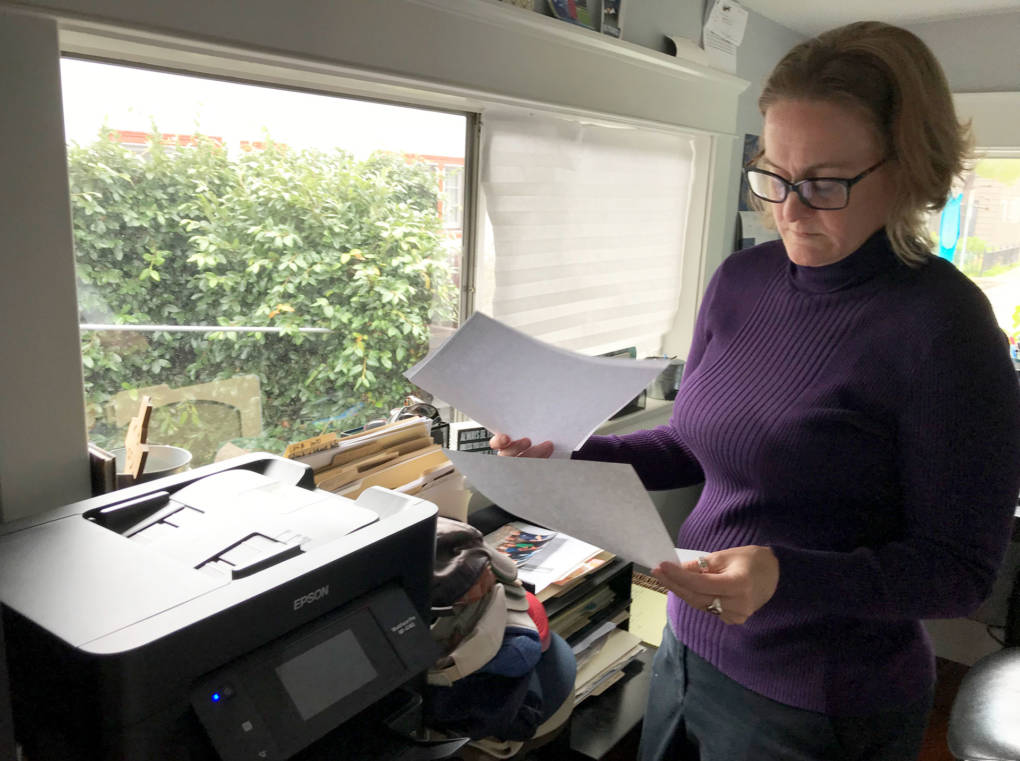
"caption": "Heather Altman looks through old health insurance bills in her Long Beach home office, Jan. 16, 2019.",
"description": "Heather Altman looks through old health insurance bills in her Long Beach home office, Jan. 16, 2019.",
"title": "MiddleClassFeatured",
"credit": "David Wagner/KPCC",
"status": "inherit",
"isLoading": false,
"fetchFailed": false
},
"news_11721499": {
"type": "attachments",
"id": "news_11721499",
"meta": {
"index": "attachments_1716263798",
"site": "news",
"id": "11721499",
"found": true
},
"parent": 11721460,
"imgSizes": {
"twentyfourteen-full-width": {
"file": "https://ww2.kqed.org/app/uploads/sites/10/2019/01/RS19958_160623_Florida-St-Encampment_bhs01-qut-1038x576.jpg",
"width": 1038,
"mimeType": "image/jpeg",
"height": 576
},
"thumbnail": {
"file": "https://ww2.kqed.org/app/uploads/sites/10/2019/01/RS19958_160623_Florida-St-Encampment_bhs01-qut-160x107.jpg",
"width": 160,
"mimeType": "image/jpeg",
"height": 107
},
"post-thumbnail": {
"file": "https://ww2.kqed.org/app/uploads/sites/10/2019/01/RS19958_160623_Florida-St-Encampment_bhs01-qut-672x372.jpg",
"width": 672,
"mimeType": "image/jpeg",
"height": 372
},
"kqedFullSize": {
"file": "https://ww2.kqed.org/app/uploads/sites/10/2019/01/RS19958_160623_Florida-St-Encampment_bhs01-qut.jpg",
"width": 1920,
"height": 1280
},
"large": {
"file": "https://ww2.kqed.org/app/uploads/sites/10/2019/01/RS19958_160623_Florida-St-Encampment_bhs01-qut-1020x680.jpg",
"width": 1020,
"mimeType": "image/jpeg",
"height": 680
},
"complete_open_graph": {
"file": "https://ww2.kqed.org/app/uploads/sites/10/2019/01/RS19958_160623_Florida-St-Encampment_bhs01-qut-1200x800.jpg",
"width": 1200,
"mimeType": "image/jpeg",
"height": 800
},
"guest-author-50": {
"file": "https://ww2.kqed.org/app/uploads/sites/10/2019/01/RS19958_160623_Florida-St-Encampment_bhs01-qut-50x50.jpg",
"width": 50,
"mimeType": "image/jpeg",
"height": 50
},
"guest-author-96": {
"file": "https://ww2.kqed.org/app/uploads/sites/10/2019/01/RS19958_160623_Florida-St-Encampment_bhs01-qut-96x96.jpg",
"width": 96,
"mimeType": "image/jpeg",
"height": 96
},
"medium": {
"file": "https://ww2.kqed.org/app/uploads/sites/10/2019/01/RS19958_160623_Florida-St-Encampment_bhs01-qut-800x533.jpg",
"width": 800,
"mimeType": "image/jpeg",
"height": 533
},
"guest-author-64": {
"file": "https://ww2.kqed.org/app/uploads/sites/10/2019/01/RS19958_160623_Florida-St-Encampment_bhs01-qut-64x64.jpg",
"width": 64,
"mimeType": "image/jpeg",
"height": 64
},
"guest-author-32": {
"file": "https://ww2.kqed.org/app/uploads/sites/10/2019/01/RS19958_160623_Florida-St-Encampment_bhs01-qut-32x32.jpg",
"width": 32,
"mimeType": "image/jpeg",
"height": 32
},
"full-width": {
"file": "https://ww2.kqed.org/app/uploads/sites/10/2019/01/RS19958_160623_Florida-St-Encampment_bhs01-qut-1920x1280.jpg",
"width": 1920,
"mimeType": "image/jpeg",
"height": 1280
},
"detail": {
"file": "https://ww2.kqed.org/app/uploads/sites/10/2019/01/RS19958_160623_Florida-St-Encampment_bhs01-qut-150x150.jpg",
"width": 150,
"mimeType": "image/jpeg",
"height": 150
},
"guest-author-128": {
"file": "https://ww2.kqed.org/app/uploads/sites/10/2019/01/RS19958_160623_Florida-St-Encampment_bhs01-qut-128x128.jpg",
"width": 128,
"mimeType": "image/jpeg",
"height": 128
}
},
"publishDate": 1548638286,
"modified": 1548638395,
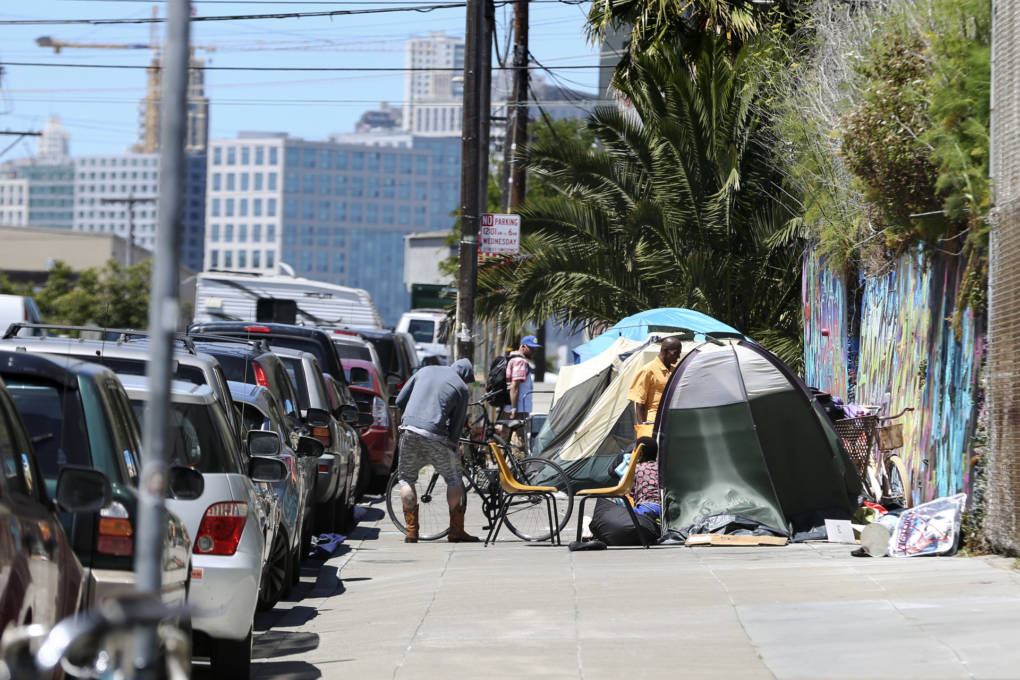
"caption": "What do you think you know about the homelessness crisis in California? ",
"description": "What do you think you know about the homelessness crisis in California? ",
"title": "RS19958_160623_Florida St Encampment_bhs01-qut",
"credit": "Brittany Hosea-Small/KQED",
"status": "inherit",
"isLoading": false,
"fetchFailed": false
},
"news_11721329": {
"type": "attachments",
"id": "news_11721329",
"meta": {
"index": "attachments_1716263798",
"site": "news",
"id": "11721329",
"found": true
},
"parent": 11721328,
"imgSizes": {
"twentyfourteen-full-width": {
"file": "https://ww2.kqed.org/app/uploads/sites/10/2019/01/GettyImages-1003529034-1038x576.jpg",
"width": 1038,
"mimeType": "image/jpeg",
"height": 576
},
"thumbnail": {
"file": "https://ww2.kqed.org/app/uploads/sites/10/2019/01/GettyImages-1003529034-160x102.jpg",
"width": 160,
"mimeType": "image/jpeg",
"height": 102
},
"post-thumbnail": {
"file": "https://ww2.kqed.org/app/uploads/sites/10/2019/01/GettyImages-1003529034-672x372.jpg",
"width": 672,
"mimeType": "image/jpeg",
"height": 372
},
"kqedFullSize": {
"file": "https://ww2.kqed.org/app/uploads/sites/10/2019/01/GettyImages-1003529034-e1548527247404.jpg",
"width": 1920,
"height": 1225
},
"large": {
"file": "https://ww2.kqed.org/app/uploads/sites/10/2019/01/GettyImages-1003529034-1020x651.jpg",
"width": 1020,
"mimeType": "image/jpeg",
"height": 651
},
"complete_open_graph": {
"file": "https://ww2.kqed.org/app/uploads/sites/10/2019/01/GettyImages-1003529034-1200x766.jpg",
"width": 1200,
"mimeType": "image/jpeg",
"height": 766
},
"guest-author-50": {
"file": "https://ww2.kqed.org/app/uploads/sites/10/2019/01/GettyImages-1003529034-50x50.jpg",
"width": 50,
"mimeType": "image/jpeg",
"height": 50
},
"guest-author-96": {
"file": "https://ww2.kqed.org/app/uploads/sites/10/2019/01/GettyImages-1003529034-96x96.jpg",
"width": 96,
"mimeType": "image/jpeg",
"height": 96
},
"medium": {
"file": "https://ww2.kqed.org/app/uploads/sites/10/2019/01/GettyImages-1003529034-800x510.jpg",
"width": 800,
"mimeType": "image/jpeg",
"height": 510
},
"guest-author-64": {
"file": "https://ww2.kqed.org/app/uploads/sites/10/2019/01/GettyImages-1003529034-64x64.jpg",
"width": 64,
"mimeType": "image/jpeg",
"height": 64
},
"guest-author-32": {
"file": "https://ww2.kqed.org/app/uploads/sites/10/2019/01/GettyImages-1003529034-32x32.jpg",
"width": 32,
"mimeType": "image/jpeg",
"height": 32
},
"full-width": {
"file": "https://ww2.kqed.org/app/uploads/sites/10/2019/01/GettyImages-1003529034-1920x1225.jpg",
"width": 1920,
"mimeType": "image/jpeg",
"height": 1225
},
"detail": {
"file": "https://ww2.kqed.org/app/uploads/sites/10/2019/01/GettyImages-1003529034-150x150.jpg",
"width": 150,
"mimeType": "image/jpeg",
"height": 150
},
"guest-author-128": {
"file": "https://ww2.kqed.org/app/uploads/sites/10/2019/01/GettyImages-1003529034-128x128.jpg",
"width": 128,
"mimeType": "image/jpeg",
"height": 128
}
},
"publishDate": 1548527216,
"modified": 1548527270,
"caption": "Children play beside a lifeguard tower as sunset approaches at Sunset Beach in Huntington Beach.",
"description": "Children play beside a lifeguard tower as sunset approaches at Sunset Beach in Huntington Beach.",
"title": "TOPSHOT-US-WEATHER-SUNSET-FEATURE",
"credit": "FREDERIC J. BROWN/AFP/Getty Images",
"status": "inherit",
"isLoading": false,
"fetchFailed": false
},
"news_11720155": {
"type": "attachments",
"id": "news_11720155",
"meta": {
"index": "attachments_1716263798",
"site": "news",
"id": "11720155",
"found": true
},
"parent": 11719937,
"imgSizes": {
"twentyfourteen-full-width": {
"file": "https://ww2.kqed.org/app/uploads/sites/10/2019/01/GettyImages-1046169802-1038x576.jpg",
"width": 1038,
"mimeType": "image/jpeg",
"height": 576
},
"thumbnail": {
"file": "https://ww2.kqed.org/app/uploads/sites/10/2019/01/GettyImages-1046169802-160x107.jpg",
"width": 160,
"mimeType": "image/jpeg",
"height": 107
},
"post-thumbnail": {
"file": "https://ww2.kqed.org/app/uploads/sites/10/2019/01/GettyImages-1046169802-672x372.jpg",
"width": 672,
"mimeType": "image/jpeg",
"height": 372
},
"kqedFullSize": {
"file": "https://ww2.kqed.org/app/uploads/sites/10/2019/01/GettyImages-1046169802-e1548291343650.jpg",
"width": 1920,
"height": 1280
},
"large": {
"file": "https://ww2.kqed.org/app/uploads/sites/10/2019/01/GettyImages-1046169802-1020x680.jpg",
"width": 1020,
"mimeType": "image/jpeg",
"height": 680
},
"complete_open_graph": {
"file": "https://ww2.kqed.org/app/uploads/sites/10/2019/01/GettyImages-1046169802-1200x800.jpg",
"width": 1200,
"mimeType": "image/jpeg",
"height": 800
},
"guest-author-50": {
"file": "https://ww2.kqed.org/app/uploads/sites/10/2019/01/GettyImages-1046169802-50x50.jpg",
"width": 50,
"mimeType": "image/jpeg",
"height": 50
},
"guest-author-96": {
"file": "https://ww2.kqed.org/app/uploads/sites/10/2019/01/GettyImages-1046169802-96x96.jpg",
"width": 96,
"mimeType": "image/jpeg",
"height": 96
},
"medium": {
"file": "https://ww2.kqed.org/app/uploads/sites/10/2019/01/GettyImages-1046169802-800x533.jpg",
"width": 800,
"mimeType": "image/jpeg",
"height": 533
},
"guest-author-64": {
"file": "https://ww2.kqed.org/app/uploads/sites/10/2019/01/GettyImages-1046169802-64x64.jpg",
"width": 64,
"mimeType": "image/jpeg",
"height": 64
},
"guest-author-32": {
"file": "https://ww2.kqed.org/app/uploads/sites/10/2019/01/GettyImages-1046169802-32x32.jpg",
"width": 32,
"mimeType": "image/jpeg",
"height": 32
},
"full-width": {
"file": "https://ww2.kqed.org/app/uploads/sites/10/2019/01/GettyImages-1046169802-1920x1280.jpg",
"width": 1920,
"mimeType": "image/jpeg",
"height": 1280
},
"detail": {
"file": "https://ww2.kqed.org/app/uploads/sites/10/2019/01/GettyImages-1046169802-150x150.jpg",
"width": 150,
"mimeType": "image/jpeg",
"height": 150
},
"guest-author-128": {
"file": "https://ww2.kqed.org/app/uploads/sites/10/2019/01/GettyImages-1046169802-128x128.jpg",
"width": 128,
"mimeType": "image/jpeg",
"height": 128
}
},
"publishDate": 1548223639,
"modified": 1548286418,
"caption": "Construction cranes hang over a building under construction on Oct. 5, 2018, in San Francisco, California. ",
"description": null,
"title": "U.S. Economy Adds Jobs In September, Unemployment Rate Drops To 3.7 Percent",
"credit": "Justin Sullivan/Getty Images",
"status": "inherit",
"isLoading": false,
"fetchFailed": false
},
"news_11720258": {
"type": "attachments",
"id": "news_11720258",
"meta": {
"index": "attachments_1716263798",
"site": "news",
"id": "11720258",
"found": true
},
"parent": 11720214,
"imgSizes": {
"twentyfourteen-full-width": {
"file": "https://ww2.kqed.org/app/uploads/sites/10/2019/01/RS34774_Image-from-iOS-42-qut-1038x576.jpg",
"width": 1038,
"mimeType": "image/jpeg",
"height": 576
},
"thumbnail": {
"file": "https://ww2.kqed.org/app/uploads/sites/10/2019/01/RS34774_Image-from-iOS-42-qut-160x120.jpg",
"width": 160,
"mimeType": "image/jpeg",
"height": 120
},
"post-thumbnail": {
"file": "https://ww2.kqed.org/app/uploads/sites/10/2019/01/RS34774_Image-from-iOS-42-qut-672x372.jpg",
"width": 672,
"mimeType": "image/jpeg",
"height": 372
},
"kqedFullSize": {
"file": "https://ww2.kqed.org/app/uploads/sites/10/2019/01/RS34774_Image-from-iOS-42-qut.jpg",
"width": 1920,
"height": 1440
},
"large": {
"file": "https://ww2.kqed.org/app/uploads/sites/10/2019/01/RS34774_Image-from-iOS-42-qut-1020x765.jpg",
"width": 1020,
"mimeType": "image/jpeg",
"height": 765
},
"complete_open_graph": {
"file": "https://ww2.kqed.org/app/uploads/sites/10/2019/01/RS34774_Image-from-iOS-42-qut-1200x900.jpg",
"width": 1200,
"mimeType": "image/jpeg",
"height": 900
},
"guest-author-50": {
"file": "https://ww2.kqed.org/app/uploads/sites/10/2019/01/RS34774_Image-from-iOS-42-qut-50x50.jpg",
"width": 50,
"mimeType": "image/jpeg",
"height": 50
},
"guest-author-96": {
"file": "https://ww2.kqed.org/app/uploads/sites/10/2019/01/RS34774_Image-from-iOS-42-qut-96x96.jpg",
"width": 96,
"mimeType": "image/jpeg",
"height": 96
},
"medium": {
"file": "https://ww2.kqed.org/app/uploads/sites/10/2019/01/RS34774_Image-from-iOS-42-qut-800x600.jpg",
"width": 800,
"mimeType": "image/jpeg",
"height": 600
},
"guest-author-64": {
"file": "https://ww2.kqed.org/app/uploads/sites/10/2019/01/RS34774_Image-from-iOS-42-qut-64x64.jpg",
"width": 64,
"mimeType": "image/jpeg",
"height": 64
},
"guest-author-32": {
"file": "https://ww2.kqed.org/app/uploads/sites/10/2019/01/RS34774_Image-from-iOS-42-qut-32x32.jpg",
"width": 32,
"mimeType": "image/jpeg",
"height": 32
},
"full-width": {
"file": "https://ww2.kqed.org/app/uploads/sites/10/2019/01/RS34774_Image-from-iOS-42-qut-1920x1440.jpg",
"width": 1920,
"mimeType": "image/jpeg",
"height": 1440
},
"detail": {
"file": "https://ww2.kqed.org/app/uploads/sites/10/2019/01/RS34774_Image-from-iOS-42-qut-150x150.jpg",
"width": 150,
"mimeType": "image/jpeg",
"height": 150
},
"guest-author-128": {
"file": "https://ww2.kqed.org/app/uploads/sites/10/2019/01/RS34774_Image-from-iOS-42-qut-128x128.jpg",
"width": 128,
"mimeType": "image/jpeg",
"height": 128
}
},
"publishDate": 1548275283,
"modified": 1548275365,
"caption": "April Whitley sits in her home in Chico in January 2019. She's lived in the home for three years, but she is being evicted so her landlord's daughter, who lost her home in the Camp Fire, can move in.",
"description": "April Whitley sits in her home in Chico in January 2019. She's lived in the home for three years, but she is being evicted so her landlord's daughter, who lost her home in the Camp Fire, can move in.",
"title": "RS34774_Image from iOS (42)-qut",
"credit": "Sonja Hutson/KQED",
"status": "inherit",
"isLoading": false,
"fetchFailed": false
},
"news_11718703": {
"type": "attachments",
"id": "news_11718703",
"meta": {
"index": "attachments_1716263798",
"site": "news",
"id": "11718703",
"found": true
},
"parent": 11718702,
"imgSizes": {
"twentyfourteen-full-width": {
"file": "https://ww2.kqed.org/app/uploads/sites/10/2019/01/img_3440-edit-53e926798fde98e60a859950366b2eb8f1a1eabd-e1547678124690-1038x576.jpg",
"width": 1038,
"mimeType": "image/jpeg",
"height": 576
},
"thumbnail": {
"file": "https://ww2.kqed.org/app/uploads/sites/10/2019/01/img_3440-edit-53e926798fde98e60a859950366b2eb8f1a1eabd-e1547678124690-160x120.jpg",
"width": 160,
"mimeType": "image/jpeg",
"height": 120
},
"post-thumbnail": {
"file": "https://ww2.kqed.org/app/uploads/sites/10/2019/01/img_3440-edit-53e926798fde98e60a859950366b2eb8f1a1eabd-e1547678124690-672x372.jpg",
"width": 672,
"mimeType": "image/jpeg",
"height": 372
},
"kqedFullSize": {
"file": "https://ww2.kqed.org/app/uploads/sites/10/2019/01/img_3440-edit-53e926798fde98e60a859950366b2eb8f1a1eabd-e1547678124690.jpg",
"width": 1920,
"height": 1440
},
"large": {
"file": "https://ww2.kqed.org/app/uploads/sites/10/2019/01/img_3440-edit-53e926798fde98e60a859950366b2eb8f1a1eabd-e1547678124690-1020x765.jpg",
"width": 1020,
"mimeType": "image/jpeg",
"height": 765
},
"complete_open_graph": {
"file": "https://ww2.kqed.org/app/uploads/sites/10/2019/01/img_3440-edit-53e926798fde98e60a859950366b2eb8f1a1eabd-e1547678124690-1200x900.jpg",
"width": 1200,
"mimeType": "image/jpeg",
"height": 900
},
"guest-author-50": {
"file": "https://ww2.kqed.org/app/uploads/sites/10/2019/01/img_3440-edit-53e926798fde98e60a859950366b2eb8f1a1eabd-e1547678124690-50x50.jpg",
"width": 50,
"mimeType": "image/jpeg",
"height": 50
},
"guest-author-96": {
"file": "https://ww2.kqed.org/app/uploads/sites/10/2019/01/img_3440-edit-53e926798fde98e60a859950366b2eb8f1a1eabd-e1547678124690-96x96.jpg",
"width": 96,
"mimeType": "image/jpeg",
"height": 96
},
"medium": {
"file": "https://ww2.kqed.org/app/uploads/sites/10/2019/01/img_3440-edit-53e926798fde98e60a859950366b2eb8f1a1eabd-e1547678124690-800x600.jpg",
"width": 800,
"mimeType": "image/jpeg",
"height": 600
},
"guest-author-64": {
"file": "https://ww2.kqed.org/app/uploads/sites/10/2019/01/img_3440-edit-53e926798fde98e60a859950366b2eb8f1a1eabd-e1547678124690-64x64.jpg",
"width": 64,
"mimeType": "image/jpeg",
"height": 64
},
"guest-author-32": {
"file": "https://ww2.kqed.org/app/uploads/sites/10/2019/01/img_3440-edit-53e926798fde98e60a859950366b2eb8f1a1eabd-e1547678124690-32x32.jpg",
"width": 32,
"mimeType": "image/jpeg",
"height": 32
},
"full-width": {
"file": "https://ww2.kqed.org/app/uploads/sites/10/2019/01/img_3440-edit-53e926798fde98e60a859950366b2eb8f1a1eabd-e1547678124690-1920x1440.jpg",
"width": 1920,
"mimeType": "image/jpeg",
"height": 1440
},
"detail": {
"file": "https://ww2.kqed.org/app/uploads/sites/10/2019/01/img_3440-edit-53e926798fde98e60a859950366b2eb8f1a1eabd-e1547678124690-150x150.jpg",
"width": 150,
"mimeType": "image/jpeg",
"height": 150
},
"guest-author-128": {
"file": "https://ww2.kqed.org/app/uploads/sites/10/2019/01/img_3440-edit-53e926798fde98e60a859950366b2eb8f1a1eabd-e1547678124690-128x128.jpg",
"width": 128,
"mimeType": "image/jpeg",
"height": 128
}
},
"publishDate": 1547677902,
"modified": 1547678111,
"caption": "Jason Jones (L) with his roommates Joe Klein and Tamiko Panzella in their Oakland apartment. Panzella and Klein are participating in a new program to provide housing to former inmates. Jones was released recently after nearly 14 years in prison.",
"description": "Jason Jones (L) with his roommates Joe Klein and Tamiko Panzella in their Oakland apartment. Panzella and Klein are participating in a new program to provide housing to former inmates. Jones was released recently after nearly 14 years in prison.",
"title": "Jason Jones (left) with his roommates Joe Klein and Tamiko Panzella in their Oakland, Calif., apartment. Panzella and Klein are participating in a new program to provide housing to former inmates. Jones was released recently after nearly 14 years in prison.",
"credit": "Courtesy of Tamiko Panzella",
"status": "inherit",
"isLoading": false,
"fetchFailed": false
}
},
"audioPlayerReducer": {
"postId": "stream_live",
"isPaused": true,
"isPlaying": false,
"pfsActive": false,
"pledgeModalIsOpen": true,
"playerDrawerIsOpen": false,
"liveAudioPlayStartedAt": 0,
"liveAudioPlayContext": ""
},
"authorsReducer": {
"byline_news_11722728": {
"type": "authors",
"id": "byline_news_11722728",
"meta": {
"override": true
},
"slug": "byline_news_11722728",
"name": "\u003cstrong>\u003ca href=\"https://www.npr.org/people/188396171/kirk-siegler\">Kirk Siegler, NPR\u003c/a>\u003c/strong>\u003cbr>KQED News staff",
"isLoading": false
},
"byline_news_11722063": {
"type": "authors",
"id": "byline_news_11722063",
"meta": {
"override": true
},
"slug": "byline_news_11722063",
"name": "\u003cstrong>Matt Levin\u003cbr>CALmatters\u003c/strong>",
"isLoading": false
},
"byline_news_11721648": {
"type": "authors",
"id": "byline_news_11721648",
"meta": {
"override": true
},
"slug": "byline_news_11721648",
"name": "Kathleen Ronayne \u003cbr> The Associated Press",
"isLoading": false
},
"byline_news_11721611": {
"type": "authors",
"id": "byline_news_11721611",
"meta": {
"override": true
},
"slug": "byline_news_11721611",
"name": "\u003cstrong>\u003ca href=\"https://www.scpr.org/about/people/staff/david-wagner\">David Wagner\u003c/a>\u003c/strong>",
"isLoading": false
},
"byline_news_11721328": {
"type": "authors",
"id": "byline_news_11721328",
"meta": {
"override": true
},
"slug": "byline_news_11721328",
"name": "Don Thompson\u003c/br>Associated Press",
"isLoading": false
},
"byline_news_11718702": {
"type": "authors",
"id": "byline_news_11718702",
"meta": {
"override": true
},
"slug": "byline_news_11718702",
"name": "\u003ca href=\"https://www.npr.org/people/2101350/eric-westervelt\">Eric Westervelt\u003c/a>\u003cbr>NPR",
"isLoading": false
},
"gmarzorati": {
"type": "authors",
"id": "227",
"meta": {
"index": "authors_1716337520",
"id": "227",
"found": true
},
"name": "Guy Marzorati",
"firstName": "Guy",
"lastName": "Marzorati",
"slug": "gmarzorati",
"email": "gmarzorati@KQED.org",
"display_author_email": true,
"staff_mastheads": [
"news"
],
"title": "Correspondent",
"bio": "Guy Marzorati is a correspondent on KQED's California Politics and Government Desk, based in San Jose. A graduate of Santa Clara University, Guy joined KQED in 2013. He reports on state and local politics and produces KQED's digital voter guide.",
"avatar": "https://secure.gravatar.com/avatar/e7038b8dbfd55b104369b76b1cd0b9de?s=600&d=blank&r=g",
"twitter": "guymarzorati",
"facebook": null,
"instagram": null,
"linkedin": null,
"sites": [
{
"site": "",
"roles": [
"editor"
]
},
{
"site": "news",
"roles": [
"editor"
]
},
{
"site": "science",
"roles": [
"editor"
]
},
{
"site": "forum",
"roles": [
"editor"
]
},
{
"site": "elections",
"roles": [
"editor"
]
},
{
"site": "liveblog",
"roles": [
"editor"
]
}
],
"headData": {
"title": "Guy Marzorati | KQED",
"description": "Correspondent",
"ogImgSrc": "https://secure.gravatar.com/avatar/e7038b8dbfd55b104369b76b1cd0b9de?s=600&d=blank&r=g",
"twImgSrc": "https://secure.gravatar.com/avatar/e7038b8dbfd55b104369b76b1cd0b9de?s=600&d=blank&r=g"
},
"isLoading": false,
"link": "/author/gmarzorati"
},
"kqed": {
"type": "authors",
"id": "236",
"meta": {
"index": "authors_1716337520",
"id": "236",
"found": true
},
"name": "KQED News Staff",
"firstName": "KQED News Staff",
"lastName": null,
"slug": "kqed",
"email": "faq@kqed.org",
"display_author_email": false,
"staff_mastheads": [],
"title": null,
"bio": null,
"avatar": "https://secure.gravatar.com/avatar/ef0e801a68c4c54afa9180db14084167?s=600&d=blank&r=g",
"twitter": null,
"facebook": null,
"instagram": null,
"linkedin": null,
"sites": [
{
"site": "arts",
"roles": [
"contributor"
]
},
{
"site": "news",
"roles": [
"editor"
]
},
{
"site": "futureofyou",
"roles": [
"author"
]
}
],
"headData": {
"title": "KQED News Staff | KQED",
"description": null,
"ogImgSrc": "https://secure.gravatar.com/avatar/ef0e801a68c4c54afa9180db14084167?s=600&d=blank&r=g",
"twImgSrc": "https://secure.gravatar.com/avatar/ef0e801a68c4c54afa9180db14084167?s=600&d=blank&r=g"
},
"isLoading": false,
"link": "/author/kqed"
},
"rachael-myrow": {
"type": "authors",
"id": "251",
"meta": {
"index": "authors_1716337520",
"id": "251",
"found": true
},
"name": "Rachael Myrow",
"firstName": "Rachael",
"lastName": "Myrow",
"slug": "rachael-myrow",
"email": "rmyrow@kqed.org",
"display_author_email": true,
"staff_mastheads": [
"news"
],
"title": "Senior Editor of KQED's Silicon Valley News Desk",
"bio": "• I write and edit stories about how Silicon Valley power and policies shape everyday life in California. I’m also passionate about making Bay Area history and culture more accessible to a broad public. • I’ve been a journalist for most of my life, starting in high school with The Franklin Press in Los Angeles, where I grew up. While earning my first degree in English at UC Berkeley, I got my start in public radio at KALX-FM. After completing a second degree in journalism at Cal, I landed my first professional job at Marketplace, then moved on to KPCC (now LAist), and then KQED, where I hosted The California Report for more than seven years. • My reporting has appeared on NPR, The World, WBUR’s \u003ci>Here & Now\u003c/i>, and the BBC. I also guest host for KQED’s \u003ci>Forum\u003c/i>, as well as the Commonwealth Club in San Francisco. • I speak periodically on media, democracy and technology issues, and do voiceover work for documentaries and educational video projects. • Outside of the studio, you'll find me hiking Bay Area trails and whipping up Insta-ready meals in my kitchen. • I do not accept gifts, money, or favors from anyone connected to my reporting, I don't pay people for information, and I do not support or donate to political causes. • I strive to treat the people I report on with fairness, honesty, and respect. I also recognize there are often multiple sides to a story and work to verify information through multiple sources and documentation. If I get something wrong, I correct it.",
"avatar": "https://secure.gravatar.com/avatar/3ed8a3c5f26025e4a805ba634cda8cd764906b97438a6d9ce216b044e340da4e?s=600&d=blank&r=g",
"twitter": "rachaelmyrow",
"bluesky": null,
"facebook": null,
"instagram": null,
"linkedin": "https://www.linkedin.com/in/rachaelmyrow/",
"sites": [
{
"site": "arts",
"roles": [
"administrator"
]
},
{
"site": "news",
"roles": [
"edit_others_posts",
"editor"
]
},
{
"site": "futureofyou",
"roles": [
"editor"
]
},
{
"site": "bayareabites",
"roles": [
"editor"
]
},
{
"site": "stateofhealth",
"roles": [
"editor"
]
},
{
"site": "science",
"roles": [
"editor"
]
},
{
"site": "food",
"roles": [
"editor"
]
},
{
"site": "forum",
"roles": [
"editor"
]
},
{
"site": "liveblog",
"roles": [
"author"
]
}
],
"headData": {
"title": "Rachael Myrow | KQED",
"description": "Senior Editor of KQED's Silicon Valley News Desk",
"ogImgSrc": "https://secure.gravatar.com/avatar/3ed8a3c5f26025e4a805ba634cda8cd764906b97438a6d9ce216b044e340da4e?s=600&d=blank&r=g",
"twImgSrc": "https://secure.gravatar.com/avatar/3ed8a3c5f26025e4a805ba634cda8cd764906b97438a6d9ce216b044e340da4e?s=600&d=blank&r=g"
},
"isLoading": false,
"link": "/author/rachael-myrow"
},
"shutson": {
"type": "authors",
"id": "11216",
"meta": {
"index": "authors_1716337520",
"id": "11216",
"found": true
},
"name": "Sonja Hutson",
"firstName": "Sonja",
"lastName": "Hutson",
"slug": "shutson",
"email": "shutson@kqed.org",
"display_author_email": false,
"staff_mastheads": [],
"title": "KQED Contributor",
"bio": "Sonja Hutson is a former reporter for KQED's Silicon Valley desk and weekend newscasts. She primarily covers tech and housing. Sonja is a Bay Area native and now lives in San Francisco. When she's not working, you can find her camping, skiing, scuba diving, and struggling with the New York Times Crossword. Email: \u003ca href=\"mailto:shutson@kqed.org\">shutson@kqed.org. \u003c/a>Twitter: \u003ca href=\"https://twitter.com/SonjaHutson\">@SonjaHutson\u003c/a>",
"avatar": "https://secure.gravatar.com/avatar/7537c5e36818614e599b6c0f41d72b7a?s=600&d=blank&r=g",
"twitter": "SonjaHutson",
"facebook": null,
"instagram": null,
"linkedin": null,
"sites": [
{
"site": "arts",
"roles": [
"author"
]
},
{
"site": "news",
"roles": [
"subscriber"
]
}
],
"headData": {
"title": "Sonja Hutson | KQED",
"description": "KQED Contributor",
"ogImgSrc": "https://secure.gravatar.com/avatar/7537c5e36818614e599b6c0f41d72b7a?s=600&d=blank&r=g",
"twImgSrc": "https://secure.gravatar.com/avatar/7537c5e36818614e599b6c0f41d72b7a?s=600&d=blank&r=g"
},
"isLoading": false,
"link": "/author/shutson"
},
"vrancano": {
"type": "authors",
"id": "11276",
"meta": {
"index": "authors_1716337520",
"id": "11276",
"found": true
},
"name": "Vanessa Rancaño",
"firstName": "Vanessa",
"lastName": "Rancaño",
"slug": "vrancano",
"email": "vrancano@kqed.org",
"display_author_email": false,
"staff_mastheads": [
"news"
],
"title": "Reporter",
"bio": "Vanessa Rancaño is a features reporter for KQED. She’s also covered homelessness and education for the station and reported from the Central Valley. Her work has aired across public radio, from flagship national news shows to longform narrative podcasts. Before taking up a mic, she worked as a freelance print journalist. She’s been recognized with a number of national and regional awards. Vanessa grew up in California's Central Valley. She's a former NPR Kroc Fellow, and a graduate of the UC Berkeley Graduate School of Journalism.",
"avatar": "https://secure.gravatar.com/avatar/b3a383dfb0e7ee1c17568f2cf067904ab654d6e3de9743fc661f3c788ade1bed?s=600&d=blank&r=g",
"twitter": "vanessarancano",
"bluesky": null,
"facebook": null,
"instagram": null,
"linkedin": null,
"sites": [
{
"site": "arts",
"roles": [
"editor"
]
},
{
"site": "news",
"roles": [
"editor"
]
},
{
"site": "liveblog",
"roles": [
"contributor"
]
}
],
"headData": {
"title": "Vanessa Rancaño | KQED",
"description": "Reporter",
"ogImgSrc": "https://secure.gravatar.com/avatar/b3a383dfb0e7ee1c17568f2cf067904ab654d6e3de9743fc661f3c788ade1bed?s=600&d=blank&r=g",
"twImgSrc": "https://secure.gravatar.com/avatar/b3a383dfb0e7ee1c17568f2cf067904ab654d6e3de9743fc661f3c788ade1bed?s=600&d=blank&r=g"
},
"isLoading": false,
"link": "/author/vrancano"
}
},
"pagesReducer": {
"news_category_housing": {
"type": "terms",
"id": "news_6266",
"meta": {
"index": "terms_1716263798",
"site": "news",
"id": "6266",
"score": 11.040377
},
"featImg": null,
"name": "Housing",
"description": null,
"taxonomy": "category",
"headData": {
"twImgId": null,
"twTitle": null,
"ogTitle": null,
"ogImgId": null,
"twDescription": null,
"description": null,
"title": "Housing Archives | KQED News",
"ogDescription": null
},
"ttid": 6290,
"slug": "housing",
"isLoading": false,
"title": "Housing",
"pageMeta": {
"site": "news",
"WpPageTemplate": "page-topic-editorial",
"currentPage": 111
},
"blocks": [
{
"blockName": "kqed/post-list",
"attrs": {
"layout": "cardArticle2",
"query": "posts/news?category=housing",
"seeMore": false,
"paginated": true,
"page": 111
}
},
{
"blockName": "kqed/ad"
}
]
}
},
"pfsSessionReducer": {},
"postsReducer": {
"stream_live": {
"type": "live",
"id": "stream_live",
"audioUrl": "https://streams.kqed.org/kqedradio",
"title": "Live Stream",
"excerpt": "Live Stream information currently unavailable.",
"link": "/radio",
"featImg": "",
"label": {
"name": "KQED Live",
"link": "/"
}
},
"stream_kqedNewscast": {
"type": "posts",
"id": "stream_kqedNewscast",
"audioUrl": "https://www.kqed.org/.stream/anon/radio/RDnews/newscast.mp3?_=1",
"title": "KQED Newscast",
"featImg": "",
"label": {
"name": "88.5 FM",
"link": "/"
}
},
"news_11716780": {
"type": "posts",
"id": "news_11716780",
"meta": {
"index": "posts_1716263798",
"site": "news",
"id": "11716780",
"score": null,
"sort": [
1549067406000
]
},
"guestAuthors": [],
"slug": "for-many-students-in-salinas-homelessness-is-becoming-the-norm",
"title": "For Many Students in Salinas, Homelessness Has Become the Norm",
"publishDate": 1549067406,
"format": "image",
"headTitle": "For Many Students in Salinas, Homelessness Has Become the Norm | KQED",
"labelTerm": {
"term": 72,
"site": "news"
},
"content": "\u003cp>\u003cem>\u003ca href=\"http://itunes.apple.com/us/podcast/the-california-report-magazine/id1314750545?mt=2\" target=\"_blank\" rel=\"noopener noreferrer\">Listen to this and more in-depth storytelling by subscribing to The California Report Magazine podcast.\u003c/a>\u003c/em>\u003c/p>\n\u003cp>[dropcap]O[/dropcap]n a normal school night, 5-year-old Esther has to compete with 12 other people in a cramped apartment for space at the kitchen table to do her homework. At bedtime, she and her three sisters share a queen-size bed, while her mother and father sleep on the floor. Down the hall, a family of seven shares the other bedroom. In the morning, there’s usually a line for the bathroom.\u003c/p>\n\u003cp>This kind of overcrowding has become commonplace in parts of the Central Coast, as low-income families struggle with increasingly steep rents. And it’s having serious repercussions on kids and their teachers.\u003c/p>\n\u003cp>Life in a house like Esther’s, where there is no guarantee of getting access to the bathroom or laundry, and no quiet place to study, can be so tough on students that some are actually considered homeless under the law, even if they have a roof over their heads.\u003c/p>\n\u003cp>In Monterey County, the number of homeless students has grown from fewer than 1,000 to more than 9,000 over the last decade, according to figures provided by the county. That marks one of the highest rates of student homelessness in the state.\u003c/p>\n\u003cp>[ad fullwidth]\u003c/p>\n\u003cp>\u003cstrong>Cramped quarters, limited resources \u003c/strong>\u003c/p>\n\u003cp>On a recent evening, Esther works on her vocabulary homework and her 2-year-old sister plays nearby, while their father gets ready to leave to do an odd job for some extra cash.\u003c/p>\n\u003caside class=\"alignright\">\n\u003ch3>\u003ca href=\"https://www.kqed.org/news/11716742/amid-soaring-homelessness-in-monterey-county-school-districts-scramble-to-help-vulnerable-students\">As Homelessness Rises, Salinas Officials Make Progress in Identifying Vulnerable Students\u003c/a>\u003c/h3>\n\u003cfigure>\u003ca href=\"https://www.kqed.org/news/11716742/amid-soaring-homelessness-in-monterey-county-school-districts-scramble-to-help-vulnerable-students\">\u003cimg decoding=\"async\" src=\"https://ww2.kqed.org/news/wp-content/uploads/sites/10/2019/01/IMG_0739-e1547015286399.jpg\" alt=\"\">\u003c/a>\u003c/figure>\n\u003c/aside>\n\u003cp>By day, both of Esther’s parents pick strawberries.\u003c/p>\n\u003cp>When Esther asks for scissors to cut out some letters, her dad tells her they don’t have any.\u003c/p>\n\u003cp>Esther’s parents continually worry about paying for basic necessities, including putting food on the table and coming up with their share of the rent that they split monthly with the other family.\u003c/p>\n\u003cp>Esther’s mom says the kids aren’t comfortable here. They don’t sleep well. There’s no privacy and space for their things. And it’s hard to stay organized and concentrate on schoolwork.\u003c/p>\n\u003cp>Salinas was once among the most affordable cities is this region, but rents have climbed over 50 percent in the last five years, according to \u003ca href=\"https://www.apartmentlist.com/rentonomics/rental-price-data/\" target=\"_blank\" rel=\"noopener noreferrer\">Apartment List data\u003c/a>. That’s more than twice the rate of increase in San Francisco or Oakland.\u003c/p>\n\u003cp>Housing costs are one of the key reasons \u003ca href=\"https://www.ppic.org/publication/geography-of-child-poverty-in-california/\" target=\"_blank\" rel=\"noopener noreferrer\">one in four kids\u003c/a> on the Central Coast is considered poor.\u003c/p>\n\u003cfigure id=\"attachment_11716789\" class=\"wp-caption aligncenter\" style=\"max-width: 800px\">\u003cimg loading=\"lazy\" decoding=\"async\" class=\"size-medium wp-image-11716789\" src=\"https://ww2.kqed.org/news/wp-content/uploads/sites/10/2019/01/IMG_0679-800x600.jpg\" alt=\"\" width=\"800\" height=\"600\" srcset=\"https://cdn.kqed.org/wp-content/uploads/sites/10/2019/01/IMG_0679-800x600.jpg 800w, https://cdn.kqed.org/wp-content/uploads/sites/10/2019/01/IMG_0679-160x120.jpg 160w, https://cdn.kqed.org/wp-content/uploads/sites/10/2019/01/IMG_0679-1020x765.jpg 1020w, https://cdn.kqed.org/wp-content/uploads/sites/10/2019/01/IMG_0679-1200x900.jpg 1200w, https://cdn.kqed.org/wp-content/uploads/sites/10/2019/01/IMG_0679-1920x1440.jpg 1920w, https://cdn.kqed.org/wp-content/uploads/sites/10/2019/01/IMG_0679.jpg 2016w\" sizes=\"auto, (max-width: 800px) 100vw, 800px\">\u003cfigcaption class=\"wp-caption-text\">Student artwork at Sherwood Elementary School in Salinas. \u003ccite>(Vanessa Rancaño/KQED)\u003c/cite>\u003c/figcaption>\u003c/figure>\n\u003cp>\u003cstrong>Homework without a home\u003c/strong>\u003c/p>\n\u003cp>On a recent weeknight, the homeless shelter in downtown Salinas is packed beyond capacity. Dinner is over and people are watching TV on folding chairs, or trying to sleep. Some have brought air mattresses, others are on the floor. There are no doors to keep out the noise of babies crying and children playing in the halls.\u003c/p>\n\u003cp>[audio src=\"https://www.kqed.org/.stream/anon/radio/RDnews/2019/01/RancanoHomelessStudentspt2.mp3\" Image=\"https://ww2.kqed.org/news/wp-content/uploads/sites/10/2019/01/IMG_0699.jpg\" Title=\"Homeless Students in Salinas\" program=\"The California Report\"]\u003c/p>\n\u003cp>A 12-year-old named Gisbelle, one of the 25 kids at the shelter, said it’s tough to get her homework done here.\u003c/p>\n\u003cp>“I don’t have internet here except for my mom’s hot spot,” she said. “And when it comes to typing homework, I can’t finish, because the bedtime is around 9 p.m. and I don’t finish at that time.”\u003c/p>\n\u003cp>Gisbelle’s 10-year-old sister, Sahily, is sitting nearby listening, and eating a cup of noodles. She wears a T-shirt that’s a bit dirty, a little too small. School has been hard, she said.\u003c/p>\n\u003cp>“I can’t concentrate real good to get all my work done,” she said. “My mom tells me it’s going to be OK. Sometimes I feel it’s not going to be OK.”\u003c/p>\n\u003cp>\u003cstrong>‘They’re like me’\u003c/strong>\u003c/p>\n\u003cp>Teachers at Sherwood Elementary School in Salinas are seeing firsthand the effect this is having on their students, about half of whom are considered homeless.\u003c/p>\n\u003cp>This year, 21 of the 25 students in the third-grade class Maria Castellanoz teaches are considered homeless. Some are on the streets or in shelters, but most are living in trailers and garages, or renting rooms, closets and even hallways.\u003c/p>\n\u003cp>“They fall behind,” said Castellanoz, who’s been teaching here for 20 years. “They don’t have computers. They don’t have the internet. They don’t have a desk to sit at. That would be a luxury, let alone a kitchen table, because people are using that kitchen table.”\u003c/p>\n\u003cp>Oscar Ramos, a veteran second-grade teacher, said 70 percent of his students are considered homeless. “Some of them come in hungry, some of them come in very sleepy,” he said. “You see the frustration in their face because they don’t have everything they need to enjoy the day.”\u003c/p>\n\u003cp>These factors make teaching challenging. But Castellanoz and Ramos, who both grew up in poverty, said they feel a strong personal connection to their students.\u003c/p>\n\u003cp>“The children that are here, they’re like me,” Castellanoz said. “My dad worked in the fields. We lived in a labor camp till I was 11 years old.”\u003c/p>\n\u003cp>Ramos and Castellanoz made it out of poverty. They went to college, they do work they love, and they want the same thing for their students.\u003c/p>\n\u003cp>\u003c/p>\n\u003cp>“Somebody has to be here with these kids and say ‘You know what, you can do it,’ ” Castellanoz said. “To tell the parents, ‘I did it, so your child can do it.’ “\u003c/p>\n\n",
"blocks": [],
"excerpt": "Many families are doubling and tripling up to make rent, with serious repercussions for kids and their teachers.",
"status": "publish",
"parent": 0,
"modified": 1740611875,
"stats": {
"hasAudio": true,
"hasVideo": false,
"hasChartOrMap": false,
"iframeSrcs": [],
"hasGoogleForm": false,
"hasGallery": false,
"hasHearkenModule": false,
"hasPolis": false,
"paragraphCount": 30,
"wordCount": 1021
},
"headData": {
"title": "For Many Students in Salinas, Homelessness Has Become the Norm | KQED",
"description": "Many families are doubling and tripling up to make rent, with serious repercussions for kids and their teachers.",
"ogTitle": "",
"ogDescription": "",
"ogImgId": "",
"twTitle": "",
"twDescription": "",
"twImgId": "",
"schema": {
"@context": "https://schema.org",
"@type": "NewsArticle",
"headline": "For Many Students in Salinas, Homelessness Has Become the Norm",
"datePublished": "2019-02-01T16:30:06-08:00",
"dateModified": "2025-02-26T15:17:55-08:00",
"image": "https://cdn.kqed.org/wp-content/uploads/2020/02/KQED-OG-Image@1x.png",
"isAccessibleForFree": "True",
"publisher": {
"@type": "NewsMediaOrganization",
"@id": "https://www.kqed.org/#organization",
"name": "KQED",
"logo": "https://cdn.kqed.org/wp-content/uploads/2020/02/KQED-OG-Image@1x.png",
"url": "https://www.kqed.org",
"sameAs": [
"https://www.facebook.com/KQED",
"https://twitter.com/KQED",
"https://www.instagram.com/kqed/",
"https://www.tiktok.com/@kqedofficial",
"https://www.linkedin.com/company/kqed",
"https://www.youtube.com/channel/UCeC0IOo7i1P_61zVUWbJ4nw"
]
}
}
},
"audioUrl": "https://www.kqed.org/.stream/anon/radio/tcrmag/2019/02/RancanoHomelessSalinasMag.mp3",
"sticky": false,
"audioTrackLength": 571,
"path": "/news/11716780/for-many-students-in-salinas-homelessness-is-becoming-the-norm",
"audioDuration": 582000,
"parsedContent": [
{
"type": "contentString",
"content": "\u003cdiv class=\"post-body\">\u003cp>\u003cp>\u003cem>\u003ca href=\"http://itunes.apple.com/us/podcast/the-california-report-magazine/id1314750545?mt=2\" target=\"_blank\" rel=\"noopener noreferrer\">Listen to this and more in-depth storytelling by subscribing to The California Report Magazine podcast.\u003c/a>\u003c/em>\u003c/p>\n\u003cp>\u003c/p>\u003cp>\u003cspan class=\"utils-parseShortcode-shortcodes-__dropcapShortcode__dropcap\">O\u003c/span>\u003c/p>\u003cp>n a normal school night, 5-year-old Esther has to compete with 12 other people in a cramped apartment for space at the kitchen table to do her homework. At bedtime, she and her three sisters share a queen-size bed, while her mother and father sleep on the floor. Down the hall, a family of seven shares the other bedroom. In the morning, there’s usually a line for the bathroom.\u003c/p>\n\u003cp>This kind of overcrowding has become commonplace in parts of the Central Coast, as low-income families struggle with increasingly steep rents. And it’s having serious repercussions on kids and their teachers.\u003c/p>\n\u003cp>Life in a house like Esther’s, where there is no guarantee of getting access to the bathroom or laundry, and no quiet place to study, can be so tough on students that some are actually considered homeless under the law, even if they have a roof over their heads.\u003c/p>\n\u003cp>In Monterey County, the number of homeless students has grown from fewer than 1,000 to more than 9,000 over the last decade, according to figures provided by the county. That marks one of the highest rates of student homelessness in the state.\u003c/p>\n\u003cp>\u003c/p>\u003c/div>",
"attributes": {
"named": {},
"numeric": []
}
},
{
"type": "component",
"content": "",
"name": "ad",
"attributes": {
"named": {
"label": "fullwidth"
},
"numeric": [
"fullwidth"
]
}
},
{
"type": "contentString",
"content": "\u003cdiv class=\"post-body\">\u003cp>\u003c/p>\n\u003cp>\u003cstrong>Cramped quarters, limited resources \u003c/strong>\u003c/p>\n\u003cp>On a recent evening, Esther works on her vocabulary homework and her 2-year-old sister plays nearby, while their father gets ready to leave to do an odd job for some extra cash.\u003c/p>\n\u003caside class=\"alignright\">\n\u003ch3>\u003ca href=\"https://www.kqed.org/news/11716742/amid-soaring-homelessness-in-monterey-county-school-districts-scramble-to-help-vulnerable-students\">As Homelessness Rises, Salinas Officials Make Progress in Identifying Vulnerable Students\u003c/a>\u003c/h3>\n\u003cfigure>\u003ca href=\"https://www.kqed.org/news/11716742/amid-soaring-homelessness-in-monterey-county-school-districts-scramble-to-help-vulnerable-students\">\u003cimg decoding=\"async\" src=\"https://ww2.kqed.org/news/wp-content/uploads/sites/10/2019/01/IMG_0739-e1547015286399.jpg\" alt=\"\">\u003c/a>\u003c/figure>\n\u003c/aside>\n\u003cp>By day, both of Esther’s parents pick strawberries.\u003c/p>\n\u003cp>When Esther asks for scissors to cut out some letters, her dad tells her they don’t have any.\u003c/p>\n\u003cp>Esther’s parents continually worry about paying for basic necessities, including putting food on the table and coming up with their share of the rent that they split monthly with the other family.\u003c/p>\n\u003cp>Esther’s mom says the kids aren’t comfortable here. They don’t sleep well. There’s no privacy and space for their things. And it’s hard to stay organized and concentrate on schoolwork.\u003c/p>\n\u003cp>Salinas was once among the most affordable cities is this region, but rents have climbed over 50 percent in the last five years, according to \u003ca href=\"https://www.apartmentlist.com/rentonomics/rental-price-data/\" target=\"_blank\" rel=\"noopener noreferrer\">Apartment List data\u003c/a>. That’s more than twice the rate of increase in San Francisco or Oakland.\u003c/p>\n\u003cp>Housing costs are one of the key reasons \u003ca href=\"https://www.ppic.org/publication/geography-of-child-poverty-in-california/\" target=\"_blank\" rel=\"noopener noreferrer\">one in four kids\u003c/a> on the Central Coast is considered poor.\u003c/p>\n\u003cfigure id=\"attachment_11716789\" class=\"wp-caption aligncenter\" style=\"max-width: 800px\">\u003cimg loading=\"lazy\" decoding=\"async\" class=\"size-medium wp-image-11716789\" src=\"https://ww2.kqed.org/news/wp-content/uploads/sites/10/2019/01/IMG_0679-800x600.jpg\" alt=\"\" width=\"800\" height=\"600\" srcset=\"https://cdn.kqed.org/wp-content/uploads/sites/10/2019/01/IMG_0679-800x600.jpg 800w, https://cdn.kqed.org/wp-content/uploads/sites/10/2019/01/IMG_0679-160x120.jpg 160w, https://cdn.kqed.org/wp-content/uploads/sites/10/2019/01/IMG_0679-1020x765.jpg 1020w, https://cdn.kqed.org/wp-content/uploads/sites/10/2019/01/IMG_0679-1200x900.jpg 1200w, https://cdn.kqed.org/wp-content/uploads/sites/10/2019/01/IMG_0679-1920x1440.jpg 1920w, https://cdn.kqed.org/wp-content/uploads/sites/10/2019/01/IMG_0679.jpg 2016w\" sizes=\"auto, (max-width: 800px) 100vw, 800px\">\u003cfigcaption class=\"wp-caption-text\">Student artwork at Sherwood Elementary School in Salinas. \u003ccite>(Vanessa Rancaño/KQED)\u003c/cite>\u003c/figcaption>\u003c/figure>\n\u003cp>\u003cstrong>Homework without a home\u003c/strong>\u003c/p>\n\u003cp>On a recent weeknight, the homeless shelter in downtown Salinas is packed beyond capacity. Dinner is over and people are watching TV on folding chairs, or trying to sleep. Some have brought air mattresses, others are on the floor. There are no doors to keep out the noise of babies crying and children playing in the halls.\u003c/p>\n\u003cp>\u003c/p>\u003c/div>",
"attributes": {
"named": {},
"numeric": []
}
},
{
"type": "component",
"content": "",
"name": "audio",
"attributes": {
"named": {
"src": "https://www.kqed.org/.stream/anon/radio/RDnews/2019/01/RancanoHomelessStudentspt2.mp3",
"image": "https://ww2.kqed.org/news/wp-content/uploads/sites/10/2019/01/IMG_0699.jpg",
"title": "Homeless Students in Salinas",
"program": "The California Report",
"label": ""
},
"numeric": []
}
},
{
"type": "contentString",
"content": "\u003cdiv class=\"post-body\">\u003cp>\u003c/p>\n\u003cp>A 12-year-old named Gisbelle, one of the 25 kids at the shelter, said it’s tough to get her homework done here.\u003c/p>\n\u003cp>“I don’t have internet here except for my mom’s hot spot,” she said. “And when it comes to typing homework, I can’t finish, because the bedtime is around 9 p.m. and I don’t finish at that time.”\u003c/p>\n\u003cp>Gisbelle’s 10-year-old sister, Sahily, is sitting nearby listening, and eating a cup of noodles. She wears a T-shirt that’s a bit dirty, a little too small. School has been hard, she said.\u003c/p>\n\u003cp>“I can’t concentrate real good to get all my work done,” she said. “My mom tells me it’s going to be OK. Sometimes I feel it’s not going to be OK.”\u003c/p>\n\u003cp>\u003cstrong>‘They’re like me’\u003c/strong>\u003c/p>\n\u003cp>Teachers at Sherwood Elementary School in Salinas are seeing firsthand the effect this is having on their students, about half of whom are considered homeless.\u003c/p>\n\u003cp>This year, 21 of the 25 students in the third-grade class Maria Castellanoz teaches are considered homeless. Some are on the streets or in shelters, but most are living in trailers and garages, or renting rooms, closets and even hallways.\u003c/p>\n\u003cp>“They fall behind,” said Castellanoz, who’s been teaching here for 20 years. “They don’t have computers. They don’t have the internet. They don’t have a desk to sit at. That would be a luxury, let alone a kitchen table, because people are using that kitchen table.”\u003c/p>\n\u003cp>Oscar Ramos, a veteran second-grade teacher, said 70 percent of his students are considered homeless. “Some of them come in hungry, some of them come in very sleepy,” he said. “You see the frustration in their face because they don’t have everything they need to enjoy the day.”\u003c/p>\n\u003cp>These factors make teaching challenging. But Castellanoz and Ramos, who both grew up in poverty, said they feel a strong personal connection to their students.\u003c/p>\n\u003cp>“The children that are here, they’re like me,” Castellanoz said. “My dad worked in the fields. We lived in a labor camp till I was 11 years old.”\u003c/p>\n\u003cp>Ramos and Castellanoz made it out of poverty. They went to college, they do work they love, and they want the same thing for their students.\u003c/p>\n\u003cp>\u003c/p>\n\u003cp>“Somebody has to be here with these kids and say ‘You know what, you can do it,’ ” Castellanoz said. “To tell the parents, ‘I did it, so your child can do it.’ “\u003c/p>\n\n\u003c/div>\u003c/p>",
"attributes": {
"named": {},
"numeric": []
}
}
],
"link": "/news/11716780/for-many-students-in-salinas-homelessness-is-becoming-the-norm",
"authors": [
"11276"
],
"programs": [
"news_72"
],
"series": [
"news_25328"
],
"categories": [
"news_18540",
"news_6266",
"news_8",
"news_33520"
],
"tags": [
"news_22569",
"news_4020",
"news_4084",
"news_4889",
"news_25327"
],
"featImg": "news_11716792",
"label": "news_72"
},
"news_11722728": {
"type": "posts",
"id": "news_11722728",
"meta": {
"index": "posts_1716263798",
"site": "news",
"id": "11722728",
"score": null,
"sort": [
1549057002000
]
},
"parent": 0,
"labelTerm": {
"site": "news",
"term": 72
},
"blocks": [],
"publishDate": 1549057002,
"format": "audio",
"disqusTitle": "Camp Fire Survivors Race to Find Housing Before Last Shelter Closes",
"title": "Camp Fire Survivors Race to Find Housing Before Last Shelter Closes",
"headTitle": "The California Report | KQED News",
"content": "\u003cp>For survivors of last fall's \u003ca href=\"https://www.kqed.org/news/11710884/list-of-those-who-died-in-butte-county-paradise-camp-fire\" target=\"_blank\" rel=\"noopener\">Camp Fire\u003c/a>, which killed 86 people and destroyed nearly all of Paradise in Butte County, a deadline loomed this week. The last shelter — operated by the Red Cross at the Silver Dollar fairgrounds in nearby Chico — was slated to close on Thursday. So did it actually close? Yes and no.\u003c/p>\n\u003cp>North State Public Radio reporter Marc Albert told KQED on Friday that the vast majority of fire survivors who were staying there have moved to local homeless shelters or FEMA trailers, or have found housing options with friends or family. But not everyone.\u003c/p>\n\u003cp>\"There are several people there, including people with medical problems, who are under the impression that they will not be asked to move,\" Albert said. \"The operators of the fairgrounds are offering people with RVs the opportunity to lease a parking space for $40 a day, not including hookups. That works out to $1,200 a month, which is quite a bit of money.\"\u003c/p>\n\u003caside class=\"alignright\">\n\u003ch3>\u003ca href=\"https://www.kqed.org/news/11710884/list-of-those-who-died-in-butte-county-paradise-camp-fire\">In Remembrance: The Names of Those Lost in the Camp Fire\u003c/a>\u003c/h3>\n\u003cfigure>\u003ca href=\"https://www.kqed.org/news/11710884/list-of-those-who-died-in-butte-county-paradise-camp-fire\">\u003cimg src=\"https://ww2.kqed.org/news/wp-content/uploads/sites/10/2018/12/GettyImages-1070764466-e1544221282927-1020x680.jpg\" alt=\"\">\u003c/a>\u003c/figure>\n\u003c/aside>\n\u003cp>Former Paradise resident Anna Goodnight, who lost everything in the Camp Fire, is one of the shelter residents who hopes she'll be allowed to stay due to a medical condition. But that's not to say she's happy about conditions at the shelter.\u003c/p>\n\u003cp>\"All we're trying to do is live the best we can,\" Goodnight said. \"And then they put us down and then you get more depression. We're all suffering PTSD. And it's gotten worse. Only if they would do their job right and talk to us like we're not s***.\"\u003c/p>\n\u003cp>Disaster relief officials have been racing to find temporary shelter or housing for dozens of people at the shelter, who now face homelessness.\u003c/p>\n\u003cp>Many of the folks who are left at the shelter were already living on the economic margins when the Camp Fire destroyed whole towns and rural mountain neighborhoods.\u003c/p>\n\u003cp>[ad fullwidth]\u003c/p>\n\u003cp>Nicholas Soto, one survivor of the fire, has been moving from shelter to shelter. Since early December, he and his wife have parked their RV along a fence crammed with other campers abutting a Chevron station.\u003c/p>\n\u003cp>\"You get tired of being pushed from one place to another, told you can't be here, you can't be there, it's a little tiring,\" said Soto. \"We fled the fire only to jump into hell.\"\u003c/p>\n\u003cp>Soto suffers from chronic lung disease and diabetes. At almost 70, with long salt-and-pepper hair pulled back in a ponytail, he often has to use a wheelchair.\u003c/p>\n\u003cp>The Sotos also rescue dogs. With four dogs and two cats, they're crammed inside the camper. It weighs heavily on Soto.\u003c/p>\n\u003cp>\"Mentally, it's hard on the mind, you know,\" he says.\u003c/p>\n\u003cfigure id=\"attachment_11722729\" class=\"wp-caption aligncenter\" style=\"max-width: 800px\">\u003cimg class=\"size-medium wp-image-11722729\" src=\"https://ww2.kqed.org/news/wp-content/uploads/sites/10/2019/01/rv-camp-fire-8d6554be212463d7f38a8b53032df77339c15baa-800x600.jpg\" alt=\"An abandoned RV at the last remaining Red Cross shelter providing housing for victims of the Camp Fire.\" width=\"800\" height=\"600\">\u003cfigcaption class=\"wp-caption-text\">An abandoned RV at the last remaining Red Cross shelter providing housing for victims of the Camp Fire. \u003ccite>(Kirk Siegler/NPR)\u003c/cite>\u003c/figcaption>\u003c/figure>\n\u003cp>If the shelter's closure were actually set in stone, local officials worry it would exacerbate an already severe homelessness crisis in Chico.\u003c/p>\n\u003cp>\"They will all have a plan before they leave the shelter,\" assures Cindy Huge, a spokeswoman for the Red Cross. \"Whether that be a permanent house, temporary housing, they will all have a recovery plan. We just don't put them out and say we're closing the shelter — Red Cross doesn't do that.\"\u003c/p>\n\u003cp>Earlier this week, Butte County received a million-dollar grant that will go to help those who remain here find new housing — likely out of state. There was already a housing shortage in this rural area before 14,000 homes burned overnight. Even before the Camp Fire, vacancy rates fell between 1 and 2 percent most of the time.\u003c/p>\n\u003cp>Aside from the aid Red Cross is giving to victims, FEMA has processed about 26,000 applications for California fire victims since last November, the bulk coming from Butte County and the Camp Fire, including Soto. FEMA extended its deadline to apply for aid to Feb. 15.\u003c/p>\n\u003cp>With the aid he'd get from FEMA, Soto hopes to leave the shelter and drive up to Oregon.\u003c/p>\n\u003cp>\"There's worse things that could have happened to us,\" said Soto. \"We got our lives and we got our fur babies.\"\u003c/p>\n\u003cp>\u003cem>This story includes reporting from NPR's Hafsa Quraishi, North State Public Radio's Marc Albert, and KQED's Lily Jamali.\u003c/em>\u003c/p>\n\u003cdiv class=\"fullattribution\">Copyright 2019 NPR. To see more, visit https://www.npr.org.\u003cimg src=\"https://www.google-analytics.com/__utm.gif?utmac=UA-5828686-4&utmdt=Camp+Fire+Victims+Race+To+Find+Housing+Before+The+Last+Shelter+Closes&utme=8(APIKey)9(MDAxOTAwOTE4MDEyMTkxMDAzNjczZDljZA004)\">\u003c/div>\n\u003cp>\u003c/p>\n",
"disqusIdentifier": "11722728 https://ww2.kqed.org/news/?p=11722728",
"disqusUrl": "https://ww2.kqed.org/news/2019/02/01/camp-fire-survivors-race-to-find-housing-before-last-shelter-closes/",
"stats": {
"hasVideo": false,
"hasChartOrMap": false,
"hasAudio": false,
"hasPolis": false,
"wordCount": 743,
"hasGoogleForm": false,
"hasGallery": false,
"hasHearkenModule": false,
"iframeSrcs": [],
"paragraphCount": 21
},
"modified": 1549066033,
"excerpt": "Many of the folks who are left at the shelter at the Chico fairgrounds were already living on the economic margins when the Camp Fire destroyed the town of Paradise and other rural mountain neighborhoods.",
"headData": {
"twImgId": "",
"twTitle": "",
"ogTitle": "",
"ogImgId": "",
"twDescription": "",
"description": "Many of the folks who are left at the shelter at the Chico fairgrounds were already living on the economic margins when the Camp Fire destroyed the town of Paradise and other rural mountain neighborhoods.",
"title": "Camp Fire Survivors Race to Find Housing Before Last Shelter Closes | KQED",
"ogDescription": "",
"schema": {
"@context": "https://schema.org",
"@type": "NewsArticle",
"headline": "Camp Fire Survivors Race to Find Housing Before Last Shelter Closes",
"datePublished": "2019-02-01T13:36:42-08:00",
"dateModified": "2019-02-01T16:07:13-08:00",
"image": "https://cdn.kqed.org/wp-content/uploads/2020/02/KQED-OG-Image@1x.png",
"isAccessibleForFree": "True",
"publisher": {
"@type": "NewsMediaOrganization",
"@id": "https://www.kqed.org/#organization",
"name": "KQED",
"logo": "https://cdn.kqed.org/wp-content/uploads/2020/02/KQED-OG-Image@1x.png",
"url": "https://www.kqed.org",
"sameAs": [
"https://www.facebook.com/KQED",
"https://twitter.com/KQED",
"https://www.instagram.com/kqed/",
"https://www.tiktok.com/@kqedofficial",
"https://www.linkedin.com/company/kqed",
"https://www.youtube.com/channel/UCeC0IOo7i1P_61zVUWbJ4nw"
]
}
}
},
"guestAuthors": [],
"slug": "camp-fire-survivors-race-to-find-housing-before-last-shelter-closes",
"status": "publish",
"nprApiLink": "http://api.npr.org/query?id=690230719&apiKey=MDAxOTAwOTE4MDEyMTkxMDAzNjczZDljZA004",
"nprStoryDate": "Thu, 31 Jan 2019 05:01:00 -0500",
"nprLastModifiedDate": "Thu, 31 Jan 2019 21:26:57 -0500",
"nprHtmlLink": "https://www.npr.org/2019/01/31/690230719/camp-fire-victims-forced-to-find-housing-as-last-shelter-closes?ft=nprml&f=690230719",
"nprAudio": "https://ondemand.npr.org/anon.npr-mp3/npr/me/2019/01/20190131_me_last_red_cross_shelter_to_close_forcing_camp_fire_victims_to_find_new_housing.mp3?orgId=1&topicId=1003&d=162&p=3&story=690230719&ft=nprml&f=690230719",
"nprImageAgency": "NPR",
"nprAudioM3u": "http://api.npr.org/m3u/1690230720-05c0db.m3u?orgId=1&topicId=1003&d=162&p=3&story=690230719&ft=nprml&f=690230719",
"nprStoryId": "690230719",
"audioUrl": "https://www.kqed.org/.stream/anon/radio/tcr/2019/02/ChicoShelterAlberttcram190201.mp3",
"nprByline": "\u003cstrong>\u003ca href=\"https://www.npr.org/people/188396171/kirk-siegler\">Kirk Siegler, NPR\u003c/a>\u003c/strong>\u003cbr>KQED News staff",
"audioTrackLength": 110,
"nprImageCredit": "Kirk Siegler",
"nprRetrievedStory": "1",
"nprPubDate": "Thu, 31 Jan 2019 21:24:00 -0500",
"path": "/news/11722728/camp-fire-survivors-race-to-find-housing-before-last-shelter-closes",
"audioDuration": 113000,
"parsedContent": [
{
"type": "contentString",
"content": "\u003cdiv class=\"post-body\">\u003cp>\u003cp>For survivors of last fall's \u003ca href=\"https://www.kqed.org/news/11710884/list-of-those-who-died-in-butte-county-paradise-camp-fire\" target=\"_blank\" rel=\"noopener\">Camp Fire\u003c/a>, which killed 86 people and destroyed nearly all of Paradise in Butte County, a deadline loomed this week. The last shelter — operated by the Red Cross at the Silver Dollar fairgrounds in nearby Chico — was slated to close on Thursday. So did it actually close? Yes and no.\u003c/p>\n\u003cp>North State Public Radio reporter Marc Albert told KQED on Friday that the vast majority of fire survivors who were staying there have moved to local homeless shelters or FEMA trailers, or have found housing options with friends or family. But not everyone.\u003c/p>\n\u003cp>\"There are several people there, including people with medical problems, who are under the impression that they will not be asked to move,\" Albert said. \"The operators of the fairgrounds are offering people with RVs the opportunity to lease a parking space for $40 a day, not including hookups. That works out to $1,200 a month, which is quite a bit of money.\"\u003c/p>\n\u003caside class=\"alignright\">\n\u003ch3>\u003ca href=\"https://www.kqed.org/news/11710884/list-of-those-who-died-in-butte-county-paradise-camp-fire\">In Remembrance: The Names of Those Lost in the Camp Fire\u003c/a>\u003c/h3>\n\u003cfigure>\u003ca href=\"https://www.kqed.org/news/11710884/list-of-those-who-died-in-butte-county-paradise-camp-fire\">\u003cimg src=\"https://ww2.kqed.org/news/wp-content/uploads/sites/10/2018/12/GettyImages-1070764466-e1544221282927-1020x680.jpg\" alt=\"\">\u003c/a>\u003c/figure>\n\u003c/aside>\n\u003cp>Former Paradise resident Anna Goodnight, who lost everything in the Camp Fire, is one of the shelter residents who hopes she'll be allowed to stay due to a medical condition. But that's not to say she's happy about conditions at the shelter.\u003c/p>\n\u003cp>\"All we're trying to do is live the best we can,\" Goodnight said. \"And then they put us down and then you get more depression. We're all suffering PTSD. And it's gotten worse. Only if they would do their job right and talk to us like we're not s***.\"\u003c/p>\n\u003cp>Disaster relief officials have been racing to find temporary shelter or housing for dozens of people at the shelter, who now face homelessness.\u003c/p>\n\u003cp>Many of the folks who are left at the shelter were already living on the economic margins when the Camp Fire destroyed whole towns and rural mountain neighborhoods.\u003c/p>\n\u003cp>\u003c/p>\u003c/div>",
"attributes": {
"named": {},
"numeric": []
}
},
{
"type": "component",
"content": "",
"name": "ad",
"attributes": {
"named": {
"label": "fullwidth"
},
"numeric": [
"fullwidth"
]
}
},
{
"type": "contentString",
"content": "\u003cdiv class=\"post-body\">\u003cp>\u003c/p>\n\u003cp>Nicholas Soto, one survivor of the fire, has been moving from shelter to shelter. Since early December, he and his wife have parked their RV along a fence crammed with other campers abutting a Chevron station.\u003c/p>\n\u003cp>\"You get tired of being pushed from one place to another, told you can't be here, you can't be there, it's a little tiring,\" said Soto. \"We fled the fire only to jump into hell.\"\u003c/p>\n\u003cp>Soto suffers from chronic lung disease and diabetes. At almost 70, with long salt-and-pepper hair pulled back in a ponytail, he often has to use a wheelchair.\u003c/p>\n\u003cp>The Sotos also rescue dogs. With four dogs and two cats, they're crammed inside the camper. It weighs heavily on Soto.\u003c/p>\n\u003cp>\"Mentally, it's hard on the mind, you know,\" he says.\u003c/p>\n\u003cfigure id=\"attachment_11722729\" class=\"wp-caption aligncenter\" style=\"max-width: 800px\">\u003cimg class=\"size-medium wp-image-11722729\" src=\"https://ww2.kqed.org/news/wp-content/uploads/sites/10/2019/01/rv-camp-fire-8d6554be212463d7f38a8b53032df77339c15baa-800x600.jpg\" alt=\"An abandoned RV at the last remaining Red Cross shelter providing housing for victims of the Camp Fire.\" width=\"800\" height=\"600\">\u003cfigcaption class=\"wp-caption-text\">An abandoned RV at the last remaining Red Cross shelter providing housing for victims of the Camp Fire. \u003ccite>(Kirk Siegler/NPR)\u003c/cite>\u003c/figcaption>\u003c/figure>\n\u003cp>If the shelter's closure were actually set in stone, local officials worry it would exacerbate an already severe homelessness crisis in Chico.\u003c/p>\n\u003cp>\"They will all have a plan before they leave the shelter,\" assures Cindy Huge, a spokeswoman for the Red Cross. \"Whether that be a permanent house, temporary housing, they will all have a recovery plan. We just don't put them out and say we're closing the shelter — Red Cross doesn't do that.\"\u003c/p>\n\u003cp>Earlier this week, Butte County received a million-dollar grant that will go to help those who remain here find new housing — likely out of state. There was already a housing shortage in this rural area before 14,000 homes burned overnight. Even before the Camp Fire, vacancy rates fell between 1 and 2 percent most of the time.\u003c/p>\n\u003cp>Aside from the aid Red Cross is giving to victims, FEMA has processed about 26,000 applications for California fire victims since last November, the bulk coming from Butte County and the Camp Fire, including Soto. FEMA extended its deadline to apply for aid to Feb. 15.\u003c/p>\n\u003cp>With the aid he'd get from FEMA, Soto hopes to leave the shelter and drive up to Oregon.\u003c/p>\n\u003cp>\"There's worse things that could have happened to us,\" said Soto. \"We got our lives and we got our fur babies.\"\u003c/p>\n\u003cp>\u003cem>This story includes reporting from NPR's Hafsa Quraishi, North State Public Radio's Marc Albert, and KQED's Lily Jamali.\u003c/em>\u003c/p>\n\u003cdiv class=\"fullattribution\">Copyright 2019 NPR. To see more, visit https://www.npr.org.\u003cimg src=\"https://www.google-analytics.com/__utm.gif?utmac=UA-5828686-4&utmdt=Camp+Fire+Victims+Race+To+Find+Housing+Before+The+Last+Shelter+Closes&utme=8(APIKey)9(MDAxOTAwOTE4MDEyMTkxMDAzNjczZDljZA004)\">\u003c/div>\n\u003cp>\u003c/p>\n\u003c/div>\u003c/p>",
"attributes": {
"named": {},
"numeric": []
}
}
],
"link": "/news/11722728/camp-fire-survivors-race-to-find-housing-before-last-shelter-closes",
"authors": [
"byline_news_11722728"
],
"programs": [
"news_72"
],
"categories": [
"news_19906",
"news_457",
"news_6266",
"news_8"
],
"tags": [
"news_24483",
"news_24512",
"news_4020",
"news_4463"
],
"affiliates": [
"news_253"
],
"featImg": "news_11722732",
"label": "news_72"
},
"news_11722402": {
"type": "posts",
"id": "news_11722402",
"meta": {
"index": "posts_1716263798",
"site": "news",
"id": "11722402",
"score": null,
"sort": [
1548946874000
]
},
"parent": 0,
"labelTerm": {},
"blocks": [],
"publishDate": 1548946874,
"format": "audio",
"disqusTitle": "Safety Is Not Your Number One Priority, Federal Judge Tells PG&E",
"title": "Safety Is Not Your Number One Priority, Federal Judge Tells PG&E",
"headTitle": "KQED News",
"content": "\u003ch2>\u003ca href=\"https://www.kqed.org/news/11722386/san-francisco-judge-blasts-pge-for-lack-of-commitment-to-wildfire-safety\" target=\"_blank\" rel=\"noopener\">Safety Is Not Your Number One Priority, Federal Judge Tells PG&E\u003c/a>\u003c/h2>\n\u003cp>A federal judge in San Francisco is holding off, for now, on forcing PG&E to launch a sweeping re-inspection and repair program to reduce the wildfire danger posed by its power lines. Judge William Alsup made the decision in a contentious hearing Wednesday.\u003cbr>\n\u003cem>Reporter: Dan Brekke.\u003c/em>\u003c/p>\n\u003ch2>\u003ca href=\"https://www.kqed.org/science/1937151/california-approves-plan-to-clean-up-central-valleys-toxic-air\">California Approves Plan to Clean Up Central Valley's Toxic Air\u003c/a>\u003c/h2>\n\u003cp>California is dedicating millions of dollars to clean up some of the dirtiest air in the state. The new program targets 10 disadvantaged communities spanning from West Oakland to San Diego.\u003cbr>\n\u003cem>Reporter: Lesley McClurg\u003c/em>\u003c/p>\n\u003ch2>\u003ca href=\"https://www.kqed.org/science/1936797/why-we-cant-stop-talking-about-californias-sierra-snowpack\">Scientists and Skiers Agree Sierra Snowpack Looking Good\u003c/a>\u003c/h2>\n\u003cp>Skiers are coming back from Tahoe with stories of lots of snow and great powder. But does this mean California will have enough water come spring?\u003cbr>\n\u003cem>Reporter: Craig Miller\u003c/em>\u003c/p>\n\u003ch2>Orange County's Needle Exchange Program Looks to Reopen\u003c/h2>\n\u003cp>The only needle exchange program in Orange County is filing an appeal to resume operations.\u003cbr>\n\u003cem>Reporter: Michelle Wiley\u003c/em>\u003c/p>\n\u003ch2>\u003ca href=\"https://www.kqed.org/news/11721460/why-do-these-4-myths-about-homelessness-persist\" target=\"_blank\" rel=\"noopener\">Homeless Myth: Why Don't They Get a Job?\u003c/a>\u003c/h2>\n\u003cp>This week, we’re digging into some of the most common myths, hearing from people close enough to the streets to know what’s really going on. The nonprofit Project Open Hand is best known for delivering healthy meals to thousands of disabled, elderly and ill San Franciscans, but they also serve lunch to homeless people.\u003cbr>\n\u003cem>Reporter: Yuri Nagano\u003c/em>\u003c/p>\n\u003cp>[ad fullwidth]\u003c/p>\u003cp>\u003c/p>\n",
"disqusIdentifier": "11722402 https://ww2.kqed.org/news/?p=11722402",
"disqusUrl": "https://ww2.kqed.org/news/2019/01/31/safety-is-not-your-number-one-priority-federal-judge-tells-pge/",
"stats": {
"hasVideo": false,
"hasChartOrMap": false,
"hasAudio": false,
"hasPolis": false,
"wordCount": 244,
"hasGoogleForm": false,
"hasGallery": false,
"hasHearkenModule": false,
"iframeSrcs": [],
"paragraphCount": 7
},
"modified": 1548983010,
"excerpt": null,
"headData": {
"twImgId": "",
"twTitle": "",
"ogTitle": "",
"ogImgId": "",
"twDescription": "",
"description": "Safety Is Not Your Number One Priority, Federal Judge Tells PG&E A federal judge in San Francisco is holding off, for now, on forcing PG&E to launch a sweeping re-inspection and repair program to reduce the wildfire danger posed by its power lines. Judge William Alsup made the decision in a contentious hearing Wednesday. Reporter:",
"title": "Safety Is Not Your Number One Priority, Federal Judge Tells PG&E | KQED",
"ogDescription": "",
"schema": {
"@context": "https://schema.org",
"@type": "NewsArticle",
"headline": "Safety Is Not Your Number One Priority, Federal Judge Tells PG&E",
"datePublished": "2019-01-31T07:01:14-08:00",
"dateModified": "2019-01-31T17:03:30-08:00",
"image": "https://cdn.kqed.org/wp-content/uploads/2020/02/KQED-OG-Image@1x.png",
"isAccessibleForFree": "True",
"publisher": {
"@type": "NewsMediaOrganization",
"@id": "https://www.kqed.org/#organization",
"name": "KQED",
"logo": "https://cdn.kqed.org/wp-content/uploads/2020/02/KQED-OG-Image@1x.png",
"url": "https://www.kqed.org",
"sameAs": [
"https://www.facebook.com/KQED",
"https://twitter.com/KQED",
"https://www.instagram.com/kqed/",
"https://www.tiktok.com/@kqedofficial",
"https://www.linkedin.com/company/kqed",
"https://www.youtube.com/channel/UCeC0IOo7i1P_61zVUWbJ4nw"
]
}
}
},
"guestAuthors": [],
"slug": "safety-is-not-your-number-one-priority-federal-judge-tells-pge",
"status": "publish",
"sourceUrl": "https://www.kqed.org/news/tag/tcrarchive",
"audioUrl": "https://www.kqed.org/.stream/anon/radio/tcr/2019/01/TCRAM20190131.mp3",
"audioTrackLength": 463,
"source": "Morning Report",
"path": "/news/11722402/safety-is-not-your-number-one-priority-federal-judge-tells-pge",
"audioDuration": 466000,
"parsedContent": [
{
"type": "contentString",
"content": "\u003cdiv class=\"post-body\">\u003cp>\u003ch2>\u003ca href=\"https://www.kqed.org/news/11722386/san-francisco-judge-blasts-pge-for-lack-of-commitment-to-wildfire-safety\" target=\"_blank\" rel=\"noopener\">Safety Is Not Your Number One Priority, Federal Judge Tells PG&E\u003c/a>\u003c/h2>\n\u003cp>A federal judge in San Francisco is holding off, for now, on forcing PG&E to launch a sweeping re-inspection and repair program to reduce the wildfire danger posed by its power lines. Judge William Alsup made the decision in a contentious hearing Wednesday.\u003cbr>\n\u003cem>Reporter: Dan Brekke.\u003c/em>\u003c/p>\n\u003ch2>\u003ca href=\"https://www.kqed.org/science/1937151/california-approves-plan-to-clean-up-central-valleys-toxic-air\">California Approves Plan to Clean Up Central Valley's Toxic Air\u003c/a>\u003c/h2>\n\u003cp>California is dedicating millions of dollars to clean up some of the dirtiest air in the state. The new program targets 10 disadvantaged communities spanning from West Oakland to San Diego.\u003cbr>\n\u003cem>Reporter: Lesley McClurg\u003c/em>\u003c/p>\n\u003ch2>\u003ca href=\"https://www.kqed.org/science/1936797/why-we-cant-stop-talking-about-californias-sierra-snowpack\">Scientists and Skiers Agree Sierra Snowpack Looking Good\u003c/a>\u003c/h2>\n\u003cp>Skiers are coming back from Tahoe with stories of lots of snow and great powder. But does this mean California will have enough water come spring?\u003cbr>\n\u003cem>Reporter: Craig Miller\u003c/em>\u003c/p>\n\u003ch2>Orange County's Needle Exchange Program Looks to Reopen\u003c/h2>\n\u003cp>The only needle exchange program in Orange County is filing an appeal to resume operations.\u003cbr>\n\u003cem>Reporter: Michelle Wiley\u003c/em>\u003c/p>\n\u003ch2>\u003ca href=\"https://www.kqed.org/news/11721460/why-do-these-4-myths-about-homelessness-persist\" target=\"_blank\" rel=\"noopener\">Homeless Myth: Why Don't They Get a Job?\u003c/a>\u003c/h2>\n\u003cp>This week, we’re digging into some of the most common myths, hearing from people close enough to the streets to know what’s really going on. The nonprofit Project Open Hand is best known for delivering healthy meals to thousands of disabled, elderly and ill San Franciscans, but they also serve lunch to homeless people.\u003cbr>\n\u003cem>Reporter: Yuri Nagano\u003c/em>\u003c/p>\n\u003cp>\u003c/p>\u003c/div>",
"attributes": {
"named": {},
"numeric": []
}
},
{
"type": "component",
"content": "",
"name": "ad",
"attributes": {
"named": {
"label": "fullwidth"
},
"numeric": [
"fullwidth"
]
}
},
{
"type": "contentString",
"content": "\u003cdiv class=\"post-body\">\u003cp>\u003c/p>\u003cp>\u003c/p>\n\u003c/div>\u003c/p>",
"attributes": {
"named": {},
"numeric": []
}
}
],
"link": "/news/11722402/safety-is-not-your-number-one-priority-federal-judge-tells-pge",
"authors": [
"236"
],
"categories": [
"news_19906",
"news_6266",
"news_13"
],
"tags": [
"news_21998",
"news_21268"
],
"featImg": "news_11572756",
"label": "source_news_11722402"
},
"news_11722063": {
"type": "posts",
"id": "news_11722063",
"meta": {
"index": "posts_1716263798",
"site": "news",
"id": "11722063",
"score": null,
"sort": [
1548866976000
]
},
"parent": 0,
"labelTerm": {},
"blocks": [],
"publishDate": 1548866976,
"format": "standard",
"disqusTitle": "Will ‘Blue Wave’ Dems Stave Off Newsom’s Housing Suit Against Huntington Beach?",
"title": "Will ‘Blue Wave’ Dems Stave Off Newsom’s Housing Suit Against Huntington Beach?",
"headTitle": "The California Report | KQED News",
"content": "\u003cp>Assemblywoman Cottie Petrie-Norris had a rough weekend.\u003c/p>\n\u003cp>The freshman Democrat from Orange County, who represents part of Huntington Beach, has been working since last week to neutralize a state lawsuit against the seaside city, threatened by Gov. Gavin Newsom under a new state anti-NIMBY law.\u003c/p>\n\u003cp>\u003ca href=\"https://www.kqed.org/news/11721328/state-sues-huntington-beach-over-low-income-housing\" target=\"_blank\" rel=\"noopener\">Newsom announced the lawsuit late Friday\u003c/a>, citing new California rules designed to punish cities that don’t allow enough housing to be built within their borders.\u003c/p>\n\u003cp>“I reached out to every member of the City Council and the city manager and also the governor’s office,” Petrie-Norris told CALmatters before stepping into more negotiations. “My goal in all this was to reach a resolution without having to take this to the courts.”\u003c/p>\n\u003cp>Late Monday, Newsom’s office encouraged such efforts, but warned any compromise would have to meet state housing law.\u003c/p>\n\u003cp>[ad fullwidth]\u003c/p>\n\u003cp>“Our goal has always been for Huntington Beach to amend its housing plan to allow for more housing,” a Newsom spokesman responded in an email. “The governor supports and encourages all efforts to help the city come into compliance with state housing law, and the state will gladly drop its lawsuit once it does so.”\u003c/p>\n\u003cp>Petrie-Norris and fellow Democratic state Sen. Tom Umberg, whose district also includes the city, each won traditionally Republican seats by relatively narrow margins, coasting on the \"blue wave\" that crested over Orange County. Voter registration in Huntington Beach is 40 percent Republican and 28 percent Democratic, and its local government and state legislators historically have tilted conservative.\u003c/p>\n\u003cp>The city has sued the Democrat-dominated state at least twice in two years: once challenging California’s \"sanctuary state\" law limiting local involvement in federal immigration enforcement, and again attempting to overturn another state housing law that bypasses city approval.\u003c/p>\n\u003cp>Having Democrats such as Petrie-Norris and Umberg represent the city could make a deal to end the lawsuit more likely, given that their legislators, governor and attorney general are all members of the same political party. But any compromise could still face opposition from those who want less local control over housing policy.\u003c/p>\n\u003cp>Petrie-Norris said she’s heard a mix of opinions from her constituents about Newsom’s lawsuit. But what she hears most is, “Why us?”\u003c/p>\n\u003cp>“There are those people that feel that Huntington Beach has been unfairly singled out, while cities like Marin are in as bad a situation as Huntington Beach,” Petrie-Norris said.\u003c/p>\n\u003cp>The county of Marin, of course, was the longtime home of Gov. Newsom and has served as a slow-growth poster child for decades.\u003c/p>\n\u003cp>At the very least, Petrie-Norris said, she would have appreciated more of a heads-up that the lawsuit was coming.\u003c/p>\n\u003cp>The governor’s announcement “was not handled in the spirit of collaboration that I hope we can manage going forward,” she said.\u003c/p>\n\u003cp>\u003c/p>\n\u003cp>\u003cem>\u003ca href=\"https://calmatters.org/\" target=\"_blank\" rel=\"noopener\">CALmatters.org\u003c/a> is a nonprofit, nonpartisan media venture explaining California policies and politics.\u003c/em>\u003c/p>\n\n",
"disqusIdentifier": "11722063 https://ww2.kqed.org/news/?p=11722063",
"disqusUrl": "https://ww2.kqed.org/news/2019/01/30/will-blue-wave-dems-stave-off-newsoms-housing-suit-against-huntington-beach/",
"stats": {
"hasVideo": false,
"hasChartOrMap": false,
"hasAudio": false,
"hasPolis": false,
"wordCount": 505,
"hasGoogleForm": false,
"hasGallery": false,
"hasHearkenModule": false,
"iframeSrcs": [],
"paragraphCount": 17
},
"modified": 1548891538,
"excerpt": "The governor announced the lawsuit late Friday, citing new California rules designed to punish cities that don’t allow enough housing to be built within their borders.",
"headData": {
"twImgId": "",
"twTitle": "",
"ogTitle": "",
"ogImgId": "",
"twDescription": "",
"description": "The governor announced the lawsuit late Friday, citing new California rules designed to punish cities that don’t allow enough housing to be built within their borders.",
"title": "Will ‘Blue Wave’ Dems Stave Off Newsom’s Housing Suit Against Huntington Beach? | KQED",
"ogDescription": "",
"schema": {
"@context": "https://schema.org",
"@type": "NewsArticle",
"headline": "Will ‘Blue Wave’ Dems Stave Off Newsom’s Housing Suit Against Huntington Beach?",
"datePublished": "2019-01-30T08:49:36-08:00",
"dateModified": "2019-01-30T15:38:58-08:00",
"image": "https://cdn.kqed.org/wp-content/uploads/2020/02/KQED-OG-Image@1x.png",
"isAccessibleForFree": "True",
"publisher": {
"@type": "NewsMediaOrganization",
"@id": "https://www.kqed.org/#organization",
"name": "KQED",
"logo": "https://cdn.kqed.org/wp-content/uploads/2020/02/KQED-OG-Image@1x.png",
"url": "https://www.kqed.org",
"sameAs": [
"https://www.facebook.com/KQED",
"https://twitter.com/KQED",
"https://www.instagram.com/kqed/",
"https://www.tiktok.com/@kqedofficial",
"https://www.linkedin.com/company/kqed",
"https://www.youtube.com/channel/UCeC0IOo7i1P_61zVUWbJ4nw"
]
}
}
},
"guestAuthors": [],
"slug": "will-blue-wave-dems-stave-off-newsoms-housing-suit-against-huntington-beach",
"status": "publish",
"sourceUrl": "https://calmatters.org/",
"nprByline": "\u003cstrong>Matt Levin\u003cbr>CALmatters\u003c/strong>",
"source": "CALmatters",
"path": "/news/11722063/will-blue-wave-dems-stave-off-newsoms-housing-suit-against-huntington-beach",
"audioTrackLength": null,
"parsedContent": [
{
"type": "contentString",
"content": "\u003cdiv class=\"post-body\">\u003cp>\u003cp>Assemblywoman Cottie Petrie-Norris had a rough weekend.\u003c/p>\n\u003cp>The freshman Democrat from Orange County, who represents part of Huntington Beach, has been working since last week to neutralize a state lawsuit against the seaside city, threatened by Gov. Gavin Newsom under a new state anti-NIMBY law.\u003c/p>\n\u003cp>\u003ca href=\"https://www.kqed.org/news/11721328/state-sues-huntington-beach-over-low-income-housing\" target=\"_blank\" rel=\"noopener\">Newsom announced the lawsuit late Friday\u003c/a>, citing new California rules designed to punish cities that don’t allow enough housing to be built within their borders.\u003c/p>\n\u003cp>“I reached out to every member of the City Council and the city manager and also the governor’s office,” Petrie-Norris told CALmatters before stepping into more negotiations. “My goal in all this was to reach a resolution without having to take this to the courts.”\u003c/p>\n\u003cp>Late Monday, Newsom’s office encouraged such efforts, but warned any compromise would have to meet state housing law.\u003c/p>\n\u003cp>\u003c/p>\u003c/div>",
"attributes": {
"named": {},
"numeric": []
}
},
{
"type": "component",
"content": "",
"name": "ad",
"attributes": {
"named": {
"label": "fullwidth"
},
"numeric": [
"fullwidth"
]
}
},
{
"type": "contentString",
"content": "\u003cdiv class=\"post-body\">\u003cp>\u003c/p>\n\u003cp>“Our goal has always been for Huntington Beach to amend its housing plan to allow for more housing,” a Newsom spokesman responded in an email. “The governor supports and encourages all efforts to help the city come into compliance with state housing law, and the state will gladly drop its lawsuit once it does so.”\u003c/p>\n\u003cp>Petrie-Norris and fellow Democratic state Sen. Tom Umberg, whose district also includes the city, each won traditionally Republican seats by relatively narrow margins, coasting on the \"blue wave\" that crested over Orange County. Voter registration in Huntington Beach is 40 percent Republican and 28 percent Democratic, and its local government and state legislators historically have tilted conservative.\u003c/p>\n\u003cp>The city has sued the Democrat-dominated state at least twice in two years: once challenging California’s \"sanctuary state\" law limiting local involvement in federal immigration enforcement, and again attempting to overturn another state housing law that bypasses city approval.\u003c/p>\n\u003cp>Having Democrats such as Petrie-Norris and Umberg represent the city could make a deal to end the lawsuit more likely, given that their legislators, governor and attorney general are all members of the same political party. But any compromise could still face opposition from those who want less local control over housing policy.\u003c/p>\n\u003cp>Petrie-Norris said she’s heard a mix of opinions from her constituents about Newsom’s lawsuit. But what she hears most is, “Why us?”\u003c/p>\n\u003cp>“There are those people that feel that Huntington Beach has been unfairly singled out, while cities like Marin are in as bad a situation as Huntington Beach,” Petrie-Norris said.\u003c/p>\n\u003cp>The county of Marin, of course, was the longtime home of Gov. Newsom and has served as a slow-growth poster child for decades.\u003c/p>\n\u003cp>At the very least, Petrie-Norris said, she would have appreciated more of a heads-up that the lawsuit was coming.\u003c/p>\n\u003cp>The governor’s announcement “was not handled in the spirit of collaboration that I hope we can manage going forward,” she said.\u003c/p>\n\u003cp>\u003c/p>\n\u003cp>\u003cem>\u003ca href=\"https://calmatters.org/\" target=\"_blank\" rel=\"noopener\">CALmatters.org\u003c/a> is a nonprofit, nonpartisan media venture explaining California policies and politics.\u003c/em>\u003c/p>\n\n\u003c/div>\u003c/p>",
"attributes": {
"named": {},
"numeric": []
}
}
],
"link": "/news/11722063/will-blue-wave-dems-stave-off-newsoms-housing-suit-against-huntington-beach",
"authors": [
"byline_news_11722063"
],
"programs": [
"news_72"
],
"categories": [
"news_6266",
"news_8",
"news_13"
],
"tags": [
"news_24221"
],
"affiliates": [
"news_18481"
],
"featImg": "news_11722066",
"label": "source_news_11722063"
},
"news_11721648": {
"type": "posts",
"id": "news_11721648",
"meta": {
"index": "posts_1716263798",
"site": "news",
"id": "11721648",
"score": null,
"sort": [
1548715486000
]
},
"guestAuthors": [],
"slug": "insurance-claims-from-californias-deadly-november-wildfires-top-11-4-billion",
"title": "Insurance Claims From California's Deadly November Wildfires Top $11.4 Billion",
"publishDate": 1548715486,
"format": "audio",
"headTitle": "Insurance Claims From California’s Deadly November Wildfires Top $11.4 Billion | KQED",
"labelTerm": {
"term": 72,
"site": "news"
},
"content": "\u003cp>Insurance claims from California’s deadly November 2018 wildfires have topped $11.4 billion, making the series of fires one of the most expensive in state history, officials said Monday.\u003c/p>\n\u003cp>More than $8 billion of those losses are from the fire that leveled the town of Paradise, killing 86 people and destroying nearly 14,000 homes, state Insurance Commissioner Ricardo Lara said. Roughly $3 billion worth of damage is related to two Southern California wildfires that ignited during the same week.\u003c/p>\n\u003cp>“We have a long way to go before we can feel whole again,” Lara said after announcing the numbers.\u003c/p>\n\u003caside class=\"alignright\">\n\u003ch3>\u003ca href=\"https://www.kqed.org/news/tag/pge\">PG&E Bankruptcy: How We Got Here\u003c/a>\u003c/h3>\n\u003cfigure>\u003ca href=\"https://www.kqed.org/news/tag/pge\">\u003cimg decoding=\"async\" src=\"https://u.s.kqed.net/2019/01/14/PGEWorkersLift.jpg\" alt=\"\">\u003c/a>\u003c/figure>\n\u003c/aside>\n\u003cp>The $11.4 billion total is slightly below the losses claimed from 2017 wildfires that ripped through Northern California wine country in October and Southern California in December.\u003c/p>\n\u003cp>While far more houses were destroyed in last year’s wildfires, home values are much lower in rural California communities, officials said last year.\u003c/p>\n\u003cp>The losses could keep rising. In all, wildfire insurance claims in California last year neared $12.4 billion, Lara said.\u003c/p>\n\u003cp>The new numbers come as Pacific Gas & Electric Corp., the nation’s largest utility, \u003ca href=\"https://www.kqed.org/news/tag/pge\" target=\"_blank\" rel=\"noopener\">prepares to file for bankruptcy\u003c/a> as early as Tuesday. State officials have not yet determined the cause of all of last year’s wildfires, but PG&E equipment is suspected in the Paradise blaze.\u003c/p>\n\u003cp>California law makes utilities entirely liable for damage from wildfires sparked by their equipment, even if the utility isn’t found negligent. PG&E has said it faces billions in possible damages from fires.\u003c/p>\n\u003cp>[ad fullwidth]\u003c/p>\n\u003cp>Regardless of what happens with the utility, California’s insurers are prepared to pay out all the claims, most of which were filed by residential property owners, Lara said.\u003c/p>\n\u003cp>“We are confident that the insurers have the money to make sure that we make people whole,” Lara said.\u003c/p>\n\u003cp>\u003c/p>\n",
"blocks": [],
"excerpt": "More than $8 billion of that total stems from the Camp Fire, which leveled the town of Paradise, killing 86 people and destroying nearly 14,000 homes.",
"status": "publish",
"parent": 0,
"modified": 1722635743,
"stats": {
"hasAudio": false,
"hasVideo": false,
"hasChartOrMap": false,
"iframeSrcs": [],
"hasGoogleForm": false,
"hasGallery": false,
"hasHearkenModule": false,
"hasPolis": false,
"paragraphCount": 12,
"wordCount": 325
},
"headData": {
"title": "Insurance Claims From California's Deadly November Wildfires Top $11.4 Billion | KQED",
"description": "More than $8 billion of that total stems from the Camp Fire, which leveled the town of Paradise, killing 86 people and destroying nearly 14,000 homes.",
"ogTitle": "",
"ogDescription": "",
"ogImgId": "",
"twTitle": "",
"twDescription": "",
"twImgId": "",
"schema": {
"@context": "https://schema.org",
"@type": "NewsArticle",
"headline": "Insurance Claims From California's Deadly November Wildfires Top $11.4 Billion",
"datePublished": "2019-01-28T14:44:46-08:00",
"dateModified": "2024-08-02T14:55:43-07:00",
"image": "https://cdn.kqed.org/wp-content/uploads/2020/02/KQED-OG-Image@1x.png",
"isAccessibleForFree": "True",
"publisher": {
"@type": "NewsMediaOrganization",
"@id": "https://www.kqed.org/#organization",
"name": "KQED",
"logo": "https://cdn.kqed.org/wp-content/uploads/2020/02/KQED-OG-Image@1x.png",
"url": "https://www.kqed.org",
"sameAs": [
"https://www.facebook.com/KQED",
"https://twitter.com/KQED",
"https://www.instagram.com/kqed/",
"https://www.tiktok.com/@kqedofficial",
"https://www.linkedin.com/company/kqed",
"https://www.youtube.com/channel/UCeC0IOo7i1P_61zVUWbJ4nw"
]
}
}
},
"audioUrl": "https://www.kqed.org/.stream/anon/radio/tcr/2019/01/CampFireClaims.mp3",
"sticky": false,
"nprByline": "Kathleen Ronayne \u003cbr> The Associated Press",
"audioTrackLength": 66,
"path": "/news/11721648/insurance-claims-from-californias-deadly-november-wildfires-top-11-4-billion",
"parsedContent": [
{
"type": "contentString",
"content": "\u003cdiv class=\"post-body\">\u003cp>\u003cp>Insurance claims from California’s deadly November 2018 wildfires have topped $11.4 billion, making the series of fires one of the most expensive in state history, officials said Monday.\u003c/p>\n\u003cp>More than $8 billion of those losses are from the fire that leveled the town of Paradise, killing 86 people and destroying nearly 14,000 homes, state Insurance Commissioner Ricardo Lara said. Roughly $3 billion worth of damage is related to two Southern California wildfires that ignited during the same week.\u003c/p>\n\u003cp>“We have a long way to go before we can feel whole again,” Lara said after announcing the numbers.\u003c/p>\n\u003caside class=\"alignright\">\n\u003ch3>\u003ca href=\"https://www.kqed.org/news/tag/pge\">PG&E Bankruptcy: How We Got Here\u003c/a>\u003c/h3>\n\u003cfigure>\u003ca href=\"https://www.kqed.org/news/tag/pge\">\u003cimg decoding=\"async\" src=\"https://u.s.kqed.net/2019/01/14/PGEWorkersLift.jpg\" alt=\"\">\u003c/a>\u003c/figure>\n\u003c/aside>\n\u003cp>The $11.4 billion total is slightly below the losses claimed from 2017 wildfires that ripped through Northern California wine country in October and Southern California in December.\u003c/p>\n\u003cp>While far more houses were destroyed in last year’s wildfires, home values are much lower in rural California communities, officials said last year.\u003c/p>\n\u003cp>The losses could keep rising. In all, wildfire insurance claims in California last year neared $12.4 billion, Lara said.\u003c/p>\n\u003cp>The new numbers come as Pacific Gas & Electric Corp., the nation’s largest utility, \u003ca href=\"https://www.kqed.org/news/tag/pge\" target=\"_blank\" rel=\"noopener\">prepares to file for bankruptcy\u003c/a> as early as Tuesday. State officials have not yet determined the cause of all of last year’s wildfires, but PG&E equipment is suspected in the Paradise blaze.\u003c/p>\n\u003cp>California law makes utilities entirely liable for damage from wildfires sparked by their equipment, even if the utility isn’t found negligent. PG&E has said it faces billions in possible damages from fires.\u003c/p>\n\u003cp>\u003c/p>\u003c/div>",
"attributes": {
"named": {},
"numeric": []
}
},
{
"type": "component",
"content": "",
"name": "ad",
"attributes": {
"named": {
"label": "fullwidth"
},
"numeric": [
"fullwidth"
]
}
},
{
"type": "contentString",
"content": "\u003cdiv class=\"post-body\">\u003cp>\u003c/p>\n\u003cp>Regardless of what happens with the utility, California’s insurers are prepared to pay out all the claims, most of which were filed by residential property owners, Lara said.\u003c/p>\n\u003cp>“We are confident that the insurers have the money to make sure that we make people whole,” Lara said.\u003c/p>\n\u003cp>\u003c/p>\n\u003c/div>\u003c/p>",
"attributes": {
"named": {},
"numeric": []
}
}
],
"link": "/news/11721648/insurance-claims-from-californias-deadly-november-wildfires-top-11-4-billion",
"authors": [
"byline_news_11721648"
],
"programs": [
"news_72"
],
"categories": [
"news_1758",
"news_19906",
"news_6266",
"news_8"
],
"tags": [
"news_24483",
"news_22753",
"news_140",
"news_4463"
],
"featImg": "news_11721656",
"label": "news_72"
},
"news_11721611": {
"type": "posts",
"id": "news_11721611",
"meta": {
"index": "posts_1716263798",
"site": "news",
"id": "11721611",
"score": null,
"sort": [
1548712897000
]
},
"guestAuthors": [],
"slug": "middle-class-californians-heres-whats-in-gov-newsoms-budget-for-you",
"title": "Middle-Class Californians: Here’s What’s in Gov. Newsom’s Budget for You",
"publishDate": 1548712897,
"format": "standard",
"headTitle": "Middle-Class Californians: Here’s What’s in Gov. Newsom’s Budget for You | KQED",
"labelTerm": {},
"content": "\u003cp>California’s middle class is reaching a breaking point. Especially when it comes to the high cost of housing. So says the state’s new governor, Gavin Newsom.\u003c/p>\n\u003cp>“Housing. This is the issue,” Newsom said at a press conference earlier this month, unveiling his \u003ca href=\"http://www.ebudget.ca.gov/FullBudgetSummary.pdf\" target=\"_blank\" rel=\"noopener\">first budget proposal as governor\u003c/a>. “Unless we get serious about it, this state will continue to lose its middle class, and the dream will be limited to fewer and fewer people.”\u003c/p>\n\u003cp>Middle-class Californians could find some relief under Newsom’s $209 billion budget, which includes new spending aimed at getting cities to approve more housing. Other proposals could bring down the cost of health care and higher education for Californians who currently make too much to qualify for state help.\u003c/p>\n\u003cp>But middle-class California families won’t find much help shouldering other expenses, like the looming cost of caring for aging family members.\u003c/p>\n\u003cp>What does “middle-class” even mean in California?\u003c/p>\n\u003cp>In a state where families of four earning up to $117,400 meet the federal government’s definition of “low-income” in \u003ca href=\"https://www.nytimes.com/2018/06/30/us/bay-area-housing-market.html\" target=\"_blank\" rel=\"noopener\">certain regions\u003c/a>, there may be no definitive answer on what qualifies as “middle-class.”\u003c/p>\n\u003cp>But according to a recent \u003ca href=\"http://www.pewresearch.org/fact-tank/2018/09/06/the-american-middle-class-is-stable-in-size-but-losing-ground-financially-to-upper-income-families/\" target=\"_blank\" rel=\"noopener\">Pew Research Center analysis\u003c/a> of government wage data, families of four in California can be considered middle-class if they make anywhere between $59,702 and $179,105 per year.\u003c/p>\n\u003cp>Direct subsidies in the governor’s budget tend to go toward Californians making less. Newsom noted that no state has a higher \u003ca href=\"https://laist.com/2018/09/12/california_still_has_the_nations_highest_poverty_rate_blame_housing_costs.php\" target=\"_blank\" rel=\"noopener\">poverty rate\u003c/a> than California. He wants to try to lower it by giving higher tax refunds to full-time workers earning up to $15 an hour through an expanded version of the state’s earned income tax credit.\u003c/p>\n\u003cp>He’s also proposing a large boost in spending to subsidize the development of affordable housing for low-income residents. His budget calls for increasing the state’s low-income housing tax credit from $80 million to $500 million per year.\u003c/p>\n\u003cp>The budget also includes a $500-million bump to the California Housing Finance Agency’s mixed‑income loan program, which finances developments that include units for moderate-income residents.\u003c/p>\n\u003cp>https://www.youtube.com/embed/SrWC9XnKPKI?start=3865\u003c/p>\n\u003ch3>Housing\u003c/h3>\n\u003cp>The governor’s budget doesn’t propose similar housing subsidies for most middle-class Californians. Matthew Lewis, director of communications for the pro-housing group \u003ca href=\"https://cayimby.org/about/\" target=\"_blank\" rel=\"noopener\">California YIMBY\u003c/a>, said that approach makes sense.\u003c/p>\n\u003cp>“As a matter of policy, you don’t provide subsidies to people who are making over $80,000 a year,” said Lewis. “But in California, that’s the middle class.”\u003c/p>\n\u003cp>Lewis doesn’t think Newsom can subsidize his way toward a solution to the state’s housing crisis. Instead, he and other housing advocates like what Newsom’s budget does to push local governments to approve more housing in general.\u003c/p>\n\u003cp>“It appears that Governor Newsom is himself a YIMBY,” said Lewis.\u003c/p>\n\u003cp>Under Newsom’s budget, cities that meet housing goals set by the state would be rewarded with money from a $500 million state fund, and they could use that money for whatever they want.\u003c/p>\n\u003caside class=\"alignright\">\n\u003ch3>\u003ca href=\"https://www.kqed.org/news/11719937/controversial-bay-area-housing-plan-heads-to-state-legislature\">Controversial Bay Area Housing Plan Heads to State Legislature\u003c/a>\u003c/h3>\n\u003cfigure>\u003ca href=\"https://www.kqed.org/news/11719937/controversial-bay-area-housing-plan-heads-to-state-legislature\">\u003cimg decoding=\"async\" src=\"https://ww2.kqed.org/news/wp-content/uploads/sites/10/2019/01/GettyImages-1046169802-1020x680.jpg\" alt=\"\">\u003c/a>\u003c/figure>\n\u003c/aside>\n\u003cp>“In other words, he’s starting to build funds that would actually financially encourage cities to build more housing,” said \u003ca href=\"https://beaconecon.com/people/bio/christopher_thornberg\" target=\"_blank\" rel=\"noopener\">Chris Thornberg of Beacon Economics\u003c/a>. He said that should help address California’s housing supply problems. “That’s really helpful for California’s middle class.”\u003c/p>\n\u003cp>Newsom has also discussed punishing cities that fail to meet their housing goals by withholding transit funding. It’s an idea that has not gone over well with local governments.\u003c/p>\n\u003cp>In \u003ca href=\"http://www.cacities.org/Top/News/Press-Releases/2019/League-of-California-Cities-Issues-Statement-on-Go\">a statement\u003c/a> on the governor’s budget, League of California Cities executive director Carolyn Coleman said her organization was concerned about proposals “that would raid local transportation funds that voters have repeatedly dedicated to local communities.”\u003c/p>\n\u003ch3>Health Care\u003c/h3>\n\u003cp>The words “middle-class” only appear once in Newsom’s \u003ca href=\"http://www.ebudget.ca.gov/FullBudgetSummary.pdf\" target=\"_blank\" rel=\"noopener\">280-page budget proposal\u003c/a>. They show up under his plan to expand health care subsidies.\u003c/p>\n\u003cp>One Californian encouraged by that move is Heather Altman. She works as an environmental consultant out of her home in Long Beach. She gets to be her own boss, and she makes decent money.\u003c/p>\n\u003cp>“I guess I do consider myself middle class,” Altman said.\u003c/p>\n\u003cp>She would not have started her business back in 2014 without Obamacare. It meant she could finally afford her own health insurance. She no longer needed to get it through an employer. She has asthma, a pre-existing condition that made individual coverage unaffordable in the past.\u003c/p>\n\u003cp>Back in 2014, “My premium was $356 for a platinum plan,” Altman said. “I thought that was super affordable.”\u003c/p>\n\u003caside class=\"alignright\">\n\u003ch3>\u003ca href=\"https://www.kqed.org/news/11716531/newsoms-first-act-as-governor-expanding-health-coverage\">Newsom’s First Act as Governor? Expanding Health Coverage\u003c/a>\u003c/h3>\n\u003cfigure>\u003ca href=\"https://www.kqed.org/news/11716531/newsoms-first-act-as-governor-expanding-health-coverage\">\u003cimg decoding=\"async\" src=\"https://ww2.kqed.org/news/wp-content/uploads/sites/10/2019/01/NewsomInaugWaving-1020x691.jpg\" alt=\"\">\u003c/a>\u003c/figure>\n\u003c/aside>\n\u003cp>Premiums for the same plan have more than doubled, to $761 per month. Altman has switched to a plan with a lower premium. But add in the routine costs of treating her asthma, and she’s spending more than $800 a month.\u003c/p>\n\u003cp>“That’s very difficult to budget,” Altman said. “And it certainly isn’t sustainable.”\u003c/p>\n\u003cp>Currently, individuals who earn up to $48,560 a year are eligible for \u003ca href=\"https://www.healthforcalifornia.com/covered-california/income-limits\" target=\"_blank\" rel=\"noopener\">subsidized premiums\u003c/a> through Covered California. Altman makes too much to qualify. But Newsom’s budget calls for raising annual income limits for individuals to $72,840 and for families of four to $150,600.\u003c/p>\n\u003cp>“Had that subsidy bracket been in place when I started my business, there would have been years that I would have qualified,” Altman said. “I’m hopeful that some of these changes may make a meaningful difference in my financial bottom line.”\u003c/p>\n\u003cp>\u003cimg loading=\"lazy\" decoding=\"async\" class=\"alignnone size-medium wp-image-11721624\" src=\"https://ww2.kqed.org/news/wp-content/uploads/sites/10/2019/01/Healthcare-Subsidies-chart-800x618.jpg\" alt=\"\" width=\"800\" height=\"618\" srcset=\"https://cdn.kqed.org/wp-content/uploads/sites/10/2019/01/Healthcare-Subsidies-chart-800x618.jpg 800w, https://cdn.kqed.org/wp-content/uploads/sites/10/2019/01/Healthcare-Subsidies-chart-160x124.jpg 160w, https://cdn.kqed.org/wp-content/uploads/sites/10/2019/01/Healthcare-Subsidies-chart-1020x788.jpg 1020w, https://cdn.kqed.org/wp-content/uploads/sites/10/2019/01/Healthcare-Subsidies-chart-1200x927.jpg 1200w, https://cdn.kqed.org/wp-content/uploads/sites/10/2019/01/Healthcare-Subsidies-chart.jpg 1650w\" sizes=\"auto, (max-width: 800px) 100vw, 800px\">\u003c/p>\n\u003cp>Altman has shared her story with the advocacy organization \u003ca href=\"https://health-access.org/about-us/staff/\" target=\"_blank\" rel=\"noopener\">Health Access California\u003c/a>. Executive director Anthony Wright said Newsom’s budget is promising for Californians like her.\u003c/p>\n\u003cp>“Current law has cliffs where the assistance runs out,” Wright said. “The extra help will allow some families to get coverage that otherwise couldn’t afford it.”\u003c/p>\n\u003cp>Newsom plans to pay for the expanded subsidies by creating a state version of the Affordable Care Act’s federal mandate to either buy health insurance or pay a tax penalty (which has gone to $0 under the Trump administration).\u003c/p>\n\u003cp>In \u003ca href=\"https://lao.ca.gov/Publications/Report/3916?utm_source=laowww&utm_medium=email&utm_campaign=3916\" target=\"_blank\" rel=\"noopener\">a report\u003c/a> on the governor’s budget, the California Legislative Analyst’s Office notes that this approach could create a funding conflict. If the state tax penalty works, it should drive more people to buy insurance. But then, “less funding would be available for premium subsidies.”\u003c/p>\n\u003ch3>College\u003c/h3>\n\u003cp>Higher education is another big drain on middle-class budgets. Newsom’s budget calls for a tuition freeze at state universities, earmarking $300 million for the California State University system and $240 million for the University of California system each year.\u003c/p>\n\u003cp>University of Southern California professor of sociology \u003ca href=\"https://dornsife.usc.edu/pere/pastor/\" target=\"_blank\" rel=\"noopener\">Manuel Pastor\u003c/a> said middle-class families could also get a break under Newsom’s $40 million plan to make a second year of community college tuition-free.\u003c/p>\n\u003cp>“If you can make the first and second year free, you’re lowering the cost for a lot of middle class parents of a four-year education,” Pastor said.\u003c/p>\n\u003ch3>The Cost of Caring for Family Members, Young and Old\u003c/h3>\n\u003cp>Universal preschool and six months of paid family leave for parents are still on Newsom’s agenda. But this budget won’t pay for those goals.\u003c/p>\n\u003cp>Stanford University assistant professor of health research and policy \u003ca href=\"https://web.stanford.edu/~mrossin/\" target=\"_blank\" rel=\"noopener\">Maya Rossin-Slater\u003c/a> said California’s existing paid family leave law could be strengthened. Right now, many parents don’t use it.\u003c/p>\n\u003cp>Her research \u003ca href=\"https://web.stanford.edu/~mrossin/AKMdraft_Oct2018.pdf\" target=\"_blank\" rel=\"noopener\">shows California workers\u003c/a> at smaller, lower-paying companies are less likely to take paid family leave than higher-paid workers. That could be, in part, because workers fear that under existing law, their jobs won’t be protected while they’re out.\u003c/p>\n\u003caside class=\"alignright\">\n\u003ch3>\u003ca href=\"https://www.kqed.org/news/11708405/pricey-real-estate-prompts-scammers-to-target-senior-homeowners\">Pricey Real Estate Prompts Scammers to Target Senior Homeowners\u003c/a>\u003c/h3>\n\u003cfigure>\u003ca href=\"https://www.kqed.org/news/11708405/pricey-real-estate-prompts-scammers-to-target-senior-homeowners\">\u003cimg decoding=\"async\" src=\"https://ww2.kqed.org/news/wp-content/uploads/sites/10/2018/11/Homes-1038x576.jpg\" alt=\"\">\u003c/a>\u003c/figure>\n\u003c/aside>\n\u003cp>“Job protection, I think, is crucial,” Rossin-Slater said, “Especially for middle-class families that might worry about not having a job to return to after the leave.”\u003c/p>\n\u003cp>Longer paid family leave could help alleviate some of the high cost of child care, which often costs middle-class parents more than \u003ca href=\"https://www.scpr.org/news/2016/04/13/59477/childcare-costs-more-than-college-tuition-in-calif/\" target=\"_blank\" rel=\"noopener\">college tuition\u003c/a>.\u003c/p>\n\u003cp>California’s population is aging. With more and more baby boomers retiring, the cost of caring for elderly parents will also start to stack up for more middle class families.\u003c/p>\n\u003cp>The governor’s budget includes a 15.2 percent increase in general fund spending for in-home supportive services. But USC gerontology professor \u003ca href=\"http://gero.usc.edu/faculty/donna-benton-ph-d/\" target=\"_blank\" rel=\"noopener\">Donna Benton\u003c/a> said most Californians don’t qualify for the low-income program. So they’re stuck spending thousands of dollars a year on caregiving.\u003c/p>\n\u003cp>Out-of-pocket costs eat up 20 percent of caregivers’ income, on average. Some caregivers have to quit their jobs.\u003c/p>\n\u003cp>“Family members in general sacrifice a lot,” said Benton. “And then when they go to look for services for themselves, usually they’re not going to qualify.”\u003c/p>\n\u003cp>Benton was part of a state task force that issued a \u003ca href=\"http://tffc.usc.edu/2018/07/02/final-report-from-the-california-task-force-on-family-caregiving-2/\" target=\"_blank\" rel=\"noopener\">number of recommendations\u003c/a> to help ease the cost. Among their ideas was a tax credit for caregiving expenses, as well as more funding for resource centers throughout the state that serve caregivers regardless of income level.\u003c/p>\n\u003cp>[ad fullwidth]\u003c/p>\n\u003cp>When Benton looked through Newsom’s budget, she said, “I didn’t see anything that, I would say, touched on any of the recommendations.”\u003c/p>\n\u003cp>Long Beach environmental consultant Heather Altman lives near her parents, who are now in their 70s. She said they’re in a good financial position right now. But she wonders if they’ll end up needing her help in the future.\u003c/p>\n\u003cp>“Should it come to that time, then yeah, that responsibility falls to me,” she said.\u003c/p>\n\u003cp>The same will be true for millions of middle-class Californians.\u003c/p>\n\u003cp>\u003cem>\u003ca href=\"https://www.kqed.org/news/series/californiadream/\" target=\"_blank\" rel=\"noopener\">The California Dream series\u003c/a> is a statewide media collaboration of CALmatters, KPBS, KPCC, KQED and Capital Public Radio with support from the Corporation for Public Broadcasting, the James Irvine Foundation and the College Futures Foundation.\u003c/em>\u003c/p>\n\u003cp>\u003cimg loading=\"lazy\" decoding=\"async\" class=\"aligncenter size-full wp-image-11660142\" src=\"https://ww2.kqed.org/news/wp-content/uploads/sites/10/2018/04/CADreamBanner.jpg%20https://ww2.kqed.org/news/wp-content/uploads/sites/10/2018/04/CADreamBanner.jpg\" alt=\"\" width=\"1867\" height=\"512\" srcset=\"https://cdn.kqed.org/wp-content/uploads/sites/10/2018/04/CADreamBanner.jpg 1867w, https://cdn.kqed.org/wp-content/uploads/sites/10/2018/04/CADreamBanner-160x44.jpg 160w, https://cdn.kqed.org/wp-content/uploads/sites/10/2018/04/CADreamBanner-800x219.jpg 800w, https://cdn.kqed.org/wp-content/uploads/sites/10/2018/04/CADreamBanner-1020x280.jpg 1020w, https://cdn.kqed.org/wp-content/uploads/sites/10/2018/04/CADreamBanner-1180x324.jpg 1180w, https://cdn.kqed.org/wp-content/uploads/sites/10/2018/04/CADreamBanner-960x263.jpg 960w, https://cdn.kqed.org/wp-content/uploads/sites/10/2018/04/CADreamBanner-240x66.jpg 240w, https://cdn.kqed.org/wp-content/uploads/sites/10/2018/04/CADreamBanner-375x103.jpg 375w, https://cdn.kqed.org/wp-content/uploads/sites/10/2018/04/CADreamBanner-520x143.jpg 520w\" sizes=\"auto, (max-width: 1867px) 100vw, 1867px\">\u003c/p>\n\u003cp>[ad floatright]\u003c/p>\n",
"blocks": [],
"excerpt": "Health insurance and higher education could become more affordable — but probably not the cost of caring for aging family members.",
"status": "publish",
"parent": 0,
"modified": 1738186933,
"stats": {
"hasAudio": false,
"hasVideo": true,
"hasChartOrMap": false,
"iframeSrcs": [],
"hasGoogleForm": false,
"hasGallery": false,
"hasHearkenModule": false,
"hasPolis": false,
"paragraphCount": 53,
"wordCount": 1758
},
"headData": {
"title": "Middle-Class Californians: Here’s What’s in Gov. Newsom’s Budget for You | KQED",
"description": "Health insurance and higher education could become more affordable — but probably not the cost of caring for aging family members.",
"ogTitle": "",
"ogDescription": "",
"ogImgId": "",
"twTitle": "",
"twDescription": "",
"twImgId": "",
"schema": {
"@context": "https://schema.org",
"@type": "NewsArticle",
"headline": "Middle-Class Californians: Here’s What’s in Gov. Newsom’s Budget for You",
"datePublished": "2019-01-28T14:01:37-08:00",
"dateModified": "2025-01-29T13:42:13-08:00",
"image": "https://cdn.kqed.org/wp-content/uploads/2020/02/KQED-OG-Image@1x.png",
"isAccessibleForFree": "True",
"publisher": {
"@type": "NewsMediaOrganization",
"@id": "https://www.kqed.org/#organization",
"name": "KQED",
"logo": "https://cdn.kqed.org/wp-content/uploads/2020/02/KQED-OG-Image@1x.png",
"url": "https://www.kqed.org",
"sameAs": [
"https://www.facebook.com/KQED",
"https://twitter.com/KQED",
"https://www.instagram.com/kqed/",
"https://www.tiktok.com/@kqedofficial",
"https://www.linkedin.com/company/kqed",
"https://www.youtube.com/channel/UCeC0IOo7i1P_61zVUWbJ4nw"
]
}
}
},
"source": "KPCC",
"sourceUrl": "https://www.scpr.org/",
"sticky": false,
"nprByline": "\u003cstrong>\u003ca href=\"https://www.scpr.org/about/people/staff/david-wagner\">David Wagner\u003c/a>\u003c/strong>",
"path": "/news/11721611/middle-class-californians-heres-whats-in-gov-newsoms-budget-for-you",
"audioTrackLength": null,
"parsedContent": [
{
"type": "contentString",
"content": "\u003cdiv class=\"post-body\">\u003cp>\u003cp>California’s middle class is reaching a breaking point. Especially when it comes to the high cost of housing. So says the state’s new governor, Gavin Newsom.\u003c/p>\n\u003cp>“Housing. This is the issue,” Newsom said at a press conference earlier this month, unveiling his \u003ca href=\"http://www.ebudget.ca.gov/FullBudgetSummary.pdf\" target=\"_blank\" rel=\"noopener\">first budget proposal as governor\u003c/a>. “Unless we get serious about it, this state will continue to lose its middle class, and the dream will be limited to fewer and fewer people.”\u003c/p>\n\u003cp>Middle-class Californians could find some relief under Newsom’s $209 billion budget, which includes new spending aimed at getting cities to approve more housing. Other proposals could bring down the cost of health care and higher education for Californians who currently make too much to qualify for state help.\u003c/p>\n\u003cp>But middle-class California families won’t find much help shouldering other expenses, like the looming cost of caring for aging family members.\u003c/p>\n\u003cp>What does “middle-class” even mean in California?\u003c/p>\n\u003cp>In a state where families of four earning up to $117,400 meet the federal government’s definition of “low-income” in \u003ca href=\"https://www.nytimes.com/2018/06/30/us/bay-area-housing-market.html\" target=\"_blank\" rel=\"noopener\">certain regions\u003c/a>, there may be no definitive answer on what qualifies as “middle-class.”\u003c/p>\n\u003cp>But according to a recent \u003ca href=\"http://www.pewresearch.org/fact-tank/2018/09/06/the-american-middle-class-is-stable-in-size-but-losing-ground-financially-to-upper-income-families/\" target=\"_blank\" rel=\"noopener\">Pew Research Center analysis\u003c/a> of government wage data, families of four in California can be considered middle-class if they make anywhere between $59,702 and $179,105 per year.\u003c/p>\n\u003cp>Direct subsidies in the governor’s budget tend to go toward Californians making less. Newsom noted that no state has a higher \u003ca href=\"https://laist.com/2018/09/12/california_still_has_the_nations_highest_poverty_rate_blame_housing_costs.php\" target=\"_blank\" rel=\"noopener\">poverty rate\u003c/a> than California. He wants to try to lower it by giving higher tax refunds to full-time workers earning up to $15 an hour through an expanded version of the state’s earned income tax credit.\u003c/p>\n\u003cp>He’s also proposing a large boost in spending to subsidize the development of affordable housing for low-income residents. His budget calls for increasing the state’s low-income housing tax credit from $80 million to $500 million per year.\u003c/p>\n\u003cp>The budget also includes a $500-million bump to the California Housing Finance Agency’s mixed‑income loan program, which finances developments that include units for moderate-income residents.\u003c/p>\u003c/p>\u003cp>\u003cspan class='utils-parseShortcode-shortcodes-__youtubeShortcode__embedYoutube'>\n \u003cspan class='utils-parseShortcode-shortcodes-__youtubeShortcode__embedYoutubeInside'>\n \u003ciframe\n loading='lazy'\n class='utils-parseShortcode-shortcodes-__youtubeShortcode__youtubePlayer'\n type='text/html'\n src='//www.youtube.com/embed/SrWC9XnKPKI?start=3865'\n title='//www.youtube.com/embed/SrWC9XnKPKI?start=3865'\n allowfullscreen='true'\n style='border:0;'>\u003c/iframe>\n \u003c/span>\n \u003c/span>\u003c/p>\u003cp>\u003ch3>Housing\u003c/h3>\n\u003cp>The governor’s budget doesn’t propose similar housing subsidies for most middle-class Californians. Matthew Lewis, director of communications for the pro-housing group \u003ca href=\"https://cayimby.org/about/\" target=\"_blank\" rel=\"noopener\">California YIMBY\u003c/a>, said that approach makes sense.\u003c/p>\n\u003cp>“As a matter of policy, you don’t provide subsidies to people who are making over $80,000 a year,” said Lewis. “But in California, that’s the middle class.”\u003c/p>\n\u003cp>Lewis doesn’t think Newsom can subsidize his way toward a solution to the state’s housing crisis. Instead, he and other housing advocates like what Newsom’s budget does to push local governments to approve more housing in general.\u003c/p>\n\u003cp>“It appears that Governor Newsom is himself a YIMBY,” said Lewis.\u003c/p>\n\u003cp>Under Newsom’s budget, cities that meet housing goals set by the state would be rewarded with money from a $500 million state fund, and they could use that money for whatever they want.\u003c/p>\n\u003caside class=\"alignright\">\n\u003ch3>\u003ca href=\"https://www.kqed.org/news/11719937/controversial-bay-area-housing-plan-heads-to-state-legislature\">Controversial Bay Area Housing Plan Heads to State Legislature\u003c/a>\u003c/h3>\n\u003cfigure>\u003ca href=\"https://www.kqed.org/news/11719937/controversial-bay-area-housing-plan-heads-to-state-legislature\">\u003cimg decoding=\"async\" src=\"https://ww2.kqed.org/news/wp-content/uploads/sites/10/2019/01/GettyImages-1046169802-1020x680.jpg\" alt=\"\">\u003c/a>\u003c/figure>\n\u003c/aside>\n\u003cp>“In other words, he’s starting to build funds that would actually financially encourage cities to build more housing,” said \u003ca href=\"https://beaconecon.com/people/bio/christopher_thornberg\" target=\"_blank\" rel=\"noopener\">Chris Thornberg of Beacon Economics\u003c/a>. He said that should help address California’s housing supply problems. “That’s really helpful for California’s middle class.”\u003c/p>\n\u003cp>Newsom has also discussed punishing cities that fail to meet their housing goals by withholding transit funding. It’s an idea that has not gone over well with local governments.\u003c/p>\n\u003cp>In \u003ca href=\"http://www.cacities.org/Top/News/Press-Releases/2019/League-of-California-Cities-Issues-Statement-on-Go\">a statement\u003c/a> on the governor’s budget, League of California Cities executive director Carolyn Coleman said her organization was concerned about proposals “that would raid local transportation funds that voters have repeatedly dedicated to local communities.”\u003c/p>\n\u003ch3>Health Care\u003c/h3>\n\u003cp>The words “middle-class” only appear once in Newsom’s \u003ca href=\"http://www.ebudget.ca.gov/FullBudgetSummary.pdf\" target=\"_blank\" rel=\"noopener\">280-page budget proposal\u003c/a>. They show up under his plan to expand health care subsidies.\u003c/p>\n\u003cp>One Californian encouraged by that move is Heather Altman. She works as an environmental consultant out of her home in Long Beach. She gets to be her own boss, and she makes decent money.\u003c/p>\n\u003cp>“I guess I do consider myself middle class,” Altman said.\u003c/p>\n\u003cp>She would not have started her business back in 2014 without Obamacare. It meant she could finally afford her own health insurance. She no longer needed to get it through an employer. She has asthma, a pre-existing condition that made individual coverage unaffordable in the past.\u003c/p>\n\u003cp>Back in 2014, “My premium was $356 for a platinum plan,” Altman said. “I thought that was super affordable.”\u003c/p>\n\u003caside class=\"alignright\">\n\u003ch3>\u003ca href=\"https://www.kqed.org/news/11716531/newsoms-first-act-as-governor-expanding-health-coverage\">Newsom’s First Act as Governor? Expanding Health Coverage\u003c/a>\u003c/h3>\n\u003cfigure>\u003ca href=\"https://www.kqed.org/news/11716531/newsoms-first-act-as-governor-expanding-health-coverage\">\u003cimg decoding=\"async\" src=\"https://ww2.kqed.org/news/wp-content/uploads/sites/10/2019/01/NewsomInaugWaving-1020x691.jpg\" alt=\"\">\u003c/a>\u003c/figure>\n\u003c/aside>\n\u003cp>Premiums for the same plan have more than doubled, to $761 per month. Altman has switched to a plan with a lower premium. But add in the routine costs of treating her asthma, and she’s spending more than $800 a month.\u003c/p>\n\u003cp>“That’s very difficult to budget,” Altman said. “And it certainly isn’t sustainable.”\u003c/p>\n\u003cp>Currently, individuals who earn up to $48,560 a year are eligible for \u003ca href=\"https://www.healthforcalifornia.com/covered-california/income-limits\" target=\"_blank\" rel=\"noopener\">subsidized premiums\u003c/a> through Covered California. Altman makes too much to qualify. But Newsom’s budget calls for raising annual income limits for individuals to $72,840 and for families of four to $150,600.\u003c/p>\n\u003cp>“Had that subsidy bracket been in place when I started my business, there would have been years that I would have qualified,” Altman said. “I’m hopeful that some of these changes may make a meaningful difference in my financial bottom line.”\u003c/p>\n\u003cp>\u003cimg loading=\"lazy\" decoding=\"async\" class=\"alignnone size-medium wp-image-11721624\" src=\"https://ww2.kqed.org/news/wp-content/uploads/sites/10/2019/01/Healthcare-Subsidies-chart-800x618.jpg\" alt=\"\" width=\"800\" height=\"618\" srcset=\"https://cdn.kqed.org/wp-content/uploads/sites/10/2019/01/Healthcare-Subsidies-chart-800x618.jpg 800w, https://cdn.kqed.org/wp-content/uploads/sites/10/2019/01/Healthcare-Subsidies-chart-160x124.jpg 160w, https://cdn.kqed.org/wp-content/uploads/sites/10/2019/01/Healthcare-Subsidies-chart-1020x788.jpg 1020w, https://cdn.kqed.org/wp-content/uploads/sites/10/2019/01/Healthcare-Subsidies-chart-1200x927.jpg 1200w, https://cdn.kqed.org/wp-content/uploads/sites/10/2019/01/Healthcare-Subsidies-chart.jpg 1650w\" sizes=\"auto, (max-width: 800px) 100vw, 800px\">\u003c/p>\n\u003cp>Altman has shared her story with the advocacy organization \u003ca href=\"https://health-access.org/about-us/staff/\" target=\"_blank\" rel=\"noopener\">Health Access California\u003c/a>. Executive director Anthony Wright said Newsom’s budget is promising for Californians like her.\u003c/p>\n\u003cp>“Current law has cliffs where the assistance runs out,” Wright said. “The extra help will allow some families to get coverage that otherwise couldn’t afford it.”\u003c/p>\n\u003cp>Newsom plans to pay for the expanded subsidies by creating a state version of the Affordable Care Act’s federal mandate to either buy health insurance or pay a tax penalty (which has gone to $0 under the Trump administration).\u003c/p>\n\u003cp>In \u003ca href=\"https://lao.ca.gov/Publications/Report/3916?utm_source=laowww&utm_medium=email&utm_campaign=3916\" target=\"_blank\" rel=\"noopener\">a report\u003c/a> on the governor’s budget, the California Legislative Analyst’s Office notes that this approach could create a funding conflict. If the state tax penalty works, it should drive more people to buy insurance. But then, “less funding would be available for premium subsidies.”\u003c/p>\n\u003ch3>College\u003c/h3>\n\u003cp>Higher education is another big drain on middle-class budgets. Newsom’s budget calls for a tuition freeze at state universities, earmarking $300 million for the California State University system and $240 million for the University of California system each year.\u003c/p>\n\u003cp>University of Southern California professor of sociology \u003ca href=\"https://dornsife.usc.edu/pere/pastor/\" target=\"_blank\" rel=\"noopener\">Manuel Pastor\u003c/a> said middle-class families could also get a break under Newsom’s $40 million plan to make a second year of community college tuition-free.\u003c/p>\n\u003cp>“If you can make the first and second year free, you’re lowering the cost for a lot of middle class parents of a four-year education,” Pastor said.\u003c/p>\n\u003ch3>The Cost of Caring for Family Members, Young and Old\u003c/h3>\n\u003cp>Universal preschool and six months of paid family leave for parents are still on Newsom’s agenda. But this budget won’t pay for those goals.\u003c/p>\n\u003cp>Stanford University assistant professor of health research and policy \u003ca href=\"https://web.stanford.edu/~mrossin/\" target=\"_blank\" rel=\"noopener\">Maya Rossin-Slater\u003c/a> said California’s existing paid family leave law could be strengthened. Right now, many parents don’t use it.\u003c/p>\n\u003cp>Her research \u003ca href=\"https://web.stanford.edu/~mrossin/AKMdraft_Oct2018.pdf\" target=\"_blank\" rel=\"noopener\">shows California workers\u003c/a> at smaller, lower-paying companies are less likely to take paid family leave than higher-paid workers. That could be, in part, because workers fear that under existing law, their jobs won’t be protected while they’re out.\u003c/p>\n\u003caside class=\"alignright\">\n\u003ch3>\u003ca href=\"https://www.kqed.org/news/11708405/pricey-real-estate-prompts-scammers-to-target-senior-homeowners\">Pricey Real Estate Prompts Scammers to Target Senior Homeowners\u003c/a>\u003c/h3>\n\u003cfigure>\u003ca href=\"https://www.kqed.org/news/11708405/pricey-real-estate-prompts-scammers-to-target-senior-homeowners\">\u003cimg decoding=\"async\" src=\"https://ww2.kqed.org/news/wp-content/uploads/sites/10/2018/11/Homes-1038x576.jpg\" alt=\"\">\u003c/a>\u003c/figure>\n\u003c/aside>\n\u003cp>“Job protection, I think, is crucial,” Rossin-Slater said, “Especially for middle-class families that might worry about not having a job to return to after the leave.”\u003c/p>\n\u003cp>Longer paid family leave could help alleviate some of the high cost of child care, which often costs middle-class parents more than \u003ca href=\"https://www.scpr.org/news/2016/04/13/59477/childcare-costs-more-than-college-tuition-in-calif/\" target=\"_blank\" rel=\"noopener\">college tuition\u003c/a>.\u003c/p>\n\u003cp>California’s population is aging. With more and more baby boomers retiring, the cost of caring for elderly parents will also start to stack up for more middle class families.\u003c/p>\n\u003cp>The governor’s budget includes a 15.2 percent increase in general fund spending for in-home supportive services. But USC gerontology professor \u003ca href=\"http://gero.usc.edu/faculty/donna-benton-ph-d/\" target=\"_blank\" rel=\"noopener\">Donna Benton\u003c/a> said most Californians don’t qualify for the low-income program. So they’re stuck spending thousands of dollars a year on caregiving.\u003c/p>\n\u003cp>Out-of-pocket costs eat up 20 percent of caregivers’ income, on average. Some caregivers have to quit their jobs.\u003c/p>\n\u003cp>“Family members in general sacrifice a lot,” said Benton. “And then when they go to look for services for themselves, usually they’re not going to qualify.”\u003c/p>\n\u003cp>Benton was part of a state task force that issued a \u003ca href=\"http://tffc.usc.edu/2018/07/02/final-report-from-the-california-task-force-on-family-caregiving-2/\" target=\"_blank\" rel=\"noopener\">number of recommendations\u003c/a> to help ease the cost. Among their ideas was a tax credit for caregiving expenses, as well as more funding for resource centers throughout the state that serve caregivers regardless of income level.\u003c/p>\n\u003cp>\u003c/p>\u003c/div>",
"attributes": {
"named": {},
"numeric": []
}
},
{
"type": "component",
"content": "",
"name": "ad",
"attributes": {
"named": {
"label": "fullwidth"
},
"numeric": [
"fullwidth"
]
}
},
{
"type": "contentString",
"content": "\u003cdiv class=\"post-body\">\u003cp>\u003c/p>\n\u003cp>When Benton looked through Newsom’s budget, she said, “I didn’t see anything that, I would say, touched on any of the recommendations.”\u003c/p>\n\u003cp>Long Beach environmental consultant Heather Altman lives near her parents, who are now in their 70s. She said they’re in a good financial position right now. But she wonders if they’ll end up needing her help in the future.\u003c/p>\n\u003cp>“Should it come to that time, then yeah, that responsibility falls to me,” she said.\u003c/p>\n\u003cp>The same will be true for millions of middle-class Californians.\u003c/p>\n\u003cp>\u003cem>\u003ca href=\"https://www.kqed.org/news/series/californiadream/\" target=\"_blank\" rel=\"noopener\">The California Dream series\u003c/a> is a statewide media collaboration of CALmatters, KPBS, KPCC, KQED and Capital Public Radio with support from the Corporation for Public Broadcasting, the James Irvine Foundation and the College Futures Foundation.\u003c/em>\u003c/p>\n\u003cp>\u003cimg loading=\"lazy\" decoding=\"async\" class=\"aligncenter size-full wp-image-11660142\" src=\"https://ww2.kqed.org/news/wp-content/uploads/sites/10/2018/04/CADreamBanner.jpg%20https://ww2.kqed.org/news/wp-content/uploads/sites/10/2018/04/CADreamBanner.jpg\" alt=\"\" width=\"1867\" height=\"512\" srcset=\"https://cdn.kqed.org/wp-content/uploads/sites/10/2018/04/CADreamBanner.jpg 1867w, https://cdn.kqed.org/wp-content/uploads/sites/10/2018/04/CADreamBanner-160x44.jpg 160w, https://cdn.kqed.org/wp-content/uploads/sites/10/2018/04/CADreamBanner-800x219.jpg 800w, https://cdn.kqed.org/wp-content/uploads/sites/10/2018/04/CADreamBanner-1020x280.jpg 1020w, https://cdn.kqed.org/wp-content/uploads/sites/10/2018/04/CADreamBanner-1180x324.jpg 1180w, https://cdn.kqed.org/wp-content/uploads/sites/10/2018/04/CADreamBanner-960x263.jpg 960w, https://cdn.kqed.org/wp-content/uploads/sites/10/2018/04/CADreamBanner-240x66.jpg 240w, https://cdn.kqed.org/wp-content/uploads/sites/10/2018/04/CADreamBanner-375x103.jpg 375w, https://cdn.kqed.org/wp-content/uploads/sites/10/2018/04/CADreamBanner-520x143.jpg 520w\" sizes=\"auto, (max-width: 1867px) 100vw, 1867px\">\u003c/p>\n\u003cp>\u003c/p>\u003c/div>",
"attributes": {
"named": {},
"numeric": []
}
},
{
"type": "component",
"content": "",
"name": "ad",
"attributes": {
"named": {
"label": "floatright"
},
"numeric": [
"floatright"
]
}
},
{
"type": "contentString",
"content": "\u003cdiv class=\"post-body\">\u003cp>\u003c/p>\n\u003c/div>\u003c/p>",
"attributes": {
"named": {},
"numeric": []
}
}
],
"link": "/news/11721611/middle-class-californians-heres-whats-in-gov-newsoms-budget-for-you",
"authors": [
"byline_news_11721611"
],
"programs": [
"news_72"
],
"series": [
"news_21879"
],
"categories": [
"news_1758",
"news_457",
"news_6266",
"news_8",
"news_33520",
"news_13"
],
"tags": [
"news_3921",
"news_402",
"news_20472",
"news_5164",
"news_16",
"news_18543",
"news_21358",
"news_3890",
"news_2081"
],
"affiliates": [
"news_7055"
],
"featImg": "news_11721642",
"label": "source_news_11721611"
},
"news_11721460": {
"type": "posts",
"id": "news_11721460",
"meta": {
"index": "posts_1716263798",
"site": "news",
"id": "11721460",
"score": null,
"sort": [
1548710446000
]
},
"guestAuthors": [],
"slug": "why-do-these-4-myths-about-homelessness-persist",
"title": "Why Do These 4 Myths About Homelessness Persist?",
"publishDate": 1548710446,
"format": "image",
"headTitle": "Why Do These 4 Myths About Homelessness Persist? | KQED",
"labelTerm": {
"term": 72,
"site": "news"
},
"content": "\u003cp>This time of year, many California counties are conducting point-in-time counts to figure out who is homeless and why. The U.S. Department of Housing and Urban Development requires these counts from any community that wants federal funding for housing and other services for the homeless.\u003c/p>\n\u003cp>But if governments and service providers have developed a more data-based understanding of who’s living in shelters, vehicles and on the streets, the rest of us often operate off our gut instincts. Are you willing to check yourself?\u003c/p>\n\u003ch3>Myth #1: They’re not from around here\u003c/h3>\n\u003cp>Experts say this is one of the most common misconceptions about homelessness, and it is often paired with another idea, explained Mark Shotwell, executive director of the \u003ca href=\"http://rittercenter.org\" target=\"_blank\" rel=\"noopener\">Ritter Center\u003c/a> in Marin County. \u003c/p>\n\u003cp>“I’ve worked in four Bay Area counties, and in all of the counties that I’ve worked in, the belief is that if you create certain kinds of services, it will attract people who are homeless to come from other communities,” Shotwell said.\u003c/p>\n\u003cp>Generally, no. Shotwell directs your attention to the last point-in-time survey in Marin County in \u003ca href=\"https://www.marinhhs.org/point-time-count-marin\" target=\"_blank\" rel=\"noopener\">2017\u003c/a>, which he said is not substantially different from the survey two years before.\u003c/p>\n\u003cfigure id=\"attachment_11721464\" class=\"wp-caption aligncenter\" style=\"max-width: 800px\">\u003cimg loading=\"lazy\" decoding=\"async\" class=\"size-medium wp-image-11721464\" src=\"https://ww2.kqed.org/news/wp-content/uploads/sites/10/2019/01/Screen-Shot-2019-01-27-at-3.18.18-PM-800x320.png\" alt=\"Mark Shotwell of the Ritter Center in San Rafael said there are many different reasons why people become homeless in Marin County, but most homeless people are locals.\" width=\"800\" height=\"320\" srcset=\"https://cdn.kqed.org/wp-content/uploads/sites/10/2019/01/Screen-Shot-2019-01-27-at-3.18.18-PM-800x320.png 800w, https://cdn.kqed.org/wp-content/uploads/sites/10/2019/01/Screen-Shot-2019-01-27-at-3.18.18-PM-160x64.png 160w, https://cdn.kqed.org/wp-content/uploads/sites/10/2019/01/Screen-Shot-2019-01-27-at-3.18.18-PM-1020x408.png 1020w, https://cdn.kqed.org/wp-content/uploads/sites/10/2019/01/Screen-Shot-2019-01-27-at-3.18.18-PM.png 1154w\" sizes=\"auto, (max-width: 800px) 100vw, 800px\">\u003cfigcaption class=\"wp-caption-text\">Mark Shotwell of the Ritter Center in San Rafael said there are many different reasons why people become homeless in Marin County, but most homeless people are locals. \u003ccite>(Source: Applied Survey Research. (2017). Marin County Homeless Census & Survey. )\u003c/cite>\u003c/figcaption>\u003c/figure>\n\u003cp>Shotwell said “a series of unfortunate events” explained each neighbor’s story, though the particulars vary: a lost job, mental or physical disability, addiction, divorce, domestic violence, eviction, etc. The rising cost of housing plays a key role, too. “Losing one paycheck, losing one job, really could result in instability.”\u003c/p>\n\u003cp>[ad fullwidth]\u003c/p>\n\u003cp>Tempted to insist Marin County is an outlier? Let’s look at a couple more California counties that top the lists in any discussion of homelessness in California.\u003c/p>\n\u003cfigure id=\"attachment_11721469\" class=\"wp-caption aligncenter\" style=\"max-width: 800px\">\u003cimg loading=\"lazy\" decoding=\"async\" class=\"size-medium wp-image-11721469\" src=\"https://ww2.kqed.org/news/wp-content/uploads/sites/10/2019/01/Screen-Shot-2019-01-27-at-3.36.05-PM-800x343.png\" alt=\"In 2017, 69% of respondents reported they were living in San Francisco at the time they most recently became homeless. This is similar to the survey findings in 2015.\" width=\"800\" height=\"343\" srcset=\"https://cdn.kqed.org/wp-content/uploads/sites/10/2019/01/Screen-Shot-2019-01-27-at-3.36.05-PM-800x343.png 800w, https://cdn.kqed.org/wp-content/uploads/sites/10/2019/01/Screen-Shot-2019-01-27-at-3.36.05-PM-160x69.png 160w, https://cdn.kqed.org/wp-content/uploads/sites/10/2019/01/Screen-Shot-2019-01-27-at-3.36.05-PM-1020x437.png 1020w, https://cdn.kqed.org/wp-content/uploads/sites/10/2019/01/Screen-Shot-2019-01-27-at-3.36.05-PM-1200x515.png 1200w, https://cdn.kqed.org/wp-content/uploads/sites/10/2019/01/Screen-Shot-2019-01-27-at-3.36.05-PM.png 1250w\" sizes=\"auto, (max-width: 800px) 100vw, 800px\">\u003cfigcaption class=\"wp-caption-text\">In 2017, 69% of respondents reported they were living in \u003ca href=\"http://hsh.sfgov.org/wp-content/uploads/2017/06/2017-SF-Point-in-Time-Count-General-FINAL-6.21.17.pdf\" target=\"_blank\" rel=\"noopener\">San Francisco County\u003c/a> at the time they most recently became homeless. This is similar to the survey findings in 2015. \u003ccite>(Source: Applied Survey Research. (2017). San Francisco County Homeless Count & Survey.)\u003c/cite>\u003c/figcaption>\u003c/figure>\n\u003cfigure id=\"attachment_11721470\" class=\"wp-caption aligncenter\" style=\"max-width: 800px\">\u003cimg loading=\"lazy\" decoding=\"async\" class=\"size-medium wp-image-11721470\" src=\"https://ww2.kqed.org/news/wp-content/uploads/sites/10/2019/01/Screen-Shot-2019-01-27-at-3.42.41-PM-800x297.png\" alt=\""What about the remaining group that wasn't living locally? Where do they come from?"\" width=\"800\" height=\"297\" srcset=\"https://cdn.kqed.org/wp-content/uploads/sites/10/2019/01/Screen-Shot-2019-01-27-at-3.42.41-PM-800x297.png 800w, https://cdn.kqed.org/wp-content/uploads/sites/10/2019/01/Screen-Shot-2019-01-27-at-3.42.41-PM-160x59.png 160w, https://cdn.kqed.org/wp-content/uploads/sites/10/2019/01/Screen-Shot-2019-01-27-at-3.42.41-PM-1020x378.png 1020w, https://cdn.kqed.org/wp-content/uploads/sites/10/2019/01/Screen-Shot-2019-01-27-at-3.42.41-PM-1200x445.png 1200w, https://cdn.kqed.org/wp-content/uploads/sites/10/2019/01/Screen-Shot-2019-01-27-at-3.42.41-PM.png 1876w\" sizes=\"auto, (max-width: 800px) 100vw, 800px\">\u003cfigcaption class=\"wp-caption-text\">“What about the remaining group that wasn’t living locally? Where do they come from?” \u003ccite>(Source: Applied Survey Research. (2017). San Francisco Homeless Count. )\u003c/cite>\u003c/figcaption>\u003c/figure>\n\u003cp>Of the roughly 30 percent of homeless people surveyed in San Francisco two years ago, the bulk of those not from San Francisco were from California. That may not technically be anybody’s idea of a “neighbor,” but it does suggest a recalibration is in order for those of harboring suspicions “they” came “here” from far away.\u003c/p>\n\u003cfigure id=\"attachment_11721468\" class=\"wp-caption aligncenter\" style=\"max-width: 800px\">\u003cimg loading=\"lazy\" decoding=\"async\" class=\"size-medium wp-image-11721468\" src=\"https://ww2.kqed.org/news/wp-content/uploads/sites/10/2019/01/Screen-Shot-2019-01-27-at-3.33.05-PM-800x900.png\" alt=\"Los Angeles County has the largest homeless population by far of any county in California.\" width=\"800\" height=\"900\" srcset=\"https://cdn.kqed.org/wp-content/uploads/sites/10/2019/01/Screen-Shot-2019-01-27-at-3.33.05-PM-800x900.png 800w, https://cdn.kqed.org/wp-content/uploads/sites/10/2019/01/Screen-Shot-2019-01-27-at-3.33.05-PM-160x180.png 160w, https://cdn.kqed.org/wp-content/uploads/sites/10/2019/01/Screen-Shot-2019-01-27-at-3.33.05-PM.png 876w\" sizes=\"auto, (max-width: 800px) 100vw, 800px\">\u003cfigcaption class=\"wp-caption-text\">\u003ca href=\"https://www.lahsa.org/documents?id=2059-2018-greater-los-angeles-homeless-count-presentation.pdf\" target=\"_blank\" rel=\"noopener\">Los Angeles County\u003c/a> has the largest homeless population by far of any county in California. \u003ccite>(Source: Los Angeles Homeless Services Authority)\u003c/cite>\u003c/figcaption>\u003c/figure>\n\u003ch3>Myth #2: Homeless people don’t want to be housed\u003c/h3>\n\u003cp>One or two personal \u003ca href=\"https://www.kqed.org/news/10729141/reaching-out-to-the-homeless-woman-sleeping-on-your-san-francisco-doorstep\" target=\"_blank\" rel=\"noopener\">conversations with individuals\u003c/a> who insist on the freedom of the streets does not necessarily give you an accurate picture of how most homeless people feel.\u003c/p>\n\u003cp>For one thing, social service providers say, the isolation and physical hardships of homelessness can prompt many people to find ways to justify their suffering or at least resign themselves to it, for sheer psychological survival (see Myth #3 for more on that). For another thing, living on the streets brings with it \u003ca href=\"https://www.kqed.org/news/10761651/a-year-after-the-jungle-san-joses-new-approach-to-homelessness\" target=\"_blank\" rel=\"noopener\">logistical complications\u003c/a> that make it hard to imagine getting off the streets.\u003c/p>\n\u003cp>Summer-Lee Bettencourt used to be homeless herself before social service workers helped her get back on her feet. She was sold to human traffickers as a teenager, and while she eventually managed to escape, she needed help building a new life for herself.\u003c/p>\n\u003cfigure id=\"attachment_11721496\" class=\"wp-caption aligncenter\" style=\"max-width: 800px\">\u003cimg loading=\"lazy\" decoding=\"async\" class=\"size-medium wp-image-11721496\" src=\"https://ww2.kqed.org/news/wp-content/uploads/sites/10/2019/01/RS34894_IMG_4511-qut-800x540.jpg\" alt='Summer Lee-Bettencourt, outside EHC LifeBuilders James Boccardo Reception Center in San Jose. Once homeless herself, Lee-Bettencourt now helps others get off the streets. \"It’s actually a breath of fresh air being able to give something back that people did for you, you know?\"' width=\"800\" height=\"540\" srcset=\"https://cdn.kqed.org/wp-content/uploads/sites/10/2019/01/RS34894_IMG_4511-qut-800x540.jpg 800w, https://cdn.kqed.org/wp-content/uploads/sites/10/2019/01/RS34894_IMG_4511-qut-160x108.jpg 160w, https://cdn.kqed.org/wp-content/uploads/sites/10/2019/01/RS34894_IMG_4511-qut-1020x688.jpg 1020w, https://cdn.kqed.org/wp-content/uploads/sites/10/2019/01/RS34894_IMG_4511-qut-1200x809.jpg 1200w, https://cdn.kqed.org/wp-content/uploads/sites/10/2019/01/RS34894_IMG_4511-qut.jpg 1920w\" sizes=\"auto, (max-width: 800px) 100vw, 800px\">\u003cfigcaption class=\"wp-caption-text\">Summer Lee-Bettencourt, outside EHC LifeBuilders James Boccardo Reception Center in San Jose. Once homeless herself, Lee-Bettencourt now helps others get off the streets. “It’s actually a breath of fresh air being able to give something back that people did for you, you know?” \u003ccite>(Rachael Myrow/KQED)\u003c/cite>\u003c/figcaption>\u003c/figure>\n\u003cp>She works now for \u003ca href=\"https://www.sccgov.org/sites/osh/NeedAssistance/Veterans/Pages/home.aspx\" target=\"_blank\" rel=\"noopener\">Supportive Services for Veteran Families\u003c/a> in Santa Clara County, and explained that the longer you are homeless, the harder it is to conceptualize what steps are necessary to build, or rebuild, a life in housing.\u003c/p>\n\u003cp>“A lot of people, they don’t know where to go. They don’t know what to do. And they need help being connected to housing first. I mean, how can you go on an interview if you can’t take a shower? If you don’t have clothing? So they feel lost. They just need a lot of support, compassion, understanding,” Lee Bettencourt said.\u003c/p>\n\u003cfigure id=\"attachment_11721526\" class=\"wp-caption aligncenter\" style=\"max-width: 800px\">\u003cimg loading=\"lazy\" decoding=\"async\" class=\"size-medium wp-image-11721526\" src=\"https://ww2.kqed.org/news/wp-content/uploads/sites/10/2019/01/Screen-Shot-2019-01-28-at-8.20.41-AM-800x333.png\" alt=\"Many of the people surveyed in Santa Clara County in recent years said they were new to homelessness.\" width=\"800\" height=\"333\" srcset=\"https://cdn.kqed.org/wp-content/uploads/sites/10/2019/01/Screen-Shot-2019-01-28-at-8.20.41-AM-800x333.png 800w, https://cdn.kqed.org/wp-content/uploads/sites/10/2019/01/Screen-Shot-2019-01-28-at-8.20.41-AM-160x67.png 160w, https://cdn.kqed.org/wp-content/uploads/sites/10/2019/01/Screen-Shot-2019-01-28-at-8.20.41-AM-1020x425.png 1020w, https://cdn.kqed.org/wp-content/uploads/sites/10/2019/01/Screen-Shot-2019-01-28-at-8.20.41-AM-1200x500.png 1200w, https://cdn.kqed.org/wp-content/uploads/sites/10/2019/01/Screen-Shot-2019-01-28-at-8.20.41-AM.png 1450w\" sizes=\"auto, (max-width: 800px) 100vw, 800px\">\u003cfigcaption class=\"wp-caption-text\">Many of the people surveyed in \u003ca href=\"https://www.sccgov.org/sites/osh/ContinuumofCare/ReportsandPublications/Documents/2017%20Santa%20Clara%20County%20Homeless%20Census%20and%20Survey%20Report.pdf\" target=\"_blank\" rel=\"noopener\">Santa Clara County\u003c/a> in recent years said they were new to homelessness. \u003ccite>(Source: Applied Survey Research. (2009-2017). Santa Clara County Homeless Census and Survey.)\u003c/cite>\u003c/figcaption>\u003c/figure>\n\u003ch3>Myth #3: Mentally ill people could pull themselves out of homelessness if they just agreed to take their medications\u003c/h3>\n\u003cp>Dr. Jeffrey Seal is the medical director for \u003ca href=\"https://www.achch.org\" target=\"_blank\" rel=\"noopener\">Alameda County Healthcare for the Homeless\u003c/a>, and he’s also a psychiatrist who helps manage the Trust Clinic in Alameda County.\u003c/p>\n\u003cp>“Every morning, we have a line of patients waiting to be seen here, and you can imagine: schizophrenia, bipolar — and one that commonly gets left out when we’re talking about homeless populations is the trauma related disorders,” Dr. Seal said. “You know, a lot of people who have suffered a significant amount of trauma since early childhood end up out there. If you could possibly think of the environment that would make their symptoms worse, this would be it. Right? Put somebody into a park. Make the situation unpredictable. Put them at risk of violence.”\u003c/p>\n\u003cfigure id=\"attachment_11721502\" class=\"wp-caption aligncenter\" style=\"max-width: 800px\">\u003cimg loading=\"lazy\" decoding=\"async\" class=\"wp-image-11721502 size-medium\" src=\"https://ww2.kqed.org/news/wp-content/uploads/sites/10/2019/01/Screen-Shot-2019-01-27-at-5.27.51-PM-800x265.png\" alt=\"22 percent of those surveyed in Alameda County two years ago said mental health services might have prevented their homelessness.\" width=\"800\" height=\"265\" srcset=\"https://cdn.kqed.org/wp-content/uploads/sites/10/2019/01/Screen-Shot-2019-01-27-at-5.27.51-PM-800x265.png 800w, https://cdn.kqed.org/wp-content/uploads/sites/10/2019/01/Screen-Shot-2019-01-27-at-5.27.51-PM-160x53.png 160w, https://cdn.kqed.org/wp-content/uploads/sites/10/2019/01/Screen-Shot-2019-01-27-at-5.27.51-PM-1020x337.png 1020w, https://cdn.kqed.org/wp-content/uploads/sites/10/2019/01/Screen-Shot-2019-01-27-at-5.27.51-PM-1200x397.png 1200w, https://cdn.kqed.org/wp-content/uploads/sites/10/2019/01/Screen-Shot-2019-01-27-at-5.27.51-PM-1920x635.png 1920w\" sizes=\"auto, (max-width: 800px) 100vw, 800px\">\u003cfigcaption class=\"wp-caption-text\">Of those surveyed in \u003ca href=\"http://everyonehome.org/wp-content/uploads/2017/06/ALAEMDA_7-1.pdf\" target=\"_blank\" rel=\"noopener\">Alameda County\u003c/a> two years ago, 22 percent said mental health services might have prevented their homelessness. \u003ccite>(Source: Applied Survey Research. (2017). Alameda County Homeless Census & Survey. )\u003c/cite>\u003c/figcaption>\u003c/figure>\n\u003cp>He added, “Psychiatric medications were tested on people who have stable environments, they’re housed, they’re middle class people who were put into randomized, controlled trials. So [medications] can certainly be helpful, but it’s really a joke to say that psychiatric medications would lift someone out of homelessness.”\u003c/p>\n\u003cp>He’s not arguing against medications, but seeing them as a solution outside the context of other supportive services.\u003c/p>\n\u003ch3>Myth #4: There’s nothing I can do to help\u003c/h3>\n\u003cp>Think you’ve got nothing to offer other than your spare change? Think again, said Donna Colombo, executive director of the \u003ca href=\"http://www.trinitycenterwc.org\" target=\"_blank\" rel=\"noopener\">Trinity Center\u003c/a> in Contra Costa County. \u003c/p>\n\u003cp>“Come talk to me. All homeless service organizations need volunteers to help do a lot of things. All you need to do is show up,” Colombo said. \u003c/p>\n\u003cfigure id=\"attachment_11721492\" class=\"wp-caption aligncenter\" style=\"max-width: 800px\">\u003cimg loading=\"lazy\" decoding=\"async\" class=\"size-medium wp-image-11721492\" src=\"https://ww2.kqed.org/news/wp-content/uploads/sites/10/2019/01/RS34893_IMG_0215-qut-800x600.jpg\" alt='81 year-old Horace Crawford volunteers at Trinity Center in Walnut Creek. The retired architectural engineer considers himself and his Ford truck \"on call to help anybody who needs to get someplace, or to move something, or to get some part time day work.\"' width=\"800\" height=\"600\" srcset=\"https://cdn.kqed.org/wp-content/uploads/sites/10/2019/01/RS34893_IMG_0215-qut-800x600.jpg 800w, https://cdn.kqed.org/wp-content/uploads/sites/10/2019/01/RS34893_IMG_0215-qut-160x120.jpg 160w, https://cdn.kqed.org/wp-content/uploads/sites/10/2019/01/RS34893_IMG_0215-qut-1020x765.jpg 1020w, https://cdn.kqed.org/wp-content/uploads/sites/10/2019/01/RS34893_IMG_0215-qut-1200x900.jpg 1200w, https://cdn.kqed.org/wp-content/uploads/sites/10/2019/01/RS34893_IMG_0215-qut.jpg 1920w\" sizes=\"auto, (max-width: 800px) 100vw, 800px\">\u003cfigcaption class=\"wp-caption-text\">81-year-old Horace Crawford volunteers at Trinity Center in Walnut Creek. The retired architectural engineer considers himself and his Ford truck “on call to help anybody who needs to get someplace, or to move something, or to get some part time day work.” \u003ccite>(Ryan Levi/KQED)\u003c/cite>\u003c/figcaption>\u003c/figure>\n\u003cp>Horace Crawford has been showing up for about ten years now. The 81-year-old retired architectural engineer said many people get overwhelmed by the “big picture” and fail to see how they can deliver practical help in all sorts of ways.\u003c/p>\n\u003cp>For the past few years, Crawford has made himself personally available to homeless individuals in the area, using his truck to help move people’s belongings or drive someone to a medical appointment. He’s also taken it upon himself to coordinate day work for homeless people, building a local network between them and those who want to help.\u003c/p>\n\u003cp>He recognizes there can be an intimidation factor to working so closely with homeless people.\u003c/p>\n\u003cp>[ad floatright]\u003c/p>\n\u003cp>“People are a bit afraid of working with a homeless person, but if they know me, and I vouch for someone, they’re OK. Result is, I’ve got a bunch of friends that I’ve never had before!” he said. \u003c/p>\n\u003cfigure id=\"attachment_11721530\" class=\"wp-caption aligncenter\" style=\"max-width: 800px\">\u003cimg loading=\"lazy\" decoding=\"async\" class=\"size-medium wp-image-11721530\" src=\"https://ww2.kqed.org/news/wp-content/uploads/sites/10/2019/01/Screen-Shot-2019-01-28-at-8.36.49-AM-800x389.png\" alt=\"The 2018 Point In Time count identified 627 more individuals experiencing homelessness than the previous year's count.\" width=\"800\" height=\"389\" srcset=\"https://cdn.kqed.org/wp-content/uploads/sites/10/2019/01/Screen-Shot-2019-01-28-at-8.36.49-AM-800x389.png 800w, https://cdn.kqed.org/wp-content/uploads/sites/10/2019/01/Screen-Shot-2019-01-28-at-8.36.49-AM-160x78.png 160w, https://cdn.kqed.org/wp-content/uploads/sites/10/2019/01/Screen-Shot-2019-01-28-at-8.36.49-AM-1020x496.png 1020w, https://cdn.kqed.org/wp-content/uploads/sites/10/2019/01/Screen-Shot-2019-01-28-at-8.36.49-AM-1200x583.png 1200w, https://cdn.kqed.org/wp-content/uploads/sites/10/2019/01/Screen-Shot-2019-01-28-at-8.36.49-AM.png 1412w\" sizes=\"auto, (max-width: 800px) 100vw, 800px\">\u003cfigcaption class=\"wp-caption-text\">The 2018 Point In Time count identified 627 more individuals experiencing homelessness in \u003ca href=\"https://cchealth.org/h3/coc/pdf/PIT-report-2018.pdf\" target=\"_blank\" rel=\"noopener\">Contra Costa County\u003c/a> than the previous year’s count. \u003ccite>(Source: Contra Costa Health Housing & Homeless)\u003c/cite>\u003c/figcaption>\u003c/figure>\n\n",
"blocks": [],
"excerpt": "Our gut instincts about homelessness are often wrong. Are you willing to check yourself? Do you want to know?",
"status": "publish",
"parent": 0,
"modified": 1740611942,
"stats": {
"hasAudio": false,
"hasVideo": false,
"hasChartOrMap": false,
"iframeSrcs": [],
"hasGoogleForm": false,
"hasGallery": false,
"hasHearkenModule": false,
"hasPolis": false,
"paragraphCount": 25,
"wordCount": 1407
},
"headData": {
"title": "Why Do These 4 Myths About Homelessness Persist? | KQED",
"description": "Our gut instincts about homelessness are often wrong. Are you willing to check yourself? Do you want to know?",
"ogTitle": "",
"ogDescription": "",
"ogImgId": "",
"twTitle": "",
"twDescription": "",
"twImgId": "",
"schema": {
"@context": "https://schema.org",
"@type": "NewsArticle",
"headline": "Why Do These 4 Myths About Homelessness Persist?",
"datePublished": "2019-01-28T13:20:46-08:00",
"dateModified": "2025-02-26T15:19:02-08:00",
"image": "https://cdn.kqed.org/wp-content/uploads/2020/02/KQED-OG-Image@1x.png",
"isAccessibleForFree": "True",
"publisher": {
"@type": "NewsMediaOrganization",
"@id": "https://www.kqed.org/#organization",
"name": "KQED",
"logo": "https://cdn.kqed.org/wp-content/uploads/2020/02/KQED-OG-Image@1x.png",
"url": "https://www.kqed.org",
"sameAs": [
"https://www.facebook.com/KQED",
"https://twitter.com/KQED",
"https://www.instagram.com/kqed/",
"https://www.tiktok.com/@kqedofficial",
"https://www.linkedin.com/company/kqed",
"https://www.youtube.com/channel/UCeC0IOo7i1P_61zVUWbJ4nw"
]
}
}
},
"audioUrl": "https://www.kqed.org/.stream/anon/radio/tcr/2019/01/MyrowHomelessnessMyths.mp3",
"sticky": false,
"audioTrackLength": 163,
"path": "/news/11721460/why-do-these-4-myths-about-homelessness-persist",
"parsedContent": [
{
"type": "contentString",
"content": "\u003cdiv class=\"post-body\">\u003cp>\u003cp>This time of year, many California counties are conducting point-in-time counts to figure out who is homeless and why. The U.S. Department of Housing and Urban Development requires these counts from any community that wants federal funding for housing and other services for the homeless.\u003c/p>\n\u003cp>But if governments and service providers have developed a more data-based understanding of who’s living in shelters, vehicles and on the streets, the rest of us often operate off our gut instincts. Are you willing to check yourself?\u003c/p>\n\u003ch3>Myth #1: They’re not from around here\u003c/h3>\n\u003cp>Experts say this is one of the most common misconceptions about homelessness, and it is often paired with another idea, explained Mark Shotwell, executive director of the \u003ca href=\"http://rittercenter.org\" target=\"_blank\" rel=\"noopener\">Ritter Center\u003c/a> in Marin County. \u003c/p>\n\u003cp>“I’ve worked in four Bay Area counties, and in all of the counties that I’ve worked in, the belief is that if you create certain kinds of services, it will attract people who are homeless to come from other communities,” Shotwell said.\u003c/p>\n\u003cp>Generally, no. Shotwell directs your attention to the last point-in-time survey in Marin County in \u003ca href=\"https://www.marinhhs.org/point-time-count-marin\" target=\"_blank\" rel=\"noopener\">2017\u003c/a>, which he said is not substantially different from the survey two years before.\u003c/p>\n\u003cfigure id=\"attachment_11721464\" class=\"wp-caption aligncenter\" style=\"max-width: 800px\">\u003cimg loading=\"lazy\" decoding=\"async\" class=\"size-medium wp-image-11721464\" src=\"https://ww2.kqed.org/news/wp-content/uploads/sites/10/2019/01/Screen-Shot-2019-01-27-at-3.18.18-PM-800x320.png\" alt=\"Mark Shotwell of the Ritter Center in San Rafael said there are many different reasons why people become homeless in Marin County, but most homeless people are locals.\" width=\"800\" height=\"320\" srcset=\"https://cdn.kqed.org/wp-content/uploads/sites/10/2019/01/Screen-Shot-2019-01-27-at-3.18.18-PM-800x320.png 800w, https://cdn.kqed.org/wp-content/uploads/sites/10/2019/01/Screen-Shot-2019-01-27-at-3.18.18-PM-160x64.png 160w, https://cdn.kqed.org/wp-content/uploads/sites/10/2019/01/Screen-Shot-2019-01-27-at-3.18.18-PM-1020x408.png 1020w, https://cdn.kqed.org/wp-content/uploads/sites/10/2019/01/Screen-Shot-2019-01-27-at-3.18.18-PM.png 1154w\" sizes=\"auto, (max-width: 800px) 100vw, 800px\">\u003cfigcaption class=\"wp-caption-text\">Mark Shotwell of the Ritter Center in San Rafael said there are many different reasons why people become homeless in Marin County, but most homeless people are locals. \u003ccite>(Source: Applied Survey Research. (2017). Marin County Homeless Census & Survey. )\u003c/cite>\u003c/figcaption>\u003c/figure>\n\u003cp>Shotwell said “a series of unfortunate events” explained each neighbor’s story, though the particulars vary: a lost job, mental or physical disability, addiction, divorce, domestic violence, eviction, etc. The rising cost of housing plays a key role, too. “Losing one paycheck, losing one job, really could result in instability.”\u003c/p>\n\u003cp>\u003c/p>\u003c/div>",
"attributes": {
"named": {},
"numeric": []
}
},
{
"type": "component",
"content": "",
"name": "ad",
"attributes": {
"named": {
"label": "fullwidth"
},
"numeric": [
"fullwidth"
]
}
},
{
"type": "contentString",
"content": "\u003cdiv class=\"post-body\">\u003cp>\u003c/p>\n\u003cp>Tempted to insist Marin County is an outlier? Let’s look at a couple more California counties that top the lists in any discussion of homelessness in California.\u003c/p>\n\u003cfigure id=\"attachment_11721469\" class=\"wp-caption aligncenter\" style=\"max-width: 800px\">\u003cimg loading=\"lazy\" decoding=\"async\" class=\"size-medium wp-image-11721469\" src=\"https://ww2.kqed.org/news/wp-content/uploads/sites/10/2019/01/Screen-Shot-2019-01-27-at-3.36.05-PM-800x343.png\" alt=\"In 2017, 69% of respondents reported they were living in San Francisco at the time they most recently became homeless. This is similar to the survey findings in 2015.\" width=\"800\" height=\"343\" srcset=\"https://cdn.kqed.org/wp-content/uploads/sites/10/2019/01/Screen-Shot-2019-01-27-at-3.36.05-PM-800x343.png 800w, https://cdn.kqed.org/wp-content/uploads/sites/10/2019/01/Screen-Shot-2019-01-27-at-3.36.05-PM-160x69.png 160w, https://cdn.kqed.org/wp-content/uploads/sites/10/2019/01/Screen-Shot-2019-01-27-at-3.36.05-PM-1020x437.png 1020w, https://cdn.kqed.org/wp-content/uploads/sites/10/2019/01/Screen-Shot-2019-01-27-at-3.36.05-PM-1200x515.png 1200w, https://cdn.kqed.org/wp-content/uploads/sites/10/2019/01/Screen-Shot-2019-01-27-at-3.36.05-PM.png 1250w\" sizes=\"auto, (max-width: 800px) 100vw, 800px\">\u003cfigcaption class=\"wp-caption-text\">In 2017, 69% of respondents reported they were living in \u003ca href=\"http://hsh.sfgov.org/wp-content/uploads/2017/06/2017-SF-Point-in-Time-Count-General-FINAL-6.21.17.pdf\" target=\"_blank\" rel=\"noopener\">San Francisco County\u003c/a> at the time they most recently became homeless. This is similar to the survey findings in 2015. \u003ccite>(Source: Applied Survey Research. (2017). San Francisco County Homeless Count & Survey.)\u003c/cite>\u003c/figcaption>\u003c/figure>\n\u003cfigure id=\"attachment_11721470\" class=\"wp-caption aligncenter\" style=\"max-width: 800px\">\u003cimg loading=\"lazy\" decoding=\"async\" class=\"size-medium wp-image-11721470\" src=\"https://ww2.kqed.org/news/wp-content/uploads/sites/10/2019/01/Screen-Shot-2019-01-27-at-3.42.41-PM-800x297.png\" alt=\""What about the remaining group that wasn't living locally? Where do they come from?"\" width=\"800\" height=\"297\" srcset=\"https://cdn.kqed.org/wp-content/uploads/sites/10/2019/01/Screen-Shot-2019-01-27-at-3.42.41-PM-800x297.png 800w, https://cdn.kqed.org/wp-content/uploads/sites/10/2019/01/Screen-Shot-2019-01-27-at-3.42.41-PM-160x59.png 160w, https://cdn.kqed.org/wp-content/uploads/sites/10/2019/01/Screen-Shot-2019-01-27-at-3.42.41-PM-1020x378.png 1020w, https://cdn.kqed.org/wp-content/uploads/sites/10/2019/01/Screen-Shot-2019-01-27-at-3.42.41-PM-1200x445.png 1200w, https://cdn.kqed.org/wp-content/uploads/sites/10/2019/01/Screen-Shot-2019-01-27-at-3.42.41-PM.png 1876w\" sizes=\"auto, (max-width: 800px) 100vw, 800px\">\u003cfigcaption class=\"wp-caption-text\">“What about the remaining group that wasn’t living locally? Where do they come from?” \u003ccite>(Source: Applied Survey Research. (2017). San Francisco Homeless Count. )\u003c/cite>\u003c/figcaption>\u003c/figure>\n\u003cp>Of the roughly 30 percent of homeless people surveyed in San Francisco two years ago, the bulk of those not from San Francisco were from California. That may not technically be anybody’s idea of a “neighbor,” but it does suggest a recalibration is in order for those of harboring suspicions “they” came “here” from far away.\u003c/p>\n\u003cfigure id=\"attachment_11721468\" class=\"wp-caption aligncenter\" style=\"max-width: 800px\">\u003cimg loading=\"lazy\" decoding=\"async\" class=\"size-medium wp-image-11721468\" src=\"https://ww2.kqed.org/news/wp-content/uploads/sites/10/2019/01/Screen-Shot-2019-01-27-at-3.33.05-PM-800x900.png\" alt=\"Los Angeles County has the largest homeless population by far of any county in California.\" width=\"800\" height=\"900\" srcset=\"https://cdn.kqed.org/wp-content/uploads/sites/10/2019/01/Screen-Shot-2019-01-27-at-3.33.05-PM-800x900.png 800w, https://cdn.kqed.org/wp-content/uploads/sites/10/2019/01/Screen-Shot-2019-01-27-at-3.33.05-PM-160x180.png 160w, https://cdn.kqed.org/wp-content/uploads/sites/10/2019/01/Screen-Shot-2019-01-27-at-3.33.05-PM.png 876w\" sizes=\"auto, (max-width: 800px) 100vw, 800px\">\u003cfigcaption class=\"wp-caption-text\">\u003ca href=\"https://www.lahsa.org/documents?id=2059-2018-greater-los-angeles-homeless-count-presentation.pdf\" target=\"_blank\" rel=\"noopener\">Los Angeles County\u003c/a> has the largest homeless population by far of any county in California. \u003ccite>(Source: Los Angeles Homeless Services Authority)\u003c/cite>\u003c/figcaption>\u003c/figure>\n\u003ch3>Myth #2: Homeless people don’t want to be housed\u003c/h3>\n\u003cp>One or two personal \u003ca href=\"https://www.kqed.org/news/10729141/reaching-out-to-the-homeless-woman-sleeping-on-your-san-francisco-doorstep\" target=\"_blank\" rel=\"noopener\">conversations with individuals\u003c/a> who insist on the freedom of the streets does not necessarily give you an accurate picture of how most homeless people feel.\u003c/p>\n\u003cp>For one thing, social service providers say, the isolation and physical hardships of homelessness can prompt many people to find ways to justify their suffering or at least resign themselves to it, for sheer psychological survival (see Myth #3 for more on that). For another thing, living on the streets brings with it \u003ca href=\"https://www.kqed.org/news/10761651/a-year-after-the-jungle-san-joses-new-approach-to-homelessness\" target=\"_blank\" rel=\"noopener\">logistical complications\u003c/a> that make it hard to imagine getting off the streets.\u003c/p>\n\u003cp>Summer-Lee Bettencourt used to be homeless herself before social service workers helped her get back on her feet. She was sold to human traffickers as a teenager, and while she eventually managed to escape, she needed help building a new life for herself.\u003c/p>\n\u003cfigure id=\"attachment_11721496\" class=\"wp-caption aligncenter\" style=\"max-width: 800px\">\u003cimg loading=\"lazy\" decoding=\"async\" class=\"size-medium wp-image-11721496\" src=\"https://ww2.kqed.org/news/wp-content/uploads/sites/10/2019/01/RS34894_IMG_4511-qut-800x540.jpg\" alt='Summer Lee-Bettencourt, outside EHC LifeBuilders James Boccardo Reception Center in San Jose. Once homeless herself, Lee-Bettencourt now helps others get off the streets. \"It’s actually a breath of fresh air being able to give something back that people did for you, you know?\"' width=\"800\" height=\"540\" srcset=\"https://cdn.kqed.org/wp-content/uploads/sites/10/2019/01/RS34894_IMG_4511-qut-800x540.jpg 800w, https://cdn.kqed.org/wp-content/uploads/sites/10/2019/01/RS34894_IMG_4511-qut-160x108.jpg 160w, https://cdn.kqed.org/wp-content/uploads/sites/10/2019/01/RS34894_IMG_4511-qut-1020x688.jpg 1020w, https://cdn.kqed.org/wp-content/uploads/sites/10/2019/01/RS34894_IMG_4511-qut-1200x809.jpg 1200w, https://cdn.kqed.org/wp-content/uploads/sites/10/2019/01/RS34894_IMG_4511-qut.jpg 1920w\" sizes=\"auto, (max-width: 800px) 100vw, 800px\">\u003cfigcaption class=\"wp-caption-text\">Summer Lee-Bettencourt, outside EHC LifeBuilders James Boccardo Reception Center in San Jose. Once homeless herself, Lee-Bettencourt now helps others get off the streets. “It’s actually a breath of fresh air being able to give something back that people did for you, you know?” \u003ccite>(Rachael Myrow/KQED)\u003c/cite>\u003c/figcaption>\u003c/figure>\n\u003cp>She works now for \u003ca href=\"https://www.sccgov.org/sites/osh/NeedAssistance/Veterans/Pages/home.aspx\" target=\"_blank\" rel=\"noopener\">Supportive Services for Veteran Families\u003c/a> in Santa Clara County, and explained that the longer you are homeless, the harder it is to conceptualize what steps are necessary to build, or rebuild, a life in housing.\u003c/p>\n\u003cp>“A lot of people, they don’t know where to go. They don’t know what to do. And they need help being connected to housing first. I mean, how can you go on an interview if you can’t take a shower? If you don’t have clothing? So they feel lost. They just need a lot of support, compassion, understanding,” Lee Bettencourt said.\u003c/p>\n\u003cfigure id=\"attachment_11721526\" class=\"wp-caption aligncenter\" style=\"max-width: 800px\">\u003cimg loading=\"lazy\" decoding=\"async\" class=\"size-medium wp-image-11721526\" src=\"https://ww2.kqed.org/news/wp-content/uploads/sites/10/2019/01/Screen-Shot-2019-01-28-at-8.20.41-AM-800x333.png\" alt=\"Many of the people surveyed in Santa Clara County in recent years said they were new to homelessness.\" width=\"800\" height=\"333\" srcset=\"https://cdn.kqed.org/wp-content/uploads/sites/10/2019/01/Screen-Shot-2019-01-28-at-8.20.41-AM-800x333.png 800w, https://cdn.kqed.org/wp-content/uploads/sites/10/2019/01/Screen-Shot-2019-01-28-at-8.20.41-AM-160x67.png 160w, https://cdn.kqed.org/wp-content/uploads/sites/10/2019/01/Screen-Shot-2019-01-28-at-8.20.41-AM-1020x425.png 1020w, https://cdn.kqed.org/wp-content/uploads/sites/10/2019/01/Screen-Shot-2019-01-28-at-8.20.41-AM-1200x500.png 1200w, https://cdn.kqed.org/wp-content/uploads/sites/10/2019/01/Screen-Shot-2019-01-28-at-8.20.41-AM.png 1450w\" sizes=\"auto, (max-width: 800px) 100vw, 800px\">\u003cfigcaption class=\"wp-caption-text\">Many of the people surveyed in \u003ca href=\"https://www.sccgov.org/sites/osh/ContinuumofCare/ReportsandPublications/Documents/2017%20Santa%20Clara%20County%20Homeless%20Census%20and%20Survey%20Report.pdf\" target=\"_blank\" rel=\"noopener\">Santa Clara County\u003c/a> in recent years said they were new to homelessness. \u003ccite>(Source: Applied Survey Research. (2009-2017). Santa Clara County Homeless Census and Survey.)\u003c/cite>\u003c/figcaption>\u003c/figure>\n\u003ch3>Myth #3: Mentally ill people could pull themselves out of homelessness if they just agreed to take their medications\u003c/h3>\n\u003cp>Dr. Jeffrey Seal is the medical director for \u003ca href=\"https://www.achch.org\" target=\"_blank\" rel=\"noopener\">Alameda County Healthcare for the Homeless\u003c/a>, and he’s also a psychiatrist who helps manage the Trust Clinic in Alameda County.\u003c/p>\n\u003cp>“Every morning, we have a line of patients waiting to be seen here, and you can imagine: schizophrenia, bipolar — and one that commonly gets left out when we’re talking about homeless populations is the trauma related disorders,” Dr. Seal said. “You know, a lot of people who have suffered a significant amount of trauma since early childhood end up out there. If you could possibly think of the environment that would make their symptoms worse, this would be it. Right? Put somebody into a park. Make the situation unpredictable. Put them at risk of violence.”\u003c/p>\n\u003cfigure id=\"attachment_11721502\" class=\"wp-caption aligncenter\" style=\"max-width: 800px\">\u003cimg loading=\"lazy\" decoding=\"async\" class=\"wp-image-11721502 size-medium\" src=\"https://ww2.kqed.org/news/wp-content/uploads/sites/10/2019/01/Screen-Shot-2019-01-27-at-5.27.51-PM-800x265.png\" alt=\"22 percent of those surveyed in Alameda County two years ago said mental health services might have prevented their homelessness.\" width=\"800\" height=\"265\" srcset=\"https://cdn.kqed.org/wp-content/uploads/sites/10/2019/01/Screen-Shot-2019-01-27-at-5.27.51-PM-800x265.png 800w, https://cdn.kqed.org/wp-content/uploads/sites/10/2019/01/Screen-Shot-2019-01-27-at-5.27.51-PM-160x53.png 160w, https://cdn.kqed.org/wp-content/uploads/sites/10/2019/01/Screen-Shot-2019-01-27-at-5.27.51-PM-1020x337.png 1020w, https://cdn.kqed.org/wp-content/uploads/sites/10/2019/01/Screen-Shot-2019-01-27-at-5.27.51-PM-1200x397.png 1200w, https://cdn.kqed.org/wp-content/uploads/sites/10/2019/01/Screen-Shot-2019-01-27-at-5.27.51-PM-1920x635.png 1920w\" sizes=\"auto, (max-width: 800px) 100vw, 800px\">\u003cfigcaption class=\"wp-caption-text\">Of those surveyed in \u003ca href=\"http://everyonehome.org/wp-content/uploads/2017/06/ALAEMDA_7-1.pdf\" target=\"_blank\" rel=\"noopener\">Alameda County\u003c/a> two years ago, 22 percent said mental health services might have prevented their homelessness. \u003ccite>(Source: Applied Survey Research. (2017). Alameda County Homeless Census & Survey. )\u003c/cite>\u003c/figcaption>\u003c/figure>\n\u003cp>He added, “Psychiatric medications were tested on people who have stable environments, they’re housed, they’re middle class people who were put into randomized, controlled trials. So [medications] can certainly be helpful, but it’s really a joke to say that psychiatric medications would lift someone out of homelessness.”\u003c/p>\n\u003cp>He’s not arguing against medications, but seeing them as a solution outside the context of other supportive services.\u003c/p>\n\u003ch3>Myth #4: There’s nothing I can do to help\u003c/h3>\n\u003cp>Think you’ve got nothing to offer other than your spare change? Think again, said Donna Colombo, executive director of the \u003ca href=\"http://www.trinitycenterwc.org\" target=\"_blank\" rel=\"noopener\">Trinity Center\u003c/a> in Contra Costa County. \u003c/p>\n\u003cp>“Come talk to me. All homeless service organizations need volunteers to help do a lot of things. All you need to do is show up,” Colombo said. \u003c/p>\n\u003cfigure id=\"attachment_11721492\" class=\"wp-caption aligncenter\" style=\"max-width: 800px\">\u003cimg loading=\"lazy\" decoding=\"async\" class=\"size-medium wp-image-11721492\" src=\"https://ww2.kqed.org/news/wp-content/uploads/sites/10/2019/01/RS34893_IMG_0215-qut-800x600.jpg\" alt='81 year-old Horace Crawford volunteers at Trinity Center in Walnut Creek. The retired architectural engineer considers himself and his Ford truck \"on call to help anybody who needs to get someplace, or to move something, or to get some part time day work.\"' width=\"800\" height=\"600\" srcset=\"https://cdn.kqed.org/wp-content/uploads/sites/10/2019/01/RS34893_IMG_0215-qut-800x600.jpg 800w, https://cdn.kqed.org/wp-content/uploads/sites/10/2019/01/RS34893_IMG_0215-qut-160x120.jpg 160w, https://cdn.kqed.org/wp-content/uploads/sites/10/2019/01/RS34893_IMG_0215-qut-1020x765.jpg 1020w, https://cdn.kqed.org/wp-content/uploads/sites/10/2019/01/RS34893_IMG_0215-qut-1200x900.jpg 1200w, https://cdn.kqed.org/wp-content/uploads/sites/10/2019/01/RS34893_IMG_0215-qut.jpg 1920w\" sizes=\"auto, (max-width: 800px) 100vw, 800px\">\u003cfigcaption class=\"wp-caption-text\">81-year-old Horace Crawford volunteers at Trinity Center in Walnut Creek. The retired architectural engineer considers himself and his Ford truck “on call to help anybody who needs to get someplace, or to move something, or to get some part time day work.” \u003ccite>(Ryan Levi/KQED)\u003c/cite>\u003c/figcaption>\u003c/figure>\n\u003cp>Horace Crawford has been showing up for about ten years now. The 81-year-old retired architectural engineer said many people get overwhelmed by the “big picture” and fail to see how they can deliver practical help in all sorts of ways.\u003c/p>\n\u003cp>For the past few years, Crawford has made himself personally available to homeless individuals in the area, using his truck to help move people’s belongings or drive someone to a medical appointment. He’s also taken it upon himself to coordinate day work for homeless people, building a local network between them and those who want to help.\u003c/p>\n\u003cp>He recognizes there can be an intimidation factor to working so closely with homeless people.\u003c/p>\n\u003cp>\u003c/p>\u003c/div>",
"attributes": {
"named": {},
"numeric": []
}
},
{
"type": "component",
"content": "",
"name": "ad",
"attributes": {
"named": {
"label": "floatright"
},
"numeric": [
"floatright"
]
}
},
{
"type": "contentString",
"content": "\u003cdiv class=\"post-body\">\u003cp>\u003c/p>\n\u003cp>“People are a bit afraid of working with a homeless person, but if they know me, and I vouch for someone, they’re OK. Result is, I’ve got a bunch of friends that I’ve never had before!” he said. \u003c/p>\n\u003cfigure id=\"attachment_11721530\" class=\"wp-caption aligncenter\" style=\"max-width: 800px\">\u003cimg loading=\"lazy\" decoding=\"async\" class=\"size-medium wp-image-11721530\" src=\"https://ww2.kqed.org/news/wp-content/uploads/sites/10/2019/01/Screen-Shot-2019-01-28-at-8.36.49-AM-800x389.png\" alt=\"The 2018 Point In Time count identified 627 more individuals experiencing homelessness than the previous year's count.\" width=\"800\" height=\"389\" srcset=\"https://cdn.kqed.org/wp-content/uploads/sites/10/2019/01/Screen-Shot-2019-01-28-at-8.36.49-AM-800x389.png 800w, https://cdn.kqed.org/wp-content/uploads/sites/10/2019/01/Screen-Shot-2019-01-28-at-8.36.49-AM-160x78.png 160w, https://cdn.kqed.org/wp-content/uploads/sites/10/2019/01/Screen-Shot-2019-01-28-at-8.36.49-AM-1020x496.png 1020w, https://cdn.kqed.org/wp-content/uploads/sites/10/2019/01/Screen-Shot-2019-01-28-at-8.36.49-AM-1200x583.png 1200w, https://cdn.kqed.org/wp-content/uploads/sites/10/2019/01/Screen-Shot-2019-01-28-at-8.36.49-AM.png 1412w\" sizes=\"auto, (max-width: 800px) 100vw, 800px\">\u003cfigcaption class=\"wp-caption-text\">The 2018 Point In Time count identified 627 more individuals experiencing homelessness in \u003ca href=\"https://cchealth.org/h3/coc/pdf/PIT-report-2018.pdf\" target=\"_blank\" rel=\"noopener\">Contra Costa County\u003c/a> than the previous year’s count. \u003ccite>(Source: Contra Costa Health Housing & Homeless)\u003c/cite>\u003c/figcaption>\u003c/figure>\n\n\u003c/div>\u003c/p>",
"attributes": {
"named": {},
"numeric": []
}
}
],
"link": "/news/11721460/why-do-these-4-myths-about-homelessness-persist",
"authors": [
"251"
],
"programs": [
"news_72"
],
"categories": [
"news_1758",
"news_457",
"news_6266",
"news_8",
"news_33520",
"news_13"
],
"tags": [
"news_24805",
"news_4020",
"news_1775",
"news_17983",
"news_17041"
],
"featImg": "news_11721499",
"label": "news_72"
},
"news_11721521": {
"type": "posts",
"id": "news_11721521",
"meta": {
"index": "posts_1716263798",
"site": "news",
"id": "11721521",
"score": null,
"sort": [
1548684301000
]
},
"parent": 0,
"labelTerm": {},
"blocks": [],
"publishDate": 1548684301,
"format": "audio",
"disqusTitle": "'That's Not Our America': Kamala Harris Officially Launches Presidential Bid in Oakland",
"title": "'That's Not Our America': Kamala Harris Officially Launches Presidential Bid in Oakland",
"headTitle": "KQED News",
"content": "\u003ch2>State Sues Huntington Beach Over Low-Income Housing\u003c/h2>\n\u003cp>Governor Gavin Newsom taking Huntington Beach to court. He's using a new state law to do it as he tries to pressure the wealthy Orange County city to build more housing. More suits could follow to spur development.\u003cbr>\n\u003cem>Reporter: Guy Marzorati\u003c/em>\u003c/p>\n\u003ch2>\u003ca href=\"https://www.kqed.org/news/11720908/thats-not-our-america-kamala-harris-officially-launches-presidential-bid-in-oakland\" rel=\"noopener\" target=\"_blank\">'That's Not Our America': Kamala Harris Officially Launches Presidential Bid in Oakland\u003c/a>\u003c/h2>\n\u003cp>An estimated 20,000 people came out to Frank Ogawa Plaza in Oakland on Sunday to watch U.S. Sen. Kamala Harris formally kick off her 2020 presidential campaign.\u003cbr>\n\u003cem>Reporter: Sonja Hutson\u003c/em>\u003c/p>\n\u003ch2>U.S.-Mexico Tensions May Be Delaying Return of Asylum Seekers to Mexico\u003c/h2>\n\u003cp>Last week, the Department of Homeland Security announced that it would begin sending some asylum-seekers to wait in Mexico until their court hearings in the U.S. But tension between the governments of the two countries might have delayed the roll-out, which was supposed to begin on Friday.\u003cbr>\n\u003cem>Reporter: Max Rivlin-Nadler\u003c/em>\u003c/p>\n\u003ch2>Homelessness Myths: Do Homeless People Simply Not Want to Be Housed?\u003c/h2>\n\u003cp>This time of year, California counties conduct point-in-time counts to figure out who’s homeless and why. This week, we’re digging into some of the most common myths about homelessness.\u003cbr>\n\u003cem>Reporter: Rachael Myrow\u003c/em>\u003c/p>\n\u003cp>[ad fullwidth]\u003c/p>\u003cp>\u003c/p>\n",
"disqusIdentifier": "11721521 https://ww2.kqed.org/news/?p=11721521",
"disqusUrl": "https://ww2.kqed.org/news/2019/01/28/thats-not-our-america-kamala-harris-officially-launches-presidential-bid-in-oakland-2/",
"stats": {
"hasVideo": false,
"hasChartOrMap": false,
"hasAudio": false,
"hasPolis": false,
"wordCount": 213,
"hasGoogleForm": false,
"hasGallery": false,
"hasHearkenModule": false,
"iframeSrcs": [],
"paragraphCount": 6
},
"modified": 1548705873,
"excerpt": null,
"headData": {
"twImgId": "",
"twTitle": "",
"ogTitle": "",
"ogImgId": "",
"twDescription": "",
"description": "State Sues Huntington Beach Over Low-Income Housing Governor Gavin Newsom taking Huntington Beach to court. He's using a new state law to do it as he tries to pressure the wealthy Orange County city to build more housing. More suits could follow to spur development. Reporter: Guy Marzorati 'That's Not Our America': Kamala Harris Officially",
"title": "'That's Not Our America': Kamala Harris Officially Launches Presidential Bid in Oakland | KQED",
"ogDescription": "",
"schema": {
"@context": "https://schema.org",
"@type": "NewsArticle",
"headline": "'That's Not Our America': Kamala Harris Officially Launches Presidential Bid in Oakland",
"datePublished": "2019-01-28T06:05:01-08:00",
"dateModified": "2019-01-28T12:04:33-08:00",
"image": "https://cdn.kqed.org/wp-content/uploads/2020/02/KQED-OG-Image@1x.png",
"isAccessibleForFree": "True",
"publisher": {
"@type": "NewsMediaOrganization",
"@id": "https://www.kqed.org/#organization",
"name": "KQED",
"logo": "https://cdn.kqed.org/wp-content/uploads/2020/02/KQED-OG-Image@1x.png",
"url": "https://www.kqed.org",
"sameAs": [
"https://www.facebook.com/KQED",
"https://twitter.com/KQED",
"https://www.instagram.com/kqed/",
"https://www.tiktok.com/@kqedofficial",
"https://www.linkedin.com/company/kqed",
"https://www.youtube.com/channel/UCeC0IOo7i1P_61zVUWbJ4nw"
]
}
}
},
"guestAuthors": [],
"slug": "thats-not-our-america-kamala-harris-officially-launches-presidential-bid-in-oakland-2",
"status": "publish",
"sourceUrl": "https://www.kqed.org/news/tag/tcrarchive/",
"audioUrl": "https://www.kqed.org/.stream/anon/radio/tcr/2019/01/TCRAMPodcast2final.mp3",
"audioTrackLength": 877,
"source": "Morning Report",
"path": "/news/11721521/thats-not-our-america-kamala-harris-officially-launches-presidential-bid-in-oakland-2",
"audioDuration": 879000,
"parsedContent": [
{
"type": "contentString",
"content": "\u003cdiv class=\"post-body\">\u003cp>\u003ch2>State Sues Huntington Beach Over Low-Income Housing\u003c/h2>\n\u003cp>Governor Gavin Newsom taking Huntington Beach to court. He's using a new state law to do it as he tries to pressure the wealthy Orange County city to build more housing. More suits could follow to spur development.\u003cbr>\n\u003cem>Reporter: Guy Marzorati\u003c/em>\u003c/p>\n\u003ch2>\u003ca href=\"https://www.kqed.org/news/11720908/thats-not-our-america-kamala-harris-officially-launches-presidential-bid-in-oakland\" rel=\"noopener\" target=\"_blank\">'That's Not Our America': Kamala Harris Officially Launches Presidential Bid in Oakland\u003c/a>\u003c/h2>\n\u003cp>An estimated 20,000 people came out to Frank Ogawa Plaza in Oakland on Sunday to watch U.S. Sen. Kamala Harris formally kick off her 2020 presidential campaign.\u003cbr>\n\u003cem>Reporter: Sonja Hutson\u003c/em>\u003c/p>\n\u003ch2>U.S.-Mexico Tensions May Be Delaying Return of Asylum Seekers to Mexico\u003c/h2>\n\u003cp>Last week, the Department of Homeland Security announced that it would begin sending some asylum-seekers to wait in Mexico until their court hearings in the U.S. But tension between the governments of the two countries might have delayed the roll-out, which was supposed to begin on Friday.\u003cbr>\n\u003cem>Reporter: Max Rivlin-Nadler\u003c/em>\u003c/p>\n\u003ch2>Homelessness Myths: Do Homeless People Simply Not Want to Be Housed?\u003c/h2>\n\u003cp>This time of year, California counties conduct point-in-time counts to figure out who’s homeless and why. This week, we’re digging into some of the most common myths about homelessness.\u003cbr>\n\u003cem>Reporter: Rachael Myrow\u003c/em>\u003c/p>\n\u003cp>\u003c/p>\u003c/div>",
"attributes": {
"named": {},
"numeric": []
}
},
{
"type": "component",
"content": "",
"name": "ad",
"attributes": {
"named": {
"label": "fullwidth"
},
"numeric": [
"fullwidth"
]
}
},
{
"type": "contentString",
"content": "\u003cdiv class=\"post-body\">\u003cp>\u003c/p>\u003cp>\u003c/p>\n\u003c/div>\u003c/p>",
"attributes": {
"named": {},
"numeric": []
}
}
],
"link": "/news/11721521/thats-not-our-america-kamala-harris-officially-launches-presidential-bid-in-oakland-2",
"authors": [
"236"
],
"categories": [
"news_6266",
"news_1169",
"news_13"
],
"tags": [
"news_21998",
"news_21268"
],
"featImg": "news_11572756",
"label": "source_news_11721521"
},
"news_11721328": {
"type": "posts",
"id": "news_11721328",
"meta": {
"index": "posts_1716263798",
"site": "news",
"id": "11721328",
"score": null,
"sort": [
1548528163000
]
},
"guestAuthors": [],
"slug": "state-sues-huntington-beach-over-low-income-housing",
"title": "State Sues Huntington Beach Over Low-Income Housing",
"publishDate": 1548528163,
"format": "standard",
"headTitle": "State Sues Huntington Beach Over Low-Income Housing | KQED",
"labelTerm": {},
"content": "\u003cp>Gov. Gavin Newsom used a new law for the first time Friday to try to force a wealthy Southern California coastal city to end its years of opposition to meeting low-income housing goals.\u003c/p>\n\u003cp>Newsom’s administration sued the Orange County city of Huntington Beach under the law that took effect Jan. 1 after passing in a 2017 package of measures intended to alleviate the state’s severe housing shortage and homelessness problem.\u003c/p>\n\u003caside class=\"alignright\">\n\u003ch3>\u003ca href=\"https://www.kqed.org/news/11656882/in-reversal-orange-county-supervisors-vote-for-more-homeless-shelters\" target=\"_blank\" rel=\"noopener\">In Reversal, Orange County Supervisors Vote for More Homeless Shelters\u003c/a>\u003c/h3>\n\u003cfigure>\u003ca href=\"https://www.kqed.org/news/11656882/in-reversal-orange-county-supervisors-vote-for-more-homeless-shelters\" target=\"_blank\" rel=\"noopener\">\u003cimg decoding=\"async\" src=\"https://ww2.kqed.org/wp-content/uploads/sites/10/2018/03/HomelessRiverbedBikes-1180x755.jpg\" alt=\"\">\u003c/a>\u003c/figure>\n\u003cp>In March, supervisors voted to set up as many as three new temporary shelters in Irvine, Huntington Beach and Laguna Niguel.\u003cbr>\n\u003c/p>\u003c/aside>\n\u003cp>California has more homeless people than any other state and the nation’s highest poverty rate when soaring housing and rental costs are taken into account. Newsom, who took office this month, has proposed building 3.5 million housing units in the state with nearly 40 million residents.\u003c/p>\n\u003cp>The lawsuit says leaders in Huntington Beach, home to about 200,000 people, have repeatedly refused to amend the city’s housing plan to add state-required low-income housing and are fighting a separate lawsuit by housing advocates. The city says it’s complying with state housing and zoning laws.\u003c/p>\n\u003cp>It’s the second major issue facing California that the self-styled “Surf City USA” is battling the state over. Huntington Beach also is challenging the \u003ca href=\"https://www.kqed.org/news/11695486/judge-huntington-beach-not-bound-by-state-sanctuary-law\" rel=\"noopener\" target=\"_blank\">sanctuary law\u003c/a> that limits cooperation with federal immigration officials.\u003c/p>\n\u003cp>[ad fullwidth]\u003c/p>\n\u003cp>The city is in a traditionally Republican area that has been \u003ca href=\"https://www.kqed.org/news/11379015/despite-pro-trump-rally-is-orange-county-becoming-less-conservative\" rel=\"noopener\" target=\"_blank\">shifting more Democratic\u003c/a> like the rest of California. State officials say housing negotiations began before Huntington Beach challenged the immigration law and the lawsuit isn’t retaliatory.\u003c/p>\n\u003cp>“Many cities are taking herculean efforts to meet this crisis head on,” the Democratic governor said in a statement. “But some cities are refusing to do their part.”\u003c/p>\n\u003cp>City Attorney Michael Gates said it’s following the law, pointing to a victory in a related lawsuit. An appeals court ruled in 2017 that cities like Huntington Beach that have their own charters can approve plans that don’t meet the state’s housing requirements and can eliminate sites zoned for affordable housing.\u003c/p>\n\u003cp>Former Gov. Jerry Brown signed a law last year closing what housing advocates described as a legal loophole for charter cities. Huntington Beach’s charter led an Orange County judge to rule that it isn’t bound by the state’s sanctuary law because it has greater autonomy to enforce local laws. The state has appealed that ruling.\u003c/p>\n\u003cp>Gates said the city has approved more than 2,500 new housing units since 2014, including about 100 low-income units, leaving the city about 400 units short of state goals for low-income housing.\u003c/p>\n\u003cp>Republican state Sen. John Moorlach, who represents Huntington Beach, criticized Newsom’s “heavy-handed litigation tactics that will divert the city’s time, energy and resources to respond to obstructive and otherwise frivolous lawsuits.”\u003c/p>\n\u003cp>Democratic lawmakers, including Senate President Pro Tem Toni Atkins of San Diego, praised Newsom for opening what she called “a new chapter for housing in California” against cities that “have flouted their legal and ethical obligations.”\u003c/p>\n\u003cp>Huntington Beach was deemed out of compliance in 2015, and state officials most recently notified the city in November that it was still breaking state law. California sued in Orange County Superior Court under the new law strengthening its ability to require local governments to meet housing goals.\u003c/p>\n\u003cp>The California Department of Housing and Community Development sets the number of new housing units that a region is projected to need to provide homes for all income levels.\u003c/p>\n\u003cp>The department says 90 percent of housing plans statewide are in compliance, while Huntington Beach is one of 51 cities and counties that are not.\u003c/p>\n\u003cp>Newsom said high housing costs and rents “are eroding quality of life for families across this state.” He said the problem is “an existential threat to our state’s future and demands an urgent and comprehensive response.”\u003c/p>\n\u003cp>\u003c/p>\n\u003cp>He has promised several moves to increase affordable housing, including giving cities more money for housing shelters but taking away transportation money if they fail to meet their goals. The Democratic governor’s budget proposal seeks $1.75 billion to combat homelessness by encouraging new affordable housing.\u003c/p>\n\n",
"blocks": [],
"excerpt": "Gov. Gavin Newsom's administration is using a new law for the first time in an attempt to force Southern California's self-styled \"Surf City USA\" to meet housing goals.",
"status": "publish",
"parent": 0,
"modified": 1721119364,
"stats": {
"hasAudio": false,
"hasVideo": false,
"hasChartOrMap": false,
"iframeSrcs": [],
"hasGoogleForm": false,
"hasGallery": false,
"hasHearkenModule": false,
"hasPolis": false,
"paragraphCount": 20,
"wordCount": 742
},
"headData": {
"title": "State Sues Huntington Beach Over Low-Income Housing | KQED",
"description": "Gov. Gavin Newsom's administration is using a new law for the first time in an attempt to force Southern California's self-styled "Surf City USA" to meet housing goals.",
"ogTitle": "",
"ogDescription": "",
"ogImgId": "",
"twTitle": "",
"twDescription": "",
"twImgId": "",
"schema": {
"@context": "https://schema.org",
"@type": "NewsArticle",
"headline": "State Sues Huntington Beach Over Low-Income Housing",
"datePublished": "2019-01-26T10:42:43-08:00",
"dateModified": "2024-07-16T01:42:44-07:00",
"image": "https://cdn.kqed.org/wp-content/uploads/2020/02/KQED-OG-Image@1x.png",
"isAccessibleForFree": "True",
"publisher": {
"@type": "NewsMediaOrganization",
"@id": "https://www.kqed.org/#organization",
"name": "KQED",
"logo": "https://cdn.kqed.org/wp-content/uploads/2020/02/KQED-OG-Image@1x.png",
"url": "https://www.kqed.org",
"sameAs": [
"https://www.facebook.com/KQED",
"https://twitter.com/KQED",
"https://www.instagram.com/kqed/",
"https://www.tiktok.com/@kqedofficial",
"https://www.linkedin.com/company/kqed",
"https://www.youtube.com/channel/UCeC0IOo7i1P_61zVUWbJ4nw"
]
}
}
},
"source": "Associated Press",
"sticky": false,
"nprByline": "Don Thompson\u003c/br>Associated Press",
"path": "/news/11721328/state-sues-huntington-beach-over-low-income-housing",
"audioTrackLength": null,
"parsedContent": [
{
"type": "contentString",
"content": "\u003cdiv class=\"post-body\">\u003cp>\u003cp>Gov. Gavin Newsom used a new law for the first time Friday to try to force a wealthy Southern California coastal city to end its years of opposition to meeting low-income housing goals.\u003c/p>\n\u003cp>Newsom’s administration sued the Orange County city of Huntington Beach under the law that took effect Jan. 1 after passing in a 2017 package of measures intended to alleviate the state’s severe housing shortage and homelessness problem.\u003c/p>\n\u003caside class=\"alignright\">\n\u003ch3>\u003ca href=\"https://www.kqed.org/news/11656882/in-reversal-orange-county-supervisors-vote-for-more-homeless-shelters\" target=\"_blank\" rel=\"noopener\">In Reversal, Orange County Supervisors Vote for More Homeless Shelters\u003c/a>\u003c/h3>\n\u003cfigure>\u003ca href=\"https://www.kqed.org/news/11656882/in-reversal-orange-county-supervisors-vote-for-more-homeless-shelters\" target=\"_blank\" rel=\"noopener\">\u003cimg decoding=\"async\" src=\"https://ww2.kqed.org/wp-content/uploads/sites/10/2018/03/HomelessRiverbedBikes-1180x755.jpg\" alt=\"\">\u003c/a>\u003c/figure>\n\u003cp>In March, supervisors voted to set up as many as three new temporary shelters in Irvine, Huntington Beach and Laguna Niguel.\u003cbr>\n\u003c/p>\u003c/aside>\n\u003cp>California has more homeless people than any other state and the nation’s highest poverty rate when soaring housing and rental costs are taken into account. Newsom, who took office this month, has proposed building 3.5 million housing units in the state with nearly 40 million residents.\u003c/p>\n\u003cp>The lawsuit says leaders in Huntington Beach, home to about 200,000 people, have repeatedly refused to amend the city’s housing plan to add state-required low-income housing and are fighting a separate lawsuit by housing advocates. The city says it’s complying with state housing and zoning laws.\u003c/p>\n\u003cp>It’s the second major issue facing California that the self-styled “Surf City USA” is battling the state over. Huntington Beach also is challenging the \u003ca href=\"https://www.kqed.org/news/11695486/judge-huntington-beach-not-bound-by-state-sanctuary-law\" rel=\"noopener\" target=\"_blank\">sanctuary law\u003c/a> that limits cooperation with federal immigration officials.\u003c/p>\n\u003cp>\u003c/p>\u003c/div>",
"attributes": {
"named": {},
"numeric": []
}
},
{
"type": "component",
"content": "",
"name": "ad",
"attributes": {
"named": {
"label": "fullwidth"
},
"numeric": [
"fullwidth"
]
}
},
{
"type": "contentString",
"content": "\u003cdiv class=\"post-body\">\u003cp>\u003c/p>\n\u003cp>The city is in a traditionally Republican area that has been \u003ca href=\"https://www.kqed.org/news/11379015/despite-pro-trump-rally-is-orange-county-becoming-less-conservative\" rel=\"noopener\" target=\"_blank\">shifting more Democratic\u003c/a> like the rest of California. State officials say housing negotiations began before Huntington Beach challenged the immigration law and the lawsuit isn’t retaliatory.\u003c/p>\n\u003cp>“Many cities are taking herculean efforts to meet this crisis head on,” the Democratic governor said in a statement. “But some cities are refusing to do their part.”\u003c/p>\n\u003cp>City Attorney Michael Gates said it’s following the law, pointing to a victory in a related lawsuit. An appeals court ruled in 2017 that cities like Huntington Beach that have their own charters can approve plans that don’t meet the state’s housing requirements and can eliminate sites zoned for affordable housing.\u003c/p>\n\u003cp>Former Gov. Jerry Brown signed a law last year closing what housing advocates described as a legal loophole for charter cities. Huntington Beach’s charter led an Orange County judge to rule that it isn’t bound by the state’s sanctuary law because it has greater autonomy to enforce local laws. The state has appealed that ruling.\u003c/p>\n\u003cp>Gates said the city has approved more than 2,500 new housing units since 2014, including about 100 low-income units, leaving the city about 400 units short of state goals for low-income housing.\u003c/p>\n\u003cp>Republican state Sen. John Moorlach, who represents Huntington Beach, criticized Newsom’s “heavy-handed litigation tactics that will divert the city’s time, energy and resources to respond to obstructive and otherwise frivolous lawsuits.”\u003c/p>\n\u003cp>Democratic lawmakers, including Senate President Pro Tem Toni Atkins of San Diego, praised Newsom for opening what she called “a new chapter for housing in California” against cities that “have flouted their legal and ethical obligations.”\u003c/p>\n\u003cp>Huntington Beach was deemed out of compliance in 2015, and state officials most recently notified the city in November that it was still breaking state law. California sued in Orange County Superior Court under the new law strengthening its ability to require local governments to meet housing goals.\u003c/p>\n\u003cp>The California Department of Housing and Community Development sets the number of new housing units that a region is projected to need to provide homes for all income levels.\u003c/p>\n\u003cp>The department says 90 percent of housing plans statewide are in compliance, while Huntington Beach is one of 51 cities and counties that are not.\u003c/p>\n\u003cp>Newsom said high housing costs and rents “are eroding quality of life for families across this state.” He said the problem is “an existential threat to our state’s future and demands an urgent and comprehensive response.”\u003c/p>\n\u003cp>\u003c/p>\n\u003cp>He has promised several moves to increase affordable housing, including giving cities more money for housing shelters but taking away transportation money if they fail to meet their goals. The Democratic governor’s budget proposal seeks $1.75 billion to combat homelessness by encouraging new affordable housing.\u003c/p>\n\n\u003c/div>\u003c/p>",
"attributes": {
"named": {},
"numeric": []
}
}
],
"link": "/news/11721328/state-sues-huntington-beach-over-low-income-housing",
"authors": [
"byline_news_11721328"
],
"programs": [
"news_72"
],
"categories": [
"news_6266",
"news_6188",
"news_8",
"news_13"
],
"tags": [
"news_3921",
"news_19542",
"news_16",
"news_1775",
"news_24221",
"news_18371",
"news_17041"
],
"featImg": "news_11721329",
"label": "source_news_11721328"
},
"news_11719937": {
"type": "posts",
"id": "news_11719937",
"meta": {
"index": "posts_1716263798",
"site": "news",
"id": "11719937",
"score": null,
"sort": [
1548287096000
]
},
"guestAuthors": [],
"slug": "controversial-bay-area-housing-plan-heads-to-state-legislature",
"title": "Controversial Bay Area Housing Plan Heads to State Legislature",
"publishDate": 1548287096,
"format": "standard",
"headTitle": "Controversial Bay Area Housing Plan Heads to State Legislature | KQED",
"labelTerm": {
"term": 72,
"site": "news"
},
"content": "\u003cp>An ambitious plan to tackle the Bay Area’s housing crisis is making its way to the state Capitol, where lawmakers could advance a wide-ranging set of compromises drafted by a coalition of often divergent local interests.\u003c/p>\n\u003cp>Seeking a nine-county solution to a seemingly intractable problem, a broad coalition of developers, tenant advocates, elected officials, business leaders and labor interests created a 10-point plan to address regional housing affordability.\u003c/p>\n\u003cp>But making the proposal — known as the \u003ca href=\"https://mtc.ca.gov/sites/default/files/CASA_Compact.pdf\" target=\"_blank\" rel=\"noopener\">CASA Compact\u003c/a> —a reality will require the approval and deft maneuvering of state lawmakers, who are already hearing opposition to various components of the agreement.\u003c/p>\n\u003ch2>A rising tide?\u003c/h2>\n\u003cp>Supporters of CASA (which looks like an acronym but actually doesn’t stand for anything other than the Spanish word for “house”) argue that the plan is the rising tide that will lift all ships, and that collective action will allow stakeholders with less political clout (read: tenants) to achieve meaningful policy gains.\u003c/p>\n\u003cp>“I think we need to have a regional approach,” said Assemblyman David Chiu, D-San Francisco, the chair of the Assembly Committee on Housing and Community Development. “We are an economic region, we are a social and a cultural region, and we are a region with the most intense manifestation of the housing crisis.”\u003c/p>\n\u003cp>[ad fullwidth]\u003c/p>\n\u003cp>The CASA Compact includes proposals aimed at both spurring new housing construction and protecting existing tenants.\u003c/p>\n\u003cp>Developers would be able to tap into streamlined approvals and tax incentives for more housing projects, and minimum zoning standards would be established around transit stops to increase density.\u003c/p>\n\u003cp>Under the plan, vulnerable tenants would be aided by a supply of emergency cash and legal assistance, as well as the establishment of a regionwide rent cap and protections against certain kinds of evictions.\u003c/p>\n\u003cp>Some of the plan’s less controversial proposals push for greater transparency around impact fees charged to developers and encourage the use of surplus public properties for affordable housing.\u003c/p>\n\u003cp>To raise money for the proposals, the compact suggests the creation of a new Bay Area housing agency, led by elected officials but also including developers and tenant activists, which would levy regional taxes and distribute funds.\u003c/p>\n\u003caside class=\"alignright\">\n\u003ch3>\u003ca href=\"https://www.kqed.org/forum/2010101869236/major-housing-plan-gets-approval-from-mtc-association-of-bay-area-governments\">Forum: Major Housing Plan Gets Approval\u003c/a>\u003c/h3>\n\u003cfigure>\u003ca href=\"https://www.kqed.org/forum/2010101869236/major-housing-plan-gets-approval-from-mtc-association-of-bay-area-governments\">\u003cimg decoding=\"async\" src=\"https://ww2.kqed.org/wp-content/uploads/sites/43/2017/07/construction-job-1180x664.jpg\" alt=\"\">\u003c/a>\u003c/figure>\n\u003c/aside>\n\u003cp>Members of the Committee to House the Bay Area, which created the plan, suggest a variety of tax options, including a fee on developers, a tax on businesses, a regionwide sales tax or parcel tax increase, and regional revenue sharing. The goal, they say, is to place a regional tax measure on the November 2020 ballot.\u003c/p>\n\u003ch2>No shortage of critics\u003c/h2>\n\u003cp>Critics of the plan question the very idea of a regional approach to the Bay Area’s formidable housing crisis and argue that key constituencies were excluded from the process of drafting the proposals.\u003c/p>\n\u003cp>Susan Kirsch, founder of the group Livable California, which advocates for local control in planning, said the compact was created “without input from those communities that value and cherish the character and quality of life in their small communities.”\u003c/p>\n\u003cp>“The fact that the majority of the cities were excluded, that’s unfair,” Kirsch added. “It’s a stacked deck.”\u003c/p>\n\u003cp>The CASA compact received the endorsement of two regional planning agencies, the Metropolitan Transit Commission (MTC) and the Association of Bay Area Governments (ABAG). Both votes, though \u003ca href=\"https://www.kqed.org/news/11719212/despite-strong-opposition-bay-area-officials-endorse-ambitious-regional-affordable-housing-plan\" target=\"_blank\" rel=\"noopener\">nonbinding, \u003c/a>were preceded by hours of fierce public debate.\u003c/p>\n\u003cp>At both hearings, representatives from the region’s smaller cities voiced concern over forfeiting any housing decisions to a regional entity. And speakers from Peninsula towns hinted at the political perils of ceding local control. In Mountain View, Palo Alto and Los Altos, mayors and council members were defeated in November by challengers advocating slower growth.\u003c/p>\n\u003cp>“I am in the growing wave of voter pushback against state mandates to remove local control,” Los Altos City Councilwoman Anita Enander told the MTC. “I defeated our mayor on a platform of listening to residents and keeping land-use decisions in the hands of local officials.”\u003c/p>\n\u003ch2>Delicate juggling act\u003c/h2>\n\u003cp>A key tenet of the compact is that all proposals advance in unison at the state Capitol.\u003c/p>\n\u003cp>“Our premise is, if you put them together, they have a better chance of passing,” said Michael Covarrubias, head of TMG Partners, a local developer, who co-chaired the CASA committee.\u003c/p>\n\u003cp>But that commitment to policy unity is merely aspirational. There’s nothing stopping only certain pieces of the agreement from moving forward.\u003c/p>\n\u003cp>Figuring out the appropriate protections for renters could be particularly difficult on the heels of the \u003ca href=\"https://www.kqed.org/news/11702293/early-results-show-rent-control-measure-trailing-at-polls\" target=\"_blank\" rel=\"noopener\">defeat of Proposition 10\u003c/a> in November, a measure that sought to expand rent control statewide.\u003c/p>\n\u003caside class=\"pullquote alignright\">‘Our premise is, if you put them together, they have a better chance of passing.’\u003ccite>Michael Covarrubias, TMG Partners\u003c/cite>\u003c/aside>\n\u003cp>Tenant groups and the California Apartment Association, which represents landlords, both participated in the CASA process, but have distanced themselves from the final proposal.\u003c/p>\n\u003cp>“Unless the rent control and just-cause eviction elements are removed in their entirety, CAA cannot endorse the proposed CASA Compact and will oppose any related legislation aimed at implementing the rent control and just cause eviction elements,” wrote Joshua Howard, senior vice president of CAA, in a \u003ca href=\"https://caanet.org/app/uploads/2018/12/CASA-Dec-18-2018_MTC-Letter.pdf\" target=\"_blank\" rel=\"noopener\">December letter\u003c/a> to the MTC.\u003c/p>\n\u003cp>The agreement also proposes a regionwide rent cap that would be equal to the Consumer Price Index plus 5 percent. For a tenant paying $1,500 per month, the maximum allowable increase in monthly rent would be roughly $140.\u003c/p>\n\u003cp>Additionally, a regionwide just-cause eviction policy would require landlords to cite specific causes for eviction, and provide relocation assistance for tenants evicted through no fault of their own.\u003c/p>\n\u003cp>Some tenant groups have argued that these protections are too weak to help Bay Area renters.\u003c/p>\n\u003cp>Paola Laverde, chair of the Berkeley Rent Stabilization Board, said the plan was a great starting point, but called the rent cap a “laughable increase.”\u003c/p>\n\u003cp>“As written, these policies will not protect the most vulnerable that need protection,” she said.\u003c/p>\n\u003ch2>Nod from Newsom\u003c/h2>\n\u003cp>There are some indications, though, that the plan could get a warmer reception among key leaders in Sacramento. During his budget press conference last week, Gov. Gavin Newsom praised the general idea of the plan, although he offered few specifics about what the next steps would be.\u003c/p>\n\u003cp>“I love the regional approach. The issues of homelessness and housing have to be looked at from a regional perspective,” he said. “That’s exactly the spirit of what they’re trying to advance. I haven’t looked into the details of any legislative package, but it’s certainly the spirit I’m embracing.”\u003c/p>\n\u003cp>The chairs of the Legislature’s two housing committees, Chiu and state Sen. Scott Wiener, D-San Francisco, are both eager to advance the plan.\u003c/p>\n\u003cp>“CASA would have been unthinkable five or ten years ago,” Wiener said. “These recommendations are bold, aggressive and necessary, and the fact that we’ve achieved such broad regional buy-in shows how quickly the politics of housing has shifted.”\u003c/p>\n\u003cp>A handful of the compact recommendations have \u003ca href=\"http://leginfo.legislature.ca.gov/faces/billNavClient.xhtml?bill_id=201920200SB18\" target=\"_blank\" rel=\"noopener\">already been introduced in the Legislature\u003c/a>. Others proposals are expected to be hashed out and unveiled after the Legislature’s Bay Area caucus holds its retreat next week.\u003c/p>\n\u003cp>Lawmakers will also have to figure out what form the recommended regional housing entity will take, or whether the new responsibilities (and the power of the purse) can be folded into an existing regional body like ABAG.\u003c/p>\n\u003cp>[ad floatright]\u003c/p>\n\u003cp>“It’s a little bit unclear to me what direction that’s going to go in,” Wiener said. “It may be a great idea, but we haven’t really analyzed it yet.”\u003c/p>\n\n",
"blocks": [],
"excerpt": "The CASA Compact, created by a tenuous alliance of housing interests, has support from key state leaders.",
"status": "publish",
"parent": 0,
"modified": 1721119450,
"stats": {
"hasAudio": false,
"hasVideo": false,
"hasChartOrMap": false,
"iframeSrcs": [],
"hasGoogleForm": false,
"hasGallery": false,
"hasHearkenModule": false,
"hasPolis": false,
"paragraphCount": 37,
"wordCount": 1322
},
"headData": {
"title": "Controversial Bay Area Housing Plan Heads to State Legislature | KQED",
"description": "The CASA Compact, created by a tenuous alliance of housing interests, has support from key state leaders.",
"ogTitle": "",
"ogDescription": "",
"ogImgId": "",
"twTitle": "",
"twDescription": "",
"twImgId": "",
"schema": {
"@context": "https://schema.org",
"@type": "NewsArticle",
"headline": "Controversial Bay Area Housing Plan Heads to State Legislature",
"datePublished": "2019-01-23T15:44:56-08:00",
"dateModified": "2024-07-16T01:44:10-07:00",
"image": "https://cdn.kqed.org/wp-content/uploads/2020/02/KQED-OG-Image@1x.png",
"isAccessibleForFree": "True",
"publisher": {
"@type": "NewsMediaOrganization",
"@id": "https://www.kqed.org/#organization",
"name": "KQED",
"logo": "https://cdn.kqed.org/wp-content/uploads/2020/02/KQED-OG-Image@1x.png",
"url": "https://www.kqed.org",
"sameAs": [
"https://www.facebook.com/KQED",
"https://twitter.com/KQED",
"https://www.instagram.com/kqed/",
"https://www.tiktok.com/@kqedofficial",
"https://www.linkedin.com/company/kqed",
"https://www.youtube.com/channel/UCeC0IOo7i1P_61zVUWbJ4nw"
]
}
}
},
"sticky": false,
"path": "/news/11719937/controversial-bay-area-housing-plan-heads-to-state-legislature",
"audioTrackLength": null,
"parsedContent": [
{
"type": "contentString",
"content": "\u003cdiv class=\"post-body\">\u003cp>\u003cp>An ambitious plan to tackle the Bay Area’s housing crisis is making its way to the state Capitol, where lawmakers could advance a wide-ranging set of compromises drafted by a coalition of often divergent local interests.\u003c/p>\n\u003cp>Seeking a nine-county solution to a seemingly intractable problem, a broad coalition of developers, tenant advocates, elected officials, business leaders and labor interests created a 10-point plan to address regional housing affordability.\u003c/p>\n\u003cp>But making the proposal — known as the \u003ca href=\"https://mtc.ca.gov/sites/default/files/CASA_Compact.pdf\" target=\"_blank\" rel=\"noopener\">CASA Compact\u003c/a> —a reality will require the approval and deft maneuvering of state lawmakers, who are already hearing opposition to various components of the agreement.\u003c/p>\n\u003ch2>A rising tide?\u003c/h2>\n\u003cp>Supporters of CASA (which looks like an acronym but actually doesn’t stand for anything other than the Spanish word for “house”) argue that the plan is the rising tide that will lift all ships, and that collective action will allow stakeholders with less political clout (read: tenants) to achieve meaningful policy gains.\u003c/p>\n\u003cp>“I think we need to have a regional approach,” said Assemblyman David Chiu, D-San Francisco, the chair of the Assembly Committee on Housing and Community Development. “We are an economic region, we are a social and a cultural region, and we are a region with the most intense manifestation of the housing crisis.”\u003c/p>\n\u003cp>\u003c/p>\u003c/div>",
"attributes": {
"named": {},
"numeric": []
}
},
{
"type": "component",
"content": "",
"name": "ad",
"attributes": {
"named": {
"label": "fullwidth"
},
"numeric": [
"fullwidth"
]
}
},
{
"type": "contentString",
"content": "\u003cdiv class=\"post-body\">\u003cp>\u003c/p>\n\u003cp>The CASA Compact includes proposals aimed at both spurring new housing construction and protecting existing tenants.\u003c/p>\n\u003cp>Developers would be able to tap into streamlined approvals and tax incentives for more housing projects, and minimum zoning standards would be established around transit stops to increase density.\u003c/p>\n\u003cp>Under the plan, vulnerable tenants would be aided by a supply of emergency cash and legal assistance, as well as the establishment of a regionwide rent cap and protections against certain kinds of evictions.\u003c/p>\n\u003cp>Some of the plan’s less controversial proposals push for greater transparency around impact fees charged to developers and encourage the use of surplus public properties for affordable housing.\u003c/p>\n\u003cp>To raise money for the proposals, the compact suggests the creation of a new Bay Area housing agency, led by elected officials but also including developers and tenant activists, which would levy regional taxes and distribute funds.\u003c/p>\n\u003caside class=\"alignright\">\n\u003ch3>\u003ca href=\"https://www.kqed.org/forum/2010101869236/major-housing-plan-gets-approval-from-mtc-association-of-bay-area-governments\">Forum: Major Housing Plan Gets Approval\u003c/a>\u003c/h3>\n\u003cfigure>\u003ca href=\"https://www.kqed.org/forum/2010101869236/major-housing-plan-gets-approval-from-mtc-association-of-bay-area-governments\">\u003cimg decoding=\"async\" src=\"https://ww2.kqed.org/wp-content/uploads/sites/43/2017/07/construction-job-1180x664.jpg\" alt=\"\">\u003c/a>\u003c/figure>\n\u003c/aside>\n\u003cp>Members of the Committee to House the Bay Area, which created the plan, suggest a variety of tax options, including a fee on developers, a tax on businesses, a regionwide sales tax or parcel tax increase, and regional revenue sharing. The goal, they say, is to place a regional tax measure on the November 2020 ballot.\u003c/p>\n\u003ch2>No shortage of critics\u003c/h2>\n\u003cp>Critics of the plan question the very idea of a regional approach to the Bay Area’s formidable housing crisis and argue that key constituencies were excluded from the process of drafting the proposals.\u003c/p>\n\u003cp>Susan Kirsch, founder of the group Livable California, which advocates for local control in planning, said the compact was created “without input from those communities that value and cherish the character and quality of life in their small communities.”\u003c/p>\n\u003cp>“The fact that the majority of the cities were excluded, that’s unfair,” Kirsch added. “It’s a stacked deck.”\u003c/p>\n\u003cp>The CASA compact received the endorsement of two regional planning agencies, the Metropolitan Transit Commission (MTC) and the Association of Bay Area Governments (ABAG). Both votes, though \u003ca href=\"https://www.kqed.org/news/11719212/despite-strong-opposition-bay-area-officials-endorse-ambitious-regional-affordable-housing-plan\" target=\"_blank\" rel=\"noopener\">nonbinding, \u003c/a>were preceded by hours of fierce public debate.\u003c/p>\n\u003cp>At both hearings, representatives from the region’s smaller cities voiced concern over forfeiting any housing decisions to a regional entity. And speakers from Peninsula towns hinted at the political perils of ceding local control. In Mountain View, Palo Alto and Los Altos, mayors and council members were defeated in November by challengers advocating slower growth.\u003c/p>\n\u003cp>“I am in the growing wave of voter pushback against state mandates to remove local control,” Los Altos City Councilwoman Anita Enander told the MTC. “I defeated our mayor on a platform of listening to residents and keeping land-use decisions in the hands of local officials.”\u003c/p>\n\u003ch2>Delicate juggling act\u003c/h2>\n\u003cp>A key tenet of the compact is that all proposals advance in unison at the state Capitol.\u003c/p>\n\u003cp>“Our premise is, if you put them together, they have a better chance of passing,” said Michael Covarrubias, head of TMG Partners, a local developer, who co-chaired the CASA committee.\u003c/p>\n\u003cp>But that commitment to policy unity is merely aspirational. There’s nothing stopping only certain pieces of the agreement from moving forward.\u003c/p>\n\u003cp>Figuring out the appropriate protections for renters could be particularly difficult on the heels of the \u003ca href=\"https://www.kqed.org/news/11702293/early-results-show-rent-control-measure-trailing-at-polls\" target=\"_blank\" rel=\"noopener\">defeat of Proposition 10\u003c/a> in November, a measure that sought to expand rent control statewide.\u003c/p>\n\u003caside class=\"pullquote alignright\">‘Our premise is, if you put them together, they have a better chance of passing.’\u003ccite>Michael Covarrubias, TMG Partners\u003c/cite>\u003c/aside>\n\u003cp>Tenant groups and the California Apartment Association, which represents landlords, both participated in the CASA process, but have distanced themselves from the final proposal.\u003c/p>\n\u003cp>“Unless the rent control and just-cause eviction elements are removed in their entirety, CAA cannot endorse the proposed CASA Compact and will oppose any related legislation aimed at implementing the rent control and just cause eviction elements,” wrote Joshua Howard, senior vice president of CAA, in a \u003ca href=\"https://caanet.org/app/uploads/2018/12/CASA-Dec-18-2018_MTC-Letter.pdf\" target=\"_blank\" rel=\"noopener\">December letter\u003c/a> to the MTC.\u003c/p>\n\u003cp>The agreement also proposes a regionwide rent cap that would be equal to the Consumer Price Index plus 5 percent. For a tenant paying $1,500 per month, the maximum allowable increase in monthly rent would be roughly $140.\u003c/p>\n\u003cp>Additionally, a regionwide just-cause eviction policy would require landlords to cite specific causes for eviction, and provide relocation assistance for tenants evicted through no fault of their own.\u003c/p>\n\u003cp>Some tenant groups have argued that these protections are too weak to help Bay Area renters.\u003c/p>\n\u003cp>Paola Laverde, chair of the Berkeley Rent Stabilization Board, said the plan was a great starting point, but called the rent cap a “laughable increase.”\u003c/p>\n\u003cp>“As written, these policies will not protect the most vulnerable that need protection,” she said.\u003c/p>\n\u003ch2>Nod from Newsom\u003c/h2>\n\u003cp>There are some indications, though, that the plan could get a warmer reception among key leaders in Sacramento. During his budget press conference last week, Gov. Gavin Newsom praised the general idea of the plan, although he offered few specifics about what the next steps would be.\u003c/p>\n\u003cp>“I love the regional approach. The issues of homelessness and housing have to be looked at from a regional perspective,” he said. “That’s exactly the spirit of what they’re trying to advance. I haven’t looked into the details of any legislative package, but it’s certainly the spirit I’m embracing.”\u003c/p>\n\u003cp>The chairs of the Legislature’s two housing committees, Chiu and state Sen. Scott Wiener, D-San Francisco, are both eager to advance the plan.\u003c/p>\n\u003cp>“CASA would have been unthinkable five or ten years ago,” Wiener said. “These recommendations are bold, aggressive and necessary, and the fact that we’ve achieved such broad regional buy-in shows how quickly the politics of housing has shifted.”\u003c/p>\n\u003cp>A handful of the compact recommendations have \u003ca href=\"http://leginfo.legislature.ca.gov/faces/billNavClient.xhtml?bill_id=201920200SB18\" target=\"_blank\" rel=\"noopener\">already been introduced in the Legislature\u003c/a>. Others proposals are expected to be hashed out and unveiled after the Legislature’s Bay Area caucus holds its retreat next week.\u003c/p>\n\u003cp>Lawmakers will also have to figure out what form the recommended regional housing entity will take, or whether the new responsibilities (and the power of the purse) can be folded into an existing regional body like ABAG.\u003c/p>\n\u003cp>\u003c/p>\u003c/div>",
"attributes": {
"named": {},
"numeric": []
}
},
{
"type": "component",
"content": "",
"name": "ad",
"attributes": {
"named": {
"label": "floatright"
},
"numeric": [
"floatright"
]
}
},
{
"type": "contentString",
"content": "\u003cdiv class=\"post-body\">\u003cp>\u003c/p>\n\u003cp>“It’s a little bit unclear to me what direction that’s going to go in,” Wiener said. “It may be a great idea, but we haven’t really analyzed it yet.”\u003c/p>\n\n\u003c/div>\u003c/p>",
"attributes": {
"named": {},
"numeric": []
}
}
],
"link": "/news/11719937/controversial-bay-area-housing-plan-heads-to-state-legislature",
"authors": [
"227"
],
"programs": [
"news_72"
],
"categories": [
"news_1758",
"news_6266",
"news_8"
],
"tags": [
"news_24805",
"news_2704",
"news_167",
"news_19542",
"news_1775",
"news_1217",
"news_17041"
],
"featImg": "news_11720155",
"label": "news_72"
},
"news_11720214": {
"type": "posts",
"id": "news_11720214",
"meta": {
"index": "posts_1716263798",
"site": "news",
"id": "11720214",
"score": null,
"sort": [
1548277203000
]
},
"guestAuthors": [],
"slug": "chico-residents-face-evictions-to-make-room-for-camp-fire-victims",
"title": "Chico Residents Face Evictions to Make Room for Camp Fire Victims",
"publishDate": 1548277203,
"format": "audio",
"headTitle": "Chico Residents Face Evictions to Make Room for Camp Fire Victims | KQED",
"labelTerm": {
"term": 72,
"site": "news"
},
"content": "\u003cp>April Whitley has lived in her Chico home with her husband and two kids for the last three years, but they won’t for much longer.\u003c/p>\n\u003cp>Whitley said her landlord called at the end of November to tell her she needed to move out because she wanted her daughter — who lost her home in the Camp Fire — to live there.\u003c/p>\n\u003caside class=\"alignright\">\n\u003ch3>\u003ca href=\"https://www.kqed.org/news/11718337/in-the-aftermath-of-the-camp-fire-a-slow-simmering-crisis-in-chico\" target=\"_blank\" rel=\"noopener\">In the Aftermath of the Camp Fire, a Slow, Simmering Crisis in Chico\u003c/a>\u003c/h3>\n\u003cfigure>\u003ca href=\"https://www.kqed.org/news/11718337/in-the-aftermath-of-the-camp-fire-a-slow-simmering-crisis-in-chico\" target=\"_blank\" rel=\"noopener\">\u003cimg decoding=\"async\" src=\"https://u.s.kqed.net/2019/01/16/ChicoCar.jpg\" alt=\"\">\u003c/a>\u003c/figure>\n\u003c/aside>\n\u003cp>“My initial reaction was, ‘Oh my gosh, I have nowhere to go.’ There’s nowhere in Chico,” Whitley said.\u003c/p>\n\u003cp>The influx of people displaced by the Camp Fire have taken up whatever spaces were left in an already tight rental market in Butte County. According to Butte County’s Housing Authority, every single unit is occupied, and renters are now essentially playing a game of \u003ca href=\"https://www.kqed.org/news/11718604/camp-fire-survivors-in-lone-remaining-shelter-face-uncertain-future\" target=\"_blank\" rel=\"noopener\">housing “musical chairs,”\u003c/a> with fierce competition whenever a space opens up.\u003c/p>\n\u003cp>Now, landlords like Whitley’s are evicting tenants to make room for their own family members affected by the Camp Fire. Whitley’s landlord did not respond to a request for comment.\u003c/p>\n\u003cp>[ad fullwidth]\u003c/p>\n\u003cp>Whitley said she tried buying a house, but because she doesn’t have much extra cash, she said the post-fire market has been even harder for her to navigate.\u003c/p>\n\u003cp>“We don’t have the cash that folks from Paradise have with their insurance money, so we can’t compete in bidding wars that are happening right now,” she said.\u003c/p>\n\u003cp>Unable to find a home they can afford in Chico or the surrounding areas, Whitley and her family are moving to her brother’s place in Capay, a small community outside Sacramento nearly two hours away.\u003c/p>\n\u003cp>The plan is for her two kids to stay in her brother’s extra bedrooms, while Whitley and her husband live in an RV on her brother’s property.\u003c/p>\n\u003cfigure id=\"attachment_11720257\" class=\"wp-caption aligncenter\" style=\"max-width: 800px\">\u003cimg loading=\"lazy\" decoding=\"async\" class=\"size-medium wp-image-11720257\" src=\"https://ww2.kqed.org/news/wp-content/uploads/sites/10/2019/01/RS34775_Image-from-iOS-41-qut-800x600.jpg\" alt=\"This is the RV that Whitley and her husband plan to live in on her brother's property in Capay, an unincorporated town nearly two hours from Chico.\" width=\"800\" height=\"600\" srcset=\"https://cdn.kqed.org/wp-content/uploads/sites/10/2019/01/RS34775_Image-from-iOS-41-qut-800x600.jpg 800w, https://cdn.kqed.org/wp-content/uploads/sites/10/2019/01/RS34775_Image-from-iOS-41-qut-160x120.jpg 160w, https://cdn.kqed.org/wp-content/uploads/sites/10/2019/01/RS34775_Image-from-iOS-41-qut-1020x765.jpg 1020w, https://cdn.kqed.org/wp-content/uploads/sites/10/2019/01/RS34775_Image-from-iOS-41-qut-1200x900.jpg 1200w, https://cdn.kqed.org/wp-content/uploads/sites/10/2019/01/RS34775_Image-from-iOS-41-qut.jpg 1920w\" sizes=\"(max-width: 800px) 100vw, 800px\">\u003cfigcaption class=\"wp-caption-text\">This is the RV that Whitley and her husband plan to live in on her brother’s property in Capay, an unincorporated town nearly two hours from Chico. \u003ccite>(Sonja Hutson/KQED)\u003c/cite>\u003c/figcaption>\u003c/figure>\n\u003cp>The city passed an \u003ca href=\"http://www.chico.ca.us/documents/ORD2522-Emergency-PriceGouging-CampFire.pdf\" target=\"_blank\" rel=\"noopener\">emergency ordinance\u003c/a> after the fire preventing landlords from evicting existing tenants in order to jack up rents for fire victims, but \u003ca href=\"https://www.legalmatch.com/law-library/article/owner-move-in-omi-evictions.html\" target=\"_blank\" rel=\"noopener\">owner move-in evictions\u003c/a> are legal. Chico Mayor Randall Stone said they are just another hurdle the city has to deal with after the fire.\u003c/p>\n\u003cp>“What we can do, we’ve done, from a legal standpoint,” Stone said. “We can just provide resources to make it easier and better, trying to preserve the tax base and the employment base as much as humanly possible.”\u003c/p>\n\u003cp>\u003c/p>\n\u003cp>Stone said he’s working to encourage development through permit fee reduction and legislation that would require the construction of affordable housing.\u003c/p>\n\n",
"blocks": [],
"excerpt": "Owner move-in evictions are legal and allow a landlord to evict a tenant if the unit will be taken over by the landlord or a close relative.",
"status": "publish",
"parent": 0,
"modified": 1722638509,
"stats": {
"hasAudio": false,
"hasVideo": false,
"hasChartOrMap": false,
"iframeSrcs": [],
"hasGoogleForm": false,
"hasGallery": false,
"hasHearkenModule": false,
"hasPolis": false,
"paragraphCount": 14,
"wordCount": 478
},
"headData": {
"title": "Chico Residents Face Evictions to Make Room for Camp Fire Victims | KQED",
"description": "Owner move-in evictions are legal and allow a landlord to evict a tenant if the unit will be taken over by the landlord or a close relative.",
"ogTitle": "",
"ogDescription": "",
"ogImgId": "",
"twTitle": "",
"twDescription": "",
"twImgId": "",
"schema": {
"@context": "https://schema.org",
"@type": "NewsArticle",
"headline": "Chico Residents Face Evictions to Make Room for Camp Fire Victims",
"datePublished": "2019-01-23T13:00:03-08:00",
"dateModified": "2024-08-02T15:41:49-07:00",
"image": "https://cdn.kqed.org/wp-content/uploads/2020/02/KQED-OG-Image@1x.png",
"isAccessibleForFree": "True",
"publisher": {
"@type": "NewsMediaOrganization",
"@id": "https://www.kqed.org/#organization",
"name": "KQED",
"logo": "https://cdn.kqed.org/wp-content/uploads/2020/02/KQED-OG-Image@1x.png",
"url": "https://www.kqed.org",
"sameAs": [
"https://www.facebook.com/KQED",
"https://twitter.com/KQED",
"https://www.instagram.com/kqed/",
"https://www.tiktok.com/@kqedofficial",
"https://www.linkedin.com/company/kqed",
"https://www.youtube.com/channel/UCeC0IOo7i1P_61zVUWbJ4nw"
]
}
}
},
"audioUrl": "https://www.kqed.org/.stream/anon/radio/tcr/2019/01/HutsonChicoOMI.mp3",
"sticky": false,
"audioTrackLength": 113,
"path": "/news/11720214/chico-residents-face-evictions-to-make-room-for-camp-fire-victims",
"parsedContent": [
{
"type": "contentString",
"content": "\u003cdiv class=\"post-body\">\u003cp>\u003cp>April Whitley has lived in her Chico home with her husband and two kids for the last three years, but they won’t for much longer.\u003c/p>\n\u003cp>Whitley said her landlord called at the end of November to tell her she needed to move out because she wanted her daughter — who lost her home in the Camp Fire — to live there.\u003c/p>\n\u003caside class=\"alignright\">\n\u003ch3>\u003ca href=\"https://www.kqed.org/news/11718337/in-the-aftermath-of-the-camp-fire-a-slow-simmering-crisis-in-chico\" target=\"_blank\" rel=\"noopener\">In the Aftermath of the Camp Fire, a Slow, Simmering Crisis in Chico\u003c/a>\u003c/h3>\n\u003cfigure>\u003ca href=\"https://www.kqed.org/news/11718337/in-the-aftermath-of-the-camp-fire-a-slow-simmering-crisis-in-chico\" target=\"_blank\" rel=\"noopener\">\u003cimg decoding=\"async\" src=\"https://u.s.kqed.net/2019/01/16/ChicoCar.jpg\" alt=\"\">\u003c/a>\u003c/figure>\n\u003c/aside>\n\u003cp>“My initial reaction was, ‘Oh my gosh, I have nowhere to go.’ There’s nowhere in Chico,” Whitley said.\u003c/p>\n\u003cp>The influx of people displaced by the Camp Fire have taken up whatever spaces were left in an already tight rental market in Butte County. According to Butte County’s Housing Authority, every single unit is occupied, and renters are now essentially playing a game of \u003ca href=\"https://www.kqed.org/news/11718604/camp-fire-survivors-in-lone-remaining-shelter-face-uncertain-future\" target=\"_blank\" rel=\"noopener\">housing “musical chairs,”\u003c/a> with fierce competition whenever a space opens up.\u003c/p>\n\u003cp>Now, landlords like Whitley’s are evicting tenants to make room for their own family members affected by the Camp Fire. Whitley’s landlord did not respond to a request for comment.\u003c/p>\n\u003cp>\u003c/p>\u003c/div>",
"attributes": {
"named": {},
"numeric": []
}
},
{
"type": "component",
"content": "",
"name": "ad",
"attributes": {
"named": {
"label": "fullwidth"
},
"numeric": [
"fullwidth"
]
}
},
{
"type": "contentString",
"content": "\u003cdiv class=\"post-body\">\u003cp>\u003c/p>\n\u003cp>Whitley said she tried buying a house, but because she doesn’t have much extra cash, she said the post-fire market has been even harder for her to navigate.\u003c/p>\n\u003cp>“We don’t have the cash that folks from Paradise have with their insurance money, so we can’t compete in bidding wars that are happening right now,” she said.\u003c/p>\n\u003cp>Unable to find a home they can afford in Chico or the surrounding areas, Whitley and her family are moving to her brother’s place in Capay, a small community outside Sacramento nearly two hours away.\u003c/p>\n\u003cp>The plan is for her two kids to stay in her brother’s extra bedrooms, while Whitley and her husband live in an RV on her brother’s property.\u003c/p>\n\u003cfigure id=\"attachment_11720257\" class=\"wp-caption aligncenter\" style=\"max-width: 800px\">\u003cimg loading=\"lazy\" decoding=\"async\" class=\"size-medium wp-image-11720257\" src=\"https://ww2.kqed.org/news/wp-content/uploads/sites/10/2019/01/RS34775_Image-from-iOS-41-qut-800x600.jpg\" alt=\"This is the RV that Whitley and her husband plan to live in on her brother's property in Capay, an unincorporated town nearly two hours from Chico.\" width=\"800\" height=\"600\" srcset=\"https://cdn.kqed.org/wp-content/uploads/sites/10/2019/01/RS34775_Image-from-iOS-41-qut-800x600.jpg 800w, https://cdn.kqed.org/wp-content/uploads/sites/10/2019/01/RS34775_Image-from-iOS-41-qut-160x120.jpg 160w, https://cdn.kqed.org/wp-content/uploads/sites/10/2019/01/RS34775_Image-from-iOS-41-qut-1020x765.jpg 1020w, https://cdn.kqed.org/wp-content/uploads/sites/10/2019/01/RS34775_Image-from-iOS-41-qut-1200x900.jpg 1200w, https://cdn.kqed.org/wp-content/uploads/sites/10/2019/01/RS34775_Image-from-iOS-41-qut.jpg 1920w\" sizes=\"(max-width: 800px) 100vw, 800px\">\u003cfigcaption class=\"wp-caption-text\">This is the RV that Whitley and her husband plan to live in on her brother’s property in Capay, an unincorporated town nearly two hours from Chico. \u003ccite>(Sonja Hutson/KQED)\u003c/cite>\u003c/figcaption>\u003c/figure>\n\u003cp>The city passed an \u003ca href=\"http://www.chico.ca.us/documents/ORD2522-Emergency-PriceGouging-CampFire.pdf\" target=\"_blank\" rel=\"noopener\">emergency ordinance\u003c/a> after the fire preventing landlords from evicting existing tenants in order to jack up rents for fire victims, but \u003ca href=\"https://www.legalmatch.com/law-library/article/owner-move-in-omi-evictions.html\" target=\"_blank\" rel=\"noopener\">owner move-in evictions\u003c/a> are legal. Chico Mayor Randall Stone said they are just another hurdle the city has to deal with after the fire.\u003c/p>\n\u003cp>“What we can do, we’ve done, from a legal standpoint,” Stone said. “We can just provide resources to make it easier and better, trying to preserve the tax base and the employment base as much as humanly possible.”\u003c/p>\n\u003cp>\u003c/p>\n\u003cp>Stone said he’s working to encourage development through permit fee reduction and legislation that would require the construction of affordable housing.\u003c/p>\n\n\u003c/div>\u003c/p>",
"attributes": {
"named": {},
"numeric": []
}
}
],
"link": "/news/11720214/chico-residents-face-evictions-to-make-room-for-camp-fire-victims",
"authors": [
"11216"
],
"programs": [
"news_72"
],
"categories": [
"news_6266",
"news_8"
],
"tags": [
"news_24483",
"news_21883",
"news_4463"
],
"featImg": "news_11720258",
"label": "news_72"
},
"news_11718702": {
"type": "posts",
"id": "news_11718702",
"meta": {
"index": "posts_1716263798",
"site": "news",
"id": "11718702",
"score": null,
"sort": [
1547938804000
]
},
"guestAuthors": [],
"slug": "amid-housing-crisis-alameda-county-program-matches-newly-released-inmates-with-welcoming-hosts",
"title": "Amid Housing Crisis, Alameda County Program Matches Newly Released Inmates with Welcoming Hosts",
"publishDate": 1547938804,
"format": "standard",
"headTitle": "Amid Housing Crisis, Alameda County Program Matches Newly Released Inmates with Welcoming Hosts | KQED",
"labelTerm": {},
"content": "\u003cp>On a recent Friday night, roommates Jason Jones and Tamiko Panzella were hanging out in the Oakland apartment they shared, laughing about an epic gym workout.\u003c/p>\n\u003cp>“I get there and we have to take our shoes and socks off,” Jones said, laughing. “I’m like, oh no, she got me into yoga. She tricked me.”\u003c/p>\n\u003cp>What made the yoga session jarring was that it was Jones’ first full day of freedom after more than a decade behind bars.\u003c/p>\n\u003cp>“Yeah they tell me to get into Downward Dog,” Jones said, as Panzella chuckled. “That’s the one position you don’t want to be in, in prison. The second day out! I look over there and she’s dying laughing.”\u003c/p>\n\u003cp>On one level, it’s all normal, life-with-roommates kind of stuff, but this is new for Jones, 35.\u003c/p>\n\u003cp>[ad fullwidth]\u003c/p>\n\u003cp>He recently was released on parole, serving nearly 14 years in a series of California prisons for felony assault with a deadly weapon.\u003c/p>\n\u003cp>Jones and Panzella are part of a first-of-its-kind program that’s providing vitally needed housing for inmates released from prison. The program also aims to break down misconceptions and fear surrounding the formerly incarcerated in a nation that \u003ca href=\"http://www.prisonstudies.org/highest-to-lowest/prison-population-total?field_region_taxonomy_tid=All\" target=\"_blank\" rel=\"noopener\">imprisons more people than any other\u003c/a>.\u003c/p>\n\u003cp>The Homecoming Project in California’s Alameda County is matching prisoners being released after long sentences with homeowners and renters, who want to take part in the experiment. The nonprofit behind the program pays the former inmates’ rent for six months and actively supports the partnership.\u003c/p>\n\u003caside class=\"pullquote alignright\">‘It’s the first time I felt like I’m actually part of a family, you know what I mean?” said Jones.’\u003ccite>Jason Jones, former inmate\u003c/cite>\u003c/aside>\n\u003cp>Call it the social justice arm of the sharing economy. “The sharing economy with a conscience, with values,” said Alex Busansky, a former prosecutor and Justice Department lawyer. He now runs \u003ca href=\"https://impactjustice.org/\" target=\"_blank\" rel=\"noopener\">Impact Justice\u003c/a>, the group behind the novel housing initiative.\u003c/p>\n\u003cp>The Homecoming Project provides cash subsidies to homeowners in exchange for renting a room to a former inmate, Busansky said. It is similar to how Airbnb allows people to monetize their extra living spaces.\u003c/p>\n\u003cp>“For people getting out of prison, the penalty hasn’t ended and re-entry is its own obstacle course that everybody has to navigate,” Busansky said. “Housing is essential to being able to get through that obstacle course: If you don’t have a place to sleep, to shower, to keep your things, it’s very difficult to think about doing anything else.”\u003c/p>\n\u003ch3>How it works\u003c/h3>\n\u003cp>Finding stable, affordable housing — especially in the San Francisco Bay Area — is often one of the biggest barriers to ex-inmates, along with finding a decent job and getting their life back on track.\u003c/p>\n\u003cp>Across the nation, most inmates getting out after serving a lengthy sentence are offered some kind of transitional housing or a slot in a halfway house.\u003c/p>\n\u003cp>That usually involves communal living in cramped quarters with other ex-convicts. Often, there are strict curfews, limits on visitors and other prison-like rules and restrictions. Some former inmates chafe at those limits, because it can limit their ability to reconnect with family or find a job.\u003c/p>\n\u003cp>But this program has none of that. Participants come and go as they please. Issues that arise are worked out like any normal roommate situation.\u003c/p>\n\u003cp>“Project Homecoming says you’re a person and we’re going to treat you like a person and give you the footholds and the scaffolding to be able to come back home and to be a full member of society just like anybody else,” Busansky said.\u003c/p>\n\u003cp>Ex-inmates and home hosts are both carefully screened, through interviews and home visits, to make sure it’s a good match. Hosts agree to rent their space for at least six months. There is training for the hosts before anyone gets a key to the home and follow-up support for all of them on the often unique and formidable challenges facing the formerly imprisoned.\u003c/p>\n\u003cp>“We take a hard look at people’s pasts,” said the program’s coordinator, Terah Lawyer, who, as a formerly incarcerated woman, knows about the challenges of transitioning back from prison. “We have to look at their past as an indicator of what they’ve become over time. Most of our hosts are familiar with redemption and change and want to be a part of helping be the stepping stone for someone’s second chance.”\u003c/p>\n\u003cp>So far, the experiment is small. It launched just a few months ago with six male ex-convicts paired with local hosts — couples and families — around the Bay Area. Impact Justice hopes to expand it to 25 participants by the end of this year.\u003c/p>\n\u003cp>Panzella said she was initially apprehensive. But she had volunteered at a local prison and knew the challenges facing the formerly incarcerated. The more she learned, the more she and her boyfriend became excited to take part in the pilot.\u003c/p>\n\u003cp>“Because it’s not just working with the person in front of you,” Panzella said. “If it’s successful, this is something that could be replicated” in other American cities for smooth re-entry for former prisoners. In the United States, \u003ca href=\"https://www.prisonpolicy.org/reports/pie2018.html\" target=\"_blank\" rel=\"noopener\">more than 600,000 people\u003c/a> are released from prison every year.\u003c/p>\n\u003ch3>The larger goal\u003c/h3>\n\u003cp>A larger and perhaps more elusive goal is to demystify and to humanize the often abstract debates around criminal justice reform.\u003c/p>\n\u003cp>“For many people, the story of prison in America is not a story they know,” said Busansky. “They don’t know people who are in prison or people who are getting out of prison.” \u003c/p>\n\u003cp>Busansky said the biggest obstacle to growing the program was finding enough hosts.\u003c/p>\n\u003cp>“There’s fear,” said Busansky. “There’s apprehension, a sense of the unknown. It’s hard to tell people, ‘This is a great idea and you should try it; bring a stranger getting out of prison into your home.’ Not a conversation that most people are used to having.”\u003c/p>\n\u003cp>But it’s one Busansky believes America has to have — especially now — as a \u003ca href=\"https://www.wbur.org/onpoint/2018/05/21/trump-prison-reform\" target=\"_blank\" rel=\"noopener\">growing bipartisan\u003c/a> national movement of \u003ca href=\"https://www.wbur.org/hereandnow/2018/04/18/philadelphia-da-larry-krasner-incarceration\" target=\"_blank\" rel=\"noopener\">progressive district attorneys\u003c/a>, reform groups and businesses work to unwind decades of drug war-fueled mass incarceration.\u003c/p>\n\u003caside class=\"alignright\">\n\u003ch3>\u003ca href=\"https://www.kqed.org/arts/13843559/in-this-san-quentin-class-inmates-write-their-ways-into-better-futures\" target=\"_blank\" rel=\"noopener\">In This San Quentin Class, Inmates Write Their Way Into a Better Future\u003c/a>\u003c/h3>\n\u003cfigure>\u003ca href=\"https://www.kqed.org/arts/13843559/in-this-san-quentin-class-inmates-write-their-ways-into-better-futures\">\u003cimg decoding=\"async\" src=\"https://ww2.kqed.org/arts/wp-content/uploads/sites/2/2018/10/20110917_1100E-1180x664.jpg\" alt=\"\">\u003c/a>\u003c/figure>\n\u003c/aside>\n\u003cp>One recent report estimated former inmates were almost \u003ca href=\"https://www.prisonpolicy.org/reports/housing.html\" target=\"_blank\" rel=\"noopener\">10 times more likely\u003c/a> to become homeless than the general population.\u003c/p>\n\u003cp>“We’d love to increase our host numbers, but we can’t just say ‘Yes’ to anyone and everyone,” Lawyer said. “We’re not going to house people in unsafe neighborhoods that are not nurturing” or would put ex-inmates at greater risk for re-offending or falling back into old habits, she said.\u003c/p>\n\u003ch3>‘Part of a family’\u003c/h3>\n\u003cp>Jones grew up in Tulare, a mostly farming and dairy city in California’s Central Valley. His path to prison is a familiar one: Absent parents and little oversight led to a cycle of police trouble and being in and out of foster care and group homes starting around age 8.\u003c/p>\n\u003cp>“All the households I’ve been in consisted of some kind of abuse either mentally, verbally, physically — whatever it was, or some type of drug use in the household,” he said. He called growing up “a horrible experience” and that he started to not trust people.\u003c/p>\n\u003cp>Jones said he felt like one of the lucky ones. Most inmates released from the California prison system got just $200 and were sent off to figure things out on their own.\u003c/p>\n\u003cp>Jones had much more than that: He learned how to code with the backing of \u003ca href=\"https://thelastmile.org/\" target=\"_blank\" rel=\"noopener\">The Last Mile\u003c/a>, a computer tech and business training program for inmates. He had a software job waiting for him with the pop culture movie, games and TV website \u003ca href=\"https://www.fandom.com/\" target=\"_blank\" rel=\"noopener\">Fandom\u003c/a>.\u003c/p>\n\u003cp>But he didn’t have a home to go back to and initially had reservations about the Homecoming Project.\u003c/p>\n\u003cp>“I was like, man, this feel like adult foster care, like I’m getting adopted again,” he said. “Going into a stranger’s household, getting judged all over again.”\u003c/p>\n\u003cp>In a few short months he and hosts Panzella and her boyfriend, Joe Klein, have become genuine friends.\u003c/p>\n\u003cp>“I feel kind of weird even saying we’re in a ‘program’ because it doesn’t really feel like that,” Panzella said. “I think we just have a really strong friendship.”\u003c/p>\n\u003cp>Jones agreed. He called it one of the only stable homes he has ever known. He recently spent the holiday season with Panzella’s family.\u003c/p>\n\u003cp>Organizers said the key difference with this program and others is that former inmates get to see and experience the day-to-day life of people on the outside.\u003c/p>\n\u003cp>“They’re in the community — in someone’s home — able to watch how they buy groceries, clean their home, live a normal life, get up go to work and come home enjoy a TV show,” said Lawyer. “What that really looks like in real time is essential as an example to our participants, who have been completely out of society for 10-plus years.”\u003c/p>\n\u003cp>Panzella and Klein have been with Jones through a dizzying number of firsts since he left prison, including going to the beach, to a bowling alley, using a smartphone, getting on social media and more.\u003c/p>\n\u003cp>“I didn’t know what to order,” said Jones on his experience of seeing some restaurant menus that made his head spin. “I’m just like I don’t know what this food is like. I grew up eating burritos and pizza pockets at a liquor store, bologna sandwiches and Top Ramen.” Jones has enjoyed eating crab dumplings and Korean BBQ.\u003c/p>\n\u003cp>Jones has reunited with a teenage son and a daughter. But he’s still trying to reconnect and get custody of another daughter in his hometown of Tulare. She is now in foster care.\u003c/p>\n\u003cp>For Jones, coming back has been complicated and difficult, but his new roommates — with support from Impact Justice — have helped him navigate it all. “It’s the first time I felt like I’m actually part of a family, you know what I mean?” said Jones.\u003c/p>\n\u003cp>A lot of the program is something he didn’t expect.\u003c/p>\n\u003cp>[ad floatright]\u003c/p>\n\u003cp>“Honestly, if it wasn’t for this situation and the sacrifices and things that Joe and Tamiko were able to do, I don’t know exactly how far along I would be,” said Jones. “I’m only able to start work and do all this stuff because of that assistance that they gave me immediately when I got out.”\u003c/p>\n\n",
"blocks": [],
"excerpt": "A novel housing program in California links people who have served long-term prison sentences with those willing to rent space in their homes.",
"status": "publish",
"parent": 0,
"modified": 1725927580,
"stats": {
"hasAudio": false,
"hasVideo": false,
"hasChartOrMap": false,
"iframeSrcs": [],
"hasGoogleForm": false,
"hasGallery": false,
"hasHearkenModule": false,
"hasPolis": false,
"paragraphCount": 47,
"wordCount": 1897
},
"headData": {
"title": "Amid Housing Crisis, Alameda County Program Matches Newly Released Inmates with Welcoming Hosts | KQED",
"description": "A novel housing program in California links people who have served long-term prison sentences with those willing to rent space in their homes.",
"ogTitle": "",
"ogDescription": "",
"ogImgId": "",
"twTitle": "",
"twDescription": "",
"twImgId": "",
"schema": {
"@context": "https://schema.org",
"@type": "NewsArticle",
"headline": "Amid Housing Crisis, Alameda County Program Matches Newly Released Inmates with Welcoming Hosts",
"datePublished": "2019-01-19T15:00:04-08:00",
"dateModified": "2024-09-09T17:19:40-07:00",
"image": "https://cdn.kqed.org/wp-content/uploads/2020/02/KQED-OG-Image@1x.png",
"isAccessibleForFree": "True",
"publisher": {
"@type": "NewsMediaOrganization",
"@id": "https://www.kqed.org/#organization",
"name": "KQED",
"logo": "https://cdn.kqed.org/wp-content/uploads/2020/02/KQED-OG-Image@1x.png",
"url": "https://www.kqed.org",
"sameAs": [
"https://www.facebook.com/KQED",
"https://twitter.com/KQED",
"https://www.instagram.com/kqed/",
"https://www.tiktok.com/@kqedofficial",
"https://www.linkedin.com/company/kqed",
"https://www.youtube.com/channel/UCeC0IOo7i1P_61zVUWbJ4nw"
]
}
}
},
"source": "NPR",
"sourceUrl": "https://www.npr.org/",
"sticky": false,
"nprByline": "\u003ca href=\"https://www.npr.org/people/2101350/eric-westervelt\">Eric Westervelt\u003c/a>\u003cbr>NPR",
"nprImageAgency": "Courtesy of Tamiko Panzella",
"nprStoryId": "684135395",
"nprApiLink": "http://api.npr.org/query?id=684135395&apiKey=MDAxOTAwOTE4MDEyMTkxMDAzNjczZDljZA004",
"nprHtmlLink": "https://www.npr.org/2019/01/16/684135395/from-a-cell-to-a-home-ex-inmates-find-stability-with-innovative-program?ft=nprml&f=684135395",
"nprRetrievedStory": "1",
"nprPubDate": "Thu, 17 Jan 2019 12:20:00 -0500",
"nprStoryDate": "Wed, 16 Jan 2019 05:57:00 -0500",
"nprLastModifiedDate": "Thu, 17 Jan 2019 12:20:22 -0500",
"nprAudio": "https://ondemand.npr.org/anon.npr-mp3/npr/me/2019/01/20190116_me_ex_inmate_housing.mp3?orgId=1&topicId=1003&aggIds=582146517,130593764&d=296&p=3&story=684135395&ft=nprml&f=684135395",
"nprAudioM3u": "http://api.npr.org/m3u/1685801025-fbdcf3.m3u?orgId=1&topicId=1003&aggIds=582146517,130593764&d=296&p=3&story=684135395&ft=nprml&f=684135395",
"path": "/news/11718702/amid-housing-crisis-alameda-county-program-matches-newly-released-inmates-with-welcoming-hosts",
"audioUrl": "https://ondemand.npr.org/anon.npr-mp3/npr/me/2019/01/20190116_me_ex_inmate_housing.mp3?orgId=1&topicId=1003&aggIds=582146517,130593764&d=296&p=3&story=684135395&ft=nprml&f=684135395",
"audioTrackLength": null,
"parsedContent": [
{
"type": "contentString",
"content": "\u003cdiv class=\"post-body\">\u003cp>\u003cp>On a recent Friday night, roommates Jason Jones and Tamiko Panzella were hanging out in the Oakland apartment they shared, laughing about an epic gym workout.\u003c/p>\n\u003cp>“I get there and we have to take our shoes and socks off,” Jones said, laughing. “I’m like, oh no, she got me into yoga. She tricked me.”\u003c/p>\n\u003cp>What made the yoga session jarring was that it was Jones’ first full day of freedom after more than a decade behind bars.\u003c/p>\n\u003cp>“Yeah they tell me to get into Downward Dog,” Jones said, as Panzella chuckled. “That’s the one position you don’t want to be in, in prison. The second day out! I look over there and she’s dying laughing.”\u003c/p>\n\u003cp>On one level, it’s all normal, life-with-roommates kind of stuff, but this is new for Jones, 35.\u003c/p>\n\u003cp>\u003c/p>\u003c/div>",
"attributes": {
"named": {},
"numeric": []
}
},
{
"type": "component",
"content": "",
"name": "ad",
"attributes": {
"named": {
"label": "fullwidth"
},
"numeric": [
"fullwidth"
]
}
},
{
"type": "contentString",
"content": "\u003cdiv class=\"post-body\">\u003cp>\u003c/p>\n\u003cp>He recently was released on parole, serving nearly 14 years in a series of California prisons for felony assault with a deadly weapon.\u003c/p>\n\u003cp>Jones and Panzella are part of a first-of-its-kind program that’s providing vitally needed housing for inmates released from prison. The program also aims to break down misconceptions and fear surrounding the formerly incarcerated in a nation that \u003ca href=\"http://www.prisonstudies.org/highest-to-lowest/prison-population-total?field_region_taxonomy_tid=All\" target=\"_blank\" rel=\"noopener\">imprisons more people than any other\u003c/a>.\u003c/p>\n\u003cp>The Homecoming Project in California’s Alameda County is matching prisoners being released after long sentences with homeowners and renters, who want to take part in the experiment. The nonprofit behind the program pays the former inmates’ rent for six months and actively supports the partnership.\u003c/p>\n\u003caside class=\"pullquote alignright\">‘It’s the first time I felt like I’m actually part of a family, you know what I mean?” said Jones.’\u003ccite>Jason Jones, former inmate\u003c/cite>\u003c/aside>\n\u003cp>Call it the social justice arm of the sharing economy. “The sharing economy with a conscience, with values,” said Alex Busansky, a former prosecutor and Justice Department lawyer. He now runs \u003ca href=\"https://impactjustice.org/\" target=\"_blank\" rel=\"noopener\">Impact Justice\u003c/a>, the group behind the novel housing initiative.\u003c/p>\n\u003cp>The Homecoming Project provides cash subsidies to homeowners in exchange for renting a room to a former inmate, Busansky said. It is similar to how Airbnb allows people to monetize their extra living spaces.\u003c/p>\n\u003cp>“For people getting out of prison, the penalty hasn’t ended and re-entry is its own obstacle course that everybody has to navigate,” Busansky said. “Housing is essential to being able to get through that obstacle course: If you don’t have a place to sleep, to shower, to keep your things, it’s very difficult to think about doing anything else.”\u003c/p>\n\u003ch3>How it works\u003c/h3>\n\u003cp>Finding stable, affordable housing — especially in the San Francisco Bay Area — is often one of the biggest barriers to ex-inmates, along with finding a decent job and getting their life back on track.\u003c/p>\n\u003cp>Across the nation, most inmates getting out after serving a lengthy sentence are offered some kind of transitional housing or a slot in a halfway house.\u003c/p>\n\u003cp>That usually involves communal living in cramped quarters with other ex-convicts. Often, there are strict curfews, limits on visitors and other prison-like rules and restrictions. Some former inmates chafe at those limits, because it can limit their ability to reconnect with family or find a job.\u003c/p>\n\u003cp>But this program has none of that. Participants come and go as they please. Issues that arise are worked out like any normal roommate situation.\u003c/p>\n\u003cp>“Project Homecoming says you’re a person and we’re going to treat you like a person and give you the footholds and the scaffolding to be able to come back home and to be a full member of society just like anybody else,” Busansky said.\u003c/p>\n\u003cp>Ex-inmates and home hosts are both carefully screened, through interviews and home visits, to make sure it’s a good match. Hosts agree to rent their space for at least six months. There is training for the hosts before anyone gets a key to the home and follow-up support for all of them on the often unique and formidable challenges facing the formerly imprisoned.\u003c/p>\n\u003cp>“We take a hard look at people’s pasts,” said the program’s coordinator, Terah Lawyer, who, as a formerly incarcerated woman, knows about the challenges of transitioning back from prison. “We have to look at their past as an indicator of what they’ve become over time. Most of our hosts are familiar with redemption and change and want to be a part of helping be the stepping stone for someone’s second chance.”\u003c/p>\n\u003cp>So far, the experiment is small. It launched just a few months ago with six male ex-convicts paired with local hosts — couples and families — around the Bay Area. Impact Justice hopes to expand it to 25 participants by the end of this year.\u003c/p>\n\u003cp>Panzella said she was initially apprehensive. But she had volunteered at a local prison and knew the challenges facing the formerly incarcerated. The more she learned, the more she and her boyfriend became excited to take part in the pilot.\u003c/p>\n\u003cp>“Because it’s not just working with the person in front of you,” Panzella said. “If it’s successful, this is something that could be replicated” in other American cities for smooth re-entry for former prisoners. In the United States, \u003ca href=\"https://www.prisonpolicy.org/reports/pie2018.html\" target=\"_blank\" rel=\"noopener\">more than 600,000 people\u003c/a> are released from prison every year.\u003c/p>\n\u003ch3>The larger goal\u003c/h3>\n\u003cp>A larger and perhaps more elusive goal is to demystify and to humanize the often abstract debates around criminal justice reform.\u003c/p>\n\u003cp>“For many people, the story of prison in America is not a story they know,” said Busansky. “They don’t know people who are in prison or people who are getting out of prison.” \u003c/p>\n\u003cp>Busansky said the biggest obstacle to growing the program was finding enough hosts.\u003c/p>\n\u003cp>“There’s fear,” said Busansky. “There’s apprehension, a sense of the unknown. It’s hard to tell people, ‘This is a great idea and you should try it; bring a stranger getting out of prison into your home.’ Not a conversation that most people are used to having.”\u003c/p>\n\u003cp>But it’s one Busansky believes America has to have — especially now — as a \u003ca href=\"https://www.wbur.org/onpoint/2018/05/21/trump-prison-reform\" target=\"_blank\" rel=\"noopener\">growing bipartisan\u003c/a> national movement of \u003ca href=\"https://www.wbur.org/hereandnow/2018/04/18/philadelphia-da-larry-krasner-incarceration\" target=\"_blank\" rel=\"noopener\">progressive district attorneys\u003c/a>, reform groups and businesses work to unwind decades of drug war-fueled mass incarceration.\u003c/p>\n\u003caside class=\"alignright\">\n\u003ch3>\u003ca href=\"https://www.kqed.org/arts/13843559/in-this-san-quentin-class-inmates-write-their-ways-into-better-futures\" target=\"_blank\" rel=\"noopener\">In This San Quentin Class, Inmates Write Their Way Into a Better Future\u003c/a>\u003c/h3>\n\u003cfigure>\u003ca href=\"https://www.kqed.org/arts/13843559/in-this-san-quentin-class-inmates-write-their-ways-into-better-futures\">\u003cimg decoding=\"async\" src=\"https://ww2.kqed.org/arts/wp-content/uploads/sites/2/2018/10/20110917_1100E-1180x664.jpg\" alt=\"\">\u003c/a>\u003c/figure>\n\u003c/aside>\n\u003cp>One recent report estimated former inmates were almost \u003ca href=\"https://www.prisonpolicy.org/reports/housing.html\" target=\"_blank\" rel=\"noopener\">10 times more likely\u003c/a> to become homeless than the general population.\u003c/p>\n\u003cp>“We’d love to increase our host numbers, but we can’t just say ‘Yes’ to anyone and everyone,” Lawyer said. “We’re not going to house people in unsafe neighborhoods that are not nurturing” or would put ex-inmates at greater risk for re-offending or falling back into old habits, she said.\u003c/p>\n\u003ch3>‘Part of a family’\u003c/h3>\n\u003cp>Jones grew up in Tulare, a mostly farming and dairy city in California’s Central Valley. His path to prison is a familiar one: Absent parents and little oversight led to a cycle of police trouble and being in and out of foster care and group homes starting around age 8.\u003c/p>\n\u003cp>“All the households I’ve been in consisted of some kind of abuse either mentally, verbally, physically — whatever it was, or some type of drug use in the household,” he said. He called growing up “a horrible experience” and that he started to not trust people.\u003c/p>\n\u003cp>Jones said he felt like one of the lucky ones. Most inmates released from the California prison system got just $200 and were sent off to figure things out on their own.\u003c/p>\n\u003cp>Jones had much more than that: He learned how to code with the backing of \u003ca href=\"https://thelastmile.org/\" target=\"_blank\" rel=\"noopener\">The Last Mile\u003c/a>, a computer tech and business training program for inmates. He had a software job waiting for him with the pop culture movie, games and TV website \u003ca href=\"https://www.fandom.com/\" target=\"_blank\" rel=\"noopener\">Fandom\u003c/a>.\u003c/p>\n\u003cp>But he didn’t have a home to go back to and initially had reservations about the Homecoming Project.\u003c/p>\n\u003cp>“I was like, man, this feel like adult foster care, like I’m getting adopted again,” he said. “Going into a stranger’s household, getting judged all over again.”\u003c/p>\n\u003cp>In a few short months he and hosts Panzella and her boyfriend, Joe Klein, have become genuine friends.\u003c/p>\n\u003cp>“I feel kind of weird even saying we’re in a ‘program’ because it doesn’t really feel like that,” Panzella said. “I think we just have a really strong friendship.”\u003c/p>\n\u003cp>Jones agreed. He called it one of the only stable homes he has ever known. He recently spent the holiday season with Panzella’s family.\u003c/p>\n\u003cp>Organizers said the key difference with this program and others is that former inmates get to see and experience the day-to-day life of people on the outside.\u003c/p>\n\u003cp>“They’re in the community — in someone’s home — able to watch how they buy groceries, clean their home, live a normal life, get up go to work and come home enjoy a TV show,” said Lawyer. “What that really looks like in real time is essential as an example to our participants, who have been completely out of society for 10-plus years.”\u003c/p>\n\u003cp>Panzella and Klein have been with Jones through a dizzying number of firsts since he left prison, including going to the beach, to a bowling alley, using a smartphone, getting on social media and more.\u003c/p>\n\u003cp>“I didn’t know what to order,” said Jones on his experience of seeing some restaurant menus that made his head spin. “I’m just like I don’t know what this food is like. I grew up eating burritos and pizza pockets at a liquor store, bologna sandwiches and Top Ramen.” Jones has enjoyed eating crab dumplings and Korean BBQ.\u003c/p>\n\u003cp>Jones has reunited with a teenage son and a daughter. But he’s still trying to reconnect and get custody of another daughter in his hometown of Tulare. She is now in foster care.\u003c/p>\n\u003cp>For Jones, coming back has been complicated and difficult, but his new roommates — with support from Impact Justice — have helped him navigate it all. “It’s the first time I felt like I’m actually part of a family, you know what I mean?” said Jones.\u003c/p>\n\u003cp>A lot of the program is something he didn’t expect.\u003c/p>\n\u003cp>\u003c/p>\u003c/div>",
"attributes": {
"named": {},
"numeric": []
}
},
{
"type": "component",
"content": "",
"name": "ad",
"attributes": {
"named": {
"label": "floatright"
},
"numeric": [
"floatright"
]
}
},
{
"type": "contentString",
"content": "\u003cdiv class=\"post-body\">\u003cp>\u003c/p>\n\u003cp>“Honestly, if it wasn’t for this situation and the sacrifices and things that Joe and Tamiko were able to do, I don’t know exactly how far along I would be,” said Jones. “I’m only able to start work and do all this stuff because of that assistance that they gave me immediately when I got out.”\u003c/p>\n\n\u003c/div>\u003c/p>",
"attributes": {
"named": {},
"numeric": []
}
}
],
"link": "/news/11718702/amid-housing-crisis-alameda-county-program-matches-newly-released-inmates-with-welcoming-hosts",
"authors": [
"byline_news_11718702"
],
"programs": [
"news_72"
],
"categories": [
"news_6266",
"news_8"
],
"tags": [
"news_3921",
"news_260",
"news_20013",
"news_21358",
"news_2727",
"news_17835",
"news_1471"
],
"featImg": "news_11718703",
"label": "source_news_11718702"
}
},
"podcastsReducer": {
"isFetching": false,
"fetchFailed": false,
"hasFetched": false,
"podcasts": {}
},
"radioProgramsReducer": {
"isFetching": false,
"fetchFailed": false,
"hasFetched": false,
"radioPrograms": {}
},
"radioSearchSegmentsReducer": {},
"programsReducer": {
"all-things-considered": {
"id": "all-things-considered",
"title": "All Things Considered",
"info": "Every weekday, \u003cem>All Things Considered\u003c/em> hosts Robert Siegel, Audie Cornish, Ari Shapiro, and Kelly McEvers present the program's trademark mix of news, interviews, commentaries, reviews, and offbeat features. Michel Martin hosts on the weekends.",
"airtime": "MON-FRI 1pm-2pm, 4:30pm-6:30pm\u003cbr />SAT-SUN 5pm-6pm",
"imageSrc": "https://cdn.kqed.org/wp-content/uploads/2024/04/All-Things-Considered-Podcast-Tile-360x360-1.jpg",
"officialWebsiteLink": "https://www.npr.org/programs/all-things-considered/",
"meta": {
"site": "news",
"source": "npr"
},
"link": "/radio/program/all-things-considered"
},
"american-suburb-podcast": {
"id": "american-suburb-podcast",
"title": "American Suburb: The Podcast",
"tagline": "The flip side of gentrification, told through one town",
"info": "Gentrification is changing cities across America, forcing people from neighborhoods they have long called home. Call them the displaced. Now those priced out of the Bay Area are looking for a better life in an unlikely place. American Suburb follows this migration to one California town along the Delta, 45 miles from San Francisco. But is this once sleepy suburb ready for them?",
"imageSrc": "https://cdn.kqed.org/wp-content/uploads/2024/04/American-Suburb-Podcast-Tile-703x703-1.jpg",
"officialWebsiteLink": "/news/series/american-suburb-podcast",
"meta": {
"site": "news",
"source": "kqed",
"order": 19
},
"link": "/news/series/american-suburb-podcast/",
"subscribe": {
"npr": "https://rpb3r.app.goo.gl/RBrW",
"apple": "https://itunes.apple.com/WebObjects/MZStore.woa/wa/viewPodcast?mt=2&id=1287748328",
"tuneIn": "https://tunein.com/radio/American-Suburb-p1086805/",
"rss": "https://ww2.kqed.org/news/series/american-suburb-podcast/feed/podcast",
"google": "https://podcasts.google.com/feed/aHR0cHM6Ly9mZWVkcy5tZWdhcGhvbmUuZm0vS1FJTkMzMDExODgxNjA5"
}
},
"baycurious": {
"id": "baycurious",
"title": "Bay Curious",
"tagline": "Exploring the Bay Area, one question at a time",
"info": "KQED’s new podcast, Bay Curious, gets to the bottom of the mysteries — both profound and peculiar — that give the Bay Area its unique identity. And we’ll do it with your help! You ask the questions. You decide what Bay Curious investigates. And you join us on the journey to find the answers.",
"imageSrc": "https://cdn.kqed.org/wp-content/uploads/2024/04/Bay-Curious-Podcast-Tile-703x703-1.jpg",
"imageAlt": "KQED Bay Curious",
"officialWebsiteLink": "/news/series/baycurious",
"meta": {
"site": "news",
"source": "kqed",
"order": 3
},
"link": "/podcasts/baycurious",
"subscribe": {
"apple": "https://podcasts.apple.com/us/podcast/bay-curious/id1172473406",
"npr": "https://www.npr.org/podcasts/500557090/bay-curious",
"rss": "https://ww2.kqed.org/news/category/bay-curious-podcast/feed/podcast",
"amazon": "https://music.amazon.com/podcasts/9a90d476-aa04-455d-9a4c-0871ed6216d4/bay-curious",
"stitcher": "https://www.stitcher.com/podcast/kqed/bay-curious",
"spotify": "https://open.spotify.com/show/6O76IdmhixfijmhTZLIJ8k"
}
},
"bbc-world-service": {
"id": "bbc-world-service",
"title": "BBC World Service",
"info": "The day's top stories from BBC News compiled twice daily in the week, once at weekends.",
"airtime": "MON-FRI 9pm-10pm, TUE-FRI 1am-2am",
"imageSrc": "https://cdn.kqed.org/wp-content/uploads/2024/04/BBC-World-Service-Podcast-Tile-360x360-1.jpg",
"officialWebsiteLink": "https://www.bbc.co.uk/sounds/play/live:bbc_world_service",
"meta": {
"site": "news",
"source": "BBC World Service"
},
"link": "/radio/program/bbc-world-service",
"subscribe": {
"apple": "https://itunes.apple.com/us/podcast/global-news-podcast/id135067274?mt=2",
"tuneIn": "https://tunein.com/radio/BBC-World-Service-p455581/",
"rss": "https://podcasts.files.bbci.co.uk/p02nq0gn.rss"
}
},
"californiareport": {
"id": "californiareport",
"title": "The California Report",
"tagline": "California, day by day",
"info": "KQED’s statewide radio news program providing daily coverage of issues, trends and public policy decisions.",
"imageSrc": "https://cdn.kqed.org/wp-content/uploads/2024/04/The-California-Report-Podcast-Tile-703x703-1.jpg",
"imageAlt": "KQED The California Report",
"officialWebsiteLink": "/californiareport",
"meta": {
"site": "news",
"source": "kqed",
"order": 8
},
"link": "/californiareport",
"subscribe": {
"apple": "https://podcasts.apple.com/us/podcast/kqeds-the-california-report/id79681292",
"amazon": "https://music.amazon.com/podcasts/26099305-72af-4542-9dde-ac1807fe36d5/kqed-s-the-california-report",
"npr": "https://www.npr.org/podcasts/432285393/the-california-report",
"stitcher": "https://www.stitcher.com/podcast/kqedfm-kqeds-the-california-report-podcast-8838",
"rss": "https://ww2.kqed.org/news/tag/tcram/feed/podcast"
}
},
"californiareportmagazine": {
"id": "californiareportmagazine",
"title": "The California Report Magazine",
"tagline": "Your state, your stories",
"info": "Every week, The California Report Magazine takes you on a road trip for the ears: to visit the places and meet the people who make California unique. The in-depth storytelling podcast from the California Report.",
"airtime": "FRI 4:30pm-5pm, 6:30pm-7pm, 11pm-11:30pm",
"imageSrc": "https://cdn.kqed.org/wp-content/uploads/2024/04/The-California-Report-Magazine-Podcast-Tile-703x703-1.jpg",
"imageAlt": "KQED The California Report Magazine",
"officialWebsiteLink": "/californiareportmagazine",
"meta": {
"site": "news",
"source": "kqed",
"order": 10
},
"link": "/californiareportmagazine",
"subscribe": {
"apple": "https://podcasts.apple.com/us/podcast/the-california-report-magazine/id1314750545",
"google": "https://podcasts.google.com/feed/aHR0cHM6Ly9mZWVkcy5tZWdhcGhvbmUuZm0vS1FJTkM3NjkwNjk1OTAz",
"npr": "https://www.npr.org/podcasts/564733126/the-california-report-magazine",
"stitcher": "https://www.stitcher.com/podcast/kqed/the-california-report-magazine",
"rss": "https://ww2.kqed.org/news/tag/tcrmag/feed/podcast"
}
},
"city-arts": {
"id": "city-arts",
"title": "City Arts & Lectures",
"info": "A one-hour radio program to hear celebrated writers, artists and thinkers address contemporary ideas and values, often discussing the creative process. Please note: tapes or transcripts are not available",
"imageSrc": "https://ww2.kqed.org/radio/wp-content/uploads/sites/50/2018/05/cityartsandlecture-300x300.jpg",
"officialWebsiteLink": "https://www.cityarts.net/",
"airtime": "SUN 1pm-2pm, TUE 10pm, WED 1am",
"meta": {
"site": "news",
"source": "City Arts & Lectures"
},
"link": "https://www.cityarts.net",
"subscribe": {
"tuneIn": "https://tunein.com/radio/City-Arts-and-Lectures-p692/",
"rss": "https://www.cityarts.net/feed/"
}
},
"closealltabs": {
"id": "closealltabs",
"title": "Close All Tabs",
"tagline": "Your irreverent guide to the trends redefining our world",
"info": "Close All Tabs breaks down how digital culture shapes our world through thoughtful insights and irreverent humor.",
"imageSrc": "https://cdn.kqed.org/wp-content/uploads/2025/02/CAT_2_Tile-scaled.jpg",
"imageAlt": "KQED Close All Tabs",
"officialWebsiteLink": "/podcasts/closealltabs",
"meta": {
"site": "news",
"source": "kqed",
"order": 1
},
"link": "/podcasts/closealltabs",
"subscribe": {
"apple": "https://podcasts.apple.com/us/podcast/close-all-tabs/id214663465",
"rss": "https://feeds.megaphone.fm/KQINC6993880386",
"amazon": "https://music.amazon.com/podcasts/92d9d4ac-67a3-4eed-b10a-fb45d45b1ef2/close-all-tabs",
"spotify": "https://open.spotify.com/show/6LAJFHnGK1pYXYzv6SIol6?si=deb0cae19813417c"
}
},
"code-switch-life-kit": {
"id": "code-switch-life-kit",
"title": "Code Switch / Life Kit",
"info": "\u003cem>Code Switch\u003c/em>, which listeners will hear in the first part of the hour, has fearless and much-needed conversations about race. Hosted by journalists of color, the show tackles the subject of race head-on, exploring how it impacts every part of society — from politics and pop culture to history, sports and more.\u003cbr />\u003cbr />\u003cem>Life Kit\u003c/em>, which will be in the second part of the hour, guides you through spaces and feelings no one prepares you for — from finances to mental health, from workplace microaggressions to imposter syndrome, from relationships to parenting. The show features experts with real world experience and shares their knowledge. Because everyone needs a little help being human.\u003cbr />\u003cbr />\u003ca href=\"https://www.npr.org/podcasts/510312/codeswitch\">\u003cem>Code Switch\u003c/em> offical site and podcast\u003c/a>\u003cbr />\u003ca href=\"https://www.npr.org/lifekit\">\u003cem>Life Kit\u003c/em> offical site and podcast\u003c/a>\u003cbr />",
"airtime": "SUN 9pm-10pm",
"imageSrc": "https://cdn.kqed.org/wp-content/uploads/2024/04/Code-Switch-Life-Kit-Podcast-Tile-360x360-1.jpg",
"meta": {
"site": "radio",
"source": "npr"
},
"link": "/radio/program/code-switch-life-kit",
"subscribe": {
"apple": "https://podcasts.apple.com/podcast/1112190608?mt=2&at=11l79Y&ct=nprdirectory",
"google": "https://podcasts.google.com/feed/aHR0cHM6Ly93d3cubnByLm9yZy9yc3MvcG9kY2FzdC5waHA_aWQ9NTEwMzEy",
"spotify": "https://open.spotify.com/show/3bExJ9JQpkwNhoHvaIIuyV",
"rss": "https://feeds.npr.org/510312/podcast.xml"
}
},
"commonwealth-club": {
"id": "commonwealth-club",
"title": "Commonwealth Club of California Podcast",
"info": "The Commonwealth Club of California is the nation's oldest and largest public affairs forum. As a non-partisan forum, The Club brings to the public airwaves diverse viewpoints on important topics. The Club's weekly radio broadcast - the oldest in the U.S., dating back to 1924 - is carried across the nation on public radio stations and is now podcasting. Our website archive features audio of our recent programs, as well as selected speeches from our long and distinguished history. This podcast feed is usually updated twice a week and is always un-edited.",
"airtime": "THU 10pm, FRI 1am",
"imageSrc": "https://cdn.kqed.org/wp-content/uploads/2024/04/Commonwealth-Club-Podcast-Tile-360x360-1.jpg",
"officialWebsiteLink": "https://www.commonwealthclub.org/podcasts",
"meta": {
"site": "news",
"source": "Commonwealth Club of California"
},
"link": "/radio/program/commonwealth-club",
"subscribe": {
"apple": "https://itunes.apple.com/us/podcast/commonwealth-club-of-california-podcast/id976334034?mt=2",
"google": "https://podcasts.google.com/feed/aHR0cDovL3d3dy5jb21tb253ZWFsdGhjbHViLm9yZy9hdWRpby9wb2RjYXN0L3dlZWtseS54bWw",
"tuneIn": "https://tunein.com/radio/Commonwealth-Club-of-California-p1060/"
}
},
"forum": {
"id": "forum",
"title": "Forum",
"tagline": "The conversation starts here",
"info": "KQED’s live call-in program discussing local, state, national and international issues, as well as in-depth interviews.",
"airtime": "MON-FRI 9am-11am, 10pm-11pm",
"imageSrc": "https://cdn.kqed.org/wp-content/uploads/2024/04/Forum-Podcast-Tile-703x703-1.jpg",
"imageAlt": "KQED Forum with Mina Kim and Alexis Madrigal",
"officialWebsiteLink": "/forum",
"meta": {
"site": "news",
"source": "kqed",
"order": 9
},
"link": "/forum",
"subscribe": {
"apple": "https://podcasts.apple.com/us/podcast/kqeds-forum/id73329719",
"google": "https://podcasts.google.com/feed/aHR0cHM6Ly9mZWVkcy5tZWdhcGhvbmUuZm0vS1FJTkM5NTU3MzgxNjMz",
"npr": "https://www.npr.org/podcasts/432307980/forum",
"stitcher": "https://www.stitcher.com/podcast/kqedfm-kqeds-forum-podcast",
"rss": "https://feeds.megaphone.fm/KQINC9557381633"
}
},
"freakonomics-radio": {
"id": "freakonomics-radio",
"title": "Freakonomics Radio",
"info": "Freakonomics Radio is a one-hour award-winning podcast and public-radio project hosted by Stephen Dubner, with co-author Steve Levitt as a regular guest. It is produced in partnership with WNYC.",
"imageSrc": "https://ww2.kqed.org/news/wp-content/uploads/sites/10/2018/05/freakonomicsRadio.png",
"officialWebsiteLink": "http://freakonomics.com/",
"airtime": "SUN 1am-2am, SAT 3pm-4pm",
"meta": {
"site": "radio",
"source": "WNYC"
},
"link": "/radio/program/freakonomics-radio",
"subscribe": {
"npr": "https://rpb3r.app.goo.gl/4s8b",
"apple": "https://itunes.apple.com/us/podcast/freakonomics-radio/id354668519",
"tuneIn": "https://tunein.com/podcasts/WNYC-Podcasts/Freakonomics-Radio-p272293/",
"rss": "https://feeds.feedburner.com/freakonomicsradio"
}
},
"fresh-air": {
"id": "fresh-air",
"title": "Fresh Air",
"info": "Hosted by Terry Gross, \u003cem>Fresh Air from WHYY\u003c/em> is the Peabody Award-winning weekday magazine of contemporary arts and issues. One of public radio's most popular programs, Fresh Air features intimate conversations with today's biggest luminaries.",
"airtime": "MON-FRI 7pm-8pm",
"imageSrc": "https://cdn.kqed.org/wp-content/uploads/2024/04/Fresh-Air-Podcast-Tile-360x360-1.jpg",
"officialWebsiteLink": "https://www.npr.org/programs/fresh-air/",
"meta": {
"site": "radio",
"source": "npr"
},
"link": "/radio/program/fresh-air",
"subscribe": {
"npr": "https://rpb3r.app.goo.gl/4s8b",
"apple": "https://itunes.apple.com/WebObjects/MZStore.woa/wa/viewPodcast?s=143441&mt=2&id=214089682&at=11l79Y&ct=nprdirectory",
"tuneIn": "https://tunein.com/radio/Fresh-Air-p17/",
"rss": "https://feeds.npr.org/381444908/podcast.xml"
}
},
"here-and-now": {
"id": "here-and-now",
"title": "Here & Now",
"info": "A live production of NPR and WBUR Boston, in collaboration with stations across the country, Here & Now reflects the fluid world of news as it's happening in the middle of the day, with timely, in-depth news, interviews and conversation. Hosted by Robin Young, Jeremy Hobson and Tonya Mosley.",
"airtime": "MON-THU 11am-12pm",
"imageSrc": "https://cdn.kqed.org/wp-content/uploads/2024/04/Here-And-Now-Podcast-Tile-360x360-1.jpg",
"officialWebsiteLink": "http://www.wbur.org/hereandnow",
"meta": {
"site": "news",
"source": "npr"
},
"link": "/radio/program/here-and-now",
"subsdcribe": {
"apple": "https://itunes.apple.com/WebObjects/MZStore.woa/wa/viewPodcast?mt=2&id=426698661",
"tuneIn": "https://tunein.com/radio/Here--Now-p211/",
"rss": "https://feeds.npr.org/510051/podcast.xml"
}
},
"hidden-brain": {
"id": "hidden-brain",
"title": "Hidden Brain",
"info": "Shankar Vedantam uses science and storytelling to reveal the unconscious patterns that drive human behavior, shape our choices and direct our relationships.",
"imageSrc": "https://ww2.kqed.org/radio/wp-content/uploads/sites/50/2018/05/hiddenbrain.jpg",
"officialWebsiteLink": "https://www.npr.org/series/423302056/hidden-brain",
"airtime": "SUN 7pm-8pm",
"meta": {
"site": "news",
"source": "NPR"
},
"link": "/radio/program/hidden-brain",
"subscribe": {
"apple": "https://itunes.apple.com/us/podcast/hidden-brain/id1028908750?mt=2",
"tuneIn": "https://tunein.com/podcasts/Science-Podcasts/Hidden-Brain-p787503/",
"rss": "https://feeds.npr.org/510308/podcast.xml"
}
},
"how-i-built-this": {
"id": "how-i-built-this",
"title": "How I Built This with Guy Raz",
"info": "Guy Raz dives into the stories behind some of the world's best known companies. How I Built This weaves a narrative journey about innovators, entrepreneurs and idealists—and the movements they built.",
"imageSrc": "https://ww2.kqed.org/news/wp-content/uploads/sites/10/2018/05/howIBuiltThis.png",
"officialWebsiteLink": "https://www.npr.org/podcasts/510313/how-i-built-this",
"airtime": "SUN 7:30pm-8pm",
"meta": {
"site": "news",
"source": "npr"
},
"link": "/radio/program/how-i-built-this",
"subscribe": {
"npr": "https://rpb3r.app.goo.gl/3zxy",
"apple": "https://itunes.apple.com/us/podcast/how-i-built-this-with-guy-raz/id1150510297?mt=2",
"tuneIn": "https://tunein.com/podcasts/Arts--Culture-Podcasts/How-I-Built-This-p910896/",
"rss": "https://feeds.npr.org/510313/podcast.xml"
}
},
"hyphenacion": {
"id": "hyphenacion",
"title": "Hyphenación",
"tagline": "Where conversation and cultura meet",
"info": "What kind of no sabo word is Hyphenación? For us, it’s about living within a hyphenation. Like being a third-gen Mexican-American from the Texas border now living that Bay Area Chicano life. Like Xorje! Each week we bring together a couple of hyphenated Latinos to talk all about personal life choices: family, careers, relationships, belonging … everything is on the table. ",
"imageSrc": "https://cdn.kqed.org/wp-content/uploads/2025/03/Hyphenacion_FinalAssets_PodcastTile.png",
"imageAlt": "KQED Hyphenación",
"officialWebsiteLink": "/podcasts/hyphenacion",
"meta": {
"site": "news",
"source": "kqed",
"order": 15
},
"link": "/podcasts/hyphenacion",
"subscribe": {
"apple": "https://podcasts.apple.com/us/podcast/hyphenaci%C3%B3n/id1191591838",
"spotify": "https://open.spotify.com/show/2p3Fifq96nw9BPcmFdIq0o?si=39209f7b25774f38",
"youtube": "https://www.youtube.com/c/kqedarts",
"amazon": "https://music.amazon.com/podcasts/6c3dd23c-93fb-4aab-97ba-1725fa6315f1/hyphenaci%C3%B3n",
"rss": "https://feeds.megaphone.fm/KQINC2275451163"
}
},
"jerrybrown": {
"id": "jerrybrown",
"title": "The Political Mind of Jerry Brown",
"tagline": "Lessons from a lifetime in politics",
"info": "The Political Mind of Jerry Brown brings listeners the wisdom of the former Governor, Mayor, and presidential candidate. Scott Shafer interviewed Brown for more than 40 hours, covering the former governor's life and half-century in the political game – and Brown has some lessons he'd like to share. ",
"imageSrc": "https://cdn.kqed.org/wp-content/uploads/2024/04/The-Political-Mind-of-Jerry-Brown-Podcast-Tile-703x703-1.jpg",
"imageAlt": "KQED The Political Mind of Jerry Brown",
"officialWebsiteLink": "/podcasts/jerrybrown",
"meta": {
"site": "news",
"source": "kqed",
"order": 18
},
"link": "/podcasts/jerrybrown",
"subscribe": {
"npr": "https://www.npr.org/podcasts/790253322/the-political-mind-of-jerry-brown",
"apple": "https://itunes.apple.com/us/podcast/id1492194549",
"rss": "https://ww2.kqed.org/news/series/jerrybrown/feed/podcast/",
"tuneIn": "http://tun.in/pjGcK",
"stitcher": "https://www.stitcher.com/podcast/kqed/the-political-mind-of-jerry-brown",
"spotify": "https://open.spotify.com/show/54C1dmuyFyKMFttY6X2j6r?si=K8SgRCoISNK6ZbjpXrX5-w",
"amazon": "https://music.amazon.com/podcasts/44420f75-3b0e-4301-ab3b-16da6b09e543/the-political-mind-of-jerry-brown"
}
},
"latino-usa": {
"id": "latino-usa",
"title": "Latino USA",
"airtime": "MON 1am-2am, SUN 6pm-7pm",
"info": "Latino USA, the radio journal of news and culture, is the only national, English-language radio program produced from a Latino perspective.",
"imageSrc": "https://ww2.kqed.org/radio/wp-content/uploads/sites/50/2018/04/latinoUsa.jpg",
"officialWebsiteLink": "http://latinousa.org/",
"meta": {
"site": "news",
"source": "npr"
},
"link": "/radio/program/latino-usa",
"subscribe": {
"npr": "https://rpb3r.app.goo.gl/xtTd",
"apple": "https://itunes.apple.com/WebObjects/MZStore.woa/wa/viewPodcast?s=143441&mt=2&id=79681317&at=11l79Y&ct=nprdirectory",
"tuneIn": "https://tunein.com/radio/Latino-USA-p621/",
"rss": "https://feeds.npr.org/510016/podcast.xml"
}
},
"marketplace": {
"id": "marketplace",
"title": "Marketplace",
"info": "Our flagship program, helmed by Kai Ryssdal, examines what the day in money delivered, through stories, conversations, newsworthy numbers and more. Updated Monday through Friday at about 3:30 p.m. PT.",
"airtime": "MON-FRI 4pm-4:30pm, MON-WED 6:30pm-7pm",
"imageSrc": "https://cdn.kqed.org/wp-content/uploads/2024/04/Marketplace-Podcast-Tile-360x360-1.jpg",
"officialWebsiteLink": "https://www.marketplace.org/",
"meta": {
"site": "news",
"source": "American Public Media"
},
"link": "/radio/program/marketplace",
"subscribe": {
"apple": "https://itunes.apple.com/WebObjects/MZStore.woa/wa/viewPodcast?s=143441&mt=2&id=201853034&at=11l79Y&ct=nprdirectory",
"tuneIn": "https://tunein.com/radio/APM-Marketplace-p88/",
"rss": "https://feeds.publicradio.org/public_feeds/marketplace-pm/rss/rss"
}
},
"masters-of-scale": {
"id": "masters-of-scale",
"title": "Masters of Scale",
"info": "Masters of Scale is an original podcast in which LinkedIn co-founder and Greylock Partner Reid Hoffman sets out to describe and prove theories that explain how great entrepreneurs take their companies from zero to a gazillion in ingenious fashion.",
"airtime": "Every other Wednesday June 12 through October 16 at 8pm (repeats Thursdays at 2am)",
"imageSrc": "https://cdn.kqed.org/wp-content/uploads/2024/04/Masters-of-Scale-Podcast-Tile-360x360-1.jpg",
"officialWebsiteLink": "https://mastersofscale.com/",
"meta": {
"site": "radio",
"source": "WaitWhat"
},
"link": "/radio/program/masters-of-scale",
"subscribe": {
"apple": "http://mastersofscale.app.link/",
"rss": "https://rss.art19.com/masters-of-scale"
}
},
"mindshift": {
"id": "mindshift",
"title": "MindShift",
"tagline": "A podcast about the future of learning and how we raise our kids",
"info": "The MindShift podcast explores the innovations in education that are shaping how kids learn. Hosts Ki Sung and Katrina Schwartz introduce listeners to educators, researchers, parents and students who are developing effective ways to improve how kids learn. We cover topics like how fed-up administrators are developing surprising tactics to deal with classroom disruptions; how listening to podcasts are helping kids develop reading skills; the consequences of overparenting; and why interdisciplinary learning can engage students on all ends of the traditional achievement spectrum. This podcast is part of the MindShift education site, a division of KQED News. KQED is an NPR/PBS member station based in San Francisco. You can also visit the MindShift website for episodes and supplemental blog posts or tweet us \u003ca href=\"https://twitter.com/MindShiftKQED\">@MindShiftKQED\u003c/a> or visit us at \u003ca href=\"/mindshift\">MindShift.KQED.org\u003c/a>",
"imageSrc": "https://cdn.kqed.org/wp-content/uploads/2024/04/Mindshift-Podcast-Tile-703x703-1.jpg",
"imageAlt": "KQED MindShift: How We Will Learn",
"officialWebsiteLink": "/mindshift/",
"meta": {
"site": "news",
"source": "kqed",
"order": 12
},
"link": "/podcasts/mindshift",
"subscribe": {
"apple": "https://podcasts.apple.com/us/podcast/mindshift-podcast/id1078765985",
"google": "https://podcasts.google.com/feed/aHR0cHM6Ly9mZWVkcy5tZWdhcGhvbmUuZm0vS1FJTkM1NzY0NjAwNDI5",
"npr": "https://www.npr.org/podcasts/464615685/mind-shift-podcast",
"stitcher": "https://www.stitcher.com/podcast/kqed/stories-teachers-share",
"spotify": "https://open.spotify.com/show/0MxSpNYZKNprFLCl7eEtyx"
}
},
"morning-edition": {
"id": "morning-edition",
"title": "Morning Edition",
"info": "\u003cem>Morning Edition\u003c/em> takes listeners around the country and the world with multi-faceted stories and commentaries every weekday. Hosts Steve Inskeep, David Greene and Rachel Martin bring you the latest breaking news and features to prepare you for the day.",
"airtime": "MON-FRI 3am-9am",
"imageSrc": "https://cdn.kqed.org/wp-content/uploads/2024/04/Morning-Edition-Podcast-Tile-360x360-1.jpg",
"officialWebsiteLink": "https://www.npr.org/programs/morning-edition/",
"meta": {
"site": "news",
"source": "npr"
},
"link": "/radio/program/morning-edition"
},
"onourwatch": {
"id": "onourwatch",
"title": "On Our Watch",
"tagline": "Deeply-reported investigative journalism",
"info": "For decades, the process for how police police themselves has been inconsistent – if not opaque. In some states, like California, these proceedings were completely hidden. After a new police transparency law unsealed scores of internal affairs files, our reporters set out to examine these cases and the shadow world of police discipline. On Our Watch brings listeners into the rooms where officers are questioned and witnesses are interrogated to find out who this system is really protecting. Is it the officers, or the public they've sworn to serve?",
"imageSrc": "https://cdn.kqed.org/wp-content/uploads/2024/04/On-Our-Watch-Podcast-Tile-703x703-1.jpg",
"imageAlt": "On Our Watch from NPR and KQED",
"officialWebsiteLink": "/podcasts/onourwatch",
"meta": {
"site": "news",
"source": "kqed",
"order": 11
},
"link": "/podcasts/onourwatch",
"subscribe": {
"apple": "https://podcasts.apple.com/podcast/id1567098962",
"google": "https://podcasts.google.com/feed/aHR0cHM6Ly9mZWVkcy5ucHIub3JnLzUxMDM2MC9wb2RjYXN0LnhtbD9zYz1nb29nbGVwb2RjYXN0cw",
"npr": "https://rpb3r.app.goo.gl/onourwatch",
"spotify": "https://open.spotify.com/show/0OLWoyizopu6tY1XiuX70x",
"tuneIn": "https://tunein.com/radio/On-Our-Watch-p1436229/",
"stitcher": "https://www.stitcher.com/show/on-our-watch",
"rss": "https://feeds.npr.org/510360/podcast.xml"
}
},
"on-the-media": {
"id": "on-the-media",
"title": "On The Media",
"info": "Our weekly podcast explores how the media 'sausage' is made, casts an incisive eye on fluctuations in the marketplace of ideas, and examines threats to the freedom of information and expression in America and abroad. For one hour a week, the show tries to lift the veil from the process of \"making media,\" especially news media, because it's through that lens that we see the world and the world sees us",
"airtime": "SUN 2pm-3pm, MON 12am-1am",
"imageSrc": "https://ww2.kqed.org/radio/wp-content/uploads/sites/50/2018/04/onTheMedia.png",
"officialWebsiteLink": "https://www.wnycstudios.org/shows/otm",
"meta": {
"site": "news",
"source": "wnyc"
},
"link": "/radio/program/on-the-media",
"subscribe": {
"apple": "https://itunes.apple.com/us/podcast/on-the-media/id73330715?mt=2",
"tuneIn": "https://tunein.com/radio/On-the-Media-p69/",
"rss": "http://feeds.wnyc.org/onthemedia"
}
},
"pbs-newshour": {
"id": "pbs-newshour",
"title": "PBS NewsHour",
"info": "Analysis, background reports and updates from the PBS NewsHour putting today's news in context.",
"airtime": "MON-FRI 3pm-4pm",
"imageSrc": "https://cdn.kqed.org/wp-content/uploads/2024/04/PBS-News-Hour-Podcast-Tile-360x360-1.jpg",
"officialWebsiteLink": "https://www.pbs.org/newshour/",
"meta": {
"site": "news",
"source": "pbs"
},
"link": "/radio/program/pbs-newshour",
"subscribe": {
"apple": "https://itunes.apple.com/us/podcast/pbs-newshour-full-show/id394432287?mt=2",
"tuneIn": "https://tunein.com/radio/PBS-NewsHour---Full-Show-p425698/",
"rss": "https://www.pbs.org/newshour/feeds/rss/podcasts/show"
}
},
"perspectives": {
"id": "perspectives",
"title": "Perspectives",
"tagline": "KQED's series of daily listener commentaries since 1991",
"info": "KQED's series of daily listener commentaries since 1991.",
"imageSrc": "https://cdn.kqed.org/wp-content/uploads/2025/01/Perspectives_Tile_Final.jpg",
"imageAlt": "KQED Perspectives",
"officialWebsiteLink": "/perspectives/",
"meta": {
"site": "radio",
"source": "kqed",
"order": 14
},
"link": "/perspectives",
"subscribe": {
"apple": "https://podcasts.apple.com/us/podcast/id73801135",
"npr": "https://www.npr.org/podcasts/432309616/perspectives",
"rss": "https://ww2.kqed.org/perspectives/category/perspectives/feed/",
"google": "https://podcasts.google.com/feed/aHR0cHM6Ly93dzIua3FlZC5vcmcvcGVyc3BlY3RpdmVzL2NhdGVnb3J5L3BlcnNwZWN0aXZlcy9mZWVkLw"
}
},
"planet-money": {
"id": "planet-money",
"title": "Planet Money",
"info": "The economy explained. Imagine you could call up a friend and say, Meet me at the bar and tell me what's going on with the economy. Now imagine that's actually a fun evening.",
"airtime": "SUN 3pm-4pm",
"imageSrc": "https://ww2.kqed.org/radio/wp-content/uploads/sites/50/2018/04/planetmoney.jpg",
"officialWebsiteLink": "https://www.npr.org/sections/money/",
"meta": {
"site": "news",
"source": "npr"
},
"link": "/radio/program/planet-money",
"subscribe": {
"npr": "https://rpb3r.app.goo.gl/M4f5",
"apple": "https://itunes.apple.com/us/podcast/planet-money/id290783428?mt=2",
"tuneIn": "https://tunein.com/podcasts/Business--Economics-Podcasts/Planet-Money-p164680/",
"rss": "https://feeds.npr.org/510289/podcast.xml"
}
},
"politicalbreakdown": {
"id": "politicalbreakdown",
"title": "Political Breakdown",
"tagline": "Politics from a personal perspective",
"info": "Political Breakdown is a new series that explores the political intersection of California and the nation. Each week hosts Scott Shafer and Marisa Lagos are joined with a new special guest to unpack politics -- with personality — and offer an insider’s glimpse at how politics happens.",
"airtime": "THU 6:30pm-7pm",
"imageSrc": "https://cdn.kqed.org/wp-content/uploads/2024/04/Political-Breakdown-2024-Podcast-Tile-703x703-1.jpg",
"imageAlt": "KQED Political Breakdown",
"officialWebsiteLink": "/podcasts/politicalbreakdown",
"meta": {
"site": "radio",
"source": "kqed",
"order": 5
},
"link": "/podcasts/politicalbreakdown",
"subscribe": {
"apple": "https://podcasts.apple.com/us/podcast/political-breakdown/id1327641087",
"amazon": "https://music.amazon.com/podcasts/e0c2d153-ad36-4c8d-901d-f1da6a724824/political-breakdown",
"npr": "https://www.npr.org/podcasts/572155894/political-breakdown",
"stitcher": "https://www.stitcher.com/podcast/kqed/political-breakdown",
"spotify": "https://open.spotify.com/show/07RVyIjIdk2WDuVehvBMoN",
"rss": "https://ww2.kqed.org/news/tag/political-breakdown/feed/podcast"
}
},
"possible": {
"id": "possible",
"title": "Possible",
"info": "Possible is hosted by entrepreneur Reid Hoffman and writer Aria Finger. Together in Possible, Hoffman and Finger lead enlightening discussions about building a brighter collective future. The show features interviews with visionary guests like Trevor Noah, Sam Altman and Janette Sadik-Khan. Possible paints an optimistic portrait of the world we can create through science, policy, business, art and our shared humanity. It asks: What if everything goes right for once? How can we get there? Each episode also includes a short fiction story generated by advanced AI GPT-4, serving as a thought-provoking springboard to speculate how humanity could leverage technology for good.",
"airtime": "SUN 2pm",
"imageSrc": "https://cdn.kqed.org/wp-content/uploads/2024/04/Possible-Podcast-Tile-360x360-1.jpg",
"officialWebsiteLink": "https://www.possible.fm/",
"meta": {
"site": "news",
"source": "Possible"
},
"link": "/radio/program/possible",
"subscribe": {
"apple": "https://podcasts.apple.com/us/podcast/possible/id1677184070",
"spotify": "https://open.spotify.com/show/730YpdUSNlMyPQwNnyjp4k"
}
},
"pri-the-world": {
"id": "pri-the-world",
"title": "PRI's The World: Latest Edition",
"info": "Each weekday, host Marco Werman and his team of producers bring you the world's most interesting stories in an hour of radio that reminds us just how small our planet really is.",
"airtime": "MON-FRI 2pm-3pm",
"imageSrc": "https://cdn.kqed.org/wp-content/uploads/2024/04/The-World-Podcast-Tile-360x360-1.jpg",
"officialWebsiteLink": "https://www.pri.org/programs/the-world",
"meta": {
"site": "news",
"source": "PRI"
},
"link": "/radio/program/pri-the-world",
"subscribe": {
"apple": "https://itunes.apple.com/us/podcast/pris-the-world-latest-edition/id278196007?mt=2",
"tuneIn": "https://tunein.com/podcasts/News--Politics-Podcasts/PRIs-The-World-p24/",
"rss": "http://feeds.feedburner.com/pri/theworld"
}
},
"radiolab": {
"id": "radiolab",
"title": "Radiolab",
"info": "A two-time Peabody Award-winner, Radiolab is an investigation told through sounds and stories, and centered around one big idea. In the Radiolab world, information sounds like music and science and culture collide. Hosted by Jad Abumrad and Robert Krulwich, the show is designed for listeners who demand skepticism, but appreciate wonder. WNYC Studios is the producer of other leading podcasts including Freakonomics Radio, Death, Sex & Money, On the Media and many more.",
"airtime": "SUN 12am-1am, SAT 2pm-3pm",
"imageSrc": "https://ww2.kqed.org/radio/wp-content/uploads/sites/50/2018/04/radiolab1400.png",
"officialWebsiteLink": "https://www.wnycstudios.org/shows/radiolab/",
"meta": {
"site": "science",
"source": "WNYC"
},
"link": "/radio/program/radiolab",
"subscribe": {
"apple": "https://itunes.apple.com/us/podcast/radiolab/id152249110?mt=2",
"tuneIn": "https://tunein.com/radio/RadioLab-p68032/",
"rss": "https://feeds.wnyc.org/radiolab"
}
},
"reveal": {
"id": "reveal",
"title": "Reveal",
"info": "Created by The Center for Investigative Reporting and PRX, Reveal is public radios first one-hour weekly radio show and podcast dedicated to investigative reporting. Credible, fact based and without a partisan agenda, Reveal combines the power and artistry of driveway moment storytelling with data-rich reporting on critically important issues. The result is stories that inform and inspire, arming our listeners with information to right injustices, hold the powerful accountable and improve lives.Reveal is hosted by Al Letson and showcases the award-winning work of CIR and newsrooms large and small across the nation. In a radio and podcast market crowded with choices, Reveal focuses on important and often surprising stories that illuminate the world for our listeners.",
"airtime": "SAT 4pm-5pm",
"imageSrc": "https://ww2.kqed.org/radio/wp-content/uploads/sites/50/2018/04/reveal300px.png",
"officialWebsiteLink": "https://www.revealnews.org/episodes/",
"meta": {
"site": "news",
"source": "npr"
},
"link": "/radio/program/reveal",
"subscribe": {
"apple": "https://itunes.apple.com/us/podcast/reveal/id886009669",
"tuneIn": "https://tunein.com/radio/Reveal-p679597/",
"rss": "http://feeds.revealradio.org/revealpodcast"
}
},
"rightnowish": {
"id": "rightnowish",
"title": "Rightnowish",
"tagline": "Art is where you find it",
"info": "Rightnowish digs into life in the Bay Area right now… ish. Journalist Pendarvis Harshaw takes us to galleries painted on the sides of liquor stores in West Oakland. We'll dance in warehouses in the Bayview, make smoothies with kids in South Berkeley, and listen to classical music in a 1984 Cutlass Supreme in Richmond. Every week, Pen talks to movers and shakers about how the Bay Area shapes what they create, and how they shape the place we call home.",
"imageSrc": "https://cdn.kqed.org/wp-content/uploads/2024/04/Rightnowish-Podcast-Tile-500x500-1.jpg",
"imageAlt": "KQED Rightnowish with Pendarvis Harshaw",
"officialWebsiteLink": "/podcasts/rightnowish",
"meta": {
"site": "arts",
"source": "kqed",
"order": 16
},
"link": "/podcasts/rightnowish",
"subscribe": {
"npr": "https://www.npr.org/podcasts/721590300/rightnowish",
"rss": "https://ww2.kqed.org/arts/programs/rightnowish/feed/podcast",
"apple": "https://podcasts.apple.com/us/podcast/rightnowish/id1482187648",
"stitcher": "https://www.stitcher.com/podcast/kqed/rightnowish",
"google": "https://podcasts.google.com/feed/aHR0cHM6Ly9mZWVkcy5tZWdhcGhvbmUuZm0vS1FJTkMxMjU5MTY3NDc4",
"spotify": "https://open.spotify.com/show/7kEJuafTzTVan7B78ttz1I"
}
},
"science-friday": {
"id": "science-friday",
"title": "Science Friday",
"info": "Science Friday is a weekly science talk show, broadcast live over public radio stations nationwide. Each week, the show focuses on science topics that are in the news and tries to bring an educated, balanced discussion to bear on the scientific issues at hand. Panels of expert guests join host Ira Flatow, a veteran science journalist, to discuss science and to take questions from listeners during the call-in portion of the program.",
"airtime": "FRI 11am-1pm",
"imageSrc": "https://cdn.kqed.org/wp-content/uploads/2024/04/Science-Friday-Podcast-Tile-360x360-1.jpg",
"officialWebsiteLink": "https://www.wnycstudios.org/shows/science-friday",
"meta": {
"site": "news",
"source": "npr"
},
"link": "/radio/program/science-friday",
"subscribe": {
"apple": "https://itunes.apple.com/WebObjects/MZStore.woa/wa/viewPodcast?s=143441&mt=2&id=73329284&at=11l79Y&ct=nprdirectory",
"tuneIn": "https://tunein.com/radio/Science-Friday-p394/",
"rss": "http://feeds.wnyc.org/science-friday"
}
},
"snap-judgment": {
"id": "snap-judgment",
"title": "Snap Judgment",
"tagline": "Real stories with killer beats",
"info": "The Snap Judgment radio show and podcast mixes real stories with killer beats to produce cinematic, dramatic radio. Snap's musical brand of storytelling dares listeners to see the world through the eyes of another. This is storytelling... with a BEAT!! Snap first aired on public radio stations nationwide in July 2010. Today, Snap Judgment airs on over 450 public radio stations and is brought to the airwaves by KQED & PRX.",
"airtime": "SAT 1pm-2pm, 9pm-10pm",
"imageSrc": "https://cdn.kqed.org/wp-content/uploads/2024/05/Snap-Judgment-Podcast-Tile-703x703-1.jpg",
"imageAlt": "KQED Snap Judgment",
"officialWebsiteLink": "https://snapjudgment.org",
"meta": {
"site": "arts",
"source": "kqed",
"order": 4
},
"link": "https://snapjudgment.org",
"subscribe": {
"apple": "https://podcasts.apple.com/us/podcast/snap-judgment/id283657561",
"npr": "https://www.npr.org/podcasts/449018144/snap-judgment",
"stitcher": "https://www.pandora.com/podcast/snap-judgment/PC:241?source=stitcher-sunset",
"spotify": "https://open.spotify.com/show/3Cct7ZWmxHNAtLgBTqjC5v",
"rss": "https://snap.feed.snapjudgment.org/"
}
},
"soldout": {
"id": "soldout",
"title": "SOLD OUT: Rethinking Housing in America",
"tagline": "A new future for housing",
"info": "Sold Out: Rethinking Housing in America",
"imageSrc": "https://cdn.kqed.org/wp-content/uploads/2024/04/Sold-Out-Podcast-Tile-703x703-1.jpg",
"imageAlt": "KQED Sold Out: Rethinking Housing in America",
"officialWebsiteLink": "/podcasts/soldout",
"meta": {
"site": "news",
"source": "kqed",
"order": 13
},
"link": "/podcasts/soldout",
"subscribe": {
"npr": "https://www.npr.org/podcasts/911586047/s-o-l-d-o-u-t-a-new-future-for-housing",
"apple": "https://podcasts.apple.com/us/podcast/introducing-sold-out-rethinking-housing-in-america/id1531354937",
"rss": "https://feeds.megaphone.fm/soldout",
"spotify": "https://open.spotify.com/show/38dTBSk2ISFoPiyYNoKn1X",
"stitcher": "https://www.stitcher.com/podcast/kqed/sold-out-rethinking-housing-in-america",
"tunein": "https://tunein.com/radio/SOLD-OUT-Rethinking-Housing-in-America-p1365871/"
}
},
"spooked": {
"id": "spooked",
"title": "Spooked",
"tagline": "True-life supernatural stories",
"info": "",
"imageSrc": "https://cdn.kqed.org/wp-content/uploads/2024/10/Spooked-Podcast-Tile-703x703-1.jpg",
"imageAlt": "KQED Spooked",
"officialWebsiteLink": "https://spookedpodcast.org/",
"meta": {
"site": "news",
"source": "kqed",
"order": 7
},
"link": "https://spookedpodcast.org/",
"subscribe": {
"apple": "https://podcasts.apple.com/us/podcast/spooked/id1279361017",
"npr": "https://www.npr.org/podcasts/549547848/snap-judgment-presents-spooked",
"spotify": "https://open.spotify.com/show/76571Rfl3m7PLJQZKQIGCT",
"rss": "https://feeds.simplecast.com/TBotaapn"
}
},
"tech-nation": {
"id": "tech-nation",
"title": "Tech Nation Radio Podcast",
"info": "Tech Nation is a weekly public radio program, hosted by Dr. Moira Gunn. Founded in 1993, it has grown from a simple interview show to a multi-faceted production, featuring conversations with noted technology and science leaders, and a weekly science and technology-related commentary.",
"airtime": "FRI 10pm",
"imageSrc": "https://cdn.kqed.org/wp-content/uploads/2024/04/Tech-Nation-Radio-Podcast-Tile-360x360-1.jpg",
"officialWebsiteLink": "http://technation.podomatic.com/",
"meta": {
"site": "science",
"source": "Tech Nation Media"
},
"link": "/radio/program/tech-nation",
"subscribe": {
"rss": "https://technation.podomatic.com/rss2.xml"
}
},
"ted-radio-hour": {
"id": "ted-radio-hour",
"title": "TED Radio Hour",
"info": "The TED Radio Hour is a journey through fascinating ideas, astonishing inventions, fresh approaches to old problems, and new ways to think and create.",
"airtime": "SUN 3pm-4pm, SAT 10pm-11pm",
"imageSrc": "https://ww2.kqed.org/radio/wp-content/uploads/sites/50/2018/04/tedRadioHour.jpg",
"officialWebsiteLink": "https://www.npr.org/programs/ted-radio-hour/?showDate=2018-06-22",
"meta": {
"site": "news",
"source": "npr"
},
"link": "/radio/program/ted-radio-hour",
"subscribe": {
"npr": "https://rpb3r.app.goo.gl/8vsS",
"apple": "https://itunes.apple.com/WebObjects/MZStore.woa/wa/viewPodcast?s=143441&mt=2&id=523121474&at=11l79Y&ct=nprdirectory",
"tuneIn": "https://tunein.com/radio/TED-Radio-Hour-p418021/",
"rss": "https://feeds.npr.org/510298/podcast.xml"
}
},
"thebay": {
"id": "thebay",
"title": "The Bay",
"tagline": "Local news to keep you rooted",
"info": "Host Devin Katayama walks you through the biggest story of the day with reporters and newsmakers.",
"imageSrc": "https://cdn.kqed.org/wp-content/uploads/2024/04/The-Bay-Podcast-Tile-703x703-1.jpg",
"imageAlt": "KQED The Bay",
"officialWebsiteLink": "/podcasts/thebay",
"meta": {
"site": "radio",
"source": "kqed",
"order": 2
},
"link": "/podcasts/thebay",
"subscribe": {
"apple": "https://podcasts.apple.com/us/podcast/the-bay/id1350043452",
"amazon": "https://music.amazon.com/podcasts/d800ea4c-7a2c-42f2-b861-edaf78a5db0b/the-bay",
"npr": "https://www.npr.org/podcasts/586725995/the-bay",
"stitcher": "https://www.stitcher.com/podcast/kqed/the-bay",
"spotify": "https://open.spotify.com/show/4BIKBKIujizLHlIlBNaAqQ",
"rss": "https://feeds.megaphone.fm/KQINC8259786327"
}
},
"thelatest": {
"id": "thelatest",
"title": "The Latest",
"tagline": "Trusted local news in real time",
"info": "",
"imageSrc": "https://cdn.kqed.org/wp-content/uploads/2025/05/The-Latest-2025-Podcast-Tile-703x703-1.jpg",
"imageAlt": "KQED The Latest",
"officialWebsiteLink": "/thelatest",
"meta": {
"site": "news",
"source": "kqed",
"order": 6
},
"link": "/thelatest",
"subscribe": {
"apple": "https://podcasts.apple.com/us/podcast/the-latest-from-kqed/id1197721799",
"npr": "https://www.npr.org/podcasts/1257949365/the-latest-from-k-q-e-d",
"spotify": "https://open.spotify.com/show/5KIIXMgM9GTi5AepwOYvIZ?si=bd3053fec7244dba",
"rss": "https://feeds.megaphone.fm/KQINC9137121918"
}
},
"theleap": {
"id": "theleap",
"title": "The Leap",
"tagline": "What if you closed your eyes, and jumped?",
"info": "Stories about people making dramatic, risky changes, told by award-winning public radio reporter Judy Campbell.",
"imageSrc": "https://cdn.kqed.org/wp-content/uploads/2024/04/The-Leap-Podcast-Tile-703x703-1.jpg",
"imageAlt": "KQED The Leap",
"officialWebsiteLink": "/podcasts/theleap",
"meta": {
"site": "news",
"source": "kqed",
"order": 17
},
"link": "/podcasts/theleap",
"subscribe": {
"apple": "https://podcasts.apple.com/us/podcast/the-leap/id1046668171",
"npr": "https://www.npr.org/podcasts/447248267/the-leap",
"stitcher": "https://www.stitcher.com/podcast/kqed/the-leap",
"spotify": "https://open.spotify.com/show/3sSlVHHzU0ytLwuGs1SD1U",
"rss": "https://ww2.kqed.org/news/programs/the-leap/feed/podcast"
}
},
"the-moth-radio-hour": {
"id": "the-moth-radio-hour",
"title": "The Moth Radio Hour",
"info": "Since its launch in 1997, The Moth has presented thousands of true stories, told live and without notes, to standing-room-only crowds worldwide. Moth storytellers stand alone, under a spotlight, with only a microphone and a roomful of strangers. The storyteller and the audience embark on a high-wire act of shared experience which is both terrifying and exhilarating. Since 2008, The Moth podcast has featured many of our favorite stories told live on Moth stages around the country. For information on all of our programs and live events, visit themoth.org.",
"airtime": "SAT 8pm-9pm and SUN 11am-12pm",
"imageSrc": "https://ww2.kqed.org/radio/wp-content/uploads/sites/50/2018/04/theMoth.jpg",
"officialWebsiteLink": "https://themoth.org/",
"meta": {
"site": "arts",
"source": "prx"
},
"link": "/radio/program/the-moth-radio-hour",
"subscribe": {
"apple": "https://itunes.apple.com/us/podcast/the-moth-podcast/id275699983?mt=2",
"tuneIn": "https://tunein.com/radio/The-Moth-p273888/",
"rss": "http://feeds.themoth.org/themothpodcast"
}
},
"the-new-yorker-radio-hour": {
"id": "the-new-yorker-radio-hour",
"title": "The New Yorker Radio Hour",
"info": "The New Yorker Radio Hour is a weekly program presented by the magazine's editor, David Remnick, and produced by WNYC Studios and The New Yorker. Each episode features a diverse mix of interviews, profiles, storytelling, and an occasional burst of humor inspired by the magazine, and shaped by its writers, artists, and editors. This isn't a radio version of a magazine, but something all its own, reflecting the rich possibilities of audio storytelling and conversation. Theme music for the show was composed and performed by Merrill Garbus of tUnE-YArDs.",
"airtime": "SAT 10am-11am",
"imageSrc": "https://cdn.kqed.org/wp-content/uploads/2024/04/The-New-Yorker-Podcast-Tile-360x360-1.jpg",
"officialWebsiteLink": "https://www.wnycstudios.org/shows/tnyradiohour",
"meta": {
"site": "arts",
"source": "WNYC"
},
"link": "/radio/program/the-new-yorker-radio-hour",
"subscribe": {
"apple": "https://itunes.apple.com/us/podcast/id1050430296",
"tuneIn": "https://tunein.com/podcasts/WNYC-Podcasts/New-Yorker-Radio-Hour-p803804/",
"rss": "https://feeds.feedburner.com/newyorkerradiohour"
}
},
"the-sam-sanders-show": {
"id": "the-sam-sanders-show",
"title": "The Sam Sanders Show",
"info": "One of public radio's most dynamic voices, Sam Sanders helped launch The NPR Politics Podcast and hosted NPR's hit show It's Been A Minute. Now, the award-winning host returns with something brand new, The Sam Sanders Show. Every week, Sam Sanders and friends dig into the culture that shapes our lives: what's driving the biggest trends, how artists really think, and even the memes you can't stop scrolling past. Sam is beloved for his way of unpacking the world and bringing you up close to fresh currents and engaging conversations. The Sam Sanders Show is smart, funny and always a good time.",
"airtime": "FRI 12-1pm AND SAT 11am-12pm",
"imageSrc": "https://cdn.kqed.org/wp-content/uploads/2025/11/The-Sam-Sanders-Show-Podcast-Tile-400x400-1.jpg",
"officialWebsiteLink": "https://www.kcrw.com/shows/the-sam-sanders-show/latest",
"meta": {
"site": "arts",
"source": "KCRW"
},
"link": "https://www.kcrw.com/shows/the-sam-sanders-show/latest",
"subscribe": {
"rss": "https://feed.cdnstream1.com/zjb/feed/download/ac/28/59/ac28594c-e1d0-4231-8728-61865cdc80e8.xml"
}
},
"the-splendid-table": {
"id": "the-splendid-table",
"title": "The Splendid Table",
"info": "\u003cem>The Splendid Table\u003c/em> hosts our nation's conversations about cooking, sustainability and food culture.",
"imageSrc": "https://cdn.kqed.org/wp-content/uploads/2024/04/The-Splendid-Table-Podcast-Tile-360x360-1.jpg",
"officialWebsiteLink": "https://www.splendidtable.org/",
"airtime": "SUN 10-11 pm",
"meta": {
"site": "radio",
"source": "npr"
},
"link": "/radio/program/the-splendid-table"
},
"this-american-life": {
"id": "this-american-life",
"title": "This American Life",
"info": "This American Life is a weekly public radio show, heard by 2.2 million people on more than 500 stations. Another 2.5 million people download the weekly podcast. It is hosted by Ira Glass, produced in collaboration with Chicago Public Media, delivered to stations by PRX The Public Radio Exchange, and has won all of the major broadcasting awards.",
"airtime": "SAT 12pm-1pm, 7pm-8pm",
"imageSrc": "https://ww2.kqed.org/radio/wp-content/uploads/sites/50/2018/04/thisAmericanLife.png",
"officialWebsiteLink": "https://www.thisamericanlife.org/",
"meta": {
"site": "news",
"source": "wbez"
},
"link": "/radio/program/this-american-life",
"subscribe": {
"apple": "https://itunes.apple.com/WebObjects/MZStore.woa/wa/viewPodcast?s=143441&mt=2&id=201671138&at=11l79Y&ct=nprdirectory",
"rss": "https://www.thisamericanlife.org/podcast/rss.xml"
}
},
"tinydeskradio": {
"id": "tinydeskradio",
"title": "Tiny Desk Radio",
"info": "We're bringing the best of Tiny Desk to the airwaves, only on public radio.",
"airtime": "SUN 8pm and SAT 9pm",
"imageSrc": "https://cdn.kqed.org/wp-content/uploads/2025/04/300x300-For-Member-Station-Logo-Tiny-Desk-Radio-@2x.png",
"officialWebsiteLink": "https://www.npr.org/series/g-s1-52030/tiny-desk-radio",
"meta": {
"site": "news",
"source": "npr"
},
"link": "/radio/program/tinydeskradio",
"subscribe": {
"rss": "https://feeds.npr.org/g-s1-52030/rss.xml"
}
},
"wait-wait-dont-tell-me": {
"id": "wait-wait-dont-tell-me",
"title": "Wait Wait... Don't Tell Me!",
"info": "Peter Sagal and Bill Kurtis host the weekly NPR News quiz show alongside some of the best and brightest news and entertainment personalities.",
"airtime": "SUN 10am-11am, SAT 11am-12pm, SAT 6pm-7pm",
"imageSrc": "https://cdn.kqed.org/wp-content/uploads/2024/04/Wait-Wait-Podcast-Tile-300x300-1.jpg",
"officialWebsiteLink": "https://www.npr.org/programs/wait-wait-dont-tell-me/",
"meta": {
"site": "news",
"source": "npr"
},
"link": "/radio/program/wait-wait-dont-tell-me",
"subscribe": {
"npr": "https://rpb3r.app.goo.gl/Xogv",
"apple": "https://itunes.apple.com/WebObjects/MZStore.woa/wa/viewPodcast?s=143441&mt=2&id=121493804&at=11l79Y&ct=nprdirectory",
"tuneIn": "https://tunein.com/radio/Wait-Wait-Dont-Tell-Me-p46/",
"rss": "https://feeds.npr.org/344098539/podcast.xml"
}
},
"weekend-edition-saturday": {
"id": "weekend-edition-saturday",
"title": "Weekend Edition Saturday",
"info": "Weekend Edition Saturday wraps up the week's news and offers a mix of analysis and features on a wide range of topics, including arts, sports, entertainment, and human interest stories. The two-hour program is hosted by NPR's Peabody Award-winning Scott Simon.",
"airtime": "SAT 5am-10am",
"imageSrc": "https://cdn.kqed.org/wp-content/uploads/2024/04/Weekend-Edition-Podcast-Tile-360x360-1.jpg",
"officialWebsiteLink": "https://www.npr.org/programs/weekend-edition-saturday/",
"meta": {
"site": "news",
"source": "npr"
},
"link": "/radio/program/weekend-edition-saturday"
},
"weekend-edition-sunday": {
"id": "weekend-edition-sunday",
"title": "Weekend Edition Sunday",
"info": "Weekend Edition Sunday features interviews with newsmakers, artists, scientists, politicians, musicians, writers, theologians and historians. The program has covered news events from Nelson Mandela's 1990 release from a South African prison to the capture of Saddam Hussein.",
"airtime": "SUN 5am-10am",
"imageSrc": "https://cdn.kqed.org/wp-content/uploads/2024/04/Weekend-Edition-Podcast-Tile-360x360-1.jpg",
"officialWebsiteLink": "https://www.npr.org/programs/weekend-edition-sunday/",
"meta": {
"site": "news",
"source": "npr"
},
"link": "/radio/program/weekend-edition-sunday"
}
},
"racesReducer": {},
"racesGenElectionReducer": {},
"racesGenElection2026Reducer": {},
"racesGenElection2026PresidentialReducer": {},
"radioSchedulesReducer": {},
"listsReducer": {
"posts/news?category=housing": {
"isFetching": false,
"latestQuery": {
"from": 1320,
"size": 12
},
"vitalsOnly": false,
"totalRequested": 12,
"isLoading": false,
"isLoadingMore": true,
"total": {
"value": 2340,
"relation": "eq"
},
"items": [
"news_11716780",
"news_11722728",
"news_11722402",
"news_11722063",
"news_11721648",
"news_11721611",
"news_11721460",
"news_11721521",
"news_11721328",
"news_11719937",
"news_11720214",
"news_11718702"
],
"complete": true
}
},
"recallGuideReducer": {
"intros": {},
"policy": {},
"candidates": {}
},
"savedArticleReducer": {
"articles": [],
"status": {}
},
"newslettersReducer": {
"isFetching": false,
"fetchFailed": false,
"hasFetched": false,
"newsletters": {},
"isSubscribing": false,
"isUnsubscribing": false,
"subscribedNewsletters": {}
},
"termsReducer": {
"about": {
"name": "About",
"type": "terms",
"id": "about",
"slug": "about",
"link": "/about",
"taxonomy": "site"
},
"arts": {
"name": "Arts & Culture",
"grouping": [
"arts",
"pop",
"trulyca"
],
"description": "KQED Arts provides daily in-depth coverage of the Bay Area's music, art, film, performing arts, literature and arts news, as well as cultural commentary and criticism.",
"type": "terms",
"id": "arts",
"slug": "arts",
"link": "/arts",
"taxonomy": "site"
},
"artschool": {
"name": "Art School",
"parent": "arts",
"type": "terms",
"id": "artschool",
"slug": "artschool",
"link": "/artschool",
"taxonomy": "site"
},
"bayareabites": {
"name": "KQED food",
"grouping": [
"food",
"bayareabites",
"checkplease"
],
"parent": "food",
"type": "terms",
"id": "bayareabites",
"slug": "bayareabites",
"link": "/food",
"taxonomy": "site"
},
"bayareahiphop": {
"name": "Bay Area Hiphop",
"type": "terms",
"id": "bayareahiphop",
"slug": "bayareahiphop",
"link": "/bayareahiphop",
"taxonomy": "site"
},
"campaign21": {
"name": "Campaign 21",
"type": "terms",
"id": "campaign21",
"slug": "campaign21",
"link": "/campaign21",
"taxonomy": "site"
},
"careers": {
"name": "Careers",
"type": "terms",
"id": "careers",
"slug": "careers",
"link": "/careers",
"taxonomy": "site"
},
"checkplease": {
"name": "KQED food",
"grouping": [
"food",
"bayareabites",
"checkplease"
],
"parent": "food",
"type": "terms",
"id": "checkplease",
"slug": "checkplease",
"link": "/food",
"taxonomy": "site"
},
"education": {
"name": "Education",
"grouping": [
"education"
],
"type": "terms",
"id": "education",
"slug": "education",
"link": "/education",
"taxonomy": "site"
},
"elections": {
"name": "Elections",
"type": "terms",
"id": "elections",
"slug": "elections",
"link": "/elections",
"taxonomy": "site"
},
"events": {
"name": "Events",
"type": "terms",
"id": "events",
"slug": "events",
"link": "/events",
"taxonomy": "site"
},
"event": {
"name": "Event",
"alias": "events",
"type": "terms",
"id": "event",
"slug": "event",
"link": "/event",
"taxonomy": "site"
},
"filmschoolshorts": {
"name": "Film School Shorts",
"type": "terms",
"id": "filmschoolshorts",
"slug": "filmschoolshorts",
"link": "/filmschoolshorts",
"taxonomy": "site"
},
"food": {
"name": "KQED food",
"grouping": [
"food",
"bayareabites",
"checkplease"
],
"type": "terms",
"id": "food",
"slug": "food",
"link": "/food",
"taxonomy": "site"
},
"forum": {
"name": "Forum",
"relatedContentQuery": "posts/forum?",
"parent": "news",
"type": "terms",
"id": "forum",
"slug": "forum",
"link": "/forum",
"taxonomy": "site"
},
"futureofyou": {
"name": "Future of You",
"grouping": [
"science",
"futureofyou"
],
"parent": "science",
"type": "terms",
"id": "futureofyou",
"slug": "futureofyou",
"link": "/futureofyou",
"taxonomy": "site"
},
"jpepinheart": {
"name": "KQED food",
"relatedContentQuery": "posts/food,bayareabites,checkplease",
"parent": "food",
"type": "terms",
"id": "jpepinheart",
"slug": "jpepinheart",
"link": "/food",
"taxonomy": "site"
},
"liveblog": {
"name": "Live Blog",
"type": "terms",
"id": "liveblog",
"slug": "liveblog",
"link": "/liveblog",
"taxonomy": "site"
},
"livetv": {
"name": "Live TV",
"parent": "tv",
"type": "terms",
"id": "livetv",
"slug": "livetv",
"link": "/livetv",
"taxonomy": "site"
},
"lowdown": {
"name": "The Lowdown",
"relatedContentQuery": "posts/lowdown?",
"parent": "news",
"type": "terms",
"id": "lowdown",
"slug": "lowdown",
"link": "/lowdown",
"taxonomy": "site"
},
"mindshift": {
"name": "Mindshift",
"parent": "news",
"description": "MindShift explores the future of education by highlighting the innovative – and sometimes counterintuitive – ways educators and parents are helping all children succeed.",
"type": "terms",
"id": "mindshift",
"slug": "mindshift",
"link": "/mindshift",
"taxonomy": "site"
},
"news": {
"name": "News",
"grouping": [
"news",
"forum"
],
"type": "terms",
"id": "news",
"slug": "news",
"link": "/news",
"taxonomy": "site"
},
"newsletters": {
"name": "newsletters",
"type": "terms",
"id": "newsletters",
"slug": "newsletters",
"link": "/newsletters",
"taxonomy": "site"
},
"perspectives": {
"name": "Perspectives",
"parent": "radio",
"type": "terms",
"id": "perspectives",
"slug": "perspectives",
"link": "/perspectives",
"taxonomy": "site"
},
"podcasts": {
"name": "Podcasts",
"type": "terms",
"id": "podcasts",
"slug": "podcasts",
"link": "/podcasts",
"taxonomy": "site"
},
"pop": {
"name": "Pop",
"parent": "arts",
"type": "terms",
"id": "pop",
"slug": "pop",
"link": "/pop",
"taxonomy": "site"
},
"pressroom": {
"name": "Pressroom",
"type": "terms",
"id": "pressroom",
"slug": "pressroom",
"link": "/pressroom",
"taxonomy": "site"
},
"quest": {
"name": "Quest",
"parent": "science",
"type": "terms",
"id": "quest",
"slug": "quest",
"link": "/quest",
"taxonomy": "site"
},
"radio": {
"name": "Radio",
"grouping": [
"forum",
"perspectives"
],
"description": "Listen to KQED Public Radio – home of Forum and The California Report – on 88.5 FM in San Francisco, 89.3 FM in Sacramento, 88.3 FM in Santa Rosa and 88.1 FM in Martinez.",
"type": "terms",
"id": "radio",
"slug": "radio",
"link": "/radio",
"taxonomy": "site"
},
"root": {
"name": "KQED",
"image": "https://ww2.kqed.org/app/uploads/2020/02/KQED-OG-Image@1x.png",
"imageWidth": 1200,
"imageHeight": 630,
"headData": {
"title": "KQED | News, Radio, Podcasts, TV | Public Media for Northern California",
"description": "KQED provides public radio, television, and independent reporting on issues that matter to the Bay Area. We’re the NPR and PBS member station for Northern California."
},
"type": "terms",
"id": "root",
"slug": "root",
"link": "/root",
"taxonomy": "site"
},
"science": {
"name": "Science",
"grouping": [
"science",
"futureofyou"
],
"description": "KQED Science brings you award-winning science and environment coverage from the Bay Area and beyond.",
"type": "terms",
"id": "science",
"slug": "science",
"link": "/science",
"taxonomy": "site"
},
"stateofhealth": {
"name": "State of Health",
"parent": "science",
"type": "terms",
"id": "stateofhealth",
"slug": "stateofhealth",
"link": "/stateofhealth",
"taxonomy": "site"
},
"support": {
"name": "Support",
"type": "terms",
"id": "support",
"slug": "support",
"link": "/support",
"taxonomy": "site"
},
"thedolist": {
"name": "The Do List",
"parent": "arts",
"type": "terms",
"id": "thedolist",
"slug": "thedolist",
"link": "/thedolist",
"taxonomy": "site"
},
"trulyca": {
"name": "Truly CA",
"grouping": [
"arts",
"pop",
"trulyca"
],
"parent": "arts",
"type": "terms",
"id": "trulyca",
"slug": "trulyca",
"link": "/trulyca",
"taxonomy": "site"
},
"tv": {
"name": "TV",
"type": "terms",
"id": "tv",
"slug": "tv",
"link": "/tv",
"taxonomy": "site"
},
"voterguide": {
"name": "Voter Guide",
"parent": "elections",
"alias": "elections",
"type": "terms",
"id": "voterguide",
"slug": "voterguide",
"link": "/voterguide",
"taxonomy": "site"
},
"guiaelectoral": {
"name": "Guia Electoral",
"parent": "elections",
"alias": "elections",
"type": "terms",
"id": "guiaelectoral",
"slug": "guiaelectoral",
"link": "/guiaelectoral",
"taxonomy": "site"
},
"news_category_housing": {
"isLoading": true
},
"news_6266": {
"type": "terms",
"id": "news_6266",
"meta": {
"index": "terms_1716263798",
"site": "news",
"id": "6266",
"found": true
},
"relationships": {},
"featImg": null,
"name": "Housing",
"description": null,
"taxonomy": "category",
"headData": {
"twImgId": null,
"twTitle": null,
"ogTitle": null,
"ogImgId": null,
"twDescription": null,
"description": null,
"title": "Housing Archives | KQED News",
"ogDescription": null
},
"ttid": 6290,
"slug": "housing",
"isLoading": false,
"link": "/news/category/housing"
},
"source_news_11722402": {
"type": "terms",
"id": "source_news_11722402",
"meta": {
"override": true
},
"name": "Morning Report",
"link": "https://www.kqed.org/news/tag/tcrarchive",
"isLoading": false
},
"source_news_11722063": {
"type": "terms",
"id": "source_news_11722063",
"meta": {
"override": true
},
"name": "CALmatters",
"link": "https://calmatters.org/",
"isLoading": false
},
"source_news_11721611": {
"type": "terms",
"id": "source_news_11721611",
"meta": {
"override": true
},
"name": "KPCC",
"link": "https://www.scpr.org/",
"isLoading": false
},
"source_news_11721521": {
"type": "terms",
"id": "source_news_11721521",
"meta": {
"override": true
},
"name": "Morning Report",
"link": "https://www.kqed.org/news/tag/tcrarchive/",
"isLoading": false
},
"source_news_11721328": {
"type": "terms",
"id": "source_news_11721328",
"meta": {
"override": true
},
"name": "Associated Press",
"isLoading": false
},
"source_news_11718702": {
"type": "terms",
"id": "source_news_11718702",
"meta": {
"override": true
},
"name": "NPR",
"link": "https://www.npr.org/",
"isLoading": false
},
"news_72": {
"type": "terms",
"id": "news_72",
"meta": {
"index": "terms_1716263798",
"site": "news",
"id": "72",
"found": true
},
"relationships": {},
"featImg": "https://ww2.kqed.org/app/uploads/sites/10/2014/10/TCR-2-Logo-Web-Banners-03.png",
"name": "The California Report",
"description": null,
"taxonomy": "program",
"headData": {
"twImgId": null,
"twTitle": null,
"ogTitle": null,
"ogImgId": null,
"twDescription": null,
"description": null,
"title": "The California Report Archives | KQED News",
"ogDescription": null
},
"ttid": 6969,
"slug": "the-california-report",
"isLoading": false,
"link": "/news/program/the-california-report"
},
"news_25328": {
"type": "terms",
"id": "news_25328",
"meta": {
"index": "terms_1716263798",
"site": "news",
"id": "25328",
"found": true
},
"relationships": {},
"featImg": null,
"name": "Starting Blocks",
"description": "<img src=\"https://ww2.kqed.org/news/wp-content/uploads/sites/10/2019/03/startingblocks_v1-800x450.jpg\" alt=\"\" width=\"800\" height=\"450\" class=\"alignnone size-medium wp-image-11736117\" />",
"taxonomy": "series",
"headData": {
"twImgId": null,
"twTitle": null,
"ogTitle": null,
"ogImgId": null,
"twDescription": null,
"description": "<img src=\"https://ww2.kqed.org/news/wp-content/uploads/sites/10/2019/03/startingblocks_v1-800x450.jpg\" alt=\"\" width=\"800\" height=\"450\" class=\"alignnone size-medium wp-image-11736117\" />",
"title": "Starting Blocks Archives | KQED News",
"ogDescription": null
},
"ttid": 25345,
"slug": "starting-blocks",
"isLoading": false,
"link": "/news/series/starting-blocks"
},
"news_18540": {
"type": "terms",
"id": "news_18540",
"meta": {
"index": "terms_1716263798",
"site": "news",
"id": "18540",
"found": true
},
"relationships": {},
"featImg": null,
"name": "Education",
"description": null,
"taxonomy": "category",
"headData": {
"twImgId": null,
"twTitle": null,
"ogTitle": null,
"ogImgId": null,
"twDescription": null,
"description": null,
"title": "Education Archives | KQED News",
"ogDescription": null
},
"ttid": 2595,
"slug": "education",
"isLoading": false,
"link": "/news/category/education"
},
"news_8": {
"type": "terms",
"id": "news_8",
"meta": {
"index": "terms_1716263798",
"site": "news",
"id": "8",
"found": true
},
"relationships": {},
"featImg": null,
"name": "News",
"description": null,
"taxonomy": "category",
"headData": {
"twImgId": null,
"twTitle": null,
"ogTitle": null,
"ogImgId": null,
"twDescription": null,
"description": null,
"title": "News Archives | KQED News",
"ogDescription": null
},
"ttid": 8,
"slug": "news",
"isLoading": false,
"link": "/news/category/news"
},
"news_33520": {
"type": "terms",
"id": "news_33520",
"meta": {
"index": "terms_1716263798",
"site": "news",
"id": "33520",
"found": true
},
"relationships": {},
"featImg": null,
"name": "Podcast",
"description": null,
"taxonomy": "category",
"headData": {
"twImgId": null,
"twTitle": null,
"ogTitle": null,
"ogImgId": null,
"twDescription": null,
"description": null,
"title": "Podcast Archives | KQED News",
"ogDescription": null
},
"ttid": 33537,
"slug": "podcast",
"isLoading": false,
"link": "/news/category/podcast"
},
"news_22569": {
"type": "terms",
"id": "news_22569",
"meta": {
"index": "terms_1716263798",
"site": "news",
"id": "22569",
"found": true
},
"relationships": {},
"featImg": null,
"name": "childhood poverty",
"description": null,
"taxonomy": "tag",
"headData": {
"twImgId": null,
"twTitle": null,
"ogTitle": null,
"ogImgId": null,
"twDescription": null,
"description": null,
"title": "childhood poverty Archives | KQED News",
"ogDescription": null
},
"ttid": 22586,
"slug": "childhood-poverty",
"isLoading": false,
"link": "/news/tag/childhood-poverty"
},
"news_4020": {
"type": "terms",
"id": "news_4020",
"meta": {
"index": "terms_1716263798",
"site": "news",
"id": "4020",
"found": true
},
"relationships": {},
"name": "Homelessness",
"slug": "homelessness",
"taxonomy": "tag",
"description": null,
"featImg": null,
"headData": {
"title": "Homelessness | KQED News",
"description": null,
"ogTitle": null,
"ogDescription": null,
"ogImgId": null,
"twTitle": null,
"twDescription": null,
"twImgId": null,
"metaRobotsNoIndex": "index"
},
"ttid": 4039,
"isLoading": false,
"link": "/news/tag/homelessness"
},
"news_4084": {
"type": "terms",
"id": "news_4084",
"meta": {
"index": "terms_1716263798",
"site": "news",
"id": "4084",
"found": true
},
"relationships": {},
"featImg": null,
"name": "Monterey County",
"description": null,
"taxonomy": "tag",
"headData": {
"twImgId": null,
"twTitle": null,
"ogTitle": null,
"ogImgId": null,
"twDescription": null,
"description": null,
"title": "Monterey County Archives | KQED News",
"ogDescription": null
},
"ttid": 4103,
"slug": "monterey-county",
"isLoading": false,
"link": "/news/tag/monterey-county"
},
"news_4889": {
"type": "terms",
"id": "news_4889",
"meta": {
"index": "terms_1716263798",
"site": "news",
"id": "4889",
"found": true
},
"relationships": {},
"featImg": null,
"name": "Salinas",
"description": null,
"taxonomy": "tag",
"headData": {
"twImgId": null,
"twTitle": null,
"ogTitle": null,
"ogImgId": null,
"twDescription": null,
"description": null,
"title": "Salinas Archives | KQED News",
"ogDescription": null
},
"ttid": 4908,
"slug": "salinas",
"isLoading": false,
"link": "/news/tag/salinas"
},
"news_25327": {
"type": "terms",
"id": "news_25327",
"meta": {
"index": "terms_1716263798",
"site": "news",
"id": "25327",
"found": true
},
"relationships": {},
"featImg": null,
"name": "Starting Blocks",
"description": "\u003cimg class=\"alignnone size-medium wp-image-11736117\" src=\"https://ww2.kqed.org/news/wp-content/uploads/sites/10/2019/03/startingblocks_v1-800x450.jpg\" alt=\"\" width=\"800\" height=\"450\" />\r\n\r\nCalifornia likes to think of itself as “the nation’s coming attractions” or “the place where tomorrow is invented.” No question California does generate ideas, policies and technology that quickly spread across the country. But at the same time, for all California’s wealth, intellectual capital, energy and overall promise the state often fails at providing for the basic needs of its children.",
"taxonomy": "tag",
"headData": {
"twImgId": null,
"twTitle": null,
"ogTitle": null,
"ogImgId": null,
"twDescription": null,
"description": "California likes to think of itself as “the nation’s coming attractions” or “the place where tomorrow is invented.” No question California does generate ideas, policies and technology that quickly spread across the country. But at the same time, for all California’s wealth, intellectual capital, energy and overall promise the state often fails at providing for the basic needs of its children.",
"title": "Starting Blocks Archives | KQED News",
"ogDescription": null
},
"ttid": 25344,
"slug": "starting-blocks",
"isLoading": false,
"link": "/news/tag/starting-blocks"
},
"news_19906": {
"type": "terms",
"id": "news_19906",
"meta": {
"index": "terms_1716263798",
"site": "news",
"id": "19906",
"found": true
},
"relationships": {},
"featImg": null,
"name": "Environment",
"description": null,
"taxonomy": "category",
"headData": {
"twImgId": null,
"twTitle": null,
"ogTitle": null,
"ogImgId": null,
"twDescription": null,
"description": null,
"title": "Environment Archives | KQED News",
"ogDescription": null
},
"ttid": 19923,
"slug": "environment",
"isLoading": false,
"link": "/news/category/environment"
},
"news_457": {
"type": "terms",
"id": "news_457",
"meta": {
"index": "terms_1716263798",
"site": "news",
"id": "457",
"found": true
},
"relationships": {},
"featImg": null,
"name": "Health",
"description": null,
"taxonomy": "category",
"headData": {
"twImgId": null,
"twTitle": null,
"ogTitle": null,
"ogImgId": null,
"twDescription": null,
"description": null,
"title": "Health Archives | KQED News",
"ogDescription": null
},
"ttid": 16998,
"slug": "health",
"isLoading": false,
"link": "/news/category/health"
},
"news_24483": {
"type": "terms",
"id": "news_24483",
"meta": {
"index": "terms_1716263798",
"site": "news",
"id": "24483",
"found": true
},
"relationships": {},
"featImg": null,
"name": "Camp Fire",
"description": null,
"taxonomy": "tag",
"headData": {
"twImgId": null,
"twTitle": null,
"ogTitle": null,
"ogImgId": null,
"twDescription": null,
"description": null,
"title": "Camp Fire Archives | KQED News",
"ogDescription": null
},
"ttid": 24500,
"slug": "camp-fire",
"isLoading": false,
"link": "/news/tag/camp-fire"
},
"news_24512": {
"type": "terms",
"id": "news_24512",
"meta": {
"index": "terms_1716263798",
"site": "news",
"id": "24512",
"found": true
},
"relationships": {},
"featImg": null,
"name": "chico",
"description": null,
"taxonomy": "tag",
"headData": {
"twImgId": null,
"twTitle": null,
"ogTitle": null,
"ogImgId": null,
"twDescription": null,
"description": null,
"title": "chico Archives | KQED News",
"ogDescription": null
},
"ttid": 24529,
"slug": "chico",
"isLoading": false,
"link": "/news/tag/chico"
},
"news_4463": {
"type": "terms",
"id": "news_4463",
"meta": {
"index": "terms_1716263798",
"site": "news",
"id": "4463",
"found": true
},
"relationships": {},
"featImg": null,
"name": "wildfires",
"description": null,
"taxonomy": "tag",
"headData": {
"twImgId": null,
"twTitle": null,
"ogTitle": null,
"ogImgId": null,
"twDescription": null,
"description": null,
"title": "wildfires Archives | KQED News",
"ogDescription": null
},
"ttid": 4482,
"slug": "wildfires",
"isLoading": false,
"link": "/news/tag/wildfires"
},
"news_253": {
"type": "terms",
"id": "news_253",
"meta": {
"index": "terms_1716263798",
"site": "news",
"id": "253",
"found": true
},
"relationships": {},
"featImg": null,
"name": "NPR",
"description": null,
"taxonomy": "affiliate",
"headData": {
"twImgId": null,
"twTitle": null,
"ogTitle": null,
"ogImgId": null,
"twDescription": null,
"description": "KQED is the NPR station for the Bay Area, providing award-winning news, programming, and community engagement.",
"title": "NPR Archives - Get the Latest News and Reports from California | KQED",
"ogDescription": null
},
"ttid": 7083,
"slug": "npr",
"isLoading": false,
"link": "/news/affiliate/npr"
},
"news_13": {
"type": "terms",
"id": "news_13",
"meta": {
"index": "terms_1716263798",
"site": "news",
"id": "13",
"found": true
},
"relationships": {},
"name": "Politics",
"slug": "politics",
"taxonomy": "category",
"description": null,
"featImg": null,
"headData": {
"title": "Politics | KQED News",
"description": null,
"ogTitle": null,
"ogDescription": null,
"ogImgId": null,
"twTitle": null,
"twDescription": null,
"twImgId": null
},
"ttid": 13,
"isLoading": false,
"link": "/news/category/politics"
},
"news_21998": {
"type": "terms",
"id": "news_21998",
"meta": {
"index": "terms_1716263798",
"site": "news",
"id": "21998",
"found": true
},
"relationships": {},
"featImg": null,
"name": "TCRAM",
"description": null,
"taxonomy": "tag",
"headData": {
"twImgId": null,
"twTitle": null,
"ogTitle": null,
"ogImgId": null,
"twDescription": null,
"description": null,
"title": "TCRAM Archives | KQED News",
"ogDescription": null
},
"ttid": 22015,
"slug": "tcram",
"isLoading": false,
"link": "/news/tag/tcram"
},
"news_21268": {
"type": "terms",
"id": "news_21268",
"meta": {
"index": "terms_1716263798",
"site": "news",
"id": "21268",
"found": true
},
"relationships": {},
"featImg": null,
"name": "tcrarchive",
"description": null,
"taxonomy": "tag",
"headData": {
"twImgId": null,
"twTitle": null,
"ogTitle": null,
"ogImgId": null,
"twDescription": null,
"description": null,
"title": "tcrarchive Archives | KQED News",
"ogDescription": null
},
"ttid": 21285,
"slug": "tcrarchive",
"isLoading": false,
"link": "/news/tag/tcrarchive"
},
"news_24221": {
"type": "terms",
"id": "news_24221",
"meta": {
"index": "terms_1716263798",
"site": "news",
"id": "24221",
"found": true
},
"relationships": {},
"featImg": null,
"name": "huntington beach",
"description": null,
"taxonomy": "tag",
"headData": {
"twImgId": null,
"twTitle": null,
"ogTitle": null,
"ogImgId": null,
"twDescription": null,
"description": null,
"title": "huntington beach Archives | KQED News",
"ogDescription": null
},
"ttid": 24238,
"slug": "huntington-beach",
"isLoading": false,
"link": "/news/tag/huntington-beach"
},
"news_18481": {
"type": "terms",
"id": "news_18481",
"meta": {
"index": "terms_1716263798",
"site": "news",
"id": "18481",
"found": true
},
"relationships": {},
"featImg": null,
"name": "CALmatters",
"description": null,
"taxonomy": "affiliate",
"headData": {
"twImgId": null,
"twTitle": null,
"ogTitle": null,
"ogImgId": null,
"twDescription": null,
"description": null,
"title": "CALmatters Archives | KQED Arts",
"ogDescription": null
},
"ttid": 18515,
"slug": "calmatters",
"isLoading": false,
"link": "/news/affiliate/calmatters"
},
"news_1758": {
"type": "terms",
"id": "news_1758",
"meta": {
"index": "terms_1716263798",
"site": "news",
"id": "1758",
"found": true
},
"relationships": {},
"featImg": null,
"name": "Economy",
"description": null,
"taxonomy": "category",
"headData": {
"twImgId": null,
"twTitle": null,
"ogTitle": null,
"ogImgId": null,
"twDescription": null,
"description": "Full coverage of the economy",
"title": "Economy Archives | KQED News",
"ogDescription": null
},
"ttid": 2648,
"slug": "economy",
"isLoading": false,
"link": "/news/category/economy"
},
"news_22753": {
"type": "terms",
"id": "news_22753",
"meta": {
"index": "terms_1716263798",
"site": "news",
"id": "22753",
"found": true
},
"relationships": {},
"featImg": null,
"name": "Paradise",
"description": null,
"taxonomy": "tag",
"headData": {
"twImgId": null,
"twTitle": null,
"ogTitle": null,
"ogImgId": null,
"twDescription": null,
"description": null,
"title": "Paradise Archives | KQED News",
"ogDescription": null
},
"ttid": 22770,
"slug": "paradise",
"isLoading": false,
"link": "/news/tag/paradise"
},
"news_140": {
"type": "terms",
"id": "news_140",
"meta": {
"index": "terms_1716263798",
"site": "news",
"id": "140",
"found": true
},
"relationships": {},
"featImg": null,
"name": "PG&E",
"description": null,
"taxonomy": "tag",
"headData": {
"twImgId": null,
"twTitle": null,
"ogTitle": null,
"ogImgId": null,
"twDescription": null,
"description": null,
"title": "PG&E Archives | KQED News",
"ogDescription": null
},
"ttid": 144,
"slug": "pge",
"isLoading": false,
"link": "/news/tag/pge"
},
"news_21879": {
"type": "terms",
"id": "news_21879",
"meta": {
"index": "terms_1716263798",
"site": "news",
"id": "21879",
"found": true
},
"relationships": {},
"featImg": "https://ww2.kqed.org/app/uploads/sites/10/2017/10/interstate-1920x1080-tight-crop.jpg",
"name": "The California Dream",
"description": "\u003ch1>The California Dream\u003c/h1>\r\nYou became a Californian because someone in your family believed in a dream. A strong public education. The promise of a job. The weather. (Ahhh, the weather.) In its long history, the California Dream has meant different things to different people. Today, the state’s identity is in marked contrast to the rest of the country. The dream may still be alive, but it’s challenged at every corner.\r\n\r\nWhat does it mean today?\r\n\r\nKQED and mission-driven media organizations around the state will explore the California Dream starting this year. Reporters and producers will tell the personal stories and discuss the ideas that make up the history, future and current state of the California Dream.\r\n\r\nIs the dream still attainable for most people who live here? \u003ca href=\"https://www.kqed.org/news/11671006/what-was-your-familys-california-dream\">\u003cstrong>Tell us your California Dream story\u003c/strong>\u003c/a>.\r\n\r\n\u003ca href=\"https://www.kqed.org/news/11671006/what-was-your-familys-california-dream\">\u003cimg class=\"aligncenter size-medium wp-image-11660152\" src=\"https://ww2.kqed.org/news/wp-content/uploads/sites/10/2018/04/CADreamBanner-1-800x219.jpg\" alt=\"\" width=\"800\" height=\"219\" />\u003c/a>",
"taxonomy": "series",
"headData": {
"twImgId": null,
"twTitle": null,
"ogTitle": null,
"ogImgId": null,
"twDescription": null,
"description": "The California Dream You became a Californian because someone in your family believed in a dream. A strong public education. The promise of a job. The weather. (Ahhh, the weather.) In its long history, the California Dream has meant different things to different people. Today, the state’s identity is in marked contrast to the rest of the country. The dream may still be alive, but it’s challenged at every corner. What does it mean today? KQED and mission-driven media organizations around the state will explore the California Dream starting this year. Reporters and producers will tell the personal stories and discuss the ideas that make up the history, future and current state of the California Dream. Is the dream still attainable for most people who live here? Tell us your California Dream story.",
"title": "The California Dream Archives | KQED News",
"ogDescription": null
},
"ttid": 21896,
"slug": "californiadream",
"isLoading": false,
"link": "/news/series/californiadream"
},
"news_3921": {
"type": "terms",
"id": "news_3921",
"meta": {
"index": "terms_1716263798",
"site": "news",
"id": "3921",
"found": true
},
"relationships": {},
"featImg": null,
"name": "affordable housing",
"description": null,
"taxonomy": "tag",
"headData": {
"twImgId": null,
"twTitle": null,
"ogTitle": null,
"ogImgId": null,
"twDescription": null,
"description": null,
"title": "affordable housing Archives | KQED News",
"ogDescription": null
},
"ttid": 3940,
"slug": "affordable-housing",
"isLoading": false,
"link": "/news/tag/affordable-housing"
},
"news_402": {
"type": "terms",
"id": "news_402",
"meta": {
"index": "terms_1716263798",
"site": "news",
"id": "402",
"found": true
},
"relationships": {},
"featImg": null,
"name": "California budget",
"description": null,
"taxonomy": "tag",
"headData": {
"twImgId": null,
"twTitle": null,
"ogTitle": null,
"ogImgId": null,
"twDescription": null,
"description": null,
"title": "California budget Archives | KQED News",
"ogDescription": null
},
"ttid": 410,
"slug": "california-budget",
"isLoading": false,
"link": "/news/tag/california-budget"
},
"news_20472": {
"type": "terms",
"id": "news_20472",
"meta": {
"index": "terms_1716263798",
"site": "news",
"id": "20472",
"found": true
},
"relationships": {},
"featImg": null,
"name": "california housing",
"description": null,
"taxonomy": "tag",
"headData": {
"twImgId": null,
"twTitle": null,
"ogTitle": null,
"ogImgId": null,
"twDescription": null,
"description": null,
"title": "california housing Archives | KQED News",
"ogDescription": null
},
"ttid": 20489,
"slug": "california-housing",
"isLoading": false,
"link": "/news/tag/california-housing"
},
"news_5164": {
"type": "terms",
"id": "news_5164",
"meta": {
"index": "terms_1716263798",
"site": "news",
"id": "5164",
"found": true
},
"relationships": {},
"featImg": null,
"name": "Covered California",
"description": null,
"taxonomy": "tag",
"headData": {
"twImgId": null,
"twTitle": null,
"ogTitle": null,
"ogImgId": null,
"twDescription": null,
"description": null,
"title": "Covered California Archives | KQED News",
"ogDescription": null
},
"ttid": 5185,
"slug": "covered-california",
"isLoading": false,
"link": "/news/tag/covered-california"
},
"news_16": {
"type": "terms",
"id": "news_16",
"meta": {
"index": "terms_1716263798",
"site": "news",
"id": "16",
"found": true
},
"relationships": {},
"featImg": null,
"name": "Gavin Newsom",
"description": null,
"taxonomy": "tag",
"headData": {
"twImgId": null,
"twTitle": null,
"ogTitle": null,
"ogImgId": null,
"twDescription": null,
"description": null,
"title": "Gavin Newsom Archives | KQED News",
"ogDescription": null
},
"ttid": 16,
"slug": "gavin-newsom",
"isLoading": false,
"link": "/news/tag/gavin-newsom"
},
"news_18543": {
"type": "terms",
"id": "news_18543",
"meta": {
"index": "terms_1716263798",
"site": "news",
"id": "18543",
"found": true
},
"relationships": {},
"featImg": null,
"name": "Health",
"description": null,
"taxonomy": "tag",
"headData": {
"twImgId": null,
"twTitle": null,
"ogTitle": null,
"ogImgId": null,
"twDescription": null,
"description": null,
"title": "Health Archives | KQED News",
"ogDescription": null
},
"ttid": 466,
"slug": "health",
"isLoading": false,
"link": "/news/tag/health"
},
"news_21358": {
"type": "terms",
"id": "news_21358",
"meta": {
"index": "terms_1716263798",
"site": "news",
"id": "21358",
"found": true
},
"relationships": {},
"featImg": null,
"name": "housing crisis",
"description": null,
"taxonomy": "tag",
"headData": {
"twImgId": null,
"twTitle": null,
"ogTitle": null,
"ogImgId": null,
"twDescription": null,
"description": null,
"title": "housing crisis Archives | KQED News",
"ogDescription": null
},
"ttid": 21375,
"slug": "housing-crisis",
"isLoading": false,
"link": "/news/tag/housing-crisis"
},
"news_3890": {
"type": "terms",
"id": "news_3890",
"meta": {
"index": "terms_1716263798",
"site": "news",
"id": "3890",
"found": true
},
"relationships": {},
"featImg": null,
"name": "Obamacare",
"description": null,
"taxonomy": "tag",
"headData": {
"twImgId": null,
"twTitle": null,
"ogTitle": null,
"ogImgId": null,
"twDescription": null,
"description": null,
"title": "Obamacare Archives | KQED News",
"ogDescription": null
},
"ttid": 3909,
"slug": "obamacare",
"isLoading": false,
"link": "/news/tag/obamacare"
},
"news_2081": {
"type": "terms",
"id": "news_2081",
"meta": {
"index": "terms_1716263798",
"site": "news",
"id": "2081",
"found": true
},
"relationships": {},
"featImg": null,
"name": "Seniors",
"description": null,
"taxonomy": "tag",
"headData": {
"twImgId": null,
"twTitle": null,
"ogTitle": null,
"ogImgId": null,
"twDescription": null,
"description": null,
"title": "Seniors Archives | KQED News",
"ogDescription": null
},
"ttid": 2096,
"slug": "seniors",
"isLoading": false,
"link": "/news/tag/seniors"
},
"news_7055": {
"type": "terms",
"id": "news_7055",
"meta": {
"index": "terms_1716263798",
"site": "news",
"id": "7055",
"found": true
},
"relationships": {},
"featImg": null,
"name": "KPCC",
"description": null,
"taxonomy": "affiliate",
"headData": {
"twImgId": null,
"twTitle": null,
"ogTitle": null,
"ogImgId": null,
"twDescription": null,
"description": null,
"title": "KPCC Archives | KQED Arts",
"ogDescription": null
},
"ttid": 7082,
"slug": "kpcc",
"isLoading": false,
"link": "/news/affiliate/kpcc"
},
"news_24805": {
"type": "terms",
"id": "news_24805",
"meta": {
"index": "terms_1716263798",
"site": "news",
"id": "24805",
"found": true
},
"relationships": {},
"featImg": null,
"name": "affordable housing crisis",
"description": null,
"taxonomy": "tag",
"headData": {
"twImgId": null,
"twTitle": null,
"ogTitle": null,
"ogImgId": null,
"twDescription": null,
"description": null,
"title": "affordable housing crisis Archives | KQED News",
"ogDescription": null
},
"ttid": 24822,
"slug": "affordable-housing-crisis",
"isLoading": false,
"link": "/news/tag/affordable-housing-crisis"
},
"news_1775": {
"type": "terms",
"id": "news_1775",
"meta": {
"index": "terms_1716263798",
"site": "news",
"id": "1775",
"found": true
},
"relationships": {},
"featImg": null,
"name": "housing",
"description": null,
"taxonomy": "tag",
"headData": {
"twImgId": null,
"twTitle": null,
"ogTitle": null,
"ogImgId": null,
"twDescription": null,
"description": null,
"title": "housing Archives | KQED News",
"ogDescription": null
},
"ttid": 1790,
"slug": "housing",
"isLoading": false,
"link": "/news/tag/housing"
},
"news_17983": {
"type": "terms",
"id": "news_17983",
"meta": {
"index": "terms_1716263798",
"site": "news",
"id": "17983",
"found": true
},
"relationships": {},
"featImg": null,
"name": "mental illness",
"description": null,
"taxonomy": "tag",
"headData": {
"twImgId": null,
"twTitle": null,
"ogTitle": null,
"ogImgId": null,
"twDescription": null,
"description": null,
"title": "mental illness Archives | KQED News",
"ogDescription": null
},
"ttid": 18017,
"slug": "mental-illness",
"isLoading": false,
"link": "/news/tag/mental-illness"
},
"news_17041": {
"type": "terms",
"id": "news_17041",
"meta": {
"index": "terms_1716263798",
"site": "news",
"id": "17041",
"found": true
},
"relationships": {},
"featImg": null,
"name": "the-california-report-featured",
"description": null,
"taxonomy": "tag",
"headData": {
"twImgId": null,
"twTitle": null,
"ogTitle": null,
"ogImgId": null,
"twDescription": null,
"description": null,
"title": "the-california-report-featured Archives | KQED News",
"ogDescription": null
},
"ttid": 17067,
"slug": "the-california-report-featured",
"isLoading": false,
"link": "/news/tag/the-california-report-featured"
},
"news_1169": {
"type": "terms",
"id": "news_1169",
"meta": {
"index": "terms_1716263798",
"site": "news",
"id": "1169",
"found": true
},
"relationships": {},
"featImg": null,
"name": "Immigration",
"description": null,
"taxonomy": "category",
"headData": {
"twImgId": null,
"twTitle": null,
"ogTitle": null,
"ogImgId": null,
"twDescription": null,
"description": null,
"title": "Immigration Archives | KQED News",
"ogDescription": null
},
"ttid": 1180,
"slug": "immigration",
"isLoading": false,
"link": "/news/category/immigration"
},
"news_6188": {
"type": "terms",
"id": "news_6188",
"meta": {
"index": "terms_1716263798",
"site": "news",
"id": "6188",
"found": true
},
"relationships": {},
"featImg": null,
"name": "Law and Justice",
"description": null,
"taxonomy": "category",
"headData": {
"twImgId": null,
"twTitle": null,
"ogTitle": null,
"ogImgId": null,
"twDescription": null,
"description": null,
"title": "Law and Justice Archives | KQED News",
"ogDescription": null
},
"ttid": 6212,
"slug": "law-and-justice",
"isLoading": false,
"link": "/news/category/law-and-justice"
},
"news_19542": {
"type": "terms",
"id": "news_19542",
"meta": {
"index": "terms_1716263798",
"site": "news",
"id": "19542",
"found": true
},
"relationships": {},
"featImg": null,
"name": "featured",
"description": null,
"taxonomy": "tag",
"headData": {
"twImgId": null,
"twTitle": null,
"ogTitle": null,
"ogImgId": null,
"twDescription": null,
"description": null,
"title": "featured Archives | KQED News",
"ogDescription": null
},
"ttid": 19559,
"slug": "featured",
"isLoading": false,
"link": "/news/tag/featured"
},
"news_18371": {
"type": "terms",
"id": "news_18371",
"meta": {
"index": "terms_1716263798",
"site": "news",
"id": "18371",
"found": true
},
"relationships": {},
"featImg": null,
"name": "orange county",
"description": null,
"taxonomy": "tag",
"headData": {
"twImgId": null,
"twTitle": null,
"ogTitle": null,
"ogImgId": null,
"twDescription": null,
"description": null,
"title": "orange county Archives | KQED News",
"ogDescription": null
},
"ttid": 18405,
"slug": "orange-county",
"isLoading": false,
"link": "/news/tag/orange-county"
},
"news_2704": {
"type": "terms",
"id": "news_2704",
"meta": {
"index": "terms_1716263798",
"site": "news",
"id": "2704",
"found": true
},
"relationships": {},
"featImg": null,
"name": "California Legislature",
"description": null,
"taxonomy": "tag",
"headData": {
"twImgId": null,
"twTitle": null,
"ogTitle": null,
"ogImgId": null,
"twDescription": null,
"description": null,
"title": "California Legislature Archives | KQED News",
"ogDescription": null
},
"ttid": 2722,
"slug": "california-legislature",
"isLoading": false,
"link": "/news/tag/california-legislature"
},
"news_167": {
"type": "terms",
"id": "news_167",
"meta": {
"index": "terms_1716263798",
"site": "news",
"id": "167",
"found": true
},
"relationships": {},
"featImg": null,
"name": "David Chiu",
"description": null,
"taxonomy": "tag",
"headData": {
"twImgId": null,
"twTitle": null,
"ogTitle": null,
"ogImgId": null,
"twDescription": null,
"description": null,
"title": "David Chiu Archives | KQED News",
"ogDescription": null
},
"ttid": 174,
"slug": "david-chiu",
"isLoading": false,
"link": "/news/tag/david-chiu"
},
"news_1217": {
"type": "terms",
"id": "news_1217",
"meta": {
"index": "terms_1716263798",
"site": "news",
"id": "1217",
"found": true
},
"relationships": {},
"featImg": null,
"name": "Scott Wiener",
"description": null,
"taxonomy": "tag",
"headData": {
"twImgId": null,
"twTitle": null,
"ogTitle": null,
"ogImgId": null,
"twDescription": null,
"description": null,
"title": "Scott Wiener Archives | KQED News",
"ogDescription": null
},
"ttid": 1229,
"slug": "scott-wiener",
"isLoading": false,
"link": "/news/tag/scott-wiener"
},
"news_21883": {
"type": "terms",
"id": "news_21883",
"meta": {
"index": "terms_1716263798",
"site": "news",
"id": "21883",
"found": true
},
"relationships": {},
"featImg": null,
"name": "eviction",
"description": null,
"taxonomy": "tag",
"headData": {
"twImgId": null,
"twTitle": null,
"ogTitle": null,
"ogImgId": null,
"twDescription": null,
"description": null,
"title": "eviction Archives | KQED News",
"ogDescription": null
},
"ttid": 21900,
"slug": "eviction",
"isLoading": false,
"link": "/news/tag/eviction"
},
"news_260": {
"type": "terms",
"id": "news_260",
"meta": {
"index": "terms_1716263798",
"site": "news",
"id": "260",
"found": true
},
"relationships": {},
"featImg": null,
"name": "Alameda County",
"description": null,
"taxonomy": "tag",
"headData": {
"twImgId": null,
"twTitle": null,
"ogTitle": null,
"ogImgId": null,
"twDescription": null,
"description": null,
"title": "Alameda County Archives | KQED News",
"ogDescription": null
},
"ttid": 268,
"slug": "alameda-county",
"isLoading": false,
"link": "/news/tag/alameda-county"
},
"news_20013": {
"type": "terms",
"id": "news_20013",
"meta": {
"index": "terms_1716263798",
"site": "news",
"id": "20013",
"found": true
},
"relationships": {},
"featImg": null,
"name": "education",
"description": null,
"taxonomy": "tag",
"headData": {
"twImgId": null,
"twTitle": null,
"ogTitle": null,
"ogImgId": null,
"twDescription": null,
"description": null,
"title": "education Archives | KQED News",
"ogDescription": null
},
"ttid": 20030,
"slug": "education",
"isLoading": false,
"link": "/news/tag/education"
},
"news_2727": {
"type": "terms",
"id": "news_2727",
"meta": {
"index": "terms_1716263798",
"site": "news",
"id": "2727",
"found": true
},
"relationships": {},
"featImg": null,
"name": "inmates",
"description": null,
"taxonomy": "tag",
"headData": {
"twImgId": null,
"twTitle": null,
"ogTitle": null,
"ogImgId": null,
"twDescription": null,
"description": null,
"title": "inmates Archives | KQED News",
"ogDescription": null
},
"ttid": 2745,
"slug": "inmates",
"isLoading": false,
"link": "/news/tag/inmates"
},
"news_17835": {
"type": "terms",
"id": "news_17835",
"meta": {
"index": "terms_1716263798",
"site": "news",
"id": "17835",
"found": true
},
"relationships": {},
"featImg": null,
"name": "parole",
"description": null,
"taxonomy": "tag",
"headData": {
"twImgId": null,
"twTitle": null,
"ogTitle": null,
"ogImgId": null,
"twDescription": null,
"description": null,
"title": "parole Archives | KQED News",
"ogDescription": null
},
"ttid": 17869,
"slug": "parole",
"isLoading": false,
"link": "/news/tag/parole"
},
"news_1471": {
"type": "terms",
"id": "news_1471",
"meta": {
"index": "terms_1716263798",
"site": "news",
"id": "1471",
"found": true
},
"relationships": {},
"featImg": null,
"name": "prisons",
"description": null,
"taxonomy": "tag",
"headData": {
"twImgId": null,
"twTitle": null,
"ogTitle": null,
"ogImgId": null,
"twDescription": null,
"description": null,
"title": "prisons Archives | KQED News",
"ogDescription": null
},
"ttid": 1483,
"slug": "prisons",
"isLoading": false,
"link": "/news/tag/prisons"
}
},
"userPermissionsReducer": {
"wpLoggedIn": false
},
"eventsReducer": {},
"fssReducer": {},
"tvDailyScheduleReducer": {},
"tvWeeklyScheduleReducer": {},
"tvPrimetimeScheduleReducer": {},
"tvMonthlyScheduleReducer": {},
"userAccountReducer": {
"user": {
"email": null,
"emailStatus": "EMAIL_UNVALIDATED",
"loggedStatus": "LOGGED_OUT",
"loggingChecked": false,
"articles": [],
"firstName": null,
"lastName": null,
"phoneNumber": null,
"fetchingMembership": false,
"membershipError": false,
"memberships": [
{
"id": null,
"startDate": null,
"firstName": null,
"lastName": null,
"familyNumber": null,
"memberNumber": null,
"memberSince": null,
"expirationDate": null,
"pfsEligible": false,
"isSustaining": false,
"membershipLevel": "Prospect",
"membershipStatus": "Non Member",
"lastGiftDate": null,
"renewalDate": null,
"lastDonationAmount": null
}
]
},
"authModal": {
"isOpen": false,
"view": "LANDING_VIEW"
},
"error": null
},
"youthMediaReducer": {},
"checkPleaseReducer": {
"filterData": {
"region": {
"key": "Restaurant Region",
"filters": [
"Any Region"
]
},
"cuisine": {
"key": "Restaurant Cuisine",
"filters": [
"Any Cuisine"
]
}
},
"restaurantDataById": {},
"restaurantIdsSorted": [],
"error": null
},
"userAgentReducer": {
"userAgent": "Mozilla/5.0 AppleWebKit/537.36 (KHTML, like Gecko; compatible; ClaudeBot/1.0; +claudebot@anthropic.com)",
"isBot": true
},
"requestOutcomesReducer": {
"notFound": []
}
}