window.__IS_SSR__=true
window.__INITIAL_STATE__={
"attachmentsReducer": {
"audio_0": {
"type": "attachments",
"id": "audio_0",
"imgSizes": {
"kqedFullSize": {
"file": "https://ww2.kqed.org/news/wp-content/themes/KQED-unified/img/audio_bgs/background0.jpg"
}
}
},
"audio_1": {
"type": "attachments",
"id": "audio_1",
"imgSizes": {
"kqedFullSize": {
"file": "https://ww2.kqed.org/news/wp-content/themes/KQED-unified/img/audio_bgs/background1.jpg"
}
}
},
"audio_2": {
"type": "attachments",
"id": "audio_2",
"imgSizes": {
"kqedFullSize": {
"file": "https://ww2.kqed.org/news/wp-content/themes/KQED-unified/img/audio_bgs/background2.jpg"
}
}
},
"audio_3": {
"type": "attachments",
"id": "audio_3",
"imgSizes": {
"kqedFullSize": {
"file": "https://ww2.kqed.org/news/wp-content/themes/KQED-unified/img/audio_bgs/background3.jpg"
}
}
},
"audio_4": {
"type": "attachments",
"id": "audio_4",
"imgSizes": {
"kqedFullSize": {
"file": "https://ww2.kqed.org/news/wp-content/themes/KQED-unified/img/audio_bgs/background4.jpg"
}
}
},
"placeholder": {
"type": "attachments",
"id": "placeholder",
"imgSizes": {
"thumbnail": {
"file": "https://cdn.kqed.org/wp-content/uploads/2024/12/KQED-Default-Image-816638274-2000x1333-1-160x107.jpg",
"width": 160,
"height": 107,
"mimeType": "image/jpeg"
},
"medium": {
"file": "https://cdn.kqed.org/wp-content/uploads/2024/12/KQED-Default-Image-816638274-2000x1333-1-800x533.jpg",
"width": 800,
"height": 533,
"mimeType": "image/jpeg"
},
"medium_large": {
"file": "https://cdn.kqed.org/wp-content/uploads/2024/12/KQED-Default-Image-816638274-2000x1333-1-768x512.jpg",
"width": 768,
"height": 512,
"mimeType": "image/jpeg"
},
"large": {
"file": "https://cdn.kqed.org/wp-content/uploads/2024/12/KQED-Default-Image-816638274-2000x1333-1-1020x680.jpg",
"width": 1020,
"height": 680,
"mimeType": "image/jpeg"
},
"1536x1536": {
"file": "https://cdn.kqed.org/wp-content/uploads/2024/12/KQED-Default-Image-816638274-2000x1333-1-1536x1024.jpg",
"width": 1536,
"height": 1024,
"mimeType": "image/jpeg"
},
"fd-lrg": {
"file": "https://cdn.kqed.org/wp-content/uploads/2024/12/KQED-Default-Image-816638274-2000x1333-1-1536x1024.jpg",
"width": 1536,
"height": 1024,
"mimeType": "image/jpeg"
},
"fd-med": {
"file": "https://cdn.kqed.org/wp-content/uploads/2024/12/KQED-Default-Image-816638274-2000x1333-1-1020x680.jpg",
"width": 1020,
"height": 680,
"mimeType": "image/jpeg"
},
"fd-sm": {
"file": "https://cdn.kqed.org/wp-content/uploads/2024/12/KQED-Default-Image-816638274-2000x1333-1-800x533.jpg",
"width": 800,
"height": 533,
"mimeType": "image/jpeg"
},
"post-thumbnail": {
"file": "https://cdn.kqed.org/wp-content/uploads/2024/12/KQED-Default-Image-816638274-2000x1333-1-672x372.jpg",
"width": 672,
"height": 372,
"mimeType": "image/jpeg"
},
"twentyfourteen-full-width": {
"file": "https://cdn.kqed.org/wp-content/uploads/2024/12/KQED-Default-Image-816638274-2000x1333-1-1038x576.jpg",
"width": 1038,
"height": 576,
"mimeType": "image/jpeg"
},
"xxsmall": {
"file": "https://cdn.kqed.org/wp-content/uploads/2024/12/KQED-Default-Image-816638274-2000x1333-1-160x107.jpg",
"width": 160,
"height": 107,
"mimeType": "image/jpeg"
},
"xsmall": {
"file": "https://cdn.kqed.org/wp-content/uploads/2024/12/KQED-Default-Image-816638274-2000x1333-1-672x372.jpg",
"width": 672,
"height": 372,
"mimeType": "image/jpeg"
},
"small": {
"file": "https://cdn.kqed.org/wp-content/uploads/2024/12/KQED-Default-Image-816638274-2000x1333-1-672x372.jpg",
"width": 672,
"height": 372,
"mimeType": "image/jpeg"
},
"xlarge": {
"file": "https://cdn.kqed.org/wp-content/uploads/2024/12/KQED-Default-Image-816638274-2000x1333-1-1020x680.jpg",
"width": 1020,
"height": 680,
"mimeType": "image/jpeg"
},
"full-width": {
"file": "https://cdn.kqed.org/wp-content/uploads/2024/12/KQED-Default-Image-816638274-2000x1333-1-1920x1280.jpg",
"width": 1920,
"height": 1280,
"mimeType": "image/jpeg"
},
"guest-author-32": {
"file": "https://cdn.kqed.org/wp-content/uploads/2025/01/KQED-Default-Image-816638274-1333x1333-1-160x160.jpg",
"width": 32,
"height": 32,
"mimeType": "image/jpeg"
},
"guest-author-50": {
"file": "https://cdn.kqed.org/wp-content/uploads/2025/01/KQED-Default-Image-816638274-1333x1333-1-160x160.jpg",
"width": 50,
"height": 50,
"mimeType": "image/jpeg"
},
"guest-author-64": {
"file": "https://cdn.kqed.org/wp-content/uploads/2025/01/KQED-Default-Image-816638274-1333x1333-1-160x160.jpg",
"width": 64,
"height": 64,
"mimeType": "image/jpeg"
},
"guest-author-96": {
"file": "https://cdn.kqed.org/wp-content/uploads/2025/01/KQED-Default-Image-816638274-1333x1333-1-160x160.jpg",
"width": 96,
"height": 96,
"mimeType": "image/jpeg"
},
"guest-author-128": {
"file": "https://cdn.kqed.org/wp-content/uploads/2025/01/KQED-Default-Image-816638274-1333x1333-1-160x160.jpg",
"width": 128,
"height": 128,
"mimeType": "image/jpeg"
},
"detail": {
"file": "https://cdn.kqed.org/wp-content/uploads/2025/01/KQED-Default-Image-816638274-1333x1333-1-160x160.jpg",
"width": 160,
"height": 160,
"mimeType": "image/jpeg"
},
"kqedFullSize": {
"file": "https://cdn.kqed.org/wp-content/uploads/2024/12/KQED-Default-Image-816638274-2000x1333-1.jpg",
"width": 2000,
"height": 1333
}
}
},
"news_11898419": {
"type": "attachments",
"id": "news_11898419",
"meta": {
"index": "attachments_1716263798",
"site": "news",
"id": "11898419",
"found": true
},
"parent": 11898251,
"imgSizes": {
"twentyfourteen-full-width": {
"file": "https://ww2.kqed.org/app/uploads/sites/10/2021/12/Erica-Junghans-1038x576.jpeg",
"width": 1038,
"mimeType": "image/jpeg",
"height": 576
},
"thumbnail": {
"file": "https://ww2.kqed.org/app/uploads/sites/10/2021/12/Erica-Junghans-160x120.jpeg",
"width": 160,
"mimeType": "image/jpeg",
"height": 120
},
"post-thumbnail": {
"file": "https://ww2.kqed.org/app/uploads/sites/10/2021/12/Erica-Junghans-672x372.jpeg",
"width": 672,
"mimeType": "image/jpeg",
"height": 372
},
"kqedFullSize": {
"file": "https://ww2.kqed.org/app/uploads/sites/10/2021/12/Erica-Junghans-scaled.jpeg",
"width": 2560,
"height": 1920
},
"2048x2048": {
"file": "https://ww2.kqed.org/app/uploads/sites/10/2021/12/Erica-Junghans-2048x1536.jpeg",
"width": 2048,
"mimeType": "image/jpeg",
"height": 1536
},
"large": {
"file": "https://ww2.kqed.org/app/uploads/sites/10/2021/12/Erica-Junghans-1020x765.jpeg",
"width": 1020,
"mimeType": "image/jpeg",
"height": 765
},
"1536x1536": {
"file": "https://ww2.kqed.org/app/uploads/sites/10/2021/12/Erica-Junghans-1536x1152.jpeg",
"width": 1536,
"mimeType": "image/jpeg",
"height": 1152
},
"full-width": {
"file": "https://ww2.kqed.org/app/uploads/sites/10/2021/12/Erica-Junghans-1920x1440.jpeg",
"width": 1920,
"mimeType": "image/jpeg",
"height": 1440
},
"medium": {
"file": "https://ww2.kqed.org/app/uploads/sites/10/2021/12/Erica-Junghans-800x600.jpeg",
"width": 800,
"mimeType": "image/jpeg",
"height": 600
}
},
"publishDate": 1638978470,
"modified": 1641945589,
"caption": "SFUSD substitute Erica Junghans says the state has made credentialing of subs a simpler process.",
"description": null,
"title": "Erica Junghans",
"credit": "Courtesy of Erica Junghans",
"status": "inherit",
"altTag": "A woman wearing glasses, a dark red jacket and grey shirt stand outside with a school in the background.",
"isLoading": false,
"fetchFailed": false
},
"news_11901340": {
"type": "attachments",
"id": "news_11901340",
"meta": {
"index": "attachments_1716263798",
"site": "news",
"id": "11901340",
"found": true
},
"parent": 11900721,
"imgSizes": {
"thumbnail": {
"file": "https://ww2.kqed.org/app/uploads/sites/10/2022/01/recall1-160x93.png",
"width": 160,
"mimeType": "image/png",
"height": 93
},
"post-thumbnail": {
"file": "https://ww2.kqed.org/app/uploads/sites/10/2022/01/recall1-672x372.png",
"width": 672,
"mimeType": "image/png",
"height": 372
},
"kqedFullSize": {
"file": "https://ww2.kqed.org/app/uploads/sites/10/2022/01/recall1.png",
"width": 958,
"height": 559
},
"medium": {
"file": "https://ww2.kqed.org/app/uploads/sites/10/2022/01/recall1-800x467.png",
"width": 800,
"mimeType": "image/png",
"height": 467
}
},
"publishDate": 1641925297,
"modified": 1641925328,
"caption": "From left, San Francisco School Board Vice President Faauuga Moliga, Board President Gabriela López and Commissioner Alison M. Collins. All three face recall challenges on Feb. 15.",
"description": null,
"title": "recall1",
"credit": "Individual headshots courtesy of San Francisco Board of Education",
"status": "inherit",
"altTag": "Black-and-white head shots of two women and one man.",
"isLoading": false,
"fetchFailed": false
},
"news_11888568": {
"type": "attachments",
"id": "news_11888568",
"meta": {
"index": "attachments_1716263798",
"site": "news",
"id": "11888568",
"found": true
},
"parent": 11888259,
"imgSizes": {
"twentyfourteen-full-width": {
"file": "https://ww2.kqed.org/app/uploads/sites/10/2021/09/021_SanFrancisco_NewsomRecallEvent_09142021-1038x576.jpg",
"width": 1038,
"mimeType": "image/jpeg",
"height": 576
},
"thumbnail": {
"file": "https://ww2.kqed.org/app/uploads/sites/10/2021/09/021_SanFrancisco_NewsomRecallEvent_09142021-160x107.jpg",
"width": 160,
"mimeType": "image/jpeg",
"height": 107
},
"post-thumbnail": {
"file": "https://ww2.kqed.org/app/uploads/sites/10/2021/09/021_SanFrancisco_NewsomRecallEvent_09142021-672x372.jpg",
"width": 672,
"mimeType": "image/jpeg",
"height": 372
},
"kqedFullSize": {
"file": "https://ww2.kqed.org/app/uploads/sites/10/2021/09/021_SanFrancisco_NewsomRecallEvent_09142021.jpg",
"width": 1920,
"height": 1280
},
"large": {
"file": "https://ww2.kqed.org/app/uploads/sites/10/2021/09/021_SanFrancisco_NewsomRecallEvent_09142021-1020x680.jpg",
"width": 1020,
"mimeType": "image/jpeg",
"height": 680
},
"1536x1536": {
"file": "https://ww2.kqed.org/app/uploads/sites/10/2021/09/021_SanFrancisco_NewsomRecallEvent_09142021-1536x1024.jpg",
"width": 1536,
"mimeType": "image/jpeg",
"height": 1024
},
"medium": {
"file": "https://ww2.kqed.org/app/uploads/sites/10/2021/09/021_SanFrancisco_NewsomRecallEvent_09142021-800x533.jpg",
"width": 800,
"mimeType": "image/jpeg",
"height": 533
}
},
"publishDate": 1631661700,
"modified": 1631726554,
"caption": "Gov. Gavin Newsom speaks with union members and volunteers at the International Brotherhood of Electrical Workers Local 6 union hall in San Francisco on Sept. 14, 2021, just hours before polls closed in the state's second-ever gubernatorial recall election.",
"description": null,
"title": "021_SanFrancisco_NewsomRecallEvent_09142021",
"credit": "Beth LaBerge/KQED",
"status": "inherit",
"altTag": "Gov. Newsom speaks flexing his right fist in front of an IBEW union symbol.",
"isLoading": false,
"fetchFailed": false
},
"news_11900773": {
"type": "attachments",
"id": "news_11900773",
"meta": {
"index": "attachments_1716263798",
"site": "news",
"id": "11900773",
"found": true
},
"parent": 11900752,
"imgSizes": {
"twentyfourteen-full-width": {
"file": "https://ww2.kqed.org/app/uploads/sites/10/2022/01/GettyImages-1249272567-1024x576.jpg",
"width": 1024,
"mimeType": "image/jpeg",
"height": 576
},
"thumbnail": {
"file": "https://ww2.kqed.org/app/uploads/sites/10/2022/01/GettyImages-1249272567-160x104.jpg",
"width": 160,
"mimeType": "image/jpeg",
"height": 104
},
"post-thumbnail": {
"file": "https://ww2.kqed.org/app/uploads/sites/10/2022/01/GettyImages-1249272567-672x372.jpg",
"width": 672,
"mimeType": "image/jpeg",
"height": 372
},
"kqedFullSize": {
"file": "https://ww2.kqed.org/app/uploads/sites/10/2022/01/GettyImages-1249272567.jpg",
"width": 1024,
"height": 664
},
"large": {
"file": "https://ww2.kqed.org/app/uploads/sites/10/2022/01/GettyImages-1249272567-1020x661.jpg",
"width": 1020,
"mimeType": "image/jpeg",
"height": 661
},
"medium": {
"file": "https://ww2.kqed.org/app/uploads/sites/10/2022/01/GettyImages-1249272567-800x519.jpg",
"width": 800,
"mimeType": "image/jpeg",
"height": 519
}
},
"publishDate": 1641342571,
"modified": 1641410380,
"caption": "Redwood High School seniors sit in front of their cars during a drive-in graduation ceremony at the Marin County Fairgrounds on June 12, 2020, in San Rafael. Due to the COVID-19 pandemic, Redwood High School graduating seniors had a drive-in ceremony where graduates had to practice social distancing and remain in or immediately around their vehicles with their families. ",
"description": null,
"title": "High School Seniors Celebrate Graduation While Socially Distanced In Cars During Pandemic",
"credit": "Justin Sullivan/Getty Images",
"status": "inherit",
"altTag": "A young man dressed in a red cap and gown with black shoes, dress pants, sun glasses and a mask sits in front of a white car next to other people similarly dressed in front of cars in a field.",
"isLoading": false,
"fetchFailed": false
},
"news_11900654": {
"type": "attachments",
"id": "news_11900654",
"meta": {
"index": "attachments_1716263798",
"site": "news",
"id": "11900654",
"found": true
},
"parent": 11900647,
"imgSizes": {
"twentyfourteen-full-width": {
"file": "https://ww2.kqed.org/app/uploads/sites/10/2022/01/rapid_010322_final-1038x576.png",
"width": 1038,
"mimeType": "image/png",
"height": 576
},
"thumbnail": {
"file": "https://ww2.kqed.org/app/uploads/sites/10/2022/01/rapid_010322_final-160x114.png",
"width": 160,
"mimeType": "image/png",
"height": 114
},
"post-thumbnail": {
"file": "https://ww2.kqed.org/app/uploads/sites/10/2022/01/rapid_010322_final-672x372.png",
"width": 672,
"mimeType": "image/png",
"height": 372
},
"kqedFullSize": {
"file": "https://ww2.kqed.org/app/uploads/sites/10/2022/01/rapid_010322_final.png",
"width": 1920,
"height": 1370
},
"large": {
"file": "https://ww2.kqed.org/app/uploads/sites/10/2022/01/rapid_010322_final-1020x728.png",
"width": 1020,
"mimeType": "image/png",
"height": 728
},
"1536x1536": {
"file": "https://ww2.kqed.org/app/uploads/sites/10/2022/01/rapid_010322_final-1536x1096.png",
"width": 1536,
"mimeType": "image/png",
"height": 1096
},
"medium": {
"file": "https://ww2.kqed.org/app/uploads/sites/10/2022/01/rapid_010322_final-800x571.png",
"width": 800,
"mimeType": "image/png",
"height": 571
}
},
"publishDate": 1641253165,
"modified": 1641253206,
"caption": null,
"description": null,
"title": "rapid_010322_final",
"credit": null,
"status": "inherit",
"altTag": "Cartoon: a corporate Uncle Sam type character saying \"we'll have more rapid covid tests available soon\" over the course of three years.",
"isLoading": false,
"fetchFailed": false
},
"news_11900134": {
"type": "attachments",
"id": "news_11900134",
"meta": {
"index": "attachments_1716263798",
"site": "news",
"id": "11900134",
"found": true
},
"parent": 11900125,
"imgSizes": {
"twentyfourteen-full-width": {
"file": "https://ww2.kqed.org/app/uploads/sites/10/2021/12/GettyImages-1234628575-1024x576.jpg",
"width": 1024,
"mimeType": "image/jpeg",
"height": 576
},
"thumbnail": {
"file": "https://ww2.kqed.org/app/uploads/sites/10/2021/12/GettyImages-1234628575-160x107.jpg",
"width": 160,
"mimeType": "image/jpeg",
"height": 107
},
"post-thumbnail": {
"file": "https://ww2.kqed.org/app/uploads/sites/10/2021/12/GettyImages-1234628575-672x372.jpg",
"width": 672,
"mimeType": "image/jpeg",
"height": 372
},
"kqedFullSize": {
"file": "https://ww2.kqed.org/app/uploads/sites/10/2021/12/GettyImages-1234628575.jpg",
"width": 1024,
"height": 683
},
"large": {
"file": "https://ww2.kqed.org/app/uploads/sites/10/2021/12/GettyImages-1234628575-1020x680.jpg",
"width": 1020,
"mimeType": "image/jpeg",
"height": 680
},
"medium": {
"file": "https://ww2.kqed.org/app/uploads/sites/10/2021/12/GettyImages-1234628575-800x534.jpg",
"width": 800,
"mimeType": "image/jpeg",
"height": 534
}
},
"publishDate": 1640219489,
"modified": 1640730901,
"caption": "Free COVID-19 vaccine and testing signage is displayed during a City of Long Beach Public Health COVID-19 mobile vaccination clinic at the California State University, Long Beach campus on Aug. 11, 2021.",
"description": null,
"title": "US-HEALTH-VIRUS-EDUCATION-VACCINE-CALIFORNIA",
"credit": "Patrick T. Fallon/AFP via Getty Images",
"status": "inherit",
"altTag": "A yellow, white and black sign says \"Free! Today COVID-19 Vaccine and Testing\" with three people standing in the blurred background.",
"isLoading": false,
"fetchFailed": false
},
"news_11897945": {
"type": "attachments",
"id": "news_11897945",
"meta": {
"index": "attachments_1716263798",
"site": "news",
"id": "11897945",
"found": true
},
"parent": 11897919,
"imgSizes": {
"twentyfourteen-full-width": {
"file": "https://ww2.kqed.org/app/uploads/sites/10/2021/12/GettyImages-1351114790-1024x576.jpg",
"width": 1024,
"mimeType": "image/jpeg",
"height": 576
},
"thumbnail": {
"file": "https://ww2.kqed.org/app/uploads/sites/10/2021/12/GettyImages-1351114790-160x105.jpg",
"width": 160,
"mimeType": "image/jpeg",
"height": 105
},
"post-thumbnail": {
"file": "https://ww2.kqed.org/app/uploads/sites/10/2021/12/GettyImages-1351114790-672x372.jpg",
"width": 672,
"mimeType": "image/jpeg",
"height": 372
},
"kqedFullSize": {
"file": "https://ww2.kqed.org/app/uploads/sites/10/2021/12/GettyImages-1351114790.jpg",
"width": 1024,
"height": 674
},
"large": {
"file": "https://ww2.kqed.org/app/uploads/sites/10/2021/12/GettyImages-1351114790-1020x671.jpg",
"width": 1020,
"mimeType": "image/jpeg",
"height": 671
},
"medium": {
"file": "https://ww2.kqed.org/app/uploads/sites/10/2021/12/GettyImages-1351114790-800x527.jpg",
"width": 800,
"mimeType": "image/jpeg",
"height": 527
}
},
"publishDate": 1638492139,
"modified": 1638495983,
"caption": "Eight-year-old Ava Onaissi receives a pediatric Pfizer COVID-19 vaccination during a vaccine clinic at Emmanuel Baptist Church on Nov. 3, 2021, in San José, California.",
"description": null,
"title": "Vaccinations Offered For Children Age 5-11 At A Church In San Jose",
"credit": "Justin Sullivan/Getty Images",
"status": "inherit",
"altTag": "A young girl wearing a mask gets vaccinated.",
"isLoading": false,
"fetchFailed": false
},
"news_11899789": {
"type": "attachments",
"id": "news_11899789",
"meta": {
"index": "attachments_1716263798",
"site": "news",
"id": "11899789",
"found": true
},
"parent": 11899786,
"imgSizes": {
"twentyfourteen-full-width": {
"file": "https://ww2.kqed.org/app/uploads/sites/10/2021/12/Bellhooks-764x576.jpeg",
"width": 764,
"mimeType": "image/jpeg",
"height": 576
},
"thumbnail": {
"file": "https://ww2.kqed.org/app/uploads/sites/10/2021/12/Bellhooks-160x126.jpeg",
"width": 160,
"mimeType": "image/jpeg",
"height": 126
},
"post-thumbnail": {
"file": "https://ww2.kqed.org/app/uploads/sites/10/2021/12/Bellhooks-672x372.jpeg",
"width": 672,
"mimeType": "image/jpeg",
"height": 372
},
"kqedFullSize": {
"file": "https://ww2.kqed.org/app/uploads/sites/10/2021/12/Bellhooks.jpeg",
"width": 764,
"height": 600
}
},
"publishDate": 1639870579,
"modified": 1640017993,
"caption": "bell hooks in 2009. Author, poet, feminist, cultural critic and professor, hooks died on Dec. 15 at age 69.",
"description": null,
"title": "Bellhooks",
"credit": "Wikimedia Commons",
"status": "inherit",
"altTag": "bell hooks stands next to a podium wearing an orange long-sleeve shirt and scarf speaking with a mic in her right hand.",
"isLoading": false,
"fetchFailed": false
},
"news_11896856": {
"type": "attachments",
"id": "news_11896856",
"meta": {
"index": "attachments_1716263798",
"site": "news",
"id": "11896856",
"found": true
},
"parent": 11900721,
"imgSizes": {
"twentyfourteen-full-width": {
"file": "https://ww2.kqed.org/app/uploads/sites/10/2021/11/faauuga-1038x576.jpeg",
"width": 1038,
"mimeType": "image/jpeg",
"height": 576
},
"thumbnail": {
"file": "https://ww2.kqed.org/app/uploads/sites/10/2021/11/faauuga-160x117.jpeg",
"width": 160,
"mimeType": "image/jpeg",
"height": 117
},
"post-thumbnail": {
"file": "https://ww2.kqed.org/app/uploads/sites/10/2021/11/faauuga-672x372.jpeg",
"width": 672,
"mimeType": "image/jpeg",
"height": 372
},
"kqedFullSize": {
"file": "https://ww2.kqed.org/app/uploads/sites/10/2021/11/faauuga-e1637364441573.jpeg",
"width": 1920,
"height": 1406
},
"large": {
"file": "https://ww2.kqed.org/app/uploads/sites/10/2021/11/faauuga-1020x747.jpeg",
"width": 1020,
"mimeType": "image/jpeg",
"height": 747
},
"1536x1536": {
"file": "https://ww2.kqed.org/app/uploads/sites/10/2021/11/faauuga-1536x1125.jpeg",
"width": 1536,
"mimeType": "image/jpeg",
"height": 1125
},
"full-width": {
"file": "https://ww2.kqed.org/app/uploads/sites/10/2021/11/faauuga-1920x1406.jpeg",
"width": 1920,
"mimeType": "image/jpeg",
"height": 1406
},
"medium": {
"file": "https://ww2.kqed.org/app/uploads/sites/10/2021/11/faauuga-800x586.jpeg",
"width": 800,
"mimeType": "image/jpeg",
"height": 586
}
},
"publishDate": 1637349535,
"modified": 1641850827,
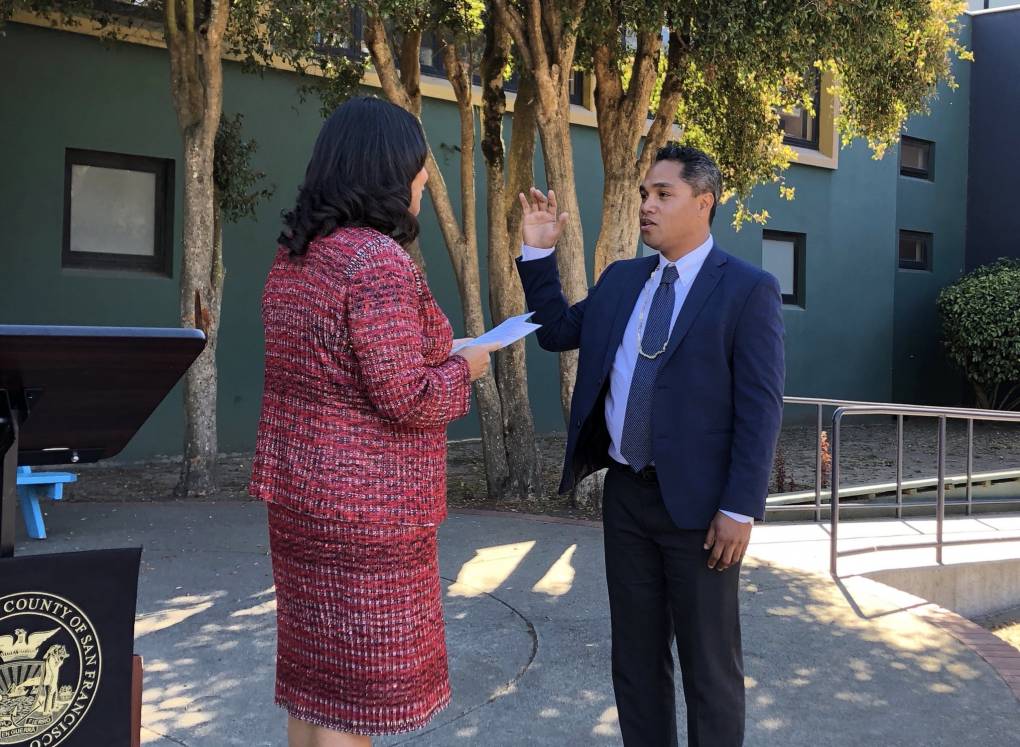
"caption": "San Francisco Mayor London Breed appoints Faauuga Moliga to the SF Board of Education on Oct. 15, 2018, on the campus of the June Jordan School for Equity. Breed has since supported the effort to recall Moliga, who is now the board's vice president.",
"description": null,
"title": "faauuga",
"credit": "Courtesy \u003ca href=\"https://twitter.com/LondonBreed/status/1051912735196250112\">London Breed/Twitter\u003c/a>",
"status": "inherit",
"altTag": "SF Mayor London Breed faces a man in a suit holding up his right hand.",
"isLoading": false,
"fetchFailed": false
},
"news_11899217": {
"type": "attachments",
"id": "news_11899217",
"meta": {
"index": "attachments_1716263798",
"site": "news",
"id": "11899217",
"found": true
},
"parent": 11899189,
"imgSizes": {
"twentyfourteen-full-width": {
"file": "https://ww2.kqed.org/app/uploads/sites/10/2021/12/120421-Eli-and-Jamie-1038x576.jpg",
"width": 1038,
"mimeType": "image/jpeg",
"height": 576
},
"thumbnail": {
"file": "https://ww2.kqed.org/app/uploads/sites/10/2021/12/120421-Eli-and-Jamie-160x107.jpg",
"width": 160,
"mimeType": "image/jpeg",
"height": 107
},
"post-thumbnail": {
"file": "https://ww2.kqed.org/app/uploads/sites/10/2021/12/120421-Eli-and-Jamie-672x372.jpg",
"width": 672,
"mimeType": "image/jpeg",
"height": 372
},
"kqedFullSize": {
"file": "https://ww2.kqed.org/app/uploads/sites/10/2021/12/120421-Eli-and-Jamie.jpg",
"width": 1920,
"height": 1280
},
"large": {
"file": "https://ww2.kqed.org/app/uploads/sites/10/2021/12/120421-Eli-and-Jamie-1020x680.jpg",
"width": 1020,
"mimeType": "image/jpeg",
"height": 680
},
"1536x1536": {
"file": "https://ww2.kqed.org/app/uploads/sites/10/2021/12/120421-Eli-and-Jamie-1536x1024.jpg",
"width": 1536,
"mimeType": "image/jpeg",
"height": 1024
},
"medium": {
"file": "https://ww2.kqed.org/app/uploads/sites/10/2021/12/120421-Eli-and-Jamie-800x533.jpg",
"width": 800,
"mimeType": "image/jpeg",
"height": 533
}
},
"publishDate": 1639605966,
"modified": 1639606078,
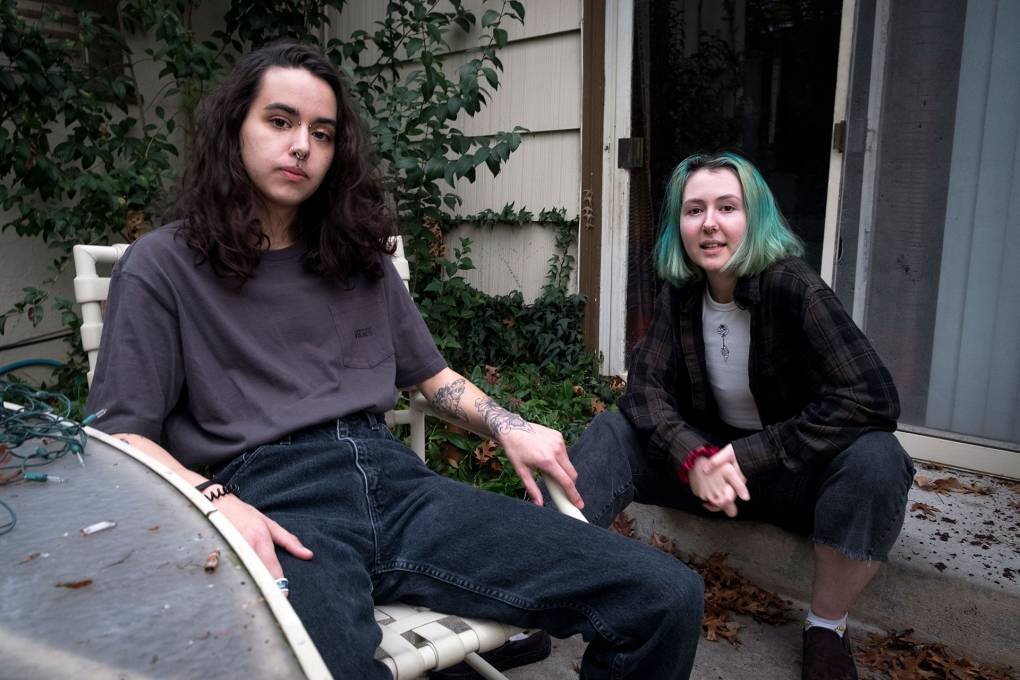
"caption": "Eli Fox and Jamie Marquis at their home in Sacramento on Dec. 4, 2021.",
"description": "Eli Fox and Jamie Marquis at their home in Sacramento on Dec. 4, 2021.",
"title": "120421-Eli-and-Jamie",
"credit": "Karlos Rene Ayala/CalMatters",
"status": "inherit",
"altTag": "two young students, one with long dark hair, the other with short dyed blue hair, look pensively at the camera on their patio",
"isLoading": false,
"fetchFailed": false
},
"news_11899213": {
"type": "attachments",
"id": "news_11899213",
"meta": {
"index": "attachments_1716263798",
"site": "news",
"id": "11899213",
"found": true
},
"parent": 11899157,
"imgSizes": {
"twentyfourteen-full-width": {
"file": "https://cdn.kqed.org/wp-content/uploads/sites/10/2021/12/chpstockimage-1038x576.jpeg",
"width": 1038,
"mimeType": "image/jpeg",
"height": 576
},
"thumbnail": {
"file": "https://cdn.kqed.org/wp-content/uploads/sites/10/2021/12/chpstockimage-160x111.jpeg",
"width": 160,
"mimeType": "image/jpeg",
"height": 111
},
"post-thumbnail": {
"file": "https://cdn.kqed.org/wp-content/uploads/sites/10/2021/12/chpstockimage-672x372.jpeg",
"width": 672,
"mimeType": "image/jpeg",
"height": 372
},
"kqedFullSize": {
"file": "https://cdn.kqed.org/wp-content/uploads/sites/10/2021/12/chpstockimage.jpeg",
"width": 1200,
"height": 830
},
"large": {
"file": "https://cdn.kqed.org/wp-content/uploads/sites/10/2021/12/chpstockimage-1020x706.jpeg",
"width": 1020,
"mimeType": "image/jpeg",
"height": 706
},
"medium": {
"file": "https://cdn.kqed.org/wp-content/uploads/sites/10/2021/12/chpstockimage-800x553.jpeg",
"width": 800,
"mimeType": "image/jpeg",
"height": 553
}
},
"publishDate": 1639605713,
"modified": 1707268896,
"caption": "A California Highway Patrol vehicle on Interstate 80 in Oakland, near the Berkeley border. ",
"description": null,
"title": "chpstockimage",
"credit": "Courtesy CHP",
"status": "inherit",
"altTag": "A car with black and white paint that reads \"Highway Patrol\" in gold letters is parked on the highway.",
"isLoading": false,
"fetchFailed": false
},
"news_11899128": {
"type": "attachments",
"id": "news_11899128",
"meta": {
"index": "attachments_1716263798",
"site": "news",
"id": "11899128",
"found": true
},
"parent": 11896078,
"imgSizes": {
"twentyfourteen-full-width": {
"file": "https://ww2.kqed.org/app/uploads/sites/10/2021/12/6BEFB548-CF05-44DD-8AA4-22710E17C43A-1038x576.jpeg",
"width": 1038,
"mimeType": "image/jpeg",
"height": 576
},
"thumbnail": {
"file": "https://ww2.kqed.org/app/uploads/sites/10/2021/12/6BEFB548-CF05-44DD-8AA4-22710E17C43A-160x90.jpeg",
"width": 160,
"mimeType": "image/jpeg",
"height": 90
},
"post-thumbnail": {
"file": "https://ww2.kqed.org/app/uploads/sites/10/2021/12/6BEFB548-CF05-44DD-8AA4-22710E17C43A-672x372.jpeg",
"width": 672,
"mimeType": "image/jpeg",
"height": 372
},
"kqedFullSize": {
"file": "https://ww2.kqed.org/app/uploads/sites/10/2021/12/6BEFB548-CF05-44DD-8AA4-22710E17C43A.jpeg",
"width": 1920,
"height": 1080
},
"large": {
"file": "https://ww2.kqed.org/app/uploads/sites/10/2021/12/6BEFB548-CF05-44DD-8AA4-22710E17C43A-1020x574.jpeg",
"width": 1020,
"mimeType": "image/jpeg",
"height": 574
},
"1536x1536": {
"file": "https://ww2.kqed.org/app/uploads/sites/10/2021/12/6BEFB548-CF05-44DD-8AA4-22710E17C43A-1536x864.jpeg",
"width": 1536,
"mimeType": "image/jpeg",
"height": 864
},
"medium": {
"file": "https://ww2.kqed.org/app/uploads/sites/10/2021/12/6BEFB548-CF05-44DD-8AA4-22710E17C43A-800x450.jpeg",
"width": 800,
"mimeType": "image/jpeg",
"height": 450
}
},
"publishDate": 1639539586,
"modified": 1639539586,
"caption": null,
"description": null,
"title": "6BEFB548-CF05-44DD-8AA4-22710E17C43A",
"credit": null,
"status": "inherit",
"altTag": null,
"isLoading": false,
"fetchFailed": false
}
},
"audioPlayerReducer": {
"postId": "stream_live",
"isPaused": true,
"isPlaying": false,
"pfsActive": false,
"pledgeModalIsOpen": true,
"playerDrawerIsOpen": false,
"liveAudioPlayStartedAt": 0,
"liveAudioPlayContext": ""
},
"authorsReducer": {
"byline_news_11900752": {
"type": "authors",
"id": "byline_news_11900752",
"meta": {
"override": true
},
"slug": "byline_news_11900752",
"name": "\u003ca href=\"https://edsource.org/author/dlambert\">Diana Lambert\u003c/a>",
"isLoading": false
},
"byline_news_11899840": {
"type": "authors",
"id": "byline_news_11899840",
"meta": {
"override": true
},
"slug": "byline_news_11899840",
"name": "\u003ca href=\"//edsource.org/author/atadayon”\">Ali Tadayon\u003c/a>",
"isLoading": false
},
"byline_news_11899189": {
"type": "authors",
"id": "byline_news_11899189",
"meta": {
"override": true
},
"slug": "byline_news_11899189",
"name": "\u003ca href=\"https://calmatters.org/author/oden-taylor/\">Oden Taylor\u003c/a>",
"isLoading": false
},
"gmarzorati": {
"type": "authors",
"id": "227",
"meta": {
"index": "authors_1716337520",
"id": "227",
"found": true
},
"name": "Guy Marzorati",
"firstName": "Guy",
"lastName": "Marzorati",
"slug": "gmarzorati",
"email": "gmarzorati@KQED.org",
"display_author_email": true,
"staff_mastheads": [
"news"
],
"title": "Correspondent",
"bio": "Guy Marzorati is a correspondent on KQED's California Politics and Government Desk, based in San Jose. A graduate of Santa Clara University, Guy joined KQED in 2013. He reports on state and local politics and produces KQED's digital voter guide.",
"avatar": "https://secure.gravatar.com/avatar/e7038b8dbfd55b104369b76b1cd0b9de?s=600&d=blank&r=g",
"twitter": "guymarzorati",
"facebook": null,
"instagram": null,
"linkedin": null,
"sites": [
{
"site": "",
"roles": [
"editor"
]
},
{
"site": "news",
"roles": [
"editor"
]
},
{
"site": "science",
"roles": [
"editor"
]
},
{
"site": "forum",
"roles": [
"editor"
]
},
{
"site": "elections",
"roles": [
"editor"
]
},
{
"site": "liveblog",
"roles": [
"editor"
]
}
],
"headData": {
"title": "Guy Marzorati | KQED",
"description": "Correspondent",
"ogImgSrc": "https://secure.gravatar.com/avatar/e7038b8dbfd55b104369b76b1cd0b9de?s=600&d=blank&r=g",
"twImgSrc": "https://secure.gravatar.com/avatar/e7038b8dbfd55b104369b76b1cd0b9de?s=600&d=blank&r=g"
},
"isLoading": false,
"link": "/author/gmarzorati"
},
"jmcevoy": {
"type": "authors",
"id": "231",
"meta": {
"index": "authors_1716337520",
"id": "231",
"found": true
},
"name": "Julia McEvoy",
"firstName": "Julia",
"lastName": "McEvoy",
"slug": "jmcevoy",
"email": "jmcevoy@KQED.org",
"display_author_email": true,
"staff_mastheads": [
"news"
],
"title": "KQED Senior Editor",
"bio": "Julia McEvoy is KQED's Senior Editor, Education Equity.\r\n\r\nJulia heads KQED’s education coverage examining inequities students face in Bay Area and California schools, and reports on what it will take to educate the next generation.\r\n\r\nJulia's editorial work has received a Peabody Award, a Casey Medal for Coverage of Children and Families, several Edward R. Murrow awards, as well as awards from the Public Radio News Directors Inc. and the Society for Professional Journalists.",
"avatar": "https://secure.gravatar.com/avatar/aec3ce21abe02b302fd33638abd56a22?s=600&d=blank&r=g",
"twitter": "juliamcevoy1",
"facebook": null,
"instagram": null,
"linkedin": null,
"sites": [
{
"site": "news",
"roles": []
},
{
"site": "stateofhealth",
"roles": [
"author"
]
}
],
"headData": {
"title": "Julia McEvoy | KQED",
"description": "KQED Senior Editor",
"ogImgSrc": "https://secure.gravatar.com/avatar/aec3ce21abe02b302fd33638abd56a22?s=600&d=blank&r=g",
"twImgSrc": "https://secure.gravatar.com/avatar/aec3ce21abe02b302fd33638abd56a22?s=600&d=blank&r=g"
},
"isLoading": false,
"link": "/author/jmcevoy"
},
"kqednewsstaffandwires": {
"type": "authors",
"id": "237",
"meta": {
"index": "authors_1716337520",
"id": "237",
"found": true
},
"name": "KQED News Staff and Wires",
"firstName": "KQED News Staff and Wires",
"lastName": null,
"slug": "kqednewsstaffandwires",
"email": "onlinenewsstaff@kqed.org",
"display_author_email": false,
"staff_mastheads": [],
"title": null,
"bio": null,
"avatar": "https://secure.gravatar.com/avatar/72295af8ebbfbd19a4948f5271285664?s=600&d=blank&r=g",
"twitter": null,
"facebook": null,
"instagram": null,
"linkedin": null,
"sites": [
{
"site": "arts",
"roles": [
"contributor"
]
},
{
"site": "news",
"roles": [
"contributor"
]
},
{
"site": "lowdown",
"roles": [
"author"
]
},
{
"site": "stateofhealth",
"roles": [
"contributor"
]
},
{
"site": "food",
"roles": [
"author"
]
}
],
"headData": {
"title": "KQED News Staff and Wires | KQED",
"description": null,
"ogImgSrc": "https://secure.gravatar.com/avatar/72295af8ebbfbd19a4948f5271285664?s=600&d=blank&r=g",
"twImgSrc": "https://secure.gravatar.com/avatar/72295af8ebbfbd19a4948f5271285664?s=600&d=blank&r=g"
},
"isLoading": false,
"link": "/author/kqednewsstaffandwires"
},
"minakim": {
"type": "authors",
"id": "243",
"meta": {
"index": "authors_1716337520",
"id": "243",
"found": true
},
"name": "Mina Kim",
"firstName": "Mina",
"lastName": "Kim",
"slug": "minakim",
"email": "mkim@kqed.org",
"display_author_email": false,
"staff_mastheads": [
"news"
],
"title": "Host, Forum",
"bio": "Mina Kim is host of the 10 a.m. statewide hour of Forum; a live daily talk show for curious Californians on issues that matter to the state and nation, with a particular emphasis on race and equity.\r\n\r\nBefore joining the Forum team, Mina was KQED’s evening news anchor, and health reporter for The California Report. Her award-winning work has included natural disasters in Napa and gun violence in Oakland. Mina grew up in St. John’s, Newfoundland.",
"avatar": "https://secure.gravatar.com/avatar/145ce657a2d08cb86d93686beb958982?s=600&d=blank&r=g",
"twitter": "mkimreporter",
"facebook": null,
"instagram": null,
"linkedin": null,
"sites": [
{
"site": "news",
"roles": [
"contributor"
]
},
{
"site": "stateofhealth",
"roles": [
"author"
]
},
{
"site": "forum",
"roles": [
"editor"
]
}
],
"headData": {
"title": "Mina Kim | KQED",
"description": "Host, Forum",
"ogImgSrc": "https://secure.gravatar.com/avatar/145ce657a2d08cb86d93686beb958982?s=600&d=blank&r=g",
"twImgSrc": "https://secure.gravatar.com/avatar/145ce657a2d08cb86d93686beb958982?s=600&d=blank&r=g"
},
"isLoading": false,
"link": "/author/minakim"
},
"markfiore": {
"type": "authors",
"id": "3236",
"meta": {
"index": "authors_1716337520",
"id": "3236",
"found": true
},
"name": "Mark Fiore",
"firstName": "Mark",
"lastName": "Fiore",
"slug": "markfiore",
"email": "mark@markfiore.com",
"display_author_email": false,
"staff_mastheads": [
"news"
],
"title": "KQED News Cartoonist",
"bio": "\u003ca href=\"http://www.MarkFiore.com\">MarkFiore.com\u003c/a> | \u003ca href=\"https://twitter.com/markfiore\">Follow on Twitter\u003c/a> | \u003ca href=\"https://www.facebook.com/pages/Mark-Fiore-Animated-Political-Cartoons/94451707396?ref=bookmarks\">Facebook\u003c/a> | \u003ca href=\"mailto:mark@markfiore.com\">email\u003c/a>\r\n\r\nPulitzer Prize-winner, Mark Fiore, who the Wall Street Journal has called “the undisputed guru of the form,” creates animated political cartoons in San Francisco, where his work has been featured regularly on the San Francisco Chronicle’s web site, SFGate.com. His work has appeared on Newsweek.com, Slate.com, CBSNews.com, MotherJones.com, DailyKos.com and NPR’s web site. Fiore’s political animation has appeared on CNN, Frontline, Bill Moyers Journal, Salon.com and cable and broadcast outlets across the globe.\r\n\r\nBeginning his professional life by drawing traditional political cartoons for newspapers, Fiore’s work appeared in publications ranging from the Washington Post to the Los Angeles Times. In the late 1990s, he began to experiment with animating political cartoons and, after a short stint at the San Jose Mercury News as their staff cartoonist, Fiore devoted all his energies to animation.\r\nGrowing up in California, Fiore also spent a good portion of his life in the backwoods of Idaho. It was this combination that shaped him politically. Mark majored in political science at Colorado College, where, in a perfect send-off for a cartoonist, he received his diploma in 1991 as commencement speaker Dick Cheney smiled approvingly.\r\nMark Fiore was awarded the Pulitzer Prize for political cartooning in 2010, a Robert F. Kennedy Journalism Award in 2004 and has twice received an Online Journalism Award for commentary from the Online News Association (2002, 2008). Fiore has received two awards for his work in new media from the National Cartoonists Society (2001, 2002), and in 2006 received The James Madison Freedom of Information Award from The Society of Professional Journalists.",
"avatar": "https://secure.gravatar.com/avatar/fc4e2a612b15b67bad0c6f0e1db4ca9b?s=600&d=blank&r=g",
"twitter": "MarkFiore",
"facebook": null,
"instagram": "https://www.instagram.com/markfiore/?hl=en",
"linkedin": null,
"sites": [
{
"site": "arts",
"roles": [
"contributor"
]
},
{
"site": "news",
"roles": [
"editor"
]
},
{
"site": "futureofyou",
"roles": [
"editor"
]
},
{
"site": "science",
"roles": [
"editor"
]
}
],
"headData": {
"title": "Mark Fiore | KQED",
"description": "KQED News Cartoonist",
"ogImgSrc": "https://secure.gravatar.com/avatar/fc4e2a612b15b67bad0c6f0e1db4ca9b?s=600&d=blank&r=g",
"twImgSrc": "https://secure.gravatar.com/avatar/fc4e2a612b15b67bad0c6f0e1db4ca9b?s=600&d=blank&r=g"
},
"isLoading": false,
"link": "/author/markfiore"
},
"mlagos": {
"type": "authors",
"id": "3239",
"meta": {
"index": "authors_1716337520",
"id": "3239",
"found": true
},
"name": "Marisa Lagos",
"firstName": "Marisa",
"lastName": "Lagos",
"slug": "mlagos",
"email": "mlagos@kqed.org",
"display_author_email": false,
"staff_mastheads": [
"news"
],
"title": "KQED Contributor",
"bio": "Marisa Lagos is a correspondent for KQED’s California Politics and Government Desk and co-hosts the award-winning show and podcast, Political Breakdown. At KQED, Lagos also conducts reporting, analysis and investigations into state, local and national politics for radio, TV, online and onstage. In 2022, she and co-host, Scott Shafer, moderated the only gubernatorial debate in California. In 2020, the \u003ci>Washington Post\u003c/i> named her one of the top political journalists in California; she was nominated for a Peabody and won several other awards for her work investigating the 2017 California wildfires. She has worked at the \u003ci>San Francisco Chronicle\u003c/i>, \u003ci>San Francisco Examiner\u003c/i> and \u003ci>Los Angeles Times\u003c/i>. A UC Santa Barbara graduate, she lives in San Francisco with her two sons and husband.",
"avatar": "https://secure.gravatar.com/avatar/a261a0d3696fc066871ef96b85b5e7d2?s=600&d=blank&r=g",
"twitter": "@mlagos",
"facebook": null,
"instagram": null,
"linkedin": null,
"sites": [
{
"site": "arts",
"roles": [
"author"
]
},
{
"site": "news",
"roles": [
"editor"
]
},
{
"site": "science",
"roles": [
"editor"
]
},
{
"site": "forum",
"roles": [
"author"
]
},
{
"site": "liveblog",
"roles": [
"author"
]
}
],
"headData": {
"title": "Marisa Lagos | KQED",
"description": "KQED Contributor",
"ogImgSrc": "https://secure.gravatar.com/avatar/a261a0d3696fc066871ef96b85b5e7d2?s=600&d=blank&r=g",
"twImgSrc": "https://secure.gravatar.com/avatar/a261a0d3696fc066871ef96b85b5e7d2?s=600&d=blank&r=g"
},
"isLoading": false,
"link": "/author/mlagos"
},
"vrancano": {
"type": "authors",
"id": "11276",
"meta": {
"index": "authors_1716337520",
"id": "11276",
"found": true
},
"name": "Vanessa Rancaño",
"firstName": "Vanessa",
"lastName": "Rancaño",
"slug": "vrancano",
"email": "vrancano@kqed.org",
"display_author_email": false,
"staff_mastheads": [
"news"
],
"title": "Reporter",
"bio": "Vanessa Rancaño is a features reporter for KQED. She’s also covered homelessness and education for the station and reported from the Central Valley. Her work has aired across public radio, from flagship national news shows to longform narrative podcasts. Before taking up a mic, she worked as a freelance print journalist. She’s been recognized with a number of national and regional awards. Vanessa grew up in California's Central Valley. She's a former NPR Kroc Fellow, and a graduate of the UC Berkeley Graduate School of Journalism.",
"avatar": "https://secure.gravatar.com/avatar/b3a383dfb0e7ee1c17568f2cf067904ab654d6e3de9743fc661f3c788ade1bed?s=600&d=blank&r=g",
"twitter": "vanessarancano",
"bluesky": null,
"facebook": null,
"instagram": null,
"linkedin": null,
"sites": [
{
"site": "arts",
"roles": [
"editor"
]
},
{
"site": "news",
"roles": [
"editor"
]
},
{
"site": "liveblog",
"roles": [
"contributor"
]
}
],
"headData": {
"title": "Vanessa Rancaño | KQED",
"description": "Reporter",
"ogImgSrc": "https://secure.gravatar.com/avatar/b3a383dfb0e7ee1c17568f2cf067904ab654d6e3de9743fc661f3c788ade1bed?s=600&d=blank&r=g",
"twImgSrc": "https://secure.gravatar.com/avatar/b3a383dfb0e7ee1c17568f2cf067904ab654d6e3de9743fc661f3c788ade1bed?s=600&d=blank&r=g"
},
"isLoading": false,
"link": "/author/vrancano"
},
"lsarah": {
"type": "authors",
"id": "11626",
"meta": {
"index": "authors_1716337520",
"id": "11626",
"found": true
},
"name": "Lakshmi Sarah",
"firstName": "Lakshmi",
"lastName": "Sarah",
"slug": "lsarah",
"email": "lsarah@kqed.org",
"display_author_email": false,
"staff_mastheads": [],
"title": "Digital Producer",
"bio": "Lakshmi Sarah is an educator, author and journalist with a focus on innovative storytelling. She has worked with newspapers, radio and magazines from Ahmedabad, India to Los Angeles, California. She has written and produced for Die Zeit, Global Voices, AJ+, KQED, Fusion Media Group and the New York Times.",
"avatar": "https://secure.gravatar.com/avatar/652dcaecd8b28826fc17a8b2d6bb4e93?s=600&d=blank&r=g",
"twitter": "lakitalki",
"facebook": null,
"instagram": "https://www.instagram.com/laki.talki/",
"linkedin": "https://www.linkedin.com/in/lakisarah/",
"sites": [
{
"site": "arts",
"roles": []
},
{
"site": "news",
"roles": []
},
{
"site": "bayareabites",
"roles": []
},
{
"site": "science",
"roles": []
}
],
"headData": {
"title": "Lakshmi Sarah | KQED",
"description": "Digital Producer",
"ogImgSrc": "https://secure.gravatar.com/avatar/652dcaecd8b28826fc17a8b2d6bb4e93?s=600&d=blank&r=g",
"twImgSrc": "https://secure.gravatar.com/avatar/652dcaecd8b28826fc17a8b2d6bb4e93?s=600&d=blank&r=g"
},
"isLoading": false,
"link": "/author/lsarah"
}
},
"pagesReducer": {
"news_category_education": {
"type": "terms",
"id": "news_18540",
"meta": {
"index": "terms_1716263798",
"site": "news",
"id": "18540",
"score": 10.973221
},
"featImg": null,
"name": "Education",
"description": null,
"taxonomy": "category",
"headData": {
"twImgId": null,
"twTitle": null,
"ogTitle": null,
"ogImgId": null,
"twDescription": null,
"description": null,
"title": "Education Archives | KQED News",
"ogDescription": null
},
"ttid": 2595,
"slug": "education",
"isLoading": false,
"title": "Education",
"pageMeta": {
"site": "news",
"WpPageTemplate": "page-topic-editorial",
"currentPage": 75
},
"blocks": [
{
"blockName": "kqed/post-list",
"attrs": {
"layout": "cardArticle2",
"query": "posts/news?category=education",
"seeMore": false,
"paginated": true,
"page": 75
}
},
{
"blockName": "kqed/ad"
}
]
}
},
"pfsSessionReducer": {},
"postsReducer": {
"stream_live": {
"type": "live",
"id": "stream_live",
"audioUrl": "https://streams.kqed.org/kqedradio",
"title": "Live Stream",
"excerpt": "Live Stream information currently unavailable.",
"link": "/radio",
"featImg": "",
"label": {
"name": "KQED Live",
"link": "/"
}
},
"stream_kqedNewscast": {
"type": "posts",
"id": "stream_kqedNewscast",
"audioUrl": "https://www.kqed.org/.stream/anon/radio/RDnews/newscast.mp3?_=1",
"title": "KQED Newscast",
"featImg": "",
"label": {
"name": "88.5 FM",
"link": "/"
}
},
"news_11900220": {
"type": "posts",
"id": "news_11900220",
"meta": {
"index": "posts_1716263798",
"site": "news",
"id": "11900220",
"score": null,
"sort": [
1641945597000
]
},
"guestAuthors": [],
"slug": "state-slow-to-approve-substitute-teachers-districts-use-new-tactics-to-fill-the-gap",
"title": "State Slow to Approve Substitute Teachers; Districts Use New Tactics to Fill the Gap",
"publishDate": 1641945597,
"format": "standard",
"headTitle": "State Slow to Approve Substitute Teachers; Districts Use New Tactics to Fill the Gap | KQED",
"labelTerm": {
"site": "news"
},
"content": "\u003cp>\u003ci>\u003cspan style=\"font-weight: 400\">Updated 4:50 p.m. Tuesday \u003c/span>\u003c/i>\u003c/p>\n\u003cp>In schools from Oakland and Berkeley to American Canyon, staffing shortages are resulting in \u003ca href=\"https://www.kqed.org/news/11898251/i-learned-nothing-for-three-weeks-bay-area-sub-shortage-leaves-students-hanging\">more chaotic hallways and lost learning time\u003c/a>. The lack of subs ready to fill in for classroom teachers who have to take a sick or personal leave day is a large part of the problem.\u003c/p>\n\u003cp>“I’ve had classes where … other teachers come in to take over and they come in to teach my class and they are really exhausted,” said Joanna Lam, a senior at Lowell High School in San Francisco. “One time, I had an administrator cover for a little bit. Lately I’ve had this one class like rotating counselors sitting in as subs. It definitely throws a wrench in things in terms of learning.”\u003c/p>\n\u003cp>Throughout the pandemic, Bay Area substitute teachers have left their districts in large numbers, in part because work dried up when school instruction moved online and teachers began working from home.\u003c/p>\n\u003cp>Now districts are having a hard time getting those subs back, as they, like other workers nationwide, are reevaluating the worth of their labor, and have changed locations or found better-paying jobs.\u003c/p>\n\u003cp>The shortage has left districts trying new ways of recruiting by targeting retirees, parents who help out in classrooms, and corporate volunteers to become certified substitutes. However, new recruits are running into certification slowdowns at the state level.\u003c/p>\n\u003cp>In response, on Tuesday Gov. Gavin Newsom signed an executive order providing more flexibility for schools to support in-person instruction. The order will lower state barriers that are delaying the hire of short-term subs; will allow assignment extensions for subs; and eliminates barriers “that may prevent additional retired teachers from returning.”\u003c/p>\n\u003cp>The flexibilities expire on March 31, 2022, and are only available to schools that submit a written statement saying the changes will support in-person services for students despite staffing shortages.\u003c/p>\n\u003cp>Despite the great need for subs — and the high number of applications coming in from people looking for those jobs — the state is still processing applications from October and faces a backlog of nearly 600 applications.\u003c/p>\n\u003cp>The Commission on Teacher Credentialing says it’s well aware of the shortage in subs. In its defense, spokesperson Sasha Horwitz said in an email that applications are still being processed under the 50-day statutory time frame allowed.[pullquote size=\"medium\" align=\"right\" citation=\"Dana Moran, Berkeley High School teacher\"]‘A huge and frustrating irony in all this is that we have student teachers who would love to sub, and desperately need the money since they are in grad school.’[/pullquote]\u003c/p>\n\u003cp>Horwitz says the slowdown is due in part to an influx of new applicants resulting from recent changes to the law making it easier to apply, such as waiving the processing fee, and making it easier to meet the basic skills requirement through prior college course work.\u003c/p>\n\u003cp>This has led to a large influx of applicants for all credential types — the agency is working to clear some 3,887 total teaching applications, including subs — meaning there are more applications being processed by the commission than usual.\u003c/p>\n\u003cp>The commission says it’s working overtime and has brought on three more people to speed things up.\u003c/p>\n\u003cp>Staffing shortages at the district administrative level also are a part of the problem. The head of San Francisco Unified’s human resources department, Kristin Bijur, says her office is at between 65% and 75% below capacity.[aside postID=\"news_11898251,news_11892468,mindshift_58938\" label=\"Related Posts\"]Bijur says the staff she is missing could be helping folks complete \u003ca href=\"https://www.ctc.ca.gov/credentials/leaflets/30-Day-Substitute-Teaching-Permit-(CL-505p)\">the application process\u003c/a>, which can include locating old SAT scores and other data not readily available.\u003c/p>\n\u003cp>“It’s actually not easy to become a substitute. You have to submit transcripts and you have to submit an assessment of basic skills,” Bijur explained.\u003c/p>\n\u003cp>The district has been trying to attract bilingual immigrant parents who might already be volunteering in their child’s elementary school classroom to the job.\u003c/p>\n\u003cp>“Every single night, every night, it keeps me awake,” Bijur says. “The single most important factor in a child’s education is the quality of their teacher.”\u003c/p>\n\u003ch3>Districts trying new ways to attract substitutes\u003c/h3>\n\u003cp>At SFUSD, Bijur is trying to come up with new ways of getting more people to help staff schools. She wants to work with the district’s corporate partners to have them send in service day volunteers to handle playground duty, freeing up those staff to fill in on classroom teaching, for example.\u003c/p>\n\u003cp>And Bijur is also looking into ways to get more student teachers emergency credentials to sub. Student teachers are graduate students working toward their teaching degree who often train in public school classrooms.\u003c/p>\n\u003cp>If she succeeds, however, Bijur says any who are newly credentialed as subs would go straight into the 36 district classrooms that still don’t have a permanent teacher in them this year.\u003c/p>\n\u003cp>(In San Diego, some school districts have mailed letters directly to parents asking them to step in and help. Others have turned to \u003ca href=\"https://www.cbs8.com/article/news/local/poway-unified-parents-step-up-after-plea-to-help-with-worker-shortage-san-diego-county-schools-education/509-f5ea1bae-74ae-4f0d-9456-3e00690eb8cf\">Tiktok to recruit\u003c/a>.)\u003c/p>\n\u003cp>Berkeley Unified also is working to get more student teachers emergency credentials.\u003c/p>\n\u003cp>“A huge and frustrating irony in all this is that we have student teachers who would love to sub, and desperately need the money since they are in grad school,” said Berkeley High teacher Dana Moran in an email.\u003c/p>\n\u003cp>“But staff shortages and backlogs at the district, state, and ACOE have made it impossible for them to get certified to sub,” she said, referencing the Alameda County Office of Education. “They have literally been trying to get on the sub list since August and still have not been approved.”\u003c/p>\n\u003cp>In Oakland, the district has been able to hire 104 new subs this year by contracting with companies like ZipRecruiter and Indeed to target substitute recruitment. The district has moved to video screening for the sub interviews to move things along, and they’ve increased the pay rate to that of a first-year teacher’s salary.\u003c/p>\n\u003cp>However, OUSD does not provide health benefits for nonpermanent, day-to-day subs.\u003c/p>\n\u003cp>Oakland sub Craig Gordon, who is a retired teacher, says the district could attract more retired teachers like him back into the sub pool if it would agree to cover the costs of health care should they contract COVID-19 while on the job. Retired teachers don’t have to go through the same screening process when they want to return as a sub since they’re already credentialed.\u003c/p>\n\u003cp>“And so we have asked for some kind of formula whereby a substitute who is working would get health care benefits, too. But they are refusing to negotiate any of that right now,” said Gordon.\u003c/p>\n\u003cp>According to state law, on Jan. 1, teachers who retired six months ago are eligible to work as subs, and many districts said they are hoping those teachers can be persuaded to come back to the classroom a few days a week to fill in\u003c/p>\n\u003cp>But older teachers also can be more hesitant to work in classrooms during the pandemic, especially during the current surge. Furthermore, aside from concerns about omicron breakthrough cases, some potential subs also are balking at working in schools that are so understaffed they’re having a hard time functioning.\u003c/p>\n\u003cp>In Marin County, where the sub pool has shrunk from about 500 to 300, previous recruitment methods just aren’t working, said Tracee Edmunds, director of personnel with the Marin County Office of Education. She says districts have to actively reach out to people and leverage the networks that already exist to try to solve the sub shortage.\u003c/p>\n\u003cp>“It’s going to go beyond just the responsibility of the HR offices,” Edmunds said. “Everyone’s going to have to get involved, including the school site staff recruiting parents, people reaching out to members of the community and coming together as a village to help solve the staffing shortage.”\u003c/p>\n\u003cp>The Marin County Superintendent of Schools Office is spearheading an effort to find new substitute prospects by approaching people in line at vaccination clinics, for example. Edmunds says the district wants to appeal to the county’s retired residents who may be willing to sub one or two days a week.\u003c/p>\n\u003cp>But Edmunds predicts it will take years to build back up the staffing of substitutes.\u003c/p>\n\u003cp>“I think it is something that districts are going to be working on for years to come in building back up the staffing for our substitutes and public education,” she said.\u003c/p>\n\u003cp>“With people moving out of the state and removing themselves due to COVID-related concerns,” she said, “we have a long road ahead of us to bring back really great quality substitutes to replace our teachers.”\u003c/p>\n\u003cp>[ad fullwidth]\u003c/p>\n\u003cp>[ad floatright]\u003c/p>\n",
"blocks": [],
"excerpt": "In schools from Oakland and Berkeley to American Canyon, staffing shortages are resulting in more chaotic hallways and lost learning time. The lack of subs ready to fill in for classroom teachers is a large part of the problem.",
"status": "publish",
"parent": 0,
"modified": 1721120981,
"stats": {
"hasAudio": false,
"hasVideo": false,
"hasChartOrMap": false,
"iframeSrcs": [],
"hasGoogleForm": false,
"hasGallery": false,
"hasHearkenModule": false,
"hasPolis": false,
"paragraphCount": 38,
"wordCount": 1512
},
"headData": {
"title": "State Slow to Approve Substitute Teachers; Districts Use New Tactics to Fill the Gap | KQED",
"description": "In schools from Oakland and Berkeley to American Canyon, staffing shortages are resulting in more chaotic hallways and lost learning time. The lack of subs ready to fill in for classroom teachers is a large part of the problem.",
"ogTitle": "",
"ogDescription": "",
"ogImgId": "",
"twTitle": "",
"twDescription": "",
"twImgId": "",
"schema": {
"@context": "https://schema.org",
"@type": "NewsArticle",
"headline": "State Slow to Approve Substitute Teachers; Districts Use New Tactics to Fill the Gap",
"datePublished": "2022-01-11T15:59:57-08:00",
"dateModified": "2024-07-16T02:09:41-07:00",
"image": "https://cdn.kqed.org/wp-content/uploads/2020/02/KQED-OG-Image@1x.png",
"isAccessibleForFree": "True",
"publisher": {
"@type": "NewsMediaOrganization",
"@id": "https://www.kqed.org/#organization",
"name": "KQED",
"logo": "https://cdn.kqed.org/wp-content/uploads/2020/02/KQED-OG-Image@1x.png",
"url": "https://www.kqed.org",
"sameAs": [
"https://www.facebook.com/KQED",
"https://twitter.com/KQED",
"https://www.instagram.com/kqed/",
"https://www.tiktok.com/@kqedofficial",
"https://www.linkedin.com/company/kqed",
"https://www.youtube.com/channel/UCeC0IOo7i1P_61zVUWbJ4nw"
]
}
}
},
"sticky": false,
"excludeFromSiteSearch": "Include",
"path": "/news/11900220/state-slow-to-approve-substitute-teachers-districts-use-new-tactics-to-fill-the-gap",
"audioTrackLength": null,
"parsedContent": [
{
"type": "contentString",
"content": "\u003cdiv class=\"post-body\">\u003cp>\u003cp>\u003ci>\u003cspan style=\"font-weight: 400\">Updated 4:50 p.m. Tuesday \u003c/span>\u003c/i>\u003c/p>\n\u003cp>In schools from Oakland and Berkeley to American Canyon, staffing shortages are resulting in \u003ca href=\"https://www.kqed.org/news/11898251/i-learned-nothing-for-three-weeks-bay-area-sub-shortage-leaves-students-hanging\">more chaotic hallways and lost learning time\u003c/a>. The lack of subs ready to fill in for classroom teachers who have to take a sick or personal leave day is a large part of the problem.\u003c/p>\n\u003cp>“I’ve had classes where … other teachers come in to take over and they come in to teach my class and they are really exhausted,” said Joanna Lam, a senior at Lowell High School in San Francisco. “One time, I had an administrator cover for a little bit. Lately I’ve had this one class like rotating counselors sitting in as subs. It definitely throws a wrench in things in terms of learning.”\u003c/p>\n\u003cp>Throughout the pandemic, Bay Area substitute teachers have left their districts in large numbers, in part because work dried up when school instruction moved online and teachers began working from home.\u003c/p>\n\u003cp>Now districts are having a hard time getting those subs back, as they, like other workers nationwide, are reevaluating the worth of their labor, and have changed locations or found better-paying jobs.\u003c/p>\n\u003cp>The shortage has left districts trying new ways of recruiting by targeting retirees, parents who help out in classrooms, and corporate volunteers to become certified substitutes. However, new recruits are running into certification slowdowns at the state level.\u003c/p>\n\u003cp>In response, on Tuesday Gov. Gavin Newsom signed an executive order providing more flexibility for schools to support in-person instruction. The order will lower state barriers that are delaying the hire of short-term subs; will allow assignment extensions for subs; and eliminates barriers “that may prevent additional retired teachers from returning.”\u003c/p>\n\u003cp>The flexibilities expire on March 31, 2022, and are only available to schools that submit a written statement saying the changes will support in-person services for students despite staffing shortages.\u003c/p>\n\u003cp>Despite the great need for subs — and the high number of applications coming in from people looking for those jobs — the state is still processing applications from October and faces a backlog of nearly 600 applications.\u003c/p>\n\u003cp>The Commission on Teacher Credentialing says it’s well aware of the shortage in subs. In its defense, spokesperson Sasha Horwitz said in an email that applications are still being processed under the 50-day statutory time frame allowed.\u003c/p>\u003c/div>",
"attributes": {
"named": {},
"numeric": []
}
},
{
"type": "component",
"content": "‘A huge and frustrating irony in all this is that we have student teachers who would love to sub, and desperately need the money since they are in grad school.’",
"name": "pullquote",
"attributes": {
"named": {
"size": "medium",
"align": "right",
"citation": "Dana Moran, Berkeley High School teacher",
"label": ""
},
"numeric": []
}
},
{
"type": "contentString",
"content": "\u003cdiv class=\"post-body\">\u003cp>\u003c/p>\n\u003cp>Horwitz says the slowdown is due in part to an influx of new applicants resulting from recent changes to the law making it easier to apply, such as waiving the processing fee, and making it easier to meet the basic skills requirement through prior college course work.\u003c/p>\n\u003cp>This has led to a large influx of applicants for all credential types — the agency is working to clear some 3,887 total teaching applications, including subs — meaning there are more applications being processed by the commission than usual.\u003c/p>\n\u003cp>The commission says it’s working overtime and has brought on three more people to speed things up.\u003c/p>\n\u003cp>Staffing shortages at the district administrative level also are a part of the problem. The head of San Francisco Unified’s human resources department, Kristin Bijur, says her office is at between 65% and 75% below capacity.\u003c/p>\u003c/div>",
"attributes": {
"named": {},
"numeric": []
}
},
{
"type": "component",
"content": "",
"name": "aside",
"attributes": {
"named": {
"postid": "news_11898251,news_11892468,mindshift_58938",
"label": "Related Posts "
},
"numeric": []
}
},
{
"type": "contentString",
"content": "\u003cdiv class=\"post-body\">\u003cp>Bijur says the staff she is missing could be helping folks complete \u003ca href=\"https://www.ctc.ca.gov/credentials/leaflets/30-Day-Substitute-Teaching-Permit-(CL-505p)\">the application process\u003c/a>, which can include locating old SAT scores and other data not readily available.\u003c/p>\n\u003cp>“It’s actually not easy to become a substitute. You have to submit transcripts and you have to submit an assessment of basic skills,” Bijur explained.\u003c/p>\n\u003cp>The district has been trying to attract bilingual immigrant parents who might already be volunteering in their child’s elementary school classroom to the job.\u003c/p>\n\u003cp>“Every single night, every night, it keeps me awake,” Bijur says. “The single most important factor in a child’s education is the quality of their teacher.”\u003c/p>\n\u003ch3>Districts trying new ways to attract substitutes\u003c/h3>\n\u003cp>At SFUSD, Bijur is trying to come up with new ways of getting more people to help staff schools. She wants to work with the district’s corporate partners to have them send in service day volunteers to handle playground duty, freeing up those staff to fill in on classroom teaching, for example.\u003c/p>\n\u003cp>And Bijur is also looking into ways to get more student teachers emergency credentials to sub. Student teachers are graduate students working toward their teaching degree who often train in public school classrooms.\u003c/p>\n\u003cp>If she succeeds, however, Bijur says any who are newly credentialed as subs would go straight into the 36 district classrooms that still don’t have a permanent teacher in them this year.\u003c/p>\n\u003cp>(In San Diego, some school districts have mailed letters directly to parents asking them to step in and help. Others have turned to \u003ca href=\"https://www.cbs8.com/article/news/local/poway-unified-parents-step-up-after-plea-to-help-with-worker-shortage-san-diego-county-schools-education/509-f5ea1bae-74ae-4f0d-9456-3e00690eb8cf\">Tiktok to recruit\u003c/a>.)\u003c/p>\n\u003cp>Berkeley Unified also is working to get more student teachers emergency credentials.\u003c/p>\n\u003cp>“A huge and frustrating irony in all this is that we have student teachers who would love to sub, and desperately need the money since they are in grad school,” said Berkeley High teacher Dana Moran in an email.\u003c/p>\n\u003cp>“But staff shortages and backlogs at the district, state, and ACOE have made it impossible for them to get certified to sub,” she said, referencing the Alameda County Office of Education. “They have literally been trying to get on the sub list since August and still have not been approved.”\u003c/p>\n\u003cp>In Oakland, the district has been able to hire 104 new subs this year by contracting with companies like ZipRecruiter and Indeed to target substitute recruitment. The district has moved to video screening for the sub interviews to move things along, and they’ve increased the pay rate to that of a first-year teacher’s salary.\u003c/p>\n\u003cp>However, OUSD does not provide health benefits for nonpermanent, day-to-day subs.\u003c/p>\n\u003cp>Oakland sub Craig Gordon, who is a retired teacher, says the district could attract more retired teachers like him back into the sub pool if it would agree to cover the costs of health care should they contract COVID-19 while on the job. Retired teachers don’t have to go through the same screening process when they want to return as a sub since they’re already credentialed.\u003c/p>\n\u003cp>“And so we have asked for some kind of formula whereby a substitute who is working would get health care benefits, too. But they are refusing to negotiate any of that right now,” said Gordon.\u003c/p>\n\u003cp>According to state law, on Jan. 1, teachers who retired six months ago are eligible to work as subs, and many districts said they are hoping those teachers can be persuaded to come back to the classroom a few days a week to fill in\u003c/p>\n\u003cp>But older teachers also can be more hesitant to work in classrooms during the pandemic, especially during the current surge. Furthermore, aside from concerns about omicron breakthrough cases, some potential subs also are balking at working in schools that are so understaffed they’re having a hard time functioning.\u003c/p>\n\u003cp>In Marin County, where the sub pool has shrunk from about 500 to 300, previous recruitment methods just aren’t working, said Tracee Edmunds, director of personnel with the Marin County Office of Education. She says districts have to actively reach out to people and leverage the networks that already exist to try to solve the sub shortage.\u003c/p>\n\u003cp>“It’s going to go beyond just the responsibility of the HR offices,” Edmunds said. “Everyone’s going to have to get involved, including the school site staff recruiting parents, people reaching out to members of the community and coming together as a village to help solve the staffing shortage.”\u003c/p>\n\u003cp>The Marin County Superintendent of Schools Office is spearheading an effort to find new substitute prospects by approaching people in line at vaccination clinics, for example. Edmunds says the district wants to appeal to the county’s retired residents who may be willing to sub one or two days a week.\u003c/p>\n\u003cp>But Edmunds predicts it will take years to build back up the staffing of substitutes.\u003c/p>\n\u003cp>“I think it is something that districts are going to be working on for years to come in building back up the staffing for our substitutes and public education,” she said.\u003c/p>\n\u003cp>“With people moving out of the state and removing themselves due to COVID-related concerns,” she said, “we have a long road ahead of us to bring back really great quality substitutes to replace our teachers.”\u003c/p>\n\u003cp>\u003c/p>\u003c/div>",
"attributes": {
"named": {},
"numeric": []
}
},
{
"type": "component",
"content": "",
"name": "ad",
"attributes": {
"named": {
"label": "fullwidth"
},
"numeric": [
"fullwidth"
]
}
},
{
"type": "contentString",
"content": "\u003cdiv class=\"post-body\">\u003cp>\u003c/p>\n\u003cp>\u003c/p>\u003c/div>",
"attributes": {
"named": {},
"numeric": []
}
},
{
"type": "component",
"content": "",
"name": "ad",
"attributes": {
"named": {
"label": "floatright"
},
"numeric": [
"floatright"
]
}
},
{
"type": "contentString",
"content": "\u003cdiv class=\"post-body\">\u003cp>\u003c/p>\n\u003c/div>\u003c/p>",
"attributes": {
"named": {},
"numeric": []
}
}
],
"link": "/news/11900220/state-slow-to-approve-substitute-teachers-districts-use-new-tactics-to-fill-the-gap",
"authors": [
"231"
],
"categories": [
"news_18540",
"news_457",
"news_8"
],
"tags": [
"news_20013",
"news_1290",
"news_18434",
"news_2044"
],
"featImg": "news_11898419",
"label": "news"
},
"news_11900721": {
"type": "posts",
"id": "news_11900721",
"meta": {
"index": "posts_1716263798",
"site": "news",
"id": "11900721",
"score": null,
"sort": [
1641909603000
]
},
"parent": 0,
"labelTerm": {
"site": "news"
},
"blocks": [],
"publishDate": 1641909603,
"format": "standard",
"disqusTitle": "How We Got Here: The Road to the Recall Election of 3 SF School Board Members",
"title": "How We Got Here: The Road to the Recall Election of 3 SF School Board Members",
"headTitle": "KQED News",
"content": "\u003cp>The effort to recall three San Francisco Board of Education commissioners has divided the city.\u003c/p>\n\u003cp>Depending on the take, the recall is a coup attempt by a mob of venture capitalists and moneyed moms; a righteous crusade to save the city’s marginalized children run by a bootstrapping crew of political newbies; or a misguided effort to exorcize the demons of the last two years.\u003c/p>\n\u003cp>The effort to oust school board members Alison Collins, Gabriela López and Faauuga Moliga — the first recall effort to make it onto the city’s ballot in almost four decades — is a uniquely San Franciscan edition of the ire directed at school boards across the country. Parents have been pushed to the brink by COVID-era stresses, and many have felt abandoned by their public institutions — and are hungry for accountability.\u003c/p>\n\u003cp>Should Collins, López and Moliga be held responsible for the disarray largely wrought by the pandemic?\u003c/p>\n\u003cp>In San Francisco, anger over the handling of education during the pandemic launched a parent advocacy movement that surfaced the recall effort. That push has been fueled by long-simmering tensions, including a battle over who should have access to the city’s premier public high school and a years-old racial justice effort to rename certain schools — all of which have been highlighted by detractors as evidence of the school board’s ineptitude.\u003c/p>\n\u003cp>[ad fullwidth]\u003c/p>\n\u003cp>The prolonged debacle has garnered national media attention and hundreds of thousands of dollars in donations in support of the recall. Politicians have piled on. There have been lawsuits, allegations of racism and even death threats. And now, finally, it’s almost time to vote.\u003c/p>\n\u003cp>Ballots will be mailed Jan. 12. To help you understand how we got to this point, here’s a timeline of key events that have led to the Feb. 15 recall election. Good luck, voters.\u003c/p>\n\u003cfigure id=\"attachment_11896856\" class=\"wp-caption aligncenter\" style=\"max-width: 1920px\">\u003ca href=\"https://ww2.kqed.org/app/uploads/sites/10/2021/11/faauuga-e1637364441573.jpeg\">\u003cimg class=\"size-full wp-image-11896856\" src=\"https://ww2.kqed.org/app/uploads/sites/10/2021/11/faauuga-e1637364441573.jpeg\" alt=\"SF Mayor London Breed faces a man in a suit holding up his right hand.\" width=\"1920\" height=\"1406\">\u003c/a>\u003cfigcaption class=\"wp-caption-text\">San Francisco Mayor London Breed appoints Faauuga Moliga to the SF Board of Education on Oct. 15, 2018, on the campus of the June Jordan School for Equity. Breed has since supported the effort to recall Moliga, who is now the board's vice president. \u003ccite>(Courtesy \u003ca href=\"https://twitter.com/LondonBreed/status/1051912735196250112\">London Breed/Twitter\u003c/a>)\u003c/cite>\u003c/figcaption>\u003c/figure>\n\u003cp>\u003cstrong>May 22, 2018\u003c/strong>: School Board Resolution No. 184-10A1, “In Support of a Formal Process in the Renaming of San Francisco Unified School District Schools,” is \u003ca href=\"https://go.boarddocs.com/ca/sfusd/Board.nsf/goto?open&id=ANVP8B5C815A\">unanimously adopted by board commissioners\u003c/a>. Written in the wake of the white supremacist rally in Charlottesville, Va., the resolution calls for the school renaming process to be led by a blue-ribbon panel selected by the superintendent.\u003c/p>\n\u003cp>\u003cstrong>Oct. 15, 2018\u003c/strong>: \u003ca href=\"https://sfmayor.org/article/mayor-london-breed-appoints-faauuga-moliga-san-francisco-unified-school-district-board\">Mayor London Breed appoints Faauuga Moliga\u003c/a> to the school board to fill a seat vacated by Hydra Mendoza-McDonnell. Breed has since announced her support for recalling Moliga, as well as fellow board members Alison Collins and Gabriela López, and will select their replacements if the effort to oust them is successful.\u003c/p>\n\u003cp>\u003cstrong>Nov. 6, 2018\u003c/strong>: \u003ca href=\"https://www.sfchronicle.com/politics/article/SF-school-board-election-Collins-Lopez-and-13369546.php\">Gabriela López, Alison Collins and Faauuga Moliga are elected\u003c/a> to the school board. The three, all people of color, have since focused much of their policymaking on the district’s historically underserved students.\u003c/p>\n\u003cp>\u003cstrong>June 25, 2019\u003c/strong>: The \u003ca href=\"https://www.sfchronicle.com/bayarea/article/San-Francisco-school-board-votes-to-destroy-14050025.php\">school board votes to paint over a controversial mural\u003c/a> at Washington High School. The 1936 \"Life of Washington\" mural, by Victor Arnautoff, had been criticized for its derogatory depictions of Native Americans and African Americans. The decision comes after a community advisory committee — consisting of local Native American community members, students, school representatives, district representatives, local artists and historians — recommends permanently removing the offensive content. But the board’s decision triggers a backlash from the school’s alumni association, art historians and local preservationists.\u003c/p>\n\u003cp>\u003cstrong>Aug. 13, 2019\u003c/strong>: The school \u003ca href=\"https://www.sfchronicle.com/bayarea/article/San-Francisco-school-board-votes-to-destroy-14050025.php\">board reverses course on the Washington High mural\u003c/a>, voting 4-3 to cover the painting rather than permanently remove it. Board President Stevon Cook and board members Rachel Norton, Jenny Lam and Faauuga Moliga vote to cover the mural, while Alison Collins, Mark Sanchez and Gabriela López vote against it.\u003c/p>\n\u003cfigure id=\"attachment_11765101\" class=\"wp-caption aligncenter\" style=\"max-width: 800px\">\u003ca href=\"https://ww2.kqed.org/app/uploads/sites/10/2019/08/washignton-mural-photos.jpg\">\u003cimg class=\"wp-image-11765101\" src=\"https://ww2.kqed.org/app/uploads/sites/10/2019/08/washignton-mural-photos.jpg\" alt=\"People take photos of a mural.\" width=\"800\" height=\"600\" srcset=\"https://ww2.kqed.org/app/uploads/sites/10/2019/08/washignton-mural-photos.jpg 640w, https://ww2.kqed.org/app/uploads/sites/10/2019/08/washignton-mural-photos-160x120.jpg 160w, https://ww2.kqed.org/app/uploads/sites/10/2019/08/washignton-mural-photos-632x474.jpg 632w, https://ww2.kqed.org/app/uploads/sites/10/2019/08/washignton-mural-photos-536x402.jpg 536w\" sizes=\"(max-width: 800px) 100vw, 800px\">\u003c/a>\u003cfigcaption class=\"wp-caption-text\">Members of the public snap pictures of the controversial 'Life of Washington' mural during viewing hours at George Washington High School. \u003ccite>(Chloe Veltman/KQED)\u003c/cite>\u003c/figcaption>\u003c/figure>\n\u003cp>\u003cstrong>March 16, 2020\u003c/strong>: \u003ca href=\"https://www.sfusd.edu/about/news/current-news/schools-will-close-students-3-weeks\">SFUSD schools close\u003c/a> due to the onset of the COVID pandemic.\u003c/p>\n\u003cp>\u003cstrong>Summer 2020\u003c/strong>: A parental group called Decreasing the Distance, which forms to pressure the district to reopen schools, begins holding rallies and lobbying local and state elected officials. The group eventually evolves into the San Francisco Parent Coalition, laying the organizational groundwork to propel the recall.\u003c/p>\n\u003cp>\u003cstrong>June 24, 2020\u003c/strong>: In the wake of the murder of George Floyd by Minneapolis police, the school board unanimously passes a resolution limiting police presence on campuses.\u003c/p>\n\u003cp>\u003cstrong>July 15, 2020\u003c/strong>: SFUSD announces, per Superintendent Vince Matthews's recommendation, that \u003ca href=\"https://www.sfusd.edu/about/news/current-news/sfusd-confirms-it-will-begin-school-year-distance-learning\">classes for the 2020-21 school year will begin remotely\u003c/a>.\u003c/p>\n\u003cp>\u003cstrong>Sept. 24, 2020\u003c/strong>: About a month after the \u003ca href=\"https://sfmayor.org/article/san-francisco-announces-next-phase-reopening-begin-monday\">state moves San Francisco into the “red” reopening tier\u003c/a>, allowing for the resumption of limited capacity TK-sixth grade in-person learning, the \u003ca href=\"https://www.sfusd.edu/about/news/current-news/sfusd-shares-planning-process-return-person-learning\">district shares an initial reopening plan\u003c/a>. Under the plan, the city must meet certain public health indicators and have measures in place, including a COVID testing strategy, staff training and labor agreements. Once met, SFUSD says it will apply to the city to offer in-person classes for priority student populations.[aside label=\"Related Stories\" postID=\"news_11894065,news_11897089,news_11892743\"]\u003cstrong>Oct. 21, 2020\u003c/strong>: The school \u003ca href=\"https://www.sfusd.edu/about/news/current-news/board-education-approves-lowell-high-school-admissions-change-incoming-class-fall-2021\">board adopts a change to a lottery-based admissions process\u003c/a> at Lowell High School for the 2021-22 school year only, approving \u003ca href=\"https://www.sfusd.edu/about/news/current-news/lowell-high-school-admissions-change-incoming-class-fall-2021\">a policy presented by Matthews\u003c/a>. With standardized testing and letter grades halted because of the pandemic, district officials say it's not possible to carry out the normal admissions process at Lowell. The elite high school’s merit-based admissions system has for decades been the subject of controversy, and the board's decision stokes anger among some parents and helps galvanize recall supporters.\u003c/p>\n\u003cp>\u003cstrong>Oct. 23, 2020\u003c/strong>: \u003ca href=\"https://www.sfchronicle.com/bayarea/article/A-bloody-glove-and-swastikas-SF-school-board-15676326.php\">Racist and threatening social media posts\u003c/a> attacking board members López and Collins appear online in response to the board’s unanimous vote to temporarily halt merit-based admissions at Lowell. Elected officials gather to denounce the harassment.\u003c/p>\n\u003cp>\u003cstrong>Nov. 10, 2020\u003c/strong>: The \u003ca href=\"https://go.boarddocs.com/ca/sfusd/Board.nsf/files/BV7UJT7C54B0/%24file/Presentation%20To%20BOE_School%20Names%20Panel%20Update.pdf\">School Names Advisory Committee provides an update\u003c/a> to the school board, including a list of 44 school sites identified for possible renaming.\u003c/p>\n\u003cp>\u003cstrong>Dec. 18, 2020\u003c/strong>: The \u003ca href=\"https://www.sfusd.edu/about/news/sfusd-updates-timeline-person-learning\">district pushes back its Jan. 25 target date to reopen\u003c/a> the first 12 schools for in-person instruction because an agreement with labor unions hasn't yet been reached.\u003c/p>\n\u003cp>\u003cstrong>Jan. 4, 2021\u003c/strong>: A \u003ca href=\"https://drive.google.com/file/d/1FgRX68QeYT7C01jyfNfEXeIloxJgtZAd/view\">survey of SFUSD families\u003c/a> finds that 57% of respondents plan to return their children to in-person learning once it is offered. But those rates vary significantly by race/ethnicity, with 80% of white, 62% of Black, 61% of Latino and 36% of Asian families opting to return.\u003c/p>\n\u003cp>\u003cstrong>Jan. 20, 2021\u003c/strong>: Students and staff at \u003ca href=\"https://thelowell.org/9736/features/looking-back-and-moving-forward-on-racial-equity-at-lowell/\">Lowell High School are exposed to racist, antisemitic and pornographic content\u003c/a> during a school-wide online anti-racism lesson. In response, the school's \u003ca href=\"https://lowell-blackstudentunion.medium.com/lowell-bsu-2020-2021-demands-339494e24641\">Black Student Union leaders issue a set of 23 demands\u003c/a> aimed at creating a safe environment for Lowell’s underrepresented students. The first demand calls for the school board to pass a resolution permanently ending merit-based admissions.\u003c/p>\n\u003cfigure id=\"attachment_11899779\" class=\"wp-caption aligncenter\" style=\"max-width: 1920px\">\u003ca href=\"https://ww2.kqed.org/app/uploads/sites/10/2021/12/010_SanFrancisco_LowellHS_Shavonne_01292021.jpg\">\u003cimg class=\"size-full wp-image-11899779\" src=\"https://ww2.kqed.org/app/uploads/sites/10/2021/12/010_SanFrancisco_LowellHS_Shavonne_01292021.jpg\" alt='A young woman looks at the camera wearing a purple sweatshirt that says, &outclass of 21\" with a raised fist in place of the number 1.' width=\"1920\" height=\"1280\" srcset=\"https://ww2.kqed.org/app/uploads/sites/10/2021/12/010_SanFrancisco_LowellHS_Shavonne_01292021.jpg 1920w, https://ww2.kqed.org/app/uploads/sites/10/2021/12/010_SanFrancisco_LowellHS_Shavonne_01292021-800x533.jpg 800w, https://ww2.kqed.org/app/uploads/sites/10/2021/12/010_SanFrancisco_LowellHS_Shavonne_01292021-1020x680.jpg 1020w, https://ww2.kqed.org/app/uploads/sites/10/2021/12/010_SanFrancisco_LowellHS_Shavonne_01292021-160x107.jpg 160w, https://ww2.kqed.org/app/uploads/sites/10/2021/12/010_SanFrancisco_LowellHS_Shavonne_01292021-1536x1024.jpg 1536w\" sizes=\"(max-width: 1920px) 100vw, 1920px\">\u003c/a>\u003cfigcaption class=\"wp-caption-text\">Shavonne Hines-Foster, a Lowell High School senior and student delegate for the district, stands outside her school in San Francisco on Jan. 29, 2021. \u003ccite>(Beth LaBerge/KQED)\u003c/cite>\u003c/figcaption>\u003c/figure>\n\u003cp>\u003cstrong>Jan. 26, 2021\u003c/strong>: The school board \u003ca href=\"https://www.sfusd.edu/about/news/current-news/SF-Board-of-Education-Advances-Plan-to-Rename-Schools\">votes to move ahead with renaming 44 sites\u003c/a>. The plan calls for the committee to review new names by April 19 and then make recommendations to the board. Commissioner Kevine \u003ca href=\"https://go.boarddocs.com/ca/sfusd/Board.nsf/goto?open&id=BW6NYK613C77\">Boggess is the only dissenter\u003c/a>. Mayor Breed criticizes the decision.\u003c/p>\n\u003cp>\u003cstrong>Feb. 2, 2021\u003c/strong>: School board commissioners Collins, López and Matt Alexander and student delegates Shavonne Hines-Foster and Kathya Correa Almanza \u003ca href=\"https://go.boarddocs.com/ca/sfusd/Board.nsf/goto?open&id=BXR4HA0B9CC0\">introduce a resolution\u003c/a> that would permanently end the merit-based admissions system at Lowell High School and replace it with the same lottery system used at the district’s comprehensive high schools.\u003c/p>\n\u003cp>\u003cstrong>Feb. 3, 2021\u003c/strong>: \u003ca href=\"https://www.sfcityattorney.org/2021/02/03/herrera-sues-school-board-and-district-to-implement-real-reopening-plan/\">City Attorney Dennis Herrera sues the school district\u003c/a> and its board, alleging they have failed to come up with a reopening plan that meets state requirements. Three days later, \u003ca href=\"https://www.sfusd.edu/about/news/current-news/sfusd-unions-reach-tentative-agreement-health-and-safety-standards-person-learning\">SFUSD and labor unions reach a tentative agreement\u003c/a> on the health and safety standards for in-person learning. Still, on Feb. 11, \u003ca href=\"https://www.sfcityattorney.org/2021/02/11/herrera-files-for-emergency-court-order-to-open-sf-public-schools/\">Herrera files an emergency court order\u003c/a> to reopen schools.\u003c/p>\n\u003cp>\u003cstrong>Feb. 9, 2021\u003c/strong>: The school \u003ca href=\"https://go.boarddocs.com/ca/sfusd/Board.nsf/goto?open&id=BW6P3X614632\">board votes to permanently end merit-based admissions at Lowell High School\u003c/a>. Commissioners Lam and Boggess vote against the resolution.\u003c/p>\n\u003cp>\u003cstrong>Feb. 19, 2021\u003c/strong>: Parents Autumn Looijen and Siva Raj launch a campaign committee in support of recalling López, Collins and Moliga — the only three commissioners who have served on the school board long enough to face a recall challenge, per city election rules. (Leaders of the effort say they would recall all seven board members if they could.)\u003c/p>\n\u003cfigure id=\"attachment_11894302\" class=\"wp-caption aligncenter\" style=\"max-width: 1920px\">\u003ca href=\"https://ww2.kqed.org/app/uploads/sites/10/2021/10/Autumn_Siva_petitions_credit_Recall_SF_School_Board-1-scaled-e1635468698126.jpeg\">\u003cimg class=\"size-full wp-image-11894302\" src=\"https://ww2.kqed.org/app/uploads/sites/10/2021/10/Autumn_Siva_petitions_credit_Recall_SF_School_Board-1-scaled-e1635468698126.jpeg\" alt=\"A man and a woman, smiling and arm in arm, stand at the corner of two walls stacked with election filing boxes.\" width=\"1920\" height=\"1440\">\u003c/a>\u003cfigcaption class=\"wp-caption-text\">Autumn Looijen, left, and Siva Raj, co-founders of the Recall SF School Board campaign, stand in front of boxes filled with signed petitions to put the effort on the ballot. \u003ccite>(Recall SF School Board)\u003c/cite>\u003c/figcaption>\u003c/figure>\n\u003cp>Recall opponents brand the couple interlopers because Looijen’s children attend Los Altos schools, while Raj and his children only moved to the city from Pleasanton months before initiating the recall campaign.\u003c/p>\n\u003cp>\u003cstrong>Feb. 21, 2021\u003c/strong>: \u003ca href=\"https://www.sfchronicle.com/opinion/openforum/article/S-F-school-board-president-Renamings-are-on-15967923.php\">In an opinion piece in The San Francisco Chronicle\u003c/a>, López, who recently became school board president, says the board will put the school renaming effort on hold to prioritize reopening classrooms.\u003c/p>\n\u003cp>\u003cstrong>March 5, 2021\u003c/strong>: SFUSD announces\u003ca href=\"https://www.kqed.org/news/11863665/questions-linger-as-san-francisco-schools-aim-to-reopen-next-month\"> an agreement with the United Educators of San Francisco\u003c/a> to resume in-person learning on April 12 for some of the district’s youngest students.\u003c/p>\n\u003cp>\u003cstrong>March 18, 2021\u003c/strong>: Attorney Paul Scott, representing high school alumni associations and others, \u003ca href=\"https://www.courthousenews.com/wp-content/uploads/2021/03/Alumni-v.-SFUSD.pdf\">sues the school board \u003c/a>over its decision to rename 44 schools, \u003ca href=\"https://www.sfchronicle.com/bayarea/article/Did-S-F-school-board-s-renaming-of-44-schools-15938584.php\">following through on an earlier, February threat\u003c/a>. The same day, San Francisco Superior Court Judge Ethan Schulman \u003ca href=\"https://www.courthousenews.com/wp-content/uploads/2021/03/SFSchoolNaming-ORDER.pdf\">orders the district to either withdraw its renaming resolution\u003c/a> or show good cause for why it has not done so at a hearing set for May 6.\u003c/p>\n\u003cp>\u003cstrong>March 19, 2021\u003c/strong>: A growing number of students, community members and local leaders begin \u003ca href=\"https://www.sfchronicle.com/local-politics/article/SFUSD-school-board-member-criticized-for-racist-16039069.php\">calling for school board vice president Alison Collins to resign\u003c/a> after the discovery of a series of tweets she wrote in 2016 disparaging Asian Americans. The tweets are resurfaced and circulated by recall supporter and Lowell alum Diane Yap, who herself has \u003ca href=\"https://twitter.com/upzonethememes/status/1374136766802718720\">come under fire for past comments\u003c/a>.\u003c/p>\n\u003cfigure id=\"attachment_11867521\" class=\"wp-caption aligncenter\" style=\"max-width: 1920px\">\u003ca href=\"https://ww2.kqed.org/app/uploads/sites/10/2021/04/IMG_7815-scaled-e1617305062188.jpg\">\u003cimg class=\"size-full wp-image-11867521\" src=\"https://ww2.kqed.org/app/uploads/sites/10/2021/04/IMG_7815-scaled-e1617305062188.jpg\" alt=\"A woman standing in front of microphones at a news conference.\" width=\"1920\" height=\"1280\">\u003c/a>\u003cfigcaption class=\"wp-caption-text\">San Francisco Board of Education Commissioner Alison Collins addresses her supporters at a rally in San Francisco on March 31, 2021. \u003ccite>(MJ Johnson/KQED)\u003c/cite>\u003c/figcaption>\u003c/figure>\n\u003cp>\u003cstrong>March 25, 2021\u003c/strong>: The school board \u003ca href=\"https://go.boarddocs.com/ca/sfusd/Board.nsf/goto?open&id=BYMMM75BCEF6\">votes to strip Collins of her role as vice president\u003c/a>. Commissioners Lam and Moliga, who authored the resolution, call for her to resign, saying she has failed to take responsibility for the harm she caused.\u003c/p>\n\u003cp>\u003cstrong>March 31, 2021\u003c/strong>: \u003ca href=\"https://www.sfchronicle.com/education/article/SF-school-board-member-Alison-Collins-sues-16068075.php\">Collins sues the school district\u003c/a> and fellow board members for $87 million, claiming they unlawfully retaliated against her for the 2016 tweets and violated her free speech rights. She ultimately drops the lawsuit in September.\u003c/p>\n\u003cp>\u003cstrong>April 1, 2021\u003c/strong>: The “Committee to Support the Recall of Board of Education Commissioners, Lopez, Collins, and Moliga” (later renamed \"Recall School Board Members Lopez, Collins, & Moliga\") begins circulating petitions to qualify the effort for the ballot.\u003c/p>\n\u003cp>\u003cstrong>April 5, 2021\u003c/strong>: Superintendent \u003ca href=\"https://www.sfusd.edu/about-sfusd/sfusd-news/current-news-sfusd/sfusd-superintendent-announces-decision-postpone-retirement-until-june-30-2022\">Matthews announces his decision to postpone his retirement\u003c/a> until June 30, 2022. The \u003ca href=\"https://go.boarddocs.com/ca/sfusd/Board.nsf/goto?open&id=BYMM8S599F9A\">conditions of his staying on\u003c/a> are laid out in a new contract approved by the board on April 20 that includes a requirement that it follow its own rules and stay focused on reopening. Recall proponents argue that replacing the three board members is key because the school board will select the next superintendent.[aside label=\"Related Stories\" postID=\"news_11896759,news_11893795,news_11896685\"]\u003cstrong>April 6, 2021\u003c/strong>: The board \u003ca href=\"https://docs.google.com/viewer?url=https://go.boarddocs.com/ca/sfusd/Board.nsf/files/BZPR896CB91E/%2524file/Second%2520Amended%2520Resolution%2520Re%2520Renaming%2520Schools.pdf\">votes to rescind its decision to rename 44 schools\u003c/a>, citing the lawsuit.\u003c/p>\n\u003cp>\u003cstrong>April 7, 2021\u003c/strong>: \u003ca href=\"https://www.sfusd.edu/about-sfusd/sfusd-news/current-news-sfusd/sf-board-education-commits-returning-all-students-full-time-person-learning-fall-2021\">The board votes for all SFUSD students\u003c/a> to have the option to return to full-time in-person school starting the first day of the 2021-22 academic school year.\u003c/p>\n\u003cp>\u003cstrong>April 12, 2021\u003c/strong>: Students in pre-K through second grade \u003ca href=\"https://www.kqed.org/news/11869003/a-light-at-the-end-of-the-tunnel-some-san-francisco-kids-return-to-in-person-school\">begin returning to the classroom\u003c/a>, with third, fourth and fifth graders starting a week later. \u003ca href=\"https://www.sfusd.edu/about-sfusd/sfusd-news/current-news-sfusd/sfusd-resume-high-school-athletics-programs-april-12\">High school athletics resume.\u003c/a> New York City schools had begun opening seven months earlier, while Chicago schools started two months before. Frustration among some parents over the pace of reopening in San Francisco is central to the recall push. On April 26, \u003ca href=\"https://www.sfusd.edu/about-sfusd/sfusd-news/current-news-sfusd/sfusd-welcomes-back-secondary-students-focal-populations\">2,000 middle and high school students in certain populations\u003c/a> return to in-person learning, \u003ca href=\"https://www.kqed.org/news/11873384/a-lot-of-people-are-unhappy-about-sfusd-plan-to-bring-high-school-seniors-back-to-class\">with some high schoolers joining in mid-May\u003c/a>.\u003c/p>\n\u003cp>\u003cstrong>April 23, 2021\u003c/strong>: Lowell alums and other groups that oppose the move to lottery-based admissions \u003ca href=\"https://www.sfchronicle.com/education/article/S-F-school-board-sued-over-controversial-change-16125125.php\">sue the school board\u003c/a>, alleging it voted in violation of the Brown Act, a state law requiring public access to local government agency meetings.\u003c/p>\n\u003cp>\u003cstrong>May 25, 2021\u003c/strong>: The campaign supporting the recall receives its first donation of at least $100. Previously, the campaign limited donations to under $100 in order to, they say, democratize their campaign and limit record-keeping responsibilities. In late August, venture capitalist Arthur Rock \u003ca href=\"https://www.kqed.org/news/11894065/sf-school-board-recall-funded-mostly-by-local-donors-with-venture-capitalists-topping-the-list\">contributes $49,500 to the pro-recall campaign committee\u003c/a>, the largest donation up to that point. Rock has contributed to organizations with ties to charter schools, including political advocacy arms of the California Charter Schools Association, and the EdVoice for the Kids political action committee.\u003c/p>\n\u003cp>David Sacks, a fellow venture capitalist, also chips in $49,500 for the recall. He previously contributed $180,000 to the campaign to recall Gov. Gavin Newsom and hosted a fundraiser in San Francisco for Florida Gov. Ron DeSantis. Critics of the recall seize on the Rock and Sacks donations, labeling the campaign a coup attempt bankrolled by politically motivated outsiders.\u003c/p>\n\u003cfigure id=\"attachment_11897090\" class=\"wp-caption aligncenter\" style=\"max-width: 1200px\">\u003ca href=\"https://ww2.kqed.org/app/uploads/sites/10/2021/11/PHOTO-2021-11-17-15-56-31.jpg\">\u003cimg class=\"size-full wp-image-11897090\" src=\"https://ww2.kqed.org/app/uploads/sites/10/2021/11/PHOTO-2021-11-17-15-56-31.jpg\" alt='A woman wearing a black mask kneels down next to a small girl wearing a blue mask who is holding a poster that reads \"no to recall!\"' width=\"1200\" height=\"960\" srcset=\"https://ww2.kqed.org/app/uploads/sites/10/2021/11/PHOTO-2021-11-17-15-56-31.jpg 1200w, https://ww2.kqed.org/app/uploads/sites/10/2021/11/PHOTO-2021-11-17-15-56-31-800x640.jpg 800w, https://ww2.kqed.org/app/uploads/sites/10/2021/11/PHOTO-2021-11-17-15-56-31-1020x816.jpg 1020w, https://ww2.kqed.org/app/uploads/sites/10/2021/11/PHOTO-2021-11-17-15-56-31-160x128.jpg 160w\" sizes=\"(max-width: 1200px) 100vw, 1200px\">\u003c/a>\u003cfigcaption class=\"wp-caption-text\">San Francisco Unified School Board President Gabriela López poses for a photo with a young supporter at the launch event for the No School Board Recalls campaign on Nov. 13, 2021. \u003ccite>(https://noschoolboardrecall.org/)\u003c/cite>\u003c/figcaption>\u003c/figure>\n\u003cp>\u003cstrong>July 27, 2021\u003c/strong>: A judge \u003ca href=\"https://www.ktvu.com/news/judge-overturns-2019-decision-by-sfusd-to-cover-up-mural-at-washington-hs\">overturns the school board’s 2019 decision to cover the mural\u003c/a> at Washington High School, ruling in favor of the George \u003ca href=\"https://www.sfexaminer.com/news/george-washington-high-schools-alumni-association-sues-over-controversial-s-f-mural/\">Washington High School Alumni Association, who had sued the district\u003c/a> and school board on the grounds that the district didn’t do an environmental review required by state law.\u003c/p>\n\u003cp>\u003cstrong>Aug. 16, 2021\u003c/strong>: \u003ca href=\"https://www.sfusd.edu/about-sfusd/sfusd-news/current-news-sfusd/sfusd-opens-full-person-learning-2021-2022-school-year\">SFUSD resumes in-person learning\u003c/a> full time at all schools, five days a week.\u003c/p>\n\u003cp>\u003cstrong>Sept. 15, 2021\u003c/strong>: \u003ca href=\"https://www.sfexaminer.com/news/time-is-of-the-essence-san-franciscos-school-district-faces-possible-state-takeover/\">State officials tell SFUSD they are stepping in\u003c/a> to oversee budget-related decisions in the face of a $125 million deficit. California Department of Education officials give the district until Dec. 15 to present a plan to address the shortfall. The news is made public the following month, emboldening recall supporters.\u003c/p>\n\u003cp>The superintendent’s budget-balancing plan, approved Dec. 14, would cut $50 million from school sites, resulting in the loss of about 360 positions and $40 million from the central office. The balance would be made up in savings and new revenue. López is the sole no vote.\u003c/p>\n\u003cp>The district’s budget troubles date back years. In Feb. 2020, \u003ca href=\"https://www.sfexaminer.com/news/educators-hit-with-first-layoff-warning-in-a-decade/\">Matthews warned district employees of layoffs\u003c/a> and “drastic cuts” totaling $26 million, citing rising costs that by then had outpaced revenues for years.\u003c/p>\n\u003cp>\u003cstrong>Week of Sept. 27, 2021\u003c/strong>: \u003ca href=\"https://www.sfchronicle.com/bayarea/article/Judge-orders-S-F-school-district-to-pay-legal-16500190.php\">A judge orders SFUSD to pay $60,000 in legal fees\u003c/a> related to a lawsuit over the renaming of schools.\u003c/p>\n\u003cp>\u003cstrong>Oct. 5, 2021\u003c/strong>: The board \u003ca href=\"https://go.boarddocs.com/ca/sfusd/Board.nsf/goto?open&id=C738F91DFC25\">votes 6-1 to appeal\u003c/a> a court ruling that found that the board violated state law when it decided to cover the Washington High mural. Lam is the only no vote.\u003c/p>\n\u003cp>\u003cstrong>Oct. 18, 2021\u003c/strong>: The San Francisco Department of Elections announces that \u003ca href=\"https://www.kqed.org/news/11892743/recall-of-3-san-francisco-school-board-members-headed-to-ballot\">all three school board member recalls qualify\u003c/a> for the ballot, and sets a Feb. 15 election date.\u003c/p>\n\u003cp>\u003cstrong>Oct. 25, 2021\u003c/strong>: “Stop the Recall of Faauuga Moliga” political action committee is formed.\u003c/p>\n\u003cp>\u003cstrong>Oct. 30, 2021\u003c/strong>: A campaign committee to oppose the recall of all three board members, “No on Recalls of School Board Commissioners Lopez, Collins and Moliga,” is created.\u003c/p>\n\u003cfigure id=\"attachment_11897133\" class=\"wp-caption aligncenter\" style=\"max-width: 1920px\">\u003ca href=\"https://ww2.kqed.org/app/uploads/sites/10/2021/11/RS52670_009_SanFrancisco_SchoolBoardRecallOpponents_11192021-qut.jpg\">\u003cimg class=\"size-full wp-image-11897133\" src=\"https://ww2.kqed.org/app/uploads/sites/10/2021/11/RS52670_009_SanFrancisco_SchoolBoardRecallOpponents_11192021-qut.jpg\" alt=\"A man wearing a green t-shirt and two women, one wearing a navy blue shirt and the other with a black jacket, yellow pin and shirt with a flowers stand on the street.\" width=\"1920\" height=\"1278\" srcset=\"https://ww2.kqed.org/app/uploads/sites/10/2021/11/RS52670_009_SanFrancisco_SchoolBoardRecallOpponents_11192021-qut.jpg 1920w, https://ww2.kqed.org/app/uploads/sites/10/2021/11/RS52670_009_SanFrancisco_SchoolBoardRecallOpponents_11192021-qut-800x533.jpg 800w, https://ww2.kqed.org/app/uploads/sites/10/2021/11/RS52670_009_SanFrancisco_SchoolBoardRecallOpponents_11192021-qut-1020x679.jpg 1020w, https://ww2.kqed.org/app/uploads/sites/10/2021/11/RS52670_009_SanFrancisco_SchoolBoardRecallOpponents_11192021-qut-160x107.jpg 160w, https://ww2.kqed.org/app/uploads/sites/10/2021/11/RS52670_009_SanFrancisco_SchoolBoardRecallOpponents_11192021-qut-1536x1022.jpg 1536w\" sizes=\"(max-width: 1920px) 100vw, 1920px\">\u003c/a>\u003cfigcaption class=\"wp-caption-text\">SFUSD teachers and school board recall opponents (from left) Alex DiCicco, Karina Hwang and Cynthia Meza stand outside Leonard Flynn Elementary School in San Francisco on Nov. 19, 2021. \u003ccite>(Beth LaBerge/KQED)\u003c/cite>\u003c/figcaption>\u003c/figure>\n\u003cp>\u003cstrong>Nov. 4, 2021\u003c/strong>: State Sen. Scott \u003ca href=\"https://twitter.com/scott_wiener/status/1456302181187944458\">Wiener, D-San Francisco, announces his endorsement of the recall\u003c/a> of all three board members. Five days later, Breed \u003ca href=\"https://www.sfchronicle.com/sf/article/Mayor-Breed-backs-recall-of-three-San-Francisco-16607126.php\">announces her endorsement\u003c/a> of the recall.\u003c/p>\n\u003cp>\u003cstrong>Nov. 15, 2021\u003c/strong>: A second pro-recall campaign committee, \u003ca href=\"https://public.netfile.com/pub2/?aid=sfo\">Concerned Parents Supporting the Recall of Collins, Lopez, and Moliga\u003c/a>, is formed to handle the messaging and media in support of the recall. Todd David, the former political director for Wiener’s state Senate campaign, is listed as the treasurer. Arthur Rock, the venture capitalist, chips in $350,000.\u003c/p>\n\u003cp>\u003cstrong>Nov. 17, 2021\u003c/strong>: \u003ca href=\"https://www.sfexaminer.com/news/judge-lowell-admissions-decision-violated-open-meeting-law/\">A judge rules that the school board violated the Brown Act\u003c/a> when it voted to do away with merit-based admissions at Lowell. The order leaves open the possibility of correcting the procedural error by putting the resolution on the school board's agenda with proper notice.\u003c/p>\n\u003cp>\u003cstrong>Dec. 16, 2021\u003c/strong>: The \u003ca href=\"https://www.sfusd.edu/about-sfusd/sfusd-news/current-news-sfusd/sf-board-education-approves-maintaining-current-admissions-criteria-lowell-high-school-2022-23\">school board votes\u003c/a> to maintain lottery-based admissions at Lowell High School for the 2022-23 school year.\u003ca href=\"https://www.sfusd.edu/about-sfusd/sfusd-news/current-news-sfusd/sfusd-superintendent-proposes-maintaining-choice-based-admissions-lowell-high-school-2022-23-school\"> Matthews put forward the proposal in late November\u003c/a>, saying there wasn't enough time to transition back to a merit-based system before the district’s Feb. 4 application deadline.\u003c/p>\n\u003cp>[ad floatright]\u003c/p>\n\u003cp>\u003cstrong>Feb. 15, 2022\u003c/strong>: The recall election.\u003c/p>\n\n",
"disqusIdentifier": "11900721 https://ww2.kqed.org/news/?p=11900721",
"disqusUrl": "https://ww2.kqed.org/news/2022/01/11/how-we-got-here-the-road-to-the-recall-election-of-3-sf-school-board-members/",
"stats": {
"hasVideo": false,
"hasChartOrMap": false,
"hasAudio": false,
"hasPolis": false,
"wordCount": 2943,
"hasGoogleForm": false,
"hasGallery": false,
"hasHearkenModule": false,
"iframeSrcs": [],
"paragraphCount": 58
},
"modified": 1641934454,
"excerpt": "A timeline of the long, fractious series of events that have led to next month's historic recall election of three school board members.",
"headData": {
"twImgId": "",
"twTitle": "",
"ogTitle": "",
"ogImgId": "",
"twDescription": "",
"description": "A timeline of the long, fractious series of events that have led to next month's historic recall election of three school board members.",
"title": "How We Got Here: The Road to the Recall Election of 3 SF School Board Members | KQED",
"ogDescription": "",
"schema": {
"@context": "https://schema.org",
"@type": "NewsArticle",
"headline": "How We Got Here: The Road to the Recall Election of 3 SF School Board Members",
"datePublished": "2022-01-11T06:00:03-08:00",
"dateModified": "2022-01-11T12:54:14-08:00",
"image": "https://cdn.kqed.org/wp-content/uploads/2020/02/KQED-OG-Image@1x.png",
"isAccessibleForFree": "True",
"publisher": {
"@type": "NewsMediaOrganization",
"@id": "https://www.kqed.org/#organization",
"name": "KQED",
"logo": "https://cdn.kqed.org/wp-content/uploads/2020/02/KQED-OG-Image@1x.png",
"url": "https://www.kqed.org",
"sameAs": [
"https://www.facebook.com/KQED",
"https://twitter.com/KQED",
"https://www.instagram.com/kqed/",
"https://www.tiktok.com/@kqedofficial",
"https://www.linkedin.com/company/kqed",
"https://www.youtube.com/channel/UCeC0IOo7i1P_61zVUWbJ4nw"
]
}
}
},
"guestAuthors": [],
"slug": "how-we-got-here-the-road-to-the-recall-election-of-3-sf-school-board-members",
"status": "publish",
"excludeFromSiteSearch": "Include",
"path": "/news/11900721/how-we-got-here-the-road-to-the-recall-election-of-3-sf-school-board-members",
"audioTrackLength": null,
"parsedContent": [
{
"type": "contentString",
"content": "\u003cdiv class=\"post-body\">\u003cp>\u003cp>The effort to recall three San Francisco Board of Education commissioners has divided the city.\u003c/p>\n\u003cp>Depending on the take, the recall is a coup attempt by a mob of venture capitalists and moneyed moms; a righteous crusade to save the city’s marginalized children run by a bootstrapping crew of political newbies; or a misguided effort to exorcize the demons of the last two years.\u003c/p>\n\u003cp>The effort to oust school board members Alison Collins, Gabriela López and Faauuga Moliga — the first recall effort to make it onto the city’s ballot in almost four decades — is a uniquely San Franciscan edition of the ire directed at school boards across the country. Parents have been pushed to the brink by COVID-era stresses, and many have felt abandoned by their public institutions — and are hungry for accountability.\u003c/p>\n\u003cp>Should Collins, López and Moliga be held responsible for the disarray largely wrought by the pandemic?\u003c/p>\n\u003cp>In San Francisco, anger over the handling of education during the pandemic launched a parent advocacy movement that surfaced the recall effort. That push has been fueled by long-simmering tensions, including a battle over who should have access to the city’s premier public high school and a years-old racial justice effort to rename certain schools — all of which have been highlighted by detractors as evidence of the school board’s ineptitude.\u003c/p>\n\u003cp>\u003c/p>\u003c/div>",
"attributes": {
"named": {},
"numeric": []
}
},
{
"type": "component",
"content": "",
"name": "ad",
"attributes": {
"named": {
"label": "fullwidth"
},
"numeric": [
"fullwidth"
]
}
},
{
"type": "contentString",
"content": "\u003cdiv class=\"post-body\">\u003cp>\u003c/p>\n\u003cp>The prolonged debacle has garnered national media attention and hundreds of thousands of dollars in donations in support of the recall. Politicians have piled on. There have been lawsuits, allegations of racism and even death threats. And now, finally, it’s almost time to vote.\u003c/p>\n\u003cp>Ballots will be mailed Jan. 12. To help you understand how we got to this point, here’s a timeline of key events that have led to the Feb. 15 recall election. Good luck, voters.\u003c/p>\n\u003cfigure id=\"attachment_11896856\" class=\"wp-caption aligncenter\" style=\"max-width: 1920px\">\u003ca href=\"https://ww2.kqed.org/app/uploads/sites/10/2021/11/faauuga-e1637364441573.jpeg\">\u003cimg class=\"size-full wp-image-11896856\" src=\"https://ww2.kqed.org/app/uploads/sites/10/2021/11/faauuga-e1637364441573.jpeg\" alt=\"SF Mayor London Breed faces a man in a suit holding up his right hand.\" width=\"1920\" height=\"1406\">\u003c/a>\u003cfigcaption class=\"wp-caption-text\">San Francisco Mayor London Breed appoints Faauuga Moliga to the SF Board of Education on Oct. 15, 2018, on the campus of the June Jordan School for Equity. Breed has since supported the effort to recall Moliga, who is now the board's vice president. \u003ccite>(Courtesy \u003ca href=\"https://twitter.com/LondonBreed/status/1051912735196250112\">London Breed/Twitter\u003c/a>)\u003c/cite>\u003c/figcaption>\u003c/figure>\n\u003cp>\u003cstrong>May 22, 2018\u003c/strong>: School Board Resolution No. 184-10A1, “In Support of a Formal Process in the Renaming of San Francisco Unified School District Schools,” is \u003ca href=\"https://go.boarddocs.com/ca/sfusd/Board.nsf/goto?open&id=ANVP8B5C815A\">unanimously adopted by board commissioners\u003c/a>. Written in the wake of the white supremacist rally in Charlottesville, Va., the resolution calls for the school renaming process to be led by a blue-ribbon panel selected by the superintendent.\u003c/p>\n\u003cp>\u003cstrong>Oct. 15, 2018\u003c/strong>: \u003ca href=\"https://sfmayor.org/article/mayor-london-breed-appoints-faauuga-moliga-san-francisco-unified-school-district-board\">Mayor London Breed appoints Faauuga Moliga\u003c/a> to the school board to fill a seat vacated by Hydra Mendoza-McDonnell. Breed has since announced her support for recalling Moliga, as well as fellow board members Alison Collins and Gabriela López, and will select their replacements if the effort to oust them is successful.\u003c/p>\n\u003cp>\u003cstrong>Nov. 6, 2018\u003c/strong>: \u003ca href=\"https://www.sfchronicle.com/politics/article/SF-school-board-election-Collins-Lopez-and-13369546.php\">Gabriela López, Alison Collins and Faauuga Moliga are elected\u003c/a> to the school board. The three, all people of color, have since focused much of their policymaking on the district’s historically underserved students.\u003c/p>\n\u003cp>\u003cstrong>June 25, 2019\u003c/strong>: The \u003ca href=\"https://www.sfchronicle.com/bayarea/article/San-Francisco-school-board-votes-to-destroy-14050025.php\">school board votes to paint over a controversial mural\u003c/a> at Washington High School. The 1936 \"Life of Washington\" mural, by Victor Arnautoff, had been criticized for its derogatory depictions of Native Americans and African Americans. The decision comes after a community advisory committee — consisting of local Native American community members, students, school representatives, district representatives, local artists and historians — recommends permanently removing the offensive content. But the board’s decision triggers a backlash from the school’s alumni association, art historians and local preservationists.\u003c/p>\n\u003cp>\u003cstrong>Aug. 13, 2019\u003c/strong>: The school \u003ca href=\"https://www.sfchronicle.com/bayarea/article/San-Francisco-school-board-votes-to-destroy-14050025.php\">board reverses course on the Washington High mural\u003c/a>, voting 4-3 to cover the painting rather than permanently remove it. Board President Stevon Cook and board members Rachel Norton, Jenny Lam and Faauuga Moliga vote to cover the mural, while Alison Collins, Mark Sanchez and Gabriela López vote against it.\u003c/p>\n\u003cfigure id=\"attachment_11765101\" class=\"wp-caption aligncenter\" style=\"max-width: 800px\">\u003ca href=\"https://ww2.kqed.org/app/uploads/sites/10/2019/08/washignton-mural-photos.jpg\">\u003cimg class=\"wp-image-11765101\" src=\"https://ww2.kqed.org/app/uploads/sites/10/2019/08/washignton-mural-photos.jpg\" alt=\"People take photos of a mural.\" width=\"800\" height=\"600\" srcset=\"https://ww2.kqed.org/app/uploads/sites/10/2019/08/washignton-mural-photos.jpg 640w, https://ww2.kqed.org/app/uploads/sites/10/2019/08/washignton-mural-photos-160x120.jpg 160w, https://ww2.kqed.org/app/uploads/sites/10/2019/08/washignton-mural-photos-632x474.jpg 632w, https://ww2.kqed.org/app/uploads/sites/10/2019/08/washignton-mural-photos-536x402.jpg 536w\" sizes=\"(max-width: 800px) 100vw, 800px\">\u003c/a>\u003cfigcaption class=\"wp-caption-text\">Members of the public snap pictures of the controversial 'Life of Washington' mural during viewing hours at George Washington High School. \u003ccite>(Chloe Veltman/KQED)\u003c/cite>\u003c/figcaption>\u003c/figure>\n\u003cp>\u003cstrong>March 16, 2020\u003c/strong>: \u003ca href=\"https://www.sfusd.edu/about/news/current-news/schools-will-close-students-3-weeks\">SFUSD schools close\u003c/a> due to the onset of the COVID pandemic.\u003c/p>\n\u003cp>\u003cstrong>Summer 2020\u003c/strong>: A parental group called Decreasing the Distance, which forms to pressure the district to reopen schools, begins holding rallies and lobbying local and state elected officials. The group eventually evolves into the San Francisco Parent Coalition, laying the organizational groundwork to propel the recall.\u003c/p>\n\u003cp>\u003cstrong>June 24, 2020\u003c/strong>: In the wake of the murder of George Floyd by Minneapolis police, the school board unanimously passes a resolution limiting police presence on campuses.\u003c/p>\n\u003cp>\u003cstrong>July 15, 2020\u003c/strong>: SFUSD announces, per Superintendent Vince Matthews's recommendation, that \u003ca href=\"https://www.sfusd.edu/about/news/current-news/sfusd-confirms-it-will-begin-school-year-distance-learning\">classes for the 2020-21 school year will begin remotely\u003c/a>.\u003c/p>\n\u003cp>\u003cstrong>Sept. 24, 2020\u003c/strong>: About a month after the \u003ca href=\"https://sfmayor.org/article/san-francisco-announces-next-phase-reopening-begin-monday\">state moves San Francisco into the “red” reopening tier\u003c/a>, allowing for the resumption of limited capacity TK-sixth grade in-person learning, the \u003ca href=\"https://www.sfusd.edu/about/news/current-news/sfusd-shares-planning-process-return-person-learning\">district shares an initial reopening plan\u003c/a>. Under the plan, the city must meet certain public health indicators and have measures in place, including a COVID testing strategy, staff training and labor agreements. Once met, SFUSD says it will apply to the city to offer in-person classes for priority student populations.\u003c/p>\u003c/div>",
"attributes": {
"named": {},
"numeric": []
}
},
{
"type": "component",
"content": "",
"name": "aside",
"attributes": {
"named": {
"label": "Related Stories ",
"postid": "news_11894065,news_11897089,news_11892743"
},
"numeric": []
}
},
{
"type": "contentString",
"content": "\u003cdiv class=\"post-body\">\u003cp>\u003cstrong>Oct. 21, 2020\u003c/strong>: The school \u003ca href=\"https://www.sfusd.edu/about/news/current-news/board-education-approves-lowell-high-school-admissions-change-incoming-class-fall-2021\">board adopts a change to a lottery-based admissions process\u003c/a> at Lowell High School for the 2021-22 school year only, approving \u003ca href=\"https://www.sfusd.edu/about/news/current-news/lowell-high-school-admissions-change-incoming-class-fall-2021\">a policy presented by Matthews\u003c/a>. With standardized testing and letter grades halted because of the pandemic, district officials say it's not possible to carry out the normal admissions process at Lowell. The elite high school’s merit-based admissions system has for decades been the subject of controversy, and the board's decision stokes anger among some parents and helps galvanize recall supporters.\u003c/p>\n\u003cp>\u003cstrong>Oct. 23, 2020\u003c/strong>: \u003ca href=\"https://www.sfchronicle.com/bayarea/article/A-bloody-glove-and-swastikas-SF-school-board-15676326.php\">Racist and threatening social media posts\u003c/a> attacking board members López and Collins appear online in response to the board’s unanimous vote to temporarily halt merit-based admissions at Lowell. Elected officials gather to denounce the harassment.\u003c/p>\n\u003cp>\u003cstrong>Nov. 10, 2020\u003c/strong>: The \u003ca href=\"https://go.boarddocs.com/ca/sfusd/Board.nsf/files/BV7UJT7C54B0/%24file/Presentation%20To%20BOE_School%20Names%20Panel%20Update.pdf\">School Names Advisory Committee provides an update\u003c/a> to the school board, including a list of 44 school sites identified for possible renaming.\u003c/p>\n\u003cp>\u003cstrong>Dec. 18, 2020\u003c/strong>: The \u003ca href=\"https://www.sfusd.edu/about/news/sfusd-updates-timeline-person-learning\">district pushes back its Jan. 25 target date to reopen\u003c/a> the first 12 schools for in-person instruction because an agreement with labor unions hasn't yet been reached.\u003c/p>\n\u003cp>\u003cstrong>Jan. 4, 2021\u003c/strong>: A \u003ca href=\"https://drive.google.com/file/d/1FgRX68QeYT7C01jyfNfEXeIloxJgtZAd/view\">survey of SFUSD families\u003c/a> finds that 57% of respondents plan to return their children to in-person learning once it is offered. But those rates vary significantly by race/ethnicity, with 80% of white, 62% of Black, 61% of Latino and 36% of Asian families opting to return.\u003c/p>\n\u003cp>\u003cstrong>Jan. 20, 2021\u003c/strong>: Students and staff at \u003ca href=\"https://thelowell.org/9736/features/looking-back-and-moving-forward-on-racial-equity-at-lowell/\">Lowell High School are exposed to racist, antisemitic and pornographic content\u003c/a> during a school-wide online anti-racism lesson. In response, the school's \u003ca href=\"https://lowell-blackstudentunion.medium.com/lowell-bsu-2020-2021-demands-339494e24641\">Black Student Union leaders issue a set of 23 demands\u003c/a> aimed at creating a safe environment for Lowell’s underrepresented students. The first demand calls for the school board to pass a resolution permanently ending merit-based admissions.\u003c/p>\n\u003cfigure id=\"attachment_11899779\" class=\"wp-caption aligncenter\" style=\"max-width: 1920px\">\u003ca href=\"https://ww2.kqed.org/app/uploads/sites/10/2021/12/010_SanFrancisco_LowellHS_Shavonne_01292021.jpg\">\u003cimg class=\"size-full wp-image-11899779\" src=\"https://ww2.kqed.org/app/uploads/sites/10/2021/12/010_SanFrancisco_LowellHS_Shavonne_01292021.jpg\" alt='A young woman looks at the camera wearing a purple sweatshirt that says, &outclass of 21\" with a raised fist in place of the number 1.' width=\"1920\" height=\"1280\" srcset=\"https://ww2.kqed.org/app/uploads/sites/10/2021/12/010_SanFrancisco_LowellHS_Shavonne_01292021.jpg 1920w, https://ww2.kqed.org/app/uploads/sites/10/2021/12/010_SanFrancisco_LowellHS_Shavonne_01292021-800x533.jpg 800w, https://ww2.kqed.org/app/uploads/sites/10/2021/12/010_SanFrancisco_LowellHS_Shavonne_01292021-1020x680.jpg 1020w, https://ww2.kqed.org/app/uploads/sites/10/2021/12/010_SanFrancisco_LowellHS_Shavonne_01292021-160x107.jpg 160w, https://ww2.kqed.org/app/uploads/sites/10/2021/12/010_SanFrancisco_LowellHS_Shavonne_01292021-1536x1024.jpg 1536w\" sizes=\"(max-width: 1920px) 100vw, 1920px\">\u003c/a>\u003cfigcaption class=\"wp-caption-text\">Shavonne Hines-Foster, a Lowell High School senior and student delegate for the district, stands outside her school in San Francisco on Jan. 29, 2021. \u003ccite>(Beth LaBerge/KQED)\u003c/cite>\u003c/figcaption>\u003c/figure>\n\u003cp>\u003cstrong>Jan. 26, 2021\u003c/strong>: The school board \u003ca href=\"https://www.sfusd.edu/about/news/current-news/SF-Board-of-Education-Advances-Plan-to-Rename-Schools\">votes to move ahead with renaming 44 sites\u003c/a>. The plan calls for the committee to review new names by April 19 and then make recommendations to the board. Commissioner Kevine \u003ca href=\"https://go.boarddocs.com/ca/sfusd/Board.nsf/goto?open&id=BW6NYK613C77\">Boggess is the only dissenter\u003c/a>. Mayor Breed criticizes the decision.\u003c/p>\n\u003cp>\u003cstrong>Feb. 2, 2021\u003c/strong>: School board commissioners Collins, López and Matt Alexander and student delegates Shavonne Hines-Foster and Kathya Correa Almanza \u003ca href=\"https://go.boarddocs.com/ca/sfusd/Board.nsf/goto?open&id=BXR4HA0B9CC0\">introduce a resolution\u003c/a> that would permanently end the merit-based admissions system at Lowell High School and replace it with the same lottery system used at the district’s comprehensive high schools.\u003c/p>\n\u003cp>\u003cstrong>Feb. 3, 2021\u003c/strong>: \u003ca href=\"https://www.sfcityattorney.org/2021/02/03/herrera-sues-school-board-and-district-to-implement-real-reopening-plan/\">City Attorney Dennis Herrera sues the school district\u003c/a> and its board, alleging they have failed to come up with a reopening plan that meets state requirements. Three days later, \u003ca href=\"https://www.sfusd.edu/about/news/current-news/sfusd-unions-reach-tentative-agreement-health-and-safety-standards-person-learning\">SFUSD and labor unions reach a tentative agreement\u003c/a> on the health and safety standards for in-person learning. Still, on Feb. 11, \u003ca href=\"https://www.sfcityattorney.org/2021/02/11/herrera-files-for-emergency-court-order-to-open-sf-public-schools/\">Herrera files an emergency court order\u003c/a> to reopen schools.\u003c/p>\n\u003cp>\u003cstrong>Feb. 9, 2021\u003c/strong>: The school \u003ca href=\"https://go.boarddocs.com/ca/sfusd/Board.nsf/goto?open&id=BW6P3X614632\">board votes to permanently end merit-based admissions at Lowell High School\u003c/a>. Commissioners Lam and Boggess vote against the resolution.\u003c/p>\n\u003cp>\u003cstrong>Feb. 19, 2021\u003c/strong>: Parents Autumn Looijen and Siva Raj launch a campaign committee in support of recalling López, Collins and Moliga — the only three commissioners who have served on the school board long enough to face a recall challenge, per city election rules. (Leaders of the effort say they would recall all seven board members if they could.)\u003c/p>\n\u003cfigure id=\"attachment_11894302\" class=\"wp-caption aligncenter\" style=\"max-width: 1920px\">\u003ca href=\"https://ww2.kqed.org/app/uploads/sites/10/2021/10/Autumn_Siva_petitions_credit_Recall_SF_School_Board-1-scaled-e1635468698126.jpeg\">\u003cimg class=\"size-full wp-image-11894302\" src=\"https://ww2.kqed.org/app/uploads/sites/10/2021/10/Autumn_Siva_petitions_credit_Recall_SF_School_Board-1-scaled-e1635468698126.jpeg\" alt=\"A man and a woman, smiling and arm in arm, stand at the corner of two walls stacked with election filing boxes.\" width=\"1920\" height=\"1440\">\u003c/a>\u003cfigcaption class=\"wp-caption-text\">Autumn Looijen, left, and Siva Raj, co-founders of the Recall SF School Board campaign, stand in front of boxes filled with signed petitions to put the effort on the ballot. \u003ccite>(Recall SF School Board)\u003c/cite>\u003c/figcaption>\u003c/figure>\n\u003cp>Recall opponents brand the couple interlopers because Looijen’s children attend Los Altos schools, while Raj and his children only moved to the city from Pleasanton months before initiating the recall campaign.\u003c/p>\n\u003cp>\u003cstrong>Feb. 21, 2021\u003c/strong>: \u003ca href=\"https://www.sfchronicle.com/opinion/openforum/article/S-F-school-board-president-Renamings-are-on-15967923.php\">In an opinion piece in The San Francisco Chronicle\u003c/a>, López, who recently became school board president, says the board will put the school renaming effort on hold to prioritize reopening classrooms.\u003c/p>\n\u003cp>\u003cstrong>March 5, 2021\u003c/strong>: SFUSD announces\u003ca href=\"https://www.kqed.org/news/11863665/questions-linger-as-san-francisco-schools-aim-to-reopen-next-month\"> an agreement with the United Educators of San Francisco\u003c/a> to resume in-person learning on April 12 for some of the district’s youngest students.\u003c/p>\n\u003cp>\u003cstrong>March 18, 2021\u003c/strong>: Attorney Paul Scott, representing high school alumni associations and others, \u003ca href=\"https://www.courthousenews.com/wp-content/uploads/2021/03/Alumni-v.-SFUSD.pdf\">sues the school board \u003c/a>over its decision to rename 44 schools, \u003ca href=\"https://www.sfchronicle.com/bayarea/article/Did-S-F-school-board-s-renaming-of-44-schools-15938584.php\">following through on an earlier, February threat\u003c/a>. The same day, San Francisco Superior Court Judge Ethan Schulman \u003ca href=\"https://www.courthousenews.com/wp-content/uploads/2021/03/SFSchoolNaming-ORDER.pdf\">orders the district to either withdraw its renaming resolution\u003c/a> or show good cause for why it has not done so at a hearing set for May 6.\u003c/p>\n\u003cp>\u003cstrong>March 19, 2021\u003c/strong>: A growing number of students, community members and local leaders begin \u003ca href=\"https://www.sfchronicle.com/local-politics/article/SFUSD-school-board-member-criticized-for-racist-16039069.php\">calling for school board vice president Alison Collins to resign\u003c/a> after the discovery of a series of tweets she wrote in 2016 disparaging Asian Americans. The tweets are resurfaced and circulated by recall supporter and Lowell alum Diane Yap, who herself has \u003ca href=\"https://twitter.com/upzonethememes/status/1374136766802718720\">come under fire for past comments\u003c/a>.\u003c/p>\n\u003cfigure id=\"attachment_11867521\" class=\"wp-caption aligncenter\" style=\"max-width: 1920px\">\u003ca href=\"https://ww2.kqed.org/app/uploads/sites/10/2021/04/IMG_7815-scaled-e1617305062188.jpg\">\u003cimg class=\"size-full wp-image-11867521\" src=\"https://ww2.kqed.org/app/uploads/sites/10/2021/04/IMG_7815-scaled-e1617305062188.jpg\" alt=\"A woman standing in front of microphones at a news conference.\" width=\"1920\" height=\"1280\">\u003c/a>\u003cfigcaption class=\"wp-caption-text\">San Francisco Board of Education Commissioner Alison Collins addresses her supporters at a rally in San Francisco on March 31, 2021. \u003ccite>(MJ Johnson/KQED)\u003c/cite>\u003c/figcaption>\u003c/figure>\n\u003cp>\u003cstrong>March 25, 2021\u003c/strong>: The school board \u003ca href=\"https://go.boarddocs.com/ca/sfusd/Board.nsf/goto?open&id=BYMMM75BCEF6\">votes to strip Collins of her role as vice president\u003c/a>. Commissioners Lam and Moliga, who authored the resolution, call for her to resign, saying she has failed to take responsibility for the harm she caused.\u003c/p>\n\u003cp>\u003cstrong>March 31, 2021\u003c/strong>: \u003ca href=\"https://www.sfchronicle.com/education/article/SF-school-board-member-Alison-Collins-sues-16068075.php\">Collins sues the school district\u003c/a> and fellow board members for $87 million, claiming they unlawfully retaliated against her for the 2016 tweets and violated her free speech rights. She ultimately drops the lawsuit in September.\u003c/p>\n\u003cp>\u003cstrong>April 1, 2021\u003c/strong>: The “Committee to Support the Recall of Board of Education Commissioners, Lopez, Collins, and Moliga” (later renamed \"Recall School Board Members Lopez, Collins, & Moliga\") begins circulating petitions to qualify the effort for the ballot.\u003c/p>\n\u003cp>\u003cstrong>April 5, 2021\u003c/strong>: Superintendent \u003ca href=\"https://www.sfusd.edu/about-sfusd/sfusd-news/current-news-sfusd/sfusd-superintendent-announces-decision-postpone-retirement-until-june-30-2022\">Matthews announces his decision to postpone his retirement\u003c/a> until June 30, 2022. The \u003ca href=\"https://go.boarddocs.com/ca/sfusd/Board.nsf/goto?open&id=BYMM8S599F9A\">conditions of his staying on\u003c/a> are laid out in a new contract approved by the board on April 20 that includes a requirement that it follow its own rules and stay focused on reopening. Recall proponents argue that replacing the three board members is key because the school board will select the next superintendent.\u003c/p>\u003c/div>",
"attributes": {
"named": {},
"numeric": []
}
},
{
"type": "component",
"content": "",
"name": "aside",
"attributes": {
"named": {
"label": "Related Stories ",
"postid": "news_11896759,news_11893795,news_11896685"
},
"numeric": []
}
},
{
"type": "contentString",
"content": "\u003cdiv class=\"post-body\">\u003cp>\u003cstrong>April 6, 2021\u003c/strong>: The board \u003ca href=\"https://docs.google.com/viewer?url=https://go.boarddocs.com/ca/sfusd/Board.nsf/files/BZPR896CB91E/%2524file/Second%2520Amended%2520Resolution%2520Re%2520Renaming%2520Schools.pdf\">votes to rescind its decision to rename 44 schools\u003c/a>, citing the lawsuit.\u003c/p>\n\u003cp>\u003cstrong>April 7, 2021\u003c/strong>: \u003ca href=\"https://www.sfusd.edu/about-sfusd/sfusd-news/current-news-sfusd/sf-board-education-commits-returning-all-students-full-time-person-learning-fall-2021\">The board votes for all SFUSD students\u003c/a> to have the option to return to full-time in-person school starting the first day of the 2021-22 academic school year.\u003c/p>\n\u003cp>\u003cstrong>April 12, 2021\u003c/strong>: Students in pre-K through second grade \u003ca href=\"https://www.kqed.org/news/11869003/a-light-at-the-end-of-the-tunnel-some-san-francisco-kids-return-to-in-person-school\">begin returning to the classroom\u003c/a>, with third, fourth and fifth graders starting a week later. \u003ca href=\"https://www.sfusd.edu/about-sfusd/sfusd-news/current-news-sfusd/sfusd-resume-high-school-athletics-programs-april-12\">High school athletics resume.\u003c/a> New York City schools had begun opening seven months earlier, while Chicago schools started two months before. Frustration among some parents over the pace of reopening in San Francisco is central to the recall push. On April 26, \u003ca href=\"https://www.sfusd.edu/about-sfusd/sfusd-news/current-news-sfusd/sfusd-welcomes-back-secondary-students-focal-populations\">2,000 middle and high school students in certain populations\u003c/a> return to in-person learning, \u003ca href=\"https://www.kqed.org/news/11873384/a-lot-of-people-are-unhappy-about-sfusd-plan-to-bring-high-school-seniors-back-to-class\">with some high schoolers joining in mid-May\u003c/a>.\u003c/p>\n\u003cp>\u003cstrong>April 23, 2021\u003c/strong>: Lowell alums and other groups that oppose the move to lottery-based admissions \u003ca href=\"https://www.sfchronicle.com/education/article/S-F-school-board-sued-over-controversial-change-16125125.php\">sue the school board\u003c/a>, alleging it voted in violation of the Brown Act, a state law requiring public access to local government agency meetings.\u003c/p>\n\u003cp>\u003cstrong>May 25, 2021\u003c/strong>: The campaign supporting the recall receives its first donation of at least $100. Previously, the campaign limited donations to under $100 in order to, they say, democratize their campaign and limit record-keeping responsibilities. In late August, venture capitalist Arthur Rock \u003ca href=\"https://www.kqed.org/news/11894065/sf-school-board-recall-funded-mostly-by-local-donors-with-venture-capitalists-topping-the-list\">contributes $49,500 to the pro-recall campaign committee\u003c/a>, the largest donation up to that point. Rock has contributed to organizations with ties to charter schools, including political advocacy arms of the California Charter Schools Association, and the EdVoice for the Kids political action committee.\u003c/p>\n\u003cp>David Sacks, a fellow venture capitalist, also chips in $49,500 for the recall. He previously contributed $180,000 to the campaign to recall Gov. Gavin Newsom and hosted a fundraiser in San Francisco for Florida Gov. Ron DeSantis. Critics of the recall seize on the Rock and Sacks donations, labeling the campaign a coup attempt bankrolled by politically motivated outsiders.\u003c/p>\n\u003cfigure id=\"attachment_11897090\" class=\"wp-caption aligncenter\" style=\"max-width: 1200px\">\u003ca href=\"https://ww2.kqed.org/app/uploads/sites/10/2021/11/PHOTO-2021-11-17-15-56-31.jpg\">\u003cimg class=\"size-full wp-image-11897090\" src=\"https://ww2.kqed.org/app/uploads/sites/10/2021/11/PHOTO-2021-11-17-15-56-31.jpg\" alt='A woman wearing a black mask kneels down next to a small girl wearing a blue mask who is holding a poster that reads \"no to recall!\"' width=\"1200\" height=\"960\" srcset=\"https://ww2.kqed.org/app/uploads/sites/10/2021/11/PHOTO-2021-11-17-15-56-31.jpg 1200w, https://ww2.kqed.org/app/uploads/sites/10/2021/11/PHOTO-2021-11-17-15-56-31-800x640.jpg 800w, https://ww2.kqed.org/app/uploads/sites/10/2021/11/PHOTO-2021-11-17-15-56-31-1020x816.jpg 1020w, https://ww2.kqed.org/app/uploads/sites/10/2021/11/PHOTO-2021-11-17-15-56-31-160x128.jpg 160w\" sizes=\"(max-width: 1200px) 100vw, 1200px\">\u003c/a>\u003cfigcaption class=\"wp-caption-text\">San Francisco Unified School Board President Gabriela López poses for a photo with a young supporter at the launch event for the No School Board Recalls campaign on Nov. 13, 2021. \u003ccite>(https://noschoolboardrecall.org/)\u003c/cite>\u003c/figcaption>\u003c/figure>\n\u003cp>\u003cstrong>July 27, 2021\u003c/strong>: A judge \u003ca href=\"https://www.ktvu.com/news/judge-overturns-2019-decision-by-sfusd-to-cover-up-mural-at-washington-hs\">overturns the school board’s 2019 decision to cover the mural\u003c/a> at Washington High School, ruling in favor of the George \u003ca href=\"https://www.sfexaminer.com/news/george-washington-high-schools-alumni-association-sues-over-controversial-s-f-mural/\">Washington High School Alumni Association, who had sued the district\u003c/a> and school board on the grounds that the district didn’t do an environmental review required by state law.\u003c/p>\n\u003cp>\u003cstrong>Aug. 16, 2021\u003c/strong>: \u003ca href=\"https://www.sfusd.edu/about-sfusd/sfusd-news/current-news-sfusd/sfusd-opens-full-person-learning-2021-2022-school-year\">SFUSD resumes in-person learning\u003c/a> full time at all schools, five days a week.\u003c/p>\n\u003cp>\u003cstrong>Sept. 15, 2021\u003c/strong>: \u003ca href=\"https://www.sfexaminer.com/news/time-is-of-the-essence-san-franciscos-school-district-faces-possible-state-takeover/\">State officials tell SFUSD they are stepping in\u003c/a> to oversee budget-related decisions in the face of a $125 million deficit. California Department of Education officials give the district until Dec. 15 to present a plan to address the shortfall. The news is made public the following month, emboldening recall supporters.\u003c/p>\n\u003cp>The superintendent’s budget-balancing plan, approved Dec. 14, would cut $50 million from school sites, resulting in the loss of about 360 positions and $40 million from the central office. The balance would be made up in savings and new revenue. López is the sole no vote.\u003c/p>\n\u003cp>The district’s budget troubles date back years. In Feb. 2020, \u003ca href=\"https://www.sfexaminer.com/news/educators-hit-with-first-layoff-warning-in-a-decade/\">Matthews warned district employees of layoffs\u003c/a> and “drastic cuts” totaling $26 million, citing rising costs that by then had outpaced revenues for years.\u003c/p>\n\u003cp>\u003cstrong>Week of Sept. 27, 2021\u003c/strong>: \u003ca href=\"https://www.sfchronicle.com/bayarea/article/Judge-orders-S-F-school-district-to-pay-legal-16500190.php\">A judge orders SFUSD to pay $60,000 in legal fees\u003c/a> related to a lawsuit over the renaming of schools.\u003c/p>\n\u003cp>\u003cstrong>Oct. 5, 2021\u003c/strong>: The board \u003ca href=\"https://go.boarddocs.com/ca/sfusd/Board.nsf/goto?open&id=C738F91DFC25\">votes 6-1 to appeal\u003c/a> a court ruling that found that the board violated state law when it decided to cover the Washington High mural. Lam is the only no vote.\u003c/p>\n\u003cp>\u003cstrong>Oct. 18, 2021\u003c/strong>: The San Francisco Department of Elections announces that \u003ca href=\"https://www.kqed.org/news/11892743/recall-of-3-san-francisco-school-board-members-headed-to-ballot\">all three school board member recalls qualify\u003c/a> for the ballot, and sets a Feb. 15 election date.\u003c/p>\n\u003cp>\u003cstrong>Oct. 25, 2021\u003c/strong>: “Stop the Recall of Faauuga Moliga” political action committee is formed.\u003c/p>\n\u003cp>\u003cstrong>Oct. 30, 2021\u003c/strong>: A campaign committee to oppose the recall of all three board members, “No on Recalls of School Board Commissioners Lopez, Collins and Moliga,” is created.\u003c/p>\n\u003cfigure id=\"attachment_11897133\" class=\"wp-caption aligncenter\" style=\"max-width: 1920px\">\u003ca href=\"https://ww2.kqed.org/app/uploads/sites/10/2021/11/RS52670_009_SanFrancisco_SchoolBoardRecallOpponents_11192021-qut.jpg\">\u003cimg class=\"size-full wp-image-11897133\" src=\"https://ww2.kqed.org/app/uploads/sites/10/2021/11/RS52670_009_SanFrancisco_SchoolBoardRecallOpponents_11192021-qut.jpg\" alt=\"A man wearing a green t-shirt and two women, one wearing a navy blue shirt and the other with a black jacket, yellow pin and shirt with a flowers stand on the street.\" width=\"1920\" height=\"1278\" srcset=\"https://ww2.kqed.org/app/uploads/sites/10/2021/11/RS52670_009_SanFrancisco_SchoolBoardRecallOpponents_11192021-qut.jpg 1920w, https://ww2.kqed.org/app/uploads/sites/10/2021/11/RS52670_009_SanFrancisco_SchoolBoardRecallOpponents_11192021-qut-800x533.jpg 800w, https://ww2.kqed.org/app/uploads/sites/10/2021/11/RS52670_009_SanFrancisco_SchoolBoardRecallOpponents_11192021-qut-1020x679.jpg 1020w, https://ww2.kqed.org/app/uploads/sites/10/2021/11/RS52670_009_SanFrancisco_SchoolBoardRecallOpponents_11192021-qut-160x107.jpg 160w, https://ww2.kqed.org/app/uploads/sites/10/2021/11/RS52670_009_SanFrancisco_SchoolBoardRecallOpponents_11192021-qut-1536x1022.jpg 1536w\" sizes=\"(max-width: 1920px) 100vw, 1920px\">\u003c/a>\u003cfigcaption class=\"wp-caption-text\">SFUSD teachers and school board recall opponents (from left) Alex DiCicco, Karina Hwang and Cynthia Meza stand outside Leonard Flynn Elementary School in San Francisco on Nov. 19, 2021. \u003ccite>(Beth LaBerge/KQED)\u003c/cite>\u003c/figcaption>\u003c/figure>\n\u003cp>\u003cstrong>Nov. 4, 2021\u003c/strong>: State Sen. Scott \u003ca href=\"https://twitter.com/scott_wiener/status/1456302181187944458\">Wiener, D-San Francisco, announces his endorsement of the recall\u003c/a> of all three board members. Five days later, Breed \u003ca href=\"https://www.sfchronicle.com/sf/article/Mayor-Breed-backs-recall-of-three-San-Francisco-16607126.php\">announces her endorsement\u003c/a> of the recall.\u003c/p>\n\u003cp>\u003cstrong>Nov. 15, 2021\u003c/strong>: A second pro-recall campaign committee, \u003ca href=\"https://public.netfile.com/pub2/?aid=sfo\">Concerned Parents Supporting the Recall of Collins, Lopez, and Moliga\u003c/a>, is formed to handle the messaging and media in support of the recall. Todd David, the former political director for Wiener’s state Senate campaign, is listed as the treasurer. Arthur Rock, the venture capitalist, chips in $350,000.\u003c/p>\n\u003cp>\u003cstrong>Nov. 17, 2021\u003c/strong>: \u003ca href=\"https://www.sfexaminer.com/news/judge-lowell-admissions-decision-violated-open-meeting-law/\">A judge rules that the school board violated the Brown Act\u003c/a> when it voted to do away with merit-based admissions at Lowell. The order leaves open the possibility of correcting the procedural error by putting the resolution on the school board's agenda with proper notice.\u003c/p>\n\u003cp>\u003cstrong>Dec. 16, 2021\u003c/strong>: The \u003ca href=\"https://www.sfusd.edu/about-sfusd/sfusd-news/current-news-sfusd/sf-board-education-approves-maintaining-current-admissions-criteria-lowell-high-school-2022-23\">school board votes\u003c/a> to maintain lottery-based admissions at Lowell High School for the 2022-23 school year.\u003ca href=\"https://www.sfusd.edu/about-sfusd/sfusd-news/current-news-sfusd/sfusd-superintendent-proposes-maintaining-choice-based-admissions-lowell-high-school-2022-23-school\"> Matthews put forward the proposal in late November\u003c/a>, saying there wasn't enough time to transition back to a merit-based system before the district’s Feb. 4 application deadline.\u003c/p>\n\u003cp>\u003c/p>\u003c/div>",
"attributes": {
"named": {},
"numeric": []
}
},
{
"type": "component",
"content": "",
"name": "ad",
"attributes": {
"named": {
"label": "floatright"
},
"numeric": [
"floatright"
]
}
},
{
"type": "contentString",
"content": "\u003cdiv class=\"post-body\">\u003cp>\u003c/p>\n\u003cp>\u003cstrong>Feb. 15, 2022\u003c/strong>: The recall election.\u003c/p>\n\n\u003c/div>\u003c/p>",
"attributes": {
"named": {},
"numeric": []
}
}
],
"link": "/news/11900721/how-we-got-here-the-road-to-the-recall-election-of-3-sf-school-board-members",
"authors": [
"11276",
"227"
],
"categories": [
"news_18540",
"news_8"
],
"tags": [
"news_29311",
"news_20013",
"news_30139",
"news_27626",
"news_29888",
"news_30277",
"news_1290"
],
"featImg": "news_11901340",
"label": "news"
},
"news_11901253": {
"type": "posts",
"id": "news_11901253",
"meta": {
"index": "posts_1716263798",
"site": "news",
"id": "11901253",
"score": null,
"sort": [
1641848596000
]
},
"guestAuthors": [],
"slug": "flush-with-cash-governor-newsom-wants-to-invest-in-pandemic-response-universal-health-access-fighting-inequality",
"title": "Flush With Cash, Governor Newsom Wants to Invest in Pandemic Response, Universal Health Access, Fighting Inequality",
"publishDate": 1641848596,
"format": "standard",
"headTitle": "Flush With Cash, Governor Newsom Wants to Invest in Pandemic Response, Universal Health Access, Fighting Inequality | KQED",
"labelTerm": {
"site": "news"
},
"content": "\u003cp>With California expecting another year of record state revenues, Gov. Gavin Newsom on Monday unveiled a spending plan that would make deep investments into containing the current COVID-19 surge, expanding health care access, shoring up drought response and \u003ca href=\"https://www.kqed.org/news/11899691/gov-newsom-boosts-efforts-to-combat-organized-retail-theft-in-california\">fighting organized retail crime\u003c/a>.\u003c/p>\n\u003cp>The $286.4 billion proposal is aimed at tackling what Newsom’s administration deems California’s “most existential threats”: COVID-19, climate change, homelessness, inequality and public safety. With midterm elections and the governor’s reelection campaign looming this fall, however, those challenges also pose clear political threats to the national Democratic establishment.\u003c/p>\n\u003cp>[pullquote align=\"right\" size=\"medium\" citation=\"Gov. Gavin Newsom\"]‘[We] continue to do what we can to fight this latest surge.’[/pullquote]His budget seems aimed at getting ahead of some of that. Newsom is asking lawmakers to spend an extra $1.4 billion immediately on pandemic response measures — a proposal that comes as the state faces down its third year of addressing the pandemic even as COVID-19 cases surge to record levels, causing major disruptions in schools and hospitals.\u003c/p>\n\u003cp>The governor wants the state to earmark $2.7 billion in additional money over the next 18 months \u003ca href=\"https://www.gov.ca.gov/2022/01/08/governor-newsom-announces-new-2-7-billion-covid-19-emergency-response-package/\">for increased testing, vaccination campaigns and support for hospitals and health care workers\u003c/a>.\u003c/p>\n\u003cp>“The goal this year is to do more in testing and those vaccine boosters,” he said. “[We] continue to do what we can to fight this latest surge, in issues related to staffing of frontline workers in our hospitals, and dealing with this incredible stress and strain that so many in our system are facing.”\u003c/p>\n\u003cp>Newsom also praised “the individuals that show up every single day for work against just extraordinary, extraordinary circumstances.”\u003c/p>\n\u003cp>With at least $45 billion more in expected revenue than had been forecast by state officials last year — a number that could climb even higher over the coming months — Newsom also wants to expand health care access to all Californians, regardless of immigration status. If his proposal to make Medi-Cal available to all undocumented immigrants is approved, California would become the first state in the nation to do so.\u003c/p>\n\u003cp>[aside postID=\"news_11879724\" hero=\"https://ww2.kqed.org/app/uploads/sites/10/2021/06/RS50190_GettyImages-1310021506-qut-1020x668.jpg\"]Not all of that $45 billion in extra money is unspoken for. Newsom noted that $16 billion of it will automatically go to schools, and $9 billion will be put in state reserves or used to pay down debt.\u003c/p>\n\u003cp>In all, California leaders will have about $20 billion extra to spend — cash Newsom said he wants to spend largely on one-time investments. It’s still unclear, the governor said, whether the state will have to refund any money to taxpayers under a 1979 law that places limits on state spending.\u003cbr>\n[ad fullwidth]\u003c/p>\n\u003ch3>\u003cstrong>Schools and COVID-19\u003c/strong>\u003c/h3>\n\u003cp>With the pandemic still top of mind for many Californians, Newsom is including a proposed $1.2 billion to help expand hours and capacity at testing sites as well as distribute millions of antigen tests to schools, local governments and clinics. The lack of access to testing has become a huge problem for schools in particular as the omicron variant drives cases to unprecedented levels, prompting staffing shortages and posing political challenges for Newsom and other state leaders.\u003c/p>\n\u003cp>In addition to testing, the governor wants to pump another $583 million into efforts to get more Californians vaccinated and boosted. That money would fund not only in-home vaccination and testing programs and free transportation to vaccine appointments, but also a public education campaign aimed at combating vaccine misinformation.\u003c/p>\n\u003cp>The governor also wants to invest billions more into behavioral health services — including for young people who have been hit hard by mental health issues during the pandemic. And, he’s proposing to continue offering two free meals a day to all public schoolchildren, not just those from families with incomes deemed low enough to qualify.\u003c/p>\n\u003cp>And, to address concerns about how declining public school enrollment could hurt schools already struggling to survive the pandemic, Newsom is proposing a new way to calculate how much money school districts receive. Instead of basing budget figures on a district’s average daily attendance over one school year, the budget proposes allowing them to consider an average of three years of attendance figures.\u003c/p>\n\u003ch3>\u003cstrong>Climate investments\u003c/strong>\u003c/h3>\n\u003cp>Despite wet weather in recent weeks, California is still facing a historic drought. Last year, lawmakers and the governor approved a $5.2 billion water package that will fund infrastructure projects around the state to make water more reliable and safer. In this year’s plan, Newsom proposes spending an additional $750 million to help residents, farmers and wildlife.\u003c/p>\n\u003cp>“We are mindful of our need to do better to prepare not only for short-term, medium- and long-term realities of a world that’s being replumbed both literally and figuratively as it comes to weather,” Newsom said, adding that in addition to investments in storage and infrastructure, “we have got to do more, all of us including my family, on water conservation.”\u003c/p>\n\u003cp>[aside postID=\"news_11900750\" hero=\"https://ww2.kqed.org/app/uploads/sites/10/2022/01/GettyImages-1323577332-1-1020x676.jpg\"]The governor is also including $1.2 billion in new spending on initiatives like forest thinning, prescribed burns, grazing, reforestation, fuel breaks and new technology to detect wildfires early. And he wants to direct nearly $650 million in new funds to support firefighting efforts — including $400 million for CalFire firefighters directly.\u003c/p>\n\u003cp>“They are overwhelmed, they are stressed,” Newsom said of the CalFire workforce. “We have gotten staffing up [in recent years] but the workload is still profound.”\u003c/p>\n\u003cp>Newsom wants to reduce the state’s reliance on fossil fuels in part by investing a total of $10 billion to encourage the switch to electric vehicles, including nearly $4 billion for trucks, buses and heavy-duty vehicles. And he’s proposing over $1 billion over the next three years in new tax credits for businesses that create “cutting-edge climate solutions” and “develop green energy technologies and agree to share profits.”\u003c/p>\n\u003ch3>\u003cstrong>Targeting inequality\u003c/strong>\u003c/h3>\n\u003cp>The governor also is prioritizing the state’s high cost of living, saying he wants to help blunt the rising costs of health care, housing and child care — and help small businesses stay open.\u003c/p>\n\u003cp>Among his initiatives:\u003c/p>\n\u003cul>\n\u003cli>Expanding Medi-Cal health coverage to undocumented immigrants who are between age 26 and 50. In recent years, the state has slowly increased access to the health care insurance program for Californians with lower incomes — first by expanding it to young people up to age 26 in 2019, \u003ca href=\"https://www.kqed.org/news//so-thankful-california-to-offer-medi-cal-to-235000-undocumented-californians\">and then last year by including an estimated 235,000 undocumented people over the age of 50\u003c/a>. Under this year’s proposal — which is likely to be embraced by the Democrat-led Legislature, another 764,000 people would be covered by January of 2024.\u003c/li>\n\u003cli>Investing in child care and education programs by adding thousands of new child care slots for lower-income families and increasing access to before-, after- and summer-school programs. He’s also proposing $4 billion in spending over the next several years to create universal preschool in California.\u003c/li>\n\u003cli>Earmarking $2 billion for grants and tax credits aimed at increasing housing production in California.\u003c/li>\n\u003cli>Providing hundreds of millions of dollars in grants and tax breaks to small businesses as well as waiving fees. Newsom, a business owner himself, noted the challenges small businesses have faced during this pandemic.\u003c/li>\n\u003cli>$182 million to fight the opioid epidemic, particularly the fentanyl crisis, including for overdose prevention and medication-assisted treatment.\u003c/li>\n\u003c/ul>\n\u003cp>And, the governor said the state will be experimenting with a way to bring down the cost of prescription drugs by entering into agreements to produce its own insulin.\u003c/p>\n\u003cp>“Insulin epitomizes the failures in the pharmaceutical industry,” he said, adding that more details will be released in the coming months but that he hopes the pilot program could be a model for other pharmaceutical products.\u003c/p>\n\u003ch3>\u003cstrong>Reducing homelessness\u003c/strong>\u003c/h3>\n\u003cp>In addition to $12 billion authorized last year, Newsom is proposing another $2 billion in spending this year aimed at getting people off the street and into shelters that have behavioral health support. He noted that the state has housed more than 50,000 people since the pandemic began, through its Project Roomkey program, but said more needs to be done.\u003c/p>\n\u003cp>Most strikingly, the governor indicated he intends to double down on one of the state’s most controversial strategies for getting people into housing: conservatorship laws, which allow counties to force residents deemed mentally incompetent by a court into treatment.\u003c/p>\n\u003cp>[aside postID=\"news_11887815\" hero=\"https://ww2.kqed.org/app/uploads/sites/10/2021/09/GettyImages-1233456190-1020x680.jpg\"]Conservatorship laws have been vociferously opposed by some advocates for unhoused people and by civil libertarians, but the governor promised to overhaul the state’s laws this year, with more details in the coming weeks for what is sure to be a controversial proposal.\u003c/p>\n\u003cp>“Look, we recognize our responsibility to do more and better,” he said.\u003c/p>\n\u003cp>Among his budget proposals: $1.4 billion for mobile crisis services, so that Medi-Cal providers can provide behavioral health care to unhoused residents where they are.\u003c/p>\n\u003ch3>\u003cstrong>Public safety\u003c/strong>\u003c/h3>\n\u003cp>Newsom also is trying to get ahead of concerns about public safety. His proposal includes $255 million in grants to help local law enforcement combat organized retail crime — including by increasing police presence at stores. He’s piloting a new grant program to help small businesses that have been the victims of smash-and-grab theft.\u003c/p>\n\u003cp>Newsom also wants to make permanent a “smash and grab” division at the California Highway Patrol dedicated to assisting police agencies in the Bay Area, Sacramento, San Joaquin Valley, Los Angeles and San Diego regions combat retail, auto and rail theft.\u003c/p>\n\u003cp>[aside label ='Related Coverage' tag='politics']The budget also calls for nearly $50 million to help both state and local prosecutors in theft-related cases — including to prosecute large retail theft rings.\u003c/p>\n\u003cp>Newsom said he understands that mayors and local police and prosecutors need support to tackle, in particular, organized theft.\u003c/p>\n\u003cp>“It’s wrong and you have to be held to account,” he said, noting that those crimes threaten “our sense of safety,” which he called “foundational to any thriving society.”\u003cbr>\n[ad fullwidth]\u003c/p>\n\u003cp>[ad floatright]\u003c/p>\n",
"blocks": [],
"excerpt": "Governor Gavin Newsom's $286 billion spending plan would invest in testing and vaccines, expand health care access to undocumented immigrants and provide law enforcement with money to fight organized retail theft. ",
"status": "publish",
"parent": 0,
"modified": 1740615340,
"stats": {
"hasAudio": false,
"hasVideo": false,
"hasChartOrMap": false,
"iframeSrcs": [],
"hasGoogleForm": false,
"hasGallery": false,
"hasHearkenModule": false,
"hasPolis": false,
"paragraphCount": 33,
"wordCount": 1770
},
"headData": {
"title": "Flush With Cash, Governor Newsom Wants to Invest in Pandemic Response, Universal Health Access, Fighting Inequality | KQED",
"description": "Governor Gavin Newsom's $286 billion spending plan would invest in testing and vaccines, expand health care access to undocumented immigrants and provide law enforcement with money to fight organized retail theft. ",
"ogTitle": "",
"ogDescription": "",
"ogImgId": "",
"twTitle": "",
"twDescription": "",
"twImgId": "",
"schema": {
"@context": "https://schema.org",
"@type": "NewsArticle",
"headline": "Flush With Cash, Governor Newsom Wants to Invest in Pandemic Response, Universal Health Access, Fighting Inequality",
"datePublished": "2022-01-10T13:03:16-08:00",
"dateModified": "2025-02-26T16:15:40-08:00",
"image": "https://cdn.kqed.org/wp-content/uploads/2020/02/KQED-OG-Image@1x.png",
"isAccessibleForFree": "True",
"publisher": {
"@type": "NewsMediaOrganization",
"@id": "https://www.kqed.org/#organization",
"name": "KQED",
"logo": "https://cdn.kqed.org/wp-content/uploads/2020/02/KQED-OG-Image@1x.png",
"url": "https://www.kqed.org",
"sameAs": [
"https://www.facebook.com/KQED",
"https://twitter.com/KQED",
"https://www.instagram.com/kqed/",
"https://www.tiktok.com/@kqedofficial",
"https://www.linkedin.com/company/kqed",
"https://www.youtube.com/channel/UCeC0IOo7i1P_61zVUWbJ4nw"
]
}
}
},
"sticky": false,
"excludeFromSiteSearch": "Include",
"path": "/news/11901253/flush-with-cash-governor-newsom-wants-to-invest-in-pandemic-response-universal-health-access-fighting-inequality",
"audioTrackLength": null,
"parsedContent": [
{
"type": "contentString",
"content": "\u003cdiv class=\"post-body\">\u003cp>\u003cp>With California expecting another year of record state revenues, Gov. Gavin Newsom on Monday unveiled a spending plan that would make deep investments into containing the current COVID-19 surge, expanding health care access, shoring up drought response and \u003ca href=\"https://www.kqed.org/news/11899691/gov-newsom-boosts-efforts-to-combat-organized-retail-theft-in-california\">fighting organized retail crime\u003c/a>.\u003c/p>\n\u003cp>The $286.4 billion proposal is aimed at tackling what Newsom’s administration deems California’s “most existential threats”: COVID-19, climate change, homelessness, inequality and public safety. With midterm elections and the governor’s reelection campaign looming this fall, however, those challenges also pose clear political threats to the national Democratic establishment.\u003c/p>\n\u003cp>\u003c/p>\u003c/div>",
"attributes": {
"named": {},
"numeric": []
}
},
{
"type": "component",
"content": "‘[We] continue to do what we can to fight this latest surge.’",
"name": "pullquote",
"attributes": {
"named": {
"align": "right",
"size": "medium",
"citation": "Gov. Gavin Newsom",
"label": ""
},
"numeric": []
}
},
{
"type": "contentString",
"content": "\u003cdiv class=\"post-body\">\u003cp>His budget seems aimed at getting ahead of some of that. Newsom is asking lawmakers to spend an extra $1.4 billion immediately on pandemic response measures — a proposal that comes as the state faces down its third year of addressing the pandemic even as COVID-19 cases surge to record levels, causing major disruptions in schools and hospitals.\u003c/p>\n\u003cp>The governor wants the state to earmark $2.7 billion in additional money over the next 18 months \u003ca href=\"https://www.gov.ca.gov/2022/01/08/governor-newsom-announces-new-2-7-billion-covid-19-emergency-response-package/\">for increased testing, vaccination campaigns and support for hospitals and health care workers\u003c/a>.\u003c/p>\n\u003cp>“The goal this year is to do more in testing and those vaccine boosters,” he said. “[We] continue to do what we can to fight this latest surge, in issues related to staffing of frontline workers in our hospitals, and dealing with this incredible stress and strain that so many in our system are facing.”\u003c/p>\n\u003cp>Newsom also praised “the individuals that show up every single day for work against just extraordinary, extraordinary circumstances.”\u003c/p>\n\u003cp>With at least $45 billion more in expected revenue than had been forecast by state officials last year — a number that could climb even higher over the coming months — Newsom also wants to expand health care access to all Californians, regardless of immigration status. If his proposal to make Medi-Cal available to all undocumented immigrants is approved, California would become the first state in the nation to do so.\u003c/p>\n\u003cp>\u003c/p>\u003c/div>",
"attributes": {
"named": {},
"numeric": []
}
},
{
"type": "component",
"content": "",
"name": "aside",
"attributes": {
"named": {
"postid": "news_11879724",
"hero": "https://ww2.kqed.org/app/uploads/sites/10/2021/06/RS50190_GettyImages-1310021506-qut-1020x668.jpg",
"label": ""
},
"numeric": []
}
},
{
"type": "contentString",
"content": "\u003cdiv class=\"post-body\">\u003cp>Not all of that $45 billion in extra money is unspoken for. Newsom noted that $16 billion of it will automatically go to schools, and $9 billion will be put in state reserves or used to pay down debt.\u003c/p>\n\u003cp>In all, California leaders will have about $20 billion extra to spend — cash Newsom said he wants to spend largely on one-time investments. It’s still unclear, the governor said, whether the state will have to refund any money to taxpayers under a 1979 law that places limits on state spending.\u003cbr>\n\u003c/p>\u003c/div>",
"attributes": {
"named": {},
"numeric": []
}
},
{
"type": "component",
"content": "",
"name": "ad",
"attributes": {
"named": {
"label": "fullwidth"
},
"numeric": [
"fullwidth"
]
}
},
{
"type": "contentString",
"content": "\u003cdiv class=\"post-body\">\u003cp>\u003c/p>\n\u003ch3>\u003cstrong>Schools and COVID-19\u003c/strong>\u003c/h3>\n\u003cp>With the pandemic still top of mind for many Californians, Newsom is including a proposed $1.2 billion to help expand hours and capacity at testing sites as well as distribute millions of antigen tests to schools, local governments and clinics. The lack of access to testing has become a huge problem for schools in particular as the omicron variant drives cases to unprecedented levels, prompting staffing shortages and posing political challenges for Newsom and other state leaders.\u003c/p>\n\u003cp>In addition to testing, the governor wants to pump another $583 million into efforts to get more Californians vaccinated and boosted. That money would fund not only in-home vaccination and testing programs and free transportation to vaccine appointments, but also a public education campaign aimed at combating vaccine misinformation.\u003c/p>\n\u003cp>The governor also wants to invest billions more into behavioral health services — including for young people who have been hit hard by mental health issues during the pandemic. And, he’s proposing to continue offering two free meals a day to all public schoolchildren, not just those from families with incomes deemed low enough to qualify.\u003c/p>\n\u003cp>And, to address concerns about how declining public school enrollment could hurt schools already struggling to survive the pandemic, Newsom is proposing a new way to calculate how much money school districts receive. Instead of basing budget figures on a district’s average daily attendance over one school year, the budget proposes allowing them to consider an average of three years of attendance figures.\u003c/p>\n\u003ch3>\u003cstrong>Climate investments\u003c/strong>\u003c/h3>\n\u003cp>Despite wet weather in recent weeks, California is still facing a historic drought. Last year, lawmakers and the governor approved a $5.2 billion water package that will fund infrastructure projects around the state to make water more reliable and safer. In this year’s plan, Newsom proposes spending an additional $750 million to help residents, farmers and wildlife.\u003c/p>\n\u003cp>“We are mindful of our need to do better to prepare not only for short-term, medium- and long-term realities of a world that’s being replumbed both literally and figuratively as it comes to weather,” Newsom said, adding that in addition to investments in storage and infrastructure, “we have got to do more, all of us including my family, on water conservation.”\u003c/p>\n\u003cp>\u003c/p>\u003c/div>",
"attributes": {
"named": {},
"numeric": []
}
},
{
"type": "component",
"content": "",
"name": "aside",
"attributes": {
"named": {
"postid": "news_11900750",
"hero": "https://ww2.kqed.org/app/uploads/sites/10/2022/01/GettyImages-1323577332-1-1020x676.jpg",
"label": ""
},
"numeric": []
}
},
{
"type": "contentString",
"content": "\u003cdiv class=\"post-body\">\u003cp>The governor is also including $1.2 billion in new spending on initiatives like forest thinning, prescribed burns, grazing, reforestation, fuel breaks and new technology to detect wildfires early. And he wants to direct nearly $650 million in new funds to support firefighting efforts — including $400 million for CalFire firefighters directly.\u003c/p>\n\u003cp>“They are overwhelmed, they are stressed,” Newsom said of the CalFire workforce. “We have gotten staffing up [in recent years] but the workload is still profound.”\u003c/p>\n\u003cp>Newsom wants to reduce the state’s reliance on fossil fuels in part by investing a total of $10 billion to encourage the switch to electric vehicles, including nearly $4 billion for trucks, buses and heavy-duty vehicles. And he’s proposing over $1 billion over the next three years in new tax credits for businesses that create “cutting-edge climate solutions” and “develop green energy technologies and agree to share profits.”\u003c/p>\n\u003ch3>\u003cstrong>Targeting inequality\u003c/strong>\u003c/h3>\n\u003cp>The governor also is prioritizing the state’s high cost of living, saying he wants to help blunt the rising costs of health care, housing and child care — and help small businesses stay open.\u003c/p>\n\u003cp>Among his initiatives:\u003c/p>\n\u003cul>\n\u003cli>Expanding Medi-Cal health coverage to undocumented immigrants who are between age 26 and 50. In recent years, the state has slowly increased access to the health care insurance program for Californians with lower incomes — first by expanding it to young people up to age 26 in 2019, \u003ca href=\"https://www.kqed.org/news//so-thankful-california-to-offer-medi-cal-to-235000-undocumented-californians\">and then last year by including an estimated 235,000 undocumented people over the age of 50\u003c/a>. Under this year’s proposal — which is likely to be embraced by the Democrat-led Legislature, another 764,000 people would be covered by January of 2024.\u003c/li>\n\u003cli>Investing in child care and education programs by adding thousands of new child care slots for lower-income families and increasing access to before-, after- and summer-school programs. He’s also proposing $4 billion in spending over the next several years to create universal preschool in California.\u003c/li>\n\u003cli>Earmarking $2 billion for grants and tax credits aimed at increasing housing production in California.\u003c/li>\n\u003cli>Providing hundreds of millions of dollars in grants and tax breaks to small businesses as well as waiving fees. Newsom, a business owner himself, noted the challenges small businesses have faced during this pandemic.\u003c/li>\n\u003cli>$182 million to fight the opioid epidemic, particularly the fentanyl crisis, including for overdose prevention and medication-assisted treatment.\u003c/li>\n\u003c/ul>\n\u003cp>And, the governor said the state will be experimenting with a way to bring down the cost of prescription drugs by entering into agreements to produce its own insulin.\u003c/p>\n\u003cp>“Insulin epitomizes the failures in the pharmaceutical industry,” he said, adding that more details will be released in the coming months but that he hopes the pilot program could be a model for other pharmaceutical products.\u003c/p>\n\u003ch3>\u003cstrong>Reducing homelessness\u003c/strong>\u003c/h3>\n\u003cp>In addition to $12 billion authorized last year, Newsom is proposing another $2 billion in spending this year aimed at getting people off the street and into shelters that have behavioral health support. He noted that the state has housed more than 50,000 people since the pandemic began, through its Project Roomkey program, but said more needs to be done.\u003c/p>\n\u003cp>Most strikingly, the governor indicated he intends to double down on one of the state’s most controversial strategies for getting people into housing: conservatorship laws, which allow counties to force residents deemed mentally incompetent by a court into treatment.\u003c/p>\n\u003cp>\u003c/p>\u003c/div>",
"attributes": {
"named": {},
"numeric": []
}
},
{
"type": "component",
"content": "",
"name": "aside",
"attributes": {
"named": {
"postid": "news_11887815",
"hero": "https://ww2.kqed.org/app/uploads/sites/10/2021/09/GettyImages-1233456190-1020x680.jpg",
"label": ""
},
"numeric": []
}
},
{
"type": "contentString",
"content": "\u003cdiv class=\"post-body\">\u003cp>Conservatorship laws have been vociferously opposed by some advocates for unhoused people and by civil libertarians, but the governor promised to overhaul the state’s laws this year, with more details in the coming weeks for what is sure to be a controversial proposal.\u003c/p>\n\u003cp>“Look, we recognize our responsibility to do more and better,” he said.\u003c/p>\n\u003cp>Among his budget proposals: $1.4 billion for mobile crisis services, so that Medi-Cal providers can provide behavioral health care to unhoused residents where they are.\u003c/p>\n\u003ch3>\u003cstrong>Public safety\u003c/strong>\u003c/h3>\n\u003cp>Newsom also is trying to get ahead of concerns about public safety. His proposal includes $255 million in grants to help local law enforcement combat organized retail crime — including by increasing police presence at stores. He’s piloting a new grant program to help small businesses that have been the victims of smash-and-grab theft.\u003c/p>\n\u003cp>Newsom also wants to make permanent a “smash and grab” division at the California Highway Patrol dedicated to assisting police agencies in the Bay Area, Sacramento, San Joaquin Valley, Los Angeles and San Diego regions combat retail, auto and rail theft.\u003c/p>\n\u003cp>\u003c/p>\u003c/div>",
"attributes": {
"named": {},
"numeric": []
}
},
{
"type": "component",
"content": "",
"name": "aside",
"attributes": {
"named": {
"label": "Related Coverage ",
"tag": "politics"
},
"numeric": []
}
},
{
"type": "contentString",
"content": "\u003cdiv class=\"post-body\">\u003cp>The budget also calls for nearly $50 million to help both state and local prosecutors in theft-related cases — including to prosecute large retail theft rings.\u003c/p>\n\u003cp>Newsom said he understands that mayors and local police and prosecutors need support to tackle, in particular, organized theft.\u003c/p>\n\u003cp>“It’s wrong and you have to be held to account,” he said, noting that those crimes threaten “our sense of safety,” which he called “foundational to any thriving society.”\u003cbr>\n\u003c/p>\u003c/div>",
"attributes": {
"named": {},
"numeric": []
}
},
{
"type": "component",
"content": "",
"name": "ad",
"attributes": {
"named": {
"label": "fullwidth"
},
"numeric": [
"fullwidth"
]
}
},
{
"type": "contentString",
"content": "\u003cdiv class=\"post-body\">\u003cp>\u003c/p>\n\u003cp>\u003c/p>\u003c/div>",
"attributes": {
"named": {},
"numeric": []
}
},
{
"type": "component",
"content": "",
"name": "ad",
"attributes": {
"named": {
"label": "floatright"
},
"numeric": [
"floatright"
]
}
},
{
"type": "contentString",
"content": "\u003cdiv class=\"post-body\">\u003cp>\u003c/p>\n\u003c/div>\u003c/p>",
"attributes": {
"named": {},
"numeric": []
}
}
],
"link": "/news/11901253/flush-with-cash-governor-newsom-wants-to-invest-in-pandemic-response-universal-health-access-fighting-inequality",
"authors": [
"3239"
],
"categories": [
"news_1758",
"news_18540",
"news_6266",
"news_8",
"news_13",
"news_356",
"news_1397"
],
"tags": [
"news_402",
"news_28801",
"news_27626",
"news_16",
"news_4020",
"news_27660",
"news_17968",
"news_20516"
],
"featImg": "news_11888568",
"label": "news"
},
"news_11900752": {
"type": "posts",
"id": "news_11900752",
"meta": {
"index": "posts_1716263798",
"site": "news",
"id": "11900752",
"score": null,
"sort": [
1641346317000
]
},
"guestAuthors": [],
"slug": "in-now-third-year-high-school-seniors-still-struggle-to-graduate-during-covid",
"title": "In Now Third Year, High School Seniors Still Struggle to Graduate During COVID",
"publishDate": 1641346317,
"format": "standard",
"headTitle": "In Now Third Year, High School Seniors Still Struggle to Graduate During COVID | KQED",
"labelTerm": {},
"content": "\u003cp>California high school seniors were in 10th grade when the COVID-19 pandemic closed schools and sent them home to learn. This year, many seniors are either struggling to earn enough credits to graduate or, because of a new state law, graduating with fewer credits and requirements than classes before them.\u003c/p>\n\u003cp>\u003ca href=\"https://leginfo.legislature.ca.gov/faces/billTextClient.xhtml?bill_id=202120220AB104\">Assembly Bill 104\u003c/a>, signed by Gov. Gavin Newsom in July, allowed parents to request that D’s and F’s earned in the 2020-21 school year be changed to pass or no-pass grades. It also gave last year’s juniors and seniors the option to graduate with \u003ca href=\"https://leginfo.legislature.ca.gov/faces/codes_displaySection.xhtml?sectionNum=51225.3.&nodeTreePath=2.3.4.3.3&lawCode=EDC\">the state’s minimum requirements\u003c/a>, made up of 13 courses totaling about 130 credits. Students also can take a fifth year of high school if needed.\u003c/p>\n\u003cp>Despite these flexibilities, some high school students are still lagging academically, and school districts and their teachers are working hard to help them catch up. Popular tactics include instituting block schedules that allow students to take more classes and add tutoring sessions into their school days, as well as meeting with students to set up graduation plans and expanding after-school tutoring programs.[pullquote size=\"medium\" align=\"right\" citation=\"Alix Gallagher, director of strategic partnerships, Policy Analysis for California Education\"]‘Some of the students the hardest hit were the ones already struggling.’[/pullquote]\u003c/p>\n\u003cp>It’s hard to know how many seniors are failing classes this school year, as first-term grades aren’t yet available, but it’s no secret students are struggling, said Alix Gallagher, director of strategic partnerships for Policy Analysis for California Education, \u003ca href=\"https://edpolicyinca.org/\">or PACE,\u003c/a> an independent research center at Stanford University that focuses on education.\u003c/p>\n\u003cp>“I’m hearing it everywhere,” she said. “Last year was their junior year, and they spent it online.”\u003c/p>\n\u003cp>Data from \u003ca href=\"https://coredistricts.org/\">Core Districts\u003c/a>, a collaboration of California school districts working to improve student achievement, shows a 10% increase in the number of ninth graders at 15 schools across multiple districts with at least one D or F in college preparation courses in the second semester of 2020-21, compared with the same semester of the 2018-19 school year.\u003c/p>\n\u003cp>“It’s not a small leap to say it isn’t just ninth graders [who are failing more classes],” Gallagher said.\u003c/p>\n\u003cp>And, she said, students who stopped showing up for school weren’t included in those numbers.\u003c/p>\n\u003cp>“Some of the students the hardest hit were the ones already struggling,” she said.\u003c/p>\n\u003ch3>Students need academic and social-emotional support\u003c/h3>\n\u003cp>Educators contacted by EdSource overwhelmingly said that social-emotional issues are the primary reason students are struggling academically. Schools have added therapists, counselors and social workers to help students to deal with emotional issues, often related to the pandemic, so they can get on track academically.\u003c/p>\n\u003cp>Tatiana Torres, 17, a senior at Heritage High School in Brentwood, started attending high school her sophomore year after three years in a home-hospital school program because of an injury. She was just settling into the high school campus — making friends, changing classes, dreaming about school dances — when the pandemic hit, and she found herself at home again.\u003c/p>\n\u003cp>Even though she was accustomed to studying independently, online distance learning was a struggle, Torres said. “It was a difficult time academically,” she said. “There was so much emotion going on. It was really difficult.”\u003c/p>\n\u003cp>But returning to school was also hard. Along with trying to get reacquainted with old friends, adapting to the return to school and being part of a class again, seniors had to make sure they had enough credits to graduate, Torres said.\u003c/p>\n\u003cp>“I know in my class, especially in the beginning of the year, people couldn’t pay attention,” Torres said. “Some people just couldn’t do it. Some people couldn’t focus. If you haven’t been doing it in the last one and a half years, getting back into it is very difficult.”[aside postID=\"mindshift_58693,news_11888038,mindshift_58872\" label=\"Related Posts\"]David Cohen, an English and writing teacher at Palo Alto High School with certification from the National Board for Professional Teaching Standards, said students are still trying to get acclimated to classrooms again, as well as to academic rhythms and expectations. The problems in his classes seem to be overall work habits and drive, he said.\u003c/p>\n\u003cp>“Anecdotally, there has not been a huge increase in the number [of students] that actually fail, but an increase in those who come close and need extra support to stay on solid ground,” he said.\u003c/p>\n\u003cp>Many teachers are trying to provide more structure for students by guiding them through their work, but they also are offering more flexibility when students have trouble completing work on time, Cohen said.\u003c/p>\n\u003ch3>School districts are getting creative to keep students on track\u003c/h3>\n\u003cp>Los Angeles Unified, the state’s largest district, with 450,000 students, and Nevada Joint Union High School District in Grass Valley, with 2,686 students, were two of the districts that adopted a block schedule to help students catch up.\u003c/p>\n\u003cp>A block schedule allows for longer class periods and fewer classes each day. Individual classes are held a few times a week instead of five times, often allowing students to take more classes and earn additional units.\u003c/p>\n\u003cp>Los Angeles Unified saw a 1.6% increase in students earning a failing grade in the 2020-21 school year, compared with 2018-19 — the year before the pandemic — although the graduation rate increased slightly.\u003c/p>\n\u003cp>“Los Angeles Unified has aggressively worked to increase instructional opportunities and credit recovery for all students, including the adoption of block scheduling and eight-period school days to enable students to graduate on time and be eligible for post-secondary opportunities,” said district officials in a statement.\u003c/p>\n\u003cp>Nevada Joint Union High School District, located in the Sierra Nevada foothills, moved to four 82-minute classes a day and a 35-minute period for tutoring.\u003c/p>\n\u003cp>“If students are struggling in any particular thing, counselors will assign them to get additional assistance,” said Superintendent Brett McFadden. “If students are doing well and are on target, they can use the 35 minutes for homework. “\u003c/p>\n\u003cp>The district also went to a pass/no pass grading policy a few months after schools closed in 2020 and agreed last year to allow students who were struggling to petition the district to allow them to graduate with a minimum of 160 credits, instead of the district’s usual 210-credit requirement.\u003c/p>\n\u003cp>At the end of last school year, counselors also met with students who didn’t have enough credits and their parents to develop a graduation plan and to offer services like after-school tutoring and summer school.\u003c/p>\n\u003cp>“Because of early actions we took, we aren’t facing a high number of seniors at risk of not graduating,” McFadden said.\u003c/p>\n\u003cp>San Juan Unified School District in Sacramento was another district that didn’t wait for legislators to pass AB 104 before they stepped in to make graduating easier for seniors affected by the pandemic. District officials decided early in the pandemic to allow students who had been on track to graduate before the pandemic to earn their diploma even if they had fallen behind since.\u003c/p>\n\u003cp>“We basically just notified them and said, ‘Hey, by the way, you know you don’t have to go to summer school. You graduated,’” said Brett Wolfe, a director with the school district.\u003c/p>\n\u003cp>District officials expect that the legislative flexibilities that are still in place and district strategies to accelerate learning will keep graduation rates around 96% — the same as last year.\u003c/p>\n\u003cp>Some strategies the district uses include meetings with counselors, students and their parents to ensure students who are struggling are aware of how many credits they still need, as well as the academic interventions that are available.\u003c/p>\n\u003cp>Last year 433 of San Juan’s 2,734 high school graduates used the lower state graduation requirements allowed under AB 104. The district has 51,000 students.\u003c/p>\n\u003cp>“We want kids to graduate what we call college-, career-ready,” Wolfe said. “AB 104 is a safety net, not a strategy. And so really that’s the message we want to send.”\u003c/p>\n\u003cp>To accommodate students who are behind on credits, the district increased access to online credit-recovery courses and summer school programs, and added flexible schedules at high schools that include 30 minutes of designated time each day to provide academic intervention, enrichment and emotional support to students.\u003c/p>\n\u003cp>“It’s very hard for them, coming back full time,” said Kristan Schnepp, assistant superintendent of secondary education at San Juan Unified. “There’s just a lot of stress that goes along with that return. There was a lot of trauma that happened for students over the last 18 months.”\u003c/p>\n\u003cp>San Bernardino City Unified, a district of 48,755 students in Southern California, also has seen some increase in failure rates, said Sudha Venkatesan, director of secondary education for the district.\u003c/p>\n\u003cp>“The learning loss is evident,” she said.\u003c/p>\n\u003cp>Many students fell behind academically during school closures because of a lack of attendance, due to problems including getting online and turning their cameras on, Venkatesan said.\u003c/p>\n\u003cp>The district also had a slight drop in its graduation rate — from 91.8% in 2018 to 88.5% in 2020, according to the \u003ca href=\"https://www6.cde.ca.gov/californiamodel/gradreport?&year=2020&cdcode=3667876&scode=&reporttype=schools\">California Department of Education website\u003c/a>.\u003c/p>\n\u003cp>San Bernardino City Unified has long offered high school seniors credit-recovery programs so they can make up needed credits and graduate. But its optional fifth year of high school, online credit-recovery programs and condensed coursework at its alternative schools wasn’t enough this year.\u003c/p>\n\u003cp>The district added tutors and increased access to online classes that allow students to make up credits. The district’s summer school program also had some of the highest enrollment numbers since the program began about seven years ago, Venkatesan said.\u003c/p>\n\u003cp>San Bernardino students who were affected by the 2020-21 school closures also were allowed to submit a petition to waive the district’s graduation requirements, which are currently 220 credits, and complete the state’s minimum course requirements of about 130 credits. A district team of counselors, parents and school administrators vetted student petitions, ultimately approving about 35 requests last year.\u003c/p>\n\u003cp>Students who were struggling academically before the pandemic are more likely than their peers to be failing their classes now and are more likely to ask to graduate with fewer credits, according to experts. Students who were planning and preparing for college before the pandemic have been the quickest to get back on track academically.\u003c/p>\n\u003cp>“There has been a further separation of the haves and have-nots,” McFadden said. “Students from a high social-economic status and more stable homes, those students continue to get enrolled into colleges, and we aren’t seeing much of a change in that. COVID’s impact has been on students who have lower economic status and students who are having more challenges, academic and social-emotional. It further exacerbates the challenges they are facing.”\u003c/p>\n\u003cp>\u003cem>\u003ca href=\"https://edsource.org/2022/hit-hard-by-covid-california-high-school-seniors-are-struggling-but-still-moving-toward-graduation/665184\">This story originally appeared in EdSource.\u003c/a>\u003c/em>\u003c/p>\n\u003cp>[ad fullwidth]\u003c/p>\n\u003cp>[ad floatright]\u003c/p>\n",
"blocks": [],
"excerpt": "Due to pandemic-related school closures, many California high school seniors are either struggling to earn enough credits to graduate or, because of a new law, graduating with fewer credits and requirements than classes before them.",
"status": "publish",
"parent": 0,
"modified": 1740613363,
"stats": {
"hasAudio": false,
"hasVideo": false,
"hasChartOrMap": false,
"iframeSrcs": [],
"hasGoogleForm": false,
"hasGallery": false,
"hasHearkenModule": false,
"hasPolis": false,
"paragraphCount": 45,
"wordCount": 1924
},
"headData": {
"title": "In Now Third Year, High School Seniors Still Struggle to Graduate During COVID | KQED",
"description": "Due to pandemic-related school closures, many California high school seniors are either struggling to earn enough credits to graduate or, because of a new law, graduating with fewer credits and requirements than classes before them.",
"ogTitle": "",
"ogDescription": "",
"ogImgId": "",
"twTitle": "",
"twDescription": "",
"twImgId": "",
"schema": {
"@context": "https://schema.org",
"@type": "NewsArticle",
"headline": "In Now Third Year, High School Seniors Still Struggle to Graduate During COVID",
"datePublished": "2022-01-04T17:31:57-08:00",
"dateModified": "2025-02-26T15:42:43-08:00",
"image": "https://cdn.kqed.org/wp-content/uploads/2020/02/KQED-OG-Image@1x.png",
"isAccessibleForFree": "True",
"publisher": {
"@type": "NewsMediaOrganization",
"@id": "https://www.kqed.org/#organization",
"name": "KQED",
"logo": "https://cdn.kqed.org/wp-content/uploads/2020/02/KQED-OG-Image@1x.png",
"url": "https://www.kqed.org",
"sameAs": [
"https://www.facebook.com/KQED",
"https://twitter.com/KQED",
"https://www.instagram.com/kqed/",
"https://www.tiktok.com/@kqedofficial",
"https://www.linkedin.com/company/kqed",
"https://www.youtube.com/channel/UCeC0IOo7i1P_61zVUWbJ4nw"
]
}
}
},
"source": "EdSource",
"sourceUrl": "https://edsource.org",
"sticky": false,
"nprByline": "\u003ca href=\"https://edsource.org/author/dlambert\">Diana Lambert\u003c/a>",
"excludeFromSiteSearch": "Include",
"showOnAuthorArchivePages": "No",
"path": "/news/11900752/in-now-third-year-high-school-seniors-still-struggle-to-graduate-during-covid",
"audioTrackLength": null,
"parsedContent": [
{
"type": "contentString",
"content": "\u003cdiv class=\"post-body\">\u003cp>\u003cp>California high school seniors were in 10th grade when the COVID-19 pandemic closed schools and sent them home to learn. This year, many seniors are either struggling to earn enough credits to graduate or, because of a new state law, graduating with fewer credits and requirements than classes before them.\u003c/p>\n\u003cp>\u003ca href=\"https://leginfo.legislature.ca.gov/faces/billTextClient.xhtml?bill_id=202120220AB104\">Assembly Bill 104\u003c/a>, signed by Gov. Gavin Newsom in July, allowed parents to request that D’s and F’s earned in the 2020-21 school year be changed to pass or no-pass grades. It also gave last year’s juniors and seniors the option to graduate with \u003ca href=\"https://leginfo.legislature.ca.gov/faces/codes_displaySection.xhtml?sectionNum=51225.3.&nodeTreePath=2.3.4.3.3&lawCode=EDC\">the state’s minimum requirements\u003c/a>, made up of 13 courses totaling about 130 credits. Students also can take a fifth year of high school if needed.\u003c/p>\n\u003cp>Despite these flexibilities, some high school students are still lagging academically, and school districts and their teachers are working hard to help them catch up. Popular tactics include instituting block schedules that allow students to take more classes and add tutoring sessions into their school days, as well as meeting with students to set up graduation plans and expanding after-school tutoring programs.\u003c/p>\u003c/div>",
"attributes": {
"named": {},
"numeric": []
}
},
{
"type": "component",
"content": "‘Some of the students the hardest hit were the ones already struggling.’",
"name": "pullquote",
"attributes": {
"named": {
"size": "medium",
"align": "right",
"citation": "Alix Gallagher, director of strategic partnerships, Policy Analysis for California Education",
"label": ""
},
"numeric": []
}
},
{
"type": "contentString",
"content": "\u003cdiv class=\"post-body\">\u003cp>\u003c/p>\n\u003cp>It’s hard to know how many seniors are failing classes this school year, as first-term grades aren’t yet available, but it’s no secret students are struggling, said Alix Gallagher, director of strategic partnerships for Policy Analysis for California Education, \u003ca href=\"https://edpolicyinca.org/\">or PACE,\u003c/a> an independent research center at Stanford University that focuses on education.\u003c/p>\n\u003cp>“I’m hearing it everywhere,” she said. “Last year was their junior year, and they spent it online.”\u003c/p>\n\u003cp>Data from \u003ca href=\"https://coredistricts.org/\">Core Districts\u003c/a>, a collaboration of California school districts working to improve student achievement, shows a 10% increase in the number of ninth graders at 15 schools across multiple districts with at least one D or F in college preparation courses in the second semester of 2020-21, compared with the same semester of the 2018-19 school year.\u003c/p>\n\u003cp>“It’s not a small leap to say it isn’t just ninth graders [who are failing more classes],” Gallagher said.\u003c/p>\n\u003cp>And, she said, students who stopped showing up for school weren’t included in those numbers.\u003c/p>\n\u003cp>“Some of the students the hardest hit were the ones already struggling,” she said.\u003c/p>\n\u003ch3>Students need academic and social-emotional support\u003c/h3>\n\u003cp>Educators contacted by EdSource overwhelmingly said that social-emotional issues are the primary reason students are struggling academically. Schools have added therapists, counselors and social workers to help students to deal with emotional issues, often related to the pandemic, so they can get on track academically.\u003c/p>\n\u003cp>Tatiana Torres, 17, a senior at Heritage High School in Brentwood, started attending high school her sophomore year after three years in a home-hospital school program because of an injury. She was just settling into the high school campus — making friends, changing classes, dreaming about school dances — when the pandemic hit, and she found herself at home again.\u003c/p>\n\u003cp>Even though she was accustomed to studying independently, online distance learning was a struggle, Torres said. “It was a difficult time academically,” she said. “There was so much emotion going on. It was really difficult.”\u003c/p>\n\u003cp>But returning to school was also hard. Along with trying to get reacquainted with old friends, adapting to the return to school and being part of a class again, seniors had to make sure they had enough credits to graduate, Torres said.\u003c/p>\n\u003cp>“I know in my class, especially in the beginning of the year, people couldn’t pay attention,” Torres said. “Some people just couldn’t do it. Some people couldn’t focus. If you haven’t been doing it in the last one and a half years, getting back into it is very difficult.”\u003c/p>\u003c/div>",
"attributes": {
"named": {},
"numeric": []
}
},
{
"type": "component",
"content": "",
"name": "aside",
"attributes": {
"named": {
"postid": "mindshift_58693,news_11888038,mindshift_58872",
"label": "Related Posts "
},
"numeric": []
}
},
{
"type": "contentString",
"content": "\u003cdiv class=\"post-body\">\u003cp>David Cohen, an English and writing teacher at Palo Alto High School with certification from the National Board for Professional Teaching Standards, said students are still trying to get acclimated to classrooms again, as well as to academic rhythms and expectations. The problems in his classes seem to be overall work habits and drive, he said.\u003c/p>\n\u003cp>“Anecdotally, there has not been a huge increase in the number [of students] that actually fail, but an increase in those who come close and need extra support to stay on solid ground,” he said.\u003c/p>\n\u003cp>Many teachers are trying to provide more structure for students by guiding them through their work, but they also are offering more flexibility when students have trouble completing work on time, Cohen said.\u003c/p>\n\u003ch3>School districts are getting creative to keep students on track\u003c/h3>\n\u003cp>Los Angeles Unified, the state’s largest district, with 450,000 students, and Nevada Joint Union High School District in Grass Valley, with 2,686 students, were two of the districts that adopted a block schedule to help students catch up.\u003c/p>\n\u003cp>A block schedule allows for longer class periods and fewer classes each day. Individual classes are held a few times a week instead of five times, often allowing students to take more classes and earn additional units.\u003c/p>\n\u003cp>Los Angeles Unified saw a 1.6% increase in students earning a failing grade in the 2020-21 school year, compared with 2018-19 — the year before the pandemic — although the graduation rate increased slightly.\u003c/p>\n\u003cp>“Los Angeles Unified has aggressively worked to increase instructional opportunities and credit recovery for all students, including the adoption of block scheduling and eight-period school days to enable students to graduate on time and be eligible for post-secondary opportunities,” said district officials in a statement.\u003c/p>\n\u003cp>Nevada Joint Union High School District, located in the Sierra Nevada foothills, moved to four 82-minute classes a day and a 35-minute period for tutoring.\u003c/p>\n\u003cp>“If students are struggling in any particular thing, counselors will assign them to get additional assistance,” said Superintendent Brett McFadden. “If students are doing well and are on target, they can use the 35 minutes for homework. “\u003c/p>\n\u003cp>The district also went to a pass/no pass grading policy a few months after schools closed in 2020 and agreed last year to allow students who were struggling to petition the district to allow them to graduate with a minimum of 160 credits, instead of the district’s usual 210-credit requirement.\u003c/p>\n\u003cp>At the end of last school year, counselors also met with students who didn’t have enough credits and their parents to develop a graduation plan and to offer services like after-school tutoring and summer school.\u003c/p>\n\u003cp>“Because of early actions we took, we aren’t facing a high number of seniors at risk of not graduating,” McFadden said.\u003c/p>\n\u003cp>San Juan Unified School District in Sacramento was another district that didn’t wait for legislators to pass AB 104 before they stepped in to make graduating easier for seniors affected by the pandemic. District officials decided early in the pandemic to allow students who had been on track to graduate before the pandemic to earn their diploma even if they had fallen behind since.\u003c/p>\n\u003cp>“We basically just notified them and said, ‘Hey, by the way, you know you don’t have to go to summer school. You graduated,’” said Brett Wolfe, a director with the school district.\u003c/p>\n\u003cp>District officials expect that the legislative flexibilities that are still in place and district strategies to accelerate learning will keep graduation rates around 96% — the same as last year.\u003c/p>\n\u003cp>Some strategies the district uses include meetings with counselors, students and their parents to ensure students who are struggling are aware of how many credits they still need, as well as the academic interventions that are available.\u003c/p>\n\u003cp>Last year 433 of San Juan’s 2,734 high school graduates used the lower state graduation requirements allowed under AB 104. The district has 51,000 students.\u003c/p>\n\u003cp>“We want kids to graduate what we call college-, career-ready,” Wolfe said. “AB 104 is a safety net, not a strategy. And so really that’s the message we want to send.”\u003c/p>\n\u003cp>To accommodate students who are behind on credits, the district increased access to online credit-recovery courses and summer school programs, and added flexible schedules at high schools that include 30 minutes of designated time each day to provide academic intervention, enrichment and emotional support to students.\u003c/p>\n\u003cp>“It’s very hard for them, coming back full time,” said Kristan Schnepp, assistant superintendent of secondary education at San Juan Unified. “There’s just a lot of stress that goes along with that return. There was a lot of trauma that happened for students over the last 18 months.”\u003c/p>\n\u003cp>San Bernardino City Unified, a district of 48,755 students in Southern California, also has seen some increase in failure rates, said Sudha Venkatesan, director of secondary education for the district.\u003c/p>\n\u003cp>“The learning loss is evident,” she said.\u003c/p>\n\u003cp>Many students fell behind academically during school closures because of a lack of attendance, due to problems including getting online and turning their cameras on, Venkatesan said.\u003c/p>\n\u003cp>The district also had a slight drop in its graduation rate — from 91.8% in 2018 to 88.5% in 2020, according to the \u003ca href=\"https://www6.cde.ca.gov/californiamodel/gradreport?&year=2020&cdcode=3667876&scode=&reporttype=schools\">California Department of Education website\u003c/a>.\u003c/p>\n\u003cp>San Bernardino City Unified has long offered high school seniors credit-recovery programs so they can make up needed credits and graduate. But its optional fifth year of high school, online credit-recovery programs and condensed coursework at its alternative schools wasn’t enough this year.\u003c/p>\n\u003cp>The district added tutors and increased access to online classes that allow students to make up credits. The district’s summer school program also had some of the highest enrollment numbers since the program began about seven years ago, Venkatesan said.\u003c/p>\n\u003cp>San Bernardino students who were affected by the 2020-21 school closures also were allowed to submit a petition to waive the district’s graduation requirements, which are currently 220 credits, and complete the state’s minimum course requirements of about 130 credits. A district team of counselors, parents and school administrators vetted student petitions, ultimately approving about 35 requests last year.\u003c/p>\n\u003cp>Students who were struggling academically before the pandemic are more likely than their peers to be failing their classes now and are more likely to ask to graduate with fewer credits, according to experts. Students who were planning and preparing for college before the pandemic have been the quickest to get back on track academically.\u003c/p>\n\u003cp>“There has been a further separation of the haves and have-nots,” McFadden said. “Students from a high social-economic status and more stable homes, those students continue to get enrolled into colleges, and we aren’t seeing much of a change in that. COVID’s impact has been on students who have lower economic status and students who are having more challenges, academic and social-emotional. It further exacerbates the challenges they are facing.”\u003c/p>\n\u003cp>\u003cem>\u003ca href=\"https://edsource.org/2022/hit-hard-by-covid-california-high-school-seniors-are-struggling-but-still-moving-toward-graduation/665184\">This story originally appeared in EdSource.\u003c/a>\u003c/em>\u003c/p>\n\u003cp>\u003c/p>\u003c/div>",
"attributes": {
"named": {},
"numeric": []
}
},
{
"type": "component",
"content": "",
"name": "ad",
"attributes": {
"named": {
"label": "fullwidth"
},
"numeric": [
"fullwidth"
]
}
},
{
"type": "contentString",
"content": "\u003cdiv class=\"post-body\">\u003cp>\u003c/p>\n\u003cp>\u003c/p>\u003c/div>",
"attributes": {
"named": {},
"numeric": []
}
},
{
"type": "component",
"content": "",
"name": "ad",
"attributes": {
"named": {
"label": "floatright"
},
"numeric": [
"floatright"
]
}
},
{
"type": "contentString",
"content": "\u003cdiv class=\"post-body\">\u003cp>\u003c/p>\n\u003c/div>\u003c/p>",
"attributes": {
"named": {},
"numeric": []
}
}
],
"link": "/news/11900752/in-now-third-year-high-school-seniors-still-struggle-to-graduate-during-covid",
"authors": [
"byline_news_11900752"
],
"categories": [
"news_18540",
"news_8"
],
"tags": [
"news_20013",
"news_27660",
"news_2081",
"news_3457"
],
"featImg": "news_11900773",
"label": "source_news_11900752"
},
"news_11900647": {
"type": "posts",
"id": "news_11900647",
"meta": {
"index": "posts_1716263798",
"site": "news",
"id": "11900647",
"score": null,
"sort": [
1641255138000
]
},
"parent": 0,
"labelTerm": {
"site": "news",
"term": 18515
},
"blocks": [],
"publishDate": 1641255138,
"format": "aside",
"disqusTitle": "Not-So-Rapid Tests",
"title": "Not-So-Rapid Tests",
"headTitle": "Mark Fiore: Drawn to the Bay | KQED News",
"content": "\u003cp>\u003ca href=\"https://ww2.kqed.org/app/uploads/sites/10/2022/01/rapid_010322_final.png\">\u003cimg class=\"alignnone size-full wp-image-11900654\" src=\"https://ww2.kqed.org/app/uploads/sites/10/2022/01/rapid_010322_final.png\" alt=\"Cartoon: a corporate Uncle Sam type character saying "we'll have more rapid covid tests available soon" over the course of three years.\" width=\"1920\" height=\"1370\" srcset=\"https://ww2.kqed.org/app/uploads/sites/10/2022/01/rapid_010322_final.png 1920w, https://ww2.kqed.org/app/uploads/sites/10/2022/01/rapid_010322_final-800x571.png 800w, https://ww2.kqed.org/app/uploads/sites/10/2022/01/rapid_010322_final-1020x728.png 1020w, https://ww2.kqed.org/app/uploads/sites/10/2022/01/rapid_010322_final-160x114.png 160w, https://ww2.kqed.org/app/uploads/sites/10/2022/01/rapid_010322_final-1536x1096.png 1536w\" sizes=\"(max-width: 1920px) 100vw, 1920px\">\u003c/a>\u003c/p>\n\u003cp>Amid a surge of breakthrough COVID-19 infections, testing remains crucial to ending the pandemic.\u003c/p>\n\u003cp>\u003ca href=\"https://bit.ly/fiorecovidtesting\">Here is a handy guide detailing where you can get tested in the Bay Area\u003c/a>, despite the national \u003ca href=\"https://www.vox.com/recode/2021/12/21/22848286/omicron-rapid-test-covid-19-antigen\">shortage of rapid antigen tests\u003c/a>.\u003c/p>\n\u003cp>You would think we would have figured out testing going into the third year of this damn pandemic.\u003c/p>\n\u003cp>On the bright side, \u003ca href=\"https://edsource.org/updates/california-to-provide-every-k-12-student-with-a-take-home-covid-test\">California is beginning to distribute free tests to students in elementary and high schools\u003c/a>.\u003c/p>\n\u003cp>[ad fullwidth]\u003c/p>\u003cp>\u003c/p>\n",
"disqusIdentifier": "11900647 https://ww2.kqed.org/news/?p=11900647",
"disqusUrl": "https://ww2.kqed.org/news/2022/01/03/not-so-rapid-tests/",
"stats": {
"hasVideo": false,
"hasChartOrMap": false,
"hasAudio": false,
"hasPolis": false,
"wordCount": 76,
"hasGoogleForm": false,
"hasGallery": false,
"hasHearkenModule": false,
"iframeSrcs": [],
"paragraphCount": 7
},
"modified": 1641257971,
"excerpt": "Amid a surge of breakthrough infections and a shortage of rapid COVID-19 antigen tests, testing remains crucial to ending the pandemic.",
"headData": {
"twImgId": "",
"twTitle": "",
"ogTitle": "",
"ogImgId": "",
"twDescription": "",
"description": "Amid a surge of breakthrough infections and a shortage of rapid COVID-19 antigen tests, testing remains crucial to ending the pandemic.",
"title": "Not-So-Rapid Tests | KQED",
"ogDescription": "",
"schema": {
"@context": "https://schema.org",
"@type": "NewsArticle",
"headline": "Not-So-Rapid Tests",
"datePublished": "2022-01-03T16:12:18-08:00",
"dateModified": "2022-01-03T16:59:31-08:00",
"image": "https://cdn.kqed.org/wp-content/uploads/2020/02/KQED-OG-Image@1x.png",
"isAccessibleForFree": "True",
"publisher": {
"@type": "NewsMediaOrganization",
"@id": "https://www.kqed.org/#organization",
"name": "KQED",
"logo": "https://cdn.kqed.org/wp-content/uploads/2020/02/KQED-OG-Image@1x.png",
"url": "https://www.kqed.org",
"sameAs": [
"https://www.facebook.com/KQED",
"https://twitter.com/KQED",
"https://www.instagram.com/kqed/",
"https://www.tiktok.com/@kqedofficial",
"https://www.linkedin.com/company/kqed",
"https://www.youtube.com/channel/UCeC0IOo7i1P_61zVUWbJ4nw"
]
}
}
},
"guestAuthors": [],
"slug": "not-so-rapid-tests",
"status": "publish",
"excludeFromSiteSearch": "Include",
"path": "/news/11900647/not-so-rapid-tests",
"audioTrackLength": null,
"parsedContent": [
{
"type": "contentString",
"content": "\u003cdiv class=\"post-body\">\u003cp>\u003cp>\u003ca href=\"https://ww2.kqed.org/app/uploads/sites/10/2022/01/rapid_010322_final.png\">\u003cimg class=\"alignnone size-full wp-image-11900654\" src=\"https://ww2.kqed.org/app/uploads/sites/10/2022/01/rapid_010322_final.png\" alt=\"Cartoon: a corporate Uncle Sam type character saying "we'll have more rapid covid tests available soon" over the course of three years.\" width=\"1920\" height=\"1370\" srcset=\"https://ww2.kqed.org/app/uploads/sites/10/2022/01/rapid_010322_final.png 1920w, https://ww2.kqed.org/app/uploads/sites/10/2022/01/rapid_010322_final-800x571.png 800w, https://ww2.kqed.org/app/uploads/sites/10/2022/01/rapid_010322_final-1020x728.png 1020w, https://ww2.kqed.org/app/uploads/sites/10/2022/01/rapid_010322_final-160x114.png 160w, https://ww2.kqed.org/app/uploads/sites/10/2022/01/rapid_010322_final-1536x1096.png 1536w\" sizes=\"(max-width: 1920px) 100vw, 1920px\">\u003c/a>\u003c/p>\n\u003cp>Amid a surge of breakthrough COVID-19 infections, testing remains crucial to ending the pandemic.\u003c/p>\n\u003cp>\u003ca href=\"https://bit.ly/fiorecovidtesting\">Here is a handy guide detailing where you can get tested in the Bay Area\u003c/a>, despite the national \u003ca href=\"https://www.vox.com/recode/2021/12/21/22848286/omicron-rapid-test-covid-19-antigen\">shortage of rapid antigen tests\u003c/a>.\u003c/p>\n\u003cp>You would think we would have figured out testing going into the third year of this damn pandemic.\u003c/p>\n\u003cp>On the bright side, \u003ca href=\"https://edsource.org/updates/california-to-provide-every-k-12-student-with-a-take-home-covid-test\">California is beginning to distribute free tests to students in elementary and high schools\u003c/a>.\u003c/p>\n\u003cp>\u003c/p>\u003c/div>",
"attributes": {
"named": {},
"numeric": []
}
},
{
"type": "component",
"content": "",
"name": "ad",
"attributes": {
"named": {
"label": "fullwidth"
},
"numeric": [
"fullwidth"
]
}
},
{
"type": "contentString",
"content": "\u003cdiv class=\"post-body\">\u003cp>\u003c/p>\u003cp>\u003c/p>\n\u003c/div>\u003c/p>",
"attributes": {
"named": {},
"numeric": []
}
}
],
"link": "/news/11900647/not-so-rapid-tests",
"authors": [
"3236"
],
"series": [
"news_18515"
],
"categories": [
"news_18540",
"news_457",
"news_8",
"news_13"
],
"tags": [
"news_27350",
"news_27646",
"news_27504",
"news_29122",
"news_20949",
"news_27660"
],
"featImg": "news_11900654",
"label": "news_18515"
},
"news_11900125": {
"type": "posts",
"id": "news_11900125",
"meta": {
"index": "posts_1716263798",
"site": "news",
"id": "11900125",
"score": null,
"sort": [
1640220392000
]
},
"guestAuthors": [],
"slug": "california-state-university-will-require-covid-19-boosters-for-students-and-staff",
"title": "California State University Will Require COVID-19 Boosters for Students and Staff",
"publishDate": 1640220392,
"format": "standard",
"headTitle": "California State University Will Require COVID-19 Boosters for Students and Staff | KQED",
"labelTerm": {
"site": "news"
},
"content": "\u003cp>California State University, the nation’s largest four-year public university, said Wednesday that it will require students, faculty and staff at its 23 campuses to get COVID-19 booster shots for the spring semester amid concerns about the highly contagious omicron variant.[pullquote size=\"medium\" align=\"right\" citation=\"CSU Chancellor Joseph I. Castro\"]‘Vaccination, including a booster when eligible, remains our most effective strategy against infection and severe disease.’[/pullquote]\u003c/p>\n\u003cp>The mandate, which allows for medical and religious exemptions, requires the boosters by Feb. 28, or six months after the final dose of vaccination. Individual campuses can impose earlier deadlines, the university said in a statement, adding it was still negotiating the requirement with labor unions.\u003c/p>\n\u003cp>“Vaccination, including a booster when eligible, remains our most effective strategy against infection and severe disease,” CSU Chancellor Joseph I. Castro said in the statement. “This is particularly important in light of the rapid rise of cases of COVID-19 throughout the state and nation as the omicron variant spreads.”\u003c/p>\n\u003cp>California State University has about 485,000 students and 55,000 faculty members and staff. The announcement comes a day after the University of California announced a similar mandate for its 10 campuses, saying that a COVID-19 booster shot is required under the existing UC policy that says students and staff must keep their vaccination statuses up to date. According to Castro’s office, the CSU’s requirement will go into effect immediately once it is finalized, at which time the university will make the policy public. [aside postID=\"news_11900014,news_11896107,news_11894546\" label=\"Related Posts\"]\u003c/p>\n\u003cp>UC President Michael Drake outlined the policy in a letter to chancellors Tuesday. Several UC campuses — including UCLA, UC Irvine, UC Santa Cruz and UC San Diego — have announced that classes will begin remotely at the start of the new term. The delays of in-person classes range from one to two weeks, which campuses say will allow them to conduct extensive testing and reduce the risk of spreading illness after the winter recess. An estimated 427,000 CSU students and more than 50,000 employees have proven their full vaccination status as of November.\u003c/p>\n\u003cp>Colleges across the country are bracing for the worst when students return from winter break and many see boosters as their best hope. More than 30 colleges have issued booster shot requirements in recent weeks, and others say they’re thinking about it. The list includes large universities like Boston University, NYU, the University of Chicago, Michigan State University, and the University of Oregon and dozens of smaller liberal arts and Ivy League campuses.\u003c/p>\n\u003cp>Much about the omicron coronavirus variant remains unknown, including whether it causes more or less severe illness. Scientists say omicron spreads even more easily than other coronavirus strains, including delta. Early studies suggest the vaccinated will need a booster shot for the best chance at preventing an omicron infection but that, even without the extra dose, vaccination still should offer strong protection against severe illness and death.\u003c/p>\n\u003cp>California so far has fared far better than many other states. Gov. Gavin Newsom said Wednesday that California has the lowest test-positivity rate in the country, with only 3.3% of COVID-19 tests coming back positive. But cases are surging as the more-transmissible omicron variant spreads through the state. New cases have nearly doubled from 5,400 last week to nearly 11,000 this week, he said during a news conference.\u003c/p>\n\u003cp>[ad fullwidth]\u003c/p>\n\u003cp>\u003c/p>\n",
"blocks": [],
"excerpt": "California State University will require students, faculty and staff at its 23 campuses to get COVID-19 booster shots for the spring semester amid concerns about the highly contagious omicron variant.",
"status": "publish",
"parent": 0,
"modified": 1726005860,
"stats": {
"hasAudio": false,
"hasVideo": false,
"hasChartOrMap": false,
"iframeSrcs": [],
"hasGoogleForm": false,
"hasGallery": false,
"hasHearkenModule": false,
"hasPolis": false,
"paragraphCount": 10,
"wordCount": 587
},
"headData": {
"title": "California State University Will Require COVID-19 Boosters for Students and Staff | KQED",
"description": "California State University will require students, faculty and staff at its 23 campuses to get COVID-19 booster shots for the spring semester amid concerns about the highly contagious omicron variant.",
"ogTitle": "",
"ogDescription": "",
"ogImgId": "",
"twTitle": "",
"twDescription": "",
"twImgId": "",
"schema": {
"@context": "https://schema.org",
"@type": "NewsArticle",
"headline": "California State University Will Require COVID-19 Boosters for Students and Staff",
"datePublished": "2021-12-22T16:46:32-08:00",
"dateModified": "2024-09-10T15:04:20-07:00",
"image": "https://cdn.kqed.org/wp-content/uploads/2020/02/KQED-OG-Image@1x.png",
"isAccessibleForFree": "True",
"publisher": {
"@type": "NewsMediaOrganization",
"@id": "https://www.kqed.org/#organization",
"name": "KQED",
"logo": "https://cdn.kqed.org/wp-content/uploads/2020/02/KQED-OG-Image@1x.png",
"url": "https://www.kqed.org",
"sameAs": [
"https://www.facebook.com/KQED",
"https://twitter.com/KQED",
"https://www.instagram.com/kqed/",
"https://www.tiktok.com/@kqedofficial",
"https://www.linkedin.com/company/kqed",
"https://www.youtube.com/channel/UCeC0IOo7i1P_61zVUWbJ4nw"
]
}
}
},
"sticky": false,
"excludeFromSiteSearch": "Include",
"path": "/news/11900125/california-state-university-will-require-covid-19-boosters-for-students-and-staff",
"audioTrackLength": null,
"parsedContent": [
{
"type": "contentString",
"content": "\u003cdiv class=\"post-body\">\u003cp>\u003cp>California State University, the nation’s largest four-year public university, said Wednesday that it will require students, faculty and staff at its 23 campuses to get COVID-19 booster shots for the spring semester amid concerns about the highly contagious omicron variant.\u003c/p>\u003c/div>",
"attributes": {
"named": {},
"numeric": []
}
},
{
"type": "component",
"content": "‘Vaccination, including a booster when eligible, remains our most effective strategy against infection and severe disease.’",
"name": "pullquote",
"attributes": {
"named": {
"size": "medium",
"align": "right",
"citation": "CSU Chancellor Joseph I. Castro",
"label": ""
},
"numeric": []
}
},
{
"type": "contentString",
"content": "\u003cdiv class=\"post-body\">\u003cp>\u003c/p>\n\u003cp>The mandate, which allows for medical and religious exemptions, requires the boosters by Feb. 28, or six months after the final dose of vaccination. Individual campuses can impose earlier deadlines, the university said in a statement, adding it was still negotiating the requirement with labor unions.\u003c/p>\n\u003cp>“Vaccination, including a booster when eligible, remains our most effective strategy against infection and severe disease,” CSU Chancellor Joseph I. Castro said in the statement. “This is particularly important in light of the rapid rise of cases of COVID-19 throughout the state and nation as the omicron variant spreads.”\u003c/p>\n\u003cp>California State University has about 485,000 students and 55,000 faculty members and staff. The announcement comes a day after the University of California announced a similar mandate for its 10 campuses, saying that a COVID-19 booster shot is required under the existing UC policy that says students and staff must keep their vaccination statuses up to date. According to Castro’s office, the CSU’s requirement will go into effect immediately once it is finalized, at which time the university will make the policy public. \u003c/p>\u003c/div>",
"attributes": {
"named": {},
"numeric": []
}
},
{
"type": "component",
"content": "",
"name": "aside",
"attributes": {
"named": {
"postid": "news_11900014,news_11896107,news_11894546",
"label": "Related Posts "
},
"numeric": []
}
},
{
"type": "contentString",
"content": "\u003cdiv class=\"post-body\">\u003cp>\u003c/p>\n\u003cp>UC President Michael Drake outlined the policy in a letter to chancellors Tuesday. Several UC campuses — including UCLA, UC Irvine, UC Santa Cruz and UC San Diego — have announced that classes will begin remotely at the start of the new term. The delays of in-person classes range from one to two weeks, which campuses say will allow them to conduct extensive testing and reduce the risk of spreading illness after the winter recess. An estimated 427,000 CSU students and more than 50,000 employees have proven their full vaccination status as of November.\u003c/p>\n\u003cp>Colleges across the country are bracing for the worst when students return from winter break and many see boosters as their best hope. More than 30 colleges have issued booster shot requirements in recent weeks, and others say they’re thinking about it. The list includes large universities like Boston University, NYU, the University of Chicago, Michigan State University, and the University of Oregon and dozens of smaller liberal arts and Ivy League campuses.\u003c/p>\n\u003cp>Much about the omicron coronavirus variant remains unknown, including whether it causes more or less severe illness. Scientists say omicron spreads even more easily than other coronavirus strains, including delta. Early studies suggest the vaccinated will need a booster shot for the best chance at preventing an omicron infection but that, even without the extra dose, vaccination still should offer strong protection against severe illness and death.\u003c/p>\n\u003cp>California so far has fared far better than many other states. Gov. Gavin Newsom said Wednesday that California has the lowest test-positivity rate in the country, with only 3.3% of COVID-19 tests coming back positive. But cases are surging as the more-transmissible omicron variant spreads through the state. New cases have nearly doubled from 5,400 last week to nearly 11,000 this week, he said during a news conference.\u003c/p>\n\u003cp>\u003c/p>\u003c/div>",
"attributes": {
"named": {},
"numeric": []
}
},
{
"type": "component",
"content": "",
"name": "ad",
"attributes": {
"named": {
"label": "fullwidth"
},
"numeric": [
"fullwidth"
]
}
},
{
"type": "contentString",
"content": "\u003cdiv class=\"post-body\">\u003cp>\u003c/p>\n\u003cp>\u003c/p>\n\u003c/div>\u003c/p>",
"attributes": {
"named": {},
"numeric": []
}
}
],
"link": "/news/11900125/california-state-university-will-require-covid-19-boosters-for-students-and-staff",
"authors": [
"237"
],
"categories": [
"news_18540",
"news_457",
"news_8"
],
"tags": [
"news_29759",
"news_221",
"news_18543",
"news_30306"
],
"featImg": "news_11900134",
"label": "news"
},
"news_11899840": {
"type": "posts",
"id": "news_11899840",
"meta": {
"index": "posts_1716263798",
"site": "news",
"id": "11899840",
"score": null,
"sort": [
1640031662000
]
},
"guestAuthors": [],
"slug": "some-california-school-districts-are-pushing-back-vaccine-mandate-deadlines",
"title": "Some California School Districts Are Pushing Back Vaccine Mandate Deadlines",
"publishDate": 1640031662,
"format": "standard",
"headTitle": "Some California School Districts Are Pushing Back Vaccine Mandate Deadlines | KQED",
"labelTerm": {},
"content": "\u003cp>Unprepared to add \u003ca href=\"https://edsource.org/2021/thousands-of-california-students-still-lack-proof-of-vaccination-despite-school-deadlines/664510\">thousands of students\u003c/a> to their independent study programs, several large California school districts opted this week to roll back their vaccine mandate deadlines.\u003c/p>\n\u003cp>West Contra Costa Unified board members \u003ca href=\"https://edsource.org/updates/west-contra-costa-unified-pushes-back-covid-19-vaccine-mandate-deadline\">voted Wednesday to push their vaccine deadline back\u003c/a> from Jan. 3 to Feb. 18, while ramping up outreach to get more students vaccinated. Thousands of families had not submitted their children’s COVID-19 vaccine verifications to continue in-person instruction.\u003c/p>\n\u003cp>Just the day before, Los Angeles Unified’s school board \u003ca href=\"https://edsource.org/updates/la-unified-pushes-back-deadline-for-covid-19-vaccine-mandate\">voted to give students age 12 and older until fall 2022\u003c/a> to receive both doses of the vaccine. By doing so they scrapped their original deadline — the start of the spring 2021 semester, Jan. 10 — and aligned with the state’s vaccine mandate timeline.\u003c/p>\n\u003cp>Though anti-vaccine and anti-vaccine-mandate groups are declaring the deadline delay a win, school board members have made it clear that the decisions were not made to appease them. Rather, as Los Angeles Unified school board member Jackie Goldberg said Tuesday, the decisions were made to avoid destabilizing the school environment for both vaccinated and unvaccinated students, since \u003ca href=\"https://www.latimes.com/california/story/2021-09-27/independent-study-california-lausd\">independent study programs like LA’s City of Angels remain short-staffed\u003c/a>.\u003c/p>\n\u003cp>“I want to tell those of you who come and say you think you’ve pushed us back: No, you didn’t,” Goldberg said. “The mandate remains.”\u003c/p>\n\u003cp>[ad fullwidth]\u003c/p>\n\u003cp>West Contra Costa Unified Superintendent Kenneth “Chris” Hurst said the district would not have been prepared to offer independent study to the 6,743 students age 12 and older who had not verified their vaccination status as of Monday. The district’s independent study program already had \u003ca href=\"https://edsource.org/2021/bay-area-district-among-first-in-state-to-keep-distance-learning-even-after-campuses-reopen/647422\">a wait list of 365 students\u003c/a> this week.\u003c/p>\n\u003cp>Not offering those students \u003ca href=\"https://edsource.org/2021/quick-guide-what-is-independent-study-in-california/659197\">independent study\u003c/a> would have violated state law. Assembly Bill 130 requires districts to offer independent study for the 2021-22 school year to all students who seek it as an alternative to in-person instruction.\u003c/p>\n\u003cp>[pullquote size=\"medium\" align=\"right\" citation=\"Jackie Goldberg, Los Angeles Unified School District board member\"]‘I want to tell those of you who come and say you think you’ve pushed us back: No, you didn’t.’[/pullquote]\u003c/p>\n\u003cp>West Contra Costa and Los Angeles are only the latest to delay vaccine deadlines in school districts statewide.\u003c/p>\n\u003cp>Oakland Unified pushed back its deadline from Jan. 1 to Jan. 31, after only 60% of the district’s students age 12 and older — about 6,000 — were fully vaccinated by Dec. 1, \u003ca class=\"external\" href=\"https://oaklandside.org/2021/12/02/oaklands-student-vaccine-mandate-starts-jan-31-what-you-need-to-know/\" target=\"_blank\" rel=\"noopener noreferrer\">Oaklandside reported\u003c/a>.\u003c/p>\n\u003cp>Sacramento City Unified’s deadline was Nov. 30, but \u003ca class=\"external\" href=\"https://www.sacbee.com/article256262992.html\" target=\"_blank\" rel=\"noopener noreferrer\">less than 30%\u003c/a> of students reported their vaccine status by then. The district will give students until Feb. 1 to get vaccinated or be assigned to independent study.\u003c/p>\n\u003cp>California Department of Public Health officials said they will be working with local health departments and districts throughout the state to ramp up student vaccinations in the coming months.\u003c/p>\n\u003cp>“We are hopeful many families will see the benefits of vaccination and move forward with the decision to get their children protected against this deadly virus,” CDPH officials said via email.\u003c/p>\n\u003cp>Gov. Gavin Newsom’s office said it is “closely monitoring” the vaccine mandates of districts that adopted stricter timelines than the state’s. Newsom’s office also decried the attempt by anti-vaccination groups to “politicize” the vaccine and the virus.\u003c/p>\n\u003cp>The \u003ca href=\"https://edsource.org/2021/california-to-require-covid-vaccine-for-all-students-newsom-says/661843\">state’s vaccine mandate\u003c/a> will follow the federal Food and Drug Administration’s full approval of the COVID vaccine for each age group and is expected to go into effect in July 2022.\u003c/p>\n\u003cp>Currently, only the Pfizer vaccine is \u003ca class=\"external\" href=\"https://www.fda.gov/news-events/press-announcements/fda-approves-first-covid-19-vaccine\" target=\"_blank\" rel=\"noopener noreferrer\">fully approved\u003c/a> for people 16 and older. The Pfizer vaccine also has emergency authorization for use in children age 12 to 16. LA Unified, West Contra Costa Unified, Oakland Unified and others adopted even stricter timelines.[aside tag=\"education\" label=\"More education coverage\"]\u003c/p>\n\u003cp>LA Unified school board member Nick Melvoin this week said the logistical nightmare of transferring thousands of students to independent study amid a \u003ca class=\"external\" href=\"https://learningpolicyinstitute.org/sites/default/files/product-files/A_Coming_Crisis_in_Teaching_REPORT.pdf\" target=\"_blank\" rel=\"noopener noreferrer\">national teacher shortage\u003c/a> is the “result of lack of support from the state.”\u003c/p>\n\u003cp>Goldberg concurred that LA Unified might be in “a different place right now” if the state had given districts \u003cb>“\u003c/b>more choices of what to do with the unvaccinated [other than long-term independent study] than they have thus far,” or if the district had received more funding to entice teachers with better pay.\u003c/p>\n\u003cp>State Sen. Richard Pan, D-Sacramento, said in an interview with EdSource that legislators will be looking at ways to help districts in this predicament during the upcoming legislative session. That means addressing how the state can help districts build up their independent study capacity and what rules may be making that more difficult. Legislators will also be looking to update rules around immunization, and making databases more accessible to schools, so that vaccine verification is easier on families. As it is, families currently have to verify their children’s vaccination status with their district even though that information is already available at the state level.\u003c/p>\n\u003cp>“I’m sure [verification and independent study] will be a significant focus in this coming legislative session,” Pan said. “It doesn’t look like COVID is going away anytime soon. … We can’t have another school year still hampered because we haven’t addressed these issues. We need to get these kids educated.”\u003c/p>\n\u003cp>\u003c/p>\n\u003cp>\u003ci data-stringify-type=\"italic\">\u003ca class=\"c-link\" href=\"https://edsource.org/2021/several-school-districts-push-back-vaccine-mandate-deadlines/664786\" target=\"_blank\" rel=\"noopener noreferrer\" data-stringify-link=\"https://edsource.org/2021/districts-anticipate-major-hits-to-their-2022-23-budgets-as-enrollments-drop/662448\" data-sk=\"tooltip_parent\">This story originally appeared in EdSource.\u003c/a>\u003c/i>\u003c/p>\n\n",
"blocks": [],
"excerpt": "West Contra Costa, Los Angeles, Sacramento and Oakland school districts are among those pushing back their vaccine deadlines statewide. ",
"status": "publish",
"parent": 0,
"modified": 1740699588,
"stats": {
"hasAudio": false,
"hasVideo": false,
"hasChartOrMap": false,
"iframeSrcs": [],
"hasGoogleForm": false,
"hasGallery": false,
"hasHearkenModule": false,
"hasPolis": false,
"paragraphCount": 23,
"wordCount": 948
},
"headData": {
"title": "Some California School Districts Are Pushing Back Vaccine Mandate Deadlines | KQED",
"description": "West Contra Costa, Los Angeles, Sacramento and Oakland school districts are among those pushing back their vaccine deadlines statewide. ",
"ogTitle": "",
"ogDescription": "",
"ogImgId": "",
"twTitle": "",
"twDescription": "",
"twImgId": "",
"schema": {
"@context": "https://schema.org",
"@type": "NewsArticle",
"headline": "Some California School Districts Are Pushing Back Vaccine Mandate Deadlines",
"datePublished": "2021-12-20T12:21:02-08:00",
"dateModified": "2025-02-27T15:39:48-08:00",
"image": "https://cdn.kqed.org/wp-content/uploads/2020/02/KQED-OG-Image@1x.png",
"isAccessibleForFree": "True",
"publisher": {
"@type": "NewsMediaOrganization",
"@id": "https://www.kqed.org/#organization",
"name": "KQED",
"logo": "https://cdn.kqed.org/wp-content/uploads/2020/02/KQED-OG-Image@1x.png",
"url": "https://www.kqed.org",
"sameAs": [
"https://www.facebook.com/KQED",
"https://twitter.com/KQED",
"https://www.instagram.com/kqed/",
"https://www.tiktok.com/@kqedofficial",
"https://www.linkedin.com/company/kqed",
"https://www.youtube.com/channel/UCeC0IOo7i1P_61zVUWbJ4nw"
]
}
}
},
"source": "EdSource",
"sourceUrl": "https://edsource.org/",
"sticky": false,
"nprByline": "\u003ca href=\"//edsource.org/author/atadayon”\">Ali Tadayon\u003c/a>",
"excludeFromSiteSearch": "Include",
"showOnAuthorArchivePages": "No",
"path": "/news/11899840/some-california-school-districts-are-pushing-back-vaccine-mandate-deadlines",
"audioTrackLength": null,
"parsedContent": [
{
"type": "contentString",
"content": "\u003cdiv class=\"post-body\">\u003cp>\u003cp>Unprepared to add \u003ca href=\"https://edsource.org/2021/thousands-of-california-students-still-lack-proof-of-vaccination-despite-school-deadlines/664510\">thousands of students\u003c/a> to their independent study programs, several large California school districts opted this week to roll back their vaccine mandate deadlines.\u003c/p>\n\u003cp>West Contra Costa Unified board members \u003ca href=\"https://edsource.org/updates/west-contra-costa-unified-pushes-back-covid-19-vaccine-mandate-deadline\">voted Wednesday to push their vaccine deadline back\u003c/a> from Jan. 3 to Feb. 18, while ramping up outreach to get more students vaccinated. Thousands of families had not submitted their children’s COVID-19 vaccine verifications to continue in-person instruction.\u003c/p>\n\u003cp>Just the day before, Los Angeles Unified’s school board \u003ca href=\"https://edsource.org/updates/la-unified-pushes-back-deadline-for-covid-19-vaccine-mandate\">voted to give students age 12 and older until fall 2022\u003c/a> to receive both doses of the vaccine. By doing so they scrapped their original deadline — the start of the spring 2021 semester, Jan. 10 — and aligned with the state’s vaccine mandate timeline.\u003c/p>\n\u003cp>Though anti-vaccine and anti-vaccine-mandate groups are declaring the deadline delay a win, school board members have made it clear that the decisions were not made to appease them. Rather, as Los Angeles Unified school board member Jackie Goldberg said Tuesday, the decisions were made to avoid destabilizing the school environment for both vaccinated and unvaccinated students, since \u003ca href=\"https://www.latimes.com/california/story/2021-09-27/independent-study-california-lausd\">independent study programs like LA’s City of Angels remain short-staffed\u003c/a>.\u003c/p>\n\u003cp>“I want to tell those of you who come and say you think you’ve pushed us back: No, you didn’t,” Goldberg said. “The mandate remains.”\u003c/p>\n\u003cp>\u003c/p>\u003c/div>",
"attributes": {
"named": {},
"numeric": []
}
},
{
"type": "component",
"content": "",
"name": "ad",
"attributes": {
"named": {
"label": "fullwidth"
},
"numeric": [
"fullwidth"
]
}
},
{
"type": "contentString",
"content": "\u003cdiv class=\"post-body\">\u003cp>\u003c/p>\n\u003cp>West Contra Costa Unified Superintendent Kenneth “Chris” Hurst said the district would not have been prepared to offer independent study to the 6,743 students age 12 and older who had not verified their vaccination status as of Monday. The district’s independent study program already had \u003ca href=\"https://edsource.org/2021/bay-area-district-among-first-in-state-to-keep-distance-learning-even-after-campuses-reopen/647422\">a wait list of 365 students\u003c/a> this week.\u003c/p>\n\u003cp>Not offering those students \u003ca href=\"https://edsource.org/2021/quick-guide-what-is-independent-study-in-california/659197\">independent study\u003c/a> would have violated state law. Assembly Bill 130 requires districts to offer independent study for the 2021-22 school year to all students who seek it as an alternative to in-person instruction.\u003c/p>\n\u003cp>\u003c/p>\u003c/div>",
"attributes": {
"named": {},
"numeric": []
}
},
{
"type": "component",
"content": "‘I want to tell those of you who come and say you think you’ve pushed us back: No, you didn’t.’",
"name": "pullquote",
"attributes": {
"named": {
"size": "medium",
"align": "right",
"citation": "Jackie Goldberg, Los Angeles Unified School District board member",
"label": ""
},
"numeric": []
}
},
{
"type": "contentString",
"content": "\u003cdiv class=\"post-body\">\u003cp>\u003c/p>\n\u003cp>West Contra Costa and Los Angeles are only the latest to delay vaccine deadlines in school districts statewide.\u003c/p>\n\u003cp>Oakland Unified pushed back its deadline from Jan. 1 to Jan. 31, after only 60% of the district’s students age 12 and older — about 6,000 — were fully vaccinated by Dec. 1, \u003ca class=\"external\" href=\"https://oaklandside.org/2021/12/02/oaklands-student-vaccine-mandate-starts-jan-31-what-you-need-to-know/\" target=\"_blank\" rel=\"noopener noreferrer\">Oaklandside reported\u003c/a>.\u003c/p>\n\u003cp>Sacramento City Unified’s deadline was Nov. 30, but \u003ca class=\"external\" href=\"https://www.sacbee.com/article256262992.html\" target=\"_blank\" rel=\"noopener noreferrer\">less than 30%\u003c/a> of students reported their vaccine status by then. The district will give students until Feb. 1 to get vaccinated or be assigned to independent study.\u003c/p>\n\u003cp>California Department of Public Health officials said they will be working with local health departments and districts throughout the state to ramp up student vaccinations in the coming months.\u003c/p>\n\u003cp>“We are hopeful many families will see the benefits of vaccination and move forward with the decision to get their children protected against this deadly virus,” CDPH officials said via email.\u003c/p>\n\u003cp>Gov. Gavin Newsom’s office said it is “closely monitoring” the vaccine mandates of districts that adopted stricter timelines than the state’s. Newsom’s office also decried the attempt by anti-vaccination groups to “politicize” the vaccine and the virus.\u003c/p>\n\u003cp>The \u003ca href=\"https://edsource.org/2021/california-to-require-covid-vaccine-for-all-students-newsom-says/661843\">state’s vaccine mandate\u003c/a> will follow the federal Food and Drug Administration’s full approval of the COVID vaccine for each age group and is expected to go into effect in July 2022.\u003c/p>\n\u003cp>Currently, only the Pfizer vaccine is \u003ca class=\"external\" href=\"https://www.fda.gov/news-events/press-announcements/fda-approves-first-covid-19-vaccine\" target=\"_blank\" rel=\"noopener noreferrer\">fully approved\u003c/a> for people 16 and older. The Pfizer vaccine also has emergency authorization for use in children age 12 to 16. LA Unified, West Contra Costa Unified, Oakland Unified and others adopted even stricter timelines.\u003c/p>\u003c/div>",
"attributes": {
"named": {},
"numeric": []
}
},
{
"type": "component",
"content": "",
"name": "aside",
"attributes": {
"named": {
"tag": "education",
"label": "More education coverage "
},
"numeric": []
}
},
{
"type": "contentString",
"content": "\u003cdiv class=\"post-body\">\u003cp>\u003c/p>\n\u003cp>LA Unified school board member Nick Melvoin this week said the logistical nightmare of transferring thousands of students to independent study amid a \u003ca class=\"external\" href=\"https://learningpolicyinstitute.org/sites/default/files/product-files/A_Coming_Crisis_in_Teaching_REPORT.pdf\" target=\"_blank\" rel=\"noopener noreferrer\">national teacher shortage\u003c/a> is the “result of lack of support from the state.”\u003c/p>\n\u003cp>Goldberg concurred that LA Unified might be in “a different place right now” if the state had given districts \u003cb>“\u003c/b>more choices of what to do with the unvaccinated [other than long-term independent study] than they have thus far,” or if the district had received more funding to entice teachers with better pay.\u003c/p>\n\u003cp>State Sen. Richard Pan, D-Sacramento, said in an interview with EdSource that legislators will be looking at ways to help districts in this predicament during the upcoming legislative session. That means addressing how the state can help districts build up their independent study capacity and what rules may be making that more difficult. Legislators will also be looking to update rules around immunization, and making databases more accessible to schools, so that vaccine verification is easier on families. As it is, families currently have to verify their children’s vaccination status with their district even though that information is already available at the state level.\u003c/p>\n\u003cp>“I’m sure [verification and independent study] will be a significant focus in this coming legislative session,” Pan said. “It doesn’t look like COVID is going away anytime soon. … We can’t have another school year still hampered because we haven’t addressed these issues. We need to get these kids educated.”\u003c/p>\n\u003cp>\u003c/p>\n\u003cp>\u003ci data-stringify-type=\"italic\">\u003ca class=\"c-link\" href=\"https://edsource.org/2021/several-school-districts-push-back-vaccine-mandate-deadlines/664786\" target=\"_blank\" rel=\"noopener noreferrer\" data-stringify-link=\"https://edsource.org/2021/districts-anticipate-major-hits-to-their-2022-23-budgets-as-enrollments-drop/662448\" data-sk=\"tooltip_parent\">This story originally appeared in EdSource.\u003c/a>\u003c/i>\u003c/p>\n\n\u003c/div>\u003c/p>",
"attributes": {
"named": {},
"numeric": []
}
}
],
"link": "/news/11899840/some-california-school-districts-are-pushing-back-vaccine-mandate-deadlines",
"authors": [
"byline_news_11899840"
],
"categories": [
"news_18540",
"news_8"
],
"tags": [
"news_20013",
"news_24808",
"news_1826",
"news_5831",
"news_95",
"news_2998",
"news_981"
],
"featImg": "news_11897945",
"label": "source_news_11899840"
},
"news_11899786": {
"type": "posts",
"id": "news_11899786",
"meta": {
"index": "posts_1716263798",
"site": "news",
"id": "11899786",
"score": null,
"sort": [
1639951785000
]
},
"guestAuthors": [],
"slug": "she-was-prophetic-bay-area-remembers-groundbreaking-author-and-cultural-critic-bell-hooks",
"title": "'She Was Prophetic': Bay Area Remembers Groundbreaking Author and Cultural Critic bell hooks",
"publishDate": 1639951785,
"format": "standard",
"headTitle": "‘She Was Prophetic’: Bay Area Remembers Groundbreaking Author and Cultural Critic bell hooks | KQED",
"labelTerm": {
"site": "news"
},
"content": "\u003cp>Author, professor and cultural critic bell hooks had deep ties to the Bay Area. She went to Stanford and received her \u003ca href=\"https://www.worldcat.org/title/keeping-a-hold-on-life-reading-toni-morrisons-fiction/oclc/9514473\" target=\"_blank\" rel=\"noopener noreferrer\">Ph.D. from UC Santa Cruz\u003c/a>, but she also taught many through her writing, including over 30 books.\u003c/p>\n\u003cp>hooks, who passed away on Dec. 15 at age 69, has been foundational in shaping Black feminist thought and expanding a feminist worldview beyond white, middle-class identity — from her pointed critiques of the “imperialist white supremacist capitalist patriarchy” to her vulnerability and thoughts on love and healing.\u003c/p>\n\u003cp>In 1952, she was born with the name Gloria Jean Watkins in Hopkinsville, Kentucky. hooks rose to prominence in the 1970s and 1980s, during which she published multiple books including “All About Love: New Visions,” “Ain’t I a Woman? Black Women and Feminism,” “Feminist Theory: From Margin to Center” and “All About Love: New Visions.” Her works had a strong focus on community and examining the connections among racism, sexism and poverty.\u003c/p>\n\u003cp>She later decided on the pen name bell hooks to honor her maternal great-grandmother. In the 1980s and 1990s, hooks went on to teach at universities across the country including Stanford University, Yale University and The City College of New York, before creating the \u003ca href=\"https://www.bellhooksinstitute.com/\" target=\"_blank\" rel=\"noopener noreferrer\">bell hooks Institute\u003c/a> located at Berea College in Kentucky.\u003c/p>\n\u003cp>https://twitter.com/Enter_Ebony/status/1471151210438791168?\u003c/p>\n\u003cp>Many people in the Bay Area shared what hooks’s work has meant to them. Responding to the question: “What did bell hooks’s work mean to you?” one Instagram user shared, “For me, a beginning of understanding intersectionality—the overlapping of racism and misogyny, and how the political crept into personal spaces and relationships, and vice-versa.”[pullquote size=\"medium\" align=\"right\" citation=\"john a. powell, director of UC Berkeley's Othering and Belonging Institute and professor of law at UC Berkeley\"]‘She took love and … made it part of the public discourse.’[/pullquote]\u003c/p>\n\u003cp>San Francisco-based Gallery 16, which published a book with hooks, said, “We couldn’t believe how joyful, warm and brilliant she was. She’s a Northstar.”\u003c/p>\n\u003cp>Others cited specific books as part of their own personal journey. “Her book ‘Communion: The Female Search for Love’ introduced me to what love and womanhood are, it was transformative and served as a guiding light as I grew into an adult,” one person shared.\u003c/p>\n\u003cp>On Friday, KQED Forum’s Mina Kim spoke with \u003ca href=\"https://faculty.spelman.edu/beverlyguysheftall/bio-and-cv/bio/\" target=\"_blank\" rel=\"noopener noreferrer\">Beverly Guy-Sheftall\u003c/a>, professor at Spelman College, and \u003ca href=\"https://belonging.berkeley.edu/john-powell\" target=\"_blank\" rel=\"noopener noreferrer\">john a. powell\u003c/a>, director of UC Berkeley’s Othering and Belonging Institute and professor of law at UC Berkeley, about hooks’s life and legacy.\u003c/p>\n\u003cp>“She wasn’t just talking about liberation for Black people or people of color and women,” Guy-Sheftall said. “She also really focused on racial capitalism and the evils of economic hierarchies that position working class, everybody — even across color — at the bottom.”\u003c/p>\n\u003cp>Guy-Sheftall and hooks knew each other for over 40 years and first met at a National Women’s Studies Association conference in 1981. They bumped into each other, recalls Guy-Sheftall, and ended up sharing a dorm room. “We literally talked all night,” she said, adding that they have been talking ever since.\u003c/p>\n\u003cp>“One of the things I loved about bell is she critiqued these systems without confusing them with the people,” powell shared, adding that hooks talked about love as a way of getting to belonging. And she talked about accountability in the home and in community. In 2015, hooks spoke of life and death at an Othering and Belonging conference at UC Berkeley.\u003c/p>\n\u003cp>https://www.youtube.com/watch?v=0sX7fqIU4gQ\u003c/p>\n\u003cp>Both powell and Guy-Sheftall remarked on hooks’s ability to always be vulnerable, and comfortable with her own weaknesses. “She would cry in public,” powell said. This vulnerability, Guy-Sheftall said, and her willingness to talk about dysfunctionality, therapy and love, allowed people to connect to her, “like a sister or like an aunt.”\u003c/p>\n\u003cp>“She did this very, very comfortably and brought people in. And I think it was also her way of saying, ‘I love you,'” Guy-Sheftall said.\u003c/p>\n\u003cp>In one of her many notable quotes, hooks said in “Marginality As a Site of Resistance” (1990): “Marginality [is] much more than a site of deprivation. In fact I was saying just the opposite: that it is also the site of radical possibility, a space of resistance.”\u003c/p>\n\u003cp>Providing a close reading of this quote, powell shared how she took concepts like vulnerability and love from the margins. “She took love and … made it part of the public discourse,” he said.\u003c/p>\n\u003cp>During KQED’s Forum episode, one caller shared how important and relevant hooks’s 1994 book “\u003ca href=\"https://bookshop.org/books/teaching-to-transgress-education-as-the-practice-of-freedom/9780415908085\" target=\"_blank\" rel=\"noopener noreferrer\">Teaching to Transgress: Education as the Practice of Freedom\u003c/a>” is today.\u003c/p>\n\u003cp>Guy-Sheftall emphasized how much bell understood the power of teachers. “In some ways, she was prophetic — because think about the ways in which now professors and people who teach about race and capitalism are being literally thrown under the bus,” she said.\u003c/p>\n\u003cp>With schools all across the country banning books about slavery, Guy-Sheftall said, hooks really understood that teachers have power not just to transform their classrooms, but also to transform society.\u003c/p>\n\u003cp>[ad fullwidth]\u003c/p>\n\u003cp>\u003cem>Listen to the full episode of \u003ca href=\"https://www.kqed.org/forum/2010101886994/remembering-prolific-writer-feminist-bell-hooks\" target=\"_blank\" rel=\"noopener noreferrer\">KQED Forum here\u003c/a>. \u003c/em>\u003c/p>\n\u003cp>\u003c/p>\n",
"blocks": [],
"excerpt": "Beverly Guy-Sheftall, professor at Spelman College, and john a. powell, director of UC Berkeley's Othering and Belonging Institute, share what bell hooks's life and legacy has meant to them.",
"status": "publish",
"parent": 0,
"modified": 1721157075,
"stats": {
"hasAudio": false,
"hasVideo": true,
"hasChartOrMap": false,
"iframeSrcs": [],
"hasGoogleForm": false,
"hasGallery": false,
"hasHearkenModule": false,
"hasPolis": false,
"paragraphCount": 21,
"wordCount": 936
},
"headData": {
"title": "'She Was Prophetic': Bay Area Remembers Groundbreaking Author and Cultural Critic bell hooks | KQED",
"description": "Beverly Guy-Sheftall, professor at Spelman College, and john a. powell, director of UC Berkeley's Othering and Belonging Institute, share what bell hooks's life and legacy has meant to them.",
"ogTitle": "",
"ogDescription": "",
"ogImgId": "",
"twTitle": "",
"twDescription": "",
"twImgId": "",
"schema": {
"@context": "https://schema.org",
"@type": "NewsArticle",
"headline": "'She Was Prophetic': Bay Area Remembers Groundbreaking Author and Cultural Critic bell hooks",
"datePublished": "2021-12-19T14:09:45-08:00",
"dateModified": "2024-07-16T12:11:15-07:00",
"image": "https://cdn.kqed.org/wp-content/uploads/2020/02/KQED-OG-Image@1x.png",
"isAccessibleForFree": "True",
"publisher": {
"@type": "NewsMediaOrganization",
"@id": "https://www.kqed.org/#organization",
"name": "KQED",
"logo": "https://cdn.kqed.org/wp-content/uploads/2020/02/KQED-OG-Image@1x.png",
"url": "https://www.kqed.org",
"sameAs": [
"https://www.facebook.com/KQED",
"https://twitter.com/KQED",
"https://www.instagram.com/kqed/",
"https://www.tiktok.com/@kqedofficial",
"https://www.linkedin.com/company/kqed",
"https://www.youtube.com/channel/UCeC0IOo7i1P_61zVUWbJ4nw"
]
}
}
},
"sticky": false,
"excludeFromSiteSearch": "Include",
"path": "/news/11899786/she-was-prophetic-bay-area-remembers-groundbreaking-author-and-cultural-critic-bell-hooks",
"audioTrackLength": null,
"parsedContent": [
{
"type": "contentString",
"content": "\u003cdiv class=\"post-body\">\u003cp>\u003cp>Author, professor and cultural critic bell hooks had deep ties to the Bay Area. She went to Stanford and received her \u003ca href=\"https://www.worldcat.org/title/keeping-a-hold-on-life-reading-toni-morrisons-fiction/oclc/9514473\" target=\"_blank\" rel=\"noopener noreferrer\">Ph.D. from UC Santa Cruz\u003c/a>, but she also taught many through her writing, including over 30 books.\u003c/p>\n\u003cp>hooks, who passed away on Dec. 15 at age 69, has been foundational in shaping Black feminist thought and expanding a feminist worldview beyond white, middle-class identity — from her pointed critiques of the “imperialist white supremacist capitalist patriarchy” to her vulnerability and thoughts on love and healing.\u003c/p>\n\u003cp>In 1952, she was born with the name Gloria Jean Watkins in Hopkinsville, Kentucky. hooks rose to prominence in the 1970s and 1980s, during which she published multiple books including “All About Love: New Visions,” “Ain’t I a Woman? Black Women and Feminism,” “Feminist Theory: From Margin to Center” and “All About Love: New Visions.” Her works had a strong focus on community and examining the connections among racism, sexism and poverty.\u003c/p>\n\u003cp>She later decided on the pen name bell hooks to honor her maternal great-grandmother. In the 1980s and 1990s, hooks went on to teach at universities across the country including Stanford University, Yale University and The City College of New York, before creating the \u003ca href=\"https://www.bellhooksinstitute.com/\" target=\"_blank\" rel=\"noopener noreferrer\">bell hooks Institute\u003c/a> located at Berea College in Kentucky.\u003c/p>\u003c/p>\u003c/div>",
"attributes": {
"named": {},
"numeric": []
}
},
{
"type": "component",
"content": "",
"name": "singleTwitterStatus",
"attributes": {
"named": {
"id": "1471151210438791168"
},
"numeric": []
}
},
{
"type": "contentString",
"content": "\u003cdiv class=\"post-body\">\u003cp>\n\u003cp>Many people in the Bay Area shared what hooks’s work has meant to them. Responding to the question: “What did bell hooks’s work mean to you?” one Instagram user shared, “For me, a beginning of understanding intersectionality—the overlapping of racism and misogyny, and how the political crept into personal spaces and relationships, and vice-versa.”\u003c/p>\u003c/div>",
"attributes": {
"named": {},
"numeric": []
}
},
{
"type": "component",
"content": "‘She took love and … made it part of the public discourse.’",
"name": "pullquote",
"attributes": {
"named": {
"size": "medium",
"align": "right",
"citation": "john a. powell, director of UC Berkeley's Othering and Belonging Institute and professor of law at UC Berkeley",
"label": ""
},
"numeric": []
}
},
{
"type": "contentString",
"content": "\u003cdiv class=\"post-body\">\u003cp>\u003c/p>\n\u003cp>San Francisco-based Gallery 16, which published a book with hooks, said, “We couldn’t believe how joyful, warm and brilliant she was. She’s a Northstar.”\u003c/p>\n\u003cp>Others cited specific books as part of their own personal journey. “Her book ‘Communion: The Female Search for Love’ introduced me to what love and womanhood are, it was transformative and served as a guiding light as I grew into an adult,” one person shared.\u003c/p>\n\u003cp>On Friday, KQED Forum’s Mina Kim spoke with \u003ca href=\"https://faculty.spelman.edu/beverlyguysheftall/bio-and-cv/bio/\" target=\"_blank\" rel=\"noopener noreferrer\">Beverly Guy-Sheftall\u003c/a>, professor at Spelman College, and \u003ca href=\"https://belonging.berkeley.edu/john-powell\" target=\"_blank\" rel=\"noopener noreferrer\">john a. powell\u003c/a>, director of UC Berkeley’s Othering and Belonging Institute and professor of law at UC Berkeley, about hooks’s life and legacy.\u003c/p>\n\u003cp>“She wasn’t just talking about liberation for Black people or people of color and women,” Guy-Sheftall said. “She also really focused on racial capitalism and the evils of economic hierarchies that position working class, everybody — even across color — at the bottom.”\u003c/p>\n\u003cp>Guy-Sheftall and hooks knew each other for over 40 years and first met at a National Women’s Studies Association conference in 1981. They bumped into each other, recalls Guy-Sheftall, and ended up sharing a dorm room. “We literally talked all night,” she said, adding that they have been talking ever since.\u003c/p>\n\u003cp>“One of the things I loved about bell is she critiqued these systems without confusing them with the people,” powell shared, adding that hooks talked about love as a way of getting to belonging. And she talked about accountability in the home and in community. In 2015, hooks spoke of life and death at an Othering and Belonging conference at UC Berkeley.\u003c/p>\u003c/p>\u003cp>\u003cspan class='utils-parseShortcode-shortcodes-__youtubeShortcode__embedYoutube'>\n \u003cspan class='utils-parseShortcode-shortcodes-__youtubeShortcode__embedYoutubeInside'>\n \u003ciframe\n loading='lazy'\n class='utils-parseShortcode-shortcodes-__youtubeShortcode__youtubePlayer'\n type='text/html'\n src='//www.youtube.com/embed/0sX7fqIU4gQ'\n title='//www.youtube.com/embed/0sX7fqIU4gQ'\n allowfullscreen='true'\n style='border:0;'>\u003c/iframe>\n \u003c/span>\n \u003c/span>\u003c/p>\u003cp>\u003cp>Both powell and Guy-Sheftall remarked on hooks’s ability to always be vulnerable, and comfortable with her own weaknesses. “She would cry in public,” powell said. This vulnerability, Guy-Sheftall said, and her willingness to talk about dysfunctionality, therapy and love, allowed people to connect to her, “like a sister or like an aunt.”\u003c/p>\n\u003cp>“She did this very, very comfortably and brought people in. And I think it was also her way of saying, ‘I love you,'” Guy-Sheftall said.\u003c/p>\n\u003cp>In one of her many notable quotes, hooks said in “Marginality As a Site of Resistance” (1990): “Marginality [is] much more than a site of deprivation. In fact I was saying just the opposite: that it is also the site of radical possibility, a space of resistance.”\u003c/p>\n\u003cp>Providing a close reading of this quote, powell shared how she took concepts like vulnerability and love from the margins. “She took love and … made it part of the public discourse,” he said.\u003c/p>\n\u003cp>During KQED’s Forum episode, one caller shared how important and relevant hooks’s 1994 book “\u003ca href=\"https://bookshop.org/books/teaching-to-transgress-education-as-the-practice-of-freedom/9780415908085\" target=\"_blank\" rel=\"noopener noreferrer\">Teaching to Transgress: Education as the Practice of Freedom\u003c/a>” is today.\u003c/p>\n\u003cp>Guy-Sheftall emphasized how much bell understood the power of teachers. “In some ways, she was prophetic — because think about the ways in which now professors and people who teach about race and capitalism are being literally thrown under the bus,” she said.\u003c/p>\n\u003cp>With schools all across the country banning books about slavery, Guy-Sheftall said, hooks really understood that teachers have power not just to transform their classrooms, but also to transform society.\u003c/p>\n\u003cp>\u003c/p>\u003c/div>",
"attributes": {
"named": {},
"numeric": []
}
},
{
"type": "component",
"content": "",
"name": "ad",
"attributes": {
"named": {
"label": "fullwidth"
},
"numeric": [
"fullwidth"
]
}
},
{
"type": "contentString",
"content": "\u003cdiv class=\"post-body\">\u003cp>\u003c/p>\n\u003cp>\u003cem>Listen to the full episode of \u003ca href=\"https://www.kqed.org/forum/2010101886994/remembering-prolific-writer-feminist-bell-hooks\" target=\"_blank\" rel=\"noopener noreferrer\">KQED Forum here\u003c/a>. \u003c/em>\u003c/p>\n\u003cp>\u003c/p>\n\u003c/div>\u003c/p>",
"attributes": {
"named": {},
"numeric": []
}
}
],
"link": "/news/11899786/she-was-prophetic-bay-area-remembers-groundbreaking-author-and-cultural-critic-bell-hooks",
"authors": [
"11626",
"243"
],
"categories": [
"news_223",
"news_18540",
"news_8"
],
"tags": [
"news_19133",
"news_4398"
],
"featImg": "news_11899789",
"label": "news"
},
"news_11899172": {
"type": "posts",
"id": "news_11899172",
"meta": {
"index": "posts_1716263798",
"site": "news",
"id": "11899172",
"score": null,
"sort": [
1639700123000
]
},
"guestAuthors": [],
"slug": "in-sf-school-board-recall-moliga-charts-separate-path-and-local-politicos-take-notice",
"title": "In SF School Board Recall, Moliga Charts Separate Path — and Local Politicos Take Notice",
"publishDate": 1639700123,
"format": "standard",
"headTitle": "In SF School Board Recall, Moliga Charts Separate Path — and Local Politicos Take Notice | KQED",
"labelTerm": {
"site": "news"
},
"content": "\u003cp>Following months of debate over the San Francisco School Board of Education’s management of city schools, voters will be asked three separate questions in a special election on Feb. 15: whether to remove Vice President Faauuga Moliga, President Gabriela López and member Alison Collins from office.\u003c/p>\n\u003cp>Moliga is charting his own path to defeat the attempt, and of the three has waged the most vigorous campaign to keep his job. He’s garnered individual donations and endorsements, and stumped at the meetings of local political clubs.\u003c/p>\n\u003cp>In response, a growing number of the city’s political activists are splitting their endorsements in his favor, and their stances on the recall could help drive voter opinion.\u003c/p>\n\u003cp>[pullquote align=\"right\" size=\"medium\" citation=\"Jim Ross, political consultant\"]‘By putting a face on it, Moliga is making it tough to just say, ‘Let’s get rid of this faceless organization.”[/pullquote]In recent weeks, the Alice B. Toklas LGBTQ Democratic Club, the San Francisco Women’s Political Committee, the San Francisco Eastern Neighborhoods Democratic Club and the Potrero Hill Democratic Club have endorsed only the recalls of López and Collins.\u003c/p>\n\u003cp>Members of the Bernal Heights Democratic Club, after hearing from Moliga at their meeting on Dec. 9, decided to oppose his removal and take no position on the other recalls.\u003c/p>\n\u003cp>Political consultant Jim Ross, a veteran of campaigns for local offices and ballot measures in San Francisco, said it’s a smart strategy for Moliga to actively campaign on his own.\u003c/p>\n\u003cp>“It’s easy to get behind a slogan of ‘recall the board of education’ because ‘the board of education’ sounds like some big bureaucracy,” Ross added. “But by putting a face on it, Moliga is making it tough to just say, ‘Let’s get rid of this faceless organization.'”\u003cbr>\n[ad fullwidth]\u003cbr>\nWhile \u003ca href=\"https://www.kqed.org/news/11896759/sf-school-board-member-alison-collins-defends-herself-against-recall-effort\" target=\"_blank\" rel=\"noopener noreferrer\">both Collins\u003c/a> and \u003ca href=\"https://www.kqed.org/news/11893795/all-political-sf-board-of-education-president-gabriela-lopez-on-the-recall-effort-against-her-2-other-board-members\" target=\"_blank\" rel=\"noopener noreferrer\">López told KQED\u003c/a> in November that voters shouldn’t draw distinctions among the three imperiled board members, \u003ca href=\"https://www.kqed.org/news/11896685/faced-with-recall-faauuga-moliga-distances-himself-from-fellow-sf-school-board-members\" target=\"_blank\" rel=\"noopener noreferrer\">Moliga said he wasn’t running in tandem with anyone \u003c/a>— and has raised money through his own political action committee.\u003c/p>\n\u003cp>With just over a month until voting begins on Jan. 18, Moliga has been frequenting the virtual debates and meetings that inform local political club endorsements.\u003c/p>\n\u003cp>Getting the backing of these reliable voters is especially important heading into a special election that may catch more casual voters by surprise, said Democratic strategist Debbie Mesloh, an early adviser of Kamala Harris.\u003c/p>\n\u003cp>[aside postID=\"news_11892743\" hero=\"https://ww2.kqed.org/app/uploads/sites/10/2021/10/schoolbd-1020x676.png\"]“For this particular recall, you really want to make sure that you’re trying to target people who are going to care about it anyway, and that’s going to be the really engaged voters, many of whom are involved in their local Democratic club,” she said.\u003c/p>\n\u003cp>To be sure, some political groups in the city have taken the same position for all three recall questions. The recall campaign has argued that Collins, López and Moliga were aligned on issues central to the campaign — namely the process of renaming schools and resuming in-person learning.\u003c/p>\n\u003cp>Groups like the moderate United Democratic Club, the Chinese American Democratic Club and the Edwin M. Lee Asian Pacific Democratic Club have endorsed removing all three board members.\u003c/p>\n\u003cp>Likewise, \u003ca href=\"https://www.kqed.org/news/11897089/its-going-to-make-it-worse-parents-wary-of-sf-school-board-recall\" target=\"_blank\" rel=\"noopener noreferrer\">groups who see the election as an unjustifiable power grab\u003c/a> with little upside for students, such as the San Francisco Berniecrats, have supported a “no” position on all three recalls.\u003c/p>\n\u003cp>But to the dismay of some progressives, López and Collins have shown less interest than Moliga in hitting the traditional campaign circuit and making their case to groups that could mobilize voters.\u003c/p>\n\u003cp>[pullquote align=\"right\" size=\"medium\" citation=\"Debbie Mesloh, Democratic strategist\"]‘For this particular recall, you really want to make sure that you’re trying to target … the really engaged voters.’[/pullquote]On Tuesday night, the Harvey Milk LGBTQ Democratic Club, one of the city’s most progressive groups, met and voted to oppose the recalls of Moliga and López, while taking no position on the recall of Collins, who has drawn additional criticism for \u003ca href=\"https://www.kqed.org/news/11867599/censured-sf-school-board-member-alison-collins-sues-district-colleagues-for-constitutional-rights-violations\" target=\"_blank\" rel=\"noopener noreferrer\">writing derogatory tweets and filing a lawsuit\u003c/a> against the district.\u003c/p>\n\u003cp>Milk Club co-president Edward Wright said he was upset that \u003ca href=\"https://www.milkclub.org/1214\">only Moliga agreed to fill out\u003c/a> the club’s campaign questionnaire.\u003c/p>\n\u003cp>“I am frankly a little bit offended and a little bit more than disappointed that there are people that this club has endorsed [in past elections] who, now that they’re facing a recall, want us to go out and make the case for them to the voters … but who will not go through this process to make the case to our members,” Wright said.\u003c/p>\n\u003cp>Supporters of the board members have argued that it’s unfair to ask the three to spend their spare time fighting a recall they believe has little merit, especially while the board has been working to balance the district’s budget to avoid a potential state takeover.\u003c/p>\n\u003cp>[aside label ='More Politics Stories' tag='politics']Commissioners also face hurdles to campaigning that don’t exist for most elected officials: School board members are paid just $6,000 a year, and typically have full-time jobs outside of their board work.\u003c/p>\n\u003cp>“Add in the numerous end-of-year meetings and decisions we need to make on top of full-time work that also has its own end-of-year demands,” López \u003ca href=\"https://twitter.com/lopez4schools/status/1470208535623462914\" target=\"_blank\" rel=\"noopener noreferrer\">tweeted this week\u003c/a>. “Campaigning is [full-time] and humans have their limits. Frankly, I have to choose myself, my job and my role as president to end this year strong.”\u003c/p>\n\u003cp>Additionally, some club meetings and campaign forums have taken place on Tuesday evenings, overlapping with the board’s regularly scheduled meetings.\u003c/p>\n\u003cp>But Joni Eisen, political action chair of the Potrero Hill Democratic Club, said Moliga arranged for a supporter to speak on his behalf at their Tuesday endorsement meeting, but she heard no reply from López and Collins.\u003c/p>\n\u003cp>[pullquote align=\"right\" size=\"medium\" citation=\"Jim Ross, political consultant\"]‘San Francisco is a retail politics town … where voters want to know their elected officials.’[/pullquote]“They’re not showing up to these debates and forums and opportunities to speak,” Eisen said. “So why should anyone support them if they don’t even bother to reply to invitations to come?”\u003c/p>\n\u003cp>While both yes and no campaigns are likely to saturate voters’ eyes and ears in the weeks ahead, Ross, the political consultant, said that the three board members’ direct involvement on the campaign trail will go a long way toward determining their political fate.\u003c/p>\n\u003cp>“People always talk about direct mail or television or online, but San Francisco is a retail politics town,” said Ross. “It’s a town where voters want to know their elected officials — they want to know them personally.”\u003cbr>\n[ad fullwidth]\u003c/p>\n\u003cp>[ad floatright]\u003c/p>\n",
"blocks": [],
"excerpt": "Ahead of the February 15 San Francisco school board special election, commissioner Faauuga Moliga has waged a vigorous campaign to keep his job, reaching out to local Democratic clubs.",
"status": "publish",
"parent": 0,
"modified": 1721131478,
"stats": {
"hasAudio": false,
"hasVideo": false,
"hasChartOrMap": false,
"iframeSrcs": [],
"hasGoogleForm": false,
"hasGallery": false,
"hasHearkenModule": false,
"hasPolis": false,
"paragraphCount": 26,
"wordCount": 1210
},
"headData": {
"title": "In SF School Board Recall, Moliga Charts Separate Path — and Local Politicos Take Notice | KQED",
"description": "Ahead of the February 15 San Francisco school board special election, commissioner Faauuga Moliga has waged a vigorous campaign to keep his job, reaching out to local Democratic clubs.",
"ogTitle": "",
"ogDescription": "",
"ogImgId": "",
"twTitle": "",
"twDescription": "",
"twImgId": "",
"schema": {
"@context": "https://schema.org",
"@type": "NewsArticle",
"headline": "In SF School Board Recall, Moliga Charts Separate Path — and Local Politicos Take Notice",
"datePublished": "2021-12-16T16:15:23-08:00",
"dateModified": "2024-07-16T05:04:38-07:00",
"image": "https://cdn.kqed.org/wp-content/uploads/2020/02/KQED-OG-Image@1x.png",
"isAccessibleForFree": "True",
"publisher": {
"@type": "NewsMediaOrganization",
"@id": "https://www.kqed.org/#organization",
"name": "KQED",
"logo": "https://cdn.kqed.org/wp-content/uploads/2020/02/KQED-OG-Image@1x.png",
"url": "https://www.kqed.org",
"sameAs": [
"https://www.facebook.com/KQED",
"https://twitter.com/KQED",
"https://www.instagram.com/kqed/",
"https://www.tiktok.com/@kqedofficial",
"https://www.linkedin.com/company/kqed",
"https://www.youtube.com/channel/UCeC0IOo7i1P_61zVUWbJ4nw"
]
}
}
},
"sticky": false,
"excludeFromSiteSearch": "Include",
"path": "/news/11899172/in-sf-school-board-recall-moliga-charts-separate-path-and-local-politicos-take-notice",
"audioTrackLength": null,
"parsedContent": [
{
"type": "contentString",
"content": "\u003cdiv class=\"post-body\">\u003cp>\u003cp>Following months of debate over the San Francisco School Board of Education’s management of city schools, voters will be asked three separate questions in a special election on Feb. 15: whether to remove Vice President Faauuga Moliga, President Gabriela López and member Alison Collins from office.\u003c/p>\n\u003cp>Moliga is charting his own path to defeat the attempt, and of the three has waged the most vigorous campaign to keep his job. He’s garnered individual donations and endorsements, and stumped at the meetings of local political clubs.\u003c/p>\n\u003cp>In response, a growing number of the city’s political activists are splitting their endorsements in his favor, and their stances on the recall could help drive voter opinion.\u003c/p>\n\u003cp>\u003c/p>\u003c/div>",
"attributes": {
"named": {},
"numeric": []
}
},
{
"type": "component",
"content": "‘By putting a face on it, Moliga is making it tough to just say, ‘Let’s get rid of this faceless organization.”",
"name": "pullquote",
"attributes": {
"named": {
"align": "right",
"size": "medium",
"citation": "Jim Ross, political consultant",
"label": ""
},
"numeric": []
}
},
{
"type": "contentString",
"content": "\u003cdiv class=\"post-body\">\u003cp>In recent weeks, the Alice B. Toklas LGBTQ Democratic Club, the San Francisco Women’s Political Committee, the San Francisco Eastern Neighborhoods Democratic Club and the Potrero Hill Democratic Club have endorsed only the recalls of López and Collins.\u003c/p>\n\u003cp>Members of the Bernal Heights Democratic Club, after hearing from Moliga at their meeting on Dec. 9, decided to oppose his removal and take no position on the other recalls.\u003c/p>\n\u003cp>Political consultant Jim Ross, a veteran of campaigns for local offices and ballot measures in San Francisco, said it’s a smart strategy for Moliga to actively campaign on his own.\u003c/p>\n\u003cp>“It’s easy to get behind a slogan of ‘recall the board of education’ because ‘the board of education’ sounds like some big bureaucracy,” Ross added. “But by putting a face on it, Moliga is making it tough to just say, ‘Let’s get rid of this faceless organization.'”\u003cbr>\n\u003c/p>\u003c/div>",
"attributes": {
"named": {},
"numeric": []
}
},
{
"type": "component",
"content": "",
"name": "ad",
"attributes": {
"named": {
"label": "fullwidth"
},
"numeric": [
"fullwidth"
]
}
},
{
"type": "contentString",
"content": "\u003cdiv class=\"post-body\">\u003cp>\u003cbr>\nWhile \u003ca href=\"https://www.kqed.org/news/11896759/sf-school-board-member-alison-collins-defends-herself-against-recall-effort\" target=\"_blank\" rel=\"noopener noreferrer\">both Collins\u003c/a> and \u003ca href=\"https://www.kqed.org/news/11893795/all-political-sf-board-of-education-president-gabriela-lopez-on-the-recall-effort-against-her-2-other-board-members\" target=\"_blank\" rel=\"noopener noreferrer\">López told KQED\u003c/a> in November that voters shouldn’t draw distinctions among the three imperiled board members, \u003ca href=\"https://www.kqed.org/news/11896685/faced-with-recall-faauuga-moliga-distances-himself-from-fellow-sf-school-board-members\" target=\"_blank\" rel=\"noopener noreferrer\">Moliga said he wasn’t running in tandem with anyone \u003c/a>— and has raised money through his own political action committee.\u003c/p>\n\u003cp>With just over a month until voting begins on Jan. 18, Moliga has been frequenting the virtual debates and meetings that inform local political club endorsements.\u003c/p>\n\u003cp>Getting the backing of these reliable voters is especially important heading into a special election that may catch more casual voters by surprise, said Democratic strategist Debbie Mesloh, an early adviser of Kamala Harris.\u003c/p>\n\u003cp>\u003c/p>\u003c/div>",
"attributes": {
"named": {},
"numeric": []
}
},
{
"type": "component",
"content": "",
"name": "aside",
"attributes": {
"named": {
"postid": "news_11892743",
"hero": "https://ww2.kqed.org/app/uploads/sites/10/2021/10/schoolbd-1020x676.png",
"label": ""
},
"numeric": []
}
},
{
"type": "contentString",
"content": "\u003cdiv class=\"post-body\">\u003cp>“For this particular recall, you really want to make sure that you’re trying to target people who are going to care about it anyway, and that’s going to be the really engaged voters, many of whom are involved in their local Democratic club,” she said.\u003c/p>\n\u003cp>To be sure, some political groups in the city have taken the same position for all three recall questions. The recall campaign has argued that Collins, López and Moliga were aligned on issues central to the campaign — namely the process of renaming schools and resuming in-person learning.\u003c/p>\n\u003cp>Groups like the moderate United Democratic Club, the Chinese American Democratic Club and the Edwin M. Lee Asian Pacific Democratic Club have endorsed removing all three board members.\u003c/p>\n\u003cp>Likewise, \u003ca href=\"https://www.kqed.org/news/11897089/its-going-to-make-it-worse-parents-wary-of-sf-school-board-recall\" target=\"_blank\" rel=\"noopener noreferrer\">groups who see the election as an unjustifiable power grab\u003c/a> with little upside for students, such as the San Francisco Berniecrats, have supported a “no” position on all three recalls.\u003c/p>\n\u003cp>But to the dismay of some progressives, López and Collins have shown less interest than Moliga in hitting the traditional campaign circuit and making their case to groups that could mobilize voters.\u003c/p>\n\u003cp>\u003c/p>\u003c/div>",
"attributes": {
"named": {},
"numeric": []
}
},
{
"type": "component",
"content": "‘For this particular recall, you really want to make sure that you’re trying to target … the really engaged voters.’",
"name": "pullquote",
"attributes": {
"named": {
"align": "right",
"size": "medium",
"citation": "Debbie Mesloh, Democratic strategist",
"label": ""
},
"numeric": []
}
},
{
"type": "contentString",
"content": "\u003cdiv class=\"post-body\">\u003cp>On Tuesday night, the Harvey Milk LGBTQ Democratic Club, one of the city’s most progressive groups, met and voted to oppose the recalls of Moliga and López, while taking no position on the recall of Collins, who has drawn additional criticism for \u003ca href=\"https://www.kqed.org/news/11867599/censured-sf-school-board-member-alison-collins-sues-district-colleagues-for-constitutional-rights-violations\" target=\"_blank\" rel=\"noopener noreferrer\">writing derogatory tweets and filing a lawsuit\u003c/a> against the district.\u003c/p>\n\u003cp>Milk Club co-president Edward Wright said he was upset that \u003ca href=\"https://www.milkclub.org/1214\">only Moliga agreed to fill out\u003c/a> the club’s campaign questionnaire.\u003c/p>\n\u003cp>“I am frankly a little bit offended and a little bit more than disappointed that there are people that this club has endorsed [in past elections] who, now that they’re facing a recall, want us to go out and make the case for them to the voters … but who will not go through this process to make the case to our members,” Wright said.\u003c/p>\n\u003cp>Supporters of the board members have argued that it’s unfair to ask the three to spend their spare time fighting a recall they believe has little merit, especially while the board has been working to balance the district’s budget to avoid a potential state takeover.\u003c/p>\n\u003cp>\u003c/p>\u003c/div>",
"attributes": {
"named": {},
"numeric": []
}
},
{
"type": "component",
"content": "",
"name": "aside",
"attributes": {
"named": {
"label": "More Politics Stories ",
"tag": "politics"
},
"numeric": []
}
},
{
"type": "contentString",
"content": "\u003cdiv class=\"post-body\">\u003cp>Commissioners also face hurdles to campaigning that don’t exist for most elected officials: School board members are paid just $6,000 a year, and typically have full-time jobs outside of their board work.\u003c/p>\n\u003cp>“Add in the numerous end-of-year meetings and decisions we need to make on top of full-time work that also has its own end-of-year demands,” López \u003ca href=\"https://twitter.com/lopez4schools/status/1470208535623462914\" target=\"_blank\" rel=\"noopener noreferrer\">tweeted this week\u003c/a>. “Campaigning is [full-time] and humans have their limits. Frankly, I have to choose myself, my job and my role as president to end this year strong.”\u003c/p>\n\u003cp>Additionally, some club meetings and campaign forums have taken place on Tuesday evenings, overlapping with the board’s regularly scheduled meetings.\u003c/p>\n\u003cp>But Joni Eisen, political action chair of the Potrero Hill Democratic Club, said Moliga arranged for a supporter to speak on his behalf at their Tuesday endorsement meeting, but she heard no reply from López and Collins.\u003c/p>\n\u003cp>\u003c/p>\u003c/div>",
"attributes": {
"named": {},
"numeric": []
}
},
{
"type": "component",
"content": "‘San Francisco is a retail politics town … where voters want to know their elected officials.’",
"name": "pullquote",
"attributes": {
"named": {
"align": "right",
"size": "medium",
"citation": "Jim Ross, political consultant",
"label": ""
},
"numeric": []
}
},
{
"type": "contentString",
"content": "\u003cdiv class=\"post-body\">\u003cp>“They’re not showing up to these debates and forums and opportunities to speak,” Eisen said. “So why should anyone support them if they don’t even bother to reply to invitations to come?”\u003c/p>\n\u003cp>While both yes and no campaigns are likely to saturate voters’ eyes and ears in the weeks ahead, Ross, the political consultant, said that the three board members’ direct involvement on the campaign trail will go a long way toward determining their political fate.\u003c/p>\n\u003cp>“People always talk about direct mail or television or online, but San Francisco is a retail politics town,” said Ross. “It’s a town where voters want to know their elected officials — they want to know them personally.”\u003cbr>\n\u003c/p>\u003c/div>",
"attributes": {
"named": {},
"numeric": []
}
},
{
"type": "component",
"content": "",
"name": "ad",
"attributes": {
"named": {
"label": "fullwidth"
},
"numeric": [
"fullwidth"
]
}
},
{
"type": "contentString",
"content": "\u003cdiv class=\"post-body\">\u003cp>\u003c/p>\n\u003cp>\u003c/p>\u003c/div>",
"attributes": {
"named": {},
"numeric": []
}
},
{
"type": "component",
"content": "",
"name": "ad",
"attributes": {
"named": {
"label": "floatright"
},
"numeric": [
"floatright"
]
}
},
{
"type": "contentString",
"content": "\u003cdiv class=\"post-body\">\u003cp>\u003c/p>\n\u003c/div>\u003c/p>",
"attributes": {
"named": {},
"numeric": []
}
}
],
"link": "/news/11899172/in-sf-school-board-recall-moliga-charts-separate-path-and-local-politicos-take-notice",
"authors": [
"227"
],
"categories": [
"news_18540",
"news_28250",
"news_8",
"news_13"
],
"tags": [
"news_29311",
"news_20013",
"news_30139",
"news_29888",
"news_17968",
"news_21509",
"news_123",
"news_30150",
"news_30277"
],
"featImg": "news_11896856",
"label": "news"
},
"news_11899189": {
"type": "posts",
"id": "news_11899189",
"meta": {
"index": "posts_1716263798",
"site": "news",
"id": "11899189",
"score": null,
"sort": [
1639609372000
]
},
"guestAuthors": [],
"slug": "californias-trans-students-can-now-get-college-records-updated-to-avoid-deadnaming",
"title": "California's Trans Students Can Now Get College Records Updated to Avoid Deadnaming",
"publishDate": 1639609372,
"format": "standard",
"headTitle": "California’s Trans Students Can Now Get College Records Updated to Avoid Deadnaming | KQED",
"labelTerm": {},
"content": "\u003cp>Jamie Marquis can’t count the number of times they’ve been called the wrong name.\u003c/p>\n\u003cp>A junior psychology major at UC Davis who identifies as nonbinary, they changed their name several years ago. But since then they’ve struggled to get that name even on basic educational records, instead of their name assigned at birth that they do not identify with, commonly known as a deadname.\u003c/p>\n\u003cp>“I wish that there was a way to really explain to cisgender people how being deadnamed feels,” Marquis said. “It’s humiliating. It makes you feel out of place and unwelcome, because of all the things about your identity, even your name is being ignored.”\u003c/p>\n\u003cp>A \u003ca href=\"https://leginfo.legislature.ca.gov/faces/billNavClient.xhtml?bill_id=202120220AB245\">new state law\u003c/a> could make a huge difference for people like them, Marquis said. Not only could it ease anxiety, but it also could provide important protections from discrimination and harm.\u003c/p>\n\u003cp>The new law, which takes effect on Jan. 1, requires the state’s public colleges to update records for students who have legally changed their names. It also allows graduates to request an updated copy of their diploma at no cost to them.\u003c/p>\n\u003cp>[ad fullwidth]\u003c/p>\n\u003cp>Then, starting with the 2023-24 class, it will require institutions to allow students to self-identify their names on diplomas, even without legal documentation of a name change. (The legislation does not specifically require colleges to let students self-identify their names on educational records besides diplomas without legally changing their names. It also does not affect how people are identified on legal documents used for tax, immigration status and other purposes.)\u003c/p>\n\u003cp>California is the \u003ca href=\"https://www.them.us/story/california-first-state-requiring-colleges-use-trans-students-correct-names\">first state to enact such a law\u003c/a>. A previous version failed in the Legislature in 2020.\u003c/p>\n\u003cp>The right to self-identify one’s name on a college diploma helps protect transgender and gender-nonconforming students, advocates say. Research shows that transgender people are at higher risk of discrimination and violence.\u003c/p>\n\u003cp>[pullquote size=\"medium\" align=\"right\" citation=\"Jamie Marquis, junior psychology major at UC Davis\"]‘[Deadnaming is] humiliating. It makes you feel out of place and unwelcome, because of all the things about your identity, even your name is being ignored.’[/pullquote]More than \u003ca href=\"https://transequality.org/issues/anti-violence\">1 in 4 trans people has experienced a “bias-driven assault,”\u003c/a> with rates even higher for trans women and trans people of color, according to the \u003ca href=\"https://transequality.org/\">National Center for Transgender Equality\u003c/a>.\u003c/p>\n\u003cp>Academic records listing a student’s name and gender as assigned at birth could potentially “out” that student’s identity, which can put them at a significant disadvantage when seeking housing and employment, said David Chiu, who authored the bill while representing San Francisco in the state Assembly. Chiu, now the San Francisco city attorney, said he was asked by \u003ca href=\"https://www.eqca.org/\">Equality California\u003c/a> and other transgender activist groups to draft the bill.\u003c/p>\n\u003cp>“A college diploma represents years of hard work and academic achievement,” Chiu said in an interview. “It shouldn’t cause stress or harm by having someone’s deadname on it because of outdated school policies.”\u003c/p>\n\u003ch3>No statewide policy\u003c/h3>\n\u003cp>In California, public colleges have been using a range of policies about what names they record on diplomas and in other records, as no statewide policy existed. In November 2020, the University of California system put in place a policy — the \u003ca href=\"https://www.universityofcalifornia.edu/news/president-drake-announces-new-presidential-policy-gender-recognition-and-lived-name\">Presidential Policy on Gender Recognition and Lived Name\u003c/a> — that ensures that all individuals are identified by their accurate gender identity and name on university-issued documents and in UC’s information systems.\u003c/p>\n\u003cp>At California State University and the California Community Colleges, there have been no system-wide policies, spokespersons said. But the two systems support the new state law, they also said.\u003c/p>\n\u003cfigure id=\"attachment_11899232\" class=\"wp-caption aligncenter\" style=\"max-width: 1920px\">\u003cimg loading=\"lazy\" decoding=\"async\" class=\"size-full wp-image-11899232\" src=\"https://ww2.kqed.org/app/uploads/sites/10/2021/12/Jamie-and-cat.jpg\" alt=\"\" width=\"1920\" height=\"1280\" srcset=\"https://cdn.kqed.org/wp-content/uploads/sites/10/2021/12/Jamie-and-cat.jpg 1920w, https://cdn.kqed.org/wp-content/uploads/sites/10/2021/12/Jamie-and-cat-800x533.jpg 800w, https://cdn.kqed.org/wp-content/uploads/sites/10/2021/12/Jamie-and-cat-1020x680.jpg 1020w, https://cdn.kqed.org/wp-content/uploads/sites/10/2021/12/Jamie-and-cat-160x107.jpg 160w, https://cdn.kqed.org/wp-content/uploads/sites/10/2021/12/Jamie-and-cat-1536x1024.jpg 1536w\" sizes=\"auto, (max-width: 1920px) 100vw, 1920px\">\u003cfigcaption class=\"wp-caption-text\">Jamie Marquis and their cat Cleo in their backyard in Sacramento on Dec 4, 2021. ‘[Deadnaming is] humiliating. It makes you feel out of place and unwelcome, because of all the things about your identity, even your name is being ignored,’ they said. \u003ccite>(Karlos Rene Ayala/CalMatters)\u003c/cite>\u003c/figcaption>\u003c/figure>\n\u003cp>Some campuses have put their own policies in place. American River College in Sacramento County, for example, adopted an affirmed name policy in 2019, which allows students to change their names in campus computer systems and, in early 2020, to self-identify their names on their diplomas. The policy is now in place for all four colleges in the Los Rios Community College District.\u003c/p>\n\u003cp>The change, college officials said, has been powerful and emotional for students. Emilie Mitchell, interim dean of social and behavioral sciences at Cosumnes River College, described her experience helping a former student change their name in the college’s computer system.\u003c/p>\n\u003cp>“This person was just crying when they were talking about going into classes, and professors often read the roster out loud, and it was their deadname,” Mitchell said. She said she could hear the retraumatization they experienced.\u003c/p>\n\u003cp>Within five minutes, Mitchell was able to change the student’s name in the system.\u003c/p>\n\u003cp>“I thought, that’s such a small thing, right?” Mitchell said. “All I did was click a couple of boxes, literally, but this person’s experience, their educational experience, their sense of being validated in their identity, was so profound.”\u003c/p>\n\u003cp>Eli Fox, a junior psychology major at California State University, Monterey Bay, changed their name during their first few months of college but said they had to deal with a lot of stress due to their deadname being on high school documents.\u003c/p>\n\u003cp>“It was really tricky to get everything to line up,” Fox said. “There are a lot of school administrative people who aren’t really educated, and it was really difficult trying to educate them and also advocate for myself.”\u003c/p>\n\u003cp>[pullquote size=\"medium\" align=\"right\" citation=\"Emilie Mitchell, interim dean of social and behavioral sciences, Cosumnes River College\"]‘That’s such a small thing, right? All I did was click a couple of boxes, literally, but this person’s experience, their educational experience, their sense of being validated in their identity, was so profound.’[/pullquote]High school teachers, college professors and administrators have often resisted respecting their name or helping them change their school documents, Fox said. They often asked Fox invasive questions about their transition that made them feel like they were just being nosy.\u003c/p>\n\u003cp>“No one should have to explain their identity or justify the way that they are to anybody,” Fox said.\u003c/p>\n\u003cp>Fox said they are relieved to see the law pass, as it will make the process easier for future students like them. Fox aspires to use their degree in psychology to work in data gathering and research, and wants to continue their education in biopsychology, and incorporate social theory into science.\u003c/p>\n\u003cp>Fox says they have gained so much knowledge just from being queer and being around queer people. They hope to help show LGBTQ+ youth of the future to be proud of who they are.\u003c/p>\n\u003ch3>Reducing anxiety\u003c/h3>\n\u003cp>Michelle Haggerty, a psychology professor who advises the Queer Student Union at College of the Redwoods in Eureka, said the new state law will help to reduce the anxiety of both students and professors and to create a more accepting environment on campus. If students are able to update their names on school records before the semester starts, it will erase any awkward scenarios where the professor may deadname a student by accident, Haggerty said.\u003c/p>\n\u003cp>She also said this new policy will help students after they graduate, lessening how much they may have to explain their name or who they are to future employers. Haggerty has known students who have quit their jobs due to discrimination and invasive questions about their transitions, she said.\u003c/p>\n\u003cp>“Depending on where you are, it makes people feel unsafe,” Haggerty said of being transgender or gender-nonconforming. “Different industries and different communities will look at these things differently … I think it’s hard to make a judgment on, ‘Am I safe or not?’ and ‘Who can I reveal these aspects of myself to?’”\u003c/p>\n\u003cp>The new law could help protect cisgender college students, too.\u003c/p>\n\u003cp>[aside label='Related Coverage' tag='transgender']Linda Johnson — a sophomore at College of the Redwoods who has earned a bachelor’s degree from Pomona College and a master’s degree from Fuller Theological Seminary — said that she was unable to have her maiden name printed on her diploma. At a time when she was going through a divorce from an abusive spouse, she wasn’t able to feel happy or excited when she received her diploma. Instead, she didn’t even want to look at it.\u003c/p>\n\u003cp>“It would have been so much easier if I could have gone and said, ‘This is what I want,’ without having to wait for all of the legalities to catch up,” Johnson said.\u003c/p>\n\u003cp>Marquis, the Davis student — who also is an American River College graduate — remembers the anxiety of a day when they walked up to the counter of the community college’s records and admissions office to update their academic records. Had they forgotten a document? Would they be met with help or hindrance?\u003c/p>\n\u003cp>“It’s so awkward and uncomfortable to have to go up to every teacher, every front desk staff, every doctor and explain the situation,” they said. “And it’s draining to constantly be polite to the people that want to tell you all about how hard it is for them to remember.”\u003c/p>\n\u003cp>When the process went smoothly, they felt a sense of bewildered relief. But their name-change journey still wasn’t over. When they transferred to UC, they had to present records from high school that still used their deadname.\u003c/p>\n\u003cp>Now, Marquis hopes the new law will remove some of these roadblocks — and that that could help them finally just feel at ease.\u003c/p>\n\u003cp>As a beacon of hope, Marquis aspires to take this experience with them as they enter the field of psychology after college and work with mentally ill queer children, letting them know it is OK to be themselves, whoever that may be.\u003c/p>\n\u003cp>[ad floatright]\u003c/p>\n\u003cp>\u003cem>Oden Taylor is a fellow with the \u003c/em>\u003ca href=\"https://calmatters.org/projects/college-journalism-network/\">\u003cem>CalMatters College Journalism Network\u003c/em>\u003c/a>\u003cem>, a collaboration between CalMatters and student journalists from across California. This story and other higher education coverage are supported by the College Futures Foundation.\u003c/em>\u003c/p>\n\n",
"blocks": [],
"excerpt": "A new California law requires public colleges to update diplomas and records for transgender students who have changed their names. Students and advocates say it's affirming and will prevent discrimination.",
"status": "publish",
"parent": 0,
"modified": 1738777600,
"stats": {
"hasAudio": false,
"hasVideo": false,
"hasChartOrMap": false,
"iframeSrcs": [],
"hasGoogleForm": false,
"hasGallery": false,
"hasHearkenModule": false,
"hasPolis": false,
"paragraphCount": 38,
"wordCount": 1768
},
"headData": {
"title": "California's Trans Students Can Now Get College Records Updated to Avoid Deadnaming | KQED",
"description": "A new California law requires public colleges to update diplomas and records for transgender students who have changed their names. Students and advocates say it's affirming and will prevent discrimination.",
"ogTitle": "",
"ogDescription": "",
"ogImgId": "",
"twTitle": "",
"twDescription": "",
"twImgId": "",
"canonicalUrl": "https://calmatters.org/education/higher-education/2021/12/transgender-students-california-deadnaming/",
"schema": {
"@context": "https://schema.org",
"@type": "NewsArticle",
"headline": "California's Trans Students Can Now Get College Records Updated to Avoid Deadnaming",
"datePublished": "2021-12-15T15:02:52-08:00",
"dateModified": "2025-02-05T09:46:40-08:00",
"image": "https://cdn.kqed.org/wp-content/uploads/2020/02/KQED-OG-Image@1x.png",
"isAccessibleForFree": "True",
"publisher": {
"@type": "NewsMediaOrganization",
"@id": "https://www.kqed.org/#organization",
"name": "KQED",
"logo": "https://cdn.kqed.org/wp-content/uploads/2020/02/KQED-OG-Image@1x.png",
"url": "https://www.kqed.org",
"sameAs": [
"https://www.facebook.com/KQED",
"https://twitter.com/KQED",
"https://www.instagram.com/kqed/",
"https://www.tiktok.com/@kqedofficial",
"https://www.linkedin.com/company/kqed",
"https://www.youtube.com/channel/UCeC0IOo7i1P_61zVUWbJ4nw"
]
}
}
},
"source": "Calmatters",
"sourceUrl": "https://calmatters.org/",
"sticky": false,
"nprByline": "\u003ca href=\"https://calmatters.org/author/oden-taylor/\">Oden Taylor\u003c/a>",
"excludeFromSiteSearch": "Include",
"showOnAuthorArchivePages": "No",
"path": "https://calmatters.org/education/higher-education/2021/12/transgender-students-california-deadnaming/",
"redirect": {
"type": "external",
"url": "https://calmatters.org/education/higher-education/2021/12/transgender-students-california-deadnaming/"
},
"audioTrackLength": null,
"parsedContent": [
{
"type": "contentString",
"content": "\u003cdiv class=\"post-body\">\u003cp>\u003cp>Jamie Marquis can’t count the number of times they’ve been called the wrong name.\u003c/p>\n\u003cp>A junior psychology major at UC Davis who identifies as nonbinary, they changed their name several years ago. But since then they’ve struggled to get that name even on basic educational records, instead of their name assigned at birth that they do not identify with, commonly known as a deadname.\u003c/p>\n\u003cp>“I wish that there was a way to really explain to cisgender people how being deadnamed feels,” Marquis said. “It’s humiliating. It makes you feel out of place and unwelcome, because of all the things about your identity, even your name is being ignored.”\u003c/p>\n\u003cp>A \u003ca href=\"https://leginfo.legislature.ca.gov/faces/billNavClient.xhtml?bill_id=202120220AB245\">new state law\u003c/a> could make a huge difference for people like them, Marquis said. Not only could it ease anxiety, but it also could provide important protections from discrimination and harm.\u003c/p>\n\u003cp>The new law, which takes effect on Jan. 1, requires the state’s public colleges to update records for students who have legally changed their names. It also allows graduates to request an updated copy of their diploma at no cost to them.\u003c/p>\n\u003cp>\u003c/p>\u003c/div>",
"attributes": {
"named": {},
"numeric": []
}
},
{
"type": "component",
"content": "",
"name": "ad",
"attributes": {
"named": {
"label": "fullwidth"
},
"numeric": [
"fullwidth"
]
}
},
{
"type": "contentString",
"content": "\u003cdiv class=\"post-body\">\u003cp>\u003c/p>\n\u003cp>Then, starting with the 2023-24 class, it will require institutions to allow students to self-identify their names on diplomas, even without legal documentation of a name change. (The legislation does not specifically require colleges to let students self-identify their names on educational records besides diplomas without legally changing their names. It also does not affect how people are identified on legal documents used for tax, immigration status and other purposes.)\u003c/p>\n\u003cp>California is the \u003ca href=\"https://www.them.us/story/california-first-state-requiring-colleges-use-trans-students-correct-names\">first state to enact such a law\u003c/a>. A previous version failed in the Legislature in 2020.\u003c/p>\n\u003cp>The right to self-identify one’s name on a college diploma helps protect transgender and gender-nonconforming students, advocates say. Research shows that transgender people are at higher risk of discrimination and violence.\u003c/p>\n\u003cp>\u003c/p>\u003c/div>",
"attributes": {
"named": {},
"numeric": []
}
},
{
"type": "component",
"content": "‘[Deadnaming is] humiliating. It makes you feel out of place and unwelcome, because of all the things about your identity, even your name is being ignored.’",
"name": "pullquote",
"attributes": {
"named": {
"size": "medium",
"align": "right",
"citation": "Jamie Marquis, junior psychology major at UC Davis",
"label": ""
},
"numeric": []
}
},
{
"type": "contentString",
"content": "\u003cdiv class=\"post-body\">\u003cp>More than \u003ca href=\"https://transequality.org/issues/anti-violence\">1 in 4 trans people has experienced a “bias-driven assault,”\u003c/a> with rates even higher for trans women and trans people of color, according to the \u003ca href=\"https://transequality.org/\">National Center for Transgender Equality\u003c/a>.\u003c/p>\n\u003cp>Academic records listing a student’s name and gender as assigned at birth could potentially “out” that student’s identity, which can put them at a significant disadvantage when seeking housing and employment, said David Chiu, who authored the bill while representing San Francisco in the state Assembly. Chiu, now the San Francisco city attorney, said he was asked by \u003ca href=\"https://www.eqca.org/\">Equality California\u003c/a> and other transgender activist groups to draft the bill.\u003c/p>\n\u003cp>“A college diploma represents years of hard work and academic achievement,” Chiu said in an interview. “It shouldn’t cause stress or harm by having someone’s deadname on it because of outdated school policies.”\u003c/p>\n\u003ch3>No statewide policy\u003c/h3>\n\u003cp>In California, public colleges have been using a range of policies about what names they record on diplomas and in other records, as no statewide policy existed. In November 2020, the University of California system put in place a policy — the \u003ca href=\"https://www.universityofcalifornia.edu/news/president-drake-announces-new-presidential-policy-gender-recognition-and-lived-name\">Presidential Policy on Gender Recognition and Lived Name\u003c/a> — that ensures that all individuals are identified by their accurate gender identity and name on university-issued documents and in UC’s information systems.\u003c/p>\n\u003cp>At California State University and the California Community Colleges, there have been no system-wide policies, spokespersons said. But the two systems support the new state law, they also said.\u003c/p>\n\u003cfigure id=\"attachment_11899232\" class=\"wp-caption aligncenter\" style=\"max-width: 1920px\">\u003cimg loading=\"lazy\" decoding=\"async\" class=\"size-full wp-image-11899232\" src=\"https://ww2.kqed.org/app/uploads/sites/10/2021/12/Jamie-and-cat.jpg\" alt=\"\" width=\"1920\" height=\"1280\" srcset=\"https://cdn.kqed.org/wp-content/uploads/sites/10/2021/12/Jamie-and-cat.jpg 1920w, https://cdn.kqed.org/wp-content/uploads/sites/10/2021/12/Jamie-and-cat-800x533.jpg 800w, https://cdn.kqed.org/wp-content/uploads/sites/10/2021/12/Jamie-and-cat-1020x680.jpg 1020w, https://cdn.kqed.org/wp-content/uploads/sites/10/2021/12/Jamie-and-cat-160x107.jpg 160w, https://cdn.kqed.org/wp-content/uploads/sites/10/2021/12/Jamie-and-cat-1536x1024.jpg 1536w\" sizes=\"auto, (max-width: 1920px) 100vw, 1920px\">\u003cfigcaption class=\"wp-caption-text\">Jamie Marquis and their cat Cleo in their backyard in Sacramento on Dec 4, 2021. ‘[Deadnaming is] humiliating. It makes you feel out of place and unwelcome, because of all the things about your identity, even your name is being ignored,’ they said. \u003ccite>(Karlos Rene Ayala/CalMatters)\u003c/cite>\u003c/figcaption>\u003c/figure>\n\u003cp>Some campuses have put their own policies in place. American River College in Sacramento County, for example, adopted an affirmed name policy in 2019, which allows students to change their names in campus computer systems and, in early 2020, to self-identify their names on their diplomas. The policy is now in place for all four colleges in the Los Rios Community College District.\u003c/p>\n\u003cp>The change, college officials said, has been powerful and emotional for students. Emilie Mitchell, interim dean of social and behavioral sciences at Cosumnes River College, described her experience helping a former student change their name in the college’s computer system.\u003c/p>\n\u003cp>“This person was just crying when they were talking about going into classes, and professors often read the roster out loud, and it was their deadname,” Mitchell said. She said she could hear the retraumatization they experienced.\u003c/p>\n\u003cp>Within five minutes, Mitchell was able to change the student’s name in the system.\u003c/p>\n\u003cp>“I thought, that’s such a small thing, right?” Mitchell said. “All I did was click a couple of boxes, literally, but this person’s experience, their educational experience, their sense of being validated in their identity, was so profound.”\u003c/p>\n\u003cp>Eli Fox, a junior psychology major at California State University, Monterey Bay, changed their name during their first few months of college but said they had to deal with a lot of stress due to their deadname being on high school documents.\u003c/p>\n\u003cp>“It was really tricky to get everything to line up,” Fox said. “There are a lot of school administrative people who aren’t really educated, and it was really difficult trying to educate them and also advocate for myself.”\u003c/p>\n\u003cp>\u003c/p>\u003c/div>",
"attributes": {
"named": {},
"numeric": []
}
},
{
"type": "component",
"content": "‘That’s such a small thing, right? All I did was click a couple of boxes, literally, but this person’s experience, their educational experience, their sense of being validated in their identity, was so profound.’",
"name": "pullquote",
"attributes": {
"named": {
"size": "medium",
"align": "right",
"citation": "Emilie Mitchell, interim dean of social and behavioral sciences, Cosumnes River College",
"label": ""
},
"numeric": []
}
},
{
"type": "contentString",
"content": "\u003cdiv class=\"post-body\">\u003cp>High school teachers, college professors and administrators have often resisted respecting their name or helping them change their school documents, Fox said. They often asked Fox invasive questions about their transition that made them feel like they were just being nosy.\u003c/p>\n\u003cp>“No one should have to explain their identity or justify the way that they are to anybody,” Fox said.\u003c/p>\n\u003cp>Fox said they are relieved to see the law pass, as it will make the process easier for future students like them. Fox aspires to use their degree in psychology to work in data gathering and research, and wants to continue their education in biopsychology, and incorporate social theory into science.\u003c/p>\n\u003cp>Fox says they have gained so much knowledge just from being queer and being around queer people. They hope to help show LGBTQ+ youth of the future to be proud of who they are.\u003c/p>\n\u003ch3>Reducing anxiety\u003c/h3>\n\u003cp>Michelle Haggerty, a psychology professor who advises the Queer Student Union at College of the Redwoods in Eureka, said the new state law will help to reduce the anxiety of both students and professors and to create a more accepting environment on campus. If students are able to update their names on school records before the semester starts, it will erase any awkward scenarios where the professor may deadname a student by accident, Haggerty said.\u003c/p>\n\u003cp>She also said this new policy will help students after they graduate, lessening how much they may have to explain their name or who they are to future employers. Haggerty has known students who have quit their jobs due to discrimination and invasive questions about their transitions, she said.\u003c/p>\n\u003cp>“Depending on where you are, it makes people feel unsafe,” Haggerty said of being transgender or gender-nonconforming. “Different industries and different communities will look at these things differently … I think it’s hard to make a judgment on, ‘Am I safe or not?’ and ‘Who can I reveal these aspects of myself to?’”\u003c/p>\n\u003cp>The new law could help protect cisgender college students, too.\u003c/p>\n\u003cp>\u003c/p>\u003c/div>",
"attributes": {
"named": {},
"numeric": []
}
},
{
"type": "component",
"content": "",
"name": "aside",
"attributes": {
"named": {
"label": "Related Coverage ",
"tag": "transgender"
},
"numeric": []
}
},
{
"type": "contentString",
"content": "\u003cdiv class=\"post-body\">\u003cp>Linda Johnson — a sophomore at College of the Redwoods who has earned a bachelor’s degree from Pomona College and a master’s degree from Fuller Theological Seminary — said that she was unable to have her maiden name printed on her diploma. At a time when she was going through a divorce from an abusive spouse, she wasn’t able to feel happy or excited when she received her diploma. Instead, she didn’t even want to look at it.\u003c/p>\n\u003cp>“It would have been so much easier if I could have gone and said, ‘This is what I want,’ without having to wait for all of the legalities to catch up,” Johnson said.\u003c/p>\n\u003cp>Marquis, the Davis student — who also is an American River College graduate — remembers the anxiety of a day when they walked up to the counter of the community college’s records and admissions office to update their academic records. Had they forgotten a document? Would they be met with help or hindrance?\u003c/p>\n\u003cp>“It’s so awkward and uncomfortable to have to go up to every teacher, every front desk staff, every doctor and explain the situation,” they said. “And it’s draining to constantly be polite to the people that want to tell you all about how hard it is for them to remember.”\u003c/p>\n\u003cp>When the process went smoothly, they felt a sense of bewildered relief. But their name-change journey still wasn’t over. When they transferred to UC, they had to present records from high school that still used their deadname.\u003c/p>\n\u003cp>Now, Marquis hopes the new law will remove some of these roadblocks — and that that could help them finally just feel at ease.\u003c/p>\n\u003cp>As a beacon of hope, Marquis aspires to take this experience with them as they enter the field of psychology after college and work with mentally ill queer children, letting them know it is OK to be themselves, whoever that may be.\u003c/p>\n\u003cp>\u003c/p>\u003c/div>",
"attributes": {
"named": {},
"numeric": []
}
},
{
"type": "component",
"content": "",
"name": "ad",
"attributes": {
"named": {
"label": "floatright"
},
"numeric": [
"floatright"
]
}
},
{
"type": "contentString",
"content": "\u003cdiv class=\"post-body\">\u003cp>\u003c/p>\n\u003cp>\u003cem>Oden Taylor is a fellow with the \u003c/em>\u003ca href=\"https://calmatters.org/projects/college-journalism-network/\">\u003cem>CalMatters College Journalism Network\u003c/em>\u003c/a>\u003cem>, a collaboration between CalMatters and student journalists from across California. This story and other higher education coverage are supported by the College Futures Foundation.\u003c/em>\u003c/p>\n\n\u003c/div>\u003c/p>",
"attributes": {
"named": {},
"numeric": []
}
}
],
"link": "https://calmatters.org/education/higher-education/2021/12/transgender-students-california-deadnaming/",
"authors": [
"byline_news_11899189"
],
"categories": [
"news_18540",
"news_6188",
"news_8",
"news_13"
],
"tags": [
"news_18538",
"news_2486"
],
"affiliates": [
"news_18481"
],
"featImg": "news_11899217",
"label": "source_news_11899189"
},
"news_11899157": {
"type": "posts",
"id": "news_11899157",
"meta": {
"index": "posts_1716263798",
"site": "news",
"id": "11899157",
"score": null,
"sort": [
1639608408000
]
},
"guestAuthors": [],
"slug": "oakland-mayor-schaaf-asks-governor-for-license-plate-readers-and-surveillance-cameras-to-curb-spike-in-violent-crime",
"title": "Oakland Mayor Schaaf Asks Governor for License Plate Readers and Surveillance Cameras to Curb Spike in Violent Crime",
"publishDate": 1639608408,
"format": "standard",
"headTitle": "Oakland Mayor Schaaf Asks Governor for License Plate Readers and Surveillance Cameras to Curb Spike in Violent Crime | KQED",
"labelTerm": {
"site": "news"
},
"content": "\u003cp>License plate readers and vehicle recognition cameras may soon be installed at on- and off-ramps and on state highways in and around Oakland, after Mayor Libby Schaaf sent a letter to Gov. Gavin Newsom on Tuesday requesting the devices as a way to stem her city’s spike in violent crime.\u003c/p>\n\u003cp>Schaaf’s ask came after Oakland on Monday \u003ca href=\"https://www.mercurynews.com/2021/12/13/oakland-reaches-grim-milestone-as-city-ties-2012-homicide-mark/\">reported its 131st homicide of the year\u003c/a>, the greatest number in a decade. Armed robberies also are up 46% this year, and carjacking robberies are up 77%, Schaaf said.\u003c/p>\n\u003cp>“The primary mode of transportation for those committing the violent crimes are vehicles that are often stolen or have switched license plates, many of whom travel into and throughout the Oakland [sic] on the highways and main thoroughfares,” Schaaf wrote in the letter.\u003c/p>\n\u003cp>“The need for a system that can capture vehicle descriptions and alert law enforcement to vehicles associated with violent crime, in real time, has never been more apparent,” she added. “Such technology can multiply law enforcement efforts in a focused, intelligence-based manner, while still balancing the important privacy interests of the community.”\u003c/p>\n\u003cp>https://twitter.com/daviddebolt/status/1470874638099959809\u003c/p>\n\u003cp>[ad fullwidth]\u003c/p>\n\u003cp>Oakland Police Chief LeRonne Armstrong said he made a similar request to the city several weeks ago, and was encouraged to see the mayor acting on it.\u003c/p>\n\u003cp>“I am in full support of the mayor’s request and look forward to new technology that will help make the city of Oakland safer,” he said in a statement.\u003c/p>\n\u003cp>But the prospect of more cameras tracing the movement of drivers in the city is sparking serious concerns among some privacy advocates.\u003c/p>\n\u003cp>“People in Oakland are worried when their government wants to track what time they are getting on and off the highway,” said Adam Schwartz, senior staff attorney with the Electronic Frontier Foundation.\u003c/p>\n\u003cp>This kind of surveillance approach invades residents’ privacy, “discourages people from going to protests and can lead to mistaken identity and police aiming guns at them,” he said.[aside label=\"related coverage\" tag=\"oakland-crime\"]Schwartz also said surveillance cameras are more often used in lower-income, largely Black and Latino communities than in more affluent, predominantly white neighborhoods.\u003c/p>\n\u003cp>“We think license plate readers are not worth these downsides,” Schwartz said. Rather, he added, money should be spent on improving the trust between the police and the community instead of “ever more frightening surveillance technology.”\u003c/p>\n\u003cp>Earlier this month, Schaaf, citing the city’s seemingly intractable jump in violent crime, \u003ca href=\"https://apnews.com/article/us-news-crime-police-race-and-ethnicity-homicide-9ceaa74e9ac9d310d6f889cfaf414f59#:~:text=SAN%20FRANCISCO%20(AP)%20%E2%80%94%20The,in%20homicides%20and%20gun%20violence.\">asked the city council to approve funding to create two new police academies and add 60 officers to the force\u003c/a>, a proposal the council nearly unanimously approved. Critics of the move accused the mayor and councilmembers of reversing course and betraying pledges they had made in the wake of George Floyd’s murder last year, \u003ca href=\"https://www.kqed.org/news/11879404/oakland-just-redirected-18-million-away-from-police-into-violence-prevention-programs\">to cut the city’s policing budget\u003c/a> and reallocate some of those funds to violence prevention and social service programs.\u003c/p>\n\u003cp>“For decades in Oakland we’ve over-invested in policing, and the number of homicides and robberies this year are clear proof that this approach to public safety simply does not work,” Cat Brooks, executive director of the Justice Teams Network and a co-founder of the Anti Police-Terror Project, said earlier this month. “We can’t make the same mistakes we made in the past. We cannot throw more good money after failed policy solutions.”\u003c/p>\n\u003cp>Brooks said tens of thousands of Oakland residents filled the streets last year to demand the city “reinvest our tax dollars into programs that will actually keep us safe, not over-police Black and Brown communities.” By approving Schaaf’s police funding increase, the council was walking away from that mandate, she said.\u003c/p>\n\u003cp>On the same day Schaaf sent her letter, San Francisco Mayor London Breed — who last year\u003ca href=\"https://www.kqed.org/news/11862094/sf-mayor-breed-unveils-plan-for-reinvesting-120-million-from-police-into-black-communities\"> championed an even more dramatic police divestment plan\u003c/a> — responded to the uptick in crime in areas of her city by \u003ca href=\"https://www.kqed.org/news/11899060/vowing-to-end-reign-of-criminals-destroying-our-city-sf-mayor-breed-announces-latest-tenderloin-crackdown\">calling for new, more aggressive policing tactics\u003c/a>, particularly targeted at the beleaguered Tenderloin neighborhood, including a push to give officers more real-time access to surveillance footage.\u003c/p>\n\u003cp>In Schaaf’s letter to Newsom this week, she also reiterated a request for as much California Highway Patrol presence and enforcement in the city as possible. A recent grant-funded effort between Oakland and the CHP “was extremely helpful,” she added, without providing specific details.\u003c/p>\n\u003cp>Schaaf additionally asked for help from the CHP’s Organized Retail Crime Task Force regarding “recent caravan robberies of pharmacies, stores and cannabis businesses in Oakland.”\u003c/p>\n\u003cp>The governor’s office did not immediately respond when asked to comment on Schaaf’s requests.\u003c/p>\n\u003cp>\u003c/p>\n\u003cp>\u003cem>This post includes reporting by KQED’s Matthew Green and by Keith Burbank of Bay City News.\u003c/em>\u003c/p>\n\n",
"blocks": [],
"excerpt": "The request comes a day after Oakland reported its 131st homicide of the year, the most in a decade. Gun violence, armed robberies and carjackings also have jumped.",
"status": "publish",
"parent": 0,
"modified": 1730492363,
"stats": {
"hasAudio": false,
"hasVideo": false,
"hasChartOrMap": false,
"iframeSrcs": [],
"hasGoogleForm": false,
"hasGallery": false,
"hasHearkenModule": false,
"hasPolis": false,
"paragraphCount": 20,
"wordCount": 829
},
"headData": {
"title": "Oakland Mayor Schaaf Asks Governor for License Plate Readers and Surveillance Cameras to Curb Spike in Violent Crime | KQED",
"description": "The request comes a day after Oakland reported its 131st homicide of the year, the most in a decade. Gun violence, armed robberies and carjackings also have jumped.",
"ogTitle": "",
"ogDescription": "",
"ogImgId": "",
"twTitle": "",
"twDescription": "",
"twImgId": "",
"schema": {
"@context": "https://schema.org",
"@type": "NewsArticle",
"headline": "Oakland Mayor Schaaf Asks Governor for License Plate Readers and Surveillance Cameras to Curb Spike in Violent Crime",
"datePublished": "2021-12-15T14:46:48-08:00",
"dateModified": "2024-11-01T13:19:23-07:00",
"image": "https://cdn.kqed.org/wp-content/uploads/2020/02/KQED-OG-Image@1x.png",
"isAccessibleForFree": "True",
"publisher": {
"@type": "NewsMediaOrganization",
"@id": "https://www.kqed.org/#organization",
"name": "KQED",
"logo": "https://cdn.kqed.org/wp-content/uploads/2020/02/KQED-OG-Image@1x.png",
"url": "https://www.kqed.org",
"sameAs": [
"https://www.facebook.com/KQED",
"https://twitter.com/KQED",
"https://www.instagram.com/kqed/",
"https://www.tiktok.com/@kqedofficial",
"https://www.linkedin.com/company/kqed",
"https://www.youtube.com/channel/UCeC0IOo7i1P_61zVUWbJ4nw"
]
}
}
},
"sticky": false,
"excludeFromSiteSearch": "Include",
"path": "/news/11899157/oakland-mayor-schaaf-asks-governor-for-license-plate-readers-and-surveillance-cameras-to-curb-spike-in-violent-crime",
"audioTrackLength": null,
"parsedContent": [
{
"type": "contentString",
"content": "\u003cdiv class=\"post-body\">\u003cp>\u003cp>License plate readers and vehicle recognition cameras may soon be installed at on- and off-ramps and on state highways in and around Oakland, after Mayor Libby Schaaf sent a letter to Gov. Gavin Newsom on Tuesday requesting the devices as a way to stem her city’s spike in violent crime.\u003c/p>\n\u003cp>Schaaf’s ask came after Oakland on Monday \u003ca href=\"https://www.mercurynews.com/2021/12/13/oakland-reaches-grim-milestone-as-city-ties-2012-homicide-mark/\">reported its 131st homicide of the year\u003c/a>, the greatest number in a decade. Armed robberies also are up 46% this year, and carjacking robberies are up 77%, Schaaf said.\u003c/p>\n\u003cp>“The primary mode of transportation for those committing the violent crimes are vehicles that are often stolen or have switched license plates, many of whom travel into and throughout the Oakland [sic] on the highways and main thoroughfares,” Schaaf wrote in the letter.\u003c/p>\n\u003cp>“The need for a system that can capture vehicle descriptions and alert law enforcement to vehicles associated with violent crime, in real time, has never been more apparent,” she added. “Such technology can multiply law enforcement efforts in a focused, intelligence-based manner, while still balancing the important privacy interests of the community.”\u003c/p>\u003c/p>\u003c/div>",
"attributes": {
"named": {},
"numeric": []
}
},
{
"type": "component",
"content": "",
"name": "singleTwitterStatus",
"attributes": {
"named": {
"id": "1470874638099959809"
},
"numeric": []
}
},
{
"type": "contentString",
"content": "\u003cdiv class=\"post-body\">\u003cp>\n\u003cp>\u003c/p>\u003c/div>",
"attributes": {
"named": {},
"numeric": []
}
},
{
"type": "component",
"content": "",
"name": "ad",
"attributes": {
"named": {
"label": "fullwidth"
},
"numeric": [
"fullwidth"
]
}
},
{
"type": "contentString",
"content": "\u003cdiv class=\"post-body\">\u003cp>\u003c/p>\n\u003cp>Oakland Police Chief LeRonne Armstrong said he made a similar request to the city several weeks ago, and was encouraged to see the mayor acting on it.\u003c/p>\n\u003cp>“I am in full support of the mayor’s request and look forward to new technology that will help make the city of Oakland safer,” he said in a statement.\u003c/p>\n\u003cp>But the prospect of more cameras tracing the movement of drivers in the city is sparking serious concerns among some privacy advocates.\u003c/p>\n\u003cp>“People in Oakland are worried when their government wants to track what time they are getting on and off the highway,” said Adam Schwartz, senior staff attorney with the Electronic Frontier Foundation.\u003c/p>\n\u003cp>This kind of surveillance approach invades residents’ privacy, “discourages people from going to protests and can lead to mistaken identity and police aiming guns at them,” he said.\u003c/p>\u003c/div>",
"attributes": {
"named": {},
"numeric": []
}
},
{
"type": "component",
"content": "",
"name": "aside",
"attributes": {
"named": {
"label": "related coverage ",
"tag": "oakland-crime"
},
"numeric": []
}
},
{
"type": "contentString",
"content": "\u003cdiv class=\"post-body\">\u003cp>Schwartz also said surveillance cameras are more often used in lower-income, largely Black and Latino communities than in more affluent, predominantly white neighborhoods.\u003c/p>\n\u003cp>“We think license plate readers are not worth these downsides,” Schwartz said. Rather, he added, money should be spent on improving the trust between the police and the community instead of “ever more frightening surveillance technology.”\u003c/p>\n\u003cp>Earlier this month, Schaaf, citing the city’s seemingly intractable jump in violent crime, \u003ca href=\"https://apnews.com/article/us-news-crime-police-race-and-ethnicity-homicide-9ceaa74e9ac9d310d6f889cfaf414f59#:~:text=SAN%20FRANCISCO%20(AP)%20%E2%80%94%20The,in%20homicides%20and%20gun%20violence.\">asked the city council to approve funding to create two new police academies and add 60 officers to the force\u003c/a>, a proposal the council nearly unanimously approved. Critics of the move accused the mayor and councilmembers of reversing course and betraying pledges they had made in the wake of George Floyd’s murder last year, \u003ca href=\"https://www.kqed.org/news/11879404/oakland-just-redirected-18-million-away-from-police-into-violence-prevention-programs\">to cut the city’s policing budget\u003c/a> and reallocate some of those funds to violence prevention and social service programs.\u003c/p>\n\u003cp>“For decades in Oakland we’ve over-invested in policing, and the number of homicides and robberies this year are clear proof that this approach to public safety simply does not work,” Cat Brooks, executive director of the Justice Teams Network and a co-founder of the Anti Police-Terror Project, said earlier this month. “We can’t make the same mistakes we made in the past. We cannot throw more good money after failed policy solutions.”\u003c/p>\n\u003cp>Brooks said tens of thousands of Oakland residents filled the streets last year to demand the city “reinvest our tax dollars into programs that will actually keep us safe, not over-police Black and Brown communities.” By approving Schaaf’s police funding increase, the council was walking away from that mandate, she said.\u003c/p>\n\u003cp>On the same day Schaaf sent her letter, San Francisco Mayor London Breed — who last year\u003ca href=\"https://www.kqed.org/news/11862094/sf-mayor-breed-unveils-plan-for-reinvesting-120-million-from-police-into-black-communities\"> championed an even more dramatic police divestment plan\u003c/a> — responded to the uptick in crime in areas of her city by \u003ca href=\"https://www.kqed.org/news/11899060/vowing-to-end-reign-of-criminals-destroying-our-city-sf-mayor-breed-announces-latest-tenderloin-crackdown\">calling for new, more aggressive policing tactics\u003c/a>, particularly targeted at the beleaguered Tenderloin neighborhood, including a push to give officers more real-time access to surveillance footage.\u003c/p>\n\u003cp>In Schaaf’s letter to Newsom this week, she also reiterated a request for as much California Highway Patrol presence and enforcement in the city as possible. A recent grant-funded effort between Oakland and the CHP “was extremely helpful,” she added, without providing specific details.\u003c/p>\n\u003cp>Schaaf additionally asked for help from the CHP’s Organized Retail Crime Task Force regarding “recent caravan robberies of pharmacies, stores and cannabis businesses in Oakland.”\u003c/p>\n\u003cp>The governor’s office did not immediately respond when asked to comment on Schaaf’s requests.\u003c/p>\n\u003cp>\u003c/p>\n\u003cp>\u003cem>This post includes reporting by KQED’s Matthew Green and by Keith Burbank of Bay City News.\u003c/em>\u003c/p>\n\n\u003c/div>\u003c/p>",
"attributes": {
"named": {},
"numeric": []
}
}
],
"link": "/news/11899157/oakland-mayor-schaaf-asks-governor-for-license-plate-readers-and-surveillance-cameras-to-curb-spike-in-violent-crime",
"authors": [
"237"
],
"categories": [
"news_18540",
"news_6188",
"news_8"
],
"tags": [
"news_17725",
"news_20013",
"news_6905",
"news_412",
"news_416"
],
"featImg": "news_11899213",
"label": "news"
},
"news_11896078": {
"type": "posts",
"id": "news_11896078",
"meta": {
"index": "posts_1716263798",
"site": "news",
"id": "11896078",
"score": null,
"sort": [
1639527262000
]
},
"parent": 0,
"labelTerm": {
"site": "news",
"term": 18515
},
"blocks": [],
"publishDate": 1639527262,
"format": "aside",
"disqusTitle": "Student Cartoons from KQED's Youth Media Challenge",
"title": "Student Cartoons from KQED's Youth Media Challenge",
"headTitle": "Mark Fiore: Drawn to the Bay | KQED News",
"content": "\u003cp>Let me start by saying how glad I am that I don't have to pick a winner from any of these cartoons that students submitted as part of KQED's \u003ca href=\"https://learn.kqed.org/challenges/teachers/political-cartooning\">\"Political Cartooning With Mark Fiore\" Youth Media Challenge\u003c/a>.\u003c/p>\n\u003cp>This challenge invites students in grades 6-12 to submit an original one-panel editorial cartoon about any issue that matters to them. (All submissions are published on \u003ca href=\"https://learn.kqed.org/challenges/\">KQED’s Youth Media Challenge Showcase\u003c/a>, and I’ll try to feature as many as I can throughout the school year.)\u003c/p>\n\u003cp>There is so much talent here it would be a shame to have to pick just one.\u003c/p>\n\u003cp>As \u003ca href=\"https://www.kqed.org/mark-fiore-drawn-to-the-bay\">a long-time cartoonist\u003c/a> who remembers my earliest cartoons, I can see potential magic — that may not be immediately apparent to some — in many of these works.\u003c/p>\n\u003cp>Here (in no particular order of preference) are some of the standouts among the roughly 250 submissions we've received from students living everywhere from here in the Bay Area to Billings, Montana, and Jefferson, Iowa.\u003c/p>\n\u003cp>(\u003ca href=\"https://learn.kqed.org/challenges/teachers/political-cartooning\">The Youth Media Challenge is accepting submissions until June 2022\u003c/a>, so you can still send in your cartoons if you haven't already done so.)\u003c/p>\n\u003ch3>Student debt\u003c/h3>\n\u003cp>\u003cstrong>Aidan N.\u003c/strong> does a great job of encapsulating the massive problem of student debt, and I know exactly what the cartoon is trying to say.\u003c/p>\n\u003cp>\u003ca href=\"https://ww2.kqed.org/app/uploads/sites/10/2021/11/01student_debt_fin.png\">\u003cimg class=\"alignnone size-full wp-image-11896099\" src=\"https://ww2.kqed.org/app/uploads/sites/10/2021/11/01student_debt_fin.png\" alt='A \"Youth Media Challenge\" cartoon showing a student with a ball and chain labeled \"student debt\" as they are reaching for a house and the American Dream.' width=\"960\" height=\"720\" srcset=\"https://ww2.kqed.org/app/uploads/sites/10/2021/11/01student_debt_fin.png 960w, https://ww2.kqed.org/app/uploads/sites/10/2021/11/01student_debt_fin-800x600.png 800w, https://ww2.kqed.org/app/uploads/sites/10/2021/11/01student_debt_fin-160x120.png 160w\" sizes=\"(max-width: 960px) 100vw, 960px\">\u003c/a>\u003c/p>\n\u003cp>One thing I noticed about \u003ca href=\"https://learn.kqed.org/challenges/submission/NjE2NTkwMTVkNzg0MjIxZTkzOGZmZTk4\">Aidan's cartoon\u003c/a> that takes me back to some of my earlier cartoons: the visual metaphor of the ball and chain.\u003c/p>\n\u003cp>Multiple submissions we received featured a ball and chain, and that's OK — but try thinking outside the box and push yourself to make your cartoon even more unique. If you want your cartoons to stand out, it's important that they be wholly unique.\u003c/p>\n\u003cp>Is there another way to represent a challenging or difficult situation? Remember, you can draw \u003cem>anything\u003c/em> — maybe next time it could be an alligator latched onto a leg or a bear trap!\u003c/p>\n\u003ch3>Rosie the Riveter\u003c/h3>\n\u003cp>\u003cstrong>Khushi C.\u003c/strong> tapped into the classic Rosie the Riveter poster for \u003ca href=\"https://learn.kqed.org/challenges/submission/NjBhZmYwOTBjMmE1MmQ1YmM5NWY3YTg2\">this pro-vaccination cartoon\u003c/a>, one that could also easily be made into a poster.\u003c/p>\n\u003cp>\u003ca href=\"https://ww2.kqed.org/app/uploads/sites/10/2021/11/04youshoulddoit_fin.png\">\u003cimg class=\"alignnone size-full wp-image-11896102\" src=\"https://ww2.kqed.org/app/uploads/sites/10/2021/11/04youshoulddoit_fin.png\" alt='A \"Youth Media Challenge\" cartoon showing a masked woman in the \"Rosie the Riveter\" pose as she gets her vaccine shot. Atop the cartoon is lettering that reads, \"you should do it too.\"' width=\"1920\" height=\"1920\" srcset=\"https://ww2.kqed.org/app/uploads/sites/10/2021/11/04youshoulddoit_fin.png 1920w, https://ww2.kqed.org/app/uploads/sites/10/2021/11/04youshoulddoit_fin-800x800.png 800w, https://ww2.kqed.org/app/uploads/sites/10/2021/11/04youshoulddoit_fin-1020x1020.png 1020w, https://ww2.kqed.org/app/uploads/sites/10/2021/11/04youshoulddoit_fin-160x160.png 160w, https://ww2.kqed.org/app/uploads/sites/10/2021/11/04youshoulddoit_fin-1536x1536.png 1536w\" sizes=\"(max-width: 1920px) 100vw, 1920px\">\u003c/a>\u003c/p>\n\u003cp>I love how the syringe doesn't look intimidating or scary — an illustration challenge that can be difficult to pull off!\u003c/p>\n\u003cp>One thing to keep in mind \u003ca href=\"https://www.defense.gov/News/Feature-Stories/story/Article/1791664/rosie-the-riveter-inspired-women-to-serve-in-world-war-ii/\">when using historical images as a basis for a cartoon\u003c/a>: Remember there is oftentimes \u003ca href=\"https://www.kqed.org/news/11889493/east-bay-middle-school-renamed-for-pioneering-park-ranger-betty-reid-soskin-on-her-100th-birthday\">more to the story of the image than what most history books imparted\u003c/a>.\u003c/p>\n\u003cp>To some experts, like Betty Reid Soskin, a 100-year-old park ranger \u003ca href=\"https://www.kqed.org/news/11889493/east-bay-middle-school-renamed-for-pioneering-park-ranger-betty-reid-soskin-on-her-100th-birthday\">who still leads tours\u003c/a> at the Rosie the Riveter World War II Home Front National Historical Park in Richmond, \"\u003ca href=\"https://theriveter.co/voice/betty-reid-siskin-original-rosie-the-riveter/\">the story of Rosie the Riveter is a white woman’s story\u003c/a>.\"\u003c/p>\n\u003cp>Which is another reason I like how Khushi has changed up the imagery.\u003c/p>\n\u003ch3>The arc of oppression in America\u003c/h3>\n\u003cp>I know I said this roundup isn't about awards, but \u003cstrong>John M.\u003c/strong> gets my vote for \"Most Ambitious Single-Panel Cartoon About the Arc of Oppression in America.\"\u003c/p>\n\u003cp>\u003ca href=\"https://learn.kqed.org/challenges/submission/NjA4YzY3MjBkMGVkZGM0NWI1NmI4OTAx\">He's trying to say a \u003cem>lot\u003c/em> in this cartoon\u003c/a> and actually pulls it off!\u003c/p>\n\u003cp>It might take a while for the reader to absorb it all, but it works, right down to the disturbing and salient portrayal of the Native Americans at the bottom rung of the cartoon's visual hierarchy.\u003c/p>\n\u003cp>\u003ca href=\"https://ww2.kqed.org/app/uploads/sites/10/2021/11/03hierarchyofoppression_fin.png\">\u003cimg class=\"alignnone size-full wp-image-11896101\" src=\"https://ww2.kqed.org/app/uploads/sites/10/2021/11/03hierarchyofoppression_fin.png\" alt='A \"Youth Media Challenge\" cartoon titled \"The Hierarchy of Oppression\" showing a white Trump supporter sitting atop minorities in various states of oppression. At the bottom of the pyramid are dead Native Americans.' width=\"993\" height=\"1324\" srcset=\"https://ww2.kqed.org/app/uploads/sites/10/2021/11/03hierarchyofoppression_fin.png 993w, https://ww2.kqed.org/app/uploads/sites/10/2021/11/03hierarchyofoppression_fin-800x1067.png 800w, https://ww2.kqed.org/app/uploads/sites/10/2021/11/03hierarchyofoppression_fin-160x213.png 160w\" sizes=\"(max-width: 993px) 100vw, 993px\">\u003c/a>\u003c/p>\n\u003ch3>Social media and mental health\u003c/h3>\n\u003cp>\u003ca href=\"https://learn.kqed.org/challenges/submission/NjA5MGNiNmVkNjU1N2I3MDRmYzBlY2Rm\">\u003cstrong>Jaidene M.\u003c/strong> created one of my absolute favorite cartoons\u003c/a> among all the submissions.\u003c/p>\n\u003cp>The simplicity and beauty of this drawing — particularly the wilting flower — is incredibly moving.\u003c/p>\n\u003cp>\u003ca href=\"https://ww2.kqed.org/app/uploads/sites/10/2021/11/05socialmedia_fin.png\">\u003cimg class=\"alignnone size-full wp-image-11896103\" src=\"https://ww2.kqed.org/app/uploads/sites/10/2021/11/05socialmedia_fin.png\" alt='A \"Youth Media Challenge\" cartoon showing a sun labeled \"positivity\" that is obscured by a cloud labeled \"hate\" that rains down \"social media\" on a wilting flower labeled \"mental health.\"' width=\"1920\" height=\"2560\" srcset=\"https://ww2.kqed.org/app/uploads/sites/10/2021/11/05socialmedia_fin.png 1920w, https://ww2.kqed.org/app/uploads/sites/10/2021/11/05socialmedia_fin-800x1067.png 800w, https://ww2.kqed.org/app/uploads/sites/10/2021/11/05socialmedia_fin-1020x1360.png 1020w, https://ww2.kqed.org/app/uploads/sites/10/2021/11/05socialmedia_fin-160x213.png 160w, https://ww2.kqed.org/app/uploads/sites/10/2021/11/05socialmedia_fin-1152x1536.png 1152w, https://ww2.kqed.org/app/uploads/sites/10/2021/11/05socialmedia_fin-1536x2048.png 1536w\" sizes=\"(max-width: 1920px) 100vw, 1920px\">\u003c/a>\u003c/p>\n\u003cp>One of the challenges a cartoonist always faces is how to clearly convey what the different elements in an illustration represent.\u003c/p>\n\u003cp>Labeling is one of the simplest ways to do this, but is there another way to \u003cem>show\u003c/em> rather than \u003cem>tell\u003c/em> what this cartoon is about?\u003c/p>\n\u003cp>Maybe the clouds can \u003cem>look\u003c/em> hateful and mean rather than being labeled \"hate.\"\u003c/p>\n\u003ch3>Conspiracy storm\u003c/h3>\n\u003cp>\u003ca href=\"https://learn.kqed.org/challenges/submission/NjA5NTY3ODYyODZmMWUwMWRiZjFjMzRm\">\u003cstrong>Jasper S.\u003c/strong> has drawn one of the most traditional \"political cartoons\"\u003c/a> among this collection.\u003c/p>\n\u003cp>\u003ca href=\"https://ww2.kqed.org/app/uploads/sites/10/2021/11/02conspiracystorm_fin.png\">\u003cimg class=\"alignnone size-full wp-image-11896100\" src=\"https://ww2.kqed.org/app/uploads/sites/10/2021/11/02conspiracystorm_fin.png\" alt=\"A "Youth Media Challenge" cartoon titled "The Conspiracy Storm" that shows a tornado heading for the White House labeled "Democracy." The tornado includes conspiracy terms like "fake news," "government control" and "it's a cover."\" width=\"799\" height=\"797\" srcset=\"https://ww2.kqed.org/app/uploads/sites/10/2021/11/02conspiracystorm_fin.png 799w, https://ww2.kqed.org/app/uploads/sites/10/2021/11/02conspiracystorm_fin-160x160.png 160w\" sizes=\"(max-width: 799px) 100vw, 799px\">\u003c/a>\u003c/p>\n\u003cp>That tornado definitely looks like trouble.\u003c/p>\n\u003cp>Remember, you can let your labels and lettering show emotion and movement, too. If I were letters in that storm, I might be a little skewed or curved.\u003c/p>\n\u003cp>Check out \u003ca href=\"https://www.ralphsteadman.com/\">Ralph Steadman, a master illustrator\u003c/a> who pours so much emotion into his drawings and lettering.\u003c/p>\n\u003ch3>High gas prices\u003c/h3>\n\u003cp>\u003ca href=\"https://learn.kqed.org/challenges/submission/NjBhZDBiNWY0NTk4OGI0MGFmZjgwYWQ1\">\u003cstrong>Justin C.\u003c/strong> goes after President Biden for high gas prices\u003c/a>, and though I may not agree with the message, I really like how he uses the gambling metaphor.\u003c/p>\n\u003cp>\u003ca href=\"https://ww2.kqed.org/app/uploads/sites/10/2021/11/06kinggasoline.png\">\u003cimg class=\"alignnone size-full wp-image-11896104\" src=\"https://ww2.kqed.org/app/uploads/sites/10/2021/11/06kinggasoline.png\" alt='A \"Youth Media Challenge\" cartoon that is mostly text with a caricature of Joe Biden in the center. The top reads \"King Gasoline\" and below says \"Biden Bucks\" and \"$6 per gallon.\" The bottom reads \"lose jobs.\"' width=\"1920\" height=\"2560\" srcset=\"https://ww2.kqed.org/app/uploads/sites/10/2021/11/06kinggasoline.png 1920w, https://ww2.kqed.org/app/uploads/sites/10/2021/11/06kinggasoline-800x1067.png 800w, https://ww2.kqed.org/app/uploads/sites/10/2021/11/06kinggasoline-1020x1360.png 1020w, https://ww2.kqed.org/app/uploads/sites/10/2021/11/06kinggasoline-160x213.png 160w, https://ww2.kqed.org/app/uploads/sites/10/2021/11/06kinggasoline-1152x1536.png 1152w, https://ww2.kqed.org/app/uploads/sites/10/2021/11/06kinggasoline-1536x2048.png 1536w\" sizes=\"(max-width: 1920px) 100vw, 1920px\">\u003c/a>\u003c/p>\n\u003cp>As a side note, the fact that we can see a kitchen counter behind Justin's drawing takes me back to my earliest cartoons, which I drew on the lid of a clothes hamper.\u003c/p>\n\u003cp>Remember, if you love drawing cartoons, you don't need any fancy equipment or a drafting table!\u003c/p>\n\u003ch3>Social media problems\u003c/h3>\n\u003cp>\u003ca href=\"https://learn.kqed.org/challenges/submission/NjE3NmUwZjZkYTEyN2Y3NzBkMDk1ZWVj\">\u003cstrong>Madison K.\u003c/strong> tackles some very difficult issues in this cartoon about social media\u003c/a>, and is on the right track by making it a multipanel illustration.\u003c/p>\n\u003cp>\u003ca href=\"https://ww2.kqed.org/app/uploads/sites/10/2021/11/07socialmediadepression_fin.png\">\u003cimg class=\"alignnone size-full wp-image-11896105\" src=\"https://ww2.kqed.org/app/uploads/sites/10/2021/11/07socialmediadepression_fin.png\" alt='A \"Youth Media Challenge\" cartoon showing a multi-panel strip that shows kids \"spread rumors,\" \"depression,\" \"bullying\" and \"not getting enough sleep.\" A main caption at the bottom reads, \"social media problems.\"' width=\"1920\" height=\"1440\" srcset=\"https://ww2.kqed.org/app/uploads/sites/10/2021/11/07socialmediadepression_fin.png 1920w, https://ww2.kqed.org/app/uploads/sites/10/2021/11/07socialmediadepression_fin-800x600.png 800w, https://ww2.kqed.org/app/uploads/sites/10/2021/11/07socialmediadepression_fin-1020x765.png 1020w, https://ww2.kqed.org/app/uploads/sites/10/2021/11/07socialmediadepression_fin-160x120.png 160w, https://ww2.kqed.org/app/uploads/sites/10/2021/11/07socialmediadepression_fin-1536x1152.png 1536w\" sizes=\"(max-width: 1920px) 100vw, 1920px\">\u003c/a>\u003c/p>\n\u003cp>Sometimes a cartoon can be much more effective if you lead the audience through your thought process and what you're trying to say, which can sometimes be better accomplished through a comic book-style format.\u003c/p>\n\u003ch3>Thank you!\u003c/h3>\n\u003cp>Thanks so much to all of you who have submitted cartoons and participated in this challenge. We'll feature more here in the coming months.\u003c/p>\n\u003cp>\u003ca href=\"https://learn.kqed.org/challenges/teachers/political-cartooning\">Send along your cartoons\u003c/a>, and most importantly, keep cartooning!\u003c/p>\n\u003cp>[ad fullwidth]\u003c/p>\n\u003cp>\u003c/p>\n",
"disqusIdentifier": "11896078 https://ww2.kqed.org/news/?p=11896078",
"disqusUrl": "https://ww2.kqed.org/news/2021/12/14/student-cartoons-from-kqeds-youth-media-challenge/",
"stats": {
"hasVideo": false,
"hasChartOrMap": false,
"hasAudio": false,
"hasPolis": false,
"wordCount": 905,
"hasGoogleForm": false,
"hasGallery": false,
"hasHearkenModule": false,
"iframeSrcs": [],
"paragraphCount": 43
},
"modified": 1639539874,
"excerpt": "KQED's resident cartoonist reviews a selection of student cartoons recently submitted as part of our \"Political Cartooning with Mark Fiore\" Youth Media Challenge.",
"headData": {
"twImgId": "",
"twTitle": "",
"ogTitle": "",
"ogImgId": "",
"twDescription": "",
"description": "KQED's resident cartoonist reviews a selection of student cartoons recently submitted as part of our "Political Cartooning with Mark Fiore" Youth Media Challenge.",
"title": "Student Cartoons from KQED's Youth Media Challenge | KQED",
"ogDescription": "",
"schema": {
"@context": "https://schema.org",
"@type": "NewsArticle",
"headline": "Student Cartoons from KQED's Youth Media Challenge",
"datePublished": "2021-12-14T16:14:22-08:00",
"dateModified": "2021-12-14T19:44:34-08:00",
"image": "https://cdn.kqed.org/wp-content/uploads/2020/02/KQED-OG-Image@1x.png",
"isAccessibleForFree": "True",
"publisher": {
"@type": "NewsMediaOrganization",
"@id": "https://www.kqed.org/#organization",
"name": "KQED",
"logo": "https://cdn.kqed.org/wp-content/uploads/2020/02/KQED-OG-Image@1x.png",
"url": "https://www.kqed.org",
"sameAs": [
"https://www.facebook.com/KQED",
"https://twitter.com/KQED",
"https://www.instagram.com/kqed/",
"https://www.tiktok.com/@kqedofficial",
"https://www.linkedin.com/company/kqed",
"https://www.youtube.com/channel/UCeC0IOo7i1P_61zVUWbJ4nw"
]
}
}
},
"guestAuthors": [],
"slug": "student-cartoons-from-kqeds-youth-media-challenge",
"status": "publish",
"excludeFromSiteSearch": "Include",
"path": "/news/11896078/student-cartoons-from-kqeds-youth-media-challenge",
"audioTrackLength": null,
"parsedContent": [
{
"type": "contentString",
"content": "\u003cdiv class=\"post-body\">\u003cp>\u003cp>Let me start by saying how glad I am that I don't have to pick a winner from any of these cartoons that students submitted as part of KQED's \u003ca href=\"https://learn.kqed.org/challenges/teachers/political-cartooning\">\"Political Cartooning With Mark Fiore\" Youth Media Challenge\u003c/a>.\u003c/p>\n\u003cp>This challenge invites students in grades 6-12 to submit an original one-panel editorial cartoon about any issue that matters to them. (All submissions are published on \u003ca href=\"https://learn.kqed.org/challenges/\">KQED’s Youth Media Challenge Showcase\u003c/a>, and I’ll try to feature as many as I can throughout the school year.)\u003c/p>\n\u003cp>There is so much talent here it would be a shame to have to pick just one.\u003c/p>\n\u003cp>As \u003ca href=\"https://www.kqed.org/mark-fiore-drawn-to-the-bay\">a long-time cartoonist\u003c/a> who remembers my earliest cartoons, I can see potential magic — that may not be immediately apparent to some — in many of these works.\u003c/p>\n\u003cp>Here (in no particular order of preference) are some of the standouts among the roughly 250 submissions we've received from students living everywhere from here in the Bay Area to Billings, Montana, and Jefferson, Iowa.\u003c/p>\n\u003cp>(\u003ca href=\"https://learn.kqed.org/challenges/teachers/political-cartooning\">The Youth Media Challenge is accepting submissions until June 2022\u003c/a>, so you can still send in your cartoons if you haven't already done so.)\u003c/p>\n\u003ch3>Student debt\u003c/h3>\n\u003cp>\u003cstrong>Aidan N.\u003c/strong> does a great job of encapsulating the massive problem of student debt, and I know exactly what the cartoon is trying to say.\u003c/p>\n\u003cp>\u003ca href=\"https://ww2.kqed.org/app/uploads/sites/10/2021/11/01student_debt_fin.png\">\u003cimg class=\"alignnone size-full wp-image-11896099\" src=\"https://ww2.kqed.org/app/uploads/sites/10/2021/11/01student_debt_fin.png\" alt='A \"Youth Media Challenge\" cartoon showing a student with a ball and chain labeled \"student debt\" as they are reaching for a house and the American Dream.' width=\"960\" height=\"720\" srcset=\"https://ww2.kqed.org/app/uploads/sites/10/2021/11/01student_debt_fin.png 960w, https://ww2.kqed.org/app/uploads/sites/10/2021/11/01student_debt_fin-800x600.png 800w, https://ww2.kqed.org/app/uploads/sites/10/2021/11/01student_debt_fin-160x120.png 160w\" sizes=\"(max-width: 960px) 100vw, 960px\">\u003c/a>\u003c/p>\n\u003cp>One thing I noticed about \u003ca href=\"https://learn.kqed.org/challenges/submission/NjE2NTkwMTVkNzg0MjIxZTkzOGZmZTk4\">Aidan's cartoon\u003c/a> that takes me back to some of my earlier cartoons: the visual metaphor of the ball and chain.\u003c/p>\n\u003cp>Multiple submissions we received featured a ball and chain, and that's OK — but try thinking outside the box and push yourself to make your cartoon even more unique. If you want your cartoons to stand out, it's important that they be wholly unique.\u003c/p>\n\u003cp>Is there another way to represent a challenging or difficult situation? Remember, you can draw \u003cem>anything\u003c/em> — maybe next time it could be an alligator latched onto a leg or a bear trap!\u003c/p>\n\u003ch3>Rosie the Riveter\u003c/h3>\n\u003cp>\u003cstrong>Khushi C.\u003c/strong> tapped into the classic Rosie the Riveter poster for \u003ca href=\"https://learn.kqed.org/challenges/submission/NjBhZmYwOTBjMmE1MmQ1YmM5NWY3YTg2\">this pro-vaccination cartoon\u003c/a>, one that could also easily be made into a poster.\u003c/p>\n\u003cp>\u003ca href=\"https://ww2.kqed.org/app/uploads/sites/10/2021/11/04youshoulddoit_fin.png\">\u003cimg class=\"alignnone size-full wp-image-11896102\" src=\"https://ww2.kqed.org/app/uploads/sites/10/2021/11/04youshoulddoit_fin.png\" alt='A \"Youth Media Challenge\" cartoon showing a masked woman in the \"Rosie the Riveter\" pose as she gets her vaccine shot. Atop the cartoon is lettering that reads, \"you should do it too.\"' width=\"1920\" height=\"1920\" srcset=\"https://ww2.kqed.org/app/uploads/sites/10/2021/11/04youshoulddoit_fin.png 1920w, https://ww2.kqed.org/app/uploads/sites/10/2021/11/04youshoulddoit_fin-800x800.png 800w, https://ww2.kqed.org/app/uploads/sites/10/2021/11/04youshoulddoit_fin-1020x1020.png 1020w, https://ww2.kqed.org/app/uploads/sites/10/2021/11/04youshoulddoit_fin-160x160.png 160w, https://ww2.kqed.org/app/uploads/sites/10/2021/11/04youshoulddoit_fin-1536x1536.png 1536w\" sizes=\"(max-width: 1920px) 100vw, 1920px\">\u003c/a>\u003c/p>\n\u003cp>I love how the syringe doesn't look intimidating or scary — an illustration challenge that can be difficult to pull off!\u003c/p>\n\u003cp>One thing to keep in mind \u003ca href=\"https://www.defense.gov/News/Feature-Stories/story/Article/1791664/rosie-the-riveter-inspired-women-to-serve-in-world-war-ii/\">when using historical images as a basis for a cartoon\u003c/a>: Remember there is oftentimes \u003ca href=\"https://www.kqed.org/news/11889493/east-bay-middle-school-renamed-for-pioneering-park-ranger-betty-reid-soskin-on-her-100th-birthday\">more to the story of the image than what most history books imparted\u003c/a>.\u003c/p>\n\u003cp>To some experts, like Betty Reid Soskin, a 100-year-old park ranger \u003ca href=\"https://www.kqed.org/news/11889493/east-bay-middle-school-renamed-for-pioneering-park-ranger-betty-reid-soskin-on-her-100th-birthday\">who still leads tours\u003c/a> at the Rosie the Riveter World War II Home Front National Historical Park in Richmond, \"\u003ca href=\"https://theriveter.co/voice/betty-reid-siskin-original-rosie-the-riveter/\">the story of Rosie the Riveter is a white woman’s story\u003c/a>.\"\u003c/p>\n\u003cp>Which is another reason I like how Khushi has changed up the imagery.\u003c/p>\n\u003ch3>The arc of oppression in America\u003c/h3>\n\u003cp>I know I said this roundup isn't about awards, but \u003cstrong>John M.\u003c/strong> gets my vote for \"Most Ambitious Single-Panel Cartoon About the Arc of Oppression in America.\"\u003c/p>\n\u003cp>\u003ca href=\"https://learn.kqed.org/challenges/submission/NjA4YzY3MjBkMGVkZGM0NWI1NmI4OTAx\">He's trying to say a \u003cem>lot\u003c/em> in this cartoon\u003c/a> and actually pulls it off!\u003c/p>\n\u003cp>It might take a while for the reader to absorb it all, but it works, right down to the disturbing and salient portrayal of the Native Americans at the bottom rung of the cartoon's visual hierarchy.\u003c/p>\n\u003cp>\u003ca href=\"https://ww2.kqed.org/app/uploads/sites/10/2021/11/03hierarchyofoppression_fin.png\">\u003cimg class=\"alignnone size-full wp-image-11896101\" src=\"https://ww2.kqed.org/app/uploads/sites/10/2021/11/03hierarchyofoppression_fin.png\" alt='A \"Youth Media Challenge\" cartoon titled \"The Hierarchy of Oppression\" showing a white Trump supporter sitting atop minorities in various states of oppression. At the bottom of the pyramid are dead Native Americans.' width=\"993\" height=\"1324\" srcset=\"https://ww2.kqed.org/app/uploads/sites/10/2021/11/03hierarchyofoppression_fin.png 993w, https://ww2.kqed.org/app/uploads/sites/10/2021/11/03hierarchyofoppression_fin-800x1067.png 800w, https://ww2.kqed.org/app/uploads/sites/10/2021/11/03hierarchyofoppression_fin-160x213.png 160w\" sizes=\"(max-width: 993px) 100vw, 993px\">\u003c/a>\u003c/p>\n\u003ch3>Social media and mental health\u003c/h3>\n\u003cp>\u003ca href=\"https://learn.kqed.org/challenges/submission/NjA5MGNiNmVkNjU1N2I3MDRmYzBlY2Rm\">\u003cstrong>Jaidene M.\u003c/strong> created one of my absolute favorite cartoons\u003c/a> among all the submissions.\u003c/p>\n\u003cp>The simplicity and beauty of this drawing — particularly the wilting flower — is incredibly moving.\u003c/p>\n\u003cp>\u003ca href=\"https://ww2.kqed.org/app/uploads/sites/10/2021/11/05socialmedia_fin.png\">\u003cimg class=\"alignnone size-full wp-image-11896103\" src=\"https://ww2.kqed.org/app/uploads/sites/10/2021/11/05socialmedia_fin.png\" alt='A \"Youth Media Challenge\" cartoon showing a sun labeled \"positivity\" that is obscured by a cloud labeled \"hate\" that rains down \"social media\" on a wilting flower labeled \"mental health.\"' width=\"1920\" height=\"2560\" srcset=\"https://ww2.kqed.org/app/uploads/sites/10/2021/11/05socialmedia_fin.png 1920w, https://ww2.kqed.org/app/uploads/sites/10/2021/11/05socialmedia_fin-800x1067.png 800w, https://ww2.kqed.org/app/uploads/sites/10/2021/11/05socialmedia_fin-1020x1360.png 1020w, https://ww2.kqed.org/app/uploads/sites/10/2021/11/05socialmedia_fin-160x213.png 160w, https://ww2.kqed.org/app/uploads/sites/10/2021/11/05socialmedia_fin-1152x1536.png 1152w, https://ww2.kqed.org/app/uploads/sites/10/2021/11/05socialmedia_fin-1536x2048.png 1536w\" sizes=\"(max-width: 1920px) 100vw, 1920px\">\u003c/a>\u003c/p>\n\u003cp>One of the challenges a cartoonist always faces is how to clearly convey what the different elements in an illustration represent.\u003c/p>\n\u003cp>Labeling is one of the simplest ways to do this, but is there another way to \u003cem>show\u003c/em> rather than \u003cem>tell\u003c/em> what this cartoon is about?\u003c/p>\n\u003cp>Maybe the clouds can \u003cem>look\u003c/em> hateful and mean rather than being labeled \"hate.\"\u003c/p>\n\u003ch3>Conspiracy storm\u003c/h3>\n\u003cp>\u003ca href=\"https://learn.kqed.org/challenges/submission/NjA5NTY3ODYyODZmMWUwMWRiZjFjMzRm\">\u003cstrong>Jasper S.\u003c/strong> has drawn one of the most traditional \"political cartoons\"\u003c/a> among this collection.\u003c/p>\n\u003cp>\u003ca href=\"https://ww2.kqed.org/app/uploads/sites/10/2021/11/02conspiracystorm_fin.png\">\u003cimg class=\"alignnone size-full wp-image-11896100\" src=\"https://ww2.kqed.org/app/uploads/sites/10/2021/11/02conspiracystorm_fin.png\" alt=\"A "Youth Media Challenge" cartoon titled "The Conspiracy Storm" that shows a tornado heading for the White House labeled "Democracy." The tornado includes conspiracy terms like "fake news," "government control" and "it's a cover."\" width=\"799\" height=\"797\" srcset=\"https://ww2.kqed.org/app/uploads/sites/10/2021/11/02conspiracystorm_fin.png 799w, https://ww2.kqed.org/app/uploads/sites/10/2021/11/02conspiracystorm_fin-160x160.png 160w\" sizes=\"(max-width: 799px) 100vw, 799px\">\u003c/a>\u003c/p>\n\u003cp>That tornado definitely looks like trouble.\u003c/p>\n\u003cp>Remember, you can let your labels and lettering show emotion and movement, too. If I were letters in that storm, I might be a little skewed or curved.\u003c/p>\n\u003cp>Check out \u003ca href=\"https://www.ralphsteadman.com/\">Ralph Steadman, a master illustrator\u003c/a> who pours so much emotion into his drawings and lettering.\u003c/p>\n\u003ch3>High gas prices\u003c/h3>\n\u003cp>\u003ca href=\"https://learn.kqed.org/challenges/submission/NjBhZDBiNWY0NTk4OGI0MGFmZjgwYWQ1\">\u003cstrong>Justin C.\u003c/strong> goes after President Biden for high gas prices\u003c/a>, and though I may not agree with the message, I really like how he uses the gambling metaphor.\u003c/p>\n\u003cp>\u003ca href=\"https://ww2.kqed.org/app/uploads/sites/10/2021/11/06kinggasoline.png\">\u003cimg class=\"alignnone size-full wp-image-11896104\" src=\"https://ww2.kqed.org/app/uploads/sites/10/2021/11/06kinggasoline.png\" alt='A \"Youth Media Challenge\" cartoon that is mostly text with a caricature of Joe Biden in the center. The top reads \"King Gasoline\" and below says \"Biden Bucks\" and \"$6 per gallon.\" The bottom reads \"lose jobs.\"' width=\"1920\" height=\"2560\" srcset=\"https://ww2.kqed.org/app/uploads/sites/10/2021/11/06kinggasoline.png 1920w, https://ww2.kqed.org/app/uploads/sites/10/2021/11/06kinggasoline-800x1067.png 800w, https://ww2.kqed.org/app/uploads/sites/10/2021/11/06kinggasoline-1020x1360.png 1020w, https://ww2.kqed.org/app/uploads/sites/10/2021/11/06kinggasoline-160x213.png 160w, https://ww2.kqed.org/app/uploads/sites/10/2021/11/06kinggasoline-1152x1536.png 1152w, https://ww2.kqed.org/app/uploads/sites/10/2021/11/06kinggasoline-1536x2048.png 1536w\" sizes=\"(max-width: 1920px) 100vw, 1920px\">\u003c/a>\u003c/p>\n\u003cp>As a side note, the fact that we can see a kitchen counter behind Justin's drawing takes me back to my earliest cartoons, which I drew on the lid of a clothes hamper.\u003c/p>\n\u003cp>Remember, if you love drawing cartoons, you don't need any fancy equipment or a drafting table!\u003c/p>\n\u003ch3>Social media problems\u003c/h3>\n\u003cp>\u003ca href=\"https://learn.kqed.org/challenges/submission/NjE3NmUwZjZkYTEyN2Y3NzBkMDk1ZWVj\">\u003cstrong>Madison K.\u003c/strong> tackles some very difficult issues in this cartoon about social media\u003c/a>, and is on the right track by making it a multipanel illustration.\u003c/p>\n\u003cp>\u003ca href=\"https://ww2.kqed.org/app/uploads/sites/10/2021/11/07socialmediadepression_fin.png\">\u003cimg class=\"alignnone size-full wp-image-11896105\" src=\"https://ww2.kqed.org/app/uploads/sites/10/2021/11/07socialmediadepression_fin.png\" alt='A \"Youth Media Challenge\" cartoon showing a multi-panel strip that shows kids \"spread rumors,\" \"depression,\" \"bullying\" and \"not getting enough sleep.\" A main caption at the bottom reads, \"social media problems.\"' width=\"1920\" height=\"1440\" srcset=\"https://ww2.kqed.org/app/uploads/sites/10/2021/11/07socialmediadepression_fin.png 1920w, https://ww2.kqed.org/app/uploads/sites/10/2021/11/07socialmediadepression_fin-800x600.png 800w, https://ww2.kqed.org/app/uploads/sites/10/2021/11/07socialmediadepression_fin-1020x765.png 1020w, https://ww2.kqed.org/app/uploads/sites/10/2021/11/07socialmediadepression_fin-160x120.png 160w, https://ww2.kqed.org/app/uploads/sites/10/2021/11/07socialmediadepression_fin-1536x1152.png 1536w\" sizes=\"(max-width: 1920px) 100vw, 1920px\">\u003c/a>\u003c/p>\n\u003cp>Sometimes a cartoon can be much more effective if you lead the audience through your thought process and what you're trying to say, which can sometimes be better accomplished through a comic book-style format.\u003c/p>\n\u003ch3>Thank you!\u003c/h3>\n\u003cp>Thanks so much to all of you who have submitted cartoons and participated in this challenge. We'll feature more here in the coming months.\u003c/p>\n\u003cp>\u003ca href=\"https://learn.kqed.org/challenges/teachers/political-cartooning\">Send along your cartoons\u003c/a>, and most importantly, keep cartooning!\u003c/p>\n\u003cp>\u003c/p>\u003c/div>",
"attributes": {
"named": {},
"numeric": []
}
},
{
"type": "component",
"content": "",
"name": "ad",
"attributes": {
"named": {
"label": "fullwidth"
},
"numeric": [
"fullwidth"
]
}
},
{
"type": "contentString",
"content": "\u003cdiv class=\"post-body\">\u003cp>\u003c/p>\n\u003cp>\u003c/p>\n\u003c/div>\u003c/p>",
"attributes": {
"named": {},
"numeric": []
}
}
],
"link": "/news/11896078/student-cartoons-from-kqeds-youth-media-challenge",
"authors": [
"3236"
],
"series": [
"news_18515"
],
"categories": [
"news_18540",
"news_8"
],
"tags": [
"news_20013",
"news_20949",
"news_30238",
"news_3457",
"news_30237"
],
"featImg": "news_11899128",
"label": "news_18515"
}
},
"podcastsReducer": {
"isFetching": false,
"fetchFailed": false,
"hasFetched": false,
"podcasts": {}
},
"radioProgramsReducer": {
"isFetching": false,
"fetchFailed": false,
"hasFetched": false,
"radioPrograms": {}
},
"radioSearchSegmentsReducer": {},
"programsReducer": {
"all-things-considered": {
"id": "all-things-considered",
"title": "All Things Considered",
"info": "Every weekday, \u003cem>All Things Considered\u003c/em> hosts Robert Siegel, Audie Cornish, Ari Shapiro, and Kelly McEvers present the program's trademark mix of news, interviews, commentaries, reviews, and offbeat features. Michel Martin hosts on the weekends.",
"airtime": "MON-FRI 1pm-2pm, 4:30pm-6:30pm\u003cbr />SAT-SUN 5pm-6pm",
"imageSrc": "https://cdn.kqed.org/wp-content/uploads/2024/04/All-Things-Considered-Podcast-Tile-360x360-1.jpg",
"officialWebsiteLink": "https://www.npr.org/programs/all-things-considered/",
"meta": {
"site": "news",
"source": "npr"
},
"link": "/radio/program/all-things-considered"
},
"american-suburb-podcast": {
"id": "american-suburb-podcast",
"title": "American Suburb: The Podcast",
"tagline": "The flip side of gentrification, told through one town",
"info": "Gentrification is changing cities across America, forcing people from neighborhoods they have long called home. Call them the displaced. Now those priced out of the Bay Area are looking for a better life in an unlikely place. American Suburb follows this migration to one California town along the Delta, 45 miles from San Francisco. But is this once sleepy suburb ready for them?",
"imageSrc": "https://cdn.kqed.org/wp-content/uploads/2024/04/American-Suburb-Podcast-Tile-703x703-1.jpg",
"officialWebsiteLink": "/news/series/american-suburb-podcast",
"meta": {
"site": "news",
"source": "kqed",
"order": 19
},
"link": "/news/series/american-suburb-podcast/",
"subscribe": {
"npr": "https://rpb3r.app.goo.gl/RBrW",
"apple": "https://itunes.apple.com/WebObjects/MZStore.woa/wa/viewPodcast?mt=2&id=1287748328",
"tuneIn": "https://tunein.com/radio/American-Suburb-p1086805/",
"rss": "https://ww2.kqed.org/news/series/american-suburb-podcast/feed/podcast",
"google": "https://podcasts.google.com/feed/aHR0cHM6Ly9mZWVkcy5tZWdhcGhvbmUuZm0vS1FJTkMzMDExODgxNjA5"
}
},
"baycurious": {
"id": "baycurious",
"title": "Bay Curious",
"tagline": "Exploring the Bay Area, one question at a time",
"info": "KQED’s new podcast, Bay Curious, gets to the bottom of the mysteries — both profound and peculiar — that give the Bay Area its unique identity. And we’ll do it with your help! You ask the questions. You decide what Bay Curious investigates. And you join us on the journey to find the answers.",
"imageSrc": "https://cdn.kqed.org/wp-content/uploads/2024/04/Bay-Curious-Podcast-Tile-703x703-1.jpg",
"imageAlt": "KQED Bay Curious",
"officialWebsiteLink": "/news/series/baycurious",
"meta": {
"site": "news",
"source": "kqed",
"order": 3
},
"link": "/podcasts/baycurious",
"subscribe": {
"apple": "https://podcasts.apple.com/us/podcast/bay-curious/id1172473406",
"npr": "https://www.npr.org/podcasts/500557090/bay-curious",
"rss": "https://ww2.kqed.org/news/category/bay-curious-podcast/feed/podcast",
"amazon": "https://music.amazon.com/podcasts/9a90d476-aa04-455d-9a4c-0871ed6216d4/bay-curious",
"stitcher": "https://www.stitcher.com/podcast/kqed/bay-curious",
"spotify": "https://open.spotify.com/show/6O76IdmhixfijmhTZLIJ8k"
}
},
"bbc-world-service": {
"id": "bbc-world-service",
"title": "BBC World Service",
"info": "The day's top stories from BBC News compiled twice daily in the week, once at weekends.",
"airtime": "MON-FRI 9pm-10pm, TUE-FRI 1am-2am",
"imageSrc": "https://cdn.kqed.org/wp-content/uploads/2024/04/BBC-World-Service-Podcast-Tile-360x360-1.jpg",
"officialWebsiteLink": "https://www.bbc.co.uk/sounds/play/live:bbc_world_service",
"meta": {
"site": "news",
"source": "BBC World Service"
},
"link": "/radio/program/bbc-world-service",
"subscribe": {
"apple": "https://itunes.apple.com/us/podcast/global-news-podcast/id135067274?mt=2",
"tuneIn": "https://tunein.com/radio/BBC-World-Service-p455581/",
"rss": "https://podcasts.files.bbci.co.uk/p02nq0gn.rss"
}
},
"californiareport": {
"id": "californiareport",
"title": "The California Report",
"tagline": "California, day by day",
"info": "KQED’s statewide radio news program providing daily coverage of issues, trends and public policy decisions.",
"imageSrc": "https://cdn.kqed.org/wp-content/uploads/2024/04/The-California-Report-Podcast-Tile-703x703-1.jpg",
"imageAlt": "KQED The California Report",
"officialWebsiteLink": "/californiareport",
"meta": {
"site": "news",
"source": "kqed",
"order": 8
},
"link": "/californiareport",
"subscribe": {
"apple": "https://podcasts.apple.com/us/podcast/kqeds-the-california-report/id79681292",
"amazon": "https://music.amazon.com/podcasts/26099305-72af-4542-9dde-ac1807fe36d5/kqed-s-the-california-report",
"npr": "https://www.npr.org/podcasts/432285393/the-california-report",
"stitcher": "https://www.stitcher.com/podcast/kqedfm-kqeds-the-california-report-podcast-8838",
"rss": "https://ww2.kqed.org/news/tag/tcram/feed/podcast"
}
},
"californiareportmagazine": {
"id": "californiareportmagazine",
"title": "The California Report Magazine",
"tagline": "Your state, your stories",
"info": "Every week, The California Report Magazine takes you on a road trip for the ears: to visit the places and meet the people who make California unique. The in-depth storytelling podcast from the California Report.",
"airtime": "FRI 4:30pm-5pm, 6:30pm-7pm, 11pm-11:30pm",
"imageSrc": "https://cdn.kqed.org/wp-content/uploads/2024/04/The-California-Report-Magazine-Podcast-Tile-703x703-1.jpg",
"imageAlt": "KQED The California Report Magazine",
"officialWebsiteLink": "/californiareportmagazine",
"meta": {
"site": "news",
"source": "kqed",
"order": 10
},
"link": "/californiareportmagazine",
"subscribe": {
"apple": "https://podcasts.apple.com/us/podcast/the-california-report-magazine/id1314750545",
"google": "https://podcasts.google.com/feed/aHR0cHM6Ly9mZWVkcy5tZWdhcGhvbmUuZm0vS1FJTkM3NjkwNjk1OTAz",
"npr": "https://www.npr.org/podcasts/564733126/the-california-report-magazine",
"stitcher": "https://www.stitcher.com/podcast/kqed/the-california-report-magazine",
"rss": "https://ww2.kqed.org/news/tag/tcrmag/feed/podcast"
}
},
"city-arts": {
"id": "city-arts",
"title": "City Arts & Lectures",
"info": "A one-hour radio program to hear celebrated writers, artists and thinkers address contemporary ideas and values, often discussing the creative process. Please note: tapes or transcripts are not available",
"imageSrc": "https://ww2.kqed.org/radio/wp-content/uploads/sites/50/2018/05/cityartsandlecture-300x300.jpg",
"officialWebsiteLink": "https://www.cityarts.net/",
"airtime": "SUN 1pm-2pm, TUE 10pm, WED 1am",
"meta": {
"site": "news",
"source": "City Arts & Lectures"
},
"link": "https://www.cityarts.net",
"subscribe": {
"tuneIn": "https://tunein.com/radio/City-Arts-and-Lectures-p692/",
"rss": "https://www.cityarts.net/feed/"
}
},
"closealltabs": {
"id": "closealltabs",
"title": "Close All Tabs",
"tagline": "Your irreverent guide to the trends redefining our world",
"info": "Close All Tabs breaks down how digital culture shapes our world through thoughtful insights and irreverent humor.",
"imageSrc": "https://cdn.kqed.org/wp-content/uploads/2025/02/CAT_2_Tile-scaled.jpg",
"imageAlt": "KQED Close All Tabs",
"officialWebsiteLink": "/podcasts/closealltabs",
"meta": {
"site": "news",
"source": "kqed",
"order": 1
},
"link": "/podcasts/closealltabs",
"subscribe": {
"apple": "https://podcasts.apple.com/us/podcast/close-all-tabs/id214663465",
"rss": "https://feeds.megaphone.fm/KQINC6993880386",
"amazon": "https://music.amazon.com/podcasts/92d9d4ac-67a3-4eed-b10a-fb45d45b1ef2/close-all-tabs",
"spotify": "https://open.spotify.com/show/6LAJFHnGK1pYXYzv6SIol6?si=deb0cae19813417c"
}
},
"code-switch-life-kit": {
"id": "code-switch-life-kit",
"title": "Code Switch / Life Kit",
"info": "\u003cem>Code Switch\u003c/em>, which listeners will hear in the first part of the hour, has fearless and much-needed conversations about race. Hosted by journalists of color, the show tackles the subject of race head-on, exploring how it impacts every part of society — from politics and pop culture to history, sports and more.\u003cbr />\u003cbr />\u003cem>Life Kit\u003c/em>, which will be in the second part of the hour, guides you through spaces and feelings no one prepares you for — from finances to mental health, from workplace microaggressions to imposter syndrome, from relationships to parenting. The show features experts with real world experience and shares their knowledge. Because everyone needs a little help being human.\u003cbr />\u003cbr />\u003ca href=\"https://www.npr.org/podcasts/510312/codeswitch\">\u003cem>Code Switch\u003c/em> offical site and podcast\u003c/a>\u003cbr />\u003ca href=\"https://www.npr.org/lifekit\">\u003cem>Life Kit\u003c/em> offical site and podcast\u003c/a>\u003cbr />",
"airtime": "SUN 9pm-10pm",
"imageSrc": "https://cdn.kqed.org/wp-content/uploads/2024/04/Code-Switch-Life-Kit-Podcast-Tile-360x360-1.jpg",
"meta": {
"site": "radio",
"source": "npr"
},
"link": "/radio/program/code-switch-life-kit",
"subscribe": {
"apple": "https://podcasts.apple.com/podcast/1112190608?mt=2&at=11l79Y&ct=nprdirectory",
"google": "https://podcasts.google.com/feed/aHR0cHM6Ly93d3cubnByLm9yZy9yc3MvcG9kY2FzdC5waHA_aWQ9NTEwMzEy",
"spotify": "https://open.spotify.com/show/3bExJ9JQpkwNhoHvaIIuyV",
"rss": "https://feeds.npr.org/510312/podcast.xml"
}
},
"commonwealth-club": {
"id": "commonwealth-club",
"title": "Commonwealth Club of California Podcast",
"info": "The Commonwealth Club of California is the nation's oldest and largest public affairs forum. As a non-partisan forum, The Club brings to the public airwaves diverse viewpoints on important topics. The Club's weekly radio broadcast - the oldest in the U.S., dating back to 1924 - is carried across the nation on public radio stations and is now podcasting. Our website archive features audio of our recent programs, as well as selected speeches from our long and distinguished history. This podcast feed is usually updated twice a week and is always un-edited.",
"airtime": "THU 10pm, FRI 1am",
"imageSrc": "https://cdn.kqed.org/wp-content/uploads/2024/04/Commonwealth-Club-Podcast-Tile-360x360-1.jpg",
"officialWebsiteLink": "https://www.commonwealthclub.org/podcasts",
"meta": {
"site": "news",
"source": "Commonwealth Club of California"
},
"link": "/radio/program/commonwealth-club",
"subscribe": {
"apple": "https://itunes.apple.com/us/podcast/commonwealth-club-of-california-podcast/id976334034?mt=2",
"google": "https://podcasts.google.com/feed/aHR0cDovL3d3dy5jb21tb253ZWFsdGhjbHViLm9yZy9hdWRpby9wb2RjYXN0L3dlZWtseS54bWw",
"tuneIn": "https://tunein.com/radio/Commonwealth-Club-of-California-p1060/"
}
},
"forum": {
"id": "forum",
"title": "Forum",
"tagline": "The conversation starts here",
"info": "KQED’s live call-in program discussing local, state, national and international issues, as well as in-depth interviews.",
"airtime": "MON-FRI 9am-11am, 10pm-11pm",
"imageSrc": "https://cdn.kqed.org/wp-content/uploads/2024/04/Forum-Podcast-Tile-703x703-1.jpg",
"imageAlt": "KQED Forum with Mina Kim and Alexis Madrigal",
"officialWebsiteLink": "/forum",
"meta": {
"site": "news",
"source": "kqed",
"order": 9
},
"link": "/forum",
"subscribe": {
"apple": "https://podcasts.apple.com/us/podcast/kqeds-forum/id73329719",
"google": "https://podcasts.google.com/feed/aHR0cHM6Ly9mZWVkcy5tZWdhcGhvbmUuZm0vS1FJTkM5NTU3MzgxNjMz",
"npr": "https://www.npr.org/podcasts/432307980/forum",
"stitcher": "https://www.stitcher.com/podcast/kqedfm-kqeds-forum-podcast",
"rss": "https://feeds.megaphone.fm/KQINC9557381633"
}
},
"freakonomics-radio": {
"id": "freakonomics-radio",
"title": "Freakonomics Radio",
"info": "Freakonomics Radio is a one-hour award-winning podcast and public-radio project hosted by Stephen Dubner, with co-author Steve Levitt as a regular guest. It is produced in partnership with WNYC.",
"imageSrc": "https://ww2.kqed.org/news/wp-content/uploads/sites/10/2018/05/freakonomicsRadio.png",
"officialWebsiteLink": "http://freakonomics.com/",
"airtime": "SUN 1am-2am, SAT 3pm-4pm",
"meta": {
"site": "radio",
"source": "WNYC"
},
"link": "/radio/program/freakonomics-radio",
"subscribe": {
"npr": "https://rpb3r.app.goo.gl/4s8b",
"apple": "https://itunes.apple.com/us/podcast/freakonomics-radio/id354668519",
"tuneIn": "https://tunein.com/podcasts/WNYC-Podcasts/Freakonomics-Radio-p272293/",
"rss": "https://feeds.feedburner.com/freakonomicsradio"
}
},
"fresh-air": {
"id": "fresh-air",
"title": "Fresh Air",
"info": "Hosted by Terry Gross, \u003cem>Fresh Air from WHYY\u003c/em> is the Peabody Award-winning weekday magazine of contemporary arts and issues. One of public radio's most popular programs, Fresh Air features intimate conversations with today's biggest luminaries.",
"airtime": "MON-FRI 7pm-8pm",
"imageSrc": "https://cdn.kqed.org/wp-content/uploads/2024/04/Fresh-Air-Podcast-Tile-360x360-1.jpg",
"officialWebsiteLink": "https://www.npr.org/programs/fresh-air/",
"meta": {
"site": "radio",
"source": "npr"
},
"link": "/radio/program/fresh-air",
"subscribe": {
"npr": "https://rpb3r.app.goo.gl/4s8b",
"apple": "https://itunes.apple.com/WebObjects/MZStore.woa/wa/viewPodcast?s=143441&mt=2&id=214089682&at=11l79Y&ct=nprdirectory",
"tuneIn": "https://tunein.com/radio/Fresh-Air-p17/",
"rss": "https://feeds.npr.org/381444908/podcast.xml"
}
},
"here-and-now": {
"id": "here-and-now",
"title": "Here & Now",
"info": "A live production of NPR and WBUR Boston, in collaboration with stations across the country, Here & Now reflects the fluid world of news as it's happening in the middle of the day, with timely, in-depth news, interviews and conversation. Hosted by Robin Young, Jeremy Hobson and Tonya Mosley.",
"airtime": "MON-THU 11am-12pm",
"imageSrc": "https://cdn.kqed.org/wp-content/uploads/2024/04/Here-And-Now-Podcast-Tile-360x360-1.jpg",
"officialWebsiteLink": "http://www.wbur.org/hereandnow",
"meta": {
"site": "news",
"source": "npr"
},
"link": "/radio/program/here-and-now",
"subsdcribe": {
"apple": "https://itunes.apple.com/WebObjects/MZStore.woa/wa/viewPodcast?mt=2&id=426698661",
"tuneIn": "https://tunein.com/radio/Here--Now-p211/",
"rss": "https://feeds.npr.org/510051/podcast.xml"
}
},
"hidden-brain": {
"id": "hidden-brain",
"title": "Hidden Brain",
"info": "Shankar Vedantam uses science and storytelling to reveal the unconscious patterns that drive human behavior, shape our choices and direct our relationships.",
"imageSrc": "https://ww2.kqed.org/radio/wp-content/uploads/sites/50/2018/05/hiddenbrain.jpg",
"officialWebsiteLink": "https://www.npr.org/series/423302056/hidden-brain",
"airtime": "SUN 7pm-8pm",
"meta": {
"site": "news",
"source": "NPR"
},
"link": "/radio/program/hidden-brain",
"subscribe": {
"apple": "https://itunes.apple.com/us/podcast/hidden-brain/id1028908750?mt=2",
"tuneIn": "https://tunein.com/podcasts/Science-Podcasts/Hidden-Brain-p787503/",
"rss": "https://feeds.npr.org/510308/podcast.xml"
}
},
"how-i-built-this": {
"id": "how-i-built-this",
"title": "How I Built This with Guy Raz",
"info": "Guy Raz dives into the stories behind some of the world's best known companies. How I Built This weaves a narrative journey about innovators, entrepreneurs and idealists—and the movements they built.",
"imageSrc": "https://ww2.kqed.org/news/wp-content/uploads/sites/10/2018/05/howIBuiltThis.png",
"officialWebsiteLink": "https://www.npr.org/podcasts/510313/how-i-built-this",
"airtime": "SUN 7:30pm-8pm",
"meta": {
"site": "news",
"source": "npr"
},
"link": "/radio/program/how-i-built-this",
"subscribe": {
"npr": "https://rpb3r.app.goo.gl/3zxy",
"apple": "https://itunes.apple.com/us/podcast/how-i-built-this-with-guy-raz/id1150510297?mt=2",
"tuneIn": "https://tunein.com/podcasts/Arts--Culture-Podcasts/How-I-Built-This-p910896/",
"rss": "https://feeds.npr.org/510313/podcast.xml"
}
},
"hyphenacion": {
"id": "hyphenacion",
"title": "Hyphenación",
"tagline": "Where conversation and cultura meet",
"info": "What kind of no sabo word is Hyphenación? For us, it’s about living within a hyphenation. Like being a third-gen Mexican-American from the Texas border now living that Bay Area Chicano life. Like Xorje! Each week we bring together a couple of hyphenated Latinos to talk all about personal life choices: family, careers, relationships, belonging … everything is on the table. ",
"imageSrc": "https://cdn.kqed.org/wp-content/uploads/2025/03/Hyphenacion_FinalAssets_PodcastTile.png",
"imageAlt": "KQED Hyphenación",
"officialWebsiteLink": "/podcasts/hyphenacion",
"meta": {
"site": "news",
"source": "kqed",
"order": 15
},
"link": "/podcasts/hyphenacion",
"subscribe": {
"apple": "https://podcasts.apple.com/us/podcast/hyphenaci%C3%B3n/id1191591838",
"spotify": "https://open.spotify.com/show/2p3Fifq96nw9BPcmFdIq0o?si=39209f7b25774f38",
"youtube": "https://www.youtube.com/c/kqedarts",
"amazon": "https://music.amazon.com/podcasts/6c3dd23c-93fb-4aab-97ba-1725fa6315f1/hyphenaci%C3%B3n",
"rss": "https://feeds.megaphone.fm/KQINC2275451163"
}
},
"jerrybrown": {
"id": "jerrybrown",
"title": "The Political Mind of Jerry Brown",
"tagline": "Lessons from a lifetime in politics",
"info": "The Political Mind of Jerry Brown brings listeners the wisdom of the former Governor, Mayor, and presidential candidate. Scott Shafer interviewed Brown for more than 40 hours, covering the former governor's life and half-century in the political game – and Brown has some lessons he'd like to share. ",
"imageSrc": "https://cdn.kqed.org/wp-content/uploads/2024/04/The-Political-Mind-of-Jerry-Brown-Podcast-Tile-703x703-1.jpg",
"imageAlt": "KQED The Political Mind of Jerry Brown",
"officialWebsiteLink": "/podcasts/jerrybrown",
"meta": {
"site": "news",
"source": "kqed",
"order": 18
},
"link": "/podcasts/jerrybrown",
"subscribe": {
"npr": "https://www.npr.org/podcasts/790253322/the-political-mind-of-jerry-brown",
"apple": "https://itunes.apple.com/us/podcast/id1492194549",
"rss": "https://ww2.kqed.org/news/series/jerrybrown/feed/podcast/",
"tuneIn": "http://tun.in/pjGcK",
"stitcher": "https://www.stitcher.com/podcast/kqed/the-political-mind-of-jerry-brown",
"spotify": "https://open.spotify.com/show/54C1dmuyFyKMFttY6X2j6r?si=K8SgRCoISNK6ZbjpXrX5-w",
"amazon": "https://music.amazon.com/podcasts/44420f75-3b0e-4301-ab3b-16da6b09e543/the-political-mind-of-jerry-brown"
}
},
"latino-usa": {
"id": "latino-usa",
"title": "Latino USA",
"airtime": "MON 1am-2am, SUN 6pm-7pm",
"info": "Latino USA, the radio journal of news and culture, is the only national, English-language radio program produced from a Latino perspective.",
"imageSrc": "https://ww2.kqed.org/radio/wp-content/uploads/sites/50/2018/04/latinoUsa.jpg",
"officialWebsiteLink": "http://latinousa.org/",
"meta": {
"site": "news",
"source": "npr"
},
"link": "/radio/program/latino-usa",
"subscribe": {
"npr": "https://rpb3r.app.goo.gl/xtTd",
"apple": "https://itunes.apple.com/WebObjects/MZStore.woa/wa/viewPodcast?s=143441&mt=2&id=79681317&at=11l79Y&ct=nprdirectory",
"tuneIn": "https://tunein.com/radio/Latino-USA-p621/",
"rss": "https://feeds.npr.org/510016/podcast.xml"
}
},
"marketplace": {
"id": "marketplace",
"title": "Marketplace",
"info": "Our flagship program, helmed by Kai Ryssdal, examines what the day in money delivered, through stories, conversations, newsworthy numbers and more. Updated Monday through Friday at about 3:30 p.m. PT.",
"airtime": "MON-FRI 4pm-4:30pm, MON-WED 6:30pm-7pm",
"imageSrc": "https://cdn.kqed.org/wp-content/uploads/2024/04/Marketplace-Podcast-Tile-360x360-1.jpg",
"officialWebsiteLink": "https://www.marketplace.org/",
"meta": {
"site": "news",
"source": "American Public Media"
},
"link": "/radio/program/marketplace",
"subscribe": {
"apple": "https://itunes.apple.com/WebObjects/MZStore.woa/wa/viewPodcast?s=143441&mt=2&id=201853034&at=11l79Y&ct=nprdirectory",
"tuneIn": "https://tunein.com/radio/APM-Marketplace-p88/",
"rss": "https://feeds.publicradio.org/public_feeds/marketplace-pm/rss/rss"
}
},
"masters-of-scale": {
"id": "masters-of-scale",
"title": "Masters of Scale",
"info": "Masters of Scale is an original podcast in which LinkedIn co-founder and Greylock Partner Reid Hoffman sets out to describe and prove theories that explain how great entrepreneurs take their companies from zero to a gazillion in ingenious fashion.",
"airtime": "Every other Wednesday June 12 through October 16 at 8pm (repeats Thursdays at 2am)",
"imageSrc": "https://cdn.kqed.org/wp-content/uploads/2024/04/Masters-of-Scale-Podcast-Tile-360x360-1.jpg",
"officialWebsiteLink": "https://mastersofscale.com/",
"meta": {
"site": "radio",
"source": "WaitWhat"
},
"link": "/radio/program/masters-of-scale",
"subscribe": {
"apple": "http://mastersofscale.app.link/",
"rss": "https://rss.art19.com/masters-of-scale"
}
},
"mindshift": {
"id": "mindshift",
"title": "MindShift",
"tagline": "A podcast about the future of learning and how we raise our kids",
"info": "The MindShift podcast explores the innovations in education that are shaping how kids learn. Hosts Ki Sung and Katrina Schwartz introduce listeners to educators, researchers, parents and students who are developing effective ways to improve how kids learn. We cover topics like how fed-up administrators are developing surprising tactics to deal with classroom disruptions; how listening to podcasts are helping kids develop reading skills; the consequences of overparenting; and why interdisciplinary learning can engage students on all ends of the traditional achievement spectrum. This podcast is part of the MindShift education site, a division of KQED News. KQED is an NPR/PBS member station based in San Francisco. You can also visit the MindShift website for episodes and supplemental blog posts or tweet us \u003ca href=\"https://twitter.com/MindShiftKQED\">@MindShiftKQED\u003c/a> or visit us at \u003ca href=\"/mindshift\">MindShift.KQED.org\u003c/a>",
"imageSrc": "https://cdn.kqed.org/wp-content/uploads/2024/04/Mindshift-Podcast-Tile-703x703-1.jpg",
"imageAlt": "KQED MindShift: How We Will Learn",
"officialWebsiteLink": "/mindshift/",
"meta": {
"site": "news",
"source": "kqed",
"order": 12
},
"link": "/podcasts/mindshift",
"subscribe": {
"apple": "https://podcasts.apple.com/us/podcast/mindshift-podcast/id1078765985",
"google": "https://podcasts.google.com/feed/aHR0cHM6Ly9mZWVkcy5tZWdhcGhvbmUuZm0vS1FJTkM1NzY0NjAwNDI5",
"npr": "https://www.npr.org/podcasts/464615685/mind-shift-podcast",
"stitcher": "https://www.stitcher.com/podcast/kqed/stories-teachers-share",
"spotify": "https://open.spotify.com/show/0MxSpNYZKNprFLCl7eEtyx"
}
},
"morning-edition": {
"id": "morning-edition",
"title": "Morning Edition",
"info": "\u003cem>Morning Edition\u003c/em> takes listeners around the country and the world with multi-faceted stories and commentaries every weekday. Hosts Steve Inskeep, David Greene and Rachel Martin bring you the latest breaking news and features to prepare you for the day.",
"airtime": "MON-FRI 3am-9am",
"imageSrc": "https://cdn.kqed.org/wp-content/uploads/2024/04/Morning-Edition-Podcast-Tile-360x360-1.jpg",
"officialWebsiteLink": "https://www.npr.org/programs/morning-edition/",
"meta": {
"site": "news",
"source": "npr"
},
"link": "/radio/program/morning-edition"
},
"onourwatch": {
"id": "onourwatch",
"title": "On Our Watch",
"tagline": "Deeply-reported investigative journalism",
"info": "For decades, the process for how police police themselves has been inconsistent – if not opaque. In some states, like California, these proceedings were completely hidden. After a new police transparency law unsealed scores of internal affairs files, our reporters set out to examine these cases and the shadow world of police discipline. On Our Watch brings listeners into the rooms where officers are questioned and witnesses are interrogated to find out who this system is really protecting. Is it the officers, or the public they've sworn to serve?",
"imageSrc": "https://cdn.kqed.org/wp-content/uploads/2024/04/On-Our-Watch-Podcast-Tile-703x703-1.jpg",
"imageAlt": "On Our Watch from NPR and KQED",
"officialWebsiteLink": "/podcasts/onourwatch",
"meta": {
"site": "news",
"source": "kqed",
"order": 11
},
"link": "/podcasts/onourwatch",
"subscribe": {
"apple": "https://podcasts.apple.com/podcast/id1567098962",
"google": "https://podcasts.google.com/feed/aHR0cHM6Ly9mZWVkcy5ucHIub3JnLzUxMDM2MC9wb2RjYXN0LnhtbD9zYz1nb29nbGVwb2RjYXN0cw",
"npr": "https://rpb3r.app.goo.gl/onourwatch",
"spotify": "https://open.spotify.com/show/0OLWoyizopu6tY1XiuX70x",
"tuneIn": "https://tunein.com/radio/On-Our-Watch-p1436229/",
"stitcher": "https://www.stitcher.com/show/on-our-watch",
"rss": "https://feeds.npr.org/510360/podcast.xml"
}
},
"on-the-media": {
"id": "on-the-media",
"title": "On The Media",
"info": "Our weekly podcast explores how the media 'sausage' is made, casts an incisive eye on fluctuations in the marketplace of ideas, and examines threats to the freedom of information and expression in America and abroad. For one hour a week, the show tries to lift the veil from the process of \"making media,\" especially news media, because it's through that lens that we see the world and the world sees us",
"airtime": "SUN 2pm-3pm, MON 12am-1am",
"imageSrc": "https://ww2.kqed.org/radio/wp-content/uploads/sites/50/2018/04/onTheMedia.png",
"officialWebsiteLink": "https://www.wnycstudios.org/shows/otm",
"meta": {
"site": "news",
"source": "wnyc"
},
"link": "/radio/program/on-the-media",
"subscribe": {
"apple": "https://itunes.apple.com/us/podcast/on-the-media/id73330715?mt=2",
"tuneIn": "https://tunein.com/radio/On-the-Media-p69/",
"rss": "http://feeds.wnyc.org/onthemedia"
}
},
"pbs-newshour": {
"id": "pbs-newshour",
"title": "PBS NewsHour",
"info": "Analysis, background reports and updates from the PBS NewsHour putting today's news in context.",
"airtime": "MON-FRI 3pm-4pm",
"imageSrc": "https://cdn.kqed.org/wp-content/uploads/2024/04/PBS-News-Hour-Podcast-Tile-360x360-1.jpg",
"officialWebsiteLink": "https://www.pbs.org/newshour/",
"meta": {
"site": "news",
"source": "pbs"
},
"link": "/radio/program/pbs-newshour",
"subscribe": {
"apple": "https://itunes.apple.com/us/podcast/pbs-newshour-full-show/id394432287?mt=2",
"tuneIn": "https://tunein.com/radio/PBS-NewsHour---Full-Show-p425698/",
"rss": "https://www.pbs.org/newshour/feeds/rss/podcasts/show"
}
},
"perspectives": {
"id": "perspectives",
"title": "Perspectives",
"tagline": "KQED's series of daily listener commentaries since 1991",
"info": "KQED's series of daily listener commentaries since 1991.",
"imageSrc": "https://cdn.kqed.org/wp-content/uploads/2025/01/Perspectives_Tile_Final.jpg",
"imageAlt": "KQED Perspectives",
"officialWebsiteLink": "/perspectives/",
"meta": {
"site": "radio",
"source": "kqed",
"order": 14
},
"link": "/perspectives",
"subscribe": {
"apple": "https://podcasts.apple.com/us/podcast/id73801135",
"npr": "https://www.npr.org/podcasts/432309616/perspectives",
"rss": "https://ww2.kqed.org/perspectives/category/perspectives/feed/",
"google": "https://podcasts.google.com/feed/aHR0cHM6Ly93dzIua3FlZC5vcmcvcGVyc3BlY3RpdmVzL2NhdGVnb3J5L3BlcnNwZWN0aXZlcy9mZWVkLw"
}
},
"planet-money": {
"id": "planet-money",
"title": "Planet Money",
"info": "The economy explained. Imagine you could call up a friend and say, Meet me at the bar and tell me what's going on with the economy. Now imagine that's actually a fun evening.",
"airtime": "SUN 3pm-4pm",
"imageSrc": "https://ww2.kqed.org/radio/wp-content/uploads/sites/50/2018/04/planetmoney.jpg",
"officialWebsiteLink": "https://www.npr.org/sections/money/",
"meta": {
"site": "news",
"source": "npr"
},
"link": "/radio/program/planet-money",
"subscribe": {
"npr": "https://rpb3r.app.goo.gl/M4f5",
"apple": "https://itunes.apple.com/us/podcast/planet-money/id290783428?mt=2",
"tuneIn": "https://tunein.com/podcasts/Business--Economics-Podcasts/Planet-Money-p164680/",
"rss": "https://feeds.npr.org/510289/podcast.xml"
}
},
"politicalbreakdown": {
"id": "politicalbreakdown",
"title": "Political Breakdown",
"tagline": "Politics from a personal perspective",
"info": "Political Breakdown is a new series that explores the political intersection of California and the nation. Each week hosts Scott Shafer and Marisa Lagos are joined with a new special guest to unpack politics -- with personality — and offer an insider’s glimpse at how politics happens.",
"airtime": "THU 6:30pm-7pm",
"imageSrc": "https://cdn.kqed.org/wp-content/uploads/2024/04/Political-Breakdown-2024-Podcast-Tile-703x703-1.jpg",
"imageAlt": "KQED Political Breakdown",
"officialWebsiteLink": "/podcasts/politicalbreakdown",
"meta": {
"site": "radio",
"source": "kqed",
"order": 5
},
"link": "/podcasts/politicalbreakdown",
"subscribe": {
"apple": "https://podcasts.apple.com/us/podcast/political-breakdown/id1327641087",
"amazon": "https://music.amazon.com/podcasts/e0c2d153-ad36-4c8d-901d-f1da6a724824/political-breakdown",
"npr": "https://www.npr.org/podcasts/572155894/political-breakdown",
"stitcher": "https://www.stitcher.com/podcast/kqed/political-breakdown",
"spotify": "https://open.spotify.com/show/07RVyIjIdk2WDuVehvBMoN",
"rss": "https://ww2.kqed.org/news/tag/political-breakdown/feed/podcast"
}
},
"possible": {
"id": "possible",
"title": "Possible",
"info": "Possible is hosted by entrepreneur Reid Hoffman and writer Aria Finger. Together in Possible, Hoffman and Finger lead enlightening discussions about building a brighter collective future. The show features interviews with visionary guests like Trevor Noah, Sam Altman and Janette Sadik-Khan. Possible paints an optimistic portrait of the world we can create through science, policy, business, art and our shared humanity. It asks: What if everything goes right for once? How can we get there? Each episode also includes a short fiction story generated by advanced AI GPT-4, serving as a thought-provoking springboard to speculate how humanity could leverage technology for good.",
"airtime": "SUN 2pm",
"imageSrc": "https://cdn.kqed.org/wp-content/uploads/2024/04/Possible-Podcast-Tile-360x360-1.jpg",
"officialWebsiteLink": "https://www.possible.fm/",
"meta": {
"site": "news",
"source": "Possible"
},
"link": "/radio/program/possible",
"subscribe": {
"apple": "https://podcasts.apple.com/us/podcast/possible/id1677184070",
"spotify": "https://open.spotify.com/show/730YpdUSNlMyPQwNnyjp4k"
}
},
"pri-the-world": {
"id": "pri-the-world",
"title": "PRI's The World: Latest Edition",
"info": "Each weekday, host Marco Werman and his team of producers bring you the world's most interesting stories in an hour of radio that reminds us just how small our planet really is.",
"airtime": "MON-FRI 2pm-3pm",
"imageSrc": "https://cdn.kqed.org/wp-content/uploads/2024/04/The-World-Podcast-Tile-360x360-1.jpg",
"officialWebsiteLink": "https://www.pri.org/programs/the-world",
"meta": {
"site": "news",
"source": "PRI"
},
"link": "/radio/program/pri-the-world",
"subscribe": {
"apple": "https://itunes.apple.com/us/podcast/pris-the-world-latest-edition/id278196007?mt=2",
"tuneIn": "https://tunein.com/podcasts/News--Politics-Podcasts/PRIs-The-World-p24/",
"rss": "http://feeds.feedburner.com/pri/theworld"
}
},
"radiolab": {
"id": "radiolab",
"title": "Radiolab",
"info": "A two-time Peabody Award-winner, Radiolab is an investigation told through sounds and stories, and centered around one big idea. In the Radiolab world, information sounds like music and science and culture collide. Hosted by Jad Abumrad and Robert Krulwich, the show is designed for listeners who demand skepticism, but appreciate wonder. WNYC Studios is the producer of other leading podcasts including Freakonomics Radio, Death, Sex & Money, On the Media and many more.",
"airtime": "SUN 12am-1am, SAT 2pm-3pm",
"imageSrc": "https://ww2.kqed.org/radio/wp-content/uploads/sites/50/2018/04/radiolab1400.png",
"officialWebsiteLink": "https://www.wnycstudios.org/shows/radiolab/",
"meta": {
"site": "science",
"source": "WNYC"
},
"link": "/radio/program/radiolab",
"subscribe": {
"apple": "https://itunes.apple.com/us/podcast/radiolab/id152249110?mt=2",
"tuneIn": "https://tunein.com/radio/RadioLab-p68032/",
"rss": "https://feeds.wnyc.org/radiolab"
}
},
"reveal": {
"id": "reveal",
"title": "Reveal",
"info": "Created by The Center for Investigative Reporting and PRX, Reveal is public radios first one-hour weekly radio show and podcast dedicated to investigative reporting. Credible, fact based and without a partisan agenda, Reveal combines the power and artistry of driveway moment storytelling with data-rich reporting on critically important issues. The result is stories that inform and inspire, arming our listeners with information to right injustices, hold the powerful accountable and improve lives.Reveal is hosted by Al Letson and showcases the award-winning work of CIR and newsrooms large and small across the nation. In a radio and podcast market crowded with choices, Reveal focuses on important and often surprising stories that illuminate the world for our listeners.",
"airtime": "SAT 4pm-5pm",
"imageSrc": "https://ww2.kqed.org/radio/wp-content/uploads/sites/50/2018/04/reveal300px.png",
"officialWebsiteLink": "https://www.revealnews.org/episodes/",
"meta": {
"site": "news",
"source": "npr"
},
"link": "/radio/program/reveal",
"subscribe": {
"apple": "https://itunes.apple.com/us/podcast/reveal/id886009669",
"tuneIn": "https://tunein.com/radio/Reveal-p679597/",
"rss": "http://feeds.revealradio.org/revealpodcast"
}
},
"rightnowish": {
"id": "rightnowish",
"title": "Rightnowish",
"tagline": "Art is where you find it",
"info": "Rightnowish digs into life in the Bay Area right now… ish. Journalist Pendarvis Harshaw takes us to galleries painted on the sides of liquor stores in West Oakland. We'll dance in warehouses in the Bayview, make smoothies with kids in South Berkeley, and listen to classical music in a 1984 Cutlass Supreme in Richmond. Every week, Pen talks to movers and shakers about how the Bay Area shapes what they create, and how they shape the place we call home.",
"imageSrc": "https://cdn.kqed.org/wp-content/uploads/2024/04/Rightnowish-Podcast-Tile-500x500-1.jpg",
"imageAlt": "KQED Rightnowish with Pendarvis Harshaw",
"officialWebsiteLink": "/podcasts/rightnowish",
"meta": {
"site": "arts",
"source": "kqed",
"order": 16
},
"link": "/podcasts/rightnowish",
"subscribe": {
"npr": "https://www.npr.org/podcasts/721590300/rightnowish",
"rss": "https://ww2.kqed.org/arts/programs/rightnowish/feed/podcast",
"apple": "https://podcasts.apple.com/us/podcast/rightnowish/id1482187648",
"stitcher": "https://www.stitcher.com/podcast/kqed/rightnowish",
"google": "https://podcasts.google.com/feed/aHR0cHM6Ly9mZWVkcy5tZWdhcGhvbmUuZm0vS1FJTkMxMjU5MTY3NDc4",
"spotify": "https://open.spotify.com/show/7kEJuafTzTVan7B78ttz1I"
}
},
"science-friday": {
"id": "science-friday",
"title": "Science Friday",
"info": "Science Friday is a weekly science talk show, broadcast live over public radio stations nationwide. Each week, the show focuses on science topics that are in the news and tries to bring an educated, balanced discussion to bear on the scientific issues at hand. Panels of expert guests join host Ira Flatow, a veteran science journalist, to discuss science and to take questions from listeners during the call-in portion of the program.",
"airtime": "FRI 11am-1pm",
"imageSrc": "https://cdn.kqed.org/wp-content/uploads/2024/04/Science-Friday-Podcast-Tile-360x360-1.jpg",
"officialWebsiteLink": "https://www.wnycstudios.org/shows/science-friday",
"meta": {
"site": "news",
"source": "npr"
},
"link": "/radio/program/science-friday",
"subscribe": {
"apple": "https://itunes.apple.com/WebObjects/MZStore.woa/wa/viewPodcast?s=143441&mt=2&id=73329284&at=11l79Y&ct=nprdirectory",
"tuneIn": "https://tunein.com/radio/Science-Friday-p394/",
"rss": "http://feeds.wnyc.org/science-friday"
}
},
"snap-judgment": {
"id": "snap-judgment",
"title": "Snap Judgment",
"tagline": "Real stories with killer beats",
"info": "The Snap Judgment radio show and podcast mixes real stories with killer beats to produce cinematic, dramatic radio. Snap's musical brand of storytelling dares listeners to see the world through the eyes of another. This is storytelling... with a BEAT!! Snap first aired on public radio stations nationwide in July 2010. Today, Snap Judgment airs on over 450 public radio stations and is brought to the airwaves by KQED & PRX.",
"airtime": "SAT 1pm-2pm, 9pm-10pm",
"imageSrc": "https://cdn.kqed.org/wp-content/uploads/2024/05/Snap-Judgment-Podcast-Tile-703x703-1.jpg",
"imageAlt": "KQED Snap Judgment",
"officialWebsiteLink": "https://snapjudgment.org",
"meta": {
"site": "arts",
"source": "kqed",
"order": 4
},
"link": "https://snapjudgment.org",
"subscribe": {
"apple": "https://podcasts.apple.com/us/podcast/snap-judgment/id283657561",
"npr": "https://www.npr.org/podcasts/449018144/snap-judgment",
"stitcher": "https://www.pandora.com/podcast/snap-judgment/PC:241?source=stitcher-sunset",
"spotify": "https://open.spotify.com/show/3Cct7ZWmxHNAtLgBTqjC5v",
"rss": "https://snap.feed.snapjudgment.org/"
}
},
"soldout": {
"id": "soldout",
"title": "SOLD OUT: Rethinking Housing in America",
"tagline": "A new future for housing",
"info": "Sold Out: Rethinking Housing in America",
"imageSrc": "https://cdn.kqed.org/wp-content/uploads/2024/04/Sold-Out-Podcast-Tile-703x703-1.jpg",
"imageAlt": "KQED Sold Out: Rethinking Housing in America",
"officialWebsiteLink": "/podcasts/soldout",
"meta": {
"site": "news",
"source": "kqed",
"order": 13
},
"link": "/podcasts/soldout",
"subscribe": {
"npr": "https://www.npr.org/podcasts/911586047/s-o-l-d-o-u-t-a-new-future-for-housing",
"apple": "https://podcasts.apple.com/us/podcast/introducing-sold-out-rethinking-housing-in-america/id1531354937",
"rss": "https://feeds.megaphone.fm/soldout",
"spotify": "https://open.spotify.com/show/38dTBSk2ISFoPiyYNoKn1X",
"stitcher": "https://www.stitcher.com/podcast/kqed/sold-out-rethinking-housing-in-america",
"tunein": "https://tunein.com/radio/SOLD-OUT-Rethinking-Housing-in-America-p1365871/"
}
},
"spooked": {
"id": "spooked",
"title": "Spooked",
"tagline": "True-life supernatural stories",
"info": "",
"imageSrc": "https://cdn.kqed.org/wp-content/uploads/2024/10/Spooked-Podcast-Tile-703x703-1.jpg",
"imageAlt": "KQED Spooked",
"officialWebsiteLink": "https://spookedpodcast.org/",
"meta": {
"site": "news",
"source": "kqed",
"order": 7
},
"link": "https://spookedpodcast.org/",
"subscribe": {
"apple": "https://podcasts.apple.com/us/podcast/spooked/id1279361017",
"npr": "https://www.npr.org/podcasts/549547848/snap-judgment-presents-spooked",
"spotify": "https://open.spotify.com/show/76571Rfl3m7PLJQZKQIGCT",
"rss": "https://feeds.simplecast.com/TBotaapn"
}
},
"tech-nation": {
"id": "tech-nation",
"title": "Tech Nation Radio Podcast",
"info": "Tech Nation is a weekly public radio program, hosted by Dr. Moira Gunn. Founded in 1993, it has grown from a simple interview show to a multi-faceted production, featuring conversations with noted technology and science leaders, and a weekly science and technology-related commentary.",
"airtime": "FRI 10pm",
"imageSrc": "https://cdn.kqed.org/wp-content/uploads/2024/04/Tech-Nation-Radio-Podcast-Tile-360x360-1.jpg",
"officialWebsiteLink": "http://technation.podomatic.com/",
"meta": {
"site": "science",
"source": "Tech Nation Media"
},
"link": "/radio/program/tech-nation",
"subscribe": {
"rss": "https://technation.podomatic.com/rss2.xml"
}
},
"ted-radio-hour": {
"id": "ted-radio-hour",
"title": "TED Radio Hour",
"info": "The TED Radio Hour is a journey through fascinating ideas, astonishing inventions, fresh approaches to old problems, and new ways to think and create.",
"airtime": "SUN 3pm-4pm, SAT 10pm-11pm",
"imageSrc": "https://ww2.kqed.org/radio/wp-content/uploads/sites/50/2018/04/tedRadioHour.jpg",
"officialWebsiteLink": "https://www.npr.org/programs/ted-radio-hour/?showDate=2018-06-22",
"meta": {
"site": "news",
"source": "npr"
},
"link": "/radio/program/ted-radio-hour",
"subscribe": {
"npr": "https://rpb3r.app.goo.gl/8vsS",
"apple": "https://itunes.apple.com/WebObjects/MZStore.woa/wa/viewPodcast?s=143441&mt=2&id=523121474&at=11l79Y&ct=nprdirectory",
"tuneIn": "https://tunein.com/radio/TED-Radio-Hour-p418021/",
"rss": "https://feeds.npr.org/510298/podcast.xml"
}
},
"thebay": {
"id": "thebay",
"title": "The Bay",
"tagline": "Local news to keep you rooted",
"info": "Host Devin Katayama walks you through the biggest story of the day with reporters and newsmakers.",
"imageSrc": "https://cdn.kqed.org/wp-content/uploads/2024/04/The-Bay-Podcast-Tile-703x703-1.jpg",
"imageAlt": "KQED The Bay",
"officialWebsiteLink": "/podcasts/thebay",
"meta": {
"site": "radio",
"source": "kqed",
"order": 2
},
"link": "/podcasts/thebay",
"subscribe": {
"apple": "https://podcasts.apple.com/us/podcast/the-bay/id1350043452",
"amazon": "https://music.amazon.com/podcasts/d800ea4c-7a2c-42f2-b861-edaf78a5db0b/the-bay",
"npr": "https://www.npr.org/podcasts/586725995/the-bay",
"stitcher": "https://www.stitcher.com/podcast/kqed/the-bay",
"spotify": "https://open.spotify.com/show/4BIKBKIujizLHlIlBNaAqQ",
"rss": "https://feeds.megaphone.fm/KQINC8259786327"
}
},
"thelatest": {
"id": "thelatest",
"title": "The Latest",
"tagline": "Trusted local news in real time",
"info": "",
"imageSrc": "https://cdn.kqed.org/wp-content/uploads/2025/05/The-Latest-2025-Podcast-Tile-703x703-1.jpg",
"imageAlt": "KQED The Latest",
"officialWebsiteLink": "/thelatest",
"meta": {
"site": "news",
"source": "kqed",
"order": 6
},
"link": "/thelatest",
"subscribe": {
"apple": "https://podcasts.apple.com/us/podcast/the-latest-from-kqed/id1197721799",
"npr": "https://www.npr.org/podcasts/1257949365/the-latest-from-k-q-e-d",
"spotify": "https://open.spotify.com/show/5KIIXMgM9GTi5AepwOYvIZ?si=bd3053fec7244dba",
"rss": "https://feeds.megaphone.fm/KQINC9137121918"
}
},
"theleap": {
"id": "theleap",
"title": "The Leap",
"tagline": "What if you closed your eyes, and jumped?",
"info": "Stories about people making dramatic, risky changes, told by award-winning public radio reporter Judy Campbell.",
"imageSrc": "https://cdn.kqed.org/wp-content/uploads/2024/04/The-Leap-Podcast-Tile-703x703-1.jpg",
"imageAlt": "KQED The Leap",
"officialWebsiteLink": "/podcasts/theleap",
"meta": {
"site": "news",
"source": "kqed",
"order": 17
},
"link": "/podcasts/theleap",
"subscribe": {
"apple": "https://podcasts.apple.com/us/podcast/the-leap/id1046668171",
"npr": "https://www.npr.org/podcasts/447248267/the-leap",
"stitcher": "https://www.stitcher.com/podcast/kqed/the-leap",
"spotify": "https://open.spotify.com/show/3sSlVHHzU0ytLwuGs1SD1U",
"rss": "https://ww2.kqed.org/news/programs/the-leap/feed/podcast"
}
},
"the-moth-radio-hour": {
"id": "the-moth-radio-hour",
"title": "The Moth Radio Hour",
"info": "Since its launch in 1997, The Moth has presented thousands of true stories, told live and without notes, to standing-room-only crowds worldwide. Moth storytellers stand alone, under a spotlight, with only a microphone and a roomful of strangers. The storyteller and the audience embark on a high-wire act of shared experience which is both terrifying and exhilarating. Since 2008, The Moth podcast has featured many of our favorite stories told live on Moth stages around the country. For information on all of our programs and live events, visit themoth.org.",
"airtime": "SAT 8pm-9pm and SUN 11am-12pm",
"imageSrc": "https://ww2.kqed.org/radio/wp-content/uploads/sites/50/2018/04/theMoth.jpg",
"officialWebsiteLink": "https://themoth.org/",
"meta": {
"site": "arts",
"source": "prx"
},
"link": "/radio/program/the-moth-radio-hour",
"subscribe": {
"apple": "https://itunes.apple.com/us/podcast/the-moth-podcast/id275699983?mt=2",
"tuneIn": "https://tunein.com/radio/The-Moth-p273888/",
"rss": "http://feeds.themoth.org/themothpodcast"
}
},
"the-new-yorker-radio-hour": {
"id": "the-new-yorker-radio-hour",
"title": "The New Yorker Radio Hour",
"info": "The New Yorker Radio Hour is a weekly program presented by the magazine's editor, David Remnick, and produced by WNYC Studios and The New Yorker. Each episode features a diverse mix of interviews, profiles, storytelling, and an occasional burst of humor inspired by the magazine, and shaped by its writers, artists, and editors. This isn't a radio version of a magazine, but something all its own, reflecting the rich possibilities of audio storytelling and conversation. Theme music for the show was composed and performed by Merrill Garbus of tUnE-YArDs.",
"airtime": "SAT 10am-11am",
"imageSrc": "https://cdn.kqed.org/wp-content/uploads/2024/04/The-New-Yorker-Podcast-Tile-360x360-1.jpg",
"officialWebsiteLink": "https://www.wnycstudios.org/shows/tnyradiohour",
"meta": {
"site": "arts",
"source": "WNYC"
},
"link": "/radio/program/the-new-yorker-radio-hour",
"subscribe": {
"apple": "https://itunes.apple.com/us/podcast/id1050430296",
"tuneIn": "https://tunein.com/podcasts/WNYC-Podcasts/New-Yorker-Radio-Hour-p803804/",
"rss": "https://feeds.feedburner.com/newyorkerradiohour"
}
},
"the-sam-sanders-show": {
"id": "the-sam-sanders-show",
"title": "The Sam Sanders Show",
"info": "One of public radio's most dynamic voices, Sam Sanders helped launch The NPR Politics Podcast and hosted NPR's hit show It's Been A Minute. Now, the award-winning host returns with something brand new, The Sam Sanders Show. Every week, Sam Sanders and friends dig into the culture that shapes our lives: what's driving the biggest trends, how artists really think, and even the memes you can't stop scrolling past. Sam is beloved for his way of unpacking the world and bringing you up close to fresh currents and engaging conversations. The Sam Sanders Show is smart, funny and always a good time.",
"airtime": "FRI 12-1pm AND SAT 11am-12pm",
"imageSrc": "https://cdn.kqed.org/wp-content/uploads/2025/11/The-Sam-Sanders-Show-Podcast-Tile-400x400-1.jpg",
"officialWebsiteLink": "https://www.kcrw.com/shows/the-sam-sanders-show/latest",
"meta": {
"site": "arts",
"source": "KCRW"
},
"link": "https://www.kcrw.com/shows/the-sam-sanders-show/latest",
"subscribe": {
"rss": "https://feed.cdnstream1.com/zjb/feed/download/ac/28/59/ac28594c-e1d0-4231-8728-61865cdc80e8.xml"
}
},
"the-splendid-table": {
"id": "the-splendid-table",
"title": "The Splendid Table",
"info": "\u003cem>The Splendid Table\u003c/em> hosts our nation's conversations about cooking, sustainability and food culture.",
"imageSrc": "https://cdn.kqed.org/wp-content/uploads/2024/04/The-Splendid-Table-Podcast-Tile-360x360-1.jpg",
"officialWebsiteLink": "https://www.splendidtable.org/",
"airtime": "SUN 10-11 pm",
"meta": {
"site": "radio",
"source": "npr"
},
"link": "/radio/program/the-splendid-table"
},
"this-american-life": {
"id": "this-american-life",
"title": "This American Life",
"info": "This American Life is a weekly public radio show, heard by 2.2 million people on more than 500 stations. Another 2.5 million people download the weekly podcast. It is hosted by Ira Glass, produced in collaboration with Chicago Public Media, delivered to stations by PRX The Public Radio Exchange, and has won all of the major broadcasting awards.",
"airtime": "SAT 12pm-1pm, 7pm-8pm",
"imageSrc": "https://ww2.kqed.org/radio/wp-content/uploads/sites/50/2018/04/thisAmericanLife.png",
"officialWebsiteLink": "https://www.thisamericanlife.org/",
"meta": {
"site": "news",
"source": "wbez"
},
"link": "/radio/program/this-american-life",
"subscribe": {
"apple": "https://itunes.apple.com/WebObjects/MZStore.woa/wa/viewPodcast?s=143441&mt=2&id=201671138&at=11l79Y&ct=nprdirectory",
"rss": "https://www.thisamericanlife.org/podcast/rss.xml"
}
},
"tinydeskradio": {
"id": "tinydeskradio",
"title": "Tiny Desk Radio",
"info": "We're bringing the best of Tiny Desk to the airwaves, only on public radio.",
"airtime": "SUN 8pm and SAT 9pm",
"imageSrc": "https://cdn.kqed.org/wp-content/uploads/2025/04/300x300-For-Member-Station-Logo-Tiny-Desk-Radio-@2x.png",
"officialWebsiteLink": "https://www.npr.org/series/g-s1-52030/tiny-desk-radio",
"meta": {
"site": "news",
"source": "npr"
},
"link": "/radio/program/tinydeskradio",
"subscribe": {
"rss": "https://feeds.npr.org/g-s1-52030/rss.xml"
}
},
"wait-wait-dont-tell-me": {
"id": "wait-wait-dont-tell-me",
"title": "Wait Wait... Don't Tell Me!",
"info": "Peter Sagal and Bill Kurtis host the weekly NPR News quiz show alongside some of the best and brightest news and entertainment personalities.",
"airtime": "SUN 10am-11am, SAT 11am-12pm, SAT 6pm-7pm",
"imageSrc": "https://cdn.kqed.org/wp-content/uploads/2024/04/Wait-Wait-Podcast-Tile-300x300-1.jpg",
"officialWebsiteLink": "https://www.npr.org/programs/wait-wait-dont-tell-me/",
"meta": {
"site": "news",
"source": "npr"
},
"link": "/radio/program/wait-wait-dont-tell-me",
"subscribe": {
"npr": "https://rpb3r.app.goo.gl/Xogv",
"apple": "https://itunes.apple.com/WebObjects/MZStore.woa/wa/viewPodcast?s=143441&mt=2&id=121493804&at=11l79Y&ct=nprdirectory",
"tuneIn": "https://tunein.com/radio/Wait-Wait-Dont-Tell-Me-p46/",
"rss": "https://feeds.npr.org/344098539/podcast.xml"
}
},
"weekend-edition-saturday": {
"id": "weekend-edition-saturday",
"title": "Weekend Edition Saturday",
"info": "Weekend Edition Saturday wraps up the week's news and offers a mix of analysis and features on a wide range of topics, including arts, sports, entertainment, and human interest stories. The two-hour program is hosted by NPR's Peabody Award-winning Scott Simon.",
"airtime": "SAT 5am-10am",
"imageSrc": "https://cdn.kqed.org/wp-content/uploads/2024/04/Weekend-Edition-Podcast-Tile-360x360-1.jpg",
"officialWebsiteLink": "https://www.npr.org/programs/weekend-edition-saturday/",
"meta": {
"site": "news",
"source": "npr"
},
"link": "/radio/program/weekend-edition-saturday"
},
"weekend-edition-sunday": {
"id": "weekend-edition-sunday",
"title": "Weekend Edition Sunday",
"info": "Weekend Edition Sunday features interviews with newsmakers, artists, scientists, politicians, musicians, writers, theologians and historians. The program has covered news events from Nelson Mandela's 1990 release from a South African prison to the capture of Saddam Hussein.",
"airtime": "SUN 5am-10am",
"imageSrc": "https://cdn.kqed.org/wp-content/uploads/2024/04/Weekend-Edition-Podcast-Tile-360x360-1.jpg",
"officialWebsiteLink": "https://www.npr.org/programs/weekend-edition-sunday/",
"meta": {
"site": "news",
"source": "npr"
},
"link": "/radio/program/weekend-edition-sunday"
}
},
"racesReducer": {},
"racesGenElectionReducer": {},
"racesGenElection2026Reducer": {},
"racesGenElection2026PresidentialReducer": {},
"radioSchedulesReducer": {},
"listsReducer": {
"posts/news?category=education": {
"isFetching": false,
"latestQuery": {
"from": 888,
"size": 12
},
"vitalsOnly": false,
"totalRequested": 12,
"isLoading": false,
"isLoadingMore": true,
"total": {
"value": 2621,
"relation": "eq"
},
"items": [
"news_11900220",
"news_11900721",
"news_11901253",
"news_11900752",
"news_11900647",
"news_11900125",
"news_11899840",
"news_11899786",
"news_11899172",
"news_11899189",
"news_11899157",
"news_11896078"
],
"complete": true
}
},
"recallGuideReducer": {
"intros": {},
"policy": {},
"candidates": {}
},
"savedArticleReducer": {
"articles": [],
"status": {}
},
"newslettersReducer": {
"isFetching": false,
"fetchFailed": false,
"hasFetched": false,
"newsletters": {},
"isSubscribing": false,
"isUnsubscribing": false,
"subscribedNewsletters": {}
},
"termsReducer": {
"about": {
"name": "About",
"type": "terms",
"id": "about",
"slug": "about",
"link": "/about",
"taxonomy": "site"
},
"arts": {
"name": "Arts & Culture",
"grouping": [
"arts",
"pop",
"trulyca"
],
"description": "KQED Arts provides daily in-depth coverage of the Bay Area's music, art, film, performing arts, literature and arts news, as well as cultural commentary and criticism.",
"type": "terms",
"id": "arts",
"slug": "arts",
"link": "/arts",
"taxonomy": "site"
},
"artschool": {
"name": "Art School",
"parent": "arts",
"type": "terms",
"id": "artschool",
"slug": "artschool",
"link": "/artschool",
"taxonomy": "site"
},
"bayareabites": {
"name": "KQED food",
"grouping": [
"food",
"bayareabites",
"checkplease"
],
"parent": "food",
"type": "terms",
"id": "bayareabites",
"slug": "bayareabites",
"link": "/food",
"taxonomy": "site"
},
"bayareahiphop": {
"name": "Bay Area Hiphop",
"type": "terms",
"id": "bayareahiphop",
"slug": "bayareahiphop",
"link": "/bayareahiphop",
"taxonomy": "site"
},
"campaign21": {
"name": "Campaign 21",
"type": "terms",
"id": "campaign21",
"slug": "campaign21",
"link": "/campaign21",
"taxonomy": "site"
},
"careers": {
"name": "Careers",
"type": "terms",
"id": "careers",
"slug": "careers",
"link": "/careers",
"taxonomy": "site"
},
"checkplease": {
"name": "KQED food",
"grouping": [
"food",
"bayareabites",
"checkplease"
],
"parent": "food",
"type": "terms",
"id": "checkplease",
"slug": "checkplease",
"link": "/food",
"taxonomy": "site"
},
"education": {
"name": "Education",
"grouping": [
"education"
],
"type": "terms",
"id": "education",
"slug": "education",
"link": "/education",
"taxonomy": "site"
},
"elections": {
"name": "Elections",
"type": "terms",
"id": "elections",
"slug": "elections",
"link": "/elections",
"taxonomy": "site"
},
"events": {
"name": "Events",
"type": "terms",
"id": "events",
"slug": "events",
"link": "/events",
"taxonomy": "site"
},
"event": {
"name": "Event",
"alias": "events",
"type": "terms",
"id": "event",
"slug": "event",
"link": "/event",
"taxonomy": "site"
},
"filmschoolshorts": {
"name": "Film School Shorts",
"type": "terms",
"id": "filmschoolshorts",
"slug": "filmschoolshorts",
"link": "/filmschoolshorts",
"taxonomy": "site"
},
"food": {
"name": "KQED food",
"grouping": [
"food",
"bayareabites",
"checkplease"
],
"type": "terms",
"id": "food",
"slug": "food",
"link": "/food",
"taxonomy": "site"
},
"forum": {
"name": "Forum",
"relatedContentQuery": "posts/forum?",
"parent": "news",
"type": "terms",
"id": "forum",
"slug": "forum",
"link": "/forum",
"taxonomy": "site"
},
"futureofyou": {
"name": "Future of You",
"grouping": [
"science",
"futureofyou"
],
"parent": "science",
"type": "terms",
"id": "futureofyou",
"slug": "futureofyou",
"link": "/futureofyou",
"taxonomy": "site"
},
"jpepinheart": {
"name": "KQED food",
"relatedContentQuery": "posts/food,bayareabites,checkplease",
"parent": "food",
"type": "terms",
"id": "jpepinheart",
"slug": "jpepinheart",
"link": "/food",
"taxonomy": "site"
},
"liveblog": {
"name": "Live Blog",
"type": "terms",
"id": "liveblog",
"slug": "liveblog",
"link": "/liveblog",
"taxonomy": "site"
},
"livetv": {
"name": "Live TV",
"parent": "tv",
"type": "terms",
"id": "livetv",
"slug": "livetv",
"link": "/livetv",
"taxonomy": "site"
},
"lowdown": {
"name": "The Lowdown",
"relatedContentQuery": "posts/lowdown?",
"parent": "news",
"type": "terms",
"id": "lowdown",
"slug": "lowdown",
"link": "/lowdown",
"taxonomy": "site"
},
"mindshift": {
"name": "Mindshift",
"parent": "news",
"description": "MindShift explores the future of education by highlighting the innovative – and sometimes counterintuitive – ways educators and parents are helping all children succeed.",
"type": "terms",
"id": "mindshift",
"slug": "mindshift",
"link": "/mindshift",
"taxonomy": "site"
},
"news": {
"name": "News",
"grouping": [
"news",
"forum"
],
"type": "terms",
"id": "news",
"slug": "news",
"link": "/news",
"taxonomy": "site"
},
"newsletters": {
"name": "newsletters",
"type": "terms",
"id": "newsletters",
"slug": "newsletters",
"link": "/newsletters",
"taxonomy": "site"
},
"perspectives": {
"name": "Perspectives",
"parent": "radio",
"type": "terms",
"id": "perspectives",
"slug": "perspectives",
"link": "/perspectives",
"taxonomy": "site"
},
"podcasts": {
"name": "Podcasts",
"type": "terms",
"id": "podcasts",
"slug": "podcasts",
"link": "/podcasts",
"taxonomy": "site"
},
"pop": {
"name": "Pop",
"parent": "arts",
"type": "terms",
"id": "pop",
"slug": "pop",
"link": "/pop",
"taxonomy": "site"
},
"pressroom": {
"name": "Pressroom",
"type": "terms",
"id": "pressroom",
"slug": "pressroom",
"link": "/pressroom",
"taxonomy": "site"
},
"quest": {
"name": "Quest",
"parent": "science",
"type": "terms",
"id": "quest",
"slug": "quest",
"link": "/quest",
"taxonomy": "site"
},
"radio": {
"name": "Radio",
"grouping": [
"forum",
"perspectives"
],
"description": "Listen to KQED Public Radio – home of Forum and The California Report – on 88.5 FM in San Francisco, 89.3 FM in Sacramento, 88.3 FM in Santa Rosa and 88.1 FM in Martinez.",
"type": "terms",
"id": "radio",
"slug": "radio",
"link": "/radio",
"taxonomy": "site"
},
"root": {
"name": "KQED",
"image": "https://ww2.kqed.org/app/uploads/2020/02/KQED-OG-Image@1x.png",
"imageWidth": 1200,
"imageHeight": 630,
"headData": {
"title": "KQED | News, Radio, Podcasts, TV | Public Media for Northern California",
"description": "KQED provides public radio, television, and independent reporting on issues that matter to the Bay Area. We’re the NPR and PBS member station for Northern California."
},
"type": "terms",
"id": "root",
"slug": "root",
"link": "/root",
"taxonomy": "site"
},
"science": {
"name": "Science",
"grouping": [
"science",
"futureofyou"
],
"description": "KQED Science brings you award-winning science and environment coverage from the Bay Area and beyond.",
"type": "terms",
"id": "science",
"slug": "science",
"link": "/science",
"taxonomy": "site"
},
"stateofhealth": {
"name": "State of Health",
"parent": "science",
"type": "terms",
"id": "stateofhealth",
"slug": "stateofhealth",
"link": "/stateofhealth",
"taxonomy": "site"
},
"support": {
"name": "Support",
"type": "terms",
"id": "support",
"slug": "support",
"link": "/support",
"taxonomy": "site"
},
"thedolist": {
"name": "The Do List",
"parent": "arts",
"type": "terms",
"id": "thedolist",
"slug": "thedolist",
"link": "/thedolist",
"taxonomy": "site"
},
"trulyca": {
"name": "Truly CA",
"grouping": [
"arts",
"pop",
"trulyca"
],
"parent": "arts",
"type": "terms",
"id": "trulyca",
"slug": "trulyca",
"link": "/trulyca",
"taxonomy": "site"
},
"tv": {
"name": "TV",
"type": "terms",
"id": "tv",
"slug": "tv",
"link": "/tv",
"taxonomy": "site"
},
"voterguide": {
"name": "Voter Guide",
"parent": "elections",
"alias": "elections",
"type": "terms",
"id": "voterguide",
"slug": "voterguide",
"link": "/voterguide",
"taxonomy": "site"
},
"guiaelectoral": {
"name": "Guia Electoral",
"parent": "elections",
"alias": "elections",
"type": "terms",
"id": "guiaelectoral",
"slug": "guiaelectoral",
"link": "/guiaelectoral",
"taxonomy": "site"
},
"news_category_education": {
"isLoading": true
},
"news_18540": {
"type": "terms",
"id": "news_18540",
"meta": {
"index": "terms_1716263798",
"site": "news",
"id": "18540",
"found": true
},
"relationships": {},
"featImg": null,
"name": "Education",
"description": null,
"taxonomy": "category",
"headData": {
"twImgId": null,
"twTitle": null,
"ogTitle": null,
"ogImgId": null,
"twDescription": null,
"description": null,
"title": "Education Archives | KQED News",
"ogDescription": null
},
"ttid": 2595,
"slug": "education",
"isLoading": false,
"link": "/news/category/education"
},
"source_news_11900752": {
"type": "terms",
"id": "source_news_11900752",
"meta": {
"override": true
},
"name": "EdSource",
"link": "https://edsource.org",
"isLoading": false
},
"source_news_11899840": {
"type": "terms",
"id": "source_news_11899840",
"meta": {
"override": true
},
"name": "EdSource",
"link": "https://edsource.org/",
"isLoading": false
},
"source_news_11899189": {
"type": "terms",
"id": "source_news_11899189",
"meta": {
"override": true
},
"name": "Calmatters",
"link": "https://calmatters.org/",
"isLoading": false
},
"news_457": {
"type": "terms",
"id": "news_457",
"meta": {
"index": "terms_1716263798",
"site": "news",
"id": "457",
"found": true
},
"relationships": {},
"featImg": null,
"name": "Health",
"description": null,
"taxonomy": "category",
"headData": {
"twImgId": null,
"twTitle": null,
"ogTitle": null,
"ogImgId": null,
"twDescription": null,
"description": null,
"title": "Health Archives | KQED News",
"ogDescription": null
},
"ttid": 16998,
"slug": "health",
"isLoading": false,
"link": "/news/category/health"
},
"news_8": {
"type": "terms",
"id": "news_8",
"meta": {
"index": "terms_1716263798",
"site": "news",
"id": "8",
"found": true
},
"relationships": {},
"featImg": null,
"name": "News",
"description": null,
"taxonomy": "category",
"headData": {
"twImgId": null,
"twTitle": null,
"ogTitle": null,
"ogImgId": null,
"twDescription": null,
"description": null,
"title": "News Archives | KQED News",
"ogDescription": null
},
"ttid": 8,
"slug": "news",
"isLoading": false,
"link": "/news/category/news"
},
"news_20013": {
"type": "terms",
"id": "news_20013",
"meta": {
"index": "terms_1716263798",
"site": "news",
"id": "20013",
"found": true
},
"relationships": {},
"featImg": null,
"name": "education",
"description": null,
"taxonomy": "tag",
"headData": {
"twImgId": null,
"twTitle": null,
"ogTitle": null,
"ogImgId": null,
"twDescription": null,
"description": null,
"title": "education Archives | KQED News",
"ogDescription": null
},
"ttid": 20030,
"slug": "education",
"isLoading": false,
"link": "/news/tag/education"
},
"news_1290": {
"type": "terms",
"id": "news_1290",
"meta": {
"index": "terms_1716263798",
"site": "news",
"id": "1290",
"found": true
},
"relationships": {},
"featImg": null,
"name": "SFUSD",
"description": null,
"taxonomy": "tag",
"headData": {
"twImgId": null,
"twTitle": null,
"ogTitle": null,
"ogImgId": null,
"twDescription": null,
"description": null,
"title": "SFUSD Archives | KQED News",
"ogDescription": null
},
"ttid": 1302,
"slug": "sfusd",
"isLoading": false,
"link": "/news/tag/sfusd"
},
"news_18434": {
"type": "terms",
"id": "news_18434",
"meta": {
"index": "terms_1716263798",
"site": "news",
"id": "18434",
"found": true
},
"relationships": {},
"featImg": null,
"name": "teacher shortage",
"description": null,
"taxonomy": "tag",
"headData": {
"twImgId": null,
"twTitle": null,
"ogTitle": null,
"ogImgId": null,
"twDescription": null,
"description": null,
"title": "teacher shortage Archives | KQED News",
"ogDescription": null
},
"ttid": 18468,
"slug": "teacher-shortage",
"isLoading": false,
"link": "/news/tag/teacher-shortage"
},
"news_2044": {
"type": "terms",
"id": "news_2044",
"meta": {
"index": "terms_1716263798",
"site": "news",
"id": "2044",
"found": true
},
"relationships": {},
"featImg": null,
"name": "teachers",
"description": null,
"taxonomy": "tag",
"headData": {
"twImgId": null,
"twTitle": null,
"ogTitle": null,
"ogImgId": null,
"twDescription": null,
"description": null,
"title": "teachers Archives | KQED News",
"ogDescription": null
},
"ttid": 2059,
"slug": "teachers",
"isLoading": false,
"link": "/news/tag/teachers"
},
"news_29311": {
"type": "terms",
"id": "news_29311",
"meta": {
"index": "terms_1716263798",
"site": "news",
"id": "29311",
"found": true
},
"relationships": {},
"name": "alison collins",
"slug": "alison-collins",
"taxonomy": "tag",
"description": null,
"featImg": null,
"headData": {
"title": "alison collins | KQED News",
"description": null,
"ogTitle": null,
"ogDescription": null,
"ogImgId": null,
"twTitle": null,
"twDescription": null,
"twImgId": null,
"metaRobotsNoIndex": "noindex"
},
"ttid": 29328,
"isLoading": false,
"link": "/news/tag/alison-collins"
},
"news_30139": {
"type": "terms",
"id": "news_30139",
"meta": {
"index": "terms_1716263798",
"site": "news",
"id": "30139",
"found": true
},
"relationships": {},
"featImg": null,
"name": "Faauuga Moliga",
"description": null,
"taxonomy": "tag",
"headData": {
"twImgId": null,
"twTitle": null,
"ogTitle": null,
"ogImgId": null,
"twDescription": null,
"description": null,
"title": "Faauuga Moliga Archives | KQED News",
"ogDescription": null
},
"ttid": 30156,
"slug": "faauuga-moliga",
"isLoading": false,
"link": "/news/tag/faauuga-moliga"
},
"news_27626": {
"type": "terms",
"id": "news_27626",
"meta": {
"index": "terms_1716263798",
"site": "news",
"id": "27626",
"found": true
},
"relationships": {},
"featImg": null,
"name": "featured-news",
"description": null,
"taxonomy": "tag",
"headData": {
"twImgId": null,
"twTitle": null,
"ogTitle": null,
"ogImgId": null,
"twDescription": null,
"description": null,
"title": "featured-news Archives | KQED News",
"ogDescription": null
},
"ttid": 27643,
"slug": "featured-news",
"isLoading": false,
"link": "/news/tag/featured-news"
},
"news_29888": {
"type": "terms",
"id": "news_29888",
"meta": {
"index": "terms_1716263798",
"site": "news",
"id": "29888",
"found": true
},
"relationships": {},
"featImg": null,
"name": "Gabriela Lopez",
"description": null,
"taxonomy": "tag",
"headData": {
"twImgId": null,
"twTitle": null,
"ogTitle": null,
"ogImgId": null,
"twDescription": null,
"description": null,
"title": "Gabriela Lopez Archives | KQED News",
"ogDescription": null
},
"ttid": 29905,
"slug": "gabriela-lopez",
"isLoading": false,
"link": "/news/tag/gabriela-lopez"
},
"news_30277": {
"type": "terms",
"id": "news_30277",
"meta": {
"index": "terms_1716263798",
"site": "news",
"id": "30277",
"found": true
},
"relationships": {},
"featImg": null,
"name": "SF school board recall",
"description": null,
"taxonomy": "tag",
"headData": {
"twImgId": null,
"twTitle": null,
"ogTitle": null,
"ogImgId": null,
"twDescription": null,
"description": null,
"title": "SF school board recall Archives | KQED News",
"ogDescription": null
},
"ttid": 30294,
"slug": "sf-school-board-recall",
"isLoading": false,
"link": "/news/tag/sf-school-board-recall"
},
"news_1758": {
"type": "terms",
"id": "news_1758",
"meta": {
"index": "terms_1716263798",
"site": "news",
"id": "1758",
"found": true
},
"relationships": {},
"featImg": null,
"name": "Economy",
"description": null,
"taxonomy": "category",
"headData": {
"twImgId": null,
"twTitle": null,
"ogTitle": null,
"ogImgId": null,
"twDescription": null,
"description": "Full coverage of the economy",
"title": "Economy Archives | KQED News",
"ogDescription": null
},
"ttid": 2648,
"slug": "economy",
"isLoading": false,
"link": "/news/category/economy"
},
"news_6266": {
"type": "terms",
"id": "news_6266",
"meta": {
"index": "terms_1716263798",
"site": "news",
"id": "6266",
"found": true
},
"relationships": {},
"featImg": null,
"name": "Housing",
"description": null,
"taxonomy": "category",
"headData": {
"twImgId": null,
"twTitle": null,
"ogTitle": null,
"ogImgId": null,
"twDescription": null,
"description": null,
"title": "Housing Archives | KQED News",
"ogDescription": null
},
"ttid": 6290,
"slug": "housing",
"isLoading": false,
"link": "/news/category/housing"
},
"news_13": {
"type": "terms",
"id": "news_13",
"meta": {
"index": "terms_1716263798",
"site": "news",
"id": "13",
"found": true
},
"relationships": {},
"name": "Politics",
"slug": "politics",
"taxonomy": "category",
"description": null,
"featImg": null,
"headData": {
"title": "Politics | KQED News",
"description": null,
"ogTitle": null,
"ogDescription": null,
"ogImgId": null,
"twTitle": null,
"twDescription": null,
"twImgId": null
},
"ttid": 13,
"isLoading": false,
"link": "/news/category/politics"
},
"news_356": {
"type": "terms",
"id": "news_356",
"meta": {
"index": "terms_1716263798",
"site": "news",
"id": "356",
"found": true
},
"relationships": {},
"featImg": null,
"name": "Science",
"description": null,
"taxonomy": "category",
"headData": {
"twImgId": null,
"twTitle": null,
"ogTitle": null,
"ogImgId": null,
"twDescription": null,
"description": null,
"title": "Science Archives | KQED News",
"ogDescription": null
},
"ttid": 364,
"slug": "science",
"isLoading": false,
"link": "/news/category/science"
},
"news_1397": {
"type": "terms",
"id": "news_1397",
"meta": {
"index": "terms_1716263798",
"site": "news",
"id": "1397",
"found": true
},
"relationships": {},
"featImg": null,
"name": "Transportation",
"description": null,
"taxonomy": "category",
"headData": {
"twImgId": null,
"twTitle": null,
"ogTitle": null,
"ogImgId": null,
"twDescription": null,
"description": null,
"title": "Transportation Archives | KQED News",
"ogDescription": null
},
"ttid": 1409,
"slug": "transportation",
"isLoading": false,
"link": "/news/category/transportation"
},
"news_402": {
"type": "terms",
"id": "news_402",
"meta": {
"index": "terms_1716263798",
"site": "news",
"id": "402",
"found": true
},
"relationships": {},
"featImg": null,
"name": "California budget",
"description": null,
"taxonomy": "tag",
"headData": {
"twImgId": null,
"twTitle": null,
"ogTitle": null,
"ogImgId": null,
"twDescription": null,
"description": null,
"title": "California budget Archives | KQED News",
"ogDescription": null
},
"ttid": 410,
"slug": "california-budget",
"isLoading": false,
"link": "/news/tag/california-budget"
},
"news_28801": {
"type": "terms",
"id": "news_28801",
"meta": {
"index": "terms_1716263798",
"site": "news",
"id": "28801",
"found": true
},
"relationships": {},
"name": "COVID vaccines",
"slug": "covid-vaccines",
"taxonomy": "tag",
"description": null,
"featImg": null,
"headData": {
"title": "COVID vaccines | KQED News",
"description": null,
"ogTitle": null,
"ogDescription": null,
"ogImgId": null,
"twTitle": null,
"twDescription": null,
"twImgId": null
},
"ttid": 28818,
"isLoading": false,
"link": "/news/tag/covid-vaccines"
},
"news_16": {
"type": "terms",
"id": "news_16",
"meta": {
"index": "terms_1716263798",
"site": "news",
"id": "16",
"found": true
},
"relationships": {},
"featImg": null,
"name": "Gavin Newsom",
"description": null,
"taxonomy": "tag",
"headData": {
"twImgId": null,
"twTitle": null,
"ogTitle": null,
"ogImgId": null,
"twDescription": null,
"description": null,
"title": "Gavin Newsom Archives | KQED News",
"ogDescription": null
},
"ttid": 16,
"slug": "gavin-newsom",
"isLoading": false,
"link": "/news/tag/gavin-newsom"
},
"news_4020": {
"type": "terms",
"id": "news_4020",
"meta": {
"index": "terms_1716263798",
"site": "news",
"id": "4020",
"found": true
},
"relationships": {},
"name": "Homelessness",
"slug": "homelessness",
"taxonomy": "tag",
"description": null,
"featImg": null,
"headData": {
"title": "Homelessness | KQED News",
"description": null,
"ogTitle": null,
"ogDescription": null,
"ogImgId": null,
"twTitle": null,
"twDescription": null,
"twImgId": null,
"metaRobotsNoIndex": "index"
},
"ttid": 4039,
"isLoading": false,
"link": "/news/tag/homelessness"
},
"news_27660": {
"type": "terms",
"id": "news_27660",
"meta": {
"index": "terms_1716263798",
"site": "news",
"id": "27660",
"found": true
},
"relationships": {},
"featImg": null,
"name": "pandemic",
"description": null,
"taxonomy": "tag",
"headData": {
"twImgId": null,
"twTitle": null,
"ogTitle": null,
"ogImgId": null,
"twDescription": null,
"description": null,
"title": "pandemic Archives | KQED News",
"ogDescription": null
},
"ttid": 27677,
"slug": "pandemic",
"isLoading": false,
"link": "/news/tag/pandemic"
},
"news_17968": {
"type": "terms",
"id": "news_17968",
"meta": {
"index": "terms_1716263798",
"site": "news",
"id": "17968",
"found": true
},
"relationships": {},
"name": "Politics",
"slug": "politics",
"taxonomy": "tag",
"description": null,
"featImg": null,
"headData": {
"title": "Politics | KQED News",
"description": null,
"ogTitle": null,
"ogDescription": null,
"ogImgId": null,
"twTitle": null,
"twDescription": null,
"twImgId": null
},
"ttid": 18002,
"isLoading": false,
"link": "/news/tag/politics"
},
"news_20516": {
"type": "terms",
"id": "news_20516",
"meta": {
"index": "terms_1716263798",
"site": "news",
"id": "20516",
"found": true
},
"relationships": {},
"featImg": null,
"name": "public schools",
"description": null,
"taxonomy": "tag",
"headData": {
"twImgId": null,
"twTitle": null,
"ogTitle": null,
"ogImgId": null,
"twDescription": null,
"description": null,
"title": "public schools Archives | KQED News",
"ogDescription": null
},
"ttid": 20533,
"slug": "public-schools",
"isLoading": false,
"link": "/news/tag/public-schools"
},
"news_2081": {
"type": "terms",
"id": "news_2081",
"meta": {
"index": "terms_1716263798",
"site": "news",
"id": "2081",
"found": true
},
"relationships": {},
"featImg": null,
"name": "Seniors",
"description": null,
"taxonomy": "tag",
"headData": {
"twImgId": null,
"twTitle": null,
"ogTitle": null,
"ogImgId": null,
"twDescription": null,
"description": null,
"title": "Seniors Archives | KQED News",
"ogDescription": null
},
"ttid": 2096,
"slug": "seniors",
"isLoading": false,
"link": "/news/tag/seniors"
},
"news_3457": {
"type": "terms",
"id": "news_3457",
"meta": {
"index": "terms_1716263798",
"site": "news",
"id": "3457",
"found": true
},
"relationships": {},
"name": "Students",
"slug": "students",
"taxonomy": "tag",
"description": null,
"featImg": null,
"headData": {
"title": "Students | KQED News",
"description": null,
"ogTitle": null,
"ogDescription": null,
"ogImgId": null,
"twTitle": null,
"twDescription": null,
"twImgId": null
},
"ttid": 3475,
"isLoading": false,
"link": "/news/tag/students"
},
"news_18515": {
"type": "terms",
"id": "news_18515",
"meta": {
"index": "terms_1716263798",
"site": "news",
"id": "18515",
"found": true
},
"relationships": {},
"featImg": "https://ww2.kqed.org/app/uploads/sites/10/2015/09/DrawnBayHeader.jpg",
"name": "Mark Fiore: Drawn to the Bay",
"description": "\"Mark Fiore: Drawn to the Bay\" is a look at the Bay Area through the eyes of a longtime local cartoonist. Sometimes current, sometimes quirky, always interesting and engaging, you can find Drawn to the Bay here and on KQED’s Facebook, Twitter and Instagram feeds Monday through Friday. Mark Fiore is a Pulitzer Prize-winning political animator and cartoonist who hatched in California before the Intertubes were even invented.\r\n",
"taxonomy": "series",
"headData": {
"twImgId": null,
"twTitle": null,
"ogTitle": null,
"ogImgId": null,
"twDescription": null,
"description": "\"Mark Fiore: Drawn to the Bay\" is a look at the Bay Area through the eyes of a longtime local cartoonist. Sometimes current, sometimes quirky, always interesting and engaging, you can find Drawn to the Bay here and on KQED’s Facebook, Twitter and Instagram feeds Monday through Friday. Mark Fiore is a Pulitzer Prize-winning political animator and cartoonist who hatched in California before the Intertubes were even invented.",
"title": "Mark Fiore: Drawn to the Bay Archives | KQED News",
"ogDescription": null
},
"ttid": 18549,
"slug": "mark-fiore-drawn-to-the-bay",
"isLoading": false,
"link": "/news/series/mark-fiore-drawn-to-the-bay"
},
"news_27350": {
"type": "terms",
"id": "news_27350",
"meta": {
"index": "terms_1716263798",
"site": "news",
"id": "27350",
"found": true
},
"relationships": {},
"featImg": null,
"name": "coronavirus",
"description": null,
"taxonomy": "tag",
"headData": {
"twImgId": null,
"twTitle": null,
"ogTitle": null,
"ogImgId": null,
"twDescription": null,
"description": null,
"title": "coronavirus Archives | KQED News",
"ogDescription": null
},
"ttid": 27367,
"slug": "coronavirus",
"isLoading": false,
"link": "/news/tag/coronavirus"
},
"news_27646": {
"type": "terms",
"id": "news_27646",
"meta": {
"index": "terms_1716263798",
"site": "news",
"id": "27646",
"found": true
},
"relationships": {},
"featImg": null,
"name": "coronavirus testing",
"description": null,
"taxonomy": "tag",
"headData": {
"twImgId": null,
"twTitle": null,
"ogTitle": null,
"ogImgId": null,
"twDescription": null,
"description": null,
"title": "coronavirus testing Archives | KQED News",
"ogDescription": null
},
"ttid": 27663,
"slug": "coronavirus-testing",
"isLoading": false,
"link": "/news/tag/coronavirus-testing"
},
"news_27504": {
"type": "terms",
"id": "news_27504",
"meta": {
"index": "terms_1716263798",
"site": "news",
"id": "27504",
"found": true
},
"relationships": {},
"featImg": null,
"name": "covid-19",
"description": null,
"taxonomy": "tag",
"headData": {
"twImgId": null,
"twTitle": null,
"ogTitle": null,
"ogImgId": null,
"twDescription": null,
"description": null,
"title": "covid-19 Archives | KQED News",
"ogDescription": null
},
"ttid": 27521,
"slug": "covid-19",
"isLoading": false,
"link": "/news/tag/covid-19"
},
"news_29122": {
"type": "terms",
"id": "news_29122",
"meta": {
"index": "terms_1716263798",
"site": "news",
"id": "29122",
"found": true
},
"relationships": {},
"featImg": null,
"name": "COVID-19 testing",
"description": null,
"taxonomy": "tag",
"headData": {
"twImgId": null,
"twTitle": null,
"ogTitle": null,
"ogImgId": null,
"twDescription": null,
"description": null,
"title": "COVID-19 testing Archives | KQED News",
"ogDescription": null
},
"ttid": 29139,
"slug": "covid-19-testing",
"isLoading": false,
"link": "/news/tag/covid-19-testing"
},
"news_20949": {
"type": "terms",
"id": "news_20949",
"meta": {
"index": "terms_1716263798",
"site": "news",
"id": "20949",
"found": true
},
"relationships": {},
"featImg": null,
"name": "mark-fiore-drawn-to-the-bay-featured",
"description": null,
"taxonomy": "tag",
"headData": {
"twImgId": null,
"twTitle": null,
"ogTitle": null,
"ogImgId": null,
"twDescription": null,
"description": null,
"title": "mark-fiore-drawn-to-the-bay-featured Archives | KQED News",
"ogDescription": null
},
"ttid": 20966,
"slug": "mark-fiore-drawn-to-the-bay-featured",
"isLoading": false,
"link": "/news/tag/mark-fiore-drawn-to-the-bay-featured"
},
"news_29759": {
"type": "terms",
"id": "news_29759",
"meta": {
"index": "terms_1716263798",
"site": "news",
"id": "29759",
"found": true
},
"relationships": {},
"featImg": null,
"name": "booster shot",
"description": null,
"taxonomy": "tag",
"headData": {
"twImgId": null,
"twTitle": null,
"ogTitle": null,
"ogImgId": null,
"twDescription": null,
"description": null,
"title": "booster shot Archives | KQED News",
"ogDescription": null
},
"ttid": 29776,
"slug": "booster-shot",
"isLoading": false,
"link": "/news/tag/booster-shot"
},
"news_221": {
"type": "terms",
"id": "news_221",
"meta": {
"index": "terms_1716263798",
"site": "news",
"id": "221",
"found": true
},
"relationships": {},
"featImg": null,
"name": "California State University",
"description": null,
"taxonomy": "tag",
"headData": {
"twImgId": null,
"twTitle": null,
"ogTitle": null,
"ogImgId": null,
"twDescription": null,
"description": null,
"title": "California State University Archives | KQED News",
"ogDescription": null
},
"ttid": 229,
"slug": "california-state-university",
"isLoading": false,
"link": "/news/tag/california-state-university"
},
"news_18543": {
"type": "terms",
"id": "news_18543",
"meta": {
"index": "terms_1716263798",
"site": "news",
"id": "18543",
"found": true
},
"relationships": {},
"featImg": null,
"name": "Health",
"description": null,
"taxonomy": "tag",
"headData": {
"twImgId": null,
"twTitle": null,
"ogTitle": null,
"ogImgId": null,
"twDescription": null,
"description": null,
"title": "Health Archives | KQED News",
"ogDescription": null
},
"ttid": 466,
"slug": "health",
"isLoading": false,
"link": "/news/tag/health"
},
"news_30306": {
"type": "terms",
"id": "news_30306",
"meta": {
"index": "terms_1716263798",
"site": "news",
"id": "30306",
"found": true
},
"relationships": {},
"featImg": null,
"name": "omicron variant",
"description": null,
"taxonomy": "tag",
"headData": {
"twImgId": null,
"twTitle": null,
"ogTitle": null,
"ogImgId": null,
"twDescription": null,
"description": null,
"title": "omicron variant Archives | KQED News",
"ogDescription": null
},
"ttid": 30323,
"slug": "omicron-variant",
"isLoading": false,
"link": "/news/tag/omicron-variant"
},
"news_24808": {
"type": "terms",
"id": "news_24808",
"meta": {
"index": "terms_1716263798",
"site": "news",
"id": "24808",
"found": true
},
"relationships": {},
"featImg": null,
"name": "Los Angeles Unified School District",
"description": null,
"taxonomy": "tag",
"headData": {
"twImgId": null,
"twTitle": null,
"ogTitle": null,
"ogImgId": null,
"twDescription": null,
"description": null,
"title": "Los Angeles Unified School District Archives | KQED News",
"ogDescription": null
},
"ttid": 24825,
"slug": "los-angeles-unified-school-district",
"isLoading": false,
"link": "/news/tag/los-angeles-unified-school-district"
},
"news_1826": {
"type": "terms",
"id": "news_1826",
"meta": {
"index": "terms_1716263798",
"site": "news",
"id": "1826",
"found": true
},
"relationships": {},
"featImg": null,
"name": "Oakland Unified School District",
"description": null,
"taxonomy": "tag",
"headData": {
"twImgId": null,
"twTitle": null,
"ogTitle": null,
"ogImgId": null,
"twDescription": null,
"description": null,
"title": "Oakland Unified School District Archives | KQED News",
"ogDescription": null
},
"ttid": 1841,
"slug": "oakland-unified-school-district",
"isLoading": false,
"link": "/news/tag/oakland-unified-school-district"
},
"news_5831": {
"type": "terms",
"id": "news_5831",
"meta": {
"index": "terms_1716263798",
"site": "news",
"id": "5831",
"found": true
},
"relationships": {},
"featImg": null,
"name": "Richard Pan",
"description": null,
"taxonomy": "tag",
"headData": {
"twImgId": null,
"twTitle": null,
"ogTitle": null,
"ogImgId": null,
"twDescription": null,
"description": null,
"title": "Richard Pan Archives | KQED News",
"ogDescription": null
},
"ttid": 5855,
"slug": "richard-pan",
"isLoading": false,
"link": "/news/tag/richard-pan"
},
"news_95": {
"type": "terms",
"id": "news_95",
"meta": {
"index": "terms_1716263798",
"site": "news",
"id": "95",
"found": true
},
"relationships": {},
"featImg": null,
"name": "Sacramento",
"description": null,
"taxonomy": "tag",
"headData": {
"twImgId": null,
"twTitle": null,
"ogTitle": null,
"ogImgId": null,
"twDescription": null,
"description": null,
"title": "Sacramento Archives | KQED News",
"ogDescription": null
},
"ttid": 411,
"slug": "sacramento",
"isLoading": false,
"link": "/news/tag/sacramento"
},
"news_2998": {
"type": "terms",
"id": "news_2998",
"meta": {
"index": "terms_1716263798",
"site": "news",
"id": "2998",
"found": true
},
"relationships": {},
"featImg": null,
"name": "schools",
"description": null,
"taxonomy": "tag",
"headData": {
"twImgId": null,
"twTitle": null,
"ogTitle": null,
"ogImgId": null,
"twDescription": null,
"description": null,
"title": "schools Archives | KQED News",
"ogDescription": null
},
"ttid": 3016,
"slug": "schools",
"isLoading": false,
"link": "/news/tag/schools"
},
"news_981": {
"type": "terms",
"id": "news_981",
"meta": {
"index": "terms_1716263798",
"site": "news",
"id": "981",
"found": true
},
"relationships": {},
"name": "Vaccines",
"slug": "vaccines",
"taxonomy": "tag",
"description": null,
"featImg": null,
"headData": {
"title": "Vaccines | KQED News",
"description": null,
"ogTitle": null,
"ogDescription": null,
"ogImgId": null,
"twTitle": null,
"twDescription": null,
"twImgId": null
},
"ttid": 991,
"isLoading": false,
"link": "/news/tag/vaccines"
},
"news_223": {
"type": "terms",
"id": "news_223",
"meta": {
"index": "terms_1716263798",
"site": "news",
"id": "223",
"found": true
},
"relationships": {},
"featImg": null,
"name": "Arts and Culture",
"description": null,
"taxonomy": "category",
"headData": {
"twImgId": null,
"twTitle": null,
"ogTitle": null,
"ogImgId": null,
"twDescription": null,
"description": null,
"title": "Arts and Culture Archives | KQED News",
"ogDescription": null
},
"ttid": 231,
"slug": "arts-and-culture",
"isLoading": false,
"link": "/news/category/arts-and-culture"
},
"news_19133": {
"type": "terms",
"id": "news_19133",
"meta": {
"index": "terms_1716263798",
"site": "news",
"id": "19133",
"found": true
},
"relationships": {},
"featImg": null,
"name": "Arts",
"description": null,
"taxonomy": "tag",
"headData": {
"twImgId": null,
"twTitle": null,
"ogTitle": null,
"ogImgId": null,
"twDescription": null,
"description": null,
"title": "Arts Archives | KQED News",
"ogDescription": null
},
"ttid": 19150,
"slug": "arts",
"isLoading": false,
"link": "/news/tag/arts"
},
"news_4398": {
"type": "terms",
"id": "news_4398",
"meta": {
"index": "terms_1716263798",
"site": "news",
"id": "4398",
"found": true
},
"relationships": {},
"featImg": null,
"name": "Teaching",
"description": null,
"taxonomy": "tag",
"headData": {
"twImgId": null,
"twTitle": null,
"ogTitle": null,
"ogImgId": null,
"twDescription": null,
"description": null,
"title": "Teaching Archives | KQED News",
"ogDescription": null
},
"ttid": 4417,
"slug": "teaching",
"isLoading": false,
"link": "/news/tag/teaching"
},
"news_28250": {
"type": "terms",
"id": "news_28250",
"meta": {
"index": "terms_1716263798",
"site": "news",
"id": "28250",
"found": true
},
"relationships": {},
"featImg": null,
"name": "Local",
"description": null,
"taxonomy": "category",
"headData": {
"twImgId": null,
"twTitle": null,
"ogTitle": null,
"ogImgId": null,
"twDescription": null,
"description": null,
"title": "Local Archives | KQED News",
"ogDescription": null
},
"ttid": 28267,
"slug": "local",
"isLoading": false,
"link": "/news/category/local"
},
"news_21509": {
"type": "terms",
"id": "news_21509",
"meta": {
"index": "terms_1716263798",
"site": "news",
"id": "21509",
"found": true
},
"relationships": {},
"featImg": null,
"name": "recall",
"description": null,
"taxonomy": "tag",
"headData": {
"twImgId": null,
"twTitle": null,
"ogTitle": null,
"ogImgId": null,
"twDescription": null,
"description": null,
"title": "recall Archives | KQED News",
"ogDescription": null
},
"ttid": 21526,
"slug": "recall",
"isLoading": false,
"link": "/news/tag/recall"
},
"news_123": {
"type": "terms",
"id": "news_123",
"meta": {
"index": "terms_1716263798",
"site": "news",
"id": "123",
"found": true
},
"relationships": {},
"featImg": null,
"name": "San Francisco School Board",
"description": null,
"taxonomy": "tag",
"headData": {
"twImgId": null,
"twTitle": null,
"ogTitle": null,
"ogImgId": null,
"twDescription": null,
"description": null,
"title": "San Francisco School Board Archives | KQED News",
"ogDescription": null
},
"ttid": 127,
"slug": "san-francisco-school-board",
"isLoading": false,
"link": "/news/tag/san-francisco-school-board"
},
"news_30150": {
"type": "terms",
"id": "news_30150",
"meta": {
"index": "terms_1716263798",
"site": "news",
"id": "30150",
"found": true
},
"relationships": {},
"featImg": null,
"name": "school board recall",
"description": null,
"taxonomy": "tag",
"headData": {
"twImgId": null,
"twTitle": null,
"ogTitle": null,
"ogImgId": null,
"twDescription": null,
"description": null,
"title": "school board recall Archives | KQED News",
"ogDescription": null
},
"ttid": 30167,
"slug": "school-board-recall",
"isLoading": false,
"link": "/news/tag/school-board-recall"
},
"news_6188": {
"type": "terms",
"id": "news_6188",
"meta": {
"index": "terms_1716263798",
"site": "news",
"id": "6188",
"found": true
},
"relationships": {},
"featImg": null,
"name": "Law and Justice",
"description": null,
"taxonomy": "category",
"headData": {
"twImgId": null,
"twTitle": null,
"ogTitle": null,
"ogImgId": null,
"twDescription": null,
"description": null,
"title": "Law and Justice Archives | KQED News",
"ogDescription": null
},
"ttid": 6212,
"slug": "law-and-justice",
"isLoading": false,
"link": "/news/category/law-and-justice"
},
"news_18538": {
"type": "terms",
"id": "news_18538",
"meta": {
"index": "terms_1716263798",
"site": "news",
"id": "18538",
"found": true
},
"relationships": {},
"featImg": null,
"name": "California",
"description": null,
"taxonomy": "tag",
"headData": {
"twImgId": null,
"twTitle": null,
"ogTitle": null,
"ogImgId": null,
"twDescription": null,
"description": null,
"title": "California Archives | KQED News",
"ogDescription": null
},
"ttid": 31,
"slug": "california",
"isLoading": false,
"link": "/news/tag/california"
},
"news_2486": {
"type": "terms",
"id": "news_2486",
"meta": {
"index": "terms_1716263798",
"site": "news",
"id": "2486",
"found": true
},
"relationships": {},
"featImg": null,
"name": "transgender",
"description": null,
"taxonomy": "tag",
"headData": {
"twImgId": null,
"twTitle": null,
"ogTitle": null,
"ogImgId": null,
"twDescription": null,
"description": null,
"title": "transgender Archives | KQED News",
"ogDescription": null
},
"ttid": 2501,
"slug": "transgender",
"isLoading": false,
"link": "/news/tag/transgender"
},
"news_18481": {
"type": "terms",
"id": "news_18481",
"meta": {
"index": "terms_1716263798",
"site": "news",
"id": "18481",
"found": true
},
"relationships": {},
"featImg": null,
"name": "CALmatters",
"description": null,
"taxonomy": "affiliate",
"headData": {
"twImgId": null,
"twTitle": null,
"ogTitle": null,
"ogImgId": null,
"twDescription": null,
"description": null,
"title": "CALmatters Archives | KQED Arts",
"ogDescription": null
},
"ttid": 18515,
"slug": "calmatters",
"isLoading": false,
"link": "/news/affiliate/calmatters"
},
"news_17725": {
"type": "terms",
"id": "news_17725",
"meta": {
"index": "terms_1716263798",
"site": "news",
"id": "17725",
"found": true
},
"relationships": {},
"featImg": null,
"name": "criminal justice",
"description": null,
"taxonomy": "tag",
"headData": {
"twImgId": null,
"twTitle": null,
"ogTitle": null,
"ogImgId": null,
"twDescription": null,
"description": null,
"title": "criminal justice Archives | KQED News",
"ogDescription": null
},
"ttid": 17759,
"slug": "criminal-justice",
"isLoading": false,
"link": "/news/tag/criminal-justice"
},
"news_6905": {
"type": "terms",
"id": "news_6905",
"meta": {
"index": "terms_1716263798",
"site": "news",
"id": "6905",
"found": true
},
"relationships": {},
"featImg": null,
"name": "Libby Schaaf",
"description": null,
"taxonomy": "tag",
"headData": {
"twImgId": null,
"twTitle": null,
"ogTitle": null,
"ogImgId": null,
"twDescription": null,
"description": null,
"title": "Libby Schaaf Archives | KQED News",
"ogDescription": null
},
"ttid": 6929,
"slug": "libby-schaaf",
"isLoading": false,
"link": "/news/tag/libby-schaaf"
},
"news_412": {
"type": "terms",
"id": "news_412",
"meta": {
"index": "terms_1716263798",
"site": "news",
"id": "412",
"found": true
},
"relationships": {},
"featImg": null,
"name": "Oakland police",
"description": null,
"taxonomy": "tag",
"headData": {
"twImgId": null,
"twTitle": null,
"ogTitle": null,
"ogImgId": null,
"twDescription": null,
"description": null,
"title": "Oakland police Archives | KQED News",
"ogDescription": null
},
"ttid": 421,
"slug": "oakland-police",
"isLoading": false,
"link": "/news/tag/oakland-police"
},
"news_416": {
"type": "terms",
"id": "news_416",
"meta": {
"index": "terms_1716263798",
"site": "news",
"id": "416",
"found": true
},
"relationships": {},
"featImg": null,
"name": "Oakland Police Department",
"description": null,
"taxonomy": "tag",
"headData": {
"twImgId": null,
"twTitle": null,
"ogTitle": null,
"ogImgId": null,
"twDescription": null,
"description": null,
"title": "Oakland Police Department Archives | KQED News",
"ogDescription": null
},
"ttid": 425,
"slug": "oakland-police-department",
"isLoading": false,
"link": "/news/tag/oakland-police-department"
}
},
"userPermissionsReducer": {
"wpLoggedIn": false
},
"eventsReducer": {},
"fssReducer": {},
"tvDailyScheduleReducer": {},
"tvWeeklyScheduleReducer": {},
"tvPrimetimeScheduleReducer": {},
"tvMonthlyScheduleReducer": {},
"userAccountReducer": {
"user": {
"email": null,
"emailStatus": "EMAIL_UNVALIDATED",
"loggedStatus": "LOGGED_OUT",
"loggingChecked": false,
"articles": [],
"firstName": null,
"lastName": null,
"phoneNumber": null,
"fetchingMembership": false,
"membershipError": false,
"memberships": [
{
"id": null,
"startDate": null,
"firstName": null,
"lastName": null,
"familyNumber": null,
"memberNumber": null,
"memberSince": null,
"expirationDate": null,
"pfsEligible": false,
"isSustaining": false,
"membershipLevel": "Prospect",
"membershipStatus": "Non Member",
"lastGiftDate": null,
"renewalDate": null,
"lastDonationAmount": null
}
]
},
"authModal": {
"isOpen": false,
"view": "LANDING_VIEW"
},
"error": null
},
"youthMediaReducer": {},
"checkPleaseReducer": {
"filterData": {
"region": {
"key": "Restaurant Region",
"filters": [
"Any Region"
]
},
"cuisine": {
"key": "Restaurant Cuisine",
"filters": [
"Any Cuisine"
]
}
},
"restaurantDataById": {},
"restaurantIdsSorted": [],
"error": null
},
"userAgentReducer": {
"userAgent": "Mozilla/5.0 AppleWebKit/537.36 (KHTML, like Gecko; compatible; ClaudeBot/1.0; +claudebot@anthropic.com)",
"isBot": true
},
"requestOutcomesReducer": {
"notFound": []
}
}