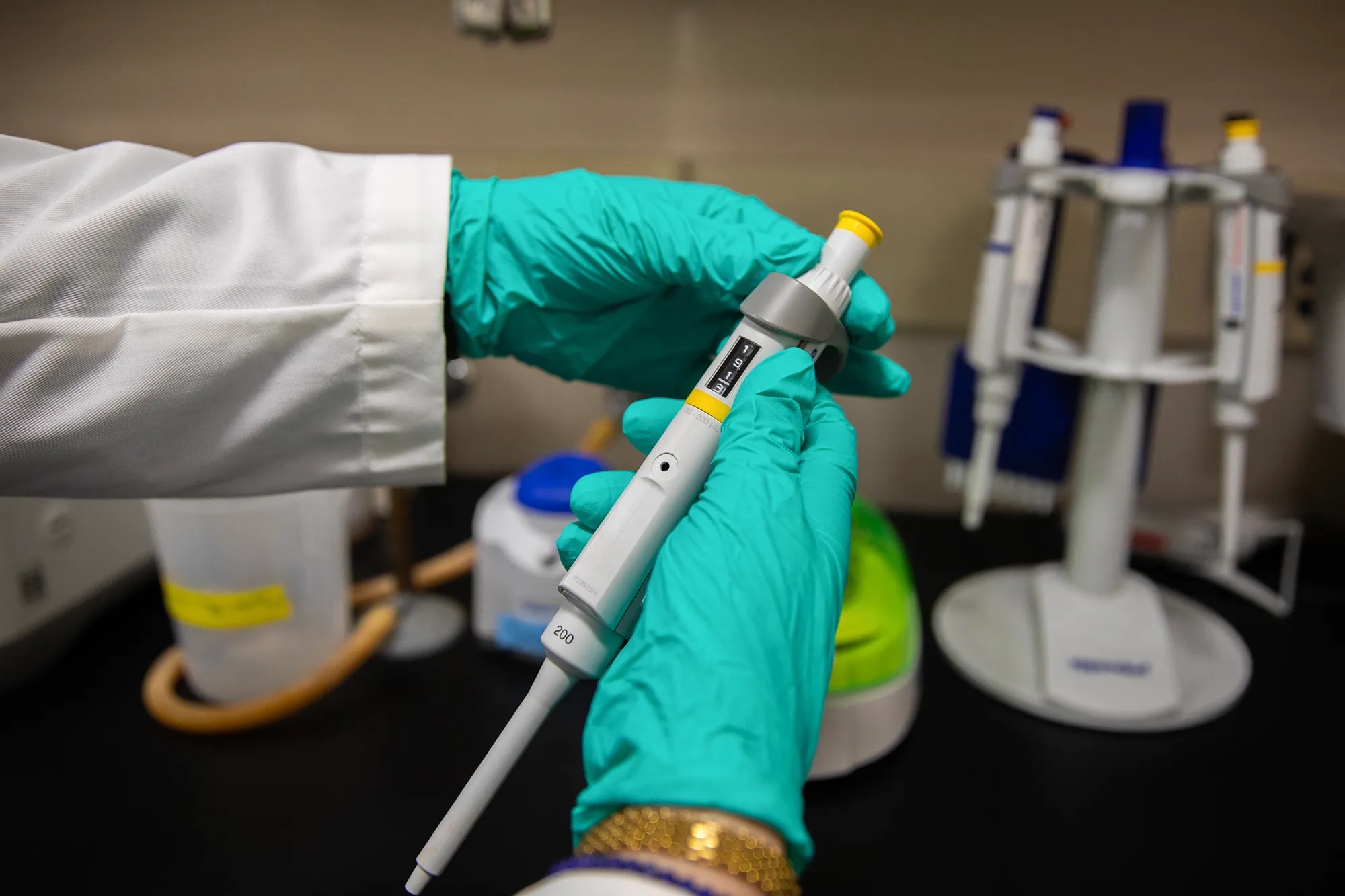
window.__IS_SSR__=true
window.__INITIAL_STATE__={
"attachmentsReducer": {
"audio_0": {
"type": "attachments",
"id": "audio_0",
"imgSizes": {
"kqedFullSize": {
"file": "https://ww2.kqed.org/news/wp-content/themes/KQED-unified/img/audio_bgs/background0.jpg"
}
}
},
"audio_1": {
"type": "attachments",
"id": "audio_1",
"imgSizes": {
"kqedFullSize": {
"file": "https://ww2.kqed.org/news/wp-content/themes/KQED-unified/img/audio_bgs/background1.jpg"
}
}
},
"audio_2": {
"type": "attachments",
"id": "audio_2",
"imgSizes": {
"kqedFullSize": {
"file": "https://ww2.kqed.org/news/wp-content/themes/KQED-unified/img/audio_bgs/background2.jpg"
}
}
},
"audio_3": {
"type": "attachments",
"id": "audio_3",
"imgSizes": {
"kqedFullSize": {
"file": "https://ww2.kqed.org/news/wp-content/themes/KQED-unified/img/audio_bgs/background3.jpg"
}
}
},
"audio_4": {
"type": "attachments",
"id": "audio_4",
"imgSizes": {
"kqedFullSize": {
"file": "https://ww2.kqed.org/news/wp-content/themes/KQED-unified/img/audio_bgs/background4.jpg"
}
}
},
"placeholder": {
"type": "attachments",
"id": "placeholder",
"imgSizes": {
"thumbnail": {
"file": "https://cdn.kqed.org/wp-content/uploads/2024/12/KQED-Default-Image-816638274-2000x1333-1-160x107.jpg",
"width": 160,
"height": 107,
"mimeType": "image/jpeg"
},
"medium": {
"file": "https://cdn.kqed.org/wp-content/uploads/2024/12/KQED-Default-Image-816638274-2000x1333-1-800x533.jpg",
"width": 800,
"height": 533,
"mimeType": "image/jpeg"
},
"medium_large": {
"file": "https://cdn.kqed.org/wp-content/uploads/2024/12/KQED-Default-Image-816638274-2000x1333-1-768x512.jpg",
"width": 768,
"height": 512,
"mimeType": "image/jpeg"
},
"large": {
"file": "https://cdn.kqed.org/wp-content/uploads/2024/12/KQED-Default-Image-816638274-2000x1333-1-1020x680.jpg",
"width": 1020,
"height": 680,
"mimeType": "image/jpeg"
},
"1536x1536": {
"file": "https://cdn.kqed.org/wp-content/uploads/2024/12/KQED-Default-Image-816638274-2000x1333-1-1536x1024.jpg",
"width": 1536,
"height": 1024,
"mimeType": "image/jpeg"
},
"fd-lrg": {
"file": "https://cdn.kqed.org/wp-content/uploads/2024/12/KQED-Default-Image-816638274-2000x1333-1-1536x1024.jpg",
"width": 1536,
"height": 1024,
"mimeType": "image/jpeg"
},
"fd-med": {
"file": "https://cdn.kqed.org/wp-content/uploads/2024/12/KQED-Default-Image-816638274-2000x1333-1-1020x680.jpg",
"width": 1020,
"height": 680,
"mimeType": "image/jpeg"
},
"fd-sm": {
"file": "https://cdn.kqed.org/wp-content/uploads/2024/12/KQED-Default-Image-816638274-2000x1333-1-800x533.jpg",
"width": 800,
"height": 533,
"mimeType": "image/jpeg"
},
"post-thumbnail": {
"file": "https://cdn.kqed.org/wp-content/uploads/2024/12/KQED-Default-Image-816638274-2000x1333-1-672x372.jpg",
"width": 672,
"height": 372,
"mimeType": "image/jpeg"
},
"twentyfourteen-full-width": {
"file": "https://cdn.kqed.org/wp-content/uploads/2024/12/KQED-Default-Image-816638274-2000x1333-1-1038x576.jpg",
"width": 1038,
"height": 576,
"mimeType": "image/jpeg"
},
"xxsmall": {
"file": "https://cdn.kqed.org/wp-content/uploads/2024/12/KQED-Default-Image-816638274-2000x1333-1-160x107.jpg",
"width": 160,
"height": 107,
"mimeType": "image/jpeg"
},
"xsmall": {
"file": "https://cdn.kqed.org/wp-content/uploads/2024/12/KQED-Default-Image-816638274-2000x1333-1-672x372.jpg",
"width": 672,
"height": 372,
"mimeType": "image/jpeg"
},
"small": {
"file": "https://cdn.kqed.org/wp-content/uploads/2024/12/KQED-Default-Image-816638274-2000x1333-1-672x372.jpg",
"width": 672,
"height": 372,
"mimeType": "image/jpeg"
},
"xlarge": {
"file": "https://cdn.kqed.org/wp-content/uploads/2024/12/KQED-Default-Image-816638274-2000x1333-1-1020x680.jpg",
"width": 1020,
"height": 680,
"mimeType": "image/jpeg"
},
"full-width": {
"file": "https://cdn.kqed.org/wp-content/uploads/2024/12/KQED-Default-Image-816638274-2000x1333-1-1920x1280.jpg",
"width": 1920,
"height": 1280,
"mimeType": "image/jpeg"
},
"guest-author-32": {
"file": "https://cdn.kqed.org/wp-content/uploads/2025/01/KQED-Default-Image-816638274-1333x1333-1-160x160.jpg",
"width": 32,
"height": 32,
"mimeType": "image/jpeg"
},
"guest-author-50": {
"file": "https://cdn.kqed.org/wp-content/uploads/2025/01/KQED-Default-Image-816638274-1333x1333-1-160x160.jpg",
"width": 50,
"height": 50,
"mimeType": "image/jpeg"
},
"guest-author-64": {
"file": "https://cdn.kqed.org/wp-content/uploads/2025/01/KQED-Default-Image-816638274-1333x1333-1-160x160.jpg",
"width": 64,
"height": 64,
"mimeType": "image/jpeg"
},
"guest-author-96": {
"file": "https://cdn.kqed.org/wp-content/uploads/2025/01/KQED-Default-Image-816638274-1333x1333-1-160x160.jpg",
"width": 96,
"height": 96,
"mimeType": "image/jpeg"
},
"guest-author-128": {
"file": "https://cdn.kqed.org/wp-content/uploads/2025/01/KQED-Default-Image-816638274-1333x1333-1-160x160.jpg",
"width": 128,
"height": 128,
"mimeType": "image/jpeg"
},
"detail": {
"file": "https://cdn.kqed.org/wp-content/uploads/2025/01/KQED-Default-Image-816638274-1333x1333-1-160x160.jpg",
"width": 160,
"height": 160,
"mimeType": "image/jpeg"
},
"kqedFullSize": {
"file": "https://cdn.kqed.org/wp-content/uploads/2024/12/KQED-Default-Image-816638274-2000x1333-1.jpg",
"width": 2000,
"height": 1333
}
}
},
"news_12092339": {
"type": "attachments",
"id": "news_12092339",
"meta": {
"index": "attachments_1716263798",
"site": "news",
"id": "12092339",
"found": true
},
"title": "050625_CSU-San-Marcos_AH_CM_54",
"publishDate": 1784826956,
"status": "inherit",
"parent": 12092329,
"modified": 1784826977,
"caption": "A student holds a pipette in a lab in California on May 6, 2025. University of California research professors allege federal agencies illegally cancelled nearly $2 billion in research grants. ",
"credit": "Adriana Heldiz/CalMatters",
"altTag": null,
"description": null,
"imgSizes": {
"thumbnail": {
"file": "https://cdn.kqed.org/wp-content/uploads/sites/10/2026/07/050625_CSU-San-Marcos_AH_CM_54-160x107.jpeg",
"width": 160,
"height": 107,
"mimeType": "image/jpeg"
},
"1536x1536": {
"file": "https://cdn.kqed.org/wp-content/uploads/sites/10/2026/07/050625_CSU-San-Marcos_AH_CM_54-1536x1024.jpeg",
"width": 1536,
"height": 1024,
"mimeType": "image/jpeg"
},
"post-thumbnail": {
"file": "https://cdn.kqed.org/wp-content/uploads/sites/10/2026/07/050625_CSU-San-Marcos_AH_CM_54-672x372.jpeg",
"width": 672,
"height": 372,
"mimeType": "image/jpeg"
},
"twentyfourteen-full-width": {
"file": "https://cdn.kqed.org/wp-content/uploads/sites/10/2026/07/050625_CSU-San-Marcos_AH_CM_54-1038x576.jpeg",
"width": 1038,
"height": 576,
"mimeType": "image/jpeg"
},
"npr-cds-wide": {
"file": "https://cdn.kqed.org/wp-content/uploads/sites/10/2026/07/050625_CSU-San-Marcos_AH_CM_54-1200x675.jpeg",
"width": 1200,
"height": 675,
"mimeType": "image/jpeg"
},
"npr-cds-square": {
"file": "https://cdn.kqed.org/wp-content/uploads/sites/10/2026/07/050625_CSU-San-Marcos_AH_CM_54-600x600.jpeg",
"width": 600,
"height": 600,
"mimeType": "image/jpeg"
},
"kqedFullSize": {
"file": "https://cdn.kqed.org/wp-content/uploads/sites/10/2026/07/050625_CSU-San-Marcos_AH_CM_54.jpeg",
"width": 2000,
"height": 1333
}
},
"isLoading": false,
"fetchFailed": false
},
"news_12036911": {
"type": "attachments",
"id": "news_12036911",
"meta": {
"index": "attachments_1716263798",
"site": "news",
"id": "12036911",
"found": true
},
"title": "250418-SFUSD-06-BL-KQED",
"publishDate": 1745253406,
"status": "inherit",
"parent": 12036914,
"modified": 1745274516,
"caption": "The San Francisco Unified School District Administrative Offices in San Francisco on April 18, 2025.",
"credit": "Beth LaBerge/KQED",
"altTag": null,
"description": null,
"imgSizes": {
"medium": {
"file": "https://cdn.kqed.org/wp-content/uploads/sites/10/2025/04/250418-SFUSD-06-BL-KQED-800x533.jpg",
"width": 800,
"height": 533,
"mimeType": "image/jpeg"
},
"large": {
"file": "https://cdn.kqed.org/wp-content/uploads/sites/10/2025/04/250418-SFUSD-06-BL-KQED-1020x680.jpg",
"width": 1020,
"height": 680,
"mimeType": "image/jpeg"
},
"thumbnail": {
"file": "https://cdn.kqed.org/wp-content/uploads/sites/10/2025/04/250418-SFUSD-06-BL-KQED-160x107.jpg",
"width": 160,
"height": 107,
"mimeType": "image/jpeg"
},
"1536x1536": {
"file": "https://cdn.kqed.org/wp-content/uploads/sites/10/2025/04/250418-SFUSD-06-BL-KQED-1536x1024.jpg",
"width": 1536,
"height": 1024,
"mimeType": "image/jpeg"
},
"post-thumbnail": {
"file": "https://cdn.kqed.org/wp-content/uploads/sites/10/2025/04/250418-SFUSD-06-BL-KQED-672x372.jpg",
"width": 672,
"height": 372,
"mimeType": "image/jpeg"
},
"twentyfourteen-full-width": {
"file": "https://cdn.kqed.org/wp-content/uploads/sites/10/2025/04/250418-SFUSD-06-BL-KQED-1038x576.jpg",
"width": 1038,
"height": 576,
"mimeType": "image/jpeg"
},
"full-width": {
"file": "https://cdn.kqed.org/wp-content/uploads/sites/10/2025/04/250418-SFUSD-06-BL-KQED-1920x1280.jpg",
"width": 1920,
"height": 1280,
"mimeType": "image/jpeg"
},
"kqedFullSize": {
"file": "https://cdn.kqed.org/wp-content/uploads/sites/10/2025/04/250418-SFUSD-06-BL-KQED.jpg",
"width": 2000,
"height": 1333
}
},
"isLoading": false,
"fetchFailed": false
},
"news_12091688": {
"type": "attachments",
"id": "news_12091688",
"meta": {
"index": "attachments_1716263798",
"site": "news",
"id": "12091688",
"found": true
},
"title": "260717-RUSSIANJOURNALISTSEXILE-05-BL-KQED",
"publishDate": 1784330248,
"status": "inherit",
"parent": 0,
"modified": 1784334332,
"caption": "Roman Badanin sits down on the Stanford University campus in Stanford on July 17, 2026.",
"credit": "Beth LaBerge/KQED",
"altTag": null,
"description": null,
"imgSizes": {
"thumbnail": {
"file": "https://cdn.kqed.org/wp-content/uploads/sites/10/2026/07/260717-RUSSIANJOURNALISTSEXILE-05-BL-KQED-160x107.jpg",
"width": 160,
"height": 107,
"mimeType": "image/jpeg"
},
"1536x1536": {
"file": "https://cdn.kqed.org/wp-content/uploads/sites/10/2026/07/260717-RUSSIANJOURNALISTSEXILE-05-BL-KQED-1536x1024.jpg",
"width": 1536,
"height": 1024,
"mimeType": "image/jpeg"
},
"post-thumbnail": {
"file": "https://cdn.kqed.org/wp-content/uploads/sites/10/2026/07/260717-RUSSIANJOURNALISTSEXILE-05-BL-KQED-672x372.jpg",
"width": 672,
"height": 372,
"mimeType": "image/jpeg"
},
"twentyfourteen-full-width": {
"file": "https://cdn.kqed.org/wp-content/uploads/sites/10/2026/07/260717-RUSSIANJOURNALISTSEXILE-05-BL-KQED-1038x576.jpg",
"width": 1038,
"height": 576,
"mimeType": "image/jpeg"
},
"npr-cds-wide": {
"file": "https://cdn.kqed.org/wp-content/uploads/sites/10/2026/07/260717-RUSSIANJOURNALISTSEXILE-05-BL-KQED-1200x675.jpg",
"width": 1200,
"height": 675,
"mimeType": "image/jpeg"
},
"npr-cds-square": {
"file": "https://cdn.kqed.org/wp-content/uploads/sites/10/2026/07/260717-RUSSIANJOURNALISTSEXILE-05-BL-KQED-600x600.jpg",
"width": 600,
"height": 600,
"mimeType": "image/jpeg"
},
"kqedFullSize": {
"file": "https://cdn.kqed.org/wp-content/uploads/sites/10/2026/07/260717-RUSSIANJOURNALISTSEXILE-05-BL-KQED.jpg",
"width": 2000,
"height": 1333
}
},
"isLoading": false,
"fetchFailed": false
},
"news_12091579": {
"type": "attachments",
"id": "news_12091579",
"meta": {
"index": "attachments_1716263798",
"site": "news",
"id": "12091579",
"found": true
},
"title": "Living-Schoolyard_LA_CM_31",
"publishDate": 1784305566,
"status": "inherit",
"parent": 12091576,
"modified": 1784305596,
"caption": "Students from International Community Elementary School and Think College Now Elementary School play near the Cesar Chavez Living Schoolyard during recess in Oakland on April 29, 2024. ",
"credit": "Laure Andrillon for CalMatters",
"altTag": null,
"description": null,
"imgSizes": {
"thumbnail": {
"file": "https://cdn.kqed.org/wp-content/uploads/sites/10/2026/07/Living-Schoolyard_LA_CM_31-160x107.jpg",
"width": 160,
"height": 107,
"mimeType": "image/jpeg"
},
"1536x1536": {
"file": "https://cdn.kqed.org/wp-content/uploads/sites/10/2026/07/Living-Schoolyard_LA_CM_31-1536x1024.jpg",
"width": 1536,
"height": 1024,
"mimeType": "image/jpeg"
},
"post-thumbnail": {
"file": "https://cdn.kqed.org/wp-content/uploads/sites/10/2026/07/Living-Schoolyard_LA_CM_31-672x372.jpg",
"width": 672,
"height": 372,
"mimeType": "image/jpeg"
},
"twentyfourteen-full-width": {
"file": "https://cdn.kqed.org/wp-content/uploads/sites/10/2026/07/Living-Schoolyard_LA_CM_31-1038x576.jpg",
"width": 1038,
"height": 576,
"mimeType": "image/jpeg"
},
"npr-cds-wide": {
"file": "https://cdn.kqed.org/wp-content/uploads/sites/10/2026/07/Living-Schoolyard_LA_CM_31-1200x675.jpg",
"width": 1200,
"height": 675,
"mimeType": "image/jpeg"
},
"npr-cds-square": {
"file": "https://cdn.kqed.org/wp-content/uploads/sites/10/2026/07/Living-Schoolyard_LA_CM_31-600x600.jpg",
"width": 600,
"height": 600,
"mimeType": "image/jpeg"
},
"kqedFullSize": {
"file": "https://cdn.kqed.org/wp-content/uploads/sites/10/2026/07/Living-Schoolyard_LA_CM_31.jpg",
"width": 2000,
"height": 1333
}
},
"isLoading": false,
"fetchFailed": false
},
"news_12038976": {
"type": "attachments",
"id": "news_12038976",
"meta": {
"index": "attachments_1716263798",
"site": "news",
"id": "12038976",
"found": true
},
"title": "250219-CSU East Bay File-MD-12_qed",
"publishDate": 1746565744,
"status": "inherit",
"parent": 12038974,
"modified": 1746646441,
"caption": "Students make their on campus at CSU East Bay on Feb. 19, 2025.\n\nStudents make their on campus at CSU East Bay on Feb. 19, 2025.",
"credit": "Martin do Nascimento/KQED",
"altTag": null,
"description": null,
"imgSizes": {
"medium": {
"file": "https://cdn.kqed.org/wp-content/uploads/sites/10/2025/05/250219-CSU-East-Bay-File-MD-12_qed-800x533.jpg",
"width": 800,
"height": 533,
"mimeType": "image/jpeg"
},
"large": {
"file": "https://cdn.kqed.org/wp-content/uploads/sites/10/2025/05/250219-CSU-East-Bay-File-MD-12_qed-1020x680.jpg",
"width": 1020,
"height": 680,
"mimeType": "image/jpeg"
},
"thumbnail": {
"file": "https://cdn.kqed.org/wp-content/uploads/sites/10/2025/05/250219-CSU-East-Bay-File-MD-12_qed-160x107.jpg",
"width": 160,
"height": 107,
"mimeType": "image/jpeg"
},
"1536x1536": {
"file": "https://cdn.kqed.org/wp-content/uploads/sites/10/2025/05/250219-CSU-East-Bay-File-MD-12_qed-1536x1024.jpg",
"width": 1536,
"height": 1024,
"mimeType": "image/jpeg"
},
"post-thumbnail": {
"file": "https://cdn.kqed.org/wp-content/uploads/sites/10/2025/05/250219-CSU-East-Bay-File-MD-12_qed-672x372.jpg",
"width": 672,
"height": 372,
"mimeType": "image/jpeg"
},
"twentyfourteen-full-width": {
"file": "https://cdn.kqed.org/wp-content/uploads/sites/10/2025/05/250219-CSU-East-Bay-File-MD-12_qed-1038x576.jpg",
"width": 1038,
"height": 576,
"mimeType": "image/jpeg"
},
"full-width": {
"file": "https://cdn.kqed.org/wp-content/uploads/sites/10/2025/05/250219-CSU-East-Bay-File-MD-12_qed-1920x1280.jpg",
"width": 1920,
"height": 1280,
"mimeType": "image/jpeg"
},
"kqedFullSize": {
"file": "https://cdn.kqed.org/wp-content/uploads/sites/10/2025/05/250219-CSU-East-Bay-File-MD-12_qed.jpg",
"width": 1999,
"height": 1333
}
},
"isLoading": false,
"fetchFailed": false
},
"news_12090875": {
"type": "attachments",
"id": "news_12090875",
"meta": {
"index": "attachments_1716263798",
"site": "news",
"id": "12090875",
"found": true
},
"title": "CA Trump Teacher Follow PD2 (1)",
"publishDate": 1784049625,
"status": "inherit",
"parent": 12090872,
"modified": 1784049714,
"caption": "A KQED and ProPublica investigation found that California’s teacher credentialing system allowed some educators accused of misconduct of a sexual nature to continue teaching even after school districts took disciplinary action.",
"credit": "Peter DiCampo/ProPublica. Source images: Anna Vignet/KQED and document obtained by KQED and ProPublica",
"altTag": null,
"description": null,
"imgSizes": {
"thumbnail": {
"file": "https://cdn.kqed.org/wp-content/uploads/sites/10/2026/07/CA-Trump-Teacher-Follow-PD2-1-160x107.jpg",
"width": 160,
"height": 107,
"mimeType": "image/jpeg"
},
"1536x1536": {
"file": "https://cdn.kqed.org/wp-content/uploads/sites/10/2026/07/CA-Trump-Teacher-Follow-PD2-1-1536x1024.jpg",
"width": 1536,
"height": 1024,
"mimeType": "image/jpeg"
},
"post-thumbnail": {
"file": "https://cdn.kqed.org/wp-content/uploads/sites/10/2026/07/CA-Trump-Teacher-Follow-PD2-1-672x372.jpg",
"width": 672,
"height": 372,
"mimeType": "image/jpeg"
},
"twentyfourteen-full-width": {
"file": "https://cdn.kqed.org/wp-content/uploads/sites/10/2026/07/CA-Trump-Teacher-Follow-PD2-1-1038x576.jpg",
"width": 1038,
"height": 576,
"mimeType": "image/jpeg"
},
"npr-cds-wide": {
"file": "https://cdn.kqed.org/wp-content/uploads/sites/10/2026/07/CA-Trump-Teacher-Follow-PD2-1-1200x675.jpg",
"width": 1200,
"height": 675,
"mimeType": "image/jpeg"
},
"npr-cds-square": {
"file": "https://cdn.kqed.org/wp-content/uploads/sites/10/2026/07/CA-Trump-Teacher-Follow-PD2-1-600x600.jpg",
"width": 600,
"height": 600,
"mimeType": "image/jpeg"
},
"kqedFullSize": {
"file": "https://cdn.kqed.org/wp-content/uploads/sites/10/2026/07/CA-Trump-Teacher-Follow-PD2-1.jpg",
"width": 2000,
"height": 1333
}
},
"isLoading": false,
"fetchFailed": false
},
"news_12089593": {
"type": "attachments",
"id": "news_12089593",
"meta": {
"index": "attachments_1716263798",
"site": "news",
"id": "12089593",
"found": true
},
"title": "20230822-SFSU-37-JY_qed",
"publishDate": 1782934569,
"status": "inherit",
"parent": 12087790,
"modified": 1782934643,
"caption": "Students walk up to the top of San Francisco State University's campus in San Francisco, California, on Tuesday, Aug. 22, 2023.",
"credit": "Juliana Yamada for KQED",
"altTag": null,
"description": null,
"imgSizes": {
"thumbnail": {
"file": "https://cdn.kqed.org/wp-content/uploads/sites/10/2026/07/20230822-SFSU-37-JY_qed-160x107.jpg",
"width": 160,
"height": 107,
"mimeType": "image/jpeg"
},
"1536x1536": {
"file": "https://cdn.kqed.org/wp-content/uploads/sites/10/2026/07/20230822-SFSU-37-JY_qed-1536x1024.jpg",
"width": 1536,
"height": 1024,
"mimeType": "image/jpeg"
},
"post-thumbnail": {
"file": "https://cdn.kqed.org/wp-content/uploads/sites/10/2026/07/20230822-SFSU-37-JY_qed-672x372.jpg",
"width": 672,
"height": 372,
"mimeType": "image/jpeg"
},
"twentyfourteen-full-width": {
"file": "https://cdn.kqed.org/wp-content/uploads/sites/10/2026/07/20230822-SFSU-37-JY_qed-1038x576.jpg",
"width": 1038,
"height": 576,
"mimeType": "image/jpeg"
},
"npr-cds-wide": {
"file": "https://cdn.kqed.org/wp-content/uploads/sites/10/2026/07/20230822-SFSU-37-JY_qed-1200x675.jpg",
"width": 1200,
"height": 675,
"mimeType": "image/jpeg"
},
"npr-cds-square": {
"file": "https://cdn.kqed.org/wp-content/uploads/sites/10/2026/07/20230822-SFSU-37-JY_qed-600x600.jpg",
"width": 600,
"height": 600,
"mimeType": "image/jpeg"
},
"kqedFullSize": {
"file": "https://cdn.kqed.org/wp-content/uploads/sites/10/2026/07/20230822-SFSU-37-JY_qed.jpg",
"width": 2000,
"height": 1333
}
},
"isLoading": false,
"fetchFailed": false
},
"news_12085353": {
"type": "attachments",
"id": "news_12085353",
"meta": {
"index": "attachments_1716263798",
"site": "news",
"id": "12085353",
"found": true
},
"title": "20260527-MARINCOLLEGEPROFESSOR-JY-01-KQED",
"publishDate": 1779983004,
"status": "inherit",
"parent": 0,
"modified": 1781802019,
"caption": "Babette Papineau sits for a portrait in her home in Fairfax, California, on Wednesday, May 27, 2026. Papineau is a student at the College of Marin, and filed a Title IX complaint against her professor Joe Mueller after she said he coerced her into a relationship.",
"credit": "Juliana Yamada for KQED",
"altTag": null,
"description": null,
"imgSizes": {
"thumbnail": {
"file": "https://cdn.kqed.org/wp-content/uploads/sites/10/2026/05/20260527-MARINCOLLEGEPROFESSOR-JY-01-KQED-160x107.jpg",
"width": 160,
"height": 107,
"mimeType": "image/jpeg"
},
"1536x1536": {
"file": "https://cdn.kqed.org/wp-content/uploads/sites/10/2026/05/20260527-MARINCOLLEGEPROFESSOR-JY-01-KQED-1536x1024.jpg",
"width": 1536,
"height": 1024,
"mimeType": "image/jpeg"
},
"post-thumbnail": {
"file": "https://cdn.kqed.org/wp-content/uploads/sites/10/2026/05/20260527-MARINCOLLEGEPROFESSOR-JY-01-KQED-672x372.jpg",
"width": 672,
"height": 372,
"mimeType": "image/jpeg"
},
"twentyfourteen-full-width": {
"file": "https://cdn.kqed.org/wp-content/uploads/sites/10/2026/05/20260527-MARINCOLLEGEPROFESSOR-JY-01-KQED-1038x576.jpg",
"width": 1038,
"height": 576,
"mimeType": "image/jpeg"
},
"npr-cds-wide": {
"file": "https://cdn.kqed.org/wp-content/uploads/sites/10/2026/05/20260527-MARINCOLLEGEPROFESSOR-JY-01-KQED-1200x675.jpg",
"width": 1200,
"height": 675,
"mimeType": "image/jpeg"
},
"npr-cds-square": {
"file": "https://cdn.kqed.org/wp-content/uploads/sites/10/2026/05/20260527-MARINCOLLEGEPROFESSOR-JY-01-KQED-600x600.jpg",
"width": 600,
"height": 600,
"mimeType": "image/jpeg"
},
"kqedFullSize": {
"file": "https://cdn.kqed.org/wp-content/uploads/sites/10/2026/05/20260527-MARINCOLLEGEPROFESSOR-JY-01-KQED.jpg",
"width": 2000,
"height": 1333
}
},
"isLoading": false,
"fetchFailed": false
},
"news_12088578": {
"type": "attachments",
"id": "news_12088578",
"meta": {
"index": "attachments_1716263798",
"site": "news",
"id": "12088578",
"found": true
},
"title": "20260619-BlackEnglish-JY-07-KQED",
"publishDate": 1782250805,
"status": "inherit",
"parent": 0,
"modified": 1782944550,
"caption": "Ashley Williams holds her 2-year-old son Ashtyn as she dances with family members during a Juneteenth celebration at her home in El Sobrante, California, on Friday, June 19, 2026.",
"credit": "Juliana Yamada for KQED",
"altTag": null,
"description": null,
"imgSizes": {
"thumbnail": {
"file": "https://cdn.kqed.org/wp-content/uploads/sites/10/2026/06/20260619-BlackEnglish-JY-07-KQED-160x107.jpg",
"width": 160,
"height": 107,
"mimeType": "image/jpeg"
},
"1536x1536": {
"file": "https://cdn.kqed.org/wp-content/uploads/sites/10/2026/06/20260619-BlackEnglish-JY-07-KQED-1536x1024.jpg",
"width": 1536,
"height": 1024,
"mimeType": "image/jpeg"
},
"post-thumbnail": {
"file": "https://cdn.kqed.org/wp-content/uploads/sites/10/2026/06/20260619-BlackEnglish-JY-07-KQED-672x372.jpg",
"width": 672,
"height": 372,
"mimeType": "image/jpeg"
},
"twentyfourteen-full-width": {
"file": "https://cdn.kqed.org/wp-content/uploads/sites/10/2026/06/20260619-BlackEnglish-JY-07-KQED-1038x576.jpg",
"width": 1038,
"height": 576,
"mimeType": "image/jpeg"
},
"npr-cds-wide": {
"file": "https://cdn.kqed.org/wp-content/uploads/sites/10/2026/06/20260619-BlackEnglish-JY-07-KQED-1200x675.jpg",
"width": 1200,
"height": 675,
"mimeType": "image/jpeg"
},
"npr-cds-square": {
"file": "https://cdn.kqed.org/wp-content/uploads/sites/10/2026/06/20260619-BlackEnglish-JY-07-KQED-600x600.jpg",
"width": 600,
"height": 600,
"mimeType": "image/jpeg"
},
"kqedFullSize": {
"file": "https://cdn.kqed.org/wp-content/uploads/sites/10/2026/06/20260619-BlackEnglish-JY-07-KQED.jpg",
"width": 2000,
"height": 1333
}
},
"isLoading": false,
"fetchFailed": false
},
"news_12089605": {
"type": "attachments",
"id": "news_12089605",
"meta": {
"index": "attachments_1716263798",
"site": "news",
"id": "12089605",
"found": true
},
"title": "240215-PreschoolSuspension-32-BL_qed",
"publishDate": 1782935716,
"status": "inherit",
"parent": 12089580,
"modified": 1782935726,
"caption": "Teacher intern Melanie Sandoval works with students in a garden during a preschool class at Los Medanos College Child Study Center in Pittsburg on Feb. 15, 2024.",
"credit": "Beth LaBerge/KQED",
"altTag": null,
"description": null,
"imgSizes": {
"thumbnail": {
"file": "https://cdn.kqed.org/wp-content/uploads/sites/10/2026/07/240215-PreschoolSuspension-32-BL_qed-160x107.jpg",
"width": 160,
"height": 107,
"mimeType": "image/jpeg"
},
"1536x1536": {
"file": "https://cdn.kqed.org/wp-content/uploads/sites/10/2026/07/240215-PreschoolSuspension-32-BL_qed-1536x1024.jpg",
"width": 1536,
"height": 1024,
"mimeType": "image/jpeg"
},
"post-thumbnail": {
"file": "https://cdn.kqed.org/wp-content/uploads/sites/10/2026/07/240215-PreschoolSuspension-32-BL_qed-672x372.jpg",
"width": 672,
"height": 372,
"mimeType": "image/jpeg"
},
"twentyfourteen-full-width": {
"file": "https://cdn.kqed.org/wp-content/uploads/sites/10/2026/07/240215-PreschoolSuspension-32-BL_qed-1038x576.jpg",
"width": 1038,
"height": 576,
"mimeType": "image/jpeg"
},
"npr-cds-wide": {
"file": "https://cdn.kqed.org/wp-content/uploads/sites/10/2026/07/240215-PreschoolSuspension-32-BL_qed-1200x675.jpg",
"width": 1200,
"height": 675,
"mimeType": "image/jpeg"
},
"npr-cds-square": {
"file": "https://cdn.kqed.org/wp-content/uploads/sites/10/2026/07/240215-PreschoolSuspension-32-BL_qed-600x600.jpg",
"width": 600,
"height": 600,
"mimeType": "image/jpeg"
},
"kqedFullSize": {
"file": "https://cdn.kqed.org/wp-content/uploads/sites/10/2026/07/240215-PreschoolSuspension-32-BL_qed.jpg",
"width": 1999,
"height": 1333
}
},
"isLoading": false,
"fetchFailed": false
},
"news_12089327": {
"type": "attachments",
"id": "news_12089327",
"meta": {
"index": "attachments_1716263798",
"site": "news",
"id": "12089327",
"found": true
},
"title": "Governor Gavin Newsom, Compton, Clinton Elementary School",
"publishDate": 1782838933,
"status": "inherit",
"parent": 12089316,
"modified": 1782839294,
"caption": "Gov. Gavin Newsom walks with students from Clinton Elementary School to announce support for literacy with The Golden State Literacy Plan at Clinton Elementary School in Compton on June 5, 2025. The governor was joined by State Superintendent of Public Instruction Tony Thurmond and other education officials.",
"credit": "Genaro Molina/Los Angeles Times via Getty Images",
"altTag": null,
"description": null,
"imgSizes": {
"thumbnail": {
"file": "https://cdn.kqed.org/wp-content/uploads/sites/10/2026/06/GavinNewsomEducationGetty-160x110.jpg",
"width": 160,
"height": 110,
"mimeType": "image/jpeg"
},
"1536x1536": {
"file": "https://cdn.kqed.org/wp-content/uploads/sites/10/2026/06/GavinNewsomEducationGetty-1536x1055.jpg",
"width": 1536,
"height": 1055,
"mimeType": "image/jpeg"
},
"post-thumbnail": {
"file": "https://cdn.kqed.org/wp-content/uploads/sites/10/2026/06/GavinNewsomEducationGetty-672x372.jpg",
"width": 672,
"height": 372,
"mimeType": "image/jpeg"
},
"twentyfourteen-full-width": {
"file": "https://cdn.kqed.org/wp-content/uploads/sites/10/2026/06/GavinNewsomEducationGetty-1038x576.jpg",
"width": 1038,
"height": 576,
"mimeType": "image/jpeg"
},
"npr-cds-wide": {
"file": "https://cdn.kqed.org/wp-content/uploads/sites/10/2026/06/GavinNewsomEducationGetty-1200x675.jpg",
"width": 1200,
"height": 675,
"mimeType": "image/jpeg"
},
"npr-cds-square": {
"file": "https://cdn.kqed.org/wp-content/uploads/sites/10/2026/06/GavinNewsomEducationGetty-600x600.jpg",
"width": 600,
"height": 600,
"mimeType": "image/jpeg"
},
"kqedFullSize": {
"file": "https://cdn.kqed.org/wp-content/uploads/sites/10/2026/06/GavinNewsomEducationGetty.jpg",
"width": 2000,
"height": 1374
}
},
"isLoading": false,
"fetchFailed": false
},
"news_12086385": {
"type": "attachments",
"id": "news_12086385",
"meta": {
"index": "attachments_1716263798",
"site": "news",
"id": "12086385",
"found": true
},
"title": "260603-BerkeleySchoolsLiteracy-11-BL_qed",
"publishDate": 1780679688,
"status": "inherit",
"parent": 12089316,
"modified": 1782932945,
"caption": "Students read during class at Sylvia Mendez Elementary School in Berkeley on June 3, 2026.",
"credit": "Beth LaBerge/KQED",
"altTag": null,
"description": null,
"imgSizes": {
"thumbnail": {
"file": "https://cdn.kqed.org/wp-content/uploads/sites/10/2026/06/260603-BerkeleySchoolsLiteracy-11-BL_qed-160x107.jpg",
"width": 160,
"height": 107,
"mimeType": "image/jpeg"
},
"1536x1536": {
"file": "https://cdn.kqed.org/wp-content/uploads/sites/10/2026/06/260603-BerkeleySchoolsLiteracy-11-BL_qed-1536x1024.jpg",
"width": 1536,
"height": 1024,
"mimeType": "image/jpeg"
},
"post-thumbnail": {
"file": "https://cdn.kqed.org/wp-content/uploads/sites/10/2026/06/260603-BerkeleySchoolsLiteracy-11-BL_qed-672x372.jpg",
"width": 672,
"height": 372,
"mimeType": "image/jpeg"
},
"twentyfourteen-full-width": {
"file": "https://cdn.kqed.org/wp-content/uploads/sites/10/2026/06/260603-BerkeleySchoolsLiteracy-11-BL_qed-1038x576.jpg",
"width": 1038,
"height": 576,
"mimeType": "image/jpeg"
},
"npr-cds-wide": {
"file": "https://cdn.kqed.org/wp-content/uploads/sites/10/2026/06/260603-BerkeleySchoolsLiteracy-11-BL_qed-1200x675.jpg",
"width": 1200,
"height": 675,
"mimeType": "image/jpeg"
},
"npr-cds-square": {
"file": "https://cdn.kqed.org/wp-content/uploads/sites/10/2026/06/260603-BerkeleySchoolsLiteracy-11-BL_qed-600x600.jpg",
"width": 600,
"height": 600,
"mimeType": "image/jpeg"
},
"kqedFullSize": {
"file": "https://cdn.kqed.org/wp-content/uploads/sites/10/2026/06/260603-BerkeleySchoolsLiteracy-11-BL_qed.jpg",
"width": 2000,
"height": 1333
}
},
"isLoading": false,
"fetchFailed": false
}
},
"audioPlayerReducer": {
"postId": "stream_live",
"isPaused": true,
"isPlaying": false,
"pfsActive": false,
"pledgeModalIsOpen": true,
"playerDrawerIsOpen": false,
"liveAudioPlayStartedAt": 0,
"liveAudioPlayContext": ""
},
"authorsReducer": {
"byline_news_12092329": {
"type": "authors",
"id": "byline_news_12092329",
"meta": {
"override": true
},
"slug": "byline_news_12092329",
"name": "Mikhail Zinshteyn, CalMatters",
"isLoading": false
},
"byline_news_12089920": {
"type": "authors",
"id": "byline_news_12089920",
"meta": {
"override": true
},
"slug": "byline_news_12089920",
"name": "George Porteous",
"isLoading": false
},
"byline_news_12091576": {
"type": "authors",
"id": "byline_news_12091576",
"meta": {
"override": true
},
"slug": "byline_news_12091576",
"name": "Alejandra Reyes-Velarde and Ana B. Ibarra, CalMatters",
"isLoading": false
},
"byline_news_12091349": {
"type": "authors",
"id": "byline_news_12091349",
"meta": {
"override": true
},
"slug": "byline_news_12091349",
"name": "Adam Echelman, CalMatters",
"isLoading": false
},
"byline_news_12090872": {
"type": "authors",
"id": "byline_news_12090872",
"meta": {
"override": true
},
"slug": "byline_news_12090872",
"name": "Tracy Jan, ProPublica, and Holly McDede, KQED",
"isLoading": false
},
"byline_news_12090647": {
"type": "authors",
"id": "byline_news_12090647",
"meta": {
"override": true
},
"slug": "byline_news_12090647",
"name": "Mikhail Zinshteyn, CalMatters",
"isLoading": false
},
"shossaini": {
"type": "authors",
"id": "3214",
"meta": {
"index": "authors_1716337520",
"id": "3214",
"found": true
},
"name": "Sara Hossaini",
"firstName": "Sara",
"lastName": "Hossaini",
"slug": "shossaini",
"email": "shossaini@kqed.org",
"display_author_email": true,
"staff_mastheads": [
"news"
],
"title": "KQED Reporter",
"bio": "Sara Hossaini came to general assignment reporting at KQED in 2013 after two winters reporting at Wyoming Public Radio. She holds a bachelor's degree in broadcast journalism from the University of Nebraska-Lincoln. Her radio romance began after a bitter breakup with documentary film (Ok, maybe it's still complicated). Her first simultaneous jobs in San Francisco were as Associate Producer on a PBS film series through the Center for Asian American Media and as a butler. She likes to trot, plot and make things with her hands.",
"avatar": "https://secure.gravatar.com/avatar/060e9f56b9554e17942e89f413242774?s=600&d=blank&r=g",
"twitter": "mshossaini",
"facebook": null,
"instagram": null,
"linkedin": null,
"sites": [
{
"site": "news",
"roles": [
"author"
]
},
{
"site": "stateofhealth",
"roles": [
"author"
]
}
],
"headData": {
"title": "Sara Hossaini | KQED",
"description": "KQED Reporter",
"ogImgSrc": "https://secure.gravatar.com/avatar/060e9f56b9554e17942e89f413242774?s=600&d=blank&r=g",
"twImgSrc": "https://secure.gravatar.com/avatar/060e9f56b9554e17942e89f413242774?s=600&d=blank&r=g"
},
"isLoading": false,
"link": "/author/shossaini"
},
"daisynguyen": {
"type": "authors",
"id": "11829",
"meta": {
"index": "authors_1716337520",
"id": "11829",
"found": true
},
"name": "Daisy Nguyen",
"firstName": "Daisy",
"lastName": "Nguyen",
"slug": "daisynguyen",
"email": "daisynguyen@kqed.org",
"display_author_email": true,
"staff_mastheads": [
"news"
],
"title": "KQED Contributor",
"bio": "I have covered early childhood education and child care for KQED since 2022. I focus on policies aimed at increasing access to early care and education and how they shape individual lives. I've been a journalist for more than two decades, with most of that time devoted to covering breaking news throughout California for The Associated Press. I grew up in San Francisco and studied at UC Davis and Columbia University's Graduate School of Journalism. I live in Oakland with my husband and two kids.",
"avatar": "https://secure.gravatar.com/avatar/2da2127c27f7143b53ebd419800fd55f?s=600&d=blank&r=g",
"twitter": null,
"facebook": null,
"instagram": null,
"linkedin": "https://www.linkedin.com/in/daisynguyen/",
"sites": [
{
"site": "news",
"roles": [
"author"
]
},
{
"site": "liveblog",
"roles": [
"author"
]
}
],
"headData": {
"title": "Daisy Nguyen | KQED",
"description": "KQED Contributor",
"ogImgSrc": "https://secure.gravatar.com/avatar/2da2127c27f7143b53ebd419800fd55f?s=600&d=blank&r=g",
"twImgSrc": "https://secure.gravatar.com/avatar/2da2127c27f7143b53ebd419800fd55f?s=600&d=blank&r=g"
},
"isLoading": false,
"link": "/author/daisynguyen"
},
"kdebenedetti": {
"type": "authors",
"id": "11913",
"meta": {
"index": "authors_1716337520",
"id": "11913",
"found": true
},
"name": "Katie DeBenedetti",
"firstName": "Katie",
"lastName": "DeBenedetti",
"slug": "kdebenedetti",
"email": "kdebenedetti@kqed.org",
"display_author_email": false,
"staff_mastheads": [
"news",
"science"
],
"title": "KQED Contributor",
"bio": "Katie DeBenedetti is a digital reporter covering daily news for the Express Desk. Prior to joining KQED as a culture reporting intern in January 2024, she covered education and city government for the Napa Valley Register.",
"avatar": "https://secure.gravatar.com/avatar/6e31073cb8f7e4214ab03f42771d0f45?s=600&d=blank&r=g",
"twitter": null,
"facebook": null,
"instagram": null,
"linkedin": null,
"sites": [
{
"site": "news",
"roles": [
"author"
]
},
{
"site": "science",
"roles": [
"author"
]
},
{
"site": "liveblog",
"roles": [
"author"
]
}
],
"headData": {
"title": "Katie DeBenedetti | KQED",
"description": "KQED Contributor",
"ogImgSrc": "https://secure.gravatar.com/avatar/6e31073cb8f7e4214ab03f42771d0f45?s=600&d=blank&r=g",
"twImgSrc": "https://secure.gravatar.com/avatar/6e31073cb8f7e4214ab03f42771d0f45?s=600&d=blank&r=g"
},
"isLoading": false,
"link": "/author/kdebenedetti"
}
},
"pagesReducer": {
"news_category_education": {
"type": "terms",
"id": "news_18540",
"meta": {
"index": "terms_1716263798",
"site": "news",
"id": "18540",
"score": 10.972968
},
"featImg": null,
"name": "Education",
"description": null,
"taxonomy": "category",
"headData": {
"twImgId": null,
"twTitle": null,
"ogTitle": null,
"ogImgId": null,
"twDescription": null,
"description": null,
"title": "Education Archives | KQED News",
"ogDescription": null
},
"ttid": 2595,
"slug": "education",
"isLoading": false,
"title": "Education",
"pageMeta": {
"site": "news",
"WpPageTemplate": "page-topic-editorial",
"currentPage": 5
},
"blocks": [
{
"blockName": "kqed/post-list",
"attrs": {
"layout": "cardArticle2",
"query": "posts/news?category=education",
"seeMore": false,
"paginated": true,
"page": 5
}
},
{
"blockName": "kqed/ad"
}
]
}
},
"pfsSessionReducer": {},
"postsReducer": {
"stream_live": {
"type": "live",
"id": "stream_live",
"audioUrl": "https://streams.kqed.org/kqedradio",
"title": "Live Stream",
"excerpt": "Live Stream information currently unavailable.",
"link": "/radio",
"featImg": "",
"label": {
"name": "KQED Live",
"link": "/"
}
},
"stream_kqedNewscast": {
"type": "posts",
"id": "stream_kqedNewscast",
"audioUrl": "https://www.kqed.org/.stream/anon/radio/RDnews/newscast.mp3?_=1",
"title": "KQED Newscast",
"featImg": "",
"label": {
"name": "88.5 FM",
"link": "/"
}
},
"news_12092329": {
"type": "posts",
"id": "news_12092329",
"meta": {
"index": "posts_1716263798",
"site": "news",
"id": "12092329",
"score": null,
"sort": [
1784831429000
]
},
"guestAuthors": [],
"slug": "white-house-used-keyword-screening-to-kill-billions-in-california-research-grants",
"title": "White House Used Keyword Screening to Kill Billions in California Research Grants",
"publishDate": 1784831429,
"format": "standard",
"headTitle": "White House Used Keyword Screening to Kill Billions in California Research Grants | KQED",
"labelTerm": {},
"content": "\u003cp>\u003c!-- Creative Commons Attribution-NonCommercial-NoDerivatives https://creativecommons.org/licenses/by-nc-nd/4.0/ -->\u003c/p>\n\u003cp>\u003cem>This story was originally published by \u003ca href=\"https://calmatters.org/\">CalMatters\u003c/a>. \u003ca href=\"https://calmatters.org/subscribe-to-calmatters/\">Sign up\u003c/a> for their newsletters.\u003c/em>\u003c/p>\n\u003cp>Federal agencies that terminated more than a thousand research grants at the \u003ca href=\"https://www.kqed.org/news/tag/university-of-california\">University of California\u003c/a> last year admitted that they used keywords related to diversity, gender, vaccine hesitancy and COVID-19 to screen for projects that ran afoul of the Trump administration’s priorities.\u003c/p>\n\u003cp>It’s an admission that lawyers for the research professors say \u003ca href=\"https://storage.courtlistener.com/recap/gov.uscourts.cand.450653/gov.uscourts.cand.450653.210.0_2.pdf\">is proof\u003c/a> that the agencies illegally cancelled nearly $2 billion in grants. And that’s a major development in a lawsuit filed by UC researchers against the Trump administration to permanently get their grants back.\u003c/p>\n\u003cp>[ad fullwidth]\u003c/p>\n\u003cp>The researchers’ legal team is now asking the judge in the case to skip a trial and formally declare that the White House repeatedly violated the constitution, including the First Amendment. A court hearing on whether that’ll happen is scheduled for Oct. 20.\u003c/p>\n\u003cp>The federal agencies made the admission about the keywords in signed stipulations filed in federal court last week in a case called Thakur v. Trump that’s been ongoing \u003ca href=\"https://calmatters.org/education/higher-education/2025/06/health-research-california/#:~:text=UC%20researchers%20may%20get%20science%2C%20environmental%20grants%20back\">since last spring\u003c/a>.\u003c/p>\n\u003cp>The stipulations in the court filing show the agencies “did not terminate any grants based on alleged noncompliance with the terms of the grant” and instead used “general criteria, rather than grant-specific assessment of each award’s compliance, or performance,” the lawyers for the plaintiffs wrote.\u003c/p>\n\u003cfigure id=\"attachment_12091600\" class=\"wp-caption aligncenter\" style=\"max-width: 2560px\">\u003cimg loading=\"lazy\" decoding=\"async\" class=\"size-full wp-image-12091600\" src=\"https://cdn.kqed.org/wp-content/uploads/sites/10/2026/07/GettyImages-2285787606-scaled.jpg\" alt=\"\" width=\"2560\" height=\"1707\" srcset=\"https://cdn.kqed.org/wp-content/uploads/sites/10/2026/07/GettyImages-2285787606-scaled.jpg 2560w, https://cdn.kqed.org/wp-content/uploads/sites/10/2026/07/GettyImages-2285787606-2000x1333.jpg 2000w, https://cdn.kqed.org/wp-content/uploads/sites/10/2026/07/GettyImages-2285787606-160x107.jpg 160w, https://cdn.kqed.org/wp-content/uploads/sites/10/2026/07/GettyImages-2285787606-1536x1024.jpg 1536w, https://cdn.kqed.org/wp-content/uploads/sites/10/2026/07/GettyImages-2285787606-2048x1365.jpg 2048w\" sizes=\"auto, (max-width: 2560px) 100vw, 2560px\">\u003cfigcaption class=\"wp-caption-text\">U.S. President Donald Trump addresses the nation from the East Room of the White House on July 16, 2026 in Washington, DC. \u003ccite>(Saul Loeb/Pool - Getty Images)\u003c/cite>\u003c/figcaption>\u003c/figure>\n\u003cp>Lawyers for the UC professors now contend that the admission proves three wide-ranging constitutional violations:\u003c/p>\n\u003cul>\n\u003cli>By using keyword searches to review hundreds of grants and terminate them en masse rather than reviewing them individually on their merits, the Trump administration targeted research it found politically disfavorable, which is a First Amendment violation.\u003c/li>\n\u003cli>In terminating 283 Department of Energy grants from states where a majority voted for Kamala Harris in the 2024 election, and leaving untouched hundreds of grants that went to “red” states, the Trump administration wrongly punished researchers for merely living in states the White House politically opposed.\u003c/li>\n\u003cli>And by terminating billions of dollars in grants, and never rerouting that money to other grant opportunities, the Trump administration violated the constitution by not spending money in ways Congress specifically required through laws it passed on how research funds should be used.\u003c/li>\n\u003c/ul>\n\u003cp>CalMatters emailed the U.S. Department of Justice, which acts as the legal defense for the federal agencies, on July 16 to ask whether it agrees that the federal grant-making agency stipulations mean the Trump administration violated the constitutional rights of researchers. A spokesperson for the Justice Department didn’t respond by publication time.\u003c/p>\n\u003ch2>History of lawsuit\u003c/h2>\n\u003cp>The judge in this case, Rita F. Lin, has repeatedly sided with the UC professors and issued several preliminary injunctions forcing the federal agencies to restore the grants while she reviews the full merits of the case.\u003c/p>\n\u003cp>This includes the restoration of hundreds of grants at UCLA that the Trump administration sought to suspend \u003ca href=\"https://calmatters.org/education/2025/09/ucla-research-grants/#:~:text=What%20the%20Trump%20administration%20has%20argued\">over its allegations\u003c/a> that the university tolerated antisemitism and permitted transgender women to compete on women’s sports teams.\u003c/p>\n\u003cp>Those allegations \u003ca href=\"https://calmatters.org/education/higher-education/2025/11/uc/\">were also the subject\u003c/a> of a demand from the White House for UCLA to pay $1.2 billion or experience an additional cascade of research freezes. However, months before Trump sought that settlement UCLA took steps to address antisemitism on campus, including commissioning a task force to recommend ways to create a more welcoming environment for Jewish students.\u003c/p>\n\u003cfigure id=\"attachment_12051319\" class=\"wp-caption aligncenter\" style=\"max-width: 2560px\">\u003cimg loading=\"lazy\" decoding=\"async\" class=\"size-full wp-image-12051319\" src=\"https://cdn.kqed.org/wp-content/uploads/sites/10/2025/08/GettyImages-2227778784-scaled.jpg\" alt=\"\" width=\"2560\" height=\"1688\" srcset=\"https://cdn.kqed.org/wp-content/uploads/sites/10/2025/08/GettyImages-2227778784-scaled.jpg 2560w, https://cdn.kqed.org/wp-content/uploads/sites/10/2025/08/GettyImages-2227778784-2000x1319.jpg 2000w, https://cdn.kqed.org/wp-content/uploads/sites/10/2025/08/GettyImages-2227778784-160x106.jpg 160w, https://cdn.kqed.org/wp-content/uploads/sites/10/2025/08/GettyImages-2227778784-1536x1013.jpg 1536w, https://cdn.kqed.org/wp-content/uploads/sites/10/2025/08/GettyImages-2227778784-2048x1351.jpg 2048w\" sizes=\"auto, (max-width: 2560px) 100vw, 2560px\">\u003cfigcaption class=\"wp-caption-text\">People walk on the plaza outside Royce Hall, the site of 2024 pro-Palestinian protests, on the UCLA campus on July 30, 2025, in Los Angeles, California. \u003ccite>(Mario Tama/Getty Images)\u003c/cite>\u003c/figcaption>\u003c/figure>\n\u003cp>Lin, a Biden appointee, faulted the administration for disregarding those efforts by UCLA in a preliminary injunction for a different but related lawsuit. The Trump administration’s justification for terminating the grants did not “mention the remedial steps UCLA had already taken to address the issues described,” Lin wrote.\u003c/p>\n\u003cp>Lawyers for professors in the Thakur case now want Lin to make a final ruling ordering the grants to be restored, rather than a preliminary one. Even if that were to happen, the federal agencies could decide to appeal Lin’s ruling to a higher court.\u003c/p>\n\u003cp>The stakes “are huge,” lawyers for the professors in the Thakur case wrote. If the White House is “allowed to terminate this funding, the researchers, graduate students, and program staff that relied on the grants to pursue their lives’ work will all suffer significant damage to their reputations and careers.”\u003c/p>\n\u003cp>The lawyers warn of lifesaving cures that will never be developed, new understandings of diseases that will go unexplored, and the decline in the country’s global standing as an international juggernaut in publicly funded research.\u003c/p>\n\u003ch2>Using keywords to target disfavored grants\u003c/h2>\n\u003cp>The agencies admitted to using keywords in various ways, according to a CalMatters review of the new court filings.\u003c/p>\n\u003cp>The Department of Transportation \u003ca href=\"https://storage.courtlistener.com/recap/gov.uscourts.cand.450653/gov.uscourts.cand.450653.211.2_1.pdf\">identified\u003c/a> six grants for projects worth about $42 million to terminate because they sought “transportation equity,” prioritized “disadvantaged communities,” or focused on “diversifying the transportation workforce” and “equity.”\u003c/p>\n\u003cp>The termination of three of those grants led by a UC Davis professor resulted in 77 researchers abandoning 79 in-progress projects. Lawyers for the plaintiffs wrote that the project leaders were also forced to lay off or scramble to replace funding for more than 40 graduate and undergraduate research assistants.\u003c/p>\n\u003cfigure id=\"attachment_12014743\" class=\"wp-caption aligncenter\" style=\"max-width: 2000px\">\u003cimg loading=\"lazy\" decoding=\"async\" class=\"size-full wp-image-12014743\" src=\"https://cdn.kqed.org/wp-content/uploads/sites/10/2024/11/241115-BerkeleyAntiTrumpWalkout-19-BL.jpg\" alt=\"\" width=\"2000\" height=\"1333\" srcset=\"https://cdn.kqed.org/wp-content/uploads/sites/10/2024/11/241115-BerkeleyAntiTrumpWalkout-19-BL.jpg 2000w, https://cdn.kqed.org/wp-content/uploads/sites/10/2024/11/241115-BerkeleyAntiTrumpWalkout-19-BL-800x533.jpg 800w, https://cdn.kqed.org/wp-content/uploads/sites/10/2024/11/241115-BerkeleyAntiTrumpWalkout-19-BL-1020x680.jpg 1020w, https://cdn.kqed.org/wp-content/uploads/sites/10/2024/11/241115-BerkeleyAntiTrumpWalkout-19-BL-160x107.jpg 160w, https://cdn.kqed.org/wp-content/uploads/sites/10/2024/11/241115-BerkeleyAntiTrumpWalkout-19-BL-1536x1024.jpg 1536w, https://cdn.kqed.org/wp-content/uploads/sites/10/2024/11/241115-BerkeleyAntiTrumpWalkout-19-BL-1920x1280.jpg 1920w\" sizes=\"auto, (max-width: 2000px) 100vw, 2000px\">\u003cfigcaption class=\"wp-caption-text\">Students rally in front of Sproul Hall at the University of California, Berkeley on Nov. 15, 2024, to demand a livable future during president-elect Donald Trump’s next term. \u003ccite>(Beth LaBerge/KQED)\u003c/cite>\u003c/figcaption>\u003c/figure>\n\u003cp>The National Institutes of Health admitted to using an internal search tool to flag UC grants that mentioned “health equity,” “work force diversity,” “structural racism,” and “sexual orientation.”\u003c/p>\n\u003cp>The NIH alone suspended or cancelled more than 1,000 UC grants, including nearly 700 at UCLA, related to vaccines, cancer research and disparities in health outcomes. That figure is newly disclosed in a court filing — last year, UCLA indicated that closer to 500 NIH grants were terminated.\u003c/p>\n\u003cp>The health research agency also declared that it’s possible that DOGE, the \u003ca href=\"https://www.usatoday.com/story/news/politics/2026/07/07/doge-shuts-down-elon-musk/90836161007/\">short-lived\u003c/a> federal office that billionaire Elon Musk led in 2025, used AI to target grants for termination.[aside postID=news_12089920 hero='https://cdn.kqed.org/wp-content/uploads/sites/10/2026/07/260717-RUSSIANJOURNALISTSEXILE-05-BL-KQED.jpg']Lawyers for the plaintiffs wrote to the judge that these admissions show the agencies “identified the viewpoints they wanted to suppress, searched the grants they funded for those that expressed those viewpoints, and terminated those grants on that basis.” That violates the researchers’ First Amendment rights, the lawyers wrote.\u003c/p>\n\u003cp>The Environmental Protection Agency, one of the named agencies in the suit, is \u003ca href=\"https://storage.courtlistener.com/recap/gov.uscourts.cand.450653/gov.uscourts.cand.450653.209.0.pdf\">in the process of settling\u003c/a> with lawyers for the UC professors to avoid further litigation.\u003c/p>\n\u003cp>A separate federal district judge in Massachusetts last week \u003ca href=\"https://storage.courtlistener.com/recap/gov.uscourts.mad.286247/gov.uscourts.mad.286247.122.0_2.pdf\">dealt the Trump administration a blow\u003c/a> in its ability to terminate grants and withhold federal funding. The White House relied on a legal phrase in many of its funding cancellations — “no longer effectuates . . . agency priorities.”\u003c/p>\n\u003cp>California and 22 other states sued, arguing that there’s no law or right for the federal government to cancel funding based on new program goals and White House desires after the grants were already awarded. The judge agreed.\u003c/p>\n\u003cp>\u003cem>This article was \u003ca href=\"https://calmatters.org/education/higher-education/2026/07/research-grants-california-2/\">originally published on CalMatters\u003c/a> and was republished under the \u003ca href=\"https://creativecommons.org/licenses/by-nc-nd/4.0/\">Creative Commons Attribution-NonCommercial-NoDerivatives\u003c/a> license.\u003c/em>\u003c/p>\n\u003cp>[ad floatright]\u003c/p>\n",
"blocks": [],
"excerpt": "The Trump administration cancelled $2 billion of research grants to University of California professors. Their legal team says it has proof that those terminations were unconstitutional.",
"status": "publish",
"parent": 0,
"modified": 1784844633,
"stats": {
"hasAudio": false,
"hasVideo": false,
"hasChartOrMap": false,
"iframeSrcs": [],
"hasGoogleForm": false,
"hasGallery": false,
"hasHearkenModule": false,
"hasPolis": false,
"paragraphCount": 28,
"wordCount": 1301
},
"headData": {
"title": "White House Used Keyword Screening to Kill Billions in California Research Grants | KQED",
"description": "The Trump administration cancelled $2 billion of research grants to University of California professors. Their legal team says it has proof that those terminations were unconstitutional.",
"ogTitle": "",
"ogDescription": "",
"ogImgId": "",
"twTitle": "",
"twDescription": "",
"twImgId": "",
"schema": {
"@context": "https://schema.org",
"@type": "NewsArticle",
"headline": "White House Used Keyword Screening to Kill Billions in California Research Grants",
"datePublished": "2026-07-23T11:30:29-07:00",
"dateModified": "2026-07-23T15:10:33-07:00",
"image": "https://cdn.kqed.org/wp-content/uploads/2020/02/KQED-OG-Image@1x.png",
"isAccessibleForFree": "True",
"publisher": {
"@type": "NewsMediaOrganization",
"@id": "https://www.kqed.org/#organization",
"name": "KQED",
"logo": "https://cdn.kqed.org/wp-content/uploads/2020/02/KQED-OG-Image@1x.png",
"url": "https://www.kqed.org",
"sameAs": [
"https://www.facebook.com/KQED",
"https://twitter.com/KQED",
"https://www.instagram.com/kqed/",
"https://www.tiktok.com/@kqedofficial",
"https://www.linkedin.com/company/kqed",
"https://www.youtube.com/channel/UCeC0IOo7i1P_61zVUWbJ4nw"
]
}
}
},
"primaryCategory": {
"termId": 31795,
"slug": "california",
"name": "California"
},
"source": "CalMatters",
"sourceUrl": "https://calmatters.org/",
"sticky": false,
"nprByline": "Mikhail Zinshteyn, CalMatters",
"nprStoryId": "kqed-12092329",
"templateType": "standard",
"featuredImageType": "standard",
"excludeFromSiteSearch": "Include",
"showOnAuthorArchivePages": "No",
"articleAge": "0",
"path": "/news/12092329/white-house-used-keyword-screening-to-kill-billions-in-california-research-grants",
"audioTrackLength": null,
"parsedContent": [
{
"type": "contentString",
"content": "\u003cdiv class=\"post-body\">\u003cp>\u003cp>\u003c!-- Creative Commons Attribution-NonCommercial-NoDerivatives https://creativecommons.org/licenses/by-nc-nd/4.0/ -->\u003c/p>\n\u003cp>\u003cem>This story was originally published by \u003ca href=\"https://calmatters.org/\">CalMatters\u003c/a>. \u003ca href=\"https://calmatters.org/subscribe-to-calmatters/\">Sign up\u003c/a> for their newsletters.\u003c/em>\u003c/p>\n\u003cp>Federal agencies that terminated more than a thousand research grants at the \u003ca href=\"https://www.kqed.org/news/tag/university-of-california\">University of California\u003c/a> last year admitted that they used keywords related to diversity, gender, vaccine hesitancy and COVID-19 to screen for projects that ran afoul of the Trump administration’s priorities.\u003c/p>\n\u003cp>It’s an admission that lawyers for the research professors say \u003ca href=\"https://storage.courtlistener.com/recap/gov.uscourts.cand.450653/gov.uscourts.cand.450653.210.0_2.pdf\">is proof\u003c/a> that the agencies illegally cancelled nearly $2 billion in grants. And that’s a major development in a lawsuit filed by UC researchers against the Trump administration to permanently get their grants back.\u003c/p>\n\u003cp>\u003c/p>\u003c/div>",
"attributes": {
"named": {},
"numeric": []
}
},
{
"type": "component",
"content": "",
"name": "ad",
"attributes": {
"named": {
"label": "fullwidth"
},
"numeric": [
"fullwidth"
]
}
},
{
"type": "contentString",
"content": "\u003cdiv class=\"post-body\">\u003cp>\u003c/p>\n\u003cp>The researchers’ legal team is now asking the judge in the case to skip a trial and formally declare that the White House repeatedly violated the constitution, including the First Amendment. A court hearing on whether that’ll happen is scheduled for Oct. 20.\u003c/p>\n\u003cp>The federal agencies made the admission about the keywords in signed stipulations filed in federal court last week in a case called Thakur v. Trump that’s been ongoing \u003ca href=\"https://calmatters.org/education/higher-education/2025/06/health-research-california/#:~:text=UC%20researchers%20may%20get%20science%2C%20environmental%20grants%20back\">since last spring\u003c/a>.\u003c/p>\n\u003cp>The stipulations in the court filing show the agencies “did not terminate any grants based on alleged noncompliance with the terms of the grant” and instead used “general criteria, rather than grant-specific assessment of each award’s compliance, or performance,” the lawyers for the plaintiffs wrote.\u003c/p>\n\u003cfigure id=\"attachment_12091600\" class=\"wp-caption aligncenter\" style=\"max-width: 2560px\">\u003cimg loading=\"lazy\" decoding=\"async\" class=\"size-full wp-image-12091600\" src=\"https://cdn.kqed.org/wp-content/uploads/sites/10/2026/07/GettyImages-2285787606-scaled.jpg\" alt=\"\" width=\"2560\" height=\"1707\" srcset=\"https://cdn.kqed.org/wp-content/uploads/sites/10/2026/07/GettyImages-2285787606-scaled.jpg 2560w, https://cdn.kqed.org/wp-content/uploads/sites/10/2026/07/GettyImages-2285787606-2000x1333.jpg 2000w, https://cdn.kqed.org/wp-content/uploads/sites/10/2026/07/GettyImages-2285787606-160x107.jpg 160w, https://cdn.kqed.org/wp-content/uploads/sites/10/2026/07/GettyImages-2285787606-1536x1024.jpg 1536w, https://cdn.kqed.org/wp-content/uploads/sites/10/2026/07/GettyImages-2285787606-2048x1365.jpg 2048w\" sizes=\"auto, (max-width: 2560px) 100vw, 2560px\">\u003cfigcaption class=\"wp-caption-text\">U.S. President Donald Trump addresses the nation from the East Room of the White House on July 16, 2026 in Washington, DC. \u003ccite>(Saul Loeb/Pool - Getty Images)\u003c/cite>\u003c/figcaption>\u003c/figure>\n\u003cp>Lawyers for the UC professors now contend that the admission proves three wide-ranging constitutional violations:\u003c/p>\n\u003cul>\n\u003cli>By using keyword searches to review hundreds of grants and terminate them en masse rather than reviewing them individually on their merits, the Trump administration targeted research it found politically disfavorable, which is a First Amendment violation.\u003c/li>\n\u003cli>In terminating 283 Department of Energy grants from states where a majority voted for Kamala Harris in the 2024 election, and leaving untouched hundreds of grants that went to “red” states, the Trump administration wrongly punished researchers for merely living in states the White House politically opposed.\u003c/li>\n\u003cli>And by terminating billions of dollars in grants, and never rerouting that money to other grant opportunities, the Trump administration violated the constitution by not spending money in ways Congress specifically required through laws it passed on how research funds should be used.\u003c/li>\n\u003c/ul>\n\u003cp>CalMatters emailed the U.S. Department of Justice, which acts as the legal defense for the federal agencies, on July 16 to ask whether it agrees that the federal grant-making agency stipulations mean the Trump administration violated the constitutional rights of researchers. A spokesperson for the Justice Department didn’t respond by publication time.\u003c/p>\n\u003ch2>History of lawsuit\u003c/h2>\n\u003cp>The judge in this case, Rita F. Lin, has repeatedly sided with the UC professors and issued several preliminary injunctions forcing the federal agencies to restore the grants while she reviews the full merits of the case.\u003c/p>\n\u003cp>This includes the restoration of hundreds of grants at UCLA that the Trump administration sought to suspend \u003ca href=\"https://calmatters.org/education/2025/09/ucla-research-grants/#:~:text=What%20the%20Trump%20administration%20has%20argued\">over its allegations\u003c/a> that the university tolerated antisemitism and permitted transgender women to compete on women’s sports teams.\u003c/p>\n\u003cp>Those allegations \u003ca href=\"https://calmatters.org/education/higher-education/2025/11/uc/\">were also the subject\u003c/a> of a demand from the White House for UCLA to pay $1.2 billion or experience an additional cascade of research freezes. However, months before Trump sought that settlement UCLA took steps to address antisemitism on campus, including commissioning a task force to recommend ways to create a more welcoming environment for Jewish students.\u003c/p>\n\u003cfigure id=\"attachment_12051319\" class=\"wp-caption aligncenter\" style=\"max-width: 2560px\">\u003cimg loading=\"lazy\" decoding=\"async\" class=\"size-full wp-image-12051319\" src=\"https://cdn.kqed.org/wp-content/uploads/sites/10/2025/08/GettyImages-2227778784-scaled.jpg\" alt=\"\" width=\"2560\" height=\"1688\" srcset=\"https://cdn.kqed.org/wp-content/uploads/sites/10/2025/08/GettyImages-2227778784-scaled.jpg 2560w, https://cdn.kqed.org/wp-content/uploads/sites/10/2025/08/GettyImages-2227778784-2000x1319.jpg 2000w, https://cdn.kqed.org/wp-content/uploads/sites/10/2025/08/GettyImages-2227778784-160x106.jpg 160w, https://cdn.kqed.org/wp-content/uploads/sites/10/2025/08/GettyImages-2227778784-1536x1013.jpg 1536w, https://cdn.kqed.org/wp-content/uploads/sites/10/2025/08/GettyImages-2227778784-2048x1351.jpg 2048w\" sizes=\"auto, (max-width: 2560px) 100vw, 2560px\">\u003cfigcaption class=\"wp-caption-text\">People walk on the plaza outside Royce Hall, the site of 2024 pro-Palestinian protests, on the UCLA campus on July 30, 2025, in Los Angeles, California. \u003ccite>(Mario Tama/Getty Images)\u003c/cite>\u003c/figcaption>\u003c/figure>\n\u003cp>Lin, a Biden appointee, faulted the administration for disregarding those efforts by UCLA in a preliminary injunction for a different but related lawsuit. The Trump administration’s justification for terminating the grants did not “mention the remedial steps UCLA had already taken to address the issues described,” Lin wrote.\u003c/p>\n\u003cp>Lawyers for professors in the Thakur case now want Lin to make a final ruling ordering the grants to be restored, rather than a preliminary one. Even if that were to happen, the federal agencies could decide to appeal Lin’s ruling to a higher court.\u003c/p>\n\u003cp>The stakes “are huge,” lawyers for the professors in the Thakur case wrote. If the White House is “allowed to terminate this funding, the researchers, graduate students, and program staff that relied on the grants to pursue their lives’ work will all suffer significant damage to their reputations and careers.”\u003c/p>\n\u003cp>The lawyers warn of lifesaving cures that will never be developed, new understandings of diseases that will go unexplored, and the decline in the country’s global standing as an international juggernaut in publicly funded research.\u003c/p>\n\u003ch2>Using keywords to target disfavored grants\u003c/h2>\n\u003cp>The agencies admitted to using keywords in various ways, according to a CalMatters review of the new court filings.\u003c/p>\n\u003cp>The Department of Transportation \u003ca href=\"https://storage.courtlistener.com/recap/gov.uscourts.cand.450653/gov.uscourts.cand.450653.211.2_1.pdf\">identified\u003c/a> six grants for projects worth about $42 million to terminate because they sought “transportation equity,” prioritized “disadvantaged communities,” or focused on “diversifying the transportation workforce” and “equity.”\u003c/p>\n\u003cp>The termination of three of those grants led by a UC Davis professor resulted in 77 researchers abandoning 79 in-progress projects. Lawyers for the plaintiffs wrote that the project leaders were also forced to lay off or scramble to replace funding for more than 40 graduate and undergraduate research assistants.\u003c/p>\n\u003cfigure id=\"attachment_12014743\" class=\"wp-caption aligncenter\" style=\"max-width: 2000px\">\u003cimg loading=\"lazy\" decoding=\"async\" class=\"size-full wp-image-12014743\" src=\"https://cdn.kqed.org/wp-content/uploads/sites/10/2024/11/241115-BerkeleyAntiTrumpWalkout-19-BL.jpg\" alt=\"\" width=\"2000\" height=\"1333\" srcset=\"https://cdn.kqed.org/wp-content/uploads/sites/10/2024/11/241115-BerkeleyAntiTrumpWalkout-19-BL.jpg 2000w, https://cdn.kqed.org/wp-content/uploads/sites/10/2024/11/241115-BerkeleyAntiTrumpWalkout-19-BL-800x533.jpg 800w, https://cdn.kqed.org/wp-content/uploads/sites/10/2024/11/241115-BerkeleyAntiTrumpWalkout-19-BL-1020x680.jpg 1020w, https://cdn.kqed.org/wp-content/uploads/sites/10/2024/11/241115-BerkeleyAntiTrumpWalkout-19-BL-160x107.jpg 160w, https://cdn.kqed.org/wp-content/uploads/sites/10/2024/11/241115-BerkeleyAntiTrumpWalkout-19-BL-1536x1024.jpg 1536w, https://cdn.kqed.org/wp-content/uploads/sites/10/2024/11/241115-BerkeleyAntiTrumpWalkout-19-BL-1920x1280.jpg 1920w\" sizes=\"auto, (max-width: 2000px) 100vw, 2000px\">\u003cfigcaption class=\"wp-caption-text\">Students rally in front of Sproul Hall at the University of California, Berkeley on Nov. 15, 2024, to demand a livable future during president-elect Donald Trump’s next term. \u003ccite>(Beth LaBerge/KQED)\u003c/cite>\u003c/figcaption>\u003c/figure>\n\u003cp>The National Institutes of Health admitted to using an internal search tool to flag UC grants that mentioned “health equity,” “work force diversity,” “structural racism,” and “sexual orientation.”\u003c/p>\n\u003cp>The NIH alone suspended or cancelled more than 1,000 UC grants, including nearly 700 at UCLA, related to vaccines, cancer research and disparities in health outcomes. That figure is newly disclosed in a court filing — last year, UCLA indicated that closer to 500 NIH grants were terminated.\u003c/p>\n\u003cp>The health research agency also declared that it’s possible that DOGE, the \u003ca href=\"https://www.usatoday.com/story/news/politics/2026/07/07/doge-shuts-down-elon-musk/90836161007/\">short-lived\u003c/a> federal office that billionaire Elon Musk led in 2025, used AI to target grants for termination.\u003c/p>\u003c/div>",
"attributes": {
"named": {},
"numeric": []
}
},
{
"type": "component",
"content": "",
"name": "aside",
"attributes": {
"named": {
"postid": "news_12089920",
"hero": "https://cdn.kqed.org/wp-content/uploads/sites/10/2026/07/260717-RUSSIANJOURNALISTSEXILE-05-BL-KQED.jpg",
"label": ""
},
"numeric": []
}
},
{
"type": "contentString",
"content": "\u003cdiv class=\"post-body\">\u003cp>Lawyers for the plaintiffs wrote to the judge that these admissions show the agencies “identified the viewpoints they wanted to suppress, searched the grants they funded for those that expressed those viewpoints, and terminated those grants on that basis.” That violates the researchers’ First Amendment rights, the lawyers wrote.\u003c/p>\n\u003cp>The Environmental Protection Agency, one of the named agencies in the suit, is \u003ca href=\"https://storage.courtlistener.com/recap/gov.uscourts.cand.450653/gov.uscourts.cand.450653.209.0.pdf\">in the process of settling\u003c/a> with lawyers for the UC professors to avoid further litigation.\u003c/p>\n\u003cp>A separate federal district judge in Massachusetts last week \u003ca href=\"https://storage.courtlistener.com/recap/gov.uscourts.mad.286247/gov.uscourts.mad.286247.122.0_2.pdf\">dealt the Trump administration a blow\u003c/a> in its ability to terminate grants and withhold federal funding. The White House relied on a legal phrase in many of its funding cancellations — “no longer effectuates . . . agency priorities.”\u003c/p>\n\u003cp>California and 22 other states sued, arguing that there’s no law or right for the federal government to cancel funding based on new program goals and White House desires after the grants were already awarded. The judge agreed.\u003c/p>\n\u003cp>\u003cem>This article was \u003ca href=\"https://calmatters.org/education/higher-education/2026/07/research-grants-california-2/\">originally published on CalMatters\u003c/a> and was republished under the \u003ca href=\"https://creativecommons.org/licenses/by-nc-nd/4.0/\">Creative Commons Attribution-NonCommercial-NoDerivatives\u003c/a> license.\u003c/em>\u003c/p>\n\u003cp>\u003c/p>\u003c/div>",
"attributes": {
"named": {},
"numeric": []
}
},
{
"type": "component",
"content": "",
"name": "ad",
"attributes": {
"named": {
"label": "floatright"
},
"numeric": [
"floatright"
]
}
},
{
"type": "contentString",
"content": "\u003cdiv class=\"post-body\">\u003cp>\u003c/p>\n\u003c/div>\u003c/p>",
"attributes": {
"named": {},
"numeric": []
}
}
],
"link": "/news/12092329/white-house-used-keyword-screening-to-kill-billions-in-california-research-grants",
"authors": [
"byline_news_12092329"
],
"categories": [
"news_31795",
"news_18540"
],
"tags": [
"news_32894",
"news_1323",
"news_35064",
"news_35553",
"news_206",
"news_20449"
],
"affiliates": [
"news_18481"
],
"featImg": "news_12092339",
"label": "source_news_12092329"
},
"news_12091955": {
"type": "posts",
"id": "news_12091955",
"meta": {
"index": "posts_1716263798",
"site": "news",
"id": "12091955",
"score": null,
"sort": [
1784666921000
]
},
"guestAuthors": [],
"slug": "lowell-high-school-group-sues-sfusd-over-newly-adopted-ethnic-studies-curriculum",
"title": "Lowell High School Group Sues SFUSD Over Newly Adopted Ethnic Studies Curriculum",
"publishDate": 1784666921,
"format": "standard",
"headTitle": "Lowell High School Group Sues SFUSD Over Newly Adopted Ethnic Studies Curriculum | KQED",
"labelTerm": {
"site": "news"
},
"content": "\u003cp>A group of San Francisco parents sued the city’s school district this week over \u003ca href=\"https://www.kqed.org/news/12081794/sfusd-new-ethnic-studies-curriculum-adopted-over-controversy-and-some-parents-complaints\">its controversial ethnic studies course\u003c/a>, alleging officials violated public meeting laws while approving a new permanent curriculum this spring. \u003c/p>\n\n\n\n\u003cp>The Friends of Lowell Foundation, a nonprofit group formed by Lowell High School alumni to protect merit-based admissions at the magnet school, filed a petition for a court order challenging San Francisco Unified School District’s adoption of a permanent ethnic studies program for ninth graders — meant to replace its homegrown course, \u003ca href=\"https://www.kqed.org/news/12046122/sfusd-was-a-pioneer-in-ethnic-studies-now-the-program-could-be-put-on-pause\">which came under fire\u003c/a> last year. \u003c/p>\n\n\n\n\u003cp>“Everyone needs to scrutinize this curriculum, and that did not happen here,” Friends of Lowell Foundation secretary Frank Cheung said in a statement. “Rather than restoring public trust, the District again chose to circumvent the laws designed to ensure transparency and accountability.”\u003c/p>\n\n\n\n\u003cp>SFUSD said it does not comment on pending or ongoing litigation.\u003c/p>\n\n\n\n\u003cp>“We remain focused on student outcomes and do not have additional information to share on this matter at this time,” a spokesperson said via email.\u003c/p>\n\n\n\n\u003cp>[ad fullwidth]\u003c/p>\n\u003cp>The original course had been under scrutiny for years after parents and a national education group raised concerns about biased and “activist-driven” lesson plans and materials, some of which were exposed in media reports and by a national education group last spring. \u003c/p>\n\n\n\n\u003cp>Superintendent Maria Su was asked to answer questions about the course at \u003ca href=\"https://www.kqed.org/news/12086884/sfusd-chief-maria-su-defends-trans-student-policies-ethnic-studies-at-heated-house-hearing\">a Congressional hearing about LGBTQ+ students\u003c/a> and diversity, equity and inclusion in public schools this spring.\u003c/p>\n\n\n\n\u003cfigure class=\"wp-block-image size-full\">\u003cimg loading=\"lazy\" decoding=\"async\" width=\"2000\" height=\"1333\" src=\"https://cdn.kqed.org/wp-content/uploads/sites/10/2026/06/MariaSuAP2.jpg\" alt=\"\" class=\"wp-image-12086920\" srcset=\"https://cdn.kqed.org/wp-content/uploads/sites/10/2026/06/MariaSuAP2.jpg 2000w, https://cdn.kqed.org/wp-content/uploads/sites/10/2026/06/MariaSuAP2-160x107.jpg 160w, https://cdn.kqed.org/wp-content/uploads/sites/10/2026/06/MariaSuAP2-1536x1024.jpg 1536w\" sizes=\"auto, (max-width: 2000px) 100vw, 2000px\">\u003cfigcaption class=\"wp-element-caption\">San Francisco Unified School District Superintendent Dr. Maria Su testifies during a House Education and Workforce Committee hearing on parental rights and school content policies, on June 10, 2026, in Washington. (Kevin Wolf/AP Photo)\u003c/figcaption>\u003c/figure>\n\n\n\n\u003cp>One activity asked students to role-play as Israeli soldiers putting Palestinians into refugee camps, and another slide deck compared the civil rights movements to the Red Guards, an often-violent youth movement supporting Mao Zedong during China’s cultural revolution in the 1960s. Some ethnic studies teachers told KQED at the time they had never taught or seen the materials.\u003c/p>\n\n\n\n\u003cp>In response, Superintendent Maria Su \u003ca href=\"https://www.kqed.org/news/12046580/sf-school-district-wont-cancel-ethnic-studies-but-pauses-its-homegrown-curriculum\">paused the curriculum\u003c/a> developed by district educators over the last decade, and launched a pilot of \u003cem>Voices: An Ethnic Studies Survey\u003c/em>, published by the textbook and curriculum provider Gibbs Smith Education, last fall.\u003c/p>\n\n\n\n\u003cp>In April, the school board approved a plan to purchase and implement \u003cem>Voices\u003c/em> permanently after a vetting process that district leaders said included parent, student and teacher surveys, interviews and focus groups and classroom observations.\u003c/p>\n\n\n\n\u003cp>Prior to the vote, the Friends of Lowell Foundation sent a demand letter to the district asking it to postpone the decision. The group said that the way SFUSD agendized the vote — folded into the same agenda item as other history and social science materials — violated the state’s Brown Act, which guarantees the public right to attend and participate in local legislative body meetings. \u003c/p>\n\n\n\n\n\n\u003cp>According to the petition, the public received no clear notice that the board would permanently adopt the curriculum, and the publicly posted agenda for the April 28 meeting does not explicitly mention that it would include approving the ethnic studies course.\u003c/p>\n\n\n\n\u003cp>“This curriculum was rushed through without the transparency families deserve, and it was paid for with money San Francisco voters restricted for our children’s enrichment,” Friends of Lowell board member Sarah Stettler said in a statement. \u003c/p>\n\n\n\n\u003cp>However, under California state law, ethnic studies is considered a social science, and the new textbook was adopted alongside new social studies curricula for much of the district.\u003c/p>\n\n\n\n\u003cp>The petition also alleges that SFUSD refused to provide parents access to the curriculum prior to the vote, citing publisher copyright. Friends of Lowell said that California law requires that the district itself makes instructional materials available for review regardless of copyright restrictions.\u003c/p>\n\n\n\n\u003cp>Board Vice President Jaime Huling contested that claim during the meeting, saying that there was a physical copy of the textbook at SFUSD’s headquarters, and the materials were accessible to the general public through a two-week free trial. She said she’d also requested a full digital copy from the publisher prior to last year’s vote on the pilot, and was granted access.\u003c/p>\n\n\n\n\u003cp>Board member Supryia Ray, who cast the lone dissenting vote against adopting \u003cem>Voices\u003c/em>, said at the time that she was unable to access the full curriculum.\u003c/p>\n\n\n\n\u003cp>\u003c/p>\n\u003cp>Friends of Lowell have asked the court to set aside the April 28 vote, among other remedies. The group is being represented by the same firm that successfully litigated the Foundation’s challenge against eliminating merit-based admissions at Lowell.\u003c/p>\n\n",
"blocks": [
{
"blockName": "core/paragraph",
"attrs": [],
"innerHTML": "\n\u003cp>A group of San Francisco parents sued the city’s school district this week over \u003ca href=\"https://www.kqed.org/news/12081794/sfusd-new-ethnic-studies-curriculum-adopted-over-controversy-and-some-parents-complaints\">its controversial ethnic studies course\u003c/a>, alleging officials violated public meeting laws while approving a new permanent curriculum this spring. \u003c/p>\n",
"innerContent": [
"\n\u003cp>A group of San Francisco parents sued the city’s school district this week over \u003ca href=\"https://www.kqed.org/news/12081794/sfusd-new-ethnic-studies-curriculum-adopted-over-controversy-and-some-parents-complaints\">its controversial ethnic studies course\u003c/a>, alleging officials violated public meeting laws while approving a new permanent curriculum this spring. \u003c/p>\n"
],
"innerBlocks": []
},
{
"blockName": "core/paragraph",
"attrs": [],
"innerHTML": "\n\u003cp>The Friends of Lowell Foundation, a nonprofit group formed by Lowell High School alumni to protect merit-based admissions at the magnet school, filed a petition for a court order challenging San Francisco Unified School District’s adoption of a permanent ethnic studies program for ninth graders — meant to replace its homegrown course, \u003ca href=\"https://www.kqed.org/news/12046122/sfusd-was-a-pioneer-in-ethnic-studies-now-the-program-could-be-put-on-pause\">which came under fire\u003c/a> last year. \u003c/p>\n",
"innerContent": [
"\n\u003cp>The Friends of Lowell Foundation, a nonprofit group formed by Lowell High School alumni to protect merit-based admissions at the magnet school, filed a petition for a court order challenging San Francisco Unified School District’s adoption of a permanent ethnic studies program for ninth graders — meant to replace its homegrown course, \u003ca href=\"https://www.kqed.org/news/12046122/sfusd-was-a-pioneer-in-ethnic-studies-now-the-program-could-be-put-on-pause\">which came under fire\u003c/a> last year. \u003c/p>\n"
],
"innerBlocks": []
},
{
"blockName": "core/paragraph",
"attrs": [],
"innerHTML": "\n\u003cp>“Everyone needs to scrutinize this curriculum, and that did not happen here,” Friends of Lowell Foundation secretary Frank Cheung said in a statement. “Rather than restoring public trust, the District again chose to circumvent the laws designed to ensure transparency and accountability.”\u003c/p>\n",
"innerContent": [
"\n\u003cp>“Everyone needs to scrutinize this curriculum, and that did not happen here,” Friends of Lowell Foundation secretary Frank Cheung said in a statement. “Rather than restoring public trust, the District again chose to circumvent the laws designed to ensure transparency and accountability.”\u003c/p>\n"
],
"innerBlocks": []
},
{
"blockName": "core/paragraph",
"attrs": [],
"innerHTML": "\n\u003cp>SFUSD said it does not comment on pending or ongoing litigation.\u003c/p>\n",
"innerContent": [
"\n\u003cp>SFUSD said it does not comment on pending or ongoing litigation.\u003c/p>\n"
],
"innerBlocks": []
},
{
"blockName": "core/paragraph",
"attrs": [],
"innerHTML": "\n\u003cp>“We remain focused on student outcomes and do not have additional information to share on this matter at this time,” a spokesperson said via email.\u003c/p>\n",
"innerContent": [
"\n\u003cp>“We remain focused on student outcomes and do not have additional information to share on this matter at this time,” a spokesperson said via email.\u003c/p>\n"
],
"innerBlocks": []
},
{
"blockName": "kqed/ad",
"attrs": {
"format": "fullwidth"
},
"innerBlocks": [],
"innerHTML": "",
"innerContent": []
},
{
"blockName": "core/paragraph",
"attrs": [],
"innerHTML": "\n\u003cp>The original course had been under scrutiny for years after parents and a national education group raised concerns about biased and “activist-driven” lesson plans and materials, some of which were exposed in media reports and by a national education group last spring. \u003c/p>\n",
"innerContent": [
"\n\u003cp>The original course had been under scrutiny for years after parents and a national education group raised concerns about biased and “activist-driven” lesson plans and materials, some of which were exposed in media reports and by a national education group last spring. \u003c/p>\n"
],
"innerBlocks": []
},
{
"blockName": "core/paragraph",
"attrs": [],
"innerHTML": "\n\u003cp>Superintendent Maria Su was asked to answer questions about the course at \u003ca href=\"https://www.kqed.org/news/12086884/sfusd-chief-maria-su-defends-trans-student-policies-ethnic-studies-at-heated-house-hearing\">a Congressional hearing about LGBTQ+ students\u003c/a> and diversity, equity and inclusion in public schools this spring.\u003c/p>\n",
"innerContent": [
"\n\u003cp>Superintendent Maria Su was asked to answer questions about the course at \u003ca href=\"https://www.kqed.org/news/12086884/sfusd-chief-maria-su-defends-trans-student-policies-ethnic-studies-at-heated-house-hearing\">a Congressional hearing about LGBTQ+ students\u003c/a> and diversity, equity and inclusion in public schools this spring.\u003c/p>\n"
],
"innerBlocks": []
},
{
"blockName": "core/image",
"attrs": {
"id": 12086920,
"sizeSlug": "full",
"linkDestination": "none",
"imageCredit": "Kevin Wolf/AP Photo",
"srcset": "https://cdn.kqed.org/wp-content/uploads/sites/10/2026/06/MariaSuAP2.jpg 2000w, https://cdn.kqed.org/wp-content/uploads/sites/10/2026/06/MariaSuAP2-160x107.jpg 160w, https://cdn.kqed.org/wp-content/uploads/sites/10/2026/06/MariaSuAP2-1536x1024.jpg 1536w",
"sizes": "(min-width: 992px) min(100vw, 1536px), (min-width: 768px) min(100vw, 1280px), min(100vw, 1020px)"
},
"innerHTML": "\n\u003cfigure class=\"wp-block-image size-full\">\u003cimg src=\"https://cdn.kqed.org/wp-content/uploads/sites/10/2026/06/MariaSuAP2.jpg\" alt=\"\" class=\"wp-image-12086920\" srcset=\"https://cdn.kqed.org/wp-content/uploads/sites/10/2026/06/MariaSuAP2.jpg 2000w, https://cdn.kqed.org/wp-content/uploads/sites/10/2026/06/MariaSuAP2-160x107.jpg 160w, https://cdn.kqed.org/wp-content/uploads/sites/10/2026/06/MariaSuAP2-1536x1024.jpg 1536w\" sizes=\"(min-width: 992px) min(100vw, 1536px), (min-width: 768px) min(100vw, 1280px), min(100vw, 1020px)\" />\u003cfigcaption class=\"wp-element-caption\">San Francisco Unified School District Superintendent Dr. Maria Su testifies during a House Education and Workforce Committee hearing on parental rights and school content policies, on June 10, 2026, in Washington. \u003c/figcaption>\u003c/figure>\n",
"innerContent": [
"\n\u003cfigure class=\"wp-block-image size-full\">\u003cimg src=\"https://cdn.kqed.org/wp-content/uploads/sites/10/2026/06/MariaSuAP2.jpg\" alt=\"\" class=\"wp-image-12086920\" />\u003cfigcaption class=\"wp-element-caption\">San Francisco Unified School District Superintendent Dr. Maria Su testifies during a House Education and Workforce Committee hearing on parental rights and school content policies, on June 10, 2026, in Washington. \u003c/figcaption>\u003c/figure>\n"
],
"innerBlocks": []
},
{
"blockName": "core/paragraph",
"attrs": [],
"innerHTML": "\n\u003cp>One activity asked students to role-play as Israeli soldiers putting Palestinians into refugee camps, and another slide deck compared the civil rights movements to the Red Guards, an often-violent youth movement supporting Mao Zedong during China’s cultural revolution in the 1960s. Some ethnic studies teachers told KQED at the time they had never taught or seen the materials.\u003c/p>\n",
"innerContent": [
"\n\u003cp>One activity asked students to role-play as Israeli soldiers putting Palestinians into refugee camps, and another slide deck compared the civil rights movements to the Red Guards, an often-violent youth movement supporting Mao Zedong during China’s cultural revolution in the 1960s. Some ethnic studies teachers told KQED at the time they had never taught or seen the materials.\u003c/p>\n"
],
"innerBlocks": []
},
{
"blockName": "core/paragraph",
"attrs": [],
"innerHTML": "\n\u003cp>In response, Superintendent Maria Su \u003ca href=\"https://www.kqed.org/news/12046580/sf-school-district-wont-cancel-ethnic-studies-but-pauses-its-homegrown-curriculum\">paused the curriculum\u003c/a> developed by district educators over the last decade, and launched a pilot of \u003cem>Voices: An Ethnic Studies Survey\u003c/em>, published by the textbook and curriculum provider Gibbs Smith Education, last fall.\u003c/p>\n",
"innerContent": [
"\n\u003cp>In response, Superintendent Maria Su \u003ca href=\"https://www.kqed.org/news/12046580/sf-school-district-wont-cancel-ethnic-studies-but-pauses-its-homegrown-curriculum\">paused the curriculum\u003c/a> developed by district educators over the last decade, and launched a pilot of \u003cem>Voices: An Ethnic Studies Survey\u003c/em>, published by the textbook and curriculum provider Gibbs Smith Education, last fall.\u003c/p>\n"
],
"innerBlocks": []
},
{
"blockName": "core/paragraph",
"attrs": [],
"innerHTML": "\n\u003cp>In April, the school board approved a plan to purchase and implement \u003cem>Voices\u003c/em> permanently after a vetting process that district leaders said included parent, student and teacher surveys, interviews and focus groups and classroom observations.\u003c/p>\n",
"innerContent": [
"\n\u003cp>In April, the school board approved a plan to purchase and implement \u003cem>Voices\u003c/em> permanently after a vetting process that district leaders said included parent, student and teacher surveys, interviews and focus groups and classroom observations.\u003c/p>\n"
],
"innerBlocks": []
},
{
"blockName": "core/paragraph",
"attrs": [],
"innerHTML": "\n\u003cp>Prior to the vote, the Friends of Lowell Foundation sent a demand letter to the district asking it to postpone the decision. The group said that the way SFUSD agendized the vote — folded into the same agenda item as other history and social science materials — violated the state’s Brown Act, which guarantees the public right to attend and participate in local legislative body meetings. \u003c/p>\n",
"innerContent": [
"\n\u003cp>Prior to the vote, the Friends of Lowell Foundation sent a demand letter to the district asking it to postpone the decision. The group said that the way SFUSD agendized the vote — folded into the same agenda item as other history and social science materials — violated the state’s Brown Act, which guarantees the public right to attend and participate in local legislative body meetings. \u003c/p>\n"
],
"innerBlocks": []
},
{
"blockName": "kqed-v2/related-articles",
"attrs": {
"postIds": [
"news_12081794"
],
"label": "Related Articles",
"maxPosts": 1,
"showImages": false,
"heroImage": "https://cdn.kqed.org/wp-content/uploads/sites/10/2025/07/SanFranciscoK8SchoolGetty.jpg"
},
"innerHTML": "",
"innerContent": [],
"innerBlocks": []
},
{
"blockName": "core/paragraph",
"attrs": [],
"innerHTML": "\n\u003cp>According to the petition, the public received no clear notice that the board would permanently adopt the curriculum, and the publicly posted agenda for the April 28 meeting does not explicitly mention that it would include approving the ethnic studies course.\u003c/p>\n",
"innerContent": [
"\n\u003cp>According to the petition, the public received no clear notice that the board would permanently adopt the curriculum, and the publicly posted agenda for the April 28 meeting does not explicitly mention that it would include approving the ethnic studies course.\u003c/p>\n"
],
"innerBlocks": []
},
{
"blockName": "core/paragraph",
"attrs": [],
"innerHTML": "\n\u003cp>“This curriculum was rushed through without the transparency families deserve, and it was paid for with money San Francisco voters restricted for our children’s enrichment,” Friends of Lowell board member Sarah Stettler said in a statement. \u003c/p>\n",
"innerContent": [
"\n\u003cp>“This curriculum was rushed through without the transparency families deserve, and it was paid for with money San Francisco voters restricted for our children’s enrichment,” Friends of Lowell board member Sarah Stettler said in a statement. \u003c/p>\n"
],
"innerBlocks": []
},
{
"blockName": "core/paragraph",
"attrs": [],
"innerHTML": "\n\u003cp>However, under California state law, ethnic studies is considered a social science, and the new textbook was adopted alongside new social studies curricula for much of the district.\u003c/p>\n",
"innerContent": [
"\n\u003cp>However, under California state law, ethnic studies is considered a social science, and the new textbook was adopted alongside new social studies curricula for much of the district.\u003c/p>\n"
],
"innerBlocks": []
},
{
"blockName": "core/paragraph",
"attrs": [],
"innerHTML": "\n\u003cp>The petition also alleges that SFUSD refused to provide parents access to the curriculum prior to the vote, citing publisher copyright. Friends of Lowell said that California law requires that the district itself makes instructional materials available for review regardless of copyright restrictions.\u003c/p>\n",
"innerContent": [
"\n\u003cp>The petition also alleges that SFUSD refused to provide parents access to the curriculum prior to the vote, citing publisher copyright. Friends of Lowell said that California law requires that the district itself makes instructional materials available for review regardless of copyright restrictions.\u003c/p>\n"
],
"innerBlocks": []
},
{
"blockName": "core/paragraph",
"attrs": [],
"innerHTML": "\n\u003cp>Board Vice President Jaime Huling contested that claim during the meeting, saying that there was a physical copy of the textbook at SFUSD’s headquarters, and the materials were accessible to the general public through a two-week free trial. She said she’d also requested a full digital copy from the publisher prior to last year’s vote on the pilot, and was granted access.\u003c/p>\n",
"innerContent": [
"\n\u003cp>Board Vice President Jaime Huling contested that claim during the meeting, saying that there was a physical copy of the textbook at SFUSD’s headquarters, and the materials were accessible to the general public through a two-week free trial. She said she’d also requested a full digital copy from the publisher prior to last year’s vote on the pilot, and was granted access.\u003c/p>\n"
],
"innerBlocks": []
},
{
"blockName": "core/paragraph",
"attrs": [],
"innerHTML": "\n\u003cp>Board member Supryia Ray, who cast the lone dissenting vote against adopting \u003cem>Voices\u003c/em>, said at the time that she was unable to access the full curriculum.\u003c/p>\n",
"innerContent": [
"\n\u003cp>Board member Supryia Ray, who cast the lone dissenting vote against adopting \u003cem>Voices\u003c/em>, said at the time that she was unable to access the full curriculum.\u003c/p>\n"
],
"innerBlocks": []
},
{
"blockName": "kqed/ad",
"attrs": {
"format": "floatright"
},
"innerBlocks": [],
"innerHTML": "",
"innerContent": []
},
{
"blockName": "core/paragraph",
"attrs": [],
"innerHTML": "\n\u003cp>Friends of Lowell have asked the court to set aside the April 28 vote, among other remedies. The group is being represented by the same firm that successfully litigated the Foundation’s challenge against eliminating merit-based admissions at Lowell.\u003c/p>\n",
"innerContent": [
"\n\u003cp>Friends of Lowell have asked the court to set aside the April 28 vote, among other remedies. The group is being represented by the same firm that successfully litigated the Foundation’s challenge against eliminating merit-based admissions at Lowell.\u003c/p>\n"
],
"innerBlocks": []
}
],
"excerpt": "The school district’s ethnic studies program, originally adopted in the 1990s, has been embroiled in controversy over its former homegrown curriculum in recent years.",
"status": "publish",
"parent": 0,
"modified": 1784672237,
"stats": {
"hasAudio": false,
"hasVideo": false,
"hasChartOrMap": false,
"iframeSrcs": [],
"hasGoogleForm": false,
"hasGallery": false,
"hasHearkenModule": false,
"hasPolis": false,
"paragraphCount": 20,
"wordCount": 786
},
"headData": {
"title": "Lowell High School Group Sues SFUSD Over Newly Adopted Ethnic Studies Curriculum | KQED",
"description": "The school district’s ethnic studies program, originally adopted in the 1990s, has been embroiled in controversy over its former homegrown curriculum in recent years.",
"ogTitle": "",
"ogDescription": "",
"ogImgId": "",
"twTitle": "",
"twDescription": "",
"twImgId": "",
"schema": {
"@context": "https://schema.org",
"@type": "NewsArticle",
"headline": "Lowell High School Group Sues SFUSD Over Newly Adopted Ethnic Studies Curriculum",
"datePublished": "2026-07-21T13:48:41-07:00",
"dateModified": "2026-07-21T15:17:17-07:00",
"image": "https://cdn.kqed.org/wp-content/uploads/2020/02/KQED-OG-Image@1x.png",
"isAccessibleForFree": "True",
"publisher": {
"@type": "NewsMediaOrganization",
"@id": "https://www.kqed.org/#organization",
"name": "KQED",
"logo": "https://cdn.kqed.org/wp-content/uploads/2020/02/KQED-OG-Image@1x.png",
"url": "https://www.kqed.org",
"sameAs": [
"https://www.facebook.com/KQED",
"https://twitter.com/KQED",
"https://www.instagram.com/kqed/",
"https://www.tiktok.com/@kqedofficial",
"https://www.linkedin.com/company/kqed",
"https://www.youtube.com/channel/UCeC0IOo7i1P_61zVUWbJ4nw"
]
}
}
},
"primaryCategory": {
"termId": 18540,
"slug": "education",
"name": "Education"
},
"sticky": false,
"nprStoryId": "kqed-12091955",
"templateType": "standard",
"featuredImageType": "standard",
"excludeFromSiteSearch": "Include",
"articleAge": "0",
"path": "/news/12091955/lowell-high-school-group-sues-sfusd-over-newly-adopted-ethnic-studies-curriculum",
"audioTrackLength": null,
"parsedContent": [
{
"type": "contentString",
"content": "\u003cdiv class=\"post-body\">\u003cp>\u003cp>A group of San Francisco parents sued the city’s school district this week over \u003ca href=\"https://www.kqed.org/news/12081794/sfusd-new-ethnic-studies-curriculum-adopted-over-controversy-and-some-parents-complaints\">its controversial ethnic studies course\u003c/a>, alleging officials violated public meeting laws while approving a new permanent curriculum this spring. \u003c/p>\n\n\n\n\u003cp>The Friends of Lowell Foundation, a nonprofit group formed by Lowell High School alumni to protect merit-based admissions at the magnet school, filed a petition for a court order challenging San Francisco Unified School District’s adoption of a permanent ethnic studies program for ninth graders — meant to replace its homegrown course, \u003ca href=\"https://www.kqed.org/news/12046122/sfusd-was-a-pioneer-in-ethnic-studies-now-the-program-could-be-put-on-pause\">which came under fire\u003c/a> last year. \u003c/p>\n\n\n\n\u003cp>“Everyone needs to scrutinize this curriculum, and that did not happen here,” Friends of Lowell Foundation secretary Frank Cheung said in a statement. “Rather than restoring public trust, the District again chose to circumvent the laws designed to ensure transparency and accountability.”\u003c/p>\n\n\n\n\u003cp>SFUSD said it does not comment on pending or ongoing litigation.\u003c/p>\n\n\n\n\u003cp>“We remain focused on student outcomes and do not have additional information to share on this matter at this time,” a spokesperson said via email.\u003c/p>\n\n\n\n\u003cp>\u003c/p>\u003c/div>",
"attributes": {
"named": {},
"numeric": []
}
},
{
"type": "component",
"content": "",
"name": "ad",
"attributes": {
"named": {
"label": "fullwidth"
},
"numeric": [
"fullwidth"
]
}
},
{
"type": "contentString",
"content": "\u003cdiv class=\"post-body\">\u003cp>\u003c/p>\n\u003cp>The original course had been under scrutiny for years after parents and a national education group raised concerns about biased and “activist-driven” lesson plans and materials, some of which were exposed in media reports and by a national education group last spring. \u003c/p>\n\n\n\n\u003cp>Superintendent Maria Su was asked to answer questions about the course at \u003ca href=\"https://www.kqed.org/news/12086884/sfusd-chief-maria-su-defends-trans-student-policies-ethnic-studies-at-heated-house-hearing\">a Congressional hearing about LGBTQ+ students\u003c/a> and diversity, equity and inclusion in public schools this spring.\u003c/p>\n\n\n\n\u003cfigure class=\"wp-block-image size-full\">\u003cimg loading=\"lazy\" decoding=\"async\" width=\"2000\" height=\"1333\" src=\"https://cdn.kqed.org/wp-content/uploads/sites/10/2026/06/MariaSuAP2.jpg\" alt=\"\" class=\"wp-image-12086920\" srcset=\"https://cdn.kqed.org/wp-content/uploads/sites/10/2026/06/MariaSuAP2.jpg 2000w, https://cdn.kqed.org/wp-content/uploads/sites/10/2026/06/MariaSuAP2-160x107.jpg 160w, https://cdn.kqed.org/wp-content/uploads/sites/10/2026/06/MariaSuAP2-1536x1024.jpg 1536w\" sizes=\"auto, (max-width: 2000px) 100vw, 2000px\">\u003cfigcaption class=\"wp-element-caption\">San Francisco Unified School District Superintendent Dr. Maria Su testifies during a House Education and Workforce Committee hearing on parental rights and school content policies, on June 10, 2026, in Washington. (Kevin Wolf/AP Photo)\u003c/figcaption>\u003c/figure>\n\n\n\n\u003cp>One activity asked students to role-play as Israeli soldiers putting Palestinians into refugee camps, and another slide deck compared the civil rights movements to the Red Guards, an often-violent youth movement supporting Mao Zedong during China’s cultural revolution in the 1960s. Some ethnic studies teachers told KQED at the time they had never taught or seen the materials.\u003c/p>\n\n\n\n\u003cp>In response, Superintendent Maria Su \u003ca href=\"https://www.kqed.org/news/12046580/sf-school-district-wont-cancel-ethnic-studies-but-pauses-its-homegrown-curriculum\">paused the curriculum\u003c/a> developed by district educators over the last decade, and launched a pilot of \u003cem>Voices: An Ethnic Studies Survey\u003c/em>, published by the textbook and curriculum provider Gibbs Smith Education, last fall.\u003c/p>\n\n\n\n\u003cp>In April, the school board approved a plan to purchase and implement \u003cem>Voices\u003c/em> permanently after a vetting process that district leaders said included parent, student and teacher surveys, interviews and focus groups and classroom observations.\u003c/p>\n\n\n\n\u003cp>Prior to the vote, the Friends of Lowell Foundation sent a demand letter to the district asking it to postpone the decision. The group said that the way SFUSD agendized the vote — folded into the same agenda item as other history and social science materials — violated the state’s Brown Act, which guarantees the public right to attend and participate in local legislative body meetings. \u003c/p>\n\n\n\n\n\n\u003cp>According to the petition, the public received no clear notice that the board would permanently adopt the curriculum, and the publicly posted agenda for the April 28 meeting does not explicitly mention that it would include approving the ethnic studies course.\u003c/p>\n\n\n\n\u003cp>“This curriculum was rushed through without the transparency families deserve, and it was paid for with money San Francisco voters restricted for our children’s enrichment,” Friends of Lowell board member Sarah Stettler said in a statement. \u003c/p>\n\n\n\n\u003cp>However, under California state law, ethnic studies is considered a social science, and the new textbook was adopted alongside new social studies curricula for much of the district.\u003c/p>\n\n\n\n\u003cp>The petition also alleges that SFUSD refused to provide parents access to the curriculum prior to the vote, citing publisher copyright. Friends of Lowell said that California law requires that the district itself makes instructional materials available for review regardless of copyright restrictions.\u003c/p>\n\n\n\n\u003cp>Board Vice President Jaime Huling contested that claim during the meeting, saying that there was a physical copy of the textbook at SFUSD’s headquarters, and the materials were accessible to the general public through a two-week free trial. She said she’d also requested a full digital copy from the publisher prior to last year’s vote on the pilot, and was granted access.\u003c/p>\n\n\n\n\u003cp>Board member Supryia Ray, who cast the lone dissenting vote against adopting \u003cem>Voices\u003c/em>, said at the time that she was unable to access the full curriculum.\u003c/p>\n\n\n\n\u003cp>\u003c/p>\n\u003cp>Friends of Lowell have asked the court to set aside the April 28 vote, among other remedies. The group is being represented by the same firm that successfully litigated the Foundation’s challenge against eliminating merit-based admissions at Lowell.\u003c/p>\n\n\u003c/div>\u003c/p>",
"attributes": {
"named": {},
"numeric": []
}
}
],
"link": "/news/12091955/lowell-high-school-group-sues-sfusd-over-newly-adopted-ethnic-studies-curriculum",
"authors": [
"11913"
],
"categories": [
"news_31795",
"news_18540",
"news_6188",
"news_28250",
"news_8"
],
"tags": [
"news_1386",
"news_20013",
"news_19203",
"news_21891",
"news_29127",
"news_38",
"news_3946",
"news_1290"
],
"featImg": "news_12036911",
"label": "news"
},
"news_12089920": {
"type": "posts",
"id": "news_12089920",
"meta": {
"index": "posts_1716263798",
"site": "news",
"id": "12089920",
"score": null,
"sort": [
1784556000000
]
},
"guestAuthors": [],
"slug": "how-two-exiled-russian-journalists-took-refuge-in-the-bay-area",
"title": "How 2 Exiled Russian Journalists Took Refuge in the Bay Area",
"publishDate": 1784556000,
"format": "standard",
"headTitle": "How 2 Exiled Russian Journalists Took Refuge in the Bay Area | KQED",
"labelTerm": {
"site": "news"
},
"content": "\u003cp>Roman Badanin was at home in the \u003ca href=\"https://www.kqed.org/news/tag/bay-area\">Bay Area\u003c/a> seven months ago when he heard a knock on his door. To the independent Russian journalist’s surprise, two FBI agents had come to see him in the middle of the day.\u003c/p>\n\n\n\n\u003cp>He was not in any trouble locally, the agents said. They had come to inform him that he was likely a person of interest for a foreign intelligence service.\u003c/p>\n\n\n\n\u003cp>Badanin could imagine what country they were talking about, the agents said.\u003c/p>\n\n\n\n\u003cp>Although an FBI visit was a “new experience” for Badanin, the Russian state’s intrusion into his life was not.\u003c/p>\n\n\n\n\u003cp>Since 2018, he has served as editor-in-chief and founder of Proekt, an independent media outlet known for publishing bold investigations into Russian President Vladimir Putin and the Russian state. Those stories, he said, have often led the Kremlin and powerful elites to intimidate and weaponize the law against staff members.\u003c/p>\n\n\n\n\u003cfigure class=\"wp-block-image size-full\">\u003cimg loading=\"lazy\" decoding=\"async\" width=\"2000\" height=\"1333\" src=\"https://cdn.kqed.org/wp-content/uploads/sites/10/2026/07/260717-Russian-journalists-STANFORD-KQED.jpg\" alt=\"\" class=\"wp-image-12091595\" srcset=\"https://cdn.kqed.org/wp-content/uploads/sites/10/2026/07/260717-Russian-journalists-STANFORD-KQED.jpg 2000w, https://cdn.kqed.org/wp-content/uploads/sites/10/2026/07/260717-Russian-journalists-STANFORD-KQED-160x107.jpg 160w, https://cdn.kqed.org/wp-content/uploads/sites/10/2026/07/260717-Russian-journalists-STANFORD-KQED-1536x1024.jpg 1536w\" sizes=\"auto, (max-width: 2000px) 100vw, 2000px\">\u003cfigcaption class=\"wp-element-caption\">Journalist Mikhail Rubin completed a fellowship at Stanford University after fleeing Russia. (Courtesy of George Porteous)\u003c/figcaption>\u003c/figure>\n\n\n\n\u003cp>In 2021, Russian authorities raided Badanin and his colleagues’ apartments in Moscow. Only a few weeks later, the state designated Proekt’s journalists “foreign agents” under a law that Putin has used to punish dissent. To save themselves from imprisonment or worse, many made the difficult decision to leave their country.\u003c/p>\n\n\n\n\u003cp>[ad fullwidth]\u003c/p>\n\u003cp>Almost five years later, Badanin and his deputy editor, Mikhail Rubin, were able to recount the raids from the relative safety of Northern California. The John S. Knight (JSK) journalism fellowship at Stanford University created an opportunity for them to move here with their young families and continue investigative reporting.\u003c/p>\n\n\n\n\u003cp>But the FBI visit came as a reminder of the Russian state’s watchful eye — even on the other side of the world — and the dangers of returning home.\u003c/p>\n\n\n\n\u003cp>Today, Proekt’s full-time staff of 17 people is scattered across the world.\u003c/p>\n\n\n\n\u003cp>Their situation is typical for independent journalists from Russia, which consistently \u003ca href=\"https://rsf.org/en/2026-rsf-index-press-freedom-25-year-low\">ranks\u003c/a> near the bottom of global press freedom rankings. According to Reporters Without Borders, nearly 50 journalists are currently jailed inside the country, while almost 70 exiles have been \u003ca href=\"https://rsf.org/en/exiled-convicted-surveilled-how-russia-has-prosecuted-nearly-70-journalists-beyond-its-borders\">prosecuted\u003c/a> in absentia. Dozens of reporters have been \u003ca href=\"https://cpj.org/reports/2006/11/russia-murders/\">murdered\u003c/a> or killed in suspicious \u003ca href=\"https://www.npr.org/2018/04/21/604497554/why-do-russian-journalists-keep-falling\">falls\u003c/a> from windows or balconies over the past few decades.\u003c/p>\n\n\n\n\n\n\u003cp>Badanin, 49, and Rubin, 38, described their predicament with a mix of humor and malaise, acknowledging the high price they’ve paid for their work.\u003c/p>\n\n\n\n\u003cp>“Most [exiled journalists] are depressed, totally unhappy,” Rubin said. “It’s stupid to be covering your country from Europe, from the States, from wherever. It’s definitely way better than being in prison, but this is it.”\u003c/p>\n\n\n\n\u003cp>The Kremlin blocks their website inside Russia, as well as internet platforms such as Telegram, WhatsApp, Facebook and YouTube, which Proekt has relied on to engage audiences. With little access to on-the-ground reporting, gathering information about Russia has never been more difficult.\u003c/p>\n\n\n\n\u003cp>“Whatever work used to take us one week, now takes a month,” Rubin said.\u003c/p>\n\n\n\n\u003cp>Yet producing independent journalism for Russian audiences still motivates Badanin and Rubin.\u003c/p>\n\n\n\n\u003cp>Alongside a daily news sub-outlet named Agentstvo or “Agency” — a play on the “foreign agent” designation — Proekt’s investigative work has continued. The team increasingly relies on leaks and data while taking precautions to protect sources.\u003c/p>\n\n\n\n\u003cp>In November 2025, they \u003ca href=\"https://www.proekt.media/guide/otsy-i-dedy/\">published\u003c/a> a sweeping investigation of nepotism and extreme wealth among Russia’s elite, tracking over 1,000 government officials.\u003c/p>\n\n\n\n\u003cp>“I still love this job,” Badanin said. “If I can enter Russia safely and not be arrested, I would do a lot of good things as a journalist being inside.”\u003c/p>\n\n\n\n\u003cp>But trying to raise his children there is another story. “I’m not ready to bet all I have on this trip,” he said.\u003c/p>\n\n\n\n\u003ch2 class=\"wp-block-heading\">A winding path to journalism\u003c/h2>\n\n\n\n\u003cp>Badanin never expected to become a journalist as a young man. He saw it as an unserious path compared to the rigor of history, his chosen field at Moscow State University, where he studied medieval Spain.\u003c/p>\n\n\n\n\u003cp>But when he entered Russia’s turbulent economy during the 1990s, his only way of making a living was working at the news website Gazeta.ru.\u003c/p>\n\n\n\n\u003cp>“I realized I [could] talk to real people about their real problems in real time,” he said. “I fell in love with journalism.”\u003c/p>\n\n\n\n\u003cp>For his part, Rubin took an early interest in politics, despite his father’s wishes for him to become a scientist. When his father brought up physics on long walks together, Rubin remembers feeling “terribly bored.”\u003c/p>\n\n\n\n\u003cp>“I’m stupid in these things,” he said. “Understood nothing. But the moment he started talking to me about politics, about history — I think I was 7 or 8 — I was so interested in what he was telling me.”\u003c/p>\n\n\n\n\u003cp>Later, as an undergraduate at the Higher School of Economics in Moscow, Rubin chose to study journalism, which he jokingly calls “the worst decision in my life.” Beginning in the aughts, he reported extensively on the Kremlin for Russian outlets like Izvestia and RBC.\u003c/p>\n\n\n\n\u003cp>In a shift from the relative openness that followed the Soviet collapse, the early 2000s brought signs of weakening press freedom in Russia.\u003c/p>\n\n\n\n\u003cp>Badanin lost his job at Gazeta.ru in 2011 when the Kremlin expressed disappointment in the outlet’s coverage of parliamentary elections. Putin returned to the presidency the following year, intensifying Russia’s authoritarian turn.\u003c/p>\n\n\n\n\n\n\u003cp>As domestic political freedoms steadily vanished and Russia’s foreign policy became increasingly aggressive, Badanin moved from outlet to outlet.\u003c/p>\n\n\n\n\u003cp>As editor-in-chief of RBC, Russia’s largest media holding, Badanin faced the Kremlin’s wrath for covering the annexation of Crimea. He and his colleagues were fired after publishing an investigation into the massive wealth of Putin’s daughter.\u003c/p>\n\n\n\n\u003cp>Badanin’s final role before he first came to Stanford was as editor-in-chief of TV Rain, a young, independent television channel. But he sensed the outlet would soon be punished, shuttered or bought out by the Kremlin.\u003c/p>\n\n\n\n\u003cp>“I perfectly understood that my time in Russia, basically, is limited,” he said. \u003c/p>\n\n\n\n\u003cp>He knew his RBC colleague Elizaveta Osetinskaya had once been a JSK Fellow at Stanford. The program seemed like an ideal opportunity to learn about tech and media, while finding a new path if his worst fears were realized.\u003c/p>\n\n\n\n\u003cp>When he arrived on campus in 2017, he remembers being struck by Silicon Valley’s diversity and dynamism. At the same time, he began to recognize the struggle for press freedom as a global one, including the decline of local journalism in the United States.\u003c/p>\n\n\n\n\u003cp>“We have a saying in Russian, ‘to wear pink sunglasses,’ which means to see everything better than it is,” he said. “That was my feeling when I came to the U.S. … One day, I realized that not everything is as cool as I imagined it before.”\u003c/p>\n\n\n\n\u003cp>As the yearlong fellowship came to an end, he learned he was the subject of a criminal investigation in Russia over alleged defamation, which carries a punishment of prison time. A man close to Putin had filed the charges in what Badanin believed was retaliation for an investigation he published.\u003c/p>\n\n\n\n\u003cfigure class=\"wp-block-image size-full\">\u003cimg loading=\"lazy\" decoding=\"async\" width=\"2000\" height=\"1333\" src=\"https://cdn.kqed.org/wp-content/uploads/sites/10/2025/12/251210-STANFORDFILE00183_TV-KQED.jpg\" alt=\"\" class=\"wp-image-12067139\" srcset=\"https://cdn.kqed.org/wp-content/uploads/sites/10/2025/12/251210-STANFORDFILE00183_TV-KQED.jpg 2000w, https://cdn.kqed.org/wp-content/uploads/sites/10/2025/12/251210-STANFORDFILE00183_TV-KQED-160x107.jpg 160w, https://cdn.kqed.org/wp-content/uploads/sites/10/2025/12/251210-STANFORDFILE00183_TV-KQED-1536x1024.jpg 1536w\" sizes=\"auto, (max-width: 2000px) 100vw, 2000px\">\u003cfigcaption class=\"wp-element-caption\">A view of Memorial Court through arches at Stanford University in Palo Alto on Dec. 10, 2025. (Tâm Vũ/KQED)\u003c/figcaption>\u003c/figure>\n\n\n\n\u003cp>The fellowship permitted Badanin to extend his stay at Stanford, given the risks he faced at home. He spent that time working remotely with colleagues in Russia.\u003c/p>\n\n\n\n\u003cp>Still, he was eager to return to Moscow. When the defamation charges expired, he did just that, founding Proekt in 2018.\u003c/p>\n\n\n\n\u003cp>The next few years were some of the most productive for Badanin and Rubin, who first met while both worked at Gazeta.ru in the early 2010s. They dedicated themselves to writing taboo stories that few other outlets would touch, covering corruption, killings and crimes by state-related actors.\u003c/p>\n\n\n\n\u003cp>But as the full-scale invasion of Ukraine in early 2022 drew near, Russia’s crackdown on journalists and internet freedom escalated.\u003c/p>\n\n\n\n\u003ch2 class=\"wp-block-heading\">The decision to flee \u003c/h2>\n\n\n\n\u003cp>The summer of 2021 brought an end to Proekt’s work inside the country.\u003c/p>\n\n\n\n\u003cp>Badanin was asleep when the raid on his Moscow apartment began at 6 a.m. on June 29. About 10 men — Russian law enforcement and Federal Security Service (FSB) agents — arrived with orders.\u003c/p>\n\n\n\n\u003cp>“It was clear that they wanted to intimidate us, to threaten us, to give us a feeling that we need to, at best, flee Russia, or to stop doing what we were doing,” Badanin said.\u003c/p>\n\n\n\n\u003cfigure class=\"wp-block-image size-full\">\u003cimg loading=\"lazy\" decoding=\"async\" width=\"1999\" height=\"1333\" src=\"https://cdn.kqed.org/wp-content/uploads/sites/10/2026/07/260717-RussianJournalistsExile-07-BL_qed.jpg\" alt=\"\" class=\"wp-image-12091714\" srcset=\"https://cdn.kqed.org/wp-content/uploads/sites/10/2026/07/260717-RussianJournalistsExile-07-BL_qed.jpg 1999w, https://cdn.kqed.org/wp-content/uploads/sites/10/2026/07/260717-RussianJournalistsExile-07-BL_qed-160x107.jpg 160w, https://cdn.kqed.org/wp-content/uploads/sites/10/2026/07/260717-RussianJournalistsExile-07-BL_qed-1536x1024.jpg 1536w\" sizes=\"auto, (max-width: 1999px) 100vw, 1999px\">\u003cfigcaption class=\"wp-element-caption\">Roman Badanin at Stanford University in Stanford on July 17, 2026. (Beth LaBerge/KQED)\u003c/figcaption>\u003c/figure>\n\n\n\n\u003cp>As the men burst into the home Badanin shared with his wife, their 5-month-old daughter began to cry.\u003c/p>\n\n\n\n\u003cp>It was not uncommon for Russian security services to conduct these kinds of searches in the early morning — the tradition had been inherited from Stalinism. Showing up early ensured that agents would find their targets asleep and likely disorient them.\u003c/p>\n\n\n\n\u003cp>Badanin was shocked and furious. \u003c/p>\n\n\n\n\u003cp>“What are you doing in my house at this early time?” he said, confronting the men. Only later did he realize his luck not to be killed, poisoned or imprisoned for life. “At that exact moment, my fate was decided,” he said.\u003c/p>\n\n\n\n\u003cp>The men began to confiscate electronics and CDs from the apartment. One agent, speaking to his superior over the phone, received approval to seize an expired Bank of America credit card.\u003c/p>\n\n\n\n\n\n\u003cp>They went on to interrogate Badanin, focusing in part on his ties to the United States.\u003c/p>\n\n\n\n\u003cp>That same morning, in another part of Moscow, Rubin received a text from Maria Zholobova, another member of Proekt. Police were pounding on her door, she said.\u003c/p>\n\n\n\n\u003cp>He hurried in a taxi to Zholobova’s home. From messages with a lawyer and his colleagues, the orchestrated nature of the raids was becoming clear. Badanin was not responding. “I should have understood that I would be next,” Rubin said.\u003c/p>\n\n\n\n\u003cp>A car filled with police was waiting for Rubin when he arrived at Zholobova’s building. Several burst out of the vehicle, shouting, “Stop, buster, don’t move.” None wore uniforms.\u003c/p>\n\n\n\n\u003cp>“They looked like criminals,” Rubin said.\u003c/p>\n\n\n\n\u003cp>For the rest of the day, Rubin \u003ca href=\"https://cpj.org/2021/06/russian-police-interrogate-3-journalists-with-investigative-outlet-proekt-raid-apartments/\">endured\u003c/a> mind-numbing interrogations, searches and bureaucratic absurdities, going hours without hearing a concrete charge against him. Authorities took his laptop.\u003c/p>\n\n\n\n\u003cp>Their final move before leaving was to place Rubin’s passport down on the table in front of him. “It was a very clear signal,” he said.\u003c/p>\n\n\n\n\u003cp>Ten days after the interrogations, Badanin flew with his family to Morocco for a pre-planned vacation. Rubin took charge of Proekt’s staff in Moscow. \u003c/p>\n\n\n\n\u003cfigure class=\"wp-block-image size-full\">\u003cimg loading=\"lazy\" decoding=\"async\" width=\"2000\" height=\"1311\" src=\"https://cdn.kqed.org/wp-content/uploads/sites/10/2026/07/RussiaGetty.jpg\" alt=\"\" class=\"wp-image-12091716\" srcset=\"https://cdn.kqed.org/wp-content/uploads/sites/10/2026/07/RussiaGetty.jpg 2000w, https://cdn.kqed.org/wp-content/uploads/sites/10/2026/07/RussiaGetty-160x105.jpg 160w, https://cdn.kqed.org/wp-content/uploads/sites/10/2026/07/RussiaGetty-1536x1007.jpg 1536w\" sizes=\"auto, (max-width: 2000px) 100vw, 2000px\">\u003cfigcaption class=\"wp-element-caption\">People walk along the Floating Bridge over the Moskva River against the backdrop of the Moscow Kremlin tower and St. Basil’s Cathedral on June 29, 2026, in Moscow, Russia. (Contributor/Getty Images)\u003c/figcaption>\u003c/figure>\n\n\n\n\u003cp>One evening, news broke that the Russian Federation had classified Proekt as an “undesirable organization” and Badanin and Rubin as “foreign agents.” Rubin’s colleagues urged him to leave the country. One journalist associated with the Kremlin who Rubin knew personally warned him he could be arrested. \u003c/p>\n\n\n\n\u003cp>“I think that was a provocation, but who knows,” Rubin said. The next morning, he boarded a flight to the United States with a small bag and a ticket purchased by his brother, who lived in America.\u003c/p>\n\n\n\n\u003cp>Badanin did not learn of the designations until he reached a small village in the Saharan desert and regained WiFi access. Returning to Russia now posed the immediate risk of imprisonment. While his wife and sons returned to Moscow to pick up his baby daughter, he flew to New York City using an American visa, bringing only a backpack. He and Rubin reunited there, making plans to continue Proekt’s work.\u003c/p>\n\n\n\n\u003cp>Then came a lucky offer: JSK invited Badanin to return to Stanford as a senior fellow.\u003c/p>\n\n\n\n\u003cp>It was not a difficult offer to accept. “I needed a place just to settle,” he said. Five years later, he has held several roles at Stanford and remains in Northern California with his family.\u003c/p>\n\n\n\n\u003cp>Rubin’s path to the Bay Area was less direct.\u003c/p>\n\n\n\n\u003cp>He lived with a friend in Los Angeles before moving to Tbilisi, Georgia, for a year, where Rubin met his wife, who was on vacation from Russia.\u003c/p>\n\n\n\n\u003cp>Rubin returned to the U.S. with her by his side, beginning a fellowship in Washington, D.C. After Rubin applied for and won the JSK fellowship in 2024, the couple made a cross-country road trip. Nine months later, their son was born at Lucile Packard Children’s Hospital at Stanford.\u003c/p>\n\n\n\n\u003ch2 class=\"wp-block-heading\">Adjusting to life in the Bay Area\u003c/h2>\n\n\n\n\u003cp>The Bay Area brought a different pace of life for Badanin and Rubin. Although raising children and the complexity of their work left little free time, both men came to enjoy California’s natural beauty and national parks.\u003c/p>\n\n\n\n\u003cp>“I’m in love with sequoias and redwoods,” Rubin said. “I love when things are big.”\u003c/p>\n\n\n\n\u003cp>The state’s forgiving climate is another perk compared with frigid Moscow. “I always hated running before I came here, but with this climate, you don’t have an excuse,” Rubin said.\u003c/p>\n\n\n\n\u003cp>Just as Badanin discovered in 2017, a two-year JSK fellowship gave Rubin time to improve his education, a lifelong goal. His classes ranged from history to politics, theatrical improv and public speaking at the business school.\u003c/p>\n\n\n\n\n\n\u003cp>When Badanin and Rubin came to the Bay Area, they joined a wider community of politically like-minded Russian emigrants who have settled here in recent years. Many connect over Telegram channels to share immigration advice and organize social events.\u003c/p>\n\n\n\n\u003cp>“The Bay Area is not the first destination, because it’s quite far and not easy to get access to the U.S.A.,” said Emil Kamalov, a postdoctoral fellow and political scientist at Stanford \u003ca href=\"https://outrush.io/eng\">researching\u003c/a> political emigration out of Russia. \u003c/p>\n\n\n\n\u003cp>Based on his survey data, however, around 40% of those who have left Russia since 2022 are connected to the IT sector, with the Bay Area as a “very obvious destination for this.” Tighter internet restrictions and Western sanctions following the full-scale invasion have \u003ca href=\"https://www.nytimes.com/2022/04/13/technology/russia-tech-workers.html\">driven\u003c/a> a “brain drain” of Russian tech companies and workers out of the country.\u003c/p>\n\n\n\n\u003cp>Other emigrants were drawn by academic opportunities at Stanford and the University of California, including Kamalov himself. “That’s a brain drain,” he said.\u003c/p>\n\n\n\n\u003cp>Stanford’s Russian-speaking community is composed of “amazing people,” Rubin said. “Language does matter.”\u003c/p>\n\n\n\n\u003cp>Badanin, however, draws a distinction between himself and Russians who moved to the Bay Area for high-paying jobs in tech. “It’s very difficult to find a common ground with many of them, because the vast majority of them came here voluntarily,” he said. “I came here involuntarily…I had to do that. I’m not a software engineer.”\u003c/p>\n\n\n\n\u003cp>Proekt’s work to engage ordinary Russians remains their focus, despite an uncertain future. While Badanin now holds a green card, Rubin’s fellowship with JSK ended this summer. For now, he and his wife have embarked on a move to the East Coast.\u003c/p>\n\n\n\n\u003cp>In April, Russia \u003ca href=\"https://stanforddaily.com/2026/04/15/russia-undesirable-label/\">labeled\u003c/a> Stanford University with the same “undesirable” designation as Proekt. Perhaps Badanin and Rubin really had found a new home.\u003c/p>\n\n\n\n\u003cp>[ad floatright]\u003c/p>\n\u003cp>\u003cem>George Porteous is editor-in-chief of The Stanford Daily.\u003c/em>\u003c/p>\n\n",
"blocks": [
{
"blockName": "core/paragraph",
"attrs": [],
"innerHTML": "\n\u003cp>Roman Badanin was at home in the \u003ca href=\"https://www.kqed.org/news/tag/bay-area\">Bay Area\u003c/a> seven months ago when he heard a knock on his door. To the independent Russian journalist’s surprise, two FBI agents had come to see him in the middle of the day.\u003c/p>\n",
"innerContent": [
"\n\u003cp>Roman Badanin was at home in the \u003ca href=\"https://www.kqed.org/news/tag/bay-area\">Bay Area\u003c/a> seven months ago when he heard a knock on his door. To the independent Russian journalist’s surprise, two FBI agents had come to see him in the middle of the day.\u003c/p>\n"
],
"innerBlocks": []
},
{
"blockName": "core/paragraph",
"attrs": [],
"innerHTML": "\n\u003cp>He was not in any trouble locally, the agents said. They had come to inform him that he was likely a person of interest for a foreign intelligence service.\u003c/p>\n",
"innerContent": [
"\n\u003cp>He was not in any trouble locally, the agents said. They had come to inform him that he was likely a person of interest for a foreign intelligence service.\u003c/p>\n"
],
"innerBlocks": []
},
{
"blockName": "core/paragraph",
"attrs": [],
"innerHTML": "\n\u003cp>Badanin could imagine what country they were talking about, the agents said.\u003c/p>\n",
"innerContent": [
"\n\u003cp>Badanin could imagine what country they were talking about, the agents said.\u003c/p>\n"
],
"innerBlocks": []
},
{
"blockName": "core/paragraph",
"attrs": [],
"innerHTML": "\n\u003cp>Although an FBI visit was a “new experience” for Badanin, the Russian state’s intrusion into his life was not.\u003c/p>\n",
"innerContent": [
"\n\u003cp>Although an FBI visit was a “new experience” for Badanin, the Russian state’s intrusion into his life was not.\u003c/p>\n"
],
"innerBlocks": []
},
{
"blockName": "core/paragraph",
"attrs": [],
"innerHTML": "\n\u003cp>Since 2018, he has served as editor-in-chief and founder of Proekt, an independent media outlet known for publishing bold investigations into Russian President Vladimir Putin and the Russian state. Those stories, he said, have often led the Kremlin and powerful elites to intimidate and weaponize the law against staff members.\u003c/p>\n",
"innerContent": [
"\n\u003cp>Since 2018, he has served as editor-in-chief and founder of Proekt, an independent media outlet known for publishing bold investigations into Russian President Vladimir Putin and the Russian state. Those stories, he said, have often led the Kremlin and powerful elites to intimidate and weaponize the law against staff members.\u003c/p>\n"
],
"innerBlocks": []
},
{
"blockName": "core/image",
"attrs": {
"id": 12091595,
"sizeSlug": "full",
"linkDestination": "none",
"imageCredit": "Courtesy of George Porteous",
"srcset": "https://cdn.kqed.org/wp-content/uploads/sites/10/2026/07/260717-Russian-journalists-STANFORD-KQED.jpg 2000w, https://cdn.kqed.org/wp-content/uploads/sites/10/2026/07/260717-Russian-journalists-STANFORD-KQED-160x107.jpg 160w, https://cdn.kqed.org/wp-content/uploads/sites/10/2026/07/260717-Russian-journalists-STANFORD-KQED-1536x1024.jpg 1536w",
"sizes": "(min-width: 992px) min(100vw, 1536px), (min-width: 768px) min(100vw, 1280px), min(100vw, 1020px)"
},
"innerHTML": "\n\u003cfigure class=\"wp-block-image size-full\">\u003cimg src=\"https://cdn.kqed.org/wp-content/uploads/sites/10/2026/07/260717-Russian-journalists-STANFORD-KQED.jpg\" alt=\"\" class=\"wp-image-12091595\" srcset=\"https://cdn.kqed.org/wp-content/uploads/sites/10/2026/07/260717-Russian-journalists-STANFORD-KQED.jpg 2000w, https://cdn.kqed.org/wp-content/uploads/sites/10/2026/07/260717-Russian-journalists-STANFORD-KQED-160x107.jpg 160w, https://cdn.kqed.org/wp-content/uploads/sites/10/2026/07/260717-Russian-journalists-STANFORD-KQED-1536x1024.jpg 1536w\" sizes=\"(min-width: 992px) min(100vw, 1536px), (min-width: 768px) min(100vw, 1280px), min(100vw, 1020px)\" />\u003cfigcaption class=\"wp-element-caption\">Journalist Mikhail Rubin completed a fellowship at Stanford University after fleeing Russia.\u003c/figcaption>\u003c/figure>\n",
"innerContent": [
"\n\u003cfigure class=\"wp-block-image size-full\">\u003cimg src=\"https://cdn.kqed.org/wp-content/uploads/sites/10/2026/07/260717-Russian-journalists-STANFORD-KQED.jpg\" alt=\"\" class=\"wp-image-12091595\" />\u003cfigcaption class=\"wp-element-caption\">Journalist Mikhail Rubin completed a fellowship at Stanford University after fleeing Russia.\u003c/figcaption>\u003c/figure>\n"
],
"innerBlocks": []
},
{
"blockName": "core/paragraph",
"attrs": [],
"innerHTML": "\n\u003cp>In 2021, Russian authorities raided Badanin and his colleagues’ apartments in Moscow. Only a few weeks later, the state designated Proekt’s journalists “foreign agents” under a law that Putin has used to punish dissent. To save themselves from imprisonment or worse, many made the difficult decision to leave their country.\u003c/p>\n",
"innerContent": [
"\n\u003cp>In 2021, Russian authorities raided Badanin and his colleagues’ apartments in Moscow. Only a few weeks later, the state designated Proekt’s journalists “foreign agents” under a law that Putin has used to punish dissent. To save themselves from imprisonment or worse, many made the difficult decision to leave their country.\u003c/p>\n"
],
"innerBlocks": []
},
{
"blockName": "kqed/ad",
"attrs": {
"format": "fullwidth"
},
"innerBlocks": [],
"innerHTML": "",
"innerContent": []
},
{
"blockName": "core/paragraph",
"attrs": [],
"innerHTML": "\n\u003cp>Almost five years later, Badanin and his deputy editor, Mikhail Rubin, were able to recount the raids from the relative safety of Northern California. The John S. Knight (JSK) journalism fellowship at Stanford University created an opportunity for them to move here with their young families and continue investigative reporting.\u003c/p>\n",
"innerContent": [
"\n\u003cp>Almost five years later, Badanin and his deputy editor, Mikhail Rubin, were able to recount the raids from the relative safety of Northern California. The John S. Knight (JSK) journalism fellowship at Stanford University created an opportunity for them to move here with their young families and continue investigative reporting.\u003c/p>\n"
],
"innerBlocks": []
},
{
"blockName": "core/paragraph",
"attrs": [],
"innerHTML": "\n\u003cp>But the FBI visit came as a reminder of the Russian state’s watchful eye — even on the other side of the world — and the dangers of returning home.\u003c/p>\n",
"innerContent": [
"\n\u003cp>But the FBI visit came as a reminder of the Russian state’s watchful eye — even on the other side of the world — and the dangers of returning home.\u003c/p>\n"
],
"innerBlocks": []
},
{
"blockName": "core/paragraph",
"attrs": [],
"innerHTML": "\n\u003cp>Today, Proekt’s full-time staff of 17 people is scattered across the world.\u003c/p>\n",
"innerContent": [
"\n\u003cp>Today, Proekt’s full-time staff of 17 people is scattered across the world.\u003c/p>\n"
],
"innerBlocks": []
},
{
"blockName": "core/paragraph",
"attrs": [],
"innerHTML": "\n\u003cp>Their situation is typical for independent journalists from Russia, which consistently \u003ca href=\"https://rsf.org/en/2026-rsf-index-press-freedom-25-year-low\">ranks\u003c/a> near the bottom of global press freedom rankings. According to Reporters Without Borders, nearly 50 journalists are currently jailed inside the country, while almost 70 exiles have been \u003ca href=\"https://rsf.org/en/exiled-convicted-surveilled-how-russia-has-prosecuted-nearly-70-journalists-beyond-its-borders\">prosecuted\u003c/a> in absentia. Dozens of reporters have been \u003ca href=\"https://cpj.org/reports/2006/11/russia-murders/\">murdered\u003c/a> or killed in suspicious \u003ca href=\"https://www.npr.org/2018/04/21/604497554/why-do-russian-journalists-keep-falling\">falls\u003c/a> from windows or balconies over the past few decades.\u003c/p>\n",
"innerContent": [
"\n\u003cp>Their situation is typical for independent journalists from Russia, which consistently \u003ca href=\"https://rsf.org/en/2026-rsf-index-press-freedom-25-year-low\">ranks\u003c/a> near the bottom of global press freedom rankings. According to Reporters Without Borders, nearly 50 journalists are currently jailed inside the country, while almost 70 exiles have been \u003ca href=\"https://rsf.org/en/exiled-convicted-surveilled-how-russia-has-prosecuted-nearly-70-journalists-beyond-its-borders\">prosecuted\u003c/a> in absentia. Dozens of reporters have been \u003ca href=\"https://cpj.org/reports/2006/11/russia-murders/\">murdered\u003c/a> or killed in suspicious \u003ca href=\"https://www.npr.org/2018/04/21/604497554/why-do-russian-journalists-keep-falling\">falls\u003c/a> from windows or balconies over the past few decades.\u003c/p>\n"
],
"innerBlocks": []
},
{
"blockName": "kqed-v2/related-articles",
"attrs": {
"postIds": [
"news_12089337"
],
"label": "Related Articles",
"maxPosts": 1,
"showImages": false,
"heroImage": "https://cdn.kqed.org/wp-content/uploads/sites/10/2026/06/260219-SunnyvaleDeported-09-BL_qed.jpg"
},
"innerHTML": "",
"innerContent": [],
"innerBlocks": []
},
{
"blockName": "core/paragraph",
"attrs": [],
"innerHTML": "\n\u003cp>Badanin, 49, and Rubin, 38, described their predicament with a mix of humor and malaise, acknowledging the high price they’ve paid for their work.\u003c/p>\n",
"innerContent": [
"\n\u003cp>Badanin, 49, and Rubin, 38, described their predicament with a mix of humor and malaise, acknowledging the high price they’ve paid for their work.\u003c/p>\n"
],
"innerBlocks": []
},
{
"blockName": "core/paragraph",
"attrs": [],
"innerHTML": "\n\u003cp>“Most [exiled journalists] are depressed, totally unhappy,” Rubin said. “It’s stupid to be covering your country from Europe, from the States, from wherever. It’s definitely way better than being in prison, but this is it.”\u003c/p>\n",
"innerContent": [
"\n\u003cp>“Most [exiled journalists] are depressed, totally unhappy,” Rubin said. “It’s stupid to be covering your country from Europe, from the States, from wherever. It’s definitely way better than being in prison, but this is it.”\u003c/p>\n"
],
"innerBlocks": []
},
{
"blockName": "core/paragraph",
"attrs": [],
"innerHTML": "\n\u003cp>The Kremlin blocks their website inside Russia, as well as internet platforms such as Telegram, WhatsApp, Facebook and YouTube, which Proekt has relied on to engage audiences. With little access to on-the-ground reporting, gathering information about Russia has never been more difficult.\u003c/p>\n",
"innerContent": [
"\n\u003cp>The Kremlin blocks their website inside Russia, as well as internet platforms such as Telegram, WhatsApp, Facebook and YouTube, which Proekt has relied on to engage audiences. With little access to on-the-ground reporting, gathering information about Russia has never been more difficult.\u003c/p>\n"
],
"innerBlocks": []
},
{
"blockName": "core/paragraph",
"attrs": [],
"innerHTML": "\n\u003cp>“Whatever work used to take us one week, now takes a month,” Rubin said.\u003c/p>\n",
"innerContent": [
"\n\u003cp>“Whatever work used to take us one week, now takes a month,” Rubin said.\u003c/p>\n"
],
"innerBlocks": []
},
{
"blockName": "core/paragraph",
"attrs": [],
"innerHTML": "\n\u003cp>Yet producing independent journalism for Russian audiences still motivates Badanin and Rubin.\u003c/p>\n",
"innerContent": [
"\n\u003cp>Yet producing independent journalism for Russian audiences still motivates Badanin and Rubin.\u003c/p>\n"
],
"innerBlocks": []
},
{
"blockName": "core/paragraph",
"attrs": [],
"innerHTML": "\n\u003cp>Alongside a daily news sub-outlet named Agentstvo or “Agency” — a play on the “foreign agent” designation — Proekt’s investigative work has continued. The team increasingly relies on leaks and data while taking precautions to protect sources.\u003c/p>\n",
"innerContent": [
"\n\u003cp>Alongside a daily news sub-outlet named Agentstvo or “Agency” — a play on the “foreign agent” designation — Proekt’s investigative work has continued. The team increasingly relies on leaks and data while taking precautions to protect sources.\u003c/p>\n"
],
"innerBlocks": []
},
{
"blockName": "core/paragraph",
"attrs": [],
"innerHTML": "\n\u003cp>In November 2025, they \u003ca href=\"https://www.proekt.media/guide/otsy-i-dedy/\">published\u003c/a> a sweeping investigation of nepotism and extreme wealth among Russia’s elite, tracking over 1,000 government officials.\u003c/p>\n",
"innerContent": [
"\n\u003cp>In November 2025, they \u003ca href=\"https://www.proekt.media/guide/otsy-i-dedy/\">published\u003c/a> a sweeping investigation of nepotism and extreme wealth among Russia’s elite, tracking over 1,000 government officials.\u003c/p>\n"
],
"innerBlocks": []
},
{
"blockName": "core/paragraph",
"attrs": [],
"innerHTML": "\n\u003cp>“I still love this job,” Badanin said. “If I can enter Russia safely and not be arrested, I would do a lot of good things as a journalist being inside.”\u003c/p>\n",
"innerContent": [
"\n\u003cp>“I still love this job,” Badanin said. “If I can enter Russia safely and not be arrested, I would do a lot of good things as a journalist being inside.”\u003c/p>\n"
],
"innerBlocks": []
},
{
"blockName": "core/paragraph",
"attrs": [],
"innerHTML": "\n\u003cp>But trying to raise his children there is another story. “I’m not ready to bet all I have on this trip,” he said.\u003c/p>\n",
"innerContent": [
"\n\u003cp>But trying to raise his children there is another story. “I’m not ready to bet all I have on this trip,” he said.\u003c/p>\n"
],
"innerBlocks": []
},
{
"blockName": "core/heading",
"attrs": {
"text": "A winding path to journalism",
"level": 2
},
"innerHTML": "\n\u003ch2 class=\"wp-block-heading\">A winding path to journalism\u003c/h2>\n",
"innerContent": [
"\n\u003ch2 class=\"wp-block-heading\">A winding path to journalism\u003c/h2>\n"
],
"innerBlocks": []
},
{
"blockName": "core/paragraph",
"attrs": [],
"innerHTML": "\n\u003cp>Badanin never expected to become a journalist as a young man. He saw it as an unserious path compared to the rigor of history, his chosen field at Moscow State University, where he studied medieval Spain.\u003c/p>\n",
"innerContent": [
"\n\u003cp>Badanin never expected to become a journalist as a young man. He saw it as an unserious path compared to the rigor of history, his chosen field at Moscow State University, where he studied medieval Spain.\u003c/p>\n"
],
"innerBlocks": []
},
{
"blockName": "core/paragraph",
"attrs": [],
"innerHTML": "\n\u003cp>But when he entered Russia’s turbulent economy during the 1990s, his only way of making a living was working at the news website Gazeta.ru.\u003c/p>\n",
"innerContent": [
"\n\u003cp>But when he entered Russia’s turbulent economy during the 1990s, his only way of making a living was working at the news website Gazeta.ru.\u003c/p>\n"
],
"innerBlocks": []
},
{
"blockName": "core/paragraph",
"attrs": [],
"innerHTML": "\n\u003cp>“I realized I [could] talk to real people about their real problems in real time,” he said. “I fell in love with journalism.”\u003c/p>\n",
"innerContent": [
"\n\u003cp>“I realized I [could] talk to real people about their real problems in real time,” he said. “I fell in love with journalism.”\u003c/p>\n"
],
"innerBlocks": []
},
{
"blockName": "core/paragraph",
"attrs": [],
"innerHTML": "\n\u003cp>For his part, Rubin took an early interest in politics, despite his father’s wishes for him to become a scientist. When his father brought up physics on long walks together, Rubin remembers feeling “terribly bored.”\u003c/p>\n",
"innerContent": [
"\n\u003cp>For his part, Rubin took an early interest in politics, despite his father’s wishes for him to become a scientist. When his father brought up physics on long walks together, Rubin remembers feeling “terribly bored.”\u003c/p>\n"
],
"innerBlocks": []
},
{
"blockName": "core/paragraph",
"attrs": [],
"innerHTML": "\n\u003cp>“I’m stupid in these things,” he said. “Understood nothing. But the moment he started talking to me about politics, about history — I think I was 7 or 8 — I was so interested in what he was telling me.”\u003c/p>\n",
"innerContent": [
"\n\u003cp>“I’m stupid in these things,” he said. “Understood nothing. But the moment he started talking to me about politics, about history — I think I was 7 or 8 — I was so interested in what he was telling me.”\u003c/p>\n"
],
"innerBlocks": []
},
{
"blockName": "core/paragraph",
"attrs": [],
"innerHTML": "\n\u003cp>Later, as an undergraduate at the Higher School of Economics in Moscow, Rubin chose to study journalism, which he jokingly calls “the worst decision in my life.” Beginning in the aughts, he reported extensively on the Kremlin for Russian outlets like Izvestia and RBC.\u003c/p>\n",
"innerContent": [
"\n\u003cp>Later, as an undergraduate at the Higher School of Economics in Moscow, Rubin chose to study journalism, which he jokingly calls “the worst decision in my life.” Beginning in the aughts, he reported extensively on the Kremlin for Russian outlets like Izvestia and RBC.\u003c/p>\n"
],
"innerBlocks": []
},
{
"blockName": "core/paragraph",
"attrs": [],
"innerHTML": "\n\u003cp>In a shift from the relative openness that followed the Soviet collapse, the early 2000s brought signs of weakening press freedom in Russia.\u003c/p>\n",
"innerContent": [
"\n\u003cp>In a shift from the relative openness that followed the Soviet collapse, the early 2000s brought signs of weakening press freedom in Russia.\u003c/p>\n"
],
"innerBlocks": []
},
{
"blockName": "core/paragraph",
"attrs": [],
"innerHTML": "\n\u003cp>Badanin lost his job at Gazeta.ru in 2011 when the Kremlin expressed disappointment in the outlet’s coverage of parliamentary elections. Putin returned to the presidency the following year, intensifying Russia’s authoritarian turn.\u003c/p>\n",
"innerContent": [
"\n\u003cp>Badanin lost his job at Gazeta.ru in 2011 when the Kremlin expressed disappointment in the outlet’s coverage of parliamentary elections. Putin returned to the presidency the following year, intensifying Russia’s authoritarian turn.\u003c/p>\n"
],
"innerBlocks": []
},
{
"blockName": "kqed-v2/related-articles",
"attrs": {
"postIds": [
"news_12091184"
],
"label": "Related Articles",
"maxPosts": 1,
"showImages": false,
"heroImage": "https://cdn.kqed.org/wp-content/uploads/sites/10/2026/06/GettyImages-2283313221.jpg"
},
"innerHTML": "",
"innerContent": [],
"innerBlocks": []
},
{
"blockName": "core/paragraph",
"attrs": [],
"innerHTML": "\n\u003cp>As domestic political freedoms steadily vanished and Russia’s foreign policy became increasingly aggressive, Badanin moved from outlet to outlet.\u003c/p>\n",
"innerContent": [
"\n\u003cp>As domestic political freedoms steadily vanished and Russia’s foreign policy became increasingly aggressive, Badanin moved from outlet to outlet.\u003c/p>\n"
],
"innerBlocks": []
},
{
"blockName": "core/paragraph",
"attrs": [],
"innerHTML": "\n\u003cp>As editor-in-chief of RBC, Russia’s largest media holding, Badanin faced the Kremlin’s wrath for covering the annexation of Crimea. He and his colleagues were fired after publishing an investigation into the massive wealth of Putin’s daughter.\u003c/p>\n",
"innerContent": [
"\n\u003cp>As editor-in-chief of RBC, Russia’s largest media holding, Badanin faced the Kremlin’s wrath for covering the annexation of Crimea. He and his colleagues were fired after publishing an investigation into the massive wealth of Putin’s daughter.\u003c/p>\n"
],
"innerBlocks": []
},
{
"blockName": "core/paragraph",
"attrs": [],
"innerHTML": "\n\u003cp>Badanin’s final role before he first came to Stanford was as editor-in-chief of TV Rain, a young, independent television channel. But he sensed the outlet would soon be punished, shuttered or bought out by the Kremlin.\u003c/p>\n",
"innerContent": [
"\n\u003cp>Badanin’s final role before he first came to Stanford was as editor-in-chief of TV Rain, a young, independent television channel. But he sensed the outlet would soon be punished, shuttered or bought out by the Kremlin.\u003c/p>\n"
],
"innerBlocks": []
},
{
"blockName": "core/paragraph",
"attrs": [],
"innerHTML": "\n\u003cp>“I perfectly understood that my time in Russia, basically, is limited,” he said. \u003c/p>\n",
"innerContent": [
"\n\u003cp>“I perfectly understood that my time in Russia, basically, is limited,” he said. \u003c/p>\n"
],
"innerBlocks": []
},
{
"blockName": "core/paragraph",
"attrs": [],
"innerHTML": "\n\u003cp>He knew his RBC colleague Elizaveta Osetinskaya had once been a JSK Fellow at Stanford. The program seemed like an ideal opportunity to learn about tech and media, while finding a new path if his worst fears were realized.\u003c/p>\n",
"innerContent": [
"\n\u003cp>He knew his RBC colleague Elizaveta Osetinskaya had once been a JSK Fellow at Stanford. The program seemed like an ideal opportunity to learn about tech and media, while finding a new path if his worst fears were realized.\u003c/p>\n"
],
"innerBlocks": []
},
{
"blockName": "core/paragraph",
"attrs": [],
"innerHTML": "\n\u003cp>When he arrived on campus in 2017, he remembers being struck by Silicon Valley’s diversity and dynamism. At the same time, he began to recognize the struggle for press freedom as a global one, including the decline of local journalism in the United States.\u003c/p>\n",
"innerContent": [
"\n\u003cp>When he arrived on campus in 2017, he remembers being struck by Silicon Valley’s diversity and dynamism. At the same time, he began to recognize the struggle for press freedom as a global one, including the decline of local journalism in the United States.\u003c/p>\n"
],
"innerBlocks": []
},
{
"blockName": "core/paragraph",
"attrs": [],
"innerHTML": "\n\u003cp>“We have a saying in Russian, ‘to wear pink sunglasses,’ which means to see everything better than it is,” he said. “That was my feeling when I came to the U.S. … One day, I realized that not everything is as cool as I imagined it before.”\u003c/p>\n",
"innerContent": [
"\n\u003cp>“We have a saying in Russian, ‘to wear pink sunglasses,’ which means to see everything better than it is,” he said. “That was my feeling when I came to the U.S. … One day, I realized that not everything is as cool as I imagined it before.”\u003c/p>\n"
],
"innerBlocks": []
},
{
"blockName": "core/paragraph",
"attrs": [],
"innerHTML": "\n\u003cp>As the yearlong fellowship came to an end, he learned he was the subject of a criminal investigation in Russia over alleged defamation, which carries a punishment of prison time. A man close to Putin had filed the charges in what Badanin believed was retaliation for an investigation he published.\u003c/p>\n",
"innerContent": [
"\n\u003cp>As the yearlong fellowship came to an end, he learned he was the subject of a criminal investigation in Russia over alleged defamation, which carries a punishment of prison time. A man close to Putin had filed the charges in what Badanin believed was retaliation for an investigation he published.\u003c/p>\n"
],
"innerBlocks": []
},
{
"blockName": "core/image",
"attrs": {
"id": 12067139,
"sizeSlug": "full",
"linkDestination": "none",
"imageCredit": "Tâm Vũ/KQED",
"srcset": "https://cdn.kqed.org/wp-content/uploads/sites/10/2025/12/251210-STANFORDFILE00183_TV-KQED.jpg 2000w, https://cdn.kqed.org/wp-content/uploads/sites/10/2025/12/251210-STANFORDFILE00183_TV-KQED-160x107.jpg 160w, https://cdn.kqed.org/wp-content/uploads/sites/10/2025/12/251210-STANFORDFILE00183_TV-KQED-1536x1024.jpg 1536w",
"sizes": "(min-width: 992px) min(100vw, 1536px), (min-width: 768px) min(100vw, 1280px), min(100vw, 1020px)"
},
"innerHTML": "\n\u003cfigure class=\"wp-block-image size-full\">\u003cimg src=\"https://cdn.kqed.org/wp-content/uploads/sites/10/2025/12/251210-STANFORDFILE00183_TV-KQED.jpg\" alt=\"\" class=\"wp-image-12067139\" srcset=\"https://cdn.kqed.org/wp-content/uploads/sites/10/2025/12/251210-STANFORDFILE00183_TV-KQED.jpg 2000w, https://cdn.kqed.org/wp-content/uploads/sites/10/2025/12/251210-STANFORDFILE00183_TV-KQED-160x107.jpg 160w, https://cdn.kqed.org/wp-content/uploads/sites/10/2025/12/251210-STANFORDFILE00183_TV-KQED-1536x1024.jpg 1536w\" sizes=\"(min-width: 992px) min(100vw, 1536px), (min-width: 768px) min(100vw, 1280px), min(100vw, 1020px)\" />\u003cfigcaption class=\"wp-element-caption\">A view of Memorial Court through arches at Stanford University in Palo Alto on Dec. 10, 2025.\u003c/figcaption>\u003c/figure>\n",
"innerContent": [
"\n\u003cfigure class=\"wp-block-image size-full\">\u003cimg src=\"https://cdn.kqed.org/wp-content/uploads/sites/10/2025/12/251210-STANFORDFILE00183_TV-KQED.jpg\" alt=\"\" class=\"wp-image-12067139\" />\u003cfigcaption class=\"wp-element-caption\">A view of Memorial Court through arches at Stanford University in Palo Alto on Dec. 10, 2025.\u003c/figcaption>\u003c/figure>\n"
],
"innerBlocks": []
},
{
"blockName": "core/paragraph",
"attrs": [],
"innerHTML": "\n\u003cp>The fellowship permitted Badanin to extend his stay at Stanford, given the risks he faced at home. He spent that time working remotely with colleagues in Russia.\u003c/p>\n",
"innerContent": [
"\n\u003cp>The fellowship permitted Badanin to extend his stay at Stanford, given the risks he faced at home. He spent that time working remotely with colleagues in Russia.\u003c/p>\n"
],
"innerBlocks": []
},
{
"blockName": "core/paragraph",
"attrs": [],
"innerHTML": "\n\u003cp>Still, he was eager to return to Moscow. When the defamation charges expired, he did just that, founding Proekt in 2018.\u003c/p>\n",
"innerContent": [
"\n\u003cp>Still, he was eager to return to Moscow. When the defamation charges expired, he did just that, founding Proekt in 2018.\u003c/p>\n"
],
"innerBlocks": []
},
{
"blockName": "core/paragraph",
"attrs": [],
"innerHTML": "\n\u003cp>The next few years were some of the most productive for Badanin and Rubin, who first met while both worked at Gazeta.ru in the early 2010s. They dedicated themselves to writing taboo stories that few other outlets would touch, covering corruption, killings and crimes by state-related actors.\u003c/p>\n",
"innerContent": [
"\n\u003cp>The next few years were some of the most productive for Badanin and Rubin, who first met while both worked at Gazeta.ru in the early 2010s. They dedicated themselves to writing taboo stories that few other outlets would touch, covering corruption, killings and crimes by state-related actors.\u003c/p>\n"
],
"innerBlocks": []
},
{
"blockName": "core/paragraph",
"attrs": [],
"innerHTML": "\n\u003cp>But as the full-scale invasion of Ukraine in early 2022 drew near, Russia’s crackdown on journalists and internet freedom escalated.\u003c/p>\n",
"innerContent": [
"\n\u003cp>But as the full-scale invasion of Ukraine in early 2022 drew near, Russia’s crackdown on journalists and internet freedom escalated.\u003c/p>\n"
],
"innerBlocks": []
},
{
"blockName": "core/heading",
"attrs": {
"text": "The decision to flee ",
"level": 2
},
"innerHTML": "\n\u003ch2 class=\"wp-block-heading\">The decision to flee \u003c/h2>\n",
"innerContent": [
"\n\u003ch2 class=\"wp-block-heading\">The decision to flee \u003c/h2>\n"
],
"innerBlocks": []
},
{
"blockName": "core/paragraph",
"attrs": [],
"innerHTML": "\n\u003cp>The summer of 2021 brought an end to Proekt’s work inside the country.\u003c/p>\n",
"innerContent": [
"\n\u003cp>The summer of 2021 brought an end to Proekt’s work inside the country.\u003c/p>\n"
],
"innerBlocks": []
},
{
"blockName": "core/paragraph",
"attrs": [],
"innerHTML": "\n\u003cp>Badanin was asleep when the raid on his Moscow apartment began at 6 a.m. on June 29. About 10 men — Russian law enforcement and Federal Security Service (FSB) agents — arrived with orders.\u003c/p>\n",
"innerContent": [
"\n\u003cp>Badanin was asleep when the raid on his Moscow apartment began at 6 a.m. on June 29. About 10 men — Russian law enforcement and Federal Security Service (FSB) agents — arrived with orders.\u003c/p>\n"
],
"innerBlocks": []
},
{
"blockName": "core/paragraph",
"attrs": [],
"innerHTML": "\n\u003cp>“It was clear that they wanted to intimidate us, to threaten us, to give us a feeling that we need to, at best, flee Russia, or to stop doing what we were doing,” Badanin said.\u003c/p>\n",
"innerContent": [
"\n\u003cp>“It was clear that they wanted to intimidate us, to threaten us, to give us a feeling that we need to, at best, flee Russia, or to stop doing what we were doing,” Badanin said.\u003c/p>\n"
],
"innerBlocks": []
},
{
"blockName": "core/image",
"attrs": {
"id": 12091714,
"sizeSlug": "full",
"linkDestination": "none",
"imageCredit": "Beth LaBerge/KQED",
"srcset": "https://cdn.kqed.org/wp-content/uploads/sites/10/2026/07/260717-RussianJournalistsExile-07-BL_qed.jpg 1999w, https://cdn.kqed.org/wp-content/uploads/sites/10/2026/07/260717-RussianJournalistsExile-07-BL_qed-160x107.jpg 160w, https://cdn.kqed.org/wp-content/uploads/sites/10/2026/07/260717-RussianJournalistsExile-07-BL_qed-1536x1024.jpg 1536w",
"sizes": "(min-width: 992px) min(100vw, 1536px), (min-width: 768px) min(100vw, 1280px), min(100vw, 1020px)"
},
"innerHTML": "\n\u003cfigure class=\"wp-block-image size-full\">\u003cimg src=\"https://cdn.kqed.org/wp-content/uploads/sites/10/2026/07/260717-RussianJournalistsExile-07-BL_qed.jpg\" alt=\"\" class=\"wp-image-12091714\" srcset=\"https://cdn.kqed.org/wp-content/uploads/sites/10/2026/07/260717-RussianJournalistsExile-07-BL_qed.jpg 1999w, https://cdn.kqed.org/wp-content/uploads/sites/10/2026/07/260717-RussianJournalistsExile-07-BL_qed-160x107.jpg 160w, https://cdn.kqed.org/wp-content/uploads/sites/10/2026/07/260717-RussianJournalistsExile-07-BL_qed-1536x1024.jpg 1536w\" sizes=\"(min-width: 992px) min(100vw, 1536px), (min-width: 768px) min(100vw, 1280px), min(100vw, 1020px)\" />\u003cfigcaption class=\"wp-element-caption\">Roman Badanin at Stanford University in Stanford on July 17, 2026.\u003c/figcaption>\u003c/figure>\n",
"innerContent": [
"\n\u003cfigure class=\"wp-block-image size-full\">\u003cimg src=\"https://cdn.kqed.org/wp-content/uploads/sites/10/2026/07/260717-RussianJournalistsExile-07-BL_qed.jpg\" alt=\"\" class=\"wp-image-12091714\" />\u003cfigcaption class=\"wp-element-caption\">Roman Badanin at Stanford University in Stanford on July 17, 2026.\u003c/figcaption>\u003c/figure>\n"
],
"innerBlocks": []
},
{
"blockName": "core/paragraph",
"attrs": [],
"innerHTML": "\n\u003cp>As the men burst into the home Badanin shared with his wife, their 5-month-old daughter began to cry.\u003c/p>\n",
"innerContent": [
"\n\u003cp>As the men burst into the home Badanin shared with his wife, their 5-month-old daughter began to cry.\u003c/p>\n"
],
"innerBlocks": []
},
{
"blockName": "core/paragraph",
"attrs": [],
"innerHTML": "\n\u003cp>It was not uncommon for Russian security services to conduct these kinds of searches in the early morning — the tradition had been inherited from Stalinism. Showing up early ensured that agents would find their targets asleep and likely disorient them.\u003c/p>\n",
"innerContent": [
"\n\u003cp>It was not uncommon for Russian security services to conduct these kinds of searches in the early morning — the tradition had been inherited from Stalinism. Showing up early ensured that agents would find their targets asleep and likely disorient them.\u003c/p>\n"
],
"innerBlocks": []
},
{
"blockName": "core/paragraph",
"attrs": [],
"innerHTML": "\n\u003cp>Badanin was shocked and furious. \u003c/p>\n",
"innerContent": [
"\n\u003cp>Badanin was shocked and furious. \u003c/p>\n"
],
"innerBlocks": []
},
{
"blockName": "core/paragraph",
"attrs": [],
"innerHTML": "\n\u003cp>“What are you doing in my house at this early time?” he said, confronting the men. Only later did he realize his luck not to be killed, poisoned or imprisoned for life. “At that exact moment, my fate was decided,” he said.\u003c/p>\n",
"innerContent": [
"\n\u003cp>“What are you doing in my house at this early time?” he said, confronting the men. Only later did he realize his luck not to be killed, poisoned or imprisoned for life. “At that exact moment, my fate was decided,” he said.\u003c/p>\n"
],
"innerBlocks": []
},
{
"blockName": "core/paragraph",
"attrs": [],
"innerHTML": "\n\u003cp>The men began to confiscate electronics and CDs from the apartment. One agent, speaking to his superior over the phone, received approval to seize an expired Bank of America credit card.\u003c/p>\n",
"innerContent": [
"\n\u003cp>The men began to confiscate electronics and CDs from the apartment. One agent, speaking to his superior over the phone, received approval to seize an expired Bank of America credit card.\u003c/p>\n"
],
"innerBlocks": []
},
{
"blockName": "kqed-v2/related-articles",
"attrs": {
"postIds": [
"news_12074367"
],
"label": "Related Articles",
"maxPosts": 1,
"showImages": false,
"heroImage": "https://cdn.kqed.org/wp-content/uploads/sites/10/2026/02/MaidanUkraineMemorialGetty1.jpg"
},
"innerHTML": "",
"innerContent": [],
"innerBlocks": []
},
{
"blockName": "core/paragraph",
"attrs": [],
"innerHTML": "\n\u003cp>They went on to interrogate Badanin, focusing in part on his ties to the United States.\u003c/p>\n",
"innerContent": [
"\n\u003cp>They went on to interrogate Badanin, focusing in part on his ties to the United States.\u003c/p>\n"
],
"innerBlocks": []
},
{
"blockName": "core/paragraph",
"attrs": [],
"innerHTML": "\n\u003cp>That same morning, in another part of Moscow, Rubin received a text from Maria Zholobova, another member of Proekt. Police were pounding on her door, she said.\u003c/p>\n",
"innerContent": [
"\n\u003cp>That same morning, in another part of Moscow, Rubin received a text from Maria Zholobova, another member of Proekt. Police were pounding on her door, she said.\u003c/p>\n"
],
"innerBlocks": []
},
{
"blockName": "core/paragraph",
"attrs": [],
"innerHTML": "\n\u003cp>He hurried in a taxi to Zholobova’s home. From messages with a lawyer and his colleagues, the orchestrated nature of the raids was becoming clear. Badanin was not responding. “I should have understood that I would be next,” Rubin said.\u003c/p>\n",
"innerContent": [
"\n\u003cp>He hurried in a taxi to Zholobova’s home. From messages with a lawyer and his colleagues, the orchestrated nature of the raids was becoming clear. Badanin was not responding. “I should have understood that I would be next,” Rubin said.\u003c/p>\n"
],
"innerBlocks": []
},
{
"blockName": "core/paragraph",
"attrs": [],
"innerHTML": "\n\u003cp>A car filled with police was waiting for Rubin when he arrived at Zholobova’s building. Several burst out of the vehicle, shouting, “Stop, buster, don’t move.” None wore uniforms.\u003c/p>\n",
"innerContent": [
"\n\u003cp>A car filled with police was waiting for Rubin when he arrived at Zholobova’s building. Several burst out of the vehicle, shouting, “Stop, buster, don’t move.” None wore uniforms.\u003c/p>\n"
],
"innerBlocks": []
},
{
"blockName": "core/paragraph",
"attrs": [],
"innerHTML": "\n\u003cp>“They looked like criminals,” Rubin said.\u003c/p>\n",
"innerContent": [
"\n\u003cp>“They looked like criminals,” Rubin said.\u003c/p>\n"
],
"innerBlocks": []
},
{
"blockName": "core/paragraph",
"attrs": [],
"innerHTML": "\n\u003cp>For the rest of the day, Rubin \u003ca href=\"https://cpj.org/2021/06/russian-police-interrogate-3-journalists-with-investigative-outlet-proekt-raid-apartments/\">endured\u003c/a> mind-numbing interrogations, searches and bureaucratic absurdities, going hours without hearing a concrete charge against him. Authorities took his laptop.\u003c/p>\n",
"innerContent": [
"\n\u003cp>For the rest of the day, Rubin \u003ca href=\"https://cpj.org/2021/06/russian-police-interrogate-3-journalists-with-investigative-outlet-proekt-raid-apartments/\">endured\u003c/a> mind-numbing interrogations, searches and bureaucratic absurdities, going hours without hearing a concrete charge against him. Authorities took his laptop.\u003c/p>\n"
],
"innerBlocks": []
},
{
"blockName": "core/paragraph",
"attrs": [],
"innerHTML": "\n\u003cp>Their final move before leaving was to place Rubin’s passport down on the table in front of him. “It was a very clear signal,” he said.\u003c/p>\n",
"innerContent": [
"\n\u003cp>Their final move before leaving was to place Rubin’s passport down on the table in front of him. “It was a very clear signal,” he said.\u003c/p>\n"
],
"innerBlocks": []
},
{
"blockName": "core/paragraph",
"attrs": [],
"innerHTML": "\n\u003cp>Ten days after the interrogations, Badanin flew with his family to Morocco for a pre-planned vacation. Rubin took charge of Proekt’s staff in Moscow. \u003c/p>\n",
"innerContent": [
"\n\u003cp>Ten days after the interrogations, Badanin flew with his family to Morocco for a pre-planned vacation. Rubin took charge of Proekt’s staff in Moscow. \u003c/p>\n"
],
"innerBlocks": []
},
{
"blockName": "core/image",
"attrs": {
"id": 12091716,
"sizeSlug": "full",
"linkDestination": "none",
"imageCredit": "Contributor/Getty Images",
"srcset": "https://cdn.kqed.org/wp-content/uploads/sites/10/2026/07/RussiaGetty.jpg 2000w, https://cdn.kqed.org/wp-content/uploads/sites/10/2026/07/RussiaGetty-160x105.jpg 160w, https://cdn.kqed.org/wp-content/uploads/sites/10/2026/07/RussiaGetty-1536x1007.jpg 1536w",
"sizes": "(min-width: 992px) min(100vw, 1536px), (min-width: 768px) min(100vw, 1280px), min(100vw, 1020px)"
},
"innerHTML": "\n\u003cfigure class=\"wp-block-image size-full\">\u003cimg src=\"https://cdn.kqed.org/wp-content/uploads/sites/10/2026/07/RussiaGetty.jpg\" alt=\"\" class=\"wp-image-12091716\" srcset=\"https://cdn.kqed.org/wp-content/uploads/sites/10/2026/07/RussiaGetty.jpg 2000w, https://cdn.kqed.org/wp-content/uploads/sites/10/2026/07/RussiaGetty-160x105.jpg 160w, https://cdn.kqed.org/wp-content/uploads/sites/10/2026/07/RussiaGetty-1536x1007.jpg 1536w\" sizes=\"(min-width: 992px) min(100vw, 1536px), (min-width: 768px) min(100vw, 1280px), min(100vw, 1020px)\" />\u003cfigcaption class=\"wp-element-caption\">People walk along the Floating Bridge over the Moskva River against the backdrop of the Moscow Kremlin tower and St. Basil’s Cathedral on June 29, 2026, in Moscow, Russia. \u003c/figcaption>\u003c/figure>\n",
"innerContent": [
"\n\u003cfigure class=\"wp-block-image size-full\">\u003cimg src=\"https://cdn.kqed.org/wp-content/uploads/sites/10/2026/07/RussiaGetty.jpg\" alt=\"\" class=\"wp-image-12091716\" />\u003cfigcaption class=\"wp-element-caption\">People walk along the Floating Bridge over the Moskva River against the backdrop of the Moscow Kremlin tower and St. Basil’s Cathedral on June 29, 2026, in Moscow, Russia. \u003c/figcaption>\u003c/figure>\n"
],
"innerBlocks": []
},
{
"blockName": "core/paragraph",
"attrs": [],
"innerHTML": "\n\u003cp>One evening, news broke that the Russian Federation had classified Proekt as an “undesirable organization” and Badanin and Rubin as “foreign agents.” Rubin’s colleagues urged him to leave the country. One journalist associated with the Kremlin who Rubin knew personally warned him he could be arrested. \u003c/p>\n",
"innerContent": [
"\n\u003cp>One evening, news broke that the Russian Federation had classified Proekt as an “undesirable organization” and Badanin and Rubin as “foreign agents.” Rubin’s colleagues urged him to leave the country. One journalist associated with the Kremlin who Rubin knew personally warned him he could be arrested. \u003c/p>\n"
],
"innerBlocks": []
},
{
"blockName": "core/paragraph",
"attrs": [],
"innerHTML": "\n\u003cp>“I think that was a provocation, but who knows,” Rubin said. The next morning, he boarded a flight to the United States with a small bag and a ticket purchased by his brother, who lived in America.\u003c/p>\n",
"innerContent": [
"\n\u003cp>“I think that was a provocation, but who knows,” Rubin said. The next morning, he boarded a flight to the United States with a small bag and a ticket purchased by his brother, who lived in America.\u003c/p>\n"
],
"innerBlocks": []
},
{
"blockName": "core/paragraph",
"attrs": [],
"innerHTML": "\n\u003cp>Badanin did not learn of the designations until he reached a small village in the Saharan desert and regained WiFi access. Returning to Russia now posed the immediate risk of imprisonment. While his wife and sons returned to Moscow to pick up his baby daughter, he flew to New York City using an American visa, bringing only a backpack. He and Rubin reunited there, making plans to continue Proekt’s work.\u003c/p>\n",
"innerContent": [
"\n\u003cp>Badanin did not learn of the designations until he reached a small village in the Saharan desert and regained WiFi access. Returning to Russia now posed the immediate risk of imprisonment. While his wife and sons returned to Moscow to pick up his baby daughter, he flew to New York City using an American visa, bringing only a backpack. He and Rubin reunited there, making plans to continue Proekt’s work.\u003c/p>\n"
],
"innerBlocks": []
},
{
"blockName": "core/paragraph",
"attrs": [],
"innerHTML": "\n\u003cp>Then came a lucky offer: JSK invited Badanin to return to Stanford as a senior fellow.\u003c/p>\n",
"innerContent": [
"\n\u003cp>Then came a lucky offer: JSK invited Badanin to return to Stanford as a senior fellow.\u003c/p>\n"
],
"innerBlocks": []
},
{
"blockName": "core/paragraph",
"attrs": [],
"innerHTML": "\n\u003cp>It was not a difficult offer to accept. “I needed a place just to settle,” he said. Five years later, he has held several roles at Stanford and remains in Northern California with his family.\u003c/p>\n",
"innerContent": [
"\n\u003cp>It was not a difficult offer to accept. “I needed a place just to settle,” he said. Five years later, he has held several roles at Stanford and remains in Northern California with his family.\u003c/p>\n"
],
"innerBlocks": []
},
{
"blockName": "core/paragraph",
"attrs": [],
"innerHTML": "\n\u003cp>Rubin’s path to the Bay Area was less direct.\u003c/p>\n",
"innerContent": [
"\n\u003cp>Rubin’s path to the Bay Area was less direct.\u003c/p>\n"
],
"innerBlocks": []
},
{
"blockName": "core/paragraph",
"attrs": [],
"innerHTML": "\n\u003cp>He lived with a friend in Los Angeles before moving to Tbilisi, Georgia, for a year, where Rubin met his wife, who was on vacation from Russia.\u003c/p>\n",
"innerContent": [
"\n\u003cp>He lived with a friend in Los Angeles before moving to Tbilisi, Georgia, for a year, where Rubin met his wife, who was on vacation from Russia.\u003c/p>\n"
],
"innerBlocks": []
},
{
"blockName": "core/paragraph",
"attrs": [],
"innerHTML": "\n\u003cp>Rubin returned to the U.S. with her by his side, beginning a fellowship in Washington, D.C. After Rubin applied for and won the JSK fellowship in 2024, the couple made a cross-country road trip. Nine months later, their son was born at Lucile Packard Children’s Hospital at Stanford.\u003c/p>\n",
"innerContent": [
"\n\u003cp>Rubin returned to the U.S. with her by his side, beginning a fellowship in Washington, D.C. After Rubin applied for and won the JSK fellowship in 2024, the couple made a cross-country road trip. Nine months later, their son was born at Lucile Packard Children’s Hospital at Stanford.\u003c/p>\n"
],
"innerBlocks": []
},
{
"blockName": "core/heading",
"attrs": {
"text": "Adjusting to life in the Bay Area",
"level": 2
},
"innerHTML": "\n\u003ch2 class=\"wp-block-heading\">Adjusting to life in the Bay Area\u003c/h2>\n",
"innerContent": [
"\n\u003ch2 class=\"wp-block-heading\">Adjusting to life in the Bay Area\u003c/h2>\n"
],
"innerBlocks": []
},
{
"blockName": "core/paragraph",
"attrs": [],
"innerHTML": "\n\u003cp>The Bay Area brought a different pace of life for Badanin and Rubin. Although raising children and the complexity of their work left little free time, both men came to enjoy California’s natural beauty and national parks.\u003c/p>\n",
"innerContent": [
"\n\u003cp>The Bay Area brought a different pace of life for Badanin and Rubin. Although raising children and the complexity of their work left little free time, both men came to enjoy California’s natural beauty and national parks.\u003c/p>\n"
],
"innerBlocks": []
},
{
"blockName": "core/paragraph",
"attrs": [],
"innerHTML": "\n\u003cp>“I’m in love with sequoias and redwoods,” Rubin said. “I love when things are big.”\u003c/p>\n",
"innerContent": [
"\n\u003cp>“I’m in love with sequoias and redwoods,” Rubin said. “I love when things are big.”\u003c/p>\n"
],
"innerBlocks": []
},
{
"blockName": "core/paragraph",
"attrs": [],
"innerHTML": "\n\u003cp>The state’s forgiving climate is another perk compared with frigid Moscow. “I always hated running before I came here, but with this climate, you don’t have an excuse,” Rubin said.\u003c/p>\n",
"innerContent": [
"\n\u003cp>The state’s forgiving climate is another perk compared with frigid Moscow. “I always hated running before I came here, but with this climate, you don’t have an excuse,” Rubin said.\u003c/p>\n"
],
"innerBlocks": []
},
{
"blockName": "core/paragraph",
"attrs": [],
"innerHTML": "\n\u003cp>Just as Badanin discovered in 2017, a two-year JSK fellowship gave Rubin time to improve his education, a lifelong goal. His classes ranged from history to politics, theatrical improv and public speaking at the business school.\u003c/p>\n",
"innerContent": [
"\n\u003cp>Just as Badanin discovered in 2017, a two-year JSK fellowship gave Rubin time to improve his education, a lifelong goal. His classes ranged from history to politics, theatrical improv and public speaking at the business school.\u003c/p>\n"
],
"innerBlocks": []
},
{
"blockName": "kqed-v2/related-articles",
"attrs": {
"postIds": [
"news_12066997"
],
"label": "Related Articles",
"maxPosts": 1,
"showImages": false,
"heroImage": "https://cdn.kqed.org/wp-content/uploads/sites/10/2025/12/UkraineGetty1.jpg"
},
"innerHTML": "",
"innerContent": [],
"innerBlocks": []
},
{
"blockName": "core/paragraph",
"attrs": [],
"innerHTML": "\n\u003cp>When Badanin and Rubin came to the Bay Area, they joined a wider community of politically like-minded Russian emigrants who have settled here in recent years. Many connect over Telegram channels to share immigration advice and organize social events.\u003c/p>\n",
"innerContent": [
"\n\u003cp>When Badanin and Rubin came to the Bay Area, they joined a wider community of politically like-minded Russian emigrants who have settled here in recent years. Many connect over Telegram channels to share immigration advice and organize social events.\u003c/p>\n"
],
"innerBlocks": []
},
{
"blockName": "core/paragraph",
"attrs": [],
"innerHTML": "\n\u003cp>“The Bay Area is not the first destination, because it’s quite far and not easy to get access to the U.S.A.,” said Emil Kamalov, a postdoctoral fellow and political scientist at Stanford \u003ca href=\"https://outrush.io/eng\">researching\u003c/a> political emigration out of Russia. \u003c/p>\n",
"innerContent": [
"\n\u003cp>“The Bay Area is not the first destination, because it’s quite far and not easy to get access to the U.S.A.,” said Emil Kamalov, a postdoctoral fellow and political scientist at Stanford \u003ca href=\"https://outrush.io/eng\">researching\u003c/a> political emigration out of Russia. \u003c/p>\n"
],
"innerBlocks": []
},
{
"blockName": "core/paragraph",
"attrs": [],
"innerHTML": "\n\u003cp>Based on his survey data, however, around 40% of those who have left Russia since 2022 are connected to the IT sector, with the Bay Area as a “very obvious destination for this.” Tighter internet restrictions and Western sanctions following the full-scale invasion have \u003ca href=\"https://www.nytimes.com/2022/04/13/technology/russia-tech-workers.html\">driven\u003c/a> a “brain drain” of Russian tech companies and workers out of the country.\u003c/p>\n",
"innerContent": [
"\n\u003cp>Based on his survey data, however, around 40% of those who have left Russia since 2022 are connected to the IT sector, with the Bay Area as a “very obvious destination for this.” Tighter internet restrictions and Western sanctions following the full-scale invasion have \u003ca href=\"https://www.nytimes.com/2022/04/13/technology/russia-tech-workers.html\">driven\u003c/a> a “brain drain” of Russian tech companies and workers out of the country.\u003c/p>\n"
],
"innerBlocks": []
},
{
"blockName": "core/paragraph",
"attrs": [],
"innerHTML": "\n\u003cp>Other emigrants were drawn by academic opportunities at Stanford and the University of California, including Kamalov himself. “That’s a brain drain,” he said.\u003c/p>\n",
"innerContent": [
"\n\u003cp>Other emigrants were drawn by academic opportunities at Stanford and the University of California, including Kamalov himself. “That’s a brain drain,” he said.\u003c/p>\n"
],
"innerBlocks": []
},
{
"blockName": "core/paragraph",
"attrs": [],
"innerHTML": "\n\u003cp>Stanford’s Russian-speaking community is composed of “amazing people,” Rubin said. “Language does matter.”\u003c/p>\n",
"innerContent": [
"\n\u003cp>Stanford’s Russian-speaking community is composed of “amazing people,” Rubin said. “Language does matter.”\u003c/p>\n"
],
"innerBlocks": []
},
{
"blockName": "core/paragraph",
"attrs": [],
"innerHTML": "\n\u003cp>Badanin, however, draws a distinction between himself and Russians who moved to the Bay Area for high-paying jobs in tech. “It’s very difficult to find a common ground with many of them, because the vast majority of them came here voluntarily,” he said. “I came here involuntarily…I had to do that. I’m not a software engineer.”\u003c/p>\n",
"innerContent": [
"\n\u003cp>Badanin, however, draws a distinction between himself and Russians who moved to the Bay Area for high-paying jobs in tech. “It’s very difficult to find a common ground with many of them, because the vast majority of them came here voluntarily,” he said. “I came here involuntarily…I had to do that. I’m not a software engineer.”\u003c/p>\n"
],
"innerBlocks": []
},
{
"blockName": "core/paragraph",
"attrs": [],
"innerHTML": "\n\u003cp>Proekt’s work to engage ordinary Russians remains their focus, despite an uncertain future. While Badanin now holds a green card, Rubin’s fellowship with JSK ended this summer. For now, he and his wife have embarked on a move to the East Coast.\u003c/p>\n",
"innerContent": [
"\n\u003cp>Proekt’s work to engage ordinary Russians remains their focus, despite an uncertain future. While Badanin now holds a green card, Rubin’s fellowship with JSK ended this summer. For now, he and his wife have embarked on a move to the East Coast.\u003c/p>\n"
],
"innerBlocks": []
},
{
"blockName": "core/paragraph",
"attrs": [],
"innerHTML": "\n\u003cp>In April, Russia \u003ca href=\"https://stanforddaily.com/2026/04/15/russia-undesirable-label/\">labeled\u003c/a> Stanford University with the same “undesirable” designation as Proekt. Perhaps Badanin and Rubin really had found a new home.\u003c/p>\n",
"innerContent": [
"\n\u003cp>In April, Russia \u003ca href=\"https://stanforddaily.com/2026/04/15/russia-undesirable-label/\">labeled\u003c/a> Stanford University with the same “undesirable” designation as Proekt. Perhaps Badanin and Rubin really had found a new home.\u003c/p>\n"
],
"innerBlocks": []
},
{
"blockName": "kqed/ad",
"attrs": {
"format": "floatright"
},
"innerBlocks": [],
"innerHTML": "",
"innerContent": []
},
{
"blockName": "core/paragraph",
"attrs": [],
"innerHTML": "\n\u003cp>\u003cem>George Porteous is editor-in-chief of The Stanford Daily.\u003c/em>\u003c/p>\n",
"innerContent": [
"\n\u003cp>\u003cem>George Porteous is editor-in-chief of The Stanford Daily.\u003c/em>\u003c/p>\n"
],
"innerBlocks": []
}
],
"excerpt": "A fellowship at Stanford University allowed them to continue their investigative reporting.",
"status": "publish",
"parent": 0,
"modified": 1784578452,
"stats": {
"hasAudio": false,
"hasVideo": false,
"hasChartOrMap": false,
"iframeSrcs": [],
"hasGoogleForm": false,
"hasGallery": false,
"hasHearkenModule": false,
"hasPolis": false,
"paragraphCount": 78,
"wordCount": 2699
},
"headData": {
"title": "How 2 Exiled Russian Journalists Took Refuge in the Bay Area | KQED",
"description": "A fellowship at Stanford University allowed them to continue their investigative reporting.",
"ogTitle": "",
"ogDescription": "",
"ogImgId": "",
"twTitle": "",
"twDescription": "",
"twImgId": "",
"schema": {
"@context": "https://schema.org",
"@type": "NewsArticle",
"headline": "How 2 Exiled Russian Journalists Took Refuge in the Bay Area",
"datePublished": "2026-07-20T07:00:00-07:00",
"dateModified": "2026-07-20T13:14:12-07:00",
"image": "https://cdn.kqed.org/wp-content/uploads/2020/02/KQED-OG-Image@1x.png",
"isAccessibleForFree": "True",
"publisher": {
"@type": "NewsMediaOrganization",
"@id": "https://www.kqed.org/#organization",
"name": "KQED",
"logo": "https://cdn.kqed.org/wp-content/uploads/2020/02/KQED-OG-Image@1x.png",
"url": "https://www.kqed.org",
"sameAs": [
"https://www.facebook.com/KQED",
"https://twitter.com/KQED",
"https://www.instagram.com/kqed/",
"https://www.tiktok.com/@kqedofficial",
"https://www.linkedin.com/company/kqed",
"https://www.youtube.com/channel/UCeC0IOo7i1P_61zVUWbJ4nw"
]
}
}
},
"primaryCategory": {
"termId": 13,
"slug": "politics",
"name": "Politics"
},
"sticky": false,
"nprByline": "George Porteous",
"nprStoryId": "kqed-12089920",
"templateType": "standard",
"featuredImageType": "standard",
"excludeFromSiteSearch": "Include",
"showOnAuthorArchivePages": "No",
"articleAge": "0",
"path": "/news/12089920/how-two-exiled-russian-journalists-took-refuge-in-the-bay-area",
"audioTrackLength": null,
"parsedContent": [
{
"type": "contentString",
"content": "\u003cdiv class=\"post-body\">\u003cp>\u003cp>Roman Badanin was at home in the \u003ca href=\"https://www.kqed.org/news/tag/bay-area\">Bay Area\u003c/a> seven months ago when he heard a knock on his door. To the independent Russian journalist’s surprise, two FBI agents had come to see him in the middle of the day.\u003c/p>\n\n\n\n\u003cp>He was not in any trouble locally, the agents said. They had come to inform him that he was likely a person of interest for a foreign intelligence service.\u003c/p>\n\n\n\n\u003cp>Badanin could imagine what country they were talking about, the agents said.\u003c/p>\n\n\n\n\u003cp>Although an FBI visit was a “new experience” for Badanin, the Russian state’s intrusion into his life was not.\u003c/p>\n\n\n\n\u003cp>Since 2018, he has served as editor-in-chief and founder of Proekt, an independent media outlet known for publishing bold investigations into Russian President Vladimir Putin and the Russian state. Those stories, he said, have often led the Kremlin and powerful elites to intimidate and weaponize the law against staff members.\u003c/p>\n\n\n\n\u003cfigure class=\"wp-block-image size-full\">\u003cimg loading=\"lazy\" decoding=\"async\" width=\"2000\" height=\"1333\" src=\"https://cdn.kqed.org/wp-content/uploads/sites/10/2026/07/260717-Russian-journalists-STANFORD-KQED.jpg\" alt=\"\" class=\"wp-image-12091595\" srcset=\"https://cdn.kqed.org/wp-content/uploads/sites/10/2026/07/260717-Russian-journalists-STANFORD-KQED.jpg 2000w, https://cdn.kqed.org/wp-content/uploads/sites/10/2026/07/260717-Russian-journalists-STANFORD-KQED-160x107.jpg 160w, https://cdn.kqed.org/wp-content/uploads/sites/10/2026/07/260717-Russian-journalists-STANFORD-KQED-1536x1024.jpg 1536w\" sizes=\"auto, (max-width: 2000px) 100vw, 2000px\">\u003cfigcaption class=\"wp-element-caption\">Journalist Mikhail Rubin completed a fellowship at Stanford University after fleeing Russia. (Courtesy of George Porteous)\u003c/figcaption>\u003c/figure>\n\n\n\n\u003cp>In 2021, Russian authorities raided Badanin and his colleagues’ apartments in Moscow. Only a few weeks later, the state designated Proekt’s journalists “foreign agents” under a law that Putin has used to punish dissent. To save themselves from imprisonment or worse, many made the difficult decision to leave their country.\u003c/p>\n\n\n\n\u003cp>\u003c/p>\u003c/div>",
"attributes": {
"named": {},
"numeric": []
}
},
{
"type": "component",
"content": "",
"name": "ad",
"attributes": {
"named": {
"label": "fullwidth"
},
"numeric": [
"fullwidth"
]
}
},
{
"type": "contentString",
"content": "\u003cdiv class=\"post-body\">\u003cp>\u003c/p>\n\u003cp>Almost five years later, Badanin and his deputy editor, Mikhail Rubin, were able to recount the raids from the relative safety of Northern California. The John S. Knight (JSK) journalism fellowship at Stanford University created an opportunity for them to move here with their young families and continue investigative reporting.\u003c/p>\n\n\n\n\u003cp>But the FBI visit came as a reminder of the Russian state’s watchful eye — even on the other side of the world — and the dangers of returning home.\u003c/p>\n\n\n\n\u003cp>Today, Proekt’s full-time staff of 17 people is scattered across the world.\u003c/p>\n\n\n\n\u003cp>Their situation is typical for independent journalists from Russia, which consistently \u003ca href=\"https://rsf.org/en/2026-rsf-index-press-freedom-25-year-low\">ranks\u003c/a> near the bottom of global press freedom rankings. According to Reporters Without Borders, nearly 50 journalists are currently jailed inside the country, while almost 70 exiles have been \u003ca href=\"https://rsf.org/en/exiled-convicted-surveilled-how-russia-has-prosecuted-nearly-70-journalists-beyond-its-borders\">prosecuted\u003c/a> in absentia. Dozens of reporters have been \u003ca href=\"https://cpj.org/reports/2006/11/russia-murders/\">murdered\u003c/a> or killed in suspicious \u003ca href=\"https://www.npr.org/2018/04/21/604497554/why-do-russian-journalists-keep-falling\">falls\u003c/a> from windows or balconies over the past few decades.\u003c/p>\n\n\n\n\n\n\u003cp>Badanin, 49, and Rubin, 38, described their predicament with a mix of humor and malaise, acknowledging the high price they’ve paid for their work.\u003c/p>\n\n\n\n\u003cp>“Most [exiled journalists] are depressed, totally unhappy,” Rubin said. “It’s stupid to be covering your country from Europe, from the States, from wherever. It’s definitely way better than being in prison, but this is it.”\u003c/p>\n\n\n\n\u003cp>The Kremlin blocks their website inside Russia, as well as internet platforms such as Telegram, WhatsApp, Facebook and YouTube, which Proekt has relied on to engage audiences. With little access to on-the-ground reporting, gathering information about Russia has never been more difficult.\u003c/p>\n\n\n\n\u003cp>“Whatever work used to take us one week, now takes a month,” Rubin said.\u003c/p>\n\n\n\n\u003cp>Yet producing independent journalism for Russian audiences still motivates Badanin and Rubin.\u003c/p>\n\n\n\n\u003cp>Alongside a daily news sub-outlet named Agentstvo or “Agency” — a play on the “foreign agent” designation — Proekt’s investigative work has continued. The team increasingly relies on leaks and data while taking precautions to protect sources.\u003c/p>\n\n\n\n\u003cp>In November 2025, they \u003ca href=\"https://www.proekt.media/guide/otsy-i-dedy/\">published\u003c/a> a sweeping investigation of nepotism and extreme wealth among Russia’s elite, tracking over 1,000 government officials.\u003c/p>\n\n\n\n\u003cp>“I still love this job,” Badanin said. “If I can enter Russia safely and not be arrested, I would do a lot of good things as a journalist being inside.”\u003c/p>\n\n\n\n\u003cp>But trying to raise his children there is another story. “I’m not ready to bet all I have on this trip,” he said.\u003c/p>\n\n\n\n\u003ch2 class=\"wp-block-heading\">A winding path to journalism\u003c/h2>\n\n\n\n\u003cp>Badanin never expected to become a journalist as a young man. He saw it as an unserious path compared to the rigor of history, his chosen field at Moscow State University, where he studied medieval Spain.\u003c/p>\n\n\n\n\u003cp>But when he entered Russia’s turbulent economy during the 1990s, his only way of making a living was working at the news website Gazeta.ru.\u003c/p>\n\n\n\n\u003cp>“I realized I [could] talk to real people about their real problems in real time,” he said. “I fell in love with journalism.”\u003c/p>\n\n\n\n\u003cp>For his part, Rubin took an early interest in politics, despite his father’s wishes for him to become a scientist. When his father brought up physics on long walks together, Rubin remembers feeling “terribly bored.”\u003c/p>\n\n\n\n\u003cp>“I’m stupid in these things,” he said. “Understood nothing. But the moment he started talking to me about politics, about history — I think I was 7 or 8 — I was so interested in what he was telling me.”\u003c/p>\n\n\n\n\u003cp>Later, as an undergraduate at the Higher School of Economics in Moscow, Rubin chose to study journalism, which he jokingly calls “the worst decision in my life.” Beginning in the aughts, he reported extensively on the Kremlin for Russian outlets like Izvestia and RBC.\u003c/p>\n\n\n\n\u003cp>In a shift from the relative openness that followed the Soviet collapse, the early 2000s brought signs of weakening press freedom in Russia.\u003c/p>\n\n\n\n\u003cp>Badanin lost his job at Gazeta.ru in 2011 when the Kremlin expressed disappointment in the outlet’s coverage of parliamentary elections. Putin returned to the presidency the following year, intensifying Russia’s authoritarian turn.\u003c/p>\n\n\n\n\n\n\u003cp>As domestic political freedoms steadily vanished and Russia’s foreign policy became increasingly aggressive, Badanin moved from outlet to outlet.\u003c/p>\n\n\n\n\u003cp>As editor-in-chief of RBC, Russia’s largest media holding, Badanin faced the Kremlin’s wrath for covering the annexation of Crimea. He and his colleagues were fired after publishing an investigation into the massive wealth of Putin’s daughter.\u003c/p>\n\n\n\n\u003cp>Badanin’s final role before he first came to Stanford was as editor-in-chief of TV Rain, a young, independent television channel. But he sensed the outlet would soon be punished, shuttered or bought out by the Kremlin.\u003c/p>\n\n\n\n\u003cp>“I perfectly understood that my time in Russia, basically, is limited,” he said. \u003c/p>\n\n\n\n\u003cp>He knew his RBC colleague Elizaveta Osetinskaya had once been a JSK Fellow at Stanford. The program seemed like an ideal opportunity to learn about tech and media, while finding a new path if his worst fears were realized.\u003c/p>\n\n\n\n\u003cp>When he arrived on campus in 2017, he remembers being struck by Silicon Valley’s diversity and dynamism. At the same time, he began to recognize the struggle for press freedom as a global one, including the decline of local journalism in the United States.\u003c/p>\n\n\n\n\u003cp>“We have a saying in Russian, ‘to wear pink sunglasses,’ which means to see everything better than it is,” he said. “That was my feeling when I came to the U.S. … One day, I realized that not everything is as cool as I imagined it before.”\u003c/p>\n\n\n\n\u003cp>As the yearlong fellowship came to an end, he learned he was the subject of a criminal investigation in Russia over alleged defamation, which carries a punishment of prison time. A man close to Putin had filed the charges in what Badanin believed was retaliation for an investigation he published.\u003c/p>\n\n\n\n\u003cfigure class=\"wp-block-image size-full\">\u003cimg loading=\"lazy\" decoding=\"async\" width=\"2000\" height=\"1333\" src=\"https://cdn.kqed.org/wp-content/uploads/sites/10/2025/12/251210-STANFORDFILE00183_TV-KQED.jpg\" alt=\"\" class=\"wp-image-12067139\" srcset=\"https://cdn.kqed.org/wp-content/uploads/sites/10/2025/12/251210-STANFORDFILE00183_TV-KQED.jpg 2000w, https://cdn.kqed.org/wp-content/uploads/sites/10/2025/12/251210-STANFORDFILE00183_TV-KQED-160x107.jpg 160w, https://cdn.kqed.org/wp-content/uploads/sites/10/2025/12/251210-STANFORDFILE00183_TV-KQED-1536x1024.jpg 1536w\" sizes=\"auto, (max-width: 2000px) 100vw, 2000px\">\u003cfigcaption class=\"wp-element-caption\">A view of Memorial Court through arches at Stanford University in Palo Alto on Dec. 10, 2025. (Tâm Vũ/KQED)\u003c/figcaption>\u003c/figure>\n\n\n\n\u003cp>The fellowship permitted Badanin to extend his stay at Stanford, given the risks he faced at home. He spent that time working remotely with colleagues in Russia.\u003c/p>\n\n\n\n\u003cp>Still, he was eager to return to Moscow. When the defamation charges expired, he did just that, founding Proekt in 2018.\u003c/p>\n\n\n\n\u003cp>The next few years were some of the most productive for Badanin and Rubin, who first met while both worked at Gazeta.ru in the early 2010s. They dedicated themselves to writing taboo stories that few other outlets would touch, covering corruption, killings and crimes by state-related actors.\u003c/p>\n\n\n\n\u003cp>But as the full-scale invasion of Ukraine in early 2022 drew near, Russia’s crackdown on journalists and internet freedom escalated.\u003c/p>\n\n\n\n\u003ch2 class=\"wp-block-heading\">The decision to flee \u003c/h2>\n\n\n\n\u003cp>The summer of 2021 brought an end to Proekt’s work inside the country.\u003c/p>\n\n\n\n\u003cp>Badanin was asleep when the raid on his Moscow apartment began at 6 a.m. on June 29. About 10 men — Russian law enforcement and Federal Security Service (FSB) agents — arrived with orders.\u003c/p>\n\n\n\n\u003cp>“It was clear that they wanted to intimidate us, to threaten us, to give us a feeling that we need to, at best, flee Russia, or to stop doing what we were doing,” Badanin said.\u003c/p>\n\n\n\n\u003cfigure class=\"wp-block-image size-full\">\u003cimg loading=\"lazy\" decoding=\"async\" width=\"1999\" height=\"1333\" src=\"https://cdn.kqed.org/wp-content/uploads/sites/10/2026/07/260717-RussianJournalistsExile-07-BL_qed.jpg\" alt=\"\" class=\"wp-image-12091714\" srcset=\"https://cdn.kqed.org/wp-content/uploads/sites/10/2026/07/260717-RussianJournalistsExile-07-BL_qed.jpg 1999w, https://cdn.kqed.org/wp-content/uploads/sites/10/2026/07/260717-RussianJournalistsExile-07-BL_qed-160x107.jpg 160w, https://cdn.kqed.org/wp-content/uploads/sites/10/2026/07/260717-RussianJournalistsExile-07-BL_qed-1536x1024.jpg 1536w\" sizes=\"auto, (max-width: 1999px) 100vw, 1999px\">\u003cfigcaption class=\"wp-element-caption\">Roman Badanin at Stanford University in Stanford on July 17, 2026. (Beth LaBerge/KQED)\u003c/figcaption>\u003c/figure>\n\n\n\n\u003cp>As the men burst into the home Badanin shared with his wife, their 5-month-old daughter began to cry.\u003c/p>\n\n\n\n\u003cp>It was not uncommon for Russian security services to conduct these kinds of searches in the early morning — the tradition had been inherited from Stalinism. Showing up early ensured that agents would find their targets asleep and likely disorient them.\u003c/p>\n\n\n\n\u003cp>Badanin was shocked and furious. \u003c/p>\n\n\n\n\u003cp>“What are you doing in my house at this early time?” he said, confronting the men. Only later did he realize his luck not to be killed, poisoned or imprisoned for life. “At that exact moment, my fate was decided,” he said.\u003c/p>\n\n\n\n\u003cp>The men began to confiscate electronics and CDs from the apartment. One agent, speaking to his superior over the phone, received approval to seize an expired Bank of America credit card.\u003c/p>\n\n\n\n\n\n\u003cp>They went on to interrogate Badanin, focusing in part on his ties to the United States.\u003c/p>\n\n\n\n\u003cp>That same morning, in another part of Moscow, Rubin received a text from Maria Zholobova, another member of Proekt. Police were pounding on her door, she said.\u003c/p>\n\n\n\n\u003cp>He hurried in a taxi to Zholobova’s home. From messages with a lawyer and his colleagues, the orchestrated nature of the raids was becoming clear. Badanin was not responding. “I should have understood that I would be next,” Rubin said.\u003c/p>\n\n\n\n\u003cp>A car filled with police was waiting for Rubin when he arrived at Zholobova’s building. Several burst out of the vehicle, shouting, “Stop, buster, don’t move.” None wore uniforms.\u003c/p>\n\n\n\n\u003cp>“They looked like criminals,” Rubin said.\u003c/p>\n\n\n\n\u003cp>For the rest of the day, Rubin \u003ca href=\"https://cpj.org/2021/06/russian-police-interrogate-3-journalists-with-investigative-outlet-proekt-raid-apartments/\">endured\u003c/a> mind-numbing interrogations, searches and bureaucratic absurdities, going hours without hearing a concrete charge against him. Authorities took his laptop.\u003c/p>\n\n\n\n\u003cp>Their final move before leaving was to place Rubin’s passport down on the table in front of him. “It was a very clear signal,” he said.\u003c/p>\n\n\n\n\u003cp>Ten days after the interrogations, Badanin flew with his family to Morocco for a pre-planned vacation. Rubin took charge of Proekt’s staff in Moscow. \u003c/p>\n\n\n\n\u003cfigure class=\"wp-block-image size-full\">\u003cimg loading=\"lazy\" decoding=\"async\" width=\"2000\" height=\"1311\" src=\"https://cdn.kqed.org/wp-content/uploads/sites/10/2026/07/RussiaGetty.jpg\" alt=\"\" class=\"wp-image-12091716\" srcset=\"https://cdn.kqed.org/wp-content/uploads/sites/10/2026/07/RussiaGetty.jpg 2000w, https://cdn.kqed.org/wp-content/uploads/sites/10/2026/07/RussiaGetty-160x105.jpg 160w, https://cdn.kqed.org/wp-content/uploads/sites/10/2026/07/RussiaGetty-1536x1007.jpg 1536w\" sizes=\"auto, (max-width: 2000px) 100vw, 2000px\">\u003cfigcaption class=\"wp-element-caption\">People walk along the Floating Bridge over the Moskva River against the backdrop of the Moscow Kremlin tower and St. Basil’s Cathedral on June 29, 2026, in Moscow, Russia. (Contributor/Getty Images)\u003c/figcaption>\u003c/figure>\n\n\n\n\u003cp>One evening, news broke that the Russian Federation had classified Proekt as an “undesirable organization” and Badanin and Rubin as “foreign agents.” Rubin’s colleagues urged him to leave the country. One journalist associated with the Kremlin who Rubin knew personally warned him he could be arrested. \u003c/p>\n\n\n\n\u003cp>“I think that was a provocation, but who knows,” Rubin said. The next morning, he boarded a flight to the United States with a small bag and a ticket purchased by his brother, who lived in America.\u003c/p>\n\n\n\n\u003cp>Badanin did not learn of the designations until he reached a small village in the Saharan desert and regained WiFi access. Returning to Russia now posed the immediate risk of imprisonment. While his wife and sons returned to Moscow to pick up his baby daughter, he flew to New York City using an American visa, bringing only a backpack. He and Rubin reunited there, making plans to continue Proekt’s work.\u003c/p>\n\n\n\n\u003cp>Then came a lucky offer: JSK invited Badanin to return to Stanford as a senior fellow.\u003c/p>\n\n\n\n\u003cp>It was not a difficult offer to accept. “I needed a place just to settle,” he said. Five years later, he has held several roles at Stanford and remains in Northern California with his family.\u003c/p>\n\n\n\n\u003cp>Rubin’s path to the Bay Area was less direct.\u003c/p>\n\n\n\n\u003cp>He lived with a friend in Los Angeles before moving to Tbilisi, Georgia, for a year, where Rubin met his wife, who was on vacation from Russia.\u003c/p>\n\n\n\n\u003cp>Rubin returned to the U.S. with her by his side, beginning a fellowship in Washington, D.C. After Rubin applied for and won the JSK fellowship in 2024, the couple made a cross-country road trip. Nine months later, their son was born at Lucile Packard Children’s Hospital at Stanford.\u003c/p>\n\n\n\n\u003ch2 class=\"wp-block-heading\">Adjusting to life in the Bay Area\u003c/h2>\n\n\n\n\u003cp>The Bay Area brought a different pace of life for Badanin and Rubin. Although raising children and the complexity of their work left little free time, both men came to enjoy California’s natural beauty and national parks.\u003c/p>\n\n\n\n\u003cp>“I’m in love with sequoias and redwoods,” Rubin said. “I love when things are big.”\u003c/p>\n\n\n\n\u003cp>The state’s forgiving climate is another perk compared with frigid Moscow. “I always hated running before I came here, but with this climate, you don’t have an excuse,” Rubin said.\u003c/p>\n\n\n\n\u003cp>Just as Badanin discovered in 2017, a two-year JSK fellowship gave Rubin time to improve his education, a lifelong goal. His classes ranged from history to politics, theatrical improv and public speaking at the business school.\u003c/p>\n\n\n\n\n\n\u003cp>When Badanin and Rubin came to the Bay Area, they joined a wider community of politically like-minded Russian emigrants who have settled here in recent years. Many connect over Telegram channels to share immigration advice and organize social events.\u003c/p>\n\n\n\n\u003cp>“The Bay Area is not the first destination, because it’s quite far and not easy to get access to the U.S.A.,” said Emil Kamalov, a postdoctoral fellow and political scientist at Stanford \u003ca href=\"https://outrush.io/eng\">researching\u003c/a> political emigration out of Russia. \u003c/p>\n\n\n\n\u003cp>Based on his survey data, however, around 40% of those who have left Russia since 2022 are connected to the IT sector, with the Bay Area as a “very obvious destination for this.” Tighter internet restrictions and Western sanctions following the full-scale invasion have \u003ca href=\"https://www.nytimes.com/2022/04/13/technology/russia-tech-workers.html\">driven\u003c/a> a “brain drain” of Russian tech companies and workers out of the country.\u003c/p>\n\n\n\n\u003cp>Other emigrants were drawn by academic opportunities at Stanford and the University of California, including Kamalov himself. “That’s a brain drain,” he said.\u003c/p>\n\n\n\n\u003cp>Stanford’s Russian-speaking community is composed of “amazing people,” Rubin said. “Language does matter.”\u003c/p>\n\n\n\n\u003cp>Badanin, however, draws a distinction between himself and Russians who moved to the Bay Area for high-paying jobs in tech. “It’s very difficult to find a common ground with many of them, because the vast majority of them came here voluntarily,” he said. “I came here involuntarily…I had to do that. I’m not a software engineer.”\u003c/p>\n\n\n\n\u003cp>Proekt’s work to engage ordinary Russians remains their focus, despite an uncertain future. While Badanin now holds a green card, Rubin’s fellowship with JSK ended this summer. For now, he and his wife have embarked on a move to the East Coast.\u003c/p>\n\n\n\n\u003cp>In April, Russia \u003ca href=\"https://stanforddaily.com/2026/04/15/russia-undesirable-label/\">labeled\u003c/a> Stanford University with the same “undesirable” designation as Proekt. Perhaps Badanin and Rubin really had found a new home.\u003c/p>\n\n\n\n\u003cp>\u003c/p>\u003c/div>",
"attributes": {
"named": {},
"numeric": []
}
},
{
"type": "component",
"content": "",
"name": "ad",
"attributes": {
"named": {
"label": "floatright"
},
"numeric": [
"floatright"
]
}
},
{
"type": "contentString",
"content": "\u003cdiv class=\"post-body\">\u003cp>\u003c/p>\n\u003cp>\u003cem>George Porteous is editor-in-chief of The Stanford Daily.\u003c/em>\u003c/p>\n\n\u003c/div>\u003c/p>",
"attributes": {
"named": {},
"numeric": []
}
}
],
"link": "/news/12089920/how-two-exiled-russian-journalists-took-refuge-in-the-bay-area",
"authors": [
"byline_news_12089920"
],
"categories": [
"news_18540",
"news_1169",
"news_8",
"news_13"
],
"tags": [
"news_20013",
"news_23960",
"news_20202",
"news_2670",
"news_205",
"news_17968",
"news_20279",
"news_178",
"news_1928"
],
"featImg": "news_12091688",
"label": "news"
},
"news_12091576": {
"type": "posts",
"id": "news_12091576",
"meta": {
"index": "posts_1716263798",
"site": "news",
"id": "12091576",
"score": null,
"sort": [
1784397601000
]
},
"guestAuthors": [],
"slug": "as-kids-grapple-with-a-mid-summer-heat-wave-new-state-laws-try-to-help",
"title": "As Kids Grapple With a Mid-Summer Heat Wave, New State Laws Try to Help",
"publishDate": 1784397601,
"format": "standard",
"headTitle": "As Kids Grapple With a Mid-Summer Heat Wave, New State Laws Try to Help | KQED",
"labelTerm": {},
"content": "\u003cp>\u003c!-- Creative Commons Attribution-NonCommercial-NoDerivatives https://creativecommons.org/licenses/by-nc-nd/4.0/ -->\u003c/p>\n\u003cp>\u003cem>This story was originally published by \u003ca href=\"https://calmatters.org/\">CalMatters\u003c/a>. \u003ca href=\"https://calmatters.org/subscribe-to-calmatters/\">Sign up\u003c/a> for their newsletters.\u003c/em>\u003c/p>\n\u003cp>As triple-digit temperatures bake some parts of \u003ca href=\"https://www.kqed.org/news/tag/california\">California\u003c/a>, two new laws aim to help educate students about heat illness and protect them from it.\u003c/p>\n\u003cp>This week, Gov. Gavin Newsom signed a law that will require the state Board of Education to consider teaching students about the symptoms of heat illness in schools.\u003c/p>\n\u003cp>Another law, which the governor signed in 2024 with a key deadline this month, requires schools to \u003ca href=\"https://www.cde.ca.gov/ls/he/hn/extremeweather.asp\">come up with rules\u003c/a> for outdoor activities when there are extreme weather events like heat waves.\u003c/p>\n\u003cp>[ad fullwidth]\u003c/p>\n\u003cp>Both are promising, low-cost measures. But neither requires the state to spend money on the things that experts say would actually make schools safer: updated HVAC, shade structures, a funded health curriculum.\u003c/p>\n\u003cp>The governor’s office says, as of now, it has no plans to propose funding for an updated health framework.\u003c/p>\n\u003cp>The laws “demonstrate that children in California are already being harmed by extreme heat,” said Sarah Matsumoto, director of policy and government affairs for Green Schoolyards America. “It’s not a future problem anymore. There definitely needs to be a comprehensive plan to protect children from extreme heat.”\u003c/p>\n\u003ch2>\u003cstrong>A student’s experience becomes law\u003c/strong>\u003c/h2>\n\u003cp>In 2022, during a \u003ca href=\"https://tenstrands.org/a-youth-advocate-for-heat-safety-in-schools-interview-with-natalie/\">record-breaking\u003c/a>, triple-digit heat wave in Sacramento, the air conditioning in Natalie Rubio’s school cafeteria gave out. She was in the fourth grade; she and her classmates had to eat lunch outside.\u003c/p>\n\u003cp>Now 13, Natalie recalls some of her peers feeling sick – flushed with red cheeks and headaches, symptoms of heat illness. She brought her experience and her idea for a bill promoting heat education to the legislature: Assemblymember Tom Lackey, a Palmdale Republican, wrote \u003ca href=\"https://calmatters.digitaldemocracy.org/bills/ca_202520260ab1653\">Assembly Bill 1653\u003c/a>.\u003c/p>\n\u003cp>Adding guidance on how to teach heat illness in schools is a “simple, common-sense step,” Lackey said in a legislative hearing about the bill.\u003c/p>\n\u003cfigure id=\"attachment_12080868\" class=\"wp-caption aligncenter\" style=\"max-width: 2000px\">\u003cimg loading=\"lazy\" decoding=\"async\" class=\"size-full wp-image-12080868\" src=\"https://cdn.kqed.org/wp-content/uploads/sites/10/2026/04/027_KQED_GrassValleyElementarySchoolOakland_04282022_qed.jpg\" alt=\"\" width=\"2000\" height=\"1333\" srcset=\"https://cdn.kqed.org/wp-content/uploads/sites/10/2026/04/027_KQED_GrassValleyElementarySchoolOakland_04282022_qed.jpg 2000w, https://cdn.kqed.org/wp-content/uploads/sites/10/2026/04/027_KQED_GrassValleyElementarySchoolOakland_04282022_qed-160x107.jpg 160w, https://cdn.kqed.org/wp-content/uploads/sites/10/2026/04/027_KQED_GrassValleyElementarySchoolOakland_04282022_qed-1536x1024.jpg 1536w\" sizes=\"auto, (max-width: 2000px) 100vw, 2000px\">\u003cfigcaption class=\"wp-caption-text\">Students play a game during recess at Grass Valley Elementary School in Oakland on April 28, 2022. \u003ccite>(Beth LaBerge/KQED)\u003c/cite>\u003c/figcaption>\u003c/figure>\n\u003cp>“This bill creates no mandates,” Lackey said. “It simply promotes awareness and prevention. Because sometimes the most powerful way to protect our students is by giving them the knowledge to protect themselves.”\u003c/p>\n\u003cp>Heat illness is a growing concern for students, parents and educators as heat waves become stronger and longer. In California, 618 children ages 5 to 17 \u003ca href=\"https://trackingcalifornia.org/topics/heat-related-illness#gsc.tab=0\">went to the emergency room\u003c/a> in 2024 because of heat illness, according to Tracking California, a health surveillance tool by the Public Health Institute. That’s about a 30% jump from the previous year.\u003c/p>\n\u003cp>California students lost more than \u003ca href=\"https://www.undauntedk12.org/california-closures-25-26\">40,000 hours \u003c/a>of instructional time in the 2025-26 school year due to closures and disruptions from extreme heat, according to data collected by UndauntedK12. Extreme heat accounted for 73% of weather-related school closures in the fall semester.\u003c/p>\n\u003cp>Natalie envisions short, interactive lessons tailored to each grade level and reminders during heat waves. “I want schools to teach every student the signs and symptoms of heat illness and how to respond in a memorable way,” the middle school student said.[aside postID=news_12090872 hero='https://cdn.kqed.org/wp-content/uploads/sites/10/2026/07/CA-Trump-Teacher-Follow-PD2-1.jpg']Lackey’s law doesn’t guarantee new lessons — that depends on when the state next updates its health education framework, \u003ca href=\"https://www.cde.ca.gov/ci/he/cf/documents/healthedframework2019.pdf\">which last happened in 2019\u003c/a>.\u003c/p>\n\u003cp>The Board of Education could incorporate heat illness lessons into its health education framework — a voluntary guide for teaching about subjects including nutrition, physical activity, drugs and alcohol and mental health — the next time it considers updates.\u003c/p>\n\u003cp>But there’s no further update scheduled, and doing so again “must be initiated and funded by the legislature.” Marissa Saldivar, a spokesperson for the governor, referred questions about whether the administration would fund a new framework to the education board. The board did not respond to CalMatters’ questions by the deadline.\u003c/p>\n\u003cp>Stephanie Seidmon, a project manager for UndauntedK12, said the nonprofit educational advocacy group supported the law “because this is a potentially low-cost solution in a time when our state budget is (limited).”\u003c/p>\n\u003cp>If an eventual update does include heat illness education, it could make a real difference in the number of kids that end up in the nurse’s office with serious symptoms, said Rosemarie Dowell, government relations committee chair for the California School Nurses Organization.\u003c/p>\n\u003cp>Students “might not realize that this headache or this dizziness might not just be feeling tired but could be a sign of heat illness,” Dowell said. “That can empower them to react for themselves, react for somebody else, to encourage them to get water, to find that shade or to tell an adult.”\u003c/p>\n\u003ch2>\u003cstrong>A push for more protections\u003c/strong>\u003c/h2>\n\u003cp>The state Department of Education offers no official guidance on how hot is too hot for students to be outside, or how teachers should respond to unusually high temperatures. The department refers schools to a \u003ca href=\"https://www.cde.ca.gov/ls/ep/extremeheat.asp\">list of resources\u003c/a>, including the state health department’s \u003ca href=\"https://www.cdph.ca.gov/Programs/EPO/Pages/Extreme%20Heat%20Pages/BI_Natural-Disasters_Extreme-Heat.aspx\">guidance\u003c/a> on extreme heat, defined as longer than two days and nights.\u003c/p>\n\u003cp>Nationally, \u003ca href=\"https://www.ajpmonline.org/article/s0749-3797(12)00742-8/fulltext#:~:text=Exertional%20heat%20illness%20occurred%20at,at%20the%20time%20of%20onset.\">an estimated 9,000 high school athletes\u003c/a> suffer from and receive treatment for exertional heat illness every year, with most incidents occurring in August. The California Interscholastic Federation, which governs high school sports, sets and can enforce heat-related policies, including rules about practice times and hydration breaks for student athletes.\u003c/p>\n\u003cp> \u003c/p>\n\u003cfigure id=\"attachment_12044135\" class=\"wp-caption aligncenter\" style=\"max-width: 2000px\">\u003cimg loading=\"lazy\" decoding=\"async\" class=\"size-full wp-image-12044135\" src=\"https://cdn.kqed.org/wp-content/uploads/sites/10/2025/06/250610-HEADSTARTPROGRAMS-01-BL-KQED.jpg\" alt=\"\" width=\"2000\" height=\"1333\" srcset=\"https://cdn.kqed.org/wp-content/uploads/sites/10/2025/06/250610-HEADSTARTPROGRAMS-01-BL-KQED.jpg 2000w, https://cdn.kqed.org/wp-content/uploads/sites/10/2025/06/250610-HEADSTARTPROGRAMS-01-BL-KQED-160x107.jpg 160w, https://cdn.kqed.org/wp-content/uploads/sites/10/2025/06/250610-HEADSTARTPROGRAMS-01-BL-KQED-1536x1024.jpg 1536w\" sizes=\"auto, (max-width: 2000px) 100vw, 2000px\">\u003cfigcaption class=\"wp-caption-text\">Students play on the playground outside a Head Start in Hollister, California, on June 10, 2025. \u003ccite>(Beth LaBerge/KQED)\u003c/cite>\u003c/figcaption>\u003c/figure>\n\u003cp>\u003ca href=\"https://calmatters.digitaldemocracy.org/bills/ca_202320240sb1248\">Senate Bill 1248\u003c/a>, authored by Sen. Melissa Hurtado, a Bakersfield Democrat, requires schools to \u003ca href=\"https://www.cde.ca.gov/ls/he/hn/extremeweather.asp\">adopt protocols for outdoor activities\u003c/a>, such as sports practice and recess, during extreme weather. This includes setting criteria for when schools should cancel outdoor activities. The death of \u003ca href=\"https://ktla.com/news/local-news/lake-elsinore-boy-who-died-while-exercising-in-the-heat-at-school-had-a-heart-defect-report/\">12-year-old Yahshua Robinson\u003c/a>, who in August 2023 collapsed and died during P.E. class in Lake Elsinore, prompted that law.\u003c/p>\n\u003cp>The law requires schools to develop heat-safety plans that include monitoring weather forecasts, designating safe indoor alternatives to outdoor activities, and training staff to recognize heat stress, among other measures. The law required schools to have those plans ready by July 1 of this year.\u003c/p>\n\u003cp>In a legislative hearing in 2024, Yahshua’s mother said her son died following dangerous school rules.\u003c/p>\n\u003cp>“It was in the nineties outside that day, and even the best and highly trained athletes wouldn’t run in it,” she said. “Yet Yahshua’s class of middle schoolers were made to run in that heat. Physical education should happen only in environments conducive for physical activity.”\u003c/p>\n\u003ch2>\u003cstrong>The funding gap that laws don’t touch\u003c/strong>\u003c/h2>\n\u003cp>School and environmental advocates want state leaders to go further by investing in better cooling systems and more shady areas for children to play. But limited state and school funding stands in the way.\u003c/p>\n\u003cp>“Many of our school buildings were built before the era of extreme heat fueled by climate change,” Seidmon said. “Our kids are playing on playgrounds, in schoolyards and on fields that don’t have shade … So it’s critical that our school buildings and grounds protect our children from extreme heat.”\u003c/p>\n\u003cfigure id=\"attachment_11988059\" class=\"wp-caption aligncenter\" style=\"max-width: 1920px\">\u003cimg loading=\"lazy\" decoding=\"async\" class=\"size-full wp-image-11988059\" src=\"https://cdn.kqed.org/wp-content/uploads/sites/10/2024/05/240517-TKBilingualLearners-64-BL_qut.jpg\" alt=\"A young girl is seen through a circular opening in an outdoor play gym structure\" width=\"1920\" height=\"1280\" srcset=\"https://cdn.kqed.org/wp-content/uploads/sites/10/2024/05/240517-TKBilingualLearners-64-BL_qut.jpg 1920w, https://cdn.kqed.org/wp-content/uploads/sites/10/2024/05/240517-TKBilingualLearners-64-BL_qut-800x533.jpg 800w, https://cdn.kqed.org/wp-content/uploads/sites/10/2024/05/240517-TKBilingualLearners-64-BL_qut-1020x680.jpg 1020w, https://cdn.kqed.org/wp-content/uploads/sites/10/2024/05/240517-TKBilingualLearners-64-BL_qut-160x107.jpg 160w, https://cdn.kqed.org/wp-content/uploads/sites/10/2024/05/240517-TKBilingualLearners-64-BL_qut-1536x1024.jpg 1536w\" sizes=\"auto, (max-width: 1920px) 100vw, 1920px\">\u003cfigcaption class=\"wp-caption-text\">Transitional kindergarten students play outside during recess at the International Community School in Oakland. \u003ccite>(Beth LaBerge/KQED)\u003c/cite>\u003c/figcaption>\u003c/figure>\n\u003cp>Emily Penner, an associate professor of education at UC Irvine, is \u003ca href=\"https://www.socsci.uci.edu/newsevents/news/2025/2025-05-20-penners-heat-exposure-in-california-schools\">researching the effects of heat exposure\u003c/a> on school children and how schools are adapting to warmer days. Response, she’s learning, varies widely by region — schools that have long struggled with extreme heat are more likely to try new approaches, such as using more heat-resilient materials for playgrounds and prioritizing air conditioning in school buses.\u003c/p>\n\u003cp>Adaptation efforts like shading infrastructure and HVAC in most schools can make a significant difference, Penner says. At the same time, these projects require funding that many schools may not have.\u003c/p>\n\u003cp>“This is a case where we have some pretty concrete things we know we need to do, like put HVAC at most schools across the state, and now we have to kind of figure out how to marshal political support for something like that,” Penner said.\u003c/p>\n\u003ch2>\u003cstrong>Money on the table, but not enough\u003c/strong>\u003c/h2>\n\u003cp>Even where funding exists, schools are finding it hard to secure or insufficient to meet the need. In 2020, the legislature created a state program, known as CalShape, funded by utility ratepayers, which has helped schools pay for assessments and upgrades to their air conditioning systems.\u003c/p>\n\u003cp>But the program administrator, the California Energy Commission, abruptly paused applications in 2024, citing budget constraints. The state will return the leftover $200 million to investor-owned utilities if the Legislature doesn’t act by the end of the year.\u003c/p>\n\u003cp>In 2024, Californians voted to approve Proposition 2, a bond measure that earmarks $10 billion for school facilities. But school modernization projects already \u003ca href=\"https://www.lacoe.edu/content/dam/lacoeedu/documents/businessservices/bas/facilities-network/OPSC%20May%202025%20Update.pdf\">demand\u003c/a> more than \u003ca href=\"https://laist.com/news/education/california-school-bond-funding-proposition-2-measure-us\">the funding \u003c/a>provides.\u003c/p>\n\u003cfigure id=\"attachment_11988060\" class=\"wp-caption aligncenter\" style=\"max-width: 1920px\">\u003cimg loading=\"lazy\" decoding=\"async\" class=\"size-full wp-image-11988060\" src=\"https://cdn.kqed.org/wp-content/uploads/sites/10/2024/05/240517-TKBilingualLearners-80-BL_qut.jpg\" alt=\"Three young students hold hands outside as they walk away from the camera towards a play gym structure during recess\" width=\"1920\" height=\"1280\" srcset=\"https://cdn.kqed.org/wp-content/uploads/sites/10/2024/05/240517-TKBilingualLearners-80-BL_qut.jpg 1920w, https://cdn.kqed.org/wp-content/uploads/sites/10/2024/05/240517-TKBilingualLearners-80-BL_qut-800x533.jpg 800w, https://cdn.kqed.org/wp-content/uploads/sites/10/2024/05/240517-TKBilingualLearners-80-BL_qut-1020x680.jpg 1020w, https://cdn.kqed.org/wp-content/uploads/sites/10/2024/05/240517-TKBilingualLearners-80-BL_qut-160x107.jpg 160w, https://cdn.kqed.org/wp-content/uploads/sites/10/2024/05/240517-TKBilingualLearners-80-BL_qut-1536x1024.jpg 1536w\" sizes=\"auto, (max-width: 1920px) 100vw, 1920px\">\u003cfigcaption class=\"wp-caption-text\">Transitional kindergarten students play outside during recess at the International Community School in Oakland on May 17, 2024. \u003ccite>(Beth LaBerge/KQED)\u003c/cite>\u003c/figcaption>\u003c/figure>\n\u003cp>Voters also approved Proposition 4, which sends another \u003ca href=\"https://calmatters.org/politics/elections/2024/11/california-election-news-proposition-4-environment/\">$10 billion\u003c/a> to climate projects statewide. That includes $50 million for the state’s Urban Forestry Program, which funnels money to local projects that add green space, including in schools.\u003c/p>\n\u003cp>“Compared to the federal government and many states, California is one of the leaders in this issue,” Matsumoto said. “And we are still not collectively meeting the moment.”\u003c/p>\n\u003cp>\u003cem>Supported by the California Health Care Foundation (CHCF), which works to ensure that people have access to the care they need, when they need it, at a price they can afford. Visit www.chcf.org to learn more.\u003c/em>\u003c/p>\n\u003cp>\u003cem>This article was \u003ca href=\"https://calmatters.org/environment/climate-change/2026/07/california-school-heat-illness-laws/\">originally published on CalMatters\u003c/a> and was republished under the \u003ca href=\"https://creativecommons.org/licenses/by-nc-nd/4.0/\">Creative Commons Attribution-NonCommercial-NoDerivatives\u003c/a> license.\u003c/em>\u003c/p>\n\u003cp>[ad floatright]\u003c/p>\n",
"blocks": [],
"excerpt": "One new California law promotes heat illness education in schools; another, rolling out this month, requires rules for outdoor activity during extreme heat.",
"status": "publish",
"parent": 0,
"modified": 1784398084,
"stats": {
"hasAudio": false,
"hasVideo": false,
"hasChartOrMap": false,
"iframeSrcs": [],
"hasGoogleForm": false,
"hasGallery": false,
"hasHearkenModule": false,
"hasPolis": false,
"paragraphCount": 40,
"wordCount": 1671
},
"headData": {
"title": "As Kids Grapple With a Mid-Summer Heat Wave, New State Laws Try to Help | KQED",
"description": "One new California law promotes heat illness education in schools; another, rolling out this month, requires rules for outdoor activity during extreme heat.",
"ogTitle": "",
"ogDescription": "",
"ogImgId": "",
"twTitle": "",
"twDescription": "",
"twImgId": "",
"schema": {
"@context": "https://schema.org",
"@type": "NewsArticle",
"headline": "As Kids Grapple With a Mid-Summer Heat Wave, New State Laws Try to Help",
"datePublished": "2026-07-18T11:00:01-07:00",
"dateModified": "2026-07-18T11:08:04-07:00",
"image": "https://cdn.kqed.org/wp-content/uploads/2020/02/KQED-OG-Image@1x.png",
"isAccessibleForFree": "True",
"publisher": {
"@type": "NewsMediaOrganization",
"@id": "https://www.kqed.org/#organization",
"name": "KQED",
"logo": "https://cdn.kqed.org/wp-content/uploads/2020/02/KQED-OG-Image@1x.png",
"url": "https://www.kqed.org",
"sameAs": [
"https://www.facebook.com/KQED",
"https://twitter.com/KQED",
"https://www.instagram.com/kqed/",
"https://www.tiktok.com/@kqedofficial",
"https://www.linkedin.com/company/kqed",
"https://www.youtube.com/channel/UCeC0IOo7i1P_61zVUWbJ4nw"
]
}
}
},
"primaryCategory": {
"termId": 31795,
"slug": "california",
"name": "California"
},
"source": "CalMatters",
"sourceUrl": "https://calmatters.org/",
"sticky": false,
"nprByline": "Alejandra Reyes-Velarde and Ana B. Ibarra, CalMatters",
"nprStoryId": "kqed-12091576",
"templateType": "standard",
"featuredImageType": "standard",
"excludeFromSiteSearch": "Include",
"showOnAuthorArchivePages": "No",
"articleAge": "0",
"path": "/news/12091576/as-kids-grapple-with-a-mid-summer-heat-wave-new-state-laws-try-to-help",
"audioTrackLength": null,
"parsedContent": [
{
"type": "contentString",
"content": "\u003cdiv class=\"post-body\">\u003cp>\u003cp>\u003c!-- Creative Commons Attribution-NonCommercial-NoDerivatives https://creativecommons.org/licenses/by-nc-nd/4.0/ -->\u003c/p>\n\u003cp>\u003cem>This story was originally published by \u003ca href=\"https://calmatters.org/\">CalMatters\u003c/a>. \u003ca href=\"https://calmatters.org/subscribe-to-calmatters/\">Sign up\u003c/a> for their newsletters.\u003c/em>\u003c/p>\n\u003cp>As triple-digit temperatures bake some parts of \u003ca href=\"https://www.kqed.org/news/tag/california\">California\u003c/a>, two new laws aim to help educate students about heat illness and protect them from it.\u003c/p>\n\u003cp>This week, Gov. Gavin Newsom signed a law that will require the state Board of Education to consider teaching students about the symptoms of heat illness in schools.\u003c/p>\n\u003cp>Another law, which the governor signed in 2024 with a key deadline this month, requires schools to \u003ca href=\"https://www.cde.ca.gov/ls/he/hn/extremeweather.asp\">come up with rules\u003c/a> for outdoor activities when there are extreme weather events like heat waves.\u003c/p>\n\u003cp>\u003c/p>\u003c/div>",
"attributes": {
"named": {},
"numeric": []
}
},
{
"type": "component",
"content": "",
"name": "ad",
"attributes": {
"named": {
"label": "fullwidth"
},
"numeric": [
"fullwidth"
]
}
},
{
"type": "contentString",
"content": "\u003cdiv class=\"post-body\">\u003cp>\u003c/p>\n\u003cp>Both are promising, low-cost measures. But neither requires the state to spend money on the things that experts say would actually make schools safer: updated HVAC, shade structures, a funded health curriculum.\u003c/p>\n\u003cp>The governor’s office says, as of now, it has no plans to propose funding for an updated health framework.\u003c/p>\n\u003cp>The laws “demonstrate that children in California are already being harmed by extreme heat,” said Sarah Matsumoto, director of policy and government affairs for Green Schoolyards America. “It’s not a future problem anymore. There definitely needs to be a comprehensive plan to protect children from extreme heat.”\u003c/p>\n\u003ch2>\u003cstrong>A student’s experience becomes law\u003c/strong>\u003c/h2>\n\u003cp>In 2022, during a \u003ca href=\"https://tenstrands.org/a-youth-advocate-for-heat-safety-in-schools-interview-with-natalie/\">record-breaking\u003c/a>, triple-digit heat wave in Sacramento, the air conditioning in Natalie Rubio’s school cafeteria gave out. She was in the fourth grade; she and her classmates had to eat lunch outside.\u003c/p>\n\u003cp>Now 13, Natalie recalls some of her peers feeling sick – flushed with red cheeks and headaches, symptoms of heat illness. She brought her experience and her idea for a bill promoting heat education to the legislature: Assemblymember Tom Lackey, a Palmdale Republican, wrote \u003ca href=\"https://calmatters.digitaldemocracy.org/bills/ca_202520260ab1653\">Assembly Bill 1653\u003c/a>.\u003c/p>\n\u003cp>Adding guidance on how to teach heat illness in schools is a “simple, common-sense step,” Lackey said in a legislative hearing about the bill.\u003c/p>\n\u003cfigure id=\"attachment_12080868\" class=\"wp-caption aligncenter\" style=\"max-width: 2000px\">\u003cimg loading=\"lazy\" decoding=\"async\" class=\"size-full wp-image-12080868\" src=\"https://cdn.kqed.org/wp-content/uploads/sites/10/2026/04/027_KQED_GrassValleyElementarySchoolOakland_04282022_qed.jpg\" alt=\"\" width=\"2000\" height=\"1333\" srcset=\"https://cdn.kqed.org/wp-content/uploads/sites/10/2026/04/027_KQED_GrassValleyElementarySchoolOakland_04282022_qed.jpg 2000w, https://cdn.kqed.org/wp-content/uploads/sites/10/2026/04/027_KQED_GrassValleyElementarySchoolOakland_04282022_qed-160x107.jpg 160w, https://cdn.kqed.org/wp-content/uploads/sites/10/2026/04/027_KQED_GrassValleyElementarySchoolOakland_04282022_qed-1536x1024.jpg 1536w\" sizes=\"auto, (max-width: 2000px) 100vw, 2000px\">\u003cfigcaption class=\"wp-caption-text\">Students play a game during recess at Grass Valley Elementary School in Oakland on April 28, 2022. \u003ccite>(Beth LaBerge/KQED)\u003c/cite>\u003c/figcaption>\u003c/figure>\n\u003cp>“This bill creates no mandates,” Lackey said. “It simply promotes awareness and prevention. Because sometimes the most powerful way to protect our students is by giving them the knowledge to protect themselves.”\u003c/p>\n\u003cp>Heat illness is a growing concern for students, parents and educators as heat waves become stronger and longer. In California, 618 children ages 5 to 17 \u003ca href=\"https://trackingcalifornia.org/topics/heat-related-illness#gsc.tab=0\">went to the emergency room\u003c/a> in 2024 because of heat illness, according to Tracking California, a health surveillance tool by the Public Health Institute. That’s about a 30% jump from the previous year.\u003c/p>\n\u003cp>California students lost more than \u003ca href=\"https://www.undauntedk12.org/california-closures-25-26\">40,000 hours \u003c/a>of instructional time in the 2025-26 school year due to closures and disruptions from extreme heat, according to data collected by UndauntedK12. Extreme heat accounted for 73% of weather-related school closures in the fall semester.\u003c/p>\n\u003cp>Natalie envisions short, interactive lessons tailored to each grade level and reminders during heat waves. “I want schools to teach every student the signs and symptoms of heat illness and how to respond in a memorable way,” the middle school student said.\u003c/p>\u003c/div>",
"attributes": {
"named": {},
"numeric": []
}
},
{
"type": "component",
"content": "",
"name": "aside",
"attributes": {
"named": {
"postid": "news_12090872",
"hero": "https://cdn.kqed.org/wp-content/uploads/sites/10/2026/07/CA-Trump-Teacher-Follow-PD2-1.jpg",
"label": ""
},
"numeric": []
}
},
{
"type": "contentString",
"content": "\u003cdiv class=\"post-body\">\u003cp>Lackey’s law doesn’t guarantee new lessons — that depends on when the state next updates its health education framework, \u003ca href=\"https://www.cde.ca.gov/ci/he/cf/documents/healthedframework2019.pdf\">which last happened in 2019\u003c/a>.\u003c/p>\n\u003cp>The Board of Education could incorporate heat illness lessons into its health education framework — a voluntary guide for teaching about subjects including nutrition, physical activity, drugs and alcohol and mental health — the next time it considers updates.\u003c/p>\n\u003cp>But there’s no further update scheduled, and doing so again “must be initiated and funded by the legislature.” Marissa Saldivar, a spokesperson for the governor, referred questions about whether the administration would fund a new framework to the education board. The board did not respond to CalMatters’ questions by the deadline.\u003c/p>\n\u003cp>Stephanie Seidmon, a project manager for UndauntedK12, said the nonprofit educational advocacy group supported the law “because this is a potentially low-cost solution in a time when our state budget is (limited).”\u003c/p>\n\u003cp>If an eventual update does include heat illness education, it could make a real difference in the number of kids that end up in the nurse’s office with serious symptoms, said Rosemarie Dowell, government relations committee chair for the California School Nurses Organization.\u003c/p>\n\u003cp>Students “might not realize that this headache or this dizziness might not just be feeling tired but could be a sign of heat illness,” Dowell said. “That can empower them to react for themselves, react for somebody else, to encourage them to get water, to find that shade or to tell an adult.”\u003c/p>\n\u003ch2>\u003cstrong>A push for more protections\u003c/strong>\u003c/h2>\n\u003cp>The state Department of Education offers no official guidance on how hot is too hot for students to be outside, or how teachers should respond to unusually high temperatures. The department refers schools to a \u003ca href=\"https://www.cde.ca.gov/ls/ep/extremeheat.asp\">list of resources\u003c/a>, including the state health department’s \u003ca href=\"https://www.cdph.ca.gov/Programs/EPO/Pages/Extreme%20Heat%20Pages/BI_Natural-Disasters_Extreme-Heat.aspx\">guidance\u003c/a> on extreme heat, defined as longer than two days and nights.\u003c/p>\n\u003cp>Nationally, \u003ca href=\"https://www.ajpmonline.org/article/s0749-3797(12)00742-8/fulltext#:~:text=Exertional%20heat%20illness%20occurred%20at,at%20the%20time%20of%20onset.\">an estimated 9,000 high school athletes\u003c/a> suffer from and receive treatment for exertional heat illness every year, with most incidents occurring in August. The California Interscholastic Federation, which governs high school sports, sets and can enforce heat-related policies, including rules about practice times and hydration breaks for student athletes.\u003c/p>\n\u003cp> \u003c/p>\n\u003cfigure id=\"attachment_12044135\" class=\"wp-caption aligncenter\" style=\"max-width: 2000px\">\u003cimg loading=\"lazy\" decoding=\"async\" class=\"size-full wp-image-12044135\" src=\"https://cdn.kqed.org/wp-content/uploads/sites/10/2025/06/250610-HEADSTARTPROGRAMS-01-BL-KQED.jpg\" alt=\"\" width=\"2000\" height=\"1333\" srcset=\"https://cdn.kqed.org/wp-content/uploads/sites/10/2025/06/250610-HEADSTARTPROGRAMS-01-BL-KQED.jpg 2000w, https://cdn.kqed.org/wp-content/uploads/sites/10/2025/06/250610-HEADSTARTPROGRAMS-01-BL-KQED-160x107.jpg 160w, https://cdn.kqed.org/wp-content/uploads/sites/10/2025/06/250610-HEADSTARTPROGRAMS-01-BL-KQED-1536x1024.jpg 1536w\" sizes=\"auto, (max-width: 2000px) 100vw, 2000px\">\u003cfigcaption class=\"wp-caption-text\">Students play on the playground outside a Head Start in Hollister, California, on June 10, 2025. \u003ccite>(Beth LaBerge/KQED)\u003c/cite>\u003c/figcaption>\u003c/figure>\n\u003cp>\u003ca href=\"https://calmatters.digitaldemocracy.org/bills/ca_202320240sb1248\">Senate Bill 1248\u003c/a>, authored by Sen. Melissa Hurtado, a Bakersfield Democrat, requires schools to \u003ca href=\"https://www.cde.ca.gov/ls/he/hn/extremeweather.asp\">adopt protocols for outdoor activities\u003c/a>, such as sports practice and recess, during extreme weather. This includes setting criteria for when schools should cancel outdoor activities. The death of \u003ca href=\"https://ktla.com/news/local-news/lake-elsinore-boy-who-died-while-exercising-in-the-heat-at-school-had-a-heart-defect-report/\">12-year-old Yahshua Robinson\u003c/a>, who in August 2023 collapsed and died during P.E. class in Lake Elsinore, prompted that law.\u003c/p>\n\u003cp>The law requires schools to develop heat-safety plans that include monitoring weather forecasts, designating safe indoor alternatives to outdoor activities, and training staff to recognize heat stress, among other measures. The law required schools to have those plans ready by July 1 of this year.\u003c/p>\n\u003cp>In a legislative hearing in 2024, Yahshua’s mother said her son died following dangerous school rules.\u003c/p>\n\u003cp>“It was in the nineties outside that day, and even the best and highly trained athletes wouldn’t run in it,” she said. “Yet Yahshua’s class of middle schoolers were made to run in that heat. Physical education should happen only in environments conducive for physical activity.”\u003c/p>\n\u003ch2>\u003cstrong>The funding gap that laws don’t touch\u003c/strong>\u003c/h2>\n\u003cp>School and environmental advocates want state leaders to go further by investing in better cooling systems and more shady areas for children to play. But limited state and school funding stands in the way.\u003c/p>\n\u003cp>“Many of our school buildings were built before the era of extreme heat fueled by climate change,” Seidmon said. “Our kids are playing on playgrounds, in schoolyards and on fields that don’t have shade … So it’s critical that our school buildings and grounds protect our children from extreme heat.”\u003c/p>\n\u003cfigure id=\"attachment_11988059\" class=\"wp-caption aligncenter\" style=\"max-width: 1920px\">\u003cimg loading=\"lazy\" decoding=\"async\" class=\"size-full wp-image-11988059\" src=\"https://cdn.kqed.org/wp-content/uploads/sites/10/2024/05/240517-TKBilingualLearners-64-BL_qut.jpg\" alt=\"A young girl is seen through a circular opening in an outdoor play gym structure\" width=\"1920\" height=\"1280\" srcset=\"https://cdn.kqed.org/wp-content/uploads/sites/10/2024/05/240517-TKBilingualLearners-64-BL_qut.jpg 1920w, https://cdn.kqed.org/wp-content/uploads/sites/10/2024/05/240517-TKBilingualLearners-64-BL_qut-800x533.jpg 800w, https://cdn.kqed.org/wp-content/uploads/sites/10/2024/05/240517-TKBilingualLearners-64-BL_qut-1020x680.jpg 1020w, https://cdn.kqed.org/wp-content/uploads/sites/10/2024/05/240517-TKBilingualLearners-64-BL_qut-160x107.jpg 160w, https://cdn.kqed.org/wp-content/uploads/sites/10/2024/05/240517-TKBilingualLearners-64-BL_qut-1536x1024.jpg 1536w\" sizes=\"auto, (max-width: 1920px) 100vw, 1920px\">\u003cfigcaption class=\"wp-caption-text\">Transitional kindergarten students play outside during recess at the International Community School in Oakland. \u003ccite>(Beth LaBerge/KQED)\u003c/cite>\u003c/figcaption>\u003c/figure>\n\u003cp>Emily Penner, an associate professor of education at UC Irvine, is \u003ca href=\"https://www.socsci.uci.edu/newsevents/news/2025/2025-05-20-penners-heat-exposure-in-california-schools\">researching the effects of heat exposure\u003c/a> on school children and how schools are adapting to warmer days. Response, she’s learning, varies widely by region — schools that have long struggled with extreme heat are more likely to try new approaches, such as using more heat-resilient materials for playgrounds and prioritizing air conditioning in school buses.\u003c/p>\n\u003cp>Adaptation efforts like shading infrastructure and HVAC in most schools can make a significant difference, Penner says. At the same time, these projects require funding that many schools may not have.\u003c/p>\n\u003cp>“This is a case where we have some pretty concrete things we know we need to do, like put HVAC at most schools across the state, and now we have to kind of figure out how to marshal political support for something like that,” Penner said.\u003c/p>\n\u003ch2>\u003cstrong>Money on the table, but not enough\u003c/strong>\u003c/h2>\n\u003cp>Even where funding exists, schools are finding it hard to secure or insufficient to meet the need. In 2020, the legislature created a state program, known as CalShape, funded by utility ratepayers, which has helped schools pay for assessments and upgrades to their air conditioning systems.\u003c/p>\n\u003cp>But the program administrator, the California Energy Commission, abruptly paused applications in 2024, citing budget constraints. The state will return the leftover $200 million to investor-owned utilities if the Legislature doesn’t act by the end of the year.\u003c/p>\n\u003cp>In 2024, Californians voted to approve Proposition 2, a bond measure that earmarks $10 billion for school facilities. But school modernization projects already \u003ca href=\"https://www.lacoe.edu/content/dam/lacoeedu/documents/businessservices/bas/facilities-network/OPSC%20May%202025%20Update.pdf\">demand\u003c/a> more than \u003ca href=\"https://laist.com/news/education/california-school-bond-funding-proposition-2-measure-us\">the funding \u003c/a>provides.\u003c/p>\n\u003cfigure id=\"attachment_11988060\" class=\"wp-caption aligncenter\" style=\"max-width: 1920px\">\u003cimg loading=\"lazy\" decoding=\"async\" class=\"size-full wp-image-11988060\" src=\"https://cdn.kqed.org/wp-content/uploads/sites/10/2024/05/240517-TKBilingualLearners-80-BL_qut.jpg\" alt=\"Three young students hold hands outside as they walk away from the camera towards a play gym structure during recess\" width=\"1920\" height=\"1280\" srcset=\"https://cdn.kqed.org/wp-content/uploads/sites/10/2024/05/240517-TKBilingualLearners-80-BL_qut.jpg 1920w, https://cdn.kqed.org/wp-content/uploads/sites/10/2024/05/240517-TKBilingualLearners-80-BL_qut-800x533.jpg 800w, https://cdn.kqed.org/wp-content/uploads/sites/10/2024/05/240517-TKBilingualLearners-80-BL_qut-1020x680.jpg 1020w, https://cdn.kqed.org/wp-content/uploads/sites/10/2024/05/240517-TKBilingualLearners-80-BL_qut-160x107.jpg 160w, https://cdn.kqed.org/wp-content/uploads/sites/10/2024/05/240517-TKBilingualLearners-80-BL_qut-1536x1024.jpg 1536w\" sizes=\"auto, (max-width: 1920px) 100vw, 1920px\">\u003cfigcaption class=\"wp-caption-text\">Transitional kindergarten students play outside during recess at the International Community School in Oakland on May 17, 2024. \u003ccite>(Beth LaBerge/KQED)\u003c/cite>\u003c/figcaption>\u003c/figure>\n\u003cp>Voters also approved Proposition 4, which sends another \u003ca href=\"https://calmatters.org/politics/elections/2024/11/california-election-news-proposition-4-environment/\">$10 billion\u003c/a> to climate projects statewide. That includes $50 million for the state’s Urban Forestry Program, which funnels money to local projects that add green space, including in schools.\u003c/p>\n\u003cp>“Compared to the federal government and many states, California is one of the leaders in this issue,” Matsumoto said. “And we are still not collectively meeting the moment.”\u003c/p>\n\u003cp>\u003cem>Supported by the California Health Care Foundation (CHCF), which works to ensure that people have access to the care they need, when they need it, at a price they can afford. Visit www.chcf.org to learn more.\u003c/em>\u003c/p>\n\u003cp>\u003cem>This article was \u003ca href=\"https://calmatters.org/environment/climate-change/2026/07/california-school-heat-illness-laws/\">originally published on CalMatters\u003c/a> and was republished under the \u003ca href=\"https://creativecommons.org/licenses/by-nc-nd/4.0/\">Creative Commons Attribution-NonCommercial-NoDerivatives\u003c/a> license.\u003c/em>\u003c/p>\n\u003cp>\u003c/p>\u003c/div>",
"attributes": {
"named": {},
"numeric": []
}
},
{
"type": "component",
"content": "",
"name": "ad",
"attributes": {
"named": {
"label": "floatright"
},
"numeric": [
"floatright"
]
}
},
{
"type": "contentString",
"content": "\u003cdiv class=\"post-body\">\u003cp>\u003c/p>\n\u003c/div>\u003c/p>",
"attributes": {
"named": {},
"numeric": []
}
}
],
"link": "/news/12091576/as-kids-grapple-with-a-mid-summer-heat-wave-new-state-laws-try-to-help",
"authors": [
"byline_news_12091576"
],
"categories": [
"news_31795",
"news_34165",
"news_18540",
"news_8",
"news_13"
],
"tags": [
"news_18538",
"news_22307",
"news_29886",
"news_20013",
"news_27626",
"news_18543",
"news_31551",
"news_18578",
"news_17968",
"news_19960",
"news_22456"
],
"affiliates": [
"news_18481"
],
"featImg": "news_12091579",
"label": "source_news_12091576"
},
"news_12091349": {
"type": "posts",
"id": "news_12091349",
"meta": {
"index": "posts_1716263798",
"site": "news",
"id": "12091349",
"score": null,
"sort": [
1784228666000
]
},
"guestAuthors": [],
"slug": "a-new-law-holds-colleges-accountable-if-their-grads-dont-earn-more-than-36000-a-year",
"title": "A New Law Holds Colleges Accountable if Their Grads Don’t Earn More Than $36,000 a Year",
"publishDate": 1784228666,
"format": "standard",
"headTitle": "A New Law Holds Colleges Accountable if Their Grads Don’t Earn More Than $36,000 a Year | KQED",
"labelTerm": {},
"content": "\u003cp>\u003c!-- Creative Commons Attribution-NonCommercial-NoDerivatives https://creativecommons.org/licenses/by-nc-nd/4.0/ -->\u003c/p>\n\u003cp>\u003cem>This story was originally published by \u003ca href=\"https://calmatters.org/\">CalMatters\u003c/a>. \u003ca href=\"https://calmatters.org/subscribe-to-calmatters/\">Sign up\u003c/a> for their newsletters.\u003c/em>\u003c/p>\n\u003cp>With just a high school diploma in hand, and no additional training or education, \u003ca href=\"https://www.kqed.org/news/tag/california\">the average Californian\u003c/a> is currently expected to earn about $18 an hour, or $36,000 a year — just above the state’s minimum wage.\u003c/p>\n\u003cp>Effective this month, all colleges, universities and short-term certificate programs in the U.S. must prove that their graduates earn at least the median wage of someone in their state with only a high school diploma. Otherwise, their students will soon become ineligible for federal loans.\u003c/p>\n\u003cp>[ad fullwidth]\u003c/p>\n\u003cp>It’s a “low bar,” said Michael Itzkowitz, the president of the HEA Group, which conducts research into higher education policy. “If you’re going to college, you expect to be earning at least minimum wage, and probably even more than that.”\u003c/p>\n\u003cp>In places such as the Bay Area, $36,000 a year barely covers housing, not to mention other expenses.\u003c/p>\n\u003cp>Of the nearly 3,000 higher education courses of study in California evaluated by the U.S. Department of Education, roughly 90% of graduates earned at least that much, according to Itzkowitz’s \u003ca href=\"https://www.theheagroup.com/blog/earnings-test-data\">analysis\u003c/a>. But graduates of about 300 California programs — especially those in cosmetology, medical assisting, arts and theater — failed to earn $36,000 four years after graduating, his analysis found.\u003c/p>\n\u003cfigure id=\"attachment_12025582\" class=\"wp-caption aligncenter\" style=\"max-width: 2000px\">\u003cimg loading=\"lazy\" decoding=\"async\" class=\"size-full wp-image-12025582\" src=\"https://cdn.kqed.org/wp-content/uploads/sites/10/2025/02/gettyimages-1298372564-scaled-e1741300214483.jpeg\" alt=\"A large gray building with the words 'U.S. Department of Education' on the front.'\" width=\"2000\" height=\"1391\">\u003cfigcaption class=\"wp-caption-text\">The US Department of Education headquarters in Washington, D.C. \u003ccite>(Robert Knopes/Universal Images Group via Getty Images)\u003c/cite>\u003c/figcaption>\u003c/figure>\n\u003cp>Most of the failing programs are at for-profit colleges, sometimes known as trade schools or career colleges, which have faced \u003ca href=\"https://calmatters.org/education/2018/10/california-for-profit-colleges-investigation/\">decades of scrutiny\u003c/a>, occasionally\u003ca href=\"https://calmatters.org/education/2026/02/trucking-school-california/\"> from lawmakers\u003c/a>, over \u003ca href=\"https://calmatters.org/education/2024/08/for-profit-schools-california-jobs/\">poor outcomes\u003c/a> and high tuition costs. But courses of study at community colleges and four-year universities failed too, including theater and fine arts programs at eight California State University campuses and at three University of California campuses.\u003c/p>\n\u003cp>Schools still have at least two more years to prove to the federal government that graduates of these programs are meeting the new income standard. If trends at low-performing programs continue, their students could lose access to loans as soon as July 1, 2028.\u003c/p>\n\u003cp>CalMatters reached out to over 15 universities, community colleges and for-profit trade schools asking about the future of these programs with low-earning graduates, but few schools responded.\u003c/p>\n\u003cp>Spokespersons for the UC and Cal State systems both said that they’re reviewing \u003ca href=\"https://www.federalregister.gov/documents/2026/07/01/2026-13286/accountability-in-higher-education-and-access-through-demand--driven-workforce-pell-student-tuition\">the new law \u003c/a>but declined to answer most other questions. Cal State spokesperson Amy Bentley-Smith said the campuses were seeking “constructive solutions.”\u003c/p>\n\u003cp>One of the few schools that did respond was the California Institute of the Arts, a private arts school near Santa Clarita whose alumni include actor Don Cheadle, filmmaker and animator Tim Burton and comedian Paul Reubens, otherwise known as Pee-wee Herman.\u003c/p>\n\u003cp>Graduates of its fine arts, film and photography programs have some of the lowest earnings of any large bachelor’s degree program in the state, just below $30,000 four years after finishing school.\u003c/p>\n\u003cp>In an interview, college officials offered a number of explanations, pointing to issues with the data and the ways that arts careers are different from more mainstream ones.\u003c/p>\n\u003cfigure id=\"attachment_12058103\" class=\"wp-caption aligncenter\" style=\"max-width: 2000px\">\u003cimg loading=\"lazy\" decoding=\"async\" class=\"size-full wp-image-12058103\" src=\"https://cdn.kqed.org/wp-content/uploads/sites/10/2025/09/20250929_UCBERKELEY_GC-11-KQED.jpg\" alt=\"\" width=\"2000\" height=\"1333\" srcset=\"https://cdn.kqed.org/wp-content/uploads/sites/10/2025/09/20250929_UCBERKELEY_GC-11-KQED.jpg 2000w, https://cdn.kqed.org/wp-content/uploads/sites/10/2025/09/20250929_UCBERKELEY_GC-11-KQED-160x107.jpg 160w, https://cdn.kqed.org/wp-content/uploads/sites/10/2025/09/20250929_UCBERKELEY_GC-11-KQED-1536x1024.jpg 1536w\" sizes=\"auto, (max-width: 2000px) 100vw, 2000px\">\u003cfigcaption class=\"wp-caption-text\">Sather Tower at UC Berkeley in Berkeley on Sept. 29, 2025. \u003ccite>(Gina Castro/KQED)\u003c/cite>\u003c/figcaption>\u003c/figure>\n\u003cp>Arts careers can take longer to build and many graduates intentionally forego more lucrative corporate opportunities, said Ranu Mukherjee, the dean of the college’s film and video school.\u003c/p>\n\u003cp>Just over 30 fine arts, music, theater, film and photography programs in California fail the new earnings test.\u003c/p>\n\u003cp>Mukherjee said the school doesn’t intend to close any of the affected programs, though she said it’s important to communicate with students about what could happen in the future. “It’s hard to imagine CalArts without an undergraduate film or arts program,” she said. “It’s in our name.”\u003c/p>\n\u003cp>Roughly 100 other fine arts, music, theater, film and photography programs in California pass the new earnings requirement, according to current education department data.\u003c/p>\n\u003cp>They include the film program at UC Berkeley and the fine arts programs at San Diego City College and the University of Southern California, where workers all report earning over $70,000 four years after graduating school.\u003c/p>\n\u003ch2>‘Regulatory ping pong’\u003c/h2>\n\u003cp>Over the years, the federal government has tried, and often failed, to regulate college programs that offer poor returns on investment.\u003c/p>\n\u003cp>In 1989, the U.S. Department of Education banned colleges from distributing certain forms of federal aid if a large percentage of their students had defaulted on student loans in the past. The rule was effective at first, shutting down numerous low-performing schools, but over time loopholes emerged.\u003c/p>\n\u003cp>“Institutions have learned how to game the system,” said Itzkowitz, adding that many schools encourage students with low earnings to put their loans into forbearance or deferment status, which delays payment. “No one fails.”\u003c/p>\n\u003cfigure id=\"attachment_12032461\" class=\"wp-caption aligncenter\" style=\"max-width: 1800px\">\u003cimg loading=\"lazy\" decoding=\"async\" class=\"size-full wp-image-12032461\" src=\"https://cdn.kqed.org/wp-content/uploads/sites/10/2025/03/npr.brightspotcdn-copy-8.jpg\" alt=\"\" width=\"1800\" height=\"1173\" srcset=\"https://cdn.kqed.org/wp-content/uploads/sites/10/2025/03/npr.brightspotcdn-copy-8.jpg 1800w, https://cdn.kqed.org/wp-content/uploads/sites/10/2025/03/npr.brightspotcdn-copy-8-800x521.jpg 800w, https://cdn.kqed.org/wp-content/uploads/sites/10/2025/03/npr.brightspotcdn-copy-8-1020x665.jpg 1020w, https://cdn.kqed.org/wp-content/uploads/sites/10/2025/03/npr.brightspotcdn-copy-8-160x104.jpg 160w, https://cdn.kqed.org/wp-content/uploads/sites/10/2025/03/npr.brightspotcdn-copy-8-1536x1001.jpg 1536w\" sizes=\"auto, (max-width: 1800px) 100vw, 1800px\">\u003cfigcaption class=\"wp-caption-text\">The federal student loan portfolio — which manages about $1.6 trillion in loans for roughly 43 million borrowers — is currently overseen by the Education Department’s office of Federal Student Aid. \u003ccite>(Mario Tama/Getty Images)\u003c/cite>\u003c/figcaption>\u003c/figure>\n\u003cp>The Obama administration put forward another rule that tied access to federal financial aid to certain college programs’ \u003ca href=\"https://web.archive.org/web/20110526002340/https://www.ed.gov/legislation/FedRegister/proprule/2010-3/072610a.html\">debt-to-income ratio\u003c/a>, meaning that institutions whose graduates have a high level of debt and low earnings would face repercussions.\u003c/p>\n\u003cp>The Trump administration ended the rules before they were ever enforced. Another, related policy by the Biden Administration faced a similar fate in 2025, when Trump assumed office for a second time.\u003c/p>\n\u003cp>“We’ve been playing regulatory ping pong,” Itzkowitz said. “The Department of Education is like, ‘We’re going to do this, we’re not going to do this.’ This has more teeth now because it’s actually written by Congress and put into law.” That law, known as the One Big, Beautiful Bill Act, or H.R. 1, was signed on July 4 last year and went into effect this month.[aside postID=news_12090872 hero='https://cdn.kqed.org/wp-content/uploads/sites/10/2026/07/CA-Trump-Teacher-Follow-PD2-1.jpg']Itzkowitz’s analysis comes from the education department, which released preliminary data about earnings using the 2022 and 2023 tax returns for graduates from the 2017-18 and 2018-19 school years. Many schools that failed the new test have criticized the numbers, saying they’re misleading.\u003c/p>\n\u003cp>It’s “an overly broad benchmark,” wrote Angelica Muro, the chair of the visual arts and music department at Cal State Monterey Bay, in an email to CalMatters. The new earnings rule “undercuts the societal benefits of critical thinking and the immense sociocultural value held within the arts,” she wrote.\u003c/p>\n\u003cp>The school’s fine arts graduates earned about $34,000 four years after graduating, according to federal data, but the education department doesn’t measure the industry where the graduate is working or whether it’s related to their course of study. The data also doesn’t take into account any geographic differences in California, such as the “smaller creative economy” in the largely rural seaside region around Cal State Monterey Bay, wrote Muro.\u003c/p>\n\u003cp>Some of the fine arts programs with the highest-earning graduates are located in the Bay Area, Los Angeles and San Diego, where there are more creative jobs and higher wages. But even some colleges in rural counties and those in regions with high poverty rates, such as Stanislaus State, Fresno State, Cal State Bakersfield and Chico State, have fine arts programs that pass the new earnings test.\u003c/p>\n\u003ch2>Yet another loophole?\u003c/h2>\n\u003cp>Of the roughly 300 California programs that fail the new earnings test, more than a quarter are for cosmetology or personal grooming, such as nails, hair or skin care. \u003ca href=\"https://www.newamerica.org/insights/cut-short-the-broken-promises-of-cosmetology-education/\">Numerous\u003c/a> studies have long documented challenges with cosmetology education, including high levels of debt and low earnings.\u003c/p>\n\u003cp>Graduates of the Shasta School of Cosmetology in Redding, for instance, reported earning just over $12,000 four years after graduating — well below the state’s poverty line. CalMatters reached out to 10 of the largely private and for-profit cosmetology schools whose graduates have the lowest earnings, but none responded.\u003c/p>\n\u003cp>As the education department finalized its interpretation of the new law, cosmetology schools argued that the earnings data was unfair because it didn’t take into account that many barbers and salon owners run their own businesses and may not report their tips in their taxes.\u003c/p>\n\u003cfigure id=\"attachment_12047499\" class=\"wp-caption aligncenter\" style=\"max-width: 2000px\">\u003cimg loading=\"lazy\" decoding=\"async\" class=\"size-full wp-image-12047499\" src=\"https://cdn.kqed.org/wp-content/uploads/sites/10/2025/07/DepartofEducation.jpg\" alt=\"\" width=\"2000\" height=\"1333\" srcset=\"https://cdn.kqed.org/wp-content/uploads/sites/10/2025/07/DepartofEducation.jpg 2000w, https://cdn.kqed.org/wp-content/uploads/sites/10/2025/07/DepartofEducation-160x107.jpg 160w, https://cdn.kqed.org/wp-content/uploads/sites/10/2025/07/DepartofEducation-1536x1024.jpg 1536w\" sizes=\"auto, (max-width: 2000px) 100vw, 2000px\">\u003cfigcaption class=\"wp-caption-text\">The U.S. Department of Education on April 29, 2025 in Washington, D.C. \u003ccite>(Pete Kiehart for The Washington Post via Getty Images)\u003c/cite>\u003c/figcaption>\u003c/figure>\n\u003cp>The department gave these programs an additional year to comply, meaning that graduates could lose access to loans no earlier than July 1, 2029.\u003c/p>\n\u003cp>The cosmetology schools’ arguments are based on the “flimsiest of rationale” and provide yet another loophole that allows schools to avoid accountability, said Christopher Madaio, a senior advisor for federal and state accountability at the Institute for College Access and Success, which advocates for affordable higher education.\u003c/p>\n\u003cp>Still, he said he supports the new earnings law as a first step. “It didn’t go far enough, and it’s not written perfectly,” he said. “But yes, I’m happy to see that it’s being implemented.”\u003c/p>\n\u003cp>\u003cem>This article was \u003ca href=\"https://calmatters.org/education/higher-education/2026/07/college-graduate-earnings-california/\">originally published on CalMatters\u003c/a> and was republished under the \u003ca href=\"https://creativecommons.org/licenses/by-nc-nd/4.0/\">Creative Commons Attribution-NonCommercial-NoDerivatives\u003c/a> license.\u003c/em>\u003c/p>\n\u003cp>[ad floatright]\u003c/p>\n",
"blocks": [],
"excerpt": "A new law requires colleges to prove that their graduates earn more than someone with only a high school diploma or else students could lose access to federal loans. ",
"status": "publish",
"parent": 0,
"modified": 1784228666,
"stats": {
"hasAudio": false,
"hasVideo": false,
"hasChartOrMap": false,
"iframeSrcs": [],
"hasGoogleForm": false,
"hasGallery": false,
"hasHearkenModule": false,
"hasPolis": false,
"paragraphCount": 37,
"wordCount": 1610
},
"headData": {
"title": "A New Law Holds Colleges Accountable if Their Grads Don’t Earn More Than $36,000 a Year | KQED",
"description": "A new law requires colleges to prove that their graduates earn more than someone with only a high school diploma or else students could lose access to federal loans. ",
"ogTitle": "",
"ogDescription": "",
"ogImgId": "",
"twTitle": "",
"twDescription": "",
"twImgId": "",
"schema": {
"@context": "https://schema.org",
"@type": "NewsArticle",
"headline": "A New Law Holds Colleges Accountable if Their Grads Don’t Earn More Than $36,000 a Year",
"datePublished": "2026-07-16T12:04:26-07:00",
"dateModified": "2026-07-16T12:04:26-07:00",
"image": "https://cdn.kqed.org/wp-content/uploads/2020/02/KQED-OG-Image@1x.png",
"isAccessibleForFree": "True",
"publisher": {
"@type": "NewsMediaOrganization",
"@id": "https://www.kqed.org/#organization",
"name": "KQED",
"logo": "https://cdn.kqed.org/wp-content/uploads/2020/02/KQED-OG-Image@1x.png",
"url": "https://www.kqed.org",
"sameAs": [
"https://www.facebook.com/KQED",
"https://twitter.com/KQED",
"https://www.instagram.com/kqed/",
"https://www.tiktok.com/@kqedofficial",
"https://www.linkedin.com/company/kqed",
"https://www.youtube.com/channel/UCeC0IOo7i1P_61zVUWbJ4nw"
]
}
}
},
"primaryCategory": {
"termId": 18540,
"slug": "education",
"name": "Education"
},
"source": "CalMatters",
"sourceUrl": "https://calmatters.org/",
"sticky": false,
"nprByline": "Adam Echelman, CalMatters",
"nprStoryId": "kqed-12091349",
"templateType": "standard",
"featuredImageType": "standard",
"excludeFromSiteSearch": "Include",
"showOnAuthorArchivePages": "No",
"articleAge": "0",
"path": "/news/12091349/a-new-law-holds-colleges-accountable-if-their-grads-dont-earn-more-than-36000-a-year",
"audioTrackLength": null,
"parsedContent": [
{
"type": "contentString",
"content": "\u003cdiv class=\"post-body\">\u003cp>\u003cp>\u003c!-- Creative Commons Attribution-NonCommercial-NoDerivatives https://creativecommons.org/licenses/by-nc-nd/4.0/ -->\u003c/p>\n\u003cp>\u003cem>This story was originally published by \u003ca href=\"https://calmatters.org/\">CalMatters\u003c/a>. \u003ca href=\"https://calmatters.org/subscribe-to-calmatters/\">Sign up\u003c/a> for their newsletters.\u003c/em>\u003c/p>\n\u003cp>With just a high school diploma in hand, and no additional training or education, \u003ca href=\"https://www.kqed.org/news/tag/california\">the average Californian\u003c/a> is currently expected to earn about $18 an hour, or $36,000 a year — just above the state’s minimum wage.\u003c/p>\n\u003cp>Effective this month, all colleges, universities and short-term certificate programs in the U.S. must prove that their graduates earn at least the median wage of someone in their state with only a high school diploma. Otherwise, their students will soon become ineligible for federal loans.\u003c/p>\n\u003cp>\u003c/p>\u003c/div>",
"attributes": {
"named": {},
"numeric": []
}
},
{
"type": "component",
"content": "",
"name": "ad",
"attributes": {
"named": {
"label": "fullwidth"
},
"numeric": [
"fullwidth"
]
}
},
{
"type": "contentString",
"content": "\u003cdiv class=\"post-body\">\u003cp>\u003c/p>\n\u003cp>It’s a “low bar,” said Michael Itzkowitz, the president of the HEA Group, which conducts research into higher education policy. “If you’re going to college, you expect to be earning at least minimum wage, and probably even more than that.”\u003c/p>\n\u003cp>In places such as the Bay Area, $36,000 a year barely covers housing, not to mention other expenses.\u003c/p>\n\u003cp>Of the nearly 3,000 higher education courses of study in California evaluated by the U.S. Department of Education, roughly 90% of graduates earned at least that much, according to Itzkowitz’s \u003ca href=\"https://www.theheagroup.com/blog/earnings-test-data\">analysis\u003c/a>. But graduates of about 300 California programs — especially those in cosmetology, medical assisting, arts and theater — failed to earn $36,000 four years after graduating, his analysis found.\u003c/p>\n\u003cfigure id=\"attachment_12025582\" class=\"wp-caption aligncenter\" style=\"max-width: 2000px\">\u003cimg loading=\"lazy\" decoding=\"async\" class=\"size-full wp-image-12025582\" src=\"https://cdn.kqed.org/wp-content/uploads/sites/10/2025/02/gettyimages-1298372564-scaled-e1741300214483.jpeg\" alt=\"A large gray building with the words 'U.S. Department of Education' on the front.'\" width=\"2000\" height=\"1391\">\u003cfigcaption class=\"wp-caption-text\">The US Department of Education headquarters in Washington, D.C. \u003ccite>(Robert Knopes/Universal Images Group via Getty Images)\u003c/cite>\u003c/figcaption>\u003c/figure>\n\u003cp>Most of the failing programs are at for-profit colleges, sometimes known as trade schools or career colleges, which have faced \u003ca href=\"https://calmatters.org/education/2018/10/california-for-profit-colleges-investigation/\">decades of scrutiny\u003c/a>, occasionally\u003ca href=\"https://calmatters.org/education/2026/02/trucking-school-california/\"> from lawmakers\u003c/a>, over \u003ca href=\"https://calmatters.org/education/2024/08/for-profit-schools-california-jobs/\">poor outcomes\u003c/a> and high tuition costs. But courses of study at community colleges and four-year universities failed too, including theater and fine arts programs at eight California State University campuses and at three University of California campuses.\u003c/p>\n\u003cp>Schools still have at least two more years to prove to the federal government that graduates of these programs are meeting the new income standard. If trends at low-performing programs continue, their students could lose access to loans as soon as July 1, 2028.\u003c/p>\n\u003cp>CalMatters reached out to over 15 universities, community colleges and for-profit trade schools asking about the future of these programs with low-earning graduates, but few schools responded.\u003c/p>\n\u003cp>Spokespersons for the UC and Cal State systems both said that they’re reviewing \u003ca href=\"https://www.federalregister.gov/documents/2026/07/01/2026-13286/accountability-in-higher-education-and-access-through-demand--driven-workforce-pell-student-tuition\">the new law \u003c/a>but declined to answer most other questions. Cal State spokesperson Amy Bentley-Smith said the campuses were seeking “constructive solutions.”\u003c/p>\n\u003cp>One of the few schools that did respond was the California Institute of the Arts, a private arts school near Santa Clarita whose alumni include actor Don Cheadle, filmmaker and animator Tim Burton and comedian Paul Reubens, otherwise known as Pee-wee Herman.\u003c/p>\n\u003cp>Graduates of its fine arts, film and photography programs have some of the lowest earnings of any large bachelor’s degree program in the state, just below $30,000 four years after finishing school.\u003c/p>\n\u003cp>In an interview, college officials offered a number of explanations, pointing to issues with the data and the ways that arts careers are different from more mainstream ones.\u003c/p>\n\u003cfigure id=\"attachment_12058103\" class=\"wp-caption aligncenter\" style=\"max-width: 2000px\">\u003cimg loading=\"lazy\" decoding=\"async\" class=\"size-full wp-image-12058103\" src=\"https://cdn.kqed.org/wp-content/uploads/sites/10/2025/09/20250929_UCBERKELEY_GC-11-KQED.jpg\" alt=\"\" width=\"2000\" height=\"1333\" srcset=\"https://cdn.kqed.org/wp-content/uploads/sites/10/2025/09/20250929_UCBERKELEY_GC-11-KQED.jpg 2000w, https://cdn.kqed.org/wp-content/uploads/sites/10/2025/09/20250929_UCBERKELEY_GC-11-KQED-160x107.jpg 160w, https://cdn.kqed.org/wp-content/uploads/sites/10/2025/09/20250929_UCBERKELEY_GC-11-KQED-1536x1024.jpg 1536w\" sizes=\"auto, (max-width: 2000px) 100vw, 2000px\">\u003cfigcaption class=\"wp-caption-text\">Sather Tower at UC Berkeley in Berkeley on Sept. 29, 2025. \u003ccite>(Gina Castro/KQED)\u003c/cite>\u003c/figcaption>\u003c/figure>\n\u003cp>Arts careers can take longer to build and many graduates intentionally forego more lucrative corporate opportunities, said Ranu Mukherjee, the dean of the college’s film and video school.\u003c/p>\n\u003cp>Just over 30 fine arts, music, theater, film and photography programs in California fail the new earnings test.\u003c/p>\n\u003cp>Mukherjee said the school doesn’t intend to close any of the affected programs, though she said it’s important to communicate with students about what could happen in the future. “It’s hard to imagine CalArts without an undergraduate film or arts program,” she said. “It’s in our name.”\u003c/p>\n\u003cp>Roughly 100 other fine arts, music, theater, film and photography programs in California pass the new earnings requirement, according to current education department data.\u003c/p>\n\u003cp>They include the film program at UC Berkeley and the fine arts programs at San Diego City College and the University of Southern California, where workers all report earning over $70,000 four years after graduating school.\u003c/p>\n\u003ch2>‘Regulatory ping pong’\u003c/h2>\n\u003cp>Over the years, the federal government has tried, and often failed, to regulate college programs that offer poor returns on investment.\u003c/p>\n\u003cp>In 1989, the U.S. Department of Education banned colleges from distributing certain forms of federal aid if a large percentage of their students had defaulted on student loans in the past. The rule was effective at first, shutting down numerous low-performing schools, but over time loopholes emerged.\u003c/p>\n\u003cp>“Institutions have learned how to game the system,” said Itzkowitz, adding that many schools encourage students with low earnings to put their loans into forbearance or deferment status, which delays payment. “No one fails.”\u003c/p>\n\u003cfigure id=\"attachment_12032461\" class=\"wp-caption aligncenter\" style=\"max-width: 1800px\">\u003cimg loading=\"lazy\" decoding=\"async\" class=\"size-full wp-image-12032461\" src=\"https://cdn.kqed.org/wp-content/uploads/sites/10/2025/03/npr.brightspotcdn-copy-8.jpg\" alt=\"\" width=\"1800\" height=\"1173\" srcset=\"https://cdn.kqed.org/wp-content/uploads/sites/10/2025/03/npr.brightspotcdn-copy-8.jpg 1800w, https://cdn.kqed.org/wp-content/uploads/sites/10/2025/03/npr.brightspotcdn-copy-8-800x521.jpg 800w, https://cdn.kqed.org/wp-content/uploads/sites/10/2025/03/npr.brightspotcdn-copy-8-1020x665.jpg 1020w, https://cdn.kqed.org/wp-content/uploads/sites/10/2025/03/npr.brightspotcdn-copy-8-160x104.jpg 160w, https://cdn.kqed.org/wp-content/uploads/sites/10/2025/03/npr.brightspotcdn-copy-8-1536x1001.jpg 1536w\" sizes=\"auto, (max-width: 1800px) 100vw, 1800px\">\u003cfigcaption class=\"wp-caption-text\">The federal student loan portfolio — which manages about $1.6 trillion in loans for roughly 43 million borrowers — is currently overseen by the Education Department’s office of Federal Student Aid. \u003ccite>(Mario Tama/Getty Images)\u003c/cite>\u003c/figcaption>\u003c/figure>\n\u003cp>The Obama administration put forward another rule that tied access to federal financial aid to certain college programs’ \u003ca href=\"https://web.archive.org/web/20110526002340/https://www.ed.gov/legislation/FedRegister/proprule/2010-3/072610a.html\">debt-to-income ratio\u003c/a>, meaning that institutions whose graduates have a high level of debt and low earnings would face repercussions.\u003c/p>\n\u003cp>The Trump administration ended the rules before they were ever enforced. Another, related policy by the Biden Administration faced a similar fate in 2025, when Trump assumed office for a second time.\u003c/p>\n\u003cp>“We’ve been playing regulatory ping pong,” Itzkowitz said. “The Department of Education is like, ‘We’re going to do this, we’re not going to do this.’ This has more teeth now because it’s actually written by Congress and put into law.” That law, known as the One Big, Beautiful Bill Act, or H.R. 1, was signed on July 4 last year and went into effect this month.\u003c/p>\u003c/div>",
"attributes": {
"named": {},
"numeric": []
}
},
{
"type": "component",
"content": "",
"name": "aside",
"attributes": {
"named": {
"postid": "news_12090872",
"hero": "https://cdn.kqed.org/wp-content/uploads/sites/10/2026/07/CA-Trump-Teacher-Follow-PD2-1.jpg",
"label": ""
},
"numeric": []
}
},
{
"type": "contentString",
"content": "\u003cdiv class=\"post-body\">\u003cp>Itzkowitz’s analysis comes from the education department, which released preliminary data about earnings using the 2022 and 2023 tax returns for graduates from the 2017-18 and 2018-19 school years. Many schools that failed the new test have criticized the numbers, saying they’re misleading.\u003c/p>\n\u003cp>It’s “an overly broad benchmark,” wrote Angelica Muro, the chair of the visual arts and music department at Cal State Monterey Bay, in an email to CalMatters. The new earnings rule “undercuts the societal benefits of critical thinking and the immense sociocultural value held within the arts,” she wrote.\u003c/p>\n\u003cp>The school’s fine arts graduates earned about $34,000 four years after graduating, according to federal data, but the education department doesn’t measure the industry where the graduate is working or whether it’s related to their course of study. The data also doesn’t take into account any geographic differences in California, such as the “smaller creative economy” in the largely rural seaside region around Cal State Monterey Bay, wrote Muro.\u003c/p>\n\u003cp>Some of the fine arts programs with the highest-earning graduates are located in the Bay Area, Los Angeles and San Diego, where there are more creative jobs and higher wages. But even some colleges in rural counties and those in regions with high poverty rates, such as Stanislaus State, Fresno State, Cal State Bakersfield and Chico State, have fine arts programs that pass the new earnings test.\u003c/p>\n\u003ch2>Yet another loophole?\u003c/h2>\n\u003cp>Of the roughly 300 California programs that fail the new earnings test, more than a quarter are for cosmetology or personal grooming, such as nails, hair or skin care. \u003ca href=\"https://www.newamerica.org/insights/cut-short-the-broken-promises-of-cosmetology-education/\">Numerous\u003c/a> studies have long documented challenges with cosmetology education, including high levels of debt and low earnings.\u003c/p>\n\u003cp>Graduates of the Shasta School of Cosmetology in Redding, for instance, reported earning just over $12,000 four years after graduating — well below the state’s poverty line. CalMatters reached out to 10 of the largely private and for-profit cosmetology schools whose graduates have the lowest earnings, but none responded.\u003c/p>\n\u003cp>As the education department finalized its interpretation of the new law, cosmetology schools argued that the earnings data was unfair because it didn’t take into account that many barbers and salon owners run their own businesses and may not report their tips in their taxes.\u003c/p>\n\u003cfigure id=\"attachment_12047499\" class=\"wp-caption aligncenter\" style=\"max-width: 2000px\">\u003cimg loading=\"lazy\" decoding=\"async\" class=\"size-full wp-image-12047499\" src=\"https://cdn.kqed.org/wp-content/uploads/sites/10/2025/07/DepartofEducation.jpg\" alt=\"\" width=\"2000\" height=\"1333\" srcset=\"https://cdn.kqed.org/wp-content/uploads/sites/10/2025/07/DepartofEducation.jpg 2000w, https://cdn.kqed.org/wp-content/uploads/sites/10/2025/07/DepartofEducation-160x107.jpg 160w, https://cdn.kqed.org/wp-content/uploads/sites/10/2025/07/DepartofEducation-1536x1024.jpg 1536w\" sizes=\"auto, (max-width: 2000px) 100vw, 2000px\">\u003cfigcaption class=\"wp-caption-text\">The U.S. Department of Education on April 29, 2025 in Washington, D.C. \u003ccite>(Pete Kiehart for The Washington Post via Getty Images)\u003c/cite>\u003c/figcaption>\u003c/figure>\n\u003cp>The department gave these programs an additional year to comply, meaning that graduates could lose access to loans no earlier than July 1, 2029.\u003c/p>\n\u003cp>The cosmetology schools’ arguments are based on the “flimsiest of rationale” and provide yet another loophole that allows schools to avoid accountability, said Christopher Madaio, a senior advisor for federal and state accountability at the Institute for College Access and Success, which advocates for affordable higher education.\u003c/p>\n\u003cp>Still, he said he supports the new earnings law as a first step. “It didn’t go far enough, and it’s not written perfectly,” he said. “But yes, I’m happy to see that it’s being implemented.”\u003c/p>\n\u003cp>\u003cem>This article was \u003ca href=\"https://calmatters.org/education/higher-education/2026/07/college-graduate-earnings-california/\">originally published on CalMatters\u003c/a> and was republished under the \u003ca href=\"https://creativecommons.org/licenses/by-nc-nd/4.0/\">Creative Commons Attribution-NonCommercial-NoDerivatives\u003c/a> license.\u003c/em>\u003c/p>\n\u003cp>\u003c/p>\u003c/div>",
"attributes": {
"named": {},
"numeric": []
}
},
{
"type": "component",
"content": "",
"name": "ad",
"attributes": {
"named": {
"label": "floatright"
},
"numeric": [
"floatright"
]
}
},
{
"type": "contentString",
"content": "\u003cdiv class=\"post-body\">\u003cp>\u003c/p>\n\u003c/div>\u003c/p>",
"attributes": {
"named": {},
"numeric": []
}
}
],
"link": "/news/12091349/a-new-law-holds-colleges-accountable-if-their-grads-dont-earn-more-than-36000-a-year",
"authors": [
"byline_news_12091349"
],
"categories": [
"news_31795",
"news_18540",
"news_8"
],
"tags": [
"news_25612",
"news_31933",
"news_18738",
"news_25523",
"news_206"
],
"featImg": "news_12038976",
"label": "source_news_12091349"
},
"news_12090872": {
"type": "posts",
"id": "news_12090872",
"meta": {
"index": "posts_1716263798",
"site": "news",
"id": "12090872",
"score": null,
"sort": [
1784065504000
]
},
"guestAuthors": [],
"slug": "trump-administration-launches-crackdown-on-teacher-sexual-misconduct-following-kqed-propublica-investigation",
"title": "Trump Administration Launches Crackdown on Teacher Sexual Misconduct Following KQED-ProPublica Investigation",
"publishDate": 1784065504,
"format": "standard",
"headTitle": "Trump Administration Launches Crackdown on Teacher Sexual Misconduct Following KQED-ProPublica Investigation | KQED",
"labelTerm": {},
"content": "\u003cp>\u003cem>This article was produced for ProPublica’s Local Reporting Network in partnership with \u003c/em>\u003ca href=\"https://www.kqed.org/\">\u003cem>KQED\u003c/em>\u003c/a>\u003cem>. \u003c/em>\u003ca href=\"https://www.propublica.org/newsletters/dispatches\">\u003cem>Sign up for Dispatches\u003c/em>\u003c/a>\u003cem> to get stories like this one as soon as they are published. \u003c/em>\u003c/p>\n\n\n\n\u003cp>The Trump administration has launched a national crackdown on how school districts handle accusations of sexual misconduct by teachers, following a \u003ca href=\"https://www.propublica.org/article/california-fired-teacher-sexual-harassment\">KQED-ProPublica investigation\u003c/a> into California’s teacher disciplinary system.\u003c/p>\n\n\n\n\u003cp>In \u003ca href=\"https://www.ed.gov/media/document/dear-colleague-letter-protection-of-students-sexual-misconduct-adults-positions-of-authority-july-10-2026-114298.pdf\">guidance\u003c/a> issued last week, Secretary of Education Linda McMahon cited the news outlets’ reporting in May that California’s teacher licensing agency has not revoked the professional credentials of at least 67 educators who school districts determined had sexually harassed students or committed other types of sexual misconduct. At least 14 of those educators were rehired by other schools.\u003c/p>\n\n\n\n\u003cp>McMahon threatened to withhold federal funding from public schools that fail to protect children from teacher sexual misconduct. She called on states and school districts to scrutinize their laws and regulations to prevent educators who have engaged in sexual misconduct involving students from obtaining new positions elsewhere. Citing previous \u003ca href=\"https://www.gao.gov/products/gao-11-200\">reports by the Government Accountability Office\u003c/a> and \u003ca href=\"https://files.eric.ed.gov/fulltext/ED483143.pdf\">other studies\u003c/a>, McMahon said the Department of Education has observed a “troubling and recurring pattern” of credible reports of sexual abuse and harassment by school employees going uninvestigated. \u003c/p>\n\n\n\n\u003cp>“Unfortunately, many administrators and State educational regulators have apparently preferred to sweep these incidents under the rug and have ‘pass[ed] the trash’ to another school,” McMahon wrote in an open letter to state schools chiefs on Friday, referring to teachers who go on to work in different schools after findings of sexual misconduct.\u003c/p>\n\n\n\n\u003cp>[ad fullwidth]\u003c/p>\n\u003cp>McMahon said the Department of Education intends to increase its monitoring of school systems to ensure that they comply with federal law. The Trump administration will also examine states’ laws and regulations to determine their effectiveness in protecting students, she said. \u003c/p>\n\n\n\n\u003cp>The department is investigating \u003ca href=\"https://www.ed.gov/about/news/press-release/us-department-of-education-launches-national-k-12-initiative-protect-students-adult-sexual-predators-schools\">20 school districts\u003c/a> over their data collection practices and handling of allegations of staff sexual harassment of students, McMahon announced. Two of the districts — Tulare City and Wilsona — are in central and Southern California, according to a \u003ca href=\"https://www.documentcloud.org/documents/28475359-doe-list-email/#document/p1\">list the department provided\u003c/a> to KQED and ProPublica. The Tulare City superintendent has not responded to a request for comment. Wilsona Superintendent Steve Doyle said the district will cooperate fully with the federal review and “is committed to providing a safe and inclusive learning environment for every student.” \u003c/p>\n\n\n\n\u003cfigure class=\"wp-block-image size-full\">\u003cimg loading=\"lazy\" decoding=\"async\" width=\"2000\" height=\"1382\" src=\"https://cdn.kqed.org/wp-content/uploads/sites/10/2025/07/GettyImages-2206133236-scaled-e1773253186922.jpg\" alt=\"\" class=\"wp-image-12048527\">\u003cfigcaption class=\"wp-element-caption\">President Donald Trump holding up a signed executive order poses with U.S. Education Secretary Linda McMahon at the White House on March 20, 2025, in Washington, D.C. Trump on March 20 signed an executive order to formally begin the process of dismantling the Education Department, saying that his administration is returning education back to the states. (Chen Mengtong via Getty Images)\u003c/figcaption>\u003c/figure>\n\n\n\n\u003cp>The list, which the Trump administration said was built on 2023-24 civil rights data, also includes districts in Georgia, Michigan, Arizona, Connecticut, Kentucky, New Hampshire, Missouri, New Jersey, Pennsylvania, South Carolina, Tennessee, Texas, Virginia and Washington. \u003c/p>\n\n\n\n\u003cp>A spokesperson for Tony Thurmond, California state superintendent of public instruction, said he was not available to comment on the Trump administration’s letter.\u003c/p>\n\n\n\n\u003cp>California law requires public school teachers who resign or are fired for misconduct to be reported to the Commission on Teacher Credentialing, the state’s educator licensing agency. That agency then decides whether teachers will be disciplined further, including by losing their professional credentials. \u003c/p>\n\n\n\n\u003cp>Our look at California’s teacher disciplinary process revealed a pattern of delays and inaction, combined with a lack of transparency, that has allowed educators to continue teaching after school districts reported them to the state for sexual harassment or other sexual misconduct.\u003c/p>\n\n\n\n\u003cp>That disciplinary process, which is hidden from public view, stands out compared with how California oversees other professionals. The fact that a teacher has been disciplined is noted — along with a red flag icon next to their name — on a state website of credentialed educators, but the database does not explain why. California law prohibits the teacher licensing agency from sharing that information publicly. In contrast, the licensing bodies governing dozens of other professions in California, including doctors, nurses, police officers and lawyers, make the reasons behind disciplinary actions easily accessible on their websites. And at least 12 states, including Oregon, Washington and Florida, do the same for teachers.\u003c/p>\n\n\n\n\u003cp>California’s system also makes it difficult for school districts to learn the details of prospective employees’ disciplinary histories. Only after the state licensing agency recommends educators be disciplined can prospective employers request a summary of the case and the agency’s findings — if the request is made within five years.\u003c/p>\n\n\n\n\n\n\u003cp>California law does require teaching candidates to provide prospective employers with their complete educational job history and mandates that school districts ask previous employers whether candidates have ever been reported to the state for egregious misconduct. But no state agency is enforcing whether teachers are sharing their full employment records, whether districts are checking for previous misconduct or whether schools are providing the records. \u003c/p>\n\n\n\n\u003cp>“Prospective employers have the tools at their disposal to assess whether an individual is fit to be in the classroom,” Anita Fitzhugh, a spokesperson for the Commission on Teacher Credentialing, previously told KQED and ProPublica. “However, the Commission has no legal authority to compel employers to use these tools.” \u003c/p>\n\n\n\n\u003cp>Fitzhugh said Monday that state law prevents the agency from formally reviewing allegations of sexual misconduct that districts report to the state unless it also receives an affidavit from alleged victims. “The Commission stands ready to implement any additional public protections that the Legislature authorizes,” she said.\u003c/p>\n\n\n\n\u003cp>A \u003ca href=\"https://leginfo.legislature.ca.gov/faces/billNavClient.xhtml?bill_id=202520260SB848\">new California law\u003c/a> mandates the creation of a database by next summer that will allow employers to search the names of school support staff, such as bus drivers, custodians and teaching assistants, who are under investigation for or have substantiated complaints of egregious misconduct. But the law does not apply to public school teachers. \u003c/p>\n\n\n\n\u003cp>Some critics characterized McMahon’s latest guidance as political rhetoric and grandstanding, given the Trump administration’s gutting of the Education Department and routine \u003ca href=\"https://www.propublica.org/article/education-department-civil-rights-donald-trump-discrimination\">dismissal of civil rights cases\u003c/a>.\u003c/p>\n\n\n\n\u003cp>“Staff-on-student predation occurs less frequently than student-on-student harassment and assault. This letter is silent on that,” said Heidi Goldstein, a personnel commissioner of the Berkeley Unified School District and advisory board member of Stop Sexual Assault in Schools, a national nonprofit. “I look at something like this as a wedge issue you’re going to take to schools to weaken union power overall.”\u003c/p>\n\n\n\n\u003cp>In her letter, McMahon singled out teachers’ unions as obstructions to legislative reforms to protect children.\u003c/p>\n\n\n\n\u003cfigure class=\"wp-block-image size-full\">\u003cimg loading=\"lazy\" decoding=\"async\" width=\"1999\" height=\"1333\" src=\"https://cdn.kqed.org/wp-content/uploads/sites/10/2024/11/028_KQEDScience_IntCommunitySchoolOakland_10202022_qed.jpg\" alt=\"\" class=\"wp-image-12014399\" srcset=\"https://cdn.kqed.org/wp-content/uploads/sites/10/2024/11/028_KQEDScience_IntCommunitySchoolOakland_10202022_qed.jpg 1999w, https://cdn.kqed.org/wp-content/uploads/sites/10/2024/11/028_KQEDScience_IntCommunitySchoolOakland_10202022_qed-800x533.jpg 800w, https://cdn.kqed.org/wp-content/uploads/sites/10/2024/11/028_KQEDScience_IntCommunitySchoolOakland_10202022_qed-1020x680.jpg 1020w, https://cdn.kqed.org/wp-content/uploads/sites/10/2024/11/028_KQEDScience_IntCommunitySchoolOakland_10202022_qed-160x107.jpg 160w, https://cdn.kqed.org/wp-content/uploads/sites/10/2024/11/028_KQEDScience_IntCommunitySchoolOakland_10202022_qed-1536x1024.jpg 1536w, https://cdn.kqed.org/wp-content/uploads/sites/10/2024/11/028_KQEDScience_IntCommunitySchoolOakland_10202022_qed-1920x1280.jpg 1920w\" sizes=\"auto, (max-width: 1999px) 100vw, 1999px\">\u003cfigcaption class=\"wp-element-caption\">Students run behind a wall providing shade in the schoolyard at International Community School in Oakland on Oct. 20, 2022. (Beth LaBerge/KQED)\u003c/figcaption>\u003c/figure>\n\n\n\n\u003cp>“This is yet another example of the Trump administration weaponizing and distorting an issue for political purposes while also systematically dismantling the very offices of the Department of Education that were established to protect the safety and civil rights of students across the nation,” said Maggie Sisco, a spokesperson for the California Teachers Association. \u003c/p>\n\n\n\n\u003cp>McMahon also noted that the Trump administration recently opened an investigation into the Los Angeles Unified School District for an agreement it made with the teachers’ union to reassign educators accused of sexual misconduct instead of removing them while district officials investigate. But Christy Hagen, a spokesperson for Los Angeles Unified, said: “Reassignment means an employee is assigned away from students and schools during an investigation.” \u003c/p>\n\n\n\n\u003cp>The district “takes all allegations of sexual misconduct and harassment with the utmost seriousness,” Hagen said, and reported allegations are reviewed promptly through a “thorough and impartial process.” \u003c/p>\n\n\n\n\u003cp>Los Angeles Unified, California’s largest school district, has yet to release public records requested by KQED reporter Holly McDede two years ago. The First Amendment Coalition, a California nonprofit that advocates for free speech and government transparency, filed a \u003ca href=\"https://firstamendmentcoalition.org/wp-content/uploads/2026/05/2026-05-19-McDede-Writ-Petition.pdf\">lawsuit\u003c/a> on \u003ca href=\"https://firstamendmentcoalition.org/news/post/fac-sues-l-a-schools-for-concealing-teacher-misconduct-records/\">behalf of McDede\u003c/a> in May. Hagen said Monday that the district “has responded to requests in accordance with the California Public Records Act.”\u003c/p>\n\n\n\n\u003cp>Steve Hilton, the Republican candidate for California governor, said if elected, he would “end the loopholes that let dangerous teachers move from one school district to another.” \u003c/p>\n\n\n\n\u003cp>“Agencies will share information, act quickly and put student safety first, not the system,” Hilton said. “If you abuse a child, your teaching career is over.”\u003c/p>\n\n\n\n\u003cp>Jonathan Underland, spokesperson for Xavier Becerra, the former U.S. health and human services secretary, former California attorney general and the Democratic gubernatorial candidate, said Becerra “will make sure this state has a system that acts swiftly and keeps educators who harm students out of the classroom.”\u003c/p>\n\n\n\n\u003cp>“Protecting students from predators demands real action — but this president is demanding it from the very office he’s spent years tearing down,” Underland said. “California won’t wait on Washington.”\u003c/p>\n\n\n\n\u003cp>[ad floatright]\u003c/p>\n\u003cp>\u003c/p>\n\n",
"blocks": [
{
"blockName": "core/paragraph",
"attrs": [],
"innerHTML": "\n\u003cp>\u003cem>This article was produced for ProPublica’s Local Reporting Network in partnership with \u003c/em>\u003ca href=\"https://www.kqed.org/\">\u003cem>KQED\u003c/em>\u003c/a>\u003cem>. \u003c/em>\u003ca href=\"https://www.propublica.org/newsletters/dispatches\">\u003cem>Sign up for Dispatches\u003c/em>\u003c/a>\u003cem> to get stories like this one as soon as they are published. \u003c/em>\u003c/p>\n",
"innerContent": [
"\n\u003cp>\u003cem>This article was produced for ProPublica’s Local Reporting Network in partnership with \u003c/em>\u003ca href=\"https://www.kqed.org/\">\u003cem>KQED\u003c/em>\u003c/a>\u003cem>. \u003c/em>\u003ca href=\"https://www.propublica.org/newsletters/dispatches\">\u003cem>Sign up for Dispatches\u003c/em>\u003c/a>\u003cem> to get stories like this one as soon as they are published. \u003c/em>\u003c/p>\n"
],
"innerBlocks": []
},
{
"blockName": "core/paragraph",
"attrs": [],
"innerHTML": "\n\u003cp>The Trump administration has launched a national crackdown on how school districts handle accusations of sexual misconduct by teachers, following a \u003ca href=\"https://www.propublica.org/article/california-fired-teacher-sexual-harassment\">KQED-ProPublica investigation\u003c/a> into California’s teacher disciplinary system.\u003c/p>\n",
"innerContent": [
"\n\u003cp>The Trump administration has launched a national crackdown on how school districts handle accusations of sexual misconduct by teachers, following a \u003ca href=\"https://www.propublica.org/article/california-fired-teacher-sexual-harassment\">KQED-ProPublica investigation\u003c/a> into California’s teacher disciplinary system.\u003c/p>\n"
],
"innerBlocks": []
},
{
"blockName": "core/paragraph",
"attrs": [],
"innerHTML": "\n\u003cp>In \u003ca href=\"https://www.ed.gov/media/document/dear-colleague-letter-protection-of-students-sexual-misconduct-adults-positions-of-authority-july-10-2026-114298.pdf\">guidance\u003c/a> issued last week, Secretary of Education Linda McMahon cited the news outlets’ reporting in May that California’s teacher licensing agency has not revoked the professional credentials of at least 67 educators who school districts determined had sexually harassed students or committed other types of sexual misconduct. At least 14 of those educators were rehired by other schools.\u003c/p>\n",
"innerContent": [
"\n\u003cp>In \u003ca href=\"https://www.ed.gov/media/document/dear-colleague-letter-protection-of-students-sexual-misconduct-adults-positions-of-authority-july-10-2026-114298.pdf\">guidance\u003c/a> issued last week, Secretary of Education Linda McMahon cited the news outlets’ reporting in May that California’s teacher licensing agency has not revoked the professional credentials of at least 67 educators who school districts determined had sexually harassed students or committed other types of sexual misconduct. At least 14 of those educators were rehired by other schools.\u003c/p>\n"
],
"innerBlocks": []
},
{
"blockName": "core/paragraph",
"attrs": [],
"innerHTML": "\n\u003cp>McMahon threatened to withhold federal funding from public schools that fail to protect children from teacher sexual misconduct. She called on states and school districts to scrutinize their laws and regulations to prevent educators who have engaged in sexual misconduct involving students from obtaining new positions elsewhere. Citing previous \u003ca href=\"https://www.gao.gov/products/gao-11-200\">reports by the Government Accountability Office\u003c/a> and \u003ca href=\"https://files.eric.ed.gov/fulltext/ED483143.pdf\">other studies\u003c/a>, McMahon said the Department of Education has observed a “troubling and recurring pattern” of credible reports of sexual abuse and harassment by school employees going uninvestigated. \u003c/p>\n",
"innerContent": [
"\n\u003cp>McMahon threatened to withhold federal funding from public schools that fail to protect children from teacher sexual misconduct. She called on states and school districts to scrutinize their laws and regulations to prevent educators who have engaged in sexual misconduct involving students from obtaining new positions elsewhere. Citing previous \u003ca href=\"https://www.gao.gov/products/gao-11-200\">reports by the Government Accountability Office\u003c/a> and \u003ca href=\"https://files.eric.ed.gov/fulltext/ED483143.pdf\">other studies\u003c/a>, McMahon said the Department of Education has observed a “troubling and recurring pattern” of credible reports of sexual abuse and harassment by school employees going uninvestigated. \u003c/p>\n"
],
"innerBlocks": []
},
{
"blockName": "core/paragraph",
"attrs": [],
"innerHTML": "\n\u003cp>“Unfortunately, many administrators and State educational regulators have apparently preferred to sweep these incidents under the rug and have ‘pass[ed] the trash’ to another school,” McMahon wrote in an open letter to state schools chiefs on Friday, referring to teachers who go on to work in different schools after findings of sexual misconduct.\u003c/p>\n",
"innerContent": [
"\n\u003cp>“Unfortunately, many administrators and State educational regulators have apparently preferred to sweep these incidents under the rug and have ‘pass[ed] the trash’ to another school,” McMahon wrote in an open letter to state schools chiefs on Friday, referring to teachers who go on to work in different schools after findings of sexual misconduct.\u003c/p>\n"
],
"innerBlocks": []
},
{
"blockName": "kqed/ad",
"attrs": {
"format": "fullwidth"
},
"innerBlocks": [],
"innerHTML": "",
"innerContent": []
},
{
"blockName": "core/paragraph",
"attrs": [],
"innerHTML": "\n\u003cp>McMahon said the Department of Education intends to increase its monitoring of school systems to ensure that they comply with federal law. The Trump administration will also examine states’ laws and regulations to determine their effectiveness in protecting students, she said. \u003c/p>\n",
"innerContent": [
"\n\u003cp>McMahon said the Department of Education intends to increase its monitoring of school systems to ensure that they comply with federal law. The Trump administration will also examine states’ laws and regulations to determine their effectiveness in protecting students, she said. \u003c/p>\n"
],
"innerBlocks": []
},
{
"blockName": "core/paragraph",
"attrs": [],
"innerHTML": "\n\u003cp>The department is investigating \u003ca href=\"https://www.ed.gov/about/news/press-release/us-department-of-education-launches-national-k-12-initiative-protect-students-adult-sexual-predators-schools\">20 school districts\u003c/a> over their data collection practices and handling of allegations of staff sexual harassment of students, McMahon announced. Two of the districts — Tulare City and Wilsona — are in central and Southern California, according to a \u003ca href=\"https://www.documentcloud.org/documents/28475359-doe-list-email/#document/p1\">list the department provided\u003c/a> to KQED and ProPublica. The Tulare City superintendent has not responded to a request for comment. Wilsona Superintendent Steve Doyle said the district will cooperate fully with the federal review and “is committed to providing a safe and inclusive learning environment for every student.” \u003c/p>\n",
"innerContent": [
"\n\u003cp>The department is investigating \u003ca href=\"https://www.ed.gov/about/news/press-release/us-department-of-education-launches-national-k-12-initiative-protect-students-adult-sexual-predators-schools\">20 school districts\u003c/a> over their data collection practices and handling of allegations of staff sexual harassment of students, McMahon announced. Two of the districts — Tulare City and Wilsona — are in central and Southern California, according to a \u003ca href=\"https://www.documentcloud.org/documents/28475359-doe-list-email/#document/p1\">list the department provided\u003c/a> to KQED and ProPublica. The Tulare City superintendent has not responded to a request for comment. Wilsona Superintendent Steve Doyle said the district will cooperate fully with the federal review and “is committed to providing a safe and inclusive learning environment for every student.” \u003c/p>\n"
],
"innerBlocks": []
},
{
"blockName": "core/image",
"attrs": {
"id": 12048527,
"sizeSlug": "full",
"linkDestination": "none",
"imageCredit": "Chen Mengtong via Getty Images"
},
"innerHTML": "\n\u003cfigure class=\"wp-block-image size-full\">\u003cimg src=\"https://cdn.kqed.org/wp-content/uploads/sites/10/2025/07/GettyImages-2206133236-scaled-e1773253186922.jpg\" alt=\"\" class=\"wp-image-12048527\" />\u003cfigcaption class=\"wp-element-caption\">President Donald Trump holding up a signed executive order poses with U.S. Education Secretary Linda McMahon at the White House on March 20, 2025, in Washington, D.C. Trump on March 20 signed an executive order to formally begin the process of dismantling the Education Department, saying that his administration is returning education back to the states. \u003c/figcaption>\u003c/figure>\n",
"innerContent": [
"\n\u003cfigure class=\"wp-block-image size-full\">\u003cimg src=\"https://cdn.kqed.org/wp-content/uploads/sites/10/2025/07/GettyImages-2206133236-scaled-e1773253186922.jpg\" alt=\"\" class=\"wp-image-12048527\" />\u003cfigcaption class=\"wp-element-caption\">President Donald Trump holding up a signed executive order poses with U.S. Education Secretary Linda McMahon at the White House on March 20, 2025, in Washington, D.C. Trump on March 20 signed an executive order to formally begin the process of dismantling the Education Department, saying that his administration is returning education back to the states. \u003c/figcaption>\u003c/figure>\n"
],
"innerBlocks": []
},
{
"blockName": "core/paragraph",
"attrs": [],
"innerHTML": "\n\u003cp>The list, which the Trump administration said was built on 2023-24 civil rights data, also includes districts in Georgia, Michigan, Arizona, Connecticut, Kentucky, New Hampshire, Missouri, New Jersey, Pennsylvania, South Carolina, Tennessee, Texas, Virginia and Washington. \u003c/p>\n",
"innerContent": [
"\n\u003cp>The list, which the Trump administration said was built on 2023-24 civil rights data, also includes districts in Georgia, Michigan, Arizona, Connecticut, Kentucky, New Hampshire, Missouri, New Jersey, Pennsylvania, South Carolina, Tennessee, Texas, Virginia and Washington. \u003c/p>\n"
],
"innerBlocks": []
},
{
"blockName": "core/paragraph",
"attrs": [],
"innerHTML": "\n\u003cp>A spokesperson for Tony Thurmond, California state superintendent of public instruction, said he was not available to comment on the Trump administration’s letter.\u003c/p>\n",
"innerContent": [
"\n\u003cp>A spokesperson for Tony Thurmond, California state superintendent of public instruction, said he was not available to comment on the Trump administration’s letter.\u003c/p>\n"
],
"innerBlocks": []
},
{
"blockName": "core/paragraph",
"attrs": [],
"innerHTML": "\n\u003cp>California law requires public school teachers who resign or are fired for misconduct to be reported to the Commission on Teacher Credentialing, the state’s educator licensing agency. That agency then decides whether teachers will be disciplined further, including by losing their professional credentials. \u003c/p>\n",
"innerContent": [
"\n\u003cp>California law requires public school teachers who resign or are fired for misconduct to be reported to the Commission on Teacher Credentialing, the state’s educator licensing agency. That agency then decides whether teachers will be disciplined further, including by losing their professional credentials. \u003c/p>\n"
],
"innerBlocks": []
},
{
"blockName": "core/paragraph",
"attrs": [],
"innerHTML": "\n\u003cp>Our look at California’s teacher disciplinary process revealed a pattern of delays and inaction, combined with a lack of transparency, that has allowed educators to continue teaching after school districts reported them to the state for sexual harassment or other sexual misconduct.\u003c/p>\n",
"innerContent": [
"\n\u003cp>Our look at California’s teacher disciplinary process revealed a pattern of delays and inaction, combined with a lack of transparency, that has allowed educators to continue teaching after school districts reported them to the state for sexual harassment or other sexual misconduct.\u003c/p>\n"
],
"innerBlocks": []
},
{
"blockName": "core/paragraph",
"attrs": [],
"innerHTML": "\n\u003cp>That disciplinary process, which is hidden from public view, stands out compared with how California oversees other professionals. The fact that a teacher has been disciplined is noted — along with a red flag icon next to their name — on a state website of credentialed educators, but the database does not explain why. California law prohibits the teacher licensing agency from sharing that information publicly. In contrast, the licensing bodies governing dozens of other professions in California, including doctors, nurses, police officers and lawyers, make the reasons behind disciplinary actions easily accessible on their websites. And at least 12 states, including Oregon, Washington and Florida, do the same for teachers.\u003c/p>\n",
"innerContent": [
"\n\u003cp>That disciplinary process, which is hidden from public view, stands out compared with how California oversees other professionals. The fact that a teacher has been disciplined is noted — along with a red flag icon next to their name — on a state website of credentialed educators, but the database does not explain why. California law prohibits the teacher licensing agency from sharing that information publicly. In contrast, the licensing bodies governing dozens of other professions in California, including doctors, nurses, police officers and lawyers, make the reasons behind disciplinary actions easily accessible on their websites. And at least 12 states, including Oregon, Washington and Florida, do the same for teachers.\u003c/p>\n"
],
"innerBlocks": []
},
{
"blockName": "core/paragraph",
"attrs": [],
"innerHTML": "\n\u003cp>California’s system also makes it difficult for school districts to learn the details of prospective employees’ disciplinary histories. Only after the state licensing agency recommends educators be disciplined can prospective employers request a summary of the case and the agency’s findings — if the request is made within five years.\u003c/p>\n",
"innerContent": [
"\n\u003cp>California’s system also makes it difficult for school districts to learn the details of prospective employees’ disciplinary histories. Only after the state licensing agency recommends educators be disciplined can prospective employers request a summary of the case and the agency’s findings — if the request is made within five years.\u003c/p>\n"
],
"innerBlocks": []
},
{
"blockName": "kqed-v2/related-articles",
"attrs": {
"postIds": [
"news_12085808"
],
"label": "Related Articles",
"maxPosts": 1,
"showImages": false,
"heroImage": "https://cdn.kqed.org/wp-content/uploads/sites/10/2026/05/260324-ProPublica-CATeacherDiscipline-12.jpg"
},
"innerHTML": "",
"innerContent": [],
"innerBlocks": []
},
{
"blockName": "core/paragraph",
"attrs": [],
"innerHTML": "\n\u003cp>California law does require teaching candidates to provide prospective employers with their complete educational job history and mandates that school districts ask previous employers whether candidates have ever been reported to the state for egregious misconduct. But no state agency is enforcing whether teachers are sharing their full employment records, whether districts are checking for previous misconduct or whether schools are providing the records. \u003c/p>\n",
"innerContent": [
"\n\u003cp>California law does require teaching candidates to provide prospective employers with their complete educational job history and mandates that school districts ask previous employers whether candidates have ever been reported to the state for egregious misconduct. But no state agency is enforcing whether teachers are sharing their full employment records, whether districts are checking for previous misconduct or whether schools are providing the records. \u003c/p>\n"
],
"innerBlocks": []
},
{
"blockName": "core/paragraph",
"attrs": [],
"innerHTML": "\n\u003cp>“Prospective employers have the tools at their disposal to assess whether an individual is fit to be in the classroom,” Anita Fitzhugh, a spokesperson for the Commission on Teacher Credentialing, previously told KQED and ProPublica. “However, the Commission has no legal authority to compel employers to use these tools.” \u003c/p>\n",
"innerContent": [
"\n\u003cp>“Prospective employers have the tools at their disposal to assess whether an individual is fit to be in the classroom,” Anita Fitzhugh, a spokesperson for the Commission on Teacher Credentialing, previously told KQED and ProPublica. “However, the Commission has no legal authority to compel employers to use these tools.” \u003c/p>\n"
],
"innerBlocks": []
},
{
"blockName": "core/paragraph",
"attrs": [],
"innerHTML": "\n\u003cp>Fitzhugh said Monday that state law prevents the agency from formally reviewing allegations of sexual misconduct that districts report to the state unless it also receives an affidavit from alleged victims. “The Commission stands ready to implement any additional public protections that the Legislature authorizes,” she said.\u003c/p>\n",
"innerContent": [
"\n\u003cp>Fitzhugh said Monday that state law prevents the agency from formally reviewing allegations of sexual misconduct that districts report to the state unless it also receives an affidavit from alleged victims. “The Commission stands ready to implement any additional public protections that the Legislature authorizes,” she said.\u003c/p>\n"
],
"innerBlocks": []
},
{
"blockName": "core/paragraph",
"attrs": [],
"innerHTML": "\n\u003cp>A \u003ca href=\"https://leginfo.legislature.ca.gov/faces/billNavClient.xhtml?bill_id=202520260SB848\">new California law\u003c/a> mandates the creation of a database by next summer that will allow employers to search the names of school support staff, such as bus drivers, custodians and teaching assistants, who are under investigation for or have substantiated complaints of egregious misconduct. But the law does not apply to public school teachers. \u003c/p>\n",
"innerContent": [
"\n\u003cp>A \u003ca href=\"https://leginfo.legislature.ca.gov/faces/billNavClient.xhtml?bill_id=202520260SB848\">new California law\u003c/a> mandates the creation of a database by next summer that will allow employers to search the names of school support staff, such as bus drivers, custodians and teaching assistants, who are under investigation for or have substantiated complaints of egregious misconduct. But the law does not apply to public school teachers. \u003c/p>\n"
],
"innerBlocks": []
},
{
"blockName": "core/paragraph",
"attrs": [],
"innerHTML": "\n\u003cp>Some critics characterized McMahon’s latest guidance as political rhetoric and grandstanding, given the Trump administration’s gutting of the Education Department and routine \u003ca href=\"https://www.propublica.org/article/education-department-civil-rights-donald-trump-discrimination\">dismissal of civil rights cases\u003c/a>.\u003c/p>\n",
"innerContent": [
"\n\u003cp>Some critics characterized McMahon’s latest guidance as political rhetoric and grandstanding, given the Trump administration’s gutting of the Education Department and routine \u003ca href=\"https://www.propublica.org/article/education-department-civil-rights-donald-trump-discrimination\">dismissal of civil rights cases\u003c/a>.\u003c/p>\n"
],
"innerBlocks": []
},
{
"blockName": "core/paragraph",
"attrs": [],
"innerHTML": "\n\u003cp>“Staff-on-student predation occurs less frequently than student-on-student harassment and assault. This letter is silent on that,” said Heidi Goldstein, a personnel commissioner of the Berkeley Unified School District and advisory board member of Stop Sexual Assault in Schools, a national nonprofit. “I look at something like this as a wedge issue you’re going to take to schools to weaken union power overall.”\u003c/p>\n",
"innerContent": [
"\n\u003cp>“Staff-on-student predation occurs less frequently than student-on-student harassment and assault. This letter is silent on that,” said Heidi Goldstein, a personnel commissioner of the Berkeley Unified School District and advisory board member of Stop Sexual Assault in Schools, a national nonprofit. “I look at something like this as a wedge issue you’re going to take to schools to weaken union power overall.”\u003c/p>\n"
],
"innerBlocks": []
},
{
"blockName": "core/paragraph",
"attrs": [],
"innerHTML": "\n\u003cp>In her letter, McMahon singled out teachers’ unions as obstructions to legislative reforms to protect children.\u003c/p>\n",
"innerContent": [
"\n\u003cp>In her letter, McMahon singled out teachers’ unions as obstructions to legislative reforms to protect children.\u003c/p>\n"
],
"innerBlocks": []
},
{
"blockName": "core/image",
"attrs": {
"id": 12014399,
"sizeSlug": "full",
"linkDestination": "none",
"imageCredit": "Beth LaBerge/KQED",
"srcset": "https://cdn.kqed.org/wp-content/uploads/sites/10/2024/11/028_KQEDScience_IntCommunitySchoolOakland_10202022_qed.jpg 1999w, https://cdn.kqed.org/wp-content/uploads/sites/10/2024/11/028_KQEDScience_IntCommunitySchoolOakland_10202022_qed-800x533.jpg 800w, https://cdn.kqed.org/wp-content/uploads/sites/10/2024/11/028_KQEDScience_IntCommunitySchoolOakland_10202022_qed-1020x680.jpg 1020w, https://cdn.kqed.org/wp-content/uploads/sites/10/2024/11/028_KQEDScience_IntCommunitySchoolOakland_10202022_qed-160x107.jpg 160w, https://cdn.kqed.org/wp-content/uploads/sites/10/2024/11/028_KQEDScience_IntCommunitySchoolOakland_10202022_qed-1536x1024.jpg 1536w, https://cdn.kqed.org/wp-content/uploads/sites/10/2024/11/028_KQEDScience_IntCommunitySchoolOakland_10202022_qed-1920x1280.jpg 1920w",
"sizes": "(min-width: 992px) min(100vw, 1536px), (min-width: 768px) min(100vw, 1280px), min(100vw, 1020px)"
},
"innerHTML": "\n\u003cfigure class=\"wp-block-image size-full\">\u003cimg src=\"https://cdn.kqed.org/wp-content/uploads/sites/10/2024/11/028_KQEDScience_IntCommunitySchoolOakland_10202022_qed.jpg\" alt=\"\" class=\"wp-image-12014399\" srcset=\"https://cdn.kqed.org/wp-content/uploads/sites/10/2024/11/028_KQEDScience_IntCommunitySchoolOakland_10202022_qed.jpg 1999w, https://cdn.kqed.org/wp-content/uploads/sites/10/2024/11/028_KQEDScience_IntCommunitySchoolOakland_10202022_qed-800x533.jpg 800w, https://cdn.kqed.org/wp-content/uploads/sites/10/2024/11/028_KQEDScience_IntCommunitySchoolOakland_10202022_qed-1020x680.jpg 1020w, https://cdn.kqed.org/wp-content/uploads/sites/10/2024/11/028_KQEDScience_IntCommunitySchoolOakland_10202022_qed-160x107.jpg 160w, https://cdn.kqed.org/wp-content/uploads/sites/10/2024/11/028_KQEDScience_IntCommunitySchoolOakland_10202022_qed-1536x1024.jpg 1536w, https://cdn.kqed.org/wp-content/uploads/sites/10/2024/11/028_KQEDScience_IntCommunitySchoolOakland_10202022_qed-1920x1280.jpg 1920w\" sizes=\"(min-width: 992px) min(100vw, 1536px), (min-width: 768px) min(100vw, 1280px), min(100vw, 1020px)\" />\u003cfigcaption class=\"wp-element-caption\">Students run behind a wall providing shade in the schoolyard at International Community School in Oakland on Oct. 20, 2022. \u003c/figcaption>\u003c/figure>\n",
"innerContent": [
"\n\u003cfigure class=\"wp-block-image size-full\">\u003cimg src=\"https://cdn.kqed.org/wp-content/uploads/sites/10/2024/11/028_KQEDScience_IntCommunitySchoolOakland_10202022_qed.jpg\" alt=\"\" class=\"wp-image-12014399\" />\u003cfigcaption class=\"wp-element-caption\">Students run behind a wall providing shade in the schoolyard at International Community School in Oakland on Oct. 20, 2022. \u003c/figcaption>\u003c/figure>\n"
],
"innerBlocks": []
},
{
"blockName": "core/paragraph",
"attrs": [],
"innerHTML": "\n\u003cp>“This is yet another example of the Trump administration weaponizing and distorting an issue for political purposes while also systematically dismantling the very offices of the Department of Education that were established to protect the safety and civil rights of students across the nation,” said Maggie Sisco, a spokesperson for the California Teachers Association. \u003c/p>\n",
"innerContent": [
"\n\u003cp>“This is yet another example of the Trump administration weaponizing and distorting an issue for political purposes while also systematically dismantling the very offices of the Department of Education that were established to protect the safety and civil rights of students across the nation,” said Maggie Sisco, a spokesperson for the California Teachers Association. \u003c/p>\n"
],
"innerBlocks": []
},
{
"blockName": "core/paragraph",
"attrs": [],
"innerHTML": "\n\u003cp>McMahon also noted that the Trump administration recently opened an investigation into the Los Angeles Unified School District for an agreement it made with the teachers’ union to reassign educators accused of sexual misconduct instead of removing them while district officials investigate. But Christy Hagen, a spokesperson for Los Angeles Unified, said: “Reassignment means an employee is assigned away from students and schools during an investigation.” \u003c/p>\n",
"innerContent": [
"\n\u003cp>McMahon also noted that the Trump administration recently opened an investigation into the Los Angeles Unified School District for an agreement it made with the teachers’ union to reassign educators accused of sexual misconduct instead of removing them while district officials investigate. But Christy Hagen, a spokesperson for Los Angeles Unified, said: “Reassignment means an employee is assigned away from students and schools during an investigation.” \u003c/p>\n"
],
"innerBlocks": []
},
{
"blockName": "core/paragraph",
"attrs": [],
"innerHTML": "\n\u003cp>The district “takes all allegations of sexual misconduct and harassment with the utmost seriousness,” Hagen said, and reported allegations are reviewed promptly through a “thorough and impartial process.” \u003c/p>\n",
"innerContent": [
"\n\u003cp>The district “takes all allegations of sexual misconduct and harassment with the utmost seriousness,” Hagen said, and reported allegations are reviewed promptly through a “thorough and impartial process.” \u003c/p>\n"
],
"innerBlocks": []
},
{
"blockName": "core/paragraph",
"attrs": [],
"innerHTML": "\n\u003cp>Los Angeles Unified, California’s largest school district, has yet to release public records requested by KQED reporter Holly McDede two years ago. The First Amendment Coalition, a California nonprofit that advocates for free speech and government transparency, filed a \u003ca href=\"https://firstamendmentcoalition.org/wp-content/uploads/2026/05/2026-05-19-McDede-Writ-Petition.pdf\">lawsuit\u003c/a> on \u003ca href=\"https://firstamendmentcoalition.org/news/post/fac-sues-l-a-schools-for-concealing-teacher-misconduct-records/\">behalf of McDede\u003c/a> in May. Hagen said Monday that the district “has responded to requests in accordance with the California Public Records Act.”\u003c/p>\n",
"innerContent": [
"\n\u003cp>Los Angeles Unified, California’s largest school district, has yet to release public records requested by KQED reporter Holly McDede two years ago. The First Amendment Coalition, a California nonprofit that advocates for free speech and government transparency, filed a \u003ca href=\"https://firstamendmentcoalition.org/wp-content/uploads/2026/05/2026-05-19-McDede-Writ-Petition.pdf\">lawsuit\u003c/a> on \u003ca href=\"https://firstamendmentcoalition.org/news/post/fac-sues-l-a-schools-for-concealing-teacher-misconduct-records/\">behalf of McDede\u003c/a> in May. Hagen said Monday that the district “has responded to requests in accordance with the California Public Records Act.”\u003c/p>\n"
],
"innerBlocks": []
},
{
"blockName": "core/paragraph",
"attrs": [],
"innerHTML": "\n\u003cp>Steve Hilton, the Republican candidate for California governor, said if elected, he would “end the loopholes that let dangerous teachers move from one school district to another.” \u003c/p>\n",
"innerContent": [
"\n\u003cp>Steve Hilton, the Republican candidate for California governor, said if elected, he would “end the loopholes that let dangerous teachers move from one school district to another.” \u003c/p>\n"
],
"innerBlocks": []
},
{
"blockName": "core/paragraph",
"attrs": [],
"innerHTML": "\n\u003cp>“Agencies will share information, act quickly and put student safety first, not the system,” Hilton said. “If you abuse a child, your teaching career is over.”\u003c/p>\n",
"innerContent": [
"\n\u003cp>“Agencies will share information, act quickly and put student safety first, not the system,” Hilton said. “If you abuse a child, your teaching career is over.”\u003c/p>\n"
],
"innerBlocks": []
},
{
"blockName": "core/paragraph",
"attrs": [],
"innerHTML": "\n\u003cp>Jonathan Underland, spokesperson for Xavier Becerra, the former U.S. health and human services secretary, former California attorney general and the Democratic gubernatorial candidate, said Becerra “will make sure this state has a system that acts swiftly and keeps educators who harm students out of the classroom.”\u003c/p>\n",
"innerContent": [
"\n\u003cp>Jonathan Underland, spokesperson for Xavier Becerra, the former U.S. health and human services secretary, former California attorney general and the Democratic gubernatorial candidate, said Becerra “will make sure this state has a system that acts swiftly and keeps educators who harm students out of the classroom.”\u003c/p>\n"
],
"innerBlocks": []
},
{
"blockName": "core/paragraph",
"attrs": [],
"innerHTML": "\n\u003cp>“Protecting students from predators demands real action — but this president is demanding it from the very office he’s spent years tearing down,” Underland said. “California won’t wait on Washington.”\u003c/p>\n",
"innerContent": [
"\n\u003cp>“Protecting students from predators demands real action — but this president is demanding it from the very office he’s spent years tearing down,” Underland said. “California won’t wait on Washington.”\u003c/p>\n"
],
"innerBlocks": []
},
{
"blockName": "kqed/ad",
"attrs": {
"format": "floatright"
},
"innerBlocks": [],
"innerHTML": "",
"innerContent": []
},
{
"blockName": "core/paragraph",
"attrs": [],
"innerHTML": "\n\u003cp>\u003c/p>\n",
"innerContent": [
"\n\u003cp>\u003c/p>\n"
],
"innerBlocks": []
}
],
"excerpt": "The U.S. education secretary cited our finding that California has not revoked the credentials of at least 67 educators who school districts determined had sexually harassed students or committed other types of sexual misconduct.",
"status": "publish",
"parent": 0,
"modified": 1784065512,
"stats": {
"hasAudio": false,
"hasVideo": false,
"hasChartOrMap": false,
"iframeSrcs": [],
"hasGoogleForm": false,
"hasGallery": false,
"hasHearkenModule": false,
"hasPolis": false,
"paragraphCount": 31,
"wordCount": 1535
},
"headData": {
"title": "Trump Administration Launches Crackdown on Teacher Sexual Misconduct Following KQED-ProPublica Investigation | KQED",
"description": "The U.S. education secretary cited our finding that California has not revoked the credentials of at least 67 educators who school districts determined had sexually harassed students or committed other types of sexual misconduct.",
"ogTitle": "",
"ogDescription": "",
"ogImgId": "",
"twTitle": "",
"twDescription": "",
"twImgId": "",
"schema": {
"@context": "https://schema.org",
"@type": "NewsArticle",
"headline": "Trump Administration Launches Crackdown on Teacher Sexual Misconduct Following KQED-ProPublica Investigation",
"datePublished": "2026-07-14T14:45:04-07:00",
"dateModified": "2026-07-14T14:45:12-07:00",
"image": "https://cdn.kqed.org/wp-content/uploads/2020/02/KQED-OG-Image@1x.png",
"isAccessibleForFree": "True",
"publisher": {
"@type": "NewsMediaOrganization",
"@id": "https://www.kqed.org/#organization",
"name": "KQED",
"logo": "https://cdn.kqed.org/wp-content/uploads/2020/02/KQED-OG-Image@1x.png",
"url": "https://www.kqed.org",
"sameAs": [
"https://www.facebook.com/KQED",
"https://twitter.com/KQED",
"https://www.instagram.com/kqed/",
"https://www.tiktok.com/@kqedofficial",
"https://www.linkedin.com/company/kqed",
"https://www.youtube.com/channel/UCeC0IOo7i1P_61zVUWbJ4nw"
]
}
}
},
"primaryCategory": {
"termId": 34167,
"slug": "criminal-justice",
"name": "Criminal Justice"
},
"source": "News",
"sticky": false,
"nprByline": "Tracy Jan, ProPublica, and Holly McDede, KQED",
"nprStoryId": "kqed-12090872",
"templateType": "standard",
"featuredImageType": "standard",
"excludeFromSiteSearch": "Include",
"showOnAuthorArchivePages": "Yes",
"articleAge": "0",
"path": "/news/12090872/trump-administration-launches-crackdown-on-teacher-sexual-misconduct-following-kqed-propublica-investigation",
"audioTrackLength": null,
"parsedContent": [
{
"type": "contentString",
"content": "\u003cdiv class=\"post-body\">\u003cp>\u003cp>\u003cem>This article was produced for ProPublica’s Local Reporting Network in partnership with \u003c/em>\u003ca href=\"https://www.kqed.org/\">\u003cem>KQED\u003c/em>\u003c/a>\u003cem>. \u003c/em>\u003ca href=\"https://www.propublica.org/newsletters/dispatches\">\u003cem>Sign up for Dispatches\u003c/em>\u003c/a>\u003cem> to get stories like this one as soon as they are published. \u003c/em>\u003c/p>\n\n\n\n\u003cp>The Trump administration has launched a national crackdown on how school districts handle accusations of sexual misconduct by teachers, following a \u003ca href=\"https://www.propublica.org/article/california-fired-teacher-sexual-harassment\">KQED-ProPublica investigation\u003c/a> into California’s teacher disciplinary system.\u003c/p>\n\n\n\n\u003cp>In \u003ca href=\"https://www.ed.gov/media/document/dear-colleague-letter-protection-of-students-sexual-misconduct-adults-positions-of-authority-july-10-2026-114298.pdf\">guidance\u003c/a> issued last week, Secretary of Education Linda McMahon cited the news outlets’ reporting in May that California’s teacher licensing agency has not revoked the professional credentials of at least 67 educators who school districts determined had sexually harassed students or committed other types of sexual misconduct. At least 14 of those educators were rehired by other schools.\u003c/p>\n\n\n\n\u003cp>McMahon threatened to withhold federal funding from public schools that fail to protect children from teacher sexual misconduct. She called on states and school districts to scrutinize their laws and regulations to prevent educators who have engaged in sexual misconduct involving students from obtaining new positions elsewhere. Citing previous \u003ca href=\"https://www.gao.gov/products/gao-11-200\">reports by the Government Accountability Office\u003c/a> and \u003ca href=\"https://files.eric.ed.gov/fulltext/ED483143.pdf\">other studies\u003c/a>, McMahon said the Department of Education has observed a “troubling and recurring pattern” of credible reports of sexual abuse and harassment by school employees going uninvestigated. \u003c/p>\n\n\n\n\u003cp>“Unfortunately, many administrators and State educational regulators have apparently preferred to sweep these incidents under the rug and have ‘pass[ed] the trash’ to another school,” McMahon wrote in an open letter to state schools chiefs on Friday, referring to teachers who go on to work in different schools after findings of sexual misconduct.\u003c/p>\n\n\n\n\u003cp>\u003c/p>\u003c/div>",
"attributes": {
"named": {},
"numeric": []
}
},
{
"type": "component",
"content": "",
"name": "ad",
"attributes": {
"named": {
"label": "fullwidth"
},
"numeric": [
"fullwidth"
]
}
},
{
"type": "contentString",
"content": "\u003cdiv class=\"post-body\">\u003cp>\u003c/p>\n\u003cp>McMahon said the Department of Education intends to increase its monitoring of school systems to ensure that they comply with federal law. The Trump administration will also examine states’ laws and regulations to determine their effectiveness in protecting students, she said. \u003c/p>\n\n\n\n\u003cp>The department is investigating \u003ca href=\"https://www.ed.gov/about/news/press-release/us-department-of-education-launches-national-k-12-initiative-protect-students-adult-sexual-predators-schools\">20 school districts\u003c/a> over their data collection practices and handling of allegations of staff sexual harassment of students, McMahon announced. Two of the districts — Tulare City and Wilsona — are in central and Southern California, according to a \u003ca href=\"https://www.documentcloud.org/documents/28475359-doe-list-email/#document/p1\">list the department provided\u003c/a> to KQED and ProPublica. The Tulare City superintendent has not responded to a request for comment. Wilsona Superintendent Steve Doyle said the district will cooperate fully with the federal review and “is committed to providing a safe and inclusive learning environment for every student.” \u003c/p>\n\n\n\n\u003cfigure class=\"wp-block-image size-full\">\u003cimg loading=\"lazy\" decoding=\"async\" width=\"2000\" height=\"1382\" src=\"https://cdn.kqed.org/wp-content/uploads/sites/10/2025/07/GettyImages-2206133236-scaled-e1773253186922.jpg\" alt=\"\" class=\"wp-image-12048527\">\u003cfigcaption class=\"wp-element-caption\">President Donald Trump holding up a signed executive order poses with U.S. Education Secretary Linda McMahon at the White House on March 20, 2025, in Washington, D.C. Trump on March 20 signed an executive order to formally begin the process of dismantling the Education Department, saying that his administration is returning education back to the states. (Chen Mengtong via Getty Images)\u003c/figcaption>\u003c/figure>\n\n\n\n\u003cp>The list, which the Trump administration said was built on 2023-24 civil rights data, also includes districts in Georgia, Michigan, Arizona, Connecticut, Kentucky, New Hampshire, Missouri, New Jersey, Pennsylvania, South Carolina, Tennessee, Texas, Virginia and Washington. \u003c/p>\n\n\n\n\u003cp>A spokesperson for Tony Thurmond, California state superintendent of public instruction, said he was not available to comment on the Trump administration’s letter.\u003c/p>\n\n\n\n\u003cp>California law requires public school teachers who resign or are fired for misconduct to be reported to the Commission on Teacher Credentialing, the state’s educator licensing agency. That agency then decides whether teachers will be disciplined further, including by losing their professional credentials. \u003c/p>\n\n\n\n\u003cp>Our look at California’s teacher disciplinary process revealed a pattern of delays and inaction, combined with a lack of transparency, that has allowed educators to continue teaching after school districts reported them to the state for sexual harassment or other sexual misconduct.\u003c/p>\n\n\n\n\u003cp>That disciplinary process, which is hidden from public view, stands out compared with how California oversees other professionals. The fact that a teacher has been disciplined is noted — along with a red flag icon next to their name — on a state website of credentialed educators, but the database does not explain why. California law prohibits the teacher licensing agency from sharing that information publicly. In contrast, the licensing bodies governing dozens of other professions in California, including doctors, nurses, police officers and lawyers, make the reasons behind disciplinary actions easily accessible on their websites. And at least 12 states, including Oregon, Washington and Florida, do the same for teachers.\u003c/p>\n\n\n\n\u003cp>California’s system also makes it difficult for school districts to learn the details of prospective employees’ disciplinary histories. Only after the state licensing agency recommends educators be disciplined can prospective employers request a summary of the case and the agency’s findings — if the request is made within five years.\u003c/p>\n\n\n\n\n\n\u003cp>California law does require teaching candidates to provide prospective employers with their complete educational job history and mandates that school districts ask previous employers whether candidates have ever been reported to the state for egregious misconduct. But no state agency is enforcing whether teachers are sharing their full employment records, whether districts are checking for previous misconduct or whether schools are providing the records. \u003c/p>\n\n\n\n\u003cp>“Prospective employers have the tools at their disposal to assess whether an individual is fit to be in the classroom,” Anita Fitzhugh, a spokesperson for the Commission on Teacher Credentialing, previously told KQED and ProPublica. “However, the Commission has no legal authority to compel employers to use these tools.” \u003c/p>\n\n\n\n\u003cp>Fitzhugh said Monday that state law prevents the agency from formally reviewing allegations of sexual misconduct that districts report to the state unless it also receives an affidavit from alleged victims. “The Commission stands ready to implement any additional public protections that the Legislature authorizes,” she said.\u003c/p>\n\n\n\n\u003cp>A \u003ca href=\"https://leginfo.legislature.ca.gov/faces/billNavClient.xhtml?bill_id=202520260SB848\">new California law\u003c/a> mandates the creation of a database by next summer that will allow employers to search the names of school support staff, such as bus drivers, custodians and teaching assistants, who are under investigation for or have substantiated complaints of egregious misconduct. But the law does not apply to public school teachers. \u003c/p>\n\n\n\n\u003cp>Some critics characterized McMahon’s latest guidance as political rhetoric and grandstanding, given the Trump administration’s gutting of the Education Department and routine \u003ca href=\"https://www.propublica.org/article/education-department-civil-rights-donald-trump-discrimination\">dismissal of civil rights cases\u003c/a>.\u003c/p>\n\n\n\n\u003cp>“Staff-on-student predation occurs less frequently than student-on-student harassment and assault. This letter is silent on that,” said Heidi Goldstein, a personnel commissioner of the Berkeley Unified School District and advisory board member of Stop Sexual Assault in Schools, a national nonprofit. “I look at something like this as a wedge issue you’re going to take to schools to weaken union power overall.”\u003c/p>\n\n\n\n\u003cp>In her letter, McMahon singled out teachers’ unions as obstructions to legislative reforms to protect children.\u003c/p>\n\n\n\n\u003cfigure class=\"wp-block-image size-full\">\u003cimg loading=\"lazy\" decoding=\"async\" width=\"1999\" height=\"1333\" src=\"https://cdn.kqed.org/wp-content/uploads/sites/10/2024/11/028_KQEDScience_IntCommunitySchoolOakland_10202022_qed.jpg\" alt=\"\" class=\"wp-image-12014399\" srcset=\"https://cdn.kqed.org/wp-content/uploads/sites/10/2024/11/028_KQEDScience_IntCommunitySchoolOakland_10202022_qed.jpg 1999w, https://cdn.kqed.org/wp-content/uploads/sites/10/2024/11/028_KQEDScience_IntCommunitySchoolOakland_10202022_qed-800x533.jpg 800w, https://cdn.kqed.org/wp-content/uploads/sites/10/2024/11/028_KQEDScience_IntCommunitySchoolOakland_10202022_qed-1020x680.jpg 1020w, https://cdn.kqed.org/wp-content/uploads/sites/10/2024/11/028_KQEDScience_IntCommunitySchoolOakland_10202022_qed-160x107.jpg 160w, https://cdn.kqed.org/wp-content/uploads/sites/10/2024/11/028_KQEDScience_IntCommunitySchoolOakland_10202022_qed-1536x1024.jpg 1536w, https://cdn.kqed.org/wp-content/uploads/sites/10/2024/11/028_KQEDScience_IntCommunitySchoolOakland_10202022_qed-1920x1280.jpg 1920w\" sizes=\"auto, (max-width: 1999px) 100vw, 1999px\">\u003cfigcaption class=\"wp-element-caption\">Students run behind a wall providing shade in the schoolyard at International Community School in Oakland on Oct. 20, 2022. (Beth LaBerge/KQED)\u003c/figcaption>\u003c/figure>\n\n\n\n\u003cp>“This is yet another example of the Trump administration weaponizing and distorting an issue for political purposes while also systematically dismantling the very offices of the Department of Education that were established to protect the safety and civil rights of students across the nation,” said Maggie Sisco, a spokesperson for the California Teachers Association. \u003c/p>\n\n\n\n\u003cp>McMahon also noted that the Trump administration recently opened an investigation into the Los Angeles Unified School District for an agreement it made with the teachers’ union to reassign educators accused of sexual misconduct instead of removing them while district officials investigate. But Christy Hagen, a spokesperson for Los Angeles Unified, said: “Reassignment means an employee is assigned away from students and schools during an investigation.” \u003c/p>\n\n\n\n\u003cp>The district “takes all allegations of sexual misconduct and harassment with the utmost seriousness,” Hagen said, and reported allegations are reviewed promptly through a “thorough and impartial process.” \u003c/p>\n\n\n\n\u003cp>Los Angeles Unified, California’s largest school district, has yet to release public records requested by KQED reporter Holly McDede two years ago. The First Amendment Coalition, a California nonprofit that advocates for free speech and government transparency, filed a \u003ca href=\"https://firstamendmentcoalition.org/wp-content/uploads/2026/05/2026-05-19-McDede-Writ-Petition.pdf\">lawsuit\u003c/a> on \u003ca href=\"https://firstamendmentcoalition.org/news/post/fac-sues-l-a-schools-for-concealing-teacher-misconduct-records/\">behalf of McDede\u003c/a> in May. Hagen said Monday that the district “has responded to requests in accordance with the California Public Records Act.”\u003c/p>\n\n\n\n\u003cp>Steve Hilton, the Republican candidate for California governor, said if elected, he would “end the loopholes that let dangerous teachers move from one school district to another.” \u003c/p>\n\n\n\n\u003cp>“Agencies will share information, act quickly and put student safety first, not the system,” Hilton said. “If you abuse a child, your teaching career is over.”\u003c/p>\n\n\n\n\u003cp>Jonathan Underland, spokesperson for Xavier Becerra, the former U.S. health and human services secretary, former California attorney general and the Democratic gubernatorial candidate, said Becerra “will make sure this state has a system that acts swiftly and keeps educators who harm students out of the classroom.”\u003c/p>\n\n\n\n\u003cp>“Protecting students from predators demands real action — but this president is demanding it from the very office he’s spent years tearing down,” Underland said. “California won’t wait on Washington.”\u003c/p>\n\n\n\n\u003cp>\u003c/p>\u003c/div>",
"attributes": {
"named": {},
"numeric": []
}
},
{
"type": "component",
"content": "",
"name": "ad",
"attributes": {
"named": {
"label": "floatright"
},
"numeric": [
"floatright"
]
}
},
{
"type": "contentString",
"content": "\u003cdiv class=\"post-body\">\u003cp>\u003c/p>\n\u003cp>\u003c/p>\n\n\u003c/div>\u003c/p>",
"attributes": {
"named": {},
"numeric": []
}
}
],
"link": "/news/12090872/trump-administration-launches-crackdown-on-teacher-sexual-misconduct-following-kqed-propublica-investigation",
"authors": [
"byline_news_12090872"
],
"categories": [
"news_34167",
"news_18540",
"news_6188",
"news_28250",
"news_8",
"news_13"
],
"tags": [
"news_18538",
"news_17725",
"news_1323",
"news_20013",
"news_34377",
"news_17968",
"news_1527",
"news_20618"
],
"affiliates": [
"news_22473"
],
"featImg": "news_12090875",
"label": "source_news_12090872"
},
"news_12090647": {
"type": "posts",
"id": "news_12090647",
"meta": {
"index": "posts_1716263798",
"site": "news",
"id": "12090647",
"score": null,
"sort": [
1783882805000
]
},
"guestAuthors": [],
"slug": "newsoms-final-budget-sends-more-than-a-billion-dollars-to-university-of-california-cal-state",
"title": "Newsom’s Final Budget Sends More Than a Billion Dollars to University of California, Cal State",
"publishDate": 1783882805,
"format": "standard",
"headTitle": "Newsom’s Final Budget Sends More Than a Billion Dollars to University of California, Cal State | KQED",
"labelTerm": {},
"content": "\u003cp>\u003c!-- Creative Commons Attribution-NonCommercial-NoDerivatives https://creativecommons.org/licenses/by-nc-nd/4.0/ -->\u003c/p>\n\u003cp>\u003cem>This story was originally published by \u003ca href=\"https://calmatters.org/\">CalMatters\u003c/a>. \u003ca href=\"https://calmatters.org/subscribe-to-calmatters/\">Sign up\u003c/a> for their newsletters.\u003c/em>\u003c/p>\n\u003cp>\u003ca href=\"https://www.kqed.org/news/tag/california\">California’s\u003c/a> public colleges and universities emerged as winners in the latest state budget after lawmakers sent them hundreds of millions of dollars in new public spending. However, that largesse was tempered by decisions by Democrats in Sacramento to reject bond measures that could have awarded campuses billions more.\u003c/p>\n\u003cp>The changes were enshrined in the state budget for 2026-27 that the Legislature and Gov. Gavin Newsom \u003ca href=\"https://calmatters.org/politics/2026/06/california-gavin-newsom-final-budget-deal/\">approved last month\u003c/a>.\u003c/p>\n\u003cp>Students were also major beneficiaries, as lawmakers continued to support one of the nation’s most generous state financial aid programs. The Cal Grant, which generally covers tuition at the University of California and California State University and partial tuition at private colleges, remains fully funded as part of an ongoing commitment by lawmakers and Newsom to keep student costs down.\u003c/p>\n\u003cp>[ad fullwidth]\u003c/p>\n\u003cp>UC and Cal State students receiving the Cal Grants will have their tuition charges waived, even as schools continue to raise tuition. And more affordable student housing may be built soon if voters approve a bond that lawmakers and Newsom put on the ballot for November.\u003c/p>\n\u003cp>Prioritizing higher education spending will be “a strong part of Gov. Newsom’s legacy,” said Jessica L. Thompson, a senior vice president at The Institute for College Access & Success. The organization is a think tank that advocates for increased financial aid for low-income students.\u003c/p>\n\u003cfigure id=\"attachment_12038976\" class=\"wp-caption aligncenter\" style=\"max-width: 1999px\">\u003cimg loading=\"lazy\" decoding=\"async\" class=\"size-full wp-image-12038976\" src=\"https://cdn.kqed.org/wp-content/uploads/sites/10/2025/05/250219-CSU-East-Bay-File-MD-12_qed.jpg\" alt=\"\" width=\"1999\" height=\"1333\" srcset=\"https://cdn.kqed.org/wp-content/uploads/sites/10/2025/05/250219-CSU-East-Bay-File-MD-12_qed.jpg 1999w, https://cdn.kqed.org/wp-content/uploads/sites/10/2025/05/250219-CSU-East-Bay-File-MD-12_qed-800x533.jpg 800w, https://cdn.kqed.org/wp-content/uploads/sites/10/2025/05/250219-CSU-East-Bay-File-MD-12_qed-1020x680.jpg 1020w, https://cdn.kqed.org/wp-content/uploads/sites/10/2025/05/250219-CSU-East-Bay-File-MD-12_qed-160x107.jpg 160w, https://cdn.kqed.org/wp-content/uploads/sites/10/2025/05/250219-CSU-East-Bay-File-MD-12_qed-1536x1024.jpg 1536w, https://cdn.kqed.org/wp-content/uploads/sites/10/2025/05/250219-CSU-East-Bay-File-MD-12_qed-1920x1280.jpg 1920w\" sizes=\"auto, (max-width: 1999px) 100vw, 1999px\">\u003cfigcaption class=\"wp-caption-text\">Students make their way on campus at CSU East Bay on Feb. 19, 2025. \u003ccite>(Martin do Nascimento/KQED)\u003c/cite>\u003c/figcaption>\u003c/figure>\n\u003cp>“We’ve never had to work to convince the executive branch that public higher education was incredibly important and central to a lot of the ambitions for the state and for the future, and that’s not something to take for granted,” she told CalMatters.\u003c/p>\n\u003cp>Still, the smaller Middle Class Scholarship, which last year awarded recipients an average of $3,000 in aid to cover school expenses, will decrease to an average of $2,000 this year.\u003c/p>\n\u003cp>Here’s a breakdown of higher education’s wins and losses in California.\u003c/p>\n\u003ch2>More money for UC, Cal State\u003c/h2>\n\u003cp>The UC and Cal State systems each received more than $500 million in ongoing taxpayer support that can be used to hire faculty as they enroll more students and keep up with other expenses, such as rising energy, insurance and staff health costs.\u003c/p>\n\u003cp>That public generosity isn’t guaranteed. Public K-12 schools and community colleges are constitutionally guaranteed around 40% of the state’s general fund. But public universities have no such ironclad dibs on state money.\u003c/p>\n\u003cp>The Legislature’s top budget and policy adviser, the Legislative Analyst’s Office, \u003ca href=\"https://lao.ca.gov/Publications/Report/5112#:~:text=Recommend%20Reducing%20or%20Eliminating%20Base%20Increases,4.2%C2%A0percent%20and%203.5%C2%A0percent%2C%20respectively.\">recommended smaller increases for the universities in February\u003c/a>. The office cited projected multibillion-dollar state deficits. And it argued that both systems can still rely on new revenue from their \u003ca href=\"https://calmatters.org/education/higher-education/2025/11/uc-tuition/\">annual\u003c/a> tuition \u003ca href=\"https://calmatters.org/education/higher-education/2023/09/cal-state-tuition-2/\">hikes\u003c/a>.\u003c/p>\n\u003cfigure id=\"attachment_12084670\" class=\"wp-caption aligncenter\" style=\"max-width: 2000px\">\u003cimg loading=\"lazy\" decoding=\"async\" class=\"wp-image-12084670 size-full\" src=\"https://cdn.kqed.org/wp-content/uploads/sites/10/2026/05/GavinNewsomAP.jpg\" alt=\"\" width=\"2000\" height=\"1333\" srcset=\"https://cdn.kqed.org/wp-content/uploads/sites/10/2026/05/GavinNewsomAP.jpg 2000w, https://cdn.kqed.org/wp-content/uploads/sites/10/2026/05/GavinNewsomAP-160x107.jpg 160w, https://cdn.kqed.org/wp-content/uploads/sites/10/2026/05/GavinNewsomAP-1536x1024.jpg 1536w\" sizes=\"auto, (max-width: 2000px) 100vw, 2000px\">\u003cfigcaption class=\"wp-caption-text\">California Gov. Gavin Newsom speaks about his state budget proposal on May 14, 2026, in Sacramento, California. \u003ccite>(Jeff Chiu/AP )\u003c/cite>\u003c/figcaption>\u003c/figure>\n\u003cp>Newsom’s eight-year tenure coincided with dramatic spikes in state spending for each system. The year before he took office, the UC and Cal State each received \u003ca href=\"https://ebudget.ca.gov/publication/e/2018-19/Agency/6013\">about $3.7\u003c/a> billion in state support. The latest budget act sends more than $5 billion to each system from the state’s general fund.\u003c/p>\n\u003cp>That’s a growth of 50% — but less than the 80% in \u003ca href=\"https://ebudget.ca.gov/2018-19/pdf/Enacted/BudgetSummary/SummaryCharts.pdf#page=2\">overall\u003c/a> state \u003ca href=\"https://abgt.assembly.ca.gov/system/files/2026-06/floor-report-of-the-2026-27-budget-june-27-2026_5.pdf#page=9\">spending\u003c/a> increase Sacramento approved from the general fund during that span.\u003c/p>\n\u003cp>The latest university increases are a combination of new ongoing money for the two university systems and the restoration of more than $100 million in funding cuts that lawmakers applied to both the UC and Cal State in last year’s budget.\u003c/p>\n\u003cp>That drop in money prompted an ongoing impasse between Cal State and unionized workers. Cal State argued the funding cut prevented the system from honoring full raises for thousands of its staff; some unions disagreed by pointing to the loan the state offered Cal State to make up for last year’s cut. Cal State said that doesn’t count since it has to repay that loan.\u003c/p>\n\u003cfigure id=\"attachment_12087829\" class=\"wp-caption aligncenter\" style=\"max-width: 2000px\">\u003cimg loading=\"lazy\" decoding=\"async\" class=\"size-full wp-image-12087829\" src=\"https://cdn.kqed.org/wp-content/uploads/sites/10/2026/06/061626CSU-Labor_GH_003-KQED.jpg\" alt=\"\" width=\"2000\" height=\"1333\" srcset=\"https://cdn.kqed.org/wp-content/uploads/sites/10/2026/06/061626CSU-Labor_GH_003-KQED.jpg 2000w, https://cdn.kqed.org/wp-content/uploads/sites/10/2026/06/061626CSU-Labor_GH_003-KQED-160x107.jpg 160w, https://cdn.kqed.org/wp-content/uploads/sites/10/2026/06/061626CSU-Labor_GH_003-KQED-1536x1024.jpg 1536w\" sizes=\"auto, (max-width: 2000px) 100vw, 2000px\">\u003cfigcaption class=\"wp-caption-text\">Members of the California State University Employees Union march across the San Francisco State University campus during a rally on June 16, 2026. \u003ccite>(Gustavo Hernandez/KQED)\u003c/cite>\u003c/figcaption>\u003c/figure>\n\u003cp>One large union of 36,000 administrative and groundskeeping workers, CSUEU, filed an unfair labor practice charge against Cal State \u003ca href=\"https://calmatters.org/wp-content/uploads/2026/07/lace1450h-1.pdf\">last July\u003c/a>. The union contends that last year’s budget triggered a union contract clause to put workers on higher experience levels. Each “step” increase comes with a 2% raise. Cal State advanced workers one step, but the union says some were supposed to climb five or more steps.\u003c/p>\n\u003cp>CSUEU expects to come to a deal with Cal State on the grievance in the next month — before the state California Public Employment Relations Board is set to issue a decision in August.\u003c/p>\n\u003cp>The union also seeks 11% raises annually for the next three years. It hasn’t sought approval from its members to strike, but the union has \u003ca href=\"https://csueu.org/news?details=staff-bargaining-recap-june-1-2026\">threatened work stoppages.\u003c/a>\u003c/p>\n\u003ch2>Students mostly benefit\u003c/h2>\n\u003cp>The budget deal continues to fully fund the Cal Grant, a politically popular program that has no guaranteed stream of funding like public K-12 schools and community colleges do.\u003c/p>\n\u003cp>Since 2015, the number of Cal Grant recipients has grown from around 330,000 to more than 450,000. State spending also leaped from about $1.9 billion to $2.5 billion, according to the Legislative Analyst’s Office.\u003c/p>\n\u003cp>A major reason for the expansion of students receiving the grant is a \u003ca href=\"https://calmatters.org/education/2021/06/california-college-budget/#:~:text=Cal%20Grants%20coming%20to%20twice%20as%20many%20community%20college%20students\">set of relaxed rules lawmakers approved in 2021\u003c/a>. Those permitted more than 100,000 community college students older than 28 to qualify for the Cal Grant each year. The Legislative Analyst’s Office estimates that Cal Grant’s costs grew by $167 million last year just from those rule changes alone.\u003c/p>\n\u003cfigure id=\"attachment_12058099\" class=\"wp-caption aligncenter\" style=\"max-width: 2000px\">\u003cimg loading=\"lazy\" decoding=\"async\" class=\"size-full wp-image-12058099\" src=\"https://cdn.kqed.org/wp-content/uploads/sites/10/2025/09/20250929_UCBERKELEY_GC-1-KQED.jpg\" alt=\"\" width=\"2000\" height=\"1333\" srcset=\"https://cdn.kqed.org/wp-content/uploads/sites/10/2025/09/20250929_UCBERKELEY_GC-1-KQED.jpg 2000w, https://cdn.kqed.org/wp-content/uploads/sites/10/2025/09/20250929_UCBERKELEY_GC-1-KQED-160x107.jpg 160w, https://cdn.kqed.org/wp-content/uploads/sites/10/2025/09/20250929_UCBERKELEY_GC-1-KQED-1536x1024.jpg 1536w\" sizes=\"auto, (max-width: 2000px) 100vw, 2000px\">\u003cfigcaption class=\"wp-caption-text\">Students walk on campus at UC Berkeley in Berkeley on Sept. 29, 2025. \u003ccite>(Gina Castro/KQED)\u003c/cite>\u003c/figcaption>\u003c/figure>\n\u003cp>The annual tuition hikes at UC, starting in 2022, and Cal State, beginning in 2024, have also pushed the price tag on the Cal Grant higher. About a quarter of the increased costs of Cal Grants for UC and CSU in the last decade is due to tuition increases, the \u003ca href=\"https://lao.ca.gov/Publications/Report/5127#:~:text=We%20estimate%20that%20larger%20Cal%20Grant%20awards%20from%20UC%20and%20CSU%20tuition%20increases%20account%20for%20roughly%20one%E2%80%91quarter%20of%20the%20growth%20in%20Cal%20Grant%20costs%20between%202015%E2%80%9116%20and%202024%E2%80%9125.\">analyst’s office wrote in February\u003c/a>.\u003c/p>\n\u003cp>A smaller financial aid program is dropping in value, however. The Middle Class Scholarship will receive $680 million, enough for an average of about $2,000 for its roughly 350,000 UC and Cal State student recipients. Last year Sacramento funded the program at nearly $1 billion, and the average award was $3,000. The drop in spending was a way to balance the state budget, which cannot run deficits.\u003cbr>\n\u003cstrong>\u003cbr>\n\u003c/strong>The decrease may mean students work more hours or take out loans, though most \u003ca href=\"https://www.universityofcalifornia.edu/press-room/new-data-shows-uc-degrees-deliver-strong-earnings-and-economic-mobility#:~:text=AT%20A%20GLANCE%3A-,Affordability,-%3A%20Over%2060\">UC\u003c/a> and \u003ca href=\"https://www.calstate.edu/impact-of-the-csu/government/Advocacy-and-State-Relations/legislativereports1/Institutional-Financial-Aid-Report-signed-2026.pdf#page=2\">Cal State\u003c/a> undergraduates complete their degrees with no debt.\u003c/p>\n\u003ch2>Bond money is a mixed record\u003c/h2>\n\u003cp>Still, higher education fell short in legislator-backed bonds.\u003c/p>\n\u003cp>One measure that appears to be dead for now is a $12 billion bond that would award science grants to universities and other research organizations. The UC and the union of graduate student workers, whose wages often rely on grant research money, advocated fiercely for it.\u003c/p>\n\u003cp>Proposed by Sen. \u003ca href=\"https://calmatters.digitaldemocracy.org/legislators/scott-wiener-100936\">Scott Wiener\u003c/a>, a Democrat from San Francisco, \u003ca href=\"https://calmatters.digitaldemocracy.org/bills/ca_202520260sb895\">the measure\u003c/a> was viewed as a backstop against the Trump administration’s aggressive attempts to terminate existing and new research funding for the University of California and other campuses.\u003c/p>\n\u003cfigure id=\"attachment_12085953\" class=\"wp-caption aligncenter\" style=\"max-width: 2000px\">\u003cimg loading=\"lazy\" decoding=\"async\" class=\"size-full wp-image-12085953\" src=\"https://cdn.kqed.org/wp-content/uploads/sites/10/2026/06/260602-DISTRICT11SCOTTWIENER-12-BL-KQED.jpg\" alt=\"\" width=\"2000\" height=\"1333\" srcset=\"https://cdn.kqed.org/wp-content/uploads/sites/10/2026/06/260602-DISTRICT11SCOTTWIENER-12-BL-KQED.jpg 2000w, https://cdn.kqed.org/wp-content/uploads/sites/10/2026/06/260602-DISTRICT11SCOTTWIENER-12-BL-KQED-160x107.jpg 160w, https://cdn.kqed.org/wp-content/uploads/sites/10/2026/06/260602-DISTRICT11SCOTTWIENER-12-BL-KQED-1536x1024.jpg 1536w\" sizes=\"auto, (max-width: 2000px) 100vw, 2000px\">\u003cfigcaption class=\"wp-caption-text\">Sen. Scott Wiener speaks during an election night event at his campaign headquarters in San Francisco on June 2, 2026. \u003ccite>(Beth LaBerge/KQED)\u003c/cite>\u003c/figcaption>\u003c/figure>\n\u003cp>Trump alleged the affected grants violated his prohibitions on research into diversity issues and climate change; many of the grants sought to better understand diseases, new pharmaceuticals, cancer and dementia. The UC system alone collected $3 billion in federal research grant money in 2024-25 — \u003ca href=\"https://www.ucop.edu/operating-budget/_files/rbudget/2026-27-budget-detail.pdf#page=21\">nearly half\u003c/a> of its research funding.\u003c/p>\n\u003cp>At one point last year the Trump administration froze or terminated more than 1,000 California science grants from the National Institutes of Health and National Science Foundation. Public tracking site \u003ca href=\"https://grant-witness.us/nih-data.html\">Grant Witness indicates\u003c/a> that most of those have been \u003ca href=\"https://calmatters.org/education/2025/09/ucla-research-grants/\">restored\u003c/a> through various court orders \u003ca href=\"https://calmatters.org/education/higher-education/2025/11/uc/\">after professors\u003c/a> sued last year. But tens of millions of dollars in grants remain on pause in California from those research agencies, while nearly $900 million is\u003ca href=\"https://calmatters.digitaldemocracy.org/bills/ca_202520260sb895#:~:text=U.S.%20Environmental%20Protection%20Agency\"> frozen\u003c/a> from the U.S. Environmental Protection Agency, according to a legislative analysis for Wiener’s measure.\u003c/p>\n\u003cp>Wiener \u003ca href=\"https://calmatters.org/newsletter/altadena-small-business-recovery/#:~:text=Wiener%2C%20to%20CalMatters%20during%20a%20press%20call%20Friday%3A%20%E2%80%9CIt%E2%80%99s%20important%20for%20California%20just%20to%20be%20like%20a%20rock%20in%20the%20storm%2C%20so%20that%20we%E2%80%99re%20just%20doing%20science%20here%20and%20investing%20in%20science%20%E2%80%A6%20regardless%20of%20what%E2%80%99s%20happening%20with%20the%20federal%20government%20at%20that%20moment%20in%20time.%E2%80%9D\">told CalMatters in January\u003c/a> that the bond funding would protect California from an unpredictable Washington, D.C. While Trump sought major cuts to science research agencies in his proposed budget, Congress rebuffed him. Still, experts believe fewer grants \u003ca href=\"https://www.science.org/content/article/nih-likely-award-fewer-grants-it-races-spend-2026-budget\">will be awarded to researchers\u003c/a> under new Trump administration funding rules.\u003c/p>\n\u003cp>Wiener’s bond measure sailed through the Senate but stalled in the Assembly, never getting out of a key committee in time to beat the deadline to appear on the November ballot.[aside postID=news_12086267 hero='https://cdn.kqed.org/wp-content/uploads/sites/10/2026/02/YosemiteGetty.jpg']Nick Miller, a spokesperson for Assembly Speaker \u003ca href=\"https://calmatters.digitaldemocracy.org/legislators/robert-rivas-165041\">Robert Rivas\u003c/a>, a Democrat from Salinas, said in an email that “Trump’s full-scale assault on California touches nearly every public service and program.\u003c/p>\n\u003cp>“Legislators face real, painful choices,” he added.\u003c/p>\n\u003cp>Several legislative and political insiders told CalMatters that another reason the science research bond didn’t advance was because some lawmakers worried it would lower the chances that voters in November approve an $11 billion affordable housing bond. That housing measure was a priority for the Assembly.\u003c/p>\n\u003cp>Another proposed bond would have allowed the UC and Cal State to reduce their backlog of aging structures and build new ones. An effort by Assemblymember \u003ca href=\"https://calmatters.digitaldemocracy.org/legislators/david-alvarez-112993\">David Alvarez\u003c/a>, a Democrat from Chula Vista, to put a measure on the November ballot fizzled by late June. It had no price tag. His office said that Newsom’s Department of Finance determined that the state lacked the money in future budgets to repay the debt owed on such a bond.\u003c/p>\n\u003cp>Cal State reports that more than half of its academic buildings \u003ca href=\"https://www.calstate.edu/csu-system/news/Pages/Investing-in-the-CSUs-Facilities-Needs-is-Investing-in-Californias-Future.aspx#:~:text=More%20than%20half%20of%20the%20CSU%E2%80%99s%20academic%20buildings%20are%20more%20than%2050%20years%20old\">are at least 50 years old\u003c/a>. The system’s five-year construction plan includes $24 billion in projects. UC’s campuses and hospitals say they’re short $46 billion in funding for infrastructure projects.\u003c/p>\n\u003cp>Students and faculty \u003ca href=\"https://calmatters.org/education/2025/04/deferred-maintenance-cal-state-uc/\">in recent years\u003c/a> complained of broken air conditioners during heat waves and downed heaters when the mercury drops. The temperature swings affect expensive laboratory equipment and campuses have also \u003ca href=\"https://lao.ca.gov/Publications/Report/4657#:~:text=as%20well%20as%20frequent%20flooding\">endured floods\u003c/a>.\u003c/p>\n\u003cp>The last time voters approved a facilities bond for the public universities was 2006. Both systems can issue bonds for construction, but their borrowing ability is limited because those debt payments come out of their annual budgets. Voters rejected a $15 billion facilities bond for schools in 2020 that would have provided the two systems $2 billion each. A subsequent bond that voters approved excluded UC and Cal State entirely.\u003c/p>\n\u003cfigure id=\"attachment_12063635\" class=\"wp-caption aligncenter\" style=\"max-width: 2000px\">\u003cimg loading=\"lazy\" decoding=\"async\" class=\"size-full wp-image-12063635\" src=\"https://cdn.kqed.org/wp-content/uploads/sites/10/2025/11/UCBerkeleyZellerbachHallGetty1.jpg\" alt=\"\" width=\"2000\" height=\"1333\" srcset=\"https://cdn.kqed.org/wp-content/uploads/sites/10/2025/11/UCBerkeleyZellerbachHallGetty1.jpg 2000w, https://cdn.kqed.org/wp-content/uploads/sites/10/2025/11/UCBerkeleyZellerbachHallGetty1-160x107.jpg 160w, https://cdn.kqed.org/wp-content/uploads/sites/10/2025/11/UCBerkeleyZellerbachHallGetty1-1536x1024.jpg 1536w\" sizes=\"auto, (max-width: 2000px) 100vw, 2000px\">\u003cfigcaption class=\"wp-caption-text\">Zellerbach Hall on the UC Berkeley campus in Berkeley, California, on Oct. 9, 2018. \u003ccite>(Smith Collection/Gado via Getty Images)\u003c/cite>\u003c/figcaption>\u003c/figure>\n\u003cp>“It’s too soon to plan for 2028 ballot measures but a facilities bond will remain within Alvarez’s priorities for sure,” spokesperson Chris Jonsmyr wrote in an email.\u003c/p>\n\u003cp>A silver construction lining is student dormitory money included in the $11 billion affordable housing bond measure on the ballot this November. If voters approve, Cal State and UC would each get $175 million to continue a state program to build housing that campuses would rent to low-income students at below market rates.\u003c/p>\n\u003cp>For UC, $175 million may be enough to construct around 1,700 beds for low-income students. Housing plans approved by the UC Board of Regents in the past four years that CalMatters reviewed range from $200,000 to $300,000 per bed — high costs fueled by ever-rising construction expenses and stratospheric land prices where the mostly coastal campuses are located.\u003c/p>\n\u003cp>Last fall 9,900 UC students were on waitlists for campus housing, according to data CalMatters requested from the UC Office of the President. The potential addition of affordable beds would complement UC’s ongoing housing construction blitz. It intends to add some 15,000 additional student housing slots by 2030.\u003c/p>\n\u003cp>The system needs it: The average occupancy rate is 104% across the system’s student housing network, UC data show. That means rooms designed as doubles become triples to absorb the inflow.\u003c/p>\n\u003cp>\u003cem>This article was \u003ca href=\"https://calmatters.org/education/higher-education/2026/07/newsom-uc-cal-state-billion-dollars-more/\">originally published on CalMatters\u003c/a> and was republished under the \u003ca href=\"https://creativecommons.org/licenses/by-nc-nd/4.0/\">Creative Commons Attribution-NonCommercial-NoDerivatives\u003c/a> license.\u003c/em>\u003c/p>\n\u003cp>[ad floatright]\u003c/p>\n",
"blocks": [],
"excerpt": "Since Gavin Newsom became governor, state support for California’s public universities has grown by 50%.",
"status": "publish",
"parent": 0,
"modified": 1783878594,
"stats": {
"hasAudio": false,
"hasVideo": false,
"hasChartOrMap": false,
"iframeSrcs": [],
"hasGoogleForm": false,
"hasGallery": false,
"hasHearkenModule": false,
"hasPolis": false,
"paragraphCount": 46,
"wordCount": 2137
},
"headData": {
"title": "Newsom’s Final Budget Sends More Than a Billion Dollars to University of California, Cal State | KQED",
"description": "Since Gavin Newsom became governor, state support for California’s public universities has grown by 50%.",
"ogTitle": "",
"ogDescription": "",
"ogImgId": "",
"twTitle": "",
"twDescription": "",
"twImgId": "",
"schema": {
"@context": "https://schema.org",
"@type": "NewsArticle",
"headline": "Newsom’s Final Budget Sends More Than a Billion Dollars to University of California, Cal State",
"datePublished": "2026-07-12T12:00:05-07:00",
"dateModified": "2026-07-12T10:49:54-07:00",
"image": "https://cdn.kqed.org/wp-content/uploads/2020/02/KQED-OG-Image@1x.png",
"isAccessibleForFree": "True",
"publisher": {
"@type": "NewsMediaOrganization",
"@id": "https://www.kqed.org/#organization",
"name": "KQED",
"logo": "https://cdn.kqed.org/wp-content/uploads/2020/02/KQED-OG-Image@1x.png",
"url": "https://www.kqed.org",
"sameAs": [
"https://www.facebook.com/KQED",
"https://twitter.com/KQED",
"https://www.instagram.com/kqed/",
"https://www.tiktok.com/@kqedofficial",
"https://www.linkedin.com/company/kqed",
"https://www.youtube.com/channel/UCeC0IOo7i1P_61zVUWbJ4nw"
]
}
}
},
"primaryCategory": {
"termId": 18540,
"slug": "education",
"name": "Education"
},
"source": "CalMatters",
"sourceUrl": "https://calmatters.org/",
"sticky": false,
"nprByline": "Mikhail Zinshteyn, CalMatters",
"templateType": "standard",
"featuredImageType": "standard",
"excludeFromSiteSearch": "Include",
"showOnAuthorArchivePages": "No",
"articleAge": "0",
"path": "/news/12090647/newsoms-final-budget-sends-more-than-a-billion-dollars-to-university-of-california-cal-state",
"audioTrackLength": null,
"parsedContent": [
{
"type": "contentString",
"content": "\u003cdiv class=\"post-body\">\u003cp>\u003cp>\u003c!-- Creative Commons Attribution-NonCommercial-NoDerivatives https://creativecommons.org/licenses/by-nc-nd/4.0/ -->\u003c/p>\n\u003cp>\u003cem>This story was originally published by \u003ca href=\"https://calmatters.org/\">CalMatters\u003c/a>. \u003ca href=\"https://calmatters.org/subscribe-to-calmatters/\">Sign up\u003c/a> for their newsletters.\u003c/em>\u003c/p>\n\u003cp>\u003ca href=\"https://www.kqed.org/news/tag/california\">California’s\u003c/a> public colleges and universities emerged as winners in the latest state budget after lawmakers sent them hundreds of millions of dollars in new public spending. However, that largesse was tempered by decisions by Democrats in Sacramento to reject bond measures that could have awarded campuses billions more.\u003c/p>\n\u003cp>The changes were enshrined in the state budget for 2026-27 that the Legislature and Gov. Gavin Newsom \u003ca href=\"https://calmatters.org/politics/2026/06/california-gavin-newsom-final-budget-deal/\">approved last month\u003c/a>.\u003c/p>\n\u003cp>Students were also major beneficiaries, as lawmakers continued to support one of the nation’s most generous state financial aid programs. The Cal Grant, which generally covers tuition at the University of California and California State University and partial tuition at private colleges, remains fully funded as part of an ongoing commitment by lawmakers and Newsom to keep student costs down.\u003c/p>\n\u003cp>\u003c/p>\u003c/div>",
"attributes": {
"named": {},
"numeric": []
}
},
{
"type": "component",
"content": "",
"name": "ad",
"attributes": {
"named": {
"label": "fullwidth"
},
"numeric": [
"fullwidth"
]
}
},
{
"type": "contentString",
"content": "\u003cdiv class=\"post-body\">\u003cp>\u003c/p>\n\u003cp>UC and Cal State students receiving the Cal Grants will have their tuition charges waived, even as schools continue to raise tuition. And more affordable student housing may be built soon if voters approve a bond that lawmakers and Newsom put on the ballot for November.\u003c/p>\n\u003cp>Prioritizing higher education spending will be “a strong part of Gov. Newsom’s legacy,” said Jessica L. Thompson, a senior vice president at The Institute for College Access & Success. The organization is a think tank that advocates for increased financial aid for low-income students.\u003c/p>\n\u003cfigure id=\"attachment_12038976\" class=\"wp-caption aligncenter\" style=\"max-width: 1999px\">\u003cimg loading=\"lazy\" decoding=\"async\" class=\"size-full wp-image-12038976\" src=\"https://cdn.kqed.org/wp-content/uploads/sites/10/2025/05/250219-CSU-East-Bay-File-MD-12_qed.jpg\" alt=\"\" width=\"1999\" height=\"1333\" srcset=\"https://cdn.kqed.org/wp-content/uploads/sites/10/2025/05/250219-CSU-East-Bay-File-MD-12_qed.jpg 1999w, https://cdn.kqed.org/wp-content/uploads/sites/10/2025/05/250219-CSU-East-Bay-File-MD-12_qed-800x533.jpg 800w, https://cdn.kqed.org/wp-content/uploads/sites/10/2025/05/250219-CSU-East-Bay-File-MD-12_qed-1020x680.jpg 1020w, https://cdn.kqed.org/wp-content/uploads/sites/10/2025/05/250219-CSU-East-Bay-File-MD-12_qed-160x107.jpg 160w, https://cdn.kqed.org/wp-content/uploads/sites/10/2025/05/250219-CSU-East-Bay-File-MD-12_qed-1536x1024.jpg 1536w, https://cdn.kqed.org/wp-content/uploads/sites/10/2025/05/250219-CSU-East-Bay-File-MD-12_qed-1920x1280.jpg 1920w\" sizes=\"auto, (max-width: 1999px) 100vw, 1999px\">\u003cfigcaption class=\"wp-caption-text\">Students make their way on campus at CSU East Bay on Feb. 19, 2025. \u003ccite>(Martin do Nascimento/KQED)\u003c/cite>\u003c/figcaption>\u003c/figure>\n\u003cp>“We’ve never had to work to convince the executive branch that public higher education was incredibly important and central to a lot of the ambitions for the state and for the future, and that’s not something to take for granted,” she told CalMatters.\u003c/p>\n\u003cp>Still, the smaller Middle Class Scholarship, which last year awarded recipients an average of $3,000 in aid to cover school expenses, will decrease to an average of $2,000 this year.\u003c/p>\n\u003cp>Here’s a breakdown of higher education’s wins and losses in California.\u003c/p>\n\u003ch2>More money for UC, Cal State\u003c/h2>\n\u003cp>The UC and Cal State systems each received more than $500 million in ongoing taxpayer support that can be used to hire faculty as they enroll more students and keep up with other expenses, such as rising energy, insurance and staff health costs.\u003c/p>\n\u003cp>That public generosity isn’t guaranteed. Public K-12 schools and community colleges are constitutionally guaranteed around 40% of the state’s general fund. But public universities have no such ironclad dibs on state money.\u003c/p>\n\u003cp>The Legislature’s top budget and policy adviser, the Legislative Analyst’s Office, \u003ca href=\"https://lao.ca.gov/Publications/Report/5112#:~:text=Recommend%20Reducing%20or%20Eliminating%20Base%20Increases,4.2%C2%A0percent%20and%203.5%C2%A0percent%2C%20respectively.\">recommended smaller increases for the universities in February\u003c/a>. The office cited projected multibillion-dollar state deficits. And it argued that both systems can still rely on new revenue from their \u003ca href=\"https://calmatters.org/education/higher-education/2025/11/uc-tuition/\">annual\u003c/a> tuition \u003ca href=\"https://calmatters.org/education/higher-education/2023/09/cal-state-tuition-2/\">hikes\u003c/a>.\u003c/p>\n\u003cfigure id=\"attachment_12084670\" class=\"wp-caption aligncenter\" style=\"max-width: 2000px\">\u003cimg loading=\"lazy\" decoding=\"async\" class=\"wp-image-12084670 size-full\" src=\"https://cdn.kqed.org/wp-content/uploads/sites/10/2026/05/GavinNewsomAP.jpg\" alt=\"\" width=\"2000\" height=\"1333\" srcset=\"https://cdn.kqed.org/wp-content/uploads/sites/10/2026/05/GavinNewsomAP.jpg 2000w, https://cdn.kqed.org/wp-content/uploads/sites/10/2026/05/GavinNewsomAP-160x107.jpg 160w, https://cdn.kqed.org/wp-content/uploads/sites/10/2026/05/GavinNewsomAP-1536x1024.jpg 1536w\" sizes=\"auto, (max-width: 2000px) 100vw, 2000px\">\u003cfigcaption class=\"wp-caption-text\">California Gov. Gavin Newsom speaks about his state budget proposal on May 14, 2026, in Sacramento, California. \u003ccite>(Jeff Chiu/AP )\u003c/cite>\u003c/figcaption>\u003c/figure>\n\u003cp>Newsom’s eight-year tenure coincided with dramatic spikes in state spending for each system. The year before he took office, the UC and Cal State each received \u003ca href=\"https://ebudget.ca.gov/publication/e/2018-19/Agency/6013\">about $3.7\u003c/a> billion in state support. The latest budget act sends more than $5 billion to each system from the state’s general fund.\u003c/p>\n\u003cp>That’s a growth of 50% — but less than the 80% in \u003ca href=\"https://ebudget.ca.gov/2018-19/pdf/Enacted/BudgetSummary/SummaryCharts.pdf#page=2\">overall\u003c/a> state \u003ca href=\"https://abgt.assembly.ca.gov/system/files/2026-06/floor-report-of-the-2026-27-budget-june-27-2026_5.pdf#page=9\">spending\u003c/a> increase Sacramento approved from the general fund during that span.\u003c/p>\n\u003cp>The latest university increases are a combination of new ongoing money for the two university systems and the restoration of more than $100 million in funding cuts that lawmakers applied to both the UC and Cal State in last year’s budget.\u003c/p>\n\u003cp>That drop in money prompted an ongoing impasse between Cal State and unionized workers. Cal State argued the funding cut prevented the system from honoring full raises for thousands of its staff; some unions disagreed by pointing to the loan the state offered Cal State to make up for last year’s cut. Cal State said that doesn’t count since it has to repay that loan.\u003c/p>\n\u003cfigure id=\"attachment_12087829\" class=\"wp-caption aligncenter\" style=\"max-width: 2000px\">\u003cimg loading=\"lazy\" decoding=\"async\" class=\"size-full wp-image-12087829\" src=\"https://cdn.kqed.org/wp-content/uploads/sites/10/2026/06/061626CSU-Labor_GH_003-KQED.jpg\" alt=\"\" width=\"2000\" height=\"1333\" srcset=\"https://cdn.kqed.org/wp-content/uploads/sites/10/2026/06/061626CSU-Labor_GH_003-KQED.jpg 2000w, https://cdn.kqed.org/wp-content/uploads/sites/10/2026/06/061626CSU-Labor_GH_003-KQED-160x107.jpg 160w, https://cdn.kqed.org/wp-content/uploads/sites/10/2026/06/061626CSU-Labor_GH_003-KQED-1536x1024.jpg 1536w\" sizes=\"auto, (max-width: 2000px) 100vw, 2000px\">\u003cfigcaption class=\"wp-caption-text\">Members of the California State University Employees Union march across the San Francisco State University campus during a rally on June 16, 2026. \u003ccite>(Gustavo Hernandez/KQED)\u003c/cite>\u003c/figcaption>\u003c/figure>\n\u003cp>One large union of 36,000 administrative and groundskeeping workers, CSUEU, filed an unfair labor practice charge against Cal State \u003ca href=\"https://calmatters.org/wp-content/uploads/2026/07/lace1450h-1.pdf\">last July\u003c/a>. The union contends that last year’s budget triggered a union contract clause to put workers on higher experience levels. Each “step” increase comes with a 2% raise. Cal State advanced workers one step, but the union says some were supposed to climb five or more steps.\u003c/p>\n\u003cp>CSUEU expects to come to a deal with Cal State on the grievance in the next month — before the state California Public Employment Relations Board is set to issue a decision in August.\u003c/p>\n\u003cp>The union also seeks 11% raises annually for the next three years. It hasn’t sought approval from its members to strike, but the union has \u003ca href=\"https://csueu.org/news?details=staff-bargaining-recap-june-1-2026\">threatened work stoppages.\u003c/a>\u003c/p>\n\u003ch2>Students mostly benefit\u003c/h2>\n\u003cp>The budget deal continues to fully fund the Cal Grant, a politically popular program that has no guaranteed stream of funding like public K-12 schools and community colleges do.\u003c/p>\n\u003cp>Since 2015, the number of Cal Grant recipients has grown from around 330,000 to more than 450,000. State spending also leaped from about $1.9 billion to $2.5 billion, according to the Legislative Analyst’s Office.\u003c/p>\n\u003cp>A major reason for the expansion of students receiving the grant is a \u003ca href=\"https://calmatters.org/education/2021/06/california-college-budget/#:~:text=Cal%20Grants%20coming%20to%20twice%20as%20many%20community%20college%20students\">set of relaxed rules lawmakers approved in 2021\u003c/a>. Those permitted more than 100,000 community college students older than 28 to qualify for the Cal Grant each year. The Legislative Analyst’s Office estimates that Cal Grant’s costs grew by $167 million last year just from those rule changes alone.\u003c/p>\n\u003cfigure id=\"attachment_12058099\" class=\"wp-caption aligncenter\" style=\"max-width: 2000px\">\u003cimg loading=\"lazy\" decoding=\"async\" class=\"size-full wp-image-12058099\" src=\"https://cdn.kqed.org/wp-content/uploads/sites/10/2025/09/20250929_UCBERKELEY_GC-1-KQED.jpg\" alt=\"\" width=\"2000\" height=\"1333\" srcset=\"https://cdn.kqed.org/wp-content/uploads/sites/10/2025/09/20250929_UCBERKELEY_GC-1-KQED.jpg 2000w, https://cdn.kqed.org/wp-content/uploads/sites/10/2025/09/20250929_UCBERKELEY_GC-1-KQED-160x107.jpg 160w, https://cdn.kqed.org/wp-content/uploads/sites/10/2025/09/20250929_UCBERKELEY_GC-1-KQED-1536x1024.jpg 1536w\" sizes=\"auto, (max-width: 2000px) 100vw, 2000px\">\u003cfigcaption class=\"wp-caption-text\">Students walk on campus at UC Berkeley in Berkeley on Sept. 29, 2025. \u003ccite>(Gina Castro/KQED)\u003c/cite>\u003c/figcaption>\u003c/figure>\n\u003cp>The annual tuition hikes at UC, starting in 2022, and Cal State, beginning in 2024, have also pushed the price tag on the Cal Grant higher. About a quarter of the increased costs of Cal Grants for UC and CSU in the last decade is due to tuition increases, the \u003ca href=\"https://lao.ca.gov/Publications/Report/5127#:~:text=We%20estimate%20that%20larger%20Cal%20Grant%20awards%20from%20UC%20and%20CSU%20tuition%20increases%20account%20for%20roughly%20one%E2%80%91quarter%20of%20the%20growth%20in%20Cal%20Grant%20costs%20between%202015%E2%80%9116%20and%202024%E2%80%9125.\">analyst’s office wrote in February\u003c/a>.\u003c/p>\n\u003cp>A smaller financial aid program is dropping in value, however. The Middle Class Scholarship will receive $680 million, enough for an average of about $2,000 for its roughly 350,000 UC and Cal State student recipients. Last year Sacramento funded the program at nearly $1 billion, and the average award was $3,000. The drop in spending was a way to balance the state budget, which cannot run deficits.\u003cbr>\n\u003cstrong>\u003cbr>\n\u003c/strong>The decrease may mean students work more hours or take out loans, though most \u003ca href=\"https://www.universityofcalifornia.edu/press-room/new-data-shows-uc-degrees-deliver-strong-earnings-and-economic-mobility#:~:text=AT%20A%20GLANCE%3A-,Affordability,-%3A%20Over%2060\">UC\u003c/a> and \u003ca href=\"https://www.calstate.edu/impact-of-the-csu/government/Advocacy-and-State-Relations/legislativereports1/Institutional-Financial-Aid-Report-signed-2026.pdf#page=2\">Cal State\u003c/a> undergraduates complete their degrees with no debt.\u003c/p>\n\u003ch2>Bond money is a mixed record\u003c/h2>\n\u003cp>Still, higher education fell short in legislator-backed bonds.\u003c/p>\n\u003cp>One measure that appears to be dead for now is a $12 billion bond that would award science grants to universities and other research organizations. The UC and the union of graduate student workers, whose wages often rely on grant research money, advocated fiercely for it.\u003c/p>\n\u003cp>Proposed by Sen. \u003ca href=\"https://calmatters.digitaldemocracy.org/legislators/scott-wiener-100936\">Scott Wiener\u003c/a>, a Democrat from San Francisco, \u003ca href=\"https://calmatters.digitaldemocracy.org/bills/ca_202520260sb895\">the measure\u003c/a> was viewed as a backstop against the Trump administration’s aggressive attempts to terminate existing and new research funding for the University of California and other campuses.\u003c/p>\n\u003cfigure id=\"attachment_12085953\" class=\"wp-caption aligncenter\" style=\"max-width: 2000px\">\u003cimg loading=\"lazy\" decoding=\"async\" class=\"size-full wp-image-12085953\" src=\"https://cdn.kqed.org/wp-content/uploads/sites/10/2026/06/260602-DISTRICT11SCOTTWIENER-12-BL-KQED.jpg\" alt=\"\" width=\"2000\" height=\"1333\" srcset=\"https://cdn.kqed.org/wp-content/uploads/sites/10/2026/06/260602-DISTRICT11SCOTTWIENER-12-BL-KQED.jpg 2000w, https://cdn.kqed.org/wp-content/uploads/sites/10/2026/06/260602-DISTRICT11SCOTTWIENER-12-BL-KQED-160x107.jpg 160w, https://cdn.kqed.org/wp-content/uploads/sites/10/2026/06/260602-DISTRICT11SCOTTWIENER-12-BL-KQED-1536x1024.jpg 1536w\" sizes=\"auto, (max-width: 2000px) 100vw, 2000px\">\u003cfigcaption class=\"wp-caption-text\">Sen. Scott Wiener speaks during an election night event at his campaign headquarters in San Francisco on June 2, 2026. \u003ccite>(Beth LaBerge/KQED)\u003c/cite>\u003c/figcaption>\u003c/figure>\n\u003cp>Trump alleged the affected grants violated his prohibitions on research into diversity issues and climate change; many of the grants sought to better understand diseases, new pharmaceuticals, cancer and dementia. The UC system alone collected $3 billion in federal research grant money in 2024-25 — \u003ca href=\"https://www.ucop.edu/operating-budget/_files/rbudget/2026-27-budget-detail.pdf#page=21\">nearly half\u003c/a> of its research funding.\u003c/p>\n\u003cp>At one point last year the Trump administration froze or terminated more than 1,000 California science grants from the National Institutes of Health and National Science Foundation. Public tracking site \u003ca href=\"https://grant-witness.us/nih-data.html\">Grant Witness indicates\u003c/a> that most of those have been \u003ca href=\"https://calmatters.org/education/2025/09/ucla-research-grants/\">restored\u003c/a> through various court orders \u003ca href=\"https://calmatters.org/education/higher-education/2025/11/uc/\">after professors\u003c/a> sued last year. But tens of millions of dollars in grants remain on pause in California from those research agencies, while nearly $900 million is\u003ca href=\"https://calmatters.digitaldemocracy.org/bills/ca_202520260sb895#:~:text=U.S.%20Environmental%20Protection%20Agency\"> frozen\u003c/a> from the U.S. Environmental Protection Agency, according to a legislative analysis for Wiener’s measure.\u003c/p>\n\u003cp>Wiener \u003ca href=\"https://calmatters.org/newsletter/altadena-small-business-recovery/#:~:text=Wiener%2C%20to%20CalMatters%20during%20a%20press%20call%20Friday%3A%20%E2%80%9CIt%E2%80%99s%20important%20for%20California%20just%20to%20be%20like%20a%20rock%20in%20the%20storm%2C%20so%20that%20we%E2%80%99re%20just%20doing%20science%20here%20and%20investing%20in%20science%20%E2%80%A6%20regardless%20of%20what%E2%80%99s%20happening%20with%20the%20federal%20government%20at%20that%20moment%20in%20time.%E2%80%9D\">told CalMatters in January\u003c/a> that the bond funding would protect California from an unpredictable Washington, D.C. While Trump sought major cuts to science research agencies in his proposed budget, Congress rebuffed him. Still, experts believe fewer grants \u003ca href=\"https://www.science.org/content/article/nih-likely-award-fewer-grants-it-races-spend-2026-budget\">will be awarded to researchers\u003c/a> under new Trump administration funding rules.\u003c/p>\n\u003cp>Wiener’s bond measure sailed through the Senate but stalled in the Assembly, never getting out of a key committee in time to beat the deadline to appear on the November ballot.\u003c/p>\u003c/div>",
"attributes": {
"named": {},
"numeric": []
}
},
{
"type": "component",
"content": "",
"name": "aside",
"attributes": {
"named": {
"postid": "news_12086267",
"hero": "https://cdn.kqed.org/wp-content/uploads/sites/10/2026/02/YosemiteGetty.jpg",
"label": ""
},
"numeric": []
}
},
{
"type": "contentString",
"content": "\u003cdiv class=\"post-body\">\u003cp>Nick Miller, a spokesperson for Assembly Speaker \u003ca href=\"https://calmatters.digitaldemocracy.org/legislators/robert-rivas-165041\">Robert Rivas\u003c/a>, a Democrat from Salinas, said in an email that “Trump’s full-scale assault on California touches nearly every public service and program.\u003c/p>\n\u003cp>“Legislators face real, painful choices,” he added.\u003c/p>\n\u003cp>Several legislative and political insiders told CalMatters that another reason the science research bond didn’t advance was because some lawmakers worried it would lower the chances that voters in November approve an $11 billion affordable housing bond. That housing measure was a priority for the Assembly.\u003c/p>\n\u003cp>Another proposed bond would have allowed the UC and Cal State to reduce their backlog of aging structures and build new ones. An effort by Assemblymember \u003ca href=\"https://calmatters.digitaldemocracy.org/legislators/david-alvarez-112993\">David Alvarez\u003c/a>, a Democrat from Chula Vista, to put a measure on the November ballot fizzled by late June. It had no price tag. His office said that Newsom’s Department of Finance determined that the state lacked the money in future budgets to repay the debt owed on such a bond.\u003c/p>\n\u003cp>Cal State reports that more than half of its academic buildings \u003ca href=\"https://www.calstate.edu/csu-system/news/Pages/Investing-in-the-CSUs-Facilities-Needs-is-Investing-in-Californias-Future.aspx#:~:text=More%20than%20half%20of%20the%20CSU%E2%80%99s%20academic%20buildings%20are%20more%20than%2050%20years%20old\">are at least 50 years old\u003c/a>. The system’s five-year construction plan includes $24 billion in projects. UC’s campuses and hospitals say they’re short $46 billion in funding for infrastructure projects.\u003c/p>\n\u003cp>Students and faculty \u003ca href=\"https://calmatters.org/education/2025/04/deferred-maintenance-cal-state-uc/\">in recent years\u003c/a> complained of broken air conditioners during heat waves and downed heaters when the mercury drops. The temperature swings affect expensive laboratory equipment and campuses have also \u003ca href=\"https://lao.ca.gov/Publications/Report/4657#:~:text=as%20well%20as%20frequent%20flooding\">endured floods\u003c/a>.\u003c/p>\n\u003cp>The last time voters approved a facilities bond for the public universities was 2006. Both systems can issue bonds for construction, but their borrowing ability is limited because those debt payments come out of their annual budgets. Voters rejected a $15 billion facilities bond for schools in 2020 that would have provided the two systems $2 billion each. A subsequent bond that voters approved excluded UC and Cal State entirely.\u003c/p>\n\u003cfigure id=\"attachment_12063635\" class=\"wp-caption aligncenter\" style=\"max-width: 2000px\">\u003cimg loading=\"lazy\" decoding=\"async\" class=\"size-full wp-image-12063635\" src=\"https://cdn.kqed.org/wp-content/uploads/sites/10/2025/11/UCBerkeleyZellerbachHallGetty1.jpg\" alt=\"\" width=\"2000\" height=\"1333\" srcset=\"https://cdn.kqed.org/wp-content/uploads/sites/10/2025/11/UCBerkeleyZellerbachHallGetty1.jpg 2000w, https://cdn.kqed.org/wp-content/uploads/sites/10/2025/11/UCBerkeleyZellerbachHallGetty1-160x107.jpg 160w, https://cdn.kqed.org/wp-content/uploads/sites/10/2025/11/UCBerkeleyZellerbachHallGetty1-1536x1024.jpg 1536w\" sizes=\"auto, (max-width: 2000px) 100vw, 2000px\">\u003cfigcaption class=\"wp-caption-text\">Zellerbach Hall on the UC Berkeley campus in Berkeley, California, on Oct. 9, 2018. \u003ccite>(Smith Collection/Gado via Getty Images)\u003c/cite>\u003c/figcaption>\u003c/figure>\n\u003cp>“It’s too soon to plan for 2028 ballot measures but a facilities bond will remain within Alvarez’s priorities for sure,” spokesperson Chris Jonsmyr wrote in an email.\u003c/p>\n\u003cp>A silver construction lining is student dormitory money included in the $11 billion affordable housing bond measure on the ballot this November. If voters approve, Cal State and UC would each get $175 million to continue a state program to build housing that campuses would rent to low-income students at below market rates.\u003c/p>\n\u003cp>For UC, $175 million may be enough to construct around 1,700 beds for low-income students. Housing plans approved by the UC Board of Regents in the past four years that CalMatters reviewed range from $200,000 to $300,000 per bed — high costs fueled by ever-rising construction expenses and stratospheric land prices where the mostly coastal campuses are located.\u003c/p>\n\u003cp>Last fall 9,900 UC students were on waitlists for campus housing, according to data CalMatters requested from the UC Office of the President. The potential addition of affordable beds would complement UC’s ongoing housing construction blitz. It intends to add some 15,000 additional student housing slots by 2030.\u003c/p>\n\u003cp>The system needs it: The average occupancy rate is 104% across the system’s student housing network, UC data show. That means rooms designed as doubles become triples to absorb the inflow.\u003c/p>\n\u003cp>\u003cem>This article was \u003ca href=\"https://calmatters.org/education/higher-education/2026/07/newsom-uc-cal-state-billion-dollars-more/\">originally published on CalMatters\u003c/a> and was republished under the \u003ca href=\"https://creativecommons.org/licenses/by-nc-nd/4.0/\">Creative Commons Attribution-NonCommercial-NoDerivatives\u003c/a> license.\u003c/em>\u003c/p>\n\u003cp>\u003c/p>\u003c/div>",
"attributes": {
"named": {},
"numeric": []
}
},
{
"type": "component",
"content": "",
"name": "ad",
"attributes": {
"named": {
"label": "floatright"
},
"numeric": [
"floatright"
]
}
},
{
"type": "contentString",
"content": "\u003cdiv class=\"post-body\">\u003cp>\u003c/p>\n\u003c/div>\u003c/p>",
"attributes": {
"named": {},
"numeric": []
}
}
],
"link": "/news/12090647/newsoms-final-budget-sends-more-than-a-billion-dollars-to-university-of-california-cal-state",
"authors": [
"byline_news_12090647"
],
"categories": [
"news_31795",
"news_18540",
"news_8"
],
"tags": [
"news_402",
"news_22772",
"news_18738",
"news_20013",
"news_16",
"news_4843",
"news_206"
],
"affiliates": [
"news_18481"
],
"featImg": "news_12089593",
"label": "source_news_12090647"
},
"news_12084702": {
"type": "posts",
"id": "news_12084702",
"meta": {
"index": "posts_1716263798",
"site": "news",
"id": "12084702",
"score": null,
"sort": [
1783723625000
]
},
"guestAuthors": [],
"slug": "how-a-college-of-marin-professors-influence-reshaped-students-academic-paths",
"title": "How a College of Marin Professor’s Influence Reshaped Students’ Academic Paths",
"publishDate": 1783723625,
"format": "standard",
"headTitle": "How a College of Marin Professor’s Influence Reshaped Students’ Academic Paths | KQED",
"labelTerm": {
"site": "news"
},
"content": "\u003cp>When Babette Papineau enrolled at \u003ca href=\"https://www.kqed.org/news/tag/marin-county\">College of Marin\u003c/a> in the spring of 2023, she hoped to become a naturalist.\u003c/p>\n\u003cp>The 34-year-old mother of two took an environmental science class with professor Joe Mueller and quickly came to see him as an environmental hero and an expert in the field she hoped to enter.\u003c/p>\n\u003cp>“I put him on a pedestal,” Papineau said.\u003c/p>\n\u003cp>In the summer of 2024, Papineau said she reached out to Mueller for guidance after deciding to pursue the college’s natural history certificate.\u003c/p>\n\u003cp>[ad fullwidth]\u003c/p>\n\u003cp>Papineau and Mueller formed a professional and later, romantic relationship. They dated on and off until last summer, when Papineau filed a Title IX complaint against Mueller, alleging that he coerced her into a relationship and engaged in unwanted and inappropriate sexual conduct with her while she was his student and relied on him for mentorship.\u003c/p>\n\u003cp>Papineau’s complaint is one of several accounts that reveal a broader pattern in the college’s natural history program. Interviews with multiple current and former College of Marin students, along with Title IX investigative records reviewed by KQED, describe what former students said was a decadeslong pattern in which Mueller blurred professional boundaries with students, played favorites in class and intimidated students he disliked.\u003c/p>\n\u003cp>Students said Mueller used mentorship, favoritism and control over required coursework in ways that altered their education, shaped their career decisions and created fear inside the department.[aside postID=news_12086091 hero='https://cdn.kqed.org/wp-content/uploads/sites/10/2026/06/CA-Teacher-Discipline-Holly.jpg']College of Marin commissioned workplace investigation law firm Van Dermyden Makus to conduct a third-party evidentiary review of Papineau’s complaint. After a closed-door hearing in May, a third-party consultant found sufficient evidence to support multiple violations of the school’s sexual harassment policy and one violation of its sexual assault policy, according to documents reviewed by KQED.\u003c/p>\n\u003cp>Mueller was placed on immediate leave on Thursday, according to a summary of remedies from the district. It said it planned to “initiate” his termination.\u003c/p>\n\u003cp>According to the findings report, which was delivered to the school’s Title IX coordinator June 29, Mueller was previously found in violation of college harassment policies on two prior occasions since 2016.\u003c/p>\n\u003cp>In one case, the school found that Mueller “exercised extremely poor judgement and unprofessional conduct and placed the District at risk of serious liability by engaging in sexual relationships with students … and taking students to a store with sexually-based items” during an overnight field trip.\u003c/p>\n\u003cp>According to the findings report, which was delivered to the school’s Title IX coordinator on June 29 and reviewed by KQED, investigators found that the college had previously found Mueller to have violated its harassment policies on two prior occasions since 2016.\u003c/p>\n\u003cp>Mueller initially declined to comment on the details of the investigation but later provided a written statement disputing many of the allegations.\u003c/p>\n\u003cp>Following multiple requests to Mueller for comment, several current and former students contacted KQED to express support for the professor and describe positive experiences with him as an instructor and mentor.\u003c/p>\n\u003ch2>Mentorship and power\u003c/h2>\n\u003cp>Mueller told investigators that he noticed Papineau’s talent as a writer in his spring 2023 course and later invited her and several classmates to give a presentation on the environmental impact of grass lawns.\u003c/p>\n\u003cp>The two remained in touch through email, discussing environmental issues and Papineau’s move to Fairfax, the small North Bay town where Mueller lived. Mueller later told investigators their friendship developed in summer 2024.\u003c/p>\n\u003cp>Papineau said she initially viewed Mueller as a mentor. She began working on a website for the natural history program at his request and later spoke on his behalf at a local Board of Supervisors meeting. The two also began hiking together and communicating more frequently.\u003c/p>\n\u003cfigure id=\"attachment_12085022\" class=\"wp-caption aligncenter\" style=\"max-width: 2000px\">\u003cimg loading=\"lazy\" decoding=\"async\" class=\"size-full wp-image-12085022\" src=\"https://cdn.kqed.org/wp-content/uploads/sites/10/2026/05/260522-MARINPROFESSOR00111_TV-KQED.jpg\" alt=\"\" width=\"2000\" height=\"1333\" srcset=\"https://cdn.kqed.org/wp-content/uploads/sites/10/2026/05/260522-MARINPROFESSOR00111_TV-KQED.jpg 2000w, https://cdn.kqed.org/wp-content/uploads/sites/10/2026/05/260522-MARINPROFESSOR00111_TV-KQED-160x107.jpg 160w, https://cdn.kqed.org/wp-content/uploads/sites/10/2026/05/260522-MARINPROFESSOR00111_TV-KQED-1536x1024.jpg 1536w\" sizes=\"auto, (max-width: 2000px) 100vw, 2000px\">\u003cfigcaption class=\"wp-caption-text\">College of Marin in Kentfield on May 22, 2026. \u003ccite>(Tâm Vũ/KQED)\u003c/cite>\u003c/figcaption>\u003c/figure>\n\u003cp>“I was very excited thinking, ‘Wow, this professor who was such an inspiration to me seems to be offering me mentorship, which was like a dream come true,’” Papineau told KQED.\u003c/p>\n\u003cp>Papineau said the relationship became romantic during a hike in summer 2024 when Mueller kissed her. She said the relationship was consensual at first.\u003c/p>\n\u003cp>“I was a little conflicted about it because I was like, ‘He is my hero, and so if he wants something more, I have to at least give that a try,’” Papineau said.\u003c/p>\n\u003cp>The relationship changed after class resumed in fall 2024, Papineau said.\u003c/p>\n\u003cp>She enrolled in Mueller’s ecology class, the first of several classes she would take from him while they were romantically involved. At the time, College of Marin discouraged, but did not prohibit, relationships between instructors and students.[aside postID=news_12087201 hero='https://cdn.kqed.org/wp-content/uploads/sites/10/2026/06/CollegeGraduationGetty.jpg']In November 2025, the Marin Community College District \u003ca href=\"https://policies.marin.edu/sites/default/files/AP3430-ProhibitionofHarassment.pdf\">revised its harassment policy\u003c/a> to prohibit most relationships between students and employees.\u003c/p>\n\u003cp>“Such relationships present an inherent imbalance of power and carry a significant risk of exploitation, compromising the integrity of the educational environment,” the policy states.\u003c/p>\n\u003cp>The college did not respond to questions about what prompted the change. Spokesperson Nicole Cruz said it was campus policy not to comment on specific student or employment matters.\u003c/p>\n\u003cp>“College of Marin is committed to providing an academic and work environment free of unlawful discrimination on the basis of sex, including sexual harassment under Title IX,” she said via email. “College of Marin has a robust and thorough process for investigating complaints of unlawful discrimination … Further, College of Marin strictly prohibits retaliation.”\u003c/p>\n\u003cp>Mueller told investigators that Papineau initiated most of their contact and frequently shared details about her personal life. At one point, he said she told him she’d broken up with her boyfriend and moved out of his residence, according to the investigators’ report.\u003c/p>\n\u003cp>In a statement, Mueller said: “In my 35 years of teaching, I have never, not once, asked a woman out on a date or accepted an invitation to go out on a date that was currently enrolled in one of my classes.” He said in two instances, in 2024 and 1998, women that he “was in well-established relationships with” wanted to take his classes and he could not prohibit them from enrolling.\u003c/p>\n\u003cp>Papineau was first Mueller’s student in the spring of 2023 and told Mueller in May 2024, before they began dating, that she planned to take his course that fall, according to emails viewed by KQED.\u003c/p>\n\u003ch2>A pattern of favoritism\u003c/h2>\n\u003cp>Before Papineau filed her complaint, other students said they had already come to view Mueller as a professor who rewarded favored students and marginalized others.\u003c/p>\n\u003cp>Lily Wales enrolled in Mueller’s environmental science course in fall 2024 during their first semester at College of Marin.\u003c/p>\n\u003cp>Mueller was “sort of legendary” on campus, according to Wales. But he was also known for being harsh with students, while singling out some — including Wales — as favorites.\u003c/p>\n\u003cp>“He would pull me aside after class and tell me how good I was doing and say that he had a lot of connections in the biology world,” Wales said.\u003c/p>\n\u003cfigure id=\"attachment_12088073\" class=\"wp-caption alignleft\" style=\"max-width: 640px\">\u003cimg loading=\"lazy\" decoding=\"async\" class=\"size-full wp-image-12088073\" src=\"https://cdn.kqed.org/wp-content/uploads/sites/10/2026/05/JoeMueller.jpg\" alt=\"\" width=\"640\" height=\"368\" srcset=\"https://cdn.kqed.org/wp-content/uploads/sites/10/2026/05/JoeMueller.jpg 640w, https://cdn.kqed.org/wp-content/uploads/sites/10/2026/05/JoeMueller-160x92.jpg 160w\" sizes=\"auto, (max-width: 640px) 100vw, 640px\">\u003cfigcaption class=\"wp-caption-text\">College of Marin biology professor Joe Mueller on a ridge overlooking Home Bay, part of Drake’s Estero on Jan. 10, 2024. \u003ccite>(Cy Musiker/KQED)\u003c/cite>\u003c/figcaption>\u003c/figure>\n\u003cp>Wales, who was 17 at the time, said Mueller complimented them, offered networking opportunities and invited them on hikes, which they declined.\u003c/p>\n\u003cp>At first, Wales said the attention was validating.\u003c/p>\n\u003cp>“I was pretty young, and so I was really naive,” Wales said. “I was like, ‘It’s so great that so early on there’s somebody in the field that really wants to help me.’”\u003c/p>\n\u003cp>Around midterms, however, they became uncomfortable with the attention.\u003c/p>\n\u003cp>When students were working on group projects, Wales said Mueller critiqued other groups while praising theirs without closely examining the work. Wales said they didn’t study well for the midterm exam and answered multiple questions incorrectly, but were awarded a perfect score.\u003c/p>\n\u003cp>“That was a moment where I was like, ‘I feel like there’s something going on and I don’t want it to get to a point of there being a relationship that’s being formed,’” they said.\u003c/p>\n\u003cp>Shortly after, Wales said they stopped attending Mueller’s class and had avoided taking any of his others throughout their time at College of Marin. Mueller reached out to Wales to express his concern after they had missed a few weeks of class, according to an email viewed by KQED.\u003c/p>\n\u003ch2>The cost of staying in good standing\u003c/h2>\n\u003cp>Walker Newell took about five classes with Mueller during his first few years at College of Marin. He alleges that the professor gave preferential treatment to young, pretty women, while treating others harshly.\u003c/p>\n\u003cp>“There’s definitely people who get weeded out of the classroom that essentially [are] people that Joe doesn’t want in the classroom,” Newell told KQED.\u003c/p>\n\u003cp>Newell recalled that Mueller would often pause mid-lecture to make comments about a student who had an accommodation allowing them to take notes on a laptop. According to Newell, Mueller suggested that the student’s typing distracted classmates and slowed the class.\u003c/p>\n\u003cfigure id=\"attachment_12085021\" class=\"wp-caption aligncenter\" style=\"max-width: 2000px\">\u003cimg loading=\"lazy\" decoding=\"async\" class=\"size-full wp-image-12085021\" src=\"https://cdn.kqed.org/wp-content/uploads/sites/10/2026/05/260522-MARINPROFESSOR00067_TV-KQED.jpg\" alt=\"\" width=\"2000\" height=\"1333\" srcset=\"https://cdn.kqed.org/wp-content/uploads/sites/10/2026/05/260522-MARINPROFESSOR00067_TV-KQED.jpg 2000w, https://cdn.kqed.org/wp-content/uploads/sites/10/2026/05/260522-MARINPROFESSOR00067_TV-KQED-160x107.jpg 160w, https://cdn.kqed.org/wp-content/uploads/sites/10/2026/05/260522-MARINPROFESSOR00067_TV-KQED-1536x1024.jpg 1536w\" sizes=\"auto, (max-width: 2000px) 100vw, 2000px\">\u003cfigcaption class=\"wp-caption-text\">College of Marin in Kentfield on May 22, 2026. \u003ccite>(Tâm Vũ/KQED)\u003c/cite>\u003c/figcaption>\u003c/figure>\n\u003cp>Another former student and college employee, who requested anonymity out of fear of retaliation, similarly said Mueller was often uncooperative with accommodations and singled students out in class.\u003c/p>\n\u003cp>Mueller said that he tries to discourage students from typing notes and asks those who do to speak with him about the benefits of handwriting.\u003c/p>\n\u003cp>“I don’t disparage them; somebody might take it that way,” Mueller said.\u003c/p>\n\u003cp>Mueller described himself as a dedicated teacher and said he would never intentionally treat students unfairly.\u003c/p>\n\u003cp>Newell said Mueller liked to be seen as “all-knowing” and “grand.”\u003c/p>\n\u003cp>Initially, Newell said, he benefited from Mueller’s favor, and it felt good to be praised.\u003c/p>\n\u003cp>“When you’re on his side, it’s great. You get questions wrong on a test, and they get marked right,” Newell said. “But then, after a while, you just can’t see that happen to other people and just feel OK.”[aside postID=news_12084071 hero='https://cdn.kqed.org/wp-content/uploads/sites/10/2026/05/260518-SCU_Sutter-med-school-02-KQED.jpg']That dynamic, Newell said, created an environment in which students understood there were advantages to remaining in Mueller’s good graces.\u003c/p>\n\u003cp>Newell also described an incident during a two-week field course along the West Coast in 2022. According to Newell, Mueller offered to waive the cost of the trip if he helped transport equipment and assist with camp setup and breakdown.\u003c/p>\n\u003cp>When they returned, though, Newell alleges that Mueller charged him hundreds of dollars, saying that he owed him for the cost of the trip, minus a small hourly wage for his work.\u003c/p>\n\u003cp>Mueller said in an email that Newell had been unable to complete the work he promised to do, that the two reached a compromise and that Mueller paid half of the cost.\u003c/p>\n\u003cp>“He got a damn good deal because I cared,” Mueller said.\u003c/p>\n\u003cp>Newell said Mueller repeatedly singled out a middle-aged female student during the trip. After several students stopped at a coffee shop without permission, Newell said Mueller focused his criticism on the woman and berated her.\u003c/p>\n\u003cp>“She was bawling, and she was like, ‘I’m leaving,’” Newell said. “It was just hard to see a grown woman just full on crying and sobbing.”\u003c/p>\n\u003cp>Someone later reported Mueller’s conduct on the trip, and Newell said he was interviewed as part of an investigation. It remains unclear what conclusions the college reached or whether Mueller faced disciplinary action. College of Marin did not respond to questions about the investigation.\u003c/p>\n\u003ch2>When the relationship changed\u003c/h2>\n\u003cp>Between spring of 2024 and summer 2025, Papineau and Mueller exchanged dozens of emails reviewed by KQED.\u003c/p>\n\u003cp>Papineau wrote about kissing and being with Mueller, and said she had dreams of them marrying and living together with her daughters.\u003c/p>\n\u003cp>Papineau also expressed concerns about Mueller’s reactions to her interactions with male classmates and said she felt pressured to manage his emotions. She said that during his fall ecology class, she sat near the edge of the room and focused her attention almost exclusively on him because she worried about upsetting him.\u003c/p>\n\u003cfigure id=\"attachment_12088108\" class=\"wp-caption aligncenter\" style=\"max-width: 2000px\">\u003cimg loading=\"lazy\" decoding=\"async\" class=\"wp-image-12088108 size-full\" src=\"https://cdn.kqed.org/wp-content/uploads/sites/10/2026/05/20260527-MarinCollegeProfessor-JY-05_qed.jpg\" alt=\"\" width=\"2000\" height=\"1333\" srcset=\"https://cdn.kqed.org/wp-content/uploads/sites/10/2026/05/20260527-MarinCollegeProfessor-JY-05_qed.jpg 2000w, https://cdn.kqed.org/wp-content/uploads/sites/10/2026/05/20260527-MarinCollegeProfessor-JY-05_qed-160x107.jpg 160w, https://cdn.kqed.org/wp-content/uploads/sites/10/2026/05/20260527-MarinCollegeProfessor-JY-05_qed-1536x1024.jpg 1536w\" sizes=\"auto, (max-width: 2000px) 100vw, 2000px\">\u003cfigcaption class=\"wp-caption-text\">Babette Papineau stands for a portrait in her home in Fairfax, California, on Wednesday, May 27, 2026. Papineau is a student at the College of Marin and filed a Title IX complaint against her professor, Joe Mueller, after she said he coerced her into a relationship. \u003ccite>(Juliana Yamada for KQED)\u003c/cite>\u003c/figcaption>\u003c/figure>\n\u003cp>After she said she had learned that Mueller previously dated former students, Papineau wrote to him in an email that she “felt almost like I was an insect caught in [his] web.”\u003c/p>\n\u003cp>In another email, Mueller acknowledged previous relationships with former students.\u003c/p>\n\u003cp>“[W]hen I was first teaching, I didn’t realize how dating former students could lead to problems,” he wrote. “It was certainly not of a predatory nature, as back then I was very shy and only dated women that pursued me.”\u003c/p>\n\u003cp>Papineau said she threatened to end their relationship in fall 2024. She alleges that Mueller warned that doing so would jeopardize her future in the natural history program. Mueller teaches several courses required for the natural history certificate, including some that other instructors do not offer.\u003c/p>\n\u003cp>“The story became: ‘Think about your future, think about your career. If we are not together, you cannot carry on in this department,’” Papineau said.[aside postID=news_12084624 hero='https://cdn.kqed.org/wp-content/uploads/sites/10/2026/05/Screenshot-2026-05-21-at-10.21.25%E2%80%AFAM.jpeg']“Education, for me, it’s given me purpose. So the threat of that being taken away was absolutely not something I was OK with. And so I stayed in that with Joe [Mueller],” she said.\u003c/p>\n\u003cp>In emails, Mueller expressed frustration about the couple’s lack of physical intimacy and questioned whether Papineau’s feelings for him were fading. Papineau said that after she told Mueller she didn’t want to be intimate because of past trauma, he paid for therapy and expected updates about her sessions and whether she felt closer to being comfortable having sex with him.\u003c/p>\n\u003cp>He also sent what he called “everlasting love assignments” — quiz-style questionnaires about their relationship.\u003c/p>\n\u003cp>“If you could travel anywhere in the world with me, where would you go? What would we do? … Remember, due to the nature of the exercise, you must include love in at least one answer,” one of the quizzes stated.\u003c/p>\n\u003cp>“When we were together in physical presence, you could tell that I wasn’t comfortable,” Papineau said. “So part of my job was to make up for that in writing.”\u003c/p>\n\u003cp>Papineau said she became increasingly dependent on Mueller. He paid her for work on the book project and contributed more than $11,000 toward her rent, according to copies of checks reviewed by KQED. He also paid more than $2,000 toward therapy expenses, according to images of transaction records reviewed by KQED.\u003c/p>\n\u003cp>The two continued dating until spring 2025. Even after they broke up, they remained in contact and continued collaborating on a book project.\u003c/p>\n\u003cp>Papineau said she ultimately filed her Title IX complaint after learning that other students had similar experiences. What she initially viewed as mentorship had become the foundation of a complaint that raised broader questions about power, favoritism and influence within the college’s natural history program.\u003c/p>\n\u003ch2>Students who walked away\u003c/h2>\n\u003cp>In March 2025, Papineau confided in another professor in the geology department, who later confirmed the conversation to Title IX investigators.\u003c/p>\n\u003cp>According to the investigative report, the professor, who co-taught multiple classes with Mueller, said other students had raised concerns about Mueller’s fairness. The professor also recalled a female student asking in 2017 whether anyone else taught one of Mueller’s classes because she wanted to avoid taking a course with him.\u003c/p>\n\u003cp>For some students, avoiding Mueller was difficult.\u003c/p>\n\u003cfigure id=\"attachment_12085020\" class=\"wp-caption aligncenter\" style=\"max-width: 2000px\">\u003cimg loading=\"lazy\" decoding=\"async\" class=\"wp-image-12085020 size-full\" src=\"https://cdn.kqed.org/wp-content/uploads/sites/10/2026/05/260522-MARINPROFESSOR00007_TV-KQED.jpg\" alt=\"\" width=\"2000\" height=\"1333\" srcset=\"https://cdn.kqed.org/wp-content/uploads/sites/10/2026/05/260522-MARINPROFESSOR00007_TV-KQED.jpg 2000w, https://cdn.kqed.org/wp-content/uploads/sites/10/2026/05/260522-MARINPROFESSOR00007_TV-KQED-160x107.jpg 160w, https://cdn.kqed.org/wp-content/uploads/sites/10/2026/05/260522-MARINPROFESSOR00007_TV-KQED-1536x1024.jpg 1536w\" sizes=\"auto, (max-width: 2000px) 100vw, 2000px\">\u003cfigcaption class=\"wp-caption-text\">A directional sign at College of Marin in Kentfield on May 22, 2026. \u003ccite>(Tâm Vũ/KQED)\u003c/cite>\u003c/figcaption>\u003c/figure>\n\u003cp>“The difficult thing for a lot of students is that [Mueller] is the only teacher that teaches [environmental science] and, I think, three of his other classes,” Wales said. “If you need any of the classes that he teaches, there’s no other option.”\u003c/p>\n\u003cp>When Wales stopped attending Mueller’s class in fall 2024, they allege that they received an F that temporarily placed them on academic probation. They later petitioned to have the grade removed from their record. Wales said the four-year university they hope to transfer to does not require Mueller’s course — a factor in their decision to apply there.\u003c/p>\n\u003cp>Newell also altered his plans.\u003c/p>\n\u003cp>Instead of pursuing College of Marin’s natural history certificate, which required additional classes taught only by Mueller, he switched to biology.\u003c/p>\n\u003cp>Papineau changed her major to philosophy and said she no longer believed a future in natural history was feasible.\u003c/p>\n\u003cp>Taken together, the students described a program in which one professor’s influence extended beyond the classroom and shaped decisions about majors, certificates, careers and whether students remained in the field at all.\u003c/p>\n\u003cp>“I did meet people frequently who were like, ‘Be careful around Joe,’” Papineau said. “But I didn’t believe that for a long time until I saw it for myself.”\u003c/p>\n\u003cp>[ad floatright]\u003c/p>\n",
"blocks": [],
"excerpt": "Former students and Title IX records describe allegations of favoritism, blurred boundaries and academic gatekeeping in College of Marin’s natural history program. The professor has been put on leave.",
"status": "publish",
"parent": 0,
"modified": 1783723643,
"stats": {
"hasAudio": false,
"hasVideo": false,
"hasChartOrMap": false,
"iframeSrcs": [],
"hasGoogleForm": false,
"hasGallery": false,
"hasHearkenModule": false,
"hasPolis": false,
"paragraphCount": 82,
"wordCount": 3062
},
"headData": {
"title": "How a College of Marin Professor’s Influence Reshaped Students’ Academic Paths | KQED",
"description": "Former students and Title IX records describe allegations of favoritism, blurred boundaries and academic gatekeeping in College of Marin’s natural history program. The professor has been put on leave.",
"ogTitle": "",
"ogDescription": "",
"ogImgId": "",
"twTitle": "",
"twDescription": "",
"twImgId": "",
"schema": {
"@context": "https://schema.org",
"@type": "NewsArticle",
"headline": "How a College of Marin Professor’s Influence Reshaped Students’ Academic Paths",
"datePublished": "2026-07-10T15:47:05-07:00",
"dateModified": "2026-07-10T15:47:23-07:00",
"image": "https://cdn.kqed.org/wp-content/uploads/2020/02/KQED-OG-Image@1x.png",
"isAccessibleForFree": "True",
"publisher": {
"@type": "NewsMediaOrganization",
"@id": "https://www.kqed.org/#organization",
"name": "KQED",
"logo": "https://cdn.kqed.org/wp-content/uploads/2020/02/KQED-OG-Image@1x.png",
"url": "https://www.kqed.org",
"sameAs": [
"https://www.facebook.com/KQED",
"https://twitter.com/KQED",
"https://www.instagram.com/kqed/",
"https://www.tiktok.com/@kqedofficial",
"https://www.linkedin.com/company/kqed",
"https://www.youtube.com/channel/UCeC0IOo7i1P_61zVUWbJ4nw"
]
}
}
},
"primaryCategory": {
"termId": 18540,
"slug": "education",
"name": "Education"
},
"sticky": false,
"nprStoryId": "kqed-12084702",
"templateType": "standard",
"featuredImageType": "standard",
"excludeFromSiteSearch": "Include",
"articleAge": "0",
"path": "/news/12084702/how-a-college-of-marin-professors-influence-reshaped-students-academic-paths",
"audioTrackLength": null,
"parsedContent": [
{
"type": "contentString",
"content": "\u003cdiv class=\"post-body\">\u003cp>\u003cp>When Babette Papineau enrolled at \u003ca href=\"https://www.kqed.org/news/tag/marin-county\">College of Marin\u003c/a> in the spring of 2023, she hoped to become a naturalist.\u003c/p>\n\u003cp>The 34-year-old mother of two took an environmental science class with professor Joe Mueller and quickly came to see him as an environmental hero and an expert in the field she hoped to enter.\u003c/p>\n\u003cp>“I put him on a pedestal,” Papineau said.\u003c/p>\n\u003cp>In the summer of 2024, Papineau said she reached out to Mueller for guidance after deciding to pursue the college’s natural history certificate.\u003c/p>\n\u003cp>\u003c/p>\u003c/div>",
"attributes": {
"named": {},
"numeric": []
}
},
{
"type": "component",
"content": "",
"name": "ad",
"attributes": {
"named": {
"label": "fullwidth"
},
"numeric": [
"fullwidth"
]
}
},
{
"type": "contentString",
"content": "\u003cdiv class=\"post-body\">\u003cp>\u003c/p>\n\u003cp>Papineau and Mueller formed a professional and later, romantic relationship. They dated on and off until last summer, when Papineau filed a Title IX complaint against Mueller, alleging that he coerced her into a relationship and engaged in unwanted and inappropriate sexual conduct with her while she was his student and relied on him for mentorship.\u003c/p>\n\u003cp>Papineau’s complaint is one of several accounts that reveal a broader pattern in the college’s natural history program. Interviews with multiple current and former College of Marin students, along with Title IX investigative records reviewed by KQED, describe what former students said was a decadeslong pattern in which Mueller blurred professional boundaries with students, played favorites in class and intimidated students he disliked.\u003c/p>\n\u003cp>Students said Mueller used mentorship, favoritism and control over required coursework in ways that altered their education, shaped their career decisions and created fear inside the department.\u003c/p>\u003c/div>",
"attributes": {
"named": {},
"numeric": []
}
},
{
"type": "component",
"content": "",
"name": "aside",
"attributes": {
"named": {
"postid": "news_12086091",
"hero": "https://cdn.kqed.org/wp-content/uploads/sites/10/2026/06/CA-Teacher-Discipline-Holly.jpg",
"label": ""
},
"numeric": []
}
},
{
"type": "contentString",
"content": "\u003cdiv class=\"post-body\">\u003cp>College of Marin commissioned workplace investigation law firm Van Dermyden Makus to conduct a third-party evidentiary review of Papineau’s complaint. After a closed-door hearing in May, a third-party consultant found sufficient evidence to support multiple violations of the school’s sexual harassment policy and one violation of its sexual assault policy, according to documents reviewed by KQED.\u003c/p>\n\u003cp>Mueller was placed on immediate leave on Thursday, according to a summary of remedies from the district. It said it planned to “initiate” his termination.\u003c/p>\n\u003cp>According to the findings report, which was delivered to the school’s Title IX coordinator June 29, Mueller was previously found in violation of college harassment policies on two prior occasions since 2016.\u003c/p>\n\u003cp>In one case, the school found that Mueller “exercised extremely poor judgement and unprofessional conduct and placed the District at risk of serious liability by engaging in sexual relationships with students … and taking students to a store with sexually-based items” during an overnight field trip.\u003c/p>\n\u003cp>According to the findings report, which was delivered to the school’s Title IX coordinator on June 29 and reviewed by KQED, investigators found that the college had previously found Mueller to have violated its harassment policies on two prior occasions since 2016.\u003c/p>\n\u003cp>Mueller initially declined to comment on the details of the investigation but later provided a written statement disputing many of the allegations.\u003c/p>\n\u003cp>Following multiple requests to Mueller for comment, several current and former students contacted KQED to express support for the professor and describe positive experiences with him as an instructor and mentor.\u003c/p>\n\u003ch2>Mentorship and power\u003c/h2>\n\u003cp>Mueller told investigators that he noticed Papineau’s talent as a writer in his spring 2023 course and later invited her and several classmates to give a presentation on the environmental impact of grass lawns.\u003c/p>\n\u003cp>The two remained in touch through email, discussing environmental issues and Papineau’s move to Fairfax, the small North Bay town where Mueller lived. Mueller later told investigators their friendship developed in summer 2024.\u003c/p>\n\u003cp>Papineau said she initially viewed Mueller as a mentor. She began working on a website for the natural history program at his request and later spoke on his behalf at a local Board of Supervisors meeting. The two also began hiking together and communicating more frequently.\u003c/p>\n\u003cfigure id=\"attachment_12085022\" class=\"wp-caption aligncenter\" style=\"max-width: 2000px\">\u003cimg loading=\"lazy\" decoding=\"async\" class=\"size-full wp-image-12085022\" src=\"https://cdn.kqed.org/wp-content/uploads/sites/10/2026/05/260522-MARINPROFESSOR00111_TV-KQED.jpg\" alt=\"\" width=\"2000\" height=\"1333\" srcset=\"https://cdn.kqed.org/wp-content/uploads/sites/10/2026/05/260522-MARINPROFESSOR00111_TV-KQED.jpg 2000w, https://cdn.kqed.org/wp-content/uploads/sites/10/2026/05/260522-MARINPROFESSOR00111_TV-KQED-160x107.jpg 160w, https://cdn.kqed.org/wp-content/uploads/sites/10/2026/05/260522-MARINPROFESSOR00111_TV-KQED-1536x1024.jpg 1536w\" sizes=\"auto, (max-width: 2000px) 100vw, 2000px\">\u003cfigcaption class=\"wp-caption-text\">College of Marin in Kentfield on May 22, 2026. \u003ccite>(Tâm Vũ/KQED)\u003c/cite>\u003c/figcaption>\u003c/figure>\n\u003cp>“I was very excited thinking, ‘Wow, this professor who was such an inspiration to me seems to be offering me mentorship, which was like a dream come true,’” Papineau told KQED.\u003c/p>\n\u003cp>Papineau said the relationship became romantic during a hike in summer 2024 when Mueller kissed her. She said the relationship was consensual at first.\u003c/p>\n\u003cp>“I was a little conflicted about it because I was like, ‘He is my hero, and so if he wants something more, I have to at least give that a try,’” Papineau said.\u003c/p>\n\u003cp>The relationship changed after class resumed in fall 2024, Papineau said.\u003c/p>\n\u003cp>She enrolled in Mueller’s ecology class, the first of several classes she would take from him while they were romantically involved. At the time, College of Marin discouraged, but did not prohibit, relationships between instructors and students.\u003c/p>\u003c/div>",
"attributes": {
"named": {},
"numeric": []
}
},
{
"type": "component",
"content": "",
"name": "aside",
"attributes": {
"named": {
"postid": "news_12087201",
"hero": "https://cdn.kqed.org/wp-content/uploads/sites/10/2026/06/CollegeGraduationGetty.jpg",
"label": ""
},
"numeric": []
}
},
{
"type": "contentString",
"content": "\u003cdiv class=\"post-body\">\u003cp>In November 2025, the Marin Community College District \u003ca href=\"https://policies.marin.edu/sites/default/files/AP3430-ProhibitionofHarassment.pdf\">revised its harassment policy\u003c/a> to prohibit most relationships between students and employees.\u003c/p>\n\u003cp>“Such relationships present an inherent imbalance of power and carry a significant risk of exploitation, compromising the integrity of the educational environment,” the policy states.\u003c/p>\n\u003cp>The college did not respond to questions about what prompted the change. Spokesperson Nicole Cruz said it was campus policy not to comment on specific student or employment matters.\u003c/p>\n\u003cp>“College of Marin is committed to providing an academic and work environment free of unlawful discrimination on the basis of sex, including sexual harassment under Title IX,” she said via email. “College of Marin has a robust and thorough process for investigating complaints of unlawful discrimination … Further, College of Marin strictly prohibits retaliation.”\u003c/p>\n\u003cp>Mueller told investigators that Papineau initiated most of their contact and frequently shared details about her personal life. At one point, he said she told him she’d broken up with her boyfriend and moved out of his residence, according to the investigators’ report.\u003c/p>\n\u003cp>In a statement, Mueller said: “In my 35 years of teaching, I have never, not once, asked a woman out on a date or accepted an invitation to go out on a date that was currently enrolled in one of my classes.” He said in two instances, in 2024 and 1998, women that he “was in well-established relationships with” wanted to take his classes and he could not prohibit them from enrolling.\u003c/p>\n\u003cp>Papineau was first Mueller’s student in the spring of 2023 and told Mueller in May 2024, before they began dating, that she planned to take his course that fall, according to emails viewed by KQED.\u003c/p>\n\u003ch2>A pattern of favoritism\u003c/h2>\n\u003cp>Before Papineau filed her complaint, other students said they had already come to view Mueller as a professor who rewarded favored students and marginalized others.\u003c/p>\n\u003cp>Lily Wales enrolled in Mueller’s environmental science course in fall 2024 during their first semester at College of Marin.\u003c/p>\n\u003cp>Mueller was “sort of legendary” on campus, according to Wales. But he was also known for being harsh with students, while singling out some — including Wales — as favorites.\u003c/p>\n\u003cp>“He would pull me aside after class and tell me how good I was doing and say that he had a lot of connections in the biology world,” Wales said.\u003c/p>\n\u003cfigure id=\"attachment_12088073\" class=\"wp-caption alignleft\" style=\"max-width: 640px\">\u003cimg loading=\"lazy\" decoding=\"async\" class=\"size-full wp-image-12088073\" src=\"https://cdn.kqed.org/wp-content/uploads/sites/10/2026/05/JoeMueller.jpg\" alt=\"\" width=\"640\" height=\"368\" srcset=\"https://cdn.kqed.org/wp-content/uploads/sites/10/2026/05/JoeMueller.jpg 640w, https://cdn.kqed.org/wp-content/uploads/sites/10/2026/05/JoeMueller-160x92.jpg 160w\" sizes=\"auto, (max-width: 640px) 100vw, 640px\">\u003cfigcaption class=\"wp-caption-text\">College of Marin biology professor Joe Mueller on a ridge overlooking Home Bay, part of Drake’s Estero on Jan. 10, 2024. \u003ccite>(Cy Musiker/KQED)\u003c/cite>\u003c/figcaption>\u003c/figure>\n\u003cp>Wales, who was 17 at the time, said Mueller complimented them, offered networking opportunities and invited them on hikes, which they declined.\u003c/p>\n\u003cp>At first, Wales said the attention was validating.\u003c/p>\n\u003cp>“I was pretty young, and so I was really naive,” Wales said. “I was like, ‘It’s so great that so early on there’s somebody in the field that really wants to help me.’”\u003c/p>\n\u003cp>Around midterms, however, they became uncomfortable with the attention.\u003c/p>\n\u003cp>When students were working on group projects, Wales said Mueller critiqued other groups while praising theirs without closely examining the work. Wales said they didn’t study well for the midterm exam and answered multiple questions incorrectly, but were awarded a perfect score.\u003c/p>\n\u003cp>“That was a moment where I was like, ‘I feel like there’s something going on and I don’t want it to get to a point of there being a relationship that’s being formed,’” they said.\u003c/p>\n\u003cp>Shortly after, Wales said they stopped attending Mueller’s class and had avoided taking any of his others throughout their time at College of Marin. Mueller reached out to Wales to express his concern after they had missed a few weeks of class, according to an email viewed by KQED.\u003c/p>\n\u003ch2>The cost of staying in good standing\u003c/h2>\n\u003cp>Walker Newell took about five classes with Mueller during his first few years at College of Marin. He alleges that the professor gave preferential treatment to young, pretty women, while treating others harshly.\u003c/p>\n\u003cp>“There’s definitely people who get weeded out of the classroom that essentially [are] people that Joe doesn’t want in the classroom,” Newell told KQED.\u003c/p>\n\u003cp>Newell recalled that Mueller would often pause mid-lecture to make comments about a student who had an accommodation allowing them to take notes on a laptop. According to Newell, Mueller suggested that the student’s typing distracted classmates and slowed the class.\u003c/p>\n\u003cfigure id=\"attachment_12085021\" class=\"wp-caption aligncenter\" style=\"max-width: 2000px\">\u003cimg loading=\"lazy\" decoding=\"async\" class=\"size-full wp-image-12085021\" src=\"https://cdn.kqed.org/wp-content/uploads/sites/10/2026/05/260522-MARINPROFESSOR00067_TV-KQED.jpg\" alt=\"\" width=\"2000\" height=\"1333\" srcset=\"https://cdn.kqed.org/wp-content/uploads/sites/10/2026/05/260522-MARINPROFESSOR00067_TV-KQED.jpg 2000w, https://cdn.kqed.org/wp-content/uploads/sites/10/2026/05/260522-MARINPROFESSOR00067_TV-KQED-160x107.jpg 160w, https://cdn.kqed.org/wp-content/uploads/sites/10/2026/05/260522-MARINPROFESSOR00067_TV-KQED-1536x1024.jpg 1536w\" sizes=\"auto, (max-width: 2000px) 100vw, 2000px\">\u003cfigcaption class=\"wp-caption-text\">College of Marin in Kentfield on May 22, 2026. \u003ccite>(Tâm Vũ/KQED)\u003c/cite>\u003c/figcaption>\u003c/figure>\n\u003cp>Another former student and college employee, who requested anonymity out of fear of retaliation, similarly said Mueller was often uncooperative with accommodations and singled students out in class.\u003c/p>\n\u003cp>Mueller said that he tries to discourage students from typing notes and asks those who do to speak with him about the benefits of handwriting.\u003c/p>\n\u003cp>“I don’t disparage them; somebody might take it that way,” Mueller said.\u003c/p>\n\u003cp>Mueller described himself as a dedicated teacher and said he would never intentionally treat students unfairly.\u003c/p>\n\u003cp>Newell said Mueller liked to be seen as “all-knowing” and “grand.”\u003c/p>\n\u003cp>Initially, Newell said, he benefited from Mueller’s favor, and it felt good to be praised.\u003c/p>\n\u003cp>“When you’re on his side, it’s great. You get questions wrong on a test, and they get marked right,” Newell said. “But then, after a while, you just can’t see that happen to other people and just feel OK.”\u003c/p>\u003c/div>",
"attributes": {
"named": {},
"numeric": []
}
},
{
"type": "component",
"content": "",
"name": "aside",
"attributes": {
"named": {
"postid": "news_12084071",
"hero": "https://cdn.kqed.org/wp-content/uploads/sites/10/2026/05/260518-SCU_Sutter-med-school-02-KQED.jpg",
"label": ""
},
"numeric": []
}
},
{
"type": "contentString",
"content": "\u003cdiv class=\"post-body\">\u003cp>That dynamic, Newell said, created an environment in which students understood there were advantages to remaining in Mueller’s good graces.\u003c/p>\n\u003cp>Newell also described an incident during a two-week field course along the West Coast in 2022. According to Newell, Mueller offered to waive the cost of the trip if he helped transport equipment and assist with camp setup and breakdown.\u003c/p>\n\u003cp>When they returned, though, Newell alleges that Mueller charged him hundreds of dollars, saying that he owed him for the cost of the trip, minus a small hourly wage for his work.\u003c/p>\n\u003cp>Mueller said in an email that Newell had been unable to complete the work he promised to do, that the two reached a compromise and that Mueller paid half of the cost.\u003c/p>\n\u003cp>“He got a damn good deal because I cared,” Mueller said.\u003c/p>\n\u003cp>Newell said Mueller repeatedly singled out a middle-aged female student during the trip. After several students stopped at a coffee shop without permission, Newell said Mueller focused his criticism on the woman and berated her.\u003c/p>\n\u003cp>“She was bawling, and she was like, ‘I’m leaving,’” Newell said. “It was just hard to see a grown woman just full on crying and sobbing.”\u003c/p>\n\u003cp>Someone later reported Mueller’s conduct on the trip, and Newell said he was interviewed as part of an investigation. It remains unclear what conclusions the college reached or whether Mueller faced disciplinary action. College of Marin did not respond to questions about the investigation.\u003c/p>\n\u003ch2>When the relationship changed\u003c/h2>\n\u003cp>Between spring of 2024 and summer 2025, Papineau and Mueller exchanged dozens of emails reviewed by KQED.\u003c/p>\n\u003cp>Papineau wrote about kissing and being with Mueller, and said she had dreams of them marrying and living together with her daughters.\u003c/p>\n\u003cp>Papineau also expressed concerns about Mueller’s reactions to her interactions with male classmates and said she felt pressured to manage his emotions. She said that during his fall ecology class, she sat near the edge of the room and focused her attention almost exclusively on him because she worried about upsetting him.\u003c/p>\n\u003cfigure id=\"attachment_12088108\" class=\"wp-caption aligncenter\" style=\"max-width: 2000px\">\u003cimg loading=\"lazy\" decoding=\"async\" class=\"wp-image-12088108 size-full\" src=\"https://cdn.kqed.org/wp-content/uploads/sites/10/2026/05/20260527-MarinCollegeProfessor-JY-05_qed.jpg\" alt=\"\" width=\"2000\" height=\"1333\" srcset=\"https://cdn.kqed.org/wp-content/uploads/sites/10/2026/05/20260527-MarinCollegeProfessor-JY-05_qed.jpg 2000w, https://cdn.kqed.org/wp-content/uploads/sites/10/2026/05/20260527-MarinCollegeProfessor-JY-05_qed-160x107.jpg 160w, https://cdn.kqed.org/wp-content/uploads/sites/10/2026/05/20260527-MarinCollegeProfessor-JY-05_qed-1536x1024.jpg 1536w\" sizes=\"auto, (max-width: 2000px) 100vw, 2000px\">\u003cfigcaption class=\"wp-caption-text\">Babette Papineau stands for a portrait in her home in Fairfax, California, on Wednesday, May 27, 2026. Papineau is a student at the College of Marin and filed a Title IX complaint against her professor, Joe Mueller, after she said he coerced her into a relationship. \u003ccite>(Juliana Yamada for KQED)\u003c/cite>\u003c/figcaption>\u003c/figure>\n\u003cp>After she said she had learned that Mueller previously dated former students, Papineau wrote to him in an email that she “felt almost like I was an insect caught in [his] web.”\u003c/p>\n\u003cp>In another email, Mueller acknowledged previous relationships with former students.\u003c/p>\n\u003cp>“[W]hen I was first teaching, I didn’t realize how dating former students could lead to problems,” he wrote. “It was certainly not of a predatory nature, as back then I was very shy and only dated women that pursued me.”\u003c/p>\n\u003cp>Papineau said she threatened to end their relationship in fall 2024. She alleges that Mueller warned that doing so would jeopardize her future in the natural history program. Mueller teaches several courses required for the natural history certificate, including some that other instructors do not offer.\u003c/p>\n\u003cp>“The story became: ‘Think about your future, think about your career. If we are not together, you cannot carry on in this department,’” Papineau said.\u003c/p>\u003c/div>",
"attributes": {
"named": {},
"numeric": []
}
},
{
"type": "component",
"content": "",
"name": "aside",
"attributes": {
"named": {
"postid": "news_12084624",
"hero": "https://cdn.kqed.org/wp-content/uploads/sites/10/2026/05/Screenshot-2026-05-21-at-10.21.25%E2%80%AFAM.jpeg",
"label": ""
},
"numeric": []
}
},
{
"type": "contentString",
"content": "\u003cdiv class=\"post-body\">\u003cp>“Education, for me, it’s given me purpose. So the threat of that being taken away was absolutely not something I was OK with. And so I stayed in that with Joe [Mueller],” she said.\u003c/p>\n\u003cp>In emails, Mueller expressed frustration about the couple’s lack of physical intimacy and questioned whether Papineau’s feelings for him were fading. Papineau said that after she told Mueller she didn’t want to be intimate because of past trauma, he paid for therapy and expected updates about her sessions and whether she felt closer to being comfortable having sex with him.\u003c/p>\n\u003cp>He also sent what he called “everlasting love assignments” — quiz-style questionnaires about their relationship.\u003c/p>\n\u003cp>“If you could travel anywhere in the world with me, where would you go? What would we do? … Remember, due to the nature of the exercise, you must include love in at least one answer,” one of the quizzes stated.\u003c/p>\n\u003cp>“When we were together in physical presence, you could tell that I wasn’t comfortable,” Papineau said. “So part of my job was to make up for that in writing.”\u003c/p>\n\u003cp>Papineau said she became increasingly dependent on Mueller. He paid her for work on the book project and contributed more than $11,000 toward her rent, according to copies of checks reviewed by KQED. He also paid more than $2,000 toward therapy expenses, according to images of transaction records reviewed by KQED.\u003c/p>\n\u003cp>The two continued dating until spring 2025. Even after they broke up, they remained in contact and continued collaborating on a book project.\u003c/p>\n\u003cp>Papineau said she ultimately filed her Title IX complaint after learning that other students had similar experiences. What she initially viewed as mentorship had become the foundation of a complaint that raised broader questions about power, favoritism and influence within the college’s natural history program.\u003c/p>\n\u003ch2>Students who walked away\u003c/h2>\n\u003cp>In March 2025, Papineau confided in another professor in the geology department, who later confirmed the conversation to Title IX investigators.\u003c/p>\n\u003cp>According to the investigative report, the professor, who co-taught multiple classes with Mueller, said other students had raised concerns about Mueller’s fairness. The professor also recalled a female student asking in 2017 whether anyone else taught one of Mueller’s classes because she wanted to avoid taking a course with him.\u003c/p>\n\u003cp>For some students, avoiding Mueller was difficult.\u003c/p>\n\u003cfigure id=\"attachment_12085020\" class=\"wp-caption aligncenter\" style=\"max-width: 2000px\">\u003cimg loading=\"lazy\" decoding=\"async\" class=\"wp-image-12085020 size-full\" src=\"https://cdn.kqed.org/wp-content/uploads/sites/10/2026/05/260522-MARINPROFESSOR00007_TV-KQED.jpg\" alt=\"\" width=\"2000\" height=\"1333\" srcset=\"https://cdn.kqed.org/wp-content/uploads/sites/10/2026/05/260522-MARINPROFESSOR00007_TV-KQED.jpg 2000w, https://cdn.kqed.org/wp-content/uploads/sites/10/2026/05/260522-MARINPROFESSOR00007_TV-KQED-160x107.jpg 160w, https://cdn.kqed.org/wp-content/uploads/sites/10/2026/05/260522-MARINPROFESSOR00007_TV-KQED-1536x1024.jpg 1536w\" sizes=\"auto, (max-width: 2000px) 100vw, 2000px\">\u003cfigcaption class=\"wp-caption-text\">A directional sign at College of Marin in Kentfield on May 22, 2026. \u003ccite>(Tâm Vũ/KQED)\u003c/cite>\u003c/figcaption>\u003c/figure>\n\u003cp>“The difficult thing for a lot of students is that [Mueller] is the only teacher that teaches [environmental science] and, I think, three of his other classes,” Wales said. “If you need any of the classes that he teaches, there’s no other option.”\u003c/p>\n\u003cp>When Wales stopped attending Mueller’s class in fall 2024, they allege that they received an F that temporarily placed them on academic probation. They later petitioned to have the grade removed from their record. Wales said the four-year university they hope to transfer to does not require Mueller’s course — a factor in their decision to apply there.\u003c/p>\n\u003cp>Newell also altered his plans.\u003c/p>\n\u003cp>Instead of pursuing College of Marin’s natural history certificate, which required additional classes taught only by Mueller, he switched to biology.\u003c/p>\n\u003cp>Papineau changed her major to philosophy and said she no longer believed a future in natural history was feasible.\u003c/p>\n\u003cp>Taken together, the students described a program in which one professor’s influence extended beyond the classroom and shaped decisions about majors, certificates, careers and whether students remained in the field at all.\u003c/p>\n\u003cp>“I did meet people frequently who were like, ‘Be careful around Joe,’” Papineau said. “But I didn’t believe that for a long time until I saw it for myself.”\u003c/p>\n\u003cp>\u003c/p>\u003c/div>",
"attributes": {
"named": {},
"numeric": []
}
},
{
"type": "component",
"content": "",
"name": "ad",
"attributes": {
"named": {
"label": "floatright"
},
"numeric": [
"floatright"
]
}
},
{
"type": "contentString",
"content": "\u003cdiv class=\"post-body\">\u003cp>\u003c/p>\n\u003c/div>\u003c/p>",
"attributes": {
"named": {},
"numeric": []
}
}
],
"link": "/news/12084702/how-a-college-of-marin-professors-influence-reshaped-students-academic-paths",
"authors": [
"11913"
],
"categories": [
"news_31795",
"news_34167",
"news_18540",
"news_6188",
"news_28250",
"news_8"
],
"tags": [
"news_1386",
"news_18538",
"news_36084",
"news_17725",
"news_20013",
"news_27626",
"news_19954",
"news_6505",
"news_3729",
"news_20618",
"news_6215"
],
"featImg": "news_12085353",
"label": "news"
},
"news_12088910": {
"type": "posts",
"id": "news_12088910",
"meta": {
"index": "posts_1716263798",
"site": "news",
"id": "12088910",
"score": null,
"sort": [
1783335633000
]
},
"guestAuthors": [],
"slug": "these-advocates-say-black-english-belongs-in-preschool-classrooms",
"title": "These Advocates Say Black English Belongs in Preschool Classrooms",
"publishDate": 1783335633,
"format": "standard",
"headTitle": "These Advocates Say Black English Belongs in Preschool Classrooms | KQED",
"labelTerm": {},
"content": "\u003cp>Whether at home or at work as a policy strategist and university lecturer, Ashley Williams said she feels relaxed sliding between Black English and standard English.\u003c/p>\n\u003cp>She didn’t feel comfortable communicating this way growing up in South Los Angeles.\u003c/p>\n\u003cp>Williams said that when she was 3 or 4 years old, her grandmother would correct the way she pronounced words like “napkin” whenever she dropped the “p” sound. Her older sister and cousin also told her the way she spoke: “amongst our community wasn’t OK at the schoolhouse.”\u003c/p>\n\u003cp>Generations of Black children grew up learning that their home language wasn’t acceptable in school or the workplace. Many internalized the belief that Black English — sometimes referred to as African American Vernacular English, or AAVE, African American language or Ebonics — is bad English, loaded with slang and grammatical errors.\u003c/p>\n\u003cp>[ad fullwidth]\u003c/p>\n\u003cp>“But with that comes a lot of shame and embarrassment because you’re being constantly corrected when you’re still in a moment when you’re just learning language,” she said.\u003c/p>\n\u003cp>Williams wants to change that.\u003c/p>\n\u003cp>As co-founder of Black Californians United for Early Care & Education, she’s part of a movement to get preschool teachers and caregivers to \u003ca href=\"https://blackece.org/blackenglish/\">legitimize Black English\u003c/a> as a way to build children’s early literacy skills and honor their cultural identity.\u003c/p>\n\u003cp>The work is personal for Williams because she doesn’t want her 2-year-old son to experience what she went through as a child.\u003c/p>\n\u003cfigure id=\"attachment_12088575\" class=\"wp-caption aligncenter\" style=\"max-width: 2000px\">\u003cimg loading=\"lazy\" decoding=\"async\" class=\"size-full wp-image-12088575\" src=\"https://cdn.kqed.org/wp-content/uploads/sites/10/2026/06/20260619-BlackEnglish-JY-02-KQED.jpg\" alt=\"\" width=\"2000\" height=\"1333\" srcset=\"https://cdn.kqed.org/wp-content/uploads/sites/10/2026/06/20260619-BlackEnglish-JY-02-KQED.jpg 2000w, https://cdn.kqed.org/wp-content/uploads/sites/10/2026/06/20260619-BlackEnglish-JY-02-KQED-160x107.jpg 160w, https://cdn.kqed.org/wp-content/uploads/sites/10/2026/06/20260619-BlackEnglish-JY-02-KQED-1536x1024.jpg 1536w\" sizes=\"auto, (max-width: 2000px) 100vw, 2000px\">\u003cfigcaption class=\"wp-caption-text\">Ashley Williams, center, her wife Lauren Ford, right, and their son sit together during a portrait session at their home in Contra Costa County, California, on Friday, June 19, 2026. Williams, an educator and a co-founder of Black Californians United for Early Care and Education (BlackECE), works to create equity-minded policies in early childhood care for Black children like her own son. \u003ccite>(Juliana Yamada for KQED)\u003c/cite>\u003c/figcaption>\u003c/figure>\n\u003cp>“I don’t want my son to walk into any room and feel like his voice is not valued or his perspective can’t be heard because he’s not saying it in one way or the other,” she said.\u003c/p>\n\u003cp>Over the last year and a half, the advocacy group, also known as BlackECE, has offered professional development training to spread the word about the importance of supporting Black English speakers the same way they support dual language learners, children who are learning two or more languages simultaneously.\u003c/p>\n\u003cp>In California, most children under age 5 are dual language learners and the state’s Master Plan for Early Learning and Care, which was released by Gov. Gavin Newsom in 2020, recognizes \u003ca href=\"https://californiaforallkids.chhs.ca.gov/assets/pdfs/CA%20For%20All%20Kids%20-%20Master%20Plan%20Knowledge%20Brief%20-%20DLL.pdf\">the opportunity to develop bilingualism during the early years\u003c/a>, when children’s brains are developing rapidly. It calls on educators to affirm children’s home language even as they’re learning standard English in the classroom. The 10-year road map lays out specific recommendations, such as training the workforce to support dual language learners to foster bilingualism.\u003c/p>\n\u003cp>BlackECE, along with \u003ca href=\"https://earlyedgecalifornia.org/early-edge-policy-corner-advancing-language-justice-the-black-english-language-workgroup/\">other early childhood advocacy groups\u003c/a> and education experts, said those recommendations should also apply to children who speak Black English.[aside postID=news_12087644 hero='https://cdn.kqed.org/wp-content/uploads/sites/10/2026/06/20260619_Juneteenth_GC-13.jpg']“We talk about multilinguals, but we don’t include Black children who may be African-American English speakers,” said Xigrid Soto-Boykin, an early childhood language expert at Arizona State University. “We completely miss this subgroup of children that could also benefit from their language backgrounds to be sustained, but also to be leveraged for their own learning.”\u003c/p>\n\u003cp>Training educators to recognize the legitimacy of Black English is important, she said, because although elements of the language have been \u003ca href=\"https://www.youtube.com/watch?v=dw0ifECyfPI\">embraced by young people\u003c/a> and popularized around the world, misperceptions persist.\u003c/p>\n\u003cp>\u003ca href=\"https://www.sciencedirect.com/science/article/pii/S0885200623000856\">Soto-Boykin co-authored a 2023 study\u003c/a> that found that white early childhood educators who were familiar with Black English or received training to support children from linguistically and culturally diverse backgrounds were more likely to have positive views about the language. Those with less knowledge or training were more likely to believe that it hinders students’ achievement.\u003c/p>\n\u003cp>She said these beliefs can dramatically affect the lives of Black children.\u003c/p>\n\u003cp>“We see it in terms of referrals to special education; we see it in how sometimes teachers correct children and say, ‘We don’t speak like this here in the classroom,’” she said.\u003c/p>\n\u003cp>A national study found that Black children are \u003ca href=\"https://pubmed.ncbi.nlm.nih.gov/30973798/#affiliation-1\">disproportionately diagnosed with speech and language impairments\u003c/a> in 14% of states.\u003c/p>\n\u003cp>Soto-Boykin’s study noted that veteran educators were more likely to have negative beliefs about Black English, possibly because they began their careers in the 1990s, around when the Oakland Unified School District’s Board of Education proposed using Ebonics to help Black students learn standard English. The idea sparked nationwide controversy, with critics disparaging the board for trying to dumb down education.\u003c/p>\n\u003cfigure id=\"attachment_12088576\" class=\"wp-caption aligncenter\" style=\"max-width: 2000px\">\u003cimg loading=\"lazy\" decoding=\"async\" class=\"wp-image-12088576 size-full\" src=\"https://cdn.kqed.org/wp-content/uploads/sites/10/2026/06/20260619-BlackEnglish-JY-05-KQED.jpg\" alt=\"\" width=\"2000\" height=\"1333\" srcset=\"https://cdn.kqed.org/wp-content/uploads/sites/10/2026/06/20260619-BlackEnglish-JY-05-KQED.jpg 2000w, https://cdn.kqed.org/wp-content/uploads/sites/10/2026/06/20260619-BlackEnglish-JY-05-KQED-160x107.jpg 160w, https://cdn.kqed.org/wp-content/uploads/sites/10/2026/06/20260619-BlackEnglish-JY-05-KQED-1536x1024.jpg 1536w\" sizes=\"auto, (max-width: 2000px) 100vw, 2000px\">\u003cfigcaption class=\"wp-caption-text\">Ashley Williams and her son raise their hands up in the air after saying a prayer over food alongside his Williams’ grandmother, Sonja Pollard, and her aunt Sharron Allen, during a family Juneteenth celebration in Contra Costa County, California, on June 19, 2026. \u003ccite>(Juliana Yamada for KQED)\u003c/cite>\u003c/figcaption>\u003c/figure>\n\u003cp>By contrast, early-career educators were more likely to have positive beliefs about Black English because they may have started their careers during the Black Lives Matter movement and have a greater awareness of the broader racial reckoning that followed.\u003c/p>\n\u003cp>“When the perception of how children speak sits at the intersection of Blackness, that perception is nine times out of 10 negative,” Williams said. “Like, you’re from the hood, you’re not speaking correctly, you’re uneducated.”\u003c/p>\n\u003cp>An awareness of Black English as a language is key, Williams said, “because then it allows that educator on the webinar to show up to work the next day and say, ‘There’s something here. … There’s a system behind the way that you speak as a Black child, and I want to learn more about how to support that and help you understand more standard English.’”\u003c/p>\n\u003cp>In webinars led by BlackECE, training begins with an explanation that Black English grew out of the English adopted by millions of people captured in Africa and forced into slavery in British colonial America, starting in 1619. Some linguists theorize that because enslaved people had to pick up the language of their captors quickly, they developed a more streamlined version of English. Over centuries of segregation, that speech evolved into a distinct language with its own rules of grammar, usage and pronunciation.\u003c/p>\n\u003cp>Some characteristics of Black English include double negation of verbs and the “habitual be,” to describe a repeated or ongoing action, as in “We be playin’ with Legos all the time.” Linguists say this use of “be” is systematic and more nuanced than standard English.\u003c/p>\n\u003cfigure id=\"attachment_12088577\" class=\"wp-caption aligncenter\" style=\"max-width: 2000px\">\u003cimg loading=\"lazy\" decoding=\"async\" class=\"wp-image-12088577 size-full\" src=\"https://cdn.kqed.org/wp-content/uploads/sites/10/2026/06/20260619-BlackEnglish-JY-06-KQED.jpg\" alt=\"\" width=\"2000\" height=\"1333\" srcset=\"https://cdn.kqed.org/wp-content/uploads/sites/10/2026/06/20260619-BlackEnglish-JY-06-KQED.jpg 2000w, https://cdn.kqed.org/wp-content/uploads/sites/10/2026/06/20260619-BlackEnglish-JY-06-KQED-160x107.jpg 160w, https://cdn.kqed.org/wp-content/uploads/sites/10/2026/06/20260619-BlackEnglish-JY-06-KQED-1536x1024.jpg 1536w\" sizes=\"auto, (max-width: 2000px) 100vw, 2000px\">\u003cfigcaption class=\"wp-caption-text\">Ashley Williams holds her 2-year-old son as she and her family members fill their plates with food during a Juneteenth celebration at her home in Contra Costa County, California, on June 19, 2026. \u003ccite>(Juliana Yamada for KQED)\u003c/cite>\u003c/figcaption>\u003c/figure>\n\u003cp>“When children learn that their language is valid and beautiful and follows rules, I can’t even describe the pride they feel with that identity,” said \u003ca href=\"https://sc.edu/study/colleges_schools/education/faculty-staff/boutte_gloria.php\">Gloria Swindler Boutte\u003c/a>, an early childhood education professor at the University of South Carolina.\u003c/p>\n\u003cp>“It keeps children from thinking, ‘I have to speak this way at school and this way at home, so maybe there’s something wrong with the people at home and how they speak,’” she said.\u003c/p>\n\u003cp>Educators don’t have to try to speak Black English to affirm the language, she said. They could provide books that feature Black English or identify Black English when they hear children speak it and “expand their repertoire” with alternative words or expressions in standard English.\u003c/p>\n\u003cp>Soto-Boykin suggests creating a vocabulary wall that includes words in Black English and standard English, so that children can make meaning with all the languages they know. For example, educators could help children understand that other words to describe something good could be “awesome, great, dope or fire.”\u003c/p>\n\u003cp>Educators could also invite community members who speak Black English to visit the classroom and tell stories, she said.[aside postID=news_12070361 hero='https://cdn.kqed.org/wp-content/uploads/sites/10/2025/10/CaliforniaReparationsGetty.jpg']Aisha White, founder of a program at the University of Pittsburgh focused on \u003ca href=\"https://www.racepride.pitt.edu/about-pride/\">helping young Black children develop a positive racial identity\u003c/a>, said Black parents could also benefit from some training around Black English. She said that when she showed segments of a documentary called \u003ca href=\"https://www.talkingblackinamerica.org/\">\u003cem>Talking Black in America\u003c/em>\u003c/a> and held discussions with Black parents, many told her they would stop correcting the way their children speak.\u003c/p>\n\u003cp>“It was one of the most impactful projects because there were parents who came into the sessions with negative attitudes toward AAVE, and then decided they will not correct their children’s language anymore,” she said. “That is remarkable that parents would be willing to change their parenting behaviors based on what they learned.”\u003c/p>\n\u003cp>Williams said this kind of support doesn’t cost anything, but can strengthen educators’ relationships with Black children and their families. On the other hand, the tendency to correct the way they speak comes at a personal cost to the kids.\u003c/p>\n\u003cp>When she was in third grade, Williams won a scholarship to attend summer camp, where for the first time she was surrounded by mostly white kids. She remembers picking up on some of the ways her campmates talked and listening to Ace of Bass.\u003c/p>\n\u003cp>When she came home, she remembers her sister and cousin teasing her for “talking white.” In fourth grade, a teacher who was “adamant about proper English” punished the Black students in her class by making them repeatedly enunciate words like “what” and “why.”\u003c/p>\n\u003cp>“It made me feel so insecure, but at the same time that was the language that I needed to be considered in the gifted program in elementary school and be considered the student who always got to lead the Pledge of Allegiance,” she said.\u003c/p>\n\u003cp>Learning to code-switch and “talk white” in school helped her excel academically. Williams went on to study child development at San Francisco State University and earn a doctorate in education.\u003c/p>\n\u003cfigure id=\"attachment_12088579\" class=\"wp-caption aligncenter\" style=\"max-width: 2000px\">\u003cimg loading=\"lazy\" decoding=\"async\" class=\"wp-image-12088579 size-full\" src=\"https://cdn.kqed.org/wp-content/uploads/sites/10/2026/06/20260619-BlackEnglish-JY-09-KQED.jpg\" alt=\"\" width=\"2000\" height=\"1333\" srcset=\"https://cdn.kqed.org/wp-content/uploads/sites/10/2026/06/20260619-BlackEnglish-JY-09-KQED.jpg 2000w, https://cdn.kqed.org/wp-content/uploads/sites/10/2026/06/20260619-BlackEnglish-JY-09-KQED-160x107.jpg 160w, https://cdn.kqed.org/wp-content/uploads/sites/10/2026/06/20260619-BlackEnglish-JY-09-KQED-1536x1024.jpg 1536w\" sizes=\"auto, (max-width: 2000px) 100vw, 2000px\">\u003cfigcaption class=\"wp-caption-text\">Ashley Williams records her wife Lauren Ford as they dance together during a family Juneteenth celebration at their home in Contra Costa County, California, on Friday, June 19, 2026. \u003ccite>(Juliana Yamada for KQED)\u003c/cite>\u003c/figcaption>\u003c/figure>\n\u003cp>But having to code-switch to fit in could be tiresome and felt inauthentic.\u003c/p>\n\u003cp>“When I’m in spaces where I feel the need to code-switch, my imposter syndrome is through the roof. I’m already feeling like, ‘I don’t belong here, I shouldn’t belong here,’” she said. “It’s like my throat closes because I am overthinking so much about what I’m saying.”\u003c/p>\n\u003cp>As she learned more about Black English, Williams began to feel freer to speak a mix of Black English and standard English wherever she goes. The blending of two languages is called \u003ca href=\"https://wida.wisc.edu/news/guide-translanguaging-classroom\">translanguaging\u003c/a>, a concept increasingly recognized in education as a valuable teaching tool.\u003c/p>\n\u003cp>“Really at the heart of this, it’s about affirming our identity and our culture and our humanity and not having to perform as something you’re not just to be accepted in a room,” she said.\u003c/p>\n\u003cp>Beyond raising awareness, BlackECE wants to include Black English speakers in California policies mandating state-funded preschools and child care programs to identify dual language learners to better understand their needs and design curriculum to support them.\u003c/p>\n\u003cp>“We know that with being deemed multilingual learners, there’s resources, there’s supports, there’s teacher training,” Williams said. “And we’re saying, ‘Yes, and we belong in that conversation too.’”\u003c/p>\n\u003cp>***\u003c/p>\n\u003cp>\u003ci>Correction: An earlier version of this story incorrectly identified Xigrid Soto-Boykin as the director of the Children’s Equity Project at Arizona State University. She is a researcher and the director of language justice and learning equity at the Children’s Equity Project.\u003c/i>\u003c/p>\n\u003cp>***\u003c/p>\n\u003ch2>What Does Repair Look Like? Start Here\u003c/h2>\n\u003cp>What does reparations actually mean? Who is pursuing it? What policies are moving forward, and which remain symbolic? As conversations about repair grow across the country, understanding the facts has never been more important.\u003c/p>\n\u003cp>Subscribe to \u003ca href=\"https://airtable.com/appYRab8nOv1F5DoN/pag8qdExQMOokhv5S/form\">A Declaration of Repair\u003c/a>, a weekly newsletter from KQED that follows the people, policies and ideas shaping the reparations movement. Through reporting, accountability tracking and analysis, we help readers understand how past harms continue to shape the present — and explore what efforts to repair them look like today.\u003c/p>\n\u003cp>\u003ca href=\"https://airtable.com/appYRab8nOv1F5DoN/pag8qdExQMOokhv5S/form\">SUBSCRIBE HERE\u003c/a>\u003c/p>\n\u003cp>[ad floatright]\u003c/p>\n",
"blocks": [],
"excerpt": "Generations of Black children grew up learning that their home language isn’t acceptable in school or the workplace. A movement is underway in California to change that.",
"status": "publish",
"parent": 0,
"modified": 1783621140,
"stats": {
"hasAudio": false,
"hasVideo": false,
"hasChartOrMap": false,
"iframeSrcs": [],
"hasGoogleForm": false,
"hasGallery": false,
"hasHearkenModule": false,
"hasPolis": false,
"paragraphCount": 48,
"wordCount": 2210
},
"headData": {
"title": "These Advocates Say Black English Belongs in Preschool Classrooms | KQED",
"description": "Generations of Black children grew up learning that their home language isn’t acceptable in school or the workplace. A movement is underway in California to change that.",
"ogTitle": "",
"ogDescription": "",
"ogImgId": "",
"twTitle": "",
"twDescription": "",
"twImgId": "",
"schema": {
"@context": "https://schema.org",
"@type": "NewsArticle",
"headline": "These Advocates Say Black English Belongs in Preschool Classrooms",
"datePublished": "2026-07-06T04:00:33-07:00",
"dateModified": "2026-07-09T11:19:00-07:00",
"image": "https://cdn.kqed.org/wp-content/uploads/2020/02/KQED-OG-Image@1x.png",
"isAccessibleForFree": "True",
"publisher": {
"@type": "NewsMediaOrganization",
"@id": "https://www.kqed.org/#organization",
"name": "KQED",
"logo": "https://cdn.kqed.org/wp-content/uploads/2020/02/KQED-OG-Image@1x.png",
"url": "https://www.kqed.org",
"sameAs": [
"https://www.facebook.com/KQED",
"https://twitter.com/KQED",
"https://www.instagram.com/kqed/",
"https://www.tiktok.com/@kqedofficial",
"https://www.linkedin.com/company/kqed",
"https://www.youtube.com/channel/UCeC0IOo7i1P_61zVUWbJ4nw"
]
}
}
},
"primaryCategory": {
"termId": 18540,
"slug": "education",
"name": "Education"
},
"source": "Reparations ",
"sourceUrl": "https://www.kqed.org/reparations",
"audioUrl": "https://traffic.omny.fm/d/clips/0af137ef-751e-4b19-a055-aaef00d2d578/ffca7e9f-6831-41c5-bcaf-aaef00f5a073/fbaada46-ea08-404e-88d6-b47f010ddb87/audio.mp3",
"sticky": false,
"nprStoryId": "kqed-12088910",
"templateType": "standard",
"featuredImageType": "standard",
"excludeFromSiteSearch": "Include",
"articleAge": "0",
"path": "/news/12088910/these-advocates-say-black-english-belongs-in-preschool-classrooms",
"audioTrackLength": null,
"parsedContent": [
{
"type": "contentString",
"content": "\u003cdiv class=\"post-body\">\u003cp>\u003cp>Whether at home or at work as a policy strategist and university lecturer, Ashley Williams said she feels relaxed sliding between Black English and standard English.\u003c/p>\n\u003cp>She didn’t feel comfortable communicating this way growing up in South Los Angeles.\u003c/p>\n\u003cp>Williams said that when she was 3 or 4 years old, her grandmother would correct the way she pronounced words like “napkin” whenever she dropped the “p” sound. Her older sister and cousin also told her the way she spoke: “amongst our community wasn’t OK at the schoolhouse.”\u003c/p>\n\u003cp>Generations of Black children grew up learning that their home language wasn’t acceptable in school or the workplace. Many internalized the belief that Black English — sometimes referred to as African American Vernacular English, or AAVE, African American language or Ebonics — is bad English, loaded with slang and grammatical errors.\u003c/p>\n\u003cp>\u003c/p>\u003c/div>",
"attributes": {
"named": {},
"numeric": []
}
},
{
"type": "component",
"content": "",
"name": "ad",
"attributes": {
"named": {
"label": "fullwidth"
},
"numeric": [
"fullwidth"
]
}
},
{
"type": "contentString",
"content": "\u003cdiv class=\"post-body\">\u003cp>\u003c/p>\n\u003cp>“But with that comes a lot of shame and embarrassment because you’re being constantly corrected when you’re still in a moment when you’re just learning language,” she said.\u003c/p>\n\u003cp>Williams wants to change that.\u003c/p>\n\u003cp>As co-founder of Black Californians United for Early Care & Education, she’s part of a movement to get preschool teachers and caregivers to \u003ca href=\"https://blackece.org/blackenglish/\">legitimize Black English\u003c/a> as a way to build children’s early literacy skills and honor their cultural identity.\u003c/p>\n\u003cp>The work is personal for Williams because she doesn’t want her 2-year-old son to experience what she went through as a child.\u003c/p>\n\u003cfigure id=\"attachment_12088575\" class=\"wp-caption aligncenter\" style=\"max-width: 2000px\">\u003cimg loading=\"lazy\" decoding=\"async\" class=\"size-full wp-image-12088575\" src=\"https://cdn.kqed.org/wp-content/uploads/sites/10/2026/06/20260619-BlackEnglish-JY-02-KQED.jpg\" alt=\"\" width=\"2000\" height=\"1333\" srcset=\"https://cdn.kqed.org/wp-content/uploads/sites/10/2026/06/20260619-BlackEnglish-JY-02-KQED.jpg 2000w, https://cdn.kqed.org/wp-content/uploads/sites/10/2026/06/20260619-BlackEnglish-JY-02-KQED-160x107.jpg 160w, https://cdn.kqed.org/wp-content/uploads/sites/10/2026/06/20260619-BlackEnglish-JY-02-KQED-1536x1024.jpg 1536w\" sizes=\"auto, (max-width: 2000px) 100vw, 2000px\">\u003cfigcaption class=\"wp-caption-text\">Ashley Williams, center, her wife Lauren Ford, right, and their son sit together during a portrait session at their home in Contra Costa County, California, on Friday, June 19, 2026. Williams, an educator and a co-founder of Black Californians United for Early Care and Education (BlackECE), works to create equity-minded policies in early childhood care for Black children like her own son. \u003ccite>(Juliana Yamada for KQED)\u003c/cite>\u003c/figcaption>\u003c/figure>\n\u003cp>“I don’t want my son to walk into any room and feel like his voice is not valued or his perspective can’t be heard because he’s not saying it in one way or the other,” she said.\u003c/p>\n\u003cp>Over the last year and a half, the advocacy group, also known as BlackECE, has offered professional development training to spread the word about the importance of supporting Black English speakers the same way they support dual language learners, children who are learning two or more languages simultaneously.\u003c/p>\n\u003cp>In California, most children under age 5 are dual language learners and the state’s Master Plan for Early Learning and Care, which was released by Gov. Gavin Newsom in 2020, recognizes \u003ca href=\"https://californiaforallkids.chhs.ca.gov/assets/pdfs/CA%20For%20All%20Kids%20-%20Master%20Plan%20Knowledge%20Brief%20-%20DLL.pdf\">the opportunity to develop bilingualism during the early years\u003c/a>, when children’s brains are developing rapidly. It calls on educators to affirm children’s home language even as they’re learning standard English in the classroom. The 10-year road map lays out specific recommendations, such as training the workforce to support dual language learners to foster bilingualism.\u003c/p>\n\u003cp>BlackECE, along with \u003ca href=\"https://earlyedgecalifornia.org/early-edge-policy-corner-advancing-language-justice-the-black-english-language-workgroup/\">other early childhood advocacy groups\u003c/a> and education experts, said those recommendations should also apply to children who speak Black English.\u003c/p>\u003c/div>",
"attributes": {
"named": {},
"numeric": []
}
},
{
"type": "component",
"content": "",
"name": "aside",
"attributes": {
"named": {
"postid": "news_12087644",
"hero": "https://cdn.kqed.org/wp-content/uploads/sites/10/2026/06/20260619_Juneteenth_GC-13.jpg",
"label": ""
},
"numeric": []
}
},
{
"type": "contentString",
"content": "\u003cdiv class=\"post-body\">\u003cp>“We talk about multilinguals, but we don’t include Black children who may be African-American English speakers,” said Xigrid Soto-Boykin, an early childhood language expert at Arizona State University. “We completely miss this subgroup of children that could also benefit from their language backgrounds to be sustained, but also to be leveraged for their own learning.”\u003c/p>\n\u003cp>Training educators to recognize the legitimacy of Black English is important, she said, because although elements of the language have been \u003ca href=\"https://www.youtube.com/watch?v=dw0ifECyfPI\">embraced by young people\u003c/a> and popularized around the world, misperceptions persist.\u003c/p>\n\u003cp>\u003ca href=\"https://www.sciencedirect.com/science/article/pii/S0885200623000856\">Soto-Boykin co-authored a 2023 study\u003c/a> that found that white early childhood educators who were familiar with Black English or received training to support children from linguistically and culturally diverse backgrounds were more likely to have positive views about the language. Those with less knowledge or training were more likely to believe that it hinders students’ achievement.\u003c/p>\n\u003cp>She said these beliefs can dramatically affect the lives of Black children.\u003c/p>\n\u003cp>“We see it in terms of referrals to special education; we see it in how sometimes teachers correct children and say, ‘We don’t speak like this here in the classroom,’” she said.\u003c/p>\n\u003cp>A national study found that Black children are \u003ca href=\"https://pubmed.ncbi.nlm.nih.gov/30973798/#affiliation-1\">disproportionately diagnosed with speech and language impairments\u003c/a> in 14% of states.\u003c/p>\n\u003cp>Soto-Boykin’s study noted that veteran educators were more likely to have negative beliefs about Black English, possibly because they began their careers in the 1990s, around when the Oakland Unified School District’s Board of Education proposed using Ebonics to help Black students learn standard English. The idea sparked nationwide controversy, with critics disparaging the board for trying to dumb down education.\u003c/p>\n\u003cfigure id=\"attachment_12088576\" class=\"wp-caption aligncenter\" style=\"max-width: 2000px\">\u003cimg loading=\"lazy\" decoding=\"async\" class=\"wp-image-12088576 size-full\" src=\"https://cdn.kqed.org/wp-content/uploads/sites/10/2026/06/20260619-BlackEnglish-JY-05-KQED.jpg\" alt=\"\" width=\"2000\" height=\"1333\" srcset=\"https://cdn.kqed.org/wp-content/uploads/sites/10/2026/06/20260619-BlackEnglish-JY-05-KQED.jpg 2000w, https://cdn.kqed.org/wp-content/uploads/sites/10/2026/06/20260619-BlackEnglish-JY-05-KQED-160x107.jpg 160w, https://cdn.kqed.org/wp-content/uploads/sites/10/2026/06/20260619-BlackEnglish-JY-05-KQED-1536x1024.jpg 1536w\" sizes=\"auto, (max-width: 2000px) 100vw, 2000px\">\u003cfigcaption class=\"wp-caption-text\">Ashley Williams and her son raise their hands up in the air after saying a prayer over food alongside his Williams’ grandmother, Sonja Pollard, and her aunt Sharron Allen, during a family Juneteenth celebration in Contra Costa County, California, on June 19, 2026. \u003ccite>(Juliana Yamada for KQED)\u003c/cite>\u003c/figcaption>\u003c/figure>\n\u003cp>By contrast, early-career educators were more likely to have positive beliefs about Black English because they may have started their careers during the Black Lives Matter movement and have a greater awareness of the broader racial reckoning that followed.\u003c/p>\n\u003cp>“When the perception of how children speak sits at the intersection of Blackness, that perception is nine times out of 10 negative,” Williams said. “Like, you’re from the hood, you’re not speaking correctly, you’re uneducated.”\u003c/p>\n\u003cp>An awareness of Black English as a language is key, Williams said, “because then it allows that educator on the webinar to show up to work the next day and say, ‘There’s something here. … There’s a system behind the way that you speak as a Black child, and I want to learn more about how to support that and help you understand more standard English.’”\u003c/p>\n\u003cp>In webinars led by BlackECE, training begins with an explanation that Black English grew out of the English adopted by millions of people captured in Africa and forced into slavery in British colonial America, starting in 1619. Some linguists theorize that because enslaved people had to pick up the language of their captors quickly, they developed a more streamlined version of English. Over centuries of segregation, that speech evolved into a distinct language with its own rules of grammar, usage and pronunciation.\u003c/p>\n\u003cp>Some characteristics of Black English include double negation of verbs and the “habitual be,” to describe a repeated or ongoing action, as in “We be playin’ with Legos all the time.” Linguists say this use of “be” is systematic and more nuanced than standard English.\u003c/p>\n\u003cfigure id=\"attachment_12088577\" class=\"wp-caption aligncenter\" style=\"max-width: 2000px\">\u003cimg loading=\"lazy\" decoding=\"async\" class=\"wp-image-12088577 size-full\" src=\"https://cdn.kqed.org/wp-content/uploads/sites/10/2026/06/20260619-BlackEnglish-JY-06-KQED.jpg\" alt=\"\" width=\"2000\" height=\"1333\" srcset=\"https://cdn.kqed.org/wp-content/uploads/sites/10/2026/06/20260619-BlackEnglish-JY-06-KQED.jpg 2000w, https://cdn.kqed.org/wp-content/uploads/sites/10/2026/06/20260619-BlackEnglish-JY-06-KQED-160x107.jpg 160w, https://cdn.kqed.org/wp-content/uploads/sites/10/2026/06/20260619-BlackEnglish-JY-06-KQED-1536x1024.jpg 1536w\" sizes=\"auto, (max-width: 2000px) 100vw, 2000px\">\u003cfigcaption class=\"wp-caption-text\">Ashley Williams holds her 2-year-old son as she and her family members fill their plates with food during a Juneteenth celebration at her home in Contra Costa County, California, on June 19, 2026. \u003ccite>(Juliana Yamada for KQED)\u003c/cite>\u003c/figcaption>\u003c/figure>\n\u003cp>“When children learn that their language is valid and beautiful and follows rules, I can’t even describe the pride they feel with that identity,” said \u003ca href=\"https://sc.edu/study/colleges_schools/education/faculty-staff/boutte_gloria.php\">Gloria Swindler Boutte\u003c/a>, an early childhood education professor at the University of South Carolina.\u003c/p>\n\u003cp>“It keeps children from thinking, ‘I have to speak this way at school and this way at home, so maybe there’s something wrong with the people at home and how they speak,’” she said.\u003c/p>\n\u003cp>Educators don’t have to try to speak Black English to affirm the language, she said. They could provide books that feature Black English or identify Black English when they hear children speak it and “expand their repertoire” with alternative words or expressions in standard English.\u003c/p>\n\u003cp>Soto-Boykin suggests creating a vocabulary wall that includes words in Black English and standard English, so that children can make meaning with all the languages they know. For example, educators could help children understand that other words to describe something good could be “awesome, great, dope or fire.”\u003c/p>\n\u003cp>Educators could also invite community members who speak Black English to visit the classroom and tell stories, she said.\u003c/p>\u003c/div>",
"attributes": {
"named": {},
"numeric": []
}
},
{
"type": "component",
"content": "",
"name": "aside",
"attributes": {
"named": {
"postid": "news_12070361",
"hero": "https://cdn.kqed.org/wp-content/uploads/sites/10/2025/10/CaliforniaReparationsGetty.jpg",
"label": ""
},
"numeric": []
}
},
{
"type": "contentString",
"content": "\u003cdiv class=\"post-body\">\u003cp>Aisha White, founder of a program at the University of Pittsburgh focused on \u003ca href=\"https://www.racepride.pitt.edu/about-pride/\">helping young Black children develop a positive racial identity\u003c/a>, said Black parents could also benefit from some training around Black English. She said that when she showed segments of a documentary called \u003ca href=\"https://www.talkingblackinamerica.org/\">\u003cem>Talking Black in America\u003c/em>\u003c/a> and held discussions with Black parents, many told her they would stop correcting the way their children speak.\u003c/p>\n\u003cp>“It was one of the most impactful projects because there were parents who came into the sessions with negative attitudes toward AAVE, and then decided they will not correct their children’s language anymore,” she said. “That is remarkable that parents would be willing to change their parenting behaviors based on what they learned.”\u003c/p>\n\u003cp>Williams said this kind of support doesn’t cost anything, but can strengthen educators’ relationships with Black children and their families. On the other hand, the tendency to correct the way they speak comes at a personal cost to the kids.\u003c/p>\n\u003cp>When she was in third grade, Williams won a scholarship to attend summer camp, where for the first time she was surrounded by mostly white kids. She remembers picking up on some of the ways her campmates talked and listening to Ace of Bass.\u003c/p>\n\u003cp>When she came home, she remembers her sister and cousin teasing her for “talking white.” In fourth grade, a teacher who was “adamant about proper English” punished the Black students in her class by making them repeatedly enunciate words like “what” and “why.”\u003c/p>\n\u003cp>“It made me feel so insecure, but at the same time that was the language that I needed to be considered in the gifted program in elementary school and be considered the student who always got to lead the Pledge of Allegiance,” she said.\u003c/p>\n\u003cp>Learning to code-switch and “talk white” in school helped her excel academically. Williams went on to study child development at San Francisco State University and earn a doctorate in education.\u003c/p>\n\u003cfigure id=\"attachment_12088579\" class=\"wp-caption aligncenter\" style=\"max-width: 2000px\">\u003cimg loading=\"lazy\" decoding=\"async\" class=\"wp-image-12088579 size-full\" src=\"https://cdn.kqed.org/wp-content/uploads/sites/10/2026/06/20260619-BlackEnglish-JY-09-KQED.jpg\" alt=\"\" width=\"2000\" height=\"1333\" srcset=\"https://cdn.kqed.org/wp-content/uploads/sites/10/2026/06/20260619-BlackEnglish-JY-09-KQED.jpg 2000w, https://cdn.kqed.org/wp-content/uploads/sites/10/2026/06/20260619-BlackEnglish-JY-09-KQED-160x107.jpg 160w, https://cdn.kqed.org/wp-content/uploads/sites/10/2026/06/20260619-BlackEnglish-JY-09-KQED-1536x1024.jpg 1536w\" sizes=\"auto, (max-width: 2000px) 100vw, 2000px\">\u003cfigcaption class=\"wp-caption-text\">Ashley Williams records her wife Lauren Ford as they dance together during a family Juneteenth celebration at their home in Contra Costa County, California, on Friday, June 19, 2026. \u003ccite>(Juliana Yamada for KQED)\u003c/cite>\u003c/figcaption>\u003c/figure>\n\u003cp>But having to code-switch to fit in could be tiresome and felt inauthentic.\u003c/p>\n\u003cp>“When I’m in spaces where I feel the need to code-switch, my imposter syndrome is through the roof. I’m already feeling like, ‘I don’t belong here, I shouldn’t belong here,’” she said. “It’s like my throat closes because I am overthinking so much about what I’m saying.”\u003c/p>\n\u003cp>As she learned more about Black English, Williams began to feel freer to speak a mix of Black English and standard English wherever she goes. The blending of two languages is called \u003ca href=\"https://wida.wisc.edu/news/guide-translanguaging-classroom\">translanguaging\u003c/a>, a concept increasingly recognized in education as a valuable teaching tool.\u003c/p>\n\u003cp>“Really at the heart of this, it’s about affirming our identity and our culture and our humanity and not having to perform as something you’re not just to be accepted in a room,” she said.\u003c/p>\n\u003cp>Beyond raising awareness, BlackECE wants to include Black English speakers in California policies mandating state-funded preschools and child care programs to identify dual language learners to better understand their needs and design curriculum to support them.\u003c/p>\n\u003cp>“We know that with being deemed multilingual learners, there’s resources, there’s supports, there’s teacher training,” Williams said. “And we’re saying, ‘Yes, and we belong in that conversation too.’”\u003c/p>\n\u003cp>***\u003c/p>\n\u003cp>\u003ci>Correction: An earlier version of this story incorrectly identified Xigrid Soto-Boykin as the director of the Children’s Equity Project at Arizona State University. She is a researcher and the director of language justice and learning equity at the Children’s Equity Project.\u003c/i>\u003c/p>\n\u003cp>***\u003c/p>\n\u003ch2>What Does Repair Look Like? Start Here\u003c/h2>\n\u003cp>What does reparations actually mean? Who is pursuing it? What policies are moving forward, and which remain symbolic? As conversations about repair grow across the country, understanding the facts has never been more important.\u003c/p>\n\u003cp>Subscribe to \u003ca href=\"https://airtable.com/appYRab8nOv1F5DoN/pag8qdExQMOokhv5S/form\">A Declaration of Repair\u003c/a>, a weekly newsletter from KQED that follows the people, policies and ideas shaping the reparations movement. Through reporting, accountability tracking and analysis, we help readers understand how past harms continue to shape the present — and explore what efforts to repair them look like today.\u003c/p>\n\u003cp>\u003ca href=\"https://airtable.com/appYRab8nOv1F5DoN/pag8qdExQMOokhv5S/form\">SUBSCRIBE HERE\u003c/a>\u003c/p>\n\u003cp>\u003c/p>\u003c/div>",
"attributes": {
"named": {},
"numeric": []
}
},
{
"type": "component",
"content": "",
"name": "ad",
"attributes": {
"named": {
"label": "floatright"
},
"numeric": [
"floatright"
]
}
},
{
"type": "contentString",
"content": "\u003cdiv class=\"post-body\">\u003cp>\u003c/p>\n\u003c/div>\u003c/p>",
"attributes": {
"named": {},
"numeric": []
}
}
],
"link": "/news/12088910/these-advocates-say-black-english-belongs-in-preschool-classrooms",
"authors": [
"11829"
],
"categories": [
"news_31795",
"news_18540",
"news_8"
],
"tags": [
"news_1386",
"news_28272",
"news_37061",
"news_20754",
"news_25966",
"news_32102",
"news_32928",
"news_29460",
"news_20013",
"news_33935",
"news_27626",
"news_34512",
"news_2923"
],
"featImg": "news_12088578",
"label": "source_news_12088910"
},
"news_12089580": {
"type": "posts",
"id": "news_12089580",
"meta": {
"index": "posts_1716263798",
"site": "news",
"id": "12089580",
"score": null,
"sort": [
1782936435000
]
},
"guestAuthors": [],
"slug": "california-budget-expands-subsidized-childcare-preschool-for-school-employees",
"title": "California Budget Expands Subsidized Childcare, Preschool for School Employees",
"publishDate": 1782936435,
"format": "standard",
"headTitle": "California Budget Expands Subsidized Childcare, Preschool for School Employees | KQED",
"labelTerm": {
"site": "news"
},
"content": "\u003cp>\u003ca href=\"https://www.kqed.org/news/tag/california\">California\u003c/a> will continue expanding subsidized childcare and make public school employees automatically eligible for state-funded preschools under a $352-billion budget signed by Gov. Gavin Newsom this week.\u003c/p>\n\u003cp>The budget for the 2026-27 fiscal year, which begins Wednesday, includes nearly $1.9 billion in funding to relieve the high cost of childcare for low-income families. Most of that funding will be allocated for childcare vouchers, and the state determined there’s enough existing funds to offer school employees access to the California State Preschool Program, which provides free early education in a variety of settings for families who earn \u003ca href=\"https://www.cde.ca.gov/sp/cd/ci/mb2603.asp\">up to the state median income\u003c/a>.\u003c/p>\n\u003cp>Providers were disappointed by some elements of the budget that they said don’t reflect the actual cost of providing care, but parents who \u003ca href=\"https://www.kqed.org/news/12086244/california-parents-on-waitlist-for-subsidized-childcare-anxious-over-proposed-budget-cuts\">have been waiting for a subsidy to help with childcare\u003c/a> were encouraged by the news.\u003c/p>\n\u003cp>[ad fullwidth]\u003c/p>\n\u003cp>“I can see a light in the tunnel,” said Carmen Perez, a Novato mom who has been waiting more than 18 months for an open slot for her toddler son. “I hope we can get off the waiting list. That would be awesome.”\u003c/p>\n\u003cp>The final budget marks a recent reversal for Newsom, who had vowed in 2021 to dramatically increase access to childcare and fund more than 200,000 slots. But after an early push of adding almost 130,000 placements, the state paused the expansion for three years.\u003c/p>\n\u003cp>The state was supposed to resume the rollout this fiscal year, but in May, Newsom instead proposed cutting 6,800 slots as part of his push to eliminate the state deficit. The Democratic-led legislature countered with a proposal to add 44,000 more before settling on the nearly 23,000 spaces.\u003c/p>\n\u003cfigure id=\"attachment_12089607\" class=\"wp-caption aligncenter\" style=\"max-width: 2000px\">\u003cimg loading=\"lazy\" decoding=\"async\" class=\"size-full wp-image-12089607\" src=\"https://cdn.kqed.org/wp-content/uploads/sites/10/2026/07/240215-PreschoolSuspension-37-BL_qed.jpg\" alt=\"\" width=\"2000\" height=\"1333\" srcset=\"https://cdn.kqed.org/wp-content/uploads/sites/10/2026/07/240215-PreschoolSuspension-37-BL_qed.jpg 2000w, https://cdn.kqed.org/wp-content/uploads/sites/10/2026/07/240215-PreschoolSuspension-37-BL_qed-160x107.jpg 160w, https://cdn.kqed.org/wp-content/uploads/sites/10/2026/07/240215-PreschoolSuspension-37-BL_qed-1536x1024.jpg 1536w\" sizes=\"auto, (max-width: 2000px) 100vw, 2000px\">\u003cfigcaption class=\"wp-caption-text\">Danielle Jorgenson, known to students as Teacher Dani, cheers for students as they jump during a preschool class at Los Medanos College Child Study Center in Pittsburg on Feb. 15, 2024. \u003ccite>(Beth LaBerge/KQED)\u003c/cite>\u003c/figcaption>\u003c/figure>\n\u003cp>Most of that funding will be allocated for vouchers, which families typically use to pay for home-based childcare, with a smaller portion for spaces at childcare centers for children under the age of 3.\u003c/p>\n\u003cp>“Democratic lawmakers reminded the governor of his commitment to young children and families, and the governor somewhat reluctantly did agree to continue his own momentum to lift young kids,” said Bruce Fuller, an education policy professor at UC Berkeley.\u003c/p>\n\u003cp>Fuller and his colleagues at the university’s Equity and Excellence in Early Childhood alliance found that during the period California expanded access to transitional kindergarten for all 4-year-old children, \u003ca href=\"https://www.kqed.org/news/12082904/as-transitional-kindergarten-grows-hundreds-of-child-care-centers-close\">nearly 10% of community-based childcare programs and preschools shut their doors\u003c/a>. These private nonprofits struggled to maintain enrollment as 4-year-olds left for TK at public and charter schools.\u003c/p>\n\u003cp>Some of the shuttered programs relied on state funding to provide the California State Preschool Program. Money for their programs came from the general fund, which can fluctuate depending on the state’s fiscal outlook.[aside postID=news_12086244 hero='https://cdn.kqed.org/wp-content/uploads/sites/10/2026/06/260531-CALIFORNIABUDGETCHILDCARE00510_TV-KQED.jpg']To help stabilize these programs, this year’s budget shifts all funding for the state’s preschool program into Proposition 98, a 1988 ballot measure that guarantees minimum spending on education from the state’s general fund.\u003c/p>\n\u003cp>The California School Board Association and the California Teachers Association opposed the move, saying it would weaken funding for TK-12 graders. Requests for comment from both groups about the final budget have not been returned.\u003c/p>\n\u003cp>Fuller called the compromise to make all public school employees, including those who work for county offices of education and community colleges, eligible for the California State Preschool Program “a pretty good deal.”\u003c/p>\n\u003cp>A single parent earning $100,000 per year or a family of four earning $136,000 per year qualifies for the program. It prioritizes the lowest-income families, as well as children in child protective services or who have exceptional needs. The new rule means that school districts and community college employees could benefit from free early care and education. The budget also extends paid pregnancy leave for them.\u003c/p>\n\u003cp>“Democratic lawmakers were able to put in place a sound policy to protect Pre-K dollars from downstream economic troubles,” Fuller said, adding that the compromise with the teachers’ union benefited both their own children and children around the state.\u003c/p>\n\u003cp>Newsom and lawmakers also agreed to simplify a couple of eligibility rules: Families who live within a high-poverty school district are eligible for the state-funded programs and children can stay enrolled even if their parents earn more money after meeting income requirements.\u003c/p>\n\u003cfigure id=\"attachment_12089615\" class=\"wp-caption aligncenter\" style=\"max-width: 1777px\">\u003cimg loading=\"lazy\" decoding=\"async\" class=\"size-full wp-image-12089615\" src=\"https://cdn.kqed.org/wp-content/uploads/sites/10/2026/07/IMG_6623_qed.jpg\" alt=\"\" width=\"1777\" height=\"1333\" srcset=\"https://cdn.kqed.org/wp-content/uploads/sites/10/2026/07/IMG_6623_qed.jpg 1777w, https://cdn.kqed.org/wp-content/uploads/sites/10/2026/07/IMG_6623_qed-160x120.jpg 160w, https://cdn.kqed.org/wp-content/uploads/sites/10/2026/07/IMG_6623_qed-1536x1152.jpg 1536w\" sizes=\"auto, (max-width: 1777px) 100vw, 1777px\">\u003cfigcaption class=\"wp-caption-text\">The majority of students enrolled in the transitional kindergarten program at Kingsley Elementary School come from Spanish-speaking families. Teacher Ana Quintanilla helps them learn basic letters and words. \u003ccite>(Ana Tintocalis/KQED)\u003c/cite>\u003c/figcaption>\u003c/figure>\n\u003cp>Childcare providers applauded additional funding for the slots but were frustrated that Newsom and lawmakers only offered a 2% cost-of-living adjustment for state-subsidized childcare and preschool workers — less than half of what TK-12th grader teachers will get in the new budget.\u003c/p>\n\u003cp>“We are disappointed that the increase in rates doesn’t match the documented need for providers or the cost-of-living increase offered to our peer educators,” said Max Arias, chief negotiator for Child Care Providers United, a union representing home-based childcare providers.\u003c/p>\n\u003cp>He also criticized the state for imposing more mandates for his members — to undergo emergency and disaster preparedness and response training — without accounting for their cost.\u003c/p>\n\u003cp>“Adding slots alone doesn’t stabilize the childcare system,” said Heather Cleary, CEO of Peninsula Family Service, which runs subsidized childcare programs in San Mateo County. “The bigger challenge is that providers are being asked to do more with funding that doesn’t match the cost of operating high-quality programs, and the budget doesn’t necessarily address this.”\u003c/p>\n\u003cp>\u003c/p>\n",
"blocks": [],
"excerpt": "California’s new budget funds nearly 23,000 subsidized childcare spaces for low-income families and makes school district and community college employees eligible for state-funded preschool programs. ",
"status": "publish",
"parent": 0,
"modified": 1783463242,
"stats": {
"hasAudio": false,
"hasVideo": false,
"hasChartOrMap": false,
"iframeSrcs": [],
"hasGoogleForm": false,
"hasGallery": false,
"hasHearkenModule": false,
"hasPolis": false,
"paragraphCount": 21,
"wordCount": 1011
},
"headData": {
"title": "California Budget Expands Subsidized Childcare, Preschool for School Employees | KQED",
"description": "California’s new budget funds nearly 23,000 subsidized childcare spaces for low-income families and makes school district and community college employees eligible for state-funded preschool programs. ",
"ogTitle": "",
"ogDescription": "",
"ogImgId": "",
"twTitle": "",
"twDescription": "",
"twImgId": "",
"schema": {
"@context": "https://schema.org",
"@type": "NewsArticle",
"headline": "California Budget Expands Subsidized Childcare, Preschool for School Employees",
"datePublished": "2026-07-01T13:07:15-07:00",
"dateModified": "2026-07-07T15:27:22-07:00",
"image": "https://cdn.kqed.org/wp-content/uploads/2020/02/KQED-OG-Image@1x.png",
"isAccessibleForFree": "True",
"publisher": {
"@type": "NewsMediaOrganization",
"@id": "https://www.kqed.org/#organization",
"name": "KQED",
"logo": "https://cdn.kqed.org/wp-content/uploads/2020/02/KQED-OG-Image@1x.png",
"url": "https://www.kqed.org",
"sameAs": [
"https://www.facebook.com/KQED",
"https://twitter.com/KQED",
"https://www.instagram.com/kqed/",
"https://www.tiktok.com/@kqedofficial",
"https://www.linkedin.com/company/kqed",
"https://www.youtube.com/channel/UCeC0IOo7i1P_61zVUWbJ4nw"
]
}
}
},
"primaryCategory": {
"termId": 31795,
"slug": "california",
"name": "California"
},
"sticky": false,
"nprStoryId": "kqed-12089580",
"templateType": "standard",
"featuredImageType": "standard",
"excludeFromSiteSearch": "Include",
"articleAge": "0",
"path": "/news/12089580/california-budget-expands-subsidized-childcare-preschool-for-school-employees",
"audioTrackLength": null,
"parsedContent": [
{
"type": "contentString",
"content": "\u003cdiv class=\"post-body\">\u003cp>\u003cp>\u003ca href=\"https://www.kqed.org/news/tag/california\">California\u003c/a> will continue expanding subsidized childcare and make public school employees automatically eligible for state-funded preschools under a $352-billion budget signed by Gov. Gavin Newsom this week.\u003c/p>\n\u003cp>The budget for the 2026-27 fiscal year, which begins Wednesday, includes nearly $1.9 billion in funding to relieve the high cost of childcare for low-income families. Most of that funding will be allocated for childcare vouchers, and the state determined there’s enough existing funds to offer school employees access to the California State Preschool Program, which provides free early education in a variety of settings for families who earn \u003ca href=\"https://www.cde.ca.gov/sp/cd/ci/mb2603.asp\">up to the state median income\u003c/a>.\u003c/p>\n\u003cp>Providers were disappointed by some elements of the budget that they said don’t reflect the actual cost of providing care, but parents who \u003ca href=\"https://www.kqed.org/news/12086244/california-parents-on-waitlist-for-subsidized-childcare-anxious-over-proposed-budget-cuts\">have been waiting for a subsidy to help with childcare\u003c/a> were encouraged by the news.\u003c/p>\n\u003cp>\u003c/p>\u003c/div>",
"attributes": {
"named": {},
"numeric": []
}
},
{
"type": "component",
"content": "",
"name": "ad",
"attributes": {
"named": {
"label": "fullwidth"
},
"numeric": [
"fullwidth"
]
}
},
{
"type": "contentString",
"content": "\u003cdiv class=\"post-body\">\u003cp>\u003c/p>\n\u003cp>“I can see a light in the tunnel,” said Carmen Perez, a Novato mom who has been waiting more than 18 months for an open slot for her toddler son. “I hope we can get off the waiting list. That would be awesome.”\u003c/p>\n\u003cp>The final budget marks a recent reversal for Newsom, who had vowed in 2021 to dramatically increase access to childcare and fund more than 200,000 slots. But after an early push of adding almost 130,000 placements, the state paused the expansion for three years.\u003c/p>\n\u003cp>The state was supposed to resume the rollout this fiscal year, but in May, Newsom instead proposed cutting 6,800 slots as part of his push to eliminate the state deficit. The Democratic-led legislature countered with a proposal to add 44,000 more before settling on the nearly 23,000 spaces.\u003c/p>\n\u003cfigure id=\"attachment_12089607\" class=\"wp-caption aligncenter\" style=\"max-width: 2000px\">\u003cimg loading=\"lazy\" decoding=\"async\" class=\"size-full wp-image-12089607\" src=\"https://cdn.kqed.org/wp-content/uploads/sites/10/2026/07/240215-PreschoolSuspension-37-BL_qed.jpg\" alt=\"\" width=\"2000\" height=\"1333\" srcset=\"https://cdn.kqed.org/wp-content/uploads/sites/10/2026/07/240215-PreschoolSuspension-37-BL_qed.jpg 2000w, https://cdn.kqed.org/wp-content/uploads/sites/10/2026/07/240215-PreschoolSuspension-37-BL_qed-160x107.jpg 160w, https://cdn.kqed.org/wp-content/uploads/sites/10/2026/07/240215-PreschoolSuspension-37-BL_qed-1536x1024.jpg 1536w\" sizes=\"auto, (max-width: 2000px) 100vw, 2000px\">\u003cfigcaption class=\"wp-caption-text\">Danielle Jorgenson, known to students as Teacher Dani, cheers for students as they jump during a preschool class at Los Medanos College Child Study Center in Pittsburg on Feb. 15, 2024. \u003ccite>(Beth LaBerge/KQED)\u003c/cite>\u003c/figcaption>\u003c/figure>\n\u003cp>Most of that funding will be allocated for vouchers, which families typically use to pay for home-based childcare, with a smaller portion for spaces at childcare centers for children under the age of 3.\u003c/p>\n\u003cp>“Democratic lawmakers reminded the governor of his commitment to young children and families, and the governor somewhat reluctantly did agree to continue his own momentum to lift young kids,” said Bruce Fuller, an education policy professor at UC Berkeley.\u003c/p>\n\u003cp>Fuller and his colleagues at the university’s Equity and Excellence in Early Childhood alliance found that during the period California expanded access to transitional kindergarten for all 4-year-old children, \u003ca href=\"https://www.kqed.org/news/12082904/as-transitional-kindergarten-grows-hundreds-of-child-care-centers-close\">nearly 10% of community-based childcare programs and preschools shut their doors\u003c/a>. These private nonprofits struggled to maintain enrollment as 4-year-olds left for TK at public and charter schools.\u003c/p>\n\u003cp>Some of the shuttered programs relied on state funding to provide the California State Preschool Program. Money for their programs came from the general fund, which can fluctuate depending on the state’s fiscal outlook.\u003c/p>\u003c/div>",
"attributes": {
"named": {},
"numeric": []
}
},
{
"type": "component",
"content": "",
"name": "aside",
"attributes": {
"named": {
"postid": "news_12086244",
"hero": "https://cdn.kqed.org/wp-content/uploads/sites/10/2026/06/260531-CALIFORNIABUDGETCHILDCARE00510_TV-KQED.jpg",
"label": ""
},
"numeric": []
}
},
{
"type": "contentString",
"content": "\u003cdiv class=\"post-body\">\u003cp>To help stabilize these programs, this year’s budget shifts all funding for the state’s preschool program into Proposition 98, a 1988 ballot measure that guarantees minimum spending on education from the state’s general fund.\u003c/p>\n\u003cp>The California School Board Association and the California Teachers Association opposed the move, saying it would weaken funding for TK-12 graders. Requests for comment from both groups about the final budget have not been returned.\u003c/p>\n\u003cp>Fuller called the compromise to make all public school employees, including those who work for county offices of education and community colleges, eligible for the California State Preschool Program “a pretty good deal.”\u003c/p>\n\u003cp>A single parent earning $100,000 per year or a family of four earning $136,000 per year qualifies for the program. It prioritizes the lowest-income families, as well as children in child protective services or who have exceptional needs. The new rule means that school districts and community college employees could benefit from free early care and education. The budget also extends paid pregnancy leave for them.\u003c/p>\n\u003cp>“Democratic lawmakers were able to put in place a sound policy to protect Pre-K dollars from downstream economic troubles,” Fuller said, adding that the compromise with the teachers’ union benefited both their own children and children around the state.\u003c/p>\n\u003cp>Newsom and lawmakers also agreed to simplify a couple of eligibility rules: Families who live within a high-poverty school district are eligible for the state-funded programs and children can stay enrolled even if their parents earn more money after meeting income requirements.\u003c/p>\n\u003cfigure id=\"attachment_12089615\" class=\"wp-caption aligncenter\" style=\"max-width: 1777px\">\u003cimg loading=\"lazy\" decoding=\"async\" class=\"size-full wp-image-12089615\" src=\"https://cdn.kqed.org/wp-content/uploads/sites/10/2026/07/IMG_6623_qed.jpg\" alt=\"\" width=\"1777\" height=\"1333\" srcset=\"https://cdn.kqed.org/wp-content/uploads/sites/10/2026/07/IMG_6623_qed.jpg 1777w, https://cdn.kqed.org/wp-content/uploads/sites/10/2026/07/IMG_6623_qed-160x120.jpg 160w, https://cdn.kqed.org/wp-content/uploads/sites/10/2026/07/IMG_6623_qed-1536x1152.jpg 1536w\" sizes=\"auto, (max-width: 1777px) 100vw, 1777px\">\u003cfigcaption class=\"wp-caption-text\">The majority of students enrolled in the transitional kindergarten program at Kingsley Elementary School come from Spanish-speaking families. Teacher Ana Quintanilla helps them learn basic letters and words. \u003ccite>(Ana Tintocalis/KQED)\u003c/cite>\u003c/figcaption>\u003c/figure>\n\u003cp>Childcare providers applauded additional funding for the slots but were frustrated that Newsom and lawmakers only offered a 2% cost-of-living adjustment for state-subsidized childcare and preschool workers — less than half of what TK-12th grader teachers will get in the new budget.\u003c/p>\n\u003cp>“We are disappointed that the increase in rates doesn’t match the documented need for providers or the cost-of-living increase offered to our peer educators,” said Max Arias, chief negotiator for Child Care Providers United, a union representing home-based childcare providers.\u003c/p>\n\u003cp>He also criticized the state for imposing more mandates for his members — to undergo emergency and disaster preparedness and response training — without accounting for their cost.\u003c/p>\n\u003cp>“Adding slots alone doesn’t stabilize the childcare system,” said Heather Cleary, CEO of Peninsula Family Service, which runs subsidized childcare programs in San Mateo County. “The bigger challenge is that providers are being asked to do more with funding that doesn’t match the cost of operating high-quality programs, and the budget doesn’t necessarily address this.”\u003c/p>\n\u003cp>\u003c/p>\n\u003c/div>\u003c/p>",
"attributes": {
"named": {},
"numeric": []
}
}
],
"link": "/news/12089580/california-budget-expands-subsidized-childcare-preschool-for-school-employees",
"authors": [
"11829"
],
"categories": [
"news_31795",
"news_18540",
"news_8"
],
"tags": [
"news_25647",
"news_18538",
"news_20754",
"news_32102",
"news_32928",
"news_20013",
"news_23333",
"news_35063",
"news_16",
"news_20516",
"news_32709"
],
"featImg": "news_12089605",
"label": "news"
},
"news_12089316": {
"type": "posts",
"id": "news_12089316",
"meta": {
"index": "posts_1716263798",
"site": "news",
"id": "12089316",
"score": null,
"sort": [
1782932988000
]
},
"guestAuthors": [],
"slug": "newsoms-education-overhaul-strips-power-from-californias-next-elected-schools-chief",
"title": "Newsom’s Education Overhaul Strips Power From California’s Next Elected Schools Chief",
"publishDate": 1782932988,
"format": "standard",
"headTitle": "Newsom’s Education Overhaul Strips Power From California’s Next Elected Schools Chief | KQED",
"labelTerm": {
"site": "news"
},
"content": "\u003cp>California’s Department of Education will soon be under the control of the governor’s office, drastically changing the role of the next state superintendent, who \u003ca href=\"https://www.kqed.org/news/12086044/conservative-activist-sonja-shaw-advances-in-state-superintendent-race\">will be elected in November\u003c/a>.\u003c/p>\n\u003cp>The change, pushed through \u003ca href=\"https://www.kqed.org/news/12069239/newsom-proposal-to-restructure-california-education-department-catches-state-superintendent-off-guard\">by Gov. Gavin Newsom\u003c/a> as part of negotiations over the state budget signed this week, makes major revisions to the state’s education governance system, stripping day-to-day management from the elected superintendent.\u003c/p>\n\u003cp>Instead, the governor’s office, via an appointed commissioner, will assume more power over the state’s public school system, which serves more than 6 million students from pre-kindergarten through 12th grade.\u003c/p>\n\u003cp>[ad fullwidth]\u003c/p>\n\u003cp>Supporters say the change will increase efficiency and accountability throughout the state’s school system, but opponents — including both candidates running for state superintendent of public instruction — argue that the governor bypassed voters to pass an unpopular reform that strips them of a voice in education.\u003c/p>\n\u003cp>“The people that have to deal with the Department of Education every day, that seek their guidance, that need their support — all of those groups strongly support this change,” said Ted Lempert, who heads the research and policy organization Children Now, which backed the proposal. “They’re the ones that are relying on the Department of Education on a daily basis.”\u003c/p>\n\u003cp>Newsom said the overhaul eliminates a “‘double-headed’ system” in which the Board of Education sets policy, but the superintendent is in charge of implementing it. Lempert agreed that setup “can be really problematic.”\u003c/p>\n\u003cfigure id=\"attachment_12083052\" class=\"wp-caption aligncenter\" style=\"max-width: 2000px\">\u003cimg loading=\"lazy\" decoding=\"async\" class=\"size-full wp-image-12083052\" src=\"https://cdn.kqed.org/wp-content/uploads/sites/10/2026/05/260508-EXPANSIONCONSEQUENCE-TV-05235-KQED.jpg\" alt=\"\" width=\"2000\" height=\"1333\" srcset=\"https://cdn.kqed.org/wp-content/uploads/sites/10/2026/05/260508-EXPANSIONCONSEQUENCE-TV-05235-KQED.jpg 2000w, https://cdn.kqed.org/wp-content/uploads/sites/10/2026/05/260508-EXPANSIONCONSEQUENCE-TV-05235-KQED-160x107.jpg 160w, https://cdn.kqed.org/wp-content/uploads/sites/10/2026/05/260508-EXPANSIONCONSEQUENCE-TV-05235-KQED-1536x1024.jpg 1536w\" sizes=\"auto, (max-width: 2000px) 100vw, 2000px\">\u003cfigcaption class=\"wp-caption-text\">The interior of a classroom at Carquinez Garden School in Crockett on May 8, 2026. \u003ccite>(Tâm Vũ/KQED)\u003c/cite>\u003c/figcaption>\u003c/figure>\n\u003cp>“We are going to modernize the governance system by unifying the policy-making State Board with the Department of Education that implements those policies,” Newsom said in a statement about his proposal in February. “These critical reforms will bring greater accountability, clarity, and coherence to how we serve our students and schools.”\u003c/p>\n\u003cp>The California Teachers Association, which has a long record of launching its preferred candidates to the state superintendent’s office, criticized the change as “\u003ca href=\"https://www.facebook.com/WeAreCTA/posts/four-times-california-voters-have-rejected-attempts-to-strip-them-of-an-elected-/1481282244040424/\">undemocratic\u003c/a>.” President David Goldberg said removing the superintendent from a managerial role puts “one more roadblock to making the system more accountable to educators and students and families.”\u003c/p>\n\u003cp>Barrett Snider, an education lobbyist with Capitol Advisors, said California’s existing system gives the superintendent more power when they disagree with the governor’s office on legislative priorities.[aside postID=news_12088215 hero='https://cdn.kqed.org/wp-content/uploads/sites/10/2026/06/GettyImages-2255523853.jpg']Though the superintendent doesn’t set policy, they have decided where to direct the department’s dollars, and how rules and programs are enforced in schools.\u003c/p>\n\u003cp>“That dynamic is now going to be completely upended, so the administration is going to have control over all aspects of running the state school system,” Snider told KQED.\u003c/p>\n\u003cp>Under the new structure, the state superintendent will act primarily as an independent advocate for public schools. Executive and administrative functions of the Department of Education will be transferred to the new education commissioner, replacing the state superintendent as the ex officio director of education beginning Jan. 15.\u003c/p>\n\u003cp>The superintendent will gain a vote on the state Board of Education, which will be expanded from 11 to 13 members, including two appointed by the Senate president pro tempore and the speaker of the Assembly. At the collegiate level, the superintendent will join California’s community college board and continue to act in existing roles as a California State University trustee and University of California regent.\u003c/p>\n\u003cp>The newly appointed education commissioner will be required to submit a report recommending further governance streamlining to the governor and Legislature by October 2027.\u003c/p>\n\u003cfigure id=\"attachment_12086385\" class=\"wp-caption aligncenter\" style=\"max-width: 2000px\">\u003cimg loading=\"lazy\" decoding=\"async\" class=\"size-full wp-image-12086385\" src=\"https://cdn.kqed.org/wp-content/uploads/sites/10/2026/06/260603-BerkeleySchoolsLiteracy-11-BL_qed.jpg\" alt=\"\" width=\"2000\" height=\"1333\" srcset=\"https://cdn.kqed.org/wp-content/uploads/sites/10/2026/06/260603-BerkeleySchoolsLiteracy-11-BL_qed.jpg 2000w, https://cdn.kqed.org/wp-content/uploads/sites/10/2026/06/260603-BerkeleySchoolsLiteracy-11-BL_qed-160x107.jpg 160w, https://cdn.kqed.org/wp-content/uploads/sites/10/2026/06/260603-BerkeleySchoolsLiteracy-11-BL_qed-1536x1024.jpg 1536w\" sizes=\"auto, (max-width: 2000px) 100vw, 2000px\">\u003cfigcaption class=\"wp-caption-text\">Students read during class at Sylvia Mendez Elementary School in Berkeley on June 3, 2026. \u003ccite>(Beth LaBerge/KQED)\u003c/cite>\u003c/figcaption>\u003c/figure>\n\u003cp>California is one of only a dozen states with a fractured education governance system, and state policy analysts have long argued that the leadership structure should be overhauled.\u003c/p>\n\u003cp>In December, a report by \u003ca href=\"https://edpolicyinca.org/sites/default/files/2025-11/r_myung-dec2025.pdf\">Policy Analysis of California Education\u003c/a> (PACE) found the state’s system “fragmented,” with unclear roles and division of authority. The governor’s new structure incorporates its proposals for redefining the superintendent’s responsibilities.\u003c/p>\n\u003cp>“The question ‘Who is responsible to whom, and for what?’ remains unresolved in California’s education governance system, resulting in blurred lines of responsibility and difficulty making systemic improvement,” the report reads.\u003c/p>\n\u003cp>Administrator organizations, including the Association of California School Administrators and California County Superintendents, also support the change.\u003c/p>\n\u003cp>Both candidates running for the elected superintendent’s seat have come out against the new governance structure. Republican Sonja Shaw, who serves as Chino Valley’s school board president, said the change is an “unprecedented, unconstitutional power grab” by Newsom.\u003c/p>\n\u003cp>“Voters elect their State Superintendent to serve as an independent voice for California education, not as a figurehead,” she said in a statement. “This bill strips that office of its core duties and hands them to a political appointee. It removes critical checks and balances, and tells parents their votes no longer matter.”\u003c/p>\n\u003cfigure id=\"attachment_12086196\" class=\"wp-caption aligncenter\" style=\"max-width: 2000px\">\u003cimg loading=\"lazy\" decoding=\"async\" class=\"size-full wp-image-12086196\" src=\"https://cdn.kqed.org/wp-content/uploads/sites/10/2026/06/Sonja-Shaw-Getty-1.jpg\" alt=\"\" width=\"2000\" height=\"1372\" srcset=\"https://cdn.kqed.org/wp-content/uploads/sites/10/2026/06/Sonja-Shaw-Getty-1.jpg 2000w, https://cdn.kqed.org/wp-content/uploads/sites/10/2026/06/Sonja-Shaw-Getty-1-160x110.jpg 160w, https://cdn.kqed.org/wp-content/uploads/sites/10/2026/06/Sonja-Shaw-Getty-1-1536x1054.jpg 1536w\" sizes=\"auto, (max-width: 2000px) 100vw, 2000px\">\u003cfigcaption class=\"wp-caption-text\">Sonja Shaw, Chino Valley Unified School District Board President, speaks at the California Policy Center and PERK (Protection of the Educational Rights of Kids) event, “A Line in the Sand A Rally for Parental Rights,” at Rancho Madera Community Park in Simi Valley, California, on Sept. 26, 2023. \u003ccite>(Myung J. Chun/Los Angeles Times via Getty Images)\u003c/cite>\u003c/figcaption>\u003c/figure>\n\u003cp>Democratic candidate and San Diego school board president Richard Barrera said that changing the role of state superintendent has been proposed to voters and rejected multiple times.\u003c/p>\n\u003cp>“This end-around attempt to take away responsibility from the person that the voters are electing to improve our public schools is a bad idea,” he said.\u003c/p>\n\u003cp>Snider said he doesn’t think the changes will have a significant effect on the outcome of November’s election, but the winner will be forced to step into a role far different from the one they set out to run for.\u003c/p>\n\u003cp>“It is going to be an interesting new dynamic — both how does the next administration implement this change, and then how does the next state superintendent exercise what is now more limited authority … through a bully pulpit, if nothing else,” he said. “We’re in totally new territory.”\u003c/p>\n\u003cp>[ad floatright]\u003c/p>\n",
"blocks": [],
"excerpt": "Control of California’s Department of Education will soon shift to a governor-appointed commissioner, drastically changing the role of the state superintendent elected in November.",
"status": "publish",
"parent": 0,
"modified": 1782934180,
"stats": {
"hasAudio": false,
"hasVideo": false,
"hasChartOrMap": false,
"iframeSrcs": [],
"hasGoogleForm": false,
"hasGallery": false,
"hasHearkenModule": false,
"hasPolis": false,
"paragraphCount": 25,
"wordCount": 1107
},
"headData": {
"title": "Newsom’s Education Overhaul Strips Power From California’s Next Elected Schools Chief | KQED",
"description": "Control of California’s Department of Education will soon shift to a governor-appointed commissioner, drastically changing the role of the state superintendent elected in November.",
"ogTitle": "",
"ogDescription": "",
"ogImgId": "",
"twTitle": "",
"twDescription": "",
"twImgId": "",
"schema": {
"@context": "https://schema.org",
"@type": "NewsArticle",
"headline": "Newsom’s Education Overhaul Strips Power From California’s Next Elected Schools Chief",
"datePublished": "2026-07-01T12:09:48-07:00",
"dateModified": "2026-07-01T12:29:40-07:00",
"image": "https://cdn.kqed.org/wp-content/uploads/2020/02/KQED-OG-Image@1x.png",
"isAccessibleForFree": "True",
"publisher": {
"@type": "NewsMediaOrganization",
"@id": "https://www.kqed.org/#organization",
"name": "KQED",
"logo": "https://cdn.kqed.org/wp-content/uploads/2020/02/KQED-OG-Image@1x.png",
"url": "https://www.kqed.org",
"sameAs": [
"https://www.facebook.com/KQED",
"https://twitter.com/KQED",
"https://www.instagram.com/kqed/",
"https://www.tiktok.com/@kqedofficial",
"https://www.linkedin.com/company/kqed",
"https://www.youtube.com/channel/UCeC0IOo7i1P_61zVUWbJ4nw"
]
}
}
},
"primaryCategory": {
"termId": 18540,
"slug": "education",
"name": "Education"
},
"sticky": false,
"nprStoryId": "kqed-12089316",
"templateType": "standard",
"featuredImageType": "standard",
"excludeFromSiteSearch": "Include",
"articleAge": "0",
"path": "/news/12089316/newsoms-education-overhaul-strips-power-from-californias-next-elected-schools-chief",
"audioTrackLength": null,
"parsedContent": [
{
"type": "contentString",
"content": "\u003cdiv class=\"post-body\">\u003cp>\u003cp>California’s Department of Education will soon be under the control of the governor’s office, drastically changing the role of the next state superintendent, who \u003ca href=\"https://www.kqed.org/news/12086044/conservative-activist-sonja-shaw-advances-in-state-superintendent-race\">will be elected in November\u003c/a>.\u003c/p>\n\u003cp>The change, pushed through \u003ca href=\"https://www.kqed.org/news/12069239/newsom-proposal-to-restructure-california-education-department-catches-state-superintendent-off-guard\">by Gov. Gavin Newsom\u003c/a> as part of negotiations over the state budget signed this week, makes major revisions to the state’s education governance system, stripping day-to-day management from the elected superintendent.\u003c/p>\n\u003cp>Instead, the governor’s office, via an appointed commissioner, will assume more power over the state’s public school system, which serves more than 6 million students from pre-kindergarten through 12th grade.\u003c/p>\n\u003cp>\u003c/p>\u003c/div>",
"attributes": {
"named": {},
"numeric": []
}
},
{
"type": "component",
"content": "",
"name": "ad",
"attributes": {
"named": {
"label": "fullwidth"
},
"numeric": [
"fullwidth"
]
}
},
{
"type": "contentString",
"content": "\u003cdiv class=\"post-body\">\u003cp>\u003c/p>\n\u003cp>Supporters say the change will increase efficiency and accountability throughout the state’s school system, but opponents — including both candidates running for state superintendent of public instruction — argue that the governor bypassed voters to pass an unpopular reform that strips them of a voice in education.\u003c/p>\n\u003cp>“The people that have to deal with the Department of Education every day, that seek their guidance, that need their support — all of those groups strongly support this change,” said Ted Lempert, who heads the research and policy organization Children Now, which backed the proposal. “They’re the ones that are relying on the Department of Education on a daily basis.”\u003c/p>\n\u003cp>Newsom said the overhaul eliminates a “‘double-headed’ system” in which the Board of Education sets policy, but the superintendent is in charge of implementing it. Lempert agreed that setup “can be really problematic.”\u003c/p>\n\u003cfigure id=\"attachment_12083052\" class=\"wp-caption aligncenter\" style=\"max-width: 2000px\">\u003cimg loading=\"lazy\" decoding=\"async\" class=\"size-full wp-image-12083052\" src=\"https://cdn.kqed.org/wp-content/uploads/sites/10/2026/05/260508-EXPANSIONCONSEQUENCE-TV-05235-KQED.jpg\" alt=\"\" width=\"2000\" height=\"1333\" srcset=\"https://cdn.kqed.org/wp-content/uploads/sites/10/2026/05/260508-EXPANSIONCONSEQUENCE-TV-05235-KQED.jpg 2000w, https://cdn.kqed.org/wp-content/uploads/sites/10/2026/05/260508-EXPANSIONCONSEQUENCE-TV-05235-KQED-160x107.jpg 160w, https://cdn.kqed.org/wp-content/uploads/sites/10/2026/05/260508-EXPANSIONCONSEQUENCE-TV-05235-KQED-1536x1024.jpg 1536w\" sizes=\"auto, (max-width: 2000px) 100vw, 2000px\">\u003cfigcaption class=\"wp-caption-text\">The interior of a classroom at Carquinez Garden School in Crockett on May 8, 2026. \u003ccite>(Tâm Vũ/KQED)\u003c/cite>\u003c/figcaption>\u003c/figure>\n\u003cp>“We are going to modernize the governance system by unifying the policy-making State Board with the Department of Education that implements those policies,” Newsom said in a statement about his proposal in February. “These critical reforms will bring greater accountability, clarity, and coherence to how we serve our students and schools.”\u003c/p>\n\u003cp>The California Teachers Association, which has a long record of launching its preferred candidates to the state superintendent’s office, criticized the change as “\u003ca href=\"https://www.facebook.com/WeAreCTA/posts/four-times-california-voters-have-rejected-attempts-to-strip-them-of-an-elected-/1481282244040424/\">undemocratic\u003c/a>.” President David Goldberg said removing the superintendent from a managerial role puts “one more roadblock to making the system more accountable to educators and students and families.”\u003c/p>\n\u003cp>Barrett Snider, an education lobbyist with Capitol Advisors, said California’s existing system gives the superintendent more power when they disagree with the governor’s office on legislative priorities.\u003c/p>\u003c/div>",
"attributes": {
"named": {},
"numeric": []
}
},
{
"type": "component",
"content": "",
"name": "aside",
"attributes": {
"named": {
"postid": "news_12088215",
"hero": "https://cdn.kqed.org/wp-content/uploads/sites/10/2026/06/GettyImages-2255523853.jpg",
"label": ""
},
"numeric": []
}
},
{
"type": "contentString",
"content": "\u003cdiv class=\"post-body\">\u003cp>Though the superintendent doesn’t set policy, they have decided where to direct the department’s dollars, and how rules and programs are enforced in schools.\u003c/p>\n\u003cp>“That dynamic is now going to be completely upended, so the administration is going to have control over all aspects of running the state school system,” Snider told KQED.\u003c/p>\n\u003cp>Under the new structure, the state superintendent will act primarily as an independent advocate for public schools. Executive and administrative functions of the Department of Education will be transferred to the new education commissioner, replacing the state superintendent as the ex officio director of education beginning Jan. 15.\u003c/p>\n\u003cp>The superintendent will gain a vote on the state Board of Education, which will be expanded from 11 to 13 members, including two appointed by the Senate president pro tempore and the speaker of the Assembly. At the collegiate level, the superintendent will join California’s community college board and continue to act in existing roles as a California State University trustee and University of California regent.\u003c/p>\n\u003cp>The newly appointed education commissioner will be required to submit a report recommending further governance streamlining to the governor and Legislature by October 2027.\u003c/p>\n\u003cfigure id=\"attachment_12086385\" class=\"wp-caption aligncenter\" style=\"max-width: 2000px\">\u003cimg loading=\"lazy\" decoding=\"async\" class=\"size-full wp-image-12086385\" src=\"https://cdn.kqed.org/wp-content/uploads/sites/10/2026/06/260603-BerkeleySchoolsLiteracy-11-BL_qed.jpg\" alt=\"\" width=\"2000\" height=\"1333\" srcset=\"https://cdn.kqed.org/wp-content/uploads/sites/10/2026/06/260603-BerkeleySchoolsLiteracy-11-BL_qed.jpg 2000w, https://cdn.kqed.org/wp-content/uploads/sites/10/2026/06/260603-BerkeleySchoolsLiteracy-11-BL_qed-160x107.jpg 160w, https://cdn.kqed.org/wp-content/uploads/sites/10/2026/06/260603-BerkeleySchoolsLiteracy-11-BL_qed-1536x1024.jpg 1536w\" sizes=\"auto, (max-width: 2000px) 100vw, 2000px\">\u003cfigcaption class=\"wp-caption-text\">Students read during class at Sylvia Mendez Elementary School in Berkeley on June 3, 2026. \u003ccite>(Beth LaBerge/KQED)\u003c/cite>\u003c/figcaption>\u003c/figure>\n\u003cp>California is one of only a dozen states with a fractured education governance system, and state policy analysts have long argued that the leadership structure should be overhauled.\u003c/p>\n\u003cp>In December, a report by \u003ca href=\"https://edpolicyinca.org/sites/default/files/2025-11/r_myung-dec2025.pdf\">Policy Analysis of California Education\u003c/a> (PACE) found the state’s system “fragmented,” with unclear roles and division of authority. The governor’s new structure incorporates its proposals for redefining the superintendent’s responsibilities.\u003c/p>\n\u003cp>“The question ‘Who is responsible to whom, and for what?’ remains unresolved in California’s education governance system, resulting in blurred lines of responsibility and difficulty making systemic improvement,” the report reads.\u003c/p>\n\u003cp>Administrator organizations, including the Association of California School Administrators and California County Superintendents, also support the change.\u003c/p>\n\u003cp>Both candidates running for the elected superintendent’s seat have come out against the new governance structure. Republican Sonja Shaw, who serves as Chino Valley’s school board president, said the change is an “unprecedented, unconstitutional power grab” by Newsom.\u003c/p>\n\u003cp>“Voters elect their State Superintendent to serve as an independent voice for California education, not as a figurehead,” she said in a statement. “This bill strips that office of its core duties and hands them to a political appointee. It removes critical checks and balances, and tells parents their votes no longer matter.”\u003c/p>\n\u003cfigure id=\"attachment_12086196\" class=\"wp-caption aligncenter\" style=\"max-width: 2000px\">\u003cimg loading=\"lazy\" decoding=\"async\" class=\"size-full wp-image-12086196\" src=\"https://cdn.kqed.org/wp-content/uploads/sites/10/2026/06/Sonja-Shaw-Getty-1.jpg\" alt=\"\" width=\"2000\" height=\"1372\" srcset=\"https://cdn.kqed.org/wp-content/uploads/sites/10/2026/06/Sonja-Shaw-Getty-1.jpg 2000w, https://cdn.kqed.org/wp-content/uploads/sites/10/2026/06/Sonja-Shaw-Getty-1-160x110.jpg 160w, https://cdn.kqed.org/wp-content/uploads/sites/10/2026/06/Sonja-Shaw-Getty-1-1536x1054.jpg 1536w\" sizes=\"auto, (max-width: 2000px) 100vw, 2000px\">\u003cfigcaption class=\"wp-caption-text\">Sonja Shaw, Chino Valley Unified School District Board President, speaks at the California Policy Center and PERK (Protection of the Educational Rights of Kids) event, “A Line in the Sand A Rally for Parental Rights,” at Rancho Madera Community Park in Simi Valley, California, on Sept. 26, 2023. \u003ccite>(Myung J. Chun/Los Angeles Times via Getty Images)\u003c/cite>\u003c/figcaption>\u003c/figure>\n\u003cp>Democratic candidate and San Diego school board president Richard Barrera said that changing the role of state superintendent has been proposed to voters and rejected multiple times.\u003c/p>\n\u003cp>“This end-around attempt to take away responsibility from the person that the voters are electing to improve our public schools is a bad idea,” he said.\u003c/p>\n\u003cp>Snider said he doesn’t think the changes will have a significant effect on the outcome of November’s election, but the winner will be forced to step into a role far different from the one they set out to run for.\u003c/p>\n\u003cp>“It is going to be an interesting new dynamic — both how does the next administration implement this change, and then how does the next state superintendent exercise what is now more limited authority … through a bully pulpit, if nothing else,” he said. “We’re in totally new territory.”\u003c/p>\n\u003cp>\u003c/p>\u003c/div>",
"attributes": {
"named": {},
"numeric": []
}
},
{
"type": "component",
"content": "",
"name": "ad",
"attributes": {
"named": {
"label": "floatright"
},
"numeric": [
"floatright"
]
}
},
{
"type": "contentString",
"content": "\u003cdiv class=\"post-body\">\u003cp>\u003c/p>\n\u003c/div>\u003c/p>",
"attributes": {
"named": {},
"numeric": []
}
}
],
"link": "/news/12089316/newsoms-education-overhaul-strips-power-from-californias-next-elected-schools-chief",
"authors": [
"11913"
],
"categories": [
"news_31795",
"news_18540",
"news_28250",
"news_8",
"news_13"
],
"tags": [
"news_18538",
"news_25612",
"news_18286",
"news_20013",
"news_16",
"news_17968",
"news_20516",
"news_37073",
"news_23313"
],
"featImg": "news_12089327",
"label": "news"
},
"news_12088044": {
"type": "posts",
"id": "news_12088044",
"meta": {
"index": "posts_1716263798",
"site": "news",
"id": "12088044",
"score": null,
"sort": [
1782309608000
]
},
"guestAuthors": [],
"slug": "berkeley-public-schools-overhauled-reading-instruction-hows-it-going",
"title": "Berkeley Public Schools Overhauled Reading Instruction. How’s It Going?",
"publishDate": 1782309608,
"format": "standard",
"headTitle": "Berkeley Public Schools Overhauled Reading Instruction. How’s It Going? | KQED",
"labelTerm": {
"site": "news"
},
"content": "\u003cp>At the end of the 2025-26 school year, fresh-faced kindergarteners at Sylvia Mendez Elementary School in \u003ca href=\"https://www.kqed.org/news/tag/berkeley-unified-school-district\">Berkeley \u003c/a>practiced reading using small story books. They sounded out aloud in Spanish, like a disorganized, but undeniably impressive, chorus.\u003c/p>\n\u003cp>“Lo..lo..\u003cem>la\u003c/em> manzana!” “Esta es mi casa.”\u003c/p>\n\u003cp>At their own pace, students decoded the words on the pages, pulling apart the sounds and common parts, and then stringing them back together.\u003c/p>\n\u003cp>[ad fullwidth]\u003c/p>\n\u003cp>“If you go around, everyone is reading,” their teacher, Rocio Guzman, said. Guzman has taught at the Berkeley Unified School District for 17 years, and most recently at this dual-language school.\u003c/p>\n\u003cp>“They are in kindergarten, and you see their writings, too. For me, it’s incredible.”\u003cem> \u003c/em>\u003c/p>\n\u003cp>It wasn’t always that way, she said.\u003c/p>\n\u003cp>“Before there was a big difference between who could read and who couldn’t,” she added.\u003c/p>\n\u003cfigure id=\"attachment_12086384\" class=\"wp-caption aligncenter\" style=\"max-width: 2000px\">\u003cimg loading=\"lazy\" decoding=\"async\" class=\"size-full wp-image-12086384\" src=\"https://cdn.kqed.org/wp-content/uploads/sites/10/2026/06/260603-BerkeleySchoolsLiteracy-06-BL_qed.jpg\" alt=\"\" width=\"2000\" height=\"1333\" srcset=\"https://cdn.kqed.org/wp-content/uploads/sites/10/2026/06/260603-BerkeleySchoolsLiteracy-06-BL_qed.jpg 2000w, https://cdn.kqed.org/wp-content/uploads/sites/10/2026/06/260603-BerkeleySchoolsLiteracy-06-BL_qed-160x107.jpg 160w, https://cdn.kqed.org/wp-content/uploads/sites/10/2026/06/260603-BerkeleySchoolsLiteracy-06-BL_qed-1536x1024.jpg 1536w\" sizes=\"auto, (max-width: 2000px) 100vw, 2000px\">\u003cfigcaption class=\"wp-caption-text\">Rocio Guzman, a two-way immersion teacher, works with students during a reading session at Sylvia Mendez Elementary School in Berkeley on June 3, 2026. \u003ccite>(Beth LaBerge/KQED)\u003c/cite>\u003c/figcaption>\u003c/figure>\n\u003cp>Nearly a decade after a landmark class-action lawsuit accused BUSD of failing students with reading disabilities, the district is starting to see evidence that a sweeping overhaul of literacy instruction is taking root.\u003c/p>\n\u003cp>A final report delivered this month found that the change extends beyond curriculum — reforms from the legal settlement and shifting educational paradigms in the U.S. are becoming embedded in the district’s culture.\u003c/p>\n\u003cp>The changes stem from a 2017 lawsuit, when several district families alleged the district allowed their kids with reading disorders like dyslexia to fall through the cracks, causing lifelong harm. The plaintiffs argued that the district had failed to test kids for these learning differences — which, if identified and met with appropriate interventions in their early years, could allow them to progress alongside their peers and even excel.[aside postID=news_12086884 hero='https://cdn.kqed.org/wp-content/uploads/sites/10/2026/06/MariaSuAP1.jpg']The district settled the suit in 2021, agreeing to a formidable \u003ca href=\"https://dredf.net/wp-content/uploads/2021/07/Class-Action-Settlement-Agreement.pdf\">list\u003c/a> of 35 action steps. BUSD embarked on a plan to improve literacy the following year, alongside three years of mandated oversight. This work coincided with a national reckoning on how to teach reading, which has become known as the “Reading Wars.”\u003c/p>\n\u003cp>The debate was \u003ca href=\"https://www.educationnext.org/what-made-sold-a-story-so-consequential-emily-hanford-interview/\">addressed\u003c/a> in \u003ca href=\"https://features.apmreports.org/sold-a-story/\">\u003cem>Sold a Story\u003c/em>\u003c/a>, a 2022 podcast by education journalist Emily Hanson. Her report described how many parents realized during COVID-19 lockdowns that phonics — analyzing a word by its parts and sounds —was no longer the instructional approach for their children.\u003c/p>\n\u003cp>Instead, schools encouraged kids to try to figure out words from context or pictures, a practice known as “cueing,” as part of a “balanced literacy” approach. This method \u003ca href=\"https://www.nytimes.com/2023/04/16/us/science-of-reading-literacy-parents.html\">focused more\u003c/a> on developing a love of books and ensuring students understood the meaning of stories. BUSD was among the practice’s most fervent adherents.\u003c/p>\n\u003cp>Following a \u003ca href=\"https://www.kqed.org/news/11973560/7-years-after-lawsuit-berkeley-schools-slow-to-adopt-effective-reading-curriculum\">protracted\u003c/a> legal dispute and other delays, BUSD joined districts \u003ca href=\"https://edsource.org/2023/newsom-proposes-literacy-roadmap-but-will-remain-hands-off-on-how-districts-teach-reading/686621\">state- and \u003c/a>\u003ca href=\"https://www.lexialearning.com/blog/the-science-of-reading-vs-balanced-literacy\">nationwide \u003c/a>in reversing course on its approach to teaching literacy.\u003c/p>\n\u003cp>In its first three years of monitoring, the district adopted screenings and science-based interventions for struggling elementary and middle schoolers. During that time, the teachers were required to review their reading curricula to see if it was evidence-based. They concluded that it wasn’t and began the process of selecting a new approach.\u003c/p>\n\u003cfigure id=\"attachment_12086387\" class=\"wp-caption aligncenter\" style=\"max-width: 2000px\">\u003cimg loading=\"lazy\" decoding=\"async\" class=\"size-full wp-image-12086387\" src=\"https://cdn.kqed.org/wp-content/uploads/sites/10/2026/06/260603-BerkeleySchoolsLiteracy-14-BL_qed.jpg\" alt=\"\" width=\"2000\" height=\"1333\" srcset=\"https://cdn.kqed.org/wp-content/uploads/sites/10/2026/06/260603-BerkeleySchoolsLiteracy-14-BL_qed.jpg 2000w, https://cdn.kqed.org/wp-content/uploads/sites/10/2026/06/260603-BerkeleySchoolsLiteracy-14-BL_qed-160x107.jpg 160w, https://cdn.kqed.org/wp-content/uploads/sites/10/2026/06/260603-BerkeleySchoolsLiteracy-14-BL_qed-1536x1024.jpg 1536w\" sizes=\"auto, (max-width: 2000px) 100vw, 2000px\">\u003cfigcaption class=\"wp-caption-text\">Students listen to teacher Rocio Guzman during class at Sylvia Mendez Elementary School in Berkeley on June 3, 2026. \u003ccite>(Beth LaBerge/KQED)\u003c/cite>\u003c/figcaption>\u003c/figure>\n\u003cp>BUSD eventually selected two new programs for all elementary school-aged kids: a functional phonics and morphology curriculum, and a Spanish-language equivalent — programs that experts say aren’t just the right way to teach kids with learning differences — but are great for all young learners.\u003c/p>\n\u003cp>In a final \u003ca href=\"https://simbli.eboardsolutions.com/SB_Meetings/ViewMeeting.aspx?S=36030527&MID=74568&Tab=Agenda&enIID=a6yoZvV2BpFzPvKus5D1XQ%3D%3D\">report \u003c/a>delivered at the end of BUSD’s recent school year — its first using the new approach district-wide — Kim Gibbons, the district’s former literacy consultant and most recent settlement monitor, told the school board the “ shift” she observed “is one of the clearest indicators that improvement efforts have really started to become embedded within the district’s culture and systems.”\u003c/p>\n\u003cp>According to Gibbons’ analysis, the district’s youngest readers showed the largest gains: 79% of BUSD kindergarteners were reading at or above grade level by the spring, a 27% improvement from the fall. Of first graders, 86% finished on track, a 19-point jump over the year.\u003c/p>\n\u003cp>Still, according to the report, challenges remained. Nearly a quarter of second graders at one of two unnamed focus schools identified previously as lagging in adopting the new methods remained well below benchmarks.\u003c/p>\n\u003cp>And while Hispanic K-2 students showed strong growth alongside some benchmark improvement for African American students, longstanding achievement disparities persist between white and African American students, especially in older grades.\u003c/p>\n\u003cfigure id=\"attachment_12086381\" class=\"wp-caption aligncenter\" style=\"max-width: 1999px\">\u003cimg loading=\"lazy\" decoding=\"async\" class=\"size-full wp-image-12086381\" src=\"https://cdn.kqed.org/wp-content/uploads/sites/10/2026/06/260603-BerkeleySchoolsLiteracy-01-BL_qed.jpg\" alt=\"\" width=\"1999\" height=\"1333\" srcset=\"https://cdn.kqed.org/wp-content/uploads/sites/10/2026/06/260603-BerkeleySchoolsLiteracy-01-BL_qed.jpg 1999w, https://cdn.kqed.org/wp-content/uploads/sites/10/2026/06/260603-BerkeleySchoolsLiteracy-01-BL_qed-160x107.jpg 160w, https://cdn.kqed.org/wp-content/uploads/sites/10/2026/06/260603-BerkeleySchoolsLiteracy-01-BL_qed-1536x1024.jpg 1536w\" sizes=\"auto, (max-width: 1999px) 100vw, 1999px\">\u003cfigcaption class=\"wp-caption-text\">Rocio Guzman, a two-way immersion teacher, teaches at Sylvia Mendez Elementary School in Berkeley on June 3, 2026. \u003ccite>(Beth LaBerge/KQED)\u003c/cite>\u003c/figcaption>\u003c/figure>\n\u003cp>“We know we’re not done,” BUSD Literacy Coordinator Rose James said. “The data doesn’t look as good as we want it to look, and it never will. We’re going to keep going.”\u003c/p>\n\u003cp>Gibbons found that the district had met its legal obligation to the settlement, but some families still worry the district still isn’t ready to fly solo when it comes to literacy education.\u003c/p>\n\u003cp>Lindsay Nofelt, a Berkeley mom of a dyslexic child as well as a BUSD middle schooler, has tracked the district’s literacy transformation, creating a resource \u003ca href=\"https://www.readingforberkeley.org/\">website \u003c/a>for other families.\u003c/p>\n\u003cp>Nofelt said a monitor is still needed because she believes the report, which focused on grades K-5, hasn’t proven BUSD met the settlement goal of “ensuring fidelity of Literacy Improvement Program implementation” in upper grades.\u003c/p>\n\u003cp>“The settlement is not complete until middle school students have better instruction and support. They don’t read many books. It’s a roulette wheel based on what teacher you get,” Nofelt said.\u003c/p>\n\u003cp>\u003ca href=\"https://bse.berkeley.edu/george-ellis\">George Ellis\u003c/a>, director of the California Reading and Literature Project at UC Berkeley and BUSD’s former settlement monitor, disagreed. He said while the district has overhauled special education interventions for middle schools, structured literacy likely won’t be the focus of any future changes to overall middle school curriculum because it’s not age-appropriate.\u003c/p>\n\u003cp>Yet Ellis said he understands why some families are reluctant to lose a rare level of oversight.\u003c/p>\n\u003cfigure id=\"attachment_12086386\" class=\"wp-caption aligncenter\" style=\"max-width: 2000px\">\u003cimg loading=\"lazy\" decoding=\"async\" class=\"size-full wp-image-12086386\" src=\"https://cdn.kqed.org/wp-content/uploads/sites/10/2026/06/260603-BerkeleySchoolsLiteracy-12-BL_qed.jpg\" alt=\"\" width=\"2000\" height=\"1333\" srcset=\"https://cdn.kqed.org/wp-content/uploads/sites/10/2026/06/260603-BerkeleySchoolsLiteracy-12-BL_qed.jpg 2000w, https://cdn.kqed.org/wp-content/uploads/sites/10/2026/06/260603-BerkeleySchoolsLiteracy-12-BL_qed-160x107.jpg 160w, https://cdn.kqed.org/wp-content/uploads/sites/10/2026/06/260603-BerkeleySchoolsLiteracy-12-BL_qed-1536x1024.jpg 1536w\" sizes=\"auto, (max-width: 2000px) 100vw, 2000px\">\u003cfigcaption class=\"wp-caption-text\">Rocio Guzman, a two-way immersion teacher, works with students during a reading session at Sylvia Mendez Elementary School in Berkeley on June 3, 2026. \u003ccite>(Beth LaBerge/KQED)\u003c/cite>\u003c/figcaption>\u003c/figure>\n\u003cp>“This was a very unique situation where you had outside monitors reporting on progress and compliance. You don’t see that in public schools,” Ellis said, “I think the monitoring piece was a wonderful addition and a very necessary piece. I think at the same time at some point it became a crutch for going around the systems that are already in place for holding the district accountable for improving student outcomes.”\u003c/p>\n\u003cp>That said, Ellis said he believes the data shows Berkeley administrators and many teachers have successfully internalized a culture of data-based decision-making. He said he expects that to carry forward into real student gains beginning next year.\u003c/p>\n\u003cp>Special education attorney Deborah Jacobson, who brought the original lawsuit, is optimistic, too.\u003c/p>\n\u003cp>“There were many times where I was like, crap, we didn’t have language in there that could enforce this, or that could do this, or that; we had some loosey-goosey language that was the result of years of exhaustion,” Jacobson said, “But in the end … the experts … really did see a culture shift. That was the goal.”\u003c/p>\n\u003cp>[ad floatright]\u003c/p>\n",
"blocks": [],
"excerpt": "Nine years after a lawsuit spurred a reckoning around literacy education in Berkeley Unified School District, a new curriculum and culture have taken hold.",
"status": "publish",
"parent": 0,
"modified": 1782317485,
"stats": {
"hasAudio": false,
"hasVideo": false,
"hasChartOrMap": false,
"iframeSrcs": [],
"hasGoogleForm": false,
"hasGallery": false,
"hasHearkenModule": false,
"hasPolis": false,
"paragraphCount": 32,
"wordCount": 1346
},
"headData": {
"title": "Berkeley Public Schools Overhauled Reading Instruction. How’s It Going? | KQED",
"description": "Nine years after a lawsuit spurred a reckoning around literacy education in Berkeley Unified School District, a new curriculum and culture have taken hold.",
"ogTitle": "",
"ogDescription": "",
"ogImgId": "",
"twTitle": "",
"twDescription": "",
"twImgId": "",
"schema": {
"@context": "https://schema.org",
"@type": "NewsArticle",
"headline": "Berkeley Public Schools Overhauled Reading Instruction. How’s It Going?",
"datePublished": "2026-06-24T07:00:08-07:00",
"dateModified": "2026-06-24T09:11:25-07:00",
"image": "https://cdn.kqed.org/wp-content/uploads/2020/02/KQED-OG-Image@1x.png",
"isAccessibleForFree": "True",
"publisher": {
"@type": "NewsMediaOrganization",
"@id": "https://www.kqed.org/#organization",
"name": "KQED",
"logo": "https://cdn.kqed.org/wp-content/uploads/2020/02/KQED-OG-Image@1x.png",
"url": "https://www.kqed.org",
"sameAs": [
"https://www.facebook.com/KQED",
"https://twitter.com/KQED",
"https://www.instagram.com/kqed/",
"https://www.tiktok.com/@kqedofficial",
"https://www.linkedin.com/company/kqed",
"https://www.youtube.com/channel/UCeC0IOo7i1P_61zVUWbJ4nw"
]
}
}
},
"primaryCategory": {
"termId": 18540,
"slug": "education",
"name": "Education"
},
"sticky": false,
"nprStoryId": "kqed-12088044",
"templateType": "standard",
"featuredImageType": "standard",
"excludeFromSiteSearch": "Include",
"articleAge": "0",
"path": "/news/12088044/berkeley-public-schools-overhauled-reading-instruction-hows-it-going",
"audioTrackLength": null,
"parsedContent": [
{
"type": "contentString",
"content": "\u003cdiv class=\"post-body\">\u003cp>\u003cp>At the end of the 2025-26 school year, fresh-faced kindergarteners at Sylvia Mendez Elementary School in \u003ca href=\"https://www.kqed.org/news/tag/berkeley-unified-school-district\">Berkeley \u003c/a>practiced reading using small story books. They sounded out aloud in Spanish, like a disorganized, but undeniably impressive, chorus.\u003c/p>\n\u003cp>“Lo..lo..\u003cem>la\u003c/em> manzana!” “Esta es mi casa.”\u003c/p>\n\u003cp>At their own pace, students decoded the words on the pages, pulling apart the sounds and common parts, and then stringing them back together.\u003c/p>\n\u003cp>\u003c/p>\u003c/div>",
"attributes": {
"named": {},
"numeric": []
}
},
{
"type": "component",
"content": "",
"name": "ad",
"attributes": {
"named": {
"label": "fullwidth"
},
"numeric": [
"fullwidth"
]
}
},
{
"type": "contentString",
"content": "\u003cdiv class=\"post-body\">\u003cp>\u003c/p>\n\u003cp>“If you go around, everyone is reading,” their teacher, Rocio Guzman, said. Guzman has taught at the Berkeley Unified School District for 17 years, and most recently at this dual-language school.\u003c/p>\n\u003cp>“They are in kindergarten, and you see their writings, too. For me, it’s incredible.”\u003cem> \u003c/em>\u003c/p>\n\u003cp>It wasn’t always that way, she said.\u003c/p>\n\u003cp>“Before there was a big difference between who could read and who couldn’t,” she added.\u003c/p>\n\u003cfigure id=\"attachment_12086384\" class=\"wp-caption aligncenter\" style=\"max-width: 2000px\">\u003cimg loading=\"lazy\" decoding=\"async\" class=\"size-full wp-image-12086384\" src=\"https://cdn.kqed.org/wp-content/uploads/sites/10/2026/06/260603-BerkeleySchoolsLiteracy-06-BL_qed.jpg\" alt=\"\" width=\"2000\" height=\"1333\" srcset=\"https://cdn.kqed.org/wp-content/uploads/sites/10/2026/06/260603-BerkeleySchoolsLiteracy-06-BL_qed.jpg 2000w, https://cdn.kqed.org/wp-content/uploads/sites/10/2026/06/260603-BerkeleySchoolsLiteracy-06-BL_qed-160x107.jpg 160w, https://cdn.kqed.org/wp-content/uploads/sites/10/2026/06/260603-BerkeleySchoolsLiteracy-06-BL_qed-1536x1024.jpg 1536w\" sizes=\"auto, (max-width: 2000px) 100vw, 2000px\">\u003cfigcaption class=\"wp-caption-text\">Rocio Guzman, a two-way immersion teacher, works with students during a reading session at Sylvia Mendez Elementary School in Berkeley on June 3, 2026. \u003ccite>(Beth LaBerge/KQED)\u003c/cite>\u003c/figcaption>\u003c/figure>\n\u003cp>Nearly a decade after a landmark class-action lawsuit accused BUSD of failing students with reading disabilities, the district is starting to see evidence that a sweeping overhaul of literacy instruction is taking root.\u003c/p>\n\u003cp>A final report delivered this month found that the change extends beyond curriculum — reforms from the legal settlement and shifting educational paradigms in the U.S. are becoming embedded in the district’s culture.\u003c/p>\n\u003cp>The changes stem from a 2017 lawsuit, when several district families alleged the district allowed their kids with reading disorders like dyslexia to fall through the cracks, causing lifelong harm. The plaintiffs argued that the district had failed to test kids for these learning differences — which, if identified and met with appropriate interventions in their early years, could allow them to progress alongside their peers and even excel.\u003c/p>\u003c/div>",
"attributes": {
"named": {},
"numeric": []
}
},
{
"type": "component",
"content": "",
"name": "aside",
"attributes": {
"named": {
"postid": "news_12086884",
"hero": "https://cdn.kqed.org/wp-content/uploads/sites/10/2026/06/MariaSuAP1.jpg",
"label": ""
},
"numeric": []
}
},
{
"type": "contentString",
"content": "\u003cdiv class=\"post-body\">\u003cp>The district settled the suit in 2021, agreeing to a formidable \u003ca href=\"https://dredf.net/wp-content/uploads/2021/07/Class-Action-Settlement-Agreement.pdf\">list\u003c/a> of 35 action steps. BUSD embarked on a plan to improve literacy the following year, alongside three years of mandated oversight. This work coincided with a national reckoning on how to teach reading, which has become known as the “Reading Wars.”\u003c/p>\n\u003cp>The debate was \u003ca href=\"https://www.educationnext.org/what-made-sold-a-story-so-consequential-emily-hanford-interview/\">addressed\u003c/a> in \u003ca href=\"https://features.apmreports.org/sold-a-story/\">\u003cem>Sold a Story\u003c/em>\u003c/a>, a 2022 podcast by education journalist Emily Hanson. Her report described how many parents realized during COVID-19 lockdowns that phonics — analyzing a word by its parts and sounds —was no longer the instructional approach for their children.\u003c/p>\n\u003cp>Instead, schools encouraged kids to try to figure out words from context or pictures, a practice known as “cueing,” as part of a “balanced literacy” approach. This method \u003ca href=\"https://www.nytimes.com/2023/04/16/us/science-of-reading-literacy-parents.html\">focused more\u003c/a> on developing a love of books and ensuring students understood the meaning of stories. BUSD was among the practice’s most fervent adherents.\u003c/p>\n\u003cp>Following a \u003ca href=\"https://www.kqed.org/news/11973560/7-years-after-lawsuit-berkeley-schools-slow-to-adopt-effective-reading-curriculum\">protracted\u003c/a> legal dispute and other delays, BUSD joined districts \u003ca href=\"https://edsource.org/2023/newsom-proposes-literacy-roadmap-but-will-remain-hands-off-on-how-districts-teach-reading/686621\">state- and \u003c/a>\u003ca href=\"https://www.lexialearning.com/blog/the-science-of-reading-vs-balanced-literacy\">nationwide \u003c/a>in reversing course on its approach to teaching literacy.\u003c/p>\n\u003cp>In its first three years of monitoring, the district adopted screenings and science-based interventions for struggling elementary and middle schoolers. During that time, the teachers were required to review their reading curricula to see if it was evidence-based. They concluded that it wasn’t and began the process of selecting a new approach.\u003c/p>\n\u003cfigure id=\"attachment_12086387\" class=\"wp-caption aligncenter\" style=\"max-width: 2000px\">\u003cimg loading=\"lazy\" decoding=\"async\" class=\"size-full wp-image-12086387\" src=\"https://cdn.kqed.org/wp-content/uploads/sites/10/2026/06/260603-BerkeleySchoolsLiteracy-14-BL_qed.jpg\" alt=\"\" width=\"2000\" height=\"1333\" srcset=\"https://cdn.kqed.org/wp-content/uploads/sites/10/2026/06/260603-BerkeleySchoolsLiteracy-14-BL_qed.jpg 2000w, https://cdn.kqed.org/wp-content/uploads/sites/10/2026/06/260603-BerkeleySchoolsLiteracy-14-BL_qed-160x107.jpg 160w, https://cdn.kqed.org/wp-content/uploads/sites/10/2026/06/260603-BerkeleySchoolsLiteracy-14-BL_qed-1536x1024.jpg 1536w\" sizes=\"auto, (max-width: 2000px) 100vw, 2000px\">\u003cfigcaption class=\"wp-caption-text\">Students listen to teacher Rocio Guzman during class at Sylvia Mendez Elementary School in Berkeley on June 3, 2026. \u003ccite>(Beth LaBerge/KQED)\u003c/cite>\u003c/figcaption>\u003c/figure>\n\u003cp>BUSD eventually selected two new programs for all elementary school-aged kids: a functional phonics and morphology curriculum, and a Spanish-language equivalent — programs that experts say aren’t just the right way to teach kids with learning differences — but are great for all young learners.\u003c/p>\n\u003cp>In a final \u003ca href=\"https://simbli.eboardsolutions.com/SB_Meetings/ViewMeeting.aspx?S=36030527&MID=74568&Tab=Agenda&enIID=a6yoZvV2BpFzPvKus5D1XQ%3D%3D\">report \u003c/a>delivered at the end of BUSD’s recent school year — its first using the new approach district-wide — Kim Gibbons, the district’s former literacy consultant and most recent settlement monitor, told the school board the “ shift” she observed “is one of the clearest indicators that improvement efforts have really started to become embedded within the district’s culture and systems.”\u003c/p>\n\u003cp>According to Gibbons’ analysis, the district’s youngest readers showed the largest gains: 79% of BUSD kindergarteners were reading at or above grade level by the spring, a 27% improvement from the fall. Of first graders, 86% finished on track, a 19-point jump over the year.\u003c/p>\n\u003cp>Still, according to the report, challenges remained. Nearly a quarter of second graders at one of two unnamed focus schools identified previously as lagging in adopting the new methods remained well below benchmarks.\u003c/p>\n\u003cp>And while Hispanic K-2 students showed strong growth alongside some benchmark improvement for African American students, longstanding achievement disparities persist between white and African American students, especially in older grades.\u003c/p>\n\u003cfigure id=\"attachment_12086381\" class=\"wp-caption aligncenter\" style=\"max-width: 1999px\">\u003cimg loading=\"lazy\" decoding=\"async\" class=\"size-full wp-image-12086381\" src=\"https://cdn.kqed.org/wp-content/uploads/sites/10/2026/06/260603-BerkeleySchoolsLiteracy-01-BL_qed.jpg\" alt=\"\" width=\"1999\" height=\"1333\" srcset=\"https://cdn.kqed.org/wp-content/uploads/sites/10/2026/06/260603-BerkeleySchoolsLiteracy-01-BL_qed.jpg 1999w, https://cdn.kqed.org/wp-content/uploads/sites/10/2026/06/260603-BerkeleySchoolsLiteracy-01-BL_qed-160x107.jpg 160w, https://cdn.kqed.org/wp-content/uploads/sites/10/2026/06/260603-BerkeleySchoolsLiteracy-01-BL_qed-1536x1024.jpg 1536w\" sizes=\"auto, (max-width: 1999px) 100vw, 1999px\">\u003cfigcaption class=\"wp-caption-text\">Rocio Guzman, a two-way immersion teacher, teaches at Sylvia Mendez Elementary School in Berkeley on June 3, 2026. \u003ccite>(Beth LaBerge/KQED)\u003c/cite>\u003c/figcaption>\u003c/figure>\n\u003cp>“We know we’re not done,” BUSD Literacy Coordinator Rose James said. “The data doesn’t look as good as we want it to look, and it never will. We’re going to keep going.”\u003c/p>\n\u003cp>Gibbons found that the district had met its legal obligation to the settlement, but some families still worry the district still isn’t ready to fly solo when it comes to literacy education.\u003c/p>\n\u003cp>Lindsay Nofelt, a Berkeley mom of a dyslexic child as well as a BUSD middle schooler, has tracked the district’s literacy transformation, creating a resource \u003ca href=\"https://www.readingforberkeley.org/\">website \u003c/a>for other families.\u003c/p>\n\u003cp>Nofelt said a monitor is still needed because she believes the report, which focused on grades K-5, hasn’t proven BUSD met the settlement goal of “ensuring fidelity of Literacy Improvement Program implementation” in upper grades.\u003c/p>\n\u003cp>“The settlement is not complete until middle school students have better instruction and support. They don’t read many books. It’s a roulette wheel based on what teacher you get,” Nofelt said.\u003c/p>\n\u003cp>\u003ca href=\"https://bse.berkeley.edu/george-ellis\">George Ellis\u003c/a>, director of the California Reading and Literature Project at UC Berkeley and BUSD’s former settlement monitor, disagreed. He said while the district has overhauled special education interventions for middle schools, structured literacy likely won’t be the focus of any future changes to overall middle school curriculum because it’s not age-appropriate.\u003c/p>\n\u003cp>Yet Ellis said he understands why some families are reluctant to lose a rare level of oversight.\u003c/p>\n\u003cfigure id=\"attachment_12086386\" class=\"wp-caption aligncenter\" style=\"max-width: 2000px\">\u003cimg loading=\"lazy\" decoding=\"async\" class=\"size-full wp-image-12086386\" src=\"https://cdn.kqed.org/wp-content/uploads/sites/10/2026/06/260603-BerkeleySchoolsLiteracy-12-BL_qed.jpg\" alt=\"\" width=\"2000\" height=\"1333\" srcset=\"https://cdn.kqed.org/wp-content/uploads/sites/10/2026/06/260603-BerkeleySchoolsLiteracy-12-BL_qed.jpg 2000w, https://cdn.kqed.org/wp-content/uploads/sites/10/2026/06/260603-BerkeleySchoolsLiteracy-12-BL_qed-160x107.jpg 160w, https://cdn.kqed.org/wp-content/uploads/sites/10/2026/06/260603-BerkeleySchoolsLiteracy-12-BL_qed-1536x1024.jpg 1536w\" sizes=\"auto, (max-width: 2000px) 100vw, 2000px\">\u003cfigcaption class=\"wp-caption-text\">Rocio Guzman, a two-way immersion teacher, works with students during a reading session at Sylvia Mendez Elementary School in Berkeley on June 3, 2026. \u003ccite>(Beth LaBerge/KQED)\u003c/cite>\u003c/figcaption>\u003c/figure>\n\u003cp>“This was a very unique situation where you had outside monitors reporting on progress and compliance. You don’t see that in public schools,” Ellis said, “I think the monitoring piece was a wonderful addition and a very necessary piece. I think at the same time at some point it became a crutch for going around the systems that are already in place for holding the district accountable for improving student outcomes.”\u003c/p>\n\u003cp>That said, Ellis said he believes the data shows Berkeley administrators and many teachers have successfully internalized a culture of data-based decision-making. He said he expects that to carry forward into real student gains beginning next year.\u003c/p>\n\u003cp>Special education attorney Deborah Jacobson, who brought the original lawsuit, is optimistic, too.\u003c/p>\n\u003cp>“There were many times where I was like, crap, we didn’t have language in there that could enforce this, or that could do this, or that; we had some loosey-goosey language that was the result of years of exhaustion,” Jacobson said, “But in the end … the experts … really did see a culture shift. That was the goal.”\u003c/p>\n\u003cp>\u003c/p>\u003c/div>",
"attributes": {
"named": {},
"numeric": []
}
},
{
"type": "component",
"content": "",
"name": "ad",
"attributes": {
"named": {
"label": "floatright"
},
"numeric": [
"floatright"
]
}
},
{
"type": "contentString",
"content": "\u003cdiv class=\"post-body\">\u003cp>\u003c/p>\n\u003c/div>\u003c/p>",
"attributes": {
"named": {},
"numeric": []
}
}
],
"link": "/news/12088044/berkeley-public-schools-overhauled-reading-instruction-hows-it-going",
"authors": [
"3214"
],
"categories": [
"news_18540",
"news_28250",
"news_8"
],
"tags": [
"news_129",
"news_32584",
"news_20013",
"news_20516",
"news_33603",
"news_4449"
],
"featImg": "news_12086385",
"label": "news"
}
},
"podcastsReducer": {
"isFetching": false,
"fetchFailed": false,
"hasFetched": false,
"podcasts": {}
},
"radioProgramsReducer": {
"isFetching": false,
"fetchFailed": false,
"hasFetched": false,
"radioPrograms": {}
},
"radioSearchSegmentsReducer": {},
"programsReducer": {
"all-things-considered": {
"id": "all-things-considered",
"title": "All Things Considered",
"info": "Every weekday, \u003cem>All Things Considered\u003c/em> hosts Robert Siegel, Audie Cornish, Ari Shapiro, and Kelly McEvers present the program's trademark mix of news, interviews, commentaries, reviews, and offbeat features. Michel Martin hosts on the weekends.",
"airtime": "MON-FRI 1pm-2pm, 4:30pm-6:30pm\u003cbr />SAT-SUN 5pm-6pm",
"imageSrc": "https://cdn.kqed.org/wp-content/uploads/2024/04/All-Things-Considered-Podcast-Tile-360x360-1.jpg",
"officialWebsiteLink": "https://www.npr.org/programs/all-things-considered/",
"meta": {
"site": "news",
"source": "npr"
},
"link": "/radio/program/all-things-considered"
},
"american-suburb-podcast": {
"id": "american-suburb-podcast",
"title": "American Suburb: The Podcast",
"tagline": "The flip side of gentrification, told through one town",
"info": "Gentrification is changing cities across America, forcing people from neighborhoods they have long called home. Call them the displaced. Now those priced out of the Bay Area are looking for a better life in an unlikely place. American Suburb follows this migration to one California town along the Delta, 45 miles from San Francisco. But is this once sleepy suburb ready for them?",
"imageSrc": "https://cdn.kqed.org/wp-content/uploads/2024/04/American-Suburb-Podcast-Tile-703x703-1.jpg",
"officialWebsiteLink": "/news/series/american-suburb-podcast",
"meta": {
"site": "news",
"source": "kqed",
"order": 19
},
"link": "/news/series/american-suburb-podcast/",
"subscribe": {
"npr": "https://rpb3r.app.goo.gl/RBrW",
"apple": "https://itunes.apple.com/WebObjects/MZStore.woa/wa/viewPodcast?mt=2&id=1287748328",
"tuneIn": "https://tunein.com/radio/American-Suburb-p1086805/",
"rss": "https://ww2.kqed.org/news/series/american-suburb-podcast/feed/podcast",
"google": "https://podcasts.google.com/feed/aHR0cHM6Ly9mZWVkcy5tZWdhcGhvbmUuZm0vS1FJTkMzMDExODgxNjA5"
}
},
"baycurious": {
"id": "baycurious",
"title": "Bay Curious",
"tagline": "Exploring the Bay Area, one question at a time",
"info": "KQED’s new podcast, Bay Curious, gets to the bottom of the mysteries — both profound and peculiar — that give the Bay Area its unique identity. And we’ll do it with your help! You ask the questions. You decide what Bay Curious investigates. And you join us on the journey to find the answers.",
"imageSrc": "https://cdn.kqed.org/wp-content/uploads/2024/04/Bay-Curious-Podcast-Tile-703x703-1.jpg",
"imageAlt": "KQED Bay Curious",
"officialWebsiteLink": "/news/series/baycurious",
"meta": {
"site": "news",
"source": "kqed",
"order": 3
},
"link": "/podcasts/baycurious",
"subscribe": {
"apple": "https://podcasts.apple.com/us/podcast/bay-curious/id1172473406",
"npr": "https://www.npr.org/podcasts/500557090/bay-curious",
"rss": "https://ww2.kqed.org/news/category/bay-curious-podcast/feed/podcast",
"amazon": "https://music.amazon.com/podcasts/9a90d476-aa04-455d-9a4c-0871ed6216d4/bay-curious",
"stitcher": "https://www.stitcher.com/podcast/kqed/bay-curious",
"spotify": "https://open.spotify.com/show/6O76IdmhixfijmhTZLIJ8k"
}
},
"bbc-world-service": {
"id": "bbc-world-service",
"title": "BBC World Service",
"info": "The day's top stories from BBC News compiled twice daily in the week, once at weekends.",
"airtime": "MON-FRI 9pm-10pm, TUE-FRI 1am-2am",
"imageSrc": "https://cdn.kqed.org/wp-content/uploads/2024/04/BBC-World-Service-Podcast-Tile-360x360-1.jpg",
"officialWebsiteLink": "https://www.bbc.co.uk/sounds/play/live:bbc_world_service",
"meta": {
"site": "news",
"source": "BBC World Service"
},
"link": "/radio/program/bbc-world-service",
"subscribe": {
"apple": "https://itunes.apple.com/us/podcast/global-news-podcast/id135067274?mt=2",
"tuneIn": "https://tunein.com/radio/BBC-World-Service-p455581/",
"rss": "https://podcasts.files.bbci.co.uk/p02nq0gn.rss"
}
},
"californiareport": {
"id": "californiareport",
"title": "The California Report",
"tagline": "California, day by day",
"info": "KQED’s statewide radio news program providing daily coverage of issues, trends and public policy decisions.",
"imageSrc": "https://cdn.kqed.org/wp-content/uploads/2024/04/The-California-Report-Podcast-Tile-703x703-1.jpg",
"imageAlt": "KQED The California Report",
"officialWebsiteLink": "/californiareport",
"meta": {
"site": "news",
"source": "kqed",
"order": 8
},
"link": "/californiareport",
"subscribe": {
"apple": "https://podcasts.apple.com/us/podcast/kqeds-the-california-report/id79681292",
"amazon": "https://music.amazon.com/podcasts/26099305-72af-4542-9dde-ac1807fe36d5/kqed-s-the-california-report",
"npr": "https://www.npr.org/podcasts/432285393/the-california-report",
"stitcher": "https://www.stitcher.com/podcast/kqedfm-kqeds-the-california-report-podcast-8838",
"rss": "https://ww2.kqed.org/news/tag/tcram/feed/podcast"
}
},
"californiareportmagazine": {
"id": "californiareportmagazine",
"title": "The California Report Magazine",
"tagline": "Your state, your stories",
"info": "Every week, The California Report Magazine takes you on a road trip for the ears: to visit the places and meet the people who make California unique. The in-depth storytelling podcast from the California Report.",
"airtime": "FRI 4:30pm-5pm, 6:30pm-7pm, 11pm-11:30pm",
"imageSrc": "https://cdn.kqed.org/wp-content/uploads/2024/04/The-California-Report-Magazine-Podcast-Tile-703x703-1.jpg",
"imageAlt": "KQED The California Report Magazine",
"officialWebsiteLink": "/californiareportmagazine",
"meta": {
"site": "news",
"source": "kqed",
"order": 10
},
"link": "/californiareportmagazine",
"subscribe": {
"apple": "https://podcasts.apple.com/us/podcast/the-california-report-magazine/id1314750545",
"google": "https://podcasts.google.com/feed/aHR0cHM6Ly9mZWVkcy5tZWdhcGhvbmUuZm0vS1FJTkM3NjkwNjk1OTAz",
"npr": "https://www.npr.org/podcasts/564733126/the-california-report-magazine",
"stitcher": "https://www.stitcher.com/podcast/kqed/the-california-report-magazine",
"rss": "https://ww2.kqed.org/news/tag/tcrmag/feed/podcast"
}
},
"city-arts": {
"id": "city-arts",
"title": "City Arts & Lectures",
"info": "A one-hour radio program to hear celebrated writers, artists and thinkers address contemporary ideas and values, often discussing the creative process. Please note: tapes or transcripts are not available",
"imageSrc": "https://ww2.kqed.org/radio/wp-content/uploads/sites/50/2018/05/cityartsandlecture-300x300.jpg",
"officialWebsiteLink": "https://www.cityarts.net/",
"airtime": "SUN 1pm-2pm, TUE 10pm, WED 1am",
"meta": {
"site": "news",
"source": "City Arts & Lectures"
},
"link": "https://www.cityarts.net",
"subscribe": {
"tuneIn": "https://tunein.com/radio/City-Arts-and-Lectures-p692/",
"rss": "https://www.cityarts.net/feed/"
}
},
"closealltabs": {
"id": "closealltabs",
"title": "Close All Tabs",
"tagline": "Your irreverent guide to the trends redefining our world",
"info": "Close All Tabs breaks down how digital culture shapes our world through thoughtful insights and irreverent humor.",
"imageSrc": "https://cdn.kqed.org/wp-content/uploads/2025/02/CAT_2_Tile-scaled.jpg",
"imageAlt": "KQED Close All Tabs",
"officialWebsiteLink": "/podcasts/closealltabs",
"meta": {
"site": "news",
"source": "kqed",
"order": 1
},
"link": "/podcasts/closealltabs",
"subscribe": {
"apple": "https://podcasts.apple.com/us/podcast/close-all-tabs/id214663465",
"rss": "https://feeds.megaphone.fm/KQINC6993880386",
"amazon": "https://music.amazon.com/podcasts/92d9d4ac-67a3-4eed-b10a-fb45d45b1ef2/close-all-tabs",
"spotify": "https://open.spotify.com/show/6LAJFHnGK1pYXYzv6SIol6?si=deb0cae19813417c"
}
},
"code-switch-life-kit": {
"id": "code-switch-life-kit",
"title": "Code Switch / Life Kit",
"info": "\u003cem>Code Switch\u003c/em>, which listeners will hear in the first part of the hour, has fearless and much-needed conversations about race. Hosted by journalists of color, the show tackles the subject of race head-on, exploring how it impacts every part of society — from politics and pop culture to history, sports and more.\u003cbr />\u003cbr />\u003cem>Life Kit\u003c/em>, which will be in the second part of the hour, guides you through spaces and feelings no one prepares you for — from finances to mental health, from workplace microaggressions to imposter syndrome, from relationships to parenting. The show features experts with real world experience and shares their knowledge. Because everyone needs a little help being human.\u003cbr />\u003cbr />\u003ca href=\"https://www.npr.org/podcasts/510312/codeswitch\">\u003cem>Code Switch\u003c/em> offical site and podcast\u003c/a>\u003cbr />\u003ca href=\"https://www.npr.org/lifekit\">\u003cem>Life Kit\u003c/em> offical site and podcast\u003c/a>\u003cbr />",
"airtime": "SUN 9pm-10pm",
"imageSrc": "https://cdn.kqed.org/wp-content/uploads/2024/04/Code-Switch-Life-Kit-Podcast-Tile-360x360-1.jpg",
"meta": {
"site": "radio",
"source": "npr"
},
"link": "/radio/program/code-switch-life-kit",
"subscribe": {
"apple": "https://podcasts.apple.com/podcast/1112190608?mt=2&at=11l79Y&ct=nprdirectory",
"google": "https://podcasts.google.com/feed/aHR0cHM6Ly93d3cubnByLm9yZy9yc3MvcG9kY2FzdC5waHA_aWQ9NTEwMzEy",
"spotify": "https://open.spotify.com/show/3bExJ9JQpkwNhoHvaIIuyV",
"rss": "https://feeds.npr.org/510312/podcast.xml"
}
},
"commonwealth-club": {
"id": "commonwealth-club",
"title": "Commonwealth Club of California Podcast",
"info": "The Commonwealth Club of California is the nation's oldest and largest public affairs forum. As a non-partisan forum, The Club brings to the public airwaves diverse viewpoints on important topics. The Club's weekly radio broadcast - the oldest in the U.S., dating back to 1924 - is carried across the nation on public radio stations and is now podcasting. Our website archive features audio of our recent programs, as well as selected speeches from our long and distinguished history. This podcast feed is usually updated twice a week and is always un-edited.",
"airtime": "THU 10pm, FRI 1am",
"imageSrc": "https://cdn.kqed.org/wp-content/uploads/2024/04/Commonwealth-Club-Podcast-Tile-360x360-1.jpg",
"officialWebsiteLink": "https://www.commonwealthclub.org/podcasts",
"meta": {
"site": "news",
"source": "Commonwealth Club of California"
},
"link": "/radio/program/commonwealth-club",
"subscribe": {
"apple": "https://itunes.apple.com/us/podcast/commonwealth-club-of-california-podcast/id976334034?mt=2",
"google": "https://podcasts.google.com/feed/aHR0cDovL3d3dy5jb21tb253ZWFsdGhjbHViLm9yZy9hdWRpby9wb2RjYXN0L3dlZWtseS54bWw",
"tuneIn": "https://tunein.com/radio/Commonwealth-Club-of-California-p1060/"
}
},
"forum": {
"id": "forum",
"title": "Forum",
"tagline": "The conversation starts here",
"info": "KQED’s live call-in program discussing local, state, national and international issues, as well as in-depth interviews.",
"airtime": "MON-FRI 9am-11am, 10pm-11pm",
"imageSrc": "https://cdn.kqed.org/wp-content/uploads/2024/04/Forum-Podcast-Tile-703x703-1.jpg",
"imageAlt": "KQED Forum with Mina Kim and Alexis Madrigal",
"officialWebsiteLink": "/forum",
"meta": {
"site": "news",
"source": "kqed",
"order": 9
},
"link": "/forum",
"subscribe": {
"apple": "https://podcasts.apple.com/us/podcast/kqeds-forum/id73329719",
"google": "https://podcasts.google.com/feed/aHR0cHM6Ly9mZWVkcy5tZWdhcGhvbmUuZm0vS1FJTkM5NTU3MzgxNjMz",
"npr": "https://www.npr.org/podcasts/432307980/forum",
"stitcher": "https://www.stitcher.com/podcast/kqedfm-kqeds-forum-podcast",
"rss": "https://feeds.megaphone.fm/KQINC9557381633"
}
},
"freakonomics-radio": {
"id": "freakonomics-radio",
"title": "Freakonomics Radio",
"info": "Freakonomics Radio is a one-hour award-winning podcast and public-radio project hosted by Stephen Dubner, with co-author Steve Levitt as a regular guest. It is produced in partnership with WNYC.",
"imageSrc": "https://ww2.kqed.org/news/wp-content/uploads/sites/10/2018/05/freakonomicsRadio.png",
"officialWebsiteLink": "http://freakonomics.com/",
"airtime": "SUN 1am-2am, SAT 3pm-4pm",
"meta": {
"site": "radio",
"source": "WNYC"
},
"link": "/radio/program/freakonomics-radio",
"subscribe": {
"npr": "https://rpb3r.app.goo.gl/4s8b",
"apple": "https://itunes.apple.com/us/podcast/freakonomics-radio/id354668519",
"tuneIn": "https://tunein.com/podcasts/WNYC-Podcasts/Freakonomics-Radio-p272293/",
"rss": "https://feeds.feedburner.com/freakonomicsradio"
}
},
"fresh-air": {
"id": "fresh-air",
"title": "Fresh Air",
"info": "Hosted by Terry Gross, \u003cem>Fresh Air from WHYY\u003c/em> is the Peabody Award-winning weekday magazine of contemporary arts and issues. One of public radio's most popular programs, Fresh Air features intimate conversations with today's biggest luminaries.",
"airtime": "MON-FRI 7pm-8pm",
"imageSrc": "https://cdn.kqed.org/wp-content/uploads/2024/04/Fresh-Air-Podcast-Tile-360x360-1.jpg",
"officialWebsiteLink": "https://www.npr.org/programs/fresh-air/",
"meta": {
"site": "radio",
"source": "npr"
},
"link": "/radio/program/fresh-air",
"subscribe": {
"npr": "https://rpb3r.app.goo.gl/4s8b",
"apple": "https://itunes.apple.com/WebObjects/MZStore.woa/wa/viewPodcast?s=143441&mt=2&id=214089682&at=11l79Y&ct=nprdirectory",
"tuneIn": "https://tunein.com/radio/Fresh-Air-p17/",
"rss": "https://feeds.npr.org/381444908/podcast.xml"
}
},
"here-and-now": {
"id": "here-and-now",
"title": "Here & Now",
"info": "A live production of NPR and WBUR Boston, in collaboration with stations across the country, Here & Now reflects the fluid world of news as it's happening in the middle of the day, with timely, in-depth news, interviews and conversation. Hosted by Robin Young, Jeremy Hobson and Tonya Mosley.",
"airtime": "MON-THU 11am-12pm",
"imageSrc": "https://cdn.kqed.org/wp-content/uploads/2024/04/Here-And-Now-Podcast-Tile-360x360-1.jpg",
"officialWebsiteLink": "http://www.wbur.org/hereandnow",
"meta": {
"site": "news",
"source": "npr"
},
"link": "/radio/program/here-and-now",
"subsdcribe": {
"apple": "https://itunes.apple.com/WebObjects/MZStore.woa/wa/viewPodcast?mt=2&id=426698661",
"tuneIn": "https://tunein.com/radio/Here--Now-p211/",
"rss": "https://feeds.npr.org/510051/podcast.xml"
}
},
"hidden-brain": {
"id": "hidden-brain",
"title": "Hidden Brain",
"info": "Shankar Vedantam uses science and storytelling to reveal the unconscious patterns that drive human behavior, shape our choices and direct our relationships.",
"imageSrc": "https://ww2.kqed.org/radio/wp-content/uploads/sites/50/2018/05/hiddenbrain.jpg",
"officialWebsiteLink": "https://www.npr.org/series/423302056/hidden-brain",
"airtime": "SUN 7pm-8pm",
"meta": {
"site": "news",
"source": "NPR"
},
"link": "/radio/program/hidden-brain",
"subscribe": {
"apple": "https://itunes.apple.com/us/podcast/hidden-brain/id1028908750?mt=2",
"tuneIn": "https://tunein.com/podcasts/Science-Podcasts/Hidden-Brain-p787503/",
"rss": "https://feeds.npr.org/510308/podcast.xml"
}
},
"how-i-built-this": {
"id": "how-i-built-this",
"title": "How I Built This with Guy Raz",
"info": "Guy Raz dives into the stories behind some of the world's best known companies. How I Built This weaves a narrative journey about innovators, entrepreneurs and idealists—and the movements they built.",
"imageSrc": "https://ww2.kqed.org/news/wp-content/uploads/sites/10/2018/05/howIBuiltThis.png",
"officialWebsiteLink": "https://www.npr.org/podcasts/510313/how-i-built-this",
"airtime": "SUN 7:30pm-8pm",
"meta": {
"site": "news",
"source": "npr"
},
"link": "/radio/program/how-i-built-this",
"subscribe": {
"npr": "https://rpb3r.app.goo.gl/3zxy",
"apple": "https://itunes.apple.com/us/podcast/how-i-built-this-with-guy-raz/id1150510297?mt=2",
"tuneIn": "https://tunein.com/podcasts/Arts--Culture-Podcasts/How-I-Built-This-p910896/",
"rss": "https://feeds.npr.org/510313/podcast.xml"
}
},
"hyphenacion": {
"id": "hyphenacion",
"title": "Hyphenación",
"tagline": "Where conversation and cultura meet",
"info": "What kind of no sabo word is Hyphenación? For us, it’s about living within a hyphenation. Like being a third-gen Mexican-American from the Texas border now living that Bay Area Chicano life. Like Xorje! Each week we bring together a couple of hyphenated Latinos to talk all about personal life choices: family, careers, relationships, belonging … everything is on the table. ",
"imageSrc": "https://cdn.kqed.org/wp-content/uploads/2025/03/Hyphenacion_FinalAssets_PodcastTile.png",
"imageAlt": "KQED Hyphenación",
"officialWebsiteLink": "/podcasts/hyphenacion",
"meta": {
"site": "news",
"source": "kqed",
"order": 15
},
"link": "/podcasts/hyphenacion",
"subscribe": {
"apple": "https://podcasts.apple.com/us/podcast/hyphenaci%C3%B3n/id1191591838",
"spotify": "https://open.spotify.com/show/2p3Fifq96nw9BPcmFdIq0o?si=39209f7b25774f38",
"youtube": "https://www.youtube.com/c/kqedarts",
"amazon": "https://music.amazon.com/podcasts/6c3dd23c-93fb-4aab-97ba-1725fa6315f1/hyphenaci%C3%B3n",
"rss": "https://feeds.megaphone.fm/KQINC2275451163"
}
},
"jerrybrown": {
"id": "jerrybrown",
"title": "The Political Mind of Jerry Brown",
"tagline": "Lessons from a lifetime in politics",
"info": "The Political Mind of Jerry Brown brings listeners the wisdom of the former Governor, Mayor, and presidential candidate. Scott Shafer interviewed Brown for more than 40 hours, covering the former governor's life and half-century in the political game – and Brown has some lessons he'd like to share. ",
"imageSrc": "https://cdn.kqed.org/wp-content/uploads/2024/04/The-Political-Mind-of-Jerry-Brown-Podcast-Tile-703x703-1.jpg",
"imageAlt": "KQED The Political Mind of Jerry Brown",
"officialWebsiteLink": "/podcasts/jerrybrown",
"meta": {
"site": "news",
"source": "kqed",
"order": 18
},
"link": "/podcasts/jerrybrown",
"subscribe": {
"npr": "https://www.npr.org/podcasts/790253322/the-political-mind-of-jerry-brown",
"apple": "https://itunes.apple.com/us/podcast/id1492194549",
"rss": "https://ww2.kqed.org/news/series/jerrybrown/feed/podcast/",
"tuneIn": "http://tun.in/pjGcK",
"stitcher": "https://www.stitcher.com/podcast/kqed/the-political-mind-of-jerry-brown",
"spotify": "https://open.spotify.com/show/54C1dmuyFyKMFttY6X2j6r?si=K8SgRCoISNK6ZbjpXrX5-w",
"amazon": "https://music.amazon.com/podcasts/44420f75-3b0e-4301-ab3b-16da6b09e543/the-political-mind-of-jerry-brown"
}
},
"latino-usa": {
"id": "latino-usa",
"title": "Latino USA",
"airtime": "MON 1am-2am, SUN 6pm-7pm",
"info": "Latino USA, the radio journal of news and culture, is the only national, English-language radio program produced from a Latino perspective.",
"imageSrc": "https://ww2.kqed.org/radio/wp-content/uploads/sites/50/2018/04/latinoUsa.jpg",
"officialWebsiteLink": "http://latinousa.org/",
"meta": {
"site": "news",
"source": "npr"
},
"link": "/radio/program/latino-usa",
"subscribe": {
"npr": "https://rpb3r.app.goo.gl/xtTd",
"apple": "https://itunes.apple.com/WebObjects/MZStore.woa/wa/viewPodcast?s=143441&mt=2&id=79681317&at=11l79Y&ct=nprdirectory",
"tuneIn": "https://tunein.com/radio/Latino-USA-p621/",
"rss": "https://feeds.npr.org/510016/podcast.xml"
}
},
"marketplace": {
"id": "marketplace",
"title": "Marketplace",
"info": "Our flagship program, helmed by Kai Ryssdal, examines what the day in money delivered, through stories, conversations, newsworthy numbers and more. Updated Monday through Friday at about 3:30 p.m. PT.",
"airtime": "MON-FRI 4pm-4:30pm, MON-WED 6:30pm-7pm",
"imageSrc": "https://cdn.kqed.org/wp-content/uploads/2024/04/Marketplace-Podcast-Tile-360x360-1.jpg",
"officialWebsiteLink": "https://www.marketplace.org/",
"meta": {
"site": "news",
"source": "American Public Media"
},
"link": "/radio/program/marketplace",
"subscribe": {
"apple": "https://itunes.apple.com/WebObjects/MZStore.woa/wa/viewPodcast?s=143441&mt=2&id=201853034&at=11l79Y&ct=nprdirectory",
"tuneIn": "https://tunein.com/radio/APM-Marketplace-p88/",
"rss": "https://feeds.publicradio.org/public_feeds/marketplace-pm/rss/rss"
}
},
"masters-of-scale": {
"id": "masters-of-scale",
"title": "Masters of Scale",
"info": "Masters of Scale is an original podcast in which LinkedIn co-founder and Greylock Partner Reid Hoffman sets out to describe and prove theories that explain how great entrepreneurs take their companies from zero to a gazillion in ingenious fashion.",
"airtime": "Every other Wednesday June 12 through October 16 at 8pm (repeats Thursdays at 2am)",
"imageSrc": "https://cdn.kqed.org/wp-content/uploads/2024/04/Masters-of-Scale-Podcast-Tile-360x360-1.jpg",
"officialWebsiteLink": "https://mastersofscale.com/",
"meta": {
"site": "radio",
"source": "WaitWhat"
},
"link": "/radio/program/masters-of-scale",
"subscribe": {
"apple": "http://mastersofscale.app.link/",
"rss": "https://rss.art19.com/masters-of-scale"
}
},
"mindshift": {
"id": "mindshift",
"title": "MindShift",
"tagline": "A podcast about the future of learning and how we raise our kids",
"info": "The MindShift podcast explores the innovations in education that are shaping how kids learn. Hosts Ki Sung and Katrina Schwartz introduce listeners to educators, researchers, parents and students who are developing effective ways to improve how kids learn. We cover topics like how fed-up administrators are developing surprising tactics to deal with classroom disruptions; how listening to podcasts are helping kids develop reading skills; the consequences of overparenting; and why interdisciplinary learning can engage students on all ends of the traditional achievement spectrum. This podcast is part of the MindShift education site, a division of KQED News. KQED is an NPR/PBS member station based in San Francisco. You can also visit the MindShift website for episodes and supplemental blog posts or tweet us \u003ca href=\"https://twitter.com/MindShiftKQED\">@MindShiftKQED\u003c/a> or visit us at \u003ca href=\"/mindshift\">MindShift.KQED.org\u003c/a>",
"imageSrc": "https://cdn.kqed.org/wp-content/uploads/2024/04/Mindshift-Podcast-Tile-703x703-1.jpg",
"imageAlt": "KQED MindShift: How We Will Learn",
"officialWebsiteLink": "/mindshift/",
"meta": {
"site": "news",
"source": "kqed",
"order": 12
},
"link": "/podcasts/mindshift",
"subscribe": {
"apple": "https://podcasts.apple.com/us/podcast/mindshift-podcast/id1078765985",
"google": "https://podcasts.google.com/feed/aHR0cHM6Ly9mZWVkcy5tZWdhcGhvbmUuZm0vS1FJTkM1NzY0NjAwNDI5",
"npr": "https://www.npr.org/podcasts/464615685/mind-shift-podcast",
"stitcher": "https://www.stitcher.com/podcast/kqed/stories-teachers-share",
"spotify": "https://open.spotify.com/show/0MxSpNYZKNprFLCl7eEtyx"
}
},
"morning-edition": {
"id": "morning-edition",
"title": "Morning Edition",
"info": "\u003cem>Morning Edition\u003c/em> takes listeners around the country and the world with multi-faceted stories and commentaries every weekday. Hosts Steve Inskeep, David Greene and Rachel Martin bring you the latest breaking news and features to prepare you for the day.",
"airtime": "MON-FRI 3am-9am",
"imageSrc": "https://cdn.kqed.org/wp-content/uploads/2024/04/Morning-Edition-Podcast-Tile-360x360-1.jpg",
"officialWebsiteLink": "https://www.npr.org/programs/morning-edition/",
"meta": {
"site": "news",
"source": "npr"
},
"link": "/radio/program/morning-edition"
},
"onourwatch": {
"id": "onourwatch",
"title": "On Our Watch",
"tagline": "Deeply-reported investigative journalism",
"info": "For decades, the process for how police police themselves has been inconsistent – if not opaque. In some states, like California, these proceedings were completely hidden. After a new police transparency law unsealed scores of internal affairs files, our reporters set out to examine these cases and the shadow world of police discipline. On Our Watch brings listeners into the rooms where officers are questioned and witnesses are interrogated to find out who this system is really protecting. Is it the officers, or the public they've sworn to serve?",
"imageSrc": "https://cdn.kqed.org/wp-content/uploads/2024/04/On-Our-Watch-Podcast-Tile-703x703-1.jpg",
"imageAlt": "On Our Watch from NPR and KQED",
"officialWebsiteLink": "/podcasts/onourwatch",
"meta": {
"site": "news",
"source": "kqed",
"order": 11
},
"link": "/podcasts/onourwatch",
"subscribe": {
"apple": "https://podcasts.apple.com/podcast/id1567098962",
"google": "https://podcasts.google.com/feed/aHR0cHM6Ly9mZWVkcy5ucHIub3JnLzUxMDM2MC9wb2RjYXN0LnhtbD9zYz1nb29nbGVwb2RjYXN0cw",
"npr": "https://rpb3r.app.goo.gl/onourwatch",
"spotify": "https://open.spotify.com/show/0OLWoyizopu6tY1XiuX70x",
"tuneIn": "https://tunein.com/radio/On-Our-Watch-p1436229/",
"stitcher": "https://www.stitcher.com/show/on-our-watch",
"rss": "https://feeds.npr.org/510360/podcast.xml"
}
},
"on-the-media": {
"id": "on-the-media",
"title": "On The Media",
"info": "Our weekly podcast explores how the media 'sausage' is made, casts an incisive eye on fluctuations in the marketplace of ideas, and examines threats to the freedom of information and expression in America and abroad. For one hour a week, the show tries to lift the veil from the process of \"making media,\" especially news media, because it's through that lens that we see the world and the world sees us",
"airtime": "SUN 2pm-3pm, MON 12am-1am",
"imageSrc": "https://ww2.kqed.org/radio/wp-content/uploads/sites/50/2018/04/onTheMedia.png",
"officialWebsiteLink": "https://www.wnycstudios.org/shows/otm",
"meta": {
"site": "news",
"source": "wnyc"
},
"link": "/radio/program/on-the-media",
"subscribe": {
"apple": "https://itunes.apple.com/us/podcast/on-the-media/id73330715?mt=2",
"tuneIn": "https://tunein.com/radio/On-the-Media-p69/",
"rss": "http://feeds.wnyc.org/onthemedia"
}
},
"pbs-newshour": {
"id": "pbs-newshour",
"title": "PBS NewsHour",
"info": "Analysis, background reports and updates from the PBS NewsHour putting today's news in context.",
"airtime": "MON-FRI 3pm-4pm",
"imageSrc": "https://cdn.kqed.org/wp-content/uploads/2024/04/PBS-News-Hour-Podcast-Tile-360x360-1.jpg",
"officialWebsiteLink": "https://www.pbs.org/newshour/",
"meta": {
"site": "news",
"source": "pbs"
},
"link": "/radio/program/pbs-newshour",
"subscribe": {
"apple": "https://itunes.apple.com/us/podcast/pbs-newshour-full-show/id394432287?mt=2",
"tuneIn": "https://tunein.com/radio/PBS-NewsHour---Full-Show-p425698/",
"rss": "https://www.pbs.org/newshour/feeds/rss/podcasts/show"
}
},
"perspectives": {
"id": "perspectives",
"title": "Perspectives",
"tagline": "KQED's series of daily listener commentaries since 1991",
"info": "KQED's series of daily listener commentaries since 1991.",
"imageSrc": "https://cdn.kqed.org/wp-content/uploads/2025/01/Perspectives_Tile_Final.jpg",
"imageAlt": "KQED Perspectives",
"officialWebsiteLink": "/perspectives/",
"meta": {
"site": "radio",
"source": "kqed",
"order": 14
},
"link": "/perspectives",
"subscribe": {
"apple": "https://podcasts.apple.com/us/podcast/id73801135",
"npr": "https://www.npr.org/podcasts/432309616/perspectives",
"rss": "https://ww2.kqed.org/perspectives/category/perspectives/feed/",
"google": "https://podcasts.google.com/feed/aHR0cHM6Ly93dzIua3FlZC5vcmcvcGVyc3BlY3RpdmVzL2NhdGVnb3J5L3BlcnNwZWN0aXZlcy9mZWVkLw"
}
},
"planet-money": {
"id": "planet-money",
"title": "Planet Money",
"info": "The economy explained. Imagine you could call up a friend and say, Meet me at the bar and tell me what's going on with the economy. Now imagine that's actually a fun evening.",
"airtime": "SUN 3pm-4pm",
"imageSrc": "https://ww2.kqed.org/radio/wp-content/uploads/sites/50/2018/04/planetmoney.jpg",
"officialWebsiteLink": "https://www.npr.org/sections/money/",
"meta": {
"site": "news",
"source": "npr"
},
"link": "/radio/program/planet-money",
"subscribe": {
"npr": "https://rpb3r.app.goo.gl/M4f5",
"apple": "https://itunes.apple.com/us/podcast/planet-money/id290783428?mt=2",
"tuneIn": "https://tunein.com/podcasts/Business--Economics-Podcasts/Planet-Money-p164680/",
"rss": "https://feeds.npr.org/510289/podcast.xml"
}
},
"politicalbreakdown": {
"id": "politicalbreakdown",
"title": "Political Breakdown",
"tagline": "Politics from a personal perspective",
"info": "Political Breakdown is a new series that explores the political intersection of California and the nation. Each week hosts Scott Shafer and Marisa Lagos are joined with a new special guest to unpack politics -- with personality — and offer an insider’s glimpse at how politics happens.",
"airtime": "THU 6:30pm-7pm",
"imageSrc": "https://cdn.kqed.org/wp-content/uploads/2024/04/Political-Breakdown-2024-Podcast-Tile-703x703-1.jpg",
"imageAlt": "KQED Political Breakdown",
"officialWebsiteLink": "/podcasts/politicalbreakdown",
"meta": {
"site": "radio",
"source": "kqed",
"order": 5
},
"link": "/podcasts/politicalbreakdown",
"subscribe": {
"apple": "https://podcasts.apple.com/us/podcast/political-breakdown/id1327641087",
"amazon": "https://music.amazon.com/podcasts/e0c2d153-ad36-4c8d-901d-f1da6a724824/political-breakdown",
"npr": "https://www.npr.org/podcasts/572155894/political-breakdown",
"stitcher": "https://www.stitcher.com/podcast/kqed/political-breakdown",
"spotify": "https://open.spotify.com/show/07RVyIjIdk2WDuVehvBMoN",
"rss": "https://ww2.kqed.org/news/tag/political-breakdown/feed/podcast"
}
},
"possible": {
"id": "possible",
"title": "Possible",
"info": "Possible is hosted by entrepreneur Reid Hoffman and writer Aria Finger. Together in Possible, Hoffman and Finger lead enlightening discussions about building a brighter collective future. The show features interviews with visionary guests like Trevor Noah, Sam Altman and Janette Sadik-Khan. Possible paints an optimistic portrait of the world we can create through science, policy, business, art and our shared humanity. It asks: What if everything goes right for once? How can we get there? Each episode also includes a short fiction story generated by advanced AI GPT-4, serving as a thought-provoking springboard to speculate how humanity could leverage technology for good.",
"airtime": "SUN 2pm",
"imageSrc": "https://cdn.kqed.org/wp-content/uploads/2024/04/Possible-Podcast-Tile-360x360-1.jpg",
"officialWebsiteLink": "https://www.possible.fm/",
"meta": {
"site": "news",
"source": "Possible"
},
"link": "/radio/program/possible",
"subscribe": {
"apple": "https://podcasts.apple.com/us/podcast/possible/id1677184070",
"spotify": "https://open.spotify.com/show/730YpdUSNlMyPQwNnyjp4k"
}
},
"pri-the-world": {
"id": "pri-the-world",
"title": "PRI's The World: Latest Edition",
"info": "Each weekday, host Marco Werman and his team of producers bring you the world's most interesting stories in an hour of radio that reminds us just how small our planet really is.",
"airtime": "MON-FRI 2pm-3pm",
"imageSrc": "https://cdn.kqed.org/wp-content/uploads/2024/04/The-World-Podcast-Tile-360x360-1.jpg",
"officialWebsiteLink": "https://www.pri.org/programs/the-world",
"meta": {
"site": "news",
"source": "PRI"
},
"link": "/radio/program/pri-the-world",
"subscribe": {
"apple": "https://itunes.apple.com/us/podcast/pris-the-world-latest-edition/id278196007?mt=2",
"tuneIn": "https://tunein.com/podcasts/News--Politics-Podcasts/PRIs-The-World-p24/",
"rss": "http://feeds.feedburner.com/pri/theworld"
}
},
"radiolab": {
"id": "radiolab",
"title": "Radiolab",
"info": "A two-time Peabody Award-winner, Radiolab is an investigation told through sounds and stories, and centered around one big idea. In the Radiolab world, information sounds like music and science and culture collide. Hosted by Jad Abumrad and Robert Krulwich, the show is designed for listeners who demand skepticism, but appreciate wonder. WNYC Studios is the producer of other leading podcasts including Freakonomics Radio, Death, Sex & Money, On the Media and many more.",
"airtime": "SUN 12am-1am, SAT 2pm-3pm",
"imageSrc": "https://ww2.kqed.org/radio/wp-content/uploads/sites/50/2018/04/radiolab1400.png",
"officialWebsiteLink": "https://www.wnycstudios.org/shows/radiolab/",
"meta": {
"site": "science",
"source": "WNYC"
},
"link": "/radio/program/radiolab",
"subscribe": {
"apple": "https://itunes.apple.com/us/podcast/radiolab/id152249110?mt=2",
"tuneIn": "https://tunein.com/radio/RadioLab-p68032/",
"rss": "https://feeds.wnyc.org/radiolab"
}
},
"reveal": {
"id": "reveal",
"title": "Reveal",
"info": "Created by The Center for Investigative Reporting and PRX, Reveal is public radios first one-hour weekly radio show and podcast dedicated to investigative reporting. Credible, fact based and without a partisan agenda, Reveal combines the power and artistry of driveway moment storytelling with data-rich reporting on critically important issues. The result is stories that inform and inspire, arming our listeners with information to right injustices, hold the powerful accountable and improve lives.Reveal is hosted by Al Letson and showcases the award-winning work of CIR and newsrooms large and small across the nation. In a radio and podcast market crowded with choices, Reveal focuses on important and often surprising stories that illuminate the world for our listeners.",
"airtime": "SAT 4pm-5pm",
"imageSrc": "https://ww2.kqed.org/radio/wp-content/uploads/sites/50/2018/04/reveal300px.png",
"officialWebsiteLink": "https://www.revealnews.org/episodes/",
"meta": {
"site": "news",
"source": "npr"
},
"link": "/radio/program/reveal",
"subscribe": {
"apple": "https://itunes.apple.com/us/podcast/reveal/id886009669",
"tuneIn": "https://tunein.com/radio/Reveal-p679597/",
"rss": "http://feeds.revealradio.org/revealpodcast"
}
},
"rightnowish": {
"id": "rightnowish",
"title": "Rightnowish",
"tagline": "Art is where you find it",
"info": "Rightnowish digs into life in the Bay Area right now… ish. Journalist Pendarvis Harshaw takes us to galleries painted on the sides of liquor stores in West Oakland. We'll dance in warehouses in the Bayview, make smoothies with kids in South Berkeley, and listen to classical music in a 1984 Cutlass Supreme in Richmond. Every week, Pen talks to movers and shakers about how the Bay Area shapes what they create, and how they shape the place we call home.",
"imageSrc": "https://cdn.kqed.org/wp-content/uploads/2024/04/Rightnowish-Podcast-Tile-500x500-1.jpg",
"imageAlt": "KQED Rightnowish with Pendarvis Harshaw",
"officialWebsiteLink": "/podcasts/rightnowish",
"meta": {
"site": "arts",
"source": "kqed",
"order": 16
},
"link": "/podcasts/rightnowish",
"subscribe": {
"npr": "https://www.npr.org/podcasts/721590300/rightnowish",
"rss": "https://ww2.kqed.org/arts/programs/rightnowish/feed/podcast",
"apple": "https://podcasts.apple.com/us/podcast/rightnowish/id1482187648",
"stitcher": "https://www.stitcher.com/podcast/kqed/rightnowish",
"google": "https://podcasts.google.com/feed/aHR0cHM6Ly9mZWVkcy5tZWdhcGhvbmUuZm0vS1FJTkMxMjU5MTY3NDc4",
"spotify": "https://open.spotify.com/show/7kEJuafTzTVan7B78ttz1I"
}
},
"science-friday": {
"id": "science-friday",
"title": "Science Friday",
"info": "Science Friday is a weekly science talk show, broadcast live over public radio stations nationwide. Each week, the show focuses on science topics that are in the news and tries to bring an educated, balanced discussion to bear on the scientific issues at hand. Panels of expert guests join host Ira Flatow, a veteran science journalist, to discuss science and to take questions from listeners during the call-in portion of the program.",
"airtime": "FRI 11am-1pm",
"imageSrc": "https://cdn.kqed.org/wp-content/uploads/2024/04/Science-Friday-Podcast-Tile-360x360-1.jpg",
"officialWebsiteLink": "https://www.wnycstudios.org/shows/science-friday",
"meta": {
"site": "news",
"source": "npr"
},
"link": "/radio/program/science-friday",
"subscribe": {
"apple": "https://itunes.apple.com/WebObjects/MZStore.woa/wa/viewPodcast?s=143441&mt=2&id=73329284&at=11l79Y&ct=nprdirectory",
"tuneIn": "https://tunein.com/radio/Science-Friday-p394/",
"rss": "http://feeds.wnyc.org/science-friday"
}
},
"snap-judgment": {
"id": "snap-judgment",
"title": "Snap Judgment",
"tagline": "Real stories with killer beats",
"info": "The Snap Judgment radio show and podcast mixes real stories with killer beats to produce cinematic, dramatic radio. Snap's musical brand of storytelling dares listeners to see the world through the eyes of another. This is storytelling... with a BEAT!! Snap first aired on public radio stations nationwide in July 2010. Today, Snap Judgment airs on over 450 public radio stations and is brought to the airwaves by KQED & PRX.",
"airtime": "SAT 1pm-2pm, 9pm-10pm",
"imageSrc": "https://cdn.kqed.org/wp-content/uploads/2024/05/Snap-Judgment-Podcast-Tile-703x703-1.jpg",
"imageAlt": "KQED Snap Judgment",
"officialWebsiteLink": "https://snapjudgment.org",
"meta": {
"site": "arts",
"source": "kqed",
"order": 4
},
"link": "https://snapjudgment.org",
"subscribe": {
"apple": "https://podcasts.apple.com/us/podcast/snap-judgment/id283657561",
"npr": "https://www.npr.org/podcasts/449018144/snap-judgment",
"stitcher": "https://www.pandora.com/podcast/snap-judgment/PC:241?source=stitcher-sunset",
"spotify": "https://open.spotify.com/show/3Cct7ZWmxHNAtLgBTqjC5v",
"rss": "https://snap.feed.snapjudgment.org/"
}
},
"soldout": {
"id": "soldout",
"title": "SOLD OUT: Rethinking Housing in America",
"tagline": "A new future for housing",
"info": "Sold Out: Rethinking Housing in America",
"imageSrc": "https://cdn.kqed.org/wp-content/uploads/2024/04/Sold-Out-Podcast-Tile-703x703-1.jpg",
"imageAlt": "KQED Sold Out: Rethinking Housing in America",
"officialWebsiteLink": "/podcasts/soldout",
"meta": {
"site": "news",
"source": "kqed",
"order": 13
},
"link": "/podcasts/soldout",
"subscribe": {
"npr": "https://www.npr.org/podcasts/911586047/s-o-l-d-o-u-t-a-new-future-for-housing",
"apple": "https://podcasts.apple.com/us/podcast/introducing-sold-out-rethinking-housing-in-america/id1531354937",
"rss": "https://feeds.megaphone.fm/soldout",
"spotify": "https://open.spotify.com/show/38dTBSk2ISFoPiyYNoKn1X",
"stitcher": "https://www.stitcher.com/podcast/kqed/sold-out-rethinking-housing-in-america",
"tunein": "https://tunein.com/radio/SOLD-OUT-Rethinking-Housing-in-America-p1365871/"
}
},
"spooked": {
"id": "spooked",
"title": "Spooked",
"tagline": "True-life supernatural stories",
"info": "",
"imageSrc": "https://cdn.kqed.org/wp-content/uploads/2024/10/Spooked-Podcast-Tile-703x703-1.jpg",
"imageAlt": "KQED Spooked",
"officialWebsiteLink": "https://spookedpodcast.org/",
"meta": {
"site": "news",
"source": "kqed",
"order": 7
},
"link": "https://spookedpodcast.org/",
"subscribe": {
"apple": "https://podcasts.apple.com/us/podcast/spooked/id1279361017",
"npr": "https://www.npr.org/podcasts/549547848/snap-judgment-presents-spooked",
"spotify": "https://open.spotify.com/show/76571Rfl3m7PLJQZKQIGCT",
"rss": "https://feeds.simplecast.com/TBotaapn"
}
},
"tech-nation": {
"id": "tech-nation",
"title": "Tech Nation Radio Podcast",
"info": "Tech Nation is a weekly public radio program, hosted by Dr. Moira Gunn. Founded in 1993, it has grown from a simple interview show to a multi-faceted production, featuring conversations with noted technology and science leaders, and a weekly science and technology-related commentary.",
"airtime": "FRI 10pm",
"imageSrc": "https://cdn.kqed.org/wp-content/uploads/2024/04/Tech-Nation-Radio-Podcast-Tile-360x360-1.jpg",
"officialWebsiteLink": "http://technation.podomatic.com/",
"meta": {
"site": "science",
"source": "Tech Nation Media"
},
"link": "/radio/program/tech-nation",
"subscribe": {
"rss": "https://technation.podomatic.com/rss2.xml"
}
},
"ted-radio-hour": {
"id": "ted-radio-hour",
"title": "TED Radio Hour",
"info": "The TED Radio Hour is a journey through fascinating ideas, astonishing inventions, fresh approaches to old problems, and new ways to think and create.",
"airtime": "SUN 3pm-4pm, SAT 10pm-11pm",
"imageSrc": "https://ww2.kqed.org/radio/wp-content/uploads/sites/50/2018/04/tedRadioHour.jpg",
"officialWebsiteLink": "https://www.npr.org/programs/ted-radio-hour/?showDate=2018-06-22",
"meta": {
"site": "news",
"source": "npr"
},
"link": "/radio/program/ted-radio-hour",
"subscribe": {
"npr": "https://rpb3r.app.goo.gl/8vsS",
"apple": "https://itunes.apple.com/WebObjects/MZStore.woa/wa/viewPodcast?s=143441&mt=2&id=523121474&at=11l79Y&ct=nprdirectory",
"tuneIn": "https://tunein.com/radio/TED-Radio-Hour-p418021/",
"rss": "https://feeds.npr.org/510298/podcast.xml"
}
},
"thebay": {
"id": "thebay",
"title": "The Bay",
"tagline": "Local news to keep you rooted",
"info": "Host Devin Katayama walks you through the biggest story of the day with reporters and newsmakers.",
"imageSrc": "https://cdn.kqed.org/wp-content/uploads/2024/04/The-Bay-Podcast-Tile-703x703-1.jpg",
"imageAlt": "KQED The Bay",
"officialWebsiteLink": "/podcasts/thebay",
"meta": {
"site": "radio",
"source": "kqed",
"order": 2
},
"link": "/podcasts/thebay",
"subscribe": {
"apple": "https://podcasts.apple.com/us/podcast/the-bay/id1350043452",
"amazon": "https://music.amazon.com/podcasts/d800ea4c-7a2c-42f2-b861-edaf78a5db0b/the-bay",
"npr": "https://www.npr.org/podcasts/586725995/the-bay",
"stitcher": "https://www.stitcher.com/podcast/kqed/the-bay",
"spotify": "https://open.spotify.com/show/4BIKBKIujizLHlIlBNaAqQ",
"rss": "https://feeds.megaphone.fm/KQINC8259786327"
}
},
"thelatest": {
"id": "thelatest",
"title": "The Latest",
"tagline": "Trusted local news in real time",
"info": "",
"imageSrc": "https://cdn.kqed.org/wp-content/uploads/2025/05/The-Latest-2025-Podcast-Tile-703x703-1.jpg",
"imageAlt": "KQED The Latest",
"officialWebsiteLink": "/thelatest",
"meta": {
"site": "news",
"source": "kqed",
"order": 6
},
"link": "/thelatest",
"subscribe": {
"apple": "https://podcasts.apple.com/us/podcast/the-latest-from-kqed/id1197721799",
"npr": "https://www.npr.org/podcasts/1257949365/the-latest-from-k-q-e-d",
"spotify": "https://open.spotify.com/show/5KIIXMgM9GTi5AepwOYvIZ?si=bd3053fec7244dba",
"rss": "https://feeds.megaphone.fm/KQINC9137121918"
}
},
"theleap": {
"id": "theleap",
"title": "The Leap",
"tagline": "What if you closed your eyes, and jumped?",
"info": "Stories about people making dramatic, risky changes, told by award-winning public radio reporter Judy Campbell.",
"imageSrc": "https://cdn.kqed.org/wp-content/uploads/2024/04/The-Leap-Podcast-Tile-703x703-1.jpg",
"imageAlt": "KQED The Leap",
"officialWebsiteLink": "/podcasts/theleap",
"meta": {
"site": "news",
"source": "kqed",
"order": 17
},
"link": "/podcasts/theleap",
"subscribe": {
"apple": "https://podcasts.apple.com/us/podcast/the-leap/id1046668171",
"npr": "https://www.npr.org/podcasts/447248267/the-leap",
"stitcher": "https://www.stitcher.com/podcast/kqed/the-leap",
"spotify": "https://open.spotify.com/show/3sSlVHHzU0ytLwuGs1SD1U",
"rss": "https://ww2.kqed.org/news/programs/the-leap/feed/podcast"
}
},
"the-moth-radio-hour": {
"id": "the-moth-radio-hour",
"title": "The Moth Radio Hour",
"info": "Since its launch in 1997, The Moth has presented thousands of true stories, told live and without notes, to standing-room-only crowds worldwide. Moth storytellers stand alone, under a spotlight, with only a microphone and a roomful of strangers. The storyteller and the audience embark on a high-wire act of shared experience which is both terrifying and exhilarating. Since 2008, The Moth podcast has featured many of our favorite stories told live on Moth stages around the country. For information on all of our programs and live events, visit themoth.org.",
"airtime": "SAT 8pm-9pm and SUN 11am-12pm",
"imageSrc": "https://ww2.kqed.org/radio/wp-content/uploads/sites/50/2018/04/theMoth.jpg",
"officialWebsiteLink": "https://themoth.org/",
"meta": {
"site": "arts",
"source": "prx"
},
"link": "/radio/program/the-moth-radio-hour",
"subscribe": {
"apple": "https://itunes.apple.com/us/podcast/the-moth-podcast/id275699983?mt=2",
"tuneIn": "https://tunein.com/radio/The-Moth-p273888/",
"rss": "http://feeds.themoth.org/themothpodcast"
}
},
"the-new-yorker-radio-hour": {
"id": "the-new-yorker-radio-hour",
"title": "The New Yorker Radio Hour",
"info": "The New Yorker Radio Hour is a weekly program presented by the magazine's editor, David Remnick, and produced by WNYC Studios and The New Yorker. Each episode features a diverse mix of interviews, profiles, storytelling, and an occasional burst of humor inspired by the magazine, and shaped by its writers, artists, and editors. This isn't a radio version of a magazine, but something all its own, reflecting the rich possibilities of audio storytelling and conversation. Theme music for the show was composed and performed by Merrill Garbus of tUnE-YArDs.",
"airtime": "SAT 10am-11am",
"imageSrc": "https://cdn.kqed.org/wp-content/uploads/2024/04/The-New-Yorker-Podcast-Tile-360x360-1.jpg",
"officialWebsiteLink": "https://www.wnycstudios.org/shows/tnyradiohour",
"meta": {
"site": "arts",
"source": "WNYC"
},
"link": "/radio/program/the-new-yorker-radio-hour",
"subscribe": {
"apple": "https://itunes.apple.com/us/podcast/id1050430296",
"tuneIn": "https://tunein.com/podcasts/WNYC-Podcasts/New-Yorker-Radio-Hour-p803804/",
"rss": "https://feeds.feedburner.com/newyorkerradiohour"
}
},
"the-sam-sanders-show": {
"id": "the-sam-sanders-show",
"title": "The Sam Sanders Show",
"info": "One of public radio's most dynamic voices, Sam Sanders helped launch The NPR Politics Podcast and hosted NPR's hit show It's Been A Minute. Now, the award-winning host returns with something brand new, The Sam Sanders Show. Every week, Sam Sanders and friends dig into the culture that shapes our lives: what's driving the biggest trends, how artists really think, and even the memes you can't stop scrolling past. Sam is beloved for his way of unpacking the world and bringing you up close to fresh currents and engaging conversations. The Sam Sanders Show is smart, funny and always a good time.",
"airtime": "FRI 12-1pm AND SAT 11am-12pm",
"imageSrc": "https://cdn.kqed.org/wp-content/uploads/2025/11/The-Sam-Sanders-Show-Podcast-Tile-400x400-1.jpg",
"officialWebsiteLink": "https://www.kcrw.com/shows/the-sam-sanders-show/latest",
"meta": {
"site": "arts",
"source": "KCRW"
},
"link": "https://www.kcrw.com/shows/the-sam-sanders-show/latest",
"subscribe": {
"rss": "https://feed.cdnstream1.com/zjb/feed/download/ac/28/59/ac28594c-e1d0-4231-8728-61865cdc80e8.xml"
}
},
"the-splendid-table": {
"id": "the-splendid-table",
"title": "The Splendid Table",
"info": "\u003cem>The Splendid Table\u003c/em> hosts our nation's conversations about cooking, sustainability and food culture.",
"imageSrc": "https://cdn.kqed.org/wp-content/uploads/2024/04/The-Splendid-Table-Podcast-Tile-360x360-1.jpg",
"officialWebsiteLink": "https://www.splendidtable.org/",
"airtime": "SUN 10-11 pm",
"meta": {
"site": "radio",
"source": "npr"
},
"link": "/radio/program/the-splendid-table"
},
"this-american-life": {
"id": "this-american-life",
"title": "This American Life",
"info": "This American Life is a weekly public radio show, heard by 2.2 million people on more than 500 stations. Another 2.5 million people download the weekly podcast. It is hosted by Ira Glass, produced in collaboration with Chicago Public Media, delivered to stations by PRX The Public Radio Exchange, and has won all of the major broadcasting awards.",
"airtime": "SAT 12pm-1pm, 7pm-8pm",
"imageSrc": "https://ww2.kqed.org/radio/wp-content/uploads/sites/50/2018/04/thisAmericanLife.png",
"officialWebsiteLink": "https://www.thisamericanlife.org/",
"meta": {
"site": "news",
"source": "wbez"
},
"link": "/radio/program/this-american-life",
"subscribe": {
"apple": "https://itunes.apple.com/WebObjects/MZStore.woa/wa/viewPodcast?s=143441&mt=2&id=201671138&at=11l79Y&ct=nprdirectory",
"rss": "https://www.thisamericanlife.org/podcast/rss.xml"
}
},
"tinydeskradio": {
"id": "tinydeskradio",
"title": "Tiny Desk Radio",
"info": "We're bringing the best of Tiny Desk to the airwaves, only on public radio.",
"airtime": "SUN 8pm and SAT 9pm",
"imageSrc": "https://cdn.kqed.org/wp-content/uploads/2025/04/300x300-For-Member-Station-Logo-Tiny-Desk-Radio-@2x.png",
"officialWebsiteLink": "https://www.npr.org/series/g-s1-52030/tiny-desk-radio",
"meta": {
"site": "news",
"source": "npr"
},
"link": "/radio/program/tinydeskradio",
"subscribe": {
"rss": "https://feeds.npr.org/g-s1-52030/rss.xml"
}
},
"wait-wait-dont-tell-me": {
"id": "wait-wait-dont-tell-me",
"title": "Wait Wait... Don't Tell Me!",
"info": "Peter Sagal and Bill Kurtis host the weekly NPR News quiz show alongside some of the best and brightest news and entertainment personalities.",
"airtime": "SUN 10am-11am, SAT 11am-12pm, SAT 6pm-7pm",
"imageSrc": "https://cdn.kqed.org/wp-content/uploads/2024/04/Wait-Wait-Podcast-Tile-300x300-1.jpg",
"officialWebsiteLink": "https://www.npr.org/programs/wait-wait-dont-tell-me/",
"meta": {
"site": "news",
"source": "npr"
},
"link": "/radio/program/wait-wait-dont-tell-me",
"subscribe": {
"npr": "https://rpb3r.app.goo.gl/Xogv",
"apple": "https://itunes.apple.com/WebObjects/MZStore.woa/wa/viewPodcast?s=143441&mt=2&id=121493804&at=11l79Y&ct=nprdirectory",
"tuneIn": "https://tunein.com/radio/Wait-Wait-Dont-Tell-Me-p46/",
"rss": "https://feeds.npr.org/344098539/podcast.xml"
}
},
"weekend-edition-saturday": {
"id": "weekend-edition-saturday",
"title": "Weekend Edition Saturday",
"info": "Weekend Edition Saturday wraps up the week's news and offers a mix of analysis and features on a wide range of topics, including arts, sports, entertainment, and human interest stories. The two-hour program is hosted by NPR's Peabody Award-winning Scott Simon.",
"airtime": "SAT 5am-10am",
"imageSrc": "https://cdn.kqed.org/wp-content/uploads/2024/04/Weekend-Edition-Podcast-Tile-360x360-1.jpg",
"officialWebsiteLink": "https://www.npr.org/programs/weekend-edition-saturday/",
"meta": {
"site": "news",
"source": "npr"
},
"link": "/radio/program/weekend-edition-saturday"
},
"weekend-edition-sunday": {
"id": "weekend-edition-sunday",
"title": "Weekend Edition Sunday",
"info": "Weekend Edition Sunday features interviews with newsmakers, artists, scientists, politicians, musicians, writers, theologians and historians. The program has covered news events from Nelson Mandela's 1990 release from a South African prison to the capture of Saddam Hussein.",
"airtime": "SUN 5am-10am",
"imageSrc": "https://cdn.kqed.org/wp-content/uploads/2024/04/Weekend-Edition-Podcast-Tile-360x360-1.jpg",
"officialWebsiteLink": "https://www.npr.org/programs/weekend-edition-sunday/",
"meta": {
"site": "news",
"source": "npr"
},
"link": "/radio/program/weekend-edition-sunday"
}
},
"racesReducer": {},
"racesGenElectionReducer": {},
"racesGenElection2026Reducer": {},
"racesGenElection2026PresidentialReducer": {},
"radioSchedulesReducer": {},
"listsReducer": {
"posts/news?category=education": {
"isFetching": false,
"latestQuery": {
"from": 48,
"size": 12
},
"vitalsOnly": false,
"totalRequested": 12,
"isLoading": false,
"isLoadingMore": true,
"total": {
"value": 2621,
"relation": "eq"
},
"items": [
"news_12092329",
"news_12091955",
"news_12089920",
"news_12091576",
"news_12091349",
"news_12090872",
"news_12090647",
"news_12084702",
"news_12088910",
"news_12089580",
"news_12089316",
"news_12088044"
],
"complete": true
}
},
"recallGuideReducer": {
"intros": {},
"policy": {},
"candidates": {}
},
"savedArticleReducer": {
"articles": [],
"status": {}
},
"newslettersReducer": {
"isFetching": false,
"fetchFailed": false,
"hasFetched": false,
"newsletters": {},
"isSubscribing": false,
"isUnsubscribing": false,
"subscribedNewsletters": {}
},
"termsReducer": {
"about": {
"name": "About",
"type": "terms",
"id": "about",
"slug": "about",
"link": "/about",
"taxonomy": "site"
},
"arts": {
"name": "Arts & Culture",
"grouping": [
"arts",
"pop",
"trulyca"
],
"description": "KQED Arts provides daily in-depth coverage of the Bay Area's music, art, film, performing arts, literature and arts news, as well as cultural commentary and criticism.",
"type": "terms",
"id": "arts",
"slug": "arts",
"link": "/arts",
"taxonomy": "site"
},
"artschool": {
"name": "Art School",
"parent": "arts",
"type": "terms",
"id": "artschool",
"slug": "artschool",
"link": "/artschool",
"taxonomy": "site"
},
"bayareabites": {
"name": "KQED food",
"grouping": [
"food",
"bayareabites",
"checkplease"
],
"parent": "food",
"type": "terms",
"id": "bayareabites",
"slug": "bayareabites",
"link": "/food",
"taxonomy": "site"
},
"bayareahiphop": {
"name": "Bay Area Hiphop",
"type": "terms",
"id": "bayareahiphop",
"slug": "bayareahiphop",
"link": "/bayareahiphop",
"taxonomy": "site"
},
"campaign21": {
"name": "Campaign 21",
"type": "terms",
"id": "campaign21",
"slug": "campaign21",
"link": "/campaign21",
"taxonomy": "site"
},
"careers": {
"name": "Careers",
"type": "terms",
"id": "careers",
"slug": "careers",
"link": "/careers",
"taxonomy": "site"
},
"checkplease": {
"name": "KQED food",
"grouping": [
"food",
"bayareabites",
"checkplease"
],
"parent": "food",
"type": "terms",
"id": "checkplease",
"slug": "checkplease",
"link": "/food",
"taxonomy": "site"
},
"education": {
"name": "Education",
"grouping": [
"education"
],
"type": "terms",
"id": "education",
"slug": "education",
"link": "/education",
"taxonomy": "site"
},
"elections": {
"name": "Elections",
"type": "terms",
"id": "elections",
"slug": "elections",
"link": "/elections",
"taxonomy": "site"
},
"events": {
"name": "Events",
"type": "terms",
"id": "events",
"slug": "events",
"link": "/events",
"taxonomy": "site"
},
"event": {
"name": "Event",
"alias": "events",
"type": "terms",
"id": "event",
"slug": "event",
"link": "/event",
"taxonomy": "site"
},
"filmschoolshorts": {
"name": "Film School Shorts",
"type": "terms",
"id": "filmschoolshorts",
"slug": "filmschoolshorts",
"link": "/filmschoolshorts",
"taxonomy": "site"
},
"food": {
"name": "KQED food",
"grouping": [
"food",
"bayareabites",
"checkplease"
],
"type": "terms",
"id": "food",
"slug": "food",
"link": "/food",
"taxonomy": "site"
},
"forum": {
"name": "Forum",
"relatedContentQuery": "posts/forum?",
"parent": "news",
"type": "terms",
"id": "forum",
"slug": "forum",
"link": "/forum",
"taxonomy": "site"
},
"futureofyou": {
"name": "Future of You",
"grouping": [
"science",
"futureofyou"
],
"parent": "science",
"type": "terms",
"id": "futureofyou",
"slug": "futureofyou",
"link": "/futureofyou",
"taxonomy": "site"
},
"jpepinheart": {
"name": "KQED food",
"relatedContentQuery": "posts/food,bayareabites,checkplease",
"parent": "food",
"type": "terms",
"id": "jpepinheart",
"slug": "jpepinheart",
"link": "/food",
"taxonomy": "site"
},
"liveblog": {
"name": "Live Blog",
"type": "terms",
"id": "liveblog",
"slug": "liveblog",
"link": "/liveblog",
"taxonomy": "site"
},
"livetv": {
"name": "Live TV",
"parent": "tv",
"type": "terms",
"id": "livetv",
"slug": "livetv",
"link": "/livetv",
"taxonomy": "site"
},
"lowdown": {
"name": "The Lowdown",
"relatedContentQuery": "posts/lowdown?",
"parent": "news",
"type": "terms",
"id": "lowdown",
"slug": "lowdown",
"link": "/lowdown",
"taxonomy": "site"
},
"mindshift": {
"name": "Mindshift",
"parent": "news",
"description": "MindShift explores the future of education by highlighting the innovative – and sometimes counterintuitive – ways educators and parents are helping all children succeed.",
"type": "terms",
"id": "mindshift",
"slug": "mindshift",
"link": "/mindshift",
"taxonomy": "site"
},
"news": {
"name": "News",
"grouping": [
"news",
"forum"
],
"type": "terms",
"id": "news",
"slug": "news",
"link": "/news",
"taxonomy": "site"
},
"newsletters": {
"name": "newsletters",
"type": "terms",
"id": "newsletters",
"slug": "newsletters",
"link": "/newsletters",
"taxonomy": "site"
},
"perspectives": {
"name": "Perspectives",
"parent": "radio",
"type": "terms",
"id": "perspectives",
"slug": "perspectives",
"link": "/perspectives",
"taxonomy": "site"
},
"podcasts": {
"name": "Podcasts",
"type": "terms",
"id": "podcasts",
"slug": "podcasts",
"link": "/podcasts",
"taxonomy": "site"
},
"pop": {
"name": "Pop",
"parent": "arts",
"type": "terms",
"id": "pop",
"slug": "pop",
"link": "/pop",
"taxonomy": "site"
},
"pressroom": {
"name": "Pressroom",
"type": "terms",
"id": "pressroom",
"slug": "pressroom",
"link": "/pressroom",
"taxonomy": "site"
},
"quest": {
"name": "Quest",
"parent": "science",
"type": "terms",
"id": "quest",
"slug": "quest",
"link": "/quest",
"taxonomy": "site"
},
"radio": {
"name": "Radio",
"grouping": [
"forum",
"perspectives"
],
"description": "Listen to KQED Public Radio – home of Forum and The California Report – on 88.5 FM in San Francisco, 89.3 FM in Sacramento, 88.3 FM in Santa Rosa and 88.1 FM in Martinez.",
"type": "terms",
"id": "radio",
"slug": "radio",
"link": "/radio",
"taxonomy": "site"
},
"root": {
"name": "KQED",
"image": "https://ww2.kqed.org/app/uploads/2020/02/KQED-OG-Image@1x.png",
"imageWidth": 1200,
"imageHeight": 630,
"headData": {
"title": "KQED | News, Radio, Podcasts, TV | Public Media for Northern California",
"description": "KQED provides public radio, television, and independent reporting on issues that matter to the Bay Area. We’re the NPR and PBS member station for Northern California."
},
"type": "terms",
"id": "root",
"slug": "root",
"link": "/root",
"taxonomy": "site"
},
"science": {
"name": "Science",
"grouping": [
"science",
"futureofyou"
],
"description": "KQED Science brings you award-winning science and environment coverage from the Bay Area and beyond.",
"type": "terms",
"id": "science",
"slug": "science",
"link": "/science",
"taxonomy": "site"
},
"stateofhealth": {
"name": "State of Health",
"parent": "science",
"type": "terms",
"id": "stateofhealth",
"slug": "stateofhealth",
"link": "/stateofhealth",
"taxonomy": "site"
},
"support": {
"name": "Support",
"type": "terms",
"id": "support",
"slug": "support",
"link": "/support",
"taxonomy": "site"
},
"thedolist": {
"name": "The Do List",
"parent": "arts",
"type": "terms",
"id": "thedolist",
"slug": "thedolist",
"link": "/thedolist",
"taxonomy": "site"
},
"trulyca": {
"name": "Truly CA",
"grouping": [
"arts",
"pop",
"trulyca"
],
"parent": "arts",
"type": "terms",
"id": "trulyca",
"slug": "trulyca",
"link": "/trulyca",
"taxonomy": "site"
},
"tv": {
"name": "TV",
"type": "terms",
"id": "tv",
"slug": "tv",
"link": "/tv",
"taxonomy": "site"
},
"voterguide": {
"name": "Voter Guide",
"parent": "elections",
"alias": "elections",
"type": "terms",
"id": "voterguide",
"slug": "voterguide",
"link": "/voterguide",
"taxonomy": "site"
},
"guiaelectoral": {
"name": "Guia Electoral",
"parent": "elections",
"alias": "elections",
"type": "terms",
"id": "guiaelectoral",
"slug": "guiaelectoral",
"link": "/guiaelectoral",
"taxonomy": "site"
},
"news_category_education": {
"isLoading": true
},
"news_18540": {
"type": "terms",
"id": "news_18540",
"meta": {
"index": "terms_1716263798",
"site": "news",
"id": "18540",
"found": true
},
"relationships": {},
"featImg": null,
"name": "Education",
"description": null,
"taxonomy": "category",
"headData": {
"twImgId": null,
"twTitle": null,
"ogTitle": null,
"ogImgId": null,
"twDescription": null,
"description": null,
"title": "Education Archives | KQED News",
"ogDescription": null
},
"ttid": 2595,
"slug": "education",
"isLoading": false,
"link": "/news/category/education"
},
"source_news_12092329": {
"type": "terms",
"id": "source_news_12092329",
"meta": {
"override": true
},
"name": "CalMatters",
"link": "https://calmatters.org/",
"isLoading": false
},
"source_news_12091576": {
"type": "terms",
"id": "source_news_12091576",
"meta": {
"override": true
},
"name": "CalMatters",
"link": "https://calmatters.org/",
"isLoading": false
},
"source_news_12091349": {
"type": "terms",
"id": "source_news_12091349",
"meta": {
"override": true
},
"name": "CalMatters",
"link": "https://calmatters.org/",
"isLoading": false
},
"source_news_12090872": {
"type": "terms",
"id": "source_news_12090872",
"meta": {
"override": true
},
"name": "News",
"isLoading": false
},
"source_news_12090647": {
"type": "terms",
"id": "source_news_12090647",
"meta": {
"override": true
},
"name": "CalMatters",
"link": "https://calmatters.org/",
"isLoading": false
},
"source_news_12088910": {
"type": "terms",
"id": "source_news_12088910",
"meta": {
"override": true
},
"name": "Reparations ",
"link": "https://www.kqed.org/reparations",
"isLoading": false
},
"news_31795": {
"type": "terms",
"id": "news_31795",
"meta": {
"index": "terms_1716263798",
"site": "news",
"id": "31795",
"found": true
},
"relationships": {},
"featImg": null,
"name": "California",
"description": null,
"taxonomy": "category",
"headData": {
"twImgId": null,
"twTitle": null,
"ogTitle": null,
"ogImgId": null,
"twDescription": null,
"description": null,
"title": "California Archives | KQED News",
"ogDescription": null
},
"ttid": 31812,
"slug": "california",
"isLoading": false,
"link": "/news/category/california"
},
"news_32894": {
"type": "terms",
"id": "news_32894",
"meta": {
"index": "terms_1716263798",
"site": "news",
"id": "32894",
"found": true
},
"relationships": {},
"name": "DOJ",
"slug": "doj",
"taxonomy": "tag",
"description": null,
"featImg": null,
"headData": {
"title": "DOJ | KQED News",
"description": null,
"ogTitle": null,
"ogDescription": null,
"ogImgId": null,
"twTitle": null,
"twDescription": null,
"twImgId": null,
"metaRobotsNoIndex": "noindex"
},
"ttid": 32911,
"isLoading": false,
"link": "/news/tag/doj"
},
"news_1323": {
"type": "terms",
"id": "news_1323",
"meta": {
"index": "terms_1716263798",
"site": "news",
"id": "1323",
"found": true
},
"relationships": {},
"featImg": null,
"name": "Donald Trump",
"description": null,
"taxonomy": "tag",
"headData": {
"twImgId": null,
"twTitle": null,
"ogTitle": null,
"ogImgId": null,
"twDescription": null,
"description": null,
"title": "Donald Trump Archives | KQED News",
"ogDescription": null
},
"ttid": 1335,
"slug": "donald-trump",
"isLoading": false,
"link": "/news/tag/donald-trump"
},
"news_35064": {
"type": "terms",
"id": "news_35064",
"meta": {
"index": "terms_1716263798",
"site": "news",
"id": "35064",
"found": true
},
"relationships": {},
"name": "nih",
"slug": "nih",
"taxonomy": "tag",
"description": null,
"featImg": null,
"headData": {
"title": "nih | KQED News",
"description": null,
"ogTitle": null,
"ogDescription": null,
"ogImgId": null,
"twTitle": null,
"twDescription": null,
"twImgId": null
},
"ttid": 35081,
"isLoading": false,
"link": "/news/tag/nih"
},
"news_35553": {
"type": "terms",
"id": "news_35553",
"meta": {
"index": "terms_1716263798",
"site": "news",
"id": "35553",
"found": true
},
"relationships": {},
"name": "research grants",
"slug": "research-grants",
"taxonomy": "tag",
"description": null,
"featImg": null,
"headData": {
"title": "research grants | KQED News",
"description": null,
"ogTitle": null,
"ogDescription": null,
"ogImgId": null,
"twTitle": null,
"twDescription": null,
"twImgId": null
},
"ttid": 35570,
"isLoading": false,
"link": "/news/tag/research-grants"
},
"news_206": {
"type": "terms",
"id": "news_206",
"meta": {
"index": "terms_1716263798",
"site": "news",
"id": "206",
"found": true
},
"relationships": {},
"featImg": null,
"name": "University of California",
"description": null,
"taxonomy": "tag",
"headData": {
"twImgId": null,
"twTitle": null,
"ogTitle": null,
"ogImgId": null,
"twDescription": null,
"description": null,
"title": "University of California Archives | KQED News",
"ogDescription": null
},
"ttid": 214,
"slug": "university-of-california",
"isLoading": false,
"link": "/news/tag/university-of-california"
},
"news_20449": {
"type": "terms",
"id": "news_20449",
"meta": {
"index": "terms_1716263798",
"site": "news",
"id": "20449",
"found": true
},
"relationships": {},
"featImg": null,
"name": "White House",
"description": null,
"taxonomy": "tag",
"headData": {
"twImgId": null,
"twTitle": null,
"ogTitle": null,
"ogImgId": null,
"twDescription": null,
"description": null,
"title": "White House Archives | KQED News",
"ogDescription": null
},
"ttid": 20466,
"slug": "white-house",
"isLoading": false,
"link": "/news/tag/white-house"
},
"news_18481": {
"type": "terms",
"id": "news_18481",
"meta": {
"index": "terms_1716263798",
"site": "news",
"id": "18481",
"found": true
},
"relationships": {},
"featImg": null,
"name": "CALmatters",
"description": null,
"taxonomy": "affiliate",
"headData": {
"twImgId": null,
"twTitle": null,
"ogTitle": null,
"ogImgId": null,
"twDescription": null,
"description": null,
"title": "CALmatters Archives | KQED Arts",
"ogDescription": null
},
"ttid": 18515,
"slug": "calmatters",
"isLoading": false,
"link": "/news/affiliate/calmatters"
},
"news_33742": {
"type": "terms",
"id": "news_33742",
"meta": {
"index": "terms_1716263798",
"site": "news",
"id": "33742",
"found": true
},
"relationships": {},
"featImg": null,
"name": "Berkeley",
"description": null,
"taxonomy": "interest",
"headData": {
"twImgId": null,
"twTitle": null,
"ogTitle": null,
"ogImgId": null,
"twDescription": null,
"description": null,
"title": "Berkeley Archives | KQED News",
"ogDescription": null
},
"ttid": 33759,
"slug": "berkeley",
"isLoading": false,
"link": "/news/interest/berkeley"
},
"news_33733": {
"type": "terms",
"id": "news_33733",
"meta": {
"index": "terms_1716263798",
"site": "news",
"id": "33733",
"found": true
},
"relationships": {},
"featImg": null,
"name": "News",
"description": null,
"taxonomy": "interest",
"headData": {
"twImgId": null,
"twTitle": null,
"ogTitle": null,
"ogImgId": null,
"twDescription": null,
"description": null,
"title": "News Archives | KQED News",
"ogDescription": null
},
"ttid": 33750,
"slug": "news",
"isLoading": false,
"link": "/news/interest/news"
},
"news_6188": {
"type": "terms",
"id": "news_6188",
"meta": {
"index": "terms_1716263798",
"site": "news",
"id": "6188",
"found": true
},
"relationships": {},
"featImg": null,
"name": "Law and Justice",
"description": null,
"taxonomy": "category",
"headData": {
"twImgId": null,
"twTitle": null,
"ogTitle": null,
"ogImgId": null,
"twDescription": null,
"description": null,
"title": "Law and Justice Archives | KQED News",
"ogDescription": null
},
"ttid": 6212,
"slug": "law-and-justice",
"isLoading": false,
"link": "/news/category/law-and-justice"
},
"news_28250": {
"type": "terms",
"id": "news_28250",
"meta": {
"index": "terms_1716263798",
"site": "news",
"id": "28250",
"found": true
},
"relationships": {},
"featImg": null,
"name": "Local",
"description": null,
"taxonomy": "category",
"headData": {
"twImgId": null,
"twTitle": null,
"ogTitle": null,
"ogImgId": null,
"twDescription": null,
"description": null,
"title": "Local Archives | KQED News",
"ogDescription": null
},
"ttid": 28267,
"slug": "local",
"isLoading": false,
"link": "/news/category/local"
},
"news_8": {
"type": "terms",
"id": "news_8",
"meta": {
"index": "terms_1716263798",
"site": "news",
"id": "8",
"found": true
},
"relationships": {},
"featImg": null,
"name": "News",
"description": null,
"taxonomy": "category",
"headData": {
"twImgId": null,
"twTitle": null,
"ogTitle": null,
"ogImgId": null,
"twDescription": null,
"description": null,
"title": "News Archives | KQED News",
"ogDescription": null
},
"ttid": 8,
"slug": "news",
"isLoading": false,
"link": "/news/category/news"
},
"news_1386": {
"type": "terms",
"id": "news_1386",
"meta": {
"index": "terms_1716263798",
"site": "news",
"id": "1386",
"found": true
},
"relationships": {},
"featImg": null,
"name": "Bay Area",
"description": null,
"taxonomy": "tag",
"headData": {
"twImgId": null,
"twTitle": null,
"ogTitle": null,
"ogImgId": null,
"twDescription": null,
"description": null,
"title": "Bay Area Archives | KQED News",
"ogDescription": null
},
"ttid": 1398,
"slug": "bay-area",
"isLoading": false,
"link": "/news/tag/bay-area"
},
"news_20013": {
"type": "terms",
"id": "news_20013",
"meta": {
"index": "terms_1716263798",
"site": "news",
"id": "20013",
"found": true
},
"relationships": {},
"featImg": null,
"name": "education",
"description": null,
"taxonomy": "tag",
"headData": {
"twImgId": null,
"twTitle": null,
"ogTitle": null,
"ogImgId": null,
"twDescription": null,
"description": null,
"title": "education Archives | KQED News",
"ogDescription": null
},
"ttid": 20030,
"slug": "education",
"isLoading": false,
"link": "/news/tag/education"
},
"news_19203": {
"type": "terms",
"id": "news_19203",
"meta": {
"index": "terms_1716263798",
"site": "news",
"id": "19203",
"found": true
},
"relationships": {},
"featImg": null,
"name": "ethnic studies",
"description": null,
"taxonomy": "tag",
"headData": {
"twImgId": null,
"twTitle": null,
"ogTitle": null,
"ogImgId": null,
"twDescription": null,
"description": null,
"title": "ethnic studies Archives | KQED News",
"ogDescription": null
},
"ttid": 19220,
"slug": "ethnic-studies",
"isLoading": false,
"link": "/news/tag/ethnic-studies"
},
"news_21891": {
"type": "terms",
"id": "news_21891",
"meta": {
"index": "terms_1716263798",
"site": "news",
"id": "21891",
"found": true
},
"relationships": {},
"featImg": null,
"name": "lawsuits",
"description": null,
"taxonomy": "tag",
"headData": {
"twImgId": null,
"twTitle": null,
"ogTitle": null,
"ogImgId": null,
"twDescription": null,
"description": null,
"title": "lawsuits Archives | KQED News",
"ogDescription": null
},
"ttid": 21908,
"slug": "lawsuits",
"isLoading": false,
"link": "/news/tag/lawsuits"
},
"news_29127": {
"type": "terms",
"id": "news_29127",
"meta": {
"index": "terms_1716263798",
"site": "news",
"id": "29127",
"found": true
},
"relationships": {},
"featImg": null,
"name": "lowell high school",
"description": null,
"taxonomy": "tag",
"headData": {
"twImgId": null,
"twTitle": null,
"ogTitle": null,
"ogImgId": null,
"twDescription": null,
"description": null,
"title": "lowell high school Archives | KQED News",
"ogDescription": null
},
"ttid": 29144,
"slug": "lowell-high-school",
"isLoading": false,
"link": "/news/tag/lowell-high-school"
},
"news_38": {
"type": "terms",
"id": "news_38",
"meta": {
"index": "terms_1716263798",
"site": "news",
"id": "38",
"found": true
},
"relationships": {},
"featImg": null,
"name": "San Francisco",
"description": null,
"taxonomy": "tag",
"headData": {
"twImgId": null,
"twTitle": null,
"ogTitle": null,
"ogImgId": null,
"twDescription": null,
"description": null,
"title": "San Francisco Archives | KQED News",
"ogDescription": null
},
"ttid": 58,
"slug": "san-francisco",
"isLoading": false,
"link": "/news/tag/san-francisco"
},
"news_3946": {
"type": "terms",
"id": "news_3946",
"meta": {
"index": "terms_1716263798",
"site": "news",
"id": "3946",
"found": true
},
"relationships": {},
"featImg": null,
"name": "San Francisco Unified School District",
"description": null,
"taxonomy": "tag",
"headData": {
"twImgId": null,
"twTitle": null,
"ogTitle": null,
"ogImgId": null,
"twDescription": null,
"description": null,
"title": "San Francisco Unified School District Archives | KQED News",
"ogDescription": null
},
"ttid": 3965,
"slug": "san-francisco-unified-school-district",
"isLoading": false,
"link": "/news/tag/san-francisco-unified-school-district"
},
"news_1290": {
"type": "terms",
"id": "news_1290",
"meta": {
"index": "terms_1716263798",
"site": "news",
"id": "1290",
"found": true
},
"relationships": {},
"featImg": null,
"name": "SFUSD",
"description": null,
"taxonomy": "tag",
"headData": {
"twImgId": null,
"twTitle": null,
"ogTitle": null,
"ogImgId": null,
"twDescription": null,
"description": null,
"title": "SFUSD Archives | KQED News",
"ogDescription": null
},
"ttid": 1302,
"slug": "sfusd",
"isLoading": false,
"link": "/news/tag/sfusd"
},
"news_33746": {
"type": "terms",
"id": "news_33746",
"meta": {
"index": "terms_1716263798",
"site": "news",
"id": "33746",
"found": true
},
"relationships": {},
"featImg": null,
"name": "Education",
"description": null,
"taxonomy": "interest",
"headData": {
"twImgId": null,
"twTitle": null,
"ogTitle": null,
"ogImgId": null,
"twDescription": null,
"description": null,
"title": "Education Archives | KQED News",
"ogDescription": null
},
"ttid": 33763,
"slug": "education",
"isLoading": false,
"link": "/news/interest/education"
},
"news_33729": {
"type": "terms",
"id": "news_33729",
"meta": {
"index": "terms_1716263798",
"site": "news",
"id": "33729",
"found": true
},
"relationships": {},
"featImg": null,
"name": "San Francisco",
"description": null,
"taxonomy": "interest",
"headData": {
"twImgId": null,
"twTitle": null,
"ogTitle": null,
"ogImgId": null,
"twDescription": null,
"description": null,
"title": "San Francisco Archives | KQED News",
"ogDescription": null
},
"ttid": 33746,
"slug": "san-francisco",
"isLoading": false,
"link": "/news/interest/san-francisco"
},
"news_1169": {
"type": "terms",
"id": "news_1169",
"meta": {
"index": "terms_1716263798",
"site": "news",
"id": "1169",
"found": true
},
"relationships": {},
"featImg": null,
"name": "Immigration",
"description": null,
"taxonomy": "category",
"headData": {
"twImgId": null,
"twTitle": null,
"ogTitle": null,
"ogImgId": null,
"twDescription": null,
"description": null,
"title": "Immigration Archives | KQED News",
"ogDescription": null
},
"ttid": 1180,
"slug": "immigration",
"isLoading": false,
"link": "/news/category/immigration"
},
"news_13": {
"type": "terms",
"id": "news_13",
"meta": {
"index": "terms_1716263798",
"site": "news",
"id": "13",
"found": true
},
"relationships": {},
"name": "Politics",
"slug": "politics",
"taxonomy": "category",
"description": null,
"featImg": null,
"headData": {
"title": "Politics | KQED News",
"description": null,
"ogTitle": null,
"ogDescription": null,
"ogImgId": null,
"twTitle": null,
"twDescription": null,
"twImgId": null
},
"ttid": 13,
"isLoading": false,
"link": "/news/category/politics"
},
"news_23960": {
"type": "terms",
"id": "news_23960",
"meta": {
"index": "terms_1716263798",
"site": "news",
"id": "23960",
"found": true
},
"relationships": {},
"featImg": null,
"name": "First Amendment",
"description": null,
"taxonomy": "tag",
"headData": {
"twImgId": null,
"twTitle": null,
"ogTitle": null,
"ogImgId": null,
"twDescription": null,
"description": null,
"title": "First Amendment Archives | KQED News",
"ogDescription": null
},
"ttid": 23977,
"slug": "first-amendment",
"isLoading": false,
"link": "/news/tag/first-amendment"
},
"news_20202": {
"type": "terms",
"id": "news_20202",
"meta": {
"index": "terms_1716263798",
"site": "news",
"id": "20202",
"found": true
},
"relationships": {},
"featImg": null,
"name": "immigration",
"description": null,
"taxonomy": "tag",
"headData": {
"twImgId": null,
"twTitle": null,
"ogTitle": null,
"ogImgId": null,
"twDescription": null,
"description": null,
"title": "immigration Archives | KQED News",
"ogDescription": null
},
"ttid": 20219,
"slug": "immigration",
"isLoading": false,
"link": "/news/tag/immigration"
},
"news_2670": {
"type": "terms",
"id": "news_2670",
"meta": {
"index": "terms_1716263798",
"site": "news",
"id": "2670",
"found": true
},
"relationships": {},
"featImg": null,
"name": "journalism",
"description": null,
"taxonomy": "tag",
"headData": {
"twImgId": null,
"twTitle": null,
"ogTitle": null,
"ogImgId": null,
"twDescription": null,
"description": null,
"title": "journalism Archives | KQED News",
"ogDescription": null
},
"ttid": 2687,
"slug": "journalism",
"isLoading": false,
"link": "/news/tag/journalism"
},
"news_205": {
"type": "terms",
"id": "news_205",
"meta": {
"index": "terms_1716263798",
"site": "news",
"id": "205",
"found": true
},
"relationships": {},
"featImg": null,
"name": "Media",
"description": null,
"taxonomy": "tag",
"headData": {
"twImgId": null,
"twTitle": null,
"ogTitle": null,
"ogImgId": null,
"twDescription": null,
"description": null,
"title": "Media Archives | KQED News",
"ogDescription": null
},
"ttid": 213,
"slug": "media",
"isLoading": false,
"link": "/news/tag/media"
},
"news_17968": {
"type": "terms",
"id": "news_17968",
"meta": {
"index": "terms_1716263798",
"site": "news",
"id": "17968",
"found": true
},
"relationships": {},
"name": "Politics",
"slug": "politics",
"taxonomy": "tag",
"description": null,
"featImg": null,
"headData": {
"title": "Politics | KQED News",
"description": null,
"ogTitle": null,
"ogDescription": null,
"ogImgId": null,
"twTitle": null,
"twDescription": null,
"twImgId": null
},
"ttid": 18002,
"isLoading": false,
"link": "/news/tag/politics"
},
"news_20279": {
"type": "terms",
"id": "news_20279",
"meta": {
"index": "terms_1716263798",
"site": "news",
"id": "20279",
"found": true
},
"relationships": {},
"featImg": null,
"name": "Russia",
"description": null,
"taxonomy": "tag",
"headData": {
"twImgId": null,
"twTitle": null,
"ogTitle": null,
"ogImgId": null,
"twDescription": null,
"description": null,
"title": "Russia Archives | KQED News",
"ogDescription": null
},
"ttid": 20296,
"slug": "russia",
"isLoading": false,
"link": "/news/tag/russia"
},
"news_178": {
"type": "terms",
"id": "news_178",
"meta": {
"index": "terms_1716263798",
"site": "news",
"id": "178",
"found": true
},
"relationships": {},
"featImg": null,
"name": "Stanford",
"description": null,
"taxonomy": "tag",
"headData": {
"twImgId": null,
"twTitle": null,
"ogTitle": null,
"ogImgId": null,
"twDescription": null,
"description": null,
"title": "Stanford Archives | KQED News",
"ogDescription": null
},
"ttid": 185,
"slug": "stanford",
"isLoading": false,
"link": "/news/tag/stanford"
},
"news_1928": {
"type": "terms",
"id": "news_1928",
"meta": {
"index": "terms_1716263798",
"site": "news",
"id": "1928",
"found": true
},
"relationships": {},
"featImg": null,
"name": "Stanford University",
"description": null,
"taxonomy": "tag",
"headData": {
"twImgId": null,
"twTitle": null,
"ogTitle": null,
"ogImgId": null,
"twDescription": null,
"description": null,
"title": "Stanford University Archives | KQED News",
"ogDescription": null
},
"ttid": 1943,
"slug": "stanford-university",
"isLoading": false,
"link": "/news/tag/stanford-university"
},
"news_33748": {
"type": "terms",
"id": "news_33748",
"meta": {
"index": "terms_1716263798",
"site": "news",
"id": "33748",
"found": true
},
"relationships": {},
"featImg": null,
"name": "Immigration",
"description": null,
"taxonomy": "interest",
"headData": {
"twImgId": null,
"twTitle": null,
"ogTitle": null,
"ogImgId": null,
"twDescription": null,
"description": null,
"title": "Immigration Archives | KQED News",
"ogDescription": null
},
"ttid": 33765,
"slug": "immigration",
"isLoading": false,
"link": "/news/interest/immigration"
},
"news_33734": {
"type": "terms",
"id": "news_33734",
"meta": {
"index": "terms_1716263798",
"site": "news",
"id": "33734",
"found": true
},
"relationships": {},
"featImg": null,
"name": "Local Politics",
"description": null,
"taxonomy": "interest",
"headData": {
"twImgId": null,
"twTitle": null,
"ogTitle": null,
"ogImgId": null,
"twDescription": null,
"description": null,
"title": "Local Politics Archives | KQED News",
"ogDescription": null
},
"ttid": 33751,
"slug": "local-politics",
"isLoading": false,
"link": "/news/interest/local-politics"
},
"news_34165": {
"type": "terms",
"id": "news_34165",
"meta": {
"index": "terms_1716263798",
"site": "news",
"id": "34165",
"found": true
},
"relationships": {},
"name": "Climate",
"slug": "climate",
"taxonomy": "category",
"description": null,
"featImg": null,
"headData": {
"title": "Climate Archives | KQED News",
"description": null,
"ogTitle": null,
"ogDescription": null,
"ogImgId": null,
"twTitle": null,
"twDescription": null,
"twImgId": null
},
"ttid": 34182,
"isLoading": false,
"link": "/news/category/climate"
},
"news_18538": {
"type": "terms",
"id": "news_18538",
"meta": {
"index": "terms_1716263798",
"site": "news",
"id": "18538",
"found": true
},
"relationships": {},
"featImg": null,
"name": "California",
"description": null,
"taxonomy": "tag",
"headData": {
"twImgId": null,
"twTitle": null,
"ogTitle": null,
"ogImgId": null,
"twDescription": null,
"description": null,
"title": "California Archives | KQED News",
"ogDescription": null
},
"ttid": 31,
"slug": "california",
"isLoading": false,
"link": "/news/tag/california"
},
"news_22307": {
"type": "terms",
"id": "news_22307",
"meta": {
"index": "terms_1716263798",
"site": "news",
"id": "22307",
"found": true
},
"relationships": {},
"featImg": null,
"name": "california laws",
"description": null,
"taxonomy": "tag",
"headData": {
"twImgId": null,
"twTitle": null,
"ogTitle": null,
"ogImgId": null,
"twDescription": null,
"description": null,
"title": "california laws Archives | KQED News",
"ogDescription": null
},
"ttid": 22324,
"slug": "california-laws",
"isLoading": false,
"link": "/news/tag/california-laws"
},
"news_29886": {
"type": "terms",
"id": "news_29886",
"meta": {
"index": "terms_1716263798",
"site": "news",
"id": "29886",
"found": true
},
"relationships": {},
"featImg": null,
"name": "children's health",
"description": null,
"taxonomy": "tag",
"headData": {
"twImgId": null,
"twTitle": null,
"ogTitle": null,
"ogImgId": null,
"twDescription": null,
"description": null,
"title": "children's health Archives | KQED News",
"ogDescription": null
},
"ttid": 29903,
"slug": "childrens-health",
"isLoading": false,
"link": "/news/tag/childrens-health"
},
"news_27626": {
"type": "terms",
"id": "news_27626",
"meta": {
"index": "terms_1716263798",
"site": "news",
"id": "27626",
"found": true
},
"relationships": {},
"featImg": null,
"name": "featured-news",
"description": null,
"taxonomy": "tag",
"headData": {
"twImgId": null,
"twTitle": null,
"ogTitle": null,
"ogImgId": null,
"twDescription": null,
"description": null,
"title": "featured-news Archives | KQED News",
"ogDescription": null
},
"ttid": 27643,
"slug": "featured-news",
"isLoading": false,
"link": "/news/tag/featured-news"
},
"news_18543": {
"type": "terms",
"id": "news_18543",
"meta": {
"index": "terms_1716263798",
"site": "news",
"id": "18543",
"found": true
},
"relationships": {},
"featImg": null,
"name": "Health",
"description": null,
"taxonomy": "tag",
"headData": {
"twImgId": null,
"twTitle": null,
"ogTitle": null,
"ogImgId": null,
"twDescription": null,
"description": null,
"title": "Health Archives | KQED News",
"ogDescription": null
},
"ttid": 466,
"slug": "health",
"isLoading": false,
"link": "/news/tag/health"
},
"news_31551": {
"type": "terms",
"id": "news_31551",
"meta": {
"index": "terms_1716263798",
"site": "news",
"id": "31551",
"found": true
},
"relationships": {},
"featImg": null,
"name": "heat illness",
"description": null,
"taxonomy": "tag",
"headData": {
"twImgId": null,
"twTitle": null,
"ogTitle": null,
"ogImgId": null,
"twDescription": null,
"description": null,
"title": "heat illness Archives | KQED News",
"ogDescription": null
},
"ttid": 31568,
"slug": "heat-illness",
"isLoading": false,
"link": "/news/tag/heat-illness"
},
"news_18578": {
"type": "terms",
"id": "news_18578",
"meta": {
"index": "terms_1716263798",
"site": "news",
"id": "18578",
"found": true
},
"relationships": {},
"featImg": null,
"name": "heat wave",
"description": null,
"taxonomy": "tag",
"headData": {
"twImgId": null,
"twTitle": null,
"ogTitle": null,
"ogImgId": null,
"twDescription": null,
"description": null,
"title": "heat wave Archives | KQED News",
"ogDescription": null
},
"ttid": 18595,
"slug": "heat-wave",
"isLoading": false,
"link": "/news/tag/heat-wave"
},
"news_19960": {
"type": "terms",
"id": "news_19960",
"meta": {
"index": "terms_1716263798",
"site": "news",
"id": "19960",
"found": true
},
"relationships": {},
"featImg": null,
"name": "public health",
"description": null,
"taxonomy": "tag",
"headData": {
"twImgId": null,
"twTitle": null,
"ogTitle": null,
"ogImgId": null,
"twDescription": null,
"description": null,
"title": "public health Archives | KQED News",
"ogDescription": null
},
"ttid": 19977,
"slug": "public-health",
"isLoading": false,
"link": "/news/tag/public-health"
},
"news_22456": {
"type": "terms",
"id": "news_22456",
"meta": {
"index": "terms_1716263798",
"site": "news",
"id": "22456",
"found": true
},
"relationships": {},
"featImg": null,
"name": "public safety",
"description": null,
"taxonomy": "tag",
"headData": {
"twImgId": null,
"twTitle": null,
"ogTitle": null,
"ogImgId": null,
"twDescription": null,
"description": null,
"title": "public safety Archives | KQED News",
"ogDescription": null
},
"ttid": 22473,
"slug": "public-safety",
"isLoading": false,
"link": "/news/tag/public-safety"
},
"news_33738": {
"type": "terms",
"id": "news_33738",
"meta": {
"index": "terms_1716263798",
"site": "news",
"id": "33738",
"found": true
},
"relationships": {},
"featImg": null,
"name": "California",
"description": null,
"taxonomy": "interest",
"headData": {
"twImgId": null,
"twTitle": null,
"ogTitle": null,
"ogImgId": null,
"twDescription": null,
"description": null,
"title": "California Archives | KQED News",
"ogDescription": null
},
"ttid": 33755,
"slug": "california",
"isLoading": false,
"link": "/news/interest/california"
},
"news_33747": {
"type": "terms",
"id": "news_33747",
"meta": {
"index": "terms_1716263798",
"site": "news",
"id": "33747",
"found": true
},
"relationships": {},
"featImg": null,
"name": "Health",
"description": null,
"taxonomy": "interest",
"headData": {
"twImgId": null,
"twTitle": null,
"ogTitle": null,
"ogImgId": null,
"twDescription": null,
"description": null,
"title": "Health Archives | KQED News",
"ogDescription": null
},
"ttid": 33764,
"slug": "health",
"isLoading": false,
"link": "/news/interest/health"
},
"news_25612": {
"type": "terms",
"id": "news_25612",
"meta": {
"index": "terms_1716263798",
"site": "news",
"id": "25612",
"found": true
},
"relationships": {},
"featImg": null,
"name": "California Department of Education",
"description": null,
"taxonomy": "tag",
"headData": {
"twImgId": null,
"twTitle": null,
"ogTitle": null,
"ogImgId": null,
"twDescription": null,
"description": null,
"title": "California Department of Education Archives | KQED News",
"ogDescription": null
},
"ttid": 25629,
"slug": "california-department-of-education",
"isLoading": false,
"link": "/news/tag/california-department-of-education"
},
"news_31933": {
"type": "terms",
"id": "news_31933",
"meta": {
"index": "terms_1716263798",
"site": "news",
"id": "31933",
"found": true
},
"relationships": {},
"featImg": null,
"name": "California education",
"description": null,
"taxonomy": "tag",
"headData": {
"twImgId": null,
"twTitle": null,
"ogTitle": null,
"ogImgId": null,
"twDescription": null,
"description": null,
"title": "California education Archives | KQED News",
"ogDescription": null
},
"ttid": 31950,
"slug": "california-education",
"isLoading": false,
"link": "/news/tag/california-education"
},
"news_18738": {
"type": "terms",
"id": "news_18738",
"meta": {
"index": "terms_1716263798",
"site": "news",
"id": "18738",
"found": true
},
"relationships": {},
"featImg": null,
"name": "CSU",
"description": null,
"taxonomy": "tag",
"headData": {
"twImgId": null,
"twTitle": null,
"ogTitle": null,
"ogImgId": null,
"twDescription": null,
"description": null,
"title": "CSU Archives | KQED News",
"ogDescription": null
},
"ttid": 18755,
"slug": "csu",
"isLoading": false,
"link": "/news/tag/csu"
},
"news_25523": {
"type": "terms",
"id": "news_25523",
"meta": {
"index": "terms_1716263798",
"site": "news",
"id": "25523",
"found": true
},
"relationships": {},
"featImg": null,
"name": "student loans",
"description": null,
"taxonomy": "tag",
"headData": {
"twImgId": null,
"twTitle": null,
"ogTitle": null,
"ogImgId": null,
"twDescription": null,
"description": null,
"title": "student loans Archives | KQED News",
"ogDescription": null
},
"ttid": 25540,
"slug": "student-loans",
"isLoading": false,
"link": "/news/tag/student-loans"
},
"news_34167": {
"type": "terms",
"id": "news_34167",
"meta": {
"index": "terms_1716263798",
"site": "news",
"id": "34167",
"found": true
},
"relationships": {},
"name": "Criminal Justice",
"slug": "criminal-justice",
"taxonomy": "category",
"description": null,
"featImg": null,
"headData": {
"title": "Criminal Justice Archives | KQED News",
"description": null,
"ogTitle": null,
"ogDescription": null,
"ogImgId": null,
"twTitle": null,
"twDescription": null,
"twImgId": null
},
"ttid": 34184,
"isLoading": false,
"link": "/news/category/criminal-justice"
},
"news_17725": {
"type": "terms",
"id": "news_17725",
"meta": {
"index": "terms_1716263798",
"site": "news",
"id": "17725",
"found": true
},
"relationships": {},
"featImg": null,
"name": "criminal justice",
"description": null,
"taxonomy": "tag",
"headData": {
"twImgId": null,
"twTitle": null,
"ogTitle": null,
"ogImgId": null,
"twDescription": null,
"description": null,
"title": "criminal justice Archives | KQED News",
"ogDescription": null
},
"ttid": 17759,
"slug": "criminal-justice",
"isLoading": false,
"link": "/news/tag/criminal-justice"
},
"news_34377": {
"type": "terms",
"id": "news_34377",
"meta": {
"index": "terms_1716263798",
"site": "news",
"id": "34377",
"found": true
},
"relationships": {},
"name": "featured-politics",
"slug": "featured-politics",
"taxonomy": "tag",
"description": null,
"featImg": null,
"headData": {
"title": "featured-politics Archives | KQED News",
"description": null,
"ogTitle": null,
"ogDescription": null,
"ogImgId": null,
"twTitle": null,
"twDescription": null,
"twImgId": null
},
"ttid": 34394,
"isLoading": false,
"link": "/news/tag/featured-politics"
},
"news_1527": {
"type": "terms",
"id": "news_1527",
"meta": {
"index": "terms_1716263798",
"site": "news",
"id": "1527",
"found": true
},
"relationships": {},
"featImg": null,
"name": "sexual assault",
"description": null,
"taxonomy": "tag",
"headData": {
"twImgId": null,
"twTitle": null,
"ogTitle": null,
"ogImgId": null,
"twDescription": null,
"description": null,
"title": "sexual assault Archives | KQED News",
"ogDescription": null
},
"ttid": 1539,
"slug": "sexual-assault",
"isLoading": false,
"link": "/news/tag/sexual-assault"
},
"news_20618": {
"type": "terms",
"id": "news_20618",
"meta": {
"index": "terms_1716263798",
"site": "news",
"id": "20618",
"found": true
},
"relationships": {},
"featImg": null,
"name": "sexual misconduct",
"description": null,
"taxonomy": "tag",
"headData": {
"twImgId": null,
"twTitle": null,
"ogTitle": null,
"ogImgId": null,
"twDescription": null,
"description": null,
"title": "sexual misconduct Archives | KQED News",
"ogDescription": null
},
"ttid": 20635,
"slug": "sexual-misconduct",
"isLoading": false,
"link": "/news/tag/sexual-misconduct"
},
"news_22473": {
"type": "terms",
"id": "news_22473",
"meta": {
"index": "terms_1716263798",
"site": "news",
"id": "22473",
"found": true
},
"relationships": {},
"featImg": null,
"name": "ProPublica",
"description": null,
"taxonomy": "affiliate",
"headData": {
"twImgId": null,
"twTitle": null,
"ogTitle": null,
"ogImgId": null,
"twDescription": null,
"description": null,
"title": "ProPublica Archives | KQED Arts",
"ogDescription": null
},
"ttid": 22490,
"slug": "propublica",
"isLoading": false,
"link": "/news/affiliate/propublica"
},
"news_402": {
"type": "terms",
"id": "news_402",
"meta": {
"index": "terms_1716263798",
"site": "news",
"id": "402",
"found": true
},
"relationships": {},
"featImg": null,
"name": "California budget",
"description": null,
"taxonomy": "tag",
"headData": {
"twImgId": null,
"twTitle": null,
"ogTitle": null,
"ogImgId": null,
"twDescription": null,
"description": null,
"title": "California budget Archives | KQED News",
"ogDescription": null
},
"ttid": 410,
"slug": "california-budget",
"isLoading": false,
"link": "/news/tag/california-budget"
},
"news_22772": {
"type": "terms",
"id": "news_22772",
"meta": {
"index": "terms_1716263798",
"site": "news",
"id": "22772",
"found": true
},
"relationships": {},
"featImg": null,
"name": "CALmatters",
"description": null,
"taxonomy": "tag",
"headData": {
"twImgId": null,
"twTitle": null,
"ogTitle": null,
"ogImgId": null,
"twDescription": null,
"description": null,
"title": "CALmatters Archives | KQED News",
"ogDescription": null
},
"ttid": 22789,
"slug": "calmatters",
"isLoading": false,
"link": "/news/tag/calmatters"
},
"news_16": {
"type": "terms",
"id": "news_16",
"meta": {
"index": "terms_1716263798",
"site": "news",
"id": "16",
"found": true
},
"relationships": {},
"featImg": null,
"name": "Gavin Newsom",
"description": null,
"taxonomy": "tag",
"headData": {
"twImgId": null,
"twTitle": null,
"ogTitle": null,
"ogImgId": null,
"twDescription": null,
"description": null,
"title": "Gavin Newsom Archives | KQED News",
"ogDescription": null
},
"ttid": 16,
"slug": "gavin-newsom",
"isLoading": false,
"link": "/news/tag/gavin-newsom"
},
"news_4843": {
"type": "terms",
"id": "news_4843",
"meta": {
"index": "terms_1716263798",
"site": "news",
"id": "4843",
"found": true
},
"relationships": {},
"featImg": null,
"name": "higher education",
"description": null,
"taxonomy": "tag",
"headData": {
"twImgId": null,
"twTitle": null,
"ogTitle": null,
"ogImgId": null,
"twDescription": null,
"description": null,
"title": "higher education Archives | KQED News",
"ogDescription": null
},
"ttid": 4862,
"slug": "higher-education",
"isLoading": false,
"link": "/news/tag/higher-education"
},
"news_36084": {
"type": "terms",
"id": "news_36084",
"meta": {
"index": "terms_1716263798",
"site": "news",
"id": "36084",
"found": true
},
"relationships": {},
"name": "college students",
"slug": "college-students",
"taxonomy": "tag",
"description": null,
"featImg": null,
"headData": {
"title": "college students | KQED News",
"description": null,
"ogTitle": null,
"ogDescription": null,
"ogImgId": null,
"twTitle": null,
"twDescription": null,
"twImgId": null
},
"ttid": 36101,
"isLoading": false,
"link": "/news/tag/college-students"
},
"news_19954": {
"type": "terms",
"id": "news_19954",
"meta": {
"index": "terms_1716263798",
"site": "news",
"id": "19954",
"found": true
},
"relationships": {},
"featImg": null,
"name": "Law and Justice",
"description": null,
"taxonomy": "tag",
"headData": {
"twImgId": null,
"twTitle": null,
"ogTitle": null,
"ogImgId": null,
"twDescription": null,
"description": null,
"title": "Law and Justice Archives | KQED News",
"ogDescription": null
},
"ttid": 19971,
"slug": "law-and-justice",
"isLoading": false,
"link": "/news/tag/law-and-justice"
},
"news_6505": {
"type": "terms",
"id": "news_6505",
"meta": {
"index": "terms_1716263798",
"site": "news",
"id": "6505",
"found": true
},
"relationships": {},
"featImg": null,
"name": "Marin",
"description": null,
"taxonomy": "tag",
"headData": {
"twImgId": null,
"twTitle": null,
"ogTitle": null,
"ogImgId": null,
"twDescription": null,
"description": null,
"title": "Marin Archives | KQED News",
"ogDescription": null
},
"ttid": 6529,
"slug": "marin",
"isLoading": false,
"link": "/news/tag/marin"
},
"news_3729": {
"type": "terms",
"id": "news_3729",
"meta": {
"index": "terms_1716263798",
"site": "news",
"id": "3729",
"found": true
},
"relationships": {},
"featImg": null,
"name": "Marin County",
"description": null,
"taxonomy": "tag",
"headData": {
"twImgId": null,
"twTitle": null,
"ogTitle": null,
"ogImgId": null,
"twDescription": null,
"description": null,
"title": "Marin County Archives | KQED News",
"ogDescription": null
},
"ttid": 3747,
"slug": "marin-county",
"isLoading": false,
"link": "/news/tag/marin-county"
},
"news_6215": {
"type": "terms",
"id": "news_6215",
"meta": {
"index": "terms_1716263798",
"site": "news",
"id": "6215",
"found": true
},
"relationships": {},
"featImg": null,
"name": "Title IX",
"description": null,
"taxonomy": "tag",
"headData": {
"twImgId": null,
"twTitle": null,
"ogTitle": null,
"ogImgId": null,
"twDescription": null,
"description": null,
"title": "Title IX Archives | KQED News",
"ogDescription": null
},
"ttid": 6239,
"slug": "title-ix",
"isLoading": false,
"link": "/news/tag/title-ix"
},
"news_33743": {
"type": "terms",
"id": "news_33743",
"meta": {
"index": "terms_1716263798",
"site": "news",
"id": "33743",
"found": true
},
"relationships": {},
"featImg": null,
"name": "North Bay",
"description": null,
"taxonomy": "interest",
"headData": {
"twImgId": null,
"twTitle": null,
"ogTitle": null,
"ogImgId": null,
"twDescription": null,
"description": null,
"title": "North Bay Archives | KQED News",
"ogDescription": null
},
"ttid": 33760,
"slug": "north-bay",
"isLoading": false,
"link": "/news/interest/north-bay"
},
"news_28272": {
"type": "terms",
"id": "news_28272",
"meta": {
"index": "terms_1716263798",
"site": "news",
"id": "28272",
"found": true
},
"relationships": {},
"featImg": null,
"name": "black californians",
"description": null,
"taxonomy": "tag",
"headData": {
"twImgId": null,
"twTitle": null,
"ogTitle": null,
"ogImgId": null,
"twDescription": null,
"description": null,
"title": "black californians Archives | KQED News",
"ogDescription": null
},
"ttid": 28289,
"slug": "black-californians",
"isLoading": false,
"link": "/news/tag/black-californians"
},
"news_37061": {
"type": "terms",
"id": "news_37061",
"meta": {
"index": "terms_1716263798",
"site": "news",
"id": "37061",
"found": true
},
"relationships": {},
"name": "black community",
"slug": "black-community",
"taxonomy": "tag",
"description": null,
"featImg": null,
"headData": {
"title": "black community | KQED News",
"description": null,
"ogTitle": null,
"ogDescription": null,
"ogImgId": null,
"twTitle": null,
"twDescription": null,
"twImgId": null
},
"ttid": 37078,
"isLoading": false,
"link": "/news/tag/black-community"
},
"news_20754": {
"type": "terms",
"id": "news_20754",
"meta": {
"index": "terms_1716263798",
"site": "news",
"id": "20754",
"found": true
},
"relationships": {},
"featImg": null,
"name": "child care",
"description": null,
"taxonomy": "tag",
"headData": {
"twImgId": null,
"twTitle": null,
"ogTitle": null,
"ogImgId": null,
"twDescription": null,
"description": null,
"title": "child care Archives | KQED News",
"ogDescription": null
},
"ttid": 20771,
"slug": "child-care",
"isLoading": false,
"link": "/news/tag/child-care"
},
"news_25966": {
"type": "terms",
"id": "news_25966",
"meta": {
"index": "terms_1716263798",
"site": "news",
"id": "25966",
"found": true
},
"relationships": {},
"featImg": null,
"name": "child care providers",
"description": null,
"taxonomy": "tag",
"headData": {
"twImgId": null,
"twTitle": null,
"ogTitle": null,
"ogImgId": null,
"twDescription": null,
"description": null,
"title": "child care providers Archives | KQED News",
"ogDescription": null
},
"ttid": 25983,
"slug": "child-care-providers",
"isLoading": false,
"link": "/news/tag/child-care-providers"
},
"news_32102": {
"type": "terms",
"id": "news_32102",
"meta": {
"index": "terms_1716263798",
"site": "news",
"id": "32102",
"found": true
},
"relationships": {},
"featImg": null,
"name": "early childhood education and care",
"description": null,
"taxonomy": "tag",
"headData": {
"twImgId": null,
"twTitle": null,
"ogTitle": null,
"ogImgId": null,
"twDescription": null,
"description": null,
"title": "early childhood education and care Archives | KQED News",
"ogDescription": null
},
"ttid": 32119,
"slug": "early-childhood-education-and-care",
"isLoading": false,
"link": "/news/tag/early-childhood-education-and-care"
},
"news_32928": {
"type": "terms",
"id": "news_32928",
"meta": {
"index": "terms_1716263798",
"site": "news",
"id": "32928",
"found": true
},
"relationships": {},
"featImg": null,
"name": "early childhood services",
"description": null,
"taxonomy": "tag",
"headData": {
"twImgId": null,
"twTitle": null,
"ogTitle": null,
"ogImgId": null,
"twDescription": null,
"description": null,
"title": "early childhood services Archives | KQED News",
"ogDescription": null
},
"ttid": 32945,
"slug": "early-childhood-services",
"isLoading": false,
"link": "/news/tag/early-childhood-services"
},
"news_29460": {
"type": "terms",
"id": "news_29460",
"meta": {
"index": "terms_1716263798",
"site": "news",
"id": "29460",
"found": true
},
"relationships": {},
"featImg": null,
"name": "early education",
"description": null,
"taxonomy": "tag",
"headData": {
"twImgId": null,
"twTitle": null,
"ogTitle": null,
"ogImgId": null,
"twDescription": null,
"description": null,
"title": "early education Archives | KQED News",
"ogDescription": null
},
"ttid": 29477,
"slug": "early-education",
"isLoading": false,
"link": "/news/tag/early-education"
},
"news_33935": {
"type": "terms",
"id": "news_33935",
"meta": {
"index": "terms_1716263798",
"site": "news",
"id": "33935",
"found": true
},
"relationships": {},
"featImg": null,
"name": "featured-california-reparations",
"description": null,
"taxonomy": "tag",
"headData": {
"twImgId": null,
"twTitle": null,
"ogTitle": null,
"ogImgId": null,
"twDescription": null,
"description": null,
"title": "featured-california-reparations Archives | KQED News",
"ogDescription": null
},
"ttid": 33952,
"slug": "featured-california-reparations",
"isLoading": false,
"link": "/news/tag/featured-california-reparations"
},
"news_34512": {
"type": "terms",
"id": "news_34512",
"meta": {
"index": "terms_1716263798",
"site": "news",
"id": "34512",
"found": true
},
"relationships": {},
"name": "featured-reparations",
"slug": "featured-reparations",
"taxonomy": "tag",
"description": null,
"featImg": null,
"headData": {
"title": "featured-reparations | KQED News",
"description": null,
"ogTitle": null,
"ogDescription": null,
"ogImgId": null,
"twTitle": null,
"twDescription": null,
"twImgId": null
},
"ttid": 34529,
"isLoading": false,
"link": "/news/tag/featured-reparations"
},
"news_2923": {
"type": "terms",
"id": "news_2923",
"meta": {
"index": "terms_1716263798",
"site": "news",
"id": "2923",
"found": true
},
"relationships": {},
"featImg": null,
"name": "reparations",
"description": null,
"taxonomy": "tag",
"headData": {
"twImgId": null,
"twTitle": null,
"ogTitle": null,
"ogImgId": null,
"twDescription": null,
"description": null,
"title": "reparations Archives | KQED News",
"ogDescription": null
},
"ttid": 2941,
"slug": "reparations",
"isLoading": false,
"link": "/news/tag/reparations"
},
"news_25647": {
"type": "terms",
"id": "news_25647",
"meta": {
"index": "terms_1716263798",
"site": "news",
"id": "25647",
"found": true
},
"relationships": {},
"name": "affordable child care",
"slug": "affordable-child-care",
"taxonomy": "tag",
"description": null,
"featImg": null,
"headData": {
"title": "affordable child care | KQED News",
"description": null,
"ogTitle": null,
"ogDescription": null,
"ogImgId": null,
"twTitle": null,
"twDescription": null,
"twImgId": null,
"metaRobotsNoIndex": "noindex"
},
"ttid": 25664,
"isLoading": false,
"link": "/news/tag/affordable-child-care"
},
"news_23333": {
"type": "terms",
"id": "news_23333",
"meta": {
"index": "terms_1716263798",
"site": "news",
"id": "23333",
"found": true
},
"relationships": {},
"featImg": null,
"name": "families",
"description": null,
"taxonomy": "tag",
"headData": {
"twImgId": null,
"twTitle": null,
"ogTitle": null,
"ogImgId": null,
"twDescription": null,
"description": null,
"title": "families Archives | KQED News",
"ogDescription": null
},
"ttid": 23350,
"slug": "families",
"isLoading": false,
"link": "/news/tag/families"
},
"news_35063": {
"type": "terms",
"id": "news_35063",
"meta": {
"index": "terms_1716263798",
"site": "news",
"id": "35063",
"found": true
},
"relationships": {},
"name": "federal funding",
"slug": "federal-funding",
"taxonomy": "tag",
"description": null,
"featImg": null,
"headData": {
"title": "federal funding | KQED News",
"description": null,
"ogTitle": null,
"ogDescription": null,
"ogImgId": null,
"twTitle": null,
"twDescription": null,
"twImgId": null
},
"ttid": 35080,
"isLoading": false,
"link": "/news/tag/federal-funding"
},
"news_20516": {
"type": "terms",
"id": "news_20516",
"meta": {
"index": "terms_1716263798",
"site": "news",
"id": "20516",
"found": true
},
"relationships": {},
"featImg": null,
"name": "public schools",
"description": null,
"taxonomy": "tag",
"headData": {
"twImgId": null,
"twTitle": null,
"ogTitle": null,
"ogImgId": null,
"twDescription": null,
"description": null,
"title": "public schools Archives | KQED News",
"ogDescription": null
},
"ttid": 20533,
"slug": "public-schools",
"isLoading": false,
"link": "/news/tag/public-schools"
},
"news_32709": {
"type": "terms",
"id": "news_32709",
"meta": {
"index": "terms_1716263798",
"site": "news",
"id": "32709",
"found": true
},
"relationships": {},
"name": "subsidies",
"slug": "subsidies",
"taxonomy": "tag",
"description": null,
"featImg": null,
"headData": {
"title": "subsidies | KQED News",
"description": null,
"ogTitle": null,
"ogDescription": null,
"ogImgId": null,
"twTitle": null,
"twDescription": null,
"twImgId": null,
"metaRobotsNoIndex": "noindex"
},
"ttid": 32726,
"isLoading": false,
"link": "/news/tag/subsidies"
},
"news_18286": {
"type": "terms",
"id": "news_18286",
"meta": {
"index": "terms_1716263798",
"site": "news",
"id": "18286",
"found": true
},
"relationships": {},
"featImg": null,
"name": "California Teachers Association",
"description": null,
"taxonomy": "tag",
"headData": {
"twImgId": null,
"twTitle": null,
"ogTitle": null,
"ogImgId": null,
"twDescription": null,
"description": null,
"title": "California Teachers Association Archives | KQED News",
"ogDescription": null
},
"ttid": 18320,
"slug": "california-teachers-association",
"isLoading": false,
"link": "/news/tag/california-teachers-association"
},
"news_37073": {
"type": "terms",
"id": "news_37073",
"meta": {
"index": "terms_1716263798",
"site": "news",
"id": "37073",
"found": true
},
"relationships": {},
"name": "superintendent",
"slug": "superintendent",
"taxonomy": "tag",
"description": null,
"featImg": null,
"headData": {
"title": "superintendent | KQED News",
"description": null,
"ogTitle": null,
"ogDescription": null,
"ogImgId": null,
"twTitle": null,
"twDescription": null,
"twImgId": null
},
"ttid": 37090,
"isLoading": false,
"link": "/news/tag/superintendent"
},
"news_23313": {
"type": "terms",
"id": "news_23313",
"meta": {
"index": "terms_1716263798",
"site": "news",
"id": "23313",
"found": true
},
"relationships": {},
"featImg": null,
"name": "Tony Thurmond",
"description": null,
"taxonomy": "tag",
"headData": {
"twImgId": null,
"twTitle": null,
"ogTitle": null,
"ogImgId": null,
"twDescription": null,
"description": null,
"title": "Tony Thurmond Archives | KQED News",
"ogDescription": null
},
"ttid": 23330,
"slug": "tony-thurmond",
"isLoading": false,
"link": "/news/tag/tony-thurmond"
},
"news_129": {
"type": "terms",
"id": "news_129",
"meta": {
"index": "terms_1716263798",
"site": "news",
"id": "129",
"found": true
},
"relationships": {},
"featImg": null,
"name": "Berkeley",
"description": null,
"taxonomy": "tag",
"headData": {
"twImgId": null,
"twTitle": null,
"ogTitle": null,
"ogImgId": null,
"twDescription": null,
"description": null,
"title": "Berkeley Archives | KQED News",
"ogDescription": null
},
"ttid": 133,
"slug": "berkeley",
"isLoading": false,
"link": "/news/tag/berkeley"
},
"news_32584": {
"type": "terms",
"id": "news_32584",
"meta": {
"index": "terms_1716263798",
"site": "news",
"id": "32584",
"found": true
},
"relationships": {},
"featImg": null,
"name": "California literacy",
"description": null,
"taxonomy": "tag",
"headData": {
"twImgId": null,
"twTitle": null,
"ogTitle": null,
"ogImgId": null,
"twDescription": null,
"description": null,
"title": "California literacy Archives | KQED News",
"ogDescription": null
},
"ttid": 32601,
"slug": "california-literacy",
"isLoading": false,
"link": "/news/tag/california-literacy"
},
"news_33603": {
"type": "terms",
"id": "news_33603",
"meta": {
"index": "terms_1716263798",
"site": "news",
"id": "33603",
"found": true
},
"relationships": {},
"featImg": null,
"name": "reading comprehension",
"description": null,
"taxonomy": "tag",
"headData": {
"twImgId": null,
"twTitle": null,
"ogTitle": null,
"ogImgId": null,
"twDescription": null,
"description": null,
"title": "reading comprehension Archives | KQED News",
"ogDescription": null
},
"ttid": 33620,
"slug": "reading-comprehension",
"isLoading": false,
"link": "/news/tag/reading-comprehension"
},
"news_4449": {
"type": "terms",
"id": "news_4449",
"meta": {
"index": "terms_1716263798",
"site": "news",
"id": "4449",
"found": true
},
"relationships": {},
"featImg": null,
"name": "special education",
"description": null,
"taxonomy": "tag",
"headData": {
"twImgId": null,
"twTitle": null,
"ogTitle": null,
"ogImgId": null,
"twDescription": null,
"description": null,
"title": "special education Archives | KQED News",
"ogDescription": null
},
"ttid": 4468,
"slug": "special-education",
"isLoading": false,
"link": "/news/tag/special-education"
}
},
"userPermissionsReducer": {
"wpLoggedIn": false
},
"eventsReducer": {},
"fssReducer": {},
"tvDailyScheduleReducer": {},
"tvWeeklyScheduleReducer": {},
"tvPrimetimeScheduleReducer": {},
"tvMonthlyScheduleReducer": {},
"userAccountReducer": {
"user": {
"email": null,
"emailStatus": "EMAIL_UNVALIDATED",
"loggedStatus": "LOGGED_OUT",
"loggingChecked": false,
"articles": [],
"firstName": null,
"lastName": null,
"phoneNumber": null,
"fetchingMembership": false,
"membershipError": false,
"memberships": [
{
"id": null,
"startDate": null,
"firstName": null,
"lastName": null,
"familyNumber": null,
"memberNumber": null,
"memberSince": null,
"expirationDate": null,
"pfsEligible": false,
"isSustaining": false,
"membershipLevel": "Prospect",
"membershipStatus": "Non Member",
"lastGiftDate": null,
"renewalDate": null,
"lastDonationAmount": null
}
]
},
"authModal": {
"isOpen": false,
"view": "LANDING_VIEW"
},
"error": null
},
"youthMediaReducer": {},
"checkPleaseReducer": {
"filterData": {
"region": {
"key": "Restaurant Region",
"filters": [
"Any Region"
]
},
"cuisine": {
"key": "Restaurant Cuisine",
"filters": [
"Any Cuisine"
]
}
},
"restaurantDataById": {},
"restaurantIdsSorted": [],
"error": null
},
"userAgentReducer": {
"userAgent": "Mozilla/5.0 AppleWebKit/537.36 (KHTML, like Gecko; compatible; ClaudeBot/1.0; +claudebot@anthropic.com)",
"isBot": true
},
"requestOutcomesReducer": {
"notFound": []
}
}