window.__IS_SSR__=true
window.__INITIAL_STATE__={
"attachmentsReducer": {
"audio_0": {
"type": "attachments",
"id": "audio_0",
"imgSizes": {
"kqedFullSize": {
"file": "https://ww2.kqed.org/news/wp-content/themes/KQED-unified/img/audio_bgs/background0.jpg"
}
}
},
"audio_1": {
"type": "attachments",
"id": "audio_1",
"imgSizes": {
"kqedFullSize": {
"file": "https://ww2.kqed.org/news/wp-content/themes/KQED-unified/img/audio_bgs/background1.jpg"
}
}
},
"audio_2": {
"type": "attachments",
"id": "audio_2",
"imgSizes": {
"kqedFullSize": {
"file": "https://ww2.kqed.org/news/wp-content/themes/KQED-unified/img/audio_bgs/background2.jpg"
}
}
},
"audio_3": {
"type": "attachments",
"id": "audio_3",
"imgSizes": {
"kqedFullSize": {
"file": "https://ww2.kqed.org/news/wp-content/themes/KQED-unified/img/audio_bgs/background3.jpg"
}
}
},
"audio_4": {
"type": "attachments",
"id": "audio_4",
"imgSizes": {
"kqedFullSize": {
"file": "https://ww2.kqed.org/news/wp-content/themes/KQED-unified/img/audio_bgs/background4.jpg"
}
}
},
"placeholder": {
"type": "attachments",
"id": "placeholder",
"imgSizes": {
"thumbnail": {
"file": "https://cdn.kqed.org/wp-content/uploads/2024/12/KQED-Default-Image-816638274-2000x1333-1-160x107.jpg",
"width": 160,
"height": 107,
"mimeType": "image/jpeg"
},
"medium": {
"file": "https://cdn.kqed.org/wp-content/uploads/2024/12/KQED-Default-Image-816638274-2000x1333-1-800x533.jpg",
"width": 800,
"height": 533,
"mimeType": "image/jpeg"
},
"medium_large": {
"file": "https://cdn.kqed.org/wp-content/uploads/2024/12/KQED-Default-Image-816638274-2000x1333-1-768x512.jpg",
"width": 768,
"height": 512,
"mimeType": "image/jpeg"
},
"large": {
"file": "https://cdn.kqed.org/wp-content/uploads/2024/12/KQED-Default-Image-816638274-2000x1333-1-1020x680.jpg",
"width": 1020,
"height": 680,
"mimeType": "image/jpeg"
},
"1536x1536": {
"file": "https://cdn.kqed.org/wp-content/uploads/2024/12/KQED-Default-Image-816638274-2000x1333-1-1536x1024.jpg",
"width": 1536,
"height": 1024,
"mimeType": "image/jpeg"
},
"fd-lrg": {
"file": "https://cdn.kqed.org/wp-content/uploads/2024/12/KQED-Default-Image-816638274-2000x1333-1-1536x1024.jpg",
"width": 1536,
"height": 1024,
"mimeType": "image/jpeg"
},
"fd-med": {
"file": "https://cdn.kqed.org/wp-content/uploads/2024/12/KQED-Default-Image-816638274-2000x1333-1-1020x680.jpg",
"width": 1020,
"height": 680,
"mimeType": "image/jpeg"
},
"fd-sm": {
"file": "https://cdn.kqed.org/wp-content/uploads/2024/12/KQED-Default-Image-816638274-2000x1333-1-800x533.jpg",
"width": 800,
"height": 533,
"mimeType": "image/jpeg"
},
"post-thumbnail": {
"file": "https://cdn.kqed.org/wp-content/uploads/2024/12/KQED-Default-Image-816638274-2000x1333-1-672x372.jpg",
"width": 672,
"height": 372,
"mimeType": "image/jpeg"
},
"twentyfourteen-full-width": {
"file": "https://cdn.kqed.org/wp-content/uploads/2024/12/KQED-Default-Image-816638274-2000x1333-1-1038x576.jpg",
"width": 1038,
"height": 576,
"mimeType": "image/jpeg"
},
"xxsmall": {
"file": "https://cdn.kqed.org/wp-content/uploads/2024/12/KQED-Default-Image-816638274-2000x1333-1-160x107.jpg",
"width": 160,
"height": 107,
"mimeType": "image/jpeg"
},
"xsmall": {
"file": "https://cdn.kqed.org/wp-content/uploads/2024/12/KQED-Default-Image-816638274-2000x1333-1-672x372.jpg",
"width": 672,
"height": 372,
"mimeType": "image/jpeg"
},
"small": {
"file": "https://cdn.kqed.org/wp-content/uploads/2024/12/KQED-Default-Image-816638274-2000x1333-1-672x372.jpg",
"width": 672,
"height": 372,
"mimeType": "image/jpeg"
},
"xlarge": {
"file": "https://cdn.kqed.org/wp-content/uploads/2024/12/KQED-Default-Image-816638274-2000x1333-1-1020x680.jpg",
"width": 1020,
"height": 680,
"mimeType": "image/jpeg"
},
"full-width": {
"file": "https://cdn.kqed.org/wp-content/uploads/2024/12/KQED-Default-Image-816638274-2000x1333-1-1920x1280.jpg",
"width": 1920,
"height": 1280,
"mimeType": "image/jpeg"
},
"guest-author-32": {
"file": "https://cdn.kqed.org/wp-content/uploads/2025/01/KQED-Default-Image-816638274-1333x1333-1-160x160.jpg",
"width": 32,
"height": 32,
"mimeType": "image/jpeg"
},
"guest-author-50": {
"file": "https://cdn.kqed.org/wp-content/uploads/2025/01/KQED-Default-Image-816638274-1333x1333-1-160x160.jpg",
"width": 50,
"height": 50,
"mimeType": "image/jpeg"
},
"guest-author-64": {
"file": "https://cdn.kqed.org/wp-content/uploads/2025/01/KQED-Default-Image-816638274-1333x1333-1-160x160.jpg",
"width": 64,
"height": 64,
"mimeType": "image/jpeg"
},
"guest-author-96": {
"file": "https://cdn.kqed.org/wp-content/uploads/2025/01/KQED-Default-Image-816638274-1333x1333-1-160x160.jpg",
"width": 96,
"height": 96,
"mimeType": "image/jpeg"
},
"guest-author-128": {
"file": "https://cdn.kqed.org/wp-content/uploads/2025/01/KQED-Default-Image-816638274-1333x1333-1-160x160.jpg",
"width": 128,
"height": 128,
"mimeType": "image/jpeg"
},
"detail": {
"file": "https://cdn.kqed.org/wp-content/uploads/2025/01/KQED-Default-Image-816638274-1333x1333-1-160x160.jpg",
"width": 160,
"height": 160,
"mimeType": "image/jpeg"
},
"kqedFullSize": {
"file": "https://cdn.kqed.org/wp-content/uploads/2024/12/KQED-Default-Image-816638274-2000x1333-1.jpg",
"width": 2000,
"height": 1333
}
}
},
"news_92735": {
"type": "attachments",
"id": "news_92735",
"meta": {
"index": "attachments_1716263798",
"site": "news",
"id": "92735",
"found": true
},
"parent": 92727,
"imgSizes": {
"kqedFullSize": {
"file": "https://ww2.kqed.org/app/uploads/sites/10/2013/03/RS2263_SupremeCourt100311-e1412611481354.jpg",
"width": 1440,
"height": 987
}
},
"publishDate": 1364431584,
"modified": 1466708831,
"caption": "The Supreme Court of the United States. ",
"description": "The Supreme Court of the United States. ",
"title": "U.S. Supreme Court",
"credit": "Paul J. Richards/AFP-Getty Images",
"status": "inherit",
"isLoading": false,
"fetchFailed": false
},
"news_10816647": {
"type": "attachments",
"id": "news_10816647",
"meta": {
"index": "attachments_1716263798",
"site": "news",
"id": "10816647",
"found": true
},
"parent": 10816413,
"imgSizes": {
"twentyfourteen-full-width": {
"file": "https://ww2.kqed.org/app/uploads/sites/10/2015/12/City-Hall--1038x576.jpg",
"width": 1038,
"mimeType": "image/jpeg",
"height": 576
},
"thumbnail": {
"file": "https://ww2.kqed.org/app/uploads/sites/10/2015/12/City-Hall--400x225.jpg",
"width": 400,
"mimeType": "image/jpeg",
"height": 225
},
"fd-sm": {
"file": "https://ww2.kqed.org/app/uploads/sites/10/2015/12/City-Hall--960x540.jpg",
"width": 960,
"mimeType": "image/jpeg",
"height": 540
},
"post-thumbnail": {
"file": "https://ww2.kqed.org/app/uploads/sites/10/2015/12/City-Hall--672x372.jpg",
"width": 672,
"mimeType": "image/jpeg",
"height": 372
},
"kqedFullSize": {
"file": "https://ww2.kqed.org/app/uploads/sites/10/2015/12/City-Hall-.jpg",
"width": 1920,
"height": 1080
},
"large": {
"file": "https://ww2.kqed.org/app/uploads/sites/10/2015/12/City-Hall--1440x810.jpg",
"width": 1440,
"mimeType": "image/jpeg",
"height": 810
},
"guest-author-96": {
"file": "https://ww2.kqed.org/app/uploads/sites/10/2015/12/City-Hall--96x96.jpg",
"width": 96,
"mimeType": "image/jpeg",
"height": 96
},
"medium": {
"file": "https://ww2.kqed.org/app/uploads/sites/10/2015/12/City-Hall--800x450.jpg",
"width": 800,
"mimeType": "image/jpeg",
"height": 450
},
"guest-author-64": {
"file": "https://ww2.kqed.org/app/uploads/sites/10/2015/12/City-Hall--64x64.jpg",
"width": 64,
"mimeType": "image/jpeg",
"height": 64
},
"guest-author-32": {
"file": "https://ww2.kqed.org/app/uploads/sites/10/2015/12/City-Hall--32x32.jpg",
"width": 32,
"mimeType": "image/jpeg",
"height": 32
},
"jmtc-small-thumb": {
"file": "https://ww2.kqed.org/app/uploads/sites/10/2015/12/City-Hall--280x150.jpg",
"width": 280,
"mimeType": "image/jpeg",
"height": 150
},
"fd-lrg": {
"file": "https://ww2.kqed.org/app/uploads/sites/10/2015/12/City-Hall--1920x1080.jpg",
"width": 1920,
"mimeType": "image/jpeg",
"height": 1080
},
"fd-med": {
"file": "https://ww2.kqed.org/app/uploads/sites/10/2015/12/City-Hall--1180x664.jpg",
"width": 1180,
"mimeType": "image/jpeg",
"height": 664
},
"detail": {
"file": "https://ww2.kqed.org/app/uploads/sites/10/2015/12/City-Hall--75x75.jpg",
"width": 75,
"mimeType": "image/jpeg",
"height": 75
},
"medium_large": {
"file": "https://ww2.kqed.org/app/uploads/sites/10/2015/12/City-Hall--768x432.jpg",
"width": 768,
"mimeType": "image/jpeg",
"height": 432
},
"guest-author-128": {
"file": "https://ww2.kqed.org/app/uploads/sites/10/2015/12/City-Hall--128x128.jpg",
"width": 128,
"mimeType": "image/jpeg",
"height": 128
}
},
"publishDate": 1451608462,
"modified": 1451612862,
"caption": "In June, the Oakland City Council approved the creation of a Department of Race and Equity. The goal is to deliver city services in a 'fair and just' manner.",
"description": "Oakland City Hall ",
"title": "Oakland City Hall",
"credit": "\u003ca href=\"https://www.flickr.com/photos/allaboutgeorge/14778203268/in/photolist-ovU9Y5-owBwrq-oLWSuq-oLWVsQ-owrHZn-oNTYxC-ovVc1E-oNngdU-ovPnco-oLghK9-oNz5eV-aA3eCx-pUZnkG-oktihE-51jN7q-oGzswn-oZ36sU-51jMRN-51jMHS-7Hy8ZS-dnVyBY-8yZJu2-az1drZ-oK9TeV-ee7XGz-mkhpS7-czBvg-6qCFLS-6qyuyp-6qytXH-6qytqP-6qCCWN-dP7jAZ-b9wpt2-bpPr5H-sz2e2U-ejpH4p-oqaMUf-8MEt5s-5BYJnF-3M61gv-8MB7ZZ-aB7uue-5f6qpp-8ME23h-8MB9k2-8MAPVv-8MAPD6-8MDUcN-8MAPeV\">George Kelly/Flickr\u003c/a>",
"status": "inherit",
"isLoading": false,
"fetchFailed": false
},
"news_10727523": {
"type": "attachments",
"id": "news_10727523",
"meta": {
"index": "attachments_1716263798",
"site": "news",
"id": "10727523",
"found": true
},
"parent": 10727282,
"imgSizes": {
"twentyfourteen-full-width": {
"file": "https://ww2.kqed.org/app/uploads/sites/10/2015/10/ChinoStatePrison-1038x576.jpg",
"width": 1038,
"mimeType": "image/jpeg",
"height": 576
},
"thumbnail": {
"file": "https://ww2.kqed.org/app/uploads/sites/10/2015/10/ChinoStatePrison-400x624.jpg",
"width": 400,
"mimeType": "image/jpeg",
"height": 624
},
"fd-sm": {
"file": "https://ww2.kqed.org/app/uploads/sites/10/2015/10/ChinoStatePrison-960x1497.jpg",
"width": 960,
"mimeType": "image/jpeg",
"height": 1497
},
"post-thumbnail": {
"file": "https://ww2.kqed.org/app/uploads/sites/10/2015/10/ChinoStatePrison-672x372.jpg",
"width": 672,
"mimeType": "image/jpeg",
"height": 372
},
"kqedFullSize": {
"file": "https://ww2.kqed.org/app/uploads/sites/10/2015/10/ChinoStatePrison.jpg",
"width": 1920,
"height": 2994
},
"large": {
"file": "https://ww2.kqed.org/app/uploads/sites/10/2015/10/ChinoStatePrison-1440x2246.jpg",
"width": 1440,
"mimeType": "image/jpeg",
"height": 2246
},
"guest-author-96": {
"file": "https://ww2.kqed.org/app/uploads/sites/10/2015/10/ChinoStatePrison-96x96.jpg",
"width": 96,
"mimeType": "image/jpeg",
"height": 96
},
"medium": {
"file": "https://ww2.kqed.org/app/uploads/sites/10/2015/10/ChinoStatePrison-800x1248.jpg",
"width": 800,
"mimeType": "image/jpeg",
"height": 1248
},
"guest-author-64": {
"file": "https://ww2.kqed.org/app/uploads/sites/10/2015/10/ChinoStatePrison-64x64.jpg",
"width": 64,
"mimeType": "image/jpeg",
"height": 64
},
"guest-author-32": {
"file": "https://ww2.kqed.org/app/uploads/sites/10/2015/10/ChinoStatePrison-32x32.jpg",
"width": 32,
"mimeType": "image/jpeg",
"height": 32
},
"jmtc-small-thumb": {
"file": "https://ww2.kqed.org/app/uploads/sites/10/2015/10/ChinoStatePrison-280x150.jpg",
"width": 280,
"mimeType": "image/jpeg",
"height": 150
},
"fd-lrg": {
"file": "https://ww2.kqed.org/app/uploads/sites/10/2015/10/ChinoStatePrison-1920x2994.jpg",
"width": 1920,
"mimeType": "image/jpeg",
"height": 2994
},
"fd-med": {
"file": "https://ww2.kqed.org/app/uploads/sites/10/2015/10/ChinoStatePrison-1180x1840.jpg",
"width": 1180,
"mimeType": "image/jpeg",
"height": 1840
},
"detail": {
"file": "https://ww2.kqed.org/app/uploads/sites/10/2015/10/ChinoStatePrison-75x75.jpg",
"width": 75,
"mimeType": "image/jpeg",
"height": 75
},
"guest-author-128": {
"file": "https://ww2.kqed.org/app/uploads/sites/10/2015/10/ChinoStatePrison-128x128.jpg",
"width": 128,
"mimeType": "image/jpeg",
"height": 128
}
},
"publishDate": 1445463513,
"modified": 1445463544,
"caption": "Inmates at Chino State Prison walk the hallway.",
"description": "Inmates at Chino State Prison walk the hallway.",
"title": "ChinoStatePrison",
"credit": "Kevork Djansezian/Getty Images",
"status": "inherit",
"isLoading": false,
"fetchFailed": false
},
"news_10799561": {
"type": "attachments",
"id": "news_10799561",
"meta": {
"index": "attachments_1716263798",
"site": "news",
"id": "10799561",
"found": true
},
"parent": 10799363,
"imgSizes": {
"twentyfourteen-full-width": {
"file": "https://ww2.kqed.org/app/uploads/sites/10/2015/12/Haslanger-1-1038x576.jpg",
"width": 1038,
"mimeType": "image/jpeg",
"height": 576
},
"thumbnail": {
"file": "https://ww2.kqed.org/app/uploads/sites/10/2015/12/Haslanger-1-400x300.jpg",
"width": 400,
"mimeType": "image/jpeg",
"height": 300
},
"fd-sm": {
"file": "https://ww2.kqed.org/app/uploads/sites/10/2015/12/Haslanger-1-960x720.jpg",
"width": 960,
"mimeType": "image/jpeg",
"height": 720
},
"post-thumbnail": {
"file": "https://ww2.kqed.org/app/uploads/sites/10/2015/12/Haslanger-1-672x372.jpg",
"width": 672,
"mimeType": "image/jpeg",
"height": 372
},
"kqedFullSize": {
"file": "https://ww2.kqed.org/app/uploads/sites/10/2015/12/Haslanger-1.jpg",
"width": 1920,
"height": 1440
},
"large": {
"file": "https://ww2.kqed.org/app/uploads/sites/10/2015/12/Haslanger-1-1440x1080.jpg",
"width": 1440,
"mimeType": "image/jpeg",
"height": 1080
},
"guest-author-96": {
"file": "https://ww2.kqed.org/app/uploads/sites/10/2015/12/Haslanger-1-96x96.jpg",
"width": 96,
"mimeType": "image/jpeg",
"height": 96
},
"medium": {
"file": "https://ww2.kqed.org/app/uploads/sites/10/2015/12/Haslanger-1-800x600.jpg",
"width": 800,
"mimeType": "image/jpeg",
"height": 600
},
"guest-author-64": {
"file": "https://ww2.kqed.org/app/uploads/sites/10/2015/12/Haslanger-1-64x64.jpg",
"width": 64,
"mimeType": "image/jpeg",
"height": 64
},
"guest-author-32": {
"file": "https://ww2.kqed.org/app/uploads/sites/10/2015/12/Haslanger-1-32x32.jpg",
"width": 32,
"mimeType": "image/jpeg",
"height": 32
},
"jmtc-small-thumb": {
"file": "https://ww2.kqed.org/app/uploads/sites/10/2015/12/Haslanger-1-280x150.jpg",
"width": 280,
"mimeType": "image/jpeg",
"height": 150
},
"fd-lrg": {
"file": "https://ww2.kqed.org/app/uploads/sites/10/2015/12/Haslanger-1-1920x1440.jpg",
"width": 1920,
"mimeType": "image/jpeg",
"height": 1440
},
"fd-med": {
"file": "https://ww2.kqed.org/app/uploads/sites/10/2015/12/Haslanger-1-1180x885.jpg",
"width": 1180,
"mimeType": "image/jpeg",
"height": 885
},
"detail": {
"file": "https://ww2.kqed.org/app/uploads/sites/10/2015/12/Haslanger-1-75x75.jpg",
"width": 75,
"mimeType": "image/jpeg",
"height": 75
},
"medium_large": {
"file": "https://ww2.kqed.org/app/uploads/sites/10/2015/12/Haslanger-1-768x576.jpg",
"width": 768,
"mimeType": "image/jpeg",
"height": 576
},
"guest-author-128": {
"file": "https://ww2.kqed.org/app/uploads/sites/10/2015/12/Haslanger-1-128x128.jpg",
"width": 128,
"mimeType": "image/jpeg",
"height": 128
}
},
"publishDate": 1450477020,
"modified": 1450487752,
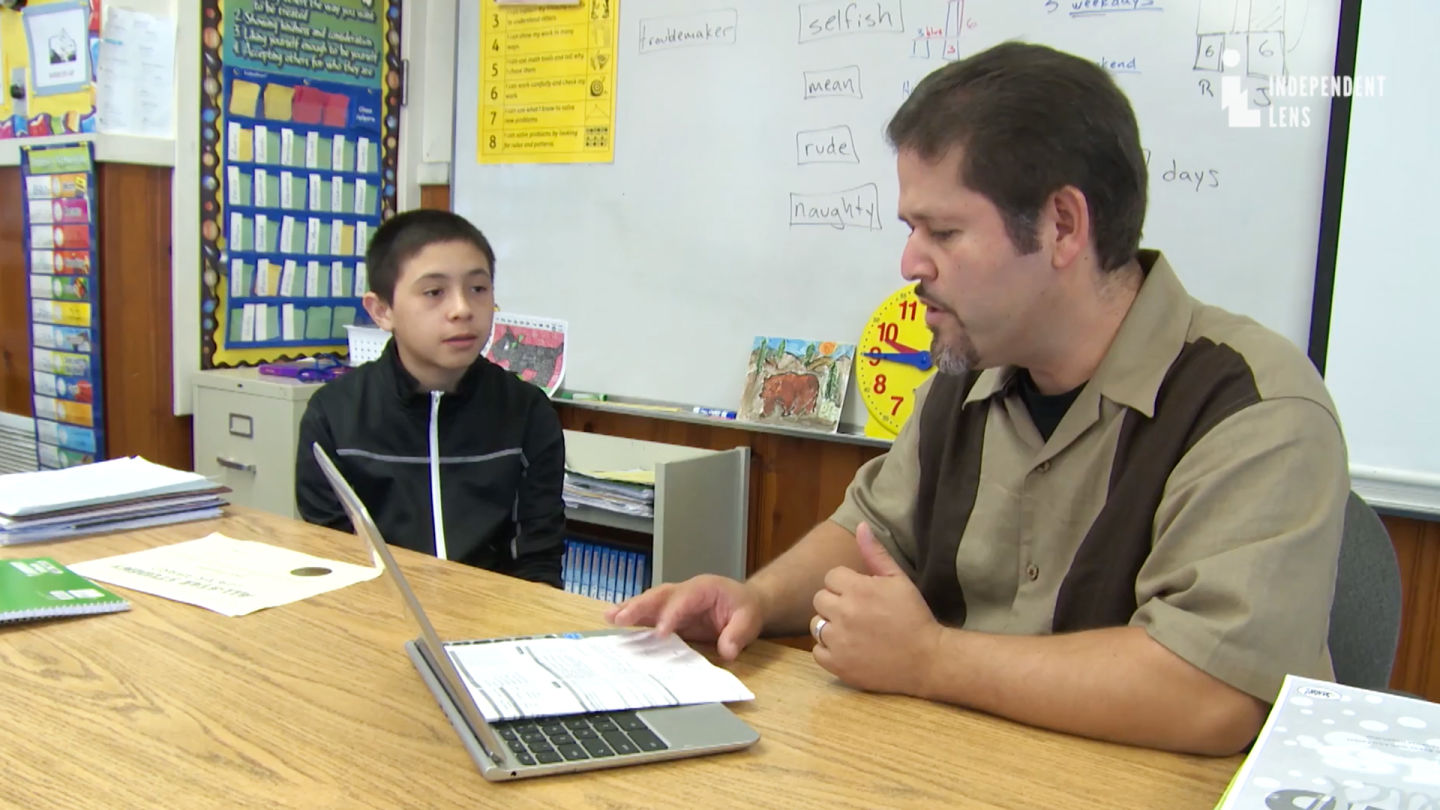
"caption": "Castlemont High School teacher Carrie Haslanger goes over an assignment with a newcomer ethnic studies class.",
"description": null,
"title": "Haslanger 1",
"credit": "Zaidee Stavely/KQED",
"status": "inherit",
"isLoading": false,
"fetchFailed": false
},
"news_10798492": {
"type": "attachments",
"id": "news_10798492",
"meta": {
"index": "attachments_1716263798",
"site": "news",
"id": "10798492",
"found": true
},
"parent": 10798486,
"imgSizes": {
"twentyfourteen-full-width": {
"file": "https://ww2.kqed.org/app/uploads/sites/10/2015/12/jorgeandmrramos-1038x576.jpg",
"width": 1038,
"mimeType": "image/jpeg",
"height": 576
},
"thumbnail": {
"file": "https://ww2.kqed.org/app/uploads/sites/10/2015/12/jorgeandmrramos-400x225.jpg",
"width": 400,
"mimeType": "image/jpeg",
"height": 225
},
"fd-sm": {
"file": "https://ww2.kqed.org/app/uploads/sites/10/2015/12/jorgeandmrramos-960x540.jpg",
"width": 960,
"mimeType": "image/jpeg",
"height": 540
},
"post-thumbnail": {
"file": "https://ww2.kqed.org/app/uploads/sites/10/2015/12/jorgeandmrramos-672x372.jpg",
"width": 672,
"mimeType": "image/jpeg",
"height": 372
},
"kqedFullSize": {
"file": "https://ww2.kqed.org/app/uploads/sites/10/2015/12/jorgeandmrramos.jpg",
"width": 1920,
"height": 1080
},
"large": {
"file": "https://ww2.kqed.org/app/uploads/sites/10/2015/12/jorgeandmrramos-1440x810.jpg",
"width": 1440,
"mimeType": "image/jpeg",
"height": 810
},
"guest-author-96": {
"file": "https://ww2.kqed.org/app/uploads/sites/10/2015/12/jorgeandmrramos-96x96.jpg",
"width": 96,
"mimeType": "image/jpeg",
"height": 96
},
"medium": {
"file": "https://ww2.kqed.org/app/uploads/sites/10/2015/12/jorgeandmrramos-800x450.jpg",
"width": 800,
"mimeType": "image/jpeg",
"height": 450
},
"guest-author-64": {
"file": "https://ww2.kqed.org/app/uploads/sites/10/2015/12/jorgeandmrramos-64x64.jpg",
"width": 64,
"mimeType": "image/jpeg",
"height": 64
},
"guest-author-32": {
"file": "https://ww2.kqed.org/app/uploads/sites/10/2015/12/jorgeandmrramos-32x32.jpg",
"width": 32,
"mimeType": "image/jpeg",
"height": 32
},
"jmtc-small-thumb": {
"file": "https://ww2.kqed.org/app/uploads/sites/10/2015/12/jorgeandmrramos-280x150.jpg",
"width": 280,
"mimeType": "image/jpeg",
"height": 150
},
"fd-lrg": {
"file": "https://ww2.kqed.org/app/uploads/sites/10/2015/12/jorgeandmrramos-1920x1080.jpg",
"width": 1920,
"mimeType": "image/jpeg",
"height": 1080
},
"fd-med": {
"file": "https://ww2.kqed.org/app/uploads/sites/10/2015/12/jorgeandmrramos-1180x664.jpg",
"width": 1180,
"mimeType": "image/jpeg",
"height": 664
},
"detail": {
"file": "https://ww2.kqed.org/app/uploads/sites/10/2015/12/jorgeandmrramos-75x75.jpg",
"width": 75,
"mimeType": "image/jpeg",
"height": 75
},
"medium_large": {
"file": "https://ww2.kqed.org/app/uploads/sites/10/2015/12/jorgeandmrramos-768x432.jpg",
"width": 768,
"mimeType": "image/jpeg",
"height": 432
},
"guest-author-128": {
"file": "https://ww2.kqed.org/app/uploads/sites/10/2015/12/jorgeandmrramos-128x128.jpg",
"width": 128,
"mimeType": "image/jpeg",
"height": 128
}
},
"publishDate": 1450400029,
"modified": 1450489494,
"caption": "Third-grade teacher Oscar Ramos works with his former student Jose Ansaldo. ",
"description": null,
"title": "jorgeandmrramos",
"credit": "Courtesy ITVS",
"status": "inherit",
"isLoading": false,
"fetchFailed": false
},
"news_10795497": {
"type": "attachments",
"id": "news_10795497",
"meta": {
"index": "attachments_1716263798",
"site": "news",
"id": "10795497",
"found": true
},
"parent": 10795276,
"imgSizes": {
"twentyfourteen-full-width": {
"file": "https://ww2.kqed.org/app/uploads/sites/10/2015/12/LASchoolShutdown-1038x576.jpg",
"width": 1038,
"mimeType": "image/jpeg",
"height": 576
},
"thumbnail": {
"file": "https://ww2.kqed.org/app/uploads/sites/10/2015/12/LASchoolShutdown-400x259.jpg",
"width": 400,
"mimeType": "image/jpeg",
"height": 259
},
"fd-sm": {
"file": "https://ww2.kqed.org/app/uploads/sites/10/2015/12/LASchoolShutdown-960x622.jpg",
"width": 960,
"mimeType": "image/jpeg",
"height": 622
},
"post-thumbnail": {
"file": "https://ww2.kqed.org/app/uploads/sites/10/2015/12/LASchoolShutdown-672x372.jpg",
"width": 672,
"mimeType": "image/jpeg",
"height": 372
},
"kqedFullSize": {
"file": "https://ww2.kqed.org/app/uploads/sites/10/2015/12/LASchoolShutdown.jpg",
"width": 1920,
"height": 1244
},
"large": {
"file": "https://ww2.kqed.org/app/uploads/sites/10/2015/12/LASchoolShutdown-1440x933.jpg",
"width": 1440,
"mimeType": "image/jpeg",
"height": 933
},
"guest-author-96": {
"file": "https://ww2.kqed.org/app/uploads/sites/10/2015/12/LASchoolShutdown-96x96.jpg",
"width": 96,
"mimeType": "image/jpeg",
"height": 96
},
"medium": {
"file": "https://ww2.kqed.org/app/uploads/sites/10/2015/12/LASchoolShutdown-800x518.jpg",
"width": 800,
"mimeType": "image/jpeg",
"height": 518
},
"guest-author-64": {
"file": "https://ww2.kqed.org/app/uploads/sites/10/2015/12/LASchoolShutdown-64x64.jpg",
"width": 64,
"mimeType": "image/jpeg",
"height": 64
},
"guest-author-32": {
"file": "https://ww2.kqed.org/app/uploads/sites/10/2015/12/LASchoolShutdown-32x32.jpg",
"width": 32,
"mimeType": "image/jpeg",
"height": 32
},
"jmtc-small-thumb": {
"file": "https://ww2.kqed.org/app/uploads/sites/10/2015/12/LASchoolShutdown-280x150.jpg",
"width": 280,
"mimeType": "image/jpeg",
"height": 150
},
"fd-lrg": {
"file": "https://ww2.kqed.org/app/uploads/sites/10/2015/12/LASchoolShutdown-1920x1244.jpg",
"width": 1920,
"mimeType": "image/jpeg",
"height": 1244
},
"fd-med": {
"file": "https://ww2.kqed.org/app/uploads/sites/10/2015/12/LASchoolShutdown-1180x765.jpg",
"width": 1180,
"mimeType": "image/jpeg",
"height": 765
},
"detail": {
"file": "https://ww2.kqed.org/app/uploads/sites/10/2015/12/LASchoolShutdown-75x75.jpg",
"width": 75,
"mimeType": "image/jpeg",
"height": 75
},
"medium_large": {
"file": "https://ww2.kqed.org/app/uploads/sites/10/2015/12/LASchoolShutdown-768x498.jpg",
"width": 768,
"mimeType": "image/jpeg",
"height": 498
},
"guest-author-128": {
"file": "https://ww2.kqed.org/app/uploads/sites/10/2015/12/LASchoolShutdown-128x128.jpg",
"width": 128,
"mimeType": "image/jpeg",
"height": 128
}
},
"publishDate": 1450207572,
"modified": 1450229656,
"caption": "Police converge on Edward R. Roybal Learning Center as all Los Angeles city schools are shut down after a threat on Dec. 15, 2015.",
"description": "Police converge on Edward R. Roybal Learning Center as all Los Angeles city schools are shut down after a threat on December 15, 2015.",
"title": "LASchoolShutdown",
"credit": "David McNew/Getty Images",
"status": "inherit",
"isLoading": false,
"fetchFailed": false
},
"news_10784882": {
"type": "attachments",
"id": "news_10784882",
"meta": {
"index": "attachments_1716263798",
"site": "news",
"id": "10784882",
"found": true
},
"parent": 10784881,
"imgSizes": {
"twentyfourteen-full-width": {
"file": "https://ww2.kqed.org/app/uploads/sites/10/2015/12/RS17590_image3-qut-1038x576.jpg",
"width": 1038,
"mimeType": "image/jpeg",
"height": 576
},
"thumbnail": {
"file": "https://ww2.kqed.org/app/uploads/sites/10/2015/12/RS17590_image3-qut-400x300.jpg",
"width": 400,
"mimeType": "image/jpeg",
"height": 300
},
"fd-sm": {
"file": "https://ww2.kqed.org/app/uploads/sites/10/2015/12/RS17590_image3-qut-960x720.jpg",
"width": 960,
"mimeType": "image/jpeg",
"height": 720
},
"post-thumbnail": {
"file": "https://ww2.kqed.org/app/uploads/sites/10/2015/12/RS17590_image3-qut-672x372.jpg",
"width": 672,
"mimeType": "image/jpeg",
"height": 372
},
"kqedFullSize": {
"file": "https://ww2.kqed.org/app/uploads/sites/10/2015/12/RS17590_image3-qut.jpg",
"width": 1920,
"height": 1440
},
"large": {
"file": "https://ww2.kqed.org/app/uploads/sites/10/2015/12/RS17590_image3-qut-1440x1080.jpg",
"width": 1440,
"mimeType": "image/jpeg",
"height": 1080
},
"guest-author-96": {
"file": "https://ww2.kqed.org/app/uploads/sites/10/2015/12/RS17590_image3-qut-96x96.jpg",
"width": 96,
"mimeType": "image/jpeg",
"height": 96
},
"medium": {
"file": "https://ww2.kqed.org/app/uploads/sites/10/2015/12/RS17590_image3-qut-800x600.jpg",
"width": 800,
"mimeType": "image/jpeg",
"height": 600
},
"guest-author-64": {
"file": "https://ww2.kqed.org/app/uploads/sites/10/2015/12/RS17590_image3-qut-64x64.jpg",
"width": 64,
"mimeType": "image/jpeg",
"height": 64
},
"guest-author-32": {
"file": "https://ww2.kqed.org/app/uploads/sites/10/2015/12/RS17590_image3-qut-32x32.jpg",
"width": 32,
"mimeType": "image/jpeg",
"height": 32
},
"jmtc-small-thumb": {
"file": "https://ww2.kqed.org/app/uploads/sites/10/2015/12/RS17590_image3-qut-280x150.jpg",
"width": 280,
"mimeType": "image/jpeg",
"height": 150
},
"fd-lrg": {
"file": "https://ww2.kqed.org/app/uploads/sites/10/2015/12/RS17590_image3-qut-1920x1440.jpg",
"width": 1920,
"mimeType": "image/jpeg",
"height": 1440
},
"fd-med": {
"file": "https://ww2.kqed.org/app/uploads/sites/10/2015/12/RS17590_image3-qut-1180x885.jpg",
"width": 1180,
"mimeType": "image/jpeg",
"height": 885
},
"detail": {
"file": "https://ww2.kqed.org/app/uploads/sites/10/2015/12/RS17590_image3-qut-75x75.jpg",
"width": 75,
"mimeType": "image/jpeg",
"height": 75
},
"guest-author-128": {
"file": "https://ww2.kqed.org/app/uploads/sites/10/2015/12/RS17590_image3-qut-128x128.jpg",
"width": 128,
"mimeType": "image/jpeg",
"height": 128
}
},
"publishDate": 1449448239,
"modified": 1450133430,
"caption": "Kaylah Grisby (left) and Alaina Lee are both juniors at Berkeley High, but their classroom experiences are very different.",
"description": null,
"title": "Berkeley High",
"credit": "Adizah Eghan/KQED",
"status": "inherit",
"isLoading": false,
"fetchFailed": false
},
"news_10788933": {
"type": "attachments",
"id": "news_10788933",
"meta": {
"index": "attachments_1716263798",
"site": "news",
"id": "10788933",
"found": true
},
"parent": 10788932,
"imgSizes": {
"twentyfourteen-full-width": {
"file": "https://ww2.kqed.org/app/uploads/sites/10/2015/12/SchoolCopOnBikeFinal-1038x576.jpg",
"width": 1038,
"mimeType": "image/jpeg",
"height": 576
},
"thumbnail": {
"file": "https://ww2.kqed.org/app/uploads/sites/10/2015/12/SchoolCopOnBikeFinal-400x261.jpg",
"width": 400,
"mimeType": "image/jpeg",
"height": 261
},
"fd-sm": {
"file": "https://ww2.kqed.org/app/uploads/sites/10/2015/12/SchoolCopOnBikeFinal-960x627.jpg",
"width": 960,
"mimeType": "image/jpeg",
"height": 627
},
"post-thumbnail": {
"file": "https://ww2.kqed.org/app/uploads/sites/10/2015/12/SchoolCopOnBikeFinal-672x372.jpg",
"width": 672,
"mimeType": "image/jpeg",
"height": 372
},
"kqedFullSize": {
"file": "https://ww2.kqed.org/app/uploads/sites/10/2015/12/SchoolCopOnBikeFinal.jpg",
"width": 1920,
"height": 1253
},
"large": {
"file": "https://ww2.kqed.org/app/uploads/sites/10/2015/12/SchoolCopOnBikeFinal-1440x940.jpg",
"width": 1440,
"mimeType": "image/jpeg",
"height": 940
},
"guest-author-96": {
"file": "https://ww2.kqed.org/app/uploads/sites/10/2015/12/SchoolCopOnBikeFinal-96x96.jpg",
"width": 96,
"mimeType": "image/jpeg",
"height": 96
},
"medium": {
"file": "https://ww2.kqed.org/app/uploads/sites/10/2015/12/SchoolCopOnBikeFinal-800x522.jpg",
"width": 800,
"mimeType": "image/jpeg",
"height": 522
},
"guest-author-64": {
"file": "https://ww2.kqed.org/app/uploads/sites/10/2015/12/SchoolCopOnBikeFinal-64x64.jpg",
"width": 64,
"mimeType": "image/jpeg",
"height": 64
},
"guest-author-32": {
"file": "https://ww2.kqed.org/app/uploads/sites/10/2015/12/SchoolCopOnBikeFinal-32x32.jpg",
"width": 32,
"mimeType": "image/jpeg",
"height": 32
},
"jmtc-small-thumb": {
"file": "https://ww2.kqed.org/app/uploads/sites/10/2015/12/SchoolCopOnBikeFinal-280x150.jpg",
"width": 280,
"mimeType": "image/jpeg",
"height": 150
},
"fd-lrg": {
"file": "https://ww2.kqed.org/app/uploads/sites/10/2015/12/SchoolCopOnBikeFinal-1920x1253.jpg",
"width": 1920,
"mimeType": "image/jpeg",
"height": 1253
},
"fd-med": {
"file": "https://ww2.kqed.org/app/uploads/sites/10/2015/12/SchoolCopOnBikeFinal-1180x770.jpg",
"width": 1180,
"mimeType": "image/jpeg",
"height": 770
},
"detail": {
"file": "https://ww2.kqed.org/app/uploads/sites/10/2015/12/SchoolCopOnBikeFinal-75x75.jpg",
"width": 75,
"mimeType": "image/jpeg",
"height": 75
},
"guest-author-128": {
"file": "https://ww2.kqed.org/app/uploads/sites/10/2015/12/SchoolCopOnBikeFinal-128x128.jpg",
"width": 128,
"mimeType": "image/jpeg",
"height": 128
}
},
"publishDate": 1449714625,
"modified": 1449714670,
"caption": "San Bernardino City Unified School District police officers get support from more than 50 campus security officers who patrol campuses and are trained in handcuffing and baton use.",
"description": "San Bernardino City Unified School District police officers get support from more than 50 campus security officers who patrol campuses and are trained in handcuffing and baton use.",
"title": "SchoolCopOnBikeFinal",
"credit": "Susan Ferriss/Center for Public Integrity",
"status": "inherit",
"isLoading": false,
"fetchFailed": false
},
"news_10787543": {
"type": "attachments",
"id": "news_10787543",
"meta": {
"index": "attachments_1716263798",
"site": "news",
"id": "10787543",
"found": true
},
"parent": 10787540,
"imgSizes": {
"jmtc-small-thumb": {
"file": "https://ww2.kqed.org/app/uploads/sites/10/2015/12/RS17617_IMG_4614-qut-280x150.jpg",
"width": 280,
"mimeType": "image/jpeg",
"height": 150
},
"thumbnail": {
"file": "https://ww2.kqed.org/app/uploads/sites/10/2015/12/RS17617_IMG_4614-qut-400x300.jpg",
"width": 400,
"mimeType": "image/jpeg",
"height": 300
},
"post-thumbnail": {
"file": "https://ww2.kqed.org/app/uploads/sites/10/2015/12/RS17617_IMG_4614-qut-640x372.jpg",
"width": 640,
"mimeType": "image/jpeg",
"height": 372
},
"kqedFullSize": {
"file": "https://ww2.kqed.org/app/uploads/sites/10/2015/12/RS17617_IMG_4614-qut.jpg",
"width": 640,
"height": 480
},
"guest-author-96": {
"file": "https://ww2.kqed.org/app/uploads/sites/10/2015/12/RS17617_IMG_4614-qut-96x96.jpg",
"width": 96,
"mimeType": "image/jpeg",
"height": 96
},
"guest-author-64": {
"file": "https://ww2.kqed.org/app/uploads/sites/10/2015/12/RS17617_IMG_4614-qut-64x64.jpg",
"width": 64,
"mimeType": "image/jpeg",
"height": 64
},
"detail": {
"file": "https://ww2.kqed.org/app/uploads/sites/10/2015/12/RS17617_IMG_4614-qut-75x75.jpg",
"width": 75,
"mimeType": "image/jpeg",
"height": 75
},
"guest-author-32": {
"file": "https://ww2.kqed.org/app/uploads/sites/10/2015/12/RS17617_IMG_4614-qut-32x32.jpg",
"width": 32,
"mimeType": "image/jpeg",
"height": 32
},
"guest-author-128": {
"file": "https://ww2.kqed.org/app/uploads/sites/10/2015/12/RS17617_IMG_4614-qut-128x128.jpg",
"width": 128,
"mimeType": "image/jpeg",
"height": 128
}
},
"publishDate": 1449621877,
"modified": 1449706748,
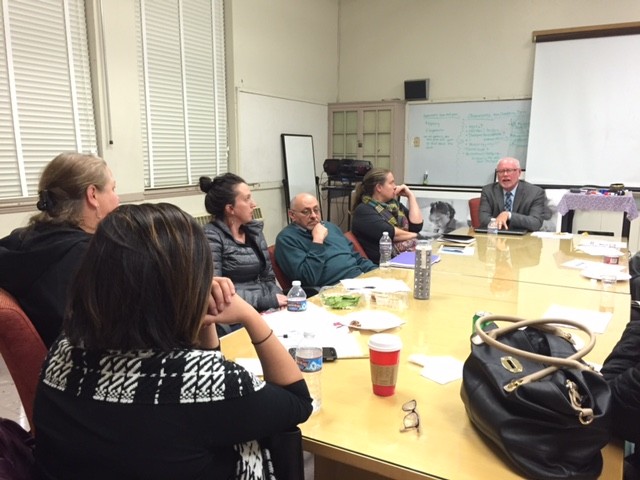
"caption": "Oakland Unified School District official Charles Wilson discusses the district's new proposal to include charter schools in its enrollment system with a group of parents at Roosevelt Middle School. ",
"description": null,
"title": "RS17617_IMG_4614-qut",
"credit": "Ana Tintocalis",
"status": "inherit",
"isLoading": false,
"fetchFailed": false
},
"news_10778281": {
"type": "attachments",
"id": "news_10778281",
"meta": {
"index": "attachments_1716263798",
"site": "news",
"id": "10778281",
"found": true
},
"parent": 10753631,
"imgSizes": {
"twentyfourteen-full-width": {
"file": "https://ww2.kqed.org/app/uploads/sites/10/2015/12/WalkingTeachers-1038x576.jpg",
"width": 1038,
"mimeType": "image/jpeg",
"height": 576
},
"thumbnail": {
"file": "https://ww2.kqed.org/app/uploads/sites/10/2015/12/WalkingTeachers-400x276.jpg",
"width": 400,
"mimeType": "image/jpeg",
"height": 276
},
"fd-sm": {
"file": "https://ww2.kqed.org/app/uploads/sites/10/2015/12/WalkingTeachers-960x662.jpg",
"width": 960,
"mimeType": "image/jpeg",
"height": 662
},
"post-thumbnail": {
"file": "https://ww2.kqed.org/app/uploads/sites/10/2015/12/WalkingTeachers-672x372.jpg",
"width": 672,
"mimeType": "image/jpeg",
"height": 372
},
"kqedFullSize": {
"file": "https://ww2.kqed.org/app/uploads/sites/10/2015/12/WalkingTeachers.jpg",
"width": 1920,
"height": 1324
},
"large": {
"file": "https://ww2.kqed.org/app/uploads/sites/10/2015/12/WalkingTeachers-1440x993.jpg",
"width": 1440,
"mimeType": "image/jpeg",
"height": 993
},
"guest-author-96": {
"file": "https://ww2.kqed.org/app/uploads/sites/10/2015/12/WalkingTeachers-96x96.jpg",
"width": 96,
"mimeType": "image/jpeg",
"height": 96
},
"medium": {
"file": "https://ww2.kqed.org/app/uploads/sites/10/2015/12/WalkingTeachers-800x552.jpg",
"width": 800,
"mimeType": "image/jpeg",
"height": 552
},
"guest-author-64": {
"file": "https://ww2.kqed.org/app/uploads/sites/10/2015/12/WalkingTeachers-64x64.jpg",
"width": 64,
"mimeType": "image/jpeg",
"height": 64
},
"guest-author-32": {
"file": "https://ww2.kqed.org/app/uploads/sites/10/2015/12/WalkingTeachers-32x32.jpg",
"width": 32,
"mimeType": "image/jpeg",
"height": 32
},
"jmtc-small-thumb": {
"file": "https://ww2.kqed.org/app/uploads/sites/10/2015/12/WalkingTeachers-280x150.jpg",
"width": 280,
"mimeType": "image/jpeg",
"height": 150
},
"fd-lrg": {
"file": "https://ww2.kqed.org/app/uploads/sites/10/2015/12/WalkingTeachers-1920x1324.jpg",
"width": 1920,
"mimeType": "image/jpeg",
"height": 1324
},
"fd-med": {
"file": "https://ww2.kqed.org/app/uploads/sites/10/2015/12/WalkingTeachers-1180x814.jpg",
"width": 1180,
"mimeType": "image/jpeg",
"height": 814
},
"detail": {
"file": "https://ww2.kqed.org/app/uploads/sites/10/2015/12/WalkingTeachers-75x75.jpg",
"width": 75,
"mimeType": "image/jpeg",
"height": 75
},
"guest-author-128": {
"file": "https://ww2.kqed.org/app/uploads/sites/10/2015/12/WalkingTeachers-128x128.jpg",
"width": 128,
"mimeType": "image/jpeg",
"height": 128
}
},
"publishDate": 1449016611,
"modified": 1449016648,
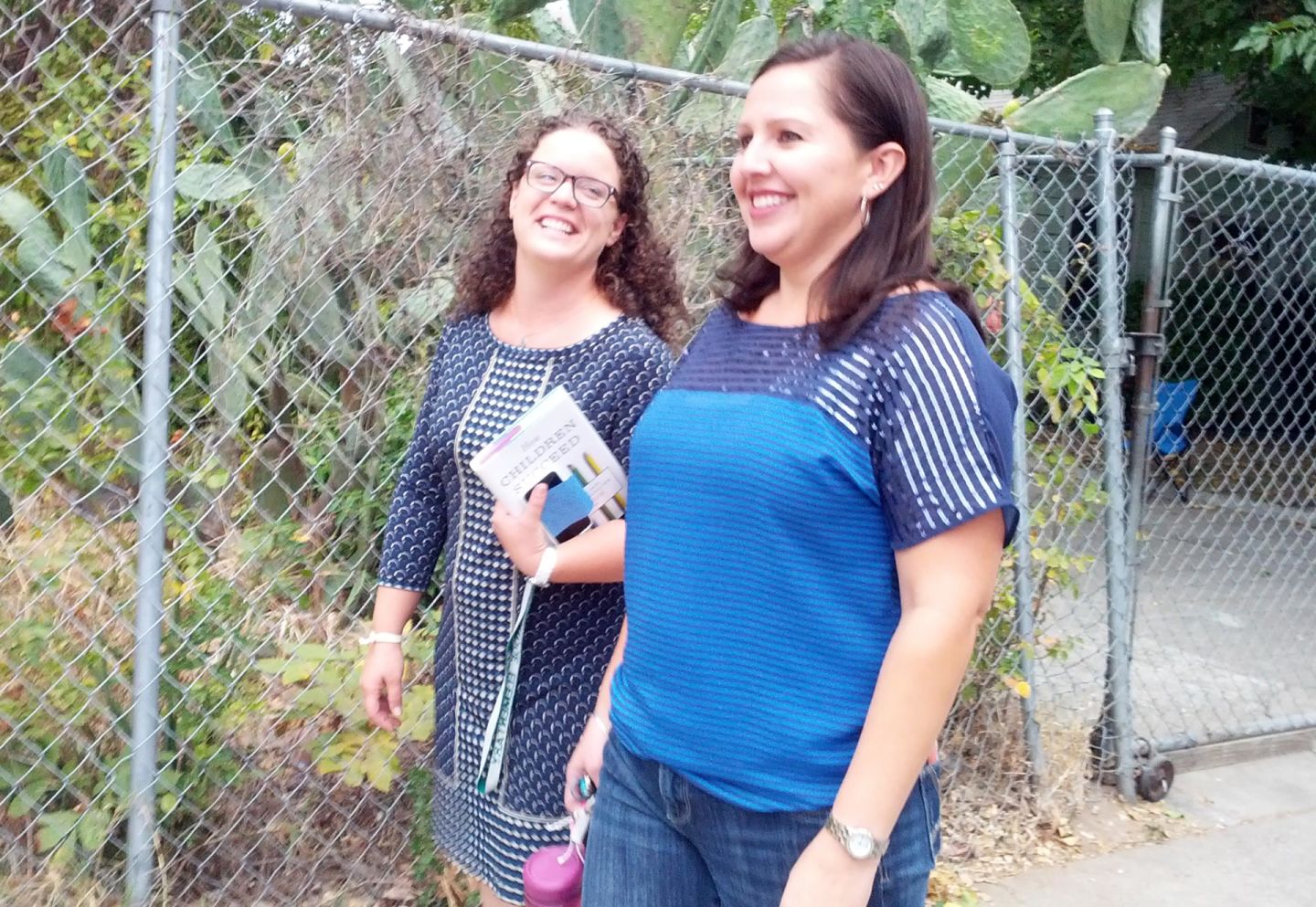
"caption": "Teachers Stephanie Smith and Cristina Bautista walk to many of their students' homes.",
"description": "Teachers Stephanie Smith and Cristina Bautista walk to many of their students' homes.",
"title": "WalkingTeachers",
"credit": "Zaidee Stavely/KQED",
"status": "inherit",
"isLoading": false,
"fetchFailed": false
},
"news_10770826": {
"type": "attachments",
"id": "news_10770826",
"meta": {
"index": "attachments_1716263798",
"site": "news",
"id": "10770826",
"found": true
},
"parent": 10770719,
"imgSizes": {
"jmtc-small-thumb": {
"file": "https://ww2.kqed.org/app/uploads/sites/10/2015/11/RS17533_projects-1-qut-280x150.jpg",
"width": 280,
"mimeType": "image/jpeg",
"height": 150
},
"thumbnail": {
"file": "https://ww2.kqed.org/app/uploads/sites/10/2015/11/RS17533_projects-1-qut-400x300.jpg",
"width": 400,
"mimeType": "image/jpeg",
"height": 300
},
"post-thumbnail": {
"file": "https://ww2.kqed.org/app/uploads/sites/10/2015/11/RS17533_projects-1-qut-672x372.jpg",
"width": 672,
"mimeType": "image/jpeg",
"height": 372
},
"kqedFullSize": {
"file": "https://ww2.kqed.org/app/uploads/sites/10/2015/11/RS17533_projects-1-qut.jpg",
"width": 748,
"height": 561
},
"guest-author-96": {
"file": "https://ww2.kqed.org/app/uploads/sites/10/2015/11/RS17533_projects-1-qut-96x96.jpg",
"width": 96,
"mimeType": "image/jpeg",
"height": 96
},
"guest-author-64": {
"file": "https://ww2.kqed.org/app/uploads/sites/10/2015/11/RS17533_projects-1-qut-64x64.jpg",
"width": 64,
"mimeType": "image/jpeg",
"height": 64
},
"detail": {
"file": "https://ww2.kqed.org/app/uploads/sites/10/2015/11/RS17533_projects-1-qut-75x75.jpg",
"width": 75,
"mimeType": "image/jpeg",
"height": 75
},
"guest-author-32": {
"file": "https://ww2.kqed.org/app/uploads/sites/10/2015/11/RS17533_projects-1-qut-32x32.jpg",
"width": 32,
"mimeType": "image/jpeg",
"height": 32
},
"guest-author-128": {
"file": "https://ww2.kqed.org/app/uploads/sites/10/2015/11/RS17533_projects-1-qut-128x128.jpg",
"width": 128,
"mimeType": "image/jpeg",
"height": 128
}
},
"publishDate": 1448410423,
"modified": 1448410650,
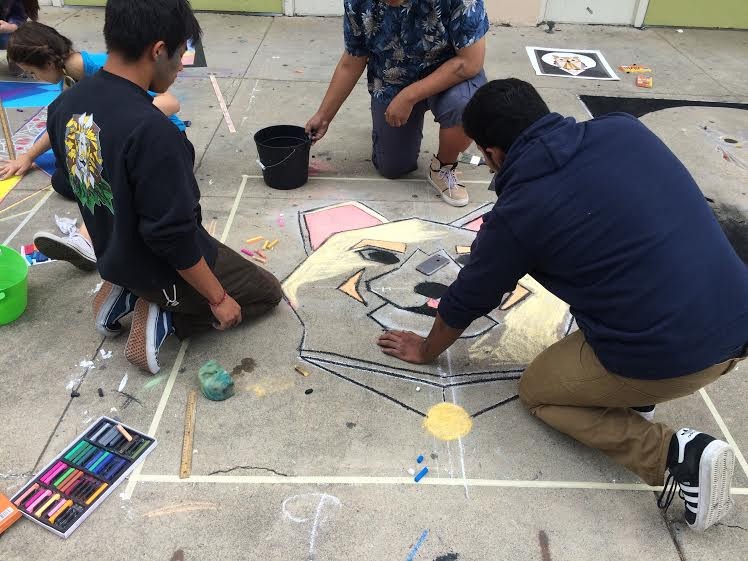
"caption": "Students at Abraham Lincoln High School in San Jose undertake a mathematical art project on campus. ",
"description": null,
"title": "RS17533_projects-1-qut",
"credit": "Kaitlyn Crane/Lincoln Lion Tales",
"status": "inherit",
"isLoading": false,
"fetchFailed": false
},
"news_10421040": {
"type": "attachments",
"id": "news_10421040",
"meta": {
"index": "attachments_1716263798",
"site": "news",
"id": "10421040",
"found": true
},
"parent": 10420958,
"imgSizes": {
"twentyfourteen-full-width": {
"file": "https://ww2.kqed.org/app/uploads/sites/10/2015/01/RS12629_1667560381-1038x576.jpg",
"width": 1038,
"mimeType": "image/jpeg",
"height": 576
},
"thumbnail": {
"file": "https://ww2.kqed.org/app/uploads/sites/10/2015/01/RS12629_1667560381-400x271.jpg",
"width": 400,
"mimeType": "image/jpeg",
"height": 271
},
"post-thumbnail": {
"file": "https://ww2.kqed.org/app/uploads/sites/10/2015/01/RS12629_1667560381-672x372.jpg",
"width": 672,
"mimeType": "image/jpeg",
"height": 372
},
"kqedFullSize": {
"file": "https://ww2.kqed.org/app/uploads/sites/10/2015/01/RS12629_1667560381-e1447971332511.jpg",
"width": 1920,
"height": 1301
},
"large": {
"file": "https://ww2.kqed.org/app/uploads/sites/10/2015/01/RS12629_1667560381-1440x976.jpg",
"width": 1440,
"mimeType": "image/jpeg",
"height": 976
},
"guest-author-96": {
"file": "https://ww2.kqed.org/app/uploads/sites/10/2015/01/RS12629_1667560381-96x96.jpg",
"width": 96,
"mimeType": "image/jpeg",
"height": 96
},
"medium": {
"file": "https://ww2.kqed.org/app/uploads/sites/10/2015/01/RS12629_1667560381-800x542.jpg",
"width": 800,
"mimeType": "image/jpeg",
"height": 542
},
"guest-author-64": {
"file": "https://ww2.kqed.org/app/uploads/sites/10/2015/01/RS12629_1667560381-64x64.jpg",
"width": 64,
"mimeType": "image/jpeg",
"height": 64
},
"detail": {
"file": "https://ww2.kqed.org/app/uploads/sites/10/2015/01/RS12629_1667560381-75x75.jpg",
"width": 75,
"mimeType": "image/jpeg",
"height": 75
},
"guest-author-32": {
"file": "https://ww2.kqed.org/app/uploads/sites/10/2015/01/RS12629_1667560381-32x32.jpg",
"width": 32,
"mimeType": "image/jpeg",
"height": 32
},
"guest-author-128": {
"file": "https://ww2.kqed.org/app/uploads/sites/10/2015/01/RS12629_1667560381-128x128.jpg",
"width": 128,
"mimeType": "image/jpeg",
"height": 128
}
},
"publishDate": 1422737549,
"modified": 1447971538,
"caption": "FILE PHOTO: Bottles of Coca Cola sit in a cooler at a market in San Francisco, California. ",
"description": "Bottles of Coca Cola sit in a cooler at a market on April 16, 2013 in San Francisco, California. ",
"title": "Coca Cola Shares Reach 4-Year High After After Q1 Earnings Announcement",
"credit": "Justin Sullivan/Getty Images",
"status": "inherit",
"isLoading": false,
"fetchFailed": false
}
},
"audioPlayerReducer": {
"postId": "stream_live",
"isPaused": true,
"isPlaying": false,
"pfsActive": false,
"pledgeModalIsOpen": true,
"playerDrawerIsOpen": false,
"liveAudioPlayStartedAt": 0,
"liveAudioPlayContext": ""
},
"authorsReducer": {
"byline_news_10795276": {
"type": "authors",
"id": "byline_news_10795276",
"meta": {
"override": true
},
"slug": "byline_news_10795276",
"name": "\u003cstrong>The Associated Press\u003c/strong>",
"isLoading": false
},
"byline_news_10788932": {
"type": "authors",
"id": "byline_news_10788932",
"meta": {
"override": true
},
"slug": "byline_news_10788932",
"name": "\u003cstrong>\u003ca href=\"http://www.publicintegrity.org/authors/susan-ferriss\">Susan Ferriss\u003c/a>\u003c/strong> and \u003cstrong>\u003ca href=\"http://www.publicintegrity.org/authors/amy-isackson\">Amy Isackson\u003c/a>\u003cbr>\u003ca href=\"http://www.publicintegrity.org/\">The Center for Public Integrity\u003c/a>\u003c/strong>",
"isLoading": false
},
"jbrooks": {
"type": "authors",
"id": "80",
"meta": {
"index": "authors_1716337520",
"id": "80",
"found": true
},
"name": "Jon Brooks",
"firstName": "Jon",
"lastName": "Brooks",
"slug": "jbrooks",
"email": "jbrooks@kqed.org",
"display_author_email": true,
"staff_mastheads": [
"science"
],
"title": "Digital Editor",
"bio": "Jon Brooks is a former Digital Editor for KQED Science. He is the former editor of KQED’s daily news blog, News Fix. In 2014, he won a California Journalism Award for his coverage of ride services like Uber and Lyft and the taxi industry. A veteran blogger, he previously worked for Yahoo! in various news writing and editing roles. Jon is also a playwright whose work has been produced in San Francisco, New York, Italy, and around the U.S. He has written about film for his own blog and studied film at Boston University.",
"avatar": "https://secure.gravatar.com/avatar/98887f7ed1c876ed414d4c915e969584?s=600&d=blank&r=g",
"twitter": "jbrooksfoy",
"facebook": null,
"instagram": null,
"linkedin": null,
"sites": [
{
"site": "arts",
"roles": [
"Contributor",
"editor"
]
},
{
"site": "news",
"roles": [
"author"
]
},
{
"site": "futureofyou",
"roles": [
"administrator"
]
},
{
"site": "mindshift",
"roles": [
"editor"
]
},
{
"site": "stateofhealth",
"roles": [
"editor"
]
},
{
"site": "science",
"roles": [
"administrator"
]
},
{
"site": "quest",
"roles": [
"editor"
]
}
],
"headData": {
"title": "Jon Brooks | KQED",
"description": "Digital Editor",
"ogImgSrc": "https://secure.gravatar.com/avatar/98887f7ed1c876ed414d4c915e969584?s=600&d=blank&r=g",
"twImgSrc": "https://secure.gravatar.com/avatar/98887f7ed1c876ed414d4c915e969584?s=600&d=blank&r=g"
},
"isLoading": false,
"link": "/author/jbrooks"
},
"agrossberg": {
"type": "authors",
"id": "188",
"meta": {
"index": "authors_1716337520",
"id": "188",
"found": true
},
"name": "Adam Grossberg",
"firstName": "Adam",
"lastName": "Grossberg",
"slug": "agrossberg",
"email": "agrossberg@KQED.org",
"display_author_email": false,
"staff_mastheads": [],
"title": "KQED Contributor",
"bio": "Adam Grossberg is a former video producer at KQED News. Prior to coming to KQED, he produced videos for PBS, The New York Times, Current TV and The Center for Investigative Reporting. His work has received an Excellence in Journalism award from the Society of Professional Journalists, a regional Murrow award and two Northern California Emmy awards. He is a graduate of the UC Berkeley Graduate School of Journalism.",
"avatar": "https://secure.gravatar.com/avatar/8e96dbdaaf98f5959a2c778289e0f9b5?s=600&d=blank&r=g",
"twitter": null,
"facebook": null,
"instagram": null,
"linkedin": null,
"sites": [
{
"site": "arts",
"roles": [
"contributor"
]
},
{
"site": "news",
"roles": [
"subscriber"
]
},
{
"site": "stateofhealth",
"roles": [
"editor"
]
},
{
"site": "science",
"roles": [
"editor"
]
}
],
"headData": {
"title": "Adam Grossberg | KQED",
"description": "KQED Contributor",
"ogImgSrc": "https://secure.gravatar.com/avatar/8e96dbdaaf98f5959a2c778289e0f9b5?s=600&d=blank&r=g",
"twImgSrc": "https://secure.gravatar.com/avatar/8e96dbdaaf98f5959a2c778289e0f9b5?s=600&d=blank&r=g"
},
"isLoading": false,
"link": "/author/agrossberg"
},
"aeghan": {
"type": "authors",
"id": "195",
"meta": {
"index": "authors_1716337520",
"id": "195",
"found": true
},
"name": "Adizah Eghan",
"firstName": "Adizah",
"lastName": "Eghan",
"slug": "aeghan",
"email": "adizah.e@gmail.com",
"display_author_email": false,
"staff_mastheads": [],
"title": "KQED Contributor",
"bio": "Adizah Eghan is a former reporter at KQED News and writer for KQED Arts. She caught the radio bug as an intern for PRI's The World and landed in KQED's newsroom after a stint teaching English in India. She covers culture, the arts, and global music in the Bay Area. This is where she tweets: \u003ca class=\"ProfileHeaderCard-screennameLink u-linkComplex js-nav\" style=\"color: #8899a6;\" href=\"https://twitter.com/Adizah_E\">@\u003cspan class=\"u-linkComplex-target\">Adizah_E\u003c/span>\u003c/a>",
"avatar": "https://secure.gravatar.com/avatar/d6e30ed9ca504243b4d8ee5d7ca32324?s=600&d=blank&r=g",
"twitter": "Adizah_E",
"facebook": null,
"instagram": null,
"linkedin": null,
"sites": [
{
"site": "arts",
"roles": [
"contributor"
]
},
{
"site": "news",
"roles": [
"subscriber"
]
},
{
"site": "stateofhealth",
"roles": [
"author"
]
}
],
"headData": {
"title": "Adizah Eghan | KQED",
"description": "KQED Contributor",
"ogImgSrc": "https://secure.gravatar.com/avatar/d6e30ed9ca504243b4d8ee5d7ca32324?s=600&d=blank&r=g",
"twImgSrc": "https://secure.gravatar.com/avatar/d6e30ed9ca504243b4d8ee5d7ca32324?s=600&d=blank&r=g"
},
"isLoading": false,
"link": "/author/aeghan"
},
"anatintocalis": {
"type": "authors",
"id": "211",
"meta": {
"index": "authors_1716337520",
"id": "211",
"found": true
},
"name": "Ana Tintocalis",
"firstName": "Ana",
"lastName": "Tintocalis",
"slug": "anatintocalis",
"email": "atintocalis@kqed.org",
"display_author_email": false,
"staff_mastheads": [],
"title": null,
"bio": null,
"avatar": "https://secure.gravatar.com/avatar/722c50f51f04eff38fa0e5a3f1d29450?s=600&d=blank&r=g",
"twitter": null,
"facebook": null,
"instagram": null,
"linkedin": null,
"sites": [
{
"site": "news",
"roles": [
"subscriber"
]
},
{
"site": "stateofhealth",
"roles": [
"subscriber"
]
}
],
"headData": {
"title": "Ana Tintocalis | KQED",
"description": null,
"ogImgSrc": "https://secure.gravatar.com/avatar/722c50f51f04eff38fa0e5a3f1d29450?s=600&d=blank&r=g",
"twImgSrc": "https://secure.gravatar.com/avatar/722c50f51f04eff38fa0e5a3f1d29450?s=600&d=blank&r=g"
},
"isLoading": false,
"link": "/author/anatintocalis"
},
"gmarzorati": {
"type": "authors",
"id": "227",
"meta": {
"index": "authors_1716337520",
"id": "227",
"found": true
},
"name": "Guy Marzorati",
"firstName": "Guy",
"lastName": "Marzorati",
"slug": "gmarzorati",
"email": "gmarzorati@KQED.org",
"display_author_email": true,
"staff_mastheads": [
"news"
],
"title": "Correspondent",
"bio": "Guy Marzorati is a correspondent on KQED's California Politics and Government Desk, based in San Jose. A graduate of Santa Clara University, Guy joined KQED in 2013. He reports on state and local politics and produces KQED's digital voter guide.",
"avatar": "https://secure.gravatar.com/avatar/e7038b8dbfd55b104369b76b1cd0b9de?s=600&d=blank&r=g",
"twitter": "guymarzorati",
"facebook": null,
"instagram": null,
"linkedin": null,
"sites": [
{
"site": "",
"roles": [
"editor"
]
},
{
"site": "news",
"roles": [
"editor"
]
},
{
"site": "science",
"roles": [
"editor"
]
},
{
"site": "forum",
"roles": [
"editor"
]
},
{
"site": "elections",
"roles": [
"editor"
]
},
{
"site": "liveblog",
"roles": [
"editor"
]
}
],
"headData": {
"title": "Guy Marzorati | KQED",
"description": "Correspondent",
"ogImgSrc": "https://secure.gravatar.com/avatar/e7038b8dbfd55b104369b76b1cd0b9de?s=600&d=blank&r=g",
"twImgSrc": "https://secure.gravatar.com/avatar/e7038b8dbfd55b104369b76b1cd0b9de?s=600&d=blank&r=g"
},
"isLoading": false,
"link": "/author/gmarzorati"
},
"zstavely": {
"type": "authors",
"id": "3225",
"meta": {
"index": "authors_1716337520",
"id": "3225",
"found": true
},
"name": "Zaidee Stavely",
"firstName": "Zaidee",
"lastName": "Stavely",
"slug": "zstavely",
"email": "zstavely@gmail.com",
"display_author_email": false,
"staff_mastheads": [],
"title": "KQED Contributor",
"bio": "Zaidee Stavely is an award-winning reporter who writes about race, equity, immigration, and education.",
"avatar": "https://secure.gravatar.com/avatar/5154b3ee56a721c916ca429372ae629c?s=600&d=blank&r=g",
"twitter": null,
"facebook": null,
"instagram": null,
"linkedin": null,
"sites": [
{
"site": "news",
"roles": [
"subscriber"
]
},
{
"site": "mindshift",
"roles": [
"contributor"
]
}
],
"headData": {
"title": "Zaidee Stavely | KQED",
"description": "KQED Contributor",
"ogImgSrc": "https://secure.gravatar.com/avatar/5154b3ee56a721c916ca429372ae629c?s=600&d=blank&r=g",
"twImgSrc": "https://secure.gravatar.com/avatar/5154b3ee56a721c916ca429372ae629c?s=600&d=blank&r=g"
},
"isLoading": false,
"link": "/author/zstavely"
},
"mlagos": {
"type": "authors",
"id": "3239",
"meta": {
"index": "authors_1716337520",
"id": "3239",
"found": true
},
"name": "Marisa Lagos",
"firstName": "Marisa",
"lastName": "Lagos",
"slug": "mlagos",
"email": "mlagos@kqed.org",
"display_author_email": false,
"staff_mastheads": [
"news"
],
"title": "KQED Contributor",
"bio": "Marisa Lagos is a correspondent for KQED’s California Politics and Government Desk and co-hosts the award-winning show and podcast, Political Breakdown. At KQED, Lagos also conducts reporting, analysis and investigations into state, local and national politics for radio, TV, online and onstage. In 2022, she and co-host, Scott Shafer, moderated the only gubernatorial debate in California. In 2020, the \u003ci>Washington Post\u003c/i> named her one of the top political journalists in California; she was nominated for a Peabody and won several other awards for her work investigating the 2017 California wildfires. She has worked at the \u003ci>San Francisco Chronicle\u003c/i>, \u003ci>San Francisco Examiner\u003c/i> and \u003ci>Los Angeles Times\u003c/i>. A UC Santa Barbara graduate, she lives in San Francisco with her two sons and husband.",
"avatar": "https://secure.gravatar.com/avatar/a261a0d3696fc066871ef96b85b5e7d2?s=600&d=blank&r=g",
"twitter": "@mlagos",
"facebook": null,
"instagram": null,
"linkedin": null,
"sites": [
{
"site": "arts",
"roles": [
"author"
]
},
{
"site": "news",
"roles": [
"editor"
]
},
{
"site": "science",
"roles": [
"editor"
]
},
{
"site": "forum",
"roles": [
"author"
]
},
{
"site": "liveblog",
"roles": [
"author"
]
}
],
"headData": {
"title": "Marisa Lagos | KQED",
"description": "KQED Contributor",
"ogImgSrc": "https://secure.gravatar.com/avatar/a261a0d3696fc066871ef96b85b5e7d2?s=600&d=blank&r=g",
"twImgSrc": "https://secure.gravatar.com/avatar/a261a0d3696fc066871ef96b85b5e7d2?s=600&d=blank&r=g"
},
"isLoading": false,
"link": "/author/mlagos"
},
"dkatayama": {
"type": "authors",
"id": "7240",
"meta": {
"index": "authors_1716337520",
"id": "7240",
"found": true
},
"name": "Devin Katayama",
"firstName": "Devin",
"lastName": "Katayama",
"slug": "dkatayama",
"email": "dkatayama@kqed.org",
"display_author_email": true,
"staff_mastheads": [
"news"
],
"title": "Editor of Talent and Development",
"bio": "Devin Katayama is former Editor of Talent and Development for KQED. He supported our internship program and on-call staff by looking for equitable opportunities to improve the newsroom.\r\n\r\nHe previously hosted The Bay and American Suburb podcasts from KQED News. Prior to returning to the Bay Area in 2015, Devin was the education reporter for WFPL in Louisville and worked as a producer with radio stations in Chicago and Portland, OR. His work has appeared on NPR’s \u003cem>Morning Edition, All Things Considered, The Takeaway\u003c/em> and \u003cem>Here and Now.\u003c/em>\r\n\r\nDevin earned his MA in Journalism from Columbia College Chicago, where he was a Follett Fellow and the recipient of the 2011 Studs Terkel Community Media Workshop Scholarship for his story on Chicago's homeless youth. He won WBUR's 2014 Daniel Schorr award and a regional RTNDA Edward R. Murrow Award for his documentary \"At Risk\" that looked at issues facing some of Louisville's students. Devin has also received numerous local awards from the Associated Press and the Society of Professional Journalists.",
"avatar": "https://secure.gravatar.com/avatar/d0d2978a31002fb2de107921a8e18405?s=600&d=blank&r=g",
"twitter": "RadioDevin",
"facebook": null,
"instagram": null,
"linkedin": null,
"sites": [
{
"site": "arts",
"roles": []
},
{
"site": "news",
"roles": [
"author"
]
},
{
"site": "stateofhealth",
"roles": [
"author"
]
},
{
"site": "forum",
"roles": [
"editor"
]
},
{
"site": "perspectives",
"roles": [
"editor"
]
}
],
"headData": {
"title": "Devin Katayama | KQED",
"description": "Editor of Talent and Development",
"ogImgSrc": "https://secure.gravatar.com/avatar/d0d2978a31002fb2de107921a8e18405?s=600&d=blank&r=g",
"twImgSrc": "https://secure.gravatar.com/avatar/d0d2978a31002fb2de107921a8e18405?s=600&d=blank&r=g"
},
"isLoading": false,
"link": "/author/dkatayama"
}
},
"pagesReducer": {
"news_category_education": {
"type": "terms",
"id": "news_18540",
"meta": {
"index": "terms_1716263798",
"site": "news",
"id": "18540",
"score": 10.973179
},
"featImg": null,
"name": "Education",
"description": null,
"taxonomy": "category",
"headData": {
"twImgId": null,
"twTitle": null,
"ogTitle": null,
"ogImgId": null,
"twDescription": null,
"description": null,
"title": "Education Archives | KQED News",
"ogDescription": null
},
"ttid": 2595,
"slug": "education",
"isLoading": false,
"title": "Education",
"pageMeta": {
"site": "news",
"WpPageTemplate": "page-topic-editorial",
"currentPage": 163
},
"blocks": [
{
"blockName": "kqed/post-list",
"attrs": {
"layout": "cardArticle2",
"query": "posts/news?category=education",
"seeMore": false,
"paginated": true,
"page": 163
}
},
{
"blockName": "kqed/ad"
}
]
}
},
"pfsSessionReducer": {},
"postsReducer": {
"stream_live": {
"type": "live",
"id": "stream_live",
"audioUrl": "https://streams.kqed.org/kqedradio",
"title": "Live Stream",
"excerpt": "Live Stream information currently unavailable.",
"link": "/radio",
"featImg": "",
"label": {
"name": "KQED Live",
"link": "/"
}
},
"stream_kqedNewscast": {
"type": "posts",
"id": "stream_kqedNewscast",
"audioUrl": "https://www.kqed.org/.stream/anon/radio/RDnews/newscast.mp3?_=1",
"title": "KQED Newscast",
"featImg": "",
"label": {
"name": "88.5 FM",
"link": "/"
}
},
"news_10805423": {
"type": "posts",
"id": "news_10805423",
"meta": {
"index": "posts_1716263798",
"site": "news",
"id": "10805423",
"score": null,
"sort": [
1452279305000
]
},
"parent": 0,
"labelTerm": {
"site": "news",
"term": 72
},
"blocks": [],
"publishDate": 1452279305,
"format": "standard",
"disqusTitle": "California Teacher's Supreme Court Case Challenges Union Power",
"title": "California Teacher's Supreme Court Case Challenges Union Power",
"headTitle": "The California Report | KQED News",
"content": "\u003cp>The U.S. Supreme Court takes up a case Monday that could significantly change the landscape of political power in California and beyond.\u003c/p>\n\u003cp>\u003ca href=\"http://www.americanbar.org/publications/preview_home/2015_2016_briefs/14-915.html\" target=\"_blank\">Friedrichs v. California Teachers Association\u003c/a> centers on the question of whether union dues are inherently political -- and if they are, as the plaintiffs argue, whether represented employees who are not union members can be compelled to pay them.\u003c/p>\n\u003cp>[soundcloud url=\"https://api.soundcloud.com/tracks/240822633\" params=\"color=ff5500&auto_play=false&hide_related=false&show_comments=true&show_user=true&show_reposts=false\" width=\"100%\" height=\"166\" iframe=\"true\" /]\u003c/p>\n\u003cp>The case could have far-reaching political implications because the CTA and other public sector unions are significant political players in Democratic politics in both California and nationally -- and losing the case could hollow out their membership and financial standing.\u003c/p>\n\u003cp>\u003cstrong>Orange County Teacher Behind Case\u003c/strong>\u003c/p>\n\u003cp>[ad fullwidth]\u003c/p>\n\u003cp>The conservative/libertarian Center for Individual Rights is representing Rebecca Friedrichs, the Orange County teacher who sued. The group's president, Terry Pell, said Friedrichs, a 25-year classroom veteran, had a good relationship with the union -- including a stint as a union representative --until the economic crash in 2008.\u003c/p>\n\u003cp>\"The school district was laying off newer teachers who were quite good at what they did,\" he said. \"Rebecca went around to the other teachers and said, 'If we all took a 2 percent pay cut, we could save their jobs,' and the other teachers agreed. She took it to the union and one official after another said absolutely not.\"\u003c/p>\n\u003cp>Pell said those conversations led Friedrichs to believe that the union has different priorities than she does, and \"she shouldn't have to fund an organization she fundamentally disagrees with.\"\u003c/p>\n\u003cp>\u003cstrong>Plaintiffs Claim Fees Violate First Amendment Rights\u003c/strong>\u003c/p>\n\u003cp>In the 1977 decision in \u003ca href=\"https://www.law.cornell.edu/supremecourt/text/431/209\" target=\"_blank\">Abood v. Detroit Board of Education\u003c/a>, the court upheld arrangements that require service fees or dues from employees who choose not to be part of a union. The rationale for that decision rested in large part on the benefit employees get from unions' role in negotiating contracts and representing workers with grievances. And while unions engage in political activity, the court said, that doesn't interfere with the First Amendment rights of individual workers.\u003c/p>\n\u003cp>But Pell argues everything a public employee union does -- even collective bargaining -- is inherently political and therefore people like Friedrichs should be able to opt out. He argues that because any raise in teacher salary is funded by tax dollars, forcing teachers to fund negotiations is compelling them to identify with a public policy cause, a violation of their First Amendment rights.\u003c/p>\n\u003cp>\"That’s an example of something the union negotiated for -- higher salaries -- that’s actually quite political,\" Pell said. \"Reasonable people can disagree whether higher salaries are actually a good thing, especially when the economy is falling apart.\"\u003c/p>\n\u003cp>Friedrichs and her fellow plaintiffs want the court to overrule the Abood decision and strike down laws requiring even nonunion employees to pay fees in the 25 states that have such statutes on the books.\u003c/p>\n\u003cp>\"If we win, then they will have the chance to say no with their feet and their checkbook -- they won't have to pay dues,\" Pell said.\u003c/p>\n\u003cp>\u003cstrong>Unions, State Say Case Threatens Union Structure\u003c/strong>\u003c/p>\n\u003cp>But the state of California, the CTA and allies argue that a ruling in favor of Friedrichs could undermine the entire system of public employee collective bargaining here and nationwide.\u003c/p>\n\u003cp>\"We don't have a system where the union only has an obligation to represent its own members,\" says William Gould, professor emeritus at Stanford Law School. \"The minority who don't want the union still have the right to benefit from anything the union does through collective bargaining.\"\u003c/p>\n\u003cp>Gould joined an \u003ca href=\"http://www.scotusblog.com/wp-content/uploads/2015/11/LABOR-LAW-FRIEDRICHS-AMICUS-BRIEF-FINAL-VERSION4.pdf\" target=\"_blank\">amicus brief\u003c/a> on behalf of the CTA. The union argues that if nonmembers can be represented by the union without paying any fee, there would be a strong incentive to become a \"free rider\" and not join the union. Fewer paying members could lead to a weakened force at the negotiation table.\u003c/p>\n\u003cp>Instead, Gould urges teachers like Friedrichs to voice their displeasure with union decisions by electing new leaders.\u003c/p>\n\u003cp>\"I may object to President Bush pursuing the Iraq War, but I can’t determine for myself that my taxes used for those purposes should be withheld,\" he said. \"Similarly, the dissident employees may not like the unions’ pursuit of grievances of safety or wages in the collective bargaining process. The answer in both situations is to get different political leadership.\"\u003c/p>\n\u003cp>\u003cstrong>Decision Could Shift Power at the Ballot Box\u003c/strong>\u003c/p>\n\u003cp>The court will also consider a second question, one that has direct implications for the political weight of public sector unions.\u003c/p>\n\u003cp>Currently, teachers in California have the ability to opt out of funding the union's political activities. If they decide that they don't want to give the union money to support candidates, ballot measures and legislative lobbying, they will receive a refund for that portion of their dues.\u003c/p>\n\u003cp>Friedrichs wants the court to change that and make opting \u003cem>in\u003c/em> the default option under the law. Such a system would require union members to fill out a form and agree to pay dues.\u003c/p>\n\u003cp>Any lapse in dues directed toward political purposes would have an adverse effect on the state's Democratic Party. The CTA has consistently given far more to Democrats than Republicans in statewide and legislative races, and the union's support for Democratic causes extends to \u003ca href=\"http://www.cta.org/About-CTA/News-Room/Press-Releases/2015/10/20151025.aspx\" target=\"_blank\">initiatives\u003c/a> and \u003ca href=\"http://www.cta.org/Issues-and-Action/Legislation/Capitol-News/Bills-Awaiting-Governors-Approval.aspx\" target=\"_blank\">legislative lobbying\u003c/a>.\u003c/p>\n\u003cp>\u003cstrong>Will Case Split Conservatives on the Court?\u003c/strong>\u003c/p>\n\u003cp>The door to the eventual Friedrichs challenge was opened in the 2012 case \u003ca href=\"http://www.supremecourt.gov/opinions/11pdf/10-1121c4d6.pdf\" target=\"_blank\">Knox v. SEIU\u003c/a>, when conservative Justice Samuel Alito wrote in his decision that the union model requiring nonmembers to contribute was an \"anomaly\" not seen in other associations of doctors, professors or even neighbors.\u003c/p>\n\u003cp>Now that the challenge has made it to the Supreme Court, the unlikely union ally may be another conservative, Antonin Scalia. In a 1991 case weighing union contributions and First Amendment rights, \u003ca href=\"https://supreme.justia.com/cases/federal/us/500/507/case.html#550\" target=\"_blank\">Lehnert v. Ferris Faculty Association\u003c/a>, Scalia expressed support for the fee model that the CTA and other public sector unions have in place for nonmembers:\u003c/p>\n\u003cblockquote>\u003cp>\"Where the state imposes upon the union a duty to deliver services, it may permit the union to demand reimbursement for them; or, looked at from the other end, where the state creates in the nonmembers a legal entitlement from the union, it may compel them to pay the cost.\"\u003c/p>\u003c/blockquote>\n\u003cp>[ad floatright]\u003c/p>\n\u003cp>Whether Scalia's view on the issue has changed 25 years later is a question that Democrats around the state will be nervously watching.\u003c/p>\n\n",
"disqusIdentifier": "10805423 http://ww2.kqed.org/news/?p=10805423",
"disqusUrl": "https://ww2.kqed.org/news/2016/01/08/california-teachers-supreme-court-case-challenges-union-power/",
"stats": {
"hasVideo": false,
"hasChartOrMap": false,
"hasAudio": false,
"hasPolis": false,
"wordCount": 1122,
"hasGoogleForm": false,
"hasGallery": false,
"hasHearkenModule": false,
"iframeSrcs": [],
"paragraphCount": 32
},
"modified": 1452293201,
"excerpt": "Southern California educator challenges system that allows public sector unions to require fees or dues from workers. ",
"headData": {
"twImgId": "",
"twTitle": "",
"ogTitle": "",
"ogImgId": "",
"twDescription": "",
"description": "Southern California educator challenges system that allows public sector unions to require fees or dues from workers. ",
"title": "California Teacher's Supreme Court Case Challenges Union Power | KQED",
"ogDescription": "",
"schema": {
"@context": "https://schema.org",
"@type": "NewsArticle",
"headline": "California Teacher's Supreme Court Case Challenges Union Power",
"datePublished": "2016-01-08T10:55:05-08:00",
"dateModified": "2016-01-08T14:46:41-08:00",
"image": "https://cdn.kqed.org/wp-content/uploads/2020/02/KQED-OG-Image@1x.png",
"isAccessibleForFree": "True",
"publisher": {
"@type": "NewsMediaOrganization",
"@id": "https://www.kqed.org/#organization",
"name": "KQED",
"logo": "https://cdn.kqed.org/wp-content/uploads/2020/02/KQED-OG-Image@1x.png",
"url": "https://www.kqed.org",
"sameAs": [
"https://www.facebook.com/KQED",
"https://twitter.com/KQED",
"https://www.instagram.com/kqed/",
"https://www.tiktok.com/@kqedofficial",
"https://www.linkedin.com/company/kqed",
"https://www.youtube.com/channel/UCeC0IOo7i1P_61zVUWbJ4nw"
]
}
}
},
"guestAuthors": [],
"slug": "california-teachers-supreme-court-case-challenges-union-power",
"status": "publish",
"path": "/news/10805423/california-teachers-supreme-court-case-challenges-union-power",
"audioTrackLength": null,
"parsedContent": [
{
"type": "contentString",
"content": "\u003cdiv class=\"post-body\">\u003cp>\u003cp>The U.S. Supreme Court takes up a case Monday that could significantly change the landscape of political power in California and beyond.\u003c/p>\n\u003cp>\u003ca href=\"http://www.americanbar.org/publications/preview_home/2015_2016_briefs/14-915.html\" target=\"_blank\">Friedrichs v. California Teachers Association\u003c/a> centers on the question of whether union dues are inherently political -- and if they are, as the plaintiffs argue, whether represented employees who are not union members can be compelled to pay them.\u003c/p>\n\u003cp>\u003c/p>\u003cp>\u003cdiv class='utils-parseShortcode-shortcodes-__shortcodes__shortcodeWrapper'>\n \u003ciframe width='100%' height='166'\n scrolling='no' frameborder='no'\n src='https://w.soundcloud.com/player/?url=https://api.soundcloud.com/tracks/240822633&visual=true&color=ff5500&auto_play=false&hide_related=false&show_comments=true&show_user=true&show_reposts=false'\n title='https://api.soundcloud.com/tracks/240822633'>\n \u003c/iframe>\n \u003c/div>\u003c/p>\u003cp>\u003c/p>\n\u003cp>The case could have far-reaching political implications because the CTA and other public sector unions are significant political players in Democratic politics in both California and nationally -- and losing the case could hollow out their membership and financial standing.\u003c/p>\n\u003cp>\u003cstrong>Orange County Teacher Behind Case\u003c/strong>\u003c/p>\n\u003cp>\u003c/p>\u003c/div>",
"attributes": {
"named": {},
"numeric": []
}
},
{
"type": "component",
"content": "",
"name": "ad",
"attributes": {
"named": {
"label": "fullwidth"
},
"numeric": [
"fullwidth"
]
}
},
{
"type": "contentString",
"content": "\u003cdiv class=\"post-body\">\u003cp>\u003c/p>\n\u003cp>The conservative/libertarian Center for Individual Rights is representing Rebecca Friedrichs, the Orange County teacher who sued. The group's president, Terry Pell, said Friedrichs, a 25-year classroom veteran, had a good relationship with the union -- including a stint as a union representative --until the economic crash in 2008.\u003c/p>\n\u003cp>\"The school district was laying off newer teachers who were quite good at what they did,\" he said. \"Rebecca went around to the other teachers and said, 'If we all took a 2 percent pay cut, we could save their jobs,' and the other teachers agreed. She took it to the union and one official after another said absolutely not.\"\u003c/p>\n\u003cp>Pell said those conversations led Friedrichs to believe that the union has different priorities than she does, and \"she shouldn't have to fund an organization she fundamentally disagrees with.\"\u003c/p>\n\u003cp>\u003cstrong>Plaintiffs Claim Fees Violate First Amendment Rights\u003c/strong>\u003c/p>\n\u003cp>In the 1977 decision in \u003ca href=\"https://www.law.cornell.edu/supremecourt/text/431/209\" target=\"_blank\">Abood v. Detroit Board of Education\u003c/a>, the court upheld arrangements that require service fees or dues from employees who choose not to be part of a union. The rationale for that decision rested in large part on the benefit employees get from unions' role in negotiating contracts and representing workers with grievances. And while unions engage in political activity, the court said, that doesn't interfere with the First Amendment rights of individual workers.\u003c/p>\n\u003cp>But Pell argues everything a public employee union does -- even collective bargaining -- is inherently political and therefore people like Friedrichs should be able to opt out. He argues that because any raise in teacher salary is funded by tax dollars, forcing teachers to fund negotiations is compelling them to identify with a public policy cause, a violation of their First Amendment rights.\u003c/p>\n\u003cp>\"That’s an example of something the union negotiated for -- higher salaries -- that’s actually quite political,\" Pell said. \"Reasonable people can disagree whether higher salaries are actually a good thing, especially when the economy is falling apart.\"\u003c/p>\n\u003cp>Friedrichs and her fellow plaintiffs want the court to overrule the Abood decision and strike down laws requiring even nonunion employees to pay fees in the 25 states that have such statutes on the books.\u003c/p>\n\u003cp>\"If we win, then they will have the chance to say no with their feet and their checkbook -- they won't have to pay dues,\" Pell said.\u003c/p>\n\u003cp>\u003cstrong>Unions, State Say Case Threatens Union Structure\u003c/strong>\u003c/p>\n\u003cp>But the state of California, the CTA and allies argue that a ruling in favor of Friedrichs could undermine the entire system of public employee collective bargaining here and nationwide.\u003c/p>\n\u003cp>\"We don't have a system where the union only has an obligation to represent its own members,\" says William Gould, professor emeritus at Stanford Law School. \"The minority who don't want the union still have the right to benefit from anything the union does through collective bargaining.\"\u003c/p>\n\u003cp>Gould joined an \u003ca href=\"http://www.scotusblog.com/wp-content/uploads/2015/11/LABOR-LAW-FRIEDRICHS-AMICUS-BRIEF-FINAL-VERSION4.pdf\" target=\"_blank\">amicus brief\u003c/a> on behalf of the CTA. The union argues that if nonmembers can be represented by the union without paying any fee, there would be a strong incentive to become a \"free rider\" and not join the union. Fewer paying members could lead to a weakened force at the negotiation table.\u003c/p>\n\u003cp>Instead, Gould urges teachers like Friedrichs to voice their displeasure with union decisions by electing new leaders.\u003c/p>\n\u003cp>\"I may object to President Bush pursuing the Iraq War, but I can’t determine for myself that my taxes used for those purposes should be withheld,\" he said. \"Similarly, the dissident employees may not like the unions’ pursuit of grievances of safety or wages in the collective bargaining process. The answer in both situations is to get different political leadership.\"\u003c/p>\n\u003cp>\u003cstrong>Decision Could Shift Power at the Ballot Box\u003c/strong>\u003c/p>\n\u003cp>The court will also consider a second question, one that has direct implications for the political weight of public sector unions.\u003c/p>\n\u003cp>Currently, teachers in California have the ability to opt out of funding the union's political activities. If they decide that they don't want to give the union money to support candidates, ballot measures and legislative lobbying, they will receive a refund for that portion of their dues.\u003c/p>\n\u003cp>Friedrichs wants the court to change that and make opting \u003cem>in\u003c/em> the default option under the law. Such a system would require union members to fill out a form and agree to pay dues.\u003c/p>\n\u003cp>Any lapse in dues directed toward political purposes would have an adverse effect on the state's Democratic Party. The CTA has consistently given far more to Democrats than Republicans in statewide and legislative races, and the union's support for Democratic causes extends to \u003ca href=\"http://www.cta.org/About-CTA/News-Room/Press-Releases/2015/10/20151025.aspx\" target=\"_blank\">initiatives\u003c/a> and \u003ca href=\"http://www.cta.org/Issues-and-Action/Legislation/Capitol-News/Bills-Awaiting-Governors-Approval.aspx\" target=\"_blank\">legislative lobbying\u003c/a>.\u003c/p>\n\u003cp>\u003cstrong>Will Case Split Conservatives on the Court?\u003c/strong>\u003c/p>\n\u003cp>The door to the eventual Friedrichs challenge was opened in the 2012 case \u003ca href=\"http://www.supremecourt.gov/opinions/11pdf/10-1121c4d6.pdf\" target=\"_blank\">Knox v. SEIU\u003c/a>, when conservative Justice Samuel Alito wrote in his decision that the union model requiring nonmembers to contribute was an \"anomaly\" not seen in other associations of doctors, professors or even neighbors.\u003c/p>\n\u003cp>Now that the challenge has made it to the Supreme Court, the unlikely union ally may be another conservative, Antonin Scalia. In a 1991 case weighing union contributions and First Amendment rights, \u003ca href=\"https://supreme.justia.com/cases/federal/us/500/507/case.html#550\" target=\"_blank\">Lehnert v. Ferris Faculty Association\u003c/a>, Scalia expressed support for the fee model that the CTA and other public sector unions have in place for nonmembers:\u003c/p>\n\u003cblockquote>\u003cp>\"Where the state imposes upon the union a duty to deliver services, it may permit the union to demand reimbursement for them; or, looked at from the other end, where the state creates in the nonmembers a legal entitlement from the union, it may compel them to pay the cost.\"\u003c/p>\u003c/blockquote>\n\u003cp>\u003c/p>\u003c/div>",
"attributes": {
"named": {},
"numeric": []
}
},
{
"type": "component",
"content": "",
"name": "ad",
"attributes": {
"named": {
"label": "floatright"
},
"numeric": [
"floatright"
]
}
},
{
"type": "contentString",
"content": "\u003cdiv class=\"post-body\">\u003cp>\u003c/p>\n\u003cp>Whether Scalia's view on the issue has changed 25 years later is a question that Democrats around the state will be nervously watching.\u003c/p>\n\n\u003c/div>\u003c/p>",
"attributes": {
"named": {},
"numeric": []
}
}
],
"link": "/news/10805423/california-teachers-supreme-court-case-challenges-union-power",
"authors": [
"227",
"3239"
],
"programs": [
"news_6944",
"news_72"
],
"categories": [
"news_18540",
"news_6188",
"news_8",
"news_13"
],
"tags": [
"news_18286",
"news_17286",
"news_17041",
"news_1172",
"news_794"
],
"featImg": "news_92735",
"label": "news_72"
},
"news_10816413": {
"type": "posts",
"id": "news_10816413",
"meta": {
"index": "posts_1716263798",
"site": "news",
"id": "10816413",
"score": null,
"sort": [
1451923255000
]
},
"guestAuthors": [],
"slug": "oakland-seeks-permanent-director-for-new-department-of-race-and-equity",
"title": "Oakland Seeks Permanent Director for New Department of Race and Equity",
"publishDate": 1451923255,
"format": "standard",
"headTitle": "Oakland Seeks Permanent Director for New Department of Race and Equity | KQED",
"labelTerm": {
"term": 6944,
"site": "news"
},
"content": "\u003cp>The city of Oakland is conducting a national search for the director of the new Department of Race and Equity, which the City Council approved on June 30, 2015.\u003c/p>\n\u003cp>At a \u003ca href=\"http://www.sfgate.com/bayarea/article/Oakland-council-considers-department-of-race-and-6343141.php#photo-8198408\">City Council meeting\u003c/a> that same month, Councilwoman Desley Brooks, who proposed the office in February, said it would help improve issues like potholes in East Oakland, sex trafficking on International Boulevard and the water system of the city’s parks.\u003c/p>\n\u003ch4>Portland lends Oakland Dante James\u003c/h4>\n\u003cp>While Oakland looks for a permanent director of Race and Equity, Portland, Oregon, has entered into an agreement with Oakland to loan\u003ca href=\"http://www.opb.org/radio/programs/thinkoutloud/segment/dante-james-on-the-city-of-portlands-equity-priorities/\"> Dante James\u003c/a>, the equity director of Portland’s Office of Equity and Human Rights.\u003c/p>\n\u003cp>James has over 25 years of experience in social justice and civil rights work. He’s worked on the national, state and local level of government. He says his goal in Oakland is to lay the foundation for the permanent director.\u003c/p>\n\u003cp>“Laying a foundation means setting a stage for when the new director comes in,” he says. For James that means starting the conversation on equity for all the city agencies.\u003c/p>\n\u003cp>[ad fullwidth]\u003c/p>\n\u003cp>In Portland, James oversaw the development of training curricula, provided technical assistance and developed an equity lens tools for budgeting programs and policy implementation. He plans to do the same in Oakland.\u003c/p>\n\u003cp>This kind of technical assistance includes providing a checklist for those developing the city’s budget with questions like: How does this impact a particular community?\u003c/p>\n\u003cp>“There’s a lot of people who do diversity work, but the work of equity is much broader than that because it encompasses service delivery of all the work the city does, from sewers to street signs to cutting the grass,” James says.\u003c/p>\n\u003ch4>What Does an Equitable Oakland Look Like?\u003c/h4>\n\u003cp>East Oakland resident Nehanda Imara says the ideal candidate will do a lot of community engagement around what equity means.\u003c/p>\n\u003cp>She says equity is a question of justice and fairness — how is the city distributing resources?\u003c/p>\n\u003cp>“The unfairness has been institutionalized so much that people who are running those programs don’t see it,” she says.\u003c/p>\n\u003cp>She points to the prevalence of potholes and illegal dumping in East Oakland as examples, “There’s a perception that most of this dumping happens in the flatlands and not in the hills. This office should look very close at how public works resources are being used in the city and why.”\u003c/p>\n\u003cp>Equity in Oakland, she says, would mean less dumping and timely reactions from Public Works in all of Oakland — from the flatlands to the hills.\u003c/p>\n\u003ch4>Oakland’s Department of Race and Equity\u003c/h4>\n\u003cp>As for the department, it will be staffed with a director and program analyst, says Deputy City Administrator Stephanie Hom.\u003c/p>\n\u003cp>“They have authority coming out of the highest administrative department in the city,” she says. Hom adds that the first priority is to find the right director.\u003c/p>\n\u003cp>“The ideal candidate is someone who [has] experience with government [and] therefore understands the layers of regulations that exist,” she says.\u003c/p>\n\u003cp>Hom is also hoping for someone who can communicate, listen and connect with Oakland’s diverse communities.\u003c/p>\n\u003cp>As a result, the city is casting a wide net for this search. Hom says it’s really important that they get someone who has expertise in racial and social justice issues — like Dante James.\u003c/p>\n\u003cp>\u003c/p>\n\u003cp>James, however, plans to return to Oregon in the spring. Hom says the new director will start in March.\u003c/p>\n\n",
"blocks": [],
"excerpt": "The city of Oakland is conducting a national search for the director the new Department of Race and Equity.",
"status": "publish",
"parent": 0,
"modified": 1729713012,
"stats": {
"hasAudio": false,
"hasVideo": false,
"hasChartOrMap": false,
"iframeSrcs": [],
"hasGoogleForm": false,
"hasGallery": false,
"hasHearkenModule": false,
"hasPolis": false,
"paragraphCount": 21,
"wordCount": 602
},
"headData": {
"title": "Oakland Seeks Permanent Director for New Department of Race and Equity | KQED",
"description": "The city of Oakland is conducting a national search for the director the new Department of Race and Equity.",
"ogTitle": "",
"ogDescription": "",
"ogImgId": "",
"twTitle": "",
"twDescription": "",
"twImgId": "",
"schema": {
"@context": "https://schema.org",
"@type": "NewsArticle",
"headline": "Oakland Seeks Permanent Director for New Department of Race and Equity",
"datePublished": "2016-01-04T08:00:55-08:00",
"dateModified": "2024-10-23T12:50:12-07:00",
"image": "https://cdn.kqed.org/wp-content/uploads/2020/02/KQED-OG-Image@1x.png",
"isAccessibleForFree": "True",
"publisher": {
"@type": "NewsMediaOrganization",
"@id": "https://www.kqed.org/#organization",
"name": "KQED",
"logo": "https://cdn.kqed.org/wp-content/uploads/2020/02/KQED-OG-Image@1x.png",
"url": "https://www.kqed.org",
"sameAs": [
"https://www.facebook.com/KQED",
"https://twitter.com/KQED",
"https://www.instagram.com/kqed/",
"https://www.tiktok.com/@kqedofficial",
"https://www.linkedin.com/company/kqed",
"https://www.youtube.com/channel/UCeC0IOo7i1P_61zVUWbJ4nw"
]
}
}
},
"sticky": false,
"path": "/news/10816413/oakland-seeks-permanent-director-for-new-department-of-race-and-equity",
"audioTrackLength": null,
"parsedContent": [
{
"type": "contentString",
"content": "\u003cdiv class=\"post-body\">\u003cp>\u003cp>The city of Oakland is conducting a national search for the director of the new Department of Race and Equity, which the City Council approved on June 30, 2015.\u003c/p>\n\u003cp>At a \u003ca href=\"http://www.sfgate.com/bayarea/article/Oakland-council-considers-department-of-race-and-6343141.php#photo-8198408\">City Council meeting\u003c/a> that same month, Councilwoman Desley Brooks, who proposed the office in February, said it would help improve issues like potholes in East Oakland, sex trafficking on International Boulevard and the water system of the city’s parks.\u003c/p>\n\u003ch4>Portland lends Oakland Dante James\u003c/h4>\n\u003cp>While Oakland looks for a permanent director of Race and Equity, Portland, Oregon, has entered into an agreement with Oakland to loan\u003ca href=\"http://www.opb.org/radio/programs/thinkoutloud/segment/dante-james-on-the-city-of-portlands-equity-priorities/\"> Dante James\u003c/a>, the equity director of Portland’s Office of Equity and Human Rights.\u003c/p>\n\u003cp>James has over 25 years of experience in social justice and civil rights work. He’s worked on the national, state and local level of government. He says his goal in Oakland is to lay the foundation for the permanent director.\u003c/p>\n\u003cp>“Laying a foundation means setting a stage for when the new director comes in,” he says. For James that means starting the conversation on equity for all the city agencies.\u003c/p>\n\u003cp>\u003c/p>\u003c/div>",
"attributes": {
"named": {},
"numeric": []
}
},
{
"type": "component",
"content": "",
"name": "ad",
"attributes": {
"named": {
"label": "fullwidth"
},
"numeric": [
"fullwidth"
]
}
},
{
"type": "contentString",
"content": "\u003cdiv class=\"post-body\">\u003cp>\u003c/p>\n\u003cp>In Portland, James oversaw the development of training curricula, provided technical assistance and developed an equity lens tools for budgeting programs and policy implementation. He plans to do the same in Oakland.\u003c/p>\n\u003cp>This kind of technical assistance includes providing a checklist for those developing the city’s budget with questions like: How does this impact a particular community?\u003c/p>\n\u003cp>“There’s a lot of people who do diversity work, but the work of equity is much broader than that because it encompasses service delivery of all the work the city does, from sewers to street signs to cutting the grass,” James says.\u003c/p>\n\u003ch4>What Does an Equitable Oakland Look Like?\u003c/h4>\n\u003cp>East Oakland resident Nehanda Imara says the ideal candidate will do a lot of community engagement around what equity means.\u003c/p>\n\u003cp>She says equity is a question of justice and fairness — how is the city distributing resources?\u003c/p>\n\u003cp>“The unfairness has been institutionalized so much that people who are running those programs don’t see it,” she says.\u003c/p>\n\u003cp>She points to the prevalence of potholes and illegal dumping in East Oakland as examples, “There’s a perception that most of this dumping happens in the flatlands and not in the hills. This office should look very close at how public works resources are being used in the city and why.”\u003c/p>\n\u003cp>Equity in Oakland, she says, would mean less dumping and timely reactions from Public Works in all of Oakland — from the flatlands to the hills.\u003c/p>\n\u003ch4>Oakland’s Department of Race and Equity\u003c/h4>\n\u003cp>As for the department, it will be staffed with a director and program analyst, says Deputy City Administrator Stephanie Hom.\u003c/p>\n\u003cp>“They have authority coming out of the highest administrative department in the city,” she says. Hom adds that the first priority is to find the right director.\u003c/p>\n\u003cp>“The ideal candidate is someone who [has] experience with government [and] therefore understands the layers of regulations that exist,” she says.\u003c/p>\n\u003cp>Hom is also hoping for someone who can communicate, listen and connect with Oakland’s diverse communities.\u003c/p>\n\u003cp>As a result, the city is casting a wide net for this search. Hom says it’s really important that they get someone who has expertise in racial and social justice issues — like Dante James.\u003c/p>\n\u003cp>\u003c/p>\n\u003cp>James, however, plans to return to Oregon in the spring. Hom says the new director will start in March.\u003c/p>\n\n\u003c/div>\u003c/p>",
"attributes": {
"named": {},
"numeric": []
}
}
],
"link": "/news/10816413/oakland-seeks-permanent-director-for-new-department-of-race-and-equity",
"authors": [
"195"
],
"programs": [
"news_6944"
],
"categories": [
"news_18540",
"news_8",
"news_13"
],
"tags": [
"news_17687",
"news_20013",
"news_20219"
],
"featImg": "news_10816647",
"label": "news_6944"
},
"news_10804333": {
"type": "posts",
"id": "news_10804333",
"meta": {
"index": "posts_1716263798",
"site": "news",
"id": "10804333",
"score": null,
"sort": [
1451427706000
]
},
"parent": 0,
"labelTerm": {
"site": "news",
"term": 6944
},
"blocks": [],
"publishDate": 1451427706,
"format": "aside",
"disqusTitle": "Black Student Unions Push UC to Sell Prison Investments",
"title": "Black Student Unions Push UC to Sell Prison Investments",
"headTitle": "News Fix | KQED News",
"content": "\u003cp>The University of California says it has sold off investments in three large prison companies after pressure last month from black student organizations -- but it's a move that's largely fiscal rather than the symbolic statement against prisons that the Afrikan Black Coalition wants to see.\u003c/p>\n\u003cp>Earlier this year, black student unions across California \u003ca href=\"http://afrikanblackcoalition.org/2015/12/17/black-student-unions-unanimously-call-for-prison-divestment/\">voted to call on \u003c/a>the UC system to divest in companies supporting prisons and mass incarceration.\u003c/p>\n\u003cfigure id=\"attachment_10727523\" class=\"wp-caption alignleft\" style=\"max-width: 800px\">\u003ca href=\"http://ww2.kqed.org/news/wp-content/uploads/sites/10/2015/10/ChinoStatePrison.jpg\" rel=\"attachment wp-att-10727523\">\u003cimg src=\"http://ww2.kqed.org/news/wp-content/uploads/sites/10/2015/10/ChinoStatePrison-800x1248.jpg\" alt=\"Inmates at Chino State Prison walk the hallway.\" width=\"800\" height=\"1248\" class=\"size-medium wp-image-10727523\" srcset=\"https://ww2.kqed.org/app/uploads/sites/10/2015/10/ChinoStatePrison-800x1248.jpg 800w, https://ww2.kqed.org/app/uploads/sites/10/2015/10/ChinoStatePrison-400x624.jpg 400w, https://ww2.kqed.org/app/uploads/sites/10/2015/10/ChinoStatePrison-1440x2246.jpg 1440w, https://ww2.kqed.org/app/uploads/sites/10/2015/10/ChinoStatePrison.jpg 1920w, https://ww2.kqed.org/app/uploads/sites/10/2015/10/ChinoStatePrison-1180x1840.jpg 1180w, https://ww2.kqed.org/app/uploads/sites/10/2015/10/ChinoStatePrison-960x1497.jpg 960w\" sizes=\"(max-width: 800px) 100vw, 800px\">\u003c/a>\u003cfigcaption class=\"wp-caption-text\">Inmates at Chino State Prison walk the hallway. \u003ccite>(Kevork Djansezian/Getty Images)\u003c/cite>\u003c/figcaption>\u003c/figure>\n\u003cp>“We’re coming from a moral and ethical perspective,\" says Anthony Williams, ABC's communications director for the Prison Divestment Campaign.\u003c/p>\n\u003cp>The ABC, which represents student unions across UC campuses, met with UC staff, which was \"very open\" to hearing from the students, he says.\u003c/p>\n\u003cp>The UC Office of the President has confirmed that it has sold almost $30 million in shares from three companies: Corrections Corporation of America, Geo Group Inc. and G4S.\u003c/p>\n\u003cp>[ad fullwidth]\u003c/p>\n\u003cp>ABC also wanted the UC system to sell shares of Wells Fargo, which it alleges also invests in prison companies. The problem is that UC's investment in Wells Fargo is upward of $425 million, Williams says.\u003c/p>\n\u003cp>UC is looking at it from a fiscal perspective, says Dianne Klein, director of media engagement and strategy in the UC president’s office. There's an obligation to serve current employees and its pension system, while meeting certain financial growth markers, she says.\u003c/p>\n\u003cp>After meeting with ABC representatives and taking a look at what kind of financial outcome would result from cutting the three smaller private prison investments, UC decided it was in the university's interest to sell, says Klein. The three shares sold represent a small fraction of the thousands of investments that make up UC's roughly $100 billion portfolio, says Klein.\u003c/p>\n\u003cp>But the move doesn’t guarantee that the UC system won’t make future investments in prisons.\u003c/p>\n\u003cp>“We have a policy against divestment,” Klein says.\u003c/p>\n\u003cp>While the ABC applauds UC's commitment to meeting several times with students and then selling off prison stock, it doesn't go far enough, says Williams.\u003c/p>\n\u003cp>\"We want to challenge it,\" he says.\u003c/p>\n\u003cp>Students at \u003ca href=\"http://www.mercurynews.com/science/ci_29126199/stanford-university-students-call-full-divestment-from-fossil\">other schools, such as Stanford\u003c/a>, are also pushing for complete divestment policies in order to hold institutions accountable for setting the tone as mindful world leaders.\u003c/p>\n\u003cp>Williams says this was a huge first step for the UC system. It's the first public university in the nation to sell off such investments that he's aware of, \u003ca href=\"https://www.washingtonpost.com/news/answer-sheet/wp/2015/07/15/columbia-university-divesting-from-private-prison-companies-why-other-schools-should-too/\">following a move by Columbia University\u003c/a> earlier this year.\u003c/p>\n\u003cp>The ABC plans to continue to put pressure on the UC system to accept a complete divestment policy, says Williams.\u003c/p>\n\u003cp>\"They really do need to think about the moral implications that they’re investing in,\" he says.\u003c/p>\n\u003cp>\u003c/p>\n\u003cp>Meanwhile, Klein says that the UC system has made many \u003ca href=\"http://www.sacbee.com/opinion/editorials/article47210520.html\">social and moral investments\u003c/a>, like its participation in the recently announced clean energy venture fund.\u003c/p>\n\n",
"disqusIdentifier": "10804333 http://ww2.kqed.org/news/?p=10804333",
"disqusUrl": "https://ww2.kqed.org/news/2015/12/29/black-student-unions-push-uc-to-sell-prison-investments/",
"stats": {
"hasVideo": false,
"hasChartOrMap": false,
"hasAudio": false,
"hasPolis": false,
"wordCount": 510,
"hasGoogleForm": false,
"hasGallery": false,
"hasHearkenModule": false,
"iframeSrcs": [],
"paragraphCount": 19
},
"modified": 1451428536,
"excerpt": "The University of California has sold off almost $30 million worth of private prison investments.",
"headData": {
"twImgId": "",
"twTitle": "",
"ogTitle": "",
"ogImgId": "",
"twDescription": "",
"description": "The University of California has sold off almost $30 million worth of private prison investments.",
"title": "Black Student Unions Push UC to Sell Prison Investments | KQED",
"ogDescription": "",
"schema": {
"@context": "https://schema.org",
"@type": "NewsArticle",
"headline": "Black Student Unions Push UC to Sell Prison Investments",
"datePublished": "2015-12-29T14:21:46-08:00",
"dateModified": "2015-12-29T14:35:36-08:00",
"image": "https://cdn.kqed.org/wp-content/uploads/2020/02/KQED-OG-Image@1x.png",
"isAccessibleForFree": "True",
"publisher": {
"@type": "NewsMediaOrganization",
"@id": "https://www.kqed.org/#organization",
"name": "KQED",
"logo": "https://cdn.kqed.org/wp-content/uploads/2020/02/KQED-OG-Image@1x.png",
"url": "https://www.kqed.org",
"sameAs": [
"https://www.facebook.com/KQED",
"https://twitter.com/KQED",
"https://www.instagram.com/kqed/",
"https://www.tiktok.com/@kqedofficial",
"https://www.linkedin.com/company/kqed",
"https://www.youtube.com/channel/UCeC0IOo7i1P_61zVUWbJ4nw"
]
}
}
},
"guestAuthors": [],
"slug": "black-student-unions-push-uc-to-sell-prison-investments",
"status": "publish",
"path": "/news/10804333/black-student-unions-push-uc-to-sell-prison-investments",
"audioTrackLength": null,
"parsedContent": [
{
"type": "contentString",
"content": "\u003cdiv class=\"post-body\">\u003cp>\u003cp>The University of California says it has sold off investments in three large prison companies after pressure last month from black student organizations -- but it's a move that's largely fiscal rather than the symbolic statement against prisons that the Afrikan Black Coalition wants to see.\u003c/p>\n\u003cp>Earlier this year, black student unions across California \u003ca href=\"http://afrikanblackcoalition.org/2015/12/17/black-student-unions-unanimously-call-for-prison-divestment/\">voted to call on \u003c/a>the UC system to divest in companies supporting prisons and mass incarceration.\u003c/p>\n\u003cfigure id=\"attachment_10727523\" class=\"wp-caption alignleft\" style=\"max-width: 800px\">\u003ca href=\"http://ww2.kqed.org/news/wp-content/uploads/sites/10/2015/10/ChinoStatePrison.jpg\" rel=\"attachment wp-att-10727523\">\u003cimg src=\"http://ww2.kqed.org/news/wp-content/uploads/sites/10/2015/10/ChinoStatePrison-800x1248.jpg\" alt=\"Inmates at Chino State Prison walk the hallway.\" width=\"800\" height=\"1248\" class=\"size-medium wp-image-10727523\" srcset=\"https://ww2.kqed.org/app/uploads/sites/10/2015/10/ChinoStatePrison-800x1248.jpg 800w, https://ww2.kqed.org/app/uploads/sites/10/2015/10/ChinoStatePrison-400x624.jpg 400w, https://ww2.kqed.org/app/uploads/sites/10/2015/10/ChinoStatePrison-1440x2246.jpg 1440w, https://ww2.kqed.org/app/uploads/sites/10/2015/10/ChinoStatePrison.jpg 1920w, https://ww2.kqed.org/app/uploads/sites/10/2015/10/ChinoStatePrison-1180x1840.jpg 1180w, https://ww2.kqed.org/app/uploads/sites/10/2015/10/ChinoStatePrison-960x1497.jpg 960w\" sizes=\"(max-width: 800px) 100vw, 800px\">\u003c/a>\u003cfigcaption class=\"wp-caption-text\">Inmates at Chino State Prison walk the hallway. \u003ccite>(Kevork Djansezian/Getty Images)\u003c/cite>\u003c/figcaption>\u003c/figure>\n\u003cp>“We’re coming from a moral and ethical perspective,\" says Anthony Williams, ABC's communications director for the Prison Divestment Campaign.\u003c/p>\n\u003cp>The ABC, which represents student unions across UC campuses, met with UC staff, which was \"very open\" to hearing from the students, he says.\u003c/p>\n\u003cp>The UC Office of the President has confirmed that it has sold almost $30 million in shares from three companies: Corrections Corporation of America, Geo Group Inc. and G4S.\u003c/p>\n\u003cp>\u003c/p>\u003c/div>",
"attributes": {
"named": {},
"numeric": []
}
},
{
"type": "component",
"content": "",
"name": "ad",
"attributes": {
"named": {
"label": "fullwidth"
},
"numeric": [
"fullwidth"
]
}
},
{
"type": "contentString",
"content": "\u003cdiv class=\"post-body\">\u003cp>\u003c/p>\n\u003cp>ABC also wanted the UC system to sell shares of Wells Fargo, which it alleges also invests in prison companies. The problem is that UC's investment in Wells Fargo is upward of $425 million, Williams says.\u003c/p>\n\u003cp>UC is looking at it from a fiscal perspective, says Dianne Klein, director of media engagement and strategy in the UC president’s office. There's an obligation to serve current employees and its pension system, while meeting certain financial growth markers, she says.\u003c/p>\n\u003cp>After meeting with ABC representatives and taking a look at what kind of financial outcome would result from cutting the three smaller private prison investments, UC decided it was in the university's interest to sell, says Klein. The three shares sold represent a small fraction of the thousands of investments that make up UC's roughly $100 billion portfolio, says Klein.\u003c/p>\n\u003cp>But the move doesn’t guarantee that the UC system won’t make future investments in prisons.\u003c/p>\n\u003cp>“We have a policy against divestment,” Klein says.\u003c/p>\n\u003cp>While the ABC applauds UC's commitment to meeting several times with students and then selling off prison stock, it doesn't go far enough, says Williams.\u003c/p>\n\u003cp>\"We want to challenge it,\" he says.\u003c/p>\n\u003cp>Students at \u003ca href=\"http://www.mercurynews.com/science/ci_29126199/stanford-university-students-call-full-divestment-from-fossil\">other schools, such as Stanford\u003c/a>, are also pushing for complete divestment policies in order to hold institutions accountable for setting the tone as mindful world leaders.\u003c/p>\n\u003cp>Williams says this was a huge first step for the UC system. It's the first public university in the nation to sell off such investments that he's aware of, \u003ca href=\"https://www.washingtonpost.com/news/answer-sheet/wp/2015/07/15/columbia-university-divesting-from-private-prison-companies-why-other-schools-should-too/\">following a move by Columbia University\u003c/a> earlier this year.\u003c/p>\n\u003cp>The ABC plans to continue to put pressure on the UC system to accept a complete divestment policy, says Williams.\u003c/p>\n\u003cp>\"They really do need to think about the moral implications that they’re investing in,\" he says.\u003c/p>\n\u003cp>\u003c/p>\n\u003cp>Meanwhile, Klein says that the UC system has made many \u003ca href=\"http://www.sacbee.com/opinion/editorials/article47210520.html\">social and moral investments\u003c/a>, like its participation in the recently announced clean energy venture fund.\u003c/p>\n\n\u003c/div>\u003c/p>",
"attributes": {
"named": {},
"numeric": []
}
}
],
"link": "/news/10804333/black-student-unions-push-uc-to-sell-prison-investments",
"authors": [
"7240"
],
"programs": [
"news_6944"
],
"categories": [
"news_18540",
"news_8"
],
"tags": [
"news_1471",
"news_206"
],
"featImg": "news_10727523",
"label": "news_6944"
},
"news_10799363": {
"type": "posts",
"id": "news_10799363",
"meta": {
"index": "posts_1716263798",
"site": "news",
"id": "10799363",
"score": null,
"sort": [
1450724563000
]
},
"parent": 0,
"labelTerm": {
"site": "news",
"term": 72
},
"blocks": [],
"publishDate": 1450724563,
"format": "standard",
"disqusTitle": "Oakland Teachers Struggle to Get Help for Kids Fleeing Violence",
"title": "Oakland Teachers Struggle to Get Help for Kids Fleeing Violence",
"headTitle": "The California Report | KQED News",
"content": "\u003cp>Unaccompanied minors fleeing violence in Central America are still arriving to live with family members or guardians in communities across California, while they wait for their court dates to find out if they can stay in this country. In fact, the numbers of children being detained at the U.S.-Mexico border \u003ca href=\"http://www.cbp.gov/newsroom/stats/southwest-border-unaccompanied-children/fy-2016\">has more than doubled in October and November\u003c/a> compared with a year ago.\u003c/p>\n\u003cp>In California, Los Angeles County has the largest number of these kids, and Alameda County is next. A steady stream of newcomers in Oakland has now filled all four of the school district's high school newcomer programs to capacity.\u003c/p>\n\u003cp>In her first-period ethnic studies class for newcomers, \u003ca href=\"http://www.ousd.org/castlemont\">Castlemont High School\u003c/a> teacher Carrie Haslanger goes over how to communicate feelings in English.\u003c/p>\n\u003cp>\"Scared. \u003cem>Repítelo\u003c/em>: scared,\" she says. The class repeats the word. \"Very good. ¿\u003cem>Y cómo se dice poderoso en ingles?\u003c/em> Powerful.\"\u003c/p>\n\u003cp>[soundcloud url=\"https://api.soundcloud.com/tracks/238197385\" params=\"color=ff5500&auto_play=false&hide_related=false&show_comments=true&show_user=true&show_reposts=false\" width=\"100%\" height=\"166\" iframe=\"true\" /]\u003c/p>\n\u003cp>Of the 10 students in this class, eight arrived just last week, from Guatemala, El Salvador and Honduras. For the other two, it's their very first day. Then, halfway through the class, three more students show up. Haslanger receives them with a smile.\u003c/p>\n\u003cp>[ad fullwidth]\u003c/p>\n\u003cp>\"Yes, more students, great! \u003cem>Bienvenidos,\"\u003c/em> she says.\u003c/p>\n\u003cp>Close to 500 Central American students seeking refuge enrolled in Oakland schools since the district started tracking them in June 2013. The newcomer program at Castlemont High School was set up just this year, because three other high schools with newcomer programs were full. The district expected 100 new arrivals to enroll at Castlemont throughout the year, but the program was at capacity before winter break. Oakland Unified just announced four new teacher positions for newcomers and is looking at where to enroll new high school students who arrive in January.\u003c/p>\n\u003cp>Being able to go to school in Oakland is a relief for some students.\u003c/p>\n\u003cp>\"I stopped going to school for a year in Honduras because the gangs would wait outside and kidnap people,\" says one teenage girl, in Spanish, at her attorney's office at \u003ca href=\"http://centrolegal.org/\">Centro Legal de la Raza\u003c/a>. Her attorney asked not to disclose her name or school because her asylum case is ongoing.\u003c/p>\n\u003cp>She says she was afraid in Honduras because girls with light-brown hair were being targeted by gangs. \"They say only the women in the gangs can have light hair,\" she says, \"so they rape girls and kill them. They put rocks in their intimate parts.\"\u003c/p>\n\u003cp>Teachers are having to learn fast how to teach kids English and subject content at the same time, and how to support children with extremely high levels of trauma.\u003c/p>\n\u003cp>\"The reason I teach emotion words in the beginning is, in ethnic studies, we work to make sure all stories are told. And I start by saying the most important story is yours,\" says Carrie Haslanger. \"So giving them the first six words you saw today, happy, sad, angry, powerful, and then expanding the wheel so they're able to say depressed, blessed, optimistic, energetic. And from there we'll go into learning about ethnicity and race and class and gender. But first, that’s too much when you don't know how to say good morning.\"\u003c/p>\n\u003cfigure id=\"attachment_10799606\" class=\"wp-caption alignright\" style=\"max-width: 800px\">\u003cimg class=\"wp-image-10799606 size-medium\" src=\"http://ww2.kqed.org/news/wp-content/uploads/sites/10/2015/12/Haslanger-closeup-800x600.jpg\" alt=\"Oakland teacher Carrie Haslanger is works hard to provide emotional and academic support to her newcomer students at Castlemont High School.\" width=\"800\" height=\"600\" srcset=\"https://ww2.kqed.org/app/uploads/sites/10/2015/12/Haslanger-closeup-800x600.jpg 800w, https://ww2.kqed.org/app/uploads/sites/10/2015/12/Haslanger-closeup-400x300.jpg 400w, https://ww2.kqed.org/app/uploads/sites/10/2015/12/Haslanger-closeup-768x576.jpg 768w, https://ww2.kqed.org/app/uploads/sites/10/2015/12/Haslanger-closeup-1440x1080.jpg 1440w, https://ww2.kqed.org/app/uploads/sites/10/2015/12/Haslanger-closeup.jpg 1920w, https://ww2.kqed.org/app/uploads/sites/10/2015/12/Haslanger-closeup-1180x885.jpg 1180w, https://ww2.kqed.org/app/uploads/sites/10/2015/12/Haslanger-closeup-960x720.jpg 960w\" sizes=\"(max-width: 800px) 100vw, 800px\">\u003cfigcaption class=\"wp-caption-text\">Oakland teacher Carrie Haslanger works hard to provide emotional and academic support to her newcomer students at Castlemont High School. \u003ccite>(Zaidee Stavely/KQED)\u003c/cite>\u003c/figcaption>\u003c/figure>\n\u003cp>Haslanger coordinates the newcomer program at Castlemont. Most of her students start in ninth grade, even if they are 16 or 17 when they arrive, since they don’t usually have credits they can transfer to high school. They take P.E. and music with other students, and they take five classes as a cohort. Teachers have to adapt these classes so they can teach English at the same time as algebra, science and computers.\u003c/p>\n\u003cp>That's just one of the challenges teachers face.\u003c/p>\n\u003cp>\"These students are fleeing a level of violence that I don’t know we can really comprehend in this country,\" says Haslanger. \"Two students I’m working with right now, one of them has seen massacres [of people] by the government ... in front of his eyes.\"\u003c/p>\n\u003cp>That kind of trauma affects kids’ ability to learn and the way they react in the classroom. Haslanger says teachers get an hour and a half of training on how to teach English learners once a month, and they receive some training in teaching children who have experienced trauma, but she says it's not enough.\u003c/p>\n\u003cp>\"When a teacher raises their voice at a young person and yells at them, that kid who has experienced trauma, sometimes they won't react, but the ones I’m working with are becoming defiant and angry and acting out,\" she says. Haslanger wants to see more training for teachers and translators for newcomers, as well as more after-school programs and mental health therapists.\u003c/p>\n\u003cp>At the height of the national media's attention to the children fleeing violence in Central America, Oakland Unified used private funds to hire a coordinator, Ariana Flores, to refer students to legal help and coordinate mental health services.\u003c/p>\n\u003cp>Almost every day, Flores can be found helping enroll students in school, handing out backpacks and Spanish-English dictionaries. Flores has referred hundreds of kids to free legal help, partially paid for by the city of Oakland, and she works hard to get them mental health services through community organizations that partner with the district. Alameda County set aside money for school-based mental health providers to bill for these services, since these students don't have health insurance. Still, there's a huge need for more Spanish-speaking therapists.\u003c/p>\n\u003cp>\"We’re going to keep getting kids all year round, and on any given day a child can lose their housing, or can be triggered to a point where these emotions they’ve been tamping down for months come to a head,\" says Flores. \"It becomes this really difficult game of, all right, we’ve got three spots left and, you know, we’ve got six kids. This one kid is crying uncontrollably in class, this other kid is getting into fights. And which three do we choose?\"\u003c/p>\n\u003cp>[ad floatright]\u003c/p>\n\u003cp>That question could become a lot trickier in coming months, as school districts like Oakland begin to enroll some of the thousands of kids now being detained on the border.\u003c/p>\n\n",
"disqusIdentifier": "10799363 http://ww2.kqed.org/news/?p=10799363",
"disqusUrl": "https://ww2.kqed.org/news/2015/12/21/oakland-teachers-struggle-to-get-help-for-kids-fleeing-violence/",
"stats": {
"hasVideo": false,
"hasChartOrMap": false,
"hasAudio": false,
"hasPolis": false,
"wordCount": 1136,
"hasGoogleForm": false,
"hasGallery": false,
"hasHearkenModule": false,
"iframeSrcs": [],
"paragraphCount": 24
},
"modified": 1450728726,
"excerpt": "Teachers have to quickly learn how to teach kids from Central America who don't speak English and who are experiencing high levels of trauma.",
"headData": {
"twImgId": "",
"twTitle": "",
"ogTitle": "",
"ogImgId": "",
"twDescription": "",
"description": "Teachers have to quickly learn how to teach kids from Central America who don't speak English and who are experiencing high levels of trauma.",
"title": "Oakland Teachers Struggle to Get Help for Kids Fleeing Violence | KQED",
"ogDescription": "",
"schema": {
"@context": "https://schema.org",
"@type": "NewsArticle",
"headline": "Oakland Teachers Struggle to Get Help for Kids Fleeing Violence",
"datePublished": "2015-12-21T11:02:43-08:00",
"dateModified": "2015-12-21T12:12:06-08:00",
"image": "https://cdn.kqed.org/wp-content/uploads/2020/02/KQED-OG-Image@1x.png",
"isAccessibleForFree": "True",
"publisher": {
"@type": "NewsMediaOrganization",
"@id": "https://www.kqed.org/#organization",
"name": "KQED",
"logo": "https://cdn.kqed.org/wp-content/uploads/2020/02/KQED-OG-Image@1x.png",
"url": "https://www.kqed.org",
"sameAs": [
"https://www.facebook.com/KQED",
"https://twitter.com/KQED",
"https://www.instagram.com/kqed/",
"https://www.tiktok.com/@kqedofficial",
"https://www.linkedin.com/company/kqed",
"https://www.youtube.com/channel/UCeC0IOo7i1P_61zVUWbJ4nw"
]
}
}
},
"guestAuthors": [],
"slug": "oakland-teachers-struggle-to-get-help-for-kids-fleeing-violence",
"status": "publish",
"path": "/news/10799363/oakland-teachers-struggle-to-get-help-for-kids-fleeing-violence",
"audioTrackLength": null,
"parsedContent": [
{
"type": "contentString",
"content": "\u003cdiv class=\"post-body\">\u003cp>\u003cp>Unaccompanied minors fleeing violence in Central America are still arriving to live with family members or guardians in communities across California, while they wait for their court dates to find out if they can stay in this country. In fact, the numbers of children being detained at the U.S.-Mexico border \u003ca href=\"http://www.cbp.gov/newsroom/stats/southwest-border-unaccompanied-children/fy-2016\">has more than doubled in October and November\u003c/a> compared with a year ago.\u003c/p>\n\u003cp>In California, Los Angeles County has the largest number of these kids, and Alameda County is next. A steady stream of newcomers in Oakland has now filled all four of the school district's high school newcomer programs to capacity.\u003c/p>\n\u003cp>In her first-period ethnic studies class for newcomers, \u003ca href=\"http://www.ousd.org/castlemont\">Castlemont High School\u003c/a> teacher Carrie Haslanger goes over how to communicate feelings in English.\u003c/p>\n\u003cp>\"Scared. \u003cem>Repítelo\u003c/em>: scared,\" she says. The class repeats the word. \"Very good. ¿\u003cem>Y cómo se dice poderoso en ingles?\u003c/em> Powerful.\"\u003c/p>\n\u003cp>\u003c/p>\u003cp>\u003cdiv class='utils-parseShortcode-shortcodes-__shortcodes__shortcodeWrapper'>\n \u003ciframe width='100%' height='166'\n scrolling='no' frameborder='no'\n src='https://w.soundcloud.com/player/?url=https://api.soundcloud.com/tracks/238197385&visual=true&color=ff5500&auto_play=false&hide_related=false&show_comments=true&show_user=true&show_reposts=false'\n title='https://api.soundcloud.com/tracks/238197385'>\n \u003c/iframe>\n \u003c/div>\u003c/p>\u003cp>\u003c/p>\n\u003cp>Of the 10 students in this class, eight arrived just last week, from Guatemala, El Salvador and Honduras. For the other two, it's their very first day. Then, halfway through the class, three more students show up. Haslanger receives them with a smile.\u003c/p>\n\u003cp>\u003c/p>\u003c/div>",
"attributes": {
"named": {},
"numeric": []
}
},
{
"type": "component",
"content": "",
"name": "ad",
"attributes": {
"named": {
"label": "fullwidth"
},
"numeric": [
"fullwidth"
]
}
},
{
"type": "contentString",
"content": "\u003cdiv class=\"post-body\">\u003cp>\u003c/p>\n\u003cp>\"Yes, more students, great! \u003cem>Bienvenidos,\"\u003c/em> she says.\u003c/p>\n\u003cp>Close to 500 Central American students seeking refuge enrolled in Oakland schools since the district started tracking them in June 2013. The newcomer program at Castlemont High School was set up just this year, because three other high schools with newcomer programs were full. The district expected 100 new arrivals to enroll at Castlemont throughout the year, but the program was at capacity before winter break. Oakland Unified just announced four new teacher positions for newcomers and is looking at where to enroll new high school students who arrive in January.\u003c/p>\n\u003cp>Being able to go to school in Oakland is a relief for some students.\u003c/p>\n\u003cp>\"I stopped going to school for a year in Honduras because the gangs would wait outside and kidnap people,\" says one teenage girl, in Spanish, at her attorney's office at \u003ca href=\"http://centrolegal.org/\">Centro Legal de la Raza\u003c/a>. Her attorney asked not to disclose her name or school because her asylum case is ongoing.\u003c/p>\n\u003cp>She says she was afraid in Honduras because girls with light-brown hair were being targeted by gangs. \"They say only the women in the gangs can have light hair,\" she says, \"so they rape girls and kill them. They put rocks in their intimate parts.\"\u003c/p>\n\u003cp>Teachers are having to learn fast how to teach kids English and subject content at the same time, and how to support children with extremely high levels of trauma.\u003c/p>\n\u003cp>\"The reason I teach emotion words in the beginning is, in ethnic studies, we work to make sure all stories are told. And I start by saying the most important story is yours,\" says Carrie Haslanger. \"So giving them the first six words you saw today, happy, sad, angry, powerful, and then expanding the wheel so they're able to say depressed, blessed, optimistic, energetic. And from there we'll go into learning about ethnicity and race and class and gender. But first, that’s too much when you don't know how to say good morning.\"\u003c/p>\n\u003cfigure id=\"attachment_10799606\" class=\"wp-caption alignright\" style=\"max-width: 800px\">\u003cimg class=\"wp-image-10799606 size-medium\" src=\"http://ww2.kqed.org/news/wp-content/uploads/sites/10/2015/12/Haslanger-closeup-800x600.jpg\" alt=\"Oakland teacher Carrie Haslanger is works hard to provide emotional and academic support to her newcomer students at Castlemont High School.\" width=\"800\" height=\"600\" srcset=\"https://ww2.kqed.org/app/uploads/sites/10/2015/12/Haslanger-closeup-800x600.jpg 800w, https://ww2.kqed.org/app/uploads/sites/10/2015/12/Haslanger-closeup-400x300.jpg 400w, https://ww2.kqed.org/app/uploads/sites/10/2015/12/Haslanger-closeup-768x576.jpg 768w, https://ww2.kqed.org/app/uploads/sites/10/2015/12/Haslanger-closeup-1440x1080.jpg 1440w, https://ww2.kqed.org/app/uploads/sites/10/2015/12/Haslanger-closeup.jpg 1920w, https://ww2.kqed.org/app/uploads/sites/10/2015/12/Haslanger-closeup-1180x885.jpg 1180w, https://ww2.kqed.org/app/uploads/sites/10/2015/12/Haslanger-closeup-960x720.jpg 960w\" sizes=\"(max-width: 800px) 100vw, 800px\">\u003cfigcaption class=\"wp-caption-text\">Oakland teacher Carrie Haslanger works hard to provide emotional and academic support to her newcomer students at Castlemont High School. \u003ccite>(Zaidee Stavely/KQED)\u003c/cite>\u003c/figcaption>\u003c/figure>\n\u003cp>Haslanger coordinates the newcomer program at Castlemont. Most of her students start in ninth grade, even if they are 16 or 17 when they arrive, since they don’t usually have credits they can transfer to high school. They take P.E. and music with other students, and they take five classes as a cohort. Teachers have to adapt these classes so they can teach English at the same time as algebra, science and computers.\u003c/p>\n\u003cp>That's just one of the challenges teachers face.\u003c/p>\n\u003cp>\"These students are fleeing a level of violence that I don’t know we can really comprehend in this country,\" says Haslanger. \"Two students I’m working with right now, one of them has seen massacres [of people] by the government ... in front of his eyes.\"\u003c/p>\n\u003cp>That kind of trauma affects kids’ ability to learn and the way they react in the classroom. Haslanger says teachers get an hour and a half of training on how to teach English learners once a month, and they receive some training in teaching children who have experienced trauma, but she says it's not enough.\u003c/p>\n\u003cp>\"When a teacher raises their voice at a young person and yells at them, that kid who has experienced trauma, sometimes they won't react, but the ones I’m working with are becoming defiant and angry and acting out,\" she says. Haslanger wants to see more training for teachers and translators for newcomers, as well as more after-school programs and mental health therapists.\u003c/p>\n\u003cp>At the height of the national media's attention to the children fleeing violence in Central America, Oakland Unified used private funds to hire a coordinator, Ariana Flores, to refer students to legal help and coordinate mental health services.\u003c/p>\n\u003cp>Almost every day, Flores can be found helping enroll students in school, handing out backpacks and Spanish-English dictionaries. Flores has referred hundreds of kids to free legal help, partially paid for by the city of Oakland, and she works hard to get them mental health services through community organizations that partner with the district. Alameda County set aside money for school-based mental health providers to bill for these services, since these students don't have health insurance. Still, there's a huge need for more Spanish-speaking therapists.\u003c/p>\n\u003cp>\"We’re going to keep getting kids all year round, and on any given day a child can lose their housing, or can be triggered to a point where these emotions they’ve been tamping down for months come to a head,\" says Flores. \"It becomes this really difficult game of, all right, we’ve got three spots left and, you know, we’ve got six kids. This one kid is crying uncontrollably in class, this other kid is getting into fights. And which three do we choose?\"\u003c/p>\n\u003cp>\u003c/p>\u003c/div>",
"attributes": {
"named": {},
"numeric": []
}
},
{
"type": "component",
"content": "",
"name": "ad",
"attributes": {
"named": {
"label": "floatright"
},
"numeric": [
"floatright"
]
}
},
{
"type": "contentString",
"content": "\u003cdiv class=\"post-body\">\u003cp>\u003c/p>\n\u003cp>That question could become a lot trickier in coming months, as school districts like Oakland begin to enroll some of the thousands of kids now being detained on the border.\u003c/p>\n\n\u003c/div>\u003c/p>",
"attributes": {
"named": {},
"numeric": []
}
}
],
"link": "/news/10799363/oakland-teachers-struggle-to-get-help-for-kids-fleeing-violence",
"authors": [
"3225"
],
"programs": [
"news_72"
],
"categories": [
"news_18540",
"news_1169"
],
"tags": [
"news_19006",
"news_17286",
"news_17041",
"news_6886"
],
"featImg": "news_10799561",
"label": "news_72"
},
"news_10798486": {
"type": "posts",
"id": "news_10798486",
"meta": {
"index": "posts_1716263798",
"site": "news",
"id": "10798486",
"score": null,
"sort": [
1450627259000
]
},
"parent": 0,
"labelTerm": {
"site": "news",
"term": 72
},
"blocks": [],
"publishDate": 1450627259,
"format": "video",
"disqusTitle": "Jose and Mr. Ramos: A Top Student Faces Uncertain Future Due to Immigration Status",
"title": "Jose and Mr. Ramos: A Top Student Faces Uncertain Future Due to Immigration Status",
"headTitle": "Immigrant Shift: The Changing California Workforce | The California Report | KQED News",
"content": "\u003cp>Oscar Ramos teaches third grade at Sherwood Elementary School in Salinas. Many of his students are immigrants, children of migrant farmers who work long hours in the field, from sunup to sundown. They live in cramped apartments in neighborhoods plagued by gang violence. Many of them have never been to the beach, even though it’s only 20 minutes away.\u003c/p>\n\u003cp>Ramos can relate. His parents were also migrant workers who brought him to the United States at a young age.\u003c/p>\n\u003cp>In the face of his students’ struggles, Ramos gives them access to a world that often seems beyond their reach. He is proof that education can improve their lives and help secure their families’ futures.\u003c/p>\n\u003cfigure id=\"attachment_10798492\" class=\"wp-caption alignright\" style=\"max-width: 640px\">\u003cimg class=\"wp-image-10798492 size-large\" src=\"http://ww2.kqed.org/news/wp-content/uploads/sites/10/2015/12/jorgeandmrramos-1440x810.jpg\" alt=\"Third grade teacher Oscar Ramos works with his former student Jose Ansaldo. (Courtesy ITVS) \" width=\"640\" height=\"360\" srcset=\"https://ww2.kqed.org/app/uploads/sites/10/2015/12/jorgeandmrramos-1440x810.jpg 1440w, https://ww2.kqed.org/app/uploads/sites/10/2015/12/jorgeandmrramos-400x225.jpg 400w, https://ww2.kqed.org/app/uploads/sites/10/2015/12/jorgeandmrramos-800x450.jpg 800w, https://ww2.kqed.org/app/uploads/sites/10/2015/12/jorgeandmrramos-768x432.jpg 768w, https://ww2.kqed.org/app/uploads/sites/10/2015/12/jorgeandmrramos.jpg 1920w, https://ww2.kqed.org/app/uploads/sites/10/2015/12/jorgeandmrramos-1180x664.jpg 1180w, https://ww2.kqed.org/app/uploads/sites/10/2015/12/jorgeandmrramos-960x540.jpg 960w\" sizes=\"(max-width: 640px) 100vw, 640px\">\u003cfigcaption class=\"wp-caption-text\">Third-grade teacher Oscar Ramos works with his former student Jose Ansaldo. (Courtesy ITVS) \u003ccite>(Courtesy ITVS)\u003c/cite>\u003c/figcaption>\u003c/figure>\n\u003cp>But for one of his best students, Ramos' guidance and dedication might not be enough.\u003c/p>\n\u003cp>Jose Ansaldo is full of energy, smarts and potential. He excels in math despite having moved between seven different schools in three years before ending up in Ramos’ class at Sherwood Elementary several years ago.\u003c/p>\n\u003cp>[ad fullwidth]\u003c/p>\n\u003cp>Jose is also undocumented. He was born in Mexico.\u003c/p>\n\u003cp>Like many migrant children, as Jose grows older he is beginning to understand the situation he faces — and the opportunities that may be lost to him because of his undocumented status.\u003c/p>\n\u003cp>A new documentary, \u003ca href=\"http://www.pbs.org/independentlens/films/east-of-salinas/\" target=\"_blank\">\"East of Salinas,\"\u003c/a> follows Jose and his teacher Mr. Ramos over three years, demonstrating the cruelty of circumstance that touches on the futures of millions of undocumented kids in America.\u003c/p>\n\u003cp>\u003cem>\u003ca href=\"http://www.pbs.org/independentlens/films/east-of-salinas/.\" target=\"_blank\">\"East of Salinas,\"\u003c/a> directed by Laura Pacheco and Jackie Mow, airs nationally on PBS' Independent Lens on Monday, Dec. 28, at 10 p.m., and locally on KQED on Monday, Jan. 18, at 10 p.m. The above video is a short version of the full-length documentary.\u003c/em>\u003c/p>\n\u003cp>\u003c/p>\n\u003cp>\u003cem>For more information about the film visit \u003ca href=\"http://www.pbs.org/independentlens/films/east-of-salinas/\" target=\"_blank\">Independent Lens.\u003c/a> \u003c/em>\u003c/p>\n\n",
"disqusIdentifier": "10798486 http://ww2.kqed.org/news/?p=10798486",
"disqusUrl": "https://ww2.kqed.org/news/2015/12/20/jose-and-mr-ramos-teacher-and-student-face-uncertain-future-due-to-immigrant-status/",
"stats": {
"hasVideo": false,
"hasChartOrMap": false,
"hasAudio": false,
"hasPolis": false,
"wordCount": 325,
"hasGoogleForm": false,
"hasGallery": false,
"hasHearkenModule": false,
"iframeSrcs": [],
"paragraphCount": 12
},
"modified": 1450491611,
"excerpt": "A new documentary follows an undocumented student and his teacher over three uncertain years.",
"headData": {
"twImgId": "",
"twTitle": "",
"ogTitle": "",
"ogImgId": "",
"twDescription": "",
"description": "A new documentary follows an undocumented student and his teacher over three uncertain years.",
"title": "Jose and Mr. Ramos: A Top Student Faces Uncertain Future Due to Immigration Status | KQED",
"ogDescription": "",
"schema": {
"@context": "https://schema.org",
"@type": "NewsArticle",
"headline": "Jose and Mr. Ramos: A Top Student Faces Uncertain Future Due to Immigration Status",
"datePublished": "2015-12-20T08:00:59-08:00",
"dateModified": "2015-12-18T18:20:11-08:00",
"image": "https://cdn.kqed.org/wp-content/uploads/2020/02/KQED-OG-Image@1x.png",
"isAccessibleForFree": "True",
"publisher": {
"@type": "NewsMediaOrganization",
"@id": "https://www.kqed.org/#organization",
"name": "KQED",
"logo": "https://cdn.kqed.org/wp-content/uploads/2020/02/KQED-OG-Image@1x.png",
"url": "https://www.kqed.org",
"sameAs": [
"https://www.facebook.com/KQED",
"https://twitter.com/KQED",
"https://www.instagram.com/kqed/",
"https://www.tiktok.com/@kqedofficial",
"https://www.linkedin.com/company/kqed",
"https://www.youtube.com/channel/UCeC0IOo7i1P_61zVUWbJ4nw"
]
}
}
},
"guestAuthors": [],
"slug": "jose-and-mr-ramos-teacher-and-student-face-uncertain-future-due-to-immigrant-status",
"status": "publish",
"videoEmbed": "https://youtu.be/RsSRnhe_nGw",
"path": "/news/10798486/jose-and-mr-ramos-teacher-and-student-face-uncertain-future-due-to-immigrant-status",
"audioTrackLength": null,
"parsedContent": [
{
"type": "contentString",
"content": "\u003cdiv class=\"post-body\">\u003cp>\u003cp>Oscar Ramos teaches third grade at Sherwood Elementary School in Salinas. Many of his students are immigrants, children of migrant farmers who work long hours in the field, from sunup to sundown. They live in cramped apartments in neighborhoods plagued by gang violence. Many of them have never been to the beach, even though it’s only 20 minutes away.\u003c/p>\n\u003cp>Ramos can relate. His parents were also migrant workers who brought him to the United States at a young age.\u003c/p>\n\u003cp>In the face of his students’ struggles, Ramos gives them access to a world that often seems beyond their reach. He is proof that education can improve their lives and help secure their families’ futures.\u003c/p>\n\u003cfigure id=\"attachment_10798492\" class=\"wp-caption alignright\" style=\"max-width: 640px\">\u003cimg class=\"wp-image-10798492 size-large\" src=\"http://ww2.kqed.org/news/wp-content/uploads/sites/10/2015/12/jorgeandmrramos-1440x810.jpg\" alt=\"Third grade teacher Oscar Ramos works with his former student Jose Ansaldo. (Courtesy ITVS) \" width=\"640\" height=\"360\" srcset=\"https://ww2.kqed.org/app/uploads/sites/10/2015/12/jorgeandmrramos-1440x810.jpg 1440w, https://ww2.kqed.org/app/uploads/sites/10/2015/12/jorgeandmrramos-400x225.jpg 400w, https://ww2.kqed.org/app/uploads/sites/10/2015/12/jorgeandmrramos-800x450.jpg 800w, https://ww2.kqed.org/app/uploads/sites/10/2015/12/jorgeandmrramos-768x432.jpg 768w, https://ww2.kqed.org/app/uploads/sites/10/2015/12/jorgeandmrramos.jpg 1920w, https://ww2.kqed.org/app/uploads/sites/10/2015/12/jorgeandmrramos-1180x664.jpg 1180w, https://ww2.kqed.org/app/uploads/sites/10/2015/12/jorgeandmrramos-960x540.jpg 960w\" sizes=\"(max-width: 640px) 100vw, 640px\">\u003cfigcaption class=\"wp-caption-text\">Third-grade teacher Oscar Ramos works with his former student Jose Ansaldo. (Courtesy ITVS) \u003ccite>(Courtesy ITVS)\u003c/cite>\u003c/figcaption>\u003c/figure>\n\u003cp>But for one of his best students, Ramos' guidance and dedication might not be enough.\u003c/p>\n\u003cp>Jose Ansaldo is full of energy, smarts and potential. He excels in math despite having moved between seven different schools in three years before ending up in Ramos’ class at Sherwood Elementary several years ago.\u003c/p>\n\u003cp>\u003c/p>\u003c/div>",
"attributes": {
"named": {},
"numeric": []
}
},
{
"type": "component",
"content": "",
"name": "ad",
"attributes": {
"named": {
"label": "fullwidth"
},
"numeric": [
"fullwidth"
]
}
},
{
"type": "contentString",
"content": "\u003cdiv class=\"post-body\">\u003cp>\u003c/p>\n\u003cp>Jose is also undocumented. He was born in Mexico.\u003c/p>\n\u003cp>Like many migrant children, as Jose grows older he is beginning to understand the situation he faces — and the opportunities that may be lost to him because of his undocumented status.\u003c/p>\n\u003cp>A new documentary, \u003ca href=\"http://www.pbs.org/independentlens/films/east-of-salinas/\" target=\"_blank\">\"East of Salinas,\"\u003c/a> follows Jose and his teacher Mr. Ramos over three years, demonstrating the cruelty of circumstance that touches on the futures of millions of undocumented kids in America.\u003c/p>\n\u003cp>\u003cem>\u003ca href=\"http://www.pbs.org/independentlens/films/east-of-salinas/.\" target=\"_blank\">\"East of Salinas,\"\u003c/a> directed by Laura Pacheco and Jackie Mow, airs nationally on PBS' Independent Lens on Monday, Dec. 28, at 10 p.m., and locally on KQED on Monday, Jan. 18, at 10 p.m. The above video is a short version of the full-length documentary.\u003c/em>\u003c/p>\n\u003cp>\u003c/p>\n\u003cp>\u003cem>For more information about the film visit \u003ca href=\"http://www.pbs.org/independentlens/films/east-of-salinas/\" target=\"_blank\">Independent Lens.\u003c/a> \u003c/em>\u003c/p>\n\n\u003c/div>\u003c/p>",
"attributes": {
"named": {},
"numeric": []
}
}
],
"link": "/news/10798486/jose-and-mr-ramos-teacher-and-student-face-uncertain-future-due-to-immigrant-status",
"authors": [
"188"
],
"programs": [
"news_6944",
"news_72"
],
"series": [
"news_18211"
],
"categories": [
"news_18540",
"news_1169",
"news_8"
],
"tags": [
"news_4889",
"news_150"
],
"featImg": "news_10798492",
"label": "news_72"
},
"news_10795276": {
"type": "posts",
"id": "news_10795276",
"meta": {
"index": "posts_1716263798",
"site": "news",
"id": "10795276",
"score": null,
"sort": [
1450198812000
]
},
"parent": 0,
"labelTerm": {
"site": "news",
"term": 72
},
"blocks": [],
"publishDate": 1450198812,
"format": "standard",
"disqusTitle": "Los Angeles Schools Closed Due to Threat",
"title": "Los Angeles Schools Closed Due to Threat",
"headTitle": "The California Report | KQED News",
"content": "\u003cp>\u003cstrong>Update, 1 p.m.:\u003c/strong>\u003cbr>\nThe ranking Democrat on the House Select Committee on Intelligence says the threat that shut down the Los Angeles school system is believed to be a hoax.\u003c/p>\n\u003cp>U.S. Rep. Adam Schiff, D-Calif., said a preliminary investigation indicates that the threats in Los Angeles and New York City were designed to disrupt school districts in large cities. He says investigators are still gathering information about the origin of the threats.\u003c/p>\n\u003cp>\u003cstrong>Update, 11:30 a.m.:\u003c/strong>\u003cbr>\nLos Angeles Police Chief Charlie Beck says the emailed threat that shut down the nation's second-largest school district described an attack with assault rifles. Beck said it was specific to all the campuses in the Los Angeles Unified School District. He says the email's \"implied threat\" involved explosive devices and the \"specific threat\" was a shooting attack.\u003c/p>\n\u003cp>Beck says the email was routed through Germany but that police believe its origin was much closer. Beck also says the city takes threats against its schools seriously, given the recent attack in San Bernardino and the frequency of school shootings.\u003c/p>\n\u003cp>He says the LAPD gave advice to district officials, who then chose to close all of its more than 900 schools and 187 public charter schools. Beck defended that decision.\u003c/p>\n\u003cfigure id=\"attachment_10795571\" class=\"wp-caption alignright\" style=\"max-width: 1920px\">\u003cimg class=\"size-full wp-image-10795571\" src=\"http://ww2.kqed.org/news/wp-content/uploads/sites/10/2015/12/LAPDChiefBeck.jpg\" alt=\"Los Angeles police chief Charlie Beck addresses the media at Los Angeles Unified School District headquarters on Dec. 15, 2015.\" width=\"1920\" height=\"2858\" srcset=\"https://ww2.kqed.org/app/uploads/sites/10/2015/12/LAPDChiefBeck.jpg 1920w, https://ww2.kqed.org/app/uploads/sites/10/2015/12/LAPDChiefBeck-400x595.jpg 400w, https://ww2.kqed.org/app/uploads/sites/10/2015/12/LAPDChiefBeck-800x1191.jpg 800w, https://ww2.kqed.org/app/uploads/sites/10/2015/12/LAPDChiefBeck-768x1143.jpg 768w, https://ww2.kqed.org/app/uploads/sites/10/2015/12/LAPDChiefBeck-1440x2144.jpg 1440w, https://ww2.kqed.org/app/uploads/sites/10/2015/12/LAPDChiefBeck-1180x1756.jpg 1180w, https://ww2.kqed.org/app/uploads/sites/10/2015/12/LAPDChiefBeck-960x1429.jpg 960w\" sizes=\"(max-width: 1920px) 100vw, 1920px\">\u003cfigcaption class=\"wp-caption-text\">Los Angeles police chief Charlie Beck addresses the media at Los Angeles Unified School District headquarters on Dec. 15, 2015. \u003ccite>(FREDERIC J. BROWN/AFP/Getty Images)\u003c/cite>\u003c/figcaption>\u003c/figure>\n\u003cp>In New York City, a threatening email warned that every school in the city would be attacked with pressure cooker bombs, nerve gas agents, machine pistols and machine guns.\u003c/p>\n\u003cp>[ad fullwidth]\u003c/p>\n\u003cp>The anonymous writer claimed to be a student at a district high school who had been bullied. New York City officials concluded the threat was a hoax and declined to close schools.\u003c/p>\n\u003cp>New York police commissioner and former LAPD chief William Bratton said he thought Los Angeles officials overreacted.\u003c/p>\n\u003cp>\u003cstrong>Update, 10:45 a.m.:\u003c/strong>\u003cbr>\nThe White House says the different reactions taken by the nation's two largest public school systems after receiving threats show that local first responders are responsible for protecting their communities.\u003c/p>\n\u003cp>Spokesman Josh Earnest says he won't \"second-guess\" the decisions by Los Angeles officials to close their schools and New York City officials to keep their students in class.\u003c/p>\n\u003cp>Earnest says local authorities make decisions based on information they receive and what they believe is in the best interests of their communities.\u003c/p>\n\u003cp>Los Angeles law enforcement and city leaders defended the decision to shut down the city's school system due to an emailed threat.\u003c/p>\n\u003cp>Police Chief Charlie Beck and Mayor Eric Garcetti told reporters that they stand behind the superintendent's order to close the Los Angeles Unified School District's more than 900 schools and 187 public charter schools as a precaution.\u003c/p>\n\u003cp>\u003cstrong>Original Post:\u003c/strong>\u003cbr>\nThe nation's second-largest school district shut down all of its campuses Tuesday after an emailed threat targeted students at many Los Angeles-area schools.\u003c/p>\n\u003cp>The shooting in nearby San Bernardino that left 14 people dead this month influenced the decision to close all the schools in the Los Angeles Unified School District, which 640,000 students attend, Superintendent Ramon Cortines said.\u003c/p>\n\u003cp>New York City officials say they received the same threat, but quickly concluded that it was a hoax. New York Police Commissioner William Bratton said he thought Los Angeles officials overreacted.\u003c/p>\n\u003cp>Bratton said the person who wrote the note claimed to be a jihadist, but made errors that made it clear the person was a prankster.\u003c/p>\n\u003cp>A law enforcement official says the threat was emailed to a school board member late Monday and appeared to come from overseas. The official spoke on condition of anonymity because he was not authorized to speak publicly about the investigation.\u003c/p>\n\u003cp>Officials in Los Angeles would not elaborate on the threat, saying it was still being evaluated, but said the shutdown came as a precaution. Schools would remain closed until the threat was cleared, which could happen by the end of the day, officials said.\u003c/p>\n\u003cp>Los Angeles schools commonly get threats, but Cortines called this one rare.\u003c/p>\n\u003cp>\"It was not to one school, two schools or three schools,\" he said at a news conference. \"It was many schools, not specifically identified. But there were many schools. That's the reason I took the action that I did. ... It was to students at schools.\"\u003c/p>\n\u003cp>Cortines said he wants every campus to be searched and a report given to him and the school board that they are safe. The district has more than 900 schools and 187 public charter schools.\u003c/p>\n\u003cp>The superintendent said the district police chief informed him about the threat shortly after 5 a.m.\u003c/p>\n\u003cp>\"He shared with me that some of the details talked about backpacks, talked about other packages,\" Cortines said.\u003c/p>\n\u003cp>No students would be released on their own, and school leaders would wait with children whose parents had not yet arrived to pick them up, he said.\u003c/p>\n\u003cp>\u003c/p>\n\u003cp>The closure came the same day classes were canceled at San Bernardino Valley College because of a bomb threat. Students and staff were sent home around 5:30 p.m. Monday after the threat was made.\u003c/p>\n\n",
"disqusIdentifier": "10795276 http://ww2.kqed.org/news/?p=10795276",
"disqusUrl": "https://ww2.kqed.org/news/2015/12/15/los-angeles-schools-closed-due-to-threat/",
"stats": {
"hasVideo": false,
"hasChartOrMap": false,
"hasAudio": false,
"hasPolis": false,
"wordCount": 864,
"hasGoogleForm": false,
"hasGallery": false,
"hasHearkenModule": false,
"iframeSrcs": [],
"paragraphCount": 28
},
"modified": 1450229696,
"excerpt": "An official says the threat was emailed to a school board member Monday and appeared to come from overseas.",
"headData": {
"twImgId": "",
"twTitle": "",
"ogTitle": "",
"ogImgId": "",
"twDescription": "",
"description": "An official says the threat was emailed to a school board member Monday and appeared to come from overseas.",
"title": "Los Angeles Schools Closed Due to Threat | KQED",
"ogDescription": "",
"schema": {
"@context": "https://schema.org",
"@type": "NewsArticle",
"headline": "Los Angeles Schools Closed Due to Threat",
"datePublished": "2015-12-15T09:00:12-08:00",
"dateModified": "2015-12-15T17:34:56-08:00",
"image": "https://cdn.kqed.org/wp-content/uploads/2020/02/KQED-OG-Image@1x.png",
"isAccessibleForFree": "True",
"publisher": {
"@type": "NewsMediaOrganization",
"@id": "https://www.kqed.org/#organization",
"name": "KQED",
"logo": "https://cdn.kqed.org/wp-content/uploads/2020/02/KQED-OG-Image@1x.png",
"url": "https://www.kqed.org",
"sameAs": [
"https://www.facebook.com/KQED",
"https://twitter.com/KQED",
"https://www.instagram.com/kqed/",
"https://www.tiktok.com/@kqedofficial",
"https://www.linkedin.com/company/kqed",
"https://www.youtube.com/channel/UCeC0IOo7i1P_61zVUWbJ4nw"
]
}
}
},
"guestAuthors": [],
"slug": "los-angeles-schools-closed-due-to-threat",
"status": "publish",
"nprByline": "\u003cstrong>The Associated Press\u003c/strong>",
"path": "/news/10795276/los-angeles-schools-closed-due-to-threat",
"audioTrackLength": null,
"parsedContent": [
{
"type": "contentString",
"content": "\u003cdiv class=\"post-body\">\u003cp>\u003cp>\u003cstrong>Update, 1 p.m.:\u003c/strong>\u003cbr>\nThe ranking Democrat on the House Select Committee on Intelligence says the threat that shut down the Los Angeles school system is believed to be a hoax.\u003c/p>\n\u003cp>U.S. Rep. Adam Schiff, D-Calif., said a preliminary investigation indicates that the threats in Los Angeles and New York City were designed to disrupt school districts in large cities. He says investigators are still gathering information about the origin of the threats.\u003c/p>\n\u003cp>\u003cstrong>Update, 11:30 a.m.:\u003c/strong>\u003cbr>\nLos Angeles Police Chief Charlie Beck says the emailed threat that shut down the nation's second-largest school district described an attack with assault rifles. Beck said it was specific to all the campuses in the Los Angeles Unified School District. He says the email's \"implied threat\" involved explosive devices and the \"specific threat\" was a shooting attack.\u003c/p>\n\u003cp>Beck says the email was routed through Germany but that police believe its origin was much closer. Beck also says the city takes threats against its schools seriously, given the recent attack in San Bernardino and the frequency of school shootings.\u003c/p>\n\u003cp>He says the LAPD gave advice to district officials, who then chose to close all of its more than 900 schools and 187 public charter schools. Beck defended that decision.\u003c/p>\n\u003cfigure id=\"attachment_10795571\" class=\"wp-caption alignright\" style=\"max-width: 1920px\">\u003cimg class=\"size-full wp-image-10795571\" src=\"http://ww2.kqed.org/news/wp-content/uploads/sites/10/2015/12/LAPDChiefBeck.jpg\" alt=\"Los Angeles police chief Charlie Beck addresses the media at Los Angeles Unified School District headquarters on Dec. 15, 2015.\" width=\"1920\" height=\"2858\" srcset=\"https://ww2.kqed.org/app/uploads/sites/10/2015/12/LAPDChiefBeck.jpg 1920w, https://ww2.kqed.org/app/uploads/sites/10/2015/12/LAPDChiefBeck-400x595.jpg 400w, https://ww2.kqed.org/app/uploads/sites/10/2015/12/LAPDChiefBeck-800x1191.jpg 800w, https://ww2.kqed.org/app/uploads/sites/10/2015/12/LAPDChiefBeck-768x1143.jpg 768w, https://ww2.kqed.org/app/uploads/sites/10/2015/12/LAPDChiefBeck-1440x2144.jpg 1440w, https://ww2.kqed.org/app/uploads/sites/10/2015/12/LAPDChiefBeck-1180x1756.jpg 1180w, https://ww2.kqed.org/app/uploads/sites/10/2015/12/LAPDChiefBeck-960x1429.jpg 960w\" sizes=\"(max-width: 1920px) 100vw, 1920px\">\u003cfigcaption class=\"wp-caption-text\">Los Angeles police chief Charlie Beck addresses the media at Los Angeles Unified School District headquarters on Dec. 15, 2015. \u003ccite>(FREDERIC J. BROWN/AFP/Getty Images)\u003c/cite>\u003c/figcaption>\u003c/figure>\n\u003cp>In New York City, a threatening email warned that every school in the city would be attacked with pressure cooker bombs, nerve gas agents, machine pistols and machine guns.\u003c/p>\n\u003cp>\u003c/p>\u003c/div>",
"attributes": {
"named": {},
"numeric": []
}
},
{
"type": "component",
"content": "",
"name": "ad",
"attributes": {
"named": {
"label": "fullwidth"
},
"numeric": [
"fullwidth"
]
}
},
{
"type": "contentString",
"content": "\u003cdiv class=\"post-body\">\u003cp>\u003c/p>\n\u003cp>The anonymous writer claimed to be a student at a district high school who had been bullied. New York City officials concluded the threat was a hoax and declined to close schools.\u003c/p>\n\u003cp>New York police commissioner and former LAPD chief William Bratton said he thought Los Angeles officials overreacted.\u003c/p>\n\u003cp>\u003cstrong>Update, 10:45 a.m.:\u003c/strong>\u003cbr>\nThe White House says the different reactions taken by the nation's two largest public school systems after receiving threats show that local first responders are responsible for protecting their communities.\u003c/p>\n\u003cp>Spokesman Josh Earnest says he won't \"second-guess\" the decisions by Los Angeles officials to close their schools and New York City officials to keep their students in class.\u003c/p>\n\u003cp>Earnest says local authorities make decisions based on information they receive and what they believe is in the best interests of their communities.\u003c/p>\n\u003cp>Los Angeles law enforcement and city leaders defended the decision to shut down the city's school system due to an emailed threat.\u003c/p>\n\u003cp>Police Chief Charlie Beck and Mayor Eric Garcetti told reporters that they stand behind the superintendent's order to close the Los Angeles Unified School District's more than 900 schools and 187 public charter schools as a precaution.\u003c/p>\n\u003cp>\u003cstrong>Original Post:\u003c/strong>\u003cbr>\nThe nation's second-largest school district shut down all of its campuses Tuesday after an emailed threat targeted students at many Los Angeles-area schools.\u003c/p>\n\u003cp>The shooting in nearby San Bernardino that left 14 people dead this month influenced the decision to close all the schools in the Los Angeles Unified School District, which 640,000 students attend, Superintendent Ramon Cortines said.\u003c/p>\n\u003cp>New York City officials say they received the same threat, but quickly concluded that it was a hoax. New York Police Commissioner William Bratton said he thought Los Angeles officials overreacted.\u003c/p>\n\u003cp>Bratton said the person who wrote the note claimed to be a jihadist, but made errors that made it clear the person was a prankster.\u003c/p>\n\u003cp>A law enforcement official says the threat was emailed to a school board member late Monday and appeared to come from overseas. The official spoke on condition of anonymity because he was not authorized to speak publicly about the investigation.\u003c/p>\n\u003cp>Officials in Los Angeles would not elaborate on the threat, saying it was still being evaluated, but said the shutdown came as a precaution. Schools would remain closed until the threat was cleared, which could happen by the end of the day, officials said.\u003c/p>\n\u003cp>Los Angeles schools commonly get threats, but Cortines called this one rare.\u003c/p>\n\u003cp>\"It was not to one school, two schools or three schools,\" he said at a news conference. \"It was many schools, not specifically identified. But there were many schools. That's the reason I took the action that I did. ... It was to students at schools.\"\u003c/p>\n\u003cp>Cortines said he wants every campus to be searched and a report given to him and the school board that they are safe. The district has more than 900 schools and 187 public charter schools.\u003c/p>\n\u003cp>The superintendent said the district police chief informed him about the threat shortly after 5 a.m.\u003c/p>\n\u003cp>\"He shared with me that some of the details talked about backpacks, talked about other packages,\" Cortines said.\u003c/p>\n\u003cp>No students would be released on their own, and school leaders would wait with children whose parents had not yet arrived to pick them up, he said.\u003c/p>\n\u003cp>\u003c/p>\n\u003cp>The closure came the same day classes were canceled at San Bernardino Valley College because of a bomb threat. Students and staff were sent home around 5:30 p.m. Monday after the threat was made.\u003c/p>\n\n\u003c/div>\u003c/p>",
"attributes": {
"named": {},
"numeric": []
}
}
],
"link": "/news/10795276/los-angeles-schools-closed-due-to-threat",
"authors": [
"byline_news_10795276"
],
"programs": [
"news_6944",
"news_72"
],
"categories": [
"news_18540",
"news_8"
],
"tags": [
"news_4",
"news_2998",
"news_17286",
"news_17041"
],
"featImg": "news_10795497",
"label": "news_72"
},
"news_10784881": {
"type": "posts",
"id": "news_10784881",
"meta": {
"index": "posts_1716263798",
"site": "news",
"id": "10784881",
"score": null,
"sort": [
1450195238000
]
},
"guestAuthors": [],
"slug": "berkeley-high-students-get-real-about-race-on-campus",
"title": "Berkeley High Students Get Real About Race on Campus",
"publishDate": 1450195238,
"format": "standard",
"headTitle": "Berkeley High Students Get Real About Race on Campus | KQED",
"labelTerm": {
"term": 6944,
"site": "news"
},
"content": "\u003cp>At a time when black students across the country are calling for \u003ca href=\"http://www.theatlantic.com/education/archive/2015/12/campus-protest-roundup/417570/\">racial equity and justice on campus\u003c/a>, students at Berkeley High are dealing with their own issues of race at school.\u003c/p>\n\u003cp>Last month, a student \u003ca href=\"http://ww2.kqed.org/news/2015/11/05/racist-message-on-berkeley-high-library-computer-spawns-mass-protest\">posted racist threats to a library computer\u003c/a>. The threats were discovered the afternoon of Wednesday Nov. 4. They included racial slurs, statements of support for the Ku Klux Klan, and the specific threat of a public lynching on Dec. 9.\u003c/p>\n\u003cblockquote class=\"twitter-tweet\">\n\u003cp dir=\"ltr\" lang=\"en\" style=\"text-align: center\">This happened at our school! When we will we as Black Students feel safe? \u003ca href=\"https://t.co/awoRyUX8hX\">pic.twitter.com/awoRyUX8hX\u003c/a>\u003c/p>\n\u003cp style=\"text-align: center\">— Black Student Union (@BerkeleyBSU) \u003ca href=\"https://twitter.com/BerkeleyBSU/status/662146429280874496\">November 5, 2015\u003c/a>\u003c/p>\n\u003c/blockquote>\n\u003cp>This type of trolling at Berkeley High is nothing new. In June, the school had to\u003ca href=\"http://ww2.kqed.org/news/2015/06/04/berkeley-high-school-recalls-yearbook-due-to-offensive-comment\"> recall its yearbook\u003c/a> after someone slipped in an offensive message about black and Latino students. The school never found out who did it.\u003c/p>\n\u003cp>Berkeley High Senior D’Yale Adams compared these threats to when a \u003ca href=\"http://www.berkeleyside.com/2014/10/10/noose-hanging-from-tree-discovered-at-berkeley-high-school/\">noose\u003c/a> was found on campus last year.\u003c/p>\n\u003cp>“Last year it was really ambiguous and they weren’t really quite sure what the meaning of the noose was. But this year it’s more like an actual threat against African-American students. It’s an actual threat against my life,” says Adams.\u003c/p>\n\u003cp>[ad fullwidth]\u003c/p>\n\u003cp>The threats posted on Nov. 5 prompted a\u003ca href=\"http://www.berkeleyside.com/2015/11/05/berkeley-high-students-walk-out-of-class-after-racist-hate-crime/\"> student walkout\u003c/a> on Nov. 5.\u003c/p>\n\u003cp>[soundcloud url=”https://api.soundcloud.com/tracks/236715101″ params=”color=ff5500&auto_play=false&hide_related=false&show_comments=true&show_user=true&show_reposts=false” width=”100%” height=’166′ iframe=”true” /]\u003c/p>\n\u003cp>After school that day, students gathered outside the Berkeley High Community Theater to sign large pieces of butcher paper — a reaction to the threats discovered the night before. Junior LaShawnda McCullough wrote “I matter” and then signed her name.\u003c/p>\n\u003cp>“I want to be able to come to school and know that I get my education and go home to my family,” says McCollough.\u003c/p>\n\u003cp>She says a lot of people are not aware of what black students go through — in terms of prejudice, micro-aggression and acts of hate — on campus.\u003c/p>\n\u003cp>“For the people who aren’t aware, they don’t know how to step up and help,” she said.\u003c/p>\n\u003cfigure id=\"attachment_10791240\" class=\"wp-caption aligncenter\" style=\"max-width: 480px\">\u003cimg loading=\"lazy\" decoding=\"async\" class=\"wp-image-10791240 size-full\" src=\"http://ww2.kqed.org/news/wp-content/uploads/sites/10/2015/12/RS17593_image2-sfi.jpg\" alt='LaShawnda McCullough, a junior at Berkeley High, wrote \"I matter\" on butcher paper in reaction to threats made at the school on Nov. 4.' width=\"480\" height=\"360\" srcset=\"https://cdn.kqed.org/wp-content/uploads/sites/10/2015/12/RS17593_image2-sfi.jpg 480w, https://cdn.kqed.org/wp-content/uploads/sites/10/2015/12/RS17593_image2-sfi-400x300.jpg 400w\" sizes=\"(max-width: 480px) 100vw, 480px\">\u003cfigcaption class=\"wp-caption-text\">LaShawnda McCullough, a junior at Berkeley High, wrote “I matter” on butcher paper in reaction to threats made at the school on Nov. 4. \u003ccite>(Adizah Eghan/KQED)\u003c/cite>\u003c/figcaption>\u003c/figure>\n\u003cp>By “they” she means white students and faculty. Even though Black Lives Matter posters are all over the campus, many of the black students say their white counterparts are oblivious to their struggle.\u003c/p>\n\u003cp>But after the library incident, many white students, like Ryland Takaro, say they are eager to learn and to do what they can to help.\u003c/p>\n\u003cp>“Obviously, we can’t feel what they’re going through because we don’t go through that … although we can’t completely feel, we can definitely feel sympathy and empathy toward the black community,” he said.\u003c/p>\n\u003cp>Freshman Rachael MacMillan had a different view.\u003c/p>\n\u003cp>“I also feel like I don’t have a place to be in the discussion about race because I am white, and that is a sort of vibe that comes from the Black Lives Matter things,” she said.\u003c/p>\n\u003cp>She says this tone is the reason there’s not as much white support for issues of race as there should be.\u003c/p>\n\u003cp>\u003cstrong>Students Create Curriculum on Race\u003c/strong>\u003c/p>\n\u003cp>Recently, the Black Student Union came up with a curriculum to educate non-black students on issues of race, racism and white privilege — including\u003ca href=\"https://www.youtube.com/watch?v=_dg86g-QlM0\"> how to support the movement for black lives.\u003c/a>\u003c/p>\n\u003cp>[soundcloud url=”https://api.soundcloud.com/tracks/238013656″ params=”color=ff5500&auto_play=false&hide_related=false&show_comments=true&show_user=true&show_reposts=false” width=”100%” height=’166′ iframe=”true” /]\u003c/p>\n\u003cp>“I’m so tired and I’m so burned out from trying to learn and be an activist, and just be black — in daily life — in a city that has not dealt with these racial issues since the Free Speech Movement,” says Alecia Harger, who is co-president of the Black Student Union. “We use this Berkeley bubble as an excuse or a mask or something to hide from these issues so we don’t have to address them.”\u003c/p>\n\u003cp>Harger says some of the school’s administrators and faculty do a poor job addressing issues of race.\u003c/p>\n\u003cfigure id=\"attachment_10791288\" class=\"wp-caption alignright\" style=\"max-width: 400px\">\u003cimg loading=\"lazy\" decoding=\"async\" class=\"size-thumbnail wp-image-10791288\" src=\"http://ww2.kqed.org/news/wp-content/uploads/sites/10/2015/12/RS17807_IMG_4353-sfi-400x300.jpg\" alt=\"Alecia Harger is co-president of the Berkeley High Black Student Union.\" width=\"400\" height=\"300\" srcset=\"https://cdn.kqed.org/wp-content/uploads/sites/10/2015/12/RS17807_IMG_4353-sfi-400x300.jpg 400w, https://cdn.kqed.org/wp-content/uploads/sites/10/2015/12/RS17807_IMG_4353-sfi.jpg 480w\" sizes=\"(max-width: 400px) 100vw, 400px\">\u003cfigcaption class=\"wp-caption-text\">Alecia Harger is co-president of the Berkeley High Black Student Union. \u003ccite>(Adizah Eghan/KQED)\u003c/cite>\u003c/figcaption>\u003c/figure>\n\u003cp>“Last year I had a teacher who called black boys thugs when they tried to speak on issues of race and told me that I should stop talking because I was starting to sound like those thugs that are walking around on street corners,” she says.\u003c/p>\n\u003cp>Others point to a more subtle example of the racial tension on campus.\u003c/p>\n\u003cp>“I take 5/6 Spanish, and I walk in class, and there’s not really many people that look like me,” says Junior Jannya Solwazi.\u003c/p>\n\u003cp>She says most of the students are white.\u003c/p>\n\u003cp>“And you know, walking to class, there’s looks, if I raise my hand there’s looks. Nothing is specifically said but you know, like as a person of color, you \u003cem>know\u003c/em>.”\u003c/p>\n\u003cp>There are few places or institutions in the Bay Area as diverse as Berkeley High. It’s 38 percent white, 20.8 percent black, 22 percent Latino and 8 percent Asian. Fully 11 percent of students are of more than one race.\u003c/p>\n\u003cp>\u003cstrong>Schools Within the School\u003c/strong>\u003c/p>\n\u003cp>The 3,232 students at Berkeley High are divided into five learning communities, Academic Choice (AC) and Berkeley International High School (BIHS) are the two larger programs with over 1,000 students each. The smaller schools, Arts and Humanities (AHA), Communications Arts and Sciences (CAS) and Academy of Medicine and Public Service (AMPS), have 512 students in total.\u003c/p>\n\u003cp>A lottery determines where incoming freshmen end up. But instead of reflecting the diverse demographics of the school, these learning communities are racially segregated.\u003c/p>\n\u003cp>There are more black and Latino students in the three small schools. There are more white and Asian students in the two larger programs.\u003c/p>\n\u003cp>“There are not as many opportunities for students to create relationships across ZIP code, ethnicity and gender lines, ” says Principal Sam Pasarow.\u003c/p>\n\u003cp>Back in the ’90s, Berkeley High was facing a major challenge, the achievement gap between black and Latino students and white students. Like a lot of big public high schools across the country, Berkeley High wanted to close that gap.\u003c/p>\n\u003cp>So the school started creating the learning communities in 2003. The small schools were designed to offer more personalized support and appeal to students who learn differently. The three remaining small schools, CAS, AHA, and AMPS, are \u003ca href=\"http://www.cde.ca.gov/ci/gs/hs/cpagen.asp\">California Partnership Academies\u003c/a>.\u003c/p>\n\u003cp>These schools are popular choices with students of color because they graduate and get into college at higher rates than in the rest of the county’s schools. The small-school environment also appeals to parents who are worried about their students getting lost in a big school.\u003c/p>\n\u003cp>For students like junior Alaina Lee, this environment really works.\u003c/p>\n\u003cp>“My first-period class is a Spanish class. We have [many races] in there. My teacher, she’s mixed, half the students are mixed — I’m an African-American women. [In the smaller schools], it is more diverse than just one big school and we have a community that’s just a family,” she says.\u003c/p>\n\u003cp>A lot of white and Asian students migrated into AC in 2003 and BIHS after it was created in 2006. AC offers the widest range of classes, and BIHS is an authorized International Baccalaureate school.\u003c/p>\n\u003cp>Harger, a sophomore in AC, says she can’t help but notice the racial breakdown in her classes.\u003c/p>\n\u003cp>“Every day coming to school, blackness is tiring … I wish that just for a day I could come to school and … be able to just sit in a classroom without having to handle all of the prejudice that’s within our school and all of the discrimination and just be able to learn like the average student,” she says.\u003c/p>\n\u003cp>Kaylah Grisby, a junior in BIHS, says she notices the breakdown as well.\u003c/p>\n\u003cp>“In many of my classes I’m the only black kid or maybe one of three, at most,” says Grisby. She wishes her program could have what the smaller schools have. “There’s 20 black kids in a class. You guys have a bond and a family and a community, while us three are struggling to get by.”\u003c/p>\n\u003cp>\u003cstrong>New Approach to Achievement Gap?\u003c/strong>\u003c/p>\n\u003cp>Berkeley High is currently trying to find a better solution to addressing the achievement gap. It has a design team of teacher leaders looking into the current school structure.\u003c/p>\n\u003cp>This team is studying how to provide equitable outcomes for all students regardless of their race, ethnicity or socioeconomic background, says Tamara Friedman, a co-leader of the team.\u003c/p>\n\u003cp>“We’re in the early stages of really looking at Berkeley High School and saying this is our goal. What does a really wide body of research and design tell us will work best to serve all students well?” Friedman says.\u003c/p>\n\u003cp>The design team is hoping that its proposals — which are due in the spring of 2016 — will help unify the Berkeley High student body.\u003c/p>\n\u003cp>In the meantime, the Black Student Union has been working to make sure black students feel safe and comfortable on campus. The group organized a communal day of self-affirmation on Dec. 9 that was called the Sankofa Assembly.\u003c/p>\n\u003cp>The assembly was for those who were targeted by the hate crime. The rest of the students were in their normal classes, where they took part in the special curriculum on race and racism.\u003c/p>\n\u003cp>The entire student body came together at the end of the day for an all-school assembly. A panel of students from the Black Student Union answered questions from their non-black peers such as, “Who can be racist?” and “When do you use black v. African-American?” and “How is touching a black person’s hair racism?”\u003c/p>\n\u003cp>[ad floatright]\u003c/p>\n\u003cp>As for the \u003ca href=\"http://ww2.kqed.org/news/2015/11/13/how-berkeley-high-identified-student-involved-in-racist-incident\">student who posted the threats\u003c/a>, Berkeley High and the Berkeley Police Department have concluded that the student does not have the intention or the capability to harm anyone. Pasarow says the student will face serious punishment.\u003c/p>\n\n",
"blocks": [],
"excerpt": "A racist threat posted on a library computer last month has sparked a greater conversation about race. ",
"status": "publish",
"parent": 0,
"modified": 1729713019,
"stats": {
"hasAudio": false,
"hasVideo": false,
"hasChartOrMap": false,
"iframeSrcs": [],
"hasGoogleForm": false,
"hasGallery": false,
"hasHearkenModule": false,
"hasPolis": false,
"paragraphCount": 54,
"wordCount": 1836
},
"headData": {
"title": "Berkeley High Students Get Real About Race on Campus | KQED",
"description": "A racist threat posted on a library computer last month has sparked a greater conversation about race. ",
"ogTitle": "",
"ogDescription": "",
"ogImgId": "",
"twTitle": "",
"twDescription": "",
"twImgId": "",
"schema": {
"@context": "https://schema.org",
"@type": "NewsArticle",
"headline": "Berkeley High Students Get Real About Race on Campus",
"datePublished": "2015-12-15T08:00:38-08:00",
"dateModified": "2024-10-23T12:50:19-07:00",
"image": "https://cdn.kqed.org/wp-content/uploads/2020/02/KQED-OG-Image@1x.png",
"isAccessibleForFree": "True",
"publisher": {
"@type": "NewsMediaOrganization",
"@id": "https://www.kqed.org/#organization",
"name": "KQED",
"logo": "https://cdn.kqed.org/wp-content/uploads/2020/02/KQED-OG-Image@1x.png",
"url": "https://www.kqed.org",
"sameAs": [
"https://www.facebook.com/KQED",
"https://twitter.com/KQED",
"https://www.instagram.com/kqed/",
"https://www.tiktok.com/@kqedofficial",
"https://www.linkedin.com/company/kqed",
"https://www.youtube.com/channel/UCeC0IOo7i1P_61zVUWbJ4nw"
]
}
}
},
"sticky": false,
"path": "/news/10784881/berkeley-high-students-get-real-about-race-on-campus",
"audioTrackLength": null,
"parsedContent": [
{
"type": "contentString",
"content": "\u003cdiv class=\"post-body\">\u003cp>\u003cp>At a time when black students across the country are calling for \u003ca href=\"http://www.theatlantic.com/education/archive/2015/12/campus-protest-roundup/417570/\">racial equity and justice on campus\u003c/a>, students at Berkeley High are dealing with their own issues of race at school.\u003c/p>\n\u003cp>Last month, a student \u003ca href=\"http://ww2.kqed.org/news/2015/11/05/racist-message-on-berkeley-high-library-computer-spawns-mass-protest\">posted racist threats to a library computer\u003c/a>. The threats were discovered the afternoon of Wednesday Nov. 4. They included racial slurs, statements of support for the Ku Klux Klan, and the specific threat of a public lynching on Dec. 9.\u003c/p>\n\u003cblockquote class=\"twitter-tweet\">\n\u003cp dir=\"ltr\" lang=\"en\" style=\"text-align: center\">This happened at our school! When we will we as Black Students feel safe? \u003ca href=\"https://t.co/awoRyUX8hX\">pic.twitter.com/awoRyUX8hX\u003c/a>\u003c/p>\n\u003cp style=\"text-align: center\">— Black Student Union (@BerkeleyBSU) \u003ca href=\"https://twitter.com/BerkeleyBSU/status/662146429280874496\">November 5, 2015\u003c/a>\u003c/p>\n\u003c/blockquote>\n\u003cp>This type of trolling at Berkeley High is nothing new. In June, the school had to\u003ca href=\"http://ww2.kqed.org/news/2015/06/04/berkeley-high-school-recalls-yearbook-due-to-offensive-comment\"> recall its yearbook\u003c/a> after someone slipped in an offensive message about black and Latino students. The school never found out who did it.\u003c/p>\n\u003cp>Berkeley High Senior D’Yale Adams compared these threats to when a \u003ca href=\"http://www.berkeleyside.com/2014/10/10/noose-hanging-from-tree-discovered-at-berkeley-high-school/\">noose\u003c/a> was found on campus last year.\u003c/p>\n\u003cp>“Last year it was really ambiguous and they weren’t really quite sure what the meaning of the noose was. But this year it’s more like an actual threat against African-American students. It’s an actual threat against my life,” says Adams.\u003c/p>\n\u003cp>\u003c/p>\u003c/div>",
"attributes": {
"named": {},
"numeric": []
}
},
{
"type": "component",
"content": "",
"name": "ad",
"attributes": {
"named": {
"label": "fullwidth"
},
"numeric": [
"fullwidth"
]
}
},
{
"type": "contentString",
"content": "\u003cdiv class=\"post-body\">\u003cp>\u003c/p>\n\u003cp>The threats posted on Nov. 5 prompted a\u003ca href=\"http://www.berkeleyside.com/2015/11/05/berkeley-high-students-walk-out-of-class-after-racist-hate-crime/\"> student walkout\u003c/a> on Nov. 5.\u003c/p>\n\u003cp>\u003c/p>\u003cp>\u003cdiv class='utils-parseShortcode-shortcodes-__shortcodes__shortcodeWrapper'>\n \u003ciframe width='”100%”' height='’166′'\n scrolling='no' frameborder='no'\n src='https://w.soundcloud.com/player/?url=”https://api.soundcloud.com/tracks/236715101″&visual=true&”color=ff5500&auto_play=false&hide_related=false&show_comments=true&show_user=true&show_reposts=false”'\n title='”https://api.soundcloud.com/tracks/236715101″'>\n \u003c/iframe>\n \u003c/div>\u003c/p>\u003cp>\u003c/p>\n\u003cp>After school that day, students gathered outside the Berkeley High Community Theater to sign large pieces of butcher paper — a reaction to the threats discovered the night before. Junior LaShawnda McCullough wrote “I matter” and then signed her name.\u003c/p>\n\u003cp>“I want to be able to come to school and know that I get my education and go home to my family,” says McCollough.\u003c/p>\n\u003cp>She says a lot of people are not aware of what black students go through — in terms of prejudice, micro-aggression and acts of hate — on campus.\u003c/p>\n\u003cp>“For the people who aren’t aware, they don’t know how to step up and help,” she said.\u003c/p>\n\u003cfigure id=\"attachment_10791240\" class=\"wp-caption aligncenter\" style=\"max-width: 480px\">\u003cimg loading=\"lazy\" decoding=\"async\" class=\"wp-image-10791240 size-full\" src=\"http://ww2.kqed.org/news/wp-content/uploads/sites/10/2015/12/RS17593_image2-sfi.jpg\" alt='LaShawnda McCullough, a junior at Berkeley High, wrote \"I matter\" on butcher paper in reaction to threats made at the school on Nov. 4.' width=\"480\" height=\"360\" srcset=\"https://cdn.kqed.org/wp-content/uploads/sites/10/2015/12/RS17593_image2-sfi.jpg 480w, https://cdn.kqed.org/wp-content/uploads/sites/10/2015/12/RS17593_image2-sfi-400x300.jpg 400w\" sizes=\"(max-width: 480px) 100vw, 480px\">\u003cfigcaption class=\"wp-caption-text\">LaShawnda McCullough, a junior at Berkeley High, wrote “I matter” on butcher paper in reaction to threats made at the school on Nov. 4. \u003ccite>(Adizah Eghan/KQED)\u003c/cite>\u003c/figcaption>\u003c/figure>\n\u003cp>By “they” she means white students and faculty. Even though Black Lives Matter posters are all over the campus, many of the black students say their white counterparts are oblivious to their struggle.\u003c/p>\n\u003cp>But after the library incident, many white students, like Ryland Takaro, say they are eager to learn and to do what they can to help.\u003c/p>\n\u003cp>“Obviously, we can’t feel what they’re going through because we don’t go through that … although we can’t completely feel, we can definitely feel sympathy and empathy toward the black community,” he said.\u003c/p>\n\u003cp>Freshman Rachael MacMillan had a different view.\u003c/p>\n\u003cp>“I also feel like I don’t have a place to be in the discussion about race because I am white, and that is a sort of vibe that comes from the Black Lives Matter things,” she said.\u003c/p>\n\u003cp>She says this tone is the reason there’s not as much white support for issues of race as there should be.\u003c/p>\n\u003cp>\u003cstrong>Students Create Curriculum on Race\u003c/strong>\u003c/p>\n\u003cp>Recently, the Black Student Union came up with a curriculum to educate non-black students on issues of race, racism and white privilege — including\u003ca href=\"https://www.youtube.com/watch?v=_dg86g-QlM0\"> how to support the movement for black lives.\u003c/a>\u003c/p>\n\u003cp>\u003c/p>\u003cp>\u003cdiv class='utils-parseShortcode-shortcodes-__shortcodes__shortcodeWrapper'>\n \u003ciframe width='”100%”' height='’166′'\n scrolling='no' frameborder='no'\n src='https://w.soundcloud.com/player/?url=”https://api.soundcloud.com/tracks/238013656″&visual=true&”color=ff5500&auto_play=false&hide_related=false&show_comments=true&show_user=true&show_reposts=false”'\n title='”https://api.soundcloud.com/tracks/238013656″'>\n \u003c/iframe>\n \u003c/div>\u003c/p>\u003cp>\u003c/p>\n\u003cp>“I’m so tired and I’m so burned out from trying to learn and be an activist, and just be black — in daily life — in a city that has not dealt with these racial issues since the Free Speech Movement,” says Alecia Harger, who is co-president of the Black Student Union. “We use this Berkeley bubble as an excuse or a mask or something to hide from these issues so we don’t have to address them.”\u003c/p>\n\u003cp>Harger says some of the school’s administrators and faculty do a poor job addressing issues of race.\u003c/p>\n\u003cfigure id=\"attachment_10791288\" class=\"wp-caption alignright\" style=\"max-width: 400px\">\u003cimg loading=\"lazy\" decoding=\"async\" class=\"size-thumbnail wp-image-10791288\" src=\"http://ww2.kqed.org/news/wp-content/uploads/sites/10/2015/12/RS17807_IMG_4353-sfi-400x300.jpg\" alt=\"Alecia Harger is co-president of the Berkeley High Black Student Union.\" width=\"400\" height=\"300\" srcset=\"https://cdn.kqed.org/wp-content/uploads/sites/10/2015/12/RS17807_IMG_4353-sfi-400x300.jpg 400w, https://cdn.kqed.org/wp-content/uploads/sites/10/2015/12/RS17807_IMG_4353-sfi.jpg 480w\" sizes=\"(max-width: 400px) 100vw, 400px\">\u003cfigcaption class=\"wp-caption-text\">Alecia Harger is co-president of the Berkeley High Black Student Union. \u003ccite>(Adizah Eghan/KQED)\u003c/cite>\u003c/figcaption>\u003c/figure>\n\u003cp>“Last year I had a teacher who called black boys thugs when they tried to speak on issues of race and told me that I should stop talking because I was starting to sound like those thugs that are walking around on street corners,” she says.\u003c/p>\n\u003cp>Others point to a more subtle example of the racial tension on campus.\u003c/p>\n\u003cp>“I take 5/6 Spanish, and I walk in class, and there’s not really many people that look like me,” says Junior Jannya Solwazi.\u003c/p>\n\u003cp>She says most of the students are white.\u003c/p>\n\u003cp>“And you know, walking to class, there’s looks, if I raise my hand there’s looks. Nothing is specifically said but you know, like as a person of color, you \u003cem>know\u003c/em>.”\u003c/p>\n\u003cp>There are few places or institutions in the Bay Area as diverse as Berkeley High. It’s 38 percent white, 20.8 percent black, 22 percent Latino and 8 percent Asian. Fully 11 percent of students are of more than one race.\u003c/p>\n\u003cp>\u003cstrong>Schools Within the School\u003c/strong>\u003c/p>\n\u003cp>The 3,232 students at Berkeley High are divided into five learning communities, Academic Choice (AC) and Berkeley International High School (BIHS) are the two larger programs with over 1,000 students each. The smaller schools, Arts and Humanities (AHA), Communications Arts and Sciences (CAS) and Academy of Medicine and Public Service (AMPS), have 512 students in total.\u003c/p>\n\u003cp>A lottery determines where incoming freshmen end up. But instead of reflecting the diverse demographics of the school, these learning communities are racially segregated.\u003c/p>\n\u003cp>There are more black and Latino students in the three small schools. There are more white and Asian students in the two larger programs.\u003c/p>\n\u003cp>“There are not as many opportunities for students to create relationships across ZIP code, ethnicity and gender lines, ” says Principal Sam Pasarow.\u003c/p>\n\u003cp>Back in the ’90s, Berkeley High was facing a major challenge, the achievement gap between black and Latino students and white students. Like a lot of big public high schools across the country, Berkeley High wanted to close that gap.\u003c/p>\n\u003cp>So the school started creating the learning communities in 2003. The small schools were designed to offer more personalized support and appeal to students who learn differently. The three remaining small schools, CAS, AHA, and AMPS, are \u003ca href=\"http://www.cde.ca.gov/ci/gs/hs/cpagen.asp\">California Partnership Academies\u003c/a>.\u003c/p>\n\u003cp>These schools are popular choices with students of color because they graduate and get into college at higher rates than in the rest of the county’s schools. The small-school environment also appeals to parents who are worried about their students getting lost in a big school.\u003c/p>\n\u003cp>For students like junior Alaina Lee, this environment really works.\u003c/p>\n\u003cp>“My first-period class is a Spanish class. We have [many races] in there. My teacher, she’s mixed, half the students are mixed — I’m an African-American women. [In the smaller schools], it is more diverse than just one big school and we have a community that’s just a family,” she says.\u003c/p>\n\u003cp>A lot of white and Asian students migrated into AC in 2003 and BIHS after it was created in 2006. AC offers the widest range of classes, and BIHS is an authorized International Baccalaureate school.\u003c/p>\n\u003cp>Harger, a sophomore in AC, says she can’t help but notice the racial breakdown in her classes.\u003c/p>\n\u003cp>“Every day coming to school, blackness is tiring … I wish that just for a day I could come to school and … be able to just sit in a classroom without having to handle all of the prejudice that’s within our school and all of the discrimination and just be able to learn like the average student,” she says.\u003c/p>\n\u003cp>Kaylah Grisby, a junior in BIHS, says she notices the breakdown as well.\u003c/p>\n\u003cp>“In many of my classes I’m the only black kid or maybe one of three, at most,” says Grisby. She wishes her program could have what the smaller schools have. “There’s 20 black kids in a class. You guys have a bond and a family and a community, while us three are struggling to get by.”\u003c/p>\n\u003cp>\u003cstrong>New Approach to Achievement Gap?\u003c/strong>\u003c/p>\n\u003cp>Berkeley High is currently trying to find a better solution to addressing the achievement gap. It has a design team of teacher leaders looking into the current school structure.\u003c/p>\n\u003cp>This team is studying how to provide equitable outcomes for all students regardless of their race, ethnicity or socioeconomic background, says Tamara Friedman, a co-leader of the team.\u003c/p>\n\u003cp>“We’re in the early stages of really looking at Berkeley High School and saying this is our goal. What does a really wide body of research and design tell us will work best to serve all students well?” Friedman says.\u003c/p>\n\u003cp>The design team is hoping that its proposals — which are due in the spring of 2016 — will help unify the Berkeley High student body.\u003c/p>\n\u003cp>In the meantime, the Black Student Union has been working to make sure black students feel safe and comfortable on campus. The group organized a communal day of self-affirmation on Dec. 9 that was called the Sankofa Assembly.\u003c/p>\n\u003cp>The assembly was for those who were targeted by the hate crime. The rest of the students were in their normal classes, where they took part in the special curriculum on race and racism.\u003c/p>\n\u003cp>The entire student body came together at the end of the day for an all-school assembly. A panel of students from the Black Student Union answered questions from their non-black peers such as, “Who can be racist?” and “When do you use black v. African-American?” and “How is touching a black person’s hair racism?”\u003c/p>\n\u003cp>\u003c/p>\u003c/div>",
"attributes": {
"named": {},
"numeric": []
}
},
{
"type": "component",
"content": "",
"name": "ad",
"attributes": {
"named": {
"label": "floatright"
},
"numeric": [
"floatright"
]
}
},
{
"type": "contentString",
"content": "\u003cdiv class=\"post-body\">\u003cp>\u003c/p>\n\u003cp>As for the \u003ca href=\"http://ww2.kqed.org/news/2015/11/13/how-berkeley-high-identified-student-involved-in-racist-incident\">student who posted the threats\u003c/a>, Berkeley High and the Berkeley Police Department have concluded that the student does not have the intention or the capability to harm anyone. Pasarow says the student will face serious punishment.\u003c/p>\n\n\u003c/div>\u003c/p>",
"attributes": {
"named": {},
"numeric": []
}
}
],
"link": "/news/10784881/berkeley-high-students-get-real-about-race-on-campus",
"authors": [
"195"
],
"programs": [
"news_6944"
],
"categories": [
"news_18540",
"news_8"
],
"tags": [
"news_129",
"news_1101",
"news_20219"
],
"featImg": "news_10784882",
"label": "news_6944"
},
"news_10788932": {
"type": "posts",
"id": "news_10788932",
"meta": {
"index": "posts_1716263798",
"site": "news",
"id": "10788932",
"score": null,
"sort": [
1449741612000
]
},
"parent": 0,
"labelTerm": {
"site": "news",
"term": 72
},
"blocks": [],
"publishDate": 1449741612,
"format": "standard",
"disqusTitle": "In San Bernardino, an Epidemic of Questionable Arrests at School",
"title": "In San Bernardino, an Epidemic of Questionable Arrests at School",
"headTitle": "The California Report | KQED News",
"content": "\u003cp>SAN BERNARDINO -- Josue “Josh” Muniz admits that he embraced his girlfriend during lunch, while the pair was out on the quad at Arroyo Valley High School in this city east of Los Angeles.\u003c/p>\n\u003cp>He admits that after a school cop ordered him to step away, he did, but lightly hugged his girlfriend again, minutes later, because she was upset.\u003c/p>\n\u003cp>But Muniz won’t agree that he deserved what happened next.\u003c/p>\n\u003cp>[soundcloud url=\"https://api.soundcloud.com/tracks/236884778?secret_token=s-NgNqH\" params=\"color=ff5500&auto_play=false&hide_related=false&show_comments=true&show_user=true&show_reposts=false\" width=\"100%\" height=\"166\" iframe=\"true\" /]\u003c/p>\n\u003cp>His girlfriend walked off, and Muniz saw the officer approaching again and directing him to go with him. The cop reached out and “put his hand on my throat,” Muniz said. “That’s when I start freaking out. He tells me to stand up. And that’s when his grip on my throat got a little stronger and when I started really panicking.”\u003c/p>\n\u003cp>[ad fullwidth]\u003c/p>\n\u003cp>Alarmed, Muniz pushed at the officer to get him “just a little bit off me,” he said. They tumbled to the ground and the officer “showered” the student with pepper spray, Muniz alleges in a civil lawsuit that’s still pending. The cop handcuffed him, he said, dragged him into a nearby security office by the cuffs and planted a knee in between his shoulder blades while delivering “multiple blows” as Muniz lay face down on a carpet.\u003c/p>\n\u003cfigure id=\"attachment_10788942\" class=\"wp-caption aligncenter\" style=\"max-width: 1920px\">\u003cimg class=\"size-full wp-image-10788942\" src=\"http://ww2.kqed.org/news/wp-content/uploads/sites/10/2015/12/MunizFinal.jpg\" alt='Josue \"Josh\" Muniz, now 20, is suing the San Bernardino City Unified School District and a school police officer for excessive force and negligent training. The suit alleges that the officer grabbed Muniz, then 17, by the throat, pepper sprayed him and beat him before arresting Muniz for assault on the cop. Muniz says the officer was upset because he and girlfriend hugged after he ordered them to separate. The charge was dropped in court. ' width=\"1920\" height=\"1280\" srcset=\"https://ww2.kqed.org/app/uploads/sites/10/2015/12/MunizFinal.jpg 1920w, https://ww2.kqed.org/app/uploads/sites/10/2015/12/MunizFinal-400x267.jpg 400w, https://ww2.kqed.org/app/uploads/sites/10/2015/12/MunizFinal-800x533.jpg 800w, https://ww2.kqed.org/app/uploads/sites/10/2015/12/MunizFinal-1440x960.jpg 1440w, https://ww2.kqed.org/app/uploads/sites/10/2015/12/MunizFinal-1180x787.jpg 1180w, https://ww2.kqed.org/app/uploads/sites/10/2015/12/MunizFinal-960x640.jpg 960w\" sizes=\"(max-width: 1920px) 100vw, 1920px\">\u003cfigcaption class=\"wp-caption-text\">Josue \"Josh\" Muniz, now 20, is suing the San Bernardino City Unified School District and a school police officer for excessive force and negligent training. The suit alleges that the officer grabbed Muniz, then 17, by the throat, pepper-sprayed him and beat him before arresting Muniz for assault on the cop. Muniz says the officer was upset because he and girlfriend hugged after he ordered them to separate. The charge was dropped in court. \u003ccite>(Susan Ferriss/Center for Public Integrity)\u003c/cite>\u003c/figcaption>\u003c/figure>\n\u003cp>After it was over, the officer read the 17-year-old junior his rights and placed Muniz under arrest — for alleged misdemeanor assault on an officer.\u003c/p>\n\u003cp>“He told me that I had ‘f’d up,’ ” Muniz said. “But I never wanted to fight.”\u003c/p>\n\u003cp>In an initial substantive response in court, the school district claims that Muniz was “careless, reckless, and negligent,” and is the one to blame for any alleged injuries he suffered during the altercation.\u003c/p>\n\u003cp>Muniz’s arrest in November 2012 sounds extreme, but it was hardly isolated.\u003c/p>\n\u003cp>In fact, he was one of tens of thousands of juveniles arrested by school police in San Bernardino County over the last decade. The arrests were so numerous in this high-desert region known as the Inland Empire that they surpassed arrests of juveniles by municipal police in some of California’s biggest cities.\u003c/p>\n\u003cp>[PublicIntegritySB]sanBernadinoSchoolsBigCities[/PublicIntegritySB]\u003c/p>\n\u003cp>The San Bernardino City Unified School District, where Muniz was a student, has its own police department, with 28 sworn officers, eight support staff and more than 50 campus security officers trained in handcuffing and baton use.\u003c/p>\n\u003cp>The department made more than 30,000 arrests of minors between 2005 and 2014. The area has a reputation for youth-gang crime, but only about 9 percent of those arrests were for alleged felonies. Instead, the vast majority of arrests were for minors violating a variety of city ordinances -- such as graffiti violations or daytime curfews -- and for nearly 9,900 allegations of disturbing the peace. That’s a frequently-used catchall that raises questions among critics about whether most of these arrests were necessary for public safety.\u003c/p>\n\u003caside class=\"pullquote alignright\">Critics say some school officers are turning what should be minor disciplinary actions into criminal justice matters that put kids into the ‘school-to-prison pipeline.'\u003c/aside>\n\u003cp>The bulk of the minors arrested or referred to school police represent some of the most academically vulnerable demographics in the state: low-income Latino and black kids, as well as kids with disabilities, in disproportionate numbers, according to California arrest statistics and national education data examined by the Center for Public Integrity.\u003c/p>\n\u003cp>Based on 2011-2012 data collected from U.S. schools by the U.S. Department of Education, the latest available, Muniz’s Arroyo Valley High referred students to law enforcement at a rate of 65 for every 1,000 students. That was more than 10 times the national and California state rate of six per 1,000.\u003c/p>\n\u003cp>Those kinds of statistics raise red flags for critics who charge that school officers in some districts, especially those with substantial minority and special-needs populations, are turning what should be minor disciplinary indiscretions into criminal justice matters that put kids on a road to bigger problems — the so-called school-to-prison pipeline.\u003c/p>\n\u003cp>[PublicIntegritySB]sanBernadinoSchoolsRates[/PublicIntegritySB]\u003c/p>\n\u003cp>In San Bernardino, cops, school officials, parents and community groups have started wrestling with how to balance demands for order — and security — without criminalizing kids.\u003c/p>\n\u003cp>There’s no state rule to define the role of school police, but some California districts have already taken steps to do that by imposing formal limits on police powers in school, and detailing what situations should require police involvement and what should be handled exclusively by educators.\u003c/p>\n\u003cp>\u003cstrong>The Roots of a Trend\u003cbr>\n\u003c/strong>\u003cbr>\nThe ranks of school cops have grown nationally since the 1999 massacre of students and faculty at Columbine High School outside Denver. Some inner-city school districts have developed significant police agencies of their own and deployed them on campuses. The fear of terrorism and mass shootings like the \u003ca href=\"http://ww2.kqed.org/news/tag/san-bernardino\" target=\"_blank\">rampage in San Bernardino\u003c/a> this month all but guarantee that schools will continue to seek out ways to put police officers on campuses.\u003c/p>\n\u003cp>But teens and officers don’t always understand each other, and kids can pay a price when cops’ own conduct gets aggressive.\u003c/p>\n\u003cp>In October, students in South Carolina precipitated a federal civil rights investigation with videos they surreptitiously shot of a school cop violently arresting a high school girl who’d been using her cellphone, tipping over her desk and dragging her across the floor.\u003c/p>\n\u003caside class=\"alignright\">\n\u003ch3>Anita Wilson-Pringle Talks About Her Daughter's Strip Search\u003c/h3>\n\u003cp>[soundcloud url=\"https://api.soundcloud.com/tracks/236879347\" params=\"auto_play=false&hide_related=false&show_comments=true&show_user=true&show_reposts=false&visual=true\" width=\"100%\" height=\"450\" iframe=\"true\" /]\u003c/p>\n\u003c/aside>\n\u003cp>Last April, in the San Bernardino city district, an eighth-grader was allegedly ordered to remove clothing and unhook her bra and shake her breasts to see if she was hiding marijuana, according to her mother, Anita Wilson-Pringle.\u003c/p>\n\u003cp>A female vice principal led the search, Wilson-Pringle said, which the district defended as a routine “pat-down.” But Wilson-Pringle alleges that a male campus security officer who works for district police allegedly stood nearby. The district police chief denied that but was unwilling to release an internal review the chief said had been done — not even to Wilson-Pringle.\u003c/p>\n\u003cp>“I wonder how many other kids have been violated,” Wilson-Pringle said. State law prohibits strip searches by school employees.\u003c/p>\n\u003cp>Muniz’s lawsuit alleges that the San Bernardino city school district failed to properly train and supervise Mark Clark, the officer who confronted him. Clark coaches wrestling in the district and this past summer was promoted to sergeant.\u003c/p>\n\u003cp>In their defense, the district and Clark allege in court documents that Muniz “obstructed” a police officer, and that Muniz resisted arrest, causing Clark “to use only such force as was reasonably necessary … to overcome plaintiff’s resistance.”\u003c/p>\n\u003cp>Dennis Popka, lawyer for Clark and the district, declined to comment on the case while it’s pending.\u003c/p>\n\u003cp>Muniz, now 20, recalled his Mexican immigrant mother arriving at his school to find out how and why he’d been arrested and attempt to figure out what would happen next. Clark decided to write up his citation and release the boy to his mother pending his court date rather than put him in juvenile detention.\u003c/p>\n\u003cp>Muniz’s mother signed papers in English she didn’t fully understand and burst into tears when she was allowed to see her son, and noticed his abrasions and swollen eyes.\u003c/p>\n\u003caside class=\"pullquote alignleft\">'Whether it stops with just an arrest or a citation... it's the beginning of a young person becoming disengaged from school'\u003c/aside>\n\u003cp>“I explained to her that I was hugging my girlfriend,” Muniz said. “It didn’t make sense to her. How could a situation have escalated so quickly?”\u003c/p>\n\u003cp>Similar complaints of excessive school police intervention in other parts of the Golden State have pushed some prominent school districts to more narrowly define the role of school police on campuses and institute more oversight.\u003c/p>\n\u003cp>The Los Angeles and San Francisco school districts now have agreements forged in 2013 and 2014, respectively, defining discipline as the responsibility of educators, not police, and instituting limits on officer interrogations, arrests and tickets.\u003c/p>\n\u003cp>“Technically, a young person may commit a crime” by making threats, or getting into a physical fight, said Donna Groman, supervising judge of the delinquency division of Los Angeles County Juvenile Court. “It could be viewed as criminal conduct, but it might not be the type of conduct that really benefits a young person to be arrested and injected to the juvenile justice system.”\u003c/p>\n\u003cfigure id=\"attachment_10788944\" class=\"wp-caption alignright\" style=\"max-width: 1920px\">\u003cimg class=\"size-full wp-image-10788944\" src=\"http://ww2.kqed.org/news/wp-content/uploads/sites/10/2015/12/MunizInjuryFinal.jpg\" srcset=\"https://ww2.kqed.org/app/uploads/sites/10/2015/12/MunizInjuryFinal.jpg 1920w, https://ww2.kqed.org/app/uploads/sites/10/2015/12/MunizInjuryFinal-400x303.jpg 400w, https://ww2.kqed.org/app/uploads/sites/10/2015/12/MunizInjuryFinal-800x607.jpg 800w, https://ww2.kqed.org/app/uploads/sites/10/2015/12/MunizInjuryFinal-1440x1092.jpg 1440w, https://ww2.kqed.org/app/uploads/sites/10/2015/12/MunizInjuryFinal-1180x895.jpg 1180w, https://ww2.kqed.org/app/uploads/sites/10/2015/12/MunizInjuryFinal-960x728.jpg 960w\" sizes=\"(max-width: 1920px) 100vw, 1920px\">\u003cfigcaption class=\"wp-caption-text\">Josue “Josh” Muniz was left with bruises, scrapes and burns from pepper spray after a school police officer subdued him. \u003ccite>(Courtesy Josue Muniz)\u003c/cite>\u003c/figcaption>\u003c/figure>\n\u003cp>Police arrests should be selective — reserved for the most serious incidents — because any exposure to the juvenile justice system is harmful to minors, Groman said.\u003c/p>\n\u003cp>Groman arrived at her view from her experience as a judge. She also points to research finding that an arrest, a court appearance, and even brief detention, especially for minor infractions, actually increase a minor’s risk of dropping out and getting into more serious crime.\u003c/p>\n\u003cp>“Whether it stops with just an arrest or a citation,” she said, “that doesn’t matter. The harm has already been done and it’s difficult to undo that harm. It’s the beginning of a young person becoming disengaged from school, which is one thing you’re trying to avoid.”\u003c/p>\n\u003cp>\u003cstrong>Alarming Stats\u003cbr>\n\u003c/strong>\u003cbr>\nIn San Bernardino County overall, where political support for law enforcement traditionally runs strong, data show that 37 percent of minors funneled into the criminal justice system for misdemeanors were put there by just two school police departments — San Bernardino’s and the Fontana Unified School District police. San Bernardino is the largest county in the nation, encompassing over 20,000 square miles and containing more than 20 distinct cities, vast swaths of unincorporated areas and 2.1 million people.\u003c/p>\n\u003cp>Over the last 10 years, municipal cops in the city of San Bernardino have arrested just 6,923 minors in all, compared with the 30,000-plus arrests by school district police in the city. School cops do engage in enforcement off campus. But their primary turf is a district of about 54,000 students. City cops patrol a city of 215,000 residents.\u003c/p>\n\u003caside class=\"pullquote alignright\">Last year, San Bernardino school cops arrested more kids than municipal cops in Sacramento, Oakland or San Francisco.\u003c/aside>\n\u003cp>The state data also detail how few arrests by school police were for felonies.\u003c/p>\n\u003cp>More than 27,000 of the 30,000-plus arrests of minors by San Bernardino school cops were for misdemeanor charges. About 36 percent of those were for disturbing the peace — a charge that can range from disruptive, loud behavior to physical fights.\u003c/p>\n\u003cp>The data show that the department’s arrests did decline, from 4,043 in 2005 to 1,078 last year.\u003c/p>\n\u003cp>But last year, based on state records, San Bernardino school cops still arrested more kids than municipal cops in Sacramento, Oakland or San Francisco. They even arrested more kids than police who patrol the nation’s second=largest school district — Los Angeles Unified — which has a student body that’s more than 10 times larger than San Bernardino’s.\u003c/p>\n\u003cp>“That level of arrests is an alarm,” said attorney Ruth Cusick of Public Counsel, an L.A.-based pro bono law group that has collaborated with Groman on school police reforms. Those who think it’s natural for police in schools to arrest more kids than regular cops, she said, are denying the harm it does to kids and to relationships with police.\u003c/p>\n\u003cp>A steady stream of arrests, she said, “basically communicate[s] to students, ‘You’re not part of the community.’ ”\u003c/p>\n\u003cp>\u003cstrong>Changing the MO\u003cbr>\n\u003c/strong>\u003cbr>\nSan Bernardino school police Chief Joe Paulino agreed to meet at Arroyo Valley High, where Josue Muniz was arrested in 2012, to discuss the historically high volume of arrests — and reforms he agrees are needed and that he says are underway.\u003c/p>\n\u003cp>“I believe we’re emerging from that history,” Paulino said, “to this new place where we no longer believe that we have to attack these things [minor infractions] to be able to keep our youth safe. And we’re looking at it from not a zero tolerance to more of a tolerance to these behaviors.”\u003c/p>\n\u003cfigure id=\"attachment_10789019\" class=\"wp-caption alignright\" style=\"max-width: 1920px\">\u003cimg class=\"size-full wp-image-10789019\" src=\"http://ww2.kqed.org/news/wp-content/uploads/sites/10/2015/12/SBPaulino.jpg\" alt=\"San Bernardino City Unified School District Police Chief Joe Paulino stands in an atrium at the Arroyo Valley High School, where a former student who is suing the district was arrested in November 2012.\" width=\"1920\" height=\"2525\" srcset=\"https://ww2.kqed.org/app/uploads/sites/10/2015/12/SBPaulino.jpg 1920w, https://ww2.kqed.org/app/uploads/sites/10/2015/12/SBPaulino-400x526.jpg 400w, https://ww2.kqed.org/app/uploads/sites/10/2015/12/SBPaulino-800x1052.jpg 800w, https://ww2.kqed.org/app/uploads/sites/10/2015/12/SBPaulino-1440x1894.jpg 1440w, https://ww2.kqed.org/app/uploads/sites/10/2015/12/SBPaulino-1180x1552.jpg 1180w, https://ww2.kqed.org/app/uploads/sites/10/2015/12/SBPaulino-960x1263.jpg 960w\" sizes=\"(max-width: 1920px) 100vw, 1920px\">\u003cfigcaption class=\"wp-caption-text\">San Bernardino City Unified School District Police Chief Joe Paulino stands in an atrium at the Arroyo Valley High School, where a former student who is suing the district was arrested in November 2012. \u003ccite>(Susan Ferriss/Center for Public Integrity)\u003c/cite>\u003c/figcaption>\u003c/figure>\n\u003cp>The district in November started talks to identify circumstances that don’t merit police intervention, Paulino said. Officers are already mindful to follow a new “matrix” calling for students to get an opportunity to correct misbehavior — like a first-time fight — before they face arrest.\u003c/p>\n\u003cp>Paulino also said officers are now handing out “positive tickets” and prizes to students identified as having done good deeds. The practice is part of a “different mindset,” he said, that police are developing.\u003c/p>\n\u003cp>There’s still a maxim posted on the department’s website that says the purpose of citations — the real ones that put kids into the justice system for alleged crimes — “is not to punish them but to help them change bad behavior patterns.”\u003c/p>\n\u003cp>“I don’t believe that anybody should be handcuffed because they’re kissing,” he said. “However, it if turns into where I request that you go to class and it becomes violent, then again, we as police officers have the right to be able to defend ourselves as well as others we believe may be injured by another’s action.”\u003c/p>\n\u003cp>\u003cstrong>Trouble in Fontana\u003c/strong>\u003c/p>\n\u003cp>Elsewhere in San Bernardino County, there are other signs of problematic school policing.\u003c/p>\n\u003cp>Offices with the 40,000-student Fontana Unified School District, not far from the city of San Bernardino, arrested 10,741 juveniles over the last decade, a volume that also surpassed the 7,474 arrests of minors by Fontana city police.\u003c/p>\n\u003cp>[PublicIntegritySB]sanBernadinoSchoolsTwoCities[/PublicIntegritySB]\u003c/p>\n\u003cp>Fontana school cops run the Fontana Leadership Intervention Program, a counseling and boot-camp program for students identified at school or in court as “at-risk.” In 2012, an officer who coordinated the FLIP program, which took kids on trips to colleges and prisons, was fired because he had allegedly boasted of having sex with mothers of kids in the program, according to documents in lawsuits filed by school staff. (see sidebar)[SP1]\u003c/p>\n\u003cp>In the community of Chino, the case of a student with Down syndrome who was arrested at his high school exemplifies concerns at the legal defense group Disability Rights California that special-needs kids are getting criminalized at school.\u003c/p>\n\u003cp>Krystine Roldan, the guardian and sister of the student with Down syndrome, was shocked when she received word that her brother, Christian, had been arrested in 2013 at Ayala High School in the Chino Valley Unified School District. He was charged with resisting a peace officer. Roldan said she found her 16-year-old brother “crumpled up” and hogtied, inside the back of a sheriff’s vehicle.\u003c/p>\n\u003cfigure id=\"attachment_10789075\" class=\"wp-caption aligncenter\" style=\"max-width: 1920px\">\u003cimg class=\"size-full wp-image-10789075\" src=\"http://ww2.kqed.org/news/wp-content/uploads/sites/10/2015/12/ChristianRoldan.jpg\" alt=\"Christian Roldan, 18, holds his dog at home. He has Down syndrome and can respond to questions only with one or two-word replies. He was hogtied and arrested in 2013 for resisting a school police officer’s attempts to search him at the Chino Valley Unified School District. \" width=\"1920\" height=\"1335\" srcset=\"https://ww2.kqed.org/app/uploads/sites/10/2015/12/ChristianRoldan.jpg 1920w, https://ww2.kqed.org/app/uploads/sites/10/2015/12/ChristianRoldan-400x278.jpg 400w, https://ww2.kqed.org/app/uploads/sites/10/2015/12/ChristianRoldan-800x556.jpg 800w, https://ww2.kqed.org/app/uploads/sites/10/2015/12/ChristianRoldan-1440x1001.jpg 1440w, https://ww2.kqed.org/app/uploads/sites/10/2015/12/ChristianRoldan-1180x820.jpg 1180w, https://ww2.kqed.org/app/uploads/sites/10/2015/12/ChristianRoldan-960x668.jpg 960w\" sizes=\"(max-width: 1920px) 100vw, 1920px\">\u003cfigcaption class=\"wp-caption-text\">Christian Roldan, 18, holds his dog at home. He has Down syndrome and can respond to questions only with one or two-word replies. He was hogtied and arrested in 2013 for resisting a school police officer’s attempts to search him at the Chino Valley Unified School District. \u003ccite>(Susan Ferriss/Center for Public Integrity)\u003c/cite>\u003c/figcaption>\u003c/figure>\n\u003cp>“His hands are behind his back and his feet are tied together with handcuffs and they’re connected and he’s sweating. He’s crying,” Roldan recalled. “I kept saying you guys have to let him go. He has breathing issues.” The deputies said Christian had made threats. Roldan pointed out that Christian can only respond to questions with one- or two-word answers.\u003c/p>\n\u003cp>Ayala’s school resource office — a county sheriff’s deputy on contract — wrote up a report about an incident that led to Christian’s arrest.\u003c/p>\n\u003cp>Christian left class to go to the bathroom, unsupervised, and was later found sitting in an outside area on two airsoft guns, replica firearms that shoot plastic pellets. Roldan said she doesn’t know where he got the airsoft guns. The school officer doesn’t speculate in her report. A teacher picked up the prohibited replica guns, and Christian walked with him to the police office.\u003c/p>\n\u003cp>The officer was told he had Down syndrome. She began questioning the teen about the guns. She wrote that he appeared agitated, “had his hands clenched in fists” and “would not cooperate with my commands.” She wanted to search him for any other weapons. He “mouthed” a profanity. She called for more deputies, and they “escorted him to the floor to gain control of his arms and body.”\u003c/p>\n\u003cp>Christian was restrained, searched and taken to a patrol vehicle. “No additional contraband was found on his person,” the resource officer wrote. Yet he was arrested.\u003c/p>\n\u003caside class=\"alignright\">\n\u003ch3>Krystine Roldan on Her Disabled Brother's Rough Arrest\u003c/h3>\n\u003cp>[soundcloud url=\"https://api.soundcloud.com/playlists/173816144?secret_token=s-L2ghl\" params=\"auto_play=false&hide_related=false&show_comments=true&show_user=true&show_reposts=false&visual=true\" width=\"100%\" height=\"450\" iframe=\"true\" /]\u003c/p>\n\u003c/aside>\n\u003cp>After sitting in a jail cell with his sister, Christian was released to his sister that day, but out of school for months. Therapists said it was too traumatic for him to return to the school, but the district said it couldn’t find another suitable placement for him, until after Roldan contacted Disability Rights for help, she said. She also had to take Christian to juvenile court two times to answer to his criminal charge before a judge was satisfied he had Down Syndrome and dismissed the case.\u003c/p>\n\u003cp>“I thought they were there to protect him,” Roldan said of educators and police. He’s still terrified of police, she said, and she’s worried he won’t ask for help when he needs it.\u003c/p>\n\u003cp>National data show that the Chino Valley district referred students to law enforcement at rate of 21 for every 1,000 pupils during the 2011-2012 year — more than three times the national rate of 6 per 1,000. Disabled students were referred at a rate of 61 students per 1,000 kids, compared with a national rate of 14 per 1,000.\u003c/p>\n\u003cp>Chino Valley schools’ risk and safety manager Dan Mellon spoke for the district.\u003c/p>\n\u003cp>Confidentiality laws, he said, bar him from addressing Christian’s arrest. But he explained that the district contracts with local police agencies for school resource officers, and those officers decide if a student should be arrested in connection with incident.\u003c/p>\n\u003cp>“We’re not going to interfere with a sworn officer’s duties,” he said. And if the school didn’t file a charge, administrators have no influence to get it dropped, he said.\u003c/p>\n\u003cp>In the San Bernardino district, Ray Culberson, director of the Youth Services program, is trying to ensure that changes occur in both disciplinary procedures and decisions to arrest kids. He grew up in tough circumstances here and feels that kids got more breaks back then than they do now.\u003c/p>\n\u003cp>Culberson is pushing for school leaders, campus by campus, to institute “restorative justice” circles, where students and staff air grievances about incidents and amends can be made.\u003c/p>\n\u003cfigure id=\"attachment_10789070\" class=\"wp-caption aligncenter\" style=\"max-width: 1920px\">\u003cimg class=\"size-full wp-image-10789070\" src=\"http://ww2.kqed.org/news/wp-content/uploads/sites/10/2015/12/RayCulberson.jpg\" alt=\"Ray Culberson, director of Youth Services for the San Bernardino City Unified School District, says he want to persuade principals to move away from expulsions and arrests by using counseling and conflict-resolution methods.\" width=\"1920\" height=\"1280\" srcset=\"https://ww2.kqed.org/app/uploads/sites/10/2015/12/RayCulberson.jpg 1920w, https://ww2.kqed.org/app/uploads/sites/10/2015/12/RayCulberson-400x267.jpg 400w, https://ww2.kqed.org/app/uploads/sites/10/2015/12/RayCulberson-800x533.jpg 800w, https://ww2.kqed.org/app/uploads/sites/10/2015/12/RayCulberson-1440x960.jpg 1440w, https://ww2.kqed.org/app/uploads/sites/10/2015/12/RayCulberson-1180x787.jpg 1180w, https://ww2.kqed.org/app/uploads/sites/10/2015/12/RayCulberson-960x640.jpg 960w\" sizes=\"(max-width: 1920px) 100vw, 1920px\">\u003cfigcaption class=\"wp-caption-text\">Ray Culberson, director of Youth Services for the San Bernardino City Unified School District, says he want to persuade principals to move away from expulsions and arrests by using counseling and conflict-resolution methods. \u003ccite>(Susan Ferriss/Center for Public Integrity)\u003c/cite>\u003c/figcaption>\u003c/figure>\n\u003cp>With the backing of the district attorney’s office in San Bernardino County, he also recently started an informal district “youth court” that he’s urging both principals and police to make use of; they can send kids to this mock court rather than expelling them or sending them into real court. Juries of peers will try kids — if they admit to misconduct — and impose consequences such as an essay of apology, a visit to a hospital or a ride with police on patrol. If they fail, then they face the official system.\u003c/p>\n\u003cp>In October, a homeless boy, 13, facing possible expulsion, was tried for bringing a lighter to school and smoking cigarettes. He was told to write an essay, among other amends.\u003c/p>\n\u003cp>Culberson said he knows not everyone in the district is sold on reforms that include having to train in new ways to resolve conflict, like restorative justice, which take time that teachers often say they don’t have. Adults habitually say they want to do “what’s in the best interest of kids,” he said. “Do we do that? We don’t do that with 100 percent fidelity.”\u003c/p>\n\u003cp>At a downtown San Bernardino County office, juvenile probation officers, some of whom are also posted right on campuses, said they approve of a lot of the new ideas. They also said they think schools have already been working hard to get students plenty of support before they end up arrested.\u003c/p>\n\u003cp>Kids arrested on first-time misdemeanors in this county can go to court if they want to contest a charge. But if they admit to a charge, they can get a “diversion” to probation officers, a less formal procedure, and receive referrals for counseling — as well as consequences for what they did, such as mandatory community service.\u003c/p>\n\u003cp>Officer Maria Barton said school cops care, and frequently consult with her before making an arrest. But there are times, she said, when cops have to “deal with the instant moment,” and may have to subdue and arrest kids — and ask questions later.\u003c/p>\n\u003cp>But does she think a school cop should intervene if kids are hugging, as Officer Clark allegedly did when he saw Muniz and his girlfriend? At most, that’s a violation of school rules.\u003c/p>\n\u003cp>“Absolutely,” Barton said. “Any adult who works on a school campus is entitled to anything that deals with those kids. If it’s a custodian, an administrator, a teacher, a clerk, a probation officer, a police officer, when we see something inappropriate it should be addressed.”\u003c/p>\n\u003cp>There’s quite a bit of inappropriate hugging on campuses, Barton said, and parents want to know that officers are keeping their kids safe.\u003c/p>\n\u003cp>But did the officer go too far?\u003c/p>\n\u003cp>Kimberly Epps, another probation officer, said it’s difficult to judge without knowing the details. All adults on campus have to watch out for sexual harassment, she said. And she advises juveniles that when a cop gives you orders, the best course of action is “to cooperate in the situation and do what’s being asked of you — and it doesn’t go, perhaps, where it doesn’t need to go.”\u003c/p>\n\u003cp>Ironically, Muniz said, the day he was arrested he was trying to stay safe. He was sitting in the vicinity of Officer Clark’s office because some “gangster” kids had been picking on him, and his mother wanted him to stay close to security while out on the quad.\u003c/p>\n\u003cp>He’d never been in trouble with police, he said, and he was startled at how angry Clark allegedly appeared to be when he came over after the second hug.\u003c/p>\n\u003cp>“It was actually a pretty big event in my life,” Muniz said of the arrest. “I think if it weren’t for that, a lot of things would be different right now.”\u003c/p>\n\u003cp>Because of the seriousness of the charge, Muniz said, a vice principal he got along well with had no choice but to recommend he be expelled. But at the school-based hearing, Muniz said, “his face was showing regret more than anything else.” Officer Clark spoke out against Muniz at the hearing, identifying him as the aggressor, and to Muniz appeared “the only one determined to win” the recommendation to expel him.\u003c/p>\n\u003cp>Ultimately, Muniz prevailed, and the school expulsion panel decided not to eject him from the district. It helped, he said, that his girlfriend had quickly used Google while he was in custody at school, and found him a lawyer. When he went to court later, he said, the fact that he was spared from expulsion seemed to help. Prosecutors decided not to pursue the case and the charge was dropped.\u003c/p>\n\u003cp>By that time, though, he felt he’d been stigmatized.\u003c/p>\n\u003cp>He’d missed a lot of class time. He’d been forced to transfer to a special campus for troubled kids that he didn’t like. He and the girlfriend drifted apart. He ended up dropping out, his confidence shaken. He regrets it now, but at the time it seemed like nobody cared. He wants to pursue a GED diploma, but time is limited, as he needs to work and is constantly scrambling to get temporary jobs at warehouses here that are big employers.\u003c/p>\n\u003cp>But Muniz also said he lost something else with his arrest. Not long before, he was at church with his mother and conversed with a police officer about his career. He began dreaming of becoming a cop. But he says now that he couldn’t stand by and “keep my mouth shut” if he saw a fellow cop abusing people.\u003c/p>\n\u003cp>He decided to pursue his lawsuit, which is slowly moving along with pretrial motions, because he felt that Officer Clark thought he was “basically, nobody.” The legal challenge, he said, has helped him feel that’s not true.\u003c/p>\n\u003cp>[ad floatright]\u003c/p>\n\u003cp>“It’s like the only way” he said, “that I feel like I have some sort of power.\"\u003c/p>\n\n",
"disqusIdentifier": "10788932 http://ww2.kqed.org/news/?p=10788932",
"disqusUrl": "https://ww2.kqed.org/news/2015/12/10/an-epidemic-of-questionable-arrests-in-school-soul-searching-in-san-bernardino-county-over-campus-cops-tactics-and-attitudes/",
"stats": {
"hasVideo": false,
"hasChartOrMap": false,
"hasAudio": false,
"hasPolis": false,
"wordCount": 4578,
"hasGoogleForm": false,
"hasGallery": false,
"hasHearkenModule": false,
"iframeSrcs": [],
"paragraphCount": 97
},
"modified": 1449789609,
"excerpt": "Over 30,000 kids have been arrested by school police over the last decade -- a rate so high it surpasses arrests of juveniles by municipal police in some of California’s biggest cities.",
"headData": {
"twImgId": "",
"twTitle": "",
"ogTitle": "",
"ogImgId": "",
"twDescription": "",
"description": "Over 30,000 kids have been arrested by school police over the last decade -- a rate so high it surpasses arrests of juveniles by municipal police in some of California’s biggest cities.",
"title": "In San Bernardino, an Epidemic of Questionable Arrests at School | KQED",
"ogDescription": "",
"schema": {
"@context": "https://schema.org",
"@type": "NewsArticle",
"headline": "In San Bernardino, an Epidemic of Questionable Arrests at School",
"datePublished": "2015-12-10T02:00:12-08:00",
"dateModified": "2015-12-10T15:20:09-08:00",
"image": "https://cdn.kqed.org/wp-content/uploads/2020/02/KQED-OG-Image@1x.png",
"isAccessibleForFree": "True",
"publisher": {
"@type": "NewsMediaOrganization",
"@id": "https://www.kqed.org/#organization",
"name": "KQED",
"logo": "https://cdn.kqed.org/wp-content/uploads/2020/02/KQED-OG-Image@1x.png",
"url": "https://www.kqed.org",
"sameAs": [
"https://www.facebook.com/KQED",
"https://twitter.com/KQED",
"https://www.instagram.com/kqed/",
"https://www.tiktok.com/@kqedofficial",
"https://www.linkedin.com/company/kqed",
"https://www.youtube.com/channel/UCeC0IOo7i1P_61zVUWbJ4nw"
]
}
}
},
"guestAuthors": [],
"slug": "an-epidemic-of-questionable-arrests-in-school-soul-searching-in-san-bernardino-county-over-campus-cops-tactics-and-attitudes",
"status": "publish",
"nprByline": "\u003cstrong>\u003ca href=\"http://www.publicintegrity.org/authors/susan-ferriss\">Susan Ferriss\u003c/a>\u003c/strong> and \u003cstrong>\u003ca href=\"http://www.publicintegrity.org/authors/amy-isackson\">Amy Isackson\u003c/a>\u003cbr>\u003ca href=\"http://www.publicintegrity.org/\">The Center for Public Integrity\u003c/a>\u003c/strong>",
"path": "/news/10788932/an-epidemic-of-questionable-arrests-in-school-soul-searching-in-san-bernardino-county-over-campus-cops-tactics-and-attitudes",
"audioTrackLength": null,
"parsedContent": [
{
"type": "contentString",
"content": "\u003cdiv class=\"post-body\">\u003cp>\u003cp>SAN BERNARDINO -- Josue “Josh” Muniz admits that he embraced his girlfriend during lunch, while the pair was out on the quad at Arroyo Valley High School in this city east of Los Angeles.\u003c/p>\n\u003cp>He admits that after a school cop ordered him to step away, he did, but lightly hugged his girlfriend again, minutes later, because she was upset.\u003c/p>\n\u003cp>But Muniz won’t agree that he deserved what happened next.\u003c/p>\n\u003cp>\u003c/p>\u003cp>\u003cdiv class='utils-parseShortcode-shortcodes-__shortcodes__shortcodeWrapper'>\n \u003ciframe width='100%' height='166'\n scrolling='no' frameborder='no'\n src='https://w.soundcloud.com/player/?url=https://api.soundcloud.com/tracks/236884778?secret_token=s-NgNqH&visual=true&color=ff5500&auto_play=false&hide_related=false&show_comments=true&show_user=true&show_reposts=false'\n title='https://api.soundcloud.com/tracks/236884778?secret_token=s-NgNqH'>\n \u003c/iframe>\n \u003c/div>\u003c/p>\u003cp>\u003c/p>\n\u003cp>His girlfriend walked off, and Muniz saw the officer approaching again and directing him to go with him. The cop reached out and “put his hand on my throat,” Muniz said. “That’s when I start freaking out. He tells me to stand up. And that’s when his grip on my throat got a little stronger and when I started really panicking.”\u003c/p>\n\u003cp>\u003c/p>\u003c/div>",
"attributes": {
"named": {},
"numeric": []
}
},
{
"type": "component",
"content": "",
"name": "ad",
"attributes": {
"named": {
"label": "fullwidth"
},
"numeric": [
"fullwidth"
]
}
},
{
"type": "contentString",
"content": "\u003cdiv class=\"post-body\">\u003cp>\u003c/p>\n\u003cp>Alarmed, Muniz pushed at the officer to get him “just a little bit off me,” he said. They tumbled to the ground and the officer “showered” the student with pepper spray, Muniz alleges in a civil lawsuit that’s still pending. The cop handcuffed him, he said, dragged him into a nearby security office by the cuffs and planted a knee in between his shoulder blades while delivering “multiple blows” as Muniz lay face down on a carpet.\u003c/p>\n\u003cfigure id=\"attachment_10788942\" class=\"wp-caption aligncenter\" style=\"max-width: 1920px\">\u003cimg class=\"size-full wp-image-10788942\" src=\"http://ww2.kqed.org/news/wp-content/uploads/sites/10/2015/12/MunizFinal.jpg\" alt='Josue \"Josh\" Muniz, now 20, is suing the San Bernardino City Unified School District and a school police officer for excessive force and negligent training. The suit alleges that the officer grabbed Muniz, then 17, by the throat, pepper sprayed him and beat him before arresting Muniz for assault on the cop. Muniz says the officer was upset because he and girlfriend hugged after he ordered them to separate. The charge was dropped in court. ' width=\"1920\" height=\"1280\" srcset=\"https://ww2.kqed.org/app/uploads/sites/10/2015/12/MunizFinal.jpg 1920w, https://ww2.kqed.org/app/uploads/sites/10/2015/12/MunizFinal-400x267.jpg 400w, https://ww2.kqed.org/app/uploads/sites/10/2015/12/MunizFinal-800x533.jpg 800w, https://ww2.kqed.org/app/uploads/sites/10/2015/12/MunizFinal-1440x960.jpg 1440w, https://ww2.kqed.org/app/uploads/sites/10/2015/12/MunizFinal-1180x787.jpg 1180w, https://ww2.kqed.org/app/uploads/sites/10/2015/12/MunizFinal-960x640.jpg 960w\" sizes=\"(max-width: 1920px) 100vw, 1920px\">\u003cfigcaption class=\"wp-caption-text\">Josue \"Josh\" Muniz, now 20, is suing the San Bernardino City Unified School District and a school police officer for excessive force and negligent training. The suit alleges that the officer grabbed Muniz, then 17, by the throat, pepper-sprayed him and beat him before arresting Muniz for assault on the cop. Muniz says the officer was upset because he and girlfriend hugged after he ordered them to separate. The charge was dropped in court. \u003ccite>(Susan Ferriss/Center for Public Integrity)\u003c/cite>\u003c/figcaption>\u003c/figure>\n\u003cp>After it was over, the officer read the 17-year-old junior his rights and placed Muniz under arrest — for alleged misdemeanor assault on an officer.\u003c/p>\n\u003cp>“He told me that I had ‘f’d up,’ ” Muniz said. “But I never wanted to fight.”\u003c/p>\n\u003cp>In an initial substantive response in court, the school district claims that Muniz was “careless, reckless, and negligent,” and is the one to blame for any alleged injuries he suffered during the altercation.\u003c/p>\n\u003cp>Muniz’s arrest in November 2012 sounds extreme, but it was hardly isolated.\u003c/p>\n\u003cp>In fact, he was one of tens of thousands of juveniles arrested by school police in San Bernardino County over the last decade. The arrests were so numerous in this high-desert region known as the Inland Empire that they surpassed arrests of juveniles by municipal police in some of California’s biggest cities.\u003c/p>\n\u003cp>[PublicIntegritySB]sanBernadinoSchoolsBigCities[/PublicIntegritySB]\u003c/p>\n\u003cp>The San Bernardino City Unified School District, where Muniz was a student, has its own police department, with 28 sworn officers, eight support staff and more than 50 campus security officers trained in handcuffing and baton use.\u003c/p>\n\u003cp>The department made more than 30,000 arrests of minors between 2005 and 2014. The area has a reputation for youth-gang crime, but only about 9 percent of those arrests were for alleged felonies. Instead, the vast majority of arrests were for minors violating a variety of city ordinances -- such as graffiti violations or daytime curfews -- and for nearly 9,900 allegations of disturbing the peace. That’s a frequently-used catchall that raises questions among critics about whether most of these arrests were necessary for public safety.\u003c/p>\n\u003caside class=\"pullquote alignright\">Critics say some school officers are turning what should be minor disciplinary actions into criminal justice matters that put kids into the ‘school-to-prison pipeline.'\u003c/aside>\n\u003cp>The bulk of the minors arrested or referred to school police represent some of the most academically vulnerable demographics in the state: low-income Latino and black kids, as well as kids with disabilities, in disproportionate numbers, according to California arrest statistics and national education data examined by the Center for Public Integrity.\u003c/p>\n\u003cp>Based on 2011-2012 data collected from U.S. schools by the U.S. Department of Education, the latest available, Muniz’s Arroyo Valley High referred students to law enforcement at a rate of 65 for every 1,000 students. That was more than 10 times the national and California state rate of six per 1,000.\u003c/p>\n\u003cp>Those kinds of statistics raise red flags for critics who charge that school officers in some districts, especially those with substantial minority and special-needs populations, are turning what should be minor disciplinary indiscretions into criminal justice matters that put kids on a road to bigger problems — the so-called school-to-prison pipeline.\u003c/p>\n\u003cp>[PublicIntegritySB]sanBernadinoSchoolsRates[/PublicIntegritySB]\u003c/p>\n\u003cp>In San Bernardino, cops, school officials, parents and community groups have started wrestling with how to balance demands for order — and security — without criminalizing kids.\u003c/p>\n\u003cp>There’s no state rule to define the role of school police, but some California districts have already taken steps to do that by imposing formal limits on police powers in school, and detailing what situations should require police involvement and what should be handled exclusively by educators.\u003c/p>\n\u003cp>\u003cstrong>The Roots of a Trend\u003cbr>\n\u003c/strong>\u003cbr>\nThe ranks of school cops have grown nationally since the 1999 massacre of students and faculty at Columbine High School outside Denver. Some inner-city school districts have developed significant police agencies of their own and deployed them on campuses. The fear of terrorism and mass shootings like the \u003ca href=\"http://ww2.kqed.org/news/tag/san-bernardino\" target=\"_blank\">rampage in San Bernardino\u003c/a> this month all but guarantee that schools will continue to seek out ways to put police officers on campuses.\u003c/p>\n\u003cp>But teens and officers don’t always understand each other, and kids can pay a price when cops’ own conduct gets aggressive.\u003c/p>\n\u003cp>In October, students in South Carolina precipitated a federal civil rights investigation with videos they surreptitiously shot of a school cop violently arresting a high school girl who’d been using her cellphone, tipping over her desk and dragging her across the floor.\u003c/p>\n\u003caside class=\"alignright\">\n\u003ch3>Anita Wilson-Pringle Talks About Her Daughter's Strip Search\u003c/h3>\n\u003cp>\u003c/p>\u003cp>\u003cdiv class='utils-parseShortcode-shortcodes-__shortcodes__shortcodeWrapper'>\n \u003ciframe width='100%' height='450'\n scrolling='no' frameborder='no'\n src='https://w.soundcloud.com/player/?url=https://api.soundcloud.com/tracks/236879347&visual=true&auto_play=false&hide_related=false&show_comments=true&show_user=true&show_reposts=false&visual=true'\n title='https://api.soundcloud.com/tracks/236879347'>\n \u003c/iframe>\n \u003c/div>\u003c/p>\u003cp>\u003c/p>\n\u003c/aside>\n\u003cp>Last April, in the San Bernardino city district, an eighth-grader was allegedly ordered to remove clothing and unhook her bra and shake her breasts to see if she was hiding marijuana, according to her mother, Anita Wilson-Pringle.\u003c/p>\n\u003cp>A female vice principal led the search, Wilson-Pringle said, which the district defended as a routine “pat-down.” But Wilson-Pringle alleges that a male campus security officer who works for district police allegedly stood nearby. The district police chief denied that but was unwilling to release an internal review the chief said had been done — not even to Wilson-Pringle.\u003c/p>\n\u003cp>“I wonder how many other kids have been violated,” Wilson-Pringle said. State law prohibits strip searches by school employees.\u003c/p>\n\u003cp>Muniz’s lawsuit alleges that the San Bernardino city school district failed to properly train and supervise Mark Clark, the officer who confronted him. Clark coaches wrestling in the district and this past summer was promoted to sergeant.\u003c/p>\n\u003cp>In their defense, the district and Clark allege in court documents that Muniz “obstructed” a police officer, and that Muniz resisted arrest, causing Clark “to use only such force as was reasonably necessary … to overcome plaintiff’s resistance.”\u003c/p>\n\u003cp>Dennis Popka, lawyer for Clark and the district, declined to comment on the case while it’s pending.\u003c/p>\n\u003cp>Muniz, now 20, recalled his Mexican immigrant mother arriving at his school to find out how and why he’d been arrested and attempt to figure out what would happen next. Clark decided to write up his citation and release the boy to his mother pending his court date rather than put him in juvenile detention.\u003c/p>\n\u003cp>Muniz’s mother signed papers in English she didn’t fully understand and burst into tears when she was allowed to see her son, and noticed his abrasions and swollen eyes.\u003c/p>\n\u003caside class=\"pullquote alignleft\">'Whether it stops with just an arrest or a citation... it's the beginning of a young person becoming disengaged from school'\u003c/aside>\n\u003cp>“I explained to her that I was hugging my girlfriend,” Muniz said. “It didn’t make sense to her. How could a situation have escalated so quickly?”\u003c/p>\n\u003cp>Similar complaints of excessive school police intervention in other parts of the Golden State have pushed some prominent school districts to more narrowly define the role of school police on campuses and institute more oversight.\u003c/p>\n\u003cp>The Los Angeles and San Francisco school districts now have agreements forged in 2013 and 2014, respectively, defining discipline as the responsibility of educators, not police, and instituting limits on officer interrogations, arrests and tickets.\u003c/p>\n\u003cp>“Technically, a young person may commit a crime” by making threats, or getting into a physical fight, said Donna Groman, supervising judge of the delinquency division of Los Angeles County Juvenile Court. “It could be viewed as criminal conduct, but it might not be the type of conduct that really benefits a young person to be arrested and injected to the juvenile justice system.”\u003c/p>\n\u003cfigure id=\"attachment_10788944\" class=\"wp-caption alignright\" style=\"max-width: 1920px\">\u003cimg class=\"size-full wp-image-10788944\" src=\"http://ww2.kqed.org/news/wp-content/uploads/sites/10/2015/12/MunizInjuryFinal.jpg\" srcset=\"https://ww2.kqed.org/app/uploads/sites/10/2015/12/MunizInjuryFinal.jpg 1920w, https://ww2.kqed.org/app/uploads/sites/10/2015/12/MunizInjuryFinal-400x303.jpg 400w, https://ww2.kqed.org/app/uploads/sites/10/2015/12/MunizInjuryFinal-800x607.jpg 800w, https://ww2.kqed.org/app/uploads/sites/10/2015/12/MunizInjuryFinal-1440x1092.jpg 1440w, https://ww2.kqed.org/app/uploads/sites/10/2015/12/MunizInjuryFinal-1180x895.jpg 1180w, https://ww2.kqed.org/app/uploads/sites/10/2015/12/MunizInjuryFinal-960x728.jpg 960w\" sizes=\"(max-width: 1920px) 100vw, 1920px\">\u003cfigcaption class=\"wp-caption-text\">Josue “Josh” Muniz was left with bruises, scrapes and burns from pepper spray after a school police officer subdued him. \u003ccite>(Courtesy Josue Muniz)\u003c/cite>\u003c/figcaption>\u003c/figure>\n\u003cp>Police arrests should be selective — reserved for the most serious incidents — because any exposure to the juvenile justice system is harmful to minors, Groman said.\u003c/p>\n\u003cp>Groman arrived at her view from her experience as a judge. She also points to research finding that an arrest, a court appearance, and even brief detention, especially for minor infractions, actually increase a minor’s risk of dropping out and getting into more serious crime.\u003c/p>\n\u003cp>“Whether it stops with just an arrest or a citation,” she said, “that doesn’t matter. The harm has already been done and it’s difficult to undo that harm. It’s the beginning of a young person becoming disengaged from school, which is one thing you’re trying to avoid.”\u003c/p>\n\u003cp>\u003cstrong>Alarming Stats\u003cbr>\n\u003c/strong>\u003cbr>\nIn San Bernardino County overall, where political support for law enforcement traditionally runs strong, data show that 37 percent of minors funneled into the criminal justice system for misdemeanors were put there by just two school police departments — San Bernardino’s and the Fontana Unified School District police. San Bernardino is the largest county in the nation, encompassing over 20,000 square miles and containing more than 20 distinct cities, vast swaths of unincorporated areas and 2.1 million people.\u003c/p>\n\u003cp>Over the last 10 years, municipal cops in the city of San Bernardino have arrested just 6,923 minors in all, compared with the 30,000-plus arrests by school district police in the city. School cops do engage in enforcement off campus. But their primary turf is a district of about 54,000 students. City cops patrol a city of 215,000 residents.\u003c/p>\n\u003caside class=\"pullquote alignright\">Last year, San Bernardino school cops arrested more kids than municipal cops in Sacramento, Oakland or San Francisco.\u003c/aside>\n\u003cp>The state data also detail how few arrests by school police were for felonies.\u003c/p>\n\u003cp>More than 27,000 of the 30,000-plus arrests of minors by San Bernardino school cops were for misdemeanor charges. About 36 percent of those were for disturbing the peace — a charge that can range from disruptive, loud behavior to physical fights.\u003c/p>\n\u003cp>The data show that the department’s arrests did decline, from 4,043 in 2005 to 1,078 last year.\u003c/p>\n\u003cp>But last year, based on state records, San Bernardino school cops still arrested more kids than municipal cops in Sacramento, Oakland or San Francisco. They even arrested more kids than police who patrol the nation’s second=largest school district — Los Angeles Unified — which has a student body that’s more than 10 times larger than San Bernardino’s.\u003c/p>\n\u003cp>“That level of arrests is an alarm,” said attorney Ruth Cusick of Public Counsel, an L.A.-based pro bono law group that has collaborated with Groman on school police reforms. Those who think it’s natural for police in schools to arrest more kids than regular cops, she said, are denying the harm it does to kids and to relationships with police.\u003c/p>\n\u003cp>A steady stream of arrests, she said, “basically communicate[s] to students, ‘You’re not part of the community.’ ”\u003c/p>\n\u003cp>\u003cstrong>Changing the MO\u003cbr>\n\u003c/strong>\u003cbr>\nSan Bernardino school police Chief Joe Paulino agreed to meet at Arroyo Valley High, where Josue Muniz was arrested in 2012, to discuss the historically high volume of arrests — and reforms he agrees are needed and that he says are underway.\u003c/p>\n\u003cp>“I believe we’re emerging from that history,” Paulino said, “to this new place where we no longer believe that we have to attack these things [minor infractions] to be able to keep our youth safe. And we’re looking at it from not a zero tolerance to more of a tolerance to these behaviors.”\u003c/p>\n\u003cfigure id=\"attachment_10789019\" class=\"wp-caption alignright\" style=\"max-width: 1920px\">\u003cimg class=\"size-full wp-image-10789019\" src=\"http://ww2.kqed.org/news/wp-content/uploads/sites/10/2015/12/SBPaulino.jpg\" alt=\"San Bernardino City Unified School District Police Chief Joe Paulino stands in an atrium at the Arroyo Valley High School, where a former student who is suing the district was arrested in November 2012.\" width=\"1920\" height=\"2525\" srcset=\"https://ww2.kqed.org/app/uploads/sites/10/2015/12/SBPaulino.jpg 1920w, https://ww2.kqed.org/app/uploads/sites/10/2015/12/SBPaulino-400x526.jpg 400w, https://ww2.kqed.org/app/uploads/sites/10/2015/12/SBPaulino-800x1052.jpg 800w, https://ww2.kqed.org/app/uploads/sites/10/2015/12/SBPaulino-1440x1894.jpg 1440w, https://ww2.kqed.org/app/uploads/sites/10/2015/12/SBPaulino-1180x1552.jpg 1180w, https://ww2.kqed.org/app/uploads/sites/10/2015/12/SBPaulino-960x1263.jpg 960w\" sizes=\"(max-width: 1920px) 100vw, 1920px\">\u003cfigcaption class=\"wp-caption-text\">San Bernardino City Unified School District Police Chief Joe Paulino stands in an atrium at the Arroyo Valley High School, where a former student who is suing the district was arrested in November 2012. \u003ccite>(Susan Ferriss/Center for Public Integrity)\u003c/cite>\u003c/figcaption>\u003c/figure>\n\u003cp>The district in November started talks to identify circumstances that don’t merit police intervention, Paulino said. Officers are already mindful to follow a new “matrix” calling for students to get an opportunity to correct misbehavior — like a first-time fight — before they face arrest.\u003c/p>\n\u003cp>Paulino also said officers are now handing out “positive tickets” and prizes to students identified as having done good deeds. The practice is part of a “different mindset,” he said, that police are developing.\u003c/p>\n\u003cp>There’s still a maxim posted on the department’s website that says the purpose of citations — the real ones that put kids into the justice system for alleged crimes — “is not to punish them but to help them change bad behavior patterns.”\u003c/p>\n\u003cp>“I don’t believe that anybody should be handcuffed because they’re kissing,” he said. “However, it if turns into where I request that you go to class and it becomes violent, then again, we as police officers have the right to be able to defend ourselves as well as others we believe may be injured by another’s action.”\u003c/p>\n\u003cp>\u003cstrong>Trouble in Fontana\u003c/strong>\u003c/p>\n\u003cp>Elsewhere in San Bernardino County, there are other signs of problematic school policing.\u003c/p>\n\u003cp>Offices with the 40,000-student Fontana Unified School District, not far from the city of San Bernardino, arrested 10,741 juveniles over the last decade, a volume that also surpassed the 7,474 arrests of minors by Fontana city police.\u003c/p>\n\u003cp>[PublicIntegritySB]sanBernadinoSchoolsTwoCities[/PublicIntegritySB]\u003c/p>\n\u003cp>Fontana school cops run the Fontana Leadership Intervention Program, a counseling and boot-camp program for students identified at school or in court as “at-risk.” In 2012, an officer who coordinated the FLIP program, which took kids on trips to colleges and prisons, was fired because he had allegedly boasted of having sex with mothers of kids in the program, according to documents in lawsuits filed by school staff. (see sidebar)[SP1]\u003c/p>\n\u003cp>In the community of Chino, the case of a student with Down syndrome who was arrested at his high school exemplifies concerns at the legal defense group Disability Rights California that special-needs kids are getting criminalized at school.\u003c/p>\n\u003cp>Krystine Roldan, the guardian and sister of the student with Down syndrome, was shocked when she received word that her brother, Christian, had been arrested in 2013 at Ayala High School in the Chino Valley Unified School District. He was charged with resisting a peace officer. Roldan said she found her 16-year-old brother “crumpled up” and hogtied, inside the back of a sheriff’s vehicle.\u003c/p>\n\u003cfigure id=\"attachment_10789075\" class=\"wp-caption aligncenter\" style=\"max-width: 1920px\">\u003cimg class=\"size-full wp-image-10789075\" src=\"http://ww2.kqed.org/news/wp-content/uploads/sites/10/2015/12/ChristianRoldan.jpg\" alt=\"Christian Roldan, 18, holds his dog at home. He has Down syndrome and can respond to questions only with one or two-word replies. He was hogtied and arrested in 2013 for resisting a school police officer’s attempts to search him at the Chino Valley Unified School District. \" width=\"1920\" height=\"1335\" srcset=\"https://ww2.kqed.org/app/uploads/sites/10/2015/12/ChristianRoldan.jpg 1920w, https://ww2.kqed.org/app/uploads/sites/10/2015/12/ChristianRoldan-400x278.jpg 400w, https://ww2.kqed.org/app/uploads/sites/10/2015/12/ChristianRoldan-800x556.jpg 800w, https://ww2.kqed.org/app/uploads/sites/10/2015/12/ChristianRoldan-1440x1001.jpg 1440w, https://ww2.kqed.org/app/uploads/sites/10/2015/12/ChristianRoldan-1180x820.jpg 1180w, https://ww2.kqed.org/app/uploads/sites/10/2015/12/ChristianRoldan-960x668.jpg 960w\" sizes=\"(max-width: 1920px) 100vw, 1920px\">\u003cfigcaption class=\"wp-caption-text\">Christian Roldan, 18, holds his dog at home. He has Down syndrome and can respond to questions only with one or two-word replies. He was hogtied and arrested in 2013 for resisting a school police officer’s attempts to search him at the Chino Valley Unified School District. \u003ccite>(Susan Ferriss/Center for Public Integrity)\u003c/cite>\u003c/figcaption>\u003c/figure>\n\u003cp>“His hands are behind his back and his feet are tied together with handcuffs and they’re connected and he’s sweating. He’s crying,” Roldan recalled. “I kept saying you guys have to let him go. He has breathing issues.” The deputies said Christian had made threats. Roldan pointed out that Christian can only respond to questions with one- or two-word answers.\u003c/p>\n\u003cp>Ayala’s school resource office — a county sheriff’s deputy on contract — wrote up a report about an incident that led to Christian’s arrest.\u003c/p>\n\u003cp>Christian left class to go to the bathroom, unsupervised, and was later found sitting in an outside area on two airsoft guns, replica firearms that shoot plastic pellets. Roldan said she doesn’t know where he got the airsoft guns. The school officer doesn’t speculate in her report. A teacher picked up the prohibited replica guns, and Christian walked with him to the police office.\u003c/p>\n\u003cp>The officer was told he had Down syndrome. She began questioning the teen about the guns. She wrote that he appeared agitated, “had his hands clenched in fists” and “would not cooperate with my commands.” She wanted to search him for any other weapons. He “mouthed” a profanity. She called for more deputies, and they “escorted him to the floor to gain control of his arms and body.”\u003c/p>\n\u003cp>Christian was restrained, searched and taken to a patrol vehicle. “No additional contraband was found on his person,” the resource officer wrote. Yet he was arrested.\u003c/p>\n\u003caside class=\"alignright\">\n\u003ch3>Krystine Roldan on Her Disabled Brother's Rough Arrest\u003c/h3>\n\u003cp>\u003c/p>\u003cp>\u003cdiv class='utils-parseShortcode-shortcodes-__shortcodes__shortcodeWrapper'>\n \u003ciframe width='100%' height='450'\n scrolling='no' frameborder='no'\n src='https://w.soundcloud.com/player/?url=https://api.soundcloud.com/playlists/173816144?secret_token=s-L2ghl&visual=true&auto_play=false&hide_related=false&show_comments=true&show_user=true&show_reposts=false&visual=true'\n title='https://api.soundcloud.com/playlists/173816144?secret_token=s-L2ghl'>\n \u003c/iframe>\n \u003c/div>\u003c/p>\u003cp>\u003c/p>\n\u003c/aside>\n\u003cp>After sitting in a jail cell with his sister, Christian was released to his sister that day, but out of school for months. Therapists said it was too traumatic for him to return to the school, but the district said it couldn’t find another suitable placement for him, until after Roldan contacted Disability Rights for help, she said. She also had to take Christian to juvenile court two times to answer to his criminal charge before a judge was satisfied he had Down Syndrome and dismissed the case.\u003c/p>\n\u003cp>“I thought they were there to protect him,” Roldan said of educators and police. He’s still terrified of police, she said, and she’s worried he won’t ask for help when he needs it.\u003c/p>\n\u003cp>National data show that the Chino Valley district referred students to law enforcement at rate of 21 for every 1,000 pupils during the 2011-2012 year — more than three times the national rate of 6 per 1,000. Disabled students were referred at a rate of 61 students per 1,000 kids, compared with a national rate of 14 per 1,000.\u003c/p>\n\u003cp>Chino Valley schools’ risk and safety manager Dan Mellon spoke for the district.\u003c/p>\n\u003cp>Confidentiality laws, he said, bar him from addressing Christian’s arrest. But he explained that the district contracts with local police agencies for school resource officers, and those officers decide if a student should be arrested in connection with incident.\u003c/p>\n\u003cp>“We’re not going to interfere with a sworn officer’s duties,” he said. And if the school didn’t file a charge, administrators have no influence to get it dropped, he said.\u003c/p>\n\u003cp>In the San Bernardino district, Ray Culberson, director of the Youth Services program, is trying to ensure that changes occur in both disciplinary procedures and decisions to arrest kids. He grew up in tough circumstances here and feels that kids got more breaks back then than they do now.\u003c/p>\n\u003cp>Culberson is pushing for school leaders, campus by campus, to institute “restorative justice” circles, where students and staff air grievances about incidents and amends can be made.\u003c/p>\n\u003cfigure id=\"attachment_10789070\" class=\"wp-caption aligncenter\" style=\"max-width: 1920px\">\u003cimg class=\"size-full wp-image-10789070\" src=\"http://ww2.kqed.org/news/wp-content/uploads/sites/10/2015/12/RayCulberson.jpg\" alt=\"Ray Culberson, director of Youth Services for the San Bernardino City Unified School District, says he want to persuade principals to move away from expulsions and arrests by using counseling and conflict-resolution methods.\" width=\"1920\" height=\"1280\" srcset=\"https://ww2.kqed.org/app/uploads/sites/10/2015/12/RayCulberson.jpg 1920w, https://ww2.kqed.org/app/uploads/sites/10/2015/12/RayCulberson-400x267.jpg 400w, https://ww2.kqed.org/app/uploads/sites/10/2015/12/RayCulberson-800x533.jpg 800w, https://ww2.kqed.org/app/uploads/sites/10/2015/12/RayCulberson-1440x960.jpg 1440w, https://ww2.kqed.org/app/uploads/sites/10/2015/12/RayCulberson-1180x787.jpg 1180w, https://ww2.kqed.org/app/uploads/sites/10/2015/12/RayCulberson-960x640.jpg 960w\" sizes=\"(max-width: 1920px) 100vw, 1920px\">\u003cfigcaption class=\"wp-caption-text\">Ray Culberson, director of Youth Services for the San Bernardino City Unified School District, says he want to persuade principals to move away from expulsions and arrests by using counseling and conflict-resolution methods. \u003ccite>(Susan Ferriss/Center for Public Integrity)\u003c/cite>\u003c/figcaption>\u003c/figure>\n\u003cp>With the backing of the district attorney’s office in San Bernardino County, he also recently started an informal district “youth court” that he’s urging both principals and police to make use of; they can send kids to this mock court rather than expelling them or sending them into real court. Juries of peers will try kids — if they admit to misconduct — and impose consequences such as an essay of apology, a visit to a hospital or a ride with police on patrol. If they fail, then they face the official system.\u003c/p>\n\u003cp>In October, a homeless boy, 13, facing possible expulsion, was tried for bringing a lighter to school and smoking cigarettes. He was told to write an essay, among other amends.\u003c/p>\n\u003cp>Culberson said he knows not everyone in the district is sold on reforms that include having to train in new ways to resolve conflict, like restorative justice, which take time that teachers often say they don’t have. Adults habitually say they want to do “what’s in the best interest of kids,” he said. “Do we do that? We don’t do that with 100 percent fidelity.”\u003c/p>\n\u003cp>At a downtown San Bernardino County office, juvenile probation officers, some of whom are also posted right on campuses, said they approve of a lot of the new ideas. They also said they think schools have already been working hard to get students plenty of support before they end up arrested.\u003c/p>\n\u003cp>Kids arrested on first-time misdemeanors in this county can go to court if they want to contest a charge. But if they admit to a charge, they can get a “diversion” to probation officers, a less formal procedure, and receive referrals for counseling — as well as consequences for what they did, such as mandatory community service.\u003c/p>\n\u003cp>Officer Maria Barton said school cops care, and frequently consult with her before making an arrest. But there are times, she said, when cops have to “deal with the instant moment,” and may have to subdue and arrest kids — and ask questions later.\u003c/p>\n\u003cp>But does she think a school cop should intervene if kids are hugging, as Officer Clark allegedly did when he saw Muniz and his girlfriend? At most, that’s a violation of school rules.\u003c/p>\n\u003cp>“Absolutely,” Barton said. “Any adult who works on a school campus is entitled to anything that deals with those kids. If it’s a custodian, an administrator, a teacher, a clerk, a probation officer, a police officer, when we see something inappropriate it should be addressed.”\u003c/p>\n\u003cp>There’s quite a bit of inappropriate hugging on campuses, Barton said, and parents want to know that officers are keeping their kids safe.\u003c/p>\n\u003cp>But did the officer go too far?\u003c/p>\n\u003cp>Kimberly Epps, another probation officer, said it’s difficult to judge without knowing the details. All adults on campus have to watch out for sexual harassment, she said. And she advises juveniles that when a cop gives you orders, the best course of action is “to cooperate in the situation and do what’s being asked of you — and it doesn’t go, perhaps, where it doesn’t need to go.”\u003c/p>\n\u003cp>Ironically, Muniz said, the day he was arrested he was trying to stay safe. He was sitting in the vicinity of Officer Clark’s office because some “gangster” kids had been picking on him, and his mother wanted him to stay close to security while out on the quad.\u003c/p>\n\u003cp>He’d never been in trouble with police, he said, and he was startled at how angry Clark allegedly appeared to be when he came over after the second hug.\u003c/p>\n\u003cp>“It was actually a pretty big event in my life,” Muniz said of the arrest. “I think if it weren’t for that, a lot of things would be different right now.”\u003c/p>\n\u003cp>Because of the seriousness of the charge, Muniz said, a vice principal he got along well with had no choice but to recommend he be expelled. But at the school-based hearing, Muniz said, “his face was showing regret more than anything else.” Officer Clark spoke out against Muniz at the hearing, identifying him as the aggressor, and to Muniz appeared “the only one determined to win” the recommendation to expel him.\u003c/p>\n\u003cp>Ultimately, Muniz prevailed, and the school expulsion panel decided not to eject him from the district. It helped, he said, that his girlfriend had quickly used Google while he was in custody at school, and found him a lawyer. When he went to court later, he said, the fact that he was spared from expulsion seemed to help. Prosecutors decided not to pursue the case and the charge was dropped.\u003c/p>\n\u003cp>By that time, though, he felt he’d been stigmatized.\u003c/p>\n\u003cp>He’d missed a lot of class time. He’d been forced to transfer to a special campus for troubled kids that he didn’t like. He and the girlfriend drifted apart. He ended up dropping out, his confidence shaken. He regrets it now, but at the time it seemed like nobody cared. He wants to pursue a GED diploma, but time is limited, as he needs to work and is constantly scrambling to get temporary jobs at warehouses here that are big employers.\u003c/p>\n\u003cp>But Muniz also said he lost something else with his arrest. Not long before, he was at church with his mother and conversed with a police officer about his career. He began dreaming of becoming a cop. But he says now that he couldn’t stand by and “keep my mouth shut” if he saw a fellow cop abusing people.\u003c/p>\n\u003cp>He decided to pursue his lawsuit, which is slowly moving along with pretrial motions, because he felt that Officer Clark thought he was “basically, nobody.” The legal challenge, he said, has helped him feel that’s not true.\u003c/p>\n\u003cp>\u003c/p>\u003c/div>",
"attributes": {
"named": {},
"numeric": []
}
},
{
"type": "component",
"content": "",
"name": "ad",
"attributes": {
"named": {
"label": "floatright"
},
"numeric": [
"floatright"
]
}
},
{
"type": "contentString",
"content": "\u003cdiv class=\"post-body\">\u003cp>\u003c/p>\n\u003cp>“It’s like the only way” he said, “that I feel like I have some sort of power.\"\u003c/p>\n\n\u003c/div>\u003c/p>",
"attributes": {
"named": {},
"numeric": []
}
}
],
"link": "/news/10788932/an-epidemic-of-questionable-arrests-in-school-soul-searching-in-san-bernardino-county-over-campus-cops-tactics-and-attitudes",
"authors": [
"byline_news_10788932"
],
"programs": [
"news_72"
],
"categories": [
"news_18540",
"news_6188",
"news_8"
],
"tags": [
"news_116",
"news_2717",
"news_2998",
"news_17286",
"news_17041"
],
"affiliates": [
"news_18975"
],
"featImg": "news_10788933",
"label": "news_72"
},
"news_10787540": {
"type": "posts",
"id": "news_10787540",
"meta": {
"index": "posts_1716263798",
"site": "news",
"id": "10787540",
"score": null,
"sort": [
1449680675000
]
},
"guestAuthors": [],
"slug": "los-angeles-oakland-engaged-in-new-charter-school-war",
"title": "Los Angeles, Oakland Engaged in New Charter School War",
"publishDate": 1449680675,
"format": "standard",
"headTitle": "Los Angeles, Oakland Engaged in New Charter School War | KQED",
"labelTerm": {
"term": 72,
"site": "news"
},
"content": "\u003cp>There’s a new push in the \u003ca href=\"http://home.lausd.net/\">Los Angeles\u003c/a> and \u003ca href=\"http://www.ousd.org/site/default.aspx?PageID=1\">Oakland \u003c/a>public school systems to give charter schools more access to district students — pitting public school advocates against self-described education reformers.\u003c/p>\n\u003cp>[soundcloud url=”https://api.soundcloud.com/tracks/236724213″ params=”color=ff5500&auto_play=false&hide_related=false&show_comments=true&show_user=true&show_reposts=false” width=”100%” height=”166″ iframe=”true” /]\u003c/p>\n\u003cp>In Los Angeles, the \u003ca href=\"http://www.broadfoundation.org/\">Eli and Edythe Broad Foundation\u003c/a>, backed by wealthy charter school advocates, confirmed a massive plan last month that would double the number of charter schools in the city over the next eight years.\u003c/p>\n\u003cp>Charters are publicly funded but independently operated, meaning they do not have to follow all the rules and regulations that govern traditional schools.\u003c/p>\n\u003cp>Los Angeles already has more charter schools than most cities in California.\u003c/p>\n\u003cp>[ad fullwidth]\u003c/p>\n\u003cp>“When you have more charters, the performance of the school district actually improves,” says\u003ca href=\"http://broadeducation.org/news/expert_directory/GregoryMcGinity.html\"> Gregory McGinity\u003c/a>, executive director of the Broad Foundation.\u003c/p>\n\u003cp>The notion that charters improve a district’s performance is still up for debate, but the idea of getting Los Angeles Unified School District’s support to enroll more than half of the district’s 1 million students in charter schools would certainly reshape the country’s second-largest school system.\u003c/p>\n\u003cp>“If we’re going to make sure that every child has access to a high-quality school, we have to do it together,” McGinity says.\u003c/p>\n\u003cp>L.A. school district officials are fighting back, and many parents believe creating more charters is not the answer because these schools do not guarantee student success.\u003c/p>\n\u003cp>“It takes something more than that,” says Rob McGowen, a parent organizer for African-American families in South L.A. “It takes a belief that a black child is a human being and is capable.”\u003c/p>\n\u003cp>Meanwhile, in the Oakland Unified School District, many parents are opposing a controversial plan that would change the district’s enrollment process so families could put in for district and charter schools with one application.\u003c/p>\n\u003cp>Oakland also has one of the highest concentrations of charter schools in the state, and the district would be the first in California to take on this reform.\u003c/p>\n\u003cp>Critics are slamming the plan, saying Oakland Unified should be doing all it can to keep students in district schools.\u003c/p>\n\u003cp>“We have no right to be the innovators of enrollment when we can’t get the basics right,” says \u003ca href=\"http://www.ousd.org/Page/9837\">Oakland school board member Roseann Torres\u003c/a>. “First we start with our own. Then we can invite others.”\u003c/p>\n\u003cp>Torres and other critics also say the plan would leave the district with fewer resources to serve students with learning disabilities and behavioral problems.\u003c/p>\n\u003cp>\u003c/p>\n\u003cp>Charter school advocates, however, say the enrollment proposal would help all families find the best school.\u003c/p>\n\n",
"blocks": [],
"excerpt": "The districts consider plans that could give these independently run schools more access to public school students.",
"status": "publish",
"parent": 0,
"modified": 1721108498,
"stats": {
"hasAudio": false,
"hasVideo": false,
"hasChartOrMap": false,
"iframeSrcs": [],
"hasGoogleForm": false,
"hasGallery": false,
"hasHearkenModule": false,
"hasPolis": false,
"paragraphCount": 18,
"wordCount": 490
},
"headData": {
"title": "Los Angeles, Oakland Engaged in New Charter School War | KQED",
"description": "The districts consider plans that could give these independently run schools more access to public school students.",
"ogTitle": "",
"ogDescription": "",
"ogImgId": "",
"twTitle": "",
"twDescription": "",
"twImgId": "",
"schema": {
"@context": "https://schema.org",
"@type": "NewsArticle",
"headline": "Los Angeles, Oakland Engaged in New Charter School War",
"datePublished": "2015-12-09T09:04:35-08:00",
"dateModified": "2024-07-15T22:41:38-07:00",
"image": "https://cdn.kqed.org/wp-content/uploads/2020/02/KQED-OG-Image@1x.png",
"isAccessibleForFree": "True",
"publisher": {
"@type": "NewsMediaOrganization",
"@id": "https://www.kqed.org/#organization",
"name": "KQED",
"logo": "https://cdn.kqed.org/wp-content/uploads/2020/02/KQED-OG-Image@1x.png",
"url": "https://www.kqed.org",
"sameAs": [
"https://www.facebook.com/KQED",
"https://twitter.com/KQED",
"https://www.instagram.com/kqed/",
"https://www.tiktok.com/@kqedofficial",
"https://www.linkedin.com/company/kqed",
"https://www.youtube.com/channel/UCeC0IOo7i1P_61zVUWbJ4nw"
]
}
}
},
"sticky": false,
"path": "/news/10787540/los-angeles-oakland-engaged-in-new-charter-school-war",
"audioTrackLength": null,
"parsedContent": [
{
"type": "contentString",
"content": "\u003cdiv class=\"post-body\">\u003cp>\u003cp>There’s a new push in the \u003ca href=\"http://home.lausd.net/\">Los Angeles\u003c/a> and \u003ca href=\"http://www.ousd.org/site/default.aspx?PageID=1\">Oakland \u003c/a>public school systems to give charter schools more access to district students — pitting public school advocates against self-described education reformers.\u003c/p>\n\u003cp>\u003c/p>\u003cp>\u003cdiv class='utils-parseShortcode-shortcodes-__shortcodes__shortcodeWrapper'>\n \u003ciframe width='”100%”' height='”166″'\n scrolling='no' frameborder='no'\n src='https://w.soundcloud.com/player/?url=”https://api.soundcloud.com/tracks/236724213″&visual=true&”color=ff5500&auto_play=false&hide_related=false&show_comments=true&show_user=true&show_reposts=false”'\n title='”https://api.soundcloud.com/tracks/236724213″'>\n \u003c/iframe>\n \u003c/div>\u003c/p>\u003cp>\u003c/p>\n\u003cp>In Los Angeles, the \u003ca href=\"http://www.broadfoundation.org/\">Eli and Edythe Broad Foundation\u003c/a>, backed by wealthy charter school advocates, confirmed a massive plan last month that would double the number of charter schools in the city over the next eight years.\u003c/p>\n\u003cp>Charters are publicly funded but independently operated, meaning they do not have to follow all the rules and regulations that govern traditional schools.\u003c/p>\n\u003cp>Los Angeles already has more charter schools than most cities in California.\u003c/p>\n\u003cp>\u003c/p>\u003c/div>",
"attributes": {
"named": {},
"numeric": []
}
},
{
"type": "component",
"content": "",
"name": "ad",
"attributes": {
"named": {
"label": "fullwidth"
},
"numeric": [
"fullwidth"
]
}
},
{
"type": "contentString",
"content": "\u003cdiv class=\"post-body\">\u003cp>\u003c/p>\n\u003cp>“When you have more charters, the performance of the school district actually improves,” says\u003ca href=\"http://broadeducation.org/news/expert_directory/GregoryMcGinity.html\"> Gregory McGinity\u003c/a>, executive director of the Broad Foundation.\u003c/p>\n\u003cp>The notion that charters improve a district’s performance is still up for debate, but the idea of getting Los Angeles Unified School District’s support to enroll more than half of the district’s 1 million students in charter schools would certainly reshape the country’s second-largest school system.\u003c/p>\n\u003cp>“If we’re going to make sure that every child has access to a high-quality school, we have to do it together,” McGinity says.\u003c/p>\n\u003cp>L.A. school district officials are fighting back, and many parents believe creating more charters is not the answer because these schools do not guarantee student success.\u003c/p>\n\u003cp>“It takes something more than that,” says Rob McGowen, a parent organizer for African-American families in South L.A. “It takes a belief that a black child is a human being and is capable.”\u003c/p>\n\u003cp>Meanwhile, in the Oakland Unified School District, many parents are opposing a controversial plan that would change the district’s enrollment process so families could put in for district and charter schools with one application.\u003c/p>\n\u003cp>Oakland also has one of the highest concentrations of charter schools in the state, and the district would be the first in California to take on this reform.\u003c/p>\n\u003cp>Critics are slamming the plan, saying Oakland Unified should be doing all it can to keep students in district schools.\u003c/p>\n\u003cp>“We have no right to be the innovators of enrollment when we can’t get the basics right,” says \u003ca href=\"http://www.ousd.org/Page/9837\">Oakland school board member Roseann Torres\u003c/a>. “First we start with our own. Then we can invite others.”\u003c/p>\n\u003cp>Torres and other critics also say the plan would leave the district with fewer resources to serve students with learning disabilities and behavioral problems.\u003c/p>\n\u003cp>\u003c/p>\n\u003cp>Charter school advocates, however, say the enrollment proposal would help all families find the best school.\u003c/p>\n\n\u003c/div>\u003c/p>",
"attributes": {
"named": {},
"numeric": []
}
}
],
"link": "/news/10787540/los-angeles-oakland-engaged-in-new-charter-school-war",
"authors": [
"211"
],
"programs": [
"news_6944",
"news_72"
],
"categories": [
"news_18540",
"news_8"
],
"tags": [
"news_20013",
"news_18969",
"news_3366",
"news_17286"
],
"featImg": "news_10787543",
"label": "news_72"
},
"news_10753631": {
"type": "posts",
"id": "news_10753631",
"meta": {
"index": "posts_1716263798",
"site": "news",
"id": "10753631",
"score": null,
"sort": [
1449044417000
]
},
"parent": 0,
"labelTerm": {
"site": "news",
"term": 72
},
"blocks": [],
"publishDate": 1449044417,
"format": "standard",
"disqusTitle": "The Power of Home Visits to Connect Teachers With Kids and Their Families",
"title": "The Power of Home Visits to Connect Teachers With Kids and Their Families",
"headTitle": "The California Report | KQED News",
"content": "\u003cp>The teacher home visit is making a comeback in California because it's proving to be a good way for teachers to build relationships with families. The state now requires schools to make family engagement a priority, so more districts are turning to the \u003ca href=\"http://www.pthvp.org/\">Parent Teacher Home Visit Project\u003c/a> in Sacramento that has been training teachers for years to visit students and families on their own turf.\u003c/p>\n\u003cp>It turns out the low-tech home visit can radically improve what happens in the classroom. The mechanics of it, though, are deceptively simple.\u003c/p>\n\u003cp>[soundcloud url=\"https://api.soundcloud.com/tracks/235748615\" params=\"color=ff5500&auto_play=false&hide_related=false&show_comments=true&show_user=true&show_reposts=false\" width=\"100%\" height=\"166\" iframe=\"true\" /]\u003c/p>\n\u003cp>\u003cstrong>The Home Visit, Not Because Anything's Wrong\u003cbr>\n\u003c/strong>\u003cbr>\nOn one fall evening, teachers Cristina Bautista and Stephanie Smith, from Sacramento's \u003ca href=\"http://oakridge.scusd.edu/\">Oak Ridge Elementary School\u003c/a>, are sitting in fourth-grader Nevaeh Hamilton's living room. They aren't grilling Nevaeh or her parents about her academics or behavior at school. They're chatting about what Nevaeh likes to do at home. The conversation runs from karaoke to nail polish to drawing and then to the school garden.\u003c/p>\n\u003cp>\"Did you tell your mom about the salsa we made and you guys tried at the barbecue?\" asks Bautista.\u003c/p>\n\u003cp>[ad fullwidth]\u003c/p>\n\u003cp>\"It was really good,\" laughs Nevaeh.\u003c/p>\n\u003cp>\"Everything came straight from the garden,\" adds Bautista.\u003c/p>\n\u003cp>\"I like the outdoor classroom where Mr. Wagner says you can't walk through the invisible walls,\" says Nevaeh.\u003c/p>\n\u003cp>Then she's off to show the teachers her room.\u003c/p>\n\u003cp>\"Did you clean it?\" teases Smith.\u003c/p>\n\u003cp>Neveah’s giggling -- she's so excited her teachers are at her house. Her mom, Alicia Smith, also opens up to the teachers. \u003c/p>\n\u003cp>\"My goals, hopes and dreams are just for them to be successful in whatever they want to do and find their calling,\" she says.\u003c/p>\n\u003caside class=\"pullquote alignright\">Teachers visit neighborhoods they’ve never been to before and meet people from cultures they know little about... And that's kind of the point.\u003c/aside>\n\u003cp>A visit like this can fundamentally change the relationship with a family, as long as it's positive and it's on the parents' terms, says Stephanie Smith.\u003c/p>\n\u003cp>\"We do home visits at Taco Bell down the street, at the park. We’ve done home visits at soccer games, or even on front porches,\" she says. \"We try to get to everyone in whatever way the family feels comfortable.\"\u003c/p>\n\u003cp>That can feel revolutionary because it's so different from the typical relationship teachers often have with parents. Parents are used to getting a phone call only when their kids behave badly in class, and they don't usually see the teacher outside school.\u003c/p>\n\u003cp>When parent, teacher and student all feel appreciated by one another, the new relationship can make a big difference in the classroom. Kids who have had home visits attend class more and do better in school. There are fewer discipline issues, and parents are more involved.\u003c/p>\n\u003cfigure id=\"attachment_10778285\" class=\"wp-caption alignright\" style=\"max-width: 800px\">\u003cimg src=\"http://ww2.kqed.org/news/wp-content/uploads/sites/10/2015/12/Hamiltons-800x575.jpg\" alt=\"The Hamilton family poses with teachers Stephanie Smith and Cristina Bautista during their home visit. Smith and Bautista say families now ask them for visits.\" width=\"800\" height=\"575\" class=\"size-medium wp-image-10778285\" srcset=\"https://ww2.kqed.org/app/uploads/sites/10/2015/12/Hamiltons-800x575.jpg 800w, https://ww2.kqed.org/app/uploads/sites/10/2015/12/Hamiltons-400x288.jpg 400w, https://ww2.kqed.org/app/uploads/sites/10/2015/12/Hamiltons-1440x1036.jpg 1440w, https://ww2.kqed.org/app/uploads/sites/10/2015/12/Hamiltons.jpg 1920w, https://ww2.kqed.org/app/uploads/sites/10/2015/12/Hamiltons-1180x849.jpg 1180w, https://ww2.kqed.org/app/uploads/sites/10/2015/12/Hamiltons-960x691.jpg 960w\" sizes=\"(max-width: 800px) 100vw, 800px\">\u003cfigcaption class=\"wp-caption-text\">The Hamilton family poses with teachers Stephanie Smith and Cristina Bautista during their home visit. Smith and Bautista say families now ask them for visits. \u003ccite>(Zaidee Stavely/KQED)\u003c/cite>\u003c/figcaption>\u003c/figure>\n\u003cp>Bautista remembers a student she visited twice, once at home and then again at the hospital when he had to get his appendix out.\u003c/p>\n\u003cp>\"He totally changed, from having these outbursts to, 'OK, I feel like I’m part of the classroom and people actually do care about me and they go out of their way to show that,' \" she remembers.\u003c/p>\n\u003cp>Bautista said the boy's parents also became more involved.\u003c/p>\n\u003cp>\"A lot of families are not really comfortable with schooling or teaching or educators because of their past,\" says Bautista. \"When you get to know that family member...you're working as a team to figure out, 'What can we do to help?' It’s more of a partnership: 'Let’s make our child successful.' If you don’t have that friendship or connection with the parent, I don’t think that can work or be successful.\"\u003c/p>\n\u003cp>\u003cstrong>Home Visits Change Teachers' Attitudes, Too\u003cbr>\n\u003c/strong>\u003cbr>\nTeacher Smith says at first she was nervous about home visits.\u003c/p>\n\u003cp>\"I was terrified of [home visits] when I first heard of them,\" says Smith. \"It’s not my environment, it’s their environment. I was worried that I’d be misunderstood, that they would have fear of me coming in with other intentions, instead of just getting to know them. I was worried they wouldn’t like me.\"\u003c/p>\n\u003cp>In Sacramento, teachers visit neighborhoods they've never been to before and meet people from cultures they know little about. And that's kind of the point, says \u003ca href=\"http://www.pthvp.org/\" target=\"_blank\">Parent Teacher Home Visit Project\u003c/a> trainer Yesenia Gonzalez.\u003c/p>\n\u003cp>\"We spend the biggest bulk of our three hours together talking about fears and barriers,\" says Gonzalez. \" ’Cause if we don’t talk about that, they won’t go out. They’ll just sit with their assumptions, their fears, their what ifs.\"\u003c/p>\n\u003cp>That's important because those assumptions can lead a teacher to expect less from students or discipline them too harshly. Gonzalez was compelled to help start the Parent Teacher Home Visit Project 17 years ago, when she says her daughter's school was in crisis.\u003c/p>\n\u003cp>https://www.youtube.com/watch?v=pEn06v3Pl_4\u003c/p>\n\u003cp>\"Less than 1 percent of our students were reading at grade level. So as you can understand, the pain was enormous. Everybody was blaming everybody and meanwhile our kids were just falling through the cracks,\" Gonzalez recalls.\u003c/p>\n\u003cp>She and other parents started researching schools with better outcomes, and they noticed something: Those teachers had relationships with students and parents outside of school. They began their project in eight schools in Sacramento. It's now in more than 400 schools across the country.\u003c/p>\n\u003cp>\u003cstrong>Increased Funding for Home Visits\u003cbr>\n\u003c/strong>\u003cbr>\nSacramento City Unified has managed to keep the project going for years, partly by using funds from Title I, which the federal government sends to school districts with large numbers of students from low-income families. In 1999, California allocated money for home visits in the state budget, but the Parent Teacher Home Visit Project's Sacramento director, Lisa Levasseur, says that after funding was discontinued, a lot of districts stopped the visits, at least officially, though some teachers here and there kept doing them.\u003c/p>\n\u003cp>[contextly_sidebar id=\"coNu2mqO1WFLyZOqpbGnMREuRts0jJxs\"]\u003c/p>\n\u003cp>Now, with the new funding formula for California and a mandate to engage families, many districts in the state are using new money to pay for home visits that they get from having more English learners, foster kids and children from low-income families.\u003c/p>\n\u003cp>It's about time, says teacher Bautista.\u003c/p>\n\u003cp>\"It’s amazing when you walk into a family that you don’t know too much about,\" she says. \"Background can be anything culturally. So when they take the time to cook a meal you were totally [not] expecting, you really feel important and you feel like you’re part of the family and you really see that families do appreciate what teachers do.\"\u003c/p>\n\u003cp>Teachers say that after a visit, when a kid has trouble in class, it's easier to partner with the family to find a solution. And visits can give teachers new insights into a student's home culture that they can incorporate into the curriculum.\u003c/p>\n\u003cp>\"When I go to a home and they taught me about their garden, or something specific that the family really shines at, I’m like, 'Why don’t I do more of these more often?' \" says Bautista.\u003c/p>\n\u003cp>It's dusk when Bautista and Smith leave the Hamiltons’ home and walk back toward school. They run into a neighbor.\u003c/p>\n\u003cp>\"Oh, hey, there you are!\" calls Bautista. \"I was like, 'Isn’t this the Daniels’ house? How you doing?' \"\u003c/p>\n\u003cp>\"Long time no see!\" Smith chimes in.\u003c/p>\n\u003cp>[ad floatright]\u003c/p>\n\u003cp>These teachers say parents in the neighborhood know them now and seek them out to ask for visits. And, they say, school is starting to feel like family.\u003c/p>\n\n",
"disqusIdentifier": "10753631 http://ww2.kqed.org/news/?p=10753631",
"disqusUrl": "https://ww2.kqed.org/news/2015/12/02/the-power-of-home-visits-to-connect-teachers-with-kids-and-their-families/",
"stats": {
"hasVideo": true,
"hasChartOrMap": false,
"hasAudio": false,
"hasPolis": false,
"wordCount": 1369,
"hasGoogleForm": false,
"hasGallery": false,
"hasHearkenModule": false,
"iframeSrcs": [],
"paragraphCount": 40
},
"modified": 1449080478,
"excerpt": "When teachers build relationships with kids and parents outside of school, it can radically improve what happens in the classroom.",
"headData": {
"twImgId": "",
"twTitle": "",
"ogTitle": "",
"ogImgId": "",
"twDescription": "",
"description": "When teachers build relationships with kids and parents outside of school, it can radically improve what happens in the classroom.",
"title": "The Power of Home Visits to Connect Teachers With Kids and Their Families | KQED",
"ogDescription": "",
"schema": {
"@context": "https://schema.org",
"@type": "NewsArticle",
"headline": "The Power of Home Visits to Connect Teachers With Kids and Their Families",
"datePublished": "2015-12-02T00:20:17-08:00",
"dateModified": "2015-12-02T10:21:18-08:00",
"image": "https://cdn.kqed.org/wp-content/uploads/2020/02/KQED-OG-Image@1x.png",
"isAccessibleForFree": "True",
"publisher": {
"@type": "NewsMediaOrganization",
"@id": "https://www.kqed.org/#organization",
"name": "KQED",
"logo": "https://cdn.kqed.org/wp-content/uploads/2020/02/KQED-OG-Image@1x.png",
"url": "https://www.kqed.org",
"sameAs": [
"https://www.facebook.com/KQED",
"https://twitter.com/KQED",
"https://www.instagram.com/kqed/",
"https://www.tiktok.com/@kqedofficial",
"https://www.linkedin.com/company/kqed",
"https://www.youtube.com/channel/UCeC0IOo7i1P_61zVUWbJ4nw"
]
}
}
},
"guestAuthors": [],
"slug": "the-power-of-home-visits-to-connect-teachers-with-kids-and-their-families",
"status": "publish",
"path": "/news/10753631/the-power-of-home-visits-to-connect-teachers-with-kids-and-their-families",
"audioTrackLength": null,
"parsedContent": [
{
"type": "contentString",
"content": "\u003cdiv class=\"post-body\">\u003cp>\u003cp>The teacher home visit is making a comeback in California because it's proving to be a good way for teachers to build relationships with families. The state now requires schools to make family engagement a priority, so more districts are turning to the \u003ca href=\"http://www.pthvp.org/\">Parent Teacher Home Visit Project\u003c/a> in Sacramento that has been training teachers for years to visit students and families on their own turf.\u003c/p>\n\u003cp>It turns out the low-tech home visit can radically improve what happens in the classroom. The mechanics of it, though, are deceptively simple.\u003c/p>\n\u003cp>\u003c/p>\u003cp>\u003cdiv class='utils-parseShortcode-shortcodes-__shortcodes__shortcodeWrapper'>\n \u003ciframe width='100%' height='166'\n scrolling='no' frameborder='no'\n src='https://w.soundcloud.com/player/?url=https://api.soundcloud.com/tracks/235748615&visual=true&color=ff5500&auto_play=false&hide_related=false&show_comments=true&show_user=true&show_reposts=false'\n title='https://api.soundcloud.com/tracks/235748615'>\n \u003c/iframe>\n \u003c/div>\u003c/p>\u003cp>\u003c/p>\n\u003cp>\u003cstrong>The Home Visit, Not Because Anything's Wrong\u003cbr>\n\u003c/strong>\u003cbr>\nOn one fall evening, teachers Cristina Bautista and Stephanie Smith, from Sacramento's \u003ca href=\"http://oakridge.scusd.edu/\">Oak Ridge Elementary School\u003c/a>, are sitting in fourth-grader Nevaeh Hamilton's living room. They aren't grilling Nevaeh or her parents about her academics or behavior at school. They're chatting about what Nevaeh likes to do at home. The conversation runs from karaoke to nail polish to drawing and then to the school garden.\u003c/p>\n\u003cp>\"Did you tell your mom about the salsa we made and you guys tried at the barbecue?\" asks Bautista.\u003c/p>\n\u003cp>\u003c/p>\u003c/div>",
"attributes": {
"named": {},
"numeric": []
}
},
{
"type": "component",
"content": "",
"name": "ad",
"attributes": {
"named": {
"label": "fullwidth"
},
"numeric": [
"fullwidth"
]
}
},
{
"type": "contentString",
"content": "\u003cdiv class=\"post-body\">\u003cp>\u003c/p>\n\u003cp>\"It was really good,\" laughs Nevaeh.\u003c/p>\n\u003cp>\"Everything came straight from the garden,\" adds Bautista.\u003c/p>\n\u003cp>\"I like the outdoor classroom where Mr. Wagner says you can't walk through the invisible walls,\" says Nevaeh.\u003c/p>\n\u003cp>Then she's off to show the teachers her room.\u003c/p>\n\u003cp>\"Did you clean it?\" teases Smith.\u003c/p>\n\u003cp>Neveah’s giggling -- she's so excited her teachers are at her house. Her mom, Alicia Smith, also opens up to the teachers. \u003c/p>\n\u003cp>\"My goals, hopes and dreams are just for them to be successful in whatever they want to do and find their calling,\" she says.\u003c/p>\n\u003caside class=\"pullquote alignright\">Teachers visit neighborhoods they’ve never been to before and meet people from cultures they know little about... And that's kind of the point.\u003c/aside>\n\u003cp>A visit like this can fundamentally change the relationship with a family, as long as it's positive and it's on the parents' terms, says Stephanie Smith.\u003c/p>\n\u003cp>\"We do home visits at Taco Bell down the street, at the park. We’ve done home visits at soccer games, or even on front porches,\" she says. \"We try to get to everyone in whatever way the family feels comfortable.\"\u003c/p>\n\u003cp>That can feel revolutionary because it's so different from the typical relationship teachers often have with parents. Parents are used to getting a phone call only when their kids behave badly in class, and they don't usually see the teacher outside school.\u003c/p>\n\u003cp>When parent, teacher and student all feel appreciated by one another, the new relationship can make a big difference in the classroom. Kids who have had home visits attend class more and do better in school. There are fewer discipline issues, and parents are more involved.\u003c/p>\n\u003cfigure id=\"attachment_10778285\" class=\"wp-caption alignright\" style=\"max-width: 800px\">\u003cimg src=\"http://ww2.kqed.org/news/wp-content/uploads/sites/10/2015/12/Hamiltons-800x575.jpg\" alt=\"The Hamilton family poses with teachers Stephanie Smith and Cristina Bautista during their home visit. Smith and Bautista say families now ask them for visits.\" width=\"800\" height=\"575\" class=\"size-medium wp-image-10778285\" srcset=\"https://ww2.kqed.org/app/uploads/sites/10/2015/12/Hamiltons-800x575.jpg 800w, https://ww2.kqed.org/app/uploads/sites/10/2015/12/Hamiltons-400x288.jpg 400w, https://ww2.kqed.org/app/uploads/sites/10/2015/12/Hamiltons-1440x1036.jpg 1440w, https://ww2.kqed.org/app/uploads/sites/10/2015/12/Hamiltons.jpg 1920w, https://ww2.kqed.org/app/uploads/sites/10/2015/12/Hamiltons-1180x849.jpg 1180w, https://ww2.kqed.org/app/uploads/sites/10/2015/12/Hamiltons-960x691.jpg 960w\" sizes=\"(max-width: 800px) 100vw, 800px\">\u003cfigcaption class=\"wp-caption-text\">The Hamilton family poses with teachers Stephanie Smith and Cristina Bautista during their home visit. Smith and Bautista say families now ask them for visits. \u003ccite>(Zaidee Stavely/KQED)\u003c/cite>\u003c/figcaption>\u003c/figure>\n\u003cp>Bautista remembers a student she visited twice, once at home and then again at the hospital when he had to get his appendix out.\u003c/p>\n\u003cp>\"He totally changed, from having these outbursts to, 'OK, I feel like I’m part of the classroom and people actually do care about me and they go out of their way to show that,' \" she remembers.\u003c/p>\n\u003cp>Bautista said the boy's parents also became more involved.\u003c/p>\n\u003cp>\"A lot of families are not really comfortable with schooling or teaching or educators because of their past,\" says Bautista. \"When you get to know that family member...you're working as a team to figure out, 'What can we do to help?' It’s more of a partnership: 'Let’s make our child successful.' If you don’t have that friendship or connection with the parent, I don’t think that can work or be successful.\"\u003c/p>\n\u003cp>\u003cstrong>Home Visits Change Teachers' Attitudes, Too\u003cbr>\n\u003c/strong>\u003cbr>\nTeacher Smith says at first she was nervous about home visits.\u003c/p>\n\u003cp>\"I was terrified of [home visits] when I first heard of them,\" says Smith. \"It’s not my environment, it’s their environment. I was worried that I’d be misunderstood, that they would have fear of me coming in with other intentions, instead of just getting to know them. I was worried they wouldn’t like me.\"\u003c/p>\n\u003cp>In Sacramento, teachers visit neighborhoods they've never been to before and meet people from cultures they know little about. And that's kind of the point, says \u003ca href=\"http://www.pthvp.org/\" target=\"_blank\">Parent Teacher Home Visit Project\u003c/a> trainer Yesenia Gonzalez.\u003c/p>\n\u003cp>\"We spend the biggest bulk of our three hours together talking about fears and barriers,\" says Gonzalez. \" ’Cause if we don’t talk about that, they won’t go out. They’ll just sit with their assumptions, their fears, their what ifs.\"\u003c/p>\n\u003cp>That's important because those assumptions can lead a teacher to expect less from students or discipline them too harshly. Gonzalez was compelled to help start the Parent Teacher Home Visit Project 17 years ago, when she says her daughter's school was in crisis.\u003c/p>\u003c/p>\u003cp>\u003cspan class='utils-parseShortcode-shortcodes-__youtubeShortcode__embedYoutube'>\n \u003cspan class='utils-parseShortcode-shortcodes-__youtubeShortcode__embedYoutubeInside'>\n \u003ciframe\n loading='lazy'\n class='utils-parseShortcode-shortcodes-__youtubeShortcode__youtubePlayer'\n type='text/html'\n src='//www.youtube.com/embed/pEn06v3Pl_4'\n title='//www.youtube.com/embed/pEn06v3Pl_4'\n allowfullscreen='true'\n style='border:0;'>\u003c/iframe>\n \u003c/span>\n \u003c/span>\u003c/p>\u003cp>\u003cp>\"Less than 1 percent of our students were reading at grade level. So as you can understand, the pain was enormous. Everybody was blaming everybody and meanwhile our kids were just falling through the cracks,\" Gonzalez recalls.\u003c/p>\n\u003cp>She and other parents started researching schools with better outcomes, and they noticed something: Those teachers had relationships with students and parents outside of school. They began their project in eight schools in Sacramento. It's now in more than 400 schools across the country.\u003c/p>\n\u003cp>\u003cstrong>Increased Funding for Home Visits\u003cbr>\n\u003c/strong>\u003cbr>\nSacramento City Unified has managed to keep the project going for years, partly by using funds from Title I, which the federal government sends to school districts with large numbers of students from low-income families. In 1999, California allocated money for home visits in the state budget, but the Parent Teacher Home Visit Project's Sacramento director, Lisa Levasseur, says that after funding was discontinued, a lot of districts stopped the visits, at least officially, though some teachers here and there kept doing them.\u003c/p>\n\u003cp>\u003c/p>\u003cp>\u003c/p>\u003cp>\u003c/p>\n\u003cp>Now, with the new funding formula for California and a mandate to engage families, many districts in the state are using new money to pay for home visits that they get from having more English learners, foster kids and children from low-income families.\u003c/p>\n\u003cp>It's about time, says teacher Bautista.\u003c/p>\n\u003cp>\"It’s amazing when you walk into a family that you don’t know too much about,\" she says. \"Background can be anything culturally. So when they take the time to cook a meal you were totally [not] expecting, you really feel important and you feel like you’re part of the family and you really see that families do appreciate what teachers do.\"\u003c/p>\n\u003cp>Teachers say that after a visit, when a kid has trouble in class, it's easier to partner with the family to find a solution. And visits can give teachers new insights into a student's home culture that they can incorporate into the curriculum.\u003c/p>\n\u003cp>\"When I go to a home and they taught me about their garden, or something specific that the family really shines at, I’m like, 'Why don’t I do more of these more often?' \" says Bautista.\u003c/p>\n\u003cp>It's dusk when Bautista and Smith leave the Hamiltons’ home and walk back toward school. They run into a neighbor.\u003c/p>\n\u003cp>\"Oh, hey, there you are!\" calls Bautista. \"I was like, 'Isn’t this the Daniels’ house? How you doing?' \"\u003c/p>\n\u003cp>\"Long time no see!\" Smith chimes in.\u003c/p>\n\u003cp>\u003c/p>\u003c/div>",
"attributes": {
"named": {},
"numeric": []
}
},
{
"type": "component",
"content": "",
"name": "ad",
"attributes": {
"named": {
"label": "floatright"
},
"numeric": [
"floatright"
]
}
},
{
"type": "contentString",
"content": "\u003cdiv class=\"post-body\">\u003cp>\u003c/p>\n\u003cp>These teachers say parents in the neighborhood know them now and seek them out to ask for visits. And, they say, school is starting to feel like family.\u003c/p>\n\n\u003c/div>\u003c/p>",
"attributes": {
"named": {},
"numeric": []
}
}
],
"link": "/news/10753631/the-power-of-home-visits-to-connect-teachers-with-kids-and-their-families",
"authors": [
"3225"
],
"programs": [
"news_72"
],
"categories": [
"news_18540",
"news_8"
],
"tags": [
"news_18143",
"news_17762",
"news_17286",
"news_2044",
"news_4398",
"news_17041"
],
"featImg": "news_10778281",
"label": "news_72"
},
"news_10770719": {
"type": "posts",
"id": "news_10770719",
"meta": {
"index": "posts_1716263798",
"site": "news",
"id": "10770719",
"score": null,
"sort": [
1448490892000
]
},
"parent": 0,
"labelTerm": {
"site": "news",
"term": 72
},
"blocks": [],
"publishDate": 1448490892,
"format": "standard",
"disqusTitle": "Project-Based Learning on the Rise in California Public Schools",
"title": "Project-Based Learning on the Rise in California Public Schools",
"headTitle": "The California Report | KQED News",
"content": "\u003cp>\u003cem>Post updated Monday, Nov. 30. \u003c/em>\u003c/p>\n\u003cp>History teacher Edward Coyne believes class projects are the \u003cem>only\u003c/em> way to get students learning.\u003c/p>\n\u003cp>Coyne is considered one of the best teachers in the \u003ca href=\"http://www.beniciaunified.org/\">Benicia Unified School District\u003c/a> because he plans daily hands-on activities designed to get teenagers excited about everything from the Age of Imperialism to the Cold War.\u003c/p>\n\u003caside class=\"alignright\">\n\u003ch3>Listen to the radio stories:\u003c/h3>\n\u003cp>Part 1:[soundcloud url=\"https://api.soundcloud.com/tracks/234543156\" params=\"color=ff5500&inverse=false&auto_play=false&show_user=true\" width=\"100%\" height=\"20\" iframe=\"true\" /]\u003cbr>\nPart 2:[soundcloud url=\"https://api.soundcloud.com/tracks/234706466\" params=\"color=ff5500&inverse=false&auto_play=false&show_user=true\" width=\"100%\" height=\"20\" iframe=\"true\" /]\u003c/p>\n\u003c/aside>\n\u003cp>“All the projects I do in class, I’ve made up on my own based on playing military campaign games as a kid and with my 12-year-old son,” says Coyne, who teaches at \u003ca href=\"http://bhs.beniciaunified.org/\">Benicia High School.\u003c/a>\u003c/p>\n\u003cp>Coyne’s ultimate goal is to help students achieve a deeper level of understanding versus memorizing a list of facts and figures.\u003c/p>\n\u003cp>[ad fullwidth]\u003c/p>\n\u003cp>His projects range from a giant game of \"Risk\" to a scavenger hunt in the community.\u003c/p>\n\u003cp>\"You got to get buy-in from these kids. If they're not sold on this project, they’re not going to put the effort into it,\" Coyne says.\u003c/p>\n\u003cfigure id=\"attachment_10770830\" class=\"wp-caption alignleft\" style=\"max-width: 800px\">\u003ca href=\"http://ww2.kqed.org/news/wp-content/uploads/sites/10/2015/11/RS17527_benicia-1-qut.jpg\">\u003cimg class=\"size-medium wp-image-10770830\" src=\"http://ww2.kqed.org/news/wp-content/uploads/sites/10/2015/11/RS17527_benicia-1-qut-800x600.jpg\" alt=\"Benicia High School in the Benicia Unified School District is experimenting with project based learning in history teacher Edward Coyne’s class. \" width=\"800\" height=\"600\" srcset=\"https://ww2.kqed.org/app/uploads/sites/10/2015/11/RS17527_benicia-1-qut-800x600.jpg 800w, https://ww2.kqed.org/app/uploads/sites/10/2015/11/RS17527_benicia-1-qut-400x300.jpg 400w, https://ww2.kqed.org/app/uploads/sites/10/2015/11/RS17527_benicia-1-qut-1440x1080.jpg 1440w, https://ww2.kqed.org/app/uploads/sites/10/2015/11/RS17527_benicia-1-qut-1180x885.jpg 1180w, https://ww2.kqed.org/app/uploads/sites/10/2015/11/RS17527_benicia-1-qut-960x720.jpg 960w, https://ww2.kqed.org/app/uploads/sites/10/2015/11/RS17527_benicia-1-qut.jpg 1600w\" sizes=\"(max-width: 800px) 100vw, 800px\">\u003c/a>\u003cfigcaption class=\"wp-caption-text\">Benicia High School in the Benicia Unified School District is experimenting with project-based learning in history teacher Edward Coyne’s class. \u003ccite>(Benicia Film Festival)\u003c/cite>\u003c/figcaption>\u003c/figure>\n\u003cp>State education officials now want more schools to take on this approach, known as \u003ca href=\"http://bie.org/about/what_pbl\">project-based learning\u003c/a> (PBL), because \u003ca href=\"http://www.cde.ca.gov/re/cc/\">Common Core academic standards\u003c/a> ask students to collaborate and solve real-world problems.\u003c/p>\n\u003cp>Group work is not a new idea in public education, but up until now it was considered an “add-on.\"\u003c/p>\n\u003cp>Five public school districts, including \u003ca href=\"http://sjusd.org/\">San Jose\u003c/a> and \u003ca href=\"http://www.fresnounified.org/Pages/Default.aspx\">Fresno\u003c/a>, have adopted this method on a voluntary basis, and more schools are embracing this method on their own.\u003c/p>\n\u003cp>\u003cstrong>Project-based learning in action\u003c/strong>\u003c/p>\n\u003cp>In Coyne’s World Civilization class, sophomores learn about life before the French Revolution.\u003c/p>\n\u003cp>Coyne removes all desks in class. Students sitting on the floor play the role of peasants. Those who grabbed one of the few open chairs play the parts of Louis XIV of France, Marie Antoinette and noble lords.\u003c/p>\n\u003cp>As part of the project, peasants have to draw strands of wheat on tiny pieces of paper under deadline. Once time is up, the groups tally their wheat and calculate profits.\u003c/p>\n\u003cp>[contextly_sidebar id=\"Ipd7nOy8PEQrAcAjS6AMlkchZ5NGhlvB\"]\u003c/p>\n\u003cp>The peasants get nothing back. The noble lords get a 10 percent cut. The rest goes to the king and queen.\u003c/p>\n\u003cp>“The projects allow the kids to learn more in-depth and get into serious analysis,” Coyne says. “It forces a lot of students to think, who have never been happy and successful in class.”\u003c/p>\n\u003cp>Students in his class also prefer this teaching approach because it “doesn’t follow a script” and they can interact with each other.\u003c/p>\n\u003cp>“I think our focus levels are a lot higher, and we’re also in a more relaxed environment,” says Harrison Meyer, a 16-year-old student at Benicia High. “You have more personal freedom here.”\u003c/p>\n\u003cp>Former students of Coyne’s class say they still remember what they learned in his class -- and that retention of information through hands-on activities is a selling point that PBL advocates like to emphasize.\u003c/p>\n\u003cp>\u003cstrong>Tapping into learning styles \u003c/strong>\u003c/p>\n\u003cp>For Coyne, there's a deeply personal reason why he has adopted project-based learning.\u003c/p>\n\u003cp>As a child, he was diagnosed with dyslexia. He hated going to school because of all the back-to-back lectures, memorizing and reading.\u003c/p>\n\u003cp>“I was told my personality reeks, that I’d never be successful, and never graduate from high school,” Coyne recalls. “I went to the dark side, based on that.”\u003c/p>\n\u003cfigure id=\"attachment_10770829\" class=\"wp-caption alignright\" style=\"max-width: 300px\">\u003ca href=\"http://ww2.kqed.org/news/wp-content/uploads/sites/10/2015/11/RS17529_coyne-1-qut.jpg\">\u003cimg class=\"size-full wp-image-10770829\" src=\"http://ww2.kqed.org/news/wp-content/uploads/sites/10/2015/11/RS17529_coyne-1-qut.jpg\" alt=\"History teacher Edward Coyne has been pioneering the project based learning approach in his classes at Benicia High School. \" width=\"300\" height=\"250\">\u003c/a>\u003cfigcaption class=\"wp-caption-text\">History teacher Edward Coyne has been pioneering the project-based learning approach in his classes at Benicia High School. \u003ccite>(Malcolm Slight/Benicia Magazine)\u003c/cite>\u003c/figcaption>\u003c/figure>\n\u003cp>Coyne turned to drugs and alcohol as a teenager and wound up in the hospital on his 19th birthday.\u003c/p>\n\u003cp>Once he got clean and sober, Coyne realized the right thing to do was to finish school.\u003c/p>\n\u003cp>As a teacher, Coyne has been determined to help all students who have a tough time in the traditional classroom setting.\u003c/p>\n\u003cp>He admits successful projects take hours of planning, which can overwhelm many new and veteran teachers. Education experts say in order for this approach to really work, the entire school day has to be restructured so that teachers have more time to plan.\u003c/p>\n\u003cp>“Teachers will need leadership at their school that will give them the space to develop projects and also provide critical feedback,” says \u003ca href=\"https://www.usfca.edu/faculty/richard-ayers\">Rick Ayers\u003c/a>, professor of education at the\u003ca href=\"https://www.usfca.edu/\"> University of San Francisco.\u003c/a>\u003c/p>\n\u003cp>\u003cstrong>Lincoln High’s big hope in San Jose\u003c/strong>\u003c/p>\n\u003cp>\u003ca href=\"http://sjusd.org/lincoln/\">Lincoln High School\u003c/a> in the \u003ca href=\"http://sjusd.org/\">San Jose Unified School District\u003c/a> is one campus that has re-engineered its traditional school schedule so that teachers can meet for longer periods of time to plan challenging hands-on activities together.\u003c/p>\n\u003cp>So far, the district has spent roughly $150,000 to hire consultants and train teachers.\u003c/p>\n\u003cp>Lincoln High made the switch to project-based learning three years ago because student test scores were stagnant.\u003c/p>\n\u003cfigure id=\"attachment_10770827\" class=\"wp-caption alignleft\" style=\"max-width: 800px\">\u003ca href=\"http://ww2.kqed.org/news/wp-content/uploads/sites/10/2015/11/RS17531_pbl-1-qut.jpg\">\u003cimg class=\"size-medium wp-image-10770827\" src=\"http://ww2.kqed.org/news/wp-content/uploads/sites/10/2015/11/RS17531_pbl-1-qut-800x600.jpg\" alt=\"Project based learning is on the rise in California public schools.\" width=\"800\" height=\"600\" srcset=\"https://ww2.kqed.org/app/uploads/sites/10/2015/11/RS17531_pbl-1-qut-800x600.jpg 800w, https://ww2.kqed.org/app/uploads/sites/10/2015/11/RS17531_pbl-1-qut-400x300.jpg 400w, https://ww2.kqed.org/app/uploads/sites/10/2015/11/RS17531_pbl-1-qut-1440x1080.jpg 1440w, https://ww2.kqed.org/app/uploads/sites/10/2015/11/RS17531_pbl-1-qut-1180x885.jpg 1180w, https://ww2.kqed.org/app/uploads/sites/10/2015/11/RS17531_pbl-1-qut-960x720.jpg 960w, https://ww2.kqed.org/app/uploads/sites/10/2015/11/RS17531_pbl-1-qut.jpg 1632w\" sizes=\"(max-width: 800px) 100vw, 800px\">\u003c/a>\u003cfigcaption class=\"wp-caption-text\">Project-based learning is on the rise in California public schools. \u003ccite>(Dorrin Akbari/Lincoln Lion Tales)\u003c/cite>\u003c/figcaption>\u003c/figure>\n\u003cp>Student surveys also showed far too many teenagers were not engaged and did not feel connected to the campus.\u003c/p>\n\u003cp>Those indicators, combined with the mounting pressure to satisfy new state academic standards, forced Principal Matthew Hewitson to do something bold: He let his teachers decide how to get the school back on track.\u003c/p>\n\u003cp>Teachers chose projects to be the centerpiece in every class and in every grade.\u003c/p>\n\u003cp>“Your classroom may look chaotic, but there is a method to the madness,” says teacher Alison Zuniga.\u003c/p>\n\u003cp>There have been hundreds of projects at Lincoln High, from students redesigning their school to building theater sets in math class.\u003c/p>\n\u003cp>Many Lincoln High students say how much they learn depends on how relevant the project is to what they're learning in class.\u003c/p>\n\u003cp>They say group dynamics are also a factor.\u003c/p>\n\u003cp>“There is always that one person who doesn’t want to do anything,” says Pedro Castillo, a sophomore at Lincoln High. “There’s always the smart one who does everything. So I think it’s important for the teacher to lead you in the beginning.”\u003c/p>\n\u003cp>\u003cstrong>Academic results mixed \u003c/strong>\u003c/p>\n\u003cp>Students across California took the state’s\u003ca href=\"http://www.cde.ca.gov/ta/tg/sa/\"> Common Core-aligned test\u003c/a> for the first time last year.\u003c/p>\n\u003cp>Lincoln High did better than most schools in the state, especially when it came to students' inquiry and research skills.\u003c/p>\n\u003cp>However, in math and English, the school still fell short.\u003c/p>\n\u003cp>Hewitson admits Lincoln High may have jumped into project-based learning too quickly.\u003c/p>\n\u003cfigure id=\"attachment_10770828\" class=\"wp-caption alignright\" style=\"max-width: 800px\">\u003ca href=\"http://ww2.kqed.org/news/wp-content/uploads/sites/10/2015/11/RS17535_matt-1-qut.jpg\">\u003cimg class=\"size-medium wp-image-10770828\" src=\"http://ww2.kqed.org/news/wp-content/uploads/sites/10/2015/11/RS17535_matt-1-qut-800x487.jpg\" alt=\"Abraham Lincoln High School Principal Matthew Hewitson (right) says Lincoln High students have completed hundreds of projects over the course of three years. \" width=\"800\" height=\"487\" srcset=\"https://ww2.kqed.org/app/uploads/sites/10/2015/11/RS17535_matt-1-qut-800x487.jpg 800w, https://ww2.kqed.org/app/uploads/sites/10/2015/11/RS17535_matt-1-qut-400x244.jpg 400w, https://ww2.kqed.org/app/uploads/sites/10/2015/11/RS17535_matt-1-qut.jpg 900w\" sizes=\"(max-width: 800px) 100vw, 800px\">\u003c/a>\u003cfigcaption class=\"wp-caption-text\">Abraham Lincoln High School Principal Matthew Hewitson (R) says Lincoln High students have completed hundreds of projects over the course of three years. \u003ccite>(Nikola Zivkovic/Lincoln Lion Tales)\u003c/cite>\u003c/figcaption>\u003c/figure>\n\u003cp>“When you move too quickly, you can run into quality-control issues. So that’s where we’re at now,” Hewitson says.\u003c/p>\n\u003cp>However, Hewitson says fewer students are getting \"D\" and \"F\" grades compared with three years ago.\u003c/p>\n\u003cp>Student attendance rates have also improved.\u003c/p>\n\u003cp>District and state officials are watching closely because if Lincoln High succeeds, the campus could be a model for other schools in California.\u003c/p>\n\u003cp>Hewitson says the next step is holding teachers more accountable.\u003c/p>\n\u003cp>“There has always been a big wall of separation in California between student achievement results and teacher evaluations, but when it gets down to really trying to move a school forward, those are walls you have to figure out, tear down and deal with.”\u003c/p>\n\u003cp>San Jose Unified will not directly link student test scores with teacher evaluations, but student performance will still be a component. Under a new evaluation system, evaluators will now look at whether teachers learn from the results of assessments and use them to improve the way they teach.\u003c/p>\n\u003cp>[ad floatright]\u003c/p>\n\u003cp>Lincoln High teachers admit there are going to be successes and failures as they move forward, but the school community is willing to see this effort through.\u003c/p>\n\n",
"disqusIdentifier": "10770719 http://ww2.kqed.org/news/?p=10770719",
"disqusUrl": "https://ww2.kqed.org/news/2015/11/25/project-based-learning-on-the-rise-in-california-public-schools/",
"stats": {
"hasVideo": false,
"hasChartOrMap": false,
"hasAudio": false,
"hasPolis": false,
"wordCount": 1409,
"hasGoogleForm": false,
"hasGallery": false,
"hasHearkenModule": false,
"iframeSrcs": [],
"paragraphCount": 57
},
"modified": 1448917855,
"excerpt": "The teaching style is gaining popularity as Common Core academic standards call on students to collaborate and solve real-world problems.",
"headData": {
"twImgId": "",
"twTitle": "",
"ogTitle": "",
"ogImgId": "",
"twDescription": "",
"description": "The teaching style is gaining popularity as Common Core academic standards call on students to collaborate and solve real-world problems.",
"title": "Project-Based Learning on the Rise in California Public Schools | KQED",
"ogDescription": "",
"schema": {
"@context": "https://schema.org",
"@type": "NewsArticle",
"headline": "Project-Based Learning on the Rise in California Public Schools",
"datePublished": "2015-11-25T14:34:52-08:00",
"dateModified": "2015-11-30T13:10:55-08:00",
"image": "https://cdn.kqed.org/wp-content/uploads/2020/02/KQED-OG-Image@1x.png",
"isAccessibleForFree": "True",
"publisher": {
"@type": "NewsMediaOrganization",
"@id": "https://www.kqed.org/#organization",
"name": "KQED",
"logo": "https://cdn.kqed.org/wp-content/uploads/2020/02/KQED-OG-Image@1x.png",
"url": "https://www.kqed.org",
"sameAs": [
"https://www.facebook.com/KQED",
"https://twitter.com/KQED",
"https://www.instagram.com/kqed/",
"https://www.tiktok.com/@kqedofficial",
"https://www.linkedin.com/company/kqed",
"https://www.youtube.com/channel/UCeC0IOo7i1P_61zVUWbJ4nw"
]
}
}
},
"guestAuthors": [],
"slug": "project-based-learning-on-the-rise-in-california-public-schools",
"status": "publish",
"path": "/news/10770719/project-based-learning-on-the-rise-in-california-public-schools",
"audioTrackLength": null,
"parsedContent": [
{
"type": "contentString",
"content": "\u003cdiv class=\"post-body\">\u003cp>\u003cp>\u003cem>Post updated Monday, Nov. 30. \u003c/em>\u003c/p>\n\u003cp>History teacher Edward Coyne believes class projects are the \u003cem>only\u003c/em> way to get students learning.\u003c/p>\n\u003cp>Coyne is considered one of the best teachers in the \u003ca href=\"http://www.beniciaunified.org/\">Benicia Unified School District\u003c/a> because he plans daily hands-on activities designed to get teenagers excited about everything from the Age of Imperialism to the Cold War.\u003c/p>\n\u003caside class=\"alignright\">\n\u003ch3>Listen to the radio stories:\u003c/h3>\n\u003cp>Part 1:\u003c/p>\u003cp>\u003cdiv class='utils-parseShortcode-shortcodes-__shortcodes__shortcodeWrapper'>\n \u003ciframe width='100%' height='20'\n scrolling='no' frameborder='no'\n src='https://w.soundcloud.com/player/?url=https://api.soundcloud.com/tracks/234543156&visual=true&color=ff5500&inverse=false&auto_play=false&show_user=true'\n title='https://api.soundcloud.com/tracks/234543156'>\n \u003c/iframe>\n \u003c/div>\u003c/p>\u003cp>\u003cbr>\nPart 2:\u003c/p>\u003cp>\u003cdiv class='utils-parseShortcode-shortcodes-__shortcodes__shortcodeWrapper'>\n \u003ciframe width='100%' height='20'\n scrolling='no' frameborder='no'\n src='https://w.soundcloud.com/player/?url=https://api.soundcloud.com/tracks/234706466&visual=true&color=ff5500&inverse=false&auto_play=false&show_user=true'\n title='https://api.soundcloud.com/tracks/234706466'>\n \u003c/iframe>\n \u003c/div>\u003c/p>\u003cp>\u003c/p>\n\u003c/aside>\n\u003cp>“All the projects I do in class, I’ve made up on my own based on playing military campaign games as a kid and with my 12-year-old son,” says Coyne, who teaches at \u003ca href=\"http://bhs.beniciaunified.org/\">Benicia High School.\u003c/a>\u003c/p>\n\u003cp>Coyne’s ultimate goal is to help students achieve a deeper level of understanding versus memorizing a list of facts and figures.\u003c/p>\n\u003cp>\u003c/p>\u003c/div>",
"attributes": {
"named": {},
"numeric": []
}
},
{
"type": "component",
"content": "",
"name": "ad",
"attributes": {
"named": {
"label": "fullwidth"
},
"numeric": [
"fullwidth"
]
}
},
{
"type": "contentString",
"content": "\u003cdiv class=\"post-body\">\u003cp>\u003c/p>\n\u003cp>His projects range from a giant game of \"Risk\" to a scavenger hunt in the community.\u003c/p>\n\u003cp>\"You got to get buy-in from these kids. If they're not sold on this project, they’re not going to put the effort into it,\" Coyne says.\u003c/p>\n\u003cfigure id=\"attachment_10770830\" class=\"wp-caption alignleft\" style=\"max-width: 800px\">\u003ca href=\"http://ww2.kqed.org/news/wp-content/uploads/sites/10/2015/11/RS17527_benicia-1-qut.jpg\">\u003cimg class=\"size-medium wp-image-10770830\" src=\"http://ww2.kqed.org/news/wp-content/uploads/sites/10/2015/11/RS17527_benicia-1-qut-800x600.jpg\" alt=\"Benicia High School in the Benicia Unified School District is experimenting with project based learning in history teacher Edward Coyne’s class. \" width=\"800\" height=\"600\" srcset=\"https://ww2.kqed.org/app/uploads/sites/10/2015/11/RS17527_benicia-1-qut-800x600.jpg 800w, https://ww2.kqed.org/app/uploads/sites/10/2015/11/RS17527_benicia-1-qut-400x300.jpg 400w, https://ww2.kqed.org/app/uploads/sites/10/2015/11/RS17527_benicia-1-qut-1440x1080.jpg 1440w, https://ww2.kqed.org/app/uploads/sites/10/2015/11/RS17527_benicia-1-qut-1180x885.jpg 1180w, https://ww2.kqed.org/app/uploads/sites/10/2015/11/RS17527_benicia-1-qut-960x720.jpg 960w, https://ww2.kqed.org/app/uploads/sites/10/2015/11/RS17527_benicia-1-qut.jpg 1600w\" sizes=\"(max-width: 800px) 100vw, 800px\">\u003c/a>\u003cfigcaption class=\"wp-caption-text\">Benicia High School in the Benicia Unified School District is experimenting with project-based learning in history teacher Edward Coyne’s class. \u003ccite>(Benicia Film Festival)\u003c/cite>\u003c/figcaption>\u003c/figure>\n\u003cp>State education officials now want more schools to take on this approach, known as \u003ca href=\"http://bie.org/about/what_pbl\">project-based learning\u003c/a> (PBL), because \u003ca href=\"http://www.cde.ca.gov/re/cc/\">Common Core academic standards\u003c/a> ask students to collaborate and solve real-world problems.\u003c/p>\n\u003cp>Group work is not a new idea in public education, but up until now it was considered an “add-on.\"\u003c/p>\n\u003cp>Five public school districts, including \u003ca href=\"http://sjusd.org/\">San Jose\u003c/a> and \u003ca href=\"http://www.fresnounified.org/Pages/Default.aspx\">Fresno\u003c/a>, have adopted this method on a voluntary basis, and more schools are embracing this method on their own.\u003c/p>\n\u003cp>\u003cstrong>Project-based learning in action\u003c/strong>\u003c/p>\n\u003cp>In Coyne’s World Civilization class, sophomores learn about life before the French Revolution.\u003c/p>\n\u003cp>Coyne removes all desks in class. Students sitting on the floor play the role of peasants. Those who grabbed one of the few open chairs play the parts of Louis XIV of France, Marie Antoinette and noble lords.\u003c/p>\n\u003cp>As part of the project, peasants have to draw strands of wheat on tiny pieces of paper under deadline. Once time is up, the groups tally their wheat and calculate profits.\u003c/p>\n\u003cp>\u003c/p>\u003cp>\u003c/p>\u003cp>\u003c/p>\n\u003cp>The peasants get nothing back. The noble lords get a 10 percent cut. The rest goes to the king and queen.\u003c/p>\n\u003cp>“The projects allow the kids to learn more in-depth and get into serious analysis,” Coyne says. “It forces a lot of students to think, who have never been happy and successful in class.”\u003c/p>\n\u003cp>Students in his class also prefer this teaching approach because it “doesn’t follow a script” and they can interact with each other.\u003c/p>\n\u003cp>“I think our focus levels are a lot higher, and we’re also in a more relaxed environment,” says Harrison Meyer, a 16-year-old student at Benicia High. “You have more personal freedom here.”\u003c/p>\n\u003cp>Former students of Coyne’s class say they still remember what they learned in his class -- and that retention of information through hands-on activities is a selling point that PBL advocates like to emphasize.\u003c/p>\n\u003cp>\u003cstrong>Tapping into learning styles \u003c/strong>\u003c/p>\n\u003cp>For Coyne, there's a deeply personal reason why he has adopted project-based learning.\u003c/p>\n\u003cp>As a child, he was diagnosed with dyslexia. He hated going to school because of all the back-to-back lectures, memorizing and reading.\u003c/p>\n\u003cp>“I was told my personality reeks, that I’d never be successful, and never graduate from high school,” Coyne recalls. “I went to the dark side, based on that.”\u003c/p>\n\u003cfigure id=\"attachment_10770829\" class=\"wp-caption alignright\" style=\"max-width: 300px\">\u003ca href=\"http://ww2.kqed.org/news/wp-content/uploads/sites/10/2015/11/RS17529_coyne-1-qut.jpg\">\u003cimg class=\"size-full wp-image-10770829\" src=\"http://ww2.kqed.org/news/wp-content/uploads/sites/10/2015/11/RS17529_coyne-1-qut.jpg\" alt=\"History teacher Edward Coyne has been pioneering the project based learning approach in his classes at Benicia High School. \" width=\"300\" height=\"250\">\u003c/a>\u003cfigcaption class=\"wp-caption-text\">History teacher Edward Coyne has been pioneering the project-based learning approach in his classes at Benicia High School. \u003ccite>(Malcolm Slight/Benicia Magazine)\u003c/cite>\u003c/figcaption>\u003c/figure>\n\u003cp>Coyne turned to drugs and alcohol as a teenager and wound up in the hospital on his 19th birthday.\u003c/p>\n\u003cp>Once he got clean and sober, Coyne realized the right thing to do was to finish school.\u003c/p>\n\u003cp>As a teacher, Coyne has been determined to help all students who have a tough time in the traditional classroom setting.\u003c/p>\n\u003cp>He admits successful projects take hours of planning, which can overwhelm many new and veteran teachers. Education experts say in order for this approach to really work, the entire school day has to be restructured so that teachers have more time to plan.\u003c/p>\n\u003cp>“Teachers will need leadership at their school that will give them the space to develop projects and also provide critical feedback,” says \u003ca href=\"https://www.usfca.edu/faculty/richard-ayers\">Rick Ayers\u003c/a>, professor of education at the\u003ca href=\"https://www.usfca.edu/\"> University of San Francisco.\u003c/a>\u003c/p>\n\u003cp>\u003cstrong>Lincoln High’s big hope in San Jose\u003c/strong>\u003c/p>\n\u003cp>\u003ca href=\"http://sjusd.org/lincoln/\">Lincoln High School\u003c/a> in the \u003ca href=\"http://sjusd.org/\">San Jose Unified School District\u003c/a> is one campus that has re-engineered its traditional school schedule so that teachers can meet for longer periods of time to plan challenging hands-on activities together.\u003c/p>\n\u003cp>So far, the district has spent roughly $150,000 to hire consultants and train teachers.\u003c/p>\n\u003cp>Lincoln High made the switch to project-based learning three years ago because student test scores were stagnant.\u003c/p>\n\u003cfigure id=\"attachment_10770827\" class=\"wp-caption alignleft\" style=\"max-width: 800px\">\u003ca href=\"http://ww2.kqed.org/news/wp-content/uploads/sites/10/2015/11/RS17531_pbl-1-qut.jpg\">\u003cimg class=\"size-medium wp-image-10770827\" src=\"http://ww2.kqed.org/news/wp-content/uploads/sites/10/2015/11/RS17531_pbl-1-qut-800x600.jpg\" alt=\"Project based learning is on the rise in California public schools.\" width=\"800\" height=\"600\" srcset=\"https://ww2.kqed.org/app/uploads/sites/10/2015/11/RS17531_pbl-1-qut-800x600.jpg 800w, https://ww2.kqed.org/app/uploads/sites/10/2015/11/RS17531_pbl-1-qut-400x300.jpg 400w, https://ww2.kqed.org/app/uploads/sites/10/2015/11/RS17531_pbl-1-qut-1440x1080.jpg 1440w, https://ww2.kqed.org/app/uploads/sites/10/2015/11/RS17531_pbl-1-qut-1180x885.jpg 1180w, https://ww2.kqed.org/app/uploads/sites/10/2015/11/RS17531_pbl-1-qut-960x720.jpg 960w, https://ww2.kqed.org/app/uploads/sites/10/2015/11/RS17531_pbl-1-qut.jpg 1632w\" sizes=\"(max-width: 800px) 100vw, 800px\">\u003c/a>\u003cfigcaption class=\"wp-caption-text\">Project-based learning is on the rise in California public schools. \u003ccite>(Dorrin Akbari/Lincoln Lion Tales)\u003c/cite>\u003c/figcaption>\u003c/figure>\n\u003cp>Student surveys also showed far too many teenagers were not engaged and did not feel connected to the campus.\u003c/p>\n\u003cp>Those indicators, combined with the mounting pressure to satisfy new state academic standards, forced Principal Matthew Hewitson to do something bold: He let his teachers decide how to get the school back on track.\u003c/p>\n\u003cp>Teachers chose projects to be the centerpiece in every class and in every grade.\u003c/p>\n\u003cp>“Your classroom may look chaotic, but there is a method to the madness,” says teacher Alison Zuniga.\u003c/p>\n\u003cp>There have been hundreds of projects at Lincoln High, from students redesigning their school to building theater sets in math class.\u003c/p>\n\u003cp>Many Lincoln High students say how much they learn depends on how relevant the project is to what they're learning in class.\u003c/p>\n\u003cp>They say group dynamics are also a factor.\u003c/p>\n\u003cp>“There is always that one person who doesn’t want to do anything,” says Pedro Castillo, a sophomore at Lincoln High. “There’s always the smart one who does everything. So I think it’s important for the teacher to lead you in the beginning.”\u003c/p>\n\u003cp>\u003cstrong>Academic results mixed \u003c/strong>\u003c/p>\n\u003cp>Students across California took the state’s\u003ca href=\"http://www.cde.ca.gov/ta/tg/sa/\"> Common Core-aligned test\u003c/a> for the first time last year.\u003c/p>\n\u003cp>Lincoln High did better than most schools in the state, especially when it came to students' inquiry and research skills.\u003c/p>\n\u003cp>However, in math and English, the school still fell short.\u003c/p>\n\u003cp>Hewitson admits Lincoln High may have jumped into project-based learning too quickly.\u003c/p>\n\u003cfigure id=\"attachment_10770828\" class=\"wp-caption alignright\" style=\"max-width: 800px\">\u003ca href=\"http://ww2.kqed.org/news/wp-content/uploads/sites/10/2015/11/RS17535_matt-1-qut.jpg\">\u003cimg class=\"size-medium wp-image-10770828\" src=\"http://ww2.kqed.org/news/wp-content/uploads/sites/10/2015/11/RS17535_matt-1-qut-800x487.jpg\" alt=\"Abraham Lincoln High School Principal Matthew Hewitson (right) says Lincoln High students have completed hundreds of projects over the course of three years. \" width=\"800\" height=\"487\" srcset=\"https://ww2.kqed.org/app/uploads/sites/10/2015/11/RS17535_matt-1-qut-800x487.jpg 800w, https://ww2.kqed.org/app/uploads/sites/10/2015/11/RS17535_matt-1-qut-400x244.jpg 400w, https://ww2.kqed.org/app/uploads/sites/10/2015/11/RS17535_matt-1-qut.jpg 900w\" sizes=\"(max-width: 800px) 100vw, 800px\">\u003c/a>\u003cfigcaption class=\"wp-caption-text\">Abraham Lincoln High School Principal Matthew Hewitson (R) says Lincoln High students have completed hundreds of projects over the course of three years. \u003ccite>(Nikola Zivkovic/Lincoln Lion Tales)\u003c/cite>\u003c/figcaption>\u003c/figure>\n\u003cp>“When you move too quickly, you can run into quality-control issues. So that’s where we’re at now,” Hewitson says.\u003c/p>\n\u003cp>However, Hewitson says fewer students are getting \"D\" and \"F\" grades compared with three years ago.\u003c/p>\n\u003cp>Student attendance rates have also improved.\u003c/p>\n\u003cp>District and state officials are watching closely because if Lincoln High succeeds, the campus could be a model for other schools in California.\u003c/p>\n\u003cp>Hewitson says the next step is holding teachers more accountable.\u003c/p>\n\u003cp>“There has always been a big wall of separation in California between student achievement results and teacher evaluations, but when it gets down to really trying to move a school forward, those are walls you have to figure out, tear down and deal with.”\u003c/p>\n\u003cp>San Jose Unified will not directly link student test scores with teacher evaluations, but student performance will still be a component. Under a new evaluation system, evaluators will now look at whether teachers learn from the results of assessments and use them to improve the way they teach.\u003c/p>\n\u003cp>\u003c/p>\u003c/div>",
"attributes": {
"named": {},
"numeric": []
}
},
{
"type": "component",
"content": "",
"name": "ad",
"attributes": {
"named": {
"label": "floatright"
},
"numeric": [
"floatright"
]
}
},
{
"type": "contentString",
"content": "\u003cdiv class=\"post-body\">\u003cp>\u003c/p>\n\u003cp>Lincoln High teachers admit there are going to be successes and failures as they move forward, but the school community is willing to see this effort through.\u003c/p>\n\n\u003c/div>\u003c/p>",
"attributes": {
"named": {},
"numeric": []
}
}
],
"link": "/news/10770719/project-based-learning-on-the-rise-in-california-public-schools",
"authors": [
"211"
],
"programs": [
"news_72"
],
"categories": [
"news_18540",
"news_8"
],
"tags": [
"news_4830",
"news_17286",
"news_4398",
"news_17041"
],
"featImg": "news_10770826",
"label": "news_72"
},
"news_10764891": {
"type": "posts",
"id": "news_10764891",
"meta": {
"index": "posts_1716263798",
"site": "news",
"id": "10764891",
"score": null,
"sort": [
1447975969000
]
},
"guestAuthors": [],
"slug": "san-francisco-state-drops-plans-for-big-contract-with-soda-company",
"title": "S.F. State Forgoes Millions as It Drops Plans for Big Soda Contract",
"publishDate": 1447975969,
"format": "standard",
"headTitle": "S.F. State Forgoes Millions as It Drops Plans for Big Soda Contract | KQED",
"labelTerm": {
"term": 72,
"site": "news"
},
"content": "\u003cp>It’s looking more and more like the Bay Area is not going to produce the next \u003ca href=\"https://en.wikipedia.org/wiki/Pepsi_Generation\" target=\"_blank\" rel=\"noopener\">Pepsi generation\u003c/a>. Nor do locals seem inclined to buy the world a Coke, despite \u003ca href=\"http://time.com/3882114/mad-men-finale-id-like-to-buy-the-world-a-coke-ad/\" target=\"_blank\" rel=\"noopener\">Don Draper’s input\u003c/a>.\u003c/p>\n\u003cp>We say this on the heels of today’s \u003ca href=\"http://news.sfsu.edu/news/releases/statement-sf-state-president-les-wong-regarding-pouring-rights\" target=\"_blank\" rel=\"noopener\">announcement\u003c/a> from San Francisco State University President Les Wong that the school is dropping plans to pursue a “pouring rights” contract with soda companies.\u003c/p>\n\u003cp>“After listening carefully to the concerns and information I received from our students, faculty and staff, I have decided not to move forward with the process of establishing a partnership with a beverage company,” Wong said.\u003c/p>\n\u003cp>If you haven’t heard of “pouring rights,” well, the term is even in the \u003ca href=\"http://www.oxforddictionaries.com/us/definition/american_english/pouring-rights\" target=\"_blank\" rel=\"noopener\">dictionary\u003c/a>. In the context of higher education, it refers to exclusive contracts between universities and beverage companies enabling the firms to sell and promote their products on campus. These deals net universities \u003ca href=\"http://www.ajc.com/news/business/coca-cola-signs-15m-pouring-rights-deal-with-ucla/nbQkY/\" target=\"_blank\" rel=\"noopener\">millions of dollars\u003c/a>.\u003c/p>\n\u003cp>Earlier this year, San Francisco State put out a \u003ca href=\"https://drive.google.com/file/d/0B0P-NYPkBG8ASGJNTi1haXBRcThpZ3R6TFBYUHNOUlF0Wm13/view?pli=1\" target=\"_blank\" rel=\"noopener\">request for proposals\u003c/a> “from qualified firms interested in entering into a strategic partnership for Pouring Rights with respect to beverages dispensed and sold at SF State venues.”\u003c/p>\n\u003cp>[ad fullwidth]\u003c/p>\n\u003cp>That didn’t go over so well with some students, who circulated a \u003ca href=\"http://realfoodchallengesfsu.good.do/petition-against-pouring-rights-at-sfsu/sign-the-petition-against-pouring-rights-at-sfsu/\" target=\"_blank\" rel=\"noopener\">petition\u003c/a> and \u003ca href=\"http://goldengatexpress.org/2015/10/14/protest-erupts-during-coca-cola-pouring-rights-forum/\" target=\"_blank\" rel=\"noopener\">protested\u003c/a> at an on-campus presentation by Coca-Cola.\u003c/p>\n\u003cp>“Pouring rights are a privatization of our public education system,” said the petition, which is posted on the site of \u003ca href=\"https://www.facebook.com/RealFoodChallengeSfsu/\" target=\"_blank\" rel=\"noopener\">Real Food Challenge\u003c/a>, a group active in the protest. “Accepting money from private corporations in exchange for their mandatory presence on campus relinquishes student control over the campus environment, further exposes students to unhealthy soft drinks and corporate advertising, and undermines the integrity of public education by using compulsory policies to promote businesses that may not pursue our best interests or represent our values, such as increasing the availability of sustainable food choices on campus.”\u003c/p>\n\u003cp>The Golden Gate Xpress, the school newspaper, \u003ca href=\"http://goldengatexpress.org/2015/10/14/protest-erupts-during-coca-cola-pouring-rights-forum/\" target=\"_blank\" rel=\"noopener\">reported this\u003c/a> about the Oct. 14 demonstration:\u003c/p>\n\u003cblockquote>\u003cp>Mary Beth Carpenter, region asset manager at Coca-Cola Co., said she was shocked by the student involvement at the meeting.\u003c/p>\n\u003cp>“I must say, this is a first for me, so if I’m a little nervous it’s just because it’s a first,” Carpenter said. “We value the right to free speech, so right on San Francisco for sharing your views.”\u003c/p>\n\u003cp>After reading a list of demands, the protesters marched out of the room and said they were not interested in hearing the beverage company’s presentation. The protesters demanded that the university run all major decisions that effect students through the Associated Students, Inc. on campus and asked to be invited to an open town hall meeting with Wong, to further discuss the pouring rights agreement.\u003c/p>\u003c/blockquote>\n\u003cp>\u003cstrong>Seeking $2 Million Minimum\u003c/strong>\u003c/p>\n\u003cp>The university wrote in its proposal that it anticipated a payment of $2 million, minimum, for the contract, plus at least $125,000 annually.\u003c/p>\n\u003cp>What was the school offering in return? The San Francisco Chronicle’s Heather Knight did a \u003ca href=\"http://www.sfchronicle.com/bayarea/article/Soda-battle-bubbles-up-at-S-F-State-6629002.php\" target=\"_blank\" rel=\"noopener\">pretty funny write-up\u003c/a> of the promotional goodies the school was dangling:\u003c/p>\n\u003cblockquote>\u003cp>Not only would the winning soda company get to sell loads of their drinks on campus, the contract could also include display space for ads in all of the university’s athletic venues, the right to name the university’s athletic complex for 10 years (Coke Stadium anyone?), permanent signage on all scoreboards, product sampling events and giveaways, in-game announcements and its logo on posters, programs and season-ticket brochures.\u003c/p>\n\u003cp>But wait, there’s more! The company might also get to sell its own branded coolers, towels, bottles and other gear at athletic events and would get loads of free tickets to men’s and women’s basketball games.\u003c/p>\n\u003cp>Still more! The company could negotiate for a student internship program created for it, its own career and recruitment day on campus, the right to “establish a corporate named endowed chair in the college of its choice” and the right to serve as the main sponsor for a variety of events, including the annual President’s Dinner and Alumni Hall of Fame Celebration, which was held earlier this month at the Ritz-Carlton.\u003c/p>\u003c/blockquote>\n\u003cp>Well, that’s not going to happen. But school president Wong issued a challenge to students concerning the lost revenue.\u003c/p>\n\u003cp>“This decision will mean the loss of potential funding for student programs, scholarships and athletics. I remain committed to finding ways to generate additional financial support for our students and programs, and I hope that students will join me in this effort.”\u003c/p>\n\u003cp>\u003c/p>\n\u003cp>Big Soda, as companies like Coke and Pepsi are derogatorily called, is on a Bay Area losing streak. Berkeley \u003ca href=\"http://ww2.kqed.org/stateofhealth/2014/11/04/will-berkeley-and-san-francisco-soda-tax-measures-set-precedent/\" target=\"_blank\" rel=\"noopener\">passed the nation’s first soda tax\u003c/a> last November. A similar measure failed in San Francisco, but only because it needed a two-thirds majority to pass. Fifty-six percent of voters were in favor of the proposal, to just 44 percent opposed.\u003c/p>\n\n",
"blocks": [],
"excerpt": "After student protests, the university gives up on its request for proposals for 'pouring rights' at the school.",
"status": "publish",
"parent": 0,
"modified": 1721107288,
"stats": {
"hasAudio": false,
"hasVideo": false,
"hasChartOrMap": false,
"iframeSrcs": [],
"hasGoogleForm": false,
"hasGallery": false,
"hasHearkenModule": false,
"hasPolis": false,
"paragraphCount": 22,
"wordCount": 866
},
"headData": {
"title": "S.F. State Forgoes Millions as It Drops Plans for Big Soda Contract | KQED",
"description": "After student protests, the university gives up on its request for proposals for 'pouring rights' at the school.",
"ogTitle": "",
"ogDescription": "",
"ogImgId": "",
"twTitle": "",
"twDescription": "",
"twImgId": "",
"schema": {
"@context": "https://schema.org",
"@type": "NewsArticle",
"headline": "S.F. State Forgoes Millions as It Drops Plans for Big Soda Contract",
"datePublished": "2015-11-19T15:32:49-08:00",
"dateModified": "2024-07-15T22:21:28-07:00",
"image": "https://cdn.kqed.org/wp-content/uploads/2020/02/KQED-OG-Image@1x.png",
"isAccessibleForFree": "True",
"publisher": {
"@type": "NewsMediaOrganization",
"@id": "https://www.kqed.org/#organization",
"name": "KQED",
"logo": "https://cdn.kqed.org/wp-content/uploads/2020/02/KQED-OG-Image@1x.png",
"url": "https://www.kqed.org",
"sameAs": [
"https://www.facebook.com/KQED",
"https://twitter.com/KQED",
"https://www.instagram.com/kqed/",
"https://www.tiktok.com/@kqedofficial",
"https://www.linkedin.com/company/kqed",
"https://www.youtube.com/channel/UCeC0IOo7i1P_61zVUWbJ4nw"
]
}
}
},
"sticky": false,
"path": "/news/10764891/san-francisco-state-drops-plans-for-big-contract-with-soda-company",
"audioTrackLength": null,
"parsedContent": [
{
"type": "contentString",
"content": "\u003cdiv class=\"post-body\">\u003cp>\u003cp>It’s looking more and more like the Bay Area is not going to produce the next \u003ca href=\"https://en.wikipedia.org/wiki/Pepsi_Generation\" target=\"_blank\" rel=\"noopener\">Pepsi generation\u003c/a>. Nor do locals seem inclined to buy the world a Coke, despite \u003ca href=\"http://time.com/3882114/mad-men-finale-id-like-to-buy-the-world-a-coke-ad/\" target=\"_blank\" rel=\"noopener\">Don Draper’s input\u003c/a>.\u003c/p>\n\u003cp>We say this on the heels of today’s \u003ca href=\"http://news.sfsu.edu/news/releases/statement-sf-state-president-les-wong-regarding-pouring-rights\" target=\"_blank\" rel=\"noopener\">announcement\u003c/a> from San Francisco State University President Les Wong that the school is dropping plans to pursue a “pouring rights” contract with soda companies.\u003c/p>\n\u003cp>“After listening carefully to the concerns and information I received from our students, faculty and staff, I have decided not to move forward with the process of establishing a partnership with a beverage company,” Wong said.\u003c/p>\n\u003cp>If you haven’t heard of “pouring rights,” well, the term is even in the \u003ca href=\"http://www.oxforddictionaries.com/us/definition/american_english/pouring-rights\" target=\"_blank\" rel=\"noopener\">dictionary\u003c/a>. In the context of higher education, it refers to exclusive contracts between universities and beverage companies enabling the firms to sell and promote their products on campus. These deals net universities \u003ca href=\"http://www.ajc.com/news/business/coca-cola-signs-15m-pouring-rights-deal-with-ucla/nbQkY/\" target=\"_blank\" rel=\"noopener\">millions of dollars\u003c/a>.\u003c/p>\n\u003cp>Earlier this year, San Francisco State put out a \u003ca href=\"https://drive.google.com/file/d/0B0P-NYPkBG8ASGJNTi1haXBRcThpZ3R6TFBYUHNOUlF0Wm13/view?pli=1\" target=\"_blank\" rel=\"noopener\">request for proposals\u003c/a> “from qualified firms interested in entering into a strategic partnership for Pouring Rights with respect to beverages dispensed and sold at SF State venues.”\u003c/p>\n\u003cp>\u003c/p>\u003c/div>",
"attributes": {
"named": {},
"numeric": []
}
},
{
"type": "component",
"content": "",
"name": "ad",
"attributes": {
"named": {
"label": "fullwidth"
},
"numeric": [
"fullwidth"
]
}
},
{
"type": "contentString",
"content": "\u003cdiv class=\"post-body\">\u003cp>\u003c/p>\n\u003cp>That didn’t go over so well with some students, who circulated a \u003ca href=\"http://realfoodchallengesfsu.good.do/petition-against-pouring-rights-at-sfsu/sign-the-petition-against-pouring-rights-at-sfsu/\" target=\"_blank\" rel=\"noopener\">petition\u003c/a> and \u003ca href=\"http://goldengatexpress.org/2015/10/14/protest-erupts-during-coca-cola-pouring-rights-forum/\" target=\"_blank\" rel=\"noopener\">protested\u003c/a> at an on-campus presentation by Coca-Cola.\u003c/p>\n\u003cp>“Pouring rights are a privatization of our public education system,” said the petition, which is posted on the site of \u003ca href=\"https://www.facebook.com/RealFoodChallengeSfsu/\" target=\"_blank\" rel=\"noopener\">Real Food Challenge\u003c/a>, a group active in the protest. “Accepting money from private corporations in exchange for their mandatory presence on campus relinquishes student control over the campus environment, further exposes students to unhealthy soft drinks and corporate advertising, and undermines the integrity of public education by using compulsory policies to promote businesses that may not pursue our best interests or represent our values, such as increasing the availability of sustainable food choices on campus.”\u003c/p>\n\u003cp>The Golden Gate Xpress, the school newspaper, \u003ca href=\"http://goldengatexpress.org/2015/10/14/protest-erupts-during-coca-cola-pouring-rights-forum/\" target=\"_blank\" rel=\"noopener\">reported this\u003c/a> about the Oct. 14 demonstration:\u003c/p>\n\u003cblockquote>\u003cp>Mary Beth Carpenter, region asset manager at Coca-Cola Co., said she was shocked by the student involvement at the meeting.\u003c/p>\n\u003cp>“I must say, this is a first for me, so if I’m a little nervous it’s just because it’s a first,” Carpenter said. “We value the right to free speech, so right on San Francisco for sharing your views.”\u003c/p>\n\u003cp>After reading a list of demands, the protesters marched out of the room and said they were not interested in hearing the beverage company’s presentation. The protesters demanded that the university run all major decisions that effect students through the Associated Students, Inc. on campus and asked to be invited to an open town hall meeting with Wong, to further discuss the pouring rights agreement.\u003c/p>\u003c/blockquote>\n\u003cp>\u003cstrong>Seeking $2 Million Minimum\u003c/strong>\u003c/p>\n\u003cp>The university wrote in its proposal that it anticipated a payment of $2 million, minimum, for the contract, plus at least $125,000 annually.\u003c/p>\n\u003cp>What was the school offering in return? The San Francisco Chronicle’s Heather Knight did a \u003ca href=\"http://www.sfchronicle.com/bayarea/article/Soda-battle-bubbles-up-at-S-F-State-6629002.php\" target=\"_blank\" rel=\"noopener\">pretty funny write-up\u003c/a> of the promotional goodies the school was dangling:\u003c/p>\n\u003cblockquote>\u003cp>Not only would the winning soda company get to sell loads of their drinks on campus, the contract could also include display space for ads in all of the university’s athletic venues, the right to name the university’s athletic complex for 10 years (Coke Stadium anyone?), permanent signage on all scoreboards, product sampling events and giveaways, in-game announcements and its logo on posters, programs and season-ticket brochures.\u003c/p>\n\u003cp>But wait, there’s more! The company might also get to sell its own branded coolers, towels, bottles and other gear at athletic events and would get loads of free tickets to men’s and women’s basketball games.\u003c/p>\n\u003cp>Still more! The company could negotiate for a student internship program created for it, its own career and recruitment day on campus, the right to “establish a corporate named endowed chair in the college of its choice” and the right to serve as the main sponsor for a variety of events, including the annual President’s Dinner and Alumni Hall of Fame Celebration, which was held earlier this month at the Ritz-Carlton.\u003c/p>\u003c/blockquote>\n\u003cp>Well, that’s not going to happen. But school president Wong issued a challenge to students concerning the lost revenue.\u003c/p>\n\u003cp>“This decision will mean the loss of potential funding for student programs, scholarships and athletics. I remain committed to finding ways to generate additional financial support for our students and programs, and I hope that students will join me in this effort.”\u003c/p>\n\u003cp>\u003c/p>\n\u003cp>Big Soda, as companies like Coke and Pepsi are derogatorily called, is on a Bay Area losing streak. Berkeley \u003ca href=\"http://ww2.kqed.org/stateofhealth/2014/11/04/will-berkeley-and-san-francisco-soda-tax-measures-set-precedent/\" target=\"_blank\" rel=\"noopener\">passed the nation’s first soda tax\u003c/a> last November. A similar measure failed in San Francisco, but only because it needed a two-thirds majority to pass. Fifty-six percent of voters were in favor of the proposal, to just 44 percent opposed.\u003c/p>\n\n\u003c/div>\u003c/p>",
"attributes": {
"named": {},
"numeric": []
}
}
],
"link": "/news/10764891/san-francisco-state-drops-plans-for-big-contract-with-soda-company",
"authors": [
"80"
],
"programs": [
"news_6944",
"news_72"
],
"categories": [
"news_18540",
"news_457",
"news_8"
],
"tags": [
"news_2200"
],
"featImg": "news_10421040",
"label": "news_72"
}
},
"podcastsReducer": {
"isFetching": false,
"fetchFailed": false,
"hasFetched": false,
"podcasts": {}
},
"radioProgramsReducer": {
"isFetching": false,
"fetchFailed": false,
"hasFetched": false,
"radioPrograms": {}
},
"radioSearchSegmentsReducer": {},
"programsReducer": {
"all-things-considered": {
"id": "all-things-considered",
"title": "All Things Considered",
"info": "Every weekday, \u003cem>All Things Considered\u003c/em> hosts Robert Siegel, Audie Cornish, Ari Shapiro, and Kelly McEvers present the program's trademark mix of news, interviews, commentaries, reviews, and offbeat features. Michel Martin hosts on the weekends.",
"airtime": "MON-FRI 1pm-2pm, 4:30pm-6:30pm\u003cbr />SAT-SUN 5pm-6pm",
"imageSrc": "https://cdn.kqed.org/wp-content/uploads/2024/04/All-Things-Considered-Podcast-Tile-360x360-1.jpg",
"officialWebsiteLink": "https://www.npr.org/programs/all-things-considered/",
"meta": {
"site": "news",
"source": "npr"
},
"link": "/radio/program/all-things-considered"
},
"american-suburb-podcast": {
"id": "american-suburb-podcast",
"title": "American Suburb: The Podcast",
"tagline": "The flip side of gentrification, told through one town",
"info": "Gentrification is changing cities across America, forcing people from neighborhoods they have long called home. Call them the displaced. Now those priced out of the Bay Area are looking for a better life in an unlikely place. American Suburb follows this migration to one California town along the Delta, 45 miles from San Francisco. But is this once sleepy suburb ready for them?",
"imageSrc": "https://cdn.kqed.org/wp-content/uploads/2024/04/American-Suburb-Podcast-Tile-703x703-1.jpg",
"officialWebsiteLink": "/news/series/american-suburb-podcast",
"meta": {
"site": "news",
"source": "kqed",
"order": 19
},
"link": "/news/series/american-suburb-podcast/",
"subscribe": {
"npr": "https://rpb3r.app.goo.gl/RBrW",
"apple": "https://itunes.apple.com/WebObjects/MZStore.woa/wa/viewPodcast?mt=2&id=1287748328",
"tuneIn": "https://tunein.com/radio/American-Suburb-p1086805/",
"rss": "https://ww2.kqed.org/news/series/american-suburb-podcast/feed/podcast",
"google": "https://podcasts.google.com/feed/aHR0cHM6Ly9mZWVkcy5tZWdhcGhvbmUuZm0vS1FJTkMzMDExODgxNjA5"
}
},
"baycurious": {
"id": "baycurious",
"title": "Bay Curious",
"tagline": "Exploring the Bay Area, one question at a time",
"info": "KQED’s new podcast, Bay Curious, gets to the bottom of the mysteries — both profound and peculiar — that give the Bay Area its unique identity. And we’ll do it with your help! You ask the questions. You decide what Bay Curious investigates. And you join us on the journey to find the answers.",
"imageSrc": "https://cdn.kqed.org/wp-content/uploads/2024/04/Bay-Curious-Podcast-Tile-703x703-1.jpg",
"imageAlt": "KQED Bay Curious",
"officialWebsiteLink": "/news/series/baycurious",
"meta": {
"site": "news",
"source": "kqed",
"order": 3
},
"link": "/podcasts/baycurious",
"subscribe": {
"apple": "https://podcasts.apple.com/us/podcast/bay-curious/id1172473406",
"npr": "https://www.npr.org/podcasts/500557090/bay-curious",
"rss": "https://ww2.kqed.org/news/category/bay-curious-podcast/feed/podcast",
"amazon": "https://music.amazon.com/podcasts/9a90d476-aa04-455d-9a4c-0871ed6216d4/bay-curious",
"stitcher": "https://www.stitcher.com/podcast/kqed/bay-curious",
"spotify": "https://open.spotify.com/show/6O76IdmhixfijmhTZLIJ8k"
}
},
"bbc-world-service": {
"id": "bbc-world-service",
"title": "BBC World Service",
"info": "The day's top stories from BBC News compiled twice daily in the week, once at weekends.",
"airtime": "MON-FRI 9pm-10pm, TUE-FRI 1am-2am",
"imageSrc": "https://cdn.kqed.org/wp-content/uploads/2024/04/BBC-World-Service-Podcast-Tile-360x360-1.jpg",
"officialWebsiteLink": "https://www.bbc.co.uk/sounds/play/live:bbc_world_service",
"meta": {
"site": "news",
"source": "BBC World Service"
},
"link": "/radio/program/bbc-world-service",
"subscribe": {
"apple": "https://itunes.apple.com/us/podcast/global-news-podcast/id135067274?mt=2",
"tuneIn": "https://tunein.com/radio/BBC-World-Service-p455581/",
"rss": "https://podcasts.files.bbci.co.uk/p02nq0gn.rss"
}
},
"californiareport": {
"id": "californiareport",
"title": "The California Report",
"tagline": "California, day by day",
"info": "KQED’s statewide radio news program providing daily coverage of issues, trends and public policy decisions.",
"imageSrc": "https://cdn.kqed.org/wp-content/uploads/2024/04/The-California-Report-Podcast-Tile-703x703-1.jpg",
"imageAlt": "KQED The California Report",
"officialWebsiteLink": "/californiareport",
"meta": {
"site": "news",
"source": "kqed",
"order": 8
},
"link": "/californiareport",
"subscribe": {
"apple": "https://podcasts.apple.com/us/podcast/kqeds-the-california-report/id79681292",
"amazon": "https://music.amazon.com/podcasts/26099305-72af-4542-9dde-ac1807fe36d5/kqed-s-the-california-report",
"npr": "https://www.npr.org/podcasts/432285393/the-california-report",
"stitcher": "https://www.stitcher.com/podcast/kqedfm-kqeds-the-california-report-podcast-8838",
"rss": "https://ww2.kqed.org/news/tag/tcram/feed/podcast"
}
},
"californiareportmagazine": {
"id": "californiareportmagazine",
"title": "The California Report Magazine",
"tagline": "Your state, your stories",
"info": "Every week, The California Report Magazine takes you on a road trip for the ears: to visit the places and meet the people who make California unique. The in-depth storytelling podcast from the California Report.",
"airtime": "FRI 4:30pm-5pm, 6:30pm-7pm, 11pm-11:30pm",
"imageSrc": "https://cdn.kqed.org/wp-content/uploads/2024/04/The-California-Report-Magazine-Podcast-Tile-703x703-1.jpg",
"imageAlt": "KQED The California Report Magazine",
"officialWebsiteLink": "/californiareportmagazine",
"meta": {
"site": "news",
"source": "kqed",
"order": 10
},
"link": "/californiareportmagazine",
"subscribe": {
"apple": "https://podcasts.apple.com/us/podcast/the-california-report-magazine/id1314750545",
"google": "https://podcasts.google.com/feed/aHR0cHM6Ly9mZWVkcy5tZWdhcGhvbmUuZm0vS1FJTkM3NjkwNjk1OTAz",
"npr": "https://www.npr.org/podcasts/564733126/the-california-report-magazine",
"stitcher": "https://www.stitcher.com/podcast/kqed/the-california-report-magazine",
"rss": "https://ww2.kqed.org/news/tag/tcrmag/feed/podcast"
}
},
"city-arts": {
"id": "city-arts",
"title": "City Arts & Lectures",
"info": "A one-hour radio program to hear celebrated writers, artists and thinkers address contemporary ideas and values, often discussing the creative process. Please note: tapes or transcripts are not available",
"imageSrc": "https://ww2.kqed.org/radio/wp-content/uploads/sites/50/2018/05/cityartsandlecture-300x300.jpg",
"officialWebsiteLink": "https://www.cityarts.net/",
"airtime": "SUN 1pm-2pm, TUE 10pm, WED 1am",
"meta": {
"site": "news",
"source": "City Arts & Lectures"
},
"link": "https://www.cityarts.net",
"subscribe": {
"tuneIn": "https://tunein.com/radio/City-Arts-and-Lectures-p692/",
"rss": "https://www.cityarts.net/feed/"
}
},
"closealltabs": {
"id": "closealltabs",
"title": "Close All Tabs",
"tagline": "Your irreverent guide to the trends redefining our world",
"info": "Close All Tabs breaks down how digital culture shapes our world through thoughtful insights and irreverent humor.",
"imageSrc": "https://cdn.kqed.org/wp-content/uploads/2025/02/CAT_2_Tile-scaled.jpg",
"imageAlt": "KQED Close All Tabs",
"officialWebsiteLink": "/podcasts/closealltabs",
"meta": {
"site": "news",
"source": "kqed",
"order": 1
},
"link": "/podcasts/closealltabs",
"subscribe": {
"apple": "https://podcasts.apple.com/us/podcast/close-all-tabs/id214663465",
"rss": "https://feeds.megaphone.fm/KQINC6993880386",
"amazon": "https://music.amazon.com/podcasts/92d9d4ac-67a3-4eed-b10a-fb45d45b1ef2/close-all-tabs",
"spotify": "https://open.spotify.com/show/6LAJFHnGK1pYXYzv6SIol6?si=deb0cae19813417c"
}
},
"code-switch-life-kit": {
"id": "code-switch-life-kit",
"title": "Code Switch / Life Kit",
"info": "\u003cem>Code Switch\u003c/em>, which listeners will hear in the first part of the hour, has fearless and much-needed conversations about race. Hosted by journalists of color, the show tackles the subject of race head-on, exploring how it impacts every part of society — from politics and pop culture to history, sports and more.\u003cbr />\u003cbr />\u003cem>Life Kit\u003c/em>, which will be in the second part of the hour, guides you through spaces and feelings no one prepares you for — from finances to mental health, from workplace microaggressions to imposter syndrome, from relationships to parenting. The show features experts with real world experience and shares their knowledge. Because everyone needs a little help being human.\u003cbr />\u003cbr />\u003ca href=\"https://www.npr.org/podcasts/510312/codeswitch\">\u003cem>Code Switch\u003c/em> offical site and podcast\u003c/a>\u003cbr />\u003ca href=\"https://www.npr.org/lifekit\">\u003cem>Life Kit\u003c/em> offical site and podcast\u003c/a>\u003cbr />",
"airtime": "SUN 9pm-10pm",
"imageSrc": "https://cdn.kqed.org/wp-content/uploads/2024/04/Code-Switch-Life-Kit-Podcast-Tile-360x360-1.jpg",
"meta": {
"site": "radio",
"source": "npr"
},
"link": "/radio/program/code-switch-life-kit",
"subscribe": {
"apple": "https://podcasts.apple.com/podcast/1112190608?mt=2&at=11l79Y&ct=nprdirectory",
"google": "https://podcasts.google.com/feed/aHR0cHM6Ly93d3cubnByLm9yZy9yc3MvcG9kY2FzdC5waHA_aWQ9NTEwMzEy",
"spotify": "https://open.spotify.com/show/3bExJ9JQpkwNhoHvaIIuyV",
"rss": "https://feeds.npr.org/510312/podcast.xml"
}
},
"commonwealth-club": {
"id": "commonwealth-club",
"title": "Commonwealth Club of California Podcast",
"info": "The Commonwealth Club of California is the nation's oldest and largest public affairs forum. As a non-partisan forum, The Club brings to the public airwaves diverse viewpoints on important topics. The Club's weekly radio broadcast - the oldest in the U.S., dating back to 1924 - is carried across the nation on public radio stations and is now podcasting. Our website archive features audio of our recent programs, as well as selected speeches from our long and distinguished history. This podcast feed is usually updated twice a week and is always un-edited.",
"airtime": "THU 10pm, FRI 1am",
"imageSrc": "https://cdn.kqed.org/wp-content/uploads/2024/04/Commonwealth-Club-Podcast-Tile-360x360-1.jpg",
"officialWebsiteLink": "https://www.commonwealthclub.org/podcasts",
"meta": {
"site": "news",
"source": "Commonwealth Club of California"
},
"link": "/radio/program/commonwealth-club",
"subscribe": {
"apple": "https://itunes.apple.com/us/podcast/commonwealth-club-of-california-podcast/id976334034?mt=2",
"google": "https://podcasts.google.com/feed/aHR0cDovL3d3dy5jb21tb253ZWFsdGhjbHViLm9yZy9hdWRpby9wb2RjYXN0L3dlZWtseS54bWw",
"tuneIn": "https://tunein.com/radio/Commonwealth-Club-of-California-p1060/"
}
},
"forum": {
"id": "forum",
"title": "Forum",
"tagline": "The conversation starts here",
"info": "KQED’s live call-in program discussing local, state, national and international issues, as well as in-depth interviews.",
"airtime": "MON-FRI 9am-11am, 10pm-11pm",
"imageSrc": "https://cdn.kqed.org/wp-content/uploads/2024/04/Forum-Podcast-Tile-703x703-1.jpg",
"imageAlt": "KQED Forum with Mina Kim and Alexis Madrigal",
"officialWebsiteLink": "/forum",
"meta": {
"site": "news",
"source": "kqed",
"order": 9
},
"link": "/forum",
"subscribe": {
"apple": "https://podcasts.apple.com/us/podcast/kqeds-forum/id73329719",
"google": "https://podcasts.google.com/feed/aHR0cHM6Ly9mZWVkcy5tZWdhcGhvbmUuZm0vS1FJTkM5NTU3MzgxNjMz",
"npr": "https://www.npr.org/podcasts/432307980/forum",
"stitcher": "https://www.stitcher.com/podcast/kqedfm-kqeds-forum-podcast",
"rss": "https://feeds.megaphone.fm/KQINC9557381633"
}
},
"freakonomics-radio": {
"id": "freakonomics-radio",
"title": "Freakonomics Radio",
"info": "Freakonomics Radio is a one-hour award-winning podcast and public-radio project hosted by Stephen Dubner, with co-author Steve Levitt as a regular guest. It is produced in partnership with WNYC.",
"imageSrc": "https://ww2.kqed.org/news/wp-content/uploads/sites/10/2018/05/freakonomicsRadio.png",
"officialWebsiteLink": "http://freakonomics.com/",
"airtime": "SUN 1am-2am, SAT 3pm-4pm",
"meta": {
"site": "radio",
"source": "WNYC"
},
"link": "/radio/program/freakonomics-radio",
"subscribe": {
"npr": "https://rpb3r.app.goo.gl/4s8b",
"apple": "https://itunes.apple.com/us/podcast/freakonomics-radio/id354668519",
"tuneIn": "https://tunein.com/podcasts/WNYC-Podcasts/Freakonomics-Radio-p272293/",
"rss": "https://feeds.feedburner.com/freakonomicsradio"
}
},
"fresh-air": {
"id": "fresh-air",
"title": "Fresh Air",
"info": "Hosted by Terry Gross, \u003cem>Fresh Air from WHYY\u003c/em> is the Peabody Award-winning weekday magazine of contemporary arts and issues. One of public radio's most popular programs, Fresh Air features intimate conversations with today's biggest luminaries.",
"airtime": "MON-FRI 7pm-8pm",
"imageSrc": "https://cdn.kqed.org/wp-content/uploads/2024/04/Fresh-Air-Podcast-Tile-360x360-1.jpg",
"officialWebsiteLink": "https://www.npr.org/programs/fresh-air/",
"meta": {
"site": "radio",
"source": "npr"
},
"link": "/radio/program/fresh-air",
"subscribe": {
"npr": "https://rpb3r.app.goo.gl/4s8b",
"apple": "https://itunes.apple.com/WebObjects/MZStore.woa/wa/viewPodcast?s=143441&mt=2&id=214089682&at=11l79Y&ct=nprdirectory",
"tuneIn": "https://tunein.com/radio/Fresh-Air-p17/",
"rss": "https://feeds.npr.org/381444908/podcast.xml"
}
},
"here-and-now": {
"id": "here-and-now",
"title": "Here & Now",
"info": "A live production of NPR and WBUR Boston, in collaboration with stations across the country, Here & Now reflects the fluid world of news as it's happening in the middle of the day, with timely, in-depth news, interviews and conversation. Hosted by Robin Young, Jeremy Hobson and Tonya Mosley.",
"airtime": "MON-THU 11am-12pm",
"imageSrc": "https://cdn.kqed.org/wp-content/uploads/2024/04/Here-And-Now-Podcast-Tile-360x360-1.jpg",
"officialWebsiteLink": "http://www.wbur.org/hereandnow",
"meta": {
"site": "news",
"source": "npr"
},
"link": "/radio/program/here-and-now",
"subsdcribe": {
"apple": "https://itunes.apple.com/WebObjects/MZStore.woa/wa/viewPodcast?mt=2&id=426698661",
"tuneIn": "https://tunein.com/radio/Here--Now-p211/",
"rss": "https://feeds.npr.org/510051/podcast.xml"
}
},
"hidden-brain": {
"id": "hidden-brain",
"title": "Hidden Brain",
"info": "Shankar Vedantam uses science and storytelling to reveal the unconscious patterns that drive human behavior, shape our choices and direct our relationships.",
"imageSrc": "https://ww2.kqed.org/radio/wp-content/uploads/sites/50/2018/05/hiddenbrain.jpg",
"officialWebsiteLink": "https://www.npr.org/series/423302056/hidden-brain",
"airtime": "SUN 7pm-8pm",
"meta": {
"site": "news",
"source": "NPR"
},
"link": "/radio/program/hidden-brain",
"subscribe": {
"apple": "https://itunes.apple.com/us/podcast/hidden-brain/id1028908750?mt=2",
"tuneIn": "https://tunein.com/podcasts/Science-Podcasts/Hidden-Brain-p787503/",
"rss": "https://feeds.npr.org/510308/podcast.xml"
}
},
"how-i-built-this": {
"id": "how-i-built-this",
"title": "How I Built This with Guy Raz",
"info": "Guy Raz dives into the stories behind some of the world's best known companies. How I Built This weaves a narrative journey about innovators, entrepreneurs and idealists—and the movements they built.",
"imageSrc": "https://ww2.kqed.org/news/wp-content/uploads/sites/10/2018/05/howIBuiltThis.png",
"officialWebsiteLink": "https://www.npr.org/podcasts/510313/how-i-built-this",
"airtime": "SUN 7:30pm-8pm",
"meta": {
"site": "news",
"source": "npr"
},
"link": "/radio/program/how-i-built-this",
"subscribe": {
"npr": "https://rpb3r.app.goo.gl/3zxy",
"apple": "https://itunes.apple.com/us/podcast/how-i-built-this-with-guy-raz/id1150510297?mt=2",
"tuneIn": "https://tunein.com/podcasts/Arts--Culture-Podcasts/How-I-Built-This-p910896/",
"rss": "https://feeds.npr.org/510313/podcast.xml"
}
},
"hyphenacion": {
"id": "hyphenacion",
"title": "Hyphenación",
"tagline": "Where conversation and cultura meet",
"info": "What kind of no sabo word is Hyphenación? For us, it’s about living within a hyphenation. Like being a third-gen Mexican-American from the Texas border now living that Bay Area Chicano life. Like Xorje! Each week we bring together a couple of hyphenated Latinos to talk all about personal life choices: family, careers, relationships, belonging … everything is on the table. ",
"imageSrc": "https://cdn.kqed.org/wp-content/uploads/2025/03/Hyphenacion_FinalAssets_PodcastTile.png",
"imageAlt": "KQED Hyphenación",
"officialWebsiteLink": "/podcasts/hyphenacion",
"meta": {
"site": "news",
"source": "kqed",
"order": 15
},
"link": "/podcasts/hyphenacion",
"subscribe": {
"apple": "https://podcasts.apple.com/us/podcast/hyphenaci%C3%B3n/id1191591838",
"spotify": "https://open.spotify.com/show/2p3Fifq96nw9BPcmFdIq0o?si=39209f7b25774f38",
"youtube": "https://www.youtube.com/c/kqedarts",
"amazon": "https://music.amazon.com/podcasts/6c3dd23c-93fb-4aab-97ba-1725fa6315f1/hyphenaci%C3%B3n",
"rss": "https://feeds.megaphone.fm/KQINC2275451163"
}
},
"jerrybrown": {
"id": "jerrybrown",
"title": "The Political Mind of Jerry Brown",
"tagline": "Lessons from a lifetime in politics",
"info": "The Political Mind of Jerry Brown brings listeners the wisdom of the former Governor, Mayor, and presidential candidate. Scott Shafer interviewed Brown for more than 40 hours, covering the former governor's life and half-century in the political game – and Brown has some lessons he'd like to share. ",
"imageSrc": "https://cdn.kqed.org/wp-content/uploads/2024/04/The-Political-Mind-of-Jerry-Brown-Podcast-Tile-703x703-1.jpg",
"imageAlt": "KQED The Political Mind of Jerry Brown",
"officialWebsiteLink": "/podcasts/jerrybrown",
"meta": {
"site": "news",
"source": "kqed",
"order": 18
},
"link": "/podcasts/jerrybrown",
"subscribe": {
"npr": "https://www.npr.org/podcasts/790253322/the-political-mind-of-jerry-brown",
"apple": "https://itunes.apple.com/us/podcast/id1492194549",
"rss": "https://ww2.kqed.org/news/series/jerrybrown/feed/podcast/",
"tuneIn": "http://tun.in/pjGcK",
"stitcher": "https://www.stitcher.com/podcast/kqed/the-political-mind-of-jerry-brown",
"spotify": "https://open.spotify.com/show/54C1dmuyFyKMFttY6X2j6r?si=K8SgRCoISNK6ZbjpXrX5-w",
"amazon": "https://music.amazon.com/podcasts/44420f75-3b0e-4301-ab3b-16da6b09e543/the-political-mind-of-jerry-brown"
}
},
"latino-usa": {
"id": "latino-usa",
"title": "Latino USA",
"airtime": "MON 1am-2am, SUN 6pm-7pm",
"info": "Latino USA, the radio journal of news and culture, is the only national, English-language radio program produced from a Latino perspective.",
"imageSrc": "https://ww2.kqed.org/radio/wp-content/uploads/sites/50/2018/04/latinoUsa.jpg",
"officialWebsiteLink": "http://latinousa.org/",
"meta": {
"site": "news",
"source": "npr"
},
"link": "/radio/program/latino-usa",
"subscribe": {
"npr": "https://rpb3r.app.goo.gl/xtTd",
"apple": "https://itunes.apple.com/WebObjects/MZStore.woa/wa/viewPodcast?s=143441&mt=2&id=79681317&at=11l79Y&ct=nprdirectory",
"tuneIn": "https://tunein.com/radio/Latino-USA-p621/",
"rss": "https://feeds.npr.org/510016/podcast.xml"
}
},
"marketplace": {
"id": "marketplace",
"title": "Marketplace",
"info": "Our flagship program, helmed by Kai Ryssdal, examines what the day in money delivered, through stories, conversations, newsworthy numbers and more. Updated Monday through Friday at about 3:30 p.m. PT.",
"airtime": "MON-FRI 4pm-4:30pm, MON-WED 6:30pm-7pm",
"imageSrc": "https://cdn.kqed.org/wp-content/uploads/2024/04/Marketplace-Podcast-Tile-360x360-1.jpg",
"officialWebsiteLink": "https://www.marketplace.org/",
"meta": {
"site": "news",
"source": "American Public Media"
},
"link": "/radio/program/marketplace",
"subscribe": {
"apple": "https://itunes.apple.com/WebObjects/MZStore.woa/wa/viewPodcast?s=143441&mt=2&id=201853034&at=11l79Y&ct=nprdirectory",
"tuneIn": "https://tunein.com/radio/APM-Marketplace-p88/",
"rss": "https://feeds.publicradio.org/public_feeds/marketplace-pm/rss/rss"
}
},
"masters-of-scale": {
"id": "masters-of-scale",
"title": "Masters of Scale",
"info": "Masters of Scale is an original podcast in which LinkedIn co-founder and Greylock Partner Reid Hoffman sets out to describe and prove theories that explain how great entrepreneurs take their companies from zero to a gazillion in ingenious fashion.",
"airtime": "Every other Wednesday June 12 through October 16 at 8pm (repeats Thursdays at 2am)",
"imageSrc": "https://cdn.kqed.org/wp-content/uploads/2024/04/Masters-of-Scale-Podcast-Tile-360x360-1.jpg",
"officialWebsiteLink": "https://mastersofscale.com/",
"meta": {
"site": "radio",
"source": "WaitWhat"
},
"link": "/radio/program/masters-of-scale",
"subscribe": {
"apple": "http://mastersofscale.app.link/",
"rss": "https://rss.art19.com/masters-of-scale"
}
},
"mindshift": {
"id": "mindshift",
"title": "MindShift",
"tagline": "A podcast about the future of learning and how we raise our kids",
"info": "The MindShift podcast explores the innovations in education that are shaping how kids learn. Hosts Ki Sung and Katrina Schwartz introduce listeners to educators, researchers, parents and students who are developing effective ways to improve how kids learn. We cover topics like how fed-up administrators are developing surprising tactics to deal with classroom disruptions; how listening to podcasts are helping kids develop reading skills; the consequences of overparenting; and why interdisciplinary learning can engage students on all ends of the traditional achievement spectrum. This podcast is part of the MindShift education site, a division of KQED News. KQED is an NPR/PBS member station based in San Francisco. You can also visit the MindShift website for episodes and supplemental blog posts or tweet us \u003ca href=\"https://twitter.com/MindShiftKQED\">@MindShiftKQED\u003c/a> or visit us at \u003ca href=\"/mindshift\">MindShift.KQED.org\u003c/a>",
"imageSrc": "https://cdn.kqed.org/wp-content/uploads/2024/04/Mindshift-Podcast-Tile-703x703-1.jpg",
"imageAlt": "KQED MindShift: How We Will Learn",
"officialWebsiteLink": "/mindshift/",
"meta": {
"site": "news",
"source": "kqed",
"order": 12
},
"link": "/podcasts/mindshift",
"subscribe": {
"apple": "https://podcasts.apple.com/us/podcast/mindshift-podcast/id1078765985",
"google": "https://podcasts.google.com/feed/aHR0cHM6Ly9mZWVkcy5tZWdhcGhvbmUuZm0vS1FJTkM1NzY0NjAwNDI5",
"npr": "https://www.npr.org/podcasts/464615685/mind-shift-podcast",
"stitcher": "https://www.stitcher.com/podcast/kqed/stories-teachers-share",
"spotify": "https://open.spotify.com/show/0MxSpNYZKNprFLCl7eEtyx"
}
},
"morning-edition": {
"id": "morning-edition",
"title": "Morning Edition",
"info": "\u003cem>Morning Edition\u003c/em> takes listeners around the country and the world with multi-faceted stories and commentaries every weekday. Hosts Steve Inskeep, David Greene and Rachel Martin bring you the latest breaking news and features to prepare you for the day.",
"airtime": "MON-FRI 3am-9am",
"imageSrc": "https://cdn.kqed.org/wp-content/uploads/2024/04/Morning-Edition-Podcast-Tile-360x360-1.jpg",
"officialWebsiteLink": "https://www.npr.org/programs/morning-edition/",
"meta": {
"site": "news",
"source": "npr"
},
"link": "/radio/program/morning-edition"
},
"onourwatch": {
"id": "onourwatch",
"title": "On Our Watch",
"tagline": "Deeply-reported investigative journalism",
"info": "For decades, the process for how police police themselves has been inconsistent – if not opaque. In some states, like California, these proceedings were completely hidden. After a new police transparency law unsealed scores of internal affairs files, our reporters set out to examine these cases and the shadow world of police discipline. On Our Watch brings listeners into the rooms where officers are questioned and witnesses are interrogated to find out who this system is really protecting. Is it the officers, or the public they've sworn to serve?",
"imageSrc": "https://cdn.kqed.org/wp-content/uploads/2024/04/On-Our-Watch-Podcast-Tile-703x703-1.jpg",
"imageAlt": "On Our Watch from NPR and KQED",
"officialWebsiteLink": "/podcasts/onourwatch",
"meta": {
"site": "news",
"source": "kqed",
"order": 11
},
"link": "/podcasts/onourwatch",
"subscribe": {
"apple": "https://podcasts.apple.com/podcast/id1567098962",
"google": "https://podcasts.google.com/feed/aHR0cHM6Ly9mZWVkcy5ucHIub3JnLzUxMDM2MC9wb2RjYXN0LnhtbD9zYz1nb29nbGVwb2RjYXN0cw",
"npr": "https://rpb3r.app.goo.gl/onourwatch",
"spotify": "https://open.spotify.com/show/0OLWoyizopu6tY1XiuX70x",
"tuneIn": "https://tunein.com/radio/On-Our-Watch-p1436229/",
"stitcher": "https://www.stitcher.com/show/on-our-watch",
"rss": "https://feeds.npr.org/510360/podcast.xml"
}
},
"on-the-media": {
"id": "on-the-media",
"title": "On The Media",
"info": "Our weekly podcast explores how the media 'sausage' is made, casts an incisive eye on fluctuations in the marketplace of ideas, and examines threats to the freedom of information and expression in America and abroad. For one hour a week, the show tries to lift the veil from the process of \"making media,\" especially news media, because it's through that lens that we see the world and the world sees us",
"airtime": "SUN 2pm-3pm, MON 12am-1am",
"imageSrc": "https://ww2.kqed.org/radio/wp-content/uploads/sites/50/2018/04/onTheMedia.png",
"officialWebsiteLink": "https://www.wnycstudios.org/shows/otm",
"meta": {
"site": "news",
"source": "wnyc"
},
"link": "/radio/program/on-the-media",
"subscribe": {
"apple": "https://itunes.apple.com/us/podcast/on-the-media/id73330715?mt=2",
"tuneIn": "https://tunein.com/radio/On-the-Media-p69/",
"rss": "http://feeds.wnyc.org/onthemedia"
}
},
"pbs-newshour": {
"id": "pbs-newshour",
"title": "PBS NewsHour",
"info": "Analysis, background reports and updates from the PBS NewsHour putting today's news in context.",
"airtime": "MON-FRI 3pm-4pm",
"imageSrc": "https://cdn.kqed.org/wp-content/uploads/2024/04/PBS-News-Hour-Podcast-Tile-360x360-1.jpg",
"officialWebsiteLink": "https://www.pbs.org/newshour/",
"meta": {
"site": "news",
"source": "pbs"
},
"link": "/radio/program/pbs-newshour",
"subscribe": {
"apple": "https://itunes.apple.com/us/podcast/pbs-newshour-full-show/id394432287?mt=2",
"tuneIn": "https://tunein.com/radio/PBS-NewsHour---Full-Show-p425698/",
"rss": "https://www.pbs.org/newshour/feeds/rss/podcasts/show"
}
},
"perspectives": {
"id": "perspectives",
"title": "Perspectives",
"tagline": "KQED's series of daily listener commentaries since 1991",
"info": "KQED's series of daily listener commentaries since 1991.",
"imageSrc": "https://cdn.kqed.org/wp-content/uploads/2025/01/Perspectives_Tile_Final.jpg",
"imageAlt": "KQED Perspectives",
"officialWebsiteLink": "/perspectives/",
"meta": {
"site": "radio",
"source": "kqed",
"order": 14
},
"link": "/perspectives",
"subscribe": {
"apple": "https://podcasts.apple.com/us/podcast/id73801135",
"npr": "https://www.npr.org/podcasts/432309616/perspectives",
"rss": "https://ww2.kqed.org/perspectives/category/perspectives/feed/",
"google": "https://podcasts.google.com/feed/aHR0cHM6Ly93dzIua3FlZC5vcmcvcGVyc3BlY3RpdmVzL2NhdGVnb3J5L3BlcnNwZWN0aXZlcy9mZWVkLw"
}
},
"planet-money": {
"id": "planet-money",
"title": "Planet Money",
"info": "The economy explained. Imagine you could call up a friend and say, Meet me at the bar and tell me what's going on with the economy. Now imagine that's actually a fun evening.",
"airtime": "SUN 3pm-4pm",
"imageSrc": "https://ww2.kqed.org/radio/wp-content/uploads/sites/50/2018/04/planetmoney.jpg",
"officialWebsiteLink": "https://www.npr.org/sections/money/",
"meta": {
"site": "news",
"source": "npr"
},
"link": "/radio/program/planet-money",
"subscribe": {
"npr": "https://rpb3r.app.goo.gl/M4f5",
"apple": "https://itunes.apple.com/us/podcast/planet-money/id290783428?mt=2",
"tuneIn": "https://tunein.com/podcasts/Business--Economics-Podcasts/Planet-Money-p164680/",
"rss": "https://feeds.npr.org/510289/podcast.xml"
}
},
"politicalbreakdown": {
"id": "politicalbreakdown",
"title": "Political Breakdown",
"tagline": "Politics from a personal perspective",
"info": "Political Breakdown is a new series that explores the political intersection of California and the nation. Each week hosts Scott Shafer and Marisa Lagos are joined with a new special guest to unpack politics -- with personality — and offer an insider’s glimpse at how politics happens.",
"airtime": "THU 6:30pm-7pm",
"imageSrc": "https://cdn.kqed.org/wp-content/uploads/2024/04/Political-Breakdown-2024-Podcast-Tile-703x703-1.jpg",
"imageAlt": "KQED Political Breakdown",
"officialWebsiteLink": "/podcasts/politicalbreakdown",
"meta": {
"site": "radio",
"source": "kqed",
"order": 5
},
"link": "/podcasts/politicalbreakdown",
"subscribe": {
"apple": "https://podcasts.apple.com/us/podcast/political-breakdown/id1327641087",
"amazon": "https://music.amazon.com/podcasts/e0c2d153-ad36-4c8d-901d-f1da6a724824/political-breakdown",
"npr": "https://www.npr.org/podcasts/572155894/political-breakdown",
"stitcher": "https://www.stitcher.com/podcast/kqed/political-breakdown",
"spotify": "https://open.spotify.com/show/07RVyIjIdk2WDuVehvBMoN",
"rss": "https://ww2.kqed.org/news/tag/political-breakdown/feed/podcast"
}
},
"possible": {
"id": "possible",
"title": "Possible",
"info": "Possible is hosted by entrepreneur Reid Hoffman and writer Aria Finger. Together in Possible, Hoffman and Finger lead enlightening discussions about building a brighter collective future. The show features interviews with visionary guests like Trevor Noah, Sam Altman and Janette Sadik-Khan. Possible paints an optimistic portrait of the world we can create through science, policy, business, art and our shared humanity. It asks: What if everything goes right for once? How can we get there? Each episode also includes a short fiction story generated by advanced AI GPT-4, serving as a thought-provoking springboard to speculate how humanity could leverage technology for good.",
"airtime": "SUN 2pm",
"imageSrc": "https://cdn.kqed.org/wp-content/uploads/2024/04/Possible-Podcast-Tile-360x360-1.jpg",
"officialWebsiteLink": "https://www.possible.fm/",
"meta": {
"site": "news",
"source": "Possible"
},
"link": "/radio/program/possible",
"subscribe": {
"apple": "https://podcasts.apple.com/us/podcast/possible/id1677184070",
"spotify": "https://open.spotify.com/show/730YpdUSNlMyPQwNnyjp4k"
}
},
"pri-the-world": {
"id": "pri-the-world",
"title": "PRI's The World: Latest Edition",
"info": "Each weekday, host Marco Werman and his team of producers bring you the world's most interesting stories in an hour of radio that reminds us just how small our planet really is.",
"airtime": "MON-FRI 2pm-3pm",
"imageSrc": "https://cdn.kqed.org/wp-content/uploads/2024/04/The-World-Podcast-Tile-360x360-1.jpg",
"officialWebsiteLink": "https://www.pri.org/programs/the-world",
"meta": {
"site": "news",
"source": "PRI"
},
"link": "/radio/program/pri-the-world",
"subscribe": {
"apple": "https://itunes.apple.com/us/podcast/pris-the-world-latest-edition/id278196007?mt=2",
"tuneIn": "https://tunein.com/podcasts/News--Politics-Podcasts/PRIs-The-World-p24/",
"rss": "http://feeds.feedburner.com/pri/theworld"
}
},
"radiolab": {
"id": "radiolab",
"title": "Radiolab",
"info": "A two-time Peabody Award-winner, Radiolab is an investigation told through sounds and stories, and centered around one big idea. In the Radiolab world, information sounds like music and science and culture collide. Hosted by Jad Abumrad and Robert Krulwich, the show is designed for listeners who demand skepticism, but appreciate wonder. WNYC Studios is the producer of other leading podcasts including Freakonomics Radio, Death, Sex & Money, On the Media and many more.",
"airtime": "SUN 12am-1am, SAT 2pm-3pm",
"imageSrc": "https://ww2.kqed.org/radio/wp-content/uploads/sites/50/2018/04/radiolab1400.png",
"officialWebsiteLink": "https://www.wnycstudios.org/shows/radiolab/",
"meta": {
"site": "science",
"source": "WNYC"
},
"link": "/radio/program/radiolab",
"subscribe": {
"apple": "https://itunes.apple.com/us/podcast/radiolab/id152249110?mt=2",
"tuneIn": "https://tunein.com/radio/RadioLab-p68032/",
"rss": "https://feeds.wnyc.org/radiolab"
}
},
"reveal": {
"id": "reveal",
"title": "Reveal",
"info": "Created by The Center for Investigative Reporting and PRX, Reveal is public radios first one-hour weekly radio show and podcast dedicated to investigative reporting. Credible, fact based and without a partisan agenda, Reveal combines the power and artistry of driveway moment storytelling with data-rich reporting on critically important issues. The result is stories that inform and inspire, arming our listeners with information to right injustices, hold the powerful accountable and improve lives.Reveal is hosted by Al Letson and showcases the award-winning work of CIR and newsrooms large and small across the nation. In a radio and podcast market crowded with choices, Reveal focuses on important and often surprising stories that illuminate the world for our listeners.",
"airtime": "SAT 4pm-5pm",
"imageSrc": "https://ww2.kqed.org/radio/wp-content/uploads/sites/50/2018/04/reveal300px.png",
"officialWebsiteLink": "https://www.revealnews.org/episodes/",
"meta": {
"site": "news",
"source": "npr"
},
"link": "/radio/program/reveal",
"subscribe": {
"apple": "https://itunes.apple.com/us/podcast/reveal/id886009669",
"tuneIn": "https://tunein.com/radio/Reveal-p679597/",
"rss": "http://feeds.revealradio.org/revealpodcast"
}
},
"rightnowish": {
"id": "rightnowish",
"title": "Rightnowish",
"tagline": "Art is where you find it",
"info": "Rightnowish digs into life in the Bay Area right now… ish. Journalist Pendarvis Harshaw takes us to galleries painted on the sides of liquor stores in West Oakland. We'll dance in warehouses in the Bayview, make smoothies with kids in South Berkeley, and listen to classical music in a 1984 Cutlass Supreme in Richmond. Every week, Pen talks to movers and shakers about how the Bay Area shapes what they create, and how they shape the place we call home.",
"imageSrc": "https://cdn.kqed.org/wp-content/uploads/2024/04/Rightnowish-Podcast-Tile-500x500-1.jpg",
"imageAlt": "KQED Rightnowish with Pendarvis Harshaw",
"officialWebsiteLink": "/podcasts/rightnowish",
"meta": {
"site": "arts",
"source": "kqed",
"order": 16
},
"link": "/podcasts/rightnowish",
"subscribe": {
"npr": "https://www.npr.org/podcasts/721590300/rightnowish",
"rss": "https://ww2.kqed.org/arts/programs/rightnowish/feed/podcast",
"apple": "https://podcasts.apple.com/us/podcast/rightnowish/id1482187648",
"stitcher": "https://www.stitcher.com/podcast/kqed/rightnowish",
"google": "https://podcasts.google.com/feed/aHR0cHM6Ly9mZWVkcy5tZWdhcGhvbmUuZm0vS1FJTkMxMjU5MTY3NDc4",
"spotify": "https://open.spotify.com/show/7kEJuafTzTVan7B78ttz1I"
}
},
"science-friday": {
"id": "science-friday",
"title": "Science Friday",
"info": "Science Friday is a weekly science talk show, broadcast live over public radio stations nationwide. Each week, the show focuses on science topics that are in the news and tries to bring an educated, balanced discussion to bear on the scientific issues at hand. Panels of expert guests join host Ira Flatow, a veteran science journalist, to discuss science and to take questions from listeners during the call-in portion of the program.",
"airtime": "FRI 11am-1pm",
"imageSrc": "https://cdn.kqed.org/wp-content/uploads/2024/04/Science-Friday-Podcast-Tile-360x360-1.jpg",
"officialWebsiteLink": "https://www.wnycstudios.org/shows/science-friday",
"meta": {
"site": "news",
"source": "npr"
},
"link": "/radio/program/science-friday",
"subscribe": {
"apple": "https://itunes.apple.com/WebObjects/MZStore.woa/wa/viewPodcast?s=143441&mt=2&id=73329284&at=11l79Y&ct=nprdirectory",
"tuneIn": "https://tunein.com/radio/Science-Friday-p394/",
"rss": "http://feeds.wnyc.org/science-friday"
}
},
"snap-judgment": {
"id": "snap-judgment",
"title": "Snap Judgment",
"tagline": "Real stories with killer beats",
"info": "The Snap Judgment radio show and podcast mixes real stories with killer beats to produce cinematic, dramatic radio. Snap's musical brand of storytelling dares listeners to see the world through the eyes of another. This is storytelling... with a BEAT!! Snap first aired on public radio stations nationwide in July 2010. Today, Snap Judgment airs on over 450 public radio stations and is brought to the airwaves by KQED & PRX.",
"airtime": "SAT 1pm-2pm, 9pm-10pm",
"imageSrc": "https://cdn.kqed.org/wp-content/uploads/2024/05/Snap-Judgment-Podcast-Tile-703x703-1.jpg",
"imageAlt": "KQED Snap Judgment",
"officialWebsiteLink": "https://snapjudgment.org",
"meta": {
"site": "arts",
"source": "kqed",
"order": 4
},
"link": "https://snapjudgment.org",
"subscribe": {
"apple": "https://podcasts.apple.com/us/podcast/snap-judgment/id283657561",
"npr": "https://www.npr.org/podcasts/449018144/snap-judgment",
"stitcher": "https://www.pandora.com/podcast/snap-judgment/PC:241?source=stitcher-sunset",
"spotify": "https://open.spotify.com/show/3Cct7ZWmxHNAtLgBTqjC5v",
"rss": "https://snap.feed.snapjudgment.org/"
}
},
"soldout": {
"id": "soldout",
"title": "SOLD OUT: Rethinking Housing in America",
"tagline": "A new future for housing",
"info": "Sold Out: Rethinking Housing in America",
"imageSrc": "https://cdn.kqed.org/wp-content/uploads/2024/04/Sold-Out-Podcast-Tile-703x703-1.jpg",
"imageAlt": "KQED Sold Out: Rethinking Housing in America",
"officialWebsiteLink": "/podcasts/soldout",
"meta": {
"site": "news",
"source": "kqed",
"order": 13
},
"link": "/podcasts/soldout",
"subscribe": {
"npr": "https://www.npr.org/podcasts/911586047/s-o-l-d-o-u-t-a-new-future-for-housing",
"apple": "https://podcasts.apple.com/us/podcast/introducing-sold-out-rethinking-housing-in-america/id1531354937",
"rss": "https://feeds.megaphone.fm/soldout",
"spotify": "https://open.spotify.com/show/38dTBSk2ISFoPiyYNoKn1X",
"stitcher": "https://www.stitcher.com/podcast/kqed/sold-out-rethinking-housing-in-america",
"tunein": "https://tunein.com/radio/SOLD-OUT-Rethinking-Housing-in-America-p1365871/"
}
},
"spooked": {
"id": "spooked",
"title": "Spooked",
"tagline": "True-life supernatural stories",
"info": "",
"imageSrc": "https://cdn.kqed.org/wp-content/uploads/2024/10/Spooked-Podcast-Tile-703x703-1.jpg",
"imageAlt": "KQED Spooked",
"officialWebsiteLink": "https://spookedpodcast.org/",
"meta": {
"site": "news",
"source": "kqed",
"order": 7
},
"link": "https://spookedpodcast.org/",
"subscribe": {
"apple": "https://podcasts.apple.com/us/podcast/spooked/id1279361017",
"npr": "https://www.npr.org/podcasts/549547848/snap-judgment-presents-spooked",
"spotify": "https://open.spotify.com/show/76571Rfl3m7PLJQZKQIGCT",
"rss": "https://feeds.simplecast.com/TBotaapn"
}
},
"tech-nation": {
"id": "tech-nation",
"title": "Tech Nation Radio Podcast",
"info": "Tech Nation is a weekly public radio program, hosted by Dr. Moira Gunn. Founded in 1993, it has grown from a simple interview show to a multi-faceted production, featuring conversations with noted technology and science leaders, and a weekly science and technology-related commentary.",
"airtime": "FRI 10pm",
"imageSrc": "https://cdn.kqed.org/wp-content/uploads/2024/04/Tech-Nation-Radio-Podcast-Tile-360x360-1.jpg",
"officialWebsiteLink": "http://technation.podomatic.com/",
"meta": {
"site": "science",
"source": "Tech Nation Media"
},
"link": "/radio/program/tech-nation",
"subscribe": {
"rss": "https://technation.podomatic.com/rss2.xml"
}
},
"ted-radio-hour": {
"id": "ted-radio-hour",
"title": "TED Radio Hour",
"info": "The TED Radio Hour is a journey through fascinating ideas, astonishing inventions, fresh approaches to old problems, and new ways to think and create.",
"airtime": "SUN 3pm-4pm, SAT 10pm-11pm",
"imageSrc": "https://ww2.kqed.org/radio/wp-content/uploads/sites/50/2018/04/tedRadioHour.jpg",
"officialWebsiteLink": "https://www.npr.org/programs/ted-radio-hour/?showDate=2018-06-22",
"meta": {
"site": "news",
"source": "npr"
},
"link": "/radio/program/ted-radio-hour",
"subscribe": {
"npr": "https://rpb3r.app.goo.gl/8vsS",
"apple": "https://itunes.apple.com/WebObjects/MZStore.woa/wa/viewPodcast?s=143441&mt=2&id=523121474&at=11l79Y&ct=nprdirectory",
"tuneIn": "https://tunein.com/radio/TED-Radio-Hour-p418021/",
"rss": "https://feeds.npr.org/510298/podcast.xml"
}
},
"thebay": {
"id": "thebay",
"title": "The Bay",
"tagline": "Local news to keep you rooted",
"info": "Host Devin Katayama walks you through the biggest story of the day with reporters and newsmakers.",
"imageSrc": "https://cdn.kqed.org/wp-content/uploads/2024/04/The-Bay-Podcast-Tile-703x703-1.jpg",
"imageAlt": "KQED The Bay",
"officialWebsiteLink": "/podcasts/thebay",
"meta": {
"site": "radio",
"source": "kqed",
"order": 2
},
"link": "/podcasts/thebay",
"subscribe": {
"apple": "https://podcasts.apple.com/us/podcast/the-bay/id1350043452",
"amazon": "https://music.amazon.com/podcasts/d800ea4c-7a2c-42f2-b861-edaf78a5db0b/the-bay",
"npr": "https://www.npr.org/podcasts/586725995/the-bay",
"stitcher": "https://www.stitcher.com/podcast/kqed/the-bay",
"spotify": "https://open.spotify.com/show/4BIKBKIujizLHlIlBNaAqQ",
"rss": "https://feeds.megaphone.fm/KQINC8259786327"
}
},
"thelatest": {
"id": "thelatest",
"title": "The Latest",
"tagline": "Trusted local news in real time",
"info": "",
"imageSrc": "https://cdn.kqed.org/wp-content/uploads/2025/05/The-Latest-2025-Podcast-Tile-703x703-1.jpg",
"imageAlt": "KQED The Latest",
"officialWebsiteLink": "/thelatest",
"meta": {
"site": "news",
"source": "kqed",
"order": 6
},
"link": "/thelatest",
"subscribe": {
"apple": "https://podcasts.apple.com/us/podcast/the-latest-from-kqed/id1197721799",
"npr": "https://www.npr.org/podcasts/1257949365/the-latest-from-k-q-e-d",
"spotify": "https://open.spotify.com/show/5KIIXMgM9GTi5AepwOYvIZ?si=bd3053fec7244dba",
"rss": "https://feeds.megaphone.fm/KQINC9137121918"
}
},
"theleap": {
"id": "theleap",
"title": "The Leap",
"tagline": "What if you closed your eyes, and jumped?",
"info": "Stories about people making dramatic, risky changes, told by award-winning public radio reporter Judy Campbell.",
"imageSrc": "https://cdn.kqed.org/wp-content/uploads/2024/04/The-Leap-Podcast-Tile-703x703-1.jpg",
"imageAlt": "KQED The Leap",
"officialWebsiteLink": "/podcasts/theleap",
"meta": {
"site": "news",
"source": "kqed",
"order": 17
},
"link": "/podcasts/theleap",
"subscribe": {
"apple": "https://podcasts.apple.com/us/podcast/the-leap/id1046668171",
"npr": "https://www.npr.org/podcasts/447248267/the-leap",
"stitcher": "https://www.stitcher.com/podcast/kqed/the-leap",
"spotify": "https://open.spotify.com/show/3sSlVHHzU0ytLwuGs1SD1U",
"rss": "https://ww2.kqed.org/news/programs/the-leap/feed/podcast"
}
},
"the-moth-radio-hour": {
"id": "the-moth-radio-hour",
"title": "The Moth Radio Hour",
"info": "Since its launch in 1997, The Moth has presented thousands of true stories, told live and without notes, to standing-room-only crowds worldwide. Moth storytellers stand alone, under a spotlight, with only a microphone and a roomful of strangers. The storyteller and the audience embark on a high-wire act of shared experience which is both terrifying and exhilarating. Since 2008, The Moth podcast has featured many of our favorite stories told live on Moth stages around the country. For information on all of our programs and live events, visit themoth.org.",
"airtime": "SAT 8pm-9pm and SUN 11am-12pm",
"imageSrc": "https://ww2.kqed.org/radio/wp-content/uploads/sites/50/2018/04/theMoth.jpg",
"officialWebsiteLink": "https://themoth.org/",
"meta": {
"site": "arts",
"source": "prx"
},
"link": "/radio/program/the-moth-radio-hour",
"subscribe": {
"apple": "https://itunes.apple.com/us/podcast/the-moth-podcast/id275699983?mt=2",
"tuneIn": "https://tunein.com/radio/The-Moth-p273888/",
"rss": "http://feeds.themoth.org/themothpodcast"
}
},
"the-new-yorker-radio-hour": {
"id": "the-new-yorker-radio-hour",
"title": "The New Yorker Radio Hour",
"info": "The New Yorker Radio Hour is a weekly program presented by the magazine's editor, David Remnick, and produced by WNYC Studios and The New Yorker. Each episode features a diverse mix of interviews, profiles, storytelling, and an occasional burst of humor inspired by the magazine, and shaped by its writers, artists, and editors. This isn't a radio version of a magazine, but something all its own, reflecting the rich possibilities of audio storytelling and conversation. Theme music for the show was composed and performed by Merrill Garbus of tUnE-YArDs.",
"airtime": "SAT 10am-11am",
"imageSrc": "https://cdn.kqed.org/wp-content/uploads/2024/04/The-New-Yorker-Podcast-Tile-360x360-1.jpg",
"officialWebsiteLink": "https://www.wnycstudios.org/shows/tnyradiohour",
"meta": {
"site": "arts",
"source": "WNYC"
},
"link": "/radio/program/the-new-yorker-radio-hour",
"subscribe": {
"apple": "https://itunes.apple.com/us/podcast/id1050430296",
"tuneIn": "https://tunein.com/podcasts/WNYC-Podcasts/New-Yorker-Radio-Hour-p803804/",
"rss": "https://feeds.feedburner.com/newyorkerradiohour"
}
},
"the-sam-sanders-show": {
"id": "the-sam-sanders-show",
"title": "The Sam Sanders Show",
"info": "One of public radio's most dynamic voices, Sam Sanders helped launch The NPR Politics Podcast and hosted NPR's hit show It's Been A Minute. Now, the award-winning host returns with something brand new, The Sam Sanders Show. Every week, Sam Sanders and friends dig into the culture that shapes our lives: what's driving the biggest trends, how artists really think, and even the memes you can't stop scrolling past. Sam is beloved for his way of unpacking the world and bringing you up close to fresh currents and engaging conversations. The Sam Sanders Show is smart, funny and always a good time.",
"airtime": "FRI 12-1pm AND SAT 11am-12pm",
"imageSrc": "https://cdn.kqed.org/wp-content/uploads/2025/11/The-Sam-Sanders-Show-Podcast-Tile-400x400-1.jpg",
"officialWebsiteLink": "https://www.kcrw.com/shows/the-sam-sanders-show/latest",
"meta": {
"site": "arts",
"source": "KCRW"
},
"link": "https://www.kcrw.com/shows/the-sam-sanders-show/latest",
"subscribe": {
"rss": "https://feed.cdnstream1.com/zjb/feed/download/ac/28/59/ac28594c-e1d0-4231-8728-61865cdc80e8.xml"
}
},
"the-splendid-table": {
"id": "the-splendid-table",
"title": "The Splendid Table",
"info": "\u003cem>The Splendid Table\u003c/em> hosts our nation's conversations about cooking, sustainability and food culture.",
"imageSrc": "https://cdn.kqed.org/wp-content/uploads/2024/04/The-Splendid-Table-Podcast-Tile-360x360-1.jpg",
"officialWebsiteLink": "https://www.splendidtable.org/",
"airtime": "SUN 10-11 pm",
"meta": {
"site": "radio",
"source": "npr"
},
"link": "/radio/program/the-splendid-table"
},
"this-american-life": {
"id": "this-american-life",
"title": "This American Life",
"info": "This American Life is a weekly public radio show, heard by 2.2 million people on more than 500 stations. Another 2.5 million people download the weekly podcast. It is hosted by Ira Glass, produced in collaboration with Chicago Public Media, delivered to stations by PRX The Public Radio Exchange, and has won all of the major broadcasting awards.",
"airtime": "SAT 12pm-1pm, 7pm-8pm",
"imageSrc": "https://ww2.kqed.org/radio/wp-content/uploads/sites/50/2018/04/thisAmericanLife.png",
"officialWebsiteLink": "https://www.thisamericanlife.org/",
"meta": {
"site": "news",
"source": "wbez"
},
"link": "/radio/program/this-american-life",
"subscribe": {
"apple": "https://itunes.apple.com/WebObjects/MZStore.woa/wa/viewPodcast?s=143441&mt=2&id=201671138&at=11l79Y&ct=nprdirectory",
"rss": "https://www.thisamericanlife.org/podcast/rss.xml"
}
},
"tinydeskradio": {
"id": "tinydeskradio",
"title": "Tiny Desk Radio",
"info": "We're bringing the best of Tiny Desk to the airwaves, only on public radio.",
"airtime": "SUN 8pm and SAT 9pm",
"imageSrc": "https://cdn.kqed.org/wp-content/uploads/2025/04/300x300-For-Member-Station-Logo-Tiny-Desk-Radio-@2x.png",
"officialWebsiteLink": "https://www.npr.org/series/g-s1-52030/tiny-desk-radio",
"meta": {
"site": "news",
"source": "npr"
},
"link": "/radio/program/tinydeskradio",
"subscribe": {
"rss": "https://feeds.npr.org/g-s1-52030/rss.xml"
}
},
"wait-wait-dont-tell-me": {
"id": "wait-wait-dont-tell-me",
"title": "Wait Wait... Don't Tell Me!",
"info": "Peter Sagal and Bill Kurtis host the weekly NPR News quiz show alongside some of the best and brightest news and entertainment personalities.",
"airtime": "SUN 10am-11am, SAT 11am-12pm, SAT 6pm-7pm",
"imageSrc": "https://cdn.kqed.org/wp-content/uploads/2024/04/Wait-Wait-Podcast-Tile-300x300-1.jpg",
"officialWebsiteLink": "https://www.npr.org/programs/wait-wait-dont-tell-me/",
"meta": {
"site": "news",
"source": "npr"
},
"link": "/radio/program/wait-wait-dont-tell-me",
"subscribe": {
"npr": "https://rpb3r.app.goo.gl/Xogv",
"apple": "https://itunes.apple.com/WebObjects/MZStore.woa/wa/viewPodcast?s=143441&mt=2&id=121493804&at=11l79Y&ct=nprdirectory",
"tuneIn": "https://tunein.com/radio/Wait-Wait-Dont-Tell-Me-p46/",
"rss": "https://feeds.npr.org/344098539/podcast.xml"
}
},
"weekend-edition-saturday": {
"id": "weekend-edition-saturday",
"title": "Weekend Edition Saturday",
"info": "Weekend Edition Saturday wraps up the week's news and offers a mix of analysis and features on a wide range of topics, including arts, sports, entertainment, and human interest stories. The two-hour program is hosted by NPR's Peabody Award-winning Scott Simon.",
"airtime": "SAT 5am-10am",
"imageSrc": "https://cdn.kqed.org/wp-content/uploads/2024/04/Weekend-Edition-Podcast-Tile-360x360-1.jpg",
"officialWebsiteLink": "https://www.npr.org/programs/weekend-edition-saturday/",
"meta": {
"site": "news",
"source": "npr"
},
"link": "/radio/program/weekend-edition-saturday"
},
"weekend-edition-sunday": {
"id": "weekend-edition-sunday",
"title": "Weekend Edition Sunday",
"info": "Weekend Edition Sunday features interviews with newsmakers, artists, scientists, politicians, musicians, writers, theologians and historians. The program has covered news events from Nelson Mandela's 1990 release from a South African prison to the capture of Saddam Hussein.",
"airtime": "SUN 5am-10am",
"imageSrc": "https://cdn.kqed.org/wp-content/uploads/2024/04/Weekend-Edition-Podcast-Tile-360x360-1.jpg",
"officialWebsiteLink": "https://www.npr.org/programs/weekend-edition-sunday/",
"meta": {
"site": "news",
"source": "npr"
},
"link": "/radio/program/weekend-edition-sunday"
}
},
"racesReducer": {},
"racesGenElectionReducer": {},
"racesGenElection2026Reducer": {},
"racesGenElection2026PresidentialReducer": {},
"radioSchedulesReducer": {},
"listsReducer": {
"posts/news?category=education": {
"isFetching": false,
"latestQuery": {
"from": 1944,
"size": 12
},
"vitalsOnly": false,
"totalRequested": 12,
"isLoading": false,
"isLoadingMore": true,
"total": {
"value": 2621,
"relation": "eq"
},
"items": [
"news_10805423",
"news_10816413",
"news_10804333",
"news_10799363",
"news_10798486",
"news_10795276",
"news_10784881",
"news_10788932",
"news_10787540",
"news_10753631",
"news_10770719",
"news_10764891"
],
"complete": true
}
},
"recallGuideReducer": {
"intros": {},
"policy": {},
"candidates": {}
},
"savedArticleReducer": {
"articles": [],
"status": {}
},
"newslettersReducer": {
"isFetching": false,
"fetchFailed": false,
"hasFetched": false,
"newsletters": {},
"isSubscribing": false,
"isUnsubscribing": false,
"subscribedNewsletters": {}
},
"termsReducer": {
"about": {
"name": "About",
"type": "terms",
"id": "about",
"slug": "about",
"link": "/about",
"taxonomy": "site"
},
"arts": {
"name": "Arts & Culture",
"grouping": [
"arts",
"pop",
"trulyca"
],
"description": "KQED Arts provides daily in-depth coverage of the Bay Area's music, art, film, performing arts, literature and arts news, as well as cultural commentary and criticism.",
"type": "terms",
"id": "arts",
"slug": "arts",
"link": "/arts",
"taxonomy": "site"
},
"artschool": {
"name": "Art School",
"parent": "arts",
"type": "terms",
"id": "artschool",
"slug": "artschool",
"link": "/artschool",
"taxonomy": "site"
},
"bayareabites": {
"name": "KQED food",
"grouping": [
"food",
"bayareabites",
"checkplease"
],
"parent": "food",
"type": "terms",
"id": "bayareabites",
"slug": "bayareabites",
"link": "/food",
"taxonomy": "site"
},
"bayareahiphop": {
"name": "Bay Area Hiphop",
"type": "terms",
"id": "bayareahiphop",
"slug": "bayareahiphop",
"link": "/bayareahiphop",
"taxonomy": "site"
},
"campaign21": {
"name": "Campaign 21",
"type": "terms",
"id": "campaign21",
"slug": "campaign21",
"link": "/campaign21",
"taxonomy": "site"
},
"careers": {
"name": "Careers",
"type": "terms",
"id": "careers",
"slug": "careers",
"link": "/careers",
"taxonomy": "site"
},
"checkplease": {
"name": "KQED food",
"grouping": [
"food",
"bayareabites",
"checkplease"
],
"parent": "food",
"type": "terms",
"id": "checkplease",
"slug": "checkplease",
"link": "/food",
"taxonomy": "site"
},
"education": {
"name": "Education",
"grouping": [
"education"
],
"type": "terms",
"id": "education",
"slug": "education",
"link": "/education",
"taxonomy": "site"
},
"elections": {
"name": "Elections",
"type": "terms",
"id": "elections",
"slug": "elections",
"link": "/elections",
"taxonomy": "site"
},
"events": {
"name": "Events",
"type": "terms",
"id": "events",
"slug": "events",
"link": "/events",
"taxonomy": "site"
},
"event": {
"name": "Event",
"alias": "events",
"type": "terms",
"id": "event",
"slug": "event",
"link": "/event",
"taxonomy": "site"
},
"filmschoolshorts": {
"name": "Film School Shorts",
"type": "terms",
"id": "filmschoolshorts",
"slug": "filmschoolshorts",
"link": "/filmschoolshorts",
"taxonomy": "site"
},
"food": {
"name": "KQED food",
"grouping": [
"food",
"bayareabites",
"checkplease"
],
"type": "terms",
"id": "food",
"slug": "food",
"link": "/food",
"taxonomy": "site"
},
"forum": {
"name": "Forum",
"relatedContentQuery": "posts/forum?",
"parent": "news",
"type": "terms",
"id": "forum",
"slug": "forum",
"link": "/forum",
"taxonomy": "site"
},
"futureofyou": {
"name": "Future of You",
"grouping": [
"science",
"futureofyou"
],
"parent": "science",
"type": "terms",
"id": "futureofyou",
"slug": "futureofyou",
"link": "/futureofyou",
"taxonomy": "site"
},
"jpepinheart": {
"name": "KQED food",
"relatedContentQuery": "posts/food,bayareabites,checkplease",
"parent": "food",
"type": "terms",
"id": "jpepinheart",
"slug": "jpepinheart",
"link": "/food",
"taxonomy": "site"
},
"liveblog": {
"name": "Live Blog",
"type": "terms",
"id": "liveblog",
"slug": "liveblog",
"link": "/liveblog",
"taxonomy": "site"
},
"livetv": {
"name": "Live TV",
"parent": "tv",
"type": "terms",
"id": "livetv",
"slug": "livetv",
"link": "/livetv",
"taxonomy": "site"
},
"lowdown": {
"name": "The Lowdown",
"relatedContentQuery": "posts/lowdown?",
"parent": "news",
"type": "terms",
"id": "lowdown",
"slug": "lowdown",
"link": "/lowdown",
"taxonomy": "site"
},
"mindshift": {
"name": "Mindshift",
"parent": "news",
"description": "MindShift explores the future of education by highlighting the innovative – and sometimes counterintuitive – ways educators and parents are helping all children succeed.",
"type": "terms",
"id": "mindshift",
"slug": "mindshift",
"link": "/mindshift",
"taxonomy": "site"
},
"news": {
"name": "News",
"grouping": [
"news",
"forum"
],
"type": "terms",
"id": "news",
"slug": "news",
"link": "/news",
"taxonomy": "site"
},
"newsletters": {
"name": "newsletters",
"type": "terms",
"id": "newsletters",
"slug": "newsletters",
"link": "/newsletters",
"taxonomy": "site"
},
"perspectives": {
"name": "Perspectives",
"parent": "radio",
"type": "terms",
"id": "perspectives",
"slug": "perspectives",
"link": "/perspectives",
"taxonomy": "site"
},
"podcasts": {
"name": "Podcasts",
"type": "terms",
"id": "podcasts",
"slug": "podcasts",
"link": "/podcasts",
"taxonomy": "site"
},
"pop": {
"name": "Pop",
"parent": "arts",
"type": "terms",
"id": "pop",
"slug": "pop",
"link": "/pop",
"taxonomy": "site"
},
"pressroom": {
"name": "Pressroom",
"type": "terms",
"id": "pressroom",
"slug": "pressroom",
"link": "/pressroom",
"taxonomy": "site"
},
"quest": {
"name": "Quest",
"parent": "science",
"type": "terms",
"id": "quest",
"slug": "quest",
"link": "/quest",
"taxonomy": "site"
},
"radio": {
"name": "Radio",
"grouping": [
"forum",
"perspectives"
],
"description": "Listen to KQED Public Radio – home of Forum and The California Report – on 88.5 FM in San Francisco, 89.3 FM in Sacramento, 88.3 FM in Santa Rosa and 88.1 FM in Martinez.",
"type": "terms",
"id": "radio",
"slug": "radio",
"link": "/radio",
"taxonomy": "site"
},
"root": {
"name": "KQED",
"image": "https://ww2.kqed.org/app/uploads/2020/02/KQED-OG-Image@1x.png",
"imageWidth": 1200,
"imageHeight": 630,
"headData": {
"title": "KQED | News, Radio, Podcasts, TV | Public Media for Northern California",
"description": "KQED provides public radio, television, and independent reporting on issues that matter to the Bay Area. We’re the NPR and PBS member station for Northern California."
},
"type": "terms",
"id": "root",
"slug": "root",
"link": "/root",
"taxonomy": "site"
},
"science": {
"name": "Science",
"grouping": [
"science",
"futureofyou"
],
"description": "KQED Science brings you award-winning science and environment coverage from the Bay Area and beyond.",
"type": "terms",
"id": "science",
"slug": "science",
"link": "/science",
"taxonomy": "site"
},
"stateofhealth": {
"name": "State of Health",
"parent": "science",
"type": "terms",
"id": "stateofhealth",
"slug": "stateofhealth",
"link": "/stateofhealth",
"taxonomy": "site"
},
"support": {
"name": "Support",
"type": "terms",
"id": "support",
"slug": "support",
"link": "/support",
"taxonomy": "site"
},
"thedolist": {
"name": "The Do List",
"parent": "arts",
"type": "terms",
"id": "thedolist",
"slug": "thedolist",
"link": "/thedolist",
"taxonomy": "site"
},
"trulyca": {
"name": "Truly CA",
"grouping": [
"arts",
"pop",
"trulyca"
],
"parent": "arts",
"type": "terms",
"id": "trulyca",
"slug": "trulyca",
"link": "/trulyca",
"taxonomy": "site"
},
"tv": {
"name": "TV",
"type": "terms",
"id": "tv",
"slug": "tv",
"link": "/tv",
"taxonomy": "site"
},
"voterguide": {
"name": "Voter Guide",
"parent": "elections",
"alias": "elections",
"type": "terms",
"id": "voterguide",
"slug": "voterguide",
"link": "/voterguide",
"taxonomy": "site"
},
"guiaelectoral": {
"name": "Guia Electoral",
"parent": "elections",
"alias": "elections",
"type": "terms",
"id": "guiaelectoral",
"slug": "guiaelectoral",
"link": "/guiaelectoral",
"taxonomy": "site"
},
"news_category_education": {
"isLoading": true
},
"news_18540": {
"type": "terms",
"id": "news_18540",
"meta": {
"index": "terms_1716263798",
"site": "news",
"id": "18540",
"found": true
},
"relationships": {},
"featImg": null,
"name": "Education",
"description": null,
"taxonomy": "category",
"headData": {
"twImgId": null,
"twTitle": null,
"ogTitle": null,
"ogImgId": null,
"twDescription": null,
"description": null,
"title": "Education Archives | KQED News",
"ogDescription": null
},
"ttid": 2595,
"slug": "education",
"isLoading": false,
"link": "/news/category/education"
},
"news_6944": {
"type": "terms",
"id": "news_6944",
"meta": {
"index": "terms_1716263798",
"site": "news",
"id": "6944",
"found": true
},
"relationships": {},
"featImg": "https://ww2.kqed.org/app/uploads/sites/10/2014/10/News-Fix-Logo-Web-Banners-04.png",
"name": "News Fix",
"description": null,
"taxonomy": "program",
"headData": {
"twImgId": null,
"twTitle": null,
"ogTitle": null,
"ogImgId": null,
"twDescription": null,
"description": "The News Fix is a daily news podcast from KQED that breaks down the latest headlines and provides in-depth analysis of the stories that matter to the Bay Area.",
"title": "News Fix - Daily Dose of Bay Area News | KQED",
"ogDescription": null
},
"ttid": 6968,
"slug": "news-fix",
"isLoading": false,
"link": "/news/program/news-fix"
},
"news_72": {
"type": "terms",
"id": "news_72",
"meta": {
"index": "terms_1716263798",
"site": "news",
"id": "72",
"found": true
},
"relationships": {},
"featImg": "https://ww2.kqed.org/app/uploads/sites/10/2014/10/TCR-2-Logo-Web-Banners-03.png",
"name": "The California Report",
"description": null,
"taxonomy": "program",
"headData": {
"twImgId": null,
"twTitle": null,
"ogTitle": null,
"ogImgId": null,
"twDescription": null,
"description": null,
"title": "The California Report Archives | KQED News",
"ogDescription": null
},
"ttid": 6969,
"slug": "the-california-report",
"isLoading": false,
"link": "/news/program/the-california-report"
},
"news_6188": {
"type": "terms",
"id": "news_6188",
"meta": {
"index": "terms_1716263798",
"site": "news",
"id": "6188",
"found": true
},
"relationships": {},
"featImg": null,
"name": "Law and Justice",
"description": null,
"taxonomy": "category",
"headData": {
"twImgId": null,
"twTitle": null,
"ogTitle": null,
"ogImgId": null,
"twDescription": null,
"description": null,
"title": "Law and Justice Archives | KQED News",
"ogDescription": null
},
"ttid": 6212,
"slug": "law-and-justice",
"isLoading": false,
"link": "/news/category/law-and-justice"
},
"news_8": {
"type": "terms",
"id": "news_8",
"meta": {
"index": "terms_1716263798",
"site": "news",
"id": "8",
"found": true
},
"relationships": {},
"featImg": null,
"name": "News",
"description": null,
"taxonomy": "category",
"headData": {
"twImgId": null,
"twTitle": null,
"ogTitle": null,
"ogImgId": null,
"twDescription": null,
"description": null,
"title": "News Archives | KQED News",
"ogDescription": null
},
"ttid": 8,
"slug": "news",
"isLoading": false,
"link": "/news/category/news"
},
"news_13": {
"type": "terms",
"id": "news_13",
"meta": {
"index": "terms_1716263798",
"site": "news",
"id": "13",
"found": true
},
"relationships": {},
"name": "Politics",
"slug": "politics",
"taxonomy": "category",
"description": null,
"featImg": null,
"headData": {
"title": "Politics | KQED News",
"description": null,
"ogTitle": null,
"ogDescription": null,
"ogImgId": null,
"twTitle": null,
"twDescription": null,
"twImgId": null
},
"ttid": 13,
"isLoading": false,
"link": "/news/category/politics"
},
"news_18286": {
"type": "terms",
"id": "news_18286",
"meta": {
"index": "terms_1716263798",
"site": "news",
"id": "18286",
"found": true
},
"relationships": {},
"featImg": null,
"name": "California Teachers Association",
"description": null,
"taxonomy": "tag",
"headData": {
"twImgId": null,
"twTitle": null,
"ogTitle": null,
"ogImgId": null,
"twDescription": null,
"description": null,
"title": "California Teachers Association Archives | KQED News",
"ogDescription": null
},
"ttid": 18320,
"slug": "california-teachers-association",
"isLoading": false,
"link": "/news/tag/california-teachers-association"
},
"news_17286": {
"type": "terms",
"id": "news_17286",
"meta": {
"index": "terms_1716263798",
"site": "news",
"id": "17286",
"found": true
},
"relationships": {},
"featImg": null,
"name": "tcr",
"description": null,
"taxonomy": "tag",
"headData": {
"twImgId": null,
"twTitle": null,
"ogTitle": null,
"ogImgId": null,
"twDescription": null,
"description": null,
"title": "tcr Archives | KQED News",
"ogDescription": null
},
"ttid": 17318,
"slug": "tcr",
"isLoading": false,
"link": "/news/tag/tcr"
},
"news_17041": {
"type": "terms",
"id": "news_17041",
"meta": {
"index": "terms_1716263798",
"site": "news",
"id": "17041",
"found": true
},
"relationships": {},
"featImg": null,
"name": "the-california-report-featured",
"description": null,
"taxonomy": "tag",
"headData": {
"twImgId": null,
"twTitle": null,
"ogTitle": null,
"ogImgId": null,
"twDescription": null,
"description": null,
"title": "the-california-report-featured Archives | KQED News",
"ogDescription": null
},
"ttid": 17067,
"slug": "the-california-report-featured",
"isLoading": false,
"link": "/news/tag/the-california-report-featured"
},
"news_1172": {
"type": "terms",
"id": "news_1172",
"meta": {
"index": "terms_1716263798",
"site": "news",
"id": "1172",
"found": true
},
"relationships": {},
"featImg": null,
"name": "U.S. Supreme Court",
"description": null,
"taxonomy": "tag",
"headData": {
"twImgId": null,
"twTitle": null,
"ogTitle": null,
"ogImgId": null,
"twDescription": null,
"description": null,
"title": "U.S. Supreme Court Archives | KQED News",
"ogDescription": null
},
"ttid": 1183,
"slug": "u-s-supreme-court",
"isLoading": false,
"link": "/news/tag/u-s-supreme-court"
},
"news_794": {
"type": "terms",
"id": "news_794",
"meta": {
"index": "terms_1716263798",
"site": "news",
"id": "794",
"found": true
},
"relationships": {},
"name": "Unions",
"slug": "unions",
"taxonomy": "tag",
"description": null,
"featImg": null,
"headData": {
"title": "Unions | KQED News",
"description": null,
"ogTitle": null,
"ogDescription": null,
"ogImgId": null,
"twTitle": null,
"twDescription": null,
"twImgId": null
},
"ttid": 804,
"isLoading": false,
"link": "/news/tag/unions"
},
"news_17687": {
"type": "terms",
"id": "news_17687",
"meta": {
"index": "terms_1716263798",
"site": "news",
"id": "17687",
"found": true
},
"relationships": {},
"featImg": null,
"name": "diversity",
"description": null,
"taxonomy": "tag",
"headData": {
"twImgId": null,
"twTitle": null,
"ogTitle": null,
"ogImgId": null,
"twDescription": null,
"description": null,
"title": "diversity Archives | KQED News",
"ogDescription": null
},
"ttid": 17721,
"slug": "diversity",
"isLoading": false,
"link": "/news/tag/diversity"
},
"news_20013": {
"type": "terms",
"id": "news_20013",
"meta": {
"index": "terms_1716263798",
"site": "news",
"id": "20013",
"found": true
},
"relationships": {},
"featImg": null,
"name": "education",
"description": null,
"taxonomy": "tag",
"headData": {
"twImgId": null,
"twTitle": null,
"ogTitle": null,
"ogImgId": null,
"twDescription": null,
"description": null,
"title": "education Archives | KQED News",
"ogDescription": null
},
"ttid": 20030,
"slug": "education",
"isLoading": false,
"link": "/news/tag/education"
},
"news_20219": {
"type": "terms",
"id": "news_20219",
"meta": {
"index": "terms_1716263798",
"site": "news",
"id": "20219",
"found": true
},
"relationships": {},
"featImg": null,
"name": "race",
"description": null,
"taxonomy": "tag",
"headData": {
"twImgId": null,
"twTitle": null,
"ogTitle": null,
"ogImgId": null,
"twDescription": null,
"description": null,
"title": "race Archives | KQED News",
"ogDescription": null
},
"ttid": 20236,
"slug": "race",
"isLoading": false,
"link": "/news/tag/race"
},
"news_1471": {
"type": "terms",
"id": "news_1471",
"meta": {
"index": "terms_1716263798",
"site": "news",
"id": "1471",
"found": true
},
"relationships": {},
"featImg": null,
"name": "prisons",
"description": null,
"taxonomy": "tag",
"headData": {
"twImgId": null,
"twTitle": null,
"ogTitle": null,
"ogImgId": null,
"twDescription": null,
"description": null,
"title": "prisons Archives | KQED News",
"ogDescription": null
},
"ttid": 1483,
"slug": "prisons",
"isLoading": false,
"link": "/news/tag/prisons"
},
"news_206": {
"type": "terms",
"id": "news_206",
"meta": {
"index": "terms_1716263798",
"site": "news",
"id": "206",
"found": true
},
"relationships": {},
"featImg": null,
"name": "University of California",
"description": null,
"taxonomy": "tag",
"headData": {
"twImgId": null,
"twTitle": null,
"ogTitle": null,
"ogImgId": null,
"twDescription": null,
"description": null,
"title": "University of California Archives | KQED News",
"ogDescription": null
},
"ttid": 214,
"slug": "university-of-california",
"isLoading": false,
"link": "/news/tag/university-of-california"
},
"news_1169": {
"type": "terms",
"id": "news_1169",
"meta": {
"index": "terms_1716263798",
"site": "news",
"id": "1169",
"found": true
},
"relationships": {},
"featImg": null,
"name": "Immigration",
"description": null,
"taxonomy": "category",
"headData": {
"twImgId": null,
"twTitle": null,
"ogTitle": null,
"ogImgId": null,
"twDescription": null,
"description": null,
"title": "Immigration Archives | KQED News",
"ogDescription": null
},
"ttid": 1180,
"slug": "immigration",
"isLoading": false,
"link": "/news/category/immigration"
},
"news_19006": {
"type": "terms",
"id": "news_19006",
"meta": {
"index": "terms_1716263798",
"site": "news",
"id": "19006",
"found": true
},
"relationships": {},
"featImg": null,
"name": "refugees",
"description": null,
"taxonomy": "tag",
"headData": {
"twImgId": null,
"twTitle": null,
"ogTitle": null,
"ogImgId": null,
"twDescription": null,
"description": null,
"title": "refugees Archives | KQED News",
"ogDescription": null
},
"ttid": 19023,
"slug": "refugees",
"isLoading": false,
"link": "/news/tag/refugees"
},
"news_6886": {
"type": "terms",
"id": "news_6886",
"meta": {
"index": "terms_1716263798",
"site": "news",
"id": "6886",
"found": true
},
"relationships": {},
"featImg": null,
"name": "unaccompanied minors",
"description": null,
"taxonomy": "tag",
"headData": {
"twImgId": null,
"twTitle": null,
"ogTitle": null,
"ogImgId": null,
"twDescription": null,
"description": null,
"title": "unaccompanied minors Archives | KQED News",
"ogDescription": null
},
"ttid": 6910,
"slug": "unaccompanied-minors",
"isLoading": false,
"link": "/news/tag/unaccompanied-minors"
},
"news_18211": {
"type": "terms",
"id": "news_18211",
"meta": {
"index": "terms_1716263798",
"site": "news",
"id": "18211",
"found": true
},
"relationships": {},
"featImg": "https://ww2.kqed.org/app/uploads/sites/10/2015/07/ImmShiftFeat1.jpg",
"name": "Immigrant Shift: The Changing California Workforce",
"description": "\u003ch1>\u003cstrong>Immigrant Shift\u003c/strong>\u003c/h1>\r\n\u003ch2>The Changing California Workforce\u003c/h2>\r\n\r\nCalifornia has the seventh-largest economy in the world, and immigrants have a long history in building that prosperity. Today, one out of every three working people in California is an immigrant – and their share has grown in recent decades. Our economy is shaped by these workers and entrepreneurs – 6 million people who’ve found a job in the Golden State.\r\n\r\nIn our series “Immigrant Shift,” KQED and The California Report will explore the work they do, the challenges they face and the policies that affect them. How California's immigrant workers actually fare will mean a lot for the state's future.",
"taxonomy": "series",
"headData": {
"twImgId": null,
"twTitle": null,
"ogTitle": null,
"ogImgId": null,
"twDescription": null,
"description": "Immigrant Shift The Changing California Workforce California has the seventh-largest economy in the world, and immigrants have a long history in building that prosperity. Today, one out of every three working people in California is an immigrant – and their share has grown in recent decades. Our economy is shaped by these workers and entrepreneurs – 6 million people who’ve found a job in the Golden State. In our series “Immigrant Shift,” KQED and The California Report will explore the work they do, the challenges they face and the policies that affect them. How California's immigrant workers actually fare will mean a lot for the state's future.",
"title": "Immigrant Shift: The Changing California Workforce Archives | KQED News",
"ogDescription": null
},
"ttid": 18245,
"slug": "california-immigrants-at-work",
"isLoading": false,
"link": "/news/series/california-immigrants-at-work"
},
"news_4889": {
"type": "terms",
"id": "news_4889",
"meta": {
"index": "terms_1716263798",
"site": "news",
"id": "4889",
"found": true
},
"relationships": {},
"featImg": null,
"name": "Salinas",
"description": null,
"taxonomy": "tag",
"headData": {
"twImgId": null,
"twTitle": null,
"ogTitle": null,
"ogImgId": null,
"twDescription": null,
"description": null,
"title": "Salinas Archives | KQED News",
"ogDescription": null
},
"ttid": 4908,
"slug": "salinas",
"isLoading": false,
"link": "/news/tag/salinas"
},
"news_150": {
"type": "terms",
"id": "news_150",
"meta": {
"index": "terms_1716263798",
"site": "news",
"id": "150",
"found": true
},
"relationships": {},
"featImg": null,
"name": "video",
"description": null,
"taxonomy": "tag",
"headData": {
"twImgId": null,
"twTitle": null,
"ogTitle": null,
"ogImgId": null,
"twDescription": null,
"description": null,
"title": "video Archives | KQED News",
"ogDescription": null
},
"ttid": 157,
"slug": "video",
"isLoading": false,
"link": "/news/tag/video"
},
"news_4": {
"type": "terms",
"id": "news_4",
"meta": {
"index": "terms_1716263798",
"site": "news",
"id": "4",
"found": true
},
"relationships": {},
"featImg": null,
"name": "los angeles",
"description": null,
"taxonomy": "tag",
"headData": {
"twImgId": null,
"twTitle": null,
"ogTitle": null,
"ogImgId": null,
"twDescription": null,
"description": null,
"title": "los angeles Archives | KQED News",
"ogDescription": null
},
"ttid": 4,
"slug": "los-angeles",
"isLoading": false,
"link": "/news/tag/los-angeles"
},
"news_2998": {
"type": "terms",
"id": "news_2998",
"meta": {
"index": "terms_1716263798",
"site": "news",
"id": "2998",
"found": true
},
"relationships": {},
"featImg": null,
"name": "schools",
"description": null,
"taxonomy": "tag",
"headData": {
"twImgId": null,
"twTitle": null,
"ogTitle": null,
"ogImgId": null,
"twDescription": null,
"description": null,
"title": "schools Archives | KQED News",
"ogDescription": null
},
"ttid": 3016,
"slug": "schools",
"isLoading": false,
"link": "/news/tag/schools"
},
"news_129": {
"type": "terms",
"id": "news_129",
"meta": {
"index": "terms_1716263798",
"site": "news",
"id": "129",
"found": true
},
"relationships": {},
"featImg": null,
"name": "Berkeley",
"description": null,
"taxonomy": "tag",
"headData": {
"twImgId": null,
"twTitle": null,
"ogTitle": null,
"ogImgId": null,
"twDescription": null,
"description": null,
"title": "Berkeley Archives | KQED News",
"ogDescription": null
},
"ttid": 133,
"slug": "berkeley",
"isLoading": false,
"link": "/news/tag/berkeley"
},
"news_1101": {
"type": "terms",
"id": "news_1101",
"meta": {
"index": "terms_1716263798",
"site": "news",
"id": "1101",
"found": true
},
"relationships": {},
"featImg": null,
"name": "Berkeley High School",
"description": null,
"taxonomy": "tag",
"headData": {
"twImgId": null,
"twTitle": null,
"ogTitle": null,
"ogImgId": null,
"twDescription": null,
"description": null,
"title": "Berkeley High School Archives | KQED News",
"ogDescription": null
},
"ttid": 1112,
"slug": "berkeley-high-school",
"isLoading": false,
"link": "/news/tag/berkeley-high-school"
},
"news_116": {
"type": "terms",
"id": "news_116",
"meta": {
"index": "terms_1716263798",
"site": "news",
"id": "116",
"found": true
},
"relationships": {},
"featImg": null,
"name": "police",
"description": null,
"taxonomy": "tag",
"headData": {
"twImgId": null,
"twTitle": null,
"ogTitle": null,
"ogImgId": null,
"twDescription": null,
"description": null,
"title": "police Archives | KQED News",
"ogDescription": null
},
"ttid": 120,
"slug": "police",
"isLoading": false,
"link": "/news/tag/police"
},
"news_2717": {
"type": "terms",
"id": "news_2717",
"meta": {
"index": "terms_1716263798",
"site": "news",
"id": "2717",
"found": true
},
"relationships": {},
"featImg": null,
"name": "San Bernardino",
"description": null,
"taxonomy": "tag",
"headData": {
"twImgId": null,
"twTitle": null,
"ogTitle": null,
"ogImgId": null,
"twDescription": null,
"description": null,
"title": "San Bernardino Archives | KQED News",
"ogDescription": null
},
"ttid": 2735,
"slug": "san-bernardino",
"isLoading": false,
"link": "/news/tag/san-bernardino"
},
"news_18975": {
"type": "terms",
"id": "news_18975",
"meta": {
"index": "terms_1716263798",
"site": "news",
"id": "18975",
"found": true
},
"relationships": {},
"featImg": null,
"name": "Center for Public Integrity",
"description": null,
"taxonomy": "affiliate",
"headData": {
"twImgId": null,
"twTitle": null,
"ogTitle": null,
"ogImgId": null,
"twDescription": null,
"description": null,
"title": "Center for Public Integrity Archives | KQED Arts",
"ogDescription": null
},
"ttid": 18992,
"slug": "center-for-public-integrity",
"isLoading": false,
"link": "/news/affiliate/center-for-public-integrity"
},
"news_18969": {
"type": "terms",
"id": "news_18969",
"meta": {
"index": "terms_1716263798",
"site": "news",
"id": "18969",
"found": true
},
"relationships": {},
"featImg": null,
"name": "lausd",
"description": null,
"taxonomy": "tag",
"headData": {
"twImgId": null,
"twTitle": null,
"ogTitle": null,
"ogImgId": null,
"twDescription": null,
"description": null,
"title": "lausd Archives | KQED News",
"ogDescription": null
},
"ttid": 18986,
"slug": "lausd",
"isLoading": false,
"link": "/news/tag/lausd"
},
"news_3366": {
"type": "terms",
"id": "news_3366",
"meta": {
"index": "terms_1716263798",
"site": "news",
"id": "3366",
"found": true
},
"relationships": {},
"featImg": null,
"name": "OUSD",
"description": null,
"taxonomy": "tag",
"headData": {
"twImgId": null,
"twTitle": null,
"ogTitle": null,
"ogImgId": null,
"twDescription": null,
"description": null,
"title": "OUSD Archives | KQED News",
"ogDescription": null
},
"ttid": 3384,
"slug": "ousd",
"isLoading": false,
"link": "/news/tag/ousd"
},
"news_18143": {
"type": "terms",
"id": "news_18143",
"meta": {
"index": "terms_1716263798",
"site": "news",
"id": "18143",
"found": true
},
"relationships": {},
"featImg": null,
"name": "family",
"description": null,
"taxonomy": "tag",
"headData": {
"twImgId": null,
"twTitle": null,
"ogTitle": null,
"ogImgId": null,
"twDescription": null,
"description": null,
"title": "family Archives | KQED News",
"ogDescription": null
},
"ttid": 18177,
"slug": "family",
"isLoading": false,
"link": "/news/tag/family"
},
"news_17762": {
"type": "terms",
"id": "news_17762",
"meta": {
"index": "terms_1716263798",
"site": "news",
"id": "17762",
"found": true
},
"relationships": {},
"featImg": null,
"name": "kids",
"description": null,
"taxonomy": "tag",
"headData": {
"twImgId": null,
"twTitle": null,
"ogTitle": null,
"ogImgId": null,
"twDescription": null,
"description": null,
"title": "kids Archives | KQED News",
"ogDescription": null
},
"ttid": 17796,
"slug": "kids",
"isLoading": false,
"link": "/news/tag/kids"
},
"news_2044": {
"type": "terms",
"id": "news_2044",
"meta": {
"index": "terms_1716263798",
"site": "news",
"id": "2044",
"found": true
},
"relationships": {},
"featImg": null,
"name": "teachers",
"description": null,
"taxonomy": "tag",
"headData": {
"twImgId": null,
"twTitle": null,
"ogTitle": null,
"ogImgId": null,
"twDescription": null,
"description": null,
"title": "teachers Archives | KQED News",
"ogDescription": null
},
"ttid": 2059,
"slug": "teachers",
"isLoading": false,
"link": "/news/tag/teachers"
},
"news_4398": {
"type": "terms",
"id": "news_4398",
"meta": {
"index": "terms_1716263798",
"site": "news",
"id": "4398",
"found": true
},
"relationships": {},
"featImg": null,
"name": "Teaching",
"description": null,
"taxonomy": "tag",
"headData": {
"twImgId": null,
"twTitle": null,
"ogTitle": null,
"ogImgId": null,
"twDescription": null,
"description": null,
"title": "Teaching Archives | KQED News",
"ogDescription": null
},
"ttid": 4417,
"slug": "teaching",
"isLoading": false,
"link": "/news/tag/teaching"
},
"news_4830": {
"type": "terms",
"id": "news_4830",
"meta": {
"index": "terms_1716263798",
"site": "news",
"id": "4830",
"found": true
},
"relationships": {},
"featImg": null,
"name": "common core",
"description": null,
"taxonomy": "tag",
"headData": {
"twImgId": null,
"twTitle": null,
"ogTitle": null,
"ogImgId": null,
"twDescription": null,
"description": null,
"title": "common core Archives | KQED News",
"ogDescription": null
},
"ttid": 4849,
"slug": "common-core",
"isLoading": false,
"link": "/news/tag/common-core"
},
"news_457": {
"type": "terms",
"id": "news_457",
"meta": {
"index": "terms_1716263798",
"site": "news",
"id": "457",
"found": true
},
"relationships": {},
"featImg": null,
"name": "Health",
"description": null,
"taxonomy": "category",
"headData": {
"twImgId": null,
"twTitle": null,
"ogTitle": null,
"ogImgId": null,
"twDescription": null,
"description": null,
"title": "Health Archives | KQED News",
"ogDescription": null
},
"ttid": 16998,
"slug": "health",
"isLoading": false,
"link": "/news/category/health"
},
"news_2200": {
"type": "terms",
"id": "news_2200",
"meta": {
"index": "terms_1716263798",
"site": "news",
"id": "2200",
"found": true
},
"relationships": {},
"featImg": null,
"name": "San Francisco State University",
"description": null,
"taxonomy": "tag",
"headData": {
"twImgId": null,
"twTitle": null,
"ogTitle": null,
"ogImgId": null,
"twDescription": null,
"description": null,
"title": "San Francisco State University Archives | KQED News",
"ogDescription": null
},
"ttid": 2215,
"slug": "san-francisco-state-university",
"isLoading": false,
"link": "/news/tag/san-francisco-state-university"
}
},
"userPermissionsReducer": {
"wpLoggedIn": false
},
"eventsReducer": {},
"fssReducer": {},
"tvDailyScheduleReducer": {},
"tvWeeklyScheduleReducer": {},
"tvPrimetimeScheduleReducer": {},
"tvMonthlyScheduleReducer": {},
"userAccountReducer": {
"user": {
"email": null,
"emailStatus": "EMAIL_UNVALIDATED",
"loggedStatus": "LOGGED_OUT",
"loggingChecked": false,
"articles": [],
"firstName": null,
"lastName": null,
"phoneNumber": null,
"fetchingMembership": false,
"membershipError": false,
"memberships": [
{
"id": null,
"startDate": null,
"firstName": null,
"lastName": null,
"familyNumber": null,
"memberNumber": null,
"memberSince": null,
"expirationDate": null,
"pfsEligible": false,
"isSustaining": false,
"membershipLevel": "Prospect",
"membershipStatus": "Non Member",
"lastGiftDate": null,
"renewalDate": null,
"lastDonationAmount": null
}
]
},
"authModal": {
"isOpen": false,
"view": "LANDING_VIEW"
},
"error": null
},
"youthMediaReducer": {},
"checkPleaseReducer": {
"filterData": {
"region": {
"key": "Restaurant Region",
"filters": [
"Any Region"
]
},
"cuisine": {
"key": "Restaurant Cuisine",
"filters": [
"Any Cuisine"
]
}
},
"restaurantDataById": {},
"restaurantIdsSorted": [],
"error": null
},
"userAgentReducer": {
"userAgent": "Mozilla/5.0 AppleWebKit/537.36 (KHTML, like Gecko; compatible; ClaudeBot/1.0; +claudebot@anthropic.com)",
"isBot": true
},
"requestOutcomesReducer": {
"notFound": []
}
}