window.__IS_SSR__=true
window.__INITIAL_STATE__={
"attachmentsReducer": {
"audio_0": {
"type": "attachments",
"id": "audio_0",
"imgSizes": {
"kqedFullSize": {
"file": "https://ww2.kqed.org/news/wp-content/themes/KQED-unified/img/audio_bgs/background0.jpg"
}
}
},
"audio_1": {
"type": "attachments",
"id": "audio_1",
"imgSizes": {
"kqedFullSize": {
"file": "https://ww2.kqed.org/news/wp-content/themes/KQED-unified/img/audio_bgs/background1.jpg"
}
}
},
"audio_2": {
"type": "attachments",
"id": "audio_2",
"imgSizes": {
"kqedFullSize": {
"file": "https://ww2.kqed.org/news/wp-content/themes/KQED-unified/img/audio_bgs/background2.jpg"
}
}
},
"audio_3": {
"type": "attachments",
"id": "audio_3",
"imgSizes": {
"kqedFullSize": {
"file": "https://ww2.kqed.org/news/wp-content/themes/KQED-unified/img/audio_bgs/background3.jpg"
}
}
},
"audio_4": {
"type": "attachments",
"id": "audio_4",
"imgSizes": {
"kqedFullSize": {
"file": "https://ww2.kqed.org/news/wp-content/themes/KQED-unified/img/audio_bgs/background4.jpg"
}
}
},
"placeholder": {
"type": "attachments",
"id": "placeholder",
"imgSizes": {
"thumbnail": {
"file": "https://cdn.kqed.org/wp-content/uploads/2024/12/KQED-Default-Image-816638274-2000x1333-1-160x107.jpg",
"width": 160,
"height": 107,
"mimeType": "image/jpeg"
},
"medium": {
"file": "https://cdn.kqed.org/wp-content/uploads/2024/12/KQED-Default-Image-816638274-2000x1333-1-800x533.jpg",
"width": 800,
"height": 533,
"mimeType": "image/jpeg"
},
"medium_large": {
"file": "https://cdn.kqed.org/wp-content/uploads/2024/12/KQED-Default-Image-816638274-2000x1333-1-768x512.jpg",
"width": 768,
"height": 512,
"mimeType": "image/jpeg"
},
"large": {
"file": "https://cdn.kqed.org/wp-content/uploads/2024/12/KQED-Default-Image-816638274-2000x1333-1-1020x680.jpg",
"width": 1020,
"height": 680,
"mimeType": "image/jpeg"
},
"1536x1536": {
"file": "https://cdn.kqed.org/wp-content/uploads/2024/12/KQED-Default-Image-816638274-2000x1333-1-1536x1024.jpg",
"width": 1536,
"height": 1024,
"mimeType": "image/jpeg"
},
"fd-lrg": {
"file": "https://cdn.kqed.org/wp-content/uploads/2024/12/KQED-Default-Image-816638274-2000x1333-1-1536x1024.jpg",
"width": 1536,
"height": 1024,
"mimeType": "image/jpeg"
},
"fd-med": {
"file": "https://cdn.kqed.org/wp-content/uploads/2024/12/KQED-Default-Image-816638274-2000x1333-1-1020x680.jpg",
"width": 1020,
"height": 680,
"mimeType": "image/jpeg"
},
"fd-sm": {
"file": "https://cdn.kqed.org/wp-content/uploads/2024/12/KQED-Default-Image-816638274-2000x1333-1-800x533.jpg",
"width": 800,
"height": 533,
"mimeType": "image/jpeg"
},
"post-thumbnail": {
"file": "https://cdn.kqed.org/wp-content/uploads/2024/12/KQED-Default-Image-816638274-2000x1333-1-672x372.jpg",
"width": 672,
"height": 372,
"mimeType": "image/jpeg"
},
"twentyfourteen-full-width": {
"file": "https://cdn.kqed.org/wp-content/uploads/2024/12/KQED-Default-Image-816638274-2000x1333-1-1038x576.jpg",
"width": 1038,
"height": 576,
"mimeType": "image/jpeg"
},
"xxsmall": {
"file": "https://cdn.kqed.org/wp-content/uploads/2024/12/KQED-Default-Image-816638274-2000x1333-1-160x107.jpg",
"width": 160,
"height": 107,
"mimeType": "image/jpeg"
},
"xsmall": {
"file": "https://cdn.kqed.org/wp-content/uploads/2024/12/KQED-Default-Image-816638274-2000x1333-1-672x372.jpg",
"width": 672,
"height": 372,
"mimeType": "image/jpeg"
},
"small": {
"file": "https://cdn.kqed.org/wp-content/uploads/2024/12/KQED-Default-Image-816638274-2000x1333-1-672x372.jpg",
"width": 672,
"height": 372,
"mimeType": "image/jpeg"
},
"xlarge": {
"file": "https://cdn.kqed.org/wp-content/uploads/2024/12/KQED-Default-Image-816638274-2000x1333-1-1020x680.jpg",
"width": 1020,
"height": 680,
"mimeType": "image/jpeg"
},
"full-width": {
"file": "https://cdn.kqed.org/wp-content/uploads/2024/12/KQED-Default-Image-816638274-2000x1333-1-1920x1280.jpg",
"width": 1920,
"height": 1280,
"mimeType": "image/jpeg"
},
"guest-author-32": {
"file": "https://cdn.kqed.org/wp-content/uploads/2025/01/KQED-Default-Image-816638274-1333x1333-1-160x160.jpg",
"width": 32,
"height": 32,
"mimeType": "image/jpeg"
},
"guest-author-50": {
"file": "https://cdn.kqed.org/wp-content/uploads/2025/01/KQED-Default-Image-816638274-1333x1333-1-160x160.jpg",
"width": 50,
"height": 50,
"mimeType": "image/jpeg"
},
"guest-author-64": {
"file": "https://cdn.kqed.org/wp-content/uploads/2025/01/KQED-Default-Image-816638274-1333x1333-1-160x160.jpg",
"width": 64,
"height": 64,
"mimeType": "image/jpeg"
},
"guest-author-96": {
"file": "https://cdn.kqed.org/wp-content/uploads/2025/01/KQED-Default-Image-816638274-1333x1333-1-160x160.jpg",
"width": 96,
"height": 96,
"mimeType": "image/jpeg"
},
"guest-author-128": {
"file": "https://cdn.kqed.org/wp-content/uploads/2025/01/KQED-Default-Image-816638274-1333x1333-1-160x160.jpg",
"width": 128,
"height": 128,
"mimeType": "image/jpeg"
},
"detail": {
"file": "https://cdn.kqed.org/wp-content/uploads/2025/01/KQED-Default-Image-816638274-1333x1333-1-160x160.jpg",
"width": 160,
"height": 160,
"mimeType": "image/jpeg"
},
"kqedFullSize": {
"file": "https://cdn.kqed.org/wp-content/uploads/2024/12/KQED-Default-Image-816638274-2000x1333-1.jpg",
"width": 2000,
"height": 1333
}
}
},
"lowdown_22161": {
"type": "attachments",
"id": "lowdown_22161",
"meta": {
"index": "attachments_1716263798",
"site": "lowdown",
"id": "22161",
"found": true
},
"parent": 13116,
"imgSizes": {
"twentyfourteen-full-width": {
"file": "https://ww2.kqed.org/app/uploads/sites/26/2016/05/GettyImages-515752436-young-voter-Sara-D.-Davis-Getty-Image-1920x1080-1038x576.jpg",
"width": 1038,
"mimeType": "image/jpeg",
"height": 576
},
"thumbnail": {
"file": "https://ww2.kqed.org/app/uploads/sites/26/2016/05/GettyImages-515752436-young-voter-Sara-D.-Davis-Getty-Image-1920x1080-400x225.jpg",
"width": 400,
"mimeType": "image/jpeg",
"height": 225
},
"fd-sm": {
"file": "https://ww2.kqed.org/app/uploads/sites/26/2016/05/GettyImages-515752436-young-voter-Sara-D.-Davis-Getty-Image-1920x1080-960x540.jpg",
"width": 960,
"mimeType": "image/jpeg",
"height": 540
},
"post-thumbnail": {
"file": "https://ww2.kqed.org/app/uploads/sites/26/2016/05/GettyImages-515752436-young-voter-Sara-D.-Davis-Getty-Image-1920x1080-672x372.jpg",
"width": 672,
"mimeType": "image/jpeg",
"height": 372
},
"kqedFullSize": {
"file": "https://ww2.kqed.org/app/uploads/sites/26/2016/05/GettyImages-515752436-young-voter-Sara-D.-Davis-Getty-Image-1920x1080.jpg",
"width": 1920,
"height": 1080
},
"large": {
"file": "https://ww2.kqed.org/app/uploads/sites/26/2016/05/GettyImages-515752436-young-voter-Sara-D.-Davis-Getty-Image-1920x1080-1440x810.jpg",
"width": 1440,
"mimeType": "image/jpeg",
"height": 810
},
"guest-author-50": {
"file": "https://ww2.kqed.org/app/uploads/sites/26/2016/05/GettyImages-515752436-young-voter-Sara-D.-Davis-Getty-Image-1920x1080-50x50.jpg",
"width": 50,
"mimeType": "image/jpeg",
"height": 50
},
"guest-author-96": {
"file": "https://ww2.kqed.org/app/uploads/sites/26/2016/05/GettyImages-515752436-young-voter-Sara-D.-Davis-Getty-Image-1920x1080-96x96.jpg",
"width": 96,
"mimeType": "image/jpeg",
"height": 96
},
"medium": {
"file": "https://ww2.kqed.org/app/uploads/sites/26/2016/05/GettyImages-515752436-young-voter-Sara-D.-Davis-Getty-Image-1920x1080-800x450.jpg",
"width": 800,
"mimeType": "image/jpeg",
"height": 450
},
"guest-author-64": {
"file": "https://ww2.kqed.org/app/uploads/sites/26/2016/05/GettyImages-515752436-young-voter-Sara-D.-Davis-Getty-Image-1920x1080-64x64.jpg",
"width": 64,
"mimeType": "image/jpeg",
"height": 64
},
"guest-author-32": {
"file": "https://ww2.kqed.org/app/uploads/sites/26/2016/05/GettyImages-515752436-young-voter-Sara-D.-Davis-Getty-Image-1920x1080-32x32.jpg",
"width": 32,
"mimeType": "image/jpeg",
"height": 32
},
"fd-lrg": {
"file": "https://ww2.kqed.org/app/uploads/sites/26/2016/05/GettyImages-515752436-young-voter-Sara-D.-Davis-Getty-Image-1920x1080-1920x1080.jpg",
"width": 1920,
"mimeType": "image/jpeg",
"height": 1080
},
"fd-med": {
"file": "https://ww2.kqed.org/app/uploads/sites/26/2016/05/GettyImages-515752436-young-voter-Sara-D.-Davis-Getty-Image-1920x1080-1180x664.jpg",
"width": 1180,
"mimeType": "image/jpeg",
"height": 664
},
"detail": {
"file": "https://ww2.kqed.org/app/uploads/sites/26/2016/05/GettyImages-515752436-young-voter-Sara-D.-Davis-Getty-Image-1920x1080-150x150.jpg",
"width": 150,
"mimeType": "image/jpeg",
"height": 150
},
"medium_large": {
"file": "https://ww2.kqed.org/app/uploads/sites/26/2016/05/GettyImages-515752436-young-voter-Sara-D.-Davis-Getty-Image-1920x1080-768x432.jpg",
"width": 768,
"mimeType": "image/jpeg",
"height": 432
},
"guest-author-128": {
"file": "https://ww2.kqed.org/app/uploads/sites/26/2016/05/GettyImages-515752436-young-voter-Sara-D.-Davis-Getty-Image-1920x1080-128x128.jpg",
"width": 128,
"mimeType": "image/jpeg",
"height": 128
}
},
"publishDate": 1464215123,
"modified": 1479234274,
"caption": null,
"description": null,
"title": "GettyImages-515752436-young-voter-Sara-D.-Davis-Getty-Image-1920x1080",
"credit": "Getty Images",
"status": "inherit",
"isLoading": false,
"fetchFailed": false
},
"news_10944604": {
"type": "attachments",
"id": "news_10944604",
"meta": {
"index": "attachments_1716263798",
"site": "news",
"id": "10944604",
"found": true
},
"parent": 10944195,
"imgSizes": {
"twentyfourteen-full-width": {
"file": "https://ww2.kqed.org/app/uploads/sites/10/2016/05/IMG_1763-1038x576.jpg",
"width": 1038,
"mimeType": "image/jpeg",
"height": 576
},
"thumbnail": {
"file": "https://ww2.kqed.org/app/uploads/sites/10/2016/05/IMG_1763-400x300.jpg",
"width": 400,
"mimeType": "image/jpeg",
"height": 300
},
"fd-sm": {
"file": "https://ww2.kqed.org/app/uploads/sites/10/2016/05/IMG_1763-960x720.jpg",
"width": 960,
"mimeType": "image/jpeg",
"height": 720
},
"post-thumbnail": {
"file": "https://ww2.kqed.org/app/uploads/sites/10/2016/05/IMG_1763-672x372.jpg",
"width": 672,
"mimeType": "image/jpeg",
"height": 372
},
"kqedFullSize": {
"file": "https://ww2.kqed.org/app/uploads/sites/10/2016/05/IMG_1763.jpg",
"width": 1632,
"height": 1224
},
"guest-author-96": {
"file": "https://ww2.kqed.org/app/uploads/sites/10/2016/05/IMG_1763-96x96.jpg",
"width": 96,
"mimeType": "image/jpeg",
"height": 96
},
"medium": {
"file": "https://ww2.kqed.org/app/uploads/sites/10/2016/05/IMG_1763-800x600.jpg",
"width": 800,
"mimeType": "image/jpeg",
"height": 600
},
"guest-author-64": {
"file": "https://ww2.kqed.org/app/uploads/sites/10/2016/05/IMG_1763-64x64.jpg",
"width": 64,
"mimeType": "image/jpeg",
"height": 64
},
"guest-author-32": {
"file": "https://ww2.kqed.org/app/uploads/sites/10/2016/05/IMG_1763-32x32.jpg",
"width": 32,
"mimeType": "image/jpeg",
"height": 32
},
"jmtc-small-thumb": {
"file": "https://ww2.kqed.org/app/uploads/sites/10/2016/05/IMG_1763-280x150.jpg",
"width": 280,
"mimeType": "image/jpeg",
"height": 150
},
"fd-med": {
"file": "https://ww2.kqed.org/app/uploads/sites/10/2016/05/IMG_1763-1180x885.jpg",
"width": 1180,
"mimeType": "image/jpeg",
"height": 885
},
"detail": {
"file": "https://ww2.kqed.org/app/uploads/sites/10/2016/05/IMG_1763-150x150.jpg",
"width": 150,
"mimeType": "image/jpeg",
"height": 150
},
"guest-author-128": {
"file": "https://ww2.kqed.org/app/uploads/sites/10/2016/05/IMG_1763-128x128.jpg",
"width": 128,
"mimeType": "image/jpeg",
"height": 128
}
},
"publishDate": 1462279737,
"modified": 1462279978,
"caption": "Four San Francisco State University students mark the beginning of a hunger strike at a rally at the main quad, to demand $8 million in funding from the university for the College of Ethnic Studies. ",
"description": null,
"title": null,
"credit": "Natalie Yemenidjian/KQED",
"status": "inherit",
"isLoading": false,
"fetchFailed": false
},
"news_10945098": {
"type": "attachments",
"id": "news_10945098",
"meta": {
"index": "attachments_1716263798",
"site": "news",
"id": "10945098",
"found": true
},
"parent": 10944971,
"imgSizes": {
"twentyfourteen-full-width": {
"file": "https://ww2.kqed.org/app/uploads/sites/10/2016/05/SatherTower-1038x576.jpg",
"width": 1038,
"mimeType": "image/jpeg",
"height": 576
},
"thumbnail": {
"file": "https://ww2.kqed.org/app/uploads/sites/10/2016/05/SatherTower-400x256.jpg",
"width": 400,
"mimeType": "image/jpeg",
"height": 256
},
"fd-sm": {
"file": "https://ww2.kqed.org/app/uploads/sites/10/2016/05/SatherTower-960x615.jpg",
"width": 960,
"mimeType": "image/jpeg",
"height": 615
},
"post-thumbnail": {
"file": "https://ww2.kqed.org/app/uploads/sites/10/2016/05/SatherTower-672x372.jpg",
"width": 672,
"mimeType": "image/jpeg",
"height": 372
},
"kqedFullSize": {
"file": "https://ww2.kqed.org/app/uploads/sites/10/2016/05/SatherTower.jpg",
"width": 1920,
"height": 1229
},
"large": {
"file": "https://ww2.kqed.org/app/uploads/sites/10/2016/05/SatherTower-1920x1229.jpg",
"width": 1920,
"mimeType": "image/jpeg",
"height": 1229
},
"guest-author-96": {
"file": "https://ww2.kqed.org/app/uploads/sites/10/2016/05/SatherTower-96x96.jpg",
"width": 96,
"mimeType": "image/jpeg",
"height": 96
},
"medium": {
"file": "https://ww2.kqed.org/app/uploads/sites/10/2016/05/SatherTower-800x512.jpg",
"width": 800,
"mimeType": "image/jpeg",
"height": 512
},
"guest-author-64": {
"file": "https://ww2.kqed.org/app/uploads/sites/10/2016/05/SatherTower-64x64.jpg",
"width": 64,
"mimeType": "image/jpeg",
"height": 64
},
"guest-author-32": {
"file": "https://ww2.kqed.org/app/uploads/sites/10/2016/05/SatherTower-32x32.jpg",
"width": 32,
"mimeType": "image/jpeg",
"height": 32
},
"jmtc-small-thumb": {
"file": "https://ww2.kqed.org/app/uploads/sites/10/2016/05/SatherTower-280x150.jpg",
"width": 280,
"mimeType": "image/jpeg",
"height": 150
},
"fd-lrg": {
"file": "https://ww2.kqed.org/app/uploads/sites/10/2016/05/SatherTower-1920x1229.jpg",
"width": 1920,
"mimeType": "image/jpeg",
"height": 1229
},
"fd-med": {
"file": "https://ww2.kqed.org/app/uploads/sites/10/2016/05/SatherTower-1180x755.jpg",
"width": 1180,
"mimeType": "image/jpeg",
"height": 755
},
"detail": {
"file": "https://ww2.kqed.org/app/uploads/sites/10/2016/05/SatherTower-150x150.jpg",
"width": 150,
"mimeType": "image/jpeg",
"height": 150
},
"guest-author-128": {
"file": "https://ww2.kqed.org/app/uploads/sites/10/2016/05/SatherTower-128x128.jpg",
"width": 128,
"mimeType": "image/jpeg",
"height": 128
}
},
"publishDate": 1462317458,
"modified": 1462317498,
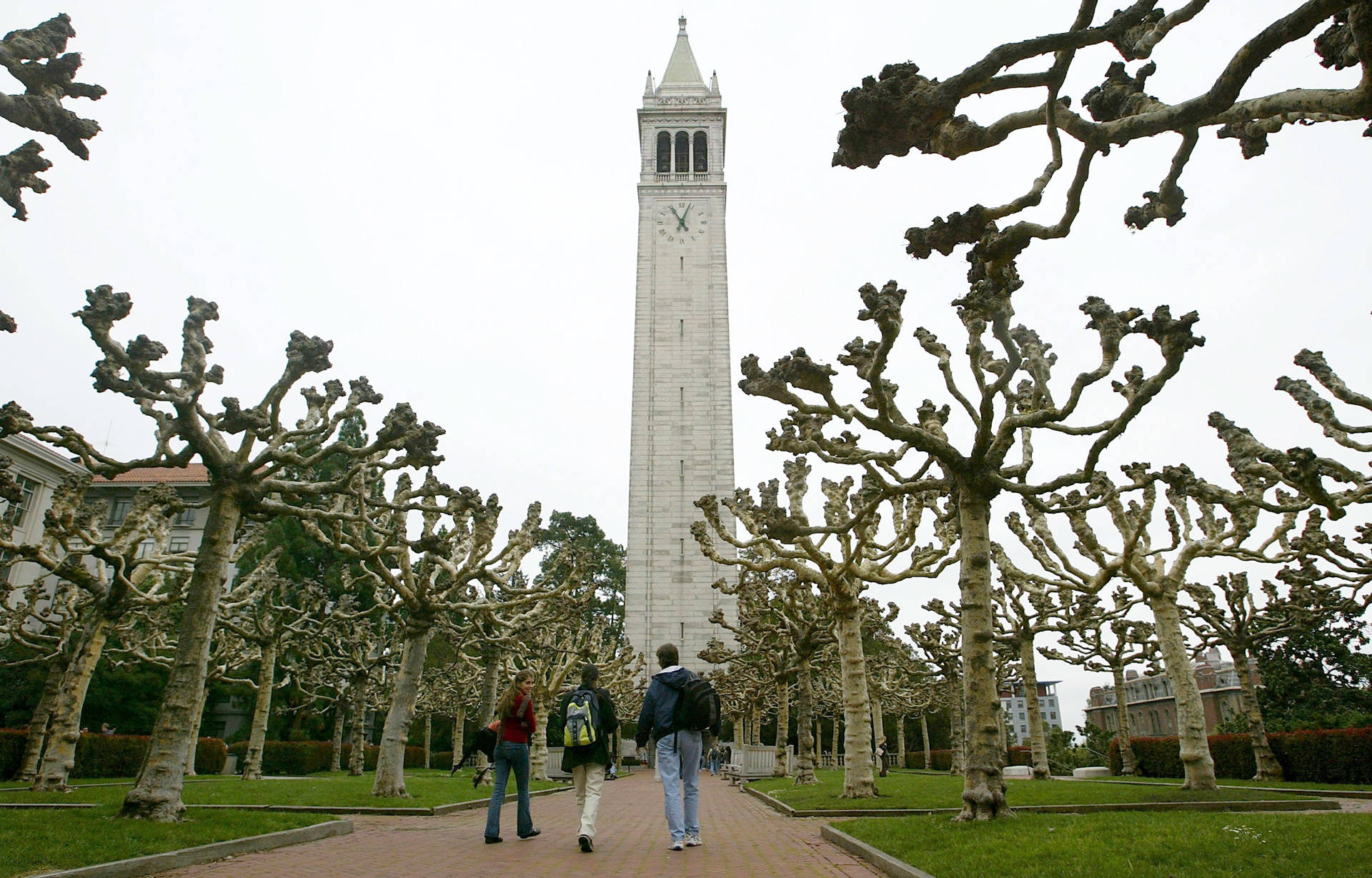
"caption": "Students walk near Sather Tower on the UC Berkeley campus.",
"description": "Students walk near Sather Tower on the UC Berkeley campus.",
"title": "SatherTower",
"credit": "Justin Sullivan/Getty Images",
"status": "inherit",
"isLoading": false,
"fetchFailed": false
},
"news_10944867": {
"type": "attachments",
"id": "news_10944867",
"meta": {
"index": "attachments_1716263798",
"site": "news",
"id": "10944867",
"found": true
},
"parent": 10943955,
"imgSizes": {
"twentyfourteen-full-width": {
"file": "https://ww2.kqed.org/app/uploads/sites/10/2016/05/SalinasBookCart1-1038x576.jpg",
"width": 1038,
"mimeType": "image/jpeg",
"height": 576
},
"thumbnail": {
"file": "https://ww2.kqed.org/app/uploads/sites/10/2016/05/SalinasBookCart1-400x284.jpg",
"width": 400,
"mimeType": "image/jpeg",
"height": 284
},
"fd-sm": {
"file": "https://ww2.kqed.org/app/uploads/sites/10/2016/05/SalinasBookCart1-960x682.jpg",
"width": 960,
"mimeType": "image/jpeg",
"height": 682
},
"post-thumbnail": {
"file": "https://ww2.kqed.org/app/uploads/sites/10/2016/05/SalinasBookCart1-672x372.jpg",
"width": 672,
"mimeType": "image/jpeg",
"height": 372
},
"kqedFullSize": {
"file": "https://ww2.kqed.org/app/uploads/sites/10/2016/05/SalinasBookCart1.jpg",
"width": 1920,
"height": 1364
},
"large": {
"file": "https://ww2.kqed.org/app/uploads/sites/10/2016/05/SalinasBookCart1-1920x1364.jpg",
"width": 1920,
"mimeType": "image/jpeg",
"height": 1364
},
"guest-author-96": {
"file": "https://ww2.kqed.org/app/uploads/sites/10/2016/05/SalinasBookCart1-96x96.jpg",
"width": 96,
"mimeType": "image/jpeg",
"height": 96
},
"medium": {
"file": "https://ww2.kqed.org/app/uploads/sites/10/2016/05/SalinasBookCart1-800x568.jpg",
"width": 800,
"mimeType": "image/jpeg",
"height": 568
},
"guest-author-64": {
"file": "https://ww2.kqed.org/app/uploads/sites/10/2016/05/SalinasBookCart1-64x64.jpg",
"width": 64,
"mimeType": "image/jpeg",
"height": 64
},
"guest-author-32": {
"file": "https://ww2.kqed.org/app/uploads/sites/10/2016/05/SalinasBookCart1-32x32.jpg",
"width": 32,
"mimeType": "image/jpeg",
"height": 32
},
"jmtc-small-thumb": {
"file": "https://ww2.kqed.org/app/uploads/sites/10/2016/05/SalinasBookCart1-280x150.jpg",
"width": 280,
"mimeType": "image/jpeg",
"height": 150
},
"fd-lrg": {
"file": "https://ww2.kqed.org/app/uploads/sites/10/2016/05/SalinasBookCart1-1920x1364.jpg",
"width": 1920,
"mimeType": "image/jpeg",
"height": 1364
},
"fd-med": {
"file": "https://ww2.kqed.org/app/uploads/sites/10/2016/05/SalinasBookCart1-1180x838.jpg",
"width": 1180,
"mimeType": "image/jpeg",
"height": 838
},
"detail": {
"file": "https://ww2.kqed.org/app/uploads/sites/10/2016/05/SalinasBookCart1-150x150.jpg",
"width": 150,
"mimeType": "image/jpeg",
"height": 150
},
"guest-author-128": {
"file": "https://ww2.kqed.org/app/uploads/sites/10/2016/05/SalinasBookCart1-128x128.jpg",
"width": 128,
"mimeType": "image/jpeg",
"height": 128
}
},
"publishDate": 1462299795,
"modified": 1462313879,
"caption": "The Salinas Public Library’s Paletero cart is a Wi-Fi hot spot, so clerk Luis Moya carries an iPad to handle book checkouts and returns.",
"description": "The Salinas Public Library’s Paletero cart is a wifi hot spot, so clerk Luis Moya carries an iPad to handle book check outs and returns.",
"title": "SalinasBookCart1",
"credit": "Krista Almanzan/KQED",
"status": "inherit",
"isLoading": false,
"fetchFailed": false
},
"news_10940299": {
"type": "attachments",
"id": "news_10940299",
"meta": {
"index": "attachments_1716263798",
"site": "news",
"id": "10940299",
"found": true
},
"parent": 10940298,
"imgSizes": {
"twentyfourteen-full-width": {
"file": "https://ww2.kqed.org/app/uploads/sites/10/2016/04/GettyImages-133873976-1038x576.jpg",
"width": 1038,
"mimeType": "image/jpeg",
"height": 576
},
"thumbnail": {
"file": "https://ww2.kqed.org/app/uploads/sites/10/2016/04/GettyImages-133873976-400x267.jpg",
"width": 400,
"mimeType": "image/jpeg",
"height": 267
},
"fd-sm": {
"file": "https://ww2.kqed.org/app/uploads/sites/10/2016/04/GettyImages-133873976-960x640.jpg",
"width": 960,
"mimeType": "image/jpeg",
"height": 640
},
"post-thumbnail": {
"file": "https://ww2.kqed.org/app/uploads/sites/10/2016/04/GettyImages-133873976-672x372.jpg",
"width": 672,
"mimeType": "image/jpeg",
"height": 372
},
"kqedFullSize": {
"file": "https://ww2.kqed.org/app/uploads/sites/10/2016/04/GettyImages-133873976-e1461866081236.jpg",
"width": 1920,
"height": 1281
},
"large": {
"file": "https://ww2.kqed.org/app/uploads/sites/10/2016/04/GettyImages-133873976-1920x1281.jpg",
"width": 1920,
"mimeType": "image/jpeg",
"height": 1281
},
"guest-author-96": {
"file": "https://ww2.kqed.org/app/uploads/sites/10/2016/04/GettyImages-133873976-96x96.jpg",
"width": 96,
"mimeType": "image/jpeg",
"height": 96
},
"medium": {
"file": "https://ww2.kqed.org/app/uploads/sites/10/2016/04/GettyImages-133873976-800x534.jpg",
"width": 800,
"mimeType": "image/jpeg",
"height": 534
},
"guest-author-64": {
"file": "https://ww2.kqed.org/app/uploads/sites/10/2016/04/GettyImages-133873976-64x64.jpg",
"width": 64,
"mimeType": "image/jpeg",
"height": 64
},
"guest-author-32": {
"file": "https://ww2.kqed.org/app/uploads/sites/10/2016/04/GettyImages-133873976-32x32.jpg",
"width": 32,
"mimeType": "image/jpeg",
"height": 32
},
"jmtc-small-thumb": {
"file": "https://ww2.kqed.org/app/uploads/sites/10/2016/04/GettyImages-133873976-280x150.jpg",
"width": 280,
"mimeType": "image/jpeg",
"height": 150
},
"fd-lrg": {
"file": "https://ww2.kqed.org/app/uploads/sites/10/2016/04/GettyImages-133873976-1920x1281.jpg",
"width": 1920,
"mimeType": "image/jpeg",
"height": 1281
},
"fd-med": {
"file": "https://ww2.kqed.org/app/uploads/sites/10/2016/04/GettyImages-133873976-1180x787.jpg",
"width": 1180,
"mimeType": "image/jpeg",
"height": 787
},
"detail": {
"file": "https://ww2.kqed.org/app/uploads/sites/10/2016/04/GettyImages-133873976-150x150.jpg",
"width": 150,
"mimeType": "image/jpeg",
"height": 150
},
"guest-author-128": {
"file": "https://ww2.kqed.org/app/uploads/sites/10/2016/04/GettyImages-133873976-128x128.jpg",
"width": 128,
"mimeType": "image/jpeg",
"height": 128
}
},
"publishDate": 1461866017,
"modified": 1461866075,
"caption": "UC Davis Chancellor Linda Katehi.",
"description": null,
"title": "Occupy UC Davis Protests Police Pepper Spray Incident",
"credit": "Justin Sullivan/Getty Images",
"status": "inherit",
"isLoading": false,
"fetchFailed": false
},
"news_10933976": {
"type": "attachments",
"id": "news_10933976",
"meta": {
"index": "attachments_1716263798",
"site": "news",
"id": "10933976",
"found": true
},
"parent": 10933720,
"imgSizes": {
"twentyfourteen-full-width": {
"file": "https://ww2.kqed.org/app/uploads/sites/10/2016/04/SFSUHOUSING-1038x576.jpg",
"width": 1038,
"mimeType": "image/jpeg",
"height": 576
},
"thumbnail": {
"file": "https://ww2.kqed.org/app/uploads/sites/10/2016/04/SFSUHOUSING-400x300.jpg",
"width": 400,
"mimeType": "image/jpeg",
"height": 300
},
"fd-sm": {
"file": "https://ww2.kqed.org/app/uploads/sites/10/2016/04/SFSUHOUSING-960x720.jpg",
"width": 960,
"mimeType": "image/jpeg",
"height": 720
},
"post-thumbnail": {
"file": "https://ww2.kqed.org/app/uploads/sites/10/2016/04/SFSUHOUSING-672x372.jpg",
"width": 672,
"mimeType": "image/jpeg",
"height": 372
},
"kqedFullSize": {
"file": "https://ww2.kqed.org/app/uploads/sites/10/2016/04/SFSUHOUSING.jpg",
"width": 1600,
"height": 1200
},
"guest-author-96": {
"file": "https://ww2.kqed.org/app/uploads/sites/10/2016/04/SFSUHOUSING-96x96.jpg",
"width": 96,
"mimeType": "image/jpeg",
"height": 96
},
"medium": {
"file": "https://ww2.kqed.org/app/uploads/sites/10/2016/04/SFSUHOUSING-800x600.jpg",
"width": 800,
"mimeType": "image/jpeg",
"height": 600
},
"guest-author-64": {
"file": "https://ww2.kqed.org/app/uploads/sites/10/2016/04/SFSUHOUSING-64x64.jpg",
"width": 64,
"mimeType": "image/jpeg",
"height": 64
},
"guest-author-32": {
"file": "https://ww2.kqed.org/app/uploads/sites/10/2016/04/SFSUHOUSING-32x32.jpg",
"width": 32,
"mimeType": "image/jpeg",
"height": 32
},
"jmtc-small-thumb": {
"file": "https://ww2.kqed.org/app/uploads/sites/10/2016/04/SFSUHOUSING-280x150.jpg",
"width": 280,
"mimeType": "image/jpeg",
"height": 150
},
"fd-med": {
"file": "https://ww2.kqed.org/app/uploads/sites/10/2016/04/SFSUHOUSING-1180x885.jpg",
"width": 1180,
"mimeType": "image/jpeg",
"height": 885
},
"detail": {
"file": "https://ww2.kqed.org/app/uploads/sites/10/2016/04/SFSUHOUSING-75x75.jpg",
"width": 75,
"mimeType": "image/jpeg",
"height": 75
},
"guest-author-128": {
"file": "https://ww2.kqed.org/app/uploads/sites/10/2016/04/SFSUHOUSING-128x128.jpg",
"width": 128,
"mimeType": "image/jpeg",
"height": 128
}
},
"publishDate": 1461101499,
"modified": 1461101563,
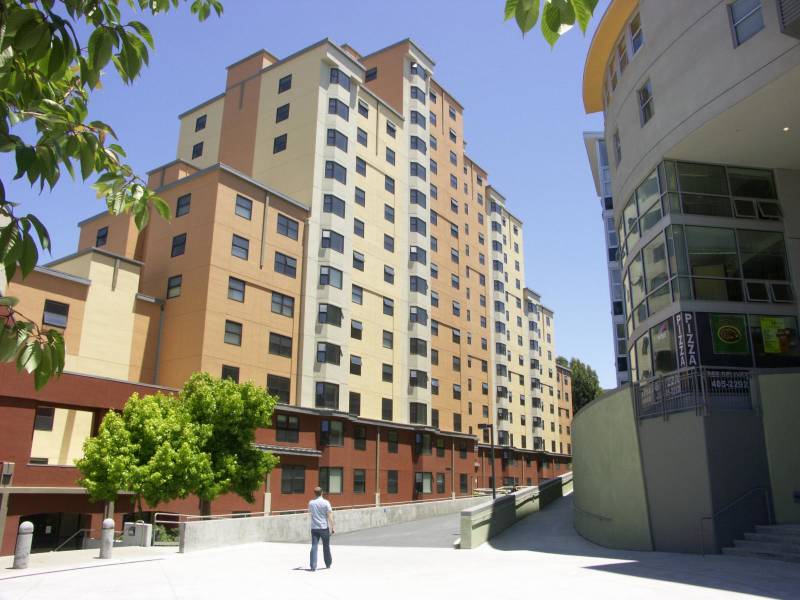
"caption": "San Francisco State has enough housing to accommodate just 14 percent of all its students.",
"description": null,
"title": "SFSUHOUSING",
"credit": "SFSU",
"status": "inherit",
"isLoading": false,
"fetchFailed": false
},
"news_10934955": {
"type": "attachments",
"id": "news_10934955",
"meta": {
"index": "attachments_1716263798",
"site": "news",
"id": "10934955",
"found": true
},
"parent": 10934791,
"imgSizes": {
"twentyfourteen-full-width": {
"file": "https://ww2.kqed.org/app/uploads/sites/10/2016/04/RS19215_13234025773_170d03f828_o-qut-1038x576.jpg",
"width": 1038,
"mimeType": "image/jpeg",
"height": 576
},
"thumbnail": {
"file": "https://ww2.kqed.org/app/uploads/sites/10/2016/04/RS19215_13234025773_170d03f828_o-qut-400x225.jpg",
"width": 400,
"mimeType": "image/jpeg",
"height": 225
},
"fd-sm": {
"file": "https://ww2.kqed.org/app/uploads/sites/10/2016/04/RS19215_13234025773_170d03f828_o-qut-960x540.jpg",
"width": 960,
"mimeType": "image/jpeg",
"height": 540
},
"post-thumbnail": {
"file": "https://ww2.kqed.org/app/uploads/sites/10/2016/04/RS19215_13234025773_170d03f828_o-qut-672x372.jpg",
"width": 672,
"mimeType": "image/jpeg",
"height": 372
},
"kqedFullSize": {
"file": "https://ww2.kqed.org/app/uploads/sites/10/2016/04/RS19215_13234025773_170d03f828_o-qut.jpg",
"width": 1920,
"height": 1080
},
"large": {
"file": "https://ww2.kqed.org/app/uploads/sites/10/2016/04/RS19215_13234025773_170d03f828_o-qut-1920x1080.jpg",
"width": 1920,
"mimeType": "image/jpeg",
"height": 1080
},
"guest-author-96": {
"file": "https://ww2.kqed.org/app/uploads/sites/10/2016/04/RS19215_13234025773_170d03f828_o-qut-96x96.jpg",
"width": 96,
"mimeType": "image/jpeg",
"height": 96
},
"medium": {
"file": "https://ww2.kqed.org/app/uploads/sites/10/2016/04/RS19215_13234025773_170d03f828_o-qut-800x450.jpg",
"width": 800,
"mimeType": "image/jpeg",
"height": 450
},
"guest-author-64": {
"file": "https://ww2.kqed.org/app/uploads/sites/10/2016/04/RS19215_13234025773_170d03f828_o-qut-64x64.jpg",
"width": 64,
"mimeType": "image/jpeg",
"height": 64
},
"guest-author-32": {
"file": "https://ww2.kqed.org/app/uploads/sites/10/2016/04/RS19215_13234025773_170d03f828_o-qut-32x32.jpg",
"width": 32,
"mimeType": "image/jpeg",
"height": 32
},
"jmtc-small-thumb": {
"file": "https://ww2.kqed.org/app/uploads/sites/10/2016/04/RS19215_13234025773_170d03f828_o-qut-280x150.jpg",
"width": 280,
"mimeType": "image/jpeg",
"height": 150
},
"fd-lrg": {
"file": "https://ww2.kqed.org/app/uploads/sites/10/2016/04/RS19215_13234025773_170d03f828_o-qut-1920x1080.jpg",
"width": 1920,
"mimeType": "image/jpeg",
"height": 1080
},
"fd-med": {
"file": "https://ww2.kqed.org/app/uploads/sites/10/2016/04/RS19215_13234025773_170d03f828_o-qut-1180x664.jpg",
"width": 1180,
"mimeType": "image/jpeg",
"height": 664
},
"detail": {
"file": "https://ww2.kqed.org/app/uploads/sites/10/2016/04/RS19215_13234025773_170d03f828_o-qut-75x75.jpg",
"width": 75,
"mimeType": "image/jpeg",
"height": 75
},
"guest-author-128": {
"file": "https://ww2.kqed.org/app/uploads/sites/10/2016/04/RS19215_13234025773_170d03f828_o-qut-128x128.jpg",
"width": 128,
"mimeType": "image/jpeg",
"height": 128
}
},
"publishDate": 1461176957,
"modified": 1461177085,
"caption": "A Muni bus stops at 19th and Holloway avenues, near San Francisco State University, on March 17, 2014.",
"description": "A Muni bus stops at 19th and Holloway avenues, near San Francisco State University, on March 17, 2014.",
"title": "RS19215_13234025773_170d03f828_o-qut",
"credit": "\u003ca href=\"https://www.flickr.com/photos/116334989@N03/\" target=\"_blank\">Sergio Portela\u003c/a>/\u003ca href=\"https://www.flickr.com/photos/116334989@N03/13234025773/in/photolist-srC1s-7Lnfmo-59j1Ca-marQNa-7HAMxT-yJUma-zXSrn-9wZszj\" target=\"_blank\">Flickr\u003c/a>",
"status": "inherit",
"isLoading": false,
"fetchFailed": false
},
"news_10930570": {
"type": "attachments",
"id": "news_10930570",
"meta": {
"index": "attachments_1716263798",
"site": "news",
"id": "10930570",
"found": true
},
"parent": 10929762,
"imgSizes": {
"twentyfourteen-full-width": {
"file": "https://ww2.kqed.org/app/uploads/sites/10/2016/04/CoburnWithKids-1038x576.jpg",
"width": 1038,
"mimeType": "image/jpeg",
"height": 576
},
"thumbnail": {
"file": "https://ww2.kqed.org/app/uploads/sites/10/2016/04/CoburnWithKids-400x238.jpg",
"width": 400,
"mimeType": "image/jpeg",
"height": 238
},
"fd-sm": {
"file": "https://ww2.kqed.org/app/uploads/sites/10/2016/04/CoburnWithKids-960x571.jpg",
"width": 960,
"mimeType": "image/jpeg",
"height": 571
},
"post-thumbnail": {
"file": "https://ww2.kqed.org/app/uploads/sites/10/2016/04/CoburnWithKids-672x372.jpg",
"width": 672,
"mimeType": "image/jpeg",
"height": 372
},
"kqedFullSize": {
"file": "https://ww2.kqed.org/app/uploads/sites/10/2016/04/CoburnWithKids.jpg",
"width": 1920,
"height": 1142
},
"large": {
"file": "https://ww2.kqed.org/app/uploads/sites/10/2016/04/CoburnWithKids-1920x1142.jpg",
"width": 1920,
"mimeType": "image/jpeg",
"height": 1142
},
"guest-author-96": {
"file": "https://ww2.kqed.org/app/uploads/sites/10/2016/04/CoburnWithKids-96x96.jpg",
"width": 96,
"mimeType": "image/jpeg",
"height": 96
},
"medium": {
"file": "https://ww2.kqed.org/app/uploads/sites/10/2016/04/CoburnWithKids-800x476.jpg",
"width": 800,
"mimeType": "image/jpeg",
"height": 476
},
"guest-author-64": {
"file": "https://ww2.kqed.org/app/uploads/sites/10/2016/04/CoburnWithKids-64x64.jpg",
"width": 64,
"mimeType": "image/jpeg",
"height": 64
},
"guest-author-32": {
"file": "https://ww2.kqed.org/app/uploads/sites/10/2016/04/CoburnWithKids-32x32.jpg",
"width": 32,
"mimeType": "image/jpeg",
"height": 32
},
"jmtc-small-thumb": {
"file": "https://ww2.kqed.org/app/uploads/sites/10/2016/04/CoburnWithKids-280x150.jpg",
"width": 280,
"mimeType": "image/jpeg",
"height": 150
},
"fd-lrg": {
"file": "https://ww2.kqed.org/app/uploads/sites/10/2016/04/CoburnWithKids-1920x1142.jpg",
"width": 1920,
"mimeType": "image/jpeg",
"height": 1142
},
"fd-med": {
"file": "https://ww2.kqed.org/app/uploads/sites/10/2016/04/CoburnWithKids-1180x702.jpg",
"width": 1180,
"mimeType": "image/jpeg",
"height": 702
},
"detail": {
"file": "https://ww2.kqed.org/app/uploads/sites/10/2016/04/CoburnWithKids-75x75.jpg",
"width": 75,
"mimeType": "image/jpeg",
"height": 75
},
"guest-author-128": {
"file": "https://ww2.kqed.org/app/uploads/sites/10/2016/04/CoburnWithKids-128x128.jpg",
"width": 128,
"mimeType": "image/jpeg",
"height": 128
}
},
"publishDate": 1460776305,
"modified": 1460776387,
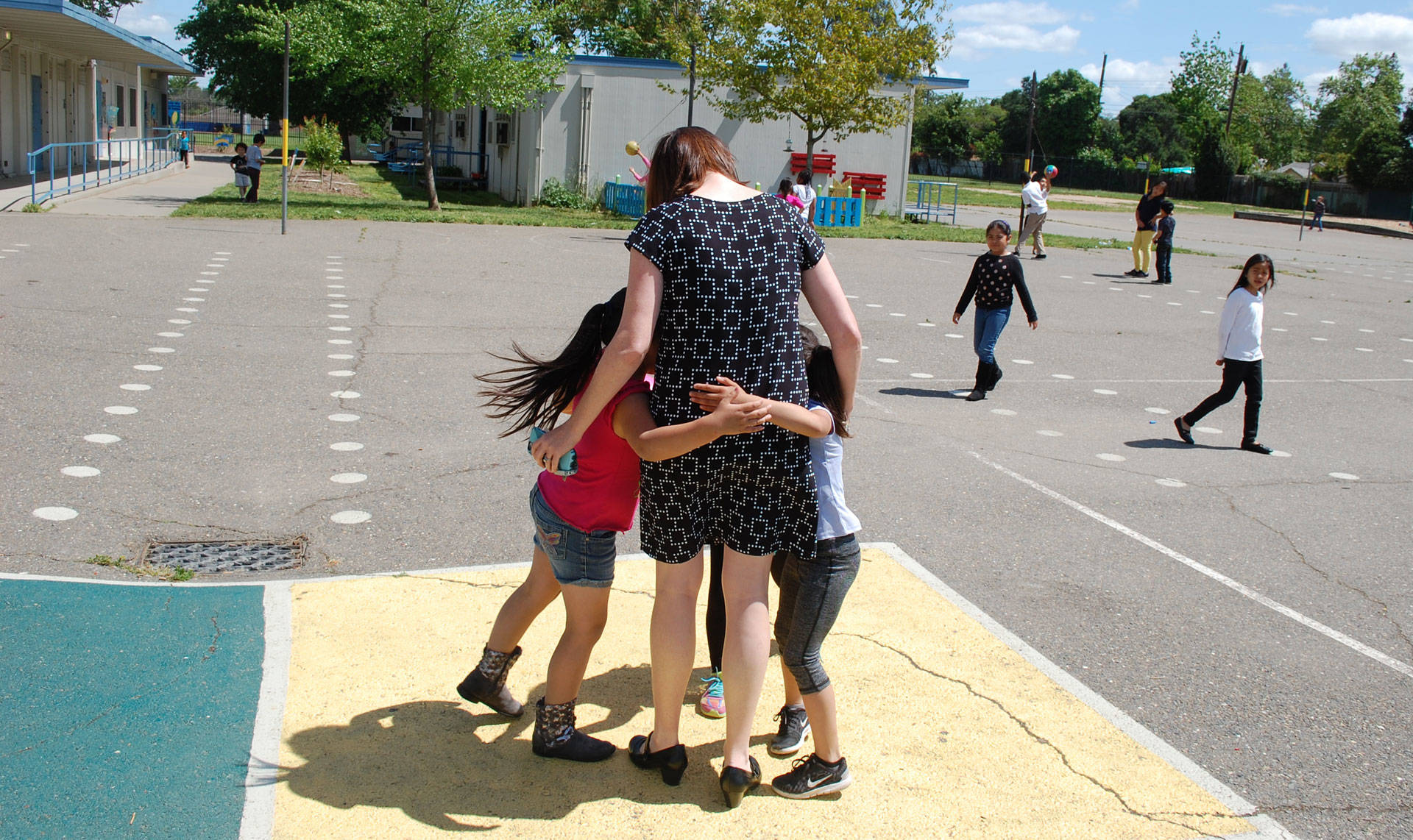
"caption": "Bethany Coburn, a social worker and coordinator of the Student Support Center at Oak Ridge Elementary, receives a group hug from students on campus.",
"description": "Bethany Coburn, a social worker and coordinator of the Student Support Center at Oak Ridge Elementary, receives a group hug from students on campus.",
"title": "CoburnWithKids",
"credit": "Gabriel Salcedo/KQED",
"status": "inherit",
"isLoading": false,
"fetchFailed": false
},
"news_10930424": {
"type": "attachments",
"id": "news_10930424",
"meta": {
"index": "attachments_1716263798",
"site": "news",
"id": "10930424",
"found": true
},
"parent": 10930420,
"imgSizes": {
"twentyfourteen-full-width": {
"file": "https://ww2.kqed.org/app/uploads/sites/10/2016/04/7859_transform-1038x576.jpg",
"width": 1038,
"mimeType": "image/jpeg",
"height": 576
},
"thumbnail": {
"file": "https://ww2.kqed.org/app/uploads/sites/10/2016/04/7859_transform-400x267.jpg",
"width": 400,
"mimeType": "image/jpeg",
"height": 267
},
"fd-sm": {
"file": "https://ww2.kqed.org/app/uploads/sites/10/2016/04/7859_transform-960x640.jpg",
"width": 960,
"mimeType": "image/jpeg",
"height": 640
},
"post-thumbnail": {
"file": "https://ww2.kqed.org/app/uploads/sites/10/2016/04/7859_transform-672x372.jpg",
"width": 672,
"mimeType": "image/jpeg",
"height": 372
},
"kqedFullSize": {
"file": "https://ww2.kqed.org/app/uploads/sites/10/2016/04/7859_transform.jpg",
"width": 1920,
"height": 1280
},
"large": {
"file": "https://ww2.kqed.org/app/uploads/sites/10/2016/04/7859_transform-1920x1280.jpg",
"width": 1920,
"mimeType": "image/jpeg",
"height": 1280
},
"guest-author-96": {
"file": "https://ww2.kqed.org/app/uploads/sites/10/2016/04/7859_transform-96x96.jpg",
"width": 96,
"mimeType": "image/jpeg",
"height": 96
},
"medium": {
"file": "https://ww2.kqed.org/app/uploads/sites/10/2016/04/7859_transform-800x533.jpg",
"width": 800,
"mimeType": "image/jpeg",
"height": 533
},
"guest-author-64": {
"file": "https://ww2.kqed.org/app/uploads/sites/10/2016/04/7859_transform-64x64.jpg",
"width": 64,
"mimeType": "image/jpeg",
"height": 64
},
"guest-author-32": {
"file": "https://ww2.kqed.org/app/uploads/sites/10/2016/04/7859_transform-32x32.jpg",
"width": 32,
"mimeType": "image/jpeg",
"height": 32
},
"jmtc-small-thumb": {
"file": "https://ww2.kqed.org/app/uploads/sites/10/2016/04/7859_transform-280x150.jpg",
"width": 280,
"mimeType": "image/jpeg",
"height": 150
},
"fd-lrg": {
"file": "https://ww2.kqed.org/app/uploads/sites/10/2016/04/7859_transform-1920x1280.jpg",
"width": 1920,
"mimeType": "image/jpeg",
"height": 1280
},
"fd-med": {
"file": "https://ww2.kqed.org/app/uploads/sites/10/2016/04/7859_transform-1180x787.jpg",
"width": 1180,
"mimeType": "image/jpeg",
"height": 787
},
"detail": {
"file": "https://ww2.kqed.org/app/uploads/sites/10/2016/04/7859_transform-75x75.jpg",
"width": 75,
"mimeType": "image/jpeg",
"height": 75
},
"guest-author-128": {
"file": "https://ww2.kqed.org/app/uploads/sites/10/2016/04/7859_transform-128x128.jpg",
"width": 128,
"mimeType": "image/jpeg",
"height": 128
}
},
"publishDate": 1460767491,
"modified": 1474049903,
"caption": "Some UC Berkeley students are calling on the school to reinstate a suspended course. ",
"description": "File photo of protests at UC Berkeley.",
"title": "\"Open University\" Strike Held At UC Berkeley",
"credit": "Max Whittaker/Getty Images",
"status": "inherit",
"isLoading": false,
"fetchFailed": false
},
"news_10929566": {
"type": "attachments",
"id": "news_10929566",
"meta": {
"index": "attachments_1716263798",
"site": "news",
"id": "10929566",
"found": true
},
"parent": 10929470,
"imgSizes": {
"twentyfourteen-full-width": {
"file": "https://ww2.kqed.org/app/uploads/sites/10/2016/04/GettyImages-501589376-1038x576.jpg",
"width": 1038,
"mimeType": "image/jpeg",
"height": 576
},
"thumbnail": {
"file": "https://ww2.kqed.org/app/uploads/sites/10/2016/04/GettyImages-501589376-400x313.jpg",
"width": 400,
"mimeType": "image/jpeg",
"height": 313
},
"fd-sm": {
"file": "https://ww2.kqed.org/app/uploads/sites/10/2016/04/GettyImages-501589376-960x752.jpg",
"width": 960,
"mimeType": "image/jpeg",
"height": 752
},
"post-thumbnail": {
"file": "https://ww2.kqed.org/app/uploads/sites/10/2016/04/GettyImages-501589376-672x372.jpg",
"width": 672,
"mimeType": "image/jpeg",
"height": 372
},
"kqedFullSize": {
"file": "https://ww2.kqed.org/app/uploads/sites/10/2016/04/GettyImages-501589376-e1460681576500.jpg",
"width": 1920,
"height": 1505
},
"large": {
"file": "https://ww2.kqed.org/app/uploads/sites/10/2016/04/GettyImages-501589376-1920x1505.jpg",
"width": 1920,
"mimeType": "image/jpeg",
"height": 1505
},
"guest-author-96": {
"file": "https://ww2.kqed.org/app/uploads/sites/10/2016/04/GettyImages-501589376-96x96.jpg",
"width": 96,
"mimeType": "image/jpeg",
"height": 96
},
"medium": {
"file": "https://ww2.kqed.org/app/uploads/sites/10/2016/04/GettyImages-501589376-800x627.jpg",
"width": 800,
"mimeType": "image/jpeg",
"height": 627
},
"guest-author-64": {
"file": "https://ww2.kqed.org/app/uploads/sites/10/2016/04/GettyImages-501589376-64x64.jpg",
"width": 64,
"mimeType": "image/jpeg",
"height": 64
},
"guest-author-32": {
"file": "https://ww2.kqed.org/app/uploads/sites/10/2016/04/GettyImages-501589376-32x32.jpg",
"width": 32,
"mimeType": "image/jpeg",
"height": 32
},
"jmtc-small-thumb": {
"file": "https://ww2.kqed.org/app/uploads/sites/10/2016/04/GettyImages-501589376-280x150.jpg",
"width": 280,
"mimeType": "image/jpeg",
"height": 150
},
"fd-lrg": {
"file": "https://ww2.kqed.org/app/uploads/sites/10/2016/04/GettyImages-501589376-1920x1505.jpg",
"width": 1920,
"mimeType": "image/jpeg",
"height": 1505
},
"fd-med": {
"file": "https://ww2.kqed.org/app/uploads/sites/10/2016/04/GettyImages-501589376-1180x925.jpg",
"width": 1180,
"mimeType": "image/jpeg",
"height": 925
},
"detail": {
"file": "https://ww2.kqed.org/app/uploads/sites/10/2016/04/GettyImages-501589376-75x75.jpg",
"width": 75,
"mimeType": "image/jpeg",
"height": 75
},
"guest-author-128": {
"file": "https://ww2.kqed.org/app/uploads/sites/10/2016/04/GettyImages-501589376-128x128.jpg",
"width": 128,
"mimeType": "image/jpeg",
"height": 128
}
},
"publishDate": 1460681524,
"modified": 1460682887,
"caption": "Students arrive at a school in Los Angeles in December 2015. ",
"description": null,
"title": "Los Angeles",
"credit": "Ringo Chiu/AFP-Getty Images",
"status": "inherit",
"isLoading": false,
"fetchFailed": false
},
"news_10926777": {
"type": "attachments",
"id": "news_10926777",
"meta": {
"index": "attachments_1716263798",
"site": "news",
"id": "10926777",
"found": true
},
"parent": 10926773,
"imgSizes": {
"twentyfourteen-full-width": {
"file": "https://ww2.kqed.org/app/uploads/sites/10/2016/04/RS18763_OAKRIDGE_11-qut-1038x576.jpg",
"width": 1038,
"mimeType": "image/jpeg",
"height": 576
},
"thumbnail": {
"file": "https://ww2.kqed.org/app/uploads/sites/10/2016/04/RS18763_OAKRIDGE_11-qut-400x266.jpg",
"width": 400,
"mimeType": "image/jpeg",
"height": 266
},
"fd-sm": {
"file": "https://ww2.kqed.org/app/uploads/sites/10/2016/04/RS18763_OAKRIDGE_11-qut-960x639.jpg",
"width": 960,
"mimeType": "image/jpeg",
"height": 639
},
"post-thumbnail": {
"file": "https://ww2.kqed.org/app/uploads/sites/10/2016/04/RS18763_OAKRIDGE_11-qut-672x372.jpg",
"width": 672,
"mimeType": "image/jpeg",
"height": 372
},
"kqedFullSize": {
"file": "https://ww2.kqed.org/app/uploads/sites/10/2016/04/RS18763_OAKRIDGE_11-qut.jpg",
"width": 1920,
"height": 1277
},
"large": {
"file": "https://ww2.kqed.org/app/uploads/sites/10/2016/04/RS18763_OAKRIDGE_11-qut-1920x1277.jpg",
"width": 1920,
"mimeType": "image/jpeg",
"height": 1277
},
"guest-author-96": {
"file": "https://ww2.kqed.org/app/uploads/sites/10/2016/04/RS18763_OAKRIDGE_11-qut-96x96.jpg",
"width": 96,
"mimeType": "image/jpeg",
"height": 96
},
"medium": {
"file": "https://ww2.kqed.org/app/uploads/sites/10/2016/04/RS18763_OAKRIDGE_11-qut-800x532.jpg",
"width": 800,
"mimeType": "image/jpeg",
"height": 532
},
"guest-author-64": {
"file": "https://ww2.kqed.org/app/uploads/sites/10/2016/04/RS18763_OAKRIDGE_11-qut-64x64.jpg",
"width": 64,
"mimeType": "image/jpeg",
"height": 64
},
"guest-author-32": {
"file": "https://ww2.kqed.org/app/uploads/sites/10/2016/04/RS18763_OAKRIDGE_11-qut-32x32.jpg",
"width": 32,
"mimeType": "image/jpeg",
"height": 32
},
"jmtc-small-thumb": {
"file": "https://ww2.kqed.org/app/uploads/sites/10/2016/04/RS18763_OAKRIDGE_11-qut-280x150.jpg",
"width": 280,
"mimeType": "image/jpeg",
"height": 150
},
"fd-lrg": {
"file": "https://ww2.kqed.org/app/uploads/sites/10/2016/04/RS18763_OAKRIDGE_11-qut-1920x1277.jpg",
"width": 1920,
"mimeType": "image/jpeg",
"height": 1277
},
"fd-med": {
"file": "https://ww2.kqed.org/app/uploads/sites/10/2016/04/RS18763_OAKRIDGE_11-qut-1180x785.jpg",
"width": 1180,
"mimeType": "image/jpeg",
"height": 785
},
"detail": {
"file": "https://ww2.kqed.org/app/uploads/sites/10/2016/04/RS18763_OAKRIDGE_11-qut-75x75.jpg",
"width": 75,
"mimeType": "image/jpeg",
"height": 75
},
"guest-author-128": {
"file": "https://ww2.kqed.org/app/uploads/sites/10/2016/04/RS18763_OAKRIDGE_11-qut-128x128.jpg",
"width": 128,
"mimeType": "image/jpeg",
"height": 128
}
},
"publishDate": 1460419200,
"modified": 1460419216,
"caption": ": Oak Ridge Elementary, una vez entre las peores escuelas del estado, ahora es un lucero dentro de un vecindario económicamente deprimido en Sacramento. ",
"description": ": Oak Ridge Elementary, una vez entre las peores escuelas del estado, ahora es un lucero dentro de un vecindario económicamente deprimido en Sacramento. ",
"title": "RS18763_OAKRIDGE_11-qut",
"credit": "Gabriel Salcedo/KQED",
"status": "inherit",
"isLoading": false,
"fetchFailed": false
},
"news_10927473": {
"type": "attachments",
"id": "news_10927473",
"meta": {
"index": "attachments_1716263798",
"site": "news",
"id": "10927473",
"found": true
},
"parent": 10927435,
"imgSizes": {
"twentyfourteen-full-width": {
"file": "https://ww2.kqed.org/app/uploads/sites/10/2016/04/CarlosDelrio-1-1038x576.jpg",
"width": 1038,
"mimeType": "image/jpeg",
"height": 576
},
"thumbnail": {
"file": "https://ww2.kqed.org/app/uploads/sites/10/2016/04/CarlosDelrio-1-400x227.jpg",
"width": 400,
"mimeType": "image/jpeg",
"height": 227
},
"fd-sm": {
"file": "https://ww2.kqed.org/app/uploads/sites/10/2016/04/CarlosDelrio-1-960x544.jpg",
"width": 960,
"mimeType": "image/jpeg",
"height": 544
},
"post-thumbnail": {
"file": "https://ww2.kqed.org/app/uploads/sites/10/2016/04/CarlosDelrio-1-672x372.jpg",
"width": 672,
"mimeType": "image/jpeg",
"height": 372
},
"kqedFullSize": {
"file": "https://ww2.kqed.org/app/uploads/sites/10/2016/04/CarlosDelrio-1.jpg",
"width": 1920,
"height": 1088
},
"large": {
"file": "https://ww2.kqed.org/app/uploads/sites/10/2016/04/CarlosDelrio-1-1920x1088.jpg",
"width": 1920,
"mimeType": "image/jpeg",
"height": 1088
},
"guest-author-96": {
"file": "https://ww2.kqed.org/app/uploads/sites/10/2016/04/CarlosDelrio-1-96x96.jpg",
"width": 96,
"mimeType": "image/jpeg",
"height": 96
},
"medium": {
"file": "https://ww2.kqed.org/app/uploads/sites/10/2016/04/CarlosDelrio-1-800x453.jpg",
"width": 800,
"mimeType": "image/jpeg",
"height": 453
},
"guest-author-64": {
"file": "https://ww2.kqed.org/app/uploads/sites/10/2016/04/CarlosDelrio-1-64x64.jpg",
"width": 64,
"mimeType": "image/jpeg",
"height": 64
},
"guest-author-32": {
"file": "https://ww2.kqed.org/app/uploads/sites/10/2016/04/CarlosDelrio-1-32x32.jpg",
"width": 32,
"mimeType": "image/jpeg",
"height": 32
},
"jmtc-small-thumb": {
"file": "https://ww2.kqed.org/app/uploads/sites/10/2016/04/CarlosDelrio-1-280x150.jpg",
"width": 280,
"mimeType": "image/jpeg",
"height": 150
},
"fd-lrg": {
"file": "https://ww2.kqed.org/app/uploads/sites/10/2016/04/CarlosDelrio-1-1920x1088.jpg",
"width": 1920,
"mimeType": "image/jpeg",
"height": 1088
},
"fd-med": {
"file": "https://ww2.kqed.org/app/uploads/sites/10/2016/04/CarlosDelrio-1-1180x669.jpg",
"width": 1180,
"mimeType": "image/jpeg",
"height": 669
},
"detail": {
"file": "https://ww2.kqed.org/app/uploads/sites/10/2016/04/CarlosDelrio-1-75x75.jpg",
"width": 75,
"mimeType": "image/jpeg",
"height": 75
},
"guest-author-128": {
"file": "https://ww2.kqed.org/app/uploads/sites/10/2016/04/CarlosDelrio-1-128x128.jpg",
"width": 128,
"mimeType": "image/jpeg",
"height": 128
}
},
"publishDate": 1460485730,
"modified": 1460485753,
"caption": "Carlos Delrio, de once años, se dedica a completar una asignación de computación en su clase de sexto grado en la escuela Oak Ridge Elementary en Sacramento.",
"description": "Carlos Delrio, de once años, se dedica a completar una asignación de computación en su clase de sexto grado en la escuela Oak Ridge Elementary en Sacramento.",
"title": "CarlosDelrio-1",
"credit": "Gabriel Salcedo/KQED",
"status": "inherit",
"isLoading": false,
"fetchFailed": false
}
},
"audioPlayerReducer": {
"postId": "stream_live",
"isPaused": true,
"isPlaying": false,
"pfsActive": false,
"pledgeModalIsOpen": true,
"playerDrawerIsOpen": false,
"liveAudioPlayStartedAt": 0,
"liveAudioPlayContext": ""
},
"authorsReducer": {
"byline_news_10944971": {
"type": "authors",
"id": "byline_news_10944971",
"meta": {
"override": true
},
"slug": "byline_news_10944971",
"name": "\u003cstrong>\u003ca href=\"https://www.propublica.org/site/author/charles_ornstein\">Charles Ornstein\u003c/a>\u003cbr>\u003ca href=\"https://www.propublica.org/\">ProPublica\u003c/a>\u003c/strong>",
"isLoading": false
},
"byline_news_10943955": {
"type": "authors",
"id": "byline_news_10943955",
"meta": {
"override": true
},
"slug": "byline_news_10943955",
"name": "\u003cstrong>Krista Almanzan\u003c/strong>",
"isLoading": false
},
"byline_news_10940298": {
"type": "authors",
"id": "byline_news_10940298",
"meta": {
"override": true
},
"slug": "byline_news_10940298",
"name": "\u003cstrong>\u003ca href=\"https://twitter.com/scoopscout\" target=\"_blank\">Lisa Leff\u003cbr />Associated Press\u003c/strong>",
"isLoading": false
},
"lisapickoffwhite-2": {
"type": "authors",
"id": "199",
"meta": {
"index": "authors_1716337520",
"id": "199",
"found": true
},
"name": "Lisa Pickoff-White",
"firstName": "Lisa",
"lastName": "Pickoff-White",
"slug": "lisapickoffwhite-2",
"email": "lpickoffwhite@kqed.org",
"display_author_email": false,
"staff_mastheads": [
"news"
],
"title": "Data Journalist, Senior Producer",
"bio": "Lisa Pickoff-White is KQED's data reporter. Lisa specializes in simplifying complex topics and bringing them to life through compelling visuals, including photography and data visualizations. She previously has worked at the Center for Investigative Reporting and other national outlets. Her work has been honored with awards from the Online News Association, Investigative Reporters and Editors, the Society of Professional Journalists and SXSW Interactive. \u003cstrong> \u003c/strong>",
"avatar": "https://secure.gravatar.com/avatar/5513c5f3967df792aa65bee2501e84d6?s=600&d=blank&r=g",
"twitter": "pickoffwhite",
"facebook": null,
"instagram": null,
"linkedin": null,
"sites": [
{
"site": "",
"roles": [
"editor"
]
},
{
"site": "arts",
"roles": []
},
{
"site": "news",
"roles": [
"administrator"
]
},
{
"site": "about",
"roles": [
"editor"
]
},
{
"site": "stateofhealth",
"roles": [
"administrator"
]
},
{
"site": "science",
"roles": [
"editor"
]
},
{
"site": "quest",
"roles": [
"editor"
]
},
{
"site": "forum",
"roles": [
"editor"
]
}
],
"headData": {
"title": "Lisa Pickoff-White | KQED",
"description": "Data Journalist, Senior Producer",
"ogImgSrc": "https://secure.gravatar.com/avatar/5513c5f3967df792aa65bee2501e84d6?s=600&d=blank&r=g",
"twImgSrc": "https://secure.gravatar.com/avatar/5513c5f3967df792aa65bee2501e84d6?s=600&d=blank&r=g"
},
"isLoading": false,
"link": "/author/lisapickoffwhite-2"
},
"anatintocalis": {
"type": "authors",
"id": "211",
"meta": {
"index": "authors_1716337520",
"id": "211",
"found": true
},
"name": "Ana Tintocalis",
"firstName": "Ana",
"lastName": "Tintocalis",
"slug": "anatintocalis",
"email": "atintocalis@kqed.org",
"display_author_email": false,
"staff_mastheads": [],
"title": null,
"bio": null,
"avatar": "https://secure.gravatar.com/avatar/722c50f51f04eff38fa0e5a3f1d29450?s=600&d=blank&r=g",
"twitter": null,
"facebook": null,
"instagram": null,
"linkedin": null,
"sites": [
{
"site": "news",
"roles": [
"subscriber"
]
},
{
"site": "stateofhealth",
"roles": [
"subscriber"
]
}
],
"headData": {
"title": "Ana Tintocalis | KQED",
"description": null,
"ogImgSrc": "https://secure.gravatar.com/avatar/722c50f51f04eff38fa0e5a3f1d29450?s=600&d=blank&r=g",
"twImgSrc": "https://secure.gravatar.com/avatar/722c50f51f04eff38fa0e5a3f1d29450?s=600&d=blank&r=g"
},
"isLoading": false,
"link": "/author/anatintocalis"
},
"danbrekke": {
"type": "authors",
"id": "222",
"meta": {
"index": "authors_1716337520",
"id": "222",
"found": true
},
"name": "Dan Brekke",
"firstName": "Dan",
"lastName": "Brekke",
"slug": "danbrekke",
"email": "dbrekke@kqed.org",
"display_author_email": true,
"staff_mastheads": [
"news",
"science"
],
"title": "KQED Editor and Reporter",
"bio": "Dan Brekke is a reporter and editor for KQED News, responsible for coverage of topics ranging from California water issues to the Bay Area's transportation challenges. In a newsroom career that began in Chicago in 1972, Dan has worked for \u003cem>The San Francisco Examiner,\u003c/em> Wired and TechTV and has been published in The New York Times, The New York Times Magazine, Business 2.0, Salon and elsewhere.\r\n\r\nSince joining KQED in 2007, Dan has reported, edited and produced both radio and online features and breaking news pieces. He has shared as both editor and reporter in four Society of Professional Journalists Norcal Excellence in Journalism awards and one Edward R. Murrow regional award. He was chosen for a spring 2017 residency at the Mesa Refuge to advance his research on California salmon.\r\n\r\nEmail Dan at: \u003ca href=\"mailto:dbrekke@kqed.org\">dbrekke@kqed.org\u003c/a>\r\n\r\n\u003cstrong>Twitter:\u003c/strong> \u003ca href=\"https://twitter.com/danbrekke\" rel=\"noopener noreferrer\">twitter.com/danbrekke\u003c/a>\r\n\u003cstrong>Facebook:\u003c/strong> \u003ca href=\"https://www.facebook.com/danbrekke\" rel=\"noopener noreferrer\">www.facebook.com/danbrekke\u003c/a>\r\n\u003cstrong>LinkedIn:\u003c/strong> \u003ca href=\"https://www.linkedin.com/in/danbrekke\" rel=\"noopener noreferrer\">www.linkedin.com/in/danbrekke\u003c/a>",
"avatar": "https://secure.gravatar.com/avatar/8f1f0d2a978fb3b23426c922c7e2af558fa36905b49c4ce76a97dc3c72d27226?s=600&d=mm&r=g",
"twitter": "danbrekke",
"bluesky": null,
"facebook": null,
"instagram": "https://www.instagram.com/dan.brekke/",
"linkedin": "https://www.linkedin.com/in/danbrekke/",
"sites": [
{
"site": "news",
"roles": [
"administrator",
"create_posts"
]
},
{
"site": "stateofhealth",
"roles": [
"editor"
]
},
{
"site": "science",
"roles": [
"editor"
]
},
{
"site": "quest",
"roles": [
"contributor"
]
},
{
"site": "food",
"roles": [
"contributor"
]
},
{
"site": "forum",
"roles": [
"contributor"
]
},
{
"site": "elections",
"roles": [
"editor"
]
},
{
"site": "liveblog",
"roles": [
"editor"
]
}
],
"headData": {
"title": "Dan Brekke | KQED",
"description": "KQED Editor and Reporter",
"ogImgSrc": "https://secure.gravatar.com/avatar/8f1f0d2a978fb3b23426c922c7e2af558fa36905b49c4ce76a97dc3c72d27226?s=600&d=mm&r=g",
"twImgSrc": "https://secure.gravatar.com/avatar/8f1f0d2a978fb3b23426c922c7e2af558fa36905b49c4ce76a97dc3c72d27226?s=600&d=mm&r=g"
},
"isLoading": false,
"link": "/author/danbrekke"
},
"matthewgreen": {
"type": "authors",
"id": "1263",
"meta": {
"index": "authors_1716337520",
"id": "1263",
"found": true
},
"name": "Matthew Green",
"firstName": "Matthew",
"lastName": "Green",
"slug": "matthewgreen",
"email": "mgreen@kqed.org",
"display_author_email": false,
"staff_mastheads": [],
"title": "KQED Editor/Reporter",
"bio": "Matthew Green is a digital media producer for KQED News. He previously produced \u003ca href=\"http://www.kqed.org/lowdown\">The Lowdown\u003c/a>, KQED’s multimedia news education blog. Matthew's written for numerous Bay Area publications, including the Oakland Tribune and San Francisco Chronicle. He also taught journalism classes at Fremont High School in East Oakland.\r\n\r\nEmail: mgreen@kqed.org; Twitter: @MGreenKQED",
"avatar": "https://secure.gravatar.com/avatar/3bf498d1267ca02c8494f33d8cfc575e?s=600&d=blank&r=g",
"twitter": "MGreenKQED",
"facebook": null,
"instagram": null,
"linkedin": null,
"sites": [
{
"site": "news",
"roles": []
},
{
"site": "lowdown",
"roles": []
},
{
"site": "science",
"roles": []
},
{
"site": "education",
"roles": []
},
{
"site": "quest",
"roles": []
},
{
"site": "liveblog",
"roles": []
}
],
"headData": {
"title": "Matthew Green | KQED",
"description": "KQED Editor/Reporter",
"ogImgSrc": "https://secure.gravatar.com/avatar/3bf498d1267ca02c8494f33d8cfc575e?s=600&d=blank&r=g",
"twImgSrc": "https://secure.gravatar.com/avatar/3bf498d1267ca02c8494f33d8cfc575e?s=600&d=blank&r=g"
},
"isLoading": false,
"link": "/author/matthewgreen"
},
"shossaini": {
"type": "authors",
"id": "3214",
"meta": {
"index": "authors_1716337520",
"id": "3214",
"found": true
},
"name": "Sara Hossaini",
"firstName": "Sara",
"lastName": "Hossaini",
"slug": "shossaini",
"email": "shossaini@kqed.org",
"display_author_email": true,
"staff_mastheads": [
"news"
],
"title": "KQED Reporter",
"bio": "Sara Hossaini came to general assignment reporting at KQED in 2013 after two winters reporting at Wyoming Public Radio. She holds a bachelor's degree in broadcast journalism from the University of Nebraska-Lincoln. Her radio romance began after a bitter breakup with documentary film (Ok, maybe it's still complicated). Her first simultaneous jobs in San Francisco were as Associate Producer on a PBS film series through the Center for Asian American Media and as a butler. She likes to trot, plot and make things with her hands.",
"avatar": "https://secure.gravatar.com/avatar/060e9f56b9554e17942e89f413242774?s=600&d=blank&r=g",
"twitter": "mshossaini",
"facebook": null,
"instagram": null,
"linkedin": null,
"sites": [
{
"site": "news",
"roles": [
"author"
]
},
{
"site": "stateofhealth",
"roles": [
"author"
]
}
],
"headData": {
"title": "Sara Hossaini | KQED",
"description": "KQED Reporter",
"ogImgSrc": "https://secure.gravatar.com/avatar/060e9f56b9554e17942e89f413242774?s=600&d=blank&r=g",
"twImgSrc": "https://secure.gravatar.com/avatar/060e9f56b9554e17942e89f413242774?s=600&d=blank&r=g"
},
"isLoading": false,
"link": "/author/shossaini"
},
"ecruzguevarra": {
"type": "authors",
"id": "8654",
"meta": {
"index": "authors_1716337520",
"id": "8654",
"found": true
},
"name": "Ericka Cruz Guevarra",
"firstName": "Ericka",
"lastName": "Cruz Guevarra",
"slug": "ecruzguevarra",
"email": "ecruzguevarra@kqed.org",
"display_author_email": true,
"staff_mastheads": [
"news"
],
"title": "Producer, The Bay Podcast",
"bio": "Ericka Cruz Guevarra is host of \u003ca href=\"https://www.kqed.org/podcasts/thebay\">\u003cem>The Bay\u003c/em>\u003c/a> podcast at KQED. Before host, she was the show’s producer. Her work in that capacity includes a three-part reported series on policing in Vallejo, which won a 2020 excellence in journalism award from the Society of Professional Journalists. Ericka has worked as a breaking news reporter at Oregon Public Broadcasting, helped produce the Code Switch podcast, and was KQED’s inaugural Raul Ramirez Diversity Fund intern. She’s also an alumna of NPR’s Next Generation Radio program. Send her an email if you have strong feelings about whether Fairfield and Suisun City are the Bay. Ericka is represented by SAG-AFTRA.",
"avatar": "https://secure.gravatar.com/avatar/accefc1de4bafc7e234b69bcb9b6f6536c130fd84709bc3069ef11a78787e1bb?s=600&d=blank&r=g",
"twitter": "NotoriousECG",
"bluesky": null,
"facebook": null,
"instagram": null,
"linkedin": null,
"sites": [
{
"site": "arts",
"roles": [
"subscriber"
]
},
{
"site": "news",
"roles": [
"editor",
"manage_categories"
]
},
{
"site": "futureofyou",
"roles": [
"subscriber"
]
},
{
"site": "stateofhealth",
"roles": [
"subscriber"
]
},
{
"site": "science",
"roles": [
"editor"
]
},
{
"site": "forum",
"roles": [
"subscriber"
]
}
],
"headData": {
"title": "Ericka Cruz Guevarra | KQED",
"description": "Producer, The Bay Podcast",
"ogImgSrc": "https://secure.gravatar.com/avatar/accefc1de4bafc7e234b69bcb9b6f6536c130fd84709bc3069ef11a78787e1bb?s=600&d=blank&r=g",
"twImgSrc": "https://secure.gravatar.com/avatar/accefc1de4bafc7e234b69bcb9b6f6536c130fd84709bc3069ef11a78787e1bb?s=600&d=blank&r=g"
},
"isLoading": false,
"link": "/author/ecruzguevarra"
},
"nyemenidjian": {
"type": "authors",
"id": "11098",
"meta": {
"index": "authors_1716337520",
"id": "11098",
"found": true
},
"name": "Natalie Yemenidjian",
"firstName": "Natalie",
"lastName": "Yemenidjian",
"slug": "nyemenidjian",
"email": "nyemenidjian@KQED.org",
"display_author_email": false,
"staff_mastheads": [],
"title": null,
"bio": "Natalie Yemenidjian is an on-call producer for KQED and multimedia reporter. She studied journalism and urban planning and studies at San Francisco State University.",
"avatar": "https://secure.gravatar.com/avatar/7b4c8b4ce15f66ed6ec9c6cec6be3fee?s=600&d=blank&r=g",
"twitter": null,
"facebook": null,
"instagram": null,
"linkedin": null,
"sites": [
{
"site": "arts",
"roles": [
"subscriber"
]
},
{
"site": "news",
"roles": [
"subscriber"
]
},
{
"site": "stateofhealth",
"roles": [
"subscriber"
]
},
{
"site": "science",
"roles": [
"subscriber"
]
},
{
"site": "forum",
"roles": [
"subscriber"
]
},
{
"site": "perspectives",
"roles": [
"administrator"
]
}
],
"headData": {
"title": "Natalie Yemenidjian | KQED",
"description": null,
"ogImgSrc": "https://secure.gravatar.com/avatar/7b4c8b4ce15f66ed6ec9c6cec6be3fee?s=600&d=blank&r=g",
"twImgSrc": "https://secure.gravatar.com/avatar/7b4c8b4ce15f66ed6ec9c6cec6be3fee?s=600&d=blank&r=g"
},
"isLoading": false,
"link": "/author/nyemenidjian"
},
"imojadad": {
"type": "authors",
"id": "11230",
"meta": {
"index": "authors_1716337520",
"id": "11230",
"found": true
},
"name": "Ida Mojadad",
"firstName": "Ida",
"lastName": "Mojadad",
"slug": "imojadad",
"email": "imojadad@KQED.org",
"display_author_email": false,
"staff_mastheads": [],
"title": null,
"bio": null,
"avatar": "https://secure.gravatar.com/avatar/6451b8d7e03e39bad3306efe658d625d?s=600&d=blank&r=g",
"twitter": "@idamoj",
"facebook": null,
"instagram": null,
"linkedin": null,
"sites": [
{
"site": "news",
"roles": [
"author"
]
}
],
"headData": {
"title": "Ida Mojadad | KQED",
"description": null,
"ogImgSrc": "https://secure.gravatar.com/avatar/6451b8d7e03e39bad3306efe658d625d?s=600&d=blank&r=g",
"twImgSrc": "https://secure.gravatar.com/avatar/6451b8d7e03e39bad3306efe658d625d?s=600&d=blank&r=g"
},
"isLoading": false,
"link": "/author/imojadad"
}
},
"pagesReducer": {
"news_category_education": {
"type": "terms",
"id": "news_18540",
"meta": {
"index": "terms_1716263798",
"site": "news",
"id": "18540",
"score": 10.973179
},
"featImg": null,
"name": "Education",
"description": null,
"taxonomy": "category",
"headData": {
"twImgId": null,
"twTitle": null,
"ogTitle": null,
"ogImgId": null,
"twDescription": null,
"description": null,
"title": "Education Archives | KQED News",
"ogDescription": null
},
"ttid": 2595,
"slug": "education",
"isLoading": false,
"title": "Education",
"pageMeta": {
"site": "news",
"WpPageTemplate": "page-topic-editorial",
"currentPage": 159
},
"blocks": [
{
"blockName": "kqed/post-list",
"attrs": {
"layout": "cardArticle2",
"query": "posts/news?category=education",
"seeMore": false,
"paginated": true,
"page": 159
}
},
{
"blockName": "kqed/ad"
}
]
}
},
"pfsSessionReducer": {},
"postsReducer": {
"stream_live": {
"type": "live",
"id": "stream_live",
"audioUrl": "https://streams.kqed.org/kqedradio",
"title": "Live Stream",
"excerpt": "Live Stream information currently unavailable.",
"link": "/radio",
"featImg": "",
"label": {
"name": "KQED Live",
"link": "/"
}
},
"stream_kqedNewscast": {
"type": "posts",
"id": "stream_kqedNewscast",
"audioUrl": "https://www.kqed.org/.stream/anon/radio/RDnews/newscast.mp3?_=1",
"title": "KQED Newscast",
"featImg": "",
"label": {
"name": "88.5 FM",
"link": "/"
}
},
"lowdown_13116": {
"type": "posts",
"id": "lowdown_13116",
"meta": {
"index": "posts_1716263798",
"site": "lowdown",
"id": "13116",
"score": null,
"sort": [
1477328446000
]
},
"parent": 0,
"labelTerm": {
"site": "lowdown"
},
"blocks": [],
"publishDate": 1477328446,
"format": "video",
"disqusTitle": "VIDEO: Should San Francisco Lower Its Voting Age? (with Lesson Plan)",
"title": "VIDEO: Should San Francisco Lower Its Voting Age? (with Lesson Plan)",
"headTitle": "The Lowdown | KQED News",
"content": "\u003cp>\u003c!--more-->\u003cbr>\nThey pay taxes. They have to abide by the same laws as everyone else. And many are old enough to work and get behind the wheel.\u003c/p>\n\u003cp>But for teens under 18, the right to vote is still out of reach.\u003c/p>\n\u003cdiv>\n\u003caside class=\"alignright\">\n\u003cdiv>\u003cb>\u003cspan style=\"font-size: x-large;\">\u003cspan style=\"color: #993300;\">Teach with the Lowdown\u003c/span>\u003c/span>\u003c/b>\u003cbr>\n\u003cimg class=\"alignnone wp-image-22868\" src=\"http://ww2.kqed.org/lowdown/wp-content/uploads/sites/26/2016/07/hands-e1469568663680-400x143.jpg\" width=\"340\" height=\"122\" srcset=\"https://ww2.kqed.org/app/uploads/sites/26/2016/07/hands-e1469568663680-400x143.jpg 400w, https://ww2.kqed.org/app/uploads/sites/26/2016/07/hands-e1469568663680-800x286.jpg 800w, https://ww2.kqed.org/app/uploads/sites/26/2016/07/hands-e1469568663680-768x274.jpg 768w, https://ww2.kqed.org/app/uploads/sites/26/2016/07/hands-e1469568663680.jpg 957w\" sizes=\"(max-width: 340px) 100vw, 340px\">\u003c/div>\n\u003cp>Suggestions for nonfiction analysis, writing/discussion prompts and multimedia projects. Browse our lesson plan collection \u003ca href=\"https://ww2.kqed.org/lowdown/category/lesson-plans-and-guides/\" target=\"_blank\" rel=\"noopener noreferrer\">here\u003c/a>.\u003c/p>\n\u003cul>\n\u003cli>\u003ca href=\"http://ww2.kqed.org/lowdown/wp-content/uploads/sites/26/2016/05/Lowering-the-youth-voting-age-lesson-plan.pdf\" target=\"_blank\" rel=\"noopener noreferrer\">Lesson Plan: Lowering the voting age (PDF)\u003c/a>\u003c/li>\n\u003c/ul>\n\u003c/aside>\n\u003c/div>\n\u003cp>And that’s not fair, say a number of youth rights groups, who for years have pushed to lower America's voting age to 16. In a nation with notoriously low voter turnout -- particularly \u003ca href=\"http://www.electproject.org/home/voter-turnout/demographics\" target=\"_blank\" rel=\"noopener noreferrer\">among 18- to 24-year-olds\u003c/a> -- allowing more young people to vote, advocates claim, would boost civic participation and give students a voice in local public affairs.\u003c/p>\n\u003cp>And some local campaigns to lower the voting age in various cities around the country have started to gain traction, as have the broader efforts of national youth civics groups like \u003ca href=\"http://www.generationcitizen.org/vote16usa-a-campaign-to-lower-the-voting-age/\" target=\"_blank\" rel=\"noopener noreferrer\">Generation Citizen\u003c/a> and the \u003ca href=\"http://www.youthrights.org/\" target=\"_blank\" rel=\"noopener noreferrer\">National Youth Rights Association\u003c/a>.\u003c/p>\n\u003cp>This year, San Francisco supervisors approved \u003ca href=\"http://sfpublicpress.org/election2016/prop-f\" target=\"_blank\" rel=\"noopener noreferrer\">Proposition F\u003c/a> for the November 2016 ballot. The measure would lower the city's voting age for local elections, allowing 16- and 17-year-olds to vote for mayor and other city officials, as well as school board and citywide initiatives. It follows a multi-year organizing effort by \u003ca href=\"http://vote16sf.org/\" target=\"_blank\" rel=\"noopener noreferrer\">Vote16 SF\u003c/a> and the \u003ca href=\"http://www.sfbos.org/index.aspx?page=5585\" target=\"_blank\" rel=\"noopener noreferrer\">San Francisco Youth Commission.\u003c/a> If the measure passes, San Francisco would become the first major city in the country to extend voting rights to 16- and 17-year-olds (effective for the next municipal election).\u003c/p>\n\u003cp>[ad fullwidth]\u003c/p>\n\u003cp>A similar initiative in Berkeley -- \u003ca href=\"http://www.dailycal.org/2016/10/27/measure-y1-could-implement-lower-voting-age-for-certain-elections-in-berkeley/\" target=\"_blank\" rel=\"noopener noreferrer\">Measure Y1\u003c/a> -- would allow16- and 17-year-olds to vote, but only for school board members. There are also \u003ca href=\"http://www.youthrights.org/issues/voting-age/voting-age-status-report/#success\" target=\"_blank\" rel=\"noopener noreferrer\">efforts to get similar measures\u003c/a> up for a vote in states across the country.\u003c/p>\n\u003cp>\u003ciframe src=\"https://w.soundcloud.com/player/?url=https%3A//api.soundcloud.com/tracks/291237947&color=ff5500&auto_play=false&hide_related=false&show_comments=true&show_user=true&show_reposts=false\" width=\"100%\" height=\"166\" frameborder=\"no\" scrolling=\"no\">\u003c/iframe>\u003cbr>\nNationwide, only two municipalities -- the Maryland cities of Hyattsville and Tacoma Park -- have passed ordinances lowering their voting ages to 16 for local elections.\u003c/p>\n\u003cp>Although the voting age is still 18 in a majority of the world's democracies, several nations including Austria, Argentina, Brazil, and Nicaragua have already lowered the voting age for national elections to 16.\u003c/p>\n\u003ch4>Not everyone agrees ...\u003c/h4>\n\u003cp>Skeptics, however, argue that too many young people simply lack the life experience and knowledge to make informed decisions in the voting booth.\u003c/p>\n\u003cp>\"I think it's a dumb idea,\" argued \u003ca href=\"http://csaelectorate.blogspot.com/\" target=\"_blank\" rel=\"noopener noreferrer\">Curtis Gans\u003c/a>, former director of the Committee for the Study of the American Electorate at American University. \"The voting age was set at 18 because that's the age at which people could be drafted and die for their country. [Those under 18] don't have enough life experience or history and don't know the issues in enough detail.\"\u003c/p>\n\u003cp>Additionally, opponents argue, the nation's minimum voting age often sets the precedent for other age ceilings. Sexual consent and criminal responsibility age limits, for instance, vary state by state but never exceed 18. If the voting age were lowered to 16, some fear, states could start treating 16-year-olds as adults in matters of consent and criminal prosecution.\u003c/p>\n\u003ch4>The slow path to the ballot\u003c/h4>\n\u003cp>Throughout U.S. history, voting has gradually grown more inclusive, a result of hard-fought political battles waged by disenfranchised populations.\u003c/p>\n\u003cp>Upon adoption of the U.S. Constitution, voting in most states was reserved for white male property owners. In fact, the nation's founding document, as originally drafted, never explicitly guarantees the right to vote to anyone.\u003c/p>\n\u003cp>By the mid-Nineteenth Century, most states had dropped property requirements. And with the ratification of the Fifteenth Amendment in 1870, voting rights were granted to all male citizens, 21 and older, regardless of color. It took another half-century before the passage of the 19th Amendment, extending the vote to women.\u003c/p>\n\u003cfigure id=\"attachment_24280\" class=\"wp-caption alignright\" style=\"max-width: 450px\">\u003ca href=\"http://ww2.kqed.org/lowdown/wp-content/uploads/sites/26/2016/05/Student_march_full.jpg\" target=\"_blank\" rel=\"noopener noreferrer\">\u003cimg class=\"wp-image-24280 size-full\" src=\"http://ww2.kqed.org/lowdown/wp-content/uploads/sites/26/2016/05/Student_march_full.jpg\" alt=\"Young people in Seattle march in support of lowering the national voting age to 18.\" width=\"450\" height=\"302\" srcset=\"https://ww2.kqed.org/app/uploads/sites/26/2016/05/Student_march_full.jpg 450w, https://ww2.kqed.org/app/uploads/sites/26/2016/05/Student_march_full-160x107.jpg 160w, https://ww2.kqed.org/app/uploads/sites/26/2016/05/Student_march_full-240x161.jpg 240w, https://ww2.kqed.org/app/uploads/sites/26/2016/05/Student_march_full-375x252.jpg 375w\" sizes=\"(max-width: 450px) 100vw, 450px\">\u003c/a>\u003cfigcaption class=\"wp-caption-text\">Young people in Seattle march in support of lowering the national voting age to 18 (1969). \u003ccite>(Post-Intelligencer Collection, Museum of History & Industry )\u003c/cite>\u003c/figcaption>\u003c/figure>\n\u003cp>But it wasn't until 1971 that America lowered its voting age to 18. The 26th Amendment was ratified largely as a result of heated student opposition to the Vietnam War and the contention that if an 18-year-old was old enough to be drafted into the military and fight for his country, he should also be considered mature enough to influence political outcomes.\u003c/p>\n\u003cp>\"Old enough to fight, old enough to vote,” became the movement's campaign slogan.\u003c/p>\n\u003cp>\u003c/p>\n\u003cp>The effort extended suffrage to millions of 18-20-year-olds.\u003c/p>\n\n",
"disqusIdentifier": "13116 http://blogs.kqed.org/lowdown/?p=13116",
"disqusUrl": "https://ww2.kqed.org/lowdown/2016/10/24/should-high-school-students-under-18-be-allowed-to-vote/",
"stats": {
"hasVideo": false,
"hasChartOrMap": true,
"hasAudio": true,
"hasPolis": false,
"wordCount": 765,
"hasGoogleForm": false,
"hasGallery": false,
"hasHearkenModule": false,
"iframeSrcs": [
"https://w.soundcloud.com/player/"
],
"paragraphCount": 20
},
"modified": 1513630005,
"excerpt": null,
"headData": {
"twImgId": "",
"twTitle": "",
"ogTitle": "",
"ogImgId": "",
"twDescription": "",
"description": "",
"title": "VIDEO: Should San Francisco Lower Its Voting Age? (with Lesson Plan) | KQED",
"ogDescription": "",
"schema": {
"@context": "https://schema.org",
"@type": "Article",
"headline": "VIDEO: Should San Francisco Lower Its Voting Age? (with Lesson Plan)",
"datePublished": "2016-10-24T10:00:46-07:00",
"dateModified": "2017-12-18T12:46:45-08:00",
"image": "https://cdn.kqed.org/wp-content/uploads/2020/02/KQED-OG-Image@1x.png"
}
},
"guestAuthors": [],
"slug": "should-high-school-students-under-18-be-allowed-to-vote",
"status": "publish",
"videoEmbed": "https://youtu.be/BALbuqWVSjU",
"audioUrl": "https://www.kqed.org/.stream/mp3splice/radio/perspectives/2016/04/PerspYoungVote.mp3",
"path": "/lowdown/13116/should-high-school-students-under-18-be-allowed-to-vote",
"audioTrackLength": null,
"parsedContent": [
{
"type": "contentString",
"content": "\u003cdiv class=\"post-body\">\u003cp>\u003cp>\u003c!--more-->\u003cbr>\nThey pay taxes. They have to abide by the same laws as everyone else. And many are old enough to work and get behind the wheel.\u003c/p>\n\u003cp>But for teens under 18, the right to vote is still out of reach.\u003c/p>\n\u003cdiv>\n\u003caside class=\"alignright\">\n\u003cdiv>\u003cb>\u003cspan style=\"font-size: x-large;\">\u003cspan style=\"color: #993300;\">Teach with the Lowdown\u003c/span>\u003c/span>\u003c/b>\u003cbr>\n\u003cimg class=\"alignnone wp-image-22868\" src=\"http://ww2.kqed.org/lowdown/wp-content/uploads/sites/26/2016/07/hands-e1469568663680-400x143.jpg\" width=\"340\" height=\"122\" srcset=\"https://ww2.kqed.org/app/uploads/sites/26/2016/07/hands-e1469568663680-400x143.jpg 400w, https://ww2.kqed.org/app/uploads/sites/26/2016/07/hands-e1469568663680-800x286.jpg 800w, https://ww2.kqed.org/app/uploads/sites/26/2016/07/hands-e1469568663680-768x274.jpg 768w, https://ww2.kqed.org/app/uploads/sites/26/2016/07/hands-e1469568663680.jpg 957w\" sizes=\"(max-width: 340px) 100vw, 340px\">\u003c/div>\n\u003cp>Suggestions for nonfiction analysis, writing/discussion prompts and multimedia projects. Browse our lesson plan collection \u003ca href=\"https://ww2.kqed.org/lowdown/category/lesson-plans-and-guides/\" target=\"_blank\" rel=\"noopener noreferrer\">here\u003c/a>.\u003c/p>\n\u003cul>\n\u003cli>\u003ca href=\"http://ww2.kqed.org/lowdown/wp-content/uploads/sites/26/2016/05/Lowering-the-youth-voting-age-lesson-plan.pdf\" target=\"_blank\" rel=\"noopener noreferrer\">Lesson Plan: Lowering the voting age (PDF)\u003c/a>\u003c/li>\n\u003c/ul>\n\u003c/aside>\n\u003c/div>\n\u003cp>And that’s not fair, say a number of youth rights groups, who for years have pushed to lower America's voting age to 16. In a nation with notoriously low voter turnout -- particularly \u003ca href=\"http://www.electproject.org/home/voter-turnout/demographics\" target=\"_blank\" rel=\"noopener noreferrer\">among 18- to 24-year-olds\u003c/a> -- allowing more young people to vote, advocates claim, would boost civic participation and give students a voice in local public affairs.\u003c/p>\n\u003cp>And some local campaigns to lower the voting age in various cities around the country have started to gain traction, as have the broader efforts of national youth civics groups like \u003ca href=\"http://www.generationcitizen.org/vote16usa-a-campaign-to-lower-the-voting-age/\" target=\"_blank\" rel=\"noopener noreferrer\">Generation Citizen\u003c/a> and the \u003ca href=\"http://www.youthrights.org/\" target=\"_blank\" rel=\"noopener noreferrer\">National Youth Rights Association\u003c/a>.\u003c/p>\n\u003cp>This year, San Francisco supervisors approved \u003ca href=\"http://sfpublicpress.org/election2016/prop-f\" target=\"_blank\" rel=\"noopener noreferrer\">Proposition F\u003c/a> for the November 2016 ballot. The measure would lower the city's voting age for local elections, allowing 16- and 17-year-olds to vote for mayor and other city officials, as well as school board and citywide initiatives. It follows a multi-year organizing effort by \u003ca href=\"http://vote16sf.org/\" target=\"_blank\" rel=\"noopener noreferrer\">Vote16 SF\u003c/a> and the \u003ca href=\"http://www.sfbos.org/index.aspx?page=5585\" target=\"_blank\" rel=\"noopener noreferrer\">San Francisco Youth Commission.\u003c/a> If the measure passes, San Francisco would become the first major city in the country to extend voting rights to 16- and 17-year-olds (effective for the next municipal election).\u003c/p>\n\u003cp>\u003c/p>\u003c/div>",
"attributes": {
"named": {},
"numeric": []
}
},
{
"type": "component",
"content": "",
"name": "ad",
"attributes": {
"named": {
"label": "fullwidth"
},
"numeric": [
"fullwidth"
]
}
},
{
"type": "contentString",
"content": "\u003cdiv class=\"post-body\">\u003cp>\u003c/p>\n\u003cp>A similar initiative in Berkeley -- \u003ca href=\"http://www.dailycal.org/2016/10/27/measure-y1-could-implement-lower-voting-age-for-certain-elections-in-berkeley/\" target=\"_blank\" rel=\"noopener noreferrer\">Measure Y1\u003c/a> -- would allow16- and 17-year-olds to vote, but only for school board members. There are also \u003ca href=\"http://www.youthrights.org/issues/voting-age/voting-age-status-report/#success\" target=\"_blank\" rel=\"noopener noreferrer\">efforts to get similar measures\u003c/a> up for a vote in states across the country.\u003c/p>\n\u003cp>\u003ciframe src=\"https://w.soundcloud.com/player/?url=https%3A//api.soundcloud.com/tracks/291237947&color=ff5500&auto_play=false&hide_related=false&show_comments=true&show_user=true&show_reposts=false\" width=\"100%\" height=\"166\" frameborder=\"no\" scrolling=\"no\">\u003c/iframe>\u003cbr>\nNationwide, only two municipalities -- the Maryland cities of Hyattsville and Tacoma Park -- have passed ordinances lowering their voting ages to 16 for local elections.\u003c/p>\n\u003cp>Although the voting age is still 18 in a majority of the world's democracies, several nations including Austria, Argentina, Brazil, and Nicaragua have already lowered the voting age for national elections to 16.\u003c/p>\n\u003ch4>Not everyone agrees ...\u003c/h4>\n\u003cp>Skeptics, however, argue that too many young people simply lack the life experience and knowledge to make informed decisions in the voting booth.\u003c/p>\n\u003cp>\"I think it's a dumb idea,\" argued \u003ca href=\"http://csaelectorate.blogspot.com/\" target=\"_blank\" rel=\"noopener noreferrer\">Curtis Gans\u003c/a>, former director of the Committee for the Study of the American Electorate at American University. \"The voting age was set at 18 because that's the age at which people could be drafted and die for their country. [Those under 18] don't have enough life experience or history and don't know the issues in enough detail.\"\u003c/p>\n\u003cp>Additionally, opponents argue, the nation's minimum voting age often sets the precedent for other age ceilings. Sexual consent and criminal responsibility age limits, for instance, vary state by state but never exceed 18. If the voting age were lowered to 16, some fear, states could start treating 16-year-olds as adults in matters of consent and criminal prosecution.\u003c/p>\n\u003ch4>The slow path to the ballot\u003c/h4>\n\u003cp>Throughout U.S. history, voting has gradually grown more inclusive, a result of hard-fought political battles waged by disenfranchised populations.\u003c/p>\n\u003cp>Upon adoption of the U.S. Constitution, voting in most states was reserved for white male property owners. In fact, the nation's founding document, as originally drafted, never explicitly guarantees the right to vote to anyone.\u003c/p>\n\u003cp>By the mid-Nineteenth Century, most states had dropped property requirements. And with the ratification of the Fifteenth Amendment in 1870, voting rights were granted to all male citizens, 21 and older, regardless of color. It took another half-century before the passage of the 19th Amendment, extending the vote to women.\u003c/p>\n\u003cfigure id=\"attachment_24280\" class=\"wp-caption alignright\" style=\"max-width: 450px\">\u003ca href=\"http://ww2.kqed.org/lowdown/wp-content/uploads/sites/26/2016/05/Student_march_full.jpg\" target=\"_blank\" rel=\"noopener noreferrer\">\u003cimg class=\"wp-image-24280 size-full\" src=\"http://ww2.kqed.org/lowdown/wp-content/uploads/sites/26/2016/05/Student_march_full.jpg\" alt=\"Young people in Seattle march in support of lowering the national voting age to 18.\" width=\"450\" height=\"302\" srcset=\"https://ww2.kqed.org/app/uploads/sites/26/2016/05/Student_march_full.jpg 450w, https://ww2.kqed.org/app/uploads/sites/26/2016/05/Student_march_full-160x107.jpg 160w, https://ww2.kqed.org/app/uploads/sites/26/2016/05/Student_march_full-240x161.jpg 240w, https://ww2.kqed.org/app/uploads/sites/26/2016/05/Student_march_full-375x252.jpg 375w\" sizes=\"(max-width: 450px) 100vw, 450px\">\u003c/a>\u003cfigcaption class=\"wp-caption-text\">Young people in Seattle march in support of lowering the national voting age to 18 (1969). \u003ccite>(Post-Intelligencer Collection, Museum of History & Industry )\u003c/cite>\u003c/figcaption>\u003c/figure>\n\u003cp>But it wasn't until 1971 that America lowered its voting age to 18. The 26th Amendment was ratified largely as a result of heated student opposition to the Vietnam War and the contention that if an 18-year-old was old enough to be drafted into the military and fight for his country, he should also be considered mature enough to influence political outcomes.\u003c/p>\n\u003cp>\"Old enough to fight, old enough to vote,” became the movement's campaign slogan.\u003c/p>\n\u003cp>\u003c/p>\n\u003cp>The effort extended suffrage to millions of 18-20-year-olds.\u003c/p>\n\n\u003c/div>\u003c/p>",
"attributes": {
"named": {},
"numeric": []
}
}
],
"link": "/lowdown/13116/should-high-school-students-under-18-be-allowed-to-vote",
"authors": [
"1263"
],
"categories": [
"lowdown_245",
"lowdown_2398",
"lowdown_2399",
"lowdown_457",
"lowdown_2392",
"lowdown_2361"
],
"tags": [
"lowdown_2337",
"lowdown_2570",
"lowdown_2530"
],
"featImg": "lowdown_22161",
"label": "lowdown"
},
"news_10944195": {
"type": "posts",
"id": "news_10944195",
"meta": {
"index": "posts_1716263798",
"site": "news",
"id": "10944195",
"score": null,
"sort": [
1462324749000
]
},
"parent": 0,
"labelTerm": {
"site": "news",
"term": 6944
},
"blocks": [],
"publishDate": 1462324749,
"format": "standard",
"disqusTitle": "S.F. State Students Go on Hunger Strike for Raise in Ethnic Studies Budget",
"title": "S.F. State Students Go on Hunger Strike for Raise in Ethnic Studies Budget",
"headTitle": "News Fix | KQED News",
"content": "\u003cp>A protest at San Francisco State University Monday marked the beginning of a hunger strike by four students who vowed to go hungry until the school agrees to increase the budget for the College of Ethnic Studies.\u003c/p>\n\u003cp>At least 200 people showed up for a noontime rally to support the hunger strikers.\u003c/p>\n\u003cp>\"I'm out here because these are racist attacks against the college,\" said Julia Retzlaff, a hunger striker who said she won't be attending her classes during the strike. \"As a white person, I have to be an ally and to show up.\"\u003c/p>\n\u003cp>\"I'm exhausted,\" said Chris Arreola, one of the strike's supporters. \"Our education shouldn't come at the cost of our bodies or at the cost of our voices.\"\u003c/p>\n\u003cp>The \u003ca href=\"http://ww2.kqed.org/news/2016/02/24/s-f-states-historic-ethnic-studies-college-may-have-to-cut-courses-faculty\" target=\"_blank\">College of Ethnic Studies announced in February\u003c/a> that it was facing a shortfall for the fiscal year beginning July 1 and would face staff and program cuts unless it got financial help from the university. Students protested, and the administration agreed to fund part of the college's short-term deficit.\u003c/p>\n\u003cp>[ad fullwidth]\u003c/p>\n\u003cp>San Francisco State has said the annual operational cost for the college is $5 million, of which $3.4 million has been covered by available university funding and the balance made up by payments from a reserve fund. The administration said earlier this year that the reserve funding has been depleted.\u003c/p>\n\u003cp>Among the hunger strikers' demands is significantly increased funding for the College of Ethnic Studies -- $8 million a year. College supporters said the $8 million would cover operational expenses like salaries for tenured professors, for untenured lecturers who make up 40 percent of the teaching staff and for student services. The increased amount would also allow the college to thrive, supporters say.\u003c/p>\n\u003cfigure id=\"attachment_10944642\" class=\"wp-caption aligncenter\" style=\"max-width: 640px\">\u003cimg class=\"size-full wp-image-10944642\" src=\"http://ww2.kqed.org/news/wp-content/uploads/sites/10/2016/05/IMG_1767.jpg\" alt=\"SF State student Ahkeel Mestayer, 20, said he's on hunger strike until the College of Ethnic Studies at San Francisco State University has $8 million dedicated in funding.\" width=\"640\" height=\"480\" srcset=\"https://ww2.kqed.org/app/uploads/sites/10/2016/05/IMG_1767.jpg 640w, https://ww2.kqed.org/app/uploads/sites/10/2016/05/IMG_1767-400x300.jpg 400w\" sizes=\"(max-width: 640px) 100vw, 640px\">\u003cfigcaption class=\"wp-caption-text\">S.F. State student Ahkeel Mestayer, 20, said he's on hunger strike until the College of Ethnic Studies at San Francisco State University has $8 million dedicated in funding. \u003ccite>(Natalie Yemenidjian/KQED)\u003c/cite>\u003c/figcaption>\u003c/figure>\n\u003cp>\"If Ethnic Studies doesn't get the $8 million, we're coming for [President Leslie Wong's job],\" said S.F. State student Ahkeel Mestayer, 20, one of those who said he's on hunger strike. \"Let's say we don't get the $8 million. Having the community support us is an act of revolution.\"\u003c/p>\n\u003cp>Beyond the budget issues, college supporters say the university has retaliated against them by not allowing the college to hire new faculty for two vacant tenured positions.\u003c/p>\n\u003cp>Sue Rosser, S.F. State's provost and vice president for academic affairs, disputed the claim the university is taking a punitive stance.\u003c/p>\n\u003cp>\"We are not cutting the budget of Ethnic Studies as we have said repeatedly,\" Rosser said at a press conference Monday.\u003c/p>\n\u003cp>The four students on hunger strike, -- Retzlaff, Mestayer, Hassani Bell and Sachiel Rosen -- are minoring in the college's race and resistance studies. They have dubbed themselves the Third World Liberation Front 2016, alluding to the \u003ca href=\"https://diva.sfsu.edu/collections/sfbatv/bundles/217300\">1968 Black Student Union/Third World Liberation Front's protest\u003c/a> from which the College of Ethnic Studies was established.\u003c/p>\n\u003cfigure id=\"attachment_10944643\" class=\"wp-caption aligncenter\" style=\"max-width: 640px\">\u003cimg class=\"wp-image-10944643 size-full\" src=\"http://ww2.kqed.org/news/wp-content/uploads/sites/10/2016/05/IMG_1772.jpg\" alt=\"Hassani Bell, 18, is the youngest of the four SF State students on hunger strike until the College of the Ethnic Studies receives $8 million in funding, \" width=\"640\" height=\"480\" srcset=\"https://ww2.kqed.org/app/uploads/sites/10/2016/05/IMG_1772.jpg 640w, https://ww2.kqed.org/app/uploads/sites/10/2016/05/IMG_1772-400x300.jpg 400w\" sizes=\"(max-width: 640px) 100vw, 640px\">\u003cfigcaption class=\"wp-caption-text\">Hassani Bell, 18, is the youngest of the four S.F. State students on a hunger strike until the College of the Ethnic Studies receives $8 million in funding. \u003ccite>(Natalie Yemenidjian/KQED)\u003c/cite>\u003c/figcaption>\u003c/figure>\n\u003cp>Bell, who grew up in East Oakland, went to San Leandro High School, where he took ethnic studies courses.\u003c/p>\n\u003cp>\u003c/p>\n\u003cp>\"I hope I can do the same thing my teachers did for me,\" Bell said. \"Convince youth that their lives matter. It's hard to believe you really mean something.\"\u003c/p>\n\n",
"disqusIdentifier": "10944195 http://ww2.kqed.org/news/?p=10944195",
"disqusUrl": "https://ww2.kqed.org/news/2016/05/03/s-f-state-students-go-on-hunger-strike-for-raise-in-ethnic-studies-budget/",
"stats": {
"hasVideo": false,
"hasChartOrMap": false,
"hasAudio": false,
"hasPolis": false,
"wordCount": 597,
"hasGoogleForm": false,
"hasGallery": false,
"hasHearkenModule": false,
"iframeSrcs": [],
"paragraphCount": 16
},
"modified": 1462408944,
"excerpt": "Protesters demand substantial increase in funding to cure college's recent budget difficulties. ",
"headData": {
"twImgId": "",
"twTitle": "",
"ogTitle": "",
"ogImgId": "",
"twDescription": "",
"description": "Protesters demand substantial increase in funding to cure college's recent budget difficulties. ",
"title": "S.F. State Students Go on Hunger Strike for Raise in Ethnic Studies Budget | KQED",
"ogDescription": "",
"schema": {
"@context": "https://schema.org",
"@type": "NewsArticle",
"headline": "S.F. State Students Go on Hunger Strike for Raise in Ethnic Studies Budget",
"datePublished": "2016-05-03T18:19:09-07:00",
"dateModified": "2016-05-04T17:42:24-07:00",
"image": "https://cdn.kqed.org/wp-content/uploads/2020/02/KQED-OG-Image@1x.png",
"isAccessibleForFree": "True",
"publisher": {
"@type": "NewsMediaOrganization",
"@id": "https://www.kqed.org/#organization",
"name": "KQED",
"logo": "https://cdn.kqed.org/wp-content/uploads/2020/02/KQED-OG-Image@1x.png",
"url": "https://www.kqed.org",
"sameAs": [
"https://www.facebook.com/KQED",
"https://twitter.com/KQED",
"https://www.instagram.com/kqed/",
"https://www.tiktok.com/@kqedofficial",
"https://www.linkedin.com/company/kqed",
"https://www.youtube.com/channel/UCeC0IOo7i1P_61zVUWbJ4nw"
]
}
}
},
"guestAuthors": [],
"slug": "s-f-state-students-go-on-hunger-strike-for-raise-in-ethnic-studies-budget",
"status": "publish",
"path": "/news/10944195/s-f-state-students-go-on-hunger-strike-for-raise-in-ethnic-studies-budget",
"audioTrackLength": null,
"parsedContent": [
{
"type": "contentString",
"content": "\u003cdiv class=\"post-body\">\u003cp>\u003cp>A protest at San Francisco State University Monday marked the beginning of a hunger strike by four students who vowed to go hungry until the school agrees to increase the budget for the College of Ethnic Studies.\u003c/p>\n\u003cp>At least 200 people showed up for a noontime rally to support the hunger strikers.\u003c/p>\n\u003cp>\"I'm out here because these are racist attacks against the college,\" said Julia Retzlaff, a hunger striker who said she won't be attending her classes during the strike. \"As a white person, I have to be an ally and to show up.\"\u003c/p>\n\u003cp>\"I'm exhausted,\" said Chris Arreola, one of the strike's supporters. \"Our education shouldn't come at the cost of our bodies or at the cost of our voices.\"\u003c/p>\n\u003cp>The \u003ca href=\"http://ww2.kqed.org/news/2016/02/24/s-f-states-historic-ethnic-studies-college-may-have-to-cut-courses-faculty\" target=\"_blank\">College of Ethnic Studies announced in February\u003c/a> that it was facing a shortfall for the fiscal year beginning July 1 and would face staff and program cuts unless it got financial help from the university. Students protested, and the administration agreed to fund part of the college's short-term deficit.\u003c/p>\n\u003cp>\u003c/p>\u003c/div>",
"attributes": {
"named": {},
"numeric": []
}
},
{
"type": "component",
"content": "",
"name": "ad",
"attributes": {
"named": {
"label": "fullwidth"
},
"numeric": [
"fullwidth"
]
}
},
{
"type": "contentString",
"content": "\u003cdiv class=\"post-body\">\u003cp>\u003c/p>\n\u003cp>San Francisco State has said the annual operational cost for the college is $5 million, of which $3.4 million has been covered by available university funding and the balance made up by payments from a reserve fund. The administration said earlier this year that the reserve funding has been depleted.\u003c/p>\n\u003cp>Among the hunger strikers' demands is significantly increased funding for the College of Ethnic Studies -- $8 million a year. College supporters said the $8 million would cover operational expenses like salaries for tenured professors, for untenured lecturers who make up 40 percent of the teaching staff and for student services. The increased amount would also allow the college to thrive, supporters say.\u003c/p>\n\u003cfigure id=\"attachment_10944642\" class=\"wp-caption aligncenter\" style=\"max-width: 640px\">\u003cimg class=\"size-full wp-image-10944642\" src=\"http://ww2.kqed.org/news/wp-content/uploads/sites/10/2016/05/IMG_1767.jpg\" alt=\"SF State student Ahkeel Mestayer, 20, said he's on hunger strike until the College of Ethnic Studies at San Francisco State University has $8 million dedicated in funding.\" width=\"640\" height=\"480\" srcset=\"https://ww2.kqed.org/app/uploads/sites/10/2016/05/IMG_1767.jpg 640w, https://ww2.kqed.org/app/uploads/sites/10/2016/05/IMG_1767-400x300.jpg 400w\" sizes=\"(max-width: 640px) 100vw, 640px\">\u003cfigcaption class=\"wp-caption-text\">S.F. State student Ahkeel Mestayer, 20, said he's on hunger strike until the College of Ethnic Studies at San Francisco State University has $8 million dedicated in funding. \u003ccite>(Natalie Yemenidjian/KQED)\u003c/cite>\u003c/figcaption>\u003c/figure>\n\u003cp>\"If Ethnic Studies doesn't get the $8 million, we're coming for [President Leslie Wong's job],\" said S.F. State student Ahkeel Mestayer, 20, one of those who said he's on hunger strike. \"Let's say we don't get the $8 million. Having the community support us is an act of revolution.\"\u003c/p>\n\u003cp>Beyond the budget issues, college supporters say the university has retaliated against them by not allowing the college to hire new faculty for two vacant tenured positions.\u003c/p>\n\u003cp>Sue Rosser, S.F. State's provost and vice president for academic affairs, disputed the claim the university is taking a punitive stance.\u003c/p>\n\u003cp>\"We are not cutting the budget of Ethnic Studies as we have said repeatedly,\" Rosser said at a press conference Monday.\u003c/p>\n\u003cp>The four students on hunger strike, -- Retzlaff, Mestayer, Hassani Bell and Sachiel Rosen -- are minoring in the college's race and resistance studies. They have dubbed themselves the Third World Liberation Front 2016, alluding to the \u003ca href=\"https://diva.sfsu.edu/collections/sfbatv/bundles/217300\">1968 Black Student Union/Third World Liberation Front's protest\u003c/a> from which the College of Ethnic Studies was established.\u003c/p>\n\u003cfigure id=\"attachment_10944643\" class=\"wp-caption aligncenter\" style=\"max-width: 640px\">\u003cimg class=\"wp-image-10944643 size-full\" src=\"http://ww2.kqed.org/news/wp-content/uploads/sites/10/2016/05/IMG_1772.jpg\" alt=\"Hassani Bell, 18, is the youngest of the four SF State students on hunger strike until the College of the Ethnic Studies receives $8 million in funding, \" width=\"640\" height=\"480\" srcset=\"https://ww2.kqed.org/app/uploads/sites/10/2016/05/IMG_1772.jpg 640w, https://ww2.kqed.org/app/uploads/sites/10/2016/05/IMG_1772-400x300.jpg 400w\" sizes=\"(max-width: 640px) 100vw, 640px\">\u003cfigcaption class=\"wp-caption-text\">Hassani Bell, 18, is the youngest of the four S.F. State students on a hunger strike until the College of the Ethnic Studies receives $8 million in funding. \u003ccite>(Natalie Yemenidjian/KQED)\u003c/cite>\u003c/figcaption>\u003c/figure>\n\u003cp>Bell, who grew up in East Oakland, went to San Leandro High School, where he took ethnic studies courses.\u003c/p>\n\u003cp>\u003c/p>\n\u003cp>\"I hope I can do the same thing my teachers did for me,\" Bell said. \"Convince youth that their lives matter. It's hard to believe you really mean something.\"\u003c/p>\n\n\u003c/div>\u003c/p>",
"attributes": {
"named": {},
"numeric": []
}
}
],
"link": "/news/10944195/s-f-state-students-go-on-hunger-strike-for-raise-in-ethnic-studies-budget",
"authors": [
"11098"
],
"programs": [
"news_6944"
],
"categories": [
"news_18540",
"news_8"
],
"tags": [
"news_19203",
"news_2200"
],
"featImg": "news_10944604",
"label": "news_6944"
},
"news_10944971": {
"type": "posts",
"id": "news_10944971",
"meta": {
"index": "posts_1716263798",
"site": "news",
"id": "10944971",
"score": null,
"sort": [
1462319297000
]
},
"parent": 0,
"labelTerm": {},
"blocks": [],
"publishDate": 1462319297,
"format": "image",
"disqusTitle": "UC Regent Violated Ethics Rules, Review Finds",
"title": "UC Regent Violated Ethics Rules, Review Finds",
"headTitle": "The California Report | KQED News",
"content": "\u003cp>\u003cstrong>Update, May 3, 2016:\u003c/strong> After this story ran, the University of California responded to ProPublica's Public Records Act request, filed in January, and released the investigative report and exhibits related to Regent William De La Peña. They were redacted by the university and can be found \u003ca href=\"https://www.propublica.org/documents/item/2822232-De-La-Pena-Report.html\" target=\"_blank\">here\u003c/a>.\u003c/p>\n\u003cp>\u003cstrong>Original Post:\u003c/strong> A doctor on the University of California's Board of Regents has been allowed to keep his seat despite a \u003ca href=\"http://www.propublica.org/documents/item/2820777-De-La-Pena.html\">secret investigation that concluded he violated ethics rules\u003c/a> by trying to strike a financially beneficial deal between his eye clinics and UCLA, part of the university system the regents oversee.\u003c/p>\n\u003cp>\u003ca href=\"http://regents.universityofcalifornia.edu/about/members-and-advisors/bios/william-de-la-pena.html\" target=\"_blank\">Dr. William De La Peña\u003c/a> also engaged in discussions about a prominent eye center affiliation involving UCLA even after recusing himself, an investigation found. At the time, he was chairman of the regents' health services committee.\u003c/p>\n\u003cp>A \u003ca href=\"http://www.propublica.org/documents/item/2820777-De-La-Pena.html\">March 2015 letter\u003c/a> from Daniel M. Dooley, who was appointed by UC to oversee the investigation of whistleblower complaints against De La Peña, summarized the findings of an outside investigator hired by UC. Dooley concluded that De La Peña violated the board's conflict of interest rules and that his behavior \"clearly constitutes an improper governmental activity.\"\u003c/p>\n\u003cp>Copies of the letter, which was obtained by ProPublica, were sent for possible action to UC President Janet Napolitano and then-Regents Chairman Bruce D. Varner, but the findings were not made public.\u003c/p>\n\u003cp>[ad fullwidth]\u003c/p>\n\u003cp>In response, De La Peña \u003ca href=\"http://www.propublica.org/documents/item/2820780-De-La-Pena-resignation.html\">resigned from the health committee\u003c/a> and gave up its chairmanship on April 2, 2015 \"in the best interests of the university.\" Yet he remains a \u003ca href=\"http://regents.universityofcalifornia.edu/about/members-and-advisors/bios/william-de-la-pena.html\">member of the overall governing board\u003c/a>, eligible to vote on items involving UC medical centers. His term expires in 2018.\u003c/p>\n\u003cfigure id=\"attachment_10945130\" class=\"wp-caption aligncenter\" style=\"max-width: 800px\">\u003cimg class=\"size-medium wp-image-10945130\" src=\"http://ww2.kqed.org/news/wp-content/uploads/sites/10/2016/05/UCRegents-800x502.jpg\" alt=\"William De La Peña (L) talks with other UC regents before a meeting on tuition increases in 2011 in San Francisco.\" width=\"800\" height=\"502\" srcset=\"https://ww2.kqed.org/app/uploads/sites/10/2016/05/UCRegents-800x502.jpg 800w, https://ww2.kqed.org/app/uploads/sites/10/2016/05/UCRegents-400x251.jpg 400w, https://ww2.kqed.org/app/uploads/sites/10/2016/05/UCRegents.jpg 1920w, https://ww2.kqed.org/app/uploads/sites/10/2016/05/UCRegents-1180x740.jpg 1180w, https://ww2.kqed.org/app/uploads/sites/10/2016/05/UCRegents-960x602.jpg 960w\" sizes=\"(max-width: 800px) 100vw, 800px\">\u003cfigcaption class=\"wp-caption-text\">William De La Peña (L) talks with other UC regents before a meeting on tuition increases in 2011 in San Francisco. \u003ccite>(Justin Sullivan/Getty Images)\u003c/cite>\u003c/figcaption>\u003c/figure>\n\u003cp>Asked why the inquiry's conclusions or even its existence had been kept confidential until ProPublica asked about them, UC spokeswoman Dianne Klein wrote in an email, \"The outcomes of whistleblower investigations are not routinely announced publicly.\"\u003c/p>\n\u003cp>\"The investigation was carried out according to UC policy,\" she wrote. \"His resignation [from the committee] was consistent with what sanction the investigation recommended.\"\u003c/p>\n\u003cp>ProPublica's efforts to reach De La Peña for comment have been unsuccessful; messages left at his office and home were not returned.\u003c/p>\n\u003cp>In a \u003ca href=\"http://www.propublica.org/documents/item/2820779-De-La-Pena-reply.html\">May 10, 2015, letter to Napolitano and Varner\u003c/a> released by UC, De La Peña strongly disputed the investigation's findings. He said that it was UCLA itself that first raised the possibility of leasing space from his eye clinics. And he said he spoke to the university's general counsel, Charles F. Robinson, and told him \"I did not want to do anything that was wrong or inappropriate under UC's policies.\"\u003c/p>\n\u003cp>In his letter, De La Peña blamed Dr. David Feinberg, the former chief executive of the UCLA hospital system, for the whistleblower complaint. De La Peña wrote that Feinberg had violated UC rules by signing a deal with Anthem Blue Cross in September 2014 without the regents' permission. De La Peña also wrote that Feinberg's allegation against him \"was simply a way of getting even' with me.\"\u003c/p>\n\u003cp>Varner \u003ca href=\"http://www.propublica.org/documents/item/2820778-Varner-letter.html\">wrote a letter to Napolitano\u003c/a> in June 2015, released by UC last week, saying he agreed with De La Peña.\u003c/p>\n\u003cp>Feinberg, who is now chief executive of Pennsylvania-based Geisinger Health System, declined to comment other than to say in an email, \"I wish all the best for the University of California and UCLA.\"\u003c/p>\n\u003cp>The findings on De La Peña come as the University of California is reeling from a string of scandals at its prestigious campuses.\u003c/p>\n\u003cp>Just last week, Napolitano \u003ca href=\"http://www.sacbee.com/news/investigations/the-public-eye/article74489837.html\">placed UC Davis Chancellor Linda P.B. Katehi\u003c/a> on investigative administrative leave amid \"serious questions\" about Katehi's role in campus hiring and pay raises for her relatives, potential improper use of student fees and the hiring of consultants to downgrade online references to a 2011 incident in which a university police officer pepper sprayed students.\u003c/p>\n\u003cp>[contextly_sidebar id=\"Pqqfo82qXGIUxNPBHFHg61SiU6XDLQKZ\"]\u003c/p>\n\u003cp>UC Berkeley has been buffeted by accusations that it hasn't taken complaints of sexual harassment seriously, leading to the resignation of the \u003ca href=\"http://www.dailycal.org/2016/03/10/berkeley-law-dean-resigns-amid-sexual-harassment-allegations-lawsuit/\">law school dean\u003c/a>, a \u003ca href=\"http://www.dailycal.org/2015/10/14/campus-astronomer-geoffrey-marcy-to-resign-amid-sexual-harassment-allegations/\">prominent astronomy professor\u003c/a> and an \u003ca href=\"http://www.dailycal.org/2016/04/07/yann-hufnagel-submits-letter-resignation-drops-appeal-sex-harassment-findings/\">assistant men's basketball coach\u003c/a>. The campus's provost, who was criticized for his handling of harassment complaints, \u003ca href=\"http://www.dailycal.org/2016/04/15/claude-steele-steps-campus-executive-vice-chancellor-provost/\">also resigned\u003c/a> last month.\u003c/p>\n\u003cp>And at UCLA, students and faculty \u003ca href=\"http://www.latimes.com/local/lanow/la-me-ln-ucla-sex-harass-20160302-story.html\">have complained\u003c/a> about the university's decision to let a history professor continue teaching despite being accused of sexual harassment.\u003c/p>\n\u003cp>De La Peña, whose \u003ca href=\"http://www.delapenaeyeclinic.com/\">namesake company\u003c/a> runs five clinics in Los Angeles and Orange counties, was appointed to the Board of Regents in 2006 by then-Gov. Arnold Schwarzenegger. He also served on the Board of Regents of the Uniformed Services University for Health Sciences, and as a special delegate to the United Nations, his biography says.\u003c/p>\n\u003cp>According to Dooley's March 2015 letter outlining the findings against De La Peña, concerns were raised that De La Peña repeatedly requested that Feinberg find a way to purchase his clinics in a way that wouldn't require approval from the regents. One way was to sell the clinics to Doheny Eye Institute, a well-known research and treatment center. At the time, Doheny was in talks to affiliate with UCLA after a breakup with the University of Southern California; Doheny subsequently became affiliated with UCLA.\u003c/p>\n\u003cp>In the letter, Dooley does not explicitly say whether he concluded De La Peña tried to arrange a purchase of his clinics.\u003c/p>\n\u003cp>\"I find that Regent De La Peña continued to engage in discussions regarding the Doheny deal after Regent De La Peña had been recused from participating in the matter,\" he wrote. \"I also find that Regent De La Peña continued to pursue alternative scenarios by which Regent De La Peña's clinics could be turned over to UCLA, up to the time of the January 2014 Regents meeting.\"\u003c/p>\n\u003cp>\u003ca href=\"http://regents.universityofcalifornia.edu/minutes/2014/hs1.pdf\">Minutes of the January 2014 meeting\u003c/a> twice note that De La Peña had recused himself, but also indicate that he asked questions and engaged in discussions about the affiliation.\u003c/p>\n\u003cp>Christopher Conway, chief of development and public affairs at Doheny, said he was not familiar with the investigation.\u003c/p>\n\u003cp>One of the main whistleblower allegations against De La Peña was that he retaliated against Feinberg for refusing to purchase his clinics. Dooley said he accepted the outside investigator's finding that De La Peña \"did not retaliate against Dr. Feinberg and UCLA for Dr. Feinberg's refusal to involve UCLA in the purchase of Regent De La Peña's ophthalmology clinics.\"\u003c/p>\n\u003cp>ProPublica requested documents from UC in January involving any findings of impropriety involving members of the Board of Regents, but UC still has not turned over any records in response to that request. Klein said the documents might be available this week.\u003c/p>\n\u003cp>[ad floatright]\u003c/p>\n\u003cp>\u003cem>ProPublica is a Pulitzer Prize-winning investigative newsroom. Sign up for their \u003ca href=\"http://www.propublica.org/forms/newsletter_daily_email\">newsletter\u003c/a>\u003c/em>.\u003c/p>\n\n",
"disqusIdentifier": "10944971 http://ww2.kqed.org/news/?p=10944971",
"disqusUrl": "https://ww2.kqed.org/news/2016/05/03/uc-regent-violated-ethics-rules-review-finds/",
"stats": {
"hasVideo": false,
"hasChartOrMap": false,
"hasAudio": false,
"hasPolis": false,
"wordCount": 1201,
"hasGoogleForm": false,
"hasGallery": false,
"hasHearkenModule": false,
"iframeSrcs": [],
"paragraphCount": 29
},
"modified": 1462408009,
"excerpt": "A secret 2015 report found that a doctor on the UC Board of Regents tried to negotiate a deal between his eye clinics and UCLA, and engaged in discussions in which he had a financial interest.\r\n",
"headData": {
"twImgId": "",
"twTitle": "",
"ogTitle": "",
"ogImgId": "",
"twDescription": "",
"description": "A secret 2015 report found that a doctor on the UC Board of Regents tried to negotiate a deal between his eye clinics and UCLA, and engaged in discussions in which he had a financial interest.\r\n",
"title": "UC Regent Violated Ethics Rules, Review Finds | KQED",
"ogDescription": "",
"schema": {
"@context": "https://schema.org",
"@type": "NewsArticle",
"headline": "UC Regent Violated Ethics Rules, Review Finds",
"datePublished": "2016-05-03T16:48:17-07:00",
"dateModified": "2016-05-04T17:26:49-07:00",
"image": "https://cdn.kqed.org/wp-content/uploads/2020/02/KQED-OG-Image@1x.png",
"isAccessibleForFree": "True",
"publisher": {
"@type": "NewsMediaOrganization",
"@id": "https://www.kqed.org/#organization",
"name": "KQED",
"logo": "https://cdn.kqed.org/wp-content/uploads/2020/02/KQED-OG-Image@1x.png",
"url": "https://www.kqed.org",
"sameAs": [
"https://www.facebook.com/KQED",
"https://twitter.com/KQED",
"https://www.instagram.com/kqed/",
"https://www.tiktok.com/@kqedofficial",
"https://www.linkedin.com/company/kqed",
"https://www.youtube.com/channel/UCeC0IOo7i1P_61zVUWbJ4nw"
]
}
}
},
"guestAuthors": [],
"slug": "uc-regent-violated-ethics-rules-review-finds",
"status": "publish",
"sourceUrl": "https://www.propublica.org/article/university-of-california-regent-violated-ethics-rules-review-finds",
"nprByline": "\u003cstrong>\u003ca href=\"https://www.propublica.org/site/author/charles_ornstein\">Charles Ornstein\u003c/a>\u003cbr>\u003ca href=\"https://www.propublica.org/\">ProPublica\u003c/a>\u003c/strong>",
"source": "ProPublica",
"path": "/news/10944971/uc-regent-violated-ethics-rules-review-finds",
"audioTrackLength": null,
"parsedContent": [
{
"type": "contentString",
"content": "\u003cdiv class=\"post-body\">\u003cp>\u003cp>\u003cstrong>Update, May 3, 2016:\u003c/strong> After this story ran, the University of California responded to ProPublica's Public Records Act request, filed in January, and released the investigative report and exhibits related to Regent William De La Peña. They were redacted by the university and can be found \u003ca href=\"https://www.propublica.org/documents/item/2822232-De-La-Pena-Report.html\" target=\"_blank\">here\u003c/a>.\u003c/p>\n\u003cp>\u003cstrong>Original Post:\u003c/strong> A doctor on the University of California's Board of Regents has been allowed to keep his seat despite a \u003ca href=\"http://www.propublica.org/documents/item/2820777-De-La-Pena.html\">secret investigation that concluded he violated ethics rules\u003c/a> by trying to strike a financially beneficial deal between his eye clinics and UCLA, part of the university system the regents oversee.\u003c/p>\n\u003cp>\u003ca href=\"http://regents.universityofcalifornia.edu/about/members-and-advisors/bios/william-de-la-pena.html\" target=\"_blank\">Dr. William De La Peña\u003c/a> also engaged in discussions about a prominent eye center affiliation involving UCLA even after recusing himself, an investigation found. At the time, he was chairman of the regents' health services committee.\u003c/p>\n\u003cp>A \u003ca href=\"http://www.propublica.org/documents/item/2820777-De-La-Pena.html\">March 2015 letter\u003c/a> from Daniel M. Dooley, who was appointed by UC to oversee the investigation of whistleblower complaints against De La Peña, summarized the findings of an outside investigator hired by UC. Dooley concluded that De La Peña violated the board's conflict of interest rules and that his behavior \"clearly constitutes an improper governmental activity.\"\u003c/p>\n\u003cp>Copies of the letter, which was obtained by ProPublica, were sent for possible action to UC President Janet Napolitano and then-Regents Chairman Bruce D. Varner, but the findings were not made public.\u003c/p>\n\u003cp>\u003c/p>\u003c/div>",
"attributes": {
"named": {},
"numeric": []
}
},
{
"type": "component",
"content": "",
"name": "ad",
"attributes": {
"named": {
"label": "fullwidth"
},
"numeric": [
"fullwidth"
]
}
},
{
"type": "contentString",
"content": "\u003cdiv class=\"post-body\">\u003cp>\u003c/p>\n\u003cp>In response, De La Peña \u003ca href=\"http://www.propublica.org/documents/item/2820780-De-La-Pena-resignation.html\">resigned from the health committee\u003c/a> and gave up its chairmanship on April 2, 2015 \"in the best interests of the university.\" Yet he remains a \u003ca href=\"http://regents.universityofcalifornia.edu/about/members-and-advisors/bios/william-de-la-pena.html\">member of the overall governing board\u003c/a>, eligible to vote on items involving UC medical centers. His term expires in 2018.\u003c/p>\n\u003cfigure id=\"attachment_10945130\" class=\"wp-caption aligncenter\" style=\"max-width: 800px\">\u003cimg class=\"size-medium wp-image-10945130\" src=\"http://ww2.kqed.org/news/wp-content/uploads/sites/10/2016/05/UCRegents-800x502.jpg\" alt=\"William De La Peña (L) talks with other UC regents before a meeting on tuition increases in 2011 in San Francisco.\" width=\"800\" height=\"502\" srcset=\"https://ww2.kqed.org/app/uploads/sites/10/2016/05/UCRegents-800x502.jpg 800w, https://ww2.kqed.org/app/uploads/sites/10/2016/05/UCRegents-400x251.jpg 400w, https://ww2.kqed.org/app/uploads/sites/10/2016/05/UCRegents.jpg 1920w, https://ww2.kqed.org/app/uploads/sites/10/2016/05/UCRegents-1180x740.jpg 1180w, https://ww2.kqed.org/app/uploads/sites/10/2016/05/UCRegents-960x602.jpg 960w\" sizes=\"(max-width: 800px) 100vw, 800px\">\u003cfigcaption class=\"wp-caption-text\">William De La Peña (L) talks with other UC regents before a meeting on tuition increases in 2011 in San Francisco. \u003ccite>(Justin Sullivan/Getty Images)\u003c/cite>\u003c/figcaption>\u003c/figure>\n\u003cp>Asked why the inquiry's conclusions or even its existence had been kept confidential until ProPublica asked about them, UC spokeswoman Dianne Klein wrote in an email, \"The outcomes of whistleblower investigations are not routinely announced publicly.\"\u003c/p>\n\u003cp>\"The investigation was carried out according to UC policy,\" she wrote. \"His resignation [from the committee] was consistent with what sanction the investigation recommended.\"\u003c/p>\n\u003cp>ProPublica's efforts to reach De La Peña for comment have been unsuccessful; messages left at his office and home were not returned.\u003c/p>\n\u003cp>In a \u003ca href=\"http://www.propublica.org/documents/item/2820779-De-La-Pena-reply.html\">May 10, 2015, letter to Napolitano and Varner\u003c/a> released by UC, De La Peña strongly disputed the investigation's findings. He said that it was UCLA itself that first raised the possibility of leasing space from his eye clinics. And he said he spoke to the university's general counsel, Charles F. Robinson, and told him \"I did not want to do anything that was wrong or inappropriate under UC's policies.\"\u003c/p>\n\u003cp>In his letter, De La Peña blamed Dr. David Feinberg, the former chief executive of the UCLA hospital system, for the whistleblower complaint. De La Peña wrote that Feinberg had violated UC rules by signing a deal with Anthem Blue Cross in September 2014 without the regents' permission. De La Peña also wrote that Feinberg's allegation against him \"was simply a way of getting even' with me.\"\u003c/p>\n\u003cp>Varner \u003ca href=\"http://www.propublica.org/documents/item/2820778-Varner-letter.html\">wrote a letter to Napolitano\u003c/a> in June 2015, released by UC last week, saying he agreed with De La Peña.\u003c/p>\n\u003cp>Feinberg, who is now chief executive of Pennsylvania-based Geisinger Health System, declined to comment other than to say in an email, \"I wish all the best for the University of California and UCLA.\"\u003c/p>\n\u003cp>The findings on De La Peña come as the University of California is reeling from a string of scandals at its prestigious campuses.\u003c/p>\n\u003cp>Just last week, Napolitano \u003ca href=\"http://www.sacbee.com/news/investigations/the-public-eye/article74489837.html\">placed UC Davis Chancellor Linda P.B. Katehi\u003c/a> on investigative administrative leave amid \"serious questions\" about Katehi's role in campus hiring and pay raises for her relatives, potential improper use of student fees and the hiring of consultants to downgrade online references to a 2011 incident in which a university police officer pepper sprayed students.\u003c/p>\n\u003cp>\u003c/p>\u003cp>\u003c/p>\u003cp>\u003c/p>\n\u003cp>UC Berkeley has been buffeted by accusations that it hasn't taken complaints of sexual harassment seriously, leading to the resignation of the \u003ca href=\"http://www.dailycal.org/2016/03/10/berkeley-law-dean-resigns-amid-sexual-harassment-allegations-lawsuit/\">law school dean\u003c/a>, a \u003ca href=\"http://www.dailycal.org/2015/10/14/campus-astronomer-geoffrey-marcy-to-resign-amid-sexual-harassment-allegations/\">prominent astronomy professor\u003c/a> and an \u003ca href=\"http://www.dailycal.org/2016/04/07/yann-hufnagel-submits-letter-resignation-drops-appeal-sex-harassment-findings/\">assistant men's basketball coach\u003c/a>. The campus's provost, who was criticized for his handling of harassment complaints, \u003ca href=\"http://www.dailycal.org/2016/04/15/claude-steele-steps-campus-executive-vice-chancellor-provost/\">also resigned\u003c/a> last month.\u003c/p>\n\u003cp>And at UCLA, students and faculty \u003ca href=\"http://www.latimes.com/local/lanow/la-me-ln-ucla-sex-harass-20160302-story.html\">have complained\u003c/a> about the university's decision to let a history professor continue teaching despite being accused of sexual harassment.\u003c/p>\n\u003cp>De La Peña, whose \u003ca href=\"http://www.delapenaeyeclinic.com/\">namesake company\u003c/a> runs five clinics in Los Angeles and Orange counties, was appointed to the Board of Regents in 2006 by then-Gov. Arnold Schwarzenegger. He also served on the Board of Regents of the Uniformed Services University for Health Sciences, and as a special delegate to the United Nations, his biography says.\u003c/p>\n\u003cp>According to Dooley's March 2015 letter outlining the findings against De La Peña, concerns were raised that De La Peña repeatedly requested that Feinberg find a way to purchase his clinics in a way that wouldn't require approval from the regents. One way was to sell the clinics to Doheny Eye Institute, a well-known research and treatment center. At the time, Doheny was in talks to affiliate with UCLA after a breakup with the University of Southern California; Doheny subsequently became affiliated with UCLA.\u003c/p>\n\u003cp>In the letter, Dooley does not explicitly say whether he concluded De La Peña tried to arrange a purchase of his clinics.\u003c/p>\n\u003cp>\"I find that Regent De La Peña continued to engage in discussions regarding the Doheny deal after Regent De La Peña had been recused from participating in the matter,\" he wrote. \"I also find that Regent De La Peña continued to pursue alternative scenarios by which Regent De La Peña's clinics could be turned over to UCLA, up to the time of the January 2014 Regents meeting.\"\u003c/p>\n\u003cp>\u003ca href=\"http://regents.universityofcalifornia.edu/minutes/2014/hs1.pdf\">Minutes of the January 2014 meeting\u003c/a> twice note that De La Peña had recused himself, but also indicate that he asked questions and engaged in discussions about the affiliation.\u003c/p>\n\u003cp>Christopher Conway, chief of development and public affairs at Doheny, said he was not familiar with the investigation.\u003c/p>\n\u003cp>One of the main whistleblower allegations against De La Peña was that he retaliated against Feinberg for refusing to purchase his clinics. Dooley said he accepted the outside investigator's finding that De La Peña \"did not retaliate against Dr. Feinberg and UCLA for Dr. Feinberg's refusal to involve UCLA in the purchase of Regent De La Peña's ophthalmology clinics.\"\u003c/p>\n\u003cp>ProPublica requested documents from UC in January involving any findings of impropriety involving members of the Board of Regents, but UC still has not turned over any records in response to that request. Klein said the documents might be available this week.\u003c/p>\n\u003cp>\u003c/p>\u003c/div>",
"attributes": {
"named": {},
"numeric": []
}
},
{
"type": "component",
"content": "",
"name": "ad",
"attributes": {
"named": {
"label": "floatright"
},
"numeric": [
"floatright"
]
}
},
{
"type": "contentString",
"content": "\u003cdiv class=\"post-body\">\u003cp>\u003c/p>\n\u003cp>\u003cem>ProPublica is a Pulitzer Prize-winning investigative newsroom. Sign up for their \u003ca href=\"http://www.propublica.org/forms/newsletter_daily_email\">newsletter\u003c/a>\u003c/em>.\u003c/p>\n\n\u003c/div>\u003c/p>",
"attributes": {
"named": {},
"numeric": []
}
}
],
"link": "/news/10944971/uc-regent-violated-ethics-rules-review-finds",
"authors": [
"byline_news_10944971"
],
"programs": [
"news_72"
],
"categories": [
"news_18540",
"news_8"
],
"tags": [
"news_17286",
"news_17041",
"news_2100",
"news_206"
],
"featImg": "news_10945098",
"label": "source_news_10944971"
},
"news_10943955": {
"type": "posts",
"id": "news_10943955",
"meta": {
"index": "posts_1716263798",
"site": "news",
"id": "10943955",
"score": null,
"sort": [
1462307112000
]
},
"parent": 0,
"labelTerm": {
"site": "news",
"term": 72
},
"blocks": [],
"publishDate": 1462307112,
"format": "standard",
"disqusTitle": "In Salinas, a Repurposed Popsicle Cart Engages Kids With the Library",
"title": "In Salinas, a Repurposed Popsicle Cart Engages Kids With the Library",
"headTitle": "The California Report | KQED News",
"content": "\u003cp>In the age of the Internet, public libraries are constantly looking for ways to stay relevant and to connect with their communities. In the Central California city of Salinas, the library is trying a new twist on the old bookmobile.\u003c/p>\n\u003cp>Paletero pushcarts are kid magnets with their crunchy snacks and namesake \u003cem>paletas\u003c/em> (the Spanish word for popsicles). The library’s version seems to be no exception, even though the only thing it's peddling is food for thought.\u003c/p>\n\u003cp>[soundcloud url=\"https://api.soundcloud.com/tracks/262299557\" params=\"color=ff5500&auto_play=false&hide_related=false&show_comments=true&show_user=true&show_reposts=false\" width=\"100%\" height=\"166\" iframe=\"true\" /]\u003c/p>\n\u003cp>\"Do you have a library card?\"\u003c/p>\n\u003cp>It’s a question Luis Alejandre has for nearly everyone he passes as he pushes a small blue cart with a clunky wheel along a busy street. He’s a librarian at the \u003ca href=\"http://www.salinaspubliclibrary.org/ceasar-chavez-library\" target=\"_blank\">Cesar Chavez Library\u003c/a> in east Salinas.\u003c/p>\n\u003cp>[ad fullwidth]\u003c/p>\n\u003cp>When kids gather round, he pulls the lid off the cart to reveal stacks of books for teens and tweens. There’s visible excitement as one kid says, “You have Minecraft books. Sweet!\"\u003c/p>\n\u003cp>Twice a week, two library staff members push the cart around this predominantly Latino neighborhood.\u003c/p>\n\u003cp>\"You’d be surprised to see how many people who live close to the library do not check out the library. Because either they don’t have time to come or don’t know what services we offer,” says Alejandre.\u003c/p>\n\u003cfigure id=\"attachment_10944958\" class=\"wp-caption aligncenter\" style=\"max-width: 800px\">\u003cimg class=\"size-medium wp-image-10944958\" src=\"http://ww2.kqed.org/news/wp-content/uploads/sites/10/2016/05/KidsBrowseBooks-800x580.jpg\" alt=\"Librarian Luis Alejandre (R) and Library Clerk Luis Moya (L) help kids check out books from the Paletero cart.\" width=\"800\" height=\"580\" srcset=\"https://ww2.kqed.org/app/uploads/sites/10/2016/05/KidsBrowseBooks-800x580.jpg 800w, https://ww2.kqed.org/app/uploads/sites/10/2016/05/KidsBrowseBooks-400x290.jpg 400w, https://ww2.kqed.org/app/uploads/sites/10/2016/05/KidsBrowseBooks.jpg 1920w, https://ww2.kqed.org/app/uploads/sites/10/2016/05/KidsBrowseBooks-1180x856.jpg 1180w, https://ww2.kqed.org/app/uploads/sites/10/2016/05/KidsBrowseBooks-960x697.jpg 960w\" sizes=\"(max-width: 800px) 100vw, 800px\">\u003cfigcaption class=\"wp-caption-text\">Librarian Luis Alejandre (R) and Library Clerk Luis Moya (L) help kids check out books from the Paletero cart. \u003ccite>(Krista Almanzan/KQED)\u003c/cite>\u003c/figcaption>\u003c/figure>\n\u003cp>And that’s the idea behind the Paletero cart: connect the neighborhood with resources just a few blocks away, such as ESL classes, bilingual storytime for kids and computer classes.\u003c/p>\n\u003cp>\"We are in a world where we are advancing really fast with technology. It's really important to help our community keep up with that, and that’s why we are performing the services free,\" says Luis Moya, a library clerk who is also walking with the cart.\u003c/p>\n\u003cp>On the walk through the neighborhood, Lupita Ayala flags down the cart. She says her kids love to read, but they don’t have time to get to the library today.\u003c/p>\n\u003cp>The cart has Wi-Fi and an iPad to handle book checkouts and returns, and it can sign people up for library cards. They also give away free books in English and Spanish.\u003c/p>\n\u003cp>Across the state, libraries are constantly adapting to the public’s changing needs, says Misty Jones, president of the California Library Association. She says it's hard to beat the basic benefit of just getting a book into someone’s hands.\u003c/p>\n\u003cfigure id=\"attachment_10944964\" class=\"wp-caption aligncenter\" style=\"max-width: 800px\">\u003cimg class=\"size-medium wp-image-10944964\" src=\"http://ww2.kqed.org/news/wp-content/uploads/sites/10/2016/05/GirlBookSelection-800x600.jpg\" alt=\"Kids need a parent's permission to get a library card. The Paletero cart offers free books to kids without a library card.\" width=\"800\" height=\"600\" srcset=\"https://ww2.kqed.org/app/uploads/sites/10/2016/05/GirlBookSelection-800x600.jpg 800w, https://ww2.kqed.org/app/uploads/sites/10/2016/05/GirlBookSelection-400x300.jpg 400w, https://ww2.kqed.org/app/uploads/sites/10/2016/05/GirlBookSelection.jpg 1920w, https://ww2.kqed.org/app/uploads/sites/10/2016/05/GirlBookSelection-1180x885.jpg 1180w, https://ww2.kqed.org/app/uploads/sites/10/2016/05/GirlBookSelection-960x720.jpg 960w\" sizes=\"(max-width: 800px) 100vw, 800px\">\u003cfigcaption class=\"wp-caption-text\">Kids need a parent's permission to get a library card. The Paletero cart offers free books to kids without a library card. \u003ccite>(Krista Almanzan/KQED)\u003c/cite>\u003c/figcaption>\u003c/figure>\n\u003cp>\"The ability to have that story, to have that information is something that you never can take away from someone. So when you give them information, and you give them access to information, you’re empowering them to better their lives,” says Jones.\u003c/p>\n\u003cp>Since the Salinas Public Library launched the Paletero program last month, Alejandre estimates they’ve given away nearly 200 free books and signed up more than 20 people for new library cards.\u003c/p>\n\u003cp>“Very often we’re concentrating on services within our four walls, and it’s very important to take services to where people are,” says Cary Ann Siegfried, director of the Salinas Public Library and Community Services.\u003c/p>\n\u003cp>\u003c/p>\n\u003cp>The library is now building a second cart to expand this service into other neighborhoods.\u003c/p>\n\n",
"disqusIdentifier": "10943955 http://ww2.kqed.org/news/?p=10943955",
"disqusUrl": "https://ww2.kqed.org/news/2016/05/03/in-salinas-a-repurposed-popsicle-cart-engages-kids-with-the-library/",
"stats": {
"hasVideo": false,
"hasChartOrMap": false,
"hasAudio": false,
"hasPolis": false,
"wordCount": 628,
"hasGoogleForm": false,
"hasGallery": false,
"hasHearkenModule": false,
"iframeSrcs": [],
"paragraphCount": 19
},
"modified": 1462314566,
"excerpt": "The cart has Wi-Fi and an iPad for checkouts, returns and library card signups. It also offers free books in English and Spanish.",
"headData": {
"twImgId": "",
"twTitle": "",
"ogTitle": "",
"ogImgId": "",
"twDescription": "",
"description": "The cart has Wi-Fi and an iPad for checkouts, returns and library card signups. It also offers free books in English and Spanish.",
"title": "In Salinas, a Repurposed Popsicle Cart Engages Kids With the Library | KQED",
"ogDescription": "",
"schema": {
"@context": "https://schema.org",
"@type": "NewsArticle",
"headline": "In Salinas, a Repurposed Popsicle Cart Engages Kids With the Library",
"datePublished": "2016-05-03T13:25:12-07:00",
"dateModified": "2016-05-03T15:29:26-07:00",
"image": "https://cdn.kqed.org/wp-content/uploads/2020/02/KQED-OG-Image@1x.png",
"isAccessibleForFree": "True",
"publisher": {
"@type": "NewsMediaOrganization",
"@id": "https://www.kqed.org/#organization",
"name": "KQED",
"logo": "https://cdn.kqed.org/wp-content/uploads/2020/02/KQED-OG-Image@1x.png",
"url": "https://www.kqed.org",
"sameAs": [
"https://www.facebook.com/KQED",
"https://twitter.com/KQED",
"https://www.instagram.com/kqed/",
"https://www.tiktok.com/@kqedofficial",
"https://www.linkedin.com/company/kqed",
"https://www.youtube.com/channel/UCeC0IOo7i1P_61zVUWbJ4nw"
]
}
}
},
"guestAuthors": [],
"slug": "in-salinas-a-repurposed-popsicle-cart-engages-kids-with-the-library",
"status": "publish",
"nprByline": "\u003cstrong>Krista Almanzan\u003c/strong>",
"path": "/news/10943955/in-salinas-a-repurposed-popsicle-cart-engages-kids-with-the-library",
"audioTrackLength": null,
"parsedContent": [
{
"type": "contentString",
"content": "\u003cdiv class=\"post-body\">\u003cp>\u003cp>In the age of the Internet, public libraries are constantly looking for ways to stay relevant and to connect with their communities. In the Central California city of Salinas, the library is trying a new twist on the old bookmobile.\u003c/p>\n\u003cp>Paletero pushcarts are kid magnets with their crunchy snacks and namesake \u003cem>paletas\u003c/em> (the Spanish word for popsicles). The library’s version seems to be no exception, even though the only thing it's peddling is food for thought.\u003c/p>\n\u003cp>\u003c/p>\u003cp>\u003cdiv class='utils-parseShortcode-shortcodes-__shortcodes__shortcodeWrapper'>\n \u003ciframe width='100%' height='166'\n scrolling='no' frameborder='no'\n src='https://w.soundcloud.com/player/?url=https://api.soundcloud.com/tracks/262299557&visual=true&color=ff5500&auto_play=false&hide_related=false&show_comments=true&show_user=true&show_reposts=false'\n title='https://api.soundcloud.com/tracks/262299557'>\n \u003c/iframe>\n \u003c/div>\u003c/p>\u003cp>\u003c/p>\n\u003cp>\"Do you have a library card?\"\u003c/p>\n\u003cp>It’s a question Luis Alejandre has for nearly everyone he passes as he pushes a small blue cart with a clunky wheel along a busy street. He’s a librarian at the \u003ca href=\"http://www.salinaspubliclibrary.org/ceasar-chavez-library\" target=\"_blank\">Cesar Chavez Library\u003c/a> in east Salinas.\u003c/p>\n\u003cp>\u003c/p>\u003c/div>",
"attributes": {
"named": {},
"numeric": []
}
},
{
"type": "component",
"content": "",
"name": "ad",
"attributes": {
"named": {
"label": "fullwidth"
},
"numeric": [
"fullwidth"
]
}
},
{
"type": "contentString",
"content": "\u003cdiv class=\"post-body\">\u003cp>\u003c/p>\n\u003cp>When kids gather round, he pulls the lid off the cart to reveal stacks of books for teens and tweens. There’s visible excitement as one kid says, “You have Minecraft books. Sweet!\"\u003c/p>\n\u003cp>Twice a week, two library staff members push the cart around this predominantly Latino neighborhood.\u003c/p>\n\u003cp>\"You’d be surprised to see how many people who live close to the library do not check out the library. Because either they don’t have time to come or don’t know what services we offer,” says Alejandre.\u003c/p>\n\u003cfigure id=\"attachment_10944958\" class=\"wp-caption aligncenter\" style=\"max-width: 800px\">\u003cimg class=\"size-medium wp-image-10944958\" src=\"http://ww2.kqed.org/news/wp-content/uploads/sites/10/2016/05/KidsBrowseBooks-800x580.jpg\" alt=\"Librarian Luis Alejandre (R) and Library Clerk Luis Moya (L) help kids check out books from the Paletero cart.\" width=\"800\" height=\"580\" srcset=\"https://ww2.kqed.org/app/uploads/sites/10/2016/05/KidsBrowseBooks-800x580.jpg 800w, https://ww2.kqed.org/app/uploads/sites/10/2016/05/KidsBrowseBooks-400x290.jpg 400w, https://ww2.kqed.org/app/uploads/sites/10/2016/05/KidsBrowseBooks.jpg 1920w, https://ww2.kqed.org/app/uploads/sites/10/2016/05/KidsBrowseBooks-1180x856.jpg 1180w, https://ww2.kqed.org/app/uploads/sites/10/2016/05/KidsBrowseBooks-960x697.jpg 960w\" sizes=\"(max-width: 800px) 100vw, 800px\">\u003cfigcaption class=\"wp-caption-text\">Librarian Luis Alejandre (R) and Library Clerk Luis Moya (L) help kids check out books from the Paletero cart. \u003ccite>(Krista Almanzan/KQED)\u003c/cite>\u003c/figcaption>\u003c/figure>\n\u003cp>And that’s the idea behind the Paletero cart: connect the neighborhood with resources just a few blocks away, such as ESL classes, bilingual storytime for kids and computer classes.\u003c/p>\n\u003cp>\"We are in a world where we are advancing really fast with technology. It's really important to help our community keep up with that, and that’s why we are performing the services free,\" says Luis Moya, a library clerk who is also walking with the cart.\u003c/p>\n\u003cp>On the walk through the neighborhood, Lupita Ayala flags down the cart. She says her kids love to read, but they don’t have time to get to the library today.\u003c/p>\n\u003cp>The cart has Wi-Fi and an iPad to handle book checkouts and returns, and it can sign people up for library cards. They also give away free books in English and Spanish.\u003c/p>\n\u003cp>Across the state, libraries are constantly adapting to the public’s changing needs, says Misty Jones, president of the California Library Association. She says it's hard to beat the basic benefit of just getting a book into someone’s hands.\u003c/p>\n\u003cfigure id=\"attachment_10944964\" class=\"wp-caption aligncenter\" style=\"max-width: 800px\">\u003cimg class=\"size-medium wp-image-10944964\" src=\"http://ww2.kqed.org/news/wp-content/uploads/sites/10/2016/05/GirlBookSelection-800x600.jpg\" alt=\"Kids need a parent's permission to get a library card. The Paletero cart offers free books to kids without a library card.\" width=\"800\" height=\"600\" srcset=\"https://ww2.kqed.org/app/uploads/sites/10/2016/05/GirlBookSelection-800x600.jpg 800w, https://ww2.kqed.org/app/uploads/sites/10/2016/05/GirlBookSelection-400x300.jpg 400w, https://ww2.kqed.org/app/uploads/sites/10/2016/05/GirlBookSelection.jpg 1920w, https://ww2.kqed.org/app/uploads/sites/10/2016/05/GirlBookSelection-1180x885.jpg 1180w, https://ww2.kqed.org/app/uploads/sites/10/2016/05/GirlBookSelection-960x720.jpg 960w\" sizes=\"(max-width: 800px) 100vw, 800px\">\u003cfigcaption class=\"wp-caption-text\">Kids need a parent's permission to get a library card. The Paletero cart offers free books to kids without a library card. \u003ccite>(Krista Almanzan/KQED)\u003c/cite>\u003c/figcaption>\u003c/figure>\n\u003cp>\"The ability to have that story, to have that information is something that you never can take away from someone. So when you give them information, and you give them access to information, you’re empowering them to better their lives,” says Jones.\u003c/p>\n\u003cp>Since the Salinas Public Library launched the Paletero program last month, Alejandre estimates they’ve given away nearly 200 free books and signed up more than 20 people for new library cards.\u003c/p>\n\u003cp>“Very often we’re concentrating on services within our four walls, and it’s very important to take services to where people are,” says Cary Ann Siegfried, director of the Salinas Public Library and Community Services.\u003c/p>\n\u003cp>\u003c/p>\n\u003cp>The library is now building a second cart to expand this service into other neighborhoods.\u003c/p>\n\n\u003c/div>\u003c/p>",
"attributes": {
"named": {},
"numeric": []
}
}
],
"link": "/news/10943955/in-salinas-a-repurposed-popsicle-cart-engages-kids-with-the-library",
"authors": [
"byline_news_10943955"
],
"programs": [
"news_72"
],
"categories": [
"news_18540",
"news_8",
"news_248"
],
"tags": [
"news_18880",
"news_17762",
"news_18179",
"news_18500",
"news_4889",
"news_17286"
],
"featImg": "news_10944867",
"label": "news_72"
},
"news_10940298": {
"type": "posts",
"id": "news_10940298",
"meta": {
"index": "posts_1716263798",
"site": "news",
"id": "10940298",
"score": null,
"sort": [
1461867132000
]
},
"parent": 0,
"labelTerm": {
"site": "news",
"term": 72
},
"blocks": [],
"publishDate": 1461867132,
"format": "standard",
"disqusTitle": "UC Davis Chancellor Placed on Leave, Says She's Being Scapegoated",
"title": "UC Davis Chancellor Placed on Leave, Says She's Being Scapegoated",
"headTitle": "The California Report | KQED News",
"content": "\u003cp>The chancellor of UC Davis says politics are driving a state decision to put her on paid leave amid an uproar over her service on corporate boards and the school's hiring of image consultants after campus police used pepper spray against protesters.\u003c/p>\n\u003cp>Melinda Guzman, an attorney for Chancellor Linda Katehi, called the action by UC President Janet Napolitano unjustified.\u003c/p>\n\u003cp>\"This smacks of scapegoating and a rush to judgment driven purely by political optics, not the best interests of the university or the UC system as a whole,\" Guzman said in a statement late Wednesday.\u003c/p>\n\u003cp>Napolitano, the head of the statewide University of California system, announced earlier Wednesday that she plans to appoint an independent investigator to examine the \"serious and troubling\" questions raised involving Katehi and to determine if they violated university policies.\u003c/p>\n\u003cp>In the meantime, Napolitano has removed Katehi from the post she has held for nearly seven years until the inquiry is completed. Campus provost Ralph Hexter will fill the post on an acting basis.\u003c/p>\n\u003cp>[ad fullwidth]\u003c/p>\n\u003cp>\"I am deeply disappointed to take this action,\" Napolitano said in her statement. \"But Davis is a strong campus, nationally and internationally renowned in many academic disciplines. I'm confident of the campus's continued ability to thrive and serve California students and the Davis community.\"\u003c/p>\n\u003cp>Katehi welcomed the independent investigation, the statement from her lawyer said.\u003c/p>\n\u003cp>The probe will examine whether Katehi has been truthful about her role in the hiring of consultants to improve the school's online image and evaluate if there were irregularities surrounding the hiring and compensation of three of her close relatives, Napolitano said in a letter to Katehi released by the president's office.\u003c/p>\n\u003cp>Katehi's husband is a chemical engineering professor at Davis, while her daughter-in-law works as chief of staff for the vice chancellor for student affairs. Her son is a graduate student in epidemiology.\u003c/p>\n\u003cp>Napolitano said she is concerned about a raise of over $50,000 and a series of promotions the daughter-in-law received over 2½ years while reporting to an administrator who in turn reported to the chancellor.\u003c/p>\n\u003cp>Katehi recommended that the vice chancellor's pay go up by 20 percent during the same period, according to the letter.\u003c/p>\n\u003cp>Napolitano also expressed concern that the academic program where Katehi's son has a paid research position was put under his wife's supervision and that student fees may have been used inappropriately to finance the move.\u003c/p>\n\u003cp>\"You have verbally assured me that all matters relating to the employment of your husband, son and daughter-in-law have been consistent with policies and procedures, but documents and other information appear contrary to that assurance,\" Napolitano wrote to Katehi.\u003c/p>\n\u003cp>Napolitano's announcement ended two days of tense speculation on campus over Katehi's status.\u003c/p>\n\u003cp>A petition to Napolitano, circulated among faculty members and signed by more than 300 professors earlier Wednesday, stated they believed Napolitano had asked Katehi to resign and voiced objection to \"this peremptory action carried out without any consultation.\"\u003c/p>\n\u003cp>Katehi added to the intrigue with a midday email to her deans and vice chancellors in which she said she was \"100 percent committed\" to staying on as chancellor.\u003c/p>\n\u003cp>Katehi, 62, an electrical engineer who has advocated for women in the sciences, came under fire early in her tenure at Davis when campus police officers used pepper spray on seated demonstrators during a November 2011 protest by the Occupy movement.\u003c/p>\n\u003cp>The action received widespread attention because of widely circulated videos and photos of the cringing demonstrators getting sprayed.\u003c/p>\n\u003cp>The Davis Faculty Association called for Katehi's resignation for ordering police to dismantle the protesters' tent city. An independent investigation later criticized her for demonstrating ineffective leadership leading to and during the incident that sparked a series of campus reforms.\u003c/p>\n\u003cp>Katehi weathered the crisis, but calls for her resignation increased after the Sacramento Bee reported in March that she had accepted a seat on the board of a for-profit college company the federal government is suing and previously earned hundreds of thousands of dollars as a director for a textbook publisher.\u003c/p>\n\u003cp>Student protesters upset by what they perceived as a conflict of interest spent five weeks camped outside her office, staying there even after Katehi said she would donate some of the proceeds from her service on the board of textbook company John Wiley & Sons to a scholarship fund.\u003c/p>\n\u003cp>Pressure from state lawmakers and others for her to quit continued to mount when the Bee reported the campus had spent at least $175,000 on Internet search optimization consultants who promised to diminish online references to the pepper-spray incident.\u003c/p>\n\u003cp>In a statement last week, Katehi apologized for \"a series of highly publicized missteps\" that she acknowledged had overshadowed the university's accomplishments and \"been a setback to our reputation and hard-earned prestige.\"\u003c/p>\n\u003cp>She disputed, however, the idea that her administration had tried to bury the pepper-spray incident by working with the search optimization firms and investing more than $2.6 million on advertising and campus outreach.\u003c/p>\n\u003cp>\"Because of the importance of philanthropy to UC Davis and the need to make sure those searching for information about the university get a complete picture, we needed to do a better job telling the world about the university's extraordinary achievements,\" she said. \"So we did what any organization in a similar situation would do. We sought to strengthen our communications capabilities.\"\u003c/p>\n\u003cp>\u003c/p>\n\u003cp>UC Davis enrolls about 27,000 undergraduates and 4,600 graduate students at a campus 18 miles from Sacramento.\u003c/p>\n\n",
"disqusIdentifier": "10940298 http://ww2.kqed.org/news/?p=10940298",
"disqusUrl": "https://ww2.kqed.org/news/2016/04/28/uc-davis-chancellor-placed-on-leave-says-shes-being-scapegoated/",
"stats": {
"hasVideo": false,
"hasChartOrMap": false,
"hasAudio": false,
"hasPolis": false,
"wordCount": 928,
"hasGoogleForm": false,
"hasGallery": false,
"hasHearkenModule": false,
"iframeSrcs": [],
"paragraphCount": 28
},
"modified": 1461881083,
"excerpt": "University of California President Janet Napolitano takes action after a new round of questions about Chancellor Linda Katehi. ",
"headData": {
"twImgId": "",
"twTitle": "",
"ogTitle": "",
"ogImgId": "",
"twDescription": "",
"description": "University of California President Janet Napolitano takes action after a new round of questions about Chancellor Linda Katehi. ",
"title": "UC Davis Chancellor Placed on Leave, Says She's Being Scapegoated | KQED",
"ogDescription": "",
"schema": {
"@context": "https://schema.org",
"@type": "NewsArticle",
"headline": "UC Davis Chancellor Placed on Leave, Says She's Being Scapegoated",
"datePublished": "2016-04-28T11:12:12-07:00",
"dateModified": "2016-04-28T15:04:43-07:00",
"image": "https://cdn.kqed.org/wp-content/uploads/2020/02/KQED-OG-Image@1x.png",
"isAccessibleForFree": "True",
"publisher": {
"@type": "NewsMediaOrganization",
"@id": "https://www.kqed.org/#organization",
"name": "KQED",
"logo": "https://cdn.kqed.org/wp-content/uploads/2020/02/KQED-OG-Image@1x.png",
"url": "https://www.kqed.org",
"sameAs": [
"https://www.facebook.com/KQED",
"https://twitter.com/KQED",
"https://www.instagram.com/kqed/",
"https://www.tiktok.com/@kqedofficial",
"https://www.linkedin.com/company/kqed",
"https://www.youtube.com/channel/UCeC0IOo7i1P_61zVUWbJ4nw"
]
}
}
},
"guestAuthors": [],
"slug": "uc-davis-chancellor-placed-on-leave-says-shes-being-scapegoated",
"status": "publish",
"nprByline": "\u003cstrong>\u003ca href=\"https://twitter.com/scoopscout\" target=\"_blank\">Lisa Leff\u003cbr />Associated Press\u003c/strong>",
"path": "/news/10940298/uc-davis-chancellor-placed-on-leave-says-shes-being-scapegoated",
"audioTrackLength": null,
"parsedContent": [
{
"type": "contentString",
"content": "\u003cdiv class=\"post-body\">\u003cp>\u003cp>The chancellor of UC Davis says politics are driving a state decision to put her on paid leave amid an uproar over her service on corporate boards and the school's hiring of image consultants after campus police used pepper spray against protesters.\u003c/p>\n\u003cp>Melinda Guzman, an attorney for Chancellor Linda Katehi, called the action by UC President Janet Napolitano unjustified.\u003c/p>\n\u003cp>\"This smacks of scapegoating and a rush to judgment driven purely by political optics, not the best interests of the university or the UC system as a whole,\" Guzman said in a statement late Wednesday.\u003c/p>\n\u003cp>Napolitano, the head of the statewide University of California system, announced earlier Wednesday that she plans to appoint an independent investigator to examine the \"serious and troubling\" questions raised involving Katehi and to determine if they violated university policies.\u003c/p>\n\u003cp>In the meantime, Napolitano has removed Katehi from the post she has held for nearly seven years until the inquiry is completed. Campus provost Ralph Hexter will fill the post on an acting basis.\u003c/p>\n\u003cp>\u003c/p>\u003c/div>",
"attributes": {
"named": {},
"numeric": []
}
},
{
"type": "component",
"content": "",
"name": "ad",
"attributes": {
"named": {
"label": "fullwidth"
},
"numeric": [
"fullwidth"
]
}
},
{
"type": "contentString",
"content": "\u003cdiv class=\"post-body\">\u003cp>\u003c/p>\n\u003cp>\"I am deeply disappointed to take this action,\" Napolitano said in her statement. \"But Davis is a strong campus, nationally and internationally renowned in many academic disciplines. I'm confident of the campus's continued ability to thrive and serve California students and the Davis community.\"\u003c/p>\n\u003cp>Katehi welcomed the independent investigation, the statement from her lawyer said.\u003c/p>\n\u003cp>The probe will examine whether Katehi has been truthful about her role in the hiring of consultants to improve the school's online image and evaluate if there were irregularities surrounding the hiring and compensation of three of her close relatives, Napolitano said in a letter to Katehi released by the president's office.\u003c/p>\n\u003cp>Katehi's husband is a chemical engineering professor at Davis, while her daughter-in-law works as chief of staff for the vice chancellor for student affairs. Her son is a graduate student in epidemiology.\u003c/p>\n\u003cp>Napolitano said she is concerned about a raise of over $50,000 and a series of promotions the daughter-in-law received over 2½ years while reporting to an administrator who in turn reported to the chancellor.\u003c/p>\n\u003cp>Katehi recommended that the vice chancellor's pay go up by 20 percent during the same period, according to the letter.\u003c/p>\n\u003cp>Napolitano also expressed concern that the academic program where Katehi's son has a paid research position was put under his wife's supervision and that student fees may have been used inappropriately to finance the move.\u003c/p>\n\u003cp>\"You have verbally assured me that all matters relating to the employment of your husband, son and daughter-in-law have been consistent with policies and procedures, but documents and other information appear contrary to that assurance,\" Napolitano wrote to Katehi.\u003c/p>\n\u003cp>Napolitano's announcement ended two days of tense speculation on campus over Katehi's status.\u003c/p>\n\u003cp>A petition to Napolitano, circulated among faculty members and signed by more than 300 professors earlier Wednesday, stated they believed Napolitano had asked Katehi to resign and voiced objection to \"this peremptory action carried out without any consultation.\"\u003c/p>\n\u003cp>Katehi added to the intrigue with a midday email to her deans and vice chancellors in which she said she was \"100 percent committed\" to staying on as chancellor.\u003c/p>\n\u003cp>Katehi, 62, an electrical engineer who has advocated for women in the sciences, came under fire early in her tenure at Davis when campus police officers used pepper spray on seated demonstrators during a November 2011 protest by the Occupy movement.\u003c/p>\n\u003cp>The action received widespread attention because of widely circulated videos and photos of the cringing demonstrators getting sprayed.\u003c/p>\n\u003cp>The Davis Faculty Association called for Katehi's resignation for ordering police to dismantle the protesters' tent city. An independent investigation later criticized her for demonstrating ineffective leadership leading to and during the incident that sparked a series of campus reforms.\u003c/p>\n\u003cp>Katehi weathered the crisis, but calls for her resignation increased after the Sacramento Bee reported in March that she had accepted a seat on the board of a for-profit college company the federal government is suing and previously earned hundreds of thousands of dollars as a director for a textbook publisher.\u003c/p>\n\u003cp>Student protesters upset by what they perceived as a conflict of interest spent five weeks camped outside her office, staying there even after Katehi said she would donate some of the proceeds from her service on the board of textbook company John Wiley & Sons to a scholarship fund.\u003c/p>\n\u003cp>Pressure from state lawmakers and others for her to quit continued to mount when the Bee reported the campus had spent at least $175,000 on Internet search optimization consultants who promised to diminish online references to the pepper-spray incident.\u003c/p>\n\u003cp>In a statement last week, Katehi apologized for \"a series of highly publicized missteps\" that she acknowledged had overshadowed the university's accomplishments and \"been a setback to our reputation and hard-earned prestige.\"\u003c/p>\n\u003cp>She disputed, however, the idea that her administration had tried to bury the pepper-spray incident by working with the search optimization firms and investing more than $2.6 million on advertising and campus outreach.\u003c/p>\n\u003cp>\"Because of the importance of philanthropy to UC Davis and the need to make sure those searching for information about the university get a complete picture, we needed to do a better job telling the world about the university's extraordinary achievements,\" she said. \"So we did what any organization in a similar situation would do. We sought to strengthen our communications capabilities.\"\u003c/p>\n\u003cp>\u003c/p>\n\u003cp>UC Davis enrolls about 27,000 undergraduates and 4,600 graduate students at a campus 18 miles from Sacramento.\u003c/p>\n\n\u003c/div>\u003c/p>",
"attributes": {
"named": {},
"numeric": []
}
}
],
"link": "/news/10940298/uc-davis-chancellor-placed-on-leave-says-shes-being-scapegoated",
"authors": [
"byline_news_10940298"
],
"programs": [
"news_6944",
"news_72"
],
"categories": [
"news_18540",
"news_13"
],
"tags": [
"news_1790",
"news_2089",
"news_17286",
"news_697"
],
"featImg": "news_10940299",
"label": "news_72"
},
"news_10933720": {
"type": "posts",
"id": "news_10933720",
"meta": {
"index": "posts_1716263798",
"site": "news",
"id": "10933720",
"score": null,
"sort": [
1461860887000
]
},
"parent": 0,
"labelTerm": {
"site": "news",
"term": 6944
},
"blocks": [],
"publishDate": 1461860887,
"format": "standard",
"disqusTitle": "In San Francisco, Colleges and Universities Struggle to House Students",
"title": "In San Francisco, Colleges and Universities Struggle to House Students",
"headTitle": "News Fix | KQED News",
"content": "\u003cp>The hardest thing about being homeless for George Perez was acting like he wasn’t homeless.\u003c/p>\n\u003cp>During the day, Perez would study at school, go to class or clean up in the campus gym.\u003c/p>\n\u003cp>At night, the 39-year-old sophomore at City College of San Francisco was downtown, sleeping at BART stations to keep warm.\u003c/p>\n\u003cp>“No one knew I was homeless,” said Perez, who’s studying business administration and social science and behavior. “I would act like I was OK, but I really wasn’t. At the end of the day it was hard, because I had nobody to talk to.”\u003c/p>\n\u003cp>Now Perez works at the Homeless At-Risk Transitional Students Programs \u003ca href=\"https://www.ccsf.edu/en/student-services/student-counseling/homeless-at-risk-transitional-students-programs-harts.html\" target=\"_blank\">(HARTS) \u003c/a>at City College of San Francisco. He helps students experiencing the kind of housing instability he knows all too well.\u003c/p>\n\u003cp>[ad fullwidth]\u003c/p>\n\u003cp>“I feel their pain. I know exactly what they're going through,” said Perez, who said it took him between six months to a year to find subsidized housing in the Bayview. “I can see it in their faces.”\u003c/p>\n\u003cfigure id=\"attachment_10936047\" class=\"wp-caption alignright\" style=\"max-width: 400px\">\u003cimg class=\"wp-image-10936047 size-thumbnail\" src=\"http://ww2.kqed.org/news/wp-content/uploads/sites/10/2016/04/0M6A3952-e1461265758407-400x247.jpg\" alt=\"George Perez stands at the entrance of the HARTS Program at City College.\" width=\"400\" height=\"247\" srcset=\"https://ww2.kqed.org/app/uploads/sites/10/2016/04/0M6A3952-e1461265758407-400x247.jpg 400w, https://ww2.kqed.org/app/uploads/sites/10/2016/04/0M6A3952-e1461265758407-800x494.jpg 800w, https://ww2.kqed.org/app/uploads/sites/10/2016/04/0M6A3952-e1461265758407-1920x1185.jpg 1920w, https://ww2.kqed.org/app/uploads/sites/10/2016/04/0M6A3952-e1461265758407-1180x728.jpg 1180w, https://ww2.kqed.org/app/uploads/sites/10/2016/04/0M6A3952-e1461265758407-960x593.jpg 960w\" sizes=\"(max-width: 400px) 100vw, 400px\">\u003cfigcaption class=\"wp-caption-text\">George Perez stands at the entrance of the HARTS program at City College. \u003ccite>(Ericka Cruz Guevarra/KQED)\u003c/cite>\u003c/figcaption>\u003c/figure>\n\u003cp>At a recent Board of Supervisors committee meeting, \u003ca href=\"http://www.sfbos.org/index.aspx?page=11325\" target=\"_blank\">Supervisor Scott Wiener\u003c/a> asked San Francisco's colleges and universities what they are doing to provide more on-campus housing for those attending the 30 or so colleges and universities in the city -- a population estimated to be at least 80,000, according to the city's Planning Department.\u003c/p>\n\u003cp>\"We have never built nearly enough student housing in San Francisco to account for these students and their housing needs,” Wiener said. “Due to our lack of student housing production, these students are frequently basically tossed into our general housing pool to compete against the broader population, which drives up housing costs. It’s not good for the students. It’s not good for the broader population of San Francisco.”\u003c/p>\n\u003cp>\u003c!-- iframe plugin v.4.3 wordpress.org/plugins/iframe/ -->\u003cbr>\n\u003ciframe width=\"100%\" height=\"166\" scrolling=\"no\" frameborder=\"no\" src=\"https://w.soundcloud.com/player/?url=https%3A//api.soundcloud.com/tracks/261360792&color=ff5500&auto_play=false&hide_related=false&show_comments=true&show_user=true&show_reposts=false\" class=\"iframe-class\">\u003c/iframe>\u003c/p>\n\u003cp>The Planning Department says there are about 9,000 on-campus beds available to students across campuses citywide. AnMarie \u003c!--correct spelling--> Rodgers, a senior policy adviser with the department, said at the hearing that even though colleges have built more housing and have plans to build more, the city would need 28,000 more beds to house just half of those attending school here.\u003c/p>\n\u003cp>Those beds won't appear any time soon. The process of building in the city is expensive and slow. David Seward, chief financial officer for UC Hastings College of the Law, told the hearing about another obstacle public colleges face in developing housing.\u003c/p>\n\u003cp>\"There is no state funding provided to support student housing,\" Seward told supervisors. \"Under the Master Plan for Higher Education, all of these projects must be self-supporting.\"\u003c/p>\n\u003cp>\u003cstrong>A Squeeze at S.F. State\u003c/strong>\u003c/p>\n\u003cp>One place the shortage of student housing is particularly acute is San Francisco State University, which provides housing for about 4,000 of its nearly 30,000 students.\u003c/p>\n\u003cp>Changing enrollment patterns at S.F. State have increased the demand for local housing among its students, said Jo Volkert, the school's interim vice president of student affairs. Last year, 50 percent of freshmen came from counties outside the Bay Area -- double the rate in 2000. Volkert notes that those students generally don't have family nearby they can live with.\u003c/p>\n\u003cp>Erick Gaona, a junior studying environmental science at S.F. State, applied for on-campus housing last semester. Gaona was put on a waitlist. But with school starting, he felt he couldn't wait any longer and began looking for off-campus housing on Craigslist. When he found nothing within his budget, he decided to live out of his car for a month.\u003c/p>\n\u003cp>\"It definitely was a downer,\" said Gaona. \"The thing I was worried about mostly every day was that if my car got broken into, then my 'house' basically has this huge hole in it.\"\u003c/p>\n\u003cp>Gaona, who is from Los Angeles, had his entire life in his car. He said that was the only inconvenience. But Gaona often had to schedule his sleeping schedule around store hours at the Trader Joe's near campus so that he could wash up before it closed. He had a yoga mat for a mattress and couldn't cook warm meals.\u003c/p>\n\u003cp>Finding a shared house in the Sunset District has made all the difference in his college experience, Gaona said.\u003c/p>\n\u003cp>\"I've found my grades have gone up because having that comfort and having that proximity,\" he said.\u003c/p>\n\u003cp>S.F. State has announced plans to develop housing that would ease, if not end, its housing squeeze. The university currently has a public-private partnership called the Holloway Project under review. Officials say the project would add about 250 to 450 beds and could be ready to occupy by 2018.\u003c/p>\n\u003cp>\u003cstrong>Commuting From Far Away \u003c/strong>\u003c/p>\n\u003cp>Some students who choose to attend school in San Francisco are finding ways around dealing with the housing market, by avoiding it.\u003c/p>\n\u003cp>Half of all students attending S.F. State don’t even live in the city, according to the \u003ca href=\"http://parking.sfsu.edu/sites/sites7.sfsu.edu.parking/files/forms/SF%20State%20Transportation%20Survey%202014%20FINAL.pdf\" target=\"_blank\">university’s latest transportation survey\u003c/a>. Instead, they live in the East Bay, North Bay or Peninsula.\u003c/p>\n\u003cp>Patrick Racela, 23, drives to S.F. State from his parents' home in Pittsburg -- about 40 miles away -- because he cannot afford to live in San Francisco. He said his commute to school lasts anywhere between an hour to an hour and a half one way.\u003c/p>\n\u003cp>“It affects all aspects of my life,” said Racela. “I wouldn't say this would be the best option because of the toll that commuting can take on your mental and physical health, but it's the only option I had.”\u003c/p>\n\u003cp>Because Racela also works and is involved in organizations on campus, he said he has to plan his life weeks and even months ahead to account for the time it'll take him to get from Pittsburg to the city for events and meetings.\u003c/p>\n\u003cp>Racela said he sometimes still thinks about one day being able to move to the city, but hesitates when he thinks about his student debt. For now, he's putting up with the commute.\u003c/p>\n\u003cp>\"The hustle and grind really puts a strain on you as it is,\" he said. \"Commuting can intensify that strain.\"\u003c/p>\n\u003cp>\u003cstrong>Impact of High Rents\u003c/strong>\u003c/p>\n\u003cp>The rapid rise in San Francisco housing prices is also making it hard for students to find a place to live -- even at schools training future doctors and lawyers.\u003c/p>\n\u003cp>Clare Hansen-Shinnerl, UC San Francisco’s assistant vice chancellor of campus services, told supervisors that the medical school's students used to rely on off-campus housing but can no longer afford it.\u003c/p>\n\u003cp>Because on-campus housing at UCSF is currently 40 percent below market rate, Shinnerl said on-campus housing has become all the more appealing. But the university has housing for only about 1,000 of its more than 6,300 students.\u003c/p>\n\u003cp>Shinnerl said the housing shortage at the college is a particularly pressing problem because of how critical access to campus is to the medical curriculum there.\u003c/p>\n\u003cp>“Students and trainees need proximity to labs, patients, clinics,” said Shinnerl. “They don't have options to live far away.”\u003c/p>\n\u003cp>UCSF is planning to build 550 housing units in the city's Dogpatch neighborhood, but Shinnerl admits that doesn’t solve much for current students.\u003c/p>\n\u003cp>“We call the students and trainees at UCSF right now the 'sandwich generation,' because they don't have a solution for them,” said Shinnerl.\u003c/p>\n\u003cp>\u003cstrong>An Extra Burden for Students at City College\u003c/strong>\u003c/p>\n\u003cp>At the HARTS program at City College of San Francisco, students stop in for food vouchers and subsidized Muni passes.\u003c/p>\n\u003cp>In one corner of the office there’s a microwave on a shelf, along with free Cup Noodles. They’re paid for out of the pocket of Chris Shaeffer, the program's coordinator.\u003c/p>\n\u003cp>“I’m not sure people think much about these students and what their housing needs are,” he said. “These people are engaged in college, a career, an education program which is going to lead to a better life for them. But they need some place to live, and we should be offering it to them.”\u003c/p>\n\u003cfigure id=\"attachment_10936064\" class=\"wp-caption alignright\" style=\"max-width: 400px\">\u003cimg class=\"wp-image-10936064 size-thumbnail\" src=\"http://ww2.kqed.org/news/wp-content/uploads/sites/10/2016/04/0M6A3948-e1461265679650-400x276.jpg\" alt=\"Martha Hurtado peeps her head in the HARTS program clothing donation closet which stores clothes, shoes and socks for students in the program. \" width=\"400\" height=\"276\" srcset=\"https://ww2.kqed.org/app/uploads/sites/10/2016/04/0M6A3948-e1461265679650-400x276.jpg 400w, https://ww2.kqed.org/app/uploads/sites/10/2016/04/0M6A3948-e1461265679650-800x551.jpg 800w, https://ww2.kqed.org/app/uploads/sites/10/2016/04/0M6A3948-e1461265679650-1920x1323.jpg 1920w, https://ww2.kqed.org/app/uploads/sites/10/2016/04/0M6A3948-e1461265679650-1180x813.jpg 1180w, https://ww2.kqed.org/app/uploads/sites/10/2016/04/0M6A3948-e1461265679650-960x661.jpg 960w\" sizes=\"(max-width: 400px) 100vw, 400px\">\u003cfigcaption class=\"wp-caption-text\">Martha Hurtado peeps her head in the HARTS program clothing donation closet, which stores clothes, shoes and socks for students in the program. \u003ccite>(Ericka Cruz Guevarra/KQED)\u003c/cite>\u003c/figcaption>\u003c/figure>\n\u003cp>HARTS can help with paying for things like books, food or transportation. When it comes to housing, it can only refer students to waitlists for shelters and single-room-occupancy hotels.\u003c/p>\n\u003cp>That's because City College of San Francisco has no on-campus housing options, as is the case with most community colleges, which are built by design to serve residents who live close by. But Martha Hurtado, the office assistant at HARTS, said she sees how the cost of housing in the city affects the students who stop by the office every day.\u003c/p>\n\u003cp>“I see some of the students come in here and they’re hungry,” said Hurtado. “Sometimes they just stay on campus and find a windless corner and that’s where they stay. To be able to study, then think about where you’re gonna sleep? That’s hard. They don’t get to go home.”\u003c/p>\n\u003cp>Shaeffer said the city is losing out on individuals who can and want to contribute to society.\u003c/p>\n\u003cp>[ad floatright]\u003c/p>\n\u003cp>“We’re gonna lose artists and poets, musicians, intelligent students. We’re gonna lose a lot with this housing bust we got going on,” he said. “They're gonna end up some place we don't want them to be. Either dead, in jail, on the streets, broken down, ill. Think about it. Just think about it.”\u003c/p>\n\n",
"disqusIdentifier": "10933720 http://ww2.kqed.org/news/?p=10933720",
"disqusUrl": "https://ww2.kqed.org/news/2016/04/28/in-s-f-colleges-and-universities-struggle-to-house-students/",
"stats": {
"hasVideo": false,
"hasChartOrMap": false,
"hasAudio": true,
"hasPolis": false,
"wordCount": 1678,
"hasGoogleForm": false,
"hasGallery": false,
"hasHearkenModule": false,
"iframeSrcs": [],
"paragraphCount": 48
},
"modified": 1461885084,
"excerpt": "About 80,000 students attend colleges in San Francisco, but only 10 percent of them have student housing. ",
"headData": {
"twImgId": "",
"twTitle": "",
"ogTitle": "",
"ogImgId": "",
"twDescription": "",
"description": "About 80,000 students attend colleges in San Francisco, but only 10 percent of them have student housing. ",
"title": "In San Francisco, Colleges and Universities Struggle to House Students | KQED",
"ogDescription": "",
"schema": {
"@context": "https://schema.org",
"@type": "NewsArticle",
"headline": "In San Francisco, Colleges and Universities Struggle to House Students",
"datePublished": "2016-04-28T09:28:07-07:00",
"dateModified": "2016-04-28T16:11:24-07:00",
"image": "https://cdn.kqed.org/wp-content/uploads/2020/02/KQED-OG-Image@1x.png",
"isAccessibleForFree": "True",
"publisher": {
"@type": "NewsMediaOrganization",
"@id": "https://www.kqed.org/#organization",
"name": "KQED",
"logo": "https://cdn.kqed.org/wp-content/uploads/2020/02/KQED-OG-Image@1x.png",
"url": "https://www.kqed.org",
"sameAs": [
"https://www.facebook.com/KQED",
"https://twitter.com/KQED",
"https://www.instagram.com/kqed/",
"https://www.tiktok.com/@kqedofficial",
"https://www.linkedin.com/company/kqed",
"https://www.youtube.com/channel/UCeC0IOo7i1P_61zVUWbJ4nw"
]
}
}
},
"guestAuthors": [],
"slug": "in-s-f-colleges-and-universities-struggle-to-house-students",
"status": "publish",
"customPermalink": "2016/04/28/housing-shortage-for-college-students-in-san-francisco/",
"path": "/news/10933720/in-s-f-colleges-and-universities-struggle-to-house-students",
"audioTrackLength": null,
"parsedContent": [
{
"type": "contentString",
"content": "\u003cdiv class=\"post-body\">\u003cp>\u003cp>The hardest thing about being homeless for George Perez was acting like he wasn’t homeless.\u003c/p>\n\u003cp>During the day, Perez would study at school, go to class or clean up in the campus gym.\u003c/p>\n\u003cp>At night, the 39-year-old sophomore at City College of San Francisco was downtown, sleeping at BART stations to keep warm.\u003c/p>\n\u003cp>“No one knew I was homeless,” said Perez, who’s studying business administration and social science and behavior. “I would act like I was OK, but I really wasn’t. At the end of the day it was hard, because I had nobody to talk to.”\u003c/p>\n\u003cp>Now Perez works at the Homeless At-Risk Transitional Students Programs \u003ca href=\"https://www.ccsf.edu/en/student-services/student-counseling/homeless-at-risk-transitional-students-programs-harts.html\" target=\"_blank\">(HARTS) \u003c/a>at City College of San Francisco. He helps students experiencing the kind of housing instability he knows all too well.\u003c/p>\n\u003cp>\u003c/p>\u003c/div>",
"attributes": {
"named": {},
"numeric": []
}
},
{
"type": "component",
"content": "",
"name": "ad",
"attributes": {
"named": {
"label": "fullwidth"
},
"numeric": [
"fullwidth"
]
}
},
{
"type": "contentString",
"content": "\u003cdiv class=\"post-body\">\u003cp>\u003c/p>\n\u003cp>“I feel their pain. I know exactly what they're going through,” said Perez, who said it took him between six months to a year to find subsidized housing in the Bayview. “I can see it in their faces.”\u003c/p>\n\u003cfigure id=\"attachment_10936047\" class=\"wp-caption alignright\" style=\"max-width: 400px\">\u003cimg class=\"wp-image-10936047 size-thumbnail\" src=\"http://ww2.kqed.org/news/wp-content/uploads/sites/10/2016/04/0M6A3952-e1461265758407-400x247.jpg\" alt=\"George Perez stands at the entrance of the HARTS Program at City College.\" width=\"400\" height=\"247\" srcset=\"https://ww2.kqed.org/app/uploads/sites/10/2016/04/0M6A3952-e1461265758407-400x247.jpg 400w, https://ww2.kqed.org/app/uploads/sites/10/2016/04/0M6A3952-e1461265758407-800x494.jpg 800w, https://ww2.kqed.org/app/uploads/sites/10/2016/04/0M6A3952-e1461265758407-1920x1185.jpg 1920w, https://ww2.kqed.org/app/uploads/sites/10/2016/04/0M6A3952-e1461265758407-1180x728.jpg 1180w, https://ww2.kqed.org/app/uploads/sites/10/2016/04/0M6A3952-e1461265758407-960x593.jpg 960w\" sizes=\"(max-width: 400px) 100vw, 400px\">\u003cfigcaption class=\"wp-caption-text\">George Perez stands at the entrance of the HARTS program at City College. \u003ccite>(Ericka Cruz Guevarra/KQED)\u003c/cite>\u003c/figcaption>\u003c/figure>\n\u003cp>At a recent Board of Supervisors committee meeting, \u003ca href=\"http://www.sfbos.org/index.aspx?page=11325\" target=\"_blank\">Supervisor Scott Wiener\u003c/a> asked San Francisco's colleges and universities what they are doing to provide more on-campus housing for those attending the 30 or so colleges and universities in the city -- a population estimated to be at least 80,000, according to the city's Planning Department.\u003c/p>\n\u003cp>\"We have never built nearly enough student housing in San Francisco to account for these students and their housing needs,” Wiener said. “Due to our lack of student housing production, these students are frequently basically tossed into our general housing pool to compete against the broader population, which drives up housing costs. It’s not good for the students. It’s not good for the broader population of San Francisco.”\u003c/p>\n\u003cp>\u003c!-- iframe plugin v.4.3 wordpress.org/plugins/iframe/ -->\u003cbr>\n\u003ciframe width=\"100%\" height=\"166\" scrolling=\"no\" frameborder=\"no\" src=\"https://w.soundcloud.com/player/?url=https%3A//api.soundcloud.com/tracks/261360792&color=ff5500&auto_play=false&hide_related=false&show_comments=true&show_user=true&show_reposts=false\" class=\"iframe-class\">\u003c/iframe>\u003c/p>\n\u003cp>The Planning Department says there are about 9,000 on-campus beds available to students across campuses citywide. AnMarie \u003c!--correct spelling--> Rodgers, a senior policy adviser with the department, said at the hearing that even though colleges have built more housing and have plans to build more, the city would need 28,000 more beds to house just half of those attending school here.\u003c/p>\n\u003cp>Those beds won't appear any time soon. The process of building in the city is expensive and slow. David Seward, chief financial officer for UC Hastings College of the Law, told the hearing about another obstacle public colleges face in developing housing.\u003c/p>\n\u003cp>\"There is no state funding provided to support student housing,\" Seward told supervisors. \"Under the Master Plan for Higher Education, all of these projects must be self-supporting.\"\u003c/p>\n\u003cp>\u003cstrong>A Squeeze at S.F. State\u003c/strong>\u003c/p>\n\u003cp>One place the shortage of student housing is particularly acute is San Francisco State University, which provides housing for about 4,000 of its nearly 30,000 students.\u003c/p>\n\u003cp>Changing enrollment patterns at S.F. State have increased the demand for local housing among its students, said Jo Volkert, the school's interim vice president of student affairs. Last year, 50 percent of freshmen came from counties outside the Bay Area -- double the rate in 2000. Volkert notes that those students generally don't have family nearby they can live with.\u003c/p>\n\u003cp>Erick Gaona, a junior studying environmental science at S.F. State, applied for on-campus housing last semester. Gaona was put on a waitlist. But with school starting, he felt he couldn't wait any longer and began looking for off-campus housing on Craigslist. When he found nothing within his budget, he decided to live out of his car for a month.\u003c/p>\n\u003cp>\"It definitely was a downer,\" said Gaona. \"The thing I was worried about mostly every day was that if my car got broken into, then my 'house' basically has this huge hole in it.\"\u003c/p>\n\u003cp>Gaona, who is from Los Angeles, had his entire life in his car. He said that was the only inconvenience. But Gaona often had to schedule his sleeping schedule around store hours at the Trader Joe's near campus so that he could wash up before it closed. He had a yoga mat for a mattress and couldn't cook warm meals.\u003c/p>\n\u003cp>Finding a shared house in the Sunset District has made all the difference in his college experience, Gaona said.\u003c/p>\n\u003cp>\"I've found my grades have gone up because having that comfort and having that proximity,\" he said.\u003c/p>\n\u003cp>S.F. State has announced plans to develop housing that would ease, if not end, its housing squeeze. The university currently has a public-private partnership called the Holloway Project under review. Officials say the project would add about 250 to 450 beds and could be ready to occupy by 2018.\u003c/p>\n\u003cp>\u003cstrong>Commuting From Far Away \u003c/strong>\u003c/p>\n\u003cp>Some students who choose to attend school in San Francisco are finding ways around dealing with the housing market, by avoiding it.\u003c/p>\n\u003cp>Half of all students attending S.F. State don’t even live in the city, according to the \u003ca href=\"http://parking.sfsu.edu/sites/sites7.sfsu.edu.parking/files/forms/SF%20State%20Transportation%20Survey%202014%20FINAL.pdf\" target=\"_blank\">university’s latest transportation survey\u003c/a>. Instead, they live in the East Bay, North Bay or Peninsula.\u003c/p>\n\u003cp>Patrick Racela, 23, drives to S.F. State from his parents' home in Pittsburg -- about 40 miles away -- because he cannot afford to live in San Francisco. He said his commute to school lasts anywhere between an hour to an hour and a half one way.\u003c/p>\n\u003cp>“It affects all aspects of my life,” said Racela. “I wouldn't say this would be the best option because of the toll that commuting can take on your mental and physical health, but it's the only option I had.”\u003c/p>\n\u003cp>Because Racela also works and is involved in organizations on campus, he said he has to plan his life weeks and even months ahead to account for the time it'll take him to get from Pittsburg to the city for events and meetings.\u003c/p>\n\u003cp>Racela said he sometimes still thinks about one day being able to move to the city, but hesitates when he thinks about his student debt. For now, he's putting up with the commute.\u003c/p>\n\u003cp>\"The hustle and grind really puts a strain on you as it is,\" he said. \"Commuting can intensify that strain.\"\u003c/p>\n\u003cp>\u003cstrong>Impact of High Rents\u003c/strong>\u003c/p>\n\u003cp>The rapid rise in San Francisco housing prices is also making it hard for students to find a place to live -- even at schools training future doctors and lawyers.\u003c/p>\n\u003cp>Clare Hansen-Shinnerl, UC San Francisco’s assistant vice chancellor of campus services, told supervisors that the medical school's students used to rely on off-campus housing but can no longer afford it.\u003c/p>\n\u003cp>Because on-campus housing at UCSF is currently 40 percent below market rate, Shinnerl said on-campus housing has become all the more appealing. But the university has housing for only about 1,000 of its more than 6,300 students.\u003c/p>\n\u003cp>Shinnerl said the housing shortage at the college is a particularly pressing problem because of how critical access to campus is to the medical curriculum there.\u003c/p>\n\u003cp>“Students and trainees need proximity to labs, patients, clinics,” said Shinnerl. “They don't have options to live far away.”\u003c/p>\n\u003cp>UCSF is planning to build 550 housing units in the city's Dogpatch neighborhood, but Shinnerl admits that doesn’t solve much for current students.\u003c/p>\n\u003cp>“We call the students and trainees at UCSF right now the 'sandwich generation,' because they don't have a solution for them,” said Shinnerl.\u003c/p>\n\u003cp>\u003cstrong>An Extra Burden for Students at City College\u003c/strong>\u003c/p>\n\u003cp>At the HARTS program at City College of San Francisco, students stop in for food vouchers and subsidized Muni passes.\u003c/p>\n\u003cp>In one corner of the office there’s a microwave on a shelf, along with free Cup Noodles. They’re paid for out of the pocket of Chris Shaeffer, the program's coordinator.\u003c/p>\n\u003cp>“I’m not sure people think much about these students and what their housing needs are,” he said. “These people are engaged in college, a career, an education program which is going to lead to a better life for them. But they need some place to live, and we should be offering it to them.”\u003c/p>\n\u003cfigure id=\"attachment_10936064\" class=\"wp-caption alignright\" style=\"max-width: 400px\">\u003cimg class=\"wp-image-10936064 size-thumbnail\" src=\"http://ww2.kqed.org/news/wp-content/uploads/sites/10/2016/04/0M6A3948-e1461265679650-400x276.jpg\" alt=\"Martha Hurtado peeps her head in the HARTS program clothing donation closet which stores clothes, shoes and socks for students in the program. \" width=\"400\" height=\"276\" srcset=\"https://ww2.kqed.org/app/uploads/sites/10/2016/04/0M6A3948-e1461265679650-400x276.jpg 400w, https://ww2.kqed.org/app/uploads/sites/10/2016/04/0M6A3948-e1461265679650-800x551.jpg 800w, https://ww2.kqed.org/app/uploads/sites/10/2016/04/0M6A3948-e1461265679650-1920x1323.jpg 1920w, https://ww2.kqed.org/app/uploads/sites/10/2016/04/0M6A3948-e1461265679650-1180x813.jpg 1180w, https://ww2.kqed.org/app/uploads/sites/10/2016/04/0M6A3948-e1461265679650-960x661.jpg 960w\" sizes=\"(max-width: 400px) 100vw, 400px\">\u003cfigcaption class=\"wp-caption-text\">Martha Hurtado peeps her head in the HARTS program clothing donation closet, which stores clothes, shoes and socks for students in the program. \u003ccite>(Ericka Cruz Guevarra/KQED)\u003c/cite>\u003c/figcaption>\u003c/figure>\n\u003cp>HARTS can help with paying for things like books, food or transportation. When it comes to housing, it can only refer students to waitlists for shelters and single-room-occupancy hotels.\u003c/p>\n\u003cp>That's because City College of San Francisco has no on-campus housing options, as is the case with most community colleges, which are built by design to serve residents who live close by. But Martha Hurtado, the office assistant at HARTS, said she sees how the cost of housing in the city affects the students who stop by the office every day.\u003c/p>\n\u003cp>“I see some of the students come in here and they’re hungry,” said Hurtado. “Sometimes they just stay on campus and find a windless corner and that’s where they stay. To be able to study, then think about where you’re gonna sleep? That’s hard. They don’t get to go home.”\u003c/p>\n\u003cp>Shaeffer said the city is losing out on individuals who can and want to contribute to society.\u003c/p>\n\u003cp>\u003c/p>\u003c/div>",
"attributes": {
"named": {},
"numeric": []
}
},
{
"type": "component",
"content": "",
"name": "ad",
"attributes": {
"named": {
"label": "floatright"
},
"numeric": [
"floatright"
]
}
},
{
"type": "contentString",
"content": "\u003cdiv class=\"post-body\">\u003cp>\u003c/p>\n\u003cp>“We’re gonna lose artists and poets, musicians, intelligent students. We’re gonna lose a lot with this housing bust we got going on,” he said. “They're gonna end up some place we don't want them to be. Either dead, in jail, on the streets, broken down, ill. Think about it. Just think about it.”\u003c/p>\n\n\u003c/div>\u003c/p>",
"attributes": {
"named": {},
"numeric": []
}
}
],
"link": "/news/10933720/in-s-f-colleges-and-universities-struggle-to-house-students",
"authors": [
"8654"
],
"programs": [
"news_6944"
],
"categories": [
"news_18540",
"news_6266"
],
"tags": [
"news_3921",
"news_2863",
"news_4843"
],
"featImg": "news_10933976",
"label": "news_6944"
},
"news_10934791": {
"type": "posts",
"id": "news_10934791",
"meta": {
"index": "posts_1716263798",
"site": "news",
"id": "10934791",
"score": null,
"sort": [
1461274289000
]
},
"parent": 0,
"labelTerm": {
"site": "news",
"term": 6944
},
"blocks": [],
"publishDate": 1461274289,
"format": "standard",
"disqusTitle": "S.F. State Students Approve $180 Per Semester Fee for New Transit Pass",
"title": "S.F. State Students Approve $180 Per Semester Fee for New Transit Pass",
"headTitle": "News Fix | KQED News",
"content": "\u003cp>San Francisco State University students overwhelmingly approved a referendum last week to add a $180 per semester mandatory campus fee in exchange for unlimited Muni use and a 25 percent BART discount for trips starting or ending at the Daly City stop.\u003c/p>\n\u003cp>Just under 10 percent of the school's student body voted in this year's Associated Students elections, which ended last Friday. \u003ca href=\"https://eballot4.votenet.com/sfsu/admin/images/reports/D332022/PDFReport.pdf?CFID=1592456&CFTOKEN=71879886\">Almost three-quarters\u003c/a> of voters supported the new fee to implement a \"Gator Pass\" in fall 2017.\u003c/p>\n\u003cp>The fee must still be approved by the Associated Students president and California State University Chancellor Timothy White. Backers of the Gator Pass say they hope for final approval by the end of May. \u003c/p>\n\u003cp>“If students decide they don’t want the pass, we have the power to stop it,” said Naeemah Charles, Associated Students vice president of external affairs, who says she's worked on creating the transit pass for two and a half years. \"It is a student-led fee.”\u003c/p>\n\u003cp>If the Gator Pass gets a final green light, SFSU will become the latest Bay Area university to provide students with discounted transportation and the first to land cheaper BART fare, although that's limited to just the Daly City station.\u003c/p>\n\u003cp>[ad fullwidth]\u003c/p>\n\u003cp>\u003ca href=\"http://archives.sfmta.com/cms/cmta/documents/mx070402_v5.pdf\">University of San Francisco students\u003c/a> held Muni passes since 2000, and \u003ca href=\"http://www.actransit.org/wp-content/uploads/UCB-Class-Pass-User-Guide-Web-0111.pdf\">UC Berkeley students\u003c/a> have had discounted AC Transit since 2006. But neither of those arrangements include BART.\u003c/p>\n\u003cp>For SFSU, a transit pass without BART would have been a tough sell. The school's \u003ca href=\"http://parking.sfsu.edu/sites/sites7.sfsu.edu.parking/files/forms/SF%20State%20Transportation%20Survey%202014%20FINAL.pdf\">2014 Transportation Survey\u003c/a> shows 26 percent of students use BART and nearly half use Muni for at least part of their commute. Though the rest of the students on campus use neither system, they'll still pay the $180 fee.\u003c/p>\n\u003cp>Freshman Kevin Catalan lives in Daly City's Westlake Center and uses San Mateo County's SamTrans to commute to school, but uses Muni and BART to visit family in Concord.\u003c/p>\n\u003cp>\"I was bummed there wasn't SamTrans, but I take Muni,\" Catalan said. \"It would save me a lot of money.\"\u003c/p>\n\u003cp>The referendum approved last week says that the fee is likely to go up in the future:\u003c/p>\n\u003cp>\"It is anticipated that the fee will increase by $5 annually (i.e., Fall 2018: $185; Fall 2019: $190) to account for Muni and BART fare increases, which will be subject to review by a team of SFSU students and administrators who will regularly evaluate the program’s efficacy and determine appropriate cost escalation, if any,\" the measure said. \u003c/p>\n\u003cp>\u003c/p>\n\u003cp>The effort also got help from campus administrators, San Francisco Supervisor Scott Wiener, BART District 8 Director Nick Josefowitz and U.S. Rep. Jackie Speier.\u003c/p>\n\n",
"disqusIdentifier": "10934791 http://ww2.kqed.org/news/?p=10934791",
"disqusUrl": "https://ww2.kqed.org/news/2016/04/21/s-f-state-students-approve-180-per-semester-fee-for-new-transit-pass/",
"stats": {
"hasVideo": false,
"hasChartOrMap": false,
"hasAudio": false,
"hasPolis": false,
"wordCount": 449,
"hasGoogleForm": false,
"hasGallery": false,
"hasHearkenModule": false,
"iframeSrcs": [],
"paragraphCount": 14
},
"modified": 1461277574,
"excerpt": "Students would pay $180 per semester for pass that gives them unlimited Muni access and a discount on BART trips to and from Daly City. ",
"headData": {
"twImgId": "",
"twTitle": "",
"ogTitle": "",
"ogImgId": "",
"twDescription": "",
"description": "Students would pay $180 per semester for pass that gives them unlimited Muni access and a discount on BART trips to and from Daly City. ",
"title": "S.F. State Students Approve $180 Per Semester Fee for New Transit Pass | KQED",
"ogDescription": "",
"schema": {
"@context": "https://schema.org",
"@type": "NewsArticle",
"headline": "S.F. State Students Approve $180 Per Semester Fee for New Transit Pass",
"datePublished": "2016-04-21T14:31:29-07:00",
"dateModified": "2016-04-21T15:26:14-07:00",
"image": "https://cdn.kqed.org/wp-content/uploads/2020/02/KQED-OG-Image@1x.png",
"isAccessibleForFree": "True",
"publisher": {
"@type": "NewsMediaOrganization",
"@id": "https://www.kqed.org/#organization",
"name": "KQED",
"logo": "https://cdn.kqed.org/wp-content/uploads/2020/02/KQED-OG-Image@1x.png",
"url": "https://www.kqed.org",
"sameAs": [
"https://www.facebook.com/KQED",
"https://twitter.com/KQED",
"https://www.instagram.com/kqed/",
"https://www.tiktok.com/@kqedofficial",
"https://www.linkedin.com/company/kqed",
"https://www.youtube.com/channel/UCeC0IOo7i1P_61zVUWbJ4nw"
]
}
}
},
"guestAuthors": [],
"slug": "s-f-state-students-approve-180-per-semester-fee-for-new-transit-pass",
"status": "publish",
"path": "/news/10934791/s-f-state-students-approve-180-per-semester-fee-for-new-transit-pass",
"audioTrackLength": null,
"parsedContent": [
{
"type": "contentString",
"content": "\u003cdiv class=\"post-body\">\u003cp>\u003cp>San Francisco State University students overwhelmingly approved a referendum last week to add a $180 per semester mandatory campus fee in exchange for unlimited Muni use and a 25 percent BART discount for trips starting or ending at the Daly City stop.\u003c/p>\n\u003cp>Just under 10 percent of the school's student body voted in this year's Associated Students elections, which ended last Friday. \u003ca href=\"https://eballot4.votenet.com/sfsu/admin/images/reports/D332022/PDFReport.pdf?CFID=1592456&CFTOKEN=71879886\">Almost three-quarters\u003c/a> of voters supported the new fee to implement a \"Gator Pass\" in fall 2017.\u003c/p>\n\u003cp>The fee must still be approved by the Associated Students president and California State University Chancellor Timothy White. Backers of the Gator Pass say they hope for final approval by the end of May. \u003c/p>\n\u003cp>“If students decide they don’t want the pass, we have the power to stop it,” said Naeemah Charles, Associated Students vice president of external affairs, who says she's worked on creating the transit pass for two and a half years. \"It is a student-led fee.”\u003c/p>\n\u003cp>If the Gator Pass gets a final green light, SFSU will become the latest Bay Area university to provide students with discounted transportation and the first to land cheaper BART fare, although that's limited to just the Daly City station.\u003c/p>\n\u003cp>\u003c/p>\u003c/div>",
"attributes": {
"named": {},
"numeric": []
}
},
{
"type": "component",
"content": "",
"name": "ad",
"attributes": {
"named": {
"label": "fullwidth"
},
"numeric": [
"fullwidth"
]
}
},
{
"type": "contentString",
"content": "\u003cdiv class=\"post-body\">\u003cp>\u003c/p>\n\u003cp>\u003ca href=\"http://archives.sfmta.com/cms/cmta/documents/mx070402_v5.pdf\">University of San Francisco students\u003c/a> held Muni passes since 2000, and \u003ca href=\"http://www.actransit.org/wp-content/uploads/UCB-Class-Pass-User-Guide-Web-0111.pdf\">UC Berkeley students\u003c/a> have had discounted AC Transit since 2006. But neither of those arrangements include BART.\u003c/p>\n\u003cp>For SFSU, a transit pass without BART would have been a tough sell. The school's \u003ca href=\"http://parking.sfsu.edu/sites/sites7.sfsu.edu.parking/files/forms/SF%20State%20Transportation%20Survey%202014%20FINAL.pdf\">2014 Transportation Survey\u003c/a> shows 26 percent of students use BART and nearly half use Muni for at least part of their commute. Though the rest of the students on campus use neither system, they'll still pay the $180 fee.\u003c/p>\n\u003cp>Freshman Kevin Catalan lives in Daly City's Westlake Center and uses San Mateo County's SamTrans to commute to school, but uses Muni and BART to visit family in Concord.\u003c/p>\n\u003cp>\"I was bummed there wasn't SamTrans, but I take Muni,\" Catalan said. \"It would save me a lot of money.\"\u003c/p>\n\u003cp>The referendum approved last week says that the fee is likely to go up in the future:\u003c/p>\n\u003cp>\"It is anticipated that the fee will increase by $5 annually (i.e., Fall 2018: $185; Fall 2019: $190) to account for Muni and BART fare increases, which will be subject to review by a team of SFSU students and administrators who will regularly evaluate the program’s efficacy and determine appropriate cost escalation, if any,\" the measure said. \u003c/p>\n\u003cp>\u003c/p>\n\u003cp>The effort also got help from campus administrators, San Francisco Supervisor Scott Wiener, BART District 8 Director Nick Josefowitz and U.S. Rep. Jackie Speier.\u003c/p>\n\n\u003c/div>\u003c/p>",
"attributes": {
"named": {},
"numeric": []
}
}
],
"link": "/news/10934791/s-f-state-students-approve-180-per-semester-fee-for-new-transit-pass",
"authors": [
"11230"
],
"programs": [
"news_6944"
],
"categories": [
"news_18540",
"news_8",
"news_1397"
],
"tags": [
"news_269",
"news_320",
"news_2200"
],
"featImg": "news_10934955",
"label": "news_6944"
},
"news_10929762": {
"type": "posts",
"id": "news_10929762",
"meta": {
"index": "posts_1716263798",
"site": "news",
"id": "10929762",
"score": null,
"sort": [
1460963151000
]
},
"guestAuthors": [],
"slug": "budgeting-from-the-blacktop-a-day-in-room-30",
"title": "After Years of Helping Kids Manage Trauma, One School’s Unique Program Faces Uncertainty",
"publishDate": 1460963151,
"format": "image",
"headTitle": "After Years of Helping Kids Manage Trauma, One School’s Unique Program Faces Uncertainty | KQED",
"labelTerm": {
"term": 72,
"site": "news"
},
"content": "\u003cp>\u003cstrong>\u003cem>\u003ca href=\"http://ww2.kqed.org/news/2016/06/16/despues-de-anos-de-ayudar-a-ninos-con-trauma-el-programa-particular-a-una-escuela-se-enfrenta-con-la-incertidumbre\" target=\"_blank\" rel=\"noopener\">Leer esto en Español\u003c/a>\u003cbr>\n\u003c/em>\u003c/strong>\u003cbr>\nRoom 30 at \u003ca href=\"http://oakridge.scusd.edu/\">Oak Ridge Elementary School\u003c/a> in Sacramento is decked out with inspirational posters.\u003c/p>\n\u003cp>Board games and art supplies fill the shelves. An exercise treadmill is tucked in one corner. Students use this piece of equipment on a daily basis to manage stress and refocus their energy.\u003c/p>\n\u003cp>Across the room sits school social worker Danielle Martin. She has a stack of student files on her desk this morning and gets ready to make some phone calls to families. But first, she turns on a small device in her cubicle called a “sound screen,” which produces a constant buzz of white noise.\u003c/p>\n\u003cp>“It’s like a little buffer,” Martin says. “A lot of what happens here could be sensitive, but it’s also a private confidential space.”\u003c/p>\n\u003cp>[soundcloud url=”https://api.soundcloud.com/tracks/259701864″ params=”color=ff5500&auto_play=false&hide_related=false&show_comments=true&show_user=true&show_reposts=false” width=”100%” height=”166″ iframe=”true” /]\u003c/p>\n\u003cp>Martin then calls the parents of a young girl who has been getting into fights. Martin says the girl needs help and she wants their permission to get her some group counseling.\u003c/p>\n\u003cp>[ad fullwidth]\u003c/p>\n\u003cp>Oak Ridge is unique in the \u003ca href=\"http://www.scusd.edu/\">Sacramento City Unified School District\u003c/a> because it has a \u003ca href=\"http://www.scusd.edu/student-support-centers\">Student Support Center\u003c/a> on campus with two dedicated professionals. Millions of dollars in federal funding made that possible several years ago. But now, that funding is drying up.\u003c/p>\n\u003cfigure id=\"attachment_10930556\" class=\"wp-caption aligncenter\" style=\"max-width: 800px\">\u003cimg loading=\"lazy\" decoding=\"async\" class=\"size-medium wp-image-10930556\" src=\"http://ww2.kqed.org/news/wp-content/uploads/sites/10/2016/04/DanielleMartin-800x492.jpg\" alt=\"Danielle Martin is one of two school social workers at Oak Ridge Elementary helping students manage stress and trauma in their young lives.\" width=\"800\" height=\"492\" srcset=\"https://cdn.kqed.org/wp-content/uploads/sites/10/2016/04/DanielleMartin-800x492.jpg 800w, https://cdn.kqed.org/wp-content/uploads/sites/10/2016/04/DanielleMartin-400x246.jpg 400w, https://cdn.kqed.org/wp-content/uploads/sites/10/2016/04/DanielleMartin.jpg 1920w, https://cdn.kqed.org/wp-content/uploads/sites/10/2016/04/DanielleMartin-1180x725.jpg 1180w, https://cdn.kqed.org/wp-content/uploads/sites/10/2016/04/DanielleMartin-960x590.jpg 960w\" sizes=\"(max-width: 800px) 100vw, 800px\">\u003cfigcaption class=\"wp-caption-text\">Danielle Martin is one of two school social workers at Oak Ridge Elementary helping students manage stress and trauma in their young lives. \u003ccite>(Gabriel Salcedo/KQED)\u003c/cite>\u003c/figcaption>\u003c/figure>\n\u003cp>Under \u003ca href=\"http://edsource.org/2016/local-control-funding-formula-guide-lcff/89272\">California’s new way of handing out school funding\u003c/a>, Oak Ridge is getting an additional $187,000 this year for its at-risk students — but it’s not enough to cover all the people and programs it has added over the years.\u003c/p>\n\u003cp>The principal is now trying to figure out how to spend that money so that it has the biggest impact.\u003c/p>\n\u003cp>Bethany Coburn, the other school social worker at Oak Ridge, says having a space like Room 30 is critical for high-needs students because it helps them and their families with everything from evictions to domestic violence. As many as 70 students come here every week for special services.\u003c/p>\n\u003cp>“Teachers are dealing with so many things,” Coburn says. “We can take some of that pressure, some of that load off of them, so that teachers can teach and focus on academics.”\u003c/p>\n\u003cp>Coburn, who is also the Student Support Center coordinator, says she and Martin try not to let budget concerns get in the way of their work, because a crisis could come up at any moment.\u003c/p>\n\u003cp>Today is no exception.\u003c/p>\n\u003cfigure id=\"attachment_10930565\" class=\"wp-caption aligncenter\" style=\"max-width: 800px\">\u003cimg loading=\"lazy\" decoding=\"async\" class=\"size-medium wp-image-10930565\" src=\"http://ww2.kqed.org/news/wp-content/uploads/sites/10/2016/04/BethanyCoburn-800x503.jpg\" alt=\"Bethany Coburn, a social worker and coordinator of the Student Support Center at Oak Ridge Elementary, prepares posters with inspirational messages written by students.\" width=\"800\" height=\"503\" srcset=\"https://cdn.kqed.org/wp-content/uploads/sites/10/2016/04/BethanyCoburn-800x503.jpg 800w, https://cdn.kqed.org/wp-content/uploads/sites/10/2016/04/BethanyCoburn-400x251.jpg 400w, https://cdn.kqed.org/wp-content/uploads/sites/10/2016/04/BethanyCoburn.jpg 1920w, https://cdn.kqed.org/wp-content/uploads/sites/10/2016/04/BethanyCoburn-1180x741.jpg 1180w, https://cdn.kqed.org/wp-content/uploads/sites/10/2016/04/BethanyCoburn-960x603.jpg 960w\" sizes=\"(max-width: 800px) 100vw, 800px\">\u003cfigcaption class=\"wp-caption-text\">Bethany Coburn, a social worker and coordinator of the Student Support Center at Oak Ridge Elementary, prepares posters with inspirational messages written by students. \u003ccite>(Gabriel Salcedo/KQED)\u003c/cite>\u003c/figcaption>\u003c/figure>\n\u003cp>A second-grade boy who is new to the school is brought to Room 30 because he says he’s going to hurt himself. Martin springs into action, but is careful not to overreact. She takes him into her cubicle and begins a casual conversation with the boy, which eventually evolves into a line of questioning as part of a suicide risk assessment.\u003c/p>\n\u003cp>“Ms. Allison told me that you were thinking of possibly hurting yourself,” Martin says to the boy.\u003c/p>\n\u003cp>He confirms what Martin was told, and then urges her not to call his parents because he says there will be consequences if they find out he is in trouble. Martin does her best to settle his fears.\u003c/p>\n\u003cp>“When kids come see me, they’re usually not in trouble. So you are not in trouble with me,” Martin responds sympathetically.\u003c/p>\n\u003cp>The boy lets out a big sigh of relief. Thirty minutes later, Martin and the student come out of her cubicle, and the boy hops on the treadmill to walk it off.\u003c/p>\n\u003cp>This school year, Oak Ridge’s Student Support Center performed four suicide risk assessments on students at the campus. More than 50 assessments have been completed districtwide.\u003c/p>\n\u003cfigure id=\"attachment_10930607\" class=\"wp-caption alignright\" style=\"max-width: 800px\">\u003cimg loading=\"lazy\" decoding=\"async\" class=\"size-medium wp-image-10930607\" src=\"http://ww2.kqed.org/news/wp-content/uploads/sites/10/2016/04/TreadmillSupportCenter-800x736.jpg\" alt=\"Danielle Martin helps a student use a treadmill in Room 30 at Oak Ridge Elementary School. The treadmill is used on a daily basis for kids to release stress and refocus their energy.\" width=\"800\" height=\"736\" srcset=\"https://cdn.kqed.org/wp-content/uploads/sites/10/2016/04/TreadmillSupportCenter-800x736.jpg 800w, https://cdn.kqed.org/wp-content/uploads/sites/10/2016/04/TreadmillSupportCenter-400x368.jpg 400w, https://cdn.kqed.org/wp-content/uploads/sites/10/2016/04/TreadmillSupportCenter.jpg 1920w, https://cdn.kqed.org/wp-content/uploads/sites/10/2016/04/TreadmillSupportCenter-1180x1086.jpg 1180w, https://cdn.kqed.org/wp-content/uploads/sites/10/2016/04/TreadmillSupportCenter-960x884.jpg 960w\" sizes=\"(max-width: 800px) 100vw, 800px\">\u003cfigcaption class=\"wp-caption-text\">Danielle Martin helps a student use a treadmill in Room 30 at Oak Ridge Elementary School. The treadmill is used on a daily basis for kids to release stress and refocus their energy. \u003ccite>(Gabriel Salcedo/KQED)\u003c/cite>\u003c/figcaption>\u003c/figure>\n\u003cp>Coburn and Martin says they’re trying to help little ones understand their emotions before things escalate. Another way is through weekly group counseling sessions.\u003c/p>\n\u003cp>On this day, Coburn brings a small group of first-grade students into Room 30 during lunch, sits them down at a table and reads a book about feelings as they munch on apple slices and crackers.\u003c/p>\n\u003cp>“Can you tell me a time when you felt sad?” Coburn asks the kids.\u003c/p>\n\u003cp>“I feel sad because I get mad. Sad and mad,” responds one of the little girls.\u003c/p>\n\u003cp>“Sometimes those feelings go together, and that’s OK,” Coburn tells her. “The important thing is that we learn to manage those feelings and control them.”\u003c/p>\n\u003cp>Many parents say they appreciate what’s happening in Room 30.\u003c/p>\n\u003cp>Amanda Hawkins pops into the room for a quick visit with her son, Mekhi, who’s in the sixth grade. Earlier this year, Mekhi wasn’t listening in class, and he was talking back and hitting other kids. Now he’s less explosive and more focused.\u003c/p>\n\u003cp>[contextly_sidebar id=”LsEKR6HOfZFBnuSX3qBVEu1KYfm4079p”]\u003c/p>\n\u003cp>“I’m very proud of him for the choices he has made,” Hawkins says. “I just want him to be the person that he is.”\u003c/p>\n\u003cp>This year Oak Ridge did end up using part of its extra state funding to support Room 30 because of its impact on high-needs kids. But next year the money is going to a different position, and so Oak Ridge will have to tap into another stream of federal funding to keep the center alive.\u003c/p>\n\u003cp>“I think the work we do speaks for itself,” Coburn says. “We serve so many students, and I think we’re a valuable asset to the school and the community. I think it would be a shame for it to go away.”\u003c/p>\n\u003cp>\u003cem>This report is the third in \u003ca href=\"http://ww2.kqed.org/news/series/budgeting-from-the-blacktop\" target=\"_blank\" rel=\"noopener\">Budgeting From the Blacktop\u003c/a>, a four-part series by Ana Tintocalis taking a deep look at Oak Ridge Elementary in Sacramento.\u003c/em>\u003c/p>\n\u003cp>[ad floatright]\u003c/p>\n\u003cp>\u003cem>See how much your school district spends per student, and how that compares to the national average (\u003ca href=\"http://www.npr.org/2016/04/18/474256366/why-americas-schools-have-a-money-problem\" target=\"_blank\" rel=\"noopener\">map via NPR\u003c/a>):\u003cbr>\n\u003c/em>\u003cbr>\n[NPRSchoolFundingMap]\u003c/p>\n\n",
"blocks": [],
"excerpt": "Sacramento's Oak Ridge Elementary created Room 30 to help at-risk kids manage stress and trauma. But the program's financial future is uncertain.\r\n",
"status": "publish",
"parent": 0,
"modified": 1721108582,
"stats": {
"hasAudio": false,
"hasVideo": false,
"hasChartOrMap": false,
"iframeSrcs": [],
"hasGoogleForm": false,
"hasGallery": false,
"hasHearkenModule": false,
"hasPolis": false,
"paragraphCount": 34,
"wordCount": 1132
},
"headData": {
"title": "After Years of Helping Kids Manage Trauma, One School’s Unique Program Faces Uncertainty | KQED",
"description": "Sacramento's Oak Ridge Elementary created Room 30 to help at-risk kids manage stress and trauma. But the program's financial future is uncertain.\r\n",
"ogTitle": "",
"ogDescription": "",
"ogImgId": "",
"twTitle": "",
"twDescription": "",
"twImgId": "",
"schema": {
"@context": "https://schema.org",
"@type": "NewsArticle",
"headline": "After Years of Helping Kids Manage Trauma, One School’s Unique Program Faces Uncertainty",
"datePublished": "2016-04-18T00:05:51-07:00",
"dateModified": "2024-07-15T22:43:02-07:00",
"image": "https://cdn.kqed.org/wp-content/uploads/2020/02/KQED-OG-Image@1x.png",
"isAccessibleForFree": "True",
"publisher": {
"@type": "NewsMediaOrganization",
"@id": "https://www.kqed.org/#organization",
"name": "KQED",
"logo": "https://cdn.kqed.org/wp-content/uploads/2020/02/KQED-OG-Image@1x.png",
"url": "https://www.kqed.org",
"sameAs": [
"https://www.facebook.com/KQED",
"https://twitter.com/KQED",
"https://www.instagram.com/kqed/",
"https://www.tiktok.com/@kqedofficial",
"https://www.linkedin.com/company/kqed",
"https://www.youtube.com/channel/UCeC0IOo7i1P_61zVUWbJ4nw"
]
}
}
},
"sticky": false,
"nprStoryId": "478269937",
"path": "/news/10929762/budgeting-from-the-blacktop-a-day-in-room-30",
"audioTrackLength": null,
"parsedContent": [
{
"type": "contentString",
"content": "\u003cdiv class=\"post-body\">\u003cp>\u003cp>\u003cstrong>\u003cem>\u003ca href=\"http://ww2.kqed.org/news/2016/06/16/despues-de-anos-de-ayudar-a-ninos-con-trauma-el-programa-particular-a-una-escuela-se-enfrenta-con-la-incertidumbre\" target=\"_blank\" rel=\"noopener\">Leer esto en Español\u003c/a>\u003cbr>\n\u003c/em>\u003c/strong>\u003cbr>\nRoom 30 at \u003ca href=\"http://oakridge.scusd.edu/\">Oak Ridge Elementary School\u003c/a> in Sacramento is decked out with inspirational posters.\u003c/p>\n\u003cp>Board games and art supplies fill the shelves. An exercise treadmill is tucked in one corner. Students use this piece of equipment on a daily basis to manage stress and refocus their energy.\u003c/p>\n\u003cp>Across the room sits school social worker Danielle Martin. She has a stack of student files on her desk this morning and gets ready to make some phone calls to families. But first, she turns on a small device in her cubicle called a “sound screen,” which produces a constant buzz of white noise.\u003c/p>\n\u003cp>“It’s like a little buffer,” Martin says. “A lot of what happens here could be sensitive, but it’s also a private confidential space.”\u003c/p>\n\u003cp>\u003c/p>\u003cp>\u003cdiv class='utils-parseShortcode-shortcodes-__shortcodes__shortcodeWrapper'>\n \u003ciframe width='”100%”' height='”166″'\n scrolling='no' frameborder='no'\n src='https://w.soundcloud.com/player/?url=”https://api.soundcloud.com/tracks/259701864″&visual=true&”color=ff5500&auto_play=false&hide_related=false&show_comments=true&show_user=true&show_reposts=false”'\n title='”https://api.soundcloud.com/tracks/259701864″'>\n \u003c/iframe>\n \u003c/div>\u003c/p>\u003cp>\u003c/p>\n\u003cp>Martin then calls the parents of a young girl who has been getting into fights. Martin says the girl needs help and she wants their permission to get her some group counseling.\u003c/p>\n\u003cp>\u003c/p>\u003c/div>",
"attributes": {
"named": {},
"numeric": []
}
},
{
"type": "component",
"content": "",
"name": "ad",
"attributes": {
"named": {
"label": "fullwidth"
},
"numeric": [
"fullwidth"
]
}
},
{
"type": "contentString",
"content": "\u003cdiv class=\"post-body\">\u003cp>\u003c/p>\n\u003cp>Oak Ridge is unique in the \u003ca href=\"http://www.scusd.edu/\">Sacramento City Unified School District\u003c/a> because it has a \u003ca href=\"http://www.scusd.edu/student-support-centers\">Student Support Center\u003c/a> on campus with two dedicated professionals. Millions of dollars in federal funding made that possible several years ago. But now, that funding is drying up.\u003c/p>\n\u003cfigure id=\"attachment_10930556\" class=\"wp-caption aligncenter\" style=\"max-width: 800px\">\u003cimg loading=\"lazy\" decoding=\"async\" class=\"size-medium wp-image-10930556\" src=\"http://ww2.kqed.org/news/wp-content/uploads/sites/10/2016/04/DanielleMartin-800x492.jpg\" alt=\"Danielle Martin is one of two school social workers at Oak Ridge Elementary helping students manage stress and trauma in their young lives.\" width=\"800\" height=\"492\" srcset=\"https://cdn.kqed.org/wp-content/uploads/sites/10/2016/04/DanielleMartin-800x492.jpg 800w, https://cdn.kqed.org/wp-content/uploads/sites/10/2016/04/DanielleMartin-400x246.jpg 400w, https://cdn.kqed.org/wp-content/uploads/sites/10/2016/04/DanielleMartin.jpg 1920w, https://cdn.kqed.org/wp-content/uploads/sites/10/2016/04/DanielleMartin-1180x725.jpg 1180w, https://cdn.kqed.org/wp-content/uploads/sites/10/2016/04/DanielleMartin-960x590.jpg 960w\" sizes=\"(max-width: 800px) 100vw, 800px\">\u003cfigcaption class=\"wp-caption-text\">Danielle Martin is one of two school social workers at Oak Ridge Elementary helping students manage stress and trauma in their young lives. \u003ccite>(Gabriel Salcedo/KQED)\u003c/cite>\u003c/figcaption>\u003c/figure>\n\u003cp>Under \u003ca href=\"http://edsource.org/2016/local-control-funding-formula-guide-lcff/89272\">California’s new way of handing out school funding\u003c/a>, Oak Ridge is getting an additional $187,000 this year for its at-risk students — but it’s not enough to cover all the people and programs it has added over the years.\u003c/p>\n\u003cp>The principal is now trying to figure out how to spend that money so that it has the biggest impact.\u003c/p>\n\u003cp>Bethany Coburn, the other school social worker at Oak Ridge, says having a space like Room 30 is critical for high-needs students because it helps them and their families with everything from evictions to domestic violence. As many as 70 students come here every week for special services.\u003c/p>\n\u003cp>“Teachers are dealing with so many things,” Coburn says. “We can take some of that pressure, some of that load off of them, so that teachers can teach and focus on academics.”\u003c/p>\n\u003cp>Coburn, who is also the Student Support Center coordinator, says she and Martin try not to let budget concerns get in the way of their work, because a crisis could come up at any moment.\u003c/p>\n\u003cp>Today is no exception.\u003c/p>\n\u003cfigure id=\"attachment_10930565\" class=\"wp-caption aligncenter\" style=\"max-width: 800px\">\u003cimg loading=\"lazy\" decoding=\"async\" class=\"size-medium wp-image-10930565\" src=\"http://ww2.kqed.org/news/wp-content/uploads/sites/10/2016/04/BethanyCoburn-800x503.jpg\" alt=\"Bethany Coburn, a social worker and coordinator of the Student Support Center at Oak Ridge Elementary, prepares posters with inspirational messages written by students.\" width=\"800\" height=\"503\" srcset=\"https://cdn.kqed.org/wp-content/uploads/sites/10/2016/04/BethanyCoburn-800x503.jpg 800w, https://cdn.kqed.org/wp-content/uploads/sites/10/2016/04/BethanyCoburn-400x251.jpg 400w, https://cdn.kqed.org/wp-content/uploads/sites/10/2016/04/BethanyCoburn.jpg 1920w, https://cdn.kqed.org/wp-content/uploads/sites/10/2016/04/BethanyCoburn-1180x741.jpg 1180w, https://cdn.kqed.org/wp-content/uploads/sites/10/2016/04/BethanyCoburn-960x603.jpg 960w\" sizes=\"(max-width: 800px) 100vw, 800px\">\u003cfigcaption class=\"wp-caption-text\">Bethany Coburn, a social worker and coordinator of the Student Support Center at Oak Ridge Elementary, prepares posters with inspirational messages written by students. \u003ccite>(Gabriel Salcedo/KQED)\u003c/cite>\u003c/figcaption>\u003c/figure>\n\u003cp>A second-grade boy who is new to the school is brought to Room 30 because he says he’s going to hurt himself. Martin springs into action, but is careful not to overreact. She takes him into her cubicle and begins a casual conversation with the boy, which eventually evolves into a line of questioning as part of a suicide risk assessment.\u003c/p>\n\u003cp>“Ms. Allison told me that you were thinking of possibly hurting yourself,” Martin says to the boy.\u003c/p>\n\u003cp>He confirms what Martin was told, and then urges her not to call his parents because he says there will be consequences if they find out he is in trouble. Martin does her best to settle his fears.\u003c/p>\n\u003cp>“When kids come see me, they’re usually not in trouble. So you are not in trouble with me,” Martin responds sympathetically.\u003c/p>\n\u003cp>The boy lets out a big sigh of relief. Thirty minutes later, Martin and the student come out of her cubicle, and the boy hops on the treadmill to walk it off.\u003c/p>\n\u003cp>This school year, Oak Ridge’s Student Support Center performed four suicide risk assessments on students at the campus. More than 50 assessments have been completed districtwide.\u003c/p>\n\u003cfigure id=\"attachment_10930607\" class=\"wp-caption alignright\" style=\"max-width: 800px\">\u003cimg loading=\"lazy\" decoding=\"async\" class=\"size-medium wp-image-10930607\" src=\"http://ww2.kqed.org/news/wp-content/uploads/sites/10/2016/04/TreadmillSupportCenter-800x736.jpg\" alt=\"Danielle Martin helps a student use a treadmill in Room 30 at Oak Ridge Elementary School. The treadmill is used on a daily basis for kids to release stress and refocus their energy.\" width=\"800\" height=\"736\" srcset=\"https://cdn.kqed.org/wp-content/uploads/sites/10/2016/04/TreadmillSupportCenter-800x736.jpg 800w, https://cdn.kqed.org/wp-content/uploads/sites/10/2016/04/TreadmillSupportCenter-400x368.jpg 400w, https://cdn.kqed.org/wp-content/uploads/sites/10/2016/04/TreadmillSupportCenter.jpg 1920w, https://cdn.kqed.org/wp-content/uploads/sites/10/2016/04/TreadmillSupportCenter-1180x1086.jpg 1180w, https://cdn.kqed.org/wp-content/uploads/sites/10/2016/04/TreadmillSupportCenter-960x884.jpg 960w\" sizes=\"(max-width: 800px) 100vw, 800px\">\u003cfigcaption class=\"wp-caption-text\">Danielle Martin helps a student use a treadmill in Room 30 at Oak Ridge Elementary School. The treadmill is used on a daily basis for kids to release stress and refocus their energy. \u003ccite>(Gabriel Salcedo/KQED)\u003c/cite>\u003c/figcaption>\u003c/figure>\n\u003cp>Coburn and Martin says they’re trying to help little ones understand their emotions before things escalate. Another way is through weekly group counseling sessions.\u003c/p>\n\u003cp>On this day, Coburn brings a small group of first-grade students into Room 30 during lunch, sits them down at a table and reads a book about feelings as they munch on apple slices and crackers.\u003c/p>\n\u003cp>“Can you tell me a time when you felt sad?” Coburn asks the kids.\u003c/p>\n\u003cp>“I feel sad because I get mad. Sad and mad,” responds one of the little girls.\u003c/p>\n\u003cp>“Sometimes those feelings go together, and that’s OK,” Coburn tells her. “The important thing is that we learn to manage those feelings and control them.”\u003c/p>\n\u003cp>Many parents say they appreciate what’s happening in Room 30.\u003c/p>\n\u003cp>Amanda Hawkins pops into the room for a quick visit with her son, Mekhi, who’s in the sixth grade. Earlier this year, Mekhi wasn’t listening in class, and he was talking back and hitting other kids. Now he’s less explosive and more focused.\u003c/p>\n\u003cp>\u003c/p>\u003cp>\u003c/p>\u003cp>\u003c/p>\n\u003cp>“I’m very proud of him for the choices he has made,” Hawkins says. “I just want him to be the person that he is.”\u003c/p>\n\u003cp>This year Oak Ridge did end up using part of its extra state funding to support Room 30 because of its impact on high-needs kids. But next year the money is going to a different position, and so Oak Ridge will have to tap into another stream of federal funding to keep the center alive.\u003c/p>\n\u003cp>“I think the work we do speaks for itself,” Coburn says. “We serve so many students, and I think we’re a valuable asset to the school and the community. I think it would be a shame for it to go away.”\u003c/p>\n\u003cp>\u003cem>This report is the third in \u003ca href=\"http://ww2.kqed.org/news/series/budgeting-from-the-blacktop\" target=\"_blank\" rel=\"noopener\">Budgeting From the Blacktop\u003c/a>, a four-part series by Ana Tintocalis taking a deep look at Oak Ridge Elementary in Sacramento.\u003c/em>\u003c/p>\n\u003cp>\u003c/p>\u003c/div>",
"attributes": {
"named": {},
"numeric": []
}
},
{
"type": "component",
"content": "",
"name": "ad",
"attributes": {
"named": {
"label": "floatright"
},
"numeric": [
"floatright"
]
}
},
{
"type": "contentString",
"content": "\u003cdiv class=\"post-body\">\u003cp>\u003c/p>\n\u003cp>\u003cem>See how much your school district spends per student, and how that compares to the national average (\u003ca href=\"http://www.npr.org/2016/04/18/474256366/why-americas-schools-have-a-money-problem\" target=\"_blank\" rel=\"noopener\">map via NPR\u003c/a>):\u003cbr>\n\u003c/em>\u003cbr>\n[NPRSchoolFundingMap]\u003c/p>\n\n\u003c/div>\u003c/p>",
"attributes": {
"named": {},
"numeric": []
}
}
],
"link": "/news/10929762/budgeting-from-the-blacktop-a-day-in-room-30",
"authors": [
"211"
],
"programs": [
"news_72"
],
"series": [
"news_19298"
],
"categories": [
"news_1758",
"news_18540",
"news_8"
],
"tags": [
"news_20013",
"news_95",
"news_3457",
"news_17286",
"news_17041",
"news_2138"
],
"featImg": "news_10930570",
"label": "news_72"
},
"news_10930420": {
"type": "posts",
"id": "news_10930420",
"meta": {
"index": "posts_1716263798",
"site": "news",
"id": "10930420",
"score": null,
"sort": [
1460768648000
]
},
"parent": 0,
"labelTerm": {
"site": "news",
"term": 6944
},
"blocks": [],
"publishDate": 1460768648,
"format": "standard",
"disqusTitle": "UC Berkeley Provost Resigns Amid University Sexual Harassment Scandal",
"title": "UC Berkeley Provost Resigns Amid University Sexual Harassment Scandal",
"headTitle": "News Fix | KQED News",
"content": "\u003cp>UC Berkeley Executive Vice Chancellor and Provost Claude Steele announced Friday afternoon that he is resigning, citing his wife's health.\u003c/p>\n\u003cp>Steele faced criticism for his lenient discipline of faculty and administrators found to have violated school sexual harassment policy. Over the last seven years \u003ca href=\"http://ww2.kqed.org/news/2016/04/06/report-19-uc-berkeley-employees-violated-harassment-policy\" target=\"_blank\">19 employees\u003c/a>, including some faculty members, were found to have sexually harassed students or employees.\u003c/p>\n\u003cp>After the former law school dean Sujit Choudry was found to have sexually harassed his assistant, Tyann Sorell, Steele imposed what many consider overly lenient sanctions. Those sanctions included requiring Choudry to attend sexual harassment training, write an apology and take a 10 percent pay cut.\u003c/p>\n\u003cfigure id=\"attachment_10930425\" class=\"wp-caption alignright\" style=\"max-width: 400px\">\u003ca href=\"http://ww2.kqed.org/news/wp-content/uploads/sites/10/2016/04/claude-1-1.jpeg\" rel=\"attachment wp-att-10930425\">\u003cimg class=\"size-full wp-image-10930425\" src=\"http://ww2.kqed.org/news/wp-content/uploads/sites/10/2016/04/claude-1-1.jpeg\" alt=\"Claude M. Steele\" width=\"400\" height=\"400\" srcset=\"https://ww2.kqed.org/app/uploads/sites/10/2016/04/claude-1-1.jpeg 400w, https://ww2.kqed.org/app/uploads/sites/10/2016/04/claude-1-1-32x32.jpeg 32w, https://ww2.kqed.org/app/uploads/sites/10/2016/04/claude-1-1-64x64.jpeg 64w, https://ww2.kqed.org/app/uploads/sites/10/2016/04/claude-1-1-96x96.jpeg 96w, https://ww2.kqed.org/app/uploads/sites/10/2016/04/claude-1-1-128x128.jpeg 128w, https://ww2.kqed.org/app/uploads/sites/10/2016/04/claude-1-1-75x75.jpeg 75w\" sizes=\"(max-width: 400px) 100vw, 400px\">\u003c/a>\u003cfigcaption class=\"wp-caption-text\">Claude M. Steele \u003ccite>(UC Berkeley)\u003c/cite>\u003c/figcaption>\u003c/figure>\n\u003cp>At a campus anti-sexual harassment rally this week, French lecturer Blanca Misse said that Steele should be held accountable--and fired--for such decisions, which she calls 'ridiculous'.\u003c/p>\n\u003cp>\"There is no decision that involves how to make the work space and the student space a safe space for survivors. It's just like a tax, an economic sanction,\" Misse said. \"So if your'e an administrator, a dean, or a well-paid faculty member, you can afford to do sexual harassment.\"\u003c/p>\n\u003cp>[ad fullwidth]\u003c/p>\n\u003cp>\u003ca href=\"http://ww2.kqed.org/news/2016/03/14/uc-president-orders-new-process-for-dealing-with-sexual-harassment-cases\" target=\"_blank\">Choudry resigned\u003c/a> from his post as Dean and UC President Janet Napolitano then stepped in to insist that the school go farther--barring him from campus and beginning further disciplinary proceedings within the Academic Senate. Choudry is currently still on the payroll as tenured faculty, but an Academic Senate process could change that--as it has power to suggest that the Board of Regents fire him.\u003c/p>\n\u003cp>In a statement Chancellor Nicholas Dirks says that the university will appoint a new executive vice chancellor soon.\u003c/p>\n\u003cp>Dirks lauded Steele's contributions over the past two years, including his efforts to shore up the budget and diversity on campus.\u003c/p>\n\u003cp>Included is a message from Steele, who says he can't afford to further sacrifice time with his wife, who faces significant health challenges.\u003c/p>\n\u003cp>[ad floatright]\u003c/p>\n\u003cp>\u003cstrong>Read the statement:\u003c/strong>\u003c/p>\n\u003cblockquote>\u003cp>Dear Colleagues,\u003c/p>\n\u003cp>It is with sadness that I write to inform you that my friend and long-time colleague, Claude Steele, has decided to step down from his administrative position as UC Berkeley’s Executive Vice Chancellor and Provost. Claude’s many contributions will have a lasting impact on our university, including:\u003c/p>\n\u003cp>· Launching a budget reform and simplification effort to base planning and decision-making on more clearly understood and predictable metrics.\u003cbr>\n· Managing the university’s effort to assess and verify its financial deficit as well as develop short and long term strategies for sustaining its excellence in the face of financial challenges. I am confident that the university is now on a path to financial strength in the years ahead.\u003cbr>\n· Designing a new, more centrally managed fund-raising organization with the aim of achieving a closer relationship between the donor and alumni communities and the needs of the university.\u003cbr>\n· Improving the campus climate through the African American Initiative and the diversification of campus leaderships from the athletic department to deanships.\u003c/p>\n\u003cp>We will, very shortly, have an announcement about who will fill the EVCP role on an interim basis, including assuming responsibilities for leading the strategic initiatives process, and I greatly appreciate Claude’s readiness to assist with the transition. In the meantime, he has asked me to share with you the following message:\u003c/p>\n\u003cp>\u003cem>Two years ago, I joined UC Berkeley—an institution I have long admired—with excitement about its twin missions of excellence and access. It has been a privilege to devote my time and energy to growing and supporting the university, and in particular to building a more inclusive community. For academic freedom to be meaningful in the experience of our students, staff and faculty, our university has to be a place where everyone has a sense of belonging and of being valued. \u003c/em>\u003c/p>\n\u003cp>\u003cem>For all the reasons that the Chancellor just mentioned, I have been fortunate to be part of important developments here, and indeed there are so many more things I would like to be part of in the university’s near- and long-term.\u003c/em>\u003c/p>\n\u003cp>\u003cem>Alas, my wife’s ongoing health challenges remain quite significant, and this is simply not a time in our lives where I can afford to further sacrifice our time together. The choice has thus become clear: I can no longer offer UC Berkeley the time and level of commitment it needs from its EVCP, while at the same time being a part of my family in the way I want to be. \u003c/em>\u003c/p>\n\u003cp>\u003cem>While I am sad to leave the central administration and my beloved colleagues there, my consolation is that I won’t be far away. I am excited to return to my professional life as a psychologist and writer, and will join UC Berkeley’s Department of Psychology next year, a place and group of friends and colleagues that I have known and admired for many years. I am also excited about the opportunity to play a role at the School of Education.\u003c/em>\u003c/p>\n\u003cp>\u003cem>I want to thank my colleagues in the central administration mightily for the support they have given me and my family, and for their continued dedication and hard work for the university and the UC system. UC-Berkeley is a special place – I am proud of my work as provost, and look forward to continuing to be part of the Berkeley family.\u003c/em>\u003c/p>\n\u003cp>I know you will all join me in wishing Dorothy Steele, Claude’s wife, a rapid return to good health. She is and will remain in our thoughts and prayers.\u003c/p>\n\u003cp>We will have an opportunity to say more about Claude’s many contributions to the university during his time as EVCP in due course; for now we thank him profoundly for his service, and wish him the very best as he returns to his professional life as a psychologist and writer, and becomes a valued full time member of our faculty. I also want to thank the Cal community for their remarkable resilience during this time of transition. I look forward to continued partnership and collaboration as we go forward with our work to secure Berkeley’s excellence and access for years to come.\u003c/p>\n\u003cp>Regards,\u003c/p>\n\u003cp>Nicholas B. Dirks\u003cbr>\nChancellor\u003c/p>\u003c/blockquote>\n\n",
"disqusIdentifier": "10930420 http://ww2.kqed.org/news/?p=10930420",
"disqusUrl": "https://ww2.kqed.org/news/2016/04/15/uc-berkeley-provost-resigns-amid-university-sexual-harassment-scandal/",
"stats": {
"hasVideo": false,
"hasChartOrMap": false,
"hasAudio": false,
"hasPolis": false,
"wordCount": 1054,
"hasGoogleForm": false,
"hasGallery": false,
"hasHearkenModule": false,
"iframeSrcs": [],
"paragraphCount": 25
},
"modified": 1460825312,
"excerpt": "UC Berkeley Provost Claude Steele announced Friday afternoon that he is resigning, citing his wife's health.",
"headData": {
"twImgId": "",
"twTitle": "",
"ogTitle": "",
"ogImgId": "",
"twDescription": "",
"description": "UC Berkeley Provost Claude Steele announced Friday afternoon that he is resigning, citing his wife's health.",
"title": "UC Berkeley Provost Resigns Amid University Sexual Harassment Scandal | KQED",
"ogDescription": "",
"schema": {
"@context": "https://schema.org",
"@type": "NewsArticle",
"headline": "UC Berkeley Provost Resigns Amid University Sexual Harassment Scandal",
"datePublished": "2016-04-15T18:04:08-07:00",
"dateModified": "2016-04-16T09:48:32-07:00",
"image": "https://cdn.kqed.org/wp-content/uploads/2020/02/KQED-OG-Image@1x.png",
"isAccessibleForFree": "True",
"publisher": {
"@type": "NewsMediaOrganization",
"@id": "https://www.kqed.org/#organization",
"name": "KQED",
"logo": "https://cdn.kqed.org/wp-content/uploads/2020/02/KQED-OG-Image@1x.png",
"url": "https://www.kqed.org",
"sameAs": [
"https://www.facebook.com/KQED",
"https://twitter.com/KQED",
"https://www.instagram.com/kqed/",
"https://www.tiktok.com/@kqedofficial",
"https://www.linkedin.com/company/kqed",
"https://www.youtube.com/channel/UCeC0IOo7i1P_61zVUWbJ4nw"
]
}
}
},
"guestAuthors": [],
"slug": "uc-berkeley-provost-resigns-amid-university-sexual-harassment-scandal",
"status": "publish",
"path": "/news/10930420/uc-berkeley-provost-resigns-amid-university-sexual-harassment-scandal",
"audioTrackLength": null,
"parsedContent": [
{
"type": "contentString",
"content": "\u003cdiv class=\"post-body\">\u003cp>\u003cp>UC Berkeley Executive Vice Chancellor and Provost Claude Steele announced Friday afternoon that he is resigning, citing his wife's health.\u003c/p>\n\u003cp>Steele faced criticism for his lenient discipline of faculty and administrators found to have violated school sexual harassment policy. Over the last seven years \u003ca href=\"http://ww2.kqed.org/news/2016/04/06/report-19-uc-berkeley-employees-violated-harassment-policy\" target=\"_blank\">19 employees\u003c/a>, including some faculty members, were found to have sexually harassed students or employees.\u003c/p>\n\u003cp>After the former law school dean Sujit Choudry was found to have sexually harassed his assistant, Tyann Sorell, Steele imposed what many consider overly lenient sanctions. Those sanctions included requiring Choudry to attend sexual harassment training, write an apology and take a 10 percent pay cut.\u003c/p>\n\u003cfigure id=\"attachment_10930425\" class=\"wp-caption alignright\" style=\"max-width: 400px\">\u003ca href=\"http://ww2.kqed.org/news/wp-content/uploads/sites/10/2016/04/claude-1-1.jpeg\" rel=\"attachment wp-att-10930425\">\u003cimg class=\"size-full wp-image-10930425\" src=\"http://ww2.kqed.org/news/wp-content/uploads/sites/10/2016/04/claude-1-1.jpeg\" alt=\"Claude M. Steele\" width=\"400\" height=\"400\" srcset=\"https://ww2.kqed.org/app/uploads/sites/10/2016/04/claude-1-1.jpeg 400w, https://ww2.kqed.org/app/uploads/sites/10/2016/04/claude-1-1-32x32.jpeg 32w, https://ww2.kqed.org/app/uploads/sites/10/2016/04/claude-1-1-64x64.jpeg 64w, https://ww2.kqed.org/app/uploads/sites/10/2016/04/claude-1-1-96x96.jpeg 96w, https://ww2.kqed.org/app/uploads/sites/10/2016/04/claude-1-1-128x128.jpeg 128w, https://ww2.kqed.org/app/uploads/sites/10/2016/04/claude-1-1-75x75.jpeg 75w\" sizes=\"(max-width: 400px) 100vw, 400px\">\u003c/a>\u003cfigcaption class=\"wp-caption-text\">Claude M. Steele \u003ccite>(UC Berkeley)\u003c/cite>\u003c/figcaption>\u003c/figure>\n\u003cp>At a campus anti-sexual harassment rally this week, French lecturer Blanca Misse said that Steele should be held accountable--and fired--for such decisions, which she calls 'ridiculous'.\u003c/p>\n\u003cp>\"There is no decision that involves how to make the work space and the student space a safe space for survivors. It's just like a tax, an economic sanction,\" Misse said. \"So if your'e an administrator, a dean, or a well-paid faculty member, you can afford to do sexual harassment.\"\u003c/p>\n\u003cp>\u003c/p>\u003c/div>",
"attributes": {
"named": {},
"numeric": []
}
},
{
"type": "component",
"content": "",
"name": "ad",
"attributes": {
"named": {
"label": "fullwidth"
},
"numeric": [
"fullwidth"
]
}
},
{
"type": "contentString",
"content": "\u003cdiv class=\"post-body\">\u003cp>\u003c/p>\n\u003cp>\u003ca href=\"http://ww2.kqed.org/news/2016/03/14/uc-president-orders-new-process-for-dealing-with-sexual-harassment-cases\" target=\"_blank\">Choudry resigned\u003c/a> from his post as Dean and UC President Janet Napolitano then stepped in to insist that the school go farther--barring him from campus and beginning further disciplinary proceedings within the Academic Senate. Choudry is currently still on the payroll as tenured faculty, but an Academic Senate process could change that--as it has power to suggest that the Board of Regents fire him.\u003c/p>\n\u003cp>In a statement Chancellor Nicholas Dirks says that the university will appoint a new executive vice chancellor soon.\u003c/p>\n\u003cp>Dirks lauded Steele's contributions over the past two years, including his efforts to shore up the budget and diversity on campus.\u003c/p>\n\u003cp>Included is a message from Steele, who says he can't afford to further sacrifice time with his wife, who faces significant health challenges.\u003c/p>\n\u003cp>\u003c/p>\u003c/div>",
"attributes": {
"named": {},
"numeric": []
}
},
{
"type": "component",
"content": "",
"name": "ad",
"attributes": {
"named": {
"label": "floatright"
},
"numeric": [
"floatright"
]
}
},
{
"type": "contentString",
"content": "\u003cdiv class=\"post-body\">\u003cp>\u003c/p>\n\u003cp>\u003cstrong>Read the statement:\u003c/strong>\u003c/p>\n\u003cblockquote>\u003cp>Dear Colleagues,\u003c/p>\n\u003cp>It is with sadness that I write to inform you that my friend and long-time colleague, Claude Steele, has decided to step down from his administrative position as UC Berkeley’s Executive Vice Chancellor and Provost. Claude’s many contributions will have a lasting impact on our university, including:\u003c/p>\n\u003cp>· Launching a budget reform and simplification effort to base planning and decision-making on more clearly understood and predictable metrics.\u003cbr>\n· Managing the university’s effort to assess and verify its financial deficit as well as develop short and long term strategies for sustaining its excellence in the face of financial challenges. I am confident that the university is now on a path to financial strength in the years ahead.\u003cbr>\n· Designing a new, more centrally managed fund-raising organization with the aim of achieving a closer relationship between the donor and alumni communities and the needs of the university.\u003cbr>\n· Improving the campus climate through the African American Initiative and the diversification of campus leaderships from the athletic department to deanships.\u003c/p>\n\u003cp>We will, very shortly, have an announcement about who will fill the EVCP role on an interim basis, including assuming responsibilities for leading the strategic initiatives process, and I greatly appreciate Claude’s readiness to assist with the transition. In the meantime, he has asked me to share with you the following message:\u003c/p>\n\u003cp>\u003cem>Two years ago, I joined UC Berkeley—an institution I have long admired—with excitement about its twin missions of excellence and access. It has been a privilege to devote my time and energy to growing and supporting the university, and in particular to building a more inclusive community. For academic freedom to be meaningful in the experience of our students, staff and faculty, our university has to be a place where everyone has a sense of belonging and of being valued. \u003c/em>\u003c/p>\n\u003cp>\u003cem>For all the reasons that the Chancellor just mentioned, I have been fortunate to be part of important developments here, and indeed there are so many more things I would like to be part of in the university’s near- and long-term.\u003c/em>\u003c/p>\n\u003cp>\u003cem>Alas, my wife’s ongoing health challenges remain quite significant, and this is simply not a time in our lives where I can afford to further sacrifice our time together. The choice has thus become clear: I can no longer offer UC Berkeley the time and level of commitment it needs from its EVCP, while at the same time being a part of my family in the way I want to be. \u003c/em>\u003c/p>\n\u003cp>\u003cem>While I am sad to leave the central administration and my beloved colleagues there, my consolation is that I won’t be far away. I am excited to return to my professional life as a psychologist and writer, and will join UC Berkeley’s Department of Psychology next year, a place and group of friends and colleagues that I have known and admired for many years. I am also excited about the opportunity to play a role at the School of Education.\u003c/em>\u003c/p>\n\u003cp>\u003cem>I want to thank my colleagues in the central administration mightily for the support they have given me and my family, and for their continued dedication and hard work for the university and the UC system. UC-Berkeley is a special place – I am proud of my work as provost, and look forward to continuing to be part of the Berkeley family.\u003c/em>\u003c/p>\n\u003cp>I know you will all join me in wishing Dorothy Steele, Claude’s wife, a rapid return to good health. She is and will remain in our thoughts and prayers.\u003c/p>\n\u003cp>We will have an opportunity to say more about Claude’s many contributions to the university during his time as EVCP in due course; for now we thank him profoundly for his service, and wish him the very best as he returns to his professional life as a psychologist and writer, and becomes a valued full time member of our faculty. I also want to thank the Cal community for their remarkable resilience during this time of transition. I look forward to continued partnership and collaboration as we go forward with our work to secure Berkeley’s excellence and access for years to come.\u003c/p>\n\u003cp>Regards,\u003c/p>\n\u003cp>Nicholas B. Dirks\u003cbr>\nChancellor\u003c/p>\u003c/blockquote>\n\n\u003c/div>\u003c/p>",
"attributes": {
"named": {},
"numeric": []
}
}
],
"link": "/news/10930420/uc-berkeley-provost-resigns-amid-university-sexual-harassment-scandal",
"authors": [
"199",
"3214"
],
"programs": [
"news_6944"
],
"categories": [
"news_18540",
"news_8"
],
"tags": [
"news_2838",
"news_17597"
],
"featImg": "news_10930424",
"label": "news_6944"
},
"news_10929470": {
"type": "posts",
"id": "news_10929470",
"meta": {
"index": "posts_1716263798",
"site": "news",
"id": "10929470",
"score": null,
"sort": [
1460682113000
]
},
"parent": 0,
"labelTerm": {
"site": "news",
"term": 72
},
"blocks": [],
"publishDate": 1460682113,
"format": "standard",
"disqusTitle": "Appeals Court Throws Out Ruling That Would Have Ended California Teacher Tenure",
"title": "Appeals Court Throws Out Ruling That Would Have Ended California Teacher Tenure",
"headTitle": "The California Report | KQED News",
"content": "\u003cp>A three-judge state appeals panel has thrown out a Los Angeles court's ruling that California teacher tenure and seniority laws violate the rights of low-income and minority students in public schools.\u003c/p>\n\u003cp>The \u003ca href=\"http://www.latimes.com/local/education/la-me-teacher-lawsuit-20140611-story.html\" target=\"_blank\">2014 Vergara v. California ruling\u003c/a> by Los Angeles Superior Court Judge Rolf Treu struck down several parts of the state's education code, finding that they denied many students equal protection under the law.\u003c/p>\n\u003cp>\"The evidence is compelling,\" Treu wrote. \"Indeed, it shocks the conscience.\"\u003c/p>\n\u003cp>Treu's \u003ca href=\"https://www.documentcloud.org/documents/1193670-tenative-vergara-decision.html\" target=\"_blank\">decision\u003c/a> would have overturned laws governing how tenure is granted, teacher dismissal procedures and the last-hired/first-fired process for laying off teachers.\u003c/p>\n\u003cp>[soundcloud url=\"https://api.soundcloud.com/tracks/259266491\" params=\"color=ff5500&auto_play=false&hide_related=false&show_comments=true&show_user=true&show_reposts=false\" width=\"100%\" height=\"166\" iframe=\"true\" /]\u003c/p>\n\u003cp>But the unanimous appeals court ruling Thursday said that the plaintiffs in the case had not made their case:\u003c/p>\n\u003cblockquote>\u003cp>We reverse the trial court’s decision. Plaintiffs failed to establish that the statutes violate equal protection, primarily because they did not show that the statutes inevitably cause a certain group of students to receive an education inferior to the received by other students. Although the statutes may lead to the hiring and retention of more ineffective teachers than a hypothetical alternative system would, the statutes do not address the assignment of teachers; instead, administrators — not the statutes — ultimately determine where teachers within a district are assigned to teach. Critically, plaintiffs failed to show that the statutes themselves make any certain group of students more likely to be taught by ineffective teachers than any other group of students.\u003c/p>\n\u003cp>With no proper showing of a constitutional violation, the court is without power to down the challenged statutes. The court’s job is merely to determine whether the statutes are constitutional, not if they are “a good idea.”\u003c/p>\u003c/blockquote>\n\u003cp>Treu's ruling two years ago was rendered in a lawsuit brought by \u003ca href=\"http://studentsmatter.org/\" target=\"_blank\">Students Matter\u003c/a>, a group founded by Silicon Valley billionaire engineer/entrepreneur \u003ca href=\"http://valleywag.gawker.com/silicon-valley-mogul-financed-california-lawsuit-to-end-1588947329\" target=\"_blank\">David F. Welch\u003c/a> on behalf of nine public school students.\u003c/p>\n\u003cp>[ad fullwidth]\u003c/p>\n\u003cp>Largely because of \u003ca href=\"http://capitalandmain.com/features/california-expose/david-welch-the-man-behind-vergara-versus-california/\" target=\"_blank\">close ties\u003c/a> between Students Matter and a variety of charter and school-privatization proponents, the Vergara case is seen by the state's teachers unions as an attack on classroom educators. Critics also say the suit and similar legal action ignore the galaxy of factors, including scarce funding, high crime rates in school neighborhoods and fragmented families, that contribute to poor educational outcomes for many inner-city students.\u003c/p>\n\u003cp>The California Teachers Association issued \u003ca href=\"https://www.cta.org/en/About-CTA/News-Room/Press-Releases/2016/04/20160414.aspx\" target=\"_blank\">a statement\u003c/a> celebrating the Thursday appeals court ruling as a complete vindication of its position that the state's tenure and seniority laws are essential protections:\u003c/p>\n\u003cblockquote>\u003cp>In a sweeping victory for students and educators, the California Court of Appeal today reversed a lower court decision in the deeply flawed Vergara v. California lawsuit. The unanimous appellate opinion is a stinging rebuke to Judge Rolf M. Treu’s poorly-reasoned ruling, and to the allegations made and millions of dollars spent by wealthy anti-union “education reformers” to bypass voters, parents, and the legislature with harmful education policy changes. The reversal affirms the arguments of educators, civil rights groups, legal scholars and education policy experts that the state statutes affirming educator rights do not harm students.\u003c/p>\u003c/blockquote>\n\u003cp>But in a statement on the Students Matter website, Welch promised an appeal of Thursday's ruling:\u003c/p>\n\u003cblockquote>\u003cp>The fight continues! I just got off the phone with our attorneys, and I’m not going to mince words — we lost. This is a sad day for every child struggling to get the quality education he or she deserves — and is guaranteed by our state constitution.\u003c/p>\n\u003cp>We think the California Court of Appeal is wrong, so our fight for California students isn’t over — not even close. We’re taking this case to the California Supreme Court, and we intend to win. For our plaintiffs, for our families, for every child in California working hard to get ahead.\u003c/p>\u003c/blockquote>\n\u003cp>\u003c/p>\n\u003cp>\u003c!-- iframe plugin v.4.3 wordpress.org/plugins/iframe/ -->\u003cbr>\n\u003ciframe class=\"scribd_iframe_embed\" src=\"https://www.scribd.com/embeds/308691226/content?start_page=1&view_mode=scroll&access_key=key-gt8a5io4Cx5o5Lp1aOzu&show_recommendations=true\" data-auto-height=\"false\" data-aspect-ratio=\"0.7729220222793488\" scrolling=\"no\" id=\"doc_80798\" width=\"100%\" height=\"600\" frameborder=\"0\">\u003c/iframe>\u003c/p>\n\n",
"disqusIdentifier": "10929470 http://ww2.kqed.org/news/?p=10929470",
"disqusUrl": "https://ww2.kqed.org/news/2016/04/14/appeals-court-throws-out-ruling-that-would-have-ended-california-teacher-tenure/",
"stats": {
"hasVideo": false,
"hasChartOrMap": false,
"hasAudio": false,
"hasPolis": false,
"wordCount": 681,
"hasGoogleForm": false,
"hasGallery": false,
"hasHearkenModule": false,
"iframeSrcs": [],
"paragraphCount": 18
},
"modified": 1471897236,
"excerpt": "Unanimous three-judge panel finds that plaintiffs failed to prove that state's teacher laws harm students. ",
"headData": {
"twImgId": "",
"twTitle": "",
"ogTitle": "",
"ogImgId": "",
"twDescription": "",
"description": "Unanimous three-judge panel finds that plaintiffs failed to prove that state's teacher laws harm students. ",
"title": "Appeals Court Throws Out Ruling That Would Have Ended California Teacher Tenure | KQED",
"ogDescription": "",
"schema": {
"@context": "https://schema.org",
"@type": "NewsArticle",
"headline": "Appeals Court Throws Out Ruling That Would Have Ended California Teacher Tenure",
"datePublished": "2016-04-14T18:01:53-07:00",
"dateModified": "2016-08-22T13:20:36-07:00",
"image": "https://cdn.kqed.org/wp-content/uploads/2020/02/KQED-OG-Image@1x.png",
"isAccessibleForFree": "True",
"publisher": {
"@type": "NewsMediaOrganization",
"@id": "https://www.kqed.org/#organization",
"name": "KQED",
"logo": "https://cdn.kqed.org/wp-content/uploads/2020/02/KQED-OG-Image@1x.png",
"url": "https://www.kqed.org",
"sameAs": [
"https://www.facebook.com/KQED",
"https://twitter.com/KQED",
"https://www.instagram.com/kqed/",
"https://www.tiktok.com/@kqedofficial",
"https://www.linkedin.com/company/kqed",
"https://www.youtube.com/channel/UCeC0IOo7i1P_61zVUWbJ4nw"
]
}
}
},
"guestAuthors": [],
"slug": "appeals-court-throws-out-ruling-that-would-have-ended-california-teacher-tenure",
"status": "publish",
"path": "/news/10929470/appeals-court-throws-out-ruling-that-would-have-ended-california-teacher-tenure",
"audioTrackLength": null,
"parsedContent": [
{
"type": "contentString",
"content": "\u003cdiv class=\"post-body\">\u003cp>\u003cp>A three-judge state appeals panel has thrown out a Los Angeles court's ruling that California teacher tenure and seniority laws violate the rights of low-income and minority students in public schools.\u003c/p>\n\u003cp>The \u003ca href=\"http://www.latimes.com/local/education/la-me-teacher-lawsuit-20140611-story.html\" target=\"_blank\">2014 Vergara v. California ruling\u003c/a> by Los Angeles Superior Court Judge Rolf Treu struck down several parts of the state's education code, finding that they denied many students equal protection under the law.\u003c/p>\n\u003cp>\"The evidence is compelling,\" Treu wrote. \"Indeed, it shocks the conscience.\"\u003c/p>\n\u003cp>Treu's \u003ca href=\"https://www.documentcloud.org/documents/1193670-tenative-vergara-decision.html\" target=\"_blank\">decision\u003c/a> would have overturned laws governing how tenure is granted, teacher dismissal procedures and the last-hired/first-fired process for laying off teachers.\u003c/p>\n\u003cp>\u003c/p>\u003cp>\u003cdiv class='utils-parseShortcode-shortcodes-__shortcodes__shortcodeWrapper'>\n \u003ciframe width='100%' height='166'\n scrolling='no' frameborder='no'\n src='https://w.soundcloud.com/player/?url=https://api.soundcloud.com/tracks/259266491&visual=true&color=ff5500&auto_play=false&hide_related=false&show_comments=true&show_user=true&show_reposts=false'\n title='https://api.soundcloud.com/tracks/259266491'>\n \u003c/iframe>\n \u003c/div>\u003c/p>\u003cp>\u003c/p>\n\u003cp>But the unanimous appeals court ruling Thursday said that the plaintiffs in the case had not made their case:\u003c/p>\n\u003cblockquote>\u003cp>We reverse the trial court’s decision. Plaintiffs failed to establish that the statutes violate equal protection, primarily because they did not show that the statutes inevitably cause a certain group of students to receive an education inferior to the received by other students. Although the statutes may lead to the hiring and retention of more ineffective teachers than a hypothetical alternative system would, the statutes do not address the assignment of teachers; instead, administrators — not the statutes — ultimately determine where teachers within a district are assigned to teach. Critically, plaintiffs failed to show that the statutes themselves make any certain group of students more likely to be taught by ineffective teachers than any other group of students.\u003c/p>\n\u003cp>With no proper showing of a constitutional violation, the court is without power to down the challenged statutes. The court’s job is merely to determine whether the statutes are constitutional, not if they are “a good idea.”\u003c/p>\u003c/blockquote>\n\u003cp>Treu's ruling two years ago was rendered in a lawsuit brought by \u003ca href=\"http://studentsmatter.org/\" target=\"_blank\">Students Matter\u003c/a>, a group founded by Silicon Valley billionaire engineer/entrepreneur \u003ca href=\"http://valleywag.gawker.com/silicon-valley-mogul-financed-california-lawsuit-to-end-1588947329\" target=\"_blank\">David F. Welch\u003c/a> on behalf of nine public school students.\u003c/p>\n\u003cp>\u003c/p>\u003c/div>",
"attributes": {
"named": {},
"numeric": []
}
},
{
"type": "component",
"content": "",
"name": "ad",
"attributes": {
"named": {
"label": "fullwidth"
},
"numeric": [
"fullwidth"
]
}
},
{
"type": "contentString",
"content": "\u003cdiv class=\"post-body\">\u003cp>\u003c/p>\n\u003cp>Largely because of \u003ca href=\"http://capitalandmain.com/features/california-expose/david-welch-the-man-behind-vergara-versus-california/\" target=\"_blank\">close ties\u003c/a> between Students Matter and a variety of charter and school-privatization proponents, the Vergara case is seen by the state's teachers unions as an attack on classroom educators. Critics also say the suit and similar legal action ignore the galaxy of factors, including scarce funding, high crime rates in school neighborhoods and fragmented families, that contribute to poor educational outcomes for many inner-city students.\u003c/p>\n\u003cp>The California Teachers Association issued \u003ca href=\"https://www.cta.org/en/About-CTA/News-Room/Press-Releases/2016/04/20160414.aspx\" target=\"_blank\">a statement\u003c/a> celebrating the Thursday appeals court ruling as a complete vindication of its position that the state's tenure and seniority laws are essential protections:\u003c/p>\n\u003cblockquote>\u003cp>In a sweeping victory for students and educators, the California Court of Appeal today reversed a lower court decision in the deeply flawed Vergara v. California lawsuit. The unanimous appellate opinion is a stinging rebuke to Judge Rolf M. Treu’s poorly-reasoned ruling, and to the allegations made and millions of dollars spent by wealthy anti-union “education reformers” to bypass voters, parents, and the legislature with harmful education policy changes. The reversal affirms the arguments of educators, civil rights groups, legal scholars and education policy experts that the state statutes affirming educator rights do not harm students.\u003c/p>\u003c/blockquote>\n\u003cp>But in a statement on the Students Matter website, Welch promised an appeal of Thursday's ruling:\u003c/p>\n\u003cblockquote>\u003cp>The fight continues! I just got off the phone with our attorneys, and I’m not going to mince words — we lost. This is a sad day for every child struggling to get the quality education he or she deserves — and is guaranteed by our state constitution.\u003c/p>\n\u003cp>We think the California Court of Appeal is wrong, so our fight for California students isn’t over — not even close. We’re taking this case to the California Supreme Court, and we intend to win. For our plaintiffs, for our families, for every child in California working hard to get ahead.\u003c/p>\u003c/blockquote>\n\u003cp>\u003c/p>\n\u003cp>\u003c!-- iframe plugin v.4.3 wordpress.org/plugins/iframe/ -->\u003cbr>\n\u003ciframe class=\"scribd_iframe_embed\" src=\"https://www.scribd.com/embeds/308691226/content?start_page=1&view_mode=scroll&access_key=key-gt8a5io4Cx5o5Lp1aOzu&show_recommendations=true\" data-auto-height=\"false\" data-aspect-ratio=\"0.7729220222793488\" scrolling=\"no\" id=\"doc_80798\" width=\"100%\" height=\"600\" frameborder=\"0\">\u003c/iframe>\u003c/p>\n\n\u003c/div>\u003c/p>",
"attributes": {
"named": {},
"numeric": []
}
}
],
"link": "/news/10929470/appeals-court-throws-out-ruling-that-would-have-ended-california-teacher-tenure",
"authors": [
"222"
],
"programs": [
"news_6944",
"news_72"
],
"categories": [
"news_18540",
"news_6188",
"news_8"
],
"tags": [
"news_19904",
"news_17286",
"news_2044",
"news_17041",
"news_6989"
],
"featImg": "news_10929566",
"label": "news_72"
},
"news_10926773": {
"type": "posts",
"id": "news_10926773",
"meta": {
"index": "posts_1716263798",
"site": "news",
"id": "10926773",
"score": null,
"sort": [
1460559623000
]
},
"parent": 0,
"labelTerm": {
"site": "news",
"term": 72
},
"blocks": [],
"publishDate": 1460559623,
"format": "image",
"disqusTitle": "Manejando el presupuesto: Cómo una escuela intenta cerrar la brecha de disparidades",
"title": "Manejando el presupuesto: Cómo una escuela intenta cerrar la brecha de disparidades",
"headTitle": "Budgeting From the Blacktop | The California Report | KQED News",
"content": "\u003cp>Empiezan las clases en 10 minutos en Oak Ridge Elementary en Sacramento. El director de la escuela, Daniel Rolleri está sobre el pavimento saludando a los estudiantes, como suele hacer.\u003c/p>\n\u003cp>Oak Ridge es como muchos otros recintos educativos por todo el estado dorado. Los estudiantes en su mayoría son pobres. Muchos luchan por aprender el inglés. Otros no lo saben hablar.\u003c/p>\n\u003cp>“Existe un ciclo vicioso de pobreza, un ciclo vicioso de situaciones difíciles en la vida de nuestras familias”, explica Rolleri, al dar las últimas vueltas al recinto antes de sonar la campana. “La educación tiene que ser la mayor niveladora para que nuestros estudiantes tengan éxito en la vida.”\u003c/p>\n\u003cp>Ahora Rolleri tiene la responsabilidad de manejar las finanzas de la escuela bajo el audaz nuevo experimento de California promulgado hace tres años conocido como la Fórmula de Financiación bajo Control Local.\u003c/p>\n\u003cp>El cerrar la brecha de las disparidades es el eje central de este enfoque innovador que se da después de años de pleitos judiciales sobre la financiación del estado y sobre las calificaciones a nivel estatal, las cuales indican que la brecha académica en el estado no ha cambiado en absoluto.\u003c/p>\n\u003cp>[ad fullwidth]\u003c/p>\n\u003cp>El objetivo del sistema de financiación es sencillo: Darles a las escuelas como Oak Ridge más dinero y mayor control sobre cómo gastar ese dinero. A cambio, los dirigentes escolares deben demostrar que las decisiones que toman en cuanto al gasto logran que más estudiantes en riesgo aprendan.\u003c/p>\n\u003cp>La esperanza es que los dirigentes escolares locales – y no los legisladores estatales – opten por estrategias y programas más enfocados, porque son ellos quienes comprenden las necesidades particulares de sus estudiantes.\u003c/p>\n\u003cp>Por ende, ahora las escuelas públicas con grandes números de estudiantes de reducidos ingresos, que aprenden el inglés y niños de acogida, reciben mayores ingresos de dinero cada año. “Es una manera de financiar las escuelas en zonas con altas tazas de pobreza y de necesidad,” dice Rolleri. “Darles fondos adicionales y permitir que contraten los recursos adicionales. Es posible que cueste tiempo y energía lograr los resultados, pero, al final del día, lo que requiere son seres humanos.”\u003c/p>\n\u003cp>\u003cstrong>Nueva libertad para gastar\u003c/strong>\u003c/p>\n\u003cp>Hace seis años, Oak Ridge Elementary estaba entre las peores escuelas en el estado. El distrito finalmente respondió y le asignó un nuevo equipo académico, que fue un respiro de vida nueva para la escuela.\u003c/p>\n\u003cp>Ahora, bajo el nuevo sistema estatal para financiar las escuelas, Oak Ridge recibe aproximadamente $185.000 en ingresos adicionales estatales para sus estudiantes necesitados. La escuela tiene un presupuesto operativo general de $1,4 millones.\u003c/p>\n\u003cp>Pero, esto es lo que pasa: A pesar del dinero que llega del estado, Oak Ridge todavía tiene que hacer recortes porque se están secando varias otras vertientes de financiación del distrito y federal – dólares con los que se pagan sueldos y los programas centrales a esta escuela.\u003c/p>\n\u003cfigure id=\"attachment_10926780\" class=\"wp-caption aligncenter\" style=\"max-width: 800px\">\u003ca href=\"http://ww2.kqed.org/news/wp-content/uploads/sites/10/2016/04/PrincipalRolleri.jpg\" rel=\"attachment wp-att-10926780\">\u003cimg class=\"size-medium wp-image-10926780\" src=\"http://ww2.kqed.org/news/wp-content/uploads/sites/10/2016/04/PrincipalRolleri-800x493.jpg\" alt=\"Director de Oak Ridge Elementary Daniel Rolleri ve por una ventana del pasillo en lo que recorre la escuela. La escuela sirve a familias de reducidos recursos en un vecindario difícil de Sacramento. \" width=\"800\" height=\"493\" srcset=\"https://ww2.kqed.org/app/uploads/sites/10/2016/04/PrincipalRolleri.jpg 800w, https://ww2.kqed.org/app/uploads/sites/10/2016/04/PrincipalRolleri-400x247.jpg 400w\" sizes=\"(max-width: 800px) 100vw, 800px\">\u003c/a>\u003cfigcaption class=\"wp-caption-text\">Director de Oak Ridge Elementary Daniel Rolleri ve por una ventana del pasillo en lo que recorre la escuela. La escuela sirve a familias de reducidos recursos en un vecindario difícil de Sacramento. \u003ccite>(Gabriel Salcedo/KQED)\u003c/cite>\u003c/figcaption>\u003c/figure>\n\u003cp>No es típico, pero hay un número creciente de escuelas en California que enfrentan el mismo problema.\u003c/p>\n\u003cp>Recientemente, Rolleri tuvo que cortar a cuatro maestros de recursos, cosa que no conviene en esta escuela, donde todas las manos van a la obra.\u003c/p>\n\u003cp>Entre los estudiantes, corren muy alto y muy rápido las tensiones. El día de hoy, irrumpe una pelea después del almuerzo. A una niña del sexto grado le golpean en el rostro.\u003cbr>\n“Se va a relajar a mi oficina un rato,”dice Rolleri, en lo que la acompaña hacia su oficina. “Está un poco agitada y alterada.”\u003c/p>\n\u003cp>Todos los maestros de esta escuela tienen una forma particular de calmar a los estudiantes. La técnica que emplea Rolleri es la aromaterapia. La niña se sienta en su oficina, y él permite que seleccione de entre tres diferentes aromas. Él enciende una pequeña fuente, y le da a la niña un poco de tiempo a solas. Rolleri explica que los niños reaccionan así no porque son malos, sino porque en la escuela y en casa, tienen estrés y frustración.\u003c/p>\n\u003cp>El director está empeñado en usar los fondos del estado para programas que ayudan a los estudiantes a sentir amor propio.\u003c/p>\n\u003cp>\u003cstrong>Calculando las cifras\u003c/strong>\u003c/p>\n\u003cp>Después del almuerzo y de un recreo, Rolleri se enfoca en finalizar el presupuesto del año entrante. Consume apresurado una barra alimenticia, se quita la corbata y enrolla las mangas.\u003c/p>\n\u003cp>“Cuando primero asumí el puesto de director, lo que más me costó entender fue el presupuesto,” comenta Rolleri. “Ahora que tengo más experiencia y comprensión, se me hace un poco más fácil, pero sigue siendo difícil.”\u003c/p>\n\u003cp>Esta tarde Rolleri se encuentra un poco más nervioso de lo normal. Dentro de una hora tiene una reunión con autoridades del distrito para revisar el plan de gastos, y no logra que las cifras encajen.\u003c/p>\n\u003cfigure id=\"attachment_10926782\" class=\"wp-caption alignright\" style=\"max-width: 800px\">\u003ca href=\"http://ww2.kqed.org/news/wp-content/uploads/sites/10/2016/04/PrincipalsOffice.jpg\" rel=\"attachment wp-att-10926782\">\u003cimg class=\"size-medium wp-image-10926782\" src=\"http://ww2.kqed.org/news/wp-content/uploads/sites/10/2016/04/PrincipalsOffice-800x590.jpg\" alt=\"Director Daniel Rolleri trabaja desde su escritorio en una mañana típica. Es director de una escuela que se enfrenta con decisiones económicas muy serias, a pesar de haber recibido fondos adicionales del estado.\" width=\"800\" height=\"590\" srcset=\"https://ww2.kqed.org/app/uploads/sites/10/2016/04/PrincipalsOffice.jpg 800w, https://ww2.kqed.org/app/uploads/sites/10/2016/04/PrincipalsOffice-400x295.jpg 400w\" sizes=\"(max-width: 800px) 100vw, 800px\">\u003c/a>\u003cfigcaption class=\"wp-caption-text\">Director Daniel Rolleri trabaja desde su escritorio en una mañana típica. Es director de una escuela que se enfrenta con decisiones económicas muy serias, a pesar de haber recibido fondos adicionales del estado. \u003ccite>(Gabriel Salcedo/KQED)\u003c/cite>\u003c/figcaption>\u003c/figure>\n\u003cp>Bajo las nuevas reglas de financiación, Rolleri debe demostrar que está gastando los fondos adicionales del estado en personas y en programas que mejorarán el rendimiento de los estudiantes.\u003c/p>\n\u003cp>“El solo hecho de contar con fondos adicionales, recursos adicionales, no hace que el trabajo sea fácil,” explica Rolleri. “Y yo pienso que es una percepción errónea que tienen algunas personas. No es fácil. Yo diría que hasta es más difícil porque hay una obligación inherente que con esto no podemos fracasar, no podemos arruinarlo.”\u003c/p>\n\u003cp>En su mayoría, los distritos escolares por todo el estado de California han estado gastando su parte de los fondos adicionales del estado en aumentar los sueldos de los maestros – lo cual conlleva a graves inquietudes sobre si es un uso apropiado del dinero.\u003cbr>\nLos dirigentes de las escuelas, sin embargo, insisten en que pagarles más dinero a los maestros sí ayuda a los estudiantes en riesgo, porque los buenos maestros sienten mayor voluntad de seguir empleados a largo plazo en las escuelas difíciles.\u003c/p>\n\u003cp>En Oak Ridge, Rolleri piensa usar una gran parte del dinero adicional para una posición: la de subdirector.\u003c/p>\n\u003cp>Rolleri cree que esta posición es crítica porque es la primera línea de defensa para todo lo que ocurre en la escuela, desde atender a padres que discuten hasta ayudar a estudiantes con dificultades.\u003c/p>\n\u003cp>\u003cstrong>El valor de la subdirectora\u003cbr>\n\u003c/strong>\u003c/p>\n\u003cp>Subdirectora de la escuela de Oak Ridge, Tiffany Wilson, rara vez se encuentra sentada en su oficina. Más bien, se le encuentra corriendo por toda la escuela, ayudando a estudiantes.\u003c/p>\n\u003cp>Hoy Wilson está sentada bajo un árbol en el jardín comunitario de la escuela, hablando con un estudiante que tiene dificultades en una clase.\u003c/p>\n\u003cp>Wilson, quien fue premiada maestra del año en el condado de Sacramento, aprende que el niño es el segundo hijo de tres y que siente que su mamá ya no lo quiere. No tiene padre presente.\u003c/p>\n\u003cp>Wilson explica que su rol ayuda a los estudiantes de alta necesidad en la escuela porque cuando ella atiende sus problemas personales, los maestros pueden dedicarse a la instrucción, y los niños al aprendizaje.\u003c/p>\n\u003cp>“Si bien el impacto que tengo yo sobre lo académico puede ser algo más indirecto, yo sí creo que mi rol es importante por ayudar que los maestros no se sientan abrumados,” comenta Wilson. “Yo me puedo encargar de ciertas cosas, lo cual permite que ellos se dediquen a su cometido.”\u003c/p>\n\u003cfigure id=\"attachment_10926783\" class=\"wp-caption aligncenter\" style=\"max-width: 800px\">\u003ca href=\"http://ww2.kqed.org/news/wp-content/uploads/sites/10/2016/04/PlayGroundCheckIn.jpg\" rel=\"attachment wp-att-10926783\">\u003cimg class=\"size-medium wp-image-10926783\" src=\"http://ww2.kqed.org/news/wp-content/uploads/sites/10/2016/04/PlayGroundCheckIn-800x588.jpg\" alt=\"Director Daniel Rolleri consulta con el especialista en comportamiento de la escuela durante un receso en la escuela Oak Ridge Elementary.\" width=\"800\" height=\"588\" srcset=\"https://ww2.kqed.org/app/uploads/sites/10/2016/04/PlayGroundCheckIn.jpg 800w, https://ww2.kqed.org/app/uploads/sites/10/2016/04/PlayGroundCheckIn-400x294.jpg 400w\" sizes=\"(max-width: 800px) 100vw, 800px\">\u003c/a>\u003cfigcaption class=\"wp-caption-text\">Director Daniel Rolleri consulta con el especialista en comportamiento de la escuela durante un receso en la escuela Oak Ridge Elementary. \u003ccite>(Gabriel Salcedo/KQED)\u003c/cite>\u003c/figcaption>\u003c/figure>\n\u003cp>Hasta el momento, grupos como la American Civil Liberties Union indican que no hay garantías los dólares adicionales produzcan mejores resultados académicos.\u003cbr>\nLas autoridades educativas del estado replican que esto es porque California acaba de cambiar a una nueva prueba estandarizada a nivel estatal, y éste es el primer año en el que todas las escuelas públicas deben implementar las normas académicas del llamado Common Core. \u003c/p>\n\u003cp>Encima de esto, continúan las autoridades educativas del estado, California está en el proceso de desarrollar un nuevo sistema de rendición de cuentas que mide el rendimiento de las escuelas de una forma completamente nueva, usando múltiples medidas, incluyendo el ambiente en la escuela, la participación de los padres y las calificaciones de las pruebas.\u003c/p>\n\u003cp>Aún así, algunos críticos temen que los dirigentes escolares simplemente están financiando a personas y programas ya existentes, sin explorar otras maneras de dirigirse a mejorar las escuelas.\u003c/p>\n\u003cp>\u003cstrong>Logrando el apoyo de los padres\u003c/strong>\u003c/p>\n\u003cp>En la escuela de Oak Ridge Elementary, la mayoría de los padres con autoridad apoyan la decisión del director por gastar una cantidad importante de los fondos adicionales del estado en el sueldo de la subdirectora de la escuela.\u003cbr>\n“He visto cambios en la escuela,” comenta April Ybarra, madre sin pareja con dos hijas estudiantes en Oak Ridge. “Los administradores están tratando de hacer una diferencia. Yo pienso definitivamente que es un esfuerzo de equipo.”\u003c/p>\n\u003cp>El proceso de formular un presupuesto para la escuela local también es un esfuerzo de equipo bajo el nuevo enfoque de financiación.\u003c/p>\n\u003cp>Los dirigentes del distrito y de las escuelas tienen la obligación ahora de incluir a los padres en el proceso, permitiendo que den sus opiniones en cuanto al tipo de programa y servicios que quieren para sus hijos.\u003c/p>\n\u003cp>Es otro cambio al terreno de juego en la financiación de las escuelas en California.\u003c/p>\n\u003cfigure id=\"attachment_10926817\" class=\"wp-caption aligncenter\" style=\"max-width: 800px\">\u003ca href=\"http://ww2.kqed.org/news/wp-content/uploads/sites/10/2016/04/HandballWall.jpg\" rel=\"attachment wp-att-10926817\">\u003cimg src=\"http://ww2.kqed.org/news/wp-content/uploads/sites/10/2016/04/HandballWall-800x473.jpg\" alt=\"Se decora una cancha de frontón con orgullo escolar en Oak Ridge Elementary, una de siete “escuelas prioritarias” en el Distrito Unificado de Escuelas de Sacramento. \" width=\"800\" height=\"473\" class=\"size-medium wp-image-10926817\" srcset=\"https://ww2.kqed.org/app/uploads/sites/10/2016/04/HandballWall.jpg 800w, https://ww2.kqed.org/app/uploads/sites/10/2016/04/HandballWall-400x237.jpg 400w\" sizes=\"(max-width: 800px) 100vw, 800px\">\u003c/a>\u003cfigcaption class=\"wp-caption-text\">Se decora una cancha de frontón con orgullo escolar en Oak Ridge Elementary, una de siete “escuelas prioritarias” en el Distrito Unificado de Escuelas de Sacramento. \u003ccite>(Gabriel Salcedo/KQED)\u003c/cite>\u003c/figcaption>\u003c/figure>\n\u003cp>Durante décadas, las autoridades escolares, desde los superintendentes hasta los oficiales de finanzas, operaban en su propia sede distrital.\u003c/p>\n\u003cp>Ahora están dejando las oficinas para organizar reuniones comunitarias sobre el presupuesto, relacionándose con los padres de familia y liderando talleres sobre las nuevas reglas de financiación. \u003c/p>\n\u003cp>Rolleri distribuyó encuestas y realizó reuniones después de las horas de escuela en Oak Ridge para conseguir las reacciones de los padres de familia. Un consejo escolar conformado por padres, maestros y administradores aprobó el plan de gastos.\u003c/p>\n\u003cp>“Yo siento que tenemos voz en el proceso,” dice Ybarra. “El problema es que no hay suficientes padres de la escuela que entiendan o que les importe lo que significa este dinero y para qué se puede usar.”\u003c/p>\n\u003cp>Un informe de Ed Trust West del 2015 halla que las nuevas reglas para el gasto en California consiguen que participen más personas, pero en algunos distritos y en algunas escuelas no hay un “profundo nivel de participación.”\u003c/p>\n\u003cp>Rolleri es uno de los directores que agradece tener más libertad en cuanto al gasto a cambio de la participación de la comunidad.\u003c/p>\n\u003cp>“De ninguna manera somos perfectos,” comenta Rolleri. “Pero, al final del día, estamos intentando cumplir con las necesidades de todos. Con los datos que salgan del rendimiento estudiantil, voy a poder entender mejor lo que debemos hacer para dar apoyo y para seguir adelante.”\u003c/p>\n\u003cp>[ad floatright]\u003c/p>\n\u003cp>\u003cem>Este informe es el primero de Budgeting From the Blacktop/Manejando el presupuesto, una serie de cuatro partes de Ana Tintocalis, que analiza profundamente la escuela primaria de Oak Ridge Elementary. \u003c/em>\u003c/p>\n\n",
"disqusIdentifier": "10926773 http://ww2.kqed.org/news/?p=10926773",
"disqusUrl": "https://ww2.kqed.org/news/2016/04/13/manejando-el-presupuesto-como-una-escuela-intenta-cerrar-la-brecha-de-disparidades-2/",
"stats": {
"hasVideo": false,
"hasChartOrMap": false,
"hasAudio": false,
"hasPolis": false,
"wordCount": 2167,
"hasGoogleForm": false,
"hasGallery": false,
"hasHearkenModule": false,
"iframeSrcs": [],
"paragraphCount": 50
},
"modified": 1460576152,
"excerpt": "Oak Ridge Elementary in Sacramento is one of many schools grappling with how to bridge disparities under the state's new way of handing out money.\r\n",
"headData": {
"twImgId": "",
"twTitle": "",
"ogTitle": "",
"ogImgId": "",
"twDescription": "",
"description": "Oak Ridge Elementary in Sacramento is one of many schools grappling with how to bridge disparities under the state's new way of handing out money.\r\n",
"title": "Manejando el presupuesto: Cómo una escuela intenta cerrar la brecha de disparidades | KQED",
"ogDescription": "",
"schema": {
"@context": "https://schema.org",
"@type": "NewsArticle",
"headline": "Manejando el presupuesto: Cómo una escuela intenta cerrar la brecha de disparidades",
"datePublished": "2016-04-13T08:00:23-07:00",
"dateModified": "2016-04-13T12:35:52-07:00",
"image": "https://cdn.kqed.org/wp-content/uploads/2020/02/KQED-OG-Image@1x.png",
"isAccessibleForFree": "True",
"publisher": {
"@type": "NewsMediaOrganization",
"@id": "https://www.kqed.org/#organization",
"name": "KQED",
"logo": "https://cdn.kqed.org/wp-content/uploads/2020/02/KQED-OG-Image@1x.png",
"url": "https://www.kqed.org",
"sameAs": [
"https://www.facebook.com/KQED",
"https://twitter.com/KQED",
"https://www.instagram.com/kqed/",
"https://www.tiktok.com/@kqedofficial",
"https://www.linkedin.com/company/kqed",
"https://www.youtube.com/channel/UCeC0IOo7i1P_61zVUWbJ4nw"
]
}
}
},
"guestAuthors": [],
"slug": "manejando-el-presupuesto-como-una-escuela-intenta-cerrar-la-brecha-de-disparidades-2",
"status": "publish",
"path": "/news/10926773/manejando-el-presupuesto-como-una-escuela-intenta-cerrar-la-brecha-de-disparidades-2",
"audioTrackLength": null,
"parsedContent": [
{
"type": "contentString",
"content": "\u003cdiv class=\"post-body\">\u003cp>\u003cp>Empiezan las clases en 10 minutos en Oak Ridge Elementary en Sacramento. El director de la escuela, Daniel Rolleri está sobre el pavimento saludando a los estudiantes, como suele hacer.\u003c/p>\n\u003cp>Oak Ridge es como muchos otros recintos educativos por todo el estado dorado. Los estudiantes en su mayoría son pobres. Muchos luchan por aprender el inglés. Otros no lo saben hablar.\u003c/p>\n\u003cp>“Existe un ciclo vicioso de pobreza, un ciclo vicioso de situaciones difíciles en la vida de nuestras familias”, explica Rolleri, al dar las últimas vueltas al recinto antes de sonar la campana. “La educación tiene que ser la mayor niveladora para que nuestros estudiantes tengan éxito en la vida.”\u003c/p>\n\u003cp>Ahora Rolleri tiene la responsabilidad de manejar las finanzas de la escuela bajo el audaz nuevo experimento de California promulgado hace tres años conocido como la Fórmula de Financiación bajo Control Local.\u003c/p>\n\u003cp>El cerrar la brecha de las disparidades es el eje central de este enfoque innovador que se da después de años de pleitos judiciales sobre la financiación del estado y sobre las calificaciones a nivel estatal, las cuales indican que la brecha académica en el estado no ha cambiado en absoluto.\u003c/p>\n\u003cp>\u003c/p>\u003c/div>",
"attributes": {
"named": {},
"numeric": []
}
},
{
"type": "component",
"content": "",
"name": "ad",
"attributes": {
"named": {
"label": "fullwidth"
},
"numeric": [
"fullwidth"
]
}
},
{
"type": "contentString",
"content": "\u003cdiv class=\"post-body\">\u003cp>\u003c/p>\n\u003cp>El objetivo del sistema de financiación es sencillo: Darles a las escuelas como Oak Ridge más dinero y mayor control sobre cómo gastar ese dinero. A cambio, los dirigentes escolares deben demostrar que las decisiones que toman en cuanto al gasto logran que más estudiantes en riesgo aprendan.\u003c/p>\n\u003cp>La esperanza es que los dirigentes escolares locales – y no los legisladores estatales – opten por estrategias y programas más enfocados, porque son ellos quienes comprenden las necesidades particulares de sus estudiantes.\u003c/p>\n\u003cp>Por ende, ahora las escuelas públicas con grandes números de estudiantes de reducidos ingresos, que aprenden el inglés y niños de acogida, reciben mayores ingresos de dinero cada año. “Es una manera de financiar las escuelas en zonas con altas tazas de pobreza y de necesidad,” dice Rolleri. “Darles fondos adicionales y permitir que contraten los recursos adicionales. Es posible que cueste tiempo y energía lograr los resultados, pero, al final del día, lo que requiere son seres humanos.”\u003c/p>\n\u003cp>\u003cstrong>Nueva libertad para gastar\u003c/strong>\u003c/p>\n\u003cp>Hace seis años, Oak Ridge Elementary estaba entre las peores escuelas en el estado. El distrito finalmente respondió y le asignó un nuevo equipo académico, que fue un respiro de vida nueva para la escuela.\u003c/p>\n\u003cp>Ahora, bajo el nuevo sistema estatal para financiar las escuelas, Oak Ridge recibe aproximadamente $185.000 en ingresos adicionales estatales para sus estudiantes necesitados. La escuela tiene un presupuesto operativo general de $1,4 millones.\u003c/p>\n\u003cp>Pero, esto es lo que pasa: A pesar del dinero que llega del estado, Oak Ridge todavía tiene que hacer recortes porque se están secando varias otras vertientes de financiación del distrito y federal – dólares con los que se pagan sueldos y los programas centrales a esta escuela.\u003c/p>\n\u003cfigure id=\"attachment_10926780\" class=\"wp-caption aligncenter\" style=\"max-width: 800px\">\u003ca href=\"http://ww2.kqed.org/news/wp-content/uploads/sites/10/2016/04/PrincipalRolleri.jpg\" rel=\"attachment wp-att-10926780\">\u003cimg class=\"size-medium wp-image-10926780\" src=\"http://ww2.kqed.org/news/wp-content/uploads/sites/10/2016/04/PrincipalRolleri-800x493.jpg\" alt=\"Director de Oak Ridge Elementary Daniel Rolleri ve por una ventana del pasillo en lo que recorre la escuela. La escuela sirve a familias de reducidos recursos en un vecindario difícil de Sacramento. \" width=\"800\" height=\"493\" srcset=\"https://ww2.kqed.org/app/uploads/sites/10/2016/04/PrincipalRolleri.jpg 800w, https://ww2.kqed.org/app/uploads/sites/10/2016/04/PrincipalRolleri-400x247.jpg 400w\" sizes=\"(max-width: 800px) 100vw, 800px\">\u003c/a>\u003cfigcaption class=\"wp-caption-text\">Director de Oak Ridge Elementary Daniel Rolleri ve por una ventana del pasillo en lo que recorre la escuela. La escuela sirve a familias de reducidos recursos en un vecindario difícil de Sacramento. \u003ccite>(Gabriel Salcedo/KQED)\u003c/cite>\u003c/figcaption>\u003c/figure>\n\u003cp>No es típico, pero hay un número creciente de escuelas en California que enfrentan el mismo problema.\u003c/p>\n\u003cp>Recientemente, Rolleri tuvo que cortar a cuatro maestros de recursos, cosa que no conviene en esta escuela, donde todas las manos van a la obra.\u003c/p>\n\u003cp>Entre los estudiantes, corren muy alto y muy rápido las tensiones. El día de hoy, irrumpe una pelea después del almuerzo. A una niña del sexto grado le golpean en el rostro.\u003cbr>\n“Se va a relajar a mi oficina un rato,”dice Rolleri, en lo que la acompaña hacia su oficina. “Está un poco agitada y alterada.”\u003c/p>\n\u003cp>Todos los maestros de esta escuela tienen una forma particular de calmar a los estudiantes. La técnica que emplea Rolleri es la aromaterapia. La niña se sienta en su oficina, y él permite que seleccione de entre tres diferentes aromas. Él enciende una pequeña fuente, y le da a la niña un poco de tiempo a solas. Rolleri explica que los niños reaccionan así no porque son malos, sino porque en la escuela y en casa, tienen estrés y frustración.\u003c/p>\n\u003cp>El director está empeñado en usar los fondos del estado para programas que ayudan a los estudiantes a sentir amor propio.\u003c/p>\n\u003cp>\u003cstrong>Calculando las cifras\u003c/strong>\u003c/p>\n\u003cp>Después del almuerzo y de un recreo, Rolleri se enfoca en finalizar el presupuesto del año entrante. Consume apresurado una barra alimenticia, se quita la corbata y enrolla las mangas.\u003c/p>\n\u003cp>“Cuando primero asumí el puesto de director, lo que más me costó entender fue el presupuesto,” comenta Rolleri. “Ahora que tengo más experiencia y comprensión, se me hace un poco más fácil, pero sigue siendo difícil.”\u003c/p>\n\u003cp>Esta tarde Rolleri se encuentra un poco más nervioso de lo normal. Dentro de una hora tiene una reunión con autoridades del distrito para revisar el plan de gastos, y no logra que las cifras encajen.\u003c/p>\n\u003cfigure id=\"attachment_10926782\" class=\"wp-caption alignright\" style=\"max-width: 800px\">\u003ca href=\"http://ww2.kqed.org/news/wp-content/uploads/sites/10/2016/04/PrincipalsOffice.jpg\" rel=\"attachment wp-att-10926782\">\u003cimg class=\"size-medium wp-image-10926782\" src=\"http://ww2.kqed.org/news/wp-content/uploads/sites/10/2016/04/PrincipalsOffice-800x590.jpg\" alt=\"Director Daniel Rolleri trabaja desde su escritorio en una mañana típica. Es director de una escuela que se enfrenta con decisiones económicas muy serias, a pesar de haber recibido fondos adicionales del estado.\" width=\"800\" height=\"590\" srcset=\"https://ww2.kqed.org/app/uploads/sites/10/2016/04/PrincipalsOffice.jpg 800w, https://ww2.kqed.org/app/uploads/sites/10/2016/04/PrincipalsOffice-400x295.jpg 400w\" sizes=\"(max-width: 800px) 100vw, 800px\">\u003c/a>\u003cfigcaption class=\"wp-caption-text\">Director Daniel Rolleri trabaja desde su escritorio en una mañana típica. Es director de una escuela que se enfrenta con decisiones económicas muy serias, a pesar de haber recibido fondos adicionales del estado. \u003ccite>(Gabriel Salcedo/KQED)\u003c/cite>\u003c/figcaption>\u003c/figure>\n\u003cp>Bajo las nuevas reglas de financiación, Rolleri debe demostrar que está gastando los fondos adicionales del estado en personas y en programas que mejorarán el rendimiento de los estudiantes.\u003c/p>\n\u003cp>“El solo hecho de contar con fondos adicionales, recursos adicionales, no hace que el trabajo sea fácil,” explica Rolleri. “Y yo pienso que es una percepción errónea que tienen algunas personas. No es fácil. Yo diría que hasta es más difícil porque hay una obligación inherente que con esto no podemos fracasar, no podemos arruinarlo.”\u003c/p>\n\u003cp>En su mayoría, los distritos escolares por todo el estado de California han estado gastando su parte de los fondos adicionales del estado en aumentar los sueldos de los maestros – lo cual conlleva a graves inquietudes sobre si es un uso apropiado del dinero.\u003cbr>\nLos dirigentes de las escuelas, sin embargo, insisten en que pagarles más dinero a los maestros sí ayuda a los estudiantes en riesgo, porque los buenos maestros sienten mayor voluntad de seguir empleados a largo plazo en las escuelas difíciles.\u003c/p>\n\u003cp>En Oak Ridge, Rolleri piensa usar una gran parte del dinero adicional para una posición: la de subdirector.\u003c/p>\n\u003cp>Rolleri cree que esta posición es crítica porque es la primera línea de defensa para todo lo que ocurre en la escuela, desde atender a padres que discuten hasta ayudar a estudiantes con dificultades.\u003c/p>\n\u003cp>\u003cstrong>El valor de la subdirectora\u003cbr>\n\u003c/strong>\u003c/p>\n\u003cp>Subdirectora de la escuela de Oak Ridge, Tiffany Wilson, rara vez se encuentra sentada en su oficina. Más bien, se le encuentra corriendo por toda la escuela, ayudando a estudiantes.\u003c/p>\n\u003cp>Hoy Wilson está sentada bajo un árbol en el jardín comunitario de la escuela, hablando con un estudiante que tiene dificultades en una clase.\u003c/p>\n\u003cp>Wilson, quien fue premiada maestra del año en el condado de Sacramento, aprende que el niño es el segundo hijo de tres y que siente que su mamá ya no lo quiere. No tiene padre presente.\u003c/p>\n\u003cp>Wilson explica que su rol ayuda a los estudiantes de alta necesidad en la escuela porque cuando ella atiende sus problemas personales, los maestros pueden dedicarse a la instrucción, y los niños al aprendizaje.\u003c/p>\n\u003cp>“Si bien el impacto que tengo yo sobre lo académico puede ser algo más indirecto, yo sí creo que mi rol es importante por ayudar que los maestros no se sientan abrumados,” comenta Wilson. “Yo me puedo encargar de ciertas cosas, lo cual permite que ellos se dediquen a su cometido.”\u003c/p>\n\u003cfigure id=\"attachment_10926783\" class=\"wp-caption aligncenter\" style=\"max-width: 800px\">\u003ca href=\"http://ww2.kqed.org/news/wp-content/uploads/sites/10/2016/04/PlayGroundCheckIn.jpg\" rel=\"attachment wp-att-10926783\">\u003cimg class=\"size-medium wp-image-10926783\" src=\"http://ww2.kqed.org/news/wp-content/uploads/sites/10/2016/04/PlayGroundCheckIn-800x588.jpg\" alt=\"Director Daniel Rolleri consulta con el especialista en comportamiento de la escuela durante un receso en la escuela Oak Ridge Elementary.\" width=\"800\" height=\"588\" srcset=\"https://ww2.kqed.org/app/uploads/sites/10/2016/04/PlayGroundCheckIn.jpg 800w, https://ww2.kqed.org/app/uploads/sites/10/2016/04/PlayGroundCheckIn-400x294.jpg 400w\" sizes=\"(max-width: 800px) 100vw, 800px\">\u003c/a>\u003cfigcaption class=\"wp-caption-text\">Director Daniel Rolleri consulta con el especialista en comportamiento de la escuela durante un receso en la escuela Oak Ridge Elementary. \u003ccite>(Gabriel Salcedo/KQED)\u003c/cite>\u003c/figcaption>\u003c/figure>\n\u003cp>Hasta el momento, grupos como la American Civil Liberties Union indican que no hay garantías los dólares adicionales produzcan mejores resultados académicos.\u003cbr>\nLas autoridades educativas del estado replican que esto es porque California acaba de cambiar a una nueva prueba estandarizada a nivel estatal, y éste es el primer año en el que todas las escuelas públicas deben implementar las normas académicas del llamado Common Core. \u003c/p>\n\u003cp>Encima de esto, continúan las autoridades educativas del estado, California está en el proceso de desarrollar un nuevo sistema de rendición de cuentas que mide el rendimiento de las escuelas de una forma completamente nueva, usando múltiples medidas, incluyendo el ambiente en la escuela, la participación de los padres y las calificaciones de las pruebas.\u003c/p>\n\u003cp>Aún así, algunos críticos temen que los dirigentes escolares simplemente están financiando a personas y programas ya existentes, sin explorar otras maneras de dirigirse a mejorar las escuelas.\u003c/p>\n\u003cp>\u003cstrong>Logrando el apoyo de los padres\u003c/strong>\u003c/p>\n\u003cp>En la escuela de Oak Ridge Elementary, la mayoría de los padres con autoridad apoyan la decisión del director por gastar una cantidad importante de los fondos adicionales del estado en el sueldo de la subdirectora de la escuela.\u003cbr>\n“He visto cambios en la escuela,” comenta April Ybarra, madre sin pareja con dos hijas estudiantes en Oak Ridge. “Los administradores están tratando de hacer una diferencia. Yo pienso definitivamente que es un esfuerzo de equipo.”\u003c/p>\n\u003cp>El proceso de formular un presupuesto para la escuela local también es un esfuerzo de equipo bajo el nuevo enfoque de financiación.\u003c/p>\n\u003cp>Los dirigentes del distrito y de las escuelas tienen la obligación ahora de incluir a los padres en el proceso, permitiendo que den sus opiniones en cuanto al tipo de programa y servicios que quieren para sus hijos.\u003c/p>\n\u003cp>Es otro cambio al terreno de juego en la financiación de las escuelas en California.\u003c/p>\n\u003cfigure id=\"attachment_10926817\" class=\"wp-caption aligncenter\" style=\"max-width: 800px\">\u003ca href=\"http://ww2.kqed.org/news/wp-content/uploads/sites/10/2016/04/HandballWall.jpg\" rel=\"attachment wp-att-10926817\">\u003cimg src=\"http://ww2.kqed.org/news/wp-content/uploads/sites/10/2016/04/HandballWall-800x473.jpg\" alt=\"Se decora una cancha de frontón con orgullo escolar en Oak Ridge Elementary, una de siete “escuelas prioritarias” en el Distrito Unificado de Escuelas de Sacramento. \" width=\"800\" height=\"473\" class=\"size-medium wp-image-10926817\" srcset=\"https://ww2.kqed.org/app/uploads/sites/10/2016/04/HandballWall.jpg 800w, https://ww2.kqed.org/app/uploads/sites/10/2016/04/HandballWall-400x237.jpg 400w\" sizes=\"(max-width: 800px) 100vw, 800px\">\u003c/a>\u003cfigcaption class=\"wp-caption-text\">Se decora una cancha de frontón con orgullo escolar en Oak Ridge Elementary, una de siete “escuelas prioritarias” en el Distrito Unificado de Escuelas de Sacramento. \u003ccite>(Gabriel Salcedo/KQED)\u003c/cite>\u003c/figcaption>\u003c/figure>\n\u003cp>Durante décadas, las autoridades escolares, desde los superintendentes hasta los oficiales de finanzas, operaban en su propia sede distrital.\u003c/p>\n\u003cp>Ahora están dejando las oficinas para organizar reuniones comunitarias sobre el presupuesto, relacionándose con los padres de familia y liderando talleres sobre las nuevas reglas de financiación. \u003c/p>\n\u003cp>Rolleri distribuyó encuestas y realizó reuniones después de las horas de escuela en Oak Ridge para conseguir las reacciones de los padres de familia. Un consejo escolar conformado por padres, maestros y administradores aprobó el plan de gastos.\u003c/p>\n\u003cp>“Yo siento que tenemos voz en el proceso,” dice Ybarra. “El problema es que no hay suficientes padres de la escuela que entiendan o que les importe lo que significa este dinero y para qué se puede usar.”\u003c/p>\n\u003cp>Un informe de Ed Trust West del 2015 halla que las nuevas reglas para el gasto en California consiguen que participen más personas, pero en algunos distritos y en algunas escuelas no hay un “profundo nivel de participación.”\u003c/p>\n\u003cp>Rolleri es uno de los directores que agradece tener más libertad en cuanto al gasto a cambio de la participación de la comunidad.\u003c/p>\n\u003cp>“De ninguna manera somos perfectos,” comenta Rolleri. “Pero, al final del día, estamos intentando cumplir con las necesidades de todos. Con los datos que salgan del rendimiento estudiantil, voy a poder entender mejor lo que debemos hacer para dar apoyo y para seguir adelante.”\u003c/p>\n\u003cp>\u003c/p>\u003c/div>",
"attributes": {
"named": {},
"numeric": []
}
},
{
"type": "component",
"content": "",
"name": "ad",
"attributes": {
"named": {
"label": "floatright"
},
"numeric": [
"floatright"
]
}
},
{
"type": "contentString",
"content": "\u003cdiv class=\"post-body\">\u003cp>\u003c/p>\n\u003cp>\u003cem>Este informe es el primero de Budgeting From the Blacktop/Manejando el presupuesto, una serie de cuatro partes de Ana Tintocalis, que analiza profundamente la escuela primaria de Oak Ridge Elementary. \u003c/em>\u003c/p>\n\n\u003c/div>\u003c/p>",
"attributes": {
"named": {},
"numeric": []
}
}
],
"link": "/news/10926773/manejando-el-presupuesto-como-una-escuela-intenta-cerrar-la-brecha-de-disparidades-2",
"authors": [
"211"
],
"programs": [
"news_6944",
"news_72"
],
"series": [
"news_19298"
],
"categories": [
"news_18540",
"news_8",
"news_13"
],
"tags": [
"news_2998",
"news_17286"
],
"featImg": "news_10926777",
"label": "news_72"
},
"news_10927435": {
"type": "posts",
"id": "news_10927435",
"meta": {
"index": "posts_1716263798",
"site": "news",
"id": "10927435",
"score": null,
"sort": [
1460559618000
]
},
"parent": 0,
"labelTerm": {
"site": "news",
"term": 72
},
"blocks": [],
"publishDate": 1460559618,
"format": "image",
"disqusTitle": "Un día acompañando a un estudiante de sexto grado: Cómo apoya una escuela a un estudiante con altas necesidades",
"title": "Un día acompañando a un estudiante de sexto grado: Cómo apoya una escuela a un estudiante con altas necesidades",
"headTitle": "Budgeting From the Blacktop | The California Report | KQED News",
"content": "\u003cp>Me reúno con Carlos Delrio, de 11 años, al fondo del recinto escolar de \u003ca href=\"http://oakridge.scusd.edu/\" target=\"_blank\">Oak Ridge Elementary\u003c/a>, donde le deja su mamá todos los días antes de empezar las clases. Es un niño dulce, con carita graciosa y rellena. Delrio es fanático de los superhéroes, y siempre lleva un juego de tarjetas coleccionables de sus favoritos cruzados con capa.\u003c/p>\n\u003cp>Hoy, nos dirigimos a su aula de sexto grado donde su maestra, Sarah Wagner, nos recibe a nosotros y a los demás estudiantes en el umbral de la puerta.\u003c/p>\n\u003cp>“Buenos días, Carlos,\" sonríe Wagner, dándole la mano.\u003c/p>\n\u003cp>Delrio es uno de unos 200 estudiantes en la escuela de Oak Ridge considerado estudiante que aprende inglés [English language learner en inglés]. Hay un total de 500 estudiantes en la escuela. Delrio habla español en casa, y le cuesta leer y escribir en inglés. También tiene una discapacidad de aprendizaje, por lo que le lleva más tiempo comprender ciertos conceptos.\u003c/p>\n\u003cp>Bajo el sistema innovador nuevo de finanzas para las escuelas del estado, las escuelas como Oak Ridge ahora reciben más dinero -- y tienen mayor control sobre cómo gastar ese dinero -- para ayudar a apoyar a los niños con altas necesidades.\u003c/p>\n\u003cp>[ad fullwidth]\u003c/p>\n\u003cp>Oak Ridge cuenta con $185.000 adicionales con los cuales operar este año.\u003c/p>\n\u003cp>Tres veces al día, Delrio sale de su aula normal para recibir apoyo adicional.\u003c/p>\n\u003cp>\u003cstrong>El reparto de apoyo de Oak Ridge\u003c/strong>\u003c/p>\n\u003cp>Delrio pasa la mayor parte de su tiempo en un aula tradicional. Oak Ridge, así como otras escuelas públicas en California, cree que los estudiantes con altas necesidades reciben beneficios cuando se incorporan al aula con otros muchachos. \u003c/p>\n\u003cp>Pero aun así, Delrio recibe atención en particular.\u003c/p>\n\u003cp>Este año, Oak Ridge está usando los ingresos adicionales para extender las horas de los asistentes de instrucción para que puedan ayudarlo a él y a otros estudiantes en riesgo.\u003c/p>\n\u003cp>Cuando llega la hora de su primera clase de apoyo, Delrio salta de pie y se dirige al Aula 27, para ver a Jocelyn Ramírez, la asistente de instrucción para educación especial de la escuela.\u003c/p>\n\u003cfigure id=\"attachment_10927474\" class=\"wp-caption aligncenter\" style=\"max-width: 800px\">\u003cimg src=\"http://ww2.kqed.org/news/wp-content/uploads/sites/10/2016/04/CarlosSpecialClass-1.jpg\" alt=\"Asistente de instrucción para educación especial de Oak Ridge Elementary, Jocelyn Ramírez, reparte asignaciones personalizadas a Carlos Delrio (C) y a cuatro estudiantes más en su clase de apoyo en las matemáticas.\" width=\"800\" height=\"493\" class=\"size-full wp-image-10927474\" srcset=\"https://ww2.kqed.org/app/uploads/sites/10/2016/04/CarlosSpecialClass-1.jpg 800w, https://ww2.kqed.org/app/uploads/sites/10/2016/04/CarlosSpecialClass-1-400x247.jpg 400w\" sizes=\"(max-width: 800px) 100vw, 800px\">\u003cfigcaption class=\"wp-caption-text\">Asistente de instrucción para educación especial de Oak Ridge Elementary, Jocelyn Ramírez, reparte asignaciones personalizadas a Carlos Delrio (C) y a cuatro estudiantes más en su clase de apoyo en las matemáticas. \u003ccite>(Gabriel Salcedo/KQED)\u003c/cite>\u003c/figcaption>\u003c/figure>\n\u003cp>“Yo lo conozco mucho mejor,” explica Ramírez. “Yo sé lo que es capaz de hacer y lo que no. Eso me ayuda mucho a la hora de personalizar lo que le estoy enseñando.”\u003c/p>\n\u003cp>Ramírez ayuda a Carlos y a tres estudiantes más a recortar formas para aprender sobre las fracciones. Delrio recibe 40 minutos de instrucción en las matemáticas básicas en esta clase, y me doy cuenta que es claro que participa más y se siente más cómodo – bromeando con los otros muchachos y ayudando a Ramírez con la asignación.\u003c/p>\n\u003cp>“Cuando Carlos entra a mi aula, se siente completamente relajado”, comenta Ramírez. “Le encanta aprender, y el trabajo en grupo pequeño le ayuda mucho porque le da más tiempo para enfocarse.”\u003c/p>\n\u003cp>Pero, admite que Delrio tiene mucho camino que recorrer en lo académico – sigue sin poder sumar o restar mentalmente. \u003c/p>\n\u003caside class=\"pullquote alignright\">‘Le encanta aprender, y el trabajo en grupo pequeño le ayuda mucho porque le da más tiempo para enfocarse.'\u003c/aside>\n\u003cp>Esto es problemático porque las normas académicas más rigorosas del estado, llamadas Common Core, requieren que los niños usen sus habilidades de criterio mental a un nivel mucho más elevado. \u003c/p>\n\u003cp>\u003cstrong>Un paso para adelante, otro paso para atrásk\u003c/strong>\u003c/p>\n\u003cp>Antes de comenzar las clases hoy, me senté con la maestra tradicional de Delrio, Sarah Wagner, para conversar sobre la ayuda que recibe Delrio en la escuela.\u003c/p>\n\u003cp>Wagner dice que si bien agradece el personal de apoyo dedicado, quisiera que Oak Ridge gastara hasta más de los fondos estatales en otras intervenciones para los estudiantes que las necesitan.\u003c/p>\n\u003cp>Wagner tiene 32 estudiantes en su clase, y explica que no le puede dar a Delrio la atención que se merece.\u003c/p>\n\u003cp>“Es difícil, porque al final del día, como maestra, simplemente quieres sentir que has hecho una diferencia en sus vidas,” comenta Wagner, con inicio de lágrimas en los ojos. “Me preocupa que no hago lo suficiente por ellos.”\u003c/p>\n\u003cfigure id=\"attachment_10927482\" class=\"wp-caption aligncenter\" style=\"max-width: 800px\">\u003cimg src=\"http://ww2.kqed.org/news/wp-content/uploads/sites/10/2016/04/Carlos4Square-1.jpg\" alt=\"Carlos Delrio juega a las cuatro esquinas con sus compañeros durante el recreo.\" width=\"800\" height=\"530\" class=\"size-full wp-image-10927482\" srcset=\"https://ww2.kqed.org/app/uploads/sites/10/2016/04/Carlos4Square-1.jpg 800w, https://ww2.kqed.org/app/uploads/sites/10/2016/04/Carlos4Square-1-400x265.jpg 400w\" sizes=\"(max-width: 800px) 100vw, 800px\">\u003cfigcaption class=\"wp-caption-text\">Carlos Delrio juega a las cuatro esquinas con sus compañeros durante el recreo. \u003ccite>(Gabriel Salcedo/KQED)\u003c/cite>\u003c/figcaption>\u003c/figure>\n\u003cp>Después del recreo, Delrio se dirige de vuelta al aula de Wagner para la clase de inglés, y al concluir el día, está puliendo sus habilidades de lectura con otro grupo pequeño de muchachos en el Aula 27.\u003c/p>\n\u003cp>“No se trata de ver dónde empiezan los estudiantes, sino ver hasta dónde han llegado,” explica Katherine Craig, maestra de recursos de lectura de Delrio en Oak Ridge.\u003c/p>\n\u003cp>En la clase tradicional de Delrio, los demás estudiantes de sexto grado leen una complicada novela de misterio. Pero en el salón de Craig, el niño de 11 años opta por una obra clásica de Dr. Seuss, “¡Cómo el Grinch robó la Navidad!”\u003c/p>\n\u003cp>“En mi clase, pueden sentir la libertad de leer y disfrutar del libro que quieran,” comenta Craig. “Les ayuda mucho para ganar confianza y motivación por lo que son capaces de leer, y pueden sentir el éxito.”\u003c/p>\n\u003cp>Cuando Delrio comenzó a recibir el apoyo de Craig, leía sólo 14 palabras por minuto, y con las justas lograba completar una frase. Ahora lee hasta 26 palabras por minuto, y es capaz de terminar pequeños párrafos.\u003c/p>\n\u003cfigure id=\"attachment_10927510\" class=\"wp-caption aligncenter\" style=\"max-width: 800px\">\u003cimg src=\"http://ww2.kqed.org/news/wp-content/uploads/sites/10/2016/04/CarlosHandRaised-1.jpg\" alt=\"Carlos Delrio, de once años, participa en una discusión en grupo en su aula de sexto grado en la escuela Oak Ridge Elementary.\" width=\"800\" height=\"493\" class=\"size-full wp-image-10927510\" srcset=\"https://ww2.kqed.org/app/uploads/sites/10/2016/04/CarlosHandRaised-1.jpg 800w, https://ww2.kqed.org/app/uploads/sites/10/2016/04/CarlosHandRaised-1-400x247.jpg 400w\" sizes=\"(max-width: 800px) 100vw, 800px\">\u003cfigcaption class=\"wp-caption-text\">Carlos Delrio, de once años, participa en una discusión en grupo en su aula de sexto grado en la escuela Oak Ridge Elementary. \u003ccite>(Gabriel Salcedo/KQED)\u003c/cite>\u003c/figcaption>\u003c/figure>\n\u003cp>“Para todas estas personas él es importante, para la comunidad él es importante”, explica Craig. “A mí me parece maravilloso para Carlos ver que avanza en la lectura, pero avanza de otra forma. Sencillamente toma tiempo.”\u003c/p>\n\u003cp>Oak Ridge y otras escuelas públicas en el estado pronto tendrán una idea más clara de los resultados que han logrado con el apoyo económico.\u003c/p>\n\u003cp>El año pasado California debutó una nueva prueba estandarizada, y los educadores anticipan recibir datos de rendimiento más robustos, los cuales podrán influir mucho en sus decisiones de gastos para el año entrante. \u003c/p>\n\u003cp>[ad floatright]\u003c/p>\n\u003cp>\u003cem>Este informe es el segundo de \u003ca href=\"http://ww2.kqed.org/news/series/budgeting-from-the-blacktop\" target=\"_blank\">Budgeting From the Blacktop/Manejando el presupuesto\u003c/a>, una serie de cuatro partes de Ana Tintocalis, que analiza profundamente la escuela primaria de Oak Ridge Elementary.\u003c/em>\u003c/p>\n\n",
"disqusIdentifier": "10927435 http://ww2.kqed.org/news/?p=10927435",
"disqusUrl": "https://ww2.kqed.org/news/2016/04/13/un-dia-acompanando-a-un-estudiante-de-sexto-grado-como-apoya-una-escuela-a-un-estudiante-con-altas-necesidades/",
"stats": {
"hasVideo": false,
"hasChartOrMap": false,
"hasAudio": false,
"hasPolis": false,
"wordCount": 1269,
"hasGoogleForm": false,
"hasGallery": false,
"hasHearkenModule": false,
"iframeSrcs": [],
"paragraphCount": 33
},
"modified": 1460494865,
"excerpt": "Las escuelas en California ahora tienen mayor control sobre dinero extra para sus estudiantes más necesitados. ¿Cómo funciona esto en la práctica? Nos pasamos un día con Carlos Delrio en la primaria Oak Ridge en Sacramento. ",
"headData": {
"twImgId": "",
"twTitle": "",
"ogTitle": "",
"ogImgId": "",
"twDescription": "",
"description": "Las escuelas en California ahora tienen mayor control sobre dinero extra para sus estudiantes más necesitados. ¿Cómo funciona esto en la práctica? Nos pasamos un día con Carlos Delrio en la primaria Oak Ridge en Sacramento. ",
"title": "Un día acompañando a un estudiante de sexto grado: Cómo apoya una escuela a un estudiante con altas necesidades | KQED",
"ogDescription": "",
"schema": {
"@context": "https://schema.org",
"@type": "NewsArticle",
"headline": "Un día acompañando a un estudiante de sexto grado: Cómo apoya una escuela a un estudiante con altas necesidades",
"datePublished": "2016-04-13T08:00:18-07:00",
"dateModified": "2016-04-12T14:01:05-07:00",
"image": "https://cdn.kqed.org/wp-content/uploads/2020/02/KQED-OG-Image@1x.png",
"isAccessibleForFree": "True",
"publisher": {
"@type": "NewsMediaOrganization",
"@id": "https://www.kqed.org/#organization",
"name": "KQED",
"logo": "https://cdn.kqed.org/wp-content/uploads/2020/02/KQED-OG-Image@1x.png",
"url": "https://www.kqed.org",
"sameAs": [
"https://www.facebook.com/KQED",
"https://twitter.com/KQED",
"https://www.instagram.com/kqed/",
"https://www.tiktok.com/@kqedofficial",
"https://www.linkedin.com/company/kqed",
"https://www.youtube.com/channel/UCeC0IOo7i1P_61zVUWbJ4nw"
]
}
}
},
"guestAuthors": [],
"slug": "un-dia-acompanando-a-un-estudiante-de-sexto-grado-como-apoya-una-escuela-a-un-estudiante-con-altas-necesidades",
"status": "publish",
"path": "/news/10927435/un-dia-acompanando-a-un-estudiante-de-sexto-grado-como-apoya-una-escuela-a-un-estudiante-con-altas-necesidades",
"audioTrackLength": null,
"parsedContent": [
{
"type": "contentString",
"content": "\u003cdiv class=\"post-body\">\u003cp>\u003cp>Me reúno con Carlos Delrio, de 11 años, al fondo del recinto escolar de \u003ca href=\"http://oakridge.scusd.edu/\" target=\"_blank\">Oak Ridge Elementary\u003c/a>, donde le deja su mamá todos los días antes de empezar las clases. Es un niño dulce, con carita graciosa y rellena. Delrio es fanático de los superhéroes, y siempre lleva un juego de tarjetas coleccionables de sus favoritos cruzados con capa.\u003c/p>\n\u003cp>Hoy, nos dirigimos a su aula de sexto grado donde su maestra, Sarah Wagner, nos recibe a nosotros y a los demás estudiantes en el umbral de la puerta.\u003c/p>\n\u003cp>“Buenos días, Carlos,\" sonríe Wagner, dándole la mano.\u003c/p>\n\u003cp>Delrio es uno de unos 200 estudiantes en la escuela de Oak Ridge considerado estudiante que aprende inglés [English language learner en inglés]. Hay un total de 500 estudiantes en la escuela. Delrio habla español en casa, y le cuesta leer y escribir en inglés. También tiene una discapacidad de aprendizaje, por lo que le lleva más tiempo comprender ciertos conceptos.\u003c/p>\n\u003cp>Bajo el sistema innovador nuevo de finanzas para las escuelas del estado, las escuelas como Oak Ridge ahora reciben más dinero -- y tienen mayor control sobre cómo gastar ese dinero -- para ayudar a apoyar a los niños con altas necesidades.\u003c/p>\n\u003cp>\u003c/p>\u003c/div>",
"attributes": {
"named": {},
"numeric": []
}
},
{
"type": "component",
"content": "",
"name": "ad",
"attributes": {
"named": {
"label": "fullwidth"
},
"numeric": [
"fullwidth"
]
}
},
{
"type": "contentString",
"content": "\u003cdiv class=\"post-body\">\u003cp>\u003c/p>\n\u003cp>Oak Ridge cuenta con $185.000 adicionales con los cuales operar este año.\u003c/p>\n\u003cp>Tres veces al día, Delrio sale de su aula normal para recibir apoyo adicional.\u003c/p>\n\u003cp>\u003cstrong>El reparto de apoyo de Oak Ridge\u003c/strong>\u003c/p>\n\u003cp>Delrio pasa la mayor parte de su tiempo en un aula tradicional. Oak Ridge, así como otras escuelas públicas en California, cree que los estudiantes con altas necesidades reciben beneficios cuando se incorporan al aula con otros muchachos. \u003c/p>\n\u003cp>Pero aun así, Delrio recibe atención en particular.\u003c/p>\n\u003cp>Este año, Oak Ridge está usando los ingresos adicionales para extender las horas de los asistentes de instrucción para que puedan ayudarlo a él y a otros estudiantes en riesgo.\u003c/p>\n\u003cp>Cuando llega la hora de su primera clase de apoyo, Delrio salta de pie y se dirige al Aula 27, para ver a Jocelyn Ramírez, la asistente de instrucción para educación especial de la escuela.\u003c/p>\n\u003cfigure id=\"attachment_10927474\" class=\"wp-caption aligncenter\" style=\"max-width: 800px\">\u003cimg src=\"http://ww2.kqed.org/news/wp-content/uploads/sites/10/2016/04/CarlosSpecialClass-1.jpg\" alt=\"Asistente de instrucción para educación especial de Oak Ridge Elementary, Jocelyn Ramírez, reparte asignaciones personalizadas a Carlos Delrio (C) y a cuatro estudiantes más en su clase de apoyo en las matemáticas.\" width=\"800\" height=\"493\" class=\"size-full wp-image-10927474\" srcset=\"https://ww2.kqed.org/app/uploads/sites/10/2016/04/CarlosSpecialClass-1.jpg 800w, https://ww2.kqed.org/app/uploads/sites/10/2016/04/CarlosSpecialClass-1-400x247.jpg 400w\" sizes=\"(max-width: 800px) 100vw, 800px\">\u003cfigcaption class=\"wp-caption-text\">Asistente de instrucción para educación especial de Oak Ridge Elementary, Jocelyn Ramírez, reparte asignaciones personalizadas a Carlos Delrio (C) y a cuatro estudiantes más en su clase de apoyo en las matemáticas. \u003ccite>(Gabriel Salcedo/KQED)\u003c/cite>\u003c/figcaption>\u003c/figure>\n\u003cp>“Yo lo conozco mucho mejor,” explica Ramírez. “Yo sé lo que es capaz de hacer y lo que no. Eso me ayuda mucho a la hora de personalizar lo que le estoy enseñando.”\u003c/p>\n\u003cp>Ramírez ayuda a Carlos y a tres estudiantes más a recortar formas para aprender sobre las fracciones. Delrio recibe 40 minutos de instrucción en las matemáticas básicas en esta clase, y me doy cuenta que es claro que participa más y se siente más cómodo – bromeando con los otros muchachos y ayudando a Ramírez con la asignación.\u003c/p>\n\u003cp>“Cuando Carlos entra a mi aula, se siente completamente relajado”, comenta Ramírez. “Le encanta aprender, y el trabajo en grupo pequeño le ayuda mucho porque le da más tiempo para enfocarse.”\u003c/p>\n\u003cp>Pero, admite que Delrio tiene mucho camino que recorrer en lo académico – sigue sin poder sumar o restar mentalmente. \u003c/p>\n\u003caside class=\"pullquote alignright\">‘Le encanta aprender, y el trabajo en grupo pequeño le ayuda mucho porque le da más tiempo para enfocarse.'\u003c/aside>\n\u003cp>Esto es problemático porque las normas académicas más rigorosas del estado, llamadas Common Core, requieren que los niños usen sus habilidades de criterio mental a un nivel mucho más elevado. \u003c/p>\n\u003cp>\u003cstrong>Un paso para adelante, otro paso para atrásk\u003c/strong>\u003c/p>\n\u003cp>Antes de comenzar las clases hoy, me senté con la maestra tradicional de Delrio, Sarah Wagner, para conversar sobre la ayuda que recibe Delrio en la escuela.\u003c/p>\n\u003cp>Wagner dice que si bien agradece el personal de apoyo dedicado, quisiera que Oak Ridge gastara hasta más de los fondos estatales en otras intervenciones para los estudiantes que las necesitan.\u003c/p>\n\u003cp>Wagner tiene 32 estudiantes en su clase, y explica que no le puede dar a Delrio la atención que se merece.\u003c/p>\n\u003cp>“Es difícil, porque al final del día, como maestra, simplemente quieres sentir que has hecho una diferencia en sus vidas,” comenta Wagner, con inicio de lágrimas en los ojos. “Me preocupa que no hago lo suficiente por ellos.”\u003c/p>\n\u003cfigure id=\"attachment_10927482\" class=\"wp-caption aligncenter\" style=\"max-width: 800px\">\u003cimg src=\"http://ww2.kqed.org/news/wp-content/uploads/sites/10/2016/04/Carlos4Square-1.jpg\" alt=\"Carlos Delrio juega a las cuatro esquinas con sus compañeros durante el recreo.\" width=\"800\" height=\"530\" class=\"size-full wp-image-10927482\" srcset=\"https://ww2.kqed.org/app/uploads/sites/10/2016/04/Carlos4Square-1.jpg 800w, https://ww2.kqed.org/app/uploads/sites/10/2016/04/Carlos4Square-1-400x265.jpg 400w\" sizes=\"(max-width: 800px) 100vw, 800px\">\u003cfigcaption class=\"wp-caption-text\">Carlos Delrio juega a las cuatro esquinas con sus compañeros durante el recreo. \u003ccite>(Gabriel Salcedo/KQED)\u003c/cite>\u003c/figcaption>\u003c/figure>\n\u003cp>Después del recreo, Delrio se dirige de vuelta al aula de Wagner para la clase de inglés, y al concluir el día, está puliendo sus habilidades de lectura con otro grupo pequeño de muchachos en el Aula 27.\u003c/p>\n\u003cp>“No se trata de ver dónde empiezan los estudiantes, sino ver hasta dónde han llegado,” explica Katherine Craig, maestra de recursos de lectura de Delrio en Oak Ridge.\u003c/p>\n\u003cp>En la clase tradicional de Delrio, los demás estudiantes de sexto grado leen una complicada novela de misterio. Pero en el salón de Craig, el niño de 11 años opta por una obra clásica de Dr. Seuss, “¡Cómo el Grinch robó la Navidad!”\u003c/p>\n\u003cp>“En mi clase, pueden sentir la libertad de leer y disfrutar del libro que quieran,” comenta Craig. “Les ayuda mucho para ganar confianza y motivación por lo que son capaces de leer, y pueden sentir el éxito.”\u003c/p>\n\u003cp>Cuando Delrio comenzó a recibir el apoyo de Craig, leía sólo 14 palabras por minuto, y con las justas lograba completar una frase. Ahora lee hasta 26 palabras por minuto, y es capaz de terminar pequeños párrafos.\u003c/p>\n\u003cfigure id=\"attachment_10927510\" class=\"wp-caption aligncenter\" style=\"max-width: 800px\">\u003cimg src=\"http://ww2.kqed.org/news/wp-content/uploads/sites/10/2016/04/CarlosHandRaised-1.jpg\" alt=\"Carlos Delrio, de once años, participa en una discusión en grupo en su aula de sexto grado en la escuela Oak Ridge Elementary.\" width=\"800\" height=\"493\" class=\"size-full wp-image-10927510\" srcset=\"https://ww2.kqed.org/app/uploads/sites/10/2016/04/CarlosHandRaised-1.jpg 800w, https://ww2.kqed.org/app/uploads/sites/10/2016/04/CarlosHandRaised-1-400x247.jpg 400w\" sizes=\"(max-width: 800px) 100vw, 800px\">\u003cfigcaption class=\"wp-caption-text\">Carlos Delrio, de once años, participa en una discusión en grupo en su aula de sexto grado en la escuela Oak Ridge Elementary. \u003ccite>(Gabriel Salcedo/KQED)\u003c/cite>\u003c/figcaption>\u003c/figure>\n\u003cp>“Para todas estas personas él es importante, para la comunidad él es importante”, explica Craig. “A mí me parece maravilloso para Carlos ver que avanza en la lectura, pero avanza de otra forma. Sencillamente toma tiempo.”\u003c/p>\n\u003cp>Oak Ridge y otras escuelas públicas en el estado pronto tendrán una idea más clara de los resultados que han logrado con el apoyo económico.\u003c/p>\n\u003cp>El año pasado California debutó una nueva prueba estandarizada, y los educadores anticipan recibir datos de rendimiento más robustos, los cuales podrán influir mucho en sus decisiones de gastos para el año entrante. \u003c/p>\n\u003cp>\u003c/p>\u003c/div>",
"attributes": {
"named": {},
"numeric": []
}
},
{
"type": "component",
"content": "",
"name": "ad",
"attributes": {
"named": {
"label": "floatright"
},
"numeric": [
"floatright"
]
}
},
{
"type": "contentString",
"content": "\u003cdiv class=\"post-body\">\u003cp>\u003c/p>\n\u003cp>\u003cem>Este informe es el segundo de \u003ca href=\"http://ww2.kqed.org/news/series/budgeting-from-the-blacktop\" target=\"_blank\">Budgeting From the Blacktop/Manejando el presupuesto\u003c/a>, una serie de cuatro partes de Ana Tintocalis, que analiza profundamente la escuela primaria de Oak Ridge Elementary.\u003c/em>\u003c/p>\n\n\u003c/div>\u003c/p>",
"attributes": {
"named": {},
"numeric": []
}
}
],
"link": "/news/10927435/un-dia-acompanando-a-un-estudiante-de-sexto-grado-como-apoya-una-escuela-a-un-estudiante-con-altas-necesidades",
"authors": [
"211"
],
"programs": [
"news_72"
],
"series": [
"news_19298"
],
"categories": [
"news_18540",
"news_8"
],
"tags": [
"news_95",
"news_2998",
"news_17286"
],
"featImg": "news_10927473",
"label": "news_72"
}
},
"podcastsReducer": {
"isFetching": false,
"fetchFailed": false,
"hasFetched": false,
"podcasts": {}
},
"radioProgramsReducer": {
"isFetching": false,
"fetchFailed": false,
"hasFetched": false,
"radioPrograms": {}
},
"radioSearchSegmentsReducer": {},
"programsReducer": {
"all-things-considered": {
"id": "all-things-considered",
"title": "All Things Considered",
"info": "Every weekday, \u003cem>All Things Considered\u003c/em> hosts Robert Siegel, Audie Cornish, Ari Shapiro, and Kelly McEvers present the program's trademark mix of news, interviews, commentaries, reviews, and offbeat features. Michel Martin hosts on the weekends.",
"airtime": "MON-FRI 1pm-2pm, 4:30pm-6:30pm\u003cbr />SAT-SUN 5pm-6pm",
"imageSrc": "https://cdn.kqed.org/wp-content/uploads/2024/04/All-Things-Considered-Podcast-Tile-360x360-1.jpg",
"officialWebsiteLink": "https://www.npr.org/programs/all-things-considered/",
"meta": {
"site": "news",
"source": "npr"
},
"link": "/radio/program/all-things-considered"
},
"american-suburb-podcast": {
"id": "american-suburb-podcast",
"title": "American Suburb: The Podcast",
"tagline": "The flip side of gentrification, told through one town",
"info": "Gentrification is changing cities across America, forcing people from neighborhoods they have long called home. Call them the displaced. Now those priced out of the Bay Area are looking for a better life in an unlikely place. American Suburb follows this migration to one California town along the Delta, 45 miles from San Francisco. But is this once sleepy suburb ready for them?",
"imageSrc": "https://cdn.kqed.org/wp-content/uploads/2024/04/American-Suburb-Podcast-Tile-703x703-1.jpg",
"officialWebsiteLink": "/news/series/american-suburb-podcast",
"meta": {
"site": "news",
"source": "kqed",
"order": 19
},
"link": "/news/series/american-suburb-podcast/",
"subscribe": {
"npr": "https://rpb3r.app.goo.gl/RBrW",
"apple": "https://itunes.apple.com/WebObjects/MZStore.woa/wa/viewPodcast?mt=2&id=1287748328",
"tuneIn": "https://tunein.com/radio/American-Suburb-p1086805/",
"rss": "https://ww2.kqed.org/news/series/american-suburb-podcast/feed/podcast",
"google": "https://podcasts.google.com/feed/aHR0cHM6Ly9mZWVkcy5tZWdhcGhvbmUuZm0vS1FJTkMzMDExODgxNjA5"
}
},
"baycurious": {
"id": "baycurious",
"title": "Bay Curious",
"tagline": "Exploring the Bay Area, one question at a time",
"info": "KQED’s new podcast, Bay Curious, gets to the bottom of the mysteries — both profound and peculiar — that give the Bay Area its unique identity. And we’ll do it with your help! You ask the questions. You decide what Bay Curious investigates. And you join us on the journey to find the answers.",
"imageSrc": "https://cdn.kqed.org/wp-content/uploads/2024/04/Bay-Curious-Podcast-Tile-703x703-1.jpg",
"imageAlt": "KQED Bay Curious",
"officialWebsiteLink": "/news/series/baycurious",
"meta": {
"site": "news",
"source": "kqed",
"order": 3
},
"link": "/podcasts/baycurious",
"subscribe": {
"apple": "https://podcasts.apple.com/us/podcast/bay-curious/id1172473406",
"npr": "https://www.npr.org/podcasts/500557090/bay-curious",
"rss": "https://ww2.kqed.org/news/category/bay-curious-podcast/feed/podcast",
"amazon": "https://music.amazon.com/podcasts/9a90d476-aa04-455d-9a4c-0871ed6216d4/bay-curious",
"stitcher": "https://www.stitcher.com/podcast/kqed/bay-curious",
"spotify": "https://open.spotify.com/show/6O76IdmhixfijmhTZLIJ8k"
}
},
"bbc-world-service": {
"id": "bbc-world-service",
"title": "BBC World Service",
"info": "The day's top stories from BBC News compiled twice daily in the week, once at weekends.",
"airtime": "MON-FRI 9pm-10pm, TUE-FRI 1am-2am",
"imageSrc": "https://cdn.kqed.org/wp-content/uploads/2024/04/BBC-World-Service-Podcast-Tile-360x360-1.jpg",
"officialWebsiteLink": "https://www.bbc.co.uk/sounds/play/live:bbc_world_service",
"meta": {
"site": "news",
"source": "BBC World Service"
},
"link": "/radio/program/bbc-world-service",
"subscribe": {
"apple": "https://itunes.apple.com/us/podcast/global-news-podcast/id135067274?mt=2",
"tuneIn": "https://tunein.com/radio/BBC-World-Service-p455581/",
"rss": "https://podcasts.files.bbci.co.uk/p02nq0gn.rss"
}
},
"californiareport": {
"id": "californiareport",
"title": "The California Report",
"tagline": "California, day by day",
"info": "KQED’s statewide radio news program providing daily coverage of issues, trends and public policy decisions.",
"imageSrc": "https://cdn.kqed.org/wp-content/uploads/2024/04/The-California-Report-Podcast-Tile-703x703-1.jpg",
"imageAlt": "KQED The California Report",
"officialWebsiteLink": "/californiareport",
"meta": {
"site": "news",
"source": "kqed",
"order": 8
},
"link": "/californiareport",
"subscribe": {
"apple": "https://podcasts.apple.com/us/podcast/kqeds-the-california-report/id79681292",
"amazon": "https://music.amazon.com/podcasts/26099305-72af-4542-9dde-ac1807fe36d5/kqed-s-the-california-report",
"npr": "https://www.npr.org/podcasts/432285393/the-california-report",
"stitcher": "https://www.stitcher.com/podcast/kqedfm-kqeds-the-california-report-podcast-8838",
"rss": "https://ww2.kqed.org/news/tag/tcram/feed/podcast"
}
},
"californiareportmagazine": {
"id": "californiareportmagazine",
"title": "The California Report Magazine",
"tagline": "Your state, your stories",
"info": "Every week, The California Report Magazine takes you on a road trip for the ears: to visit the places and meet the people who make California unique. The in-depth storytelling podcast from the California Report.",
"airtime": "FRI 4:30pm-5pm, 6:30pm-7pm, 11pm-11:30pm",
"imageSrc": "https://cdn.kqed.org/wp-content/uploads/2024/04/The-California-Report-Magazine-Podcast-Tile-703x703-1.jpg",
"imageAlt": "KQED The California Report Magazine",
"officialWebsiteLink": "/californiareportmagazine",
"meta": {
"site": "news",
"source": "kqed",
"order": 10
},
"link": "/californiareportmagazine",
"subscribe": {
"apple": "https://podcasts.apple.com/us/podcast/the-california-report-magazine/id1314750545",
"google": "https://podcasts.google.com/feed/aHR0cHM6Ly9mZWVkcy5tZWdhcGhvbmUuZm0vS1FJTkM3NjkwNjk1OTAz",
"npr": "https://www.npr.org/podcasts/564733126/the-california-report-magazine",
"stitcher": "https://www.stitcher.com/podcast/kqed/the-california-report-magazine",
"rss": "https://ww2.kqed.org/news/tag/tcrmag/feed/podcast"
}
},
"city-arts": {
"id": "city-arts",
"title": "City Arts & Lectures",
"info": "A one-hour radio program to hear celebrated writers, artists and thinkers address contemporary ideas and values, often discussing the creative process. Please note: tapes or transcripts are not available",
"imageSrc": "https://ww2.kqed.org/radio/wp-content/uploads/sites/50/2018/05/cityartsandlecture-300x300.jpg",
"officialWebsiteLink": "https://www.cityarts.net/",
"airtime": "SUN 1pm-2pm, TUE 10pm, WED 1am",
"meta": {
"site": "news",
"source": "City Arts & Lectures"
},
"link": "https://www.cityarts.net",
"subscribe": {
"tuneIn": "https://tunein.com/radio/City-Arts-and-Lectures-p692/",
"rss": "https://www.cityarts.net/feed/"
}
},
"closealltabs": {
"id": "closealltabs",
"title": "Close All Tabs",
"tagline": "Your irreverent guide to the trends redefining our world",
"info": "Close All Tabs breaks down how digital culture shapes our world through thoughtful insights and irreverent humor.",
"imageSrc": "https://cdn.kqed.org/wp-content/uploads/2025/02/CAT_2_Tile-scaled.jpg",
"imageAlt": "KQED Close All Tabs",
"officialWebsiteLink": "/podcasts/closealltabs",
"meta": {
"site": "news",
"source": "kqed",
"order": 1
},
"link": "/podcasts/closealltabs",
"subscribe": {
"apple": "https://podcasts.apple.com/us/podcast/close-all-tabs/id214663465",
"rss": "https://feeds.megaphone.fm/KQINC6993880386",
"amazon": "https://music.amazon.com/podcasts/92d9d4ac-67a3-4eed-b10a-fb45d45b1ef2/close-all-tabs",
"spotify": "https://open.spotify.com/show/6LAJFHnGK1pYXYzv6SIol6?si=deb0cae19813417c"
}
},
"code-switch-life-kit": {
"id": "code-switch-life-kit",
"title": "Code Switch / Life Kit",
"info": "\u003cem>Code Switch\u003c/em>, which listeners will hear in the first part of the hour, has fearless and much-needed conversations about race. Hosted by journalists of color, the show tackles the subject of race head-on, exploring how it impacts every part of society — from politics and pop culture to history, sports and more.\u003cbr />\u003cbr />\u003cem>Life Kit\u003c/em>, which will be in the second part of the hour, guides you through spaces and feelings no one prepares you for — from finances to mental health, from workplace microaggressions to imposter syndrome, from relationships to parenting. The show features experts with real world experience and shares their knowledge. Because everyone needs a little help being human.\u003cbr />\u003cbr />\u003ca href=\"https://www.npr.org/podcasts/510312/codeswitch\">\u003cem>Code Switch\u003c/em> offical site and podcast\u003c/a>\u003cbr />\u003ca href=\"https://www.npr.org/lifekit\">\u003cem>Life Kit\u003c/em> offical site and podcast\u003c/a>\u003cbr />",
"airtime": "SUN 9pm-10pm",
"imageSrc": "https://cdn.kqed.org/wp-content/uploads/2024/04/Code-Switch-Life-Kit-Podcast-Tile-360x360-1.jpg",
"meta": {
"site": "radio",
"source": "npr"
},
"link": "/radio/program/code-switch-life-kit",
"subscribe": {
"apple": "https://podcasts.apple.com/podcast/1112190608?mt=2&at=11l79Y&ct=nprdirectory",
"google": "https://podcasts.google.com/feed/aHR0cHM6Ly93d3cubnByLm9yZy9yc3MvcG9kY2FzdC5waHA_aWQ9NTEwMzEy",
"spotify": "https://open.spotify.com/show/3bExJ9JQpkwNhoHvaIIuyV",
"rss": "https://feeds.npr.org/510312/podcast.xml"
}
},
"commonwealth-club": {
"id": "commonwealth-club",
"title": "Commonwealth Club of California Podcast",
"info": "The Commonwealth Club of California is the nation's oldest and largest public affairs forum. As a non-partisan forum, The Club brings to the public airwaves diverse viewpoints on important topics. The Club's weekly radio broadcast - the oldest in the U.S., dating back to 1924 - is carried across the nation on public radio stations and is now podcasting. Our website archive features audio of our recent programs, as well as selected speeches from our long and distinguished history. This podcast feed is usually updated twice a week and is always un-edited.",
"airtime": "THU 10pm, FRI 1am",
"imageSrc": "https://cdn.kqed.org/wp-content/uploads/2024/04/Commonwealth-Club-Podcast-Tile-360x360-1.jpg",
"officialWebsiteLink": "https://www.commonwealthclub.org/podcasts",
"meta": {
"site": "news",
"source": "Commonwealth Club of California"
},
"link": "/radio/program/commonwealth-club",
"subscribe": {
"apple": "https://itunes.apple.com/us/podcast/commonwealth-club-of-california-podcast/id976334034?mt=2",
"google": "https://podcasts.google.com/feed/aHR0cDovL3d3dy5jb21tb253ZWFsdGhjbHViLm9yZy9hdWRpby9wb2RjYXN0L3dlZWtseS54bWw",
"tuneIn": "https://tunein.com/radio/Commonwealth-Club-of-California-p1060/"
}
},
"forum": {
"id": "forum",
"title": "Forum",
"tagline": "The conversation starts here",
"info": "KQED’s live call-in program discussing local, state, national and international issues, as well as in-depth interviews.",
"airtime": "MON-FRI 9am-11am, 10pm-11pm",
"imageSrc": "https://cdn.kqed.org/wp-content/uploads/2024/04/Forum-Podcast-Tile-703x703-1.jpg",
"imageAlt": "KQED Forum with Mina Kim and Alexis Madrigal",
"officialWebsiteLink": "/forum",
"meta": {
"site": "news",
"source": "kqed",
"order": 9
},
"link": "/forum",
"subscribe": {
"apple": "https://podcasts.apple.com/us/podcast/kqeds-forum/id73329719",
"google": "https://podcasts.google.com/feed/aHR0cHM6Ly9mZWVkcy5tZWdhcGhvbmUuZm0vS1FJTkM5NTU3MzgxNjMz",
"npr": "https://www.npr.org/podcasts/432307980/forum",
"stitcher": "https://www.stitcher.com/podcast/kqedfm-kqeds-forum-podcast",
"rss": "https://feeds.megaphone.fm/KQINC9557381633"
}
},
"freakonomics-radio": {
"id": "freakonomics-radio",
"title": "Freakonomics Radio",
"info": "Freakonomics Radio is a one-hour award-winning podcast and public-radio project hosted by Stephen Dubner, with co-author Steve Levitt as a regular guest. It is produced in partnership with WNYC.",
"imageSrc": "https://ww2.kqed.org/news/wp-content/uploads/sites/10/2018/05/freakonomicsRadio.png",
"officialWebsiteLink": "http://freakonomics.com/",
"airtime": "SUN 1am-2am, SAT 3pm-4pm",
"meta": {
"site": "radio",
"source": "WNYC"
},
"link": "/radio/program/freakonomics-radio",
"subscribe": {
"npr": "https://rpb3r.app.goo.gl/4s8b",
"apple": "https://itunes.apple.com/us/podcast/freakonomics-radio/id354668519",
"tuneIn": "https://tunein.com/podcasts/WNYC-Podcasts/Freakonomics-Radio-p272293/",
"rss": "https://feeds.feedburner.com/freakonomicsradio"
}
},
"fresh-air": {
"id": "fresh-air",
"title": "Fresh Air",
"info": "Hosted by Terry Gross, \u003cem>Fresh Air from WHYY\u003c/em> is the Peabody Award-winning weekday magazine of contemporary arts and issues. One of public radio's most popular programs, Fresh Air features intimate conversations with today's biggest luminaries.",
"airtime": "MON-FRI 7pm-8pm",
"imageSrc": "https://cdn.kqed.org/wp-content/uploads/2024/04/Fresh-Air-Podcast-Tile-360x360-1.jpg",
"officialWebsiteLink": "https://www.npr.org/programs/fresh-air/",
"meta": {
"site": "radio",
"source": "npr"
},
"link": "/radio/program/fresh-air",
"subscribe": {
"npr": "https://rpb3r.app.goo.gl/4s8b",
"apple": "https://itunes.apple.com/WebObjects/MZStore.woa/wa/viewPodcast?s=143441&mt=2&id=214089682&at=11l79Y&ct=nprdirectory",
"tuneIn": "https://tunein.com/radio/Fresh-Air-p17/",
"rss": "https://feeds.npr.org/381444908/podcast.xml"
}
},
"here-and-now": {
"id": "here-and-now",
"title": "Here & Now",
"info": "A live production of NPR and WBUR Boston, in collaboration with stations across the country, Here & Now reflects the fluid world of news as it's happening in the middle of the day, with timely, in-depth news, interviews and conversation. Hosted by Robin Young, Jeremy Hobson and Tonya Mosley.",
"airtime": "MON-THU 11am-12pm",
"imageSrc": "https://cdn.kqed.org/wp-content/uploads/2024/04/Here-And-Now-Podcast-Tile-360x360-1.jpg",
"officialWebsiteLink": "http://www.wbur.org/hereandnow",
"meta": {
"site": "news",
"source": "npr"
},
"link": "/radio/program/here-and-now",
"subsdcribe": {
"apple": "https://itunes.apple.com/WebObjects/MZStore.woa/wa/viewPodcast?mt=2&id=426698661",
"tuneIn": "https://tunein.com/radio/Here--Now-p211/",
"rss": "https://feeds.npr.org/510051/podcast.xml"
}
},
"hidden-brain": {
"id": "hidden-brain",
"title": "Hidden Brain",
"info": "Shankar Vedantam uses science and storytelling to reveal the unconscious patterns that drive human behavior, shape our choices and direct our relationships.",
"imageSrc": "https://ww2.kqed.org/radio/wp-content/uploads/sites/50/2018/05/hiddenbrain.jpg",
"officialWebsiteLink": "https://www.npr.org/series/423302056/hidden-brain",
"airtime": "SUN 7pm-8pm",
"meta": {
"site": "news",
"source": "NPR"
},
"link": "/radio/program/hidden-brain",
"subscribe": {
"apple": "https://itunes.apple.com/us/podcast/hidden-brain/id1028908750?mt=2",
"tuneIn": "https://tunein.com/podcasts/Science-Podcasts/Hidden-Brain-p787503/",
"rss": "https://feeds.npr.org/510308/podcast.xml"
}
},
"how-i-built-this": {
"id": "how-i-built-this",
"title": "How I Built This with Guy Raz",
"info": "Guy Raz dives into the stories behind some of the world's best known companies. How I Built This weaves a narrative journey about innovators, entrepreneurs and idealists—and the movements they built.",
"imageSrc": "https://ww2.kqed.org/news/wp-content/uploads/sites/10/2018/05/howIBuiltThis.png",
"officialWebsiteLink": "https://www.npr.org/podcasts/510313/how-i-built-this",
"airtime": "SUN 7:30pm-8pm",
"meta": {
"site": "news",
"source": "npr"
},
"link": "/radio/program/how-i-built-this",
"subscribe": {
"npr": "https://rpb3r.app.goo.gl/3zxy",
"apple": "https://itunes.apple.com/us/podcast/how-i-built-this-with-guy-raz/id1150510297?mt=2",
"tuneIn": "https://tunein.com/podcasts/Arts--Culture-Podcasts/How-I-Built-This-p910896/",
"rss": "https://feeds.npr.org/510313/podcast.xml"
}
},
"hyphenacion": {
"id": "hyphenacion",
"title": "Hyphenación",
"tagline": "Where conversation and cultura meet",
"info": "What kind of no sabo word is Hyphenación? For us, it’s about living within a hyphenation. Like being a third-gen Mexican-American from the Texas border now living that Bay Area Chicano life. Like Xorje! Each week we bring together a couple of hyphenated Latinos to talk all about personal life choices: family, careers, relationships, belonging … everything is on the table. ",
"imageSrc": "https://cdn.kqed.org/wp-content/uploads/2025/03/Hyphenacion_FinalAssets_PodcastTile.png",
"imageAlt": "KQED Hyphenación",
"officialWebsiteLink": "/podcasts/hyphenacion",
"meta": {
"site": "news",
"source": "kqed",
"order": 15
},
"link": "/podcasts/hyphenacion",
"subscribe": {
"apple": "https://podcasts.apple.com/us/podcast/hyphenaci%C3%B3n/id1191591838",
"spotify": "https://open.spotify.com/show/2p3Fifq96nw9BPcmFdIq0o?si=39209f7b25774f38",
"youtube": "https://www.youtube.com/c/kqedarts",
"amazon": "https://music.amazon.com/podcasts/6c3dd23c-93fb-4aab-97ba-1725fa6315f1/hyphenaci%C3%B3n",
"rss": "https://feeds.megaphone.fm/KQINC2275451163"
}
},
"jerrybrown": {
"id": "jerrybrown",
"title": "The Political Mind of Jerry Brown",
"tagline": "Lessons from a lifetime in politics",
"info": "The Political Mind of Jerry Brown brings listeners the wisdom of the former Governor, Mayor, and presidential candidate. Scott Shafer interviewed Brown for more than 40 hours, covering the former governor's life and half-century in the political game – and Brown has some lessons he'd like to share. ",
"imageSrc": "https://cdn.kqed.org/wp-content/uploads/2024/04/The-Political-Mind-of-Jerry-Brown-Podcast-Tile-703x703-1.jpg",
"imageAlt": "KQED The Political Mind of Jerry Brown",
"officialWebsiteLink": "/podcasts/jerrybrown",
"meta": {
"site": "news",
"source": "kqed",
"order": 18
},
"link": "/podcasts/jerrybrown",
"subscribe": {
"npr": "https://www.npr.org/podcasts/790253322/the-political-mind-of-jerry-brown",
"apple": "https://itunes.apple.com/us/podcast/id1492194549",
"rss": "https://ww2.kqed.org/news/series/jerrybrown/feed/podcast/",
"tuneIn": "http://tun.in/pjGcK",
"stitcher": "https://www.stitcher.com/podcast/kqed/the-political-mind-of-jerry-brown",
"spotify": "https://open.spotify.com/show/54C1dmuyFyKMFttY6X2j6r?si=K8SgRCoISNK6ZbjpXrX5-w",
"amazon": "https://music.amazon.com/podcasts/44420f75-3b0e-4301-ab3b-16da6b09e543/the-political-mind-of-jerry-brown"
}
},
"latino-usa": {
"id": "latino-usa",
"title": "Latino USA",
"airtime": "MON 1am-2am, SUN 6pm-7pm",
"info": "Latino USA, the radio journal of news and culture, is the only national, English-language radio program produced from a Latino perspective.",
"imageSrc": "https://ww2.kqed.org/radio/wp-content/uploads/sites/50/2018/04/latinoUsa.jpg",
"officialWebsiteLink": "http://latinousa.org/",
"meta": {
"site": "news",
"source": "npr"
},
"link": "/radio/program/latino-usa",
"subscribe": {
"npr": "https://rpb3r.app.goo.gl/xtTd",
"apple": "https://itunes.apple.com/WebObjects/MZStore.woa/wa/viewPodcast?s=143441&mt=2&id=79681317&at=11l79Y&ct=nprdirectory",
"tuneIn": "https://tunein.com/radio/Latino-USA-p621/",
"rss": "https://feeds.npr.org/510016/podcast.xml"
}
},
"marketplace": {
"id": "marketplace",
"title": "Marketplace",
"info": "Our flagship program, helmed by Kai Ryssdal, examines what the day in money delivered, through stories, conversations, newsworthy numbers and more. Updated Monday through Friday at about 3:30 p.m. PT.",
"airtime": "MON-FRI 4pm-4:30pm, MON-WED 6:30pm-7pm",
"imageSrc": "https://cdn.kqed.org/wp-content/uploads/2024/04/Marketplace-Podcast-Tile-360x360-1.jpg",
"officialWebsiteLink": "https://www.marketplace.org/",
"meta": {
"site": "news",
"source": "American Public Media"
},
"link": "/radio/program/marketplace",
"subscribe": {
"apple": "https://itunes.apple.com/WebObjects/MZStore.woa/wa/viewPodcast?s=143441&mt=2&id=201853034&at=11l79Y&ct=nprdirectory",
"tuneIn": "https://tunein.com/radio/APM-Marketplace-p88/",
"rss": "https://feeds.publicradio.org/public_feeds/marketplace-pm/rss/rss"
}
},
"masters-of-scale": {
"id": "masters-of-scale",
"title": "Masters of Scale",
"info": "Masters of Scale is an original podcast in which LinkedIn co-founder and Greylock Partner Reid Hoffman sets out to describe and prove theories that explain how great entrepreneurs take their companies from zero to a gazillion in ingenious fashion.",
"airtime": "Every other Wednesday June 12 through October 16 at 8pm (repeats Thursdays at 2am)",
"imageSrc": "https://cdn.kqed.org/wp-content/uploads/2024/04/Masters-of-Scale-Podcast-Tile-360x360-1.jpg",
"officialWebsiteLink": "https://mastersofscale.com/",
"meta": {
"site": "radio",
"source": "WaitWhat"
},
"link": "/radio/program/masters-of-scale",
"subscribe": {
"apple": "http://mastersofscale.app.link/",
"rss": "https://rss.art19.com/masters-of-scale"
}
},
"mindshift": {
"id": "mindshift",
"title": "MindShift",
"tagline": "A podcast about the future of learning and how we raise our kids",
"info": "The MindShift podcast explores the innovations in education that are shaping how kids learn. Hosts Ki Sung and Katrina Schwartz introduce listeners to educators, researchers, parents and students who are developing effective ways to improve how kids learn. We cover topics like how fed-up administrators are developing surprising tactics to deal with classroom disruptions; how listening to podcasts are helping kids develop reading skills; the consequences of overparenting; and why interdisciplinary learning can engage students on all ends of the traditional achievement spectrum. This podcast is part of the MindShift education site, a division of KQED News. KQED is an NPR/PBS member station based in San Francisco. You can also visit the MindShift website for episodes and supplemental blog posts or tweet us \u003ca href=\"https://twitter.com/MindShiftKQED\">@MindShiftKQED\u003c/a> or visit us at \u003ca href=\"/mindshift\">MindShift.KQED.org\u003c/a>",
"imageSrc": "https://cdn.kqed.org/wp-content/uploads/2024/04/Mindshift-Podcast-Tile-703x703-1.jpg",
"imageAlt": "KQED MindShift: How We Will Learn",
"officialWebsiteLink": "/mindshift/",
"meta": {
"site": "news",
"source": "kqed",
"order": 12
},
"link": "/podcasts/mindshift",
"subscribe": {
"apple": "https://podcasts.apple.com/us/podcast/mindshift-podcast/id1078765985",
"google": "https://podcasts.google.com/feed/aHR0cHM6Ly9mZWVkcy5tZWdhcGhvbmUuZm0vS1FJTkM1NzY0NjAwNDI5",
"npr": "https://www.npr.org/podcasts/464615685/mind-shift-podcast",
"stitcher": "https://www.stitcher.com/podcast/kqed/stories-teachers-share",
"spotify": "https://open.spotify.com/show/0MxSpNYZKNprFLCl7eEtyx"
}
},
"morning-edition": {
"id": "morning-edition",
"title": "Morning Edition",
"info": "\u003cem>Morning Edition\u003c/em> takes listeners around the country and the world with multi-faceted stories and commentaries every weekday. Hosts Steve Inskeep, David Greene and Rachel Martin bring you the latest breaking news and features to prepare you for the day.",
"airtime": "MON-FRI 3am-9am",
"imageSrc": "https://cdn.kqed.org/wp-content/uploads/2024/04/Morning-Edition-Podcast-Tile-360x360-1.jpg",
"officialWebsiteLink": "https://www.npr.org/programs/morning-edition/",
"meta": {
"site": "news",
"source": "npr"
},
"link": "/radio/program/morning-edition"
},
"onourwatch": {
"id": "onourwatch",
"title": "On Our Watch",
"tagline": "Deeply-reported investigative journalism",
"info": "For decades, the process for how police police themselves has been inconsistent – if not opaque. In some states, like California, these proceedings were completely hidden. After a new police transparency law unsealed scores of internal affairs files, our reporters set out to examine these cases and the shadow world of police discipline. On Our Watch brings listeners into the rooms where officers are questioned and witnesses are interrogated to find out who this system is really protecting. Is it the officers, or the public they've sworn to serve?",
"imageSrc": "https://cdn.kqed.org/wp-content/uploads/2024/04/On-Our-Watch-Podcast-Tile-703x703-1.jpg",
"imageAlt": "On Our Watch from NPR and KQED",
"officialWebsiteLink": "/podcasts/onourwatch",
"meta": {
"site": "news",
"source": "kqed",
"order": 11
},
"link": "/podcasts/onourwatch",
"subscribe": {
"apple": "https://podcasts.apple.com/podcast/id1567098962",
"google": "https://podcasts.google.com/feed/aHR0cHM6Ly9mZWVkcy5ucHIub3JnLzUxMDM2MC9wb2RjYXN0LnhtbD9zYz1nb29nbGVwb2RjYXN0cw",
"npr": "https://rpb3r.app.goo.gl/onourwatch",
"spotify": "https://open.spotify.com/show/0OLWoyizopu6tY1XiuX70x",
"tuneIn": "https://tunein.com/radio/On-Our-Watch-p1436229/",
"stitcher": "https://www.stitcher.com/show/on-our-watch",
"rss": "https://feeds.npr.org/510360/podcast.xml"
}
},
"on-the-media": {
"id": "on-the-media",
"title": "On The Media",
"info": "Our weekly podcast explores how the media 'sausage' is made, casts an incisive eye on fluctuations in the marketplace of ideas, and examines threats to the freedom of information and expression in America and abroad. For one hour a week, the show tries to lift the veil from the process of \"making media,\" especially news media, because it's through that lens that we see the world and the world sees us",
"airtime": "SUN 2pm-3pm, MON 12am-1am",
"imageSrc": "https://ww2.kqed.org/radio/wp-content/uploads/sites/50/2018/04/onTheMedia.png",
"officialWebsiteLink": "https://www.wnycstudios.org/shows/otm",
"meta": {
"site": "news",
"source": "wnyc"
},
"link": "/radio/program/on-the-media",
"subscribe": {
"apple": "https://itunes.apple.com/us/podcast/on-the-media/id73330715?mt=2",
"tuneIn": "https://tunein.com/radio/On-the-Media-p69/",
"rss": "http://feeds.wnyc.org/onthemedia"
}
},
"pbs-newshour": {
"id": "pbs-newshour",
"title": "PBS NewsHour",
"info": "Analysis, background reports and updates from the PBS NewsHour putting today's news in context.",
"airtime": "MON-FRI 3pm-4pm",
"imageSrc": "https://cdn.kqed.org/wp-content/uploads/2024/04/PBS-News-Hour-Podcast-Tile-360x360-1.jpg",
"officialWebsiteLink": "https://www.pbs.org/newshour/",
"meta": {
"site": "news",
"source": "pbs"
},
"link": "/radio/program/pbs-newshour",
"subscribe": {
"apple": "https://itunes.apple.com/us/podcast/pbs-newshour-full-show/id394432287?mt=2",
"tuneIn": "https://tunein.com/radio/PBS-NewsHour---Full-Show-p425698/",
"rss": "https://www.pbs.org/newshour/feeds/rss/podcasts/show"
}
},
"perspectives": {
"id": "perspectives",
"title": "Perspectives",
"tagline": "KQED's series of daily listener commentaries since 1991",
"info": "KQED's series of daily listener commentaries since 1991.",
"imageSrc": "https://cdn.kqed.org/wp-content/uploads/2025/01/Perspectives_Tile_Final.jpg",
"imageAlt": "KQED Perspectives",
"officialWebsiteLink": "/perspectives/",
"meta": {
"site": "radio",
"source": "kqed",
"order": 14
},
"link": "/perspectives",
"subscribe": {
"apple": "https://podcasts.apple.com/us/podcast/id73801135",
"npr": "https://www.npr.org/podcasts/432309616/perspectives",
"rss": "https://ww2.kqed.org/perspectives/category/perspectives/feed/",
"google": "https://podcasts.google.com/feed/aHR0cHM6Ly93dzIua3FlZC5vcmcvcGVyc3BlY3RpdmVzL2NhdGVnb3J5L3BlcnNwZWN0aXZlcy9mZWVkLw"
}
},
"planet-money": {
"id": "planet-money",
"title": "Planet Money",
"info": "The economy explained. Imagine you could call up a friend and say, Meet me at the bar and tell me what's going on with the economy. Now imagine that's actually a fun evening.",
"airtime": "SUN 3pm-4pm",
"imageSrc": "https://ww2.kqed.org/radio/wp-content/uploads/sites/50/2018/04/planetmoney.jpg",
"officialWebsiteLink": "https://www.npr.org/sections/money/",
"meta": {
"site": "news",
"source": "npr"
},
"link": "/radio/program/planet-money",
"subscribe": {
"npr": "https://rpb3r.app.goo.gl/M4f5",
"apple": "https://itunes.apple.com/us/podcast/planet-money/id290783428?mt=2",
"tuneIn": "https://tunein.com/podcasts/Business--Economics-Podcasts/Planet-Money-p164680/",
"rss": "https://feeds.npr.org/510289/podcast.xml"
}
},
"politicalbreakdown": {
"id": "politicalbreakdown",
"title": "Political Breakdown",
"tagline": "Politics from a personal perspective",
"info": "Political Breakdown is a new series that explores the political intersection of California and the nation. Each week hosts Scott Shafer and Marisa Lagos are joined with a new special guest to unpack politics -- with personality — and offer an insider’s glimpse at how politics happens.",
"airtime": "THU 6:30pm-7pm",
"imageSrc": "https://cdn.kqed.org/wp-content/uploads/2024/04/Political-Breakdown-2024-Podcast-Tile-703x703-1.jpg",
"imageAlt": "KQED Political Breakdown",
"officialWebsiteLink": "/podcasts/politicalbreakdown",
"meta": {
"site": "radio",
"source": "kqed",
"order": 5
},
"link": "/podcasts/politicalbreakdown",
"subscribe": {
"apple": "https://podcasts.apple.com/us/podcast/political-breakdown/id1327641087",
"amazon": "https://music.amazon.com/podcasts/e0c2d153-ad36-4c8d-901d-f1da6a724824/political-breakdown",
"npr": "https://www.npr.org/podcasts/572155894/political-breakdown",
"stitcher": "https://www.stitcher.com/podcast/kqed/political-breakdown",
"spotify": "https://open.spotify.com/show/07RVyIjIdk2WDuVehvBMoN",
"rss": "https://ww2.kqed.org/news/tag/political-breakdown/feed/podcast"
}
},
"possible": {
"id": "possible",
"title": "Possible",
"info": "Possible is hosted by entrepreneur Reid Hoffman and writer Aria Finger. Together in Possible, Hoffman and Finger lead enlightening discussions about building a brighter collective future. The show features interviews with visionary guests like Trevor Noah, Sam Altman and Janette Sadik-Khan. Possible paints an optimistic portrait of the world we can create through science, policy, business, art and our shared humanity. It asks: What if everything goes right for once? How can we get there? Each episode also includes a short fiction story generated by advanced AI GPT-4, serving as a thought-provoking springboard to speculate how humanity could leverage technology for good.",
"airtime": "SUN 2pm",
"imageSrc": "https://cdn.kqed.org/wp-content/uploads/2024/04/Possible-Podcast-Tile-360x360-1.jpg",
"officialWebsiteLink": "https://www.possible.fm/",
"meta": {
"site": "news",
"source": "Possible"
},
"link": "/radio/program/possible",
"subscribe": {
"apple": "https://podcasts.apple.com/us/podcast/possible/id1677184070",
"spotify": "https://open.spotify.com/show/730YpdUSNlMyPQwNnyjp4k"
}
},
"pri-the-world": {
"id": "pri-the-world",
"title": "PRI's The World: Latest Edition",
"info": "Each weekday, host Marco Werman and his team of producers bring you the world's most interesting stories in an hour of radio that reminds us just how small our planet really is.",
"airtime": "MON-FRI 2pm-3pm",
"imageSrc": "https://cdn.kqed.org/wp-content/uploads/2024/04/The-World-Podcast-Tile-360x360-1.jpg",
"officialWebsiteLink": "https://www.pri.org/programs/the-world",
"meta": {
"site": "news",
"source": "PRI"
},
"link": "/radio/program/pri-the-world",
"subscribe": {
"apple": "https://itunes.apple.com/us/podcast/pris-the-world-latest-edition/id278196007?mt=2",
"tuneIn": "https://tunein.com/podcasts/News--Politics-Podcasts/PRIs-The-World-p24/",
"rss": "http://feeds.feedburner.com/pri/theworld"
}
},
"radiolab": {
"id": "radiolab",
"title": "Radiolab",
"info": "A two-time Peabody Award-winner, Radiolab is an investigation told through sounds and stories, and centered around one big idea. In the Radiolab world, information sounds like music and science and culture collide. Hosted by Jad Abumrad and Robert Krulwich, the show is designed for listeners who demand skepticism, but appreciate wonder. WNYC Studios is the producer of other leading podcasts including Freakonomics Radio, Death, Sex & Money, On the Media and many more.",
"airtime": "SUN 12am-1am, SAT 2pm-3pm",
"imageSrc": "https://ww2.kqed.org/radio/wp-content/uploads/sites/50/2018/04/radiolab1400.png",
"officialWebsiteLink": "https://www.wnycstudios.org/shows/radiolab/",
"meta": {
"site": "science",
"source": "WNYC"
},
"link": "/radio/program/radiolab",
"subscribe": {
"apple": "https://itunes.apple.com/us/podcast/radiolab/id152249110?mt=2",
"tuneIn": "https://tunein.com/radio/RadioLab-p68032/",
"rss": "https://feeds.wnyc.org/radiolab"
}
},
"reveal": {
"id": "reveal",
"title": "Reveal",
"info": "Created by The Center for Investigative Reporting and PRX, Reveal is public radios first one-hour weekly radio show and podcast dedicated to investigative reporting. Credible, fact based and without a partisan agenda, Reveal combines the power and artistry of driveway moment storytelling with data-rich reporting on critically important issues. The result is stories that inform and inspire, arming our listeners with information to right injustices, hold the powerful accountable and improve lives.Reveal is hosted by Al Letson and showcases the award-winning work of CIR and newsrooms large and small across the nation. In a radio and podcast market crowded with choices, Reveal focuses on important and often surprising stories that illuminate the world for our listeners.",
"airtime": "SAT 4pm-5pm",
"imageSrc": "https://ww2.kqed.org/radio/wp-content/uploads/sites/50/2018/04/reveal300px.png",
"officialWebsiteLink": "https://www.revealnews.org/episodes/",
"meta": {
"site": "news",
"source": "npr"
},
"link": "/radio/program/reveal",
"subscribe": {
"apple": "https://itunes.apple.com/us/podcast/reveal/id886009669",
"tuneIn": "https://tunein.com/radio/Reveal-p679597/",
"rss": "http://feeds.revealradio.org/revealpodcast"
}
},
"rightnowish": {
"id": "rightnowish",
"title": "Rightnowish",
"tagline": "Art is where you find it",
"info": "Rightnowish digs into life in the Bay Area right now… ish. Journalist Pendarvis Harshaw takes us to galleries painted on the sides of liquor stores in West Oakland. We'll dance in warehouses in the Bayview, make smoothies with kids in South Berkeley, and listen to classical music in a 1984 Cutlass Supreme in Richmond. Every week, Pen talks to movers and shakers about how the Bay Area shapes what they create, and how they shape the place we call home.",
"imageSrc": "https://cdn.kqed.org/wp-content/uploads/2024/04/Rightnowish-Podcast-Tile-500x500-1.jpg",
"imageAlt": "KQED Rightnowish with Pendarvis Harshaw",
"officialWebsiteLink": "/podcasts/rightnowish",
"meta": {
"site": "arts",
"source": "kqed",
"order": 16
},
"link": "/podcasts/rightnowish",
"subscribe": {
"npr": "https://www.npr.org/podcasts/721590300/rightnowish",
"rss": "https://ww2.kqed.org/arts/programs/rightnowish/feed/podcast",
"apple": "https://podcasts.apple.com/us/podcast/rightnowish/id1482187648",
"stitcher": "https://www.stitcher.com/podcast/kqed/rightnowish",
"google": "https://podcasts.google.com/feed/aHR0cHM6Ly9mZWVkcy5tZWdhcGhvbmUuZm0vS1FJTkMxMjU5MTY3NDc4",
"spotify": "https://open.spotify.com/show/7kEJuafTzTVan7B78ttz1I"
}
},
"science-friday": {
"id": "science-friday",
"title": "Science Friday",
"info": "Science Friday is a weekly science talk show, broadcast live over public radio stations nationwide. Each week, the show focuses on science topics that are in the news and tries to bring an educated, balanced discussion to bear on the scientific issues at hand. Panels of expert guests join host Ira Flatow, a veteran science journalist, to discuss science and to take questions from listeners during the call-in portion of the program.",
"airtime": "FRI 11am-1pm",
"imageSrc": "https://cdn.kqed.org/wp-content/uploads/2024/04/Science-Friday-Podcast-Tile-360x360-1.jpg",
"officialWebsiteLink": "https://www.wnycstudios.org/shows/science-friday",
"meta": {
"site": "news",
"source": "npr"
},
"link": "/radio/program/science-friday",
"subscribe": {
"apple": "https://itunes.apple.com/WebObjects/MZStore.woa/wa/viewPodcast?s=143441&mt=2&id=73329284&at=11l79Y&ct=nprdirectory",
"tuneIn": "https://tunein.com/radio/Science-Friday-p394/",
"rss": "http://feeds.wnyc.org/science-friday"
}
},
"snap-judgment": {
"id": "snap-judgment",
"title": "Snap Judgment",
"tagline": "Real stories with killer beats",
"info": "The Snap Judgment radio show and podcast mixes real stories with killer beats to produce cinematic, dramatic radio. Snap's musical brand of storytelling dares listeners to see the world through the eyes of another. This is storytelling... with a BEAT!! Snap first aired on public radio stations nationwide in July 2010. Today, Snap Judgment airs on over 450 public radio stations and is brought to the airwaves by KQED & PRX.",
"airtime": "SAT 1pm-2pm, 9pm-10pm",
"imageSrc": "https://cdn.kqed.org/wp-content/uploads/2024/05/Snap-Judgment-Podcast-Tile-703x703-1.jpg",
"imageAlt": "KQED Snap Judgment",
"officialWebsiteLink": "https://snapjudgment.org",
"meta": {
"site": "arts",
"source": "kqed",
"order": 4
},
"link": "https://snapjudgment.org",
"subscribe": {
"apple": "https://podcasts.apple.com/us/podcast/snap-judgment/id283657561",
"npr": "https://www.npr.org/podcasts/449018144/snap-judgment",
"stitcher": "https://www.pandora.com/podcast/snap-judgment/PC:241?source=stitcher-sunset",
"spotify": "https://open.spotify.com/show/3Cct7ZWmxHNAtLgBTqjC5v",
"rss": "https://snap.feed.snapjudgment.org/"
}
},
"soldout": {
"id": "soldout",
"title": "SOLD OUT: Rethinking Housing in America",
"tagline": "A new future for housing",
"info": "Sold Out: Rethinking Housing in America",
"imageSrc": "https://cdn.kqed.org/wp-content/uploads/2024/04/Sold-Out-Podcast-Tile-703x703-1.jpg",
"imageAlt": "KQED Sold Out: Rethinking Housing in America",
"officialWebsiteLink": "/podcasts/soldout",
"meta": {
"site": "news",
"source": "kqed",
"order": 13
},
"link": "/podcasts/soldout",
"subscribe": {
"npr": "https://www.npr.org/podcasts/911586047/s-o-l-d-o-u-t-a-new-future-for-housing",
"apple": "https://podcasts.apple.com/us/podcast/introducing-sold-out-rethinking-housing-in-america/id1531354937",
"rss": "https://feeds.megaphone.fm/soldout",
"spotify": "https://open.spotify.com/show/38dTBSk2ISFoPiyYNoKn1X",
"stitcher": "https://www.stitcher.com/podcast/kqed/sold-out-rethinking-housing-in-america",
"tunein": "https://tunein.com/radio/SOLD-OUT-Rethinking-Housing-in-America-p1365871/"
}
},
"spooked": {
"id": "spooked",
"title": "Spooked",
"tagline": "True-life supernatural stories",
"info": "",
"imageSrc": "https://cdn.kqed.org/wp-content/uploads/2024/10/Spooked-Podcast-Tile-703x703-1.jpg",
"imageAlt": "KQED Spooked",
"officialWebsiteLink": "https://spookedpodcast.org/",
"meta": {
"site": "news",
"source": "kqed",
"order": 7
},
"link": "https://spookedpodcast.org/",
"subscribe": {
"apple": "https://podcasts.apple.com/us/podcast/spooked/id1279361017",
"npr": "https://www.npr.org/podcasts/549547848/snap-judgment-presents-spooked",
"spotify": "https://open.spotify.com/show/76571Rfl3m7PLJQZKQIGCT",
"rss": "https://feeds.simplecast.com/TBotaapn"
}
},
"tech-nation": {
"id": "tech-nation",
"title": "Tech Nation Radio Podcast",
"info": "Tech Nation is a weekly public radio program, hosted by Dr. Moira Gunn. Founded in 1993, it has grown from a simple interview show to a multi-faceted production, featuring conversations with noted technology and science leaders, and a weekly science and technology-related commentary.",
"airtime": "FRI 10pm",
"imageSrc": "https://cdn.kqed.org/wp-content/uploads/2024/04/Tech-Nation-Radio-Podcast-Tile-360x360-1.jpg",
"officialWebsiteLink": "http://technation.podomatic.com/",
"meta": {
"site": "science",
"source": "Tech Nation Media"
},
"link": "/radio/program/tech-nation",
"subscribe": {
"rss": "https://technation.podomatic.com/rss2.xml"
}
},
"ted-radio-hour": {
"id": "ted-radio-hour",
"title": "TED Radio Hour",
"info": "The TED Radio Hour is a journey through fascinating ideas, astonishing inventions, fresh approaches to old problems, and new ways to think and create.",
"airtime": "SUN 3pm-4pm, SAT 10pm-11pm",
"imageSrc": "https://ww2.kqed.org/radio/wp-content/uploads/sites/50/2018/04/tedRadioHour.jpg",
"officialWebsiteLink": "https://www.npr.org/programs/ted-radio-hour/?showDate=2018-06-22",
"meta": {
"site": "news",
"source": "npr"
},
"link": "/radio/program/ted-radio-hour",
"subscribe": {
"npr": "https://rpb3r.app.goo.gl/8vsS",
"apple": "https://itunes.apple.com/WebObjects/MZStore.woa/wa/viewPodcast?s=143441&mt=2&id=523121474&at=11l79Y&ct=nprdirectory",
"tuneIn": "https://tunein.com/radio/TED-Radio-Hour-p418021/",
"rss": "https://feeds.npr.org/510298/podcast.xml"
}
},
"thebay": {
"id": "thebay",
"title": "The Bay",
"tagline": "Local news to keep you rooted",
"info": "Host Devin Katayama walks you through the biggest story of the day with reporters and newsmakers.",
"imageSrc": "https://cdn.kqed.org/wp-content/uploads/2024/04/The-Bay-Podcast-Tile-703x703-1.jpg",
"imageAlt": "KQED The Bay",
"officialWebsiteLink": "/podcasts/thebay",
"meta": {
"site": "radio",
"source": "kqed",
"order": 2
},
"link": "/podcasts/thebay",
"subscribe": {
"apple": "https://podcasts.apple.com/us/podcast/the-bay/id1350043452",
"amazon": "https://music.amazon.com/podcasts/d800ea4c-7a2c-42f2-b861-edaf78a5db0b/the-bay",
"npr": "https://www.npr.org/podcasts/586725995/the-bay",
"stitcher": "https://www.stitcher.com/podcast/kqed/the-bay",
"spotify": "https://open.spotify.com/show/4BIKBKIujizLHlIlBNaAqQ",
"rss": "https://feeds.megaphone.fm/KQINC8259786327"
}
},
"thelatest": {
"id": "thelatest",
"title": "The Latest",
"tagline": "Trusted local news in real time",
"info": "",
"imageSrc": "https://cdn.kqed.org/wp-content/uploads/2025/05/The-Latest-2025-Podcast-Tile-703x703-1.jpg",
"imageAlt": "KQED The Latest",
"officialWebsiteLink": "/thelatest",
"meta": {
"site": "news",
"source": "kqed",
"order": 6
},
"link": "/thelatest",
"subscribe": {
"apple": "https://podcasts.apple.com/us/podcast/the-latest-from-kqed/id1197721799",
"npr": "https://www.npr.org/podcasts/1257949365/the-latest-from-k-q-e-d",
"spotify": "https://open.spotify.com/show/5KIIXMgM9GTi5AepwOYvIZ?si=bd3053fec7244dba",
"rss": "https://feeds.megaphone.fm/KQINC9137121918"
}
},
"theleap": {
"id": "theleap",
"title": "The Leap",
"tagline": "What if you closed your eyes, and jumped?",
"info": "Stories about people making dramatic, risky changes, told by award-winning public radio reporter Judy Campbell.",
"imageSrc": "https://cdn.kqed.org/wp-content/uploads/2024/04/The-Leap-Podcast-Tile-703x703-1.jpg",
"imageAlt": "KQED The Leap",
"officialWebsiteLink": "/podcasts/theleap",
"meta": {
"site": "news",
"source": "kqed",
"order": 17
},
"link": "/podcasts/theleap",
"subscribe": {
"apple": "https://podcasts.apple.com/us/podcast/the-leap/id1046668171",
"npr": "https://www.npr.org/podcasts/447248267/the-leap",
"stitcher": "https://www.stitcher.com/podcast/kqed/the-leap",
"spotify": "https://open.spotify.com/show/3sSlVHHzU0ytLwuGs1SD1U",
"rss": "https://ww2.kqed.org/news/programs/the-leap/feed/podcast"
}
},
"the-moth-radio-hour": {
"id": "the-moth-radio-hour",
"title": "The Moth Radio Hour",
"info": "Since its launch in 1997, The Moth has presented thousands of true stories, told live and without notes, to standing-room-only crowds worldwide. Moth storytellers stand alone, under a spotlight, with only a microphone and a roomful of strangers. The storyteller and the audience embark on a high-wire act of shared experience which is both terrifying and exhilarating. Since 2008, The Moth podcast has featured many of our favorite stories told live on Moth stages around the country. For information on all of our programs and live events, visit themoth.org.",
"airtime": "SAT 8pm-9pm and SUN 11am-12pm",
"imageSrc": "https://ww2.kqed.org/radio/wp-content/uploads/sites/50/2018/04/theMoth.jpg",
"officialWebsiteLink": "https://themoth.org/",
"meta": {
"site": "arts",
"source": "prx"
},
"link": "/radio/program/the-moth-radio-hour",
"subscribe": {
"apple": "https://itunes.apple.com/us/podcast/the-moth-podcast/id275699983?mt=2",
"tuneIn": "https://tunein.com/radio/The-Moth-p273888/",
"rss": "http://feeds.themoth.org/themothpodcast"
}
},
"the-new-yorker-radio-hour": {
"id": "the-new-yorker-radio-hour",
"title": "The New Yorker Radio Hour",
"info": "The New Yorker Radio Hour is a weekly program presented by the magazine's editor, David Remnick, and produced by WNYC Studios and The New Yorker. Each episode features a diverse mix of interviews, profiles, storytelling, and an occasional burst of humor inspired by the magazine, and shaped by its writers, artists, and editors. This isn't a radio version of a magazine, but something all its own, reflecting the rich possibilities of audio storytelling and conversation. Theme music for the show was composed and performed by Merrill Garbus of tUnE-YArDs.",
"airtime": "SAT 10am-11am",
"imageSrc": "https://cdn.kqed.org/wp-content/uploads/2024/04/The-New-Yorker-Podcast-Tile-360x360-1.jpg",
"officialWebsiteLink": "https://www.wnycstudios.org/shows/tnyradiohour",
"meta": {
"site": "arts",
"source": "WNYC"
},
"link": "/radio/program/the-new-yorker-radio-hour",
"subscribe": {
"apple": "https://itunes.apple.com/us/podcast/id1050430296",
"tuneIn": "https://tunein.com/podcasts/WNYC-Podcasts/New-Yorker-Radio-Hour-p803804/",
"rss": "https://feeds.feedburner.com/newyorkerradiohour"
}
},
"the-sam-sanders-show": {
"id": "the-sam-sanders-show",
"title": "The Sam Sanders Show",
"info": "One of public radio's most dynamic voices, Sam Sanders helped launch The NPR Politics Podcast and hosted NPR's hit show It's Been A Minute. Now, the award-winning host returns with something brand new, The Sam Sanders Show. Every week, Sam Sanders and friends dig into the culture that shapes our lives: what's driving the biggest trends, how artists really think, and even the memes you can't stop scrolling past. Sam is beloved for his way of unpacking the world and bringing you up close to fresh currents and engaging conversations. The Sam Sanders Show is smart, funny and always a good time.",
"airtime": "FRI 12-1pm AND SAT 11am-12pm",
"imageSrc": "https://cdn.kqed.org/wp-content/uploads/2025/11/The-Sam-Sanders-Show-Podcast-Tile-400x400-1.jpg",
"officialWebsiteLink": "https://www.kcrw.com/shows/the-sam-sanders-show/latest",
"meta": {
"site": "arts",
"source": "KCRW"
},
"link": "https://www.kcrw.com/shows/the-sam-sanders-show/latest",
"subscribe": {
"rss": "https://feed.cdnstream1.com/zjb/feed/download/ac/28/59/ac28594c-e1d0-4231-8728-61865cdc80e8.xml"
}
},
"the-splendid-table": {
"id": "the-splendid-table",
"title": "The Splendid Table",
"info": "\u003cem>The Splendid Table\u003c/em> hosts our nation's conversations about cooking, sustainability and food culture.",
"imageSrc": "https://cdn.kqed.org/wp-content/uploads/2024/04/The-Splendid-Table-Podcast-Tile-360x360-1.jpg",
"officialWebsiteLink": "https://www.splendidtable.org/",
"airtime": "SUN 10-11 pm",
"meta": {
"site": "radio",
"source": "npr"
},
"link": "/radio/program/the-splendid-table"
},
"this-american-life": {
"id": "this-american-life",
"title": "This American Life",
"info": "This American Life is a weekly public radio show, heard by 2.2 million people on more than 500 stations. Another 2.5 million people download the weekly podcast. It is hosted by Ira Glass, produced in collaboration with Chicago Public Media, delivered to stations by PRX The Public Radio Exchange, and has won all of the major broadcasting awards.",
"airtime": "SAT 12pm-1pm, 7pm-8pm",
"imageSrc": "https://ww2.kqed.org/radio/wp-content/uploads/sites/50/2018/04/thisAmericanLife.png",
"officialWebsiteLink": "https://www.thisamericanlife.org/",
"meta": {
"site": "news",
"source": "wbez"
},
"link": "/radio/program/this-american-life",
"subscribe": {
"apple": "https://itunes.apple.com/WebObjects/MZStore.woa/wa/viewPodcast?s=143441&mt=2&id=201671138&at=11l79Y&ct=nprdirectory",
"rss": "https://www.thisamericanlife.org/podcast/rss.xml"
}
},
"tinydeskradio": {
"id": "tinydeskradio",
"title": "Tiny Desk Radio",
"info": "We're bringing the best of Tiny Desk to the airwaves, only on public radio.",
"airtime": "SUN 8pm and SAT 9pm",
"imageSrc": "https://cdn.kqed.org/wp-content/uploads/2025/04/300x300-For-Member-Station-Logo-Tiny-Desk-Radio-@2x.png",
"officialWebsiteLink": "https://www.npr.org/series/g-s1-52030/tiny-desk-radio",
"meta": {
"site": "news",
"source": "npr"
},
"link": "/radio/program/tinydeskradio",
"subscribe": {
"rss": "https://feeds.npr.org/g-s1-52030/rss.xml"
}
},
"wait-wait-dont-tell-me": {
"id": "wait-wait-dont-tell-me",
"title": "Wait Wait... Don't Tell Me!",
"info": "Peter Sagal and Bill Kurtis host the weekly NPR News quiz show alongside some of the best and brightest news and entertainment personalities.",
"airtime": "SUN 10am-11am, SAT 11am-12pm, SAT 6pm-7pm",
"imageSrc": "https://cdn.kqed.org/wp-content/uploads/2024/04/Wait-Wait-Podcast-Tile-300x300-1.jpg",
"officialWebsiteLink": "https://www.npr.org/programs/wait-wait-dont-tell-me/",
"meta": {
"site": "news",
"source": "npr"
},
"link": "/radio/program/wait-wait-dont-tell-me",
"subscribe": {
"npr": "https://rpb3r.app.goo.gl/Xogv",
"apple": "https://itunes.apple.com/WebObjects/MZStore.woa/wa/viewPodcast?s=143441&mt=2&id=121493804&at=11l79Y&ct=nprdirectory",
"tuneIn": "https://tunein.com/radio/Wait-Wait-Dont-Tell-Me-p46/",
"rss": "https://feeds.npr.org/344098539/podcast.xml"
}
},
"weekend-edition-saturday": {
"id": "weekend-edition-saturday",
"title": "Weekend Edition Saturday",
"info": "Weekend Edition Saturday wraps up the week's news and offers a mix of analysis and features on a wide range of topics, including arts, sports, entertainment, and human interest stories. The two-hour program is hosted by NPR's Peabody Award-winning Scott Simon.",
"airtime": "SAT 5am-10am",
"imageSrc": "https://cdn.kqed.org/wp-content/uploads/2024/04/Weekend-Edition-Podcast-Tile-360x360-1.jpg",
"officialWebsiteLink": "https://www.npr.org/programs/weekend-edition-saturday/",
"meta": {
"site": "news",
"source": "npr"
},
"link": "/radio/program/weekend-edition-saturday"
},
"weekend-edition-sunday": {
"id": "weekend-edition-sunday",
"title": "Weekend Edition Sunday",
"info": "Weekend Edition Sunday features interviews with newsmakers, artists, scientists, politicians, musicians, writers, theologians and historians. The program has covered news events from Nelson Mandela's 1990 release from a South African prison to the capture of Saddam Hussein.",
"airtime": "SUN 5am-10am",
"imageSrc": "https://cdn.kqed.org/wp-content/uploads/2024/04/Weekend-Edition-Podcast-Tile-360x360-1.jpg",
"officialWebsiteLink": "https://www.npr.org/programs/weekend-edition-sunday/",
"meta": {
"site": "news",
"source": "npr"
},
"link": "/radio/program/weekend-edition-sunday"
}
},
"racesReducer": {},
"racesGenElectionReducer": {},
"racesGenElection2026Reducer": {},
"racesGenElection2026PresidentialReducer": {},
"radioSchedulesReducer": {},
"listsReducer": {
"posts/news?category=education": {
"isFetching": false,
"latestQuery": {
"from": 1896,
"size": 12
},
"vitalsOnly": false,
"totalRequested": 12,
"isLoading": false,
"isLoadingMore": true,
"total": {
"value": 2621,
"relation": "eq"
},
"items": [
"lowdown_13116",
"news_10944195",
"news_10944971",
"news_10943955",
"news_10940298",
"news_10933720",
"news_10934791",
"news_10929762",
"news_10930420",
"news_10929470",
"news_10926773",
"news_10927435"
],
"complete": true
}
},
"recallGuideReducer": {
"intros": {},
"policy": {},
"candidates": {}
},
"savedArticleReducer": {
"articles": [],
"status": {}
},
"newslettersReducer": {
"isFetching": false,
"fetchFailed": false,
"hasFetched": false,
"newsletters": {},
"isSubscribing": false,
"isUnsubscribing": false,
"subscribedNewsletters": {}
},
"termsReducer": {
"about": {
"name": "About",
"type": "terms",
"id": "about",
"slug": "about",
"link": "/about",
"taxonomy": "site"
},
"arts": {
"name": "Arts & Culture",
"grouping": [
"arts",
"pop",
"trulyca"
],
"description": "KQED Arts provides daily in-depth coverage of the Bay Area's music, art, film, performing arts, literature and arts news, as well as cultural commentary and criticism.",
"type": "terms",
"id": "arts",
"slug": "arts",
"link": "/arts",
"taxonomy": "site"
},
"artschool": {
"name": "Art School",
"parent": "arts",
"type": "terms",
"id": "artschool",
"slug": "artschool",
"link": "/artschool",
"taxonomy": "site"
},
"bayareabites": {
"name": "KQED food",
"grouping": [
"food",
"bayareabites",
"checkplease"
],
"parent": "food",
"type": "terms",
"id": "bayareabites",
"slug": "bayareabites",
"link": "/food",
"taxonomy": "site"
},
"bayareahiphop": {
"name": "Bay Area Hiphop",
"type": "terms",
"id": "bayareahiphop",
"slug": "bayareahiphop",
"link": "/bayareahiphop",
"taxonomy": "site"
},
"campaign21": {
"name": "Campaign 21",
"type": "terms",
"id": "campaign21",
"slug": "campaign21",
"link": "/campaign21",
"taxonomy": "site"
},
"careers": {
"name": "Careers",
"type": "terms",
"id": "careers",
"slug": "careers",
"link": "/careers",
"taxonomy": "site"
},
"checkplease": {
"name": "KQED food",
"grouping": [
"food",
"bayareabites",
"checkplease"
],
"parent": "food",
"type": "terms",
"id": "checkplease",
"slug": "checkplease",
"link": "/food",
"taxonomy": "site"
},
"education": {
"name": "Education",
"grouping": [
"education"
],
"type": "terms",
"id": "education",
"slug": "education",
"link": "/education",
"taxonomy": "site"
},
"elections": {
"name": "Elections",
"type": "terms",
"id": "elections",
"slug": "elections",
"link": "/elections",
"taxonomy": "site"
},
"events": {
"name": "Events",
"type": "terms",
"id": "events",
"slug": "events",
"link": "/events",
"taxonomy": "site"
},
"event": {
"name": "Event",
"alias": "events",
"type": "terms",
"id": "event",
"slug": "event",
"link": "/event",
"taxonomy": "site"
},
"filmschoolshorts": {
"name": "Film School Shorts",
"type": "terms",
"id": "filmschoolshorts",
"slug": "filmschoolshorts",
"link": "/filmschoolshorts",
"taxonomy": "site"
},
"food": {
"name": "KQED food",
"grouping": [
"food",
"bayareabites",
"checkplease"
],
"type": "terms",
"id": "food",
"slug": "food",
"link": "/food",
"taxonomy": "site"
},
"forum": {
"name": "Forum",
"relatedContentQuery": "posts/forum?",
"parent": "news",
"type": "terms",
"id": "forum",
"slug": "forum",
"link": "/forum",
"taxonomy": "site"
},
"futureofyou": {
"name": "Future of You",
"grouping": [
"science",
"futureofyou"
],
"parent": "science",
"type": "terms",
"id": "futureofyou",
"slug": "futureofyou",
"link": "/futureofyou",
"taxonomy": "site"
},
"jpepinheart": {
"name": "KQED food",
"relatedContentQuery": "posts/food,bayareabites,checkplease",
"parent": "food",
"type": "terms",
"id": "jpepinheart",
"slug": "jpepinheart",
"link": "/food",
"taxonomy": "site"
},
"liveblog": {
"name": "Live Blog",
"type": "terms",
"id": "liveblog",
"slug": "liveblog",
"link": "/liveblog",
"taxonomy": "site"
},
"livetv": {
"name": "Live TV",
"parent": "tv",
"type": "terms",
"id": "livetv",
"slug": "livetv",
"link": "/livetv",
"taxonomy": "site"
},
"lowdown": {
"name": "The Lowdown",
"relatedContentQuery": "posts/lowdown?",
"parent": "news",
"type": "terms",
"id": "lowdown",
"slug": "lowdown",
"link": "/lowdown",
"taxonomy": "site"
},
"mindshift": {
"name": "Mindshift",
"parent": "news",
"description": "MindShift explores the future of education by highlighting the innovative – and sometimes counterintuitive – ways educators and parents are helping all children succeed.",
"type": "terms",
"id": "mindshift",
"slug": "mindshift",
"link": "/mindshift",
"taxonomy": "site"
},
"news": {
"name": "News",
"grouping": [
"news",
"forum"
],
"type": "terms",
"id": "news",
"slug": "news",
"link": "/news",
"taxonomy": "site"
},
"newsletters": {
"name": "newsletters",
"type": "terms",
"id": "newsletters",
"slug": "newsletters",
"link": "/newsletters",
"taxonomy": "site"
},
"perspectives": {
"name": "Perspectives",
"parent": "radio",
"type": "terms",
"id": "perspectives",
"slug": "perspectives",
"link": "/perspectives",
"taxonomy": "site"
},
"podcasts": {
"name": "Podcasts",
"type": "terms",
"id": "podcasts",
"slug": "podcasts",
"link": "/podcasts",
"taxonomy": "site"
},
"pop": {
"name": "Pop",
"parent": "arts",
"type": "terms",
"id": "pop",
"slug": "pop",
"link": "/pop",
"taxonomy": "site"
},
"pressroom": {
"name": "Pressroom",
"type": "terms",
"id": "pressroom",
"slug": "pressroom",
"link": "/pressroom",
"taxonomy": "site"
},
"quest": {
"name": "Quest",
"parent": "science",
"type": "terms",
"id": "quest",
"slug": "quest",
"link": "/quest",
"taxonomy": "site"
},
"radio": {
"name": "Radio",
"grouping": [
"forum",
"perspectives"
],
"description": "Listen to KQED Public Radio – home of Forum and The California Report – on 88.5 FM in San Francisco, 89.3 FM in Sacramento, 88.3 FM in Santa Rosa and 88.1 FM in Martinez.",
"type": "terms",
"id": "radio",
"slug": "radio",
"link": "/radio",
"taxonomy": "site"
},
"root": {
"name": "KQED",
"image": "https://ww2.kqed.org/app/uploads/2020/02/KQED-OG-Image@1x.png",
"imageWidth": 1200,
"imageHeight": 630,
"headData": {
"title": "KQED | News, Radio, Podcasts, TV | Public Media for Northern California",
"description": "KQED provides public radio, television, and independent reporting on issues that matter to the Bay Area. We’re the NPR and PBS member station for Northern California."
},
"type": "terms",
"id": "root",
"slug": "root",
"link": "/root",
"taxonomy": "site"
},
"science": {
"name": "Science",
"grouping": [
"science",
"futureofyou"
],
"description": "KQED Science brings you award-winning science and environment coverage from the Bay Area and beyond.",
"type": "terms",
"id": "science",
"slug": "science",
"link": "/science",
"taxonomy": "site"
},
"stateofhealth": {
"name": "State of Health",
"parent": "science",
"type": "terms",
"id": "stateofhealth",
"slug": "stateofhealth",
"link": "/stateofhealth",
"taxonomy": "site"
},
"support": {
"name": "Support",
"type": "terms",
"id": "support",
"slug": "support",
"link": "/support",
"taxonomy": "site"
},
"thedolist": {
"name": "The Do List",
"parent": "arts",
"type": "terms",
"id": "thedolist",
"slug": "thedolist",
"link": "/thedolist",
"taxonomy": "site"
},
"trulyca": {
"name": "Truly CA",
"grouping": [
"arts",
"pop",
"trulyca"
],
"parent": "arts",
"type": "terms",
"id": "trulyca",
"slug": "trulyca",
"link": "/trulyca",
"taxonomy": "site"
},
"tv": {
"name": "TV",
"type": "terms",
"id": "tv",
"slug": "tv",
"link": "/tv",
"taxonomy": "site"
},
"voterguide": {
"name": "Voter Guide",
"parent": "elections",
"alias": "elections",
"type": "terms",
"id": "voterguide",
"slug": "voterguide",
"link": "/voterguide",
"taxonomy": "site"
},
"guiaelectoral": {
"name": "Guia Electoral",
"parent": "elections",
"alias": "elections",
"type": "terms",
"id": "guiaelectoral",
"slug": "guiaelectoral",
"link": "/guiaelectoral",
"taxonomy": "site"
},
"news_category_education": {
"isLoading": true
},
"news_18540": {
"type": "terms",
"id": "news_18540",
"meta": {
"index": "terms_1716263798",
"site": "news",
"id": "18540",
"found": true
},
"relationships": {},
"featImg": null,
"name": "Education",
"description": null,
"taxonomy": "category",
"headData": {
"twImgId": null,
"twTitle": null,
"ogTitle": null,
"ogImgId": null,
"twDescription": null,
"description": null,
"title": "Education Archives | KQED News",
"ogDescription": null
},
"ttid": 2595,
"slug": "education",
"isLoading": false,
"link": "/news/category/education"
},
"source_news_10944971": {
"type": "terms",
"id": "source_news_10944971",
"meta": {
"override": true
},
"name": "ProPublica",
"link": "https://www.propublica.org/article/university-of-california-regent-violated-ethics-rules-review-finds",
"isLoading": false
},
"lowdown_245": {
"type": "terms",
"id": "lowdown_245",
"meta": {
"index": "terms_1716263798",
"site": "lowdown",
"id": "245",
"found": true
},
"relationships": {},
"featImg": null,
"name": "All Videos",
"description": "A collection of embedded short news clips, animations, commentary and originally-produced videos ",
"taxonomy": "category",
"headData": {
"twImgId": null,
"twTitle": null,
"ogTitle": null,
"ogImgId": null,
"twDescription": null,
"description": "A collection of embedded short news clips, animations, commentary and originally-produced videos",
"title": "All Videos Archives | KQED Arts",
"ogDescription": null
},
"ttid": 247,
"slug": "video",
"isLoading": false,
"link": "/lowdown/category/video"
},
"lowdown_2398": {
"type": "terms",
"id": "lowdown_2398",
"meta": {
"index": "terms_1716263798",
"site": "lowdown",
"id": "2398",
"found": true
},
"relationships": {},
"featImg": null,
"name": "Electoral Process",
"description": null,
"taxonomy": "category",
"headData": {
"twImgId": null,
"twTitle": null,
"ogTitle": null,
"ogImgId": null,
"twDescription": null,
"description": null,
"title": "Electoral Process Archives | KQED Arts",
"ogDescription": null
},
"ttid": 2408,
"slug": "electoral-process",
"isLoading": false,
"link": "/lowdown/category/electoral-process"
},
"lowdown_2399": {
"type": "terms",
"id": "lowdown_2399",
"meta": {
"index": "terms_1716263798",
"site": "lowdown",
"id": "2399",
"found": true
},
"relationships": {},
"featImg": null,
"name": "Lesson Plans and Educator Guides",
"description": null,
"taxonomy": "category",
"headData": {
"twImgId": null,
"twTitle": null,
"ogTitle": null,
"ogImgId": null,
"twDescription": null,
"description": null,
"title": "Lesson Plans and Educator Guides Archives | KQED Arts",
"ogDescription": null
},
"ttid": 2409,
"slug": "lesson-plans-and-guides",
"isLoading": false,
"link": "/lowdown/category/lesson-plans-and-guides"
},
"lowdown_457": {
"type": "terms",
"id": "lowdown_457",
"meta": {
"index": "terms_1716263798",
"site": "lowdown",
"id": "457",
"found": true
},
"relationships": {},
"featImg": null,
"name": "Multimedia",
"description": "A collection of original and featured multimedia resources ",
"taxonomy": "category",
"headData": {
"twImgId": null,
"twTitle": null,
"ogTitle": null,
"ogImgId": null,
"twDescription": null,
"description": "A collection of original and featured multimedia resources",
"title": "Multimedia Archives | KQED Arts",
"ogDescription": null
},
"ttid": 462,
"slug": "multimedia",
"isLoading": false,
"link": "/lowdown/category/multimedia"
},
"lowdown_2392": {
"type": "terms",
"id": "lowdown_2392",
"meta": {
"index": "terms_1716263798",
"site": "lowdown",
"id": "2392",
"found": true
},
"relationships": {},
"featImg": null,
"name": "Political Parties & Campaigns",
"description": null,
"taxonomy": "category",
"headData": {
"twImgId": null,
"twTitle": null,
"ogTitle": null,
"ogImgId": null,
"twDescription": null,
"description": null,
"title": "Political Parties & Campaigns Archives | KQED Arts",
"ogDescription": null
},
"ttid": 2402,
"slug": "the-parties",
"isLoading": false,
"link": "/lowdown/category/the-parties"
},
"lowdown_2361": {
"type": "terms",
"id": "lowdown_2361",
"meta": {
"index": "terms_1716263798",
"site": "lowdown",
"id": "2361",
"found": true
},
"relationships": {},
"featImg": null,
"name": "State Politics and Elections",
"description": null,
"taxonomy": "category",
"headData": {
"twImgId": null,
"twTitle": null,
"ogTitle": null,
"ogImgId": null,
"twDescription": null,
"description": null,
"title": "State Politics and Elections Archives | KQED Arts",
"ogDescription": null
},
"ttid": 2373,
"slug": "california-elections",
"isLoading": false,
"link": "/lowdown/category/california-elections"
},
"lowdown_2337": {
"type": "terms",
"id": "lowdown_2337",
"meta": {
"index": "terms_1716263798",
"site": "lowdown",
"id": "2337",
"found": true
},
"relationships": {},
"featImg": null,
"name": "featured",
"description": null,
"taxonomy": "tag",
"headData": {
"twImgId": null,
"twTitle": null,
"ogTitle": null,
"ogImgId": null,
"twDescription": null,
"description": null,
"title": "featured Archives | KQED Arts",
"ogDescription": null
},
"ttid": 2349,
"slug": "featured",
"isLoading": false,
"link": "/lowdown/tag/featured"
},
"lowdown_2570": {
"type": "terms",
"id": "lowdown_2570",
"meta": {
"index": "terms_1716263798",
"site": "lowdown",
"id": "2570",
"found": true
},
"relationships": {},
"featImg": null,
"name": "Proposition F",
"description": null,
"taxonomy": "tag",
"headData": {
"twImgId": null,
"twTitle": null,
"ogTitle": null,
"ogImgId": null,
"twDescription": null,
"description": null,
"title": "Proposition F Archives | KQED Arts",
"ogDescription": null
},
"ttid": 2580,
"slug": "proposition-f",
"isLoading": false,
"link": "/lowdown/tag/proposition-f"
},
"lowdown_2530": {
"type": "terms",
"id": "lowdown_2530",
"meta": {
"index": "terms_1716263798",
"site": "lowdown",
"id": "2530",
"found": true
},
"relationships": {},
"featImg": null,
"name": "youth voting",
"description": null,
"taxonomy": "tag",
"headData": {
"twImgId": null,
"twTitle": null,
"ogTitle": null,
"ogImgId": null,
"twDescription": null,
"description": null,
"title": "youth voting Archives | KQED Arts",
"ogDescription": null
},
"ttid": 2540,
"slug": "youth-voting",
"isLoading": false,
"link": "/lowdown/tag/youth-voting"
},
"news_6944": {
"type": "terms",
"id": "news_6944",
"meta": {
"index": "terms_1716263798",
"site": "news",
"id": "6944",
"found": true
},
"relationships": {},
"featImg": "https://ww2.kqed.org/app/uploads/sites/10/2014/10/News-Fix-Logo-Web-Banners-04.png",
"name": "News Fix",
"description": null,
"taxonomy": "program",
"headData": {
"twImgId": null,
"twTitle": null,
"ogTitle": null,
"ogImgId": null,
"twDescription": null,
"description": "The News Fix is a daily news podcast from KQED that breaks down the latest headlines and provides in-depth analysis of the stories that matter to the Bay Area.",
"title": "News Fix - Daily Dose of Bay Area News | KQED",
"ogDescription": null
},
"ttid": 6968,
"slug": "news-fix",
"isLoading": false,
"link": "/news/program/news-fix"
},
"news_8": {
"type": "terms",
"id": "news_8",
"meta": {
"index": "terms_1716263798",
"site": "news",
"id": "8",
"found": true
},
"relationships": {},
"featImg": null,
"name": "News",
"description": null,
"taxonomy": "category",
"headData": {
"twImgId": null,
"twTitle": null,
"ogTitle": null,
"ogImgId": null,
"twDescription": null,
"description": null,
"title": "News Archives | KQED News",
"ogDescription": null
},
"ttid": 8,
"slug": "news",
"isLoading": false,
"link": "/news/category/news"
},
"news_19203": {
"type": "terms",
"id": "news_19203",
"meta": {
"index": "terms_1716263798",
"site": "news",
"id": "19203",
"found": true
},
"relationships": {},
"featImg": null,
"name": "ethnic studies",
"description": null,
"taxonomy": "tag",
"headData": {
"twImgId": null,
"twTitle": null,
"ogTitle": null,
"ogImgId": null,
"twDescription": null,
"description": null,
"title": "ethnic studies Archives | KQED News",
"ogDescription": null
},
"ttid": 19220,
"slug": "ethnic-studies",
"isLoading": false,
"link": "/news/tag/ethnic-studies"
},
"news_2200": {
"type": "terms",
"id": "news_2200",
"meta": {
"index": "terms_1716263798",
"site": "news",
"id": "2200",
"found": true
},
"relationships": {},
"featImg": null,
"name": "San Francisco State University",
"description": null,
"taxonomy": "tag",
"headData": {
"twImgId": null,
"twTitle": null,
"ogTitle": null,
"ogImgId": null,
"twDescription": null,
"description": null,
"title": "San Francisco State University Archives | KQED News",
"ogDescription": null
},
"ttid": 2215,
"slug": "san-francisco-state-university",
"isLoading": false,
"link": "/news/tag/san-francisco-state-university"
},
"news_72": {
"type": "terms",
"id": "news_72",
"meta": {
"index": "terms_1716263798",
"site": "news",
"id": "72",
"found": true
},
"relationships": {},
"featImg": "https://ww2.kqed.org/app/uploads/sites/10/2014/10/TCR-2-Logo-Web-Banners-03.png",
"name": "The California Report",
"description": null,
"taxonomy": "program",
"headData": {
"twImgId": null,
"twTitle": null,
"ogTitle": null,
"ogImgId": null,
"twDescription": null,
"description": null,
"title": "The California Report Archives | KQED News",
"ogDescription": null
},
"ttid": 6969,
"slug": "the-california-report",
"isLoading": false,
"link": "/news/program/the-california-report"
},
"news_17286": {
"type": "terms",
"id": "news_17286",
"meta": {
"index": "terms_1716263798",
"site": "news",
"id": "17286",
"found": true
},
"relationships": {},
"featImg": null,
"name": "tcr",
"description": null,
"taxonomy": "tag",
"headData": {
"twImgId": null,
"twTitle": null,
"ogTitle": null,
"ogImgId": null,
"twDescription": null,
"description": null,
"title": "tcr Archives | KQED News",
"ogDescription": null
},
"ttid": 17318,
"slug": "tcr",
"isLoading": false,
"link": "/news/tag/tcr"
},
"news_17041": {
"type": "terms",
"id": "news_17041",
"meta": {
"index": "terms_1716263798",
"site": "news",
"id": "17041",
"found": true
},
"relationships": {},
"featImg": null,
"name": "the-california-report-featured",
"description": null,
"taxonomy": "tag",
"headData": {
"twImgId": null,
"twTitle": null,
"ogTitle": null,
"ogImgId": null,
"twDescription": null,
"description": null,
"title": "the-california-report-featured Archives | KQED News",
"ogDescription": null
},
"ttid": 17067,
"slug": "the-california-report-featured",
"isLoading": false,
"link": "/news/tag/the-california-report-featured"
},
"news_2100": {
"type": "terms",
"id": "news_2100",
"meta": {
"index": "terms_1716263798",
"site": "news",
"id": "2100",
"found": true
},
"relationships": {},
"featImg": null,
"name": "UC regents",
"description": null,
"taxonomy": "tag",
"headData": {
"twImgId": null,
"twTitle": null,
"ogTitle": null,
"ogImgId": null,
"twDescription": null,
"description": null,
"title": "UC regents Archives | KQED News",
"ogDescription": null
},
"ttid": 2115,
"slug": "uc-regents",
"isLoading": false,
"link": "/news/tag/uc-regents"
},
"news_206": {
"type": "terms",
"id": "news_206",
"meta": {
"index": "terms_1716263798",
"site": "news",
"id": "206",
"found": true
},
"relationships": {},
"featImg": null,
"name": "University of California",
"description": null,
"taxonomy": "tag",
"headData": {
"twImgId": null,
"twTitle": null,
"ogTitle": null,
"ogImgId": null,
"twDescription": null,
"description": null,
"title": "University of California Archives | KQED News",
"ogDescription": null
},
"ttid": 214,
"slug": "university-of-california",
"isLoading": false,
"link": "/news/tag/university-of-california"
},
"news_248": {
"type": "terms",
"id": "news_248",
"meta": {
"index": "terms_1716263798",
"site": "news",
"id": "248",
"found": true
},
"relationships": {},
"featImg": null,
"name": "Technology",
"description": null,
"taxonomy": "category",
"headData": {
"twImgId": null,
"twTitle": null,
"ogTitle": null,
"ogImgId": null,
"twDescription": null,
"description": null,
"title": "Technology Archives | KQED News",
"ogDescription": null
},
"ttid": 256,
"slug": "technology",
"isLoading": false,
"link": "/news/category/technology"
},
"news_18880": {
"type": "terms",
"id": "news_18880",
"meta": {
"index": "terms_1716263798",
"site": "news",
"id": "18880",
"found": true
},
"relationships": {},
"featImg": null,
"name": "books",
"description": null,
"taxonomy": "tag",
"headData": {
"twImgId": null,
"twTitle": null,
"ogTitle": null,
"ogImgId": null,
"twDescription": null,
"description": null,
"title": "books Archives | KQED News",
"ogDescription": null
},
"ttid": 18897,
"slug": "books",
"isLoading": false,
"link": "/news/tag/books"
},
"news_17762": {
"type": "terms",
"id": "news_17762",
"meta": {
"index": "terms_1716263798",
"site": "news",
"id": "17762",
"found": true
},
"relationships": {},
"featImg": null,
"name": "kids",
"description": null,
"taxonomy": "tag",
"headData": {
"twImgId": null,
"twTitle": null,
"ogTitle": null,
"ogImgId": null,
"twDescription": null,
"description": null,
"title": "kids Archives | KQED News",
"ogDescription": null
},
"ttid": 17796,
"slug": "kids",
"isLoading": false,
"link": "/news/tag/kids"
},
"news_18179": {
"type": "terms",
"id": "news_18179",
"meta": {
"index": "terms_1716263798",
"site": "news",
"id": "18179",
"found": true
},
"relationships": {},
"featImg": null,
"name": "libraries",
"description": null,
"taxonomy": "tag",
"headData": {
"twImgId": null,
"twTitle": null,
"ogTitle": null,
"ogImgId": null,
"twDescription": null,
"description": null,
"title": "libraries Archives | KQED News",
"ogDescription": null
},
"ttid": 18213,
"slug": "libraries",
"isLoading": false,
"link": "/news/tag/libraries"
},
"news_18500": {
"type": "terms",
"id": "news_18500",
"meta": {
"index": "terms_1716263798",
"site": "news",
"id": "18500",
"found": true
},
"relationships": {},
"featImg": null,
"name": "reading",
"description": null,
"taxonomy": "tag",
"headData": {
"twImgId": null,
"twTitle": null,
"ogTitle": null,
"ogImgId": null,
"twDescription": null,
"description": null,
"title": "reading Archives | KQED News",
"ogDescription": null
},
"ttid": 18534,
"slug": "reading",
"isLoading": false,
"link": "/news/tag/reading"
},
"news_4889": {
"type": "terms",
"id": "news_4889",
"meta": {
"index": "terms_1716263798",
"site": "news",
"id": "4889",
"found": true
},
"relationships": {},
"featImg": null,
"name": "Salinas",
"description": null,
"taxonomy": "tag",
"headData": {
"twImgId": null,
"twTitle": null,
"ogTitle": null,
"ogImgId": null,
"twDescription": null,
"description": null,
"title": "Salinas Archives | KQED News",
"ogDescription": null
},
"ttid": 4908,
"slug": "salinas",
"isLoading": false,
"link": "/news/tag/salinas"
},
"news_13": {
"type": "terms",
"id": "news_13",
"meta": {
"index": "terms_1716263798",
"site": "news",
"id": "13",
"found": true
},
"relationships": {},
"name": "Politics",
"slug": "politics",
"taxonomy": "category",
"description": null,
"featImg": null,
"headData": {
"title": "Politics | KQED News",
"description": null,
"ogTitle": null,
"ogDescription": null,
"ogImgId": null,
"twTitle": null,
"twDescription": null,
"twImgId": null
},
"ttid": 13,
"isLoading": false,
"link": "/news/category/politics"
},
"news_1790": {
"type": "terms",
"id": "news_1790",
"meta": {
"index": "terms_1716263798",
"site": "news",
"id": "1790",
"found": true
},
"relationships": {},
"featImg": null,
"name": "Janet Napolitano",
"description": null,
"taxonomy": "tag",
"headData": {
"twImgId": null,
"twTitle": null,
"ogTitle": null,
"ogImgId": null,
"twDescription": null,
"description": null,
"title": "Janet Napolitano Archives | KQED News",
"ogDescription": null
},
"ttid": 1805,
"slug": "janet-napolitano",
"isLoading": false,
"link": "/news/tag/janet-napolitano"
},
"news_2089": {
"type": "terms",
"id": "news_2089",
"meta": {
"index": "terms_1716263798",
"site": "news",
"id": "2089",
"found": true
},
"relationships": {},
"featImg": null,
"name": "Linda Katehi",
"description": null,
"taxonomy": "tag",
"headData": {
"twImgId": null,
"twTitle": null,
"ogTitle": null,
"ogImgId": null,
"twDescription": null,
"description": null,
"title": "Linda Katehi Archives | KQED News",
"ogDescription": null
},
"ttid": 2104,
"slug": "linda-katehi",
"isLoading": false,
"link": "/news/tag/linda-katehi"
},
"news_697": {
"type": "terms",
"id": "news_697",
"meta": {
"index": "terms_1716263798",
"site": "news",
"id": "697",
"found": true
},
"relationships": {},
"featImg": null,
"name": "UC Davis",
"description": null,
"taxonomy": "tag",
"headData": {
"twImgId": null,
"twTitle": null,
"ogTitle": null,
"ogImgId": null,
"twDescription": null,
"description": null,
"title": "UC Davis Archives | KQED News",
"ogDescription": null
},
"ttid": 706,
"slug": "uc-davis",
"isLoading": false,
"link": "/news/tag/uc-davis"
},
"news_6266": {
"type": "terms",
"id": "news_6266",
"meta": {
"index": "terms_1716263798",
"site": "news",
"id": "6266",
"found": true
},
"relationships": {},
"featImg": null,
"name": "Housing",
"description": null,
"taxonomy": "category",
"headData": {
"twImgId": null,
"twTitle": null,
"ogTitle": null,
"ogImgId": null,
"twDescription": null,
"description": null,
"title": "Housing Archives | KQED News",
"ogDescription": null
},
"ttid": 6290,
"slug": "housing",
"isLoading": false,
"link": "/news/category/housing"
},
"news_3921": {
"type": "terms",
"id": "news_3921",
"meta": {
"index": "terms_1716263798",
"site": "news",
"id": "3921",
"found": true
},
"relationships": {},
"featImg": null,
"name": "affordable housing",
"description": null,
"taxonomy": "tag",
"headData": {
"twImgId": null,
"twTitle": null,
"ogTitle": null,
"ogImgId": null,
"twDescription": null,
"description": null,
"title": "affordable housing Archives | KQED News",
"ogDescription": null
},
"ttid": 3940,
"slug": "affordable-housing",
"isLoading": false,
"link": "/news/tag/affordable-housing"
},
"news_2863": {
"type": "terms",
"id": "news_2863",
"meta": {
"index": "terms_1716263798",
"site": "news",
"id": "2863",
"found": true
},
"relationships": {},
"featImg": null,
"name": "City College of San Francisco",
"description": null,
"taxonomy": "tag",
"headData": {
"twImgId": null,
"twTitle": null,
"ogTitle": null,
"ogImgId": null,
"twDescription": null,
"description": null,
"title": "City College of San Francisco Archives | KQED News",
"ogDescription": null
},
"ttid": 2881,
"slug": "city-college-of-san-francisco",
"isLoading": false,
"link": "/news/tag/city-college-of-san-francisco"
},
"news_4843": {
"type": "terms",
"id": "news_4843",
"meta": {
"index": "terms_1716263798",
"site": "news",
"id": "4843",
"found": true
},
"relationships": {},
"featImg": null,
"name": "higher education",
"description": null,
"taxonomy": "tag",
"headData": {
"twImgId": null,
"twTitle": null,
"ogTitle": null,
"ogImgId": null,
"twDescription": null,
"description": null,
"title": "higher education Archives | KQED News",
"ogDescription": null
},
"ttid": 4862,
"slug": "higher-education",
"isLoading": false,
"link": "/news/tag/higher-education"
},
"news_1397": {
"type": "terms",
"id": "news_1397",
"meta": {
"index": "terms_1716263798",
"site": "news",
"id": "1397",
"found": true
},
"relationships": {},
"featImg": null,
"name": "Transportation",
"description": null,
"taxonomy": "category",
"headData": {
"twImgId": null,
"twTitle": null,
"ogTitle": null,
"ogImgId": null,
"twDescription": null,
"description": null,
"title": "Transportation Archives | KQED News",
"ogDescription": null
},
"ttid": 1409,
"slug": "transportation",
"isLoading": false,
"link": "/news/category/transportation"
},
"news_269": {
"type": "terms",
"id": "news_269",
"meta": {
"index": "terms_1716263798",
"site": "news",
"id": "269",
"found": true
},
"relationships": {},
"featImg": null,
"name": "BART",
"description": null,
"taxonomy": "tag",
"headData": {
"twImgId": null,
"twTitle": null,
"ogTitle": null,
"ogImgId": null,
"twDescription": null,
"description": null,
"title": "BART Archives | KQED News",
"ogDescription": null
},
"ttid": 277,
"slug": "bart",
"isLoading": false,
"link": "/news/tag/bart"
},
"news_320": {
"type": "terms",
"id": "news_320",
"meta": {
"index": "terms_1716263798",
"site": "news",
"id": "320",
"found": true
},
"relationships": {},
"featImg": null,
"name": "Muni",
"description": null,
"taxonomy": "tag",
"headData": {
"twImgId": null,
"twTitle": null,
"ogTitle": null,
"ogImgId": null,
"twDescription": null,
"description": null,
"title": "Muni Archives | KQED News",
"ogDescription": null
},
"ttid": 328,
"slug": "muni",
"isLoading": false,
"link": "/news/tag/muni"
},
"news_19298": {
"type": "terms",
"id": "news_19298",
"meta": {
"index": "terms_1716263798",
"site": "news",
"id": "19298",
"found": true
},
"relationships": {},
"featImg": null,
"name": "Budgeting From the Blacktop",
"description": null,
"taxonomy": "series",
"headData": {
"twImgId": null,
"twTitle": null,
"ogTitle": null,
"ogImgId": null,
"twDescription": null,
"description": null,
"title": "Budgeting From the Blacktop Archives | KQED News",
"ogDescription": null
},
"ttid": 19315,
"slug": "budgeting-from-the-blacktop",
"isLoading": false,
"link": "/news/series/budgeting-from-the-blacktop"
},
"news_1758": {
"type": "terms",
"id": "news_1758",
"meta": {
"index": "terms_1716263798",
"site": "news",
"id": "1758",
"found": true
},
"relationships": {},
"featImg": null,
"name": "Economy",
"description": null,
"taxonomy": "category",
"headData": {
"twImgId": null,
"twTitle": null,
"ogTitle": null,
"ogImgId": null,
"twDescription": null,
"description": "Full coverage of the economy",
"title": "Economy Archives | KQED News",
"ogDescription": null
},
"ttid": 2648,
"slug": "economy",
"isLoading": false,
"link": "/news/category/economy"
},
"news_20013": {
"type": "terms",
"id": "news_20013",
"meta": {
"index": "terms_1716263798",
"site": "news",
"id": "20013",
"found": true
},
"relationships": {},
"featImg": null,
"name": "education",
"description": null,
"taxonomy": "tag",
"headData": {
"twImgId": null,
"twTitle": null,
"ogTitle": null,
"ogImgId": null,
"twDescription": null,
"description": null,
"title": "education Archives | KQED News",
"ogDescription": null
},
"ttid": 20030,
"slug": "education",
"isLoading": false,
"link": "/news/tag/education"
},
"news_95": {
"type": "terms",
"id": "news_95",
"meta": {
"index": "terms_1716263798",
"site": "news",
"id": "95",
"found": true
},
"relationships": {},
"featImg": null,
"name": "Sacramento",
"description": null,
"taxonomy": "tag",
"headData": {
"twImgId": null,
"twTitle": null,
"ogTitle": null,
"ogImgId": null,
"twDescription": null,
"description": null,
"title": "Sacramento Archives | KQED News",
"ogDescription": null
},
"ttid": 411,
"slug": "sacramento",
"isLoading": false,
"link": "/news/tag/sacramento"
},
"news_3457": {
"type": "terms",
"id": "news_3457",
"meta": {
"index": "terms_1716263798",
"site": "news",
"id": "3457",
"found": true
},
"relationships": {},
"name": "Students",
"slug": "students",
"taxonomy": "tag",
"description": null,
"featImg": null,
"headData": {
"title": "Students | KQED News",
"description": null,
"ogTitle": null,
"ogDescription": null,
"ogImgId": null,
"twTitle": null,
"twDescription": null,
"twImgId": null
},
"ttid": 3475,
"isLoading": false,
"link": "/news/tag/students"
},
"news_2138": {
"type": "terms",
"id": "news_2138",
"meta": {
"index": "terms_1716263798",
"site": "news",
"id": "2138",
"found": true
},
"relationships": {},
"featImg": null,
"name": "trauma",
"description": null,
"taxonomy": "tag",
"headData": {
"twImgId": null,
"twTitle": null,
"ogTitle": null,
"ogImgId": null,
"twDescription": null,
"description": null,
"title": "trauma Archives | KQED News",
"ogDescription": null
},
"ttid": 2153,
"slug": "trauma",
"isLoading": false,
"link": "/news/tag/trauma"
},
"news_2838": {
"type": "terms",
"id": "news_2838",
"meta": {
"index": "terms_1716263798",
"site": "news",
"id": "2838",
"found": true
},
"relationships": {},
"featImg": null,
"name": "sexual harassment",
"description": null,
"taxonomy": "tag",
"headData": {
"twImgId": null,
"twTitle": null,
"ogTitle": null,
"ogImgId": null,
"twDescription": null,
"description": null,
"title": "sexual harassment Archives | KQED News",
"ogDescription": null
},
"ttid": 2856,
"slug": "sexual-harassment",
"isLoading": false,
"link": "/news/tag/sexual-harassment"
},
"news_17597": {
"type": "terms",
"id": "news_17597",
"meta": {
"index": "terms_1716263798",
"site": "news",
"id": "17597",
"found": true
},
"relationships": {},
"featImg": null,
"name": "UC Berkeley",
"description": null,
"taxonomy": "tag",
"headData": {
"twImgId": null,
"twTitle": null,
"ogTitle": null,
"ogImgId": null,
"twDescription": null,
"description": null,
"title": "UC Berkeley Archives | KQED News",
"ogDescription": null
},
"ttid": 17631,
"slug": "uc-berkeley",
"isLoading": false,
"link": "/news/tag/uc-berkeley"
},
"news_6188": {
"type": "terms",
"id": "news_6188",
"meta": {
"index": "terms_1716263798",
"site": "news",
"id": "6188",
"found": true
},
"relationships": {},
"featImg": null,
"name": "Law and Justice",
"description": null,
"taxonomy": "category",
"headData": {
"twImgId": null,
"twTitle": null,
"ogTitle": null,
"ogImgId": null,
"twDescription": null,
"description": null,
"title": "Law and Justice Archives | KQED News",
"ogDescription": null
},
"ttid": 6212,
"slug": "law-and-justice",
"isLoading": false,
"link": "/news/category/law-and-justice"
},
"news_19904": {
"type": "terms",
"id": "news_19904",
"meta": {
"index": "terms_1716263798",
"site": "news",
"id": "19904",
"found": true
},
"relationships": {},
"name": "Labor",
"slug": "labor",
"taxonomy": "tag",
"description": null,
"featImg": null,
"headData": {
"title": "Labor | KQED News",
"description": null,
"ogTitle": null,
"ogDescription": null,
"ogImgId": null,
"twTitle": null,
"twDescription": null,
"twImgId": null
},
"ttid": 19921,
"isLoading": false,
"link": "/news/tag/labor"
},
"news_2044": {
"type": "terms",
"id": "news_2044",
"meta": {
"index": "terms_1716263798",
"site": "news",
"id": "2044",
"found": true
},
"relationships": {},
"featImg": null,
"name": "teachers",
"description": null,
"taxonomy": "tag",
"headData": {
"twImgId": null,
"twTitle": null,
"ogTitle": null,
"ogImgId": null,
"twDescription": null,
"description": null,
"title": "teachers Archives | KQED News",
"ogDescription": null
},
"ttid": 2059,
"slug": "teachers",
"isLoading": false,
"link": "/news/tag/teachers"
},
"news_6989": {
"type": "terms",
"id": "news_6989",
"meta": {
"index": "terms_1716263798",
"site": "news",
"id": "6989",
"found": true
},
"relationships": {},
"featImg": null,
"name": "Vergara v. California",
"description": null,
"taxonomy": "tag",
"headData": {
"twImgId": null,
"twTitle": null,
"ogTitle": null,
"ogImgId": null,
"twDescription": null,
"description": null,
"title": "Vergara v. California Archives | KQED News",
"ogDescription": null
},
"ttid": 7014,
"slug": "vergara-v-california",
"isLoading": false,
"link": "/news/tag/vergara-v-california"
},
"news_2998": {
"type": "terms",
"id": "news_2998",
"meta": {
"index": "terms_1716263798",
"site": "news",
"id": "2998",
"found": true
},
"relationships": {},
"featImg": null,
"name": "schools",
"description": null,
"taxonomy": "tag",
"headData": {
"twImgId": null,
"twTitle": null,
"ogTitle": null,
"ogImgId": null,
"twDescription": null,
"description": null,
"title": "schools Archives | KQED News",
"ogDescription": null
},
"ttid": 3016,
"slug": "schools",
"isLoading": false,
"link": "/news/tag/schools"
}
},
"userPermissionsReducer": {
"wpLoggedIn": false
},
"eventsReducer": {},
"fssReducer": {},
"tvDailyScheduleReducer": {},
"tvWeeklyScheduleReducer": {},
"tvPrimetimeScheduleReducer": {},
"tvMonthlyScheduleReducer": {},
"userAccountReducer": {
"user": {
"email": null,
"emailStatus": "EMAIL_UNVALIDATED",
"loggedStatus": "LOGGED_OUT",
"loggingChecked": false,
"articles": [],
"firstName": null,
"lastName": null,
"phoneNumber": null,
"fetchingMembership": false,
"membershipError": false,
"memberships": [
{
"id": null,
"startDate": null,
"firstName": null,
"lastName": null,
"familyNumber": null,
"memberNumber": null,
"memberSince": null,
"expirationDate": null,
"pfsEligible": false,
"isSustaining": false,
"membershipLevel": "Prospect",
"membershipStatus": "Non Member",
"lastGiftDate": null,
"renewalDate": null,
"lastDonationAmount": null
}
]
},
"authModal": {
"isOpen": false,
"view": "LANDING_VIEW"
},
"error": null
},
"youthMediaReducer": {},
"checkPleaseReducer": {
"filterData": {
"region": {
"key": "Restaurant Region",
"filters": [
"Any Region"
]
},
"cuisine": {
"key": "Restaurant Cuisine",
"filters": [
"Any Cuisine"
]
}
},
"restaurantDataById": {},
"restaurantIdsSorted": [],
"error": null
},
"userAgentReducer": {
"userAgent": "Mozilla/5.0 AppleWebKit/537.36 (KHTML, like Gecko; compatible; ClaudeBot/1.0; +claudebot@anthropic.com)",
"isBot": true
},
"requestOutcomesReducer": {
"notFound": []
}
}