window.__IS_SSR__=true
window.__INITIAL_STATE__={
"attachmentsReducer": {
"audio_0": {
"type": "attachments",
"id": "audio_0",
"imgSizes": {
"kqedFullSize": {
"file": "https://ww2.kqed.org/news/wp-content/themes/KQED-unified/img/audio_bgs/background0.jpg"
}
}
},
"audio_1": {
"type": "attachments",
"id": "audio_1",
"imgSizes": {
"kqedFullSize": {
"file": "https://ww2.kqed.org/news/wp-content/themes/KQED-unified/img/audio_bgs/background1.jpg"
}
}
},
"audio_2": {
"type": "attachments",
"id": "audio_2",
"imgSizes": {
"kqedFullSize": {
"file": "https://ww2.kqed.org/news/wp-content/themes/KQED-unified/img/audio_bgs/background2.jpg"
}
}
},
"audio_3": {
"type": "attachments",
"id": "audio_3",
"imgSizes": {
"kqedFullSize": {
"file": "https://ww2.kqed.org/news/wp-content/themes/KQED-unified/img/audio_bgs/background3.jpg"
}
}
},
"audio_4": {
"type": "attachments",
"id": "audio_4",
"imgSizes": {
"kqedFullSize": {
"file": "https://ww2.kqed.org/news/wp-content/themes/KQED-unified/img/audio_bgs/background4.jpg"
}
}
},
"placeholder": {
"type": "attachments",
"id": "placeholder",
"imgSizes": {
"thumbnail": {
"file": "https://cdn.kqed.org/wp-content/uploads/2024/12/KQED-Default-Image-816638274-2000x1333-1-160x107.jpg",
"width": 160,
"height": 107,
"mimeType": "image/jpeg"
},
"medium": {
"file": "https://cdn.kqed.org/wp-content/uploads/2024/12/KQED-Default-Image-816638274-2000x1333-1-800x533.jpg",
"width": 800,
"height": 533,
"mimeType": "image/jpeg"
},
"medium_large": {
"file": "https://cdn.kqed.org/wp-content/uploads/2024/12/KQED-Default-Image-816638274-2000x1333-1-768x512.jpg",
"width": 768,
"height": 512,
"mimeType": "image/jpeg"
},
"large": {
"file": "https://cdn.kqed.org/wp-content/uploads/2024/12/KQED-Default-Image-816638274-2000x1333-1-1020x680.jpg",
"width": 1020,
"height": 680,
"mimeType": "image/jpeg"
},
"1536x1536": {
"file": "https://cdn.kqed.org/wp-content/uploads/2024/12/KQED-Default-Image-816638274-2000x1333-1-1536x1024.jpg",
"width": 1536,
"height": 1024,
"mimeType": "image/jpeg"
},
"fd-lrg": {
"file": "https://cdn.kqed.org/wp-content/uploads/2024/12/KQED-Default-Image-816638274-2000x1333-1-1536x1024.jpg",
"width": 1536,
"height": 1024,
"mimeType": "image/jpeg"
},
"fd-med": {
"file": "https://cdn.kqed.org/wp-content/uploads/2024/12/KQED-Default-Image-816638274-2000x1333-1-1020x680.jpg",
"width": 1020,
"height": 680,
"mimeType": "image/jpeg"
},
"fd-sm": {
"file": "https://cdn.kqed.org/wp-content/uploads/2024/12/KQED-Default-Image-816638274-2000x1333-1-800x533.jpg",
"width": 800,
"height": 533,
"mimeType": "image/jpeg"
},
"post-thumbnail": {
"file": "https://cdn.kqed.org/wp-content/uploads/2024/12/KQED-Default-Image-816638274-2000x1333-1-672x372.jpg",
"width": 672,
"height": 372,
"mimeType": "image/jpeg"
},
"twentyfourteen-full-width": {
"file": "https://cdn.kqed.org/wp-content/uploads/2024/12/KQED-Default-Image-816638274-2000x1333-1-1038x576.jpg",
"width": 1038,
"height": 576,
"mimeType": "image/jpeg"
},
"xxsmall": {
"file": "https://cdn.kqed.org/wp-content/uploads/2024/12/KQED-Default-Image-816638274-2000x1333-1-160x107.jpg",
"width": 160,
"height": 107,
"mimeType": "image/jpeg"
},
"xsmall": {
"file": "https://cdn.kqed.org/wp-content/uploads/2024/12/KQED-Default-Image-816638274-2000x1333-1-672x372.jpg",
"width": 672,
"height": 372,
"mimeType": "image/jpeg"
},
"small": {
"file": "https://cdn.kqed.org/wp-content/uploads/2024/12/KQED-Default-Image-816638274-2000x1333-1-672x372.jpg",
"width": 672,
"height": 372,
"mimeType": "image/jpeg"
},
"xlarge": {
"file": "https://cdn.kqed.org/wp-content/uploads/2024/12/KQED-Default-Image-816638274-2000x1333-1-1020x680.jpg",
"width": 1020,
"height": 680,
"mimeType": "image/jpeg"
},
"full-width": {
"file": "https://cdn.kqed.org/wp-content/uploads/2024/12/KQED-Default-Image-816638274-2000x1333-1-1920x1280.jpg",
"width": 1920,
"height": 1280,
"mimeType": "image/jpeg"
},
"guest-author-32": {
"file": "https://cdn.kqed.org/wp-content/uploads/2025/01/KQED-Default-Image-816638274-1333x1333-1-160x160.jpg",
"width": 32,
"height": 32,
"mimeType": "image/jpeg"
},
"guest-author-50": {
"file": "https://cdn.kqed.org/wp-content/uploads/2025/01/KQED-Default-Image-816638274-1333x1333-1-160x160.jpg",
"width": 50,
"height": 50,
"mimeType": "image/jpeg"
},
"guest-author-64": {
"file": "https://cdn.kqed.org/wp-content/uploads/2025/01/KQED-Default-Image-816638274-1333x1333-1-160x160.jpg",
"width": 64,
"height": 64,
"mimeType": "image/jpeg"
},
"guest-author-96": {
"file": "https://cdn.kqed.org/wp-content/uploads/2025/01/KQED-Default-Image-816638274-1333x1333-1-160x160.jpg",
"width": 96,
"height": 96,
"mimeType": "image/jpeg"
},
"guest-author-128": {
"file": "https://cdn.kqed.org/wp-content/uploads/2025/01/KQED-Default-Image-816638274-1333x1333-1-160x160.jpg",
"width": 128,
"height": 128,
"mimeType": "image/jpeg"
},
"detail": {
"file": "https://cdn.kqed.org/wp-content/uploads/2025/01/KQED-Default-Image-816638274-1333x1333-1-160x160.jpg",
"width": 160,
"height": 160,
"mimeType": "image/jpeg"
},
"kqedFullSize": {
"file": "https://cdn.kqed.org/wp-content/uploads/2024/12/KQED-Default-Image-816638274-2000x1333-1.jpg",
"width": 2000,
"height": 1333
}
}
},
"news_11669239": {
"type": "attachments",
"id": "news_11669239",
"meta": {
"index": "attachments_1716263798",
"site": "news",
"id": "11669239",
"found": true
},
"parent": 11669212,
"imgSizes": {
"small": {
"file": "https://ww2.kqed.org/app/uploads/sites/10/2018/05/RS16367_iStock_000042365418_Full-520x347.jpg",
"width": 520,
"mimeType": "image/jpeg",
"height": 347
},
"twentyfourteen-full-width": {
"file": "https://ww2.kqed.org/app/uploads/sites/10/2018/05/RS16367_iStock_000042365418_Full-1038x576.jpg",
"width": 1038,
"mimeType": "image/jpeg",
"height": 576
},
"thumbnail": {
"file": "https://ww2.kqed.org/app/uploads/sites/10/2018/05/RS16367_iStock_000042365418_Full-160x107.jpg",
"width": 160,
"mimeType": "image/jpeg",
"height": 107
},
"fd-sm": {
"file": "https://ww2.kqed.org/app/uploads/sites/10/2018/05/RS16367_iStock_000042365418_Full-960x640.jpg",
"width": 960,
"mimeType": "image/jpeg",
"height": 640
},
"post-thumbnail": {
"file": "https://ww2.kqed.org/app/uploads/sites/10/2018/05/RS16367_iStock_000042365418_Full-672x372.jpg",
"width": 672,
"mimeType": "image/jpeg",
"height": 372
},
"xsmall": {
"file": "https://ww2.kqed.org/app/uploads/sites/10/2018/05/RS16367_iStock_000042365418_Full-375x250.jpg",
"width": 375,
"mimeType": "image/jpeg",
"height": 250
},
"kqedFullSize": {
"file": "https://ww2.kqed.org/app/uploads/sites/10/2018/05/RS16367_iStock_000042365418_Full-e1551219671911.jpg",
"width": 1920,
"height": 1280
},
"large": {
"file": "https://ww2.kqed.org/app/uploads/sites/10/2018/05/RS16367_iStock_000042365418_Full-1020x680.jpg",
"width": 1020,
"mimeType": "image/jpeg",
"height": 680
},
"xlarge": {
"file": "https://ww2.kqed.org/app/uploads/sites/10/2018/05/RS16367_iStock_000042365418_Full-1180x787.jpg",
"width": 1180,
"mimeType": "image/jpeg",
"height": 787
},
"complete_open_graph": {
"file": "https://ww2.kqed.org/app/uploads/sites/10/2018/05/RS16367_iStock_000042365418_Full-1200x800.jpg",
"width": 1200,
"mimeType": "image/jpeg",
"height": 800
},
"guest-author-50": {
"file": "https://ww2.kqed.org/app/uploads/sites/10/2018/05/RS16367_iStock_000042365418_Full-50x50.jpg",
"width": 50,
"mimeType": "image/jpeg",
"height": 50
},
"guest-author-96": {
"file": "https://ww2.kqed.org/app/uploads/sites/10/2018/05/RS16367_iStock_000042365418_Full-96x96.jpg",
"width": 96,
"mimeType": "image/jpeg",
"height": 96
},
"medium": {
"file": "https://ww2.kqed.org/app/uploads/sites/10/2018/05/RS16367_iStock_000042365418_Full-800x533.jpg",
"width": 800,
"mimeType": "image/jpeg",
"height": 533
},
"guest-author-64": {
"file": "https://ww2.kqed.org/app/uploads/sites/10/2018/05/RS16367_iStock_000042365418_Full-64x64.jpg",
"width": 64,
"mimeType": "image/jpeg",
"height": 64
},
"guest-author-32": {
"file": "https://ww2.kqed.org/app/uploads/sites/10/2018/05/RS16367_iStock_000042365418_Full-32x32.jpg",
"width": 32,
"mimeType": "image/jpeg",
"height": 32
},
"fd-lrg": {
"file": "https://ww2.kqed.org/app/uploads/sites/10/2018/05/RS16367_iStock_000042365418_Full-1920x1280.jpg",
"width": 1920,
"mimeType": "image/jpeg",
"height": 1280
},
"fd-med": {
"file": "https://ww2.kqed.org/app/uploads/sites/10/2018/05/RS16367_iStock_000042365418_Full-1180x787.jpg",
"width": 1180,
"mimeType": "image/jpeg",
"height": 787
},
"full-width": {
"file": "https://ww2.kqed.org/app/uploads/sites/10/2018/05/RS16367_iStock_000042365418_Full-1920x1280.jpg",
"width": 1920,
"mimeType": "image/jpeg",
"height": 1280
},
"detail": {
"file": "https://ww2.kqed.org/app/uploads/sites/10/2018/05/RS16367_iStock_000042365418_Full-150x150.jpg",
"width": 150,
"mimeType": "image/jpeg",
"height": 150
},
"guest-author-128": {
"file": "https://ww2.kqed.org/app/uploads/sites/10/2018/05/RS16367_iStock_000042365418_Full-128x128.jpg",
"width": 128,
"mimeType": "image/jpeg",
"height": 128
},
"xxsmall": {
"file": "https://ww2.kqed.org/app/uploads/sites/10/2018/05/RS16367_iStock_000042365418_Full-240x160.jpg",
"width": 240,
"mimeType": "image/jpeg",
"height": 160
}
},
"publishDate": 1526680252,
"modified": 1551219804,
"caption": "New legislation could significantly limit the expansion of charter schools in California. ",
"description": "Teacher and students in a classroom.",
"title": "Teacher and students in a classroom.",
"credit": "Getty Images",
"status": "inherit",
"isLoading": false,
"fetchFailed": false
},
"news_11733904": {
"type": "attachments",
"id": "news_11733904",
"meta": {
"index": "attachments_1716263798",
"site": "news",
"id": "11733904",
"found": true
},
"parent": 11733790,
"imgSizes": {
"post-thumbnail": {
"file": "https://ww2.kqed.org/app/uploads/sites/10/2019/03/RS35917__M6A0102-qut-3-672x372.jpg",
"width": 672,
"mimeType": "image/jpeg",
"height": 372
},
"kqedFullSize": {
"file": "https://ww2.kqed.org/app/uploads/sites/10/2019/03/RS35917__M6A0102-qut-3.jpg",
"width": 1920,
"height": 987
},
"guest-author-50": {
"file": "https://ww2.kqed.org/app/uploads/sites/10/2019/03/RS35917__M6A0102-qut-3-50x50.jpg",
"width": 50,
"mimeType": "image/jpeg",
"height": 50
},
"guest-author-96": {
"file": "https://ww2.kqed.org/app/uploads/sites/10/2019/03/RS35917__M6A0102-qut-3-96x96.jpg",
"width": 96,
"mimeType": "image/jpeg",
"height": 96
},
"apple_news_ca_portrait_12_9": {
"file": "https://ww2.kqed.org/app/uploads/sites/10/2019/03/RS35917__M6A0102-qut-3-1122x987.jpg",
"width": 1122,
"mimeType": "image/jpeg",
"height": 987
},
"medium": {
"file": "https://ww2.kqed.org/app/uploads/sites/10/2019/03/RS35917__M6A0102-qut-3-800x411.jpg",
"width": 800,
"mimeType": "image/jpeg",
"height": 411
},
"guest-author-32": {
"file": "https://ww2.kqed.org/app/uploads/sites/10/2019/03/RS35917__M6A0102-qut-3-32x32.jpg",
"width": 32,
"mimeType": "image/jpeg",
"height": 32
},
"apple_news_ca_portrait_9_7": {
"file": "https://ww2.kqed.org/app/uploads/sites/10/2019/03/RS35917__M6A0102-qut-3-840x987.jpg",
"width": 840,
"mimeType": "image/jpeg",
"height": 987
},
"apple_news_ca_square_9_7": {
"file": "https://ww2.kqed.org/app/uploads/sites/10/2019/03/RS35917__M6A0102-qut-3-1104x987.jpg",
"width": 1104,
"mimeType": "image/jpeg",
"height": 987
},
"apple_news_ca_portrait_4_7": {
"file": "https://ww2.kqed.org/app/uploads/sites/10/2019/03/RS35917__M6A0102-qut-3-414x552.jpg",
"width": 414,
"mimeType": "image/jpeg",
"height": 552
},
"apple_news_ca_square_12_9": {
"file": "https://ww2.kqed.org/app/uploads/sites/10/2019/03/RS35917__M6A0102-qut-3-1472x987.jpg",
"width": 1472,
"mimeType": "image/jpeg",
"height": 987
},
"apple_news_ca_portrait_5_5": {
"file": "https://ww2.kqed.org/app/uploads/sites/10/2019/03/RS35917__M6A0102-qut-3-687x916.jpg",
"width": 687,
"mimeType": "image/jpeg",
"height": 916
},
"apple_news_ca_square_4_7": {
"file": "https://ww2.kqed.org/app/uploads/sites/10/2019/03/RS35917__M6A0102-qut-3-550x550.jpg",
"width": 550,
"mimeType": "image/jpeg",
"height": 550
},
"apple_news_ca_square_5_5": {
"file": "https://ww2.kqed.org/app/uploads/sites/10/2019/03/RS35917__M6A0102-qut-3-912x912.jpg",
"width": 912,
"mimeType": "image/jpeg",
"height": 912
},
"apple_news_ca_landscape_5_5": {
"file": "https://ww2.kqed.org/app/uploads/sites/10/2019/03/RS35917__M6A0102-qut-3-1044x783.jpg",
"width": 1044,
"mimeType": "image/jpeg",
"height": 783
},
"apple_news_ca_square_4_0": {
"file": "https://ww2.kqed.org/app/uploads/sites/10/2019/03/RS35917__M6A0102-qut-3-470x470.jpg",
"width": 470,
"mimeType": "image/jpeg",
"height": 470
},
"twentyfourteen-full-width": {
"file": "https://ww2.kqed.org/app/uploads/sites/10/2019/03/RS35917__M6A0102-qut-3-1038x576.jpg",
"width": 1038,
"mimeType": "image/jpeg",
"height": 576
},
"thumbnail": {
"file": "https://ww2.kqed.org/app/uploads/sites/10/2019/03/RS35917__M6A0102-qut-3-160x82.jpg",
"width": 160,
"mimeType": "image/jpeg",
"height": 82
},
"apple_news_ca_landscape_4_7": {
"file": "https://ww2.kqed.org/app/uploads/sites/10/2019/03/RS35917__M6A0102-qut-3-632x474.jpg",
"width": 632,
"mimeType": "image/jpeg",
"height": 474
},
"large": {
"file": "https://ww2.kqed.org/app/uploads/sites/10/2019/03/RS35917__M6A0102-qut-3-1020x524.jpg",
"width": 1020,
"mimeType": "image/jpeg",
"height": 524
},
"complete_open_graph": {
"file": "https://ww2.kqed.org/app/uploads/sites/10/2019/03/RS35917__M6A0102-qut-3-1200x617.jpg",
"width": 1200,
"mimeType": "image/jpeg",
"height": 617
},
"apple_news_ca_landscape_4_0": {
"file": "https://ww2.kqed.org/app/uploads/sites/10/2019/03/RS35917__M6A0102-qut-3-536x402.jpg",
"width": 536,
"mimeType": "image/jpeg",
"height": 402
},
"guest-author-64": {
"file": "https://ww2.kqed.org/app/uploads/sites/10/2019/03/RS35917__M6A0102-qut-3-64x64.jpg",
"width": 64,
"mimeType": "image/jpeg",
"height": 64
},
"apple_news_ca_portrait_4_0": {
"file": "https://ww2.kqed.org/app/uploads/sites/10/2019/03/RS35917__M6A0102-qut-3-354x472.jpg",
"width": 354,
"mimeType": "image/jpeg",
"height": 472
},
"apple_news_ca_landscape_12_9": {
"file": "https://ww2.kqed.org/app/uploads/sites/10/2019/03/RS35917__M6A0102-qut-3-1832x987.jpg",
"width": 1832,
"mimeType": "image/jpeg",
"height": 987
},
"full-width": {
"file": "https://ww2.kqed.org/app/uploads/sites/10/2019/03/RS35917__M6A0102-qut-3-1920x987.jpg",
"width": 1920,
"mimeType": "image/jpeg",
"height": 987
},
"guest-author-128": {
"file": "https://ww2.kqed.org/app/uploads/sites/10/2019/03/RS35917__M6A0102-qut-3-128x128.jpg",
"width": 128,
"mimeType": "image/jpeg",
"height": 128
},
"apple_news_ca_landscape_9_7": {
"file": "https://ww2.kqed.org/app/uploads/sites/10/2019/03/RS35917__M6A0102-qut-3-1376x987.jpg",
"width": 1376,
"mimeType": "image/jpeg",
"height": 987
}
},
"publishDate": 1553021269,
"modified": 1553063254,
"caption": "Omar Soh graduated from Stanford last year. He grew up in Senegal and learned about the elite university in his last year of high school.",
"description": "Omar Soh graduated from Stanford last year. He grew up in Senegal and learned about the elite university in his last year of high school.",
"title": "RS35917__M6A0102-qut-3",
"credit": "Sruti Mamidanna/KQED",
"status": "inherit",
"isLoading": false,
"fetchFailed": false
},
"news_11733643": {
"type": "attachments",
"id": "news_11733643",
"meta": {
"index": "attachments_1716263798",
"site": "news",
"id": "11733643",
"found": true
},
"parent": 11733635,
"imgSizes": {
"twentyfourteen-full-width": {
"file": "https://ww2.kqed.org/app/uploads/sites/10/2019/03/immigration-lawyer-PHOTO-1-1038x576.jpg",
"width": 1038,
"mimeType": "image/jpeg",
"height": 576
},
"thumbnail": {
"file": "https://ww2.kqed.org/app/uploads/sites/10/2019/03/immigration-lawyer-PHOTO-1-160x107.jpg",
"width": 160,
"mimeType": "image/jpeg",
"height": 107
},
"post-thumbnail": {
"file": "https://ww2.kqed.org/app/uploads/sites/10/2019/03/immigration-lawyer-PHOTO-1-672x372.jpg",
"width": 672,
"mimeType": "image/jpeg",
"height": 372
},
"kqedFullSize": {
"file": "https://ww2.kqed.org/app/uploads/sites/10/2019/03/immigration-lawyer-PHOTO-1.jpg",
"width": 1280,
"height": 853
},
"large": {
"file": "https://ww2.kqed.org/app/uploads/sites/10/2019/03/immigration-lawyer-PHOTO-1-1020x680.jpg",
"width": 1020,
"mimeType": "image/jpeg",
"height": 680
},
"complete_open_graph": {
"file": "https://ww2.kqed.org/app/uploads/sites/10/2019/03/immigration-lawyer-PHOTO-1-1200x800.jpg",
"width": 1200,
"mimeType": "image/jpeg",
"height": 800
},
"guest-author-50": {
"file": "https://ww2.kqed.org/app/uploads/sites/10/2019/03/immigration-lawyer-PHOTO-1-50x50.jpg",
"width": 50,
"mimeType": "image/jpeg",
"height": 50
},
"guest-author-96": {
"file": "https://ww2.kqed.org/app/uploads/sites/10/2019/03/immigration-lawyer-PHOTO-1-96x96.jpg",
"width": 96,
"mimeType": "image/jpeg",
"height": 96
},
"medium": {
"file": "https://ww2.kqed.org/app/uploads/sites/10/2019/03/immigration-lawyer-PHOTO-1-800x533.jpg",
"width": 800,
"mimeType": "image/jpeg",
"height": 533
},
"guest-author-64": {
"file": "https://ww2.kqed.org/app/uploads/sites/10/2019/03/immigration-lawyer-PHOTO-1-64x64.jpg",
"width": 64,
"mimeType": "image/jpeg",
"height": 64
},
"guest-author-32": {
"file": "https://ww2.kqed.org/app/uploads/sites/10/2019/03/immigration-lawyer-PHOTO-1-32x32.jpg",
"width": 32,
"mimeType": "image/jpeg",
"height": 32
},
"guest-author-128": {
"file": "https://ww2.kqed.org/app/uploads/sites/10/2019/03/immigration-lawyer-PHOTO-1-128x128.jpg",
"width": 128,
"mimeType": "image/jpeg",
"height": 128
}
},
"publishDate": 1552938703,
"modified": 1552938744,
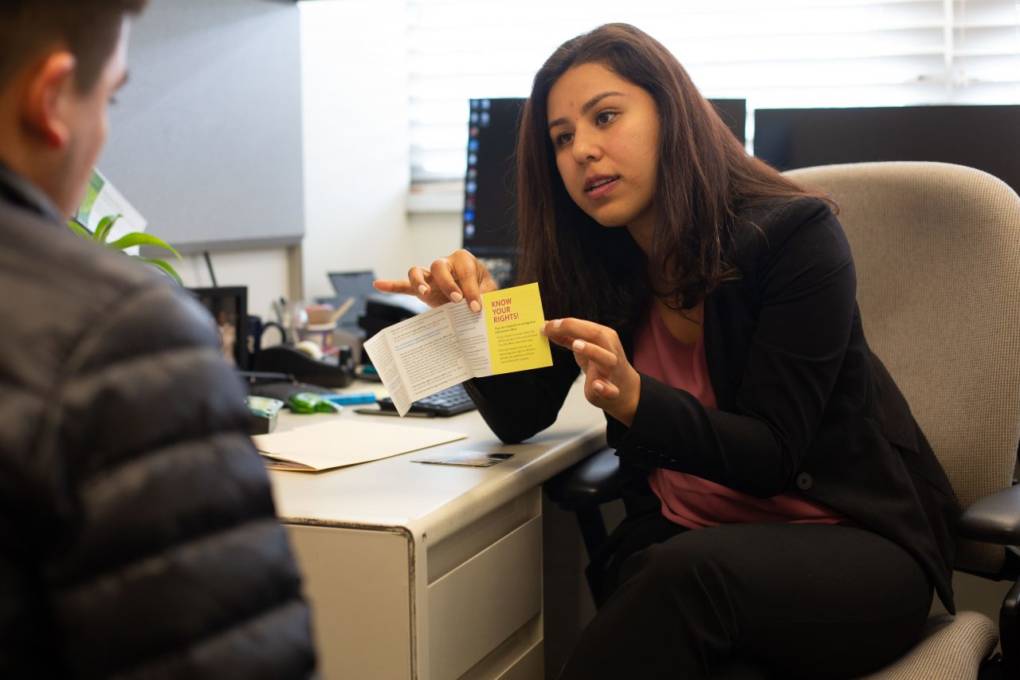
"caption": "Karina Gutierrez, an immigration lawyer on the UC Riverside campus, helps the brother of a student understand his rights.\n",
"description": null,
"title": "immigration lawyer PHOTO 1",
"credit": "James Bernal/CALmatters",
"status": "inherit",
"isLoading": false,
"fetchFailed": false
},
"news_11572756": {
"type": "attachments",
"id": "news_11572756",
"meta": {
"index": "attachments_1716263798",
"site": "news",
"id": "11572756",
"found": true
},
"parent": 0,
"imgSizes": {
"small": {
"file": "https://ww2.kqed.org/app/uploads/sites/10/2017/07/tcr_archive_background-520x195.jpg",
"width": 520,
"mimeType": "image/jpeg",
"height": 195
},
"twentyfourteen-full-width": {
"file": "https://ww2.kqed.org/app/uploads/sites/10/2017/07/tcr_archive_background-1038x450.jpg",
"width": 1038,
"mimeType": "image/jpeg",
"height": 450
},
"thumbnail": {
"file": "https://ww2.kqed.org/app/uploads/sites/10/2017/07/tcr_archive_background-160x60.jpg",
"width": 160,
"mimeType": "image/jpeg",
"height": 60
},
"fd-sm": {
"file": "https://ww2.kqed.org/app/uploads/sites/10/2017/07/tcr_archive_background-960x360.jpg",
"width": 960,
"mimeType": "image/jpeg",
"height": 360
},
"post-thumbnail": {
"file": "https://ww2.kqed.org/app/uploads/sites/10/2017/07/tcr_archive_background-672x372.jpg",
"width": 672,
"mimeType": "image/jpeg",
"height": 372
},
"xsmall": {
"file": "https://ww2.kqed.org/app/uploads/sites/10/2017/07/tcr_archive_background-375x141.jpg",
"width": 375,
"mimeType": "image/jpeg",
"height": 141
},
"kqedFullSize": {
"file": "https://ww2.kqed.org/app/uploads/sites/10/2017/07/tcr_archive_background.jpg",
"width": 1200,
"height": 450
},
"large": {
"file": "https://ww2.kqed.org/app/uploads/sites/10/2017/07/tcr_archive_background-1020x383.jpg",
"width": 1020,
"mimeType": "image/jpeg",
"height": 383
},
"xlarge": {
"file": "https://ww2.kqed.org/app/uploads/sites/10/2017/07/tcr_archive_background-1180x443.jpg",
"width": 1180,
"mimeType": "image/jpeg",
"height": 443
},
"guest-author-50": {
"file": "https://ww2.kqed.org/app/uploads/sites/10/2017/07/tcr_archive_background-50x50.jpg",
"width": 50,
"mimeType": "image/jpeg",
"height": 50
},
"guest-author-96": {
"file": "https://ww2.kqed.org/app/uploads/sites/10/2017/07/tcr_archive_background-96x96.jpg",
"width": 96,
"mimeType": "image/jpeg",
"height": 96
},
"medium": {
"file": "https://ww2.kqed.org/app/uploads/sites/10/2017/07/tcr_archive_background-800x300.jpg",
"width": 800,
"mimeType": "image/jpeg",
"height": 300
},
"guest-author-64": {
"file": "https://ww2.kqed.org/app/uploads/sites/10/2017/07/tcr_archive_background-64x64.jpg",
"width": 64,
"mimeType": "image/jpeg",
"height": 64
},
"guest-author-32": {
"file": "https://ww2.kqed.org/app/uploads/sites/10/2017/07/tcr_archive_background-32x32.jpg",
"width": 32,
"mimeType": "image/jpeg",
"height": 32
},
"fd-med": {
"file": "https://ww2.kqed.org/app/uploads/sites/10/2017/07/tcr_archive_background-1180x443.jpg",
"width": 1180,
"mimeType": "image/jpeg",
"height": 443
},
"detail": {
"file": "https://ww2.kqed.org/app/uploads/sites/10/2017/07/tcr_archive_background-150x150.jpg",
"width": 150,
"mimeType": "image/jpeg",
"height": 150
},
"guest-author-128": {
"file": "https://ww2.kqed.org/app/uploads/sites/10/2017/07/tcr_archive_background-128x128.jpg",
"width": 128,
"mimeType": "image/jpeg",
"height": 128
},
"xxsmall": {
"file": "https://ww2.kqed.org/app/uploads/sites/10/2017/07/tcr_archive_background-240x90.jpg",
"width": 240,
"mimeType": "image/jpeg",
"height": 90
}
},
"publishDate": 1500316142,
"modified": 1500316142,
"caption": null,
"description": null,
"title": "tcr_archive_background",
"credit": null,
"status": "inherit",
"isLoading": false,
"fetchFailed": false
},
"news_11733258": {
"type": "attachments",
"id": "news_11733258",
"meta": {
"index": "attachments_1716263798",
"site": "news",
"id": "11733258",
"found": true
},
"parent": 11733149,
"imgSizes": {
"twentyfourteen-full-width": {
"file": "https://ww2.kqed.org/app/uploads/sites/10/2019/03/NR620_MARQUEE-1038x576.jpg",
"width": 1038,
"mimeType": "image/jpeg",
"height": 576
},
"thumbnail": {
"file": "https://ww2.kqed.org/app/uploads/sites/10/2019/03/NR620_MARQUEE-160x90.jpg",
"width": 160,
"mimeType": "image/jpeg",
"height": 90
},
"post-thumbnail": {
"file": "https://ww2.kqed.org/app/uploads/sites/10/2019/03/NR620_MARQUEE-672x372.jpg",
"width": 672,
"mimeType": "image/jpeg",
"height": 372
},
"kqedFullSize": {
"file": "https://ww2.kqed.org/app/uploads/sites/10/2019/03/NR620_MARQUEE.jpg",
"width": 1280,
"height": 720
},
"large": {
"file": "https://ww2.kqed.org/app/uploads/sites/10/2019/03/NR620_MARQUEE-1020x574.jpg",
"width": 1020,
"mimeType": "image/jpeg",
"height": 574
},
"complete_open_graph": {
"file": "https://ww2.kqed.org/app/uploads/sites/10/2019/03/NR620_MARQUEE-1200x675.jpg",
"width": 1200,
"mimeType": "image/jpeg",
"height": 675
},
"guest-author-50": {
"file": "https://ww2.kqed.org/app/uploads/sites/10/2019/03/NR620_MARQUEE-50x50.jpg",
"width": 50,
"mimeType": "image/jpeg",
"height": 50
},
"guest-author-96": {
"file": "https://ww2.kqed.org/app/uploads/sites/10/2019/03/NR620_MARQUEE-96x96.jpg",
"width": 96,
"mimeType": "image/jpeg",
"height": 96
},
"medium": {
"file": "https://ww2.kqed.org/app/uploads/sites/10/2019/03/NR620_MARQUEE-800x450.jpg",
"width": 800,
"mimeType": "image/jpeg",
"height": 450
},
"guest-author-64": {
"file": "https://ww2.kqed.org/app/uploads/sites/10/2019/03/NR620_MARQUEE-64x64.jpg",
"width": 64,
"mimeType": "image/jpeg",
"height": 64
},
"guest-author-32": {
"file": "https://ww2.kqed.org/app/uploads/sites/10/2019/03/NR620_MARQUEE-32x32.jpg",
"width": 32,
"mimeType": "image/jpeg",
"height": 32
},
"guest-author-128": {
"file": "https://ww2.kqed.org/app/uploads/sites/10/2019/03/NR620_MARQUEE-128x128.jpg",
"width": 128,
"mimeType": "image/jpeg",
"height": 128
}
},
"publishDate": 1552686789,
"modified": 1552686789,
"caption": null,
"description": null,
"title": "NR620_MARQUEE",
"credit": null,
"status": "inherit",
"isLoading": false,
"fetchFailed": false
},
"news_11732969": {
"type": "attachments",
"id": "news_11732969",
"meta": {
"index": "attachments_1716263798",
"site": "news",
"id": "11732969",
"found": true
},
"parent": 11732952,
"imgSizes": {
"twentyfourteen-full-width": {
"file": "https://ww2.kqed.org/app/uploads/sites/10/2019/03/03142019_stanford-qut-1038x576.jpg",
"width": 1038,
"mimeType": "image/jpeg",
"height": 576
},
"thumbnail": {
"file": "https://ww2.kqed.org/app/uploads/sites/10/2019/03/03142019_stanford-qut-160x103.jpg",
"width": 160,
"mimeType": "image/jpeg",
"height": 103
},
"post-thumbnail": {
"file": "https://ww2.kqed.org/app/uploads/sites/10/2019/03/03142019_stanford-qut-672x372.jpg",
"width": 672,
"mimeType": "image/jpeg",
"height": 372
},
"kqedFullSize": {
"file": "https://ww2.kqed.org/app/uploads/sites/10/2019/03/03142019_stanford-qut.jpg",
"width": 1920,
"height": 1237
},
"large": {
"file": "https://ww2.kqed.org/app/uploads/sites/10/2019/03/03142019_stanford-qut-1020x657.jpg",
"width": 1020,
"mimeType": "image/jpeg",
"height": 657
},
"complete_open_graph": {
"file": "https://ww2.kqed.org/app/uploads/sites/10/2019/03/03142019_stanford-qut-1200x773.jpg",
"width": 1200,
"mimeType": "image/jpeg",
"height": 773
},
"guest-author-50": {
"file": "https://ww2.kqed.org/app/uploads/sites/10/2019/03/03142019_stanford-qut-50x50.jpg",
"width": 50,
"mimeType": "image/jpeg",
"height": 50
},
"guest-author-96": {
"file": "https://ww2.kqed.org/app/uploads/sites/10/2019/03/03142019_stanford-qut-96x96.jpg",
"width": 96,
"mimeType": "image/jpeg",
"height": 96
},
"medium": {
"file": "https://ww2.kqed.org/app/uploads/sites/10/2019/03/03142019_stanford-qut-800x515.jpg",
"width": 800,
"mimeType": "image/jpeg",
"height": 515
},
"guest-author-64": {
"file": "https://ww2.kqed.org/app/uploads/sites/10/2019/03/03142019_stanford-qut-64x64.jpg",
"width": 64,
"mimeType": "image/jpeg",
"height": 64
},
"guest-author-32": {
"file": "https://ww2.kqed.org/app/uploads/sites/10/2019/03/03142019_stanford-qut-32x32.jpg",
"width": 32,
"mimeType": "image/jpeg",
"height": 32
},
"full-width": {
"file": "https://ww2.kqed.org/app/uploads/sites/10/2019/03/03142019_stanford-qut-1920x1237.jpg",
"width": 1920,
"mimeType": "image/jpeg",
"height": 1237
},
"guest-author-128": {
"file": "https://ww2.kqed.org/app/uploads/sites/10/2019/03/03142019_stanford-qut-128x128.jpg",
"width": 128,
"mimeType": "image/jpeg",
"height": 128
}
},
"publishDate": 1552596008,
"modified": 1552609828,
"caption": "Shirts with the Stanford University logo are displayed at the Stanford Athletics Shop on March 12, 2019, in Stanford, California. More than 40 people, including actresses Lori Loughlin and Felicity Huffman, have been charged in a widespread elite college admission bribery scheme. Parents, ACT and SAT administrators, and coaches at universities including Stanford, Georgetown, Yale and the University of Southern California have been charged.",
"description": "Shirts with the Stanford University logo are displayed at the Stanford Athletics Shop on March 12, 2019 in Stanford, California. More than 40 people, including actresses Lori Loughlin and Felicity Huffman, have been charged in a widespread elite college admission bribery scheme. Parents, ACT and SAT administrators and coaches at universities including Stanford, Georgetown, Yale, and the University of Southern California have been charged.",
"title": "More Than 30 People Charged In Elite College Entry Bribery Scheme",
"credit": "Justin Sullivan/Getty Images",
"status": "inherit",
"isLoading": false,
"fetchFailed": false
},
"news_11732929": {
"type": "attachments",
"id": "news_11732929",
"meta": {
"index": "attachments_1716263798",
"site": "news",
"id": "11732929",
"found": true
},
"parent": 11732835,
"imgSizes": {
"twentyfourteen-full-width": {
"file": "https://ww2.kqed.org/app/uploads/sites/10/2019/03/GettyImages-1135386368-1038x576.jpg",
"width": 1038,
"mimeType": "image/jpeg",
"height": 576
},
"thumbnail": {
"file": "https://ww2.kqed.org/app/uploads/sites/10/2019/03/GettyImages-1135386368-160x106.jpg",
"width": 160,
"mimeType": "image/jpeg",
"height": 106
},
"post-thumbnail": {
"file": "https://ww2.kqed.org/app/uploads/sites/10/2019/03/GettyImages-1135386368-672x372.jpg",
"width": 672,
"mimeType": "image/jpeg",
"height": 372
},
"kqedFullSize": {
"file": "https://ww2.kqed.org/app/uploads/sites/10/2019/03/GettyImages-1135386368-e1552589629977.jpg",
"width": 1920,
"height": 1278
},
"large": {
"file": "https://ww2.kqed.org/app/uploads/sites/10/2019/03/GettyImages-1135386368-1020x679.jpg",
"width": 1020,
"mimeType": "image/jpeg",
"height": 679
},
"complete_open_graph": {
"file": "https://ww2.kqed.org/app/uploads/sites/10/2019/03/GettyImages-1135386368-1200x799.jpg",
"width": 1200,
"mimeType": "image/jpeg",
"height": 799
},
"guest-author-50": {
"file": "https://ww2.kqed.org/app/uploads/sites/10/2019/03/GettyImages-1135386368-50x50.jpg",
"width": 50,
"mimeType": "image/jpeg",
"height": 50
},
"guest-author-96": {
"file": "https://ww2.kqed.org/app/uploads/sites/10/2019/03/GettyImages-1135386368-96x96.jpg",
"width": 96,
"mimeType": "image/jpeg",
"height": 96
},
"medium": {
"file": "https://ww2.kqed.org/app/uploads/sites/10/2019/03/GettyImages-1135386368-800x532.jpg",
"width": 800,
"mimeType": "image/jpeg",
"height": 532
},
"guest-author-64": {
"file": "https://ww2.kqed.org/app/uploads/sites/10/2019/03/GettyImages-1135386368-64x64.jpg",
"width": 64,
"mimeType": "image/jpeg",
"height": 64
},
"guest-author-32": {
"file": "https://ww2.kqed.org/app/uploads/sites/10/2019/03/GettyImages-1135386368-32x32.jpg",
"width": 32,
"mimeType": "image/jpeg",
"height": 32
},
"full-width": {
"file": "https://ww2.kqed.org/app/uploads/sites/10/2019/03/GettyImages-1135386368-1920x1278.jpg",
"width": 1920,
"mimeType": "image/jpeg",
"height": 1278
},
"guest-author-128": {
"file": "https://ww2.kqed.org/app/uploads/sites/10/2019/03/GettyImages-1135386368-128x128.jpg",
"width": 128,
"mimeType": "image/jpeg",
"height": 128
}
},
"publishDate": 1552589542,
"modified": 1552601592,
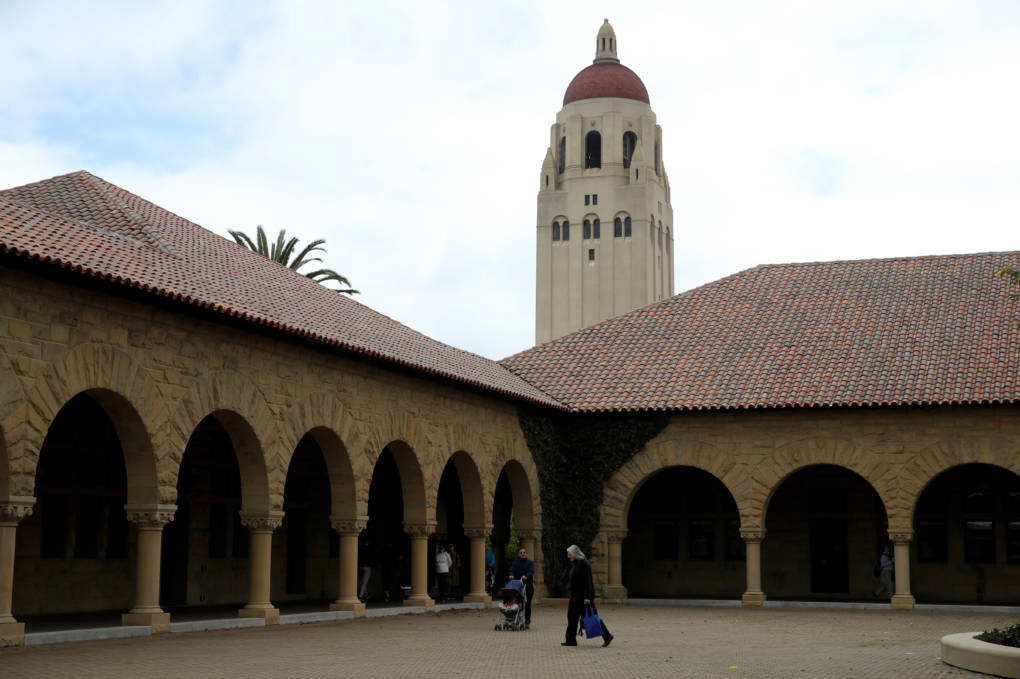
"caption": "People walk by Hoover Tower on the Stanford University campus on March 12, 2019. Fifty people, including actresses Lori Loughlin and Felicity Huffman, have been charged in a widespread elite college admission bribery scheme. Parents, ACT and SAT administrators and coaches at universities including Stanford, Georgetown, Yale and the University of Southern California have been charged.",
"description": null,
"title": "More Than 30 People Charged In Elite College Entry Bribery Scheme",
"credit": "Justin Sullivan/Getty Images",
"status": "inherit",
"isLoading": false,
"fetchFailed": false
},
"news_11732477": {
"type": "attachments",
"id": "news_11732477",
"meta": {
"index": "attachments_1716263798",
"site": "news",
"id": "11732477",
"found": true
},
"parent": 11732473,
"imgSizes": {
"twentyfourteen-full-width": {
"file": "https://ww2.kqed.org/app/uploads/sites/10/2019/03/stayinschool_031219_final-1038x576.jpg",
"width": 1038,
"mimeType": "image/jpeg",
"height": 576
},
"thumbnail": {
"file": "https://ww2.kqed.org/app/uploads/sites/10/2019/03/stayinschool_031219_final-160x113.jpg",
"width": 160,
"mimeType": "image/jpeg",
"height": 113
},
"post-thumbnail": {
"file": "https://ww2.kqed.org/app/uploads/sites/10/2019/03/stayinschool_031219_final-672x372.jpg",
"width": 672,
"mimeType": "image/jpeg",
"height": 372
},
"kqedFullSize": {
"file": "https://ww2.kqed.org/app/uploads/sites/10/2019/03/stayinschool_031219_final.jpg",
"width": 1920,
"height": 1355
},
"large": {
"file": "https://ww2.kqed.org/app/uploads/sites/10/2019/03/stayinschool_031219_final-1020x720.jpg",
"width": 1020,
"mimeType": "image/jpeg",
"height": 720
},
"complete_open_graph": {
"file": "https://ww2.kqed.org/app/uploads/sites/10/2019/03/stayinschool_031219_final-1200x847.jpg",
"width": 1200,
"mimeType": "image/jpeg",
"height": 847
},
"guest-author-50": {
"file": "https://ww2.kqed.org/app/uploads/sites/10/2019/03/stayinschool_031219_final-50x50.jpg",
"width": 50,
"mimeType": "image/jpeg",
"height": 50
},
"guest-author-96": {
"file": "https://ww2.kqed.org/app/uploads/sites/10/2019/03/stayinschool_031219_final-96x96.jpg",
"width": 96,
"mimeType": "image/jpeg",
"height": 96
},
"medium": {
"file": "https://ww2.kqed.org/app/uploads/sites/10/2019/03/stayinschool_031219_final-800x565.jpg",
"width": 800,
"mimeType": "image/jpeg",
"height": 565
},
"guest-author-64": {
"file": "https://ww2.kqed.org/app/uploads/sites/10/2019/03/stayinschool_031219_final-64x64.jpg",
"width": 64,
"mimeType": "image/jpeg",
"height": 64
},
"guest-author-32": {
"file": "https://ww2.kqed.org/app/uploads/sites/10/2019/03/stayinschool_031219_final-32x32.jpg",
"width": 32,
"mimeType": "image/jpeg",
"height": 32
},
"full-width": {
"file": "https://ww2.kqed.org/app/uploads/sites/10/2019/03/stayinschool_031219_final-1920x1355.jpg",
"width": 1920,
"mimeType": "image/jpeg",
"height": 1355
},
"guest-author-128": {
"file": "https://ww2.kqed.org/app/uploads/sites/10/2019/03/stayinschool_031219_final-128x128.jpg",
"width": 128,
"mimeType": "image/jpeg",
"height": 128
}
},
"publishDate": 1552428842,
"modified": 1552535501,
"caption": null,
"description": null,
"title": "stayinschool_031219_final",
"credit": "Mark Fiore/KQED",
"status": "inherit",
"isLoading": false,
"fetchFailed": false
}
},
"audioPlayerReducer": {
"postId": "stream_live",
"isPaused": true,
"isPlaying": false,
"pfsActive": false,
"pledgeModalIsOpen": true,
"playerDrawerIsOpen": false,
"liveAudioPlayStartedAt": 0,
"liveAudioPlayContext": ""
},
"authorsReducer": {
"byline_news_11733635": {
"type": "authors",
"id": "byline_news_11733635",
"meta": {
"override": true
},
"slug": "byline_news_11733635",
"name": "\u003ca href=\"https://calmatters.org/articles/author/feliciacalmatters-org/\" target=\"_blank\">Felicia Mello\u003c/a>",
"isLoading": false
},
"byline_news_11732952": {
"type": "authors",
"id": "byline_news_11732952",
"meta": {
"override": true
},
"slug": "byline_news_11732952",
"name": "\u003cstrong>Associated Press\u003c/strong>",
"isLoading": false
},
"kqed": {
"type": "authors",
"id": "236",
"meta": {
"index": "authors_1716337520",
"id": "236",
"found": true
},
"name": "KQED News Staff",
"firstName": "KQED News Staff",
"lastName": null,
"slug": "kqed",
"email": "faq@kqed.org",
"display_author_email": false,
"staff_mastheads": [],
"title": null,
"bio": null,
"avatar": "https://secure.gravatar.com/avatar/ef0e801a68c4c54afa9180db14084167?s=600&d=blank&r=g",
"twitter": null,
"facebook": null,
"instagram": null,
"linkedin": null,
"sites": [
{
"site": "arts",
"roles": [
"contributor"
]
},
{
"site": "news",
"roles": [
"editor"
]
},
{
"site": "futureofyou",
"roles": [
"author"
]
}
],
"headData": {
"title": "KQED News Staff | KQED",
"description": null,
"ogImgSrc": "https://secure.gravatar.com/avatar/ef0e801a68c4c54afa9180db14084167?s=600&d=blank&r=g",
"twImgSrc": "https://secure.gravatar.com/avatar/ef0e801a68c4c54afa9180db14084167?s=600&d=blank&r=g"
},
"isLoading": false,
"link": "/author/kqed"
},
"rachael-myrow": {
"type": "authors",
"id": "251",
"meta": {
"index": "authors_1716337520",
"id": "251",
"found": true
},
"name": "Rachael Myrow",
"firstName": "Rachael",
"lastName": "Myrow",
"slug": "rachael-myrow",
"email": "rmyrow@kqed.org",
"display_author_email": true,
"staff_mastheads": [
"news"
],
"title": "Senior Editor of KQED's Silicon Valley News Desk",
"bio": "• I write and edit stories about how Silicon Valley power and policies shape everyday life in California. I’m also passionate about making Bay Area history and culture more accessible to a broad public. • I’ve been a journalist for most of my life, starting in high school with The Franklin Press in Los Angeles, where I grew up. While earning my first degree in English at UC Berkeley, I got my start in public radio at KALX-FM. After completing a second degree in journalism at Cal, I landed my first professional job at Marketplace, then moved on to KPCC (now LAist), and then KQED, where I hosted The California Report for more than seven years. • My reporting has appeared on NPR, The World, WBUR’s \u003ci>Here & Now\u003c/i>, and the BBC. I also guest host for KQED’s \u003ci>Forum\u003c/i>, as well as the Commonwealth Club in San Francisco. • I speak periodically on media, democracy and technology issues, and do voiceover work for documentaries and educational video projects. • Outside of the studio, you'll find me hiking Bay Area trails and whipping up Insta-ready meals in my kitchen. • I do not accept gifts, money, or favors from anyone connected to my reporting, I don't pay people for information, and I do not support or donate to political causes. • I strive to treat the people I report on with fairness, honesty, and respect. I also recognize there are often multiple sides to a story and work to verify information through multiple sources and documentation. If I get something wrong, I correct it.",
"avatar": "https://secure.gravatar.com/avatar/3ed8a3c5f26025e4a805ba634cda8cd764906b97438a6d9ce216b044e340da4e?s=600&d=blank&r=g",
"twitter": "rachaelmyrow",
"bluesky": null,
"facebook": null,
"instagram": null,
"linkedin": "https://www.linkedin.com/in/rachaelmyrow/",
"sites": [
{
"site": "arts",
"roles": [
"administrator"
]
},
{
"site": "news",
"roles": [
"edit_others_posts",
"editor"
]
},
{
"site": "futureofyou",
"roles": [
"editor"
]
},
{
"site": "bayareabites",
"roles": [
"editor"
]
},
{
"site": "stateofhealth",
"roles": [
"editor"
]
},
{
"site": "science",
"roles": [
"editor"
]
},
{
"site": "food",
"roles": [
"editor"
]
},
{
"site": "forum",
"roles": [
"editor"
]
},
{
"site": "liveblog",
"roles": [
"author"
]
}
],
"headData": {
"title": "Rachael Myrow | KQED",
"description": "Senior Editor of KQED's Silicon Valley News Desk",
"ogImgSrc": "https://secure.gravatar.com/avatar/3ed8a3c5f26025e4a805ba634cda8cd764906b97438a6d9ce216b044e340da4e?s=600&d=blank&r=g",
"twImgSrc": "https://secure.gravatar.com/avatar/3ed8a3c5f26025e4a805ba634cda8cd764906b97438a6d9ce216b044e340da4e?s=600&d=blank&r=g"
},
"isLoading": false,
"link": "/author/rachael-myrow"
},
"matthewgreen": {
"type": "authors",
"id": "1263",
"meta": {
"index": "authors_1716337520",
"id": "1263",
"found": true
},
"name": "Matthew Green",
"firstName": "Matthew",
"lastName": "Green",
"slug": "matthewgreen",
"email": "mgreen@kqed.org",
"display_author_email": false,
"staff_mastheads": [],
"title": "KQED Editor/Reporter",
"bio": "Matthew Green is a digital media producer for KQED News. He previously produced \u003ca href=\"http://www.kqed.org/lowdown\">The Lowdown\u003c/a>, KQED’s multimedia news education blog. Matthew's written for numerous Bay Area publications, including the Oakland Tribune and San Francisco Chronicle. He also taught journalism classes at Fremont High School in East Oakland.\r\n\r\nEmail: mgreen@kqed.org; Twitter: @MGreenKQED",
"avatar": "https://secure.gravatar.com/avatar/3bf498d1267ca02c8494f33d8cfc575e?s=600&d=blank&r=g",
"twitter": "MGreenKQED",
"facebook": null,
"instagram": null,
"linkedin": null,
"sites": [
{
"site": "news",
"roles": []
},
{
"site": "lowdown",
"roles": []
},
{
"site": "science",
"roles": []
},
{
"site": "education",
"roles": []
},
{
"site": "quest",
"roles": []
},
{
"site": "liveblog",
"roles": []
}
],
"headData": {
"title": "Matthew Green | KQED",
"description": "KQED Editor/Reporter",
"ogImgSrc": "https://secure.gravatar.com/avatar/3bf498d1267ca02c8494f33d8cfc575e?s=600&d=blank&r=g",
"twImgSrc": "https://secure.gravatar.com/avatar/3bf498d1267ca02c8494f33d8cfc575e?s=600&d=blank&r=g"
},
"isLoading": false,
"link": "/author/matthewgreen"
},
"markfiore": {
"type": "authors",
"id": "3236",
"meta": {
"index": "authors_1716337520",
"id": "3236",
"found": true
},
"name": "Mark Fiore",
"firstName": "Mark",
"lastName": "Fiore",
"slug": "markfiore",
"email": "mark@markfiore.com",
"display_author_email": false,
"staff_mastheads": [
"news"
],
"title": "KQED News Cartoonist",
"bio": "\u003ca href=\"http://www.MarkFiore.com\">MarkFiore.com\u003c/a> | \u003ca href=\"https://twitter.com/markfiore\">Follow on Twitter\u003c/a> | \u003ca href=\"https://www.facebook.com/pages/Mark-Fiore-Animated-Political-Cartoons/94451707396?ref=bookmarks\">Facebook\u003c/a> | \u003ca href=\"mailto:mark@markfiore.com\">email\u003c/a>\r\n\r\nPulitzer Prize-winner, Mark Fiore, who the Wall Street Journal has called “the undisputed guru of the form,” creates animated political cartoons in San Francisco, where his work has been featured regularly on the San Francisco Chronicle’s web site, SFGate.com. His work has appeared on Newsweek.com, Slate.com, CBSNews.com, MotherJones.com, DailyKos.com and NPR’s web site. Fiore’s political animation has appeared on CNN, Frontline, Bill Moyers Journal, Salon.com and cable and broadcast outlets across the globe.\r\n\r\nBeginning his professional life by drawing traditional political cartoons for newspapers, Fiore’s work appeared in publications ranging from the Washington Post to the Los Angeles Times. In the late 1990s, he began to experiment with animating political cartoons and, after a short stint at the San Jose Mercury News as their staff cartoonist, Fiore devoted all his energies to animation.\r\nGrowing up in California, Fiore also spent a good portion of his life in the backwoods of Idaho. It was this combination that shaped him politically. Mark majored in political science at Colorado College, where, in a perfect send-off for a cartoonist, he received his diploma in 1991 as commencement speaker Dick Cheney smiled approvingly.\r\nMark Fiore was awarded the Pulitzer Prize for political cartooning in 2010, a Robert F. Kennedy Journalism Award in 2004 and has twice received an Online Journalism Award for commentary from the Online News Association (2002, 2008). Fiore has received two awards for his work in new media from the National Cartoonists Society (2001, 2002), and in 2006 received The James Madison Freedom of Information Award from The Society of Professional Journalists.",
"avatar": "https://secure.gravatar.com/avatar/fc4e2a612b15b67bad0c6f0e1db4ca9b?s=600&d=blank&r=g",
"twitter": "MarkFiore",
"facebook": null,
"instagram": "https://www.instagram.com/markfiore/?hl=en",
"linkedin": null,
"sites": [
{
"site": "arts",
"roles": [
"contributor"
]
},
{
"site": "news",
"roles": [
"editor"
]
},
{
"site": "futureofyou",
"roles": [
"editor"
]
},
{
"site": "science",
"roles": [
"editor"
]
}
],
"headData": {
"title": "Mark Fiore | KQED",
"description": "KQED News Cartoonist",
"ogImgSrc": "https://secure.gravatar.com/avatar/fc4e2a612b15b67bad0c6f0e1db4ca9b?s=600&d=blank&r=g",
"twImgSrc": "https://secure.gravatar.com/avatar/fc4e2a612b15b67bad0c6f0e1db4ca9b?s=600&d=blank&r=g"
},
"isLoading": false,
"link": "/author/markfiore"
},
"smamidanna": {
"type": "authors",
"id": "11581",
"meta": {
"index": "authors_1716337520",
"id": "11581",
"found": true
},
"name": "Sruti Mamidanna",
"firstName": "Sruti",
"lastName": "Mamidanna",
"slug": "smamidanna",
"email": "smamidanna@kqed.org",
"display_author_email": false,
"staff_mastheads": [],
"title": null,
"bio": null,
"avatar": "https://secure.gravatar.com/avatar/b6365bcdef7e2060671a7124aa076048?s=600&d=blank&r=g",
"twitter": null,
"facebook": null,
"instagram": null,
"linkedin": null,
"sites": [
{
"site": "news",
"roles": [
"author"
]
}
],
"headData": {
"title": "Sruti Mamidanna | KQED",
"description": null,
"ogImgSrc": "https://secure.gravatar.com/avatar/b6365bcdef7e2060671a7124aa076048?s=600&d=blank&r=g",
"twImgSrc": "https://secure.gravatar.com/avatar/b6365bcdef7e2060671a7124aa076048?s=600&d=blank&r=g"
},
"isLoading": false,
"link": "/author/smamidanna"
}
},
"pagesReducer": {
"news_category_education": {
"type": "terms",
"id": "news_18540",
"meta": {
"index": "terms_1716263798",
"site": "news",
"id": "18540",
"score": 10.973179
},
"featImg": null,
"name": "Education",
"description": null,
"taxonomy": "category",
"headData": {
"twImgId": null,
"twTitle": null,
"ogTitle": null,
"ogImgId": null,
"twDescription": null,
"description": null,
"title": "Education Archives | KQED News",
"ogDescription": null
},
"ttid": 2595,
"slug": "education",
"isLoading": false,
"title": "Education",
"pageMeta": {
"site": "news",
"WpPageTemplate": "page-topic-editorial",
"currentPage": 118
},
"blocks": [
{
"blockName": "kqed/post-list",
"attrs": {
"layout": "cardArticle2",
"query": "posts/news?category=education",
"seeMore": false,
"paginated": true,
"page": 118
}
},
{
"blockName": "kqed/ad"
}
]
}
},
"pfsSessionReducer": {},
"postsReducer": {
"stream_live": {
"type": "live",
"id": "stream_live",
"audioUrl": "https://streams.kqed.org/kqedradio",
"title": "Live Stream",
"excerpt": "Live Stream information currently unavailable.",
"link": "/radio",
"featImg": "",
"label": {
"name": "KQED Live",
"link": "/"
}
},
"stream_kqedNewscast": {
"type": "posts",
"id": "stream_kqedNewscast",
"audioUrl": "https://www.kqed.org/.stream/anon/radio/RDnews/newscast.mp3?_=1",
"title": "KQED Newscast",
"featImg": "",
"label": {
"name": "88.5 FM",
"link": "/"
}
},
"news_11729643": {
"type": "posts",
"id": "news_11729643",
"meta": {
"index": "posts_1716263798",
"site": "news",
"id": "11729643",
"score": null,
"sort": [
1553086807000
]
},
"guestAuthors": [],
"slug": "how-charter-schools-became-such-a-big-player-in-californias-education-system",
"title": "How Charter Schools Became Such a Big Player in California's Education System",
"publishDate": 1553086807,
"format": "audio",
"headTitle": "How Charter Schools Became Such a Big Player in California’s Education System | KQED",
"labelTerm": {
"term": 72,
"site": "news"
},
"content": "\u003cp>In the recent school walkouts in Oakland and Los Angeles, striking teachers and their unions took particular aim at charter schools, accusing them of stripping traditional public schools of crucial resources.\u003c/p>\n\u003cp>Both cities have higher concentrations of students enrolled in charters than nearly anywhere else in California. And in the deals that ultimately ended the two labor disputes, each district agreed to consider moratoriums on new charters.\u003c/p>\n\u003cp>Oakland’s school board, which hasn’t approved any new charters in several years, is expected to vote this week on whether to officially suspend the approval process.\u003c/p>\n\u003cp>For the last two decades, Oakland has been a veritable charter boomtown: There are now \u003ca href=\"https://www.ousdcharters.net/charters-authorized-in-oakland.html\">45 charter schools\u003c/a> attended by about 30 percent of the city’s K-12 students, up from 13 charters in 2003. Largely as a result, the district lost about 17,000 students in those 16 years.\u003c/p>\n\u003cp>The first charter school in Oakland, and one of the first in the California, opened in 1993 in the Fruitvale neighborhood, just a year after the state Legislature gave charters the green light. Oakland’s public school system had long struggled academically and financially, and with residents eager for better educational options for their children, the city became fertile ground for new charters to take root.\u003c/p>\n\u003cp>[ad fullwidth]\u003c/p>\n\u003cp>Fueled by a large influx of outside funding from wealthy donors and a succession of charter-friendly district superintendents and city and state officials, new charter schools in Oakland proliferated, particularly in the decade after 2000, when the number of charter schools in the city more than tripled.\u003c/p>\n\u003cp> \u003c/p>\n\u003cfigure id=\"attachment_11732119\" class=\"wp-caption alignnone\" style=\"max-width: 600px\">\u003ca href=\"https://ww2.kqed.org/news/wp-content/uploads/sites/10/2019/03/enrollment_-_oakland_schools-final.gif\">\u003cimg loading=\"lazy\" decoding=\"async\" class=\"wp-image-11732119\" src=\"https://ww2.kqed.org/news/wp-content/uploads/sites/10/2019/03/enrollment_-_oakland_schools-final.gif\" alt=\"https://docs.google.com/document/d/18der2D2inCn9SpWtnc1MbGB_mLCDjIwbwATf1qtKz8E/edit\" width=\"600\" height=\"450\">\u003c/a>\u003cfigcaption class=\"wp-caption-text\">Graphic: A steady decrease in public school enrollment is matched by a similar steady increase in charter school enrollment. \u003ccite>(Elena Lacey/KQED)\u003c/cite>\u003c/figcaption>\u003c/figure>\n\u003cp> \u003c/p>\n\u003cp>\u003c!-- iframe plugin v.4.3 wordpress.org/plugins/iframe/ -->\u003cbr>\n\u003ciframe loading=\"lazy\" src=\"https://e.infogram.com/9e6db336-6bf3-410c-a22b-8b125f6dc07d?src=embed\" title=\"Copy: Oakland Small Schools\" width=\"800\" height=\"750\" scrolling=\"no\" frameborder=\"0\" style=\"border:none;\" allowfullscreen=\"allowfullscreen\" class=\"iframe-class\">\u003c/iframe>\u003c/p>\n\u003cp>And while certainly not the sole cause of Oakland Unified’s perennial budget woes, the rise of charters is a factor that has undeniably contributed to the district’s fiscal distress. Because OUSD receives per-pupil state funding, having fewer students means a lot less money for the district, even as its school building and administrative costs remain roughly the same. The Los Angeles and Oakland teachers unions frequently cite a 2018 report by the left-leaning Bay Area policy center, In The Public Interest, estimating that charter growth cost \u003cu>\u003ca href=\"http://www.inthepublicinterest.org/wp-content/uploads/ITPI_LAUSDCharters_PolicyBrief_May2016.pdf\">L.A. Unified \u003c/a>\u003c/u>more than $508 million in 2014-15 and \u003cu>\u003ca href=\"https://www.inthepublicinterest.org/report-the-cost-of-charter-schools-for-public-school-districts/\">Oakland Unified \u003c/a>\u003c/u>$57 million in 2016-17.\u003c/p>\n\u003cp>Charter school advocates, though, are quick to dismiss the report as blatantly biased, noting that IPI is affiliated with the Partnership for Working Families, whose funders include organized labor. They say that charters are being unfairly scapegoated, and argue that these schools fill a dire need for educational alternatives in many underserved communities, where traditional public schools have largely failed to provide students with the quality education they deserve. Charter schools offer parents and students more choices, which they contend is an inherently good thing.\u003c/p>\n\u003cp>Supporters also argue that charters offer a more innovative, customized approach to learning for many students, particularly those in low-income communities, who might otherwise fall through the cracks in traditional public schools. Charters, they say, provide greater academic and financial autonomy and have more direct accountability to the communities they serve.\u003c/p>\n\u003cp>After two decades of rapid, largely unchecked growth throughout the state, charter schools are now a flashpoint in the debate over the fate of public education in California.\u003c/p>\n\u003cp>As part of his pledge to bring “long overdue” transparency and accountability measures to California’s charter schools, Gov. Gavin Newsom signed \u003ca href=\"https://leginfo.legislature.ca.gov/faces/billNavClient.xhtml?bill_id=201920200SB126\">new legislation\u003c/a> in early March, requiring them to adhere to the same conflict-of-interest and open-meeting rules as their traditional counterparts.\u003c/p>\n\u003cp>The move marks a departure from the lighter-touch approach taken by his charter school-friendly predecessor, Gov. Jerry Brown, who twice vetoed similar legislation — and as mayor of Oakland, \u003ca href=\"https://edsource.org/2019/until-the-end-gov-brown-opposes-more-data-collection-and-charter-school-regulation/606684\">helped launch two charter schools\u003c/a>.\u003c/p>\n\u003cp>SB 126 is just the first of a \u003ca href=\"https://www.kqed.org/news/11731298/common-sense-regulations-or-an-extended-middle-finger-how-far-will-california-go-on-charter-schools\">cascade of new bills\u003c/a> introduced by lawmakers that would subject the state’s more than 1,300 charter schools to an increased level of scrutiny and cap their growth statewide.\u003c/p>\n\u003cp>So let’s take a step back. What exactly are charter schools? And how did they establish such a strong and controversial foothold within California’s education system?\u003c/p>\n\u003ch2>The basic gist\u003c/h2>\n\u003cp>Charter schools are publicly funded but privately run K-12 schools that are tuition-free. They are considered part of the public school system, although not subject to some of the rules and oversight of traditional schools.\u003c/p>\n\u003cp>Each of California’s roughly 1,300 charter schools has its own specific goals and operating procedures as laid out in an original proposal (“charter”) that’s been approved by the school district, or the county or state board of education.\u003c/p>\n\u003cp>Many charter schools in California are run independently and got their start through grassroots community organizing efforts. A significant number, though, are overseen by large groups, known as charter management organizations, which operate multiple schools and often receive hefty funding from affluent charter boosters.\u003c/p>\n\u003cp>Some of the larger, more well-known of these organizations have expanded to other states, including \u003ca href=\"http://www.kipp.org/\">Knowledge is Power Program (KIPP)\u003c/a>, \u003ca href=\"http://aspirepublicschools.org/\">Aspire Public Schools\u003c/a> and \u003ca href=\"https://greendot.org/\">Green Dot Public Schools\u003c/a>.\u003c/p>\n\u003cp>While conventional public schools generally serve students who live within specific geographic zones, most charters are known as “schools of choice,” meaning that anyone can attend, regardless of home address.\u003c/p>\n\u003cp>The majority of charter teachers — \u003ca href=\"http://blogs.edweek.org/edweek/teacherbeat/2018/12/nations_first_charter_school_strike_ended.html\" target=\"_blank\" rel=\"noopener\">upward of 90 percent\u003c/a> — don’t belong to a union. Teachers can technically vote to join one, and some have, including the roughly 600 teachers and counselors at Green Dot Schools, who are part of \u003ca href=\"https://www.amuanimo.org/\">Asociación de Maestros Unidos\u003c/a>, a California Teachers Association/National Education Association affiliate.\u003c/p>\n\u003cp>Until recently, California’s charter schools could be run by both nonprofit and for-profit organizations, as they are in many other states around the country. That changed \u003ca href=\"https://leginfo.legislature.ca.gov/faces/billCompareClient.xhtml?bill_id=201720180AB406\" target=\"_blank\" rel=\"noopener\">under a 2018 state law\u003c/a>, which banned new for-profit charters. Prior to the law’s enactment, \u003ca href=\"https://www.washingtonpost.com/education/2018/09/18/california-gov-brown-signs-bill-banning-for-profit-charter-schools-will-it-really-do-that/?utm_term=.3ff28d863045\" target=\"_blank\" rel=\"noopener\">five for-profit groups operated roughly 35 schools\u003c/a> statewide. The law, which takes effect July 1, allows schools currently run or managed by for-profit companies to remain open as long as they switch to nonprofit management when their charters are up for renewal.\u003c/p>\n\u003ch2>When did charter schools start in California … and why?\u003c/h2>\n\u003cp>In 1992 the state Legislature passed the\u003ca href=\"http://www.dhcs.ca.gov/provgovpart/Documents/sb_1448_bill_chaptered.pdf\"> Charter Schools Act (SB 1448)\u003c/a>, making California the second state in the nation (after Minnesota) to allow public charters. The law’s stated intent was to “provide opportunities for teachers, parents, pupils, and community members to establish and maintain schools that operate independently from the existing school district structure.”\u003c/p>\n\u003cp>The initial law limited the total number of charters in the state to 100, and no more than 10 per school district (except Los Angeles, which was allowed 20) — a cap soon scrapped by subsequent legislation. Funding would “follow the student” after leaving a traditional public school. In 1993, \u003ca href=\"https://scclc.net/\">San Carlos Charter Learning Center\u003c/a>, an elementary school in San Mateo County, became the first charter school in the state.\u003c/p>\n\u003cp>Charter schools in California got a more solid footing after \u003ca href=\"https://www.cde.ca.gov/sp/cs/as/proposition39.asp\">voters passed Proposition 39 in 2000\u003c/a>, requiring school districts to make facilities available to charter schools that serve students who live within the district.\u003c/p>\n\u003cp>Since then, their numbers have skyrocketed, with steady, rapid growth across the state, which has only recently begun to slow.\u003c/p>\n\u003cp>\u003c!-- iframe plugin v.4.3 wordpress.org/plugins/iframe/ -->\u003cbr>\n\u003ciframe loading=\"lazy\" title=\"”Chart:\" aria-describedby=\"”Only\" id=\"”datawrapper-chart-WYs07″\" src=\"%E2%80%9D//datawrapper.dwcdn.net/WYs07/6/%E2%80%9D\" scrolling=\"”no”\" frameborder=\"”0″\" style=\"”width:\" height=\"”332″>\" width=\"100%\" class=\"iframe-class\">\u003c/iframe>\u003cbr>\n\n\u003c/p>\u003cp>With more than 600,000 students in the state’s roughly 1,300 charters schools – about 10 percent of all public school students statewide – California leads the nation in both the number of charters and the number of students attending them (although states like Arizona, Florida and Utah have higher percentages).\u003c/p>\n\u003cp>They’re often started in traditionally low-income school districts, as smaller, locally controlled alternatives to underperforming neighborhood schools. Los Angeles and the Bay Area, particularly Oakland, have some of the highest concentrations.\u003c/p>\n\u003cp>\u003c!-- iframe plugin v.4.3 wordpress.org/plugins/iframe/ -->\u003cbr>\n\u003ciframe loading=\"lazy\" title=\"”Map:\" aria-describedby=\"”The\" id=\"”datawrapper-chart-bPbYB”\" src=\"%E2%80%9D//datawrapper.dwcdn.net/bPbYB/8/%E2%80%9D\" scrolling=\"”no”\" frameborder=\"”0″\" style=\"”width:\" height=\"”400″>\" width=\"100%\" class=\"iframe-class\">\u003c/iframe>\u003cbr>\n\n\u003c/p>\u003cp>As recently as the mid-1970s, California’s public school system was regarded as among the best in the nation, and the state, not coincidentally, also had one of the nation’s highest per-pupil spending rates. Then, largely as a result of a series of statewide tax measures — namely Proposition 13 — funding quickly slowed to a trickle, and in many districts across the state, the quality of public schools followed suit. Today, California \u003ca href=\"https://www.politifact.com/california/statements/2018/jan/17/delaine-eastin/does-california-rank-41st-student-spending-no-1-pr/\">ranks a dismal 41st nationally \u003c/a>in per-pupil public school spending.\u003c/p>\n\u003ch2>Who are some big supporters and opponents?\u003c/h2>\n\u003cp>Despite the generally friendly reception charter schools have received in California over the last two decades, particularly by key state leaders like Gov. Jerry Brown and his predecessor, Arnold Schwarzenegger, they’ve also faced strong resistance from the \u003ca href=\"https://www.cta.org/\">California Teachers Association\u003c/a> and the local district-level unions it represents. The CTA has consistently lobbied lawmakers to limit their growth and require greater accountability, an effort that seems to now be bearing fruit.\u003c/p>\n\u003cp>Interestingly, one of the earliest boosters of the concept of charter schools was Albert Shanker, president of the American Federation of Teachers, who \u003ca href=\"https://reuther.wayne.edu/files/64.43.pdf\" target=\"_blank\" rel=\"noopener\">in the late 1980s\u003c/a> promoted the idea of creating experimental schools that would be better equipped to accommodate students who had failed in their traditional schools. Just five years later, however, \u003ca href=\"https://www.washingtonpost.com/opinions/charter-schools-are-leading-to-an-unhealthy-divide-in-american-education/2018/06/22/73430df8-7016-11e8-afd5-778aca903bbe_story.html?utm_term=.f3de9ff27b0c\" target=\"_blank\" rel=\"noopener\">he publicly renounced the idea\u003c/a>, arguing that it had been adopted by anti-union businesses seeking profits. “Vouchers, charter schools, for-profit management schemes are all quick fixes that won’t fix anything,” \u003ca title=\"books.google.com\" href=\"https://books.google.com/books?id=dxsFuYUCKcoC&lpg=PA314&ots=pkEjpi111m&dq=vouchers%2C%20charter%20schools%2C%20for-profit%20management%20schemes%20are%20all%20quick%20fixes%20that%20won%E2%80%99t%20fix%20anything&pg=PA314#v=onepage&q=vouchers,%20charter%20schools,%20for-profit%20management%20schemes%20are%20all%20quick%20fixes%20that%20won%E2%80%99t%20fix%20anything&f=false\">he wrote\u003c/a>.\u003c/p>\n\u003cp>Pushing back against stricter regulations is the\u003ca href=\"https://www.ccsa.org/\"> California Charter Schools Association\u003c/a>, which represents most of the state’s charters.\u003c/p>\n\u003cp>“Not for a second will I apologize for the growth of charters that are meeting the needs of parents and are contributing to lifting up our brown and black kids, our disadvantaged students and providing them a lifeline of opportunity for greater success in our great state,” Myrna Castrejón, president of CCSA, \u003ca href=\"https://calmatters.org/articles/california-charter-school-data-enrollment-cost-teachers-unions/\" target=\"_blank\" rel=\"noopener\">told CALmatters\u003c/a>.\u003c/p>\n\u003cp>The charter school sector is also commonly criticized for receiving large amounts of funding from corporate philanthropies like the Walton Family Foundation and the Gates Foundation, which have both poured millions into charter organizations across the country and strongly influenced education policy in a number of states, including California.\u003c/p>\n\u003cp>A \u003ca href=\"https://apnews.com/92dc914dd97c487a9b9aa4b006909a8c\" target=\"_blank\" rel=\"noopener\">2018 Associated Press investigation\u003c/a> found that philanthropists and their private foundations and charities have given almost half a billion dollars to state-level charter support organizations since 2006. California’s charter industry has been a major recipient of that funding, with donors contributing more than $100 million to the CCSA alone, according to the AP, money that the group has used to start up new schools throughout the state as well as lobby for charter-friendly legislation and push pro-charter candidates in local and statewide elections.\u003c/p>\n\u003ch2>Do charters have to follow the same rules as traditional schools, and how do they line up academically?\u003c/h2>\n\u003cp>Charters are largely unbeholden to school boards and school districts and most don’t have to a negotiate with teachers unions. They also generally have a lot more flexibility in terms of hiring, fundraising and allocating resources.\u003c/p>\n\u003cp>But they still do have to follow some of the same state and federal academic requirements. Students in charters, for instance, have to take the same \u003ca href=\"https://www.cde.ca.gov/sp/cs/re/qandasec6mar04.asp\" target=\"_blank\" rel=\"noopener\">statewide standardized tests\u003c/a> as those in traditional public schools based on Common Core State Standards. And similar to traditional California public schools, charters are required to be nonpartisan in all aspects of their operations, including academic programming, admissions and employment. They can’t charge tuition or discriminate against any student on the basis of gender, ethnicity, country of origin or disability.\u003c/p>\n\u003cp>Charter critics, however, argue that oversight is often lax in many charter schools, and some deliberately attract higher-performing students. That position was supported by \u003ca href=\"http://bit.ly/2rKinzE\">a 2017 study\u003c/a> of charter schools in Oakland, which found that charters there tend to enroll students who are more academically prepared than students who attend district-run schools, \u003ca href=\"https://edsource.org/2017/oakland-charters-more-likely-to-enroll-higher-performing-students-than-district-schools/583582\">giving those schools an edge\u003c/a> when compared academically. The study also found that while charters in Oakland receive less public funding than do district schools, they serve a much lower percentage of students with disabilities.\u003c/p>\n\u003cp>Even so, there’s little evidence suggesting that charter schools, on average, have higher academic performance rates than traditional public schools. Much depends on the individual school and district.\u003c/p>\n\u003ch2>How do you start a charter?\u003c/h2>\n\u003cp>Anyone — a parent, teacher, student, educational organization, etc. — can create and circulate a charter petition to start a new charter school or convert a traditional school. As detailed in\u003ca href=\"https://leginfo.legislature.ca.gov/faces/codes_displayText.xhtml?lawCode=EDC&division=4.&title=2.&part=26.8.&chapter=2.&article=\"> California’s Education Code\u003c/a>, the petition must include a description of the school’s structure and student performance expectations, as well as an outline of the operational and management procedures.\u003c/p>\n\u003cp>The petition needs to be signed by either the equivalent of half the number of teachers expected to work at the school during its first year or by the parents or guardians of half the number of students expected to enroll.\u003c/p>\n\u003cp>School boards are expected to approve charters in their district unless it can be clearly demonstrated that the plan is educationally unsound. The fiscal impact of the charter can’t be considered in the decision — one of the rules that some legislators are now trying to upend.\u003c/p>\n\u003cp>If a local district denies a charter, petitioners can appeal to the county board of education and eventually to the State Board of Education.\u003c/p>\n\u003cp>Charter schools are approved for up to five years, with subsequent five-year renewals. Charters can be revoked if financial mismanagement occurs, or if the school fails to adhere to the terms of the original charter.\u003c/p>\n\u003cp>[ad floatright]\u003c/p>\n\u003cp>\u003cem>Correction: An earlier version of this story incorrectly stated that students in California charter schools have to take the California High School Exit Exam and that charters are ranked based on the statewide Academic Performance Index. Both of those measures have since been phased out for all schools in California. Charter school and traditional public school students must now participate in the \u003ca href=\"https://www.cde.ca.gov/ta/tg/sa/\" target=\"_blank\" rel=\"noopener\">Smarter Balanced Assessment System\u003c/a> based on Common Core State Standards.\u003c/em>\u003c/p>\n\n",
"blocks": [],
"excerpt": "After years of largely unrestricted growth throughout the state, charter schools are facing a higher level of scrutiny. Here's a look at how they gained such a strong foothold in California. ",
"status": "publish",
"parent": 0,
"modified": 1721120046,
"stats": {
"hasAudio": false,
"hasVideo": false,
"hasChartOrMap": true,
"iframeSrcs": [
"https://e.infogram.com/9e6db336-6bf3-410c-a22b-8b125f6dc07d",
"%E2%80%9D//datawrapper.dwcdn.net/WYs07/6/%E2%80%9D",
"%E2%80%9D//datawrapper.dwcdn.net/bPbYB/8/%E2%80%9D"
],
"hasGoogleForm": false,
"hasGallery": false,
"hasHearkenModule": false,
"hasPolis": false,
"paragraphCount": 49,
"wordCount": 2387
},
"headData": {
"title": "How Charter Schools Became Such a Big Player in California's Education System | KQED",
"description": "After years of largely unrestricted growth throughout the state, charter schools are facing a higher level of scrutiny. Here's a look at how they gained such a strong foothold in California. ",
"ogTitle": "",
"ogDescription": "",
"ogImgId": "",
"twTitle": "",
"twDescription": "",
"twImgId": "",
"schema": {
"@context": "https://schema.org",
"@type": "NewsArticle",
"headline": "How Charter Schools Became Such a Big Player in California's Education System",
"datePublished": "2019-03-20T06:00:07-07:00",
"dateModified": "2024-07-16T01:54:06-07:00",
"image": "https://cdn.kqed.org/wp-content/uploads/2020/02/KQED-OG-Image@1x.png",
"isAccessibleForFree": "True",
"publisher": {
"@type": "NewsMediaOrganization",
"@id": "https://www.kqed.org/#organization",
"name": "KQED",
"logo": "https://cdn.kqed.org/wp-content/uploads/2020/02/KQED-OG-Image@1x.png",
"url": "https://www.kqed.org",
"sameAs": [
"https://www.facebook.com/KQED",
"https://twitter.com/KQED",
"https://www.instagram.com/kqed/",
"https://www.tiktok.com/@kqedofficial",
"https://www.linkedin.com/company/kqed",
"https://www.youtube.com/channel/UCeC0IOo7i1P_61zVUWbJ4nw"
]
}
}
},
"audioUrl": "https://www.kqed.org/.stream/anon/radio/RDnews/2019/03/RancanoOUSDCharterSchools.mp3",
"sticky": false,
"audioTrackLength": 187,
"path": "/news/11729643/how-charter-schools-became-such-a-big-player-in-californias-education-system",
"parsedContent": [
{
"type": "contentString",
"content": "\u003cdiv class=\"post-body\">\u003cp>\u003cp>In the recent school walkouts in Oakland and Los Angeles, striking teachers and their unions took particular aim at charter schools, accusing them of stripping traditional public schools of crucial resources.\u003c/p>\n\u003cp>Both cities have higher concentrations of students enrolled in charters than nearly anywhere else in California. And in the deals that ultimately ended the two labor disputes, each district agreed to consider moratoriums on new charters.\u003c/p>\n\u003cp>Oakland’s school board, which hasn’t approved any new charters in several years, is expected to vote this week on whether to officially suspend the approval process.\u003c/p>\n\u003cp>For the last two decades, Oakland has been a veritable charter boomtown: There are now \u003ca href=\"https://www.ousdcharters.net/charters-authorized-in-oakland.html\">45 charter schools\u003c/a> attended by about 30 percent of the city’s K-12 students, up from 13 charters in 2003. Largely as a result, the district lost about 17,000 students in those 16 years.\u003c/p>\n\u003cp>The first charter school in Oakland, and one of the first in the California, opened in 1993 in the Fruitvale neighborhood, just a year after the state Legislature gave charters the green light. Oakland’s public school system had long struggled academically and financially, and with residents eager for better educational options for their children, the city became fertile ground for new charters to take root.\u003c/p>\n\u003cp>\u003c/p>\u003c/div>",
"attributes": {
"named": {},
"numeric": []
}
},
{
"type": "component",
"content": "",
"name": "ad",
"attributes": {
"named": {
"label": "fullwidth"
},
"numeric": [
"fullwidth"
]
}
},
{
"type": "contentString",
"content": "\u003cdiv class=\"post-body\">\u003cp>\u003c/p>\n\u003cp>Fueled by a large influx of outside funding from wealthy donors and a succession of charter-friendly district superintendents and city and state officials, new charter schools in Oakland proliferated, particularly in the decade after 2000, when the number of charter schools in the city more than tripled.\u003c/p>\n\u003cp> \u003c/p>\n\u003cfigure id=\"attachment_11732119\" class=\"wp-caption alignnone\" style=\"max-width: 600px\">\u003ca href=\"https://ww2.kqed.org/news/wp-content/uploads/sites/10/2019/03/enrollment_-_oakland_schools-final.gif\">\u003cimg loading=\"lazy\" decoding=\"async\" class=\"wp-image-11732119\" src=\"https://ww2.kqed.org/news/wp-content/uploads/sites/10/2019/03/enrollment_-_oakland_schools-final.gif\" alt=\"https://docs.google.com/document/d/18der2D2inCn9SpWtnc1MbGB_mLCDjIwbwATf1qtKz8E/edit\" width=\"600\" height=\"450\">\u003c/a>\u003cfigcaption class=\"wp-caption-text\">Graphic: A steady decrease in public school enrollment is matched by a similar steady increase in charter school enrollment. \u003ccite>(Elena Lacey/KQED)\u003c/cite>\u003c/figcaption>\u003c/figure>\n\u003cp> \u003c/p>\n\u003cp>\u003c!-- iframe plugin v.4.3 wordpress.org/plugins/iframe/ -->\u003cbr>\n\u003ciframe loading=\"lazy\" src=\"https://e.infogram.com/9e6db336-6bf3-410c-a22b-8b125f6dc07d?src=embed\" title=\"Copy: Oakland Small Schools\" width=\"800\" height=\"750\" scrolling=\"no\" frameborder=\"0\" style=\"border:none;\" allowfullscreen=\"allowfullscreen\" class=\"iframe-class\">\u003c/iframe>\u003c/p>\n\u003cp>And while certainly not the sole cause of Oakland Unified’s perennial budget woes, the rise of charters is a factor that has undeniably contributed to the district’s fiscal distress. Because OUSD receives per-pupil state funding, having fewer students means a lot less money for the district, even as its school building and administrative costs remain roughly the same. The Los Angeles and Oakland teachers unions frequently cite a 2018 report by the left-leaning Bay Area policy center, In The Public Interest, estimating that charter growth cost \u003cu>\u003ca href=\"http://www.inthepublicinterest.org/wp-content/uploads/ITPI_LAUSDCharters_PolicyBrief_May2016.pdf\">L.A. Unified \u003c/a>\u003c/u>more than $508 million in 2014-15 and \u003cu>\u003ca href=\"https://www.inthepublicinterest.org/report-the-cost-of-charter-schools-for-public-school-districts/\">Oakland Unified \u003c/a>\u003c/u>$57 million in 2016-17.\u003c/p>\n\u003cp>Charter school advocates, though, are quick to dismiss the report as blatantly biased, noting that IPI is affiliated with the Partnership for Working Families, whose funders include organized labor. They say that charters are being unfairly scapegoated, and argue that these schools fill a dire need for educational alternatives in many underserved communities, where traditional public schools have largely failed to provide students with the quality education they deserve. Charter schools offer parents and students more choices, which they contend is an inherently good thing.\u003c/p>\n\u003cp>Supporters also argue that charters offer a more innovative, customized approach to learning for many students, particularly those in low-income communities, who might otherwise fall through the cracks in traditional public schools. Charters, they say, provide greater academic and financial autonomy and have more direct accountability to the communities they serve.\u003c/p>\n\u003cp>After two decades of rapid, largely unchecked growth throughout the state, charter schools are now a flashpoint in the debate over the fate of public education in California.\u003c/p>\n\u003cp>As part of his pledge to bring “long overdue” transparency and accountability measures to California’s charter schools, Gov. Gavin Newsom signed \u003ca href=\"https://leginfo.legislature.ca.gov/faces/billNavClient.xhtml?bill_id=201920200SB126\">new legislation\u003c/a> in early March, requiring them to adhere to the same conflict-of-interest and open-meeting rules as their traditional counterparts.\u003c/p>\n\u003cp>The move marks a departure from the lighter-touch approach taken by his charter school-friendly predecessor, Gov. Jerry Brown, who twice vetoed similar legislation — and as mayor of Oakland, \u003ca href=\"https://edsource.org/2019/until-the-end-gov-brown-opposes-more-data-collection-and-charter-school-regulation/606684\">helped launch two charter schools\u003c/a>.\u003c/p>\n\u003cp>SB 126 is just the first of a \u003ca href=\"https://www.kqed.org/news/11731298/common-sense-regulations-or-an-extended-middle-finger-how-far-will-california-go-on-charter-schools\">cascade of new bills\u003c/a> introduced by lawmakers that would subject the state’s more than 1,300 charter schools to an increased level of scrutiny and cap their growth statewide.\u003c/p>\n\u003cp>So let’s take a step back. What exactly are charter schools? And how did they establish such a strong and controversial foothold within California’s education system?\u003c/p>\n\u003ch2>The basic gist\u003c/h2>\n\u003cp>Charter schools are publicly funded but privately run K-12 schools that are tuition-free. They are considered part of the public school system, although not subject to some of the rules and oversight of traditional schools.\u003c/p>\n\u003cp>Each of California’s roughly 1,300 charter schools has its own specific goals and operating procedures as laid out in an original proposal (“charter”) that’s been approved by the school district, or the county or state board of education.\u003c/p>\n\u003cp>Many charter schools in California are run independently and got their start through grassroots community organizing efforts. A significant number, though, are overseen by large groups, known as charter management organizations, which operate multiple schools and often receive hefty funding from affluent charter boosters.\u003c/p>\n\u003cp>Some of the larger, more well-known of these organizations have expanded to other states, including \u003ca href=\"http://www.kipp.org/\">Knowledge is Power Program (KIPP)\u003c/a>, \u003ca href=\"http://aspirepublicschools.org/\">Aspire Public Schools\u003c/a> and \u003ca href=\"https://greendot.org/\">Green Dot Public Schools\u003c/a>.\u003c/p>\n\u003cp>While conventional public schools generally serve students who live within specific geographic zones, most charters are known as “schools of choice,” meaning that anyone can attend, regardless of home address.\u003c/p>\n\u003cp>The majority of charter teachers — \u003ca href=\"http://blogs.edweek.org/edweek/teacherbeat/2018/12/nations_first_charter_school_strike_ended.html\" target=\"_blank\" rel=\"noopener\">upward of 90 percent\u003c/a> — don’t belong to a union. Teachers can technically vote to join one, and some have, including the roughly 600 teachers and counselors at Green Dot Schools, who are part of \u003ca href=\"https://www.amuanimo.org/\">Asociación de Maestros Unidos\u003c/a>, a California Teachers Association/National Education Association affiliate.\u003c/p>\n\u003cp>Until recently, California’s charter schools could be run by both nonprofit and for-profit organizations, as they are in many other states around the country. That changed \u003ca href=\"https://leginfo.legislature.ca.gov/faces/billCompareClient.xhtml?bill_id=201720180AB406\" target=\"_blank\" rel=\"noopener\">under a 2018 state law\u003c/a>, which banned new for-profit charters. Prior to the law’s enactment, \u003ca href=\"https://www.washingtonpost.com/education/2018/09/18/california-gov-brown-signs-bill-banning-for-profit-charter-schools-will-it-really-do-that/?utm_term=.3ff28d863045\" target=\"_blank\" rel=\"noopener\">five for-profit groups operated roughly 35 schools\u003c/a> statewide. The law, which takes effect July 1, allows schools currently run or managed by for-profit companies to remain open as long as they switch to nonprofit management when their charters are up for renewal.\u003c/p>\n\u003ch2>When did charter schools start in California … and why?\u003c/h2>\n\u003cp>In 1992 the state Legislature passed the\u003ca href=\"http://www.dhcs.ca.gov/provgovpart/Documents/sb_1448_bill_chaptered.pdf\"> Charter Schools Act (SB 1448)\u003c/a>, making California the second state in the nation (after Minnesota) to allow public charters. The law’s stated intent was to “provide opportunities for teachers, parents, pupils, and community members to establish and maintain schools that operate independently from the existing school district structure.”\u003c/p>\n\u003cp>The initial law limited the total number of charters in the state to 100, and no more than 10 per school district (except Los Angeles, which was allowed 20) — a cap soon scrapped by subsequent legislation. Funding would “follow the student” after leaving a traditional public school. In 1993, \u003ca href=\"https://scclc.net/\">San Carlos Charter Learning Center\u003c/a>, an elementary school in San Mateo County, became the first charter school in the state.\u003c/p>\n\u003cp>Charter schools in California got a more solid footing after \u003ca href=\"https://www.cde.ca.gov/sp/cs/as/proposition39.asp\">voters passed Proposition 39 in 2000\u003c/a>, requiring school districts to make facilities available to charter schools that serve students who live within the district.\u003c/p>\n\u003cp>Since then, their numbers have skyrocketed, with steady, rapid growth across the state, which has only recently begun to slow.\u003c/p>\n\u003cp>\u003c!-- iframe plugin v.4.3 wordpress.org/plugins/iframe/ -->\u003cbr>\n\u003ciframe loading=\"lazy\" title=\"”Chart:\" aria-describedby=\"”Only\" id=\"”datawrapper-chart-WYs07″\" src=\"%E2%80%9D//datawrapper.dwcdn.net/WYs07/6/%E2%80%9D\" scrolling=\"”no”\" frameborder=\"”0″\" style=\"”width:\" height=\"”332″>\" width=\"100%\" class=\"iframe-class\">\u003c/iframe>\u003cbr>\n\n\u003c/p>\u003cp>With more than 600,000 students in the state’s roughly 1,300 charters schools – about 10 percent of all public school students statewide – California leads the nation in both the number of charters and the number of students attending them (although states like Arizona, Florida and Utah have higher percentages).\u003c/p>\n\u003cp>They’re often started in traditionally low-income school districts, as smaller, locally controlled alternatives to underperforming neighborhood schools. Los Angeles and the Bay Area, particularly Oakland, have some of the highest concentrations.\u003c/p>\n\u003cp>\u003c!-- iframe plugin v.4.3 wordpress.org/plugins/iframe/ -->\u003cbr>\n\u003ciframe loading=\"lazy\" title=\"”Map:\" aria-describedby=\"”The\" id=\"”datawrapper-chart-bPbYB”\" src=\"%E2%80%9D//datawrapper.dwcdn.net/bPbYB/8/%E2%80%9D\" scrolling=\"”no”\" frameborder=\"”0″\" style=\"”width:\" height=\"”400″>\" width=\"100%\" class=\"iframe-class\">\u003c/iframe>\u003cbr>\n\n\u003c/p>\u003cp>As recently as the mid-1970s, California’s public school system was regarded as among the best in the nation, and the state, not coincidentally, also had one of the nation’s highest per-pupil spending rates. Then, largely as a result of a series of statewide tax measures — namely Proposition 13 — funding quickly slowed to a trickle, and in many districts across the state, the quality of public schools followed suit. Today, California \u003ca href=\"https://www.politifact.com/california/statements/2018/jan/17/delaine-eastin/does-california-rank-41st-student-spending-no-1-pr/\">ranks a dismal 41st nationally \u003c/a>in per-pupil public school spending.\u003c/p>\n\u003ch2>Who are some big supporters and opponents?\u003c/h2>\n\u003cp>Despite the generally friendly reception charter schools have received in California over the last two decades, particularly by key state leaders like Gov. Jerry Brown and his predecessor, Arnold Schwarzenegger, they’ve also faced strong resistance from the \u003ca href=\"https://www.cta.org/\">California Teachers Association\u003c/a> and the local district-level unions it represents. The CTA has consistently lobbied lawmakers to limit their growth and require greater accountability, an effort that seems to now be bearing fruit.\u003c/p>\n\u003cp>Interestingly, one of the earliest boosters of the concept of charter schools was Albert Shanker, president of the American Federation of Teachers, who \u003ca href=\"https://reuther.wayne.edu/files/64.43.pdf\" target=\"_blank\" rel=\"noopener\">in the late 1980s\u003c/a> promoted the idea of creating experimental schools that would be better equipped to accommodate students who had failed in their traditional schools. Just five years later, however, \u003ca href=\"https://www.washingtonpost.com/opinions/charter-schools-are-leading-to-an-unhealthy-divide-in-american-education/2018/06/22/73430df8-7016-11e8-afd5-778aca903bbe_story.html?utm_term=.f3de9ff27b0c\" target=\"_blank\" rel=\"noopener\">he publicly renounced the idea\u003c/a>, arguing that it had been adopted by anti-union businesses seeking profits. “Vouchers, charter schools, for-profit management schemes are all quick fixes that won’t fix anything,” \u003ca title=\"books.google.com\" href=\"https://books.google.com/books?id=dxsFuYUCKcoC&lpg=PA314&ots=pkEjpi111m&dq=vouchers%2C%20charter%20schools%2C%20for-profit%20management%20schemes%20are%20all%20quick%20fixes%20that%20won%E2%80%99t%20fix%20anything&pg=PA314#v=onepage&q=vouchers,%20charter%20schools,%20for-profit%20management%20schemes%20are%20all%20quick%20fixes%20that%20won%E2%80%99t%20fix%20anything&f=false\">he wrote\u003c/a>.\u003c/p>\n\u003cp>Pushing back against stricter regulations is the\u003ca href=\"https://www.ccsa.org/\"> California Charter Schools Association\u003c/a>, which represents most of the state’s charters.\u003c/p>\n\u003cp>“Not for a second will I apologize for the growth of charters that are meeting the needs of parents and are contributing to lifting up our brown and black kids, our disadvantaged students and providing them a lifeline of opportunity for greater success in our great state,” Myrna Castrejón, president of CCSA, \u003ca href=\"https://calmatters.org/articles/california-charter-school-data-enrollment-cost-teachers-unions/\" target=\"_blank\" rel=\"noopener\">told CALmatters\u003c/a>.\u003c/p>\n\u003cp>The charter school sector is also commonly criticized for receiving large amounts of funding from corporate philanthropies like the Walton Family Foundation and the Gates Foundation, which have both poured millions into charter organizations across the country and strongly influenced education policy in a number of states, including California.\u003c/p>\n\u003cp>A \u003ca href=\"https://apnews.com/92dc914dd97c487a9b9aa4b006909a8c\" target=\"_blank\" rel=\"noopener\">2018 Associated Press investigation\u003c/a> found that philanthropists and their private foundations and charities have given almost half a billion dollars to state-level charter support organizations since 2006. California’s charter industry has been a major recipient of that funding, with donors contributing more than $100 million to the CCSA alone, according to the AP, money that the group has used to start up new schools throughout the state as well as lobby for charter-friendly legislation and push pro-charter candidates in local and statewide elections.\u003c/p>\n\u003ch2>Do charters have to follow the same rules as traditional schools, and how do they line up academically?\u003c/h2>\n\u003cp>Charters are largely unbeholden to school boards and school districts and most don’t have to a negotiate with teachers unions. They also generally have a lot more flexibility in terms of hiring, fundraising and allocating resources.\u003c/p>\n\u003cp>But they still do have to follow some of the same state and federal academic requirements. Students in charters, for instance, have to take the same \u003ca href=\"https://www.cde.ca.gov/sp/cs/re/qandasec6mar04.asp\" target=\"_blank\" rel=\"noopener\">statewide standardized tests\u003c/a> as those in traditional public schools based on Common Core State Standards. And similar to traditional California public schools, charters are required to be nonpartisan in all aspects of their operations, including academic programming, admissions and employment. They can’t charge tuition or discriminate against any student on the basis of gender, ethnicity, country of origin or disability.\u003c/p>\n\u003cp>Charter critics, however, argue that oversight is often lax in many charter schools, and some deliberately attract higher-performing students. That position was supported by \u003ca href=\"http://bit.ly/2rKinzE\">a 2017 study\u003c/a> of charter schools in Oakland, which found that charters there tend to enroll students who are more academically prepared than students who attend district-run schools, \u003ca href=\"https://edsource.org/2017/oakland-charters-more-likely-to-enroll-higher-performing-students-than-district-schools/583582\">giving those schools an edge\u003c/a> when compared academically. The study also found that while charters in Oakland receive less public funding than do district schools, they serve a much lower percentage of students with disabilities.\u003c/p>\n\u003cp>Even so, there’s little evidence suggesting that charter schools, on average, have higher academic performance rates than traditional public schools. Much depends on the individual school and district.\u003c/p>\n\u003ch2>How do you start a charter?\u003c/h2>\n\u003cp>Anyone — a parent, teacher, student, educational organization, etc. — can create and circulate a charter petition to start a new charter school or convert a traditional school. As detailed in\u003ca href=\"https://leginfo.legislature.ca.gov/faces/codes_displayText.xhtml?lawCode=EDC&division=4.&title=2.&part=26.8.&chapter=2.&article=\"> California’s Education Code\u003c/a>, the petition must include a description of the school’s structure and student performance expectations, as well as an outline of the operational and management procedures.\u003c/p>\n\u003cp>The petition needs to be signed by either the equivalent of half the number of teachers expected to work at the school during its first year or by the parents or guardians of half the number of students expected to enroll.\u003c/p>\n\u003cp>School boards are expected to approve charters in their district unless it can be clearly demonstrated that the plan is educationally unsound. The fiscal impact of the charter can’t be considered in the decision — one of the rules that some legislators are now trying to upend.\u003c/p>\n\u003cp>If a local district denies a charter, petitioners can appeal to the county board of education and eventually to the State Board of Education.\u003c/p>\n\u003cp>Charter schools are approved for up to five years, with subsequent five-year renewals. Charters can be revoked if financial mismanagement occurs, or if the school fails to adhere to the terms of the original charter.\u003c/p>\n\u003cp>\u003c/p>\u003c/div>",
"attributes": {
"named": {},
"numeric": []
}
},
{
"type": "component",
"content": "",
"name": "ad",
"attributes": {
"named": {
"label": "floatright"
},
"numeric": [
"floatright"
]
}
},
{
"type": "contentString",
"content": "\u003cdiv class=\"post-body\">\u003cp>\u003c/p>\n\u003cp>\u003cem>Correction: An earlier version of this story incorrectly stated that students in California charter schools have to take the California High School Exit Exam and that charters are ranked based on the statewide Academic Performance Index. Both of those measures have since been phased out for all schools in California. Charter school and traditional public school students must now participate in the \u003ca href=\"https://www.cde.ca.gov/ta/tg/sa/\" target=\"_blank\" rel=\"noopener\">Smarter Balanced Assessment System\u003c/a> based on Common Core State Standards.\u003c/em>\u003c/p>\n\n\u003c/div>\u003c/p>",
"attributes": {
"named": {},
"numeric": []
}
}
],
"link": "/news/11729643/how-charter-schools-became-such-a-big-player-in-californias-education-system",
"authors": [
"1263"
],
"programs": [
"news_72"
],
"categories": [
"news_18540",
"news_8",
"news_13"
],
"tags": [
"news_18538",
"news_19655",
"news_19542",
"news_3366",
"news_25011",
"news_25073",
"news_17041"
],
"featImg": "news_11669239",
"label": "news_72"
},
"news_11733790": {
"type": "posts",
"id": "news_11733790",
"meta": {
"index": "posts_1716263798",
"site": "news",
"id": "11733790",
"score": null,
"sort": [
1553042289000
]
},
"parent": 0,
"labelTerm": {
"site": "news"
},
"blocks": [],
"publishDate": 1553042289,
"format": "image",
"disqusTitle": "'Just the Tip of the Iceberg': Stanford Students React in Wake of Admissions Scandal",
"title": "'Just the Tip of the Iceberg': Stanford Students React in Wake of Admissions Scandal",
"headTitle": "KQED News",
"content": "\u003cp>Stanford's now-fired sailing coach John Vandemoer was among the 50 people charged in a nationwide college admissions bribery scheme last week. His name is among the \u003ca href=\"https://www.kqed.org/arts/13852765/u-s-accuses-actresses-others-of-fraud-in-massive-college-admissions-scandal\" rel=\"noopener\" target=\"_blank\">14 Bay Area residents on that list\u003c/a> who were accused and indicted.\u003c/p>\n\u003cp>Lindsey Rosston, a junior at Stanford, said she found out about the university's role in the scandal when she received an email from the school's independent student publication, The Fountain Hopper, while in the middle of her economics class.\u003c/p>\n\u003cfigure id=\"attachment_11733886\" class=\"wp-caption aligncenter\" style=\"max-width: 800px\">\u003cimg src=\"https://ww2.kqed.org/news/wp-content/uploads/sites/10/2019/03/RS35991__M6A0086-qut-800x512.jpg\" alt=\"Stanford junior Lindsay Rosston is working on a major in economics and a minor in education. She said she learned of the cheating scandal through the school's student newspaper.\" width=\"800\" height=\"512\" class=\"size-medium wp-image-11733886\" srcset=\"https://ww2.kqed.org/app/uploads/sites/10/2019/03/RS35991__M6A0086-qut-800x512.jpg 800w, https://ww2.kqed.org/app/uploads/sites/10/2019/03/RS35991__M6A0086-qut-160x102.jpg 160w, https://ww2.kqed.org/app/uploads/sites/10/2019/03/RS35991__M6A0086-qut-1020x653.jpg 1020w, https://ww2.kqed.org/app/uploads/sites/10/2019/03/RS35991__M6A0086-qut-1200x768.jpg 1200w, https://ww2.kqed.org/app/uploads/sites/10/2019/03/RS35991__M6A0086-qut.jpg 1920w\" sizes=\"(max-width: 800px) 100vw, 800px\">\u003cfigcaption class=\"wp-caption-text\">Stanford junior Lindsay Rosston is working on a major in economics and a minor in education. She said she learned of the cheating scandal through the school's student newspaper. \u003ccite>(Sruti Mamidanna/KQED)\u003c/cite>\u003c/figcaption>\u003c/figure>\n\u003cp>\"Immediately everyone was looking up what happened. There was a girl actually on the sailing team so it was very dramatic,\" she said, \"and eventually I looked it up and found the names of the people who were involved. I had gone to middle school and elementary school with one of them. So that was interesting.\"\u003c/p>\n\u003cp>[aside label=\"The College Admissions Scandal\" tag=\"college-admissions-scandal\"]\u003c/p>\n\u003cp>“I think it’s pretty disturbing in a few ways that this is happening at such amazing schools, and that it was covered up for so long,\" she said.\u003c/p>\n\u003cp>For 2018 graduate Omar Soh, the news came as no surprise. He explained that it \"doesn’t seem particularly unique in the scheme of how people use money to have access to these schools.\"\u003c/p>\n\u003cp>\"On a larger scale, I think it’s fundamentally no different from the way people with the resources can afford various prep services and other things that essentially give people a leg up in admissions anyway,\" he said.\u003c/p>\n\u003cp>Soh grew up in Senegal and found the journey to receiving his computer science degree at Stanford a challenge. He learned about the university in his senior year in high school.\u003c/p>\n\u003cp>\"There weren’t many resources available in terms of test prep or the admissions process, so it was altogether a fairly stressful thing as I’m sure it is for a lot of people that apply. But there was no outline of steps to take. I was figuring it out on my own or with a small group of people who were also figuring it out and didn’t know what was happening,\" he said.\u003c/p>\n\u003cfigure id=\"attachment_11733911\" class=\"wp-caption aligncenter\" style=\"max-width: 800px\">\u003cimg src=\"https://ww2.kqed.org/news/wp-content/uploads/sites/10/2019/03/RS35918__M6A0103-qut-1-800x472.jpg\" alt=\"Omar Soh said he didn't have much guidance when he applied to Stanford. "I was figuring it out on my own or with a small group of people who were also figuring it out and didn’t know what was happening," he said.\" width=\"800\" height=\"472\" class=\"size-medium wp-image-11733911\" srcset=\"https://ww2.kqed.org/app/uploads/sites/10/2019/03/RS35918__M6A0103-qut-1-800x472.jpg 800w, https://ww2.kqed.org/app/uploads/sites/10/2019/03/RS35918__M6A0103-qut-1-160x94.jpg 160w, https://ww2.kqed.org/app/uploads/sites/10/2019/03/RS35918__M6A0103-qut-1-1020x601.jpg 1020w, https://ww2.kqed.org/app/uploads/sites/10/2019/03/RS35918__M6A0103-qut-1-1200x708.jpg 1200w, https://ww2.kqed.org/app/uploads/sites/10/2019/03/RS35918__M6A0103-qut-1.jpg 1920w\" sizes=\"(max-width: 800px) 100vw, 800px\">\u003cfigcaption class=\"wp-caption-text\">Omar Soh said he didn't have much guidance when he applied to Stanford. \"I was figuring it out on my own or with a small group of people who were also figuring it out and didn’t know what was happening,\" he said. \u003ccite>(Sruti Mamidanna/KQED)\u003c/cite>\u003c/figcaption>\u003c/figure>\n\u003cp>Like Soh, another student recalled challenges of getting into Stanford. The PhD graduate, who wished to remain anonymous, is a first generation Syrian-American, and said it was hard navigating through the college system having gone to a \"barebones\" high school without many resources and guidance.\u003c/p>\n\u003cp>“The bigger issue for me growing up was actually going to CAL [UC Berkeley], because it was like no one had really gone to a university in my family. So by the time I got into CAL, it was a matter of how do I survive? How do I navigate that where I didn’t have people who had done it before,” he said.\u003c/p>\n\u003cfigure id=\"attachment_11733940\" class=\"wp-caption aligncenter\" style=\"max-width: 800px\">\u003cimg src=\"https://ww2.kqed.org/news/wp-content/uploads/sites/10/2019/03/RS35922__M6A0094-qut-1-800x589.jpg\" alt='A PhD graduate who wished to remain anonymous came to Stanford after attending one of the University of California school system institutions. \"I think just starting a conversation is a good thing, because this has been pretty much a known fact,\" he said.' width=\"800\" height=\"589\" class=\"size-medium wp-image-11733940\" srcset=\"https://ww2.kqed.org/app/uploads/sites/10/2019/03/RS35922__M6A0094-qut-1-800x589.jpg 800w, https://ww2.kqed.org/app/uploads/sites/10/2019/03/RS35922__M6A0094-qut-1-160x118.jpg 160w, https://ww2.kqed.org/app/uploads/sites/10/2019/03/RS35922__M6A0094-qut-1-1020x751.jpg 1020w, https://ww2.kqed.org/app/uploads/sites/10/2019/03/RS35922__M6A0094-qut-1-1200x884.jpg 1200w, https://ww2.kqed.org/app/uploads/sites/10/2019/03/RS35922__M6A0094-qut-1.jpg 1738w\" sizes=\"(max-width: 800px) 100vw, 800px\">\u003cfigcaption class=\"wp-caption-text\">A PhD graduate who wished to remain anonymous came to Stanford after attending one of the University of California school system institutions. \"I think just starting a conversation is a good thing, because this has been pretty much a known fact,\" he said. \u003ccite>(Sruti Mamidanna/KQED)\u003c/cite>\u003c/figcaption>\u003c/figure>\n\u003cp>The bribery scheme and the lawsuit following it are just hitting the surface of something bigger, he said.\u003c/p>\n\u003cp>\"Coming from a public school, specifically the UCs, and just seeing the difference between the level of affluence at Stanford versus the public schools, none of this is shocking to me. But I think it’s probably endemic of something bigger which is just massive amounts of inequality,\" he said.\u003c/p>\n\u003cp>\"This is just the tip of the iceberg.\"\u003c/p>\n\u003cp>[ad fullwidth]\u003c/p>\n\u003cp>A sophomore student, who also wanted to stay anonymous, made similar speculations. \u003c/p>\n\u003cp>\"You know, I kind of do question whether or not my peers got in for the right reasons. It’s made me a little bit more aware of the people that are at Stanford, but I don’t think it shaped my view of Stanford’s administration,\" she said.\u003c/p>\n\u003cp>\"I come from a middle-class background and I don’t receive as many resources as a person who’s coming from a low-income background. However, these high-income students are buying their way in. So I guess what I’m seeking is a more productive conversation about inequalities. But long term, I’m quite cynical. I don’t see anything changing.\"\u003c/p>\n\u003cfigure id=\"attachment_11733957\" class=\"wp-caption aligncenter\" style=\"max-width: 800px\">\u003cimg src=\"https://ww2.kqed.org/news/wp-content/uploads/sites/10/2019/03/RS35916__M6A0119-qut-2-800x533.jpg\" alt=\"This Stanford student, who wished to be anonymous, will be graduating in 2021. She found out about the bribing scheme and the student lawsuit from a letter Stanford president Marc Tessier-Lavigne sent out to the school body.\" width=\"800\" height=\"533\" class=\"size-medium wp-image-11733957\" srcset=\"https://ww2.kqed.org/app/uploads/sites/10/2019/03/RS35916__M6A0119-qut-2-800x533.jpg 800w, https://ww2.kqed.org/app/uploads/sites/10/2019/03/RS35916__M6A0119-qut-2-160x107.jpg 160w, https://ww2.kqed.org/app/uploads/sites/10/2019/03/RS35916__M6A0119-qut-2-1020x680.jpg 1020w, https://ww2.kqed.org/app/uploads/sites/10/2019/03/RS35916__M6A0119-qut-2-1200x800.jpg 1200w, https://ww2.kqed.org/app/uploads/sites/10/2019/03/RS35916__M6A0119-qut-2.jpg 1920w\" sizes=\"(max-width: 800px) 100vw, 800px\">\u003cfigcaption class=\"wp-caption-text\">This Stanford student, who wished to be anonymous, will be graduating in 2021. She found out about the bribing scheme and the student lawsuit from a letter Stanford president Marc Tessier-Lavigne sent out to the school body. \u003ccite>(Sruti Mamidanna/KQED)\u003c/cite>\u003c/figcaption>\u003c/figure>\n\u003cp>Rosston said her younger brother is anxiously awaiting to hear back from college admissions and thinks the pressure to get into top universities and need for a critical discussion about admissions has only mounted. \u003c/p>\n\u003cp>“This is so sad right now,\" she said.\u003c/p>\n\u003cp>\"Many of these students now feel like they aren’t up to par with where their parents think they should be going, and they actually have to falsify something to get into the right college. There’s like this huge pressure.”\u003c/p>\n\u003cp>Despite the varying experiences Stanford students have had in getting into competitive universities like Stanford, one persisting hope for the ongoing class action lawsuit filed by Stanford and other college students is the chance for conversation. \u003c/p>\n\u003cp>\"I hope this leads to a broader discussion about why such universities act as massive hedge funds and cash cows,\" the PhD graduate said. \u003c/p>\n\u003cp>\"This [case] is one tiny little thing that just came out, but pretty much the whole system is like that...It’s aristocracy perpetuating itself,\" he said.\u003c/p>\n\u003cp>\u003c/p>\n",
"disqusIdentifier": "11733790 https://ww2.kqed.org/news/?p=11733790",
"disqusUrl": "https://ww2.kqed.org/news/2019/03/19/just-the-tip-of-the-iceberg-stanford-students-react-in-wake-of-admissions-scandal/",
"stats": {
"hasVideo": false,
"hasChartOrMap": false,
"hasAudio": false,
"hasPolis": false,
"wordCount": 1028,
"hasGoogleForm": false,
"hasGallery": false,
"hasHearkenModule": false,
"iframeSrcs": [],
"paragraphCount": 25
},
"modified": 1553108647,
"excerpt": "The nationwide college admissions bribery scheme — which resulted in the firing of Stanford's sailing coach — has sparked questions from students about the admissions process of their peers, and themselves.",
"headData": {
"twImgId": "",
"twTitle": "",
"ogTitle": "",
"ogImgId": "",
"twDescription": "",
"description": "The nationwide college admissions bribery scheme — which resulted in the firing of Stanford's sailing coach — has sparked questions from students about the admissions process of their peers, and themselves.",
"title": "'Just the Tip of the Iceberg': Stanford Students React in Wake of Admissions Scandal | KQED",
"ogDescription": "",
"schema": {
"@context": "https://schema.org",
"@type": "NewsArticle",
"headline": "'Just the Tip of the Iceberg': Stanford Students React in Wake of Admissions Scandal",
"datePublished": "2019-03-19T17:38:09-07:00",
"dateModified": "2019-03-20T12:04:07-07:00",
"image": "https://cdn.kqed.org/wp-content/uploads/2020/02/KQED-OG-Image@1x.png",
"isAccessibleForFree": "True",
"publisher": {
"@type": "NewsMediaOrganization",
"@id": "https://www.kqed.org/#organization",
"name": "KQED",
"logo": "https://cdn.kqed.org/wp-content/uploads/2020/02/KQED-OG-Image@1x.png",
"url": "https://www.kqed.org",
"sameAs": [
"https://www.facebook.com/KQED",
"https://twitter.com/KQED",
"https://www.instagram.com/kqed/",
"https://www.tiktok.com/@kqedofficial",
"https://www.linkedin.com/company/kqed",
"https://www.youtube.com/channel/UCeC0IOo7i1P_61zVUWbJ4nw"
]
}
}
},
"guestAuthors": [],
"slug": "just-the-tip-of-the-iceberg-stanford-students-react-in-wake-of-admissions-scandal",
"status": "publish",
"path": "/news/11733790/just-the-tip-of-the-iceberg-stanford-students-react-in-wake-of-admissions-scandal",
"audioTrackLength": null,
"parsedContent": [
{
"type": "contentString",
"content": "\u003cdiv class=\"post-body\">\u003cp>\u003cp>Stanford's now-fired sailing coach John Vandemoer was among the 50 people charged in a nationwide college admissions bribery scheme last week. His name is among the \u003ca href=\"https://www.kqed.org/arts/13852765/u-s-accuses-actresses-others-of-fraud-in-massive-college-admissions-scandal\" rel=\"noopener\" target=\"_blank\">14 Bay Area residents on that list\u003c/a> who were accused and indicted.\u003c/p>\n\u003cp>Lindsey Rosston, a junior at Stanford, said she found out about the university's role in the scandal when she received an email from the school's independent student publication, The Fountain Hopper, while in the middle of her economics class.\u003c/p>\n\u003cfigure id=\"attachment_11733886\" class=\"wp-caption aligncenter\" style=\"max-width: 800px\">\u003cimg src=\"https://ww2.kqed.org/news/wp-content/uploads/sites/10/2019/03/RS35991__M6A0086-qut-800x512.jpg\" alt=\"Stanford junior Lindsay Rosston is working on a major in economics and a minor in education. She said she learned of the cheating scandal through the school's student newspaper.\" width=\"800\" height=\"512\" class=\"size-medium wp-image-11733886\" srcset=\"https://ww2.kqed.org/app/uploads/sites/10/2019/03/RS35991__M6A0086-qut-800x512.jpg 800w, https://ww2.kqed.org/app/uploads/sites/10/2019/03/RS35991__M6A0086-qut-160x102.jpg 160w, https://ww2.kqed.org/app/uploads/sites/10/2019/03/RS35991__M6A0086-qut-1020x653.jpg 1020w, https://ww2.kqed.org/app/uploads/sites/10/2019/03/RS35991__M6A0086-qut-1200x768.jpg 1200w, https://ww2.kqed.org/app/uploads/sites/10/2019/03/RS35991__M6A0086-qut.jpg 1920w\" sizes=\"(max-width: 800px) 100vw, 800px\">\u003cfigcaption class=\"wp-caption-text\">Stanford junior Lindsay Rosston is working on a major in economics and a minor in education. She said she learned of the cheating scandal through the school's student newspaper. \u003ccite>(Sruti Mamidanna/KQED)\u003c/cite>\u003c/figcaption>\u003c/figure>\n\u003cp>\"Immediately everyone was looking up what happened. There was a girl actually on the sailing team so it was very dramatic,\" she said, \"and eventually I looked it up and found the names of the people who were involved. I had gone to middle school and elementary school with one of them. So that was interesting.\"\u003c/p>\n\u003cp>\u003c/p>\u003c/div>",
"attributes": {
"named": {},
"numeric": []
}
},
{
"type": "component",
"content": "",
"name": "aside",
"attributes": {
"named": {
"label": "The College Admissions Scandal ",
"tag": "college-admissions-scandal"
},
"numeric": []
}
},
{
"type": "contentString",
"content": "\u003cdiv class=\"post-body\">\u003cp>\u003c/p>\n\u003cp>“I think it’s pretty disturbing in a few ways that this is happening at such amazing schools, and that it was covered up for so long,\" she said.\u003c/p>\n\u003cp>For 2018 graduate Omar Soh, the news came as no surprise. He explained that it \"doesn’t seem particularly unique in the scheme of how people use money to have access to these schools.\"\u003c/p>\n\u003cp>\"On a larger scale, I think it’s fundamentally no different from the way people with the resources can afford various prep services and other things that essentially give people a leg up in admissions anyway,\" he said.\u003c/p>\n\u003cp>Soh grew up in Senegal and found the journey to receiving his computer science degree at Stanford a challenge. He learned about the university in his senior year in high school.\u003c/p>\n\u003cp>\"There weren’t many resources available in terms of test prep or the admissions process, so it was altogether a fairly stressful thing as I’m sure it is for a lot of people that apply. But there was no outline of steps to take. I was figuring it out on my own or with a small group of people who were also figuring it out and didn’t know what was happening,\" he said.\u003c/p>\n\u003cfigure id=\"attachment_11733911\" class=\"wp-caption aligncenter\" style=\"max-width: 800px\">\u003cimg src=\"https://ww2.kqed.org/news/wp-content/uploads/sites/10/2019/03/RS35918__M6A0103-qut-1-800x472.jpg\" alt=\"Omar Soh said he didn't have much guidance when he applied to Stanford. "I was figuring it out on my own or with a small group of people who were also figuring it out and didn’t know what was happening," he said.\" width=\"800\" height=\"472\" class=\"size-medium wp-image-11733911\" srcset=\"https://ww2.kqed.org/app/uploads/sites/10/2019/03/RS35918__M6A0103-qut-1-800x472.jpg 800w, https://ww2.kqed.org/app/uploads/sites/10/2019/03/RS35918__M6A0103-qut-1-160x94.jpg 160w, https://ww2.kqed.org/app/uploads/sites/10/2019/03/RS35918__M6A0103-qut-1-1020x601.jpg 1020w, https://ww2.kqed.org/app/uploads/sites/10/2019/03/RS35918__M6A0103-qut-1-1200x708.jpg 1200w, https://ww2.kqed.org/app/uploads/sites/10/2019/03/RS35918__M6A0103-qut-1.jpg 1920w\" sizes=\"(max-width: 800px) 100vw, 800px\">\u003cfigcaption class=\"wp-caption-text\">Omar Soh said he didn't have much guidance when he applied to Stanford. \"I was figuring it out on my own or with a small group of people who were also figuring it out and didn’t know what was happening,\" he said. \u003ccite>(Sruti Mamidanna/KQED)\u003c/cite>\u003c/figcaption>\u003c/figure>\n\u003cp>Like Soh, another student recalled challenges of getting into Stanford. The PhD graduate, who wished to remain anonymous, is a first generation Syrian-American, and said it was hard navigating through the college system having gone to a \"barebones\" high school without many resources and guidance.\u003c/p>\n\u003cp>“The bigger issue for me growing up was actually going to CAL [UC Berkeley], because it was like no one had really gone to a university in my family. So by the time I got into CAL, it was a matter of how do I survive? How do I navigate that where I didn’t have people who had done it before,” he said.\u003c/p>\n\u003cfigure id=\"attachment_11733940\" class=\"wp-caption aligncenter\" style=\"max-width: 800px\">\u003cimg src=\"https://ww2.kqed.org/news/wp-content/uploads/sites/10/2019/03/RS35922__M6A0094-qut-1-800x589.jpg\" alt='A PhD graduate who wished to remain anonymous came to Stanford after attending one of the University of California school system institutions. \"I think just starting a conversation is a good thing, because this has been pretty much a known fact,\" he said.' width=\"800\" height=\"589\" class=\"size-medium wp-image-11733940\" srcset=\"https://ww2.kqed.org/app/uploads/sites/10/2019/03/RS35922__M6A0094-qut-1-800x589.jpg 800w, https://ww2.kqed.org/app/uploads/sites/10/2019/03/RS35922__M6A0094-qut-1-160x118.jpg 160w, https://ww2.kqed.org/app/uploads/sites/10/2019/03/RS35922__M6A0094-qut-1-1020x751.jpg 1020w, https://ww2.kqed.org/app/uploads/sites/10/2019/03/RS35922__M6A0094-qut-1-1200x884.jpg 1200w, https://ww2.kqed.org/app/uploads/sites/10/2019/03/RS35922__M6A0094-qut-1.jpg 1738w\" sizes=\"(max-width: 800px) 100vw, 800px\">\u003cfigcaption class=\"wp-caption-text\">A PhD graduate who wished to remain anonymous came to Stanford after attending one of the University of California school system institutions. \"I think just starting a conversation is a good thing, because this has been pretty much a known fact,\" he said. \u003ccite>(Sruti Mamidanna/KQED)\u003c/cite>\u003c/figcaption>\u003c/figure>\n\u003cp>The bribery scheme and the lawsuit following it are just hitting the surface of something bigger, he said.\u003c/p>\n\u003cp>\"Coming from a public school, specifically the UCs, and just seeing the difference between the level of affluence at Stanford versus the public schools, none of this is shocking to me. But I think it’s probably endemic of something bigger which is just massive amounts of inequality,\" he said.\u003c/p>\n\u003cp>\"This is just the tip of the iceberg.\"\u003c/p>\n\u003cp>\u003c/p>\u003c/div>",
"attributes": {
"named": {},
"numeric": []
}
},
{
"type": "component",
"content": "",
"name": "ad",
"attributes": {
"named": {
"label": "fullwidth"
},
"numeric": [
"fullwidth"
]
}
},
{
"type": "contentString",
"content": "\u003cdiv class=\"post-body\">\u003cp>\u003c/p>\n\u003cp>A sophomore student, who also wanted to stay anonymous, made similar speculations. \u003c/p>\n\u003cp>\"You know, I kind of do question whether or not my peers got in for the right reasons. It’s made me a little bit more aware of the people that are at Stanford, but I don’t think it shaped my view of Stanford’s administration,\" she said.\u003c/p>\n\u003cp>\"I come from a middle-class background and I don’t receive as many resources as a person who’s coming from a low-income background. However, these high-income students are buying their way in. So I guess what I’m seeking is a more productive conversation about inequalities. But long term, I’m quite cynical. I don’t see anything changing.\"\u003c/p>\n\u003cfigure id=\"attachment_11733957\" class=\"wp-caption aligncenter\" style=\"max-width: 800px\">\u003cimg src=\"https://ww2.kqed.org/news/wp-content/uploads/sites/10/2019/03/RS35916__M6A0119-qut-2-800x533.jpg\" alt=\"This Stanford student, who wished to be anonymous, will be graduating in 2021. She found out about the bribing scheme and the student lawsuit from a letter Stanford president Marc Tessier-Lavigne sent out to the school body.\" width=\"800\" height=\"533\" class=\"size-medium wp-image-11733957\" srcset=\"https://ww2.kqed.org/app/uploads/sites/10/2019/03/RS35916__M6A0119-qut-2-800x533.jpg 800w, https://ww2.kqed.org/app/uploads/sites/10/2019/03/RS35916__M6A0119-qut-2-160x107.jpg 160w, https://ww2.kqed.org/app/uploads/sites/10/2019/03/RS35916__M6A0119-qut-2-1020x680.jpg 1020w, https://ww2.kqed.org/app/uploads/sites/10/2019/03/RS35916__M6A0119-qut-2-1200x800.jpg 1200w, https://ww2.kqed.org/app/uploads/sites/10/2019/03/RS35916__M6A0119-qut-2.jpg 1920w\" sizes=\"(max-width: 800px) 100vw, 800px\">\u003cfigcaption class=\"wp-caption-text\">This Stanford student, who wished to be anonymous, will be graduating in 2021. She found out about the bribing scheme and the student lawsuit from a letter Stanford president Marc Tessier-Lavigne sent out to the school body. \u003ccite>(Sruti Mamidanna/KQED)\u003c/cite>\u003c/figcaption>\u003c/figure>\n\u003cp>Rosston said her younger brother is anxiously awaiting to hear back from college admissions and thinks the pressure to get into top universities and need for a critical discussion about admissions has only mounted. \u003c/p>\n\u003cp>“This is so sad right now,\" she said.\u003c/p>\n\u003cp>\"Many of these students now feel like they aren’t up to par with where their parents think they should be going, and they actually have to falsify something to get into the right college. There’s like this huge pressure.”\u003c/p>\n\u003cp>Despite the varying experiences Stanford students have had in getting into competitive universities like Stanford, one persisting hope for the ongoing class action lawsuit filed by Stanford and other college students is the chance for conversation. \u003c/p>\n\u003cp>\"I hope this leads to a broader discussion about why such universities act as massive hedge funds and cash cows,\" the PhD graduate said. \u003c/p>\n\u003cp>\"This [case] is one tiny little thing that just came out, but pretty much the whole system is like that...It’s aristocracy perpetuating itself,\" he said.\u003c/p>\n\u003cp>\u003c/p>\n\u003c/div>\u003c/p>",
"attributes": {
"named": {},
"numeric": []
}
}
],
"link": "/news/11733790/just-the-tip-of-the-iceberg-stanford-students-react-in-wake-of-admissions-scandal",
"authors": [
"11581"
],
"categories": [
"news_18540",
"news_6188",
"news_8"
],
"tags": [
"news_22809",
"news_25222",
"news_25197",
"news_1928",
"news_17041"
],
"featImg": "news_11733904",
"label": "news"
},
"news_11733635": {
"type": "posts",
"id": "news_11733635",
"meta": {
"index": "posts_1716263798",
"site": "news",
"id": "11733635",
"score": null,
"sort": [
1552939210000
]
},
"parent": 0,
"labelTerm": {},
"blocks": [],
"publishDate": 1552939210,
"format": "standard",
"disqusTitle": "Amid Trump’s Immigration Crackdown, UC Immigration Lawyer Offers Comfort and Legal Advice to Undocumented Students",
"title": "Amid Trump’s Immigration Crackdown, UC Immigration Lawyer Offers Comfort and Legal Advice to Undocumented Students",
"headTitle": "KQED News",
"content": "\u003cp>The petite college student in the plaid shirt and jeans sitting across from attorney Karina Gutierrez is so nervous, she almost can’t remember her birth date. Behind her square-framed glasses, her eyes well with tears.\u003c/p>\n\u003cp>The expiration is nearing on the 21-year-old student’s permit under the Deferred Action for Childhood Arrivals program, which protects certain immigrants brought to the United States as children from deportation and allows them to work legally in this country. Renewals cost $495, and she doesn’t yet have the money.\u003c/p>\n\u003cp>Gutierrez listens. “So you have a lot going on right now, basically,” she says gently. “Why don’t I give you a legal assessment and we can go from there? And if you need a break, let me know.”\u003c/p>\n\u003cp>Gutierrez herself might need a break. At just after 11 a.m., the 30-year-old attorney is about three hours into a 13-hour day that started with wolfing down a few bites of instant oatmeal as she raced through emails and paperwork.\u003c/p>\n\u003cp>She’s one of 10 attorneys employed by the University of California’s Immigrant Legal Services Center. And as the Trump administration \u003ca href=\"https://www.nytimes.com/2019/03/14/us/politics/senate-vote-trump-national-emergency.html?action=click&module=Top%20Stories&pgtype=Homepage\" target=\"_blank\" rel=\"noopener\">seeks to further curb immigration\u003c/a>, her office in a quiet corner of a UC Riverside administration building has become one of many fronts in the ongoing national debate over who should have access to the American dream.\u003c/p>\n\u003cp>[ad fullwidth]\u003c/p>\n\u003cp>With federal courts weighing the fate of DACA amid pitched partisan battles in Congress over border enforcement, California is spending $4 million over three years to fund free immigration legal assistance for UC students and their families. More than a quarter of the country’s 700,000 DACA recipients live in California.\u003c/p>\n\u003cp>In a redder state, taxpayers might object to a public university providing state-funded legal aid for clients that include undocumented immigrants, not all of whom are students. But \u003ca href=\"https://www.ppic.org/blog/ppic-polling-immigration-debate/\">polls\u003c/a> show more than eight in 10 Californians favor a path to legal status for undocumented residents.\u003c/p>\n\u003cp>UC President Janet Napolitano — the former Secretary of Homeland Security — supports the program, as does Gov. Gavin Newsom, who has proposed spending an additional $17 million next year to provide similar legal services on California State University and community college campuses.\u003c/p>\n\u003cp>At UC Riverside, where the student body includes an estimated 800 undocumented and DACA-status students, Gutierrez helps her clients file renewal applications for the two-year DACA permits — under President Donald Trump, the program is not accepting new applicants — and counsels them about long-shot options for establishing permanent residency. She draws diagrams on notebook paper filled with boxes and arrows showing the possibilities and hurdles. Sometimes, she literally holds their hands.\u003c/p>\n\u003ch2>An uncertain path\u003c/h2>\n\u003cp>The student sitting in Gutierrez’s office wants to be a high school guidance counselor, because, she says, a counselor once made a difference for her. She came to the United States when she was 5 years old and has no memory of life before that in the Mexican state of Guerrero.\u003c/p>\n\u003cp>“They’re always telling me stories, but I’m like, ‘I don’t know what you’re talking about.’”\u003c/p>\n\u003cp>Here in California, she says, “I have my driver’s license, but it’s still kind of scary—always watching what I do, looking over my shoulder.”\u003c/p>\n\u003cp>All the clients interviewed for this story asked CALmatters not to identify them, to avoid compromising their immigration cases, so we’ll call her Marisol.\u003c/p>\n\u003cp>Like many UCR students, Marisol comes from a mixed-status family: parents without papers, a sister who is a citizen, and a brother who qualified for DACA but didn’t apply because the family couldn’t afford it.\u003c/p>\n\u003cp>In the past, a grant program through the California Department of Social Services would have paid the $495 fee. But that money has run out and it’s unclear whether the state will renew it. Marisol’s two-day-a-week job at a theater doesn’t pay enough, so she’s hoping to use her financial aid money.\u003c/p>\n\u003cp>Her U.S. citizen sister can petition for her, but the current wait time is more than 20 years, according to the State Department’s latest visa bulletin. And she may have to leave the country for 10 years before becoming eligible. Marisol’s eyes widen.\u003c/p>\n\u003cp>The overwhelming majority of cases are like these—students whose path to citizenship is either lengthy and uncertain, or just nonexistent.\u003c/p>\n\u003cp>“You want to do something more for your clients, but you also come to learn that this is what we’re dealing with,” Gutierrez says.\u003c/p>\n\u003ch2>‘Stomachache, unable to sleep’\u003c/h2>\n\u003cp>Gutierrez’s next appointment, a shaggy-haired chemistry student we’ll call Luis, is already waiting when Marisol leaves, DACA renewal check in hand. Luis is doing his Ph.D. research on a coating for the surfaces of airplanes and spacecraft that could make them more impact-resistant.\u003c/p>\n\u003cp>Without DACA, Luis says, he’d likely have to drop out of school: While California lets students who are undocumented apply for state-sponsored financial aid, the bulk of that aid is targeted toward undergraduates. Luis relies on about $24,000 a year from his graduate assistantship to make ends meet.\u003c/p>\n\u003cp>The last time he renewed his permit, Luis paid a local immigration consultant $150 to help fill out the forms, which ended up sprinkled with minor errors. A fixture of many Latino neighborhoods, such consultants—sometimes referred to as \u003cem>notarios—\u003c/em>work out of storefronts assisting clients with taxes and legal documents. But they are not attorneys, and sometimes make costly mistakes.\u003c/p>\n\u003cp>Established in 2012 by President Barack Obama, DACA has helped students like Luis, but recipients still can’t travel outside the country or receive federal financial aid. An Obama-era provision called advance parole allowed those with DACA to leave the United States to study abroad or visit sick family members, a practice the Trump administration stopped.\u003c/p>\n\u003cp>“A lot of these students have grandparents back home who were their caregivers that they can’t see,” Gutierrez says of her clients. “And then these people pass away and you never see them again.”\u003c/p>\n\u003cp>For undocumented students without DACA, the risk of travel is greater. At least two UC students have landed in immigration detention since the Immigrant Legal Services Center was founded in 2015, according to its staff, and a third was stranded in Tijuana after his advance parole expired during a research trip. All eventually returned to their campuses, but Gutierrez says that kind of prosecutorial discretion has become rarer under Trump. She counsels undocumented students to avoid unnecessary travel even to border-adjacent areas like San Diego, warning that they can’t count on leniency: “The worst-case scenario is no longer the worst-case scenario.”\u003c/p>\n\u003cp>Gutierrez understands these challenges more than most: She’s a DACA recipient herself, who was born in Mexico and came moved with her family to Orange County when she was 4. She told no one she was undocumented until she became a student at Cal State Fullerton and her friends were planning a San Diego trip.\u003c/p>\n\u003cp>\u003c!-- iframe plugin v.4.3 wordpress.org/plugins/iframe/ -->\u003cbr>\n\u003ciframe src=\"https://e.infogram.com/5212271c-2a32-48cd-b8d2-5b99da27977f?src=embed\" title=\"85% of californians\" width=\"1094\" height=\"850\" scrolling=\"no\" frameborder=\"0\" style=\"border:none;\" allowfullscreen=\"allowfullscreen\" class=\"iframe-class\">\u003c/iframe>\u003c/p>\n\u003cp>California is among a handful of states that allow undocumented immigrants to become lawyers. But despite her education and professional status, Gutierrez says she faces the same dilemma as other DACA recipients: Leaving the country to “get in line” for legal status would mean leaving the only home she knows, and paradoxically, might actually damage her immigration case.\u003c/p>\n\u003cp>So when then-Attorney General Jeff Sessions announced in fall 2017 plans to end DACA, Gutierrez says, she went through the same stress cycle as her clients: “Stomachache, unable to sleep, crying. Pure emotion.”\u003c/p>\n\u003cp>A series of lawsuits has kept DACA alive for those who already have permits, with the U.S. Court of Appeals for the Ninth Circuit deeming the Trump administration’s attempt to terminate it “arbitrary and capricious.” A Washington, D.C., appeals court is currently reviewing another case, and the U.S. Supreme Court has so far declined to take up the issue, meaning that the legal limbo is likely to continue at least through the end of the year.\u003c/p>\n\u003ch2>‘I never know if I’m going to return’\u003c/h2>\n\u003cp>It’s 2:30 p.m., and the oatmeal still sits mostly untouched on Gutierrez’s desk. She takes a few more bites and logs onto her case-management system: 35 open cases, 110 pending with U.S. Citizenship and Immigration Services, 127 closed. The center’s caseload grew by 28 percent in the 2017-18 academic year. Attorneys mostly do their own clerical work, which means late-night hours and weekend shifts to catch up.\u003c/p>\n\u003cp>An intern comes in with a letter: Citizenship and Immigration Services has rejected a residency petition filed by a student under a special program for underage victims of abuse and neglect. Applications for this program open periodically, then the window closes. By law, the application fee can be waived for those who can’t afford it, but the government has decided not to waive it in this case, Gutierrez says, and the client has missed the deadline. She will now have to wait until applications reopen, which could be years.\u003c/p>\n\u003cp>Administrative snafus like these can carry serious consequences. Another client, a recent UCR graduate from Peru, had a DACA work permit lost in the mail nine months ago, and immigration officials have so far refused to send another one, Gutierrez says. A professional photographer, the client is planning a multi-state photography trip but is nervous about leaving California without the permit in hand, though she’s already been approved for it.\u003c/p>\n\u003cp>Gutierrez is helping her draft a letter to U.S. Rep. Jackie Speier, D-San\u003c/p>\n\u003cfigure id=\"attachment_11733644\" class=\"wp-caption alignnone\" style=\"max-width: 640px\">\u003ca href=\"https://ww2.kqed.org/news/wp-content/uploads/sites/10/2019/03/Immigration-lawyer-PHOTO-2.jpg\">\u003cimg class=\"wp-image-11733644 size-large\" src=\"https://ww2.kqed.org/news/wp-content/uploads/sites/10/2019/03/Immigration-lawyer-PHOTO-2-1020x728.jpg\" alt=\"\" width=\"640\" height=\"457\" srcset=\"https://ww2.kqed.org/app/uploads/sites/10/2019/03/Immigration-lawyer-PHOTO-2-1020x728.jpg 1020w, https://ww2.kqed.org/app/uploads/sites/10/2019/03/Immigration-lawyer-PHOTO-2-160x114.jpg 160w, https://ww2.kqed.org/app/uploads/sites/10/2019/03/Immigration-lawyer-PHOTO-2-800x571.jpg 800w, https://ww2.kqed.org/app/uploads/sites/10/2019/03/Immigration-lawyer-PHOTO-2-1200x857.jpg 1200w, https://ww2.kqed.org/app/uploads/sites/10/2019/03/Immigration-lawyer-PHOTO-2.jpg 1280w\" sizes=\"(max-width: 640px) 100vw, 640px\">\u003c/a>\u003cfigcaption class=\"wp-caption-text\">Gutierrez and a client stroll on the UC Riverside campus. More than a quarter of the country’s 700,000 DACA recipients live in California. \u003ccite>(Felicia Mello/CALmatters)\u003c/cite>\u003c/figcaption>\u003c/figure>\n\u003cp>Mateo, asking her to intervene.\u003c/p>\n\u003cp>A \u003ca href=\"https://www.luminafoundation.org/files/resources/in-the-shadows.pdf\" target=\"_blank\" rel=\"noopener\">2015 UCLA study\u003c/a> found that the rate of anxiety among DACA students is about five times as high as that of the general student population, often due to worry about friends and family members being deported.\u003c/p>\n\u003cp>That’s why the center also counsels students’ immediate relatives. Among them is Gutierrez’s last client of the day, Marvin, a burly construction worker whose daughter attends UCR. Marvin, too, came to the United States as a teen, but it was long before DACA existed.\u003c/p>\n\u003cp>“I leave my house in the morning,” he says, “but I never know if I’m going to return. Probably my daughters feel it, too.”\u003c/p>\n\u003cp>Gutierrez tells him she wants him to be aware of his rights if he’s stopped by immigration officials at one of the checkpoints he sometimes passes on the way to work.\u003c/p>\n\u003cp>“The only thing you’re going to tell them is your name and your birthdate,” she coaches him. “If they ask you any other questions, what are you going to say?”\u003c/p>\n\u003cp>“I want to talk to an attorney,” Marvin responds.\u003c/p>\n\u003cp>Gutierrez moves her face close to his and barks questions in Spanish, imitating an immigration official. They’re both half-laughing, but Gutierrez is serious.\u003c/p>\n\u003cp>“If they’re like this, are you going to be able to remember what I’m telling you,” she asks him. “No, you are going to feel intimidated.”\u003c/p>\n\u003cp>She hands him a pamphlet he can show to officials invoking his right to an attorney.\u003c/p>\n\u003cp>It’s dark by the time Marvin leaves, and Gutierrez has another two hours of paperwork ahead of her. She takes off her black blazer, pins up her hair and starts entering details into the case-management system.\u003c/p>\n\u003cp>In some ways, she says, she feels like a professional deliverer of bad news. But there are bright moments, like the client who decided she wanted to be a lawyer after talking with Gutierrez, who was the first undocumented attorney she’d ever met.\u003c/p>\n\u003cp>When all else fails, she simply takes a pause.\u003c/p>\n\u003cp>“Sometimes I have to leave the office and cry for 10 minutes,” she says. “And then it’s back to work.”\u003c/p>\n\u003cp>\u003cem>This story and other higher education coverage are supported by the College Futures Foundation.\u003c/em>\u003c/p>\n\u003cp>[ad floatright]\u003c/p>\n\u003cp>\u003ca href=\"https://calmatters.org/\" target=\"_blank\" rel=\"noopener\">\u003cem>CALmatters.org\u003c/em>\u003c/a>\u003cem> is a nonprofit, nonpartisan media venture explaining California policies and politics.\u003c/em>\u003c/p>\n\n",
"disqusIdentifier": "11733635 https://ww2.kqed.org/news/?p=11733635",
"disqusUrl": "https://ww2.kqed.org/news/2019/03/18/amid-trumps-border-showdown-uc-immigration-lawyer-offers-comfort-and-strategy-to-students/",
"stats": {
"hasVideo": false,
"hasChartOrMap": false,
"hasAudio": false,
"hasPolis": false,
"wordCount": 2150,
"hasGoogleForm": false,
"hasGallery": false,
"hasHearkenModule": false,
"iframeSrcs": [],
"paragraphCount": 51
},
"modified": 1552948868,
"excerpt": "Karina Gutierrez is one of 10 attorneys at the University of California’s Immigrant Legal Services Center tasked with providing legal advice to the sizable number of undocumented students enrolled in the UC system. ",
"headData": {
"twImgId": "",
"twTitle": "",
"ogTitle": "",
"ogImgId": "",
"twDescription": "",
"description": "Karina Gutierrez is one of 10 attorneys at the University of California’s Immigrant Legal Services Center tasked with providing legal advice to the sizable number of undocumented students enrolled in the UC system. ",
"title": "Amid Trump’s Immigration Crackdown, UC Immigration Lawyer Offers Comfort and Legal Advice to Undocumented Students | KQED",
"ogDescription": "",
"schema": {
"@context": "https://schema.org",
"@type": "NewsArticle",
"headline": "Amid Trump’s Immigration Crackdown, UC Immigration Lawyer Offers Comfort and Legal Advice to Undocumented Students",
"datePublished": "2019-03-18T13:00:10-07:00",
"dateModified": "2019-03-18T15:41:08-07:00",
"image": "https://cdn.kqed.org/wp-content/uploads/2020/02/KQED-OG-Image@1x.png",
"isAccessibleForFree": "True",
"publisher": {
"@type": "NewsMediaOrganization",
"@id": "https://www.kqed.org/#organization",
"name": "KQED",
"logo": "https://cdn.kqed.org/wp-content/uploads/2020/02/KQED-OG-Image@1x.png",
"url": "https://www.kqed.org",
"sameAs": [
"https://www.facebook.com/KQED",
"https://twitter.com/KQED",
"https://www.instagram.com/kqed/",
"https://www.tiktok.com/@kqedofficial",
"https://www.linkedin.com/company/kqed",
"https://www.youtube.com/channel/UCeC0IOo7i1P_61zVUWbJ4nw"
]
}
}
},
"guestAuthors": [],
"slug": "amid-trumps-border-showdown-uc-immigration-lawyer-offers-comfort-and-strategy-to-students",
"status": "publish",
"templateType": "standard",
"nprByline": "\u003ca href=\"https://calmatters.org/articles/author/feliciacalmatters-org/\" target=\"_blank\">Felicia Mello\u003c/a>",
"featuredImageType": "standard",
"source": "\u003ca href=\"http://calmatters.org/\" target=\"_blank\">CALmatters\u003c/a>",
"path": "/news/11733635/amid-trumps-border-showdown-uc-immigration-lawyer-offers-comfort-and-strategy-to-students",
"audioTrackLength": null,
"parsedContent": [
{
"type": "contentString",
"content": "\u003cdiv class=\"post-body\">\u003cp>\u003cp>The petite college student in the plaid shirt and jeans sitting across from attorney Karina Gutierrez is so nervous, she almost can’t remember her birth date. Behind her square-framed glasses, her eyes well with tears.\u003c/p>\n\u003cp>The expiration is nearing on the 21-year-old student’s permit under the Deferred Action for Childhood Arrivals program, which protects certain immigrants brought to the United States as children from deportation and allows them to work legally in this country. Renewals cost $495, and she doesn’t yet have the money.\u003c/p>\n\u003cp>Gutierrez listens. “So you have a lot going on right now, basically,” she says gently. “Why don’t I give you a legal assessment and we can go from there? And if you need a break, let me know.”\u003c/p>\n\u003cp>Gutierrez herself might need a break. At just after 11 a.m., the 30-year-old attorney is about three hours into a 13-hour day that started with wolfing down a few bites of instant oatmeal as she raced through emails and paperwork.\u003c/p>\n\u003cp>She’s one of 10 attorneys employed by the University of California’s Immigrant Legal Services Center. And as the Trump administration \u003ca href=\"https://www.nytimes.com/2019/03/14/us/politics/senate-vote-trump-national-emergency.html?action=click&module=Top%20Stories&pgtype=Homepage\" target=\"_blank\" rel=\"noopener\">seeks to further curb immigration\u003c/a>, her office in a quiet corner of a UC Riverside administration building has become one of many fronts in the ongoing national debate over who should have access to the American dream.\u003c/p>\n\u003cp>\u003c/p>\u003c/div>",
"attributes": {
"named": {},
"numeric": []
}
},
{
"type": "component",
"content": "",
"name": "ad",
"attributes": {
"named": {
"label": "fullwidth"
},
"numeric": [
"fullwidth"
]
}
},
{
"type": "contentString",
"content": "\u003cdiv class=\"post-body\">\u003cp>\u003c/p>\n\u003cp>With federal courts weighing the fate of DACA amid pitched partisan battles in Congress over border enforcement, California is spending $4 million over three years to fund free immigration legal assistance for UC students and their families. More than a quarter of the country’s 700,000 DACA recipients live in California.\u003c/p>\n\u003cp>In a redder state, taxpayers might object to a public university providing state-funded legal aid for clients that include undocumented immigrants, not all of whom are students. But \u003ca href=\"https://www.ppic.org/blog/ppic-polling-immigration-debate/\">polls\u003c/a> show more than eight in 10 Californians favor a path to legal status for undocumented residents.\u003c/p>\n\u003cp>UC President Janet Napolitano — the former Secretary of Homeland Security — supports the program, as does Gov. Gavin Newsom, who has proposed spending an additional $17 million next year to provide similar legal services on California State University and community college campuses.\u003c/p>\n\u003cp>At UC Riverside, where the student body includes an estimated 800 undocumented and DACA-status students, Gutierrez helps her clients file renewal applications for the two-year DACA permits — under President Donald Trump, the program is not accepting new applicants — and counsels them about long-shot options for establishing permanent residency. She draws diagrams on notebook paper filled with boxes and arrows showing the possibilities and hurdles. Sometimes, she literally holds their hands.\u003c/p>\n\u003ch2>An uncertain path\u003c/h2>\n\u003cp>The student sitting in Gutierrez’s office wants to be a high school guidance counselor, because, she says, a counselor once made a difference for her. She came to the United States when she was 5 years old and has no memory of life before that in the Mexican state of Guerrero.\u003c/p>\n\u003cp>“They’re always telling me stories, but I’m like, ‘I don’t know what you’re talking about.’”\u003c/p>\n\u003cp>Here in California, she says, “I have my driver’s license, but it’s still kind of scary—always watching what I do, looking over my shoulder.”\u003c/p>\n\u003cp>All the clients interviewed for this story asked CALmatters not to identify them, to avoid compromising their immigration cases, so we’ll call her Marisol.\u003c/p>\n\u003cp>Like many UCR students, Marisol comes from a mixed-status family: parents without papers, a sister who is a citizen, and a brother who qualified for DACA but didn’t apply because the family couldn’t afford it.\u003c/p>\n\u003cp>In the past, a grant program through the California Department of Social Services would have paid the $495 fee. But that money has run out and it’s unclear whether the state will renew it. Marisol’s two-day-a-week job at a theater doesn’t pay enough, so she’s hoping to use her financial aid money.\u003c/p>\n\u003cp>Her U.S. citizen sister can petition for her, but the current wait time is more than 20 years, according to the State Department’s latest visa bulletin. And she may have to leave the country for 10 years before becoming eligible. Marisol’s eyes widen.\u003c/p>\n\u003cp>The overwhelming majority of cases are like these—students whose path to citizenship is either lengthy and uncertain, or just nonexistent.\u003c/p>\n\u003cp>“You want to do something more for your clients, but you also come to learn that this is what we’re dealing with,” Gutierrez says.\u003c/p>\n\u003ch2>‘Stomachache, unable to sleep’\u003c/h2>\n\u003cp>Gutierrez’s next appointment, a shaggy-haired chemistry student we’ll call Luis, is already waiting when Marisol leaves, DACA renewal check in hand. Luis is doing his Ph.D. research on a coating for the surfaces of airplanes and spacecraft that could make them more impact-resistant.\u003c/p>\n\u003cp>Without DACA, Luis says, he’d likely have to drop out of school: While California lets students who are undocumented apply for state-sponsored financial aid, the bulk of that aid is targeted toward undergraduates. Luis relies on about $24,000 a year from his graduate assistantship to make ends meet.\u003c/p>\n\u003cp>The last time he renewed his permit, Luis paid a local immigration consultant $150 to help fill out the forms, which ended up sprinkled with minor errors. A fixture of many Latino neighborhoods, such consultants—sometimes referred to as \u003cem>notarios—\u003c/em>work out of storefronts assisting clients with taxes and legal documents. But they are not attorneys, and sometimes make costly mistakes.\u003c/p>\n\u003cp>Established in 2012 by President Barack Obama, DACA has helped students like Luis, but recipients still can’t travel outside the country or receive federal financial aid. An Obama-era provision called advance parole allowed those with DACA to leave the United States to study abroad or visit sick family members, a practice the Trump administration stopped.\u003c/p>\n\u003cp>“A lot of these students have grandparents back home who were their caregivers that they can’t see,” Gutierrez says of her clients. “And then these people pass away and you never see them again.”\u003c/p>\n\u003cp>For undocumented students without DACA, the risk of travel is greater. At least two UC students have landed in immigration detention since the Immigrant Legal Services Center was founded in 2015, according to its staff, and a third was stranded in Tijuana after his advance parole expired during a research trip. All eventually returned to their campuses, but Gutierrez says that kind of prosecutorial discretion has become rarer under Trump. She counsels undocumented students to avoid unnecessary travel even to border-adjacent areas like San Diego, warning that they can’t count on leniency: “The worst-case scenario is no longer the worst-case scenario.”\u003c/p>\n\u003cp>Gutierrez understands these challenges more than most: She’s a DACA recipient herself, who was born in Mexico and came moved with her family to Orange County when she was 4. She told no one she was undocumented until she became a student at Cal State Fullerton and her friends were planning a San Diego trip.\u003c/p>\n\u003cp>\u003c!-- iframe plugin v.4.3 wordpress.org/plugins/iframe/ -->\u003cbr>\n\u003ciframe src=\"https://e.infogram.com/5212271c-2a32-48cd-b8d2-5b99da27977f?src=embed\" title=\"85% of californians\" width=\"1094\" height=\"850\" scrolling=\"no\" frameborder=\"0\" style=\"border:none;\" allowfullscreen=\"allowfullscreen\" class=\"iframe-class\">\u003c/iframe>\u003c/p>\n\u003cp>California is among a handful of states that allow undocumented immigrants to become lawyers. But despite her education and professional status, Gutierrez says she faces the same dilemma as other DACA recipients: Leaving the country to “get in line” for legal status would mean leaving the only home she knows, and paradoxically, might actually damage her immigration case.\u003c/p>\n\u003cp>So when then-Attorney General Jeff Sessions announced in fall 2017 plans to end DACA, Gutierrez says, she went through the same stress cycle as her clients: “Stomachache, unable to sleep, crying. Pure emotion.”\u003c/p>\n\u003cp>A series of lawsuits has kept DACA alive for those who already have permits, with the U.S. Court of Appeals for the Ninth Circuit deeming the Trump administration’s attempt to terminate it “arbitrary and capricious.” A Washington, D.C., appeals court is currently reviewing another case, and the U.S. Supreme Court has so far declined to take up the issue, meaning that the legal limbo is likely to continue at least through the end of the year.\u003c/p>\n\u003ch2>‘I never know if I’m going to return’\u003c/h2>\n\u003cp>It’s 2:30 p.m., and the oatmeal still sits mostly untouched on Gutierrez’s desk. She takes a few more bites and logs onto her case-management system: 35 open cases, 110 pending with U.S. Citizenship and Immigration Services, 127 closed. The center’s caseload grew by 28 percent in the 2017-18 academic year. Attorneys mostly do their own clerical work, which means late-night hours and weekend shifts to catch up.\u003c/p>\n\u003cp>An intern comes in with a letter: Citizenship and Immigration Services has rejected a residency petition filed by a student under a special program for underage victims of abuse and neglect. Applications for this program open periodically, then the window closes. By law, the application fee can be waived for those who can’t afford it, but the government has decided not to waive it in this case, Gutierrez says, and the client has missed the deadline. She will now have to wait until applications reopen, which could be years.\u003c/p>\n\u003cp>Administrative snafus like these can carry serious consequences. Another client, a recent UCR graduate from Peru, had a DACA work permit lost in the mail nine months ago, and immigration officials have so far refused to send another one, Gutierrez says. A professional photographer, the client is planning a multi-state photography trip but is nervous about leaving California without the permit in hand, though she’s already been approved for it.\u003c/p>\n\u003cp>Gutierrez is helping her draft a letter to U.S. Rep. Jackie Speier, D-San\u003c/p>\n\u003cfigure id=\"attachment_11733644\" class=\"wp-caption alignnone\" style=\"max-width: 640px\">\u003ca href=\"https://ww2.kqed.org/news/wp-content/uploads/sites/10/2019/03/Immigration-lawyer-PHOTO-2.jpg\">\u003cimg class=\"wp-image-11733644 size-large\" src=\"https://ww2.kqed.org/news/wp-content/uploads/sites/10/2019/03/Immigration-lawyer-PHOTO-2-1020x728.jpg\" alt=\"\" width=\"640\" height=\"457\" srcset=\"https://ww2.kqed.org/app/uploads/sites/10/2019/03/Immigration-lawyer-PHOTO-2-1020x728.jpg 1020w, https://ww2.kqed.org/app/uploads/sites/10/2019/03/Immigration-lawyer-PHOTO-2-160x114.jpg 160w, https://ww2.kqed.org/app/uploads/sites/10/2019/03/Immigration-lawyer-PHOTO-2-800x571.jpg 800w, https://ww2.kqed.org/app/uploads/sites/10/2019/03/Immigration-lawyer-PHOTO-2-1200x857.jpg 1200w, https://ww2.kqed.org/app/uploads/sites/10/2019/03/Immigration-lawyer-PHOTO-2.jpg 1280w\" sizes=\"(max-width: 640px) 100vw, 640px\">\u003c/a>\u003cfigcaption class=\"wp-caption-text\">Gutierrez and a client stroll on the UC Riverside campus. More than a quarter of the country’s 700,000 DACA recipients live in California. \u003ccite>(Felicia Mello/CALmatters)\u003c/cite>\u003c/figcaption>\u003c/figure>\n\u003cp>Mateo, asking her to intervene.\u003c/p>\n\u003cp>A \u003ca href=\"https://www.luminafoundation.org/files/resources/in-the-shadows.pdf\" target=\"_blank\" rel=\"noopener\">2015 UCLA study\u003c/a> found that the rate of anxiety among DACA students is about five times as high as that of the general student population, often due to worry about friends and family members being deported.\u003c/p>\n\u003cp>That’s why the center also counsels students’ immediate relatives. Among them is Gutierrez’s last client of the day, Marvin, a burly construction worker whose daughter attends UCR. Marvin, too, came to the United States as a teen, but it was long before DACA existed.\u003c/p>\n\u003cp>“I leave my house in the morning,” he says, “but I never know if I’m going to return. Probably my daughters feel it, too.”\u003c/p>\n\u003cp>Gutierrez tells him she wants him to be aware of his rights if he’s stopped by immigration officials at one of the checkpoints he sometimes passes on the way to work.\u003c/p>\n\u003cp>“The only thing you’re going to tell them is your name and your birthdate,” she coaches him. “If they ask you any other questions, what are you going to say?”\u003c/p>\n\u003cp>“I want to talk to an attorney,” Marvin responds.\u003c/p>\n\u003cp>Gutierrez moves her face close to his and barks questions in Spanish, imitating an immigration official. They’re both half-laughing, but Gutierrez is serious.\u003c/p>\n\u003cp>“If they’re like this, are you going to be able to remember what I’m telling you,” she asks him. “No, you are going to feel intimidated.”\u003c/p>\n\u003cp>She hands him a pamphlet he can show to officials invoking his right to an attorney.\u003c/p>\n\u003cp>It’s dark by the time Marvin leaves, and Gutierrez has another two hours of paperwork ahead of her. She takes off her black blazer, pins up her hair and starts entering details into the case-management system.\u003c/p>\n\u003cp>In some ways, she says, she feels like a professional deliverer of bad news. But there are bright moments, like the client who decided she wanted to be a lawyer after talking with Gutierrez, who was the first undocumented attorney she’d ever met.\u003c/p>\n\u003cp>When all else fails, she simply takes a pause.\u003c/p>\n\u003cp>“Sometimes I have to leave the office and cry for 10 minutes,” she says. “And then it’s back to work.”\u003c/p>\n\u003cp>\u003cem>This story and other higher education coverage are supported by the College Futures Foundation.\u003c/em>\u003c/p>\n\u003cp>\u003c/p>\u003c/div>",
"attributes": {
"named": {},
"numeric": []
}
},
{
"type": "component",
"content": "",
"name": "ad",
"attributes": {
"named": {
"label": "floatright"
},
"numeric": [
"floatright"
]
}
},
{
"type": "contentString",
"content": "\u003cdiv class=\"post-body\">\u003cp>\u003c/p>\n\u003cp>\u003ca href=\"https://calmatters.org/\" target=\"_blank\" rel=\"noopener\">\u003cem>CALmatters.org\u003c/em>\u003c/a>\u003cem> is a nonprofit, nonpartisan media venture explaining California policies and politics.\u003c/em>\u003c/p>\n\n\u003c/div>\u003c/p>",
"attributes": {
"named": {},
"numeric": []
}
}
],
"link": "/news/11733635/amid-trumps-border-showdown-uc-immigration-lawyer-offers-comfort-and-strategy-to-students",
"authors": [
"byline_news_11733635"
],
"categories": [
"news_18540",
"news_1169",
"news_6188",
"news_8"
],
"tags": [
"news_20226",
"news_17041",
"news_206"
],
"featImg": "news_11733643",
"label": "source_news_11733635"
},
"news_11733602": {
"type": "posts",
"id": "news_11733602",
"meta": {
"index": "posts_1716263798",
"site": "news",
"id": "11733602",
"score": null,
"sort": [
1552924517000
]
},
"parent": 0,
"labelTerm": {
"site": "news"
},
"blocks": [],
"publishDate": 1552924517,
"format": "audio",
"disqusTitle": "Can the Los Angeles Unified School District Pay Off Its Debts?",
"title": "Can the Los Angeles Unified School District Pay Off Its Debts?",
"headTitle": "KQED News",
"content": "\u003cp>Today is the deadline for the Los Angeles Unified School District to prove its fiscal solvency -- that it can pay all its bills without going into debt. It's not clear if the nation's second largest school district can do it.\u003cbr>\n\u003cem>Reporter: Saul Gonzalez\u003c/em>\u003c/p>\n\u003cp>[ad fullwidth]\u003c/p>\u003cp>\u003c/p>\n",
"disqusIdentifier": "11733602 https://ww2.kqed.org/news/?p=11733602",
"disqusUrl": "https://ww2.kqed.org/news/2019/03/18/can-the-los-angeles-unified-school-district-pay-off-its-debts/",
"stats": {
"hasVideo": false,
"hasChartOrMap": false,
"hasAudio": false,
"hasPolis": false,
"wordCount": 47,
"hasGoogleForm": false,
"hasGallery": false,
"hasHearkenModule": false,
"iframeSrcs": [],
"paragraphCount": 3
},
"modified": 1552924517,
"excerpt": null,
"headData": {
"twImgId": "",
"twTitle": "",
"ogTitle": "",
"ogImgId": "",
"twDescription": "",
"description": "Today is the deadline for the Los Angeles Unified School District to prove its fiscal solvency -- that it can pay all its bills without going into debt. It's not clear if the nation's second largest school district can do it. Reporter: Saul Gonzalez",
"title": "Can the Los Angeles Unified School District Pay Off Its Debts? | KQED",
"ogDescription": "",
"schema": {
"@context": "https://schema.org",
"@type": "NewsArticle",
"headline": "Can the Los Angeles Unified School District Pay Off Its Debts?",
"datePublished": "2019-03-18T08:55:17-07:00",
"dateModified": "2019-03-18T08:55:17-07:00",
"image": "https://cdn.kqed.org/wp-content/uploads/2020/02/KQED-OG-Image@1x.png",
"isAccessibleForFree": "True",
"publisher": {
"@type": "NewsMediaOrganization",
"@id": "https://www.kqed.org/#organization",
"name": "KQED",
"logo": "https://cdn.kqed.org/wp-content/uploads/2020/02/KQED-OG-Image@1x.png",
"url": "https://www.kqed.org",
"sameAs": [
"https://www.facebook.com/KQED",
"https://twitter.com/KQED",
"https://www.instagram.com/kqed/",
"https://www.tiktok.com/@kqedofficial",
"https://www.linkedin.com/company/kqed",
"https://www.youtube.com/channel/UCeC0IOo7i1P_61zVUWbJ4nw"
]
}
}
},
"guestAuthors": [],
"slug": "can-the-los-angeles-unified-school-district-pay-off-its-debts",
"status": "publish",
"audioUrl": "https://www.kqed.org/.stream/anon/radio/tcr/2019/03/GonzalezLAUSD.mp3",
"audioTrackLength": 129,
"path": "/news/11733602/can-the-los-angeles-unified-school-district-pay-off-its-debts",
"audioDuration": 129000,
"parsedContent": [
{
"type": "contentString",
"content": "\u003cdiv class=\"post-body\">\u003cp>\u003cp>Today is the deadline for the Los Angeles Unified School District to prove its fiscal solvency -- that it can pay all its bills without going into debt. It's not clear if the nation's second largest school district can do it.\u003cbr>\n\u003cem>Reporter: Saul Gonzalez\u003c/em>\u003c/p>\n\u003cp>\u003c/p>\u003c/div>",
"attributes": {
"named": {},
"numeric": []
}
},
{
"type": "component",
"content": "",
"name": "ad",
"attributes": {
"named": {
"label": "fullwidth"
},
"numeric": [
"fullwidth"
]
}
},
{
"type": "contentString",
"content": "\u003cdiv class=\"post-body\">\u003cp>\u003c/p>\u003cp>\u003c/p>\n\u003c/div>\u003c/p>",
"attributes": {
"named": {},
"numeric": []
}
}
],
"link": "/news/11733602/can-the-los-angeles-unified-school-district-pay-off-its-debts",
"authors": [
"236"
],
"categories": [
"news_18540"
],
"featImg": "news_11572756",
"label": "news"
},
"news_11733604": {
"type": "posts",
"id": "news_11733604",
"meta": {
"index": "posts_1716263798",
"site": "news",
"id": "11733604",
"score": null,
"sort": [
1552924497000
]
},
"parent": 0,
"labelTerm": {
"site": "news"
},
"blocks": [],
"publishDate": 1552924497,
"format": "audio",
"disqusTitle": "Teachers in Fresno County Moving Closer to a Strike",
"title": "Teachers in Fresno County Moving Closer to a Strike",
"headTitle": "KQED News",
"content": "\u003cp>Educators in west Fresno County are moving closer to a possible strike. Mediated talks between the Central Unified Teachers Association and the district, that serves nearly 16,000 kids, broke down on Friday.\u003cbr>\n\u003cem>Reporter: Alex Hall\u003c/em>\u003c/p>\n\u003cp>[ad fullwidth]\u003c/p>\u003cp>\u003c/p>\n",
"disqusIdentifier": "11733604 https://ww2.kqed.org/news/?p=11733604",
"disqusUrl": "https://ww2.kqed.org/news/2019/03/18/teachers-in-fresno-county-moving-closer-to-a-strike/",
"stats": {
"hasVideo": false,
"hasChartOrMap": false,
"hasAudio": false,
"hasPolis": false,
"wordCount": 38,
"hasGoogleForm": false,
"hasGallery": false,
"hasHearkenModule": false,
"iframeSrcs": [],
"paragraphCount": 3
},
"modified": 1552924497,
"excerpt": null,
"headData": {
"twImgId": "",
"twTitle": "",
"ogTitle": "",
"ogImgId": "",
"twDescription": "",
"description": "Educators in west Fresno County are moving closer to a possible strike. Mediated talks between the Central Unified Teachers Association and the district, that serves nearly 16,000 kids, broke down on Friday. Reporter: Alex Hall",
"title": "Teachers in Fresno County Moving Closer to a Strike | KQED",
"ogDescription": "",
"schema": {
"@context": "https://schema.org",
"@type": "NewsArticle",
"headline": "Teachers in Fresno County Moving Closer to a Strike",
"datePublished": "2019-03-18T08:54:57-07:00",
"dateModified": "2019-03-18T08:54:57-07:00",
"image": "https://cdn.kqed.org/wp-content/uploads/2020/02/KQED-OG-Image@1x.png",
"isAccessibleForFree": "True",
"publisher": {
"@type": "NewsMediaOrganization",
"@id": "https://www.kqed.org/#organization",
"name": "KQED",
"logo": "https://cdn.kqed.org/wp-content/uploads/2020/02/KQED-OG-Image@1x.png",
"url": "https://www.kqed.org",
"sameAs": [
"https://www.facebook.com/KQED",
"https://twitter.com/KQED",
"https://www.instagram.com/kqed/",
"https://www.tiktok.com/@kqedofficial",
"https://www.linkedin.com/company/kqed",
"https://www.youtube.com/channel/UCeC0IOo7i1P_61zVUWbJ4nw"
]
}
}
},
"guestAuthors": [],
"slug": "teachers-in-fresno-county-moving-closer-to-a-strike",
"status": "publish",
"audioUrl": "https://www.kqed.org/.stream/anon/radio/tcr/2019/03/FresnoTeachersHall.mp3",
"audioTrackLength": 92,
"path": "/news/11733604/teachers-in-fresno-county-moving-closer-to-a-strike",
"audioDuration": 92000,
"parsedContent": [
{
"type": "contentString",
"content": "\u003cdiv class=\"post-body\">\u003cp>\u003cp>Educators in west Fresno County are moving closer to a possible strike. Mediated talks between the Central Unified Teachers Association and the district, that serves nearly 16,000 kids, broke down on Friday.\u003cbr>\n\u003cem>Reporter: Alex Hall\u003c/em>\u003c/p>\n\u003cp>\u003c/p>\u003c/div>",
"attributes": {
"named": {},
"numeric": []
}
},
{
"type": "component",
"content": "",
"name": "ad",
"attributes": {
"named": {
"label": "fullwidth"
},
"numeric": [
"fullwidth"
]
}
},
{
"type": "contentString",
"content": "\u003cdiv class=\"post-body\">\u003cp>\u003c/p>\u003cp>\u003c/p>\n\u003c/div>\u003c/p>",
"attributes": {
"named": {},
"numeric": []
}
}
],
"link": "/news/11733604/teachers-in-fresno-county-moving-closer-to-a-strike",
"authors": [
"236"
],
"categories": [
"news_18540"
],
"featImg": "news_11572756",
"label": "news"
},
"news_11733587": {
"type": "posts",
"id": "news_11733587",
"meta": {
"index": "posts_1716263798",
"site": "news",
"id": "11733587",
"score": null,
"sort": [
1552913662000
]
},
"parent": 0,
"labelTerm": {},
"blocks": [],
"publishDate": 1552913662,
"format": "audio",
"disqusTitle": "Report Details Horrifying Conditions at Orange County Homeless Shelters",
"title": "Report Details Horrifying Conditions at Orange County Homeless Shelters",
"headTitle": "KQED News",
"content": "\u003ch2>\u003ca href=\"https://www.kqed.org/news/11733606/report-details-horrifying-conditions-at-orange-county-homeless-shelters-2\">Report Details Horrifying Conditions at Orange County Homeless Shelters\u003c/a>\u003c/h2>\n\u003cp>A new report from the American Civil Liberties Union alleges horrifying conditions in three Orange County emergency homeless shelters.\u003cbr>\n\u003cem>Guest: Eve Garrow\u003c/em>\u003c/p>\n\u003ch2>\u003ca href=\"https://www.kqed.org/news/11733604/teachers-in-fresno-county-moving-closer-to-a-strike\">Teachers in Fresno County Moving Closer to a Strike\u003c/a>\u003c/h2>\n\u003cp>Educators in west Fresno County are moving closer to a possible strike. Mediated talks between the Central Unified Teachers Association and the district, that serves nearly 16,000 kids, broke down on Friday.\u003cbr>\n\u003cem>Reporter: Alex Hall\u003c/em>\u003c/p>\n\u003ch2>\u003ca href=\"https://www.kqed.org/news/11733602/can-the-los-angeles-unified-school-district-pay-off-its-debts\">Can the Los Angeles Unified School District Pay Off Its Debts?\u003c/a>\u003c/h2>\n\u003cp>Today is the deadline for the Los Angeles Unified School District to prove its fiscal solvency -- that it can pay all its bills without going into debt. It's not clear if the nation's second largest school district can do it.\u003cbr>\n\u003cem>Reporter: Saul Gonzalez\u003c/em>\u003c/p>\n\u003ch2>\u003ca href=\"https://www.kqed.org/arts/13852882/artists-today-at-apple-unpaid-exposure-money\">Apple Isn't Paying Artists Who Perform at Its Stores\u003c/a>\u003c/h2>\n\u003cp>If you’ve walked into one of Apple’s flagship stores recently, you might have seen an event series called “Today at Apple.\" It’s marketed as a way for customers to learn from world class artists while they shop in the stores. But how Apple compensates them might surprise you.\u003cbr>\n\u003cem>Reporter: Nastia Voynovskaya\u003c/em>\u003c/p>\n\u003ch2>\u003ca href=\"https://www.kqed.org/news/11733600/californians-rally-around-states-muslim-community\">Californians Rally Around State's Muslim Community\u003c/a>\u003c/h2>\n\u003cp>Californians from all faiths and backgrounds rallied around the California Muslim community this weekend after devastating attacks in two New Zealand mosques killed at least 50 people and left dozens injured.\u003c/p>\n\u003ch2>\u003ca href=\"https://www.kqed.org/news/11733597/one-year-since-the-death-of-stephon-clark\">One Year Since the Death of Stephon Clark\u003c/a>\u003c/h2>\n\u003cp>Today marks one year since two Sacramento police officers shot and killed Stephon Clark in his grandmother's backyard. The killing of the unarmed 22-year-old black man sparked widespread protests, but no criminal charges were filed against the officers.\u003c/p>\n\u003ch2>\u003ca href=\"https://www.kqed.org/news/11733595/mother-of-slain-humboldt-state-student-promises-to-keep-fighting-for-justice\">Mother of Slain Humboldt State Student Promises to Keep Fighting for Justice\u003c/a>\u003c/h2>\n\u003cp>We’ve told you about David Josiah Lawson, a black, 19-year-old Humboldt State University student who was stabbed to death at an off campus party nearly two years ago. We also told you that the criminal grand jury announced last week that it will not indict anyone in the case. Lawson’s mother Charmaine was devastated by the news, but said she would keep fighting for justice.\u003cbr>\n\u003cem>Reporter: Natalya Estrada\u003c/em>\u003c/p>\n\u003cp>[ad fullwidth]\u003c/p>\u003cp>\u003c/p>\n",
"disqusIdentifier": "11733587 https://ww2.kqed.org/news/?p=11733587",
"disqusUrl": "https://ww2.kqed.org/news/2019/03/18/report-details-horrifying-conditions-at-orange-county-homeless-shelters/",
"stats": {
"hasVideo": false,
"hasChartOrMap": false,
"hasAudio": false,
"hasPolis": false,
"wordCount": 375,
"hasGoogleForm": false,
"hasGallery": false,
"hasHearkenModule": false,
"iframeSrcs": [],
"paragraphCount": 9
},
"modified": 1552927252,
"excerpt": null,
"headData": {
"twImgId": "",
"twTitle": "",
"ogTitle": "",
"ogImgId": "",
"twDescription": "",
"description": "Report Details Horrifying Conditions at Orange County Homeless Shelters A new report from the American Civil Liberties Union alleges horrifying conditions in three Orange County emergency homeless shelters. Guest: Eve Garrow Teachers in Fresno County Moving Closer to a Strike Educators in west Fresno County are moving closer to a possible strike. Mediated talks between",
"title": "Report Details Horrifying Conditions at Orange County Homeless Shelters | KQED",
"ogDescription": "",
"schema": {
"@context": "https://schema.org",
"@type": "NewsArticle",
"headline": "Report Details Horrifying Conditions at Orange County Homeless Shelters",
"datePublished": "2019-03-18T05:54:22-07:00",
"dateModified": "2019-03-18T09:40:52-07:00",
"image": "https://cdn.kqed.org/wp-content/uploads/2020/02/KQED-OG-Image@1x.png",
"isAccessibleForFree": "True",
"publisher": {
"@type": "NewsMediaOrganization",
"@id": "https://www.kqed.org/#organization",
"name": "KQED",
"logo": "https://cdn.kqed.org/wp-content/uploads/2020/02/KQED-OG-Image@1x.png",
"url": "https://www.kqed.org",
"sameAs": [
"https://www.facebook.com/KQED",
"https://twitter.com/KQED",
"https://www.instagram.com/kqed/",
"https://www.tiktok.com/@kqedofficial",
"https://www.linkedin.com/company/kqed",
"https://www.youtube.com/channel/UCeC0IOo7i1P_61zVUWbJ4nw"
]
}
}
},
"guestAuthors": [],
"slug": "report-details-horrifying-conditions-at-orange-county-homeless-shelters",
"status": "publish",
"sourceUrl": "https://www.kqed.org/news/tag/tcrarchive/",
"audioUrl": "https://www.kqed.org/.stream/anon/radio/tcr/2019/03/TCRAMPodcastv2.mp3",
"audioTrackLength": 589,
"source": "Morning Report",
"path": "/news/11733587/report-details-horrifying-conditions-at-orange-county-homeless-shelters",
"audioDuration": 589000,
"parsedContent": [
{
"type": "contentString",
"content": "\u003cdiv class=\"post-body\">\u003cp>\u003ch2>\u003ca href=\"https://www.kqed.org/news/11733606/report-details-horrifying-conditions-at-orange-county-homeless-shelters-2\">Report Details Horrifying Conditions at Orange County Homeless Shelters\u003c/a>\u003c/h2>\n\u003cp>A new report from the American Civil Liberties Union alleges horrifying conditions in three Orange County emergency homeless shelters.\u003cbr>\n\u003cem>Guest: Eve Garrow\u003c/em>\u003c/p>\n\u003ch2>\u003ca href=\"https://www.kqed.org/news/11733604/teachers-in-fresno-county-moving-closer-to-a-strike\">Teachers in Fresno County Moving Closer to a Strike\u003c/a>\u003c/h2>\n\u003cp>Educators in west Fresno County are moving closer to a possible strike. Mediated talks between the Central Unified Teachers Association and the district, that serves nearly 16,000 kids, broke down on Friday.\u003cbr>\n\u003cem>Reporter: Alex Hall\u003c/em>\u003c/p>\n\u003ch2>\u003ca href=\"https://www.kqed.org/news/11733602/can-the-los-angeles-unified-school-district-pay-off-its-debts\">Can the Los Angeles Unified School District Pay Off Its Debts?\u003c/a>\u003c/h2>\n\u003cp>Today is the deadline for the Los Angeles Unified School District to prove its fiscal solvency -- that it can pay all its bills without going into debt. It's not clear if the nation's second largest school district can do it.\u003cbr>\n\u003cem>Reporter: Saul Gonzalez\u003c/em>\u003c/p>\n\u003ch2>\u003ca href=\"https://www.kqed.org/arts/13852882/artists-today-at-apple-unpaid-exposure-money\">Apple Isn't Paying Artists Who Perform at Its Stores\u003c/a>\u003c/h2>\n\u003cp>If you’ve walked into one of Apple’s flagship stores recently, you might have seen an event series called “Today at Apple.\" It’s marketed as a way for customers to learn from world class artists while they shop in the stores. But how Apple compensates them might surprise you.\u003cbr>\n\u003cem>Reporter: Nastia Voynovskaya\u003c/em>\u003c/p>\n\u003ch2>\u003ca href=\"https://www.kqed.org/news/11733600/californians-rally-around-states-muslim-community\">Californians Rally Around State's Muslim Community\u003c/a>\u003c/h2>\n\u003cp>Californians from all faiths and backgrounds rallied around the California Muslim community this weekend after devastating attacks in two New Zealand mosques killed at least 50 people and left dozens injured.\u003c/p>\n\u003ch2>\u003ca href=\"https://www.kqed.org/news/11733597/one-year-since-the-death-of-stephon-clark\">One Year Since the Death of Stephon Clark\u003c/a>\u003c/h2>\n\u003cp>Today marks one year since two Sacramento police officers shot and killed Stephon Clark in his grandmother's backyard. The killing of the unarmed 22-year-old black man sparked widespread protests, but no criminal charges were filed against the officers.\u003c/p>\n\u003ch2>\u003ca href=\"https://www.kqed.org/news/11733595/mother-of-slain-humboldt-state-student-promises-to-keep-fighting-for-justice\">Mother of Slain Humboldt State Student Promises to Keep Fighting for Justice\u003c/a>\u003c/h2>\n\u003cp>We’ve told you about David Josiah Lawson, a black, 19-year-old Humboldt State University student who was stabbed to death at an off campus party nearly two years ago. We also told you that the criminal grand jury announced last week that it will not indict anyone in the case. Lawson’s mother Charmaine was devastated by the news, but said she would keep fighting for justice.\u003cbr>\n\u003cem>Reporter: Natalya Estrada\u003c/em>\u003c/p>\n\u003cp>\u003c/p>\u003c/div>",
"attributes": {
"named": {},
"numeric": []
}
},
{
"type": "component",
"content": "",
"name": "ad",
"attributes": {
"named": {
"label": "fullwidth"
},
"numeric": [
"fullwidth"
]
}
},
{
"type": "contentString",
"content": "\u003cdiv class=\"post-body\">\u003cp>\u003c/p>\u003cp>\u003c/p>\n\u003c/div>\u003c/p>",
"attributes": {
"named": {},
"numeric": []
}
}
],
"link": "/news/11733587/report-details-horrifying-conditions-at-orange-county-homeless-shelters",
"authors": [
"236"
],
"categories": [
"news_18540",
"news_6266"
],
"tags": [
"news_21998",
"news_21268"
],
"featImg": "news_11572756",
"label": "source_news_11733587"
},
"news_11733149": {
"type": "posts",
"id": "news_11733149",
"meta": {
"index": "posts_1716263798",
"site": "news",
"id": "11733149",
"score": null,
"sort": [
1552696865000
]
},
"guestAuthors": [],
"slug": "college-admissions-scandal-sfs-new-public-defender-surveillance-capitalism",
"title": "College Admissions Scandal, SF’s New Public Defender, ‘Surveillance Capitalism’",
"publishDate": 1552696865,
"format": "video",
"headTitle": "College Admissions Scandal, SF’s New Public Defender, ‘Surveillance Capitalism’ | KQED",
"labelTerm": {
"term": 7052,
"site": "news"
},
"content": "\u003cp>\u003cb>College Admissions Scandal and Death Penalty Moratorium\u003cbr>\n\u003c/b>\u003cspan style=\"font-weight: 400\">On Wednesday, Gov. Gavin Newsom signed an executive order halting executions of death row inmates for as long as he is in office. California currently has more than 700 inmates on death row, more than any other state, and has not executed a death row inmate since 2006. Newsom said he cannot sign off on executing hundreds of human beings, knowing there are innocent people among them. Also this week, a number of Californians, including actresses and prominent business figures, have been charged in a widespread college admissions scam involving parents who allegedly bribed athletic coaches or paid people to cheat on college entrance exams to help get their kids into Stanford, USC and other top schools. \u003c/span>\u003c/p>\n\u003cp>\u003cb>Guests:\u003c/b>\u003c/p>\n\u003cul>\n\u003cli style=\"font-weight: 400\">\u003cspan style=\"font-weight: 400\">Scott Shafer, KQED senior editor of California Politics and Government\u003c/span>\u003c/li>\n\u003cli style=\"font-weight: 400\">\u003cspan style=\"font-weight: 400\">Sean Walsh, Republican political consultant, Wilson Walsh Consulting\u003c/span>\u003c/li>\n\u003cli style=\"font-weight: 400\">\u003cspan style=\"font-weight: 400\">Jill Tucker, education reporter, San Francisco Chronicle\u003c/span>\u003c/li>\n\u003c/ul>\n\u003cp>\u003cb>San Francisco’s New Public Defender\u003cbr>\n\u003c/b>\u003cspan style=\"font-weight: 400\">On Monday, San Francisco Mayor London Breed appointed Manohar Raju to be San Francisco’s next public defender. Raju has been with the public defender’s office for 11 years and had been managing its felony division. He will replace Jeff Adachi, who led the office from 2003 until his abrupt death last month at age 59. \u003c/span>\u003c/p>\n\u003cp>\u003cb>Guest: \u003c/b>\u003cspan style=\"font-weight: 400\">Manohar Raju, San Francisco public defender\u003c/span>\u003c/p>\n\u003cp>\u003cb>“The Age of Surveillance Capitalism”\u003cbr>\n\u003c/b>\u003cspan style=\"font-weight: 400\">From smart watches to social media posts to even the words we speak at home, tech companies are capturing enormous amounts of data and then analyzing, bundling and reselling it to third parties. But in a new book, a Harvard Business School professor argues that tech companies aren’t merely mining the intimate details of our lives — they’re also trying to shape and control them, for profit.\u003cbr>\n\u003c/span>\u003cb>\u003cbr>\nGuest:\u003c/b>\u003cspan style=\"font-weight: 400\"> Shoshana Zuboff, author, “The Age of Surveillance Capitalism”\u003c/span>\u003c/p>\n\u003cp>[ad fullwidth]\u003c/p>\u003cp>\u003c/p>\n",
"blocks": [],
"excerpt": "A number of Californians including actresses and prominent business figures have been charged in a widespread college admissions scam.",
"status": "publish",
"parent": 0,
"modified": 1722644707,
"stats": {
"hasAudio": false,
"hasVideo": false,
"hasChartOrMap": false,
"iframeSrcs": [],
"hasGoogleForm": false,
"hasGallery": false,
"hasHearkenModule": false,
"hasPolis": false,
"paragraphCount": 7,
"wordCount": 319
},
"headData": {
"title": "College Admissions Scandal, SF’s New Public Defender, ‘Surveillance Capitalism’ | KQED",
"description": "A number of Californians including actresses and prominent business figures have been charged in a widespread college admissions scam.",
"ogTitle": "",
"ogDescription": "",
"ogImgId": "",
"twTitle": "",
"twDescription": "",
"twImgId": "",
"schema": {
"@context": "https://schema.org",
"@type": "NewsArticle",
"headline": "College Admissions Scandal, SF’s New Public Defender, ‘Surveillance Capitalism’",
"datePublished": "2019-03-15T17:41:05-07:00",
"dateModified": "2024-08-02T17:25:07-07:00",
"image": "https://cdn.kqed.org/wp-content/uploads/2020/02/KQED-OG-Image@1x.png",
"isAccessibleForFree": "True",
"publisher": {
"@type": "NewsMediaOrganization",
"@id": "https://www.kqed.org/#organization",
"name": "KQED",
"logo": "https://cdn.kqed.org/wp-content/uploads/2020/02/KQED-OG-Image@1x.png",
"url": "https://www.kqed.org",
"sameAs": [
"https://www.facebook.com/KQED",
"https://twitter.com/KQED",
"https://www.instagram.com/kqed/",
"https://www.tiktok.com/@kqedofficial",
"https://www.linkedin.com/company/kqed",
"https://www.youtube.com/channel/UCeC0IOo7i1P_61zVUWbJ4nw"
]
}
}
},
"videoEmbed": "https://youtu.be/ygajZp1ZGOM",
"sticky": false,
"path": "/news/11733149/college-admissions-scandal-sfs-new-public-defender-surveillance-capitalism",
"audioTrackLength": null,
"parsedContent": [
{
"type": "contentString",
"content": "\u003cdiv class=\"post-body\">\u003cp>\u003cp>\u003cb>College Admissions Scandal and Death Penalty Moratorium\u003cbr>\n\u003c/b>\u003cspan style=\"font-weight: 400\">On Wednesday, Gov. Gavin Newsom signed an executive order halting executions of death row inmates for as long as he is in office. California currently has more than 700 inmates on death row, more than any other state, and has not executed a death row inmate since 2006. Newsom said he cannot sign off on executing hundreds of human beings, knowing there are innocent people among them. Also this week, a number of Californians, including actresses and prominent business figures, have been charged in a widespread college admissions scam involving parents who allegedly bribed athletic coaches or paid people to cheat on college entrance exams to help get their kids into Stanford, USC and other top schools. \u003c/span>\u003c/p>\n\u003cp>\u003cb>Guests:\u003c/b>\u003c/p>\n\u003cul>\n\u003cli style=\"font-weight: 400\">\u003cspan style=\"font-weight: 400\">Scott Shafer, KQED senior editor of California Politics and Government\u003c/span>\u003c/li>\n\u003cli style=\"font-weight: 400\">\u003cspan style=\"font-weight: 400\">Sean Walsh, Republican political consultant, Wilson Walsh Consulting\u003c/span>\u003c/li>\n\u003cli style=\"font-weight: 400\">\u003cspan style=\"font-weight: 400\">Jill Tucker, education reporter, San Francisco Chronicle\u003c/span>\u003c/li>\n\u003c/ul>\n\u003cp>\u003cb>San Francisco’s New Public Defender\u003cbr>\n\u003c/b>\u003cspan style=\"font-weight: 400\">On Monday, San Francisco Mayor London Breed appointed Manohar Raju to be San Francisco’s next public defender. Raju has been with the public defender’s office for 11 years and had been managing its felony division. He will replace Jeff Adachi, who led the office from 2003 until his abrupt death last month at age 59. \u003c/span>\u003c/p>\n\u003cp>\u003cb>Guest: \u003c/b>\u003cspan style=\"font-weight: 400\">Manohar Raju, San Francisco public defender\u003c/span>\u003c/p>\n\u003cp>\u003cb>“The Age of Surveillance Capitalism”\u003cbr>\n\u003c/b>\u003cspan style=\"font-weight: 400\">From smart watches to social media posts to even the words we speak at home, tech companies are capturing enormous amounts of data and then analyzing, bundling and reselling it to third parties. But in a new book, a Harvard Business School professor argues that tech companies aren’t merely mining the intimate details of our lives — they’re also trying to shape and control them, for profit.\u003cbr>\n\u003c/span>\u003cb>\u003cbr>\nGuest:\u003c/b>\u003cspan style=\"font-weight: 400\"> Shoshana Zuboff, author, “The Age of Surveillance Capitalism”\u003c/span>\u003c/p>\n\u003cp>\u003c/p>\u003c/div>",
"attributes": {
"named": {},
"numeric": []
}
},
{
"type": "component",
"content": "",
"name": "ad",
"attributes": {
"named": {
"label": "fullwidth"
},
"numeric": [
"fullwidth"
]
}
},
{
"type": "contentString",
"content": "\u003cdiv class=\"post-body\">\u003cp>\u003c/p>\u003cp>\u003c/p>\n\u003c/div>\u003c/p>",
"attributes": {
"named": {},
"numeric": []
}
}
],
"link": "/news/11733149/college-admissions-scandal-sfs-new-public-defender-surveillance-capitalism",
"authors": [
"236"
],
"programs": [
"news_7052"
],
"categories": [
"news_18540",
"news_6188",
"news_8",
"news_13",
"news_248"
],
"tags": [
"news_16",
"news_20297",
"news_19177",
"news_17968",
"news_959",
"news_163",
"news_20871"
],
"featImg": "news_11733258",
"label": "news_7052"
},
"news_11733112": {
"type": "posts",
"id": "news_11733112",
"meta": {
"index": "posts_1716263798",
"site": "news",
"id": "11733112",
"score": null,
"sort": [
1552660728000
]
},
"parent": 0,
"labelTerm": {},
"blocks": [],
"publishDate": 1552660728,
"format": "audio",
"disqusTitle": "Californians React to Attacks at New Zealand Mosques",
"title": "Californians React to Attacks at New Zealand Mosques",
"headTitle": "KQED News",
"content": "\u003ch2 class=\"routes-Site-routes-Post-components-Post-components-PostTitle-___PostTitle__title\">\u003ca href=\"https://www.kqed.org/news/11733113/bay-area-reaction-to-new-zealand-mosque-attack\" target=\"_blank\" rel=\"noopener\">Californians React to Attacks at New Zealand Mosques\u003c/a>\u003c/h2>\n\u003cp>Following the murder of 49 Muslim worshippers in New Zealand, there will be increased attention by law enforcement at mosques across California.\u003cbr>\n\u003cem>Guest: Salaam al Maryati, President of the Muslim Public Affairs Council in Los Angeles\u003c/em>\u003c/p>\n\u003ch2>Central Valley Teachers Contemplate Strike\u003c/h2>\n\u003cp>Teacher strikes from Los Angeles to Oakland have dominated headlines. And yesterday, teachers in the San Joaquin Valley city of Madera also picketed. They aren't on strike \u003cem>yet\u003c/em>, but union leaders say they're looking for more than just a salary increase.\u003cbr>\n\u003cem>Reporter: Laura Tsutsui\u003c/em>\u003c/p>\n\u003ch2>Will a Leadership Change at the CPUC Regain Trust?\u003c/h2>\n\u003cp>Gov. Gavin Newsom is considering replacing the head of the California Public Utilities Commission, the agency that oversees utilities including PG&E.\u003cbr>\n\u003cem>Guest: Steven Weissman, former CPUC \u003c/em>\u003c/p>\n\u003ch2>California's Super Bloom Attracts Millions of Butterflies\u003c/h2>\n\u003cp>People have been flocking to see the super bloom that's blossoming around the state, and they're finding fields with as many butterflies as there are flowers.\u003cbr>\n\u003cem>Reporter: Mary Franklin Harvin\u003c/em>\u003c/p>\n\u003cp>[ad fullwidth]\u003c/p>\u003cp>\u003c/p>\n",
"disqusIdentifier": "11733112 https://ww2.kqed.org/news/?p=11733112",
"disqusUrl": "https://ww2.kqed.org/news/2019/03/15/stanford-sued-over-college-admissions-scandal/",
"stats": {
"hasVideo": false,
"hasChartOrMap": false,
"hasAudio": false,
"hasPolis": false,
"wordCount": 176,
"hasGoogleForm": false,
"hasGallery": false,
"hasHearkenModule": false,
"iframeSrcs": [],
"paragraphCount": 6
},
"modified": 1552676082,
"excerpt": null,
"headData": {
"twImgId": "",
"twTitle": "",
"ogTitle": "",
"ogImgId": "",
"twDescription": "",
"description": "Californians React to Attacks at New Zealand Mosques Following the murder of 49 Muslim worshippers in New Zealand, there will be increased attention by law enforcement at mosques across California. Guest: Salaam al Maryati, President of the Muslim Public Affairs Council in Los Angeles Central Valley Teachers Contemplate Strike Teacher strikes from Los Angeles to",
"title": "Californians React to Attacks at New Zealand Mosques | KQED",
"ogDescription": "",
"schema": {
"@context": "https://schema.org",
"@type": "NewsArticle",
"headline": "Californians React to Attacks at New Zealand Mosques",
"datePublished": "2019-03-15T07:38:48-07:00",
"dateModified": "2019-03-15T11:54:42-07:00",
"image": "https://cdn.kqed.org/wp-content/uploads/2020/02/KQED-OG-Image@1x.png",
"isAccessibleForFree": "True",
"publisher": {
"@type": "NewsMediaOrganization",
"@id": "https://www.kqed.org/#organization",
"name": "KQED",
"logo": "https://cdn.kqed.org/wp-content/uploads/2020/02/KQED-OG-Image@1x.png",
"url": "https://www.kqed.org",
"sameAs": [
"https://www.facebook.com/KQED",
"https://twitter.com/KQED",
"https://www.instagram.com/kqed/",
"https://www.tiktok.com/@kqedofficial",
"https://www.linkedin.com/company/kqed",
"https://www.youtube.com/channel/UCeC0IOo7i1P_61zVUWbJ4nw"
]
}
}
},
"guestAuthors": [],
"slug": "stanford-sued-over-college-admissions-scandal",
"status": "publish",
"sourceUrl": "https://www.kqed.org/news/tag/tcrarchive",
"audioUrl": "https://www.kqed.org/.stream/anon/radio/tcr/2019/03/Podcast2FIXED.mp3",
"audioTrackLength": 654,
"source": "Morning Report",
"path": "/news/11733112/stanford-sued-over-college-admissions-scandal",
"audioDuration": 654000,
"parsedContent": [
{
"type": "contentString",
"content": "\u003cdiv class=\"post-body\">\u003cp>\u003ch2 class=\"routes-Site-routes-Post-components-Post-components-PostTitle-___PostTitle__title\">\u003ca href=\"https://www.kqed.org/news/11733113/bay-area-reaction-to-new-zealand-mosque-attack\" target=\"_blank\" rel=\"noopener\">Californians React to Attacks at New Zealand Mosques\u003c/a>\u003c/h2>\n\u003cp>Following the murder of 49 Muslim worshippers in New Zealand, there will be increased attention by law enforcement at mosques across California.\u003cbr>\n\u003cem>Guest: Salaam al Maryati, President of the Muslim Public Affairs Council in Los Angeles\u003c/em>\u003c/p>\n\u003ch2>Central Valley Teachers Contemplate Strike\u003c/h2>\n\u003cp>Teacher strikes from Los Angeles to Oakland have dominated headlines. And yesterday, teachers in the San Joaquin Valley city of Madera also picketed. They aren't on strike \u003cem>yet\u003c/em>, but union leaders say they're looking for more than just a salary increase.\u003cbr>\n\u003cem>Reporter: Laura Tsutsui\u003c/em>\u003c/p>\n\u003ch2>Will a Leadership Change at the CPUC Regain Trust?\u003c/h2>\n\u003cp>Gov. Gavin Newsom is considering replacing the head of the California Public Utilities Commission, the agency that oversees utilities including PG&E.\u003cbr>\n\u003cem>Guest: Steven Weissman, former CPUC \u003c/em>\u003c/p>\n\u003ch2>California's Super Bloom Attracts Millions of Butterflies\u003c/h2>\n\u003cp>People have been flocking to see the super bloom that's blossoming around the state, and they're finding fields with as many butterflies as there are flowers.\u003cbr>\n\u003cem>Reporter: Mary Franklin Harvin\u003c/em>\u003c/p>\n\u003cp>\u003c/p>\u003c/div>",
"attributes": {
"named": {},
"numeric": []
}
},
{
"type": "component",
"content": "",
"name": "ad",
"attributes": {
"named": {
"label": "fullwidth"
},
"numeric": [
"fullwidth"
]
}
},
{
"type": "contentString",
"content": "\u003cdiv class=\"post-body\">\u003cp>\u003c/p>\u003cp>\u003c/p>\n\u003c/div>\u003c/p>",
"attributes": {
"named": {},
"numeric": []
}
}
],
"link": "/news/11733112/stanford-sued-over-college-admissions-scandal",
"authors": [
"236"
],
"categories": [
"news_18540",
"news_6188"
],
"tags": [
"news_21998",
"news_21268"
],
"featImg": "news_11572756",
"label": "source_news_11733112"
},
"news_11732952": {
"type": "posts",
"id": "news_11732952",
"meta": {
"index": "posts_1716263798",
"site": "news",
"id": "11732952",
"score": null,
"sort": [
1552626009000
]
},
"guestAuthors": [],
"slug": "california-students-and-others-sue-colleges-over-admissions-bribery-scandal",
"title": "California Students and Others Sue Colleges Over Admissions Bribery Scandal",
"publishDate": 1552626009,
"format": "audio",
"headTitle": "California Students and Others Sue Colleges Over Admissions Bribery Scandal | KQED",
"labelTerm": {
"term": 72,
"site": "news"
},
"content": "\u003cp>In the first lawsuit to come out of the college bribery scandal, several students on Wednesday sued Yale, Georgetown, Stanford and other schools entangled in the case, saying they and others were denied a fair shot at admission.\u003c/p>\n\u003cp>[aside postID='arts_13852765,mindshift_53266' label='The college admissions bribery scandal']\u003c/p>\n\u003cp>The students, including two from California, brought the \u003ca href=\"https://documentcloud.adobe.com/link/track?uri=urn%3Aaaid%3Ascds%3AUS%3A240a8bca-c1c7-4ea3-9a35-7960fc6876f3\" target=\"_blank\" rel=\"noopener\">class-action complaint\u003c/a> in federal court in San Francisco on behalf of themselves and other applicants. They argued that applicants who played by the rules were victimized when rich and famous parents paid bribes that enabled unqualified students to get into highly selective universities.\u003c/p>\n\u003cp>“The students who filed the complaint didn’t receive what they paid for — to participate in an application process free of fraud. … these schools represented that their admission process would be based on the applicants’ merits, considering their character and performance,” said Lindsey Carr of the Minneapolis-based Zimmerman Reed LLP. “Instead, the students allege that what they got was a process tainted by bribes and school officials who failed to assure an honest application process.”\u003c/p>\n\u003cp>“It’s a straightforward claim and a simple remedy,” added Carr, who said they wouldn’t be doing interviews. “The students want their money back. They request that anyone who paid an application fee to any of the eight named universities but was denied admission gets their application fee returned.”\u003c/p>\n\u003cp>[ad fullwidth]\u003c/p>\n\u003cp>Charges were announced earlier this week against 50 people, including coaches and dozens of parents, among them TV actresses Felicity Huffman and Lori Loughlin and \u003ca href=\"https://www.bloomberg.com/news/articles/2019-03-13/vancouver-football-player-turned-dealer-ensnared-in-college-scam\" rel=\"noopener\" target=\"_blank\">a Vancouver tycoon\u003c/a> whose children landed spots at UC Berkeley and Chapman University in Southern California. Prosecutors said parents paid to rig standardized exams and bribed coaches to get their children designated as recruited athletes in sports they didn’t play, thereby boosting their chances of getting in.\u003c/p>\n\u003cp>The complaint was brought initially by Erica Olsen and Kalea Woods, now students at Stanford. It was revised Thursday to remove Olsen and add three new plaintiffs, students at Tulane, Rutgers and an unnamed community college in Orange County.\u003c/p>\n\u003cp>The colleges have cast themselves as victims and have moved to distance themselves from the coaches, firing or suspending them.\u003c/p>\n\u003cp>One of the institutions named in the lawsuit, the University of Texas at Austin, issued a statement saying that it is “outraged” over the scheme and that any wrongdoing at the school does not reflect its admissions practices and was carried out by “one UT employee.”\u003c/p>\n\u003cp>[pullquote size=\"small\" align=”right” citation=\"Class-action complaint filed by students\"]‘Each of the universities took the students’ admission application fees while failing to take adequate steps to ensure that their admissions process was fair and free of fraud, bribery, cheating and dishonesty.’[/pullquote]\u003c/p>\n\u003cp>University of Southern California officials said earlier this week that prosecutors believe that the alleged perpetrators “went to great lengths to conceal their actions from the university.” Yale, likewise, said it was “the victim of a crime.”\u003c/p>\n\u003cp>Other schools named in the lawsuit were the University of California at Los Angeles, Wake Forest University and the University of San Diego.\u003c/p>\n\u003cp>The students in the lawsuit could have a difficult time tying the schools to the fraud in the absence of further evidence, said Joy Blanchard, a professor at Louisiana State University who focuses on higher education law.\u003c/p>\n\u003cp>“They won’t be able to prove that the universities were behind some grand scheme,” she said.\u003c/p>\n\u003cp>Adam Zimmerman, a law professor at Loyola Law School, said he’s skeptical the case will go far in court: “It’s going to be hard for them to substantiate their claims that they wouldn’t have applied at all and thus should be entitled to their admission fees back.”\u003c/p>\n\u003cp>Legal experts said the plaintiffs at highly selective Stanford would have an especially hard time showing they suffered any harm, since they still got into an elite institution. Messages seeking comment from Olsen and Woods were not immediately returned.\u003c/p>\n\u003cp>Among other claims, the lawsuit said the universities should have discovered the bribes and that their failure to do so through audits or other practices reflects “an unfair business practice.”\u003c/p>\n\u003cp>\u003c/p>\n\u003cp>\u003cem>KQED News’ Kate Wolffe and Miranda Leitsinger contributed to this story.\u003c/em>\u003c/p>\n\n",
"blocks": [],
"excerpt": "'Each of the universities took the students' admission application fees while failing to take adequate steps to ensure that their admissions process was fair and free of fraud, bribery, cheating and dishonesty,' the lawsuit said.",
"status": "publish",
"parent": 0,
"modified": 1721154501,
"stats": {
"hasAudio": false,
"hasVideo": false,
"hasChartOrMap": false,
"iframeSrcs": [],
"hasGoogleForm": false,
"hasGallery": false,
"hasHearkenModule": false,
"hasPolis": false,
"paragraphCount": 20,
"wordCount": 734
},
"headData": {
"title": "California Students and Others Sue Colleges Over Admissions Bribery Scandal | KQED",
"description": "'Each of the universities took the students' admission application fees while failing to take adequate steps to ensure that their admissions process was fair and free of fraud, bribery, cheating and dishonesty,' the lawsuit said.",
"ogTitle": "",
"ogDescription": "",
"ogImgId": "",
"twTitle": "",
"twDescription": "",
"twImgId": "",
"schema": {
"@context": "https://schema.org",
"@type": "NewsArticle",
"headline": "California Students and Others Sue Colleges Over Admissions Bribery Scandal",
"datePublished": "2019-03-14T22:00:09-07:00",
"dateModified": "2024-07-16T11:28:21-07:00",
"image": "https://cdn.kqed.org/wp-content/uploads/2020/02/KQED-OG-Image@1x.png",
"isAccessibleForFree": "True",
"publisher": {
"@type": "NewsMediaOrganization",
"@id": "https://www.kqed.org/#organization",
"name": "KQED",
"logo": "https://cdn.kqed.org/wp-content/uploads/2020/02/KQED-OG-Image@1x.png",
"url": "https://www.kqed.org",
"sameAs": [
"https://www.facebook.com/KQED",
"https://twitter.com/KQED",
"https://www.instagram.com/kqed/",
"https://www.tiktok.com/@kqedofficial",
"https://www.linkedin.com/company/kqed",
"https://www.youtube.com/channel/UCeC0IOo7i1P_61zVUWbJ4nw"
]
}
}
},
"audioUrl": "https://www.kqed.org/.stream/anon/radio/RDnews/2019/03/WolffeStanford.mp3",
"sticky": false,
"nprByline": "\u003cstrong>Associated Press\u003c/strong>",
"audioTrackLength": 64,
"path": "/news/11732952/california-students-and-others-sue-colleges-over-admissions-bribery-scandal",
"parsedContent": [
{
"type": "contentString",
"content": "\u003cdiv class=\"post-body\">\u003cp>\u003cp>In the first lawsuit to come out of the college bribery scandal, several students on Wednesday sued Yale, Georgetown, Stanford and other schools entangled in the case, saying they and others were denied a fair shot at admission.\u003c/p>\n\u003cp>\u003c/p>\u003c/div>",
"attributes": {
"named": {},
"numeric": []
}
},
{
"type": "component",
"content": "",
"name": "aside",
"attributes": {
"named": {
"postid": "arts_13852765,mindshift_53266",
"label": "The college admissions bribery scandal "
},
"numeric": []
}
},
{
"type": "contentString",
"content": "\u003cdiv class=\"post-body\">\u003cp>\u003c/p>\n\u003cp>The students, including two from California, brought the \u003ca href=\"https://documentcloud.adobe.com/link/track?uri=urn%3Aaaid%3Ascds%3AUS%3A240a8bca-c1c7-4ea3-9a35-7960fc6876f3\" target=\"_blank\" rel=\"noopener\">class-action complaint\u003c/a> in federal court in San Francisco on behalf of themselves and other applicants. They argued that applicants who played by the rules were victimized when rich and famous parents paid bribes that enabled unqualified students to get into highly selective universities.\u003c/p>\n\u003cp>“The students who filed the complaint didn’t receive what they paid for — to participate in an application process free of fraud. … these schools represented that their admission process would be based on the applicants’ merits, considering their character and performance,” said Lindsey Carr of the Minneapolis-based Zimmerman Reed LLP. “Instead, the students allege that what they got was a process tainted by bribes and school officials who failed to assure an honest application process.”\u003c/p>\n\u003cp>“It’s a straightforward claim and a simple remedy,” added Carr, who said they wouldn’t be doing interviews. “The students want their money back. They request that anyone who paid an application fee to any of the eight named universities but was denied admission gets their application fee returned.”\u003c/p>\n\u003cp>\u003c/p>\u003c/div>",
"attributes": {
"named": {},
"numeric": []
}
},
{
"type": "component",
"content": "",
"name": "ad",
"attributes": {
"named": {
"label": "fullwidth"
},
"numeric": [
"fullwidth"
]
}
},
{
"type": "contentString",
"content": "\u003cdiv class=\"post-body\">\u003cp>\u003c/p>\n\u003cp>Charges were announced earlier this week against 50 people, including coaches and dozens of parents, among them TV actresses Felicity Huffman and Lori Loughlin and \u003ca href=\"https://www.bloomberg.com/news/articles/2019-03-13/vancouver-football-player-turned-dealer-ensnared-in-college-scam\" rel=\"noopener\" target=\"_blank\">a Vancouver tycoon\u003c/a> whose children landed spots at UC Berkeley and Chapman University in Southern California. Prosecutors said parents paid to rig standardized exams and bribed coaches to get their children designated as recruited athletes in sports they didn’t play, thereby boosting their chances of getting in.\u003c/p>\n\u003cp>The complaint was brought initially by Erica Olsen and Kalea Woods, now students at Stanford. It was revised Thursday to remove Olsen and add three new plaintiffs, students at Tulane, Rutgers and an unnamed community college in Orange County.\u003c/p>\n\u003cp>The colleges have cast themselves as victims and have moved to distance themselves from the coaches, firing or suspending them.\u003c/p>\n\u003cp>One of the institutions named in the lawsuit, the University of Texas at Austin, issued a statement saying that it is “outraged” over the scheme and that any wrongdoing at the school does not reflect its admissions practices and was carried out by “one UT employee.”\u003c/p>\n\u003cp>\u003c/p>\u003c/div>",
"attributes": {
"named": {},
"numeric": []
}
},
{
"type": "component",
"content": "‘Each of the universities took the students’ admission application fees while failing to take adequate steps to ensure that their admissions process was fair and free of fraud, bribery, cheating and dishonesty.’",
"name": "pullquote",
"attributes": {
"named": {
"size": "small",
"align": "”right”",
"citation": "Class-action complaint filed by students",
"label": ""
},
"numeric": []
}
},
{
"type": "contentString",
"content": "\u003cdiv class=\"post-body\">\u003cp>\u003c/p>\n\u003cp>University of Southern California officials said earlier this week that prosecutors believe that the alleged perpetrators “went to great lengths to conceal their actions from the university.” Yale, likewise, said it was “the victim of a crime.”\u003c/p>\n\u003cp>Other schools named in the lawsuit were the University of California at Los Angeles, Wake Forest University and the University of San Diego.\u003c/p>\n\u003cp>The students in the lawsuit could have a difficult time tying the schools to the fraud in the absence of further evidence, said Joy Blanchard, a professor at Louisiana State University who focuses on higher education law.\u003c/p>\n\u003cp>“They won’t be able to prove that the universities were behind some grand scheme,” she said.\u003c/p>\n\u003cp>Adam Zimmerman, a law professor at Loyola Law School, said he’s skeptical the case will go far in court: “It’s going to be hard for them to substantiate their claims that they wouldn’t have applied at all and thus should be entitled to their admission fees back.”\u003c/p>\n\u003cp>Legal experts said the plaintiffs at highly selective Stanford would have an especially hard time showing they suffered any harm, since they still got into an elite institution. Messages seeking comment from Olsen and Woods were not immediately returned.\u003c/p>\n\u003cp>Among other claims, the lawsuit said the universities should have discovered the bribes and that their failure to do so through audits or other practices reflects “an unfair business practice.”\u003c/p>\n\u003cp>\u003c/p>\n\u003cp>\u003cem>KQED News’ Kate Wolffe and Miranda Leitsinger contributed to this story.\u003c/em>\u003c/p>\n\n\u003c/div>\u003c/p>",
"attributes": {
"named": {},
"numeric": []
}
}
],
"link": "/news/11732952/california-students-and-others-sue-colleges-over-admissions-bribery-scandal",
"authors": [
"byline_news_11732952"
],
"programs": [
"news_72"
],
"categories": [
"news_18540",
"news_6188",
"news_8"
],
"tags": [
"news_25197",
"news_17725",
"news_1928",
"news_17041"
],
"featImg": "news_11732969",
"label": "news_72"
},
"news_11732835": {
"type": "posts",
"id": "news_11732835",
"meta": {
"index": "posts_1716263798",
"site": "news",
"id": "11732835",
"score": null,
"sort": [
1552606287000
]
},
"guestAuthors": [],
"slug": "surprised-not-really-bay-area-educators-react-to-college-admissions-scandal",
"title": "Surprised? Not Really. Bay Area Educators React to College Admissions Scandal",
"publishDate": 1552606287,
"format": "audio",
"headTitle": "Surprised? Not Really. Bay Area Educators React to College Admissions Scandal | KQED",
"labelTerm": {
"site": "news"
},
"content": "\u003cp>You don’t need to have a student in high school to be buzzing about the Justice Department \u003ca href=\"https://www.kqed.org/arts/13852765/u-s-accuses-actresses-others-of-fraud-in-massive-college-admissions-scandal\" target=\"_blank\" rel=\"noopener\">charging 50 people\u003c/a> — many of them parents and many of them local — in what prosecutors call a multimillion-dollar scheme to game the admissions process at some of the nation’s top schools.\u003c/p>\n\u003cp>The scandal is the latest proof many wealthy parents pull all strings possible to get their children into elite schools.\u003c/p>\n\u003cp>[aside label=\"The College Admissions Bribery Scandal\" tag=\"college-admissions-scandal\"]\u003c/p>\n\u003cp>“This has been happening for decades. It’s been part of the admissions process for as long as it’s been around,” said \u003ca href=\"https://www.insight-education.net/counselors/purvi-mody/\" target=\"_blank\" rel=\"noopener\">Purvi Mody\u003c/a> of Cupertino, who’s been a college adviser for 20 years and is currently with Insight Education. Not that she’s condoning anything illegal. “Most people have found loopholes and very legal ways of influencing the admissions process.”\u003c/p>\n\u003cp>It’s perfectly legal for parents to buy homes in good school districts, pay for tutors and line up impressive internships. Really wealthy parents can win over schools by building a dorm, endowing an academic chair and so on.\u003c/p>\n\u003cp>While those expensive strategies still raise questions of equity and access in higher education, at least the money goes to the good of the wider school community, Mody pointed out.\u003c/p>\n\u003cp>“So there is a larger organizational impact,” she said, as opposed to parents sending tens of thousands of dollars into the pockets of con artists.\u003c/p>\n\u003cp>[ad fullwidth]\u003c/p>\n\u003cp>Mody predicted university admissions offices, already skeptical of academic and extracurricular resume padding on the part of students, will now vet claims of sports prowess as well. She added dryly that it’s easy enough to check applicants’ Instagram feeds for evidence. “Wait a minute! You don’t play soccer! You haven’t mentioned one thing about soccer in 10 years!”\u003c/p>\n\u003cp>On the campus of Stanford, one of the elite universities that features in this week’s criminal indictments, you don’t have to travel far to see ambitious construction projects and other evidence of a school that gets a lot of love from a lot of wealthy people.\u003c/p>\n\u003cp>This is the way a university stays on top of the game, said \u003ca href=\"https://ed.stanford.edu/faculty/aantonio\" target=\"_blank\" rel=\"noopener\">Anthony Lising Antonio\u003c/a>, an associate professor at Stanford, who focuses on access and equity in education. “We have to have shiny buildings. We have to have award-winning faculty. We have to have competitive sports teams. Those things cost a lot of money.”\u003c/p>\n\u003cp>[youtube https://www.youtube.com/watch?v=KJUOGKvyRPE]\u003c/p>\n\u003cp>Antonio says it may be counterintuitive, but children who go to wealthy school districts in places like Silicon Valley really are facing more intense competition trying to get into elite universities. That’s because there are only so many students from each school that will succeed.\u003c/p>\n\u003cp>Elite schools admit single-digit percentages of the thousands of students that apply each year. The more prestigious the school, the more it can afford to be picky and to select for diversity of all kinds. No university wants to pack its student body with lots of kids from the same ZIP code.\u003c/p>\n\u003cp>“It’s hand-to-hand combat, right? To get into Stanford. You know, Palo Alto High School might send two students or so, in a given year, to Harvard,” Antonio said.\u003c/p>\n\u003cp>He said that admissions offices play into the rising competition by looking for students who boast increasingly impossible achievements. “There is no end in that scenario,” Antonio said. “It keeps ramping up.”\u003c/p>\n\u003cp>Shirley Tokheim, head of the English Department at Palo Alto High School, wrote, “While yes, it does seem especially egregious in its own way, the surfacing of this scandal actually brings to light more about how the college game is just that — a game. A game that the wealthy play very well to set their children up for competitive colleges.”\u003c/p>\n\u003cp>She added, “I’ve seen for the past decade freaked-out parents who would do anything — anything — to make sure their students have all the advantages. I’ve seen parents who bully teachers over grades, parents who micromanage their students through course selections, teacher selections, etc. So I understand the insanity — I experience and hear about it regularly. It’s all based on fear.”\u003c/p>\n\u003cp>All of which profoundly depresses Jo Boaler, professor of mathematics education at Stanford and faculty director of the math education website \u003ca href=\"https://www.youcubed.org\" target=\"_blank\" rel=\"noopener\">YouCubed\u003c/a>. “Chasing grades, and APs, and thinking that is the most important thing. And then they don’t develop a love of learning. And for some of those students, they get to these very prestigious places, and they stop and ask themselves, ‘Why am I here? What am I doing?’ ”\u003c/p>\n\u003cp>She wants her daughters — one in middle school, one in high school — to feel free to follow their passions, even though they live in a region famous for ambitious parents who want their kids to do as well as they did, or better.\u003c/p>\n\u003cp>“I hope that this is a moment where we can all stop and talk to our children and try and dispel these ideas that the only route to success and happiness is through these elite colleges,” Boaler said. “I think it’s a really insidious myth.”\u003c/p>\n\u003cp>The scandal, she said, is a teaching moment for all of us.\u003c/p>\n\u003cp>\u003c/p>\n",
"blocks": [],
"excerpt": "The Justice Department charged 50 people — many of them parents and many of them local — in what prosecutors call a multimillion-dollar scheme to game the admissions process at some of the nation’s top schools.",
"status": "publish",
"parent": 0,
"modified": 1729028957,
"stats": {
"hasAudio": false,
"hasVideo": true,
"hasChartOrMap": false,
"iframeSrcs": [],
"hasGoogleForm": false,
"hasGallery": false,
"hasHearkenModule": false,
"hasPolis": false,
"paragraphCount": 23,
"wordCount": 931
},
"headData": {
"title": "Surprised? Not Really. Bay Area Educators React to College Admissions Scandal | KQED",
"description": "The Justice Department charged 50 people — many of them parents and many of them local — in what prosecutors call a multimillion-dollar scheme to game the admissions process at some of the nation’s top schools.",
"ogTitle": "",
"ogDescription": "",
"ogImgId": "",
"twTitle": "",
"twDescription": "",
"twImgId": "",
"schema": {
"@context": "https://schema.org",
"@type": "NewsArticle",
"headline": "Surprised? Not Really. Bay Area Educators React to College Admissions Scandal",
"datePublished": "2019-03-14T16:31:27-07:00",
"dateModified": "2024-10-15T14:49:17-07:00",
"image": "https://cdn.kqed.org/wp-content/uploads/2020/02/KQED-OG-Image@1x.png",
"isAccessibleForFree": "True",
"publisher": {
"@type": "NewsMediaOrganization",
"@id": "https://www.kqed.org/#organization",
"name": "KQED",
"logo": "https://cdn.kqed.org/wp-content/uploads/2020/02/KQED-OG-Image@1x.png",
"url": "https://www.kqed.org",
"sameAs": [
"https://www.facebook.com/KQED",
"https://twitter.com/KQED",
"https://www.instagram.com/kqed/",
"https://www.tiktok.com/@kqedofficial",
"https://www.linkedin.com/company/kqed",
"https://www.youtube.com/channel/UCeC0IOo7i1P_61zVUWbJ4nw"
]
}
}
},
"audioUrl": "https://www.kqed.org/.stream/anon/radio/RDnews/2019/03/MyrowCollegeAdmissions.mp3",
"sticky": false,
"audioTrackLength": 231,
"path": "/news/11732835/surprised-not-really-bay-area-educators-react-to-college-admissions-scandal",
"parsedContent": [
{
"type": "contentString",
"content": "\u003cdiv class=\"post-body\">\u003cp>\u003cp>You don’t need to have a student in high school to be buzzing about the Justice Department \u003ca href=\"https://www.kqed.org/arts/13852765/u-s-accuses-actresses-others-of-fraud-in-massive-college-admissions-scandal\" target=\"_blank\" rel=\"noopener\">charging 50 people\u003c/a> — many of them parents and many of them local — in what prosecutors call a multimillion-dollar scheme to game the admissions process at some of the nation’s top schools.\u003c/p>\n\u003cp>The scandal is the latest proof many wealthy parents pull all strings possible to get their children into elite schools.\u003c/p>\n\u003cp>\u003c/p>\u003c/div>",
"attributes": {
"named": {},
"numeric": []
}
},
{
"type": "component",
"content": "",
"name": "aside",
"attributes": {
"named": {
"label": "The College Admissions Bribery Scandal ",
"tag": "college-admissions-scandal"
},
"numeric": []
}
},
{
"type": "contentString",
"content": "\u003cdiv class=\"post-body\">\u003cp>\u003c/p>\n\u003cp>“This has been happening for decades. It’s been part of the admissions process for as long as it’s been around,” said \u003ca href=\"https://www.insight-education.net/counselors/purvi-mody/\" target=\"_blank\" rel=\"noopener\">Purvi Mody\u003c/a> of Cupertino, who’s been a college adviser for 20 years and is currently with Insight Education. Not that she’s condoning anything illegal. “Most people have found loopholes and very legal ways of influencing the admissions process.”\u003c/p>\n\u003cp>It’s perfectly legal for parents to buy homes in good school districts, pay for tutors and line up impressive internships. Really wealthy parents can win over schools by building a dorm, endowing an academic chair and so on.\u003c/p>\n\u003cp>While those expensive strategies still raise questions of equity and access in higher education, at least the money goes to the good of the wider school community, Mody pointed out.\u003c/p>\n\u003cp>“So there is a larger organizational impact,” she said, as opposed to parents sending tens of thousands of dollars into the pockets of con artists.\u003c/p>\n\u003cp>\u003c/p>\u003c/div>",
"attributes": {
"named": {},
"numeric": []
}
},
{
"type": "component",
"content": "",
"name": "ad",
"attributes": {
"named": {
"label": "fullwidth"
},
"numeric": [
"fullwidth"
]
}
},
{
"type": "contentString",
"content": "\u003cdiv class=\"post-body\">\u003cp>\u003c/p>\n\u003cp>Mody predicted university admissions offices, already skeptical of academic and extracurricular resume padding on the part of students, will now vet claims of sports prowess as well. She added dryly that it’s easy enough to check applicants’ Instagram feeds for evidence. “Wait a minute! You don’t play soccer! You haven’t mentioned one thing about soccer in 10 years!”\u003c/p>\n\u003cp>On the campus of Stanford, one of the elite universities that features in this week’s criminal indictments, you don’t have to travel far to see ambitious construction projects and other evidence of a school that gets a lot of love from a lot of wealthy people.\u003c/p>\n\u003cp>This is the way a university stays on top of the game, said \u003ca href=\"https://ed.stanford.edu/faculty/aantonio\" target=\"_blank\" rel=\"noopener\">Anthony Lising Antonio\u003c/a>, an associate professor at Stanford, who focuses on access and equity in education. “We have to have shiny buildings. We have to have award-winning faculty. We have to have competitive sports teams. Those things cost a lot of money.”\u003c/p>\n\u003cp>\u003c/p>\u003cp>\u003cspan class='utils-parseShortcode-shortcodes-__youtubeShortcode__embedYoutube'>\n \u003cspan class='utils-parseShortcode-shortcodes-__youtubeShortcode__embedYoutubeInside'>\n \u003ciframe\n loading='lazy'\n class='utils-parseShortcode-shortcodes-__youtubeShortcode__youtubePlayer'\n type='text/html'\n src='//www.youtube.com/embed/KJUOGKvyRPE'\n title='//www.youtube.com/embed/KJUOGKvyRPE'\n allowfullscreen='true'\n style='border:0;'>\u003c/iframe>\n \u003c/span>\n \u003c/span>\u003c/p>\u003cp>\u003c/p>\n\u003cp>Antonio says it may be counterintuitive, but children who go to wealthy school districts in places like Silicon Valley really are facing more intense competition trying to get into elite universities. That’s because there are only so many students from each school that will succeed.\u003c/p>\n\u003cp>Elite schools admit single-digit percentages of the thousands of students that apply each year. The more prestigious the school, the more it can afford to be picky and to select for diversity of all kinds. No university wants to pack its student body with lots of kids from the same ZIP code.\u003c/p>\n\u003cp>“It’s hand-to-hand combat, right? To get into Stanford. You know, Palo Alto High School might send two students or so, in a given year, to Harvard,” Antonio said.\u003c/p>\n\u003cp>He said that admissions offices play into the rising competition by looking for students who boast increasingly impossible achievements. “There is no end in that scenario,” Antonio said. “It keeps ramping up.”\u003c/p>\n\u003cp>Shirley Tokheim, head of the English Department at Palo Alto High School, wrote, “While yes, it does seem especially egregious in its own way, the surfacing of this scandal actually brings to light more about how the college game is just that — a game. A game that the wealthy play very well to set their children up for competitive colleges.”\u003c/p>\n\u003cp>She added, “I’ve seen for the past decade freaked-out parents who would do anything — anything — to make sure their students have all the advantages. I’ve seen parents who bully teachers over grades, parents who micromanage their students through course selections, teacher selections, etc. So I understand the insanity — I experience and hear about it regularly. It’s all based on fear.”\u003c/p>\n\u003cp>All of which profoundly depresses Jo Boaler, professor of mathematics education at Stanford and faculty director of the math education website \u003ca href=\"https://www.youcubed.org\" target=\"_blank\" rel=\"noopener\">YouCubed\u003c/a>. “Chasing grades, and APs, and thinking that is the most important thing. And then they don’t develop a love of learning. And for some of those students, they get to these very prestigious places, and they stop and ask themselves, ‘Why am I here? What am I doing?’ ”\u003c/p>\n\u003cp>She wants her daughters — one in middle school, one in high school — to feel free to follow their passions, even though they live in a region famous for ambitious parents who want their kids to do as well as they did, or better.\u003c/p>\n\u003cp>“I hope that this is a moment where we can all stop and talk to our children and try and dispel these ideas that the only route to success and happiness is through these elite colleges,” Boaler said. “I think it’s a really insidious myth.”\u003c/p>\n\u003cp>The scandal, she said, is a teaching moment for all of us.\u003c/p>\n\u003cp>\u003c/p>\n\u003c/div>\u003c/p>",
"attributes": {
"named": {},
"numeric": []
}
}
],
"link": "/news/11732835/surprised-not-really-bay-area-educators-react-to-college-admissions-scandal",
"authors": [
"251"
],
"categories": [
"news_18540",
"news_6188",
"news_8",
"news_248"
],
"tags": [
"news_22809",
"news_25197",
"news_19542",
"news_4843",
"news_2240",
"news_803",
"news_2011",
"news_178",
"news_1631"
],
"featImg": "news_11732929",
"label": "news"
},
"news_11732473": {
"type": "posts",
"id": "news_11732473",
"meta": {
"index": "posts_1716263798",
"site": "news",
"id": "11732473",
"score": null,
"sort": [
1552430369000
]
},
"guestAuthors": [],
"slug": "racketeering-101",
"title": "Racketeering 101",
"publishDate": 1552430369,
"format": "standard",
"headTitle": "Racketeering 101 | KQED",
"labelTerm": {
"term": 18515,
"site": "news"
},
"content": "\u003cp>Bribery, racketeering and big bucks were revealed as federal officials charged scores of people in a\u003ca href=\"http://bit.ly/fiorecollegebribes\" target=\"_blank\" rel=\"noopener\"> college admissions scandal\u003c/a> that includes some Bay Area parents.\u003c/p>\n\u003cp>My jaw hit the floor when I read the \u003ca href=\"https://int.nyt.com/data/documenthelper/656-college-admissions-and-testing/a01f87291e255a5f7c80/optimized/full.pdf#page=1\" target=\"_blank\" rel=\"noopener\">racketeering indictment,\u003c/a> the dollar amounts parents shelled out to guarantee their kids a spot at a good college are astounding.\u003c/p>\n\u003cp>I’m not sure if it counts as a bribe, but I was lucky enough to beg my way into college (Colorado College) with my cartoons.\u003c/p>\n\u003cp>As a B-plus-ish student who was encouraged to play the sad position of scorekeeper when I tried out for my high school soccer team, cartoons were the only way I could catch the eye of the college admissions office.\u003c/p>\n\u003cp>[ad fullwidth]\u003c/p>\u003cp>\u003c/p>\n",
"blocks": [],
"excerpt": "Bribery, racketeering and big bucks were revealed as federal officials charged scores of people in a college admissions scandal that includes some Bay Area parents.",
"status": "publish",
"parent": 0,
"modified": 1721120109,
"stats": {
"hasAudio": false,
"hasVideo": false,
"hasChartOrMap": false,
"iframeSrcs": [],
"hasGoogleForm": false,
"hasGallery": false,
"hasHearkenModule": false,
"hasPolis": false,
"paragraphCount": 6,
"wordCount": 124
},
"headData": {
"title": "Racketeering 101 | KQED",
"description": "Bribery, racketeering and big bucks were revealed as federal officials charged scores of people in a college admissions scandal that includes some Bay Area parents.",
"ogTitle": "",
"ogDescription": "",
"ogImgId": "",
"twTitle": "",
"twDescription": "",
"twImgId": "",
"schema": {
"@context": "https://schema.org",
"@type": "NewsArticle",
"headline": "Racketeering 101",
"datePublished": "2019-03-12T15:39:29-07:00",
"dateModified": "2024-07-16T01:55:09-07:00",
"image": "https://cdn.kqed.org/wp-content/uploads/2020/02/KQED-OG-Image@1x.png",
"isAccessibleForFree": "True",
"publisher": {
"@type": "NewsMediaOrganization",
"@id": "https://www.kqed.org/#organization",
"name": "KQED",
"logo": "https://cdn.kqed.org/wp-content/uploads/2020/02/KQED-OG-Image@1x.png",
"url": "https://www.kqed.org",
"sameAs": [
"https://www.facebook.com/KQED",
"https://twitter.com/KQED",
"https://www.instagram.com/kqed/",
"https://www.tiktok.com/@kqedofficial",
"https://www.linkedin.com/company/kqed",
"https://www.youtube.com/channel/UCeC0IOo7i1P_61zVUWbJ4nw"
]
}
}
},
"sticky": false,
"path": "/news/11732473/racketeering-101",
"audioTrackLength": null,
"parsedContent": [
{
"type": "contentString",
"content": "\u003cdiv class=\"post-body\">\u003cp>\u003cp>Bribery, racketeering and big bucks were revealed as federal officials charged scores of people in a\u003ca href=\"http://bit.ly/fiorecollegebribes\" target=\"_blank\" rel=\"noopener\"> college admissions scandal\u003c/a> that includes some Bay Area parents.\u003c/p>\n\u003cp>My jaw hit the floor when I read the \u003ca href=\"https://int.nyt.com/data/documenthelper/656-college-admissions-and-testing/a01f87291e255a5f7c80/optimized/full.pdf#page=1\" target=\"_blank\" rel=\"noopener\">racketeering indictment,\u003c/a> the dollar amounts parents shelled out to guarantee their kids a spot at a good college are astounding.\u003c/p>\n\u003cp>I’m not sure if it counts as a bribe, but I was lucky enough to beg my way into college (Colorado College) with my cartoons.\u003c/p>\n\u003cp>As a B-plus-ish student who was encouraged to play the sad position of scorekeeper when I tried out for my high school soccer team, cartoons were the only way I could catch the eye of the college admissions office.\u003c/p>\n\u003cp>\u003c/p>\u003c/div>",
"attributes": {
"named": {},
"numeric": []
}
},
{
"type": "component",
"content": "",
"name": "ad",
"attributes": {
"named": {
"label": "fullwidth"
},
"numeric": [
"fullwidth"
]
}
},
{
"type": "contentString",
"content": "\u003cdiv class=\"post-body\">\u003cp>\u003c/p>\u003cp>\u003c/p>\n\u003c/div>\u003c/p>",
"attributes": {
"named": {},
"numeric": []
}
}
],
"link": "/news/11732473/racketeering-101",
"authors": [
"3236"
],
"series": [
"news_18515"
],
"categories": [
"news_18540",
"news_6188",
"news_8"
],
"tags": [
"news_22809",
"news_25197",
"news_17725",
"news_20949",
"news_178",
"news_2792",
"news_23345"
],
"featImg": "news_11732477",
"label": "news_18515"
},
"news_11732406": {
"type": "posts",
"id": "news_11732406",
"meta": {
"index": "posts_1716263798",
"site": "news",
"id": "11732406",
"score": null,
"sort": [
1552397534000
]
},
"parent": 0,
"labelTerm": {},
"blocks": [],
"publishDate": 1552397534,
"format": "audio",
"disqusTitle": "Will Orange County's Blue Wave Continue?",
"title": "Will Orange County's Blue Wave Continue?",
"headTitle": "KQED News",
"content": "\u003ch2>Will Orange County's Blue Wave Continue?\u003c/h2>\n\u003cp>Voters in Irvine, Tustin and elsewhere in Orange County's Third District head to the polls today to elect their representative to the county Board of Supervisors. Orange County was hit hard with a blue wave in November and today's election is a test on whether that will trickle down to local races.\u003cbr>\n\u003cem>Reporter: Jill Replogle\u003c/em>\u003c/p>\n\u003ch2>California Democrat Introduces New DREAM Act\u003c/h2>\n\u003cp>A California Democrat is introducing a new bill in Congress this morning would grant a pathway to citizenship to an estimated 2 million people across the country.\u003cbr>\n\u003cem>Reporter: Farida Jhabvala Romero\u003c/em>\u003c/p>\n\u003ch2>\u003ca href=\"https://www.kqed.org/news/11732415/stockton-experiments-with-guaranteed-income\">Stockton Experiments With Guaranteed Income\u003c/a>\u003c/h2>\n\u003cp>This week, more than a hundred people in Stockton will receive $500 debit cards -- no strings attached. It will be their second cash infusion since the city began an experiment last month. They're testing whether offering Stockton residents a guaranteed income for the next year and a half can alleviate poverty. A quarter of the city's population lives in poverty.\u003cbr>\n\u003cem>Guest: Stockton Mayor Michael Tubbs\u003c/em>\u003c/p>\n\u003ch2>Raking to Prevent Wildfires? Yep, It's Happening\u003c/h2>\n\u003cp>Mountain communities near San Bernardino have seen their share of wildfires in recent years. The worst was the Holcomb Fire, which scorched more than 1500 acres near Big Bear in 2017. Officials say past fires may provide some protection against future ones, but there’s something else the Forest Service is doing.\u003cbr>\n\u003cem>Reporter: Benjamin Purper\u003c/em>\u003c/p>\n\u003ch2>\u003ca href=\"https://www.kqed.org/news/11732417/why-doctors-arent-happy-with-a-program-to-weed-out-doctors-overprescribers\">Why Doctors Aren't Happy With A Program to Weed Out Doctors Overprescribers\u003c/a>\u003c/h2>\n\u003cp>Doctors have also been unhappy with an attempt to deal with the opioid crisis. The Death Certificate Project tracks doctors who may be responsible for over-prescribing medications and now the state is rethinking its approach.\u003cbr>\n\u003cem>Guest: April Dembosky\u003c/em>\u003c/p>\n\u003ch2>California Teachers Sue Union Over Fee Collections\u003c/h2>\n\u003cp>A group of California public school teachers are suing the state teachers union and multiple school districts over union dues being deducted from their paychecks.\u003cbr>\n\u003cem>Reporter: Jeremy Siegel\u003c/em>\u003c/p>\n\u003cp>[ad fullwidth]\u003c/p>\u003cp>\u003c/p>\n",
"disqusIdentifier": "11732406 https://ww2.kqed.org/news/?p=11732406",
"disqusUrl": "https://ww2.kqed.org/news/2019/03/12/will-orange-countys-blue-wave-continue/",
"stats": {
"hasVideo": false,
"hasChartOrMap": false,
"hasAudio": false,
"hasPolis": false,
"wordCount": 326,
"hasGoogleForm": false,
"hasGallery": false,
"hasHearkenModule": false,
"iframeSrcs": [],
"paragraphCount": 8
},
"modified": 1552412940,
"excerpt": null,
"headData": {
"twImgId": "",
"twTitle": "",
"ogTitle": "",
"ogImgId": "",
"twDescription": "",
"description": "Will Orange County's Blue Wave Continue? Voters in Irvine, Tustin and elsewhere in Orange County's Third District head to the polls today to elect their representative to the county Board of Supervisors. Orange County was hit hard with a blue wave in November and today's election is a test on whether that will trickle down",
"title": "Will Orange County's Blue Wave Continue? | KQED",
"ogDescription": "",
"schema": {
"@context": "https://schema.org",
"@type": "NewsArticle",
"headline": "Will Orange County's Blue Wave Continue?",
"datePublished": "2019-03-12T06:32:14-07:00",
"dateModified": "2019-03-12T10:49:00-07:00",
"image": "https://cdn.kqed.org/wp-content/uploads/2020/02/KQED-OG-Image@1x.png",
"isAccessibleForFree": "True",
"publisher": {
"@type": "NewsMediaOrganization",
"@id": "https://www.kqed.org/#organization",
"name": "KQED",
"logo": "https://cdn.kqed.org/wp-content/uploads/2020/02/KQED-OG-Image@1x.png",
"url": "https://www.kqed.org",
"sameAs": [
"https://www.facebook.com/KQED",
"https://twitter.com/KQED",
"https://www.instagram.com/kqed/",
"https://www.tiktok.com/@kqedofficial",
"https://www.linkedin.com/company/kqed",
"https://www.youtube.com/channel/UCeC0IOo7i1P_61zVUWbJ4nw"
]
}
}
},
"guestAuthors": [],
"slug": "will-orange-countys-blue-wave-continue",
"status": "publish",
"sourceUrl": "https://www.kqed.org/news/tag/tcrarchive/",
"audioUrl": "https://www.kqed.org/.stream/anon/radio/tcr/2019/03/TCRPodcast312.mp3",
"audioTrackLength": 705,
"source": "Morning Report",
"path": "/news/11732406/will-orange-countys-blue-wave-continue",
"audioDuration": 705000,
"parsedContent": [
{
"type": "contentString",
"content": "\u003cdiv class=\"post-body\">\u003cp>\u003ch2>Will Orange County's Blue Wave Continue?\u003c/h2>\n\u003cp>Voters in Irvine, Tustin and elsewhere in Orange County's Third District head to the polls today to elect their representative to the county Board of Supervisors. Orange County was hit hard with a blue wave in November and today's election is a test on whether that will trickle down to local races.\u003cbr>\n\u003cem>Reporter: Jill Replogle\u003c/em>\u003c/p>\n\u003ch2>California Democrat Introduces New DREAM Act\u003c/h2>\n\u003cp>A California Democrat is introducing a new bill in Congress this morning would grant a pathway to citizenship to an estimated 2 million people across the country.\u003cbr>\n\u003cem>Reporter: Farida Jhabvala Romero\u003c/em>\u003c/p>\n\u003ch2>\u003ca href=\"https://www.kqed.org/news/11732415/stockton-experiments-with-guaranteed-income\">Stockton Experiments With Guaranteed Income\u003c/a>\u003c/h2>\n\u003cp>This week, more than a hundred people in Stockton will receive $500 debit cards -- no strings attached. It will be their second cash infusion since the city began an experiment last month. They're testing whether offering Stockton residents a guaranteed income for the next year and a half can alleviate poverty. A quarter of the city's population lives in poverty.\u003cbr>\n\u003cem>Guest: Stockton Mayor Michael Tubbs\u003c/em>\u003c/p>\n\u003ch2>Raking to Prevent Wildfires? Yep, It's Happening\u003c/h2>\n\u003cp>Mountain communities near San Bernardino have seen their share of wildfires in recent years. The worst was the Holcomb Fire, which scorched more than 1500 acres near Big Bear in 2017. Officials say past fires may provide some protection against future ones, but there’s something else the Forest Service is doing.\u003cbr>\n\u003cem>Reporter: Benjamin Purper\u003c/em>\u003c/p>\n\u003ch2>\u003ca href=\"https://www.kqed.org/news/11732417/why-doctors-arent-happy-with-a-program-to-weed-out-doctors-overprescribers\">Why Doctors Aren't Happy With A Program to Weed Out Doctors Overprescribers\u003c/a>\u003c/h2>\n\u003cp>Doctors have also been unhappy with an attempt to deal with the opioid crisis. The Death Certificate Project tracks doctors who may be responsible for over-prescribing medications and now the state is rethinking its approach.\u003cbr>\n\u003cem>Guest: April Dembosky\u003c/em>\u003c/p>\n\u003ch2>California Teachers Sue Union Over Fee Collections\u003c/h2>\n\u003cp>A group of California public school teachers are suing the state teachers union and multiple school districts over union dues being deducted from their paychecks.\u003cbr>\n\u003cem>Reporter: Jeremy Siegel\u003c/em>\u003c/p>\n\u003cp>\u003c/p>\u003c/div>",
"attributes": {
"named": {},
"numeric": []
}
},
{
"type": "component",
"content": "",
"name": "ad",
"attributes": {
"named": {
"label": "fullwidth"
},
"numeric": [
"fullwidth"
]
}
},
{
"type": "contentString",
"content": "\u003cdiv class=\"post-body\">\u003cp>\u003c/p>\u003cp>\u003c/p>\n\u003c/div>\u003c/p>",
"attributes": {
"named": {},
"numeric": []
}
}
],
"link": "/news/11732406/will-orange-countys-blue-wave-continue",
"authors": [
"236"
],
"categories": [
"news_1758",
"news_18540",
"news_457",
"news_1169",
"news_13"
],
"tags": [
"news_21998",
"news_21268"
],
"featImg": "news_11572756",
"label": "source_news_11732406"
}
},
"podcastsReducer": {
"isFetching": false,
"fetchFailed": false,
"hasFetched": false,
"podcasts": {}
},
"radioProgramsReducer": {
"isFetching": false,
"fetchFailed": false,
"hasFetched": false,
"radioPrograms": {}
},
"radioSearchSegmentsReducer": {},
"programsReducer": {
"all-things-considered": {
"id": "all-things-considered",
"title": "All Things Considered",
"info": "Every weekday, \u003cem>All Things Considered\u003c/em> hosts Robert Siegel, Audie Cornish, Ari Shapiro, and Kelly McEvers present the program's trademark mix of news, interviews, commentaries, reviews, and offbeat features. Michel Martin hosts on the weekends.",
"airtime": "MON-FRI 1pm-2pm, 4:30pm-6:30pm\u003cbr />SAT-SUN 5pm-6pm",
"imageSrc": "https://cdn.kqed.org/wp-content/uploads/2024/04/All-Things-Considered-Podcast-Tile-360x360-1.jpg",
"officialWebsiteLink": "https://www.npr.org/programs/all-things-considered/",
"meta": {
"site": "news",
"source": "npr"
},
"link": "/radio/program/all-things-considered"
},
"american-suburb-podcast": {
"id": "american-suburb-podcast",
"title": "American Suburb: The Podcast",
"tagline": "The flip side of gentrification, told through one town",
"info": "Gentrification is changing cities across America, forcing people from neighborhoods they have long called home. Call them the displaced. Now those priced out of the Bay Area are looking for a better life in an unlikely place. American Suburb follows this migration to one California town along the Delta, 45 miles from San Francisco. But is this once sleepy suburb ready for them?",
"imageSrc": "https://cdn.kqed.org/wp-content/uploads/2024/04/American-Suburb-Podcast-Tile-703x703-1.jpg",
"officialWebsiteLink": "/news/series/american-suburb-podcast",
"meta": {
"site": "news",
"source": "kqed",
"order": 19
},
"link": "/news/series/american-suburb-podcast/",
"subscribe": {
"npr": "https://rpb3r.app.goo.gl/RBrW",
"apple": "https://itunes.apple.com/WebObjects/MZStore.woa/wa/viewPodcast?mt=2&id=1287748328",
"tuneIn": "https://tunein.com/radio/American-Suburb-p1086805/",
"rss": "https://ww2.kqed.org/news/series/american-suburb-podcast/feed/podcast",
"google": "https://podcasts.google.com/feed/aHR0cHM6Ly9mZWVkcy5tZWdhcGhvbmUuZm0vS1FJTkMzMDExODgxNjA5"
}
},
"baycurious": {
"id": "baycurious",
"title": "Bay Curious",
"tagline": "Exploring the Bay Area, one question at a time",
"info": "KQED’s new podcast, Bay Curious, gets to the bottom of the mysteries — both profound and peculiar — that give the Bay Area its unique identity. And we’ll do it with your help! You ask the questions. You decide what Bay Curious investigates. And you join us on the journey to find the answers.",
"imageSrc": "https://cdn.kqed.org/wp-content/uploads/2024/04/Bay-Curious-Podcast-Tile-703x703-1.jpg",
"imageAlt": "KQED Bay Curious",
"officialWebsiteLink": "/news/series/baycurious",
"meta": {
"site": "news",
"source": "kqed",
"order": 3
},
"link": "/podcasts/baycurious",
"subscribe": {
"apple": "https://podcasts.apple.com/us/podcast/bay-curious/id1172473406",
"npr": "https://www.npr.org/podcasts/500557090/bay-curious",
"rss": "https://ww2.kqed.org/news/category/bay-curious-podcast/feed/podcast",
"amazon": "https://music.amazon.com/podcasts/9a90d476-aa04-455d-9a4c-0871ed6216d4/bay-curious",
"stitcher": "https://www.stitcher.com/podcast/kqed/bay-curious",
"spotify": "https://open.spotify.com/show/6O76IdmhixfijmhTZLIJ8k"
}
},
"bbc-world-service": {
"id": "bbc-world-service",
"title": "BBC World Service",
"info": "The day's top stories from BBC News compiled twice daily in the week, once at weekends.",
"airtime": "MON-FRI 9pm-10pm, TUE-FRI 1am-2am",
"imageSrc": "https://cdn.kqed.org/wp-content/uploads/2024/04/BBC-World-Service-Podcast-Tile-360x360-1.jpg",
"officialWebsiteLink": "https://www.bbc.co.uk/sounds/play/live:bbc_world_service",
"meta": {
"site": "news",
"source": "BBC World Service"
},
"link": "/radio/program/bbc-world-service",
"subscribe": {
"apple": "https://itunes.apple.com/us/podcast/global-news-podcast/id135067274?mt=2",
"tuneIn": "https://tunein.com/radio/BBC-World-Service-p455581/",
"rss": "https://podcasts.files.bbci.co.uk/p02nq0gn.rss"
}
},
"californiareport": {
"id": "californiareport",
"title": "The California Report",
"tagline": "California, day by day",
"info": "KQED’s statewide radio news program providing daily coverage of issues, trends and public policy decisions.",
"imageSrc": "https://cdn.kqed.org/wp-content/uploads/2024/04/The-California-Report-Podcast-Tile-703x703-1.jpg",
"imageAlt": "KQED The California Report",
"officialWebsiteLink": "/californiareport",
"meta": {
"site": "news",
"source": "kqed",
"order": 8
},
"link": "/californiareport",
"subscribe": {
"apple": "https://podcasts.apple.com/us/podcast/kqeds-the-california-report/id79681292",
"amazon": "https://music.amazon.com/podcasts/26099305-72af-4542-9dde-ac1807fe36d5/kqed-s-the-california-report",
"npr": "https://www.npr.org/podcasts/432285393/the-california-report",
"stitcher": "https://www.stitcher.com/podcast/kqedfm-kqeds-the-california-report-podcast-8838",
"rss": "https://ww2.kqed.org/news/tag/tcram/feed/podcast"
}
},
"californiareportmagazine": {
"id": "californiareportmagazine",
"title": "The California Report Magazine",
"tagline": "Your state, your stories",
"info": "Every week, The California Report Magazine takes you on a road trip for the ears: to visit the places and meet the people who make California unique. The in-depth storytelling podcast from the California Report.",
"airtime": "FRI 4:30pm-5pm, 6:30pm-7pm, 11pm-11:30pm",
"imageSrc": "https://cdn.kqed.org/wp-content/uploads/2024/04/The-California-Report-Magazine-Podcast-Tile-703x703-1.jpg",
"imageAlt": "KQED The California Report Magazine",
"officialWebsiteLink": "/californiareportmagazine",
"meta": {
"site": "news",
"source": "kqed",
"order": 10
},
"link": "/californiareportmagazine",
"subscribe": {
"apple": "https://podcasts.apple.com/us/podcast/the-california-report-magazine/id1314750545",
"google": "https://podcasts.google.com/feed/aHR0cHM6Ly9mZWVkcy5tZWdhcGhvbmUuZm0vS1FJTkM3NjkwNjk1OTAz",
"npr": "https://www.npr.org/podcasts/564733126/the-california-report-magazine",
"stitcher": "https://www.stitcher.com/podcast/kqed/the-california-report-magazine",
"rss": "https://ww2.kqed.org/news/tag/tcrmag/feed/podcast"
}
},
"city-arts": {
"id": "city-arts",
"title": "City Arts & Lectures",
"info": "A one-hour radio program to hear celebrated writers, artists and thinkers address contemporary ideas and values, often discussing the creative process. Please note: tapes or transcripts are not available",
"imageSrc": "https://ww2.kqed.org/radio/wp-content/uploads/sites/50/2018/05/cityartsandlecture-300x300.jpg",
"officialWebsiteLink": "https://www.cityarts.net/",
"airtime": "SUN 1pm-2pm, TUE 10pm, WED 1am",
"meta": {
"site": "news",
"source": "City Arts & Lectures"
},
"link": "https://www.cityarts.net",
"subscribe": {
"tuneIn": "https://tunein.com/radio/City-Arts-and-Lectures-p692/",
"rss": "https://www.cityarts.net/feed/"
}
},
"closealltabs": {
"id": "closealltabs",
"title": "Close All Tabs",
"tagline": "Your irreverent guide to the trends redefining our world",
"info": "Close All Tabs breaks down how digital culture shapes our world through thoughtful insights and irreverent humor.",
"imageSrc": "https://cdn.kqed.org/wp-content/uploads/2025/02/CAT_2_Tile-scaled.jpg",
"imageAlt": "KQED Close All Tabs",
"officialWebsiteLink": "/podcasts/closealltabs",
"meta": {
"site": "news",
"source": "kqed",
"order": 1
},
"link": "/podcasts/closealltabs",
"subscribe": {
"apple": "https://podcasts.apple.com/us/podcast/close-all-tabs/id214663465",
"rss": "https://feeds.megaphone.fm/KQINC6993880386",
"amazon": "https://music.amazon.com/podcasts/92d9d4ac-67a3-4eed-b10a-fb45d45b1ef2/close-all-tabs",
"spotify": "https://open.spotify.com/show/6LAJFHnGK1pYXYzv6SIol6?si=deb0cae19813417c"
}
},
"code-switch-life-kit": {
"id": "code-switch-life-kit",
"title": "Code Switch / Life Kit",
"info": "\u003cem>Code Switch\u003c/em>, which listeners will hear in the first part of the hour, has fearless and much-needed conversations about race. Hosted by journalists of color, the show tackles the subject of race head-on, exploring how it impacts every part of society — from politics and pop culture to history, sports and more.\u003cbr />\u003cbr />\u003cem>Life Kit\u003c/em>, which will be in the second part of the hour, guides you through spaces and feelings no one prepares you for — from finances to mental health, from workplace microaggressions to imposter syndrome, from relationships to parenting. The show features experts with real world experience and shares their knowledge. Because everyone needs a little help being human.\u003cbr />\u003cbr />\u003ca href=\"https://www.npr.org/podcasts/510312/codeswitch\">\u003cem>Code Switch\u003c/em> offical site and podcast\u003c/a>\u003cbr />\u003ca href=\"https://www.npr.org/lifekit\">\u003cem>Life Kit\u003c/em> offical site and podcast\u003c/a>\u003cbr />",
"airtime": "SUN 9pm-10pm",
"imageSrc": "https://cdn.kqed.org/wp-content/uploads/2024/04/Code-Switch-Life-Kit-Podcast-Tile-360x360-1.jpg",
"meta": {
"site": "radio",
"source": "npr"
},
"link": "/radio/program/code-switch-life-kit",
"subscribe": {
"apple": "https://podcasts.apple.com/podcast/1112190608?mt=2&at=11l79Y&ct=nprdirectory",
"google": "https://podcasts.google.com/feed/aHR0cHM6Ly93d3cubnByLm9yZy9yc3MvcG9kY2FzdC5waHA_aWQ9NTEwMzEy",
"spotify": "https://open.spotify.com/show/3bExJ9JQpkwNhoHvaIIuyV",
"rss": "https://feeds.npr.org/510312/podcast.xml"
}
},
"commonwealth-club": {
"id": "commonwealth-club",
"title": "Commonwealth Club of California Podcast",
"info": "The Commonwealth Club of California is the nation's oldest and largest public affairs forum. As a non-partisan forum, The Club brings to the public airwaves diverse viewpoints on important topics. The Club's weekly radio broadcast - the oldest in the U.S., dating back to 1924 - is carried across the nation on public radio stations and is now podcasting. Our website archive features audio of our recent programs, as well as selected speeches from our long and distinguished history. This podcast feed is usually updated twice a week and is always un-edited.",
"airtime": "THU 10pm, FRI 1am",
"imageSrc": "https://cdn.kqed.org/wp-content/uploads/2024/04/Commonwealth-Club-Podcast-Tile-360x360-1.jpg",
"officialWebsiteLink": "https://www.commonwealthclub.org/podcasts",
"meta": {
"site": "news",
"source": "Commonwealth Club of California"
},
"link": "/radio/program/commonwealth-club",
"subscribe": {
"apple": "https://itunes.apple.com/us/podcast/commonwealth-club-of-california-podcast/id976334034?mt=2",
"google": "https://podcasts.google.com/feed/aHR0cDovL3d3dy5jb21tb253ZWFsdGhjbHViLm9yZy9hdWRpby9wb2RjYXN0L3dlZWtseS54bWw",
"tuneIn": "https://tunein.com/radio/Commonwealth-Club-of-California-p1060/"
}
},
"forum": {
"id": "forum",
"title": "Forum",
"tagline": "The conversation starts here",
"info": "KQED’s live call-in program discussing local, state, national and international issues, as well as in-depth interviews.",
"airtime": "MON-FRI 9am-11am, 10pm-11pm",
"imageSrc": "https://cdn.kqed.org/wp-content/uploads/2024/04/Forum-Podcast-Tile-703x703-1.jpg",
"imageAlt": "KQED Forum with Mina Kim and Alexis Madrigal",
"officialWebsiteLink": "/forum",
"meta": {
"site": "news",
"source": "kqed",
"order": 9
},
"link": "/forum",
"subscribe": {
"apple": "https://podcasts.apple.com/us/podcast/kqeds-forum/id73329719",
"google": "https://podcasts.google.com/feed/aHR0cHM6Ly9mZWVkcy5tZWdhcGhvbmUuZm0vS1FJTkM5NTU3MzgxNjMz",
"npr": "https://www.npr.org/podcasts/432307980/forum",
"stitcher": "https://www.stitcher.com/podcast/kqedfm-kqeds-forum-podcast",
"rss": "https://feeds.megaphone.fm/KQINC9557381633"
}
},
"freakonomics-radio": {
"id": "freakonomics-radio",
"title": "Freakonomics Radio",
"info": "Freakonomics Radio is a one-hour award-winning podcast and public-radio project hosted by Stephen Dubner, with co-author Steve Levitt as a regular guest. It is produced in partnership with WNYC.",
"imageSrc": "https://ww2.kqed.org/news/wp-content/uploads/sites/10/2018/05/freakonomicsRadio.png",
"officialWebsiteLink": "http://freakonomics.com/",
"airtime": "SUN 1am-2am, SAT 3pm-4pm",
"meta": {
"site": "radio",
"source": "WNYC"
},
"link": "/radio/program/freakonomics-radio",
"subscribe": {
"npr": "https://rpb3r.app.goo.gl/4s8b",
"apple": "https://itunes.apple.com/us/podcast/freakonomics-radio/id354668519",
"tuneIn": "https://tunein.com/podcasts/WNYC-Podcasts/Freakonomics-Radio-p272293/",
"rss": "https://feeds.feedburner.com/freakonomicsradio"
}
},
"fresh-air": {
"id": "fresh-air",
"title": "Fresh Air",
"info": "Hosted by Terry Gross, \u003cem>Fresh Air from WHYY\u003c/em> is the Peabody Award-winning weekday magazine of contemporary arts and issues. One of public radio's most popular programs, Fresh Air features intimate conversations with today's biggest luminaries.",
"airtime": "MON-FRI 7pm-8pm",
"imageSrc": "https://cdn.kqed.org/wp-content/uploads/2024/04/Fresh-Air-Podcast-Tile-360x360-1.jpg",
"officialWebsiteLink": "https://www.npr.org/programs/fresh-air/",
"meta": {
"site": "radio",
"source": "npr"
},
"link": "/radio/program/fresh-air",
"subscribe": {
"npr": "https://rpb3r.app.goo.gl/4s8b",
"apple": "https://itunes.apple.com/WebObjects/MZStore.woa/wa/viewPodcast?s=143441&mt=2&id=214089682&at=11l79Y&ct=nprdirectory",
"tuneIn": "https://tunein.com/radio/Fresh-Air-p17/",
"rss": "https://feeds.npr.org/381444908/podcast.xml"
}
},
"here-and-now": {
"id": "here-and-now",
"title": "Here & Now",
"info": "A live production of NPR and WBUR Boston, in collaboration with stations across the country, Here & Now reflects the fluid world of news as it's happening in the middle of the day, with timely, in-depth news, interviews and conversation. Hosted by Robin Young, Jeremy Hobson and Tonya Mosley.",
"airtime": "MON-THU 11am-12pm",
"imageSrc": "https://cdn.kqed.org/wp-content/uploads/2024/04/Here-And-Now-Podcast-Tile-360x360-1.jpg",
"officialWebsiteLink": "http://www.wbur.org/hereandnow",
"meta": {
"site": "news",
"source": "npr"
},
"link": "/radio/program/here-and-now",
"subsdcribe": {
"apple": "https://itunes.apple.com/WebObjects/MZStore.woa/wa/viewPodcast?mt=2&id=426698661",
"tuneIn": "https://tunein.com/radio/Here--Now-p211/",
"rss": "https://feeds.npr.org/510051/podcast.xml"
}
},
"hidden-brain": {
"id": "hidden-brain",
"title": "Hidden Brain",
"info": "Shankar Vedantam uses science and storytelling to reveal the unconscious patterns that drive human behavior, shape our choices and direct our relationships.",
"imageSrc": "https://ww2.kqed.org/radio/wp-content/uploads/sites/50/2018/05/hiddenbrain.jpg",
"officialWebsiteLink": "https://www.npr.org/series/423302056/hidden-brain",
"airtime": "SUN 7pm-8pm",
"meta": {
"site": "news",
"source": "NPR"
},
"link": "/radio/program/hidden-brain",
"subscribe": {
"apple": "https://itunes.apple.com/us/podcast/hidden-brain/id1028908750?mt=2",
"tuneIn": "https://tunein.com/podcasts/Science-Podcasts/Hidden-Brain-p787503/",
"rss": "https://feeds.npr.org/510308/podcast.xml"
}
},
"how-i-built-this": {
"id": "how-i-built-this",
"title": "How I Built This with Guy Raz",
"info": "Guy Raz dives into the stories behind some of the world's best known companies. How I Built This weaves a narrative journey about innovators, entrepreneurs and idealists—and the movements they built.",
"imageSrc": "https://ww2.kqed.org/news/wp-content/uploads/sites/10/2018/05/howIBuiltThis.png",
"officialWebsiteLink": "https://www.npr.org/podcasts/510313/how-i-built-this",
"airtime": "SUN 7:30pm-8pm",
"meta": {
"site": "news",
"source": "npr"
},
"link": "/radio/program/how-i-built-this",
"subscribe": {
"npr": "https://rpb3r.app.goo.gl/3zxy",
"apple": "https://itunes.apple.com/us/podcast/how-i-built-this-with-guy-raz/id1150510297?mt=2",
"tuneIn": "https://tunein.com/podcasts/Arts--Culture-Podcasts/How-I-Built-This-p910896/",
"rss": "https://feeds.npr.org/510313/podcast.xml"
}
},
"hyphenacion": {
"id": "hyphenacion",
"title": "Hyphenación",
"tagline": "Where conversation and cultura meet",
"info": "What kind of no sabo word is Hyphenación? For us, it’s about living within a hyphenation. Like being a third-gen Mexican-American from the Texas border now living that Bay Area Chicano life. Like Xorje! Each week we bring together a couple of hyphenated Latinos to talk all about personal life choices: family, careers, relationships, belonging … everything is on the table. ",
"imageSrc": "https://cdn.kqed.org/wp-content/uploads/2025/03/Hyphenacion_FinalAssets_PodcastTile.png",
"imageAlt": "KQED Hyphenación",
"officialWebsiteLink": "/podcasts/hyphenacion",
"meta": {
"site": "news",
"source": "kqed",
"order": 15
},
"link": "/podcasts/hyphenacion",
"subscribe": {
"apple": "https://podcasts.apple.com/us/podcast/hyphenaci%C3%B3n/id1191591838",
"spotify": "https://open.spotify.com/show/2p3Fifq96nw9BPcmFdIq0o?si=39209f7b25774f38",
"youtube": "https://www.youtube.com/c/kqedarts",
"amazon": "https://music.amazon.com/podcasts/6c3dd23c-93fb-4aab-97ba-1725fa6315f1/hyphenaci%C3%B3n",
"rss": "https://feeds.megaphone.fm/KQINC2275451163"
}
},
"jerrybrown": {
"id": "jerrybrown",
"title": "The Political Mind of Jerry Brown",
"tagline": "Lessons from a lifetime in politics",
"info": "The Political Mind of Jerry Brown brings listeners the wisdom of the former Governor, Mayor, and presidential candidate. Scott Shafer interviewed Brown for more than 40 hours, covering the former governor's life and half-century in the political game – and Brown has some lessons he'd like to share. ",
"imageSrc": "https://cdn.kqed.org/wp-content/uploads/2024/04/The-Political-Mind-of-Jerry-Brown-Podcast-Tile-703x703-1.jpg",
"imageAlt": "KQED The Political Mind of Jerry Brown",
"officialWebsiteLink": "/podcasts/jerrybrown",
"meta": {
"site": "news",
"source": "kqed",
"order": 18
},
"link": "/podcasts/jerrybrown",
"subscribe": {
"npr": "https://www.npr.org/podcasts/790253322/the-political-mind-of-jerry-brown",
"apple": "https://itunes.apple.com/us/podcast/id1492194549",
"rss": "https://ww2.kqed.org/news/series/jerrybrown/feed/podcast/",
"tuneIn": "http://tun.in/pjGcK",
"stitcher": "https://www.stitcher.com/podcast/kqed/the-political-mind-of-jerry-brown",
"spotify": "https://open.spotify.com/show/54C1dmuyFyKMFttY6X2j6r?si=K8SgRCoISNK6ZbjpXrX5-w",
"amazon": "https://music.amazon.com/podcasts/44420f75-3b0e-4301-ab3b-16da6b09e543/the-political-mind-of-jerry-brown"
}
},
"latino-usa": {
"id": "latino-usa",
"title": "Latino USA",
"airtime": "MON 1am-2am, SUN 6pm-7pm",
"info": "Latino USA, the radio journal of news and culture, is the only national, English-language radio program produced from a Latino perspective.",
"imageSrc": "https://ww2.kqed.org/radio/wp-content/uploads/sites/50/2018/04/latinoUsa.jpg",
"officialWebsiteLink": "http://latinousa.org/",
"meta": {
"site": "news",
"source": "npr"
},
"link": "/radio/program/latino-usa",
"subscribe": {
"npr": "https://rpb3r.app.goo.gl/xtTd",
"apple": "https://itunes.apple.com/WebObjects/MZStore.woa/wa/viewPodcast?s=143441&mt=2&id=79681317&at=11l79Y&ct=nprdirectory",
"tuneIn": "https://tunein.com/radio/Latino-USA-p621/",
"rss": "https://feeds.npr.org/510016/podcast.xml"
}
},
"marketplace": {
"id": "marketplace",
"title": "Marketplace",
"info": "Our flagship program, helmed by Kai Ryssdal, examines what the day in money delivered, through stories, conversations, newsworthy numbers and more. Updated Monday through Friday at about 3:30 p.m. PT.",
"airtime": "MON-FRI 4pm-4:30pm, MON-WED 6:30pm-7pm",
"imageSrc": "https://cdn.kqed.org/wp-content/uploads/2024/04/Marketplace-Podcast-Tile-360x360-1.jpg",
"officialWebsiteLink": "https://www.marketplace.org/",
"meta": {
"site": "news",
"source": "American Public Media"
},
"link": "/radio/program/marketplace",
"subscribe": {
"apple": "https://itunes.apple.com/WebObjects/MZStore.woa/wa/viewPodcast?s=143441&mt=2&id=201853034&at=11l79Y&ct=nprdirectory",
"tuneIn": "https://tunein.com/radio/APM-Marketplace-p88/",
"rss": "https://feeds.publicradio.org/public_feeds/marketplace-pm/rss/rss"
}
},
"masters-of-scale": {
"id": "masters-of-scale",
"title": "Masters of Scale",
"info": "Masters of Scale is an original podcast in which LinkedIn co-founder and Greylock Partner Reid Hoffman sets out to describe and prove theories that explain how great entrepreneurs take their companies from zero to a gazillion in ingenious fashion.",
"airtime": "Every other Wednesday June 12 through October 16 at 8pm (repeats Thursdays at 2am)",
"imageSrc": "https://cdn.kqed.org/wp-content/uploads/2024/04/Masters-of-Scale-Podcast-Tile-360x360-1.jpg",
"officialWebsiteLink": "https://mastersofscale.com/",
"meta": {
"site": "radio",
"source": "WaitWhat"
},
"link": "/radio/program/masters-of-scale",
"subscribe": {
"apple": "http://mastersofscale.app.link/",
"rss": "https://rss.art19.com/masters-of-scale"
}
},
"mindshift": {
"id": "mindshift",
"title": "MindShift",
"tagline": "A podcast about the future of learning and how we raise our kids",
"info": "The MindShift podcast explores the innovations in education that are shaping how kids learn. Hosts Ki Sung and Katrina Schwartz introduce listeners to educators, researchers, parents and students who are developing effective ways to improve how kids learn. We cover topics like how fed-up administrators are developing surprising tactics to deal with classroom disruptions; how listening to podcasts are helping kids develop reading skills; the consequences of overparenting; and why interdisciplinary learning can engage students on all ends of the traditional achievement spectrum. This podcast is part of the MindShift education site, a division of KQED News. KQED is an NPR/PBS member station based in San Francisco. You can also visit the MindShift website for episodes and supplemental blog posts or tweet us \u003ca href=\"https://twitter.com/MindShiftKQED\">@MindShiftKQED\u003c/a> or visit us at \u003ca href=\"/mindshift\">MindShift.KQED.org\u003c/a>",
"imageSrc": "https://cdn.kqed.org/wp-content/uploads/2024/04/Mindshift-Podcast-Tile-703x703-1.jpg",
"imageAlt": "KQED MindShift: How We Will Learn",
"officialWebsiteLink": "/mindshift/",
"meta": {
"site": "news",
"source": "kqed",
"order": 12
},
"link": "/podcasts/mindshift",
"subscribe": {
"apple": "https://podcasts.apple.com/us/podcast/mindshift-podcast/id1078765985",
"google": "https://podcasts.google.com/feed/aHR0cHM6Ly9mZWVkcy5tZWdhcGhvbmUuZm0vS1FJTkM1NzY0NjAwNDI5",
"npr": "https://www.npr.org/podcasts/464615685/mind-shift-podcast",
"stitcher": "https://www.stitcher.com/podcast/kqed/stories-teachers-share",
"spotify": "https://open.spotify.com/show/0MxSpNYZKNprFLCl7eEtyx"
}
},
"morning-edition": {
"id": "morning-edition",
"title": "Morning Edition",
"info": "\u003cem>Morning Edition\u003c/em> takes listeners around the country and the world with multi-faceted stories and commentaries every weekday. Hosts Steve Inskeep, David Greene and Rachel Martin bring you the latest breaking news and features to prepare you for the day.",
"airtime": "MON-FRI 3am-9am",
"imageSrc": "https://cdn.kqed.org/wp-content/uploads/2024/04/Morning-Edition-Podcast-Tile-360x360-1.jpg",
"officialWebsiteLink": "https://www.npr.org/programs/morning-edition/",
"meta": {
"site": "news",
"source": "npr"
},
"link": "/radio/program/morning-edition"
},
"onourwatch": {
"id": "onourwatch",
"title": "On Our Watch",
"tagline": "Deeply-reported investigative journalism",
"info": "For decades, the process for how police police themselves has been inconsistent – if not opaque. In some states, like California, these proceedings were completely hidden. After a new police transparency law unsealed scores of internal affairs files, our reporters set out to examine these cases and the shadow world of police discipline. On Our Watch brings listeners into the rooms where officers are questioned and witnesses are interrogated to find out who this system is really protecting. Is it the officers, or the public they've sworn to serve?",
"imageSrc": "https://cdn.kqed.org/wp-content/uploads/2024/04/On-Our-Watch-Podcast-Tile-703x703-1.jpg",
"imageAlt": "On Our Watch from NPR and KQED",
"officialWebsiteLink": "/podcasts/onourwatch",
"meta": {
"site": "news",
"source": "kqed",
"order": 11
},
"link": "/podcasts/onourwatch",
"subscribe": {
"apple": "https://podcasts.apple.com/podcast/id1567098962",
"google": "https://podcasts.google.com/feed/aHR0cHM6Ly9mZWVkcy5ucHIub3JnLzUxMDM2MC9wb2RjYXN0LnhtbD9zYz1nb29nbGVwb2RjYXN0cw",
"npr": "https://rpb3r.app.goo.gl/onourwatch",
"spotify": "https://open.spotify.com/show/0OLWoyizopu6tY1XiuX70x",
"tuneIn": "https://tunein.com/radio/On-Our-Watch-p1436229/",
"stitcher": "https://www.stitcher.com/show/on-our-watch",
"rss": "https://feeds.npr.org/510360/podcast.xml"
}
},
"on-the-media": {
"id": "on-the-media",
"title": "On The Media",
"info": "Our weekly podcast explores how the media 'sausage' is made, casts an incisive eye on fluctuations in the marketplace of ideas, and examines threats to the freedom of information and expression in America and abroad. For one hour a week, the show tries to lift the veil from the process of \"making media,\" especially news media, because it's through that lens that we see the world and the world sees us",
"airtime": "SUN 2pm-3pm, MON 12am-1am",
"imageSrc": "https://ww2.kqed.org/radio/wp-content/uploads/sites/50/2018/04/onTheMedia.png",
"officialWebsiteLink": "https://www.wnycstudios.org/shows/otm",
"meta": {
"site": "news",
"source": "wnyc"
},
"link": "/radio/program/on-the-media",
"subscribe": {
"apple": "https://itunes.apple.com/us/podcast/on-the-media/id73330715?mt=2",
"tuneIn": "https://tunein.com/radio/On-the-Media-p69/",
"rss": "http://feeds.wnyc.org/onthemedia"
}
},
"pbs-newshour": {
"id": "pbs-newshour",
"title": "PBS NewsHour",
"info": "Analysis, background reports and updates from the PBS NewsHour putting today's news in context.",
"airtime": "MON-FRI 3pm-4pm",
"imageSrc": "https://cdn.kqed.org/wp-content/uploads/2024/04/PBS-News-Hour-Podcast-Tile-360x360-1.jpg",
"officialWebsiteLink": "https://www.pbs.org/newshour/",
"meta": {
"site": "news",
"source": "pbs"
},
"link": "/radio/program/pbs-newshour",
"subscribe": {
"apple": "https://itunes.apple.com/us/podcast/pbs-newshour-full-show/id394432287?mt=2",
"tuneIn": "https://tunein.com/radio/PBS-NewsHour---Full-Show-p425698/",
"rss": "https://www.pbs.org/newshour/feeds/rss/podcasts/show"
}
},
"perspectives": {
"id": "perspectives",
"title": "Perspectives",
"tagline": "KQED's series of daily listener commentaries since 1991",
"info": "KQED's series of daily listener commentaries since 1991.",
"imageSrc": "https://cdn.kqed.org/wp-content/uploads/2025/01/Perspectives_Tile_Final.jpg",
"imageAlt": "KQED Perspectives",
"officialWebsiteLink": "/perspectives/",
"meta": {
"site": "radio",
"source": "kqed",
"order": 14
},
"link": "/perspectives",
"subscribe": {
"apple": "https://podcasts.apple.com/us/podcast/id73801135",
"npr": "https://www.npr.org/podcasts/432309616/perspectives",
"rss": "https://ww2.kqed.org/perspectives/category/perspectives/feed/",
"google": "https://podcasts.google.com/feed/aHR0cHM6Ly93dzIua3FlZC5vcmcvcGVyc3BlY3RpdmVzL2NhdGVnb3J5L3BlcnNwZWN0aXZlcy9mZWVkLw"
}
},
"planet-money": {
"id": "planet-money",
"title": "Planet Money",
"info": "The economy explained. Imagine you could call up a friend and say, Meet me at the bar and tell me what's going on with the economy. Now imagine that's actually a fun evening.",
"airtime": "SUN 3pm-4pm",
"imageSrc": "https://ww2.kqed.org/radio/wp-content/uploads/sites/50/2018/04/planetmoney.jpg",
"officialWebsiteLink": "https://www.npr.org/sections/money/",
"meta": {
"site": "news",
"source": "npr"
},
"link": "/radio/program/planet-money",
"subscribe": {
"npr": "https://rpb3r.app.goo.gl/M4f5",
"apple": "https://itunes.apple.com/us/podcast/planet-money/id290783428?mt=2",
"tuneIn": "https://tunein.com/podcasts/Business--Economics-Podcasts/Planet-Money-p164680/",
"rss": "https://feeds.npr.org/510289/podcast.xml"
}
},
"politicalbreakdown": {
"id": "politicalbreakdown",
"title": "Political Breakdown",
"tagline": "Politics from a personal perspective",
"info": "Political Breakdown is a new series that explores the political intersection of California and the nation. Each week hosts Scott Shafer and Marisa Lagos are joined with a new special guest to unpack politics -- with personality — and offer an insider’s glimpse at how politics happens.",
"airtime": "THU 6:30pm-7pm",
"imageSrc": "https://cdn.kqed.org/wp-content/uploads/2024/04/Political-Breakdown-2024-Podcast-Tile-703x703-1.jpg",
"imageAlt": "KQED Political Breakdown",
"officialWebsiteLink": "/podcasts/politicalbreakdown",
"meta": {
"site": "radio",
"source": "kqed",
"order": 5
},
"link": "/podcasts/politicalbreakdown",
"subscribe": {
"apple": "https://podcasts.apple.com/us/podcast/political-breakdown/id1327641087",
"amazon": "https://music.amazon.com/podcasts/e0c2d153-ad36-4c8d-901d-f1da6a724824/political-breakdown",
"npr": "https://www.npr.org/podcasts/572155894/political-breakdown",
"stitcher": "https://www.stitcher.com/podcast/kqed/political-breakdown",
"spotify": "https://open.spotify.com/show/07RVyIjIdk2WDuVehvBMoN",
"rss": "https://ww2.kqed.org/news/tag/political-breakdown/feed/podcast"
}
},
"possible": {
"id": "possible",
"title": "Possible",
"info": "Possible is hosted by entrepreneur Reid Hoffman and writer Aria Finger. Together in Possible, Hoffman and Finger lead enlightening discussions about building a brighter collective future. The show features interviews with visionary guests like Trevor Noah, Sam Altman and Janette Sadik-Khan. Possible paints an optimistic portrait of the world we can create through science, policy, business, art and our shared humanity. It asks: What if everything goes right for once? How can we get there? Each episode also includes a short fiction story generated by advanced AI GPT-4, serving as a thought-provoking springboard to speculate how humanity could leverage technology for good.",
"airtime": "SUN 2pm",
"imageSrc": "https://cdn.kqed.org/wp-content/uploads/2024/04/Possible-Podcast-Tile-360x360-1.jpg",
"officialWebsiteLink": "https://www.possible.fm/",
"meta": {
"site": "news",
"source": "Possible"
},
"link": "/radio/program/possible",
"subscribe": {
"apple": "https://podcasts.apple.com/us/podcast/possible/id1677184070",
"spotify": "https://open.spotify.com/show/730YpdUSNlMyPQwNnyjp4k"
}
},
"pri-the-world": {
"id": "pri-the-world",
"title": "PRI's The World: Latest Edition",
"info": "Each weekday, host Marco Werman and his team of producers bring you the world's most interesting stories in an hour of radio that reminds us just how small our planet really is.",
"airtime": "MON-FRI 2pm-3pm",
"imageSrc": "https://cdn.kqed.org/wp-content/uploads/2024/04/The-World-Podcast-Tile-360x360-1.jpg",
"officialWebsiteLink": "https://www.pri.org/programs/the-world",
"meta": {
"site": "news",
"source": "PRI"
},
"link": "/radio/program/pri-the-world",
"subscribe": {
"apple": "https://itunes.apple.com/us/podcast/pris-the-world-latest-edition/id278196007?mt=2",
"tuneIn": "https://tunein.com/podcasts/News--Politics-Podcasts/PRIs-The-World-p24/",
"rss": "http://feeds.feedburner.com/pri/theworld"
}
},
"radiolab": {
"id": "radiolab",
"title": "Radiolab",
"info": "A two-time Peabody Award-winner, Radiolab is an investigation told through sounds and stories, and centered around one big idea. In the Radiolab world, information sounds like music and science and culture collide. Hosted by Jad Abumrad and Robert Krulwich, the show is designed for listeners who demand skepticism, but appreciate wonder. WNYC Studios is the producer of other leading podcasts including Freakonomics Radio, Death, Sex & Money, On the Media and many more.",
"airtime": "SUN 12am-1am, SAT 2pm-3pm",
"imageSrc": "https://ww2.kqed.org/radio/wp-content/uploads/sites/50/2018/04/radiolab1400.png",
"officialWebsiteLink": "https://www.wnycstudios.org/shows/radiolab/",
"meta": {
"site": "science",
"source": "WNYC"
},
"link": "/radio/program/radiolab",
"subscribe": {
"apple": "https://itunes.apple.com/us/podcast/radiolab/id152249110?mt=2",
"tuneIn": "https://tunein.com/radio/RadioLab-p68032/",
"rss": "https://feeds.wnyc.org/radiolab"
}
},
"reveal": {
"id": "reveal",
"title": "Reveal",
"info": "Created by The Center for Investigative Reporting and PRX, Reveal is public radios first one-hour weekly radio show and podcast dedicated to investigative reporting. Credible, fact based and without a partisan agenda, Reveal combines the power and artistry of driveway moment storytelling with data-rich reporting on critically important issues. The result is stories that inform and inspire, arming our listeners with information to right injustices, hold the powerful accountable and improve lives.Reveal is hosted by Al Letson and showcases the award-winning work of CIR and newsrooms large and small across the nation. In a radio and podcast market crowded with choices, Reveal focuses on important and often surprising stories that illuminate the world for our listeners.",
"airtime": "SAT 4pm-5pm",
"imageSrc": "https://ww2.kqed.org/radio/wp-content/uploads/sites/50/2018/04/reveal300px.png",
"officialWebsiteLink": "https://www.revealnews.org/episodes/",
"meta": {
"site": "news",
"source": "npr"
},
"link": "/radio/program/reveal",
"subscribe": {
"apple": "https://itunes.apple.com/us/podcast/reveal/id886009669",
"tuneIn": "https://tunein.com/radio/Reveal-p679597/",
"rss": "http://feeds.revealradio.org/revealpodcast"
}
},
"rightnowish": {
"id": "rightnowish",
"title": "Rightnowish",
"tagline": "Art is where you find it",
"info": "Rightnowish digs into life in the Bay Area right now… ish. Journalist Pendarvis Harshaw takes us to galleries painted on the sides of liquor stores in West Oakland. We'll dance in warehouses in the Bayview, make smoothies with kids in South Berkeley, and listen to classical music in a 1984 Cutlass Supreme in Richmond. Every week, Pen talks to movers and shakers about how the Bay Area shapes what they create, and how they shape the place we call home.",
"imageSrc": "https://cdn.kqed.org/wp-content/uploads/2024/04/Rightnowish-Podcast-Tile-500x500-1.jpg",
"imageAlt": "KQED Rightnowish with Pendarvis Harshaw",
"officialWebsiteLink": "/podcasts/rightnowish",
"meta": {
"site": "arts",
"source": "kqed",
"order": 16
},
"link": "/podcasts/rightnowish",
"subscribe": {
"npr": "https://www.npr.org/podcasts/721590300/rightnowish",
"rss": "https://ww2.kqed.org/arts/programs/rightnowish/feed/podcast",
"apple": "https://podcasts.apple.com/us/podcast/rightnowish/id1482187648",
"stitcher": "https://www.stitcher.com/podcast/kqed/rightnowish",
"google": "https://podcasts.google.com/feed/aHR0cHM6Ly9mZWVkcy5tZWdhcGhvbmUuZm0vS1FJTkMxMjU5MTY3NDc4",
"spotify": "https://open.spotify.com/show/7kEJuafTzTVan7B78ttz1I"
}
},
"science-friday": {
"id": "science-friday",
"title": "Science Friday",
"info": "Science Friday is a weekly science talk show, broadcast live over public radio stations nationwide. Each week, the show focuses on science topics that are in the news and tries to bring an educated, balanced discussion to bear on the scientific issues at hand. Panels of expert guests join host Ira Flatow, a veteran science journalist, to discuss science and to take questions from listeners during the call-in portion of the program.",
"airtime": "FRI 11am-1pm",
"imageSrc": "https://cdn.kqed.org/wp-content/uploads/2024/04/Science-Friday-Podcast-Tile-360x360-1.jpg",
"officialWebsiteLink": "https://www.wnycstudios.org/shows/science-friday",
"meta": {
"site": "news",
"source": "npr"
},
"link": "/radio/program/science-friday",
"subscribe": {
"apple": "https://itunes.apple.com/WebObjects/MZStore.woa/wa/viewPodcast?s=143441&mt=2&id=73329284&at=11l79Y&ct=nprdirectory",
"tuneIn": "https://tunein.com/radio/Science-Friday-p394/",
"rss": "http://feeds.wnyc.org/science-friday"
}
},
"snap-judgment": {
"id": "snap-judgment",
"title": "Snap Judgment",
"tagline": "Real stories with killer beats",
"info": "The Snap Judgment radio show and podcast mixes real stories with killer beats to produce cinematic, dramatic radio. Snap's musical brand of storytelling dares listeners to see the world through the eyes of another. This is storytelling... with a BEAT!! Snap first aired on public radio stations nationwide in July 2010. Today, Snap Judgment airs on over 450 public radio stations and is brought to the airwaves by KQED & PRX.",
"airtime": "SAT 1pm-2pm, 9pm-10pm",
"imageSrc": "https://cdn.kqed.org/wp-content/uploads/2024/05/Snap-Judgment-Podcast-Tile-703x703-1.jpg",
"imageAlt": "KQED Snap Judgment",
"officialWebsiteLink": "https://snapjudgment.org",
"meta": {
"site": "arts",
"source": "kqed",
"order": 4
},
"link": "https://snapjudgment.org",
"subscribe": {
"apple": "https://podcasts.apple.com/us/podcast/snap-judgment/id283657561",
"npr": "https://www.npr.org/podcasts/449018144/snap-judgment",
"stitcher": "https://www.pandora.com/podcast/snap-judgment/PC:241?source=stitcher-sunset",
"spotify": "https://open.spotify.com/show/3Cct7ZWmxHNAtLgBTqjC5v",
"rss": "https://snap.feed.snapjudgment.org/"
}
},
"soldout": {
"id": "soldout",
"title": "SOLD OUT: Rethinking Housing in America",
"tagline": "A new future for housing",
"info": "Sold Out: Rethinking Housing in America",
"imageSrc": "https://cdn.kqed.org/wp-content/uploads/2024/04/Sold-Out-Podcast-Tile-703x703-1.jpg",
"imageAlt": "KQED Sold Out: Rethinking Housing in America",
"officialWebsiteLink": "/podcasts/soldout",
"meta": {
"site": "news",
"source": "kqed",
"order": 13
},
"link": "/podcasts/soldout",
"subscribe": {
"npr": "https://www.npr.org/podcasts/911586047/s-o-l-d-o-u-t-a-new-future-for-housing",
"apple": "https://podcasts.apple.com/us/podcast/introducing-sold-out-rethinking-housing-in-america/id1531354937",
"rss": "https://feeds.megaphone.fm/soldout",
"spotify": "https://open.spotify.com/show/38dTBSk2ISFoPiyYNoKn1X",
"stitcher": "https://www.stitcher.com/podcast/kqed/sold-out-rethinking-housing-in-america",
"tunein": "https://tunein.com/radio/SOLD-OUT-Rethinking-Housing-in-America-p1365871/"
}
},
"spooked": {
"id": "spooked",
"title": "Spooked",
"tagline": "True-life supernatural stories",
"info": "",
"imageSrc": "https://cdn.kqed.org/wp-content/uploads/2024/10/Spooked-Podcast-Tile-703x703-1.jpg",
"imageAlt": "KQED Spooked",
"officialWebsiteLink": "https://spookedpodcast.org/",
"meta": {
"site": "news",
"source": "kqed",
"order": 7
},
"link": "https://spookedpodcast.org/",
"subscribe": {
"apple": "https://podcasts.apple.com/us/podcast/spooked/id1279361017",
"npr": "https://www.npr.org/podcasts/549547848/snap-judgment-presents-spooked",
"spotify": "https://open.spotify.com/show/76571Rfl3m7PLJQZKQIGCT",
"rss": "https://feeds.simplecast.com/TBotaapn"
}
},
"tech-nation": {
"id": "tech-nation",
"title": "Tech Nation Radio Podcast",
"info": "Tech Nation is a weekly public radio program, hosted by Dr. Moira Gunn. Founded in 1993, it has grown from a simple interview show to a multi-faceted production, featuring conversations with noted technology and science leaders, and a weekly science and technology-related commentary.",
"airtime": "FRI 10pm",
"imageSrc": "https://cdn.kqed.org/wp-content/uploads/2024/04/Tech-Nation-Radio-Podcast-Tile-360x360-1.jpg",
"officialWebsiteLink": "http://technation.podomatic.com/",
"meta": {
"site": "science",
"source": "Tech Nation Media"
},
"link": "/radio/program/tech-nation",
"subscribe": {
"rss": "https://technation.podomatic.com/rss2.xml"
}
},
"ted-radio-hour": {
"id": "ted-radio-hour",
"title": "TED Radio Hour",
"info": "The TED Radio Hour is a journey through fascinating ideas, astonishing inventions, fresh approaches to old problems, and new ways to think and create.",
"airtime": "SUN 3pm-4pm, SAT 10pm-11pm",
"imageSrc": "https://ww2.kqed.org/radio/wp-content/uploads/sites/50/2018/04/tedRadioHour.jpg",
"officialWebsiteLink": "https://www.npr.org/programs/ted-radio-hour/?showDate=2018-06-22",
"meta": {
"site": "news",
"source": "npr"
},
"link": "/radio/program/ted-radio-hour",
"subscribe": {
"npr": "https://rpb3r.app.goo.gl/8vsS",
"apple": "https://itunes.apple.com/WebObjects/MZStore.woa/wa/viewPodcast?s=143441&mt=2&id=523121474&at=11l79Y&ct=nprdirectory",
"tuneIn": "https://tunein.com/radio/TED-Radio-Hour-p418021/",
"rss": "https://feeds.npr.org/510298/podcast.xml"
}
},
"thebay": {
"id": "thebay",
"title": "The Bay",
"tagline": "Local news to keep you rooted",
"info": "Host Devin Katayama walks you through the biggest story of the day with reporters and newsmakers.",
"imageSrc": "https://cdn.kqed.org/wp-content/uploads/2024/04/The-Bay-Podcast-Tile-703x703-1.jpg",
"imageAlt": "KQED The Bay",
"officialWebsiteLink": "/podcasts/thebay",
"meta": {
"site": "radio",
"source": "kqed",
"order": 2
},
"link": "/podcasts/thebay",
"subscribe": {
"apple": "https://podcasts.apple.com/us/podcast/the-bay/id1350043452",
"amazon": "https://music.amazon.com/podcasts/d800ea4c-7a2c-42f2-b861-edaf78a5db0b/the-bay",
"npr": "https://www.npr.org/podcasts/586725995/the-bay",
"stitcher": "https://www.stitcher.com/podcast/kqed/the-bay",
"spotify": "https://open.spotify.com/show/4BIKBKIujizLHlIlBNaAqQ",
"rss": "https://feeds.megaphone.fm/KQINC8259786327"
}
},
"thelatest": {
"id": "thelatest",
"title": "The Latest",
"tagline": "Trusted local news in real time",
"info": "",
"imageSrc": "https://cdn.kqed.org/wp-content/uploads/2025/05/The-Latest-2025-Podcast-Tile-703x703-1.jpg",
"imageAlt": "KQED The Latest",
"officialWebsiteLink": "/thelatest",
"meta": {
"site": "news",
"source": "kqed",
"order": 6
},
"link": "/thelatest",
"subscribe": {
"apple": "https://podcasts.apple.com/us/podcast/the-latest-from-kqed/id1197721799",
"npr": "https://www.npr.org/podcasts/1257949365/the-latest-from-k-q-e-d",
"spotify": "https://open.spotify.com/show/5KIIXMgM9GTi5AepwOYvIZ?si=bd3053fec7244dba",
"rss": "https://feeds.megaphone.fm/KQINC9137121918"
}
},
"theleap": {
"id": "theleap",
"title": "The Leap",
"tagline": "What if you closed your eyes, and jumped?",
"info": "Stories about people making dramatic, risky changes, told by award-winning public radio reporter Judy Campbell.",
"imageSrc": "https://cdn.kqed.org/wp-content/uploads/2024/04/The-Leap-Podcast-Tile-703x703-1.jpg",
"imageAlt": "KQED The Leap",
"officialWebsiteLink": "/podcasts/theleap",
"meta": {
"site": "news",
"source": "kqed",
"order": 17
},
"link": "/podcasts/theleap",
"subscribe": {
"apple": "https://podcasts.apple.com/us/podcast/the-leap/id1046668171",
"npr": "https://www.npr.org/podcasts/447248267/the-leap",
"stitcher": "https://www.stitcher.com/podcast/kqed/the-leap",
"spotify": "https://open.spotify.com/show/3sSlVHHzU0ytLwuGs1SD1U",
"rss": "https://ww2.kqed.org/news/programs/the-leap/feed/podcast"
}
},
"the-moth-radio-hour": {
"id": "the-moth-radio-hour",
"title": "The Moth Radio Hour",
"info": "Since its launch in 1997, The Moth has presented thousands of true stories, told live and without notes, to standing-room-only crowds worldwide. Moth storytellers stand alone, under a spotlight, with only a microphone and a roomful of strangers. The storyteller and the audience embark on a high-wire act of shared experience which is both terrifying and exhilarating. Since 2008, The Moth podcast has featured many of our favorite stories told live on Moth stages around the country. For information on all of our programs and live events, visit themoth.org.",
"airtime": "SAT 8pm-9pm and SUN 11am-12pm",
"imageSrc": "https://ww2.kqed.org/radio/wp-content/uploads/sites/50/2018/04/theMoth.jpg",
"officialWebsiteLink": "https://themoth.org/",
"meta": {
"site": "arts",
"source": "prx"
},
"link": "/radio/program/the-moth-radio-hour",
"subscribe": {
"apple": "https://itunes.apple.com/us/podcast/the-moth-podcast/id275699983?mt=2",
"tuneIn": "https://tunein.com/radio/The-Moth-p273888/",
"rss": "http://feeds.themoth.org/themothpodcast"
}
},
"the-new-yorker-radio-hour": {
"id": "the-new-yorker-radio-hour",
"title": "The New Yorker Radio Hour",
"info": "The New Yorker Radio Hour is a weekly program presented by the magazine's editor, David Remnick, and produced by WNYC Studios and The New Yorker. Each episode features a diverse mix of interviews, profiles, storytelling, and an occasional burst of humor inspired by the magazine, and shaped by its writers, artists, and editors. This isn't a radio version of a magazine, but something all its own, reflecting the rich possibilities of audio storytelling and conversation. Theme music for the show was composed and performed by Merrill Garbus of tUnE-YArDs.",
"airtime": "SAT 10am-11am",
"imageSrc": "https://cdn.kqed.org/wp-content/uploads/2024/04/The-New-Yorker-Podcast-Tile-360x360-1.jpg",
"officialWebsiteLink": "https://www.wnycstudios.org/shows/tnyradiohour",
"meta": {
"site": "arts",
"source": "WNYC"
},
"link": "/radio/program/the-new-yorker-radio-hour",
"subscribe": {
"apple": "https://itunes.apple.com/us/podcast/id1050430296",
"tuneIn": "https://tunein.com/podcasts/WNYC-Podcasts/New-Yorker-Radio-Hour-p803804/",
"rss": "https://feeds.feedburner.com/newyorkerradiohour"
}
},
"the-sam-sanders-show": {
"id": "the-sam-sanders-show",
"title": "The Sam Sanders Show",
"info": "One of public radio's most dynamic voices, Sam Sanders helped launch The NPR Politics Podcast and hosted NPR's hit show It's Been A Minute. Now, the award-winning host returns with something brand new, The Sam Sanders Show. Every week, Sam Sanders and friends dig into the culture that shapes our lives: what's driving the biggest trends, how artists really think, and even the memes you can't stop scrolling past. Sam is beloved for his way of unpacking the world and bringing you up close to fresh currents and engaging conversations. The Sam Sanders Show is smart, funny and always a good time.",
"airtime": "FRI 12-1pm AND SAT 11am-12pm",
"imageSrc": "https://cdn.kqed.org/wp-content/uploads/2025/11/The-Sam-Sanders-Show-Podcast-Tile-400x400-1.jpg",
"officialWebsiteLink": "https://www.kcrw.com/shows/the-sam-sanders-show/latest",
"meta": {
"site": "arts",
"source": "KCRW"
},
"link": "https://www.kcrw.com/shows/the-sam-sanders-show/latest",
"subscribe": {
"rss": "https://feed.cdnstream1.com/zjb/feed/download/ac/28/59/ac28594c-e1d0-4231-8728-61865cdc80e8.xml"
}
},
"the-splendid-table": {
"id": "the-splendid-table",
"title": "The Splendid Table",
"info": "\u003cem>The Splendid Table\u003c/em> hosts our nation's conversations about cooking, sustainability and food culture.",
"imageSrc": "https://cdn.kqed.org/wp-content/uploads/2024/04/The-Splendid-Table-Podcast-Tile-360x360-1.jpg",
"officialWebsiteLink": "https://www.splendidtable.org/",
"airtime": "SUN 10-11 pm",
"meta": {
"site": "radio",
"source": "npr"
},
"link": "/radio/program/the-splendid-table"
},
"this-american-life": {
"id": "this-american-life",
"title": "This American Life",
"info": "This American Life is a weekly public radio show, heard by 2.2 million people on more than 500 stations. Another 2.5 million people download the weekly podcast. It is hosted by Ira Glass, produced in collaboration with Chicago Public Media, delivered to stations by PRX The Public Radio Exchange, and has won all of the major broadcasting awards.",
"airtime": "SAT 12pm-1pm, 7pm-8pm",
"imageSrc": "https://ww2.kqed.org/radio/wp-content/uploads/sites/50/2018/04/thisAmericanLife.png",
"officialWebsiteLink": "https://www.thisamericanlife.org/",
"meta": {
"site": "news",
"source": "wbez"
},
"link": "/radio/program/this-american-life",
"subscribe": {
"apple": "https://itunes.apple.com/WebObjects/MZStore.woa/wa/viewPodcast?s=143441&mt=2&id=201671138&at=11l79Y&ct=nprdirectory",
"rss": "https://www.thisamericanlife.org/podcast/rss.xml"
}
},
"tinydeskradio": {
"id": "tinydeskradio",
"title": "Tiny Desk Radio",
"info": "We're bringing the best of Tiny Desk to the airwaves, only on public radio.",
"airtime": "SUN 8pm and SAT 9pm",
"imageSrc": "https://cdn.kqed.org/wp-content/uploads/2025/04/300x300-For-Member-Station-Logo-Tiny-Desk-Radio-@2x.png",
"officialWebsiteLink": "https://www.npr.org/series/g-s1-52030/tiny-desk-radio",
"meta": {
"site": "news",
"source": "npr"
},
"link": "/radio/program/tinydeskradio",
"subscribe": {
"rss": "https://feeds.npr.org/g-s1-52030/rss.xml"
}
},
"wait-wait-dont-tell-me": {
"id": "wait-wait-dont-tell-me",
"title": "Wait Wait... Don't Tell Me!",
"info": "Peter Sagal and Bill Kurtis host the weekly NPR News quiz show alongside some of the best and brightest news and entertainment personalities.",
"airtime": "SUN 10am-11am, SAT 11am-12pm, SAT 6pm-7pm",
"imageSrc": "https://cdn.kqed.org/wp-content/uploads/2024/04/Wait-Wait-Podcast-Tile-300x300-1.jpg",
"officialWebsiteLink": "https://www.npr.org/programs/wait-wait-dont-tell-me/",
"meta": {
"site": "news",
"source": "npr"
},
"link": "/radio/program/wait-wait-dont-tell-me",
"subscribe": {
"npr": "https://rpb3r.app.goo.gl/Xogv",
"apple": "https://itunes.apple.com/WebObjects/MZStore.woa/wa/viewPodcast?s=143441&mt=2&id=121493804&at=11l79Y&ct=nprdirectory",
"tuneIn": "https://tunein.com/radio/Wait-Wait-Dont-Tell-Me-p46/",
"rss": "https://feeds.npr.org/344098539/podcast.xml"
}
},
"weekend-edition-saturday": {
"id": "weekend-edition-saturday",
"title": "Weekend Edition Saturday",
"info": "Weekend Edition Saturday wraps up the week's news and offers a mix of analysis and features on a wide range of topics, including arts, sports, entertainment, and human interest stories. The two-hour program is hosted by NPR's Peabody Award-winning Scott Simon.",
"airtime": "SAT 5am-10am",
"imageSrc": "https://cdn.kqed.org/wp-content/uploads/2024/04/Weekend-Edition-Podcast-Tile-360x360-1.jpg",
"officialWebsiteLink": "https://www.npr.org/programs/weekend-edition-saturday/",
"meta": {
"site": "news",
"source": "npr"
},
"link": "/radio/program/weekend-edition-saturday"
},
"weekend-edition-sunday": {
"id": "weekend-edition-sunday",
"title": "Weekend Edition Sunday",
"info": "Weekend Edition Sunday features interviews with newsmakers, artists, scientists, politicians, musicians, writers, theologians and historians. The program has covered news events from Nelson Mandela's 1990 release from a South African prison to the capture of Saddam Hussein.",
"airtime": "SUN 5am-10am",
"imageSrc": "https://cdn.kqed.org/wp-content/uploads/2024/04/Weekend-Edition-Podcast-Tile-360x360-1.jpg",
"officialWebsiteLink": "https://www.npr.org/programs/weekend-edition-sunday/",
"meta": {
"site": "news",
"source": "npr"
},
"link": "/radio/program/weekend-edition-sunday"
}
},
"racesReducer": {},
"racesGenElectionReducer": {},
"racesGenElection2026Reducer": {},
"racesGenElection2026PresidentialReducer": {},
"radioSchedulesReducer": {},
"listsReducer": {
"posts/news?category=education": {
"isFetching": false,
"latestQuery": {
"from": 1404,
"size": 12
},
"vitalsOnly": false,
"totalRequested": 12,
"isLoading": false,
"isLoadingMore": true,
"total": {
"value": 2621,
"relation": "eq"
},
"items": [
"news_11729643",
"news_11733790",
"news_11733635",
"news_11733602",
"news_11733604",
"news_11733587",
"news_11733149",
"news_11733112",
"news_11732952",
"news_11732835",
"news_11732473",
"news_11732406"
],
"complete": true
}
},
"recallGuideReducer": {
"intros": {},
"policy": {},
"candidates": {}
},
"savedArticleReducer": {
"articles": [],
"status": {}
},
"newslettersReducer": {
"isFetching": false,
"fetchFailed": false,
"hasFetched": false,
"newsletters": {},
"isSubscribing": false,
"isUnsubscribing": false,
"subscribedNewsletters": {}
},
"termsReducer": {
"about": {
"name": "About",
"type": "terms",
"id": "about",
"slug": "about",
"link": "/about",
"taxonomy": "site"
},
"arts": {
"name": "Arts & Culture",
"grouping": [
"arts",
"pop",
"trulyca"
],
"description": "KQED Arts provides daily in-depth coverage of the Bay Area's music, art, film, performing arts, literature and arts news, as well as cultural commentary and criticism.",
"type": "terms",
"id": "arts",
"slug": "arts",
"link": "/arts",
"taxonomy": "site"
},
"artschool": {
"name": "Art School",
"parent": "arts",
"type": "terms",
"id": "artschool",
"slug": "artschool",
"link": "/artschool",
"taxonomy": "site"
},
"bayareabites": {
"name": "KQED food",
"grouping": [
"food",
"bayareabites",
"checkplease"
],
"parent": "food",
"type": "terms",
"id": "bayareabites",
"slug": "bayareabites",
"link": "/food",
"taxonomy": "site"
},
"bayareahiphop": {
"name": "Bay Area Hiphop",
"type": "terms",
"id": "bayareahiphop",
"slug": "bayareahiphop",
"link": "/bayareahiphop",
"taxonomy": "site"
},
"campaign21": {
"name": "Campaign 21",
"type": "terms",
"id": "campaign21",
"slug": "campaign21",
"link": "/campaign21",
"taxonomy": "site"
},
"careers": {
"name": "Careers",
"type": "terms",
"id": "careers",
"slug": "careers",
"link": "/careers",
"taxonomy": "site"
},
"checkplease": {
"name": "KQED food",
"grouping": [
"food",
"bayareabites",
"checkplease"
],
"parent": "food",
"type": "terms",
"id": "checkplease",
"slug": "checkplease",
"link": "/food",
"taxonomy": "site"
},
"education": {
"name": "Education",
"grouping": [
"education"
],
"type": "terms",
"id": "education",
"slug": "education",
"link": "/education",
"taxonomy": "site"
},
"elections": {
"name": "Elections",
"type": "terms",
"id": "elections",
"slug": "elections",
"link": "/elections",
"taxonomy": "site"
},
"events": {
"name": "Events",
"type": "terms",
"id": "events",
"slug": "events",
"link": "/events",
"taxonomy": "site"
},
"event": {
"name": "Event",
"alias": "events",
"type": "terms",
"id": "event",
"slug": "event",
"link": "/event",
"taxonomy": "site"
},
"filmschoolshorts": {
"name": "Film School Shorts",
"type": "terms",
"id": "filmschoolshorts",
"slug": "filmschoolshorts",
"link": "/filmschoolshorts",
"taxonomy": "site"
},
"food": {
"name": "KQED food",
"grouping": [
"food",
"bayareabites",
"checkplease"
],
"type": "terms",
"id": "food",
"slug": "food",
"link": "/food",
"taxonomy": "site"
},
"forum": {
"name": "Forum",
"relatedContentQuery": "posts/forum?",
"parent": "news",
"type": "terms",
"id": "forum",
"slug": "forum",
"link": "/forum",
"taxonomy": "site"
},
"futureofyou": {
"name": "Future of You",
"grouping": [
"science",
"futureofyou"
],
"parent": "science",
"type": "terms",
"id": "futureofyou",
"slug": "futureofyou",
"link": "/futureofyou",
"taxonomy": "site"
},
"jpepinheart": {
"name": "KQED food",
"relatedContentQuery": "posts/food,bayareabites,checkplease",
"parent": "food",
"type": "terms",
"id": "jpepinheart",
"slug": "jpepinheart",
"link": "/food",
"taxonomy": "site"
},
"liveblog": {
"name": "Live Blog",
"type": "terms",
"id": "liveblog",
"slug": "liveblog",
"link": "/liveblog",
"taxonomy": "site"
},
"livetv": {
"name": "Live TV",
"parent": "tv",
"type": "terms",
"id": "livetv",
"slug": "livetv",
"link": "/livetv",
"taxonomy": "site"
},
"lowdown": {
"name": "The Lowdown",
"relatedContentQuery": "posts/lowdown?",
"parent": "news",
"type": "terms",
"id": "lowdown",
"slug": "lowdown",
"link": "/lowdown",
"taxonomy": "site"
},
"mindshift": {
"name": "Mindshift",
"parent": "news",
"description": "MindShift explores the future of education by highlighting the innovative – and sometimes counterintuitive – ways educators and parents are helping all children succeed.",
"type": "terms",
"id": "mindshift",
"slug": "mindshift",
"link": "/mindshift",
"taxonomy": "site"
},
"news": {
"name": "News",
"grouping": [
"news",
"forum"
],
"type": "terms",
"id": "news",
"slug": "news",
"link": "/news",
"taxonomy": "site"
},
"newsletters": {
"name": "newsletters",
"type": "terms",
"id": "newsletters",
"slug": "newsletters",
"link": "/newsletters",
"taxonomy": "site"
},
"perspectives": {
"name": "Perspectives",
"parent": "radio",
"type": "terms",
"id": "perspectives",
"slug": "perspectives",
"link": "/perspectives",
"taxonomy": "site"
},
"podcasts": {
"name": "Podcasts",
"type": "terms",
"id": "podcasts",
"slug": "podcasts",
"link": "/podcasts",
"taxonomy": "site"
},
"pop": {
"name": "Pop",
"parent": "arts",
"type": "terms",
"id": "pop",
"slug": "pop",
"link": "/pop",
"taxonomy": "site"
},
"pressroom": {
"name": "Pressroom",
"type": "terms",
"id": "pressroom",
"slug": "pressroom",
"link": "/pressroom",
"taxonomy": "site"
},
"quest": {
"name": "Quest",
"parent": "science",
"type": "terms",
"id": "quest",
"slug": "quest",
"link": "/quest",
"taxonomy": "site"
},
"radio": {
"name": "Radio",
"grouping": [
"forum",
"perspectives"
],
"description": "Listen to KQED Public Radio – home of Forum and The California Report – on 88.5 FM in San Francisco, 89.3 FM in Sacramento, 88.3 FM in Santa Rosa and 88.1 FM in Martinez.",
"type": "terms",
"id": "radio",
"slug": "radio",
"link": "/radio",
"taxonomy": "site"
},
"root": {
"name": "KQED",
"image": "https://ww2.kqed.org/app/uploads/2020/02/KQED-OG-Image@1x.png",
"imageWidth": 1200,
"imageHeight": 630,
"headData": {
"title": "KQED | News, Radio, Podcasts, TV | Public Media for Northern California",
"description": "KQED provides public radio, television, and independent reporting on issues that matter to the Bay Area. We’re the NPR and PBS member station for Northern California."
},
"type": "terms",
"id": "root",
"slug": "root",
"link": "/root",
"taxonomy": "site"
},
"science": {
"name": "Science",
"grouping": [
"science",
"futureofyou"
],
"description": "KQED Science brings you award-winning science and environment coverage from the Bay Area and beyond.",
"type": "terms",
"id": "science",
"slug": "science",
"link": "/science",
"taxonomy": "site"
},
"stateofhealth": {
"name": "State of Health",
"parent": "science",
"type": "terms",
"id": "stateofhealth",
"slug": "stateofhealth",
"link": "/stateofhealth",
"taxonomy": "site"
},
"support": {
"name": "Support",
"type": "terms",
"id": "support",
"slug": "support",
"link": "/support",
"taxonomy": "site"
},
"thedolist": {
"name": "The Do List",
"parent": "arts",
"type": "terms",
"id": "thedolist",
"slug": "thedolist",
"link": "/thedolist",
"taxonomy": "site"
},
"trulyca": {
"name": "Truly CA",
"grouping": [
"arts",
"pop",
"trulyca"
],
"parent": "arts",
"type": "terms",
"id": "trulyca",
"slug": "trulyca",
"link": "/trulyca",
"taxonomy": "site"
},
"tv": {
"name": "TV",
"type": "terms",
"id": "tv",
"slug": "tv",
"link": "/tv",
"taxonomy": "site"
},
"voterguide": {
"name": "Voter Guide",
"parent": "elections",
"alias": "elections",
"type": "terms",
"id": "voterguide",
"slug": "voterguide",
"link": "/voterguide",
"taxonomy": "site"
},
"guiaelectoral": {
"name": "Guia Electoral",
"parent": "elections",
"alias": "elections",
"type": "terms",
"id": "guiaelectoral",
"slug": "guiaelectoral",
"link": "/guiaelectoral",
"taxonomy": "site"
},
"news_category_education": {
"isLoading": true
},
"news_18540": {
"type": "terms",
"id": "news_18540",
"meta": {
"index": "terms_1716263798",
"site": "news",
"id": "18540",
"found": true
},
"relationships": {},
"featImg": null,
"name": "Education",
"description": null,
"taxonomy": "category",
"headData": {
"twImgId": null,
"twTitle": null,
"ogTitle": null,
"ogImgId": null,
"twDescription": null,
"description": null,
"title": "Education Archives | KQED News",
"ogDescription": null
},
"ttid": 2595,
"slug": "education",
"isLoading": false,
"link": "/news/category/education"
},
"source_news_11733635": {
"type": "terms",
"id": "source_news_11733635",
"meta": {
"override": true
},
"name": "\u003ca href=\"http://calmatters.org/\" target=\"_blank\">CALmatters\u003c/a>",
"isLoading": false
},
"source_news_11733587": {
"type": "terms",
"id": "source_news_11733587",
"meta": {
"override": true
},
"name": "Morning Report",
"link": "https://www.kqed.org/news/tag/tcrarchive/",
"isLoading": false
},
"source_news_11733112": {
"type": "terms",
"id": "source_news_11733112",
"meta": {
"override": true
},
"name": "Morning Report",
"link": "https://www.kqed.org/news/tag/tcrarchive",
"isLoading": false
},
"source_news_11732406": {
"type": "terms",
"id": "source_news_11732406",
"meta": {
"override": true
},
"name": "Morning Report",
"link": "https://www.kqed.org/news/tag/tcrarchive/",
"isLoading": false
},
"news_72": {
"type": "terms",
"id": "news_72",
"meta": {
"index": "terms_1716263798",
"site": "news",
"id": "72",
"found": true
},
"relationships": {},
"featImg": "https://ww2.kqed.org/app/uploads/sites/10/2014/10/TCR-2-Logo-Web-Banners-03.png",
"name": "The California Report",
"description": null,
"taxonomy": "program",
"headData": {
"twImgId": null,
"twTitle": null,
"ogTitle": null,
"ogImgId": null,
"twDescription": null,
"description": null,
"title": "The California Report Archives | KQED News",
"ogDescription": null
},
"ttid": 6969,
"slug": "the-california-report",
"isLoading": false,
"link": "/news/program/the-california-report"
},
"news_8": {
"type": "terms",
"id": "news_8",
"meta": {
"index": "terms_1716263798",
"site": "news",
"id": "8",
"found": true
},
"relationships": {},
"featImg": null,
"name": "News",
"description": null,
"taxonomy": "category",
"headData": {
"twImgId": null,
"twTitle": null,
"ogTitle": null,
"ogImgId": null,
"twDescription": null,
"description": null,
"title": "News Archives | KQED News",
"ogDescription": null
},
"ttid": 8,
"slug": "news",
"isLoading": false,
"link": "/news/category/news"
},
"news_13": {
"type": "terms",
"id": "news_13",
"meta": {
"index": "terms_1716263798",
"site": "news",
"id": "13",
"found": true
},
"relationships": {},
"name": "Politics",
"slug": "politics",
"taxonomy": "category",
"description": null,
"featImg": null,
"headData": {
"title": "Politics | KQED News",
"description": null,
"ogTitle": null,
"ogDescription": null,
"ogImgId": null,
"twTitle": null,
"twDescription": null,
"twImgId": null
},
"ttid": 13,
"isLoading": false,
"link": "/news/category/politics"
},
"news_18538": {
"type": "terms",
"id": "news_18538",
"meta": {
"index": "terms_1716263798",
"site": "news",
"id": "18538",
"found": true
},
"relationships": {},
"featImg": null,
"name": "California",
"description": null,
"taxonomy": "tag",
"headData": {
"twImgId": null,
"twTitle": null,
"ogTitle": null,
"ogImgId": null,
"twDescription": null,
"description": null,
"title": "California Archives | KQED News",
"ogDescription": null
},
"ttid": 31,
"slug": "california",
"isLoading": false,
"link": "/news/tag/california"
},
"news_19655": {
"type": "terms",
"id": "news_19655",
"meta": {
"index": "terms_1716263798",
"site": "news",
"id": "19655",
"found": true
},
"relationships": {},
"featImg": null,
"name": "charter schools",
"description": null,
"taxonomy": "tag",
"headData": {
"twImgId": null,
"twTitle": null,
"ogTitle": null,
"ogImgId": null,
"twDescription": null,
"description": null,
"title": "charter schools Archives | KQED News",
"ogDescription": null
},
"ttid": 19672,
"slug": "charter-schools",
"isLoading": false,
"link": "/news/tag/charter-schools"
},
"news_19542": {
"type": "terms",
"id": "news_19542",
"meta": {
"index": "terms_1716263798",
"site": "news",
"id": "19542",
"found": true
},
"relationships": {},
"featImg": null,
"name": "featured",
"description": null,
"taxonomy": "tag",
"headData": {
"twImgId": null,
"twTitle": null,
"ogTitle": null,
"ogImgId": null,
"twDescription": null,
"description": null,
"title": "featured Archives | KQED News",
"ogDescription": null
},
"ttid": 19559,
"slug": "featured",
"isLoading": false,
"link": "/news/tag/featured"
},
"news_3366": {
"type": "terms",
"id": "news_3366",
"meta": {
"index": "terms_1716263798",
"site": "news",
"id": "3366",
"found": true
},
"relationships": {},
"featImg": null,
"name": "OUSD",
"description": null,
"taxonomy": "tag",
"headData": {
"twImgId": null,
"twTitle": null,
"ogTitle": null,
"ogImgId": null,
"twDescription": null,
"description": null,
"title": "OUSD Archives | KQED News",
"ogDescription": null
},
"ttid": 3384,
"slug": "ousd",
"isLoading": false,
"link": "/news/tag/ousd"
},
"news_25011": {
"type": "terms",
"id": "news_25011",
"meta": {
"index": "terms_1716263798",
"site": "news",
"id": "25011",
"found": true
},
"relationships": {},
"featImg": null,
"name": "ousd-qa",
"description": null,
"taxonomy": "tag",
"headData": {
"twImgId": null,
"twTitle": null,
"ogTitle": null,
"ogImgId": null,
"twDescription": null,
"description": null,
"title": "ousd-qa Archives | KQED News",
"ogDescription": null
},
"ttid": 25028,
"slug": "ousd-qa",
"isLoading": false,
"link": "/news/tag/ousd-qa"
},
"news_25073": {
"type": "terms",
"id": "news_25073",
"meta": {
"index": "terms_1716263798",
"site": "news",
"id": "25073",
"found": true
},
"relationships": {},
"featImg": null,
"name": "ousd-strike",
"description": null,
"taxonomy": "tag",
"headData": {
"twImgId": null,
"twTitle": null,
"ogTitle": null,
"ogImgId": null,
"twDescription": null,
"description": null,
"title": "ousd-strike Archives | KQED News",
"ogDescription": null
},
"ttid": 25090,
"slug": "ousd-strike",
"isLoading": false,
"link": "/news/tag/ousd-strike"
},
"news_17041": {
"type": "terms",
"id": "news_17041",
"meta": {
"index": "terms_1716263798",
"site": "news",
"id": "17041",
"found": true
},
"relationships": {},
"featImg": null,
"name": "the-california-report-featured",
"description": null,
"taxonomy": "tag",
"headData": {
"twImgId": null,
"twTitle": null,
"ogTitle": null,
"ogImgId": null,
"twDescription": null,
"description": null,
"title": "the-california-report-featured Archives | KQED News",
"ogDescription": null
},
"ttid": 17067,
"slug": "the-california-report-featured",
"isLoading": false,
"link": "/news/tag/the-california-report-featured"
},
"news_6188": {
"type": "terms",
"id": "news_6188",
"meta": {
"index": "terms_1716263798",
"site": "news",
"id": "6188",
"found": true
},
"relationships": {},
"featImg": null,
"name": "Law and Justice",
"description": null,
"taxonomy": "category",
"headData": {
"twImgId": null,
"twTitle": null,
"ogTitle": null,
"ogImgId": null,
"twDescription": null,
"description": null,
"title": "Law and Justice Archives | KQED News",
"ogDescription": null
},
"ttid": 6212,
"slug": "law-and-justice",
"isLoading": false,
"link": "/news/category/law-and-justice"
},
"news_22809": {
"type": "terms",
"id": "news_22809",
"meta": {
"index": "terms_1716263798",
"site": "news",
"id": "22809",
"found": true
},
"relationships": {},
"featImg": null,
"name": "college admissions",
"description": null,
"taxonomy": "tag",
"headData": {
"twImgId": null,
"twTitle": null,
"ogTitle": null,
"ogImgId": null,
"twDescription": null,
"description": null,
"title": "college admissions Archives | KQED News",
"ogDescription": null
},
"ttid": 22826,
"slug": "college-admissions",
"isLoading": false,
"link": "/news/tag/college-admissions"
},
"news_25222": {
"type": "terms",
"id": "news_25222",
"meta": {
"index": "terms_1716263798",
"site": "news",
"id": "25222",
"found": true
},
"relationships": {},
"featImg": null,
"name": "college admissions bribery scandal",
"description": null,
"taxonomy": "tag",
"headData": {
"twImgId": null,
"twTitle": null,
"ogTitle": null,
"ogImgId": null,
"twDescription": null,
"description": null,
"title": "college admissions bribery scandal Archives | KQED News",
"ogDescription": null
},
"ttid": 25239,
"slug": "college-admissions-bribery-scandal",
"isLoading": false,
"link": "/news/tag/college-admissions-bribery-scandal"
},
"news_25197": {
"type": "terms",
"id": "news_25197",
"meta": {
"index": "terms_1716263798",
"site": "news",
"id": "25197",
"found": true
},
"relationships": {},
"featImg": null,
"name": "college admissions scandal",
"description": null,
"taxonomy": "tag",
"headData": {
"twImgId": null,
"twTitle": null,
"ogTitle": null,
"ogImgId": null,
"twDescription": null,
"description": null,
"title": "college admissions scandal Archives | KQED News",
"ogDescription": null
},
"ttid": 25214,
"slug": "college-admissions-scandal",
"isLoading": false,
"link": "/news/tag/college-admissions-scandal"
},
"news_1928": {
"type": "terms",
"id": "news_1928",
"meta": {
"index": "terms_1716263798",
"site": "news",
"id": "1928",
"found": true
},
"relationships": {},
"featImg": null,
"name": "Stanford University",
"description": null,
"taxonomy": "tag",
"headData": {
"twImgId": null,
"twTitle": null,
"ogTitle": null,
"ogImgId": null,
"twDescription": null,
"description": null,
"title": "Stanford University Archives | KQED News",
"ogDescription": null
},
"ttid": 1943,
"slug": "stanford-university",
"isLoading": false,
"link": "/news/tag/stanford-university"
},
"news_1169": {
"type": "terms",
"id": "news_1169",
"meta": {
"index": "terms_1716263798",
"site": "news",
"id": "1169",
"found": true
},
"relationships": {},
"featImg": null,
"name": "Immigration",
"description": null,
"taxonomy": "category",
"headData": {
"twImgId": null,
"twTitle": null,
"ogTitle": null,
"ogImgId": null,
"twDescription": null,
"description": null,
"title": "Immigration Archives | KQED News",
"ogDescription": null
},
"ttid": 1180,
"slug": "immigration",
"isLoading": false,
"link": "/news/category/immigration"
},
"news_20226": {
"type": "terms",
"id": "news_20226",
"meta": {
"index": "terms_1716263798",
"site": "news",
"id": "20226",
"found": true
},
"relationships": {},
"featImg": null,
"name": "DACA",
"description": null,
"taxonomy": "tag",
"headData": {
"twImgId": null,
"twTitle": null,
"ogTitle": null,
"ogImgId": null,
"twDescription": null,
"description": null,
"title": "DACA Archives | KQED News",
"ogDescription": null
},
"ttid": 20243,
"slug": "daca",
"isLoading": false,
"link": "/news/tag/daca"
},
"news_206": {
"type": "terms",
"id": "news_206",
"meta": {
"index": "terms_1716263798",
"site": "news",
"id": "206",
"found": true
},
"relationships": {},
"featImg": null,
"name": "University of California",
"description": null,
"taxonomy": "tag",
"headData": {
"twImgId": null,
"twTitle": null,
"ogTitle": null,
"ogImgId": null,
"twDescription": null,
"description": null,
"title": "University of California Archives | KQED News",
"ogDescription": null
},
"ttid": 214,
"slug": "university-of-california",
"isLoading": false,
"link": "/news/tag/university-of-california"
},
"news_6266": {
"type": "terms",
"id": "news_6266",
"meta": {
"index": "terms_1716263798",
"site": "news",
"id": "6266",
"found": true
},
"relationships": {},
"featImg": null,
"name": "Housing",
"description": null,
"taxonomy": "category",
"headData": {
"twImgId": null,
"twTitle": null,
"ogTitle": null,
"ogImgId": null,
"twDescription": null,
"description": null,
"title": "Housing Archives | KQED News",
"ogDescription": null
},
"ttid": 6290,
"slug": "housing",
"isLoading": false,
"link": "/news/category/housing"
},
"news_21998": {
"type": "terms",
"id": "news_21998",
"meta": {
"index": "terms_1716263798",
"site": "news",
"id": "21998",
"found": true
},
"relationships": {},
"featImg": null,
"name": "TCRAM",
"description": null,
"taxonomy": "tag",
"headData": {
"twImgId": null,
"twTitle": null,
"ogTitle": null,
"ogImgId": null,
"twDescription": null,
"description": null,
"title": "TCRAM Archives | KQED News",
"ogDescription": null
},
"ttid": 22015,
"slug": "tcram",
"isLoading": false,
"link": "/news/tag/tcram"
},
"news_21268": {
"type": "terms",
"id": "news_21268",
"meta": {
"index": "terms_1716263798",
"site": "news",
"id": "21268",
"found": true
},
"relationships": {},
"featImg": null,
"name": "tcrarchive",
"description": null,
"taxonomy": "tag",
"headData": {
"twImgId": null,
"twTitle": null,
"ogTitle": null,
"ogImgId": null,
"twDescription": null,
"description": null,
"title": "tcrarchive Archives | KQED News",
"ogDescription": null
},
"ttid": 21285,
"slug": "tcrarchive",
"isLoading": false,
"link": "/news/tag/tcrarchive"
},
"news_7052": {
"type": "terms",
"id": "news_7052",
"meta": {
"index": "terms_1716263798",
"site": "news",
"id": "7052",
"found": true
},
"relationships": {
"ogImgId": {
"data": {
"type": "attachments",
"id": "news_117396"
}
}
},
"featImg": "https://ww2.kqed.org/app/uploads/sites/10/2014/10/KQED-Newsroom-Logo-Web-Banners-051.png",
"name": "KQED Newsroom",
"description": null,
"taxonomy": "program",
"headData": {
"twImgId": null,
"twTitle": null,
"ogTitle": "KQED Newsroom",
"ogImgId": "news_117396",
"twDescription": null,
"description": "KQED Newsroom airs every Friday on KQED-9",
"title": "KQED Newsroom | KQED Arts",
"ogDescription": "KQED Newsroom is our weekly show highlighting the issues that matter most to the people of Northern California."
},
"ttid": 7078,
"slug": "kqed-newsroom",
"isLoading": false,
"link": "/news/program/kqed-newsroom"
},
"news_248": {
"type": "terms",
"id": "news_248",
"meta": {
"index": "terms_1716263798",
"site": "news",
"id": "248",
"found": true
},
"relationships": {},
"featImg": null,
"name": "Technology",
"description": null,
"taxonomy": "category",
"headData": {
"twImgId": null,
"twTitle": null,
"ogTitle": null,
"ogImgId": null,
"twDescription": null,
"description": null,
"title": "Technology Archives | KQED News",
"ogDescription": null
},
"ttid": 256,
"slug": "technology",
"isLoading": false,
"link": "/news/category/technology"
},
"news_16": {
"type": "terms",
"id": "news_16",
"meta": {
"index": "terms_1716263798",
"site": "news",
"id": "16",
"found": true
},
"relationships": {},
"featImg": null,
"name": "Gavin Newsom",
"description": null,
"taxonomy": "tag",
"headData": {
"twImgId": null,
"twTitle": null,
"ogTitle": null,
"ogImgId": null,
"twDescription": null,
"description": null,
"title": "Gavin Newsom Archives | KQED News",
"ogDescription": null
},
"ttid": 16,
"slug": "gavin-newsom",
"isLoading": false,
"link": "/news/tag/gavin-newsom"
},
"news_20297": {
"type": "terms",
"id": "news_20297",
"meta": {
"index": "terms_1716263798",
"site": "news",
"id": "20297",
"found": true
},
"relationships": {},
"featImg": "https://ww2.kqed.org/app/uploads/sites/10/2014/10/KQED-Newsroom-Logo-Web-Banners-051.png",
"name": "KQED Newsroom Full Episodes",
"description": null,
"taxonomy": "tag",
"headData": {
"twImgId": null,
"twTitle": null,
"ogTitle": null,
"ogImgId": null,
"twDescription": null,
"description": null,
"title": "KQED Newsroom Full Episodes Archives | KQED News",
"ogDescription": null
},
"ttid": 20314,
"slug": "kqed-newsroom-episode",
"isLoading": false,
"link": "/news/tag/kqed-newsroom-episode"
},
"news_19177": {
"type": "terms",
"id": "news_19177",
"meta": {
"index": "terms_1716263798",
"site": "news",
"id": "19177",
"found": true
},
"relationships": {},
"featImg": null,
"name": "kqed-newsroom-featured",
"description": null,
"taxonomy": "tag",
"headData": {
"twImgId": null,
"twTitle": null,
"ogTitle": null,
"ogImgId": null,
"twDescription": null,
"description": null,
"title": "kqed-newsroom-featured Archives | KQED News",
"ogDescription": null
},
"ttid": 19194,
"slug": "kqed-newsroom-featured",
"isLoading": false,
"link": "/news/tag/kqed-newsroom-featured"
},
"news_17968": {
"type": "terms",
"id": "news_17968",
"meta": {
"index": "terms_1716263798",
"site": "news",
"id": "17968",
"found": true
},
"relationships": {},
"name": "Politics",
"slug": "politics",
"taxonomy": "tag",
"description": null,
"featImg": null,
"headData": {
"title": "Politics | KQED News",
"description": null,
"ogTitle": null,
"ogDescription": null,
"ogImgId": null,
"twTitle": null,
"twDescription": null,
"twImgId": null
},
"ttid": 18002,
"isLoading": false,
"link": "/news/tag/politics"
},
"news_959": {
"type": "terms",
"id": "news_959",
"meta": {
"index": "terms_1716263798",
"site": "news",
"id": "959",
"found": true
},
"relationships": {},
"featImg": null,
"name": "San Francisco Public Defender",
"description": null,
"taxonomy": "tag",
"headData": {
"twImgId": null,
"twTitle": null,
"ogTitle": null,
"ogImgId": null,
"twDescription": null,
"description": null,
"title": "San Francisco Public Defender Archives | KQED News",
"ogDescription": null
},
"ttid": 969,
"slug": "san-francisco-public-defender",
"isLoading": false,
"link": "/news/tag/san-francisco-public-defender"
},
"news_163": {
"type": "terms",
"id": "news_163",
"meta": {
"index": "terms_1716263798",
"site": "news",
"id": "163",
"found": true
},
"relationships": {},
"featImg": null,
"name": "Scott Shafer",
"description": null,
"taxonomy": "tag",
"headData": {
"twImgId": null,
"twTitle": null,
"ogTitle": null,
"ogImgId": null,
"twDescription": null,
"description": null,
"title": "Scott Shafer Archives | KQED News",
"ogDescription": null
},
"ttid": 170,
"slug": "scott-shafer",
"isLoading": false,
"link": "/news/tag/scott-shafer"
},
"news_20871": {
"type": "terms",
"id": "news_20871",
"meta": {
"index": "terms_1716263798",
"site": "news",
"id": "20871",
"found": true
},
"relationships": {},
"featImg": null,
"name": "sean walsh",
"description": null,
"taxonomy": "tag",
"headData": {
"twImgId": null,
"twTitle": null,
"ogTitle": null,
"ogImgId": null,
"twDescription": null,
"description": null,
"title": "sean walsh Archives | KQED News",
"ogDescription": null
},
"ttid": 20888,
"slug": "sean-walsh",
"isLoading": false,
"link": "/news/tag/sean-walsh"
},
"news_17725": {
"type": "terms",
"id": "news_17725",
"meta": {
"index": "terms_1716263798",
"site": "news",
"id": "17725",
"found": true
},
"relationships": {},
"featImg": null,
"name": "criminal justice",
"description": null,
"taxonomy": "tag",
"headData": {
"twImgId": null,
"twTitle": null,
"ogTitle": null,
"ogImgId": null,
"twDescription": null,
"description": null,
"title": "criminal justice Archives | KQED News",
"ogDescription": null
},
"ttid": 17759,
"slug": "criminal-justice",
"isLoading": false,
"link": "/news/tag/criminal-justice"
},
"news_4843": {
"type": "terms",
"id": "news_4843",
"meta": {
"index": "terms_1716263798",
"site": "news",
"id": "4843",
"found": true
},
"relationships": {},
"featImg": null,
"name": "higher education",
"description": null,
"taxonomy": "tag",
"headData": {
"twImgId": null,
"twTitle": null,
"ogTitle": null,
"ogImgId": null,
"twDescription": null,
"description": null,
"title": "higher education Archives | KQED News",
"ogDescription": null
},
"ttid": 4862,
"slug": "higher-education",
"isLoading": false,
"link": "/news/tag/higher-education"
},
"news_2240": {
"type": "terms",
"id": "news_2240",
"meta": {
"index": "terms_1716263798",
"site": "news",
"id": "2240",
"found": true
},
"relationships": {},
"featImg": null,
"name": "Justice Department",
"description": null,
"taxonomy": "tag",
"headData": {
"twImgId": null,
"twTitle": null,
"ogTitle": null,
"ogImgId": null,
"twDescription": null,
"description": null,
"title": "Justice Department Archives | KQED News",
"ogDescription": null
},
"ttid": 2255,
"slug": "justice-department",
"isLoading": false,
"link": "/news/tag/justice-department"
},
"news_803": {
"type": "terms",
"id": "news_803",
"meta": {
"index": "terms_1716263798",
"site": "news",
"id": "803",
"found": true
},
"relationships": {},
"featImg": null,
"name": "Palo Alto",
"description": null,
"taxonomy": "tag",
"headData": {
"twImgId": null,
"twTitle": null,
"ogTitle": null,
"ogImgId": null,
"twDescription": null,
"description": null,
"title": "Palo Alto Archives | KQED News",
"ogDescription": null
},
"ttid": 813,
"slug": "palo-alto",
"isLoading": false,
"link": "/news/tag/palo-alto"
},
"news_2011": {
"type": "terms",
"id": "news_2011",
"meta": {
"index": "terms_1716263798",
"site": "news",
"id": "2011",
"found": true
},
"relationships": {},
"featImg": null,
"name": "Rachael Myrow",
"description": null,
"taxonomy": "tag",
"headData": {
"twImgId": null,
"twTitle": null,
"ogTitle": null,
"ogImgId": null,
"twDescription": null,
"description": null,
"title": "Rachael Myrow Archives | KQED News",
"ogDescription": null
},
"ttid": 2026,
"slug": "rachael-myrow-2",
"isLoading": false,
"link": "/news/tag/rachael-myrow-2"
},
"news_178": {
"type": "terms",
"id": "news_178",
"meta": {
"index": "terms_1716263798",
"site": "news",
"id": "178",
"found": true
},
"relationships": {},
"featImg": null,
"name": "Stanford",
"description": null,
"taxonomy": "tag",
"headData": {
"twImgId": null,
"twTitle": null,
"ogTitle": null,
"ogImgId": null,
"twDescription": null,
"description": null,
"title": "Stanford Archives | KQED News",
"ogDescription": null
},
"ttid": 185,
"slug": "stanford",
"isLoading": false,
"link": "/news/tag/stanford"
},
"news_1631": {
"type": "terms",
"id": "news_1631",
"meta": {
"index": "terms_1716263798",
"site": "news",
"id": "1631",
"found": true
},
"relationships": {},
"name": "Technology",
"slug": "technology",
"taxonomy": "tag",
"description": null,
"featImg": null,
"headData": {
"title": "Technology | KQED News",
"description": null,
"ogTitle": null,
"ogDescription": null,
"ogImgId": null,
"twTitle": null,
"twDescription": null,
"twImgId": null
},
"ttid": 1643,
"isLoading": false,
"link": "/news/tag/technology"
},
"news_18515": {
"type": "terms",
"id": "news_18515",
"meta": {
"index": "terms_1716263798",
"site": "news",
"id": "18515",
"found": true
},
"relationships": {},
"featImg": "https://ww2.kqed.org/app/uploads/sites/10/2015/09/DrawnBayHeader.jpg",
"name": "Mark Fiore: Drawn to the Bay",
"description": "\"Mark Fiore: Drawn to the Bay\" is a look at the Bay Area through the eyes of a longtime local cartoonist. Sometimes current, sometimes quirky, always interesting and engaging, you can find Drawn to the Bay here and on KQED’s Facebook, Twitter and Instagram feeds Monday through Friday. Mark Fiore is a Pulitzer Prize-winning political animator and cartoonist who hatched in California before the Intertubes were even invented.\r\n",
"taxonomy": "series",
"headData": {
"twImgId": null,
"twTitle": null,
"ogTitle": null,
"ogImgId": null,
"twDescription": null,
"description": "\"Mark Fiore: Drawn to the Bay\" is a look at the Bay Area through the eyes of a longtime local cartoonist. Sometimes current, sometimes quirky, always interesting and engaging, you can find Drawn to the Bay here and on KQED’s Facebook, Twitter and Instagram feeds Monday through Friday. Mark Fiore is a Pulitzer Prize-winning political animator and cartoonist who hatched in California before the Intertubes were even invented.",
"title": "Mark Fiore: Drawn to the Bay Archives | KQED News",
"ogDescription": null
},
"ttid": 18549,
"slug": "mark-fiore-drawn-to-the-bay",
"isLoading": false,
"link": "/news/series/mark-fiore-drawn-to-the-bay"
},
"news_20949": {
"type": "terms",
"id": "news_20949",
"meta": {
"index": "terms_1716263798",
"site": "news",
"id": "20949",
"found": true
},
"relationships": {},
"featImg": null,
"name": "mark-fiore-drawn-to-the-bay-featured",
"description": null,
"taxonomy": "tag",
"headData": {
"twImgId": null,
"twTitle": null,
"ogTitle": null,
"ogImgId": null,
"twDescription": null,
"description": null,
"title": "mark-fiore-drawn-to-the-bay-featured Archives | KQED News",
"ogDescription": null
},
"ttid": 20966,
"slug": "mark-fiore-drawn-to-the-bay-featured",
"isLoading": false,
"link": "/news/tag/mark-fiore-drawn-to-the-bay-featured"
},
"news_2792": {
"type": "terms",
"id": "news_2792",
"meta": {
"index": "terms_1716263798",
"site": "news",
"id": "2792",
"found": true
},
"relationships": {},
"featImg": null,
"name": "UCLA",
"description": null,
"taxonomy": "tag",
"headData": {
"twImgId": null,
"twTitle": null,
"ogTitle": null,
"ogImgId": null,
"twDescription": null,
"description": null,
"title": "UCLA Archives | KQED News",
"ogDescription": null
},
"ttid": 2810,
"slug": "ucla",
"isLoading": false,
"link": "/news/tag/ucla"
},
"news_23345": {
"type": "terms",
"id": "news_23345",
"meta": {
"index": "terms_1716263798",
"site": "news",
"id": "23345",
"found": true
},
"relationships": {},
"featImg": null,
"name": "USC",
"description": null,
"taxonomy": "tag",
"headData": {
"twImgId": null,
"twTitle": null,
"ogTitle": null,
"ogImgId": null,
"twDescription": null,
"description": null,
"title": "USC Archives | KQED News",
"ogDescription": null
},
"ttid": 23362,
"slug": "usc",
"isLoading": false,
"link": "/news/tag/usc"
},
"news_1758": {
"type": "terms",
"id": "news_1758",
"meta": {
"index": "terms_1716263798",
"site": "news",
"id": "1758",
"found": true
},
"relationships": {},
"featImg": null,
"name": "Economy",
"description": null,
"taxonomy": "category",
"headData": {
"twImgId": null,
"twTitle": null,
"ogTitle": null,
"ogImgId": null,
"twDescription": null,
"description": "Full coverage of the economy",
"title": "Economy Archives | KQED News",
"ogDescription": null
},
"ttid": 2648,
"slug": "economy",
"isLoading": false,
"link": "/news/category/economy"
},
"news_457": {
"type": "terms",
"id": "news_457",
"meta": {
"index": "terms_1716263798",
"site": "news",
"id": "457",
"found": true
},
"relationships": {},
"featImg": null,
"name": "Health",
"description": null,
"taxonomy": "category",
"headData": {
"twImgId": null,
"twTitle": null,
"ogTitle": null,
"ogImgId": null,
"twDescription": null,
"description": null,
"title": "Health Archives | KQED News",
"ogDescription": null
},
"ttid": 16998,
"slug": "health",
"isLoading": false,
"link": "/news/category/health"
}
},
"userPermissionsReducer": {
"wpLoggedIn": false
},
"eventsReducer": {},
"fssReducer": {},
"tvDailyScheduleReducer": {},
"tvWeeklyScheduleReducer": {},
"tvPrimetimeScheduleReducer": {},
"tvMonthlyScheduleReducer": {},
"userAccountReducer": {
"user": {
"email": null,
"emailStatus": "EMAIL_UNVALIDATED",
"loggedStatus": "LOGGED_OUT",
"loggingChecked": false,
"articles": [],
"firstName": null,
"lastName": null,
"phoneNumber": null,
"fetchingMembership": false,
"membershipError": false,
"memberships": [
{
"id": null,
"startDate": null,
"firstName": null,
"lastName": null,
"familyNumber": null,
"memberNumber": null,
"memberSince": null,
"expirationDate": null,
"pfsEligible": false,
"isSustaining": false,
"membershipLevel": "Prospect",
"membershipStatus": "Non Member",
"lastGiftDate": null,
"renewalDate": null,
"lastDonationAmount": null
}
]
},
"authModal": {
"isOpen": false,
"view": "LANDING_VIEW"
},
"error": null
},
"youthMediaReducer": {},
"checkPleaseReducer": {
"filterData": {
"region": {
"key": "Restaurant Region",
"filters": [
"Any Region"
]
},
"cuisine": {
"key": "Restaurant Cuisine",
"filters": [
"Any Cuisine"
]
}
},
"restaurantDataById": {},
"restaurantIdsSorted": [],
"error": null
},
"userAgentReducer": {
"userAgent": "Mozilla/5.0 AppleWebKit/537.36 (KHTML, like Gecko; compatible; ClaudeBot/1.0; +claudebot@anthropic.com)",
"isBot": true
},
"requestOutcomesReducer": {
"notFound": []
}
}