window.__IS_SSR__=true
window.__INITIAL_STATE__={
"attachmentsReducer": {
"audio_0": {
"type": "attachments",
"id": "audio_0",
"imgSizes": {
"kqedFullSize": {
"file": "https://ww2.kqed.org/news/wp-content/themes/KQED-unified/img/audio_bgs/background0.jpg"
}
}
},
"audio_1": {
"type": "attachments",
"id": "audio_1",
"imgSizes": {
"kqedFullSize": {
"file": "https://ww2.kqed.org/news/wp-content/themes/KQED-unified/img/audio_bgs/background1.jpg"
}
}
},
"audio_2": {
"type": "attachments",
"id": "audio_2",
"imgSizes": {
"kqedFullSize": {
"file": "https://ww2.kqed.org/news/wp-content/themes/KQED-unified/img/audio_bgs/background2.jpg"
}
}
},
"audio_3": {
"type": "attachments",
"id": "audio_3",
"imgSizes": {
"kqedFullSize": {
"file": "https://ww2.kqed.org/news/wp-content/themes/KQED-unified/img/audio_bgs/background3.jpg"
}
}
},
"audio_4": {
"type": "attachments",
"id": "audio_4",
"imgSizes": {
"kqedFullSize": {
"file": "https://ww2.kqed.org/news/wp-content/themes/KQED-unified/img/audio_bgs/background4.jpg"
}
}
},
"placeholder": {
"type": "attachments",
"id": "placeholder",
"imgSizes": {
"thumbnail": {
"file": "https://cdn.kqed.org/wp-content/uploads/2024/12/KQED-Default-Image-816638274-2000x1333-1-160x107.jpg",
"width": 160,
"height": 107,
"mimeType": "image/jpeg"
},
"medium": {
"file": "https://cdn.kqed.org/wp-content/uploads/2024/12/KQED-Default-Image-816638274-2000x1333-1-800x533.jpg",
"width": 800,
"height": 533,
"mimeType": "image/jpeg"
},
"medium_large": {
"file": "https://cdn.kqed.org/wp-content/uploads/2024/12/KQED-Default-Image-816638274-2000x1333-1-768x512.jpg",
"width": 768,
"height": 512,
"mimeType": "image/jpeg"
},
"large": {
"file": "https://cdn.kqed.org/wp-content/uploads/2024/12/KQED-Default-Image-816638274-2000x1333-1-1020x680.jpg",
"width": 1020,
"height": 680,
"mimeType": "image/jpeg"
},
"1536x1536": {
"file": "https://cdn.kqed.org/wp-content/uploads/2024/12/KQED-Default-Image-816638274-2000x1333-1-1536x1024.jpg",
"width": 1536,
"height": 1024,
"mimeType": "image/jpeg"
},
"fd-lrg": {
"file": "https://cdn.kqed.org/wp-content/uploads/2024/12/KQED-Default-Image-816638274-2000x1333-1-1536x1024.jpg",
"width": 1536,
"height": 1024,
"mimeType": "image/jpeg"
},
"fd-med": {
"file": "https://cdn.kqed.org/wp-content/uploads/2024/12/KQED-Default-Image-816638274-2000x1333-1-1020x680.jpg",
"width": 1020,
"height": 680,
"mimeType": "image/jpeg"
},
"fd-sm": {
"file": "https://cdn.kqed.org/wp-content/uploads/2024/12/KQED-Default-Image-816638274-2000x1333-1-800x533.jpg",
"width": 800,
"height": 533,
"mimeType": "image/jpeg"
},
"post-thumbnail": {
"file": "https://cdn.kqed.org/wp-content/uploads/2024/12/KQED-Default-Image-816638274-2000x1333-1-672x372.jpg",
"width": 672,
"height": 372,
"mimeType": "image/jpeg"
},
"twentyfourteen-full-width": {
"file": "https://cdn.kqed.org/wp-content/uploads/2024/12/KQED-Default-Image-816638274-2000x1333-1-1038x576.jpg",
"width": 1038,
"height": 576,
"mimeType": "image/jpeg"
},
"xxsmall": {
"file": "https://cdn.kqed.org/wp-content/uploads/2024/12/KQED-Default-Image-816638274-2000x1333-1-160x107.jpg",
"width": 160,
"height": 107,
"mimeType": "image/jpeg"
},
"xsmall": {
"file": "https://cdn.kqed.org/wp-content/uploads/2024/12/KQED-Default-Image-816638274-2000x1333-1-672x372.jpg",
"width": 672,
"height": 372,
"mimeType": "image/jpeg"
},
"small": {
"file": "https://cdn.kqed.org/wp-content/uploads/2024/12/KQED-Default-Image-816638274-2000x1333-1-672x372.jpg",
"width": 672,
"height": 372,
"mimeType": "image/jpeg"
},
"xlarge": {
"file": "https://cdn.kqed.org/wp-content/uploads/2024/12/KQED-Default-Image-816638274-2000x1333-1-1020x680.jpg",
"width": 1020,
"height": 680,
"mimeType": "image/jpeg"
},
"full-width": {
"file": "https://cdn.kqed.org/wp-content/uploads/2024/12/KQED-Default-Image-816638274-2000x1333-1-1920x1280.jpg",
"width": 1920,
"height": 1280,
"mimeType": "image/jpeg"
},
"guest-author-32": {
"file": "https://cdn.kqed.org/wp-content/uploads/2025/01/KQED-Default-Image-816638274-1333x1333-1-160x160.jpg",
"width": 32,
"height": 32,
"mimeType": "image/jpeg"
},
"guest-author-50": {
"file": "https://cdn.kqed.org/wp-content/uploads/2025/01/KQED-Default-Image-816638274-1333x1333-1-160x160.jpg",
"width": 50,
"height": 50,
"mimeType": "image/jpeg"
},
"guest-author-64": {
"file": "https://cdn.kqed.org/wp-content/uploads/2025/01/KQED-Default-Image-816638274-1333x1333-1-160x160.jpg",
"width": 64,
"height": 64,
"mimeType": "image/jpeg"
},
"guest-author-96": {
"file": "https://cdn.kqed.org/wp-content/uploads/2025/01/KQED-Default-Image-816638274-1333x1333-1-160x160.jpg",
"width": 96,
"height": 96,
"mimeType": "image/jpeg"
},
"guest-author-128": {
"file": "https://cdn.kqed.org/wp-content/uploads/2025/01/KQED-Default-Image-816638274-1333x1333-1-160x160.jpg",
"width": 128,
"height": 128,
"mimeType": "image/jpeg"
},
"detail": {
"file": "https://cdn.kqed.org/wp-content/uploads/2025/01/KQED-Default-Image-816638274-1333x1333-1-160x160.jpg",
"width": 160,
"height": 160,
"mimeType": "image/jpeg"
},
"kqedFullSize": {
"file": "https://cdn.kqed.org/wp-content/uploads/2024/12/KQED-Default-Image-816638274-2000x1333-1.jpg",
"width": 2000,
"height": 1333
}
}
},
"news_11743300": {
"type": "attachments",
"id": "news_11743300",
"meta": {
"index": "attachments_1716263798",
"site": "news",
"id": "11743300",
"found": true
},
"parent": 11743296,
"imgSizes": {
"twentyfourteen-full-width": {
"file": "https://ww2.kqed.org/app/uploads/sites/10/2019/04/Conversation-20190425-121245-1b1dqst-1038x576.jpg",
"width": 1038,
"mimeType": "image/jpeg",
"height": 576
},
"thumbnail": {
"file": "https://ww2.kqed.org/app/uploads/sites/10/2019/04/Conversation-20190425-121245-1b1dqst-160x90.jpg",
"width": 160,
"mimeType": "image/jpeg",
"height": 90
},
"post-thumbnail": {
"file": "https://ww2.kqed.org/app/uploads/sites/10/2019/04/Conversation-20190425-121245-1b1dqst-672x372.jpg",
"width": 672,
"mimeType": "image/jpeg",
"height": 372
},
"kqedFullSize": {
"file": "https://ww2.kqed.org/app/uploads/sites/10/2019/04/Conversation-20190425-121245-1b1dqst.jpg",
"width": 1920,
"height": 1080
},
"large": {
"file": "https://ww2.kqed.org/app/uploads/sites/10/2019/04/Conversation-20190425-121245-1b1dqst-1020x574.jpg",
"width": 1020,
"mimeType": "image/jpeg",
"height": 574
},
"complete_open_graph": {
"file": "https://ww2.kqed.org/app/uploads/sites/10/2019/04/Conversation-20190425-121245-1b1dqst-1200x675.jpg",
"width": 1200,
"mimeType": "image/jpeg",
"height": 675
},
"full-width": {
"file": "https://ww2.kqed.org/app/uploads/sites/10/2019/04/Conversation-20190425-121245-1b1dqst-1920x1080.jpg",
"width": 1920,
"mimeType": "image/jpeg",
"height": 1080
},
"medium": {
"file": "https://ww2.kqed.org/app/uploads/sites/10/2019/04/Conversation-20190425-121245-1b1dqst-800x450.jpg",
"width": 800,
"mimeType": "image/jpeg",
"height": 450
}
},
"publishDate": 1556379059,
"modified": 1556379104,
"caption": "Luis Miguel, son of migrant farmworkers in California, catches up on school work by attending Cyber High. ",
"description": null,
"title": "Conversation-20190425-121245-1b1dqst",
"credit": " Aggie Ebrahimi Bazaz/The Conversation",
"status": "inherit",
"isLoading": false,
"fetchFailed": false
},
"news_11743210": {
"type": "attachments",
"id": "news_11743210",
"meta": {
"index": "attachments_1716263798",
"site": "news",
"id": "11743210",
"found": true
},
"parent": 11743204,
"imgSizes": {
"twentyfourteen-full-width": {
"file": "https://ww2.kqed.org/app/uploads/sites/10/2019/04/Making-Fortune-Cookies-1038x576.jpg",
"width": 1038,
"mimeType": "image/jpeg",
"height": 576
},
"thumbnail": {
"file": "https://ww2.kqed.org/app/uploads/sites/10/2019/04/Making-Fortune-Cookies-160x105.jpg",
"width": 160,
"mimeType": "image/jpeg",
"height": 105
},
"post-thumbnail": {
"file": "https://ww2.kqed.org/app/uploads/sites/10/2019/04/Making-Fortune-Cookies-672x372.jpg",
"width": 672,
"mimeType": "image/jpeg",
"height": 372
},
"kqedFullSize": {
"file": "https://ww2.kqed.org/app/uploads/sites/10/2019/04/Making-Fortune-Cookies.jpg",
"width": 1920,
"height": 1265
},
"large": {
"file": "https://ww2.kqed.org/app/uploads/sites/10/2019/04/Making-Fortune-Cookies-1020x672.jpg",
"width": 1020,
"mimeType": "image/jpeg",
"height": 672
},
"complete_open_graph": {
"file": "https://ww2.kqed.org/app/uploads/sites/10/2019/04/Making-Fortune-Cookies-1200x791.jpg",
"width": 1200,
"mimeType": "image/jpeg",
"height": 791
},
"full-width": {
"file": "https://ww2.kqed.org/app/uploads/sites/10/2019/04/Making-Fortune-Cookies-1920x1265.jpg",
"width": 1920,
"mimeType": "image/jpeg",
"height": 1265
},
"medium": {
"file": "https://ww2.kqed.org/app/uploads/sites/10/2019/04/Making-Fortune-Cookies-800x527.jpg",
"width": 800,
"mimeType": "image/jpeg",
"height": 527
}
},
"publishDate": 1556318782,
"modified": 1556318817,
"caption": "A worker makes fortune cookies at the Golden Gate Fortune Cookie Factory in San Francisco in 2012.",
"description": "A worker makes fortune cookies at the Golden Gate Fortune Cookie Factory in San Francisco in 2012.",
"title": "Making-Fortune-Cookies",
"credit": "Justin Sullivan/Getty Images",
"status": "inherit",
"isLoading": false,
"fetchFailed": false
},
"news_11743070": {
"type": "attachments",
"id": "news_11743070",
"meta": {
"index": "attachments_1716263798",
"site": "news",
"id": "11743070",
"found": true
},
"parent": 11743053,
"imgSizes": {
"twentyfourteen-full-width": {
"file": "https://ww2.kqed.org/app/uploads/sites/10/2019/04/UCLA-campus-1038x576.jpg",
"width": 1038,
"mimeType": "image/jpeg",
"height": 576
},
"thumbnail": {
"file": "https://ww2.kqed.org/app/uploads/sites/10/2019/04/UCLA-campus-160x108.jpg",
"width": 160,
"mimeType": "image/jpeg",
"height": 108
},
"post-thumbnail": {
"file": "https://ww2.kqed.org/app/uploads/sites/10/2019/04/UCLA-campus-672x372.jpg",
"width": 672,
"mimeType": "image/jpeg",
"height": 372
},
"kqedFullSize": {
"file": "https://ww2.kqed.org/app/uploads/sites/10/2019/04/UCLA-campus.jpg",
"width": 1920,
"height": 1291
},
"large": {
"file": "https://ww2.kqed.org/app/uploads/sites/10/2019/04/UCLA-campus-1020x686.jpg",
"width": 1020,
"mimeType": "image/jpeg",
"height": 686
},
"complete_open_graph": {
"file": "https://ww2.kqed.org/app/uploads/sites/10/2019/04/UCLA-campus-1200x807.jpg",
"width": 1200,
"mimeType": "image/jpeg",
"height": 807
},
"full-width": {
"file": "https://ww2.kqed.org/app/uploads/sites/10/2019/04/UCLA-campus-1920x1291.jpg",
"width": 1920,
"mimeType": "image/jpeg",
"height": 1291
},
"medium": {
"file": "https://ww2.kqed.org/app/uploads/sites/10/2019/04/UCLA-campus-800x538.jpg",
"width": 800,
"mimeType": "image/jpeg",
"height": 538
}
},
"publishDate": 1556295953,
"modified": 1556295984,
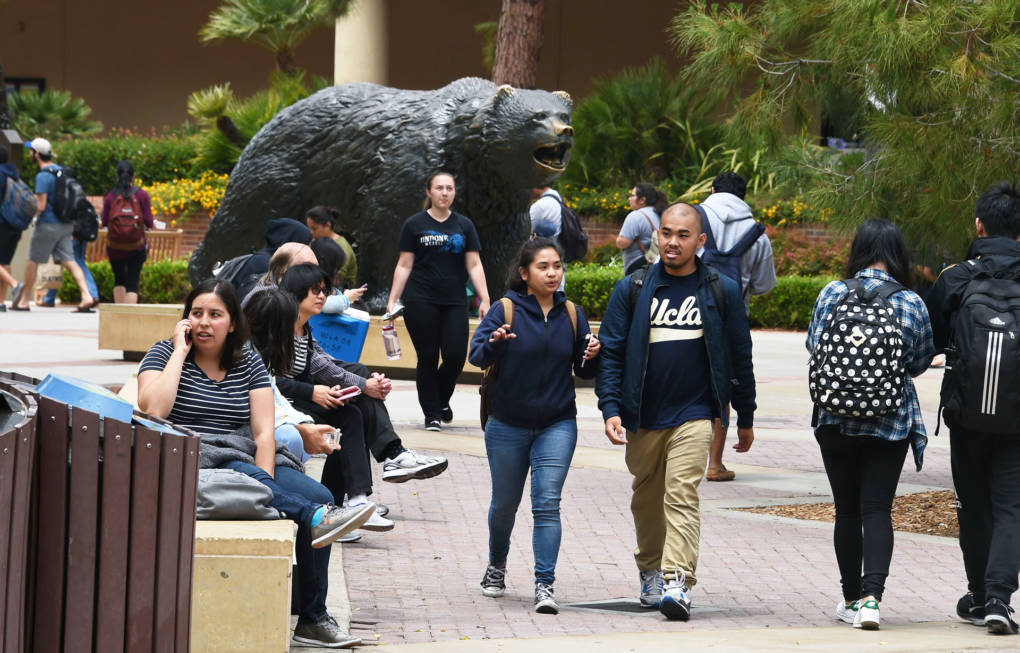
"caption": "Students walk on the UCLA campus in 2012.",
"description": "Students walk on the UCLA campus in 2012.",
"title": "UCLA-campus",
"credit": "Kevork Djansezian/Getty Images",
"status": "inherit",
"isLoading": false,
"fetchFailed": false
},
"news_11742952": {
"type": "attachments",
"id": "news_11742952",
"meta": {
"index": "attachments_1716263798",
"site": "news",
"id": "11742952",
"found": true
},
"parent": 11742928,
"imgSizes": {
"twentyfourteen-full-width": {
"file": "https://ww2.kqed.org/app/uploads/sites/10/2019/04/cons_042519_final-1038x576.jpg",
"width": 1038,
"mimeType": "image/jpeg",
"height": 576
},
"thumbnail": {
"file": "https://ww2.kqed.org/app/uploads/sites/10/2019/04/cons_042519_final-160x118.jpg",
"width": 160,
"mimeType": "image/jpeg",
"height": 118
},
"post-thumbnail": {
"file": "https://ww2.kqed.org/app/uploads/sites/10/2019/04/cons_042519_final-672x372.jpg",
"width": 672,
"mimeType": "image/jpeg",
"height": 372
},
"kqedFullSize": {
"file": "https://ww2.kqed.org/app/uploads/sites/10/2019/04/cons_042519_final.jpg",
"width": 1920,
"height": 1414
},
"large": {
"file": "https://ww2.kqed.org/app/uploads/sites/10/2019/04/cons_042519_final-1020x751.jpg",
"width": 1020,
"mimeType": "image/jpeg",
"height": 751
},
"complete_open_graph": {
"file": "https://ww2.kqed.org/app/uploads/sites/10/2019/04/cons_042519_final-1200x884.jpg",
"width": 1200,
"mimeType": "image/jpeg",
"height": 884
},
"full-width": {
"file": "https://ww2.kqed.org/app/uploads/sites/10/2019/04/cons_042519_final-1920x1414.jpg",
"width": 1920,
"mimeType": "image/jpeg",
"height": 1414
},
"medium": {
"file": "https://ww2.kqed.org/app/uploads/sites/10/2019/04/cons_042519_final-800x589.jpg",
"width": 800,
"mimeType": "image/jpeg",
"height": 589
}
},
"publishDate": 1556230632,
"modified": 1556230651,
"caption": null,
"description": null,
"title": "cons_042519_final",
"credit": null,
"status": "inherit",
"isLoading": false,
"fetchFailed": false
},
"news_11742934": {
"type": "attachments",
"id": "news_11742934",
"meta": {
"index": "attachments_1716263798",
"site": "news",
"id": "11742934",
"found": true
},
"parent": 11742926,
"imgSizes": {
"twentyfourteen-full-width": {
"file": "https://ww2.kqed.org/app/uploads/sites/10/2019/04/UCLA-campus-students-1038x576.jpg",
"width": 1038,
"mimeType": "image/jpeg",
"height": 576
},
"thumbnail": {
"file": "https://ww2.kqed.org/app/uploads/sites/10/2019/04/UCLA-campus-students-160x103.jpg",
"width": 160,
"mimeType": "image/jpeg",
"height": 103
},
"post-thumbnail": {
"file": "https://ww2.kqed.org/app/uploads/sites/10/2019/04/UCLA-campus-students-672x372.jpg",
"width": 672,
"mimeType": "image/jpeg",
"height": 372
},
"kqedFullSize": {
"file": "https://ww2.kqed.org/app/uploads/sites/10/2019/04/UCLA-campus-students.jpg",
"width": 1920,
"height": 1230
},
"large": {
"file": "https://ww2.kqed.org/app/uploads/sites/10/2019/04/UCLA-campus-students-1020x653.jpg",
"width": 1020,
"mimeType": "image/jpeg",
"height": 653
},
"complete_open_graph": {
"file": "https://ww2.kqed.org/app/uploads/sites/10/2019/04/UCLA-campus-students-1200x769.jpg",
"width": 1200,
"mimeType": "image/jpeg",
"height": 769
},
"full-width": {
"file": "https://ww2.kqed.org/app/uploads/sites/10/2019/04/UCLA-campus-students-1920x1230.jpg",
"width": 1920,
"mimeType": "image/jpeg",
"height": 1230
},
"medium": {
"file": "https://ww2.kqed.org/app/uploads/sites/10/2019/04/UCLA-campus-students-800x513.jpg",
"width": 800,
"mimeType": "image/jpeg",
"height": 513
}
},
"publishDate": 1556230028,
"modified": 1556230057,
"caption": "Students walk on the UCLA campus in 2016.",
"description": "Students walk on the UCLA campus in 2016.",
"title": "UCLA-campus-students",
"credit": "ROBYN BECK/AFP/Getty Images",
"status": "inherit",
"isLoading": false,
"fetchFailed": false
},
"news_11742849": {
"type": "attachments",
"id": "news_11742849",
"meta": {
"index": "attachments_1716263798",
"site": "news",
"id": "11742849",
"found": true
},
"parent": 11742827,
"imgSizes": {
"twentyfourteen-full-width": {
"file": "https://ww2.kqed.org/app/uploads/sites/10/2019/04/RS34524_GettyImages-494862297-1038x576.jpg",
"width": 1038,
"mimeType": "image/jpeg",
"height": 576
},
"thumbnail": {
"file": "https://ww2.kqed.org/app/uploads/sites/10/2019/04/RS34524_GettyImages-494862297-160x107.jpg",
"width": 160,
"mimeType": "image/jpeg",
"height": 107
},
"post-thumbnail": {
"file": "https://ww2.kqed.org/app/uploads/sites/10/2019/04/RS34524_GettyImages-494862297-672x372.jpg",
"width": 672,
"mimeType": "image/jpeg",
"height": 372
},
"kqedFullSize": {
"file": "https://ww2.kqed.org/app/uploads/sites/10/2019/04/RS34524_GettyImages-494862297-e1556221390794.jpg",
"width": 1920,
"height": 1280
},
"large": {
"file": "https://ww2.kqed.org/app/uploads/sites/10/2019/04/RS34524_GettyImages-494862297-1020x680.jpg",
"width": 1020,
"mimeType": "image/jpeg",
"height": 680
},
"complete_open_graph": {
"file": "https://ww2.kqed.org/app/uploads/sites/10/2019/04/RS34524_GettyImages-494862297-1200x800.jpg",
"width": 1200,
"mimeType": "image/jpeg",
"height": 800
},
"full-width": {
"file": "https://ww2.kqed.org/app/uploads/sites/10/2019/04/RS34524_GettyImages-494862297-1920x1280.jpg",
"width": 1920,
"mimeType": "image/jpeg",
"height": 1280
},
"medium": {
"file": "https://ww2.kqed.org/app/uploads/sites/10/2019/04/RS34524_GettyImages-494862297-800x533.jpg",
"width": 800,
"mimeType": "image/jpeg",
"height": 533
}
},
"publishDate": 1556221371,
"modified": 1556221466,
"caption": "A 2014 UCLA commencement ceremony.",
"description": null,
"title": "David Geffen Receives UCLA Medal Of Honor At David Geffen School Of Medicine At UCLA Graduation",
"credit": "Imeh Akpanudosen/Getty Images",
"status": "inherit",
"isLoading": false,
"fetchFailed": false
},
"news_10997963": {
"type": "attachments",
"id": "news_10997963",
"meta": {
"index": "attachments_1716263798",
"site": "news",
"id": "10997963",
"found": true
},
"parent": 10997318,
"imgSizes": {
"twentyfourteen-full-width": {
"file": "https://ww2.kqed.org/app/uploads/sites/10/2016/06/LAUSDBus-1038x576.jpg",
"width": 1038,
"mimeType": "image/jpeg",
"height": 576
},
"thumbnail": {
"file": "https://ww2.kqed.org/app/uploads/sites/10/2016/06/LAUSDBus-400x240.jpg",
"width": 400,
"mimeType": "image/jpeg",
"height": 240
},
"fd-sm": {
"file": "https://ww2.kqed.org/app/uploads/sites/10/2016/06/LAUSDBus-960x576.jpg",
"width": 960,
"mimeType": "image/jpeg",
"height": 576
},
"post-thumbnail": {
"file": "https://ww2.kqed.org/app/uploads/sites/10/2016/06/LAUSDBus-672x372.jpg",
"width": 672,
"mimeType": "image/jpeg",
"height": 372
},
"kqedFullSize": {
"file": "https://ww2.kqed.org/app/uploads/sites/10/2016/06/LAUSDBus.jpg",
"width": 1920,
"height": 1152
},
"large": {
"file": "https://ww2.kqed.org/app/uploads/sites/10/2016/06/LAUSDBus-1920x1152.jpg",
"width": 1920,
"mimeType": "image/jpeg",
"height": 1152
},
"guest-author-50": {
"file": "https://ww2.kqed.org/app/uploads/sites/10/2016/06/LAUSDBus-50x50.jpg",
"width": 50,
"mimeType": "image/jpeg",
"height": 50
},
"guest-author-96": {
"file": "https://ww2.kqed.org/app/uploads/sites/10/2016/06/LAUSDBus-96x96.jpg",
"width": 96,
"mimeType": "image/jpeg",
"height": 96
},
"medium": {
"file": "https://ww2.kqed.org/app/uploads/sites/10/2016/06/LAUSDBus-800x480.jpg",
"width": 800,
"mimeType": "image/jpeg",
"height": 480
},
"guest-author-64": {
"file": "https://ww2.kqed.org/app/uploads/sites/10/2016/06/LAUSDBus-64x64.jpg",
"width": 64,
"mimeType": "image/jpeg",
"height": 64
},
"guest-author-32": {
"file": "https://ww2.kqed.org/app/uploads/sites/10/2016/06/LAUSDBus-32x32.jpg",
"width": 32,
"mimeType": "image/jpeg",
"height": 32
},
"jmtc-small-thumb": {
"file": "https://ww2.kqed.org/app/uploads/sites/10/2016/06/LAUSDBus-280x150.jpg",
"width": 280,
"mimeType": "image/jpeg",
"height": 150
},
"fd-lrg": {
"file": "https://ww2.kqed.org/app/uploads/sites/10/2016/06/LAUSDBus-1920x1152.jpg",
"width": 1920,
"mimeType": "image/jpeg",
"height": 1152
},
"fd-med": {
"file": "https://ww2.kqed.org/app/uploads/sites/10/2016/06/LAUSDBus-1180x708.jpg",
"width": 1180,
"mimeType": "image/jpeg",
"height": 708
},
"detail": {
"file": "https://ww2.kqed.org/app/uploads/sites/10/2016/06/LAUSDBus-150x150.jpg",
"width": 150,
"mimeType": "image/jpeg",
"height": 150
},
"guest-author-128": {
"file": "https://ww2.kqed.org/app/uploads/sites/10/2016/06/LAUSDBus-128x128.jpg",
"width": 128,
"mimeType": "image/jpeg",
"height": 128
}
},
"publishDate": 1466619202,
"modified": 1466634950,
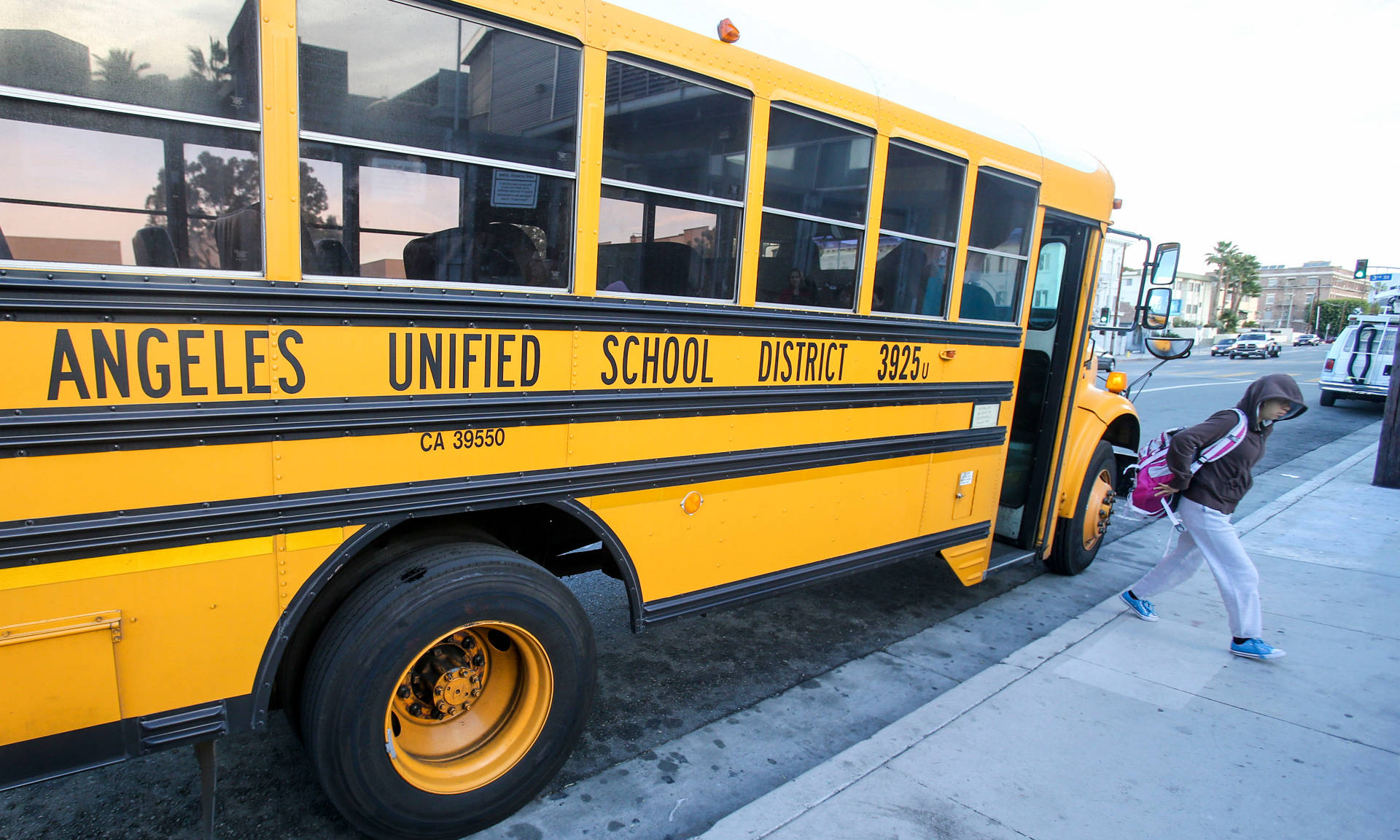
"caption": "Students arrive at a Los Angeles Unified school in December 2015.",
"description": "Students arrive at a Los Angeles Unified school in December, 2015.",
"title": "LAUSDBus",
"credit": "Ringo Chiu/AFP/Getty Images",
"status": "inherit",
"isLoading": false,
"fetchFailed": false
},
"news_11653430": {
"type": "attachments",
"id": "news_11653430",
"meta": {
"index": "attachments_1716263798",
"site": "news",
"id": "11653430",
"found": true
},
"title": "New Report: Half Of Recent College Graduates Under- Or Unemployed",
"publishDate": 1520025948,
"status": "inherit",
"parent": 11653361,
"modified": 1723151432,
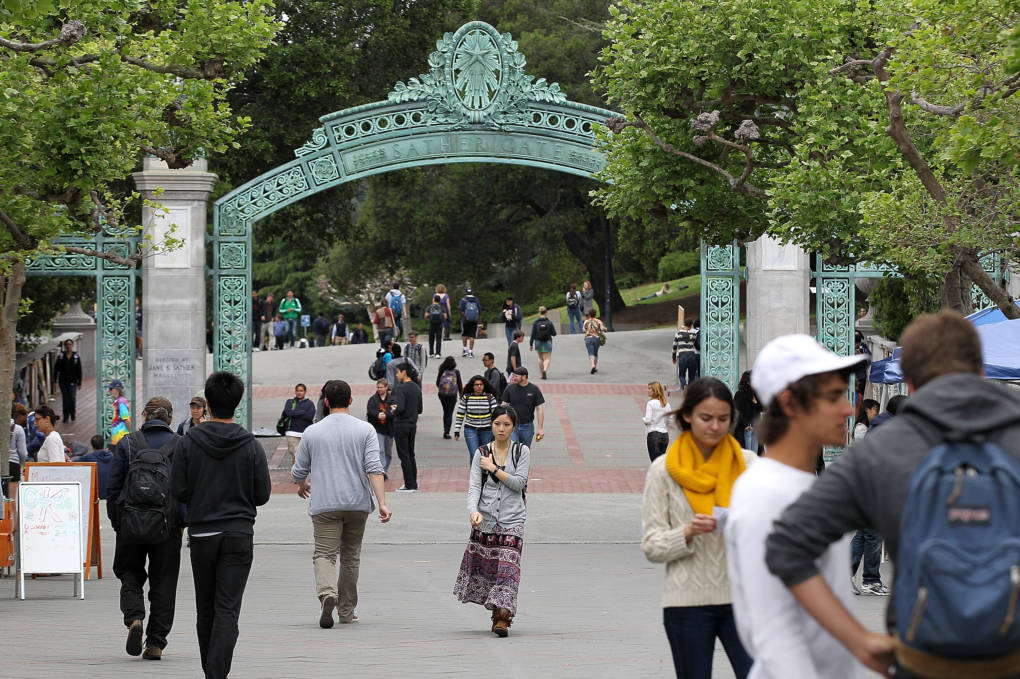
"caption": "Students walk through Sather Gate on the UC Berkeley campus. ",
"credit": "Justin Sullivan/Getty Images",
"altTag": "Undocumented students can’t get federal financial aid, but the California Dream Act opened the door to state financial aid starting in 2012–13. Since then, application numbers have increased yearly — until this one.",
"description": "Undocumented students can’t get federal financial aid, but the California Dream Act opened the door to state financial aid starting in 2012-2013. Since then, application numbers had gone up every year — until this one. ",
"imgSizes": {
"thumbnail": {
"file": "https://cdn.kqed.org/wp-content/uploads/sites/10/2018/03/RS8759_ucberkeley20140213-160x107.jpg",
"width": 160,
"height": 107,
"mimeType": "image/jpeg"
},
"medium": {
"file": "https://cdn.kqed.org/wp-content/uploads/sites/10/2018/03/RS8759_ucberkeley20140213-800x533.jpg",
"width": 800,
"height": 533,
"mimeType": "image/jpeg"
},
"large": {
"file": "https://cdn.kqed.org/wp-content/uploads/sites/10/2018/03/RS8759_ucberkeley20140213-1020x679.jpg",
"width": 1020,
"height": 679,
"mimeType": "image/jpeg"
},
"fd-lrg": {
"file": "https://cdn.kqed.org/wp-content/uploads/sites/10/2018/03/RS8759_ucberkeley20140213-1920x1279.jpg",
"width": 1920,
"height": 1279,
"mimeType": "image/jpeg"
},
"fd-med": {
"file": "https://cdn.kqed.org/wp-content/uploads/sites/10/2018/03/RS8759_ucberkeley20140213-1180x786.jpg",
"width": 1180,
"height": 786,
"mimeType": "image/jpeg"
},
"fd-sm": {
"file": "https://cdn.kqed.org/wp-content/uploads/sites/10/2018/03/RS8759_ucberkeley20140213-960x639.jpg",
"width": 960,
"height": 639,
"mimeType": "image/jpeg"
},
"post-thumbnail": {
"file": "https://cdn.kqed.org/wp-content/uploads/sites/10/2018/03/RS8759_ucberkeley20140213-672x372.jpg",
"width": 672,
"height": 372,
"mimeType": "image/jpeg"
},
"twentyfourteen-full-width": {
"file": "https://cdn.kqed.org/wp-content/uploads/sites/10/2018/03/RS8759_ucberkeley20140213-1038x576.jpg",
"width": 1038,
"height": 576,
"mimeType": "image/jpeg"
},
"xxsmall": {
"file": "https://cdn.kqed.org/wp-content/uploads/sites/10/2018/03/RS8759_ucberkeley20140213-240x160.jpg",
"width": 240,
"height": 160,
"mimeType": "image/jpeg"
},
"xsmall": {
"file": "https://cdn.kqed.org/wp-content/uploads/sites/10/2018/03/RS8759_ucberkeley20140213-375x250.jpg",
"width": 375,
"height": 250,
"mimeType": "image/jpeg"
},
"small": {
"file": "https://cdn.kqed.org/wp-content/uploads/sites/10/2018/03/RS8759_ucberkeley20140213-520x346.jpg",
"width": 520,
"height": 346,
"mimeType": "image/jpeg"
},
"xlarge": {
"file": "https://cdn.kqed.org/wp-content/uploads/sites/10/2018/03/RS8759_ucberkeley20140213-1180x786.jpg",
"width": 1180,
"height": 786,
"mimeType": "image/jpeg"
},
"full-width": {
"file": "https://cdn.kqed.org/wp-content/uploads/sites/10/2018/03/RS8759_ucberkeley20140213-1920x1279.jpg",
"width": 1920,
"height": 1279,
"mimeType": "image/jpeg"
},
"guest-author-32": {
"file": "https://cdn.kqed.org/wp-content/uploads/sites/10/2018/03/RS8759_ucberkeley20140213-32x32.jpg",
"width": 32,
"height": 32,
"mimeType": "image/jpeg"
},
"guest-author-50": {
"file": "https://cdn.kqed.org/wp-content/uploads/sites/10/2018/03/RS8759_ucberkeley20140213-50x50.jpg",
"width": 50,
"height": 50,
"mimeType": "image/jpeg"
},
"guest-author-64": {
"file": "https://cdn.kqed.org/wp-content/uploads/sites/10/2018/03/RS8759_ucberkeley20140213-64x64.jpg",
"width": 64,
"height": 64,
"mimeType": "image/jpeg"
},
"guest-author-96": {
"file": "https://cdn.kqed.org/wp-content/uploads/sites/10/2018/03/RS8759_ucberkeley20140213-96x96.jpg",
"width": 96,
"height": 96,
"mimeType": "image/jpeg"
},
"guest-author-128": {
"file": "https://cdn.kqed.org/wp-content/uploads/sites/10/2018/03/RS8759_ucberkeley20140213-128x128.jpg",
"width": 128,
"height": 128,
"mimeType": "image/jpeg"
},
"detail": {
"file": "https://cdn.kqed.org/wp-content/uploads/sites/10/2018/03/RS8759_ucberkeley20140213-150x150.jpg",
"width": 150,
"height": 150,
"mimeType": "image/jpeg"
},
"kqedFullSize": {
"file": "https://cdn.kqed.org/wp-content/uploads/sites/10/2018/03/RS8759_ucberkeley20140213-e1520025988253.jpg",
"width": 1920,
"height": 1279
}
},
"isLoading": false,
"fetchFailed": false
},
"news_11740491": {
"type": "attachments",
"id": "news_11740491",
"meta": {
"index": "attachments_1716263798",
"site": "news",
"id": "11740491",
"found": true
},
"parent": 11740476,
"imgSizes": {
"apple_news_ca_landscape_5_5": {
"file": "https://ww2.kqed.org/app/uploads/sites/10/2019/04/Rey2-1044x783.jpg",
"width": 1044,
"mimeType": "image/jpeg",
"height": 783
},
"apple_news_ca_square_4_0": {
"file": "https://ww2.kqed.org/app/uploads/sites/10/2019/04/Rey2-470x470.jpg",
"width": 470,
"mimeType": "image/jpeg",
"height": 470
},
"twentyfourteen-full-width": {
"file": "https://ww2.kqed.org/app/uploads/sites/10/2019/04/Rey2-1038x576.jpg",
"width": 1038,
"mimeType": "image/jpeg",
"height": 576
},
"thumbnail": {
"file": "https://ww2.kqed.org/app/uploads/sites/10/2019/04/Rey2-160x120.jpg",
"width": 160,
"mimeType": "image/jpeg",
"height": 120
},
"post-thumbnail": {
"file": "https://ww2.kqed.org/app/uploads/sites/10/2019/04/Rey2-672x372.jpg",
"width": 672,
"mimeType": "image/jpeg",
"height": 372
},
"kqedFullSize": {
"file": "https://ww2.kqed.org/app/uploads/sites/10/2019/04/Rey2-e1555973216733.jpg",
"width": 1920,
"height": 1440
},
"apple_news_ca_landscape_4_7": {
"file": "https://ww2.kqed.org/app/uploads/sites/10/2019/04/Rey2-632x474.jpg",
"width": 632,
"mimeType": "image/jpeg",
"height": 474
},
"large": {
"file": "https://ww2.kqed.org/app/uploads/sites/10/2019/04/Rey2-1020x765.jpg",
"width": 1020,
"mimeType": "image/jpeg",
"height": 765
},
"complete_open_graph": {
"file": "https://ww2.kqed.org/app/uploads/sites/10/2019/04/Rey2-1200x900.jpg",
"width": 1200,
"mimeType": "image/jpeg",
"height": 900
},
"apple_news_ca_landscape_4_0": {
"file": "https://ww2.kqed.org/app/uploads/sites/10/2019/04/Rey2-536x402.jpg",
"width": 536,
"mimeType": "image/jpeg",
"height": 402
},
"apple_news_ca_portrait_12_9": {
"file": "https://ww2.kqed.org/app/uploads/sites/10/2019/04/Rey2-1122x1496.jpg",
"width": 1122,
"mimeType": "image/jpeg",
"height": 1496
},
"medium": {
"file": "https://ww2.kqed.org/app/uploads/sites/10/2019/04/Rey2-800x600.jpg",
"width": 800,
"mimeType": "image/jpeg",
"height": 600
},
"apple_news_ca_portrait_4_0": {
"file": "https://ww2.kqed.org/app/uploads/sites/10/2019/04/Rey2-354x472.jpg",
"width": 354,
"mimeType": "image/jpeg",
"height": 472
},
"apple_news_ca_portrait_9_7": {
"file": "https://ww2.kqed.org/app/uploads/sites/10/2019/04/Rey2-840x1120.jpg",
"width": 840,
"mimeType": "image/jpeg",
"height": 1120
},
"apple_news_ca_landscape_12_9": {
"file": "https://ww2.kqed.org/app/uploads/sites/10/2019/04/Rey2-1832x1374.jpg",
"width": 1832,
"mimeType": "image/jpeg",
"height": 1374
},
"apple_news_ca_square_9_7": {
"file": "https://ww2.kqed.org/app/uploads/sites/10/2019/04/Rey2-1104x1104.jpg",
"width": 1104,
"mimeType": "image/jpeg",
"height": 1104
},
"apple_news_ca_portrait_4_7": {
"file": "https://ww2.kqed.org/app/uploads/sites/10/2019/04/Rey2-414x552.jpg",
"width": 414,
"mimeType": "image/jpeg",
"height": 552
},
"apple_news_ca_square_12_9": {
"file": "https://ww2.kqed.org/app/uploads/sites/10/2019/04/Rey2-1472x1472.jpg",
"width": 1472,
"mimeType": "image/jpeg",
"height": 1472
},
"apple_news_ca_portrait_5_5": {
"file": "https://ww2.kqed.org/app/uploads/sites/10/2019/04/Rey2-687x916.jpg",
"width": 687,
"mimeType": "image/jpeg",
"height": 916
},
"full-width": {
"file": "https://ww2.kqed.org/app/uploads/sites/10/2019/04/Rey2-1920x1440.jpg",
"width": 1920,
"mimeType": "image/jpeg",
"height": 1440
},
"apple_news_ca_square_4_7": {
"file": "https://ww2.kqed.org/app/uploads/sites/10/2019/04/Rey2-550x550.jpg",
"width": 550,
"mimeType": "image/jpeg",
"height": 550
},
"apple_news_ca_landscape_9_7": {
"file": "https://ww2.kqed.org/app/uploads/sites/10/2019/04/Rey2-1376x1032.jpg",
"width": 1376,
"mimeType": "image/jpeg",
"height": 1032
},
"apple_news_ca_square_5_5": {
"file": "https://ww2.kqed.org/app/uploads/sites/10/2019/04/Rey2-912x912.jpg",
"width": 912,
"mimeType": "image/jpeg",
"height": 912
}
},
"publishDate": 1555430906,
"modified": 1555973243,
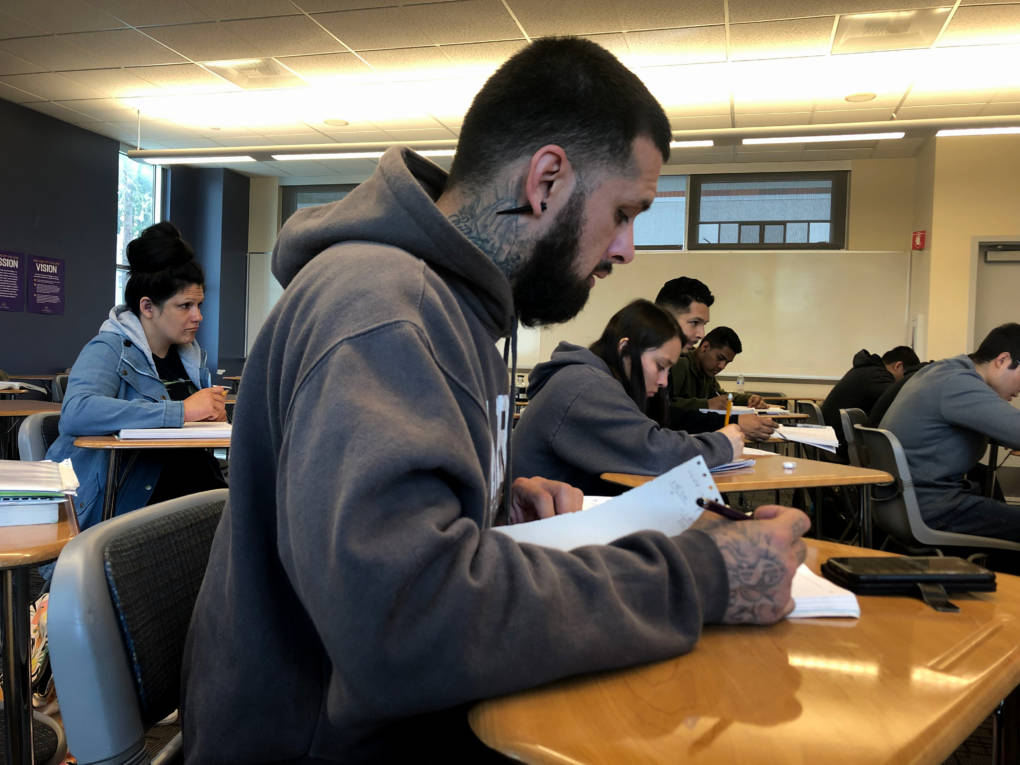
"caption": "Currently in his first semester at San Jose City College, Rey Blanco, 36, is embracing school for the first time in his life. But despite his free tuition, he still struggles financially to make ends meet.",
"description": null,
"title": "Rey2",
"credit": "Vanessa Rancaño/KQED",
"status": "inherit",
"isLoading": false,
"fetchFailed": false
},
"news_11741529": {
"type": "attachments",
"id": "news_11741529",
"meta": {
"index": "attachments_1716263798",
"site": "news",
"id": "11741529",
"found": true
},
"parent": 11741413,
"imgSizes": {
"twentyfourteen-full-width": {
"file": "https://ww2.kqed.org/app/uploads/sites/10/2019/04/libby-schaaf-1920-1038x576.jpg",
"width": 1038,
"mimeType": "image/jpeg",
"height": 576
},
"thumbnail": {
"file": "https://ww2.kqed.org/app/uploads/sites/10/2019/04/libby-schaaf-1920-160x106.jpg",
"width": 160,
"mimeType": "image/jpeg",
"height": 106
},
"post-thumbnail": {
"file": "https://ww2.kqed.org/app/uploads/sites/10/2019/04/libby-schaaf-1920-672x372.jpg",
"width": 672,
"mimeType": "image/jpeg",
"height": 372
},
"kqedFullSize": {
"file": "https://ww2.kqed.org/app/uploads/sites/10/2019/04/libby-schaaf-1920.jpg",
"width": 1920,
"height": 1272
},
"large": {
"file": "https://ww2.kqed.org/app/uploads/sites/10/2019/04/libby-schaaf-1920-1020x676.jpg",
"width": 1020,
"mimeType": "image/jpeg",
"height": 676
},
"complete_open_graph": {
"file": "https://ww2.kqed.org/app/uploads/sites/10/2019/04/libby-schaaf-1920-1200x795.jpg",
"width": 1200,
"mimeType": "image/jpeg",
"height": 795
},
"full-width": {
"file": "https://ww2.kqed.org/app/uploads/sites/10/2019/04/libby-schaaf-1920-1920x1272.jpg",
"width": 1920,
"mimeType": "image/jpeg",
"height": 1272
},
"medium": {
"file": "https://ww2.kqed.org/app/uploads/sites/10/2019/04/libby-schaaf-1920-800x530.jpg",
"width": 800,
"mimeType": "image/jpeg",
"height": 530
}
},
"publishDate": 1555703931,
"modified": 1555710785,
"caption": "Oakland Mayor Libby Schaaf speaks to students at Edna Brewer Middle School about the U.S. Constitution on Jan. 19, 2018, in Oakland.",
"description": "Oakland Mayor Libby Schaaf",
"title": "libby-schaaf-1920",
"credit": "Justin Sullivan/Getty Images",
"status": "inherit",
"isLoading": false,
"fetchFailed": false
},
"news_11740719": {
"type": "attachments",
"id": "news_11740719",
"meta": {
"index": "attachments_1716263798",
"site": "news",
"id": "11740719",
"found": true
},
"parent": 0,
"imgSizes": {
"apple_news_ca_landscape_5_5": {
"file": "https://ww2.kqed.org/app/uploads/sites/10/2019/04/RS36215__M6A0284-4-qut-1044x783.jpg",
"width": 1044,
"mimeType": "image/jpeg",
"height": 783
},
"apple_news_ca_square_4_0": {
"file": "https://ww2.kqed.org/app/uploads/sites/10/2019/04/RS36215__M6A0284-4-qut-470x470.jpg",
"width": 470,
"mimeType": "image/jpeg",
"height": 470
},
"twentyfourteen-full-width": {
"file": "https://ww2.kqed.org/app/uploads/sites/10/2019/04/RS36215__M6A0284-4-qut-1038x576.jpg",
"width": 1038,
"mimeType": "image/jpeg",
"height": 576
},
"thumbnail": {
"file": "https://ww2.kqed.org/app/uploads/sites/10/2019/04/RS36215__M6A0284-4-qut-160x107.jpg",
"width": 160,
"mimeType": "image/jpeg",
"height": 107
},
"post-thumbnail": {
"file": "https://ww2.kqed.org/app/uploads/sites/10/2019/04/RS36215__M6A0284-4-qut-672x372.jpg",
"width": 672,
"mimeType": "image/jpeg",
"height": 372
},
"kqedFullSize": {
"file": "https://ww2.kqed.org/app/uploads/sites/10/2019/04/RS36215__M6A0284-4-qut.jpg",
"width": 1920,
"height": 1280
},
"apple_news_ca_landscape_4_7": {
"file": "https://ww2.kqed.org/app/uploads/sites/10/2019/04/RS36215__M6A0284-4-qut-632x474.jpg",
"width": 632,
"mimeType": "image/jpeg",
"height": 474
},
"large": {
"file": "https://ww2.kqed.org/app/uploads/sites/10/2019/04/RS36215__M6A0284-4-qut-1020x680.jpg",
"width": 1020,
"mimeType": "image/jpeg",
"height": 680
},
"complete_open_graph": {
"file": "https://ww2.kqed.org/app/uploads/sites/10/2019/04/RS36215__M6A0284-4-qut-1200x800.jpg",
"width": 1200,
"mimeType": "image/jpeg",
"height": 800
},
"apple_news_ca_landscape_4_0": {
"file": "https://ww2.kqed.org/app/uploads/sites/10/2019/04/RS36215__M6A0284-4-qut-536x402.jpg",
"width": 536,
"mimeType": "image/jpeg",
"height": 402
},
"apple_news_ca_portrait_12_9": {
"file": "https://ww2.kqed.org/app/uploads/sites/10/2019/04/RS36215__M6A0284-4-qut-1122x1280.jpg",
"width": 1122,
"mimeType": "image/jpeg",
"height": 1280
},
"medium": {
"file": "https://ww2.kqed.org/app/uploads/sites/10/2019/04/RS36215__M6A0284-4-qut-800x533.jpg",
"width": 800,
"mimeType": "image/jpeg",
"height": 533
},
"apple_news_ca_portrait_4_0": {
"file": "https://ww2.kqed.org/app/uploads/sites/10/2019/04/RS36215__M6A0284-4-qut-354x472.jpg",
"width": 354,
"mimeType": "image/jpeg",
"height": 472
},
"apple_news_ca_portrait_9_7": {
"file": "https://ww2.kqed.org/app/uploads/sites/10/2019/04/RS36215__M6A0284-4-qut-840x1120.jpg",
"width": 840,
"mimeType": "image/jpeg",
"height": 1120
},
"apple_news_ca_landscape_12_9": {
"file": "https://ww2.kqed.org/app/uploads/sites/10/2019/04/RS36215__M6A0284-4-qut-1832x1280.jpg",
"width": 1832,
"mimeType": "image/jpeg",
"height": 1280
},
"apple_news_ca_square_9_7": {
"file": "https://ww2.kqed.org/app/uploads/sites/10/2019/04/RS36215__M6A0284-4-qut-1104x1104.jpg",
"width": 1104,
"mimeType": "image/jpeg",
"height": 1104
},
"apple_news_ca_portrait_4_7": {
"file": "https://ww2.kqed.org/app/uploads/sites/10/2019/04/RS36215__M6A0284-4-qut-414x552.jpg",
"width": 414,
"mimeType": "image/jpeg",
"height": 552
},
"apple_news_ca_square_12_9": {
"file": "https://ww2.kqed.org/app/uploads/sites/10/2019/04/RS36215__M6A0284-4-qut-1472x1280.jpg",
"width": 1472,
"mimeType": "image/jpeg",
"height": 1280
},
"apple_news_ca_portrait_5_5": {
"file": "https://ww2.kqed.org/app/uploads/sites/10/2019/04/RS36215__M6A0284-4-qut-687x916.jpg",
"width": 687,
"mimeType": "image/jpeg",
"height": 916
},
"full-width": {
"file": "https://ww2.kqed.org/app/uploads/sites/10/2019/04/RS36215__M6A0284-4-qut-1920x1280.jpg",
"width": 1920,
"mimeType": "image/jpeg",
"height": 1280
},
"apple_news_ca_square_4_7": {
"file": "https://ww2.kqed.org/app/uploads/sites/10/2019/04/RS36215__M6A0284-4-qut-550x550.jpg",
"width": 550,
"mimeType": "image/jpeg",
"height": 550
},
"apple_news_ca_landscape_9_7": {
"file": "https://ww2.kqed.org/app/uploads/sites/10/2019/04/RS36215__M6A0284-4-qut-1376x1032.jpg",
"width": 1376,
"mimeType": "image/jpeg",
"height": 1032
},
"apple_news_ca_square_5_5": {
"file": "https://ww2.kqed.org/app/uploads/sites/10/2019/04/RS36215__M6A0284-4-qut-912x912.jpg",
"width": 912,
"mimeType": "image/jpeg",
"height": 912
}
},
"publishDate": 1555515529,
"modified": 1555708551,
"caption": "Olive Howden, 16, is the only deaf student at her high school. Howden wears bilateral cochlear implants to help her hear.",
"description": "16-year-old Olive Howden is the only deaf student at her high school. Howden wears bilateral cochlear implants to help her hear.",
"title": "RS36215__M6A0284-4-qut",
"credit": "Sruti Mamidanna/KQED",
"status": "inherit",
"isLoading": false,
"fetchFailed": false
},
"news_11725930": {
"type": "attachments",
"id": "news_11725930",
"meta": {
"index": "attachments_1716263798",
"site": "news",
"id": "11725930",
"found": true
},
"parent": 11725887,
"imgSizes": {
"twentyfourteen-full-width": {
"file": "https://ww2.kqed.org/app/uploads/sites/10/2019/02/RS35261_Dixie-Schoolhouse-qut-1038x576.jpg",
"width": 1038,
"mimeType": "image/jpeg",
"height": 576
},
"thumbnail": {
"file": "https://ww2.kqed.org/app/uploads/sites/10/2019/02/RS35261_Dixie-Schoolhouse-qut-160x87.jpg",
"width": 160,
"mimeType": "image/jpeg",
"height": 87
},
"post-thumbnail": {
"file": "https://ww2.kqed.org/app/uploads/sites/10/2019/02/RS35261_Dixie-Schoolhouse-qut-672x372.jpg",
"width": 672,
"mimeType": "image/jpeg",
"height": 372
},
"kqedFullSize": {
"file": "https://ww2.kqed.org/app/uploads/sites/10/2019/02/RS35261_Dixie-Schoolhouse-qut.jpg",
"width": 1600,
"height": 865
},
"large": {
"file": "https://ww2.kqed.org/app/uploads/sites/10/2019/02/RS35261_Dixie-Schoolhouse-qut-1020x551.jpg",
"width": 1020,
"mimeType": "image/jpeg",
"height": 551
},
"complete_open_graph": {
"file": "https://ww2.kqed.org/app/uploads/sites/10/2019/02/RS35261_Dixie-Schoolhouse-qut-1200x649.jpg",
"width": 1200,
"mimeType": "image/jpeg",
"height": 649
},
"guest-author-50": {
"file": "https://ww2.kqed.org/app/uploads/sites/10/2019/02/RS35261_Dixie-Schoolhouse-qut-50x50.jpg",
"width": 50,
"mimeType": "image/jpeg",
"height": 50
},
"guest-author-96": {
"file": "https://ww2.kqed.org/app/uploads/sites/10/2019/02/RS35261_Dixie-Schoolhouse-qut-96x96.jpg",
"width": 96,
"mimeType": "image/jpeg",
"height": 96
},
"medium": {
"file": "https://ww2.kqed.org/app/uploads/sites/10/2019/02/RS35261_Dixie-Schoolhouse-qut-800x433.jpg",
"width": 800,
"mimeType": "image/jpeg",
"height": 433
},
"guest-author-64": {
"file": "https://ww2.kqed.org/app/uploads/sites/10/2019/02/RS35261_Dixie-Schoolhouse-qut-64x64.jpg",
"width": 64,
"mimeType": "image/jpeg",
"height": 64
},
"guest-author-32": {
"file": "https://ww2.kqed.org/app/uploads/sites/10/2019/02/RS35261_Dixie-Schoolhouse-qut-32x32.jpg",
"width": 32,
"mimeType": "image/jpeg",
"height": 32
},
"detail": {
"file": "https://ww2.kqed.org/app/uploads/sites/10/2019/02/RS35261_Dixie-Schoolhouse-qut-150x150.jpg",
"width": 150,
"mimeType": "image/jpeg",
"height": 150
},
"guest-author-128": {
"file": "https://ww2.kqed.org/app/uploads/sites/10/2019/02/RS35261_Dixie-Schoolhouse-qut-128x128.jpg",
"width": 128,
"mimeType": "image/jpeg",
"height": 128
}
},
"publishDate": 1550091120,
"modified": 1555509638,
"caption": "The Dixie Schoolhouse in San Rafael. The district has been embroiled in controversy over the name in recent months due to its connection to the Confederacy.",
"description": "The Dixie Schoolhouse in San Rafael. The district has been embroiled in controversy over the name in recent months due to its connection to the Confederacy.",
"title": "Dixie Schoolhouse, 2255 Las Gallinas Ave., San Rafael, CA",
"credit": "Sanfranman59/\u003ca href=\"https://commons.wikimedia.org/wiki/File:Dixie_Schoolhouse_2255_Las_Gallinas_Ave_San_Rafael_CA_3-21-2010_5-15-53_PM.JPG\">Wikimedia Commons\u003c/a>",
"status": "inherit",
"isLoading": false,
"fetchFailed": false
}
},
"audioPlayerReducer": {
"postId": "stream_live",
"isPaused": true,
"isPlaying": false,
"pfsActive": false,
"pledgeModalIsOpen": true,
"playerDrawerIsOpen": false,
"liveAudioPlayStartedAt": 0,
"liveAudioPlayContext": ""
},
"authorsReducer": {
"byline_news_11743296": {
"type": "authors",
"id": "byline_news_11743296",
"meta": {
"override": true
},
"slug": "byline_news_11743296",
"name": "Aggie Ebrahimi Bazaz\u003cbr>\u003cstrong>\u003ca href=\"https://theconversation.com/missing-school-is-a-given-for-children-of-migrant-farmworkers-100793\">The Conversation\u003c/a>\u003c/strong>",
"isLoading": false
},
"byline_news_11742926": {
"type": "authors",
"id": "byline_news_11742926",
"meta": {
"override": true
},
"slug": "byline_news_11742926",
"name": "The Associated Press",
"isLoading": false
},
"byline_news_11742827": {
"type": "authors",
"id": "byline_news_11742827",
"meta": {
"override": true
},
"slug": "byline_news_11742827",
"name": "\u003ca href=\"https://calmatters.org/articles/author/feliciacalmatters-org/\">Felicia Mello\u003c/a>",
"isLoading": false
},
"byline_news_11742256": {
"type": "authors",
"id": "byline_news_11742256",
"meta": {
"override": true
},
"slug": "byline_news_11742256",
"name": "Evan George",
"isLoading": false
},
"byline_news_11740707": {
"type": "authors",
"id": "byline_news_11740707",
"meta": {
"override": true
},
"slug": "byline_news_11740707",
"name": "Olive Howden",
"isLoading": false
},
"byline_news_11740684": {
"type": "authors",
"id": "byline_news_11740684",
"meta": {
"override": true
},
"slug": "byline_news_11740684",
"name": "\u003cstrong>Associated Press\u003c/strong>",
"isLoading": false
},
"jmcevoy": {
"type": "authors",
"id": "231",
"meta": {
"index": "authors_1716337520",
"id": "231",
"found": true
},
"name": "Julia McEvoy",
"firstName": "Julia",
"lastName": "McEvoy",
"slug": "jmcevoy",
"email": "jmcevoy@KQED.org",
"display_author_email": true,
"staff_mastheads": [
"news"
],
"title": "KQED Senior Editor",
"bio": "Julia McEvoy is KQED's Senior Editor, Education Equity.\r\n\r\nJulia heads KQED’s education coverage examining inequities students face in Bay Area and California schools, and reports on what it will take to educate the next generation.\r\n\r\nJulia's editorial work has received a Peabody Award, a Casey Medal for Coverage of Children and Families, several Edward R. Murrow awards, as well as awards from the Public Radio News Directors Inc. and the Society for Professional Journalists.",
"avatar": "https://secure.gravatar.com/avatar/aec3ce21abe02b302fd33638abd56a22?s=600&d=blank&r=g",
"twitter": "juliamcevoy1",
"facebook": null,
"instagram": null,
"linkedin": null,
"sites": [
{
"site": "news",
"roles": []
},
{
"site": "stateofhealth",
"roles": [
"author"
]
}
],
"headData": {
"title": "Julia McEvoy | KQED",
"description": "KQED Senior Editor",
"ogImgSrc": "https://secure.gravatar.com/avatar/aec3ce21abe02b302fd33638abd56a22?s=600&d=blank&r=g",
"twImgSrc": "https://secure.gravatar.com/avatar/aec3ce21abe02b302fd33638abd56a22?s=600&d=blank&r=g"
},
"isLoading": false,
"link": "/author/jmcevoy"
},
"kqed": {
"type": "authors",
"id": "236",
"meta": {
"index": "authors_1716337520",
"id": "236",
"found": true
},
"name": "KQED News Staff",
"firstName": "KQED News Staff",
"lastName": null,
"slug": "kqed",
"email": "faq@kqed.org",
"display_author_email": false,
"staff_mastheads": [],
"title": null,
"bio": null,
"avatar": "https://secure.gravatar.com/avatar/ef0e801a68c4c54afa9180db14084167?s=600&d=blank&r=g",
"twitter": null,
"facebook": null,
"instagram": null,
"linkedin": null,
"sites": [
{
"site": "arts",
"roles": [
"contributor"
]
},
{
"site": "news",
"roles": [
"editor"
]
},
{
"site": "futureofyou",
"roles": [
"author"
]
}
],
"headData": {
"title": "KQED News Staff | KQED",
"description": null,
"ogImgSrc": "https://secure.gravatar.com/avatar/ef0e801a68c4c54afa9180db14084167?s=600&d=blank&r=g",
"twImgSrc": "https://secure.gravatar.com/avatar/ef0e801a68c4c54afa9180db14084167?s=600&d=blank&r=g"
},
"isLoading": false,
"link": "/author/kqed"
},
"tarasiler": {
"type": "authors",
"id": "257",
"meta": {
"index": "authors_1716337520",
"id": "257",
"found": true
},
"name": "Tara Siler",
"firstName": "Tara",
"lastName": "Siler",
"slug": "tarasiler",
"email": "tsiler@kqed.org",
"display_author_email": false,
"staff_mastheads": [
"news"
],
"title": "KQED Contributor",
"bio": "Tara reports and anchors for KQED news. She covers a range of issues from community-police relations to local politics. Tara started out in community radio in the Bay Area, where she was raised. She eventually moved to Washington DC where she covered Congress for eight years for Pacifica and Monitor Radio. Her stories have also been heard on NPR's All Things Considered, Morning Edition and The World.\r\n\r\nTara lives with her husband in Oakland-- where they raised their two sons. She enjoys spending time with her family, gardening and hiking in the Oakland hills... and keeping up with the news.",
"avatar": "https://secure.gravatar.com/avatar/99802f9746fb80b65fd8ec6c57954450?s=600&d=blank&r=g",
"twitter": null,
"facebook": null,
"instagram": null,
"linkedin": null,
"sites": [
{
"site": "news",
"roles": [
"contributor",
"edit_others_posts"
]
},
{
"site": "stateofhealth",
"roles": [
"author"
]
}
],
"headData": {
"title": "Tara Siler | KQED",
"description": "KQED Contributor",
"ogImgSrc": "https://secure.gravatar.com/avatar/99802f9746fb80b65fd8ec6c57954450?s=600&d=blank&r=g",
"twImgSrc": "https://secure.gravatar.com/avatar/99802f9746fb80b65fd8ec6c57954450?s=600&d=blank&r=g"
},
"isLoading": false,
"link": "/author/tarasiler"
},
"markfiore": {
"type": "authors",
"id": "3236",
"meta": {
"index": "authors_1716337520",
"id": "3236",
"found": true
},
"name": "Mark Fiore",
"firstName": "Mark",
"lastName": "Fiore",
"slug": "markfiore",
"email": "mark@markfiore.com",
"display_author_email": false,
"staff_mastheads": [
"news"
],
"title": "KQED News Cartoonist",
"bio": "\u003ca href=\"http://www.MarkFiore.com\">MarkFiore.com\u003c/a> | \u003ca href=\"https://twitter.com/markfiore\">Follow on Twitter\u003c/a> | \u003ca href=\"https://www.facebook.com/pages/Mark-Fiore-Animated-Political-Cartoons/94451707396?ref=bookmarks\">Facebook\u003c/a> | \u003ca href=\"mailto:mark@markfiore.com\">email\u003c/a>\r\n\r\nPulitzer Prize-winner, Mark Fiore, who the Wall Street Journal has called “the undisputed guru of the form,” creates animated political cartoons in San Francisco, where his work has been featured regularly on the San Francisco Chronicle’s web site, SFGate.com. His work has appeared on Newsweek.com, Slate.com, CBSNews.com, MotherJones.com, DailyKos.com and NPR’s web site. Fiore’s political animation has appeared on CNN, Frontline, Bill Moyers Journal, Salon.com and cable and broadcast outlets across the globe.\r\n\r\nBeginning his professional life by drawing traditional political cartoons for newspapers, Fiore’s work appeared in publications ranging from the Washington Post to the Los Angeles Times. In the late 1990s, he began to experiment with animating political cartoons and, after a short stint at the San Jose Mercury News as their staff cartoonist, Fiore devoted all his energies to animation.\r\nGrowing up in California, Fiore also spent a good portion of his life in the backwoods of Idaho. It was this combination that shaped him politically. Mark majored in political science at Colorado College, where, in a perfect send-off for a cartoonist, he received his diploma in 1991 as commencement speaker Dick Cheney smiled approvingly.\r\nMark Fiore was awarded the Pulitzer Prize for political cartooning in 2010, a Robert F. Kennedy Journalism Award in 2004 and has twice received an Online Journalism Award for commentary from the Online News Association (2002, 2008). Fiore has received two awards for his work in new media from the National Cartoonists Society (2001, 2002), and in 2006 received The James Madison Freedom of Information Award from The Society of Professional Journalists.",
"avatar": "https://secure.gravatar.com/avatar/fc4e2a612b15b67bad0c6f0e1db4ca9b?s=600&d=blank&r=g",
"twitter": "MarkFiore",
"facebook": null,
"instagram": "https://www.instagram.com/markfiore/?hl=en",
"linkedin": null,
"sites": [
{
"site": "arts",
"roles": [
"contributor"
]
},
{
"site": "news",
"roles": [
"editor"
]
},
{
"site": "futureofyou",
"roles": [
"editor"
]
},
{
"site": "science",
"roles": [
"editor"
]
}
],
"headData": {
"title": "Mark Fiore | KQED",
"description": "KQED News Cartoonist",
"ogImgSrc": "https://secure.gravatar.com/avatar/fc4e2a612b15b67bad0c6f0e1db4ca9b?s=600&d=blank&r=g",
"twImgSrc": "https://secure.gravatar.com/avatar/fc4e2a612b15b67bad0c6f0e1db4ca9b?s=600&d=blank&r=g"
},
"isLoading": false,
"link": "/author/markfiore"
},
"vrancano": {
"type": "authors",
"id": "11276",
"meta": {
"index": "authors_1716337520",
"id": "11276",
"found": true
},
"name": "Vanessa Rancaño",
"firstName": "Vanessa",
"lastName": "Rancaño",
"slug": "vrancano",
"email": "vrancano@kqed.org",
"display_author_email": false,
"staff_mastheads": [
"news"
],
"title": "Reporter",
"bio": "Vanessa Rancaño is a features reporter for KQED. She’s also covered homelessness and education for the station and reported from the Central Valley. Her work has aired across public radio, from flagship national news shows to longform narrative podcasts. Before taking up a mic, she worked as a freelance print journalist. She’s been recognized with a number of national and regional awards. Vanessa grew up in California's Central Valley. She's a former NPR Kroc Fellow, and a graduate of the UC Berkeley Graduate School of Journalism.",
"avatar": "https://secure.gravatar.com/avatar/b3a383dfb0e7ee1c17568f2cf067904ab654d6e3de9743fc661f3c788ade1bed?s=600&d=blank&r=g",
"twitter": "vanessarancano",
"bluesky": null,
"facebook": null,
"instagram": null,
"linkedin": null,
"sites": [
{
"site": "arts",
"roles": [
"editor"
]
},
{
"site": "news",
"roles": [
"editor"
]
},
{
"site": "liveblog",
"roles": [
"contributor"
]
}
],
"headData": {
"title": "Vanessa Rancaño | KQED",
"description": "Reporter",
"ogImgSrc": "https://secure.gravatar.com/avatar/b3a383dfb0e7ee1c17568f2cf067904ab654d6e3de9743fc661f3c788ade1bed?s=600&d=blank&r=g",
"twImgSrc": "https://secure.gravatar.com/avatar/b3a383dfb0e7ee1c17568f2cf067904ab654d6e3de9743fc661f3c788ade1bed?s=600&d=blank&r=g"
},
"isLoading": false,
"link": "/author/vrancano"
}
},
"pagesReducer": {
"news_category_education": {
"type": "terms",
"id": "news_18540",
"meta": {
"index": "terms_1716263798",
"site": "news",
"id": "18540",
"score": 10.973221
},
"featImg": null,
"name": "Education",
"description": null,
"taxonomy": "category",
"headData": {
"twImgId": null,
"twTitle": null,
"ogTitle": null,
"ogImgId": null,
"twDescription": null,
"description": null,
"title": "Education Archives | KQED News",
"ogDescription": null
},
"ttid": 2595,
"slug": "education",
"isLoading": false,
"title": "Education",
"pageMeta": {
"site": "news",
"WpPageTemplate": "page-topic-editorial",
"currentPage": 114
},
"blocks": [
{
"blockName": "kqed/post-list",
"attrs": {
"layout": "cardArticle2",
"query": "posts/news?category=education",
"seeMore": false,
"paginated": true,
"page": 114
}
},
{
"blockName": "kqed/ad"
}
]
}
},
"pfsSessionReducer": {},
"postsReducer": {
"stream_live": {
"type": "live",
"id": "stream_live",
"audioUrl": "https://streams.kqed.org/kqedradio",
"title": "Live Stream",
"excerpt": "Live Stream information currently unavailable.",
"link": "/radio",
"featImg": "",
"label": {
"name": "KQED Live",
"link": "/"
}
},
"stream_kqedNewscast": {
"type": "posts",
"id": "stream_kqedNewscast",
"audioUrl": "https://www.kqed.org/.stream/anon/radio/RDnews/newscast.mp3?_=1",
"title": "KQED Newscast",
"featImg": "",
"label": {
"name": "88.5 FM",
"link": "/"
}
},
"news_11743296": {
"type": "posts",
"id": "news_11743296",
"meta": {
"index": "posts_1716263798",
"site": "news",
"id": "11743296",
"score": null,
"sort": [
1556386459000
]
},
"parent": 0,
"labelTerm": {},
"blocks": [],
"publishDate": 1556386459,
"format": "standard",
"disqusTitle": "Missing School is a Given for Children of Migrant Farmworkers",
"title": "Missing School is a Given for Children of Migrant Farmworkers",
"headTitle": "The California Report | KQED News",
"content": "\u003cp>In the summer of his junior year, Luis Miguel was struggling to stay in high school. He and his family of four – who work various agricultural jobs from picking blueberries and cherries to pruning grapes and canning tomatoes – live in one of California’s 24 \u003ca href=\"http://www.lacooperativa.org/office-of-migrant-services-and-temporary-migrant-family-housing-centers/\">migrant family housing centers\u003c/a>.\u003c/p>\n\u003cp>As a \u003ca href=\"https://vimeo.com/ebrahimibazaz\">documentary filmmaker\u003c/a>, I have been studying these housing centers and the rhythms of life for families who reside in them since I first arrived in a center in 2014 during fieldwork \u003ca href=\"https://vimeo.com/203999075\">for an oral history project \u003c/a>with former \u003ca href=\"https://dp.la/primary-source-sets/mexican-labor-and-world-war-ii-the-bracero-program\">\u003cem>bracero\u003c/em> \u003c/a>farmworkers.\u003c/p>\n\u003cp>Tucked in the shadows of county jails and water treatment plants, these centers provide tile-floored apartments at subsidized rents to migratory farmworkers and their families during peak harvest season. The centers house as many as 1,890 farmworking families, mostly from Mexico.\u003c/p>\n\u003cp>Given \u003ca href=\"https://knowledge.wharton.upenn.edu/article/california-affordable-housing-crisis/\">California’s affordable housing shortage\u003c/a>, these housing centers are a coveted option for farmworking families. Outside the housing centers, migrant farmworkers might reside in less-favorable conditions – sleeping in cars, garages, old motels or under tarps in the fields.\u003c/p>\n\u003cp>But while the centers resolve the affordable housing problem, they create another: second-class citizenship. \u003c/p>\n\u003ch2>State-mandated annual move\u003c/h2>\n\u003cp>A 2016 survey of the housing centers noted that \u003ca href=\"https://cdn.theconversation.com/static_files/files/431/Families_Numbers_Housing_Centers.pdf?1546352412\">more than half\u003c/a> the families residing in centers across the state – 1,037 families to be exact – have school-aged children, many of whom, like Luis Miguel’s sister, are natural-born U.S. citizens.\u003c/p>\n\u003cp>[ad fullwidth]\u003c/p>\n\u003cp>In late fall or early winter when harvest season ends, families must vacate their apartments and move at least 50 miles away for three to six months. The \u003ca href=\"http://www.hcd.ca.gov/grants-funding/active-no-funding/docs/OMS_REGULATIONS_2018.pdf\">rationale behind this rule\u003c/a> is to ensure that the housing serves families who are truly migratory.\u003c/p>\n\u003cp>Most families cannot afford unsubsidized housing in California and thus spend the off-season months in their Mexican hometowns. While in Mexico, the youth either miss school or attend inconsistently. “It all depends where the students live,” Migrant Education Program counselor Laura Aguayo says. “Some students don’t have a chance because they live too far away from a school. Others can’t go because the schools don’t take them in.” This is because they will only be enrolled for a couple of months before they return to the U.S., she says.\u003c/p>\n\u003cp>This means that each year, school-aged children living with their families in California’s migrant family housing centers, many of whom are U.S. citizens, miss between three to six months of schooling.\u003c/p>\n\u003cfigure id=\"attachment_11743302\" class=\"wp-caption alignright\" style=\"max-width: 800px\">\u003cimg src=\"https://ww2.kqed.org/news/wp-content/uploads/sites/10/2019/04/file-20190425-121245-13e809i-800x598.jpg\" alt=\"\" width=\"800\" height=\"598\" class=\"size-medium wp-image-11743302\">\u003cfigcaption class=\"wp-caption-text\">A housing center or migrant farmworker families in Merced County, California. \u003ccite>(Housing Authoirty, County of Merced)\u003c/cite>\u003c/figcaption>\u003c/figure>\n\u003ch2>‘Moving makes things complicated’\u003c/h2>\n\u003cp>Migrant education counselors, administrators and teachers try to help migrant students make up whatever academic credits they’re missing. But “moving makes things complicated,” says Luis Miguel. “We lose a lot of time, and it’s hard to concentrate.”\u003c/p>\n\u003cp>The summer of his junior year, Luis Miguel got so discouraged by the routine of moves and having to make up credits that he lost motivation and began to veer off the path to graduation. To help students like Luis Miguel make up credits, California has developed an online program called \u003ca href=\"http://cyberhigh.org/\">Cyber High\u003c/a>.\u003c/p>\n\u003cp>But Cyber High has its own issues. “There are a lot of internet problems,” Aguayo explains. “All the schools in California are using Cyber High so the system slows down. Students can be taking a test and it kicks them out.”\u003c/p>\n\u003ch2>Impact of annual migration on student achievement\u003c/h2>\n\u003cp>The move also makes it hard for students to succeed in the kinds of extracurricular activities that can make students more attractive to colleges.\u003c/p>\n\u003cp>While in high school, Luis Miguel had joined cross-country to work with the coach, Rick Cuevas, who is himself Mexican-born and the child of a farmworker. Coach Cuevas understands the students better than almost anyone, calls them “mihija” or “mihijo,” Spanish terms for “my daughter” or “my son,” respectively.\u003c/p>\n\u003cp>“Running changed my life,” Luis Miguel says. “Before running, I never thought about my future. And now that I run, I take things more seriously.” But he ruminates on losing his conditioning. “I wanted to be the best, but moving makes it complicated because I can’t go to all the practices,” Luis Miguel adds.\u003c/p>\n\u003cfigure class=\"align-center zoomable\">\n \u003ca href=\"https://images.theconversation.com/files/271108/original/file-20190425-121224-1s741nd.png?ixlib=rb-1.1.0&q=45&auto=format&w=1000&fit=clip\">\u003cimg alt=\"\" src=\"https://images.theconversation.com/files/271108/original/file-20190425-121224-1s741nd.png?ixlib=rb-1.1.0&q=45&auto=format&w=754&fit=clip\">\u003c/a>\u003cfigcaption>\n \u003cspan class=\"caption\">Luis Miguel takes a break during a cross-country practice.\u003c/span>\u003cbr>\n \u003cspan class=\"attribution\">\u003cspan class=\"source\">Aggie Ebrahimi Bazaz\u003c/span>, \u003ca class=\"license\" href=\"http://creativecommons.org/licenses/by/4.0/\">CC BY\u003c/a>\u003c/span>\u003cbr>\n \u003c/figcaption>\u003c/figure>\n\u003cp>It’s not hard to see how missing a few months of school each year disadvantages students. The Modesto Bee \u003ca href=\"https://www.modbee.com/news/local/education/article216269545.html\">reports\u003c/a> 74% of migrant students “were not meeting English language standards and 80% were not up to par in math” in the 2016-17 academic year.\u003c/p>\n\u003cp>Parent interviews across migrant family housing centers also speak to the impact of the moves. For instance, \u003ca href=\"https://cdn.theconversation.com/static_files/files/452/HA_Data_Tables_MFCE_FINAL_for_11-5-14.pdf?1548041981\">in a 2014 survey\u003c/a> of migrant farmworkers conducted at Buena Vista, Ochoa, Parlier and Williams migrant housing centers by the advocacy group Human Agenda, 91.4% of farmworkers answered “yes” to “Does the 50-mile rule affect your children’s education?”\u003c/p>\n\u003cp>“What gets farmworkers out of bed in the morning, six days a week at 5 a.m. to work in the fields for 10 hours a day is the dream that their children will have a better life,” Ann López of the Center for Farmworker Families says. “But the 50-mile regulation impedes that possibility.”\u003c/p>\n\u003cp>López is a leading member of \u003ca href=\"http://www.humanagenda.net/campaigns/apoyo-campesino\">Apoyo Campesino\u003c/a>, a collective within Human Agenda comprised of researchers, lawyers and organizers who have for years advocated to end the 50-mile regulation.\u003c/p>\n\u003cp>This group’s efforts got the ear of the California legislature, and in June 2018, then-Gov. Jerry Brown signed a \u003ca href=\"http://leginfo.legislature.ca.gov/faces/billTextClient.xhtml?bill_id=201720180SB850&search_keywords=50-mile\">provision\u003c/a> in the state budget exempting up to 50% of the farmworking families living in each center from the 50-mile regulation.\u003c/p>\n\u003cp>Under this new provision, families must still vacate their apartments each year and search for short-term affordable housing. But “immediate family members of the migratory agricultural worker” are exempted from the 50-mile rule. This means that Luis Miguel and his family will continue to be required to move out of the housing center annually, but he and his sister can stay within their school districts with one parent, while the other parent must live at least 50 miles away for three months.\u003c/p>\n\u003ch2>Crafting a sense of belonging\u003c/h2>\n\u003cp>In May 2018, driving Luis Miguel to graduation rehearsal, I asked him how he got out of that junior year funk. Without hesitation, he smiled and said, “Coach Cuevas.”\u003c/p>\n\u003cfigure class=\"align-center zoomable\">\n \u003ca href=\"https://images.theconversation.com/files/271109/original/file-20190425-121216-v11206.png?ixlib=rb-1.1.0&q=45&auto=format&w=1000&fit=clip\">\u003cimg alt=\"\" src=\"https://images.theconversation.com/files/271109/original/file-20190425-121216-v11206.png?ixlib=rb-1.1.0&q=45&auto=format&w=754&fit=clip\">\u003c/a>\u003cfigcaption>\n \u003cspan class=\"caption\">Coach Rich Cuevas often drives students home to the migrant family housing centers after practice on days their parents work long hours in the fields.\u003c/span>\u003cbr>\n \u003cspan class=\"attribution\">\u003cspan class=\"source\">Aggie Ebrahimi Bazaz\u003c/span>, \u003ca class=\"license\" href=\"http://creativecommons.org/licenses/by/4.0/\">CC BY\u003c/a>\u003c/span>\u003cbr>\n \u003c/figcaption>\u003c/figure>\n\u003cp>Luis Miguel now studies at Modesto Community College, though he’s had to stop running so he can focus on his studies. He continues to live at one of the housing centers with his family during the harvest season. This year, thanks to the new regulations, he and his sister are spending the off-season in an RV in the backyard of an extended family member.\u003c/p>\n\u003cp>Luis Miguel’s story demonstrates that despite their many challenges, some students living in these housing centers are graduating from high schools and even colleges.\u003c/p>\n\u003cp>Such successes can be made easier when housing authorities foster partnerships with local schools. The high school that Luis Miguel attended, East Union in Manteca Unified School District, for example, accommodates the migration schedules of students by offering an earlier final exam in December. According to the school, in the 2016-17 academic year, 100 percent of migrant students graduated. While such institutional supports have a positive impact, East Union President Raul Mora, who himself is Chicano, worries they might also send an unhealthy message to students that “they don’t quite fit the mold.”\u003c/p>\n\u003cp>For Mora, nurturing achievement among migrant students requires fostering a sense of belonging. Since starting as principal at East Union in 2015, Mora has placed at least one Spanish-speaking administrator in each of the school’s three main offices. “It’s about creating a belief system and a culture,” Mora says. “It’s making sure that when the students come back and see our registrar, that she welcomes them in their language.”\u003c/p>\n\u003cp>Despite these efforts at cultural sensitivity and holistic education, students in migratory conditions are still called “camp kids” or terms even more derogatory by their peers – potentially fueling the belief that they don’t belong.\u003c/p>\n\u003cp>But inside a two-bedroom apartment at the migrant family housing center, Luis Miguel and two friends craft their own sense of belonging. Together, they formed a hip-hop trio, \u003ca href=\"https://www.youtube.com/channel/UCmeEEam4bNB__l74VQTFwTg\">95231 Productions\u003c/a>.\u003c/p>\n\u003cfigure class=\"align-center zoomable\">\n \u003ca href=\"https://images.theconversation.com/files/271104/original/file-20190425-121216-13j2wfq.png?ixlib=rb-1.1.0&q=45&auto=format&w=1000&fit=clip\">\u003cimg alt=\"\" src=\"https://images.theconversation.com/files/271104/original/file-20190425-121216-13j2wfq.png?ixlib=rb-1.1.0&q=45&auto=format&w=754&fit=clip\">\u003c/a>\u003cfigcaption>\n \u003cspan class=\"caption\">Luis Miguel and 95231 Productions record in a room in a migrant family housing center apartment.\u003c/span>\u003cbr>\n \u003cspan class=\"attribution\">\u003cspan class=\"source\">Aggie Ebrahimi Bazaz\u003c/span>, \u003ca class=\"license\" href=\"http://creativecommons.org/licenses/by/4.0/\">CC BY\u003c/a>\u003c/span>\u003cbr>\n \u003c/figcaption>\u003c/figure>\n\u003cp>The group reflects on their experiences growing up as the children of farmworking parents, their struggles against racism, and their work to craft an identity that reflects their heritage. In a page in his lyrics notebook, the front cover adorned with a colorful \u003cem>calavera\u003c/em>, Luis Miguel writes: “Soy de piel moreno. Orgulloso Mexicano, y brown pride de corazon, y en el corazon llevo al inmigrante trabajador” – “I am Brown, proud Mexicano, brown pride of the heart, and in my heart I carry the immigrant laborer.”\u003c/p>\n\u003cp>\u003c!-- Below is The Conversation's page counter tag. Please DO NOT REMOVE. -->\u003cimg src=\"https://counter.theconversation.com/content/100793/count.gif?distributor=republish-lightbox-basic\" alt=\"The Conversation\" width=\"1\" height=\"1\" style=\"border: none !important;margin: 0 !important;max-height: 1px !important;max-width: 1px !important;min-height: 1px !important;min-width: 1px !important;padding: 0 !important\">\u003c!-- End of code. If you don't see any code above, please get new code from the Advanced tab after you click the republish button. The page counter does not collect any personal data. More info: http://theconversation.com/republishing-guidelines -->\u003c/p>\n\u003cp>\u003cspan>\u003ca href=\"https://theconversation.com/profiles/aggie-ebrahimi-bazaz-497596\">Aggie Ebrahimi Bazaz\u003c/a>, Assistant Professor of Film, Media, & Theatre, \u003cem>\u003ca href=\"http://theconversation.com/institutions/georgia-state-university-957\">Georgia State University\u003c/a>\u003c/em>\u003c/span>\u003c/p>\n\u003cp>[ad floatright]\u003c/p>\n\u003cp>This article is republished from \u003ca href=\"http://theconversation.com\">The Conversation\u003c/a> under a Creative Commons license. Read the \u003ca href=\"https://theconversation.com/missing-school-is-a-given-for-children-of-migrant-farmworkers-100793\">original article\u003c/a>.\u003c/p>\n\n",
"disqusIdentifier": "11743296 https://ww2.kqed.org/news/?p=11743296",
"disqusUrl": "https://ww2.kqed.org/news/2019/04/27/missing-school-is-a-given-for-children-of-migrant-farmworkers/",
"stats": {
"hasVideo": false,
"hasChartOrMap": false,
"hasAudio": false,
"hasPolis": false,
"wordCount": 1644,
"hasGoogleForm": false,
"hasGallery": false,
"hasHearkenModule": false,
"iframeSrcs": [],
"paragraphCount": 34
},
"modified": 1556390449,
"excerpt": "For children of migrant farmworkers in California, school gets disrupted due to a controversial housing policy that makes migrants leave town during the off-season, a documentary filmmaker reveals.",
"headData": {
"twImgId": "",
"twTitle": "",
"ogTitle": "",
"ogImgId": "",
"twDescription": "",
"description": "For children of migrant farmworkers in California, school gets disrupted due to a controversial housing policy that makes migrants leave town during the off-season, a documentary filmmaker reveals.",
"title": "Missing School is a Given for Children of Migrant Farmworkers | KQED",
"ogDescription": "",
"schema": {
"@context": "https://schema.org",
"@type": "NewsArticle",
"headline": "Missing School is a Given for Children of Migrant Farmworkers",
"datePublished": "2019-04-27T10:34:19-07:00",
"dateModified": "2019-04-27T11:40:49-07:00",
"image": "https://cdn.kqed.org/wp-content/uploads/2020/02/KQED-OG-Image@1x.png",
"isAccessibleForFree": "True",
"publisher": {
"@type": "NewsMediaOrganization",
"@id": "https://www.kqed.org/#organization",
"name": "KQED",
"logo": "https://cdn.kqed.org/wp-content/uploads/2020/02/KQED-OG-Image@1x.png",
"url": "https://www.kqed.org",
"sameAs": [
"https://www.facebook.com/KQED",
"https://twitter.com/KQED",
"https://www.instagram.com/kqed/",
"https://www.tiktok.com/@kqedofficial",
"https://www.linkedin.com/company/kqed",
"https://www.youtube.com/channel/UCeC0IOo7i1P_61zVUWbJ4nw"
]
}
}
},
"guestAuthors": [],
"slug": "missing-school-is-a-given-for-children-of-migrant-farmworkers",
"status": "publish",
"sourceUrl": "https://theconversation.com/missing-school-is-a-given-for-children-of-migrant-farmworkers-100793",
"nprByline": "Aggie Ebrahimi Bazaz\u003cbr>\u003cstrong>\u003ca href=\"https://theconversation.com/missing-school-is-a-given-for-children-of-migrant-farmworkers-100793\">The Conversation\u003c/a>\u003c/strong>",
"source": "The Conversation",
"path": "/news/11743296/missing-school-is-a-given-for-children-of-migrant-farmworkers",
"audioTrackLength": null,
"parsedContent": [
{
"type": "contentString",
"content": "\u003cdiv class=\"post-body\">\u003cp>\u003cp>In the summer of his junior year, Luis Miguel was struggling to stay in high school. He and his family of four – who work various agricultural jobs from picking blueberries and cherries to pruning grapes and canning tomatoes – live in one of California’s 24 \u003ca href=\"http://www.lacooperativa.org/office-of-migrant-services-and-temporary-migrant-family-housing-centers/\">migrant family housing centers\u003c/a>.\u003c/p>\n\u003cp>As a \u003ca href=\"https://vimeo.com/ebrahimibazaz\">documentary filmmaker\u003c/a>, I have been studying these housing centers and the rhythms of life for families who reside in them since I first arrived in a center in 2014 during fieldwork \u003ca href=\"https://vimeo.com/203999075\">for an oral history project \u003c/a>with former \u003ca href=\"https://dp.la/primary-source-sets/mexican-labor-and-world-war-ii-the-bracero-program\">\u003cem>bracero\u003c/em> \u003c/a>farmworkers.\u003c/p>\n\u003cp>Tucked in the shadows of county jails and water treatment plants, these centers provide tile-floored apartments at subsidized rents to migratory farmworkers and their families during peak harvest season. The centers house as many as 1,890 farmworking families, mostly from Mexico.\u003c/p>\n\u003cp>Given \u003ca href=\"https://knowledge.wharton.upenn.edu/article/california-affordable-housing-crisis/\">California’s affordable housing shortage\u003c/a>, these housing centers are a coveted option for farmworking families. Outside the housing centers, migrant farmworkers might reside in less-favorable conditions – sleeping in cars, garages, old motels or under tarps in the fields.\u003c/p>\n\u003cp>But while the centers resolve the affordable housing problem, they create another: second-class citizenship. \u003c/p>\n\u003ch2>State-mandated annual move\u003c/h2>\n\u003cp>A 2016 survey of the housing centers noted that \u003ca href=\"https://cdn.theconversation.com/static_files/files/431/Families_Numbers_Housing_Centers.pdf?1546352412\">more than half\u003c/a> the families residing in centers across the state – 1,037 families to be exact – have school-aged children, many of whom, like Luis Miguel’s sister, are natural-born U.S. citizens.\u003c/p>\n\u003cp>\u003c/p>\u003c/div>",
"attributes": {
"named": {},
"numeric": []
}
},
{
"type": "component",
"content": "",
"name": "ad",
"attributes": {
"named": {
"label": "fullwidth"
},
"numeric": [
"fullwidth"
]
}
},
{
"type": "contentString",
"content": "\u003cdiv class=\"post-body\">\u003cp>\u003c/p>\n\u003cp>In late fall or early winter when harvest season ends, families must vacate their apartments and move at least 50 miles away for three to six months. The \u003ca href=\"http://www.hcd.ca.gov/grants-funding/active-no-funding/docs/OMS_REGULATIONS_2018.pdf\">rationale behind this rule\u003c/a> is to ensure that the housing serves families who are truly migratory.\u003c/p>\n\u003cp>Most families cannot afford unsubsidized housing in California and thus spend the off-season months in their Mexican hometowns. While in Mexico, the youth either miss school or attend inconsistently. “It all depends where the students live,” Migrant Education Program counselor Laura Aguayo says. “Some students don’t have a chance because they live too far away from a school. Others can’t go because the schools don’t take them in.” This is because they will only be enrolled for a couple of months before they return to the U.S., she says.\u003c/p>\n\u003cp>This means that each year, school-aged children living with their families in California’s migrant family housing centers, many of whom are U.S. citizens, miss between three to six months of schooling.\u003c/p>\n\u003cfigure id=\"attachment_11743302\" class=\"wp-caption alignright\" style=\"max-width: 800px\">\u003cimg src=\"https://ww2.kqed.org/news/wp-content/uploads/sites/10/2019/04/file-20190425-121245-13e809i-800x598.jpg\" alt=\"\" width=\"800\" height=\"598\" class=\"size-medium wp-image-11743302\">\u003cfigcaption class=\"wp-caption-text\">A housing center or migrant farmworker families in Merced County, California. \u003ccite>(Housing Authoirty, County of Merced)\u003c/cite>\u003c/figcaption>\u003c/figure>\n\u003ch2>‘Moving makes things complicated’\u003c/h2>\n\u003cp>Migrant education counselors, administrators and teachers try to help migrant students make up whatever academic credits they’re missing. But “moving makes things complicated,” says Luis Miguel. “We lose a lot of time, and it’s hard to concentrate.”\u003c/p>\n\u003cp>The summer of his junior year, Luis Miguel got so discouraged by the routine of moves and having to make up credits that he lost motivation and began to veer off the path to graduation. To help students like Luis Miguel make up credits, California has developed an online program called \u003ca href=\"http://cyberhigh.org/\">Cyber High\u003c/a>.\u003c/p>\n\u003cp>But Cyber High has its own issues. “There are a lot of internet problems,” Aguayo explains. “All the schools in California are using Cyber High so the system slows down. Students can be taking a test and it kicks them out.”\u003c/p>\n\u003ch2>Impact of annual migration on student achievement\u003c/h2>\n\u003cp>The move also makes it hard for students to succeed in the kinds of extracurricular activities that can make students more attractive to colleges.\u003c/p>\n\u003cp>While in high school, Luis Miguel had joined cross-country to work with the coach, Rick Cuevas, who is himself Mexican-born and the child of a farmworker. Coach Cuevas understands the students better than almost anyone, calls them “mihija” or “mihijo,” Spanish terms for “my daughter” or “my son,” respectively.\u003c/p>\n\u003cp>“Running changed my life,” Luis Miguel says. “Before running, I never thought about my future. And now that I run, I take things more seriously.” But he ruminates on losing his conditioning. “I wanted to be the best, but moving makes it complicated because I can’t go to all the practices,” Luis Miguel adds.\u003c/p>\n\u003cfigure class=\"align-center zoomable\">\n \u003ca href=\"https://images.theconversation.com/files/271108/original/file-20190425-121224-1s741nd.png?ixlib=rb-1.1.0&q=45&auto=format&w=1000&fit=clip\">\u003cimg alt=\"\" src=\"https://images.theconversation.com/files/271108/original/file-20190425-121224-1s741nd.png?ixlib=rb-1.1.0&q=45&auto=format&w=754&fit=clip\">\u003c/a>\u003cfigcaption>\n \u003cspan class=\"caption\">Luis Miguel takes a break during a cross-country practice.\u003c/span>\u003cbr>\n \u003cspan class=\"attribution\">\u003cspan class=\"source\">Aggie Ebrahimi Bazaz\u003c/span>, \u003ca class=\"license\" href=\"http://creativecommons.org/licenses/by/4.0/\">CC BY\u003c/a>\u003c/span>\u003cbr>\n \u003c/figcaption>\u003c/figure>\n\u003cp>It’s not hard to see how missing a few months of school each year disadvantages students. The Modesto Bee \u003ca href=\"https://www.modbee.com/news/local/education/article216269545.html\">reports\u003c/a> 74% of migrant students “were not meeting English language standards and 80% were not up to par in math” in the 2016-17 academic year.\u003c/p>\n\u003cp>Parent interviews across migrant family housing centers also speak to the impact of the moves. For instance, \u003ca href=\"https://cdn.theconversation.com/static_files/files/452/HA_Data_Tables_MFCE_FINAL_for_11-5-14.pdf?1548041981\">in a 2014 survey\u003c/a> of migrant farmworkers conducted at Buena Vista, Ochoa, Parlier and Williams migrant housing centers by the advocacy group Human Agenda, 91.4% of farmworkers answered “yes” to “Does the 50-mile rule affect your children’s education?”\u003c/p>\n\u003cp>“What gets farmworkers out of bed in the morning, six days a week at 5 a.m. to work in the fields for 10 hours a day is the dream that their children will have a better life,” Ann López of the Center for Farmworker Families says. “But the 50-mile regulation impedes that possibility.”\u003c/p>\n\u003cp>López is a leading member of \u003ca href=\"http://www.humanagenda.net/campaigns/apoyo-campesino\">Apoyo Campesino\u003c/a>, a collective within Human Agenda comprised of researchers, lawyers and organizers who have for years advocated to end the 50-mile regulation.\u003c/p>\n\u003cp>This group’s efforts got the ear of the California legislature, and in June 2018, then-Gov. Jerry Brown signed a \u003ca href=\"http://leginfo.legislature.ca.gov/faces/billTextClient.xhtml?bill_id=201720180SB850&search_keywords=50-mile\">provision\u003c/a> in the state budget exempting up to 50% of the farmworking families living in each center from the 50-mile regulation.\u003c/p>\n\u003cp>Under this new provision, families must still vacate their apartments each year and search for short-term affordable housing. But “immediate family members of the migratory agricultural worker” are exempted from the 50-mile rule. This means that Luis Miguel and his family will continue to be required to move out of the housing center annually, but he and his sister can stay within their school districts with one parent, while the other parent must live at least 50 miles away for three months.\u003c/p>\n\u003ch2>Crafting a sense of belonging\u003c/h2>\n\u003cp>In May 2018, driving Luis Miguel to graduation rehearsal, I asked him how he got out of that junior year funk. Without hesitation, he smiled and said, “Coach Cuevas.”\u003c/p>\n\u003cfigure class=\"align-center zoomable\">\n \u003ca href=\"https://images.theconversation.com/files/271109/original/file-20190425-121216-v11206.png?ixlib=rb-1.1.0&q=45&auto=format&w=1000&fit=clip\">\u003cimg alt=\"\" src=\"https://images.theconversation.com/files/271109/original/file-20190425-121216-v11206.png?ixlib=rb-1.1.0&q=45&auto=format&w=754&fit=clip\">\u003c/a>\u003cfigcaption>\n \u003cspan class=\"caption\">Coach Rich Cuevas often drives students home to the migrant family housing centers after practice on days their parents work long hours in the fields.\u003c/span>\u003cbr>\n \u003cspan class=\"attribution\">\u003cspan class=\"source\">Aggie Ebrahimi Bazaz\u003c/span>, \u003ca class=\"license\" href=\"http://creativecommons.org/licenses/by/4.0/\">CC BY\u003c/a>\u003c/span>\u003cbr>\n \u003c/figcaption>\u003c/figure>\n\u003cp>Luis Miguel now studies at Modesto Community College, though he’s had to stop running so he can focus on his studies. He continues to live at one of the housing centers with his family during the harvest season. This year, thanks to the new regulations, he and his sister are spending the off-season in an RV in the backyard of an extended family member.\u003c/p>\n\u003cp>Luis Miguel’s story demonstrates that despite their many challenges, some students living in these housing centers are graduating from high schools and even colleges.\u003c/p>\n\u003cp>Such successes can be made easier when housing authorities foster partnerships with local schools. The high school that Luis Miguel attended, East Union in Manteca Unified School District, for example, accommodates the migration schedules of students by offering an earlier final exam in December. According to the school, in the 2016-17 academic year, 100 percent of migrant students graduated. While such institutional supports have a positive impact, East Union President Raul Mora, who himself is Chicano, worries they might also send an unhealthy message to students that “they don’t quite fit the mold.”\u003c/p>\n\u003cp>For Mora, nurturing achievement among migrant students requires fostering a sense of belonging. Since starting as principal at East Union in 2015, Mora has placed at least one Spanish-speaking administrator in each of the school’s three main offices. “It’s about creating a belief system and a culture,” Mora says. “It’s making sure that when the students come back and see our registrar, that she welcomes them in their language.”\u003c/p>\n\u003cp>Despite these efforts at cultural sensitivity and holistic education, students in migratory conditions are still called “camp kids” or terms even more derogatory by their peers – potentially fueling the belief that they don’t belong.\u003c/p>\n\u003cp>But inside a two-bedroom apartment at the migrant family housing center, Luis Miguel and two friends craft their own sense of belonging. Together, they formed a hip-hop trio, \u003ca href=\"https://www.youtube.com/channel/UCmeEEam4bNB__l74VQTFwTg\">95231 Productions\u003c/a>.\u003c/p>\n\u003cfigure class=\"align-center zoomable\">\n \u003ca href=\"https://images.theconversation.com/files/271104/original/file-20190425-121216-13j2wfq.png?ixlib=rb-1.1.0&q=45&auto=format&w=1000&fit=clip\">\u003cimg alt=\"\" src=\"https://images.theconversation.com/files/271104/original/file-20190425-121216-13j2wfq.png?ixlib=rb-1.1.0&q=45&auto=format&w=754&fit=clip\">\u003c/a>\u003cfigcaption>\n \u003cspan class=\"caption\">Luis Miguel and 95231 Productions record in a room in a migrant family housing center apartment.\u003c/span>\u003cbr>\n \u003cspan class=\"attribution\">\u003cspan class=\"source\">Aggie Ebrahimi Bazaz\u003c/span>, \u003ca class=\"license\" href=\"http://creativecommons.org/licenses/by/4.0/\">CC BY\u003c/a>\u003c/span>\u003cbr>\n \u003c/figcaption>\u003c/figure>\n\u003cp>The group reflects on their experiences growing up as the children of farmworking parents, their struggles against racism, and their work to craft an identity that reflects their heritage. In a page in his lyrics notebook, the front cover adorned with a colorful \u003cem>calavera\u003c/em>, Luis Miguel writes: “Soy de piel moreno. Orgulloso Mexicano, y brown pride de corazon, y en el corazon llevo al inmigrante trabajador” – “I am Brown, proud Mexicano, brown pride of the heart, and in my heart I carry the immigrant laborer.”\u003c/p>\n\u003cp>\u003c!-- Below is The Conversation's page counter tag. Please DO NOT REMOVE. -->\u003cimg src=\"https://counter.theconversation.com/content/100793/count.gif?distributor=republish-lightbox-basic\" alt=\"The Conversation\" width=\"1\" height=\"1\" style=\"border: none !important;margin: 0 !important;max-height: 1px !important;max-width: 1px !important;min-height: 1px !important;min-width: 1px !important;padding: 0 !important\">\u003c!-- End of code. If you don't see any code above, please get new code from the Advanced tab after you click the republish button. The page counter does not collect any personal data. More info: http://theconversation.com/republishing-guidelines -->\u003c/p>\n\u003cp>\u003cspan>\u003ca href=\"https://theconversation.com/profiles/aggie-ebrahimi-bazaz-497596\">Aggie Ebrahimi Bazaz\u003c/a>, Assistant Professor of Film, Media, & Theatre, \u003cem>\u003ca href=\"http://theconversation.com/institutions/georgia-state-university-957\">Georgia State University\u003c/a>\u003c/em>\u003c/span>\u003c/p>\n\u003cp>\u003c/p>\u003c/div>",
"attributes": {
"named": {},
"numeric": []
}
},
{
"type": "component",
"content": "",
"name": "ad",
"attributes": {
"named": {
"label": "floatright"
},
"numeric": [
"floatright"
]
}
},
{
"type": "contentString",
"content": "\u003cdiv class=\"post-body\">\u003cp>\u003c/p>\n\u003cp>This article is republished from \u003ca href=\"http://theconversation.com\">The Conversation\u003c/a> under a Creative Commons license. Read the \u003ca href=\"https://theconversation.com/missing-school-is-a-given-for-children-of-migrant-farmworkers-100793\">original article\u003c/a>.\u003c/p>\n\n\u003c/div>\u003c/p>",
"attributes": {
"named": {},
"numeric": []
}
}
],
"link": "/news/11743296/missing-school-is-a-given-for-children-of-migrant-farmworkers",
"authors": [
"byline_news_11743296"
],
"programs": [
"news_72"
],
"categories": [
"news_18540",
"news_1169",
"news_8"
],
"tags": [
"news_20013"
],
"featImg": "news_11743300",
"label": "source_news_11743296"
},
"news_11743204": {
"type": "posts",
"id": "news_11743204",
"meta": {
"index": "posts_1716263798",
"site": "news",
"id": "11743204",
"score": null,
"sort": [
1556322920000
]
},
"parent": 0,
"labelTerm": {},
"blocks": [],
"publishDate": 1556322920,
"format": "audio",
"disqusTitle": "From the Origin of the Fortune Cookie to Making Community College Applications Mandatory",
"title": "From the Origin of the Fortune Cookie to Making Community College Applications Mandatory",
"headTitle": "KQED News",
"content": "\u003ch2>\u003ca href=\"https://www.kqed.org/news/11742748/unwrapping-the-california-origins-of-the-fortune-cookie\" target=\"_blank\" rel=\"noopener noreferrer\">Golden State Plate: Unwrapping the Origins of the Fortune Cookie\u003c/a>\u003c/h2>\n\u003cp>What comes with the check at almost every Chinese restaurant? Fortune cookies. Like orange slices after a blood draw or apples at The Fillmore in San Francisco, they're a given. But how did they come to be? Are they really Chinese? And if so, why do they serve them at the Japanese Tea Garden in San Francisco's Golden Gate Park? Suzie Racho unravels a mystery for the next installment in our Golden State Plate series, about iconic dishes that got their start here in California.\u003c/p>\n\u003ch2>\u003ca href=\"https://www.kqed.org/news/11742759/california-sound-the-visually-impaired-learn-to-listen-at-santa-rosas-earle-baum-center\" target=\"_blank\" rel=\"noopener noreferrer\">California Sound: The Visually Impaired Learn How to Listen at the Earle Baum Center\u003c/a>\u003c/h2>\n\u003cp>Today, we’re launching a new series about how people who are blind and visually impaired experience life in the Golden State. The series comes to us from the podcast the World According to Sound. Chris Hoff and Sam Harnett are teaming up with the LightHouse for the Blind and Visually Impaired to take us on sonic trips across the state. Together, they’re helping us reimagine California in the rich ways blind people experience the Golden State, every day. Reporter Chris Hoff starts us off at the beginning: at the moment a person loses their sight, and where might they turn to for help.\u003c/p>\n\u003ch2>\u003ca href=\"https://www.kqed.org/news/11738739/sexual-assault-allegations-proven-to-be-true-against-famed-s-f-yoga-teacher\" target=\"_blank\" rel=\"noopener noreferrer\">Sexual Assault Allegations ‘Proven to Be True’ Against Famed S.F. Yoga Teacher\u003c/a>\u003c/h2>\n\u003cp>Yoga is usually something people do to find relaxation or calm. But what happens when the yoga studio stops feeling safe because your teacher is sexually harassing you? KQED’s Miranda Leitsinger has been following the issue of sexual harassment and assault in the world of yoga for the last year, and she tells us what’s changed since her investigation came out last fall.\u003c/p>\n\u003ch2>\u003ca href=\"https://www.kqed.org/news/11739400/at-these-high-schools-enrolling-in-college-isnt-just-encouraged-its-required\" target=\"_blank\" rel=\"noopener noreferrer\">At These High Schools, Enrolling in College Isn't Just Encouraged, It's Required\u003c/a>\u003c/h2>\n\u003cp>About 2 million people in California have a high school diploma, but no higher education. That could have been the case for 23-year-old Montel Floyd, who faced a decision his senior year of high school: go straight into the workforce and make money, or shoot for a degree. KQED's Julia McEvoy tells us about his journey.\u003c/p>\n\u003cp>[ad fullwidth]\u003c/p>\u003cp>\u003c/p>\n",
"disqusIdentifier": "11743204 https://ww2.kqed.org/news/?p=11743204",
"disqusUrl": "https://ww2.kqed.org/news/2019/04/26/from-the-origin-of-the-fortune-cookie-to-making-community-college-applications-mandatory/",
"stats": {
"hasVideo": false,
"hasChartOrMap": false,
"hasAudio": false,
"hasPolis": false,
"wordCount": 375,
"hasGoogleForm": false,
"hasGallery": false,
"hasHearkenModule": false,
"iframeSrcs": [],
"paragraphCount": 6
},
"modified": 1594421506,
"excerpt": "Fortune Cookie Mystery, Blind in California, Sexual Assault in Yoga, Shooting for a College Degree",
"headData": {
"twImgId": "",
"twTitle": "",
"ogTitle": "",
"ogImgId": "",
"twDescription": "",
"description": "Fortune Cookie Mystery, Blind in California, Sexual Assault in Yoga, Shooting for a College Degree",
"title": "From the Origin of the Fortune Cookie to Making Community College Applications Mandatory | KQED",
"ogDescription": "",
"schema": {
"@context": "https://schema.org",
"@type": "NewsArticle",
"headline": "From the Origin of the Fortune Cookie to Making Community College Applications Mandatory",
"datePublished": "2019-04-26T16:55:20-07:00",
"dateModified": "2020-07-10T15:51:46-07:00",
"image": "https://cdn.kqed.org/wp-content/uploads/2020/02/KQED-OG-Image@1x.png",
"isAccessibleForFree": "True",
"publisher": {
"@type": "NewsMediaOrganization",
"@id": "https://www.kqed.org/#organization",
"name": "KQED",
"logo": "https://cdn.kqed.org/wp-content/uploads/2020/02/KQED-OG-Image@1x.png",
"url": "https://www.kqed.org",
"sameAs": [
"https://www.facebook.com/KQED",
"https://twitter.com/KQED",
"https://www.instagram.com/kqed/",
"https://www.tiktok.com/@kqedofficial",
"https://www.linkedin.com/company/kqed",
"https://www.youtube.com/channel/UCeC0IOo7i1P_61zVUWbJ4nw"
]
}
}
},
"guestAuthors": [],
"slug": "from-the-origin-of-the-fortune-cookie-to-making-community-college-applications-mandatory",
"status": "publish",
"sourceUrl": "https://www.kqed.org/news/tag/tcrarchive/",
"audioUrl": "https://www.kqed.org/.stream/anon/radio/tcrmag/2019/04/TCRMAG20190426.mp3",
"audioTrackLength": 1718,
"source": "The California Report Magazine",
"path": "/news/11743204/from-the-origin-of-the-fortune-cookie-to-making-community-college-applications-mandatory",
"audioDuration": 1716000,
"parsedContent": [
{
"type": "contentString",
"content": "\u003cdiv class=\"post-body\">\u003cp>\u003ch2>\u003ca href=\"https://www.kqed.org/news/11742748/unwrapping-the-california-origins-of-the-fortune-cookie\" target=\"_blank\" rel=\"noopener noreferrer\">Golden State Plate: Unwrapping the Origins of the Fortune Cookie\u003c/a>\u003c/h2>\n\u003cp>What comes with the check at almost every Chinese restaurant? Fortune cookies. Like orange slices after a blood draw or apples at The Fillmore in San Francisco, they're a given. But how did they come to be? Are they really Chinese? And if so, why do they serve them at the Japanese Tea Garden in San Francisco's Golden Gate Park? Suzie Racho unravels a mystery for the next installment in our Golden State Plate series, about iconic dishes that got their start here in California.\u003c/p>\n\u003ch2>\u003ca href=\"https://www.kqed.org/news/11742759/california-sound-the-visually-impaired-learn-to-listen-at-santa-rosas-earle-baum-center\" target=\"_blank\" rel=\"noopener noreferrer\">California Sound: The Visually Impaired Learn How to Listen at the Earle Baum Center\u003c/a>\u003c/h2>\n\u003cp>Today, we’re launching a new series about how people who are blind and visually impaired experience life in the Golden State. The series comes to us from the podcast the World According to Sound. Chris Hoff and Sam Harnett are teaming up with the LightHouse for the Blind and Visually Impaired to take us on sonic trips across the state. Together, they’re helping us reimagine California in the rich ways blind people experience the Golden State, every day. Reporter Chris Hoff starts us off at the beginning: at the moment a person loses their sight, and where might they turn to for help.\u003c/p>\n\u003ch2>\u003ca href=\"https://www.kqed.org/news/11738739/sexual-assault-allegations-proven-to-be-true-against-famed-s-f-yoga-teacher\" target=\"_blank\" rel=\"noopener noreferrer\">Sexual Assault Allegations ‘Proven to Be True’ Against Famed S.F. Yoga Teacher\u003c/a>\u003c/h2>\n\u003cp>Yoga is usually something people do to find relaxation or calm. But what happens when the yoga studio stops feeling safe because your teacher is sexually harassing you? KQED’s Miranda Leitsinger has been following the issue of sexual harassment and assault in the world of yoga for the last year, and she tells us what’s changed since her investigation came out last fall.\u003c/p>\n\u003ch2>\u003ca href=\"https://www.kqed.org/news/11739400/at-these-high-schools-enrolling-in-college-isnt-just-encouraged-its-required\" target=\"_blank\" rel=\"noopener noreferrer\">At These High Schools, Enrolling in College Isn't Just Encouraged, It's Required\u003c/a>\u003c/h2>\n\u003cp>About 2 million people in California have a high school diploma, but no higher education. That could have been the case for 23-year-old Montel Floyd, who faced a decision his senior year of high school: go straight into the workforce and make money, or shoot for a degree. KQED's Julia McEvoy tells us about his journey.\u003c/p>\n\u003cp>\u003c/p>\u003c/div>",
"attributes": {
"named": {},
"numeric": []
}
},
{
"type": "component",
"content": "",
"name": "ad",
"attributes": {
"named": {
"label": "fullwidth"
},
"numeric": [
"fullwidth"
]
}
},
{
"type": "contentString",
"content": "\u003cdiv class=\"post-body\">\u003cp>\u003c/p>\u003cp>\u003c/p>\n\u003c/div>\u003c/p>",
"attributes": {
"named": {},
"numeric": []
}
}
],
"link": "/news/11743204/from-the-origin-of-the-fortune-cookie-to-making-community-college-applications-mandatory",
"authors": [
"236"
],
"categories": [
"news_18540",
"news_6188"
],
"tags": [
"news_21268",
"news_22018",
"news_28234"
],
"featImg": "news_11743210",
"label": "source_news_11743204"
},
"news_11743053": {
"type": "posts",
"id": "news_11743053",
"meta": {
"index": "posts_1716263798",
"site": "news",
"id": "11743053",
"score": null,
"sort": [
1556287816000
]
},
"parent": 0,
"labelTerm": {},
"blocks": [],
"publishDate": 1556287816,
"format": "standard",
"disqusTitle": "Measles Outbreak Prompts L.A. Universities to Quarantine Students",
"title": "Measles Outbreak Prompts L.A. Universities to Quarantine Students",
"headTitle": "KQED News",
"content": "\u003ch2>\u003ca href=\"https://www.kqed.org/news/11742926/measles-quarantines-hit-2-los-angeles-universities-amid-nationwide-outbreak\" target=\"_blank\" rel=\"noopener\">Measles Outbreak Prompts L.A. Universities to Quarantine Students\u003c/a>\u003c/h2>\n\u003cp>In Los Angeles, students at UCLA and Cal State LA are being asked to stay home if they can’t prove they’ve gotten the measles vaccine. Officials say hundreds on both campuses may have been exposed. Meanwhile, state health officials are urging all Californians, especially those planning to travel abroad, to make sure they’re vaccinated. Thirty-eight people have been infected with measles in California so far this year.\u003cbr>\n\u003cem>Reporter: April Dembosky\u003c/em>\u003c/p>\n\u003ch2>Homeless Youth Hit Hard By Reno Housing Crunch\u003c/h2>\n\u003cp>Tech companies moving in and creating a housing crunch is a familiar story in California. But it’s happening in Nevada too. With companies like Tesla operating in Reno now, locals say they’re getting priced out, and homeless youth are bearing the brunt.\u003cbr>\n\u003cem>Reporter: Anh Gray\u003c/em>\u003c/p>\n\u003ch2>Californians On the Move Are Turning Nevada Blue\u003c/h2>\n\u003cp>The recent influx of Californians is a big part of why Nevada is the fastest growing state in the nation, according to census data. And locals aren’t all happy about it, especially conservative Nevadans who see their new neighbors as the number one reason the state has begun to shift from solid red, to purple and now blue.\u003cbr>\n\u003cem>Reporter: Paul Boger\u003c/em>\u003c/p>\n\u003ch2>Judge Gives Officials Six Months to Find More Migrant Children Separated From Families\u003c/h2>\n\u003cp>A federal judge in San Diego is giving the Trump administration six months to find possibly thousands more migrant children separated from parents at the border. These are beyond some 2,800 children the government identified last June.\u003cbr>\n\u003cem>Reporter: Julie Small\u003c/em>\u003c/p>\n\u003ch2>A.I. Can Be Biased Too, Says New Report\u003c/h2>\n\u003cp>Artificial intelligence has made its way into the criminal justice system. But a new report out today joins a chorus of voices warning the software isn’t ready for the task.\u003cbr>\n\u003cem>Reporter: Rachael Myrow\u003c/em>\u003c/p>\n\u003ch2>Beto O'Rouke Heads West on the Presidential Trail\u003c/h2>\n\u003cp>Presidential candidate Beto O’Rourke stopped in Reno on his way to California, seizing on Nevada's decision to follow California’s footsteps by setting ambitious renewable energy goals this week.\u003cbr>\n\u003cem>Reporter: Paolo Zialcita \u003c/em>\u003c/p>\n\u003ch2>Welcome to the Spey-O-Rama Fly Fishing Championship\u003c/h2>\n\u003cp>This weekend, anglers from across the globe are flocking to San Francisco’s Golden Gate Park with waders and rods for the World Championship of long-distance fly-fishing. It’s called Spey-O-Rama, after the River Spey in Scotland, where fishermen developed techniques two centuries ago to cast their lines great lengths to catch salmon.\u003cbr>\n\u003cem>Reporter: Peter Arcuni\u003c/em>\u003c/p>\n\u003cp>[ad fullwidth]\u003c/p>\u003cp>\u003c/p>\n",
"disqusIdentifier": "11743053 https://ww2.kqed.org/news/?p=11743053",
"disqusUrl": "https://ww2.kqed.org/news/2019/04/26/measles-outbreak-prompts-la-universities-to-quarantine-students/",
"stats": {
"hasVideo": false,
"hasChartOrMap": false,
"hasAudio": false,
"hasPolis": false,
"wordCount": 431,
"hasGoogleForm": false,
"hasGallery": false,
"hasHearkenModule": false,
"iframeSrcs": [],
"paragraphCount": 9
},
"modified": 1556378108,
"excerpt": null,
"headData": {
"twImgId": "",
"twTitle": "",
"ogTitle": "",
"ogImgId": "",
"twDescription": "",
"description": "Measles Outbreak Prompts L.A. Universities to Quarantine Students In Los Angeles, students at UCLA and Cal State LA are being asked to stay home if they can’t prove they’ve gotten the measles vaccine. Officials say hundreds on both campuses may have been exposed. Meanwhile, state health officials are urging all Californians, especially those planning to",
"title": "Measles Outbreak Prompts L.A. Universities to Quarantine Students | KQED",
"ogDescription": "",
"schema": {
"@context": "https://schema.org",
"@type": "NewsArticle",
"headline": "Measles Outbreak Prompts L.A. Universities to Quarantine Students",
"datePublished": "2019-04-26T07:10:16-07:00",
"dateModified": "2019-04-27T08:15:08-07:00",
"image": "https://cdn.kqed.org/wp-content/uploads/2020/02/KQED-OG-Image@1x.png",
"isAccessibleForFree": "True",
"publisher": {
"@type": "NewsMediaOrganization",
"@id": "https://www.kqed.org/#organization",
"name": "KQED",
"logo": "https://cdn.kqed.org/wp-content/uploads/2020/02/KQED-OG-Image@1x.png",
"url": "https://www.kqed.org",
"sameAs": [
"https://www.facebook.com/KQED",
"https://twitter.com/KQED",
"https://www.instagram.com/kqed/",
"https://www.tiktok.com/@kqedofficial",
"https://www.linkedin.com/company/kqed",
"https://www.youtube.com/channel/UCeC0IOo7i1P_61zVUWbJ4nw"
]
}
}
},
"guestAuthors": [],
"slug": "measles-outbreak-prompts-la-universities-to-quarantine-students",
"status": "publish",
"sourceUrl": "https://www.kqed.org/news/tag/tcrarchive",
"audioUrl": "https://www.kqed.org/.stream/anon/radio/tcr/2019/04/TCRAM20190426Podcast2.mp3",
"audioTrackLength": 463,
"source": "Morning Report",
"path": "/news/11743053/measles-outbreak-prompts-la-universities-to-quarantine-students",
"audioDuration": 864000,
"parsedContent": [
{
"type": "contentString",
"content": "\u003cdiv class=\"post-body\">\u003cp>\u003ch2>\u003ca href=\"https://www.kqed.org/news/11742926/measles-quarantines-hit-2-los-angeles-universities-amid-nationwide-outbreak\" target=\"_blank\" rel=\"noopener\">Measles Outbreak Prompts L.A. Universities to Quarantine Students\u003c/a>\u003c/h2>\n\u003cp>In Los Angeles, students at UCLA and Cal State LA are being asked to stay home if they can’t prove they’ve gotten the measles vaccine. Officials say hundreds on both campuses may have been exposed. Meanwhile, state health officials are urging all Californians, especially those planning to travel abroad, to make sure they’re vaccinated. Thirty-eight people have been infected with measles in California so far this year.\u003cbr>\n\u003cem>Reporter: April Dembosky\u003c/em>\u003c/p>\n\u003ch2>Homeless Youth Hit Hard By Reno Housing Crunch\u003c/h2>\n\u003cp>Tech companies moving in and creating a housing crunch is a familiar story in California. But it’s happening in Nevada too. With companies like Tesla operating in Reno now, locals say they’re getting priced out, and homeless youth are bearing the brunt.\u003cbr>\n\u003cem>Reporter: Anh Gray\u003c/em>\u003c/p>\n\u003ch2>Californians On the Move Are Turning Nevada Blue\u003c/h2>\n\u003cp>The recent influx of Californians is a big part of why Nevada is the fastest growing state in the nation, according to census data. And locals aren’t all happy about it, especially conservative Nevadans who see their new neighbors as the number one reason the state has begun to shift from solid red, to purple and now blue.\u003cbr>\n\u003cem>Reporter: Paul Boger\u003c/em>\u003c/p>\n\u003ch2>Judge Gives Officials Six Months to Find More Migrant Children Separated From Families\u003c/h2>\n\u003cp>A federal judge in San Diego is giving the Trump administration six months to find possibly thousands more migrant children separated from parents at the border. These are beyond some 2,800 children the government identified last June.\u003cbr>\n\u003cem>Reporter: Julie Small\u003c/em>\u003c/p>\n\u003ch2>A.I. Can Be Biased Too, Says New Report\u003c/h2>\n\u003cp>Artificial intelligence has made its way into the criminal justice system. But a new report out today joins a chorus of voices warning the software isn’t ready for the task.\u003cbr>\n\u003cem>Reporter: Rachael Myrow\u003c/em>\u003c/p>\n\u003ch2>Beto O'Rouke Heads West on the Presidential Trail\u003c/h2>\n\u003cp>Presidential candidate Beto O’Rourke stopped in Reno on his way to California, seizing on Nevada's decision to follow California’s footsteps by setting ambitious renewable energy goals this week.\u003cbr>\n\u003cem>Reporter: Paolo Zialcita \u003c/em>\u003c/p>\n\u003ch2>Welcome to the Spey-O-Rama Fly Fishing Championship\u003c/h2>\n\u003cp>This weekend, anglers from across the globe are flocking to San Francisco’s Golden Gate Park with waders and rods for the World Championship of long-distance fly-fishing. It’s called Spey-O-Rama, after the River Spey in Scotland, where fishermen developed techniques two centuries ago to cast their lines great lengths to catch salmon.\u003cbr>\n\u003cem>Reporter: Peter Arcuni\u003c/em>\u003c/p>\n\u003cp>\u003c/p>\u003c/div>",
"attributes": {
"named": {},
"numeric": []
}
},
{
"type": "component",
"content": "",
"name": "ad",
"attributes": {
"named": {
"label": "fullwidth"
},
"numeric": [
"fullwidth"
]
}
},
{
"type": "contentString",
"content": "\u003cdiv class=\"post-body\">\u003cp>\u003c/p>\u003cp>\u003c/p>\n\u003c/div>\u003c/p>",
"attributes": {
"named": {},
"numeric": []
}
}
],
"link": "/news/11743053/measles-outbreak-prompts-la-universities-to-quarantine-students",
"authors": [
"236"
],
"categories": [
"news_18540",
"news_457"
],
"tags": [
"news_21998",
"news_21268"
],
"featImg": "news_11743070",
"label": "source_news_11743053"
},
"news_11742928": {
"type": "posts",
"id": "news_11742928",
"meta": {
"index": "posts_1716263798",
"site": "news",
"id": "11742928",
"score": null,
"sort": [
1556231489000
]
},
"parent": 0,
"labelTerm": {
"site": "news",
"term": 18515
},
"blocks": [],
"publishDate": 1556231489,
"format": "standard",
"disqusTitle": "Fake Medical Exemptions, Real Measles",
"title": "Fake Medical Exemptions, Real Measles",
"headTitle": "Mark Fiore: Drawn to the Bay | KQED News",
"content": "\u003cp>As a \u003ca href=\"https://www.kqed.org/news/11742926/measles-quarantines-hit-2-los-angeles-universities-amid-nationwide-outbreak\" target=\"_blank\" rel=\"noopener\">measles quarantine\u003c/a> begins at two Los Angeles universities, a bill working its way through the state Legislature would \u003ca href=\"http://bit.ly/fiorefakeexemptions\" target=\"_blank\" rel=\"noopener\">crack down on fake medical exemptions\u003c/a> for vaccines.\u003c/p>\n\u003cp>Recent measles outbreaks in Los Angeles and Butte County have contributed to 38 cases of measles statewide.\u003c/p>\n\u003cp>Some schools around California have vaccination rates of less than 50%, which leads me to believe it's only a matter of time before we have a lot more than 38 people sick with measles.\u003c/p>\n\u003cp>Bring on the \u003ca href=\"https://www.npr.org/sections/health-shots/2019/03/04/699997613/a-large-study-provides-more-evidence-that-mmr-vaccines-dont-cause-autism\" target=\"_blank\" rel=\"noopener\">vaccines\u003c/a>!\u003c/p>\n\u003cp>[ad fullwidth]\u003c/p>\u003cp>\u003c/p>\n",
"disqusIdentifier": "11742928 https://ww2.kqed.org/news/?p=11742928",
"disqusUrl": "https://ww2.kqed.org/news/2019/04/25/fake-medical-exemptions-real-measles/",
"stats": {
"hasVideo": false,
"hasChartOrMap": false,
"hasAudio": false,
"hasPolis": false,
"wordCount": 86,
"hasGoogleForm": false,
"hasGallery": false,
"hasHearkenModule": false,
"iframeSrcs": [],
"paragraphCount": 6
},
"modified": 1556232404,
"excerpt": "As a measles quarantine begins in Los Angeles, a bill working its way through the state Legislature would crack down on fake medical exemptions for vaccines.",
"headData": {
"twImgId": "",
"twTitle": "",
"ogTitle": "",
"ogImgId": "",
"twDescription": "",
"description": "As a measles quarantine begins in Los Angeles, a bill working its way through the state Legislature would crack down on fake medical exemptions for vaccines.",
"title": "Fake Medical Exemptions, Real Measles | KQED",
"ogDescription": "",
"schema": {
"@context": "https://schema.org",
"@type": "NewsArticle",
"headline": "Fake Medical Exemptions, Real Measles",
"datePublished": "2019-04-25T15:31:29-07:00",
"dateModified": "2019-04-25T15:46:44-07:00",
"image": "https://cdn.kqed.org/wp-content/uploads/2020/02/KQED-OG-Image@1x.png",
"isAccessibleForFree": "True",
"publisher": {
"@type": "NewsMediaOrganization",
"@id": "https://www.kqed.org/#organization",
"name": "KQED",
"logo": "https://cdn.kqed.org/wp-content/uploads/2020/02/KQED-OG-Image@1x.png",
"url": "https://www.kqed.org",
"sameAs": [
"https://www.facebook.com/KQED",
"https://twitter.com/KQED",
"https://www.instagram.com/kqed/",
"https://www.tiktok.com/@kqedofficial",
"https://www.linkedin.com/company/kqed",
"https://www.youtube.com/channel/UCeC0IOo7i1P_61zVUWbJ4nw"
]
}
}
},
"guestAuthors": [],
"slug": "fake-medical-exemptions-real-measles",
"status": "publish",
"path": "/news/11742928/fake-medical-exemptions-real-measles",
"audioTrackLength": null,
"parsedContent": [
{
"type": "contentString",
"content": "\u003cdiv class=\"post-body\">\u003cp>\u003cp>As a \u003ca href=\"https://www.kqed.org/news/11742926/measles-quarantines-hit-2-los-angeles-universities-amid-nationwide-outbreak\" target=\"_blank\" rel=\"noopener\">measles quarantine\u003c/a> begins at two Los Angeles universities, a bill working its way through the state Legislature would \u003ca href=\"http://bit.ly/fiorefakeexemptions\" target=\"_blank\" rel=\"noopener\">crack down on fake medical exemptions\u003c/a> for vaccines.\u003c/p>\n\u003cp>Recent measles outbreaks in Los Angeles and Butte County have contributed to 38 cases of measles statewide.\u003c/p>\n\u003cp>Some schools around California have vaccination rates of less than 50%, which leads me to believe it's only a matter of time before we have a lot more than 38 people sick with measles.\u003c/p>\n\u003cp>Bring on the \u003ca href=\"https://www.npr.org/sections/health-shots/2019/03/04/699997613/a-large-study-provides-more-evidence-that-mmr-vaccines-dont-cause-autism\" target=\"_blank\" rel=\"noopener\">vaccines\u003c/a>!\u003c/p>\n\u003cp>\u003c/p>\u003c/div>",
"attributes": {
"named": {},
"numeric": []
}
},
{
"type": "component",
"content": "",
"name": "ad",
"attributes": {
"named": {
"label": "fullwidth"
},
"numeric": [
"fullwidth"
]
}
},
{
"type": "contentString",
"content": "\u003cdiv class=\"post-body\">\u003cp>\u003c/p>\u003cp>\u003c/p>\n\u003c/div>\u003c/p>",
"attributes": {
"named": {},
"numeric": []
}
}
],
"link": "/news/11742928/fake-medical-exemptions-real-measles",
"authors": [
"3236"
],
"series": [
"news_18515"
],
"categories": [
"news_18540",
"news_457",
"news_8",
"news_13"
],
"tags": [
"news_20949",
"news_17604",
"news_25551",
"news_981"
],
"featImg": "news_11742952",
"label": "news_18515"
},
"news_11742926": {
"type": "posts",
"id": "news_11742926",
"meta": {
"index": "posts_1716263798",
"site": "news",
"id": "11742926",
"score": null,
"sort": [
1556230579000
]
},
"guestAuthors": [],
"slug": "measles-quarantines-hit-2-los-angeles-universities-amid-nationwide-outbreak",
"title": "Measles Quarantines Hit 2 Los Angeles Universities Amid Nationwide Outbreak",
"publishDate": 1556230579,
"format": "standard",
"headTitle": "Measles Quarantines Hit 2 Los Angeles Universities Amid Nationwide Outbreak | KQED",
"labelTerm": {
"term": 72,
"site": "news"
},
"content": "\u003cp>A quarantine order was issued Thursday for hundreds of students and staff at two Los Angeles universities who may have been exposed to measles and either have not been vaccinated or cannot verify that they have immunity.\u003c/p>\n\u003cp>Measles in the United States has \u003ca href=\"https://www.npr.org/2019/04/24/716953746/cdc-reports-largest-u-s-measles-outbreak-since-year-2000\" rel=\"noopener\" target=\"_blank\">climbed to its highest level in 25 years\u003c/a>, closing in on 700 cases this year in a resurgence largely attributed to misinformation that is turning parents against vaccines. Roughly three-quarters of this year’s illnesses in the U.S. have been in New York state.\u003c/p>\n\u003cp>[aside postID=news_11742525 label='Related Coverage']\u003c/p>\n\u003cp>The University of California, Los Angeles, said that as of Wednesday there were 119 students and 8 faculty members under quarantine. Seventy-one students and 127 staff members are quarantined at California State University, Los Angeles after a possible measles exposure at a campus library, school officials said.\u003c/p>\n\u003cp>“The Department of Public Health has determined that there is no known current risk related to measles at the library at this time,” Cal State said in a statement.\u003c/p>\n\u003cp>UCLA said some people could remain in quarantines for up to 48 hours before they prove immunity. A few may need to remain in quarantine for up to seven days, officials said.\u003c/p>\n\u003cp>Such an order mandates that the exposed people stay home and notify authorities “if they develop symptoms of measles, and to avoid contact with others until the end of their quarantine period or until they provide evidence of immunity,” the Los Angeles County Department of Public Health said in a statement.\u003c/p>\n\u003cp>[ad fullwidth]\u003c/p>\n\u003cp>The orders come as a small outbreak of measles is occurring in Los Angeles County involving five confirmed cases linked to overseas travel. The state recorded 38 measles cases as of Thursday, versus 11 around the same time last year, said Dr. Karen Smith, director of the California Department of Public Health.\u003c/p>\n\u003cp>The state typically sees fewer than two dozen cases a year, she said.\u003c/p>\n\u003cp>This year, California’s cases stretch across 11 counties and affect patients from 5 months to 55 years of age.\u003c/p>\n\u003cp>More than 76% of patients were not vaccinated or didn’t receive the recommended two doses of vaccine, Smith said. Fourteen of those infected had traveled overseas to countries including Philippines, Thailand, India and Ukraine.\u003c/p>\n\u003cp>Measles in most people causes fever, runny nose, cough and a rash all over the body. However, a very small fraction of those infected can suffer complications such as pneumonia and a dangerous swelling of the brain.\u003c/p>\n\u003cp>The Centers for Disease Control and Prevention recommends the vaccine for everyone over a year old, except for people who had the disease as children. Those who have had measles are immune.\u003c/p>\n\u003cp>The vaccine, which became available in the 1960s, is considered safe and highly effective, and because of it, measles was declared all but eliminated in the U.S. in 2000.\u003c/p>\n\u003cp>\u003c/p>\n",
"blocks": [],
"excerpt": "At UCLA, 119 students and 8 faculty members were placed under quarantine Thursday, while 71 students and 127 staff members were quarantined at CSU, Los Angeles.",
"status": "publish",
"parent": 0,
"modified": 1726008652,
"stats": {
"hasAudio": false,
"hasVideo": false,
"hasChartOrMap": false,
"iframeSrcs": [],
"hasGoogleForm": false,
"hasGallery": false,
"hasHearkenModule": false,
"hasPolis": false,
"paragraphCount": 16,
"wordCount": 483
},
"headData": {
"title": "Measles Quarantines Hit 2 Los Angeles Universities Amid Nationwide Outbreak | KQED",
"description": "At UCLA, 119 students and 8 faculty members were placed under quarantine Thursday, while 71 students and 127 staff members were quarantined at CSU, Los Angeles.",
"ogTitle": "",
"ogDescription": "",
"ogImgId": "",
"twTitle": "",
"twDescription": "",
"twImgId": "",
"schema": {
"@context": "https://schema.org",
"@type": "NewsArticle",
"headline": "Measles Quarantines Hit 2 Los Angeles Universities Amid Nationwide Outbreak",
"datePublished": "2019-04-25T15:16:19-07:00",
"dateModified": "2024-09-10T15:50:52-07:00",
"image": "https://cdn.kqed.org/wp-content/uploads/2020/02/KQED-OG-Image@1x.png",
"isAccessibleForFree": "True",
"publisher": {
"@type": "NewsMediaOrganization",
"@id": "https://www.kqed.org/#organization",
"name": "KQED",
"logo": "https://cdn.kqed.org/wp-content/uploads/2020/02/KQED-OG-Image@1x.png",
"url": "https://www.kqed.org",
"sameAs": [
"https://www.facebook.com/KQED",
"https://twitter.com/KQED",
"https://www.instagram.com/kqed/",
"https://www.tiktok.com/@kqedofficial",
"https://www.linkedin.com/company/kqed",
"https://www.youtube.com/channel/UCeC0IOo7i1P_61zVUWbJ4nw"
]
}
}
},
"sticky": false,
"nprByline": "The Associated Press",
"path": "/news/11742926/measles-quarantines-hit-2-los-angeles-universities-amid-nationwide-outbreak",
"audioTrackLength": null,
"parsedContent": [
{
"type": "contentString",
"content": "\u003cdiv class=\"post-body\">\u003cp>\u003cp>A quarantine order was issued Thursday for hundreds of students and staff at two Los Angeles universities who may have been exposed to measles and either have not been vaccinated or cannot verify that they have immunity.\u003c/p>\n\u003cp>Measles in the United States has \u003ca href=\"https://www.npr.org/2019/04/24/716953746/cdc-reports-largest-u-s-measles-outbreak-since-year-2000\" rel=\"noopener\" target=\"_blank\">climbed to its highest level in 25 years\u003c/a>, closing in on 700 cases this year in a resurgence largely attributed to misinformation that is turning parents against vaccines. Roughly three-quarters of this year’s illnesses in the U.S. have been in New York state.\u003c/p>\n\u003cp>\u003c/p>\u003c/div>",
"attributes": {
"named": {},
"numeric": []
}
},
{
"type": "component",
"content": "",
"name": "aside",
"attributes": {
"named": {
"postid": "news_11742525",
"label": "Related Coverage "
},
"numeric": []
}
},
{
"type": "contentString",
"content": "\u003cdiv class=\"post-body\">\u003cp>\u003c/p>\n\u003cp>The University of California, Los Angeles, said that as of Wednesday there were 119 students and 8 faculty members under quarantine. Seventy-one students and 127 staff members are quarantined at California State University, Los Angeles after a possible measles exposure at a campus library, school officials said.\u003c/p>\n\u003cp>“The Department of Public Health has determined that there is no known current risk related to measles at the library at this time,” Cal State said in a statement.\u003c/p>\n\u003cp>UCLA said some people could remain in quarantines for up to 48 hours before they prove immunity. A few may need to remain in quarantine for up to seven days, officials said.\u003c/p>\n\u003cp>Such an order mandates that the exposed people stay home and notify authorities “if they develop symptoms of measles, and to avoid contact with others until the end of their quarantine period or until they provide evidence of immunity,” the Los Angeles County Department of Public Health said in a statement.\u003c/p>\n\u003cp>\u003c/p>\u003c/div>",
"attributes": {
"named": {},
"numeric": []
}
},
{
"type": "component",
"content": "",
"name": "ad",
"attributes": {
"named": {
"label": "fullwidth"
},
"numeric": [
"fullwidth"
]
}
},
{
"type": "contentString",
"content": "\u003cdiv class=\"post-body\">\u003cp>\u003c/p>\n\u003cp>The orders come as a small outbreak of measles is occurring in Los Angeles County involving five confirmed cases linked to overseas travel. The state recorded 38 measles cases as of Thursday, versus 11 around the same time last year, said Dr. Karen Smith, director of the California Department of Public Health.\u003c/p>\n\u003cp>The state typically sees fewer than two dozen cases a year, she said.\u003c/p>\n\u003cp>This year, California’s cases stretch across 11 counties and affect patients from 5 months to 55 years of age.\u003c/p>\n\u003cp>More than 76% of patients were not vaccinated or didn’t receive the recommended two doses of vaccine, Smith said. Fourteen of those infected had traveled overseas to countries including Philippines, Thailand, India and Ukraine.\u003c/p>\n\u003cp>Measles in most people causes fever, runny nose, cough and a rash all over the body. However, a very small fraction of those infected can suffer complications such as pneumonia and a dangerous swelling of the brain.\u003c/p>\n\u003cp>The Centers for Disease Control and Prevention recommends the vaccine for everyone over a year old, except for people who had the disease as children. Those who have had measles are immune.\u003c/p>\n\u003cp>The vaccine, which became available in the 1960s, is considered safe and highly effective, and because of it, measles was declared all but eliminated in the U.S. in 2000.\u003c/p>\n\u003cp>\u003c/p>\n\u003c/div>\u003c/p>",
"attributes": {
"named": {},
"numeric": []
}
}
],
"link": "/news/11742926/measles-quarantines-hit-2-los-angeles-universities-amid-nationwide-outbreak",
"authors": [
"byline_news_11742926"
],
"programs": [
"news_72"
],
"categories": [
"news_18540",
"news_457",
"news_8"
],
"tags": [
"news_221",
"news_18543",
"news_4",
"news_17604",
"news_17041",
"news_2792"
],
"featImg": "news_11742934",
"label": "news_72"
},
"news_11742827": {
"type": "posts",
"id": "news_11742827",
"meta": {
"index": "posts_1716263798",
"site": "news",
"id": "11742827",
"score": null,
"sort": [
1556221470000
]
},
"parent": 0,
"labelTerm": {},
"blocks": [],
"publishDate": 1556221470,
"format": "standard",
"title": "As Trump Rolls Back Student Loan Protections, An Obama-Era Watchdog Brings the Fight to California",
"headTitle": "As Trump Rolls Back Student Loan Protections, An Obama-Era Watchdog Brings the Fight to California | KQED",
"content": "\u003cp>Seth Frotman spent years dealing with the fallout of the education debt crisis as the student loan ombudsman for the federal Consumer Financial Protection Bureau before \u003ca href=\"https://www.npr.org/2018/08/27/642199524/student-loan-watchdog-quits-blames-trump-administration\" target=\"_blank\" rel=\"noopener\">resigning in protest\u003c/a>\u003ca href=\"https://www.npr.org/2018/08/27/642199524/student-loan-watchdog-quits-blames-trump-administration\" target=\"_blank\" rel=\"noopener\"> \u003c/a>in the wake of President Donald Trump’s election.\u003c/p>\n\u003cp>[aside label=\"Related\" tag=\"student-loans\"]\u003cbr>\nNow he’s bringing his borrower-protection crusade to California.\u003c/p>\n\u003cp>The state’s massive population and reputation for consumer protection, he says, make it the perfect laboratory for testing whether more regulation of loan servicers can keep student debt in check.\u003c/p>\n\u003cp>Californians hold about a tenth of the nation’s $1.5 trillion in student debt, according to data compiled by Frotman’s non-profit, the \u003ca href=\"https://protectborrowers.org/\" target=\"_blank\" rel=\"noopener\">Student Borrower Protection Center.\u003c/a> The group is sponsoring \u003ca href=\"https://leginfo.legislature.ca.gov/faces/billNavClient.xhtml?bill_id=201920200AB376\">a bill \u003c/a>in the Legislature that would establish a borrower’s bill of rights, hire a state borrower advocate to respond to consumer complaints and monitor loan servicers’ performance.\u003c/p>\n\u003cp>Carried by Assemblyman Mark Stone, a Democrat from Scotts Valley, the legislation, which advanced out of the Assembly Banking Committee on Monday, wouldn’t keep students from taking on debt, but Frotman believes it could combat the kinds of servicer abuses he saw while working for the federal government.\u003c/p>\n\u003cp>“This is a generation that gets a bad rap,” said Frotman. ‘“Oh, you have too much student debt because you eat too much avocado toast.’ But that couldn’t be further from the truth.”\u003cstrong> \u003c/strong>\u003c/p>\n\u003cp>The 60,000 student borrower complaints Frotman and his team handled, he says, “reflected people desperately trying to pay their bills and running into traps at every point.”\u003c/p>\n\u003cfigure id=\"attachment_11742835\" class=\"wp-caption alignright\" style=\"max-width: 640px\">\u003ca href=\"https://ww2.kqed.org/news/wp-content/uploads/sites/10/2019/04/ca-student-debt.jpg\">\u003cimg decoding=\"async\" loading=\"lazy\" class=\"size-large wp-image-11742835\" src=\"https://ww2.kqed.org/news/wp-content/uploads/sites/10/2019/04/ca-student-debt-1020x1949.jpg\" alt=\"\" width=\"640\" height=\"1223\" srcset=\"https://ww2.kqed.org/app/uploads/sites/10/2019/04/ca-student-debt-1020x1949.jpg 1020w, https://ww2.kqed.org/app/uploads/sites/10/2019/04/ca-student-debt-160x306.jpg 160w, https://ww2.kqed.org/app/uploads/sites/10/2019/04/ca-student-debt-800x1529.jpg 800w, https://ww2.kqed.org/app/uploads/sites/10/2019/04/ca-student-debt-628x1200.jpg 628w, https://ww2.kqed.org/app/uploads/sites/10/2019/04/ca-student-debt-1920x3669.jpg 1920w, https://ww2.kqed.org/app/uploads/sites/10/2019/04/ca-student-debt.jpg 1072w\" sizes=\"(max-width: 640px) 100vw, 640px\">\u003c/a>\u003cfigcaption class=\"wp-caption-text\">Graphic by CALMatters\u003c/figcaption>\u003c/figure>\n\u003cp>Among the problems Frotman documented: Companies applying payments in a way that increased fees and interest. Borrowers who were transferred to a new servicer and no longer got credit for payments they’d already made. Borrowers who were eligible for an income-based repayment plan but didn’t realize it, and ended up going into default.\u003c/p>\n\u003cp>California is currently suing Navient, one of the country’s largest student loan servicers, alleging that the company failed to advise struggling borrowers that they were eligible for reduced payments, instead steering them into forbearances that delayed repayment but allowed interest to accumulate.\u003c/p>\n\u003cp>The \u003ca href=\"https://slsa.net/\" target=\"_blank\" rel=\"noopener\">Student Loan Servicing Alliance\u003c/a>, an association of major servicers, opposes the legislation but did not respond to requests for comment or send a representative to the committee hearing where Stone’s bill passed Monday. The measure now heads to the Assembly’s appropriations committee.\u003c/p>\n\u003cp>Assemblyman Steven Choi, a Republican from Irvine, was among those who chose not to vote on the bill, saying he feared it would encourage frivolous lawsuits.\u003c/p>\n\u003cp>California undergraduates take out smaller loans on average than those in most other states — in part due to the state’s relatively generous financial aid. But student loan debt in the state still has more than doubled since 2008, and disproportionately affects low-income communities and people of color.\u003c/p>\n\u003cp>\u003ca href=\"https://www.sfchronicle.com/file/429/5/4295-student-loan-debt-in-the-bay-area.pdf\" target=\"_blank\" rel=\"noopener\">A study\u003c/a> released Tuesday by the Federal Reserve Bank of San Francisco and that city’s treasurer, found that one in six Bay Area borrowers had defaulted in the past 15 years. In the neighborhoods with the highest concentration of black and Latino residents, the default rate was over 23 percent.\u003c/p>\n\u003cp>California last year began requiring all student loan servicers to be licensed by the state’s \u003ca href=\"http://www.dbo.ca.gov/\" target=\"_blank\" rel=\"noopener\">Department of Business Oversight\u003c/a>. But Stone, who also authored that legislation, said that only some servicers are complying.\u003c/p>\n\u003cp>\u003cb>Top 10 Bay Area ZIP codes with the highest percentages of student loan borrowers who are 90+ days delinquent (March 2018)\u003c/b>\u003c/p>\n\u003cp>\u003c!-- iframe plugin v.4.3 wordpress.org/plugins/iframe/ -->\u003cbr>\n\u003ciframe loading=\"lazy\" width=\"1000\" height=\"600\" frameborder=\"0\" src=\"https://mgreen.carto.com/builder/2b5eecc9-b501-4abc-9e7c-be8521c65c91/embed\" scrolling=\"yes\" class=\"iframe-class\">\u003c/iframe>\u003c/p>\n\u003ch6>Source: FRBNY Consumer Credit Panel/Equifax Data; American Community Survey (via Student Debt in Bay Area report)\u003c/h6>\n\u003cp> \u003c/p>\n\u003cp>“They are essentially thumbing their nose,” he said at Monday’s hearing. “They’re operating in their own best interest, not in the interest of borrowers.”\u003c/p>\n\u003cp>The country’s skyrocketing student loan debt has increasingly drawn the attention of national policymakers. U.S. Sen. Elizabeth Warren, D-Massachusetts, who’s running for president in 2020, \u003ca href=\"https://www.npr.org/2019/04/22/715956948/elizabeth-warren-wants-to-erase-most-student-loan-debt\" target=\"_blank\" rel=\"noopener\">made headlines \u003c/a>this week when she proposed canceling student debt for most borrowers and eliminating tuition at public colleges.\u003c/p>\n\u003cp>Rather than upending the student loan system as Warren proposes, the California bill would cope with some of its worst consequences, said Sandy Baum, a fellow at the Urban Institute who studies college access and pricing.\u003c/p>\n\u003cp>“It says, ‘We know students have debt, we know debt is manageable for many students, but we also know students run into problems, and we want a support system for those students.’”\u003c/p>\n\u003cp>If the bill passes, California could once again provide an example for states looking to increase their own oversight powers amid a \u003ca href=\"https://consumerfed.org/wp-content/uploads/2019/03/CFPB-Enforcement-in-Decline.pdf\" target=\"_blank\" rel=\"noopener\">steep decline\u003c/a> in federal enforcement of consumer protection laws.\u003c/p>\n\u003cp>“The federal government is not going to ride to the rescue,” said Frotman. “There is no cavalry on the horizon.”\u003c/p>\n\u003cp>\u003cem>This story and other higher education coverage are supported by the College Futures Foundation.\u003c/em>\u003c/p>\n\u003cp>\u003cem>\u003ca href=\"http://calmatters.org/\">\u003cbr>\nCALmatters.org\u003c/a> is a nonprofit, nonpartisan media venture explaining California policies and politics.\u003c/em>\u003c/p>\n\u003cp>[ad fullwidth]\u003c/p>\n\u003cp>\u003c/p>\n",
"stats": {
"hasVideo": false,
"hasChartOrMap": true,
"hasAudio": false,
"hasPolis": false,
"wordCount": 883,
"hasGoogleForm": false,
"hasGallery": false,
"hasHearkenModule": false,
"iframeSrcs": [
"https://mgreen.carto.com/builder/2b5eecc9-b501-4abc-9e7c-be8521c65c91/embed"
],
"paragraphCount": 26
},
"modified": 1556221588,
"excerpt": "With student debt soaring, consumer advocate Seth Frotman has taken his federal fight against predatory lending to California.\r\n",
"headData": {
"twImgId": "",
"twTitle": "",
"ogTitle": "",
"ogImgId": "",
"twDescription": "",
"description": "With student debt soaring, consumer advocate Seth Frotman has taken his federal fight against predatory lending to California.\r\n",
"title": "As Trump Rolls Back Student Loan Protections, An Obama-Era Watchdog Brings the Fight to California | KQED",
"ogDescription": "",
"schema": {
"@context": "https://schema.org",
"@type": "NewsArticle",
"headline": "As Trump Rolls Back Student Loan Protections, An Obama-Era Watchdog Brings the Fight to California",
"datePublished": "2019-04-25T12:44:30-07:00",
"dateModified": "2019-04-25T12:46:28-07:00",
"image": "https://cdn.kqed.org/wp-content/uploads/2020/02/KQED-OG-Image@1x.png",
"isAccessibleForFree": "True",
"publisher": {
"@type": "NewsMediaOrganization",
"@id": "https://www.kqed.org/#organization",
"name": "KQED",
"logo": "https://cdn.kqed.org/wp-content/uploads/2020/02/KQED-OG-Image@1x.png",
"url": "https://www.kqed.org",
"sameAs": [
"https://www.facebook.com/KQED",
"https://twitter.com/KQED",
"https://www.instagram.com/kqed/",
"https://www.tiktok.com/@kqedofficial",
"https://www.linkedin.com/company/kqed",
"https://www.youtube.com/channel/UCeC0IOo7i1P_61zVUWbJ4nw"
]
}
}
},
"guestAuthors": [],
"slug": "as-trump-rolls-back-student-loan-protections-an-obama-era-watchdog-brings-the-fight-to-california",
"status": "publish",
"sourceUrl": "https://calmatters.org/",
"nprByline": "\u003ca href=\"https://calmatters.org/articles/author/feliciacalmatters-org/\">Felicia Mello\u003c/a>",
"source": "CALmatters",
"path": "/news/11742827/as-trump-rolls-back-student-loan-protections-an-obama-era-watchdog-brings-the-fight-to-california",
"audioTrackLength": null,
"parsedContent": [
{
"type": "contentString",
"content": "\u003cdiv class=\"post-body\">\u003cp>\u003cp>Seth Frotman spent years dealing with the fallout of the education debt crisis as the student loan ombudsman for the federal Consumer Financial Protection Bureau before \u003ca href=\"https://www.npr.org/2018/08/27/642199524/student-loan-watchdog-quits-blames-trump-administration\" target=\"_blank\" rel=\"noopener\">resigning in protest\u003c/a>\u003ca href=\"https://www.npr.org/2018/08/27/642199524/student-loan-watchdog-quits-blames-trump-administration\" target=\"_blank\" rel=\"noopener\"> \u003c/a>in the wake of President Donald Trump’s election.\u003c/p>\n\u003cp>\u003c/p>\u003c/div>",
"attributes": {
"named": {},
"numeric": []
}
},
{
"type": "component",
"content": "",
"name": "aside",
"attributes": {
"named": {
"label": "Related ",
"tag": "student-loans"
},
"numeric": []
}
},
{
"type": "contentString",
"content": "\u003cdiv class=\"post-body\">\u003cp>\u003cbr>\nNow he’s bringing his borrower-protection crusade to California.\u003c/p>\n\u003cp>The state’s massive population and reputation for consumer protection, he says, make it the perfect laboratory for testing whether more regulation of loan servicers can keep student debt in check.\u003c/p>\n\u003cp>Californians hold about a tenth of the nation’s $1.5 trillion in student debt, according to data compiled by Frotman’s non-profit, the \u003ca href=\"https://protectborrowers.org/\" target=\"_blank\" rel=\"noopener\">Student Borrower Protection Center.\u003c/a> The group is sponsoring \u003ca href=\"https://leginfo.legislature.ca.gov/faces/billNavClient.xhtml?bill_id=201920200AB376\">a bill \u003c/a>in the Legislature that would establish a borrower’s bill of rights, hire a state borrower advocate to respond to consumer complaints and monitor loan servicers’ performance.\u003c/p>\n\u003cp>Carried by Assemblyman Mark Stone, a Democrat from Scotts Valley, the legislation, which advanced out of the Assembly Banking Committee on Monday, wouldn’t keep students from taking on debt, but Frotman believes it could combat the kinds of servicer abuses he saw while working for the federal government.\u003c/p>\n\u003cp>“This is a generation that gets a bad rap,” said Frotman. ‘“Oh, you have too much student debt because you eat too much avocado toast.’ But that couldn’t be further from the truth.”\u003cstrong> \u003c/strong>\u003c/p>\n\u003cp>The 60,000 student borrower complaints Frotman and his team handled, he says, “reflected people desperately trying to pay their bills and running into traps at every point.”\u003c/p>\n\u003cfigure id=\"attachment_11742835\" class=\"wp-caption alignright\" style=\"max-width: 640px\">\u003ca href=\"https://ww2.kqed.org/news/wp-content/uploads/sites/10/2019/04/ca-student-debt.jpg\">\u003cimg decoding=\"async\" loading=\"lazy\" class=\"size-large wp-image-11742835\" src=\"https://ww2.kqed.org/news/wp-content/uploads/sites/10/2019/04/ca-student-debt-1020x1949.jpg\" alt=\"\" width=\"640\" height=\"1223\" srcset=\"https://ww2.kqed.org/app/uploads/sites/10/2019/04/ca-student-debt-1020x1949.jpg 1020w, https://ww2.kqed.org/app/uploads/sites/10/2019/04/ca-student-debt-160x306.jpg 160w, https://ww2.kqed.org/app/uploads/sites/10/2019/04/ca-student-debt-800x1529.jpg 800w, https://ww2.kqed.org/app/uploads/sites/10/2019/04/ca-student-debt-628x1200.jpg 628w, https://ww2.kqed.org/app/uploads/sites/10/2019/04/ca-student-debt-1920x3669.jpg 1920w, https://ww2.kqed.org/app/uploads/sites/10/2019/04/ca-student-debt.jpg 1072w\" sizes=\"(max-width: 640px) 100vw, 640px\">\u003c/a>\u003cfigcaption class=\"wp-caption-text\">Graphic by CALMatters\u003c/figcaption>\u003c/figure>\n\u003cp>Among the problems Frotman documented: Companies applying payments in a way that increased fees and interest. Borrowers who were transferred to a new servicer and no longer got credit for payments they’d already made. Borrowers who were eligible for an income-based repayment plan but didn’t realize it, and ended up going into default.\u003c/p>\n\u003cp>California is currently suing Navient, one of the country’s largest student loan servicers, alleging that the company failed to advise struggling borrowers that they were eligible for reduced payments, instead steering them into forbearances that delayed repayment but allowed interest to accumulate.\u003c/p>\n\u003cp>The \u003ca href=\"https://slsa.net/\" target=\"_blank\" rel=\"noopener\">Student Loan Servicing Alliance\u003c/a>, an association of major servicers, opposes the legislation but did not respond to requests for comment or send a representative to the committee hearing where Stone’s bill passed Monday. The measure now heads to the Assembly’s appropriations committee.\u003c/p>\n\u003cp>Assemblyman Steven Choi, a Republican from Irvine, was among those who chose not to vote on the bill, saying he feared it would encourage frivolous lawsuits.\u003c/p>\n\u003cp>California undergraduates take out smaller loans on average than those in most other states — in part due to the state’s relatively generous financial aid. But student loan debt in the state still has more than doubled since 2008, and disproportionately affects low-income communities and people of color.\u003c/p>\n\u003cp>\u003ca href=\"https://www.sfchronicle.com/file/429/5/4295-student-loan-debt-in-the-bay-area.pdf\" target=\"_blank\" rel=\"noopener\">A study\u003c/a> released Tuesday by the Federal Reserve Bank of San Francisco and that city’s treasurer, found that one in six Bay Area borrowers had defaulted in the past 15 years. In the neighborhoods with the highest concentration of black and Latino residents, the default rate was over 23 percent.\u003c/p>\n\u003cp>California last year began requiring all student loan servicers to be licensed by the state’s \u003ca href=\"http://www.dbo.ca.gov/\" target=\"_blank\" rel=\"noopener\">Department of Business Oversight\u003c/a>. But Stone, who also authored that legislation, said that only some servicers are complying.\u003c/p>\n\u003cp>\u003cb>Top 10 Bay Area ZIP codes with the highest percentages of student loan borrowers who are 90+ days delinquent (March 2018)\u003c/b>\u003c/p>\n\u003cp>\u003c!-- iframe plugin v.4.3 wordpress.org/plugins/iframe/ -->\u003cbr>\n\u003ciframe loading=\"lazy\" width=\"1000\" height=\"600\" frameborder=\"0\" src=\"https://mgreen.carto.com/builder/2b5eecc9-b501-4abc-9e7c-be8521c65c91/embed\" scrolling=\"yes\" class=\"iframe-class\">\u003c/iframe>\u003c/p>\n\u003ch6>Source: FRBNY Consumer Credit Panel/Equifax Data; American Community Survey (via Student Debt in Bay Area report)\u003c/h6>\n\u003cp> \u003c/p>\n\u003cp>“They are essentially thumbing their nose,” he said at Monday’s hearing. “They’re operating in their own best interest, not in the interest of borrowers.”\u003c/p>\n\u003cp>The country’s skyrocketing student loan debt has increasingly drawn the attention of national policymakers. U.S. Sen. Elizabeth Warren, D-Massachusetts, who’s running for president in 2020, \u003ca href=\"https://www.npr.org/2019/04/22/715956948/elizabeth-warren-wants-to-erase-most-student-loan-debt\" target=\"_blank\" rel=\"noopener\">made headlines \u003c/a>this week when she proposed canceling student debt for most borrowers and eliminating tuition at public colleges.\u003c/p>\n\u003cp>Rather than upending the student loan system as Warren proposes, the California bill would cope with some of its worst consequences, said Sandy Baum, a fellow at the Urban Institute who studies college access and pricing.\u003c/p>\n\u003cp>“It says, ‘We know students have debt, we know debt is manageable for many students, but we also know students run into problems, and we want a support system for those students.’”\u003c/p>\n\u003cp>If the bill passes, California could once again provide an example for states looking to increase their own oversight powers amid a \u003ca href=\"https://consumerfed.org/wp-content/uploads/2019/03/CFPB-Enforcement-in-Decline.pdf\" target=\"_blank\" rel=\"noopener\">steep decline\u003c/a> in federal enforcement of consumer protection laws.\u003c/p>\n\u003cp>“The federal government is not going to ride to the rescue,” said Frotman. “There is no cavalry on the horizon.”\u003c/p>\n\u003cp>\u003cem>This story and other higher education coverage are supported by the College Futures Foundation.\u003c/em>\u003c/p>\n\u003cp>\u003cem>\u003ca href=\"http://calmatters.org/\">\u003cbr>\nCALmatters.org\u003c/a> is a nonprofit, nonpartisan media venture explaining California policies and politics.\u003c/em>\u003c/p>\n\u003cp>\u003c/p>\u003c/div>",
"attributes": {
"named": {},
"numeric": []
}
},
{
"type": "component",
"content": "",
"name": "ad",
"attributes": {
"named": {
"label": "fullwidth"
},
"numeric": [
"fullwidth"
]
}
},
{
"type": "contentString",
"content": "\u003cdiv class=\"post-body\">\u003cp>\u003c/p>\n\u003cp>\u003c/p>\n\u003c/div>\u003c/p>",
"attributes": {
"named": {},
"numeric": []
}
}
],
"link": "/news/11742827/as-trump-rolls-back-student-loan-protections-an-obama-era-watchdog-brings-the-fight-to-california",
"authors": [
"byline_news_11742827"
],
"programs": [
"news_72"
],
"categories": [
"news_18540",
"news_8"
],
"tags": [
"news_20382",
"news_25523"
],
"featImg": "news_11742849",
"label": "source_news_11742827"
},
"news_11742256": {
"type": "posts",
"id": "news_11742256",
"meta": {
"index": "posts_1716263798",
"site": "news",
"id": "11742256",
"score": null,
"sort": [
1556055240000
]
},
"parent": 0,
"labelTerm": {
"site": "news"
},
"blocks": [],
"publishDate": 1556055240,
"format": "standard",
"disqusTitle": "Should LAUSD's Voting Age be Lowered to 16?",
"title": "Should LAUSD's Voting Age be Lowered to 16?",
"headTitle": "KQED News",
"content": "\u003cp>The Los Angeles Unified School Board will hear arguments today on lowering the voting age for their board elections from 18 to 16.\u003c/p>\n\u003cp>[ad fullwidth]\u003c/p>\u003cp>\u003c/p>\n",
"disqusIdentifier": "11742256 https://ww2.kqed.org/news/?p=11742256",
"disqusUrl": "https://ww2.kqed.org/news/2019/04/23/should-lausds-voting-age-be-lowered-to-16/",
"stats": {
"hasVideo": false,
"hasChartOrMap": false,
"hasAudio": false,
"hasPolis": false,
"wordCount": 25,
"hasGoogleForm": false,
"hasGallery": false,
"hasHearkenModule": false,
"iframeSrcs": [],
"paragraphCount": 3
},
"modified": 1556055240,
"excerpt": null,
"headData": {
"twImgId": "",
"twTitle": "",
"ogTitle": "",
"ogImgId": "",
"twDescription": "",
"description": "The Los Angeles Unified School Board will hear arguments today on lowering the voting age for their board elections from 18 to 16.",
"title": "Should LAUSD's Voting Age be Lowered to 16? | KQED",
"ogDescription": "",
"schema": {
"@context": "https://schema.org",
"@type": "NewsArticle",
"headline": "Should LAUSD's Voting Age be Lowered to 16?",
"datePublished": "2019-04-23T14:34:00-07:00",
"dateModified": "2019-04-23T14:34:00-07:00",
"image": "https://cdn.kqed.org/wp-content/uploads/2020/02/KQED-OG-Image@1x.png",
"isAccessibleForFree": "True",
"publisher": {
"@type": "NewsMediaOrganization",
"@id": "https://www.kqed.org/#organization",
"name": "KQED",
"logo": "https://cdn.kqed.org/wp-content/uploads/2020/02/KQED-OG-Image@1x.png",
"url": "https://www.kqed.org",
"sameAs": [
"https://www.facebook.com/KQED",
"https://twitter.com/KQED",
"https://www.instagram.com/kqed/",
"https://www.tiktok.com/@kqedofficial",
"https://www.linkedin.com/company/kqed",
"https://www.youtube.com/channel/UCeC0IOo7i1P_61zVUWbJ4nw"
]
}
}
},
"guestAuthors": [],
"slug": "should-lausds-voting-age-be-lowered-to-16",
"status": "publish",
"audioUrl": "https://www.kqed.org/.stream/anon/radio/tcr/2019/04/GeorgeLAUSDvotingageTCRAM190423.mp3",
"nprByline": "Evan George",
"audioTrackLength": 148,
"path": "/news/11742256/should-lausds-voting-age-be-lowered-to-16",
"audioDuration": 148000,
"parsedContent": [
{
"type": "contentString",
"content": "\u003cdiv class=\"post-body\">\u003cp>\u003cp>The Los Angeles Unified School Board will hear arguments today on lowering the voting age for their board elections from 18 to 16.\u003c/p>\n\u003cp>\u003c/p>\u003c/div>",
"attributes": {
"named": {},
"numeric": []
}
},
{
"type": "component",
"content": "",
"name": "ad",
"attributes": {
"named": {
"label": "fullwidth"
},
"numeric": [
"fullwidth"
]
}
},
{
"type": "contentString",
"content": "\u003cdiv class=\"post-body\">\u003cp>\u003c/p>\u003cp>\u003c/p>\n\u003c/div>\u003c/p>",
"attributes": {
"named": {},
"numeric": []
}
}
],
"link": "/news/11742256/should-lausds-voting-age-be-lowered-to-16",
"authors": [
"byline_news_11742256"
],
"categories": [
"news_18540"
],
"featImg": "news_10997963",
"label": "news"
},
"news_11742017": {
"type": "posts",
"id": "news_11742017",
"meta": {
"index": "posts_1716263798",
"site": "news",
"id": "11742017",
"score": null,
"sort": [
1556052495000
]
},
"guestAuthors": [],
"slug": "new-report-traces-dramatic-rise-in-student-loan-debt-in-the-bay-area",
"title": "New Report Traces Dramatic Rise in Student Loan Debt in the Bay Area",
"publishDate": 1556052495,
"format": "audio",
"headTitle": "New Report Traces Dramatic Rise in Student Loan Debt in the Bay Area | KQED",
"labelTerm": {
"site": "news"
},
"content": "\u003cp>Today there are more than 700,000 Bay Area residents with student loans who collectively owe nearly $27 billion, an amount that’s more than tripled in the last 15 years ago.\u003c/p>\n\u003cp>[aside label=\"Related\" link1=\"https://www.npr.org/2019/04/22/715956948/elizabeth-warren-wants-to-erase-most-student-loan-debt?fbclid=IwAR3iq1VbbDc_OlDsHbi_1BkwUMbxI9Zfz3DbS9-r-lmhLYjsavxIemOIp7s,NPR: Elizabeth Warren Wants To Erase Most Student Loan Debt\"]\u003c/p>\n\u003cp>That’s according to a \u003ca href=\"https://www.frbsf.org/community-development/publications/community-development-research-briefs/2019/april/student-loan-debt-in-the-bay-area/student-loan-debt-in-the-bay-area.pdf\" target=\"_blank\" rel=\"noopener\">new report\u003c/a> from the Federal Reserve Bank of San Francisco and the city’s Office of Financial Empowerment, which tracks the dramatic growth of student loan debt and default in the Bay Area since 2003. The percentage of people in the Bay Area borrowing to finance higher education has nearly doubled since then, and the default rate has more than doubled, the analysis finds, a trend that’s hit lower-income African American and Hispanic communities particularly hard.\u003c/p>\n\u003cp>Student loan debt “fuels economic, gender, and racial inequality, inhibits asset accumulation, accelerates wealth gaps, and carves out a generational divide that, even in the best of circumstances, will take decades to erase,” the report states.\u003c/p>\n\u003cp>“In many ways, student debt is like kerosene on a fire, accelerating the disparities raging across our communities,” said Seth Frotman, executive director of the Student Borrower Protection Center, a nonprofit advocacy organization. “The student debt crisis is landing at the door of cities, and this report is the proof.”\u003c/p>\n\u003cp>[ad fullwidth]\u003c/p>\n\u003cp>African American and Hispanic borrowers take on more debt and then struggle to pay it back, noted Frotman, who formerly served as a lead regulator overseeing student loan markets at the federal Consumer Financial Protection Bureau.\u003c/p>\n\u003cp>“That has large implications across their financial lives,” he added. “Access to credit, to buy a house or a car. Student loans, which were meant as an avenue supposedly to chase the American dream, are actually leaving these communities further and further behind.”\u003c/p>\n\u003cp>\u003ca href=\"https://ww2.kqed.org/news/wp-content/uploads/sites/10/2019/04/Screen-Shot-2019-04-23-at-1.31.50-PM.png\">\u003cimg loading=\"lazy\" decoding=\"async\" class=\"alignnone size-full wp-image-11742220\" src=\"https://ww2.kqed.org/news/wp-content/uploads/sites/10/2019/04/Screen-Shot-2019-04-23-at-1.31.50-PM.png\" alt=\"\" width=\"1112\" height=\"774\" srcset=\"https://cdn.kqed.org/wp-content/uploads/sites/10/2019/04/Screen-Shot-2019-04-23-at-1.31.50-PM.png 1112w, https://cdn.kqed.org/wp-content/uploads/sites/10/2019/04/Screen-Shot-2019-04-23-at-1.31.50-PM-160x111.png 160w, https://cdn.kqed.org/wp-content/uploads/sites/10/2019/04/Screen-Shot-2019-04-23-at-1.31.50-PM-800x557.png 800w, https://cdn.kqed.org/wp-content/uploads/sites/10/2019/04/Screen-Shot-2019-04-23-at-1.31.50-PM-1020x710.png 1020w\" sizes=\"auto, (max-width: 1112px) 100vw, 1112px\">\u003c/a>\u003c/p>\n\u003cp style=\"font-weight: 400\">Despite the dramatic increase in student borrowing in the Bay Area, the rate here, of 12.2%, is actually lower than the average rate in California (13.9%), and significantly less than in the rest of the country (17.9%), according to the report. But, it’s authors note, “our research finds that Bay Area and even county-level trends mask dramatic disparities among communities throughout the region.”\u003c/p>\n\u003cp>Student borrowing has spiked nationwide in large part because more people are attending college and \u003ca href=\"https://nces.ed.gov/fastfacts/display.asp?id=76\">tuition at many institutions\u003c/a>, particularly state schools, has risen exponentially.\u003c/p>\n\u003cp>The research breaks down student debt by ZIP code and finds some of the heaviest levels of borrowing in San Francisco, Marin and San Mateo counties. But when it comes to delinquency — when payments are late or overdue — rates are significantly higher in low-income communities of color.\u003c/p>\n\u003cp>One of the most striking examples of this, according to the report, is in Solano County, where the student loan delinquency rate is nearly 17 percent, the highest among the Bay Area’s nine counties, despite it having the lowest level of educational attainment.\u003c/p>\n\u003cp>\u003cb>Top 10 Bay Area ZIP codes with the highest percentages of student loan borrowers who are 90+ days delinquent (March 2018)\u003c/b>\u003c/p>\n\u003cp>\u003c!-- iframe plugin v.4.3 wordpress.org/plugins/iframe/ -->\u003cbr>\n\u003ciframe loading=\"lazy\" width=\"1000\" height=\"600\" frameborder=\"0\" src=\"https://mgreen.carto.com/builder/2b5eecc9-b501-4abc-9e7c-be8521c65c91/embed\" scrolling=\"yes\" class=\"iframe-class\">\u003c/iframe>\u003c/p>\n\u003ch6>Source: FRBNY Consumer Credit Panel/Equifax Data; American Community Survey (via Student Debt in Bay Area report)\u003c/h6>\n\u003cp> \u003c/p>\n\u003cp>“So the people who are really worse off are ones who go to some school, go for a couple of years and it just doesn’t work out. Life happens,” Frotman said. “And now they have no comparable wage growth but are stuck with this debt. And those are borrowers where you see significant default rates.”\u003c/p>\n\u003cp>He added, “The sheer increase in the amount of borrowers struggling in these counties is astronomical.”\u003c/p>\n\u003cp>The report also highlights East Oakland’s Coliseum neighborhood, where nearly one-third of borrowers are at least 90 days past due on their student loan payments. Defaults there are generally highest among borrowers with less than $9,000 in debt.\u003c/p>\n\u003cp>\u003c/p>\n\u003cp>“When students default, it hurts their credit and slows down their ability to get ahead, buy a home,” Frotman said. “But beyond that, we are now seeing the impact of this collective debt on communities.”\u003c/p>\n\n",
"blocks": [],
"excerpt": "The research identifies some of the highest rates of delinquency — when payments are late or overdue — in low-income communities of color.\r\n",
"status": "publish",
"parent": 0,
"modified": 1740612648,
"stats": {
"hasAudio": false,
"hasVideo": false,
"hasChartOrMap": true,
"iframeSrcs": [
"https://mgreen.carto.com/builder/2b5eecc9-b501-4abc-9e7c-be8521c65c91/embed"
],
"hasGoogleForm": false,
"hasGallery": false,
"hasHearkenModule": false,
"hasPolis": false,
"paragraphCount": 19,
"wordCount": 726
},
"headData": {
"title": "New Report Traces Dramatic Rise in Student Loan Debt in the Bay Area | KQED",
"description": "The research identifies some of the highest rates of delinquency — when payments are late or overdue — in low-income communities of color.\r\n",
"ogTitle": "",
"ogDescription": "",
"ogImgId": "",
"twTitle": "",
"twDescription": "",
"twImgId": "",
"schema": {
"@context": "https://schema.org",
"@type": "NewsArticle",
"headline": "New Report Traces Dramatic Rise in Student Loan Debt in the Bay Area",
"datePublished": "2019-04-23T13:48:15-07:00",
"dateModified": "2025-02-26T15:30:48-08:00",
"image": "https://cdn.kqed.org/wp-content/uploads/2020/02/KQED-OG-Image@1x.png",
"isAccessibleForFree": "True",
"publisher": {
"@type": "NewsMediaOrganization",
"@id": "https://www.kqed.org/#organization",
"name": "KQED",
"logo": "https://cdn.kqed.org/wp-content/uploads/2020/02/KQED-OG-Image@1x.png",
"url": "https://www.kqed.org",
"sameAs": [
"https://www.facebook.com/KQED",
"https://twitter.com/KQED",
"https://www.instagram.com/kqed/",
"https://www.tiktok.com/@kqedofficial",
"https://www.linkedin.com/company/kqed",
"https://www.youtube.com/channel/UCeC0IOo7i1P_61zVUWbJ4nw"
]
}
}
},
"audioUrl": "https://www.kqed.org/.stream/anon/radio/RDnews/2019/04/WattStudentDebt2way.mp3",
"sticky": false,
"audioTrackLength": 177,
"path": "/news/11742017/new-report-traces-dramatic-rise-in-student-loan-debt-in-the-bay-area",
"parsedContent": [
{
"type": "contentString",
"content": "\u003cdiv class=\"post-body\">\u003cp>\u003cp>Today there are more than 700,000 Bay Area residents with student loans who collectively owe nearly $27 billion, an amount that’s more than tripled in the last 15 years ago.\u003c/p>\n\u003cp>\u003c/p>\u003c/div>",
"attributes": {
"named": {},
"numeric": []
}
},
{
"type": "component",
"content": "",
"name": "aside",
"attributes": {
"named": {
"label": "Related ",
"link1": "https://www.npr.org/2019/04/22/715956948/elizabeth-warren-wants-to-erase-most-student-loan-debt?fbclid=IwAR3iq1VbbDc_OlDsHbi_1BkwUMbxI9Zfz3DbS9-r-lmhLYjsavxIemOIp7s,NPR: Elizabeth Warren Wants To Erase Most Student Loan Debt"
},
"numeric": []
}
},
{
"type": "contentString",
"content": "\u003cdiv class=\"post-body\">\u003cp>\u003c/p>\n\u003cp>That’s according to a \u003ca href=\"https://www.frbsf.org/community-development/publications/community-development-research-briefs/2019/april/student-loan-debt-in-the-bay-area/student-loan-debt-in-the-bay-area.pdf\" target=\"_blank\" rel=\"noopener\">new report\u003c/a> from the Federal Reserve Bank of San Francisco and the city’s Office of Financial Empowerment, which tracks the dramatic growth of student loan debt and default in the Bay Area since 2003. The percentage of people in the Bay Area borrowing to finance higher education has nearly doubled since then, and the default rate has more than doubled, the analysis finds, a trend that’s hit lower-income African American and Hispanic communities particularly hard.\u003c/p>\n\u003cp>Student loan debt “fuels economic, gender, and racial inequality, inhibits asset accumulation, accelerates wealth gaps, and carves out a generational divide that, even in the best of circumstances, will take decades to erase,” the report states.\u003c/p>\n\u003cp>“In many ways, student debt is like kerosene on a fire, accelerating the disparities raging across our communities,” said Seth Frotman, executive director of the Student Borrower Protection Center, a nonprofit advocacy organization. “The student debt crisis is landing at the door of cities, and this report is the proof.”\u003c/p>\n\u003cp>\u003c/p>\u003c/div>",
"attributes": {
"named": {},
"numeric": []
}
},
{
"type": "component",
"content": "",
"name": "ad",
"attributes": {
"named": {
"label": "fullwidth"
},
"numeric": [
"fullwidth"
]
}
},
{
"type": "contentString",
"content": "\u003cdiv class=\"post-body\">\u003cp>\u003c/p>\n\u003cp>African American and Hispanic borrowers take on more debt and then struggle to pay it back, noted Frotman, who formerly served as a lead regulator overseeing student loan markets at the federal Consumer Financial Protection Bureau.\u003c/p>\n\u003cp>“That has large implications across their financial lives,” he added. “Access to credit, to buy a house or a car. Student loans, which were meant as an avenue supposedly to chase the American dream, are actually leaving these communities further and further behind.”\u003c/p>\n\u003cp>\u003ca href=\"https://ww2.kqed.org/news/wp-content/uploads/sites/10/2019/04/Screen-Shot-2019-04-23-at-1.31.50-PM.png\">\u003cimg loading=\"lazy\" decoding=\"async\" class=\"alignnone size-full wp-image-11742220\" src=\"https://ww2.kqed.org/news/wp-content/uploads/sites/10/2019/04/Screen-Shot-2019-04-23-at-1.31.50-PM.png\" alt=\"\" width=\"1112\" height=\"774\" srcset=\"https://cdn.kqed.org/wp-content/uploads/sites/10/2019/04/Screen-Shot-2019-04-23-at-1.31.50-PM.png 1112w, https://cdn.kqed.org/wp-content/uploads/sites/10/2019/04/Screen-Shot-2019-04-23-at-1.31.50-PM-160x111.png 160w, https://cdn.kqed.org/wp-content/uploads/sites/10/2019/04/Screen-Shot-2019-04-23-at-1.31.50-PM-800x557.png 800w, https://cdn.kqed.org/wp-content/uploads/sites/10/2019/04/Screen-Shot-2019-04-23-at-1.31.50-PM-1020x710.png 1020w\" sizes=\"auto, (max-width: 1112px) 100vw, 1112px\">\u003c/a>\u003c/p>\n\u003cp style=\"font-weight: 400\">Despite the dramatic increase in student borrowing in the Bay Area, the rate here, of 12.2%, is actually lower than the average rate in California (13.9%), and significantly less than in the rest of the country (17.9%), according to the report. But, it’s authors note, “our research finds that Bay Area and even county-level trends mask dramatic disparities among communities throughout the region.”\u003c/p>\n\u003cp>Student borrowing has spiked nationwide in large part because more people are attending college and \u003ca href=\"https://nces.ed.gov/fastfacts/display.asp?id=76\">tuition at many institutions\u003c/a>, particularly state schools, has risen exponentially.\u003c/p>\n\u003cp>The research breaks down student debt by ZIP code and finds some of the heaviest levels of borrowing in San Francisco, Marin and San Mateo counties. But when it comes to delinquency — when payments are late or overdue — rates are significantly higher in low-income communities of color.\u003c/p>\n\u003cp>One of the most striking examples of this, according to the report, is in Solano County, where the student loan delinquency rate is nearly 17 percent, the highest among the Bay Area’s nine counties, despite it having the lowest level of educational attainment.\u003c/p>\n\u003cp>\u003cb>Top 10 Bay Area ZIP codes with the highest percentages of student loan borrowers who are 90+ days delinquent (March 2018)\u003c/b>\u003c/p>\n\u003cp>\u003c!-- iframe plugin v.4.3 wordpress.org/plugins/iframe/ -->\u003cbr>\n\u003ciframe loading=\"lazy\" width=\"1000\" height=\"600\" frameborder=\"0\" src=\"https://mgreen.carto.com/builder/2b5eecc9-b501-4abc-9e7c-be8521c65c91/embed\" scrolling=\"yes\" class=\"iframe-class\">\u003c/iframe>\u003c/p>\n\u003ch6>Source: FRBNY Consumer Credit Panel/Equifax Data; American Community Survey (via Student Debt in Bay Area report)\u003c/h6>\n\u003cp> \u003c/p>\n\u003cp>“So the people who are really worse off are ones who go to some school, go for a couple of years and it just doesn’t work out. Life happens,” Frotman said. “And now they have no comparable wage growth but are stuck with this debt. And those are borrowers where you see significant default rates.”\u003c/p>\n\u003cp>He added, “The sheer increase in the amount of borrowers struggling in these counties is astronomical.”\u003c/p>\n\u003cp>The report also highlights East Oakland’s Coliseum neighborhood, where nearly one-third of borrowers are at least 90 days past due on their student loan payments. Defaults there are generally highest among borrowers with less than $9,000 in debt.\u003c/p>\n\u003cp>\u003c/p>\n\u003cp>“When students default, it hurts their credit and slows down their ability to get ahead, buy a home,” Frotman said. “But beyond that, we are now seeing the impact of this collective debt on communities.”\u003c/p>\n\n\u003c/div>\u003c/p>",
"attributes": {
"named": {},
"numeric": []
}
}
],
"link": "/news/11742017/new-report-traces-dramatic-rise-in-student-loan-debt-in-the-bay-area",
"authors": [
"231"
],
"categories": [
"news_18540",
"news_8"
],
"tags": [
"news_25523"
],
"featImg": "news_11653430",
"label": "news"
},
"news_11740476": {
"type": "posts",
"id": "news_11740476",
"meta": {
"index": "posts_1716263798",
"site": "news",
"id": "11740476",
"score": null,
"sort": [
1556004632000
]
},
"guestAuthors": [],
"slug": "is-a-big-ticket-plan-to-help-californias-community-college-students-worth-the-cost",
"title": "Is a Big-Ticket Plan to Help California's Community College Students Worth the Cost?",
"publishDate": 1556004632,
"format": "audio",
"headTitle": "Is a Big-Ticket Plan to Help California’s Community College Students Worth the Cost? | KQED",
"labelTerm": {
"term": 72,
"site": "news"
},
"content": "\u003cp>Rey Blanco is running for president — at least if he gets enough signatures from his San Jose City College classmates to get on the ballot for the upcoming student government election.\u003c/p>\n\u003cp>[aside label=\"More stories from 'The College Try' series\" tag=\"college-try\"]\u003c/p>\n\u003cp>At 36, Blanco is in his first semester of community college, and for the first time in his life he’s embracing school. He’s already vice president and treasurer of the media club and produces a weekly podcast for the college radio station. Plus he’s taking 18 credits, more than a full-time course load, because he wants to transfer to a four-year school as soon as possible.\u003c/p>\n\u003cp>For Blanco, diving into school is a way to break with a past he’s not proud of, one that led him in and out of jail and prison.\u003c/p>\n\u003cp>But going full throttle comes at a cost.\u003c/p>\n\u003cp>To manage his course load and extracurriculars, Blanco had to reduce the number of hours he was working as a barber. So despite his free tuition and financial aid, he still struggles to cover the high cost of living in San Jose, and spent most of this semester couch-surfing or sleeping in his car.\u003c/p>\n\u003cp>Blanco’s situation is so common state lawmakers \u003ca href=\"https://www.kqed.org/news/11737198/overnight-parking-for-homeless-college-students-lawmakers-consider-it\" target=\"_blank\" rel=\"noopener\">recently advanced a bill\u003c/a> requiring community colleges to let homeless students sleep in their cars on campus lots. But there’s also a more permanent solution in the works: Community college leaders and their allies in the state Legislature are pushing to create a new financial aid program for their students.\u003c/p>\n\u003cfigure id=\"attachment_11740493\" class=\"wp-caption aligncenter\" style=\"max-width: 800px\">\u003cimg loading=\"lazy\" decoding=\"async\" class=\"wp-image-11740493 size-medium\" src=\"https://ww2.kqed.org/news/wp-content/uploads/sites/10/2019/04/Rey3-800x600.jpg\" alt=\"\" width=\"800\" height=\"600\" srcset=\"https://cdn.kqed.org/wp-content/uploads/sites/10/2019/04/Rey3-800x600.jpg 800w, https://cdn.kqed.org/wp-content/uploads/sites/10/2019/04/Rey3-160x120.jpg 160w, https://cdn.kqed.org/wp-content/uploads/sites/10/2019/04/Rey3-1020x765.jpg 1020w, https://cdn.kqed.org/wp-content/uploads/sites/10/2019/04/Rey3-1200x900.jpg 1200w, https://cdn.kqed.org/wp-content/uploads/sites/10/2019/04/Rey3-1920x1440.jpg 1920w, https://cdn.kqed.org/wp-content/uploads/sites/10/2019/04/Rey3-1832x1374.jpg 1832w, https://cdn.kqed.org/wp-content/uploads/sites/10/2019/04/Rey3-1376x1032.jpg 1376w, https://cdn.kqed.org/wp-content/uploads/sites/10/2019/04/Rey3-1044x783.jpg 1044w, https://cdn.kqed.org/wp-content/uploads/sites/10/2019/04/Rey3-632x474.jpg 632w, https://cdn.kqed.org/wp-content/uploads/sites/10/2019/04/Rey3-536x402.jpg 536w, https://cdn.kqed.org/wp-content/uploads/sites/10/2019/04/Rey3.jpg 2048w\" sizes=\"auto, (max-width: 800px) 100vw, 800px\">\u003cfigcaption class=\"wp-caption-text\">Rey Blanco struggles in math and takes advantage of campus tutoring when he can, but managing the cost of living in San Jose makes it hard to find the time to focus on homework. \u003ccite>(Vanessa Rancaño/KQED)\u003c/cite>\u003c/figcaption>\u003c/figure>\n\u003cp>Under the current system, most community college students are shut out of some financial aid programs. As a result, students can \u003ca href=\"https://docs.google.com/viewer?url=https%3A%2F%2Fticas.org%2Fsites%2Fdefault%2Ffiles%2Fpub_files%2Fwhat_college_costs_for_low-income_californians_0.pdf\" target=\"_blank\" rel=\"noopener\">end up with higher \u003c/a>out-of-pocket costs than they would have at a four-year school.\u003c/p>\n\u003cp>“The cost of attending our colleges isn’t the cost of tuition,” said California Community Colleges Chancellor Eloy Ortiz Oakley. “It is the cost of transportation, living expenses, books — the cost of not having to work two and three jobs to make ends meet.”\u003c/p>\n\u003cp>Oakley and other advocates for financial aid reform often fight against misconceptions about who attends community college.\u003c/p>\n\u003cp>“A lot of folks, when they think about community colleges, the picture that they have in their mind is a student who’s living at home with their parents,” said Debbie Cochrane, vice president of the Institute for College Access and Success. “In fact, all the data show that most community college students are living independently. That means they’re having to pay rent in California markets.”\u003c/p>\n\u003cfigure id=\"attachment_11740495\" class=\"wp-caption alignnone\" style=\"max-width: 2048px\">\u003cimg loading=\"lazy\" decoding=\"async\" class=\"wp-image-11740495 size-full\" src=\"https://ww2.kqed.org/news/wp-content/uploads/sites/10/2019/04/Rey4.jpg\" alt=\"\" width=\"2048\" height=\"1536\" srcset=\"https://cdn.kqed.org/wp-content/uploads/sites/10/2019/04/Rey4.jpg 2048w, https://cdn.kqed.org/wp-content/uploads/sites/10/2019/04/Rey4-160x120.jpg 160w, https://cdn.kqed.org/wp-content/uploads/sites/10/2019/04/Rey4-800x600.jpg 800w, https://cdn.kqed.org/wp-content/uploads/sites/10/2019/04/Rey4-1020x765.jpg 1020w, https://cdn.kqed.org/wp-content/uploads/sites/10/2019/04/Rey4-1200x900.jpg 1200w, https://cdn.kqed.org/wp-content/uploads/sites/10/2019/04/Rey4-1920x1440.jpg 1920w, https://cdn.kqed.org/wp-content/uploads/sites/10/2019/04/Rey4-1832x1374.jpg 1832w, https://cdn.kqed.org/wp-content/uploads/sites/10/2019/04/Rey4-1376x1032.jpg 1376w, https://cdn.kqed.org/wp-content/uploads/sites/10/2019/04/Rey4-1044x783.jpg 1044w, https://cdn.kqed.org/wp-content/uploads/sites/10/2019/04/Rey4-632x474.jpg 632w, https://cdn.kqed.org/wp-content/uploads/sites/10/2019/04/Rey4-536x402.jpg 536w\" sizes=\"auto, (max-width: 2048px) 100vw, 2048px\">\u003cfigcaption class=\"wp-caption-text\">With the help of his physical education classmates, Rey Blanco livestreams workouts, one of the examples of self-improvement he shares with his social media followers. \u003ccite>(Vanessa Rancaño/KQED)\u003c/cite>\u003c/figcaption>\u003c/figure>\n\u003cp>To address those costs, Oakley has helped champion \u003ca href=\"http://leginfo.legislature.ca.gov/faces/billNavClient.xhtml?bill_id=201920200SB291\" target=\"_blank\" rel=\"noopener\">Senate Bill 291,\u003c/a> which would establish the California Community College Student Financial Aid Program for students like Blanco, who are falling through the cracks in the current financial aid system.\u003c/p>\n\u003cp>“My biggest problem is I don’t have the time to do tutoring or to focus on my work because I have to try to support myself,” said Blanco, who despite cutting back on his barbershop hours, still spends much of his time outside of class working. “My grades are OK, but I know that if I had that one weekend, or one day of the week to just really focus, then my grades would be so much better.”\u003c/p>\n\u003cp>Administrators estimate the total annual cost of attendance, including living expenses, is $21,000 for full-time SJCC students who don’t live at home. Meanwhile, the maximum amount of aid a full-time student can receive is roughly $12,000 a year, a shortfall of roughly $9,000, said the school’s financial aid director, Takeo Kubo.\u003c/p>\n\u003cp>“Students who receive financial aid are typically our lowest-income students,” Kubo said. “They’re living well below poverty level.”\u003c/p>\n\u003cp>Even so, only about 1% of community college students receive the maximum amount of aid, according to Cochrane of the Institute for College Access and Success.\u003c/p>\n\u003cp>At SJCC, Kubo estimates most students receive between $4,000 and $5,000 per year in aid.\u003c/p>\n\u003cfigure id=\"attachment_11740496\" class=\"wp-caption aligncenter\" style=\"max-width: 800px\">\u003cimg loading=\"lazy\" decoding=\"async\" class=\"wp-image-11740496 size-medium\" src=\"https://ww2.kqed.org/news/wp-content/uploads/sites/10/2019/04/Rey8-800x600.jpg\" alt=\"\" width=\"800\" height=\"600\" srcset=\"https://cdn.kqed.org/wp-content/uploads/sites/10/2019/04/Rey8-800x600.jpg 800w, https://cdn.kqed.org/wp-content/uploads/sites/10/2019/04/Rey8-160x120.jpg 160w, https://cdn.kqed.org/wp-content/uploads/sites/10/2019/04/Rey8-1020x765.jpg 1020w, https://cdn.kqed.org/wp-content/uploads/sites/10/2019/04/Rey8-1200x900.jpg 1200w, https://cdn.kqed.org/wp-content/uploads/sites/10/2019/04/Rey8-1920x1440.jpg 1920w, https://cdn.kqed.org/wp-content/uploads/sites/10/2019/04/Rey8-1832x1374.jpg 1832w, https://cdn.kqed.org/wp-content/uploads/sites/10/2019/04/Rey8-1376x1032.jpg 1376w, https://cdn.kqed.org/wp-content/uploads/sites/10/2019/04/Rey8-1044x783.jpg 1044w, https://cdn.kqed.org/wp-content/uploads/sites/10/2019/04/Rey8-632x474.jpg 632w, https://cdn.kqed.org/wp-content/uploads/sites/10/2019/04/Rey8-536x402.jpg 536w, https://cdn.kqed.org/wp-content/uploads/sites/10/2019/04/Rey8.jpg 2048w\" sizes=\"auto, (max-width: 800px) 100vw, 800px\">\u003cfigcaption class=\"wp-caption-text\">Blanco produces a weekly podcast called “Turn Your Life Around with Rey Blanco” for his college radio station. It features interviews with formerly incarcerated men who’ve become mentors and community leaders. Blanco aspires to be like them and serves as an informal counselor to younger classmates who come from similar backgrounds.\u003c/figcaption>\u003c/figure>\n\u003cp>That’s partly because some state and federal student aid programs are structured to help full-time students, and most community college students attend part time. It’s also because older students like Blanco aren’t eligible for some Cal Grant programs.\u003c/p>\n\u003cp>Much of the Cal Grant money available is reserved for recent high school graduates, shutting out the majority of community college students.\u003c/p>\n\u003cp>“A lot of community college students are older,” said Cochrane. “So a lot of them are just left out of the program.”\u003c/p>\n\u003cp>\u003ca href=\"http://californiacommunitycolleges.cccco.edu/PolicyInAction/KeyFacts.aspx\" target=\"_blank\" rel=\"noopener\">Fewer than 30 percent\u003c/a> of community college students are under 21, whereas \u003ca href=\"https://docs.google.com/viewer?url=https%3A%2F%2Ftruecollegecost.com%2Fassets%2Fdownloads%2Fpdf%2FCCCCO-FAQ-02-13-19.pdf\" target=\"_blank\" rel=\"noopener\">20 percent\u003c/a> are, like Blanco, over 35.\u003cstrong> \u003c/strong>\u003c/p>\n\u003cp>Kubo estimates that only about 300 to 400 of SJCC’s 9,000 students receive Cal Grants.\u003c/p>\n\u003cp>Statewide, the picture is similar. Only about 5 percent of California’s more than 2 million community college students receive any kind of Cal Grant,\u003ca href=\"https://www.cccco.edu/\" target=\"_blank\" rel=\"noopener\"> according to the California Community Colleges\u003c/a>. Meanwhile \u003ca href=\"https://www.universityofcalifornia.edu/infocenter/net-cost\" target=\"_blank\" rel=\"noopener\">36 percent\u003c/a> of undergraduates in the University of California system receive them, and 32 percent in California State University schools, according to a CSU spokesperson.\u003c/p>\n\u003cp>“The eligibility rules around Cal Grants just aren’t made well for community college students,” Cochrane said.\u003c/p>\n\u003cp>From where Kubo sits, the amount of aid available doesn’t come close to meeting students’ needs. “Our students are struggling,” he said. “Given the rent prices here in San Jose — not to mention transportation — if the students want to eat, it really just isn’t enough.”\u003c/p>\n\u003cp>Blanco gets some aid from the federal Pell Grant program\u003cstrong>. \u003c/strong>He even gets a little extra help for textbooks because he’s from an acutely disadvantaged background.\u003c/p>\n\u003cp>But he still relies heavily on his $192-a-month food stamp allowance, the McDonald’s Dollar Menu and 7-Eleven pizza.\u003c/p>\n\u003cp>For now he’s able to pay the $700 monthly rent for the room he just found, but the smallest setback could put him in his car again.\u003c/p>\n\u003cp>Under the California Community College Student Financial Aid Program, which SB 291 aims to create, students would still be expected to contribute some portion of their costs, but the new grants would pick up where the current aid leaves off, providing the lowest income students with an additional $6,000 each year, according to estimates from the chancellor’s office.\u003c/p>\n\u003cfigure id=\"attachment_11740499\" class=\"wp-caption aligncenter\" style=\"max-width: 800px\">\u003cimg loading=\"lazy\" decoding=\"async\" class=\"wp-image-11740499 size-medium\" src=\"https://ww2.kqed.org/news/wp-content/uploads/sites/10/2019/04/Rey11-800x600.jpg\" alt=\"\" width=\"800\" height=\"600\" srcset=\"https://cdn.kqed.org/wp-content/uploads/sites/10/2019/04/Rey11-800x600.jpg 800w, https://cdn.kqed.org/wp-content/uploads/sites/10/2019/04/Rey11-160x120.jpg 160w, https://cdn.kqed.org/wp-content/uploads/sites/10/2019/04/Rey11-1020x765.jpg 1020w, https://cdn.kqed.org/wp-content/uploads/sites/10/2019/04/Rey11-1200x900.jpg 1200w, https://cdn.kqed.org/wp-content/uploads/sites/10/2019/04/Rey11-1920x1440.jpg 1920w, https://cdn.kqed.org/wp-content/uploads/sites/10/2019/04/Rey11-1832x1374.jpg 1832w, https://cdn.kqed.org/wp-content/uploads/sites/10/2019/04/Rey11-1376x1032.jpg 1376w, https://cdn.kqed.org/wp-content/uploads/sites/10/2019/04/Rey11-1044x783.jpg 1044w, https://cdn.kqed.org/wp-content/uploads/sites/10/2019/04/Rey11-632x474.jpg 632w, https://cdn.kqed.org/wp-content/uploads/sites/10/2019/04/Rey11-536x402.jpg 536w, https://cdn.kqed.org/wp-content/uploads/sites/10/2019/04/Rey11.jpg 2048w\" sizes=\"auto, (max-width: 800px) 100vw, 800px\">\u003cfigcaption class=\"wp-caption-text\">After couch-surfing and sleeping in his car for months, Blanco found a $700-a-month room to rent. The owner is still renovating it, so for now he’s sleeping in a guest room. \u003ccite>(Vanessa Rancaño/KQED)\u003c/cite>\u003c/figcaption>\u003c/figure>\n\u003cp>The program would have no age requirement, and aid would be proportionate to a students’ course load, so even students attending half time or less could receive some money. Aid would be limited to California residents who show decent academic progress, and would be capped at two full-time years. The program would also be voluntary, so community college districts could opt out.\u003c/p>\n\u003cp>The legislation has a strong sponsor in state Sen. Connie Leyva, D-Chino, who chairs the Senate’s Education Committee. It’s currently working its way through the legislature.\u003c/p>\n\u003cp>Proponents argue that making more financial aid available to community college students via SB 291 and other reforms will allow more students to attend full time, and help reduce the high dropout rate.\u003c/p>\n\u003cp>Today, outcomes are notoriously poor. \u003ca href=\"https://scorecard.cccco.edu/scorecardrates.aspx?CollegeID=000#home\" target=\"_blank\" rel=\"noopener\">Fewer than half\u003c/a> of students who set out to get a degree or transfer out of a community college do so within six years.\u003c/p>\n\u003cp>“This proposal would be an amazing benefit to students,” said SJCC’s Kubo. “I think it would really help to increase completion rates.”\u003c/p>\n\u003cp>“We have wisely invested a tremendous amount of money in paying for the cost of attending college at CSU and the UC,” said CCC Chancellor Oakley. “What we’re saying now is that it’s becoming equally important that we make a similar investment in community college students.”\u003c/p>\n\u003cp>It’s no small investment. To fully fund the program, the plan’s architects estimate it would cost $1.5 billion a year, with a ramp up in funding over six years, starting with $250 million in 2019-2020.\u003c/p>\n\u003cp>But Oakley argues there’s \u003ca href=\"https://tcf.org/content/commentary/californias-workforce-needs-cal-grant-reform/\" target=\"_blank\" rel=\"noopener\">more at stake\u003c/a> than the future of individual students like Blanco, who hopes to study psychology.\u003c/p>\n\u003cp>“If we can’t help these individuals complete a higher education or some quality credential that allows them to participate in the workforce, our states and our nation are going to suffer,” he said. “It’s really not just about our students; it’s about the economies of our states and our country.”\u003c/p>\n\u003cp>\u003cem>This story is part of our series The College Try, about what it takes for students who don’t come from means to get a higher ed degree in California today.\u003c/em>\u003c/p>\n\u003cp>[ad fullwidth]\u003c/p>\n\u003cp>[ad floatright]\u003c/p>\n",
"blocks": [],
"excerpt": "Because of current grant eligibility, a community college in California can actually cost more out of pocket than a four-year school. Now there's a plan in the Legislature to change that.",
"status": "publish",
"parent": 0,
"modified": 1740612115,
"stats": {
"hasAudio": false,
"hasVideo": false,
"hasChartOrMap": false,
"iframeSrcs": [],
"hasGoogleForm": false,
"hasGallery": false,
"hasHearkenModule": false,
"hasPolis": false,
"paragraphCount": 41,
"wordCount": 1681
},
"headData": {
"title": "Is a Big-Ticket Plan to Help California's Community College Students Worth the Cost? | KQED",
"description": "Because of current grant eligibility, a community college in California can actually cost more out of pocket than a four-year school. Now there's a plan in the Legislature to change that.",
"ogTitle": "",
"ogDescription": "",
"ogImgId": "",
"twTitle": "",
"twDescription": "",
"twImgId": "",
"schema": {
"@context": "https://schema.org",
"@type": "NewsArticle",
"headline": "Is a Big-Ticket Plan to Help California's Community College Students Worth the Cost?",
"datePublished": "2019-04-23T00:30:32-07:00",
"dateModified": "2025-02-26T15:21:55-08:00",
"image": "https://cdn.kqed.org/wp-content/uploads/2020/02/KQED-OG-Image@1x.png",
"isAccessibleForFree": "True",
"publisher": {
"@type": "NewsMediaOrganization",
"@id": "https://www.kqed.org/#organization",
"name": "KQED",
"logo": "https://cdn.kqed.org/wp-content/uploads/2020/02/KQED-OG-Image@1x.png",
"url": "https://www.kqed.org",
"sameAs": [
"https://www.facebook.com/KQED",
"https://twitter.com/KQED",
"https://www.instagram.com/kqed/",
"https://www.tiktok.com/@kqedofficial",
"https://www.linkedin.com/company/kqed",
"https://www.youtube.com/channel/UCeC0IOo7i1P_61zVUWbJ4nw"
]
}
}
},
"audioUrl": "https://www.kqed.org/.stream/anon/radio/RDnews/2019/04/RancanoCollegeTryPart2CCFinancesEDL.mp3",
"sticky": false,
"audioTrackLength": 254,
"path": "/news/11740476/is-a-big-ticket-plan-to-help-californias-community-college-students-worth-the-cost",
"parsedContent": [
{
"type": "contentString",
"content": "\u003cdiv class=\"post-body\">\u003cp>\u003cp>Rey Blanco is running for president — at least if he gets enough signatures from his San Jose City College classmates to get on the ballot for the upcoming student government election.\u003c/p>\n\u003cp>\u003c/p>\u003c/div>",
"attributes": {
"named": {},
"numeric": []
}
},
{
"type": "component",
"content": "",
"name": "aside",
"attributes": {
"named": {
"label": "More stories from 'The College Try' series ",
"tag": "college-try"
},
"numeric": []
}
},
{
"type": "contentString",
"content": "\u003cdiv class=\"post-body\">\u003cp>\u003c/p>\n\u003cp>At 36, Blanco is in his first semester of community college, and for the first time in his life he’s embracing school. He’s already vice president and treasurer of the media club and produces a weekly podcast for the college radio station. Plus he’s taking 18 credits, more than a full-time course load, because he wants to transfer to a four-year school as soon as possible.\u003c/p>\n\u003cp>For Blanco, diving into school is a way to break with a past he’s not proud of, one that led him in and out of jail and prison.\u003c/p>\n\u003cp>But going full throttle comes at a cost.\u003c/p>\n\u003cp>To manage his course load and extracurriculars, Blanco had to reduce the number of hours he was working as a barber. So despite his free tuition and financial aid, he still struggles to cover the high cost of living in San Jose, and spent most of this semester couch-surfing or sleeping in his car.\u003c/p>\n\u003cp>Blanco’s situation is so common state lawmakers \u003ca href=\"https://www.kqed.org/news/11737198/overnight-parking-for-homeless-college-students-lawmakers-consider-it\" target=\"_blank\" rel=\"noopener\">recently advanced a bill\u003c/a> requiring community colleges to let homeless students sleep in their cars on campus lots. But there’s also a more permanent solution in the works: Community college leaders and their allies in the state Legislature are pushing to create a new financial aid program for their students.\u003c/p>\n\u003cfigure id=\"attachment_11740493\" class=\"wp-caption aligncenter\" style=\"max-width: 800px\">\u003cimg loading=\"lazy\" decoding=\"async\" class=\"wp-image-11740493 size-medium\" src=\"https://ww2.kqed.org/news/wp-content/uploads/sites/10/2019/04/Rey3-800x600.jpg\" alt=\"\" width=\"800\" height=\"600\" srcset=\"https://cdn.kqed.org/wp-content/uploads/sites/10/2019/04/Rey3-800x600.jpg 800w, https://cdn.kqed.org/wp-content/uploads/sites/10/2019/04/Rey3-160x120.jpg 160w, https://cdn.kqed.org/wp-content/uploads/sites/10/2019/04/Rey3-1020x765.jpg 1020w, https://cdn.kqed.org/wp-content/uploads/sites/10/2019/04/Rey3-1200x900.jpg 1200w, https://cdn.kqed.org/wp-content/uploads/sites/10/2019/04/Rey3-1920x1440.jpg 1920w, https://cdn.kqed.org/wp-content/uploads/sites/10/2019/04/Rey3-1832x1374.jpg 1832w, https://cdn.kqed.org/wp-content/uploads/sites/10/2019/04/Rey3-1376x1032.jpg 1376w, https://cdn.kqed.org/wp-content/uploads/sites/10/2019/04/Rey3-1044x783.jpg 1044w, https://cdn.kqed.org/wp-content/uploads/sites/10/2019/04/Rey3-632x474.jpg 632w, https://cdn.kqed.org/wp-content/uploads/sites/10/2019/04/Rey3-536x402.jpg 536w, https://cdn.kqed.org/wp-content/uploads/sites/10/2019/04/Rey3.jpg 2048w\" sizes=\"auto, (max-width: 800px) 100vw, 800px\">\u003cfigcaption class=\"wp-caption-text\">Rey Blanco struggles in math and takes advantage of campus tutoring when he can, but managing the cost of living in San Jose makes it hard to find the time to focus on homework. \u003ccite>(Vanessa Rancaño/KQED)\u003c/cite>\u003c/figcaption>\u003c/figure>\n\u003cp>Under the current system, most community college students are shut out of some financial aid programs. As a result, students can \u003ca href=\"https://docs.google.com/viewer?url=https%3A%2F%2Fticas.org%2Fsites%2Fdefault%2Ffiles%2Fpub_files%2Fwhat_college_costs_for_low-income_californians_0.pdf\" target=\"_blank\" rel=\"noopener\">end up with higher \u003c/a>out-of-pocket costs than they would have at a four-year school.\u003c/p>\n\u003cp>“The cost of attending our colleges isn’t the cost of tuition,” said California Community Colleges Chancellor Eloy Ortiz Oakley. “It is the cost of transportation, living expenses, books — the cost of not having to work two and three jobs to make ends meet.”\u003c/p>\n\u003cp>Oakley and other advocates for financial aid reform often fight against misconceptions about who attends community college.\u003c/p>\n\u003cp>“A lot of folks, when they think about community colleges, the picture that they have in their mind is a student who’s living at home with their parents,” said Debbie Cochrane, vice president of the Institute for College Access and Success. “In fact, all the data show that most community college students are living independently. That means they’re having to pay rent in California markets.”\u003c/p>\n\u003cfigure id=\"attachment_11740495\" class=\"wp-caption alignnone\" style=\"max-width: 2048px\">\u003cimg loading=\"lazy\" decoding=\"async\" class=\"wp-image-11740495 size-full\" src=\"https://ww2.kqed.org/news/wp-content/uploads/sites/10/2019/04/Rey4.jpg\" alt=\"\" width=\"2048\" height=\"1536\" srcset=\"https://cdn.kqed.org/wp-content/uploads/sites/10/2019/04/Rey4.jpg 2048w, https://cdn.kqed.org/wp-content/uploads/sites/10/2019/04/Rey4-160x120.jpg 160w, https://cdn.kqed.org/wp-content/uploads/sites/10/2019/04/Rey4-800x600.jpg 800w, https://cdn.kqed.org/wp-content/uploads/sites/10/2019/04/Rey4-1020x765.jpg 1020w, https://cdn.kqed.org/wp-content/uploads/sites/10/2019/04/Rey4-1200x900.jpg 1200w, https://cdn.kqed.org/wp-content/uploads/sites/10/2019/04/Rey4-1920x1440.jpg 1920w, https://cdn.kqed.org/wp-content/uploads/sites/10/2019/04/Rey4-1832x1374.jpg 1832w, https://cdn.kqed.org/wp-content/uploads/sites/10/2019/04/Rey4-1376x1032.jpg 1376w, https://cdn.kqed.org/wp-content/uploads/sites/10/2019/04/Rey4-1044x783.jpg 1044w, https://cdn.kqed.org/wp-content/uploads/sites/10/2019/04/Rey4-632x474.jpg 632w, https://cdn.kqed.org/wp-content/uploads/sites/10/2019/04/Rey4-536x402.jpg 536w\" sizes=\"auto, (max-width: 2048px) 100vw, 2048px\">\u003cfigcaption class=\"wp-caption-text\">With the help of his physical education classmates, Rey Blanco livestreams workouts, one of the examples of self-improvement he shares with his social media followers. \u003ccite>(Vanessa Rancaño/KQED)\u003c/cite>\u003c/figcaption>\u003c/figure>\n\u003cp>To address those costs, Oakley has helped champion \u003ca href=\"http://leginfo.legislature.ca.gov/faces/billNavClient.xhtml?bill_id=201920200SB291\" target=\"_blank\" rel=\"noopener\">Senate Bill 291,\u003c/a> which would establish the California Community College Student Financial Aid Program for students like Blanco, who are falling through the cracks in the current financial aid system.\u003c/p>\n\u003cp>“My biggest problem is I don’t have the time to do tutoring or to focus on my work because I have to try to support myself,” said Blanco, who despite cutting back on his barbershop hours, still spends much of his time outside of class working. “My grades are OK, but I know that if I had that one weekend, or one day of the week to just really focus, then my grades would be so much better.”\u003c/p>\n\u003cp>Administrators estimate the total annual cost of attendance, including living expenses, is $21,000 for full-time SJCC students who don’t live at home. Meanwhile, the maximum amount of aid a full-time student can receive is roughly $12,000 a year, a shortfall of roughly $9,000, said the school’s financial aid director, Takeo Kubo.\u003c/p>\n\u003cp>“Students who receive financial aid are typically our lowest-income students,” Kubo said. “They’re living well below poverty level.”\u003c/p>\n\u003cp>Even so, only about 1% of community college students receive the maximum amount of aid, according to Cochrane of the Institute for College Access and Success.\u003c/p>\n\u003cp>At SJCC, Kubo estimates most students receive between $4,000 and $5,000 per year in aid.\u003c/p>\n\u003cfigure id=\"attachment_11740496\" class=\"wp-caption aligncenter\" style=\"max-width: 800px\">\u003cimg loading=\"lazy\" decoding=\"async\" class=\"wp-image-11740496 size-medium\" src=\"https://ww2.kqed.org/news/wp-content/uploads/sites/10/2019/04/Rey8-800x600.jpg\" alt=\"\" width=\"800\" height=\"600\" srcset=\"https://cdn.kqed.org/wp-content/uploads/sites/10/2019/04/Rey8-800x600.jpg 800w, https://cdn.kqed.org/wp-content/uploads/sites/10/2019/04/Rey8-160x120.jpg 160w, https://cdn.kqed.org/wp-content/uploads/sites/10/2019/04/Rey8-1020x765.jpg 1020w, https://cdn.kqed.org/wp-content/uploads/sites/10/2019/04/Rey8-1200x900.jpg 1200w, https://cdn.kqed.org/wp-content/uploads/sites/10/2019/04/Rey8-1920x1440.jpg 1920w, https://cdn.kqed.org/wp-content/uploads/sites/10/2019/04/Rey8-1832x1374.jpg 1832w, https://cdn.kqed.org/wp-content/uploads/sites/10/2019/04/Rey8-1376x1032.jpg 1376w, https://cdn.kqed.org/wp-content/uploads/sites/10/2019/04/Rey8-1044x783.jpg 1044w, https://cdn.kqed.org/wp-content/uploads/sites/10/2019/04/Rey8-632x474.jpg 632w, https://cdn.kqed.org/wp-content/uploads/sites/10/2019/04/Rey8-536x402.jpg 536w, https://cdn.kqed.org/wp-content/uploads/sites/10/2019/04/Rey8.jpg 2048w\" sizes=\"auto, (max-width: 800px) 100vw, 800px\">\u003cfigcaption class=\"wp-caption-text\">Blanco produces a weekly podcast called “Turn Your Life Around with Rey Blanco” for his college radio station. It features interviews with formerly incarcerated men who’ve become mentors and community leaders. Blanco aspires to be like them and serves as an informal counselor to younger classmates who come from similar backgrounds.\u003c/figcaption>\u003c/figure>\n\u003cp>That’s partly because some state and federal student aid programs are structured to help full-time students, and most community college students attend part time. It’s also because older students like Blanco aren’t eligible for some Cal Grant programs.\u003c/p>\n\u003cp>Much of the Cal Grant money available is reserved for recent high school graduates, shutting out the majority of community college students.\u003c/p>\n\u003cp>“A lot of community college students are older,” said Cochrane. “So a lot of them are just left out of the program.”\u003c/p>\n\u003cp>\u003ca href=\"http://californiacommunitycolleges.cccco.edu/PolicyInAction/KeyFacts.aspx\" target=\"_blank\" rel=\"noopener\">Fewer than 30 percent\u003c/a> of community college students are under 21, whereas \u003ca href=\"https://docs.google.com/viewer?url=https%3A%2F%2Ftruecollegecost.com%2Fassets%2Fdownloads%2Fpdf%2FCCCCO-FAQ-02-13-19.pdf\" target=\"_blank\" rel=\"noopener\">20 percent\u003c/a> are, like Blanco, over 35.\u003cstrong> \u003c/strong>\u003c/p>\n\u003cp>Kubo estimates that only about 300 to 400 of SJCC’s 9,000 students receive Cal Grants.\u003c/p>\n\u003cp>Statewide, the picture is similar. Only about 5 percent of California’s more than 2 million community college students receive any kind of Cal Grant,\u003ca href=\"https://www.cccco.edu/\" target=\"_blank\" rel=\"noopener\"> according to the California Community Colleges\u003c/a>. Meanwhile \u003ca href=\"https://www.universityofcalifornia.edu/infocenter/net-cost\" target=\"_blank\" rel=\"noopener\">36 percent\u003c/a> of undergraduates in the University of California system receive them, and 32 percent in California State University schools, according to a CSU spokesperson.\u003c/p>\n\u003cp>“The eligibility rules around Cal Grants just aren’t made well for community college students,” Cochrane said.\u003c/p>\n\u003cp>From where Kubo sits, the amount of aid available doesn’t come close to meeting students’ needs. “Our students are struggling,” he said. “Given the rent prices here in San Jose — not to mention transportation — if the students want to eat, it really just isn’t enough.”\u003c/p>\n\u003cp>Blanco gets some aid from the federal Pell Grant program\u003cstrong>. \u003c/strong>He even gets a little extra help for textbooks because he’s from an acutely disadvantaged background.\u003c/p>\n\u003cp>But he still relies heavily on his $192-a-month food stamp allowance, the McDonald’s Dollar Menu and 7-Eleven pizza.\u003c/p>\n\u003cp>For now he’s able to pay the $700 monthly rent for the room he just found, but the smallest setback could put him in his car again.\u003c/p>\n\u003cp>Under the California Community College Student Financial Aid Program, which SB 291 aims to create, students would still be expected to contribute some portion of their costs, but the new grants would pick up where the current aid leaves off, providing the lowest income students with an additional $6,000 each year, according to estimates from the chancellor’s office.\u003c/p>\n\u003cfigure id=\"attachment_11740499\" class=\"wp-caption aligncenter\" style=\"max-width: 800px\">\u003cimg loading=\"lazy\" decoding=\"async\" class=\"wp-image-11740499 size-medium\" src=\"https://ww2.kqed.org/news/wp-content/uploads/sites/10/2019/04/Rey11-800x600.jpg\" alt=\"\" width=\"800\" height=\"600\" srcset=\"https://cdn.kqed.org/wp-content/uploads/sites/10/2019/04/Rey11-800x600.jpg 800w, https://cdn.kqed.org/wp-content/uploads/sites/10/2019/04/Rey11-160x120.jpg 160w, https://cdn.kqed.org/wp-content/uploads/sites/10/2019/04/Rey11-1020x765.jpg 1020w, https://cdn.kqed.org/wp-content/uploads/sites/10/2019/04/Rey11-1200x900.jpg 1200w, https://cdn.kqed.org/wp-content/uploads/sites/10/2019/04/Rey11-1920x1440.jpg 1920w, https://cdn.kqed.org/wp-content/uploads/sites/10/2019/04/Rey11-1832x1374.jpg 1832w, https://cdn.kqed.org/wp-content/uploads/sites/10/2019/04/Rey11-1376x1032.jpg 1376w, https://cdn.kqed.org/wp-content/uploads/sites/10/2019/04/Rey11-1044x783.jpg 1044w, https://cdn.kqed.org/wp-content/uploads/sites/10/2019/04/Rey11-632x474.jpg 632w, https://cdn.kqed.org/wp-content/uploads/sites/10/2019/04/Rey11-536x402.jpg 536w, https://cdn.kqed.org/wp-content/uploads/sites/10/2019/04/Rey11.jpg 2048w\" sizes=\"auto, (max-width: 800px) 100vw, 800px\">\u003cfigcaption class=\"wp-caption-text\">After couch-surfing and sleeping in his car for months, Blanco found a $700-a-month room to rent. The owner is still renovating it, so for now he’s sleeping in a guest room. \u003ccite>(Vanessa Rancaño/KQED)\u003c/cite>\u003c/figcaption>\u003c/figure>\n\u003cp>The program would have no age requirement, and aid would be proportionate to a students’ course load, so even students attending half time or less could receive some money. Aid would be limited to California residents who show decent academic progress, and would be capped at two full-time years. The program would also be voluntary, so community college districts could opt out.\u003c/p>\n\u003cp>The legislation has a strong sponsor in state Sen. Connie Leyva, D-Chino, who chairs the Senate’s Education Committee. It’s currently working its way through the legislature.\u003c/p>\n\u003cp>Proponents argue that making more financial aid available to community college students via SB 291 and other reforms will allow more students to attend full time, and help reduce the high dropout rate.\u003c/p>\n\u003cp>Today, outcomes are notoriously poor. \u003ca href=\"https://scorecard.cccco.edu/scorecardrates.aspx?CollegeID=000#home\" target=\"_blank\" rel=\"noopener\">Fewer than half\u003c/a> of students who set out to get a degree or transfer out of a community college do so within six years.\u003c/p>\n\u003cp>“This proposal would be an amazing benefit to students,” said SJCC’s Kubo. “I think it would really help to increase completion rates.”\u003c/p>\n\u003cp>“We have wisely invested a tremendous amount of money in paying for the cost of attending college at CSU and the UC,” said CCC Chancellor Oakley. “What we’re saying now is that it’s becoming equally important that we make a similar investment in community college students.”\u003c/p>\n\u003cp>It’s no small investment. To fully fund the program, the plan’s architects estimate it would cost $1.5 billion a year, with a ramp up in funding over six years, starting with $250 million in 2019-2020.\u003c/p>\n\u003cp>But Oakley argues there’s \u003ca href=\"https://tcf.org/content/commentary/californias-workforce-needs-cal-grant-reform/\" target=\"_blank\" rel=\"noopener\">more at stake\u003c/a> than the future of individual students like Blanco, who hopes to study psychology.\u003c/p>\n\u003cp>“If we can’t help these individuals complete a higher education or some quality credential that allows them to participate in the workforce, our states and our nation are going to suffer,” he said. “It’s really not just about our students; it’s about the economies of our states and our country.”\u003c/p>\n\u003cp>\u003cem>This story is part of our series The College Try, about what it takes for students who don’t come from means to get a higher ed degree in California today.\u003c/em>\u003c/p>\n\u003cp>\u003c/p>\u003c/div>",
"attributes": {
"named": {},
"numeric": []
}
},
{
"type": "component",
"content": "",
"name": "ad",
"attributes": {
"named": {
"label": "fullwidth"
},
"numeric": [
"fullwidth"
]
}
},
{
"type": "contentString",
"content": "\u003cdiv class=\"post-body\">\u003cp>\u003c/p>\n\u003cp>\u003c/p>\u003c/div>",
"attributes": {
"named": {},
"numeric": []
}
},
{
"type": "component",
"content": "",
"name": "ad",
"attributes": {
"named": {
"label": "floatright"
},
"numeric": [
"floatright"
]
}
},
{
"type": "contentString",
"content": "\u003cdiv class=\"post-body\">\u003cp>\u003c/p>\n\u003c/div>\u003c/p>",
"attributes": {
"named": {},
"numeric": []
}
}
],
"link": "/news/11740476/is-a-big-ticket-plan-to-help-californias-community-college-students-worth-the-cost",
"authors": [
"11276"
],
"programs": [
"news_72"
],
"categories": [
"news_18540",
"news_6266",
"news_8",
"news_33520"
],
"tags": [
"news_25519",
"news_20652",
"news_19542",
"news_22697",
"news_4020",
"news_20265",
"news_17041"
],
"featImg": "news_11740491",
"label": "news_72"
},
"news_11741413": {
"type": "posts",
"id": "news_11741413",
"meta": {
"index": "posts_1716263798",
"site": "news",
"id": "11741413",
"score": null,
"sort": [
1555711143000
]
},
"parent": 0,
"labelTerm": {
"site": "news"
},
"blocks": [],
"publishDate": 1555711143,
"format": "standard",
"disqusTitle": "Oakland Mayor Schaaf Promises to Fight Ballot Replacement to Measure AA",
"title": "Oakland Mayor Schaaf Promises to Fight Ballot Replacement to Measure AA",
"headTitle": "KQED News",
"content": "\u003cp>Oakland Mayor Libby Schaaf said Thursday she wants the courts to decide the legality of a contentious parcel tax rather than put a replacement measure on the 2020 ballot, and she says she’ll fight any effort to water down the original measure.\u003c/p>\n\u003cp>Measure AA, on the November 2018 ballot, aimed to raise $30 million annually for early childhood education for 30 years. But it has been mired in controversy after the City Council voted to certify its passage last December. The measure received only 62 percent of the vote, but \u003ca href=\"https://cao-94612.s3.amazonaws.com/documents/2018-Full-Measures-List-For-Website.pdf\" target=\"_blank\" rel=\"noopener\">election material\u003c/a> given to voters prior to the election stated two-thirds voter approval was required for passage.\u003c/p>\n\u003cp>The city was then hit by a lawsuit in February by several homeowners and landlords and the Jobs and Housing Coalition, a business lobbying group. The Coalition’s CEO, Greg McConnell, argues that Measure AA is illegal because it failed to meet the higher voting threshold requirement.\u003c/p>\n\u003cp>“We think it’s important that the voters trust the process,” McConnell said.\u003c/p>\n\u003cp>In response to the lawsuit, the City Council \u003ca href=\"https://www.sfgate.com/bayarea/article/Oakland-council-postpones-collection-of-Measure-13773725.php\" target=\"_blank\" rel=\"noopener\">voted this week to postpone collecting the tax\u003c/a>, infuriating Schaaf, who strongly backed the measure. Schaaf said she would continue to fight for Oakland’s low-income children and their right to a college education and “oppose any effort that attempts to sell them out.”\u003c/p>\n\u003cp>[ad fullwidth]\u003c/p>\n\u003cp>Schaaf and other supporters of Measure AA argue that citizen-based tax measures should need only a simple majority. It’s a novel interpretation of a state law requiring the two-thirds threshold for ballot initiatives seeking to raise taxes for specific needs.\u003c/p>\n\u003cp>A state Supreme Court ruling in 2017 opened up the possibility that a citizens' initiative like Oakland’s Measure AA could become law with a simple majority vote. There's a similar legal dispute in \u003ca href=\"https://www.kqed.org/news/11702831/voters-show-heavy-support-for-new-bay-area-business-taxes-including-s-f-measure-c\" target=\"_blank\" rel=\"noopener\">San Francisco over Proposition C\u003c/a>, which proposed to raise business taxes to pay for homeless services, that's currently in the courts.\u003c/p>\n\u003cp>Councilwoman Sheng Thao said a court ruling backing the lower threshold would be great, but that “it’s important to maintain the voters' trust and the integrity of the process.”\u003c/p>\n\u003cp>She said the legal fight could be long, and in the meantime city officials should start considering how to craft a new measure to break the two-thirds requirement. She suggested the possibility of collecting the tax over fewer years or lowering the $198 annual tax on single-family homes.\u003c/p>\n\u003cp>The City Council is due to meet April 30 to consider an agreement with business groups to pause the lawsuit for one year while lawmakers consider a separate measure for the 2020 ballot. But the Coalition’s McConnell said they won’t dismiss the suit yet.\u003c/p>\n\u003cp>“We have to keep our lawsuit active and pending to ensure that the city does in fact try and come up with something that is agreeable,” he said.\u003c/p>\n\u003cp>Schaaf said the move by the council serves to placate the landlords and developers trying to kill Measure AA.\u003c/p>\n\u003cp>\u003c/p>\n\u003cp>“Our kids deserve 30 years of support ... and so this idea of trying to appease everyone and change nothing — that is what compromises trust in government,” Schaaf said.\u003c/p>\n\n",
"disqusIdentifier": "11741413 https://ww2.kqed.org/news/?p=11741413",
"disqusUrl": "https://ww2.kqed.org/news/2019/04/19/oakland-mayor-schaaf-promises-to-fight-ballot-replacement-to-measure-aa/",
"stats": {
"hasVideo": false,
"hasChartOrMap": false,
"hasAudio": false,
"hasPolis": false,
"wordCount": 546,
"hasGoogleForm": false,
"hasGallery": false,
"hasHearkenModule": false,
"iframeSrcs": [],
"paragraphCount": 15
},
"modified": 1561398623,
"excerpt": "The measure, which aimed to raise $30 million annually for early childhood education for 30 years, received only 62 percent of the vote, but election material given to voters prior to the election stated two-thirds voter approval was required for passage.",
"headData": {
"twImgId": "",
"twTitle": "",
"ogTitle": "",
"ogImgId": "",
"twDescription": "",
"description": "The measure, which aimed to raise $30 million annually for early childhood education for 30 years, received only 62 percent of the vote, but election material given to voters prior to the election stated two-thirds voter approval was required for passage.",
"title": "Oakland Mayor Schaaf Promises to Fight Ballot Replacement to Measure AA | KQED",
"ogDescription": "",
"schema": {
"@context": "https://schema.org",
"@type": "NewsArticle",
"headline": "Oakland Mayor Schaaf Promises to Fight Ballot Replacement to Measure AA",
"datePublished": "2019-04-19T14:59:03-07:00",
"dateModified": "2019-06-24T10:50:23-07:00",
"image": "https://cdn.kqed.org/wp-content/uploads/2020/02/KQED-OG-Image@1x.png",
"isAccessibleForFree": "True",
"publisher": {
"@type": "NewsMediaOrganization",
"@id": "https://www.kqed.org/#organization",
"name": "KQED",
"logo": "https://cdn.kqed.org/wp-content/uploads/2020/02/KQED-OG-Image@1x.png",
"url": "https://www.kqed.org",
"sameAs": [
"https://www.facebook.com/KQED",
"https://twitter.com/KQED",
"https://www.instagram.com/kqed/",
"https://www.tiktok.com/@kqedofficial",
"https://www.linkedin.com/company/kqed",
"https://www.youtube.com/channel/UCeC0IOo7i1P_61zVUWbJ4nw"
]
}
}
},
"guestAuthors": [],
"slug": "oakland-mayor-schaaf-promises-to-fight-ballot-replacement-to-measure-aa",
"status": "publish",
"path": "/news/11741413/oakland-mayor-schaaf-promises-to-fight-ballot-replacement-to-measure-aa",
"audioTrackLength": null,
"parsedContent": [
{
"type": "contentString",
"content": "\u003cdiv class=\"post-body\">\u003cp>\u003cp>Oakland Mayor Libby Schaaf said Thursday she wants the courts to decide the legality of a contentious parcel tax rather than put a replacement measure on the 2020 ballot, and she says she’ll fight any effort to water down the original measure.\u003c/p>\n\u003cp>Measure AA, on the November 2018 ballot, aimed to raise $30 million annually for early childhood education for 30 years. But it has been mired in controversy after the City Council voted to certify its passage last December. The measure received only 62 percent of the vote, but \u003ca href=\"https://cao-94612.s3.amazonaws.com/documents/2018-Full-Measures-List-For-Website.pdf\" target=\"_blank\" rel=\"noopener\">election material\u003c/a> given to voters prior to the election stated two-thirds voter approval was required for passage.\u003c/p>\n\u003cp>The city was then hit by a lawsuit in February by several homeowners and landlords and the Jobs and Housing Coalition, a business lobbying group. The Coalition’s CEO, Greg McConnell, argues that Measure AA is illegal because it failed to meet the higher voting threshold requirement.\u003c/p>\n\u003cp>“We think it’s important that the voters trust the process,” McConnell said.\u003c/p>\n\u003cp>In response to the lawsuit, the City Council \u003ca href=\"https://www.sfgate.com/bayarea/article/Oakland-council-postpones-collection-of-Measure-13773725.php\" target=\"_blank\" rel=\"noopener\">voted this week to postpone collecting the tax\u003c/a>, infuriating Schaaf, who strongly backed the measure. Schaaf said she would continue to fight for Oakland’s low-income children and their right to a college education and “oppose any effort that attempts to sell them out.”\u003c/p>\n\u003cp>\u003c/p>\u003c/div>",
"attributes": {
"named": {},
"numeric": []
}
},
{
"type": "component",
"content": "",
"name": "ad",
"attributes": {
"named": {
"label": "fullwidth"
},
"numeric": [
"fullwidth"
]
}
},
{
"type": "contentString",
"content": "\u003cdiv class=\"post-body\">\u003cp>\u003c/p>\n\u003cp>Schaaf and other supporters of Measure AA argue that citizen-based tax measures should need only a simple majority. It’s a novel interpretation of a state law requiring the two-thirds threshold for ballot initiatives seeking to raise taxes for specific needs.\u003c/p>\n\u003cp>A state Supreme Court ruling in 2017 opened up the possibility that a citizens' initiative like Oakland’s Measure AA could become law with a simple majority vote. There's a similar legal dispute in \u003ca href=\"https://www.kqed.org/news/11702831/voters-show-heavy-support-for-new-bay-area-business-taxes-including-s-f-measure-c\" target=\"_blank\" rel=\"noopener\">San Francisco over Proposition C\u003c/a>, which proposed to raise business taxes to pay for homeless services, that's currently in the courts.\u003c/p>\n\u003cp>Councilwoman Sheng Thao said a court ruling backing the lower threshold would be great, but that “it’s important to maintain the voters' trust and the integrity of the process.”\u003c/p>\n\u003cp>She said the legal fight could be long, and in the meantime city officials should start considering how to craft a new measure to break the two-thirds requirement. She suggested the possibility of collecting the tax over fewer years or lowering the $198 annual tax on single-family homes.\u003c/p>\n\u003cp>The City Council is due to meet April 30 to consider an agreement with business groups to pause the lawsuit for one year while lawmakers consider a separate measure for the 2020 ballot. But the Coalition’s McConnell said they won’t dismiss the suit yet.\u003c/p>\n\u003cp>“We have to keep our lawsuit active and pending to ensure that the city does in fact try and come up with something that is agreeable,” he said.\u003c/p>\n\u003cp>Schaaf said the move by the council serves to placate the landlords and developers trying to kill Measure AA.\u003c/p>\n\u003cp>\u003c/p>\n\u003cp>“Our kids deserve 30 years of support ... and so this idea of trying to appease everyone and change nothing — that is what compromises trust in government,” Schaaf said.\u003c/p>\n\n\u003c/div>\u003c/p>",
"attributes": {
"named": {},
"numeric": []
}
}
],
"link": "/news/11741413/oakland-mayor-schaaf-promises-to-fight-ballot-replacement-to-measure-aa",
"authors": [
"257"
],
"categories": [
"news_18540",
"news_6188",
"news_8",
"news_13"
],
"tags": [
"news_6905"
],
"featImg": "news_11741529",
"label": "news"
},
"news_11740707": {
"type": "posts",
"id": "news_11740707",
"meta": {
"index": "posts_1716263798",
"site": "news",
"id": "11740707",
"score": null,
"sort": [
1555709137000
]
},
"guestAuthors": [],
"slug": "part-of-the-conversation-how-one-deaf-16-year-old-navigates-high-school",
"title": "Part of the Conversation: How One Deaf 16-Year-Old Navigates High School",
"publishDate": 1555709137,
"format": "image",
"headTitle": "Part of the Conversation: How One Deaf 16-Year-Old Navigates High School | KQED",
"labelTerm": {
"term": 72,
"site": "news"
},
"content": "\u003cp>\u003cem>\u003ca href=\"https://itunes.apple.com/us/podcast/the-california-report-magazine/id1314750545?mt=2\" target=\"_blank\" rel=\"noopener\">Listen to this and more in-depth storytelling by subscribing to The California Report Magazine podcast.\u003c/a>\u003c/em>\u003c/p>\n\u003cp>\u003cem>When the morning announcements pipe through the walls of Santa Clara High School, students pause, look up for a minute, and listen to what the day has in store for them. But to 16-year-old sophomore Olive Howden, the morning announcements are a daily nuisance. That’s because she’s deaf and uses cochlear implants to help her hear. Olive tells us what it’s like to navigate a full day of high school while struggling to be part of the conversation.\u003c/em>\u003c/p>\n\u003cp>I’m heading to my first class of the day, journalism. There’s so much happening as I’m walking through the hallways.\u003c/p>\n\u003cp>Simply talking to more than one person at a time is a struggle for me. If you asked me what word I use most often, I would say, “What?” As in, “Can you repeat that?” Because I am constantly missing half of every conversation.\u003c/p>\n\u003cfigure id=\"attachment_11740714\" class=\"wp-caption alignnone\" style=\"max-width: 800px\">\u003cimg loading=\"lazy\" decoding=\"async\" class=\"wp-image-11740714 size-medium\" src=\"https://ww2.kqed.org/news/wp-content/uploads/sites/10/2019/04/RS36209__M6A0351-qut-800x533.jpg\" alt=\"\" width=\"800\" height=\"533\" srcset=\"https://cdn.kqed.org/wp-content/uploads/sites/10/2019/04/RS36209__M6A0351-qut-800x533.jpg 800w, https://cdn.kqed.org/wp-content/uploads/sites/10/2019/04/RS36209__M6A0351-qut-160x107.jpg 160w, https://cdn.kqed.org/wp-content/uploads/sites/10/2019/04/RS36209__M6A0351-qut-1020x680.jpg 1020w, https://cdn.kqed.org/wp-content/uploads/sites/10/2019/04/RS36209__M6A0351-qut-1200x800.jpg 1200w, https://cdn.kqed.org/wp-content/uploads/sites/10/2019/04/RS36209__M6A0351-qut.jpg 1920w\" sizes=\"(max-width: 800px) 100vw, 800px\">\u003cfigcaption class=\"wp-caption-text\">It’s difficult for Howden to hear in crowded, noisy spaces. She prefers to spend time in the quiet, where she can hear the people around her more clearly. \u003ccite>(Sruti Mamidanna/KQED)\u003c/cite>\u003c/figcaption>\u003c/figure>\n\u003cp>I was born deaf, but I can still hear. Just not the same way as the other 2,000 kids at my high school.\u003c/p>\n\u003cp>[ad fullwidth]\u003c/p>\n\u003cp>When I was 18 months old, surgeons implanted tiny computers in my cochlea, my inner ears. The cochlear implants work with processors to do my hearing for me. Basically, I have bionic ears. But apparently the things I hear sound “tinny,” like listening to something on the other end of a metal tunnel.\u003c/p>\n\u003cp>At lunch, it’s hard to find a quiet place to eat. My friends and I usually sit outside, in the quad. It’s still noisy out there, but it’s better than the cafeteria. My peers speak at what seems like the speed of light. Somehow, they pick up on things I didn’t even realize the person next to me was saying. But my friends are amazing people. They seem to know exactly when to repeat what I didn’t hear.\u003c/p>\n\u003cfigure id=\"attachment_11740722\" class=\"wp-caption alignnone\" style=\"max-width: 800px\">\u003cimg loading=\"lazy\" decoding=\"async\" class=\"size-medium wp-image-11740722\" src=\"https://ww2.kqed.org/news/wp-content/uploads/sites/10/2019/04/RS36218__M6A0557-3-qut-800x533.jpg\" alt=\"\" width=\"800\" height=\"533\" srcset=\"https://cdn.kqed.org/wp-content/uploads/sites/10/2019/04/RS36218__M6A0557-3-qut-800x533.jpg 800w, https://cdn.kqed.org/wp-content/uploads/sites/10/2019/04/RS36218__M6A0557-3-qut-160x107.jpg 160w, https://cdn.kqed.org/wp-content/uploads/sites/10/2019/04/RS36218__M6A0557-3-qut-1020x680.jpg 1020w, https://cdn.kqed.org/wp-content/uploads/sites/10/2019/04/RS36218__M6A0557-3-qut-1200x800.jpg 1200w, https://cdn.kqed.org/wp-content/uploads/sites/10/2019/04/RS36218__M6A0557-3-qut.jpg 1920w\" sizes=\"(max-width: 800px) 100vw, 800px\">\u003cfigcaption class=\"wp-caption-text\">Howden, a sophomore, takes AP European History at Santa Clara High School. \u003ccite>(Sruti Mamidanna/KQED)\u003c/cite>\u003c/figcaption>\u003c/figure>\n\u003cp>After lunch, I have AP European History. Some of my teachers—especially the quiet, mumbly ones—wear a microphone I carry around with me. No matter which way they’re facing I can still hear them, because the microphone streams directly to my processors. I couldn’t ignore them if I tried.\u003c/p>\n\u003cp>But I can’t have everyone around me use a microphone. Last year I went to see the school play, and about five minutes in, I realized that I wasn’t going to understand a thing. The actors didn’t have microphones. So this year I looked up the script online and read the entire thing beforehand.\u003c/p>\n\u003cp>Freshman year I decided to try something I’ve always wanted to do. I joined my school’s swim team.\u003c/p>\n\u003cp>The issue was that my processors aren’t waterproof. So I made sure to tell the coach, “Hey, I’m deaf,” and she said, “No problem.” But there was one small hiccup: I missed one of my very first races. The pool deck was loud and it was cold and rainy, and I didn’t have my processors on.\u003c/p>\n\u003cp>This wasn’t a super tragic moment for me, since I wasn’t that invested in the race. But it did remind me that I need to make one thing clear: Cochlear implants are not the same as real hearing.\u003c/p>\n\u003cfigure id=\"attachment_11740718\" class=\"wp-caption alignnone\" style=\"max-width: 800px\">\u003cimg loading=\"lazy\" decoding=\"async\" class=\"wp-image-11740718 size-medium\" src=\"https://ww2.kqed.org/news/wp-content/uploads/sites/10/2019/04/RS36214__M6A0689-qut-800x533.jpg\" alt=\"\" width=\"800\" height=\"533\" srcset=\"https://cdn.kqed.org/wp-content/uploads/sites/10/2019/04/RS36214__M6A0689-qut-800x533.jpg 800w, https://cdn.kqed.org/wp-content/uploads/sites/10/2019/04/RS36214__M6A0689-qut-160x107.jpg 160w, https://cdn.kqed.org/wp-content/uploads/sites/10/2019/04/RS36214__M6A0689-qut-1020x680.jpg 1020w, https://cdn.kqed.org/wp-content/uploads/sites/10/2019/04/RS36214__M6A0689-qut-1200x800.jpg 1200w, https://cdn.kqed.org/wp-content/uploads/sites/10/2019/04/RS36214__M6A0689-qut.jpg 1920w\" sizes=\"(max-width: 800px) 100vw, 800px\">\u003cfigcaption class=\"wp-caption-text\">Howden no longer swims on Santa Clara High School’s swim team. Now, she’s an avid runner on her school’s track team. \u003ccite>(Sruti Mamidanna/KQED)\u003c/cite>\u003c/figcaption>\u003c/figure>\n\u003cp>After a busy day at school, and what feels like an endless amount of “Whats?” and “I can’t hear yous,” I come home and I turn my processors off.\u003c/p>\n\u003cp>In the silence, sound seems imaginary — it’s not real. The absence of sound leaves a void. It’s so quiet, I can hear it screaming. Without my processors, I can’t hear myself breathing or the keyboard clicking as I type. When I speak, I can feel the vibrations in my throat, but I can’t hear my voice. It’s gone.\u003c/p>\n\u003cp>Deafness is part of what defines me. I am compensating for my lack of hearing in every interaction of every day. When I’m too tired to focus and feel like I’m missing everything, I want to cry. But, as lonely as it seems, most of the time I forget I’m deaf.\u003c/p>\n\u003cp>During the day I’m surrounded by noise. At home, I can let the silence drown out the sound. Because silence is a comfort. It’s the other half of my world.\u003c/p>\n\u003cp>\u003c/p>\n\u003cp>\u003cem>Asal Ehsanipour produced this story. For more stories about high school student journalists, tune into our Youth Takeover show on May 3. \u003c/em>\u003c/p>\n\n",
"blocks": [],
"excerpt": "'During the day I’m surrounded by noise. At home, I can let the silence drown out the sound. Because silence is a comfort. It’s the other half of my world.'",
"status": "publish",
"parent": 0,
"modified": 1721120837,
"stats": {
"hasAudio": false,
"hasVideo": false,
"hasChartOrMap": false,
"iframeSrcs": [],
"hasGoogleForm": false,
"hasGallery": false,
"hasHearkenModule": false,
"hasPolis": false,
"paragraphCount": 19,
"wordCount": 886
},
"headData": {
"title": "Part of the Conversation: How One Deaf 16-Year-Old Navigates High School | KQED",
"description": "'During the day I’m surrounded by noise. At home, I can let the silence drown out the sound. Because silence is a comfort. It’s the other half of my world.'",
"ogTitle": "",
"ogDescription": "",
"ogImgId": "",
"twTitle": "",
"twDescription": "",
"twImgId": "",
"schema": {
"@context": "https://schema.org",
"@type": "NewsArticle",
"headline": "Part of the Conversation: How One Deaf 16-Year-Old Navigates High School",
"datePublished": "2019-04-19T14:25:37-07:00",
"dateModified": "2024-07-16T02:07:17-07:00",
"image": "https://cdn.kqed.org/wp-content/uploads/2020/02/KQED-OG-Image@1x.png",
"isAccessibleForFree": "True",
"publisher": {
"@type": "NewsMediaOrganization",
"@id": "https://www.kqed.org/#organization",
"name": "KQED",
"logo": "https://cdn.kqed.org/wp-content/uploads/2020/02/KQED-OG-Image@1x.png",
"url": "https://www.kqed.org",
"sameAs": [
"https://www.facebook.com/KQED",
"https://twitter.com/KQED",
"https://www.instagram.com/kqed/",
"https://www.tiktok.com/@kqedofficial",
"https://www.linkedin.com/company/kqed",
"https://www.youtube.com/channel/UCeC0IOo7i1P_61zVUWbJ4nw"
]
}
}
},
"audioUrl": "https://www.kqed.org/.stream/anon/radio/tcrmag/2019/04/TCRMAG20190419A.mp3",
"sticky": false,
"nprByline": "Olive Howden",
"audioTrackLength": 320,
"path": "/news/11740707/part-of-the-conversation-how-one-deaf-16-year-old-navigates-high-school",
"audioDuration": 320000,
"parsedContent": [
{
"type": "contentString",
"content": "\u003cdiv class=\"post-body\">\u003cp>\u003cp>\u003cem>\u003ca href=\"https://itunes.apple.com/us/podcast/the-california-report-magazine/id1314750545?mt=2\" target=\"_blank\" rel=\"noopener\">Listen to this and more in-depth storytelling by subscribing to The California Report Magazine podcast.\u003c/a>\u003c/em>\u003c/p>\n\u003cp>\u003cem>When the morning announcements pipe through the walls of Santa Clara High School, students pause, look up for a minute, and listen to what the day has in store for them. But to 16-year-old sophomore Olive Howden, the morning announcements are a daily nuisance. That’s because she’s deaf and uses cochlear implants to help her hear. Olive tells us what it’s like to navigate a full day of high school while struggling to be part of the conversation.\u003c/em>\u003c/p>\n\u003cp>I’m heading to my first class of the day, journalism. There’s so much happening as I’m walking through the hallways.\u003c/p>\n\u003cp>Simply talking to more than one person at a time is a struggle for me. If you asked me what word I use most often, I would say, “What?” As in, “Can you repeat that?” Because I am constantly missing half of every conversation.\u003c/p>\n\u003cfigure id=\"attachment_11740714\" class=\"wp-caption alignnone\" style=\"max-width: 800px\">\u003cimg loading=\"lazy\" decoding=\"async\" class=\"wp-image-11740714 size-medium\" src=\"https://ww2.kqed.org/news/wp-content/uploads/sites/10/2019/04/RS36209__M6A0351-qut-800x533.jpg\" alt=\"\" width=\"800\" height=\"533\" srcset=\"https://cdn.kqed.org/wp-content/uploads/sites/10/2019/04/RS36209__M6A0351-qut-800x533.jpg 800w, https://cdn.kqed.org/wp-content/uploads/sites/10/2019/04/RS36209__M6A0351-qut-160x107.jpg 160w, https://cdn.kqed.org/wp-content/uploads/sites/10/2019/04/RS36209__M6A0351-qut-1020x680.jpg 1020w, https://cdn.kqed.org/wp-content/uploads/sites/10/2019/04/RS36209__M6A0351-qut-1200x800.jpg 1200w, https://cdn.kqed.org/wp-content/uploads/sites/10/2019/04/RS36209__M6A0351-qut.jpg 1920w\" sizes=\"(max-width: 800px) 100vw, 800px\">\u003cfigcaption class=\"wp-caption-text\">It’s difficult for Howden to hear in crowded, noisy spaces. She prefers to spend time in the quiet, where she can hear the people around her more clearly. \u003ccite>(Sruti Mamidanna/KQED)\u003c/cite>\u003c/figcaption>\u003c/figure>\n\u003cp>I was born deaf, but I can still hear. Just not the same way as the other 2,000 kids at my high school.\u003c/p>\n\u003cp>\u003c/p>\u003c/div>",
"attributes": {
"named": {},
"numeric": []
}
},
{
"type": "component",
"content": "",
"name": "ad",
"attributes": {
"named": {
"label": "fullwidth"
},
"numeric": [
"fullwidth"
]
}
},
{
"type": "contentString",
"content": "\u003cdiv class=\"post-body\">\u003cp>\u003c/p>\n\u003cp>When I was 18 months old, surgeons implanted tiny computers in my cochlea, my inner ears. The cochlear implants work with processors to do my hearing for me. Basically, I have bionic ears. But apparently the things I hear sound “tinny,” like listening to something on the other end of a metal tunnel.\u003c/p>\n\u003cp>At lunch, it’s hard to find a quiet place to eat. My friends and I usually sit outside, in the quad. It’s still noisy out there, but it’s better than the cafeteria. My peers speak at what seems like the speed of light. Somehow, they pick up on things I didn’t even realize the person next to me was saying. But my friends are amazing people. They seem to know exactly when to repeat what I didn’t hear.\u003c/p>\n\u003cfigure id=\"attachment_11740722\" class=\"wp-caption alignnone\" style=\"max-width: 800px\">\u003cimg loading=\"lazy\" decoding=\"async\" class=\"size-medium wp-image-11740722\" src=\"https://ww2.kqed.org/news/wp-content/uploads/sites/10/2019/04/RS36218__M6A0557-3-qut-800x533.jpg\" alt=\"\" width=\"800\" height=\"533\" srcset=\"https://cdn.kqed.org/wp-content/uploads/sites/10/2019/04/RS36218__M6A0557-3-qut-800x533.jpg 800w, https://cdn.kqed.org/wp-content/uploads/sites/10/2019/04/RS36218__M6A0557-3-qut-160x107.jpg 160w, https://cdn.kqed.org/wp-content/uploads/sites/10/2019/04/RS36218__M6A0557-3-qut-1020x680.jpg 1020w, https://cdn.kqed.org/wp-content/uploads/sites/10/2019/04/RS36218__M6A0557-3-qut-1200x800.jpg 1200w, https://cdn.kqed.org/wp-content/uploads/sites/10/2019/04/RS36218__M6A0557-3-qut.jpg 1920w\" sizes=\"(max-width: 800px) 100vw, 800px\">\u003cfigcaption class=\"wp-caption-text\">Howden, a sophomore, takes AP European History at Santa Clara High School. \u003ccite>(Sruti Mamidanna/KQED)\u003c/cite>\u003c/figcaption>\u003c/figure>\n\u003cp>After lunch, I have AP European History. Some of my teachers—especially the quiet, mumbly ones—wear a microphone I carry around with me. No matter which way they’re facing I can still hear them, because the microphone streams directly to my processors. I couldn’t ignore them if I tried.\u003c/p>\n\u003cp>But I can’t have everyone around me use a microphone. Last year I went to see the school play, and about five minutes in, I realized that I wasn’t going to understand a thing. The actors didn’t have microphones. So this year I looked up the script online and read the entire thing beforehand.\u003c/p>\n\u003cp>Freshman year I decided to try something I’ve always wanted to do. I joined my school’s swim team.\u003c/p>\n\u003cp>The issue was that my processors aren’t waterproof. So I made sure to tell the coach, “Hey, I’m deaf,” and she said, “No problem.” But there was one small hiccup: I missed one of my very first races. The pool deck was loud and it was cold and rainy, and I didn’t have my processors on.\u003c/p>\n\u003cp>This wasn’t a super tragic moment for me, since I wasn’t that invested in the race. But it did remind me that I need to make one thing clear: Cochlear implants are not the same as real hearing.\u003c/p>\n\u003cfigure id=\"attachment_11740718\" class=\"wp-caption alignnone\" style=\"max-width: 800px\">\u003cimg loading=\"lazy\" decoding=\"async\" class=\"wp-image-11740718 size-medium\" src=\"https://ww2.kqed.org/news/wp-content/uploads/sites/10/2019/04/RS36214__M6A0689-qut-800x533.jpg\" alt=\"\" width=\"800\" height=\"533\" srcset=\"https://cdn.kqed.org/wp-content/uploads/sites/10/2019/04/RS36214__M6A0689-qut-800x533.jpg 800w, https://cdn.kqed.org/wp-content/uploads/sites/10/2019/04/RS36214__M6A0689-qut-160x107.jpg 160w, https://cdn.kqed.org/wp-content/uploads/sites/10/2019/04/RS36214__M6A0689-qut-1020x680.jpg 1020w, https://cdn.kqed.org/wp-content/uploads/sites/10/2019/04/RS36214__M6A0689-qut-1200x800.jpg 1200w, https://cdn.kqed.org/wp-content/uploads/sites/10/2019/04/RS36214__M6A0689-qut.jpg 1920w\" sizes=\"(max-width: 800px) 100vw, 800px\">\u003cfigcaption class=\"wp-caption-text\">Howden no longer swims on Santa Clara High School’s swim team. Now, she’s an avid runner on her school’s track team. \u003ccite>(Sruti Mamidanna/KQED)\u003c/cite>\u003c/figcaption>\u003c/figure>\n\u003cp>After a busy day at school, and what feels like an endless amount of “Whats?” and “I can’t hear yous,” I come home and I turn my processors off.\u003c/p>\n\u003cp>In the silence, sound seems imaginary — it’s not real. The absence of sound leaves a void. It’s so quiet, I can hear it screaming. Without my processors, I can’t hear myself breathing or the keyboard clicking as I type. When I speak, I can feel the vibrations in my throat, but I can’t hear my voice. It’s gone.\u003c/p>\n\u003cp>Deafness is part of what defines me. I am compensating for my lack of hearing in every interaction of every day. When I’m too tired to focus and feel like I’m missing everything, I want to cry. But, as lonely as it seems, most of the time I forget I’m deaf.\u003c/p>\n\u003cp>During the day I’m surrounded by noise. At home, I can let the silence drown out the sound. Because silence is a comfort. It’s the other half of my world.\u003c/p>\n\u003cp>\u003c/p>\n\u003cp>\u003cem>Asal Ehsanipour produced this story. For more stories about high school student journalists, tune into our Youth Takeover show on May 3. \u003c/em>\u003c/p>\n\n\u003c/div>\u003c/p>",
"attributes": {
"named": {},
"numeric": []
}
}
],
"link": "/news/11740707/part-of-the-conversation-how-one-deaf-16-year-old-navigates-high-school",
"authors": [
"byline_news_11740707"
],
"programs": [
"news_72"
],
"categories": [
"news_18540",
"news_457",
"news_8"
],
"tags": [
"news_21845",
"news_20013"
],
"featImg": "news_11740719",
"label": "news_72"
},
"news_11740684": {
"type": "posts",
"id": "news_11740684",
"meta": {
"index": "posts_1716263798",
"site": "news",
"id": "11740684",
"score": null,
"sort": [
1555509855000
]
},
"guestAuthors": [],
"slug": "san-rafaels-dixie-school-district-votes-to-change-name-tied-to-confederacy",
"title": "San Rafael's Dixie School District Votes to Change Name Tied to Confederacy",
"publishDate": 1555509855,
"format": "standard",
"headTitle": "San Rafael’s Dixie School District Votes to Change Name Tied to Confederacy | KQED",
"labelTerm": {},
"content": "\u003cp>The Dixie School District board voted Tuesday night to change the name of the 150-year-old district after critics linked it to the Confederacy and slavery.\u003c/p>\n\u003cp>[aside postID='news_11725887' label='More Coverage From KQED']\u003c/p>\n\u003cp>Trustees voted 3-1, with one abstention, to change both the name of the Marin County district and the name of its elementary school by Aug. 22, when classes resume.\u003c/p>\n\u003cp>However, the board didn’t choose a new name. A committee made up of parents, other community members and district staff will be set up to solicit and evaluate suggestions from the public.\u003c/p>\n\u003cp>“It’s a bigger issue than this little district,” said Kerry Peirson of Mill Valley, who first proposed the name should be changed 22 years ago. “Now perhaps they can move forward and it will be better for the kids and the whole environment. I wish it was done with more enthusiasm but I’m glad it’s done.”\u003c/p>\n\u003cp>The board rejected some 15 names \u003ca href=\"https://www.kqed.org/news/11725887/san-rafaels-dixie-school-district-rejects-changing-name-tied-to-confederacy\" target=\"_blank\" rel=\"noopener\">in February\u003c/a> when it voted against a name change on grounds that more community input was needed.\u003c/p>\n\u003cp>The cost of the name change, such as replacing signs, was estimated at nearly $40,000, but the Marin Community Foundation pledged to cover it.\u003c/p>\n\u003cp>Board trustee Marnie Glickman, who fought for the change, said it’s an opportunity to come together for students.\u003c/p>\n\u003cp>“We can teach them about being compassionate and making amends and there’s a tremendous amount of excitement about what’s the best new name for our district,” Glickman said.\u003c/p>\n\u003cp>Home and school clubs, similar to PTA’s, will hold brainstorming events and there will be on online outreach effort for new name submissions.\u003c/p>\n\u003cp>The advisory committee of four parents, four non-parents, two staff and one alumnus will select the best three to five names from those proposed and submit them for board vote before school starts this fall, according to Glickman.\u003c/p>\n\u003cp>Dixie is a nickname for the southern U.S. states that formed the pro-slavery Confederacy in 1860, sparking the Civil War. The legacy of the Confederacy prompts political, legal and cultural conflicts to this day.\u003c/p>\n\u003cp>[ad fullwidth]\u003c/p>\n\u003cp>Those who support changing the name say the district was named Dixie by James Miller, the school founder, on a dare by Confederate sympathizers. Those who oppose the change say the school system was named for Mary Dixie, a Miwok Indian woman that Miller knew in the 1840s.\u003c/p>\n\u003cp>The name-change issue has generated heated debate in San Rafael, an overwhelmingly white city of 59,000 people, with some insisting the Dixie name is racially insensitive while others complain the proposed change is political correctness run amok.\u003c/p>\n\u003cp>Both sides spoke out during Tuesday night’s meeting, held at district headquarters where there was standing room only.\u003c/p>\n\u003cp>“You know Dixie is a racist name, so change it,” said Bali Simon, a fifth-grader at Dixie Elementary School. “I’m hoping I can go back to school next fall proud of our new district name.”\u003c/p>\n\u003cp>An opponent of the name change, Mette Nygard, said the “ugly insinuations” tarnished Miller’s reputation.\u003c/p>\n\u003cp>“The community is so far removed from the confederacy that it’s a ridiculous assertion,” Nygard said.\u003c/p>\n\u003cp>However, she was interrupted by demonstrators chanting “Dixie must go!” Critics of the current name also brought signs into the room that said “say no to racism.”\u003c/p>\n\u003cp>Some of the proposed names that were previously rejected by the board included “Marie Dixie Elementary School District” and “Skywalker Elementary School District.”\u003c/p>\n\u003cp>\u003cem>KQED’s Julia McEvoy contributed to this report.\u003c/em>\u003c/p>\n\u003cp>\u003c/p>\n",
"blocks": [],
"excerpt": "Those who supported changing the name said the San Rafael district was named on a dare by Confederate sympathizers. Those opposed said the school system was named for Mary Dixie, a Miwok Indian woman.",
"status": "publish",
"parent": 0,
"modified": 1721119768,
"stats": {
"hasAudio": false,
"hasVideo": false,
"hasChartOrMap": false,
"iframeSrcs": [],
"hasGoogleForm": false,
"hasGallery": false,
"hasHearkenModule": false,
"hasPolis": false,
"paragraphCount": 23,
"wordCount": 624
},
"headData": {
"title": "San Rafael's Dixie School District Votes to Change Name Tied to Confederacy | KQED",
"description": "Those who supported changing the name said the San Rafael district was named on a dare by Confederate sympathizers. Those opposed said the school system was named for Mary Dixie, a Miwok Indian woman.",
"ogTitle": "",
"ogDescription": "",
"ogImgId": "",
"twTitle": "",
"twDescription": "",
"twImgId": "",
"schema": {
"@context": "https://schema.org",
"@type": "NewsArticle",
"headline": "San Rafael's Dixie School District Votes to Change Name Tied to Confederacy",
"datePublished": "2019-04-17T07:04:15-07:00",
"dateModified": "2024-07-16T01:49:28-07:00",
"image": "https://cdn.kqed.org/wp-content/uploads/2020/02/KQED-OG-Image@1x.png",
"isAccessibleForFree": "True",
"publisher": {
"@type": "NewsMediaOrganization",
"@id": "https://www.kqed.org/#organization",
"name": "KQED",
"logo": "https://cdn.kqed.org/wp-content/uploads/2020/02/KQED-OG-Image@1x.png",
"url": "https://www.kqed.org",
"sameAs": [
"https://www.facebook.com/KQED",
"https://twitter.com/KQED",
"https://www.instagram.com/kqed/",
"https://www.tiktok.com/@kqedofficial",
"https://www.linkedin.com/company/kqed",
"https://www.youtube.com/channel/UCeC0IOo7i1P_61zVUWbJ4nw"
]
}
}
},
"source": "Associated Press",
"sticky": false,
"nprByline": "\u003cstrong>Associated Press\u003c/strong>",
"path": "/news/11740684/san-rafaels-dixie-school-district-votes-to-change-name-tied-to-confederacy",
"audioTrackLength": null,
"parsedContent": [
{
"type": "contentString",
"content": "\u003cdiv class=\"post-body\">\u003cp>\u003cp>The Dixie School District board voted Tuesday night to change the name of the 150-year-old district after critics linked it to the Confederacy and slavery.\u003c/p>\n\u003cp>\u003c/p>\u003c/div>",
"attributes": {
"named": {},
"numeric": []
}
},
{
"type": "component",
"content": "",
"name": "aside",
"attributes": {
"named": {
"postid": "news_11725887",
"label": "More Coverage From KQED "
},
"numeric": []
}
},
{
"type": "contentString",
"content": "\u003cdiv class=\"post-body\">\u003cp>\u003c/p>\n\u003cp>Trustees voted 3-1, with one abstention, to change both the name of the Marin County district and the name of its elementary school by Aug. 22, when classes resume.\u003c/p>\n\u003cp>However, the board didn’t choose a new name. A committee made up of parents, other community members and district staff will be set up to solicit and evaluate suggestions from the public.\u003c/p>\n\u003cp>“It’s a bigger issue than this little district,” said Kerry Peirson of Mill Valley, who first proposed the name should be changed 22 years ago. “Now perhaps they can move forward and it will be better for the kids and the whole environment. I wish it was done with more enthusiasm but I’m glad it’s done.”\u003c/p>\n\u003cp>The board rejected some 15 names \u003ca href=\"https://www.kqed.org/news/11725887/san-rafaels-dixie-school-district-rejects-changing-name-tied-to-confederacy\" target=\"_blank\" rel=\"noopener\">in February\u003c/a> when it voted against a name change on grounds that more community input was needed.\u003c/p>\n\u003cp>The cost of the name change, such as replacing signs, was estimated at nearly $40,000, but the Marin Community Foundation pledged to cover it.\u003c/p>\n\u003cp>Board trustee Marnie Glickman, who fought for the change, said it’s an opportunity to come together for students.\u003c/p>\n\u003cp>“We can teach them about being compassionate and making amends and there’s a tremendous amount of excitement about what’s the best new name for our district,” Glickman said.\u003c/p>\n\u003cp>Home and school clubs, similar to PTA’s, will hold brainstorming events and there will be on online outreach effort for new name submissions.\u003c/p>\n\u003cp>The advisory committee of four parents, four non-parents, two staff and one alumnus will select the best three to five names from those proposed and submit them for board vote before school starts this fall, according to Glickman.\u003c/p>\n\u003cp>Dixie is a nickname for the southern U.S. states that formed the pro-slavery Confederacy in 1860, sparking the Civil War. The legacy of the Confederacy prompts political, legal and cultural conflicts to this day.\u003c/p>\n\u003cp>\u003c/p>\u003c/div>",
"attributes": {
"named": {},
"numeric": []
}
},
{
"type": "component",
"content": "",
"name": "ad",
"attributes": {
"named": {
"label": "fullwidth"
},
"numeric": [
"fullwidth"
]
}
},
{
"type": "contentString",
"content": "\u003cdiv class=\"post-body\">\u003cp>\u003c/p>\n\u003cp>Those who support changing the name say the district was named Dixie by James Miller, the school founder, on a dare by Confederate sympathizers. Those who oppose the change say the school system was named for Mary Dixie, a Miwok Indian woman that Miller knew in the 1840s.\u003c/p>\n\u003cp>The name-change issue has generated heated debate in San Rafael, an overwhelmingly white city of 59,000 people, with some insisting the Dixie name is racially insensitive while others complain the proposed change is political correctness run amok.\u003c/p>\n\u003cp>Both sides spoke out during Tuesday night’s meeting, held at district headquarters where there was standing room only.\u003c/p>\n\u003cp>“You know Dixie is a racist name, so change it,” said Bali Simon, a fifth-grader at Dixie Elementary School. “I’m hoping I can go back to school next fall proud of our new district name.”\u003c/p>\n\u003cp>An opponent of the name change, Mette Nygard, said the “ugly insinuations” tarnished Miller’s reputation.\u003c/p>\n\u003cp>“The community is so far removed from the confederacy that it’s a ridiculous assertion,” Nygard said.\u003c/p>\n\u003cp>However, she was interrupted by demonstrators chanting “Dixie must go!” Critics of the current name also brought signs into the room that said “say no to racism.”\u003c/p>\n\u003cp>Some of the proposed names that were previously rejected by the board included “Marie Dixie Elementary School District” and “Skywalker Elementary School District.”\u003c/p>\n\u003cp>\u003cem>KQED’s Julia McEvoy contributed to this report.\u003c/em>\u003c/p>\n\u003cp>\u003c/p>\n\u003c/div>\u003c/p>",
"attributes": {
"named": {},
"numeric": []
}
}
],
"link": "/news/11740684/san-rafaels-dixie-school-district-votes-to-change-name-tied-to-confederacy",
"authors": [
"byline_news_11740684"
],
"categories": [
"news_18540",
"news_8"
],
"tags": [
"news_20013"
],
"featImg": "news_11725930",
"label": "source_news_11740684"
}
},
"podcastsReducer": {
"isFetching": false,
"fetchFailed": false,
"hasFetched": false,
"podcasts": {}
},
"radioProgramsReducer": {
"isFetching": false,
"fetchFailed": false,
"hasFetched": false,
"radioPrograms": {}
},
"radioSearchSegmentsReducer": {},
"programsReducer": {
"all-things-considered": {
"id": "all-things-considered",
"title": "All Things Considered",
"info": "Every weekday, \u003cem>All Things Considered\u003c/em> hosts Robert Siegel, Audie Cornish, Ari Shapiro, and Kelly McEvers present the program's trademark mix of news, interviews, commentaries, reviews, and offbeat features. Michel Martin hosts on the weekends.",
"airtime": "MON-FRI 1pm-2pm, 4:30pm-6:30pm\u003cbr />SAT-SUN 5pm-6pm",
"imageSrc": "https://cdn.kqed.org/wp-content/uploads/2024/04/All-Things-Considered-Podcast-Tile-360x360-1.jpg",
"officialWebsiteLink": "https://www.npr.org/programs/all-things-considered/",
"meta": {
"site": "news",
"source": "npr"
},
"link": "/radio/program/all-things-considered"
},
"american-suburb-podcast": {
"id": "american-suburb-podcast",
"title": "American Suburb: The Podcast",
"tagline": "The flip side of gentrification, told through one town",
"info": "Gentrification is changing cities across America, forcing people from neighborhoods they have long called home. Call them the displaced. Now those priced out of the Bay Area are looking for a better life in an unlikely place. American Suburb follows this migration to one California town along the Delta, 45 miles from San Francisco. But is this once sleepy suburb ready for them?",
"imageSrc": "https://cdn.kqed.org/wp-content/uploads/2024/04/American-Suburb-Podcast-Tile-703x703-1.jpg",
"officialWebsiteLink": "/news/series/american-suburb-podcast",
"meta": {
"site": "news",
"source": "kqed",
"order": 19
},
"link": "/news/series/american-suburb-podcast/",
"subscribe": {
"npr": "https://rpb3r.app.goo.gl/RBrW",
"apple": "https://itunes.apple.com/WebObjects/MZStore.woa/wa/viewPodcast?mt=2&id=1287748328",
"tuneIn": "https://tunein.com/radio/American-Suburb-p1086805/",
"rss": "https://ww2.kqed.org/news/series/american-suburb-podcast/feed/podcast",
"google": "https://podcasts.google.com/feed/aHR0cHM6Ly9mZWVkcy5tZWdhcGhvbmUuZm0vS1FJTkMzMDExODgxNjA5"
}
},
"baycurious": {
"id": "baycurious",
"title": "Bay Curious",
"tagline": "Exploring the Bay Area, one question at a time",
"info": "KQED’s new podcast, Bay Curious, gets to the bottom of the mysteries — both profound and peculiar — that give the Bay Area its unique identity. And we’ll do it with your help! You ask the questions. You decide what Bay Curious investigates. And you join us on the journey to find the answers.",
"imageSrc": "https://cdn.kqed.org/wp-content/uploads/2024/04/Bay-Curious-Podcast-Tile-703x703-1.jpg",
"imageAlt": "KQED Bay Curious",
"officialWebsiteLink": "/news/series/baycurious",
"meta": {
"site": "news",
"source": "kqed",
"order": 3
},
"link": "/podcasts/baycurious",
"subscribe": {
"apple": "https://podcasts.apple.com/us/podcast/bay-curious/id1172473406",
"npr": "https://www.npr.org/podcasts/500557090/bay-curious",
"rss": "https://ww2.kqed.org/news/category/bay-curious-podcast/feed/podcast",
"amazon": "https://music.amazon.com/podcasts/9a90d476-aa04-455d-9a4c-0871ed6216d4/bay-curious",
"stitcher": "https://www.stitcher.com/podcast/kqed/bay-curious",
"spotify": "https://open.spotify.com/show/6O76IdmhixfijmhTZLIJ8k"
}
},
"bbc-world-service": {
"id": "bbc-world-service",
"title": "BBC World Service",
"info": "The day's top stories from BBC News compiled twice daily in the week, once at weekends.",
"airtime": "MON-FRI 9pm-10pm, TUE-FRI 1am-2am",
"imageSrc": "https://cdn.kqed.org/wp-content/uploads/2024/04/BBC-World-Service-Podcast-Tile-360x360-1.jpg",
"officialWebsiteLink": "https://www.bbc.co.uk/sounds/play/live:bbc_world_service",
"meta": {
"site": "news",
"source": "BBC World Service"
},
"link": "/radio/program/bbc-world-service",
"subscribe": {
"apple": "https://itunes.apple.com/us/podcast/global-news-podcast/id135067274?mt=2",
"tuneIn": "https://tunein.com/radio/BBC-World-Service-p455581/",
"rss": "https://podcasts.files.bbci.co.uk/p02nq0gn.rss"
}
},
"californiareport": {
"id": "californiareport",
"title": "The California Report",
"tagline": "California, day by day",
"info": "KQED’s statewide radio news program providing daily coverage of issues, trends and public policy decisions.",
"imageSrc": "https://cdn.kqed.org/wp-content/uploads/2024/04/The-California-Report-Podcast-Tile-703x703-1.jpg",
"imageAlt": "KQED The California Report",
"officialWebsiteLink": "/californiareport",
"meta": {
"site": "news",
"source": "kqed",
"order": 8
},
"link": "/californiareport",
"subscribe": {
"apple": "https://podcasts.apple.com/us/podcast/kqeds-the-california-report/id79681292",
"amazon": "https://music.amazon.com/podcasts/26099305-72af-4542-9dde-ac1807fe36d5/kqed-s-the-california-report",
"npr": "https://www.npr.org/podcasts/432285393/the-california-report",
"stitcher": "https://www.stitcher.com/podcast/kqedfm-kqeds-the-california-report-podcast-8838",
"rss": "https://ww2.kqed.org/news/tag/tcram/feed/podcast"
}
},
"californiareportmagazine": {
"id": "californiareportmagazine",
"title": "The California Report Magazine",
"tagline": "Your state, your stories",
"info": "Every week, The California Report Magazine takes you on a road trip for the ears: to visit the places and meet the people who make California unique. The in-depth storytelling podcast from the California Report.",
"airtime": "FRI 4:30pm-5pm, 6:30pm-7pm, 11pm-11:30pm",
"imageSrc": "https://cdn.kqed.org/wp-content/uploads/2024/04/The-California-Report-Magazine-Podcast-Tile-703x703-1.jpg",
"imageAlt": "KQED The California Report Magazine",
"officialWebsiteLink": "/californiareportmagazine",
"meta": {
"site": "news",
"source": "kqed",
"order": 10
},
"link": "/californiareportmagazine",
"subscribe": {
"apple": "https://podcasts.apple.com/us/podcast/the-california-report-magazine/id1314750545",
"google": "https://podcasts.google.com/feed/aHR0cHM6Ly9mZWVkcy5tZWdhcGhvbmUuZm0vS1FJTkM3NjkwNjk1OTAz",
"npr": "https://www.npr.org/podcasts/564733126/the-california-report-magazine",
"stitcher": "https://www.stitcher.com/podcast/kqed/the-california-report-magazine",
"rss": "https://ww2.kqed.org/news/tag/tcrmag/feed/podcast"
}
},
"city-arts": {
"id": "city-arts",
"title": "City Arts & Lectures",
"info": "A one-hour radio program to hear celebrated writers, artists and thinkers address contemporary ideas and values, often discussing the creative process. Please note: tapes or transcripts are not available",
"imageSrc": "https://ww2.kqed.org/radio/wp-content/uploads/sites/50/2018/05/cityartsandlecture-300x300.jpg",
"officialWebsiteLink": "https://www.cityarts.net/",
"airtime": "SUN 1pm-2pm, TUE 10pm, WED 1am",
"meta": {
"site": "news",
"source": "City Arts & Lectures"
},
"link": "https://www.cityarts.net",
"subscribe": {
"tuneIn": "https://tunein.com/radio/City-Arts-and-Lectures-p692/",
"rss": "https://www.cityarts.net/feed/"
}
},
"closealltabs": {
"id": "closealltabs",
"title": "Close All Tabs",
"tagline": "Your irreverent guide to the trends redefining our world",
"info": "Close All Tabs breaks down how digital culture shapes our world through thoughtful insights and irreverent humor.",
"imageSrc": "https://cdn.kqed.org/wp-content/uploads/2025/02/CAT_2_Tile-scaled.jpg",
"imageAlt": "KQED Close All Tabs",
"officialWebsiteLink": "/podcasts/closealltabs",
"meta": {
"site": "news",
"source": "kqed",
"order": 1
},
"link": "/podcasts/closealltabs",
"subscribe": {
"apple": "https://podcasts.apple.com/us/podcast/close-all-tabs/id214663465",
"rss": "https://feeds.megaphone.fm/KQINC6993880386",
"amazon": "https://music.amazon.com/podcasts/92d9d4ac-67a3-4eed-b10a-fb45d45b1ef2/close-all-tabs",
"spotify": "https://open.spotify.com/show/6LAJFHnGK1pYXYzv6SIol6?si=deb0cae19813417c"
}
},
"code-switch-life-kit": {
"id": "code-switch-life-kit",
"title": "Code Switch / Life Kit",
"info": "\u003cem>Code Switch\u003c/em>, which listeners will hear in the first part of the hour, has fearless and much-needed conversations about race. Hosted by journalists of color, the show tackles the subject of race head-on, exploring how it impacts every part of society — from politics and pop culture to history, sports and more.\u003cbr />\u003cbr />\u003cem>Life Kit\u003c/em>, which will be in the second part of the hour, guides you through spaces and feelings no one prepares you for — from finances to mental health, from workplace microaggressions to imposter syndrome, from relationships to parenting. The show features experts with real world experience and shares their knowledge. Because everyone needs a little help being human.\u003cbr />\u003cbr />\u003ca href=\"https://www.npr.org/podcasts/510312/codeswitch\">\u003cem>Code Switch\u003c/em> offical site and podcast\u003c/a>\u003cbr />\u003ca href=\"https://www.npr.org/lifekit\">\u003cem>Life Kit\u003c/em> offical site and podcast\u003c/a>\u003cbr />",
"airtime": "SUN 9pm-10pm",
"imageSrc": "https://cdn.kqed.org/wp-content/uploads/2024/04/Code-Switch-Life-Kit-Podcast-Tile-360x360-1.jpg",
"meta": {
"site": "radio",
"source": "npr"
},
"link": "/radio/program/code-switch-life-kit",
"subscribe": {
"apple": "https://podcasts.apple.com/podcast/1112190608?mt=2&at=11l79Y&ct=nprdirectory",
"google": "https://podcasts.google.com/feed/aHR0cHM6Ly93d3cubnByLm9yZy9yc3MvcG9kY2FzdC5waHA_aWQ9NTEwMzEy",
"spotify": "https://open.spotify.com/show/3bExJ9JQpkwNhoHvaIIuyV",
"rss": "https://feeds.npr.org/510312/podcast.xml"
}
},
"commonwealth-club": {
"id": "commonwealth-club",
"title": "Commonwealth Club of California Podcast",
"info": "The Commonwealth Club of California is the nation's oldest and largest public affairs forum. As a non-partisan forum, The Club brings to the public airwaves diverse viewpoints on important topics. The Club's weekly radio broadcast - the oldest in the U.S., dating back to 1924 - is carried across the nation on public radio stations and is now podcasting. Our website archive features audio of our recent programs, as well as selected speeches from our long and distinguished history. This podcast feed is usually updated twice a week and is always un-edited.",
"airtime": "THU 10pm, FRI 1am",
"imageSrc": "https://cdn.kqed.org/wp-content/uploads/2024/04/Commonwealth-Club-Podcast-Tile-360x360-1.jpg",
"officialWebsiteLink": "https://www.commonwealthclub.org/podcasts",
"meta": {
"site": "news",
"source": "Commonwealth Club of California"
},
"link": "/radio/program/commonwealth-club",
"subscribe": {
"apple": "https://itunes.apple.com/us/podcast/commonwealth-club-of-california-podcast/id976334034?mt=2",
"google": "https://podcasts.google.com/feed/aHR0cDovL3d3dy5jb21tb253ZWFsdGhjbHViLm9yZy9hdWRpby9wb2RjYXN0L3dlZWtseS54bWw",
"tuneIn": "https://tunein.com/radio/Commonwealth-Club-of-California-p1060/"
}
},
"forum": {
"id": "forum",
"title": "Forum",
"tagline": "The conversation starts here",
"info": "KQED’s live call-in program discussing local, state, national and international issues, as well as in-depth interviews.",
"airtime": "MON-FRI 9am-11am, 10pm-11pm",
"imageSrc": "https://cdn.kqed.org/wp-content/uploads/2024/04/Forum-Podcast-Tile-703x703-1.jpg",
"imageAlt": "KQED Forum with Mina Kim and Alexis Madrigal",
"officialWebsiteLink": "/forum",
"meta": {
"site": "news",
"source": "kqed",
"order": 9
},
"link": "/forum",
"subscribe": {
"apple": "https://podcasts.apple.com/us/podcast/kqeds-forum/id73329719",
"google": "https://podcasts.google.com/feed/aHR0cHM6Ly9mZWVkcy5tZWdhcGhvbmUuZm0vS1FJTkM5NTU3MzgxNjMz",
"npr": "https://www.npr.org/podcasts/432307980/forum",
"stitcher": "https://www.stitcher.com/podcast/kqedfm-kqeds-forum-podcast",
"rss": "https://feeds.megaphone.fm/KQINC9557381633"
}
},
"freakonomics-radio": {
"id": "freakonomics-radio",
"title": "Freakonomics Radio",
"info": "Freakonomics Radio is a one-hour award-winning podcast and public-radio project hosted by Stephen Dubner, with co-author Steve Levitt as a regular guest. It is produced in partnership with WNYC.",
"imageSrc": "https://ww2.kqed.org/news/wp-content/uploads/sites/10/2018/05/freakonomicsRadio.png",
"officialWebsiteLink": "http://freakonomics.com/",
"airtime": "SUN 1am-2am, SAT 3pm-4pm",
"meta": {
"site": "radio",
"source": "WNYC"
},
"link": "/radio/program/freakonomics-radio",
"subscribe": {
"npr": "https://rpb3r.app.goo.gl/4s8b",
"apple": "https://itunes.apple.com/us/podcast/freakonomics-radio/id354668519",
"tuneIn": "https://tunein.com/podcasts/WNYC-Podcasts/Freakonomics-Radio-p272293/",
"rss": "https://feeds.feedburner.com/freakonomicsradio"
}
},
"fresh-air": {
"id": "fresh-air",
"title": "Fresh Air",
"info": "Hosted by Terry Gross, \u003cem>Fresh Air from WHYY\u003c/em> is the Peabody Award-winning weekday magazine of contemporary arts and issues. One of public radio's most popular programs, Fresh Air features intimate conversations with today's biggest luminaries.",
"airtime": "MON-FRI 7pm-8pm",
"imageSrc": "https://cdn.kqed.org/wp-content/uploads/2024/04/Fresh-Air-Podcast-Tile-360x360-1.jpg",
"officialWebsiteLink": "https://www.npr.org/programs/fresh-air/",
"meta": {
"site": "radio",
"source": "npr"
},
"link": "/radio/program/fresh-air",
"subscribe": {
"npr": "https://rpb3r.app.goo.gl/4s8b",
"apple": "https://itunes.apple.com/WebObjects/MZStore.woa/wa/viewPodcast?s=143441&mt=2&id=214089682&at=11l79Y&ct=nprdirectory",
"tuneIn": "https://tunein.com/radio/Fresh-Air-p17/",
"rss": "https://feeds.npr.org/381444908/podcast.xml"
}
},
"here-and-now": {
"id": "here-and-now",
"title": "Here & Now",
"info": "A live production of NPR and WBUR Boston, in collaboration with stations across the country, Here & Now reflects the fluid world of news as it's happening in the middle of the day, with timely, in-depth news, interviews and conversation. Hosted by Robin Young, Jeremy Hobson and Tonya Mosley.",
"airtime": "MON-THU 11am-12pm",
"imageSrc": "https://cdn.kqed.org/wp-content/uploads/2024/04/Here-And-Now-Podcast-Tile-360x360-1.jpg",
"officialWebsiteLink": "http://www.wbur.org/hereandnow",
"meta": {
"site": "news",
"source": "npr"
},
"link": "/radio/program/here-and-now",
"subsdcribe": {
"apple": "https://itunes.apple.com/WebObjects/MZStore.woa/wa/viewPodcast?mt=2&id=426698661",
"tuneIn": "https://tunein.com/radio/Here--Now-p211/",
"rss": "https://feeds.npr.org/510051/podcast.xml"
}
},
"hidden-brain": {
"id": "hidden-brain",
"title": "Hidden Brain",
"info": "Shankar Vedantam uses science and storytelling to reveal the unconscious patterns that drive human behavior, shape our choices and direct our relationships.",
"imageSrc": "https://ww2.kqed.org/radio/wp-content/uploads/sites/50/2018/05/hiddenbrain.jpg",
"officialWebsiteLink": "https://www.npr.org/series/423302056/hidden-brain",
"airtime": "SUN 7pm-8pm",
"meta": {
"site": "news",
"source": "NPR"
},
"link": "/radio/program/hidden-brain",
"subscribe": {
"apple": "https://itunes.apple.com/us/podcast/hidden-brain/id1028908750?mt=2",
"tuneIn": "https://tunein.com/podcasts/Science-Podcasts/Hidden-Brain-p787503/",
"rss": "https://feeds.npr.org/510308/podcast.xml"
}
},
"how-i-built-this": {
"id": "how-i-built-this",
"title": "How I Built This with Guy Raz",
"info": "Guy Raz dives into the stories behind some of the world's best known companies. How I Built This weaves a narrative journey about innovators, entrepreneurs and idealists—and the movements they built.",
"imageSrc": "https://ww2.kqed.org/news/wp-content/uploads/sites/10/2018/05/howIBuiltThis.png",
"officialWebsiteLink": "https://www.npr.org/podcasts/510313/how-i-built-this",
"airtime": "SUN 7:30pm-8pm",
"meta": {
"site": "news",
"source": "npr"
},
"link": "/radio/program/how-i-built-this",
"subscribe": {
"npr": "https://rpb3r.app.goo.gl/3zxy",
"apple": "https://itunes.apple.com/us/podcast/how-i-built-this-with-guy-raz/id1150510297?mt=2",
"tuneIn": "https://tunein.com/podcasts/Arts--Culture-Podcasts/How-I-Built-This-p910896/",
"rss": "https://feeds.npr.org/510313/podcast.xml"
}
},
"hyphenacion": {
"id": "hyphenacion",
"title": "Hyphenación",
"tagline": "Where conversation and cultura meet",
"info": "What kind of no sabo word is Hyphenación? For us, it’s about living within a hyphenation. Like being a third-gen Mexican-American from the Texas border now living that Bay Area Chicano life. Like Xorje! Each week we bring together a couple of hyphenated Latinos to talk all about personal life choices: family, careers, relationships, belonging … everything is on the table. ",
"imageSrc": "https://cdn.kqed.org/wp-content/uploads/2025/03/Hyphenacion_FinalAssets_PodcastTile.png",
"imageAlt": "KQED Hyphenación",
"officialWebsiteLink": "/podcasts/hyphenacion",
"meta": {
"site": "news",
"source": "kqed",
"order": 15
},
"link": "/podcasts/hyphenacion",
"subscribe": {
"apple": "https://podcasts.apple.com/us/podcast/hyphenaci%C3%B3n/id1191591838",
"spotify": "https://open.spotify.com/show/2p3Fifq96nw9BPcmFdIq0o?si=39209f7b25774f38",
"youtube": "https://www.youtube.com/c/kqedarts",
"amazon": "https://music.amazon.com/podcasts/6c3dd23c-93fb-4aab-97ba-1725fa6315f1/hyphenaci%C3%B3n",
"rss": "https://feeds.megaphone.fm/KQINC2275451163"
}
},
"jerrybrown": {
"id": "jerrybrown",
"title": "The Political Mind of Jerry Brown",
"tagline": "Lessons from a lifetime in politics",
"info": "The Political Mind of Jerry Brown brings listeners the wisdom of the former Governor, Mayor, and presidential candidate. Scott Shafer interviewed Brown for more than 40 hours, covering the former governor's life and half-century in the political game – and Brown has some lessons he'd like to share. ",
"imageSrc": "https://cdn.kqed.org/wp-content/uploads/2024/04/The-Political-Mind-of-Jerry-Brown-Podcast-Tile-703x703-1.jpg",
"imageAlt": "KQED The Political Mind of Jerry Brown",
"officialWebsiteLink": "/podcasts/jerrybrown",
"meta": {
"site": "news",
"source": "kqed",
"order": 18
},
"link": "/podcasts/jerrybrown",
"subscribe": {
"npr": "https://www.npr.org/podcasts/790253322/the-political-mind-of-jerry-brown",
"apple": "https://itunes.apple.com/us/podcast/id1492194549",
"rss": "https://ww2.kqed.org/news/series/jerrybrown/feed/podcast/",
"tuneIn": "http://tun.in/pjGcK",
"stitcher": "https://www.stitcher.com/podcast/kqed/the-political-mind-of-jerry-brown",
"spotify": "https://open.spotify.com/show/54C1dmuyFyKMFttY6X2j6r?si=K8SgRCoISNK6ZbjpXrX5-w",
"amazon": "https://music.amazon.com/podcasts/44420f75-3b0e-4301-ab3b-16da6b09e543/the-political-mind-of-jerry-brown"
}
},
"latino-usa": {
"id": "latino-usa",
"title": "Latino USA",
"airtime": "MON 1am-2am, SUN 6pm-7pm",
"info": "Latino USA, the radio journal of news and culture, is the only national, English-language radio program produced from a Latino perspective.",
"imageSrc": "https://ww2.kqed.org/radio/wp-content/uploads/sites/50/2018/04/latinoUsa.jpg",
"officialWebsiteLink": "http://latinousa.org/",
"meta": {
"site": "news",
"source": "npr"
},
"link": "/radio/program/latino-usa",
"subscribe": {
"npr": "https://rpb3r.app.goo.gl/xtTd",
"apple": "https://itunes.apple.com/WebObjects/MZStore.woa/wa/viewPodcast?s=143441&mt=2&id=79681317&at=11l79Y&ct=nprdirectory",
"tuneIn": "https://tunein.com/radio/Latino-USA-p621/",
"rss": "https://feeds.npr.org/510016/podcast.xml"
}
},
"marketplace": {
"id": "marketplace",
"title": "Marketplace",
"info": "Our flagship program, helmed by Kai Ryssdal, examines what the day in money delivered, through stories, conversations, newsworthy numbers and more. Updated Monday through Friday at about 3:30 p.m. PT.",
"airtime": "MON-FRI 4pm-4:30pm, MON-WED 6:30pm-7pm",
"imageSrc": "https://cdn.kqed.org/wp-content/uploads/2024/04/Marketplace-Podcast-Tile-360x360-1.jpg",
"officialWebsiteLink": "https://www.marketplace.org/",
"meta": {
"site": "news",
"source": "American Public Media"
},
"link": "/radio/program/marketplace",
"subscribe": {
"apple": "https://itunes.apple.com/WebObjects/MZStore.woa/wa/viewPodcast?s=143441&mt=2&id=201853034&at=11l79Y&ct=nprdirectory",
"tuneIn": "https://tunein.com/radio/APM-Marketplace-p88/",
"rss": "https://feeds.publicradio.org/public_feeds/marketplace-pm/rss/rss"
}
},
"masters-of-scale": {
"id": "masters-of-scale",
"title": "Masters of Scale",
"info": "Masters of Scale is an original podcast in which LinkedIn co-founder and Greylock Partner Reid Hoffman sets out to describe and prove theories that explain how great entrepreneurs take their companies from zero to a gazillion in ingenious fashion.",
"airtime": "Every other Wednesday June 12 through October 16 at 8pm (repeats Thursdays at 2am)",
"imageSrc": "https://cdn.kqed.org/wp-content/uploads/2024/04/Masters-of-Scale-Podcast-Tile-360x360-1.jpg",
"officialWebsiteLink": "https://mastersofscale.com/",
"meta": {
"site": "radio",
"source": "WaitWhat"
},
"link": "/radio/program/masters-of-scale",
"subscribe": {
"apple": "http://mastersofscale.app.link/",
"rss": "https://rss.art19.com/masters-of-scale"
}
},
"mindshift": {
"id": "mindshift",
"title": "MindShift",
"tagline": "A podcast about the future of learning and how we raise our kids",
"info": "The MindShift podcast explores the innovations in education that are shaping how kids learn. Hosts Ki Sung and Katrina Schwartz introduce listeners to educators, researchers, parents and students who are developing effective ways to improve how kids learn. We cover topics like how fed-up administrators are developing surprising tactics to deal with classroom disruptions; how listening to podcasts are helping kids develop reading skills; the consequences of overparenting; and why interdisciplinary learning can engage students on all ends of the traditional achievement spectrum. This podcast is part of the MindShift education site, a division of KQED News. KQED is an NPR/PBS member station based in San Francisco. You can also visit the MindShift website for episodes and supplemental blog posts or tweet us \u003ca href=\"https://twitter.com/MindShiftKQED\">@MindShiftKQED\u003c/a> or visit us at \u003ca href=\"/mindshift\">MindShift.KQED.org\u003c/a>",
"imageSrc": "https://cdn.kqed.org/wp-content/uploads/2024/04/Mindshift-Podcast-Tile-703x703-1.jpg",
"imageAlt": "KQED MindShift: How We Will Learn",
"officialWebsiteLink": "/mindshift/",
"meta": {
"site": "news",
"source": "kqed",
"order": 12
},
"link": "/podcasts/mindshift",
"subscribe": {
"apple": "https://podcasts.apple.com/us/podcast/mindshift-podcast/id1078765985",
"google": "https://podcasts.google.com/feed/aHR0cHM6Ly9mZWVkcy5tZWdhcGhvbmUuZm0vS1FJTkM1NzY0NjAwNDI5",
"npr": "https://www.npr.org/podcasts/464615685/mind-shift-podcast",
"stitcher": "https://www.stitcher.com/podcast/kqed/stories-teachers-share",
"spotify": "https://open.spotify.com/show/0MxSpNYZKNprFLCl7eEtyx"
}
},
"morning-edition": {
"id": "morning-edition",
"title": "Morning Edition",
"info": "\u003cem>Morning Edition\u003c/em> takes listeners around the country and the world with multi-faceted stories and commentaries every weekday. Hosts Steve Inskeep, David Greene and Rachel Martin bring you the latest breaking news and features to prepare you for the day.",
"airtime": "MON-FRI 3am-9am",
"imageSrc": "https://cdn.kqed.org/wp-content/uploads/2024/04/Morning-Edition-Podcast-Tile-360x360-1.jpg",
"officialWebsiteLink": "https://www.npr.org/programs/morning-edition/",
"meta": {
"site": "news",
"source": "npr"
},
"link": "/radio/program/morning-edition"
},
"onourwatch": {
"id": "onourwatch",
"title": "On Our Watch",
"tagline": "Deeply-reported investigative journalism",
"info": "For decades, the process for how police police themselves has been inconsistent – if not opaque. In some states, like California, these proceedings were completely hidden. After a new police transparency law unsealed scores of internal affairs files, our reporters set out to examine these cases and the shadow world of police discipline. On Our Watch brings listeners into the rooms where officers are questioned and witnesses are interrogated to find out who this system is really protecting. Is it the officers, or the public they've sworn to serve?",
"imageSrc": "https://cdn.kqed.org/wp-content/uploads/2024/04/On-Our-Watch-Podcast-Tile-703x703-1.jpg",
"imageAlt": "On Our Watch from NPR and KQED",
"officialWebsiteLink": "/podcasts/onourwatch",
"meta": {
"site": "news",
"source": "kqed",
"order": 11
},
"link": "/podcasts/onourwatch",
"subscribe": {
"apple": "https://podcasts.apple.com/podcast/id1567098962",
"google": "https://podcasts.google.com/feed/aHR0cHM6Ly9mZWVkcy5ucHIub3JnLzUxMDM2MC9wb2RjYXN0LnhtbD9zYz1nb29nbGVwb2RjYXN0cw",
"npr": "https://rpb3r.app.goo.gl/onourwatch",
"spotify": "https://open.spotify.com/show/0OLWoyizopu6tY1XiuX70x",
"tuneIn": "https://tunein.com/radio/On-Our-Watch-p1436229/",
"stitcher": "https://www.stitcher.com/show/on-our-watch",
"rss": "https://feeds.npr.org/510360/podcast.xml"
}
},
"on-the-media": {
"id": "on-the-media",
"title": "On The Media",
"info": "Our weekly podcast explores how the media 'sausage' is made, casts an incisive eye on fluctuations in the marketplace of ideas, and examines threats to the freedom of information and expression in America and abroad. For one hour a week, the show tries to lift the veil from the process of \"making media,\" especially news media, because it's through that lens that we see the world and the world sees us",
"airtime": "SUN 2pm-3pm, MON 12am-1am",
"imageSrc": "https://ww2.kqed.org/radio/wp-content/uploads/sites/50/2018/04/onTheMedia.png",
"officialWebsiteLink": "https://www.wnycstudios.org/shows/otm",
"meta": {
"site": "news",
"source": "wnyc"
},
"link": "/radio/program/on-the-media",
"subscribe": {
"apple": "https://itunes.apple.com/us/podcast/on-the-media/id73330715?mt=2",
"tuneIn": "https://tunein.com/radio/On-the-Media-p69/",
"rss": "http://feeds.wnyc.org/onthemedia"
}
},
"pbs-newshour": {
"id": "pbs-newshour",
"title": "PBS NewsHour",
"info": "Analysis, background reports and updates from the PBS NewsHour putting today's news in context.",
"airtime": "MON-FRI 3pm-4pm",
"imageSrc": "https://cdn.kqed.org/wp-content/uploads/2024/04/PBS-News-Hour-Podcast-Tile-360x360-1.jpg",
"officialWebsiteLink": "https://www.pbs.org/newshour/",
"meta": {
"site": "news",
"source": "pbs"
},
"link": "/radio/program/pbs-newshour",
"subscribe": {
"apple": "https://itunes.apple.com/us/podcast/pbs-newshour-full-show/id394432287?mt=2",
"tuneIn": "https://tunein.com/radio/PBS-NewsHour---Full-Show-p425698/",
"rss": "https://www.pbs.org/newshour/feeds/rss/podcasts/show"
}
},
"perspectives": {
"id": "perspectives",
"title": "Perspectives",
"tagline": "KQED's series of daily listener commentaries since 1991",
"info": "KQED's series of daily listener commentaries since 1991.",
"imageSrc": "https://cdn.kqed.org/wp-content/uploads/2025/01/Perspectives_Tile_Final.jpg",
"imageAlt": "KQED Perspectives",
"officialWebsiteLink": "/perspectives/",
"meta": {
"site": "radio",
"source": "kqed",
"order": 14
},
"link": "/perspectives",
"subscribe": {
"apple": "https://podcasts.apple.com/us/podcast/id73801135",
"npr": "https://www.npr.org/podcasts/432309616/perspectives",
"rss": "https://ww2.kqed.org/perspectives/category/perspectives/feed/",
"google": "https://podcasts.google.com/feed/aHR0cHM6Ly93dzIua3FlZC5vcmcvcGVyc3BlY3RpdmVzL2NhdGVnb3J5L3BlcnNwZWN0aXZlcy9mZWVkLw"
}
},
"planet-money": {
"id": "planet-money",
"title": "Planet Money",
"info": "The economy explained. Imagine you could call up a friend and say, Meet me at the bar and tell me what's going on with the economy. Now imagine that's actually a fun evening.",
"airtime": "SUN 3pm-4pm",
"imageSrc": "https://ww2.kqed.org/radio/wp-content/uploads/sites/50/2018/04/planetmoney.jpg",
"officialWebsiteLink": "https://www.npr.org/sections/money/",
"meta": {
"site": "news",
"source": "npr"
},
"link": "/radio/program/planet-money",
"subscribe": {
"npr": "https://rpb3r.app.goo.gl/M4f5",
"apple": "https://itunes.apple.com/us/podcast/planet-money/id290783428?mt=2",
"tuneIn": "https://tunein.com/podcasts/Business--Economics-Podcasts/Planet-Money-p164680/",
"rss": "https://feeds.npr.org/510289/podcast.xml"
}
},
"politicalbreakdown": {
"id": "politicalbreakdown",
"title": "Political Breakdown",
"tagline": "Politics from a personal perspective",
"info": "Political Breakdown is a new series that explores the political intersection of California and the nation. Each week hosts Scott Shafer and Marisa Lagos are joined with a new special guest to unpack politics -- with personality — and offer an insider’s glimpse at how politics happens.",
"airtime": "THU 6:30pm-7pm",
"imageSrc": "https://cdn.kqed.org/wp-content/uploads/2024/04/Political-Breakdown-2024-Podcast-Tile-703x703-1.jpg",
"imageAlt": "KQED Political Breakdown",
"officialWebsiteLink": "/podcasts/politicalbreakdown",
"meta": {
"site": "radio",
"source": "kqed",
"order": 5
},
"link": "/podcasts/politicalbreakdown",
"subscribe": {
"apple": "https://podcasts.apple.com/us/podcast/political-breakdown/id1327641087",
"amazon": "https://music.amazon.com/podcasts/e0c2d153-ad36-4c8d-901d-f1da6a724824/political-breakdown",
"npr": "https://www.npr.org/podcasts/572155894/political-breakdown",
"stitcher": "https://www.stitcher.com/podcast/kqed/political-breakdown",
"spotify": "https://open.spotify.com/show/07RVyIjIdk2WDuVehvBMoN",
"rss": "https://ww2.kqed.org/news/tag/political-breakdown/feed/podcast"
}
},
"possible": {
"id": "possible",
"title": "Possible",
"info": "Possible is hosted by entrepreneur Reid Hoffman and writer Aria Finger. Together in Possible, Hoffman and Finger lead enlightening discussions about building a brighter collective future. The show features interviews with visionary guests like Trevor Noah, Sam Altman and Janette Sadik-Khan. Possible paints an optimistic portrait of the world we can create through science, policy, business, art and our shared humanity. It asks: What if everything goes right for once? How can we get there? Each episode also includes a short fiction story generated by advanced AI GPT-4, serving as a thought-provoking springboard to speculate how humanity could leverage technology for good.",
"airtime": "SUN 2pm",
"imageSrc": "https://cdn.kqed.org/wp-content/uploads/2024/04/Possible-Podcast-Tile-360x360-1.jpg",
"officialWebsiteLink": "https://www.possible.fm/",
"meta": {
"site": "news",
"source": "Possible"
},
"link": "/radio/program/possible",
"subscribe": {
"apple": "https://podcasts.apple.com/us/podcast/possible/id1677184070",
"spotify": "https://open.spotify.com/show/730YpdUSNlMyPQwNnyjp4k"
}
},
"pri-the-world": {
"id": "pri-the-world",
"title": "PRI's The World: Latest Edition",
"info": "Each weekday, host Marco Werman and his team of producers bring you the world's most interesting stories in an hour of radio that reminds us just how small our planet really is.",
"airtime": "MON-FRI 2pm-3pm",
"imageSrc": "https://cdn.kqed.org/wp-content/uploads/2024/04/The-World-Podcast-Tile-360x360-1.jpg",
"officialWebsiteLink": "https://www.pri.org/programs/the-world",
"meta": {
"site": "news",
"source": "PRI"
},
"link": "/radio/program/pri-the-world",
"subscribe": {
"apple": "https://itunes.apple.com/us/podcast/pris-the-world-latest-edition/id278196007?mt=2",
"tuneIn": "https://tunein.com/podcasts/News--Politics-Podcasts/PRIs-The-World-p24/",
"rss": "http://feeds.feedburner.com/pri/theworld"
}
},
"radiolab": {
"id": "radiolab",
"title": "Radiolab",
"info": "A two-time Peabody Award-winner, Radiolab is an investigation told through sounds and stories, and centered around one big idea. In the Radiolab world, information sounds like music and science and culture collide. Hosted by Jad Abumrad and Robert Krulwich, the show is designed for listeners who demand skepticism, but appreciate wonder. WNYC Studios is the producer of other leading podcasts including Freakonomics Radio, Death, Sex & Money, On the Media and many more.",
"airtime": "SUN 12am-1am, SAT 2pm-3pm",
"imageSrc": "https://ww2.kqed.org/radio/wp-content/uploads/sites/50/2018/04/radiolab1400.png",
"officialWebsiteLink": "https://www.wnycstudios.org/shows/radiolab/",
"meta": {
"site": "science",
"source": "WNYC"
},
"link": "/radio/program/radiolab",
"subscribe": {
"apple": "https://itunes.apple.com/us/podcast/radiolab/id152249110?mt=2",
"tuneIn": "https://tunein.com/radio/RadioLab-p68032/",
"rss": "https://feeds.wnyc.org/radiolab"
}
},
"reveal": {
"id": "reveal",
"title": "Reveal",
"info": "Created by The Center for Investigative Reporting and PRX, Reveal is public radios first one-hour weekly radio show and podcast dedicated to investigative reporting. Credible, fact based and without a partisan agenda, Reveal combines the power and artistry of driveway moment storytelling with data-rich reporting on critically important issues. The result is stories that inform and inspire, arming our listeners with information to right injustices, hold the powerful accountable and improve lives.Reveal is hosted by Al Letson and showcases the award-winning work of CIR and newsrooms large and small across the nation. In a radio and podcast market crowded with choices, Reveal focuses on important and often surprising stories that illuminate the world for our listeners.",
"airtime": "SAT 4pm-5pm",
"imageSrc": "https://ww2.kqed.org/radio/wp-content/uploads/sites/50/2018/04/reveal300px.png",
"officialWebsiteLink": "https://www.revealnews.org/episodes/",
"meta": {
"site": "news",
"source": "npr"
},
"link": "/radio/program/reveal",
"subscribe": {
"apple": "https://itunes.apple.com/us/podcast/reveal/id886009669",
"tuneIn": "https://tunein.com/radio/Reveal-p679597/",
"rss": "http://feeds.revealradio.org/revealpodcast"
}
},
"rightnowish": {
"id": "rightnowish",
"title": "Rightnowish",
"tagline": "Art is where you find it",
"info": "Rightnowish digs into life in the Bay Area right now… ish. Journalist Pendarvis Harshaw takes us to galleries painted on the sides of liquor stores in West Oakland. We'll dance in warehouses in the Bayview, make smoothies with kids in South Berkeley, and listen to classical music in a 1984 Cutlass Supreme in Richmond. Every week, Pen talks to movers and shakers about how the Bay Area shapes what they create, and how they shape the place we call home.",
"imageSrc": "https://cdn.kqed.org/wp-content/uploads/2024/04/Rightnowish-Podcast-Tile-500x500-1.jpg",
"imageAlt": "KQED Rightnowish with Pendarvis Harshaw",
"officialWebsiteLink": "/podcasts/rightnowish",
"meta": {
"site": "arts",
"source": "kqed",
"order": 16
},
"link": "/podcasts/rightnowish",
"subscribe": {
"npr": "https://www.npr.org/podcasts/721590300/rightnowish",
"rss": "https://ww2.kqed.org/arts/programs/rightnowish/feed/podcast",
"apple": "https://podcasts.apple.com/us/podcast/rightnowish/id1482187648",
"stitcher": "https://www.stitcher.com/podcast/kqed/rightnowish",
"google": "https://podcasts.google.com/feed/aHR0cHM6Ly9mZWVkcy5tZWdhcGhvbmUuZm0vS1FJTkMxMjU5MTY3NDc4",
"spotify": "https://open.spotify.com/show/7kEJuafTzTVan7B78ttz1I"
}
},
"science-friday": {
"id": "science-friday",
"title": "Science Friday",
"info": "Science Friday is a weekly science talk show, broadcast live over public radio stations nationwide. Each week, the show focuses on science topics that are in the news and tries to bring an educated, balanced discussion to bear on the scientific issues at hand. Panels of expert guests join host Ira Flatow, a veteran science journalist, to discuss science and to take questions from listeners during the call-in portion of the program.",
"airtime": "FRI 11am-1pm",
"imageSrc": "https://cdn.kqed.org/wp-content/uploads/2024/04/Science-Friday-Podcast-Tile-360x360-1.jpg",
"officialWebsiteLink": "https://www.wnycstudios.org/shows/science-friday",
"meta": {
"site": "news",
"source": "npr"
},
"link": "/radio/program/science-friday",
"subscribe": {
"apple": "https://itunes.apple.com/WebObjects/MZStore.woa/wa/viewPodcast?s=143441&mt=2&id=73329284&at=11l79Y&ct=nprdirectory",
"tuneIn": "https://tunein.com/radio/Science-Friday-p394/",
"rss": "http://feeds.wnyc.org/science-friday"
}
},
"snap-judgment": {
"id": "snap-judgment",
"title": "Snap Judgment",
"tagline": "Real stories with killer beats",
"info": "The Snap Judgment radio show and podcast mixes real stories with killer beats to produce cinematic, dramatic radio. Snap's musical brand of storytelling dares listeners to see the world through the eyes of another. This is storytelling... with a BEAT!! Snap first aired on public radio stations nationwide in July 2010. Today, Snap Judgment airs on over 450 public radio stations and is brought to the airwaves by KQED & PRX.",
"airtime": "SAT 1pm-2pm, 9pm-10pm",
"imageSrc": "https://cdn.kqed.org/wp-content/uploads/2024/05/Snap-Judgment-Podcast-Tile-703x703-1.jpg",
"imageAlt": "KQED Snap Judgment",
"officialWebsiteLink": "https://snapjudgment.org",
"meta": {
"site": "arts",
"source": "kqed",
"order": 4
},
"link": "https://snapjudgment.org",
"subscribe": {
"apple": "https://podcasts.apple.com/us/podcast/snap-judgment/id283657561",
"npr": "https://www.npr.org/podcasts/449018144/snap-judgment",
"stitcher": "https://www.pandora.com/podcast/snap-judgment/PC:241?source=stitcher-sunset",
"spotify": "https://open.spotify.com/show/3Cct7ZWmxHNAtLgBTqjC5v",
"rss": "https://snap.feed.snapjudgment.org/"
}
},
"soldout": {
"id": "soldout",
"title": "SOLD OUT: Rethinking Housing in America",
"tagline": "A new future for housing",
"info": "Sold Out: Rethinking Housing in America",
"imageSrc": "https://cdn.kqed.org/wp-content/uploads/2024/04/Sold-Out-Podcast-Tile-703x703-1.jpg",
"imageAlt": "KQED Sold Out: Rethinking Housing in America",
"officialWebsiteLink": "/podcasts/soldout",
"meta": {
"site": "news",
"source": "kqed",
"order": 13
},
"link": "/podcasts/soldout",
"subscribe": {
"npr": "https://www.npr.org/podcasts/911586047/s-o-l-d-o-u-t-a-new-future-for-housing",
"apple": "https://podcasts.apple.com/us/podcast/introducing-sold-out-rethinking-housing-in-america/id1531354937",
"rss": "https://feeds.megaphone.fm/soldout",
"spotify": "https://open.spotify.com/show/38dTBSk2ISFoPiyYNoKn1X",
"stitcher": "https://www.stitcher.com/podcast/kqed/sold-out-rethinking-housing-in-america",
"tunein": "https://tunein.com/radio/SOLD-OUT-Rethinking-Housing-in-America-p1365871/"
}
},
"spooked": {
"id": "spooked",
"title": "Spooked",
"tagline": "True-life supernatural stories",
"info": "",
"imageSrc": "https://cdn.kqed.org/wp-content/uploads/2024/10/Spooked-Podcast-Tile-703x703-1.jpg",
"imageAlt": "KQED Spooked",
"officialWebsiteLink": "https://spookedpodcast.org/",
"meta": {
"site": "news",
"source": "kqed",
"order": 7
},
"link": "https://spookedpodcast.org/",
"subscribe": {
"apple": "https://podcasts.apple.com/us/podcast/spooked/id1279361017",
"npr": "https://www.npr.org/podcasts/549547848/snap-judgment-presents-spooked",
"spotify": "https://open.spotify.com/show/76571Rfl3m7PLJQZKQIGCT",
"rss": "https://feeds.simplecast.com/TBotaapn"
}
},
"tech-nation": {
"id": "tech-nation",
"title": "Tech Nation Radio Podcast",
"info": "Tech Nation is a weekly public radio program, hosted by Dr. Moira Gunn. Founded in 1993, it has grown from a simple interview show to a multi-faceted production, featuring conversations with noted technology and science leaders, and a weekly science and technology-related commentary.",
"airtime": "FRI 10pm",
"imageSrc": "https://cdn.kqed.org/wp-content/uploads/2024/04/Tech-Nation-Radio-Podcast-Tile-360x360-1.jpg",
"officialWebsiteLink": "http://technation.podomatic.com/",
"meta": {
"site": "science",
"source": "Tech Nation Media"
},
"link": "/radio/program/tech-nation",
"subscribe": {
"rss": "https://technation.podomatic.com/rss2.xml"
}
},
"ted-radio-hour": {
"id": "ted-radio-hour",
"title": "TED Radio Hour",
"info": "The TED Radio Hour is a journey through fascinating ideas, astonishing inventions, fresh approaches to old problems, and new ways to think and create.",
"airtime": "SUN 3pm-4pm, SAT 10pm-11pm",
"imageSrc": "https://ww2.kqed.org/radio/wp-content/uploads/sites/50/2018/04/tedRadioHour.jpg",
"officialWebsiteLink": "https://www.npr.org/programs/ted-radio-hour/?showDate=2018-06-22",
"meta": {
"site": "news",
"source": "npr"
},
"link": "/radio/program/ted-radio-hour",
"subscribe": {
"npr": "https://rpb3r.app.goo.gl/8vsS",
"apple": "https://itunes.apple.com/WebObjects/MZStore.woa/wa/viewPodcast?s=143441&mt=2&id=523121474&at=11l79Y&ct=nprdirectory",
"tuneIn": "https://tunein.com/radio/TED-Radio-Hour-p418021/",
"rss": "https://feeds.npr.org/510298/podcast.xml"
}
},
"thebay": {
"id": "thebay",
"title": "The Bay",
"tagline": "Local news to keep you rooted",
"info": "Host Devin Katayama walks you through the biggest story of the day with reporters and newsmakers.",
"imageSrc": "https://cdn.kqed.org/wp-content/uploads/2024/04/The-Bay-Podcast-Tile-703x703-1.jpg",
"imageAlt": "KQED The Bay",
"officialWebsiteLink": "/podcasts/thebay",
"meta": {
"site": "radio",
"source": "kqed",
"order": 2
},
"link": "/podcasts/thebay",
"subscribe": {
"apple": "https://podcasts.apple.com/us/podcast/the-bay/id1350043452",
"amazon": "https://music.amazon.com/podcasts/d800ea4c-7a2c-42f2-b861-edaf78a5db0b/the-bay",
"npr": "https://www.npr.org/podcasts/586725995/the-bay",
"stitcher": "https://www.stitcher.com/podcast/kqed/the-bay",
"spotify": "https://open.spotify.com/show/4BIKBKIujizLHlIlBNaAqQ",
"rss": "https://feeds.megaphone.fm/KQINC8259786327"
}
},
"thelatest": {
"id": "thelatest",
"title": "The Latest",
"tagline": "Trusted local news in real time",
"info": "",
"imageSrc": "https://cdn.kqed.org/wp-content/uploads/2025/05/The-Latest-2025-Podcast-Tile-703x703-1.jpg",
"imageAlt": "KQED The Latest",
"officialWebsiteLink": "/thelatest",
"meta": {
"site": "news",
"source": "kqed",
"order": 6
},
"link": "/thelatest",
"subscribe": {
"apple": "https://podcasts.apple.com/us/podcast/the-latest-from-kqed/id1197721799",
"npr": "https://www.npr.org/podcasts/1257949365/the-latest-from-k-q-e-d",
"spotify": "https://open.spotify.com/show/5KIIXMgM9GTi5AepwOYvIZ?si=bd3053fec7244dba",
"rss": "https://feeds.megaphone.fm/KQINC9137121918"
}
},
"theleap": {
"id": "theleap",
"title": "The Leap",
"tagline": "What if you closed your eyes, and jumped?",
"info": "Stories about people making dramatic, risky changes, told by award-winning public radio reporter Judy Campbell.",
"imageSrc": "https://cdn.kqed.org/wp-content/uploads/2024/04/The-Leap-Podcast-Tile-703x703-1.jpg",
"imageAlt": "KQED The Leap",
"officialWebsiteLink": "/podcasts/theleap",
"meta": {
"site": "news",
"source": "kqed",
"order": 17
},
"link": "/podcasts/theleap",
"subscribe": {
"apple": "https://podcasts.apple.com/us/podcast/the-leap/id1046668171",
"npr": "https://www.npr.org/podcasts/447248267/the-leap",
"stitcher": "https://www.stitcher.com/podcast/kqed/the-leap",
"spotify": "https://open.spotify.com/show/3sSlVHHzU0ytLwuGs1SD1U",
"rss": "https://ww2.kqed.org/news/programs/the-leap/feed/podcast"
}
},
"the-moth-radio-hour": {
"id": "the-moth-radio-hour",
"title": "The Moth Radio Hour",
"info": "Since its launch in 1997, The Moth has presented thousands of true stories, told live and without notes, to standing-room-only crowds worldwide. Moth storytellers stand alone, under a spotlight, with only a microphone and a roomful of strangers. The storyteller and the audience embark on a high-wire act of shared experience which is both terrifying and exhilarating. Since 2008, The Moth podcast has featured many of our favorite stories told live on Moth stages around the country. For information on all of our programs and live events, visit themoth.org.",
"airtime": "SAT 8pm-9pm and SUN 11am-12pm",
"imageSrc": "https://ww2.kqed.org/radio/wp-content/uploads/sites/50/2018/04/theMoth.jpg",
"officialWebsiteLink": "https://themoth.org/",
"meta": {
"site": "arts",
"source": "prx"
},
"link": "/radio/program/the-moth-radio-hour",
"subscribe": {
"apple": "https://itunes.apple.com/us/podcast/the-moth-podcast/id275699983?mt=2",
"tuneIn": "https://tunein.com/radio/The-Moth-p273888/",
"rss": "http://feeds.themoth.org/themothpodcast"
}
},
"the-new-yorker-radio-hour": {
"id": "the-new-yorker-radio-hour",
"title": "The New Yorker Radio Hour",
"info": "The New Yorker Radio Hour is a weekly program presented by the magazine's editor, David Remnick, and produced by WNYC Studios and The New Yorker. Each episode features a diverse mix of interviews, profiles, storytelling, and an occasional burst of humor inspired by the magazine, and shaped by its writers, artists, and editors. This isn't a radio version of a magazine, but something all its own, reflecting the rich possibilities of audio storytelling and conversation. Theme music for the show was composed and performed by Merrill Garbus of tUnE-YArDs.",
"airtime": "SAT 10am-11am",
"imageSrc": "https://cdn.kqed.org/wp-content/uploads/2024/04/The-New-Yorker-Podcast-Tile-360x360-1.jpg",
"officialWebsiteLink": "https://www.wnycstudios.org/shows/tnyradiohour",
"meta": {
"site": "arts",
"source": "WNYC"
},
"link": "/radio/program/the-new-yorker-radio-hour",
"subscribe": {
"apple": "https://itunes.apple.com/us/podcast/id1050430296",
"tuneIn": "https://tunein.com/podcasts/WNYC-Podcasts/New-Yorker-Radio-Hour-p803804/",
"rss": "https://feeds.feedburner.com/newyorkerradiohour"
}
},
"the-sam-sanders-show": {
"id": "the-sam-sanders-show",
"title": "The Sam Sanders Show",
"info": "One of public radio's most dynamic voices, Sam Sanders helped launch The NPR Politics Podcast and hosted NPR's hit show It's Been A Minute. Now, the award-winning host returns with something brand new, The Sam Sanders Show. Every week, Sam Sanders and friends dig into the culture that shapes our lives: what's driving the biggest trends, how artists really think, and even the memes you can't stop scrolling past. Sam is beloved for his way of unpacking the world and bringing you up close to fresh currents and engaging conversations. The Sam Sanders Show is smart, funny and always a good time.",
"airtime": "FRI 12-1pm AND SAT 11am-12pm",
"imageSrc": "https://cdn.kqed.org/wp-content/uploads/2025/11/The-Sam-Sanders-Show-Podcast-Tile-400x400-1.jpg",
"officialWebsiteLink": "https://www.kcrw.com/shows/the-sam-sanders-show/latest",
"meta": {
"site": "arts",
"source": "KCRW"
},
"link": "https://www.kcrw.com/shows/the-sam-sanders-show/latest",
"subscribe": {
"rss": "https://feed.cdnstream1.com/zjb/feed/download/ac/28/59/ac28594c-e1d0-4231-8728-61865cdc80e8.xml"
}
},
"the-splendid-table": {
"id": "the-splendid-table",
"title": "The Splendid Table",
"info": "\u003cem>The Splendid Table\u003c/em> hosts our nation's conversations about cooking, sustainability and food culture.",
"imageSrc": "https://cdn.kqed.org/wp-content/uploads/2024/04/The-Splendid-Table-Podcast-Tile-360x360-1.jpg",
"officialWebsiteLink": "https://www.splendidtable.org/",
"airtime": "SUN 10-11 pm",
"meta": {
"site": "radio",
"source": "npr"
},
"link": "/radio/program/the-splendid-table"
},
"this-american-life": {
"id": "this-american-life",
"title": "This American Life",
"info": "This American Life is a weekly public radio show, heard by 2.2 million people on more than 500 stations. Another 2.5 million people download the weekly podcast. It is hosted by Ira Glass, produced in collaboration with Chicago Public Media, delivered to stations by PRX The Public Radio Exchange, and has won all of the major broadcasting awards.",
"airtime": "SAT 12pm-1pm, 7pm-8pm",
"imageSrc": "https://ww2.kqed.org/radio/wp-content/uploads/sites/50/2018/04/thisAmericanLife.png",
"officialWebsiteLink": "https://www.thisamericanlife.org/",
"meta": {
"site": "news",
"source": "wbez"
},
"link": "/radio/program/this-american-life",
"subscribe": {
"apple": "https://itunes.apple.com/WebObjects/MZStore.woa/wa/viewPodcast?s=143441&mt=2&id=201671138&at=11l79Y&ct=nprdirectory",
"rss": "https://www.thisamericanlife.org/podcast/rss.xml"
}
},
"tinydeskradio": {
"id": "tinydeskradio",
"title": "Tiny Desk Radio",
"info": "We're bringing the best of Tiny Desk to the airwaves, only on public radio.",
"airtime": "SUN 8pm and SAT 9pm",
"imageSrc": "https://cdn.kqed.org/wp-content/uploads/2025/04/300x300-For-Member-Station-Logo-Tiny-Desk-Radio-@2x.png",
"officialWebsiteLink": "https://www.npr.org/series/g-s1-52030/tiny-desk-radio",
"meta": {
"site": "news",
"source": "npr"
},
"link": "/radio/program/tinydeskradio",
"subscribe": {
"rss": "https://feeds.npr.org/g-s1-52030/rss.xml"
}
},
"wait-wait-dont-tell-me": {
"id": "wait-wait-dont-tell-me",
"title": "Wait Wait... Don't Tell Me!",
"info": "Peter Sagal and Bill Kurtis host the weekly NPR News quiz show alongside some of the best and brightest news and entertainment personalities.",
"airtime": "SUN 10am-11am, SAT 11am-12pm, SAT 6pm-7pm",
"imageSrc": "https://cdn.kqed.org/wp-content/uploads/2024/04/Wait-Wait-Podcast-Tile-300x300-1.jpg",
"officialWebsiteLink": "https://www.npr.org/programs/wait-wait-dont-tell-me/",
"meta": {
"site": "news",
"source": "npr"
},
"link": "/radio/program/wait-wait-dont-tell-me",
"subscribe": {
"npr": "https://rpb3r.app.goo.gl/Xogv",
"apple": "https://itunes.apple.com/WebObjects/MZStore.woa/wa/viewPodcast?s=143441&mt=2&id=121493804&at=11l79Y&ct=nprdirectory",
"tuneIn": "https://tunein.com/radio/Wait-Wait-Dont-Tell-Me-p46/",
"rss": "https://feeds.npr.org/344098539/podcast.xml"
}
},
"weekend-edition-saturday": {
"id": "weekend-edition-saturday",
"title": "Weekend Edition Saturday",
"info": "Weekend Edition Saturday wraps up the week's news and offers a mix of analysis and features on a wide range of topics, including arts, sports, entertainment, and human interest stories. The two-hour program is hosted by NPR's Peabody Award-winning Scott Simon.",
"airtime": "SAT 5am-10am",
"imageSrc": "https://cdn.kqed.org/wp-content/uploads/2024/04/Weekend-Edition-Podcast-Tile-360x360-1.jpg",
"officialWebsiteLink": "https://www.npr.org/programs/weekend-edition-saturday/",
"meta": {
"site": "news",
"source": "npr"
},
"link": "/radio/program/weekend-edition-saturday"
},
"weekend-edition-sunday": {
"id": "weekend-edition-sunday",
"title": "Weekend Edition Sunday",
"info": "Weekend Edition Sunday features interviews with newsmakers, artists, scientists, politicians, musicians, writers, theologians and historians. The program has covered news events from Nelson Mandela's 1990 release from a South African prison to the capture of Saddam Hussein.",
"airtime": "SUN 5am-10am",
"imageSrc": "https://cdn.kqed.org/wp-content/uploads/2024/04/Weekend-Edition-Podcast-Tile-360x360-1.jpg",
"officialWebsiteLink": "https://www.npr.org/programs/weekend-edition-sunday/",
"meta": {
"site": "news",
"source": "npr"
},
"link": "/radio/program/weekend-edition-sunday"
}
},
"racesReducer": {},
"racesGenElectionReducer": {},
"racesGenElection2026Reducer": {},
"racesGenElection2026PresidentialReducer": {},
"radioSchedulesReducer": {},
"listsReducer": {
"posts/news?category=education": {
"isFetching": false,
"latestQuery": {
"from": 1356,
"size": 12
},
"vitalsOnly": false,
"totalRequested": 12,
"isLoading": false,
"isLoadingMore": true,
"total": {
"value": 2621,
"relation": "eq"
},
"items": [
"news_11743296",
"news_11743204",
"news_11743053",
"news_11742928",
"news_11742926",
"news_11742827",
"news_11742256",
"news_11742017",
"news_11740476",
"news_11741413",
"news_11740707",
"news_11740684"
],
"complete": true
}
},
"recallGuideReducer": {
"intros": {},
"policy": {},
"candidates": {}
},
"savedArticleReducer": {
"articles": [],
"status": {}
},
"newslettersReducer": {
"isFetching": false,
"fetchFailed": false,
"hasFetched": false,
"newsletters": {},
"isSubscribing": false,
"isUnsubscribing": false,
"subscribedNewsletters": {}
},
"termsReducer": {
"about": {
"name": "About",
"type": "terms",
"id": "about",
"slug": "about",
"link": "/about",
"taxonomy": "site"
},
"arts": {
"name": "Arts & Culture",
"grouping": [
"arts",
"pop",
"trulyca"
],
"description": "KQED Arts provides daily in-depth coverage of the Bay Area's music, art, film, performing arts, literature and arts news, as well as cultural commentary and criticism.",
"type": "terms",
"id": "arts",
"slug": "arts",
"link": "/arts",
"taxonomy": "site"
},
"artschool": {
"name": "Art School",
"parent": "arts",
"type": "terms",
"id": "artschool",
"slug": "artschool",
"link": "/artschool",
"taxonomy": "site"
},
"bayareabites": {
"name": "KQED food",
"grouping": [
"food",
"bayareabites",
"checkplease"
],
"parent": "food",
"type": "terms",
"id": "bayareabites",
"slug": "bayareabites",
"link": "/food",
"taxonomy": "site"
},
"bayareahiphop": {
"name": "Bay Area Hiphop",
"type": "terms",
"id": "bayareahiphop",
"slug": "bayareahiphop",
"link": "/bayareahiphop",
"taxonomy": "site"
},
"campaign21": {
"name": "Campaign 21",
"type": "terms",
"id": "campaign21",
"slug": "campaign21",
"link": "/campaign21",
"taxonomy": "site"
},
"careers": {
"name": "Careers",
"type": "terms",
"id": "careers",
"slug": "careers",
"link": "/careers",
"taxonomy": "site"
},
"checkplease": {
"name": "KQED food",
"grouping": [
"food",
"bayareabites",
"checkplease"
],
"parent": "food",
"type": "terms",
"id": "checkplease",
"slug": "checkplease",
"link": "/food",
"taxonomy": "site"
},
"education": {
"name": "Education",
"grouping": [
"education"
],
"type": "terms",
"id": "education",
"slug": "education",
"link": "/education",
"taxonomy": "site"
},
"elections": {
"name": "Elections",
"type": "terms",
"id": "elections",
"slug": "elections",
"link": "/elections",
"taxonomy": "site"
},
"events": {
"name": "Events",
"type": "terms",
"id": "events",
"slug": "events",
"link": "/events",
"taxonomy": "site"
},
"event": {
"name": "Event",
"alias": "events",
"type": "terms",
"id": "event",
"slug": "event",
"link": "/event",
"taxonomy": "site"
},
"filmschoolshorts": {
"name": "Film School Shorts",
"type": "terms",
"id": "filmschoolshorts",
"slug": "filmschoolshorts",
"link": "/filmschoolshorts",
"taxonomy": "site"
},
"food": {
"name": "KQED food",
"grouping": [
"food",
"bayareabites",
"checkplease"
],
"type": "terms",
"id": "food",
"slug": "food",
"link": "/food",
"taxonomy": "site"
},
"forum": {
"name": "Forum",
"relatedContentQuery": "posts/forum?",
"parent": "news",
"type": "terms",
"id": "forum",
"slug": "forum",
"link": "/forum",
"taxonomy": "site"
},
"futureofyou": {
"name": "Future of You",
"grouping": [
"science",
"futureofyou"
],
"parent": "science",
"type": "terms",
"id": "futureofyou",
"slug": "futureofyou",
"link": "/futureofyou",
"taxonomy": "site"
},
"jpepinheart": {
"name": "KQED food",
"relatedContentQuery": "posts/food,bayareabites,checkplease",
"parent": "food",
"type": "terms",
"id": "jpepinheart",
"slug": "jpepinheart",
"link": "/food",
"taxonomy": "site"
},
"liveblog": {
"name": "Live Blog",
"type": "terms",
"id": "liveblog",
"slug": "liveblog",
"link": "/liveblog",
"taxonomy": "site"
},
"livetv": {
"name": "Live TV",
"parent": "tv",
"type": "terms",
"id": "livetv",
"slug": "livetv",
"link": "/livetv",
"taxonomy": "site"
},
"lowdown": {
"name": "The Lowdown",
"relatedContentQuery": "posts/lowdown?",
"parent": "news",
"type": "terms",
"id": "lowdown",
"slug": "lowdown",
"link": "/lowdown",
"taxonomy": "site"
},
"mindshift": {
"name": "Mindshift",
"parent": "news",
"description": "MindShift explores the future of education by highlighting the innovative – and sometimes counterintuitive – ways educators and parents are helping all children succeed.",
"type": "terms",
"id": "mindshift",
"slug": "mindshift",
"link": "/mindshift",
"taxonomy": "site"
},
"news": {
"name": "News",
"grouping": [
"news",
"forum"
],
"type": "terms",
"id": "news",
"slug": "news",
"link": "/news",
"taxonomy": "site"
},
"newsletters": {
"name": "newsletters",
"type": "terms",
"id": "newsletters",
"slug": "newsletters",
"link": "/newsletters",
"taxonomy": "site"
},
"perspectives": {
"name": "Perspectives",
"parent": "radio",
"type": "terms",
"id": "perspectives",
"slug": "perspectives",
"link": "/perspectives",
"taxonomy": "site"
},
"podcasts": {
"name": "Podcasts",
"type": "terms",
"id": "podcasts",
"slug": "podcasts",
"link": "/podcasts",
"taxonomy": "site"
},
"pop": {
"name": "Pop",
"parent": "arts",
"type": "terms",
"id": "pop",
"slug": "pop",
"link": "/pop",
"taxonomy": "site"
},
"pressroom": {
"name": "Pressroom",
"type": "terms",
"id": "pressroom",
"slug": "pressroom",
"link": "/pressroom",
"taxonomy": "site"
},
"quest": {
"name": "Quest",
"parent": "science",
"type": "terms",
"id": "quest",
"slug": "quest",
"link": "/quest",
"taxonomy": "site"
},
"radio": {
"name": "Radio",
"grouping": [
"forum",
"perspectives"
],
"description": "Listen to KQED Public Radio – home of Forum and The California Report – on 88.5 FM in San Francisco, 89.3 FM in Sacramento, 88.3 FM in Santa Rosa and 88.1 FM in Martinez.",
"type": "terms",
"id": "radio",
"slug": "radio",
"link": "/radio",
"taxonomy": "site"
},
"root": {
"name": "KQED",
"image": "https://ww2.kqed.org/app/uploads/2020/02/KQED-OG-Image@1x.png",
"imageWidth": 1200,
"imageHeight": 630,
"headData": {
"title": "KQED | News, Radio, Podcasts, TV | Public Media for Northern California",
"description": "KQED provides public radio, television, and independent reporting on issues that matter to the Bay Area. We’re the NPR and PBS member station for Northern California."
},
"type": "terms",
"id": "root",
"slug": "root",
"link": "/root",
"taxonomy": "site"
},
"science": {
"name": "Science",
"grouping": [
"science",
"futureofyou"
],
"description": "KQED Science brings you award-winning science and environment coverage from the Bay Area and beyond.",
"type": "terms",
"id": "science",
"slug": "science",
"link": "/science",
"taxonomy": "site"
},
"stateofhealth": {
"name": "State of Health",
"parent": "science",
"type": "terms",
"id": "stateofhealth",
"slug": "stateofhealth",
"link": "/stateofhealth",
"taxonomy": "site"
},
"support": {
"name": "Support",
"type": "terms",
"id": "support",
"slug": "support",
"link": "/support",
"taxonomy": "site"
},
"thedolist": {
"name": "The Do List",
"parent": "arts",
"type": "terms",
"id": "thedolist",
"slug": "thedolist",
"link": "/thedolist",
"taxonomy": "site"
},
"trulyca": {
"name": "Truly CA",
"grouping": [
"arts",
"pop",
"trulyca"
],
"parent": "arts",
"type": "terms",
"id": "trulyca",
"slug": "trulyca",
"link": "/trulyca",
"taxonomy": "site"
},
"tv": {
"name": "TV",
"type": "terms",
"id": "tv",
"slug": "tv",
"link": "/tv",
"taxonomy": "site"
},
"voterguide": {
"name": "Voter Guide",
"parent": "elections",
"alias": "elections",
"type": "terms",
"id": "voterguide",
"slug": "voterguide",
"link": "/voterguide",
"taxonomy": "site"
},
"guiaelectoral": {
"name": "Guia Electoral",
"parent": "elections",
"alias": "elections",
"type": "terms",
"id": "guiaelectoral",
"slug": "guiaelectoral",
"link": "/guiaelectoral",
"taxonomy": "site"
},
"news_category_education": {
"isLoading": true
},
"news_18540": {
"type": "terms",
"id": "news_18540",
"meta": {
"index": "terms_1716263798",
"site": "news",
"id": "18540",
"found": true
},
"relationships": {},
"featImg": null,
"name": "Education",
"description": null,
"taxonomy": "category",
"headData": {
"twImgId": null,
"twTitle": null,
"ogTitle": null,
"ogImgId": null,
"twDescription": null,
"description": null,
"title": "Education Archives | KQED News",
"ogDescription": null
},
"ttid": 2595,
"slug": "education",
"isLoading": false,
"link": "/news/category/education"
},
"source_news_11743296": {
"type": "terms",
"id": "source_news_11743296",
"meta": {
"override": true
},
"name": "The Conversation",
"link": "https://theconversation.com/missing-school-is-a-given-for-children-of-migrant-farmworkers-100793",
"isLoading": false
},
"source_news_11743204": {
"type": "terms",
"id": "source_news_11743204",
"meta": {
"override": true
},
"name": "The California Report Magazine",
"link": "https://www.kqed.org/news/tag/tcrarchive/",
"isLoading": false
},
"source_news_11743053": {
"type": "terms",
"id": "source_news_11743053",
"meta": {
"override": true
},
"name": "Morning Report",
"link": "https://www.kqed.org/news/tag/tcrarchive",
"isLoading": false
},
"source_news_11742827": {
"type": "terms",
"id": "source_news_11742827",
"meta": {
"override": true
},
"name": "CALmatters",
"link": "https://calmatters.org/",
"isLoading": false
},
"source_news_11740684": {
"type": "terms",
"id": "source_news_11740684",
"meta": {
"override": true
},
"name": "Associated Press",
"isLoading": false
},
"news_72": {
"type": "terms",
"id": "news_72",
"meta": {
"index": "terms_1716263798",
"site": "news",
"id": "72",
"found": true
},
"relationships": {},
"featImg": "https://ww2.kqed.org/app/uploads/sites/10/2014/10/TCR-2-Logo-Web-Banners-03.png",
"name": "The California Report",
"description": null,
"taxonomy": "program",
"headData": {
"twImgId": null,
"twTitle": null,
"ogTitle": null,
"ogImgId": null,
"twDescription": null,
"description": null,
"title": "The California Report Archives | KQED News",
"ogDescription": null
},
"ttid": 6969,
"slug": "the-california-report",
"isLoading": false,
"link": "/news/program/the-california-report"
},
"news_1169": {
"type": "terms",
"id": "news_1169",
"meta": {
"index": "terms_1716263798",
"site": "news",
"id": "1169",
"found": true
},
"relationships": {},
"featImg": null,
"name": "Immigration",
"description": null,
"taxonomy": "category",
"headData": {
"twImgId": null,
"twTitle": null,
"ogTitle": null,
"ogImgId": null,
"twDescription": null,
"description": null,
"title": "Immigration Archives | KQED News",
"ogDescription": null
},
"ttid": 1180,
"slug": "immigration",
"isLoading": false,
"link": "/news/category/immigration"
},
"news_8": {
"type": "terms",
"id": "news_8",
"meta": {
"index": "terms_1716263798",
"site": "news",
"id": "8",
"found": true
},
"relationships": {},
"featImg": null,
"name": "News",
"description": null,
"taxonomy": "category",
"headData": {
"twImgId": null,
"twTitle": null,
"ogTitle": null,
"ogImgId": null,
"twDescription": null,
"description": null,
"title": "News Archives | KQED News",
"ogDescription": null
},
"ttid": 8,
"slug": "news",
"isLoading": false,
"link": "/news/category/news"
},
"news_20013": {
"type": "terms",
"id": "news_20013",
"meta": {
"index": "terms_1716263798",
"site": "news",
"id": "20013",
"found": true
},
"relationships": {},
"featImg": null,
"name": "education",
"description": null,
"taxonomy": "tag",
"headData": {
"twImgId": null,
"twTitle": null,
"ogTitle": null,
"ogImgId": null,
"twDescription": null,
"description": null,
"title": "education Archives | KQED News",
"ogDescription": null
},
"ttid": 20030,
"slug": "education",
"isLoading": false,
"link": "/news/tag/education"
},
"news_6188": {
"type": "terms",
"id": "news_6188",
"meta": {
"index": "terms_1716263798",
"site": "news",
"id": "6188",
"found": true
},
"relationships": {},
"featImg": null,
"name": "Law and Justice",
"description": null,
"taxonomy": "category",
"headData": {
"twImgId": null,
"twTitle": null,
"ogTitle": null,
"ogImgId": null,
"twDescription": null,
"description": null,
"title": "Law and Justice Archives | KQED News",
"ogDescription": null
},
"ttid": 6212,
"slug": "law-and-justice",
"isLoading": false,
"link": "/news/category/law-and-justice"
},
"news_21268": {
"type": "terms",
"id": "news_21268",
"meta": {
"index": "terms_1716263798",
"site": "news",
"id": "21268",
"found": true
},
"relationships": {},
"featImg": null,
"name": "tcrarchive",
"description": null,
"taxonomy": "tag",
"headData": {
"twImgId": null,
"twTitle": null,
"ogTitle": null,
"ogImgId": null,
"twDescription": null,
"description": null,
"title": "tcrarchive Archives | KQED News",
"ogDescription": null
},
"ttid": 21285,
"slug": "tcrarchive",
"isLoading": false,
"link": "/news/tag/tcrarchive"
},
"news_22018": {
"type": "terms",
"id": "news_22018",
"meta": {
"index": "terms_1716263798",
"site": "news",
"id": "22018",
"found": true
},
"relationships": {},
"featImg": null,
"name": "TCRMag",
"description": null,
"taxonomy": "tag",
"headData": {
"twImgId": null,
"twTitle": null,
"ogTitle": null,
"ogImgId": null,
"twDescription": null,
"description": null,
"title": "TCRMag Archives | KQED News",
"ogDescription": null
},
"ttid": 22035,
"slug": "tcrmag",
"isLoading": false,
"link": "/news/tag/tcrmag"
},
"news_28234": {
"type": "terms",
"id": "news_28234",
"meta": {
"index": "terms_1716263798",
"site": "news",
"id": "28234",
"found": true
},
"relationships": {},
"featImg": null,
"name": "tcrmag3",
"description": null,
"taxonomy": "tag",
"headData": {
"twImgId": null,
"twTitle": null,
"ogTitle": null,
"ogImgId": null,
"twDescription": null,
"description": null,
"title": "tcrmag3 Archives | KQED News",
"ogDescription": null
},
"ttid": 28251,
"slug": "tcrmag3",
"isLoading": false,
"link": "/news/tag/tcrmag3"
},
"news_457": {
"type": "terms",
"id": "news_457",
"meta": {
"index": "terms_1716263798",
"site": "news",
"id": "457",
"found": true
},
"relationships": {},
"featImg": null,
"name": "Health",
"description": null,
"taxonomy": "category",
"headData": {
"twImgId": null,
"twTitle": null,
"ogTitle": null,
"ogImgId": null,
"twDescription": null,
"description": null,
"title": "Health Archives | KQED News",
"ogDescription": null
},
"ttid": 16998,
"slug": "health",
"isLoading": false,
"link": "/news/category/health"
},
"news_21998": {
"type": "terms",
"id": "news_21998",
"meta": {
"index": "terms_1716263798",
"site": "news",
"id": "21998",
"found": true
},
"relationships": {},
"featImg": null,
"name": "TCRAM",
"description": null,
"taxonomy": "tag",
"headData": {
"twImgId": null,
"twTitle": null,
"ogTitle": null,
"ogImgId": null,
"twDescription": null,
"description": null,
"title": "TCRAM Archives | KQED News",
"ogDescription": null
},
"ttid": 22015,
"slug": "tcram",
"isLoading": false,
"link": "/news/tag/tcram"
},
"news_18515": {
"type": "terms",
"id": "news_18515",
"meta": {
"index": "terms_1716263798",
"site": "news",
"id": "18515",
"found": true
},
"relationships": {},
"featImg": "https://ww2.kqed.org/app/uploads/sites/10/2015/09/DrawnBayHeader.jpg",
"name": "Mark Fiore: Drawn to the Bay",
"description": "\"Mark Fiore: Drawn to the Bay\" is a look at the Bay Area through the eyes of a longtime local cartoonist. Sometimes current, sometimes quirky, always interesting and engaging, you can find Drawn to the Bay here and on KQED’s Facebook, Twitter and Instagram feeds Monday through Friday. Mark Fiore is a Pulitzer Prize-winning political animator and cartoonist who hatched in California before the Intertubes were even invented.\r\n",
"taxonomy": "series",
"headData": {
"twImgId": null,
"twTitle": null,
"ogTitle": null,
"ogImgId": null,
"twDescription": null,
"description": "\"Mark Fiore: Drawn to the Bay\" is a look at the Bay Area through the eyes of a longtime local cartoonist. Sometimes current, sometimes quirky, always interesting and engaging, you can find Drawn to the Bay here and on KQED’s Facebook, Twitter and Instagram feeds Monday through Friday. Mark Fiore is a Pulitzer Prize-winning political animator and cartoonist who hatched in California before the Intertubes were even invented.",
"title": "Mark Fiore: Drawn to the Bay Archives | KQED News",
"ogDescription": null
},
"ttid": 18549,
"slug": "mark-fiore-drawn-to-the-bay",
"isLoading": false,
"link": "/news/series/mark-fiore-drawn-to-the-bay"
},
"news_13": {
"type": "terms",
"id": "news_13",
"meta": {
"index": "terms_1716263798",
"site": "news",
"id": "13",
"found": true
},
"relationships": {},
"name": "Politics",
"slug": "politics",
"taxonomy": "category",
"description": null,
"featImg": null,
"headData": {
"title": "Politics | KQED News",
"description": null,
"ogTitle": null,
"ogDescription": null,
"ogImgId": null,
"twTitle": null,
"twDescription": null,
"twImgId": null
},
"ttid": 13,
"isLoading": false,
"link": "/news/category/politics"
},
"news_20949": {
"type": "terms",
"id": "news_20949",
"meta": {
"index": "terms_1716263798",
"site": "news",
"id": "20949",
"found": true
},
"relationships": {},
"featImg": null,
"name": "mark-fiore-drawn-to-the-bay-featured",
"description": null,
"taxonomy": "tag",
"headData": {
"twImgId": null,
"twTitle": null,
"ogTitle": null,
"ogImgId": null,
"twDescription": null,
"description": null,
"title": "mark-fiore-drawn-to-the-bay-featured Archives | KQED News",
"ogDescription": null
},
"ttid": 20966,
"slug": "mark-fiore-drawn-to-the-bay-featured",
"isLoading": false,
"link": "/news/tag/mark-fiore-drawn-to-the-bay-featured"
},
"news_17604": {
"type": "terms",
"id": "news_17604",
"meta": {
"index": "terms_1716263798",
"site": "news",
"id": "17604",
"found": true
},
"relationships": {},
"featImg": null,
"name": "measles",
"description": null,
"taxonomy": "tag",
"headData": {
"twImgId": null,
"twTitle": null,
"ogTitle": null,
"ogImgId": null,
"twDescription": null,
"description": null,
"title": "measles Archives | KQED News",
"ogDescription": null
},
"ttid": 17638,
"slug": "measles",
"isLoading": false,
"link": "/news/tag/measles"
},
"news_25551": {
"type": "terms",
"id": "news_25551",
"meta": {
"index": "terms_1716263798",
"site": "news",
"id": "25551",
"found": true
},
"relationships": {},
"featImg": null,
"name": "quarantine",
"description": null,
"taxonomy": "tag",
"headData": {
"twImgId": null,
"twTitle": null,
"ogTitle": null,
"ogImgId": null,
"twDescription": null,
"description": null,
"title": "quarantine Archives | KQED News",
"ogDescription": null
},
"ttid": 25568,
"slug": "quarantine",
"isLoading": false,
"link": "/news/tag/quarantine"
},
"news_981": {
"type": "terms",
"id": "news_981",
"meta": {
"index": "terms_1716263798",
"site": "news",
"id": "981",
"found": true
},
"relationships": {},
"name": "Vaccines",
"slug": "vaccines",
"taxonomy": "tag",
"description": null,
"featImg": null,
"headData": {
"title": "Vaccines | KQED News",
"description": null,
"ogTitle": null,
"ogDescription": null,
"ogImgId": null,
"twTitle": null,
"twDescription": null,
"twImgId": null
},
"ttid": 991,
"isLoading": false,
"link": "/news/tag/vaccines"
},
"news_221": {
"type": "terms",
"id": "news_221",
"meta": {
"index": "terms_1716263798",
"site": "news",
"id": "221",
"found": true
},
"relationships": {},
"featImg": null,
"name": "California State University",
"description": null,
"taxonomy": "tag",
"headData": {
"twImgId": null,
"twTitle": null,
"ogTitle": null,
"ogImgId": null,
"twDescription": null,
"description": null,
"title": "California State University Archives | KQED News",
"ogDescription": null
},
"ttid": 229,
"slug": "california-state-university",
"isLoading": false,
"link": "/news/tag/california-state-university"
},
"news_18543": {
"type": "terms",
"id": "news_18543",
"meta": {
"index": "terms_1716263798",
"site": "news",
"id": "18543",
"found": true
},
"relationships": {},
"featImg": null,
"name": "Health",
"description": null,
"taxonomy": "tag",
"headData": {
"twImgId": null,
"twTitle": null,
"ogTitle": null,
"ogImgId": null,
"twDescription": null,
"description": null,
"title": "Health Archives | KQED News",
"ogDescription": null
},
"ttid": 466,
"slug": "health",
"isLoading": false,
"link": "/news/tag/health"
},
"news_4": {
"type": "terms",
"id": "news_4",
"meta": {
"index": "terms_1716263798",
"site": "news",
"id": "4",
"found": true
},
"relationships": {},
"featImg": null,
"name": "los angeles",
"description": null,
"taxonomy": "tag",
"headData": {
"twImgId": null,
"twTitle": null,
"ogTitle": null,
"ogImgId": null,
"twDescription": null,
"description": null,
"title": "los angeles Archives | KQED News",
"ogDescription": null
},
"ttid": 4,
"slug": "los-angeles",
"isLoading": false,
"link": "/news/tag/los-angeles"
},
"news_17041": {
"type": "terms",
"id": "news_17041",
"meta": {
"index": "terms_1716263798",
"site": "news",
"id": "17041",
"found": true
},
"relationships": {},
"featImg": null,
"name": "the-california-report-featured",
"description": null,
"taxonomy": "tag",
"headData": {
"twImgId": null,
"twTitle": null,
"ogTitle": null,
"ogImgId": null,
"twDescription": null,
"description": null,
"title": "the-california-report-featured Archives | KQED News",
"ogDescription": null
},
"ttid": 17067,
"slug": "the-california-report-featured",
"isLoading": false,
"link": "/news/tag/the-california-report-featured"
},
"news_2792": {
"type": "terms",
"id": "news_2792",
"meta": {
"index": "terms_1716263798",
"site": "news",
"id": "2792",
"found": true
},
"relationships": {},
"featImg": null,
"name": "UCLA",
"description": null,
"taxonomy": "tag",
"headData": {
"twImgId": null,
"twTitle": null,
"ogTitle": null,
"ogImgId": null,
"twDescription": null,
"description": null,
"title": "UCLA Archives | KQED News",
"ogDescription": null
},
"ttid": 2810,
"slug": "ucla",
"isLoading": false,
"link": "/news/tag/ucla"
},
"news_20382": {
"type": "terms",
"id": "news_20382",
"meta": {
"index": "terms_1716263798",
"site": "news",
"id": "20382",
"found": true
},
"relationships": {},
"featImg": null,
"name": "debt",
"description": null,
"taxonomy": "tag",
"headData": {
"twImgId": null,
"twTitle": null,
"ogTitle": null,
"ogImgId": null,
"twDescription": null,
"description": null,
"title": "debt Archives | KQED News",
"ogDescription": null
},
"ttid": 20399,
"slug": "debt",
"isLoading": false,
"link": "/news/tag/debt"
},
"news_25523": {
"type": "terms",
"id": "news_25523",
"meta": {
"index": "terms_1716263798",
"site": "news",
"id": "25523",
"found": true
},
"relationships": {},
"featImg": null,
"name": "student loans",
"description": null,
"taxonomy": "tag",
"headData": {
"twImgId": null,
"twTitle": null,
"ogTitle": null,
"ogImgId": null,
"twDescription": null,
"description": null,
"title": "student loans Archives | KQED News",
"ogDescription": null
},
"ttid": 25540,
"slug": "student-loans",
"isLoading": false,
"link": "/news/tag/student-loans"
},
"news_6266": {
"type": "terms",
"id": "news_6266",
"meta": {
"index": "terms_1716263798",
"site": "news",
"id": "6266",
"found": true
},
"relationships": {},
"featImg": null,
"name": "Housing",
"description": null,
"taxonomy": "category",
"headData": {
"twImgId": null,
"twTitle": null,
"ogTitle": null,
"ogImgId": null,
"twDescription": null,
"description": null,
"title": "Housing Archives | KQED News",
"ogDescription": null
},
"ttid": 6290,
"slug": "housing",
"isLoading": false,
"link": "/news/category/housing"
},
"news_33520": {
"type": "terms",
"id": "news_33520",
"meta": {
"index": "terms_1716263798",
"site": "news",
"id": "33520",
"found": true
},
"relationships": {},
"featImg": null,
"name": "Podcast",
"description": null,
"taxonomy": "category",
"headData": {
"twImgId": null,
"twTitle": null,
"ogTitle": null,
"ogImgId": null,
"twDescription": null,
"description": null,
"title": "Podcast Archives | KQED News",
"ogDescription": null
},
"ttid": 33537,
"slug": "podcast",
"isLoading": false,
"link": "/news/category/podcast"
},
"news_25519": {
"type": "terms",
"id": "news_25519",
"meta": {
"index": "terms_1716263798",
"site": "news",
"id": "25519",
"found": true
},
"relationships": {},
"featImg": null,
"name": "college try",
"description": null,
"taxonomy": "tag",
"headData": {
"twImgId": null,
"twTitle": null,
"ogTitle": null,
"ogImgId": null,
"twDescription": null,
"description": null,
"title": "college try Archives | KQED News",
"ogDescription": null
},
"ttid": 25536,
"slug": "college-try",
"isLoading": false,
"link": "/news/tag/college-try"
},
"news_20652": {
"type": "terms",
"id": "news_20652",
"meta": {
"index": "terms_1716263798",
"site": "news",
"id": "20652",
"found": true
},
"relationships": {},
"featImg": null,
"name": "community college",
"description": null,
"taxonomy": "tag",
"headData": {
"twImgId": null,
"twTitle": null,
"ogTitle": null,
"ogImgId": null,
"twDescription": null,
"description": null,
"title": "community college Archives | KQED News",
"ogDescription": null
},
"ttid": 20669,
"slug": "community-college",
"isLoading": false,
"link": "/news/tag/community-college"
},
"news_19542": {
"type": "terms",
"id": "news_19542",
"meta": {
"index": "terms_1716263798",
"site": "news",
"id": "19542",
"found": true
},
"relationships": {},
"featImg": null,
"name": "featured",
"description": null,
"taxonomy": "tag",
"headData": {
"twImgId": null,
"twTitle": null,
"ogTitle": null,
"ogImgId": null,
"twDescription": null,
"description": null,
"title": "featured Archives | KQED News",
"ogDescription": null
},
"ttid": 19559,
"slug": "featured",
"isLoading": false,
"link": "/news/tag/featured"
},
"news_22697": {
"type": "terms",
"id": "news_22697",
"meta": {
"index": "terms_1716263798",
"site": "news",
"id": "22697",
"found": true
},
"relationships": {},
"featImg": null,
"name": "financial aid",
"description": null,
"taxonomy": "tag",
"headData": {
"twImgId": null,
"twTitle": null,
"ogTitle": null,
"ogImgId": null,
"twDescription": null,
"description": null,
"title": "financial aid Archives | KQED News",
"ogDescription": null
},
"ttid": 22714,
"slug": "financial-aid",
"isLoading": false,
"link": "/news/tag/financial-aid"
},
"news_4020": {
"type": "terms",
"id": "news_4020",
"meta": {
"index": "terms_1716263798",
"site": "news",
"id": "4020",
"found": true
},
"relationships": {},
"name": "Homelessness",
"slug": "homelessness",
"taxonomy": "tag",
"description": null,
"featImg": null,
"headData": {
"title": "Homelessness | KQED News",
"description": null,
"ogTitle": null,
"ogDescription": null,
"ogImgId": null,
"twTitle": null,
"twDescription": null,
"twImgId": null,
"metaRobotsNoIndex": "index"
},
"ttid": 4039,
"isLoading": false,
"link": "/news/tag/homelessness"
},
"news_20265": {
"type": "terms",
"id": "news_20265",
"meta": {
"index": "terms_1716263798",
"site": "news",
"id": "20265",
"found": true
},
"relationships": {},
"featImg": null,
"name": "housing insecurity",
"description": null,
"taxonomy": "tag",
"headData": {
"twImgId": null,
"twTitle": null,
"ogTitle": null,
"ogImgId": null,
"twDescription": null,
"description": null,
"title": "housing insecurity Archives | KQED News",
"ogDescription": null
},
"ttid": 20282,
"slug": "housing-insecurity",
"isLoading": false,
"link": "/news/tag/housing-insecurity"
},
"news_6905": {
"type": "terms",
"id": "news_6905",
"meta": {
"index": "terms_1716263798",
"site": "news",
"id": "6905",
"found": true
},
"relationships": {},
"featImg": null,
"name": "Libby Schaaf",
"description": null,
"taxonomy": "tag",
"headData": {
"twImgId": null,
"twTitle": null,
"ogTitle": null,
"ogImgId": null,
"twDescription": null,
"description": null,
"title": "Libby Schaaf Archives | KQED News",
"ogDescription": null
},
"ttid": 6929,
"slug": "libby-schaaf",
"isLoading": false,
"link": "/news/tag/libby-schaaf"
},
"news_21845": {
"type": "terms",
"id": "news_21845",
"meta": {
"index": "terms_1716263798",
"site": "news",
"id": "21845",
"found": true
},
"relationships": {},
"featImg": null,
"name": "disability",
"description": null,
"taxonomy": "tag",
"headData": {
"twImgId": null,
"twTitle": null,
"ogTitle": null,
"ogImgId": null,
"twDescription": null,
"description": null,
"title": "disability Archives | KQED News",
"ogDescription": null
},
"ttid": 21862,
"slug": "disability",
"isLoading": false,
"link": "/news/tag/disability"
}
},
"userPermissionsReducer": {
"wpLoggedIn": false
},
"eventsReducer": {},
"fssReducer": {},
"tvDailyScheduleReducer": {},
"tvWeeklyScheduleReducer": {},
"tvPrimetimeScheduleReducer": {},
"tvMonthlyScheduleReducer": {},
"userAccountReducer": {
"user": {
"email": null,
"emailStatus": "EMAIL_UNVALIDATED",
"loggedStatus": "LOGGED_OUT",
"loggingChecked": false,
"articles": [],
"firstName": null,
"lastName": null,
"phoneNumber": null,
"fetchingMembership": false,
"membershipError": false,
"memberships": [
{
"id": null,
"startDate": null,
"firstName": null,
"lastName": null,
"familyNumber": null,
"memberNumber": null,
"memberSince": null,
"expirationDate": null,
"pfsEligible": false,
"isSustaining": false,
"membershipLevel": "Prospect",
"membershipStatus": "Non Member",
"lastGiftDate": null,
"renewalDate": null,
"lastDonationAmount": null
}
]
},
"authModal": {
"isOpen": false,
"view": "LANDING_VIEW"
},
"error": null
},
"youthMediaReducer": {},
"checkPleaseReducer": {
"filterData": {
"region": {
"key": "Restaurant Region",
"filters": [
"Any Region"
]
},
"cuisine": {
"key": "Restaurant Cuisine",
"filters": [
"Any Cuisine"
]
}
},
"restaurantDataById": {},
"restaurantIdsSorted": [],
"error": null
},
"userAgentReducer": {
"userAgent": "Mozilla/5.0 AppleWebKit/537.36 (KHTML, like Gecko; compatible; ClaudeBot/1.0; +claudebot@anthropic.com)",
"isBot": true
},
"requestOutcomesReducer": {
"notFound": []
}
}