window.__IS_SSR__=true
window.__INITIAL_STATE__={
"attachmentsReducer": {
"audio_0": {
"type": "attachments",
"id": "audio_0",
"imgSizes": {
"kqedFullSize": {
"file": "https://ww2.kqed.org/news/wp-content/themes/KQED-unified/img/audio_bgs/background0.jpg"
}
}
},
"audio_1": {
"type": "attachments",
"id": "audio_1",
"imgSizes": {
"kqedFullSize": {
"file": "https://ww2.kqed.org/news/wp-content/themes/KQED-unified/img/audio_bgs/background1.jpg"
}
}
},
"audio_2": {
"type": "attachments",
"id": "audio_2",
"imgSizes": {
"kqedFullSize": {
"file": "https://ww2.kqed.org/news/wp-content/themes/KQED-unified/img/audio_bgs/background2.jpg"
}
}
},
"audio_3": {
"type": "attachments",
"id": "audio_3",
"imgSizes": {
"kqedFullSize": {
"file": "https://ww2.kqed.org/news/wp-content/themes/KQED-unified/img/audio_bgs/background3.jpg"
}
}
},
"audio_4": {
"type": "attachments",
"id": "audio_4",
"imgSizes": {
"kqedFullSize": {
"file": "https://ww2.kqed.org/news/wp-content/themes/KQED-unified/img/audio_bgs/background4.jpg"
}
}
},
"placeholder": {
"type": "attachments",
"id": "placeholder",
"imgSizes": {
"thumbnail": {
"file": "https://cdn.kqed.org/wp-content/uploads/2024/12/KQED-Default-Image-816638274-2000x1333-1-160x107.jpg",
"width": 160,
"height": 107,
"mimeType": "image/jpeg"
},
"medium": {
"file": "https://cdn.kqed.org/wp-content/uploads/2024/12/KQED-Default-Image-816638274-2000x1333-1-800x533.jpg",
"width": 800,
"height": 533,
"mimeType": "image/jpeg"
},
"medium_large": {
"file": "https://cdn.kqed.org/wp-content/uploads/2024/12/KQED-Default-Image-816638274-2000x1333-1-768x512.jpg",
"width": 768,
"height": 512,
"mimeType": "image/jpeg"
},
"large": {
"file": "https://cdn.kqed.org/wp-content/uploads/2024/12/KQED-Default-Image-816638274-2000x1333-1-1020x680.jpg",
"width": 1020,
"height": 680,
"mimeType": "image/jpeg"
},
"1536x1536": {
"file": "https://cdn.kqed.org/wp-content/uploads/2024/12/KQED-Default-Image-816638274-2000x1333-1-1536x1024.jpg",
"width": 1536,
"height": 1024,
"mimeType": "image/jpeg"
},
"fd-lrg": {
"file": "https://cdn.kqed.org/wp-content/uploads/2024/12/KQED-Default-Image-816638274-2000x1333-1-1536x1024.jpg",
"width": 1536,
"height": 1024,
"mimeType": "image/jpeg"
},
"fd-med": {
"file": "https://cdn.kqed.org/wp-content/uploads/2024/12/KQED-Default-Image-816638274-2000x1333-1-1020x680.jpg",
"width": 1020,
"height": 680,
"mimeType": "image/jpeg"
},
"fd-sm": {
"file": "https://cdn.kqed.org/wp-content/uploads/2024/12/KQED-Default-Image-816638274-2000x1333-1-800x533.jpg",
"width": 800,
"height": 533,
"mimeType": "image/jpeg"
},
"post-thumbnail": {
"file": "https://cdn.kqed.org/wp-content/uploads/2024/12/KQED-Default-Image-816638274-2000x1333-1-672x372.jpg",
"width": 672,
"height": 372,
"mimeType": "image/jpeg"
},
"twentyfourteen-full-width": {
"file": "https://cdn.kqed.org/wp-content/uploads/2024/12/KQED-Default-Image-816638274-2000x1333-1-1038x576.jpg",
"width": 1038,
"height": 576,
"mimeType": "image/jpeg"
},
"xxsmall": {
"file": "https://cdn.kqed.org/wp-content/uploads/2024/12/KQED-Default-Image-816638274-2000x1333-1-160x107.jpg",
"width": 160,
"height": 107,
"mimeType": "image/jpeg"
},
"xsmall": {
"file": "https://cdn.kqed.org/wp-content/uploads/2024/12/KQED-Default-Image-816638274-2000x1333-1-672x372.jpg",
"width": 672,
"height": 372,
"mimeType": "image/jpeg"
},
"small": {
"file": "https://cdn.kqed.org/wp-content/uploads/2024/12/KQED-Default-Image-816638274-2000x1333-1-672x372.jpg",
"width": 672,
"height": 372,
"mimeType": "image/jpeg"
},
"xlarge": {
"file": "https://cdn.kqed.org/wp-content/uploads/2024/12/KQED-Default-Image-816638274-2000x1333-1-1020x680.jpg",
"width": 1020,
"height": 680,
"mimeType": "image/jpeg"
},
"full-width": {
"file": "https://cdn.kqed.org/wp-content/uploads/2024/12/KQED-Default-Image-816638274-2000x1333-1-1920x1280.jpg",
"width": 1920,
"height": 1280,
"mimeType": "image/jpeg"
},
"guest-author-32": {
"file": "https://cdn.kqed.org/wp-content/uploads/2025/01/KQED-Default-Image-816638274-1333x1333-1-160x160.jpg",
"width": 32,
"height": 32,
"mimeType": "image/jpeg"
},
"guest-author-50": {
"file": "https://cdn.kqed.org/wp-content/uploads/2025/01/KQED-Default-Image-816638274-1333x1333-1-160x160.jpg",
"width": 50,
"height": 50,
"mimeType": "image/jpeg"
},
"guest-author-64": {
"file": "https://cdn.kqed.org/wp-content/uploads/2025/01/KQED-Default-Image-816638274-1333x1333-1-160x160.jpg",
"width": 64,
"height": 64,
"mimeType": "image/jpeg"
},
"guest-author-96": {
"file": "https://cdn.kqed.org/wp-content/uploads/2025/01/KQED-Default-Image-816638274-1333x1333-1-160x160.jpg",
"width": 96,
"height": 96,
"mimeType": "image/jpeg"
},
"guest-author-128": {
"file": "https://cdn.kqed.org/wp-content/uploads/2025/01/KQED-Default-Image-816638274-1333x1333-1-160x160.jpg",
"width": 128,
"height": 128,
"mimeType": "image/jpeg"
},
"detail": {
"file": "https://cdn.kqed.org/wp-content/uploads/2025/01/KQED-Default-Image-816638274-1333x1333-1-160x160.jpg",
"width": 160,
"height": 160,
"mimeType": "image/jpeg"
},
"kqedFullSize": {
"file": "https://cdn.kqed.org/wp-content/uploads/2024/12/KQED-Default-Image-816638274-2000x1333-1.jpg",
"width": 2000,
"height": 1333
}
}
},
"news_11243868": {
"type": "attachments",
"id": "news_11243868",
"meta": {
"index": "attachments_1716263798",
"site": "news",
"id": "11243868",
"found": true
},
"parent": 11243867,
"imgSizes": {
"small": {
"file": "https://ww2.kqed.org/app/uploads/sites/10/2016/12/gettyimages-112239627_custom-1aabf352cb7a6895c0ced12bcceade30d3bd1bf1-520x434.jpg",
"width": 520,
"mimeType": "image/jpeg",
"height": 434
},
"twentyfourteen-full-width": {
"file": "https://ww2.kqed.org/app/uploads/sites/10/2016/12/gettyimages-112239627_custom-1aabf352cb7a6895c0ced12bcceade30d3bd1bf1-1038x576.jpg",
"width": 1038,
"mimeType": "image/jpeg",
"height": 576
},
"thumbnail": {
"file": "https://ww2.kqed.org/app/uploads/sites/10/2016/12/gettyimages-112239627_custom-1aabf352cb7a6895c0ced12bcceade30d3bd1bf1-160x134.jpg",
"width": 160,
"mimeType": "image/jpeg",
"height": 134
},
"fd-sm": {
"file": "https://ww2.kqed.org/app/uploads/sites/10/2016/12/gettyimages-112239627_custom-1aabf352cb7a6895c0ced12bcceade30d3bd1bf1-960x801.jpg",
"width": 960,
"mimeType": "image/jpeg",
"height": 801
},
"post-thumbnail": {
"file": "https://ww2.kqed.org/app/uploads/sites/10/2016/12/gettyimages-112239627_custom-1aabf352cb7a6895c0ced12bcceade30d3bd1bf1-672x372.jpg",
"width": 672,
"mimeType": "image/jpeg",
"height": 372
},
"xsmall": {
"file": "https://ww2.kqed.org/app/uploads/sites/10/2016/12/gettyimages-112239627_custom-1aabf352cb7a6895c0ced12bcceade30d3bd1bf1-375x313.jpg",
"width": 375,
"mimeType": "image/jpeg",
"height": 313
},
"kqedFullSize": {
"file": "https://ww2.kqed.org/app/uploads/sites/10/2016/12/gettyimages-112239627_custom-1aabf352cb7a6895c0ced12bcceade30d3bd1bf1.jpg",
"width": 3000,
"height": 2504
},
"large": {
"file": "https://ww2.kqed.org/app/uploads/sites/10/2016/12/gettyimages-112239627_custom-1aabf352cb7a6895c0ced12bcceade30d3bd1bf1-1020x851.jpg",
"width": 1020,
"mimeType": "image/jpeg",
"height": 851
},
"xlarge": {
"file": "https://ww2.kqed.org/app/uploads/sites/10/2016/12/gettyimages-112239627_custom-1aabf352cb7a6895c0ced12bcceade30d3bd1bf1-1180x985.jpg",
"width": 1180,
"mimeType": "image/jpeg",
"height": 985
},
"guest-author-50": {
"file": "https://ww2.kqed.org/app/uploads/sites/10/2016/12/gettyimages-112239627_custom-1aabf352cb7a6895c0ced12bcceade30d3bd1bf1-50x50.jpg",
"width": 50,
"mimeType": "image/jpeg",
"height": 50
},
"guest-author-96": {
"file": "https://ww2.kqed.org/app/uploads/sites/10/2016/12/gettyimages-112239627_custom-1aabf352cb7a6895c0ced12bcceade30d3bd1bf1-96x96.jpg",
"width": 96,
"mimeType": "image/jpeg",
"height": 96
},
"medium": {
"file": "https://ww2.kqed.org/app/uploads/sites/10/2016/12/gettyimages-112239627_custom-1aabf352cb7a6895c0ced12bcceade30d3bd1bf1-800x668.jpg",
"width": 800,
"mimeType": "image/jpeg",
"height": 668
},
"guest-author-64": {
"file": "https://ww2.kqed.org/app/uploads/sites/10/2016/12/gettyimages-112239627_custom-1aabf352cb7a6895c0ced12bcceade30d3bd1bf1-64x64.jpg",
"width": 64,
"mimeType": "image/jpeg",
"height": 64
},
"guest-author-32": {
"file": "https://ww2.kqed.org/app/uploads/sites/10/2016/12/gettyimages-112239627_custom-1aabf352cb7a6895c0ced12bcceade30d3bd1bf1-32x32.jpg",
"width": 32,
"mimeType": "image/jpeg",
"height": 32
},
"jmtc-small-thumb": {
"file": "https://ww2.kqed.org/app/uploads/sites/10/2016/12/gettyimages-112239627_custom-1aabf352cb7a6895c0ced12bcceade30d3bd1bf1-280x150.jpg",
"width": 280,
"mimeType": "image/jpeg",
"height": 150
},
"fd-lrg": {
"file": "https://ww2.kqed.org/app/uploads/sites/10/2016/12/gettyimages-112239627_custom-1aabf352cb7a6895c0ced12bcceade30d3bd1bf1-1920x1603.jpg",
"width": 1920,
"mimeType": "image/jpeg",
"height": 1603
},
"fd-med": {
"file": "https://ww2.kqed.org/app/uploads/sites/10/2016/12/gettyimages-112239627_custom-1aabf352cb7a6895c0ced12bcceade30d3bd1bf1-1180x985.jpg",
"width": 1180,
"mimeType": "image/jpeg",
"height": 985
},
"full-width": {
"file": "https://ww2.kqed.org/app/uploads/sites/10/2016/12/gettyimages-112239627_custom-1aabf352cb7a6895c0ced12bcceade30d3bd1bf1-1920x1603.jpg",
"width": 1920,
"mimeType": "image/jpeg",
"height": 1603
},
"detail": {
"file": "https://ww2.kqed.org/app/uploads/sites/10/2016/12/gettyimages-112239627_custom-1aabf352cb7a6895c0ced12bcceade30d3bd1bf1-150x150.jpg",
"width": 150,
"mimeType": "image/jpeg",
"height": 150
},
"guest-author-128": {
"file": "https://ww2.kqed.org/app/uploads/sites/10/2016/12/gettyimages-112239627_custom-1aabf352cb7a6895c0ced12bcceade30d3bd1bf1-128x128.jpg",
"width": 128,
"mimeType": "image/jpeg",
"height": 128
},
"xxsmall": {
"file": "https://ww2.kqed.org/app/uploads/sites/10/2016/12/gettyimages-112239627_custom-1aabf352cb7a6895c0ced12bcceade30d3bd1bf1-240x200.jpg",
"width": 240,
"mimeType": "image/jpeg",
"height": 200
}
},
"publishDate": 1483061253,
"modified": 1483061723,
"caption": "Large portions of the internet have declared 2016 one of the worst years ever. But 2017 hasn't gotten here yet, so let's all just simmer down.",
"description": "Large portions of the internet have declared 2016 one of the worst years ever. But 2017 hasn't gotten here yet, so let's all just simmer down.",
"title": "Large portions of the Internet have declared 2016 one of the worst years ever. But 2017 hasn't gotten here yet, so let's all just simmer down.",
"credit": "Luciano Lozano/Getty Images/Ikon Images",
"status": "inherit",
"isLoading": false,
"fetchFailed": false
},
"news_11243383": {
"type": "attachments",
"id": "news_11243383",
"meta": {
"index": "attachments_1716263798",
"site": "news",
"id": "11243383",
"found": true
},
"parent": 11243382,
"imgSizes": {
"small": {
"file": "https://ww2.kqed.org/app/uploads/sites/10/2016/12/gettyimages-605578782-4ae7df09932e8fb34df294a6978dc09efd484c3f-520x389.jpg",
"width": 520,
"mimeType": "image/jpeg",
"height": 389
},
"twentyfourteen-full-width": {
"file": "https://ww2.kqed.org/app/uploads/sites/10/2016/12/gettyimages-605578782-4ae7df09932e8fb34df294a6978dc09efd484c3f-1038x576.jpg",
"width": 1038,
"mimeType": "image/jpeg",
"height": 576
},
"thumbnail": {
"file": "https://ww2.kqed.org/app/uploads/sites/10/2016/12/gettyimages-605578782-4ae7df09932e8fb34df294a6978dc09efd484c3f-160x120.jpg",
"width": 160,
"mimeType": "image/jpeg",
"height": 120
},
"fd-sm": {
"file": "https://ww2.kqed.org/app/uploads/sites/10/2016/12/gettyimages-605578782-4ae7df09932e8fb34df294a6978dc09efd484c3f-960x719.jpg",
"width": 960,
"mimeType": "image/jpeg",
"height": 719
},
"post-thumbnail": {
"file": "https://ww2.kqed.org/app/uploads/sites/10/2016/12/gettyimages-605578782-4ae7df09932e8fb34df294a6978dc09efd484c3f-672x372.jpg",
"width": 672,
"mimeType": "image/jpeg",
"height": 372
},
"xsmall": {
"file": "https://ww2.kqed.org/app/uploads/sites/10/2016/12/gettyimages-605578782-4ae7df09932e8fb34df294a6978dc09efd484c3f-375x281.jpg",
"width": 375,
"mimeType": "image/jpeg",
"height": 281
},
"kqedFullSize": {
"file": "https://ww2.kqed.org/app/uploads/sites/10/2016/12/gettyimages-605578782-4ae7df09932e8fb34df294a6978dc09efd484c3f.jpg",
"width": 3561,
"height": 2667
},
"large": {
"file": "https://ww2.kqed.org/app/uploads/sites/10/2016/12/gettyimages-605578782-4ae7df09932e8fb34df294a6978dc09efd484c3f-1020x764.jpg",
"width": 1020,
"mimeType": "image/jpeg",
"height": 764
},
"xlarge": {
"file": "https://ww2.kqed.org/app/uploads/sites/10/2016/12/gettyimages-605578782-4ae7df09932e8fb34df294a6978dc09efd484c3f-1180x884.jpg",
"width": 1180,
"mimeType": "image/jpeg",
"height": 884
},
"guest-author-50": {
"file": "https://ww2.kqed.org/app/uploads/sites/10/2016/12/gettyimages-605578782-4ae7df09932e8fb34df294a6978dc09efd484c3f-50x50.jpg",
"width": 50,
"mimeType": "image/jpeg",
"height": 50
},
"guest-author-96": {
"file": "https://ww2.kqed.org/app/uploads/sites/10/2016/12/gettyimages-605578782-4ae7df09932e8fb34df294a6978dc09efd484c3f-96x96.jpg",
"width": 96,
"mimeType": "image/jpeg",
"height": 96
},
"medium": {
"file": "https://ww2.kqed.org/app/uploads/sites/10/2016/12/gettyimages-605578782-4ae7df09932e8fb34df294a6978dc09efd484c3f-800x599.jpg",
"width": 800,
"mimeType": "image/jpeg",
"height": 599
},
"guest-author-64": {
"file": "https://ww2.kqed.org/app/uploads/sites/10/2016/12/gettyimages-605578782-4ae7df09932e8fb34df294a6978dc09efd484c3f-64x64.jpg",
"width": 64,
"mimeType": "image/jpeg",
"height": 64
},
"guest-author-32": {
"file": "https://ww2.kqed.org/app/uploads/sites/10/2016/12/gettyimages-605578782-4ae7df09932e8fb34df294a6978dc09efd484c3f-32x32.jpg",
"width": 32,
"mimeType": "image/jpeg",
"height": 32
},
"jmtc-small-thumb": {
"file": "https://ww2.kqed.org/app/uploads/sites/10/2016/12/gettyimages-605578782-4ae7df09932e8fb34df294a6978dc09efd484c3f-280x150.jpg",
"width": 280,
"mimeType": "image/jpeg",
"height": 150
},
"fd-lrg": {
"file": "https://ww2.kqed.org/app/uploads/sites/10/2016/12/gettyimages-605578782-4ae7df09932e8fb34df294a6978dc09efd484c3f-1920x1438.jpg",
"width": 1920,
"mimeType": "image/jpeg",
"height": 1438
},
"fd-med": {
"file": "https://ww2.kqed.org/app/uploads/sites/10/2016/12/gettyimages-605578782-4ae7df09932e8fb34df294a6978dc09efd484c3f-1180x884.jpg",
"width": 1180,
"mimeType": "image/jpeg",
"height": 884
},
"full-width": {
"file": "https://ww2.kqed.org/app/uploads/sites/10/2016/12/gettyimages-605578782-4ae7df09932e8fb34df294a6978dc09efd484c3f-1920x1438.jpg",
"width": 1920,
"mimeType": "image/jpeg",
"height": 1438
},
"detail": {
"file": "https://ww2.kqed.org/app/uploads/sites/10/2016/12/gettyimages-605578782-4ae7df09932e8fb34df294a6978dc09efd484c3f-150x150.jpg",
"width": 150,
"mimeType": "image/jpeg",
"height": 150
},
"guest-author-128": {
"file": "https://ww2.kqed.org/app/uploads/sites/10/2016/12/gettyimages-605578782-4ae7df09932e8fb34df294a6978dc09efd484c3f-128x128.jpg",
"width": 128,
"mimeType": "image/jpeg",
"height": 128
},
"xxsmall": {
"file": "https://ww2.kqed.org/app/uploads/sites/10/2016/12/gettyimages-605578782-4ae7df09932e8fb34df294a6978dc09efd484c3f-240x180.jpg",
"width": 240,
"mimeType": "image/jpeg",
"height": 180
}
},
"publishDate": 1483040049,
"modified": 1483050745,
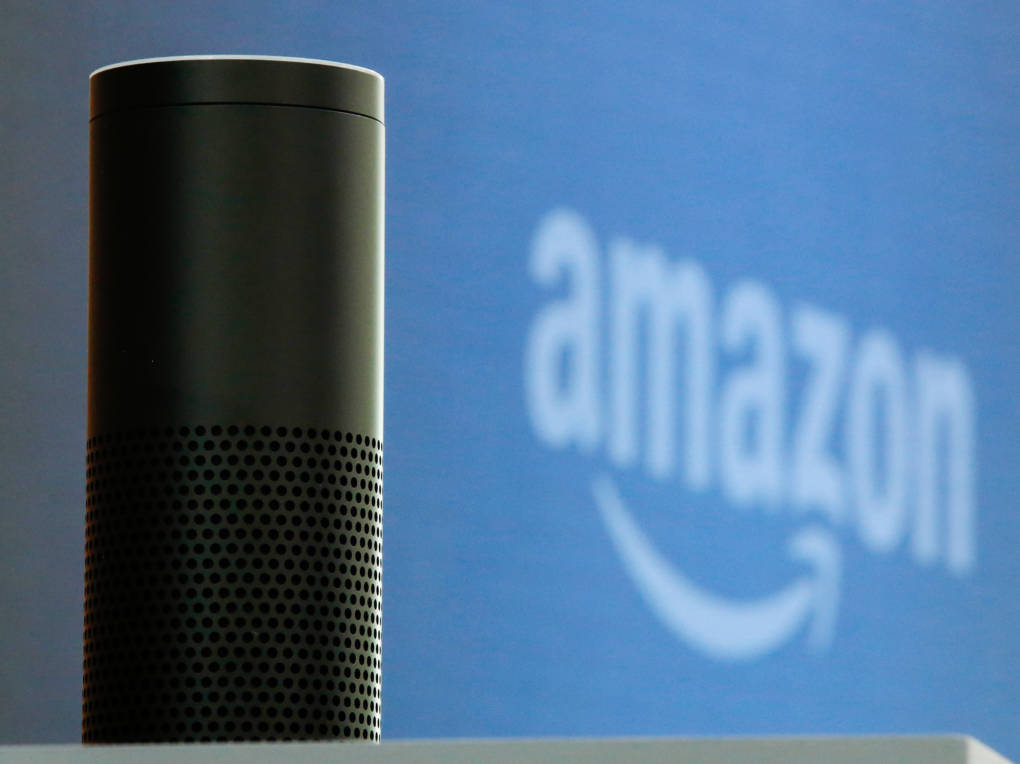
"caption": "Amazon's personal assistant device, Echo, powered by the voice recognition program Alexa, is one of the most popular gifts this holiday season.",
"description": "Amazon's personal assistant device Echo, powered by the voice recognition program Alexa, is one of the most popular gifts this holiday season.",
"title": "Amazon's personal assistant device Echo, powered by the voice recognition program Alexa, is one of the most popular gifts this holiday season.",
"credit": "Luke MacGregor/Bloomberg/Getty Images",
"status": "inherit",
"isLoading": false,
"fetchFailed": false
},
"news_11242107": {
"type": "attachments",
"id": "news_11242107",
"meta": {
"index": "attachments_1716263798",
"site": "news",
"id": "11242107",
"found": true
},
"parent": 11242106,
"imgSizes": {
"small": {
"file": "https://ww2.kqed.org/app/uploads/sites/10/2016/12/gettyimages-622156288_wide-12dbc6f9847d6e920c6f1125346c01ae2172bdc5-520x292.jpg",
"width": 520,
"mimeType": "image/jpeg",
"height": 292
},
"twentyfourteen-full-width": {
"file": "https://ww2.kqed.org/app/uploads/sites/10/2016/12/gettyimages-622156288_wide-12dbc6f9847d6e920c6f1125346c01ae2172bdc5-1038x576.jpg",
"width": 1038,
"mimeType": "image/jpeg",
"height": 576
},
"thumbnail": {
"file": "https://ww2.kqed.org/app/uploads/sites/10/2016/12/gettyimages-622156288_wide-12dbc6f9847d6e920c6f1125346c01ae2172bdc5-160x90.jpg",
"width": 160,
"mimeType": "image/jpeg",
"height": 90
},
"fd-sm": {
"file": "https://ww2.kqed.org/app/uploads/sites/10/2016/12/gettyimages-622156288_wide-12dbc6f9847d6e920c6f1125346c01ae2172bdc5-960x540.jpg",
"width": 960,
"mimeType": "image/jpeg",
"height": 540
},
"post-thumbnail": {
"file": "https://ww2.kqed.org/app/uploads/sites/10/2016/12/gettyimages-622156288_wide-12dbc6f9847d6e920c6f1125346c01ae2172bdc5-672x372.jpg",
"width": 672,
"mimeType": "image/jpeg",
"height": 372
},
"xsmall": {
"file": "https://ww2.kqed.org/app/uploads/sites/10/2016/12/gettyimages-622156288_wide-12dbc6f9847d6e920c6f1125346c01ae2172bdc5-375x211.jpg",
"width": 375,
"mimeType": "image/jpeg",
"height": 211
},
"kqedFullSize": {
"file": "https://ww2.kqed.org/app/uploads/sites/10/2016/12/gettyimages-622156288_wide-12dbc6f9847d6e920c6f1125346c01ae2172bdc5-e1482969070460.jpg",
"width": 1920,
"height": 1080
},
"large": {
"file": "https://ww2.kqed.org/app/uploads/sites/10/2016/12/gettyimages-622156288_wide-12dbc6f9847d6e920c6f1125346c01ae2172bdc5-1020x574.jpg",
"width": 1020,
"mimeType": "image/jpeg",
"height": 574
},
"xlarge": {
"file": "https://ww2.kqed.org/app/uploads/sites/10/2016/12/gettyimages-622156288_wide-12dbc6f9847d6e920c6f1125346c01ae2172bdc5-1180x663.jpg",
"width": 1180,
"mimeType": "image/jpeg",
"height": 663
},
"guest-author-50": {
"file": "https://ww2.kqed.org/app/uploads/sites/10/2016/12/gettyimages-622156288_wide-12dbc6f9847d6e920c6f1125346c01ae2172bdc5-50x50.jpg",
"width": 50,
"mimeType": "image/jpeg",
"height": 50
},
"guest-author-96": {
"file": "https://ww2.kqed.org/app/uploads/sites/10/2016/12/gettyimages-622156288_wide-12dbc6f9847d6e920c6f1125346c01ae2172bdc5-96x96.jpg",
"width": 96,
"mimeType": "image/jpeg",
"height": 96
},
"medium": {
"file": "https://ww2.kqed.org/app/uploads/sites/10/2016/12/gettyimages-622156288_wide-12dbc6f9847d6e920c6f1125346c01ae2172bdc5-800x450.jpg",
"width": 800,
"mimeType": "image/jpeg",
"height": 450
},
"guest-author-64": {
"file": "https://ww2.kqed.org/app/uploads/sites/10/2016/12/gettyimages-622156288_wide-12dbc6f9847d6e920c6f1125346c01ae2172bdc5-64x64.jpg",
"width": 64,
"mimeType": "image/jpeg",
"height": 64
},
"guest-author-32": {
"file": "https://ww2.kqed.org/app/uploads/sites/10/2016/12/gettyimages-622156288_wide-12dbc6f9847d6e920c6f1125346c01ae2172bdc5-32x32.jpg",
"width": 32,
"mimeType": "image/jpeg",
"height": 32
},
"jmtc-small-thumb": {
"file": "https://ww2.kqed.org/app/uploads/sites/10/2016/12/gettyimages-622156288_wide-12dbc6f9847d6e920c6f1125346c01ae2172bdc5-280x150.jpg",
"width": 280,
"mimeType": "image/jpeg",
"height": 150
},
"fd-lrg": {
"file": "https://ww2.kqed.org/app/uploads/sites/10/2016/12/gettyimages-622156288_wide-12dbc6f9847d6e920c6f1125346c01ae2172bdc5-1920x1080.jpg",
"width": 1920,
"mimeType": "image/jpeg",
"height": 1080
},
"fd-med": {
"file": "https://ww2.kqed.org/app/uploads/sites/10/2016/12/gettyimages-622156288_wide-12dbc6f9847d6e920c6f1125346c01ae2172bdc5-1180x663.jpg",
"width": 1180,
"mimeType": "image/jpeg",
"height": 663
},
"full-width": {
"file": "https://ww2.kqed.org/app/uploads/sites/10/2016/12/gettyimages-622156288_wide-12dbc6f9847d6e920c6f1125346c01ae2172bdc5-1920x1080.jpg",
"width": 1920,
"mimeType": "image/jpeg",
"height": 1080
},
"detail": {
"file": "https://ww2.kqed.org/app/uploads/sites/10/2016/12/gettyimages-622156288_wide-12dbc6f9847d6e920c6f1125346c01ae2172bdc5-150x150.jpg",
"width": 150,
"mimeType": "image/jpeg",
"height": 150
},
"guest-author-128": {
"file": "https://ww2.kqed.org/app/uploads/sites/10/2016/12/gettyimages-622156288_wide-12dbc6f9847d6e920c6f1125346c01ae2172bdc5-128x128.jpg",
"width": 128,
"mimeType": "image/jpeg",
"height": 128
},
"xxsmall": {
"file": "https://ww2.kqed.org/app/uploads/sites/10/2016/12/gettyimages-622156288_wide-12dbc6f9847d6e920c6f1125346c01ae2172bdc5-240x135.jpg",
"width": 240,
"mimeType": "image/jpeg",
"height": 135
}
},
"publishDate": 1482969000,
"modified": 1482969096,
"caption": "Cable news networks saw massive audience growth in 2016, despite the year's disruptive events.",
"description": "Cable news networks saw massive audience growth in 2016, despite the year's disruptive events.",
"title": "Cable news networks saw massive audience growth in 2016, despite the year's disruptive events.",
"credit": "Nicholas Hunt/Getty Images",
"status": "inherit",
"isLoading": false,
"fetchFailed": false
},
"news_11231119": {
"type": "attachments",
"id": "news_11231119",
"meta": {
"index": "attachments_1716263798",
"site": "news",
"id": "11231119",
"found": true
},
"parent": 11231118,
"imgSizes": {
"small": {
"file": "https://ww2.kqed.org/app/uploads/sites/10/2016/12/latinousa_tech_wide-43a60fc26c2e7bc28a3adefbcf038c4dbf58e78d-520x292.jpg",
"width": 520,
"mimeType": "image/jpeg",
"height": 292
},
"twentyfourteen-full-width": {
"file": "https://ww2.kqed.org/app/uploads/sites/10/2016/12/latinousa_tech_wide-43a60fc26c2e7bc28a3adefbcf038c4dbf58e78d-1038x576.jpg",
"width": 1038,
"mimeType": "image/jpeg",
"height": 576
},
"thumbnail": {
"file": "https://ww2.kqed.org/app/uploads/sites/10/2016/12/latinousa_tech_wide-43a60fc26c2e7bc28a3adefbcf038c4dbf58e78d-160x90.jpg",
"width": 160,
"mimeType": "image/jpeg",
"height": 90
},
"fd-sm": {
"file": "https://ww2.kqed.org/app/uploads/sites/10/2016/12/latinousa_tech_wide-43a60fc26c2e7bc28a3adefbcf038c4dbf58e78d-960x540.jpg",
"width": 960,
"mimeType": "image/jpeg",
"height": 540
},
"post-thumbnail": {
"file": "https://ww2.kqed.org/app/uploads/sites/10/2016/12/latinousa_tech_wide-43a60fc26c2e7bc28a3adefbcf038c4dbf58e78d-672x372.jpg",
"width": 672,
"mimeType": "image/jpeg",
"height": 372
},
"xsmall": {
"file": "https://ww2.kqed.org/app/uploads/sites/10/2016/12/latinousa_tech_wide-43a60fc26c2e7bc28a3adefbcf038c4dbf58e78d-375x211.jpg",
"width": 375,
"mimeType": "image/jpeg",
"height": 211
},
"kqedFullSize": {
"file": "https://ww2.kqed.org/app/uploads/sites/10/2016/12/latinousa_tech_wide-43a60fc26c2e7bc28a3adefbcf038c4dbf58e78d-e1482351286488.jpg",
"width": 1920,
"height": 1080
},
"large": {
"file": "https://ww2.kqed.org/app/uploads/sites/10/2016/12/latinousa_tech_wide-43a60fc26c2e7bc28a3adefbcf038c4dbf58e78d-1020x574.jpg",
"width": 1020,
"mimeType": "image/jpeg",
"height": 574
},
"xlarge": {
"file": "https://ww2.kqed.org/app/uploads/sites/10/2016/12/latinousa_tech_wide-43a60fc26c2e7bc28a3adefbcf038c4dbf58e78d-1180x664.jpg",
"width": 1180,
"mimeType": "image/jpeg",
"height": 664
},
"guest-author-50": {
"file": "https://ww2.kqed.org/app/uploads/sites/10/2016/12/latinousa_tech_wide-43a60fc26c2e7bc28a3adefbcf038c4dbf58e78d-50x50.jpg",
"width": 50,
"mimeType": "image/jpeg",
"height": 50
},
"guest-author-96": {
"file": "https://ww2.kqed.org/app/uploads/sites/10/2016/12/latinousa_tech_wide-43a60fc26c2e7bc28a3adefbcf038c4dbf58e78d-96x96.jpg",
"width": 96,
"mimeType": "image/jpeg",
"height": 96
},
"medium": {
"file": "https://ww2.kqed.org/app/uploads/sites/10/2016/12/latinousa_tech_wide-43a60fc26c2e7bc28a3adefbcf038c4dbf58e78d-800x450.jpg",
"width": 800,
"mimeType": "image/jpeg",
"height": 450
},
"guest-author-64": {
"file": "https://ww2.kqed.org/app/uploads/sites/10/2016/12/latinousa_tech_wide-43a60fc26c2e7bc28a3adefbcf038c4dbf58e78d-64x64.jpg",
"width": 64,
"mimeType": "image/jpeg",
"height": 64
},
"guest-author-32": {
"file": "https://ww2.kqed.org/app/uploads/sites/10/2016/12/latinousa_tech_wide-43a60fc26c2e7bc28a3adefbcf038c4dbf58e78d-32x32.jpg",
"width": 32,
"mimeType": "image/jpeg",
"height": 32
},
"jmtc-small-thumb": {
"file": "https://ww2.kqed.org/app/uploads/sites/10/2016/12/latinousa_tech_wide-43a60fc26c2e7bc28a3adefbcf038c4dbf58e78d-280x150.jpg",
"width": 280,
"mimeType": "image/jpeg",
"height": 150
},
"fd-lrg": {
"file": "https://ww2.kqed.org/app/uploads/sites/10/2016/12/latinousa_tech_wide-43a60fc26c2e7bc28a3adefbcf038c4dbf58e78d-1920x1080.jpg",
"width": 1920,
"mimeType": "image/jpeg",
"height": 1080
},
"fd-med": {
"file": "https://ww2.kqed.org/app/uploads/sites/10/2016/12/latinousa_tech_wide-43a60fc26c2e7bc28a3adefbcf038c4dbf58e78d-1180x664.jpg",
"width": 1180,
"mimeType": "image/jpeg",
"height": 664
},
"full-width": {
"file": "https://ww2.kqed.org/app/uploads/sites/10/2016/12/latinousa_tech_wide-43a60fc26c2e7bc28a3adefbcf038c4dbf58e78d-1920x1080.jpg",
"width": 1920,
"mimeType": "image/jpeg",
"height": 1080
},
"detail": {
"file": "https://ww2.kqed.org/app/uploads/sites/10/2016/12/latinousa_tech_wide-43a60fc26c2e7bc28a3adefbcf038c4dbf58e78d-150x150.jpg",
"width": 150,
"mimeType": "image/jpeg",
"height": 150
},
"guest-author-128": {
"file": "https://ww2.kqed.org/app/uploads/sites/10/2016/12/latinousa_tech_wide-43a60fc26c2e7bc28a3adefbcf038c4dbf58e78d-128x128.jpg",
"width": 128,
"mimeType": "image/jpeg",
"height": 128
},
"xxsmall": {
"file": "https://ww2.kqed.org/app/uploads/sites/10/2016/12/latinousa_tech_wide-43a60fc26c2e7bc28a3adefbcf038c4dbf58e78d-240x135.jpg",
"width": 240,
"mimeType": "image/jpeg",
"height": 135
}
},
"publishDate": 1482351192,
"modified": 1482351277,
"caption": "What works (or doesn't work) to get more women into tech jobs?",
"description": null,
"title": "What works (or doesn't work) to get more women into tech jobs?",
"credit": "Chelsea Beck/NPR",
"status": "inherit",
"isLoading": false,
"fetchFailed": false
},
"news_11232776": {
"type": "attachments",
"id": "news_11232776",
"meta": {
"index": "attachments_1716263798",
"site": "news",
"id": "11232776",
"found": true
},
"parent": 11232775,
"imgSizes": {
"small": {
"file": "https://ww2.kqed.org/app/uploads/sites/10/2016/12/gettyimages-97238314_wide-c80ed4a369a5ec88d7151421478be6011edbe6d3-520x292.jpg",
"width": 520,
"mimeType": "image/jpeg",
"height": 292
},
"twentyfourteen-full-width": {
"file": "https://ww2.kqed.org/app/uploads/sites/10/2016/12/gettyimages-97238314_wide-c80ed4a369a5ec88d7151421478be6011edbe6d3-1038x576.jpg",
"width": 1038,
"mimeType": "image/jpeg",
"height": 576
},
"thumbnail": {
"file": "https://ww2.kqed.org/app/uploads/sites/10/2016/12/gettyimages-97238314_wide-c80ed4a369a5ec88d7151421478be6011edbe6d3-160x90.jpg",
"width": 160,
"mimeType": "image/jpeg",
"height": 90
},
"fd-sm": {
"file": "https://ww2.kqed.org/app/uploads/sites/10/2016/12/gettyimages-97238314_wide-c80ed4a369a5ec88d7151421478be6011edbe6d3-960x540.jpg",
"width": 960,
"mimeType": "image/jpeg",
"height": 540
},
"post-thumbnail": {
"file": "https://ww2.kqed.org/app/uploads/sites/10/2016/12/gettyimages-97238314_wide-c80ed4a369a5ec88d7151421478be6011edbe6d3-672x372.jpg",
"width": 672,
"mimeType": "image/jpeg",
"height": 372
},
"xsmall": {
"file": "https://ww2.kqed.org/app/uploads/sites/10/2016/12/gettyimages-97238314_wide-c80ed4a369a5ec88d7151421478be6011edbe6d3-375x211.jpg",
"width": 375,
"mimeType": "image/jpeg",
"height": 211
},
"kqedFullSize": {
"file": "https://ww2.kqed.org/app/uploads/sites/10/2016/12/gettyimages-97238314_wide-c80ed4a369a5ec88d7151421478be6011edbe6d3.jpg",
"width": 2358,
"height": 1326
},
"large": {
"file": "https://ww2.kqed.org/app/uploads/sites/10/2016/12/gettyimages-97238314_wide-c80ed4a369a5ec88d7151421478be6011edbe6d3-1020x574.jpg",
"width": 1020,
"mimeType": "image/jpeg",
"height": 574
},
"xlarge": {
"file": "https://ww2.kqed.org/app/uploads/sites/10/2016/12/gettyimages-97238314_wide-c80ed4a369a5ec88d7151421478be6011edbe6d3-1180x664.jpg",
"width": 1180,
"mimeType": "image/jpeg",
"height": 664
},
"guest-author-50": {
"file": "https://ww2.kqed.org/app/uploads/sites/10/2016/12/gettyimages-97238314_wide-c80ed4a369a5ec88d7151421478be6011edbe6d3-50x50.jpg",
"width": 50,
"mimeType": "image/jpeg",
"height": 50
},
"guest-author-96": {
"file": "https://ww2.kqed.org/app/uploads/sites/10/2016/12/gettyimages-97238314_wide-c80ed4a369a5ec88d7151421478be6011edbe6d3-96x96.jpg",
"width": 96,
"mimeType": "image/jpeg",
"height": 96
},
"medium": {
"file": "https://ww2.kqed.org/app/uploads/sites/10/2016/12/gettyimages-97238314_wide-c80ed4a369a5ec88d7151421478be6011edbe6d3-800x450.jpg",
"width": 800,
"mimeType": "image/jpeg",
"height": 450
},
"guest-author-64": {
"file": "https://ww2.kqed.org/app/uploads/sites/10/2016/12/gettyimages-97238314_wide-c80ed4a369a5ec88d7151421478be6011edbe6d3-64x64.jpg",
"width": 64,
"mimeType": "image/jpeg",
"height": 64
},
"guest-author-32": {
"file": "https://ww2.kqed.org/app/uploads/sites/10/2016/12/gettyimages-97238314_wide-c80ed4a369a5ec88d7151421478be6011edbe6d3-32x32.jpg",
"width": 32,
"mimeType": "image/jpeg",
"height": 32
},
"jmtc-small-thumb": {
"file": "https://ww2.kqed.org/app/uploads/sites/10/2016/12/gettyimages-97238314_wide-c80ed4a369a5ec88d7151421478be6011edbe6d3-280x150.jpg",
"width": 280,
"mimeType": "image/jpeg",
"height": 150
},
"fd-lrg": {
"file": "https://ww2.kqed.org/app/uploads/sites/10/2016/12/gettyimages-97238314_wide-c80ed4a369a5ec88d7151421478be6011edbe6d3-1920x1080.jpg",
"width": 1920,
"mimeType": "image/jpeg",
"height": 1080
},
"fd-med": {
"file": "https://ww2.kqed.org/app/uploads/sites/10/2016/12/gettyimages-97238314_wide-c80ed4a369a5ec88d7151421478be6011edbe6d3-1180x664.jpg",
"width": 1180,
"mimeType": "image/jpeg",
"height": 664
},
"full-width": {
"file": "https://ww2.kqed.org/app/uploads/sites/10/2016/12/gettyimages-97238314_wide-c80ed4a369a5ec88d7151421478be6011edbe6d3-1920x1080.jpg",
"width": 1920,
"mimeType": "image/jpeg",
"height": 1080
},
"detail": {
"file": "https://ww2.kqed.org/app/uploads/sites/10/2016/12/gettyimages-97238314_wide-c80ed4a369a5ec88d7151421478be6011edbe6d3-150x150.jpg",
"width": 150,
"mimeType": "image/jpeg",
"height": 150
},
"guest-author-128": {
"file": "https://ww2.kqed.org/app/uploads/sites/10/2016/12/gettyimages-97238314_wide-c80ed4a369a5ec88d7151421478be6011edbe6d3-128x128.jpg",
"width": 128,
"mimeType": "image/jpeg",
"height": 128
},
"xxsmall": {
"file": "https://ww2.kqed.org/app/uploads/sites/10/2016/12/gettyimages-97238314_wide-c80ed4a369a5ec88d7151421478be6011edbe6d3-240x135.jpg",
"width": 240,
"mimeType": "image/jpeg",
"height": 135
}
},
"publishDate": 1482433993,
"modified": 1482433993,
"caption": null,
"description": "Cartoon Santa.",
"title": "Cartoon Santa.",
"credit": null,
"status": "inherit",
"isLoading": false,
"fetchFailed": false
},
"news_11222913": {
"type": "attachments",
"id": "news_11222913",
"meta": {
"index": "attachments_1716263798",
"site": "news",
"id": "11222913",
"found": true
},
"parent": 11222912,
"imgSizes": {
"small": {
"file": "https://ww2.kqed.org/app/uploads/sites/10/2016/12/2016-12-15-obama-interview-0090_edit_custom-3bfdf3c00b985f74345eebad074151146d05c046-520x347.jpg",
"width": 520,
"mimeType": "image/jpeg",
"height": 347
},
"twentyfourteen-full-width": {
"file": "https://ww2.kqed.org/app/uploads/sites/10/2016/12/2016-12-15-obama-interview-0090_edit_custom-3bfdf3c00b985f74345eebad074151146d05c046-1038x576.jpg",
"width": 1038,
"mimeType": "image/jpeg",
"height": 576
},
"thumbnail": {
"file": "https://ww2.kqed.org/app/uploads/sites/10/2016/12/2016-12-15-obama-interview-0090_edit_custom-3bfdf3c00b985f74345eebad074151146d05c046-160x107.jpg",
"width": 160,
"mimeType": "image/jpeg",
"height": 107
},
"fd-sm": {
"file": "https://ww2.kqed.org/app/uploads/sites/10/2016/12/2016-12-15-obama-interview-0090_edit_custom-3bfdf3c00b985f74345eebad074151146d05c046-960x641.jpg",
"width": 960,
"mimeType": "image/jpeg",
"height": 641
},
"post-thumbnail": {
"file": "https://ww2.kqed.org/app/uploads/sites/10/2016/12/2016-12-15-obama-interview-0090_edit_custom-3bfdf3c00b985f74345eebad074151146d05c046-672x372.jpg",
"width": 672,
"mimeType": "image/jpeg",
"height": 372
},
"xsmall": {
"file": "https://ww2.kqed.org/app/uploads/sites/10/2016/12/2016-12-15-obama-interview-0090_edit_custom-3bfdf3c00b985f74345eebad074151146d05c046-375x250.jpg",
"width": 375,
"mimeType": "image/jpeg",
"height": 250
},
"kqedFullSize": {
"file": "https://ww2.kqed.org/app/uploads/sites/10/2016/12/2016-12-15-obama-interview-0090_edit_custom-3bfdf3c00b985f74345eebad074151146d05c046-e1481901050323.jpg",
"width": 1920,
"height": 1282
},
"large": {
"file": "https://ww2.kqed.org/app/uploads/sites/10/2016/12/2016-12-15-obama-interview-0090_edit_custom-3bfdf3c00b985f74345eebad074151146d05c046-1020x681.jpg",
"width": 1020,
"mimeType": "image/jpeg",
"height": 681
},
"xlarge": {
"file": "https://ww2.kqed.org/app/uploads/sites/10/2016/12/2016-12-15-obama-interview-0090_edit_custom-3bfdf3c00b985f74345eebad074151146d05c046-1180x788.jpg",
"width": 1180,
"mimeType": "image/jpeg",
"height": 788
},
"guest-author-50": {
"file": "https://ww2.kqed.org/app/uploads/sites/10/2016/12/2016-12-15-obama-interview-0090_edit_custom-3bfdf3c00b985f74345eebad074151146d05c046-50x50.jpg",
"width": 50,
"mimeType": "image/jpeg",
"height": 50
},
"guest-author-96": {
"file": "https://ww2.kqed.org/app/uploads/sites/10/2016/12/2016-12-15-obama-interview-0090_edit_custom-3bfdf3c00b985f74345eebad074151146d05c046-96x96.jpg",
"width": 96,
"mimeType": "image/jpeg",
"height": 96
},
"medium": {
"file": "https://ww2.kqed.org/app/uploads/sites/10/2016/12/2016-12-15-obama-interview-0090_edit_custom-3bfdf3c00b985f74345eebad074151146d05c046-800x534.jpg",
"width": 800,
"mimeType": "image/jpeg",
"height": 534
},
"guest-author-64": {
"file": "https://ww2.kqed.org/app/uploads/sites/10/2016/12/2016-12-15-obama-interview-0090_edit_custom-3bfdf3c00b985f74345eebad074151146d05c046-64x64.jpg",
"width": 64,
"mimeType": "image/jpeg",
"height": 64
},
"guest-author-32": {
"file": "https://ww2.kqed.org/app/uploads/sites/10/2016/12/2016-12-15-obama-interview-0090_edit_custom-3bfdf3c00b985f74345eebad074151146d05c046-32x32.jpg",
"width": 32,
"mimeType": "image/jpeg",
"height": 32
},
"jmtc-small-thumb": {
"file": "https://ww2.kqed.org/app/uploads/sites/10/2016/12/2016-12-15-obama-interview-0090_edit_custom-3bfdf3c00b985f74345eebad074151146d05c046-280x150.jpg",
"width": 280,
"mimeType": "image/jpeg",
"height": 150
},
"fd-lrg": {
"file": "https://ww2.kqed.org/app/uploads/sites/10/2016/12/2016-12-15-obama-interview-0090_edit_custom-3bfdf3c00b985f74345eebad074151146d05c046-1920x1282.jpg",
"width": 1920,
"mimeType": "image/jpeg",
"height": 1282
},
"fd-med": {
"file": "https://ww2.kqed.org/app/uploads/sites/10/2016/12/2016-12-15-obama-interview-0090_edit_custom-3bfdf3c00b985f74345eebad074151146d05c046-1180x788.jpg",
"width": 1180,
"mimeType": "image/jpeg",
"height": 788
},
"full-width": {
"file": "https://ww2.kqed.org/app/uploads/sites/10/2016/12/2016-12-15-obama-interview-0090_edit_custom-3bfdf3c00b985f74345eebad074151146d05c046-1920x1282.jpg",
"width": 1920,
"mimeType": "image/jpeg",
"height": 1282
},
"detail": {
"file": "https://ww2.kqed.org/app/uploads/sites/10/2016/12/2016-12-15-obama-interview-0090_edit_custom-3bfdf3c00b985f74345eebad074151146d05c046-150x150.jpg",
"width": 150,
"mimeType": "image/jpeg",
"height": 150
},
"guest-author-128": {
"file": "https://ww2.kqed.org/app/uploads/sites/10/2016/12/2016-12-15-obama-interview-0090_edit_custom-3bfdf3c00b985f74345eebad074151146d05c046-128x128.jpg",
"width": 128,
"mimeType": "image/jpeg",
"height": 128
},
"xxsmall": {
"file": "https://ww2.kqed.org/app/uploads/sites/10/2016/12/2016-12-15-obama-interview-0090_edit_custom-3bfdf3c00b985f74345eebad074151146d05c046-240x160.jpg",
"width": 240,
"mimeType": "image/jpeg",
"height": 160
}
},
"publishDate": 1481900738,
"modified": 1481901098,
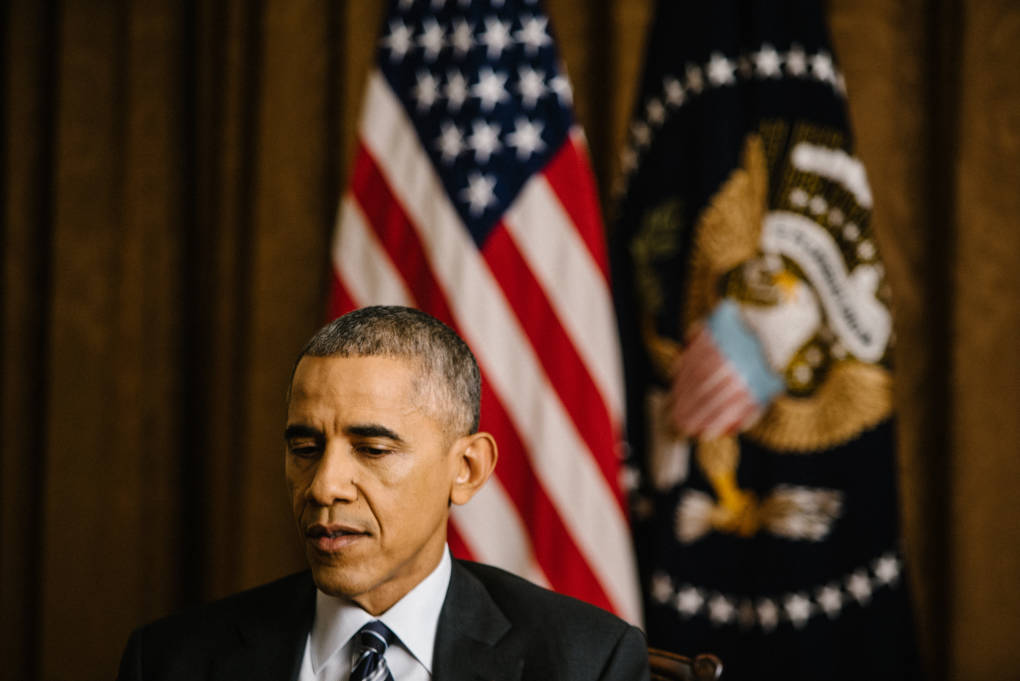
"caption": "NPR's Steve Inskeep interviews President Obama in the Cabinet Room of the White House on Thursday.",
"description": "NPR's Steve Inskeep interviews President Obama in the Cabinet Room of the White House on Thursday.",
"title": "Barack Obama",
"credit": "Ariel Zambelich/NPR",
"status": "inherit",
"isLoading": false,
"fetchFailed": false
},
"news_11222016": {
"type": "attachments",
"id": "news_11222016",
"meta": {
"index": "attachments_1716263798",
"site": "news",
"id": "11222016",
"found": true
},
"parent": 11222015,
"imgSizes": {
"small": {
"file": "https://ww2.kqed.org/app/uploads/sites/10/2016/12/gettyimages-629850828-1846daae27074d2468e5d5df887af49d77feb547-520x390.jpg",
"width": 520,
"mimeType": "image/jpeg",
"height": 390
},
"twentyfourteen-full-width": {
"file": "https://ww2.kqed.org/app/uploads/sites/10/2016/12/gettyimages-629850828-1846daae27074d2468e5d5df887af49d77feb547-1038x576.jpg",
"width": 1038,
"mimeType": "image/jpeg",
"height": 576
},
"thumbnail": {
"file": "https://ww2.kqed.org/app/uploads/sites/10/2016/12/gettyimages-629850828-1846daae27074d2468e5d5df887af49d77feb547-160x120.jpg",
"width": 160,
"mimeType": "image/jpeg",
"height": 120
},
"fd-sm": {
"file": "https://ww2.kqed.org/app/uploads/sites/10/2016/12/gettyimages-629850828-1846daae27074d2468e5d5df887af49d77feb547-960x720.jpg",
"width": 960,
"mimeType": "image/jpeg",
"height": 720
},
"post-thumbnail": {
"file": "https://ww2.kqed.org/app/uploads/sites/10/2016/12/gettyimages-629850828-1846daae27074d2468e5d5df887af49d77feb547-672x372.jpg",
"width": 672,
"mimeType": "image/jpeg",
"height": 372
},
"xsmall": {
"file": "https://ww2.kqed.org/app/uploads/sites/10/2016/12/gettyimages-629850828-1846daae27074d2468e5d5df887af49d77feb547-375x281.jpg",
"width": 375,
"mimeType": "image/jpeg",
"height": 281
},
"kqedFullSize": {
"file": "https://ww2.kqed.org/app/uploads/sites/10/2016/12/gettyimages-629850828-1846daae27074d2468e5d5df887af49d77feb547.jpg",
"width": 3447,
"height": 2585
},
"large": {
"file": "https://ww2.kqed.org/app/uploads/sites/10/2016/12/gettyimages-629850828-1846daae27074d2468e5d5df887af49d77feb547-1020x765.jpg",
"width": 1020,
"mimeType": "image/jpeg",
"height": 765
},
"xlarge": {
"file": "https://ww2.kqed.org/app/uploads/sites/10/2016/12/gettyimages-629850828-1846daae27074d2468e5d5df887af49d77feb547-1180x885.jpg",
"width": 1180,
"mimeType": "image/jpeg",
"height": 885
},
"guest-author-50": {
"file": "https://ww2.kqed.org/app/uploads/sites/10/2016/12/gettyimages-629850828-1846daae27074d2468e5d5df887af49d77feb547-50x50.jpg",
"width": 50,
"mimeType": "image/jpeg",
"height": 50
},
"guest-author-96": {
"file": "https://ww2.kqed.org/app/uploads/sites/10/2016/12/gettyimages-629850828-1846daae27074d2468e5d5df887af49d77feb547-96x96.jpg",
"width": 96,
"mimeType": "image/jpeg",
"height": 96
},
"medium": {
"file": "https://ww2.kqed.org/app/uploads/sites/10/2016/12/gettyimages-629850828-1846daae27074d2468e5d5df887af49d77feb547-800x600.jpg",
"width": 800,
"mimeType": "image/jpeg",
"height": 600
},
"guest-author-64": {
"file": "https://ww2.kqed.org/app/uploads/sites/10/2016/12/gettyimages-629850828-1846daae27074d2468e5d5df887af49d77feb547-64x64.jpg",
"width": 64,
"mimeType": "image/jpeg",
"height": 64
},
"guest-author-32": {
"file": "https://ww2.kqed.org/app/uploads/sites/10/2016/12/gettyimages-629850828-1846daae27074d2468e5d5df887af49d77feb547-32x32.jpg",
"width": 32,
"mimeType": "image/jpeg",
"height": 32
},
"jmtc-small-thumb": {
"file": "https://ww2.kqed.org/app/uploads/sites/10/2016/12/gettyimages-629850828-1846daae27074d2468e5d5df887af49d77feb547-280x150.jpg",
"width": 280,
"mimeType": "image/jpeg",
"height": 150
},
"fd-lrg": {
"file": "https://ww2.kqed.org/app/uploads/sites/10/2016/12/gettyimages-629850828-1846daae27074d2468e5d5df887af49d77feb547-1920x1440.jpg",
"width": 1920,
"mimeType": "image/jpeg",
"height": 1440
},
"fd-med": {
"file": "https://ww2.kqed.org/app/uploads/sites/10/2016/12/gettyimages-629850828-1846daae27074d2468e5d5df887af49d77feb547-1180x885.jpg",
"width": 1180,
"mimeType": "image/jpeg",
"height": 885
},
"full-width": {
"file": "https://ww2.kqed.org/app/uploads/sites/10/2016/12/gettyimages-629850828-1846daae27074d2468e5d5df887af49d77feb547-1920x1440.jpg",
"width": 1920,
"mimeType": "image/jpeg",
"height": 1440
},
"detail": {
"file": "https://ww2.kqed.org/app/uploads/sites/10/2016/12/gettyimages-629850828-1846daae27074d2468e5d5df887af49d77feb547-150x150.jpg",
"width": 150,
"mimeType": "image/jpeg",
"height": 150
},
"guest-author-128": {
"file": "https://ww2.kqed.org/app/uploads/sites/10/2016/12/gettyimages-629850828-1846daae27074d2468e5d5df887af49d77feb547-128x128.jpg",
"width": 128,
"mimeType": "image/jpeg",
"height": 128
},
"xxsmall": {
"file": "https://ww2.kqed.org/app/uploads/sites/10/2016/12/gettyimages-629850828-1846daae27074d2468e5d5df887af49d77feb547-240x180.jpg",
"width": 240,
"mimeType": "image/jpeg",
"height": 180
}
},
"publishDate": 1481853115,
"modified": 1481853338,
"caption": "President-elect Donald Trump speaks with technology leaders at Trump Tower in New York.",
"description": "President-elect Donald Trump speaks with technology leaders at Trump Tower in New York.",
"title": "President-elect Donald Trump speaks with technology leaders at Trump Tower in New York.",
"credit": "Albin Lohr-Jones/Bloomberg/Getty Images",
"status": "inherit",
"isLoading": false,
"fetchFailed": false
},
"news_11221907": {
"type": "attachments",
"id": "news_11221907",
"meta": {
"index": "attachments_1716263798",
"site": "news",
"id": "11221907",
"found": true
},
"parent": 11221886,
"imgSizes": {
"small": {
"file": "https://ww2.kqed.org/app/uploads/sites/10/2016/12/facebook-1920a-520x347.jpg",
"width": 520,
"mimeType": "image/jpeg",
"height": 347
},
"twentyfourteen-full-width": {
"file": "https://ww2.kqed.org/app/uploads/sites/10/2016/12/facebook-1920a-1038x576.jpg",
"width": 1038,
"mimeType": "image/jpeg",
"height": 576
},
"thumbnail": {
"file": "https://ww2.kqed.org/app/uploads/sites/10/2016/12/facebook-1920a-160x107.jpg",
"width": 160,
"mimeType": "image/jpeg",
"height": 107
},
"fd-sm": {
"file": "https://ww2.kqed.org/app/uploads/sites/10/2016/12/facebook-1920a-960x640.jpg",
"width": 960,
"mimeType": "image/jpeg",
"height": 640
},
"post-thumbnail": {
"file": "https://ww2.kqed.org/app/uploads/sites/10/2016/12/facebook-1920a-672x372.jpg",
"width": 672,
"mimeType": "image/jpeg",
"height": 372
},
"xsmall": {
"file": "https://ww2.kqed.org/app/uploads/sites/10/2016/12/facebook-1920a-375x250.jpg",
"width": 375,
"mimeType": "image/jpeg",
"height": 250
},
"kqedFullSize": {
"file": "https://ww2.kqed.org/app/uploads/sites/10/2016/12/facebook-1920a.jpg",
"width": 1920,
"height": 1280
},
"large": {
"file": "https://ww2.kqed.org/app/uploads/sites/10/2016/12/facebook-1920a-1020x680.jpg",
"width": 1020,
"mimeType": "image/jpeg",
"height": 680
},
"xlarge": {
"file": "https://ww2.kqed.org/app/uploads/sites/10/2016/12/facebook-1920a-1180x787.jpg",
"width": 1180,
"mimeType": "image/jpeg",
"height": 787
},
"guest-author-50": {
"file": "https://ww2.kqed.org/app/uploads/sites/10/2016/12/facebook-1920a-50x50.jpg",
"width": 50,
"mimeType": "image/jpeg",
"height": 50
},
"guest-author-96": {
"file": "https://ww2.kqed.org/app/uploads/sites/10/2016/12/facebook-1920a-96x96.jpg",
"width": 96,
"mimeType": "image/jpeg",
"height": 96
},
"medium": {
"file": "https://ww2.kqed.org/app/uploads/sites/10/2016/12/facebook-1920a-800x533.jpg",
"width": 800,
"mimeType": "image/jpeg",
"height": 533
},
"guest-author-64": {
"file": "https://ww2.kqed.org/app/uploads/sites/10/2016/12/facebook-1920a-64x64.jpg",
"width": 64,
"mimeType": "image/jpeg",
"height": 64
},
"guest-author-32": {
"file": "https://ww2.kqed.org/app/uploads/sites/10/2016/12/facebook-1920a-32x32.jpg",
"width": 32,
"mimeType": "image/jpeg",
"height": 32
},
"jmtc-small-thumb": {
"file": "https://ww2.kqed.org/app/uploads/sites/10/2016/12/facebook-1920a-280x150.jpg",
"width": 280,
"mimeType": "image/jpeg",
"height": 150
},
"fd-lrg": {
"file": "https://ww2.kqed.org/app/uploads/sites/10/2016/12/facebook-1920a-1920x1280.jpg",
"width": 1920,
"mimeType": "image/jpeg",
"height": 1280
},
"fd-med": {
"file": "https://ww2.kqed.org/app/uploads/sites/10/2016/12/facebook-1920a-1180x787.jpg",
"width": 1180,
"mimeType": "image/jpeg",
"height": 787
},
"full-width": {
"file": "https://ww2.kqed.org/app/uploads/sites/10/2016/12/facebook-1920a-1920x1280.jpg",
"width": 1920,
"mimeType": "image/jpeg",
"height": 1280
},
"detail": {
"file": "https://ww2.kqed.org/app/uploads/sites/10/2016/12/facebook-1920a-150x150.jpg",
"width": 150,
"mimeType": "image/jpeg",
"height": 150
},
"guest-author-128": {
"file": "https://ww2.kqed.org/app/uploads/sites/10/2016/12/facebook-1920a-128x128.jpg",
"width": 128,
"mimeType": "image/jpeg",
"height": 128
},
"xxsmall": {
"file": "https://ww2.kqed.org/app/uploads/sites/10/2016/12/facebook-1920a-240x160.jpg",
"width": 240,
"mimeType": "image/jpeg",
"height": 160
}
},
"publishDate": 1481847669,
"modified": 1498175738,
"caption": "Facebook logos are pictured on the screens of a smartphone (R), and a laptop computer, in central London on Nov. 21, 2016.",
"description": null,
"title": "facebook-1920a",
"credit": null,
"status": "inherit",
"isLoading": false,
"fetchFailed": false
},
"news_11221488": {
"type": "attachments",
"id": "news_11221488",
"meta": {
"index": "attachments_1716263798",
"site": "news",
"id": "11221488",
"found": true
},
"parent": 11221481,
"imgSizes": {
"small": {
"file": "https://ww2.kqed.org/app/uploads/sites/10/2016/12/TrumpShrug-520x346.jpg",
"width": 520,
"mimeType": "image/jpeg",
"height": 346
},
"twentyfourteen-full-width": {
"file": "https://ww2.kqed.org/app/uploads/sites/10/2016/12/TrumpShrug-1038x576.jpg",
"width": 1038,
"mimeType": "image/jpeg",
"height": 576
},
"thumbnail": {
"file": "https://ww2.kqed.org/app/uploads/sites/10/2016/12/TrumpShrug-160x106.jpg",
"width": 160,
"mimeType": "image/jpeg",
"height": 106
},
"fd-sm": {
"file": "https://ww2.kqed.org/app/uploads/sites/10/2016/12/TrumpShrug-960x638.jpg",
"width": 960,
"mimeType": "image/jpeg",
"height": 638
},
"post-thumbnail": {
"file": "https://ww2.kqed.org/app/uploads/sites/10/2016/12/TrumpShrug-672x372.jpg",
"width": 672,
"mimeType": "image/jpeg",
"height": 372
},
"xsmall": {
"file": "https://ww2.kqed.org/app/uploads/sites/10/2016/12/TrumpShrug-375x249.jpg",
"width": 375,
"mimeType": "image/jpeg",
"height": 249
},
"kqedFullSize": {
"file": "https://ww2.kqed.org/app/uploads/sites/10/2016/12/TrumpShrug.jpg",
"width": 1920,
"height": 1276
},
"large": {
"file": "https://ww2.kqed.org/app/uploads/sites/10/2016/12/TrumpShrug-1020x678.jpg",
"width": 1020,
"mimeType": "image/jpeg",
"height": 678
},
"xlarge": {
"file": "https://ww2.kqed.org/app/uploads/sites/10/2016/12/TrumpShrug-1180x784.jpg",
"width": 1180,
"mimeType": "image/jpeg",
"height": 784
},
"guest-author-50": {
"file": "https://ww2.kqed.org/app/uploads/sites/10/2016/12/TrumpShrug-50x50.jpg",
"width": 50,
"mimeType": "image/jpeg",
"height": 50
},
"guest-author-96": {
"file": "https://ww2.kqed.org/app/uploads/sites/10/2016/12/TrumpShrug-96x96.jpg",
"width": 96,
"mimeType": "image/jpeg",
"height": 96
},
"medium": {
"file": "https://ww2.kqed.org/app/uploads/sites/10/2016/12/TrumpShrug-800x532.jpg",
"width": 800,
"mimeType": "image/jpeg",
"height": 532
},
"guest-author-64": {
"file": "https://ww2.kqed.org/app/uploads/sites/10/2016/12/TrumpShrug-64x64.jpg",
"width": 64,
"mimeType": "image/jpeg",
"height": 64
},
"guest-author-32": {
"file": "https://ww2.kqed.org/app/uploads/sites/10/2016/12/TrumpShrug-32x32.jpg",
"width": 32,
"mimeType": "image/jpeg",
"height": 32
},
"jmtc-small-thumb": {
"file": "https://ww2.kqed.org/app/uploads/sites/10/2016/12/TrumpShrug-280x150.jpg",
"width": 280,
"mimeType": "image/jpeg",
"height": 150
},
"fd-lrg": {
"file": "https://ww2.kqed.org/app/uploads/sites/10/2016/12/TrumpShrug-1920x1276.jpg",
"width": 1920,
"mimeType": "image/jpeg",
"height": 1276
},
"fd-med": {
"file": "https://ww2.kqed.org/app/uploads/sites/10/2016/12/TrumpShrug-1180x784.jpg",
"width": 1180,
"mimeType": "image/jpeg",
"height": 784
},
"full-width": {
"file": "https://ww2.kqed.org/app/uploads/sites/10/2016/12/TrumpShrug-1920x1276.jpg",
"width": 1920,
"mimeType": "image/jpeg",
"height": 1276
},
"detail": {
"file": "https://ww2.kqed.org/app/uploads/sites/10/2016/12/TrumpShrug-150x150.jpg",
"width": 150,
"mimeType": "image/jpeg",
"height": 150
},
"guest-author-128": {
"file": "https://ww2.kqed.org/app/uploads/sites/10/2016/12/TrumpShrug-128x128.jpg",
"width": 128,
"mimeType": "image/jpeg",
"height": 128
},
"xxsmall": {
"file": "https://ww2.kqed.org/app/uploads/sites/10/2016/12/TrumpShrug-240x160.jpg",
"width": 240,
"mimeType": "image/jpeg",
"height": 160
}
},
"publishDate": 1481831525,
"modified": 1481843800,
"caption": "Donald Trump speaks during a news conference at Trump National Doral on July 27 in Doral, Florida. That was his last press conference.",
"description": "Donald Trump speaks during a news conference at Trump National Doral on July 27 in Doral, Fla. That was his last press conference.",
"title": "trumpshrug",
"credit": "Gustavo Caballero/Getty Images",
"status": "inherit",
"isLoading": false,
"fetchFailed": false
},
"news_11220477": {
"type": "attachments",
"id": "news_11220477",
"meta": {
"index": "attachments_1716263798",
"site": "news",
"id": "11220477",
"found": true
},
"parent": 11220414,
"imgSizes": {
"small": {
"file": "https://ww2.kqed.org/app/uploads/sites/10/2016/12/Richards-520x343.jpg",
"width": 520,
"mimeType": "image/jpeg",
"height": 343
},
"twentyfourteen-full-width": {
"file": "https://ww2.kqed.org/app/uploads/sites/10/2016/12/Richards-1038x576.jpg",
"width": 1038,
"mimeType": "image/jpeg",
"height": 576
},
"thumbnail": {
"file": "https://ww2.kqed.org/app/uploads/sites/10/2016/12/Richards-160x106.jpg",
"width": 160,
"mimeType": "image/jpeg",
"height": 106
},
"fd-sm": {
"file": "https://ww2.kqed.org/app/uploads/sites/10/2016/12/Richards-960x633.jpg",
"width": 960,
"mimeType": "image/jpeg",
"height": 633
},
"post-thumbnail": {
"file": "https://ww2.kqed.org/app/uploads/sites/10/2016/12/Richards-672x372.jpg",
"width": 672,
"mimeType": "image/jpeg",
"height": 372
},
"xsmall": {
"file": "https://ww2.kqed.org/app/uploads/sites/10/2016/12/Richards-375x247.jpg",
"width": 375,
"mimeType": "image/jpeg",
"height": 247
},
"kqedFullSize": {
"file": "https://ww2.kqed.org/app/uploads/sites/10/2016/12/Richards.jpg",
"width": 1920,
"height": 1266
},
"large": {
"file": "https://ww2.kqed.org/app/uploads/sites/10/2016/12/Richards-1020x673.jpg",
"width": 1020,
"mimeType": "image/jpeg",
"height": 673
},
"xlarge": {
"file": "https://ww2.kqed.org/app/uploads/sites/10/2016/12/Richards-1180x778.jpg",
"width": 1180,
"mimeType": "image/jpeg",
"height": 778
},
"guest-author-50": {
"file": "https://ww2.kqed.org/app/uploads/sites/10/2016/12/Richards-50x50.jpg",
"width": 50,
"mimeType": "image/jpeg",
"height": 50
},
"guest-author-96": {
"file": "https://ww2.kqed.org/app/uploads/sites/10/2016/12/Richards-96x96.jpg",
"width": 96,
"mimeType": "image/jpeg",
"height": 96
},
"medium": {
"file": "https://ww2.kqed.org/app/uploads/sites/10/2016/12/Richards-800x528.jpg",
"width": 800,
"mimeType": "image/jpeg",
"height": 528
},
"guest-author-64": {
"file": "https://ww2.kqed.org/app/uploads/sites/10/2016/12/Richards-64x64.jpg",
"width": 64,
"mimeType": "image/jpeg",
"height": 64
},
"guest-author-32": {
"file": "https://ww2.kqed.org/app/uploads/sites/10/2016/12/Richards-32x32.jpg",
"width": 32,
"mimeType": "image/jpeg",
"height": 32
},
"jmtc-small-thumb": {
"file": "https://ww2.kqed.org/app/uploads/sites/10/2016/12/Richards-280x150.jpg",
"width": 280,
"mimeType": "image/jpeg",
"height": 150
},
"fd-lrg": {
"file": "https://ww2.kqed.org/app/uploads/sites/10/2016/12/Richards-1920x1266.jpg",
"width": 1920,
"mimeType": "image/jpeg",
"height": 1266
},
"fd-med": {
"file": "https://ww2.kqed.org/app/uploads/sites/10/2016/12/Richards-1180x778.jpg",
"width": 1180,
"mimeType": "image/jpeg",
"height": 778
},
"full-width": {
"file": "https://ww2.kqed.org/app/uploads/sites/10/2016/12/Richards-1920x1266.jpg",
"width": 1920,
"mimeType": "image/jpeg",
"height": 1266
},
"detail": {
"file": "https://ww2.kqed.org/app/uploads/sites/10/2016/12/Richards-150x150.jpg",
"width": 150,
"mimeType": "image/jpeg",
"height": 150
},
"guest-author-128": {
"file": "https://ww2.kqed.org/app/uploads/sites/10/2016/12/Richards-128x128.jpg",
"width": 128,
"mimeType": "image/jpeg",
"height": 128
},
"xxsmall": {
"file": "https://ww2.kqed.org/app/uploads/sites/10/2016/12/Richards-240x158.jpg",
"width": 240,
"mimeType": "image/jpeg",
"height": 158
}
},
"publishDate": 1481767253,
"modified": 1481767276,
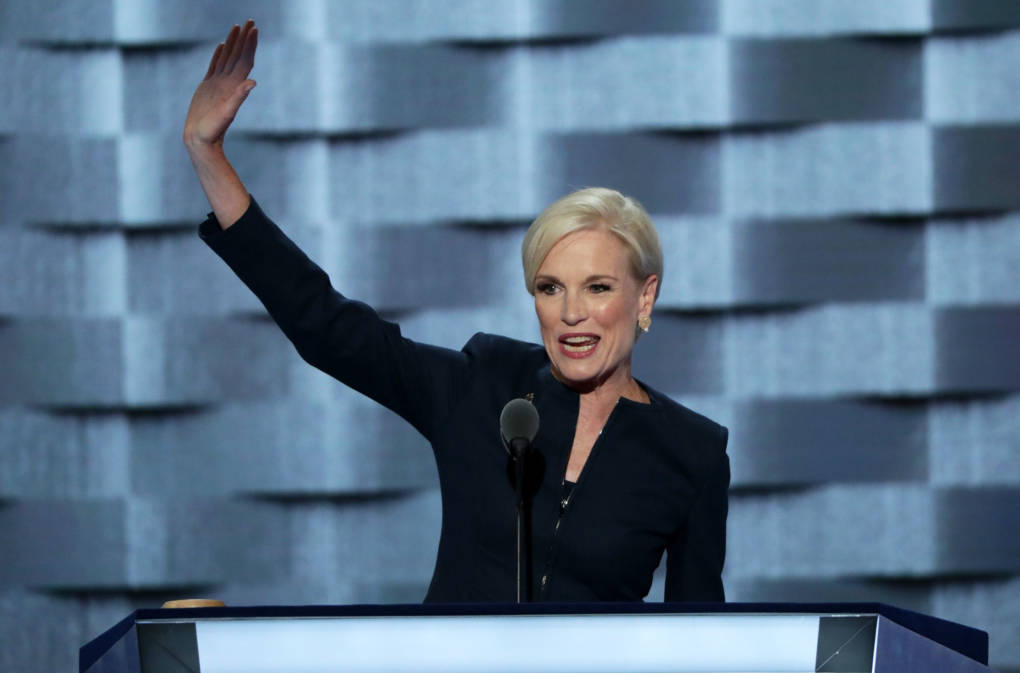
"caption": "Planned Parenthood's president, Cecile Richards, addresses the Democratic National Convention in July. Republicans in Congress have repeatedly threatened to cut off federal funding for Planned Parenthood because the family planning group performs abortions at some clinics.",
"description": "Planned Parenthood's president, Cecile Richards, addresses the Democratic National Convention in July. Republicans in Congress have repeatedly threatened to cut off federal funding for Planned Parenthood because the family planning group performs abortions at some clinics.",
"title": "richards",
"credit": "Alex Wong/Getty Images",
"status": "inherit",
"isLoading": false,
"fetchFailed": false
},
"news_11220312": {
"type": "attachments",
"id": "news_11220312",
"meta": {
"index": "attachments_1716263798",
"site": "news",
"id": "11220312",
"found": true
},
"parent": 11220311,
"imgSizes": {
"small": {
"file": "https://ww2.kqed.org/app/uploads/sites/10/2016/12/gettyimages-97371645_wide-fd34e25d9da4b3c479f25fbaf9f8ebb1dfadbf77-520x292.jpg",
"width": 520,
"mimeType": "image/jpeg",
"height": 292
},
"twentyfourteen-full-width": {
"file": "https://ww2.kqed.org/app/uploads/sites/10/2016/12/gettyimages-97371645_wide-fd34e25d9da4b3c479f25fbaf9f8ebb1dfadbf77-1038x576.jpg",
"width": 1038,
"mimeType": "image/jpeg",
"height": 576
},
"thumbnail": {
"file": "https://ww2.kqed.org/app/uploads/sites/10/2016/12/gettyimages-97371645_wide-fd34e25d9da4b3c479f25fbaf9f8ebb1dfadbf77-160x90.jpg",
"width": 160,
"mimeType": "image/jpeg",
"height": 90
},
"fd-sm": {
"file": "https://ww2.kqed.org/app/uploads/sites/10/2016/12/gettyimages-97371645_wide-fd34e25d9da4b3c479f25fbaf9f8ebb1dfadbf77-960x540.jpg",
"width": 960,
"mimeType": "image/jpeg",
"height": 540
},
"post-thumbnail": {
"file": "https://ww2.kqed.org/app/uploads/sites/10/2016/12/gettyimages-97371645_wide-fd34e25d9da4b3c479f25fbaf9f8ebb1dfadbf77-672x372.jpg",
"width": 672,
"mimeType": "image/jpeg",
"height": 372
},
"xsmall": {
"file": "https://ww2.kqed.org/app/uploads/sites/10/2016/12/gettyimages-97371645_wide-fd34e25d9da4b3c479f25fbaf9f8ebb1dfadbf77-375x211.jpg",
"width": 375,
"mimeType": "image/jpeg",
"height": 211
},
"kqedFullSize": {
"file": "https://ww2.kqed.org/app/uploads/sites/10/2016/12/gettyimages-97371645_wide-fd34e25d9da4b3c479f25fbaf9f8ebb1dfadbf77.jpg",
"width": 3000,
"height": 1687
},
"large": {
"file": "https://ww2.kqed.org/app/uploads/sites/10/2016/12/gettyimages-97371645_wide-fd34e25d9da4b3c479f25fbaf9f8ebb1dfadbf77-1020x574.jpg",
"width": 1020,
"mimeType": "image/jpeg",
"height": 574
},
"xlarge": {
"file": "https://ww2.kqed.org/app/uploads/sites/10/2016/12/gettyimages-97371645_wide-fd34e25d9da4b3c479f25fbaf9f8ebb1dfadbf77-1180x664.jpg",
"width": 1180,
"mimeType": "image/jpeg",
"height": 664
},
"guest-author-50": {
"file": "https://ww2.kqed.org/app/uploads/sites/10/2016/12/gettyimages-97371645_wide-fd34e25d9da4b3c479f25fbaf9f8ebb1dfadbf77-50x50.jpg",
"width": 50,
"mimeType": "image/jpeg",
"height": 50
},
"guest-author-96": {
"file": "https://ww2.kqed.org/app/uploads/sites/10/2016/12/gettyimages-97371645_wide-fd34e25d9da4b3c479f25fbaf9f8ebb1dfadbf77-96x96.jpg",
"width": 96,
"mimeType": "image/jpeg",
"height": 96
},
"medium": {
"file": "https://ww2.kqed.org/app/uploads/sites/10/2016/12/gettyimages-97371645_wide-fd34e25d9da4b3c479f25fbaf9f8ebb1dfadbf77-800x450.jpg",
"width": 800,
"mimeType": "image/jpeg",
"height": 450
},
"guest-author-64": {
"file": "https://ww2.kqed.org/app/uploads/sites/10/2016/12/gettyimages-97371645_wide-fd34e25d9da4b3c479f25fbaf9f8ebb1dfadbf77-64x64.jpg",
"width": 64,
"mimeType": "image/jpeg",
"height": 64
},
"guest-author-32": {
"file": "https://ww2.kqed.org/app/uploads/sites/10/2016/12/gettyimages-97371645_wide-fd34e25d9da4b3c479f25fbaf9f8ebb1dfadbf77-32x32.jpg",
"width": 32,
"mimeType": "image/jpeg",
"height": 32
},
"jmtc-small-thumb": {
"file": "https://ww2.kqed.org/app/uploads/sites/10/2016/12/gettyimages-97371645_wide-fd34e25d9da4b3c479f25fbaf9f8ebb1dfadbf77-280x150.jpg",
"width": 280,
"mimeType": "image/jpeg",
"height": 150
},
"fd-lrg": {
"file": "https://ww2.kqed.org/app/uploads/sites/10/2016/12/gettyimages-97371645_wide-fd34e25d9da4b3c479f25fbaf9f8ebb1dfadbf77-1920x1080.jpg",
"width": 1920,
"mimeType": "image/jpeg",
"height": 1080
},
"fd-med": {
"file": "https://ww2.kqed.org/app/uploads/sites/10/2016/12/gettyimages-97371645_wide-fd34e25d9da4b3c479f25fbaf9f8ebb1dfadbf77-1180x664.jpg",
"width": 1180,
"mimeType": "image/jpeg",
"height": 664
},
"full-width": {
"file": "https://ww2.kqed.org/app/uploads/sites/10/2016/12/gettyimages-97371645_wide-fd34e25d9da4b3c479f25fbaf9f8ebb1dfadbf77-1920x1080.jpg",
"width": 1920,
"mimeType": "image/jpeg",
"height": 1080
},
"detail": {
"file": "https://ww2.kqed.org/app/uploads/sites/10/2016/12/gettyimages-97371645_wide-fd34e25d9da4b3c479f25fbaf9f8ebb1dfadbf77-150x150.jpg",
"width": 150,
"mimeType": "image/jpeg",
"height": 150
},
"guest-author-128": {
"file": "https://ww2.kqed.org/app/uploads/sites/10/2016/12/gettyimages-97371645_wide-fd34e25d9da4b3c479f25fbaf9f8ebb1dfadbf77-128x128.jpg",
"width": 128,
"mimeType": "image/jpeg",
"height": 128
},
"xxsmall": {
"file": "https://ww2.kqed.org/app/uploads/sites/10/2016/12/gettyimages-97371645_wide-fd34e25d9da4b3c479f25fbaf9f8ebb1dfadbf77-240x135.jpg",
"width": 240,
"mimeType": "image/jpeg",
"height": 135
}
},
"publishDate": 1481760798,
"modified": 1481761002,
"caption": "Former Rep. Jack Kingston, R-Ga., was spotted in Moscow speaking to business leaders. The former Trump surrogate probably will not be the last Trump supporter building ties in Russia.",
"description": "Former Rep. Jack Kingston, R-Ga., was spotted in Moscow speaking to business leaders. The former Trump surrogate probably will not be the last Trump supporter building ties in Russia.",
"title": "Former Rep. Jack Kingston, R-Ga., was spotted in Moscow speaking to business leaders. The former Trump surrogate probably will not be the last Trump supporter building ties in Russia.",
"credit": "Stephen Morton/Getty Images",
"status": "inherit",
"isLoading": false,
"fetchFailed": false
},
"news_11218424": {
"type": "attachments",
"id": "news_11218424",
"meta": {
"index": "attachments_1716263798",
"site": "news",
"id": "11218424",
"found": true
},
"parent": 11218423,
"imgSizes": {
"small": {
"file": "https://ww2.kqed.org/app/uploads/sites/10/2016/12/gettyimages-466006574_wide-092a1485e9f4b0d813273a1a04efeb24f3d3ae74-520x293.jpg",
"width": 520,
"mimeType": "image/jpeg",
"height": 293
},
"twentyfourteen-full-width": {
"file": "https://ww2.kqed.org/app/uploads/sites/10/2016/12/gettyimages-466006574_wide-092a1485e9f4b0d813273a1a04efeb24f3d3ae74-1038x576.jpg",
"width": 1038,
"mimeType": "image/jpeg",
"height": 576
},
"thumbnail": {
"file": "https://ww2.kqed.org/app/uploads/sites/10/2016/12/gettyimages-466006574_wide-092a1485e9f4b0d813273a1a04efeb24f3d3ae74-160x90.jpg",
"width": 160,
"mimeType": "image/jpeg",
"height": 90
},
"fd-sm": {
"file": "https://ww2.kqed.org/app/uploads/sites/10/2016/12/gettyimages-466006574_wide-092a1485e9f4b0d813273a1a04efeb24f3d3ae74-960x540.jpg",
"width": 960,
"mimeType": "image/jpeg",
"height": 540
},
"post-thumbnail": {
"file": "https://ww2.kqed.org/app/uploads/sites/10/2016/12/gettyimages-466006574_wide-092a1485e9f4b0d813273a1a04efeb24f3d3ae74-672x372.jpg",
"width": 672,
"mimeType": "image/jpeg",
"height": 372
},
"xsmall": {
"file": "https://ww2.kqed.org/app/uploads/sites/10/2016/12/gettyimages-466006574_wide-092a1485e9f4b0d813273a1a04efeb24f3d3ae74-375x211.jpg",
"width": 375,
"mimeType": "image/jpeg",
"height": 211
},
"kqedFullSize": {
"file": "https://ww2.kqed.org/app/uploads/sites/10/2016/12/gettyimages-466006574_wide-092a1485e9f4b0d813273a1a04efeb24f3d3ae74.jpg",
"width": 4927,
"height": 2772
},
"large": {
"file": "https://ww2.kqed.org/app/uploads/sites/10/2016/12/gettyimages-466006574_wide-092a1485e9f4b0d813273a1a04efeb24f3d3ae74-1020x574.jpg",
"width": 1020,
"mimeType": "image/jpeg",
"height": 574
},
"xlarge": {
"file": "https://ww2.kqed.org/app/uploads/sites/10/2016/12/gettyimages-466006574_wide-092a1485e9f4b0d813273a1a04efeb24f3d3ae74-1180x664.jpg",
"width": 1180,
"mimeType": "image/jpeg",
"height": 664
},
"guest-author-50": {
"file": "https://ww2.kqed.org/app/uploads/sites/10/2016/12/gettyimages-466006574_wide-092a1485e9f4b0d813273a1a04efeb24f3d3ae74-50x50.jpg",
"width": 50,
"mimeType": "image/jpeg",
"height": 50
},
"guest-author-96": {
"file": "https://ww2.kqed.org/app/uploads/sites/10/2016/12/gettyimages-466006574_wide-092a1485e9f4b0d813273a1a04efeb24f3d3ae74-96x96.jpg",
"width": 96,
"mimeType": "image/jpeg",
"height": 96
},
"medium": {
"file": "https://ww2.kqed.org/app/uploads/sites/10/2016/12/gettyimages-466006574_wide-092a1485e9f4b0d813273a1a04efeb24f3d3ae74-800x450.jpg",
"width": 800,
"mimeType": "image/jpeg",
"height": 450
},
"guest-author-64": {
"file": "https://ww2.kqed.org/app/uploads/sites/10/2016/12/gettyimages-466006574_wide-092a1485e9f4b0d813273a1a04efeb24f3d3ae74-64x64.jpg",
"width": 64,
"mimeType": "image/jpeg",
"height": 64
},
"guest-author-32": {
"file": "https://ww2.kqed.org/app/uploads/sites/10/2016/12/gettyimages-466006574_wide-092a1485e9f4b0d813273a1a04efeb24f3d3ae74-32x32.jpg",
"width": 32,
"mimeType": "image/jpeg",
"height": 32
},
"jmtc-small-thumb": {
"file": "https://ww2.kqed.org/app/uploads/sites/10/2016/12/gettyimages-466006574_wide-092a1485e9f4b0d813273a1a04efeb24f3d3ae74-280x150.jpg",
"width": 280,
"mimeType": "image/jpeg",
"height": 150
},
"fd-lrg": {
"file": "https://ww2.kqed.org/app/uploads/sites/10/2016/12/gettyimages-466006574_wide-092a1485e9f4b0d813273a1a04efeb24f3d3ae74-1920x1080.jpg",
"width": 1920,
"mimeType": "image/jpeg",
"height": 1080
},
"fd-med": {
"file": "https://ww2.kqed.org/app/uploads/sites/10/2016/12/gettyimages-466006574_wide-092a1485e9f4b0d813273a1a04efeb24f3d3ae74-1180x664.jpg",
"width": 1180,
"mimeType": "image/jpeg",
"height": 664
},
"full-width": {
"file": "https://ww2.kqed.org/app/uploads/sites/10/2016/12/gettyimages-466006574_wide-092a1485e9f4b0d813273a1a04efeb24f3d3ae74-1920x1080.jpg",
"width": 1920,
"mimeType": "image/jpeg",
"height": 1080
},
"detail": {
"file": "https://ww2.kqed.org/app/uploads/sites/10/2016/12/gettyimages-466006574_wide-092a1485e9f4b0d813273a1a04efeb24f3d3ae74-150x150.jpg",
"width": 150,
"mimeType": "image/jpeg",
"height": 150
},
"guest-author-128": {
"file": "https://ww2.kqed.org/app/uploads/sites/10/2016/12/gettyimages-466006574_wide-092a1485e9f4b0d813273a1a04efeb24f3d3ae74-128x128.jpg",
"width": 128,
"mimeType": "image/jpeg",
"height": 128
},
"xxsmall": {
"file": "https://ww2.kqed.org/app/uploads/sites/10/2016/12/gettyimages-466006574_wide-092a1485e9f4b0d813273a1a04efeb24f3d3ae74-240x135.jpg",
"width": 240,
"mimeType": "image/jpeg",
"height": 135
}
},
"publishDate": 1481655001,
"modified": 1481673070,
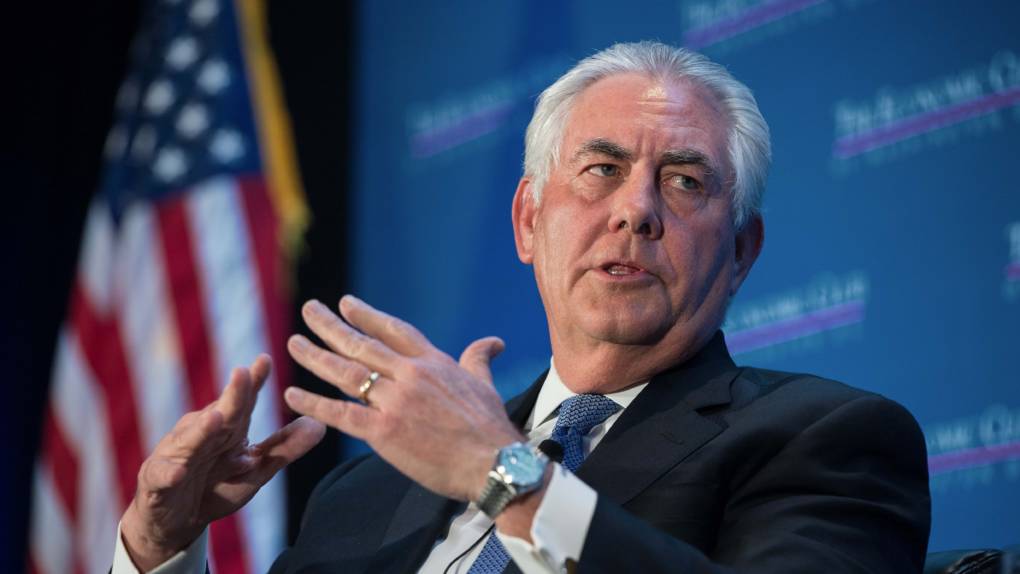
"caption": "ExxonMobil chairman and CEO Rex Tillerson speaks in March 2015 at a discussion organized by the Economic Club of Washington. President-elect Donald Trump has named Tillerson as his nominee for secretary of state.",
"description": "ExxonMobil chairman and CEO Rex Tillerson speaks in March 2015 at a discussion organized by the Economic Club of Washington. President-elect Donald Trump is expected to name Tillerson as his nominee for secretary of state today.",
"title": "ExxonMobil chairman and CEO Rex Tillerson speaks in March 2015 at a discussion organized by the Economic Club of Washington. President-elect Donald Trump is expected to name Tillerson as his nominee for secretary of state today.",
"credit": "Nicholas Kamm/AFP/Getty Images",
"status": "inherit",
"isLoading": false,
"fetchFailed": false
}
},
"audioPlayerReducer": {
"postId": "stream_live",
"isPaused": true,
"isPlaying": false,
"pfsActive": false,
"pledgeModalIsOpen": true,
"playerDrawerIsOpen": false,
"liveAudioPlayStartedAt": 0,
"liveAudioPlayContext": ""
},
"authorsReducer": {
"byline_news_11243867": {
"type": "authors",
"id": "byline_news_11243867",
"meta": {
"override": true
},
"slug": "byline_news_11243867",
"name": "\u003ca href=\"http://www.npr.org/2016/12/28/506718757/should-we-all-just-stop-calling-2016-the-worst\">\u003cstrong>Sam Sanders \u003cbr> NPR\u003c/strong>\u003c/a>",
"isLoading": false
},
"byline_news_11243382": {
"type": "authors",
"id": "byline_news_11243382",
"meta": {
"override": true
},
"slug": "byline_news_11243382",
"name": "\u003cstrong>\u003ca href=\"http://www.npr.org/sections/alltechconsidered/2016/12/28/507230487/as-we-leave-more-digital-tracks-amazon-echo-factors-in-murder-investigation\">Alina Selyukh \u003cbr> NPR \u003c/a> \u003c/strong>",
"isLoading": false
},
"byline_news_11242106": {
"type": "authors",
"id": "byline_news_11242106",
"meta": {
"override": true
},
"slug": "byline_news_11242106",
"name": "\u003cstrong>Eric Deggans\u003cbr>NPR\u003c/strong>",
"isLoading": false
},
"byline_news_11231118": {
"type": "authors",
"id": "byline_news_11231118",
"meta": {
"override": true
},
"slug": "byline_news_11231118",
"name": "\u003cstrong>Alina Selyukh & Antonia Cereijido\u003cbr>NPR\u003c/strong>",
"isLoading": false
},
"byline_news_11232775": {
"type": "authors",
"id": "byline_news_11232775",
"meta": {
"override": true
},
"slug": "byline_news_11232775",
"name": "NPR Staff",
"isLoading": false
},
"byline_news_11222912": {
"type": "authors",
"id": "byline_news_11222912",
"meta": {
"override": true
},
"slug": "byline_news_11222912",
"name": "Scott Detrow",
"isLoading": false
},
"byline_news_11222015": {
"type": "authors",
"id": "byline_news_11222015",
"meta": {
"override": true
},
"slug": "byline_news_11222015",
"name": "Brian Naylor",
"isLoading": false
},
"byline_news_11221886": {
"type": "authors",
"id": "byline_news_11221886",
"meta": {
"override": true
},
"slug": "byline_news_11221886",
"name": "\u003cstrong>\u003ca href=\"http://www.npr.org/people/14562108/bill-chappell\">Bill Chappell\u003c/a>\u003cbr />\u003ca href=\"http://www.npr.org/\">NPR\u003c/a>\u003c/strong>",
"isLoading": false
},
"byline_news_11221481": {
"type": "authors",
"id": "byline_news_11221481",
"meta": {
"override": true
},
"slug": "byline_news_11221481",
"name": "Tamara Keith",
"isLoading": false
},
"byline_news_11220414": {
"type": "authors",
"id": "byline_news_11220414",
"meta": {
"override": true
},
"slug": "byline_news_11220414",
"name": "Alison Kodjak",
"isLoading": false
},
"byline_news_11220311": {
"type": "authors",
"id": "byline_news_11220311",
"meta": {
"override": true
},
"slug": "byline_news_11220311",
"name": "Lucian Kim",
"isLoading": false
},
"byline_news_11218423": {
"type": "authors",
"id": "byline_news_11218423",
"meta": {
"override": true
},
"slug": "byline_news_11218423",
"name": "Christopher Dean Hopkins",
"isLoading": false
}
},
"pagesReducer": {
"news_affiliate_npr": {
"type": "terms",
"id": "news_253",
"meta": {
"index": "terms_1716263798",
"site": "news",
"id": "253",
"score": 14.255688
},
"featImg": null,
"name": "NPR",
"description": null,
"taxonomy": "affiliate",
"headData": {
"twImgId": null,
"twTitle": null,
"ogTitle": null,
"ogImgId": null,
"twDescription": null,
"description": "KQED is the NPR station for the Bay Area, providing award-winning news, programming, and community engagement.",
"title": "NPR Archives - Get the Latest News and Reports from California | KQED",
"ogDescription": null
},
"ttid": 7083,
"slug": "npr",
"isLoading": false,
"title": "NPR",
"pageMeta": {
"site": "news",
"WpPageTemplate": "page-topic-editorial",
"currentPage": 89
},
"blocks": [
{
"blockName": "kqed/post-list",
"attrs": {
"layout": "cardArticle2",
"query": "posts/news?affiliate=npr",
"seeMore": false,
"paginated": true,
"page": 89
}
},
{
"blockName": "kqed/ad"
}
]
}
},
"pfsSessionReducer": {},
"postsReducer": {
"stream_live": {
"type": "live",
"id": "stream_live",
"audioUrl": "https://streams.kqed.org/kqedradio",
"title": "Live Stream",
"excerpt": "Live Stream information currently unavailable.",
"link": "/radio",
"featImg": "",
"label": {
"name": "KQED Live",
"link": "/"
}
},
"stream_kqedNewscast": {
"type": "posts",
"id": "stream_kqedNewscast",
"audioUrl": "https://www.kqed.org/.stream/anon/radio/RDnews/newscast.mp3?_=1",
"title": "KQED Newscast",
"featImg": "",
"label": {
"name": "88.5 FM",
"link": "/"
}
},
"news_11243867": {
"type": "posts",
"id": "news_11243867",
"meta": {
"index": "posts_1716263798",
"site": "news",
"id": "11243867",
"score": null,
"sort": [
1483117227000
]
},
"parent": 0,
"labelTerm": {},
"blocks": [],
"publishDate": 1483117227,
"format": "standard",
"disqusTitle": "Should We All Just Stop Calling 2016 'The Worst'?",
"title": "Should We All Just Stop Calling 2016 'The Worst'?",
"headTitle": "The California Report | KQED News",
"content": "\u003cp>Oh, 2016.\u003c/p>\n\u003cp>The year it all went to hell. The year nothing made sense. The year we lost track of reality. The year Merriam-Webster made \"surreal\" its \u003ca href=\"https://www.merriam-webster.com/words-at-play/woty2016-top-looked-up-words-surreal\">word of the year\u003c/a>.\u003c/p>\n\u003cp>For many, 2016 hasn't just been awful and strange; it's become its own Debbie-Downer catchphrase. 2016 itself has \u003ca href=\"http://www.slate.com/blogs/browbeat/2016/12/14/_2016_s_word_of_the_year_isn_t_a_word_it_s_a_number.html\">become its own meme\u003c/a>.\u003c/p>\n\u003cp>Where were you when you decided this would be how we remembered the year? When you decided 2016 was pure trash, utter filth, \u003ca href=\"http://www.startribune.com/dear-2016-i-made-you-this-ornament-it-s-a-dumpster-fire/402757886/\">a fire in a dumpster\u003c/a>? Was it when David Bowie died? Or when \u003ca href=\"http://www.npr.org/templates/story/story.php?storyId=15394157\">Prince\u003c/a> ended his purple reign? Or when you realized that, whoever won, \u003ca href=\"http://www.npr.org/tags/170418202/2016-presidential-election\">Election 2016\u003c/a> was going to be a hot, smoldering mess? Was it \u003ca href=\"http://www.npr.org/tags/477687016/brexit\">Brexit\u003c/a>? Was it \u003ca href=\"http://www.npr.org/tags/480286836/harambe\">Harambe\u003c/a>? Which terror attack did it for you? Or maybe it was when \u003ca href=\"http://www.npr.org/2016/10/06/496864737/a-u-s-senate-candidate-just-dabbed-at-the-end-of-a-debate\" target=\"_blank\">Loretta Sanchez did the dab\u003c/a>.\u003c/p>\n\u003cp>However you got here, citizen of the internet, rest assured, you are not alone. (I am with you. I've been calling 2016 the worst for months now.) And as this year comes to a close, many are memorializing it online by pointing out how much it sucked, how much it aged them, how much they regret it. All of it.\u003c/p>\n\u003cp>[ad fullwidth]\u003c/p>\n\u003cp>But — and this is the strange part — by many measures, 2016 wasn't nearly as bad as certain portions of the internet have made it out to be. And it surely can't be the worst year \u003cem>of all time\u003c/em>.\u003c/p>\n\u003cp>For the nearly 63 million voters who supported Donald Trump, maybe this \u003cem>wasn't \u003c/em>a bad year at all; their candidate won. For millions of Americans whose wages went up, or who re-entered the economy (the U.S. has enjoyed an unemployment rate under 5 percent for months), maybe their year was good, too. The vast majority of Americans lived lives free from any direct personal effects from incidences of global (or even national) terror, or wars throughout the globe (not to minimize global unrest, which is a constant, and particularly troubling this year). Multiple measures of consumer confidence, in fact, trended up this year, in spite of months full of headlines indicating a world on the brink. Of something. Or a lot of things.\u003c/p>\n\u003cp>The markets are up, too. And more people have health insurance.\u003c/p>\n\u003cp>So, why then, is 2016 the worst?\u003c/p>\n\u003cp>Well, let's start with the obvious: the election. There's no need to recount it all. But it was a hot mess. Russian hacks, assertions of the size of one's manhood on a debate stage. Leaks showing national parties seeming to conspire to elect a favored candidate. FBI investigations and \u003cem>Access Hollywood\u003c/em> videos.\u003c/p>\n\u003cp>And of course, foreign affairs. With Syria as the central flashpoint, it'd be easy to see 2016 as the year the whole world caught on fire.\u003c/p>\n\u003cp>But there's more than that. Some of the \"2016 is awful\" rhetoric might be about the way we all \u003cem>consumed \u003c/em>the headlines this year.\u003c/p>\n\u003cp>Amy Mitchell, director of Journalism Research at the Pew Research Center, says what we've been witnessing in news consumption trends over the last few years has changed us.\u003c/p>\n\u003cp>\"A lot of the shift to digital is presenting a news experience that is more mixed in with other kinds of activities,\" she says. \"You don't necessarily go online looking for news each and every time. Somebody shares it, somebody emails it to you, somebody texts a link. And so many Americans are bumping into the news throughout the course of the day.\"\u003c/p>\n\u003cp>Nikki Usher, a professor of media and public affairs at George Washington University, calls this recent phenomenon \"ambient journalism,\" or \"when you're constantly plugged in through social media and you're constantly online and engaged in some way.\"\u003c/p>\n\u003cp>And that — that constant bumping into news and online discord, that constant engagement — over time, it becomes an \u003cem>assault. \u003c/em>\u003c/p>\n\u003cp>Every five minutes, another sad headline, another Twitter mention or fight, another shared link on Facebook, another push notification. Another hit. And even if the news isn't even explicitly about us, trust, we're still taking a hit.\u003c/p>\n\u003cp>\u003ca href=\"http://ww2.kqed.org/news/wp-content/uploads/sites/10/2016/12/dumpster-fire-WEB.gif\">\u003cimg src=\"http://ww2.kqed.org/news/wp-content/uploads/sites/10/2016/12/dumpster-fire-WEB.gif\" alt=\"dumpster-fire-web\" width=\"800\" height=\"400\" class=\"aligncenter\">\u003c/a>\u003c/p>\n\u003cp>And, Usher says, besides that aggression of immediacy, a lot of the headlines we consumed this year, particularly about the election, pushed a certain narrative: a nation, and even a world, completely and disastrously divided, perhaps beyond repair.\u003c/p>\n\u003cp>\"Lots of crappy, bad things happen every year,\" she says, \"but you aren't told over and over again that this just shows us how bad everything is.\" And for Usher, there's no escape. \"Usually there are realms where there are types of coverage that provide a break in the kind of narrative of disrepair.\"\u003c/p>\n\u003cp>Not this year. The NFL was overtaken with silent, peaceful protest. Your favorite pop star probably endorsed a presidential candidate in 2016. Even the highest-grossing film of the year, \u003cem>Captain America: Civil War\u003c/em>, was a commentary on the modern national security state.\u003c/p>\n\u003cp>But culture always reflects the time. There must be something deeper, a certain logic or pathology that would lead thousands to deem this year so awful, and to declare as much, so publicly, and consistently, online, for months.\u003c/p>\n\u003cp>It's the medium. Robert Hernandez, professor of journalism at the University of Southern California, says using social media to declare 2016 \"the worst ever\" is the latest example of how we use the internet: ironically, with hyperbole, and usually, with a wink and a nod.\u003c/p>\n\u003cp>\"It is the latest meme of the day,\" Hernandez says. \"It's the next flavor of hashtag Thanks Obama. 'Oh, I just dropped my coffee. Thanks Obama!' \"\u003c/p>\n\u003cp>\"It's how we cope,\" says Hernandez, even as he acknowledges the very act of such tweeting indicates a certain level of privilege. \"If you're on Twitter, you're on a mobile device, probably one of the newest ones, one of the new phones. [And] you're one of the few people on Twitter [relatively].\"\u003c/p>\n\u003cp>He's right. For most of us, myself included, tweeting that 2016 is the worst, or even tweeting at all, is an exercise in privilege. The air in which one offers cultural criticism (including this very essay), memes and gif-able 140-character bursts, is rarefied. If your year was really the worst, you probably wouldn't be tweeting about it.\u003c/p>\n\u003cp>We weren't in this spot a few years ago — this collective, ironic, gripe-fest — during those glory days of tweeting about being bored in meetings or what you had for lunch, or being so numbingly comfortable in your own world that you put your home address on Facebook. That seems to be all over now.\u003c/p>\n\u003cp>Now it's all irony, or sarcasm, or bombast. Saying 2016 is the worst online might just be us accepting that social media caught up with the lesser angels of our nature. Social media isn't nice anymore. At it's best, it's just a little flip. Now our feeds are just a record of discontent, or the performance thereof.\u003c/p>\n\u003cp>So, 2016. Sure. Let's call it the worst. But let's also acknowledge that saying 2016 is the worst on Twitter says more about the tweeter, and the medium, than perhaps about the year itself. \u003c/p>\n\u003cp>[ad floatright]\u003c/p>\n\u003cp>\u003cem>Copyright 2016 NPR. To see more, visit \u003ca href=\"http://www.npr.org/\" target=\"_blank\">www.npr.org\u003c/a>.\u003c/em>\u003c/p>\n\n",
"disqusIdentifier": "11243867 http://ww2.kqed.org/news/?p=11243867",
"disqusUrl": "https://ww2.kqed.org/news/2016/12/30/should-we-all-just-stop-calling-2016-the-worst/",
"stats": {
"hasVideo": false,
"hasChartOrMap": false,
"hasAudio": false,
"hasPolis": false,
"wordCount": 1218,
"hasGoogleForm": false,
"hasGallery": false,
"hasHearkenModule": false,
"iframeSrcs": [],
"paragraphCount": 32
},
"modified": 1483062271,
"excerpt": "Large portions of the Internet have declared 2016 one of the worst years ever. That's probably an inaccurate assessment, but it still says a lot about how we live online.",
"headData": {
"twImgId": "",
"twTitle": "",
"ogTitle": "",
"ogImgId": "",
"twDescription": "",
"description": "Large portions of the Internet have declared 2016 one of the worst years ever. That's probably an inaccurate assessment, but it still says a lot about how we live online.",
"title": "Should We All Just Stop Calling 2016 'The Worst'? | KQED",
"ogDescription": "",
"schema": {
"@context": "https://schema.org",
"@type": "NewsArticle",
"headline": "Should We All Just Stop Calling 2016 'The Worst'?",
"datePublished": "2016-12-30T09:00:27-08:00",
"dateModified": "2016-12-29T17:44:31-08:00",
"image": "https://cdn.kqed.org/wp-content/uploads/2020/02/KQED-OG-Image@1x.png",
"isAccessibleForFree": "True",
"publisher": {
"@type": "NewsMediaOrganization",
"@id": "https://www.kqed.org/#organization",
"name": "KQED",
"logo": "https://cdn.kqed.org/wp-content/uploads/2020/02/KQED-OG-Image@1x.png",
"url": "https://www.kqed.org",
"sameAs": [
"https://www.facebook.com/KQED",
"https://twitter.com/KQED",
"https://www.instagram.com/kqed/",
"https://www.tiktok.com/@kqedofficial",
"https://www.linkedin.com/company/kqed",
"https://www.youtube.com/channel/UCeC0IOo7i1P_61zVUWbJ4nw"
]
}
}
},
"guestAuthors": [],
"slug": "should-we-all-just-stop-calling-2016-the-worst",
"status": "publish",
"sourceUrl": "http://www.npr.org/2016/12/28/506718757/should-we-all-just-stop-calling-2016-the-worst",
"nprApiLink": "http://api.npr.org/query?id=506718757&apiKey=MDAxOTAwOTE4MDEyMTkxMDAzNjczZDljZA004",
"nprByline": "\u003ca href=\"http://www.npr.org/2016/12/28/506718757/should-we-all-just-stop-calling-2016-the-worst\">\u003cstrong>Sam Sanders \u003cbr> NPR\u003c/strong>\u003c/a>",
"nprStoryDate": "Wed, 28 Dec 2016 14:30:00 -0500",
"nprLastModifiedDate": "Wed, 28 Dec 2016 16:13:28 -0500",
"nprHtmlLink": "http://www.npr.org/2016/12/28/506718757/should-we-all-just-stop-calling-2016-the-worst?ft=nprml&f=506718757",
"nprImageAgency": "Getty Images/Ikon Images",
"nprImageCredit": "Luciano Lozano",
"source": "NPR",
"nprStoryId": "506718757",
"nprRetrievedStory": "1",
"nprPubDate": "Wed, 28 Dec 2016 16:13:00 -0500",
"path": "/news/11243867/should-we-all-just-stop-calling-2016-the-worst",
"audioTrackLength": null,
"parsedContent": [
{
"type": "contentString",
"content": "\u003cdiv class=\"post-body\">\u003cp>\u003cp>Oh, 2016.\u003c/p>\n\u003cp>The year it all went to hell. The year nothing made sense. The year we lost track of reality. The year Merriam-Webster made \"surreal\" its \u003ca href=\"https://www.merriam-webster.com/words-at-play/woty2016-top-looked-up-words-surreal\">word of the year\u003c/a>.\u003c/p>\n\u003cp>For many, 2016 hasn't just been awful and strange; it's become its own Debbie-Downer catchphrase. 2016 itself has \u003ca href=\"http://www.slate.com/blogs/browbeat/2016/12/14/_2016_s_word_of_the_year_isn_t_a_word_it_s_a_number.html\">become its own meme\u003c/a>.\u003c/p>\n\u003cp>Where were you when you decided this would be how we remembered the year? When you decided 2016 was pure trash, utter filth, \u003ca href=\"http://www.startribune.com/dear-2016-i-made-you-this-ornament-it-s-a-dumpster-fire/402757886/\">a fire in a dumpster\u003c/a>? Was it when David Bowie died? Or when \u003ca href=\"http://www.npr.org/templates/story/story.php?storyId=15394157\">Prince\u003c/a> ended his purple reign? Or when you realized that, whoever won, \u003ca href=\"http://www.npr.org/tags/170418202/2016-presidential-election\">Election 2016\u003c/a> was going to be a hot, smoldering mess? Was it \u003ca href=\"http://www.npr.org/tags/477687016/brexit\">Brexit\u003c/a>? Was it \u003ca href=\"http://www.npr.org/tags/480286836/harambe\">Harambe\u003c/a>? Which terror attack did it for you? Or maybe it was when \u003ca href=\"http://www.npr.org/2016/10/06/496864737/a-u-s-senate-candidate-just-dabbed-at-the-end-of-a-debate\" target=\"_blank\">Loretta Sanchez did the dab\u003c/a>.\u003c/p>\n\u003cp>However you got here, citizen of the internet, rest assured, you are not alone. (I am with you. I've been calling 2016 the worst for months now.) And as this year comes to a close, many are memorializing it online by pointing out how much it sucked, how much it aged them, how much they regret it. All of it.\u003c/p>\n\u003cp>\u003c/p>\u003c/div>",
"attributes": {
"named": {},
"numeric": []
}
},
{
"type": "component",
"content": "",
"name": "ad",
"attributes": {
"named": {
"label": "fullwidth"
},
"numeric": [
"fullwidth"
]
}
},
{
"type": "contentString",
"content": "\u003cdiv class=\"post-body\">\u003cp>\u003c/p>\n\u003cp>But — and this is the strange part — by many measures, 2016 wasn't nearly as bad as certain portions of the internet have made it out to be. And it surely can't be the worst year \u003cem>of all time\u003c/em>.\u003c/p>\n\u003cp>For the nearly 63 million voters who supported Donald Trump, maybe this \u003cem>wasn't \u003c/em>a bad year at all; their candidate won. For millions of Americans whose wages went up, or who re-entered the economy (the U.S. has enjoyed an unemployment rate under 5 percent for months), maybe their year was good, too. The vast majority of Americans lived lives free from any direct personal effects from incidences of global (or even national) terror, or wars throughout the globe (not to minimize global unrest, which is a constant, and particularly troubling this year). Multiple measures of consumer confidence, in fact, trended up this year, in spite of months full of headlines indicating a world on the brink. Of something. Or a lot of things.\u003c/p>\n\u003cp>The markets are up, too. And more people have health insurance.\u003c/p>\n\u003cp>So, why then, is 2016 the worst?\u003c/p>\n\u003cp>Well, let's start with the obvious: the election. There's no need to recount it all. But it was a hot mess. Russian hacks, assertions of the size of one's manhood on a debate stage. Leaks showing national parties seeming to conspire to elect a favored candidate. FBI investigations and \u003cem>Access Hollywood\u003c/em> videos.\u003c/p>\n\u003cp>And of course, foreign affairs. With Syria as the central flashpoint, it'd be easy to see 2016 as the year the whole world caught on fire.\u003c/p>\n\u003cp>But there's more than that. Some of the \"2016 is awful\" rhetoric might be about the way we all \u003cem>consumed \u003c/em>the headlines this year.\u003c/p>\n\u003cp>Amy Mitchell, director of Journalism Research at the Pew Research Center, says what we've been witnessing in news consumption trends over the last few years has changed us.\u003c/p>\n\u003cp>\"A lot of the shift to digital is presenting a news experience that is more mixed in with other kinds of activities,\" she says. \"You don't necessarily go online looking for news each and every time. Somebody shares it, somebody emails it to you, somebody texts a link. And so many Americans are bumping into the news throughout the course of the day.\"\u003c/p>\n\u003cp>Nikki Usher, a professor of media and public affairs at George Washington University, calls this recent phenomenon \"ambient journalism,\" or \"when you're constantly plugged in through social media and you're constantly online and engaged in some way.\"\u003c/p>\n\u003cp>And that — that constant bumping into news and online discord, that constant engagement — over time, it becomes an \u003cem>assault. \u003c/em>\u003c/p>\n\u003cp>Every five minutes, another sad headline, another Twitter mention or fight, another shared link on Facebook, another push notification. Another hit. And even if the news isn't even explicitly about us, trust, we're still taking a hit.\u003c/p>\n\u003cp>\u003ca href=\"http://ww2.kqed.org/news/wp-content/uploads/sites/10/2016/12/dumpster-fire-WEB.gif\">\u003cimg src=\"http://ww2.kqed.org/news/wp-content/uploads/sites/10/2016/12/dumpster-fire-WEB.gif\" alt=\"dumpster-fire-web\" width=\"800\" height=\"400\" class=\"aligncenter\">\u003c/a>\u003c/p>\n\u003cp>And, Usher says, besides that aggression of immediacy, a lot of the headlines we consumed this year, particularly about the election, pushed a certain narrative: a nation, and even a world, completely and disastrously divided, perhaps beyond repair.\u003c/p>\n\u003cp>\"Lots of crappy, bad things happen every year,\" she says, \"but you aren't told over and over again that this just shows us how bad everything is.\" And for Usher, there's no escape. \"Usually there are realms where there are types of coverage that provide a break in the kind of narrative of disrepair.\"\u003c/p>\n\u003cp>Not this year. The NFL was overtaken with silent, peaceful protest. Your favorite pop star probably endorsed a presidential candidate in 2016. Even the highest-grossing film of the year, \u003cem>Captain America: Civil War\u003c/em>, was a commentary on the modern national security state.\u003c/p>\n\u003cp>But culture always reflects the time. There must be something deeper, a certain logic or pathology that would lead thousands to deem this year so awful, and to declare as much, so publicly, and consistently, online, for months.\u003c/p>\n\u003cp>It's the medium. Robert Hernandez, professor of journalism at the University of Southern California, says using social media to declare 2016 \"the worst ever\" is the latest example of how we use the internet: ironically, with hyperbole, and usually, with a wink and a nod.\u003c/p>\n\u003cp>\"It is the latest meme of the day,\" Hernandez says. \"It's the next flavor of hashtag Thanks Obama. 'Oh, I just dropped my coffee. Thanks Obama!' \"\u003c/p>\n\u003cp>\"It's how we cope,\" says Hernandez, even as he acknowledges the very act of such tweeting indicates a certain level of privilege. \"If you're on Twitter, you're on a mobile device, probably one of the newest ones, one of the new phones. [And] you're one of the few people on Twitter [relatively].\"\u003c/p>\n\u003cp>He's right. For most of us, myself included, tweeting that 2016 is the worst, or even tweeting at all, is an exercise in privilege. The air in which one offers cultural criticism (including this very essay), memes and gif-able 140-character bursts, is rarefied. If your year was really the worst, you probably wouldn't be tweeting about it.\u003c/p>\n\u003cp>We weren't in this spot a few years ago — this collective, ironic, gripe-fest — during those glory days of tweeting about being bored in meetings or what you had for lunch, or being so numbingly comfortable in your own world that you put your home address on Facebook. That seems to be all over now.\u003c/p>\n\u003cp>Now it's all irony, or sarcasm, or bombast. Saying 2016 is the worst online might just be us accepting that social media caught up with the lesser angels of our nature. Social media isn't nice anymore. At it's best, it's just a little flip. Now our feeds are just a record of discontent, or the performance thereof.\u003c/p>\n\u003cp>So, 2016. Sure. Let's call it the worst. But let's also acknowledge that saying 2016 is the worst on Twitter says more about the tweeter, and the medium, than perhaps about the year itself. \u003c/p>\n\u003cp>\u003c/p>\u003c/div>",
"attributes": {
"named": {},
"numeric": []
}
},
{
"type": "component",
"content": "",
"name": "ad",
"attributes": {
"named": {
"label": "floatright"
},
"numeric": [
"floatright"
]
}
},
{
"type": "contentString",
"content": "\u003cdiv class=\"post-body\">\u003cp>\u003c/p>\n\u003cp>\u003cem>Copyright 2016 NPR. To see more, visit \u003ca href=\"http://www.npr.org/\" target=\"_blank\">www.npr.org\u003c/a>.\u003c/em>\u003c/p>\n\n\u003c/div>\u003c/p>",
"attributes": {
"named": {},
"numeric": []
}
}
],
"link": "/news/11243867/should-we-all-just-stop-calling-2016-the-worst",
"authors": [
"byline_news_11243867"
],
"programs": [
"news_6944",
"news_72"
],
"categories": [
"news_8"
],
"tags": [
"news_19964",
"news_3137",
"news_17286",
"news_346"
],
"affiliates": [
"news_253"
],
"featImg": "news_11243868",
"label": "source_news_11243867"
},
"news_11243382": {
"type": "posts",
"id": "news_11243382",
"meta": {
"index": "posts_1716263798",
"site": "news",
"id": "11243382",
"score": null,
"sort": [
1483042209000
]
},
"guestAuthors": [],
"slug": "as-we-leave-more-digital-tracks-amazon-echo-factors-in-murder-investigation",
"title": "As We Leave More Digital Tracks, Amazon Echo Factors In Murder Investigation",
"publishDate": 1483042209,
"format": "standard",
"headTitle": "As We Leave More Digital Tracks, Amazon Echo Factors In Murder Investigation | KQED",
"labelTerm": {},
"content": "\u003cp>Amazon’s personal assistant device called Echo was one of the most popular gifts this Christmas. But this week, the device grabbed headlines for another reason: Police in Arkansas are trying to use its data in a murder investigation.\u003c/p>\n\u003cp>What we know from \u003ca href=\"https://contexte.aoc.arkansas.gov/imaging/IMAGES/DMS/CK_Image.Present2?DMS_ID=e7db0da1-0abf-4f18-88d3-4ccb7e39e4cc\" target=\"_blank\" rel=\"noopener\">court documents\u003c/a> is that in November 2015, a man in Arkansas had some friends over at his house to watch a football game. In the morning, one of the friends was found dead in a hot tub in the backyard. Police later charged the man who lived in the house, James Bates, with murder. He has pleaded not guilty.\u003c/p>\n\u003cp>As the police were investigating the crime, they found a number of digital devices in the suspect’s house, including an Amazon Echo device that was in the kitchen. They have since seized the device and have apparently gotten some information from it, but what they want to check is what — if anything — the device may have recorded around the time of the murder.\u003c/p>\n\u003cp>Here’s how the device works: Echo is always listening for the wake, or trigger, word, which is usually “Alexa.” But experts say the storage capacity on the actual device is pretty minimal, so only a tiny amount is written and then overwritten as the device listens for the wake word.\u003c/p>\n\u003cp>When the wake word is said — and the blue light ring lights up — all the spoken queries get recorded and transmitted to Amazon servers. “To be clear, Echo is only streaming audio to the cloud when the blue light is on,” says Amazon spokeswoman Kinley Pearsall.\u003c/p>\n\u003cp>[ad fullwidth]\u003c/p>\n\u003cp>But a number of Echo users have reported \u003ca href=\"http://www.slate.com/articles/technology/cover_story/2016/04/alexa_cortana_and_siri_aren_t_novelties_anymore_they_re_our_terrifyingly.html\" target=\"_blank\" rel=\"noopener\">a creepy experience\u003c/a> of the device turning on and starting to talk without being prompted by the wake word “Alexa” — perhaps mishearing or misinterpreting conversations in the room.\u003c/p>\n\u003cp>So in the Arkansas murder case, which was \u003ca href=\"https://www.theinformation.com/amazon-echo-and-the-hot-tub-murder?shared=ec3cb4\" target=\"_blank\" rel=\"noopener\">first reported\u003c/a> by tech industry news site \u003cem>The Information\u003c/em>, the police may be counting on such an accidental recording or something more. They served a search warrant to Amazon for data covering two days around the time of the murder.\u003c/p>\n\u003cp>Amazon has satisfied a portion of the request. According to court documents, the company has provided “account holder information for James Bates and purchase history.”\u003c/p>\n\u003cp>However, Amazon declined to share information from its servers. The company has not commented on the specific case, but issued a statement:\u003c/p>\n\u003cblockquote>\u003cp>“Amazon will not release customer information without a valid and binding legal demand properly served on us. Amazon objects to overbroad or otherwise inappropriate demands as a matter of course.”\u003c/p>\u003c/blockquote>\n\u003cp>All this may remind you of \u003ca href=\"http://www.npr.org/series/469827708/the-apple-fbi-debate-over-encryption/archive\">the Apple-FBI standoff\u003c/a> over access to a locked iPhone in the San Bernardino shooting investigation. This isn’t exactly the same kind of case, but it’s another example of law enforcement turning to a tech company for access to personal data.\u003c/p>\n\u003cp>Privacy advocates have long predicted a wave of these kinds of cases — as we \u003ca href=\"http://www.npr.org/sections/alltechconsidered/2016/12/05/504467134/despite-its-promise-the-internet-of-things-remains-vulnerable\">connect more and more things to the internet\u003c/a> and swarm our homes with digital devices, they will become involved in more crime investigations.\u003c/p>\n\u003cp>Interestingly, even in the Arkansas case, investigators are also using information from a smart water meter, alleging that an increase in water use in the middle of the night suggests a possible cleanup around the crime scene.\u003c/p>\n\u003cp>And that’s going to be a more common occurrence — when the data, otherwise seemingly innocuous, could be used to draw inferences or guesses about habits and activities, says Nuala O’Connor, president and CEO of the Center for Democracy & Technology.\u003c/p>\n\u003cp>“It’s not just one device, it’s putting together a whole bunch of different devices to make a case that is, some would argue possibly circumstantial, some would argue is incredibly compelling. And so the question is going to be, how much data is going to be enough to make a foolproof case?” she says.\u003c/p>\n\u003cp>This has prompted calls for new policies and reviews of legal standards for how tech companies should comply with law enforcement and other government requests.\u003c/p>\n\u003cp>Particularly, privacy experts say new focus will fall on how much and how long private data are kept by the companies that create so-called internet-of-things devices as they become targets of not just investigators, \u003ca href=\"http://www.npr.org/sections/thetwo-way/2016/10/21/498861897/whats-up-with-the-internet-today-websites-lag-dont-load-for-many-in-u-s\" target=\"_blank\" rel=\"noopener\">but also hackers\u003c/a> and spy agencies.\u003c/p>\n\u003cp>“We live in the world where we really haven’t settled the law or the standard of care for companies that provide in-home devices like that,” O’Connor says. “The standards of care — as companies have more and more really specific information about what goes on inside the home — has got to be higher and higher.”\u003c/p>\n\u003cp>And the law, guidelines and standards are far from settled. Besides, there’s also a big difference between data ending up in the hands of the company you know you’re doing business with and ending up in the hands of the government, she says. Plus — at least this case is actually following proper court procedure.\u003c/p>\n\u003cp>“A much larger concern I think for the country is … how much is the government asking for this behind closed doors” — including for investigations into people who haven’t been charged with any crimes.\u003c/p>\n\u003cp>\u003c/p>\n\u003cp>\u003cem>Copyright 2016 NPR. To see more, visit \u003ca href=\"http://www.npr.org/\" target=\"_blank\" rel=\"noopener\">www.npr.org\u003c/a>.\u003c/em>\u003c/p>\n\n",
"blocks": [],
"excerpt": "Arkansas police have served a warrant to Amazon looking for possible recordings from a murder scene. Privacy advocates have predicted a wave of cases involving smart home devices and gadgets.",
"status": "publish",
"parent": 0,
"modified": 1721105451,
"stats": {
"hasAudio": false,
"hasVideo": false,
"hasChartOrMap": false,
"iframeSrcs": [],
"hasGoogleForm": false,
"hasGallery": false,
"hasHearkenModule": false,
"hasPolis": false,
"paragraphCount": 23,
"wordCount": 916
},
"headData": {
"title": "As We Leave More Digital Tracks, Amazon Echo Factors In Murder Investigation | KQED",
"description": "Arkansas police have served a warrant to Amazon looking for possible recordings from a murder scene. Privacy advocates have predicted a wave of cases involving smart home devices and gadgets.",
"ogTitle": "",
"ogDescription": "",
"ogImgId": "",
"twTitle": "",
"twDescription": "",
"twImgId": "",
"schema": {
"@context": "https://schema.org",
"@type": "NewsArticle",
"headline": "As We Leave More Digital Tracks, Amazon Echo Factors In Murder Investigation",
"datePublished": "2016-12-29T12:10:09-08:00",
"dateModified": "2024-07-15T21:50:51-07:00",
"image": "https://cdn.kqed.org/wp-content/uploads/2020/02/KQED-OG-Image@1x.png",
"isAccessibleForFree": "True",
"publisher": {
"@type": "NewsMediaOrganization",
"@id": "https://www.kqed.org/#organization",
"name": "KQED",
"logo": "https://cdn.kqed.org/wp-content/uploads/2020/02/KQED-OG-Image@1x.png",
"url": "https://www.kqed.org",
"sameAs": [
"https://www.facebook.com/KQED",
"https://twitter.com/KQED",
"https://www.instagram.com/kqed/",
"https://www.tiktok.com/@kqedofficial",
"https://www.linkedin.com/company/kqed",
"https://www.youtube.com/channel/UCeC0IOo7i1P_61zVUWbJ4nw"
]
}
}
},
"source": "NPR",
"sourceUrl": "http://www.npr.org/sections/alltechconsidered/2016/12/28/507230487/as-we-leave-more-digital-tracks-amazon-echo-factors-in-murder-investigation",
"sticky": false,
"nprByline": "\u003cstrong>\u003ca href=\"http://www.npr.org/sections/alltechconsidered/2016/12/28/507230487/as-we-leave-more-digital-tracks-amazon-echo-factors-in-murder-investigation\">Alina Selyukh \u003cbr> NPR \u003c/a> \u003c/strong>",
"nprImageAgency": "Luke MacGregor/Bloomberg/Getty Images",
"nprStoryId": "507230487",
"nprApiLink": "http://api.npr.org/query?id=507230487&apiKey=MDAxOTAwOTE4MDEyMTkxMDAzNjczZDljZA004",
"nprHtmlLink": "http://www.npr.org/sections/alltechconsidered/2016/12/28/507230487/as-we-leave-more-digital-tracks-amazon-echo-factors-in-murder-investigation?ft=nprml&f=507230487",
"nprRetrievedStory": "1",
"nprPubDate": "Thu, 29 Dec 2016 10:33:00 -0500",
"nprStoryDate": "Wed, 28 Dec 2016 15:20:00 -0500",
"nprLastModifiedDate": "Thu, 29 Dec 2016 10:06:36 -0500",
"nprAudio": "https://ondemand.npr.org/anon.npr-mp3/npr/me/2016/12/20161229_me_as_we_leave_more_digital_tracks_amazon_echo_factors_in_murder_investigation.mp3?orgId=1&topicId=1019&d=200&p=3&story=507230487&t=progseg&e=507353701&seg=7&ft=nprml&f=507230487",
"nprAudioM3u": "http://api.npr.org/m3u/1507359612-c182cb.m3u?orgId=1&topicId=1019&d=200&p=3&story=507230487&t=progseg&e=507353701&seg=7&ft=nprml&f=507230487",
"path": "/news/11243382/as-we-leave-more-digital-tracks-amazon-echo-factors-in-murder-investigation",
"audioUrl": "https://ondemand.npr.org/anon.npr-mp3/npr/me/2016/12/20161229_me_as_we_leave_more_digital_tracks_amazon_echo_factors_in_murder_investigation.mp3?orgId=1&topicId=1019&d=200&p=3&story=507230487&t=progseg&e=507353701&seg=7&ft=nprml&f=507230487",
"audioTrackLength": null,
"parsedContent": [
{
"type": "contentString",
"content": "\u003cdiv class=\"post-body\">\u003cp>\u003cp>Amazon’s personal assistant device called Echo was one of the most popular gifts this Christmas. But this week, the device grabbed headlines for another reason: Police in Arkansas are trying to use its data in a murder investigation.\u003c/p>\n\u003cp>What we know from \u003ca href=\"https://contexte.aoc.arkansas.gov/imaging/IMAGES/DMS/CK_Image.Present2?DMS_ID=e7db0da1-0abf-4f18-88d3-4ccb7e39e4cc\" target=\"_blank\" rel=\"noopener\">court documents\u003c/a> is that in November 2015, a man in Arkansas had some friends over at his house to watch a football game. In the morning, one of the friends was found dead in a hot tub in the backyard. Police later charged the man who lived in the house, James Bates, with murder. He has pleaded not guilty.\u003c/p>\n\u003cp>As the police were investigating the crime, they found a number of digital devices in the suspect’s house, including an Amazon Echo device that was in the kitchen. They have since seized the device and have apparently gotten some information from it, but what they want to check is what — if anything — the device may have recorded around the time of the murder.\u003c/p>\n\u003cp>Here’s how the device works: Echo is always listening for the wake, or trigger, word, which is usually “Alexa.” But experts say the storage capacity on the actual device is pretty minimal, so only a tiny amount is written and then overwritten as the device listens for the wake word.\u003c/p>\n\u003cp>When the wake word is said — and the blue light ring lights up — all the spoken queries get recorded and transmitted to Amazon servers. “To be clear, Echo is only streaming audio to the cloud when the blue light is on,” says Amazon spokeswoman Kinley Pearsall.\u003c/p>\n\u003cp>\u003c/p>\u003c/div>",
"attributes": {
"named": {},
"numeric": []
}
},
{
"type": "component",
"content": "",
"name": "ad",
"attributes": {
"named": {
"label": "fullwidth"
},
"numeric": [
"fullwidth"
]
}
},
{
"type": "contentString",
"content": "\u003cdiv class=\"post-body\">\u003cp>\u003c/p>\n\u003cp>But a number of Echo users have reported \u003ca href=\"http://www.slate.com/articles/technology/cover_story/2016/04/alexa_cortana_and_siri_aren_t_novelties_anymore_they_re_our_terrifyingly.html\" target=\"_blank\" rel=\"noopener\">a creepy experience\u003c/a> of the device turning on and starting to talk without being prompted by the wake word “Alexa” — perhaps mishearing or misinterpreting conversations in the room.\u003c/p>\n\u003cp>So in the Arkansas murder case, which was \u003ca href=\"https://www.theinformation.com/amazon-echo-and-the-hot-tub-murder?shared=ec3cb4\" target=\"_blank\" rel=\"noopener\">first reported\u003c/a> by tech industry news site \u003cem>The Information\u003c/em>, the police may be counting on such an accidental recording or something more. They served a search warrant to Amazon for data covering two days around the time of the murder.\u003c/p>\n\u003cp>Amazon has satisfied a portion of the request. According to court documents, the company has provided “account holder information for James Bates and purchase history.”\u003c/p>\n\u003cp>However, Amazon declined to share information from its servers. The company has not commented on the specific case, but issued a statement:\u003c/p>\n\u003cblockquote>\u003cp>“Amazon will not release customer information without a valid and binding legal demand properly served on us. Amazon objects to overbroad or otherwise inappropriate demands as a matter of course.”\u003c/p>\u003c/blockquote>\n\u003cp>All this may remind you of \u003ca href=\"http://www.npr.org/series/469827708/the-apple-fbi-debate-over-encryption/archive\">the Apple-FBI standoff\u003c/a> over access to a locked iPhone in the San Bernardino shooting investigation. This isn’t exactly the same kind of case, but it’s another example of law enforcement turning to a tech company for access to personal data.\u003c/p>\n\u003cp>Privacy advocates have long predicted a wave of these kinds of cases — as we \u003ca href=\"http://www.npr.org/sections/alltechconsidered/2016/12/05/504467134/despite-its-promise-the-internet-of-things-remains-vulnerable\">connect more and more things to the internet\u003c/a> and swarm our homes with digital devices, they will become involved in more crime investigations.\u003c/p>\n\u003cp>Interestingly, even in the Arkansas case, investigators are also using information from a smart water meter, alleging that an increase in water use in the middle of the night suggests a possible cleanup around the crime scene.\u003c/p>\n\u003cp>And that’s going to be a more common occurrence — when the data, otherwise seemingly innocuous, could be used to draw inferences or guesses about habits and activities, says Nuala O’Connor, president and CEO of the Center for Democracy & Technology.\u003c/p>\n\u003cp>“It’s not just one device, it’s putting together a whole bunch of different devices to make a case that is, some would argue possibly circumstantial, some would argue is incredibly compelling. And so the question is going to be, how much data is going to be enough to make a foolproof case?” she says.\u003c/p>\n\u003cp>This has prompted calls for new policies and reviews of legal standards for how tech companies should comply with law enforcement and other government requests.\u003c/p>\n\u003cp>Particularly, privacy experts say new focus will fall on how much and how long private data are kept by the companies that create so-called internet-of-things devices as they become targets of not just investigators, \u003ca href=\"http://www.npr.org/sections/thetwo-way/2016/10/21/498861897/whats-up-with-the-internet-today-websites-lag-dont-load-for-many-in-u-s\" target=\"_blank\" rel=\"noopener\">but also hackers\u003c/a> and spy agencies.\u003c/p>\n\u003cp>“We live in the world where we really haven’t settled the law or the standard of care for companies that provide in-home devices like that,” O’Connor says. “The standards of care — as companies have more and more really specific information about what goes on inside the home — has got to be higher and higher.”\u003c/p>\n\u003cp>And the law, guidelines and standards are far from settled. Besides, there’s also a big difference between data ending up in the hands of the company you know you’re doing business with and ending up in the hands of the government, she says. Plus — at least this case is actually following proper court procedure.\u003c/p>\n\u003cp>“A much larger concern I think for the country is … how much is the government asking for this behind closed doors” — including for investigations into people who haven’t been charged with any crimes.\u003c/p>\n\u003cp>\u003c/p>\n\u003cp>\u003cem>Copyright 2016 NPR. To see more, visit \u003ca href=\"http://www.npr.org/\" target=\"_blank\" rel=\"noopener\">www.npr.org\u003c/a>.\u003c/em>\u003c/p>\n\n\u003c/div>\u003c/p>",
"attributes": {
"named": {},
"numeric": []
}
}
],
"link": "/news/11243382/as-we-leave-more-digital-tracks-amazon-echo-factors-in-murder-investigation",
"authors": [
"byline_news_11243382"
],
"programs": [
"news_6944"
],
"categories": [
"news_6188",
"news_8",
"news_248"
],
"tags": [
"news_1611",
"news_2414",
"news_1955",
"news_1631"
],
"affiliates": [
"news_253"
],
"featImg": "news_11243383",
"label": "source_news_11243382"
},
"news_11242106": {
"type": "posts",
"id": "news_11242106",
"meta": {
"index": "posts_1716263798",
"site": "news",
"id": "11242106",
"score": null,
"sort": [
1483023611000
]
},
"parent": 0,
"labelTerm": {
"site": "news",
"term": 6944
},
"blocks": [],
"publishDate": 1483023611,
"format": "standard",
"disqusTitle": "Beyond Fake News: 2016's Most Disruptive Media Moments",
"title": "Beyond Fake News: 2016's Most Disruptive Media Moments",
"headTitle": "News Fix | KQED News",
"content": "\u003cp>Here's the biggest understatement of the year: 2016 was the most disruptive moment the mainstream American news media have faced in a very long time.\u003c/p>\n\u003cp>That's not because so many media outlets misread the presidential election, although that is part of it. And it's not just because so-called fake news has become a genuine issue, prompting Facebook and other social media outlets to address fraudulent items formatted to look like legitimate news reports — a long-needed change.\u003c/p>\n\u003cp>It's because a number of disturbing trends eating away at the effectiveness of modern news media came to a head in this year's election. And — in a response that seems strikingly similar to how news outlets struggled with early disruption from the internet — mainstream news outlets still don't appear to be responding very effectively.\u003c/p>\n\u003cp>Each year, I pull together a list of moments that most affected media over the previous 12 months, looking at events like the rise of viral videos capturing police shootings or the staggering fall of NBC News anchor Brian Williams. This year, there's a single moment with many implications.\u003c/p>\n\u003cp>The election of Donald Trump as president is my top media moment in 2016, of course. And the list of reasons why his campaign and victory matter for media also highlight the challenges at the very core of how journalism operates in America.\u003c/p>\n\u003cp>[ad fullwidth]\u003c/p>\n\u003cp>\u003cstrong>Issue #1: Trust.\u003c/strong> This was a year in which tough reporting by mainstream news outlets often seemed to have limited impact on the opinions of voters. And I don't think it's a coincidence that's it's also the year in which mainstream news outlets had their worst polling on trust in modern history.\u003c/p>\n\u003cp>Gallup revealed in September that \u003ca href=\"http://www.gallup.com/poll/195542/americans-trust-mass-media-sinks-new-low.aspx\">trust in news media had sunk to its lowest levels in their history of polling on this question\u003c/a>. Just 32 percent of those polled said they had a great deal or a fair amount of trust in the news media \"to report the news accurately and fairly.\" That's down from 40 percent last year, 50 percent in 2005 and 72 percent in 1976, when investigative journalism was still on a pedestal following the Watergate scandal.\u003c/p>\n\u003cp>Bad as those numbers are, they are worse among those who identify as Republicans. The September Gallup report found just 14 percent of Republicans polled expressed trust in media, down from 32 percent last year. \"This is easily the lowest confidence among Republicans in 20 years,\" the report said.\u003c/p>\n\u003cp>This polling ties into an analysis the Pew Research Center presented in 2014, which suggests \u003ca href=\"http://www.journalism.org/2014/10/21/political-polarization-media-habits/\">people who identify as consistent conservatives consume news differently from those who say they're consistent liberals\u003c/a>. Consistent conservatives tended to cluster news consumption around one news source they trusted, with 47 percent of those polled citing Fox News Channel as their main source of news for government and politics. Consistent liberals were more likely to get their news from an array of trusted sources, including CNN (15 percent), the New York Times (10 percent) and NPR (13 percent).\u003c/p>\n\u003cp>Small wonder that political conservatives have built an alternative media structure focused on news and information that speak more directly to the priorities, values and fears of their group. That structure includes TV outlets like Fox News, online outlets like Breitbart.com, Alex Jones' Infowars and The Daily Caller, radio hosts like Rush Limbaugh and Hugh Hewitt, and authors like Ann Coulter. Liberal-friendly media outlets such as MSNBC and the Huffington Post also speak to liberal values, but I believe the news consumption patterns cited by Pew show that those audiences also consume news sources outside that circle regularly.\u003c/p>\n\u003cp>This means, as mainstream news outlets tried to break tough stories on Trump and Democratic challenger Hillary Clinton, they faced a news audience that included a significant number of people who distrusted their reporting. Some were consuming news on platforms that elevated that mistrust.\u003c/p>\n\u003cp>I think it's telling that the stories that seemed to hurt Trump the most during the campaign were stories largely based on an unfiltered presentation of what he said. In particular, video leaked from an old \u003cem>Access Hollywood\u003c/em> tape -- featuring Trump talking crudely off camera about making sexual advances toward women -- made a tremendous impact, in part because it was his words presented to the audience without much analysis required.\u003c/p>\n\u003cp>\u003cstrong>Issue #2: Bias and Credibility.\u003c/strong> Critics have accused some mainstream media outlets of political bias favoring liberals, but I think the biases that most affect mainstream journalism are different. They include a bias toward being the first to report a story, particularly if it has a big public impact; a bias toward ratings and revenue; a bias toward celebrity, conflict and scandal. Any of these biases can cause big problems if left unchecked.\u003c/p>\n\u003cp>The attraction to conflict and desire to reach a divided audience brought some head-scratching decisions. CNN's decision to hire Trump's former campaign manager, Corey Lewandowski, even when it wasn't clear if he was still on the candidate's payroll or significantly involved with his campaign, was disappointing. The frequency of political arguments between partisans filling up time that could have been used for reporting on policy issues, particularly on cable TV, was also a mistake. Emails released by Wikileaks, showing that Democratic party official Donna Brazile may have funneled advance information about questions from CNN's events to Clinton's campaign, showed the dangers inherent in hiring people who are active players in the election.\u003c/p>\n\u003cp>What has hurt mainstream media particularly is a mistrust that it can provide honest brokers — people who, even if they are political pundits expressing opinions, can be fair to all sides of an argument. In an environment where so much trust is already gone, moves by mainstream outlets that chip away at their status as honest brokers seem unwise.\u003c/p>\n\u003cp>But because interest in the election has also fueled a rise in news consumption — \u003ca href=\"http://www.forbes.com/sites/brettedkins/2016/12/01/donald-trumps-election-delivers-massive-ratings-for-cable-news/#9a956c9321c9\">cable news channels in particular saw huge double-digit ratings increases from last year\u003c/a> — news outlets haven't yet paid a significant price economically for any missteps.\u003c/p>\n\u003cp>\u003cstrong>Issue #3: Normalizing racism and sexism.\u003c/strong> Given that Trump's electoral success has emboldened some white nationalists and racists who endorsed him, news media outlets face the challenging task of reporting on these issues and groups without inadvertently helping them recruit more followers or make their racist views seem more acceptable.\u003c/p>\n\u003cp>NPR faced that challenge when interviewing Breitbart senior editor-at-large Joel Pollak about questions that the site has been a platform for the racist \"alt-right\" movement. Pollak called the reporting and commentary on race and culture by our Code Switch team \"racist,\" while also pushing back against questions about a Breitbart piece on the Confederate flag that denied the Confederacy was attempting to \"enforce slavery.\"\u003c/p>\n\u003cp>Host Steve Inskeep did a great job asking fair questions of Pollak, but the issues at hand are so complex, as a listener I was thirsty for a longer, more detailed dialogue that more deeply probed these allegations. NPR media correspondent David Folkenflik delivered a story that offered that level of reporting and probing, which is very difficult to capture in a single interview.\u003c/p>\n\u003cp>\u003cstrong>Issue #4: Democratization of news through social media.\u003c/strong> The wonderful thing about social media outlets like Facebook and Twitter is that they can level the playing field and reduce the power of media gatekeepers. Anyone with an insightful observation or information about a newsworthy issue can reach the world directly.\u003c/p>\n\u003cp>But that democratization creates an environment that can also allow fake news to spread. Beyond that, this leveled playing field can also reduce the value of the experience and expertise of reporters, make opinions and facts look like the same thing and make ideologically skewed reports look equal to more objective reporting.\u003c/p>\n\u003cp>[ad floatright]\u003c/p>\n\u003cp>Facebook's development of a system to identify fake news is promising. But the fact that mainstream news organizations even have to deal with this remains disturbing.\u003c/p>\n\u003cdiv class=\"fullattribution\">Copyright 2016 NPR. To see more, visit http://www.npr.org/.\u003cimg src=\"http://www.google-analytics.com/__utm.gif?utmac=UA-5828686-4&utmdt=Beyond+Fake+News%3A+2016%27s+Most+Disruptive+Media+Moments&utme=8(APIKey)9(MDAxOTAwOTE4MDEyMTkxMDAzNjczZDljZA004)\">\u003c/div>\n\n",
"disqusIdentifier": "11242106 http://ww2.kqed.org/news/?p=11242106",
"disqusUrl": "https://ww2.kqed.org/news/2016/12/29/beyond-fake-news-2016s-most-disruptive-media-moments/",
"stats": {
"hasVideo": false,
"hasChartOrMap": false,
"hasAudio": false,
"hasPolis": false,
"wordCount": 1350,
"hasGoogleForm": false,
"hasGallery": false,
"hasHearkenModule": false,
"iframeSrcs": [],
"paragraphCount": 24
},
"modified": 1482975927,
"excerpt": "This year was the most chaotic year America's mainstream news media have faced in a long time — and not just because of the presidential election, or the prevalence of fake news stories.",
"headData": {
"twImgId": "",
"twTitle": "",
"ogTitle": "",
"ogImgId": "",
"twDescription": "",
"description": "This year was the most chaotic year America's mainstream news media have faced in a long time — and not just because of the presidential election, or the prevalence of fake news stories.",
"title": "Beyond Fake News: 2016's Most Disruptive Media Moments | KQED",
"ogDescription": "",
"schema": {
"@context": "https://schema.org",
"@type": "NewsArticle",
"headline": "Beyond Fake News: 2016's Most Disruptive Media Moments",
"datePublished": "2016-12-29T07:00:11-08:00",
"dateModified": "2016-12-28T17:45:27-08:00",
"image": "https://cdn.kqed.org/wp-content/uploads/2020/02/KQED-OG-Image@1x.png",
"isAccessibleForFree": "True",
"publisher": {
"@type": "NewsMediaOrganization",
"@id": "https://www.kqed.org/#organization",
"name": "KQED",
"logo": "https://cdn.kqed.org/wp-content/uploads/2020/02/KQED-OG-Image@1x.png",
"url": "https://www.kqed.org",
"sameAs": [
"https://www.facebook.com/KQED",
"https://twitter.com/KQED",
"https://www.instagram.com/kqed/",
"https://www.tiktok.com/@kqedofficial",
"https://www.linkedin.com/company/kqed",
"https://www.youtube.com/channel/UCeC0IOo7i1P_61zVUWbJ4nw"
]
}
}
},
"guestAuthors": [],
"slug": "beyond-fake-news-2016s-most-disruptive-media-moments",
"status": "publish",
"nprApiLink": "http://api.npr.org/query?id=507111963&apiKey=MDAxOTAwOTE4MDEyMTkxMDAzNjczZDljZA004",
"nprByline": "\u003cstrong>Eric Deggans\u003cbr>NPR\u003c/strong>",
"nprStoryDate": "Wed, 28 Dec 2016 07:00:00 -0500",
"nprLastModifiedDate": "Wed, 28 Dec 2016 18:21:30 -0500",
"nprHtmlLink": "http://www.npr.org/2016/12/28/507111963/beyond-fake-news-2016s-most-disruptive-media-moments?ft=nprml&f=507111963",
"nprImageAgency": "Getty Images",
"nprImageCredit": "Nicholas Hunt",
"nprStoryId": "507111963",
"nprRetrievedStory": "1",
"nprPubDate": "Wed, 28 Dec 2016 18:21:00 -0500",
"path": "/news/11242106/beyond-fake-news-2016s-most-disruptive-media-moments",
"audioTrackLength": null,
"parsedContent": [
{
"type": "contentString",
"content": "\u003cdiv class=\"post-body\">\u003cp>\u003cp>Here's the biggest understatement of the year: 2016 was the most disruptive moment the mainstream American news media have faced in a very long time.\u003c/p>\n\u003cp>That's not because so many media outlets misread the presidential election, although that is part of it. And it's not just because so-called fake news has become a genuine issue, prompting Facebook and other social media outlets to address fraudulent items formatted to look like legitimate news reports — a long-needed change.\u003c/p>\n\u003cp>It's because a number of disturbing trends eating away at the effectiveness of modern news media came to a head in this year's election. And — in a response that seems strikingly similar to how news outlets struggled with early disruption from the internet — mainstream news outlets still don't appear to be responding very effectively.\u003c/p>\n\u003cp>Each year, I pull together a list of moments that most affected media over the previous 12 months, looking at events like the rise of viral videos capturing police shootings or the staggering fall of NBC News anchor Brian Williams. This year, there's a single moment with many implications.\u003c/p>\n\u003cp>The election of Donald Trump as president is my top media moment in 2016, of course. And the list of reasons why his campaign and victory matter for media also highlight the challenges at the very core of how journalism operates in America.\u003c/p>\n\u003cp>\u003c/p>\u003c/div>",
"attributes": {
"named": {},
"numeric": []
}
},
{
"type": "component",
"content": "",
"name": "ad",
"attributes": {
"named": {
"label": "fullwidth"
},
"numeric": [
"fullwidth"
]
}
},
{
"type": "contentString",
"content": "\u003cdiv class=\"post-body\">\u003cp>\u003c/p>\n\u003cp>\u003cstrong>Issue #1: Trust.\u003c/strong> This was a year in which tough reporting by mainstream news outlets often seemed to have limited impact on the opinions of voters. And I don't think it's a coincidence that's it's also the year in which mainstream news outlets had their worst polling on trust in modern history.\u003c/p>\n\u003cp>Gallup revealed in September that \u003ca href=\"http://www.gallup.com/poll/195542/americans-trust-mass-media-sinks-new-low.aspx\">trust in news media had sunk to its lowest levels in their history of polling on this question\u003c/a>. Just 32 percent of those polled said they had a great deal or a fair amount of trust in the news media \"to report the news accurately and fairly.\" That's down from 40 percent last year, 50 percent in 2005 and 72 percent in 1976, when investigative journalism was still on a pedestal following the Watergate scandal.\u003c/p>\n\u003cp>Bad as those numbers are, they are worse among those who identify as Republicans. The September Gallup report found just 14 percent of Republicans polled expressed trust in media, down from 32 percent last year. \"This is easily the lowest confidence among Republicans in 20 years,\" the report said.\u003c/p>\n\u003cp>This polling ties into an analysis the Pew Research Center presented in 2014, which suggests \u003ca href=\"http://www.journalism.org/2014/10/21/political-polarization-media-habits/\">people who identify as consistent conservatives consume news differently from those who say they're consistent liberals\u003c/a>. Consistent conservatives tended to cluster news consumption around one news source they trusted, with 47 percent of those polled citing Fox News Channel as their main source of news for government and politics. Consistent liberals were more likely to get their news from an array of trusted sources, including CNN (15 percent), the New York Times (10 percent) and NPR (13 percent).\u003c/p>\n\u003cp>Small wonder that political conservatives have built an alternative media structure focused on news and information that speak more directly to the priorities, values and fears of their group. That structure includes TV outlets like Fox News, online outlets like Breitbart.com, Alex Jones' Infowars and The Daily Caller, radio hosts like Rush Limbaugh and Hugh Hewitt, and authors like Ann Coulter. Liberal-friendly media outlets such as MSNBC and the Huffington Post also speak to liberal values, but I believe the news consumption patterns cited by Pew show that those audiences also consume news sources outside that circle regularly.\u003c/p>\n\u003cp>This means, as mainstream news outlets tried to break tough stories on Trump and Democratic challenger Hillary Clinton, they faced a news audience that included a significant number of people who distrusted their reporting. Some were consuming news on platforms that elevated that mistrust.\u003c/p>\n\u003cp>I think it's telling that the stories that seemed to hurt Trump the most during the campaign were stories largely based on an unfiltered presentation of what he said. In particular, video leaked from an old \u003cem>Access Hollywood\u003c/em> tape -- featuring Trump talking crudely off camera about making sexual advances toward women -- made a tremendous impact, in part because it was his words presented to the audience without much analysis required.\u003c/p>\n\u003cp>\u003cstrong>Issue #2: Bias and Credibility.\u003c/strong> Critics have accused some mainstream media outlets of political bias favoring liberals, but I think the biases that most affect mainstream journalism are different. They include a bias toward being the first to report a story, particularly if it has a big public impact; a bias toward ratings and revenue; a bias toward celebrity, conflict and scandal. Any of these biases can cause big problems if left unchecked.\u003c/p>\n\u003cp>The attraction to conflict and desire to reach a divided audience brought some head-scratching decisions. CNN's decision to hire Trump's former campaign manager, Corey Lewandowski, even when it wasn't clear if he was still on the candidate's payroll or significantly involved with his campaign, was disappointing. The frequency of political arguments between partisans filling up time that could have been used for reporting on policy issues, particularly on cable TV, was also a mistake. Emails released by Wikileaks, showing that Democratic party official Donna Brazile may have funneled advance information about questions from CNN's events to Clinton's campaign, showed the dangers inherent in hiring people who are active players in the election.\u003c/p>\n\u003cp>What has hurt mainstream media particularly is a mistrust that it can provide honest brokers — people who, even if they are political pundits expressing opinions, can be fair to all sides of an argument. In an environment where so much trust is already gone, moves by mainstream outlets that chip away at their status as honest brokers seem unwise.\u003c/p>\n\u003cp>But because interest in the election has also fueled a rise in news consumption — \u003ca href=\"http://www.forbes.com/sites/brettedkins/2016/12/01/donald-trumps-election-delivers-massive-ratings-for-cable-news/#9a956c9321c9\">cable news channels in particular saw huge double-digit ratings increases from last year\u003c/a> — news outlets haven't yet paid a significant price economically for any missteps.\u003c/p>\n\u003cp>\u003cstrong>Issue #3: Normalizing racism and sexism.\u003c/strong> Given that Trump's electoral success has emboldened some white nationalists and racists who endorsed him, news media outlets face the challenging task of reporting on these issues and groups without inadvertently helping them recruit more followers or make their racist views seem more acceptable.\u003c/p>\n\u003cp>NPR faced that challenge when interviewing Breitbart senior editor-at-large Joel Pollak about questions that the site has been a platform for the racist \"alt-right\" movement. Pollak called the reporting and commentary on race and culture by our Code Switch team \"racist,\" while also pushing back against questions about a Breitbart piece on the Confederate flag that denied the Confederacy was attempting to \"enforce slavery.\"\u003c/p>\n\u003cp>Host Steve Inskeep did a great job asking fair questions of Pollak, but the issues at hand are so complex, as a listener I was thirsty for a longer, more detailed dialogue that more deeply probed these allegations. NPR media correspondent David Folkenflik delivered a story that offered that level of reporting and probing, which is very difficult to capture in a single interview.\u003c/p>\n\u003cp>\u003cstrong>Issue #4: Democratization of news through social media.\u003c/strong> The wonderful thing about social media outlets like Facebook and Twitter is that they can level the playing field and reduce the power of media gatekeepers. Anyone with an insightful observation or information about a newsworthy issue can reach the world directly.\u003c/p>\n\u003cp>But that democratization creates an environment that can also allow fake news to spread. Beyond that, this leveled playing field can also reduce the value of the experience and expertise of reporters, make opinions and facts look like the same thing and make ideologically skewed reports look equal to more objective reporting.\u003c/p>\n\u003cp>\u003c/p>\u003c/div>",
"attributes": {
"named": {},
"numeric": []
}
},
{
"type": "component",
"content": "",
"name": "ad",
"attributes": {
"named": {
"label": "floatright"
},
"numeric": [
"floatright"
]
}
},
{
"type": "contentString",
"content": "\u003cdiv class=\"post-body\">\u003cp>\u003c/p>\n\u003cp>Facebook's development of a system to identify fake news is promising. But the fact that mainstream news organizations even have to deal with this remains disturbing.\u003c/p>\n\u003cdiv class=\"fullattribution\">Copyright 2016 NPR. To see more, visit http://www.npr.org/.\u003cimg src=\"http://www.google-analytics.com/__utm.gif?utmac=UA-5828686-4&utmdt=Beyond+Fake+News%3A+2016%27s+Most+Disruptive+Media+Moments&utme=8(APIKey)9(MDAxOTAwOTE4MDEyMTkxMDAzNjczZDljZA004)\">\u003c/div>\n\n\u003c/div>\u003c/p>",
"attributes": {
"named": {},
"numeric": []
}
}
],
"link": "/news/11242106/beyond-fake-news-2016s-most-disruptive-media-moments",
"authors": [
"byline_news_11242106"
],
"programs": [
"news_6944"
],
"categories": [
"news_8",
"news_13"
],
"tags": [
"news_1323",
"news_19964",
"news_205"
],
"affiliates": [
"news_253"
],
"featImg": "news_11242107",
"label": "news_6944"
},
"news_11231118": {
"type": "posts",
"id": "news_11231118",
"meta": {
"index": "posts_1716263798",
"site": "news",
"id": "11231118",
"score": null,
"sort": [
1482768042000
]
},
"guestAuthors": [],
"slug": "why-arent-there-more-women-in-tech-a-tour-of-silicon-valleys-leaky-pipeline",
"title": "Why Aren't There More Women in Tech? A Tour of Silicon Valley's Leaky Pipeline",
"publishDate": 1482768042,
"format": "standard",
"headTitle": "Why Aren’t There More Women in Tech? A Tour of Silicon Valley’s Leaky Pipeline | KQED",
"labelTerm": {
"term": 72,
"site": "news"
},
"content": "\u003cp>\u003cem>This story was reported by Latino USA in collaboration with \u003c/em>All Tech Considered\u003cem>. The audio version of this story \u003ca href=\"http://latinousa.org/episode/tech-industrys-leaky-pipeline/\" target=\"_blank\" rel=\"noopener\">aired earlier\u003c/a> on Latino USA; it is embedded below.\u003c/em>\u003c/p>\n\u003cp>Micaela Honorato is looking from the sidelines as boys from her after-school program take turns racing their handmade hovercraft on a dirt field in a city park.\u003c/p>\n\u003cp>These remote-controlled cardboard devices are less “hover” and more “skid-along,” as the teacher Abraham Orozco puts it. Today, the middle-school kids are contending for the fastest spin around four traffic cones.\u003c/p>\n\u003cp>Micaela is a tall 12-year-old with a serious and focused gaze. She quietly awaits her turn, then concentrates on the controls. At 16.36 seconds, she takes the lead in the competition.[contextly_sidebar id=”Xz88pYE8OoicLTB6a4FHf2PrRdvR6y3W”]\u003c/p>\n\u003cp>This after-school program is called HOLA — which stands for “\u003ca href=\"http://heartofla.org/\">Heart of Los Angeles\u003c/a>” — and it serves the city’s Rampart District, where nearly all residents live in poverty. The vast majority of HOLA’s participants are Latino.\u003c/p>\n\u003cp>[ad fullwidth]\u003c/p>\n\u003cp>Over nearly 30 years, the program has helped hundreds go to college. A handful of students from Orozco’s scientific arts program at HOLA have pursued successful technical careers.\u003c/p>\n\u003cp>But Orozco says a lot of his students shy away from the tech industry, despite technical talents: They don’t want jobs with any economic risk — something quite common for work at a startup or in computer science in general.\u003c/p>\n\u003cp>\u003cstrong>The Leak in the Pipeline\u003c/strong>\u003c/p>\n\u003cp>It’s even harder to get girls interested. At HOLA, younger kids don’t get to choose their classes, but programs become elective for high school students. Orozco’s scientific arts program is “girl-heavy” in elementary and middle school, he says. At the high school level, only two of his 13 students are girls.\u003c/p>\n\u003cp>And this is one of the clear leaks of the talent pipeline that feeds workers to the tech industry.\u003c/p>\n\u003cp>Year after year, Silicon Valley companies have been criticized for their slow process in employing more women and other underrepresented groups, which for tech are black and Latino. And often, they say they simply can’t find enough qualified workers to hire.\u003c/p>\n\u003cp>As you go through the tech talent “pipeline” to find where it leaks, HOLA illustrates a major one. Somewhere between middle school and high school graduation, girls’ interest in tech peaks and wanes.\u003c/p>\n\u003cp>Down the line, women make up roughly half \u003ca href=\"https://www.dol.gov/wb/stats/Computer_information_technology_2014.htm\">of U.S. workers\u003c/a> and \u003ca href=\"http://kff.org/other/state-indicator/distribution-by-gender/?currentTimeframe=0\">of the U.S. population\u003c/a> — but on average represent less than a third of tech companies’ employees. For black and Hispanic workers, the numbers drop into single digits: These groups tend to comprise 3 percent or less of tech companies’ employees.\u003c/p>\n\u003cp>And \u003ca href=\"http://www.npr.org/sections/alltechconsidered/2016/07/19/486511816/why-some-diversity-thinkers-arent-buying-the-tech-industrys-excuses\">it’s not just technical\u003c/a> fields, but all staff and leadership roles.\u003c/p>\n\u003cp>\u003cstrong>The MySpace Gateway\u003c/strong>\u003c/p>\n\u003cp>Attempting to reverse-engineer interest in tech, we asked women in a Slack group for Latinos in tech called \u003ca href=\"https://techqueria.org/\">Techquería\u003c/a>: How did you first get into it?\u003c/p>\n\u003cp>A surprising number of women replied: MySpace.\u003c/p>\n\u003cp>The now-arcane social network allowed for a lot of customization — users could mess with the color schemes, fonts, add bells and whistles by tinkering with the source code. The site’s popularity in the mid-2000s introduced many middle- and high school girls to basic HTML.\u003c/p>\n\u003cp>Dalia Icedo was the queen of cool MySpace designs: She got so good at customizing profiles that she created a whole separate page where other people could get her themes. “I would change the color scheme literally every day, probably,” she says, “because I was 12, I had nothing else to do.”\u003c/p>\n\u003cp>The skills came in handy after high school, when she started an online shop to sell things like band pins and earrings — and began tinkering with visuals that bugged her, like margins that felt too wide.\u003c/p>\n\u003cp>“So I started to just go into the code and started to see a lot of the HTML and CSS that I had learned before. And then from there I just started to pick up JavaScript,” says Icedo, who is in college and wants to become a UX (user experience) designer in Silicon Valley. “It gave me a lot more confidence of being able to pick up coding.”\u003c/p>\n\u003cp>\u003cstrong>The Consumer/Creator Breakdown\u003c/strong>\u003c/p>\n\u003cp>Today, social media is no less popular than 10 years ago — and girls \u003ca href=\"http://www.pewinternet.org/2015/04/09/teens-social-media-technology-2015/\">are more avid users\u003c/a> than boys, especially on Snapchat and Instagram.\u003c/p>\n\u003cp>But as technology has become more user-friendly, it’s also become less customizable — even grandparents can use Facebook, but how many of us understand how it works? And talking with young girls, few are drawing the connection between using popular apps and thinking that they could program them.\u003c/p>\n\u003cp>The \u003ca href=\"https://www.nsf.gov/statistics/2015/nsf15326/pdf/tab11.pdf\">number of women\u003c/a> studying math and computer science in college peaked in the 1980s — even as overall, women receive the growing majority of bachelor’s degrees. NPR’s Planet Money podcast \u003ca href=\"http://www.npr.org/sections/money/2014/10/21/357629765/when-women-stopped-coding\">dug into this phenomenon\u003c/a>, zeroing in on the year 1984:\u003c/p>\n\u003cblockquote>\u003cp>“Personal computers started showing up in U.S. homes in significant numbers. These early personal computers weren’t much more than toys. … And these toys were marketed \u003ca href=\"https://www.youtube.com/watch?v=1CDkHs4lzUo\">almost\u003c/a> \u003ca href=\"https://www.youtube.com/watch?v=rxNjx_VWJ8U\">entirely\u003c/a> to men and boys. This idea that computers are for boys became a narrative.”\u003c/p>\u003c/blockquote>\n\u003cp>Now, both the corporate marketers and the diversity activists have been trying to figure out the sensitive matter of how to market tech \u003cem>to \u003c/em>girls.\u003c/p>\n\u003cp>The line between “girly” and \u003cem>“\u003c/em>for girls” can be thin. What matters is what girls can actually do with the technology, says \u003ca href=\"http://www.code2040.org/deldelp-medina/\" target=\"_blank\" rel=\"noopener\">Deldelp Medina\u003c/a>, co-founder of Latina-focused accelerator Avion Ventures, who’s now at tech diversity nonprofit Code2040.\u003c/p>\n\u003cp>A small pink computer isn’t terrible per se, Medina argues: Smaller keyboards are actually nice to prevent carpal tunnel in smaller hands. What’s insulting is if this computer comes with less processing power, memory or useful software than a regular one.\u003c/p>\n\u003caside class=\"pullquote alignright\">‘Women and everybody who’s currently underrepresented in the tech industry has to gain those skill sets, because otherwise, it will not go well for any of us.’ \u003ccite>Deldelp Medina, on the tech-worker shortage\u003c/cite>\u003c/aside>\n\u003cp>“There’s a difference,” she says, “between wanting to celebrate your femininity and shrinking and pinking something.”\u003c/p>\n\u003cp>\u003cstrong>The Mentorship Challenge\u003c/strong>\u003c/p>\n\u003cp>Targeting girls with technology can get thorny. But Andrea Guendelman, creator of Latinos-in-tech social network \u003ca href=\"https://www.bevisible.soy/\">BeVisible\u003c/a>, says one — if not the only — thing that works is mentorship.\u003c/p>\n\u003cp>In the summer of 2014, Jazmine Fernandez was one of the young women in the Girls Who Code program. Being raised by a single mother and sisters, Fernandez knew there’s little women can’t do. But when she heard she got placed at Facebook, Fernandez felt intimidated — excited, but mostly scared.\u003c/p>\n\u003cp>“Because when I went, there was just a lot of …” Her voice trails off. “There was … how do I say this?” Her mentor, Raquel Vélez, steps in: “There weren’t a lot people who looked like you, huh?”\u003c/p>\n\u003cp>Fernandez heard Vélez give a talk at Facebook headquarters, and she made a huge impression: Latinas \u003cem>can\u003c/em> get jobs in Silicon Valley.\u003c/p>\n\u003cp>“One of my favorite quotes ever is, ‘You can’t be it if you can’t see it,’ ” says Vélez, engineering manager at software company NPM. “Believe me, I have like 25 mentors, and it’s the only way I can make it through, because so often I’m the only one.”\u003c/p>\n\u003cp>Fernandez is now studying computer science at San Francisco State University. She expects the field to always be a struggle. In one of her classes, a guy once basically tried to argue that girls can’t code.\u003c/p>\n\u003cp>And to be Latina in tech, Vélez says you have to work four times as hard. “I like to think about it as, I walked in the back door, so that I could open the front door for everybody else.”\u003c/p>\n\u003cp>\u003cstrong>The End of the Pipeline\u003c/strong>\u003c/p>\n\u003cp>Where mentorship particularly comes into play is at the end of the pipeline, where underrepresented groups struggle to \u003cem>get\u003c/em> hired and \u003cem>stay\u003c/em> hired. Silicon Valley is a boys’ club whose networks tend to stay white, male and affluent.\u003c/p>\n\u003cp>One company trying to break the cycle is Atipica. It has built a computer program to sift through resumes — skipping human managers to avoid hiring biases, like subconscious discrimination based on a last name or school attended.\u003c/p>\n\u003cp>Atipica’s isn’t the only resume-reading artificial intelligence. But often, algorithms reflect the biases of humans who write them. Atipica CEO Laura Gomez says her company specifically focused on designing an unbiased AI. (Neither Gomez, nor her clients, which include Slack, agreed to discuss how well Atipica’s program works.)\u003c/p>\n\u003cp>Chicago-based Opternative offers another example of tackling diversity head-on. It’s a startup that lets people do their own eye exams.\u003c/p>\n\u003cp>In many ways, Opternative operates like many other startups, relying on referrals from its existing employees. Yet it’s grown into a \u003ca href=\"https://www.opternative.com/about\" target=\"_blank\" rel=\"noopener\">pretty diverse group\u003c/a> because from the get-go, its team wasn’t just white guys and it views diversity of life experiences as an asset.\u003c/p>\n\u003cp>\u003cstrong>The Blind Spot\u003c/strong>\u003c/p>\n\u003cp>But here’s the tricky part: While both companies get high marks for being racially diverse, gender remains a blind spot.\u003c/p>\n\u003cp>Atipica, a Latina-run company, has \u003ca href=\"https://www.atipica.co/pages/about/home\" target=\"_blank\" rel=\"noopener\">one other female employee\u003c/a>. Opternative’s technical team has women on the design side and in junior positions, but all four of its senior engineers — the leaders and decision-makers — are male.\u003c/p>\n\u003cp>Gomez and Opternative CTO Ayo Jimoh say the women they’ve seen apply for their job openings were under-qualified. It’s effectively the pipeline argument. Jimoh’s diagnosis is that people self-select — they don’t want to pursue careers that are stacked against them, they need role models, success stories of others like them.\u003c/p>\n\u003cp>So then, who is responsible for creating those role models? Couldn’t Jimoh or Gomez, for example, spend extra time to find a female senior engineer or promote from within?\u003c/p>\n\u003cp>“There is a part of me that says, let me me show,” says Gomez, “but I have to put my business first and foremost.” Jimoh, too, says he has to balance that responsibility for equity with his other responsibilities “to my company, to my team, to myself, to my family.”\u003c/p>\n\u003cp>In a way, the push for diversity in tech is still so new, it’s often treated as a cause or a mission — and fighting for a cause and running a business aren’t the same. At the end of the day, Atipica and Opternative weren’t founded to heal Silicon Valley’s diversity problem — but to fill what they see as a market need.\u003c/p>\n\u003cp>And these are small companies — the gender balance of staff is even harder to shift at massive ships like Facebook or Google.\u003c/p>\n\u003cp>A few companies, such as Intel and Twitter, have recently started releasing hiring goals, putting diversity in quantifiable terms. The targets aren’t lofty, but they’re specific, public — presumably someone’s measurable responsibility.\u003c/p>\n\u003cp>\u003cstrong>The Future of the Economy\u003c/strong>\u003c/p>\n\u003cp>And now, there’s a new challenge. As Donald Trump takes over as president of the United States, diversity advocates \u003ca href=\"http://www.slate.com/articles/business/moneybox/2016/11/why_u_s_companies_are_now_the_most_prominent_progressive_force_in_america.html\">are worried about a push\u003c/a> against the very concept of promoting multiculturalism.\u003c/p>\n\u003cp>“I think we need to double-down on diversity and inclusion, quite frankly,” says Daisy Dominguez-Auger, global head of diversity at Google. “Companies are going to have to take a stronger look at what their practices are … in a much more collaborative way.”\u003c/p>\n\u003cp>Fundamentally, the Trump administration’s economic policy is expected to focus heavily on manufacturing jobs. One of the first conversations Trump had with a tech leader after the election was a call with Apple CEO Tim Cook, in which Trump \u003ca href=\"http://www.theverge.com/2016/11/23/13732082/trump-tim-cook-phone-call-apple-manufacturing\" target=\"_blank\" rel=\"noopener\">pushed for Apple\u003c/a> to build plants in the United States.\u003c/p>\n\u003cp>From what we know, Trump has yet to address the shortage of skilled tech workers. And many economists predict that’s a major challenge for the future of America: The \u003ca href=\"https://www.whitehouse.gov/blog/2016/12/20/artificial-intelligence-automation-and-economy\" target=\"_blank\" rel=\"noopener\">economy of the future\u003c/a> is one where almost everyone has to interact with computers and code.\u003c/p>\n\u003cp>Diversity advocate Medina says sidelining large swaths of the population from the tech industry is no way to make sure America isn’t left behind.\u003c/p>\n\u003cp>“We’re going to have a jobs deficit that is so huge, that if we don’t fill it, we’re going to have severe economic consequences,” she says. “Women and everybody who’s currently underrepresented in the tech industry has to gain those skill sets, because otherwise, it will not go well for any of us.”\u003c/p>\n\u003cp>[ad floatright]\u003c/p>\n\u003cp>\u003cem>Latino USA’s Jeanne Montalvo, Noam Hassenfeld and Julia Shu contributed to this report.\u003c/em>\u003c/p>\n\u003cdiv class=\"fullattribution\">Copyright 2016 NPR. To see more, visit http://www.npr.org/.\u003cimg decoding=\"async\" src=\"http://www.google-analytics.com/__utm.gif?utmac=UA-5828686-4&utmdt=Why+Aren%27t+There+More+Women+In+Tech%3F+A+Tour+Of+Silicon+Valley%27s+Leaky+Pipeline&utme=8(APIKey)9(MDAxOTAwOTE4MDEyMTkxMDAzNjczZDljZA004)\">\u003c/div>\n\n",
"blocks": [],
"excerpt": "We start at an after-school program for middle-schoolers and end at tech companies that are supposed to be front-runners on diversity. Where do girls and women drop out from the tech talent pipeline?",
"status": "publish",
"parent": 0,
"modified": 1740181060,
"stats": {
"hasAudio": false,
"hasVideo": false,
"hasChartOrMap": false,
"iframeSrcs": [],
"hasGoogleForm": false,
"hasGallery": false,
"hasHearkenModule": false,
"hasPolis": false,
"paragraphCount": 63,
"wordCount": 2254
},
"headData": {
"title": "Why Aren't There More Women in Tech? A Tour of Silicon Valley's Leaky Pipeline | KQED",
"description": "We start at an after-school program for middle-schoolers and end at tech companies that are supposed to be front-runners on diversity. Where do girls and women drop out from the tech talent pipeline?",
"ogTitle": "",
"ogDescription": "",
"ogImgId": "",
"twTitle": "",
"twDescription": "",
"twImgId": "",
"schema": {
"@context": "https://schema.org",
"@type": "NewsArticle",
"headline": "Why Aren't There More Women in Tech? A Tour of Silicon Valley's Leaky Pipeline",
"datePublished": "2016-12-26T08:00:42-08:00",
"dateModified": "2025-02-21T15:37:40-08:00",
"image": "https://cdn.kqed.org/wp-content/uploads/2020/02/KQED-OG-Image@1x.png",
"isAccessibleForFree": "True",
"publisher": {
"@type": "NewsMediaOrganization",
"@id": "https://www.kqed.org/#organization",
"name": "KQED",
"logo": "https://cdn.kqed.org/wp-content/uploads/2020/02/KQED-OG-Image@1x.png",
"url": "https://www.kqed.org",
"sameAs": [
"https://www.facebook.com/KQED",
"https://twitter.com/KQED",
"https://www.instagram.com/kqed/",
"https://www.tiktok.com/@kqedofficial",
"https://www.linkedin.com/company/kqed",
"https://www.youtube.com/channel/UCeC0IOo7i1P_61zVUWbJ4nw"
]
}
}
},
"sticky": false,
"nprImageCredit": "Chelsea Beck",
"nprByline": "\u003cstrong>Alina Selyukh & Antonia Cereijido\u003cbr>NPR\u003c/strong>",
"nprImageAgency": "NPR",
"nprStoryId": "505864391",
"nprApiLink": "http://api.npr.org/query?id=505864391&apiKey=MDAxOTAwOTE4MDEyMTkxMDAzNjczZDljZA004",
"nprHtmlLink": "http://www.npr.org/sections/alltechconsidered/2016/12/21/505864391/why-arent-there-more-women-in-tech-a-tour-of-silicon-valleys-leaky-pipeline?ft=nprml&f=505864391",
"nprRetrievedStory": "1",
"nprPubDate": "Wed, 21 Dec 2016 12:23:00 -0500",
"nprStoryDate": "Wed, 21 Dec 2016 12:23:22 -0500",
"nprLastModifiedDate": "Wed, 21 Dec 2016 12:23:22 -0500",
"nprAudio": "https://ondemand.npr.org/anon.npr-mp3/npr/lusa/2016/12/20161216_lusa_pipeline.mp3?orgId=1&topicId=1019&d=3181&story=505864391&ft=nprml&f=505864391",
"nprAudioM3u": "http://api.npr.org/m3u/1506154164-e0aaa3.m3u?orgId=1&topicId=1019&d=3181&story=505864391&ft=nprml&f=505864391",
"path": "/news/11231118/why-arent-there-more-women-in-tech-a-tour-of-silicon-valleys-leaky-pipeline",
"audioUrl": "https://ondemand.npr.org/anon.npr-mp3/npr/lusa/2016/12/20161216_lusa_pipeline.mp3?orgId=1&topicId=1019&d=3181&story=505864391&ft=nprml&f=505864391",
"audioTrackLength": null,
"parsedContent": [
{
"type": "contentString",
"content": "\u003cdiv class=\"post-body\">\u003cp>\u003cp>\u003cem>This story was reported by Latino USA in collaboration with \u003c/em>All Tech Considered\u003cem>. The audio version of this story \u003ca href=\"http://latinousa.org/episode/tech-industrys-leaky-pipeline/\" target=\"_blank\" rel=\"noopener\">aired earlier\u003c/a> on Latino USA; it is embedded below.\u003c/em>\u003c/p>\n\u003cp>Micaela Honorato is looking from the sidelines as boys from her after-school program take turns racing their handmade hovercraft on a dirt field in a city park.\u003c/p>\n\u003cp>These remote-controlled cardboard devices are less “hover” and more “skid-along,” as the teacher Abraham Orozco puts it. Today, the middle-school kids are contending for the fastest spin around four traffic cones.\u003c/p>\n\u003cp>Micaela is a tall 12-year-old with a serious and focused gaze. She quietly awaits her turn, then concentrates on the controls. At 16.36 seconds, she takes the lead in the competition.\u003c/p>\u003cp>\u003c/p>\u003cp>\u003c/p>\n\u003cp>This after-school program is called HOLA — which stands for “\u003ca href=\"http://heartofla.org/\">Heart of Los Angeles\u003c/a>” — and it serves the city’s Rampart District, where nearly all residents live in poverty. The vast majority of HOLA’s participants are Latino.\u003c/p>\n\u003cp>\u003c/p>\u003c/div>",
"attributes": {
"named": {},
"numeric": []
}
},
{
"type": "component",
"content": "",
"name": "ad",
"attributes": {
"named": {
"label": "fullwidth"
},
"numeric": [
"fullwidth"
]
}
},
{
"type": "contentString",
"content": "\u003cdiv class=\"post-body\">\u003cp>\u003c/p>\n\u003cp>Over nearly 30 years, the program has helped hundreds go to college. A handful of students from Orozco’s scientific arts program at HOLA have pursued successful technical careers.\u003c/p>\n\u003cp>But Orozco says a lot of his students shy away from the tech industry, despite technical talents: They don’t want jobs with any economic risk — something quite common for work at a startup or in computer science in general.\u003c/p>\n\u003cp>\u003cstrong>The Leak in the Pipeline\u003c/strong>\u003c/p>\n\u003cp>It’s even harder to get girls interested. At HOLA, younger kids don’t get to choose their classes, but programs become elective for high school students. Orozco’s scientific arts program is “girl-heavy” in elementary and middle school, he says. At the high school level, only two of his 13 students are girls.\u003c/p>\n\u003cp>And this is one of the clear leaks of the talent pipeline that feeds workers to the tech industry.\u003c/p>\n\u003cp>Year after year, Silicon Valley companies have been criticized for their slow process in employing more women and other underrepresented groups, which for tech are black and Latino. And often, they say they simply can’t find enough qualified workers to hire.\u003c/p>\n\u003cp>As you go through the tech talent “pipeline” to find where it leaks, HOLA illustrates a major one. Somewhere between middle school and high school graduation, girls’ interest in tech peaks and wanes.\u003c/p>\n\u003cp>Down the line, women make up roughly half \u003ca href=\"https://www.dol.gov/wb/stats/Computer_information_technology_2014.htm\">of U.S. workers\u003c/a> and \u003ca href=\"http://kff.org/other/state-indicator/distribution-by-gender/?currentTimeframe=0\">of the U.S. population\u003c/a> — but on average represent less than a third of tech companies’ employees. For black and Hispanic workers, the numbers drop into single digits: These groups tend to comprise 3 percent or less of tech companies’ employees.\u003c/p>\n\u003cp>And \u003ca href=\"http://www.npr.org/sections/alltechconsidered/2016/07/19/486511816/why-some-diversity-thinkers-arent-buying-the-tech-industrys-excuses\">it’s not just technical\u003c/a> fields, but all staff and leadership roles.\u003c/p>\n\u003cp>\u003cstrong>The MySpace Gateway\u003c/strong>\u003c/p>\n\u003cp>Attempting to reverse-engineer interest in tech, we asked women in a Slack group for Latinos in tech called \u003ca href=\"https://techqueria.org/\">Techquería\u003c/a>: How did you first get into it?\u003c/p>\n\u003cp>A surprising number of women replied: MySpace.\u003c/p>\n\u003cp>The now-arcane social network allowed for a lot of customization — users could mess with the color schemes, fonts, add bells and whistles by tinkering with the source code. The site’s popularity in the mid-2000s introduced many middle- and high school girls to basic HTML.\u003c/p>\n\u003cp>Dalia Icedo was the queen of cool MySpace designs: She got so good at customizing profiles that she created a whole separate page where other people could get her themes. “I would change the color scheme literally every day, probably,” she says, “because I was 12, I had nothing else to do.”\u003c/p>\n\u003cp>The skills came in handy after high school, when she started an online shop to sell things like band pins and earrings — and began tinkering with visuals that bugged her, like margins that felt too wide.\u003c/p>\n\u003cp>“So I started to just go into the code and started to see a lot of the HTML and CSS that I had learned before. And then from there I just started to pick up JavaScript,” says Icedo, who is in college and wants to become a UX (user experience) designer in Silicon Valley. “It gave me a lot more confidence of being able to pick up coding.”\u003c/p>\n\u003cp>\u003cstrong>The Consumer/Creator Breakdown\u003c/strong>\u003c/p>\n\u003cp>Today, social media is no less popular than 10 years ago — and girls \u003ca href=\"http://www.pewinternet.org/2015/04/09/teens-social-media-technology-2015/\">are more avid users\u003c/a> than boys, especially on Snapchat and Instagram.\u003c/p>\n\u003cp>But as technology has become more user-friendly, it’s also become less customizable — even grandparents can use Facebook, but how many of us understand how it works? And talking with young girls, few are drawing the connection between using popular apps and thinking that they could program them.\u003c/p>\n\u003cp>The \u003ca href=\"https://www.nsf.gov/statistics/2015/nsf15326/pdf/tab11.pdf\">number of women\u003c/a> studying math and computer science in college peaked in the 1980s — even as overall, women receive the growing majority of bachelor’s degrees. NPR’s Planet Money podcast \u003ca href=\"http://www.npr.org/sections/money/2014/10/21/357629765/when-women-stopped-coding\">dug into this phenomenon\u003c/a>, zeroing in on the year 1984:\u003c/p>\n\u003cblockquote>\u003cp>“Personal computers started showing up in U.S. homes in significant numbers. These early personal computers weren’t much more than toys. … And these toys were marketed \u003ca href=\"https://www.youtube.com/watch?v=1CDkHs4lzUo\">almost\u003c/a> \u003ca href=\"https://www.youtube.com/watch?v=rxNjx_VWJ8U\">entirely\u003c/a> to men and boys. This idea that computers are for boys became a narrative.”\u003c/p>\u003c/blockquote>\n\u003cp>Now, both the corporate marketers and the diversity activists have been trying to figure out the sensitive matter of how to market tech \u003cem>to \u003c/em>girls.\u003c/p>\n\u003cp>The line between “girly” and \u003cem>“\u003c/em>for girls” can be thin. What matters is what girls can actually do with the technology, says \u003ca href=\"http://www.code2040.org/deldelp-medina/\" target=\"_blank\" rel=\"noopener\">Deldelp Medina\u003c/a>, co-founder of Latina-focused accelerator Avion Ventures, who’s now at tech diversity nonprofit Code2040.\u003c/p>\n\u003cp>A small pink computer isn’t terrible per se, Medina argues: Smaller keyboards are actually nice to prevent carpal tunnel in smaller hands. What’s insulting is if this computer comes with less processing power, memory or useful software than a regular one.\u003c/p>\n\u003caside class=\"pullquote alignright\">‘Women and everybody who’s currently underrepresented in the tech industry has to gain those skill sets, because otherwise, it will not go well for any of us.’ \u003ccite>Deldelp Medina, on the tech-worker shortage\u003c/cite>\u003c/aside>\n\u003cp>“There’s a difference,” she says, “between wanting to celebrate your femininity and shrinking and pinking something.”\u003c/p>\n\u003cp>\u003cstrong>The Mentorship Challenge\u003c/strong>\u003c/p>\n\u003cp>Targeting girls with technology can get thorny. But Andrea Guendelman, creator of Latinos-in-tech social network \u003ca href=\"https://www.bevisible.soy/\">BeVisible\u003c/a>, says one — if not the only — thing that works is mentorship.\u003c/p>\n\u003cp>In the summer of 2014, Jazmine Fernandez was one of the young women in the Girls Who Code program. Being raised by a single mother and sisters, Fernandez knew there’s little women can’t do. But when she heard she got placed at Facebook, Fernandez felt intimidated — excited, but mostly scared.\u003c/p>\n\u003cp>“Because when I went, there was just a lot of …” Her voice trails off. “There was … how do I say this?” Her mentor, Raquel Vélez, steps in: “There weren’t a lot people who looked like you, huh?”\u003c/p>\n\u003cp>Fernandez heard Vélez give a talk at Facebook headquarters, and she made a huge impression: Latinas \u003cem>can\u003c/em> get jobs in Silicon Valley.\u003c/p>\n\u003cp>“One of my favorite quotes ever is, ‘You can’t be it if you can’t see it,’ ” says Vélez, engineering manager at software company NPM. “Believe me, I have like 25 mentors, and it’s the only way I can make it through, because so often I’m the only one.”\u003c/p>\n\u003cp>Fernandez is now studying computer science at San Francisco State University. She expects the field to always be a struggle. In one of her classes, a guy once basically tried to argue that girls can’t code.\u003c/p>\n\u003cp>And to be Latina in tech, Vélez says you have to work four times as hard. “I like to think about it as, I walked in the back door, so that I could open the front door for everybody else.”\u003c/p>\n\u003cp>\u003cstrong>The End of the Pipeline\u003c/strong>\u003c/p>\n\u003cp>Where mentorship particularly comes into play is at the end of the pipeline, where underrepresented groups struggle to \u003cem>get\u003c/em> hired and \u003cem>stay\u003c/em> hired. Silicon Valley is a boys’ club whose networks tend to stay white, male and affluent.\u003c/p>\n\u003cp>One company trying to break the cycle is Atipica. It has built a computer program to sift through resumes — skipping human managers to avoid hiring biases, like subconscious discrimination based on a last name or school attended.\u003c/p>\n\u003cp>Atipica’s isn’t the only resume-reading artificial intelligence. But often, algorithms reflect the biases of humans who write them. Atipica CEO Laura Gomez says her company specifically focused on designing an unbiased AI. (Neither Gomez, nor her clients, which include Slack, agreed to discuss how well Atipica’s program works.)\u003c/p>\n\u003cp>Chicago-based Opternative offers another example of tackling diversity head-on. It’s a startup that lets people do their own eye exams.\u003c/p>\n\u003cp>In many ways, Opternative operates like many other startups, relying on referrals from its existing employees. Yet it’s grown into a \u003ca href=\"https://www.opternative.com/about\" target=\"_blank\" rel=\"noopener\">pretty diverse group\u003c/a> because from the get-go, its team wasn’t just white guys and it views diversity of life experiences as an asset.\u003c/p>\n\u003cp>\u003cstrong>The Blind Spot\u003c/strong>\u003c/p>\n\u003cp>But here’s the tricky part: While both companies get high marks for being racially diverse, gender remains a blind spot.\u003c/p>\n\u003cp>Atipica, a Latina-run company, has \u003ca href=\"https://www.atipica.co/pages/about/home\" target=\"_blank\" rel=\"noopener\">one other female employee\u003c/a>. Opternative’s technical team has women on the design side and in junior positions, but all four of its senior engineers — the leaders and decision-makers — are male.\u003c/p>\n\u003cp>Gomez and Opternative CTO Ayo Jimoh say the women they’ve seen apply for their job openings were under-qualified. It’s effectively the pipeline argument. Jimoh’s diagnosis is that people self-select — they don’t want to pursue careers that are stacked against them, they need role models, success stories of others like them.\u003c/p>\n\u003cp>So then, who is responsible for creating those role models? Couldn’t Jimoh or Gomez, for example, spend extra time to find a female senior engineer or promote from within?\u003c/p>\n\u003cp>“There is a part of me that says, let me me show,” says Gomez, “but I have to put my business first and foremost.” Jimoh, too, says he has to balance that responsibility for equity with his other responsibilities “to my company, to my team, to myself, to my family.”\u003c/p>\n\u003cp>In a way, the push for diversity in tech is still so new, it’s often treated as a cause or a mission — and fighting for a cause and running a business aren’t the same. At the end of the day, Atipica and Opternative weren’t founded to heal Silicon Valley’s diversity problem — but to fill what they see as a market need.\u003c/p>\n\u003cp>And these are small companies — the gender balance of staff is even harder to shift at massive ships like Facebook or Google.\u003c/p>\n\u003cp>A few companies, such as Intel and Twitter, have recently started releasing hiring goals, putting diversity in quantifiable terms. The targets aren’t lofty, but they’re specific, public — presumably someone’s measurable responsibility.\u003c/p>\n\u003cp>\u003cstrong>The Future of the Economy\u003c/strong>\u003c/p>\n\u003cp>And now, there’s a new challenge. As Donald Trump takes over as president of the United States, diversity advocates \u003ca href=\"http://www.slate.com/articles/business/moneybox/2016/11/why_u_s_companies_are_now_the_most_prominent_progressive_force_in_america.html\">are worried about a push\u003c/a> against the very concept of promoting multiculturalism.\u003c/p>\n\u003cp>“I think we need to double-down on diversity and inclusion, quite frankly,” says Daisy Dominguez-Auger, global head of diversity at Google. “Companies are going to have to take a stronger look at what their practices are … in a much more collaborative way.”\u003c/p>\n\u003cp>Fundamentally, the Trump administration’s economic policy is expected to focus heavily on manufacturing jobs. One of the first conversations Trump had with a tech leader after the election was a call with Apple CEO Tim Cook, in which Trump \u003ca href=\"http://www.theverge.com/2016/11/23/13732082/trump-tim-cook-phone-call-apple-manufacturing\" target=\"_blank\" rel=\"noopener\">pushed for Apple\u003c/a> to build plants in the United States.\u003c/p>\n\u003cp>From what we know, Trump has yet to address the shortage of skilled tech workers. And many economists predict that’s a major challenge for the future of America: The \u003ca href=\"https://www.whitehouse.gov/blog/2016/12/20/artificial-intelligence-automation-and-economy\" target=\"_blank\" rel=\"noopener\">economy of the future\u003c/a> is one where almost everyone has to interact with computers and code.\u003c/p>\n\u003cp>Diversity advocate Medina says sidelining large swaths of the population from the tech industry is no way to make sure America isn’t left behind.\u003c/p>\n\u003cp>“We’re going to have a jobs deficit that is so huge, that if we don’t fill it, we’re going to have severe economic consequences,” she says. “Women and everybody who’s currently underrepresented in the tech industry has to gain those skill sets, because otherwise, it will not go well for any of us.”\u003c/p>\n\u003cp>\u003c/p>\u003c/div>",
"attributes": {
"named": {},
"numeric": []
}
},
{
"type": "component",
"content": "",
"name": "ad",
"attributes": {
"named": {
"label": "floatright"
},
"numeric": [
"floatright"
]
}
},
{
"type": "contentString",
"content": "\u003cdiv class=\"post-body\">\u003cp>\u003c/p>\n\u003cp>\u003cem>Latino USA’s Jeanne Montalvo, Noam Hassenfeld and Julia Shu contributed to this report.\u003c/em>\u003c/p>\n\u003cdiv class=\"fullattribution\">Copyright 2016 NPR. To see more, visit http://www.npr.org/.\u003cimg decoding=\"async\" src=\"http://www.google-analytics.com/__utm.gif?utmac=UA-5828686-4&utmdt=Why+Aren%27t+There+More+Women+In+Tech%3F+A+Tour+Of+Silicon+Valley%27s+Leaky+Pipeline&utme=8(APIKey)9(MDAxOTAwOTE4MDEyMTkxMDAzNjczZDljZA004)\">\u003c/div>\n\n\u003c/div>\u003c/p>",
"attributes": {
"named": {},
"numeric": []
}
}
],
"link": "/news/11231118/why-arent-there-more-women-in-tech-a-tour-of-silicon-valleys-leaky-pipeline",
"authors": [
"byline_news_11231118"
],
"programs": [
"news_6944",
"news_72"
],
"categories": [
"news_8",
"news_33520",
"news_248"
],
"tags": [
"news_17687",
"news_1631"
],
"affiliates": [
"news_253"
],
"featImg": "news_11231119",
"label": "news_72"
},
"news_11232775": {
"type": "posts",
"id": "news_11232775",
"meta": {
"index": "posts_1716263798",
"site": "news",
"id": "11232775",
"score": null,
"sort": [
1482678034000
]
},
"parent": 0,
"labelTerm": {
"site": "news",
"term": 72
},
"blocks": [],
"publishDate": 1482678034,
"format": "standard",
"disqusTitle": "How Red and Green Became the Colors of Christmas",
"title": "How Red and Green Became the Colors of Christmas",
"headTitle": "The California Report | KQED News",
"content": "\u003cp>It's hard to imagine a time when red and green weren't synonymous with Christmas, but they haven't always been the holiday's go-to colors. Arielle Eckstut, co-author of \u003cem>Secret Language of Color\u003c/em>, attributes the palette's rise to two things: holly and Coca-Cola.\u003c/p>\n\u003cp>\"Holly has played a huge part in this red and green association,\" Eckstut tells NPR's Ari Shapiro. \"And it dates back to winter solstice celebrations with the Romans, and maybe beyond. ... And also, holly is associated with the crown of thorns of Jesus. And just those beautiful bright red berries and those deep green leaves are the exact colors that we really come to think about when we think about Christmas\"\u003c/p>\n\u003cp>But it took a while for red and green to rise to the top. Eckstut says Victorian Christmas cards used a lot of different palettes (red and green, red and blue, blue and green, blue and white) and they often put Santa in \u003ca href=\"http://3.bp.blogspot.com/-_mXrKgO2KUY/U_rNwhe2TtI/AAAAAAAABd4/f7Tqw8a3SC0/s1600/BlueSantawithchildren.jpg\" target=\"_blank\">blue\u003c/a>, \u003ca href=\"https://cdn0.rubylane.com/shops/ctyankeeantiques/29-0460BZ-2.1L.jpg\" target=\"_blank\">green\u003c/a> \u003cem>or\u003c/em> red robes. All that changed in 1931.\u003c/p>\n\u003cfigure id=\"attachment_11232779\" class=\"wp-caption aligncenter\" style=\"max-width: 799px\">\u003ca href=\"http://ww2.kqed.org/news/wp-content/uploads/sites/10/2016/12/312768485_52f4f4094d_o_custom-dd7ee46d95f0f7e1edd15870dda2d7298d2e05a8-s1400.jpg\">\u003cimg class=\"size-full wp-image-11232779\" src=\"http://ww2.kqed.org/news/wp-content/uploads/sites/10/2016/12/312768485_52f4f4094d_o_custom-dd7ee46d95f0f7e1edd15870dda2d7298d2e05a8-s1400.jpg\" alt=\"In 1931, Coca-Cola hired artist Haddon Sundblom who helped popularize the Santa that we know today: fat, jolly and wearing a bright red robe.\" width=\"799\" height=\"1027\" srcset=\"https://ww2.kqed.org/app/uploads/sites/10/2016/12/312768485_52f4f4094d_o_custom-dd7ee46d95f0f7e1edd15870dda2d7298d2e05a8-s1400.jpg 799w, https://ww2.kqed.org/app/uploads/sites/10/2016/12/312768485_52f4f4094d_o_custom-dd7ee46d95f0f7e1edd15870dda2d7298d2e05a8-s1400-160x206.jpg 160w, https://ww2.kqed.org/app/uploads/sites/10/2016/12/312768485_52f4f4094d_o_custom-dd7ee46d95f0f7e1edd15870dda2d7298d2e05a8-s1400-240x308.jpg 240w, https://ww2.kqed.org/app/uploads/sites/10/2016/12/312768485_52f4f4094d_o_custom-dd7ee46d95f0f7e1edd15870dda2d7298d2e05a8-s1400-375x482.jpg 375w, https://ww2.kqed.org/app/uploads/sites/10/2016/12/312768485_52f4f4094d_o_custom-dd7ee46d95f0f7e1edd15870dda2d7298d2e05a8-s1400-520x668.jpg 520w\" sizes=\"(max-width: 799px) 100vw, 799px\">\u003c/a>\u003cfigcaption class=\"wp-caption-text\">In 1931, Coca-Cola hired artist Haddon Sundblom who helped popularize the Santa that we know today: fat, jolly and wearing a bright red robe. \u003ccite>(Coca-Cola via Miel Van Opstal/Flickr)\u003c/cite>\u003c/figcaption>\u003c/figure>\n\u003cp>\"Coca-Cola hired an artist to create a Santa Claus,\" Eckstut says. \"They had done this before, but this particular artist created a Santa Claus that we associate with the Santa Claus today in many ways: He was fat and jolly — whereas before he was often thin and elf-like — and he had red robes. ... And so the fact that all these things came together — this friendly, fat Santa in these bright red robes, which, I don't think is a coincidence, match the color of the Coke logo — this really took hold in American culture.\"\u003c/p>\n\u003cp>The artist was Haddon Sundblom, and his ads were such a hit that Coke continued working with him for decades.\u003c/p>\n\u003cp>[ad fullwidth]\u003c/p>\n\u003cp>\u003c/p>\n\u003cp>Eckstut says, \"It solidified in our collective imaginations the red of Santa's robes with the green of fir trees and holly and pointsettia that we already had in our minds. ... This particular shade of red and green came to signify Christmas.\"\u003c/p>\n\u003cdiv class=\"fullattribution\">Copyright 2016 NPR. To see more, visit http://www.npr.org/.\u003cimg src=\"http://www.google-analytics.com/__utm.gif?utmac=UA-5828686-4&utmdt=How+Red+And+Green+Became+The+Colors+Of+Christmas&utme=8(APIKey)9(MDAxOTAwOTE4MDEyMTkxMDAzNjczZDljZA004)\">\u003c/div>\n\n",
"disqusIdentifier": "11232775 http://ww2.kqed.org/news/?p=11232775",
"disqusUrl": "https://ww2.kqed.org/news/2016/12/25/how-red-and-green-became-the-colors-of-christmas/",
"stats": {
"hasVideo": false,
"hasChartOrMap": false,
"hasAudio": false,
"hasPolis": false,
"wordCount": 381,
"hasGoogleForm": false,
"hasGallery": false,
"hasHearkenModule": false,
"iframeSrcs": [],
"paragraphCount": 8
},
"modified": 1482456536,
"excerpt": "Victorians used a lot of different color palettes, and even put Santa in blue and green robes. Thanks to Coca-Cola, things got a lot more uniform after 1931.",
"headData": {
"twImgId": "",
"twTitle": "",
"ogTitle": "",
"ogImgId": "",
"twDescription": "",
"description": "Victorians used a lot of different color palettes, and even put Santa in blue and green robes. Thanks to Coca-Cola, things got a lot more uniform after 1931.",
"title": "How Red and Green Became the Colors of Christmas | KQED",
"ogDescription": "",
"schema": {
"@context": "https://schema.org",
"@type": "NewsArticle",
"headline": "How Red and Green Became the Colors of Christmas",
"datePublished": "2016-12-25T07:00:34-08:00",
"dateModified": "2016-12-22T17:28:56-08:00",
"image": "https://cdn.kqed.org/wp-content/uploads/2020/02/KQED-OG-Image@1x.png",
"isAccessibleForFree": "True",
"publisher": {
"@type": "NewsMediaOrganization",
"@id": "https://www.kqed.org/#organization",
"name": "KQED",
"logo": "https://cdn.kqed.org/wp-content/uploads/2020/02/KQED-OG-Image@1x.png",
"url": "https://www.kqed.org",
"sameAs": [
"https://www.facebook.com/KQED",
"https://twitter.com/KQED",
"https://www.instagram.com/kqed/",
"https://www.tiktok.com/@kqedofficial",
"https://www.linkedin.com/company/kqed",
"https://www.youtube.com/channel/UCeC0IOo7i1P_61zVUWbJ4nw"
]
}
}
},
"guestAuthors": [],
"slug": "how-red-and-green-became-the-colors-of-christmas",
"status": "publish",
"nprApiLink": "http://api.npr.org/query?id=506215632&apiKey=MDAxOTAwOTE4MDEyMTkxMDAzNjczZDljZA004",
"nprByline": "NPR Staff",
"nprStoryDate": "Tue, 20 Dec 2016 17:04:00 -0500",
"nprLastModifiedDate": "Wed, 21 Dec 2016 17:41:20 -0500",
"nprHtmlLink": "http://www.npr.org/2016/12/20/506215632/how-red-and-green-became-the-colors-of-christmas?ft=nprml&f=506215632",
"nprAudio": "https://ondemand.npr.org/anon.npr-mp3/npr/atc/2016/12/20161220_atc_how_red_and_green_became_the_colors_of_christmas.mp3?orgId=1&topicId=1136&d=196&p=2&story=506215632&t=progseg&e=506271928&seg=17&ft=nprml&f=506215632",
"nprImageAgency": "Getty Images",
"nprImageCredit": "CSA Images/Printstock Collection",
"nprAudioM3u": "http://api.npr.org/m3u/1506337240-46021e.m3u?orgId=1&topicId=1136&d=196&p=2&story=506215632&t=progseg&e=506271928&seg=17&ft=nprml&f=506215632",
"nprStoryId": "506215632",
"nprRetrievedStory": "1",
"nprPubDate": "Wed, 21 Dec 2016 12:07:00 -0500",
"path": "/news/11232775/how-red-and-green-became-the-colors-of-christmas",
"audioUrl": "https://ondemand.npr.org/anon.npr-mp3/npr/atc/2016/12/20161220_atc_how_red_and_green_became_the_colors_of_christmas.mp3?orgId=1&topicId=1136&d=196&p=2&story=506215632&t=progseg&e=506271928&seg=17&ft=nprml&f=506215632",
"audioTrackLength": null,
"parsedContent": [
{
"type": "contentString",
"content": "\u003cdiv class=\"post-body\">\u003cp>\u003cp>It's hard to imagine a time when red and green weren't synonymous with Christmas, but they haven't always been the holiday's go-to colors. Arielle Eckstut, co-author of \u003cem>Secret Language of Color\u003c/em>, attributes the palette's rise to two things: holly and Coca-Cola.\u003c/p>\n\u003cp>\"Holly has played a huge part in this red and green association,\" Eckstut tells NPR's Ari Shapiro. \"And it dates back to winter solstice celebrations with the Romans, and maybe beyond. ... And also, holly is associated with the crown of thorns of Jesus. And just those beautiful bright red berries and those deep green leaves are the exact colors that we really come to think about when we think about Christmas\"\u003c/p>\n\u003cp>But it took a while for red and green to rise to the top. Eckstut says Victorian Christmas cards used a lot of different palettes (red and green, red and blue, blue and green, blue and white) and they often put Santa in \u003ca href=\"http://3.bp.blogspot.com/-_mXrKgO2KUY/U_rNwhe2TtI/AAAAAAAABd4/f7Tqw8a3SC0/s1600/BlueSantawithchildren.jpg\" target=\"_blank\">blue\u003c/a>, \u003ca href=\"https://cdn0.rubylane.com/shops/ctyankeeantiques/29-0460BZ-2.1L.jpg\" target=\"_blank\">green\u003c/a> \u003cem>or\u003c/em> red robes. All that changed in 1931.\u003c/p>\n\u003cfigure id=\"attachment_11232779\" class=\"wp-caption aligncenter\" style=\"max-width: 799px\">\u003ca href=\"http://ww2.kqed.org/news/wp-content/uploads/sites/10/2016/12/312768485_52f4f4094d_o_custom-dd7ee46d95f0f7e1edd15870dda2d7298d2e05a8-s1400.jpg\">\u003cimg class=\"size-full wp-image-11232779\" src=\"http://ww2.kqed.org/news/wp-content/uploads/sites/10/2016/12/312768485_52f4f4094d_o_custom-dd7ee46d95f0f7e1edd15870dda2d7298d2e05a8-s1400.jpg\" alt=\"In 1931, Coca-Cola hired artist Haddon Sundblom who helped popularize the Santa that we know today: fat, jolly and wearing a bright red robe.\" width=\"799\" height=\"1027\" srcset=\"https://ww2.kqed.org/app/uploads/sites/10/2016/12/312768485_52f4f4094d_o_custom-dd7ee46d95f0f7e1edd15870dda2d7298d2e05a8-s1400.jpg 799w, https://ww2.kqed.org/app/uploads/sites/10/2016/12/312768485_52f4f4094d_o_custom-dd7ee46d95f0f7e1edd15870dda2d7298d2e05a8-s1400-160x206.jpg 160w, https://ww2.kqed.org/app/uploads/sites/10/2016/12/312768485_52f4f4094d_o_custom-dd7ee46d95f0f7e1edd15870dda2d7298d2e05a8-s1400-240x308.jpg 240w, https://ww2.kqed.org/app/uploads/sites/10/2016/12/312768485_52f4f4094d_o_custom-dd7ee46d95f0f7e1edd15870dda2d7298d2e05a8-s1400-375x482.jpg 375w, https://ww2.kqed.org/app/uploads/sites/10/2016/12/312768485_52f4f4094d_o_custom-dd7ee46d95f0f7e1edd15870dda2d7298d2e05a8-s1400-520x668.jpg 520w\" sizes=\"(max-width: 799px) 100vw, 799px\">\u003c/a>\u003cfigcaption class=\"wp-caption-text\">In 1931, Coca-Cola hired artist Haddon Sundblom who helped popularize the Santa that we know today: fat, jolly and wearing a bright red robe. \u003ccite>(Coca-Cola via Miel Van Opstal/Flickr)\u003c/cite>\u003c/figcaption>\u003c/figure>\n\u003cp>\"Coca-Cola hired an artist to create a Santa Claus,\" Eckstut says. \"They had done this before, but this particular artist created a Santa Claus that we associate with the Santa Claus today in many ways: He was fat and jolly — whereas before he was often thin and elf-like — and he had red robes. ... And so the fact that all these things came together — this friendly, fat Santa in these bright red robes, which, I don't think is a coincidence, match the color of the Coke logo — this really took hold in American culture.\"\u003c/p>\n\u003cp>The artist was Haddon Sundblom, and his ads were such a hit that Coke continued working with him for decades.\u003c/p>\n\u003cp>\u003c/p>\u003c/div>",
"attributes": {
"named": {},
"numeric": []
}
},
{
"type": "component",
"content": "",
"name": "ad",
"attributes": {
"named": {
"label": "fullwidth"
},
"numeric": [
"fullwidth"
]
}
},
{
"type": "contentString",
"content": "\u003cdiv class=\"post-body\">\u003cp>\u003c/p>\n\u003cp>\u003c/p>\n\u003cp>Eckstut says, \"It solidified in our collective imaginations the red of Santa's robes with the green of fir trees and holly and pointsettia that we already had in our minds. ... This particular shade of red and green came to signify Christmas.\"\u003c/p>\n\u003cdiv class=\"fullattribution\">Copyright 2016 NPR. To see more, visit http://www.npr.org/.\u003cimg src=\"http://www.google-analytics.com/__utm.gif?utmac=UA-5828686-4&utmdt=How+Red+And+Green+Became+The+Colors+Of+Christmas&utme=8(APIKey)9(MDAxOTAwOTE4MDEyMTkxMDAzNjczZDljZA004)\">\u003c/div>\n\n\u003c/div>\u003c/p>",
"attributes": {
"named": {},
"numeric": []
}
}
],
"link": "/news/11232775/how-red-and-green-became-the-colors-of-christmas",
"authors": [
"byline_news_11232775"
],
"programs": [
"news_6944",
"news_72"
],
"categories": [
"news_8"
],
"affiliates": [
"news_253"
],
"featImg": "news_11232776",
"label": "news_72"
},
"news_11222912": {
"type": "posts",
"id": "news_11222912",
"meta": {
"index": "posts_1716263798",
"site": "news",
"id": "11222912",
"score": null,
"sort": [
1481901241000
]
},
"parent": 0,
"labelTerm": {
"site": "news",
"term": 72
},
"blocks": [],
"publishDate": 1481901241,
"format": "aside",
"disqusTitle": "Obama on Russian Hacking: 'We Need to Take Action -- and We Will'",
"title": "Obama on Russian Hacking: 'We Need to Take Action -- and We Will'",
"headTitle": "Election 2016 | The California Report | KQED News",
"content": "\u003cp>\u003c!-- iframe plugin v.4.3 wordpress.org/plugins/iframe/ -->\u003cbr>\n\u003ciframe width=\"800\" height=\"450\" src=\"https://www.youtube.com/embed/Z5Z1WN_aaRw\" frameborder=\"0\" scrolling=\"yes\" class=\"iframe-class\">\u003c/iframe>\u003c/p>\n\u003cp>President Obama says the United States will respond to Russian cyberattacks that the intelligence community has concluded were part of an effort to influence the 2016 presidential election.\u003c/p>\n\u003cp>In an interview with NPR's Steve Inskeep that is airing Friday on \u003cem>Morning Edition,\u003c/em> Obama said, \"I think there is no doubt that when any foreign government tries to impact the integrity of our elections ... we need to take action. And we will — at a time and place of our own choosing. Some of it may be explicit and publicized; some of it may not be.\"\u003c/p>\n\u003cp>U.S. intelligence officials have concluded that hackers working for Russia hacked into the Democratic National Committee's computer network, as well as the private email of John Podesta, a top adviser to Democratic presidential nominee Hillary Clinton.\u003c/p>\n\u003cp>With the question of Russia's ultimate motivation for the hack becoming increasingly divisive, Obama was careful to not endorse a CIA assessment, reported by NPR and other news outlets, that asserts that Russia's goal was to elect Trump.\u003c/p>\n\u003cp>[ad fullwidth]\u003c/p>\n\u003cp>\"There are still a whole range of assessments taking place among the agencies,\" Obama told NPR, referring to an order he has given the U.S. intelligence community to conduct a full review of the cyberattacks before Inauguration Day. \"And so when I receive a final report, you know, we'll be able to, I think, give us a comprehensive and best guess as to those motivations. But that does not in any way, I think, detract from the basic point that everyone during the election perceived accurately — that in fact what the Russian hack had done was create more problems for the Clinton campaign than it had for the Trump campaign.\"\u003c/p>\n\u003cp>\"There's no doubt that it contributed to an atmosphere in which the only focus for weeks at a time, months at a time were Hillary's emails, the Clinton Foundation, political gossip surrounding the DNC,\" Obama said.\u003c/p>\n\u003cp>In fact, email had been a major focus since before Clinton formally entered the presidential race, owing to revelations first reported by the \u003cem>New York Times \u003c/em>that she used a private email server during her tenure leading the State Department. Updates about the FBI's investigation of the server dripped out at intervals throughout the entire campaign.\u003c/p>\n\u003cp>The State Department also released Clinton emails at semi-regular intervals throughout the campaign, as did the conservative group Judicial Watch, which obtained them through a Freedom of Information Act lawsuit.\u003c/p>\n\u003cp>Obama didn't pin the blame for Clinton's loss on the leaked information, saying, \"Elections can always turn out differently. You never know which factors are going to make a difference. But I have no doubt that it had some impact, just based on the coverage.\"\u003c/p>\n\u003cfigure id=\"attachment_11222913\" class=\"wp-caption aligncenter\" style=\"max-width: 800px\">\u003ca href=\"http://ww2.kqed.org/news/wp-content/uploads/sites/10/2016/12/2016-12-15-obama-interview-0090_edit_custom-3bfdf3c00b985f74345eebad074151146d05c046-e1481901050323.jpg\">\u003cimg class=\"size-medium wp-image-11222913\" src=\"http://ww2.kqed.org/news/wp-content/uploads/sites/10/2016/12/2016-12-15-obama-interview-0090_edit_custom-3bfdf3c00b985f74345eebad074151146d05c046-800x534.jpg\" alt=\"NPR's Steve Inskeep interviews President Obama in the Cabinet Room of the White House on Thursday.\" width=\"800\" height=\"534\">\u003c/a>\u003cfigcaption class=\"wp-caption-text\">NPR's Steve Inskeep interviews President Obama in the Cabinet Room of the White House on Thursday. \u003ccite>(Ariel Zambelich/NPR)\u003c/cite>\u003c/figcaption>\u003c/figure>\n\u003cp>Obama said his goal is for a definitive White House report on the matter to be issued before President-elect Donald Trump takes office on Jan. 20. He was also careful to say that while the Russian hacks benefited Trump, he is not suggesting Trump's campaign helped coordinate the attacks or played any role in them, other than to exploit them for political advantage. \"They understood what everybody else understood, which was that this was not good for Hillary Clinton's campaign,\" the president said.\u003c/p>\n\u003cp>Obama acknowledged that every \"big power\" spies and collects intelligence on each other, but, he said, \"There's a difference between that and the kind of malicious cyberattacks that steal trade secrets or engage in industrial espionage, something that we've seen the Chinese do. And there is a difference between that and activating intelligence in a way that's designed to influence elections.\"\u003c/p>\n\u003cp>Obama discussed cybersecurity with Vladimir Putin during a 90-minute meeting on the sidelines of the G-20 summit held in China in early September. The president characterized the meeting at the time as \"candid, blunt, businesslike.\"\u003c/p>\n\u003cp>While Obama is threatening to retaliate against Russia, he has only about five weeks left in the Oval Office. Trump has dismissed — in fact, mocked — intelligence assessments tying the DNC and Podesta hacks to Russia, and he campaigned on improving the U.S. relationship with the country.\u003c/p>\n\u003cp>In his interview with NPR, Obama appeared mystified by that stance.\u003c/p>\n\u003cp>\"The irony of all this, of course, is that for most of my presidency, there's been a pretty sizable wing of the Republican Party that has consistently criticized me for not being tough enough on Russia,\" he said. \"Some of those folks during the campaign endorsed Donald Trump, despite the fact that a central tenet of his foreign policy was we shouldn't be so tough on Russia. And that kind of inconsistency I think makes it appear, at least, that their particular position on Russia on any given day depends on what's politically expedient.\"\u003c/p>\n\u003cp>The president cited \u003ca href=\"https://www.washingtonpost.com/news/post-politics/wp/2016/12/14/gop-voters-warm-to-russia-putin-wikileaks-poll-finds/?utm_term=.40f0493f9da4\">a recent Economist-YouGov poll that found\u003c/a> Republican voters view Putin much more favorably now than they did before the 2016 presidential election.\u003c/p>\n\u003cp>\"This is somebody, the former head of the KGB, who is responsible for crushing democracy in Russia, muzzling the press, throwing political dissidents in jail, countering American efforts to expand freedom at every turn; is currently making decisions that's leading to a slaughter in Syria. And a big chunk of the Republican Party, which prided itself during the Reagan era and for decades that followed as being the bulwark against Russian influence, now suddenly is embracing him.\"\u003c/p>\n\u003cp>\u003c/p>\n\u003cp>NPR reached out to the Trump transition team for comment but has not received a response.\u003c/p>\n\u003cdiv class=\"fullattribution\">Copyright 2016 NPR. To see more, visit http://www.npr.org/.\u003cimg src=\"http://www.google-analytics.com/__utm.gif?utmac=UA-5828686-4&utmdt=Obama+On+Russian+Hacking%3A+%27We+Need+To+Take+Action.+And+We+Will%27&utme=8(APIKey)9(MDAxOTAwOTE4MDEyMTkxMDAzNjczZDljZA004)\">\u003c/div>\n\n",
"disqusIdentifier": "11222912 http://ww2.kqed.org/news/?p=11222912",
"disqusUrl": "https://ww2.kqed.org/news/2016/12/16/obama-on-russian-hacking-we-need-to-take-action-and-we-will/",
"stats": {
"hasVideo": true,
"hasChartOrMap": false,
"hasAudio": false,
"hasPolis": false,
"wordCount": 957,
"hasGoogleForm": false,
"hasGallery": false,
"hasHearkenModule": false,
"iframeSrcs": [],
"paragraphCount": 21
},
"modified": 1481931590,
"excerpt": "President tells NPR that U.S. will respond to Russia's attempted interference in 2016 election 'at a time and place of our own choosing.' ",
"headData": {
"twImgId": "",
"twTitle": "",
"ogTitle": "",
"ogImgId": "",
"twDescription": "",
"description": "President tells NPR that U.S. will respond to Russia's attempted interference in 2016 election 'at a time and place of our own choosing.' ",
"title": "Obama on Russian Hacking: 'We Need to Take Action -- and We Will' | KQED",
"ogDescription": "",
"schema": {
"@context": "https://schema.org",
"@type": "NewsArticle",
"headline": "Obama on Russian Hacking: 'We Need to Take Action -- and We Will'",
"datePublished": "2016-12-16T07:14:01-08:00",
"dateModified": "2016-12-16T15:39:50-08:00",
"image": "https://cdn.kqed.org/wp-content/uploads/2020/02/KQED-OG-Image@1x.png",
"isAccessibleForFree": "True",
"publisher": {
"@type": "NewsMediaOrganization",
"@id": "https://www.kqed.org/#organization",
"name": "KQED",
"logo": "https://cdn.kqed.org/wp-content/uploads/2020/02/KQED-OG-Image@1x.png",
"url": "https://www.kqed.org",
"sameAs": [
"https://www.facebook.com/KQED",
"https://twitter.com/KQED",
"https://www.instagram.com/kqed/",
"https://www.tiktok.com/@kqedofficial",
"https://www.linkedin.com/company/kqed",
"https://www.youtube.com/channel/UCeC0IOo7i1P_61zVUWbJ4nw"
]
}
}
},
"guestAuthors": [],
"slug": "obama-on-russian-hacking-we-need-to-take-action-and-we-will",
"status": "publish",
"nprApiLink": "http://api.npr.org/query?id=505775550&apiKey=MDAxOTAwOTE4MDEyMTkxMDAzNjczZDljZA004",
"nprByline": "Scott Detrow",
"nprStoryDate": "Thu, 15 Dec 2016 20:45:00 -0500",
"nprLastModifiedDate": "Fri, 16 Dec 2016 09:22:27 -0500",
"nprHtmlLink": "http://www.npr.org/2016/12/15/505775550/obama-on-russian-hacking-we-need-to-take-action-and-we-will?ft=nprml&f=505775550",
"nprAudio": "https://ondemand.npr.org/anon.npr-mp3/npr/me/2016/12/20161216_me_obama_on_russian_hacking_we_need_to_take_action_and_we_will.mp3?orgId=1&topicId=1014&d=600&p=3&story=505775550&t=progseg&e=505811794&seg=1&ft=nprml&f=505775550,https://ondemand.npr.org/anon.npr-mp3/npr/blog/2016/12/20161215_blog_clip.mp3?orgId=1&topicId=1014&d=29&p=3&story=505775550&t=progseg&e=505811794&seg=1&ft=nprml&f=505775550",
"nprImageAgency": "NPR",
"nprImageCredit": "Ariel Zambelich",
"nprAudioM3u": "http://api.npr.org/m3u/1505811927-3180d8.m3u?orgId=1&topicId=1014&d=600&p=3&story=505775550&t=progseg&e=505811794&seg=1&ft=nprml&f=505775550,http://api.npr.org/m3u/1505783836-61709a.m3u?orgId=1&topicId=1014&d=29&p=3&story=505775550&t=progseg&e=505811794&seg=1&ft=nprml&f=505775550",
"nprStoryId": "505775550",
"nprRetrievedStory": "1",
"nprPubDate": "Fri, 16 Dec 2016 09:40:00 -0500",
"path": "/news/11222912/obama-on-russian-hacking-we-need-to-take-action-and-we-will",
"audioUrl": "https://ondemand.npr.org/anon.npr-mp3/npr/me/2016/12/20161216_me_obama_on_russian_hacking_we_need_to_take_action_and_we_will.mp3?orgId=1&topicId=1014&d=600&p=3&story=505775550&t=progseg&e=505811794&seg=1&ft=nprml&f=505775550,https://ondemand.npr.org/anon.npr-mp3/npr/blog/2016/12/20161215_blog_clip.mp3?orgId=1&topicId=1014&d=29&p=3&story=505775550&t=progseg&e=505811794&seg=1&ft=nprml&f=505775550",
"audioTrackLength": null,
"parsedContent": [
{
"type": "contentString",
"content": "\u003cdiv class=\"post-body\">\u003cp>\u003cp>\u003c!-- iframe plugin v.4.3 wordpress.org/plugins/iframe/ -->\u003cbr>\n\u003ciframe width=\"800\" height=\"450\" src=\"https://www.youtube.com/embed/Z5Z1WN_aaRw\" frameborder=\"0\" scrolling=\"yes\" class=\"iframe-class\">\u003c/iframe>\u003c/p>\n\u003cp>President Obama says the United States will respond to Russian cyberattacks that the intelligence community has concluded were part of an effort to influence the 2016 presidential election.\u003c/p>\n\u003cp>In an interview with NPR's Steve Inskeep that is airing Friday on \u003cem>Morning Edition,\u003c/em> Obama said, \"I think there is no doubt that when any foreign government tries to impact the integrity of our elections ... we need to take action. And we will — at a time and place of our own choosing. Some of it may be explicit and publicized; some of it may not be.\"\u003c/p>\n\u003cp>U.S. intelligence officials have concluded that hackers working for Russia hacked into the Democratic National Committee's computer network, as well as the private email of John Podesta, a top adviser to Democratic presidential nominee Hillary Clinton.\u003c/p>\n\u003cp>With the question of Russia's ultimate motivation for the hack becoming increasingly divisive, Obama was careful to not endorse a CIA assessment, reported by NPR and other news outlets, that asserts that Russia's goal was to elect Trump.\u003c/p>\n\u003cp>\u003c/p>\u003c/div>",
"attributes": {
"named": {},
"numeric": []
}
},
{
"type": "component",
"content": "",
"name": "ad",
"attributes": {
"named": {
"label": "fullwidth"
},
"numeric": [
"fullwidth"
]
}
},
{
"type": "contentString",
"content": "\u003cdiv class=\"post-body\">\u003cp>\u003c/p>\n\u003cp>\"There are still a whole range of assessments taking place among the agencies,\" Obama told NPR, referring to an order he has given the U.S. intelligence community to conduct a full review of the cyberattacks before Inauguration Day. \"And so when I receive a final report, you know, we'll be able to, I think, give us a comprehensive and best guess as to those motivations. But that does not in any way, I think, detract from the basic point that everyone during the election perceived accurately — that in fact what the Russian hack had done was create more problems for the Clinton campaign than it had for the Trump campaign.\"\u003c/p>\n\u003cp>\"There's no doubt that it contributed to an atmosphere in which the only focus for weeks at a time, months at a time were Hillary's emails, the Clinton Foundation, political gossip surrounding the DNC,\" Obama said.\u003c/p>\n\u003cp>In fact, email had been a major focus since before Clinton formally entered the presidential race, owing to revelations first reported by the \u003cem>New York Times \u003c/em>that she used a private email server during her tenure leading the State Department. Updates about the FBI's investigation of the server dripped out at intervals throughout the entire campaign.\u003c/p>\n\u003cp>The State Department also released Clinton emails at semi-regular intervals throughout the campaign, as did the conservative group Judicial Watch, which obtained them through a Freedom of Information Act lawsuit.\u003c/p>\n\u003cp>Obama didn't pin the blame for Clinton's loss on the leaked information, saying, \"Elections can always turn out differently. You never know which factors are going to make a difference. But I have no doubt that it had some impact, just based on the coverage.\"\u003c/p>\n\u003cfigure id=\"attachment_11222913\" class=\"wp-caption aligncenter\" style=\"max-width: 800px\">\u003ca href=\"http://ww2.kqed.org/news/wp-content/uploads/sites/10/2016/12/2016-12-15-obama-interview-0090_edit_custom-3bfdf3c00b985f74345eebad074151146d05c046-e1481901050323.jpg\">\u003cimg class=\"size-medium wp-image-11222913\" src=\"http://ww2.kqed.org/news/wp-content/uploads/sites/10/2016/12/2016-12-15-obama-interview-0090_edit_custom-3bfdf3c00b985f74345eebad074151146d05c046-800x534.jpg\" alt=\"NPR's Steve Inskeep interviews President Obama in the Cabinet Room of the White House on Thursday.\" width=\"800\" height=\"534\">\u003c/a>\u003cfigcaption class=\"wp-caption-text\">NPR's Steve Inskeep interviews President Obama in the Cabinet Room of the White House on Thursday. \u003ccite>(Ariel Zambelich/NPR)\u003c/cite>\u003c/figcaption>\u003c/figure>\n\u003cp>Obama said his goal is for a definitive White House report on the matter to be issued before President-elect Donald Trump takes office on Jan. 20. He was also careful to say that while the Russian hacks benefited Trump, he is not suggesting Trump's campaign helped coordinate the attacks or played any role in them, other than to exploit them for political advantage. \"They understood what everybody else understood, which was that this was not good for Hillary Clinton's campaign,\" the president said.\u003c/p>\n\u003cp>Obama acknowledged that every \"big power\" spies and collects intelligence on each other, but, he said, \"There's a difference between that and the kind of malicious cyberattacks that steal trade secrets or engage in industrial espionage, something that we've seen the Chinese do. And there is a difference between that and activating intelligence in a way that's designed to influence elections.\"\u003c/p>\n\u003cp>Obama discussed cybersecurity with Vladimir Putin during a 90-minute meeting on the sidelines of the G-20 summit held in China in early September. The president characterized the meeting at the time as \"candid, blunt, businesslike.\"\u003c/p>\n\u003cp>While Obama is threatening to retaliate against Russia, he has only about five weeks left in the Oval Office. Trump has dismissed — in fact, mocked — intelligence assessments tying the DNC and Podesta hacks to Russia, and he campaigned on improving the U.S. relationship with the country.\u003c/p>\n\u003cp>In his interview with NPR, Obama appeared mystified by that stance.\u003c/p>\n\u003cp>\"The irony of all this, of course, is that for most of my presidency, there's been a pretty sizable wing of the Republican Party that has consistently criticized me for not being tough enough on Russia,\" he said. \"Some of those folks during the campaign endorsed Donald Trump, despite the fact that a central tenet of his foreign policy was we shouldn't be so tough on Russia. And that kind of inconsistency I think makes it appear, at least, that their particular position on Russia on any given day depends on what's politically expedient.\"\u003c/p>\n\u003cp>The president cited \u003ca href=\"https://www.washingtonpost.com/news/post-politics/wp/2016/12/14/gop-voters-warm-to-russia-putin-wikileaks-poll-finds/?utm_term=.40f0493f9da4\">a recent Economist-YouGov poll that found\u003c/a> Republican voters view Putin much more favorably now than they did before the 2016 presidential election.\u003c/p>\n\u003cp>\"This is somebody, the former head of the KGB, who is responsible for crushing democracy in Russia, muzzling the press, throwing political dissidents in jail, countering American efforts to expand freedom at every turn; is currently making decisions that's leading to a slaughter in Syria. And a big chunk of the Republican Party, which prided itself during the Reagan era and for decades that followed as being the bulwark against Russian influence, now suddenly is embracing him.\"\u003c/p>\n\u003cp>\u003c/p>\n\u003cp>NPR reached out to the Trump transition team for comment but has not received a response.\u003c/p>\n\u003cdiv class=\"fullattribution\">Copyright 2016 NPR. To see more, visit http://www.npr.org/.\u003cimg src=\"http://www.google-analytics.com/__utm.gif?utmac=UA-5828686-4&utmdt=Obama+On+Russian+Hacking%3A+%27We+Need+To+Take+Action.+And+We+Will%27&utme=8(APIKey)9(MDAxOTAwOTE4MDEyMTkxMDAzNjczZDljZA004)\">\u003c/div>\n\n\u003c/div>\u003c/p>",
"attributes": {
"named": {},
"numeric": []
}
}
],
"link": "/news/11222912/obama-on-russian-hacking-we-need-to-take-action-and-we-will",
"authors": [
"byline_news_11222912"
],
"programs": [
"news_6944",
"news_72"
],
"series": [
"news_19101"
],
"categories": [
"news_8",
"news_13"
],
"tags": [
"news_335",
"news_19542",
"news_20279",
"news_17286",
"news_17041"
],
"affiliates": [
"news_253"
],
"featImg": "news_11222913",
"label": "news_72"
},
"news_11222015": {
"type": "posts",
"id": "news_11222015",
"meta": {
"index": "posts_1716263798",
"site": "news",
"id": "11222015",
"score": null,
"sort": [
1481896850000
]
},
"parent": 0,
"labelTerm": {},
"blocks": [],
"publishDate": 1481896850,
"format": "standard",
"disqusTitle": "Trump and Technology Executives Try to Reconcile Rough Relationship",
"title": "Trump and Technology Executives Try to Reconcile Rough Relationship",
"headTitle": "The California Report | KQED News",
"content": "\u003cp>President-elect Donald Trump \u003ca href=\"http://www.npr.org/sections/thetwo-way/2016/12/14/505512664/tech-leaders-to-meet-with-president-elect-trump\" target=\"_blank\">met Wednesday afternoon\u003c/a> with a who's who of the tech industry. They came from Silicon Valley and elsewhere to Trump Tower in Manhattan, where they talked about jobs and innovation.\u003c/p>\n\u003cp>At the start of the meeting, which was open to pool reporters, Trump told the tech executives he was \"here to help you folks do well,\" and referred to the \"bounce\" in the stock market since Election Day, saying, \"Right now everybody in this room has to like me a little bit.\" (Though for the most part, tech companies have lagged behind the big gains.)\u003c/p>\n\u003cp>\u003c!-- iframe plugin v.4.3 wordpress.org/plugins/iframe/ -->\u003cbr>\n\u003ciframe src=\"https://www.npr.org/player/embed/505604737/505612111\" width=\"100%\" height=\"290\" frameborder=\"0\" scrolling=\"no\" title=\"NPR embedded audio player\" class=\"iframe-class\">\u003c/iframe>\u003c/p>\n\u003cp>It was no secret that most of Silicon Valley backed Democrat Hillary Clinton in the presidential election, and Trump openly feuded with some tech companies during the campaign. He called for a boycott of Apple because of \u003ca href=\"http://www.npr.org/sections/alltechconsidered/2016/04/16/474374513/apple-fbi-the-theories-and-mysteries-of-the-san-bernardino-iphone\" target=\"_blank\">its refusal to help the government unlock an iPhone\u003c/a> used by the San Bernardino shooter last December, and he also called on Apple to make its iPhones in the U.S.\u003c/p>\n\u003cp>And he \u003ca href=\"http://www.foxnews.com/politics/2016/05/13/trump-says-washington-post-owner-bezos-has-huge-antitrust-problem.html\" target=\"_blank\">has also criticized\u003c/a> Jeff Bezos, the CEO of Amazon and owner of \u003cem>The Washington Post\u003c/em>, over the newspaper's reporting during the campaign. In May, Trump called \u003cem>The Post\u003c/em> a \"toy\" that Bezos used \"for power so that the politicians in Washington don't tax Amazon like they should be taxed.\"\u003c/p>\n\u003cp>[ad fullwidth]\u003c/p>\n\u003cp>Bezos was in the room, along with Tim Cook of Apple, Sheryl Sandberg of Facebook, Elon Musk of Tesla and top executives from Microsoft, Oracle, IBM and other tech giants — as well as investor Peter Thiel, one of the few tech leaders who supported Trump's campaign, and who arranged today's meeting. Three of Trump's adult children were also present.\u003c/p>\n\u003cfigure id=\"attachment_11222083\" class=\"wp-caption aligncenter\" style=\"max-width: 800px\">\u003cimg class=\"size-medium wp-image-11222083\" src=\"http://ww2.kqed.org/news/wp-content/uploads/sites/10/2016/12/TrumpHandsyThiel-800x533.jpg\" alt=\"Mike Pence looks on as Donald Trump shakes the hand of Peter Thiel during a meeting with technology executives.\" width=\"800\" height=\"533\" srcset=\"https://ww2.kqed.org/app/uploads/sites/10/2016/12/TrumpHandsyThiel-800x533.jpg 800w, https://ww2.kqed.org/app/uploads/sites/10/2016/12/TrumpHandsyThiel-160x107.jpg 160w, https://ww2.kqed.org/app/uploads/sites/10/2016/12/TrumpHandsyThiel-1020x680.jpg 1020w, https://ww2.kqed.org/app/uploads/sites/10/2016/12/TrumpHandsyThiel.jpg 1920w, https://ww2.kqed.org/app/uploads/sites/10/2016/12/TrumpHandsyThiel-1180x787.jpg 1180w, https://ww2.kqed.org/app/uploads/sites/10/2016/12/TrumpHandsyThiel-960x640.jpg 960w, https://ww2.kqed.org/app/uploads/sites/10/2016/12/TrumpHandsyThiel-240x160.jpg 240w, https://ww2.kqed.org/app/uploads/sites/10/2016/12/TrumpHandsyThiel-375x250.jpg 375w, https://ww2.kqed.org/app/uploads/sites/10/2016/12/TrumpHandsyThiel-520x347.jpg 520w\" sizes=\"(max-width: 800px) 100vw, 800px\">\u003cfigcaption class=\"wp-caption-text\">Mike Pence looks on as Donald Trump shakes the hand of Peter Thiel during a meeting with technology executives. \u003ccite>(Drew Angerer/Getty Images)\u003c/cite>\u003c/figcaption>\u003c/figure>\n\u003cp>Trump told the executives that his team \"has no chain of command,\" and that his phone line would be open to them.\u003c/p>\n\u003cp>There's no shortage of issues for the group to discuss.\u003c/p>\n\u003cp>The tech companies are highly reliant on highly skilled immigrants coming to the U.S., and so that's a concern for them, given Trumps views on immigration.\u003c/p>\n\u003cp>And China is a big issue -- not only in terms of the products that U.S. tech companies manufacture there, but also as a market for their products. There are fears that a trade war with China could injure the companies' bottom lines.\u003c/p>\n\u003cp>[contextly_sidebar id=\"kaD3tY4MBT6oBeOzB99fNBtahiaJY7cS\"]\u003c/p>\n\u003cp>But tech leaders aren't worried about everything on the president-elect's plans. Their companies have billions of dollars in profits sitting overseas, which they say is because of high U.S. corporate tax rates. Presumably the companies would repatriate those profits if tax rates were lower, which is something at the top of Trump's agenda.\u003c/p>\n\u003cp>One of the few high-profile tech companies that was excluded from Wednesday's meeting was Twitter — Trump's preferred social platform. A \u003cem>Politico\u003c/em> \u003ca href=\"http://www.politico.com/story/2016/12/donald-trump-twitter-emoji-crooked-hillary-232647\" target=\"_blank\">story suggested this was\u003c/a> in response to Twitter rejecting the Trump campaign's #CrookedHillary emoji earlier this year. Trump's transition team says Twitter was not invited \u003ca href=\"http://www.reuters.com/article/usa-trump-technology-twitter-idUSL1N1E91SS\" target=\"_blank\">because it is too small\u003c/a>.\u003c/p>\n\u003cp>\u003c/p>\n\u003cp>Copyright 2016 NPR. To see more, visit \u003ca href=\"http://www.npr.org/\" target=\"_blank\">NPR.org\u003c/a>.\u003c/p>\n\n",
"disqusIdentifier": "11222015 http://ww2.kqed.org/news/?p=11222015",
"disqusUrl": "https://ww2.kqed.org/news/2016/12/16/trump-and-technology-executives-try-to-reconcile-rough-relationship/",
"stats": {
"hasVideo": false,
"hasChartOrMap": false,
"hasAudio": false,
"hasPolis": false,
"wordCount": 540,
"hasGoogleForm": false,
"hasGallery": false,
"hasHearkenModule": false,
"iframeSrcs": [],
"paragraphCount": 16
},
"modified": 1481932684,
"excerpt": "The President-elect and the tech industry have clashed on many issues. But at the roundtable, Trump struck a conciliatory tone, saying he was \"here to help you folks do well.\"",
"headData": {
"twImgId": "",
"twTitle": "",
"ogTitle": "",
"ogImgId": "",
"twDescription": "",
"description": "The President-elect and the tech industry have clashed on many issues. But at the roundtable, Trump struck a conciliatory tone, saying he was "here to help you folks do well."",
"title": "Trump and Technology Executives Try to Reconcile Rough Relationship | KQED",
"ogDescription": "",
"schema": {
"@context": "https://schema.org",
"@type": "NewsArticle",
"headline": "Trump and Technology Executives Try to Reconcile Rough Relationship",
"datePublished": "2016-12-16T06:00:50-08:00",
"dateModified": "2016-12-16T15:58:04-08:00",
"image": "https://cdn.kqed.org/wp-content/uploads/2020/02/KQED-OG-Image@1x.png",
"isAccessibleForFree": "True",
"publisher": {
"@type": "NewsMediaOrganization",
"@id": "https://www.kqed.org/#organization",
"name": "KQED",
"logo": "https://cdn.kqed.org/wp-content/uploads/2020/02/KQED-OG-Image@1x.png",
"url": "https://www.kqed.org",
"sameAs": [
"https://www.facebook.com/KQED",
"https://twitter.com/KQED",
"https://www.instagram.com/kqed/",
"https://www.tiktok.com/@kqedofficial",
"https://www.linkedin.com/company/kqed",
"https://www.youtube.com/channel/UCeC0IOo7i1P_61zVUWbJ4nw"
]
}
}
},
"guestAuthors": [],
"slug": "trump-and-technology-executives-try-to-reconcile-rough-relationship",
"status": "publish",
"nprApiLink": "http://api.npr.org/query?id=505604737&apiKey=MDAxOTAwOTE4MDEyMTkxMDAzNjczZDljZA004",
"nprStoryDate": "Wed, 14 Dec 2016 20:09:00 -0500",
"nprLastModifiedDate": "Thu, 15 Dec 2016 09:48:57 -0500",
"nprHtmlLink": "http://www.npr.org/sections/alltechconsidered/2016/12/14/505604737/trump-and-technology-executives-try-to-reconcile-rough-relationship?ft=nprml&f=505604737",
"nprAudio": "https://ondemand.npr.org/anon.npr-mp3/npr/atc/2016/12/20161214_atc_despite_past_differences_trump_meets_with_tech_industry_leaders.mp3?orgId=1&topicId=1019&d=176&story=505604737&ft=nprml&f=505604737",
"nprImageAgency": "Albin Lohr-Jones/Bloomberg/Getty Images",
"source": "NPR",
"nprAudioM3u": "http://api.npr.org/m3u/1505612111-344762.m3u?orgId=1&topicId=1019&d=176&story=505604737&ft=nprml&f=505604737",
"nprStoryId": "505604737",
"sourceUrl": "http://www.npr.org/",
"nprByline": "Brian Naylor",
"nprRetrievedStory": "1",
"nprPubDate": "Thu, 15 Dec 2016 09:48:00 -0500",
"path": "/news/11222015/trump-and-technology-executives-try-to-reconcile-rough-relationship",
"audioUrl": "https://ondemand.npr.org/anon.npr-mp3/npr/atc/2016/12/20161214_atc_despite_past_differences_trump_meets_with_tech_industry_leaders.mp3?orgId=1&topicId=1019&d=176&story=505604737&ft=nprml&f=505604737",
"audioTrackLength": null,
"parsedContent": [
{
"type": "contentString",
"content": "\u003cdiv class=\"post-body\">\u003cp>\u003cp>President-elect Donald Trump \u003ca href=\"http://www.npr.org/sections/thetwo-way/2016/12/14/505512664/tech-leaders-to-meet-with-president-elect-trump\" target=\"_blank\">met Wednesday afternoon\u003c/a> with a who's who of the tech industry. They came from Silicon Valley and elsewhere to Trump Tower in Manhattan, where they talked about jobs and innovation.\u003c/p>\n\u003cp>At the start of the meeting, which was open to pool reporters, Trump told the tech executives he was \"here to help you folks do well,\" and referred to the \"bounce\" in the stock market since Election Day, saying, \"Right now everybody in this room has to like me a little bit.\" (Though for the most part, tech companies have lagged behind the big gains.)\u003c/p>\n\u003cp>\u003c!-- iframe plugin v.4.3 wordpress.org/plugins/iframe/ -->\u003cbr>\n\u003ciframe src=\"https://www.npr.org/player/embed/505604737/505612111\" width=\"100%\" height=\"290\" frameborder=\"0\" scrolling=\"no\" title=\"NPR embedded audio player\" class=\"iframe-class\">\u003c/iframe>\u003c/p>\n\u003cp>It was no secret that most of Silicon Valley backed Democrat Hillary Clinton in the presidential election, and Trump openly feuded with some tech companies during the campaign. He called for a boycott of Apple because of \u003ca href=\"http://www.npr.org/sections/alltechconsidered/2016/04/16/474374513/apple-fbi-the-theories-and-mysteries-of-the-san-bernardino-iphone\" target=\"_blank\">its refusal to help the government unlock an iPhone\u003c/a> used by the San Bernardino shooter last December, and he also called on Apple to make its iPhones in the U.S.\u003c/p>\n\u003cp>And he \u003ca href=\"http://www.foxnews.com/politics/2016/05/13/trump-says-washington-post-owner-bezos-has-huge-antitrust-problem.html\" target=\"_blank\">has also criticized\u003c/a> Jeff Bezos, the CEO of Amazon and owner of \u003cem>The Washington Post\u003c/em>, over the newspaper's reporting during the campaign. In May, Trump called \u003cem>The Post\u003c/em> a \"toy\" that Bezos used \"for power so that the politicians in Washington don't tax Amazon like they should be taxed.\"\u003c/p>\n\u003cp>\u003c/p>\u003c/div>",
"attributes": {
"named": {},
"numeric": []
}
},
{
"type": "component",
"content": "",
"name": "ad",
"attributes": {
"named": {
"label": "fullwidth"
},
"numeric": [
"fullwidth"
]
}
},
{
"type": "contentString",
"content": "\u003cdiv class=\"post-body\">\u003cp>\u003c/p>\n\u003cp>Bezos was in the room, along with Tim Cook of Apple, Sheryl Sandberg of Facebook, Elon Musk of Tesla and top executives from Microsoft, Oracle, IBM and other tech giants — as well as investor Peter Thiel, one of the few tech leaders who supported Trump's campaign, and who arranged today's meeting. Three of Trump's adult children were also present.\u003c/p>\n\u003cfigure id=\"attachment_11222083\" class=\"wp-caption aligncenter\" style=\"max-width: 800px\">\u003cimg class=\"size-medium wp-image-11222083\" src=\"http://ww2.kqed.org/news/wp-content/uploads/sites/10/2016/12/TrumpHandsyThiel-800x533.jpg\" alt=\"Mike Pence looks on as Donald Trump shakes the hand of Peter Thiel during a meeting with technology executives.\" width=\"800\" height=\"533\" srcset=\"https://ww2.kqed.org/app/uploads/sites/10/2016/12/TrumpHandsyThiel-800x533.jpg 800w, https://ww2.kqed.org/app/uploads/sites/10/2016/12/TrumpHandsyThiel-160x107.jpg 160w, https://ww2.kqed.org/app/uploads/sites/10/2016/12/TrumpHandsyThiel-1020x680.jpg 1020w, https://ww2.kqed.org/app/uploads/sites/10/2016/12/TrumpHandsyThiel.jpg 1920w, https://ww2.kqed.org/app/uploads/sites/10/2016/12/TrumpHandsyThiel-1180x787.jpg 1180w, https://ww2.kqed.org/app/uploads/sites/10/2016/12/TrumpHandsyThiel-960x640.jpg 960w, https://ww2.kqed.org/app/uploads/sites/10/2016/12/TrumpHandsyThiel-240x160.jpg 240w, https://ww2.kqed.org/app/uploads/sites/10/2016/12/TrumpHandsyThiel-375x250.jpg 375w, https://ww2.kqed.org/app/uploads/sites/10/2016/12/TrumpHandsyThiel-520x347.jpg 520w\" sizes=\"(max-width: 800px) 100vw, 800px\">\u003cfigcaption class=\"wp-caption-text\">Mike Pence looks on as Donald Trump shakes the hand of Peter Thiel during a meeting with technology executives. \u003ccite>(Drew Angerer/Getty Images)\u003c/cite>\u003c/figcaption>\u003c/figure>\n\u003cp>Trump told the executives that his team \"has no chain of command,\" and that his phone line would be open to them.\u003c/p>\n\u003cp>There's no shortage of issues for the group to discuss.\u003c/p>\n\u003cp>The tech companies are highly reliant on highly skilled immigrants coming to the U.S., and so that's a concern for them, given Trumps views on immigration.\u003c/p>\n\u003cp>And China is a big issue -- not only in terms of the products that U.S. tech companies manufacture there, but also as a market for their products. There are fears that a trade war with China could injure the companies' bottom lines.\u003c/p>\n\u003cp>\u003c/p>\u003cp>\u003c/p>\u003cp>\u003c/p>\n\u003cp>But tech leaders aren't worried about everything on the president-elect's plans. Their companies have billions of dollars in profits sitting overseas, which they say is because of high U.S. corporate tax rates. Presumably the companies would repatriate those profits if tax rates were lower, which is something at the top of Trump's agenda.\u003c/p>\n\u003cp>One of the few high-profile tech companies that was excluded from Wednesday's meeting was Twitter — Trump's preferred social platform. A \u003cem>Politico\u003c/em> \u003ca href=\"http://www.politico.com/story/2016/12/donald-trump-twitter-emoji-crooked-hillary-232647\" target=\"_blank\">story suggested this was\u003c/a> in response to Twitter rejecting the Trump campaign's #CrookedHillary emoji earlier this year. Trump's transition team says Twitter was not invited \u003ca href=\"http://www.reuters.com/article/usa-trump-technology-twitter-idUSL1N1E91SS\" target=\"_blank\">because it is too small\u003c/a>.\u003c/p>\n\u003cp>\u003c/p>\n\u003cp>Copyright 2016 NPR. To see more, visit \u003ca href=\"http://www.npr.org/\" target=\"_blank\">NPR.org\u003c/a>.\u003c/p>\n\n\u003c/div>\u003c/p>",
"attributes": {
"named": {},
"numeric": []
}
}
],
"link": "/news/11222015/trump-and-technology-executives-try-to-reconcile-rough-relationship",
"authors": [
"byline_news_11222015"
],
"programs": [
"news_6944",
"news_72"
],
"categories": [
"news_1758",
"news_8",
"news_13",
"news_248"
],
"tags": [
"news_1323",
"news_17286"
],
"affiliates": [
"news_253"
],
"featImg": "news_11222016",
"label": "source_news_11222015"
},
"news_11221886": {
"type": "posts",
"id": "news_11221886",
"meta": {
"index": "posts_1716263798",
"site": "news",
"id": "11221886",
"score": null,
"sort": [
1481847952000
]
},
"parent": 0,
"labelTerm": {},
"blocks": [],
"publishDate": 1481847952,
"format": "standard",
"disqusTitle": "Facebook Details Its New Plan to Combat Fake News Stories",
"title": "Facebook Details Its New Plan to Combat Fake News Stories",
"headTitle": "The California Report | KQED News",
"content": "\u003cp>Providing new details about how it's trying to counter the spread of fake news on its services, Facebook says it's working with fact-checking groups to identify bogus stories -- and to warn users if a story they're trying to share has been reported as fake.\u003c/p>\n\u003cp>Facebook also says it will let users report a possible hoax by clicking the upper-right corner of a post and choosing one of four reasons they want to flag it -- from \"It's spam\" to \"It's a fake news story.\"\u003c/p>\n\u003cp>If a story is deemed false, it will be tagged with an alert message saying it's been \"disputed by 3rd party fact-checkers.\"\u003c/p>\n\u003cfigure id=\"attachment_11221910\" class=\"wp-caption aligncenter\" style=\"max-width: 700px\">\u003cimg class=\"size-full wp-image-11221910\" src=\"http://ww2.kqed.org/news/wp-content/uploads/sites/10/2016/12/reporting-a-story-as-fake-wide.png\" alt=\" A mockup provided by Facebook shows the screens it will use to allow users to report a potential hoax or fake news story.\" width=\"700\" height=\"393\" srcset=\"https://ww2.kqed.org/app/uploads/sites/10/2016/12/reporting-a-story-as-fake-wide.png 700w, https://ww2.kqed.org/app/uploads/sites/10/2016/12/reporting-a-story-as-fake-wide-160x90.png 160w, https://ww2.kqed.org/app/uploads/sites/10/2016/12/reporting-a-story-as-fake-wide-240x135.png 240w, https://ww2.kqed.org/app/uploads/sites/10/2016/12/reporting-a-story-as-fake-wide-375x211.png 375w, https://ww2.kqed.org/app/uploads/sites/10/2016/12/reporting-a-story-as-fake-wide-520x292.png 520w\" sizes=\"(max-width: 700px) 100vw, 700px\">\u003cfigcaption class=\"wp-caption-text\">A mockup provided by Facebook shows the screens it will use to allow users to report a potential hoax or fake news story. \u003ccite>(Facebook)\u003c/cite>\u003c/figcaption>\u003c/figure>\n\u003cp>The social media giant was sharply criticized after the Nov. 8 election, as false stories were blamed for adding confusion to a dynamic campaign season. Since then, fake news and conspiracy theories were also identified as a motivating factor in \u003ca href=\"http://www.npr.org/sections/thetwo-way/2016/12/05/504404675/man-fires-rifle-inside-d-c-pizzeria-cites-fictitious-conspiracy-theories\" target=\"_blank\">a man's assault on a pizza restaurant\u003c/a> in Washington, D.C.\u003c/p>\n\u003cp>In the wake of that and other stories, some called for Facebook to hire editors to vet news stories; \u003ca href=\"http://newsroom.fb.com/news/2016/12/news-feed-fyi-addressing-hoaxes-and-fake-news/\" target=\"_blank\">in today's update\u003c/a> from Facebook's vice president in charge of its News Feed feature, Adam Mosseri, the company could be seen to be effectively outsourcing that job to third-party groups that it says have signed on to \u003ca href=\"http://www.poynter.org/fact-checkers-code-of-principles/\" target=\"_blank\">Poynter's International Fact Checking Code of Principles\u003c/a>.\u003c/p>\n\u003cp>[ad fullwidth]\u003c/p>\n\u003cp>The update to Facebook's plan to cope with bogus information comes nearly one month after CEO Mark Zuckerberg acknowledged that Facebook had \"much more work\" to do in how it handles false stories.\u003c/p>\n\u003cp>Today's news touches on four of the seven areas that Zuckerberg listed as part of his company's fight against misinformation. It remains to be seen whether the moves will satisfy Facebook's critics -- both inside and outside the company's ranks -- who have faulted the way it deals with controversial, offensive and/or fake posts. \u003ca href=\"http://www.npr.org/sections/alltechconsidered/2016/11/17/495827410/from-hate-speech-to-fake-news-the-content-crisis-facing-mark-zuckerberg\" target=\"_blank\">As NPR's Aarti Shahani reported in November\u003c/a>, that effort has grown to include thousands of overseas subcontractors.\u003c/p>\n\u003cp>In a news release outlining how Facebook's new reporting and flagging process will work, Mosseri said the company will rely on its users to report a story as potentially bogus, \"along with other signals.\" The story would then be sent to fact-checkers.\u003c/p>\n\u003cp>\"If the fact-checking organizations identify a story as fake,\" Mosseri said, \"it will get flagged as disputed and there will be a link to the corresponding article explaining why. Stories that have been disputed may also appear lower in News Feed.\"\u003c/p>\n\u003cp>Mosseri added, \"It will still be possible to share these stories, but you will see a warning that the story has been disputed as you share.\"\u003c/p>\n\u003cp>The flagged story will also be rejected if anyone tries to turn it into a promoted ad, Facebook says.\u003c/p>\n\u003cp>While fake news created a stir because of its intersection with U.S. politics, many of the people behind the sites say they're mainly in it for the money.\u003c/p>\n\u003cp>Here's how Craig Silverman of BuzzFeed News described what he found in researching the phenomenon, \u003ca href=\"http://www.npr.org/2016/12/14/505547295/fake-news-expert-on-how-false-stories-spread-and-why-people-believe-them\" target=\"_blank\">Wednesday's Fresh Air\u003c/a>:\u003c/p>\n\u003cblockquote>\u003cp>\"Facebook directly doesn't really earn them a lot of money. But the key thing about Facebook -- and this is true whether you're running a politics site out of Macedonia or whether you run a very large website in the U.S. -- Facebook is the biggest driver of traffic to, you know, news websites in the world now. You know, 1.8 billion people log into Facebook every month.\"\u003c/p>\u003c/blockquote>\n\u003cp>Today, Facebook says it has \"found that a lot of fake news is financially motivated\" -- and that it's taking steps to remove some of that incentive.\u003c/p>\n\u003cp>\"On the buying side we've eliminated the ability to spoof domains, which will reduce the prevalence of sites that pretend to be real publications,\" Mosseri says. \"On the publisher side, we are analyzing publisher sites to detect where policy enforcement actions might be necessary.\"\u003c/p>\n\u003cp>\u003c/p>\n\u003cp>Copyright 2016 NPR. To see more, visit http://www.npr.org/.\u003c/p>\n\n",
"disqusIdentifier": "11221886 http://ww2.kqed.org/news/?p=11221886",
"disqusUrl": "https://ww2.kqed.org/news/2016/12/15/facebook-details-its-new-plan-to-combat-fake-news-stories/",
"stats": {
"hasVideo": false,
"hasChartOrMap": false,
"hasAudio": false,
"hasPolis": false,
"wordCount": 702,
"hasGoogleForm": false,
"hasGallery": false,
"hasHearkenModule": false,
"iframeSrcs": [],
"paragraphCount": 19
},
"modified": 1482167538,
"excerpt": "If a story fails a fact-check test, Facebook will warn users if they try to share the fake news. The company will rely on third-party groups to vet stories that are flagged.",
"headData": {
"twImgId": "",
"twTitle": "",
"ogTitle": "",
"ogImgId": "",
"twDescription": "",
"description": "If a story fails a fact-check test, Facebook will warn users if they try to share the fake news. The company will rely on third-party groups to vet stories that are flagged.",
"title": "Facebook Details Its New Plan to Combat Fake News Stories | KQED",
"ogDescription": "",
"schema": {
"@context": "https://schema.org",
"@type": "NewsArticle",
"headline": "Facebook Details Its New Plan to Combat Fake News Stories",
"datePublished": "2016-12-15T16:25:52-08:00",
"dateModified": "2016-12-19T09:12:18-08:00",
"image": "https://cdn.kqed.org/wp-content/uploads/2020/02/KQED-OG-Image@1x.png",
"isAccessibleForFree": "True",
"publisher": {
"@type": "NewsMediaOrganization",
"@id": "https://www.kqed.org/#organization",
"name": "KQED",
"logo": "https://cdn.kqed.org/wp-content/uploads/2020/02/KQED-OG-Image@1x.png",
"url": "https://www.kqed.org",
"sameAs": [
"https://www.facebook.com/KQED",
"https://twitter.com/KQED",
"https://www.instagram.com/kqed/",
"https://www.tiktok.com/@kqedofficial",
"https://www.linkedin.com/company/kqed",
"https://www.youtube.com/channel/UCeC0IOo7i1P_61zVUWbJ4nw"
]
}
}
},
"guestAuthors": [],
"slug": "facebook-details-its-new-plan-to-combat-fake-news-stories",
"status": "publish",
"sourceUrl": "http://www.npr.org/",
"nprApiLink": "http://api.npr.org/query?id=505728377&apiKey=MDAxOTAwOTE4MDEyMTkxMDAzNjczZDljZA004",
"nprByline": "\u003cstrong>\u003ca href=\"http://www.npr.org/people/14562108/bill-chappell\">Bill Chappell\u003c/a>\u003cbr />\u003ca href=\"http://www.npr.org/\">NPR\u003c/a>\u003c/strong>",
"nprStoryDate": "Thu, 15 Dec 2016 14:21:00 -0500",
"nprLastModifiedDate": "Thu, 15 Dec 2016 18:10:46 -0500",
"nprHtmlLink": "http://www.npr.org/sections/thetwo-way/2016/12/15/505728377/facebook-details-its-new-plan-to-combat-fake-news-stories?ft=nprml&f=505728377",
"nprImageAgency": "AP",
"nprImageCredit": "Raphael Satter",
"source": "NPR",
"nprStoryId": "505728377",
"nprRetrievedStory": "1",
"nprPubDate": "Thu, 15 Dec 2016 18:10:00 -0500",
"path": "/news/11221886/facebook-details-its-new-plan-to-combat-fake-news-stories",
"audioTrackLength": null,
"parsedContent": [
{
"type": "contentString",
"content": "\u003cdiv class=\"post-body\">\u003cp>\u003cp>Providing new details about how it's trying to counter the spread of fake news on its services, Facebook says it's working with fact-checking groups to identify bogus stories -- and to warn users if a story they're trying to share has been reported as fake.\u003c/p>\n\u003cp>Facebook also says it will let users report a possible hoax by clicking the upper-right corner of a post and choosing one of four reasons they want to flag it -- from \"It's spam\" to \"It's a fake news story.\"\u003c/p>\n\u003cp>If a story is deemed false, it will be tagged with an alert message saying it's been \"disputed by 3rd party fact-checkers.\"\u003c/p>\n\u003cfigure id=\"attachment_11221910\" class=\"wp-caption aligncenter\" style=\"max-width: 700px\">\u003cimg class=\"size-full wp-image-11221910\" src=\"http://ww2.kqed.org/news/wp-content/uploads/sites/10/2016/12/reporting-a-story-as-fake-wide.png\" alt=\" A mockup provided by Facebook shows the screens it will use to allow users to report a potential hoax or fake news story.\" width=\"700\" height=\"393\" srcset=\"https://ww2.kqed.org/app/uploads/sites/10/2016/12/reporting-a-story-as-fake-wide.png 700w, https://ww2.kqed.org/app/uploads/sites/10/2016/12/reporting-a-story-as-fake-wide-160x90.png 160w, https://ww2.kqed.org/app/uploads/sites/10/2016/12/reporting-a-story-as-fake-wide-240x135.png 240w, https://ww2.kqed.org/app/uploads/sites/10/2016/12/reporting-a-story-as-fake-wide-375x211.png 375w, https://ww2.kqed.org/app/uploads/sites/10/2016/12/reporting-a-story-as-fake-wide-520x292.png 520w\" sizes=\"(max-width: 700px) 100vw, 700px\">\u003cfigcaption class=\"wp-caption-text\">A mockup provided by Facebook shows the screens it will use to allow users to report a potential hoax or fake news story. \u003ccite>(Facebook)\u003c/cite>\u003c/figcaption>\u003c/figure>\n\u003cp>The social media giant was sharply criticized after the Nov. 8 election, as false stories were blamed for adding confusion to a dynamic campaign season. Since then, fake news and conspiracy theories were also identified as a motivating factor in \u003ca href=\"http://www.npr.org/sections/thetwo-way/2016/12/05/504404675/man-fires-rifle-inside-d-c-pizzeria-cites-fictitious-conspiracy-theories\" target=\"_blank\">a man's assault on a pizza restaurant\u003c/a> in Washington, D.C.\u003c/p>\n\u003cp>In the wake of that and other stories, some called for Facebook to hire editors to vet news stories; \u003ca href=\"http://newsroom.fb.com/news/2016/12/news-feed-fyi-addressing-hoaxes-and-fake-news/\" target=\"_blank\">in today's update\u003c/a> from Facebook's vice president in charge of its News Feed feature, Adam Mosseri, the company could be seen to be effectively outsourcing that job to third-party groups that it says have signed on to \u003ca href=\"http://www.poynter.org/fact-checkers-code-of-principles/\" target=\"_blank\">Poynter's International Fact Checking Code of Principles\u003c/a>.\u003c/p>\n\u003cp>\u003c/p>\u003c/div>",
"attributes": {
"named": {},
"numeric": []
}
},
{
"type": "component",
"content": "",
"name": "ad",
"attributes": {
"named": {
"label": "fullwidth"
},
"numeric": [
"fullwidth"
]
}
},
{
"type": "contentString",
"content": "\u003cdiv class=\"post-body\">\u003cp>\u003c/p>\n\u003cp>The update to Facebook's plan to cope with bogus information comes nearly one month after CEO Mark Zuckerberg acknowledged that Facebook had \"much more work\" to do in how it handles false stories.\u003c/p>\n\u003cp>Today's news touches on four of the seven areas that Zuckerberg listed as part of his company's fight against misinformation. It remains to be seen whether the moves will satisfy Facebook's critics -- both inside and outside the company's ranks -- who have faulted the way it deals with controversial, offensive and/or fake posts. \u003ca href=\"http://www.npr.org/sections/alltechconsidered/2016/11/17/495827410/from-hate-speech-to-fake-news-the-content-crisis-facing-mark-zuckerberg\" target=\"_blank\">As NPR's Aarti Shahani reported in November\u003c/a>, that effort has grown to include thousands of overseas subcontractors.\u003c/p>\n\u003cp>In a news release outlining how Facebook's new reporting and flagging process will work, Mosseri said the company will rely on its users to report a story as potentially bogus, \"along with other signals.\" The story would then be sent to fact-checkers.\u003c/p>\n\u003cp>\"If the fact-checking organizations identify a story as fake,\" Mosseri said, \"it will get flagged as disputed and there will be a link to the corresponding article explaining why. Stories that have been disputed may also appear lower in News Feed.\"\u003c/p>\n\u003cp>Mosseri added, \"It will still be possible to share these stories, but you will see a warning that the story has been disputed as you share.\"\u003c/p>\n\u003cp>The flagged story will also be rejected if anyone tries to turn it into a promoted ad, Facebook says.\u003c/p>\n\u003cp>While fake news created a stir because of its intersection with U.S. politics, many of the people behind the sites say they're mainly in it for the money.\u003c/p>\n\u003cp>Here's how Craig Silverman of BuzzFeed News described what he found in researching the phenomenon, \u003ca href=\"http://www.npr.org/2016/12/14/505547295/fake-news-expert-on-how-false-stories-spread-and-why-people-believe-them\" target=\"_blank\">Wednesday's Fresh Air\u003c/a>:\u003c/p>\n\u003cblockquote>\u003cp>\"Facebook directly doesn't really earn them a lot of money. But the key thing about Facebook -- and this is true whether you're running a politics site out of Macedonia or whether you run a very large website in the U.S. -- Facebook is the biggest driver of traffic to, you know, news websites in the world now. You know, 1.8 billion people log into Facebook every month.\"\u003c/p>\u003c/blockquote>\n\u003cp>Today, Facebook says it has \"found that a lot of fake news is financially motivated\" -- and that it's taking steps to remove some of that incentive.\u003c/p>\n\u003cp>\"On the buying side we've eliminated the ability to spoof domains, which will reduce the prevalence of sites that pretend to be real publications,\" Mosseri says. \"On the publisher side, we are analyzing publisher sites to detect where policy enforcement actions might be necessary.\"\u003c/p>\n\u003cp>\u003c/p>\n\u003cp>Copyright 2016 NPR. To see more, visit http://www.npr.org/.\u003c/p>\n\n\u003c/div>\u003c/p>",
"attributes": {
"named": {},
"numeric": []
}
}
],
"link": "/news/11221886/facebook-details-its-new-plan-to-combat-fake-news-stories",
"authors": [
"byline_news_11221886"
],
"programs": [
"news_6944",
"news_72"
],
"categories": [
"news_8",
"news_248"
],
"tags": [
"news_249",
"news_20261",
"news_17041"
],
"affiliates": [
"news_253"
],
"featImg": "news_11221907",
"label": "source_news_11221886"
},
"news_11221481": {
"type": "posts",
"id": "news_11221481",
"meta": {
"index": "posts_1716263798",
"site": "news",
"id": "11221481",
"score": null,
"sort": [
1481832838000
]
},
"parent": 0,
"labelTerm": {},
"blocks": [],
"publishDate": 1481832838,
"format": "standard",
"disqusTitle": "President-Elect Trump Breaks With Long History of Press Conferences",
"title": "President-Elect Trump Breaks With Long History of Press Conferences",
"headTitle": "The California Report | KQED News",
"content": "\u003cp>This was to be the day President-elect Donald Trump would hold his first press conference since winning the presidency last month. It was supposed to be about how he would address his potential business conflicts of interest as president. It isn't happening — postponed, his team says, until January.\u003c/p>\n\u003cp>Already, \u003ca href=\"http://money.cnn.com/2016/11/18/media/donald-trump-post-election-news-conference/\" target=\"_blank\">no president-elect (dating back to at least Carter)\u003c/a> has waited longer to hold a press conference. One irony of Trump's extended run without a press conference is \u003ca href=\"https://www.washingtonpost.com/news/the-fix/wp/2016/10/06/71-times-donald-trump-and-his-team-criticized-hillary-clinton-for-not-holding-a-press-conference/?utm_term=.b4b964b6cdc1\" target=\"_blank\">just how critical\u003c/a> he and his campaign were of rival Hillary Clinton's choice to go an extended period (276 days in total) \u003ca href=\"http://www.npr.org/2016/08/25/491311747/tallying-hillary-clintons-appearances-with-the-news-media\" target=\"_blank\">without holding a press conference\u003c/a>. His campaign sent out daily press releases counting the days since her last press conference, headlined, \"Hiding Hillary Watch\" — and at one point Trump even tweeted about it:\u003c/p>\n\u003cp>https://twitter.com/realDonaldTrump/status/737785114239864832\u003c/p>\n\u003cp>Unless Trump holds a press conference by Jan. 21, one day after his inauguration, he will hit the very mark for which he ridiculed Clinton on Twitter.\u003c/p>\n\u003cp>\u003cstrong>Why does this matter?\u003c/strong>\u003c/p>\n\u003cp>[ad fullwidth]\u003c/p>\n\u003cp>Unlike other ways of getting messages out, press conferences hold public officials more accountable to the American people because they have to answer questions in an uncontrolled environment.\u003c/p>\n\u003cp>\"The public expects that a president isn't just going to announce something, that he's going to explain it and be able to answer questions about it,\" said Martha Joynt Kumar, a political scientist at Towson University and director of the White House Transition Project.\u003c/p>\n\u003cp>\u003c!-- iframe plugin v.4.3 wordpress.org/plugins/iframe/ -->\u003cbr>\n\u003ciframe src=\"https://www.npr.org/player/embed/505557146/505658560\" width=\"100%\" height=\"290\" frameborder=\"0\" scrolling=\"no\" title=\"NPR embedded audio player\" class=\"iframe-class\">\u003c/iframe>\u003c/p>\n\u003cp>Two days after the Supreme Court decision that made George W. Bush president-elect in 2000, he held a press conference in Austin. He took questions from reporters about his potential Cabinet picks, whether he would call for tax cuts and when the weight of being the next president of the United States hit him.\u003c/p>\n\u003cp>The next day, Bush introduced his choice for secretary of state and took more questions. The day after that, he answered yet more questions during a press conference to introduce his national security adviser and White House counselors.\u003c/p>\n\u003cp>[contextly_sidebar id=\"JJiWWlKdRAJNM2ysZUBXqvXOleBhQ5mg\"]\u003c/p>\n\u003cp>President-elect Barack Obama followed a similar pattern, regularly fielding questions from reporters, as he made choices about who would serve in his administration. In all, Obama fielded questions from the White House press corps on 18 different occasions as president-elect. George W. Bush, who had a shorter transition period, did so 11 times.\u003c/p>\n\u003cp>As with so many other things, President-elect Trump is flouting this tradition. He hasn't held a press conference \u003ca href=\"https://www.c-span.org/video/?413263-1/donald-trump-urges-russia-find-hillary-clinton-emails-criticizes-record-tpp\" target=\"_blank\">since July 27\u003c/a>, when he called on Russia to hack Hillary Clinton's emails. \"I will tell you this, Russia: If you're listening, I hope you're able to find the 30,000 emails that are missing,\" Trump said at his resort in Doral, Florida. \"I think you will probably be rewarded mightily by our press.\"\u003c/p>\n\u003cp>Instead, Trump has opted for rallies, press releases, photo ops, a handful of interviews and tweeting. Lots of tweeting.\u003c/p>\n\u003cfigure id=\"attachment_11221557\" class=\"wp-caption aligncenter\" style=\"max-width: 800px\">\u003cimg class=\"size-medium wp-image-11221557\" src=\"http://ww2.kqed.org/news/wp-content/uploads/sites/10/2016/12/TrumpKanye-800x476.jpg\" alt=\"President-elect Donald Trump and Kanye West pose for a picture Tuesday in the lobby of Trump Tower in New York.\" width=\"800\" height=\"476\" srcset=\"https://ww2.kqed.org/app/uploads/sites/10/2016/12/TrumpKanye-800x476.jpg 800w, https://ww2.kqed.org/app/uploads/sites/10/2016/12/TrumpKanye-160x95.jpg 160w, https://ww2.kqed.org/app/uploads/sites/10/2016/12/TrumpKanye-1020x607.jpg 1020w, https://ww2.kqed.org/app/uploads/sites/10/2016/12/TrumpKanye.jpg 1920w, https://ww2.kqed.org/app/uploads/sites/10/2016/12/TrumpKanye-1180x702.jpg 1180w, https://ww2.kqed.org/app/uploads/sites/10/2016/12/TrumpKanye-960x571.jpg 960w, https://ww2.kqed.org/app/uploads/sites/10/2016/12/TrumpKanye-240x143.jpg 240w, https://ww2.kqed.org/app/uploads/sites/10/2016/12/TrumpKanye-375x223.jpg 375w, https://ww2.kqed.org/app/uploads/sites/10/2016/12/TrumpKanye-520x309.jpg 520w\" sizes=\"(max-width: 800px) 100vw, 800px\">\u003cfigcaption class=\"wp-caption-text\">President-elect Donald Trump and Kanye West pose for a picture Tuesday in the lobby of Trump Tower in New York. \u003ccite>(Drew Angerer/Getty Images)\u003c/cite>\u003c/figcaption>\u003c/figure>\n\u003cp>On the day he announced his choice for secretary of state, Trump tweeted praise for his pick, Rex Tillerson, the chairman and CEO of ExxonMobil, but didn't appear with him publicly. Trump did go down to the lobby of Trump Tower so he could be photographed with rapper Kanye West.\u003c/p>\n\u003cp>\"Life,\" Trump said when asked what they talked about. \"We discussed life.\"\u003c/p>\n\u003cp>Later, he held a victory rally in Wisconsin.\u003c/p>\n\u003cp>\u003cstrong>The first presidential press conference happened by accident\u003c/strong>\u003c/p>\n\u003cp>When an aide to President Wilson \u003ca href=\"http://www.slate.com/articles/news_and_politics/politics/2013/03/woodrow_wilson_held_the_first_presidential_press_conference_100_years_ago.html\">invited newspapermen to meet \u003c/a>the new president in 1913, the presidential press conference was born.\u003c/p>\n\u003cp>He wasn't expecting so many newsmen to show up. But since then, it has become a tradition, a fixture of the relationship between the president, the press and, by extension, the American public.\u003c/p>\n\u003cp>Based on an NPR analysis of data from the \u003ca href=\"http://www.presidency.ucsb.edu/data/newsconferences.php\" target=\"_blank\">American Presidency Project\u003c/a> at UC Santa Barbara over the past three administrations, the president has fielded questions from reporters on average about every 15 days.\u003c/p>\n\u003cp>[contextly_sidebar id=\"bQR7IJCkhEZ7flNpzk7Lm4qhPpWt22Ab\"]\u003c/p>\n\u003cp>CBS News White House Correspondent Mark Knoller, who meticulously tracks the activities of the president, says the longest drought between press conferences for President George W. Bush was 82 days, while the longest President Obama went without a press conference was 86.\u003c/p>\n\u003cp>But the traditions of the relationship between the president and the press don't appear to be a driving motivator for Trump and his transition team.\u003c/p>\n\u003cp>Appearing on the \u003ca href=\"http://www.hughhewitt.com/reince-priebus-incoming-white-house-chief-staff/#more-32428\" target=\"_blank\">Hugh Hewitt radio show\u003c/a>, Trump's future White House Chief of Staff Reince Priebus said things like the weekly radio address, or even the daily briefing by the press secretary, where members of the media are allowed to question the administration on policy and topics of the day, could change under Trump.\u003c/p>\n\u003cp>\"The traditions, while some of them are great,\" Priebus said, \"I think it's time to revisit a lot of these things that have been done in the White House, and I can assure you that change is going to happen.\"\u003c/p>\n\u003cp>\u003c/p>\n\u003cp>Copyright 2016 NPR. To see more, visit \u003ca href=\"http://www.npr.org/\" target=\"_blank\">NPR.org\u003c/a>.\u003c/p>\n\n",
"disqusIdentifier": "11221481 http://ww2.kqed.org/news/?p=11221481",
"disqusUrl": "https://ww2.kqed.org/news/2016/12/15/president-elect-trump-breaks-with-long-history-of-press-conferences/",
"stats": {
"hasVideo": false,
"hasChartOrMap": false,
"hasAudio": false,
"hasPolis": false,
"wordCount": 867,
"hasGoogleForm": false,
"hasGallery": false,
"hasHearkenModule": false,
"iframeSrcs": [],
"paragraphCount": 28
},
"modified": 1481843805,
"excerpt": "Donald Trump hasn't held a press conference since July, opting instead for frequent tweets and the occasional interview. Presidents-elect typically take questions from reporters within days.",
"headData": {
"twImgId": "",
"twTitle": "",
"ogTitle": "",
"ogImgId": "",
"twDescription": "",
"description": "Donald Trump hasn't held a press conference since July, opting instead for frequent tweets and the occasional interview. Presidents-elect typically take questions from reporters within days.",
"title": "President-Elect Trump Breaks With Long History of Press Conferences | KQED",
"ogDescription": "",
"schema": {
"@context": "https://schema.org",
"@type": "NewsArticle",
"headline": "President-Elect Trump Breaks With Long History of Press Conferences",
"datePublished": "2016-12-15T12:13:58-08:00",
"dateModified": "2016-12-15T15:16:45-08:00",
"image": "https://cdn.kqed.org/wp-content/uploads/2020/02/KQED-OG-Image@1x.png",
"isAccessibleForFree": "True",
"publisher": {
"@type": "NewsMediaOrganization",
"@id": "https://www.kqed.org/#organization",
"name": "KQED",
"logo": "https://cdn.kqed.org/wp-content/uploads/2020/02/KQED-OG-Image@1x.png",
"url": "https://www.kqed.org",
"sameAs": [
"https://www.facebook.com/KQED",
"https://twitter.com/KQED",
"https://www.instagram.com/kqed/",
"https://www.tiktok.com/@kqedofficial",
"https://www.linkedin.com/company/kqed",
"https://www.youtube.com/channel/UCeC0IOo7i1P_61zVUWbJ4nw"
]
}
}
},
"guestAuthors": [],
"slug": "president-elect-trump-breaks-with-long-history-of-press-conferences",
"status": "publish",
"nprApiLink": "http://api.npr.org/query?id=505557146&apiKey=MDAxOTAwOTE4MDEyMTkxMDAzNjczZDljZA004",
"nprStoryDate": "Thu, 15 Dec 2016 05:05:00 -0500",
"nprLastModifiedDate": "Thu, 15 Dec 2016 12:10:04 -0500",
"nprHtmlLink": "http://www.npr.org/2016/12/15/505557146/president-elect-trump-breaks-with-long-history-of-press-conferences?ft=nprml&f=505557146",
"nprAudio": "https://ondemand.npr.org/anon.npr-mp3/npr/me/2016/12/20161215_me_president-elect_trump_breaks_with_long_history_of_press_conferences.mp3?orgId=1&topicId=1014&d=220&p=3&story=505557146&t=progseg&e=505654857&seg=15&ft=nprml&f=505557146",
"nprImageAgency": "AP",
"source": "NPR",
"nprAudioM3u": "http://api.npr.org/m3u/1505658560-efdd73.m3u?orgId=1&topicId=1014&d=220&p=3&story=505557146&t=progseg&e=505654857&seg=15&ft=nprml&f=505557146",
"nprStoryId": "505557146",
"sourceUrl": "http://www.npr.org/",
"nprByline": "Tamara Keith",
"nprImageCredit": "Evan Vucci",
"nprRetrievedStory": "1",
"nprPubDate": "Thu, 15 Dec 2016 09:41:00 -0500",
"path": "/news/11221481/president-elect-trump-breaks-with-long-history-of-press-conferences",
"audioUrl": "https://ondemand.npr.org/anon.npr-mp3/npr/me/2016/12/20161215_me_president-elect_trump_breaks_with_long_history_of_press_conferences.mp3?orgId=1&topicId=1014&d=220&p=3&story=505557146&t=progseg&e=505654857&seg=15&ft=nprml&f=505557146",
"audioTrackLength": null,
"parsedContent": [
{
"type": "contentString",
"content": "\u003cdiv class=\"post-body\">\u003cp>\u003cp>This was to be the day President-elect Donald Trump would hold his first press conference since winning the presidency last month. It was supposed to be about how he would address his potential business conflicts of interest as president. It isn't happening — postponed, his team says, until January.\u003c/p>\n\u003cp>Already, \u003ca href=\"http://money.cnn.com/2016/11/18/media/donald-trump-post-election-news-conference/\" target=\"_blank\">no president-elect (dating back to at least Carter)\u003c/a> has waited longer to hold a press conference. One irony of Trump's extended run without a press conference is \u003ca href=\"https://www.washingtonpost.com/news/the-fix/wp/2016/10/06/71-times-donald-trump-and-his-team-criticized-hillary-clinton-for-not-holding-a-press-conference/?utm_term=.b4b964b6cdc1\" target=\"_blank\">just how critical\u003c/a> he and his campaign were of rival Hillary Clinton's choice to go an extended period (276 days in total) \u003ca href=\"http://www.npr.org/2016/08/25/491311747/tallying-hillary-clintons-appearances-with-the-news-media\" target=\"_blank\">without holding a press conference\u003c/a>. His campaign sent out daily press releases counting the days since her last press conference, headlined, \"Hiding Hillary Watch\" — and at one point Trump even tweeted about it:\u003c/p>\u003c/p>\u003c/div>",
"attributes": {
"named": {},
"numeric": []
}
},
{
"type": "component",
"content": "",
"name": "singleTwitterStatus",
"attributes": {
"named": {
"id": "737785114239864832"
},
"numeric": []
}
},
{
"type": "contentString",
"content": "\u003cdiv class=\"post-body\">\u003cp>\n\u003cp>Unless Trump holds a press conference by Jan. 21, one day after his inauguration, he will hit the very mark for which he ridiculed Clinton on Twitter.\u003c/p>\n\u003cp>\u003cstrong>Why does this matter?\u003c/strong>\u003c/p>\n\u003cp>\u003c/p>\u003c/div>",
"attributes": {
"named": {},
"numeric": []
}
},
{
"type": "component",
"content": "",
"name": "ad",
"attributes": {
"named": {
"label": "fullwidth"
},
"numeric": [
"fullwidth"
]
}
},
{
"type": "contentString",
"content": "\u003cdiv class=\"post-body\">\u003cp>\u003c/p>\n\u003cp>Unlike other ways of getting messages out, press conferences hold public officials more accountable to the American people because they have to answer questions in an uncontrolled environment.\u003c/p>\n\u003cp>\"The public expects that a president isn't just going to announce something, that he's going to explain it and be able to answer questions about it,\" said Martha Joynt Kumar, a political scientist at Towson University and director of the White House Transition Project.\u003c/p>\n\u003cp>\u003c!-- iframe plugin v.4.3 wordpress.org/plugins/iframe/ -->\u003cbr>\n\u003ciframe src=\"https://www.npr.org/player/embed/505557146/505658560\" width=\"100%\" height=\"290\" frameborder=\"0\" scrolling=\"no\" title=\"NPR embedded audio player\" class=\"iframe-class\">\u003c/iframe>\u003c/p>\n\u003cp>Two days after the Supreme Court decision that made George W. Bush president-elect in 2000, he held a press conference in Austin. He took questions from reporters about his potential Cabinet picks, whether he would call for tax cuts and when the weight of being the next president of the United States hit him.\u003c/p>\n\u003cp>The next day, Bush introduced his choice for secretary of state and took more questions. The day after that, he answered yet more questions during a press conference to introduce his national security adviser and White House counselors.\u003c/p>\n\u003cp>\u003c/p>\u003cp>\u003c/p>\u003cp>\u003c/p>\n\u003cp>President-elect Barack Obama followed a similar pattern, regularly fielding questions from reporters, as he made choices about who would serve in his administration. In all, Obama fielded questions from the White House press corps on 18 different occasions as president-elect. George W. Bush, who had a shorter transition period, did so 11 times.\u003c/p>\n\u003cp>As with so many other things, President-elect Trump is flouting this tradition. He hasn't held a press conference \u003ca href=\"https://www.c-span.org/video/?413263-1/donald-trump-urges-russia-find-hillary-clinton-emails-criticizes-record-tpp\" target=\"_blank\">since July 27\u003c/a>, when he called on Russia to hack Hillary Clinton's emails. \"I will tell you this, Russia: If you're listening, I hope you're able to find the 30,000 emails that are missing,\" Trump said at his resort in Doral, Florida. \"I think you will probably be rewarded mightily by our press.\"\u003c/p>\n\u003cp>Instead, Trump has opted for rallies, press releases, photo ops, a handful of interviews and tweeting. Lots of tweeting.\u003c/p>\n\u003cfigure id=\"attachment_11221557\" class=\"wp-caption aligncenter\" style=\"max-width: 800px\">\u003cimg class=\"size-medium wp-image-11221557\" src=\"http://ww2.kqed.org/news/wp-content/uploads/sites/10/2016/12/TrumpKanye-800x476.jpg\" alt=\"President-elect Donald Trump and Kanye West pose for a picture Tuesday in the lobby of Trump Tower in New York.\" width=\"800\" height=\"476\" srcset=\"https://ww2.kqed.org/app/uploads/sites/10/2016/12/TrumpKanye-800x476.jpg 800w, https://ww2.kqed.org/app/uploads/sites/10/2016/12/TrumpKanye-160x95.jpg 160w, https://ww2.kqed.org/app/uploads/sites/10/2016/12/TrumpKanye-1020x607.jpg 1020w, https://ww2.kqed.org/app/uploads/sites/10/2016/12/TrumpKanye.jpg 1920w, https://ww2.kqed.org/app/uploads/sites/10/2016/12/TrumpKanye-1180x702.jpg 1180w, https://ww2.kqed.org/app/uploads/sites/10/2016/12/TrumpKanye-960x571.jpg 960w, https://ww2.kqed.org/app/uploads/sites/10/2016/12/TrumpKanye-240x143.jpg 240w, https://ww2.kqed.org/app/uploads/sites/10/2016/12/TrumpKanye-375x223.jpg 375w, https://ww2.kqed.org/app/uploads/sites/10/2016/12/TrumpKanye-520x309.jpg 520w\" sizes=\"(max-width: 800px) 100vw, 800px\">\u003cfigcaption class=\"wp-caption-text\">President-elect Donald Trump and Kanye West pose for a picture Tuesday in the lobby of Trump Tower in New York. \u003ccite>(Drew Angerer/Getty Images)\u003c/cite>\u003c/figcaption>\u003c/figure>\n\u003cp>On the day he announced his choice for secretary of state, Trump tweeted praise for his pick, Rex Tillerson, the chairman and CEO of ExxonMobil, but didn't appear with him publicly. Trump did go down to the lobby of Trump Tower so he could be photographed with rapper Kanye West.\u003c/p>\n\u003cp>\"Life,\" Trump said when asked what they talked about. \"We discussed life.\"\u003c/p>\n\u003cp>Later, he held a victory rally in Wisconsin.\u003c/p>\n\u003cp>\u003cstrong>The first presidential press conference happened by accident\u003c/strong>\u003c/p>\n\u003cp>When an aide to President Wilson \u003ca href=\"http://www.slate.com/articles/news_and_politics/politics/2013/03/woodrow_wilson_held_the_first_presidential_press_conference_100_years_ago.html\">invited newspapermen to meet \u003c/a>the new president in 1913, the presidential press conference was born.\u003c/p>\n\u003cp>He wasn't expecting so many newsmen to show up. But since then, it has become a tradition, a fixture of the relationship between the president, the press and, by extension, the American public.\u003c/p>\n\u003cp>Based on an NPR analysis of data from the \u003ca href=\"http://www.presidency.ucsb.edu/data/newsconferences.php\" target=\"_blank\">American Presidency Project\u003c/a> at UC Santa Barbara over the past three administrations, the president has fielded questions from reporters on average about every 15 days.\u003c/p>\n\u003cp>\u003c/p>\u003cp>\u003c/p>\u003cp>\u003c/p>\n\u003cp>CBS News White House Correspondent Mark Knoller, who meticulously tracks the activities of the president, says the longest drought between press conferences for President George W. Bush was 82 days, while the longest President Obama went without a press conference was 86.\u003c/p>\n\u003cp>But the traditions of the relationship between the president and the press don't appear to be a driving motivator for Trump and his transition team.\u003c/p>\n\u003cp>Appearing on the \u003ca href=\"http://www.hughhewitt.com/reince-priebus-incoming-white-house-chief-staff/#more-32428\" target=\"_blank\">Hugh Hewitt radio show\u003c/a>, Trump's future White House Chief of Staff Reince Priebus said things like the weekly radio address, or even the daily briefing by the press secretary, where members of the media are allowed to question the administration on policy and topics of the day, could change under Trump.\u003c/p>\n\u003cp>\"The traditions, while some of them are great,\" Priebus said, \"I think it's time to revisit a lot of these things that have been done in the White House, and I can assure you that change is going to happen.\"\u003c/p>\n\u003cp>\u003c/p>\n\u003cp>Copyright 2016 NPR. To see more, visit \u003ca href=\"http://www.npr.org/\" target=\"_blank\">NPR.org\u003c/a>.\u003c/p>\n\n\u003c/div>\u003c/p>",
"attributes": {
"named": {},
"numeric": []
}
}
],
"link": "/news/11221481/president-elect-trump-breaks-with-long-history-of-press-conferences",
"authors": [
"byline_news_11221481"
],
"programs": [
"news_6944",
"news_72"
],
"categories": [
"news_8",
"news_13"
],
"tags": [
"news_1323",
"news_205",
"news_17286"
],
"affiliates": [
"news_253"
],
"featImg": "news_11221488",
"label": "source_news_11221481"
},
"news_11220414": {
"type": "posts",
"id": "news_11220414",
"meta": {
"index": "posts_1716263798",
"site": "news",
"id": "11220414",
"score": null,
"sort": [
1481789403000
]
},
"parent": 0,
"labelTerm": {},
"blocks": [],
"publishDate": 1481789403,
"format": "standard",
"disqusTitle": "Obama Administration Moves to Protect Planned Parenthood's Federal Funding",
"title": "Obama Administration Moves to Protect Planned Parenthood's Federal Funding",
"headTitle": "The California Report | KQED News",
"content": "\u003cp>The Obama administration is trying to protect Planned Parenthood's federal funding before the president turns over the reins of government to Republicans who have historically been hostile to the family planning group.\u003c/p>\n\u003cp>The Department of Health and Human Services \u003ca href=\"https://www.hhs.gov/about/news/2016/12/14/hhs-issues-final-regulation-increase-access-affordable-family-planning-and-preventive-services.html\">finalized a regulation \u003c/a>Wednesday that says states that award federally funded grants for women's health programs can't discriminate against \u003ca href=\"https://www.plannedparenthood.org/\">Planned Parenthood\u003c/a>. The regulation doesn't name Planned Parenthood, but it was clear the rule was written with the organization in mind.\u003c/p>\n\u003cp>Republicans in Congress have repeatedly threatened to cut off federal funding for Planned Parenthood because the family planning group performs abortions at some clinics.\u003c/p>\n\u003cp>\"President Obama has cemented his legacy as a champion for women's health,\" said Planned Parenthood President Cecile Richards in \u003ca href=\"https://www.plannedparenthood.org/about-us/newsroom/press-releases/obama-administration-protects-access-to-health-care-for-millions-of-people1\">a written release\u003c/a>. \"This rule protects birth control, cancer screenings, [sexually transmitted infection] testing and treatment and other health care for millions of people.\"\u003c/p>\n\u003cp>Planned Parenthood and other clinics that provide family planning services to women get federal funding through the \u003ca href=\"https://www.hhs.gov/opa/title-x-family-planning/\">Public Health Service Act\u003c/a>.\u003c/p>\n\u003cp>[ad fullwidth]\u003c/p>\n\u003cp>The group says 1.5 million of its patients benefit from the money provided by the federal government.\u003c/p>\n\u003cp>Planned Parenthood gets more than \u003ca href=\"http://www.npr.org/sections/itsallpolitics/2015/08/05/429641062/fact-check-how-does-planned-parenthood-spend-that-government-money\">$500 million a year\u003c/a> from the federal government. About 75 percent of that comes from Medicaid, for medical care provided to patients with low incomes.\u003c/p>\n\u003cp>The new HHS rule reinforces federal law that says the agency cannot discriminate against qualified organizations in granting federal funds.\u003c/p>\n\u003cp>Still, the rule could be overturned in 2017 when President-elect Donald Trump takes office. Federal lawmakers are allowed to roll back regulations under the Congressional Review Act. Or they could go through a formal rule-making process to reverse Wednesday's action.\u003c/p>\n\u003cp>\u003c/p>\n\u003cp>Copyright 2016 NPR. To see more, visit \u003ca href=\"http://www.npr.org/\" target=\"_blank\">NPR.org\u003c/a>.\u003c/p>\n\n",
"disqusIdentifier": "11220414 http://ww2.kqed.org/news/?p=11220414",
"disqusUrl": "https://ww2.kqed.org/news/2016/12/15/obama-administration-moves-to-protect-planned-parenthoods-federal-funding/",
"stats": {
"hasVideo": false,
"hasChartOrMap": false,
"hasAudio": false,
"hasPolis": false,
"wordCount": 294,
"hasGoogleForm": false,
"hasGallery": false,
"hasHearkenModule": false,
"iframeSrcs": [],
"paragraphCount": 12
},
"modified": 1481845545,
"excerpt": "The last-minute regulation blocks state agencies from withholding federal funds from the family planning organization.",
"headData": {
"twImgId": "",
"twTitle": "",
"ogTitle": "",
"ogImgId": "",
"twDescription": "",
"description": "The last-minute regulation blocks state agencies from withholding federal funds from the family planning organization.",
"title": "Obama Administration Moves to Protect Planned Parenthood's Federal Funding | KQED",
"ogDescription": "",
"schema": {
"@context": "https://schema.org",
"@type": "NewsArticle",
"headline": "Obama Administration Moves to Protect Planned Parenthood's Federal Funding",
"datePublished": "2016-12-15T00:10:03-08:00",
"dateModified": "2016-12-15T15:45:45-08:00",
"image": "https://cdn.kqed.org/wp-content/uploads/2020/02/KQED-OG-Image@1x.png",
"isAccessibleForFree": "True",
"publisher": {
"@type": "NewsMediaOrganization",
"@id": "https://www.kqed.org/#organization",
"name": "KQED",
"logo": "https://cdn.kqed.org/wp-content/uploads/2020/02/KQED-OG-Image@1x.png",
"url": "https://www.kqed.org",
"sameAs": [
"https://www.facebook.com/KQED",
"https://twitter.com/KQED",
"https://www.instagram.com/kqed/",
"https://www.tiktok.com/@kqedofficial",
"https://www.linkedin.com/company/kqed",
"https://www.youtube.com/channel/UCeC0IOo7i1P_61zVUWbJ4nw"
]
}
}
},
"guestAuthors": [],
"slug": "obama-administration-moves-to-protect-planned-parenthoods-federal-funding",
"status": "publish",
"sourceUrl": "http://www.npr.org/",
"nprApiLink": "http://api.npr.org/query?id=505595090&apiKey=MDAxOTAwOTE4MDEyMTkxMDAzNjczZDljZA004",
"nprByline": "Alison Kodjak",
"nprStoryDate": "Wed, 14 Dec 2016 17:51:00 -0500",
"nprLastModifiedDate": "Wed, 14 Dec 2016 18:19:14 -0500",
"nprHtmlLink": "http://www.npr.org/sections/health-shots/2016/12/14/505595090/obama-administration-moves-to-protect-planned-parenthoods-federal-funding?ft=nprml&f=505595090",
"nprImageAgency": "AP",
"nprImageCredit": "J. Scott Applewhite",
"source": "NPR",
"nprStoryId": "505595090",
"nprRetrievedStory": "1",
"nprPubDate": "Wed, 14 Dec 2016 18:19:00 -0500",
"path": "/news/11220414/obama-administration-moves-to-protect-planned-parenthoods-federal-funding",
"audioTrackLength": null,
"parsedContent": [
{
"type": "contentString",
"content": "\u003cdiv class=\"post-body\">\u003cp>\u003cp>The Obama administration is trying to protect Planned Parenthood's federal funding before the president turns over the reins of government to Republicans who have historically been hostile to the family planning group.\u003c/p>\n\u003cp>The Department of Health and Human Services \u003ca href=\"https://www.hhs.gov/about/news/2016/12/14/hhs-issues-final-regulation-increase-access-affordable-family-planning-and-preventive-services.html\">finalized a regulation \u003c/a>Wednesday that says states that award federally funded grants for women's health programs can't discriminate against \u003ca href=\"https://www.plannedparenthood.org/\">Planned Parenthood\u003c/a>. The regulation doesn't name Planned Parenthood, but it was clear the rule was written with the organization in mind.\u003c/p>\n\u003cp>Republicans in Congress have repeatedly threatened to cut off federal funding for Planned Parenthood because the family planning group performs abortions at some clinics.\u003c/p>\n\u003cp>\"President Obama has cemented his legacy as a champion for women's health,\" said Planned Parenthood President Cecile Richards in \u003ca href=\"https://www.plannedparenthood.org/about-us/newsroom/press-releases/obama-administration-protects-access-to-health-care-for-millions-of-people1\">a written release\u003c/a>. \"This rule protects birth control, cancer screenings, [sexually transmitted infection] testing and treatment and other health care for millions of people.\"\u003c/p>\n\u003cp>Planned Parenthood and other clinics that provide family planning services to women get federal funding through the \u003ca href=\"https://www.hhs.gov/opa/title-x-family-planning/\">Public Health Service Act\u003c/a>.\u003c/p>\n\u003cp>\u003c/p>\u003c/div>",
"attributes": {
"named": {},
"numeric": []
}
},
{
"type": "component",
"content": "",
"name": "ad",
"attributes": {
"named": {
"label": "fullwidth"
},
"numeric": [
"fullwidth"
]
}
},
{
"type": "contentString",
"content": "\u003cdiv class=\"post-body\">\u003cp>\u003c/p>\n\u003cp>The group says 1.5 million of its patients benefit from the money provided by the federal government.\u003c/p>\n\u003cp>Planned Parenthood gets more than \u003ca href=\"http://www.npr.org/sections/itsallpolitics/2015/08/05/429641062/fact-check-how-does-planned-parenthood-spend-that-government-money\">$500 million a year\u003c/a> from the federal government. About 75 percent of that comes from Medicaid, for medical care provided to patients with low incomes.\u003c/p>\n\u003cp>The new HHS rule reinforces federal law that says the agency cannot discriminate against qualified organizations in granting federal funds.\u003c/p>\n\u003cp>Still, the rule could be overturned in 2017 when President-elect Donald Trump takes office. Federal lawmakers are allowed to roll back regulations under the Congressional Review Act. Or they could go through a formal rule-making process to reverse Wednesday's action.\u003c/p>\n\u003cp>\u003c/p>\n\u003cp>Copyright 2016 NPR. To see more, visit \u003ca href=\"http://www.npr.org/\" target=\"_blank\">NPR.org\u003c/a>.\u003c/p>\n\n\u003c/div>\u003c/p>",
"attributes": {
"named": {},
"numeric": []
}
}
],
"link": "/news/11220414/obama-administration-moves-to-protect-planned-parenthoods-federal-funding",
"authors": [
"byline_news_11220414"
],
"programs": [
"news_6944",
"news_72"
],
"categories": [
"news_457",
"news_8",
"news_13"
],
"tags": [
"news_19985",
"news_20296",
"news_17286"
],
"affiliates": [
"news_253"
],
"featImg": "news_11220477",
"label": "source_news_11220414"
},
"news_11220311": {
"type": "posts",
"id": "news_11220311",
"meta": {
"index": "posts_1716263798",
"site": "news",
"id": "11220311",
"score": null,
"sort": [
1481761455000
]
},
"parent": 0,
"labelTerm": {},
"blocks": [],
"publishDate": 1481761455,
"format": "standard",
"disqusTitle": "Trump's Men in Moscow: Trump Disciples Suddenly Showing Up in Russia",
"title": "Trump's Men in Moscow: Trump Disciples Suddenly Showing Up in Russia",
"headTitle": "The California Report | KQED News",
"content": "\u003cp>Donald Trump hasn't been inaugurated yet, but members of his campaign entourage are already riding the president-elect's coattails all the way to Moscow.\u003c/p>\n\u003cp>On Monday, Jack Kingston, a former Trump surrogate, briefed American businesspeople in Russia on what they might expect from the incoming administration.\u003c/p>\n\u003cp>Lifting Western sanctions that were imposed on Russia because of its armed intervention in Ukraine has become the top priority not only for the Kremlin but for foreign companies working in Moscow.\u003c/p>\n\u003cp>During the campaign, \u003ca href=\"http://www.politico.com/story/2016/07/trump-crimea-sanctions-russia-226292\">Trump indicated he would reconsider those sanctions\u003c/a> and suggested he would get along fine with Russian President Vladimir Putin.\u003c/p>\n\u003cp>\"Trump can look at sanctions. They've been in place long enough,\" Kingston told NPR in Moscow. \"Has the desired result been reached? He doesn't have to abide by the Obama foreign policy. That gives him a fresh start.\"\u003c/p>\n\u003cp>[ad fullwidth]\u003c/p>\n\u003cp>[contextly_sidebar id=\"tGgXV50Dhbm8e7glAHDSRNtxR3NNUMjx\"]\u003c/p>\n\u003cp>Kingston said he had mostly met with businesspeople in Moscow and that there had been no meetings with Russian government officials or U.S. diplomats. Now was the time, he said, for business to step up and play a role in \"soft diplomacy.\"\u003c/p>\n\u003cp>Although Kingston traveled as a private individual, the former Georgia congressman's bio on the website of the \u003ca href=\"http://www.amcham.ru/eng/news/20161212_jackkingston\">American Chamber of Commerce in Russia\u003c/a> didn't hide his connections to the stars of Team Trump, such as Vice President-elect Mike Pence and campaign manager Kellyanne Conway.\u003c/p>\n\u003cp>\"I was an active soldier in the foxhole, but not a general deploying troops,\" Kingston said about his role in the Trump campaign.\u003c/p>\n\u003cp>By chance, Kingston's Moscow trip coincided with \u003ca href=\"http://www.nytimes.com/2016/12/08/world/europe/carter-page-donald-trump-moscow-russia.html?_r=0\">the visit of another Trump disciple\u003c/a>, Carter Page, who once \u003ca href=\"http://www.politico.eu/article/the-mystery-of-donald-trumps-man-in-moscow-carter-page-phd/\">claimed to advise the Republican candidate on energy and Russia policy\u003c/a>. The \u003ca href=\"http://www.politico.com/story/2016/09/carter-page-trump-conway-228641\">Trump campaign later distanced itself from Page\u003c/a> after he came under scrutiny for his ties to Russia.\u003c/p>\n\u003cp>On Monday, \u003ca href=\"https://sputniknews.com/world/201612121048459671-carter-page-trump-adviser-presentation-moscow/\">Page held a news conference at the headquarters of Sputnik\u003c/a>, a Russian state-run news agency, where he complained about the proliferation of fake news.\u003c/p>\n\u003cp>Page lamented the \"Cold War mindset\" in the U.S. and sang the praises of Rex Tillerson, the ExxonMobil CEO who expanded his company's footprint in Russia and whom Trump now wants to be his secretary of state.\u003c/p>\n\u003cp>Tillerson's last public appearance in Russia was in June during the St. Petersburg Economic Forum. When he was asked about the future of sanctions, Tillerson laughed and said only a U.S. government official could answer that question.\u003c/p>\n\u003cp>The next time he comes to Russia, Tillerson may not be able to dodge that question quite so easily.\u003c/p>\n\u003cp>\u003c/p>\n\u003cp>Copyright 2016 NPR. To see more, visit \u003ca href=\"http://www.npr.org/\" target=\"_blank\">NPR.org\u003c/a>.\u003c/p>\n\n",
"disqusIdentifier": "11220311 http://ww2.kqed.org/news/?p=11220311",
"disqusUrl": "https://ww2.kqed.org/news/2016/12/14/trumps-men-in-moscow-trump-disciples-suddenly-showing-up-in-russia/",
"stats": {
"hasVideo": false,
"hasChartOrMap": false,
"hasAudio": false,
"hasPolis": false,
"wordCount": 440,
"hasGoogleForm": false,
"hasGallery": false,
"hasHearkenModule": false,
"iframeSrcs": [],
"paragraphCount": 17
},
"modified": 1481762627,
"excerpt": "Former Rep. Jack Kingston, traveling as a private individual, was briefing businesspeople in Russia — and it's no secret to Russians that he has ties to Trump.",
"headData": {
"twImgId": "",
"twTitle": "",
"ogTitle": "",
"ogImgId": "",
"twDescription": "",
"description": "Former Rep. Jack Kingston, traveling as a private individual, was briefing businesspeople in Russia — and it's no secret to Russians that he has ties to Trump.",
"title": "Trump's Men in Moscow: Trump Disciples Suddenly Showing Up in Russia | KQED",
"ogDescription": "",
"schema": {
"@context": "https://schema.org",
"@type": "NewsArticle",
"headline": "Trump's Men in Moscow: Trump Disciples Suddenly Showing Up in Russia",
"datePublished": "2016-12-14T16:24:15-08:00",
"dateModified": "2016-12-14T16:43:47-08:00",
"image": "https://cdn.kqed.org/wp-content/uploads/2020/02/KQED-OG-Image@1x.png",
"isAccessibleForFree": "True",
"publisher": {
"@type": "NewsMediaOrganization",
"@id": "https://www.kqed.org/#organization",
"name": "KQED",
"logo": "https://cdn.kqed.org/wp-content/uploads/2020/02/KQED-OG-Image@1x.png",
"url": "https://www.kqed.org",
"sameAs": [
"https://www.facebook.com/KQED",
"https://twitter.com/KQED",
"https://www.instagram.com/kqed/",
"https://www.tiktok.com/@kqedofficial",
"https://www.linkedin.com/company/kqed",
"https://www.youtube.com/channel/UCeC0IOo7i1P_61zVUWbJ4nw"
]
}
}
},
"guestAuthors": [],
"slug": "trumps-men-in-moscow-trump-disciples-suddenly-showing-up-in-russia",
"status": "publish",
"sourceUrl": "http://www.npr.org/",
"nprApiLink": "http://api.npr.org/query?id=505581348&apiKey=MDAxOTAwOTE4MDEyMTkxMDAzNjczZDljZA004",
"nprByline": "Lucian Kim",
"nprStoryDate": "Wed, 14 Dec 2016 15:24:00 -0500",
"nprLastModifiedDate": "Wed, 14 Dec 2016 16:26:38 -0500",
"nprHtmlLink": "http://www.npr.org/2016/12/14/505581348/trumps-men-in-moscow-trump-disciples-suddenly-showing-up-in-russia?ft=nprml&f=505581348",
"nprImageAgency": "Getty Images",
"nprImageCredit": "Stephen Morton",
"source": "NPR",
"nprStoryId": "505581348",
"nprRetrievedStory": "1",
"nprPubDate": "Wed, 14 Dec 2016 16:26:00 -0500",
"path": "/news/11220311/trumps-men-in-moscow-trump-disciples-suddenly-showing-up-in-russia",
"audioTrackLength": null,
"parsedContent": [
{
"type": "contentString",
"content": "\u003cdiv class=\"post-body\">\u003cp>\u003cp>Donald Trump hasn't been inaugurated yet, but members of his campaign entourage are already riding the president-elect's coattails all the way to Moscow.\u003c/p>\n\u003cp>On Monday, Jack Kingston, a former Trump surrogate, briefed American businesspeople in Russia on what they might expect from the incoming administration.\u003c/p>\n\u003cp>Lifting Western sanctions that were imposed on Russia because of its armed intervention in Ukraine has become the top priority not only for the Kremlin but for foreign companies working in Moscow.\u003c/p>\n\u003cp>During the campaign, \u003ca href=\"http://www.politico.com/story/2016/07/trump-crimea-sanctions-russia-226292\">Trump indicated he would reconsider those sanctions\u003c/a> and suggested he would get along fine with Russian President Vladimir Putin.\u003c/p>\n\u003cp>\"Trump can look at sanctions. They've been in place long enough,\" Kingston told NPR in Moscow. \"Has the desired result been reached? He doesn't have to abide by the Obama foreign policy. That gives him a fresh start.\"\u003c/p>\n\u003cp>\u003c/p>\u003c/div>",
"attributes": {
"named": {},
"numeric": []
}
},
{
"type": "component",
"content": "",
"name": "ad",
"attributes": {
"named": {
"label": "fullwidth"
},
"numeric": [
"fullwidth"
]
}
},
{
"type": "contentString",
"content": "\u003cdiv class=\"post-body\">\u003cp>\u003c/p>\n\u003cp>\u003c/p>\u003cp>\u003c/p>\u003cp>\u003c/p>\n\u003cp>Kingston said he had mostly met with businesspeople in Moscow and that there had been no meetings with Russian government officials or U.S. diplomats. Now was the time, he said, for business to step up and play a role in \"soft diplomacy.\"\u003c/p>\n\u003cp>Although Kingston traveled as a private individual, the former Georgia congressman's bio on the website of the \u003ca href=\"http://www.amcham.ru/eng/news/20161212_jackkingston\">American Chamber of Commerce in Russia\u003c/a> didn't hide his connections to the stars of Team Trump, such as Vice President-elect Mike Pence and campaign manager Kellyanne Conway.\u003c/p>\n\u003cp>\"I was an active soldier in the foxhole, but not a general deploying troops,\" Kingston said about his role in the Trump campaign.\u003c/p>\n\u003cp>By chance, Kingston's Moscow trip coincided with \u003ca href=\"http://www.nytimes.com/2016/12/08/world/europe/carter-page-donald-trump-moscow-russia.html?_r=0\">the visit of another Trump disciple\u003c/a>, Carter Page, who once \u003ca href=\"http://www.politico.eu/article/the-mystery-of-donald-trumps-man-in-moscow-carter-page-phd/\">claimed to advise the Republican candidate on energy and Russia policy\u003c/a>. The \u003ca href=\"http://www.politico.com/story/2016/09/carter-page-trump-conway-228641\">Trump campaign later distanced itself from Page\u003c/a> after he came under scrutiny for his ties to Russia.\u003c/p>\n\u003cp>On Monday, \u003ca href=\"https://sputniknews.com/world/201612121048459671-carter-page-trump-adviser-presentation-moscow/\">Page held a news conference at the headquarters of Sputnik\u003c/a>, a Russian state-run news agency, where he complained about the proliferation of fake news.\u003c/p>\n\u003cp>Page lamented the \"Cold War mindset\" in the U.S. and sang the praises of Rex Tillerson, the ExxonMobil CEO who expanded his company's footprint in Russia and whom Trump now wants to be his secretary of state.\u003c/p>\n\u003cp>Tillerson's last public appearance in Russia was in June during the St. Petersburg Economic Forum. When he was asked about the future of sanctions, Tillerson laughed and said only a U.S. government official could answer that question.\u003c/p>\n\u003cp>The next time he comes to Russia, Tillerson may not be able to dodge that question quite so easily.\u003c/p>\n\u003cp>\u003c/p>\n\u003cp>Copyright 2016 NPR. To see more, visit \u003ca href=\"http://www.npr.org/\" target=\"_blank\">NPR.org\u003c/a>.\u003c/p>\n\n\u003c/div>\u003c/p>",
"attributes": {
"named": {},
"numeric": []
}
}
],
"link": "/news/11220311/trumps-men-in-moscow-trump-disciples-suddenly-showing-up-in-russia",
"authors": [
"byline_news_11220311"
],
"programs": [
"news_6944",
"news_72"
],
"categories": [
"news_1758",
"news_8",
"news_13"
],
"tags": [
"news_1323",
"news_20279",
"news_17286"
],
"affiliates": [
"news_253"
],
"featImg": "news_11220312",
"label": "source_news_11220311"
},
"news_11218423": {
"type": "posts",
"id": "news_11218423",
"meta": {
"index": "posts_1716263798",
"site": "news",
"id": "11218423",
"score": null,
"sort": [
1481656628000
]
},
"guestAuthors": [],
"slug": "what-we-know-about-rex-tillerson-trumps-pick-for-secretary-of-state",
"title": "What We Know About Rex Tillerson, Trump's Pick for Secretary of State",
"publishDate": 1481656628,
"format": "standard",
"headTitle": "What We Know About Rex Tillerson, Trump’s Pick for Secretary of State | KQED",
"labelTerm": {},
"content": "\u003cp>President-elect Donald Trump, in a statement early this morning, announced his intention to nominate ExxonMobil chairman and CEO Rex Tillerson to lead the State Department and become the country’s top diplomat.\u003c/p>\n\u003cp>The selection, which had been rumored for the past week, is unusual in a number of ways, and could face more scrutiny than usual when the Senate holds confirmation hearings.\u003c/p>\n\u003cp>Here are some key facts about the president-elect’s nominee for the final major position to be filled in his Cabinet:\u003c/p>\n\u003cp>\u003cstrong>Tillerson never has worked for the government — or anyone other than Exxon since 1975\u003c/strong>\u003c/p>\n\u003cp>Tillerson is the Wichita Falls, Texas-born son of a Boy Scouts of America administrator who rose to become an Eagle Scout himself, \u003cem>New Yorker\u003c/em> reporter \u003ca href=\"http://www.npr.org/2016/12/11/505187939/who-is-rex-tillerson-trumps-reported-pick-for-secretary-of-state\" target=\"_blank\" rel=\"noopener\">Steve Coll told NPR’s Michel Martin\u003c/a>. He joined Exxon Co., U.S.A. shortly after earning a bachelor of science degree in civil engineering from the University of Texas at Austin.\u003c/p>\n\u003cp>[ad fullwidth]\u003c/p>\n\u003cp>He never left, working his way up through the ranks to eventually lead the company.\u003c/p>\n\u003cp>The selection of a private-sector executive as secretary of state has happened before, \u003cem>The\u003c/em> \u003cem>Wall Street Journal\u003c/em> notes, \u003ca href=\"http://www.wsj.com/articles/exxons-rex-tillerson-is-top-candidate-for-secretary-of-state-1481318464\" target=\"_blank\" rel=\"noopener\">with Bechtel executive George Shultz serving under Reagan\u003c/a> — but Shultz had previously served as secretary of Labor and Treasury secretary.\u003c/p>\n\u003cfigure id=\"attachment_11217197\" class=\"wp-caption alignright\" style=\"max-width: 800px\">\u003cimg loading=\"lazy\" decoding=\"async\" class=\"size-medium wp-image-11217197\" src=\"http://ww2.kqed.org/news/wp-content/uploads/sites/10/2016/12/gettyimages-123065051-93e1f43fa2415e4b6abfdeb752e046b1f2f2e823-800x600.jpg\" alt=\"Russian President Vladimir Putin and Rex Tillerson, chairman and CEO of Exxon Mobil, share a laugh during a signing ceremony for an arctic oil exploration deal between Exxon Mobil and Rosneft in August 2011.\" width=\"800\" height=\"600\" srcset=\"https://cdn.kqed.org/wp-content/uploads/sites/10/2016/12/gettyimages-123065051-93e1f43fa2415e4b6abfdeb752e046b1f2f2e823-800x600.jpg 800w, https://cdn.kqed.org/wp-content/uploads/sites/10/2016/12/gettyimages-123065051-93e1f43fa2415e4b6abfdeb752e046b1f2f2e823-160x120.jpg 160w, https://cdn.kqed.org/wp-content/uploads/sites/10/2016/12/gettyimages-123065051-93e1f43fa2415e4b6abfdeb752e046b1f2f2e823-240x180.jpg 240w, https://cdn.kqed.org/wp-content/uploads/sites/10/2016/12/gettyimages-123065051-93e1f43fa2415e4b6abfdeb752e046b1f2f2e823-375x281.jpg 375w, https://cdn.kqed.org/wp-content/uploads/sites/10/2016/12/gettyimages-123065051-93e1f43fa2415e4b6abfdeb752e046b1f2f2e823-520x390.jpg 520w, https://cdn.kqed.org/wp-content/uploads/sites/10/2016/12/gettyimages-123065051-93e1f43fa2415e4b6abfdeb752e046b1f2f2e823.jpg 926w\" sizes=\"(max-width: 800px) 100vw, 800px\">\u003cfigcaption class=\"wp-caption-text\">Russian President Vladimir Putin and Rex Tillerson, chairman and CEO of Exxon Mobil, share a laugh during a signing ceremony for an Arctic oil exploration deal between Exxon Mobil and Rosneft in August 2011. \u003ccite>(Sasha Mordovets/Getty Images)\u003c/cite>\u003c/figcaption>\u003c/figure>\n\u003cp>Still, Coll notes in a \u003cem>New Yorker\u003c/em> piece that \u003ca href=\"http://www.newyorker.com/news/news-desk/rex-tillerson-from-a-corporate-oil-sovereign-to-the-state-department\" target=\"_blank\" rel=\"noopener\">the oil giant runs a very State Department-like team of analysts\u003c/a> that predicts which countries will remain stable enough to ensure profitable investment. And \u003cem>The \u003c/em>\u003ca href=\"https://twitter.com/PhilipRucker/status/808515387335839744\" target=\"_blank\" rel=\"noopener\">\u003cem>Washington Post\u003c/em>‘s Philip Rucker reported late Monday\u003c/a> that Tillerson came with recommendations from former Secretary of Defense Robert Gates and former Secretary of State Condoleezza Rice.\u003c/p>\n\u003cp>Council on Foreign Relations president Richard Haass told NPR’s David Greene \u003ca href=\"http://www.npr.org/2016/12/12/505227834/trump-expected-to-name-his-pick-for-secretary-of-state-soon\" target=\"_blank\" rel=\"noopener\">that the selection could work, with the right support\u003c/a>.\u003c/p>\n\u003cp>“There’s some difference between knowing about the world and knowing about foreign policy,” Haass said. “He’d obviously need to surround himself with people who had experience on the ground inside the department and around the inter-agency process.”\u003c/p>\n\u003cp>\u003cstrong>He’s had extensive dealings with Russia — which may complicate his confirmation\u003c/strong>\u003c/p>\n\u003cp>Tillerson spent much of his ExxonMobil career in the company’s international division, Coll told NPR, developing ties to countries around the world — particularly Russia.\u003c/p>\n\u003cp>“That brought him into contact with Vladimir Putin,” Coll said. “ExxonMobil is one of the few American oil companies that has managed to stay in Russia through all kinds of political weather.”\u003c/p>\n\u003cp>[contextly_sidebar id=”7cXYUs4A9uhJI5gytbv4kt9cro81LNnu”]\u003c/p>\n\u003cp>\u003ca href=\"http://www.npr.org/sections/parallels/2016/12/12/505272577/in-exxonmobils-rex-tillerson-moscow-sees-trusted-highly-regarded-figure'\" target=\"_blank\" rel=\"noopener\">Tillerson developed close ties to state-run oil company Rosneft\u003c/a>, NPR’s Lucian Kim reports, and had reached agreements to run development projects with Rosneft in Siberia and the Russian Arctic. Those projects came to a halt when the U.S. imposed economic sanctions following Russia’s annexation of Crimea in 2014. But the agreements left him with a good reputation in the country.\u003c/p>\n\u003cblockquote>\u003cp>” ‘The Russians respect strength, and they see it in ExxonMobil and Rex Tillerson. They like him,’ Edward Verona, a former ExxonMobil Russia vice president, told NPR. ‘Putin likes that personality type — not exactly the Trump personality, but the personality that quietly projects power, discipline, control. … It’s a pretty good example of diplomacy, alliance-building, seeing who your friends are and what they can do for you. It was pretty shrewd deal-making.’ “\u003c/p>\u003c/blockquote>\n\u003cp>Following CIA allegations of Russian hacking to benefit Trump during the 2016 presidential campaign, Tillerson will have to explain those ties to senators if he’s to be confirmed, CFR’s Haass told NPR.\u003c/p>\n\u003cblockquote>\u003cp>“He would have to say, ‘Here’s why I did what I did at the time. Here’s how I’m going to separate myself from it now. Here’s how I view Russia and how I would approach policy toward Russia.’ So this is now probably the biggest single set of questions he would have to tackle.”\u003c/p>\u003c/blockquote>\n\u003cfigure id=\"attachment_11218487\" class=\"wp-caption aligncenter\" style=\"max-width: 800px\">\u003cimg loading=\"lazy\" decoding=\"async\" class=\"size-medium wp-image-11218487\" src=\"http://ww2.kqed.org/news/wp-content/uploads/sites/10/2016/12/Trucks-800x450.jpg\" alt=\"Oil trucks line up in April 2013 at the Bazian refinery near the city of Sulaymaniyah in the semi-autonomous Kurdish region of northern Iraq. ExxonMobil was one of several oil companies to negotiate with the regional government, despite opposition from Baghdad and the United States.\" width=\"800\" height=\"450\" srcset=\"https://cdn.kqed.org/wp-content/uploads/sites/10/2016/12/Trucks-800x450.jpg 800w, https://cdn.kqed.org/wp-content/uploads/sites/10/2016/12/Trucks-160x90.jpg 160w, https://cdn.kqed.org/wp-content/uploads/sites/10/2016/12/Trucks-1020x573.jpg 1020w, https://cdn.kqed.org/wp-content/uploads/sites/10/2016/12/Trucks-1180x663.jpg 1180w, https://cdn.kqed.org/wp-content/uploads/sites/10/2016/12/Trucks-960x539.jpg 960w, https://cdn.kqed.org/wp-content/uploads/sites/10/2016/12/Trucks-240x135.jpg 240w, https://cdn.kqed.org/wp-content/uploads/sites/10/2016/12/Trucks-375x211.jpg 375w, https://cdn.kqed.org/wp-content/uploads/sites/10/2016/12/Trucks-520x292.jpg 520w, https://cdn.kqed.org/wp-content/uploads/sites/10/2016/12/Trucks.jpg 1600w\" sizes=\"(max-width: 800px) 100vw, 800px\">\u003cfigcaption class=\"wp-caption-text\">Oil trucks line up in April 2013 at the Bazian refinery near the city of Sulaymaniyah in the semi-autonomous Kurdish region of northern Iraq. ExxonMobil was one of several oil companies to negotiate with the regional government, despite opposition from Baghdad and the United States. \u003ccite>(Sebastian Meyer/Corbis via Getty Images)\u003c/cite>\u003c/figcaption>\u003c/figure>\n\u003cp>\u003cstrong>The diplomatic goals of Tillerson’s company haven’t always lined up with those of his government\u003c/strong>\u003c/p>\n\u003cp>The post-Crimea sanctions were not the first time ExxonMobil’s goals were at cross-purposes with those of the United States, Coll told NPR.\u003c/p>\n\u003cblockquote>\u003cp>“ExxonMobil is a very large corporation that really sees itself as an independent sovereign in the world. It has revenue the size of the economy of South Africa. It operates all over the world, negotiating with leaders on behalf of its shareholders. It’s kind of a parallel quasi-state.”\u003c/p>\u003c/blockquote>\n\u003cp>Exxon operates in more than 50 different countries, \u003cem>The New York Times\u003c/em> reports; Tillerson became an important figure in nations around the world, Coll wrote in \u003cem>The\u003c/em> \u003cem>New Yorker.\u003c/em> He offered the example of ExxonMobil’s business activity in the African nation of Chad:\u003c/p>\n\u003cblockquote>\u003cp>“During the mid-two-thousands, the entirety of U.S. aid and military spending in the country directed through the U.S. Embassy in the capital, N’Djamena, amounted to less than twenty million dollars annually, whereas the royalty payments Exxon made to the government as part of an oil-production agreement were north of five hundred million dollars. Idriss Déby, the authoritarian President of Chad, did not need a calculator to understand that Rex Tillerson was more important to his future than the U.S. Secretary of State.\u003c/p>\n\u003cp>“In Kurdistan, during the Obama Administration, Tillerson defied State Department policy and cut an independent oil deal with the Kurdish Regional Government, undermining the national Iraqi government in Baghdad. ExxonMobil did not ask permission. After the fact, Tillerson arranged a conference call with State Department officials and explained his actions, according to my sources, by saying, ‘I had to do what was best for my shareholders.’ “\u003c/p>\u003c/blockquote>\n\u003cp>[ad floatright]\u003c/p>\n\u003cp>Copyright 2016 NPR. To see more, visit \u003ca href=\"http://www.npr.org/\" target=\"_blank\" rel=\"noopener\">NPR.org\u003c/a>.\u003c/p>\n\n",
"blocks": [],
"excerpt": "President-elect Donald Trump, in a statement early this morning, announced his intention to nominate the ExxonMobil chairman and CEO to become the country's top diplomat.",
"status": "publish",
"parent": 0,
"modified": 1721151640,
"stats": {
"hasAudio": false,
"hasVideo": false,
"hasChartOrMap": false,
"iframeSrcs": [],
"hasGoogleForm": false,
"hasGallery": false,
"hasHearkenModule": false,
"hasPolis": false,
"paragraphCount": 27,
"wordCount": 1090
},
"headData": {
"title": "What We Know About Rex Tillerson, Trump's Pick for Secretary of State | KQED",
"description": "President-elect Donald Trump, in a statement early this morning, announced his intention to nominate the ExxonMobil chairman and CEO to become the country's top diplomat.",
"ogTitle": "",
"ogDescription": "",
"ogImgId": "",
"twTitle": "",
"twDescription": "",
"twImgId": "",
"schema": {
"@context": "https://schema.org",
"@type": "NewsArticle",
"headline": "What We Know About Rex Tillerson, Trump's Pick for Secretary of State",
"datePublished": "2016-12-13T11:17:08-08:00",
"dateModified": "2024-07-16T10:40:40-07:00",
"image": "https://cdn.kqed.org/wp-content/uploads/2020/02/KQED-OG-Image@1x.png",
"isAccessibleForFree": "True",
"publisher": {
"@type": "NewsMediaOrganization",
"@id": "https://www.kqed.org/#organization",
"name": "KQED",
"logo": "https://cdn.kqed.org/wp-content/uploads/2020/02/KQED-OG-Image@1x.png",
"url": "https://www.kqed.org",
"sameAs": [
"https://www.facebook.com/KQED",
"https://twitter.com/KQED",
"https://www.instagram.com/kqed/",
"https://www.tiktok.com/@kqedofficial",
"https://www.linkedin.com/company/kqed",
"https://www.youtube.com/channel/UCeC0IOo7i1P_61zVUWbJ4nw"
]
}
}
},
"source": "NPR",
"sourceUrl": "http://www.npr.org/",
"sticky": false,
"nprImageCredit": "Nicholas Kamm",
"nprByline": "Christopher Dean Hopkins",
"nprImageAgency": "AFP/Getty Images",
"nprStoryId": "505350255",
"nprApiLink": "http://api.npr.org/query?id=505350255&apiKey=MDAxOTAwOTE4MDEyMTkxMDAzNjczZDljZA004",
"nprHtmlLink": "http://www.npr.org/sections/thetwo-way/2016/12/13/505350255/what-we-know-about-rex-tillerson-trumps-pick-for-secretary-of-state?ft=nprml&f=505350255",
"nprRetrievedStory": "1",
"nprPubDate": "Tue, 13 Dec 2016 09:24:00 -0500",
"nprStoryDate": "Tue, 13 Dec 2016 00:43:00 -0500",
"nprLastModifiedDate": "Tue, 13 Dec 2016 09:24:29 -0500",
"path": "/news/11218423/what-we-know-about-rex-tillerson-trumps-pick-for-secretary-of-state",
"audioTrackLength": null,
"parsedContent": [
{
"type": "contentString",
"content": "\u003cdiv class=\"post-body\">\u003cp>\u003cp>President-elect Donald Trump, in a statement early this morning, announced his intention to nominate ExxonMobil chairman and CEO Rex Tillerson to lead the State Department and become the country’s top diplomat.\u003c/p>\n\u003cp>The selection, which had been rumored for the past week, is unusual in a number of ways, and could face more scrutiny than usual when the Senate holds confirmation hearings.\u003c/p>\n\u003cp>Here are some key facts about the president-elect’s nominee for the final major position to be filled in his Cabinet:\u003c/p>\n\u003cp>\u003cstrong>Tillerson never has worked for the government — or anyone other than Exxon since 1975\u003c/strong>\u003c/p>\n\u003cp>Tillerson is the Wichita Falls, Texas-born son of a Boy Scouts of America administrator who rose to become an Eagle Scout himself, \u003cem>New Yorker\u003c/em> reporter \u003ca href=\"http://www.npr.org/2016/12/11/505187939/who-is-rex-tillerson-trumps-reported-pick-for-secretary-of-state\" target=\"_blank\" rel=\"noopener\">Steve Coll told NPR’s Michel Martin\u003c/a>. He joined Exxon Co., U.S.A. shortly after earning a bachelor of science degree in civil engineering from the University of Texas at Austin.\u003c/p>\n\u003cp>\u003c/p>\u003c/div>",
"attributes": {
"named": {},
"numeric": []
}
},
{
"type": "component",
"content": "",
"name": "ad",
"attributes": {
"named": {
"label": "fullwidth"
},
"numeric": [
"fullwidth"
]
}
},
{
"type": "contentString",
"content": "\u003cdiv class=\"post-body\">\u003cp>\u003c/p>\n\u003cp>He never left, working his way up through the ranks to eventually lead the company.\u003c/p>\n\u003cp>The selection of a private-sector executive as secretary of state has happened before, \u003cem>The\u003c/em> \u003cem>Wall Street Journal\u003c/em> notes, \u003ca href=\"http://www.wsj.com/articles/exxons-rex-tillerson-is-top-candidate-for-secretary-of-state-1481318464\" target=\"_blank\" rel=\"noopener\">with Bechtel executive George Shultz serving under Reagan\u003c/a> — but Shultz had previously served as secretary of Labor and Treasury secretary.\u003c/p>\n\u003cfigure id=\"attachment_11217197\" class=\"wp-caption alignright\" style=\"max-width: 800px\">\u003cimg loading=\"lazy\" decoding=\"async\" class=\"size-medium wp-image-11217197\" src=\"http://ww2.kqed.org/news/wp-content/uploads/sites/10/2016/12/gettyimages-123065051-93e1f43fa2415e4b6abfdeb752e046b1f2f2e823-800x600.jpg\" alt=\"Russian President Vladimir Putin and Rex Tillerson, chairman and CEO of Exxon Mobil, share a laugh during a signing ceremony for an arctic oil exploration deal between Exxon Mobil and Rosneft in August 2011.\" width=\"800\" height=\"600\" srcset=\"https://cdn.kqed.org/wp-content/uploads/sites/10/2016/12/gettyimages-123065051-93e1f43fa2415e4b6abfdeb752e046b1f2f2e823-800x600.jpg 800w, https://cdn.kqed.org/wp-content/uploads/sites/10/2016/12/gettyimages-123065051-93e1f43fa2415e4b6abfdeb752e046b1f2f2e823-160x120.jpg 160w, https://cdn.kqed.org/wp-content/uploads/sites/10/2016/12/gettyimages-123065051-93e1f43fa2415e4b6abfdeb752e046b1f2f2e823-240x180.jpg 240w, https://cdn.kqed.org/wp-content/uploads/sites/10/2016/12/gettyimages-123065051-93e1f43fa2415e4b6abfdeb752e046b1f2f2e823-375x281.jpg 375w, https://cdn.kqed.org/wp-content/uploads/sites/10/2016/12/gettyimages-123065051-93e1f43fa2415e4b6abfdeb752e046b1f2f2e823-520x390.jpg 520w, https://cdn.kqed.org/wp-content/uploads/sites/10/2016/12/gettyimages-123065051-93e1f43fa2415e4b6abfdeb752e046b1f2f2e823.jpg 926w\" sizes=\"(max-width: 800px) 100vw, 800px\">\u003cfigcaption class=\"wp-caption-text\">Russian President Vladimir Putin and Rex Tillerson, chairman and CEO of Exxon Mobil, share a laugh during a signing ceremony for an Arctic oil exploration deal between Exxon Mobil and Rosneft in August 2011. \u003ccite>(Sasha Mordovets/Getty Images)\u003c/cite>\u003c/figcaption>\u003c/figure>\n\u003cp>Still, Coll notes in a \u003cem>New Yorker\u003c/em> piece that \u003ca href=\"http://www.newyorker.com/news/news-desk/rex-tillerson-from-a-corporate-oil-sovereign-to-the-state-department\" target=\"_blank\" rel=\"noopener\">the oil giant runs a very State Department-like team of analysts\u003c/a> that predicts which countries will remain stable enough to ensure profitable investment. And \u003cem>The \u003c/em>\u003ca href=\"https://twitter.com/PhilipRucker/status/808515387335839744\" target=\"_blank\" rel=\"noopener\">\u003cem>Washington Post\u003c/em>‘s Philip Rucker reported late Monday\u003c/a> that Tillerson came with recommendations from former Secretary of Defense Robert Gates and former Secretary of State Condoleezza Rice.\u003c/p>\n\u003cp>Council on Foreign Relations president Richard Haass told NPR’s David Greene \u003ca href=\"http://www.npr.org/2016/12/12/505227834/trump-expected-to-name-his-pick-for-secretary-of-state-soon\" target=\"_blank\" rel=\"noopener\">that the selection could work, with the right support\u003c/a>.\u003c/p>\n\u003cp>“There’s some difference between knowing about the world and knowing about foreign policy,” Haass said. “He’d obviously need to surround himself with people who had experience on the ground inside the department and around the inter-agency process.”\u003c/p>\n\u003cp>\u003cstrong>He’s had extensive dealings with Russia — which may complicate his confirmation\u003c/strong>\u003c/p>\n\u003cp>Tillerson spent much of his ExxonMobil career in the company’s international division, Coll told NPR, developing ties to countries around the world — particularly Russia.\u003c/p>\n\u003cp>“That brought him into contact with Vladimir Putin,” Coll said. “ExxonMobil is one of the few American oil companies that has managed to stay in Russia through all kinds of political weather.”\u003c/p>\n\u003cp>\u003c/p>\u003cp>\u003c/p>\u003cp>\u003c/p>\n\u003cp>\u003ca href=\"http://www.npr.org/sections/parallels/2016/12/12/505272577/in-exxonmobils-rex-tillerson-moscow-sees-trusted-highly-regarded-figure'\" target=\"_blank\" rel=\"noopener\">Tillerson developed close ties to state-run oil company Rosneft\u003c/a>, NPR’s Lucian Kim reports, and had reached agreements to run development projects with Rosneft in Siberia and the Russian Arctic. Those projects came to a halt when the U.S. imposed economic sanctions following Russia’s annexation of Crimea in 2014. But the agreements left him with a good reputation in the country.\u003c/p>\n\u003cblockquote>\u003cp>” ‘The Russians respect strength, and they see it in ExxonMobil and Rex Tillerson. They like him,’ Edward Verona, a former ExxonMobil Russia vice president, told NPR. ‘Putin likes that personality type — not exactly the Trump personality, but the personality that quietly projects power, discipline, control. … It’s a pretty good example of diplomacy, alliance-building, seeing who your friends are and what they can do for you. It was pretty shrewd deal-making.’ “\u003c/p>\u003c/blockquote>\n\u003cp>Following CIA allegations of Russian hacking to benefit Trump during the 2016 presidential campaign, Tillerson will have to explain those ties to senators if he’s to be confirmed, CFR’s Haass told NPR.\u003c/p>\n\u003cblockquote>\u003cp>“He would have to say, ‘Here’s why I did what I did at the time. Here’s how I’m going to separate myself from it now. Here’s how I view Russia and how I would approach policy toward Russia.’ So this is now probably the biggest single set of questions he would have to tackle.”\u003c/p>\u003c/blockquote>\n\u003cfigure id=\"attachment_11218487\" class=\"wp-caption aligncenter\" style=\"max-width: 800px\">\u003cimg loading=\"lazy\" decoding=\"async\" class=\"size-medium wp-image-11218487\" src=\"http://ww2.kqed.org/news/wp-content/uploads/sites/10/2016/12/Trucks-800x450.jpg\" alt=\"Oil trucks line up in April 2013 at the Bazian refinery near the city of Sulaymaniyah in the semi-autonomous Kurdish region of northern Iraq. ExxonMobil was one of several oil companies to negotiate with the regional government, despite opposition from Baghdad and the United States.\" width=\"800\" height=\"450\" srcset=\"https://cdn.kqed.org/wp-content/uploads/sites/10/2016/12/Trucks-800x450.jpg 800w, https://cdn.kqed.org/wp-content/uploads/sites/10/2016/12/Trucks-160x90.jpg 160w, https://cdn.kqed.org/wp-content/uploads/sites/10/2016/12/Trucks-1020x573.jpg 1020w, https://cdn.kqed.org/wp-content/uploads/sites/10/2016/12/Trucks-1180x663.jpg 1180w, https://cdn.kqed.org/wp-content/uploads/sites/10/2016/12/Trucks-960x539.jpg 960w, https://cdn.kqed.org/wp-content/uploads/sites/10/2016/12/Trucks-240x135.jpg 240w, https://cdn.kqed.org/wp-content/uploads/sites/10/2016/12/Trucks-375x211.jpg 375w, https://cdn.kqed.org/wp-content/uploads/sites/10/2016/12/Trucks-520x292.jpg 520w, https://cdn.kqed.org/wp-content/uploads/sites/10/2016/12/Trucks.jpg 1600w\" sizes=\"(max-width: 800px) 100vw, 800px\">\u003cfigcaption class=\"wp-caption-text\">Oil trucks line up in April 2013 at the Bazian refinery near the city of Sulaymaniyah in the semi-autonomous Kurdish region of northern Iraq. ExxonMobil was one of several oil companies to negotiate with the regional government, despite opposition from Baghdad and the United States. \u003ccite>(Sebastian Meyer/Corbis via Getty Images)\u003c/cite>\u003c/figcaption>\u003c/figure>\n\u003cp>\u003cstrong>The diplomatic goals of Tillerson’s company haven’t always lined up with those of his government\u003c/strong>\u003c/p>\n\u003cp>The post-Crimea sanctions were not the first time ExxonMobil’s goals were at cross-purposes with those of the United States, Coll told NPR.\u003c/p>\n\u003cblockquote>\u003cp>“ExxonMobil is a very large corporation that really sees itself as an independent sovereign in the world. It has revenue the size of the economy of South Africa. It operates all over the world, negotiating with leaders on behalf of its shareholders. It’s kind of a parallel quasi-state.”\u003c/p>\u003c/blockquote>\n\u003cp>Exxon operates in more than 50 different countries, \u003cem>The New York Times\u003c/em> reports; Tillerson became an important figure in nations around the world, Coll wrote in \u003cem>The\u003c/em> \u003cem>New Yorker.\u003c/em> He offered the example of ExxonMobil’s business activity in the African nation of Chad:\u003c/p>\n\u003cblockquote>\u003cp>“During the mid-two-thousands, the entirety of U.S. aid and military spending in the country directed through the U.S. Embassy in the capital, N’Djamena, amounted to less than twenty million dollars annually, whereas the royalty payments Exxon made to the government as part of an oil-production agreement were north of five hundred million dollars. Idriss Déby, the authoritarian President of Chad, did not need a calculator to understand that Rex Tillerson was more important to his future than the U.S. Secretary of State.\u003c/p>\n\u003cp>“In Kurdistan, during the Obama Administration, Tillerson defied State Department policy and cut an independent oil deal with the Kurdish Regional Government, undermining the national Iraqi government in Baghdad. ExxonMobil did not ask permission. After the fact, Tillerson arranged a conference call with State Department officials and explained his actions, according to my sources, by saying, ‘I had to do what was best for my shareholders.’ “\u003c/p>\u003c/blockquote>\n\u003cp>\u003c/p>\u003c/div>",
"attributes": {
"named": {},
"numeric": []
}
},
{
"type": "component",
"content": "",
"name": "ad",
"attributes": {
"named": {
"label": "floatright"
},
"numeric": [
"floatright"
]
}
},
{
"type": "contentString",
"content": "\u003cdiv class=\"post-body\">\u003cp>\u003c/p>\n\u003cp>Copyright 2016 NPR. To see more, visit \u003ca href=\"http://www.npr.org/\" target=\"_blank\" rel=\"noopener\">NPR.org\u003c/a>.\u003c/p>\n\n\u003c/div>\u003c/p>",
"attributes": {
"named": {},
"numeric": []
}
}
],
"link": "/news/11218423/what-we-know-about-rex-tillerson-trumps-pick-for-secretary-of-state",
"authors": [
"byline_news_11218423"
],
"programs": [
"news_6944",
"news_72"
],
"categories": [
"news_19906",
"news_8",
"news_13"
],
"tags": [
"news_1323",
"news_3804",
"news_20279",
"news_17286"
],
"affiliates": [
"news_253"
],
"featImg": "news_11218424",
"label": "source_news_11218423"
}
},
"podcastsReducer": {
"isFetching": false,
"fetchFailed": false,
"hasFetched": false,
"podcasts": {}
},
"radioProgramsReducer": {
"isFetching": false,
"fetchFailed": false,
"hasFetched": false,
"radioPrograms": {}
},
"radioSearchSegmentsReducer": {},
"programsReducer": {
"all-things-considered": {
"id": "all-things-considered",
"title": "All Things Considered",
"info": "Every weekday, \u003cem>All Things Considered\u003c/em> hosts Robert Siegel, Audie Cornish, Ari Shapiro, and Kelly McEvers present the program's trademark mix of news, interviews, commentaries, reviews, and offbeat features. Michel Martin hosts on the weekends.",
"airtime": "MON-FRI 1pm-2pm, 4:30pm-6:30pm\u003cbr />SAT-SUN 5pm-6pm",
"imageSrc": "https://cdn.kqed.org/wp-content/uploads/2024/04/All-Things-Considered-Podcast-Tile-360x360-1.jpg",
"officialWebsiteLink": "https://www.npr.org/programs/all-things-considered/",
"meta": {
"site": "news",
"source": "npr"
},
"link": "/radio/program/all-things-considered"
},
"american-suburb-podcast": {
"id": "american-suburb-podcast",
"title": "American Suburb: The Podcast",
"tagline": "The flip side of gentrification, told through one town",
"info": "Gentrification is changing cities across America, forcing people from neighborhoods they have long called home. Call them the displaced. Now those priced out of the Bay Area are looking for a better life in an unlikely place. American Suburb follows this migration to one California town along the Delta, 45 miles from San Francisco. But is this once sleepy suburb ready for them?",
"imageSrc": "https://cdn.kqed.org/wp-content/uploads/2024/04/American-Suburb-Podcast-Tile-703x703-1.jpg",
"officialWebsiteLink": "/news/series/american-suburb-podcast",
"meta": {
"site": "news",
"source": "kqed",
"order": 19
},
"link": "/news/series/american-suburb-podcast/",
"subscribe": {
"npr": "https://rpb3r.app.goo.gl/RBrW",
"apple": "https://itunes.apple.com/WebObjects/MZStore.woa/wa/viewPodcast?mt=2&id=1287748328",
"tuneIn": "https://tunein.com/radio/American-Suburb-p1086805/",
"rss": "https://ww2.kqed.org/news/series/american-suburb-podcast/feed/podcast",
"google": "https://podcasts.google.com/feed/aHR0cHM6Ly9mZWVkcy5tZWdhcGhvbmUuZm0vS1FJTkMzMDExODgxNjA5"
}
},
"baycurious": {
"id": "baycurious",
"title": "Bay Curious",
"tagline": "Exploring the Bay Area, one question at a time",
"info": "KQED’s new podcast, Bay Curious, gets to the bottom of the mysteries — both profound and peculiar — that give the Bay Area its unique identity. And we’ll do it with your help! You ask the questions. You decide what Bay Curious investigates. And you join us on the journey to find the answers.",
"imageSrc": "https://cdn.kqed.org/wp-content/uploads/2024/04/Bay-Curious-Podcast-Tile-703x703-1.jpg",
"imageAlt": "KQED Bay Curious",
"officialWebsiteLink": "/news/series/baycurious",
"meta": {
"site": "news",
"source": "kqed",
"order": 3
},
"link": "/podcasts/baycurious",
"subscribe": {
"apple": "https://podcasts.apple.com/us/podcast/bay-curious/id1172473406",
"npr": "https://www.npr.org/podcasts/500557090/bay-curious",
"rss": "https://ww2.kqed.org/news/category/bay-curious-podcast/feed/podcast",
"amazon": "https://music.amazon.com/podcasts/9a90d476-aa04-455d-9a4c-0871ed6216d4/bay-curious",
"stitcher": "https://www.stitcher.com/podcast/kqed/bay-curious",
"spotify": "https://open.spotify.com/show/6O76IdmhixfijmhTZLIJ8k"
}
},
"bbc-world-service": {
"id": "bbc-world-service",
"title": "BBC World Service",
"info": "The day's top stories from BBC News compiled twice daily in the week, once at weekends.",
"airtime": "MON-FRI 9pm-10pm, TUE-FRI 1am-2am",
"imageSrc": "https://cdn.kqed.org/wp-content/uploads/2024/04/BBC-World-Service-Podcast-Tile-360x360-1.jpg",
"officialWebsiteLink": "https://www.bbc.co.uk/sounds/play/live:bbc_world_service",
"meta": {
"site": "news",
"source": "BBC World Service"
},
"link": "/radio/program/bbc-world-service",
"subscribe": {
"apple": "https://itunes.apple.com/us/podcast/global-news-podcast/id135067274?mt=2",
"tuneIn": "https://tunein.com/radio/BBC-World-Service-p455581/",
"rss": "https://podcasts.files.bbci.co.uk/p02nq0gn.rss"
}
},
"californiareport": {
"id": "californiareport",
"title": "The California Report",
"tagline": "California, day by day",
"info": "KQED’s statewide radio news program providing daily coverage of issues, trends and public policy decisions.",
"imageSrc": "https://cdn.kqed.org/wp-content/uploads/2024/04/The-California-Report-Podcast-Tile-703x703-1.jpg",
"imageAlt": "KQED The California Report",
"officialWebsiteLink": "/californiareport",
"meta": {
"site": "news",
"source": "kqed",
"order": 8
},
"link": "/californiareport",
"subscribe": {
"apple": "https://podcasts.apple.com/us/podcast/kqeds-the-california-report/id79681292",
"amazon": "https://music.amazon.com/podcasts/26099305-72af-4542-9dde-ac1807fe36d5/kqed-s-the-california-report",
"npr": "https://www.npr.org/podcasts/432285393/the-california-report",
"stitcher": "https://www.stitcher.com/podcast/kqedfm-kqeds-the-california-report-podcast-8838",
"rss": "https://ww2.kqed.org/news/tag/tcram/feed/podcast"
}
},
"californiareportmagazine": {
"id": "californiareportmagazine",
"title": "The California Report Magazine",
"tagline": "Your state, your stories",
"info": "Every week, The California Report Magazine takes you on a road trip for the ears: to visit the places and meet the people who make California unique. The in-depth storytelling podcast from the California Report.",
"airtime": "FRI 4:30pm-5pm, 6:30pm-7pm, 11pm-11:30pm",
"imageSrc": "https://cdn.kqed.org/wp-content/uploads/2024/04/The-California-Report-Magazine-Podcast-Tile-703x703-1.jpg",
"imageAlt": "KQED The California Report Magazine",
"officialWebsiteLink": "/californiareportmagazine",
"meta": {
"site": "news",
"source": "kqed",
"order": 10
},
"link": "/californiareportmagazine",
"subscribe": {
"apple": "https://podcasts.apple.com/us/podcast/the-california-report-magazine/id1314750545",
"google": "https://podcasts.google.com/feed/aHR0cHM6Ly9mZWVkcy5tZWdhcGhvbmUuZm0vS1FJTkM3NjkwNjk1OTAz",
"npr": "https://www.npr.org/podcasts/564733126/the-california-report-magazine",
"stitcher": "https://www.stitcher.com/podcast/kqed/the-california-report-magazine",
"rss": "https://ww2.kqed.org/news/tag/tcrmag/feed/podcast"
}
},
"city-arts": {
"id": "city-arts",
"title": "City Arts & Lectures",
"info": "A one-hour radio program to hear celebrated writers, artists and thinkers address contemporary ideas and values, often discussing the creative process. Please note: tapes or transcripts are not available",
"imageSrc": "https://ww2.kqed.org/radio/wp-content/uploads/sites/50/2018/05/cityartsandlecture-300x300.jpg",
"officialWebsiteLink": "https://www.cityarts.net/",
"airtime": "SUN 1pm-2pm, TUE 10pm, WED 1am",
"meta": {
"site": "news",
"source": "City Arts & Lectures"
},
"link": "https://www.cityarts.net",
"subscribe": {
"tuneIn": "https://tunein.com/radio/City-Arts-and-Lectures-p692/",
"rss": "https://www.cityarts.net/feed/"
}
},
"closealltabs": {
"id": "closealltabs",
"title": "Close All Tabs",
"tagline": "Your irreverent guide to the trends redefining our world",
"info": "Close All Tabs breaks down how digital culture shapes our world through thoughtful insights and irreverent humor.",
"imageSrc": "https://cdn.kqed.org/wp-content/uploads/2025/02/CAT_2_Tile-scaled.jpg",
"imageAlt": "KQED Close All Tabs",
"officialWebsiteLink": "/podcasts/closealltabs",
"meta": {
"site": "news",
"source": "kqed",
"order": 1
},
"link": "/podcasts/closealltabs",
"subscribe": {
"apple": "https://podcasts.apple.com/us/podcast/close-all-tabs/id214663465",
"rss": "https://feeds.megaphone.fm/KQINC6993880386",
"amazon": "https://music.amazon.com/podcasts/92d9d4ac-67a3-4eed-b10a-fb45d45b1ef2/close-all-tabs",
"spotify": "https://open.spotify.com/show/6LAJFHnGK1pYXYzv6SIol6?si=deb0cae19813417c"
}
},
"code-switch-life-kit": {
"id": "code-switch-life-kit",
"title": "Code Switch / Life Kit",
"info": "\u003cem>Code Switch\u003c/em>, which listeners will hear in the first part of the hour, has fearless and much-needed conversations about race. Hosted by journalists of color, the show tackles the subject of race head-on, exploring how it impacts every part of society — from politics and pop culture to history, sports and more.\u003cbr />\u003cbr />\u003cem>Life Kit\u003c/em>, which will be in the second part of the hour, guides you through spaces and feelings no one prepares you for — from finances to mental health, from workplace microaggressions to imposter syndrome, from relationships to parenting. The show features experts with real world experience and shares their knowledge. Because everyone needs a little help being human.\u003cbr />\u003cbr />\u003ca href=\"https://www.npr.org/podcasts/510312/codeswitch\">\u003cem>Code Switch\u003c/em> offical site and podcast\u003c/a>\u003cbr />\u003ca href=\"https://www.npr.org/lifekit\">\u003cem>Life Kit\u003c/em> offical site and podcast\u003c/a>\u003cbr />",
"airtime": "SUN 9pm-10pm",
"imageSrc": "https://cdn.kqed.org/wp-content/uploads/2024/04/Code-Switch-Life-Kit-Podcast-Tile-360x360-1.jpg",
"meta": {
"site": "radio",
"source": "npr"
},
"link": "/radio/program/code-switch-life-kit",
"subscribe": {
"apple": "https://podcasts.apple.com/podcast/1112190608?mt=2&at=11l79Y&ct=nprdirectory",
"google": "https://podcasts.google.com/feed/aHR0cHM6Ly93d3cubnByLm9yZy9yc3MvcG9kY2FzdC5waHA_aWQ9NTEwMzEy",
"spotify": "https://open.spotify.com/show/3bExJ9JQpkwNhoHvaIIuyV",
"rss": "https://feeds.npr.org/510312/podcast.xml"
}
},
"commonwealth-club": {
"id": "commonwealth-club",
"title": "Commonwealth Club of California Podcast",
"info": "The Commonwealth Club of California is the nation's oldest and largest public affairs forum. As a non-partisan forum, The Club brings to the public airwaves diverse viewpoints on important topics. The Club's weekly radio broadcast - the oldest in the U.S., dating back to 1924 - is carried across the nation on public radio stations and is now podcasting. Our website archive features audio of our recent programs, as well as selected speeches from our long and distinguished history. This podcast feed is usually updated twice a week and is always un-edited.",
"airtime": "THU 10pm, FRI 1am",
"imageSrc": "https://cdn.kqed.org/wp-content/uploads/2024/04/Commonwealth-Club-Podcast-Tile-360x360-1.jpg",
"officialWebsiteLink": "https://www.commonwealthclub.org/podcasts",
"meta": {
"site": "news",
"source": "Commonwealth Club of California"
},
"link": "/radio/program/commonwealth-club",
"subscribe": {
"apple": "https://itunes.apple.com/us/podcast/commonwealth-club-of-california-podcast/id976334034?mt=2",
"google": "https://podcasts.google.com/feed/aHR0cDovL3d3dy5jb21tb253ZWFsdGhjbHViLm9yZy9hdWRpby9wb2RjYXN0L3dlZWtseS54bWw",
"tuneIn": "https://tunein.com/radio/Commonwealth-Club-of-California-p1060/"
}
},
"forum": {
"id": "forum",
"title": "Forum",
"tagline": "The conversation starts here",
"info": "KQED’s live call-in program discussing local, state, national and international issues, as well as in-depth interviews.",
"airtime": "MON-FRI 9am-11am, 10pm-11pm",
"imageSrc": "https://cdn.kqed.org/wp-content/uploads/2024/04/Forum-Podcast-Tile-703x703-1.jpg",
"imageAlt": "KQED Forum with Mina Kim and Alexis Madrigal",
"officialWebsiteLink": "/forum",
"meta": {
"site": "news",
"source": "kqed",
"order": 9
},
"link": "/forum",
"subscribe": {
"apple": "https://podcasts.apple.com/us/podcast/kqeds-forum/id73329719",
"google": "https://podcasts.google.com/feed/aHR0cHM6Ly9mZWVkcy5tZWdhcGhvbmUuZm0vS1FJTkM5NTU3MzgxNjMz",
"npr": "https://www.npr.org/podcasts/432307980/forum",
"stitcher": "https://www.stitcher.com/podcast/kqedfm-kqeds-forum-podcast",
"rss": "https://feeds.megaphone.fm/KQINC9557381633"
}
},
"freakonomics-radio": {
"id": "freakonomics-radio",
"title": "Freakonomics Radio",
"info": "Freakonomics Radio is a one-hour award-winning podcast and public-radio project hosted by Stephen Dubner, with co-author Steve Levitt as a regular guest. It is produced in partnership with WNYC.",
"imageSrc": "https://ww2.kqed.org/news/wp-content/uploads/sites/10/2018/05/freakonomicsRadio.png",
"officialWebsiteLink": "http://freakonomics.com/",
"airtime": "SUN 1am-2am, SAT 3pm-4pm",
"meta": {
"site": "radio",
"source": "WNYC"
},
"link": "/radio/program/freakonomics-radio",
"subscribe": {
"npr": "https://rpb3r.app.goo.gl/4s8b",
"apple": "https://itunes.apple.com/us/podcast/freakonomics-radio/id354668519",
"tuneIn": "https://tunein.com/podcasts/WNYC-Podcasts/Freakonomics-Radio-p272293/",
"rss": "https://feeds.feedburner.com/freakonomicsradio"
}
},
"fresh-air": {
"id": "fresh-air",
"title": "Fresh Air",
"info": "Hosted by Terry Gross, \u003cem>Fresh Air from WHYY\u003c/em> is the Peabody Award-winning weekday magazine of contemporary arts and issues. One of public radio's most popular programs, Fresh Air features intimate conversations with today's biggest luminaries.",
"airtime": "MON-FRI 7pm-8pm",
"imageSrc": "https://cdn.kqed.org/wp-content/uploads/2024/04/Fresh-Air-Podcast-Tile-360x360-1.jpg",
"officialWebsiteLink": "https://www.npr.org/programs/fresh-air/",
"meta": {
"site": "radio",
"source": "npr"
},
"link": "/radio/program/fresh-air",
"subscribe": {
"npr": "https://rpb3r.app.goo.gl/4s8b",
"apple": "https://itunes.apple.com/WebObjects/MZStore.woa/wa/viewPodcast?s=143441&mt=2&id=214089682&at=11l79Y&ct=nprdirectory",
"tuneIn": "https://tunein.com/radio/Fresh-Air-p17/",
"rss": "https://feeds.npr.org/381444908/podcast.xml"
}
},
"here-and-now": {
"id": "here-and-now",
"title": "Here & Now",
"info": "A live production of NPR and WBUR Boston, in collaboration with stations across the country, Here & Now reflects the fluid world of news as it's happening in the middle of the day, with timely, in-depth news, interviews and conversation. Hosted by Robin Young, Jeremy Hobson and Tonya Mosley.",
"airtime": "MON-THU 11am-12pm",
"imageSrc": "https://cdn.kqed.org/wp-content/uploads/2024/04/Here-And-Now-Podcast-Tile-360x360-1.jpg",
"officialWebsiteLink": "http://www.wbur.org/hereandnow",
"meta": {
"site": "news",
"source": "npr"
},
"link": "/radio/program/here-and-now",
"subsdcribe": {
"apple": "https://itunes.apple.com/WebObjects/MZStore.woa/wa/viewPodcast?mt=2&id=426698661",
"tuneIn": "https://tunein.com/radio/Here--Now-p211/",
"rss": "https://feeds.npr.org/510051/podcast.xml"
}
},
"hidden-brain": {
"id": "hidden-brain",
"title": "Hidden Brain",
"info": "Shankar Vedantam uses science and storytelling to reveal the unconscious patterns that drive human behavior, shape our choices and direct our relationships.",
"imageSrc": "https://ww2.kqed.org/radio/wp-content/uploads/sites/50/2018/05/hiddenbrain.jpg",
"officialWebsiteLink": "https://www.npr.org/series/423302056/hidden-brain",
"airtime": "SUN 7pm-8pm",
"meta": {
"site": "news",
"source": "NPR"
},
"link": "/radio/program/hidden-brain",
"subscribe": {
"apple": "https://itunes.apple.com/us/podcast/hidden-brain/id1028908750?mt=2",
"tuneIn": "https://tunein.com/podcasts/Science-Podcasts/Hidden-Brain-p787503/",
"rss": "https://feeds.npr.org/510308/podcast.xml"
}
},
"how-i-built-this": {
"id": "how-i-built-this",
"title": "How I Built This with Guy Raz",
"info": "Guy Raz dives into the stories behind some of the world's best known companies. How I Built This weaves a narrative journey about innovators, entrepreneurs and idealists—and the movements they built.",
"imageSrc": "https://ww2.kqed.org/news/wp-content/uploads/sites/10/2018/05/howIBuiltThis.png",
"officialWebsiteLink": "https://www.npr.org/podcasts/510313/how-i-built-this",
"airtime": "SUN 7:30pm-8pm",
"meta": {
"site": "news",
"source": "npr"
},
"link": "/radio/program/how-i-built-this",
"subscribe": {
"npr": "https://rpb3r.app.goo.gl/3zxy",
"apple": "https://itunes.apple.com/us/podcast/how-i-built-this-with-guy-raz/id1150510297?mt=2",
"tuneIn": "https://tunein.com/podcasts/Arts--Culture-Podcasts/How-I-Built-This-p910896/",
"rss": "https://feeds.npr.org/510313/podcast.xml"
}
},
"hyphenacion": {
"id": "hyphenacion",
"title": "Hyphenación",
"tagline": "Where conversation and cultura meet",
"info": "What kind of no sabo word is Hyphenación? For us, it’s about living within a hyphenation. Like being a third-gen Mexican-American from the Texas border now living that Bay Area Chicano life. Like Xorje! Each week we bring together a couple of hyphenated Latinos to talk all about personal life choices: family, careers, relationships, belonging … everything is on the table. ",
"imageSrc": "https://cdn.kqed.org/wp-content/uploads/2025/03/Hyphenacion_FinalAssets_PodcastTile.png",
"imageAlt": "KQED Hyphenación",
"officialWebsiteLink": "/podcasts/hyphenacion",
"meta": {
"site": "news",
"source": "kqed",
"order": 15
},
"link": "/podcasts/hyphenacion",
"subscribe": {
"apple": "https://podcasts.apple.com/us/podcast/hyphenaci%C3%B3n/id1191591838",
"spotify": "https://open.spotify.com/show/2p3Fifq96nw9BPcmFdIq0o?si=39209f7b25774f38",
"youtube": "https://www.youtube.com/c/kqedarts",
"amazon": "https://music.amazon.com/podcasts/6c3dd23c-93fb-4aab-97ba-1725fa6315f1/hyphenaci%C3%B3n",
"rss": "https://feeds.megaphone.fm/KQINC2275451163"
}
},
"jerrybrown": {
"id": "jerrybrown",
"title": "The Political Mind of Jerry Brown",
"tagline": "Lessons from a lifetime in politics",
"info": "The Political Mind of Jerry Brown brings listeners the wisdom of the former Governor, Mayor, and presidential candidate. Scott Shafer interviewed Brown for more than 40 hours, covering the former governor's life and half-century in the political game – and Brown has some lessons he'd like to share. ",
"imageSrc": "https://cdn.kqed.org/wp-content/uploads/2024/04/The-Political-Mind-of-Jerry-Brown-Podcast-Tile-703x703-1.jpg",
"imageAlt": "KQED The Political Mind of Jerry Brown",
"officialWebsiteLink": "/podcasts/jerrybrown",
"meta": {
"site": "news",
"source": "kqed",
"order": 18
},
"link": "/podcasts/jerrybrown",
"subscribe": {
"npr": "https://www.npr.org/podcasts/790253322/the-political-mind-of-jerry-brown",
"apple": "https://itunes.apple.com/us/podcast/id1492194549",
"rss": "https://ww2.kqed.org/news/series/jerrybrown/feed/podcast/",
"tuneIn": "http://tun.in/pjGcK",
"stitcher": "https://www.stitcher.com/podcast/kqed/the-political-mind-of-jerry-brown",
"spotify": "https://open.spotify.com/show/54C1dmuyFyKMFttY6X2j6r?si=K8SgRCoISNK6ZbjpXrX5-w",
"amazon": "https://music.amazon.com/podcasts/44420f75-3b0e-4301-ab3b-16da6b09e543/the-political-mind-of-jerry-brown"
}
},
"latino-usa": {
"id": "latino-usa",
"title": "Latino USA",
"airtime": "MON 1am-2am, SUN 6pm-7pm",
"info": "Latino USA, the radio journal of news and culture, is the only national, English-language radio program produced from a Latino perspective.",
"imageSrc": "https://ww2.kqed.org/radio/wp-content/uploads/sites/50/2018/04/latinoUsa.jpg",
"officialWebsiteLink": "http://latinousa.org/",
"meta": {
"site": "news",
"source": "npr"
},
"link": "/radio/program/latino-usa",
"subscribe": {
"npr": "https://rpb3r.app.goo.gl/xtTd",
"apple": "https://itunes.apple.com/WebObjects/MZStore.woa/wa/viewPodcast?s=143441&mt=2&id=79681317&at=11l79Y&ct=nprdirectory",
"tuneIn": "https://tunein.com/radio/Latino-USA-p621/",
"rss": "https://feeds.npr.org/510016/podcast.xml"
}
},
"marketplace": {
"id": "marketplace",
"title": "Marketplace",
"info": "Our flagship program, helmed by Kai Ryssdal, examines what the day in money delivered, through stories, conversations, newsworthy numbers and more. Updated Monday through Friday at about 3:30 p.m. PT.",
"airtime": "MON-FRI 4pm-4:30pm, MON-WED 6:30pm-7pm",
"imageSrc": "https://cdn.kqed.org/wp-content/uploads/2024/04/Marketplace-Podcast-Tile-360x360-1.jpg",
"officialWebsiteLink": "https://www.marketplace.org/",
"meta": {
"site": "news",
"source": "American Public Media"
},
"link": "/radio/program/marketplace",
"subscribe": {
"apple": "https://itunes.apple.com/WebObjects/MZStore.woa/wa/viewPodcast?s=143441&mt=2&id=201853034&at=11l79Y&ct=nprdirectory",
"tuneIn": "https://tunein.com/radio/APM-Marketplace-p88/",
"rss": "https://feeds.publicradio.org/public_feeds/marketplace-pm/rss/rss"
}
},
"masters-of-scale": {
"id": "masters-of-scale",
"title": "Masters of Scale",
"info": "Masters of Scale is an original podcast in which LinkedIn co-founder and Greylock Partner Reid Hoffman sets out to describe and prove theories that explain how great entrepreneurs take their companies from zero to a gazillion in ingenious fashion.",
"airtime": "Every other Wednesday June 12 through October 16 at 8pm (repeats Thursdays at 2am)",
"imageSrc": "https://cdn.kqed.org/wp-content/uploads/2024/04/Masters-of-Scale-Podcast-Tile-360x360-1.jpg",
"officialWebsiteLink": "https://mastersofscale.com/",
"meta": {
"site": "radio",
"source": "WaitWhat"
},
"link": "/radio/program/masters-of-scale",
"subscribe": {
"apple": "http://mastersofscale.app.link/",
"rss": "https://rss.art19.com/masters-of-scale"
}
},
"mindshift": {
"id": "mindshift",
"title": "MindShift",
"tagline": "A podcast about the future of learning and how we raise our kids",
"info": "The MindShift podcast explores the innovations in education that are shaping how kids learn. Hosts Ki Sung and Katrina Schwartz introduce listeners to educators, researchers, parents and students who are developing effective ways to improve how kids learn. We cover topics like how fed-up administrators are developing surprising tactics to deal with classroom disruptions; how listening to podcasts are helping kids develop reading skills; the consequences of overparenting; and why interdisciplinary learning can engage students on all ends of the traditional achievement spectrum. This podcast is part of the MindShift education site, a division of KQED News. KQED is an NPR/PBS member station based in San Francisco. You can also visit the MindShift website for episodes and supplemental blog posts or tweet us \u003ca href=\"https://twitter.com/MindShiftKQED\">@MindShiftKQED\u003c/a> or visit us at \u003ca href=\"/mindshift\">MindShift.KQED.org\u003c/a>",
"imageSrc": "https://cdn.kqed.org/wp-content/uploads/2024/04/Mindshift-Podcast-Tile-703x703-1.jpg",
"imageAlt": "KQED MindShift: How We Will Learn",
"officialWebsiteLink": "/mindshift/",
"meta": {
"site": "news",
"source": "kqed",
"order": 12
},
"link": "/podcasts/mindshift",
"subscribe": {
"apple": "https://podcasts.apple.com/us/podcast/mindshift-podcast/id1078765985",
"google": "https://podcasts.google.com/feed/aHR0cHM6Ly9mZWVkcy5tZWdhcGhvbmUuZm0vS1FJTkM1NzY0NjAwNDI5",
"npr": "https://www.npr.org/podcasts/464615685/mind-shift-podcast",
"stitcher": "https://www.stitcher.com/podcast/kqed/stories-teachers-share",
"spotify": "https://open.spotify.com/show/0MxSpNYZKNprFLCl7eEtyx"
}
},
"morning-edition": {
"id": "morning-edition",
"title": "Morning Edition",
"info": "\u003cem>Morning Edition\u003c/em> takes listeners around the country and the world with multi-faceted stories and commentaries every weekday. Hosts Steve Inskeep, David Greene and Rachel Martin bring you the latest breaking news and features to prepare you for the day.",
"airtime": "MON-FRI 3am-9am",
"imageSrc": "https://cdn.kqed.org/wp-content/uploads/2024/04/Morning-Edition-Podcast-Tile-360x360-1.jpg",
"officialWebsiteLink": "https://www.npr.org/programs/morning-edition/",
"meta": {
"site": "news",
"source": "npr"
},
"link": "/radio/program/morning-edition"
},
"onourwatch": {
"id": "onourwatch",
"title": "On Our Watch",
"tagline": "Deeply-reported investigative journalism",
"info": "For decades, the process for how police police themselves has been inconsistent – if not opaque. In some states, like California, these proceedings were completely hidden. After a new police transparency law unsealed scores of internal affairs files, our reporters set out to examine these cases and the shadow world of police discipline. On Our Watch brings listeners into the rooms where officers are questioned and witnesses are interrogated to find out who this system is really protecting. Is it the officers, or the public they've sworn to serve?",
"imageSrc": "https://cdn.kqed.org/wp-content/uploads/2024/04/On-Our-Watch-Podcast-Tile-703x703-1.jpg",
"imageAlt": "On Our Watch from NPR and KQED",
"officialWebsiteLink": "/podcasts/onourwatch",
"meta": {
"site": "news",
"source": "kqed",
"order": 11
},
"link": "/podcasts/onourwatch",
"subscribe": {
"apple": "https://podcasts.apple.com/podcast/id1567098962",
"google": "https://podcasts.google.com/feed/aHR0cHM6Ly9mZWVkcy5ucHIub3JnLzUxMDM2MC9wb2RjYXN0LnhtbD9zYz1nb29nbGVwb2RjYXN0cw",
"npr": "https://rpb3r.app.goo.gl/onourwatch",
"spotify": "https://open.spotify.com/show/0OLWoyizopu6tY1XiuX70x",
"tuneIn": "https://tunein.com/radio/On-Our-Watch-p1436229/",
"stitcher": "https://www.stitcher.com/show/on-our-watch",
"rss": "https://feeds.npr.org/510360/podcast.xml"
}
},
"on-the-media": {
"id": "on-the-media",
"title": "On The Media",
"info": "Our weekly podcast explores how the media 'sausage' is made, casts an incisive eye on fluctuations in the marketplace of ideas, and examines threats to the freedom of information and expression in America and abroad. For one hour a week, the show tries to lift the veil from the process of \"making media,\" especially news media, because it's through that lens that we see the world and the world sees us",
"airtime": "SUN 2pm-3pm, MON 12am-1am",
"imageSrc": "https://ww2.kqed.org/radio/wp-content/uploads/sites/50/2018/04/onTheMedia.png",
"officialWebsiteLink": "https://www.wnycstudios.org/shows/otm",
"meta": {
"site": "news",
"source": "wnyc"
},
"link": "/radio/program/on-the-media",
"subscribe": {
"apple": "https://itunes.apple.com/us/podcast/on-the-media/id73330715?mt=2",
"tuneIn": "https://tunein.com/radio/On-the-Media-p69/",
"rss": "http://feeds.wnyc.org/onthemedia"
}
},
"pbs-newshour": {
"id": "pbs-newshour",
"title": "PBS NewsHour",
"info": "Analysis, background reports and updates from the PBS NewsHour putting today's news in context.",
"airtime": "MON-FRI 3pm-4pm",
"imageSrc": "https://cdn.kqed.org/wp-content/uploads/2024/04/PBS-News-Hour-Podcast-Tile-360x360-1.jpg",
"officialWebsiteLink": "https://www.pbs.org/newshour/",
"meta": {
"site": "news",
"source": "pbs"
},
"link": "/radio/program/pbs-newshour",
"subscribe": {
"apple": "https://itunes.apple.com/us/podcast/pbs-newshour-full-show/id394432287?mt=2",
"tuneIn": "https://tunein.com/radio/PBS-NewsHour---Full-Show-p425698/",
"rss": "https://www.pbs.org/newshour/feeds/rss/podcasts/show"
}
},
"perspectives": {
"id": "perspectives",
"title": "Perspectives",
"tagline": "KQED's series of daily listener commentaries since 1991",
"info": "KQED's series of daily listener commentaries since 1991.",
"imageSrc": "https://cdn.kqed.org/wp-content/uploads/2025/01/Perspectives_Tile_Final.jpg",
"imageAlt": "KQED Perspectives",
"officialWebsiteLink": "/perspectives/",
"meta": {
"site": "radio",
"source": "kqed",
"order": 14
},
"link": "/perspectives",
"subscribe": {
"apple": "https://podcasts.apple.com/us/podcast/id73801135",
"npr": "https://www.npr.org/podcasts/432309616/perspectives",
"rss": "https://ww2.kqed.org/perspectives/category/perspectives/feed/",
"google": "https://podcasts.google.com/feed/aHR0cHM6Ly93dzIua3FlZC5vcmcvcGVyc3BlY3RpdmVzL2NhdGVnb3J5L3BlcnNwZWN0aXZlcy9mZWVkLw"
}
},
"planet-money": {
"id": "planet-money",
"title": "Planet Money",
"info": "The economy explained. Imagine you could call up a friend and say, Meet me at the bar and tell me what's going on with the economy. Now imagine that's actually a fun evening.",
"airtime": "SUN 3pm-4pm",
"imageSrc": "https://ww2.kqed.org/radio/wp-content/uploads/sites/50/2018/04/planetmoney.jpg",
"officialWebsiteLink": "https://www.npr.org/sections/money/",
"meta": {
"site": "news",
"source": "npr"
},
"link": "/radio/program/planet-money",
"subscribe": {
"npr": "https://rpb3r.app.goo.gl/M4f5",
"apple": "https://itunes.apple.com/us/podcast/planet-money/id290783428?mt=2",
"tuneIn": "https://tunein.com/podcasts/Business--Economics-Podcasts/Planet-Money-p164680/",
"rss": "https://feeds.npr.org/510289/podcast.xml"
}
},
"politicalbreakdown": {
"id": "politicalbreakdown",
"title": "Political Breakdown",
"tagline": "Politics from a personal perspective",
"info": "Political Breakdown is a new series that explores the political intersection of California and the nation. Each week hosts Scott Shafer and Marisa Lagos are joined with a new special guest to unpack politics -- with personality — and offer an insider’s glimpse at how politics happens.",
"airtime": "THU 6:30pm-7pm",
"imageSrc": "https://cdn.kqed.org/wp-content/uploads/2024/04/Political-Breakdown-2024-Podcast-Tile-703x703-1.jpg",
"imageAlt": "KQED Political Breakdown",
"officialWebsiteLink": "/podcasts/politicalbreakdown",
"meta": {
"site": "radio",
"source": "kqed",
"order": 5
},
"link": "/podcasts/politicalbreakdown",
"subscribe": {
"apple": "https://podcasts.apple.com/us/podcast/political-breakdown/id1327641087",
"amazon": "https://music.amazon.com/podcasts/e0c2d153-ad36-4c8d-901d-f1da6a724824/political-breakdown",
"npr": "https://www.npr.org/podcasts/572155894/political-breakdown",
"stitcher": "https://www.stitcher.com/podcast/kqed/political-breakdown",
"spotify": "https://open.spotify.com/show/07RVyIjIdk2WDuVehvBMoN",
"rss": "https://ww2.kqed.org/news/tag/political-breakdown/feed/podcast"
}
},
"possible": {
"id": "possible",
"title": "Possible",
"info": "Possible is hosted by entrepreneur Reid Hoffman and writer Aria Finger. Together in Possible, Hoffman and Finger lead enlightening discussions about building a brighter collective future. The show features interviews with visionary guests like Trevor Noah, Sam Altman and Janette Sadik-Khan. Possible paints an optimistic portrait of the world we can create through science, policy, business, art and our shared humanity. It asks: What if everything goes right for once? How can we get there? Each episode also includes a short fiction story generated by advanced AI GPT-4, serving as a thought-provoking springboard to speculate how humanity could leverage technology for good.",
"airtime": "SUN 2pm",
"imageSrc": "https://cdn.kqed.org/wp-content/uploads/2024/04/Possible-Podcast-Tile-360x360-1.jpg",
"officialWebsiteLink": "https://www.possible.fm/",
"meta": {
"site": "news",
"source": "Possible"
},
"link": "/radio/program/possible",
"subscribe": {
"apple": "https://podcasts.apple.com/us/podcast/possible/id1677184070",
"spotify": "https://open.spotify.com/show/730YpdUSNlMyPQwNnyjp4k"
}
},
"pri-the-world": {
"id": "pri-the-world",
"title": "PRI's The World: Latest Edition",
"info": "Each weekday, host Marco Werman and his team of producers bring you the world's most interesting stories in an hour of radio that reminds us just how small our planet really is.",
"airtime": "MON-FRI 2pm-3pm",
"imageSrc": "https://cdn.kqed.org/wp-content/uploads/2024/04/The-World-Podcast-Tile-360x360-1.jpg",
"officialWebsiteLink": "https://www.pri.org/programs/the-world",
"meta": {
"site": "news",
"source": "PRI"
},
"link": "/radio/program/pri-the-world",
"subscribe": {
"apple": "https://itunes.apple.com/us/podcast/pris-the-world-latest-edition/id278196007?mt=2",
"tuneIn": "https://tunein.com/podcasts/News--Politics-Podcasts/PRIs-The-World-p24/",
"rss": "http://feeds.feedburner.com/pri/theworld"
}
},
"radiolab": {
"id": "radiolab",
"title": "Radiolab",
"info": "A two-time Peabody Award-winner, Radiolab is an investigation told through sounds and stories, and centered around one big idea. In the Radiolab world, information sounds like music and science and culture collide. Hosted by Jad Abumrad and Robert Krulwich, the show is designed for listeners who demand skepticism, but appreciate wonder. WNYC Studios is the producer of other leading podcasts including Freakonomics Radio, Death, Sex & Money, On the Media and many more.",
"airtime": "SUN 12am-1am, SAT 2pm-3pm",
"imageSrc": "https://ww2.kqed.org/radio/wp-content/uploads/sites/50/2018/04/radiolab1400.png",
"officialWebsiteLink": "https://www.wnycstudios.org/shows/radiolab/",
"meta": {
"site": "science",
"source": "WNYC"
},
"link": "/radio/program/radiolab",
"subscribe": {
"apple": "https://itunes.apple.com/us/podcast/radiolab/id152249110?mt=2",
"tuneIn": "https://tunein.com/radio/RadioLab-p68032/",
"rss": "https://feeds.wnyc.org/radiolab"
}
},
"reveal": {
"id": "reveal",
"title": "Reveal",
"info": "Created by The Center for Investigative Reporting and PRX, Reveal is public radios first one-hour weekly radio show and podcast dedicated to investigative reporting. Credible, fact based and without a partisan agenda, Reveal combines the power and artistry of driveway moment storytelling with data-rich reporting on critically important issues. The result is stories that inform and inspire, arming our listeners with information to right injustices, hold the powerful accountable and improve lives.Reveal is hosted by Al Letson and showcases the award-winning work of CIR and newsrooms large and small across the nation. In a radio and podcast market crowded with choices, Reveal focuses on important and often surprising stories that illuminate the world for our listeners.",
"airtime": "SAT 4pm-5pm",
"imageSrc": "https://ww2.kqed.org/radio/wp-content/uploads/sites/50/2018/04/reveal300px.png",
"officialWebsiteLink": "https://www.revealnews.org/episodes/",
"meta": {
"site": "news",
"source": "npr"
},
"link": "/radio/program/reveal",
"subscribe": {
"apple": "https://itunes.apple.com/us/podcast/reveal/id886009669",
"tuneIn": "https://tunein.com/radio/Reveal-p679597/",
"rss": "http://feeds.revealradio.org/revealpodcast"
}
},
"rightnowish": {
"id": "rightnowish",
"title": "Rightnowish",
"tagline": "Art is where you find it",
"info": "Rightnowish digs into life in the Bay Area right now… ish. Journalist Pendarvis Harshaw takes us to galleries painted on the sides of liquor stores in West Oakland. We'll dance in warehouses in the Bayview, make smoothies with kids in South Berkeley, and listen to classical music in a 1984 Cutlass Supreme in Richmond. Every week, Pen talks to movers and shakers about how the Bay Area shapes what they create, and how they shape the place we call home.",
"imageSrc": "https://cdn.kqed.org/wp-content/uploads/2024/04/Rightnowish-Podcast-Tile-500x500-1.jpg",
"imageAlt": "KQED Rightnowish with Pendarvis Harshaw",
"officialWebsiteLink": "/podcasts/rightnowish",
"meta": {
"site": "arts",
"source": "kqed",
"order": 16
},
"link": "/podcasts/rightnowish",
"subscribe": {
"npr": "https://www.npr.org/podcasts/721590300/rightnowish",
"rss": "https://ww2.kqed.org/arts/programs/rightnowish/feed/podcast",
"apple": "https://podcasts.apple.com/us/podcast/rightnowish/id1482187648",
"stitcher": "https://www.stitcher.com/podcast/kqed/rightnowish",
"google": "https://podcasts.google.com/feed/aHR0cHM6Ly9mZWVkcy5tZWdhcGhvbmUuZm0vS1FJTkMxMjU5MTY3NDc4",
"spotify": "https://open.spotify.com/show/7kEJuafTzTVan7B78ttz1I"
}
},
"science-friday": {
"id": "science-friday",
"title": "Science Friday",
"info": "Science Friday is a weekly science talk show, broadcast live over public radio stations nationwide. Each week, the show focuses on science topics that are in the news and tries to bring an educated, balanced discussion to bear on the scientific issues at hand. Panels of expert guests join host Ira Flatow, a veteran science journalist, to discuss science and to take questions from listeners during the call-in portion of the program.",
"airtime": "FRI 11am-1pm",
"imageSrc": "https://cdn.kqed.org/wp-content/uploads/2024/04/Science-Friday-Podcast-Tile-360x360-1.jpg",
"officialWebsiteLink": "https://www.wnycstudios.org/shows/science-friday",
"meta": {
"site": "news",
"source": "npr"
},
"link": "/radio/program/science-friday",
"subscribe": {
"apple": "https://itunes.apple.com/WebObjects/MZStore.woa/wa/viewPodcast?s=143441&mt=2&id=73329284&at=11l79Y&ct=nprdirectory",
"tuneIn": "https://tunein.com/radio/Science-Friday-p394/",
"rss": "http://feeds.wnyc.org/science-friday"
}
},
"snap-judgment": {
"id": "snap-judgment",
"title": "Snap Judgment",
"tagline": "Real stories with killer beats",
"info": "The Snap Judgment radio show and podcast mixes real stories with killer beats to produce cinematic, dramatic radio. Snap's musical brand of storytelling dares listeners to see the world through the eyes of another. This is storytelling... with a BEAT!! Snap first aired on public radio stations nationwide in July 2010. Today, Snap Judgment airs on over 450 public radio stations and is brought to the airwaves by KQED & PRX.",
"airtime": "SAT 1pm-2pm, 9pm-10pm",
"imageSrc": "https://cdn.kqed.org/wp-content/uploads/2024/05/Snap-Judgment-Podcast-Tile-703x703-1.jpg",
"imageAlt": "KQED Snap Judgment",
"officialWebsiteLink": "https://snapjudgment.org",
"meta": {
"site": "arts",
"source": "kqed",
"order": 4
},
"link": "https://snapjudgment.org",
"subscribe": {
"apple": "https://podcasts.apple.com/us/podcast/snap-judgment/id283657561",
"npr": "https://www.npr.org/podcasts/449018144/snap-judgment",
"stitcher": "https://www.pandora.com/podcast/snap-judgment/PC:241?source=stitcher-sunset",
"spotify": "https://open.spotify.com/show/3Cct7ZWmxHNAtLgBTqjC5v",
"rss": "https://snap.feed.snapjudgment.org/"
}
},
"soldout": {
"id": "soldout",
"title": "SOLD OUT: Rethinking Housing in America",
"tagline": "A new future for housing",
"info": "Sold Out: Rethinking Housing in America",
"imageSrc": "https://cdn.kqed.org/wp-content/uploads/2024/04/Sold-Out-Podcast-Tile-703x703-1.jpg",
"imageAlt": "KQED Sold Out: Rethinking Housing in America",
"officialWebsiteLink": "/podcasts/soldout",
"meta": {
"site": "news",
"source": "kqed",
"order": 13
},
"link": "/podcasts/soldout",
"subscribe": {
"npr": "https://www.npr.org/podcasts/911586047/s-o-l-d-o-u-t-a-new-future-for-housing",
"apple": "https://podcasts.apple.com/us/podcast/introducing-sold-out-rethinking-housing-in-america/id1531354937",
"rss": "https://feeds.megaphone.fm/soldout",
"spotify": "https://open.spotify.com/show/38dTBSk2ISFoPiyYNoKn1X",
"stitcher": "https://www.stitcher.com/podcast/kqed/sold-out-rethinking-housing-in-america",
"tunein": "https://tunein.com/radio/SOLD-OUT-Rethinking-Housing-in-America-p1365871/"
}
},
"spooked": {
"id": "spooked",
"title": "Spooked",
"tagline": "True-life supernatural stories",
"info": "",
"imageSrc": "https://cdn.kqed.org/wp-content/uploads/2024/10/Spooked-Podcast-Tile-703x703-1.jpg",
"imageAlt": "KQED Spooked",
"officialWebsiteLink": "https://spookedpodcast.org/",
"meta": {
"site": "news",
"source": "kqed",
"order": 7
},
"link": "https://spookedpodcast.org/",
"subscribe": {
"apple": "https://podcasts.apple.com/us/podcast/spooked/id1279361017",
"npr": "https://www.npr.org/podcasts/549547848/snap-judgment-presents-spooked",
"spotify": "https://open.spotify.com/show/76571Rfl3m7PLJQZKQIGCT",
"rss": "https://feeds.simplecast.com/TBotaapn"
}
},
"tech-nation": {
"id": "tech-nation",
"title": "Tech Nation Radio Podcast",
"info": "Tech Nation is a weekly public radio program, hosted by Dr. Moira Gunn. Founded in 1993, it has grown from a simple interview show to a multi-faceted production, featuring conversations with noted technology and science leaders, and a weekly science and technology-related commentary.",
"airtime": "FRI 10pm",
"imageSrc": "https://cdn.kqed.org/wp-content/uploads/2024/04/Tech-Nation-Radio-Podcast-Tile-360x360-1.jpg",
"officialWebsiteLink": "http://technation.podomatic.com/",
"meta": {
"site": "science",
"source": "Tech Nation Media"
},
"link": "/radio/program/tech-nation",
"subscribe": {
"rss": "https://technation.podomatic.com/rss2.xml"
}
},
"ted-radio-hour": {
"id": "ted-radio-hour",
"title": "TED Radio Hour",
"info": "The TED Radio Hour is a journey through fascinating ideas, astonishing inventions, fresh approaches to old problems, and new ways to think and create.",
"airtime": "SUN 3pm-4pm, SAT 10pm-11pm",
"imageSrc": "https://ww2.kqed.org/radio/wp-content/uploads/sites/50/2018/04/tedRadioHour.jpg",
"officialWebsiteLink": "https://www.npr.org/programs/ted-radio-hour/?showDate=2018-06-22",
"meta": {
"site": "news",
"source": "npr"
},
"link": "/radio/program/ted-radio-hour",
"subscribe": {
"npr": "https://rpb3r.app.goo.gl/8vsS",
"apple": "https://itunes.apple.com/WebObjects/MZStore.woa/wa/viewPodcast?s=143441&mt=2&id=523121474&at=11l79Y&ct=nprdirectory",
"tuneIn": "https://tunein.com/radio/TED-Radio-Hour-p418021/",
"rss": "https://feeds.npr.org/510298/podcast.xml"
}
},
"thebay": {
"id": "thebay",
"title": "The Bay",
"tagline": "Local news to keep you rooted",
"info": "Host Devin Katayama walks you through the biggest story of the day with reporters and newsmakers.",
"imageSrc": "https://cdn.kqed.org/wp-content/uploads/2024/04/The-Bay-Podcast-Tile-703x703-1.jpg",
"imageAlt": "KQED The Bay",
"officialWebsiteLink": "/podcasts/thebay",
"meta": {
"site": "radio",
"source": "kqed",
"order": 2
},
"link": "/podcasts/thebay",
"subscribe": {
"apple": "https://podcasts.apple.com/us/podcast/the-bay/id1350043452",
"amazon": "https://music.amazon.com/podcasts/d800ea4c-7a2c-42f2-b861-edaf78a5db0b/the-bay",
"npr": "https://www.npr.org/podcasts/586725995/the-bay",
"stitcher": "https://www.stitcher.com/podcast/kqed/the-bay",
"spotify": "https://open.spotify.com/show/4BIKBKIujizLHlIlBNaAqQ",
"rss": "https://feeds.megaphone.fm/KQINC8259786327"
}
},
"thelatest": {
"id": "thelatest",
"title": "The Latest",
"tagline": "Trusted local news in real time",
"info": "",
"imageSrc": "https://cdn.kqed.org/wp-content/uploads/2025/05/The-Latest-2025-Podcast-Tile-703x703-1.jpg",
"imageAlt": "KQED The Latest",
"officialWebsiteLink": "/thelatest",
"meta": {
"site": "news",
"source": "kqed",
"order": 6
},
"link": "/thelatest",
"subscribe": {
"apple": "https://podcasts.apple.com/us/podcast/the-latest-from-kqed/id1197721799",
"npr": "https://www.npr.org/podcasts/1257949365/the-latest-from-k-q-e-d",
"spotify": "https://open.spotify.com/show/5KIIXMgM9GTi5AepwOYvIZ?si=bd3053fec7244dba",
"rss": "https://feeds.megaphone.fm/KQINC9137121918"
}
},
"theleap": {
"id": "theleap",
"title": "The Leap",
"tagline": "What if you closed your eyes, and jumped?",
"info": "Stories about people making dramatic, risky changes, told by award-winning public radio reporter Judy Campbell.",
"imageSrc": "https://cdn.kqed.org/wp-content/uploads/2024/04/The-Leap-Podcast-Tile-703x703-1.jpg",
"imageAlt": "KQED The Leap",
"officialWebsiteLink": "/podcasts/theleap",
"meta": {
"site": "news",
"source": "kqed",
"order": 17
},
"link": "/podcasts/theleap",
"subscribe": {
"apple": "https://podcasts.apple.com/us/podcast/the-leap/id1046668171",
"npr": "https://www.npr.org/podcasts/447248267/the-leap",
"stitcher": "https://www.stitcher.com/podcast/kqed/the-leap",
"spotify": "https://open.spotify.com/show/3sSlVHHzU0ytLwuGs1SD1U",
"rss": "https://ww2.kqed.org/news/programs/the-leap/feed/podcast"
}
},
"the-moth-radio-hour": {
"id": "the-moth-radio-hour",
"title": "The Moth Radio Hour",
"info": "Since its launch in 1997, The Moth has presented thousands of true stories, told live and without notes, to standing-room-only crowds worldwide. Moth storytellers stand alone, under a spotlight, with only a microphone and a roomful of strangers. The storyteller and the audience embark on a high-wire act of shared experience which is both terrifying and exhilarating. Since 2008, The Moth podcast has featured many of our favorite stories told live on Moth stages around the country. For information on all of our programs and live events, visit themoth.org.",
"airtime": "SAT 8pm-9pm and SUN 11am-12pm",
"imageSrc": "https://ww2.kqed.org/radio/wp-content/uploads/sites/50/2018/04/theMoth.jpg",
"officialWebsiteLink": "https://themoth.org/",
"meta": {
"site": "arts",
"source": "prx"
},
"link": "/radio/program/the-moth-radio-hour",
"subscribe": {
"apple": "https://itunes.apple.com/us/podcast/the-moth-podcast/id275699983?mt=2",
"tuneIn": "https://tunein.com/radio/The-Moth-p273888/",
"rss": "http://feeds.themoth.org/themothpodcast"
}
},
"the-new-yorker-radio-hour": {
"id": "the-new-yorker-radio-hour",
"title": "The New Yorker Radio Hour",
"info": "The New Yorker Radio Hour is a weekly program presented by the magazine's editor, David Remnick, and produced by WNYC Studios and The New Yorker. Each episode features a diverse mix of interviews, profiles, storytelling, and an occasional burst of humor inspired by the magazine, and shaped by its writers, artists, and editors. This isn't a radio version of a magazine, but something all its own, reflecting the rich possibilities of audio storytelling and conversation. Theme music for the show was composed and performed by Merrill Garbus of tUnE-YArDs.",
"airtime": "SAT 10am-11am",
"imageSrc": "https://cdn.kqed.org/wp-content/uploads/2024/04/The-New-Yorker-Podcast-Tile-360x360-1.jpg",
"officialWebsiteLink": "https://www.wnycstudios.org/shows/tnyradiohour",
"meta": {
"site": "arts",
"source": "WNYC"
},
"link": "/radio/program/the-new-yorker-radio-hour",
"subscribe": {
"apple": "https://itunes.apple.com/us/podcast/id1050430296",
"tuneIn": "https://tunein.com/podcasts/WNYC-Podcasts/New-Yorker-Radio-Hour-p803804/",
"rss": "https://feeds.feedburner.com/newyorkerradiohour"
}
},
"the-sam-sanders-show": {
"id": "the-sam-sanders-show",
"title": "The Sam Sanders Show",
"info": "One of public radio's most dynamic voices, Sam Sanders helped launch The NPR Politics Podcast and hosted NPR's hit show It's Been A Minute. Now, the award-winning host returns with something brand new, The Sam Sanders Show. Every week, Sam Sanders and friends dig into the culture that shapes our lives: what's driving the biggest trends, how artists really think, and even the memes you can't stop scrolling past. Sam is beloved for his way of unpacking the world and bringing you up close to fresh currents and engaging conversations. The Sam Sanders Show is smart, funny and always a good time.",
"airtime": "FRI 12-1pm AND SAT 11am-12pm",
"imageSrc": "https://cdn.kqed.org/wp-content/uploads/2025/11/The-Sam-Sanders-Show-Podcast-Tile-400x400-1.jpg",
"officialWebsiteLink": "https://www.kcrw.com/shows/the-sam-sanders-show/latest",
"meta": {
"site": "arts",
"source": "KCRW"
},
"link": "https://www.kcrw.com/shows/the-sam-sanders-show/latest",
"subscribe": {
"rss": "https://feed.cdnstream1.com/zjb/feed/download/ac/28/59/ac28594c-e1d0-4231-8728-61865cdc80e8.xml"
}
},
"the-splendid-table": {
"id": "the-splendid-table",
"title": "The Splendid Table",
"info": "\u003cem>The Splendid Table\u003c/em> hosts our nation's conversations about cooking, sustainability and food culture.",
"imageSrc": "https://cdn.kqed.org/wp-content/uploads/2024/04/The-Splendid-Table-Podcast-Tile-360x360-1.jpg",
"officialWebsiteLink": "https://www.splendidtable.org/",
"airtime": "SUN 10-11 pm",
"meta": {
"site": "radio",
"source": "npr"
},
"link": "/radio/program/the-splendid-table"
},
"this-american-life": {
"id": "this-american-life",
"title": "This American Life",
"info": "This American Life is a weekly public radio show, heard by 2.2 million people on more than 500 stations. Another 2.5 million people download the weekly podcast. It is hosted by Ira Glass, produced in collaboration with Chicago Public Media, delivered to stations by PRX The Public Radio Exchange, and has won all of the major broadcasting awards.",
"airtime": "SAT 12pm-1pm, 7pm-8pm",
"imageSrc": "https://ww2.kqed.org/radio/wp-content/uploads/sites/50/2018/04/thisAmericanLife.png",
"officialWebsiteLink": "https://www.thisamericanlife.org/",
"meta": {
"site": "news",
"source": "wbez"
},
"link": "/radio/program/this-american-life",
"subscribe": {
"apple": "https://itunes.apple.com/WebObjects/MZStore.woa/wa/viewPodcast?s=143441&mt=2&id=201671138&at=11l79Y&ct=nprdirectory",
"rss": "https://www.thisamericanlife.org/podcast/rss.xml"
}
},
"tinydeskradio": {
"id": "tinydeskradio",
"title": "Tiny Desk Radio",
"info": "We're bringing the best of Tiny Desk to the airwaves, only on public radio.",
"airtime": "SUN 8pm and SAT 9pm",
"imageSrc": "https://cdn.kqed.org/wp-content/uploads/2025/04/300x300-For-Member-Station-Logo-Tiny-Desk-Radio-@2x.png",
"officialWebsiteLink": "https://www.npr.org/series/g-s1-52030/tiny-desk-radio",
"meta": {
"site": "news",
"source": "npr"
},
"link": "/radio/program/tinydeskradio",
"subscribe": {
"rss": "https://feeds.npr.org/g-s1-52030/rss.xml"
}
},
"wait-wait-dont-tell-me": {
"id": "wait-wait-dont-tell-me",
"title": "Wait Wait... Don't Tell Me!",
"info": "Peter Sagal and Bill Kurtis host the weekly NPR News quiz show alongside some of the best and brightest news and entertainment personalities.",
"airtime": "SUN 10am-11am, SAT 11am-12pm, SAT 6pm-7pm",
"imageSrc": "https://cdn.kqed.org/wp-content/uploads/2024/04/Wait-Wait-Podcast-Tile-300x300-1.jpg",
"officialWebsiteLink": "https://www.npr.org/programs/wait-wait-dont-tell-me/",
"meta": {
"site": "news",
"source": "npr"
},
"link": "/radio/program/wait-wait-dont-tell-me",
"subscribe": {
"npr": "https://rpb3r.app.goo.gl/Xogv",
"apple": "https://itunes.apple.com/WebObjects/MZStore.woa/wa/viewPodcast?s=143441&mt=2&id=121493804&at=11l79Y&ct=nprdirectory",
"tuneIn": "https://tunein.com/radio/Wait-Wait-Dont-Tell-Me-p46/",
"rss": "https://feeds.npr.org/344098539/podcast.xml"
}
},
"weekend-edition-saturday": {
"id": "weekend-edition-saturday",
"title": "Weekend Edition Saturday",
"info": "Weekend Edition Saturday wraps up the week's news and offers a mix of analysis and features on a wide range of topics, including arts, sports, entertainment, and human interest stories. The two-hour program is hosted by NPR's Peabody Award-winning Scott Simon.",
"airtime": "SAT 5am-10am",
"imageSrc": "https://cdn.kqed.org/wp-content/uploads/2024/04/Weekend-Edition-Podcast-Tile-360x360-1.jpg",
"officialWebsiteLink": "https://www.npr.org/programs/weekend-edition-saturday/",
"meta": {
"site": "news",
"source": "npr"
},
"link": "/radio/program/weekend-edition-saturday"
},
"weekend-edition-sunday": {
"id": "weekend-edition-sunday",
"title": "Weekend Edition Sunday",
"info": "Weekend Edition Sunday features interviews with newsmakers, artists, scientists, politicians, musicians, writers, theologians and historians. The program has covered news events from Nelson Mandela's 1990 release from a South African prison to the capture of Saddam Hussein.",
"airtime": "SUN 5am-10am",
"imageSrc": "https://cdn.kqed.org/wp-content/uploads/2024/04/Weekend-Edition-Podcast-Tile-360x360-1.jpg",
"officialWebsiteLink": "https://www.npr.org/programs/weekend-edition-sunday/",
"meta": {
"site": "news",
"source": "npr"
},
"link": "/radio/program/weekend-edition-sunday"
}
},
"racesReducer": {},
"racesGenElectionReducer": {},
"racesGenElection2026Reducer": {},
"radioSchedulesReducer": {},
"listsReducer": {
"posts/news?affiliate=npr": {
"isFetching": false,
"latestQuery": {
"from": 1056,
"size": 12
},
"vitalsOnly": false,
"totalRequested": 12,
"isLoading": false,
"isLoadingMore": true,
"total": {
"value": 1246,
"relation": "eq"
},
"items": [
"news_11243867",
"news_11243382",
"news_11242106",
"news_11231118",
"news_11232775",
"news_11222912",
"news_11222015",
"news_11221886",
"news_11221481",
"news_11220414",
"news_11220311",
"news_11218423"
],
"complete": true
}
},
"recallGuideReducer": {
"intros": {},
"policy": {},
"candidates": {}
},
"savedArticleReducer": {
"articles": [],
"status": {}
},
"newslettersReducer": {
"isFetching": false,
"fetchFailed": false,
"hasFetched": false,
"newsletters": {},
"isSubscribing": false,
"isUnsubscribing": false,
"subscribedNewsletters": {}
},
"termsReducer": {
"about": {
"name": "About",
"type": "terms",
"id": "about",
"slug": "about",
"link": "/about",
"taxonomy": "site"
},
"arts": {
"name": "Arts & Culture",
"grouping": [
"arts",
"pop",
"trulyca"
],
"description": "KQED Arts provides daily in-depth coverage of the Bay Area's music, art, film, performing arts, literature and arts news, as well as cultural commentary and criticism.",
"type": "terms",
"id": "arts",
"slug": "arts",
"link": "/arts",
"taxonomy": "site"
},
"artschool": {
"name": "Art School",
"parent": "arts",
"type": "terms",
"id": "artschool",
"slug": "artschool",
"link": "/artschool",
"taxonomy": "site"
},
"bayareabites": {
"name": "KQED food",
"grouping": [
"food",
"bayareabites",
"checkplease"
],
"parent": "food",
"type": "terms",
"id": "bayareabites",
"slug": "bayareabites",
"link": "/food",
"taxonomy": "site"
},
"bayareahiphop": {
"name": "Bay Area Hiphop",
"type": "terms",
"id": "bayareahiphop",
"slug": "bayareahiphop",
"link": "/bayareahiphop",
"taxonomy": "site"
},
"campaign21": {
"name": "Campaign 21",
"type": "terms",
"id": "campaign21",
"slug": "campaign21",
"link": "/campaign21",
"taxonomy": "site"
},
"careers": {
"name": "Careers",
"type": "terms",
"id": "careers",
"slug": "careers",
"link": "/careers",
"taxonomy": "site"
},
"checkplease": {
"name": "KQED food",
"grouping": [
"food",
"bayareabites",
"checkplease"
],
"parent": "food",
"type": "terms",
"id": "checkplease",
"slug": "checkplease",
"link": "/food",
"taxonomy": "site"
},
"education": {
"name": "Education",
"grouping": [
"education"
],
"type": "terms",
"id": "education",
"slug": "education",
"link": "/education",
"taxonomy": "site"
},
"elections": {
"name": "Elections",
"type": "terms",
"id": "elections",
"slug": "elections",
"link": "/elections",
"taxonomy": "site"
},
"events": {
"name": "Events",
"type": "terms",
"id": "events",
"slug": "events",
"link": "/events",
"taxonomy": "site"
},
"event": {
"name": "Event",
"alias": "events",
"type": "terms",
"id": "event",
"slug": "event",
"link": "/event",
"taxonomy": "site"
},
"filmschoolshorts": {
"name": "Film School Shorts",
"type": "terms",
"id": "filmschoolshorts",
"slug": "filmschoolshorts",
"link": "/filmschoolshorts",
"taxonomy": "site"
},
"food": {
"name": "KQED food",
"grouping": [
"food",
"bayareabites",
"checkplease"
],
"type": "terms",
"id": "food",
"slug": "food",
"link": "/food",
"taxonomy": "site"
},
"forum": {
"name": "Forum",
"relatedContentQuery": "posts/forum?",
"parent": "news",
"type": "terms",
"id": "forum",
"slug": "forum",
"link": "/forum",
"taxonomy": "site"
},
"futureofyou": {
"name": "Future of You",
"grouping": [
"science",
"futureofyou"
],
"parent": "science",
"type": "terms",
"id": "futureofyou",
"slug": "futureofyou",
"link": "/futureofyou",
"taxonomy": "site"
},
"jpepinheart": {
"name": "KQED food",
"relatedContentQuery": "posts/food,bayareabites,checkplease",
"parent": "food",
"type": "terms",
"id": "jpepinheart",
"slug": "jpepinheart",
"link": "/food",
"taxonomy": "site"
},
"liveblog": {
"name": "Live Blog",
"type": "terms",
"id": "liveblog",
"slug": "liveblog",
"link": "/liveblog",
"taxonomy": "site"
},
"livetv": {
"name": "Live TV",
"parent": "tv",
"type": "terms",
"id": "livetv",
"slug": "livetv",
"link": "/livetv",
"taxonomy": "site"
},
"lowdown": {
"name": "The Lowdown",
"relatedContentQuery": "posts/lowdown?",
"parent": "news",
"type": "terms",
"id": "lowdown",
"slug": "lowdown",
"link": "/lowdown",
"taxonomy": "site"
},
"mindshift": {
"name": "Mindshift",
"parent": "news",
"description": "MindShift explores the future of education by highlighting the innovative – and sometimes counterintuitive – ways educators and parents are helping all children succeed.",
"type": "terms",
"id": "mindshift",
"slug": "mindshift",
"link": "/mindshift",
"taxonomy": "site"
},
"news": {
"name": "News",
"grouping": [
"news",
"forum"
],
"type": "terms",
"id": "news",
"slug": "news",
"link": "/news",
"taxonomy": "site"
},
"newsletters": {
"name": "newsletters",
"type": "terms",
"id": "newsletters",
"slug": "newsletters",
"link": "/newsletters",
"taxonomy": "site"
},
"perspectives": {
"name": "Perspectives",
"parent": "radio",
"type": "terms",
"id": "perspectives",
"slug": "perspectives",
"link": "/perspectives",
"taxonomy": "site"
},
"podcasts": {
"name": "Podcasts",
"type": "terms",
"id": "podcasts",
"slug": "podcasts",
"link": "/podcasts",
"taxonomy": "site"
},
"pop": {
"name": "Pop",
"parent": "arts",
"type": "terms",
"id": "pop",
"slug": "pop",
"link": "/pop",
"taxonomy": "site"
},
"pressroom": {
"name": "Pressroom",
"type": "terms",
"id": "pressroom",
"slug": "pressroom",
"link": "/pressroom",
"taxonomy": "site"
},
"quest": {
"name": "Quest",
"parent": "science",
"type": "terms",
"id": "quest",
"slug": "quest",
"link": "/quest",
"taxonomy": "site"
},
"radio": {
"name": "Radio",
"grouping": [
"forum",
"perspectives"
],
"description": "Listen to KQED Public Radio – home of Forum and The California Report – on 88.5 FM in San Francisco, 89.3 FM in Sacramento, 88.3 FM in Santa Rosa and 88.1 FM in Martinez.",
"type": "terms",
"id": "radio",
"slug": "radio",
"link": "/radio",
"taxonomy": "site"
},
"root": {
"name": "KQED",
"image": "https://ww2.kqed.org/app/uploads/2020/02/KQED-OG-Image@1x.png",
"imageWidth": 1200,
"imageHeight": 630,
"headData": {
"title": "KQED | News, Radio, Podcasts, TV | Public Media for Northern California",
"description": "KQED provides public radio, television, and independent reporting on issues that matter to the Bay Area. We’re the NPR and PBS member station for Northern California."
},
"type": "terms",
"id": "root",
"slug": "root",
"link": "/root",
"taxonomy": "site"
},
"science": {
"name": "Science",
"grouping": [
"science",
"futureofyou"
],
"description": "KQED Science brings you award-winning science and environment coverage from the Bay Area and beyond.",
"type": "terms",
"id": "science",
"slug": "science",
"link": "/science",
"taxonomy": "site"
},
"stateofhealth": {
"name": "State of Health",
"parent": "science",
"type": "terms",
"id": "stateofhealth",
"slug": "stateofhealth",
"link": "/stateofhealth",
"taxonomy": "site"
},
"support": {
"name": "Support",
"type": "terms",
"id": "support",
"slug": "support",
"link": "/support",
"taxonomy": "site"
},
"thedolist": {
"name": "The Do List",
"parent": "arts",
"type": "terms",
"id": "thedolist",
"slug": "thedolist",
"link": "/thedolist",
"taxonomy": "site"
},
"trulyca": {
"name": "Truly CA",
"grouping": [
"arts",
"pop",
"trulyca"
],
"parent": "arts",
"type": "terms",
"id": "trulyca",
"slug": "trulyca",
"link": "/trulyca",
"taxonomy": "site"
},
"tv": {
"name": "TV",
"type": "terms",
"id": "tv",
"slug": "tv",
"link": "/tv",
"taxonomy": "site"
},
"voterguide": {
"name": "Voter Guide",
"parent": "elections",
"alias": "elections",
"type": "terms",
"id": "voterguide",
"slug": "voterguide",
"link": "/voterguide",
"taxonomy": "site"
},
"guiaelectoral": {
"name": "Guia Electoral",
"parent": "elections",
"alias": "elections",
"type": "terms",
"id": "guiaelectoral",
"slug": "guiaelectoral",
"link": "/guiaelectoral",
"taxonomy": "site"
},
"news_affiliate_npr": {
"isLoading": true
},
"news_253": {
"type": "terms",
"id": "news_253",
"meta": {
"index": "terms_1716263798",
"site": "news",
"id": "253",
"found": true
},
"relationships": {},
"featImg": null,
"name": "NPR",
"description": null,
"taxonomy": "affiliate",
"headData": {
"twImgId": null,
"twTitle": null,
"ogTitle": null,
"ogImgId": null,
"twDescription": null,
"description": "KQED is the NPR station for the Bay Area, providing award-winning news, programming, and community engagement.",
"title": "NPR Archives - Get the Latest News and Reports from California | KQED",
"ogDescription": null
},
"ttid": 7083,
"slug": "npr",
"isLoading": false,
"link": "/news/affiliate/npr"
},
"source_news_11243867": {
"type": "terms",
"id": "source_news_11243867",
"meta": {
"override": true
},
"name": "NPR",
"link": "http://www.npr.org/2016/12/28/506718757/should-we-all-just-stop-calling-2016-the-worst",
"isLoading": false
},
"source_news_11243382": {
"type": "terms",
"id": "source_news_11243382",
"meta": {
"override": true
},
"name": "NPR",
"link": "http://www.npr.org/sections/alltechconsidered/2016/12/28/507230487/as-we-leave-more-digital-tracks-amazon-echo-factors-in-murder-investigation",
"isLoading": false
},
"source_news_11222015": {
"type": "terms",
"id": "source_news_11222015",
"meta": {
"override": true
},
"name": "NPR",
"link": "http://www.npr.org/",
"isLoading": false
},
"source_news_11221886": {
"type": "terms",
"id": "source_news_11221886",
"meta": {
"override": true
},
"name": "NPR",
"link": "http://www.npr.org/",
"isLoading": false
},
"source_news_11221481": {
"type": "terms",
"id": "source_news_11221481",
"meta": {
"override": true
},
"name": "NPR",
"link": "http://www.npr.org/",
"isLoading": false
},
"source_news_11220414": {
"type": "terms",
"id": "source_news_11220414",
"meta": {
"override": true
},
"name": "NPR",
"link": "http://www.npr.org/",
"isLoading": false
},
"source_news_11220311": {
"type": "terms",
"id": "source_news_11220311",
"meta": {
"override": true
},
"name": "NPR",
"link": "http://www.npr.org/",
"isLoading": false
},
"source_news_11218423": {
"type": "terms",
"id": "source_news_11218423",
"meta": {
"override": true
},
"name": "NPR",
"link": "http://www.npr.org/",
"isLoading": false
},
"news_6944": {
"type": "terms",
"id": "news_6944",
"meta": {
"index": "terms_1716263798",
"site": "news",
"id": "6944",
"found": true
},
"relationships": {},
"featImg": "https://ww2.kqed.org/app/uploads/sites/10/2014/10/News-Fix-Logo-Web-Banners-04.png",
"name": "News Fix",
"description": null,
"taxonomy": "program",
"headData": {
"twImgId": null,
"twTitle": null,
"ogTitle": null,
"ogImgId": null,
"twDescription": null,
"description": "The News Fix is a daily news podcast from KQED that breaks down the latest headlines and provides in-depth analysis of the stories that matter to the Bay Area.",
"title": "News Fix - Daily Dose of Bay Area News | KQED",
"ogDescription": null
},
"ttid": 6968,
"slug": "news-fix",
"isLoading": false,
"link": "/news/program/news-fix"
},
"news_72": {
"type": "terms",
"id": "news_72",
"meta": {
"index": "terms_1716263798",
"site": "news",
"id": "72",
"found": true
},
"relationships": {},
"featImg": "https://ww2.kqed.org/app/uploads/sites/10/2014/10/TCR-2-Logo-Web-Banners-03.png",
"name": "The California Report",
"description": null,
"taxonomy": "program",
"headData": {
"twImgId": null,
"twTitle": null,
"ogTitle": null,
"ogImgId": null,
"twDescription": null,
"description": null,
"title": "The California Report Archives | KQED News",
"ogDescription": null
},
"ttid": 6969,
"slug": "the-california-report",
"isLoading": false,
"link": "/news/program/the-california-report"
},
"news_8": {
"type": "terms",
"id": "news_8",
"meta": {
"index": "terms_1716263798",
"site": "news",
"id": "8",
"found": true
},
"relationships": {},
"featImg": null,
"name": "News",
"description": null,
"taxonomy": "category",
"headData": {
"twImgId": null,
"twTitle": null,
"ogTitle": null,
"ogImgId": null,
"twDescription": null,
"description": null,
"title": "News Archives | KQED News",
"ogDescription": null
},
"ttid": 8,
"slug": "news",
"isLoading": false,
"link": "/news/category/news"
},
"news_3137": {
"type": "terms",
"id": "news_3137",
"meta": {
"index": "terms_1716263798",
"site": "news",
"id": "3137",
"found": true
},
"relationships": {},
"featImg": null,
"name": "internet",
"description": null,
"taxonomy": "tag",
"headData": {
"twImgId": null,
"twTitle": null,
"ogTitle": null,
"ogImgId": null,
"twDescription": null,
"description": null,
"title": "internet Archives | KQED News",
"ogDescription": null
},
"ttid": 3155,
"slug": "internet",
"isLoading": false,
"link": "/news/tag/internet"
},
"news_17286": {
"type": "terms",
"id": "news_17286",
"meta": {
"index": "terms_1716263798",
"site": "news",
"id": "17286",
"found": true
},
"relationships": {},
"featImg": null,
"name": "tcr",
"description": null,
"taxonomy": "tag",
"headData": {
"twImgId": null,
"twTitle": null,
"ogTitle": null,
"ogImgId": null,
"twDescription": null,
"description": null,
"title": "tcr Archives | KQED News",
"ogDescription": null
},
"ttid": 17318,
"slug": "tcr",
"isLoading": false,
"link": "/news/tag/tcr"
},
"news_346": {
"type": "terms",
"id": "news_346",
"meta": {
"index": "terms_1716263798",
"site": "news",
"id": "346",
"found": true
},
"relationships": {},
"featImg": null,
"name": "Twitter",
"description": null,
"taxonomy": "tag",
"headData": {
"twImgId": null,
"twTitle": null,
"ogTitle": null,
"ogImgId": null,
"twDescription": null,
"description": null,
"title": "Twitter Archives | KQED News",
"ogDescription": null
},
"ttid": 354,
"slug": "twitter",
"isLoading": false,
"link": "/news/tag/twitter"
},
"news_6188": {
"type": "terms",
"id": "news_6188",
"meta": {
"index": "terms_1716263798",
"site": "news",
"id": "6188",
"found": true
},
"relationships": {},
"featImg": null,
"name": "Law and Justice",
"description": null,
"taxonomy": "category",
"headData": {
"twImgId": null,
"twTitle": null,
"ogTitle": null,
"ogImgId": null,
"twDescription": null,
"description": null,
"title": "Law and Justice Archives | KQED News",
"ogDescription": null
},
"ttid": 6212,
"slug": "law-and-justice",
"isLoading": false,
"link": "/news/category/law-and-justice"
},
"news_248": {
"type": "terms",
"id": "news_248",
"meta": {
"index": "terms_1716263798",
"site": "news",
"id": "248",
"found": true
},
"relationships": {},
"featImg": null,
"name": "Technology",
"description": null,
"taxonomy": "category",
"headData": {
"twImgId": null,
"twTitle": null,
"ogTitle": null,
"ogImgId": null,
"twDescription": null,
"description": null,
"title": "Technology Archives | KQED News",
"ogDescription": null
},
"ttid": 256,
"slug": "technology",
"isLoading": false,
"link": "/news/category/technology"
},
"news_1611": {
"type": "terms",
"id": "news_1611",
"meta": {
"index": "terms_1716263798",
"site": "news",
"id": "1611",
"found": true
},
"relationships": {},
"featImg": null,
"name": "Amazon",
"description": null,
"taxonomy": "tag",
"headData": {
"twImgId": null,
"twTitle": null,
"ogTitle": null,
"ogImgId": null,
"twDescription": null,
"description": null,
"title": "Amazon Archives | KQED News",
"ogDescription": null
},
"ttid": 1623,
"slug": "amazon",
"isLoading": false,
"link": "/news/tag/amazon"
},
"news_2414": {
"type": "terms",
"id": "news_2414",
"meta": {
"index": "terms_1716263798",
"site": "news",
"id": "2414",
"found": true
},
"relationships": {},
"featImg": null,
"name": "Internet Privacy",
"description": null,
"taxonomy": "tag",
"headData": {
"twImgId": null,
"twTitle": null,
"ogTitle": null,
"ogImgId": null,
"twDescription": null,
"description": null,
"title": "Internet Privacy Archives | KQED News",
"ogDescription": null
},
"ttid": 2429,
"slug": "internet-privacy",
"isLoading": false,
"link": "/news/tag/internet-privacy"
},
"news_1955": {
"type": "terms",
"id": "news_1955",
"meta": {
"index": "terms_1716263798",
"site": "news",
"id": "1955",
"found": true
},
"relationships": {},
"name": "smart grid",
"slug": "smart-grid",
"taxonomy": "tag",
"description": null,
"featImg": null,
"headData": {
"title": "smart grid | KQED News",
"description": null,
"ogTitle": null,
"ogDescription": null,
"ogImgId": null,
"twTitle": null,
"twDescription": null,
"twImgId": null,
"metaRobotsNoIndex": "noindex"
},
"ttid": 1970,
"isLoading": false,
"link": "/news/tag/smart-grid"
},
"news_1631": {
"type": "terms",
"id": "news_1631",
"meta": {
"index": "terms_1716263798",
"site": "news",
"id": "1631",
"found": true
},
"relationships": {},
"name": "Technology",
"slug": "technology",
"taxonomy": "tag",
"description": null,
"featImg": null,
"headData": {
"title": "Technology | KQED News",
"description": null,
"ogTitle": null,
"ogDescription": null,
"ogImgId": null,
"twTitle": null,
"twDescription": null,
"twImgId": null
},
"ttid": 1643,
"isLoading": false,
"link": "/news/tag/technology"
},
"news_13": {
"type": "terms",
"id": "news_13",
"meta": {
"index": "terms_1716263798",
"site": "news",
"id": "13",
"found": true
},
"relationships": {},
"name": "Politics",
"slug": "politics",
"taxonomy": "category",
"description": null,
"featImg": null,
"headData": {
"title": "Politics | KQED News",
"description": null,
"ogTitle": null,
"ogDescription": null,
"ogImgId": null,
"twTitle": null,
"twDescription": null,
"twImgId": null
},
"ttid": 13,
"isLoading": false,
"link": "/news/category/politics"
},
"news_1323": {
"type": "terms",
"id": "news_1323",
"meta": {
"index": "terms_1716263798",
"site": "news",
"id": "1323",
"found": true
},
"relationships": {},
"featImg": null,
"name": "Donald Trump",
"description": null,
"taxonomy": "tag",
"headData": {
"twImgId": null,
"twTitle": null,
"ogTitle": null,
"ogImgId": null,
"twDescription": null,
"description": null,
"title": "Donald Trump Archives | KQED News",
"ogDescription": null
},
"ttid": 1335,
"slug": "donald-trump",
"isLoading": false,
"link": "/news/tag/donald-trump"
},
"news_205": {
"type": "terms",
"id": "news_205",
"meta": {
"index": "terms_1716263798",
"site": "news",
"id": "205",
"found": true
},
"relationships": {},
"featImg": null,
"name": "Media",
"description": null,
"taxonomy": "tag",
"headData": {
"twImgId": null,
"twTitle": null,
"ogTitle": null,
"ogImgId": null,
"twDescription": null,
"description": null,
"title": "Media Archives | KQED News",
"ogDescription": null
},
"ttid": 213,
"slug": "media",
"isLoading": false,
"link": "/news/tag/media"
},
"news_33520": {
"type": "terms",
"id": "news_33520",
"meta": {
"index": "terms_1716263798",
"site": "news",
"id": "33520",
"found": true
},
"relationships": {},
"featImg": null,
"name": "Podcast",
"description": null,
"taxonomy": "category",
"headData": {
"twImgId": null,
"twTitle": null,
"ogTitle": null,
"ogImgId": null,
"twDescription": null,
"description": null,
"title": "Podcast Archives | KQED News",
"ogDescription": null
},
"ttid": 33537,
"slug": "podcast",
"isLoading": false,
"link": "/news/category/podcast"
},
"news_17687": {
"type": "terms",
"id": "news_17687",
"meta": {
"index": "terms_1716263798",
"site": "news",
"id": "17687",
"found": true
},
"relationships": {},
"featImg": null,
"name": "diversity",
"description": null,
"taxonomy": "tag",
"headData": {
"twImgId": null,
"twTitle": null,
"ogTitle": null,
"ogImgId": null,
"twDescription": null,
"description": null,
"title": "diversity Archives | KQED News",
"ogDescription": null
},
"ttid": 17721,
"slug": "diversity",
"isLoading": false,
"link": "/news/tag/diversity"
},
"news_19101": {
"type": "terms",
"id": "news_19101",
"meta": {
"index": "terms_1716263798",
"site": "news",
"id": "19101",
"found": true
},
"relationships": {},
"featImg": "https://ww2.kqed.org/app/uploads/sites/10/2016/04/election2016_hor.png",
"name": "Election 2016",
"description": null,
"taxonomy": "series",
"headData": {
"twImgId": null,
"twTitle": null,
"ogTitle": null,
"ogImgId": null,
"twDescription": null,
"description": null,
"title": "Election 2016 Archives | KQED News",
"ogDescription": null
},
"ttid": 19118,
"slug": "election-2016",
"isLoading": false,
"link": "/news/series/election-2016"
},
"news_335": {
"type": "terms",
"id": "news_335",
"meta": {
"index": "terms_1716263798",
"site": "news",
"id": "335",
"found": true
},
"relationships": {},
"featImg": null,
"name": "Barack Obama",
"description": null,
"taxonomy": "tag",
"headData": {
"twImgId": null,
"twTitle": null,
"ogTitle": null,
"ogImgId": null,
"twDescription": null,
"description": null,
"title": "Barack Obama Archives | KQED News",
"ogDescription": null
},
"ttid": 343,
"slug": "barack-obama",
"isLoading": false,
"link": "/news/tag/barack-obama"
},
"news_19542": {
"type": "terms",
"id": "news_19542",
"meta": {
"index": "terms_1716263798",
"site": "news",
"id": "19542",
"found": true
},
"relationships": {},
"featImg": null,
"name": "featured",
"description": null,
"taxonomy": "tag",
"headData": {
"twImgId": null,
"twTitle": null,
"ogTitle": null,
"ogImgId": null,
"twDescription": null,
"description": null,
"title": "featured Archives | KQED News",
"ogDescription": null
},
"ttid": 19559,
"slug": "featured",
"isLoading": false,
"link": "/news/tag/featured"
},
"news_20279": {
"type": "terms",
"id": "news_20279",
"meta": {
"index": "terms_1716263798",
"site": "news",
"id": "20279",
"found": true
},
"relationships": {},
"featImg": null,
"name": "Russia",
"description": null,
"taxonomy": "tag",
"headData": {
"twImgId": null,
"twTitle": null,
"ogTitle": null,
"ogImgId": null,
"twDescription": null,
"description": null,
"title": "Russia Archives | KQED News",
"ogDescription": null
},
"ttid": 20296,
"slug": "russia",
"isLoading": false,
"link": "/news/tag/russia"
},
"news_17041": {
"type": "terms",
"id": "news_17041",
"meta": {
"index": "terms_1716263798",
"site": "news",
"id": "17041",
"found": true
},
"relationships": {},
"featImg": null,
"name": "the-california-report-featured",
"description": null,
"taxonomy": "tag",
"headData": {
"twImgId": null,
"twTitle": null,
"ogTitle": null,
"ogImgId": null,
"twDescription": null,
"description": null,
"title": "the-california-report-featured Archives | KQED News",
"ogDescription": null
},
"ttid": 17067,
"slug": "the-california-report-featured",
"isLoading": false,
"link": "/news/tag/the-california-report-featured"
},
"news_1758": {
"type": "terms",
"id": "news_1758",
"meta": {
"index": "terms_1716263798",
"site": "news",
"id": "1758",
"found": true
},
"relationships": {},
"featImg": null,
"name": "Economy",
"description": null,
"taxonomy": "category",
"headData": {
"twImgId": null,
"twTitle": null,
"ogTitle": null,
"ogImgId": null,
"twDescription": null,
"description": "Full coverage of the economy",
"title": "Economy Archives | KQED News",
"ogDescription": null
},
"ttid": 2648,
"slug": "economy",
"isLoading": false,
"link": "/news/category/economy"
},
"news_249": {
"type": "terms",
"id": "news_249",
"meta": {
"index": "terms_1716263798",
"site": "news",
"id": "249",
"found": true
},
"relationships": {},
"featImg": null,
"name": "Facebook",
"description": null,
"taxonomy": "tag",
"headData": {
"twImgId": null,
"twTitle": null,
"ogTitle": null,
"ogImgId": null,
"twDescription": null,
"description": null,
"title": "Facebook Archives | KQED News",
"ogDescription": null
},
"ttid": 257,
"slug": "facebook",
"isLoading": false,
"link": "/news/tag/facebook"
},
"news_20261": {
"type": "terms",
"id": "news_20261",
"meta": {
"index": "terms_1716263798",
"site": "news",
"id": "20261",
"found": true
},
"relationships": {},
"featImg": null,
"name": "fake news",
"description": null,
"taxonomy": "tag",
"headData": {
"twImgId": null,
"twTitle": null,
"ogTitle": null,
"ogImgId": null,
"twDescription": null,
"description": null,
"title": "fake news Archives | KQED News",
"ogDescription": null
},
"ttid": 20278,
"slug": "fake-news",
"isLoading": false,
"link": "/news/tag/fake-news"
},
"news_457": {
"type": "terms",
"id": "news_457",
"meta": {
"index": "terms_1716263798",
"site": "news",
"id": "457",
"found": true
},
"relationships": {},
"featImg": null,
"name": "Health",
"description": null,
"taxonomy": "category",
"headData": {
"twImgId": null,
"twTitle": null,
"ogTitle": null,
"ogImgId": null,
"twDescription": null,
"description": null,
"title": "Health Archives | KQED News",
"ogDescription": null
},
"ttid": 16998,
"slug": "health",
"isLoading": false,
"link": "/news/category/health"
},
"news_19985": {
"type": "terms",
"id": "news_19985",
"meta": {
"index": "terms_1716263798",
"site": "news",
"id": "19985",
"found": true
},
"relationships": {},
"featImg": null,
"name": "birth control",
"description": null,
"taxonomy": "tag",
"headData": {
"twImgId": null,
"twTitle": null,
"ogTitle": null,
"ogImgId": null,
"twDescription": null,
"description": null,
"title": "birth control Archives | KQED News",
"ogDescription": null
},
"ttid": 20002,
"slug": "birth-control",
"isLoading": false,
"link": "/news/tag/birth-control"
},
"news_20296": {
"type": "terms",
"id": "news_20296",
"meta": {
"index": "terms_1716263798",
"site": "news",
"id": "20296",
"found": true
},
"relationships": {},
"featImg": null,
"name": "planned parenthood",
"description": null,
"taxonomy": "tag",
"headData": {
"twImgId": null,
"twTitle": null,
"ogTitle": null,
"ogImgId": null,
"twDescription": null,
"description": null,
"title": "planned parenthood Archives | KQED News",
"ogDescription": null
},
"ttid": 20313,
"slug": "planned-parenthood",
"isLoading": false,
"link": "/news/tag/planned-parenthood"
},
"news_19906": {
"type": "terms",
"id": "news_19906",
"meta": {
"index": "terms_1716263798",
"site": "news",
"id": "19906",
"found": true
},
"relationships": {},
"featImg": null,
"name": "Environment",
"description": null,
"taxonomy": "category",
"headData": {
"twImgId": null,
"twTitle": null,
"ogTitle": null,
"ogImgId": null,
"twDescription": null,
"description": null,
"title": "Environment Archives | KQED News",
"ogDescription": null
},
"ttid": 19923,
"slug": "environment",
"isLoading": false,
"link": "/news/category/environment"
},
"news_3804": {
"type": "terms",
"id": "news_3804",
"meta": {
"index": "terms_1716263798",
"site": "news",
"id": "3804",
"found": true
},
"relationships": {},
"featImg": null,
"name": "Exxon",
"description": null,
"taxonomy": "tag",
"headData": {
"twImgId": null,
"twTitle": null,
"ogTitle": null,
"ogImgId": null,
"twDescription": null,
"description": null,
"title": "Exxon Archives | KQED News",
"ogDescription": null
},
"ttid": 3823,
"slug": "exxon",
"isLoading": false,
"link": "/news/tag/exxon"
}
},
"userPermissionsReducer": {
"wpLoggedIn": false
},
"eventsReducer": {},
"fssReducer": {},
"tvDailyScheduleReducer": {},
"tvWeeklyScheduleReducer": {},
"tvPrimetimeScheduleReducer": {},
"tvMonthlyScheduleReducer": {},
"userAccountReducer": {
"user": {
"email": null,
"emailStatus": "EMAIL_UNVALIDATED",
"loggedStatus": "LOGGED_OUT",
"loggingChecked": false,
"articles": [],
"firstName": null,
"lastName": null,
"phoneNumber": null,
"fetchingMembership": false,
"membershipError": false,
"memberships": [
{
"id": null,
"startDate": null,
"firstName": null,
"lastName": null,
"familyNumber": null,
"memberNumber": null,
"memberSince": null,
"expirationDate": null,
"pfsEligible": false,
"isSustaining": false,
"membershipLevel": "Prospect",
"membershipStatus": "Non Member",
"lastGiftDate": null,
"renewalDate": null,
"lastDonationAmount": null
}
]
},
"authModal": {
"isOpen": false,
"view": "LANDING_VIEW"
},
"error": null
},
"youthMediaReducer": {},
"checkPleaseReducer": {
"filterData": {
"region": {
"key": "Restaurant Region",
"filters": [
"Any Region"
]
},
"cuisine": {
"key": "Restaurant Cuisine",
"filters": [
"Any Cuisine"
]
}
},
"restaurantDataById": {},
"restaurantIdsSorted": [],
"error": null
},
"userAgentReducer": {
"userAgent": "Mozilla/5.0 AppleWebKit/537.36 (KHTML, like Gecko; compatible; ClaudeBot/1.0; +claudebot@anthropic.com)",
"isBot": true
},
"requestOutcomesReducer": {
"notFound": []
}
}