window.__IS_SSR__=true
window.__INITIAL_STATE__={
"attachmentsReducer": {
"audio_0": {
"type": "attachments",
"id": "audio_0",
"imgSizes": {
"kqedFullSize": {
"file": "https://ww2.kqed.org/news/wp-content/themes/KQED-unified/img/audio_bgs/background0.jpg"
}
}
},
"audio_1": {
"type": "attachments",
"id": "audio_1",
"imgSizes": {
"kqedFullSize": {
"file": "https://ww2.kqed.org/news/wp-content/themes/KQED-unified/img/audio_bgs/background1.jpg"
}
}
},
"audio_2": {
"type": "attachments",
"id": "audio_2",
"imgSizes": {
"kqedFullSize": {
"file": "https://ww2.kqed.org/news/wp-content/themes/KQED-unified/img/audio_bgs/background2.jpg"
}
}
},
"audio_3": {
"type": "attachments",
"id": "audio_3",
"imgSizes": {
"kqedFullSize": {
"file": "https://ww2.kqed.org/news/wp-content/themes/KQED-unified/img/audio_bgs/background3.jpg"
}
}
},
"audio_4": {
"type": "attachments",
"id": "audio_4",
"imgSizes": {
"kqedFullSize": {
"file": "https://ww2.kqed.org/news/wp-content/themes/KQED-unified/img/audio_bgs/background4.jpg"
}
}
},
"placeholder": {
"type": "attachments",
"id": "placeholder",
"imgSizes": {
"thumbnail": {
"file": "https://cdn.kqed.org/wp-content/uploads/2024/12/KQED-Default-Image-816638274-2000x1333-1-160x107.jpg",
"width": 160,
"height": 107,
"mimeType": "image/jpeg"
},
"medium": {
"file": "https://cdn.kqed.org/wp-content/uploads/2024/12/KQED-Default-Image-816638274-2000x1333-1-800x533.jpg",
"width": 800,
"height": 533,
"mimeType": "image/jpeg"
},
"medium_large": {
"file": "https://cdn.kqed.org/wp-content/uploads/2024/12/KQED-Default-Image-816638274-2000x1333-1-768x512.jpg",
"width": 768,
"height": 512,
"mimeType": "image/jpeg"
},
"large": {
"file": "https://cdn.kqed.org/wp-content/uploads/2024/12/KQED-Default-Image-816638274-2000x1333-1-1020x680.jpg",
"width": 1020,
"height": 680,
"mimeType": "image/jpeg"
},
"1536x1536": {
"file": "https://cdn.kqed.org/wp-content/uploads/2024/12/KQED-Default-Image-816638274-2000x1333-1-1536x1024.jpg",
"width": 1536,
"height": 1024,
"mimeType": "image/jpeg"
},
"fd-lrg": {
"file": "https://cdn.kqed.org/wp-content/uploads/2024/12/KQED-Default-Image-816638274-2000x1333-1-1536x1024.jpg",
"width": 1536,
"height": 1024,
"mimeType": "image/jpeg"
},
"fd-med": {
"file": "https://cdn.kqed.org/wp-content/uploads/2024/12/KQED-Default-Image-816638274-2000x1333-1-1020x680.jpg",
"width": 1020,
"height": 680,
"mimeType": "image/jpeg"
},
"fd-sm": {
"file": "https://cdn.kqed.org/wp-content/uploads/2024/12/KQED-Default-Image-816638274-2000x1333-1-800x533.jpg",
"width": 800,
"height": 533,
"mimeType": "image/jpeg"
},
"post-thumbnail": {
"file": "https://cdn.kqed.org/wp-content/uploads/2024/12/KQED-Default-Image-816638274-2000x1333-1-672x372.jpg",
"width": 672,
"height": 372,
"mimeType": "image/jpeg"
},
"twentyfourteen-full-width": {
"file": "https://cdn.kqed.org/wp-content/uploads/2024/12/KQED-Default-Image-816638274-2000x1333-1-1038x576.jpg",
"width": 1038,
"height": 576,
"mimeType": "image/jpeg"
},
"xxsmall": {
"file": "https://cdn.kqed.org/wp-content/uploads/2024/12/KQED-Default-Image-816638274-2000x1333-1-160x107.jpg",
"width": 160,
"height": 107,
"mimeType": "image/jpeg"
},
"xsmall": {
"file": "https://cdn.kqed.org/wp-content/uploads/2024/12/KQED-Default-Image-816638274-2000x1333-1-672x372.jpg",
"width": 672,
"height": 372,
"mimeType": "image/jpeg"
},
"small": {
"file": "https://cdn.kqed.org/wp-content/uploads/2024/12/KQED-Default-Image-816638274-2000x1333-1-672x372.jpg",
"width": 672,
"height": 372,
"mimeType": "image/jpeg"
},
"xlarge": {
"file": "https://cdn.kqed.org/wp-content/uploads/2024/12/KQED-Default-Image-816638274-2000x1333-1-1020x680.jpg",
"width": 1020,
"height": 680,
"mimeType": "image/jpeg"
},
"full-width": {
"file": "https://cdn.kqed.org/wp-content/uploads/2024/12/KQED-Default-Image-816638274-2000x1333-1-1920x1280.jpg",
"width": 1920,
"height": 1280,
"mimeType": "image/jpeg"
},
"guest-author-32": {
"file": "https://cdn.kqed.org/wp-content/uploads/2025/01/KQED-Default-Image-816638274-1333x1333-1-160x160.jpg",
"width": 32,
"height": 32,
"mimeType": "image/jpeg"
},
"guest-author-50": {
"file": "https://cdn.kqed.org/wp-content/uploads/2025/01/KQED-Default-Image-816638274-1333x1333-1-160x160.jpg",
"width": 50,
"height": 50,
"mimeType": "image/jpeg"
},
"guest-author-64": {
"file": "https://cdn.kqed.org/wp-content/uploads/2025/01/KQED-Default-Image-816638274-1333x1333-1-160x160.jpg",
"width": 64,
"height": 64,
"mimeType": "image/jpeg"
},
"guest-author-96": {
"file": "https://cdn.kqed.org/wp-content/uploads/2025/01/KQED-Default-Image-816638274-1333x1333-1-160x160.jpg",
"width": 96,
"height": 96,
"mimeType": "image/jpeg"
},
"guest-author-128": {
"file": "https://cdn.kqed.org/wp-content/uploads/2025/01/KQED-Default-Image-816638274-1333x1333-1-160x160.jpg",
"width": 128,
"height": 128,
"mimeType": "image/jpeg"
},
"detail": {
"file": "https://cdn.kqed.org/wp-content/uploads/2025/01/KQED-Default-Image-816638274-1333x1333-1-160x160.jpg",
"width": 160,
"height": 160,
"mimeType": "image/jpeg"
},
"kqedFullSize": {
"file": "https://cdn.kqed.org/wp-content/uploads/2024/12/KQED-Default-Image-816638274-2000x1333-1.jpg",
"width": 2000,
"height": 1333
}
}
},
"news_11785830": {
"type": "attachments",
"id": "news_11785830",
"meta": {
"index": "attachments_1716263798",
"site": "news",
"id": "11785830",
"found": true
},
"parent": 11785827,
"imgSizes": {
"apple_news_ca_square_4_0": {
"file": "https://ww2.kqed.org/app/uploads/sites/10/2019/11/SJM-L-FLOWERS-10XX-10-470x470.jpg",
"width": 470,
"mimeType": "image/jpeg",
"height": 470
},
"thumbnail": {
"file": "https://ww2.kqed.org/app/uploads/sites/10/2019/11/SJM-L-FLOWERS-10XX-10-160x107.jpg",
"width": 160,
"mimeType": "image/jpeg",
"height": 107
},
"post-thumbnail": {
"file": "https://ww2.kqed.org/app/uploads/sites/10/2019/11/SJM-L-FLOWERS-10XX-10-672x372.jpg",
"width": 672,
"mimeType": "image/jpeg",
"height": 372
},
"kqedFullSize": {
"file": "https://ww2.kqed.org/app/uploads/sites/10/2019/11/SJM-L-FLOWERS-10XX-10.jpg",
"width": 794,
"height": 529
},
"apple_news_ca_landscape_4_7": {
"file": "https://ww2.kqed.org/app/uploads/sites/10/2019/11/SJM-L-FLOWERS-10XX-10-632x474.jpg",
"width": 632,
"mimeType": "image/jpeg",
"height": 474
},
"apple_news_ca_portrait_4_7": {
"file": "https://ww2.kqed.org/app/uploads/sites/10/2019/11/SJM-L-FLOWERS-10XX-10-414x529.jpg",
"width": 414,
"mimeType": "image/jpeg",
"height": 529
},
"apple_news_ca_portrait_5_5": {
"file": "https://ww2.kqed.org/app/uploads/sites/10/2019/11/SJM-L-FLOWERS-10XX-10-687x529.jpg",
"width": 687,
"mimeType": "image/jpeg",
"height": 529
},
"apple_news_ca_square_4_7": {
"file": "https://ww2.kqed.org/app/uploads/sites/10/2019/11/SJM-L-FLOWERS-10XX-10-550x529.jpg",
"width": 550,
"mimeType": "image/jpeg",
"height": 529
},
"apple_news_ca_landscape_4_0": {
"file": "https://ww2.kqed.org/app/uploads/sites/10/2019/11/SJM-L-FLOWERS-10XX-10-536x402.jpg",
"width": 536,
"mimeType": "image/jpeg",
"height": 402
},
"apple_news_ca_portrait_4_0": {
"file": "https://ww2.kqed.org/app/uploads/sites/10/2019/11/SJM-L-FLOWERS-10XX-10-354x472.jpg",
"width": 354,
"mimeType": "image/jpeg",
"height": 472
}
},
"publishDate": 1573248666,
"modified": 1573248709,
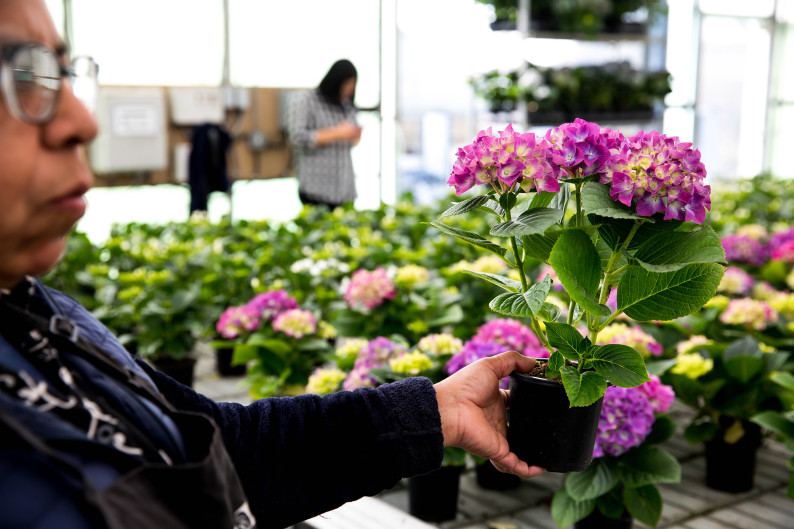
"caption": "Teresa Covarrubias picks up a hydrangea at Bay City Flower Company in Half Moon Bay on Oct. 29, 2019. After more than 100 years in business the company will be closing, leaving many like Covarrubias out of work.",
"description": "Teresa Covarrubias picks up a hydrangea at Bay City Flower Company in Half Moon Bay on Oct. 29, 2019. After more than 100 years in business the company will be closing, leaving many like Covarrubias out of work.",
"title": "Bay City Flower Company",
"credit": "Randy Vazquez/Bay Area News Group",
"status": "inherit",
"isLoading": false,
"fetchFailed": false
},
"news_11782111": {
"type": "attachments",
"id": "news_11782111",
"meta": {
"index": "attachments_1716263798",
"site": "news",
"id": "11782111",
"found": true
},
"parent": 11782076,
"imgSizes": {
"apple_news_ca_square_4_0": {
"file": "https://ww2.kqed.org/app/uploads/sites/10/2019/10/101819_PreFab_AW_sized_04-470x470.jpg",
"width": 470,
"mimeType": "image/jpeg",
"height": 470
},
"twentyfourteen-full-width": {
"file": "https://ww2.kqed.org/app/uploads/sites/10/2019/10/101819_PreFab_AW_sized_04-1024x576.jpg",
"width": 1024,
"mimeType": "image/jpeg",
"height": 576
},
"thumbnail": {
"file": "https://ww2.kqed.org/app/uploads/sites/10/2019/10/101819_PreFab_AW_sized_04-160x107.jpg",
"width": 160,
"mimeType": "image/jpeg",
"height": 107
},
"post-thumbnail": {
"file": "https://ww2.kqed.org/app/uploads/sites/10/2019/10/101819_PreFab_AW_sized_04-672x372.jpg",
"width": 672,
"mimeType": "image/jpeg",
"height": 372
},
"kqedFullSize": {
"file": "https://ww2.kqed.org/app/uploads/sites/10/2019/10/101819_PreFab_AW_sized_04.jpg",
"width": 1024,
"height": 682
},
"apple_news_ca_landscape_4_7": {
"file": "https://ww2.kqed.org/app/uploads/sites/10/2019/10/101819_PreFab_AW_sized_04-632x474.jpg",
"width": 632,
"mimeType": "image/jpeg",
"height": 474
},
"large": {
"file": "https://ww2.kqed.org/app/uploads/sites/10/2019/10/101819_PreFab_AW_sized_04-1020x679.jpg",
"width": 1020,
"mimeType": "image/jpeg",
"height": 679
},
"apple_news_ca_landscape_4_0": {
"file": "https://ww2.kqed.org/app/uploads/sites/10/2019/10/101819_PreFab_AW_sized_04-536x402.jpg",
"width": 536,
"mimeType": "image/jpeg",
"height": 402
},
"medium": {
"file": "https://ww2.kqed.org/app/uploads/sites/10/2019/10/101819_PreFab_AW_sized_04-800x533.jpg",
"width": 800,
"mimeType": "image/jpeg",
"height": 533
},
"apple_news_ca_portrait_4_0": {
"file": "https://ww2.kqed.org/app/uploads/sites/10/2019/10/101819_PreFab_AW_sized_04-354x472.jpg",
"width": 354,
"mimeType": "image/jpeg",
"height": 472
},
"apple_news_ca_portrait_9_7": {
"file": "https://ww2.kqed.org/app/uploads/sites/10/2019/10/101819_PreFab_AW_sized_04-840x682.jpg",
"width": 840,
"mimeType": "image/jpeg",
"height": 682
},
"apple_news_ca_portrait_4_7": {
"file": "https://ww2.kqed.org/app/uploads/sites/10/2019/10/101819_PreFab_AW_sized_04-414x552.jpg",
"width": 414,
"mimeType": "image/jpeg",
"height": 552
},
"apple_news_ca_portrait_5_5": {
"file": "https://ww2.kqed.org/app/uploads/sites/10/2019/10/101819_PreFab_AW_sized_04-687x682.jpg",
"width": 687,
"mimeType": "image/jpeg",
"height": 682
},
"apple_news_ca_square_4_7": {
"file": "https://ww2.kqed.org/app/uploads/sites/10/2019/10/101819_PreFab_AW_sized_04-550x550.jpg",
"width": 550,
"mimeType": "image/jpeg",
"height": 550
},
"apple_news_ca_square_5_5": {
"file": "https://ww2.kqed.org/app/uploads/sites/10/2019/10/101819_PreFab_AW_sized_04-912x682.jpg",
"width": 912,
"mimeType": "image/jpeg",
"height": 682
}
},
"publishDate": 1571866072,
"modified": 1573163971,
"caption": "A Factory OS building in West Oakland. ",
"description": "A Factory OS building in West Oakland. ",
"title": "A Factory OS building in West Oakland. Photo by Anne Wernikoff for CalMatters",
"credit": "Anne Wernikoff/CalMatters",
"status": "inherit",
"isLoading": false,
"fetchFailed": false
},
"news_11784088": {
"type": "attachments",
"id": "news_11784088",
"meta": {
"index": "attachments_1716263798",
"site": "news",
"id": "11784088",
"found": true
},
"parent": 11784053,
"imgSizes": {
"apple_news_ca_landscape_5_5": {
"file": "https://ww2.kqed.org/app/uploads/sites/10/2019/10/RS39921_FIRE-TECHNOLOGY-photo-1-qut-1044x783.jpg",
"width": 1044,
"mimeType": "image/jpeg",
"height": 783
},
"apple_news_ca_square_4_0": {
"file": "https://ww2.kqed.org/app/uploads/sites/10/2019/10/RS39921_FIRE-TECHNOLOGY-photo-1-qut-470x470.jpg",
"width": 470,
"mimeType": "image/jpeg",
"height": 470
},
"twentyfourteen-full-width": {
"file": "https://ww2.kqed.org/app/uploads/sites/10/2019/10/RS39921_FIRE-TECHNOLOGY-photo-1-qut-1038x576.jpg",
"width": 1038,
"mimeType": "image/jpeg",
"height": 576
},
"thumbnail": {
"file": "https://ww2.kqed.org/app/uploads/sites/10/2019/10/RS39921_FIRE-TECHNOLOGY-photo-1-qut-160x107.jpg",
"width": 160,
"mimeType": "image/jpeg",
"height": 107
},
"post-thumbnail": {
"file": "https://ww2.kqed.org/app/uploads/sites/10/2019/10/RS39921_FIRE-TECHNOLOGY-photo-1-qut-672x372.jpg",
"width": 672,
"mimeType": "image/jpeg",
"height": 372
},
"kqedFullSize": {
"file": "https://ww2.kqed.org/app/uploads/sites/10/2019/10/RS39921_FIRE-TECHNOLOGY-photo-1-qut.jpg",
"width": 1920,
"height": 1280
},
"apple_news_ca_landscape_4_7": {
"file": "https://ww2.kqed.org/app/uploads/sites/10/2019/10/RS39921_FIRE-TECHNOLOGY-photo-1-qut-632x474.jpg",
"width": 632,
"mimeType": "image/jpeg",
"height": 474
},
"large": {
"file": "https://ww2.kqed.org/app/uploads/sites/10/2019/10/RS39921_FIRE-TECHNOLOGY-photo-1-qut-1020x680.jpg",
"width": 1020,
"mimeType": "image/jpeg",
"height": 680
},
"complete_open_graph": {
"file": "https://ww2.kqed.org/app/uploads/sites/10/2019/10/RS39921_FIRE-TECHNOLOGY-photo-1-qut-1200x800.jpg",
"width": 1200,
"mimeType": "image/jpeg",
"height": 800
},
"apple_news_ca_landscape_4_0": {
"file": "https://ww2.kqed.org/app/uploads/sites/10/2019/10/RS39921_FIRE-TECHNOLOGY-photo-1-qut-536x402.jpg",
"width": 536,
"mimeType": "image/jpeg",
"height": 402
},
"apple_news_ca_portrait_12_9": {
"file": "https://ww2.kqed.org/app/uploads/sites/10/2019/10/RS39921_FIRE-TECHNOLOGY-photo-1-qut-1122x1280.jpg",
"width": 1122,
"mimeType": "image/jpeg",
"height": 1280
},
"medium": {
"file": "https://ww2.kqed.org/app/uploads/sites/10/2019/10/RS39921_FIRE-TECHNOLOGY-photo-1-qut-800x533.jpg",
"width": 800,
"mimeType": "image/jpeg",
"height": 533
},
"apple_news_ca_portrait_4_0": {
"file": "https://ww2.kqed.org/app/uploads/sites/10/2019/10/RS39921_FIRE-TECHNOLOGY-photo-1-qut-354x472.jpg",
"width": 354,
"mimeType": "image/jpeg",
"height": 472
},
"apple_news_ca_portrait_9_7": {
"file": "https://ww2.kqed.org/app/uploads/sites/10/2019/10/RS39921_FIRE-TECHNOLOGY-photo-1-qut-840x1120.jpg",
"width": 840,
"mimeType": "image/jpeg",
"height": 1120
},
"apple_news_ca_landscape_12_9": {
"file": "https://ww2.kqed.org/app/uploads/sites/10/2019/10/RS39921_FIRE-TECHNOLOGY-photo-1-qut-1832x1280.jpg",
"width": 1832,
"mimeType": "image/jpeg",
"height": 1280
},
"apple_news_ca_square_9_7": {
"file": "https://ww2.kqed.org/app/uploads/sites/10/2019/10/RS39921_FIRE-TECHNOLOGY-photo-1-qut-1104x1104.jpg",
"width": 1104,
"mimeType": "image/jpeg",
"height": 1104
},
"apple_news_ca_portrait_4_7": {
"file": "https://ww2.kqed.org/app/uploads/sites/10/2019/10/RS39921_FIRE-TECHNOLOGY-photo-1-qut-414x552.jpg",
"width": 414,
"mimeType": "image/jpeg",
"height": 552
},
"apple_news_ca_square_12_9": {
"file": "https://ww2.kqed.org/app/uploads/sites/10/2019/10/RS39921_FIRE-TECHNOLOGY-photo-1-qut-1472x1280.jpg",
"width": 1472,
"mimeType": "image/jpeg",
"height": 1280
},
"apple_news_ca_portrait_5_5": {
"file": "https://ww2.kqed.org/app/uploads/sites/10/2019/10/RS39921_FIRE-TECHNOLOGY-photo-1-qut-687x916.jpg",
"width": 687,
"mimeType": "image/jpeg",
"height": 916
},
"full-width": {
"file": "https://ww2.kqed.org/app/uploads/sites/10/2019/10/RS39921_FIRE-TECHNOLOGY-photo-1-qut-1920x1280.jpg",
"width": 1920,
"mimeType": "image/jpeg",
"height": 1280
},
"apple_news_ca_square_4_7": {
"file": "https://ww2.kqed.org/app/uploads/sites/10/2019/10/RS39921_FIRE-TECHNOLOGY-photo-1-qut-550x550.jpg",
"width": 550,
"mimeType": "image/jpeg",
"height": 550
},
"apple_news_ca_landscape_9_7": {
"file": "https://ww2.kqed.org/app/uploads/sites/10/2019/10/RS39921_FIRE-TECHNOLOGY-photo-1-qut-1376x1032.jpg",
"width": 1376,
"mimeType": "image/jpeg",
"height": 1032
},
"apple_news_ca_square_5_5": {
"file": "https://ww2.kqed.org/app/uploads/sites/10/2019/10/RS39921_FIRE-TECHNOLOGY-photo-1-qut-912x912.jpg",
"width": 912,
"mimeType": "image/jpeg",
"height": 912
}
},
"publishDate": 1572552811,
"modified": 1572552868,
"caption": "Los Angeles fire official Michael Flynn demonstrates advanced information equipment in a command vehicle, part of a California pilot program. ",
"description": null,
"title": "RS39921_FIRE TECHNOLOGY photo 1-qut",
"credit": "Nancy Pastor/CalMatters ",
"status": "inherit",
"isLoading": false,
"fetchFailed": false
},
"news_11782911": {
"type": "attachments",
"id": "news_11782911",
"meta": {
"index": "attachments_1716263798",
"site": "news",
"id": "11782911",
"found": true
},
"parent": 11772151,
"imgSizes": {
"apple_news_ca_landscape_5_5": {
"file": "https://ww2.kqed.org/app/uploads/sites/10/2019/10/RS39807_EVICTION-RUSH-photo-1-qut-1044x783.jpg",
"width": 1044,
"mimeType": "image/jpeg",
"height": 783
},
"apple_news_ca_square_4_0": {
"file": "https://ww2.kqed.org/app/uploads/sites/10/2019/10/RS39807_EVICTION-RUSH-photo-1-qut-470x470.jpg",
"width": 470,
"mimeType": "image/jpeg",
"height": 470
},
"twentyfourteen-full-width": {
"file": "https://ww2.kqed.org/app/uploads/sites/10/2019/10/RS39807_EVICTION-RUSH-photo-1-qut-1038x576.jpg",
"width": 1038,
"mimeType": "image/jpeg",
"height": 576
},
"thumbnail": {
"file": "https://ww2.kqed.org/app/uploads/sites/10/2019/10/RS39807_EVICTION-RUSH-photo-1-qut-160x109.jpg",
"width": 160,
"mimeType": "image/jpeg",
"height": 109
},
"post-thumbnail": {
"file": "https://ww2.kqed.org/app/uploads/sites/10/2019/10/RS39807_EVICTION-RUSH-photo-1-qut-672x372.jpg",
"width": 672,
"mimeType": "image/jpeg",
"height": 372
},
"kqedFullSize": {
"file": "https://ww2.kqed.org/app/uploads/sites/10/2019/10/RS39807_EVICTION-RUSH-photo-1-qut.jpg",
"width": 1920,
"height": 1305
},
"apple_news_ca_landscape_4_7": {
"file": "https://ww2.kqed.org/app/uploads/sites/10/2019/10/RS39807_EVICTION-RUSH-photo-1-qut-632x474.jpg",
"width": 632,
"mimeType": "image/jpeg",
"height": 474
},
"large": {
"file": "https://ww2.kqed.org/app/uploads/sites/10/2019/10/RS39807_EVICTION-RUSH-photo-1-qut-1020x693.jpg",
"width": 1020,
"mimeType": "image/jpeg",
"height": 693
},
"complete_open_graph": {
"file": "https://ww2.kqed.org/app/uploads/sites/10/2019/10/RS39807_EVICTION-RUSH-photo-1-qut-1200x816.jpg",
"width": 1200,
"mimeType": "image/jpeg",
"height": 816
},
"apple_news_ca_landscape_4_0": {
"file": "https://ww2.kqed.org/app/uploads/sites/10/2019/10/RS39807_EVICTION-RUSH-photo-1-qut-536x402.jpg",
"width": 536,
"mimeType": "image/jpeg",
"height": 402
},
"apple_news_ca_portrait_12_9": {
"file": "https://ww2.kqed.org/app/uploads/sites/10/2019/10/RS39807_EVICTION-RUSH-photo-1-qut-1122x1305.jpg",
"width": 1122,
"mimeType": "image/jpeg",
"height": 1305
},
"medium": {
"file": "https://ww2.kqed.org/app/uploads/sites/10/2019/10/RS39807_EVICTION-RUSH-photo-1-qut-800x544.jpg",
"width": 800,
"mimeType": "image/jpeg",
"height": 544
},
"apple_news_ca_portrait_4_0": {
"file": "https://ww2.kqed.org/app/uploads/sites/10/2019/10/RS39807_EVICTION-RUSH-photo-1-qut-354x472.jpg",
"width": 354,
"mimeType": "image/jpeg",
"height": 472
},
"apple_news_ca_portrait_9_7": {
"file": "https://ww2.kqed.org/app/uploads/sites/10/2019/10/RS39807_EVICTION-RUSH-photo-1-qut-840x1120.jpg",
"width": 840,
"mimeType": "image/jpeg",
"height": 1120
},
"apple_news_ca_landscape_12_9": {
"file": "https://ww2.kqed.org/app/uploads/sites/10/2019/10/RS39807_EVICTION-RUSH-photo-1-qut-1832x1305.jpg",
"width": 1832,
"mimeType": "image/jpeg",
"height": 1305
},
"apple_news_ca_square_9_7": {
"file": "https://ww2.kqed.org/app/uploads/sites/10/2019/10/RS39807_EVICTION-RUSH-photo-1-qut-1104x1104.jpg",
"width": 1104,
"mimeType": "image/jpeg",
"height": 1104
},
"apple_news_ca_portrait_4_7": {
"file": "https://ww2.kqed.org/app/uploads/sites/10/2019/10/RS39807_EVICTION-RUSH-photo-1-qut-414x552.jpg",
"width": 414,
"mimeType": "image/jpeg",
"height": 552
},
"apple_news_ca_square_12_9": {
"file": "https://ww2.kqed.org/app/uploads/sites/10/2019/10/RS39807_EVICTION-RUSH-photo-1-qut-1472x1305.jpg",
"width": 1472,
"mimeType": "image/jpeg",
"height": 1305
},
"apple_news_ca_portrait_5_5": {
"file": "https://ww2.kqed.org/app/uploads/sites/10/2019/10/RS39807_EVICTION-RUSH-photo-1-qut-687x916.jpg",
"width": 687,
"mimeType": "image/jpeg",
"height": 916
},
"full-width": {
"file": "https://ww2.kqed.org/app/uploads/sites/10/2019/10/RS39807_EVICTION-RUSH-photo-1-qut-1920x1305.jpg",
"width": 1920,
"mimeType": "image/jpeg",
"height": 1305
},
"apple_news_ca_square_4_7": {
"file": "https://ww2.kqed.org/app/uploads/sites/10/2019/10/RS39807_EVICTION-RUSH-photo-1-qut-550x550.jpg",
"width": 550,
"mimeType": "image/jpeg",
"height": 550
},
"apple_news_ca_landscape_9_7": {
"file": "https://ww2.kqed.org/app/uploads/sites/10/2019/10/RS39807_EVICTION-RUSH-photo-1-qut-1376x1032.jpg",
"width": 1376,
"mimeType": "image/jpeg",
"height": 1032
},
"apple_news_ca_square_5_5": {
"file": "https://ww2.kqed.org/app/uploads/sites/10/2019/10/RS39807_EVICTION-RUSH-photo-1-qut-912x912.jpg",
"width": 912,
"mimeType": "image/jpeg",
"height": 912
}
},
"publishDate": 1572039522,
"modified": 1572045797,
"caption": "Alex Espinoza stands outside of his unit at Canal Farm Gardens with his son 10-month-old son, Alex Jr. Espinoza has been renting this apartment for 6 years but following an eviction notice, he will be forced to leave as the new rent is nearly double what he was paying previously.",
"description": "Alex Espinoza stands outside of his unit at Canal Farm Gardens with his son 10-month-old son, Alex Jr. Espinoza has been renting this apartment for 6 years but following an eviction notice, he will be forced to leave as the new rent is nearly double what he was paying previously.",
"title": "RS39807_EVICTION RUSH photo 1-qut",
"credit": "Anne Wernikoff/CALmatters",
"status": "inherit",
"isLoading": false,
"fetchFailed": false
},
"news_11780792": {
"type": "attachments",
"id": "news_11780792",
"meta": {
"index": "attachments_1716263798",
"site": "news",
"id": "11780792",
"found": true
},
"parent": 11780752,
"imgSizes": {
"apple_news_ca_landscape_5_5": {
"file": "https://ww2.kqed.org/app/uploads/sites/10/2019/10/RS18893_GettyImages-453973236-1044x783.jpg",
"width": 1044,
"mimeType": "image/jpeg",
"height": 783
},
"apple_news_ca_square_4_0": {
"file": "https://ww2.kqed.org/app/uploads/sites/10/2019/10/RS18893_GettyImages-453973236-470x470.jpg",
"width": 470,
"mimeType": "image/jpeg",
"height": 470
},
"twentyfourteen-full-width": {
"file": "https://ww2.kqed.org/app/uploads/sites/10/2019/10/RS18893_GettyImages-453973236-1038x576.jpg",
"width": 1038,
"mimeType": "image/jpeg",
"height": 576
},
"thumbnail": {
"file": "https://ww2.kqed.org/app/uploads/sites/10/2019/10/RS18893_GettyImages-453973236-160x106.jpg",
"width": 160,
"mimeType": "image/jpeg",
"height": 106
},
"post-thumbnail": {
"file": "https://ww2.kqed.org/app/uploads/sites/10/2019/10/RS18893_GettyImages-453973236-672x372.jpg",
"width": 672,
"mimeType": "image/jpeg",
"height": 372
},
"kqedFullSize": {
"file": "https://ww2.kqed.org/app/uploads/sites/10/2019/10/RS18893_GettyImages-453973236-e1571349162302.jpg",
"width": 1920,
"height": 1274
},
"apple_news_ca_landscape_4_7": {
"file": "https://ww2.kqed.org/app/uploads/sites/10/2019/10/RS18893_GettyImages-453973236-632x474.jpg",
"width": 632,
"mimeType": "image/jpeg",
"height": 474
},
"large": {
"file": "https://ww2.kqed.org/app/uploads/sites/10/2019/10/RS18893_GettyImages-453973236-1020x677.jpg",
"width": 1020,
"mimeType": "image/jpeg",
"height": 677
},
"complete_open_graph": {
"file": "https://ww2.kqed.org/app/uploads/sites/10/2019/10/RS18893_GettyImages-453973236-1200x796.jpg",
"width": 1200,
"mimeType": "image/jpeg",
"height": 796
},
"apple_news_ca_landscape_4_0": {
"file": "https://ww2.kqed.org/app/uploads/sites/10/2019/10/RS18893_GettyImages-453973236-536x402.jpg",
"width": 536,
"mimeType": "image/jpeg",
"height": 402
},
"apple_news_ca_portrait_12_9": {
"file": "https://ww2.kqed.org/app/uploads/sites/10/2019/10/RS18893_GettyImages-453973236-1122x1496.jpg",
"width": 1122,
"mimeType": "image/jpeg",
"height": 1496
},
"medium": {
"file": "https://ww2.kqed.org/app/uploads/sites/10/2019/10/RS18893_GettyImages-453973236-800x531.jpg",
"width": 800,
"mimeType": "image/jpeg",
"height": 531
},
"apple_news_ca_portrait_4_0": {
"file": "https://ww2.kqed.org/app/uploads/sites/10/2019/10/RS18893_GettyImages-453973236-354x472.jpg",
"width": 354,
"mimeType": "image/jpeg",
"height": 472
},
"apple_news_ca_portrait_9_7": {
"file": "https://ww2.kqed.org/app/uploads/sites/10/2019/10/RS18893_GettyImages-453973236-840x1120.jpg",
"width": 840,
"mimeType": "image/jpeg",
"height": 1120
},
"apple_news_ca_landscape_12_9": {
"file": "https://ww2.kqed.org/app/uploads/sites/10/2019/10/RS18893_GettyImages-453973236-1832x1374.jpg",
"width": 1832,
"mimeType": "image/jpeg",
"height": 1374
},
"apple_news_ca_square_9_7": {
"file": "https://ww2.kqed.org/app/uploads/sites/10/2019/10/RS18893_GettyImages-453973236-1104x1104.jpg",
"width": 1104,
"mimeType": "image/jpeg",
"height": 1104
},
"apple_news_ca_portrait_4_7": {
"file": "https://ww2.kqed.org/app/uploads/sites/10/2019/10/RS18893_GettyImages-453973236-414x552.jpg",
"width": 414,
"mimeType": "image/jpeg",
"height": 552
},
"apple_news_ca_square_12_9": {
"file": "https://ww2.kqed.org/app/uploads/sites/10/2019/10/RS18893_GettyImages-453973236-1472x1472.jpg",
"width": 1472,
"mimeType": "image/jpeg",
"height": 1472
},
"apple_news_ca_portrait_5_5": {
"file": "https://ww2.kqed.org/app/uploads/sites/10/2019/10/RS18893_GettyImages-453973236-687x916.jpg",
"width": 687,
"mimeType": "image/jpeg",
"height": 916
},
"full-width": {
"file": "https://ww2.kqed.org/app/uploads/sites/10/2019/10/RS18893_GettyImages-453973236-1920x1274.jpg",
"width": 1920,
"mimeType": "image/jpeg",
"height": 1274
},
"apple_news_ca_square_4_7": {
"file": "https://ww2.kqed.org/app/uploads/sites/10/2019/10/RS18893_GettyImages-453973236-550x550.jpg",
"width": 550,
"mimeType": "image/jpeg",
"height": 550
},
"apple_news_ca_landscape_9_7": {
"file": "https://ww2.kqed.org/app/uploads/sites/10/2019/10/RS18893_GettyImages-453973236-1376x1032.jpg",
"width": 1376,
"mimeType": "image/jpeg",
"height": 1032
},
"apple_news_ca_square_5_5": {
"file": "https://ww2.kqed.org/app/uploads/sites/10/2019/10/RS18893_GettyImages-453973236-912x912.jpg",
"width": 912,
"mimeType": "image/jpeg",
"height": 912
}
},
"publishDate": 1571341488,
"modified": 1585093562,
"caption": "A worker harvests cantaloupes on a farm near Firebaugh, California, on August 22, 2014.",
"description": "A worker harvests cantaloupes on a farm near Firebaugh, California, on August 22, 2014.",
"title": "California Central Valley Farming Communities Struggle With Drought",
"credit": "Justin Sullivan/Getty Images",
"status": "inherit",
"isLoading": false,
"fetchFailed": false
},
"news_11778747": {
"type": "attachments",
"id": "news_11778747",
"meta": {
"index": "attachments_1716263798",
"site": "news",
"id": "11778747",
"found": true
},
"parent": 11778741,
"imgSizes": {
"apple_news_ca_landscape_5_5": {
"file": "https://ww2.kqed.org/app/uploads/sites/10/2019/10/Harraway-Homelessness-1044x783.jpg",
"width": 1044,
"mimeType": "image/jpeg",
"height": 783
},
"apple_news_ca_square_4_0": {
"file": "https://ww2.kqed.org/app/uploads/sites/10/2019/10/Harraway-Homelessness-470x470.jpg",
"width": 470,
"mimeType": "image/jpeg",
"height": 470
},
"twentyfourteen-full-width": {
"file": "https://ww2.kqed.org/app/uploads/sites/10/2019/10/Harraway-Homelessness-1038x576.jpg",
"width": 1038,
"mimeType": "image/jpeg",
"height": 576
},
"thumbnail": {
"file": "https://ww2.kqed.org/app/uploads/sites/10/2019/10/Harraway-Homelessness-160x104.jpg",
"width": 160,
"mimeType": "image/jpeg",
"height": 104
},
"post-thumbnail": {
"file": "https://ww2.kqed.org/app/uploads/sites/10/2019/10/Harraway-Homelessness-672x372.jpg",
"width": 672,
"mimeType": "image/jpeg",
"height": 372
},
"kqedFullSize": {
"file": "https://ww2.kqed.org/app/uploads/sites/10/2019/10/Harraway-Homelessness.jpg",
"width": 1920,
"height": 1251
},
"apple_news_ca_landscape_4_7": {
"file": "https://ww2.kqed.org/app/uploads/sites/10/2019/10/Harraway-Homelessness-632x474.jpg",
"width": 632,
"mimeType": "image/jpeg",
"height": 474
},
"large": {
"file": "https://ww2.kqed.org/app/uploads/sites/10/2019/10/Harraway-Homelessness-1020x665.jpg",
"width": 1020,
"mimeType": "image/jpeg",
"height": 665
},
"complete_open_graph": {
"file": "https://ww2.kqed.org/app/uploads/sites/10/2019/10/Harraway-Homelessness-1200x782.jpg",
"width": 1200,
"mimeType": "image/jpeg",
"height": 782
},
"apple_news_ca_landscape_4_0": {
"file": "https://ww2.kqed.org/app/uploads/sites/10/2019/10/Harraway-Homelessness-536x402.jpg",
"width": 536,
"mimeType": "image/jpeg",
"height": 402
},
"apple_news_ca_portrait_12_9": {
"file": "https://ww2.kqed.org/app/uploads/sites/10/2019/10/Harraway-Homelessness-1122x1251.jpg",
"width": 1122,
"mimeType": "image/jpeg",
"height": 1251
},
"medium": {
"file": "https://ww2.kqed.org/app/uploads/sites/10/2019/10/Harraway-Homelessness-800x521.jpg",
"width": 800,
"mimeType": "image/jpeg",
"height": 521
},
"apple_news_ca_portrait_4_0": {
"file": "https://ww2.kqed.org/app/uploads/sites/10/2019/10/Harraway-Homelessness-354x472.jpg",
"width": 354,
"mimeType": "image/jpeg",
"height": 472
},
"apple_news_ca_portrait_9_7": {
"file": "https://ww2.kqed.org/app/uploads/sites/10/2019/10/Harraway-Homelessness-840x1120.jpg",
"width": 840,
"mimeType": "image/jpeg",
"height": 1120
},
"apple_news_ca_landscape_12_9": {
"file": "https://ww2.kqed.org/app/uploads/sites/10/2019/10/Harraway-Homelessness-1832x1251.jpg",
"width": 1832,
"mimeType": "image/jpeg",
"height": 1251
},
"apple_news_ca_square_9_7": {
"file": "https://ww2.kqed.org/app/uploads/sites/10/2019/10/Harraway-Homelessness-1104x1104.jpg",
"width": 1104,
"mimeType": "image/jpeg",
"height": 1104
},
"apple_news_ca_portrait_4_7": {
"file": "https://ww2.kqed.org/app/uploads/sites/10/2019/10/Harraway-Homelessness-414x552.jpg",
"width": 414,
"mimeType": "image/jpeg",
"height": 552
},
"apple_news_ca_square_12_9": {
"file": "https://ww2.kqed.org/app/uploads/sites/10/2019/10/Harraway-Homelessness-1472x1251.jpg",
"width": 1472,
"mimeType": "image/jpeg",
"height": 1251
},
"apple_news_ca_portrait_5_5": {
"file": "https://ww2.kqed.org/app/uploads/sites/10/2019/10/Harraway-Homelessness-687x916.jpg",
"width": 687,
"mimeType": "image/jpeg",
"height": 916
},
"full-width": {
"file": "https://ww2.kqed.org/app/uploads/sites/10/2019/10/Harraway-Homelessness-1920x1251.jpg",
"width": 1920,
"mimeType": "image/jpeg",
"height": 1251
},
"apple_news_ca_square_4_7": {
"file": "https://ww2.kqed.org/app/uploads/sites/10/2019/10/Harraway-Homelessness-550x550.jpg",
"width": 550,
"mimeType": "image/jpeg",
"height": 550
},
"apple_news_ca_landscape_9_7": {
"file": "https://ww2.kqed.org/app/uploads/sites/10/2019/10/Harraway-Homelessness-1376x1032.jpg",
"width": 1376,
"mimeType": "image/jpeg",
"height": 1032
},
"apple_news_ca_square_5_5": {
"file": "https://ww2.kqed.org/app/uploads/sites/10/2019/10/Harraway-Homelessness-912x912.jpg",
"width": 912,
"mimeType": "image/jpeg",
"height": 912
}
},
"publishDate": 1570563889,
"modified": 1570563970,
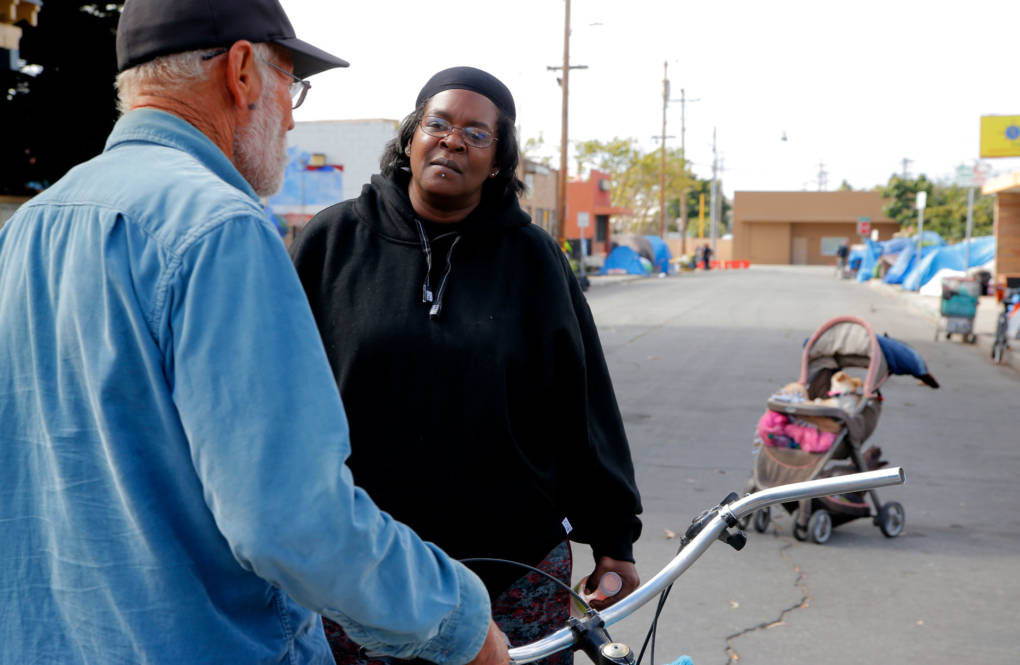
"caption": "Yolanda Harraway, who used to be homeless in the Chinatown area of Salinas, has found permanent housing and earned her high school diploma.",
"description": "Yolanda Harraway, who used to be homeless in the Chinatown area of Salinas, has found permanent housing and earned her high school diploma.",
"title": "Harraway-Homelessness",
"credit": "Photo: Chelcey Adami",
"status": "inherit",
"isLoading": false,
"fetchFailed": false
},
"news_11778139": {
"type": "attachments",
"id": "news_11778139",
"meta": {
"index": "attachments_1716263798",
"site": "news",
"id": "11778139",
"found": true
},
"parent": 11778135,
"imgSizes": {
"apple_news_ca_landscape_5_5": {
"file": "https://ww2.kqed.org/app/uploads/sites/10/2019/10/REDISTRICTING-COMMISSION-PHOTO-1-1-1044x783.jpg",
"width": 1044,
"mimeType": "image/jpeg",
"height": 783
},
"apple_news_ca_square_4_0": {
"file": "https://ww2.kqed.org/app/uploads/sites/10/2019/10/REDISTRICTING-COMMISSION-PHOTO-1-1-470x470.jpg",
"width": 470,
"mimeType": "image/jpeg",
"height": 470
},
"twentyfourteen-full-width": {
"file": "https://ww2.kqed.org/app/uploads/sites/10/2019/10/REDISTRICTING-COMMISSION-PHOTO-1-1-1038x576.jpg",
"width": 1038,
"mimeType": "image/jpeg",
"height": 576
},
"thumbnail": {
"file": "https://ww2.kqed.org/app/uploads/sites/10/2019/10/REDISTRICTING-COMMISSION-PHOTO-1-1-160x107.jpg",
"width": 160,
"mimeType": "image/jpeg",
"height": 107
},
"post-thumbnail": {
"file": "https://ww2.kqed.org/app/uploads/sites/10/2019/10/REDISTRICTING-COMMISSION-PHOTO-1-1-672x372.jpg",
"width": 672,
"mimeType": "image/jpeg",
"height": 372
},
"kqedFullSize": {
"file": "https://ww2.kqed.org/app/uploads/sites/10/2019/10/REDISTRICTING-COMMISSION-PHOTO-1-1.jpg",
"width": 1920,
"height": 1280
},
"apple_news_ca_landscape_4_7": {
"file": "https://ww2.kqed.org/app/uploads/sites/10/2019/10/REDISTRICTING-COMMISSION-PHOTO-1-1-632x474.jpg",
"width": 632,
"mimeType": "image/jpeg",
"height": 474
},
"large": {
"file": "https://ww2.kqed.org/app/uploads/sites/10/2019/10/REDISTRICTING-COMMISSION-PHOTO-1-1-1020x680.jpg",
"width": 1020,
"mimeType": "image/jpeg",
"height": 680
},
"complete_open_graph": {
"file": "https://ww2.kqed.org/app/uploads/sites/10/2019/10/REDISTRICTING-COMMISSION-PHOTO-1-1-1200x800.jpg",
"width": 1200,
"mimeType": "image/jpeg",
"height": 800
},
"apple_news_ca_landscape_4_0": {
"file": "https://ww2.kqed.org/app/uploads/sites/10/2019/10/REDISTRICTING-COMMISSION-PHOTO-1-1-536x402.jpg",
"width": 536,
"mimeType": "image/jpeg",
"height": 402
},
"apple_news_ca_portrait_12_9": {
"file": "https://ww2.kqed.org/app/uploads/sites/10/2019/10/REDISTRICTING-COMMISSION-PHOTO-1-1-1122x1280.jpg",
"width": 1122,
"mimeType": "image/jpeg",
"height": 1280
},
"medium": {
"file": "https://ww2.kqed.org/app/uploads/sites/10/2019/10/REDISTRICTING-COMMISSION-PHOTO-1-1-800x533.jpg",
"width": 800,
"mimeType": "image/jpeg",
"height": 533
},
"apple_news_ca_portrait_4_0": {
"file": "https://ww2.kqed.org/app/uploads/sites/10/2019/10/REDISTRICTING-COMMISSION-PHOTO-1-1-354x472.jpg",
"width": 354,
"mimeType": "image/jpeg",
"height": 472
},
"apple_news_ca_portrait_9_7": {
"file": "https://ww2.kqed.org/app/uploads/sites/10/2019/10/REDISTRICTING-COMMISSION-PHOTO-1-1-840x1120.jpg",
"width": 840,
"mimeType": "image/jpeg",
"height": 1120
},
"apple_news_ca_landscape_12_9": {
"file": "https://ww2.kqed.org/app/uploads/sites/10/2019/10/REDISTRICTING-COMMISSION-PHOTO-1-1-1832x1280.jpg",
"width": 1832,
"mimeType": "image/jpeg",
"height": 1280
},
"apple_news_ca_square_9_7": {
"file": "https://ww2.kqed.org/app/uploads/sites/10/2019/10/REDISTRICTING-COMMISSION-PHOTO-1-1-1104x1104.jpg",
"width": 1104,
"mimeType": "image/jpeg",
"height": 1104
},
"apple_news_ca_portrait_4_7": {
"file": "https://ww2.kqed.org/app/uploads/sites/10/2019/10/REDISTRICTING-COMMISSION-PHOTO-1-1-414x552.jpg",
"width": 414,
"mimeType": "image/jpeg",
"height": 552
},
"apple_news_ca_square_12_9": {
"file": "https://ww2.kqed.org/app/uploads/sites/10/2019/10/REDISTRICTING-COMMISSION-PHOTO-1-1-1472x1280.jpg",
"width": 1472,
"mimeType": "image/jpeg",
"height": 1280
},
"apple_news_ca_portrait_5_5": {
"file": "https://ww2.kqed.org/app/uploads/sites/10/2019/10/REDISTRICTING-COMMISSION-PHOTO-1-1-687x916.jpg",
"width": 687,
"mimeType": "image/jpeg",
"height": 916
},
"full-width": {
"file": "https://ww2.kqed.org/app/uploads/sites/10/2019/10/REDISTRICTING-COMMISSION-PHOTO-1-1-1920x1280.jpg",
"width": 1920,
"mimeType": "image/jpeg",
"height": 1280
},
"apple_news_ca_square_4_7": {
"file": "https://ww2.kqed.org/app/uploads/sites/10/2019/10/REDISTRICTING-COMMISSION-PHOTO-1-1-550x550.jpg",
"width": 550,
"mimeType": "image/jpeg",
"height": 550
},
"apple_news_ca_landscape_9_7": {
"file": "https://ww2.kqed.org/app/uploads/sites/10/2019/10/REDISTRICTING-COMMISSION-PHOTO-1-1-1376x1032.jpg",
"width": 1376,
"mimeType": "image/jpeg",
"height": 1032
},
"apple_news_ca_square_5_5": {
"file": "https://ww2.kqed.org/app/uploads/sites/10/2019/10/REDISTRICTING-COMMISSION-PHOTO-1-1-912x912.jpg",
"width": 912,
"mimeType": "image/jpeg",
"height": 912
}
},
"publishDate": 1570206161,
"modified": 1570206242,
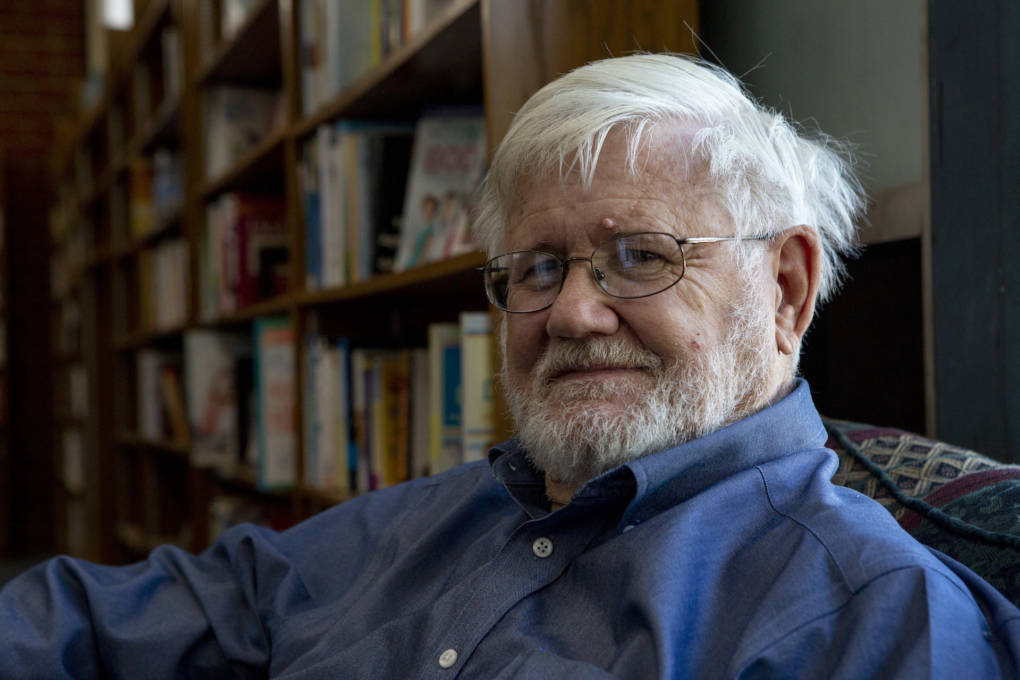
"caption": "Stan Forbes, who helped draw California's political districts after the 2010 census as part of the state's citizen redistricting commission, in his Sacramento bookstore.",
"description": null,
"title": "REDISTRICTING COMMISSION PHOTO",
"credit": "Anne Wernikoff/CalMatters",
"status": "inherit",
"isLoading": false,
"fetchFailed": false
},
"news_11777042": {
"type": "attachments",
"id": "news_11777042",
"meta": {
"index": "attachments_1716263798",
"site": "news",
"id": "11777042",
"found": true
},
"parent": 11777036,
"imgSizes": {
"apple_news_ca_square_4_0": {
"file": "https://ww2.kqed.org/app/uploads/sites/10/2019/09/09272019_Sacramento_Womens_March_-_Jim_Heaphy_-_08-e1538515916880-qut-470x470.jpg",
"width": 470,
"mimeType": "image/jpeg",
"height": 470
},
"thumbnail": {
"file": "https://ww2.kqed.org/app/uploads/sites/10/2019/09/09272019_Sacramento_Womens_March_-_Jim_Heaphy_-_08-e1538515916880-qut-160x117.jpg",
"width": 160,
"mimeType": "image/jpeg",
"height": 117
},
"post-thumbnail": {
"file": "https://ww2.kqed.org/app/uploads/sites/10/2019/09/09272019_Sacramento_Womens_March_-_Jim_Heaphy_-_08-e1538515916880-qut-672x372.jpg",
"width": 672,
"mimeType": "image/jpeg",
"height": 372
},
"kqedFullSize": {
"file": "https://ww2.kqed.org/app/uploads/sites/10/2019/09/09272019_Sacramento_Womens_March_-_Jim_Heaphy_-_08-e1538515916880-qut.jpg",
"width": 725,
"height": 529
},
"apple_news_ca_landscape_4_7": {
"file": "https://ww2.kqed.org/app/uploads/sites/10/2019/09/09272019_Sacramento_Womens_March_-_Jim_Heaphy_-_08-e1538515916880-qut-632x474.jpg",
"width": 632,
"mimeType": "image/jpeg",
"height": 474
},
"apple_news_ca_portrait_4_7": {
"file": "https://ww2.kqed.org/app/uploads/sites/10/2019/09/09272019_Sacramento_Womens_March_-_Jim_Heaphy_-_08-e1538515916880-qut-414x529.jpg",
"width": 414,
"mimeType": "image/jpeg",
"height": 529
},
"apple_news_ca_portrait_5_5": {
"file": "https://ww2.kqed.org/app/uploads/sites/10/2019/09/09272019_Sacramento_Womens_March_-_Jim_Heaphy_-_08-e1538515916880-qut-687x529.jpg",
"width": 687,
"mimeType": "image/jpeg",
"height": 529
},
"apple_news_ca_square_4_7": {
"file": "https://ww2.kqed.org/app/uploads/sites/10/2019/09/09272019_Sacramento_Womens_March_-_Jim_Heaphy_-_08-e1538515916880-qut-550x529.jpg",
"width": 550,
"mimeType": "image/jpeg",
"height": 529
},
"apple_news_ca_landscape_4_0": {
"file": "https://ww2.kqed.org/app/uploads/sites/10/2019/09/09272019_Sacramento_Womens_March_-_Jim_Heaphy_-_08-e1538515916880-qut-536x402.jpg",
"width": 536,
"mimeType": "image/jpeg",
"height": 402
},
"apple_news_ca_portrait_4_0": {
"file": "https://ww2.kqed.org/app/uploads/sites/10/2019/09/09272019_Sacramento_Womens_March_-_Jim_Heaphy_-_08-e1538515916880-qut-354x472.jpg",
"width": 354,
"mimeType": "image/jpeg",
"height": 472
}
},
"publishDate": 1569614027,
"modified": 1569614125,
"caption": "Crowds arrive at the Capitol in Sacramento for the 2017 Women's March.",
"description": "Crowds arrive at the Capitol in Sacramento for the 2017 Women's March.",
"title": "09272019_Sacramento_Womens_March_-_Jim_Heaphy_-_08-e1538515916880-qut",
"credit": "Jim Heaphy via Creative Commons",
"status": "inherit",
"isLoading": false,
"fetchFailed": false
},
"news_11774660": {
"type": "attachments",
"id": "news_11774660",
"meta": {
"index": "attachments_1716263798",
"site": "news",
"id": "11774660",
"found": true
},
"parent": 11774592,
"imgSizes": {
"apple_news_ca_landscape_5_5": {
"file": "https://ww2.kqed.org/app/uploads/sites/10/2019/09/VACCINE-LAW-PHOTO-1-1044x783.jpg",
"width": 1044,
"mimeType": "image/jpeg",
"height": 783
},
"apple_news_ca_square_4_0": {
"file": "https://ww2.kqed.org/app/uploads/sites/10/2019/09/VACCINE-LAW-PHOTO-1-470x470.jpg",
"width": 470,
"mimeType": "image/jpeg",
"height": 470
},
"twentyfourteen-full-width": {
"file": "https://ww2.kqed.org/app/uploads/sites/10/2019/09/VACCINE-LAW-PHOTO-1-1038x576.jpg",
"width": 1038,
"mimeType": "image/jpeg",
"height": 576
},
"thumbnail": {
"file": "https://ww2.kqed.org/app/uploads/sites/10/2019/09/VACCINE-LAW-PHOTO-1-160x120.jpg",
"width": 160,
"mimeType": "image/jpeg",
"height": 120
},
"post-thumbnail": {
"file": "https://ww2.kqed.org/app/uploads/sites/10/2019/09/VACCINE-LAW-PHOTO-1-672x372.jpg",
"width": 672,
"mimeType": "image/jpeg",
"height": 372
},
"kqedFullSize": {
"file": "https://ww2.kqed.org/app/uploads/sites/10/2019/09/VACCINE-LAW-PHOTO-1.jpg",
"width": 1260,
"height": 945
},
"apple_news_ca_landscape_4_7": {
"file": "https://ww2.kqed.org/app/uploads/sites/10/2019/09/VACCINE-LAW-PHOTO-1-632x474.jpg",
"width": 632,
"mimeType": "image/jpeg",
"height": 474
},
"large": {
"file": "https://ww2.kqed.org/app/uploads/sites/10/2019/09/VACCINE-LAW-PHOTO-1-1020x765.jpg",
"width": 1020,
"mimeType": "image/jpeg",
"height": 765
},
"complete_open_graph": {
"file": "https://ww2.kqed.org/app/uploads/sites/10/2019/09/VACCINE-LAW-PHOTO-1-1200x900.jpg",
"width": 1200,
"mimeType": "image/jpeg",
"height": 900
},
"apple_news_ca_landscape_4_0": {
"file": "https://ww2.kqed.org/app/uploads/sites/10/2019/09/VACCINE-LAW-PHOTO-1-536x402.jpg",
"width": 536,
"mimeType": "image/jpeg",
"height": 402
},
"apple_news_ca_portrait_12_9": {
"file": "https://ww2.kqed.org/app/uploads/sites/10/2019/09/VACCINE-LAW-PHOTO-1-1122x945.jpg",
"width": 1122,
"mimeType": "image/jpeg",
"height": 945
},
"medium": {
"file": "https://ww2.kqed.org/app/uploads/sites/10/2019/09/VACCINE-LAW-PHOTO-1-800x600.jpg",
"width": 800,
"mimeType": "image/jpeg",
"height": 600
},
"apple_news_ca_portrait_4_0": {
"file": "https://ww2.kqed.org/app/uploads/sites/10/2019/09/VACCINE-LAW-PHOTO-1-354x472.jpg",
"width": 354,
"mimeType": "image/jpeg",
"height": 472
},
"apple_news_ca_portrait_9_7": {
"file": "https://ww2.kqed.org/app/uploads/sites/10/2019/09/VACCINE-LAW-PHOTO-1-840x945.jpg",
"width": 840,
"mimeType": "image/jpeg",
"height": 945
},
"apple_news_ca_square_9_7": {
"file": "https://ww2.kqed.org/app/uploads/sites/10/2019/09/VACCINE-LAW-PHOTO-1-1104x945.jpg",
"width": 1104,
"mimeType": "image/jpeg",
"height": 945
},
"apple_news_ca_portrait_4_7": {
"file": "https://ww2.kqed.org/app/uploads/sites/10/2019/09/VACCINE-LAW-PHOTO-1-414x552.jpg",
"width": 414,
"mimeType": "image/jpeg",
"height": 552
},
"apple_news_ca_portrait_5_5": {
"file": "https://ww2.kqed.org/app/uploads/sites/10/2019/09/VACCINE-LAW-PHOTO-1-687x916.jpg",
"width": 687,
"mimeType": "image/jpeg",
"height": 916
},
"apple_news_ca_square_4_7": {
"file": "https://ww2.kqed.org/app/uploads/sites/10/2019/09/VACCINE-LAW-PHOTO-1-550x550.jpg",
"width": 550,
"mimeType": "image/jpeg",
"height": 550
},
"apple_news_ca_square_5_5": {
"file": "https://ww2.kqed.org/app/uploads/sites/10/2019/09/VACCINE-LAW-PHOTO-1-912x912.jpg",
"width": 912,
"mimeType": "image/jpeg",
"height": 912
}
},
"publishDate": 1568677747,
"modified": 1568677801,
"caption": "Two days after Gov. Gavin Newsom approved a new vaccine law, a small group of protesters held a candlelight vigil at California's Capitol.",
"description": null,
"title": "VACCINE LAW PHOTO 1",
"credit": "Ben Christopher/CalMatters",
"status": "inherit",
"isLoading": false,
"fetchFailed": false
},
"news_11774463": {
"type": "attachments",
"id": "news_11774463",
"meta": {
"index": "attachments_1716263798",
"site": "news",
"id": "11774463",
"found": true
},
"parent": 11774458,
"imgSizes": {
"apple_news_ca_square_4_0": {
"file": "https://ww2.kqed.org/app/uploads/sites/10/2019/09/090619_UCBerkeley_AW_sized_01-1-470x470.jpg",
"width": 470,
"mimeType": "image/jpeg",
"height": 470
},
"thumbnail": {
"file": "https://ww2.kqed.org/app/uploads/sites/10/2019/09/090619_UCBerkeley_AW_sized_01-1-160x104.jpg",
"width": 160,
"mimeType": "image/jpeg",
"height": 104
},
"post-thumbnail": {
"file": "https://ww2.kqed.org/app/uploads/sites/10/2019/09/090619_UCBerkeley_AW_sized_01-1-672x372.jpg",
"width": 672,
"mimeType": "image/jpeg",
"height": 372
},
"kqedFullSize": {
"file": "https://ww2.kqed.org/app/uploads/sites/10/2019/09/090619_UCBerkeley_AW_sized_01-1.jpg",
"width": 813,
"height": 528
},
"apple_news_ca_landscape_4_7": {
"file": "https://ww2.kqed.org/app/uploads/sites/10/2019/09/090619_UCBerkeley_AW_sized_01-1-632x474.jpg",
"width": 632,
"mimeType": "image/jpeg",
"height": 474
},
"apple_news_ca_portrait_4_7": {
"file": "https://ww2.kqed.org/app/uploads/sites/10/2019/09/090619_UCBerkeley_AW_sized_01-1-414x528.jpg",
"width": 414,
"mimeType": "image/jpeg",
"height": 528
},
"apple_news_ca_portrait_5_5": {
"file": "https://ww2.kqed.org/app/uploads/sites/10/2019/09/090619_UCBerkeley_AW_sized_01-1-687x528.jpg",
"width": 687,
"mimeType": "image/jpeg",
"height": 528
},
"apple_news_ca_square_4_7": {
"file": "https://ww2.kqed.org/app/uploads/sites/10/2019/09/090619_UCBerkeley_AW_sized_01-1-550x528.jpg",
"width": 550,
"mimeType": "image/jpeg",
"height": 528
},
"apple_news_ca_landscape_4_0": {
"file": "https://ww2.kqed.org/app/uploads/sites/10/2019/09/090619_UCBerkeley_AW_sized_01-1-536x402.jpg",
"width": 536,
"mimeType": "image/jpeg",
"height": 402
},
"medium": {
"file": "https://ww2.kqed.org/app/uploads/sites/10/2019/09/090619_UCBerkeley_AW_sized_01-1-800x520.jpg",
"width": 800,
"mimeType": "image/jpeg",
"height": 520
},
"apple_news_ca_portrait_4_0": {
"file": "https://ww2.kqed.org/app/uploads/sites/10/2019/09/090619_UCBerkeley_AW_sized_01-1-354x472.jpg",
"width": 354,
"mimeType": "image/jpeg",
"height": 472
}
},
"publishDate": 1568646933,
"modified": 1568646974,
"caption": "Students walk across campus at UC Berkeley on Sept. 6, 2019.",
"description": "Students walk across campus at UC Berkeley on Sept. 6, 2019.",
"title": "090619_UCBerkeley_AW_sized_01-1",
"credit": "Anne Wernikoff/CalMatters",
"status": "inherit",
"isLoading": false,
"fetchFailed": false
},
"news_11773682": {
"type": "attachments",
"id": "news_11773682",
"meta": {
"index": "attachments_1716263798",
"site": "news",
"id": "11773682",
"found": true
},
"parent": 11773617,
"imgSizes": {
"apple_news_ca_landscape_5_5": {
"file": "https://ww2.kqed.org/app/uploads/sites/10/2019/09/RS38978_GettyImages-1166586750-qut-1044x783.jpg",
"width": 1044,
"mimeType": "image/jpeg",
"height": 783
},
"apple_news_ca_square_4_0": {
"file": "https://ww2.kqed.org/app/uploads/sites/10/2019/09/RS38978_GettyImages-1166586750-qut-470x470.jpg",
"width": 470,
"mimeType": "image/jpeg",
"height": 470
},
"twentyfourteen-full-width": {
"file": "https://ww2.kqed.org/app/uploads/sites/10/2019/09/RS38978_GettyImages-1166586750-qut-1038x576.jpg",
"width": 1038,
"mimeType": "image/jpeg",
"height": 576
},
"thumbnail": {
"file": "https://ww2.kqed.org/app/uploads/sites/10/2019/09/RS38978_GettyImages-1166586750-qut-160x107.jpg",
"width": 160,
"mimeType": "image/jpeg",
"height": 107
},
"post-thumbnail": {
"file": "https://ww2.kqed.org/app/uploads/sites/10/2019/09/RS38978_GettyImages-1166586750-qut-672x372.jpg",
"width": 672,
"mimeType": "image/jpeg",
"height": 372
},
"kqedFullSize": {
"file": "https://ww2.kqed.org/app/uploads/sites/10/2019/09/RS38978_GettyImages-1166586750-qut.jpg",
"width": 1920,
"height": 1280
},
"apple_news_ca_landscape_4_7": {
"file": "https://ww2.kqed.org/app/uploads/sites/10/2019/09/RS38978_GettyImages-1166586750-qut-632x474.jpg",
"width": 632,
"mimeType": "image/jpeg",
"height": 474
},
"large": {
"file": "https://ww2.kqed.org/app/uploads/sites/10/2019/09/RS38978_GettyImages-1166586750-qut-1020x680.jpg",
"width": 1020,
"mimeType": "image/jpeg",
"height": 680
},
"complete_open_graph": {
"file": "https://ww2.kqed.org/app/uploads/sites/10/2019/09/RS38978_GettyImages-1166586750-qut-1200x800.jpg",
"width": 1200,
"mimeType": "image/jpeg",
"height": 800
},
"apple_news_ca_landscape_4_0": {
"file": "https://ww2.kqed.org/app/uploads/sites/10/2019/09/RS38978_GettyImages-1166586750-qut-536x402.jpg",
"width": 536,
"mimeType": "image/jpeg",
"height": 402
},
"apple_news_ca_portrait_12_9": {
"file": "https://ww2.kqed.org/app/uploads/sites/10/2019/09/RS38978_GettyImages-1166586750-qut-1122x1280.jpg",
"width": 1122,
"mimeType": "image/jpeg",
"height": 1280
},
"medium": {
"file": "https://ww2.kqed.org/app/uploads/sites/10/2019/09/RS38978_GettyImages-1166586750-qut-800x533.jpg",
"width": 800,
"mimeType": "image/jpeg",
"height": 533
},
"apple_news_ca_portrait_4_0": {
"file": "https://ww2.kqed.org/app/uploads/sites/10/2019/09/RS38978_GettyImages-1166586750-qut-354x472.jpg",
"width": 354,
"mimeType": "image/jpeg",
"height": 472
},
"apple_news_ca_portrait_9_7": {
"file": "https://ww2.kqed.org/app/uploads/sites/10/2019/09/RS38978_GettyImages-1166586750-qut-840x1120.jpg",
"width": 840,
"mimeType": "image/jpeg",
"height": 1120
},
"apple_news_ca_landscape_12_9": {
"file": "https://ww2.kqed.org/app/uploads/sites/10/2019/09/RS38978_GettyImages-1166586750-qut-1832x1280.jpg",
"width": 1832,
"mimeType": "image/jpeg",
"height": 1280
},
"apple_news_ca_square_9_7": {
"file": "https://ww2.kqed.org/app/uploads/sites/10/2019/09/RS38978_GettyImages-1166586750-qut-1104x1104.jpg",
"width": 1104,
"mimeType": "image/jpeg",
"height": 1104
},
"apple_news_ca_portrait_4_7": {
"file": "https://ww2.kqed.org/app/uploads/sites/10/2019/09/RS38978_GettyImages-1166586750-qut-414x552.jpg",
"width": 414,
"mimeType": "image/jpeg",
"height": 552
},
"apple_news_ca_square_12_9": {
"file": "https://ww2.kqed.org/app/uploads/sites/10/2019/09/RS38978_GettyImages-1166586750-qut-1472x1280.jpg",
"width": 1472,
"mimeType": "image/jpeg",
"height": 1280
},
"apple_news_ca_portrait_5_5": {
"file": "https://ww2.kqed.org/app/uploads/sites/10/2019/09/RS38978_GettyImages-1166586750-qut-687x916.jpg",
"width": 687,
"mimeType": "image/jpeg",
"height": 916
},
"full-width": {
"file": "https://ww2.kqed.org/app/uploads/sites/10/2019/09/RS38978_GettyImages-1166586750-qut-1920x1280.jpg",
"width": 1920,
"mimeType": "image/jpeg",
"height": 1280
},
"apple_news_ca_square_4_7": {
"file": "https://ww2.kqed.org/app/uploads/sites/10/2019/09/RS38978_GettyImages-1166586750-qut-550x550.jpg",
"width": 550,
"mimeType": "image/jpeg",
"height": 550
},
"apple_news_ca_landscape_9_7": {
"file": "https://ww2.kqed.org/app/uploads/sites/10/2019/09/RS38978_GettyImages-1166586750-qut-1376x1032.jpg",
"width": 1376,
"mimeType": "image/jpeg",
"height": 1032
},
"apple_news_ca_square_5_5": {
"file": "https://ww2.kqed.org/app/uploads/sites/10/2019/09/RS38978_GettyImages-1166586750-qut-912x912.jpg",
"width": 912,
"mimeType": "image/jpeg",
"height": 912
}
},
"publishDate": 1568229349,
"modified": 1568230960,
"caption": "Sen. Kamala Harris, California’s junior U.S. senator, is trying to win the 2020 Democratic presidential nomination.",
"description": null,
"title": "Presidential Candidates Attend New Hampshire Democratic Party Convention",
"credit": "Scott Eisen/Getty Images",
"status": "inherit",
"isLoading": false,
"fetchFailed": false
},
"news_11771902": {
"type": "attachments",
"id": "news_11771902",
"meta": {
"index": "attachments_1716263798",
"site": "news",
"id": "11771902",
"found": true
},
"parent": 11771889,
"imgSizes": {
"apple_news_ca_landscape_5_5": {
"file": "https://ww2.kqed.org/app/uploads/sites/10/2019/09/food-stamps-photo-2-1920-1044x783.jpg",
"width": 1044,
"mimeType": "image/jpeg",
"height": 783
},
"apple_news_ca_square_4_0": {
"file": "https://ww2.kqed.org/app/uploads/sites/10/2019/09/food-stamps-photo-2-1920-470x470.jpg",
"width": 470,
"mimeType": "image/jpeg",
"height": 470
},
"twentyfourteen-full-width": {
"file": "https://ww2.kqed.org/app/uploads/sites/10/2019/09/food-stamps-photo-2-1920-1038x576.jpg",
"width": 1038,
"mimeType": "image/jpeg",
"height": 576
},
"thumbnail": {
"file": "https://ww2.kqed.org/app/uploads/sites/10/2019/09/food-stamps-photo-2-1920-160x107.jpg",
"width": 160,
"mimeType": "image/jpeg",
"height": 107
},
"post-thumbnail": {
"file": "https://ww2.kqed.org/app/uploads/sites/10/2019/09/food-stamps-photo-2-1920-672x372.jpg",
"width": 672,
"mimeType": "image/jpeg",
"height": 372
},
"kqedFullSize": {
"file": "https://ww2.kqed.org/app/uploads/sites/10/2019/09/food-stamps-photo-2-1920.jpg",
"width": 1920,
"height": 1280
},
"apple_news_ca_landscape_4_7": {
"file": "https://ww2.kqed.org/app/uploads/sites/10/2019/09/food-stamps-photo-2-1920-632x474.jpg",
"width": 632,
"mimeType": "image/jpeg",
"height": 474
},
"large": {
"file": "https://ww2.kqed.org/app/uploads/sites/10/2019/09/food-stamps-photo-2-1920-1020x680.jpg",
"width": 1020,
"mimeType": "image/jpeg",
"height": 680
},
"complete_open_graph": {
"file": "https://ww2.kqed.org/app/uploads/sites/10/2019/09/food-stamps-photo-2-1920-1200x800.jpg",
"width": 1200,
"mimeType": "image/jpeg",
"height": 800
},
"apple_news_ca_landscape_4_0": {
"file": "https://ww2.kqed.org/app/uploads/sites/10/2019/09/food-stamps-photo-2-1920-536x402.jpg",
"width": 536,
"mimeType": "image/jpeg",
"height": 402
},
"apple_news_ca_portrait_12_9": {
"file": "https://ww2.kqed.org/app/uploads/sites/10/2019/09/food-stamps-photo-2-1920-1122x1280.jpg",
"width": 1122,
"mimeType": "image/jpeg",
"height": 1280
},
"medium": {
"file": "https://ww2.kqed.org/app/uploads/sites/10/2019/09/food-stamps-photo-2-1920-800x533.jpg",
"width": 800,
"mimeType": "image/jpeg",
"height": 533
},
"apple_news_ca_portrait_4_0": {
"file": "https://ww2.kqed.org/app/uploads/sites/10/2019/09/food-stamps-photo-2-1920-354x472.jpg",
"width": 354,
"mimeType": "image/jpeg",
"height": 472
},
"apple_news_ca_portrait_9_7": {
"file": "https://ww2.kqed.org/app/uploads/sites/10/2019/09/food-stamps-photo-2-1920-840x1120.jpg",
"width": 840,
"mimeType": "image/jpeg",
"height": 1120
},
"apple_news_ca_landscape_12_9": {
"file": "https://ww2.kqed.org/app/uploads/sites/10/2019/09/food-stamps-photo-2-1920-1832x1280.jpg",
"width": 1832,
"mimeType": "image/jpeg",
"height": 1280
},
"apple_news_ca_square_9_7": {
"file": "https://ww2.kqed.org/app/uploads/sites/10/2019/09/food-stamps-photo-2-1920-1104x1104.jpg",
"width": 1104,
"mimeType": "image/jpeg",
"height": 1104
},
"apple_news_ca_portrait_4_7": {
"file": "https://ww2.kqed.org/app/uploads/sites/10/2019/09/food-stamps-photo-2-1920-414x552.jpg",
"width": 414,
"mimeType": "image/jpeg",
"height": 552
},
"apple_news_ca_square_12_9": {
"file": "https://ww2.kqed.org/app/uploads/sites/10/2019/09/food-stamps-photo-2-1920-1472x1280.jpg",
"width": 1472,
"mimeType": "image/jpeg",
"height": 1280
},
"apple_news_ca_portrait_5_5": {
"file": "https://ww2.kqed.org/app/uploads/sites/10/2019/09/food-stamps-photo-2-1920-687x916.jpg",
"width": 687,
"mimeType": "image/jpeg",
"height": 916
},
"full-width": {
"file": "https://ww2.kqed.org/app/uploads/sites/10/2019/09/food-stamps-photo-2-1920-1920x1280.jpg",
"width": 1920,
"mimeType": "image/jpeg",
"height": 1280
},
"apple_news_ca_square_4_7": {
"file": "https://ww2.kqed.org/app/uploads/sites/10/2019/09/food-stamps-photo-2-1920-550x550.jpg",
"width": 550,
"mimeType": "image/jpeg",
"height": 550
},
"apple_news_ca_landscape_9_7": {
"file": "https://ww2.kqed.org/app/uploads/sites/10/2019/09/food-stamps-photo-2-1920-1376x1032.jpg",
"width": 1376,
"mimeType": "image/jpeg",
"height": 1032
},
"apple_news_ca_square_5_5": {
"file": "https://ww2.kqed.org/app/uploads/sites/10/2019/09/food-stamps-photo-2-1920-912x912.jpg",
"width": 912,
"mimeType": "image/jpeg",
"height": 912
}
},
"publishDate": 1567547777,
"modified": 1633117583,
"caption": "A man learns how he can apply for CalFresh, the state's food stamp program, at an outreach event in Contra Costa County.",
"description": "A man learns how he can apply for CalFresh, the state's food stamp program, at an outreach event in Contra Costa county.",
"title": "food-stamps-photo-2-1920",
"credit": "Anne Wernikoff/CalMatters",
"status": "inherit",
"altTag": "A man learns how he can apply for CalFresh, the state's food stamp program, at an outreach event in Contra Costa county.",
"isLoading": false,
"fetchFailed": false
}
},
"audioPlayerReducer": {
"postId": "stream_live",
"isPaused": true,
"isPlaying": false,
"pfsActive": false,
"pledgeModalIsOpen": true,
"playerDrawerIsOpen": false,
"liveAudioPlayStartedAt": 0,
"liveAudioPlayContext": ""
},
"authorsReducer": {
"byline_news_11785827": {
"type": "authors",
"id": "byline_news_11785827",
"meta": {
"override": true
},
"slug": "byline_news_11785827",
"name": "\u003cstrong>\u003ca href=\"https://calmatters.org/author/erica-hellerstein/\">Erica Hellerstein\u003c/a>\u003c/strong>",
"isLoading": false
},
"byline_news_11782076": {
"type": "authors",
"id": "byline_news_11782076",
"meta": {
"override": true
},
"slug": "byline_news_11782076",
"name": "\u003ca href= \"https://calmatters.org/author/matt-levin/\"> Matt Levin \u003ca/>",
"isLoading": false
},
"byline_news_11784053": {
"type": "authors",
"id": "byline_news_11784053",
"meta": {
"override": true
},
"slug": "byline_news_11784053",
"name": "\u003ca href= \"https://calmatters.org/author/julie-cart/\"> Julie Cart \u003ca/>",
"isLoading": false
},
"byline_news_11772151": {
"type": "authors",
"id": "byline_news_11772151",
"meta": {
"override": true
},
"slug": "byline_news_11772151",
"name": "Matt Levin",
"isLoading": false
},
"byline_news_11780752": {
"type": "authors",
"id": "byline_news_11780752",
"meta": {
"override": true
},
"slug": "byline_news_11780752",
"name": "\u003cstrong>\u003ca href=\"https://calmatters.org/author/kate-cimini/\">Kate Cimini\u003c/a>\u003cbr />CalMatters\u003c/strong>",
"isLoading": false
},
"byline_news_11778741": {
"type": "authors",
"id": "byline_news_11778741",
"meta": {
"override": true
},
"slug": "byline_news_11778741",
"name": "\u003cstrong>\u003ca href=\"https://calmatters.org/author/kate-cimini/\">Kate Cimini\u003c/a>\u003c/strong>",
"isLoading": false
},
"byline_news_11778135": {
"type": "authors",
"id": "byline_news_11778135",
"meta": {
"override": true
},
"slug": "byline_news_11778135",
"name": "\u003ca href=\"https://calmatters.org/author/elizabeth-castillo/\">Elizabeth Castillo\u003c/a>\u003cbr>\u003cstrong>CALmatters\u003c/strong>",
"isLoading": false
},
"byline_news_11777036": {
"type": "authors",
"id": "byline_news_11777036",
"meta": {
"override": true
},
"slug": "byline_news_11777036",
"name": "\u003cstrong>Laurel Rosenhall\u003c/strong>",
"isLoading": false
},
"byline_news_11774592": {
"type": "authors",
"id": "byline_news_11774592",
"meta": {
"override": true
},
"slug": "byline_news_11774592",
"name": "\u003ca href=\"https://calmatters.org/author/elizabeth-aguilera/\">Elizabeth Aguilera\u003c/a>",
"isLoading": false
},
"byline_news_11774458": {
"type": "authors",
"id": "byline_news_11774458",
"meta": {
"override": true
},
"slug": "byline_news_11774458",
"name": "\u003cstrong>Felicia Mello\u003cbr />CalMatters\u003c/strong>",
"isLoading": false
},
"byline_news_11773617": {
"type": "authors",
"id": "byline_news_11773617",
"meta": {
"override": true
},
"slug": "byline_news_11773617",
"name": "\u003ca href= \"https://calmatters.org/author/laurel-rosenhall/\"> Laurel Rosenhall \u003ca/>",
"isLoading": false
},
"byline_news_11771889": {
"type": "authors",
"id": "byline_news_11771889",
"meta": {
"override": true
},
"slug": "byline_news_11771889",
"name": "\u003cstrong>Jackie Botts and Cresencio Rodriguez-Delgado\u003c/strong>",
"isLoading": false
}
},
"pagesReducer": {
"news_affiliate_calmatters": {
"type": "terms",
"id": "news_18481",
"meta": {
"index": "terms_1716263798",
"site": "news",
"id": "18481",
"score": 15.355862
},
"featImg": null,
"name": "CALmatters",
"description": null,
"taxonomy": "affiliate",
"headData": {
"twImgId": null,
"twTitle": null,
"ogTitle": null,
"ogImgId": null,
"twDescription": null,
"description": null,
"title": "CALmatters Archives | KQED Arts",
"ogDescription": null
},
"ttid": 18515,
"slug": "calmatters",
"isLoading": false,
"title": "CALmatters",
"pageMeta": {
"site": "news",
"WpPageTemplate": "page-topic-editorial",
"currentPage": 63
},
"blocks": [
{
"blockName": "kqed/post-list",
"attrs": {
"layout": "cardArticle2",
"query": "posts/news?affiliate=calmatters",
"seeMore": false,
"paginated": true,
"page": 63
}
},
{
"blockName": "kqed/ad"
}
]
}
},
"pfsSessionReducer": {},
"postsReducer": {
"stream_live": {
"type": "live",
"id": "stream_live",
"audioUrl": "https://streams.kqed.org/kqedradio",
"title": "Live Stream",
"excerpt": "Live Stream information currently unavailable.",
"link": "/radio",
"featImg": "",
"label": {
"name": "KQED Live",
"link": "/"
}
},
"stream_kqedNewscast": {
"type": "posts",
"id": "stream_kqedNewscast",
"audioUrl": "https://www.kqed.org/.stream/anon/radio/RDnews/newscast.mp3?_=1",
"title": "KQED Newscast",
"featImg": "",
"label": {
"name": "88.5 FM",
"link": "/"
}
},
"news_11785827": {
"type": "posts",
"id": "news_11785827",
"meta": {
"index": "posts_1716263798",
"site": "news",
"id": "11785827",
"score": null,
"sort": [
1573252292000
]
},
"parent": 0,
"labelTerm": {},
"blocks": [],
"publishDate": 1573252292,
"format": "standard",
"disqusTitle": "In a Sign of Changing Economy, Iconic Half Moon Bay Flower Company Closes Its Doors",
"title": "In a Sign of Changing Economy, Iconic Half Moon Bay Flower Company Closes Its Doors",
"headTitle": "CALmatters | KQED News",
"content": "\u003cp>Each morning, just after the sun lights up the shores of Half Moon Bay, Rosa Manrriquez steps out her door, walks past the neatly manicured flowers lining her walkway and drives to the Bay City Flower Company, a place she has called a second home since 1979, when she began working there.\u003c/p>\n\u003cp>But on this October morning, the trip to work is one of her last. On Nov. 10, the family-owned flower operation will close its doors for good, marking the end of an era for a company, started 110 years ago by a Japanese immigrant, that survived the Great Depression and the family’s internment during World War II, and grew into one of the largest employers in Half Moon Bay.\u003c/p>\n\u003cp>Many area residents fear that the closure, which the company attributes in part to rising labor and production costs, is an ominous sign for the remaining nurseries in San Mateo County, which in recent years have struggled to keep up with a changing economy and the global flower market.\u003c/p>\n\u003cp>For those who work there, the end of Bay City means the loss not just of a steady paycheck in a coastal community that has seen steep cost of living increases but of a sense of belonging. Nearly 200 workers — on average, the flower company’s employees have worked there for 21 years — will lose their jobs.\u003c/p>\n\u003cp>“It feels like a milestone in the community is going away,” says Judith Guerrero, the executive director of the nonprofit Coastside Hope. “There are people who have been working in that nursery since they were 16 years old.”\u003c/p>\n\u003cp>[ad fullwidth]\u003c/p>\n\u003cp>Manrriquez’s history with the company spans four decades and three generations of company leadership. During that time, she learned how to cultivate plants from hydrangeas to calla lilies, lived through the boom and bust of the flower industry, had three children and earned enough money to buy a house a short drive from the beach.\u003c/p>\n\u003cp>In just a week, though, she will walk into the white domed greenhouse where she has spent so much time over the years and say goodbye to it forever.\u003c/p>\n\u003cp>“I liked the work, I liked the whole situation,” Manrriquez says. “[Bay City] recognized our abilities. They gave us opportunities to grow. Bay City in the community meant a lot.”\u003c/p>\n\u003cp>In 1910, the company’s founder, Nobuo Higaki, immigrated to the United States from Japan and started a nursery in Redwood City. His was one of a number of influential Japanese-owned nurseries in the Bay Area at the time. But the 1941 bombing of Pearl Harbor brought a harsh new chapter for the Higakis. They were forced into internment and Nobuo was separated from the family and sent to a camp in North Dakota.\u003c/p>\n\u003cp>Thanks to a local grower who leased their greenhouses while they were gone and looked after their crops, the Higaki’s nursery survived, and after the war, the family came back to it. Nobuo’s son, Harry, became president of the Bay City. In 1960, the nursery moved to Half Moon Bay and Harry was later succeeded by his son, Harrison, the company’s current president.\u003c/p>\n\u003cp>“When I first started my job, it was one of the first farms that I heard beautiful stories about,” says Krystlyn Giedt, the president and CEO of the Half Moon Bay Coastside Chamber of Commerce and Visitors’ Bureau. “About how they made it through the war. So to hear about them closing and knowing how it had been a family legacy for them for so long, it’s really sad.”\u003c/p>\n\u003cfigure id=\"attachment_11785831\" class=\"wp-caption aligncenter\" style=\"max-width: 800px\">\u003cimg src=\"https://ww2.kqed.org/news/wp-content/uploads/sites/10/2019/11/SJM-L-FLOWERS-10XX-14-1-800x533.jpg\" alt=\"Harry Higaki, 99, walks alone down a row of greenhouses at at Bay City Flower Company in Half Moon Bay on Oct. 29, 2019. Harry is the son of the original owner Nobuo Higaki who started the business over 100 years ago. Next month the company will close its doors.\" width=\"800\" height=\"533\" class=\"size-medium wp-image-11785831\" srcset=\"https://ww2.kqed.org/app/uploads/sites/10/2019/11/SJM-L-FLOWERS-10XX-14-1-800x533.jpg 800w, https://ww2.kqed.org/app/uploads/sites/10/2019/11/SJM-L-FLOWERS-10XX-14-1-160x107.jpg 160w, https://ww2.kqed.org/app/uploads/sites/10/2019/11/SJM-L-FLOWERS-10XX-14-1-1020x679.jpg 1020w, https://ww2.kqed.org/app/uploads/sites/10/2019/11/SJM-L-FLOWERS-10XX-14-1.jpg 1024w\" sizes=\"(max-width: 800px) 100vw, 800px\">\u003cfigcaption class=\"wp-caption-text\">Harry Higaki, 99, walks alone down a row of greenhouses at at Bay City Flower Company in Half Moon Bay on Oct. 29, 2019. Harry is the son of the original owner Nobuo Higaki who started the business over 100 years ago. Next month the company will close its doors. \u003ccite>(Randy Vazquez/Bay Area News Group)\u003c/cite>\u003c/figcaption>\u003c/figure>\n\u003cp>Workers got word of the closure on Sept. 10, when Higaki announced that the company, which primarily sells potted plants and distributes them nationally, would send out its final flower shipment next month. About 50 employees were laid off, said Victor Gaitan, a management analyst with the city of Half Moon Bay, who is leading job recovery efforts for the workers. In total, 195 employees will lose their jobs when the nursery closes, according to paperwork filed with the California Employment Development Department.\u003c/p>\n\u003cp>In an email, Higaki said the family convened earlier this year. “We realized that it was the time to bring closure to the flower business,” he said. “We prayed that God would provide a buyer for our nursery that would employ more than half our associates, most that have worked with the company for 10-40 years. We also prayed that we could pay off all of the debt owed to our wonderful and loyal vendors.\u003c/p>\n\u003cp>“With this vision in our hearts,” he added, “we have been actively marketing our properties.”\u003c/p>\n\u003cp>Higaki said the decision to close was based on a number of factors, but pointed to the cost of labor as the primary driver. The minimum wage in California for employers with at least 26 employees is $12 per hour and is slated to rise to $15 by January 2022.\u003c/p>\n\u003cp>“Labor is our single highest expense category,” he said. “The writing was on the wall.”\u003c/p>\n\u003cp>The Half Moon Bay region was once one of the world’s top flower producers, said San Mateo County Agricultural Commissioner Fred Crowder. But beginning in the 1990s, the once thriving industry began to falter. In 1991, to discourage the cultivation of coca plants, used to make cocaine, the U.S. government removed tariffs on Colombian flowers, opening up the market to competition. Then, in 1994, the North American Free Trade Agreement, or NAFTA, went into effect, which lowered tariffs and removed trade restrictions between the United States, Canada and Mexico, making it even harder for local producers to compete.\u003c/p>\n\u003cp>“With NAFTA and the dropping of the tariffs on South American flowers, that whole industry just got destroyed,” Crowder said. By 2000, he said, the industry “started to decline. And it has declined ever since.”\u003c/p>\n\u003cp>From 2001 to 2011, the production value of floral and nursery crops in San Mateo County decreased by 45% when adjusted for inflation, according to a 2015 report by the County Department of Agriculture, the most recent analysis available.\u003c/p>\n\u003cp>Crowder cited the introduction of online flower vendors and the move away from agriculture and toward tourism on the San Mateo coastline as additional challenges.\u003c/p>\n\u003cp>“The price of land, labor, commodities, everything goes up,” he says. “So you start losing your irrigation supplier, your tractor repair guy, your farm supplies. Now you have to go to Salinas or Watsonville in order to get services to supply your farm.”\u003c/p>\n\u003cp>With Bay City’s closure imminent, Teresa Covarrubias, a gregarious employee who has been with the company since 1994, is on the hunt for another job. But she is sad to leave it behind, she said.\u003c/p>\n\u003cp>Covarrubias said she is “grateful” that the company hired her as a single mom and allowed her to leave work during the day to pick up her three children from school and bring them to appointments. Now, with an uncertain future on the horizon, Covarrubias says she and other workers are feeling tense.\u003c/p>\n\u003cp>“Rent doesn’t wait, bills don’t wait,” she says. “People are stressed. It’s very hard.”\u003c/p>\n\u003cp>When Higaki told employees the operation would wind down, she said, “All the workers dropped their heads when he made the announcement. It was a very sad day.”\u003c/p>\n\u003cfigure id=\"attachment_11785832\" class=\"wp-caption aligncenter\" style=\"max-width: 800px\">\u003cimg src=\"https://ww2.kqed.org/news/wp-content/uploads/sites/10/2019/11/SJM-L-FLOWERS-10XX-6-800x533.jpg\" alt=\"Rosa Marriquez picks out some flowers at Bay City Flower Company in Half Moon Bay on Oct. 29, 2019. Marriquez started working at the company in 1979. After more than 100 years in business the company will be closing, leaving many like Marriquez out of work.\" width=\"800\" height=\"533\" class=\"size-medium wp-image-11785832\" srcset=\"https://ww2.kqed.org/app/uploads/sites/10/2019/11/SJM-L-FLOWERS-10XX-6-800x533.jpg 800w, https://ww2.kqed.org/app/uploads/sites/10/2019/11/SJM-L-FLOWERS-10XX-6-160x107.jpg 160w, https://ww2.kqed.org/app/uploads/sites/10/2019/11/SJM-L-FLOWERS-10XX-6-1020x679.jpg 1020w, https://ww2.kqed.org/app/uploads/sites/10/2019/11/SJM-L-FLOWERS-10XX-6.jpg 1024w\" sizes=\"(max-width: 800px) 100vw, 800px\">\u003cfigcaption class=\"wp-caption-text\">Rosa Marriquez picks out some flowers at Bay City Flower Company in Half Moon Bay on Oct. 29, 2019. Marriquez started working at the company in 1979. After more than 100 years in business the company will be closing, leaving many like Marriquez out of work. \u003ccite>(Randy Vazquez/Bay Area News Group)\u003c/cite>\u003c/figcaption>\u003c/figure>\n\u003cp>The city of Half Moon Bay is rallying behind the affected workers and recently hosted a job and resource fair, which included leads from local employers and booths staffed by service agencies. But many concede it will be hard for all of them to find agricultural jobs nearby.\u003c/p>\n\u003cp>“Because our agriculture has slipped down so much it’s very difficult to find jobs in the areas that they are the most skilled,” Giedt says. “I think a lot of them are going to have to go out there a little bit on a wing and a prayer and learn some new things.”\u003c/p>\n\u003cp>Covarrubias would like to stay in Half Moon Bay but knows she may have to relocate if she finds work elsewhere.\u003c/p>\n\u003cp>For now, though, she’s cautiously optimistic.\u003c/p>\n\u003cp>“We’ll move forward,” she says. “I think we will be OK but it will be a slow process.”\u003c/p>\n\u003cp>[ad floatright]\u003c/p>\n\u003cp>\u003cem>Erica Hellerstein is a Mercury News reporter who is part of \u003ca href=\"https://calmatters.org/divide/\" rel=\"noopener\" target=\"_blank\">The California Divide\u003c/a>, a collaboration among newsrooms examining income inequity and economic survival in California.\u003c/em>\u003c/p>\n\n",
"disqusIdentifier": "11785827 https://ww2.kqed.org/news/?p=11785827",
"disqusUrl": "https://ww2.kqed.org/news/2019/11/08/in-a-sign-of-changing-economy-an-iconic-flower-company-closes-its-doors/",
"stats": {
"hasVideo": false,
"hasChartOrMap": false,
"hasAudio": false,
"hasPolis": false,
"wordCount": 1561,
"hasGoogleForm": false,
"hasGallery": false,
"hasHearkenModule": false,
"iframeSrcs": [],
"paragraphCount": 33
},
"modified": 1573256642,
"excerpt": "The Bay City Flower Company will close after 110 years, leaving its nearly 200 employees without jobs, which mostly pay minimum wage. Labor cost is the main reason, owner says.",
"headData": {
"twImgId": "",
"twTitle": "",
"ogTitle": "",
"ogImgId": "",
"twDescription": "",
"description": "The Bay City Flower Company will close after 110 years, leaving its nearly 200 employees without jobs, which mostly pay minimum wage. Labor cost is the main reason, owner says.",
"title": "In a Sign of Changing Economy, Iconic Half Moon Bay Flower Company Closes Its Doors | KQED",
"ogDescription": "",
"schema": {
"@context": "https://schema.org",
"@type": "NewsArticle",
"headline": "In a Sign of Changing Economy, Iconic Half Moon Bay Flower Company Closes Its Doors",
"datePublished": "2019-11-08T14:31:32-08:00",
"dateModified": "2019-11-08T15:44:02-08:00",
"image": "https://cdn.kqed.org/wp-content/uploads/2020/02/KQED-OG-Image@1x.png",
"isAccessibleForFree": "True",
"publisher": {
"@type": "NewsMediaOrganization",
"@id": "https://www.kqed.org/#organization",
"name": "KQED",
"logo": "https://cdn.kqed.org/wp-content/uploads/2020/02/KQED-OG-Image@1x.png",
"url": "https://www.kqed.org",
"sameAs": [
"https://www.facebook.com/KQED",
"https://twitter.com/KQED",
"https://www.instagram.com/kqed/",
"https://www.tiktok.com/@kqedofficial",
"https://www.linkedin.com/company/kqed",
"https://www.youtube.com/channel/UCeC0IOo7i1P_61zVUWbJ4nw"
]
}
}
},
"guestAuthors": [],
"slug": "in-a-sign-of-changing-economy-an-iconic-flower-company-closes-its-doors",
"status": "publish",
"sourceUrl": "https://calmatters.org/",
"nprByline": "\u003cstrong>\u003ca href=\"https://calmatters.org/author/erica-hellerstein/\">Erica Hellerstein\u003c/a>\u003c/strong>",
"source": "CalMatters",
"path": "/news/11785827/in-a-sign-of-changing-economy-an-iconic-flower-company-closes-its-doors",
"audioTrackLength": null,
"parsedContent": [
{
"type": "contentString",
"content": "\u003cdiv class=\"post-body\">\u003cp>\u003cp>Each morning, just after the sun lights up the shores of Half Moon Bay, Rosa Manrriquez steps out her door, walks past the neatly manicured flowers lining her walkway and drives to the Bay City Flower Company, a place she has called a second home since 1979, when she began working there.\u003c/p>\n\u003cp>But on this October morning, the trip to work is one of her last. On Nov. 10, the family-owned flower operation will close its doors for good, marking the end of an era for a company, started 110 years ago by a Japanese immigrant, that survived the Great Depression and the family’s internment during World War II, and grew into one of the largest employers in Half Moon Bay.\u003c/p>\n\u003cp>Many area residents fear that the closure, which the company attributes in part to rising labor and production costs, is an ominous sign for the remaining nurseries in San Mateo County, which in recent years have struggled to keep up with a changing economy and the global flower market.\u003c/p>\n\u003cp>For those who work there, the end of Bay City means the loss not just of a steady paycheck in a coastal community that has seen steep cost of living increases but of a sense of belonging. Nearly 200 workers — on average, the flower company’s employees have worked there for 21 years — will lose their jobs.\u003c/p>\n\u003cp>“It feels like a milestone in the community is going away,” says Judith Guerrero, the executive director of the nonprofit Coastside Hope. “There are people who have been working in that nursery since they were 16 years old.”\u003c/p>\n\u003cp>\u003c/p>\u003c/div>",
"attributes": {
"named": {},
"numeric": []
}
},
{
"type": "component",
"content": "",
"name": "ad",
"attributes": {
"named": {
"label": "fullwidth"
},
"numeric": [
"fullwidth"
]
}
},
{
"type": "contentString",
"content": "\u003cdiv class=\"post-body\">\u003cp>\u003c/p>\n\u003cp>Manrriquez’s history with the company spans four decades and three generations of company leadership. During that time, she learned how to cultivate plants from hydrangeas to calla lilies, lived through the boom and bust of the flower industry, had three children and earned enough money to buy a house a short drive from the beach.\u003c/p>\n\u003cp>In just a week, though, she will walk into the white domed greenhouse where she has spent so much time over the years and say goodbye to it forever.\u003c/p>\n\u003cp>“I liked the work, I liked the whole situation,” Manrriquez says. “[Bay City] recognized our abilities. They gave us opportunities to grow. Bay City in the community meant a lot.”\u003c/p>\n\u003cp>In 1910, the company’s founder, Nobuo Higaki, immigrated to the United States from Japan and started a nursery in Redwood City. His was one of a number of influential Japanese-owned nurseries in the Bay Area at the time. But the 1941 bombing of Pearl Harbor brought a harsh new chapter for the Higakis. They were forced into internment and Nobuo was separated from the family and sent to a camp in North Dakota.\u003c/p>\n\u003cp>Thanks to a local grower who leased their greenhouses while they were gone and looked after their crops, the Higaki’s nursery survived, and after the war, the family came back to it. Nobuo’s son, Harry, became president of the Bay City. In 1960, the nursery moved to Half Moon Bay and Harry was later succeeded by his son, Harrison, the company’s current president.\u003c/p>\n\u003cp>“When I first started my job, it was one of the first farms that I heard beautiful stories about,” says Krystlyn Giedt, the president and CEO of the Half Moon Bay Coastside Chamber of Commerce and Visitors’ Bureau. “About how they made it through the war. So to hear about them closing and knowing how it had been a family legacy for them for so long, it’s really sad.”\u003c/p>\n\u003cfigure id=\"attachment_11785831\" class=\"wp-caption aligncenter\" style=\"max-width: 800px\">\u003cimg src=\"https://ww2.kqed.org/news/wp-content/uploads/sites/10/2019/11/SJM-L-FLOWERS-10XX-14-1-800x533.jpg\" alt=\"Harry Higaki, 99, walks alone down a row of greenhouses at at Bay City Flower Company in Half Moon Bay on Oct. 29, 2019. Harry is the son of the original owner Nobuo Higaki who started the business over 100 years ago. Next month the company will close its doors.\" width=\"800\" height=\"533\" class=\"size-medium wp-image-11785831\" srcset=\"https://ww2.kqed.org/app/uploads/sites/10/2019/11/SJM-L-FLOWERS-10XX-14-1-800x533.jpg 800w, https://ww2.kqed.org/app/uploads/sites/10/2019/11/SJM-L-FLOWERS-10XX-14-1-160x107.jpg 160w, https://ww2.kqed.org/app/uploads/sites/10/2019/11/SJM-L-FLOWERS-10XX-14-1-1020x679.jpg 1020w, https://ww2.kqed.org/app/uploads/sites/10/2019/11/SJM-L-FLOWERS-10XX-14-1.jpg 1024w\" sizes=\"(max-width: 800px) 100vw, 800px\">\u003cfigcaption class=\"wp-caption-text\">Harry Higaki, 99, walks alone down a row of greenhouses at at Bay City Flower Company in Half Moon Bay on Oct. 29, 2019. Harry is the son of the original owner Nobuo Higaki who started the business over 100 years ago. Next month the company will close its doors. \u003ccite>(Randy Vazquez/Bay Area News Group)\u003c/cite>\u003c/figcaption>\u003c/figure>\n\u003cp>Workers got word of the closure on Sept. 10, when Higaki announced that the company, which primarily sells potted plants and distributes them nationally, would send out its final flower shipment next month. About 50 employees were laid off, said Victor Gaitan, a management analyst with the city of Half Moon Bay, who is leading job recovery efforts for the workers. In total, 195 employees will lose their jobs when the nursery closes, according to paperwork filed with the California Employment Development Department.\u003c/p>\n\u003cp>In an email, Higaki said the family convened earlier this year. “We realized that it was the time to bring closure to the flower business,” he said. “We prayed that God would provide a buyer for our nursery that would employ more than half our associates, most that have worked with the company for 10-40 years. We also prayed that we could pay off all of the debt owed to our wonderful and loyal vendors.\u003c/p>\n\u003cp>“With this vision in our hearts,” he added, “we have been actively marketing our properties.”\u003c/p>\n\u003cp>Higaki said the decision to close was based on a number of factors, but pointed to the cost of labor as the primary driver. The minimum wage in California for employers with at least 26 employees is $12 per hour and is slated to rise to $15 by January 2022.\u003c/p>\n\u003cp>“Labor is our single highest expense category,” he said. “The writing was on the wall.”\u003c/p>\n\u003cp>The Half Moon Bay region was once one of the world’s top flower producers, said San Mateo County Agricultural Commissioner Fred Crowder. But beginning in the 1990s, the once thriving industry began to falter. In 1991, to discourage the cultivation of coca plants, used to make cocaine, the U.S. government removed tariffs on Colombian flowers, opening up the market to competition. Then, in 1994, the North American Free Trade Agreement, or NAFTA, went into effect, which lowered tariffs and removed trade restrictions between the United States, Canada and Mexico, making it even harder for local producers to compete.\u003c/p>\n\u003cp>“With NAFTA and the dropping of the tariffs on South American flowers, that whole industry just got destroyed,” Crowder said. By 2000, he said, the industry “started to decline. And it has declined ever since.”\u003c/p>\n\u003cp>From 2001 to 2011, the production value of floral and nursery crops in San Mateo County decreased by 45% when adjusted for inflation, according to a 2015 report by the County Department of Agriculture, the most recent analysis available.\u003c/p>\n\u003cp>Crowder cited the introduction of online flower vendors and the move away from agriculture and toward tourism on the San Mateo coastline as additional challenges.\u003c/p>\n\u003cp>“The price of land, labor, commodities, everything goes up,” he says. “So you start losing your irrigation supplier, your tractor repair guy, your farm supplies. Now you have to go to Salinas or Watsonville in order to get services to supply your farm.”\u003c/p>\n\u003cp>With Bay City’s closure imminent, Teresa Covarrubias, a gregarious employee who has been with the company since 1994, is on the hunt for another job. But she is sad to leave it behind, she said.\u003c/p>\n\u003cp>Covarrubias said she is “grateful” that the company hired her as a single mom and allowed her to leave work during the day to pick up her three children from school and bring them to appointments. Now, with an uncertain future on the horizon, Covarrubias says she and other workers are feeling tense.\u003c/p>\n\u003cp>“Rent doesn’t wait, bills don’t wait,” she says. “People are stressed. It’s very hard.”\u003c/p>\n\u003cp>When Higaki told employees the operation would wind down, she said, “All the workers dropped their heads when he made the announcement. It was a very sad day.”\u003c/p>\n\u003cfigure id=\"attachment_11785832\" class=\"wp-caption aligncenter\" style=\"max-width: 800px\">\u003cimg src=\"https://ww2.kqed.org/news/wp-content/uploads/sites/10/2019/11/SJM-L-FLOWERS-10XX-6-800x533.jpg\" alt=\"Rosa Marriquez picks out some flowers at Bay City Flower Company in Half Moon Bay on Oct. 29, 2019. Marriquez started working at the company in 1979. After more than 100 years in business the company will be closing, leaving many like Marriquez out of work.\" width=\"800\" height=\"533\" class=\"size-medium wp-image-11785832\" srcset=\"https://ww2.kqed.org/app/uploads/sites/10/2019/11/SJM-L-FLOWERS-10XX-6-800x533.jpg 800w, https://ww2.kqed.org/app/uploads/sites/10/2019/11/SJM-L-FLOWERS-10XX-6-160x107.jpg 160w, https://ww2.kqed.org/app/uploads/sites/10/2019/11/SJM-L-FLOWERS-10XX-6-1020x679.jpg 1020w, https://ww2.kqed.org/app/uploads/sites/10/2019/11/SJM-L-FLOWERS-10XX-6.jpg 1024w\" sizes=\"(max-width: 800px) 100vw, 800px\">\u003cfigcaption class=\"wp-caption-text\">Rosa Marriquez picks out some flowers at Bay City Flower Company in Half Moon Bay on Oct. 29, 2019. Marriquez started working at the company in 1979. After more than 100 years in business the company will be closing, leaving many like Marriquez out of work. \u003ccite>(Randy Vazquez/Bay Area News Group)\u003c/cite>\u003c/figcaption>\u003c/figure>\n\u003cp>The city of Half Moon Bay is rallying behind the affected workers and recently hosted a job and resource fair, which included leads from local employers and booths staffed by service agencies. But many concede it will be hard for all of them to find agricultural jobs nearby.\u003c/p>\n\u003cp>“Because our agriculture has slipped down so much it’s very difficult to find jobs in the areas that they are the most skilled,” Giedt says. “I think a lot of them are going to have to go out there a little bit on a wing and a prayer and learn some new things.”\u003c/p>\n\u003cp>Covarrubias would like to stay in Half Moon Bay but knows she may have to relocate if she finds work elsewhere.\u003c/p>\n\u003cp>For now, though, she’s cautiously optimistic.\u003c/p>\n\u003cp>“We’ll move forward,” she says. “I think we will be OK but it will be a slow process.”\u003c/p>\n\u003cp>\u003c/p>\u003c/div>",
"attributes": {
"named": {},
"numeric": []
}
},
{
"type": "component",
"content": "",
"name": "ad",
"attributes": {
"named": {
"label": "floatright"
},
"numeric": [
"floatright"
]
}
},
{
"type": "contentString",
"content": "\u003cdiv class=\"post-body\">\u003cp>\u003c/p>\n\u003cp>\u003cem>Erica Hellerstein is a Mercury News reporter who is part of \u003ca href=\"https://calmatters.org/divide/\" rel=\"noopener\" target=\"_blank\">The California Divide\u003c/a>, a collaboration among newsrooms examining income inequity and economic survival in California.\u003c/em>\u003c/p>\n\n\u003c/div>\u003c/p>",
"attributes": {
"named": {},
"numeric": []
}
}
],
"link": "/news/11785827/in-a-sign-of-changing-economy-an-iconic-flower-company-closes-its-doors",
"authors": [
"byline_news_11785827"
],
"categories": [
"news_1758",
"news_8"
],
"tags": [
"news_1164",
"news_19904"
],
"affiliates": [
"news_18481"
],
"featImg": "news_11785830",
"label": "source_news_11785827"
},
"news_11782076": {
"type": "posts",
"id": "news_11782076",
"meta": {
"index": "posts_1716263798",
"site": "news",
"id": "11782076",
"score": null,
"sort": [
1573164890000
]
},
"guestAuthors": [],
"slug": "can-factory-built-apartments-solve-californias-housing-woes",
"title": "Can Factory-Built Apartments Solve California’s Housing Woes?",
"publishDate": 1573164890,
"format": "standard",
"headTitle": "Can Factory-Built Apartments Solve California’s Housing Woes? | KQED",
"labelTerm": {},
"content": "\u003cp>Larry Pace is giving a tour of a construction site … kind of.\u003c/p>\n\u003cp>He’s near the entrance of a 258,000-square-foot factory in Vallejo. The Navy \u003ca href=\"https://www.bracpmo.navy.mil/brac_bases/california/former_shipyard_mare_island.html\" target=\"_blank\" rel=\"noopener\">built submarines here\u003c/a> during World War II.\u003c/p>\n\u003cp>Picture one of those gigantic General Motors plants in Detroit, where a car is put together in an assembly line. Instead of a Buick and a conveyor belt, construction workers in hard hats and goggles are assembling a 156-unit apartment building for a development near Oakland.\u003c/p>\n\u003cp>“They build one floor approximately every two and a half hours,” said Pace, standing astride Station 1, where construction workers piece together the bottom floors of two adjoining apartments. “It’s fast.”\u003c/p>\n\u003cp>[pullquote size=\"medium\" align=\"right\" citation=\"Larry Pace, co-founder of Factory OS\"]‘We have become very proficient at what we do, and it will revolutionize the construction industry from what we’ve seen in the past. It already has.’[/pullquote]\u003c/p>\n\u003cp>Pace is the co-founder of Factory OS, a modular housing manufacturer that opened this plant last year. It’s one of several companies in California and across the country trying to reinvigorate factory-made housing as a solution to the state’s housing affordability woes.\u003c/p>\n\u003cp>Further inside the massive Vallejo plant, there’s a station for cabinets, a station for roofing and a station for plumbing and electrical wiring. Station 33 looks like a furniture showroom not quite ready for the floor — washer, dryer and microwave included.\u003c/p>\n\u003cp>From there the apartment pieces are wrapped and trucked to the construction site, where they’re assembled in a matter of days, not months.\u003c/p>\n\u003cp>“It literally becomes a plug-and-play,” said Pace. “We have become very proficient at what we do, and it will revolutionize the construction industry from what we’ve seen in the past. It already has.”\u003c/p>\n\u003cfigure id=\"attachment_11782107\" class=\"wp-caption aligncenter\" style=\"max-width: 1920px\">\u003cimg loading=\"lazy\" decoding=\"async\" class=\"size-full wp-image-11782107\" src=\"https://ww2.kqed.org/news/wp-content/uploads/sites/10/2019/10/IMG_0417-e1571865870228.jpg\" alt=\"\" width=\"1920\" height=\"1440\">\u003cfigcaption class=\"wp-caption-text\">Inside the 258,000 square foot Factory OS plant in Vallejo. \u003ccite>(Matt Levin/CalMatters)\u003c/cite>\u003c/figcaption>\u003c/figure>\n\u003cp>Part of the reason California rents are so astronomical — the state now has \u003ca href=\"https://www.zumper.com/blog/2019/03/zumper-national-rent-report-april-2019/\" target=\"_blank\" rel=\"noopener\">five of the top 10 priciest rental markets\u003c/a> in the country, according to real estate data firm Zumper — is because it’s really expensive to build new apartments here.\u003c/p>\n\u003cp>While estimates of average construction costs vary, \u003ca href=\"https://ternercenter.berkeley.edu/blog/offsite-construction\" target=\"_blank\" rel=\"noopener\">a recent UC Berkeley study\u003c/a> found that it takes $315,000 in labor and materials to build a 900-square-foot apartment in the Bay Area.\u003c/p>\n\u003cp>\u003ca href=\"https://www.mercurynews.com/2019/01/14/gov-newsoms-ambitious-housing-goals-threatened-by-construction-worker-shortage/\" target=\"_blank\" rel=\"noopener\">A shortage of skilled contractors\u003c/a> and \u003ca href=\"https://www.sacbee.com/news/business/article234699897.html\" target=\"_blank\" rel=\"noopener\">President Donald Trump’s trade policies\u003c/a> have contributed to rising “hard costs” for homebuilders, who argue that the more expensive it is to build, the more new developments skew away from middle-class housing and toward luxury condos.\u003c/p>\n\u003cp>Pace has worked in the construction industry for 40 years. He used to do what’s called “stick” construction — the conventional method, where you prep the foundation, and then wait for the carpenters, and then the plumbers, and then the electricians. A rainy week can set you back thousands of dollars.\u003c/p>\n\u003cp>[aside tag=\"modular-housing\" label=\"More on modular hosuing\"]With so-called modular housing, units can be assembled offsite while the foundation is being prepared, no matter the weather. Pace says that and other efficiencies will translate into three- to five-story apartment buildings completed 40% quicker and 20% cheaper than the average project constructed the old-fashioned way.\u003c/p>\n\u003cp>It’s not just Pace who believes modular housing is the future. Large corporations such as Citibank have poured millions into Factory OS. \u003ca href=\"https://www.bisnow.com/oakland/news/multifamily/modular-firm-rad-urban-secures-28m-in-financing-to-grow-company-93500\" target=\"_blank\" rel=\"noopener\">Other pre-fab housing companies\u003c/a> have sprouted in recent years, attracting tech-savvy investors with the lure of innovating an industry that builds housing mostly in the same way it did decades ago.\u003c/p>\n\u003cp>But the dream of mass-produced, factory-built housing has been around for over a century, with a pretty checkered history.\u003c/p>\n\u003cp>“I went in this dragging my heels,” said Pace. “I had heard all the war stories of failed modular experiences in the past.”\u003c/p>\n\u003ch3>When Nixon Tried to Build Houses in Factories\u003c/h3>\n\u003cp>Manufactured, modular, or pre-fab housing has always played at the margins of the American construction industry. Arguably the most successful example dates back to the early 20th century when the retail giant Sears offered single-family homes through its \u003ca href=\"https://www.curbed.com/2018/10/16/17984616/sears-catalog-home-kit-mail-order-prefab-housing\" target=\"_blank\" rel=\"noopener\">mail-order catalog\u003c/a>.\u003c/p>\n\u003cp>After prohibitively high transportation costs caused Sears to pull the plug in 1940, the term “manufactured housing” gradually became associated with the lower rung of the housing market: mobile homes and shoddy factory-built dwellings with poor craftsmanship and small profit margins.\u003c/p>\n\u003cp>“The last century of experiments hasn’t yielded a whole lot of good results,” said Alex Anderson, associate professor of architecture at the University of Washington. “There’s been all kinds of interesting experiments, but not a whole lot of economic successes.”\u003c/p>\n\u003cp>But the siren song of mass-produced housing continued to lure private capital and public officials.\u003c/p>\n\u003cp>[youtube https://www.youtube.com/watch?v=CvhsYm1b4DY]\u003c/p>\n\u003cp>In 1969, President Richard Nixon was confronting housing challenges that might sound eerily familiar to 21st century Californians: Population growth was outstripping new home construction, and rents and home prices were escalating.\u003c/p>\n\u003cp>Housing and Urban Development Secretary George Romney — future GOP presidential nominee Mitt Romney’s father — launched “Project Breakthrough” in 1969, aiming to solve the country’s housing shortage by jumpstarting the pre-fab industry with a little help from Uncle Sam.\u003c/p>\n\u003cp>Congress poured $190 million in inflation-adjusted dollars to coax major blue-chip manufacturers such as Alcoa and Boeing into participating. HUD identified nine sites across the country, including one in Sacramento, on which both single family and multifamily pre-fabricated housing could be assembled.\u003c/p>\n\u003cp>[ad fullwidth]\u003c/p>\n\u003ch3>Uninspiring Results\u003c/h3>\n\u003cp>“Operation Breakthrough was really a big and pretty expensive failure and really quite an embarrassment for the Nixon administration,” said Anderson.\u003c/p>\n\u003cp>Much of the housing ended up being uninhabitable after a few years, adding to the public perception that factory-built housing was at best shabby, and at worst dangerous. Congress pulled the plug shortly after the prototype sites were completed.\u003c/p>\n\u003cp>The technology deployed by Factory OS and other modern pre-fab companies is leaps and bounds ahead of what Operation Breakthrough was working with in the early 1970s. But Anderson says many of the issues that confounded the Nixon administration still haunt the industry today.\u003c/p>\n\u003cp>Organized construction labor opposed Operation Breakthrough, fearing lower wages and reduced hours. Factory OS, while employing members of a regional carpenters union, has faced similar hostility from other building unions.\u003c/p>\n\u003cp>Operation Breakthrough also failed to achieve the economies of scale the federal government dreamed would materialize. Anderson says the finances of mass-produced housing work only if it is truly mass-produced.\u003c/p>\n\u003cp>[pullquote size=\"medium\" align=\"right\" citation=\"Jessica Goldbach, project manager Factory OS's West Oakland project\"]‘I think what’s different about this is we can make a whole building erect in 10 days.’[/pullquote]“You need to produce a lot of units in order for the savings to accrue,” said Anderon. “Because setting up a factory is not cheap.”\u003c/p>\n\u003cp>Factory OS isn’t profitable yet, but co-founding partner Rick Holliday predicts the company to turn the corner in the next two years. He says the company has $200 million in projects in the pipeline, including orders from Google for workforce housing and from nonprofit developers for housing for people who are now homeless.\u003c/p>\n\u003cp>“I don’t like to pretend we’ve made it because we’re only a two-year-old company,” said Holliday. “But I can tell you with absolute clarity that we’ve started a company that’s an industry leader.”\u003c/p>\n\u003cp>Part of the problem with Operation Breakthrough was the federal government’s focus on building single family homes. Proponents of modern modular housing can take solace in one positive development from the initiative — still standing in east Sacramento.\u003c/p>\n\u003cp>Cynthia Sarthou, a 60-year-old resident of the Greenfair Apartments, had no idea the nine-story apartment building she calls home was built in a factory and erected in 23 days. The complex now serves as subsidized housing for low-income seniors.\u003c/p>\n\u003cp>“Good restaurants are around, it’s very safe inside,” said Sarthou, who said she has no complaints about the apartment. “It’s cozy and we’re happy.”\u003c/p>\n\u003cfigure id=\"attachment_11782120\" class=\"wp-caption alignnone\" style=\"max-width: 1920px\">\u003cimg loading=\"lazy\" decoding=\"async\" class=\"size-full wp-image-11782120\" src=\"https://ww2.kqed.org/news/wp-content/uploads/sites/10/2019/10/IMG_0442-e1571867388135.jpg\" alt=\"\" width=\"1920\" height=\"1440\">\u003cfigcaption class=\"wp-caption-text\">Factory OS construction workers assemble an apartment building piece by piece inside a factory in Vallejo. \u003ccite>(Matt Levin/CalMatters)\u003c/cite>\u003c/figcaption>\u003c/figure>\n\u003ch3>A Building in 10 Days\u003c/h3>\n\u003cp>While the Greenfair Apartments are still functional, aesthetically they’re reminiscent of those towering public housing projects synonymous with 20th century low-income housing.\u003c/p>\n\u003cp>Factory OS only constructs mid-rise apartment buildings no taller than seven stories. It isn’t in the single-family home market, which means economies of scale should be easier to achieve.\u003c/p>\n\u003cp>And its first project in West Oakland will look pretty indistinguishable from other apartment buildings nearby.\u003c/p>\n\u003cp>“I think what’s different about this is we can make a whole building erect in 10 days,” said Jessica Goldbach, project manager at the West Oakland project.\u003c/p>\n\u003cp>Ten days is how long it took cranes to stack the 110 units at the “The Union” project last month. She says it’s about time the construction industry embraced technological changes that have transformed other parts of the economy.\u003c/p>\n\u003cp>[aside tag=\"affordable-housing\" label=\"More on affordable housing\"]“Why are we still looking at paper drawings?” said Goldbach. “I just think unfortunately building and the way that we build is so far behind.”\u003c/p>\n\u003cp>Goldbach’s crew is doing touch up work on “The Union” now, connecting modular units together, adding insulation. The project should open its doors early next year.\u003c/p>\n\u003cp>While Factory OS has projects in its pipeline that will serve lower-income households — including permanent supportive housing for homeless people — the Union project isn’t one of them.\u003c/p>\n\u003cp>A two-bedroom unit will rent for $3,700. That’s comparable to other new market-rate housing opening up in the region, and certainly isn’t a bargain.\u003c/p>\n\u003cp>“Until the market really changes and the producers are producing more units and there are more producers of those units, there won’t be really enough competition for consumers to recoup those savings,” said Anderson, the University of Washington professor.\u003c/p>\n\u003cp>Holliday, whose development company separate from Factory OS will own and dictate rents in the new building, says the expensive price tag was necessary to satisfy investors in the new development. But he stresses that without the cost savings that came with modular construction, the new housing wouldn’t have been built in the first place.\u003c/p>\n\u003cp>“If we had tried to stick-build that project, it wouldn’t get built,” said Holliday, citing rising labor and materials costs in the Bay Area. “That’s the reality of the market we’re in.”\u003c/p>\n\u003cp>Beyond market-rate housing, Holliday sees the future of Factory OS in projects subsidized by the state for housing low-income families and people experiencing homelessness. He says Factory OS has 10 different supportive housing projects in San Francisco, Oakland and Los Angeles in the pipeline.\u003c/p>\n\u003cp>In Los Angeles, one new apartment for homeless tenants costs about \u003ca href=\"https://laist.com/2019/10/08/prop_hhh_homeless_housing_audit.php\" target=\"_blank\" rel=\"noopener\">$500,000\u003c/a> to build — nearly twice what the median single-family home sells for in the rest of the country.\u003c/p>\n\u003cp>\u003cimg loading=\"lazy\" decoding=\"async\" class=\"alignnone size-full wp-image-11768052\" src=\"https://ww2.kqed.org/news/wp-content/uploads/sites/10/2019/08/CADreamBanner-1-800x219.jpg\" alt=\"\" width=\"800\" height=\"219\" srcset=\"https://cdn.kqed.org/wp-content/uploads/sites/10/2019/08/CADreamBanner-1-800x219.jpg 800w, https://cdn.kqed.org/wp-content/uploads/sites/10/2019/08/CADreamBanner-1-800x219-160x44.jpg 160w\" sizes=\"(max-width: 800px) 100vw, 800px\">\u003c/p>\n\u003cp>\u003cem>The California Dream series is a statewide media collaboration of CalMatters, KPBS, KPCC, KQED and Capital Public Radio with support from the Corporation for Public Broadcasting and the James Irvine Foundation.\u003c/em>\u003c/p>\n\u003cp>[ad floatright]\u003c/p>\n",
"blocks": [],
"excerpt": "Could plug-and-play modular housing really revolutionize apartment construction? A manufacturer in Vallejo is one of several companies trying to reinvigorate factory-made housing as a solution to the affordability crisis.",
"status": "publish",
"parent": 0,
"modified": 1721117915,
"stats": {
"hasAudio": false,
"hasVideo": true,
"hasChartOrMap": false,
"iframeSrcs": [],
"hasGoogleForm": false,
"hasGallery": false,
"hasHearkenModule": false,
"hasPolis": false,
"paragraphCount": 54,
"wordCount": 1992
},
"headData": {
"title": "Can Factory-Built Apartments Solve California’s Housing Woes? | KQED",
"description": "Could plug-and-play modular housing really revolutionize apartment construction? A manufacturer in Vallejo is one of several companies trying to reinvigorate factory-made housing as a solution to the affordability crisis.",
"ogTitle": "",
"ogDescription": "",
"ogImgId": "",
"twTitle": "",
"twDescription": "",
"twImgId": "",
"schema": {
"@context": "https://schema.org",
"@type": "NewsArticle",
"headline": "Can Factory-Built Apartments Solve California’s Housing Woes?",
"datePublished": "2019-11-07T14:14:50-08:00",
"dateModified": "2024-07-16T01:18:35-07:00",
"image": "https://cdn.kqed.org/wp-content/uploads/2020/02/KQED-OG-Image@1x.png",
"isAccessibleForFree": "True",
"publisher": {
"@type": "NewsMediaOrganization",
"@id": "https://www.kqed.org/#organization",
"name": "KQED",
"logo": "https://cdn.kqed.org/wp-content/uploads/2020/02/KQED-OG-Image@1x.png",
"url": "https://www.kqed.org",
"sameAs": [
"https://www.facebook.com/KQED",
"https://twitter.com/KQED",
"https://www.instagram.com/kqed/",
"https://www.tiktok.com/@kqedofficial",
"https://www.linkedin.com/company/kqed",
"https://www.youtube.com/channel/UCeC0IOo7i1P_61zVUWbJ4nw"
]
}
}
},
"source": "CALMatters",
"sourceUrl": "Calmatters.org",
"sticky": false,
"nprByline": "\u003ca href= \"https://calmatters.org/author/matt-levin/\"> Matt Levin \u003ca/>",
"path": "/news/11782076/can-factory-built-apartments-solve-californias-housing-woes",
"audioTrackLength": null,
"parsedContent": [
{
"type": "contentString",
"content": "\u003cdiv class=\"post-body\">\u003cp>\u003cp>Larry Pace is giving a tour of a construction site … kind of.\u003c/p>\n\u003cp>He’s near the entrance of a 258,000-square-foot factory in Vallejo. The Navy \u003ca href=\"https://www.bracpmo.navy.mil/brac_bases/california/former_shipyard_mare_island.html\" target=\"_blank\" rel=\"noopener\">built submarines here\u003c/a> during World War II.\u003c/p>\n\u003cp>Picture one of those gigantic General Motors plants in Detroit, where a car is put together in an assembly line. Instead of a Buick and a conveyor belt, construction workers in hard hats and goggles are assembling a 156-unit apartment building for a development near Oakland.\u003c/p>\n\u003cp>“They build one floor approximately every two and a half hours,” said Pace, standing astride Station 1, where construction workers piece together the bottom floors of two adjoining apartments. “It’s fast.”\u003c/p>\n\u003cp>\u003c/p>\u003c/div>",
"attributes": {
"named": {},
"numeric": []
}
},
{
"type": "component",
"content": "‘We have become very proficient at what we do, and it will revolutionize the construction industry from what we’ve seen in the past. It already has.’",
"name": "pullquote",
"attributes": {
"named": {
"size": "medium",
"align": "right",
"citation": "Larry Pace, co-founder of Factory OS",
"label": ""
},
"numeric": []
}
},
{
"type": "contentString",
"content": "\u003cdiv class=\"post-body\">\u003cp>\u003c/p>\n\u003cp>Pace is the co-founder of Factory OS, a modular housing manufacturer that opened this plant last year. It’s one of several companies in California and across the country trying to reinvigorate factory-made housing as a solution to the state’s housing affordability woes.\u003c/p>\n\u003cp>Further inside the massive Vallejo plant, there’s a station for cabinets, a station for roofing and a station for plumbing and electrical wiring. Station 33 looks like a furniture showroom not quite ready for the floor — washer, dryer and microwave included.\u003c/p>\n\u003cp>From there the apartment pieces are wrapped and trucked to the construction site, where they’re assembled in a matter of days, not months.\u003c/p>\n\u003cp>“It literally becomes a plug-and-play,” said Pace. “We have become very proficient at what we do, and it will revolutionize the construction industry from what we’ve seen in the past. It already has.”\u003c/p>\n\u003cfigure id=\"attachment_11782107\" class=\"wp-caption aligncenter\" style=\"max-width: 1920px\">\u003cimg loading=\"lazy\" decoding=\"async\" class=\"size-full wp-image-11782107\" src=\"https://ww2.kqed.org/news/wp-content/uploads/sites/10/2019/10/IMG_0417-e1571865870228.jpg\" alt=\"\" width=\"1920\" height=\"1440\">\u003cfigcaption class=\"wp-caption-text\">Inside the 258,000 square foot Factory OS plant in Vallejo. \u003ccite>(Matt Levin/CalMatters)\u003c/cite>\u003c/figcaption>\u003c/figure>\n\u003cp>Part of the reason California rents are so astronomical — the state now has \u003ca href=\"https://www.zumper.com/blog/2019/03/zumper-national-rent-report-april-2019/\" target=\"_blank\" rel=\"noopener\">five of the top 10 priciest rental markets\u003c/a> in the country, according to real estate data firm Zumper — is because it’s really expensive to build new apartments here.\u003c/p>\n\u003cp>While estimates of average construction costs vary, \u003ca href=\"https://ternercenter.berkeley.edu/blog/offsite-construction\" target=\"_blank\" rel=\"noopener\">a recent UC Berkeley study\u003c/a> found that it takes $315,000 in labor and materials to build a 900-square-foot apartment in the Bay Area.\u003c/p>\n\u003cp>\u003ca href=\"https://www.mercurynews.com/2019/01/14/gov-newsoms-ambitious-housing-goals-threatened-by-construction-worker-shortage/\" target=\"_blank\" rel=\"noopener\">A shortage of skilled contractors\u003c/a> and \u003ca href=\"https://www.sacbee.com/news/business/article234699897.html\" target=\"_blank\" rel=\"noopener\">President Donald Trump’s trade policies\u003c/a> have contributed to rising “hard costs” for homebuilders, who argue that the more expensive it is to build, the more new developments skew away from middle-class housing and toward luxury condos.\u003c/p>\n\u003cp>Pace has worked in the construction industry for 40 years. He used to do what’s called “stick” construction — the conventional method, where you prep the foundation, and then wait for the carpenters, and then the plumbers, and then the electricians. A rainy week can set you back thousands of dollars.\u003c/p>\n\u003cp>\u003c/p>\u003c/div>",
"attributes": {
"named": {},
"numeric": []
}
},
{
"type": "component",
"content": "",
"name": "aside",
"attributes": {
"named": {
"tag": "modular-housing",
"label": "More on modular hosuing "
},
"numeric": []
}
},
{
"type": "contentString",
"content": "\u003cdiv class=\"post-body\">\u003cp>With so-called modular housing, units can be assembled offsite while the foundation is being prepared, no matter the weather. Pace says that and other efficiencies will translate into three- to five-story apartment buildings completed 40% quicker and 20% cheaper than the average project constructed the old-fashioned way.\u003c/p>\n\u003cp>It’s not just Pace who believes modular housing is the future. Large corporations such as Citibank have poured millions into Factory OS. \u003ca href=\"https://www.bisnow.com/oakland/news/multifamily/modular-firm-rad-urban-secures-28m-in-financing-to-grow-company-93500\" target=\"_blank\" rel=\"noopener\">Other pre-fab housing companies\u003c/a> have sprouted in recent years, attracting tech-savvy investors with the lure of innovating an industry that builds housing mostly in the same way it did decades ago.\u003c/p>\n\u003cp>But the dream of mass-produced, factory-built housing has been around for over a century, with a pretty checkered history.\u003c/p>\n\u003cp>“I went in this dragging my heels,” said Pace. “I had heard all the war stories of failed modular experiences in the past.”\u003c/p>\n\u003ch3>When Nixon Tried to Build Houses in Factories\u003c/h3>\n\u003cp>Manufactured, modular, or pre-fab housing has always played at the margins of the American construction industry. Arguably the most successful example dates back to the early 20th century when the retail giant Sears offered single-family homes through its \u003ca href=\"https://www.curbed.com/2018/10/16/17984616/sears-catalog-home-kit-mail-order-prefab-housing\" target=\"_blank\" rel=\"noopener\">mail-order catalog\u003c/a>.\u003c/p>\n\u003cp>After prohibitively high transportation costs caused Sears to pull the plug in 1940, the term “manufactured housing” gradually became associated with the lower rung of the housing market: mobile homes and shoddy factory-built dwellings with poor craftsmanship and small profit margins.\u003c/p>\n\u003cp>“The last century of experiments hasn’t yielded a whole lot of good results,” said Alex Anderson, associate professor of architecture at the University of Washington. “There’s been all kinds of interesting experiments, but not a whole lot of economic successes.”\u003c/p>\n\u003cp>But the siren song of mass-produced housing continued to lure private capital and public officials.\u003c/p>\n\u003cp>\u003c/p>\u003cp>\u003cspan class='utils-parseShortcode-shortcodes-__youtubeShortcode__embedYoutube'>\n \u003cspan class='utils-parseShortcode-shortcodes-__youtubeShortcode__embedYoutubeInside'>\n \u003ciframe\n loading='lazy'\n class='utils-parseShortcode-shortcodes-__youtubeShortcode__youtubePlayer'\n type='text/html'\n src='//www.youtube.com/embed/CvhsYm1b4DY'\n title='//www.youtube.com/embed/CvhsYm1b4DY'\n allowfullscreen='true'\n style='border:0;'>\u003c/iframe>\n \u003c/span>\n \u003c/span>\u003c/p>\u003cp>\u003c/p>\n\u003cp>In 1969, President Richard Nixon was confronting housing challenges that might sound eerily familiar to 21st century Californians: Population growth was outstripping new home construction, and rents and home prices were escalating.\u003c/p>\n\u003cp>Housing and Urban Development Secretary George Romney — future GOP presidential nominee Mitt Romney’s father — launched “Project Breakthrough” in 1969, aiming to solve the country’s housing shortage by jumpstarting the pre-fab industry with a little help from Uncle Sam.\u003c/p>\n\u003cp>Congress poured $190 million in inflation-adjusted dollars to coax major blue-chip manufacturers such as Alcoa and Boeing into participating. HUD identified nine sites across the country, including one in Sacramento, on which both single family and multifamily pre-fabricated housing could be assembled.\u003c/p>\n\u003cp>\u003c/p>\u003c/div>",
"attributes": {
"named": {},
"numeric": []
}
},
{
"type": "component",
"content": "",
"name": "ad",
"attributes": {
"named": {
"label": "fullwidth"
},
"numeric": [
"fullwidth"
]
}
},
{
"type": "contentString",
"content": "\u003cdiv class=\"post-body\">\u003cp>\u003c/p>\n\u003ch3>Uninspiring Results\u003c/h3>\n\u003cp>“Operation Breakthrough was really a big and pretty expensive failure and really quite an embarrassment for the Nixon administration,” said Anderson.\u003c/p>\n\u003cp>Much of the housing ended up being uninhabitable after a few years, adding to the public perception that factory-built housing was at best shabby, and at worst dangerous. Congress pulled the plug shortly after the prototype sites were completed.\u003c/p>\n\u003cp>The technology deployed by Factory OS and other modern pre-fab companies is leaps and bounds ahead of what Operation Breakthrough was working with in the early 1970s. But Anderson says many of the issues that confounded the Nixon administration still haunt the industry today.\u003c/p>\n\u003cp>Organized construction labor opposed Operation Breakthrough, fearing lower wages and reduced hours. Factory OS, while employing members of a regional carpenters union, has faced similar hostility from other building unions.\u003c/p>\n\u003cp>Operation Breakthrough also failed to achieve the economies of scale the federal government dreamed would materialize. Anderson says the finances of mass-produced housing work only if it is truly mass-produced.\u003c/p>\n\u003cp>\u003c/p>\u003c/div>",
"attributes": {
"named": {},
"numeric": []
}
},
{
"type": "component",
"content": "‘I think what’s different about this is we can make a whole building erect in 10 days.’",
"name": "pullquote",
"attributes": {
"named": {
"size": "medium",
"align": "right",
"citation": "Jessica Goldbach, project manager Factory OS's West Oakland project",
"label": ""
},
"numeric": []
}
},
{
"type": "contentString",
"content": "\u003cdiv class=\"post-body\">\u003cp>“You need to produce a lot of units in order for the savings to accrue,” said Anderon. “Because setting up a factory is not cheap.”\u003c/p>\n\u003cp>Factory OS isn’t profitable yet, but co-founding partner Rick Holliday predicts the company to turn the corner in the next two years. He says the company has $200 million in projects in the pipeline, including orders from Google for workforce housing and from nonprofit developers for housing for people who are now homeless.\u003c/p>\n\u003cp>“I don’t like to pretend we’ve made it because we’re only a two-year-old company,” said Holliday. “But I can tell you with absolute clarity that we’ve started a company that’s an industry leader.”\u003c/p>\n\u003cp>Part of the problem with Operation Breakthrough was the federal government’s focus on building single family homes. Proponents of modern modular housing can take solace in one positive development from the initiative — still standing in east Sacramento.\u003c/p>\n\u003cp>Cynthia Sarthou, a 60-year-old resident of the Greenfair Apartments, had no idea the nine-story apartment building she calls home was built in a factory and erected in 23 days. The complex now serves as subsidized housing for low-income seniors.\u003c/p>\n\u003cp>“Good restaurants are around, it’s very safe inside,” said Sarthou, who said she has no complaints about the apartment. “It’s cozy and we’re happy.”\u003c/p>\n\u003cfigure id=\"attachment_11782120\" class=\"wp-caption alignnone\" style=\"max-width: 1920px\">\u003cimg loading=\"lazy\" decoding=\"async\" class=\"size-full wp-image-11782120\" src=\"https://ww2.kqed.org/news/wp-content/uploads/sites/10/2019/10/IMG_0442-e1571867388135.jpg\" alt=\"\" width=\"1920\" height=\"1440\">\u003cfigcaption class=\"wp-caption-text\">Factory OS construction workers assemble an apartment building piece by piece inside a factory in Vallejo. \u003ccite>(Matt Levin/CalMatters)\u003c/cite>\u003c/figcaption>\u003c/figure>\n\u003ch3>A Building in 10 Days\u003c/h3>\n\u003cp>While the Greenfair Apartments are still functional, aesthetically they’re reminiscent of those towering public housing projects synonymous with 20th century low-income housing.\u003c/p>\n\u003cp>Factory OS only constructs mid-rise apartment buildings no taller than seven stories. It isn’t in the single-family home market, which means economies of scale should be easier to achieve.\u003c/p>\n\u003cp>And its first project in West Oakland will look pretty indistinguishable from other apartment buildings nearby.\u003c/p>\n\u003cp>“I think what’s different about this is we can make a whole building erect in 10 days,” said Jessica Goldbach, project manager at the West Oakland project.\u003c/p>\n\u003cp>Ten days is how long it took cranes to stack the 110 units at the “The Union” project last month. She says it’s about time the construction industry embraced technological changes that have transformed other parts of the economy.\u003c/p>\n\u003cp>\u003c/p>\u003c/div>",
"attributes": {
"named": {},
"numeric": []
}
},
{
"type": "component",
"content": "",
"name": "aside",
"attributes": {
"named": {
"tag": "affordable-housing",
"label": "More on affordable housing "
},
"numeric": []
}
},
{
"type": "contentString",
"content": "\u003cdiv class=\"post-body\">\u003cp>“Why are we still looking at paper drawings?” said Goldbach. “I just think unfortunately building and the way that we build is so far behind.”\u003c/p>\n\u003cp>Goldbach’s crew is doing touch up work on “The Union” now, connecting modular units together, adding insulation. The project should open its doors early next year.\u003c/p>\n\u003cp>While Factory OS has projects in its pipeline that will serve lower-income households — including permanent supportive housing for homeless people — the Union project isn’t one of them.\u003c/p>\n\u003cp>A two-bedroom unit will rent for $3,700. That’s comparable to other new market-rate housing opening up in the region, and certainly isn’t a bargain.\u003c/p>\n\u003cp>“Until the market really changes and the producers are producing more units and there are more producers of those units, there won’t be really enough competition for consumers to recoup those savings,” said Anderson, the University of Washington professor.\u003c/p>\n\u003cp>Holliday, whose development company separate from Factory OS will own and dictate rents in the new building, says the expensive price tag was necessary to satisfy investors in the new development. But he stresses that without the cost savings that came with modular construction, the new housing wouldn’t have been built in the first place.\u003c/p>\n\u003cp>“If we had tried to stick-build that project, it wouldn’t get built,” said Holliday, citing rising labor and materials costs in the Bay Area. “That’s the reality of the market we’re in.”\u003c/p>\n\u003cp>Beyond market-rate housing, Holliday sees the future of Factory OS in projects subsidized by the state for housing low-income families and people experiencing homelessness. He says Factory OS has 10 different supportive housing projects in San Francisco, Oakland and Los Angeles in the pipeline.\u003c/p>\n\u003cp>In Los Angeles, one new apartment for homeless tenants costs about \u003ca href=\"https://laist.com/2019/10/08/prop_hhh_homeless_housing_audit.php\" target=\"_blank\" rel=\"noopener\">$500,000\u003c/a> to build — nearly twice what the median single-family home sells for in the rest of the country.\u003c/p>\n\u003cp>\u003cimg loading=\"lazy\" decoding=\"async\" class=\"alignnone size-full wp-image-11768052\" src=\"https://ww2.kqed.org/news/wp-content/uploads/sites/10/2019/08/CADreamBanner-1-800x219.jpg\" alt=\"\" width=\"800\" height=\"219\" srcset=\"https://cdn.kqed.org/wp-content/uploads/sites/10/2019/08/CADreamBanner-1-800x219.jpg 800w, https://cdn.kqed.org/wp-content/uploads/sites/10/2019/08/CADreamBanner-1-800x219-160x44.jpg 160w\" sizes=\"(max-width: 800px) 100vw, 800px\">\u003c/p>\n\u003cp>\u003cem>The California Dream series is a statewide media collaboration of CalMatters, KPBS, KPCC, KQED and Capital Public Radio with support from the Corporation for Public Broadcasting and the James Irvine Foundation.\u003c/em>\u003c/p>\n\u003cp>\u003c/p>\u003c/div>",
"attributes": {
"named": {},
"numeric": []
}
},
{
"type": "component",
"content": "",
"name": "ad",
"attributes": {
"named": {
"label": "floatright"
},
"numeric": [
"floatright"
]
}
},
{
"type": "contentString",
"content": "\u003cdiv class=\"post-body\">\u003cp>\u003c/p>\n\u003c/div>\u003c/p>",
"attributes": {
"named": {},
"numeric": []
}
}
],
"link": "/news/11782076/can-factory-built-apartments-solve-californias-housing-woes",
"authors": [
"byline_news_11782076"
],
"programs": [
"news_72"
],
"categories": [
"news_1758",
"news_6266",
"news_8"
],
"tags": [
"news_3921",
"news_1775",
"news_273"
],
"affiliates": [
"news_18481"
],
"featImg": "news_11782111",
"label": "source_news_11782076"
},
"news_11784053": {
"type": "posts",
"id": "news_11784053",
"meta": {
"index": "posts_1716263798",
"site": "news",
"id": "11784053",
"score": null,
"sort": [
1572558661000
]
},
"parent": 0,
"labelTerm": {},
"blocks": [],
"publishDate": 1572558661,
"format": "standard",
"disqusTitle": "California Pursues a Holy Grail: High-Tech Data to Predict How Wildfire Will Spread",
"title": "California Pursues a Holy Grail: High-Tech Data to Predict How Wildfire Will Spread",
"headTitle": "The California Report | KQED News",
"content": "\u003cp>On a recent day at an expansive National Guard airfield in Los Alamitos, local fire officials put on display what $4.5 million can buy: planes crammed with high-definition cameras, radar and infrared equipment that peers through smoke. This eye in the sky can provide commanders on the ground with a broad picture of a wildfire in its infancy, the most critical time for decision-making.\u003c/p>\n\u003cp>The plane — operating at 10,000 feet, out of signal range — beams the information to a smaller aircraft below, which relays it to a UC San Diego research team running a lab known as \u003ca href=\"https://wifire.ucsd.edu/\" target=\"_blank\" rel=\"noopener\">WIFIRE\u003c/a>. The lab’s supercomputer spits out mapping and heat-detection data within minutes, and it generates a model of how the fire might spread based on a number of factors — the holy grail for fire bosses. Eventually, such information will go to a wildfire warning center created under a new state law.\u003c/p>\n\u003cp>[aside tag=\"power-shutoffs\" label=\"Pacific Gas and Electric Power Shutoffs\"]\u003c/p>\n\u003cp>The planes are part of a pilot program, an aspect of California’s emphasis on technology to respond to wildfire. In the state’s new landscape of more frequent and more ferocious fires, it takes a village to combat the menace: private technology, state and local fire agencies and computing know-how at California’s universities.\u003c/p>\n\u003cp>The push to better anticipate wildfire danger is intended, in part, to provide early warning to residents about conditions so they can evacuate safely, before any flames get near. But the information bounty, welcome to many state officials and agencies, has potential downsides: It could regularly scare the heck out of Californians with a never-ending barrage of red-flag warnings, ever more disruptive power shutdowns — like the one \u003ca href=\"https://www.kqed.org/news/11783228/with-massive-blackout-still-in-place-pge-considers-yet-another-preemptive-outage\" target=\"_blank\" rel=\"noopener\">more than 700,000 Northern\u003c/a> Californians recently endured — and ever more warnings to flee.\u003c/p>\n\u003cp>More frequent alerts could eventually cause residents to disregard them, acknowledged state Sen. Bill Dodd, who \u003ca href=\"https://leginfo.legislature.ca.gov/faces/billNavClient.xhtml?bill_id=201920200SB209\" target=\"_blank\" rel=\"noopener\">proposed\u003c/a> the warning center.\u003c/p>\n\u003cp>“Yes, we do risk that the pendulum swings the other way,” said the Napa Democrat. “But it’s probably better to err on the side of giving folks too much information. We have to do this surgically so that only the people in the high-threat areas get these notices.”\u003c/p>\n\u003cp>Eventually the warning center will be operated by the state firefighting arm, known as Cal Fire, and by the Public Utilities Commission and California’s Department of Emergency Services, Dodd said. The information collected — from multiple sources under various auspices — will be shared with federal, state and local authorities, utility companies and the public.\u003c/p>\n\u003cp>[pullquote size=\"medium\" align=\"right\" citation=\"Cottie Petrie-Norris, Laguna Beach assemblywoman (D)\"]'We need to shift strategies to deal with the constant threat of wildfires. We need better tools.'[/pullquote]Gov. Gavin Newsom budgeted about $1 billion in new funding for fire preparedness and response, and said he intends to tap into the hive mind of California’s innovative businesses to create better tools for predicting and attacking fire. In January, on his first full day in office, Newsom signed an \u003ca href=\"https://www.gov.ca.gov/wp-content/uploads/2019/01/1.8.19-EO-N-04-19.pdf\">executive order\u003c/a> establishing the Wildfire Innovation Sprint, a program to foster that innovation.\u003c/p>\n\u003cp>The state has already signed the program’s first two contracts. One project will use advanced computing to predict a fire’s path; the other will fund a network of “sky sensors” to detect fires as soon as they ignite and send alerts to emergency officials.\u003c/p>\n\u003cp>In March, the Public Utilities Commission hosted an international conference exploring how to harness science, private-sector products and yet-to-be-developed devices to respond to wildfires. The discussion included:\u003c/p>\n\u003cul>\n\u003cli>Smartphone apps to guide residents along the safest evacuation routes during the smoke and chaos of fires\u003c/li>\n\u003cli>Equipment that utilities attach to power lines to provide real-time diagnostics\u003c/li>\n\u003cli>The use of artificial intelligence to “teach” remote cameras to monitor backcountry\u003c/li>\n\u003cli>Unmanned drones to observe fires\u003c/li>\n\u003cli>High-speed computing to predict and track fires\u003c/li>\n\u003c/ul>\n\u003cp>“We need to shift strategies to deal with the \u003ca href=\"https://calmatters.org/explainers/californias-worsening-wildfires-explained/\" target=\"_blank\" rel=\"noopener\">constant threat\u003c/a> of wildfires,” said Assemblywoman Cottie Petrie-Norris, a Laguna Beach Democrat. She secured the state funds for the pilot aviation project, which is being used in five Southern California counties. “We need better tools.”\u003c/p>\n\u003cp>[aside tag=\"kincade-fire\" label=\"Sonoma County's Kincade Fire\"]Part of the state’s plan is to knit together what exists already: copious weather data, cameras operated by utility companies and federal partners. The new approach emphasizes information sharing, a potentially difficult concept for utilities and other businesses typically more comfortable keeping their data to themselves.\u003c/p>\n\u003cp>In addition to its involvement in the plane pilot program, UC San Diego operates the \u003ca href=\"http://www.alertwildfire.org/northbay/index.html\" target=\"_blank\" rel=\"noopener\">ALERT Wildfire system\u003c/a> with the University of Nevada and the University of Oregon, a network of almost 300 high-definition cameras trained on high-fire-threat areas. The remotely operated cameras can see up to 70 miles in daylight and 100 miles with infrared at night.\u003c/p>\n\u003cp>Each camera pans and tilts every two minutes, said Neal Driscoll, who runs the program. The resulting information feeds into a computer that “learns” what constitutes normal conditions in a specific place. When the cameras detect an anomaly such as a smoke plume, an alarm goes off, alerting a myriad of local and state agencies that monitor the system.\u003c/p>\n\u003cp>In the case of a fire, authorities can manipulate the camera network to identify the fire site with fine resolution and quickly create a map.\u003c/p>\n\u003cfigure id=\"attachment_11784102\" class=\"wp-caption alignnone\" style=\"max-width: 1920px\">\u003cimg class=\"size-full wp-image-11784102\" src=\"https://ww2.kqed.org/news/wp-content/uploads/sites/10/2019/10/RS39922_FIRE-TECHNOLOGY-photo-2-qut.jpg\" alt=\"\" width=\"1920\" height=\"1280\" srcset=\"https://ww2.kqed.org/app/uploads/sites/10/2019/10/RS39922_FIRE-TECHNOLOGY-photo-2-qut.jpg 1920w, https://ww2.kqed.org/app/uploads/sites/10/2019/10/RS39922_FIRE-TECHNOLOGY-photo-2-qut-160x107.jpg 160w, https://ww2.kqed.org/app/uploads/sites/10/2019/10/RS39922_FIRE-TECHNOLOGY-photo-2-qut-800x533.jpg 800w, https://ww2.kqed.org/app/uploads/sites/10/2019/10/RS39922_FIRE-TECHNOLOGY-photo-2-qut-1020x680.jpg 1020w, https://ww2.kqed.org/app/uploads/sites/10/2019/10/RS39922_FIRE-TECHNOLOGY-photo-2-qut-1200x800.jpg 1200w\" sizes=\"(max-width: 1920px) 100vw, 1920px\">\u003cfigcaption class=\"wp-caption-text\">Computer in Capt. Michael Flynn’s command vehicle shows view from airplane sending fire data from the sky. \u003ccite>(Nancy Pastor/CalMatters )\u003c/cite>\u003c/figcaption>\u003c/figure>\n\u003cp>Computer programmers are using artificial intelligence to teach the network to distinguish between clouds and smoke, Driscoll said, and over time the cameras will act as remote 911 sensors. Such sensors send alarms to computers in dozens of emergency centers and other offices around the state, where Cal Fire or another agency can take control of the cameras and determine whether to dispatch a crew or whether it’s a false alarm.\u003c/p>\n\u003cp>“Having real-time data and being able to move these cameras from command centers has changed the way we fight fire,” Driscoll said. “They allow us to make a quick confirmation of a fire and make critical decisions in the critical moment — at the incipient point.”\u003c/p>\n\u003cp>Officials hope to expand the system eventually to 1,000 cameras around the state.\u003c/p>\n\u003cp>\u003cimg class=\"wp-image-11784085 alignright\" src=\"https://ww2.kqed.org/news/wp-content/uploads/sites/10/2019/10/FIRE-TECHNOLOGY-graphic-.jpg\" alt=\"\" width=\"400\" height=\"660\" srcset=\"https://ww2.kqed.org/app/uploads/sites/10/2019/10/FIRE-TECHNOLOGY-graphic-.jpg 700w, https://ww2.kqed.org/app/uploads/sites/10/2019/10/FIRE-TECHNOLOGY-graphic--160x264.jpg 160w\" sizes=\"(max-width: 400px) 100vw, 400px\">\u003c/p>\n\u003cp>Much of the interaction with new technology falls to Cal Fire and local fire agencies, where handed-down traditions are strong. The fire service has in the past been slow to adapt to change — longtime wildland firefighters laugh about how old-timers resisted the adoption of chainsaws, arguing that axes didn’t need gasoline to operate.\u003c/p>\n\u003cp>“It used to be that you’d drop the tailgate on a commander’s pickup and put a map on it,” said Cal Fire Deputy Director Mike Mohler. “Now you drop the tailgate and the truckbed is full of computers.”\u003c/p>\n\u003cp>Still, some fire veterans keep one boot in the future and one in the past, cautioning that technology is helpful only until it fails. There’s no substitute for experience — what Dave Winnacker, chief of the Bay Area Moraga-Orinda fire district, calls “the hair-on-the-back-of-the-neck factor.”\u003c/p>\n\u003cp>\"This is a human business; we need people doing things, not staring at a tablet,” Winnacker said. “The computer just remorselessly runs the scenario and does the math. When the model runs, I want my battalion chief up on the hill to look at the model, and then look at the fire, and say, ‘Hmm, I don’t think that’s right.’ The machine does not have the authority to make decisions.”\u003c/p>\n\u003cp>Winnacker was a crew leader fighting a 2017 blaze in Napa Valley, where cell service went down for seven days. “The need for an analog option is always there. We are always going to need people who can operate without the information scaffolding support.\u003c/p>\n\u003cp>“We can’t just say, ‘The Wi-Fi is down; we can’t fight a fire today.’ ”\u003c/p>\n\u003cp>\u003cem>\u003ca href=\"http://calmatter.org\">CalMatters.org\u003c/a> is a nonprofit, nonpartisan media venture explaining California policies and politics.\u003c/em>\u003c/p>\n\u003cp>[ad fullwidth]\u003c/p>\n\u003cp>[ad floatright]\u003c/p>\n",
"disqusIdentifier": "11784053 https://ww2.kqed.org/news/?p=11784053",
"disqusUrl": "https://ww2.kqed.org/news/2019/10/31/california-pursues-a-holy-grail-high-tech-data-to-predict-how-wildfire-will-spread/",
"stats": {
"hasVideo": false,
"hasChartOrMap": false,
"hasAudio": false,
"hasPolis": false,
"wordCount": 1416,
"hasGoogleForm": false,
"hasGallery": false,
"hasHearkenModule": false,
"iframeSrcs": [],
"paragraphCount": 29
},
"modified": 1572560839,
"excerpt": "But real-time data from sophisticated cameras and supercomputers has potential downsides: too many alarm bells, more blackouts and less boots-on-the-ground input. ",
"headData": {
"twImgId": "",
"twTitle": "",
"ogTitle": "",
"ogImgId": "",
"twDescription": "",
"description": "But real-time data from sophisticated cameras and supercomputers has potential downsides: too many alarm bells, more blackouts and less boots-on-the-ground input. ",
"title": "California Pursues a Holy Grail: High-Tech Data to Predict How Wildfire Will Spread | KQED",
"ogDescription": "",
"schema": {
"@context": "https://schema.org",
"@type": "NewsArticle",
"headline": "California Pursues a Holy Grail: High-Tech Data to Predict How Wildfire Will Spread",
"datePublished": "2019-10-31T14:51:01-07:00",
"dateModified": "2019-10-31T15:27:19-07:00",
"image": "https://cdn.kqed.org/wp-content/uploads/2020/02/KQED-OG-Image@1x.png",
"isAccessibleForFree": "True",
"publisher": {
"@type": "NewsMediaOrganization",
"@id": "https://www.kqed.org/#organization",
"name": "KQED",
"logo": "https://cdn.kqed.org/wp-content/uploads/2020/02/KQED-OG-Image@1x.png",
"url": "https://www.kqed.org",
"sameAs": [
"https://www.facebook.com/KQED",
"https://twitter.com/KQED",
"https://www.instagram.com/kqed/",
"https://www.tiktok.com/@kqedofficial",
"https://www.linkedin.com/company/kqed",
"https://www.youtube.com/channel/UCeC0IOo7i1P_61zVUWbJ4nw"
]
}
}
},
"guestAuthors": [],
"slug": "california-pursues-a-holy-grail-high-tech-data-to-predict-how-wildfire-will-spread",
"status": "publish",
"sourceUrl": "calmatters.org",
"nprByline": "\u003ca href= \"https://calmatters.org/author/julie-cart/\"> Julie Cart \u003ca/>",
"source": "CalMatters",
"path": "/news/11784053/california-pursues-a-holy-grail-high-tech-data-to-predict-how-wildfire-will-spread",
"audioTrackLength": null,
"parsedContent": [
{
"type": "contentString",
"content": "\u003cdiv class=\"post-body\">\u003cp>\u003cp>On a recent day at an expansive National Guard airfield in Los Alamitos, local fire officials put on display what $4.5 million can buy: planes crammed with high-definition cameras, radar and infrared equipment that peers through smoke. This eye in the sky can provide commanders on the ground with a broad picture of a wildfire in its infancy, the most critical time for decision-making.\u003c/p>\n\u003cp>The plane — operating at 10,000 feet, out of signal range — beams the information to a smaller aircraft below, which relays it to a UC San Diego research team running a lab known as \u003ca href=\"https://wifire.ucsd.edu/\" target=\"_blank\" rel=\"noopener\">WIFIRE\u003c/a>. The lab’s supercomputer spits out mapping and heat-detection data within minutes, and it generates a model of how the fire might spread based on a number of factors — the holy grail for fire bosses. Eventually, such information will go to a wildfire warning center created under a new state law.\u003c/p>\n\u003cp>\u003c/p>\u003c/div>",
"attributes": {
"named": {},
"numeric": []
}
},
{
"type": "component",
"content": "",
"name": "aside",
"attributes": {
"named": {
"tag": "power-shutoffs",
"label": "Pacific Gas and Electric Power Shutoffs "
},
"numeric": []
}
},
{
"type": "contentString",
"content": "\u003cdiv class=\"post-body\">\u003cp>\u003c/p>\n\u003cp>The planes are part of a pilot program, an aspect of California’s emphasis on technology to respond to wildfire. In the state’s new landscape of more frequent and more ferocious fires, it takes a village to combat the menace: private technology, state and local fire agencies and computing know-how at California’s universities.\u003c/p>\n\u003cp>The push to better anticipate wildfire danger is intended, in part, to provide early warning to residents about conditions so they can evacuate safely, before any flames get near. But the information bounty, welcome to many state officials and agencies, has potential downsides: It could regularly scare the heck out of Californians with a never-ending barrage of red-flag warnings, ever more disruptive power shutdowns — like the one \u003ca href=\"https://www.kqed.org/news/11783228/with-massive-blackout-still-in-place-pge-considers-yet-another-preemptive-outage\" target=\"_blank\" rel=\"noopener\">more than 700,000 Northern\u003c/a> Californians recently endured — and ever more warnings to flee.\u003c/p>\n\u003cp>More frequent alerts could eventually cause residents to disregard them, acknowledged state Sen. Bill Dodd, who \u003ca href=\"https://leginfo.legislature.ca.gov/faces/billNavClient.xhtml?bill_id=201920200SB209\" target=\"_blank\" rel=\"noopener\">proposed\u003c/a> the warning center.\u003c/p>\n\u003cp>“Yes, we do risk that the pendulum swings the other way,” said the Napa Democrat. “But it’s probably better to err on the side of giving folks too much information. We have to do this surgically so that only the people in the high-threat areas get these notices.”\u003c/p>\n\u003cp>Eventually the warning center will be operated by the state firefighting arm, known as Cal Fire, and by the Public Utilities Commission and California’s Department of Emergency Services, Dodd said. The information collected — from multiple sources under various auspices — will be shared with federal, state and local authorities, utility companies and the public.\u003c/p>\n\u003cp>\u003c/p>\u003c/div>",
"attributes": {
"named": {},
"numeric": []
}
},
{
"type": "component",
"content": "'We need to shift strategies to deal with the constant threat of wildfires. We need better tools.'",
"name": "pullquote",
"attributes": {
"named": {
"size": "medium",
"align": "right",
"citation": "Cottie Petrie-Norris, Laguna Beach assemblywoman (D)",
"label": ""
},
"numeric": []
}
},
{
"type": "contentString",
"content": "\u003cdiv class=\"post-body\">\u003cp>Gov. Gavin Newsom budgeted about $1 billion in new funding for fire preparedness and response, and said he intends to tap into the hive mind of California’s innovative businesses to create better tools for predicting and attacking fire. In January, on his first full day in office, Newsom signed an \u003ca href=\"https://www.gov.ca.gov/wp-content/uploads/2019/01/1.8.19-EO-N-04-19.pdf\">executive order\u003c/a> establishing the Wildfire Innovation Sprint, a program to foster that innovation.\u003c/p>\n\u003cp>The state has already signed the program’s first two contracts. One project will use advanced computing to predict a fire’s path; the other will fund a network of “sky sensors” to detect fires as soon as they ignite and send alerts to emergency officials.\u003c/p>\n\u003cp>In March, the Public Utilities Commission hosted an international conference exploring how to harness science, private-sector products and yet-to-be-developed devices to respond to wildfires. The discussion included:\u003c/p>\n\u003cul>\n\u003cli>Smartphone apps to guide residents along the safest evacuation routes during the smoke and chaos of fires\u003c/li>\n\u003cli>Equipment that utilities attach to power lines to provide real-time diagnostics\u003c/li>\n\u003cli>The use of artificial intelligence to “teach” remote cameras to monitor backcountry\u003c/li>\n\u003cli>Unmanned drones to observe fires\u003c/li>\n\u003cli>High-speed computing to predict and track fires\u003c/li>\n\u003c/ul>\n\u003cp>“We need to shift strategies to deal with the \u003ca href=\"https://calmatters.org/explainers/californias-worsening-wildfires-explained/\" target=\"_blank\" rel=\"noopener\">constant threat\u003c/a> of wildfires,” said Assemblywoman Cottie Petrie-Norris, a Laguna Beach Democrat. She secured the state funds for the pilot aviation project, which is being used in five Southern California counties. “We need better tools.”\u003c/p>\n\u003cp>\u003c/p>\u003c/div>",
"attributes": {
"named": {},
"numeric": []
}
},
{
"type": "component",
"content": "",
"name": "aside",
"attributes": {
"named": {
"tag": "kincade-fire",
"label": "Sonoma County's Kincade Fire "
},
"numeric": []
}
},
{
"type": "contentString",
"content": "\u003cdiv class=\"post-body\">\u003cp>Part of the state’s plan is to knit together what exists already: copious weather data, cameras operated by utility companies and federal partners. The new approach emphasizes information sharing, a potentially difficult concept for utilities and other businesses typically more comfortable keeping their data to themselves.\u003c/p>\n\u003cp>In addition to its involvement in the plane pilot program, UC San Diego operates the \u003ca href=\"http://www.alertwildfire.org/northbay/index.html\" target=\"_blank\" rel=\"noopener\">ALERT Wildfire system\u003c/a> with the University of Nevada and the University of Oregon, a network of almost 300 high-definition cameras trained on high-fire-threat areas. The remotely operated cameras can see up to 70 miles in daylight and 100 miles with infrared at night.\u003c/p>\n\u003cp>Each camera pans and tilts every two minutes, said Neal Driscoll, who runs the program. The resulting information feeds into a computer that “learns” what constitutes normal conditions in a specific place. When the cameras detect an anomaly such as a smoke plume, an alarm goes off, alerting a myriad of local and state agencies that monitor the system.\u003c/p>\n\u003cp>In the case of a fire, authorities can manipulate the camera network to identify the fire site with fine resolution and quickly create a map.\u003c/p>\n\u003cfigure id=\"attachment_11784102\" class=\"wp-caption alignnone\" style=\"max-width: 1920px\">\u003cimg class=\"size-full wp-image-11784102\" src=\"https://ww2.kqed.org/news/wp-content/uploads/sites/10/2019/10/RS39922_FIRE-TECHNOLOGY-photo-2-qut.jpg\" alt=\"\" width=\"1920\" height=\"1280\" srcset=\"https://ww2.kqed.org/app/uploads/sites/10/2019/10/RS39922_FIRE-TECHNOLOGY-photo-2-qut.jpg 1920w, https://ww2.kqed.org/app/uploads/sites/10/2019/10/RS39922_FIRE-TECHNOLOGY-photo-2-qut-160x107.jpg 160w, https://ww2.kqed.org/app/uploads/sites/10/2019/10/RS39922_FIRE-TECHNOLOGY-photo-2-qut-800x533.jpg 800w, https://ww2.kqed.org/app/uploads/sites/10/2019/10/RS39922_FIRE-TECHNOLOGY-photo-2-qut-1020x680.jpg 1020w, https://ww2.kqed.org/app/uploads/sites/10/2019/10/RS39922_FIRE-TECHNOLOGY-photo-2-qut-1200x800.jpg 1200w\" sizes=\"(max-width: 1920px) 100vw, 1920px\">\u003cfigcaption class=\"wp-caption-text\">Computer in Capt. Michael Flynn’s command vehicle shows view from airplane sending fire data from the sky. \u003ccite>(Nancy Pastor/CalMatters )\u003c/cite>\u003c/figcaption>\u003c/figure>\n\u003cp>Computer programmers are using artificial intelligence to teach the network to distinguish between clouds and smoke, Driscoll said, and over time the cameras will act as remote 911 sensors. Such sensors send alarms to computers in dozens of emergency centers and other offices around the state, where Cal Fire or another agency can take control of the cameras and determine whether to dispatch a crew or whether it’s a false alarm.\u003c/p>\n\u003cp>“Having real-time data and being able to move these cameras from command centers has changed the way we fight fire,” Driscoll said. “They allow us to make a quick confirmation of a fire and make critical decisions in the critical moment — at the incipient point.”\u003c/p>\n\u003cp>Officials hope to expand the system eventually to 1,000 cameras around the state.\u003c/p>\n\u003cp>\u003cimg class=\"wp-image-11784085 alignright\" src=\"https://ww2.kqed.org/news/wp-content/uploads/sites/10/2019/10/FIRE-TECHNOLOGY-graphic-.jpg\" alt=\"\" width=\"400\" height=\"660\" srcset=\"https://ww2.kqed.org/app/uploads/sites/10/2019/10/FIRE-TECHNOLOGY-graphic-.jpg 700w, https://ww2.kqed.org/app/uploads/sites/10/2019/10/FIRE-TECHNOLOGY-graphic--160x264.jpg 160w\" sizes=\"(max-width: 400px) 100vw, 400px\">\u003c/p>\n\u003cp>Much of the interaction with new technology falls to Cal Fire and local fire agencies, where handed-down traditions are strong. The fire service has in the past been slow to adapt to change — longtime wildland firefighters laugh about how old-timers resisted the adoption of chainsaws, arguing that axes didn’t need gasoline to operate.\u003c/p>\n\u003cp>“It used to be that you’d drop the tailgate on a commander’s pickup and put a map on it,” said Cal Fire Deputy Director Mike Mohler. “Now you drop the tailgate and the truckbed is full of computers.”\u003c/p>\n\u003cp>Still, some fire veterans keep one boot in the future and one in the past, cautioning that technology is helpful only until it fails. There’s no substitute for experience — what Dave Winnacker, chief of the Bay Area Moraga-Orinda fire district, calls “the hair-on-the-back-of-the-neck factor.”\u003c/p>\n\u003cp>\"This is a human business; we need people doing things, not staring at a tablet,” Winnacker said. “The computer just remorselessly runs the scenario and does the math. When the model runs, I want my battalion chief up on the hill to look at the model, and then look at the fire, and say, ‘Hmm, I don’t think that’s right.’ The machine does not have the authority to make decisions.”\u003c/p>\n\u003cp>Winnacker was a crew leader fighting a 2017 blaze in Napa Valley, where cell service went down for seven days. “The need for an analog option is always there. We are always going to need people who can operate without the information scaffolding support.\u003c/p>\n\u003cp>“We can’t just say, ‘The Wi-Fi is down; we can’t fight a fire today.’ ”\u003c/p>\n\u003cp>\u003cem>\u003ca href=\"http://calmatter.org\">CalMatters.org\u003c/a> is a nonprofit, nonpartisan media venture explaining California policies and politics.\u003c/em>\u003c/p>\n\u003cp>\u003c/p>\u003c/div>",
"attributes": {
"named": {},
"numeric": []
}
},
{
"type": "component",
"content": "",
"name": "ad",
"attributes": {
"named": {
"label": "fullwidth"
},
"numeric": [
"fullwidth"
]
}
},
{
"type": "contentString",
"content": "\u003cdiv class=\"post-body\">\u003cp>\u003c/p>\n\u003cp>\u003c/p>\u003c/div>",
"attributes": {
"named": {},
"numeric": []
}
},
{
"type": "component",
"content": "",
"name": "ad",
"attributes": {
"named": {
"label": "floatright"
},
"numeric": [
"floatright"
]
}
},
{
"type": "contentString",
"content": "\u003cdiv class=\"post-body\">\u003cp>\u003c/p>\n\u003c/div>\u003c/p>",
"attributes": {
"named": {},
"numeric": []
}
}
],
"link": "/news/11784053/california-pursues-a-holy-grail-high-tech-data-to-predict-how-wildfire-will-spread",
"authors": [
"byline_news_11784053"
],
"programs": [
"news_72"
],
"categories": [
"news_19906",
"news_8",
"news_356"
],
"tags": [
"news_21595",
"news_6383",
"news_16",
"news_26914",
"news_4463"
],
"affiliates": [
"news_18481"
],
"featImg": "news_11784088",
"label": "source_news_11784053"
},
"news_11772151": {
"type": "posts",
"id": "news_11772151",
"meta": {
"index": "posts_1716263798",
"site": "news",
"id": "11772151",
"score": null,
"sort": [
1572098418000
]
},
"guestAuthors": [],
"slug": "ahead-of-californias-renter-protection-law-reports-of-an-eviction-rush",
"title": "Ahead of California's Renter Protection Law, Reports of an Eviction Rush",
"publishDate": 1572098418,
"format": "standard",
"headTitle": "Ahead of California’s Renter Protection Law, Reports of an Eviction Rush | KQED",
"labelTerm": {},
"content": "\u003cp>Alex Espinoza isn’t sure what next month will look like for his family — where he’ll find work, if his wife will find a seasonal job like the one she has with a local taco truck, where they’ll buy groceries for their 2-year-old daughter and 10-month-old son.\u003c/p>\n\u003cp>All he knows is that in the next three weeks, they’re moving out of their two-bed, one bathroom Los Banos apartment that he’s lived in for the last five years, and moving in with his mother-in-law in Utah.\u003c/p>\n\u003cp>That’s because the new owners of the Canal Farm Gardens, a 50-plus unit complex, gave Espinoza and at least 30 of his neighbors a choice: Pay more than $1,200 a month for a newly renovated unit — a nearly 50 percent increase above the rent he pays now — or expect to be evicted.\u003c/p>\n\u003cp>If Espinoza’s Sept. 16 eviction notice had arrived after Dec. 31, his landlord would owe him a month’s rent in relocation assistance. And evicting the entire apartment complex would be a much more expensive proposition.\u003c/p>\n\u003cp>The mass evictions in this Central Valley town are among rising \u003ca href=\"https://sanfrancisco.cbslocal.com/2019/10/15/angry-renters-facing-evictions-demand-action-by-daly-city-officials/\" target=\"_blank\" rel=\"noopener\">reports across California\u003c/a> of landlords removing tenants from their properties ahead of a statewide change taking effect Jan. 1 — a law that will make evictions more costly and difficult for landlords.\u003c/p>\n\u003cp>“It’s not worth it to live here for that much,” said Espinoza, 26, who works making granite countertops. “They [landlords] don’t give a shit about where we go. They’re too worried about their money.”\u003c/p>\n\u003cp>\u003ca href=\"https://calmatters.org/housing/2019/09/big-rent-hikes-illegal-in-california-heres-what-to-know/\" target=\"_blank\" rel=\"noopener\">The new law,\u003c/a> championed by Democratic Gov. Gavin Newsom as the strongest statewide renter protection in the country, caps annual rent increases at 5% plus inflation, while also forcing landlords to specify a legitimate reason for evicting tenants and to offer relocation assistance for no-fault evictions.\u003c/p>\n\u003cfigure id=\"attachment_11782920\" class=\"wp-caption alignnone\" style=\"max-width: 800px\">\u003cimg loading=\"lazy\" decoding=\"async\" class=\"wp-image-11782920 size-medium\" src=\"https://ww2.kqed.org/news/wp-content/uploads/sites/10/2019/10/RS39809_EVICTION-RUSH-photo-2-qut-800x533.jpg\" alt=\"\" width=\"800\" height=\"533\" srcset=\"https://cdn.kqed.org/wp-content/uploads/sites/10/2019/10/RS39809_EVICTION-RUSH-photo-2-qut-800x533.jpg 800w, https://cdn.kqed.org/wp-content/uploads/sites/10/2019/10/RS39809_EVICTION-RUSH-photo-2-qut-160x107.jpg 160w, https://cdn.kqed.org/wp-content/uploads/sites/10/2019/10/RS39809_EVICTION-RUSH-photo-2-qut-1020x680.jpg 1020w, https://cdn.kqed.org/wp-content/uploads/sites/10/2019/10/RS39809_EVICTION-RUSH-photo-2-qut-1200x800.jpg 1200w, https://cdn.kqed.org/wp-content/uploads/sites/10/2019/10/RS39809_EVICTION-RUSH-photo-2-qut.jpg 1920w\" sizes=\"(max-width: 800px) 100vw, 800px\">\u003cfigcaption class=\"wp-caption-text\">A 2020 ballot initiative could allow cities to impose tighter rent controls than what the new state law allows (Assembly Bill 1482). The 74,000 signatures collected last week marked a more than 60% increase over the previous week. \u003ccite>(Anne Wernikoff for CalMatters)\u003c/cite>\u003c/figcaption>\u003c/figure>\n\u003cp>But in the interim months until the law kicks in, tenant rights groups are scrambling to combat what they say is a wave of landlords exploiting a temporary loophole that allows them to get rid of tenants now. That way they can raise rents beyond the rent cap, avoid having to pay any relocation help to displaced tenants, and simply remove tenants they view as problems without going through additional legal hurdles introduced by the new law.\u003c/p>\n\u003cp>It’s unclear whether the new owners of the Los Banos apartment complex were motivated by the new law; they did not return multiple messages seeking comment left with the complex manager and a real estate agent involved in the property sale.\u003c/p>\n\u003cp>Eviction reports are coming in elsewhere, too. “My office alone saw more than 40 separate buildings with no-cause (eviction) notices in the last three weeks,” said Elena Popp, co-founder of the Eviction Defense Network, which provides tenant legal services in Los Angeles County.\u003c/p>\n\u003cp>Her organization typically sees four or five mass evictions a week, she said, but since a prominent attorney in Southern California was \u003ca href=\"https://www.latimes.com/business/story/2019-10-07/california-landlords-respond-to-rent-caps\" target=\"_blank\" rel=\"noopener\">quoted in the Los Angeles Times\u003c/a> advising property owners to evict tenants as soon as possible, those numbers have soared.\u003c/p>\n\u003cp>The Los Angeles City Council passed a temporary eviction freeze Tuesday to prevent landlords from trying to skirt the new state law. Tenant groups are urging other localities to enact similar measures.\u003c/p>\n\u003cp>[aside tag=\"eviction, housing\" label=\"More Related Stories.\"]\u003c/p>\n\u003cp>Lacking reliable, timely eviction data, neither policymakers nor renters groups know precisely how many more evictions are occurring ahead of the law taking effect.\u003c/p>\n\u003cp>Landlord groups and some supporters of the law argue that the vast majority of landlords aren’t trying to evade it, and that the industry shouldn’t be demonized for the rogue actions of what they say are a few.\u003c/p>\n\u003cp>“While I wish we could wave a magic wand when it comes to what owners are doing now, I think we have seen some attorneys outside of (our organization) give advice about terminating tenancies to avoid the application of (the law),” said Debra Carlton, vice president of public affairs for the California Apartment Association. “And we have commented that this is unconscionable.”\u003c/p>\n\u003cp>But others in the industry expect an uptick in evictions before January 1.\u003c/p>\n\u003cp>“It somewhat reminds me of the Obama administration and everything they were trying to do to restrict guns,” said Steve Hrdlicka, a lawyer who specializes in evictions and debt collection in the Central Valley. “And people who would not have normally thought about buying a weapon thought this right is being taken away from me — and gun sales skyrocketed.”\u003c/p>\n\u003ch3>Landlords Fear More Cumbersome Evictions\u003c/h3>\n\u003cp>In California now, landlords can evict tenants at the end of their lease without specifying any reason, as long as they give advance notice of 60 days, or 30 days if the tenant has lived there less than a year.\u003c/p>\n\u003cp>Come January, landlords can legally remove renters from their property only if they have a “just cause” — such as if renters violate the terms of a lease, fail to pay rent or cause a nuisance to neighbors.\u003c/p>\n\u003cp>At Canal Farm Gardens, every unit in the apartment complex is undergoing a major renovation, which qualifies as a circumstance under which even the new rules would allow “no-fault” evictions.\u003c/p>\n\u003cp>“When you’re doing a renovation, it’s very costly,’ said Suzie Lucero, the apartment manager on the property for 25 years. “I think they’re worth the price they’re going for.”\u003c/p>\n\u003cp>But a key provision in the new law forces landlords to provide one month’s worth of rent as relocation help to those displaced by renovations or other “no-fault” evictions, such as when a landlord moves in with a family member. That’s a major expenditure when evicting 30-plus units.\u003c/p>\n\u003cp>Jennifer Tran, a lawyer for Central California Legal Services, said no tenant that she’s been in contact with had been offered relocation assistance or had their last month of rent waived.\u003c/p>\n\u003cp>Tenant groups contend that many landlords are simply profit-maximizing: evicting tenants who are paying rents below what the market can bear while they still can.\u003c/p>\n\u003cp>Hrdlicka, the Central Valley landlord lawyer, said that while he’s heard some stories of landlords pursuing that strategy, he doesn’t believe the practice is widespread. But he acknowledged that he has advised some clients to initiate evictions now, before they might have to prove a tenant’s bad behavior in court.\u003c/p>\n\u003cp>“The bottom line is that a very effective tool is being taken away from (landlords),” said Hrdlicka, who cautioned that his clients can no longer afford to take a wait-and-see approach with problematic tenants who could cause trouble down the road. “Landlords in my experience do not serve terminations for no reason. There’s always a reason.”\u003c/p>\n\u003ch3>Could Evictions Have Been Avoided?\u003c/h3>\n\u003cp>Popp, the eviction defense attorney in Los Angeles, praised state lawmakers for passing the new law, which advocates call the most significant statewide tenant-protection legislation in decades.\u003c/p>\n\u003cp>But she expressed frustration that more wasn’t done to stop what she says was eminently foreseeable: some landlords would try to get ahead of the law any way they could.\u003c/p>\n\u003cp>“They should have just had this go into effect immediately, and then we wouldn’t have these emergency problems,” said Popp. “Did the state Legislature make this bill strong enough? Absolutely not. Did we need this bill? Absolutely yes.”\u003c/p>\n\u003cfigure id=\"attachment_11782913\" class=\"wp-caption alignnone\" style=\"max-width: 800px\">\u003cimg loading=\"lazy\" decoding=\"async\" class=\"size-medium wp-image-11782913\" src=\"https://ww2.kqed.org/news/wp-content/uploads/sites/10/2019/10/RS39808_EVICTION-RUSH-photo-3-qut-800x533.jpg\" alt=\"\" width=\"800\" height=\"533\" srcset=\"https://cdn.kqed.org/wp-content/uploads/sites/10/2019/10/RS39808_EVICTION-RUSH-photo-3-qut-800x533.jpg 800w, https://cdn.kqed.org/wp-content/uploads/sites/10/2019/10/RS39808_EVICTION-RUSH-photo-3-qut-160x107.jpg 160w, https://cdn.kqed.org/wp-content/uploads/sites/10/2019/10/RS39808_EVICTION-RUSH-photo-3-qut-1020x680.jpg 1020w, https://cdn.kqed.org/wp-content/uploads/sites/10/2019/10/RS39808_EVICTION-RUSH-photo-3-qut-1200x800.jpg 1200w, https://cdn.kqed.org/wp-content/uploads/sites/10/2019/10/RS39808_EVICTION-RUSH-photo-3-qut.jpg 1920w\" sizes=\"(max-width: 800px) 100vw, 800px\">\u003cfigcaption class=\"wp-caption-text\">Canal Farm Gardens is a 59-unit apartment complex in Los Banos. Until two months ago, renters paid $750 per month for a two-bedroom apartment, they now pay $850. Renovated units will rent for nearly $1300 per month, pricing out many of the current tenants. \u003ccite>(Anne Wernikoff for CalMatters)\u003c/cite>\u003c/figcaption>\u003c/figure>\n\u003cp>Assemblyman David Chiu, theSan Francisco Democrat who was the bill’s lead author, said having the bill take effect immediately was neither politically nor practically realistic.\u003c/p>\n\u003cp>“Urgency measures” — state laws that go into effect as soon as the governor signs them — require a two-thirds vote in California’s Legislature. The Assembly approved Chiu’s bill with 48 votes, five shy of that supermajority threshold.\u003c/p>\n\u003cp>“This behavior of predatory no-fault evictions has been happening for decades with no transparency,” said Chiu. “And that’s exactly why we did this bill, and come January 1st, 8 million Californians will no longer be exploited in this way.”\u003c/p>\n\u003cp>The new law does aim to block landlords from raising rents beyond the new cap before the new law takes effect: Landlords can still hike rents as much as they please before the new year, but if they exceed the cap, they’ll just have to reset them back to March 2019 levels once the new law kicks in.\u003c/p>\n\u003cp>“We can’t legislate away every bad actor,” said Chiu.\u003c/p>\n\u003cp>Some landlord groups argue that the Legislature could have deterred some of the behavior happening now if it the new law allowed “banking” — allowing them to raise rents above the allowable annual increase if they didn’t raise them to the full cap the previous year.\u003c/p>\n\u003cp>In the meantime, Chiu’s office is counting down the days until November 2 — the last day it says landlords could legally issue 60-day eviction notices unaffected by the new law’s constraints.\u003c/p>\n\u003ch3>A boon to 2020 rent control initiative?\u003c/h3>\n\u003cp>Other cities may join Los Angeles in passing temporary eviction freezes, but renters shouldn’t look to the state.\u003c/p>\n\u003cp>When asked if the Newsom administration was planning any statewide emergency action to halt evictions, a spokesman for the governor said in an email:\u003c/p>\n\u003cp>“These kinds of unfair evictions are exactly why California passes AB 1482 and the very situations it will protect against. Tenants have rights and access to legal services. They should contact local legal aid clinics if they believe they are being illegally or unfairly targeted or evicted.”\u003c/p>\n\u003cp>One reason the rent-cap/just-eviction measure passed at all was the threat of a looming 2020 ballot initiative that would allow cities to impose tighter rent controls than what the new state law allows. The California Apartment Association, the largest interest group for major landlords in the Capitol, withdrew opposition to the bill at least partly so it could argue the 2020 initiative was no longer necessary.\u003c/p>\n\u003cp>Now, amid reports of an eviction rush, the sponsor of that initiative said it’s already garnered more than the 700,000 signatures needed to place it on the November 2020 ballot — and that the 74,000 signatures collected last week marked a more than 60% increase over the previous week.\u003c/p>\n\u003cp>Michael Weinstein, president of the Los Angeles-based AIDS Healthcare Foundation was surprised the new law was proved so quickly it was not a solution to housing affordability. The foundation’s affiliated housing group Housing is a Human Right opposed the law, arguing a 5%-plus-inflation cap was too weak.\u003c/p>\n\u003cp>But Carlton, lobbyist for the California Apartment Association, says she doesn’t think anecdotal reports of eviction will matter: A previous version of that initiative, also sponsored by Weinstein, lost by nearly 20 points last year.\u003c/p>\n\u003cp>[ad fullwidth]\u003c/p>\n\u003cp>“We’ve got to find a better solution,” said Carlton. “It can’t just be about pointing the finger at these landlords, it’s got to be about finding the market balance with new construction.”\u003c/p>\n\u003cp>Back at the Canal Farm Gardens in Los Banos, apartment manager Lucero says she’s seen a steady stream of applicants for the newly renovated apartments, with many prospective renters from the Bay Area expressing interest in units going for $1,295 a month.\u003c/p>\n\u003cp>Los Banos is about 80 miles southeast of San Jose, where the median two-bedroom \u003ca href=\"https://www.apartmentlist.com/rentonomics/rental-price-data/\" target=\"_blank\" rel=\"noopener\">rents for nearly $2,700\u003c/a>.\u003c/p>\n\u003cp>The apartment complex owners did allow intake workers from various safety net agencies to spend a day trying to help relocate residents, many of whom are farmworkers or have other low-wage jobs.\u003c/p>\n\u003cp>Sargeez Teimoorshahi, program director at the social services nonprofit Turning Point, said that despite efforts to connect evicted residents with county funds for security deposits and extended motel stays, he expects some will be unable to find stable homes.\u003c/p>\n\u003cp>“Unfortunately without available affordable housing, that will lead to some families becoming homeless,” said Teimoorshahi.\u003c/p>\n\u003cp>[ad floatright]\u003c/p>\n",
"blocks": [],
"excerpt": "Evictions are being reported across California with landlords removing tenants in advance of a statewide change effective Jan. 1, 2020. Unable to afford the 50% rent increase, Alex Espinoza and his family are moving to Utah.",
"status": "publish",
"parent": 0,
"modified": 1721121304,
"stats": {
"hasAudio": false,
"hasVideo": false,
"hasChartOrMap": false,
"iframeSrcs": [],
"hasGoogleForm": false,
"hasGallery": false,
"hasHearkenModule": false,
"hasPolis": false,
"paragraphCount": 52,
"wordCount": 2177
},
"headData": {
"title": "Ahead of California's Renter Protection Law, Reports of an Eviction Rush | KQED",
"description": "Evictions are being reported across California with landlords removing tenants in advance of a statewide change effective Jan. 1, 2020. Unable to afford the 50% rent increase, Alex Espinoza and his family are moving to Utah.",
"ogTitle": "",
"ogDescription": "",
"ogImgId": "",
"twTitle": "",
"twDescription": "",
"twImgId": "",
"schema": {
"@context": "https://schema.org",
"@type": "NewsArticle",
"headline": "Ahead of California's Renter Protection Law, Reports of an Eviction Rush",
"datePublished": "2019-10-26T07:00:18-07:00",
"dateModified": "2024-07-16T02:15:04-07:00",
"image": "https://cdn.kqed.org/wp-content/uploads/2020/02/KQED-OG-Image@1x.png",
"isAccessibleForFree": "True",
"publisher": {
"@type": "NewsMediaOrganization",
"@id": "https://www.kqed.org/#organization",
"name": "KQED",
"logo": "https://cdn.kqed.org/wp-content/uploads/2020/02/KQED-OG-Image@1x.png",
"url": "https://www.kqed.org",
"sameAs": [
"https://www.facebook.com/KQED",
"https://twitter.com/KQED",
"https://www.instagram.com/kqed/",
"https://www.tiktok.com/@kqedofficial",
"https://www.linkedin.com/company/kqed",
"https://www.youtube.com/channel/UCeC0IOo7i1P_61zVUWbJ4nw"
]
}
}
},
"source": "CALmatters",
"sourceUrl": "https://calmatters.org/",
"sticky": false,
"nprByline": "Matt Levin",
"path": "/news/11772151/ahead-of-californias-renter-protection-law-reports-of-an-eviction-rush",
"audioTrackLength": null,
"parsedContent": [
{
"type": "contentString",
"content": "\u003cdiv class=\"post-body\">\u003cp>\u003cp>Alex Espinoza isn’t sure what next month will look like for his family — where he’ll find work, if his wife will find a seasonal job like the one she has with a local taco truck, where they’ll buy groceries for their 2-year-old daughter and 10-month-old son.\u003c/p>\n\u003cp>All he knows is that in the next three weeks, they’re moving out of their two-bed, one bathroom Los Banos apartment that he’s lived in for the last five years, and moving in with his mother-in-law in Utah.\u003c/p>\n\u003cp>That’s because the new owners of the Canal Farm Gardens, a 50-plus unit complex, gave Espinoza and at least 30 of his neighbors a choice: Pay more than $1,200 a month for a newly renovated unit — a nearly 50 percent increase above the rent he pays now — or expect to be evicted.\u003c/p>\n\u003cp>If Espinoza’s Sept. 16 eviction notice had arrived after Dec. 31, his landlord would owe him a month’s rent in relocation assistance. And evicting the entire apartment complex would be a much more expensive proposition.\u003c/p>\n\u003cp>The mass evictions in this Central Valley town are among rising \u003ca href=\"https://sanfrancisco.cbslocal.com/2019/10/15/angry-renters-facing-evictions-demand-action-by-daly-city-officials/\" target=\"_blank\" rel=\"noopener\">reports across California\u003c/a> of landlords removing tenants from their properties ahead of a statewide change taking effect Jan. 1 — a law that will make evictions more costly and difficult for landlords.\u003c/p>\n\u003cp>“It’s not worth it to live here for that much,” said Espinoza, 26, who works making granite countertops. “They [landlords] don’t give a shit about where we go. They’re too worried about their money.”\u003c/p>\n\u003cp>\u003ca href=\"https://calmatters.org/housing/2019/09/big-rent-hikes-illegal-in-california-heres-what-to-know/\" target=\"_blank\" rel=\"noopener\">The new law,\u003c/a> championed by Democratic Gov. Gavin Newsom as the strongest statewide renter protection in the country, caps annual rent increases at 5% plus inflation, while also forcing landlords to specify a legitimate reason for evicting tenants and to offer relocation assistance for no-fault evictions.\u003c/p>\n\u003cfigure id=\"attachment_11782920\" class=\"wp-caption alignnone\" style=\"max-width: 800px\">\u003cimg loading=\"lazy\" decoding=\"async\" class=\"wp-image-11782920 size-medium\" src=\"https://ww2.kqed.org/news/wp-content/uploads/sites/10/2019/10/RS39809_EVICTION-RUSH-photo-2-qut-800x533.jpg\" alt=\"\" width=\"800\" height=\"533\" srcset=\"https://cdn.kqed.org/wp-content/uploads/sites/10/2019/10/RS39809_EVICTION-RUSH-photo-2-qut-800x533.jpg 800w, https://cdn.kqed.org/wp-content/uploads/sites/10/2019/10/RS39809_EVICTION-RUSH-photo-2-qut-160x107.jpg 160w, https://cdn.kqed.org/wp-content/uploads/sites/10/2019/10/RS39809_EVICTION-RUSH-photo-2-qut-1020x680.jpg 1020w, https://cdn.kqed.org/wp-content/uploads/sites/10/2019/10/RS39809_EVICTION-RUSH-photo-2-qut-1200x800.jpg 1200w, https://cdn.kqed.org/wp-content/uploads/sites/10/2019/10/RS39809_EVICTION-RUSH-photo-2-qut.jpg 1920w\" sizes=\"(max-width: 800px) 100vw, 800px\">\u003cfigcaption class=\"wp-caption-text\">A 2020 ballot initiative could allow cities to impose tighter rent controls than what the new state law allows (Assembly Bill 1482). The 74,000 signatures collected last week marked a more than 60% increase over the previous week. \u003ccite>(Anne Wernikoff for CalMatters)\u003c/cite>\u003c/figcaption>\u003c/figure>\n\u003cp>But in the interim months until the law kicks in, tenant rights groups are scrambling to combat what they say is a wave of landlords exploiting a temporary loophole that allows them to get rid of tenants now. That way they can raise rents beyond the rent cap, avoid having to pay any relocation help to displaced tenants, and simply remove tenants they view as problems without going through additional legal hurdles introduced by the new law.\u003c/p>\n\u003cp>It’s unclear whether the new owners of the Los Banos apartment complex were motivated by the new law; they did not return multiple messages seeking comment left with the complex manager and a real estate agent involved in the property sale.\u003c/p>\n\u003cp>Eviction reports are coming in elsewhere, too. “My office alone saw more than 40 separate buildings with no-cause (eviction) notices in the last three weeks,” said Elena Popp, co-founder of the Eviction Defense Network, which provides tenant legal services in Los Angeles County.\u003c/p>\n\u003cp>Her organization typically sees four or five mass evictions a week, she said, but since a prominent attorney in Southern California was \u003ca href=\"https://www.latimes.com/business/story/2019-10-07/california-landlords-respond-to-rent-caps\" target=\"_blank\" rel=\"noopener\">quoted in the Los Angeles Times\u003c/a> advising property owners to evict tenants as soon as possible, those numbers have soared.\u003c/p>\n\u003cp>The Los Angeles City Council passed a temporary eviction freeze Tuesday to prevent landlords from trying to skirt the new state law. Tenant groups are urging other localities to enact similar measures.\u003c/p>\n\u003cp>\u003c/p>\u003c/div>",
"attributes": {
"named": {},
"numeric": []
}
},
{
"type": "component",
"content": "",
"name": "aside",
"attributes": {
"named": {
"tag": "eviction, housing",
"label": "More Related Stories. "
},
"numeric": []
}
},
{
"type": "contentString",
"content": "\u003cdiv class=\"post-body\">\u003cp>\u003c/p>\n\u003cp>Lacking reliable, timely eviction data, neither policymakers nor renters groups know precisely how many more evictions are occurring ahead of the law taking effect.\u003c/p>\n\u003cp>Landlord groups and some supporters of the law argue that the vast majority of landlords aren’t trying to evade it, and that the industry shouldn’t be demonized for the rogue actions of what they say are a few.\u003c/p>\n\u003cp>“While I wish we could wave a magic wand when it comes to what owners are doing now, I think we have seen some attorneys outside of (our organization) give advice about terminating tenancies to avoid the application of (the law),” said Debra Carlton, vice president of public affairs for the California Apartment Association. “And we have commented that this is unconscionable.”\u003c/p>\n\u003cp>But others in the industry expect an uptick in evictions before January 1.\u003c/p>\n\u003cp>“It somewhat reminds me of the Obama administration and everything they were trying to do to restrict guns,” said Steve Hrdlicka, a lawyer who specializes in evictions and debt collection in the Central Valley. “And people who would not have normally thought about buying a weapon thought this right is being taken away from me — and gun sales skyrocketed.”\u003c/p>\n\u003ch3>Landlords Fear More Cumbersome Evictions\u003c/h3>\n\u003cp>In California now, landlords can evict tenants at the end of their lease without specifying any reason, as long as they give advance notice of 60 days, or 30 days if the tenant has lived there less than a year.\u003c/p>\n\u003cp>Come January, landlords can legally remove renters from their property only if they have a “just cause” — such as if renters violate the terms of a lease, fail to pay rent or cause a nuisance to neighbors.\u003c/p>\n\u003cp>At Canal Farm Gardens, every unit in the apartment complex is undergoing a major renovation, which qualifies as a circumstance under which even the new rules would allow “no-fault” evictions.\u003c/p>\n\u003cp>“When you’re doing a renovation, it’s very costly,’ said Suzie Lucero, the apartment manager on the property for 25 years. “I think they’re worth the price they’re going for.”\u003c/p>\n\u003cp>But a key provision in the new law forces landlords to provide one month’s worth of rent as relocation help to those displaced by renovations or other “no-fault” evictions, such as when a landlord moves in with a family member. That’s a major expenditure when evicting 30-plus units.\u003c/p>\n\u003cp>Jennifer Tran, a lawyer for Central California Legal Services, said no tenant that she’s been in contact with had been offered relocation assistance or had their last month of rent waived.\u003c/p>\n\u003cp>Tenant groups contend that many landlords are simply profit-maximizing: evicting tenants who are paying rents below what the market can bear while they still can.\u003c/p>\n\u003cp>Hrdlicka, the Central Valley landlord lawyer, said that while he’s heard some stories of landlords pursuing that strategy, he doesn’t believe the practice is widespread. But he acknowledged that he has advised some clients to initiate evictions now, before they might have to prove a tenant’s bad behavior in court.\u003c/p>\n\u003cp>“The bottom line is that a very effective tool is being taken away from (landlords),” said Hrdlicka, who cautioned that his clients can no longer afford to take a wait-and-see approach with problematic tenants who could cause trouble down the road. “Landlords in my experience do not serve terminations for no reason. There’s always a reason.”\u003c/p>\n\u003ch3>Could Evictions Have Been Avoided?\u003c/h3>\n\u003cp>Popp, the eviction defense attorney in Los Angeles, praised state lawmakers for passing the new law, which advocates call the most significant statewide tenant-protection legislation in decades.\u003c/p>\n\u003cp>But she expressed frustration that more wasn’t done to stop what she says was eminently foreseeable: some landlords would try to get ahead of the law any way they could.\u003c/p>\n\u003cp>“They should have just had this go into effect immediately, and then we wouldn’t have these emergency problems,” said Popp. “Did the state Legislature make this bill strong enough? Absolutely not. Did we need this bill? Absolutely yes.”\u003c/p>\n\u003cfigure id=\"attachment_11782913\" class=\"wp-caption alignnone\" style=\"max-width: 800px\">\u003cimg loading=\"lazy\" decoding=\"async\" class=\"size-medium wp-image-11782913\" src=\"https://ww2.kqed.org/news/wp-content/uploads/sites/10/2019/10/RS39808_EVICTION-RUSH-photo-3-qut-800x533.jpg\" alt=\"\" width=\"800\" height=\"533\" srcset=\"https://cdn.kqed.org/wp-content/uploads/sites/10/2019/10/RS39808_EVICTION-RUSH-photo-3-qut-800x533.jpg 800w, https://cdn.kqed.org/wp-content/uploads/sites/10/2019/10/RS39808_EVICTION-RUSH-photo-3-qut-160x107.jpg 160w, https://cdn.kqed.org/wp-content/uploads/sites/10/2019/10/RS39808_EVICTION-RUSH-photo-3-qut-1020x680.jpg 1020w, https://cdn.kqed.org/wp-content/uploads/sites/10/2019/10/RS39808_EVICTION-RUSH-photo-3-qut-1200x800.jpg 1200w, https://cdn.kqed.org/wp-content/uploads/sites/10/2019/10/RS39808_EVICTION-RUSH-photo-3-qut.jpg 1920w\" sizes=\"(max-width: 800px) 100vw, 800px\">\u003cfigcaption class=\"wp-caption-text\">Canal Farm Gardens is a 59-unit apartment complex in Los Banos. Until two months ago, renters paid $750 per month for a two-bedroom apartment, they now pay $850. Renovated units will rent for nearly $1300 per month, pricing out many of the current tenants. \u003ccite>(Anne Wernikoff for CalMatters)\u003c/cite>\u003c/figcaption>\u003c/figure>\n\u003cp>Assemblyman David Chiu, theSan Francisco Democrat who was the bill’s lead author, said having the bill take effect immediately was neither politically nor practically realistic.\u003c/p>\n\u003cp>“Urgency measures” — state laws that go into effect as soon as the governor signs them — require a two-thirds vote in California’s Legislature. The Assembly approved Chiu’s bill with 48 votes, five shy of that supermajority threshold.\u003c/p>\n\u003cp>“This behavior of predatory no-fault evictions has been happening for decades with no transparency,” said Chiu. “And that’s exactly why we did this bill, and come January 1st, 8 million Californians will no longer be exploited in this way.”\u003c/p>\n\u003cp>The new law does aim to block landlords from raising rents beyond the new cap before the new law takes effect: Landlords can still hike rents as much as they please before the new year, but if they exceed the cap, they’ll just have to reset them back to March 2019 levels once the new law kicks in.\u003c/p>\n\u003cp>“We can’t legislate away every bad actor,” said Chiu.\u003c/p>\n\u003cp>Some landlord groups argue that the Legislature could have deterred some of the behavior happening now if it the new law allowed “banking” — allowing them to raise rents above the allowable annual increase if they didn’t raise them to the full cap the previous year.\u003c/p>\n\u003cp>In the meantime, Chiu’s office is counting down the days until November 2 — the last day it says landlords could legally issue 60-day eviction notices unaffected by the new law’s constraints.\u003c/p>\n\u003ch3>A boon to 2020 rent control initiative?\u003c/h3>\n\u003cp>Other cities may join Los Angeles in passing temporary eviction freezes, but renters shouldn’t look to the state.\u003c/p>\n\u003cp>When asked if the Newsom administration was planning any statewide emergency action to halt evictions, a spokesman for the governor said in an email:\u003c/p>\n\u003cp>“These kinds of unfair evictions are exactly why California passes AB 1482 and the very situations it will protect against. Tenants have rights and access to legal services. They should contact local legal aid clinics if they believe they are being illegally or unfairly targeted or evicted.”\u003c/p>\n\u003cp>One reason the rent-cap/just-eviction measure passed at all was the threat of a looming 2020 ballot initiative that would allow cities to impose tighter rent controls than what the new state law allows. The California Apartment Association, the largest interest group for major landlords in the Capitol, withdrew opposition to the bill at least partly so it could argue the 2020 initiative was no longer necessary.\u003c/p>\n\u003cp>Now, amid reports of an eviction rush, the sponsor of that initiative said it’s already garnered more than the 700,000 signatures needed to place it on the November 2020 ballot — and that the 74,000 signatures collected last week marked a more than 60% increase over the previous week.\u003c/p>\n\u003cp>Michael Weinstein, president of the Los Angeles-based AIDS Healthcare Foundation was surprised the new law was proved so quickly it was not a solution to housing affordability. The foundation’s affiliated housing group Housing is a Human Right opposed the law, arguing a 5%-plus-inflation cap was too weak.\u003c/p>\n\u003cp>But Carlton, lobbyist for the California Apartment Association, says she doesn’t think anecdotal reports of eviction will matter: A previous version of that initiative, also sponsored by Weinstein, lost by nearly 20 points last year.\u003c/p>\n\u003cp>\u003c/p>\u003c/div>",
"attributes": {
"named": {},
"numeric": []
}
},
{
"type": "component",
"content": "",
"name": "ad",
"attributes": {
"named": {
"label": "fullwidth"
},
"numeric": [
"fullwidth"
]
}
},
{
"type": "contentString",
"content": "\u003cdiv class=\"post-body\">\u003cp>\u003c/p>\n\u003cp>“We’ve got to find a better solution,” said Carlton. “It can’t just be about pointing the finger at these landlords, it’s got to be about finding the market balance with new construction.”\u003c/p>\n\u003cp>Back at the Canal Farm Gardens in Los Banos, apartment manager Lucero says she’s seen a steady stream of applicants for the newly renovated apartments, with many prospective renters from the Bay Area expressing interest in units going for $1,295 a month.\u003c/p>\n\u003cp>Los Banos is about 80 miles southeast of San Jose, where the median two-bedroom \u003ca href=\"https://www.apartmentlist.com/rentonomics/rental-price-data/\" target=\"_blank\" rel=\"noopener\">rents for nearly $2,700\u003c/a>.\u003c/p>\n\u003cp>The apartment complex owners did allow intake workers from various safety net agencies to spend a day trying to help relocate residents, many of whom are farmworkers or have other low-wage jobs.\u003c/p>\n\u003cp>Sargeez Teimoorshahi, program director at the social services nonprofit Turning Point, said that despite efforts to connect evicted residents with county funds for security deposits and extended motel stays, he expects some will be unable to find stable homes.\u003c/p>\n\u003cp>“Unfortunately without available affordable housing, that will lead to some families becoming homeless,” said Teimoorshahi.\u003c/p>\n\u003cp>\u003c/p>\u003c/div>",
"attributes": {
"named": {},
"numeric": []
}
},
{
"type": "component",
"content": "",
"name": "ad",
"attributes": {
"named": {
"label": "floatright"
},
"numeric": [
"floatright"
]
}
},
{
"type": "contentString",
"content": "\u003cdiv class=\"post-body\">\u003cp>\u003c/p>\n\u003c/div>\u003c/p>",
"attributes": {
"named": {},
"numeric": []
}
}
],
"link": "/news/11772151/ahead-of-californias-renter-protection-law-reports-of-an-eviction-rush",
"authors": [
"byline_news_11772151"
],
"programs": [
"news_72"
],
"categories": [
"news_1758",
"news_6266",
"news_6188",
"news_8"
],
"tags": [
"news_3921",
"news_18538",
"news_22772",
"news_21883",
"news_16",
"news_1775"
],
"affiliates": [
"news_18481"
],
"featImg": "news_11782911",
"label": "source_news_11772151"
},
"news_11780752": {
"type": "posts",
"id": "news_11780752",
"meta": {
"index": "posts_1716263798",
"site": "news",
"id": "11780752",
"score": null,
"sort": [
1571352659000
]
},
"parent": 0,
"labelTerm": {},
"blocks": [],
"publishDate": 1571352659,
"format": "standard",
"disqusTitle": "This Trump Rule Change Will Mean Lower Wages for Farmworkers",
"title": "This Trump Rule Change Will Mean Lower Wages for Farmworkers",
"headTitle": "The California Report | KQED News",
"content": "\u003cp>Temporary seasonal farmworkers will see wages decrease if a visa rule change proposed by the Trump administration goes through, and labor advocates worry that it also could lead to pay cuts for other domestic farmworkers.\u003c/p>\n\u003cp>Agriculture industry experts say the decreased costs will provide some much-needed relief for growers. The H-2A program allows agricultural employers to temporarily employ guest workers from other countries if there is a shortage of workers willing to take the jobs they offer. Some H-2A workers said they would still participate in the program even if they saw their wages go down, as they would make far more in six months as H-2A workers than they would doing the same work at home in Mexico.\u003c/p>\n\u003cp>[pullquote size=\"medium\", citation=\"Michael Marsh, president and CEO of the National Council of Agricultural Employers\"]'This will continue to erode domestic farmers' profitability while continuing to press upward domestic workers' wages unsustainably.'[/pullquote]Orlando, who declined to give his last name for fear of losing his job, came to the Salinas Valley on an H-2A visa to pick strawberries. Picking strawberries is particularly difficult as it requires the picker to spend the day bent at the waist, gently twisting ripe strawberries off each bush.\u003c/p>\n\u003cp>Speaking in Spanish, Orlando said he sent the majority of his money home to his family in Michoacán, so his children could afford clothes and books for school. He supported his entire family, he said, and even if the wages in the U.S. dropped, he would still reapply for a job as an H-2A worker. The money was too good to pass up.\u003c/p>\n\u003cp>His roommate, César, who would only his first name for the same reason, agreed with Orlando. “It’s the reason why we come,” he added in Spanish.\u003c/p>\n\u003cp>Announced in July, the Trump administration’s proposed changes to the H-2A visa came shortly after the Adverse Effect Wage Rate (AEWR) increased across the U.S. The changes would alter how the AEWR, which is the minimum hourly wage needed to attract noncitizen, seasonal workers, is calculated, lowering the hourly wage to benefit growers.\u003c/p>\n\u003cp>The Department of Labor calculates the AEWR annually, and each state has a different one that employers must meet. Growers who employ H-2A workers have the option to pay workers whichever is higher: the AEWR, the agreed-upon amount set in a collective bargaining agreement, or the state or federal minimum wage. In some states, that list also includes the prevailing wage, based upon surveys of employees in similar positions within the same field.\u003c/p>\n\u003cfigure id=\"attachment_11780833\" class=\"wp-caption aligncenter\" style=\"max-width: 800px\">\u003cimg src=\"https://ww2.kqed.org/news/wp-content/uploads/sites/10/2019/10/GettyImages-164224998-800x551.jpg\" alt=\"Migrant workers harvest strawberries at a farm March 13, 2013 near Oxnard, California. \" width=\"800\" height=\"551\" class=\"size-medium wp-image-11780833\">\u003cfigcaption class=\"wp-caption-text\">Migrant workers harvest strawberries at a farm March 13, 2013 near Oxnard, California. \u003ccite>(Joe Klamar/Getty Images)\u003c/cite>\u003c/figcaption>\u003c/figure>\n\u003cp>From 2018 to 2019, California saw an increase of 6% in its AEWR, according to the Farm Bureau, driving the hourly wage from $13.18 to $13.92. Other states, such as Colorado, saw their AEWR increase by as much as 23%. Farmer advocates say growers and employers cannot sustain the pace of pay growth, which rarely drops. Between 2009 and 2014, the AEWR increased from $10.16 to just over $11, data from the Department of Labor shows. Today, it stands at just under $14 in California. Other states, including Washington, pay just over $15 an hour.\u003c/p>\n\u003cp>“This will continue to erode domestic farmers’ profitability while continuing to press upward domestic workers’ wages unsustainably,” said President and CEO of the National Council of Agricultural Employers, Michael Marsh. “You’ll see farmers expanding fruit and vegetable production in Canada and Mexico, where the wage rates are significantly lower than they have to pay in the U.S. About half the fresh fruit in the U.S. is produced in a foreign country, and about a third of the vegetables.”\u003c/p>\n\u003cp>[ad fullwidth]\u003c/p>\n\u003cp>And others say the wage rate is not just unsustainable, but unfairly calculated in the first place, and badly in need of a fix.\u003c/p>\n\u003cp>“We believe the AEWR is skewed, because that is based on regions of the United States,” said Sara Neagu-Reed, associate director of Federal Policy for the California Farm Bureau. “So you’re comparing a combine driver in Idaho to a blueberry picker in Salinas Valley. That’s why we think it’s flawed, and it’s better to go with the proposed rule, so you’re looking at calculations by job categories, and individuals who are all in the table grape or berry-picking category.”\u003c/p>\n\u003cp>[aside tag=\"farmworkers\" label=\"Related Content\"]\u003c/p>\n\u003cp>In the “Salad Bowl of the World,” Monterey County Farm Bureau Executive Director Norm Groot argued that revamping the AEWR calculation model, resulting in a lower hourly wage for H-2A workers, would help farmers significantly.\u003c/p>\n\u003cp>“You have temporary workers who are being paid more and domestic workers who technically could be paid less, but they have to be paid the same anyway, and so it has this wage inflation proponent in it,” Groot said. “What we’re trying to do is get that to tied not only to the inflation index, but also to the economy. If the economy goes down, then the adverse wage rate also goes down. Currently, it doesn’t get adjusted down, so you have an economy that’s slumping and you’re still paying those high wages.”\u003c/p>\n\u003cp>However, the proposed H-2A guidelines also fail to take into account year-round agriculture, as takes place in the Salinas Valley, Groot added. He said that problem could be solved by simply increasing the number of green cards with an agriculture or horticultural preference, or adding an at-will provision so H-2A workers are tied to an area, and not one specific grower. That would help growers and farmworkers, Groot said, as growers don’t always have fields that need picking and H-2A workers only get paid for the days they work.\u003c/p>\n\u003cp>If wages lower, it could put added pressure on an already struggling population.\u003c/p>\n\u003cp>Salinas tops the list of places in the U.S. with the highest concentration of farmworkers. According to the Department of Labor, 31,700 people worked as farmworkers in Salinas in 2018. In the Salinas and Pajaro valleys combined, just over 4,000 farmworkers were H-2A workers in 2017. The mean wage drawn by a farmworker in Salinas in 2018 was $28,940, statistics from the Department of Labor showed.\u003c/p>\n\u003cfigure id=\"attachment_11780790\" class=\"wp-caption aligncenter\" style=\"max-width: 800px\">\u003cimg src=\"https://ww2.kqed.org/news/wp-content/uploads/sites/10/2019/10/RS8926_Drought_JoshC-4394-800x450.jpg\" alt=\"Farm fields outside of Los Banos, California.\" width=\"800\" height=\"450\" class=\"size-medium wp-image-11780790\">\u003cfigcaption class=\"wp-caption-text\">Farm fields outside of Los Banos, California. \u003ccite>(Josh Cassidy/KQED)\u003c/cite>\u003c/figcaption>\u003c/figure>\n\u003cp>Salinas is also one of the most expensive places in the U.S. to live, with rent prices sitting at about double the national average.\u003c/p>\n\u003cp>The vast majority of farmworkers are Latino, and a new report from Oakland’s Insight Center for Community Development found 52% of Latino households have trouble paying for basic expenses, such as housing, food or electricity. The number of Latino households struggling increased from 49% in 2014, the report showed.\u003c/p>\n\u003cp>This is due, in part, to Latinos often making a lower wage. The median income for Latino households in 2016 was $56,200, far lower than the statewide average of $78,000.\u003c/p>\n\u003cp>Farmworker advocates worry the Trump administration’s proposal to drop the wages paid to H-2A workers will adversely affect domestic farmworkers.\u003c/p>\n\u003cp>“What the proposed regulation seeks to do is change the formula for how it’s calculated,” said Marichel Mejia, national field coordinator for the United Farm Workers Foundation. “One of the ways that they are adjusting this formula is basing wages based on a survey on farm labor contractors and the wages they pay. Farm labor contractors notoriously pay way less versus farmworkers who are direct hires from the company.”\u003c/p>\n\u003cp>Pay for domestic farmworkers is tied legally to H-2A pay; the hourly wage H-2A workers receive must be higher than the wages domestic workers receive. Some growers compensate domestic workers at the same rate as H-2A workers, or pay domestic workers a piece rate on top of a lower hourly wage that can help them earn higher wages overall.\u003c/p>\n\u003cp>[pullquote size=\"medium\", citation=\"Marichel Mejia, national field coordinator for the United Farm Workers Foundation\"]'Farmworkers are hardworking people who do some of the most difficult jobs in this country and they bring food to all of our tables. It’s hard, difficult work that’s dignified, so they should not have their wages going down.'[/pullquote]Advocates such as the United Farm Workers Foundation worry that when noncitizen workers are paid less under the Trump administration proposal, all farmworkers will likely see their earnings decrease. Growers may hire farm labor contractors, as opposed to hiring workers, directly in order to reduce their paperwork, cut down on worker recruitment efforts, reduce legal liability, avoid unionization or labor management disputes and cut their own costs, a 2010 report out of the California Institute for Rural Studies shows.\u003c/p>\n\u003cp>However, the same report shows abuses have been reported against farm labor contractors since the earliest days of the system in 1928. Those abuses continue to this day as wage and labor violations as well as retaliatory actions, like firing workers for complaining about being sprayed with pesticides. The administration’s proposal also would require employers to pay less for transportation of the H-2A farmworkers from their native country to their place of work as well as decrease annual housing inspections of H-2A housing, carried out by federal inspectors, to once every two years. Employers would also have the option to self-certify that housing meets H-2A standards instead of undergoing a government inspection.\u003c/p>\n\u003cp>This in particular rang alarm bells at the UFW, Mejia said. \u003c/p>\n\u003cp>“Farmworkers are hardworking people who do some of the most difficult jobs in this country and they bring food to all of our tables,” said Mejia. “It’s hard, difficult work that’s dignified, so they should not have their wages going down. There are farmworkers that have been working in this country for decades and their job security should not be threatened by being potentially displaced by H-2A guest workers.\u003c/p>\n\u003cp>“The H-2A worker program is notorious to have a lot of abuse of these guest workers coming in because they don’t have a lot of labor rights. The idea of removing some of their housing safeguards, we are against that.”\u003c/p>\n\u003cp>A decision on the proposal is expected within the next year.\u003c/p>\n\u003cp>\u003cem>Kate Cimini is a multimedia journalist for The Californian. This article is part of the California Divide project, a collaboration among newsrooms examining income inequality and economic survival in California.\u003c/em>\u003c/p>\n\u003cp>[ad floatright]\u003c/p>\n",
"disqusIdentifier": "11780752 https://ww2.kqed.org/news/?p=11780752",
"disqusUrl": "https://ww2.kqed.org/news/2019/10/17/this-trump-rule-change-will-mean-lower-wages-for-farmworkers/",
"stats": {
"hasVideo": false,
"hasChartOrMap": false,
"hasAudio": false,
"hasPolis": false,
"wordCount": 1803,
"hasGoogleForm": false,
"hasGallery": false,
"hasHearkenModule": false,
"iframeSrcs": [],
"paragraphCount": 32
},
"modified": 1571417849,
"excerpt": "The Trump administration's proposal to change the H-2A visa will lower temporary farmworker's wages, decrease their housing security rights and could potentially affect domestic farmworkers as well. ",
"headData": {
"twImgId": "",
"twTitle": "",
"ogTitle": "",
"ogImgId": "",
"twDescription": "",
"description": "The Trump administration's proposal to change the H-2A visa will lower temporary farmworker's wages, decrease their housing security rights and could potentially affect domestic farmworkers as well. ",
"title": "This Trump Rule Change Will Mean Lower Wages for Farmworkers | KQED",
"ogDescription": "",
"schema": {
"@context": "https://schema.org",
"@type": "NewsArticle",
"headline": "This Trump Rule Change Will Mean Lower Wages for Farmworkers",
"datePublished": "2019-10-17T15:50:59-07:00",
"dateModified": "2019-10-18T09:57:29-07:00",
"image": "https://cdn.kqed.org/wp-content/uploads/2020/02/KQED-OG-Image@1x.png",
"isAccessibleForFree": "True",
"publisher": {
"@type": "NewsMediaOrganization",
"@id": "https://www.kqed.org/#organization",
"name": "KQED",
"logo": "https://cdn.kqed.org/wp-content/uploads/2020/02/KQED-OG-Image@1x.png",
"url": "https://www.kqed.org",
"sameAs": [
"https://www.facebook.com/KQED",
"https://twitter.com/KQED",
"https://www.instagram.com/kqed/",
"https://www.tiktok.com/@kqedofficial",
"https://www.linkedin.com/company/kqed",
"https://www.youtube.com/channel/UCeC0IOo7i1P_61zVUWbJ4nw"
]
}
}
},
"guestAuthors": [],
"slug": "this-trump-rule-change-will-mean-lower-wages-for-farmworkers",
"status": "publish",
"sourceUrl": "https://calmatters.org/",
"nprByline": "\u003cstrong>\u003ca href=\"https://calmatters.org/author/kate-cimini/\">Kate Cimini\u003c/a>\u003cbr />CalMatters\u003c/strong>",
"source": "CaLMatters",
"path": "/news/11780752/this-trump-rule-change-will-mean-lower-wages-for-farmworkers",
"audioTrackLength": null,
"parsedContent": [
{
"type": "contentString",
"content": "\u003cdiv class=\"post-body\">\u003cp>\u003cp>Temporary seasonal farmworkers will see wages decrease if a visa rule change proposed by the Trump administration goes through, and labor advocates worry that it also could lead to pay cuts for other domestic farmworkers.\u003c/p>\n\u003cp>Agriculture industry experts say the decreased costs will provide some much-needed relief for growers. The H-2A program allows agricultural employers to temporarily employ guest workers from other countries if there is a shortage of workers willing to take the jobs they offer. Some H-2A workers said they would still participate in the program even if they saw their wages go down, as they would make far more in six months as H-2A workers than they would doing the same work at home in Mexico.\u003c/p>\n\u003cp>\u003c/p>\u003c/div>",
"attributes": {
"named": {},
"numeric": []
}
},
{
"type": "component",
"content": "'This will continue to erode domestic farmers' profitability while continuing to press upward domestic workers' wages unsustainably.'",
"name": "pullquote",
"attributes": {
"named": {
"citation": "Michael Marsh, president and CEO of the National Council of Agricultural Employers",
"label": "size=\"medium\","
},
"numeric": [
"size=\"medium\","
]
}
},
{
"type": "contentString",
"content": "\u003cdiv class=\"post-body\">\u003cp>Orlando, who declined to give his last name for fear of losing his job, came to the Salinas Valley on an H-2A visa to pick strawberries. Picking strawberries is particularly difficult as it requires the picker to spend the day bent at the waist, gently twisting ripe strawberries off each bush.\u003c/p>\n\u003cp>Speaking in Spanish, Orlando said he sent the majority of his money home to his family in Michoacán, so his children could afford clothes and books for school. He supported his entire family, he said, and even if the wages in the U.S. dropped, he would still reapply for a job as an H-2A worker. The money was too good to pass up.\u003c/p>\n\u003cp>His roommate, César, who would only his first name for the same reason, agreed with Orlando. “It’s the reason why we come,” he added in Spanish.\u003c/p>\n\u003cp>Announced in July, the Trump administration’s proposed changes to the H-2A visa came shortly after the Adverse Effect Wage Rate (AEWR) increased across the U.S. The changes would alter how the AEWR, which is the minimum hourly wage needed to attract noncitizen, seasonal workers, is calculated, lowering the hourly wage to benefit growers.\u003c/p>\n\u003cp>The Department of Labor calculates the AEWR annually, and each state has a different one that employers must meet. Growers who employ H-2A workers have the option to pay workers whichever is higher: the AEWR, the agreed-upon amount set in a collective bargaining agreement, or the state or federal minimum wage. In some states, that list also includes the prevailing wage, based upon surveys of employees in similar positions within the same field.\u003c/p>\n\u003cfigure id=\"attachment_11780833\" class=\"wp-caption aligncenter\" style=\"max-width: 800px\">\u003cimg src=\"https://ww2.kqed.org/news/wp-content/uploads/sites/10/2019/10/GettyImages-164224998-800x551.jpg\" alt=\"Migrant workers harvest strawberries at a farm March 13, 2013 near Oxnard, California. \" width=\"800\" height=\"551\" class=\"size-medium wp-image-11780833\">\u003cfigcaption class=\"wp-caption-text\">Migrant workers harvest strawberries at a farm March 13, 2013 near Oxnard, California. \u003ccite>(Joe Klamar/Getty Images)\u003c/cite>\u003c/figcaption>\u003c/figure>\n\u003cp>From 2018 to 2019, California saw an increase of 6% in its AEWR, according to the Farm Bureau, driving the hourly wage from $13.18 to $13.92. Other states, such as Colorado, saw their AEWR increase by as much as 23%. Farmer advocates say growers and employers cannot sustain the pace of pay growth, which rarely drops. Between 2009 and 2014, the AEWR increased from $10.16 to just over $11, data from the Department of Labor shows. Today, it stands at just under $14 in California. Other states, including Washington, pay just over $15 an hour.\u003c/p>\n\u003cp>“This will continue to erode domestic farmers’ profitability while continuing to press upward domestic workers’ wages unsustainably,” said President and CEO of the National Council of Agricultural Employers, Michael Marsh. “You’ll see farmers expanding fruit and vegetable production in Canada and Mexico, where the wage rates are significantly lower than they have to pay in the U.S. About half the fresh fruit in the U.S. is produced in a foreign country, and about a third of the vegetables.”\u003c/p>\n\u003cp>\u003c/p>\u003c/div>",
"attributes": {
"named": {},
"numeric": []
}
},
{
"type": "component",
"content": "",
"name": "ad",
"attributes": {
"named": {
"label": "fullwidth"
},
"numeric": [
"fullwidth"
]
}
},
{
"type": "contentString",
"content": "\u003cdiv class=\"post-body\">\u003cp>\u003c/p>\n\u003cp>And others say the wage rate is not just unsustainable, but unfairly calculated in the first place, and badly in need of a fix.\u003c/p>\n\u003cp>“We believe the AEWR is skewed, because that is based on regions of the United States,” said Sara Neagu-Reed, associate director of Federal Policy for the California Farm Bureau. “So you’re comparing a combine driver in Idaho to a blueberry picker in Salinas Valley. That’s why we think it’s flawed, and it’s better to go with the proposed rule, so you’re looking at calculations by job categories, and individuals who are all in the table grape or berry-picking category.”\u003c/p>\n\u003cp>\u003c/p>\u003c/div>",
"attributes": {
"named": {},
"numeric": []
}
},
{
"type": "component",
"content": "",
"name": "aside",
"attributes": {
"named": {
"tag": "farmworkers",
"label": "Related Content "
},
"numeric": []
}
},
{
"type": "contentString",
"content": "\u003cdiv class=\"post-body\">\u003cp>\u003c/p>\n\u003cp>In the “Salad Bowl of the World,” Monterey County Farm Bureau Executive Director Norm Groot argued that revamping the AEWR calculation model, resulting in a lower hourly wage for H-2A workers, would help farmers significantly.\u003c/p>\n\u003cp>“You have temporary workers who are being paid more and domestic workers who technically could be paid less, but they have to be paid the same anyway, and so it has this wage inflation proponent in it,” Groot said. “What we’re trying to do is get that to tied not only to the inflation index, but also to the economy. If the economy goes down, then the adverse wage rate also goes down. Currently, it doesn’t get adjusted down, so you have an economy that’s slumping and you’re still paying those high wages.”\u003c/p>\n\u003cp>However, the proposed H-2A guidelines also fail to take into account year-round agriculture, as takes place in the Salinas Valley, Groot added. He said that problem could be solved by simply increasing the number of green cards with an agriculture or horticultural preference, or adding an at-will provision so H-2A workers are tied to an area, and not one specific grower. That would help growers and farmworkers, Groot said, as growers don’t always have fields that need picking and H-2A workers only get paid for the days they work.\u003c/p>\n\u003cp>If wages lower, it could put added pressure on an already struggling population.\u003c/p>\n\u003cp>Salinas tops the list of places in the U.S. with the highest concentration of farmworkers. According to the Department of Labor, 31,700 people worked as farmworkers in Salinas in 2018. In the Salinas and Pajaro valleys combined, just over 4,000 farmworkers were H-2A workers in 2017. The mean wage drawn by a farmworker in Salinas in 2018 was $28,940, statistics from the Department of Labor showed.\u003c/p>\n\u003cfigure id=\"attachment_11780790\" class=\"wp-caption aligncenter\" style=\"max-width: 800px\">\u003cimg src=\"https://ww2.kqed.org/news/wp-content/uploads/sites/10/2019/10/RS8926_Drought_JoshC-4394-800x450.jpg\" alt=\"Farm fields outside of Los Banos, California.\" width=\"800\" height=\"450\" class=\"size-medium wp-image-11780790\">\u003cfigcaption class=\"wp-caption-text\">Farm fields outside of Los Banos, California. \u003ccite>(Josh Cassidy/KQED)\u003c/cite>\u003c/figcaption>\u003c/figure>\n\u003cp>Salinas is also one of the most expensive places in the U.S. to live, with rent prices sitting at about double the national average.\u003c/p>\n\u003cp>The vast majority of farmworkers are Latino, and a new report from Oakland’s Insight Center for Community Development found 52% of Latino households have trouble paying for basic expenses, such as housing, food or electricity. The number of Latino households struggling increased from 49% in 2014, the report showed.\u003c/p>\n\u003cp>This is due, in part, to Latinos often making a lower wage. The median income for Latino households in 2016 was $56,200, far lower than the statewide average of $78,000.\u003c/p>\n\u003cp>Farmworker advocates worry the Trump administration’s proposal to drop the wages paid to H-2A workers will adversely affect domestic farmworkers.\u003c/p>\n\u003cp>“What the proposed regulation seeks to do is change the formula for how it’s calculated,” said Marichel Mejia, national field coordinator for the United Farm Workers Foundation. “One of the ways that they are adjusting this formula is basing wages based on a survey on farm labor contractors and the wages they pay. Farm labor contractors notoriously pay way less versus farmworkers who are direct hires from the company.”\u003c/p>\n\u003cp>Pay for domestic farmworkers is tied legally to H-2A pay; the hourly wage H-2A workers receive must be higher than the wages domestic workers receive. Some growers compensate domestic workers at the same rate as H-2A workers, or pay domestic workers a piece rate on top of a lower hourly wage that can help them earn higher wages overall.\u003c/p>\n\u003cp>\u003c/p>\u003c/div>",
"attributes": {
"named": {},
"numeric": []
}
},
{
"type": "component",
"content": "'Farmworkers are hardworking people who do some of the most difficult jobs in this country and they bring food to all of our tables. It’s hard, difficult work that’s dignified, so they should not have their wages going down.'",
"name": "pullquote",
"attributes": {
"named": {
"citation": "Marichel Mejia, national field coordinator for the United Farm Workers Foundation",
"label": "size=\"medium\","
},
"numeric": [
"size=\"medium\","
]
}
},
{
"type": "contentString",
"content": "\u003cdiv class=\"post-body\">\u003cp>Advocates such as the United Farm Workers Foundation worry that when noncitizen workers are paid less under the Trump administration proposal, all farmworkers will likely see their earnings decrease. Growers may hire farm labor contractors, as opposed to hiring workers, directly in order to reduce their paperwork, cut down on worker recruitment efforts, reduce legal liability, avoid unionization or labor management disputes and cut their own costs, a 2010 report out of the California Institute for Rural Studies shows.\u003c/p>\n\u003cp>However, the same report shows abuses have been reported against farm labor contractors since the earliest days of the system in 1928. Those abuses continue to this day as wage and labor violations as well as retaliatory actions, like firing workers for complaining about being sprayed with pesticides. The administration’s proposal also would require employers to pay less for transportation of the H-2A farmworkers from their native country to their place of work as well as decrease annual housing inspections of H-2A housing, carried out by federal inspectors, to once every two years. Employers would also have the option to self-certify that housing meets H-2A standards instead of undergoing a government inspection.\u003c/p>\n\u003cp>This in particular rang alarm bells at the UFW, Mejia said. \u003c/p>\n\u003cp>“Farmworkers are hardworking people who do some of the most difficult jobs in this country and they bring food to all of our tables,” said Mejia. “It’s hard, difficult work that’s dignified, so they should not have their wages going down. There are farmworkers that have been working in this country for decades and their job security should not be threatened by being potentially displaced by H-2A guest workers.\u003c/p>\n\u003cp>“The H-2A worker program is notorious to have a lot of abuse of these guest workers coming in because they don’t have a lot of labor rights. The idea of removing some of their housing safeguards, we are against that.”\u003c/p>\n\u003cp>A decision on the proposal is expected within the next year.\u003c/p>\n\u003cp>\u003cem>Kate Cimini is a multimedia journalist for The Californian. This article is part of the California Divide project, a collaboration among newsrooms examining income inequality and economic survival in California.\u003c/em>\u003c/p>\n\u003cp>\u003c/p>\u003c/div>",
"attributes": {
"named": {},
"numeric": []
}
},
{
"type": "component",
"content": "",
"name": "ad",
"attributes": {
"named": {
"label": "floatright"
},
"numeric": [
"floatright"
]
}
},
{
"type": "contentString",
"content": "\u003cdiv class=\"post-body\">\u003cp>\u003c/p>\n\u003c/div>\u003c/p>",
"attributes": {
"named": {},
"numeric": []
}
}
],
"link": "/news/11780752/this-trump-rule-change-will-mean-lower-wages-for-farmworkers",
"authors": [
"byline_news_11780752"
],
"programs": [
"news_72"
],
"categories": [
"news_24114",
"news_1169",
"news_6188",
"news_8",
"news_13"
],
"tags": [
"news_4092",
"news_18269",
"news_19904",
"news_4889",
"news_17041"
],
"affiliates": [
"news_18481"
],
"featImg": "news_11780792",
"label": "source_news_11780752"
},
"news_11778741": {
"type": "posts",
"id": "news_11778741",
"meta": {
"index": "posts_1716263798",
"site": "news",
"id": "11778741",
"score": null,
"sort": [
1570569346000
]
},
"guestAuthors": [],
"slug": "black-people-disproportionately-homeless-in-california",
"title": "Black People Disproportionately Homeless in California",
"publishDate": 1570569346,
"format": "image",
"headTitle": "Black People Disproportionately Homeless in California | KQED",
"labelTerm": {},
"content": "\u003cp>Just a few years ago, Yolanda Harraway was living in a tent on the streets of Chinatown in Salinas, an agricultural hub struggling with a growing homeless community.\u003c/p>\n\u003cp>Harraway’s slide into homelessness began when her son was taken from her custody by Child Protective Services. She struggled with addiction and had several felonies on her record, which cut her off from various state and government-funded housing options. She also had a hard time holding a job — once her background check came back, she would be let go, time and again.\u003c/p>\n\u003cp>Harraway, who is black, has since found permanent housing, earned her high school diploma and sobriety. Yet, experts say the problems she encountered are more prevalent among black people and can lead to or perpetuate homelessness.\u003c/p>\n\u003cp>[pullquote size='medium' align='right' citation=\"Steve Berg, National Alliance to End Homelessness\"]‘Higher poverty rates among black and Native American people are quite pronounced. And race discrimination by landlords or by the corrections system, those all combine to lead to these vary disparate rates of homelessness.’[/pullquote]\u003c/p>\n\u003cp>A new homeless census carried out nationally shows that black people are greatly overrepresented in the homeless population across the United States.\u003c/p>\n\u003cp>In Monterey County, the percentage of black or African American people who are homeless is more than seven times higher than the county’s black population. It is nearly six times higher at the state level.\u003c/p>\n\u003cp>While only 3.5% of people living in Monterey County identify as “black or African American,” 25% of the county’s homeless population identifies as such, according to the homeless census, also known as the Point-in-Time Count.\u003c/p>\n\u003cp>And across the state, the U.S. Census shows about 6.5% of Californians identify as black or African American, but they account for nearly 40% of the state’s homeless, according to a Department of Housing and Urban Development report to Congress. Nationally, black people account for 13.4% of the population but are 39.8% of the homeless population.\u003c/p>\n\u003cp>A September report from Los Angeles Homeless Services Authority (LAHSA) indicates institutional racism plays a large role in the extreme over-representation of homelessness of all people of color.\u003c/p>\n\u003cp>“Black people are more likely than white people to experience homelessness in the United States, including in Los Angeles County,” the report says. “… The impact of institutional and structural racism in education, criminal justice, housing, employment, health care and access to opportunities cannot be denied: Homelessness is a by-product of racism in America.”\u003c/p>\n\u003cp>\u003cimg loading=\"lazy\" decoding=\"async\" src=\"https://ww2.kqed.org/news/wp-content/uploads/sites/10/2019/10/BLACK-HOMELESS-graphic-800x378.jpg\" alt=\"\" width=\"800\" height=\"378\" class=\"aligncenter size-medium wp-image-11778748\" srcset=\"https://cdn.kqed.org/wp-content/uploads/sites/10/2019/10/BLACK-HOMELESS-graphic-800x378.jpg 800w, https://cdn.kqed.org/wp-content/uploads/sites/10/2019/10/BLACK-HOMELESS-graphic-160x76.jpg 160w, https://cdn.kqed.org/wp-content/uploads/sites/10/2019/10/BLACK-HOMELESS-graphic-1020x482.jpg 1020w, https://cdn.kqed.org/wp-content/uploads/sites/10/2019/10/BLACK-HOMELESS-graphic.jpg 1164w\" sizes=\"auto, (max-width: 800px) 100vw, 800px\">\u003c/p>\n\u003cp>In Monterey County, estimates from the homeless census show the black homeless rate more than doubled from 2017-2019, growing from 12% of the population to 25% in that time. The numbers surprised local officials, some suggesting the count might have been at fault, as it is an imperfect snapshot.\u003c/p>\n\u003cp>“It is carried out in the dark, of a population that does not want to be seen,” said Elliott Robinson, interim executive director of the nonprofit Coalition of Homeless Service Providers.\u003c/p>\n\u003cp>Furthermore, the count is often carried out as unobtrusively as possible, meaning census takers, most of whom are volunteers, may guess at the race or ethnicity of homeless people so as not to wake or frighten them, he said.\u003c/p>\n\u003cp>However, in that same amount of time, Los Angeles County showed a large growth in its black homeless population as well, increasing 22%.\u003c/p>\n\u003ch2>Prison Reform and Homelessness\u003c/h2>\n\u003cp>Steve Berg, vice president of programs and policy for the National Alliance to End Homelessness, suggested that California’s prison reform efforts might be another factor in the increased percentage of black homeless people.\u003c/p>\n\u003cp>Thousands of people have been released from prison in California since 2008 as the state pursued aggressive policies to relieve overcrowding and handle punishment and rehabilitation outside prison walls.\u003c/p>\n\u003cp>[aside label=\"Homelessness\" tag=\"homelessness\"]According to an April report by the Pew Research Center, while the percentage of black people sentenced to prison has decreased in number in recent years, it is still disproportionately high.\u003c/p>\n\u003cp>In 2017, white people accounted for 64% of adults in the U.S. but only for 30% of prisoners, and while Hispanics represented 16% of the adult population, they accounted for 23% of inmates. Accounting for only 12% of the adult population, black people are 33% of the sentenced prison population.\u003c/p>\n\u003cp>“Coming out of corrections is a huge risk factor for homelessness,” Berg said. “That creates a sort of bounceback effect. People who come out of prison and become homeless are far more likely to go back to prison than people who come out of prison and don’t become homeless. The large racial disparities in the corrections system are both a cause and effect of disparities in homelessness.”\u003c/p>\n\u003cp>Harraway was arrested at least a dozen times, most often related to drugs, and cycled in and out of the prison system, which she said was common among the homeless residents of Chinatown. She connected with Community Homeless Solutions and entered its Women in Transition program, after which she found permanent housing.\u003c/p>\n\u003cp>Under the state’s prison reform efforts, the rate of successful parole applications has jumped from a few out of every 100 to almost one in six. In 2017, a congressional committee found that “95 percent of the prison population today will be released at some point in the future.” The share of parole hearings that ended in a recommended release jumped from under 3% in 2007 to 19.1% in 2014, according to California Department of Corrections and Rehabilitation data.\u003c/p>\n\u003cp>But felony records, stagnant wages and a rising housing crisis combined with policies that exclude or punish marginalized groups can ensnare vulnerable black people in homelessness.\u003c/p>\n\u003cp>Even without felony records, black people face more difficulties finding employment and housing than other races or ethnicities, the National Fair Housing Alliance (NFHA) demonstrated in a recent report.\u003c/p>\n\u003cp>[ad fullwidth]\u003c/p>\n\u003cp>The NFHA found that even after the Fair Housing Act of 1968 legally outlawed denying people housing based on race after redlining and exclusionary zoning targeted people of color, black people still face housing discrimination. Another analysis of the Home Mortgage Disclosure Act data evidenced that black people are charged higher fees and rates than white borrowers and are routinely denied mortgage loan applications at a much higher rate than white applicants.\u003c/p>\n\u003cp>“This is a community where the barrier is at the front door,” Berg said. “The higher poverty rates among black and Native American people are quite pronounced. And race discrimination by landlords or by the corrections system, those all combine to lead to these vary disparate rates of homelessness.”\u003c/p>\n\u003cfigure id=\"attachment_11778753\" class=\"wp-caption aligncenter\" style=\"max-width: 800px\">\u003cimg loading=\"lazy\" decoding=\"async\" src=\"https://ww2.kqed.org/news/wp-content/uploads/sites/10/2019/10/BLACK-HOMELESS-train-tracks-800x613.jpg\" alt=\"A man walks the railroad tracks along the edge of a homeless encampment where he stays on June 12, 2019.\" width=\"800\" height=\"613\" class=\"size-medium wp-image-11778753\" srcset=\"https://cdn.kqed.org/wp-content/uploads/sites/10/2019/10/BLACK-HOMELESS-train-tracks-800x613.jpg 800w, https://cdn.kqed.org/wp-content/uploads/sites/10/2019/10/BLACK-HOMELESS-train-tracks-160x123.jpg 160w, https://cdn.kqed.org/wp-content/uploads/sites/10/2019/10/BLACK-HOMELESS-train-tracks-1020x782.jpg 1020w, https://cdn.kqed.org/wp-content/uploads/sites/10/2019/10/BLACK-HOMELESS-train-tracks-1200x920.jpg 1200w, https://cdn.kqed.org/wp-content/uploads/sites/10/2019/10/BLACK-HOMELESS-train-tracks.jpg 1920w\" sizes=\"auto, (max-width: 800px) 100vw, 800px\">\u003cfigcaption class=\"wp-caption-text\">A man walks the railroad tracks along the edge of a homeless encampment where he stays on June 12, 2019. \u003ccite>(Photo: Kate Cimini)\u003c/cite>\u003c/figcaption>\u003c/figure>\n\u003ch2>‘The R-Word:’ Racism\u003c/h2>\n\u003cp>“When you get the r-word in your head, it’s bad for the whole community,” Harraway said. “It can start a riot.”\u003c/p>\n\u003cp>At shelters and programs in Chinatown, Harraway said she noticed rules were often more harshly applied to black people. While people with lighter skin might be allowed to cut in line for the bathroom in an emergency, for example, black people in the same situation might be told to wait their turn, Harraway said.\u003c/p>\n\u003cp>“It’s alienating,” Harraway said. “It hurts. Especially when you have the attitude (that) we’re all in this together.”\u003c/p>\n\u003cp>At one point, she said, racial tensions violently divided the community in Chinatown where she stayed. People began to retreat behind racial lines, with black people facing off against Latinos.\u003c/p>\n\u003cp>Harraway herself was later diagnosed with post-traumatic stress disorder from all the violence.\u003c/p>\n\u003cp>Harraway’s cousin was killed; she arrived just in time to witness his last breaths. Between Aug. 22 and Sept. 17, six people were killed in Chinatown, some shot in broad daylight.\u003c/p>\n\u003cp>When broken down by race and ethnicity, PTSD affects black people more than any other group, and black women at a greater rate than black men, according to a 2011 study published in the Journal of Psychological Medicine. A 2006 study in the Journal of Emotional Abuse also found that perceived racism contributed to emotional and psychological trauma in people of color.\u003c/p>\n\u003cp>[aside postID=news_11777759,news_11777005,news_11774832,news_11764275 label='Related Coverage']When asked by LAHSA what would have kept survey participants from becoming homeless, the most common answer was “someone who cared about me.”\u003c/p>\n\u003cp>Some homeless black residents in Monterey County say that is exacerbated by the lack of black people in decision-making positions in programs that serve the homeless.\u003c/p>\n\u003cp>Victoria Powers, a black woman in her 30s who has lived in Chinatown since she was 15, agrees. Latinos working in shelters gave special treatment to the Latinos living on the street, she said, but the same was not true for black people hired by the shelters.\u003c/p>\n\u003cp>“You’d think they’d want to help their people, but they’re too afraid of getting fired,” she said.\u003c/p>\n\u003cp>“It just shows that racism still, in some form, exists,” added Shawn Payton, a black homeless resident in Chinatown and Harraway’s cousin. “The whites, the Mexicans (working in shelters and housing) are going to look out for their own.”\u003c/p>\n\u003cp>Powers and others said they felt shut out of services, that they weren’t told certain programs existed until another black person clued them in.\u003c/p>\n\u003cp>“Where’s the money going?” Powers asked. “We don’t see it.”\u003c/p>\n\u003cp>Reyes Bonilla, executive director of Monterey County’s Community Homeless Solutions, which runs the transitional housing program Harraway went through, said he often encounters that perception by black people coming into transitional housing programs. However, he denied that race factored into the way clients are treated, calling it a misconception.\u003c/p>\n\u003cp>Berg noted that this sense of exclusion is not unusual among black homeless people, however, and added that there are ways to combat it.\u003c/p>\n\u003cp>“It’s really a matter of working with the black community to make sure, to know that these resources exist and work with people to make sure they’re as friendly as possible,” Berg said.\u003c/p>\n\u003cp>Working with people experiencing the programs as well will go a long way to improving gaps in the program and helping streamline the process, continued Berg.\u003c/p>\n\u003cp>Robinson, at the Coalition of Homeless Services, noted that the coalition has seen a gap in the number of black people enrolled in their services versus the number of white people enrolled, evidenced in its 2018 report on racial disparities in homelessness. While black people outnumber white people 12-to-1 among the homeless population, they only enroll at a rate of 3-to-1.\u003c/p>\n\u003cp>However, once enrolled in the program, the percentage of positive outcomes for black and white clients are nearly uniform, with 8.59 black people graduating to permanent housing for every 10 white people.\u003c/p>\n\u003cp>“Once you enter the system, your chance of a positive outcome is the same as anyone else,” Robinson said. “I think that’s an important point, though, that we should do a better job of outreach or building trust. We are falling short.”\u003c/p>\n\u003cp>\u003cem>Kate Cimini is a multimedia journalist for The Californian. This article is part of the California Divide project, a collaboration among newsrooms examining income inequality and economic survival in California.\u003c/em>\u003c/p>\n\u003cp>[ad floatright]\u003c/p>\n",
"blocks": [],
"excerpt": "In Monterey County, the percentage of black or African American people who are homeless is more than seven times higher than the county's black population. It is nearly six times higher at the state level.",
"status": "publish",
"parent": 0,
"modified": 1740517395,
"stats": {
"hasAudio": false,
"hasVideo": false,
"hasChartOrMap": false,
"iframeSrcs": [],
"hasGoogleForm": false,
"hasGallery": false,
"hasHearkenModule": false,
"hasPolis": false,
"paragraphCount": 50,
"wordCount": 1939
},
"headData": {
"title": "Black People Disproportionately Homeless in California | KQED",
"description": "In Monterey County, the percentage of black or African American people who are homeless is more than seven times higher than the county's black population. It is nearly six times higher at the state level.",
"ogTitle": "",
"ogDescription": "",
"ogImgId": "",
"twTitle": "",
"twDescription": "",
"twImgId": "",
"schema": {
"@context": "https://schema.org",
"@type": "NewsArticle",
"headline": "Black People Disproportionately Homeless in California",
"datePublished": "2019-10-08T14:15:46-07:00",
"dateModified": "2025-02-25T13:03:15-08:00",
"image": "https://cdn.kqed.org/wp-content/uploads/2020/02/KQED-OG-Image@1x.png",
"isAccessibleForFree": "True",
"publisher": {
"@type": "NewsMediaOrganization",
"@id": "https://www.kqed.org/#organization",
"name": "KQED",
"logo": "https://cdn.kqed.org/wp-content/uploads/2020/02/KQED-OG-Image@1x.png",
"url": "https://www.kqed.org",
"sameAs": [
"https://www.facebook.com/KQED",
"https://twitter.com/KQED",
"https://www.instagram.com/kqed/",
"https://www.tiktok.com/@kqedofficial",
"https://www.linkedin.com/company/kqed",
"https://www.youtube.com/channel/UCeC0IOo7i1P_61zVUWbJ4nw"
]
}
}
},
"source": "CalMatters",
"sourceUrl": "https://calmatters.org/",
"sticky": false,
"nprByline": "\u003cstrong>\u003ca href=\"https://calmatters.org/author/kate-cimini/\">Kate Cimini\u003c/a>\u003c/strong>",
"path": "/news/11778741/black-people-disproportionately-homeless-in-california",
"audioTrackLength": null,
"parsedContent": [
{
"type": "contentString",
"content": "\u003cdiv class=\"post-body\">\u003cp>\u003cp>Just a few years ago, Yolanda Harraway was living in a tent on the streets of Chinatown in Salinas, an agricultural hub struggling with a growing homeless community.\u003c/p>\n\u003cp>Harraway’s slide into homelessness began when her son was taken from her custody by Child Protective Services. She struggled with addiction and had several felonies on her record, which cut her off from various state and government-funded housing options. She also had a hard time holding a job — once her background check came back, she would be let go, time and again.\u003c/p>\n\u003cp>Harraway, who is black, has since found permanent housing, earned her high school diploma and sobriety. Yet, experts say the problems she encountered are more prevalent among black people and can lead to or perpetuate homelessness.\u003c/p>\n\u003cp>\u003c/p>\u003c/div>",
"attributes": {
"named": {},
"numeric": []
}
},
{
"type": "component",
"content": "‘Higher poverty rates among black and Native American people are quite pronounced. And race discrimination by landlords or by the corrections system, those all combine to lead to these vary disparate rates of homelessness.’",
"name": "pullquote",
"attributes": {
"named": {
"size": "medium",
"align": "right",
"citation": "Steve Berg, National Alliance to End Homelessness",
"label": ""
},
"numeric": []
}
},
{
"type": "contentString",
"content": "\u003cdiv class=\"post-body\">\u003cp>\u003c/p>\n\u003cp>A new homeless census carried out nationally shows that black people are greatly overrepresented in the homeless population across the United States.\u003c/p>\n\u003cp>In Monterey County, the percentage of black or African American people who are homeless is more than seven times higher than the county’s black population. It is nearly six times higher at the state level.\u003c/p>\n\u003cp>While only 3.5% of people living in Monterey County identify as “black or African American,” 25% of the county’s homeless population identifies as such, according to the homeless census, also known as the Point-in-Time Count.\u003c/p>\n\u003cp>And across the state, the U.S. Census shows about 6.5% of Californians identify as black or African American, but they account for nearly 40% of the state’s homeless, according to a Department of Housing and Urban Development report to Congress. Nationally, black people account for 13.4% of the population but are 39.8% of the homeless population.\u003c/p>\n\u003cp>A September report from Los Angeles Homeless Services Authority (LAHSA) indicates institutional racism plays a large role in the extreme over-representation of homelessness of all people of color.\u003c/p>\n\u003cp>“Black people are more likely than white people to experience homelessness in the United States, including in Los Angeles County,” the report says. “… The impact of institutional and structural racism in education, criminal justice, housing, employment, health care and access to opportunities cannot be denied: Homelessness is a by-product of racism in America.”\u003c/p>\n\u003cp>\u003cimg loading=\"lazy\" decoding=\"async\" src=\"https://ww2.kqed.org/news/wp-content/uploads/sites/10/2019/10/BLACK-HOMELESS-graphic-800x378.jpg\" alt=\"\" width=\"800\" height=\"378\" class=\"aligncenter size-medium wp-image-11778748\" srcset=\"https://cdn.kqed.org/wp-content/uploads/sites/10/2019/10/BLACK-HOMELESS-graphic-800x378.jpg 800w, https://cdn.kqed.org/wp-content/uploads/sites/10/2019/10/BLACK-HOMELESS-graphic-160x76.jpg 160w, https://cdn.kqed.org/wp-content/uploads/sites/10/2019/10/BLACK-HOMELESS-graphic-1020x482.jpg 1020w, https://cdn.kqed.org/wp-content/uploads/sites/10/2019/10/BLACK-HOMELESS-graphic.jpg 1164w\" sizes=\"auto, (max-width: 800px) 100vw, 800px\">\u003c/p>\n\u003cp>In Monterey County, estimates from the homeless census show the black homeless rate more than doubled from 2017-2019, growing from 12% of the population to 25% in that time. The numbers surprised local officials, some suggesting the count might have been at fault, as it is an imperfect snapshot.\u003c/p>\n\u003cp>“It is carried out in the dark, of a population that does not want to be seen,” said Elliott Robinson, interim executive director of the nonprofit Coalition of Homeless Service Providers.\u003c/p>\n\u003cp>Furthermore, the count is often carried out as unobtrusively as possible, meaning census takers, most of whom are volunteers, may guess at the race or ethnicity of homeless people so as not to wake or frighten them, he said.\u003c/p>\n\u003cp>However, in that same amount of time, Los Angeles County showed a large growth in its black homeless population as well, increasing 22%.\u003c/p>\n\u003ch2>Prison Reform and Homelessness\u003c/h2>\n\u003cp>Steve Berg, vice president of programs and policy for the National Alliance to End Homelessness, suggested that California’s prison reform efforts might be another factor in the increased percentage of black homeless people.\u003c/p>\n\u003cp>Thousands of people have been released from prison in California since 2008 as the state pursued aggressive policies to relieve overcrowding and handle punishment and rehabilitation outside prison walls.\u003c/p>\n\u003cp>\u003c/p>\u003c/div>",
"attributes": {
"named": {},
"numeric": []
}
},
{
"type": "component",
"content": "",
"name": "aside",
"attributes": {
"named": {
"label": "Homelessness ",
"tag": "homelessness"
},
"numeric": []
}
},
{
"type": "contentString",
"content": "\u003cdiv class=\"post-body\">\u003cp>According to an April report by the Pew Research Center, while the percentage of black people sentenced to prison has decreased in number in recent years, it is still disproportionately high.\u003c/p>\n\u003cp>In 2017, white people accounted for 64% of adults in the U.S. but only for 30% of prisoners, and while Hispanics represented 16% of the adult population, they accounted for 23% of inmates. Accounting for only 12% of the adult population, black people are 33% of the sentenced prison population.\u003c/p>\n\u003cp>“Coming out of corrections is a huge risk factor for homelessness,” Berg said. “That creates a sort of bounceback effect. People who come out of prison and become homeless are far more likely to go back to prison than people who come out of prison and don’t become homeless. The large racial disparities in the corrections system are both a cause and effect of disparities in homelessness.”\u003c/p>\n\u003cp>Harraway was arrested at least a dozen times, most often related to drugs, and cycled in and out of the prison system, which she said was common among the homeless residents of Chinatown. She connected with Community Homeless Solutions and entered its Women in Transition program, after which she found permanent housing.\u003c/p>\n\u003cp>Under the state’s prison reform efforts, the rate of successful parole applications has jumped from a few out of every 100 to almost one in six. In 2017, a congressional committee found that “95 percent of the prison population today will be released at some point in the future.” The share of parole hearings that ended in a recommended release jumped from under 3% in 2007 to 19.1% in 2014, according to California Department of Corrections and Rehabilitation data.\u003c/p>\n\u003cp>But felony records, stagnant wages and a rising housing crisis combined with policies that exclude or punish marginalized groups can ensnare vulnerable black people in homelessness.\u003c/p>\n\u003cp>Even without felony records, black people face more difficulties finding employment and housing than other races or ethnicities, the National Fair Housing Alliance (NFHA) demonstrated in a recent report.\u003c/p>\n\u003cp>\u003c/p>\u003c/div>",
"attributes": {
"named": {},
"numeric": []
}
},
{
"type": "component",
"content": "",
"name": "ad",
"attributes": {
"named": {
"label": "fullwidth"
},
"numeric": [
"fullwidth"
]
}
},
{
"type": "contentString",
"content": "\u003cdiv class=\"post-body\">\u003cp>\u003c/p>\n\u003cp>The NFHA found that even after the Fair Housing Act of 1968 legally outlawed denying people housing based on race after redlining and exclusionary zoning targeted people of color, black people still face housing discrimination. Another analysis of the Home Mortgage Disclosure Act data evidenced that black people are charged higher fees and rates than white borrowers and are routinely denied mortgage loan applications at a much higher rate than white applicants.\u003c/p>\n\u003cp>“This is a community where the barrier is at the front door,” Berg said. “The higher poverty rates among black and Native American people are quite pronounced. And race discrimination by landlords or by the corrections system, those all combine to lead to these vary disparate rates of homelessness.”\u003c/p>\n\u003cfigure id=\"attachment_11778753\" class=\"wp-caption aligncenter\" style=\"max-width: 800px\">\u003cimg loading=\"lazy\" decoding=\"async\" src=\"https://ww2.kqed.org/news/wp-content/uploads/sites/10/2019/10/BLACK-HOMELESS-train-tracks-800x613.jpg\" alt=\"A man walks the railroad tracks along the edge of a homeless encampment where he stays on June 12, 2019.\" width=\"800\" height=\"613\" class=\"size-medium wp-image-11778753\" srcset=\"https://cdn.kqed.org/wp-content/uploads/sites/10/2019/10/BLACK-HOMELESS-train-tracks-800x613.jpg 800w, https://cdn.kqed.org/wp-content/uploads/sites/10/2019/10/BLACK-HOMELESS-train-tracks-160x123.jpg 160w, https://cdn.kqed.org/wp-content/uploads/sites/10/2019/10/BLACK-HOMELESS-train-tracks-1020x782.jpg 1020w, https://cdn.kqed.org/wp-content/uploads/sites/10/2019/10/BLACK-HOMELESS-train-tracks-1200x920.jpg 1200w, https://cdn.kqed.org/wp-content/uploads/sites/10/2019/10/BLACK-HOMELESS-train-tracks.jpg 1920w\" sizes=\"auto, (max-width: 800px) 100vw, 800px\">\u003cfigcaption class=\"wp-caption-text\">A man walks the railroad tracks along the edge of a homeless encampment where he stays on June 12, 2019. \u003ccite>(Photo: Kate Cimini)\u003c/cite>\u003c/figcaption>\u003c/figure>\n\u003ch2>‘The R-Word:’ Racism\u003c/h2>\n\u003cp>“When you get the r-word in your head, it’s bad for the whole community,” Harraway said. “It can start a riot.”\u003c/p>\n\u003cp>At shelters and programs in Chinatown, Harraway said she noticed rules were often more harshly applied to black people. While people with lighter skin might be allowed to cut in line for the bathroom in an emergency, for example, black people in the same situation might be told to wait their turn, Harraway said.\u003c/p>\n\u003cp>“It’s alienating,” Harraway said. “It hurts. Especially when you have the attitude (that) we’re all in this together.”\u003c/p>\n\u003cp>At one point, she said, racial tensions violently divided the community in Chinatown where she stayed. People began to retreat behind racial lines, with black people facing off against Latinos.\u003c/p>\n\u003cp>Harraway herself was later diagnosed with post-traumatic stress disorder from all the violence.\u003c/p>\n\u003cp>Harraway’s cousin was killed; she arrived just in time to witness his last breaths. Between Aug. 22 and Sept. 17, six people were killed in Chinatown, some shot in broad daylight.\u003c/p>\n\u003cp>When broken down by race and ethnicity, PTSD affects black people more than any other group, and black women at a greater rate than black men, according to a 2011 study published in the Journal of Psychological Medicine. A 2006 study in the Journal of Emotional Abuse also found that perceived racism contributed to emotional and psychological trauma in people of color.\u003c/p>\n\u003cp>\u003c/p>\u003c/div>",
"attributes": {
"named": {},
"numeric": []
}
},
{
"type": "component",
"content": "",
"name": "aside",
"attributes": {
"named": {
"postid": "news_11777759,news_11777005,news_11774832,news_11764275",
"label": "Related Coverage "
},
"numeric": []
}
},
{
"type": "contentString",
"content": "\u003cdiv class=\"post-body\">\u003cp>When asked by LAHSA what would have kept survey participants from becoming homeless, the most common answer was “someone who cared about me.”\u003c/p>\n\u003cp>Some homeless black residents in Monterey County say that is exacerbated by the lack of black people in decision-making positions in programs that serve the homeless.\u003c/p>\n\u003cp>Victoria Powers, a black woman in her 30s who has lived in Chinatown since she was 15, agrees. Latinos working in shelters gave special treatment to the Latinos living on the street, she said, but the same was not true for black people hired by the shelters.\u003c/p>\n\u003cp>“You’d think they’d want to help their people, but they’re too afraid of getting fired,” she said.\u003c/p>\n\u003cp>“It just shows that racism still, in some form, exists,” added Shawn Payton, a black homeless resident in Chinatown and Harraway’s cousin. “The whites, the Mexicans (working in shelters and housing) are going to look out for their own.”\u003c/p>\n\u003cp>Powers and others said they felt shut out of services, that they weren’t told certain programs existed until another black person clued them in.\u003c/p>\n\u003cp>“Where’s the money going?” Powers asked. “We don’t see it.”\u003c/p>\n\u003cp>Reyes Bonilla, executive director of Monterey County’s Community Homeless Solutions, which runs the transitional housing program Harraway went through, said he often encounters that perception by black people coming into transitional housing programs. However, he denied that race factored into the way clients are treated, calling it a misconception.\u003c/p>\n\u003cp>Berg noted that this sense of exclusion is not unusual among black homeless people, however, and added that there are ways to combat it.\u003c/p>\n\u003cp>“It’s really a matter of working with the black community to make sure, to know that these resources exist and work with people to make sure they’re as friendly as possible,” Berg said.\u003c/p>\n\u003cp>Working with people experiencing the programs as well will go a long way to improving gaps in the program and helping streamline the process, continued Berg.\u003c/p>\n\u003cp>Robinson, at the Coalition of Homeless Services, noted that the coalition has seen a gap in the number of black people enrolled in their services versus the number of white people enrolled, evidenced in its 2018 report on racial disparities in homelessness. While black people outnumber white people 12-to-1 among the homeless population, they only enroll at a rate of 3-to-1.\u003c/p>\n\u003cp>However, once enrolled in the program, the percentage of positive outcomes for black and white clients are nearly uniform, with 8.59 black people graduating to permanent housing for every 10 white people.\u003c/p>\n\u003cp>“Once you enter the system, your chance of a positive outcome is the same as anyone else,” Robinson said. “I think that’s an important point, though, that we should do a better job of outreach or building trust. We are falling short.”\u003c/p>\n\u003cp>\u003cem>Kate Cimini is a multimedia journalist for The Californian. This article is part of the California Divide project, a collaboration among newsrooms examining income inequality and economic survival in California.\u003c/em>\u003c/p>\n\u003cp>\u003c/p>\u003c/div>",
"attributes": {
"named": {},
"numeric": []
}
},
{
"type": "component",
"content": "",
"name": "ad",
"attributes": {
"named": {
"label": "floatright"
},
"numeric": [
"floatright"
]
}
},
{
"type": "contentString",
"content": "\u003cdiv class=\"post-body\">\u003cp>\u003c/p>\n\u003c/div>\u003c/p>",
"attributes": {
"named": {},
"numeric": []
}
}
],
"link": "/news/11778741/black-people-disproportionately-homeless-in-california",
"authors": [
"byline_news_11778741"
],
"programs": [
"news_72"
],
"categories": [
"news_1758",
"news_457",
"news_6266",
"news_8",
"news_33520"
],
"tags": [
"news_6385",
"news_4020",
"news_4084",
"news_4889"
],
"affiliates": [
"news_18481"
],
"featImg": "news_11778747",
"label": "source_news_11778741"
},
"news_11778135": {
"type": "posts",
"id": "news_11778135",
"meta": {
"index": "posts_1716263798",
"site": "news",
"id": "11778135",
"score": null,
"sort": [
1570207434000
]
},
"guestAuthors": [],
"slug": "california-models-how-to-banish-gerrymandering-and-why-thats-so-hard",
"title": "California Models How to Banish Gerrymandering — And Why That’s So Hard",
"publishDate": 1570207434,
"format": "standard",
"headTitle": "California Models How to Banish Gerrymandering — And Why That’s So Hard | KQED",
"labelTerm": {},
"content": "\u003cp>Ask Cynthia Dai what she’s been up to in her spare time, and she’ll say “saving democracy.”\u003c/p>\n\u003cp>Nearly a decade ago, she discovered that applications were about to close for citizens willing to serve on a new California commission that would redraw new congressional and legislative districts. The stakes were enormous. The state’s politicians previously drew lines to protect their jobs and maximize their party’s seats — one late Democrat called the resulting maps \u003ca href=\"https://www.latimes.com/archives/la-xpm-2005-oct-02-oe-rarick2-story.html\">“my contribution to modern art.”\u003c/a> But by 2010, the state was creating a citizen’s commission to do the job more fairly.\u003c/p>\n\u003cp>Dai held degrees in electrical engineering, computer science and an MBA from Stanford. She decided to go for it. Why, when it required her to conquer an application process that she likened to applying for grad school?\u003c/p>\n\u003cp>“Gerrymandering is evil!” she said.\u003c/p>\n\u003cp>She regards her work on the 2010 commission as one of the most meaningful things she’s done in her life.\u003c/p>\n\u003cp>[ad fullwidth]\u003c/p>\n\u003cp>“Gerrymandering has led to extreme partisanship, which we are seeing all over the country right now, and it means that government can’t get the work of the people done. I feel that we played our part in fixing that, in California at least.”\u003c/p>\n\u003cp>[aside label=\"Understanding Gerrymandering\" hero=\"http://ww2.kqed.org/lowdown/wp-content/uploads/sites/26/2012/06/assem2011mapfinal.gif\" link1=\"https://www.kqed.org/lowdown/26074/redistricting-how-the-maps-of-power-are-drawn-with-lesson-plan,The Strange Geometry of Gerrymandering\" link2=\"https://ww2.kqed.org/education/2017/05/17/what-should-we-do-about-gerrymandering/,What Should We Do About Gerrymandering?\" link3=\"https://www.kqed.org/lowdown/2296/redistricting-california-style-attempting-reform,Redistricting California Style\"]Today she’s often on the road to other states evangelizing the value of independent redistricting commissions. Her last stop was Pennsylvania, a state so plagued by gerrymandering that the contours of one district earned the nickname “\u003ca href=\"https://www.washingtonpost.com/blogs/the-fix/post/name-that-district-contest-winner-goofy-kicking-donald-duck/2011/12/29/gIQA2Fa2OP_blog.html\">Goofy kicking Donald Duck\u003c/a>.” (The state’s congressional map has since been redrawn by the Pennsylvania Supreme Court.)\u003c/p>\n\u003cp>But even while California touts its commission approach as insurance against partisan shenanigans, the state’s \u003ca href=\"https://calmatters.org/commentary/fair-elections/\">second crack\u003c/a> at trying to field a panel of anti-gerrymandering gurus hasn’t been so easy. The \u003ca href=\"https://calmatters.org/politics/2019/08/california-citizen-redistricting-commission-diversity-problems/\">shrunken pool of applicants \u003c/a>for the next panel, which will draw lines after the 2020 census, skews more white and male than the state. Latinos are particularly underrepresented.\u003c/p>\n\u003cp>In pursuit of a diverse, qualified pool, the state extended the first deadline. Then it extended the second deadline.\u003c/p>\n\u003cp>“We act like ‘Oh my gosh, the problem is the deadline. The problem is people didn’t know’,” said Mike Madrid, a GOP consultant. “We should not fool ourselves into believing that that’s going to solve the problem because it’s not.”\u003c/p>\n\u003cp>Madrid called the extensions a patchwork solution to a larger problem: Latinos aren’t civically engaged because they tend to have limited access to economic mobility. It’s not surprising, he said, that an ethnic group that typically loses in California’s political system would not be engaged. If the system does nothing for them, why participate at all?\u003c/p>\n\u003cp>“They’ll extend the deadline and they’ll do outreach and they’ll throw some money at trying to cover up the glaring problem and you know they’ll stumble towards getting something representative,” he said.\u003c/p>\n\u003cp>More than 17,000 Californians were considered tentatively eligible to be a part of the 2020 anti-gerrymandering squad. That means as long as their info was accurate once double-checked by the auditor’s office, they’ve reached the next level: a step that includes several essay questions and three letters of recommendation. The deadline has been extended to Oct. 13.\u003c/p>\n\u003cp>But here, things get dicey. So far more than 700 applicants have turned in their supplemental questions. But completed applications, which includes the letters of recommendation, have dropped to less than 400.\u003c/p>\n\u003cp>[pullquote align=\"left\" citation=\"Stan Forbes\"]“You can’t just let the politicians draw their own lines.”[/pullquote]From the final applicant pool culled by a panel of auditors, State Auditor Elaine Howle will randomly select eight commissioners by July 5, 2020. Then those eight choose six more.\u003c/p>\n\u003cp>Margarita Fernandez, a spokesperson for the State Auditor’s office said she expects a surge in applicants the final week before the deadline. The office has led online workshops to help applicants through the process. She said hundreds of viewers have tuned in to navigate the next step.\u003c/p>\n\u003cp>Political consultant Paul Michell of Political Data Inc. acknowledged that the process can be daunting. Nonetheless, he likes it better than the alternatives in other states.\u003c/p>\n\u003cp>“The process does make it hard to game the system. It would be nearly impossible for you to get any kind of significant number of commissioners in there that just happen to be the brother-in-law of the Speaker of the Assembly, or the sister-in-law of the president of the Senate or the cousin of the fundraiser for the governor,” said Mitchell. “That’s the kind of thing we see in commissions around the country. The way the process works and the independence of it from our politicians in California is kind of the greatest feature within this process.”\u003c/p>\n\u003cp>To Mitchell, the drop in applicants was to be expected, especially as the novelty of a brand new, shiny commission wears off. And the state’s extension of the first deadline, he said, triggered a domino effect that made an extension necessary for the second phase.\u003c/p>\n\u003cp>People now know what they’re getting into, said Stan Forbes, a Sacramento bookstore owner and member of the 2010 commission.\u003c/p>\n\u003cp>“If you have a paper due in college, how many people turned it in early? Nobody,” he said. “So when it gets to be two days before the deadline, then I might get more nervous. But at this point it’s just human nature.”\u003c/p>\n\u003cp>Forbes said his own cynicism about politics motivated him to serve on the commission, despite the fact that his day job forces him to work long hours seven days a week.\u003c/p>\n\u003cp>“You just can’t let politicians draw their own lines. There’s too much self-interest,” he said. “They’re simply incapable of not exercising that self-interest.”\u003c/p>\n\u003cp>[pullquote align=\"left\" citation=\"Paul Mitchell\"]“The process does make it hard to game the system. It would be nearly impossible for you to get any kind of significant number of commissioners in there that just happen to be the brother-in-law of the Speaker of the Assembly…”[/pullquote]He said he doesn’t have a party preference but that working with other commissioners from political parties members wasn’t a problem.\u003c/p>\n\u003cp>“It was fabulous,” he said. “You had a group of really like-minded individuals. They just wanted the system to work and they wanted the public to have a meaningful vote.”\u003c/p>\n\u003cp>Which was the goal all along. One of the biggest supporters of the commission is former Republican Gov. Arnold Schwarzenegger. He pushed for a commission before California voters approved a 2008 ballot measure creating one. And he continues to preach its value. Last year, while filming for his recurring role as a T-800 cyborg, Schwarzenegger made time to share what he truly wants to terminate: gerrymandering.\u003c/p>\n\u003cp>“We all know this is not the sexiest subject in town,” he said in an\u003ca href=\"https://www.theatlantic.com/politics/archive/2018/10/schwarzenegger-campaigning-redistricting-michigan/572959/\"> interview\u003c/a> with The Atlantic last year. “It’s always about showing your passion and fighting for it. The worst thing you can do is sit on your couch.”\u003c/p>\n\u003cp>While taking a break from filming a new Terminator movie last year, he visited Colorado and Michigan to campaign for ballot measures creating independent commissions there. In both states, the measures passed.\u003c/p>\n\u003cp>As independent commissions become more popular, there is evidence that they are having the desired effect. Christian Grose, the academic director of the USC Schwarzenegger Institute for State and Global Policy, has conducted\u003ca href=\"https://issuu.com/robquigley/docs/the_worst_gerrymanders_of_2018_us_state_legislatur\"> research\u003c/a> showing that states with independent commissions tend to be fairer and more representative.\u003c/p>\n\u003cp>[aside postID=\"news_11363995\"]In California, “the statewide votes matched the outcomes somewhat more proportionally than we see in these other extreme gerrymandering states so in that sense the commission had an impact,” Grose said. “Similarly, Arizona has an independent commission that’s like California and they also had some fairly proportional vote and seat outcomes.”\u003c/p>\n\u003cp>Eligible applicants for California’s commission must be registered to vote since 2015 and not have changed their party preference since then. They also must answer “no” to questions designed to ensure they lack any conflict of interest, such as whether they’ve worked for a political party or campaign in the last 10 years.\u003c/p>\n\u003cp>Phase two \u003ca href=\"https://shapecaliforniasfuture.auditor.ca.gov/example-applications/examples/supplemental.html\" target=\"_blank\" rel=\"noreferrer noopener\">includes\u003c/a> four essay questions:\u003c/p>\n\u003cul>\n\u003cli>Why they want to serve and think the commission is important\u003c/li>\n\u003cli>What it means to be impartial\u003c/li>\n\u003cli>Their appreciation for California’s diversity\u003c/li>\n\u003cli>Any relevant analytical skills they possess\u003c/li>\n\u003c/ul>\n\u003cp>Once selected, commissioners receive a $300 stipend for each day they conduct commission business, plus expenses related to their duties.\u003c/p>\n\u003cp>Applicant Caroline Farrell, a Green party member who lives in Bakersfield, has no complaints about the vetting process. As a Green Party member from a conservative part of the state, she feels she would be a fair representative of the Central Valley.\u003c/p>\n\u003cp>“The idea is to find people who can put partisan ideas to the side and think more about what districts make sense for the state,” she said. “Personally, I think it would be really interesting to learn more about the different regions in California, the different issues, the different communities, the different ways people identify themselves with the place that they live.”\u003c/p>\n\u003cp>Learn more about California’s anti-gerrymandering squad \u003ca href=\"https://shapecaliforniasfuture.auditor.ca.gov/\">here\u003c/a> and take a look at the 2010 crew \u003ca href=\"https://wedrawthelines.ca.gov/bios/\">here\u003c/a>.\u003c/p>\n\u003cp>[ad floatright]\u003c/p>\n\u003cp>\u003cem>\u003ca href=\"https://calmatters.org\" rel=\"noopener\" target=\"_blank\">CALmatters\u003c/a> a nonprofit, nonpartisan media venture explaining California policies and politics.\u003c/em>\u003c/p>\n\n",
"blocks": [],
"excerpt": "California urges other states to go its way: Let citizens, not politicians, draw district maps. But the state's having a bit of trouble attracting a diverse, qualified pool of citizens willing to do the job.",
"status": "publish",
"parent": 0,
"modified": 1721109886,
"stats": {
"hasAudio": false,
"hasVideo": false,
"hasChartOrMap": false,
"iframeSrcs": [],
"hasGoogleForm": false,
"hasGallery": false,
"hasHearkenModule": false,
"hasPolis": false,
"paragraphCount": 39,
"wordCount": 1753
},
"headData": {
"title": "California Models How to Banish Gerrymandering — And Why That’s So Hard | KQED",
"description": "California urges other states to go its way: Let citizens, not politicians, draw district maps. But the state's having a bit of trouble attracting a diverse, qualified pool of citizens willing to do the job.",
"ogTitle": "",
"ogDescription": "",
"ogImgId": "",
"twTitle": "",
"twDescription": "",
"twImgId": "",
"schema": {
"@context": "https://schema.org",
"@type": "NewsArticle",
"headline": "California Models How to Banish Gerrymandering — And Why That’s So Hard",
"datePublished": "2019-10-04T09:43:54-07:00",
"dateModified": "2024-07-15T23:04:46-07:00",
"image": "https://cdn.kqed.org/wp-content/uploads/2020/02/KQED-OG-Image@1x.png",
"isAccessibleForFree": "True",
"publisher": {
"@type": "NewsMediaOrganization",
"@id": "https://www.kqed.org/#organization",
"name": "KQED",
"logo": "https://cdn.kqed.org/wp-content/uploads/2020/02/KQED-OG-Image@1x.png",
"url": "https://www.kqed.org",
"sameAs": [
"https://www.facebook.com/KQED",
"https://twitter.com/KQED",
"https://www.instagram.com/kqed/",
"https://www.tiktok.com/@kqedofficial",
"https://www.linkedin.com/company/kqed",
"https://www.youtube.com/channel/UCeC0IOo7i1P_61zVUWbJ4nw"
]
}
}
},
"source": "CALmatters",
"sourceUrl": "https://calmatters.org/politics/2019/10/california-trouble-filling-citizen-redistricting-commission-gerrymandering/",
"sticky": false,
"nprByline": "\u003ca href=\"https://calmatters.org/author/elizabeth-castillo/\">Elizabeth Castillo\u003c/a>\u003cbr>\u003cstrong>CALmatters\u003c/strong>",
"path": "/news/11778135/california-models-how-to-banish-gerrymandering-and-why-thats-so-hard",
"audioTrackLength": null,
"parsedContent": [
{
"type": "contentString",
"content": "\u003cdiv class=\"post-body\">\u003cp>\u003cp>Ask Cynthia Dai what she’s been up to in her spare time, and she’ll say “saving democracy.”\u003c/p>\n\u003cp>Nearly a decade ago, she discovered that applications were about to close for citizens willing to serve on a new California commission that would redraw new congressional and legislative districts. The stakes were enormous. The state’s politicians previously drew lines to protect their jobs and maximize their party’s seats — one late Democrat called the resulting maps \u003ca href=\"https://www.latimes.com/archives/la-xpm-2005-oct-02-oe-rarick2-story.html\">“my contribution to modern art.”\u003c/a> But by 2010, the state was creating a citizen’s commission to do the job more fairly.\u003c/p>\n\u003cp>Dai held degrees in electrical engineering, computer science and an MBA from Stanford. She decided to go for it. Why, when it required her to conquer an application process that she likened to applying for grad school?\u003c/p>\n\u003cp>“Gerrymandering is evil!” she said.\u003c/p>\n\u003cp>She regards her work on the 2010 commission as one of the most meaningful things she’s done in her life.\u003c/p>\n\u003cp>\u003c/p>\u003c/div>",
"attributes": {
"named": {},
"numeric": []
}
},
{
"type": "component",
"content": "",
"name": "ad",
"attributes": {
"named": {
"label": "fullwidth"
},
"numeric": [
"fullwidth"
]
}
},
{
"type": "contentString",
"content": "\u003cdiv class=\"post-body\">\u003cp>\u003c/p>\n\u003cp>“Gerrymandering has led to extreme partisanship, which we are seeing all over the country right now, and it means that government can’t get the work of the people done. I feel that we played our part in fixing that, in California at least.”\u003c/p>\n\u003cp>\u003c/p>\u003c/div>",
"attributes": {
"named": {},
"numeric": []
}
},
{
"type": "component",
"content": "",
"name": "aside",
"attributes": {
"named": {
"label": "Understanding Gerrymandering ",
"hero": "http://ww2.kqed.org/lowdown/wp-content/uploads/sites/26/2012/06/assem2011mapfinal.gif",
"link1": "https://www.kqed.org/lowdown/26074/redistricting-how-the-maps-of-power-are-drawn-with-lesson-plan,The Strange Geometry of Gerrymandering",
"link2": "https://ww2.kqed.org/education/2017/05/17/what-should-we-do-about-gerrymandering/,What Should We Do About Gerrymandering?",
"link3": "https://www.kqed.org/lowdown/2296/redistricting-california-style-attempting-reform,Redistricting California Style"
},
"numeric": []
}
},
{
"type": "contentString",
"content": "\u003cdiv class=\"post-body\">\u003cp>Today she’s often on the road to other states evangelizing the value of independent redistricting commissions. Her last stop was Pennsylvania, a state so plagued by gerrymandering that the contours of one district earned the nickname “\u003ca href=\"https://www.washingtonpost.com/blogs/the-fix/post/name-that-district-contest-winner-goofy-kicking-donald-duck/2011/12/29/gIQA2Fa2OP_blog.html\">Goofy kicking Donald Duck\u003c/a>.” (The state’s congressional map has since been redrawn by the Pennsylvania Supreme Court.)\u003c/p>\n\u003cp>But even while California touts its commission approach as insurance against partisan shenanigans, the state’s \u003ca href=\"https://calmatters.org/commentary/fair-elections/\">second crack\u003c/a> at trying to field a panel of anti-gerrymandering gurus hasn’t been so easy. The \u003ca href=\"https://calmatters.org/politics/2019/08/california-citizen-redistricting-commission-diversity-problems/\">shrunken pool of applicants \u003c/a>for the next panel, which will draw lines after the 2020 census, skews more white and male than the state. Latinos are particularly underrepresented.\u003c/p>\n\u003cp>In pursuit of a diverse, qualified pool, the state extended the first deadline. Then it extended the second deadline.\u003c/p>\n\u003cp>“We act like ‘Oh my gosh, the problem is the deadline. The problem is people didn’t know’,” said Mike Madrid, a GOP consultant. “We should not fool ourselves into believing that that’s going to solve the problem because it’s not.”\u003c/p>\n\u003cp>Madrid called the extensions a patchwork solution to a larger problem: Latinos aren’t civically engaged because they tend to have limited access to economic mobility. It’s not surprising, he said, that an ethnic group that typically loses in California’s political system would not be engaged. If the system does nothing for them, why participate at all?\u003c/p>\n\u003cp>“They’ll extend the deadline and they’ll do outreach and they’ll throw some money at trying to cover up the glaring problem and you know they’ll stumble towards getting something representative,” he said.\u003c/p>\n\u003cp>More than 17,000 Californians were considered tentatively eligible to be a part of the 2020 anti-gerrymandering squad. That means as long as their info was accurate once double-checked by the auditor’s office, they’ve reached the next level: a step that includes several essay questions and three letters of recommendation. The deadline has been extended to Oct. 13.\u003c/p>\n\u003cp>But here, things get dicey. So far more than 700 applicants have turned in their supplemental questions. But completed applications, which includes the letters of recommendation, have dropped to less than 400.\u003c/p>\n\u003cp>\u003c/p>\u003c/div>",
"attributes": {
"named": {},
"numeric": []
}
},
{
"type": "component",
"content": "“You can’t just let the politicians draw their own lines.”",
"name": "pullquote",
"attributes": {
"named": {
"align": "left",
"citation": "Stan Forbes",
"label": ""
},
"numeric": []
}
},
{
"type": "contentString",
"content": "\u003cdiv class=\"post-body\">\u003cp>From the final applicant pool culled by a panel of auditors, State Auditor Elaine Howle will randomly select eight commissioners by July 5, 2020. Then those eight choose six more.\u003c/p>\n\u003cp>Margarita Fernandez, a spokesperson for the State Auditor’s office said she expects a surge in applicants the final week before the deadline. The office has led online workshops to help applicants through the process. She said hundreds of viewers have tuned in to navigate the next step.\u003c/p>\n\u003cp>Political consultant Paul Michell of Political Data Inc. acknowledged that the process can be daunting. Nonetheless, he likes it better than the alternatives in other states.\u003c/p>\n\u003cp>“The process does make it hard to game the system. It would be nearly impossible for you to get any kind of significant number of commissioners in there that just happen to be the brother-in-law of the Speaker of the Assembly, or the sister-in-law of the president of the Senate or the cousin of the fundraiser for the governor,” said Mitchell. “That’s the kind of thing we see in commissions around the country. The way the process works and the independence of it from our politicians in California is kind of the greatest feature within this process.”\u003c/p>\n\u003cp>To Mitchell, the drop in applicants was to be expected, especially as the novelty of a brand new, shiny commission wears off. And the state’s extension of the first deadline, he said, triggered a domino effect that made an extension necessary for the second phase.\u003c/p>\n\u003cp>People now know what they’re getting into, said Stan Forbes, a Sacramento bookstore owner and member of the 2010 commission.\u003c/p>\n\u003cp>“If you have a paper due in college, how many people turned it in early? Nobody,” he said. “So when it gets to be two days before the deadline, then I might get more nervous. But at this point it’s just human nature.”\u003c/p>\n\u003cp>Forbes said his own cynicism about politics motivated him to serve on the commission, despite the fact that his day job forces him to work long hours seven days a week.\u003c/p>\n\u003cp>“You just can’t let politicians draw their own lines. There’s too much self-interest,” he said. “They’re simply incapable of not exercising that self-interest.”\u003c/p>\n\u003cp>\u003c/p>\u003c/div>",
"attributes": {
"named": {},
"numeric": []
}
},
{
"type": "component",
"content": "“The process does make it hard to game the system. It would be nearly impossible for you to get any kind of significant number of commissioners in there that just happen to be the brother-in-law of the Speaker of the Assembly…”",
"name": "pullquote",
"attributes": {
"named": {
"align": "left",
"citation": "Paul Mitchell",
"label": ""
},
"numeric": []
}
},
{
"type": "contentString",
"content": "\u003cdiv class=\"post-body\">\u003cp>He said he doesn’t have a party preference but that working with other commissioners from political parties members wasn’t a problem.\u003c/p>\n\u003cp>“It was fabulous,” he said. “You had a group of really like-minded individuals. They just wanted the system to work and they wanted the public to have a meaningful vote.”\u003c/p>\n\u003cp>Which was the goal all along. One of the biggest supporters of the commission is former Republican Gov. Arnold Schwarzenegger. He pushed for a commission before California voters approved a 2008 ballot measure creating one. And he continues to preach its value. Last year, while filming for his recurring role as a T-800 cyborg, Schwarzenegger made time to share what he truly wants to terminate: gerrymandering.\u003c/p>\n\u003cp>“We all know this is not the sexiest subject in town,” he said in an\u003ca href=\"https://www.theatlantic.com/politics/archive/2018/10/schwarzenegger-campaigning-redistricting-michigan/572959/\"> interview\u003c/a> with The Atlantic last year. “It’s always about showing your passion and fighting for it. The worst thing you can do is sit on your couch.”\u003c/p>\n\u003cp>While taking a break from filming a new Terminator movie last year, he visited Colorado and Michigan to campaign for ballot measures creating independent commissions there. In both states, the measures passed.\u003c/p>\n\u003cp>As independent commissions become more popular, there is evidence that they are having the desired effect. Christian Grose, the academic director of the USC Schwarzenegger Institute for State and Global Policy, has conducted\u003ca href=\"https://issuu.com/robquigley/docs/the_worst_gerrymanders_of_2018_us_state_legislatur\"> research\u003c/a> showing that states with independent commissions tend to be fairer and more representative.\u003c/p>\n\u003cp>\u003c/p>\u003c/div>",
"attributes": {
"named": {},
"numeric": []
}
},
{
"type": "component",
"content": "",
"name": "aside",
"attributes": {
"named": {
"postid": "news_11363995",
"label": ""
},
"numeric": []
}
},
{
"type": "contentString",
"content": "\u003cdiv class=\"post-body\">\u003cp>In California, “the statewide votes matched the outcomes somewhat more proportionally than we see in these other extreme gerrymandering states so in that sense the commission had an impact,” Grose said. “Similarly, Arizona has an independent commission that’s like California and they also had some fairly proportional vote and seat outcomes.”\u003c/p>\n\u003cp>Eligible applicants for California’s commission must be registered to vote since 2015 and not have changed their party preference since then. They also must answer “no” to questions designed to ensure they lack any conflict of interest, such as whether they’ve worked for a political party or campaign in the last 10 years.\u003c/p>\n\u003cp>Phase two \u003ca href=\"https://shapecaliforniasfuture.auditor.ca.gov/example-applications/examples/supplemental.html\" target=\"_blank\" rel=\"noreferrer noopener\">includes\u003c/a> four essay questions:\u003c/p>\n\u003cul>\n\u003cli>Why they want to serve and think the commission is important\u003c/li>\n\u003cli>What it means to be impartial\u003c/li>\n\u003cli>Their appreciation for California’s diversity\u003c/li>\n\u003cli>Any relevant analytical skills they possess\u003c/li>\n\u003c/ul>\n\u003cp>Once selected, commissioners receive a $300 stipend for each day they conduct commission business, plus expenses related to their duties.\u003c/p>\n\u003cp>Applicant Caroline Farrell, a Green party member who lives in Bakersfield, has no complaints about the vetting process. As a Green Party member from a conservative part of the state, she feels she would be a fair representative of the Central Valley.\u003c/p>\n\u003cp>“The idea is to find people who can put partisan ideas to the side and think more about what districts make sense for the state,” she said. “Personally, I think it would be really interesting to learn more about the different regions in California, the different issues, the different communities, the different ways people identify themselves with the place that they live.”\u003c/p>\n\u003cp>Learn more about California’s anti-gerrymandering squad \u003ca href=\"https://shapecaliforniasfuture.auditor.ca.gov/\">here\u003c/a> and take a look at the 2010 crew \u003ca href=\"https://wedrawthelines.ca.gov/bios/\">here\u003c/a>.\u003c/p>\n\u003cp>\u003c/p>\u003c/div>",
"attributes": {
"named": {},
"numeric": []
}
},
{
"type": "component",
"content": "",
"name": "ad",
"attributes": {
"named": {
"label": "floatright"
},
"numeric": [
"floatright"
]
}
},
{
"type": "contentString",
"content": "\u003cdiv class=\"post-body\">\u003cp>\u003c/p>\n\u003cp>\u003cem>\u003ca href=\"https://calmatters.org\" rel=\"noopener\" target=\"_blank\">CALmatters\u003c/a> a nonprofit, nonpartisan media venture explaining California policies and politics.\u003c/em>\u003c/p>\n\n\u003c/div>\u003c/p>",
"attributes": {
"named": {},
"numeric": []
}
}
],
"link": "/news/11778135/california-models-how-to-banish-gerrymandering-and-why-thats-so-hard",
"authors": [
"byline_news_11778135"
],
"programs": [
"news_72"
],
"categories": [
"news_8",
"news_13"
],
"tags": [
"news_332",
"news_17968",
"news_282"
],
"affiliates": [
"news_18481"
],
"featImg": "news_11778139",
"label": "source_news_11778135"
},
"news_11777036": {
"type": "posts",
"id": "news_11777036",
"meta": {
"index": "posts_1716263798",
"site": "news",
"id": "11777036",
"score": null,
"sort": [
1569619170000
]
},
"guestAuthors": [],
"slug": "brown-vetoed-but-theyre-persisting-take-two-of-metoo-hits-newsoms-desk",
"title": "Brown Vetoed But They’re Persisting: Take Two of #MeToo Hits Newsom’s Desk",
"publishDate": 1569619170,
"format": "standard",
"headTitle": "Brown Vetoed But They’re Persisting: Take Two of #MeToo Hits Newsom’s Desk | KQED",
"labelTerm": {},
"content": "\u003cp>As the #MeToo movement against sexual harassment washed across the country last year, it hit especially hard in the California Capitol.\u003c/p>\n\u003cp>Three lawmakers resigned amid serious allegations of sexual misconduct. The Legislature spent months crafting a new procedure for handling complaints from its employees. And by the end of the legislative session, dozens of bills had been passed to prevent future harassment or to help victims seek justice in workplaces across the state.\u003c/p>\n\u003cp>[pullquote size='medium' align='right' citation='Jennifer Barrera, of the California Chamber of Commerce, on the veto of some #MeToo bills by former Gov. Jerry Brown']‘There are a lot of legitimate and concrete reasons he vetoed a lot of these bills.’[/pullquote]Then-Gov. Jerry Brown signed many. But in Brown’s typical fashion — what he called paddling left and paddling right — he vetoed other measures, arguing they were unnecessary, hasty or in conflict with federal law.\u003c/p>\n\u003cp>Now there’s a new governor in town, and with him, high hopes that Gov. Gavin Newsom will reward the persistence of those whose harassment bills were rejected by Brown.\u003c/p>\n\u003cp>Among the roughly 700 bills on Newsom’s desk are several inspired by the #MeToo movement, including many repeats of bills Brown vetoed last year. Others are new ideas or rehashes of measures that stalled last year before reaching the governor’s desk — such as a bill prohibiting settlements that say an employer will never again hire an aggrieved worker.\u003c/p>\n\u003cp>[ad fullwidth]\u003c/p>\n\u003cp>The most controversial #MeToo bills will force Newsom to decide between two constituencies that are important to him: On one side, powerful business interests that argue the measures will increase costs and litigation. On the other, feminist and worker advocates who say progress shouldn’t slow just because public outcry about harassment has dimmed.\u003c/p>\n\u003cp>“It was an important year to show that we weren’t going to drop this issue or imply that it was somehow fixed. We made some progress last year but there is a lot of work still to be done,” said attorney Jessica Stender of Equal Rights Advocates, which sponsored some of the bills on Newsom’s desk, including two that Brown vetoed last year. “Having these bills reintroduced this year was an important statement.”\u003c/p>\n\u003cp>Her group is backing Assembly Bill 9, which would give workers two more years to file harassment and discrimination claims, and Assembly Bill 51, which would prohibit employers from requiring people they’re hiring to agree to resolve disputes in private arbitration, instead of through the courts.\u003c/p>\n\u003cp>Supporters say many harassment victims who work in low-wage jobs need more time to file claims because they may not immediately realize that what happened to them is illegal. And they say requiring that disputes go to private arbitration puts workers at a disadvantage and allows misconduct to stay secret.\u003c/p>\n\u003cp>[pullquote size='medium' align='right' citation='Jessica Stender of Equal Rights Advocates']‘Having these bills reintroduced this year was an important statement.’[/pullquote]Brown vetoed similar versions of both bills last year, saying the current statute of limitations encourages employers to resolve problems swiftly and that the move to ban mandatory arbitration clauses violates federal law. With his vetoes, Brown sided with the California Chamber of Commerce and numerous other business groups that say the proposals would lead to more litigation, and therefore greater costs for employers.\u003c/p>\n\u003cp>“There are a lot of legitimate and concrete reasons he vetoed a lot of these bills,” said Jennifer Barrera, a lobbyist for the California Chamber of Commerce. “It had nothing to do with his lack of sensitivity to the #MeToo movement, but either the law already exists and we don’t need it, or (it would create more) liability and litigation.”\u003c/p>\n\u003cp>[aside tag='metoo' label='More Coverage']Newsom has already shown that he wants to distinguish himself from Brown. He announced plans to scale back his predecessor’s legacy projects to build massive water tunnels through the Delta and a high-speed rail line from the Bay Area to Los Angeles. He approved temporary tax breaks on diapers and menstrual products that Brown rejected. And he signed a bill Brown vetoed that requires presidential candidates to release their tax returns if they want to be placed on the California primary ballot. (It was recently put on hold by the courts.)\u003c/p>\n\u003cp>Nate Ballard, a political consultant who worked for Newsom as San Francisco mayor, said he expects Newsom will differentiate himself from Brown on the #MeToo bills as well.\u003c/p>\n\u003cp>“There’s a pretty good chance those bills are going to get signed,” he said.\u003c/p>\n\u003cp>In part he chalked it up to a generational difference between the 51-year-old Newsom and 81-year-old Brown that may make the younger governor more attuned to issues women face in the workplace. But he also attributed a lot of influence to Newsom’s wife — a filmmaker whose work focuses on gender inequity.\u003c/p>\n\u003cp>Before Newsom was elected, Jennifer Siebel Newsom lobbied in favor of last year’s version of the arbitration bill. She hasn’t been publicly involved in campaigning for this year’s version but has used her high-profile position to advance other feminist causes, such as equal pay.\u003c/p>\n\u003cp>“Jennifer Siebel Newsom is a feminist activist who is engaged in these issues every single day of her life,” said Ballard, who sits on the board of Siebel Newsom’s gender equity nonprofit. “That brings a valuable perspective into the governor’s orbit that most male governors just don’t have. She is up to her ears in feminist activism, and that makes a difference.”\u003c/p>\n\u003cp>\u003c/p>\n\u003cp>\u003c!-- iframe plugin v.4.3 wordpress.org/plugins/iframe/ -->\u003cbr>\n\u003ciframe loading=\"lazy\" src=\"https://e.infogram.com/d5f60090-11e7-4913-8c64-8ddf81aecf5c?src=embed\" title=\"#MeToo bills 2019\" width=\"700\" height=\"1590\" scrolling=\"no\" frameborder=\"0\" style=\"border:none;\" allowfullscreen=\"allowfullscreen\" class=\"iframe-class\">\u003c/iframe>\u003c/p>\n\n",
"blocks": [],
"excerpt": "Among the roughly 700 bills on Newsom’s desk are several inspired by the #MeToo movement, including many repeats of bills Brown vetoed last year. ",
"status": "publish",
"parent": 0,
"modified": 1721120334,
"stats": {
"hasAudio": false,
"hasVideo": false,
"hasChartOrMap": true,
"iframeSrcs": [
"https://e.infogram.com/d5f60090-11e7-4913-8c64-8ddf81aecf5c"
],
"hasGoogleForm": false,
"hasGallery": false,
"hasHearkenModule": false,
"hasPolis": false,
"paragraphCount": 20,
"wordCount": 969
},
"headData": {
"title": "Brown Vetoed But They’re Persisting: Take Two of #MeToo Hits Newsom’s Desk | KQED",
"description": "Among the roughly 700 bills on Newsom’s desk are several inspired by the #MeToo movement, including many repeats of bills Brown vetoed last year. ",
"ogTitle": "",
"ogDescription": "",
"ogImgId": "",
"twTitle": "",
"twDescription": "",
"twImgId": "",
"schema": {
"@context": "https://schema.org",
"@type": "NewsArticle",
"headline": "Brown Vetoed But They’re Persisting: Take Two of #MeToo Hits Newsom’s Desk",
"datePublished": "2019-09-27T14:19:30-07:00",
"dateModified": "2024-07-16T01:58:54-07:00",
"image": "https://cdn.kqed.org/wp-content/uploads/2020/02/KQED-OG-Image@1x.png",
"isAccessibleForFree": "True",
"publisher": {
"@type": "NewsMediaOrganization",
"@id": "https://www.kqed.org/#organization",
"name": "KQED",
"logo": "https://cdn.kqed.org/wp-content/uploads/2020/02/KQED-OG-Image@1x.png",
"url": "https://www.kqed.org",
"sameAs": [
"https://www.facebook.com/KQED",
"https://twitter.com/KQED",
"https://www.instagram.com/kqed/",
"https://www.tiktok.com/@kqedofficial",
"https://www.linkedin.com/company/kqed",
"https://www.youtube.com/channel/UCeC0IOo7i1P_61zVUWbJ4nw"
]
}
}
},
"source": "CalMatters",
"sourceUrl": "https://calmatters.org/",
"sticky": false,
"nprByline": "\u003cstrong>Laurel Rosenhall\u003c/strong>",
"path": "/news/11777036/brown-vetoed-but-theyre-persisting-take-two-of-metoo-hits-newsoms-desk",
"audioTrackLength": null,
"parsedContent": [
{
"type": "contentString",
"content": "\u003cdiv class=\"post-body\">\u003cp>\u003cp>As the #MeToo movement against sexual harassment washed across the country last year, it hit especially hard in the California Capitol.\u003c/p>\n\u003cp>Three lawmakers resigned amid serious allegations of sexual misconduct. The Legislature spent months crafting a new procedure for handling complaints from its employees. And by the end of the legislative session, dozens of bills had been passed to prevent future harassment or to help victims seek justice in workplaces across the state.\u003c/p>\n\u003cp>\u003c/p>\u003c/div>",
"attributes": {
"named": {},
"numeric": []
}
},
{
"type": "component",
"content": "‘There are a lot of legitimate and concrete reasons he vetoed a lot of these bills.’",
"name": "pullquote",
"attributes": {
"named": {
"size": "medium",
"align": "right",
"citation": "Jennifer Barrera, of the California Chamber of Commerce, on the veto of some #MeToo bills by former Gov. Jerry Brown",
"label": ""
},
"numeric": []
}
},
{
"type": "contentString",
"content": "\u003cdiv class=\"post-body\">\u003cp>Then-Gov. Jerry Brown signed many. But in Brown’s typical fashion — what he called paddling left and paddling right — he vetoed other measures, arguing they were unnecessary, hasty or in conflict with federal law.\u003c/p>\n\u003cp>Now there’s a new governor in town, and with him, high hopes that Gov. Gavin Newsom will reward the persistence of those whose harassment bills were rejected by Brown.\u003c/p>\n\u003cp>Among the roughly 700 bills on Newsom’s desk are several inspired by the #MeToo movement, including many repeats of bills Brown vetoed last year. Others are new ideas or rehashes of measures that stalled last year before reaching the governor’s desk — such as a bill prohibiting settlements that say an employer will never again hire an aggrieved worker.\u003c/p>\n\u003cp>\u003c/p>\u003c/div>",
"attributes": {
"named": {},
"numeric": []
}
},
{
"type": "component",
"content": "",
"name": "ad",
"attributes": {
"named": {
"label": "fullwidth"
},
"numeric": [
"fullwidth"
]
}
},
{
"type": "contentString",
"content": "\u003cdiv class=\"post-body\">\u003cp>\u003c/p>\n\u003cp>The most controversial #MeToo bills will force Newsom to decide between two constituencies that are important to him: On one side, powerful business interests that argue the measures will increase costs and litigation. On the other, feminist and worker advocates who say progress shouldn’t slow just because public outcry about harassment has dimmed.\u003c/p>\n\u003cp>“It was an important year to show that we weren’t going to drop this issue or imply that it was somehow fixed. We made some progress last year but there is a lot of work still to be done,” said attorney Jessica Stender of Equal Rights Advocates, which sponsored some of the bills on Newsom’s desk, including two that Brown vetoed last year. “Having these bills reintroduced this year was an important statement.”\u003c/p>\n\u003cp>Her group is backing Assembly Bill 9, which would give workers two more years to file harassment and discrimination claims, and Assembly Bill 51, which would prohibit employers from requiring people they’re hiring to agree to resolve disputes in private arbitration, instead of through the courts.\u003c/p>\n\u003cp>Supporters say many harassment victims who work in low-wage jobs need more time to file claims because they may not immediately realize that what happened to them is illegal. And they say requiring that disputes go to private arbitration puts workers at a disadvantage and allows misconduct to stay secret.\u003c/p>\n\u003cp>\u003c/p>\u003c/div>",
"attributes": {
"named": {},
"numeric": []
}
},
{
"type": "component",
"content": "‘Having these bills reintroduced this year was an important statement.’",
"name": "pullquote",
"attributes": {
"named": {
"size": "medium",
"align": "right",
"citation": "Jessica Stender of Equal Rights Advocates",
"label": ""
},
"numeric": []
}
},
{
"type": "contentString",
"content": "\u003cdiv class=\"post-body\">\u003cp>Brown vetoed similar versions of both bills last year, saying the current statute of limitations encourages employers to resolve problems swiftly and that the move to ban mandatory arbitration clauses violates federal law. With his vetoes, Brown sided with the California Chamber of Commerce and numerous other business groups that say the proposals would lead to more litigation, and therefore greater costs for employers.\u003c/p>\n\u003cp>“There are a lot of legitimate and concrete reasons he vetoed a lot of these bills,” said Jennifer Barrera, a lobbyist for the California Chamber of Commerce. “It had nothing to do with his lack of sensitivity to the #MeToo movement, but either the law already exists and we don’t need it, or (it would create more) liability and litigation.”\u003c/p>\n\u003cp>\u003c/p>\u003c/div>",
"attributes": {
"named": {},
"numeric": []
}
},
{
"type": "component",
"content": "",
"name": "aside",
"attributes": {
"named": {
"tag": "metoo",
"label": "More Coverage "
},
"numeric": []
}
},
{
"type": "contentString",
"content": "\u003cdiv class=\"post-body\">\u003cp>Newsom has already shown that he wants to distinguish himself from Brown. He announced plans to scale back his predecessor’s legacy projects to build massive water tunnels through the Delta and a high-speed rail line from the Bay Area to Los Angeles. He approved temporary tax breaks on diapers and menstrual products that Brown rejected. And he signed a bill Brown vetoed that requires presidential candidates to release their tax returns if they want to be placed on the California primary ballot. (It was recently put on hold by the courts.)\u003c/p>\n\u003cp>Nate Ballard, a political consultant who worked for Newsom as San Francisco mayor, said he expects Newsom will differentiate himself from Brown on the #MeToo bills as well.\u003c/p>\n\u003cp>“There’s a pretty good chance those bills are going to get signed,” he said.\u003c/p>\n\u003cp>In part he chalked it up to a generational difference between the 51-year-old Newsom and 81-year-old Brown that may make the younger governor more attuned to issues women face in the workplace. But he also attributed a lot of influence to Newsom’s wife — a filmmaker whose work focuses on gender inequity.\u003c/p>\n\u003cp>Before Newsom was elected, Jennifer Siebel Newsom lobbied in favor of last year’s version of the arbitration bill. She hasn’t been publicly involved in campaigning for this year’s version but has used her high-profile position to advance other feminist causes, such as equal pay.\u003c/p>\n\u003cp>“Jennifer Siebel Newsom is a feminist activist who is engaged in these issues every single day of her life,” said Ballard, who sits on the board of Siebel Newsom’s gender equity nonprofit. “That brings a valuable perspective into the governor’s orbit that most male governors just don’t have. She is up to her ears in feminist activism, and that makes a difference.”\u003c/p>\n\u003cp>\u003c/p>\n\u003cp>\u003c!-- iframe plugin v.4.3 wordpress.org/plugins/iframe/ -->\u003cbr>\n\u003ciframe loading=\"lazy\" src=\"https://e.infogram.com/d5f60090-11e7-4913-8c64-8ddf81aecf5c?src=embed\" title=\"#MeToo bills 2019\" width=\"700\" height=\"1590\" scrolling=\"no\" frameborder=\"0\" style=\"border:none;\" allowfullscreen=\"allowfullscreen\" class=\"iframe-class\">\u003c/iframe>\u003c/p>\n\n\u003c/div>\u003c/p>",
"attributes": {
"named": {},
"numeric": []
}
}
],
"link": "/news/11777036/brown-vetoed-but-theyre-persisting-take-two-of-metoo-hits-newsoms-desk",
"authors": [
"byline_news_11777036"
],
"programs": [
"news_72"
],
"categories": [
"news_6188",
"news_8",
"news_13"
],
"tags": [
"news_23922",
"news_16",
"news_17911",
"news_21804",
"news_17968",
"news_2838"
],
"affiliates": [
"news_18481"
],
"featImg": "news_11777042",
"label": "source_news_11777036"
},
"news_11774592": {
"type": "posts",
"id": "news_11774592",
"meta": {
"index": "posts_1716263798",
"site": "news",
"id": "11774592",
"score": null,
"sort": [
1568677810000
]
},
"guestAuthors": [],
"slug": "five-things-to-know-about-californias-new-vaccine-law",
"title": "Five Things to Know About California’s New Vaccine Law",
"publishDate": 1568677810,
"format": "standard",
"headTitle": "Five Things to Know About California’s New Vaccine Law | KQED",
"labelTerm": {},
"content": "\u003cp>In case you missed it … California has a new vaccination law on the books.\u003c/p>\n\u003cp>\u003ca href=\"https://leginfo.legislature.ca.gov/faces/billTextClient.xhtml?bill_id=201920200SB276\" target=\"_blank\" rel=\"noopener\">SB 276\u003c/a>, which Gov. Gavin Newsom signed into law last week, cracks down on doctors who inappropriately issue medical exemptions that allow kids to skip some or all vaccines that most schools require. It gives power over the exemption process to public health officials and will create a vaccination database of all children with medical exemptions.\u003c/p>\n\u003cp>Supporters of the law are pleased that doctors will no longer be the final authority on medical exemptions and could be investigated if they write too many. The more children who get vaccines, the safer schools will be for all kids, proponents of the legislation say.\u003c/p>\n\u003cp>Critics fear the law will effectively shut down access to waivers for kids who could be harmed by vaccines, which carry some risk, or who need them for other medical reasons. Doctors may fear the investigative provisions of the law, opponents say, and thousands of children could even be tossed out of school if they are not fully up-to-date on vaccines.\u003c/p>\n\u003cp>Here are five things to know about the law, which goes into effect Jan. 1.\u003c/p>\n\u003cp>[aside label=\"related stories\" tag=\"vaccines\"]\u003c/p>\n\u003ch3>\u003cstrong>1. What does the new law do?\u003c/strong>\u003c/h3>\n\u003cp>In California, children are required to be vaccinated, or have a medical exemption, to attend school. The new \u003ca href=\"https://leginfo.legislature.ca.gov/faces/billCompareClient.xhtml?bill_id=201920200SB276\">law\u003c/a> creates a review process that gives public health officials the final say on those waivers, with the authority to reject them. Reasons for medical exemptions must still follow strict guidelines, and doctors will now be barred from charging any fees for exams or forms related to them.\u003c/p>\n\u003cp>Sen. Richard Pan, D-Sacramento, the law’s author, said he was concerned when the number of medical waivers rose across the state after a previous law that he wrote eliminated personal-belief exemptions in 2016 but kept medical exemptions intact. Pan said his goal this year was to keep physicians from issuing waivers for payment or for reasons that are not allowed.\u003c/p>\n\u003cp>The law, signed by the governor last week, \u003ca href=\"https://www.chhs.ca.gov/blog/2019/09/09/senate-bill-276-and-senate-bill-714-vaccinations-and-medical-exemptions-questions-and-answers/\">requires\u003c/a> doctors to examine patients and submit their recommendations to the state Department of Public Health. State officials will then cross-check recommendations against guidelines from the Centers for Disease Control’s Advisory Committee on Immunization \u003ca href=\"https://www.cdc.gov/vaccines/hcp/acip-recs/general-recs/contraindications.html\">Practices\u003c/a> or the American Academy of Pediatrics.\u003c/p>\n\u003cp>Currently, the state is not involved in how students are granted medical exemptions. Parents get them from doctors and submit them to schools, and schools with kindergartens are required to submit aggregate data to the state each autumn. The state does not receive exemption forms or information about doctors writing exemptions, according to the Department of Public Health.\u003c/p>\n\u003cp>Starting next year, parents will continue to get waiver letters from doctors, as they do now, and submit them to schools. In 2021, the state is set to have a standardized form and a new submission process: Doctors will send exemptions\u003cstrong> \u003c/strong>directly to the state for review and dissemination to schools.\u003c/p>\n\u003cp>Once the law takes effect in January, state health officials will begin reviewing all medical exemptions at schools in which fewer than 95% of students are vaccinated. They will also review doctors who submit five or more exemptions in one year as well as schools that have not shared vaccination rates with the state.\u003c/p>\n\u003cp>If the state determines a physician is “contributing to a public health risk,” it will report the physician to California’s medical board. The state will cancel waivers written by doctors who are under investigation by the medical board.\u003c/p>\n\u003cp>“It is my hope that parents whose vulnerable children could die from vaccine-preventable diseases will be reassured that we are protecting those communities that have been left vulnerable” by local doctors selling inappropriate exemptions, Pan said in a written statement.\u003c/p>\n\u003cp>Kids with medical exemptions issued before next Jan. 1 may keep their exemptions until they move into the next grade span. The spans are defined as birth to preschool, kindergarten to sixth grade and seventh to 12th grades. After July 1, 2021, students with temporary exemptions will need to receive a new one each year, and no exemptions will carry over when a child enters a new grade span.\u003c/p>\n\u003ch3>\u003cstrong>2. How did we get here?\u003c/strong>\u003c/h3>\n\u003cp>Vaccinations have been a hot issue in California for several years, even though nearly 95% of kindergartners were fully vaccinated in the last school year. At the same time, the portion of kindergartners with medical exemptions \u003ca href=\"https://calmatters.org/health/2019/02/california-made-it-hard-to-avoid-vaccinating-kids-medical-waivers-have-tripled-now-what/\">has been rising\u003c/a> since personal-belief exemptions were eliminated. Last year, nearly 1% of kindergartners — 4,812 of them — had exemptions. In some places rates are higher: The legislation notes that 16 counties had kindergarten vaccination rates lower than 90% in the last school year.\u003c/p>\n\u003cp>\u003c!-- iframe plugin v.4.3 wordpress.org/plugins/iframe/ -->\u003cbr>\n\u003ciframe loading=\"lazy\" src=\"https://e.infogram.com/a5d34577-fae8-4b96-9afe-c8f002f888c1?src=embed\" title=\"Vaccination Rates in California\" width=\"550\" height=\"700\" scrolling=\"no\" frameborder=\"0\" style=\"border:none;\" allowfullscreen=\"allowfullscreen\" class=\"iframe-class\">\u003c/iframe>\u003c/p>\n\u003cp>Pan’s latest proposal drew opposition groups to the capital for weeks of protest, at times all but shutting down meetings and regularly scheduled operations in the Capitol building. Advocates for Physicians’ Rights, Physicians for Informed Consent and parents from across the state testified against the bill in committee hearings, saying their children had been injured by vaccines and that they didn’t want to be required to obtain more immunizations. Some also said their children had autoimmune disorders or similar conditions and many feared the bill would dissuade doctors from providing new exemptions.\u003c/p>\n\u003cp>Anti-vaccination activists reacted similarly in 2015, when Pan first proposed elimination of personal-belief exemptions. At that time, he \u003ca href=\"https://www.youtube.com/watch?v=w95QW-kO_yo\">agreed\u003c/a> that a medical exemption is absolutely up to a physician and \u003ca href=\"https://www.youtube.com/watch?v=w95QW-kO_yo\">argued\u003c/a> that parents would be able to find a practitioner to sign a form.\u003c/p>\n\u003cp>And, to the surprise some of the bill’s supporters, Gov. Gavin Newsom also had reservations.\u003c/p>\n\u003cp>Initially, he expressed \u003ca href=\"https://www.sfchronicle.com/politics/article/Gavin-Newsom-signals-opposition-to-tightening-13916178.php\">concern\u003c/a> about state involvement in the doctor-patient relationship. But after negotiations with the author and some amendments, Newsom said he would support the proposal. But\u003cstrong> \u003c/strong>as the bill advanced through the Legislature, Newsom \u003ca href=\"https://twitter.com/CAgovernor/status/1169027421930184705\">signaled\u003c/a> he wanted more changes. Pan agreed again and put them in a companion \u003ca href=\"http://leginfo.legislature.ca.gov/faces/billTextClient.xhtml?bill_id=201920200SB714\">bill\u003c/a>. Newsom signed both bills into law.\u003c/p>\n\u003cp>The changes Newsom asked for allow kids who have medical exemptions before the law goes into effect on Jan. 1 to keep them until they enter a new grade span. Doctors also gained some breathing room in the amended version: Initially, Pan’s proposal said they would sign exemptions under penalty of perjury, but that clause was removed.\u003c/p>\n\u003ch3>3. The vast majority of kids are vaccinated, so what’s the big deal?\u003c/h3>\n\u003cp>A state Department of Public Health’s \u003ca href=\"http://eziz.org/assets/docs/shotsforschool/2018-19CAKindergartenSummaryReport.pdf\">review\u003c/a> shows that California’s vaccination rates are high: 94.8% of kindergartners in the last school year were vaccinated, a slight decrease from the year before. Meanwhile, the slight increase in medical exemptions represents families who had previously sought personal-belief exemptions and switched to medical waivers, say parents who oppose the new law.\u003c/p>\n\u003cp>Supporters of the new law, including the California Medical Association and the American Academy of Pediatrics in California, say it will strengthen community immunity and that vaccines are safe and effective for keeping communities healthy. They also content that it will crack down on physicians “practicing outside the accepted standard of care,” said David Aizuss, president of the medical association, in a written statement.\u003c/p>\n\u003cp>Doctors who oppose the law say they are concerned about losing their right to say what’s best for their patients, and about the lack of liability for those injured by vaccines, explained Debra Schaefer, spokeswoman \u003ca href=\"https://www.physiciansrights.org/mission/\">for\u003c/a> Advocates for Physicians’ Rights, in an email.\u003c/p>\n\u003cp>“The CDC itself warns that there are risks involved with vaccinations, and where there is risk, there should at least be a discussion between a doctor and a patient, like with any other pharmaceutical,” she said. “This bill is nothing more than government overreach. … Doctors were scared to write (medical exemptions) before this bill; this is just creating an additional killing effect.”\u003c/p>\n\u003cp>Other opponents say the law tries to solve a problem that doesn’t exist. Instead, it may force thousands of children to leave school or quickly get caught up on vaccines even if they have legitimate medical exemptions, said Toby Rogers, an independent researcher and prominent critic of the law.\u003c/p>\n\u003cp>“If you are missing a single shot in this bloated schedule, you are considered noncompliant and kicked out of school,” said Rogers, referring to the \u003ca href=\"https://www.cdc.gov/vaccines/schedules/hcp/imz/child-adolescent.html\">CDC schedule\u003c/a> of vaccinations for children. In California, kids are required to receive 15-16 vaccine \u003ca href=\"https://www.shotsforschool.org/k-12/\">shots \u003c/a>to enter kindergarten. Some of the shots carry combined doses.\u003c/p>\n\u003cp>Rogers suggested the state focus instead on the larger percentage of children affected by such diseases and conditions as diabetes, asthma, autoimmune disorders and autism.\u003c/p>\n\u003ch3>4. Are vaccines dangerous, as some critics say?\u003c/h3>\n\u003cp>Critics of the new law argue that it does not properly acknowledge the risk that vaccines pose. The law states that “for all but a small number of individuals, immunizations are safe and effective,” but does not elaborate.\u003c/p>\n\u003cp>[ad fullwidth]\u003c/p>\n\u003cp>Other opponents say the new requirements ignore the real needs of children who have been injured by vaccines and could be further harmed if forced into more. For example, they could have allergic reactions to vaccine components or have other underlying health conditions.\u003c/p>\n\u003cp>Vaccinations also can have \u003ca href=\"https://www.cdc.gov/vaccines/vac-gen/side-effects.htm\">side effects\u003c/a>, ranging from fevers and seizures to very rare cases of death, according to the literature included with the medications and the Centers for Disease Control and Prevention. In 1986, the federal government \u003ca href=\"https://pediatrics.aappublications.org/content/98/6/1179\">created \u003c/a>the National Childhood Vaccine Injury \u003ca href=\"https://www.congress.gov/bill/99th-congress/house-bill/5546\">Act\u003c/a>. that freed pharmaceutical companies from liability in cases of such injury. Under that law, billions of government dollars have been paid to families with children harmed by vaccines.\u003c/p>\n\u003cp>The group Physicians for Informed Consent, which opposes California’s new law, \u003ca href=\"https://physiciansforinformedconsent.org/wp-content/uploads/2019/07/PIC-MBC-SB276-7-9-19.pdf\">says \u003c/a>it is partly based on misinformation. The organization argues that some of the vaccines required for school are for illnesses that are not contagious and therefore do not affect herd immunity or other children. Those include immunizations against tetanus and Hepatitis B, which is first administered to newborns for an illness \u003ca href=\"https://www.cdc.gov/hepatitis/hbv/bfaq.htm\">transmitted\u003c/a> through sex and intravenous drug use.\u003c/p>\n\u003cp>Opponents also point to the Vaccine Adverse Effects \u003ca href=\"https://vaers.hhs.gov/\">Registry\u003c/a> and the National Vaccine Injury Compensation \u003ca href=\"https://www.hrsa.gov/vaccine-compensation/index.html\">Program\u003c/a> as evidence that vaccination decisions should be left to physicians.\u003c/p>\n\u003ch3>\u003cstrong>5. So is this fight over now?\u003c/strong>\u003c/h3>\n\u003cp>Robert F. Kennedy Jr., a vocal opponent of the California law, said at a rally last week that his \u003ca href=\"https://childrenshealthdefense.org/news/americans-can-handle-an-open-discussion-on-vaccines-rfk-jr-responds-to-criticism-from-his-family/\">organization\u003c/a>, Children’s Health Defense, intends to sue the state to block the law. And a group of opponents this week began the process of trying to overturn the new law through a ballot measure that would go to voters next November.\u003c/p>\n\u003cp>\u003cem>\u003ca href=\"http://calmatters.org/\">CalMatters.org\u003c/a> is a nonprofit, nonpartisan media venture explaining California policies and politics.\u003c/em>\u003c/p>\n\u003cp> \u003c/p>\n\u003cp>[ad floatright]\u003c/p>\n",
"blocks": [],
"excerpt": "Doctors will no longer be the final authority on medical exemptions and could be investigated if they write too many. Opponents say physicians may now be afraid to provide waivers, even for kids who need them.\r\n",
"status": "publish",
"parent": 0,
"modified": 1726007531,
"stats": {
"hasAudio": false,
"hasVideo": false,
"hasChartOrMap": true,
"iframeSrcs": [
"https://e.infogram.com/a5d34577-fae8-4b96-9afe-c8f002f888c1"
],
"hasGoogleForm": false,
"hasGallery": false,
"hasHearkenModule": false,
"hasPolis": false,
"paragraphCount": 38,
"wordCount": 1855
},
"headData": {
"title": "Five Things to Know About California’s New Vaccine Law | KQED",
"description": "Doctors will no longer be the final authority on medical exemptions and could be investigated if they write too many. Opponents say physicians may now be afraid to provide waivers, even for kids who need them.\r\n",
"ogTitle": "",
"ogDescription": "",
"ogImgId": "",
"twTitle": "",
"twDescription": "",
"twImgId": "",
"schema": {
"@context": "https://schema.org",
"@type": "NewsArticle",
"headline": "Five Things to Know About California’s New Vaccine Law",
"datePublished": "2019-09-16T16:50:10-07:00",
"dateModified": "2024-09-10T15:32:11-07:00",
"image": "https://cdn.kqed.org/wp-content/uploads/2020/02/KQED-OG-Image@1x.png",
"isAccessibleForFree": "True",
"publisher": {
"@type": "NewsMediaOrganization",
"@id": "https://www.kqed.org/#organization",
"name": "KQED",
"logo": "https://cdn.kqed.org/wp-content/uploads/2020/02/KQED-OG-Image@1x.png",
"url": "https://www.kqed.org",
"sameAs": [
"https://www.facebook.com/KQED",
"https://twitter.com/KQED",
"https://www.instagram.com/kqed/",
"https://www.tiktok.com/@kqedofficial",
"https://www.linkedin.com/company/kqed",
"https://www.youtube.com/channel/UCeC0IOo7i1P_61zVUWbJ4nw"
]
}
}
},
"source": "CalMatters",
"sourceUrl": "https://calmatters.org/",
"sticky": false,
"nprByline": "\u003ca href=\"https://calmatters.org/author/elizabeth-aguilera/\">Elizabeth Aguilera\u003c/a>",
"path": "/news/11774592/five-things-to-know-about-californias-new-vaccine-law",
"audioTrackLength": null,
"parsedContent": [
{
"type": "contentString",
"content": "\u003cdiv class=\"post-body\">\u003cp>\u003cp>In case you missed it … California has a new vaccination law on the books.\u003c/p>\n\u003cp>\u003ca href=\"https://leginfo.legislature.ca.gov/faces/billTextClient.xhtml?bill_id=201920200SB276\" target=\"_blank\" rel=\"noopener\">SB 276\u003c/a>, which Gov. Gavin Newsom signed into law last week, cracks down on doctors who inappropriately issue medical exemptions that allow kids to skip some or all vaccines that most schools require. It gives power over the exemption process to public health officials and will create a vaccination database of all children with medical exemptions.\u003c/p>\n\u003cp>Supporters of the law are pleased that doctors will no longer be the final authority on medical exemptions and could be investigated if they write too many. The more children who get vaccines, the safer schools will be for all kids, proponents of the legislation say.\u003c/p>\n\u003cp>Critics fear the law will effectively shut down access to waivers for kids who could be harmed by vaccines, which carry some risk, or who need them for other medical reasons. Doctors may fear the investigative provisions of the law, opponents say, and thousands of children could even be tossed out of school if they are not fully up-to-date on vaccines.\u003c/p>\n\u003cp>Here are five things to know about the law, which goes into effect Jan. 1.\u003c/p>\n\u003cp>\u003c/p>\u003c/div>",
"attributes": {
"named": {},
"numeric": []
}
},
{
"type": "component",
"content": "",
"name": "aside",
"attributes": {
"named": {
"label": "related stories ",
"tag": "vaccines"
},
"numeric": []
}
},
{
"type": "contentString",
"content": "\u003cdiv class=\"post-body\">\u003cp>\u003c/p>\n\u003ch3>\u003cstrong>1. What does the new law do?\u003c/strong>\u003c/h3>\n\u003cp>In California, children are required to be vaccinated, or have a medical exemption, to attend school. The new \u003ca href=\"https://leginfo.legislature.ca.gov/faces/billCompareClient.xhtml?bill_id=201920200SB276\">law\u003c/a> creates a review process that gives public health officials the final say on those waivers, with the authority to reject them. Reasons for medical exemptions must still follow strict guidelines, and doctors will now be barred from charging any fees for exams or forms related to them.\u003c/p>\n\u003cp>Sen. Richard Pan, D-Sacramento, the law’s author, said he was concerned when the number of medical waivers rose across the state after a previous law that he wrote eliminated personal-belief exemptions in 2016 but kept medical exemptions intact. Pan said his goal this year was to keep physicians from issuing waivers for payment or for reasons that are not allowed.\u003c/p>\n\u003cp>The law, signed by the governor last week, \u003ca href=\"https://www.chhs.ca.gov/blog/2019/09/09/senate-bill-276-and-senate-bill-714-vaccinations-and-medical-exemptions-questions-and-answers/\">requires\u003c/a> doctors to examine patients and submit their recommendations to the state Department of Public Health. State officials will then cross-check recommendations against guidelines from the Centers for Disease Control’s Advisory Committee on Immunization \u003ca href=\"https://www.cdc.gov/vaccines/hcp/acip-recs/general-recs/contraindications.html\">Practices\u003c/a> or the American Academy of Pediatrics.\u003c/p>\n\u003cp>Currently, the state is not involved in how students are granted medical exemptions. Parents get them from doctors and submit them to schools, and schools with kindergartens are required to submit aggregate data to the state each autumn. The state does not receive exemption forms or information about doctors writing exemptions, according to the Department of Public Health.\u003c/p>\n\u003cp>Starting next year, parents will continue to get waiver letters from doctors, as they do now, and submit them to schools. In 2021, the state is set to have a standardized form and a new submission process: Doctors will send exemptions\u003cstrong> \u003c/strong>directly to the state for review and dissemination to schools.\u003c/p>\n\u003cp>Once the law takes effect in January, state health officials will begin reviewing all medical exemptions at schools in which fewer than 95% of students are vaccinated. They will also review doctors who submit five or more exemptions in one year as well as schools that have not shared vaccination rates with the state.\u003c/p>\n\u003cp>If the state determines a physician is “contributing to a public health risk,” it will report the physician to California’s medical board. The state will cancel waivers written by doctors who are under investigation by the medical board.\u003c/p>\n\u003cp>“It is my hope that parents whose vulnerable children could die from vaccine-preventable diseases will be reassured that we are protecting those communities that have been left vulnerable” by local doctors selling inappropriate exemptions, Pan said in a written statement.\u003c/p>\n\u003cp>Kids with medical exemptions issued before next Jan. 1 may keep their exemptions until they move into the next grade span. The spans are defined as birth to preschool, kindergarten to sixth grade and seventh to 12th grades. After July 1, 2021, students with temporary exemptions will need to receive a new one each year, and no exemptions will carry over when a child enters a new grade span.\u003c/p>\n\u003ch3>\u003cstrong>2. How did we get here?\u003c/strong>\u003c/h3>\n\u003cp>Vaccinations have been a hot issue in California for several years, even though nearly 95% of kindergartners were fully vaccinated in the last school year. At the same time, the portion of kindergartners with medical exemptions \u003ca href=\"https://calmatters.org/health/2019/02/california-made-it-hard-to-avoid-vaccinating-kids-medical-waivers-have-tripled-now-what/\">has been rising\u003c/a> since personal-belief exemptions were eliminated. Last year, nearly 1% of kindergartners — 4,812 of them — had exemptions. In some places rates are higher: The legislation notes that 16 counties had kindergarten vaccination rates lower than 90% in the last school year.\u003c/p>\n\u003cp>\u003c!-- iframe plugin v.4.3 wordpress.org/plugins/iframe/ -->\u003cbr>\n\u003ciframe loading=\"lazy\" src=\"https://e.infogram.com/a5d34577-fae8-4b96-9afe-c8f002f888c1?src=embed\" title=\"Vaccination Rates in California\" width=\"550\" height=\"700\" scrolling=\"no\" frameborder=\"0\" style=\"border:none;\" allowfullscreen=\"allowfullscreen\" class=\"iframe-class\">\u003c/iframe>\u003c/p>\n\u003cp>Pan’s latest proposal drew opposition groups to the capital for weeks of protest, at times all but shutting down meetings and regularly scheduled operations in the Capitol building. Advocates for Physicians’ Rights, Physicians for Informed Consent and parents from across the state testified against the bill in committee hearings, saying their children had been injured by vaccines and that they didn’t want to be required to obtain more immunizations. Some also said their children had autoimmune disorders or similar conditions and many feared the bill would dissuade doctors from providing new exemptions.\u003c/p>\n\u003cp>Anti-vaccination activists reacted similarly in 2015, when Pan first proposed elimination of personal-belief exemptions. At that time, he \u003ca href=\"https://www.youtube.com/watch?v=w95QW-kO_yo\">agreed\u003c/a> that a medical exemption is absolutely up to a physician and \u003ca href=\"https://www.youtube.com/watch?v=w95QW-kO_yo\">argued\u003c/a> that parents would be able to find a practitioner to sign a form.\u003c/p>\n\u003cp>And, to the surprise some of the bill’s supporters, Gov. Gavin Newsom also had reservations.\u003c/p>\n\u003cp>Initially, he expressed \u003ca href=\"https://www.sfchronicle.com/politics/article/Gavin-Newsom-signals-opposition-to-tightening-13916178.php\">concern\u003c/a> about state involvement in the doctor-patient relationship. But after negotiations with the author and some amendments, Newsom said he would support the proposal. But\u003cstrong> \u003c/strong>as the bill advanced through the Legislature, Newsom \u003ca href=\"https://twitter.com/CAgovernor/status/1169027421930184705\">signaled\u003c/a> he wanted more changes. Pan agreed again and put them in a companion \u003ca href=\"http://leginfo.legislature.ca.gov/faces/billTextClient.xhtml?bill_id=201920200SB714\">bill\u003c/a>. Newsom signed both bills into law.\u003c/p>\n\u003cp>The changes Newsom asked for allow kids who have medical exemptions before the law goes into effect on Jan. 1 to keep them until they enter a new grade span. Doctors also gained some breathing room in the amended version: Initially, Pan’s proposal said they would sign exemptions under penalty of perjury, but that clause was removed.\u003c/p>\n\u003ch3>3. The vast majority of kids are vaccinated, so what’s the big deal?\u003c/h3>\n\u003cp>A state Department of Public Health’s \u003ca href=\"http://eziz.org/assets/docs/shotsforschool/2018-19CAKindergartenSummaryReport.pdf\">review\u003c/a> shows that California’s vaccination rates are high: 94.8% of kindergartners in the last school year were vaccinated, a slight decrease from the year before. Meanwhile, the slight increase in medical exemptions represents families who had previously sought personal-belief exemptions and switched to medical waivers, say parents who oppose the new law.\u003c/p>\n\u003cp>Supporters of the new law, including the California Medical Association and the American Academy of Pediatrics in California, say it will strengthen community immunity and that vaccines are safe and effective for keeping communities healthy. They also content that it will crack down on physicians “practicing outside the accepted standard of care,” said David Aizuss, president of the medical association, in a written statement.\u003c/p>\n\u003cp>Doctors who oppose the law say they are concerned about losing their right to say what’s best for their patients, and about the lack of liability for those injured by vaccines, explained Debra Schaefer, spokeswoman \u003ca href=\"https://www.physiciansrights.org/mission/\">for\u003c/a> Advocates for Physicians’ Rights, in an email.\u003c/p>\n\u003cp>“The CDC itself warns that there are risks involved with vaccinations, and where there is risk, there should at least be a discussion between a doctor and a patient, like with any other pharmaceutical,” she said. “This bill is nothing more than government overreach. … Doctors were scared to write (medical exemptions) before this bill; this is just creating an additional killing effect.”\u003c/p>\n\u003cp>Other opponents say the law tries to solve a problem that doesn’t exist. Instead, it may force thousands of children to leave school or quickly get caught up on vaccines even if they have legitimate medical exemptions, said Toby Rogers, an independent researcher and prominent critic of the law.\u003c/p>\n\u003cp>“If you are missing a single shot in this bloated schedule, you are considered noncompliant and kicked out of school,” said Rogers, referring to the \u003ca href=\"https://www.cdc.gov/vaccines/schedules/hcp/imz/child-adolescent.html\">CDC schedule\u003c/a> of vaccinations for children. In California, kids are required to receive 15-16 vaccine \u003ca href=\"https://www.shotsforschool.org/k-12/\">shots \u003c/a>to enter kindergarten. Some of the shots carry combined doses.\u003c/p>\n\u003cp>Rogers suggested the state focus instead on the larger percentage of children affected by such diseases and conditions as diabetes, asthma, autoimmune disorders and autism.\u003c/p>\n\u003ch3>4. Are vaccines dangerous, as some critics say?\u003c/h3>\n\u003cp>Critics of the new law argue that it does not properly acknowledge the risk that vaccines pose. The law states that “for all but a small number of individuals, immunizations are safe and effective,” but does not elaborate.\u003c/p>\n\u003cp>\u003c/p>\u003c/div>",
"attributes": {
"named": {},
"numeric": []
}
},
{
"type": "component",
"content": "",
"name": "ad",
"attributes": {
"named": {
"label": "fullwidth"
},
"numeric": [
"fullwidth"
]
}
},
{
"type": "contentString",
"content": "\u003cdiv class=\"post-body\">\u003cp>\u003c/p>\n\u003cp>Other opponents say the new requirements ignore the real needs of children who have been injured by vaccines and could be further harmed if forced into more. For example, they could have allergic reactions to vaccine components or have other underlying health conditions.\u003c/p>\n\u003cp>Vaccinations also can have \u003ca href=\"https://www.cdc.gov/vaccines/vac-gen/side-effects.htm\">side effects\u003c/a>, ranging from fevers and seizures to very rare cases of death, according to the literature included with the medications and the Centers for Disease Control and Prevention. In 1986, the federal government \u003ca href=\"https://pediatrics.aappublications.org/content/98/6/1179\">created \u003c/a>the National Childhood Vaccine Injury \u003ca href=\"https://www.congress.gov/bill/99th-congress/house-bill/5546\">Act\u003c/a>. that freed pharmaceutical companies from liability in cases of such injury. Under that law, billions of government dollars have been paid to families with children harmed by vaccines.\u003c/p>\n\u003cp>The group Physicians for Informed Consent, which opposes California’s new law, \u003ca href=\"https://physiciansforinformedconsent.org/wp-content/uploads/2019/07/PIC-MBC-SB276-7-9-19.pdf\">says \u003c/a>it is partly based on misinformation. The organization argues that some of the vaccines required for school are for illnesses that are not contagious and therefore do not affect herd immunity or other children. Those include immunizations against tetanus and Hepatitis B, which is first administered to newborns for an illness \u003ca href=\"https://www.cdc.gov/hepatitis/hbv/bfaq.htm\">transmitted\u003c/a> through sex and intravenous drug use.\u003c/p>\n\u003cp>Opponents also point to the Vaccine Adverse Effects \u003ca href=\"https://vaers.hhs.gov/\">Registry\u003c/a> and the National Vaccine Injury Compensation \u003ca href=\"https://www.hrsa.gov/vaccine-compensation/index.html\">Program\u003c/a> as evidence that vaccination decisions should be left to physicians.\u003c/p>\n\u003ch3>\u003cstrong>5. So is this fight over now?\u003c/strong>\u003c/h3>\n\u003cp>Robert F. Kennedy Jr., a vocal opponent of the California law, said at a rally last week that his \u003ca href=\"https://childrenshealthdefense.org/news/americans-can-handle-an-open-discussion-on-vaccines-rfk-jr-responds-to-criticism-from-his-family/\">organization\u003c/a>, Children’s Health Defense, intends to sue the state to block the law. And a group of opponents this week began the process of trying to overturn the new law through a ballot measure that would go to voters next November.\u003c/p>\n\u003cp>\u003cem>\u003ca href=\"http://calmatters.org/\">CalMatters.org\u003c/a> is a nonprofit, nonpartisan media venture explaining California policies and politics.\u003c/em>\u003c/p>\n\u003cp> \u003c/p>\n\u003cp>\u003c/p>\u003c/div>",
"attributes": {
"named": {},
"numeric": []
}
},
{
"type": "component",
"content": "",
"name": "ad",
"attributes": {
"named": {
"label": "floatright"
},
"numeric": [
"floatright"
]
}
},
{
"type": "contentString",
"content": "\u003cdiv class=\"post-body\">\u003cp>\u003c/p>\n\u003c/div>\u003c/p>",
"attributes": {
"named": {},
"numeric": []
}
}
],
"link": "/news/11774592/five-things-to-know-about-californias-new-vaccine-law",
"authors": [
"byline_news_11774592"
],
"programs": [
"news_72"
],
"categories": [
"news_457",
"news_8",
"news_13"
],
"tags": [
"news_18543",
"news_5831",
"news_981"
],
"affiliates": [
"news_18481"
],
"featImg": "news_11774660",
"label": "source_news_11774592"
},
"news_11774458": {
"type": "posts",
"id": "news_11774458",
"meta": {
"index": "posts_1716263798",
"site": "news",
"id": "11774458",
"score": null,
"sort": [
1568648013000
]
},
"parent": 0,
"labelTerm": {},
"blocks": [],
"publishDate": 1568648013,
"format": "standard",
"disqusTitle": "California College Students Shell Out $2K a Month for Housing, Books, Food Alone",
"title": "California College Students Shell Out $2K a Month for Housing, Books, Food Alone",
"headTitle": "CALmatters | KQED News",
"content": "\u003cp>The \u003ca href=\"https://calmatters.org/explainers/california-cost-of-college-explained/\" rel=\"noopener\" target=\"_blank\">price of college\u003c/a> has become a hot-button issue at both the state and national level, but data has been scarce about how much, beyond tuition, California students actually spend on the housing, food, textbooks and other non-tuition items that they also need to earn a degree.\u003c/p>\n\u003cp>Last Thursday, a \u003ca href=\"https://www.csac.ca.gov/sites/main/files/file-attachments/2018-19_student_expenses_and_resources_survey_web.pdf\" rel=\"noopener\" target=\"_blank\">state survey\u003c/a> offered some answers: about $2,000 per month — and many say it’s a struggle. Nearly two-thirds of students polled by the California Student Aid Commission said the greatest obstacle to their success was either the cost of college or the need to balance work with studying.\u003c/p>\n\u003cp>[pullquote size=\"medium\" align=\"right\" citation=\"David O’Brien, California Student Aid Commission director of government affairs\"]\"Our cost of living is higher and because of those other costs, our students are struggling.\"[/pullquote]\u003c/p>\n\u003cp>The state survey on college costs, scrapped during the recession, was revived last year after a decade in which the commission \u003ca href=\"https://calmatters.org/education/2018/07/not-living-in-the-dorms-good-luck-figuring-out-what-college-is-gonna-cost/\" rel=\"noopener\" target=\"_blank\">relied on outdated figures\u003c/a> to create the sample student budgets that many colleges use to calculate their cost of attendance.\u003c/p>\n\u003cp>More than 150,000 students at the University of California, California State University, private colleges and community colleges received the surveys, created with the independent research firm Mathematica and funded by the College Futures Foundation. About 15,000 responded. More than 30% said they did not have enough money to pay for housing, while another 35% said the same for books and supplies.\u003c/p>\n\u003cp>“California is a relatively low-tuition state, but we know that our cost of living is higher and because of those other costs, our students are struggling,” said David O’Brien, the commission’s director of government affairs.\u003c/p>\n\u003cp>The survey also found higher rates of food and housing insecurity than prior studies at California colleges. Thirty-five percent of respondents were classified as food insecure after responding yes to questions such as, “In the last 30 days, did you ever cut the size of your meal or skip your meal because there wasn’t enough money for food?”\u003c/p>\n\u003cp>\u003c!-- iframe plugin v.4.3 wordpress.org/plugins/iframe/ -->\u003cbr>\n\u003ciframe src=\"https://e.infogram.com/57217a10-2174-44e3-89bb-f3b6a2601757?src=embed\" title=\"Student housing costs by region\" width=\"800\" height=\"500\" scrolling=\"no\" frameborder=\"0\" style=\"border:none;\" allowfullscreen=\"allowfullscreen\" class=\"iframe-class\">\u003c/iframe>\u003c/p>\n\u003cp>California officials had conducted the survey every three years since the 1970s, but placed it on hold after 2007. Since then, the commission has used data from old surveys, adjusted for inflation, to calculate student budgets. Critics said that method undercounted students’ expenses during a time when the cost of living in California was skyrocketing. The numbers matter because they help determine how much state financial aid students can receive.\u003c/p>\n\u003cp>Under the old method, for example, the estimated monthly housing cost for a student living with their family in the 2020-21 school year would have been $369. The survey put it at $509.\u003c/p>\n\u003cp>“Often policymakers operate under the assumption that if a student is living at home, they’re not going to have any housing costs,” said O’Brien. “But the reality for our students is many times they’re contributing to the family income.”\u003c/p>\n\u003cp>There was some good news for students: The average yearly cost of textbooks and supplies fell by about half from last year’s estimate, to $1,080. Colleges are increasingly \u003ca href=\"https://edsource.org/2019/low-cost-free-textbooks-for-california-college-students/616831\" rel=\"noopener\" target=\"_blank\">trying to reduce those costs\u003c/a> by offering digital texts, book rentals and other low-cost options. \u003c/p>\n\u003cp>[ad fullwidth]\u003c/p>\n\u003cp>The commission has already factored the survey results into updated sample budgets it sent to colleges this fall, O’Brien said. \u003c/p>\n\u003cp>The financial burden on students varied by region and by race, the survey also found. While students in the Central Valley paid an average of $755 per month for housing compared with $1,183 in San Francisco, valley residents were most likely to report that they had trouble covering their housing costs.\u003c/p>\n\u003cp>Among students on financial aid, more than half of black students reported that they lacked reliable access to healthy food, the highest of any ethnic group.\u003c/p>\n\u003cp>Students with children reported spending almost twice as much on living costs as those without. This year’s state budget nearly quadrupled the cap on grant money those students can receive to cover their living expenses, but the state hasn’t yet given out the funds. O’Brien says the commission expects to distribute the grants to about 30,000 student parents by the end of 2019.\u003c/p>\n\u003cp>Growing concern about hunger, \u003ca href=\"https://calmatters.org/education/2018/04/homeless-college-students-california/\" rel=\"noopener\" target=\"_blank\">homelessness\u003c/a> and \u003ca href=\"https://calmatters.org/politics/2019/04/student-loans-debt-for-profit-college-trump-obama-california/\" rel=\"noopener\" target=\"_blank\">debt\u003c/a> among California students helped give rise to two bills \u003ca href=\"https://projects.calmatters.org/2019/college-affordability-bill-tracker-2019/\" rel=\"noopener\" target=\"_blank\">this legislative session\u003c/a> that would have overhauled the state’s Cal Grant system to cover the full cost of attendance for all students. But they stalled after some estimates put the cost of such an expansion in the billions.\u003c/p>\n\u003cp>Last week, the bills’ authors, Assemblymembers Jose Medina and Kevin McCarty and State Sen. Connie Leyva, wrote to the commission asking it to convene a working group to come up with a new plan by March of next year.\u003c/p>\n\u003cp>The survey results could help inform that discussion, said Hans Johnson, director of the higher education center at the Public Policy Institute of California.\u003c/p>\n\u003cp>“When we think of financial aid reform, what we really want is to have a really good sense of student budgets and how they vary across different types of colleges,” Johnson said. “And at the end of the day, we need an assessment of what’s a reasonable amount of debt for a student to have and what’s unreasonable.”\u003c/p>\n\u003cp>\u003cem>This story and other higher education coverage are supported by the College Futures Foundation, which also helped fund this state survey. CalMatters news judgments are made independently and \u003ca href=\"https://calmatters.org/about/supporters/\" rel=\"noopener\" target=\"_blank\">not on the basis of donor support\u003c/a>.\u003c/em>\u003c/p>\n\u003cp>\u003cem>\u003ca href=\"https://calmatters.org/\" rel=\"noopener\" target=\"_blank\">CalMatters.org\u003c/a> is a nonprofit, nonpartisan media venture explaining California policies and politics.\u003c/em>\u003c/p>\n\u003cp>\u003c/p>\n",
"disqusIdentifier": "11774458 https://ww2.kqed.org/news/?p=11774458",
"disqusUrl": "https://ww2.kqed.org/news/2019/09/16/california-college-students-shell-out-2k-a-month-for-housing-books-food-alone/",
"stats": {
"hasVideo": false,
"hasChartOrMap": false,
"hasAudio": false,
"hasPolis": false,
"wordCount": 955,
"hasGoogleForm": false,
"hasGallery": false,
"hasHearkenModule": false,
"iframeSrcs": [],
"paragraphCount": 24
},
"modified": 1568648436,
"excerpt": "The high cost of college doesn't stop at tuition, according to a new state survey.",
"headData": {
"twImgId": "",
"twTitle": "",
"ogTitle": "",
"ogImgId": "",
"twDescription": "",
"description": "The high cost of college doesn't stop at tuition, according to a new state survey.",
"title": "California College Students Shell Out $2K a Month for Housing, Books, Food Alone | KQED",
"ogDescription": "",
"schema": {
"@context": "https://schema.org",
"@type": "NewsArticle",
"headline": "California College Students Shell Out $2K a Month for Housing, Books, Food Alone",
"datePublished": "2019-09-16T08:33:33-07:00",
"dateModified": "2019-09-16T08:40:36-07:00",
"image": "https://cdn.kqed.org/wp-content/uploads/2020/02/KQED-OG-Image@1x.png",
"isAccessibleForFree": "True",
"publisher": {
"@type": "NewsMediaOrganization",
"@id": "https://www.kqed.org/#organization",
"name": "KQED",
"logo": "https://cdn.kqed.org/wp-content/uploads/2020/02/KQED-OG-Image@1x.png",
"url": "https://www.kqed.org",
"sameAs": [
"https://www.facebook.com/KQED",
"https://twitter.com/KQED",
"https://www.instagram.com/kqed/",
"https://www.tiktok.com/@kqedofficial",
"https://www.linkedin.com/company/kqed",
"https://www.youtube.com/channel/UCeC0IOo7i1P_61zVUWbJ4nw"
]
}
}
},
"guestAuthors": [],
"slug": "california-college-students-shell-out-2k-a-month-for-housing-books-food-alone",
"status": "publish",
"sourceUrl": "https://calmatters.org/",
"nprByline": "\u003cstrong>Felicia Mello\u003cbr />CalMatters\u003c/strong>",
"source": "CalMatters",
"path": "/news/11774458/california-college-students-shell-out-2k-a-month-for-housing-books-food-alone",
"audioTrackLength": null,
"parsedContent": [
{
"type": "contentString",
"content": "\u003cdiv class=\"post-body\">\u003cp>\u003cp>The \u003ca href=\"https://calmatters.org/explainers/california-cost-of-college-explained/\" rel=\"noopener\" target=\"_blank\">price of college\u003c/a> has become a hot-button issue at both the state and national level, but data has been scarce about how much, beyond tuition, California students actually spend on the housing, food, textbooks and other non-tuition items that they also need to earn a degree.\u003c/p>\n\u003cp>Last Thursday, a \u003ca href=\"https://www.csac.ca.gov/sites/main/files/file-attachments/2018-19_student_expenses_and_resources_survey_web.pdf\" rel=\"noopener\" target=\"_blank\">state survey\u003c/a> offered some answers: about $2,000 per month — and many say it’s a struggle. Nearly two-thirds of students polled by the California Student Aid Commission said the greatest obstacle to their success was either the cost of college or the need to balance work with studying.\u003c/p>\n\u003cp>\u003c/p>\u003c/div>",
"attributes": {
"named": {},
"numeric": []
}
},
{
"type": "component",
"content": "\"Our cost of living is higher and because of those other costs, our students are struggling.\"",
"name": "pullquote",
"attributes": {
"named": {
"size": "medium",
"align": "right",
"citation": "David O’Brien, California Student Aid Commission director of government affairs",
"label": ""
},
"numeric": []
}
},
{
"type": "contentString",
"content": "\u003cdiv class=\"post-body\">\u003cp>\u003c/p>\n\u003cp>The state survey on college costs, scrapped during the recession, was revived last year after a decade in which the commission \u003ca href=\"https://calmatters.org/education/2018/07/not-living-in-the-dorms-good-luck-figuring-out-what-college-is-gonna-cost/\" rel=\"noopener\" target=\"_blank\">relied on outdated figures\u003c/a> to create the sample student budgets that many colleges use to calculate their cost of attendance.\u003c/p>\n\u003cp>More than 150,000 students at the University of California, California State University, private colleges and community colleges received the surveys, created with the independent research firm Mathematica and funded by the College Futures Foundation. About 15,000 responded. More than 30% said they did not have enough money to pay for housing, while another 35% said the same for books and supplies.\u003c/p>\n\u003cp>“California is a relatively low-tuition state, but we know that our cost of living is higher and because of those other costs, our students are struggling,” said David O’Brien, the commission’s director of government affairs.\u003c/p>\n\u003cp>The survey also found higher rates of food and housing insecurity than prior studies at California colleges. Thirty-five percent of respondents were classified as food insecure after responding yes to questions such as, “In the last 30 days, did you ever cut the size of your meal or skip your meal because there wasn’t enough money for food?”\u003c/p>\n\u003cp>\u003c!-- iframe plugin v.4.3 wordpress.org/plugins/iframe/ -->\u003cbr>\n\u003ciframe src=\"https://e.infogram.com/57217a10-2174-44e3-89bb-f3b6a2601757?src=embed\" title=\"Student housing costs by region\" width=\"800\" height=\"500\" scrolling=\"no\" frameborder=\"0\" style=\"border:none;\" allowfullscreen=\"allowfullscreen\" class=\"iframe-class\">\u003c/iframe>\u003c/p>\n\u003cp>California officials had conducted the survey every three years since the 1970s, but placed it on hold after 2007. Since then, the commission has used data from old surveys, adjusted for inflation, to calculate student budgets. Critics said that method undercounted students’ expenses during a time when the cost of living in California was skyrocketing. The numbers matter because they help determine how much state financial aid students can receive.\u003c/p>\n\u003cp>Under the old method, for example, the estimated monthly housing cost for a student living with their family in the 2020-21 school year would have been $369. The survey put it at $509.\u003c/p>\n\u003cp>“Often policymakers operate under the assumption that if a student is living at home, they’re not going to have any housing costs,” said O’Brien. “But the reality for our students is many times they’re contributing to the family income.”\u003c/p>\n\u003cp>There was some good news for students: The average yearly cost of textbooks and supplies fell by about half from last year’s estimate, to $1,080. Colleges are increasingly \u003ca href=\"https://edsource.org/2019/low-cost-free-textbooks-for-california-college-students/616831\" rel=\"noopener\" target=\"_blank\">trying to reduce those costs\u003c/a> by offering digital texts, book rentals and other low-cost options. \u003c/p>\n\u003cp>\u003c/p>\u003c/div>",
"attributes": {
"named": {},
"numeric": []
}
},
{
"type": "component",
"content": "",
"name": "ad",
"attributes": {
"named": {
"label": "fullwidth"
},
"numeric": [
"fullwidth"
]
}
},
{
"type": "contentString",
"content": "\u003cdiv class=\"post-body\">\u003cp>\u003c/p>\n\u003cp>The commission has already factored the survey results into updated sample budgets it sent to colleges this fall, O’Brien said. \u003c/p>\n\u003cp>The financial burden on students varied by region and by race, the survey also found. While students in the Central Valley paid an average of $755 per month for housing compared with $1,183 in San Francisco, valley residents were most likely to report that they had trouble covering their housing costs.\u003c/p>\n\u003cp>Among students on financial aid, more than half of black students reported that they lacked reliable access to healthy food, the highest of any ethnic group.\u003c/p>\n\u003cp>Students with children reported spending almost twice as much on living costs as those without. This year’s state budget nearly quadrupled the cap on grant money those students can receive to cover their living expenses, but the state hasn’t yet given out the funds. O’Brien says the commission expects to distribute the grants to about 30,000 student parents by the end of 2019.\u003c/p>\n\u003cp>Growing concern about hunger, \u003ca href=\"https://calmatters.org/education/2018/04/homeless-college-students-california/\" rel=\"noopener\" target=\"_blank\">homelessness\u003c/a> and \u003ca href=\"https://calmatters.org/politics/2019/04/student-loans-debt-for-profit-college-trump-obama-california/\" rel=\"noopener\" target=\"_blank\">debt\u003c/a> among California students helped give rise to two bills \u003ca href=\"https://projects.calmatters.org/2019/college-affordability-bill-tracker-2019/\" rel=\"noopener\" target=\"_blank\">this legislative session\u003c/a> that would have overhauled the state’s Cal Grant system to cover the full cost of attendance for all students. But they stalled after some estimates put the cost of such an expansion in the billions.\u003c/p>\n\u003cp>Last week, the bills’ authors, Assemblymembers Jose Medina and Kevin McCarty and State Sen. Connie Leyva, wrote to the commission asking it to convene a working group to come up with a new plan by March of next year.\u003c/p>\n\u003cp>The survey results could help inform that discussion, said Hans Johnson, director of the higher education center at the Public Policy Institute of California.\u003c/p>\n\u003cp>“When we think of financial aid reform, what we really want is to have a really good sense of student budgets and how they vary across different types of colleges,” Johnson said. “And at the end of the day, we need an assessment of what’s a reasonable amount of debt for a student to have and what’s unreasonable.”\u003c/p>\n\u003cp>\u003cem>This story and other higher education coverage are supported by the College Futures Foundation, which also helped fund this state survey. CalMatters news judgments are made independently and \u003ca href=\"https://calmatters.org/about/supporters/\" rel=\"noopener\" target=\"_blank\">not on the basis of donor support\u003c/a>.\u003c/em>\u003c/p>\n\u003cp>\u003cem>\u003ca href=\"https://calmatters.org/\" rel=\"noopener\" target=\"_blank\">CalMatters.org\u003c/a> is a nonprofit, nonpartisan media venture explaining California policies and politics.\u003c/em>\u003c/p>\n\u003cp>\u003c/p>\n\u003c/div>\u003c/p>",
"attributes": {
"named": {},
"numeric": []
}
}
],
"link": "/news/11774458/california-college-students-shell-out-2k-a-month-for-housing-books-food-alone",
"authors": [
"byline_news_11774458"
],
"categories": [
"news_18540",
"news_8"
],
"tags": [
"news_221",
"news_22772",
"news_206"
],
"affiliates": [
"news_18481"
],
"featImg": "news_11774463",
"label": "source_news_11774458"
},
"news_11773617": {
"type": "posts",
"id": "news_11773617",
"meta": {
"index": "posts_1716263798",
"site": "news",
"id": "11773617",
"score": null,
"sort": [
1568230631000
]
},
"guestAuthors": [],
"slug": "as-da-kamala-harris-prosecuted-a-mentally-ill-woman-shot-by-police-the-jury-didnt-buy-it",
"title": "As DA, Kamala Harris Prosecuted a Mentally Ill Woman Shot by Police. The Jury Didn’t Buy It",
"publishDate": 1568230631,
"format": "standard",
"headTitle": "As DA, Kamala Harris Prosecuted a Mentally Ill Woman Shot by Police. The Jury Didn’t Buy It | KQED",
"labelTerm": {},
"content": "\u003cp>When San Francisco police broke down a door inside a group home for mentally disabled people in 2008 and shot a 56-year-old resident, then-District Attorney Kamala Harris didn’t charge the officers with a crime. Instead she prosecuted the schizophrenic woman who was severely injured in the shooting.\u003c/p>\n\u003cp>Harris charged Teresa Sheehan with assaulting the officers, alleging she came at them with a kitchen knife after they forced their way into her room. But the jury was not convinced. It deadlocked in favor of acquitting Sheehan on the assault charges, and found her not guilty of threatening to kill a social worker who had called the police for help to get Sheehan into a psychiatric hospital.\u003c/p>\n\u003cp>“Somebody used very poor judgement in deciding to bring these charges,” said Laurie Levenson, a criminal law professor at Loyola Law School in Los Angeles.\u003c/p>\n\u003cp>“If (Harris) actually looked at it and said, ‘This is a righteous case, I want to go after a mentally ill woman who was shot,’ then you question that decision. If she didn’t know about it, then you question her management skills.”\u003c/p>\n\u003cp>[aside postID=\"news_11129913,news_10401336,news_147854,news_10356105\" label=\"Police Force and Mental Illness\"]\u003c/p>\n\u003cp>Today Harris, California’s junior U.S. senator, is trying to win the 2020 Democratic presidential nomination by highlighting her experience as a “progressive prosecutor.” The Sheehan case, though, is an example of her complicated record in criminal justice.\u003c/p>\n\u003cp>Harris did not re-try the case after the jury deadlocked, and Sheehan went on to sue the police for excessive force. After a legal battle that lasted several years and included arguments before the U.S. Supreme Court, Sheehan won a \u003ca href=\"https://www.kqed.org/news/11129913/landmark-s-f-case-on-police-force-and-mental-illness-settles-for-1-million\" target=\"_blank\" rel=\"noopener\">$1 million settlement\u003c/a>. Her civil suit also resulted in a landmark appellate court ruling that says police must take more care when interacting with people they know have a mental illness.\u003c/p>\n\u003cp>Harris was not involved in the civil suit. Her campaign spokesperson declined to say how involved Harris was in making decisions about the criminal case, but said she appropriately did her job in charging Sheehan.\u003c/p>\n\u003cp>“It was the responsibility of the District Attorney’s office to pursue accountability for individuals who may have committed assault against police officers,” Kate Waters wrote in an email.\u003c/p>\n\u003cp>Over her years as district attorney and California attorney general, Harris developed a reputation for being \u003ca href=\"https://www.latimes.com/politics/story/2019-08-05/kamala-harris-police-shootings-black-lives-matter\" target=\"_blank\" rel=\"noopener\">cautious on criminal justice\u003c/a> issues and took criticism from across the political spectrum. Those on the left deride her \u003ca href=\"https://www.nytimes.com/2019/01/17/opinion/kamala-harris-criminal-justice.html?searchResultPosition=1\" target=\"_blank\" rel=\"noopener\">for upholding wrongful convictions\u003c/a> and the death penalty, while law enforcement and moderate Democrats were upset that in 2004 she\u003ca href=\"https://www.sfchronicle.com/opinion/diaz/article/Harris-and-the-death-penalty-years-of-13693075.php?psid=kcl0t\" target=\"_blank\" rel=\"noopener\"> declined to seek the death penalty for a man\u003c/a> who had killed a police officer.\u003c/p>\n\u003cp>Harris recently released a \u003ca href=\"https://www.politico.com/story/2019/09/09/kamala-harris-criminal-justice-reform-1485443?nname=california-playbook&nid=00000150-384f-da43-aff2-bf7fd35a0000&nrid=00000165-d177-daa2-ade5-d17f3d560000&nlid=641189\" target=\"_blank\" rel=\"noopener\">plan for criminal justice reform\u003c/a> that involves reversing some of her earlier positions. She now supports independent investigations of police shootings — though she didn’t back proposals to do \u003ca href=\"https://www.nytimes.com/2019/01/30/us/politics/fact-check-kamala-harris-police-shooting-bill.html?searchResultPosition=1\" target=\"_blank\" rel=\"noopener\">the same thing in California\u003c/a> when she was attorney general. She says she wants a tougher national legal standard allowing police to use deadly force only when necessary — a standard \u003ca href=\"https://calmatters.org/justice/2019/08/newsom-signs-landmark-police-use-of-force-bill/\" target=\"_blank\" rel=\"noopener\">California just signed into law\u003c/a>. But a key part of the new state law holds officers accountable for their actions leading up to a shooting — a provision that allows officers to be prosecuted if they escalate a confrontation before it’s become deadly.\u003c/p>\n\u003cp>In the Sheehan case, Harris cleared the officers of wrongdoing, and wrote an article in the San Francisco \u003ca href=\"https://sfpoa.org/journal_archives/Vol_40_No_10_October_2008.pdf\" target=\"_blank\" rel=\"noopener\">police officer union’s monthly newsletter\u003c/a> touting a judge’s decision to allow the charges against Sheehan to go to trial.\u003c/p>\n\u003cp>“San Francisco District Attorney Kamala D. Harris announced that Teresa Sheehan … was held to answer on charges of assaulting two San Francisco police officers with a deadly weapon and threatening to kill a social worker,” said the article from October 2008.\u003c/p>\n\u003cp>[pullquote size=\"medium\" align=\"right\" citation=\"Kleigh Hathaway, Teresa Sheehan’s public defender\"]“There was this complete surprise and shock that this (56)-year-old Japanese-American woman who was in a wheelchair (from her injuries) was being charged with all these horrible crimes.”[/pullquote]\u003c/p>\n\u003cp>“The police subdued the defendant by shooting her several times.”\u003c/p>\n\u003cp>Such articles were routine during Harris’ time as district attorney. She had a regular spot in the police union’s newsletter where she highlighted developments in key cases. The articles were part of her effort to build rapport with the police department — a dynamic that got off to a bad start when Harris declined to pursue the death penalty against a cop killer just a few months after she was sworn in.\u003c/p>\n\u003cp>“I think the relationship between the DA’s Office and the average police officer has come a long way since I first took office four years ago,” Harris said in \u003ca href=\"https://sfpoa.org/journal_archives/Vol_40_No_3_March_2008.pdf\" target=\"_blank\" rel=\"noopener\">an interview\u003c/a> in the police newsletter in March 2008. “There is more trust and a better understanding that the DA’s Office is committed to working with the Police Department to get dangerous criminals off our streets and make San Francisco a safer city.”\u003c/p>\n\u003cp>That Sheehan could be considered a dangerous criminal was unfathomable to her attorney.\u003c/p>\n\u003cp>“She had no record. There was no reason to believe that this was criminal behavior,” Kleigh Hathaway, Sheehan’s public defender, told CalMatters.\u003c/p>\n\u003cp>Hathaway said she thought she’d be able to quickly get the case dismissed, and was surprised how hard the district attorney’s office fought it.\u003c/p>\n\u003cp>“It was really clear hearing from potential jurors how outraged they were,” Hathaway recalled.\u003c/p>\n\u003cp>“There was this complete surprise and shock that this (56)-year-old Japanese-American woman who was in a wheelchair (from her injuries) was being charged with all these horrible crimes.”\u003c/p>\n\u003cp>[aside tag=\"kamala-harris\" label=\"More on Kamala Harris\"]\u003c/p>\n\u003cp>Sheehan declined to be interviewed. Court records describe what happened the day she was shot: She had been off her medication and behaving strangely when a social worker decided she needed to be hospitalized and called police for help. Two officers entered her room, and found Sheehan lying on her bed. She then picked up a knife from a plate beside her, and came toward the officers shouting threats. They retreated to the hallway, and Sheehan closed the door.\u003c/p>\n\u003cp>“With the door being closed and us not having the ability to see what she was doing, we had no way of knowing whether… she had an avenue of escape” or access to other weapons, one of the responding officers said in court records. “And so in my opinion, as soon as that door was closed, the threat became more scary for us.”\u003c/p>\n\u003cp>The officers called for backup and drew their weapons. They broke down the door and pepper-sprayed Sheehan as she allegedly moved toward them with the knife. Then they shot her.\u003c/p>\n\u003cp>Hathaway argued that backup officers had arrived with bean-bag projectiles and that there was no need for the first two officers to break in and shoot. The jury deadlocked with 11 of 12 jurors voting to acquit Sheehan on the charges of assaulting the police officers. Afterward, one juror \u003ca href=\"https://www.sfchronicle.com/health/article/Mistrial-in-case-of-woman-shot-by-S-F-cops-3257866.php#\" target=\"_blank\" rel=\"noopener\">told the San Francisco Chronicle\u003c/a> that police used excessive force and that Sheehan should not have been criminally charged. Others said they doubted if she \u003ca href=\"https://www.sfchronicle.com/crime/article/No-retrial-for-mentally-ill-woman-shot-by-cops-3253593.php?psid=kcl0t\" target=\"_blank\" rel=\"noopener\">was mentally capable of standing trial\u003c/a>.\u003c/p>\n\u003cp>The assistant district attorney who handled the case declined to be interviewed for this article.\u003c/p>\n\u003cp>Hathaway, Sheehan’s public defender, said she never dealt directly with Harris on the case and didn’t know how involved she was in making decisions about it.\u003c/p>\n\u003cp>But, she said, “This wasn’t progressive at all. This was completely unsympathetic.”\u003c/p>\n\u003cp>[pullquote size=\"small\" align=\"right\" citation=\"Sen. Kamala Harris\"]“My vision of a progressive prosecutor was someone who used the power of the office with a sense of fairness, perspective, and experience, someone who was clear about the need to hold serious criminals accountable and who understood that the best way to create safe communities was to prevent crime in the first place.”[/pullquote]\u003c/p>\n\u003cp>Hathaway said she later went on to vote for Harris, and has been impressed with her performance as a senator. Though she hasn’t decided who she’s supporting for president, Hathaway says she’s intrigued by Harris’ campaign.\u003c/p>\n\u003cp>Harris defined her idea of a progressive prosecutor in “The Truths We Hold,” the book she published earlier this year:\u003c/p>\n\u003cp>“My vision of a progressive prosecutor was someone who used the power of the office with a sense of fairness, perspective, and experience, someone who was clear about the need to hold serious criminals accountable and who understood that the best way to create safe communities was to prevent crime in the first place,” Harris wrote.\u003c/p>\n\u003cp>Sheehan’s sisters have a different view, shaped by frustrations they faced advocating for their sister in 2008. They were flabbergasted that she could be put on trial after police broke in and shot her, and upset by the quality of medical care she received in jail for gunshots and shattered bones that have left her with a sunken face and a metal rod in her leg.\u003c/p>\n\u003cp>Frances Sheehan said she repeatedly asked Harris and then-mayor Gavin Newsom to meet with her, but both of them refused. Her sister Patricia said that’s shaped her political views ever since.\u003c/p>\n\u003cp>“I just couldn’t cast my vote for either one of them, no matter what,” Patricia Sheehan said in a recent interview. “They didn’t even have the courtesy to give five minutes to my sister Frances when she begged and begged … to listen to what was going on with Teresa.”\u003c/p>\n\u003cp>\u003cem>CalMatters.org is a nonprofit, nonpartisan media venture explaining California policies and politics.\u003c/em>\u003cbr>\n[ad fullwidth]\u003c/p>\n\u003cp>[ad floatright]\u003c/p>\n",
"blocks": [],
"excerpt": "In pursuing the Democratic presidential nomination, Harris touts her experience as a “progressive prosecutor.” The case of Teresa Sheehan illustrates that the reality is more complicated. ",
"status": "publish",
"parent": 0,
"modified": 1727137041,
"stats": {
"hasAudio": false,
"hasVideo": false,
"hasChartOrMap": false,
"iframeSrcs": [],
"hasGoogleForm": false,
"hasGallery": false,
"hasHearkenModule": false,
"hasPolis": false,
"paragraphCount": 39,
"wordCount": 1681
},
"headData": {
"title": "As DA, Kamala Harris Prosecuted a Mentally Ill Woman Shot by Police. The Jury Didn’t Buy It | KQED",
"description": "In pursuing the Democratic presidential nomination, Harris touts her experience as a “progressive prosecutor.” The case of Teresa Sheehan illustrates that the reality is more complicated. ",
"ogTitle": "",
"ogDescription": "",
"ogImgId": "",
"twTitle": "",
"twDescription": "",
"twImgId": "",
"schema": {
"@context": "https://schema.org",
"@type": "NewsArticle",
"headline": "As DA, Kamala Harris Prosecuted a Mentally Ill Woman Shot by Police. The Jury Didn’t Buy It",
"datePublished": "2019-09-11T12:37:11-07:00",
"dateModified": "2024-09-23T17:17:21-07:00",
"image": "https://cdn.kqed.org/wp-content/uploads/2020/02/KQED-OG-Image@1x.png",
"isAccessibleForFree": "True",
"publisher": {
"@type": "NewsMediaOrganization",
"@id": "https://www.kqed.org/#organization",
"name": "KQED",
"logo": "https://cdn.kqed.org/wp-content/uploads/2020/02/KQED-OG-Image@1x.png",
"url": "https://www.kqed.org",
"sameAs": [
"https://www.facebook.com/KQED",
"https://twitter.com/KQED",
"https://www.instagram.com/kqed/",
"https://www.tiktok.com/@kqedofficial",
"https://www.linkedin.com/company/kqed",
"https://www.youtube.com/channel/UCeC0IOo7i1P_61zVUWbJ4nw"
]
}
}
},
"source": "CALmatters",
"sourceUrl": "calmatters.org",
"sticky": false,
"nprByline": "\u003ca href= \"https://calmatters.org/author/laurel-rosenhall/\"> Laurel Rosenhall \u003ca/>",
"path": "/news/11773617/as-da-kamala-harris-prosecuted-a-mentally-ill-woman-shot-by-police-the-jury-didnt-buy-it",
"audioTrackLength": null,
"parsedContent": [
{
"type": "contentString",
"content": "\u003cdiv class=\"post-body\">\u003cp>\u003cp>When San Francisco police broke down a door inside a group home for mentally disabled people in 2008 and shot a 56-year-old resident, then-District Attorney Kamala Harris didn’t charge the officers with a crime. Instead she prosecuted the schizophrenic woman who was severely injured in the shooting.\u003c/p>\n\u003cp>Harris charged Teresa Sheehan with assaulting the officers, alleging she came at them with a kitchen knife after they forced their way into her room. But the jury was not convinced. It deadlocked in favor of acquitting Sheehan on the assault charges, and found her not guilty of threatening to kill a social worker who had called the police for help to get Sheehan into a psychiatric hospital.\u003c/p>\n\u003cp>“Somebody used very poor judgement in deciding to bring these charges,” said Laurie Levenson, a criminal law professor at Loyola Law School in Los Angeles.\u003c/p>\n\u003cp>“If (Harris) actually looked at it and said, ‘This is a righteous case, I want to go after a mentally ill woman who was shot,’ then you question that decision. If she didn’t know about it, then you question her management skills.”\u003c/p>\n\u003cp>\u003c/p>\u003c/div>",
"attributes": {
"named": {},
"numeric": []
}
},
{
"type": "component",
"content": "",
"name": "aside",
"attributes": {
"named": {
"postid": "news_11129913,news_10401336,news_147854,news_10356105",
"label": "Police Force and Mental Illness "
},
"numeric": []
}
},
{
"type": "contentString",
"content": "\u003cdiv class=\"post-body\">\u003cp>\u003c/p>\n\u003cp>Today Harris, California’s junior U.S. senator, is trying to win the 2020 Democratic presidential nomination by highlighting her experience as a “progressive prosecutor.” The Sheehan case, though, is an example of her complicated record in criminal justice.\u003c/p>\n\u003cp>Harris did not re-try the case after the jury deadlocked, and Sheehan went on to sue the police for excessive force. After a legal battle that lasted several years and included arguments before the U.S. Supreme Court, Sheehan won a \u003ca href=\"https://www.kqed.org/news/11129913/landmark-s-f-case-on-police-force-and-mental-illness-settles-for-1-million\" target=\"_blank\" rel=\"noopener\">$1 million settlement\u003c/a>. Her civil suit also resulted in a landmark appellate court ruling that says police must take more care when interacting with people they know have a mental illness.\u003c/p>\n\u003cp>Harris was not involved in the civil suit. Her campaign spokesperson declined to say how involved Harris was in making decisions about the criminal case, but said she appropriately did her job in charging Sheehan.\u003c/p>\n\u003cp>“It was the responsibility of the District Attorney’s office to pursue accountability for individuals who may have committed assault against police officers,” Kate Waters wrote in an email.\u003c/p>\n\u003cp>Over her years as district attorney and California attorney general, Harris developed a reputation for being \u003ca href=\"https://www.latimes.com/politics/story/2019-08-05/kamala-harris-police-shootings-black-lives-matter\" target=\"_blank\" rel=\"noopener\">cautious on criminal justice\u003c/a> issues and took criticism from across the political spectrum. Those on the left deride her \u003ca href=\"https://www.nytimes.com/2019/01/17/opinion/kamala-harris-criminal-justice.html?searchResultPosition=1\" target=\"_blank\" rel=\"noopener\">for upholding wrongful convictions\u003c/a> and the death penalty, while law enforcement and moderate Democrats were upset that in 2004 she\u003ca href=\"https://www.sfchronicle.com/opinion/diaz/article/Harris-and-the-death-penalty-years-of-13693075.php?psid=kcl0t\" target=\"_blank\" rel=\"noopener\"> declined to seek the death penalty for a man\u003c/a> who had killed a police officer.\u003c/p>\n\u003cp>Harris recently released a \u003ca href=\"https://www.politico.com/story/2019/09/09/kamala-harris-criminal-justice-reform-1485443?nname=california-playbook&nid=00000150-384f-da43-aff2-bf7fd35a0000&nrid=00000165-d177-daa2-ade5-d17f3d560000&nlid=641189\" target=\"_blank\" rel=\"noopener\">plan for criminal justice reform\u003c/a> that involves reversing some of her earlier positions. She now supports independent investigations of police shootings — though she didn’t back proposals to do \u003ca href=\"https://www.nytimes.com/2019/01/30/us/politics/fact-check-kamala-harris-police-shooting-bill.html?searchResultPosition=1\" target=\"_blank\" rel=\"noopener\">the same thing in California\u003c/a> when she was attorney general. She says she wants a tougher national legal standard allowing police to use deadly force only when necessary — a standard \u003ca href=\"https://calmatters.org/justice/2019/08/newsom-signs-landmark-police-use-of-force-bill/\" target=\"_blank\" rel=\"noopener\">California just signed into law\u003c/a>. But a key part of the new state law holds officers accountable for their actions leading up to a shooting — a provision that allows officers to be prosecuted if they escalate a confrontation before it’s become deadly.\u003c/p>\n\u003cp>In the Sheehan case, Harris cleared the officers of wrongdoing, and wrote an article in the San Francisco \u003ca href=\"https://sfpoa.org/journal_archives/Vol_40_No_10_October_2008.pdf\" target=\"_blank\" rel=\"noopener\">police officer union’s monthly newsletter\u003c/a> touting a judge’s decision to allow the charges against Sheehan to go to trial.\u003c/p>\n\u003cp>“San Francisco District Attorney Kamala D. Harris announced that Teresa Sheehan … was held to answer on charges of assaulting two San Francisco police officers with a deadly weapon and threatening to kill a social worker,” said the article from October 2008.\u003c/p>\n\u003cp>\u003c/p>\u003c/div>",
"attributes": {
"named": {},
"numeric": []
}
},
{
"type": "component",
"content": "“There was this complete surprise and shock that this (56)-year-old Japanese-American woman who was in a wheelchair (from her injuries) was being charged with all these horrible crimes.”",
"name": "pullquote",
"attributes": {
"named": {
"size": "medium",
"align": "right",
"citation": "Kleigh Hathaway, Teresa Sheehan’s public defender",
"label": ""
},
"numeric": []
}
},
{
"type": "contentString",
"content": "\u003cdiv class=\"post-body\">\u003cp>\u003c/p>\n\u003cp>“The police subdued the defendant by shooting her several times.”\u003c/p>\n\u003cp>Such articles were routine during Harris’ time as district attorney. She had a regular spot in the police union’s newsletter where she highlighted developments in key cases. The articles were part of her effort to build rapport with the police department — a dynamic that got off to a bad start when Harris declined to pursue the death penalty against a cop killer just a few months after she was sworn in.\u003c/p>\n\u003cp>“I think the relationship between the DA’s Office and the average police officer has come a long way since I first took office four years ago,” Harris said in \u003ca href=\"https://sfpoa.org/journal_archives/Vol_40_No_3_March_2008.pdf\" target=\"_blank\" rel=\"noopener\">an interview\u003c/a> in the police newsletter in March 2008. “There is more trust and a better understanding that the DA’s Office is committed to working with the Police Department to get dangerous criminals off our streets and make San Francisco a safer city.”\u003c/p>\n\u003cp>That Sheehan could be considered a dangerous criminal was unfathomable to her attorney.\u003c/p>\n\u003cp>“She had no record. There was no reason to believe that this was criminal behavior,” Kleigh Hathaway, Sheehan’s public defender, told CalMatters.\u003c/p>\n\u003cp>Hathaway said she thought she’d be able to quickly get the case dismissed, and was surprised how hard the district attorney’s office fought it.\u003c/p>\n\u003cp>“It was really clear hearing from potential jurors how outraged they were,” Hathaway recalled.\u003c/p>\n\u003cp>“There was this complete surprise and shock that this (56)-year-old Japanese-American woman who was in a wheelchair (from her injuries) was being charged with all these horrible crimes.”\u003c/p>\n\u003cp>\u003c/p>\u003c/div>",
"attributes": {
"named": {},
"numeric": []
}
},
{
"type": "component",
"content": "",
"name": "aside",
"attributes": {
"named": {
"tag": "kamala-harris",
"label": "More on Kamala Harris "
},
"numeric": []
}
},
{
"type": "contentString",
"content": "\u003cdiv class=\"post-body\">\u003cp>\u003c/p>\n\u003cp>Sheehan declined to be interviewed. Court records describe what happened the day she was shot: She had been off her medication and behaving strangely when a social worker decided she needed to be hospitalized and called police for help. Two officers entered her room, and found Sheehan lying on her bed. She then picked up a knife from a plate beside her, and came toward the officers shouting threats. They retreated to the hallway, and Sheehan closed the door.\u003c/p>\n\u003cp>“With the door being closed and us not having the ability to see what she was doing, we had no way of knowing whether… she had an avenue of escape” or access to other weapons, one of the responding officers said in court records. “And so in my opinion, as soon as that door was closed, the threat became more scary for us.”\u003c/p>\n\u003cp>The officers called for backup and drew their weapons. They broke down the door and pepper-sprayed Sheehan as she allegedly moved toward them with the knife. Then they shot her.\u003c/p>\n\u003cp>Hathaway argued that backup officers had arrived with bean-bag projectiles and that there was no need for the first two officers to break in and shoot. The jury deadlocked with 11 of 12 jurors voting to acquit Sheehan on the charges of assaulting the police officers. Afterward, one juror \u003ca href=\"https://www.sfchronicle.com/health/article/Mistrial-in-case-of-woman-shot-by-S-F-cops-3257866.php#\" target=\"_blank\" rel=\"noopener\">told the San Francisco Chronicle\u003c/a> that police used excessive force and that Sheehan should not have been criminally charged. Others said they doubted if she \u003ca href=\"https://www.sfchronicle.com/crime/article/No-retrial-for-mentally-ill-woman-shot-by-cops-3253593.php?psid=kcl0t\" target=\"_blank\" rel=\"noopener\">was mentally capable of standing trial\u003c/a>.\u003c/p>\n\u003cp>The assistant district attorney who handled the case declined to be interviewed for this article.\u003c/p>\n\u003cp>Hathaway, Sheehan’s public defender, said she never dealt directly with Harris on the case and didn’t know how involved she was in making decisions about it.\u003c/p>\n\u003cp>But, she said, “This wasn’t progressive at all. This was completely unsympathetic.”\u003c/p>\n\u003cp>\u003c/p>\u003c/div>",
"attributes": {
"named": {},
"numeric": []
}
},
{
"type": "component",
"content": "“My vision of a progressive prosecutor was someone who used the power of the office with a sense of fairness, perspective, and experience, someone who was clear about the need to hold serious criminals accountable and who understood that the best way to create safe communities was to prevent crime in the first place.”",
"name": "pullquote",
"attributes": {
"named": {
"size": "small",
"align": "right",
"citation": "Sen. Kamala Harris",
"label": ""
},
"numeric": []
}
},
{
"type": "contentString",
"content": "\u003cdiv class=\"post-body\">\u003cp>\u003c/p>\n\u003cp>Hathaway said she later went on to vote for Harris, and has been impressed with her performance as a senator. Though she hasn’t decided who she’s supporting for president, Hathaway says she’s intrigued by Harris’ campaign.\u003c/p>\n\u003cp>Harris defined her idea of a progressive prosecutor in “The Truths We Hold,” the book she published earlier this year:\u003c/p>\n\u003cp>“My vision of a progressive prosecutor was someone who used the power of the office with a sense of fairness, perspective, and experience, someone who was clear about the need to hold serious criminals accountable and who understood that the best way to create safe communities was to prevent crime in the first place,” Harris wrote.\u003c/p>\n\u003cp>Sheehan’s sisters have a different view, shaped by frustrations they faced advocating for their sister in 2008. They were flabbergasted that she could be put on trial after police broke in and shot her, and upset by the quality of medical care she received in jail for gunshots and shattered bones that have left her with a sunken face and a metal rod in her leg.\u003c/p>\n\u003cp>Frances Sheehan said she repeatedly asked Harris and then-mayor Gavin Newsom to meet with her, but both of them refused. Her sister Patricia said that’s shaped her political views ever since.\u003c/p>\n\u003cp>“I just couldn’t cast my vote for either one of them, no matter what,” Patricia Sheehan said in a recent interview. “They didn’t even have the courtesy to give five minutes to my sister Frances when she begged and begged … to listen to what was going on with Teresa.”\u003c/p>\n\u003cp>\u003cem>CalMatters.org is a nonprofit, nonpartisan media venture explaining California policies and politics.\u003c/em>\u003cbr>\n\u003c/p>\u003c/div>",
"attributes": {
"named": {},
"numeric": []
}
},
{
"type": "component",
"content": "",
"name": "ad",
"attributes": {
"named": {
"label": "fullwidth"
},
"numeric": [
"fullwidth"
]
}
},
{
"type": "contentString",
"content": "\u003cdiv class=\"post-body\">\u003cp>\u003c/p>\n\u003cp>\u003c/p>\u003c/div>",
"attributes": {
"named": {},
"numeric": []
}
},
{
"type": "component",
"content": "",
"name": "ad",
"attributes": {
"named": {
"label": "floatright"
},
"numeric": [
"floatright"
]
}
},
{
"type": "contentString",
"content": "\u003cdiv class=\"post-body\">\u003cp>\u003c/p>\n\u003c/div>\u003c/p>",
"attributes": {
"named": {},
"numeric": []
}
}
],
"link": "/news/11773617/as-da-kamala-harris-prosecuted-a-mentally-ill-woman-shot-by-police-the-jury-didnt-buy-it",
"authors": [
"byline_news_11773617"
],
"programs": [
"news_72"
],
"categories": [
"news_34167",
"news_6188",
"news_8",
"news_33520",
"news_13"
],
"tags": [
"news_17725",
"news_61",
"news_17968",
"news_545",
"news_25418"
],
"affiliates": [
"news_18481"
],
"featImg": "news_11773682",
"label": "source_news_11773617"
},
"news_11771889": {
"type": "posts",
"id": "news_11771889",
"meta": {
"index": "posts_1716263798",
"site": "news",
"id": "11771889",
"score": null,
"sort": [
1567615167000
]
},
"parent": 0,
"labelTerm": {},
"blocks": [],
"publishDate": 1567615167,
"format": "standard",
"disqusTitle": "Getting Food Stamps to Poor Californians Is Surprisingly Difficult",
"title": "Getting Food Stamps to Poor Californians Is Surprisingly Difficult",
"headTitle": "CALmatters | KQED News",
"content": "\u003cp>In May 2017, the Los Angeles County Board of Supervisors set an ambitious goal: enroll 70,000 new families in food stamps in two years.\u003c/p>\n\u003cp>[aside postID=\"news_11762399\" label=\"Related Coverage\"]\u003c/p>\n\u003cp>Home to the state’s highest \u003ca href=\"https://www.ppic.org/publication/poverty-in-california/\" rel=\"noopener\" target=\"_blank\">poverty\u003c/a> rate and a growing homeless crisis, the county was enrolling just \u003ca href=\"https://public.tableau.com/profile/california.department.of.social.services#!/vizhome/CFdashboard-PUBLIC/Home\" rel=\"noopener\" target=\"_blank\">69%\u003c/a> of residents who were eligible for CalFresh, the state’s name for the federal food stamps program. With full participation, the county would have been expected to gain $560 million in federal funding for its poor.\u003c/p>\n\u003cp>The social services department got to work, doubling down on outreach, simplifying the application process with new technology, and producing data-driven progress reports each month.\u003c/p>\n\u003cp>Two years later, enrollment had only \u003ca href=\"http://file.lacounty.gov/SDSInter/bos/supdocs/114141.pdf\" rel=\"noopener\" target=\"_blank\">budged slightly\u003c/a>.\u003c/p>\n\u003cp>[ad fullwidth]\u003c/p>\n\u003cp>“At the end of the day, we only got 3,000 new (households). And that was a lot of work we did,” said Antonia Jiménez, director of the Los Angeles Department of Public Social Services.\u003c/p>\n\u003cp>California has long struggled to get food stamps to the hungry. The \u003ca href=\"https://calmatters.org/poverty/2019/07/california-food-stamp-enrollment-rate-calfresh/\" rel=\"noopener\" target=\"_blank\">state enrolled just 72% of eligible residents in CalFresh in 2016\u003c/a>, the fifth lowest rate in the nation, leaving behind about \u003ca href=\"https://cfpa.net/CalFresh/CFPAPublications/LDEP-FullReport-2019.pdf\" rel=\"noopener\" target=\"_blank\">$1.8 billion in federal funding\u003c/a> earmarked for the hungry. \u003c/p>\n\u003cp>Increased scrutiny on the participation gap has prompted a debate among state leaders over how much improvement can be gained by pressuring counties to be more efficient and how much will depend on more money for county eligibility workers.\u003c/p>\n\u003cp>California is one of only 10 states that manage the food assistance program at the county level, with a wide range of application procedures, technologies and staffing levels. State Sen. Scott Wiener, a San Francisco Democrat, said the root of the state’s participation gap is an application process that varies from “incredibly easy” to “unnecessarily complicated and onerous,” depending on which county you live in.\u003c/p>\n\u003cp>“It’s really all over the map and short of transferring responsibility of the program to the state, which would be politically very difficult, we should at least have statewide standards in terms of streamlining the application process and improving awareness among our residents,” he said.\u003c/p>\n\u003cp>A bill by Wiener would have set a goal for California to enroll 95% of eligible households by 2024, but didn’t survive a committee vote on Friday. The legislation would have required the state to oversee improvement plans and provide technical assistance to the state’s 58 counties, while counties would be required to offer applications entirely over the phone. But it included no money for eligibility workers.\u003c/p>\n\u003cp>\u003c!-- iframe plugin v.4.3 wordpress.org/plugins/iframe/ -->\u003cbr>\n\u003ciframe src=\"https://e.infogram.com/0d401842-3020-4e81-9f47-76fc721d444c?src=embed\" title=\"CalFresh access by county\" width=\"739\" height=\"1575\" scrolling=\"no\" frameborder=\"0\" style=\"border:none;\" class=\"iframe-class\">\u003c/iframe>\u003c/p>\n\u003cp>As the experience in Los Angeles and other counties suggest, however, increasing efficiency alone may not be enough to achieve the state’s goal. County and state officials, including Wiener, say more state funding is needed. \u003c/p>\n\u003cp>The state’s 2019-2020 budget to administer CalFresh was $639 million. Kimberley Johnson, the newly appointed director of the California Department of Social Services, said she will revisit the way CalFresh is funded in next year’s budget.\u003c/p>\n\u003cp>“It’s one of our huge safety net programs that we know makes a difference at disrupting poverty and that’s critical, so it’s certainly a priority of ours,” she said.\u003c/p>\n\u003cp>The demand for increased funding comes even though California already spends more on administrative costs for food stamp programs than nearly every other state, according to a recent federal \u003ca href=\"https://fns-prod.azureedge.net/sites/default/files/media/file/SNAP-State-Variation-Admin-Costs-FullReport.pdf\" rel=\"noopener\" target=\"_blank\">study\u003c/a>. \u003c/p>\n\u003cp>Each California food stamp case cost $808 to administer in 2016, compared to the national average of $348. The study also found that states in which counties run the program spent 24% more per case than other states, after controlling for economic, demographic and policy differences. \u003c/p>\n\u003cp>Frank Mecca, executive director of the County Welfare Directors Association of California, said California is simply a much more expensive place to do business. “California is one of the highest cost places in the country,” he said. “Our salaries are higher, the cost of living is higher, workers get more humane benefits.” \u003c/p>\n\u003cp>Mecca also said the state estimate that each CalFresh eligibility worker should cost $58.27 per hour, including salaries, benefits and overhead costs, is out of date. The association calculates that counties currently pay about $105 per hour.\u003c/p>\n\u003cp>CalFresh staffing levels vary significantly by county, as do participation rates. Take Fresno and Contra Costa counties, for example.\u003c/p>\n\u003cp>The two counties operate their CalFresh programs in the same old-school way. The application involves three separate steps — answering lengthy questions, providing documentary evidence and participating in an interview during business hours. It takes days to weeks to complete. Neither county has a telephone-only application. And both assign interview times that may or may not conflict with applicants’ schedules.\u003c/p>\n\u003cp>Yet Fresno County enrolls about 90% of its eligible population in CalFresh, while Contra Costa enrolls less than 60%, \u003ca href=\"https://public.tableau.com/profile/california.department.of.social.services#!/vizhome/CFdashboard-PUBLIC/Home\" rel=\"noopener\" target=\"_blank\">according to state data averaged across 2015 through 2017\u003c/a>. With full participation, Contra Costa County would have been expected to receive an additional $67 million in federal funds for hungry residents in 2017.\u003c/p>\n\u003cp>\u003c!-- iframe plugin v.4.3 wordpress.org/plugins/iframe/ -->\u003cbr>\n\u003ciframe src=\"https://e.infogram.com/88e8b621-0e6a-4530-983c-c1485995ff68?src=embed\" title=\"CalFresh participation rates in 2017\" width=\"550\" height=\"1057\" scrolling=\"no\" frameborder=\"0\" style=\"border:none;\" allowfullscreen=\"allowfullscreen\" class=\"iframe-class\">\u003c/iframe>\u003c/p>\n\u003cp>Staffing data from the two counties indicates that Fresno has about 1.6 CalFresh workers per 1,000 people eligible compared to just under 1 per 1,000 in Contra Costa, based on state estimates of the eligible populations in 2017.\u003c/p>\n\u003cp>Mecca cautioned that the state’s participation rate data are imperfect and don’t reflect gains made by counties over the last two years. Kathy Gallagher, director of the Contra Costa Employment and Human Services Department, also warned that comparing staffing levels is misleading because the two counties have different business models and client needs. But she acknowledged Contra Costa’s program is understaffed. \u003c/p>\n\u003cp>Recently, Gallagher said the county had more than 100 CalFresh interviews scheduled out more than a month, out of compliance with the state’s requirement that eligibility be determined within 30 days of an application.\u003c/p>\n\u003cp>County resident Eduardo Mendoza, 66, applied for CalFresh in mid-July, but his interview was scheduled for mid-October. Until then, Mendoza said he would continue getting daily free meals at a local soup kitchen.\u003c/p>\n\u003cp>“I’m patient, you know,” Mendoza said. “I know I’ll survive.”\u003c/p>\n\u003cp>Mendoza became eligible for CalFresh in June after state lawmakers voted to make the program available to recipients of Supplemental Security Income (SSI), an assistance program for the elderly and disabled. The expansion made 500,000 more people eligible for the program statewide and overwhelmed Contra Costa.\u003c/p>\n\u003cp>For years, advocates have implored the county to upgrade technology, increase outreach, and above all, hire more staff. A \u003ca href=\"http://www.cc-courts.org/civil/docs/grandjury/Rpt%201502_Signed_CalFresh.pdf\" rel=\"noopener\" target=\"_blank\">2015 grand jury report\u003c/a> on the county’s underutilization of CalFresh recommended the same.\u003c/p>\n\u003cp>Counties pay 15% of administrative costs for CalFresh while the state pays 35% and the federal government pays the rest. Each county’s budget is also based on last year’s CalFresh enrollment rather than the total number of eligible people in a county, leaving struggling counties with limited resources to close the gap.\u003c/p>\n\u003cp>Gallagher said, unlike Contra Costa, other Bay Area counties set aside additional money to support CalFresh to keep up with the high costs of the area. Meanwhile, Contra Costa, struggling with tight budgets and a hiring freeze, didn’t pay its full 15% share of administrative costs in several recent years, reducing the amount of federal and state matching funds it received.\u003c/p>\n\u003cp>“I think Contra Costa is in the position of many other counties that don’t have local revenue measures that supplement their property tax,” John Gioia, chair of the county Board of Supervisors, said. “Contra Costa County relies on state funding ... but the state funding is really not sufficient to do the best job.”\u003c/p>\n\u003cfigure id=\"attachment_11771904\" class=\"wp-caption aligncenter\" style=\"max-width: 800px\">\u003cimg src=\"https://ww2.kqed.org/news/wp-content/uploads/sites/10/2019/09/food-stamps-photo-1-1920-800x533.jpg\" alt=\"Elizabeth Ambriz, an outreach worker for the Food Bank of Contra Costa and Solano, helps a man sign up for CalFresh in a Pittsburg health clinic.\" width=\"800\" height=\"533\" class=\"size-medium wp-image-11771904\" srcset=\"https://ww2.kqed.org/app/uploads/sites/10/2019/09/food-stamps-photo-1-1920-800x533.jpg 800w, https://ww2.kqed.org/app/uploads/sites/10/2019/09/food-stamps-photo-1-1920-160x107.jpg 160w, https://ww2.kqed.org/app/uploads/sites/10/2019/09/food-stamps-photo-1-1920-1020x680.jpg 1020w, https://ww2.kqed.org/app/uploads/sites/10/2019/09/food-stamps-photo-1-1920-1200x800.jpg 1200w, https://ww2.kqed.org/app/uploads/sites/10/2019/09/food-stamps-photo-1-1920.jpg 1920w\" sizes=\"(max-width: 800px) 100vw, 800px\">\u003cfigcaption class=\"wp-caption-text\">Elizabeth Ambriz, an outreach worker for the Food Bank of Contra Costa and Solano, helps a man sign up for CalFresh in a Pittsburg health clinic. \u003ccite>(Anne Wernikoff/CalMatters)\u003c/cite>\u003c/figcaption>\u003c/figure>\n\u003cp>In Los Angeles, county supervisors hoped to add 70,000 new households over two years by increasing efficiency without adding more money. If it had been successful, the Los Angeles participation rate might have grown from 69% to 80% and the county’s poor would have been expected to gain an additional $201 million in federal assistance.\u003c/p>\n\u003cp>Jiménez speaks proudly of the changes she made. The department mailed people on Medi-Cal, the state’s health insurance for low-income residents, an estimate of their CalFresh benefit if they applied. It targeted outreach to students. It rolled out a new one-and-done call center which allows some people to finish the entire application in a single phone call. It also began texting reminders to people to submit their semi-annual recertification reports. \u003c/p>\n\u003cp>The county processed 899,000 CalFresh applications over the two years, but nearly as many families dropped off. One lesson learned: “It wasn’t really getting people in the door that was the problem, the problem was keeping them in the system,” Jiménez said.\u003c/p>\n\u003cp>Despite adding just 3,000 additional households, county officials say the program was a partial success. One reason is that the number of eligible households dropped statewide during the period because of the strong economy. Had the county kept pace with the state’s enrollment decline, over 40,000 households might have unenrolled over the two years.\u003c/p>\n\u003cp>Also, officials say the specter of a Trump administration proposal that would jeopardize green cards for legal immigrants deemed likely to use public assistance caused immigrant families to \u003ca href=\"https://www.urban.org/urban-wire/public-charge-rule-looming-one-seven-adults-immigrant-families-reported-avoiding-public-benefit-programs-2018\" rel=\"noopener\" target=\"_blank\">opt out of public benefits\u003c/a>. They expect that chilling effect will grow after the \u003ca href=\"https://calmatters.org/immigration/2019/08/what-trump-public-charge-immigration-green-card-crackdown-means-for-california/\" rel=\"noopener\" target=\"_blank\">Trump administration announced the final so-called “public charge”\u003c/a> rule in August (California \u003ca href=\"https://calmatters.org/education/2018/03/becerra-v-trump-california-using-courts-fight-administration/\" rel=\"noopener\" target=\"_blank\">filed suit\u003c/a> against the government days later).\u003c/p>\n\u003cp>What would it have taken to hit Wiener’s goal of a 95% participation rate? Way more staff, Jiménez said. “But you know, to be honest, I don’t believe in arbitrary goals.”\u003c/p>\n\u003cp>Even in Fresno, with its high participation rate, Department of Social Services Deputy Director Linda Du’Chene said her CalFresh program is “grossly underfunded.”\u003c/p>\n\u003cp>“It’s really about the clients,” Du’Chene said. “More funding means more workers; more workers means more efficiency in our ability to process applications” on time.\u003c/p>\n\u003cp>Du’Chene said a key to Fresno’s high participation rate is the county’s partnership with more than 50 community organizations that help reach eligible people. Contra Costa and Los Angeles officials said they’ve had less success with outreach through nonprofits.\u003c/p>\n\u003cfigure id=\"attachment_11771906\" class=\"wp-caption aligncenter\" style=\"max-width: 800px\">\u003cimg src=\"https://ww2.kqed.org/news/wp-content/uploads/sites/10/2019/09/Jerrene-Richardson_Fresno_CalFresh-800x534.jpeg\" alt=\"Jerrene Richardson, a college student, began her CalFresh application at the West Fresno Family Resource Center’s annual back to school event in August. \" width=\"800\" height=\"534\" class=\"size-medium wp-image-11771906\" srcset=\"https://ww2.kqed.org/app/uploads/sites/10/2019/09/Jerrene-Richardson_Fresno_CalFresh-800x534.jpeg 800w, https://ww2.kqed.org/app/uploads/sites/10/2019/09/Jerrene-Richardson_Fresno_CalFresh-160x107.jpeg 160w, https://ww2.kqed.org/app/uploads/sites/10/2019/09/Jerrene-Richardson_Fresno_CalFresh-1020x681.jpeg 1020w, https://ww2.kqed.org/app/uploads/sites/10/2019/09/Jerrene-Richardson_Fresno_CalFresh.jpeg 1024w\" sizes=\"(max-width: 800px) 100vw, 800px\">\u003cfigcaption class=\"wp-caption-text\">Jerrene Richardson, a college student, began her CalFresh application at the West Fresno Family Resource Center’s annual back to school event in August. \u003ccite>(Photo via Jerrene Richardson)\u003c/cite>\u003c/figcaption>\u003c/figure>\n\u003cp>The West Fresno Family Resource Center, a community group that helped more than 700 families sign up for CalFresh in 2018, drew over 200 families to its 17th annual back to school event in early August. Organizers kept track of attendee data like primary language spoken, ethnicity and participation or eligibility in CalFresh. Over 100 families showed a need, according to Executive Director Yolanda Randles.\u003c/p>\n\u003cp>“Despite what folks are saying about the economy being great, there are families still suffering,” Randles said. “To be able to go to the grocery store and purchase food, I can’t tell you the impact that has on families.”\u003c/p>\n\u003cp>Jerrene Richardson, a 20-year-old college student, began her application at the event. Unemployed and living alone, Richardson said she hoped CalFresh could help her move a step closer to being independent.\u003c/p>\n\u003cp>“I really want to be able to get my own food without any trouble,” she said.\u003c/p>\n\u003cp>\u003cem>Cresencio Rodriguez-Delgado is a journalist at The Fresno Bee. Jackie Botts is a journalist at CalMatters. This article is part of \u003ca href=\"https://calmatters.org/category/california-divide/\" rel=\"noopener\" target=\"_blank\">The California Divide\u003c/a>, a collaboration among newsrooms examining income inequity and economic survival in California.\u003c/em>\u003c/p>\n\u003cp>[ad floatright]\u003c/p>\n\u003cp>\u003cem>\u003ca href=\"https://calmatters.org/\" rel=\"noopener\" target=\"_blank\">CalMatters.org\u003c/a> is a nonprofit, nonpartisan media venture explaining California policies and politics.\u003c/em>\u003c/p>\n\n",
"disqusIdentifier": "11771889 https://ww2.kqed.org/news/?p=11771889",
"disqusUrl": "https://ww2.kqed.org/news/2019/09/04/getting-food-stamps-to-poor-californians-is-surprisingly-difficult/",
"stats": {
"hasVideo": false,
"hasChartOrMap": false,
"hasAudio": false,
"hasPolis": false,
"wordCount": 2036,
"hasGoogleForm": false,
"hasGallery": false,
"hasHearkenModule": false,
"iframeSrcs": [],
"paragraphCount": 50
},
"modified": 1567615167,
"excerpt": "Pressure is increasing on counties to sign up more people for food stamps since the state’s participation rate is one of the lowest in the nation. But greater enrollment may require more money or more state intervention.",
"headData": {
"twImgId": "",
"twTitle": "",
"ogTitle": "",
"ogImgId": "",
"twDescription": "",
"description": "Pressure is increasing on counties to sign up more people for food stamps since the state’s participation rate is one of the lowest in the nation. But greater enrollment may require more money or more state intervention.",
"title": "Getting Food Stamps to Poor Californians Is Surprisingly Difficult | KQED",
"ogDescription": "",
"schema": {
"@context": "https://schema.org",
"@type": "NewsArticle",
"headline": "Getting Food Stamps to Poor Californians Is Surprisingly Difficult",
"datePublished": "2019-09-04T09:39:27-07:00",
"dateModified": "2019-09-04T09:39:27-07:00",
"image": "https://cdn.kqed.org/wp-content/uploads/2020/02/KQED-OG-Image@1x.png",
"isAccessibleForFree": "True",
"publisher": {
"@type": "NewsMediaOrganization",
"@id": "https://www.kqed.org/#organization",
"name": "KQED",
"logo": "https://cdn.kqed.org/wp-content/uploads/2020/02/KQED-OG-Image@1x.png",
"url": "https://www.kqed.org",
"sameAs": [
"https://www.facebook.com/KQED",
"https://twitter.com/KQED",
"https://www.instagram.com/kqed/",
"https://www.tiktok.com/@kqedofficial",
"https://www.linkedin.com/company/kqed",
"https://www.youtube.com/channel/UCeC0IOo7i1P_61zVUWbJ4nw"
]
}
}
},
"guestAuthors": [],
"slug": "getting-food-stamps-to-poor-californians-is-surprisingly-difficult",
"status": "publish",
"sourceUrl": "https://calmatters.org/",
"nprByline": "\u003cstrong>Jackie Botts and Cresencio Rodriguez-Delgado\u003c/strong>",
"source": "CalMatters",
"path": "/news/11771889/getting-food-stamps-to-poor-californians-is-surprisingly-difficult",
"audioTrackLength": null,
"parsedContent": [
{
"type": "contentString",
"content": "\u003cdiv class=\"post-body\">\u003cp>\u003cp>In May 2017, the Los Angeles County Board of Supervisors set an ambitious goal: enroll 70,000 new families in food stamps in two years.\u003c/p>\n\u003cp>\u003c/p>\u003c/div>",
"attributes": {
"named": {},
"numeric": []
}
},
{
"type": "component",
"content": "",
"name": "aside",
"attributes": {
"named": {
"postid": "news_11762399",
"label": "Related Coverage "
},
"numeric": []
}
},
{
"type": "contentString",
"content": "\u003cdiv class=\"post-body\">\u003cp>\u003c/p>\n\u003cp>Home to the state’s highest \u003ca href=\"https://www.ppic.org/publication/poverty-in-california/\" rel=\"noopener\" target=\"_blank\">poverty\u003c/a> rate and a growing homeless crisis, the county was enrolling just \u003ca href=\"https://public.tableau.com/profile/california.department.of.social.services#!/vizhome/CFdashboard-PUBLIC/Home\" rel=\"noopener\" target=\"_blank\">69%\u003c/a> of residents who were eligible for CalFresh, the state’s name for the federal food stamps program. With full participation, the county would have been expected to gain $560 million in federal funding for its poor.\u003c/p>\n\u003cp>The social services department got to work, doubling down on outreach, simplifying the application process with new technology, and producing data-driven progress reports each month.\u003c/p>\n\u003cp>Two years later, enrollment had only \u003ca href=\"http://file.lacounty.gov/SDSInter/bos/supdocs/114141.pdf\" rel=\"noopener\" target=\"_blank\">budged slightly\u003c/a>.\u003c/p>\n\u003cp>\u003c/p>\u003c/div>",
"attributes": {
"named": {},
"numeric": []
}
},
{
"type": "component",
"content": "",
"name": "ad",
"attributes": {
"named": {
"label": "fullwidth"
},
"numeric": [
"fullwidth"
]
}
},
{
"type": "contentString",
"content": "\u003cdiv class=\"post-body\">\u003cp>\u003c/p>\n\u003cp>“At the end of the day, we only got 3,000 new (households). And that was a lot of work we did,” said Antonia Jiménez, director of the Los Angeles Department of Public Social Services.\u003c/p>\n\u003cp>California has long struggled to get food stamps to the hungry. The \u003ca href=\"https://calmatters.org/poverty/2019/07/california-food-stamp-enrollment-rate-calfresh/\" rel=\"noopener\" target=\"_blank\">state enrolled just 72% of eligible residents in CalFresh in 2016\u003c/a>, the fifth lowest rate in the nation, leaving behind about \u003ca href=\"https://cfpa.net/CalFresh/CFPAPublications/LDEP-FullReport-2019.pdf\" rel=\"noopener\" target=\"_blank\">$1.8 billion in federal funding\u003c/a> earmarked for the hungry. \u003c/p>\n\u003cp>Increased scrutiny on the participation gap has prompted a debate among state leaders over how much improvement can be gained by pressuring counties to be more efficient and how much will depend on more money for county eligibility workers.\u003c/p>\n\u003cp>California is one of only 10 states that manage the food assistance program at the county level, with a wide range of application procedures, technologies and staffing levels. State Sen. Scott Wiener, a San Francisco Democrat, said the root of the state’s participation gap is an application process that varies from “incredibly easy” to “unnecessarily complicated and onerous,” depending on which county you live in.\u003c/p>\n\u003cp>“It’s really all over the map and short of transferring responsibility of the program to the state, which would be politically very difficult, we should at least have statewide standards in terms of streamlining the application process and improving awareness among our residents,” he said.\u003c/p>\n\u003cp>A bill by Wiener would have set a goal for California to enroll 95% of eligible households by 2024, but didn’t survive a committee vote on Friday. The legislation would have required the state to oversee improvement plans and provide technical assistance to the state’s 58 counties, while counties would be required to offer applications entirely over the phone. But it included no money for eligibility workers.\u003c/p>\n\u003cp>\u003c!-- iframe plugin v.4.3 wordpress.org/plugins/iframe/ -->\u003cbr>\n\u003ciframe src=\"https://e.infogram.com/0d401842-3020-4e81-9f47-76fc721d444c?src=embed\" title=\"CalFresh access by county\" width=\"739\" height=\"1575\" scrolling=\"no\" frameborder=\"0\" style=\"border:none;\" class=\"iframe-class\">\u003c/iframe>\u003c/p>\n\u003cp>As the experience in Los Angeles and other counties suggest, however, increasing efficiency alone may not be enough to achieve the state’s goal. County and state officials, including Wiener, say more state funding is needed. \u003c/p>\n\u003cp>The state’s 2019-2020 budget to administer CalFresh was $639 million. Kimberley Johnson, the newly appointed director of the California Department of Social Services, said she will revisit the way CalFresh is funded in next year’s budget.\u003c/p>\n\u003cp>“It’s one of our huge safety net programs that we know makes a difference at disrupting poverty and that’s critical, so it’s certainly a priority of ours,” she said.\u003c/p>\n\u003cp>The demand for increased funding comes even though California already spends more on administrative costs for food stamp programs than nearly every other state, according to a recent federal \u003ca href=\"https://fns-prod.azureedge.net/sites/default/files/media/file/SNAP-State-Variation-Admin-Costs-FullReport.pdf\" rel=\"noopener\" target=\"_blank\">study\u003c/a>. \u003c/p>\n\u003cp>Each California food stamp case cost $808 to administer in 2016, compared to the national average of $348. The study also found that states in which counties run the program spent 24% more per case than other states, after controlling for economic, demographic and policy differences. \u003c/p>\n\u003cp>Frank Mecca, executive director of the County Welfare Directors Association of California, said California is simply a much more expensive place to do business. “California is one of the highest cost places in the country,” he said. “Our salaries are higher, the cost of living is higher, workers get more humane benefits.” \u003c/p>\n\u003cp>Mecca also said the state estimate that each CalFresh eligibility worker should cost $58.27 per hour, including salaries, benefits and overhead costs, is out of date. The association calculates that counties currently pay about $105 per hour.\u003c/p>\n\u003cp>CalFresh staffing levels vary significantly by county, as do participation rates. Take Fresno and Contra Costa counties, for example.\u003c/p>\n\u003cp>The two counties operate their CalFresh programs in the same old-school way. The application involves three separate steps — answering lengthy questions, providing documentary evidence and participating in an interview during business hours. It takes days to weeks to complete. Neither county has a telephone-only application. And both assign interview times that may or may not conflict with applicants’ schedules.\u003c/p>\n\u003cp>Yet Fresno County enrolls about 90% of its eligible population in CalFresh, while Contra Costa enrolls less than 60%, \u003ca href=\"https://public.tableau.com/profile/california.department.of.social.services#!/vizhome/CFdashboard-PUBLIC/Home\" rel=\"noopener\" target=\"_blank\">according to state data averaged across 2015 through 2017\u003c/a>. With full participation, Contra Costa County would have been expected to receive an additional $67 million in federal funds for hungry residents in 2017.\u003c/p>\n\u003cp>\u003c!-- iframe plugin v.4.3 wordpress.org/plugins/iframe/ -->\u003cbr>\n\u003ciframe src=\"https://e.infogram.com/88e8b621-0e6a-4530-983c-c1485995ff68?src=embed\" title=\"CalFresh participation rates in 2017\" width=\"550\" height=\"1057\" scrolling=\"no\" frameborder=\"0\" style=\"border:none;\" allowfullscreen=\"allowfullscreen\" class=\"iframe-class\">\u003c/iframe>\u003c/p>\n\u003cp>Staffing data from the two counties indicates that Fresno has about 1.6 CalFresh workers per 1,000 people eligible compared to just under 1 per 1,000 in Contra Costa, based on state estimates of the eligible populations in 2017.\u003c/p>\n\u003cp>Mecca cautioned that the state’s participation rate data are imperfect and don’t reflect gains made by counties over the last two years. Kathy Gallagher, director of the Contra Costa Employment and Human Services Department, also warned that comparing staffing levels is misleading because the two counties have different business models and client needs. But she acknowledged Contra Costa’s program is understaffed. \u003c/p>\n\u003cp>Recently, Gallagher said the county had more than 100 CalFresh interviews scheduled out more than a month, out of compliance with the state’s requirement that eligibility be determined within 30 days of an application.\u003c/p>\n\u003cp>County resident Eduardo Mendoza, 66, applied for CalFresh in mid-July, but his interview was scheduled for mid-October. Until then, Mendoza said he would continue getting daily free meals at a local soup kitchen.\u003c/p>\n\u003cp>“I’m patient, you know,” Mendoza said. “I know I’ll survive.”\u003c/p>\n\u003cp>Mendoza became eligible for CalFresh in June after state lawmakers voted to make the program available to recipients of Supplemental Security Income (SSI), an assistance program for the elderly and disabled. The expansion made 500,000 more people eligible for the program statewide and overwhelmed Contra Costa.\u003c/p>\n\u003cp>For years, advocates have implored the county to upgrade technology, increase outreach, and above all, hire more staff. A \u003ca href=\"http://www.cc-courts.org/civil/docs/grandjury/Rpt%201502_Signed_CalFresh.pdf\" rel=\"noopener\" target=\"_blank\">2015 grand jury report\u003c/a> on the county’s underutilization of CalFresh recommended the same.\u003c/p>\n\u003cp>Counties pay 15% of administrative costs for CalFresh while the state pays 35% and the federal government pays the rest. Each county’s budget is also based on last year’s CalFresh enrollment rather than the total number of eligible people in a county, leaving struggling counties with limited resources to close the gap.\u003c/p>\n\u003cp>Gallagher said, unlike Contra Costa, other Bay Area counties set aside additional money to support CalFresh to keep up with the high costs of the area. Meanwhile, Contra Costa, struggling with tight budgets and a hiring freeze, didn’t pay its full 15% share of administrative costs in several recent years, reducing the amount of federal and state matching funds it received.\u003c/p>\n\u003cp>“I think Contra Costa is in the position of many other counties that don’t have local revenue measures that supplement their property tax,” John Gioia, chair of the county Board of Supervisors, said. “Contra Costa County relies on state funding ... but the state funding is really not sufficient to do the best job.”\u003c/p>\n\u003cfigure id=\"attachment_11771904\" class=\"wp-caption aligncenter\" style=\"max-width: 800px\">\u003cimg src=\"https://ww2.kqed.org/news/wp-content/uploads/sites/10/2019/09/food-stamps-photo-1-1920-800x533.jpg\" alt=\"Elizabeth Ambriz, an outreach worker for the Food Bank of Contra Costa and Solano, helps a man sign up for CalFresh in a Pittsburg health clinic.\" width=\"800\" height=\"533\" class=\"size-medium wp-image-11771904\" srcset=\"https://ww2.kqed.org/app/uploads/sites/10/2019/09/food-stamps-photo-1-1920-800x533.jpg 800w, https://ww2.kqed.org/app/uploads/sites/10/2019/09/food-stamps-photo-1-1920-160x107.jpg 160w, https://ww2.kqed.org/app/uploads/sites/10/2019/09/food-stamps-photo-1-1920-1020x680.jpg 1020w, https://ww2.kqed.org/app/uploads/sites/10/2019/09/food-stamps-photo-1-1920-1200x800.jpg 1200w, https://ww2.kqed.org/app/uploads/sites/10/2019/09/food-stamps-photo-1-1920.jpg 1920w\" sizes=\"(max-width: 800px) 100vw, 800px\">\u003cfigcaption class=\"wp-caption-text\">Elizabeth Ambriz, an outreach worker for the Food Bank of Contra Costa and Solano, helps a man sign up for CalFresh in a Pittsburg health clinic. \u003ccite>(Anne Wernikoff/CalMatters)\u003c/cite>\u003c/figcaption>\u003c/figure>\n\u003cp>In Los Angeles, county supervisors hoped to add 70,000 new households over two years by increasing efficiency without adding more money. If it had been successful, the Los Angeles participation rate might have grown from 69% to 80% and the county’s poor would have been expected to gain an additional $201 million in federal assistance.\u003c/p>\n\u003cp>Jiménez speaks proudly of the changes she made. The department mailed people on Medi-Cal, the state’s health insurance for low-income residents, an estimate of their CalFresh benefit if they applied. It targeted outreach to students. It rolled out a new one-and-done call center which allows some people to finish the entire application in a single phone call. It also began texting reminders to people to submit their semi-annual recertification reports. \u003c/p>\n\u003cp>The county processed 899,000 CalFresh applications over the two years, but nearly as many families dropped off. One lesson learned: “It wasn’t really getting people in the door that was the problem, the problem was keeping them in the system,” Jiménez said.\u003c/p>\n\u003cp>Despite adding just 3,000 additional households, county officials say the program was a partial success. One reason is that the number of eligible households dropped statewide during the period because of the strong economy. Had the county kept pace with the state’s enrollment decline, over 40,000 households might have unenrolled over the two years.\u003c/p>\n\u003cp>Also, officials say the specter of a Trump administration proposal that would jeopardize green cards for legal immigrants deemed likely to use public assistance caused immigrant families to \u003ca href=\"https://www.urban.org/urban-wire/public-charge-rule-looming-one-seven-adults-immigrant-families-reported-avoiding-public-benefit-programs-2018\" rel=\"noopener\" target=\"_blank\">opt out of public benefits\u003c/a>. They expect that chilling effect will grow after the \u003ca href=\"https://calmatters.org/immigration/2019/08/what-trump-public-charge-immigration-green-card-crackdown-means-for-california/\" rel=\"noopener\" target=\"_blank\">Trump administration announced the final so-called “public charge”\u003c/a> rule in August (California \u003ca href=\"https://calmatters.org/education/2018/03/becerra-v-trump-california-using-courts-fight-administration/\" rel=\"noopener\" target=\"_blank\">filed suit\u003c/a> against the government days later).\u003c/p>\n\u003cp>What would it have taken to hit Wiener’s goal of a 95% participation rate? Way more staff, Jiménez said. “But you know, to be honest, I don’t believe in arbitrary goals.”\u003c/p>\n\u003cp>Even in Fresno, with its high participation rate, Department of Social Services Deputy Director Linda Du’Chene said her CalFresh program is “grossly underfunded.”\u003c/p>\n\u003cp>“It’s really about the clients,” Du’Chene said. “More funding means more workers; more workers means more efficiency in our ability to process applications” on time.\u003c/p>\n\u003cp>Du’Chene said a key to Fresno’s high participation rate is the county’s partnership with more than 50 community organizations that help reach eligible people. Contra Costa and Los Angeles officials said they’ve had less success with outreach through nonprofits.\u003c/p>\n\u003cfigure id=\"attachment_11771906\" class=\"wp-caption aligncenter\" style=\"max-width: 800px\">\u003cimg src=\"https://ww2.kqed.org/news/wp-content/uploads/sites/10/2019/09/Jerrene-Richardson_Fresno_CalFresh-800x534.jpeg\" alt=\"Jerrene Richardson, a college student, began her CalFresh application at the West Fresno Family Resource Center’s annual back to school event in August. \" width=\"800\" height=\"534\" class=\"size-medium wp-image-11771906\" srcset=\"https://ww2.kqed.org/app/uploads/sites/10/2019/09/Jerrene-Richardson_Fresno_CalFresh-800x534.jpeg 800w, https://ww2.kqed.org/app/uploads/sites/10/2019/09/Jerrene-Richardson_Fresno_CalFresh-160x107.jpeg 160w, https://ww2.kqed.org/app/uploads/sites/10/2019/09/Jerrene-Richardson_Fresno_CalFresh-1020x681.jpeg 1020w, https://ww2.kqed.org/app/uploads/sites/10/2019/09/Jerrene-Richardson_Fresno_CalFresh.jpeg 1024w\" sizes=\"(max-width: 800px) 100vw, 800px\">\u003cfigcaption class=\"wp-caption-text\">Jerrene Richardson, a college student, began her CalFresh application at the West Fresno Family Resource Center’s annual back to school event in August. \u003ccite>(Photo via Jerrene Richardson)\u003c/cite>\u003c/figcaption>\u003c/figure>\n\u003cp>The West Fresno Family Resource Center, a community group that helped more than 700 families sign up for CalFresh in 2018, drew over 200 families to its 17th annual back to school event in early August. Organizers kept track of attendee data like primary language spoken, ethnicity and participation or eligibility in CalFresh. Over 100 families showed a need, according to Executive Director Yolanda Randles.\u003c/p>\n\u003cp>“Despite what folks are saying about the economy being great, there are families still suffering,” Randles said. “To be able to go to the grocery store and purchase food, I can’t tell you the impact that has on families.”\u003c/p>\n\u003cp>Jerrene Richardson, a 20-year-old college student, began her application at the event. Unemployed and living alone, Richardson said she hoped CalFresh could help her move a step closer to being independent.\u003c/p>\n\u003cp>“I really want to be able to get my own food without any trouble,” she said.\u003c/p>\n\u003cp>\u003cem>Cresencio Rodriguez-Delgado is a journalist at The Fresno Bee. Jackie Botts is a journalist at CalMatters. This article is part of \u003ca href=\"https://calmatters.org/category/california-divide/\" rel=\"noopener\" target=\"_blank\">The California Divide\u003c/a>, a collaboration among newsrooms examining income inequity and economic survival in California.\u003c/em>\u003c/p>\n\u003cp>\u003c/p>\u003c/div>",
"attributes": {
"named": {},
"numeric": []
}
},
{
"type": "component",
"content": "",
"name": "ad",
"attributes": {
"named": {
"label": "floatright"
},
"numeric": [
"floatright"
]
}
},
{
"type": "contentString",
"content": "\u003cdiv class=\"post-body\">\u003cp>\u003c/p>\n\u003cp>\u003cem>\u003ca href=\"https://calmatters.org/\" rel=\"noopener\" target=\"_blank\">CalMatters.org\u003c/a> is a nonprofit, nonpartisan media venture explaining California policies and politics.\u003c/em>\u003c/p>\n\n\u003c/div>\u003c/p>",
"attributes": {
"named": {},
"numeric": []
}
}
],
"link": "/news/11771889/getting-food-stamps-to-poor-californians-is-surprisingly-difficult",
"authors": [
"byline_news_11771889"
],
"categories": [
"news_1758",
"news_24114",
"news_8"
],
"tags": [
"news_22578",
"news_19994",
"news_1217"
],
"affiliates": [
"news_18481"
],
"featImg": "news_11771902",
"label": "source_news_11771889"
}
},
"podcastsReducer": {
"isFetching": false,
"fetchFailed": false,
"hasFetched": false,
"podcasts": {}
},
"radioProgramsReducer": {
"isFetching": false,
"fetchFailed": false,
"hasFetched": false,
"radioPrograms": {}
},
"radioSearchSegmentsReducer": {},
"programsReducer": {
"all-things-considered": {
"id": "all-things-considered",
"title": "All Things Considered",
"info": "Every weekday, \u003cem>All Things Considered\u003c/em> hosts Robert Siegel, Audie Cornish, Ari Shapiro, and Kelly McEvers present the program's trademark mix of news, interviews, commentaries, reviews, and offbeat features. Michel Martin hosts on the weekends.",
"airtime": "MON-FRI 1pm-2pm, 4:30pm-6:30pm\u003cbr />SAT-SUN 5pm-6pm",
"imageSrc": "https://cdn.kqed.org/wp-content/uploads/2024/04/All-Things-Considered-Podcast-Tile-360x360-1.jpg",
"officialWebsiteLink": "https://www.npr.org/programs/all-things-considered/",
"meta": {
"site": "news",
"source": "npr"
},
"link": "/radio/program/all-things-considered"
},
"american-suburb-podcast": {
"id": "american-suburb-podcast",
"title": "American Suburb: The Podcast",
"tagline": "The flip side of gentrification, told through one town",
"info": "Gentrification is changing cities across America, forcing people from neighborhoods they have long called home. Call them the displaced. Now those priced out of the Bay Area are looking for a better life in an unlikely place. American Suburb follows this migration to one California town along the Delta, 45 miles from San Francisco. But is this once sleepy suburb ready for them?",
"imageSrc": "https://cdn.kqed.org/wp-content/uploads/2024/04/American-Suburb-Podcast-Tile-703x703-1.jpg",
"officialWebsiteLink": "/news/series/american-suburb-podcast",
"meta": {
"site": "news",
"source": "kqed",
"order": 19
},
"link": "/news/series/american-suburb-podcast/",
"subscribe": {
"npr": "https://rpb3r.app.goo.gl/RBrW",
"apple": "https://itunes.apple.com/WebObjects/MZStore.woa/wa/viewPodcast?mt=2&id=1287748328",
"tuneIn": "https://tunein.com/radio/American-Suburb-p1086805/",
"rss": "https://ww2.kqed.org/news/series/american-suburb-podcast/feed/podcast",
"google": "https://podcasts.google.com/feed/aHR0cHM6Ly9mZWVkcy5tZWdhcGhvbmUuZm0vS1FJTkMzMDExODgxNjA5"
}
},
"baycurious": {
"id": "baycurious",
"title": "Bay Curious",
"tagline": "Exploring the Bay Area, one question at a time",
"info": "KQED’s new podcast, Bay Curious, gets to the bottom of the mysteries — both profound and peculiar — that give the Bay Area its unique identity. And we’ll do it with your help! You ask the questions. You decide what Bay Curious investigates. And you join us on the journey to find the answers.",
"imageSrc": "https://cdn.kqed.org/wp-content/uploads/2024/04/Bay-Curious-Podcast-Tile-703x703-1.jpg",
"imageAlt": "KQED Bay Curious",
"officialWebsiteLink": "/news/series/baycurious",
"meta": {
"site": "news",
"source": "kqed",
"order": 3
},
"link": "/podcasts/baycurious",
"subscribe": {
"apple": "https://podcasts.apple.com/us/podcast/bay-curious/id1172473406",
"npr": "https://www.npr.org/podcasts/500557090/bay-curious",
"rss": "https://ww2.kqed.org/news/category/bay-curious-podcast/feed/podcast",
"amazon": "https://music.amazon.com/podcasts/9a90d476-aa04-455d-9a4c-0871ed6216d4/bay-curious",
"stitcher": "https://www.stitcher.com/podcast/kqed/bay-curious",
"spotify": "https://open.spotify.com/show/6O76IdmhixfijmhTZLIJ8k"
}
},
"bbc-world-service": {
"id": "bbc-world-service",
"title": "BBC World Service",
"info": "The day's top stories from BBC News compiled twice daily in the week, once at weekends.",
"airtime": "MON-FRI 9pm-10pm, TUE-FRI 1am-2am",
"imageSrc": "https://cdn.kqed.org/wp-content/uploads/2024/04/BBC-World-Service-Podcast-Tile-360x360-1.jpg",
"officialWebsiteLink": "https://www.bbc.co.uk/sounds/play/live:bbc_world_service",
"meta": {
"site": "news",
"source": "BBC World Service"
},
"link": "/radio/program/bbc-world-service",
"subscribe": {
"apple": "https://itunes.apple.com/us/podcast/global-news-podcast/id135067274?mt=2",
"tuneIn": "https://tunein.com/radio/BBC-World-Service-p455581/",
"rss": "https://podcasts.files.bbci.co.uk/p02nq0gn.rss"
}
},
"californiareport": {
"id": "californiareport",
"title": "The California Report",
"tagline": "California, day by day",
"info": "KQED’s statewide radio news program providing daily coverage of issues, trends and public policy decisions.",
"imageSrc": "https://cdn.kqed.org/wp-content/uploads/2024/04/The-California-Report-Podcast-Tile-703x703-1.jpg",
"imageAlt": "KQED The California Report",
"officialWebsiteLink": "/californiareport",
"meta": {
"site": "news",
"source": "kqed",
"order": 8
},
"link": "/californiareport",
"subscribe": {
"apple": "https://podcasts.apple.com/us/podcast/kqeds-the-california-report/id79681292",
"amazon": "https://music.amazon.com/podcasts/26099305-72af-4542-9dde-ac1807fe36d5/kqed-s-the-california-report",
"npr": "https://www.npr.org/podcasts/432285393/the-california-report",
"stitcher": "https://www.stitcher.com/podcast/kqedfm-kqeds-the-california-report-podcast-8838",
"rss": "https://ww2.kqed.org/news/tag/tcram/feed/podcast"
}
},
"californiareportmagazine": {
"id": "californiareportmagazine",
"title": "The California Report Magazine",
"tagline": "Your state, your stories",
"info": "Every week, The California Report Magazine takes you on a road trip for the ears: to visit the places and meet the people who make California unique. The in-depth storytelling podcast from the California Report.",
"airtime": "FRI 4:30pm-5pm, 6:30pm-7pm, 11pm-11:30pm",
"imageSrc": "https://cdn.kqed.org/wp-content/uploads/2024/04/The-California-Report-Magazine-Podcast-Tile-703x703-1.jpg",
"imageAlt": "KQED The California Report Magazine",
"officialWebsiteLink": "/californiareportmagazine",
"meta": {
"site": "news",
"source": "kqed",
"order": 10
},
"link": "/californiareportmagazine",
"subscribe": {
"apple": "https://podcasts.apple.com/us/podcast/the-california-report-magazine/id1314750545",
"google": "https://podcasts.google.com/feed/aHR0cHM6Ly9mZWVkcy5tZWdhcGhvbmUuZm0vS1FJTkM3NjkwNjk1OTAz",
"npr": "https://www.npr.org/podcasts/564733126/the-california-report-magazine",
"stitcher": "https://www.stitcher.com/podcast/kqed/the-california-report-magazine",
"rss": "https://ww2.kqed.org/news/tag/tcrmag/feed/podcast"
}
},
"city-arts": {
"id": "city-arts",
"title": "City Arts & Lectures",
"info": "A one-hour radio program to hear celebrated writers, artists and thinkers address contemporary ideas and values, often discussing the creative process. Please note: tapes or transcripts are not available",
"imageSrc": "https://ww2.kqed.org/radio/wp-content/uploads/sites/50/2018/05/cityartsandlecture-300x300.jpg",
"officialWebsiteLink": "https://www.cityarts.net/",
"airtime": "SUN 1pm-2pm, TUE 10pm, WED 1am",
"meta": {
"site": "news",
"source": "City Arts & Lectures"
},
"link": "https://www.cityarts.net",
"subscribe": {
"tuneIn": "https://tunein.com/radio/City-Arts-and-Lectures-p692/",
"rss": "https://www.cityarts.net/feed/"
}
},
"closealltabs": {
"id": "closealltabs",
"title": "Close All Tabs",
"tagline": "Your irreverent guide to the trends redefining our world",
"info": "Close All Tabs breaks down how digital culture shapes our world through thoughtful insights and irreverent humor.",
"imageSrc": "https://cdn.kqed.org/wp-content/uploads/2025/02/CAT_2_Tile-scaled.jpg",
"imageAlt": "KQED Close All Tabs",
"officialWebsiteLink": "/podcasts/closealltabs",
"meta": {
"site": "news",
"source": "kqed",
"order": 1
},
"link": "/podcasts/closealltabs",
"subscribe": {
"apple": "https://podcasts.apple.com/us/podcast/close-all-tabs/id214663465",
"rss": "https://feeds.megaphone.fm/KQINC6993880386",
"amazon": "https://music.amazon.com/podcasts/92d9d4ac-67a3-4eed-b10a-fb45d45b1ef2/close-all-tabs",
"spotify": "https://open.spotify.com/show/6LAJFHnGK1pYXYzv6SIol6?si=deb0cae19813417c"
}
},
"code-switch-life-kit": {
"id": "code-switch-life-kit",
"title": "Code Switch / Life Kit",
"info": "\u003cem>Code Switch\u003c/em>, which listeners will hear in the first part of the hour, has fearless and much-needed conversations about race. Hosted by journalists of color, the show tackles the subject of race head-on, exploring how it impacts every part of society — from politics and pop culture to history, sports and more.\u003cbr />\u003cbr />\u003cem>Life Kit\u003c/em>, which will be in the second part of the hour, guides you through spaces and feelings no one prepares you for — from finances to mental health, from workplace microaggressions to imposter syndrome, from relationships to parenting. The show features experts with real world experience and shares their knowledge. Because everyone needs a little help being human.\u003cbr />\u003cbr />\u003ca href=\"https://www.npr.org/podcasts/510312/codeswitch\">\u003cem>Code Switch\u003c/em> offical site and podcast\u003c/a>\u003cbr />\u003ca href=\"https://www.npr.org/lifekit\">\u003cem>Life Kit\u003c/em> offical site and podcast\u003c/a>\u003cbr />",
"airtime": "SUN 9pm-10pm",
"imageSrc": "https://cdn.kqed.org/wp-content/uploads/2024/04/Code-Switch-Life-Kit-Podcast-Tile-360x360-1.jpg",
"meta": {
"site": "radio",
"source": "npr"
},
"link": "/radio/program/code-switch-life-kit",
"subscribe": {
"apple": "https://podcasts.apple.com/podcast/1112190608?mt=2&at=11l79Y&ct=nprdirectory",
"google": "https://podcasts.google.com/feed/aHR0cHM6Ly93d3cubnByLm9yZy9yc3MvcG9kY2FzdC5waHA_aWQ9NTEwMzEy",
"spotify": "https://open.spotify.com/show/3bExJ9JQpkwNhoHvaIIuyV",
"rss": "https://feeds.npr.org/510312/podcast.xml"
}
},
"commonwealth-club": {
"id": "commonwealth-club",
"title": "Commonwealth Club of California Podcast",
"info": "The Commonwealth Club of California is the nation's oldest and largest public affairs forum. As a non-partisan forum, The Club brings to the public airwaves diverse viewpoints on important topics. The Club's weekly radio broadcast - the oldest in the U.S., dating back to 1924 - is carried across the nation on public radio stations and is now podcasting. Our website archive features audio of our recent programs, as well as selected speeches from our long and distinguished history. This podcast feed is usually updated twice a week and is always un-edited.",
"airtime": "THU 10pm, FRI 1am",
"imageSrc": "https://cdn.kqed.org/wp-content/uploads/2024/04/Commonwealth-Club-Podcast-Tile-360x360-1.jpg",
"officialWebsiteLink": "https://www.commonwealthclub.org/podcasts",
"meta": {
"site": "news",
"source": "Commonwealth Club of California"
},
"link": "/radio/program/commonwealth-club",
"subscribe": {
"apple": "https://itunes.apple.com/us/podcast/commonwealth-club-of-california-podcast/id976334034?mt=2",
"google": "https://podcasts.google.com/feed/aHR0cDovL3d3dy5jb21tb253ZWFsdGhjbHViLm9yZy9hdWRpby9wb2RjYXN0L3dlZWtseS54bWw",
"tuneIn": "https://tunein.com/radio/Commonwealth-Club-of-California-p1060/"
}
},
"forum": {
"id": "forum",
"title": "Forum",
"tagline": "The conversation starts here",
"info": "KQED’s live call-in program discussing local, state, national and international issues, as well as in-depth interviews.",
"airtime": "MON-FRI 9am-11am, 10pm-11pm",
"imageSrc": "https://cdn.kqed.org/wp-content/uploads/2024/04/Forum-Podcast-Tile-703x703-1.jpg",
"imageAlt": "KQED Forum with Mina Kim and Alexis Madrigal",
"officialWebsiteLink": "/forum",
"meta": {
"site": "news",
"source": "kqed",
"order": 9
},
"link": "/forum",
"subscribe": {
"apple": "https://podcasts.apple.com/us/podcast/kqeds-forum/id73329719",
"google": "https://podcasts.google.com/feed/aHR0cHM6Ly9mZWVkcy5tZWdhcGhvbmUuZm0vS1FJTkM5NTU3MzgxNjMz",
"npr": "https://www.npr.org/podcasts/432307980/forum",
"stitcher": "https://www.stitcher.com/podcast/kqedfm-kqeds-forum-podcast",
"rss": "https://feeds.megaphone.fm/KQINC9557381633"
}
},
"freakonomics-radio": {
"id": "freakonomics-radio",
"title": "Freakonomics Radio",
"info": "Freakonomics Radio is a one-hour award-winning podcast and public-radio project hosted by Stephen Dubner, with co-author Steve Levitt as a regular guest. It is produced in partnership with WNYC.",
"imageSrc": "https://ww2.kqed.org/news/wp-content/uploads/sites/10/2018/05/freakonomicsRadio.png",
"officialWebsiteLink": "http://freakonomics.com/",
"airtime": "SUN 1am-2am, SAT 3pm-4pm",
"meta": {
"site": "radio",
"source": "WNYC"
},
"link": "/radio/program/freakonomics-radio",
"subscribe": {
"npr": "https://rpb3r.app.goo.gl/4s8b",
"apple": "https://itunes.apple.com/us/podcast/freakonomics-radio/id354668519",
"tuneIn": "https://tunein.com/podcasts/WNYC-Podcasts/Freakonomics-Radio-p272293/",
"rss": "https://feeds.feedburner.com/freakonomicsradio"
}
},
"fresh-air": {
"id": "fresh-air",
"title": "Fresh Air",
"info": "Hosted by Terry Gross, \u003cem>Fresh Air from WHYY\u003c/em> is the Peabody Award-winning weekday magazine of contemporary arts and issues. One of public radio's most popular programs, Fresh Air features intimate conversations with today's biggest luminaries.",
"airtime": "MON-FRI 7pm-8pm",
"imageSrc": "https://cdn.kqed.org/wp-content/uploads/2024/04/Fresh-Air-Podcast-Tile-360x360-1.jpg",
"officialWebsiteLink": "https://www.npr.org/programs/fresh-air/",
"meta": {
"site": "radio",
"source": "npr"
},
"link": "/radio/program/fresh-air",
"subscribe": {
"npr": "https://rpb3r.app.goo.gl/4s8b",
"apple": "https://itunes.apple.com/WebObjects/MZStore.woa/wa/viewPodcast?s=143441&mt=2&id=214089682&at=11l79Y&ct=nprdirectory",
"tuneIn": "https://tunein.com/radio/Fresh-Air-p17/",
"rss": "https://feeds.npr.org/381444908/podcast.xml"
}
},
"here-and-now": {
"id": "here-and-now",
"title": "Here & Now",
"info": "A live production of NPR and WBUR Boston, in collaboration with stations across the country, Here & Now reflects the fluid world of news as it's happening in the middle of the day, with timely, in-depth news, interviews and conversation. Hosted by Robin Young, Jeremy Hobson and Tonya Mosley.",
"airtime": "MON-THU 11am-12pm",
"imageSrc": "https://cdn.kqed.org/wp-content/uploads/2024/04/Here-And-Now-Podcast-Tile-360x360-1.jpg",
"officialWebsiteLink": "http://www.wbur.org/hereandnow",
"meta": {
"site": "news",
"source": "npr"
},
"link": "/radio/program/here-and-now",
"subsdcribe": {
"apple": "https://itunes.apple.com/WebObjects/MZStore.woa/wa/viewPodcast?mt=2&id=426698661",
"tuneIn": "https://tunein.com/radio/Here--Now-p211/",
"rss": "https://feeds.npr.org/510051/podcast.xml"
}
},
"hidden-brain": {
"id": "hidden-brain",
"title": "Hidden Brain",
"info": "Shankar Vedantam uses science and storytelling to reveal the unconscious patterns that drive human behavior, shape our choices and direct our relationships.",
"imageSrc": "https://ww2.kqed.org/radio/wp-content/uploads/sites/50/2018/05/hiddenbrain.jpg",
"officialWebsiteLink": "https://www.npr.org/series/423302056/hidden-brain",
"airtime": "SUN 7pm-8pm",
"meta": {
"site": "news",
"source": "NPR"
},
"link": "/radio/program/hidden-brain",
"subscribe": {
"apple": "https://itunes.apple.com/us/podcast/hidden-brain/id1028908750?mt=2",
"tuneIn": "https://tunein.com/podcasts/Science-Podcasts/Hidden-Brain-p787503/",
"rss": "https://feeds.npr.org/510308/podcast.xml"
}
},
"how-i-built-this": {
"id": "how-i-built-this",
"title": "How I Built This with Guy Raz",
"info": "Guy Raz dives into the stories behind some of the world's best known companies. How I Built This weaves a narrative journey about innovators, entrepreneurs and idealists—and the movements they built.",
"imageSrc": "https://ww2.kqed.org/news/wp-content/uploads/sites/10/2018/05/howIBuiltThis.png",
"officialWebsiteLink": "https://www.npr.org/podcasts/510313/how-i-built-this",
"airtime": "SUN 7:30pm-8pm",
"meta": {
"site": "news",
"source": "npr"
},
"link": "/radio/program/how-i-built-this",
"subscribe": {
"npr": "https://rpb3r.app.goo.gl/3zxy",
"apple": "https://itunes.apple.com/us/podcast/how-i-built-this-with-guy-raz/id1150510297?mt=2",
"tuneIn": "https://tunein.com/podcasts/Arts--Culture-Podcasts/How-I-Built-This-p910896/",
"rss": "https://feeds.npr.org/510313/podcast.xml"
}
},
"hyphenacion": {
"id": "hyphenacion",
"title": "Hyphenación",
"tagline": "Where conversation and cultura meet",
"info": "What kind of no sabo word is Hyphenación? For us, it’s about living within a hyphenation. Like being a third-gen Mexican-American from the Texas border now living that Bay Area Chicano life. Like Xorje! Each week we bring together a couple of hyphenated Latinos to talk all about personal life choices: family, careers, relationships, belonging … everything is on the table. ",
"imageSrc": "https://cdn.kqed.org/wp-content/uploads/2025/03/Hyphenacion_FinalAssets_PodcastTile.png",
"imageAlt": "KQED Hyphenación",
"officialWebsiteLink": "/podcasts/hyphenacion",
"meta": {
"site": "news",
"source": "kqed",
"order": 15
},
"link": "/podcasts/hyphenacion",
"subscribe": {
"apple": "https://podcasts.apple.com/us/podcast/hyphenaci%C3%B3n/id1191591838",
"spotify": "https://open.spotify.com/show/2p3Fifq96nw9BPcmFdIq0o?si=39209f7b25774f38",
"youtube": "https://www.youtube.com/c/kqedarts",
"amazon": "https://music.amazon.com/podcasts/6c3dd23c-93fb-4aab-97ba-1725fa6315f1/hyphenaci%C3%B3n",
"rss": "https://feeds.megaphone.fm/KQINC2275451163"
}
},
"jerrybrown": {
"id": "jerrybrown",
"title": "The Political Mind of Jerry Brown",
"tagline": "Lessons from a lifetime in politics",
"info": "The Political Mind of Jerry Brown brings listeners the wisdom of the former Governor, Mayor, and presidential candidate. Scott Shafer interviewed Brown for more than 40 hours, covering the former governor's life and half-century in the political game – and Brown has some lessons he'd like to share. ",
"imageSrc": "https://cdn.kqed.org/wp-content/uploads/2024/04/The-Political-Mind-of-Jerry-Brown-Podcast-Tile-703x703-1.jpg",
"imageAlt": "KQED The Political Mind of Jerry Brown",
"officialWebsiteLink": "/podcasts/jerrybrown",
"meta": {
"site": "news",
"source": "kqed",
"order": 18
},
"link": "/podcasts/jerrybrown",
"subscribe": {
"npr": "https://www.npr.org/podcasts/790253322/the-political-mind-of-jerry-brown",
"apple": "https://itunes.apple.com/us/podcast/id1492194549",
"rss": "https://ww2.kqed.org/news/series/jerrybrown/feed/podcast/",
"tuneIn": "http://tun.in/pjGcK",
"stitcher": "https://www.stitcher.com/podcast/kqed/the-political-mind-of-jerry-brown",
"spotify": "https://open.spotify.com/show/54C1dmuyFyKMFttY6X2j6r?si=K8SgRCoISNK6ZbjpXrX5-w",
"amazon": "https://music.amazon.com/podcasts/44420f75-3b0e-4301-ab3b-16da6b09e543/the-political-mind-of-jerry-brown"
}
},
"latino-usa": {
"id": "latino-usa",
"title": "Latino USA",
"airtime": "MON 1am-2am, SUN 6pm-7pm",
"info": "Latino USA, the radio journal of news and culture, is the only national, English-language radio program produced from a Latino perspective.",
"imageSrc": "https://ww2.kqed.org/radio/wp-content/uploads/sites/50/2018/04/latinoUsa.jpg",
"officialWebsiteLink": "http://latinousa.org/",
"meta": {
"site": "news",
"source": "npr"
},
"link": "/radio/program/latino-usa",
"subscribe": {
"npr": "https://rpb3r.app.goo.gl/xtTd",
"apple": "https://itunes.apple.com/WebObjects/MZStore.woa/wa/viewPodcast?s=143441&mt=2&id=79681317&at=11l79Y&ct=nprdirectory",
"tuneIn": "https://tunein.com/radio/Latino-USA-p621/",
"rss": "https://feeds.npr.org/510016/podcast.xml"
}
},
"marketplace": {
"id": "marketplace",
"title": "Marketplace",
"info": "Our flagship program, helmed by Kai Ryssdal, examines what the day in money delivered, through stories, conversations, newsworthy numbers and more. Updated Monday through Friday at about 3:30 p.m. PT.",
"airtime": "MON-FRI 4pm-4:30pm, MON-WED 6:30pm-7pm",
"imageSrc": "https://cdn.kqed.org/wp-content/uploads/2024/04/Marketplace-Podcast-Tile-360x360-1.jpg",
"officialWebsiteLink": "https://www.marketplace.org/",
"meta": {
"site": "news",
"source": "American Public Media"
},
"link": "/radio/program/marketplace",
"subscribe": {
"apple": "https://itunes.apple.com/WebObjects/MZStore.woa/wa/viewPodcast?s=143441&mt=2&id=201853034&at=11l79Y&ct=nprdirectory",
"tuneIn": "https://tunein.com/radio/APM-Marketplace-p88/",
"rss": "https://feeds.publicradio.org/public_feeds/marketplace-pm/rss/rss"
}
},
"masters-of-scale": {
"id": "masters-of-scale",
"title": "Masters of Scale",
"info": "Masters of Scale is an original podcast in which LinkedIn co-founder and Greylock Partner Reid Hoffman sets out to describe and prove theories that explain how great entrepreneurs take their companies from zero to a gazillion in ingenious fashion.",
"airtime": "Every other Wednesday June 12 through October 16 at 8pm (repeats Thursdays at 2am)",
"imageSrc": "https://cdn.kqed.org/wp-content/uploads/2024/04/Masters-of-Scale-Podcast-Tile-360x360-1.jpg",
"officialWebsiteLink": "https://mastersofscale.com/",
"meta": {
"site": "radio",
"source": "WaitWhat"
},
"link": "/radio/program/masters-of-scale",
"subscribe": {
"apple": "http://mastersofscale.app.link/",
"rss": "https://rss.art19.com/masters-of-scale"
}
},
"mindshift": {
"id": "mindshift",
"title": "MindShift",
"tagline": "A podcast about the future of learning and how we raise our kids",
"info": "The MindShift podcast explores the innovations in education that are shaping how kids learn. Hosts Ki Sung and Katrina Schwartz introduce listeners to educators, researchers, parents and students who are developing effective ways to improve how kids learn. We cover topics like how fed-up administrators are developing surprising tactics to deal with classroom disruptions; how listening to podcasts are helping kids develop reading skills; the consequences of overparenting; and why interdisciplinary learning can engage students on all ends of the traditional achievement spectrum. This podcast is part of the MindShift education site, a division of KQED News. KQED is an NPR/PBS member station based in San Francisco. You can also visit the MindShift website for episodes and supplemental blog posts or tweet us \u003ca href=\"https://twitter.com/MindShiftKQED\">@MindShiftKQED\u003c/a> or visit us at \u003ca href=\"/mindshift\">MindShift.KQED.org\u003c/a>",
"imageSrc": "https://cdn.kqed.org/wp-content/uploads/2024/04/Mindshift-Podcast-Tile-703x703-1.jpg",
"imageAlt": "KQED MindShift: How We Will Learn",
"officialWebsiteLink": "/mindshift/",
"meta": {
"site": "news",
"source": "kqed",
"order": 12
},
"link": "/podcasts/mindshift",
"subscribe": {
"apple": "https://podcasts.apple.com/us/podcast/mindshift-podcast/id1078765985",
"google": "https://podcasts.google.com/feed/aHR0cHM6Ly9mZWVkcy5tZWdhcGhvbmUuZm0vS1FJTkM1NzY0NjAwNDI5",
"npr": "https://www.npr.org/podcasts/464615685/mind-shift-podcast",
"stitcher": "https://www.stitcher.com/podcast/kqed/stories-teachers-share",
"spotify": "https://open.spotify.com/show/0MxSpNYZKNprFLCl7eEtyx"
}
},
"morning-edition": {
"id": "morning-edition",
"title": "Morning Edition",
"info": "\u003cem>Morning Edition\u003c/em> takes listeners around the country and the world with multi-faceted stories and commentaries every weekday. Hosts Steve Inskeep, David Greene and Rachel Martin bring you the latest breaking news and features to prepare you for the day.",
"airtime": "MON-FRI 3am-9am",
"imageSrc": "https://cdn.kqed.org/wp-content/uploads/2024/04/Morning-Edition-Podcast-Tile-360x360-1.jpg",
"officialWebsiteLink": "https://www.npr.org/programs/morning-edition/",
"meta": {
"site": "news",
"source": "npr"
},
"link": "/radio/program/morning-edition"
},
"onourwatch": {
"id": "onourwatch",
"title": "On Our Watch",
"tagline": "Deeply-reported investigative journalism",
"info": "For decades, the process for how police police themselves has been inconsistent – if not opaque. In some states, like California, these proceedings were completely hidden. After a new police transparency law unsealed scores of internal affairs files, our reporters set out to examine these cases and the shadow world of police discipline. On Our Watch brings listeners into the rooms where officers are questioned and witnesses are interrogated to find out who this system is really protecting. Is it the officers, or the public they've sworn to serve?",
"imageSrc": "https://cdn.kqed.org/wp-content/uploads/2024/04/On-Our-Watch-Podcast-Tile-703x703-1.jpg",
"imageAlt": "On Our Watch from NPR and KQED",
"officialWebsiteLink": "/podcasts/onourwatch",
"meta": {
"site": "news",
"source": "kqed",
"order": 11
},
"link": "/podcasts/onourwatch",
"subscribe": {
"apple": "https://podcasts.apple.com/podcast/id1567098962",
"google": "https://podcasts.google.com/feed/aHR0cHM6Ly9mZWVkcy5ucHIub3JnLzUxMDM2MC9wb2RjYXN0LnhtbD9zYz1nb29nbGVwb2RjYXN0cw",
"npr": "https://rpb3r.app.goo.gl/onourwatch",
"spotify": "https://open.spotify.com/show/0OLWoyizopu6tY1XiuX70x",
"tuneIn": "https://tunein.com/radio/On-Our-Watch-p1436229/",
"stitcher": "https://www.stitcher.com/show/on-our-watch",
"rss": "https://feeds.npr.org/510360/podcast.xml"
}
},
"on-the-media": {
"id": "on-the-media",
"title": "On The Media",
"info": "Our weekly podcast explores how the media 'sausage' is made, casts an incisive eye on fluctuations in the marketplace of ideas, and examines threats to the freedom of information and expression in America and abroad. For one hour a week, the show tries to lift the veil from the process of \"making media,\" especially news media, because it's through that lens that we see the world and the world sees us",
"airtime": "SUN 2pm-3pm, MON 12am-1am",
"imageSrc": "https://ww2.kqed.org/radio/wp-content/uploads/sites/50/2018/04/onTheMedia.png",
"officialWebsiteLink": "https://www.wnycstudios.org/shows/otm",
"meta": {
"site": "news",
"source": "wnyc"
},
"link": "/radio/program/on-the-media",
"subscribe": {
"apple": "https://itunes.apple.com/us/podcast/on-the-media/id73330715?mt=2",
"tuneIn": "https://tunein.com/radio/On-the-Media-p69/",
"rss": "http://feeds.wnyc.org/onthemedia"
}
},
"pbs-newshour": {
"id": "pbs-newshour",
"title": "PBS NewsHour",
"info": "Analysis, background reports and updates from the PBS NewsHour putting today's news in context.",
"airtime": "MON-FRI 3pm-4pm",
"imageSrc": "https://cdn.kqed.org/wp-content/uploads/2024/04/PBS-News-Hour-Podcast-Tile-360x360-1.jpg",
"officialWebsiteLink": "https://www.pbs.org/newshour/",
"meta": {
"site": "news",
"source": "pbs"
},
"link": "/radio/program/pbs-newshour",
"subscribe": {
"apple": "https://itunes.apple.com/us/podcast/pbs-newshour-full-show/id394432287?mt=2",
"tuneIn": "https://tunein.com/radio/PBS-NewsHour---Full-Show-p425698/",
"rss": "https://www.pbs.org/newshour/feeds/rss/podcasts/show"
}
},
"perspectives": {
"id": "perspectives",
"title": "Perspectives",
"tagline": "KQED's series of daily listener commentaries since 1991",
"info": "KQED's series of daily listener commentaries since 1991.",
"imageSrc": "https://cdn.kqed.org/wp-content/uploads/2025/01/Perspectives_Tile_Final.jpg",
"imageAlt": "KQED Perspectives",
"officialWebsiteLink": "/perspectives/",
"meta": {
"site": "radio",
"source": "kqed",
"order": 14
},
"link": "/perspectives",
"subscribe": {
"apple": "https://podcasts.apple.com/us/podcast/id73801135",
"npr": "https://www.npr.org/podcasts/432309616/perspectives",
"rss": "https://ww2.kqed.org/perspectives/category/perspectives/feed/",
"google": "https://podcasts.google.com/feed/aHR0cHM6Ly93dzIua3FlZC5vcmcvcGVyc3BlY3RpdmVzL2NhdGVnb3J5L3BlcnNwZWN0aXZlcy9mZWVkLw"
}
},
"planet-money": {
"id": "planet-money",
"title": "Planet Money",
"info": "The economy explained. Imagine you could call up a friend and say, Meet me at the bar and tell me what's going on with the economy. Now imagine that's actually a fun evening.",
"airtime": "SUN 3pm-4pm",
"imageSrc": "https://ww2.kqed.org/radio/wp-content/uploads/sites/50/2018/04/planetmoney.jpg",
"officialWebsiteLink": "https://www.npr.org/sections/money/",
"meta": {
"site": "news",
"source": "npr"
},
"link": "/radio/program/planet-money",
"subscribe": {
"npr": "https://rpb3r.app.goo.gl/M4f5",
"apple": "https://itunes.apple.com/us/podcast/planet-money/id290783428?mt=2",
"tuneIn": "https://tunein.com/podcasts/Business--Economics-Podcasts/Planet-Money-p164680/",
"rss": "https://feeds.npr.org/510289/podcast.xml"
}
},
"politicalbreakdown": {
"id": "politicalbreakdown",
"title": "Political Breakdown",
"tagline": "Politics from a personal perspective",
"info": "Political Breakdown is a new series that explores the political intersection of California and the nation. Each week hosts Scott Shafer and Marisa Lagos are joined with a new special guest to unpack politics -- with personality — and offer an insider’s glimpse at how politics happens.",
"airtime": "THU 6:30pm-7pm",
"imageSrc": "https://cdn.kqed.org/wp-content/uploads/2024/04/Political-Breakdown-2024-Podcast-Tile-703x703-1.jpg",
"imageAlt": "KQED Political Breakdown",
"officialWebsiteLink": "/podcasts/politicalbreakdown",
"meta": {
"site": "radio",
"source": "kqed",
"order": 5
},
"link": "/podcasts/politicalbreakdown",
"subscribe": {
"apple": "https://podcasts.apple.com/us/podcast/political-breakdown/id1327641087",
"amazon": "https://music.amazon.com/podcasts/e0c2d153-ad36-4c8d-901d-f1da6a724824/political-breakdown",
"npr": "https://www.npr.org/podcasts/572155894/political-breakdown",
"stitcher": "https://www.stitcher.com/podcast/kqed/political-breakdown",
"spotify": "https://open.spotify.com/show/07RVyIjIdk2WDuVehvBMoN",
"rss": "https://ww2.kqed.org/news/tag/political-breakdown/feed/podcast"
}
},
"possible": {
"id": "possible",
"title": "Possible",
"info": "Possible is hosted by entrepreneur Reid Hoffman and writer Aria Finger. Together in Possible, Hoffman and Finger lead enlightening discussions about building a brighter collective future. The show features interviews with visionary guests like Trevor Noah, Sam Altman and Janette Sadik-Khan. Possible paints an optimistic portrait of the world we can create through science, policy, business, art and our shared humanity. It asks: What if everything goes right for once? How can we get there? Each episode also includes a short fiction story generated by advanced AI GPT-4, serving as a thought-provoking springboard to speculate how humanity could leverage technology for good.",
"airtime": "SUN 2pm",
"imageSrc": "https://cdn.kqed.org/wp-content/uploads/2024/04/Possible-Podcast-Tile-360x360-1.jpg",
"officialWebsiteLink": "https://www.possible.fm/",
"meta": {
"site": "news",
"source": "Possible"
},
"link": "/radio/program/possible",
"subscribe": {
"apple": "https://podcasts.apple.com/us/podcast/possible/id1677184070",
"spotify": "https://open.spotify.com/show/730YpdUSNlMyPQwNnyjp4k"
}
},
"pri-the-world": {
"id": "pri-the-world",
"title": "PRI's The World: Latest Edition",
"info": "Each weekday, host Marco Werman and his team of producers bring you the world's most interesting stories in an hour of radio that reminds us just how small our planet really is.",
"airtime": "MON-FRI 2pm-3pm",
"imageSrc": "https://cdn.kqed.org/wp-content/uploads/2024/04/The-World-Podcast-Tile-360x360-1.jpg",
"officialWebsiteLink": "https://www.pri.org/programs/the-world",
"meta": {
"site": "news",
"source": "PRI"
},
"link": "/radio/program/pri-the-world",
"subscribe": {
"apple": "https://itunes.apple.com/us/podcast/pris-the-world-latest-edition/id278196007?mt=2",
"tuneIn": "https://tunein.com/podcasts/News--Politics-Podcasts/PRIs-The-World-p24/",
"rss": "http://feeds.feedburner.com/pri/theworld"
}
},
"radiolab": {
"id": "radiolab",
"title": "Radiolab",
"info": "A two-time Peabody Award-winner, Radiolab is an investigation told through sounds and stories, and centered around one big idea. In the Radiolab world, information sounds like music and science and culture collide. Hosted by Jad Abumrad and Robert Krulwich, the show is designed for listeners who demand skepticism, but appreciate wonder. WNYC Studios is the producer of other leading podcasts including Freakonomics Radio, Death, Sex & Money, On the Media and many more.",
"airtime": "SUN 12am-1am, SAT 2pm-3pm",
"imageSrc": "https://ww2.kqed.org/radio/wp-content/uploads/sites/50/2018/04/radiolab1400.png",
"officialWebsiteLink": "https://www.wnycstudios.org/shows/radiolab/",
"meta": {
"site": "science",
"source": "WNYC"
},
"link": "/radio/program/radiolab",
"subscribe": {
"apple": "https://itunes.apple.com/us/podcast/radiolab/id152249110?mt=2",
"tuneIn": "https://tunein.com/radio/RadioLab-p68032/",
"rss": "https://feeds.wnyc.org/radiolab"
}
},
"reveal": {
"id": "reveal",
"title": "Reveal",
"info": "Created by The Center for Investigative Reporting and PRX, Reveal is public radios first one-hour weekly radio show and podcast dedicated to investigative reporting. Credible, fact based and without a partisan agenda, Reveal combines the power and artistry of driveway moment storytelling with data-rich reporting on critically important issues. The result is stories that inform and inspire, arming our listeners with information to right injustices, hold the powerful accountable and improve lives.Reveal is hosted by Al Letson and showcases the award-winning work of CIR and newsrooms large and small across the nation. In a radio and podcast market crowded with choices, Reveal focuses on important and often surprising stories that illuminate the world for our listeners.",
"airtime": "SAT 4pm-5pm",
"imageSrc": "https://ww2.kqed.org/radio/wp-content/uploads/sites/50/2018/04/reveal300px.png",
"officialWebsiteLink": "https://www.revealnews.org/episodes/",
"meta": {
"site": "news",
"source": "npr"
},
"link": "/radio/program/reveal",
"subscribe": {
"apple": "https://itunes.apple.com/us/podcast/reveal/id886009669",
"tuneIn": "https://tunein.com/radio/Reveal-p679597/",
"rss": "http://feeds.revealradio.org/revealpodcast"
}
},
"rightnowish": {
"id": "rightnowish",
"title": "Rightnowish",
"tagline": "Art is where you find it",
"info": "Rightnowish digs into life in the Bay Area right now… ish. Journalist Pendarvis Harshaw takes us to galleries painted on the sides of liquor stores in West Oakland. We'll dance in warehouses in the Bayview, make smoothies with kids in South Berkeley, and listen to classical music in a 1984 Cutlass Supreme in Richmond. Every week, Pen talks to movers and shakers about how the Bay Area shapes what they create, and how they shape the place we call home.",
"imageSrc": "https://cdn.kqed.org/wp-content/uploads/2024/04/Rightnowish-Podcast-Tile-500x500-1.jpg",
"imageAlt": "KQED Rightnowish with Pendarvis Harshaw",
"officialWebsiteLink": "/podcasts/rightnowish",
"meta": {
"site": "arts",
"source": "kqed",
"order": 16
},
"link": "/podcasts/rightnowish",
"subscribe": {
"npr": "https://www.npr.org/podcasts/721590300/rightnowish",
"rss": "https://ww2.kqed.org/arts/programs/rightnowish/feed/podcast",
"apple": "https://podcasts.apple.com/us/podcast/rightnowish/id1482187648",
"stitcher": "https://www.stitcher.com/podcast/kqed/rightnowish",
"google": "https://podcasts.google.com/feed/aHR0cHM6Ly9mZWVkcy5tZWdhcGhvbmUuZm0vS1FJTkMxMjU5MTY3NDc4",
"spotify": "https://open.spotify.com/show/7kEJuafTzTVan7B78ttz1I"
}
},
"science-friday": {
"id": "science-friday",
"title": "Science Friday",
"info": "Science Friday is a weekly science talk show, broadcast live over public radio stations nationwide. Each week, the show focuses on science topics that are in the news and tries to bring an educated, balanced discussion to bear on the scientific issues at hand. Panels of expert guests join host Ira Flatow, a veteran science journalist, to discuss science and to take questions from listeners during the call-in portion of the program.",
"airtime": "FRI 11am-1pm",
"imageSrc": "https://cdn.kqed.org/wp-content/uploads/2024/04/Science-Friday-Podcast-Tile-360x360-1.jpg",
"officialWebsiteLink": "https://www.wnycstudios.org/shows/science-friday",
"meta": {
"site": "news",
"source": "npr"
},
"link": "/radio/program/science-friday",
"subscribe": {
"apple": "https://itunes.apple.com/WebObjects/MZStore.woa/wa/viewPodcast?s=143441&mt=2&id=73329284&at=11l79Y&ct=nprdirectory",
"tuneIn": "https://tunein.com/radio/Science-Friday-p394/",
"rss": "http://feeds.wnyc.org/science-friday"
}
},
"snap-judgment": {
"id": "snap-judgment",
"title": "Snap Judgment",
"tagline": "Real stories with killer beats",
"info": "The Snap Judgment radio show and podcast mixes real stories with killer beats to produce cinematic, dramatic radio. Snap's musical brand of storytelling dares listeners to see the world through the eyes of another. This is storytelling... with a BEAT!! Snap first aired on public radio stations nationwide in July 2010. Today, Snap Judgment airs on over 450 public radio stations and is brought to the airwaves by KQED & PRX.",
"airtime": "SAT 1pm-2pm, 9pm-10pm",
"imageSrc": "https://cdn.kqed.org/wp-content/uploads/2024/05/Snap-Judgment-Podcast-Tile-703x703-1.jpg",
"imageAlt": "KQED Snap Judgment",
"officialWebsiteLink": "https://snapjudgment.org",
"meta": {
"site": "arts",
"source": "kqed",
"order": 4
},
"link": "https://snapjudgment.org",
"subscribe": {
"apple": "https://podcasts.apple.com/us/podcast/snap-judgment/id283657561",
"npr": "https://www.npr.org/podcasts/449018144/snap-judgment",
"stitcher": "https://www.pandora.com/podcast/snap-judgment/PC:241?source=stitcher-sunset",
"spotify": "https://open.spotify.com/show/3Cct7ZWmxHNAtLgBTqjC5v",
"rss": "https://snap.feed.snapjudgment.org/"
}
},
"soldout": {
"id": "soldout",
"title": "SOLD OUT: Rethinking Housing in America",
"tagline": "A new future for housing",
"info": "Sold Out: Rethinking Housing in America",
"imageSrc": "https://cdn.kqed.org/wp-content/uploads/2024/04/Sold-Out-Podcast-Tile-703x703-1.jpg",
"imageAlt": "KQED Sold Out: Rethinking Housing in America",
"officialWebsiteLink": "/podcasts/soldout",
"meta": {
"site": "news",
"source": "kqed",
"order": 13
},
"link": "/podcasts/soldout",
"subscribe": {
"npr": "https://www.npr.org/podcasts/911586047/s-o-l-d-o-u-t-a-new-future-for-housing",
"apple": "https://podcasts.apple.com/us/podcast/introducing-sold-out-rethinking-housing-in-america/id1531354937",
"rss": "https://feeds.megaphone.fm/soldout",
"spotify": "https://open.spotify.com/show/38dTBSk2ISFoPiyYNoKn1X",
"stitcher": "https://www.stitcher.com/podcast/kqed/sold-out-rethinking-housing-in-america",
"tunein": "https://tunein.com/radio/SOLD-OUT-Rethinking-Housing-in-America-p1365871/"
}
},
"spooked": {
"id": "spooked",
"title": "Spooked",
"tagline": "True-life supernatural stories",
"info": "",
"imageSrc": "https://cdn.kqed.org/wp-content/uploads/2024/10/Spooked-Podcast-Tile-703x703-1.jpg",
"imageAlt": "KQED Spooked",
"officialWebsiteLink": "https://spookedpodcast.org/",
"meta": {
"site": "news",
"source": "kqed",
"order": 7
},
"link": "https://spookedpodcast.org/",
"subscribe": {
"apple": "https://podcasts.apple.com/us/podcast/spooked/id1279361017",
"npr": "https://www.npr.org/podcasts/549547848/snap-judgment-presents-spooked",
"spotify": "https://open.spotify.com/show/76571Rfl3m7PLJQZKQIGCT",
"rss": "https://feeds.simplecast.com/TBotaapn"
}
},
"tech-nation": {
"id": "tech-nation",
"title": "Tech Nation Radio Podcast",
"info": "Tech Nation is a weekly public radio program, hosted by Dr. Moira Gunn. Founded in 1993, it has grown from a simple interview show to a multi-faceted production, featuring conversations with noted technology and science leaders, and a weekly science and technology-related commentary.",
"airtime": "FRI 10pm",
"imageSrc": "https://cdn.kqed.org/wp-content/uploads/2024/04/Tech-Nation-Radio-Podcast-Tile-360x360-1.jpg",
"officialWebsiteLink": "http://technation.podomatic.com/",
"meta": {
"site": "science",
"source": "Tech Nation Media"
},
"link": "/radio/program/tech-nation",
"subscribe": {
"rss": "https://technation.podomatic.com/rss2.xml"
}
},
"ted-radio-hour": {
"id": "ted-radio-hour",
"title": "TED Radio Hour",
"info": "The TED Radio Hour is a journey through fascinating ideas, astonishing inventions, fresh approaches to old problems, and new ways to think and create.",
"airtime": "SUN 3pm-4pm, SAT 10pm-11pm",
"imageSrc": "https://ww2.kqed.org/radio/wp-content/uploads/sites/50/2018/04/tedRadioHour.jpg",
"officialWebsiteLink": "https://www.npr.org/programs/ted-radio-hour/?showDate=2018-06-22",
"meta": {
"site": "news",
"source": "npr"
},
"link": "/radio/program/ted-radio-hour",
"subscribe": {
"npr": "https://rpb3r.app.goo.gl/8vsS",
"apple": "https://itunes.apple.com/WebObjects/MZStore.woa/wa/viewPodcast?s=143441&mt=2&id=523121474&at=11l79Y&ct=nprdirectory",
"tuneIn": "https://tunein.com/radio/TED-Radio-Hour-p418021/",
"rss": "https://feeds.npr.org/510298/podcast.xml"
}
},
"thebay": {
"id": "thebay",
"title": "The Bay",
"tagline": "Local news to keep you rooted",
"info": "Host Devin Katayama walks you through the biggest story of the day with reporters and newsmakers.",
"imageSrc": "https://cdn.kqed.org/wp-content/uploads/2024/04/The-Bay-Podcast-Tile-703x703-1.jpg",
"imageAlt": "KQED The Bay",
"officialWebsiteLink": "/podcasts/thebay",
"meta": {
"site": "radio",
"source": "kqed",
"order": 2
},
"link": "/podcasts/thebay",
"subscribe": {
"apple": "https://podcasts.apple.com/us/podcast/the-bay/id1350043452",
"amazon": "https://music.amazon.com/podcasts/d800ea4c-7a2c-42f2-b861-edaf78a5db0b/the-bay",
"npr": "https://www.npr.org/podcasts/586725995/the-bay",
"stitcher": "https://www.stitcher.com/podcast/kqed/the-bay",
"spotify": "https://open.spotify.com/show/4BIKBKIujizLHlIlBNaAqQ",
"rss": "https://feeds.megaphone.fm/KQINC8259786327"
}
},
"thelatest": {
"id": "thelatest",
"title": "The Latest",
"tagline": "Trusted local news in real time",
"info": "",
"imageSrc": "https://cdn.kqed.org/wp-content/uploads/2025/05/The-Latest-2025-Podcast-Tile-703x703-1.jpg",
"imageAlt": "KQED The Latest",
"officialWebsiteLink": "/thelatest",
"meta": {
"site": "news",
"source": "kqed",
"order": 6
},
"link": "/thelatest",
"subscribe": {
"apple": "https://podcasts.apple.com/us/podcast/the-latest-from-kqed/id1197721799",
"npr": "https://www.npr.org/podcasts/1257949365/the-latest-from-k-q-e-d",
"spotify": "https://open.spotify.com/show/5KIIXMgM9GTi5AepwOYvIZ?si=bd3053fec7244dba",
"rss": "https://feeds.megaphone.fm/KQINC9137121918"
}
},
"theleap": {
"id": "theleap",
"title": "The Leap",
"tagline": "What if you closed your eyes, and jumped?",
"info": "Stories about people making dramatic, risky changes, told by award-winning public radio reporter Judy Campbell.",
"imageSrc": "https://cdn.kqed.org/wp-content/uploads/2024/04/The-Leap-Podcast-Tile-703x703-1.jpg",
"imageAlt": "KQED The Leap",
"officialWebsiteLink": "/podcasts/theleap",
"meta": {
"site": "news",
"source": "kqed",
"order": 17
},
"link": "/podcasts/theleap",
"subscribe": {
"apple": "https://podcasts.apple.com/us/podcast/the-leap/id1046668171",
"npr": "https://www.npr.org/podcasts/447248267/the-leap",
"stitcher": "https://www.stitcher.com/podcast/kqed/the-leap",
"spotify": "https://open.spotify.com/show/3sSlVHHzU0ytLwuGs1SD1U",
"rss": "https://ww2.kqed.org/news/programs/the-leap/feed/podcast"
}
},
"the-moth-radio-hour": {
"id": "the-moth-radio-hour",
"title": "The Moth Radio Hour",
"info": "Since its launch in 1997, The Moth has presented thousands of true stories, told live and without notes, to standing-room-only crowds worldwide. Moth storytellers stand alone, under a spotlight, with only a microphone and a roomful of strangers. The storyteller and the audience embark on a high-wire act of shared experience which is both terrifying and exhilarating. Since 2008, The Moth podcast has featured many of our favorite stories told live on Moth stages around the country. For information on all of our programs and live events, visit themoth.org.",
"airtime": "SAT 8pm-9pm and SUN 11am-12pm",
"imageSrc": "https://ww2.kqed.org/radio/wp-content/uploads/sites/50/2018/04/theMoth.jpg",
"officialWebsiteLink": "https://themoth.org/",
"meta": {
"site": "arts",
"source": "prx"
},
"link": "/radio/program/the-moth-radio-hour",
"subscribe": {
"apple": "https://itunes.apple.com/us/podcast/the-moth-podcast/id275699983?mt=2",
"tuneIn": "https://tunein.com/radio/The-Moth-p273888/",
"rss": "http://feeds.themoth.org/themothpodcast"
}
},
"the-new-yorker-radio-hour": {
"id": "the-new-yorker-radio-hour",
"title": "The New Yorker Radio Hour",
"info": "The New Yorker Radio Hour is a weekly program presented by the magazine's editor, David Remnick, and produced by WNYC Studios and The New Yorker. Each episode features a diverse mix of interviews, profiles, storytelling, and an occasional burst of humor inspired by the magazine, and shaped by its writers, artists, and editors. This isn't a radio version of a magazine, but something all its own, reflecting the rich possibilities of audio storytelling and conversation. Theme music for the show was composed and performed by Merrill Garbus of tUnE-YArDs.",
"airtime": "SAT 10am-11am",
"imageSrc": "https://cdn.kqed.org/wp-content/uploads/2024/04/The-New-Yorker-Podcast-Tile-360x360-1.jpg",
"officialWebsiteLink": "https://www.wnycstudios.org/shows/tnyradiohour",
"meta": {
"site": "arts",
"source": "WNYC"
},
"link": "/radio/program/the-new-yorker-radio-hour",
"subscribe": {
"apple": "https://itunes.apple.com/us/podcast/id1050430296",
"tuneIn": "https://tunein.com/podcasts/WNYC-Podcasts/New-Yorker-Radio-Hour-p803804/",
"rss": "https://feeds.feedburner.com/newyorkerradiohour"
}
},
"the-sam-sanders-show": {
"id": "the-sam-sanders-show",
"title": "The Sam Sanders Show",
"info": "One of public radio's most dynamic voices, Sam Sanders helped launch The NPR Politics Podcast and hosted NPR's hit show It's Been A Minute. Now, the award-winning host returns with something brand new, The Sam Sanders Show. Every week, Sam Sanders and friends dig into the culture that shapes our lives: what's driving the biggest trends, how artists really think, and even the memes you can't stop scrolling past. Sam is beloved for his way of unpacking the world and bringing you up close to fresh currents and engaging conversations. The Sam Sanders Show is smart, funny and always a good time.",
"airtime": "FRI 12-1pm AND SAT 11am-12pm",
"imageSrc": "https://cdn.kqed.org/wp-content/uploads/2025/11/The-Sam-Sanders-Show-Podcast-Tile-400x400-1.jpg",
"officialWebsiteLink": "https://www.kcrw.com/shows/the-sam-sanders-show/latest",
"meta": {
"site": "arts",
"source": "KCRW"
},
"link": "https://www.kcrw.com/shows/the-sam-sanders-show/latest",
"subscribe": {
"rss": "https://feed.cdnstream1.com/zjb/feed/download/ac/28/59/ac28594c-e1d0-4231-8728-61865cdc80e8.xml"
}
},
"the-splendid-table": {
"id": "the-splendid-table",
"title": "The Splendid Table",
"info": "\u003cem>The Splendid Table\u003c/em> hosts our nation's conversations about cooking, sustainability and food culture.",
"imageSrc": "https://cdn.kqed.org/wp-content/uploads/2024/04/The-Splendid-Table-Podcast-Tile-360x360-1.jpg",
"officialWebsiteLink": "https://www.splendidtable.org/",
"airtime": "SUN 10-11 pm",
"meta": {
"site": "radio",
"source": "npr"
},
"link": "/radio/program/the-splendid-table"
},
"this-american-life": {
"id": "this-american-life",
"title": "This American Life",
"info": "This American Life is a weekly public radio show, heard by 2.2 million people on more than 500 stations. Another 2.5 million people download the weekly podcast. It is hosted by Ira Glass, produced in collaboration with Chicago Public Media, delivered to stations by PRX The Public Radio Exchange, and has won all of the major broadcasting awards.",
"airtime": "SAT 12pm-1pm, 7pm-8pm",
"imageSrc": "https://ww2.kqed.org/radio/wp-content/uploads/sites/50/2018/04/thisAmericanLife.png",
"officialWebsiteLink": "https://www.thisamericanlife.org/",
"meta": {
"site": "news",
"source": "wbez"
},
"link": "/radio/program/this-american-life",
"subscribe": {
"apple": "https://itunes.apple.com/WebObjects/MZStore.woa/wa/viewPodcast?s=143441&mt=2&id=201671138&at=11l79Y&ct=nprdirectory",
"rss": "https://www.thisamericanlife.org/podcast/rss.xml"
}
},
"tinydeskradio": {
"id": "tinydeskradio",
"title": "Tiny Desk Radio",
"info": "We're bringing the best of Tiny Desk to the airwaves, only on public radio.",
"airtime": "SUN 8pm and SAT 9pm",
"imageSrc": "https://cdn.kqed.org/wp-content/uploads/2025/04/300x300-For-Member-Station-Logo-Tiny-Desk-Radio-@2x.png",
"officialWebsiteLink": "https://www.npr.org/series/g-s1-52030/tiny-desk-radio",
"meta": {
"site": "news",
"source": "npr"
},
"link": "/radio/program/tinydeskradio",
"subscribe": {
"rss": "https://feeds.npr.org/g-s1-52030/rss.xml"
}
},
"wait-wait-dont-tell-me": {
"id": "wait-wait-dont-tell-me",
"title": "Wait Wait... Don't Tell Me!",
"info": "Peter Sagal and Bill Kurtis host the weekly NPR News quiz show alongside some of the best and brightest news and entertainment personalities.",
"airtime": "SUN 10am-11am, SAT 11am-12pm, SAT 6pm-7pm",
"imageSrc": "https://cdn.kqed.org/wp-content/uploads/2024/04/Wait-Wait-Podcast-Tile-300x300-1.jpg",
"officialWebsiteLink": "https://www.npr.org/programs/wait-wait-dont-tell-me/",
"meta": {
"site": "news",
"source": "npr"
},
"link": "/radio/program/wait-wait-dont-tell-me",
"subscribe": {
"npr": "https://rpb3r.app.goo.gl/Xogv",
"apple": "https://itunes.apple.com/WebObjects/MZStore.woa/wa/viewPodcast?s=143441&mt=2&id=121493804&at=11l79Y&ct=nprdirectory",
"tuneIn": "https://tunein.com/radio/Wait-Wait-Dont-Tell-Me-p46/",
"rss": "https://feeds.npr.org/344098539/podcast.xml"
}
},
"weekend-edition-saturday": {
"id": "weekend-edition-saturday",
"title": "Weekend Edition Saturday",
"info": "Weekend Edition Saturday wraps up the week's news and offers a mix of analysis and features on a wide range of topics, including arts, sports, entertainment, and human interest stories. The two-hour program is hosted by NPR's Peabody Award-winning Scott Simon.",
"airtime": "SAT 5am-10am",
"imageSrc": "https://cdn.kqed.org/wp-content/uploads/2024/04/Weekend-Edition-Podcast-Tile-360x360-1.jpg",
"officialWebsiteLink": "https://www.npr.org/programs/weekend-edition-saturday/",
"meta": {
"site": "news",
"source": "npr"
},
"link": "/radio/program/weekend-edition-saturday"
},
"weekend-edition-sunday": {
"id": "weekend-edition-sunday",
"title": "Weekend Edition Sunday",
"info": "Weekend Edition Sunday features interviews with newsmakers, artists, scientists, politicians, musicians, writers, theologians and historians. The program has covered news events from Nelson Mandela's 1990 release from a South African prison to the capture of Saddam Hussein.",
"airtime": "SUN 5am-10am",
"imageSrc": "https://cdn.kqed.org/wp-content/uploads/2024/04/Weekend-Edition-Podcast-Tile-360x360-1.jpg",
"officialWebsiteLink": "https://www.npr.org/programs/weekend-edition-sunday/",
"meta": {
"site": "news",
"source": "npr"
},
"link": "/radio/program/weekend-edition-sunday"
}
},
"racesReducer": {},
"racesGenElectionReducer": {},
"racesGenElection2026Reducer": {},
"racesGenElection2026PresidentialReducer": {},
"radioSchedulesReducer": {},
"listsReducer": {
"posts/news?affiliate=calmatters": {
"isFetching": false,
"latestQuery": {
"from": 744,
"size": 12
},
"vitalsOnly": false,
"totalRequested": 12,
"isLoading": false,
"isLoadingMore": true,
"total": {
"value": 1005,
"relation": "eq"
},
"items": [
"news_11785827",
"news_11782076",
"news_11784053",
"news_11772151",
"news_11780752",
"news_11778741",
"news_11778135",
"news_11777036",
"news_11774592",
"news_11774458",
"news_11773617",
"news_11771889"
],
"complete": true
}
},
"recallGuideReducer": {
"intros": {},
"policy": {},
"candidates": {}
},
"savedArticleReducer": {
"articles": [],
"status": {}
},
"newslettersReducer": {
"isFetching": false,
"fetchFailed": false,
"hasFetched": false,
"newsletters": {},
"isSubscribing": false,
"isUnsubscribing": false,
"subscribedNewsletters": {}
},
"termsReducer": {
"about": {
"name": "About",
"type": "terms",
"id": "about",
"slug": "about",
"link": "/about",
"taxonomy": "site"
},
"arts": {
"name": "Arts & Culture",
"grouping": [
"arts",
"pop",
"trulyca"
],
"description": "KQED Arts provides daily in-depth coverage of the Bay Area's music, art, film, performing arts, literature and arts news, as well as cultural commentary and criticism.",
"type": "terms",
"id": "arts",
"slug": "arts",
"link": "/arts",
"taxonomy": "site"
},
"artschool": {
"name": "Art School",
"parent": "arts",
"type": "terms",
"id": "artschool",
"slug": "artschool",
"link": "/artschool",
"taxonomy": "site"
},
"bayareabites": {
"name": "KQED food",
"grouping": [
"food",
"bayareabites",
"checkplease"
],
"parent": "food",
"type": "terms",
"id": "bayareabites",
"slug": "bayareabites",
"link": "/food",
"taxonomy": "site"
},
"bayareahiphop": {
"name": "Bay Area Hiphop",
"type": "terms",
"id": "bayareahiphop",
"slug": "bayareahiphop",
"link": "/bayareahiphop",
"taxonomy": "site"
},
"campaign21": {
"name": "Campaign 21",
"type": "terms",
"id": "campaign21",
"slug": "campaign21",
"link": "/campaign21",
"taxonomy": "site"
},
"careers": {
"name": "Careers",
"type": "terms",
"id": "careers",
"slug": "careers",
"link": "/careers",
"taxonomy": "site"
},
"checkplease": {
"name": "KQED food",
"grouping": [
"food",
"bayareabites",
"checkplease"
],
"parent": "food",
"type": "terms",
"id": "checkplease",
"slug": "checkplease",
"link": "/food",
"taxonomy": "site"
},
"education": {
"name": "Education",
"grouping": [
"education"
],
"type": "terms",
"id": "education",
"slug": "education",
"link": "/education",
"taxonomy": "site"
},
"elections": {
"name": "Elections",
"type": "terms",
"id": "elections",
"slug": "elections",
"link": "/elections",
"taxonomy": "site"
},
"events": {
"name": "Events",
"type": "terms",
"id": "events",
"slug": "events",
"link": "/events",
"taxonomy": "site"
},
"event": {
"name": "Event",
"alias": "events",
"type": "terms",
"id": "event",
"slug": "event",
"link": "/event",
"taxonomy": "site"
},
"filmschoolshorts": {
"name": "Film School Shorts",
"type": "terms",
"id": "filmschoolshorts",
"slug": "filmschoolshorts",
"link": "/filmschoolshorts",
"taxonomy": "site"
},
"food": {
"name": "KQED food",
"grouping": [
"food",
"bayareabites",
"checkplease"
],
"type": "terms",
"id": "food",
"slug": "food",
"link": "/food",
"taxonomy": "site"
},
"forum": {
"name": "Forum",
"relatedContentQuery": "posts/forum?",
"parent": "news",
"type": "terms",
"id": "forum",
"slug": "forum",
"link": "/forum",
"taxonomy": "site"
},
"futureofyou": {
"name": "Future of You",
"grouping": [
"science",
"futureofyou"
],
"parent": "science",
"type": "terms",
"id": "futureofyou",
"slug": "futureofyou",
"link": "/futureofyou",
"taxonomy": "site"
},
"jpepinheart": {
"name": "KQED food",
"relatedContentQuery": "posts/food,bayareabites,checkplease",
"parent": "food",
"type": "terms",
"id": "jpepinheart",
"slug": "jpepinheart",
"link": "/food",
"taxonomy": "site"
},
"liveblog": {
"name": "Live Blog",
"type": "terms",
"id": "liveblog",
"slug": "liveblog",
"link": "/liveblog",
"taxonomy": "site"
},
"livetv": {
"name": "Live TV",
"parent": "tv",
"type": "terms",
"id": "livetv",
"slug": "livetv",
"link": "/livetv",
"taxonomy": "site"
},
"lowdown": {
"name": "The Lowdown",
"relatedContentQuery": "posts/lowdown?",
"parent": "news",
"type": "terms",
"id": "lowdown",
"slug": "lowdown",
"link": "/lowdown",
"taxonomy": "site"
},
"mindshift": {
"name": "Mindshift",
"parent": "news",
"description": "MindShift explores the future of education by highlighting the innovative – and sometimes counterintuitive – ways educators and parents are helping all children succeed.",
"type": "terms",
"id": "mindshift",
"slug": "mindshift",
"link": "/mindshift",
"taxonomy": "site"
},
"news": {
"name": "News",
"grouping": [
"news",
"forum"
],
"type": "terms",
"id": "news",
"slug": "news",
"link": "/news",
"taxonomy": "site"
},
"newsletters": {
"name": "newsletters",
"type": "terms",
"id": "newsletters",
"slug": "newsletters",
"link": "/newsletters",
"taxonomy": "site"
},
"perspectives": {
"name": "Perspectives",
"parent": "radio",
"type": "terms",
"id": "perspectives",
"slug": "perspectives",
"link": "/perspectives",
"taxonomy": "site"
},
"podcasts": {
"name": "Podcasts",
"type": "terms",
"id": "podcasts",
"slug": "podcasts",
"link": "/podcasts",
"taxonomy": "site"
},
"pop": {
"name": "Pop",
"parent": "arts",
"type": "terms",
"id": "pop",
"slug": "pop",
"link": "/pop",
"taxonomy": "site"
},
"pressroom": {
"name": "Pressroom",
"type": "terms",
"id": "pressroom",
"slug": "pressroom",
"link": "/pressroom",
"taxonomy": "site"
},
"quest": {
"name": "Quest",
"parent": "science",
"type": "terms",
"id": "quest",
"slug": "quest",
"link": "/quest",
"taxonomy": "site"
},
"radio": {
"name": "Radio",
"grouping": [
"forum",
"perspectives"
],
"description": "Listen to KQED Public Radio – home of Forum and The California Report – on 88.5 FM in San Francisco, 89.3 FM in Sacramento, 88.3 FM in Santa Rosa and 88.1 FM in Martinez.",
"type": "terms",
"id": "radio",
"slug": "radio",
"link": "/radio",
"taxonomy": "site"
},
"root": {
"name": "KQED",
"image": "https://ww2.kqed.org/app/uploads/2020/02/KQED-OG-Image@1x.png",
"imageWidth": 1200,
"imageHeight": 630,
"headData": {
"title": "KQED | News, Radio, Podcasts, TV | Public Media for Northern California",
"description": "KQED provides public radio, television, and independent reporting on issues that matter to the Bay Area. We’re the NPR and PBS member station for Northern California."
},
"type": "terms",
"id": "root",
"slug": "root",
"link": "/root",
"taxonomy": "site"
},
"science": {
"name": "Science",
"grouping": [
"science",
"futureofyou"
],
"description": "KQED Science brings you award-winning science and environment coverage from the Bay Area and beyond.",
"type": "terms",
"id": "science",
"slug": "science",
"link": "/science",
"taxonomy": "site"
},
"stateofhealth": {
"name": "State of Health",
"parent": "science",
"type": "terms",
"id": "stateofhealth",
"slug": "stateofhealth",
"link": "/stateofhealth",
"taxonomy": "site"
},
"support": {
"name": "Support",
"type": "terms",
"id": "support",
"slug": "support",
"link": "/support",
"taxonomy": "site"
},
"thedolist": {
"name": "The Do List",
"parent": "arts",
"type": "terms",
"id": "thedolist",
"slug": "thedolist",
"link": "/thedolist",
"taxonomy": "site"
},
"trulyca": {
"name": "Truly CA",
"grouping": [
"arts",
"pop",
"trulyca"
],
"parent": "arts",
"type": "terms",
"id": "trulyca",
"slug": "trulyca",
"link": "/trulyca",
"taxonomy": "site"
},
"tv": {
"name": "TV",
"type": "terms",
"id": "tv",
"slug": "tv",
"link": "/tv",
"taxonomy": "site"
},
"voterguide": {
"name": "Voter Guide",
"parent": "elections",
"alias": "elections",
"type": "terms",
"id": "voterguide",
"slug": "voterguide",
"link": "/voterguide",
"taxonomy": "site"
},
"guiaelectoral": {
"name": "Guia Electoral",
"parent": "elections",
"alias": "elections",
"type": "terms",
"id": "guiaelectoral",
"slug": "guiaelectoral",
"link": "/guiaelectoral",
"taxonomy": "site"
},
"news_affiliate_calmatters": {
"isLoading": true
},
"news_18481": {
"type": "terms",
"id": "news_18481",
"meta": {
"index": "terms_1716263798",
"site": "news",
"id": "18481",
"found": true
},
"relationships": {},
"featImg": null,
"name": "CALmatters",
"description": null,
"taxonomy": "affiliate",
"headData": {
"twImgId": null,
"twTitle": null,
"ogTitle": null,
"ogImgId": null,
"twDescription": null,
"description": null,
"title": "CALmatters Archives | KQED Arts",
"ogDescription": null
},
"ttid": 18515,
"slug": "calmatters",
"isLoading": false,
"link": "/news/affiliate/calmatters"
},
"source_news_11785827": {
"type": "terms",
"id": "source_news_11785827",
"meta": {
"override": true
},
"name": "CalMatters",
"link": "https://calmatters.org/",
"isLoading": false
},
"source_news_11782076": {
"type": "terms",
"id": "source_news_11782076",
"meta": {
"override": true
},
"name": "CALMatters",
"link": "Calmatters.org",
"isLoading": false
},
"source_news_11784053": {
"type": "terms",
"id": "source_news_11784053",
"meta": {
"override": true
},
"name": "CalMatters",
"link": "calmatters.org",
"isLoading": false
},
"source_news_11772151": {
"type": "terms",
"id": "source_news_11772151",
"meta": {
"override": true
},
"name": "CALmatters",
"link": "https://calmatters.org/",
"isLoading": false
},
"source_news_11780752": {
"type": "terms",
"id": "source_news_11780752",
"meta": {
"override": true
},
"name": "CaLMatters",
"link": "https://calmatters.org/",
"isLoading": false
},
"source_news_11778741": {
"type": "terms",
"id": "source_news_11778741",
"meta": {
"override": true
},
"name": "CalMatters",
"link": "https://calmatters.org/",
"isLoading": false
},
"source_news_11778135": {
"type": "terms",
"id": "source_news_11778135",
"meta": {
"override": true
},
"name": "CALmatters",
"link": "https://calmatters.org/politics/2019/10/california-trouble-filling-citizen-redistricting-commission-gerrymandering/",
"isLoading": false
},
"source_news_11777036": {
"type": "terms",
"id": "source_news_11777036",
"meta": {
"override": true
},
"name": "CalMatters",
"link": "https://calmatters.org/",
"isLoading": false
},
"source_news_11774592": {
"type": "terms",
"id": "source_news_11774592",
"meta": {
"override": true
},
"name": "CalMatters",
"link": "https://calmatters.org/",
"isLoading": false
},
"source_news_11774458": {
"type": "terms",
"id": "source_news_11774458",
"meta": {
"override": true
},
"name": "CalMatters",
"link": "https://calmatters.org/",
"isLoading": false
},
"source_news_11773617": {
"type": "terms",
"id": "source_news_11773617",
"meta": {
"override": true
},
"name": "CALmatters",
"link": "calmatters.org",
"isLoading": false
},
"source_news_11771889": {
"type": "terms",
"id": "source_news_11771889",
"meta": {
"override": true
},
"name": "CalMatters",
"link": "https://calmatters.org/",
"isLoading": false
},
"news_1758": {
"type": "terms",
"id": "news_1758",
"meta": {
"index": "terms_1716263798",
"site": "news",
"id": "1758",
"found": true
},
"relationships": {},
"featImg": null,
"name": "Economy",
"description": null,
"taxonomy": "category",
"headData": {
"twImgId": null,
"twTitle": null,
"ogTitle": null,
"ogImgId": null,
"twDescription": null,
"description": "Full coverage of the economy",
"title": "Economy Archives | KQED News",
"ogDescription": null
},
"ttid": 2648,
"slug": "economy",
"isLoading": false,
"link": "/news/category/economy"
},
"news_8": {
"type": "terms",
"id": "news_8",
"meta": {
"index": "terms_1716263798",
"site": "news",
"id": "8",
"found": true
},
"relationships": {},
"featImg": null,
"name": "News",
"description": null,
"taxonomy": "category",
"headData": {
"twImgId": null,
"twTitle": null,
"ogTitle": null,
"ogImgId": null,
"twDescription": null,
"description": null,
"title": "News Archives | KQED News",
"ogDescription": null
},
"ttid": 8,
"slug": "news",
"isLoading": false,
"link": "/news/category/news"
},
"news_1164": {
"type": "terms",
"id": "news_1164",
"meta": {
"index": "terms_1716263798",
"site": "news",
"id": "1164",
"found": true
},
"relationships": {},
"featImg": null,
"name": "Half Moon Bay",
"description": null,
"taxonomy": "tag",
"headData": {
"twImgId": null,
"twTitle": null,
"ogTitle": null,
"ogImgId": null,
"twDescription": null,
"description": null,
"title": "Half Moon Bay Archives | KQED News",
"ogDescription": null
},
"ttid": 1175,
"slug": "half-moon-bay",
"isLoading": false,
"link": "/news/tag/half-moon-bay"
},
"news_19904": {
"type": "terms",
"id": "news_19904",
"meta": {
"index": "terms_1716263798",
"site": "news",
"id": "19904",
"found": true
},
"relationships": {},
"name": "Labor",
"slug": "labor",
"taxonomy": "tag",
"description": null,
"featImg": null,
"headData": {
"title": "Labor | KQED News",
"description": null,
"ogTitle": null,
"ogDescription": null,
"ogImgId": null,
"twTitle": null,
"twDescription": null,
"twImgId": null
},
"ttid": 19921,
"isLoading": false,
"link": "/news/tag/labor"
},
"news_72": {
"type": "terms",
"id": "news_72",
"meta": {
"index": "terms_1716263798",
"site": "news",
"id": "72",
"found": true
},
"relationships": {},
"featImg": "https://ww2.kqed.org/app/uploads/sites/10/2014/10/TCR-2-Logo-Web-Banners-03.png",
"name": "The California Report",
"description": null,
"taxonomy": "program",
"headData": {
"twImgId": null,
"twTitle": null,
"ogTitle": null,
"ogImgId": null,
"twDescription": null,
"description": null,
"title": "The California Report Archives | KQED News",
"ogDescription": null
},
"ttid": 6969,
"slug": "the-california-report",
"isLoading": false,
"link": "/news/program/the-california-report"
},
"news_6266": {
"type": "terms",
"id": "news_6266",
"meta": {
"index": "terms_1716263798",
"site": "news",
"id": "6266",
"found": true
},
"relationships": {},
"featImg": null,
"name": "Housing",
"description": null,
"taxonomy": "category",
"headData": {
"twImgId": null,
"twTitle": null,
"ogTitle": null,
"ogImgId": null,
"twDescription": null,
"description": null,
"title": "Housing Archives | KQED News",
"ogDescription": null
},
"ttid": 6290,
"slug": "housing",
"isLoading": false,
"link": "/news/category/housing"
},
"news_3921": {
"type": "terms",
"id": "news_3921",
"meta": {
"index": "terms_1716263798",
"site": "news",
"id": "3921",
"found": true
},
"relationships": {},
"featImg": null,
"name": "affordable housing",
"description": null,
"taxonomy": "tag",
"headData": {
"twImgId": null,
"twTitle": null,
"ogTitle": null,
"ogImgId": null,
"twDescription": null,
"description": null,
"title": "affordable housing Archives | KQED News",
"ogDescription": null
},
"ttid": 3940,
"slug": "affordable-housing",
"isLoading": false,
"link": "/news/tag/affordable-housing"
},
"news_1775": {
"type": "terms",
"id": "news_1775",
"meta": {
"index": "terms_1716263798",
"site": "news",
"id": "1775",
"found": true
},
"relationships": {},
"featImg": null,
"name": "housing",
"description": null,
"taxonomy": "tag",
"headData": {
"twImgId": null,
"twTitle": null,
"ogTitle": null,
"ogImgId": null,
"twDescription": null,
"description": null,
"title": "housing Archives | KQED News",
"ogDescription": null
},
"ttid": 1790,
"slug": "housing",
"isLoading": false,
"link": "/news/tag/housing"
},
"news_273": {
"type": "terms",
"id": "news_273",
"meta": {
"index": "terms_1716263798",
"site": "news",
"id": "273",
"found": true
},
"relationships": {},
"featImg": null,
"name": "Vallejo",
"description": null,
"taxonomy": "tag",
"headData": {
"twImgId": null,
"twTitle": null,
"ogTitle": null,
"ogImgId": null,
"twDescription": null,
"description": null,
"title": "Vallejo Archives | KQED News",
"ogDescription": null
},
"ttid": 281,
"slug": "vallejo",
"isLoading": false,
"link": "/news/tag/vallejo"
},
"news_19906": {
"type": "terms",
"id": "news_19906",
"meta": {
"index": "terms_1716263798",
"site": "news",
"id": "19906",
"found": true
},
"relationships": {},
"featImg": null,
"name": "Environment",
"description": null,
"taxonomy": "category",
"headData": {
"twImgId": null,
"twTitle": null,
"ogTitle": null,
"ogImgId": null,
"twDescription": null,
"description": null,
"title": "Environment Archives | KQED News",
"ogDescription": null
},
"ttid": 19923,
"slug": "environment",
"isLoading": false,
"link": "/news/category/environment"
},
"news_356": {
"type": "terms",
"id": "news_356",
"meta": {
"index": "terms_1716263798",
"site": "news",
"id": "356",
"found": true
},
"relationships": {},
"featImg": null,
"name": "Science",
"description": null,
"taxonomy": "category",
"headData": {
"twImgId": null,
"twTitle": null,
"ogTitle": null,
"ogImgId": null,
"twDescription": null,
"description": null,
"title": "Science Archives | KQED News",
"ogDescription": null
},
"ttid": 364,
"slug": "science",
"isLoading": false,
"link": "/news/category/science"
},
"news_21595": {
"type": "terms",
"id": "news_21595",
"meta": {
"index": "terms_1716263798",
"site": "news",
"id": "21595",
"found": true
},
"relationships": {},
"featImg": null,
"name": "Bill Dodd",
"description": null,
"taxonomy": "tag",
"headData": {
"twImgId": null,
"twTitle": null,
"ogTitle": null,
"ogImgId": null,
"twDescription": null,
"description": null,
"title": "Bill Dodd Archives | KQED News",
"ogDescription": null
},
"ttid": 21612,
"slug": "bill-dodd",
"isLoading": false,
"link": "/news/tag/bill-dodd"
},
"news_6383": {
"type": "terms",
"id": "news_6383",
"meta": {
"index": "terms_1716263798",
"site": "news",
"id": "6383",
"found": true
},
"relationships": {},
"featImg": null,
"name": "Cal Fire",
"description": null,
"taxonomy": "tag",
"headData": {
"twImgId": null,
"twTitle": null,
"ogTitle": null,
"ogImgId": null,
"twDescription": null,
"description": null,
"title": "Cal Fire Archives | KQED News",
"ogDescription": null
},
"ttid": 6407,
"slug": "cal-fire",
"isLoading": false,
"link": "/news/tag/cal-fire"
},
"news_16": {
"type": "terms",
"id": "news_16",
"meta": {
"index": "terms_1716263798",
"site": "news",
"id": "16",
"found": true
},
"relationships": {},
"featImg": null,
"name": "Gavin Newsom",
"description": null,
"taxonomy": "tag",
"headData": {
"twImgId": null,
"twTitle": null,
"ogTitle": null,
"ogImgId": null,
"twDescription": null,
"description": null,
"title": "Gavin Newsom Archives | KQED News",
"ogDescription": null
},
"ttid": 16,
"slug": "gavin-newsom",
"isLoading": false,
"link": "/news/tag/gavin-newsom"
},
"news_26914": {
"type": "terms",
"id": "news_26914",
"meta": {
"index": "terms_1716263798",
"site": "news",
"id": "26914",
"found": true
},
"relationships": {},
"featImg": null,
"name": "Kincade Fire",
"description": null,
"taxonomy": "tag",
"headData": {
"twImgId": null,
"twTitle": null,
"ogTitle": null,
"ogImgId": null,
"twDescription": null,
"description": null,
"title": "Kincade Fire Archives | KQED News",
"ogDescription": null
},
"ttid": 26931,
"slug": "kincade-fire",
"isLoading": false,
"link": "/news/tag/kincade-fire"
},
"news_4463": {
"type": "terms",
"id": "news_4463",
"meta": {
"index": "terms_1716263798",
"site": "news",
"id": "4463",
"found": true
},
"relationships": {},
"featImg": null,
"name": "wildfires",
"description": null,
"taxonomy": "tag",
"headData": {
"twImgId": null,
"twTitle": null,
"ogTitle": null,
"ogImgId": null,
"twDescription": null,
"description": null,
"title": "wildfires Archives | KQED News",
"ogDescription": null
},
"ttid": 4482,
"slug": "wildfires",
"isLoading": false,
"link": "/news/tag/wildfires"
},
"news_6188": {
"type": "terms",
"id": "news_6188",
"meta": {
"index": "terms_1716263798",
"site": "news",
"id": "6188",
"found": true
},
"relationships": {},
"featImg": null,
"name": "Law and Justice",
"description": null,
"taxonomy": "category",
"headData": {
"twImgId": null,
"twTitle": null,
"ogTitle": null,
"ogImgId": null,
"twDescription": null,
"description": null,
"title": "Law and Justice Archives | KQED News",
"ogDescription": null
},
"ttid": 6212,
"slug": "law-and-justice",
"isLoading": false,
"link": "/news/category/law-and-justice"
},
"news_18538": {
"type": "terms",
"id": "news_18538",
"meta": {
"index": "terms_1716263798",
"site": "news",
"id": "18538",
"found": true
},
"relationships": {},
"featImg": null,
"name": "California",
"description": null,
"taxonomy": "tag",
"headData": {
"twImgId": null,
"twTitle": null,
"ogTitle": null,
"ogImgId": null,
"twDescription": null,
"description": null,
"title": "California Archives | KQED News",
"ogDescription": null
},
"ttid": 31,
"slug": "california",
"isLoading": false,
"link": "/news/tag/california"
},
"news_22772": {
"type": "terms",
"id": "news_22772",
"meta": {
"index": "terms_1716263798",
"site": "news",
"id": "22772",
"found": true
},
"relationships": {},
"featImg": null,
"name": "CALmatters",
"description": null,
"taxonomy": "tag",
"headData": {
"twImgId": null,
"twTitle": null,
"ogTitle": null,
"ogImgId": null,
"twDescription": null,
"description": null,
"title": "CALmatters Archives | KQED News",
"ogDescription": null
},
"ttid": 22789,
"slug": "calmatters",
"isLoading": false,
"link": "/news/tag/calmatters"
},
"news_21883": {
"type": "terms",
"id": "news_21883",
"meta": {
"index": "terms_1716263798",
"site": "news",
"id": "21883",
"found": true
},
"relationships": {},
"featImg": null,
"name": "eviction",
"description": null,
"taxonomy": "tag",
"headData": {
"twImgId": null,
"twTitle": null,
"ogTitle": null,
"ogImgId": null,
"twDescription": null,
"description": null,
"title": "eviction Archives | KQED News",
"ogDescription": null
},
"ttid": 21900,
"slug": "eviction",
"isLoading": false,
"link": "/news/tag/eviction"
},
"news_24114": {
"type": "terms",
"id": "news_24114",
"meta": {
"index": "terms_1716263798",
"site": "news",
"id": "24114",
"found": true
},
"relationships": {},
"featImg": null,
"name": "Food",
"description": null,
"taxonomy": "category",
"headData": {
"twImgId": null,
"twTitle": null,
"ogTitle": null,
"ogImgId": null,
"twDescription": null,
"description": null,
"title": "Food Archives | KQED News",
"ogDescription": null
},
"ttid": 24131,
"slug": "food",
"isLoading": false,
"link": "/news/category/food"
},
"news_1169": {
"type": "terms",
"id": "news_1169",
"meta": {
"index": "terms_1716263798",
"site": "news",
"id": "1169",
"found": true
},
"relationships": {},
"featImg": null,
"name": "Immigration",
"description": null,
"taxonomy": "category",
"headData": {
"twImgId": null,
"twTitle": null,
"ogTitle": null,
"ogImgId": null,
"twDescription": null,
"description": null,
"title": "Immigration Archives | KQED News",
"ogDescription": null
},
"ttid": 1180,
"slug": "immigration",
"isLoading": false,
"link": "/news/category/immigration"
},
"news_13": {
"type": "terms",
"id": "news_13",
"meta": {
"index": "terms_1716263798",
"site": "news",
"id": "13",
"found": true
},
"relationships": {},
"name": "Politics",
"slug": "politics",
"taxonomy": "category",
"description": null,
"featImg": null,
"headData": {
"title": "Politics | KQED News",
"description": null,
"ogTitle": null,
"ogDescription": null,
"ogImgId": null,
"twTitle": null,
"twDescription": null,
"twImgId": null
},
"ttid": 13,
"isLoading": false,
"link": "/news/category/politics"
},
"news_4092": {
"type": "terms",
"id": "news_4092",
"meta": {
"index": "terms_1716263798",
"site": "news",
"id": "4092",
"found": true
},
"relationships": {},
"featImg": null,
"name": "agriculture",
"description": null,
"taxonomy": "tag",
"headData": {
"twImgId": null,
"twTitle": null,
"ogTitle": null,
"ogImgId": null,
"twDescription": null,
"description": null,
"title": "agriculture Archives | KQED News",
"ogDescription": null
},
"ttid": 4111,
"slug": "agriculture-2",
"isLoading": false,
"link": "/news/tag/agriculture-2"
},
"news_18269": {
"type": "terms",
"id": "news_18269",
"meta": {
"index": "terms_1716263798",
"site": "news",
"id": "18269",
"found": true
},
"relationships": {},
"featImg": null,
"name": "farmworkers",
"description": null,
"taxonomy": "tag",
"headData": {
"twImgId": null,
"twTitle": null,
"ogTitle": null,
"ogImgId": null,
"twDescription": null,
"description": null,
"title": "farmworkers Archives | KQED News",
"ogDescription": null
},
"ttid": 18303,
"slug": "farmworkers",
"isLoading": false,
"link": "/news/tag/farmworkers"
},
"news_4889": {
"type": "terms",
"id": "news_4889",
"meta": {
"index": "terms_1716263798",
"site": "news",
"id": "4889",
"found": true
},
"relationships": {},
"featImg": null,
"name": "Salinas",
"description": null,
"taxonomy": "tag",
"headData": {
"twImgId": null,
"twTitle": null,
"ogTitle": null,
"ogImgId": null,
"twDescription": null,
"description": null,
"title": "Salinas Archives | KQED News",
"ogDescription": null
},
"ttid": 4908,
"slug": "salinas",
"isLoading": false,
"link": "/news/tag/salinas"
},
"news_17041": {
"type": "terms",
"id": "news_17041",
"meta": {
"index": "terms_1716263798",
"site": "news",
"id": "17041",
"found": true
},
"relationships": {},
"featImg": null,
"name": "the-california-report-featured",
"description": null,
"taxonomy": "tag",
"headData": {
"twImgId": null,
"twTitle": null,
"ogTitle": null,
"ogImgId": null,
"twDescription": null,
"description": null,
"title": "the-california-report-featured Archives | KQED News",
"ogDescription": null
},
"ttid": 17067,
"slug": "the-california-report-featured",
"isLoading": false,
"link": "/news/tag/the-california-report-featured"
},
"news_457": {
"type": "terms",
"id": "news_457",
"meta": {
"index": "terms_1716263798",
"site": "news",
"id": "457",
"found": true
},
"relationships": {},
"featImg": null,
"name": "Health",
"description": null,
"taxonomy": "category",
"headData": {
"twImgId": null,
"twTitle": null,
"ogTitle": null,
"ogImgId": null,
"twDescription": null,
"description": null,
"title": "Health Archives | KQED News",
"ogDescription": null
},
"ttid": 16998,
"slug": "health",
"isLoading": false,
"link": "/news/category/health"
},
"news_33520": {
"type": "terms",
"id": "news_33520",
"meta": {
"index": "terms_1716263798",
"site": "news",
"id": "33520",
"found": true
},
"relationships": {},
"featImg": null,
"name": "Podcast",
"description": null,
"taxonomy": "category",
"headData": {
"twImgId": null,
"twTitle": null,
"ogTitle": null,
"ogImgId": null,
"twDescription": null,
"description": null,
"title": "Podcast Archives | KQED News",
"ogDescription": null
},
"ttid": 33537,
"slug": "podcast",
"isLoading": false,
"link": "/news/category/podcast"
},
"news_6385": {
"type": "terms",
"id": "news_6385",
"meta": {
"index": "terms_1716263798",
"site": "news",
"id": "6385",
"found": true
},
"relationships": {},
"featImg": null,
"name": "African Americans",
"description": null,
"taxonomy": "tag",
"headData": {
"twImgId": null,
"twTitle": null,
"ogTitle": null,
"ogImgId": null,
"twDescription": null,
"description": null,
"title": "African Americans Archives | KQED News",
"ogDescription": null
},
"ttid": 6409,
"slug": "african-americans",
"isLoading": false,
"link": "/news/tag/african-americans"
},
"news_4020": {
"type": "terms",
"id": "news_4020",
"meta": {
"index": "terms_1716263798",
"site": "news",
"id": "4020",
"found": true
},
"relationships": {},
"name": "Homelessness",
"slug": "homelessness",
"taxonomy": "tag",
"description": null,
"featImg": null,
"headData": {
"title": "Homelessness | KQED News",
"description": null,
"ogTitle": null,
"ogDescription": null,
"ogImgId": null,
"twTitle": null,
"twDescription": null,
"twImgId": null,
"metaRobotsNoIndex": "index"
},
"ttid": 4039,
"isLoading": false,
"link": "/news/tag/homelessness"
},
"news_4084": {
"type": "terms",
"id": "news_4084",
"meta": {
"index": "terms_1716263798",
"site": "news",
"id": "4084",
"found": true
},
"relationships": {},
"featImg": null,
"name": "Monterey County",
"description": null,
"taxonomy": "tag",
"headData": {
"twImgId": null,
"twTitle": null,
"ogTitle": null,
"ogImgId": null,
"twDescription": null,
"description": null,
"title": "Monterey County Archives | KQED News",
"ogDescription": null
},
"ttid": 4103,
"slug": "monterey-county",
"isLoading": false,
"link": "/news/tag/monterey-county"
},
"news_332": {
"type": "terms",
"id": "news_332",
"meta": {
"index": "terms_1716263798",
"site": "news",
"id": "332",
"found": true
},
"relationships": {},
"featImg": null,
"name": "Citizens Redistricting Commission",
"description": null,
"taxonomy": "tag",
"headData": {
"twImgId": null,
"twTitle": null,
"ogTitle": null,
"ogImgId": null,
"twDescription": null,
"description": null,
"title": "Citizens Redistricting Commission Archives | KQED News",
"ogDescription": null
},
"ttid": 340,
"slug": "citizens-redistricting-commission",
"isLoading": false,
"link": "/news/tag/citizens-redistricting-commission"
},
"news_17968": {
"type": "terms",
"id": "news_17968",
"meta": {
"index": "terms_1716263798",
"site": "news",
"id": "17968",
"found": true
},
"relationships": {},
"name": "Politics",
"slug": "politics",
"taxonomy": "tag",
"description": null,
"featImg": null,
"headData": {
"title": "Politics | KQED News",
"description": null,
"ogTitle": null,
"ogDescription": null,
"ogImgId": null,
"twTitle": null,
"twDescription": null,
"twImgId": null
},
"ttid": 18002,
"isLoading": false,
"link": "/news/tag/politics"
},
"news_282": {
"type": "terms",
"id": "news_282",
"meta": {
"index": "terms_1716263798",
"site": "news",
"id": "282",
"found": true
},
"relationships": {},
"featImg": null,
"name": "redistricting",
"description": null,
"taxonomy": "tag",
"headData": {
"twImgId": null,
"twTitle": null,
"ogTitle": null,
"ogImgId": null,
"twDescription": null,
"description": null,
"title": "redistricting Archives | KQED News",
"ogDescription": null
},
"ttid": 290,
"slug": "redistricting",
"isLoading": false,
"link": "/news/tag/redistricting"
},
"news_23922": {
"type": "terms",
"id": "news_23922",
"meta": {
"index": "terms_1716263798",
"site": "news",
"id": "23922",
"found": true
},
"relationships": {},
"featImg": null,
"name": "California Chamber of Commerce",
"description": null,
"taxonomy": "tag",
"headData": {
"twImgId": null,
"twTitle": null,
"ogTitle": null,
"ogImgId": null,
"twDescription": null,
"description": null,
"title": "California Chamber of Commerce Archives | KQED News",
"ogDescription": null
},
"ttid": 23939,
"slug": "california-chamber-of-commerce",
"isLoading": false,
"link": "/news/tag/california-chamber-of-commerce"
},
"news_17911": {
"type": "terms",
"id": "news_17911",
"meta": {
"index": "terms_1716263798",
"site": "news",
"id": "17911",
"found": true
},
"relationships": {},
"featImg": null,
"name": "gender discrimination",
"description": null,
"taxonomy": "tag",
"headData": {
"twImgId": null,
"twTitle": null,
"ogTitle": null,
"ogImgId": null,
"twDescription": null,
"description": null,
"title": "gender discrimination Archives | KQED News",
"ogDescription": null
},
"ttid": 17945,
"slug": "gender-discrimination",
"isLoading": false,
"link": "/news/tag/gender-discrimination"
},
"news_21804": {
"type": "terms",
"id": "news_21804",
"meta": {
"index": "terms_1716263798",
"site": "news",
"id": "21804",
"found": true
},
"relationships": {},
"featImg": null,
"name": "MeToo",
"description": null,
"taxonomy": "tag",
"headData": {
"twImgId": null,
"twTitle": null,
"ogTitle": null,
"ogImgId": null,
"twDescription": null,
"description": null,
"title": "MeToo Archives | KQED News",
"ogDescription": null
},
"ttid": 21821,
"slug": "metoo",
"isLoading": false,
"link": "/news/tag/metoo"
},
"news_2838": {
"type": "terms",
"id": "news_2838",
"meta": {
"index": "terms_1716263798",
"site": "news",
"id": "2838",
"found": true
},
"relationships": {},
"featImg": null,
"name": "sexual harassment",
"description": null,
"taxonomy": "tag",
"headData": {
"twImgId": null,
"twTitle": null,
"ogTitle": null,
"ogImgId": null,
"twDescription": null,
"description": null,
"title": "sexual harassment Archives | KQED News",
"ogDescription": null
},
"ttid": 2856,
"slug": "sexual-harassment",
"isLoading": false,
"link": "/news/tag/sexual-harassment"
},
"news_18543": {
"type": "terms",
"id": "news_18543",
"meta": {
"index": "terms_1716263798",
"site": "news",
"id": "18543",
"found": true
},
"relationships": {},
"featImg": null,
"name": "Health",
"description": null,
"taxonomy": "tag",
"headData": {
"twImgId": null,
"twTitle": null,
"ogTitle": null,
"ogImgId": null,
"twDescription": null,
"description": null,
"title": "Health Archives | KQED News",
"ogDescription": null
},
"ttid": 466,
"slug": "health",
"isLoading": false,
"link": "/news/tag/health"
},
"news_5831": {
"type": "terms",
"id": "news_5831",
"meta": {
"index": "terms_1716263798",
"site": "news",
"id": "5831",
"found": true
},
"relationships": {},
"featImg": null,
"name": "Richard Pan",
"description": null,
"taxonomy": "tag",
"headData": {
"twImgId": null,
"twTitle": null,
"ogTitle": null,
"ogImgId": null,
"twDescription": null,
"description": null,
"title": "Richard Pan Archives | KQED News",
"ogDescription": null
},
"ttid": 5855,
"slug": "richard-pan",
"isLoading": false,
"link": "/news/tag/richard-pan"
},
"news_981": {
"type": "terms",
"id": "news_981",
"meta": {
"index": "terms_1716263798",
"site": "news",
"id": "981",
"found": true
},
"relationships": {},
"name": "Vaccines",
"slug": "vaccines",
"taxonomy": "tag",
"description": null,
"featImg": null,
"headData": {
"title": "Vaccines | KQED News",
"description": null,
"ogTitle": null,
"ogDescription": null,
"ogImgId": null,
"twTitle": null,
"twDescription": null,
"twImgId": null
},
"ttid": 991,
"isLoading": false,
"link": "/news/tag/vaccines"
},
"news_18540": {
"type": "terms",
"id": "news_18540",
"meta": {
"index": "terms_1716263798",
"site": "news",
"id": "18540",
"found": true
},
"relationships": {},
"featImg": null,
"name": "Education",
"description": null,
"taxonomy": "category",
"headData": {
"twImgId": null,
"twTitle": null,
"ogTitle": null,
"ogImgId": null,
"twDescription": null,
"description": null,
"title": "Education Archives | KQED News",
"ogDescription": null
},
"ttid": 2595,
"slug": "education",
"isLoading": false,
"link": "/news/category/education"
},
"news_221": {
"type": "terms",
"id": "news_221",
"meta": {
"index": "terms_1716263798",
"site": "news",
"id": "221",
"found": true
},
"relationships": {},
"featImg": null,
"name": "California State University",
"description": null,
"taxonomy": "tag",
"headData": {
"twImgId": null,
"twTitle": null,
"ogTitle": null,
"ogImgId": null,
"twDescription": null,
"description": null,
"title": "California State University Archives | KQED News",
"ogDescription": null
},
"ttid": 229,
"slug": "california-state-university",
"isLoading": false,
"link": "/news/tag/california-state-university"
},
"news_206": {
"type": "terms",
"id": "news_206",
"meta": {
"index": "terms_1716263798",
"site": "news",
"id": "206",
"found": true
},
"relationships": {},
"featImg": null,
"name": "University of California",
"description": null,
"taxonomy": "tag",
"headData": {
"twImgId": null,
"twTitle": null,
"ogTitle": null,
"ogImgId": null,
"twDescription": null,
"description": null,
"title": "University of California Archives | KQED News",
"ogDescription": null
},
"ttid": 214,
"slug": "university-of-california",
"isLoading": false,
"link": "/news/tag/university-of-california"
},
"news_34167": {
"type": "terms",
"id": "news_34167",
"meta": {
"index": "terms_1716263798",
"site": "news",
"id": "34167",
"found": true
},
"relationships": {},
"name": "Criminal Justice",
"slug": "criminal-justice",
"taxonomy": "category",
"description": null,
"featImg": null,
"headData": {
"title": "Criminal Justice Archives | KQED News",
"description": null,
"ogTitle": null,
"ogDescription": null,
"ogImgId": null,
"twTitle": null,
"twDescription": null,
"twImgId": null
},
"ttid": 34184,
"isLoading": false,
"link": "/news/category/criminal-justice"
},
"news_17725": {
"type": "terms",
"id": "news_17725",
"meta": {
"index": "terms_1716263798",
"site": "news",
"id": "17725",
"found": true
},
"relationships": {},
"featImg": null,
"name": "criminal justice",
"description": null,
"taxonomy": "tag",
"headData": {
"twImgId": null,
"twTitle": null,
"ogTitle": null,
"ogImgId": null,
"twDescription": null,
"description": null,
"title": "criminal justice Archives | KQED News",
"ogDescription": null
},
"ttid": 17759,
"slug": "criminal-justice",
"isLoading": false,
"link": "/news/tag/criminal-justice"
},
"news_61": {
"type": "terms",
"id": "news_61",
"meta": {
"index": "terms_1716263798",
"site": "news",
"id": "61",
"found": true
},
"relationships": {},
"name": "Kamala Harris",
"slug": "kamala-harris",
"taxonomy": "tag",
"description": "Browse all our stories on Vice President Kamala Harris, including archive coverage of her accomplishments — and controversies — during her time in Bay Area and California politics before 2020.\r\n\r\nThe Oakland-born, Berkeley-raised Harris was San Francisco district attorney from 2004–10, California attorney general from 2011–17 and United States senator for California from 2017–21. In 2020, she became the first woman, the first Black woman and the first South Asian woman to be elected to vice president.",
"featImg": null,
"headData": {
"title": "Kamala Harris Archives | KQED News",
"description": "Browse all our stories on Vice President Kamala Harris, including archive coverage of her accomplishments — and controversies — during her time in Bay Area and California politics before 2020. The Oakland-born, Berkeley-raised Harris was San Francisco district attorney from 2004–10, California attorney general from 2011–17 and United States senator for California from 2017–21. In 2020, she became the first woman, the first Black woman and the first South Asian woman to be elected to vice president.",
"ogTitle": null,
"ogDescription": null,
"ogImgId": null,
"twTitle": null,
"twDescription": null,
"twImgId": null
},
"ttid": 62,
"isLoading": false,
"link": "/news/tag/kamala-harris"
},
"news_545": {
"type": "terms",
"id": "news_545",
"meta": {
"index": "terms_1716263798",
"site": "news",
"id": "545",
"found": true
},
"relationships": {},
"featImg": null,
"name": "San Francisco Police Department",
"description": null,
"taxonomy": "tag",
"headData": {
"twImgId": null,
"twTitle": null,
"ogTitle": null,
"ogImgId": null,
"twDescription": null,
"description": null,
"title": "San Francisco Police Department Archives | KQED News",
"ogDescription": null
},
"ttid": 554,
"slug": "san-francisco-police-department",
"isLoading": false,
"link": "/news/tag/san-francisco-police-department"
},
"news_25418": {
"type": "terms",
"id": "news_25418",
"meta": {
"index": "terms_1716263798",
"site": "news",
"id": "25418",
"found": true
},
"relationships": {},
"featImg": null,
"name": "Use of Force",
"description": null,
"taxonomy": "tag",
"headData": {
"twImgId": null,
"twTitle": null,
"ogTitle": null,
"ogImgId": null,
"twDescription": null,
"description": null,
"title": "Use of Force Archives | KQED News",
"ogDescription": null
},
"ttid": 25435,
"slug": "use-of-force",
"isLoading": false,
"link": "/news/tag/use-of-force"
},
"news_22578": {
"type": "terms",
"id": "news_22578",
"meta": {
"index": "terms_1716263798",
"site": "news",
"id": "22578",
"found": true
},
"relationships": {},
"featImg": null,
"name": "CalFresh",
"description": null,
"taxonomy": "tag",
"headData": {
"twImgId": null,
"twTitle": null,
"ogTitle": null,
"ogImgId": null,
"twDescription": null,
"description": null,
"title": "CalFresh Archives | KQED News",
"ogDescription": null
},
"ttid": 22595,
"slug": "calfresh",
"isLoading": false,
"link": "/news/tag/calfresh"
},
"news_19994": {
"type": "terms",
"id": "news_19994",
"meta": {
"index": "terms_1716263798",
"site": "news",
"id": "19994",
"found": true
},
"relationships": {},
"featImg": null,
"name": "food stamps",
"description": null,
"taxonomy": "tag",
"headData": {
"twImgId": null,
"twTitle": null,
"ogTitle": null,
"ogImgId": null,
"twDescription": null,
"description": null,
"title": "food stamps Archives | KQED News",
"ogDescription": null
},
"ttid": 20011,
"slug": "food-stamps",
"isLoading": false,
"link": "/news/tag/food-stamps"
},
"news_1217": {
"type": "terms",
"id": "news_1217",
"meta": {
"index": "terms_1716263798",
"site": "news",
"id": "1217",
"found": true
},
"relationships": {},
"featImg": null,
"name": "Scott Wiener",
"description": null,
"taxonomy": "tag",
"headData": {
"twImgId": null,
"twTitle": null,
"ogTitle": null,
"ogImgId": null,
"twDescription": null,
"description": null,
"title": "Scott Wiener Archives | KQED News",
"ogDescription": null
},
"ttid": 1229,
"slug": "scott-wiener",
"isLoading": false,
"link": "/news/tag/scott-wiener"
}
},
"userPermissionsReducer": {
"wpLoggedIn": false
},
"eventsReducer": {},
"fssReducer": {},
"tvDailyScheduleReducer": {},
"tvWeeklyScheduleReducer": {},
"tvPrimetimeScheduleReducer": {},
"tvMonthlyScheduleReducer": {},
"userAccountReducer": {
"user": {
"email": null,
"emailStatus": "EMAIL_UNVALIDATED",
"loggedStatus": "LOGGED_OUT",
"loggingChecked": false,
"articles": [],
"firstName": null,
"lastName": null,
"phoneNumber": null,
"fetchingMembership": false,
"membershipError": false,
"memberships": [
{
"id": null,
"startDate": null,
"firstName": null,
"lastName": null,
"familyNumber": null,
"memberNumber": null,
"memberSince": null,
"expirationDate": null,
"pfsEligible": false,
"isSustaining": false,
"membershipLevel": "Prospect",
"membershipStatus": "Non Member",
"lastGiftDate": null,
"renewalDate": null,
"lastDonationAmount": null
}
]
},
"authModal": {
"isOpen": false,
"view": "LANDING_VIEW"
},
"error": null
},
"youthMediaReducer": {},
"checkPleaseReducer": {
"filterData": {
"region": {
"key": "Restaurant Region",
"filters": [
"Any Region"
]
},
"cuisine": {
"key": "Restaurant Cuisine",
"filters": [
"Any Cuisine"
]
}
},
"restaurantDataById": {},
"restaurantIdsSorted": [],
"error": null
},
"userAgentReducer": {
"userAgent": "Mozilla/5.0 AppleWebKit/537.36 (KHTML, like Gecko; compatible; ClaudeBot/1.0; +claudebot@anthropic.com)",
"isBot": true
},
"requestOutcomesReducer": {
"notFound": []
}
}