window.__IS_SSR__=true
window.__INITIAL_STATE__={
"attachmentsReducer": {
"audio_0": {
"type": "attachments",
"id": "audio_0",
"imgSizes": {
"kqedFullSize": {
"file": "https://ww2.kqed.org/news/wp-content/themes/KQED-unified/img/audio_bgs/background0.jpg"
}
}
},
"audio_1": {
"type": "attachments",
"id": "audio_1",
"imgSizes": {
"kqedFullSize": {
"file": "https://ww2.kqed.org/news/wp-content/themes/KQED-unified/img/audio_bgs/background1.jpg"
}
}
},
"audio_2": {
"type": "attachments",
"id": "audio_2",
"imgSizes": {
"kqedFullSize": {
"file": "https://ww2.kqed.org/news/wp-content/themes/KQED-unified/img/audio_bgs/background2.jpg"
}
}
},
"audio_3": {
"type": "attachments",
"id": "audio_3",
"imgSizes": {
"kqedFullSize": {
"file": "https://ww2.kqed.org/news/wp-content/themes/KQED-unified/img/audio_bgs/background3.jpg"
}
}
},
"audio_4": {
"type": "attachments",
"id": "audio_4",
"imgSizes": {
"kqedFullSize": {
"file": "https://ww2.kqed.org/news/wp-content/themes/KQED-unified/img/audio_bgs/background4.jpg"
}
}
},
"placeholder": {
"type": "attachments",
"id": "placeholder",
"imgSizes": {
"thumbnail": {
"file": "https://cdn.kqed.org/wp-content/uploads/2024/12/KQED-Default-Image-816638274-2000x1333-1-160x107.jpg",
"width": 160,
"height": 107,
"mimeType": "image/jpeg"
},
"medium": {
"file": "https://cdn.kqed.org/wp-content/uploads/2024/12/KQED-Default-Image-816638274-2000x1333-1-800x533.jpg",
"width": 800,
"height": 533,
"mimeType": "image/jpeg"
},
"medium_large": {
"file": "https://cdn.kqed.org/wp-content/uploads/2024/12/KQED-Default-Image-816638274-2000x1333-1-768x512.jpg",
"width": 768,
"height": 512,
"mimeType": "image/jpeg"
},
"large": {
"file": "https://cdn.kqed.org/wp-content/uploads/2024/12/KQED-Default-Image-816638274-2000x1333-1-1020x680.jpg",
"width": 1020,
"height": 680,
"mimeType": "image/jpeg"
},
"1536x1536": {
"file": "https://cdn.kqed.org/wp-content/uploads/2024/12/KQED-Default-Image-816638274-2000x1333-1-1536x1024.jpg",
"width": 1536,
"height": 1024,
"mimeType": "image/jpeg"
},
"fd-lrg": {
"file": "https://cdn.kqed.org/wp-content/uploads/2024/12/KQED-Default-Image-816638274-2000x1333-1-1536x1024.jpg",
"width": 1536,
"height": 1024,
"mimeType": "image/jpeg"
},
"fd-med": {
"file": "https://cdn.kqed.org/wp-content/uploads/2024/12/KQED-Default-Image-816638274-2000x1333-1-1020x680.jpg",
"width": 1020,
"height": 680,
"mimeType": "image/jpeg"
},
"fd-sm": {
"file": "https://cdn.kqed.org/wp-content/uploads/2024/12/KQED-Default-Image-816638274-2000x1333-1-800x533.jpg",
"width": 800,
"height": 533,
"mimeType": "image/jpeg"
},
"post-thumbnail": {
"file": "https://cdn.kqed.org/wp-content/uploads/2024/12/KQED-Default-Image-816638274-2000x1333-1-672x372.jpg",
"width": 672,
"height": 372,
"mimeType": "image/jpeg"
},
"twentyfourteen-full-width": {
"file": "https://cdn.kqed.org/wp-content/uploads/2024/12/KQED-Default-Image-816638274-2000x1333-1-1038x576.jpg",
"width": 1038,
"height": 576,
"mimeType": "image/jpeg"
},
"xxsmall": {
"file": "https://cdn.kqed.org/wp-content/uploads/2024/12/KQED-Default-Image-816638274-2000x1333-1-160x107.jpg",
"width": 160,
"height": 107,
"mimeType": "image/jpeg"
},
"xsmall": {
"file": "https://cdn.kqed.org/wp-content/uploads/2024/12/KQED-Default-Image-816638274-2000x1333-1-672x372.jpg",
"width": 672,
"height": 372,
"mimeType": "image/jpeg"
},
"small": {
"file": "https://cdn.kqed.org/wp-content/uploads/2024/12/KQED-Default-Image-816638274-2000x1333-1-672x372.jpg",
"width": 672,
"height": 372,
"mimeType": "image/jpeg"
},
"xlarge": {
"file": "https://cdn.kqed.org/wp-content/uploads/2024/12/KQED-Default-Image-816638274-2000x1333-1-1020x680.jpg",
"width": 1020,
"height": 680,
"mimeType": "image/jpeg"
},
"full-width": {
"file": "https://cdn.kqed.org/wp-content/uploads/2024/12/KQED-Default-Image-816638274-2000x1333-1-1920x1280.jpg",
"width": 1920,
"height": 1280,
"mimeType": "image/jpeg"
},
"guest-author-32": {
"file": "https://cdn.kqed.org/wp-content/uploads/2025/01/KQED-Default-Image-816638274-1333x1333-1-160x160.jpg",
"width": 32,
"height": 32,
"mimeType": "image/jpeg"
},
"guest-author-50": {
"file": "https://cdn.kqed.org/wp-content/uploads/2025/01/KQED-Default-Image-816638274-1333x1333-1-160x160.jpg",
"width": 50,
"height": 50,
"mimeType": "image/jpeg"
},
"guest-author-64": {
"file": "https://cdn.kqed.org/wp-content/uploads/2025/01/KQED-Default-Image-816638274-1333x1333-1-160x160.jpg",
"width": 64,
"height": 64,
"mimeType": "image/jpeg"
},
"guest-author-96": {
"file": "https://cdn.kqed.org/wp-content/uploads/2025/01/KQED-Default-Image-816638274-1333x1333-1-160x160.jpg",
"width": 96,
"height": 96,
"mimeType": "image/jpeg"
},
"guest-author-128": {
"file": "https://cdn.kqed.org/wp-content/uploads/2025/01/KQED-Default-Image-816638274-1333x1333-1-160x160.jpg",
"width": 128,
"height": 128,
"mimeType": "image/jpeg"
},
"detail": {
"file": "https://cdn.kqed.org/wp-content/uploads/2025/01/KQED-Default-Image-816638274-1333x1333-1-160x160.jpg",
"width": 160,
"height": 160,
"mimeType": "image/jpeg"
},
"kqedFullSize": {
"file": "https://cdn.kqed.org/wp-content/uploads/2024/12/KQED-Default-Image-816638274-2000x1333-1.jpg",
"width": 2000,
"height": 1333
}
}
},
"news_11971874": {
"type": "attachments",
"id": "news_11971874",
"meta": {
"index": "attachments_1716263798",
"site": "news",
"id": "11971874",
"found": true
},
"parent": 11971872,
"imgSizes": {
"twentyfourteen-full-width": {
"file": "https://cdn.kqed.org/wp-content/uploads/sites/10/2024/01/0601322_SOCAL_Drought_LV_CM_06-1038x576.jpg",
"width": 1038,
"mimeType": "image/jpeg",
"height": 576
},
"thumbnail": {
"file": "https://cdn.kqed.org/wp-content/uploads/sites/10/2024/01/0601322_SOCAL_Drought_LV_CM_06-160x107.jpg",
"width": 160,
"mimeType": "image/jpeg",
"height": 107
},
"post-thumbnail": {
"file": "https://cdn.kqed.org/wp-content/uploads/sites/10/2024/01/0601322_SOCAL_Drought_LV_CM_06-672x372.jpg",
"width": 672,
"mimeType": "image/jpeg",
"height": 372
},
"kqedFullSize": {
"file": "https://cdn.kqed.org/wp-content/uploads/sites/10/2024/01/0601322_SOCAL_Drought_LV_CM_06.jpg",
"width": 2000,
"height": 1333
},
"large": {
"file": "https://cdn.kqed.org/wp-content/uploads/sites/10/2024/01/0601322_SOCAL_Drought_LV_CM_06-1020x680.jpg",
"width": 1020,
"mimeType": "image/jpeg",
"height": 680
},
"1536x1536": {
"file": "https://cdn.kqed.org/wp-content/uploads/sites/10/2024/01/0601322_SOCAL_Drought_LV_CM_06-1536x1024.jpg",
"width": 1536,
"mimeType": "image/jpeg",
"height": 1024
},
"full-width": {
"file": "https://cdn.kqed.org/wp-content/uploads/sites/10/2024/01/0601322_SOCAL_Drought_LV_CM_06-1920x1280.jpg",
"width": 1920,
"mimeType": "image/jpeg",
"height": 1280
},
"medium": {
"file": "https://cdn.kqed.org/wp-content/uploads/sites/10/2024/01/0601322_SOCAL_Drought_LV_CM_06-800x533.jpg",
"width": 800,
"mimeType": "image/jpeg",
"height": 533
}
},
"publishDate": 1704672844,
"modified": 1704675529,
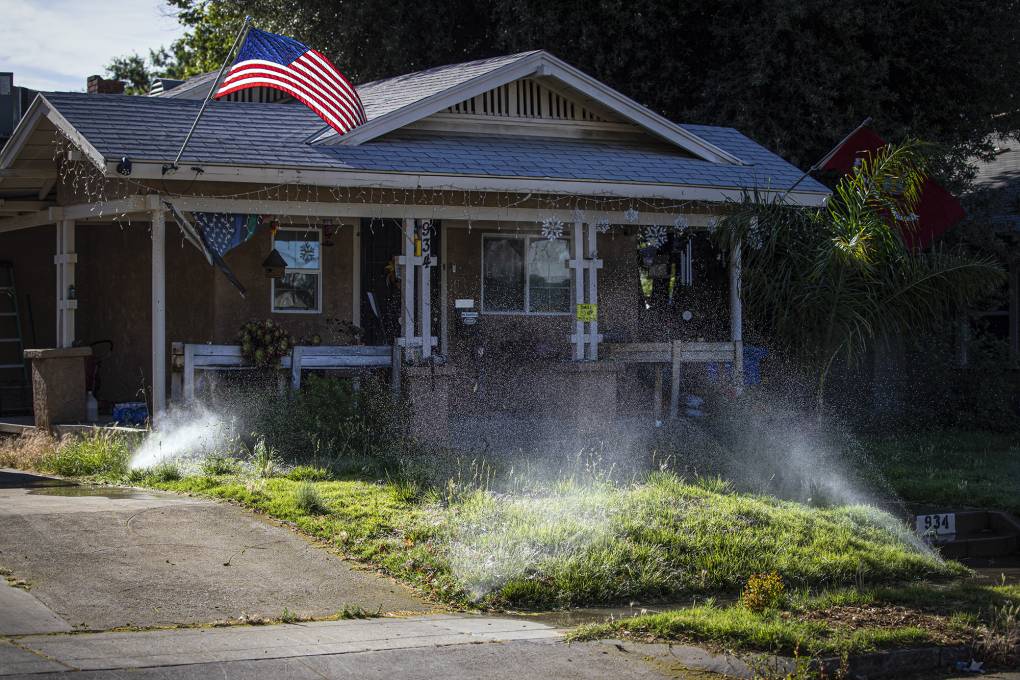
"caption": "Sprinklers water a lawn of a home in the Tower District in central Fresno on June 3, 2022. ",
"description": null,
"title": "0601322_SOCAL_Drought_LV_CM_06",
"credit": "Larry Valenzuela via CalMatters/CatchLight Local",
"status": "inherit",
"altTag": "A house with sprinklers watering the lawn.",
"isLoading": false,
"fetchFailed": false
},
"news_11971855": {
"type": "attachments",
"id": "news_11971855",
"meta": {
"index": "attachments_1716263798",
"site": "news",
"id": "11971855",
"found": true
},
"parent": 11971774,
"imgSizes": {
"twentyfourteen-full-width": {
"file": "https://cdn.kqed.org/wp-content/uploads/sites/10/2024/01/230726-SAN-QUENTIN-MHN-24-1038x576.jpg",
"width": 1038,
"mimeType": "image/jpeg",
"height": 576
},
"thumbnail": {
"file": "https://cdn.kqed.org/wp-content/uploads/sites/10/2024/01/230726-SAN-QUENTIN-MHN-24-160x107.jpg",
"width": 160,
"mimeType": "image/jpeg",
"height": 107
},
"post-thumbnail": {
"file": "https://cdn.kqed.org/wp-content/uploads/sites/10/2024/01/230726-SAN-QUENTIN-MHN-24-672x372.jpg",
"width": 672,
"mimeType": "image/jpeg",
"height": 372
},
"kqedFullSize": {
"file": "https://cdn.kqed.org/wp-content/uploads/sites/10/2024/01/230726-SAN-QUENTIN-MHN-24-scaled.jpg",
"width": 2560,
"height": 1707
},
"2048x2048": {
"file": "https://cdn.kqed.org/wp-content/uploads/sites/10/2024/01/230726-SAN-QUENTIN-MHN-24-2048x1365.jpg",
"width": 2048,
"mimeType": "image/jpeg",
"height": 1365
},
"large": {
"file": "https://cdn.kqed.org/wp-content/uploads/sites/10/2024/01/230726-SAN-QUENTIN-MHN-24-1020x680.jpg",
"width": 1020,
"mimeType": "image/jpeg",
"height": 680
},
"1536x1536": {
"file": "https://cdn.kqed.org/wp-content/uploads/sites/10/2024/01/230726-SAN-QUENTIN-MHN-24-1536x1024.jpg",
"width": 1536,
"mimeType": "image/jpeg",
"height": 1024
},
"full-width": {
"file": "https://cdn.kqed.org/wp-content/uploads/sites/10/2024/01/230726-SAN-QUENTIN-MHN-24-1920x1280.jpg",
"width": 1920,
"mimeType": "image/jpeg",
"height": 1280
},
"medium": {
"file": "https://cdn.kqed.org/wp-content/uploads/sites/10/2024/01/230726-SAN-QUENTIN-MHN-24-800x533.jpg",
"width": 800,
"mimeType": "image/jpeg",
"height": 533
}
},
"publishDate": 1704634750,
"modified": 1704634809,
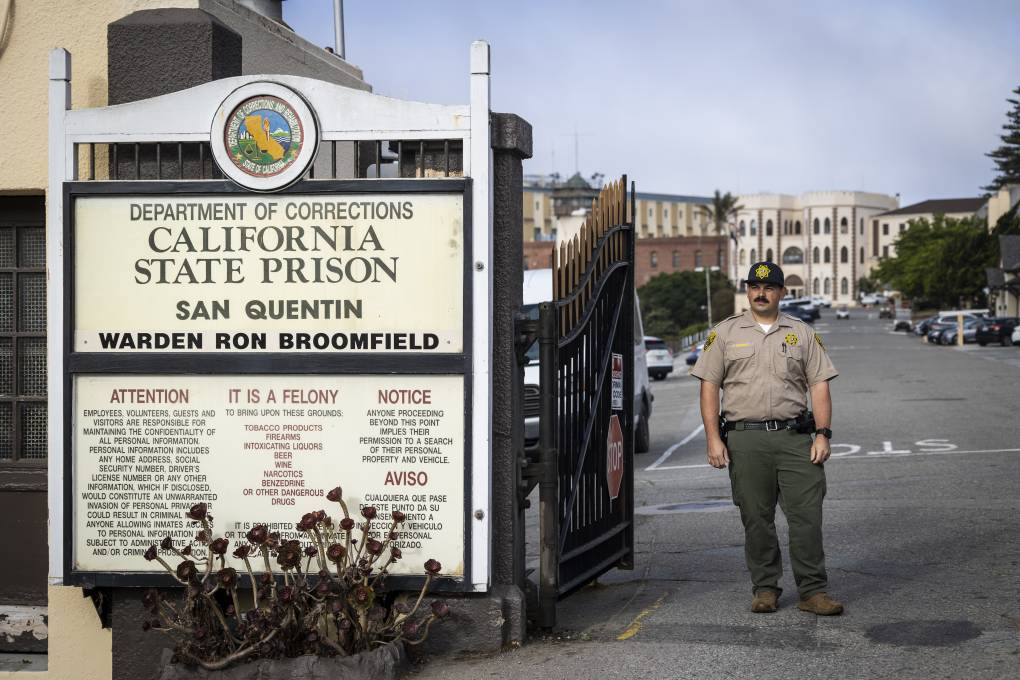
"caption": "The entry gate at San Quentin State Prison on July 26, 2023.",
"description": null,
"title": "230726-SAN QUENTIN-MHN-24",
"credit": "Martin do Nascimento/KQED",
"status": "inherit",
"altTag": "A prison guard in uniform stands in front of a gate with a building in the background.",
"isLoading": false,
"fetchFailed": false
},
"news_11971654": {
"type": "attachments",
"id": "news_11971654",
"meta": {
"index": "attachments_1716263798",
"site": "news",
"id": "11971654",
"found": true
},
"parent": 11971653,
"imgSizes": {
"twentyfourteen-full-width": {
"file": "https://cdn.kqed.org/wp-content/uploads/sites/10/2024/01/121523_Monterey-County-Hospitals_MO_CM_02-copy-1038x576.jpg",
"width": 1038,
"mimeType": "image/jpeg",
"height": 576
},
"thumbnail": {
"file": "https://cdn.kqed.org/wp-content/uploads/sites/10/2024/01/121523_Monterey-County-Hospitals_MO_CM_02-copy-160x107.jpg",
"width": 160,
"mimeType": "image/jpeg",
"height": 107
},
"post-thumbnail": {
"file": "https://cdn.kqed.org/wp-content/uploads/sites/10/2024/01/121523_Monterey-County-Hospitals_MO_CM_02-copy-672x372.jpg",
"width": 672,
"mimeType": "image/jpeg",
"height": 372
},
"kqedFullSize": {
"file": "https://cdn.kqed.org/wp-content/uploads/sites/10/2024/01/121523_Monterey-County-Hospitals_MO_CM_02-copy.jpg",
"width": 2000,
"height": 1333
},
"large": {
"file": "https://cdn.kqed.org/wp-content/uploads/sites/10/2024/01/121523_Monterey-County-Hospitals_MO_CM_02-copy-1020x680.jpg",
"width": 1020,
"mimeType": "image/jpeg",
"height": 680
},
"1536x1536": {
"file": "https://cdn.kqed.org/wp-content/uploads/sites/10/2024/01/121523_Monterey-County-Hospitals_MO_CM_02-copy-1536x1024.jpg",
"width": 1536,
"mimeType": "image/jpeg",
"height": 1024
},
"full-width": {
"file": "https://cdn.kqed.org/wp-content/uploads/sites/10/2024/01/121523_Monterey-County-Hospitals_MO_CM_02-copy-1920x1280.jpg",
"width": 1920,
"mimeType": "image/jpeg",
"height": 1280
},
"medium": {
"file": "https://cdn.kqed.org/wp-content/uploads/sites/10/2024/01/121523_Monterey-County-Hospitals_MO_CM_02-copy-800x533.jpg",
"width": 800,
"mimeType": "image/jpeg",
"height": 533
}
},
"publishDate": 1704406788,
"modified": 1704406812,
"caption": "Community Hospital of the Monterey Peninsula in Monterey on Dec. 15, 2023. \n",
"description": null,
"title": "121523_Monterey-County-Hospitals_MO_CM_02 copy",
"credit": "Manuel Orbegozo for CalMatters",
"status": "inherit",
"altTag": null,
"isLoading": false,
"fetchFailed": false
},
"news_11971636": {
"type": "attachments",
"id": "news_11971636",
"meta": {
"index": "attachments_1716263798",
"site": "news",
"id": "11971636",
"found": true
},
"parent": 11971616,
"imgSizes": {
"twentyfourteen-full-width": {
"file": "https://cdn.kqed.org/wp-content/uploads/sites/10/2024/01/CMEducation01-1038x576.jpg",
"width": 1038,
"mimeType": "image/jpeg",
"height": 576
},
"thumbnail": {
"file": "https://cdn.kqed.org/wp-content/uploads/sites/10/2024/01/CMEducation01-160x107.jpg",
"width": 160,
"mimeType": "image/jpeg",
"height": 107
},
"post-thumbnail": {
"file": "https://cdn.kqed.org/wp-content/uploads/sites/10/2024/01/CMEducation01-672x372.jpg",
"width": 672,
"mimeType": "image/jpeg",
"height": 372
},
"kqedFullSize": {
"file": "https://cdn.kqed.org/wp-content/uploads/sites/10/2024/01/CMEducation01.jpg",
"width": 2000,
"height": 1333
},
"large": {
"file": "https://cdn.kqed.org/wp-content/uploads/sites/10/2024/01/CMEducation01-1020x680.jpg",
"width": 1020,
"mimeType": "image/jpeg",
"height": 680
},
"1536x1536": {
"file": "https://cdn.kqed.org/wp-content/uploads/sites/10/2024/01/CMEducation01-1536x1024.jpg",
"width": 1536,
"mimeType": "image/jpeg",
"height": 1024
},
"full-width": {
"file": "https://cdn.kqed.org/wp-content/uploads/sites/10/2024/01/CMEducation01-1920x1280.jpg",
"width": 1920,
"mimeType": "image/jpeg",
"height": 1280
},
"medium": {
"file": "https://cdn.kqed.org/wp-content/uploads/sites/10/2024/01/CMEducation01-800x533.jpg",
"width": 800,
"mimeType": "image/jpeg",
"height": 533
}
},
"publishDate": 1704402273,
"modified": 1704412369,
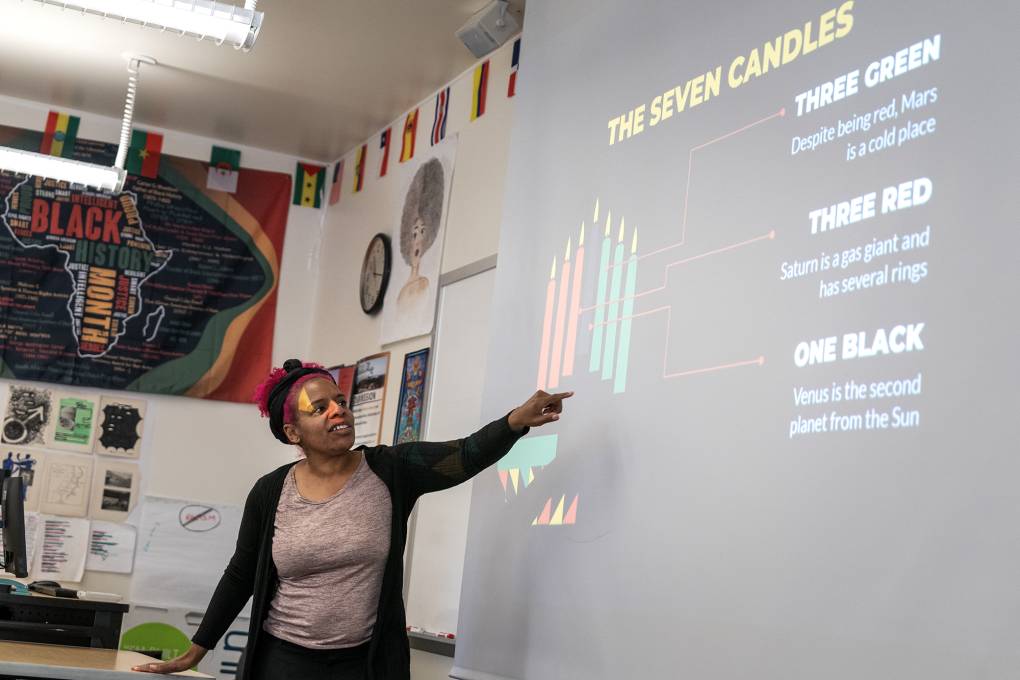
"caption": "Professor Nikia Chaney gives a presentation on Kwanzaa, an annual celebration of African American culture, during an Umoja community event at Cabrillo College in Aptos on Dec. 7, 2023. The Umoja program supports African American and other historically underrepresented students.",
"description": null,
"title": "CMEducation01",
"credit": "Loren Elliott/CalMatters",
"status": "inherit",
"altTag": "A college professor stands in front of her classroom, pointing to a PowerPoint presentation.",
"isLoading": false,
"fetchFailed": false
},
"news_11971528": {
"type": "attachments",
"id": "news_11971528",
"meta": {
"index": "attachments_1716263798",
"site": "news",
"id": "11971528",
"found": true
},
"parent": 11971518,
"imgSizes": {
"twentyfourteen-full-width": {
"file": "https://cdn.kqed.org/wp-content/uploads/sites/10/2024/01/11172023-Jummah-For-Palestine-RL-CM-17-1038x576.jpg",
"width": 1038,
"mimeType": "image/jpeg",
"height": 576
},
"thumbnail": {
"file": "https://cdn.kqed.org/wp-content/uploads/sites/10/2024/01/11172023-Jummah-For-Palestine-RL-CM-17-160x107.jpg",
"width": 160,
"mimeType": "image/jpeg",
"height": 107
},
"post-thumbnail": {
"file": "https://cdn.kqed.org/wp-content/uploads/sites/10/2024/01/11172023-Jummah-For-Palestine-RL-CM-17-672x372.jpg",
"width": 672,
"mimeType": "image/jpeg",
"height": 372
},
"kqedFullSize": {
"file": "https://cdn.kqed.org/wp-content/uploads/sites/10/2024/01/11172023-Jummah-For-Palestine-RL-CM-17.jpg",
"width": 2000,
"height": 1333
},
"large": {
"file": "https://cdn.kqed.org/wp-content/uploads/sites/10/2024/01/11172023-Jummah-For-Palestine-RL-CM-17-1020x680.jpg",
"width": 1020,
"mimeType": "image/jpeg",
"height": 680
},
"1536x1536": {
"file": "https://cdn.kqed.org/wp-content/uploads/sites/10/2024/01/11172023-Jummah-For-Palestine-RL-CM-17-1536x1024.jpg",
"width": 1536,
"mimeType": "image/jpeg",
"height": 1024
},
"full-width": {
"file": "https://cdn.kqed.org/wp-content/uploads/sites/10/2024/01/11172023-Jummah-For-Palestine-RL-CM-17-1920x1280.jpg",
"width": 1920,
"mimeType": "image/jpeg",
"height": 1280
},
"medium": {
"file": "https://cdn.kqed.org/wp-content/uploads/sites/10/2024/01/11172023-Jummah-For-Palestine-RL-CM-17-800x533.jpg",
"width": 800,
"mimeType": "image/jpeg",
"height": 533
}
},
"publishDate": 1704313620,
"modified": 1704313685,
"caption": "Protesters gather during a press conference urging elected officials to call for a ceasefire in the Israel-Hamas conflict, at the state Capitol in Sacramento on Nov. 17, 2023. ",
"description": null,
"title": "11172023-Jummah-For-Palestine-RL-CM-17",
"credit": "Rahul Lal/CalMatters",
"status": "inherit",
"altTag": "Several people hold signs that read \"Ceasefire Now\" outside.",
"isLoading": false,
"fetchFailed": false
},
"news_11971468": {
"type": "attachments",
"id": "news_11971468",
"meta": {
"index": "attachments_1716263798",
"site": "news",
"id": "11971468",
"found": true
},
"parent": 11971463,
"imgSizes": {
"twentyfourteen-full-width": {
"file": "https://cdn.kqed.org/wp-content/uploads/sites/10/2024/01/CMStudents01-1038x576.jpg",
"width": 1038,
"mimeType": "image/jpeg",
"height": 576
},
"thumbnail": {
"file": "https://cdn.kqed.org/wp-content/uploads/sites/10/2024/01/CMStudents01-160x107.jpg",
"width": 160,
"mimeType": "image/jpeg",
"height": 107
},
"post-thumbnail": {
"file": "https://cdn.kqed.org/wp-content/uploads/sites/10/2024/01/CMStudents01-672x372.jpg",
"width": 672,
"mimeType": "image/jpeg",
"height": 372
},
"kqedFullSize": {
"file": "https://cdn.kqed.org/wp-content/uploads/sites/10/2024/01/CMStudents01.jpg",
"width": 2000,
"height": 1333
},
"large": {
"file": "https://cdn.kqed.org/wp-content/uploads/sites/10/2024/01/CMStudents01-1020x680.jpg",
"width": 1020,
"mimeType": "image/jpeg",
"height": 680
},
"1536x1536": {
"file": "https://cdn.kqed.org/wp-content/uploads/sites/10/2024/01/CMStudents01-1536x1024.jpg",
"width": 1536,
"mimeType": "image/jpeg",
"height": 1024
},
"full-width": {
"file": "https://cdn.kqed.org/wp-content/uploads/sites/10/2024/01/CMStudents01-1920x1280.jpg",
"width": 1920,
"mimeType": "image/jpeg",
"height": 1280
},
"medium": {
"file": "https://cdn.kqed.org/wp-content/uploads/sites/10/2024/01/CMStudents01-800x533.jpg",
"width": 800,
"mimeType": "image/jpeg",
"height": 533
}
},
"publishDate": 1704305622,
"modified": 1704305693,
"caption": "High school math students prepare for finals week at Emery High School in Emery on Dec. 13, 2023. Emery Unified School District, a majority-Black student school district, is one of the bright spots from the recent statewide Smarter Balanced K-12 test results.",
"description": null,
"title": "CMStudents01",
"credit": "Pablo Unzueta/CalMatters",
"status": "inherit",
"altTag": "Students and instructors in a classroom setting.",
"isLoading": false,
"fetchFailed": false
},
"news_11971072": {
"type": "attachments",
"id": "news_11971072",
"meta": {
"index": "attachments_1716263798",
"site": "news",
"id": "11971072",
"found": true
},
"parent": 11971070,
"imgSizes": {
"twentyfourteen-full-width": {
"file": "https://cdn.kqed.org/wp-content/uploads/sites/10/2023/12/071322-Sale-Sign-SF-Shopping-REUTERS-CM-copy-1038x576.jpg",
"width": 1038,
"mimeType": "image/jpeg",
"height": 576
},
"thumbnail": {
"file": "https://cdn.kqed.org/wp-content/uploads/sites/10/2023/12/071322-Sale-Sign-SF-Shopping-REUTERS-CM-copy-160x107.jpg",
"width": 160,
"mimeType": "image/jpeg",
"height": 107
},
"post-thumbnail": {
"file": "https://cdn.kqed.org/wp-content/uploads/sites/10/2023/12/071322-Sale-Sign-SF-Shopping-REUTERS-CM-copy-672x372.jpg",
"width": 672,
"mimeType": "image/jpeg",
"height": 372
},
"kqedFullSize": {
"file": "https://cdn.kqed.org/wp-content/uploads/sites/10/2023/12/071322-Sale-Sign-SF-Shopping-REUTERS-CM-copy.jpg",
"width": 2000,
"height": 1333
},
"large": {
"file": "https://cdn.kqed.org/wp-content/uploads/sites/10/2023/12/071322-Sale-Sign-SF-Shopping-REUTERS-CM-copy-1020x680.jpg",
"width": 1020,
"mimeType": "image/jpeg",
"height": 680
},
"1536x1536": {
"file": "https://cdn.kqed.org/wp-content/uploads/sites/10/2023/12/071322-Sale-Sign-SF-Shopping-REUTERS-CM-copy-1536x1024.jpg",
"width": 1536,
"mimeType": "image/jpeg",
"height": 1024
},
"full-width": {
"file": "https://cdn.kqed.org/wp-content/uploads/sites/10/2023/12/071322-Sale-Sign-SF-Shopping-REUTERS-CM-copy-1920x1280.jpg",
"width": 1920,
"mimeType": "image/jpeg",
"height": 1280
},
"medium": {
"file": "https://cdn.kqed.org/wp-content/uploads/sites/10/2023/12/071322-Sale-Sign-SF-Shopping-REUTERS-CM-copy-800x533.jpg",
"width": 800,
"mimeType": "image/jpeg",
"height": 533
}
},
"publishDate": 1703791435,
"modified": 1703791493,
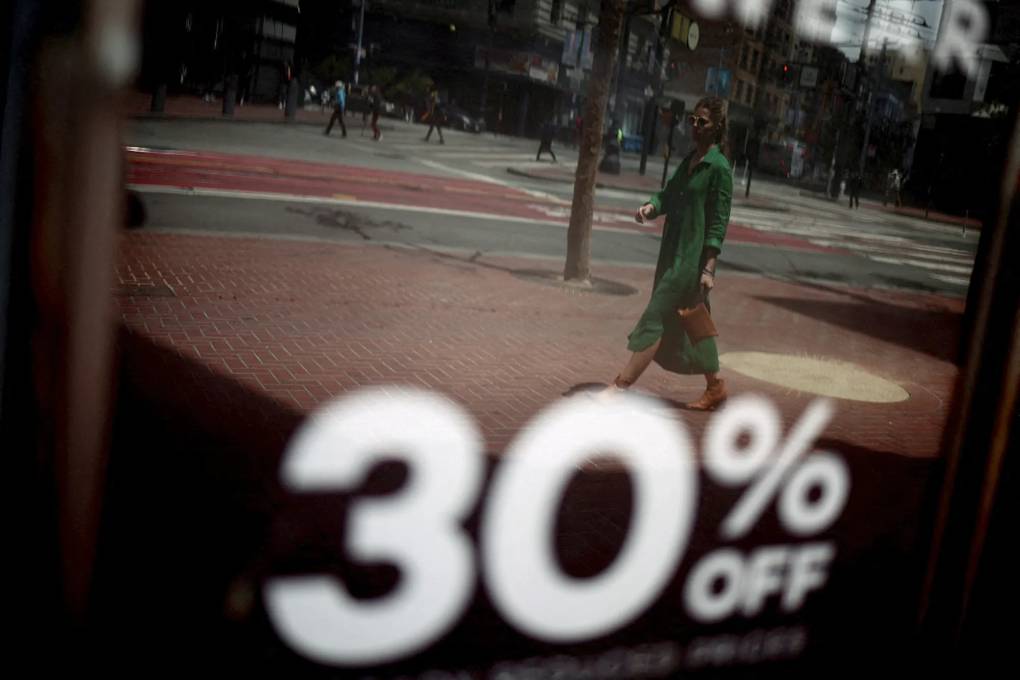
"caption": "A person walks by a local shop in downtown San Francisco on July 13, 2022.",
"description": null,
"title": "071322-Sale-Sign-SF-Shopping-REUTERS-CM copy",
"credit": "Carlos Barria/Reuters",
"status": "inherit",
"altTag": "A person walks by a shopfront where \"30% Off\" is written on the window.",
"isLoading": false,
"fetchFailed": false
},
"news_11971104": {
"type": "attachments",
"id": "news_11971104",
"meta": {
"index": "attachments_1716263798",
"site": "news",
"id": "11971104",
"found": true
},
"parent": 11971102,
"imgSizes": {
"twentyfourteen-full-width": {
"file": "https://cdn.kqed.org/wp-content/uploads/sites/10/2023/12/121923_MediCal-Expansion_LJ_CM_06-1038x576.jpg",
"width": 1038,
"mimeType": "image/jpeg",
"height": 576
},
"thumbnail": {
"file": "https://cdn.kqed.org/wp-content/uploads/sites/10/2023/12/121923_MediCal-Expansion_LJ_CM_06-160x107.jpg",
"width": 160,
"mimeType": "image/jpeg",
"height": 107
},
"post-thumbnail": {
"file": "https://cdn.kqed.org/wp-content/uploads/sites/10/2023/12/121923_MediCal-Expansion_LJ_CM_06-672x372.jpg",
"width": 672,
"mimeType": "image/jpeg",
"height": 372
},
"kqedFullSize": {
"file": "https://cdn.kqed.org/wp-content/uploads/sites/10/2023/12/121923_MediCal-Expansion_LJ_CM_06.jpg",
"width": 2000,
"height": 1333
},
"large": {
"file": "https://cdn.kqed.org/wp-content/uploads/sites/10/2023/12/121923_MediCal-Expansion_LJ_CM_06-1020x680.jpg",
"width": 1020,
"mimeType": "image/jpeg",
"height": 680
},
"1536x1536": {
"file": "https://cdn.kqed.org/wp-content/uploads/sites/10/2023/12/121923_MediCal-Expansion_LJ_CM_06-1536x1024.jpg",
"width": 1536,
"mimeType": "image/jpeg",
"height": 1024
},
"full-width": {
"file": "https://cdn.kqed.org/wp-content/uploads/sites/10/2023/12/121923_MediCal-Expansion_LJ_CM_06-1920x1280.jpg",
"width": 1920,
"mimeType": "image/jpeg",
"height": 1280
},
"medium": {
"file": "https://cdn.kqed.org/wp-content/uploads/sites/10/2023/12/121923_MediCal-Expansion_LJ_CM_06-800x533.jpg",
"width": 800,
"mimeType": "image/jpeg",
"height": 533
}
},
"publishDate": 1703794303,
"modified": 1703801619,
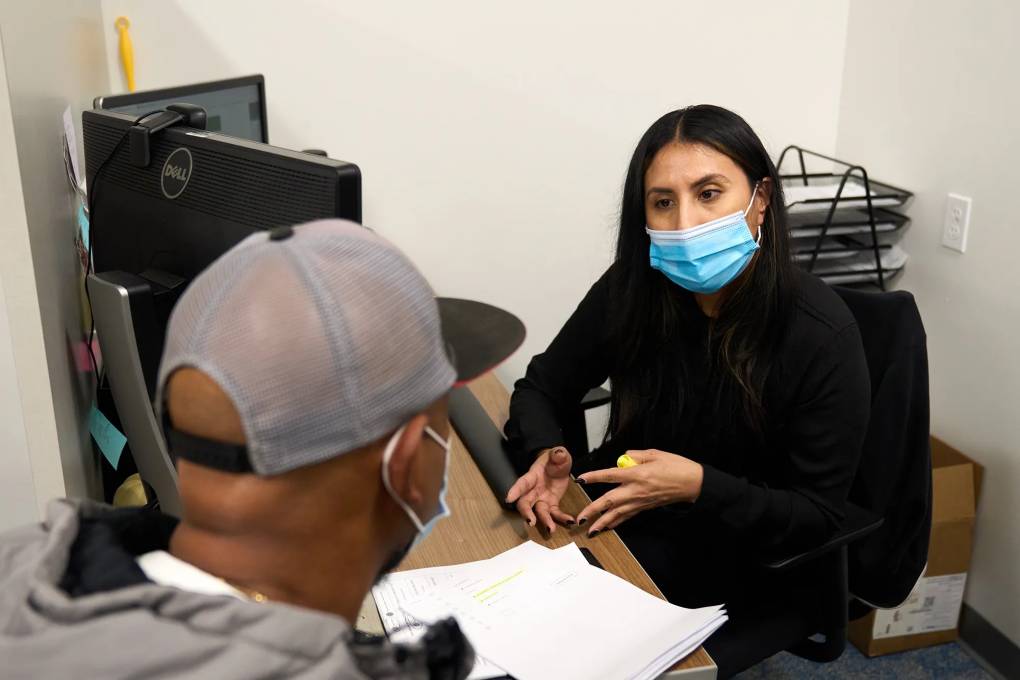
"caption": "Benefits counselor Perla Lopez assists an undocumented person who will be eligible for Medi-Cal health care coverage in the new year at St. John’s Community Health in Los Angeles on Dec. 19, 2023.",
"description": null,
"title": "121923_MediCal-Expansion_LJ_CM_06",
"credit": "Lauren Justice/CalMatters",
"status": "inherit",
"altTag": "A young woman wearing a face mask sits at her desk and talks to a man in a baseball cap. A small stack of paper is between them.",
"isLoading": false,
"fetchFailed": false
},
"news_11935568": {
"type": "attachments",
"id": "news_11935568",
"meta": {
"index": "attachments_1716263798",
"site": "news",
"id": "11935568",
"found": true
},
"parent": 11935500,
"imgSizes": {
"twentyfourteen-full-width": {
"file": "https://cdn.kqed.org/wp-content/uploads/sites/10/2022/12/RS46625_009_SanFrancisco_Hospital_01142021-qut-1038x576.jpg",
"width": 1038,
"mimeType": "image/jpeg",
"height": 576
},
"thumbnail": {
"file": "https://cdn.kqed.org/wp-content/uploads/sites/10/2022/12/RS46625_009_SanFrancisco_Hospital_01142021-qut-160x107.jpg",
"width": 160,
"mimeType": "image/jpeg",
"height": 107
},
"post-thumbnail": {
"file": "https://cdn.kqed.org/wp-content/uploads/sites/10/2022/12/RS46625_009_SanFrancisco_Hospital_01142021-qut-672x372.jpg",
"width": 672,
"mimeType": "image/jpeg",
"height": 372
},
"kqedFullSize": {
"file": "https://cdn.kqed.org/wp-content/uploads/sites/10/2022/12/RS46625_009_SanFrancisco_Hospital_01142021-qut.jpg",
"width": 1920,
"height": 1280
},
"large": {
"file": "https://cdn.kqed.org/wp-content/uploads/sites/10/2022/12/RS46625_009_SanFrancisco_Hospital_01142021-qut-1020x680.jpg",
"width": 1020,
"mimeType": "image/jpeg",
"height": 680
},
"1536x1536": {
"file": "https://cdn.kqed.org/wp-content/uploads/sites/10/2022/12/RS46625_009_SanFrancisco_Hospital_01142021-qut-1536x1024.jpg",
"width": 1536,
"mimeType": "image/jpeg",
"height": 1024
},
"medium": {
"file": "https://cdn.kqed.org/wp-content/uploads/sites/10/2022/12/RS46625_009_SanFrancisco_Hospital_01142021-qut-800x533.jpg",
"width": 800,
"mimeType": "image/jpeg",
"height": 533
}
},
"publishDate": 1671224046,
"modified": 1703727902,
"caption": "A San Francisco Fire Department ambulance leaves the Zuckerberg San Francisco General Hospital on Jan. 14, 2021. ",
"description": null,
"title": "RS46625_009_SanFrancisco_Hospital_01142021-qut",
"credit": "Beth LaBerge/KQED",
"status": "inherit",
"altTag": "An ambulance outside of a hospital.",
"isLoading": false,
"fetchFailed": false
},
"news_11971045": {
"type": "attachments",
"id": "news_11971045",
"meta": {
"index": "attachments_1716263798",
"site": "news",
"id": "11971045",
"found": true
},
"parent": 11971043,
"imgSizes": {
"twentyfourteen-full-width": {
"file": "https://cdn.kqed.org/wp-content/uploads/sites/10/2023/12/071923-Cannabis-CBD-Products-MG-CM-07-1038x576.jpg",
"width": 1038,
"mimeType": "image/jpeg",
"height": 576
},
"thumbnail": {
"file": "https://cdn.kqed.org/wp-content/uploads/sites/10/2023/12/071923-Cannabis-CBD-Products-MG-CM-07-160x107.jpg",
"width": 160,
"mimeType": "image/jpeg",
"height": 107
},
"post-thumbnail": {
"file": "https://cdn.kqed.org/wp-content/uploads/sites/10/2023/12/071923-Cannabis-CBD-Products-MG-CM-07-672x372.jpg",
"width": 672,
"mimeType": "image/jpeg",
"height": 372
},
"kqedFullSize": {
"file": "https://cdn.kqed.org/wp-content/uploads/sites/10/2023/12/071923-Cannabis-CBD-Products-MG-CM-07.jpg",
"width": 2000,
"height": 1333
},
"large": {
"file": "https://cdn.kqed.org/wp-content/uploads/sites/10/2023/12/071923-Cannabis-CBD-Products-MG-CM-07-1020x680.jpg",
"width": 1020,
"mimeType": "image/jpeg",
"height": 680
},
"1536x1536": {
"file": "https://cdn.kqed.org/wp-content/uploads/sites/10/2023/12/071923-Cannabis-CBD-Products-MG-CM-07-1536x1024.jpg",
"width": 1536,
"mimeType": "image/jpeg",
"height": 1024
},
"full-width": {
"file": "https://cdn.kqed.org/wp-content/uploads/sites/10/2023/12/071923-Cannabis-CBD-Products-MG-CM-07-1920x1280.jpg",
"width": 1920,
"mimeType": "image/jpeg",
"height": 1280
},
"medium": {
"file": "https://cdn.kqed.org/wp-content/uploads/sites/10/2023/12/071923-Cannabis-CBD-Products-MG-CM-07-800x533.jpg",
"width": 800,
"mimeType": "image/jpeg",
"height": 533
}
},
"publishDate": 1703717442,
"modified": 1703721699,
"caption": "Cannabis products on display at A Therapeutic Alternative in Sacramento on July 19, 2023. ",
"description": null,
"title": "071923-Cannabis-CBD-Products-MG-CM-07",
"credit": "Miguel Gutierrez Jr./CalMatters",
"status": "inherit",
"altTag": "An assortment of small packages, both square and cylindrical, in a variety of colors on a table.",
"isLoading": false,
"fetchFailed": false
},
"news_11970925": {
"type": "attachments",
"id": "news_11970925",
"meta": {
"index": "attachments_1716263798",
"site": "news",
"id": "11970925",
"found": true
},
"parent": 0,
"imgSizes": {
"twentyfourteen-full-width": {
"file": "https://cdn.kqed.org/wp-content/uploads/sites/10/2023/12/CMNative01-1038x576.jpg",
"width": 1038,
"mimeType": "image/jpeg",
"height": 576
},
"thumbnail": {
"file": "https://cdn.kqed.org/wp-content/uploads/sites/10/2023/12/CMNative01-160x107.jpg",
"width": 160,
"mimeType": "image/jpeg",
"height": 107
},
"post-thumbnail": {
"file": "https://cdn.kqed.org/wp-content/uploads/sites/10/2023/12/CMNative01-672x372.jpg",
"width": 672,
"mimeType": "image/jpeg",
"height": 372
},
"kqedFullSize": {
"file": "https://cdn.kqed.org/wp-content/uploads/sites/10/2023/12/CMNative01.jpg",
"width": 2000,
"height": 1333
},
"large": {
"file": "https://cdn.kqed.org/wp-content/uploads/sites/10/2023/12/CMNative01-1020x680.jpg",
"width": 1020,
"mimeType": "image/jpeg",
"height": 680
},
"1536x1536": {
"file": "https://cdn.kqed.org/wp-content/uploads/sites/10/2023/12/CMNative01-1536x1024.jpg",
"width": 1536,
"mimeType": "image/jpeg",
"height": 1024
},
"full-width": {
"file": "https://cdn.kqed.org/wp-content/uploads/sites/10/2023/12/CMNative01-1920x1280.jpg",
"width": 1920,
"mimeType": "image/jpeg",
"height": 1280
},
"medium": {
"file": "https://cdn.kqed.org/wp-content/uploads/sites/10/2023/12/CMNative01-800x533.jpg",
"width": 800,
"mimeType": "image/jpeg",
"height": 533
}
},
"publishDate": 1703618857,
"modified": 1703619088,
"caption": "A vendor sells pottery items at the California Native American Day celebration at the state Capitol on Sept. 22, 2023.",
"description": null,
"title": "CMNative01",
"credit": "Miguel Gutierrez Jr./CalMatters",
"status": "inherit",
"altTag": "Colorful Native American pottery is pictured. Some of it is weathered.",
"isLoading": false,
"fetchFailed": false
},
"news_11970820": {
"type": "attachments",
"id": "news_11970820",
"meta": {
"index": "attachments_1716263798",
"site": "news",
"id": "11970820",
"found": true
},
"parent": 11970816,
"imgSizes": {
"twentyfourteen-full-width": {
"file": "https://cdn.kqed.org/wp-content/uploads/sites/10/2023/12/121923-Jose-Ruben-Hunger-Strike-FG-CM-09-copy-1038x576.jpg",
"width": 1038,
"mimeType": "image/jpeg",
"height": 576
},
"thumbnail": {
"file": "https://cdn.kqed.org/wp-content/uploads/sites/10/2023/12/121923-Jose-Ruben-Hunger-Strike-FG-CM-09-copy-160x107.jpg",
"width": 160,
"mimeType": "image/jpeg",
"height": 107
},
"post-thumbnail": {
"file": "https://cdn.kqed.org/wp-content/uploads/sites/10/2023/12/121923-Jose-Ruben-Hunger-Strike-FG-CM-09-copy-672x372.jpg",
"width": 672,
"mimeType": "image/jpeg",
"height": 372
},
"kqedFullSize": {
"file": "https://cdn.kqed.org/wp-content/uploads/sites/10/2023/12/121923-Jose-Ruben-Hunger-Strike-FG-CM-09-copy.jpg",
"width": 2000,
"height": 1334
},
"large": {
"file": "https://cdn.kqed.org/wp-content/uploads/sites/10/2023/12/121923-Jose-Ruben-Hunger-Strike-FG-CM-09-copy-1020x680.jpg",
"width": 1020,
"mimeType": "image/jpeg",
"height": 680
},
"1536x1536": {
"file": "https://cdn.kqed.org/wp-content/uploads/sites/10/2023/12/121923-Jose-Ruben-Hunger-Strike-FG-CM-09-copy-1536x1025.jpg",
"width": 1536,
"mimeType": "image/jpeg",
"height": 1025
},
"full-width": {
"file": "https://cdn.kqed.org/wp-content/uploads/sites/10/2023/12/121923-Jose-Ruben-Hunger-Strike-FG-CM-09-copy-1920x1281.jpg",
"width": 1920,
"mimeType": "image/jpeg",
"height": 1281
},
"medium": {
"file": "https://cdn.kqed.org/wp-content/uploads/sites/10/2023/12/121923-Jose-Ruben-Hunger-Strike-FG-CM-09-copy-800x534.jpg",
"width": 800,
"mimeType": "image/jpeg",
"height": 534
}
},
"publishDate": 1703370502,
"modified": 1703370570,
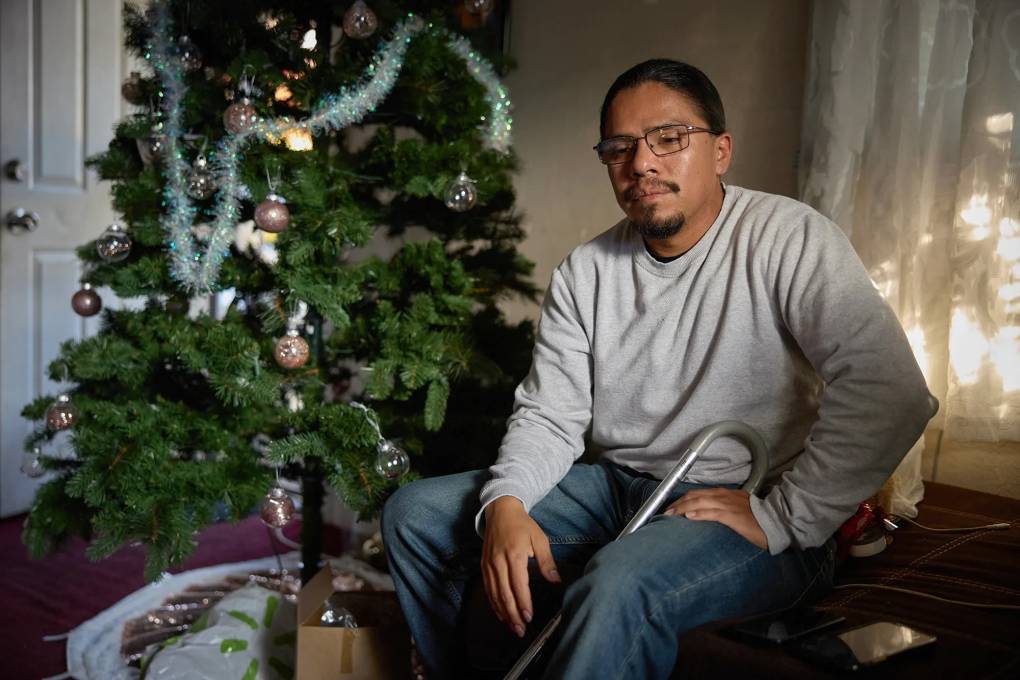
"caption": "Jose Ruben Hernandez Gomez at his home in Lodi on Dec. 13, 2023. He was one of the hunger strikers at the Mesa Verde ICE detention facility and has filed a federal complaint alleging medical neglect and abuse.",
"description": null,
"title": "121923-Jose-Ruben-Hunger-Strike-FG-CM-09 copy",
"credit": "Fred Greaves for CalMatters",
"status": "inherit",
"altTag": "A Latino man with glasses sits next to a Christmas tree in a living room.",
"isLoading": false,
"fetchFailed": false
}
},
"audioPlayerReducer": {
"postId": "stream_live",
"isPaused": true,
"isPlaying": false,
"pfsActive": false,
"pledgeModalIsOpen": true,
"playerDrawerIsOpen": false,
"liveAudioPlayStartedAt": 0,
"liveAudioPlayContext": ""
},
"authorsReducer": {
"byline_news_11971872": {
"type": "authors",
"id": "byline_news_11971872",
"meta": {
"override": true
},
"slug": "byline_news_11971872",
"name": "Rachel Becker",
"isLoading": false
},
"byline_news_11971774": {
"type": "authors",
"id": "byline_news_11971774",
"meta": {
"override": true
},
"slug": "byline_news_11971774",
"name": "\u003ca href=\"https://calmatters.org/author/nigelduara/\">Nigel Duara\u003c/a>",
"isLoading": false
},
"byline_news_11971653": {
"type": "authors",
"id": "byline_news_11971653",
"meta": {
"override": true
},
"slug": "byline_news_11971653",
"name": "\u003ca href=\"https://calmatters.org/author/kristen-hwang/\">Kristen Hwang\u003c/a>",
"isLoading": false
},
"byline_news_11971616": {
"type": "authors",
"id": "byline_news_11971616",
"meta": {
"override": true
},
"slug": "byline_news_11971616",
"name": "\u003ca href=\"https://calmatters.org/author/adam-echelman/\">Adam Echelman\u003c/a>",
"isLoading": false
},
"byline_news_11971518": {
"type": "authors",
"id": "byline_news_11971518",
"meta": {
"override": true
},
"slug": "byline_news_11971518",
"name": "Sameea Kamal",
"isLoading": false
},
"byline_news_11971463": {
"type": "authors",
"id": "byline_news_11971463",
"meta": {
"override": true
},
"slug": "byline_news_11971463",
"name": "\u003ca href=\"https://calmatters.org/author/carolyn-jones/\">Carolyn Jones\u003c/a>",
"isLoading": false
},
"byline_news_11971070": {
"type": "authors",
"id": "byline_news_11971070",
"meta": {
"override": true
},
"slug": "byline_news_11971070",
"name": "\u003ca href=\"https://calmatters.org/author/levi-sumagaysay/\">Levi Sumagaysay\u003c/a>",
"isLoading": false
},
"byline_news_11971102": {
"type": "authors",
"id": "byline_news_11971102",
"meta": {
"override": true
},
"slug": "byline_news_11971102",
"name": "\u003ca href=\"https://calmatters.org/author/kristen-hwang/\">Kristen Hwang\u003c/a>",
"isLoading": false
},
"byline_news_11971055": {
"type": "authors",
"id": "byline_news_11971055",
"meta": {
"override": true
},
"slug": "byline_news_11971055",
"name": "\u003ca href=\"https://calmatters.org/author/kristen-hwang/\">Kristen Hwang\u003c/a>",
"isLoading": false
},
"byline_news_11971043": {
"type": "authors",
"id": "byline_news_11971043",
"meta": {
"override": true
},
"slug": "byline_news_11971043",
"name": "Levi Sumagaysay",
"isLoading": false
},
"byline_news_11970846": {
"type": "authors",
"id": "byline_news_11970846",
"meta": {
"override": true
},
"slug": "byline_news_11970846",
"name": "Amelia Wu and Helena San Roque",
"isLoading": false
},
"byline_news_11970816": {
"type": "authors",
"id": "byline_news_11970816",
"meta": {
"override": true
},
"slug": "byline_news_11970816",
"name": "\u003ca href=\"https://calmatters.org/author/kervy-robles/\">Justo Robles\u003c/a>",
"isLoading": false
}
},
"pagesReducer": {
"news_affiliate_calmatters": {
"type": "terms",
"id": "news_18481",
"meta": {
"index": "terms_1716263798",
"site": "news",
"id": "18481",
"score": 15.355904
},
"featImg": null,
"name": "CALmatters",
"description": null,
"taxonomy": "affiliate",
"headData": {
"twImgId": null,
"twTitle": null,
"ogTitle": null,
"ogImgId": null,
"twDescription": null,
"description": null,
"title": "CALmatters Archives | KQED Arts",
"ogDescription": null
},
"ttid": 18515,
"slug": "calmatters",
"isLoading": false,
"title": "CALmatters",
"pageMeta": {
"site": "news",
"WpPageTemplate": "page-topic-editorial",
"currentPage": 39
},
"blocks": [
{
"blockName": "kqed/post-list",
"attrs": {
"layout": "cardArticle2",
"query": "posts/news?affiliate=calmatters",
"seeMore": false,
"paginated": true,
"page": 39
}
},
{
"blockName": "kqed/ad"
}
]
}
},
"pfsSessionReducer": {},
"postsReducer": {
"stream_live": {
"type": "live",
"id": "stream_live",
"audioUrl": "https://streams.kqed.org/kqedradio",
"title": "Live Stream",
"excerpt": "Live Stream information currently unavailable.",
"link": "/radio",
"featImg": "",
"label": {
"name": "KQED Live",
"link": "/"
}
},
"stream_kqedNewscast": {
"type": "posts",
"id": "stream_kqedNewscast",
"audioUrl": "https://www.kqed.org/.stream/anon/radio/RDnews/newscast.mp3?_=1",
"title": "KQED Newscast",
"featImg": "",
"label": {
"name": "88.5 FM",
"link": "/"
}
},
"news_11971872": {
"type": "posts",
"id": "news_11971872",
"meta": {
"index": "posts_1716263798",
"site": "news",
"id": "11971872",
"score": null,
"sort": [
1704715244000
]
},
"parent": 0,
"labelTerm": {
"site": "news",
"term": 18481
},
"blocks": [],
"publishDate": 1704715244,
"format": "standard",
"title": "California's Water Conservation Rules Face Criticism from Analysts",
"headTitle": "California’s Water Conservation Rules Face Criticism from Analysts | KQED",
"content": "\u003cp>California’s legislative advisors today lambasted the state’s ambitious proposal to regulate urban water conservation, calling the measures costly and difficult to achieve, “in many cases without compelling justifications.”\u003c/p>\n\u003cp>The proposed rules, \u003ca href=\"https://www.waterboards.ca.gov/conservation/regs/water_efficiency_legislation.html\">unveiled in August\u003c/a>, call for more than 400 cities and other water suppliers serving about 95% of Californians to meet conservation targets beginning in 2025.\u003c/p>\n\u003cp>The state Legislative Analyst’s Office \u003ca href=\"https://www.lao.ca.gov/Publications/Report/4823\">suggested significant changes to\u003c/a> the State Water Resources Control Board’s proposal, warning that the regulations would set “such stringent standards for outdoor use that suppliers will not have much ‘wiggle room’ in complying.” They also warn that the added costs will ultimately be borne by customers.\u003c/p>\n\u003cp>[pullquote size=\"medium\" align=\"right\" citation=\"Heather Cooley, director of research, Pacific Institute\"]‘We have to take real action to ensure we can provide safe, clean, reliable water for California communities.’[/pullquote]“Whether the benefits of the new rules ultimately will outweigh the costs is unclear,” the report says. “These doubts are particularly worrisome given we find that suppliers will face notable challenges complying with these requirements.”\u003c/p>\n\u003cp>The report recommended that lawmakers direct state regulators to “make several of the proposed requirements less stringent (such as the residential outdoor standard), consider how to target state funding to assist lower‑income customers, and extend some of the deadlines for suppliers to ensure they can actually achieve the framework’s goals.”\u003c/p>\n\u003cp>[ad fullwidth]\u003c/p>\n\u003cp>Water board officials didn’t comment on the criticism or recommendations, but spokesperson Edward Ortiz said the report, along with other feedback received from industry and the public, will be considered. He said a new draft of the rules will be released this spring.\u003c/p>\n\u003cp>“With changing weather conditions threatening to reduce the state’s water supply 10% by 2040, California is advancing an all-of-the-above strategy to bolster water supplies throughout the state, including conservation,” Ortiz said.\u003c/p>\n\u003cp>[aside postID=\"news_11969648,news_11967823\" label=\"Related Stories\"]Heather Cooley, director of research at the Pacific Institute, a global water think tank, said conservation and efficiency are the cheapest, fastest ways to meet California’s water needs as climate change renders supplies more variable and uncertain.\u003c/p>\n\u003cp>“We have to take real action to ensure we can provide safe, clean, reliable water for California communities,” she said. “Retrofitting and taking out old devices, transforming our landscapes, all of those things have a cost. But it’s far less than developing new sources of supply.”\u003c/p>\n\u003cp>Mandated by a package of 2018 laws, the intent of the rules is to make conservation “a way of life” in California. The rules, which are two years behind schedule, are expected to be adopted by the water board this summer before taking effect in October.\u003c/p>\n\u003cp>The rules don’t target individuals or businesses, instead setting individualized conservation targets for urban water agencies across the state based on goals for indoor and outdoor water use, leaks and other factors.\u003c/p>\n\u003cp>By 2035, water providers will collectively need to reduce water use by 14% . The savings would be enough to supply about 1.2 million homes every year, or about 1% of the state’s total water use.\u003c/p>\n\u003cp>The report called this amount “modest,” noting that “the agricultural sector uses about four times as much water as the urban sector.”\u003c/p>\n\u003cp>\u003ca href=\"https://calmatters.org/environment/water/2023/10/california-water-conservation/\">Water agencies and city officials warned \u003c/a>state regulators last fall that complying would be costly — roughly $13.5 billion from 2025 to 2040 for rebates and other efforts to cut residential use. The benefits are anticipated to reach about $15.6 billion, in large part because suppliers and customers will buy less water.\u003c/p>\n\u003cp>The Legislative Analyst’s report noted that an assessment by a consulting firm commissioned by a water supplier raised questions about those calculations. They noted that customers — particularly low-income households — would likely bear the brunt of rates increased to cover the costs.\u003c/p>\n\u003cp>“Even if benefits outweigh costs in the long run, whether they merit the amount of work and costs to implement the requirements as currently proposed is uncertain,” the report said.\u003c/p>\n\u003cp>Jay Lund, vice-director of the Center for Watershed Sciences at the University of California, Davis, called the report “an unusually frank assessment.”\u003c/p>\n\u003cp>“Although there is good room for further conservation, this additional State effort seems like it is probably not needed, or at least, need not be as stringent and complicated as it seems. It has been asked, ‘Is this juice worth the squeeze?’” he told CalMatters in an email.\u003c/p>\n\u003cp>During the last three-year severe drought, \u003ca href=\"https://droughtmonitor.unl.edu/CurrentMap/StateDroughtMonitor.aspx?CA\">which ended last year\u003c/a>, the Newsom administration set voluntary conservation goals that were largely ineffective. Californians used \u003ca href=\"https://calmatters.org/environment/2023/03/california-lifts-target-water-conservation/\">only about 6%\u003c/a> less water from July 2021 through the end of last year compared to 2020, far less than Gov. Gavin Newsom’s 15% goal.\u003c/p>\n\u003cp>Some areas, especially in hot, inland areas of the state, will require more stringent conservation than others under the proposed rules. Inland and eastern California will be required to cut back the most, with the biggest cuts, up to 34%, needed in desert areas, followed by the Tulare Lake region.\u003c/p>\n\u003cp>Even in the North Coast area, which as a whole is not expected to need to cut back at all to meet the 2035 targets, two large suppliers serving more than 1.6 million customers will nevertheless need to reduce their water use by a quarter.\u003c/p>\n\u003cp>But increasing conservation in the places that need it most will seem a bargain when inevitable longer and drier droughts occur, said \u003ca href=\"https://waterinthewest.stanford.edu/about/people/felicia-marcus\">Felicia Marcus\u003c/a>, former chair of the water board and now a visiting fellow at Stanford University’s Water in the West Program.\u003cstrong> \u003c/strong>\u003c/p>\n\u003cp>“The goal is both to make each locality more resilient to the nightmare curveballs climate change is throwing at us, and to do it in a way that integrates efficiency first and foremost as the most cost and carbon effective measure in the long run,” Marcus said.\u003cstrong> \u003c/strong>\u003c/p>\n\u003cp>Sonja Petek, the principal fiscal and policy analyst who authored the report, said the office isn’t saying to abandon the conservation regulations, it’s just recommending changes to make them more feasible.\u003c/p>\n\u003cp>“Water conservation is one of the important components of the state’s overall water management strategy,” she said, citing more severe and prolonged droughts and the need to reduce reliance on overdrafted groundwater basins. “Our concern is that if these regulations were adopted as written, it could lead to a scenario where compliance is not feasible for some water suppliers, so the state might not achieve its ultimate goals.\u003c/p>\n\u003cp>[ad floatright]\u003c/p>\n\u003cp>Assemblymember Laura Friedman, a Democrat from Burbank and an author of the original legislation, said the report “raises some valid concerns with the rulemaking process thus far, however, I have faith in the water board to do its due diligence in implementing the standards that were passed.”\u003c/p>\n\n",
"stats": {
"hasVideo": false,
"hasChartOrMap": false,
"hasAudio": false,
"hasPolis": false,
"wordCount": 1193,
"hasGoogleForm": false,
"hasGallery": false,
"hasHearkenModule": false,
"iframeSrcs": [],
"paragraphCount": 28
},
"modified": 1704675537,
"excerpt": "Even though California faces serious water shortages, the Legislature’s analysts recommend weaker outdoor conservation requirements and longer deadlines for urban water agencies.",
"headData": {
"twImgId": "",
"twTitle": "",
"ogTitle": "",
"ogImgId": "",
"twDescription": "",
"description": "Even though California faces serious water shortages, the Legislature’s analysts recommend weaker outdoor conservation requirements and longer deadlines for urban water agencies.",
"title": "California's Water Conservation Rules Face Criticism from Analysts | KQED",
"ogDescription": "",
"schema": {
"@context": "https://schema.org",
"@type": "NewsArticle",
"headline": "California's Water Conservation Rules Face Criticism from Analysts",
"datePublished": "2024-01-08T04:00:44-08:00",
"dateModified": "2024-01-07T16:58:57-08:00",
"image": "https://cdn.kqed.org/wp-content/uploads/2020/02/KQED-OG-Image@1x.png",
"isAccessibleForFree": "True",
"publisher": {
"@type": "NewsMediaOrganization",
"@id": "https://www.kqed.org/#organization",
"name": "KQED",
"logo": "https://cdn.kqed.org/wp-content/uploads/2020/02/KQED-OG-Image@1x.png",
"url": "https://www.kqed.org",
"sameAs": [
"https://www.facebook.com/KQED",
"https://twitter.com/KQED",
"https://www.instagram.com/kqed/",
"https://www.tiktok.com/@kqedofficial",
"https://www.linkedin.com/company/kqed",
"https://www.youtube.com/channel/UCeC0IOo7i1P_61zVUWbJ4nw"
]
}
}
},
"guestAuthors": [],
"slug": "californias-proposed-water-conservation-rules-too-stringent-and-costly-analysts-say",
"status": "publish",
"nprByline": "Rachel Becker",
"excludeFromSiteSearch": "Include",
"sticky": false,
"showOnAuthorArchivePages": "No",
"articleAge": "0",
"path": "/news/11971872/californias-proposed-water-conservation-rules-too-stringent-and-costly-analysts-say",
"audioTrackLength": null,
"parsedContent": [
{
"type": "contentString",
"content": "\u003cdiv class=\"post-body\">\u003cp>\u003cp>California’s legislative advisors today lambasted the state’s ambitious proposal to regulate urban water conservation, calling the measures costly and difficult to achieve, “in many cases without compelling justifications.”\u003c/p>\n\u003cp>The proposed rules, \u003ca href=\"https://www.waterboards.ca.gov/conservation/regs/water_efficiency_legislation.html\">unveiled in August\u003c/a>, call for more than 400 cities and other water suppliers serving about 95% of Californians to meet conservation targets beginning in 2025.\u003c/p>\n\u003cp>The state Legislative Analyst’s Office \u003ca href=\"https://www.lao.ca.gov/Publications/Report/4823\">suggested significant changes to\u003c/a> the State Water Resources Control Board’s proposal, warning that the regulations would set “such stringent standards for outdoor use that suppliers will not have much ‘wiggle room’ in complying.” They also warn that the added costs will ultimately be borne by customers.\u003c/p>\n\u003cp>\u003c/p>\u003c/div>",
"attributes": {
"named": {},
"numeric": []
}
},
{
"type": "component",
"content": "‘We have to take real action to ensure we can provide safe, clean, reliable water for California communities.’",
"name": "pullquote",
"attributes": {
"named": {
"size": "medium",
"align": "right",
"citation": "Heather Cooley, director of research, Pacific Institute",
"label": ""
},
"numeric": []
}
},
{
"type": "contentString",
"content": "\u003cdiv class=\"post-body\">\u003cp>“Whether the benefits of the new rules ultimately will outweigh the costs is unclear,” the report says. “These doubts are particularly worrisome given we find that suppliers will face notable challenges complying with these requirements.”\u003c/p>\n\u003cp>The report recommended that lawmakers direct state regulators to “make several of the proposed requirements less stringent (such as the residential outdoor standard), consider how to target state funding to assist lower‑income customers, and extend some of the deadlines for suppliers to ensure they can actually achieve the framework’s goals.”\u003c/p>\n\u003cp>\u003c/p>\u003c/div>",
"attributes": {
"named": {},
"numeric": []
}
},
{
"type": "component",
"content": "",
"name": "ad",
"attributes": {
"named": {
"label": "fullwidth"
},
"numeric": [
"fullwidth"
]
}
},
{
"type": "contentString",
"content": "\u003cdiv class=\"post-body\">\u003cp>\u003c/p>\n\u003cp>Water board officials didn’t comment on the criticism or recommendations, but spokesperson Edward Ortiz said the report, along with other feedback received from industry and the public, will be considered. He said a new draft of the rules will be released this spring.\u003c/p>\n\u003cp>“With changing weather conditions threatening to reduce the state’s water supply 10% by 2040, California is advancing an all-of-the-above strategy to bolster water supplies throughout the state, including conservation,” Ortiz said.\u003c/p>\n\u003cp>\u003c/p>\u003c/div>",
"attributes": {
"named": {},
"numeric": []
}
},
{
"type": "component",
"content": "",
"name": "aside",
"attributes": {
"named": {
"postid": "news_11969648,news_11967823",
"label": "Related Stories "
},
"numeric": []
}
},
{
"type": "contentString",
"content": "\u003cdiv class=\"post-body\">\u003cp>Heather Cooley, director of research at the Pacific Institute, a global water think tank, said conservation and efficiency are the cheapest, fastest ways to meet California’s water needs as climate change renders supplies more variable and uncertain.\u003c/p>\n\u003cp>“We have to take real action to ensure we can provide safe, clean, reliable water for California communities,” she said. “Retrofitting and taking out old devices, transforming our landscapes, all of those things have a cost. But it’s far less than developing new sources of supply.”\u003c/p>\n\u003cp>Mandated by a package of 2018 laws, the intent of the rules is to make conservation “a way of life” in California. The rules, which are two years behind schedule, are expected to be adopted by the water board this summer before taking effect in October.\u003c/p>\n\u003cp>The rules don’t target individuals or businesses, instead setting individualized conservation targets for urban water agencies across the state based on goals for indoor and outdoor water use, leaks and other factors.\u003c/p>\n\u003cp>By 2035, water providers will collectively need to reduce water use by 14% . The savings would be enough to supply about 1.2 million homes every year, or about 1% of the state’s total water use.\u003c/p>\n\u003cp>The report called this amount “modest,” noting that “the agricultural sector uses about four times as much water as the urban sector.”\u003c/p>\n\u003cp>\u003ca href=\"https://calmatters.org/environment/water/2023/10/california-water-conservation/\">Water agencies and city officials warned \u003c/a>state regulators last fall that complying would be costly — roughly $13.5 billion from 2025 to 2040 for rebates and other efforts to cut residential use. The benefits are anticipated to reach about $15.6 billion, in large part because suppliers and customers will buy less water.\u003c/p>\n\u003cp>The Legislative Analyst’s report noted that an assessment by a consulting firm commissioned by a water supplier raised questions about those calculations. They noted that customers — particularly low-income households — would likely bear the brunt of rates increased to cover the costs.\u003c/p>\n\u003cp>“Even if benefits outweigh costs in the long run, whether they merit the amount of work and costs to implement the requirements as currently proposed is uncertain,” the report said.\u003c/p>\n\u003cp>Jay Lund, vice-director of the Center for Watershed Sciences at the University of California, Davis, called the report “an unusually frank assessment.”\u003c/p>\n\u003cp>“Although there is good room for further conservation, this additional State effort seems like it is probably not needed, or at least, need not be as stringent and complicated as it seems. It has been asked, ‘Is this juice worth the squeeze?’” he told CalMatters in an email.\u003c/p>\n\u003cp>During the last three-year severe drought, \u003ca href=\"https://droughtmonitor.unl.edu/CurrentMap/StateDroughtMonitor.aspx?CA\">which ended last year\u003c/a>, the Newsom administration set voluntary conservation goals that were largely ineffective. Californians used \u003ca href=\"https://calmatters.org/environment/2023/03/california-lifts-target-water-conservation/\">only about 6%\u003c/a> less water from July 2021 through the end of last year compared to 2020, far less than Gov. Gavin Newsom’s 15% goal.\u003c/p>\n\u003cp>Some areas, especially in hot, inland areas of the state, will require more stringent conservation than others under the proposed rules. Inland and eastern California will be required to cut back the most, with the biggest cuts, up to 34%, needed in desert areas, followed by the Tulare Lake region.\u003c/p>\n\u003cp>Even in the North Coast area, which as a whole is not expected to need to cut back at all to meet the 2035 targets, two large suppliers serving more than 1.6 million customers will nevertheless need to reduce their water use by a quarter.\u003c/p>\n\u003cp>But increasing conservation in the places that need it most will seem a bargain when inevitable longer and drier droughts occur, said \u003ca href=\"https://waterinthewest.stanford.edu/about/people/felicia-marcus\">Felicia Marcus\u003c/a>, former chair of the water board and now a visiting fellow at Stanford University’s Water in the West Program.\u003cstrong> \u003c/strong>\u003c/p>\n\u003cp>“The goal is both to make each locality more resilient to the nightmare curveballs climate change is throwing at us, and to do it in a way that integrates efficiency first and foremost as the most cost and carbon effective measure in the long run,” Marcus said.\u003cstrong> \u003c/strong>\u003c/p>\n\u003cp>Sonja Petek, the principal fiscal and policy analyst who authored the report, said the office isn’t saying to abandon the conservation regulations, it’s just recommending changes to make them more feasible.\u003c/p>\n\u003cp>“Water conservation is one of the important components of the state’s overall water management strategy,” she said, citing more severe and prolonged droughts and the need to reduce reliance on overdrafted groundwater basins. “Our concern is that if these regulations were adopted as written, it could lead to a scenario where compliance is not feasible for some water suppliers, so the state might not achieve its ultimate goals.\u003c/p>\n\u003cp>\u003c/p>\u003c/div>",
"attributes": {
"named": {},
"numeric": []
}
},
{
"type": "component",
"content": "",
"name": "ad",
"attributes": {
"named": {
"label": "floatright"
},
"numeric": [
"floatright"
]
}
},
{
"type": "contentString",
"content": "\u003cdiv class=\"post-body\">\u003cp>\u003c/p>\n\u003cp>Assemblymember Laura Friedman, a Democrat from Burbank and an author of the original legislation, said the report “raises some valid concerns with the rulemaking process thus far, however, I have faith in the water board to do its due diligence in implementing the standards that were passed.”\u003c/p>\n\n\u003c/div>\u003c/p>",
"attributes": {
"named": {},
"numeric": []
}
}
],
"link": "/news/11971872/californias-proposed-water-conservation-rules-too-stringent-and-costly-analysts-say",
"authors": [
"byline_news_11971872"
],
"categories": [
"news_8"
],
"tags": [
"news_27626",
"news_31200"
],
"affiliates": [
"news_18481"
],
"featImg": "news_11971874",
"label": "news_18481"
},
"news_11971774": {
"type": "posts",
"id": "news_11971774",
"meta": {
"index": "posts_1716263798",
"site": "news",
"id": "11971774",
"score": null,
"sort": [
1704542438000
]
},
"guestAuthors": [],
"slug": "gov-newsoms-advisers-want-friendlier-guards-at-san-quentin",
"title": "Newsom Administration Seeks Friendlier Guards at San Quentin",
"publishDate": 1704542438,
"format": "standard",
"headTitle": "Newsom Administration Seeks Friendlier Guards at San Quentin | KQED",
"labelTerm": {
"term": 18481,
"site": "news"
},
"content": "\u003cp>Converting a state prison into a rehabilitative center, as the Newsom administration seeks to do with San Quentin, means changing how guards do their jobs.\u003c/p>\n\u003cp>Instead of shying away from “overfamiliarity” with incarcerated people, prison guards should ask them about their families or favorite NFL teams. Instead of only reporting offenses, guards should note positive changes in inmates. Instead of adopting a militarized footing against prisoners, guards should meet them in a common area to eat or watch movies.\u003c/p>\n\u003cp>Those are some of the recommendations from an advisory panel overseeing the conversion of \u003ca href=\"https://calmatters.org/justice/2023/03/san-quentin-prison-gavin-newsom/\" target=\"_blank\" rel=\"noreferrer noopener\">San Quentin into what Gov. Gavin Newsom\u003c/a> called a “model rehabilitation center.”\u003c/p>\n\u003cp>[ad fullwidth]\u003c/p>\n\u003cp>A 156-page report released today by the San Quentin Transformation Advisory Council also calls for an end to double-person cells and better housing for guards who stay on the prison campus in Marin County to avoid long commutes.\u003c/p>\n\u003cp>The report’s recommendations are not required to be adopted by the California Department of Corrections and Rehabilitation.\u003c/p>\n\u003cp>One of the biggest changes recommended would be retraining prison guards as “community correctional officers.” In their new role, prison guards hired for this job would be retrained to understand the traumatic life experiences common to incarcerated people, substance abuse disorders, mental illness and anger management.\u003c/p>\n\u003cp>[pullquote align=\"right\" size=\"medium\" citation=\"Unnamed CDCR official\"]‘We train staff like they are going to war. We’re not going to war. We have to change the training.’[/pullquote]Guards with welding, plumbing or carpentry experience could do vocational training in those subjects. Eventually, the community correctional officers would become part of an inmate’s rehabilitation team.\u003c/p>\n\u003cp>The report quoted an unnamed correction department official who said: “We train staff like they are going to war. We’re not going to war. We have to change the training.”\u003c/p>\n\u003cp>San Quentin houses about 3,300 of California’s more than 90,000 inmates. In March, Newsom pledged to transform the prison into a rehabilitation hub. He has marked \u003ca href=\"https://calmatters.org/prisons/2023/02/how-many-prisons-does-california-need/\" target=\"_blank\" rel=\"noreferrer noopener\">four other state prisons for closure\u003c/a> since he took office in 2019, a trend enabled by California’s falling population of state prison inmates.\u003c/p>\n\u003ch2 id=\"h-newsom-looks-to-norway-on-prison-policy\" class=\"wp-block-heading\">Newsom looks to Norway on prison policy\u003c/h2>\n\u003cp>The plan for San Quentin is modeled on prisons in Scandinavian countries, \u003ca href=\"https://www.cdcr.ca.gov/insidecdcr/2019/12/16/california-leaders-learn-from-norwegian-prison-system/\" target=\"_blank\" rel=\"noreferrer noopener\">including Norway\u003c/a>, which significantly decreased its rate of prisoners being convicted of crimes after release from 60%–70% in the 1980s to about 20% today when it began to allow prisoners more freedom and focused its prisons on rehabilitation.\u003c/p>\n\u003cp>In those prisons, incarcerated people can wear their own clothes, cook their own food and have relative freedom of movement within the prison walls. That model \u003ca href=\"https://calmatters.org/justice/criminal-justice/2022/06/prison-rehabilitation-norway-model/\" target=\"_blank\" rel=\"noreferrer noopener\">has taken root\u003c/a> in states as disparate as deep-blue Connecticut and deep-red North Dakota.\u003c/p>\n\u003cp>California prison officials \u003ca href=\"https://www.cdcr.ca.gov/insidecdcr/2019/12/16/california-leaders-learn-from-norwegian-prison-system/\" target=\"_blank\" rel=\"noreferrer noopener\">took a tour of Norwegian facilities\u003c/a> in 2019 and said they came away impressed. The group included leaders from the union representing state prison guards, the California Correctional Peace Officers Association.\u003c/p>\n\u003cfigure id=\"attachment_11971777\" class=\"wp-caption alignnone\" style=\"max-width: 1568px\">\u003cimg loading=\"lazy\" decoding=\"async\" class=\"size-full wp-image-11971777\" src=\"https://cdn.kqed.org/wp-content/uploads/sites/10/2024/01/031723-SAN-QUENTIN-REHABILITATION-CENTER-MHN-08-CM-copy.jpg\" alt=\"An older inmate walks away from the camera with a wall on one side and a fence on the other.\" width=\"1568\" height=\"1045\" srcset=\"https://cdn.kqed.org/wp-content/uploads/sites/10/2024/01/031723-SAN-QUENTIN-REHABILITATION-CENTER-MHN-08-CM-copy.jpg 1568w, https://cdn.kqed.org/wp-content/uploads/sites/10/2024/01/031723-SAN-QUENTIN-REHABILITATION-CENTER-MHN-08-CM-copy-800x533.jpg 800w, https://cdn.kqed.org/wp-content/uploads/sites/10/2024/01/031723-SAN-QUENTIN-REHABILITATION-CENTER-MHN-08-CM-copy-1020x680.jpg 1020w, https://cdn.kqed.org/wp-content/uploads/sites/10/2024/01/031723-SAN-QUENTIN-REHABILITATION-CENTER-MHN-08-CM-copy-160x107.jpg 160w, https://cdn.kqed.org/wp-content/uploads/sites/10/2024/01/031723-SAN-QUENTIN-REHABILITATION-CENTER-MHN-08-CM-copy-1536x1024.jpg 1536w\" sizes=\"auto, (max-width: 1568px) 100vw, 1568px\">\u003cfigcaption class=\"wp-caption-text\">An inmate at San Quentin State Prison on March 17, 2023. \u003ccite>(Martin do Nascimento/CalMatters)\u003c/cite>\u003c/figcaption>\u003c/figure>\n\u003cp>Newsom estimated it would cost $380 million to remodel the prison as a rehabilitation campus. The new report from his advisory committee urges the administration to look for ways to reduce that expense.\u003c/p>\n\u003cp>Though California lawmakers have mentioned the prison programs in Norway and North Dakota as successful systems to replicate, it’s unclear exactly what California’s model will look like. That’s something the Legislative Analyst’s Office pointed out \u003ca href=\"https://lao.ca.gov/Publications/Report/4771\" target=\"_blank\" rel=\"noreferrer noopener\">in a report last year\u003c/a>, shortly after Newsom announced the conversion plan for San Quentin.\u003c/p>\n\u003cp>“While the administration has articulated some broad approaches to pursuing the goals of the California Model, such as ‘becoming a trauma-informed organization,’ it has not identified any clear changes to policy, practice, or prison environments it deems necessary to achieve the goals,” the report’s author, Caitlin O’Neil, wrote in May.\u003c/p>\n\u003ch2 id=\"h-san-quentin-already-home-to-rehab-programs\" class=\"wp-block-heading\">San Quentin already home to rehab programs\u003c/h2>\n\u003cp>San Quentin, California’s oldest prison, has a lengthy list of maintenance needs that totaled \u003ca href=\"https://lao.ca.gov/Publications/Report/4186\" target=\"_blank\" rel=\"noreferrer noopener\">more than $1.6 billion in 2021\u003c/a>. But it also has an \u003ca href=\"https://sanquentinnews.com/\" target=\"_blank\" rel=\"noreferrer noopener\">award-winning prison newspaper\u003c/a>, the inmate-hosted podcast Ear Hustle and a program in which inmates can earn an associate’s degree in general studies after completing 20 classes.\u003c/p>\n\u003cp>[aside label=\"Related Stories\" postID=\"news_11959818,news_11956776,forum_2010101894449\"]Keith Brown, who served time at California State Prison, Corcoran and is still incarcerated at San Quentin, told CalMatters in July that the experience in San Quentin was notably better.\u003c/p>\n\u003cp>Corcoran “didn’t have any programs, really, and it (got) real hot there,” Brown said. “Here, it’s a little bit better. Asked the principal to take (a) class, and he got me right in.”\u003c/p>\n\u003cp>The advisory report notes that San Quentin is a desirable location for inmates, with a waiting list that sometimes stretches for years, so the prison should take as many inmates as it can. But San Quentin also has major renovation needs, and the cost just to bring it up to code is prohibitive. The only way to do that, according to the report, is to reduce the number of inmates at San Quentin.\u003c/p>\n\u003cp>The complications go further still — California elected officials have shown a distaste for more prison spending while the prison population drops and would prefer to spend that money on community-oriented solutions, but cutting money to the prisons means fewer programs and worse living conditions.\u003c/p>\n\u003cp>“There is no magic wand that can resolve all of these tensions,” the advisory group wrote in the report. “Policymakers will be grappling with these tradeoffs.”\u003c/p>\n\u003cp>\u003cem>CalMatters investigative reporter Byrhonda Lyons contributed to this story.\u003c/em>\u003c/p>\n\u003cp>\u003c/p>\n",
"blocks": [],
"excerpt": "California correctional officers train like 'they are going to war' to work in state prisons. Gov. Gavin Newsom's plan to transform San Quentin could require a kinder approach.",
"status": "publish",
"parent": 0,
"modified": 1738778118,
"stats": {
"hasAudio": false,
"hasVideo": false,
"hasChartOrMap": false,
"iframeSrcs": [],
"hasGoogleForm": false,
"hasGallery": false,
"hasHearkenModule": false,
"hasPolis": false,
"paragraphCount": 24,
"wordCount": 983
},
"headData": {
"title": "Newsom Administration Seeks Friendlier Guards at San Quentin | KQED",
"description": "California correctional officers train like 'they are going to war' to work in state prisons. Gov. Gavin Newsom's plan to transform San Quentin could require a kinder approach.",
"ogTitle": "",
"ogDescription": "",
"ogImgId": "",
"twTitle": "",
"twDescription": "",
"twImgId": "",
"schema": {
"@context": "https://schema.org",
"@type": "NewsArticle",
"headline": "Newsom Administration Seeks Friendlier Guards at San Quentin",
"datePublished": "2024-01-06T04:00:38-08:00",
"dateModified": "2025-02-05T09:55:18-08:00",
"image": "https://cdn.kqed.org/wp-content/uploads/2020/02/KQED-OG-Image@1x.png",
"isAccessibleForFree": "True",
"publisher": {
"@type": "NewsMediaOrganization",
"@id": "https://www.kqed.org/#organization",
"name": "KQED",
"logo": "https://cdn.kqed.org/wp-content/uploads/2020/02/KQED-OG-Image@1x.png",
"url": "https://www.kqed.org",
"sameAs": [
"https://www.facebook.com/KQED",
"https://twitter.com/KQED",
"https://www.instagram.com/kqed/",
"https://www.tiktok.com/@kqedofficial",
"https://www.linkedin.com/company/kqed",
"https://www.youtube.com/channel/UCeC0IOo7i1P_61zVUWbJ4nw"
]
}
}
},
"sticky": false,
"nprByline": "\u003ca href=\"https://calmatters.org/author/nigelduara/\">Nigel Duara\u003c/a>",
"excludeFromSiteSearch": "Include",
"showOnAuthorArchivePages": "No",
"articleAge": "0",
"path": "/news/11971774/gov-newsoms-advisers-want-friendlier-guards-at-san-quentin",
"audioTrackLength": null,
"parsedContent": [
{
"type": "contentString",
"content": "\u003cdiv class=\"post-body\">\u003cp>\u003cp>Converting a state prison into a rehabilitative center, as the Newsom administration seeks to do with San Quentin, means changing how guards do their jobs.\u003c/p>\n\u003cp>Instead of shying away from “overfamiliarity” with incarcerated people, prison guards should ask them about their families or favorite NFL teams. Instead of only reporting offenses, guards should note positive changes in inmates. Instead of adopting a militarized footing against prisoners, guards should meet them in a common area to eat or watch movies.\u003c/p>\n\u003cp>Those are some of the recommendations from an advisory panel overseeing the conversion of \u003ca href=\"https://calmatters.org/justice/2023/03/san-quentin-prison-gavin-newsom/\" target=\"_blank\" rel=\"noreferrer noopener\">San Quentin into what Gov. Gavin Newsom\u003c/a> called a “model rehabilitation center.”\u003c/p>\n\u003cp>\u003c/p>\u003c/div>",
"attributes": {
"named": {},
"numeric": []
}
},
{
"type": "component",
"content": "",
"name": "ad",
"attributes": {
"named": {
"label": "fullwidth"
},
"numeric": [
"fullwidth"
]
}
},
{
"type": "contentString",
"content": "\u003cdiv class=\"post-body\">\u003cp>\u003c/p>\n\u003cp>A 156-page report released today by the San Quentin Transformation Advisory Council also calls for an end to double-person cells and better housing for guards who stay on the prison campus in Marin County to avoid long commutes.\u003c/p>\n\u003cp>The report’s recommendations are not required to be adopted by the California Department of Corrections and Rehabilitation.\u003c/p>\n\u003cp>One of the biggest changes recommended would be retraining prison guards as “community correctional officers.” In their new role, prison guards hired for this job would be retrained to understand the traumatic life experiences common to incarcerated people, substance abuse disorders, mental illness and anger management.\u003c/p>\n\u003cp>\u003c/p>\u003c/div>",
"attributes": {
"named": {},
"numeric": []
}
},
{
"type": "component",
"content": "‘We train staff like they are going to war. We’re not going to war. We have to change the training.’",
"name": "pullquote",
"attributes": {
"named": {
"align": "right",
"size": "medium",
"citation": "Unnamed CDCR official",
"label": ""
},
"numeric": []
}
},
{
"type": "contentString",
"content": "\u003cdiv class=\"post-body\">\u003cp>Guards with welding, plumbing or carpentry experience could do vocational training in those subjects. Eventually, the community correctional officers would become part of an inmate’s rehabilitation team.\u003c/p>\n\u003cp>The report quoted an unnamed correction department official who said: “We train staff like they are going to war. We’re not going to war. We have to change the training.”\u003c/p>\n\u003cp>San Quentin houses about 3,300 of California’s more than 90,000 inmates. In March, Newsom pledged to transform the prison into a rehabilitation hub. He has marked \u003ca href=\"https://calmatters.org/prisons/2023/02/how-many-prisons-does-california-need/\" target=\"_blank\" rel=\"noreferrer noopener\">four other state prisons for closure\u003c/a> since he took office in 2019, a trend enabled by California’s falling population of state prison inmates.\u003c/p>\n\u003ch2 id=\"h-newsom-looks-to-norway-on-prison-policy\" class=\"wp-block-heading\">Newsom looks to Norway on prison policy\u003c/h2>\n\u003cp>The plan for San Quentin is modeled on prisons in Scandinavian countries, \u003ca href=\"https://www.cdcr.ca.gov/insidecdcr/2019/12/16/california-leaders-learn-from-norwegian-prison-system/\" target=\"_blank\" rel=\"noreferrer noopener\">including Norway\u003c/a>, which significantly decreased its rate of prisoners being convicted of crimes after release from 60%–70% in the 1980s to about 20% today when it began to allow prisoners more freedom and focused its prisons on rehabilitation.\u003c/p>\n\u003cp>In those prisons, incarcerated people can wear their own clothes, cook their own food and have relative freedom of movement within the prison walls. That model \u003ca href=\"https://calmatters.org/justice/criminal-justice/2022/06/prison-rehabilitation-norway-model/\" target=\"_blank\" rel=\"noreferrer noopener\">has taken root\u003c/a> in states as disparate as deep-blue Connecticut and deep-red North Dakota.\u003c/p>\n\u003cp>California prison officials \u003ca href=\"https://www.cdcr.ca.gov/insidecdcr/2019/12/16/california-leaders-learn-from-norwegian-prison-system/\" target=\"_blank\" rel=\"noreferrer noopener\">took a tour of Norwegian facilities\u003c/a> in 2019 and said they came away impressed. The group included leaders from the union representing state prison guards, the California Correctional Peace Officers Association.\u003c/p>\n\u003cfigure id=\"attachment_11971777\" class=\"wp-caption alignnone\" style=\"max-width: 1568px\">\u003cimg loading=\"lazy\" decoding=\"async\" class=\"size-full wp-image-11971777\" src=\"https://cdn.kqed.org/wp-content/uploads/sites/10/2024/01/031723-SAN-QUENTIN-REHABILITATION-CENTER-MHN-08-CM-copy.jpg\" alt=\"An older inmate walks away from the camera with a wall on one side and a fence on the other.\" width=\"1568\" height=\"1045\" srcset=\"https://cdn.kqed.org/wp-content/uploads/sites/10/2024/01/031723-SAN-QUENTIN-REHABILITATION-CENTER-MHN-08-CM-copy.jpg 1568w, https://cdn.kqed.org/wp-content/uploads/sites/10/2024/01/031723-SAN-QUENTIN-REHABILITATION-CENTER-MHN-08-CM-copy-800x533.jpg 800w, https://cdn.kqed.org/wp-content/uploads/sites/10/2024/01/031723-SAN-QUENTIN-REHABILITATION-CENTER-MHN-08-CM-copy-1020x680.jpg 1020w, https://cdn.kqed.org/wp-content/uploads/sites/10/2024/01/031723-SAN-QUENTIN-REHABILITATION-CENTER-MHN-08-CM-copy-160x107.jpg 160w, https://cdn.kqed.org/wp-content/uploads/sites/10/2024/01/031723-SAN-QUENTIN-REHABILITATION-CENTER-MHN-08-CM-copy-1536x1024.jpg 1536w\" sizes=\"auto, (max-width: 1568px) 100vw, 1568px\">\u003cfigcaption class=\"wp-caption-text\">An inmate at San Quentin State Prison on March 17, 2023. \u003ccite>(Martin do Nascimento/CalMatters)\u003c/cite>\u003c/figcaption>\u003c/figure>\n\u003cp>Newsom estimated it would cost $380 million to remodel the prison as a rehabilitation campus. The new report from his advisory committee urges the administration to look for ways to reduce that expense.\u003c/p>\n\u003cp>Though California lawmakers have mentioned the prison programs in Norway and North Dakota as successful systems to replicate, it’s unclear exactly what California’s model will look like. That’s something the Legislative Analyst’s Office pointed out \u003ca href=\"https://lao.ca.gov/Publications/Report/4771\" target=\"_blank\" rel=\"noreferrer noopener\">in a report last year\u003c/a>, shortly after Newsom announced the conversion plan for San Quentin.\u003c/p>\n\u003cp>“While the administration has articulated some broad approaches to pursuing the goals of the California Model, such as ‘becoming a trauma-informed organization,’ it has not identified any clear changes to policy, practice, or prison environments it deems necessary to achieve the goals,” the report’s author, Caitlin O’Neil, wrote in May.\u003c/p>\n\u003ch2 id=\"h-san-quentin-already-home-to-rehab-programs\" class=\"wp-block-heading\">San Quentin already home to rehab programs\u003c/h2>\n\u003cp>San Quentin, California’s oldest prison, has a lengthy list of maintenance needs that totaled \u003ca href=\"https://lao.ca.gov/Publications/Report/4186\" target=\"_blank\" rel=\"noreferrer noopener\">more than $1.6 billion in 2021\u003c/a>. But it also has an \u003ca href=\"https://sanquentinnews.com/\" target=\"_blank\" rel=\"noreferrer noopener\">award-winning prison newspaper\u003c/a>, the inmate-hosted podcast Ear Hustle and a program in which inmates can earn an associate’s degree in general studies after completing 20 classes.\u003c/p>\n\u003cp>\u003c/p>\u003c/div>",
"attributes": {
"named": {},
"numeric": []
}
},
{
"type": "component",
"content": "",
"name": "aside",
"attributes": {
"named": {
"label": "Related Stories ",
"postid": "news_11959818,news_11956776,forum_2010101894449"
},
"numeric": []
}
},
{
"type": "contentString",
"content": "\u003cdiv class=\"post-body\">\u003cp>Keith Brown, who served time at California State Prison, Corcoran and is still incarcerated at San Quentin, told CalMatters in July that the experience in San Quentin was notably better.\u003c/p>\n\u003cp>Corcoran “didn’t have any programs, really, and it (got) real hot there,” Brown said. “Here, it’s a little bit better. Asked the principal to take (a) class, and he got me right in.”\u003c/p>\n\u003cp>The advisory report notes that San Quentin is a desirable location for inmates, with a waiting list that sometimes stretches for years, so the prison should take as many inmates as it can. But San Quentin also has major renovation needs, and the cost just to bring it up to code is prohibitive. The only way to do that, according to the report, is to reduce the number of inmates at San Quentin.\u003c/p>\n\u003cp>The complications go further still — California elected officials have shown a distaste for more prison spending while the prison population drops and would prefer to spend that money on community-oriented solutions, but cutting money to the prisons means fewer programs and worse living conditions.\u003c/p>\n\u003cp>“There is no magic wand that can resolve all of these tensions,” the advisory group wrote in the report. “Policymakers will be grappling with these tradeoffs.”\u003c/p>\n\u003cp>\u003cem>CalMatters investigative reporter Byrhonda Lyons contributed to this story.\u003c/em>\u003c/p>\n\u003cp>\u003c/p>\n\u003c/div>\u003c/p>",
"attributes": {
"named": {},
"numeric": []
}
}
],
"link": "/news/11971774/gov-newsoms-advisers-want-friendlier-guards-at-san-quentin",
"authors": [
"byline_news_11971774"
],
"categories": [
"news_6188",
"news_8"
],
"tags": [
"news_27626",
"news_16",
"news_1471",
"news_486"
],
"affiliates": [
"news_18481"
],
"featImg": "news_11971855",
"label": "news_18481"
},
"news_11971653": {
"type": "posts",
"id": "news_11971653",
"meta": {
"index": "posts_1716263798",
"site": "news",
"id": "11971653",
"score": null,
"sort": [
1704484807000
]
},
"parent": 0,
"labelTerm": {
"site": "news",
"term": 18481
},
"blocks": [],
"publishDate": 1704484807,
"format": "standard",
"title": "'It's Just Too Much': Why Many Insured Californians Avoid Hospitals in This County",
"headTitle": "‘It’s Just Too Much’: Why Many Insured Californians Avoid Hospitals in This County | KQED",
"content": "\u003cp>Every three months, Bernie Medina takes a day off of work and drives an hour from Salinas to San José to see her oncologist. She was diagnosed with uterine cancer two years ago and needs regular checkups. Medina lives in Monterey County, but her health insurance forbids her from using any local hospital.\u003c/p>\n\u003cp>Medina and her wife Jeannie are both Salinas Union High School District teachers. They’re enrolled in a local government employee health insurance plan created a decade ago to save employees and employers money. To do that, it excludes all Monterey County hospitals and their affiliates. As the hospitals have gobbled up local doctors’ offices and urgent care centers, seeing specialists like Medina’s oncologist and getting emergency care have become more difficult.\u003c/p>\n\u003cp>“I think that the community would probably be shocked if they knew that the teachers, the people in our school districts, were not able to access our hospitals,” Jeannie Medina said.\u003c/p>\n\u003cp>[ad fullwidth]\u003c/p>\n\u003cp>They live in one of California’s most expensive health care markets, where experts said geographic isolation and lack of market competition combine to drive up prices at especially steep rates. Three hospitals in Monterey County — Community Hospital of the Monterey Peninsula, Natividad Medical Center and Mee Memorial Healthcare System — are in the top 10% of highest-priced hospitals in California, according to \u003ca href=\"https://www.rand.org/pubs/research_reports/RRA1144-1.html\">data collected by the research think tank RAND\u003c/a>.\u003c/p>\n\u003cp>A fourth hospital, Salinas Valley Health, is in the top 15% of highest-priced hospitals. The RAND data is compiled through voluntary disclosures from employers and includes price information for about 90% of California’s hospitals.\u003c/p>\n\u003cp>“Monterey is the definition of a market failure,” said Ivana Krajcinovic, an economist and vice president for a union health plan that supports hotel workers in the county.\u003c/p>\n\u003cfigure id=\"attachment_11971663\" class=\"wp-caption alignright\" style=\"max-width: 1568px\">\u003cimg loading=\"lazy\" decoding=\"async\" class=\"size-full wp-image-11971663\" src=\"https://cdn.kqed.org/wp-content/uploads/sites/10/2024/01/121523_Monterey-County-Hospitals_MO_CM_10-copy.jpg\" alt=\"A medical center building seen from the street.\" width=\"1568\" height=\"1045\" srcset=\"https://cdn.kqed.org/wp-content/uploads/sites/10/2024/01/121523_Monterey-County-Hospitals_MO_CM_10-copy.jpg 1568w, https://cdn.kqed.org/wp-content/uploads/sites/10/2024/01/121523_Monterey-County-Hospitals_MO_CM_10-copy-800x533.jpg 800w, https://cdn.kqed.org/wp-content/uploads/sites/10/2024/01/121523_Monterey-County-Hospitals_MO_CM_10-copy-1020x680.jpg 1020w, https://cdn.kqed.org/wp-content/uploads/sites/10/2024/01/121523_Monterey-County-Hospitals_MO_CM_10-copy-160x107.jpg 160w, https://cdn.kqed.org/wp-content/uploads/sites/10/2024/01/121523_Monterey-County-Hospitals_MO_CM_10-copy-1536x1024.jpg 1536w\" sizes=\"(max-width: 1568px) 100vw, 1568px\">\u003cfigcaption class=\"wp-caption-text\">The emergency entrance of Salinas Valley Health in Salinas on Dec. 15, 2023. \u003ccite>(Manuel Orbegozo for CalMatters)\u003c/cite>\u003c/figcaption>\u003c/figure>\n\u003cp>Though Monterey elicits images of pristine coastline, swanky restaurants and golf resorts for tourists, it is squarely a blue-collar county. The average annual salary is less than $58,000, and \u003ca href=\"https://www.montereycountywdb.org/wp-content/uploads/2023/02/Economic-Overview-Monterey-County-California.pdf\">fishing and agriculture comprise the county’s largest industry\u003c/a>.\u003c/p>\n\u003cp>Residents and labor advocates said the hospitals are so expensive they’re causing an access and “affordability crisis” on the Central Coast. They said the prices saddle thousands of people with medical debt and compel others to travel hours to give birth or have surgeries.\u003c/p>\n\u003cp>They’ve \u003ca href=\"https://laborcenter.berkeley.edu/why-are-health-care-prices-so-high-for-workers-in-monterey-county/\">taken their complaints to the state’s new Office of Health Care Affordability\u003c/a>, a department created by a \u003ca href=\"https://calmatters.org/health/2022/07/rising-health-care-costs/\">2022 law that’s intended to curb extreme price increases\u003c/a>. But the deal lawmakers struck with the industry to get the bill through the Legislature limits the office to looking only at future price increases, leaving Monterey County residents with little recourse for the existing medical costs there.\u003c/p>\n\u003cp>Hospital executives blame insurers for Monterey County’s affordability woes and argue that the rates hospitals charge are the only way to stay in business at a time when \u003ca href=\"https://calhospital.org/new-report-shows-patients-served-by-one-in-five-california-hospitals-are-at-risk-of-losing-their-hospital-due-to-closure/\">one in five California hospitals is at risk of closure\u003c/a>, according to a report commissioned by the California Hospital Association. Essential services would be cut, and jobs would be lost if prices were lowered, executives at two hospitals told CalMatters.\u003c/p>\n\u003cp>But, independent economists said Monterey hospitals have healthy profit margins and charge patients more than four times the amount needed to break even, based on a comparison with Medicare billing rates.\u003c/p>\n\u003cp>[pullquote align=\"right\" size=\"medium\" citation=\"Jeannie Medina\"]‘I think that the community would probably be shocked if they knew that the teachers, the people in our school districts, were not able to access our hospitals.’[/pullquote]The cost of living in Monterey is high but “not as expensive as San Francisco or Los Angeles, and you see higher prices in Monterey,” said Christopher Whaley, a health economist and lead author of a RAND hospital price transparency study.\u003c/p>\n\u003cp>Even nationally, Monterey is an outlier, Krajcinovic said. Krajcinovic runs UNITE HERE HEALTH, a national insurance plan for the UNITE HERE hospitality workers union. The health plan pays the medical bills of more than 200,000 members across the country, and Monterey is far and away the most expensive place in the network, Krajcinovic said.\u003c/p>\n\u003cp>For comparison, the average price for one night in the hospital in Monterey was $12,300 in 2022, the health plan’s hospital payment data shows. In New York City, it was less than $7,000, and in Chicago, it was $3,500. The price reflects just the cost of the hospital room and does not include the cost of treatment, Krajcinovic said.\u003c/p>\n\u003cp>“We’d be better off putting people up at the Pebble Beach Lodge,” Krajcinovic said.\u003c/p>\n\u003cp>\u003c!-- iframe plugin v.4.3 wordpress.org/plugins/iframe/ -->\u003cbr>\n\u003ciframe loading=\"lazy\" src=\"https://flo.uri.sh/visualisation/16151834/embed?auto=1\" width=\"800\" height=\"600\" scrolling=\"yes\" class=\"iframe-class\" frameborder=\"0\">\u003c/iframe>\u003c/p>\n\u003ch2>Tough choices for Salinas families\u003c/h2>\n\u003cp>Things would be a lot easier for the Medina family if Bernie could use the hospital and treatment center just a couple of miles from where the family lives in Salinas, Jeannie Medina said.\u003c/p>\n\u003cp>On New Year’s Eve 2021, the Medinas drove more than 60 miles north to San José for Bernie’s cancer operation. For the next six weeks, as Bernie lost her hair and strength, Jeannie shuttled her to chemotherapy appointments about 20 miles from their home. The chemotherapy center was located in Monterey County, but it was difficult to find one that wasn’t owned by one of the four hospitals, they said.\u003c/p>\n\u003cp>In one instance, early in Bernie’s treatment, she was incorrectly told by the treatment center that a procedure to place a chemotherapy port would be covered by insurance at the Community Hospital of the Monterey Peninsula. She walked away from the procedure with a $25,000 bill, Jeannie Medina said.\u003c/p>\n\u003cfigure id=\"attachment_11971662\" class=\"wp-caption alignnone\" style=\"max-width: 1568px\">\u003cimg loading=\"lazy\" decoding=\"async\" class=\"size-full wp-image-11971662\" src=\"https://cdn.kqed.org/wp-content/uploads/sites/10/2024/01/010224_Medina-Family_CM_01-copy.jpg\" alt=\"A family smile at the camera, two adults and two children.\" width=\"1568\" height=\"1045\" srcset=\"https://cdn.kqed.org/wp-content/uploads/sites/10/2024/01/010224_Medina-Family_CM_01-copy.jpg 1568w, https://cdn.kqed.org/wp-content/uploads/sites/10/2024/01/010224_Medina-Family_CM_01-copy-800x533.jpg 800w, https://cdn.kqed.org/wp-content/uploads/sites/10/2024/01/010224_Medina-Family_CM_01-copy-1020x680.jpg 1020w, https://cdn.kqed.org/wp-content/uploads/sites/10/2024/01/010224_Medina-Family_CM_01-copy-160x107.jpg 160w, https://cdn.kqed.org/wp-content/uploads/sites/10/2024/01/010224_Medina-Family_CM_01-copy-1536x1024.jpg 1536w\" sizes=\"(max-width: 1568px) 100vw, 1568px\">\u003cfigcaption class=\"wp-caption-text\">Bernie and Jeannie Medina are teachers in Salinas, where they live with their sons, Mark and Michael. When Bernie Medina was diagnosed with cancer, she was forbidden from using any of the local hospitals by her insurance plan. \u003ccite>(Courtesy of Jeannie Medina)\u003c/cite>\u003c/figcaption>\u003c/figure>\n\u003cp>Both of the Medinas said they wish they could use the local hospitals and be supported by loved ones and people they know.\u003c/p>\n\u003cp>“We can’t use the hospitals that some of our spouses work at, that our children and our aunts and our uncles work at,” Jeannie Medina said.\u003c/p>\n\u003cp>If the Medinas opted for an insurance plan that includes the local hospitals, they would pay an extra $3,000 per month in premiums, about $30,000 annually.\u003c/p>\n\u003cp>“It’s just too much,” Jeannie Medina said.\u003c/p>\n\u003cp>[pullquote align=\"right\" size=\"medium\" citation=\"Jeannie Medina\"]‘We can’t use the hospitals that some of our spouses work at, that our children and our aunts and our uncles work at … It’s just too much.’[/pullquote]They get insurance through a local plan called the Municipalities, Colleges, Schools Insurance Group, which serves government employees. It has about 10,500 members, 40% of whom are enrolled in the \u003ca href=\"https://www.mcsig.com/current-plans/\">plan that excludes the local hospitals\u003c/a>, group Executive Director Neddie Sarmiento said. That’s about 4,500 people, most of whom are teachers. The number grows every year, Sarmiento said.\u003c/p>\n\u003cp>Uninsured patients using the hospitals in emergencies are often on the hook for the full cost of medical care.\u003c/p>\n\u003cp>Farmworkers Araceli Ruiz and her husband do everything they can to avoid going to the hospital. They already have medical debt, and they can’t afford more.\u003c/p>\n\u003cp>In 2018, a kitchen accident left Ruiz badly burned and sent her to Natividad Medical Center, where treatment cost $5,000. In 2020, wracked by debilitating stomach pain, Ruiz went to Salinas Valley Health for an emergency gallbladder surgery. She was terrified of dying alone in a hospital overcrowded by COVID-19 patients, she said but believed she would die at home without medical care.\u003c/p>\n\u003cp>She said she now owes the hospitals $17,000. Faced with the choice between paying medical bills or paying rent and buying groceries, Ruiz and her husband can only cover their basic needs, she said.\u003c/p>\n\u003cp>“It is very, very difficult,” Ruiz said in Spanish. “All of this should be more accessible.”\u003c/p>\n\u003ch2>Monterey hospitals defend costs\u003c/h2>\n\u003cp>Local hospital executives fired back at critics of their prices, saying charging less would erode their financial stability and jeopardize health care delivery in the region.\u003c/p>\n\u003cp>“Discounting our rates to a level that does not sustain the long-term viability of our local hospital would be irresponsible. Buckling to rates that could result in large-scale layoffs or cutting vital services would be management malpractice,” said Matt Morgan, vice president and chief financial officer for Montage Health, the parent company of Community Hospital of the Monterey Peninsula, in a statement.\u003c/p>\n\u003cp>[aside label=\"Related Stories\" postID=\"news_11969051,news_11959175,news_11970414\"]Morgan pointed to two financially distressed hospitals in neighboring counties as examples of cheaper hospitals that could not remain viable. Hazel Hawkins Memorial Hospital in San Benito County declared bankruptcy in May, and \u003ca href=\"https://lookout.co/watsonville-community-hospital-survived-bankruptcy-will-it-survive-next-few-years/\">Watsonville Community Hospital\u003c/a> in Santa Cruz County which emerged from bankruptcy in 2022 after years of financial trouble.\u003c/p>\n\u003cp>Today, more than half of the state’s hospitals are \u003ca href=\"https://www.kaufmanhall.com/sites/default/files/2023-04/CHA-Financial-Impact-Report.pdf\">operating in the red\u003c/a>, according to a report from the California Hospital Association, the industry lobby. Fears of hospital closures became a reality when \u003ca href=\"https://calmatters.org/health/2023/01/hospital-closure/\">Madera Community Hospital in the San Joaquin Valley\u003c/a> shuttered one year ago, prompting lawmakers to create a $300 million \u003ca href=\"https://calmatters.org/health/2023/08/california-hospitals-bailout-loans/\">bailout loan fund for distressed hospitals\u003c/a>.\u003c/p>\n\u003cp>In an unsigned statement to CalMatters, Natividad Medical Center, the Salinas hospital managed by Monterey County, also said it would be “irresponsible for the hospital to operate at a loss.” Reducing commercial prices would result in “significant annual deficits” and jeopardize services, the statement said.\u003c/p>\n\u003cp>“For Natividad’s essential services to continue, we need adequate reimbursement,” the statement said. “Our community needs us to remain viable, accessible and fully operational.”\u003c/p>\n\u003cp>Salinas Valley Health, a publicly-run district hospital, did not respond to multiple requests for comment. County officials also declined to speak on the record.\u003c/p>\n\u003cp>Mee Memorial Healthcare System, a private hospital on the southern edge of the county, did not respond to requests for comment by the deadline. Mee Memorial has \u003ca href=\"https://www.montereycountyweekly.com/news/local_news/from-struggling-to-flourishing-mee-memorial-hospital-is-a-pandemic-success-story/article_4a32e2a6-8c6f-11ed-9991-f3e77610eef3.html\">faced immense financial difficulties in recent years\u003c/a> but posted significant profits in 2022.\u003c/p>\n\u003cp>Krajcinovic, with UNITE HERE HEALTH, said it’s shocking that the county’s taxpayer-supported hospitals, Natividad Medical Center and Salinas Valley Health, charge the same prices as the private hospitals.\u003c/p>\n\u003cp>“Frankly, how is a county hospital doing this?” she said.\u003c/p>\n\u003cp>\u003c!-- iframe plugin v.4.3 wordpress.org/plugins/iframe/ -->\u003cbr>\n\u003ciframe loading=\"lazy\" src=\"https://flo.uri.sh/visualisation/16324007/embed?auto=1\" width=\"800\" height=\"600\" scrolling=\"yes\" class=\"iframe-class\" frameborder=\"0\">\u003c/iframe>\u003c/p>\n\u003cp>Morgan with Community Hospital of the Monterey Peninsula also blamed insurers for passing high premiums onto consumers. The hospital has kept price increases below 5% annually for the past five years, he said in his statement.\u003c/p>\n\u003cp>But according to the California Association of Health Plans, the industry lobby representing insurers, premium increases are directly tied to hospital prices. Hospital spending accounts for 37% of health care cost, the single largest share, spokesperson Mary Ellen Grant said.\u003c/p>\n\u003cp>“The best two examples of ever-increasing costs are prescription drugs and hospital costs,” Grant said.\u003c/p>\n\u003cp>Sarmiento, with the local government and school insurance group, said Monterey County hospital prices are the primary driver for premium increases for its plans. For example, the plan that excludes the local hospitals saw a 2.8% premium increase for 2024. In contrast, the plan with the next highest enrollment that allows members to use the hospitals had a 13.3% premium increase.\u003c/p>\n\u003ch2>Rates four times greater than Medicare\u003c/h2>\n\u003cp>Hospitals, including those in Monterey County, often argue that public insurance programs like Medicare don’t pay enough to make ends meet. When a hospital serves lots of patients with public insurance like Medicare or Medi-Cal, the state’s insurance program for Californians with very low income, they say they have to \u003ca href=\"https://www.aha.org/fact-sheets/2023-03-24-setting-record-straight-correcting-6-misleading-conclusions-medpacs-2023-report-hospital-payment\">charge commercial insurers more to make up the difference\u003c/a>.\u003c/p>\n\u003cp>According to state data, the county-run Natividad serves the \u003ca href=\"https://data.chhs.ca.gov/dataset/fourth-quarter-summary-hospital-utilization-discharges-by-payer-source\">highest proportion of Medi-Cal patients\u003c/a> at 63%. Community Hospital of the Monterey Peninsula serves the fewest at 18%, but it serves the highest proportion of Medicare patients at 46%.\u003c/p>\n\u003cp>[pullquote align=\"right\" size=\"medium\" citation=\"Glenn Melnick, health economics expert and professor, USC Sol Price School of Public Policy\"]‘We don’t have enough competition to make competition work. Prices rise to the environment they’re in. If I’m one of these … hospitals, why would I give you a discount?’[/pullquote]RAND economist Whaley said research proves the hospital argument to be only partially true: \u003ca href=\"https://www.kff.org/medicare/issue-brief/how-much-more-than-medicare-do-private-insurers-pay-a-review-of-the-literature/\">Relatively efficient hospitals operate near Medicare rates\u003c/a>. It isn’t quite enough to pay all the bills, but reimbursement isn’t so inadequate that \u003ca href=\"https://jamanetwork.com/channels/health-forum/fullarticle/2760166\">private insurance\u003c/a> needs to make up five times the difference. Medicare rates are also calculated regionally to account for local cost of living and labor expenses.\u003c/p>\n\u003cp>The RAND data shows Monterey hospitals routinely charge more than four to five times the Medicare rate.\u003c/p>\n\u003cp>“The general consensus is (Medicare) is probably paying 80 to 85% of their costs,” said Patrick Pine, an administrator for an insurance plan that supports farmworkers in California. “How does a hospital justify charging three, four, five, six times or more Medicare?”\u003c/p>\n\u003cp>So, what is happening in Monterey County? Simply put, there’s not enough competition, said Glenn Melnick, an expert in health economics and professor at USC’s Sol Price School of Public Policy.\u003c/p>\n\u003cp>“We don’t have enough competition to make competition work,” Melnick said. “Prices rise to the environment they’re in. If I’m one of these … hospitals, why would I give you a discount?”\u003c/p>\n\u003ch2>Health plans save money with travel\u003c/h2>\n\u003cp>Local labor advocates said they’ve dealt with high hospital prices for decades and now want answers from the state.\u003c/p>\n\u003cp>For months, Office of Health Care Affordability board meetings in Sacramento have been filled with anecdotes during public comment of working-class residents in Monterey hit with exorbitant hospital bills, hounded by collections officers, and filing for bankruptcy.\u003c/p>\n\u003cp>Kati Bassler, president of the Salinas Valley Federation of Teachers, travels monthly to the meetings to share stories of her union members’ struggles to afford health care. More than 70% of the teachers in her union are enrolled in the health plan that excludes Monterey County hospitals, she said.\u003c/p>\n\u003cp>“Their practices are predatory,” she said. “They’ve been developing a monopoly-like practice… They’re unchecked.”\u003c/p>\n\u003cp>Pine, chief administrative officer of the Robert F. Kennedy Farm Workers Medical Plan, which insures about 7,000 United Farm Workers union members, has also started sharing data and stories with the state board.\u003c/p>\n\u003cp>Like the UNITE HERE HEALTH fund, the Robert F. Kennedy Farm Workers Medical Plan pays the medical bills directly for its members and can see the prices hospitals charge — a level of transparency that is unusual for most employer-sponsored health coverage, which typically uses health insurance companies to broker deals. The prices negotiated between hospitals and health insurers are usually a closely guarded industry secret.\u003c/p>\n\u003cfigure id=\"attachment_11971660\" class=\"wp-caption alignnone\" style=\"max-width: 1568px\">\u003cimg loading=\"lazy\" decoding=\"async\" class=\"size-full wp-image-11971660\" src=\"https://cdn.kqed.org/wp-content/uploads/sites/10/2024/01/080923_Salinas-Farmworkers_SN_CM_16-copy.jpg\" alt=\"\" width=\"1568\" height=\"1045\" srcset=\"https://cdn.kqed.org/wp-content/uploads/sites/10/2024/01/080923_Salinas-Farmworkers_SN_CM_16-copy.jpg 1568w, https://cdn.kqed.org/wp-content/uploads/sites/10/2024/01/080923_Salinas-Farmworkers_SN_CM_16-copy-800x533.jpg 800w, https://cdn.kqed.org/wp-content/uploads/sites/10/2024/01/080923_Salinas-Farmworkers_SN_CM_16-copy-1020x680.jpg 1020w, https://cdn.kqed.org/wp-content/uploads/sites/10/2024/01/080923_Salinas-Farmworkers_SN_CM_16-copy-160x107.jpg 160w, https://cdn.kqed.org/wp-content/uploads/sites/10/2024/01/080923_Salinas-Farmworkers_SN_CM_16-copy-1536x1024.jpg 1536w\" sizes=\"(max-width: 1568px) 100vw, 1568px\">\u003cfigcaption class=\"wp-caption-text\">Farmworkers harvest strawberries in Salinas on Aug. 9, 2023. \u003ccite>(Semantha Norris/CalMatters)\u003c/cite>\u003c/figcaption>\u003c/figure>\n\u003cp>A United Farm Workers analysis of billing codes showed Salinas Valley Health charged more than $420,000 to treat a farmworker’s parasitic infection while Watsonville Community Hospital, 25 miles to the north in Santa Cruz County, charged around $126,000 for the same treatment over the same number of days, Pine said. That’s more than three times as expensive, and it’s not unusual, Pine said.\u003c/p>\n\u003cp>The plan has saved money by paying for the transportation and lodging of Monterey County members who have procedures done in other counties.\u003c/p>\n\u003cp>“The California coast from Santa Barbara to about Marin County is the most expensive health care market in the state,” Pine said. “Monterey is an anomaly even among the most expensive.”\u003c/p>\n\u003cp>There may be little the new state agency can do. Officials can conduct a market analysis, but the law that created the Office of Health Care Affordability \u003ca href=\"https://calmatters.org/health/2022/07/rising-health-care-costs/\">limited its power to control future price increases\u003c/a>.\u003c/p>\n\u003cp>Elizabeth Landsberg, director of the state department of Health Care Access and Information, where the office is seated, declined to comment.\u003c/p>\n\u003cp>Advocates said they hope shining a light on the issue during board meetings will force hospitals to lower prices. The week before Christmas, Montage Health, which operates the Community Hospital of the Monterey Peninsula, \u003ca href=\"https://kion546.com/top-stories/2023/12/18/montage-health-forgiving-medical-debt-for-thousands-of-patients-who-were-treated-from-2020-2022/\">forgave $40 million of \u003c/a>\u003ca href=\"https://kion546.com/top-stories/2023/12/18/montage-health-forgiving-medical-debt-for-thousands-of-patients-who-were-treated-from-2020-2022/\" target=\"_blank\" rel=\"noreferrer noopener\">medical\u003c/a>\u003ca href=\"https://kion546.com/top-stories/2023/12/18/montage-health-forgiving-medical-debt-for-thousands-of-patients-who-were-treated-from-2020-2022/\"> debt\u003c/a> for 29,000 patients who utilized the hospital between 2020 and 2022.\u003c/p>\n\u003cp>“We’re hoping with bringing this to light, the hospitals will take a second look and say 200% of Medicare is enough. Let’s take double what it actually costs to run a hospital,” Krajcinovic said. “500% is highway robbery.”\u003c/p>\n\u003cp>\u003cem>CalMatters reporter Nicole Foy contributed to this story.\u003c/em>\u003c/p>\n\u003cp>\u003cem>Supported by the California Health Care Foundation (CHCF), which works to ensure that\u003c/em> \u003cem>people have access to the care they need, when they need it, at a price they can afford. Visit \u003c/em>\u003ca href=\"http://www.chcf.org/\">\u003cem>www.chcf.org\u003c/em>\u003c/a>\u003cem> to learn more.\u003c/em>\u003c/p>\n\u003cp>[ad floatright]\u003c/p>\n",
"stats": {
"hasVideo": false,
"hasChartOrMap": true,
"hasAudio": false,
"hasPolis": false,
"wordCount": 2915,
"hasGoogleForm": false,
"hasGallery": false,
"hasHearkenModule": false,
"iframeSrcs": [
"https://flo.uri.sh/visualisation/16151834/embed",
"https://flo.uri.sh/visualisation/16324007/embed"
],
"paragraphCount": 68
},
"modified": 1704482321,
"excerpt": "High prices at hospitals in Monterey County are 'an anomaly even among the most expensive' communities in California. One insurance plan there saves money by paying for members' travel to other counties for procedures.",
"headData": {
"twImgId": "",
"twTitle": "",
"ogTitle": "",
"ogImgId": "",
"twDescription": "",
"description": "High prices at hospitals in Monterey County are 'an anomaly even among the most expensive' communities in California. One insurance plan there saves money by paying for members' travel to other counties for procedures.",
"title": "'It's Just Too Much': Why Many Insured Californians Avoid Hospitals in This County | KQED",
"ogDescription": "",
"schema": {
"@context": "https://schema.org",
"@type": "NewsArticle",
"headline": "'It's Just Too Much': Why Many Insured Californians Avoid Hospitals in This County",
"datePublished": "2024-01-05T12:00:07-08:00",
"dateModified": "2024-01-05T11:18:41-08:00",
"image": "https://cdn.kqed.org/wp-content/uploads/2020/02/KQED-OG-Image@1x.png",
"isAccessibleForFree": "True",
"publisher": {
"@type": "NewsMediaOrganization",
"@id": "https://www.kqed.org/#organization",
"name": "KQED",
"logo": "https://cdn.kqed.org/wp-content/uploads/2020/02/KQED-OG-Image@1x.png",
"url": "https://www.kqed.org",
"sameAs": [
"https://www.facebook.com/KQED",
"https://twitter.com/KQED",
"https://www.instagram.com/kqed/",
"https://www.tiktok.com/@kqedofficial",
"https://www.linkedin.com/company/kqed",
"https://www.youtube.com/channel/UCeC0IOo7i1P_61zVUWbJ4nw"
]
}
}
},
"guestAuthors": [],
"slug": "why-many-insured-californians-avoid-hospitals-in-this-county-its-just-too-much",
"status": "publish",
"nprByline": "\u003ca href=\"https://calmatters.org/author/kristen-hwang/\">Kristen Hwang\u003c/a>",
"excludeFromSiteSearch": "Include",
"sticky": false,
"showOnAuthorArchivePages": "No",
"articleAge": "0",
"path": "/news/11971653/why-many-insured-californians-avoid-hospitals-in-this-county-its-just-too-much",
"audioTrackLength": null,
"parsedContent": [
{
"type": "contentString",
"content": "\u003cdiv class=\"post-body\">\u003cp>\u003cp>Every three months, Bernie Medina takes a day off of work and drives an hour from Salinas to San José to see her oncologist. She was diagnosed with uterine cancer two years ago and needs regular checkups. Medina lives in Monterey County, but her health insurance forbids her from using any local hospital.\u003c/p>\n\u003cp>Medina and her wife Jeannie are both Salinas Union High School District teachers. They’re enrolled in a local government employee health insurance plan created a decade ago to save employees and employers money. To do that, it excludes all Monterey County hospitals and their affiliates. As the hospitals have gobbled up local doctors’ offices and urgent care centers, seeing specialists like Medina’s oncologist and getting emergency care have become more difficult.\u003c/p>\n\u003cp>“I think that the community would probably be shocked if they knew that the teachers, the people in our school districts, were not able to access our hospitals,” Jeannie Medina said.\u003c/p>\n\u003cp>\u003c/p>\u003c/div>",
"attributes": {
"named": {},
"numeric": []
}
},
{
"type": "component",
"content": "",
"name": "ad",
"attributes": {
"named": {
"label": "fullwidth"
},
"numeric": [
"fullwidth"
]
}
},
{
"type": "contentString",
"content": "\u003cdiv class=\"post-body\">\u003cp>\u003c/p>\n\u003cp>They live in one of California’s most expensive health care markets, where experts said geographic isolation and lack of market competition combine to drive up prices at especially steep rates. Three hospitals in Monterey County — Community Hospital of the Monterey Peninsula, Natividad Medical Center and Mee Memorial Healthcare System — are in the top 10% of highest-priced hospitals in California, according to \u003ca href=\"https://www.rand.org/pubs/research_reports/RRA1144-1.html\">data collected by the research think tank RAND\u003c/a>.\u003c/p>\n\u003cp>A fourth hospital, Salinas Valley Health, is in the top 15% of highest-priced hospitals. The RAND data is compiled through voluntary disclosures from employers and includes price information for about 90% of California’s hospitals.\u003c/p>\n\u003cp>“Monterey is the definition of a market failure,” said Ivana Krajcinovic, an economist and vice president for a union health plan that supports hotel workers in the county.\u003c/p>\n\u003cfigure id=\"attachment_11971663\" class=\"wp-caption alignright\" style=\"max-width: 1568px\">\u003cimg loading=\"lazy\" decoding=\"async\" class=\"size-full wp-image-11971663\" src=\"https://cdn.kqed.org/wp-content/uploads/sites/10/2024/01/121523_Monterey-County-Hospitals_MO_CM_10-copy.jpg\" alt=\"A medical center building seen from the street.\" width=\"1568\" height=\"1045\" srcset=\"https://cdn.kqed.org/wp-content/uploads/sites/10/2024/01/121523_Monterey-County-Hospitals_MO_CM_10-copy.jpg 1568w, https://cdn.kqed.org/wp-content/uploads/sites/10/2024/01/121523_Monterey-County-Hospitals_MO_CM_10-copy-800x533.jpg 800w, https://cdn.kqed.org/wp-content/uploads/sites/10/2024/01/121523_Monterey-County-Hospitals_MO_CM_10-copy-1020x680.jpg 1020w, https://cdn.kqed.org/wp-content/uploads/sites/10/2024/01/121523_Monterey-County-Hospitals_MO_CM_10-copy-160x107.jpg 160w, https://cdn.kqed.org/wp-content/uploads/sites/10/2024/01/121523_Monterey-County-Hospitals_MO_CM_10-copy-1536x1024.jpg 1536w\" sizes=\"(max-width: 1568px) 100vw, 1568px\">\u003cfigcaption class=\"wp-caption-text\">The emergency entrance of Salinas Valley Health in Salinas on Dec. 15, 2023. \u003ccite>(Manuel Orbegozo for CalMatters)\u003c/cite>\u003c/figcaption>\u003c/figure>\n\u003cp>Though Monterey elicits images of pristine coastline, swanky restaurants and golf resorts for tourists, it is squarely a blue-collar county. The average annual salary is less than $58,000, and \u003ca href=\"https://www.montereycountywdb.org/wp-content/uploads/2023/02/Economic-Overview-Monterey-County-California.pdf\">fishing and agriculture comprise the county’s largest industry\u003c/a>.\u003c/p>\n\u003cp>Residents and labor advocates said the hospitals are so expensive they’re causing an access and “affordability crisis” on the Central Coast. They said the prices saddle thousands of people with medical debt and compel others to travel hours to give birth or have surgeries.\u003c/p>\n\u003cp>They’ve \u003ca href=\"https://laborcenter.berkeley.edu/why-are-health-care-prices-so-high-for-workers-in-monterey-county/\">taken their complaints to the state’s new Office of Health Care Affordability\u003c/a>, a department created by a \u003ca href=\"https://calmatters.org/health/2022/07/rising-health-care-costs/\">2022 law that’s intended to curb extreme price increases\u003c/a>. But the deal lawmakers struck with the industry to get the bill through the Legislature limits the office to looking only at future price increases, leaving Monterey County residents with little recourse for the existing medical costs there.\u003c/p>\n\u003cp>Hospital executives blame insurers for Monterey County’s affordability woes and argue that the rates hospitals charge are the only way to stay in business at a time when \u003ca href=\"https://calhospital.org/new-report-shows-patients-served-by-one-in-five-california-hospitals-are-at-risk-of-losing-their-hospital-due-to-closure/\">one in five California hospitals is at risk of closure\u003c/a>, according to a report commissioned by the California Hospital Association. Essential services would be cut, and jobs would be lost if prices were lowered, executives at two hospitals told CalMatters.\u003c/p>\n\u003cp>But, independent economists said Monterey hospitals have healthy profit margins and charge patients more than four times the amount needed to break even, based on a comparison with Medicare billing rates.\u003c/p>\n\u003cp>\u003c/p>\u003c/div>",
"attributes": {
"named": {},
"numeric": []
}
},
{
"type": "component",
"content": "‘I think that the community would probably be shocked if they knew that the teachers, the people in our school districts, were not able to access our hospitals.’",
"name": "pullquote",
"attributes": {
"named": {
"align": "right",
"size": "medium",
"citation": "Jeannie Medina",
"label": ""
},
"numeric": []
}
},
{
"type": "contentString",
"content": "\u003cdiv class=\"post-body\">\u003cp>The cost of living in Monterey is high but “not as expensive as San Francisco or Los Angeles, and you see higher prices in Monterey,” said Christopher Whaley, a health economist and lead author of a RAND hospital price transparency study.\u003c/p>\n\u003cp>Even nationally, Monterey is an outlier, Krajcinovic said. Krajcinovic runs UNITE HERE HEALTH, a national insurance plan for the UNITE HERE hospitality workers union. The health plan pays the medical bills of more than 200,000 members across the country, and Monterey is far and away the most expensive place in the network, Krajcinovic said.\u003c/p>\n\u003cp>For comparison, the average price for one night in the hospital in Monterey was $12,300 in 2022, the health plan’s hospital payment data shows. In New York City, it was less than $7,000, and in Chicago, it was $3,500. The price reflects just the cost of the hospital room and does not include the cost of treatment, Krajcinovic said.\u003c/p>\n\u003cp>“We’d be better off putting people up at the Pebble Beach Lodge,” Krajcinovic said.\u003c/p>\n\u003cp>\u003c!-- iframe plugin v.4.3 wordpress.org/plugins/iframe/ -->\u003cbr>\n\u003ciframe loading=\"lazy\" src=\"https://flo.uri.sh/visualisation/16151834/embed?auto=1\" width=\"800\" height=\"600\" scrolling=\"yes\" class=\"iframe-class\" frameborder=\"0\">\u003c/iframe>\u003c/p>\n\u003ch2>Tough choices for Salinas families\u003c/h2>\n\u003cp>Things would be a lot easier for the Medina family if Bernie could use the hospital and treatment center just a couple of miles from where the family lives in Salinas, Jeannie Medina said.\u003c/p>\n\u003cp>On New Year’s Eve 2021, the Medinas drove more than 60 miles north to San José for Bernie’s cancer operation. For the next six weeks, as Bernie lost her hair and strength, Jeannie shuttled her to chemotherapy appointments about 20 miles from their home. The chemotherapy center was located in Monterey County, but it was difficult to find one that wasn’t owned by one of the four hospitals, they said.\u003c/p>\n\u003cp>In one instance, early in Bernie’s treatment, she was incorrectly told by the treatment center that a procedure to place a chemotherapy port would be covered by insurance at the Community Hospital of the Monterey Peninsula. She walked away from the procedure with a $25,000 bill, Jeannie Medina said.\u003c/p>\n\u003cfigure id=\"attachment_11971662\" class=\"wp-caption alignnone\" style=\"max-width: 1568px\">\u003cimg loading=\"lazy\" decoding=\"async\" class=\"size-full wp-image-11971662\" src=\"https://cdn.kqed.org/wp-content/uploads/sites/10/2024/01/010224_Medina-Family_CM_01-copy.jpg\" alt=\"A family smile at the camera, two adults and two children.\" width=\"1568\" height=\"1045\" srcset=\"https://cdn.kqed.org/wp-content/uploads/sites/10/2024/01/010224_Medina-Family_CM_01-copy.jpg 1568w, https://cdn.kqed.org/wp-content/uploads/sites/10/2024/01/010224_Medina-Family_CM_01-copy-800x533.jpg 800w, https://cdn.kqed.org/wp-content/uploads/sites/10/2024/01/010224_Medina-Family_CM_01-copy-1020x680.jpg 1020w, https://cdn.kqed.org/wp-content/uploads/sites/10/2024/01/010224_Medina-Family_CM_01-copy-160x107.jpg 160w, https://cdn.kqed.org/wp-content/uploads/sites/10/2024/01/010224_Medina-Family_CM_01-copy-1536x1024.jpg 1536w\" sizes=\"(max-width: 1568px) 100vw, 1568px\">\u003cfigcaption class=\"wp-caption-text\">Bernie and Jeannie Medina are teachers in Salinas, where they live with their sons, Mark and Michael. When Bernie Medina was diagnosed with cancer, she was forbidden from using any of the local hospitals by her insurance plan. \u003ccite>(Courtesy of Jeannie Medina)\u003c/cite>\u003c/figcaption>\u003c/figure>\n\u003cp>Both of the Medinas said they wish they could use the local hospitals and be supported by loved ones and people they know.\u003c/p>\n\u003cp>“We can’t use the hospitals that some of our spouses work at, that our children and our aunts and our uncles work at,” Jeannie Medina said.\u003c/p>\n\u003cp>If the Medinas opted for an insurance plan that includes the local hospitals, they would pay an extra $3,000 per month in premiums, about $30,000 annually.\u003c/p>\n\u003cp>“It’s just too much,” Jeannie Medina said.\u003c/p>\n\u003cp>\u003c/p>\u003c/div>",
"attributes": {
"named": {},
"numeric": []
}
},
{
"type": "component",
"content": "‘We can’t use the hospitals that some of our spouses work at, that our children and our aunts and our uncles work at … It’s just too much.’",
"name": "pullquote",
"attributes": {
"named": {
"align": "right",
"size": "medium",
"citation": "Jeannie Medina",
"label": ""
},
"numeric": []
}
},
{
"type": "contentString",
"content": "\u003cdiv class=\"post-body\">\u003cp>They get insurance through a local plan called the Municipalities, Colleges, Schools Insurance Group, which serves government employees. It has about 10,500 members, 40% of whom are enrolled in the \u003ca href=\"https://www.mcsig.com/current-plans/\">plan that excludes the local hospitals\u003c/a>, group Executive Director Neddie Sarmiento said. That’s about 4,500 people, most of whom are teachers. The number grows every year, Sarmiento said.\u003c/p>\n\u003cp>Uninsured patients using the hospitals in emergencies are often on the hook for the full cost of medical care.\u003c/p>\n\u003cp>Farmworkers Araceli Ruiz and her husband do everything they can to avoid going to the hospital. They already have medical debt, and they can’t afford more.\u003c/p>\n\u003cp>In 2018, a kitchen accident left Ruiz badly burned and sent her to Natividad Medical Center, where treatment cost $5,000. In 2020, wracked by debilitating stomach pain, Ruiz went to Salinas Valley Health for an emergency gallbladder surgery. She was terrified of dying alone in a hospital overcrowded by COVID-19 patients, she said but believed she would die at home without medical care.\u003c/p>\n\u003cp>She said she now owes the hospitals $17,000. Faced with the choice between paying medical bills or paying rent and buying groceries, Ruiz and her husband can only cover their basic needs, she said.\u003c/p>\n\u003cp>“It is very, very difficult,” Ruiz said in Spanish. “All of this should be more accessible.”\u003c/p>\n\u003ch2>Monterey hospitals defend costs\u003c/h2>\n\u003cp>Local hospital executives fired back at critics of their prices, saying charging less would erode their financial stability and jeopardize health care delivery in the region.\u003c/p>\n\u003cp>“Discounting our rates to a level that does not sustain the long-term viability of our local hospital would be irresponsible. Buckling to rates that could result in large-scale layoffs or cutting vital services would be management malpractice,” said Matt Morgan, vice president and chief financial officer for Montage Health, the parent company of Community Hospital of the Monterey Peninsula, in a statement.\u003c/p>\n\u003cp>\u003c/p>\u003c/div>",
"attributes": {
"named": {},
"numeric": []
}
},
{
"type": "component",
"content": "",
"name": "aside",
"attributes": {
"named": {
"label": "Related Stories ",
"postid": "news_11969051,news_11959175,news_11970414"
},
"numeric": []
}
},
{
"type": "contentString",
"content": "\u003cdiv class=\"post-body\">\u003cp>Morgan pointed to two financially distressed hospitals in neighboring counties as examples of cheaper hospitals that could not remain viable. Hazel Hawkins Memorial Hospital in San Benito County declared bankruptcy in May, and \u003ca href=\"https://lookout.co/watsonville-community-hospital-survived-bankruptcy-will-it-survive-next-few-years/\">Watsonville Community Hospital\u003c/a> in Santa Cruz County which emerged from bankruptcy in 2022 after years of financial trouble.\u003c/p>\n\u003cp>Today, more than half of the state’s hospitals are \u003ca href=\"https://www.kaufmanhall.com/sites/default/files/2023-04/CHA-Financial-Impact-Report.pdf\">operating in the red\u003c/a>, according to a report from the California Hospital Association, the industry lobby. Fears of hospital closures became a reality when \u003ca href=\"https://calmatters.org/health/2023/01/hospital-closure/\">Madera Community Hospital in the San Joaquin Valley\u003c/a> shuttered one year ago, prompting lawmakers to create a $300 million \u003ca href=\"https://calmatters.org/health/2023/08/california-hospitals-bailout-loans/\">bailout loan fund for distressed hospitals\u003c/a>.\u003c/p>\n\u003cp>In an unsigned statement to CalMatters, Natividad Medical Center, the Salinas hospital managed by Monterey County, also said it would be “irresponsible for the hospital to operate at a loss.” Reducing commercial prices would result in “significant annual deficits” and jeopardize services, the statement said.\u003c/p>\n\u003cp>“For Natividad’s essential services to continue, we need adequate reimbursement,” the statement said. “Our community needs us to remain viable, accessible and fully operational.”\u003c/p>\n\u003cp>Salinas Valley Health, a publicly-run district hospital, did not respond to multiple requests for comment. County officials also declined to speak on the record.\u003c/p>\n\u003cp>Mee Memorial Healthcare System, a private hospital on the southern edge of the county, did not respond to requests for comment by the deadline. Mee Memorial has \u003ca href=\"https://www.montereycountyweekly.com/news/local_news/from-struggling-to-flourishing-mee-memorial-hospital-is-a-pandemic-success-story/article_4a32e2a6-8c6f-11ed-9991-f3e77610eef3.html\">faced immense financial difficulties in recent years\u003c/a> but posted significant profits in 2022.\u003c/p>\n\u003cp>Krajcinovic, with UNITE HERE HEALTH, said it’s shocking that the county’s taxpayer-supported hospitals, Natividad Medical Center and Salinas Valley Health, charge the same prices as the private hospitals.\u003c/p>\n\u003cp>“Frankly, how is a county hospital doing this?” she said.\u003c/p>\n\u003cp>\u003c!-- iframe plugin v.4.3 wordpress.org/plugins/iframe/ -->\u003cbr>\n\u003ciframe loading=\"lazy\" src=\"https://flo.uri.sh/visualisation/16324007/embed?auto=1\" width=\"800\" height=\"600\" scrolling=\"yes\" class=\"iframe-class\" frameborder=\"0\">\u003c/iframe>\u003c/p>\n\u003cp>Morgan with Community Hospital of the Monterey Peninsula also blamed insurers for passing high premiums onto consumers. The hospital has kept price increases below 5% annually for the past five years, he said in his statement.\u003c/p>\n\u003cp>But according to the California Association of Health Plans, the industry lobby representing insurers, premium increases are directly tied to hospital prices. Hospital spending accounts for 37% of health care cost, the single largest share, spokesperson Mary Ellen Grant said.\u003c/p>\n\u003cp>“The best two examples of ever-increasing costs are prescription drugs and hospital costs,” Grant said.\u003c/p>\n\u003cp>Sarmiento, with the local government and school insurance group, said Monterey County hospital prices are the primary driver for premium increases for its plans. For example, the plan that excludes the local hospitals saw a 2.8% premium increase for 2024. In contrast, the plan with the next highest enrollment that allows members to use the hospitals had a 13.3% premium increase.\u003c/p>\n\u003ch2>Rates four times greater than Medicare\u003c/h2>\n\u003cp>Hospitals, including those in Monterey County, often argue that public insurance programs like Medicare don’t pay enough to make ends meet. When a hospital serves lots of patients with public insurance like Medicare or Medi-Cal, the state’s insurance program for Californians with very low income, they say they have to \u003ca href=\"https://www.aha.org/fact-sheets/2023-03-24-setting-record-straight-correcting-6-misleading-conclusions-medpacs-2023-report-hospital-payment\">charge commercial insurers more to make up the difference\u003c/a>.\u003c/p>\n\u003cp>According to state data, the county-run Natividad serves the \u003ca href=\"https://data.chhs.ca.gov/dataset/fourth-quarter-summary-hospital-utilization-discharges-by-payer-source\">highest proportion of Medi-Cal patients\u003c/a> at 63%. Community Hospital of the Monterey Peninsula serves the fewest at 18%, but it serves the highest proportion of Medicare patients at 46%.\u003c/p>\n\u003cp>\u003c/p>\u003c/div>",
"attributes": {
"named": {},
"numeric": []
}
},
{
"type": "component",
"content": "‘We don’t have enough competition to make competition work. Prices rise to the environment they’re in. If I’m one of these … hospitals, why would I give you a discount?’",
"name": "pullquote",
"attributes": {
"named": {
"align": "right",
"size": "medium",
"citation": "Glenn Melnick, health economics expert and professor, USC Sol Price School of Public Policy",
"label": ""
},
"numeric": []
}
},
{
"type": "contentString",
"content": "\u003cdiv class=\"post-body\">\u003cp>RAND economist Whaley said research proves the hospital argument to be only partially true: \u003ca href=\"https://www.kff.org/medicare/issue-brief/how-much-more-than-medicare-do-private-insurers-pay-a-review-of-the-literature/\">Relatively efficient hospitals operate near Medicare rates\u003c/a>. It isn’t quite enough to pay all the bills, but reimbursement isn’t so inadequate that \u003ca href=\"https://jamanetwork.com/channels/health-forum/fullarticle/2760166\">private insurance\u003c/a> needs to make up five times the difference. Medicare rates are also calculated regionally to account for local cost of living and labor expenses.\u003c/p>\n\u003cp>The RAND data shows Monterey hospitals routinely charge more than four to five times the Medicare rate.\u003c/p>\n\u003cp>“The general consensus is (Medicare) is probably paying 80 to 85% of their costs,” said Patrick Pine, an administrator for an insurance plan that supports farmworkers in California. “How does a hospital justify charging three, four, five, six times or more Medicare?”\u003c/p>\n\u003cp>So, what is happening in Monterey County? Simply put, there’s not enough competition, said Glenn Melnick, an expert in health economics and professor at USC’s Sol Price School of Public Policy.\u003c/p>\n\u003cp>“We don’t have enough competition to make competition work,” Melnick said. “Prices rise to the environment they’re in. If I’m one of these … hospitals, why would I give you a discount?”\u003c/p>\n\u003ch2>Health plans save money with travel\u003c/h2>\n\u003cp>Local labor advocates said they’ve dealt with high hospital prices for decades and now want answers from the state.\u003c/p>\n\u003cp>For months, Office of Health Care Affordability board meetings in Sacramento have been filled with anecdotes during public comment of working-class residents in Monterey hit with exorbitant hospital bills, hounded by collections officers, and filing for bankruptcy.\u003c/p>\n\u003cp>Kati Bassler, president of the Salinas Valley Federation of Teachers, travels monthly to the meetings to share stories of her union members’ struggles to afford health care. More than 70% of the teachers in her union are enrolled in the health plan that excludes Monterey County hospitals, she said.\u003c/p>\n\u003cp>“Their practices are predatory,” she said. “They’ve been developing a monopoly-like practice… They’re unchecked.”\u003c/p>\n\u003cp>Pine, chief administrative officer of the Robert F. Kennedy Farm Workers Medical Plan, which insures about 7,000 United Farm Workers union members, has also started sharing data and stories with the state board.\u003c/p>\n\u003cp>Like the UNITE HERE HEALTH fund, the Robert F. Kennedy Farm Workers Medical Plan pays the medical bills directly for its members and can see the prices hospitals charge — a level of transparency that is unusual for most employer-sponsored health coverage, which typically uses health insurance companies to broker deals. The prices negotiated between hospitals and health insurers are usually a closely guarded industry secret.\u003c/p>\n\u003cfigure id=\"attachment_11971660\" class=\"wp-caption alignnone\" style=\"max-width: 1568px\">\u003cimg loading=\"lazy\" decoding=\"async\" class=\"size-full wp-image-11971660\" src=\"https://cdn.kqed.org/wp-content/uploads/sites/10/2024/01/080923_Salinas-Farmworkers_SN_CM_16-copy.jpg\" alt=\"\" width=\"1568\" height=\"1045\" srcset=\"https://cdn.kqed.org/wp-content/uploads/sites/10/2024/01/080923_Salinas-Farmworkers_SN_CM_16-copy.jpg 1568w, https://cdn.kqed.org/wp-content/uploads/sites/10/2024/01/080923_Salinas-Farmworkers_SN_CM_16-copy-800x533.jpg 800w, https://cdn.kqed.org/wp-content/uploads/sites/10/2024/01/080923_Salinas-Farmworkers_SN_CM_16-copy-1020x680.jpg 1020w, https://cdn.kqed.org/wp-content/uploads/sites/10/2024/01/080923_Salinas-Farmworkers_SN_CM_16-copy-160x107.jpg 160w, https://cdn.kqed.org/wp-content/uploads/sites/10/2024/01/080923_Salinas-Farmworkers_SN_CM_16-copy-1536x1024.jpg 1536w\" sizes=\"(max-width: 1568px) 100vw, 1568px\">\u003cfigcaption class=\"wp-caption-text\">Farmworkers harvest strawberries in Salinas on Aug. 9, 2023. \u003ccite>(Semantha Norris/CalMatters)\u003c/cite>\u003c/figcaption>\u003c/figure>\n\u003cp>A United Farm Workers analysis of billing codes showed Salinas Valley Health charged more than $420,000 to treat a farmworker’s parasitic infection while Watsonville Community Hospital, 25 miles to the north in Santa Cruz County, charged around $126,000 for the same treatment over the same number of days, Pine said. That’s more than three times as expensive, and it’s not unusual, Pine said.\u003c/p>\n\u003cp>The plan has saved money by paying for the transportation and lodging of Monterey County members who have procedures done in other counties.\u003c/p>\n\u003cp>“The California coast from Santa Barbara to about Marin County is the most expensive health care market in the state,” Pine said. “Monterey is an anomaly even among the most expensive.”\u003c/p>\n\u003cp>There may be little the new state agency can do. Officials can conduct a market analysis, but the law that created the Office of Health Care Affordability \u003ca href=\"https://calmatters.org/health/2022/07/rising-health-care-costs/\">limited its power to control future price increases\u003c/a>.\u003c/p>\n\u003cp>Elizabeth Landsberg, director of the state department of Health Care Access and Information, where the office is seated, declined to comment.\u003c/p>\n\u003cp>Advocates said they hope shining a light on the issue during board meetings will force hospitals to lower prices. The week before Christmas, Montage Health, which operates the Community Hospital of the Monterey Peninsula, \u003ca href=\"https://kion546.com/top-stories/2023/12/18/montage-health-forgiving-medical-debt-for-thousands-of-patients-who-were-treated-from-2020-2022/\">forgave $40 million of \u003c/a>\u003ca href=\"https://kion546.com/top-stories/2023/12/18/montage-health-forgiving-medical-debt-for-thousands-of-patients-who-were-treated-from-2020-2022/\" target=\"_blank\" rel=\"noreferrer noopener\">medical\u003c/a>\u003ca href=\"https://kion546.com/top-stories/2023/12/18/montage-health-forgiving-medical-debt-for-thousands-of-patients-who-were-treated-from-2020-2022/\"> debt\u003c/a> for 29,000 patients who utilized the hospital between 2020 and 2022.\u003c/p>\n\u003cp>“We’re hoping with bringing this to light, the hospitals will take a second look and say 200% of Medicare is enough. Let’s take double what it actually costs to run a hospital,” Krajcinovic said. “500% is highway robbery.”\u003c/p>\n\u003cp>\u003cem>CalMatters reporter Nicole Foy contributed to this story.\u003c/em>\u003c/p>\n\u003cp>\u003cem>Supported by the California Health Care Foundation (CHCF), which works to ensure that\u003c/em> \u003cem>people have access to the care they need, when they need it, at a price they can afford. Visit \u003c/em>\u003ca href=\"http://www.chcf.org/\">\u003cem>www.chcf.org\u003c/em>\u003c/a>\u003cem> to learn more.\u003c/em>\u003c/p>\n\u003cp>\u003c/p>\u003c/div>",
"attributes": {
"named": {},
"numeric": []
}
},
{
"type": "component",
"content": "",
"name": "ad",
"attributes": {
"named": {
"label": "floatright"
},
"numeric": [
"floatright"
]
}
},
{
"type": "contentString",
"content": "\u003cdiv class=\"post-body\">\u003cp>\u003c/p>\n\u003c/div>\u003c/p>",
"attributes": {
"named": {},
"numeric": []
}
}
],
"link": "/news/11971653/why-many-insured-californians-avoid-hospitals-in-this-county-its-just-too-much",
"authors": [
"byline_news_11971653"
],
"categories": [
"news_457",
"news_8"
],
"tags": [
"news_27626",
"news_18543",
"news_18659",
"news_18159"
],
"affiliates": [
"news_18481"
],
"featImg": "news_11971654",
"label": "news_18481"
},
"news_11971616": {
"type": "posts",
"id": "news_11971616",
"meta": {
"index": "posts_1716263798",
"site": "news",
"id": "11971616",
"score": null,
"sort": [
1704468654000
]
},
"guestAuthors": [],
"slug": "at-this-california-community-college-full-time-faculty-diversity-is-failing",
"title": "Why This California Community College Only Has 1 Full-Time Black Professor",
"publishDate": 1704468654,
"format": "standard",
"headTitle": "Why This California Community College Only Has 1 Full-Time Black Professor | KQED",
"labelTerm": {},
"content": "\u003cp>At Cabrillo College near Santa Cruz, Nikia Chaney stands out. You can spot her bright pink hair from a distance. She’s also the only Black professor out of the community college’s 165 tenured or tenure-track faculty.\u003c/p>\n\u003cp>“When I first got hired in 2019, I didn’t look up the demographics of the school or anything like that. I was just really happy I had a full-time job,” she said. But after arriving on campus, she started to feel isolated. “You don’t have faculty members who look like you,” she said. [pullquote size=\"medium\" align=\"right\" citation=\"Nikia Chaney, professor, Cabrillo College\"]‘You don’t have faculty members who look like you.’[/pullquote]The California Community Colleges Chancellor’s Office, the agency representing all 116 of the state’s community colleges, wants “to have the makeup of our faculty and staff mirror the student population we serve,” spokesperson Melissa Villarin said. For years, the office has tried to increase diversity as state legislators pumped money into attempted solutions.\u003c/p>\n\u003cp>Faculty diversity has increased slightly over the past 15 years, but \u003ca href=\"https://www.cccco.edu/-/media/CCCCO-Website/docs/report/2021-equal-employment-opportunity-report-a11y.pdf?la=en&hash=A749704DB539925B90348A325C5F207819A0A912\">a report the chancellor’s office issued in November\u003c/a> acknowledged that “progress remains slow.”\u003c/p>\n\u003cp>Villarin said that there is no single explanation why but that the problem often lies in recruitment, hiring and retention. For example, the application website for community college jobs is “outdated,” and panels that select candidates often need to be more diverse and better trained, she said.\u003c/p>\n\u003cp>[ad fullwidth]\u003c/p>\n\u003cp>In a separate \u003ca href=\"https://bsa.ca.gov/pdfs/reports/2022-113.pdf\">state audit\u003c/a> released in February 2023, some college districts said it’s hard to find qualified professors when few people in their communities have the necessary graduate degrees. In other cases, the report said, faculty find “higher-paying positions elsewhere.”\u003c/p>\n\u003cp>“This is a nationwide problem. When everybody is focused on trying to diversify your faculty, it’s going to be your Harvards and Yales who are going to pay you the most,” said Olivia Cheche, a program associate in higher education at the nonprofit think tank New America.\u003c/p>\n\u003cp>\u003c!-- iframe plugin v.4.3 wordpress.org/plugins/iframe/ -->\u003cbr>\n\u003ciframe loading=\"lazy\" title=\"See your college's demographics for tenured and tenure-track faculty\" aria-label=\"Table\" id=\"datawrapper-chart-Qy0qF\" src=\"https://datawrapper.dwcdn.net/Qy0qF/7/\" scrolling=\"no\" frameborder=\"0\" style=\"width: 0; min-width: 100% !important; border: none;\" height=\"535\" data-external=\"1\" width=\"100%\" class=\"iframe-class\">\u003c/iframe>\u003c/p>\n\u003cp>\u003cem>Table: Erica Yee, CalMatters Source: \u003ca href=\"https://datamart.cccco.edu/Faculty-Staff/Default.aspx\">California Community Colleges Chancellor’s Office\u003c/a>. Get the data: Created with \u003ca href=\"https://www.datawrapper.de/_/Qy0qF/\">Datawrapper\u003c/a>.\u003c/em>\u003c/p>\n\u003cp>The largest discrepancy across California’s community colleges is for Latino faculty. Latino students represent nearly half of community college students, but less than 20% of tenured or tenure-track faculty are Latino. The same disparity holds for Latino administrators.\u003c/p>\n\u003cp>To help, state lawmakers and the chancellor’s office have introduced new hiring initiatives and poured an estimated $90 million into reforms in the last 20 years. Half of that money has come in the last three years. But the audit said college districts still have a ways to go.\u003c/p>\n\u003ch2>‘Hostile and unwelcoming’ for Black students\u003c/h2>\n\u003cp>At her first English department meeting, a coworker handed Chaney \u003ca href=\"https://drive.google.com/file/d/1Y5EwESDU6GYgX9-B5YDtSrpVt4Z7IC8W/view\">a 2018 report\u003c/a> about diversity at the college. “African American students experience Cabrillo College as a hostile and unwelcoming environment,” the report said, citing interactions with other students, faculty and administrators. These students also noted a lack of representation across the school.\u003c/p>\n\u003cp>“It made my heart sink,” Chaney said. [pullquote size=\"medium\" align=\"right\" citation=\"Olivia Cheche, program associate, New America\"]‘It’s that idea of having a role model that looks like you. That might be the encouragement a student needs to pursue a higher education.’[/pullquote]Numerous studies show that a more diverse faculty benefits students and can even help to close achievement gaps between white students and students of color. Using years of data from DeAnza College, a community college in Cupertino, \u003ca href=\"https://calmatters.org/wp-content/uploads/2023/12/A-Community-College-Instructor-Like-Me-Race-and-Ethnicity-Interactions-in-the-Classroom.pdf\">one study\u003c/a> found that students who are Black, Latino, and Native American/Pacific Islander get better grades, are more likely to pass a course and are less likely to drop classes when they had a professor who looked like them.\u003c/p>\n\u003cp>“It’s that idea of having a role model that looks like you. That might be the encouragement a student needs to pursue a higher education,” Cheche said.\u003c/p>\n\u003cp>Statewide, the report from the chancellor’s office shows that the percentage of tenured or tenure-track community college professors identifying as Black is about the same as that of Black students: between 5% and 6% in 2022, the most recent data available. The percentage of community college administrators who identify as Black is even higher.\u003c/p>\n\u003cp>But representation is uneven. At Lassen Community College in Susanville, there are no full-time Black faculty members, even though more than 1 in 10 students are Black. In San Luis Obispo and at other rural colleges across the state, similar disparities persist.\u003c/p>\n\u003cp>Last year, just over 1% of Cabrillo College students identified as Black, according to data from the chancellor’s office. Chaney is committed to helping those students.\u003c/p>\n\u003cp>“I know myself as an educator. I’m not going to be able to be in a place and not do anything. It’s what keeps me here, but I also really love it,” she said as she set up a classroom for an end-of-year celebration for students in Umoja, a state-funded academic program to support Black students, though anyone can participate. Umoja has existed on other campuses for years, but Chaney helped launch the first iteration at Cabrillo College last fall.\u003c/p>\n\u003cfigure id=\"attachment_11971637\" class=\"wp-caption aligncenter\" style=\"max-width: 2000px\">\u003cimg loading=\"lazy\" decoding=\"async\" class=\"wp-image-11971637 size-full\" src=\"https://cdn.kqed.org/wp-content/uploads/sites/10/2024/01/CMEducation02.jpg\" alt=\"A teacher happily dancing in a classroom of community college students.\" width=\"2000\" height=\"1333\" srcset=\"https://cdn.kqed.org/wp-content/uploads/sites/10/2024/01/CMEducation02.jpg 2000w, https://cdn.kqed.org/wp-content/uploads/sites/10/2024/01/CMEducation02-800x533.jpg 800w, https://cdn.kqed.org/wp-content/uploads/sites/10/2024/01/CMEducation02-1020x680.jpg 1020w, https://cdn.kqed.org/wp-content/uploads/sites/10/2024/01/CMEducation02-160x107.jpg 160w, https://cdn.kqed.org/wp-content/uploads/sites/10/2024/01/CMEducation02-1536x1024.jpg 1536w, https://cdn.kqed.org/wp-content/uploads/sites/10/2024/01/CMEducation02-1920x1280.jpg 1920w\" sizes=\"(max-width: 2000px) 100vw, 2000px\">\u003cfigcaption class=\"wp-caption-text\">Professor Nikia Chaney leads students and others in dance during an Umoja community event at Cabrillo College in Aptos on Dec. 7, 2023. \u003ccite>(Loren Elliott/CalMatters)\u003c/cite>\u003c/figcaption>\u003c/figure>\n\u003cp>Standing underneath a poster for Black History Month, she turned on the music to the sounds of a drum circle. “Do I have some volunteers who are going to get up and dance with me?” she said as people slowly trickled in. About 15 students and staff, most of whom were not Black, attended the event.\u003c/p>\n\u003cp>Kyla Kientzel, who is biracial and an Umoja student, said she appreciates the efforts that Chaney is making for students like her. “It kind of makes me more comfortable when there’s people that look like me around. I’ve never had a Black teacher before,” she said. One time in Chaney’s English class, Kientzel wrote about her first name, which was given to her by her father, who is Black. “I get to write about my experiences, and she understands,” Kientzel said.\u003c/p>\n\u003ch2>Catching a flight to work\u003c/h2>\n\u003cp>Cabrillo College has two campuses, one in the wealthy seaside community of Aptos and another just 20 minutes away in the inland farming town of Watsonville. About 80% of residents in Watsonville identify as Latino, and Latino students there said it had a “welcoming” and “very communal” climate in the campus’ 2018 diversity report. In Aptos, which is 75% white, that welcoming spirit fades, the report said.\u003c/p>\n\u003cp>Across both campuses, about 18% of faculty identify as Latino, compared to roughly 46% of Cabrillo students. [pullquote size=\"medium\" align=\"right\" citation=\"Adam Spickler, trustee, Cabrillo College\"]‘My heart really is there for Nikia [Chaney]. It’s not right, and it’s something we need to address.’[/pullquote]The district is well aware of the lack of diversity, particularly when it comes to Black faculty.\u003c/p>\n\u003cp>“My heart really is there for Nikia [Chaney]. It’s not right, and it’s something we need to address,” said Adam Spickler, a trustee of the community college district’s board. “I feel like we’ve done fairly well increasing diversity in other ways. But we need to turn that attention to African American faculty — no doubt.”\u003c/p>\n\u003cp>As an example of improvements, Spickler pointed to increased diversity among the college’s administration. Out of the 23 administrators this year, three are Black, and four are Latino.\u003c/p>\n\u003cp>Spickler said the overall lack of diversity isn’t surprising given the demographics of Santa Cruz County. While the region has large and growing Latino and Asian communities, about 1.5% is Black, according to the most recent census data.\u003c/p>\n\u003cp>\u003c!-- iframe plugin v.4.3 wordpress.org/plugins/iframe/ -->\u003cbr>\n\u003ciframe loading=\"lazy\" title=\"How the demographics of California's community college students compare to its faculty\" aria-label=\"Grouped Bars\" id=\"datawrapper-chart-cde3Q\" src=\"https://datawrapper.dwcdn.net/cde3Q/3/\" scrolling=\"no\" frameborder=\"0\" style=\"width: 0; min-width: 100% !important; border: none;\" height=\"581\" data-external=\"1\" width=\"100%\" class=\"iframe-class\">\u003c/iframe>\u003c/p>\n\u003cp>Growing up in the area and now as a student, Kientzel doesn’t always feel safe. “When I’m by myself, I get treated fine, but when I’m with my brothers, we get followed in stores. We always make sure we have our hands out of our pockets so they don’t think we’re trying to steal anything,” she said.\u003c/p>\n\u003cp>Mikias Abesha is the president of the Umoja club and a third-semester student at Cabrillo College. But as an international student from Ethiopia, he finds the lack of diversity isn’t the only challenge. [pullquote size=\"medium\" align=\"right\" citation=\"Mikias Abesha, an international student from Ethiopia, Cabrillo College\"]‘Everything is different. In my first semester, I did not understand any of my teachers.’[/pullquote]“Everything is different,” he said. “In my first semester, I did not understand any of my teachers.”\u003c/p>\n\u003cp>His first language is Amharic. He said Umoja was a respite for him, where he met advisors who made him feel at home. Now, his goal is to transfer to UCLA. “Los Angeles will be much more diverse,” he said.\u003c/p>\n\u003cp>For Chaney, the experience was untenable. She said her daughter was one of only a few Black students in her elementary school and was often bullied by other students. After living in Santa Cruz County on and off for two years, she decided to move back near friends and family near San Bernardino, where the Black community is also much larger.\u003c/p>\n\u003cp>“I need to be in a town where people look like me,” she said. Now, she flies in once a week for classes and campus programs.\u003c/p>\n\u003ch2>Millions spent to diversify faculty\u003c/h2>\n\u003cp>Legally, public colleges can’t consider the race or ethnicity of a job candidate because of a constitutional amendment California voters passed in 1996 that banned affirmative action. Voters reaffirmed the ban in 2020. But the chancellor’s office and state auditors agree that colleges can use other means to achieve the same goal — such as providing diversity training to all staff members involved in hiring, so they can better recognize and correct for their own biases.\u003c/p>\n\u003cfigure id=\"attachment_11971638\" class=\"wp-caption aligncenter\" style=\"max-width: 2000px\">\u003cimg loading=\"lazy\" decoding=\"async\" class=\"wp-image-11971638 size-full\" src=\"https://cdn.kqed.org/wp-content/uploads/sites/10/2024/01/CMEducation03.jpg\" alt=\"An aerial shoot of a community college campus.\" width=\"2000\" height=\"1333\" srcset=\"https://cdn.kqed.org/wp-content/uploads/sites/10/2024/01/CMEducation03.jpg 2000w, https://cdn.kqed.org/wp-content/uploads/sites/10/2024/01/CMEducation03-800x533.jpg 800w, https://cdn.kqed.org/wp-content/uploads/sites/10/2024/01/CMEducation03-1020x680.jpg 1020w, https://cdn.kqed.org/wp-content/uploads/sites/10/2024/01/CMEducation03-160x107.jpg 160w, https://cdn.kqed.org/wp-content/uploads/sites/10/2024/01/CMEducation03-1536x1024.jpg 1536w, https://cdn.kqed.org/wp-content/uploads/sites/10/2024/01/CMEducation03-1920x1280.jpg 1920w\" sizes=\"(max-width: 2000px) 100vw, 2000px\">\u003cfigcaption class=\"wp-caption-text\">A general view at Cabrillo College in Aptos on Dec. 7, 2023. \u003ccite>(Loren Elliott/CalMatters)\u003c/cite>\u003c/figcaption>\u003c/figure>\n\u003cp>In 2021, the chancellor’s office required college districts to develop a plan for promoting diversity in hiring. Villarin said 68 out of 73 districts have submitted a plan to the chancellor’s office as of Oct. 1, the final deadline.\u003c/p>\n\u003cp>She said the remaining districts include Los Angeles and Glendale, as well as the districts that represent colleges in Eureka, Stockton, Cupertino and Los Altos. They will submit their plans in “the coming days,” she said. [aside label='More Stories on Community College' tag='community-college']Colleges are also required to analyze the demographics of their job applicants, but the state audit found only one out of the four community college districts surveyed had done so. Fermin Villegas, a deputy counsel for the chancellor’s office, said his team would be providing “more oversight and monitoring” in the future.\u003c/p>\n\u003cp>Of the millions of dollars the Legislature earmarks each year for efforts to diversify hiring, most are sent to the state’s 73 community college districts, which then distribute it to the 116 community colleges. Last year, most districts received about $139,000, Villarin said. Reports show the districts used the money to mentor and train potential and current faculty, among other efforts.\u003c/p>\n\u003cp>Following recommendations from the chancellor’s office, Cabrillo College is trying a “cluster” model: \u003ca href=\"https://www.cabrillo.edu/human-resources/applicant-resources/\">hiring for eight new \u003c/a>positions simultaneously focused on the candidates’ qualifications in their academic fields and their commitment to serving marginalized students.\u003c/p>\n\u003cp>One advantage of cluster hiring is that it can help avoid scenarios in which one faculty member becomes the token person of color, according to \u003ca href=\"https://www.asccc.org/content/cluster-hiring-faculty-diversification\">a memo\u003c/a> from the Academic Senate for California Community Colleges.\u003c/p>\n\u003cp>Chaney said she’s not the only advocate for Black students on campus and pointed to the work of a few Black and Latino administrators and staff who support students in other ways. Many arrived at the college within the last year or two and lived in the county.\u003c/p>\n\u003cp>Chaney said it’s valuable to have mentors who live in the community, but it’s also important to have faculty who know Black culture, even if, like in her case, those two aren’t the same.\u003c/p>\n\u003cp>After the Umoja event ended, Chaney didn’t have time to clean up, so her colleagues carried the leftover food and supplies to their cars. “I’ve got to run,” she said, hugging each person as she said her goodbye. She drove to San José to catch a flight home that afternoon.\u003c/p>\n\u003cp>[ad floatright]\u003c/p>\n",
"blocks": [],
"excerpt": "‘Progress remains slow,’ according to a recent report on faculty diversity at California’s community colleges. For Nikia Chaney, the sole full-time Black professor at Cabrillo College near Santa Cruz — the experience is personal.",
"status": "publish",
"parent": 0,
"modified": 1721145647,
"stats": {
"hasAudio": false,
"hasVideo": false,
"hasChartOrMap": true,
"iframeSrcs": [
"https://datawrapper.dwcdn.net/Qy0qF/7/",
"https://datawrapper.dwcdn.net/cde3Q/3/"
],
"hasGoogleForm": false,
"hasGallery": false,
"hasHearkenModule": false,
"hasPolis": false,
"paragraphCount": 41,
"wordCount": 2204
},
"headData": {
"title": "Why This California Community College Only Has 1 Full-Time Black Professor | KQED",
"description": "‘Progress remains slow,’ according to a recent report on faculty diversity at California’s community colleges. For Nikia Chaney, the sole full-time Black professor at Cabrillo College near Santa Cruz — the experience is personal.",
"ogTitle": "",
"ogDescription": "",
"ogImgId": "",
"twTitle": "",
"twDescription": "",
"twImgId": "",
"schema": {
"@context": "https://schema.org",
"@type": "NewsArticle",
"headline": "Why This California Community College Only Has 1 Full-Time Black Professor",
"datePublished": "2024-01-05T07:30:54-08:00",
"dateModified": "2024-07-16T09:00:47-07:00",
"image": "https://cdn.kqed.org/wp-content/uploads/2020/02/KQED-OG-Image@1x.png",
"isAccessibleForFree": "True",
"publisher": {
"@type": "NewsMediaOrganization",
"@id": "https://www.kqed.org/#organization",
"name": "KQED",
"logo": "https://cdn.kqed.org/wp-content/uploads/2020/02/KQED-OG-Image@1x.png",
"url": "https://www.kqed.org",
"sameAs": [
"https://www.facebook.com/KQED",
"https://twitter.com/KQED",
"https://www.instagram.com/kqed/",
"https://www.tiktok.com/@kqedofficial",
"https://www.linkedin.com/company/kqed",
"https://www.youtube.com/channel/UCeC0IOo7i1P_61zVUWbJ4nw"
]
}
}
},
"source": "CalMatters",
"sourceUrl": "https://calmatters.org/",
"sticky": false,
"nprByline": "\u003ca href=\"https://calmatters.org/author/adam-echelman/\">Adam Echelman\u003c/a>",
"excludeFromSiteSearch": "Include",
"showOnAuthorArchivePages": "No",
"articleAge": "0",
"path": "/news/11971616/at-this-california-community-college-full-time-faculty-diversity-is-failing",
"audioTrackLength": null,
"parsedContent": [
{
"type": "contentString",
"content": "\u003cdiv class=\"post-body\">\u003cp>\u003cp>At Cabrillo College near Santa Cruz, Nikia Chaney stands out. You can spot her bright pink hair from a distance. She’s also the only Black professor out of the community college’s 165 tenured or tenure-track faculty.\u003c/p>\n\u003cp>“When I first got hired in 2019, I didn’t look up the demographics of the school or anything like that. I was just really happy I had a full-time job,” she said. But after arriving on campus, she started to feel isolated. “You don’t have faculty members who look like you,” she said. \u003c/p>\u003c/div>",
"attributes": {
"named": {},
"numeric": []
}
},
{
"type": "component",
"content": "‘You don’t have faculty members who look like you.’",
"name": "pullquote",
"attributes": {
"named": {
"size": "medium",
"align": "right",
"citation": "Nikia Chaney, professor, Cabrillo College",
"label": ""
},
"numeric": []
}
},
{
"type": "contentString",
"content": "\u003cdiv class=\"post-body\">\u003cp>The California Community Colleges Chancellor’s Office, the agency representing all 116 of the state’s community colleges, wants “to have the makeup of our faculty and staff mirror the student population we serve,” spokesperson Melissa Villarin said. For years, the office has tried to increase diversity as state legislators pumped money into attempted solutions.\u003c/p>\n\u003cp>Faculty diversity has increased slightly over the past 15 years, but \u003ca href=\"https://www.cccco.edu/-/media/CCCCO-Website/docs/report/2021-equal-employment-opportunity-report-a11y.pdf?la=en&hash=A749704DB539925B90348A325C5F207819A0A912\">a report the chancellor’s office issued in November\u003c/a> acknowledged that “progress remains slow.”\u003c/p>\n\u003cp>Villarin said that there is no single explanation why but that the problem often lies in recruitment, hiring and retention. For example, the application website for community college jobs is “outdated,” and panels that select candidates often need to be more diverse and better trained, she said.\u003c/p>\n\u003cp>\u003c/p>\u003c/div>",
"attributes": {
"named": {},
"numeric": []
}
},
{
"type": "component",
"content": "",
"name": "ad",
"attributes": {
"named": {
"label": "fullwidth"
},
"numeric": [
"fullwidth"
]
}
},
{
"type": "contentString",
"content": "\u003cdiv class=\"post-body\">\u003cp>\u003c/p>\n\u003cp>In a separate \u003ca href=\"https://bsa.ca.gov/pdfs/reports/2022-113.pdf\">state audit\u003c/a> released in February 2023, some college districts said it’s hard to find qualified professors when few people in their communities have the necessary graduate degrees. In other cases, the report said, faculty find “higher-paying positions elsewhere.”\u003c/p>\n\u003cp>“This is a nationwide problem. When everybody is focused on trying to diversify your faculty, it’s going to be your Harvards and Yales who are going to pay you the most,” said Olivia Cheche, a program associate in higher education at the nonprofit think tank New America.\u003c/p>\n\u003cp>\u003c!-- iframe plugin v.4.3 wordpress.org/plugins/iframe/ -->\u003cbr>\n\u003ciframe loading=\"lazy\" title=\"See your college's demographics for tenured and tenure-track faculty\" aria-label=\"Table\" id=\"datawrapper-chart-Qy0qF\" src=\"https://datawrapper.dwcdn.net/Qy0qF/7/\" scrolling=\"no\" frameborder=\"0\" style=\"width: 0; min-width: 100% !important; border: none;\" height=\"535\" data-external=\"1\" width=\"100%\" class=\"iframe-class\">\u003c/iframe>\u003c/p>\n\u003cp>\u003cem>Table: Erica Yee, CalMatters Source: \u003ca href=\"https://datamart.cccco.edu/Faculty-Staff/Default.aspx\">California Community Colleges Chancellor’s Office\u003c/a>. Get the data: Created with \u003ca href=\"https://www.datawrapper.de/_/Qy0qF/\">Datawrapper\u003c/a>.\u003c/em>\u003c/p>\n\u003cp>The largest discrepancy across California’s community colleges is for Latino faculty. Latino students represent nearly half of community college students, but less than 20% of tenured or tenure-track faculty are Latino. The same disparity holds for Latino administrators.\u003c/p>\n\u003cp>To help, state lawmakers and the chancellor’s office have introduced new hiring initiatives and poured an estimated $90 million into reforms in the last 20 years. Half of that money has come in the last three years. But the audit said college districts still have a ways to go.\u003c/p>\n\u003ch2>‘Hostile and unwelcoming’ for Black students\u003c/h2>\n\u003cp>At her first English department meeting, a coworker handed Chaney \u003ca href=\"https://drive.google.com/file/d/1Y5EwESDU6GYgX9-B5YDtSrpVt4Z7IC8W/view\">a 2018 report\u003c/a> about diversity at the college. “African American students experience Cabrillo College as a hostile and unwelcoming environment,” the report said, citing interactions with other students, faculty and administrators. These students also noted a lack of representation across the school.\u003c/p>\n\u003cp>“It made my heart sink,” Chaney said. \u003c/p>\u003c/div>",
"attributes": {
"named": {},
"numeric": []
}
},
{
"type": "component",
"content": "‘It’s that idea of having a role model that looks like you. That might be the encouragement a student needs to pursue a higher education.’",
"name": "pullquote",
"attributes": {
"named": {
"size": "medium",
"align": "right",
"citation": "Olivia Cheche, program associate, New America",
"label": ""
},
"numeric": []
}
},
{
"type": "contentString",
"content": "\u003cdiv class=\"post-body\">\u003cp>Numerous studies show that a more diverse faculty benefits students and can even help to close achievement gaps between white students and students of color. Using years of data from DeAnza College, a community college in Cupertino, \u003ca href=\"https://calmatters.org/wp-content/uploads/2023/12/A-Community-College-Instructor-Like-Me-Race-and-Ethnicity-Interactions-in-the-Classroom.pdf\">one study\u003c/a> found that students who are Black, Latino, and Native American/Pacific Islander get better grades, are more likely to pass a course and are less likely to drop classes when they had a professor who looked like them.\u003c/p>\n\u003cp>“It’s that idea of having a role model that looks like you. That might be the encouragement a student needs to pursue a higher education,” Cheche said.\u003c/p>\n\u003cp>Statewide, the report from the chancellor’s office shows that the percentage of tenured or tenure-track community college professors identifying as Black is about the same as that of Black students: between 5% and 6% in 2022, the most recent data available. The percentage of community college administrators who identify as Black is even higher.\u003c/p>\n\u003cp>But representation is uneven. At Lassen Community College in Susanville, there are no full-time Black faculty members, even though more than 1 in 10 students are Black. In San Luis Obispo and at other rural colleges across the state, similar disparities persist.\u003c/p>\n\u003cp>Last year, just over 1% of Cabrillo College students identified as Black, according to data from the chancellor’s office. Chaney is committed to helping those students.\u003c/p>\n\u003cp>“I know myself as an educator. I’m not going to be able to be in a place and not do anything. It’s what keeps me here, but I also really love it,” she said as she set up a classroom for an end-of-year celebration for students in Umoja, a state-funded academic program to support Black students, though anyone can participate. Umoja has existed on other campuses for years, but Chaney helped launch the first iteration at Cabrillo College last fall.\u003c/p>\n\u003cfigure id=\"attachment_11971637\" class=\"wp-caption aligncenter\" style=\"max-width: 2000px\">\u003cimg loading=\"lazy\" decoding=\"async\" class=\"wp-image-11971637 size-full\" src=\"https://cdn.kqed.org/wp-content/uploads/sites/10/2024/01/CMEducation02.jpg\" alt=\"A teacher happily dancing in a classroom of community college students.\" width=\"2000\" height=\"1333\" srcset=\"https://cdn.kqed.org/wp-content/uploads/sites/10/2024/01/CMEducation02.jpg 2000w, https://cdn.kqed.org/wp-content/uploads/sites/10/2024/01/CMEducation02-800x533.jpg 800w, https://cdn.kqed.org/wp-content/uploads/sites/10/2024/01/CMEducation02-1020x680.jpg 1020w, https://cdn.kqed.org/wp-content/uploads/sites/10/2024/01/CMEducation02-160x107.jpg 160w, https://cdn.kqed.org/wp-content/uploads/sites/10/2024/01/CMEducation02-1536x1024.jpg 1536w, https://cdn.kqed.org/wp-content/uploads/sites/10/2024/01/CMEducation02-1920x1280.jpg 1920w\" sizes=\"(max-width: 2000px) 100vw, 2000px\">\u003cfigcaption class=\"wp-caption-text\">Professor Nikia Chaney leads students and others in dance during an Umoja community event at Cabrillo College in Aptos on Dec. 7, 2023. \u003ccite>(Loren Elliott/CalMatters)\u003c/cite>\u003c/figcaption>\u003c/figure>\n\u003cp>Standing underneath a poster for Black History Month, she turned on the music to the sounds of a drum circle. “Do I have some volunteers who are going to get up and dance with me?” she said as people slowly trickled in. About 15 students and staff, most of whom were not Black, attended the event.\u003c/p>\n\u003cp>Kyla Kientzel, who is biracial and an Umoja student, said she appreciates the efforts that Chaney is making for students like her. “It kind of makes me more comfortable when there’s people that look like me around. I’ve never had a Black teacher before,” she said. One time in Chaney’s English class, Kientzel wrote about her first name, which was given to her by her father, who is Black. “I get to write about my experiences, and she understands,” Kientzel said.\u003c/p>\n\u003ch2>Catching a flight to work\u003c/h2>\n\u003cp>Cabrillo College has two campuses, one in the wealthy seaside community of Aptos and another just 20 minutes away in the inland farming town of Watsonville. About 80% of residents in Watsonville identify as Latino, and Latino students there said it had a “welcoming” and “very communal” climate in the campus’ 2018 diversity report. In Aptos, which is 75% white, that welcoming spirit fades, the report said.\u003c/p>\n\u003cp>Across both campuses, about 18% of faculty identify as Latino, compared to roughly 46% of Cabrillo students. \u003c/p>\u003c/div>",
"attributes": {
"named": {},
"numeric": []
}
},
{
"type": "component",
"content": "‘My heart really is there for Nikia [Chaney]. It’s not right, and it’s something we need to address.’",
"name": "pullquote",
"attributes": {
"named": {
"size": "medium",
"align": "right",
"citation": "Adam Spickler, trustee, Cabrillo College",
"label": ""
},
"numeric": []
}
},
{
"type": "contentString",
"content": "\u003cdiv class=\"post-body\">\u003cp>The district is well aware of the lack of diversity, particularly when it comes to Black faculty.\u003c/p>\n\u003cp>“My heart really is there for Nikia [Chaney]. It’s not right, and it’s something we need to address,” said Adam Spickler, a trustee of the community college district’s board. “I feel like we’ve done fairly well increasing diversity in other ways. But we need to turn that attention to African American faculty — no doubt.”\u003c/p>\n\u003cp>As an example of improvements, Spickler pointed to increased diversity among the college’s administration. Out of the 23 administrators this year, three are Black, and four are Latino.\u003c/p>\n\u003cp>Spickler said the overall lack of diversity isn’t surprising given the demographics of Santa Cruz County. While the region has large and growing Latino and Asian communities, about 1.5% is Black, according to the most recent census data.\u003c/p>\n\u003cp>\u003c!-- iframe plugin v.4.3 wordpress.org/plugins/iframe/ -->\u003cbr>\n\u003ciframe loading=\"lazy\" title=\"How the demographics of California's community college students compare to its faculty\" aria-label=\"Grouped Bars\" id=\"datawrapper-chart-cde3Q\" src=\"https://datawrapper.dwcdn.net/cde3Q/3/\" scrolling=\"no\" frameborder=\"0\" style=\"width: 0; min-width: 100% !important; border: none;\" height=\"581\" data-external=\"1\" width=\"100%\" class=\"iframe-class\">\u003c/iframe>\u003c/p>\n\u003cp>Growing up in the area and now as a student, Kientzel doesn’t always feel safe. “When I’m by myself, I get treated fine, but when I’m with my brothers, we get followed in stores. We always make sure we have our hands out of our pockets so they don’t think we’re trying to steal anything,” she said.\u003c/p>\n\u003cp>Mikias Abesha is the president of the Umoja club and a third-semester student at Cabrillo College. But as an international student from Ethiopia, he finds the lack of diversity isn’t the only challenge. \u003c/p>\u003c/div>",
"attributes": {
"named": {},
"numeric": []
}
},
{
"type": "component",
"content": "‘Everything is different. In my first semester, I did not understand any of my teachers.’",
"name": "pullquote",
"attributes": {
"named": {
"size": "medium",
"align": "right",
"citation": "Mikias Abesha, an international student from Ethiopia, Cabrillo College",
"label": ""
},
"numeric": []
}
},
{
"type": "contentString",
"content": "\u003cdiv class=\"post-body\">\u003cp>“Everything is different,” he said. “In my first semester, I did not understand any of my teachers.”\u003c/p>\n\u003cp>His first language is Amharic. He said Umoja was a respite for him, where he met advisors who made him feel at home. Now, his goal is to transfer to UCLA. “Los Angeles will be much more diverse,” he said.\u003c/p>\n\u003cp>For Chaney, the experience was untenable. She said her daughter was one of only a few Black students in her elementary school and was often bullied by other students. After living in Santa Cruz County on and off for two years, she decided to move back near friends and family near San Bernardino, where the Black community is also much larger.\u003c/p>\n\u003cp>“I need to be in a town where people look like me,” she said. Now, she flies in once a week for classes and campus programs.\u003c/p>\n\u003ch2>Millions spent to diversify faculty\u003c/h2>\n\u003cp>Legally, public colleges can’t consider the race or ethnicity of a job candidate because of a constitutional amendment California voters passed in 1996 that banned affirmative action. Voters reaffirmed the ban in 2020. But the chancellor’s office and state auditors agree that colleges can use other means to achieve the same goal — such as providing diversity training to all staff members involved in hiring, so they can better recognize and correct for their own biases.\u003c/p>\n\u003cfigure id=\"attachment_11971638\" class=\"wp-caption aligncenter\" style=\"max-width: 2000px\">\u003cimg loading=\"lazy\" decoding=\"async\" class=\"wp-image-11971638 size-full\" src=\"https://cdn.kqed.org/wp-content/uploads/sites/10/2024/01/CMEducation03.jpg\" alt=\"An aerial shoot of a community college campus.\" width=\"2000\" height=\"1333\" srcset=\"https://cdn.kqed.org/wp-content/uploads/sites/10/2024/01/CMEducation03.jpg 2000w, https://cdn.kqed.org/wp-content/uploads/sites/10/2024/01/CMEducation03-800x533.jpg 800w, https://cdn.kqed.org/wp-content/uploads/sites/10/2024/01/CMEducation03-1020x680.jpg 1020w, https://cdn.kqed.org/wp-content/uploads/sites/10/2024/01/CMEducation03-160x107.jpg 160w, https://cdn.kqed.org/wp-content/uploads/sites/10/2024/01/CMEducation03-1536x1024.jpg 1536w, https://cdn.kqed.org/wp-content/uploads/sites/10/2024/01/CMEducation03-1920x1280.jpg 1920w\" sizes=\"(max-width: 2000px) 100vw, 2000px\">\u003cfigcaption class=\"wp-caption-text\">A general view at Cabrillo College in Aptos on Dec. 7, 2023. \u003ccite>(Loren Elliott/CalMatters)\u003c/cite>\u003c/figcaption>\u003c/figure>\n\u003cp>In 2021, the chancellor’s office required college districts to develop a plan for promoting diversity in hiring. Villarin said 68 out of 73 districts have submitted a plan to the chancellor’s office as of Oct. 1, the final deadline.\u003c/p>\n\u003cp>She said the remaining districts include Los Angeles and Glendale, as well as the districts that represent colleges in Eureka, Stockton, Cupertino and Los Altos. They will submit their plans in “the coming days,” she said. \u003c/p>\u003c/div>",
"attributes": {
"named": {},
"numeric": []
}
},
{
"type": "component",
"content": "",
"name": "aside",
"attributes": {
"named": {
"label": "More Stories on Community College ",
"tag": "community-college"
},
"numeric": []
}
},
{
"type": "contentString",
"content": "\u003cdiv class=\"post-body\">\u003cp>Colleges are also required to analyze the demographics of their job applicants, but the state audit found only one out of the four community college districts surveyed had done so. Fermin Villegas, a deputy counsel for the chancellor’s office, said his team would be providing “more oversight and monitoring” in the future.\u003c/p>\n\u003cp>Of the millions of dollars the Legislature earmarks each year for efforts to diversify hiring, most are sent to the state’s 73 community college districts, which then distribute it to the 116 community colleges. Last year, most districts received about $139,000, Villarin said. Reports show the districts used the money to mentor and train potential and current faculty, among other efforts.\u003c/p>\n\u003cp>Following recommendations from the chancellor’s office, Cabrillo College is trying a “cluster” model: \u003ca href=\"https://www.cabrillo.edu/human-resources/applicant-resources/\">hiring for eight new \u003c/a>positions simultaneously focused on the candidates’ qualifications in their academic fields and their commitment to serving marginalized students.\u003c/p>\n\u003cp>One advantage of cluster hiring is that it can help avoid scenarios in which one faculty member becomes the token person of color, according to \u003ca href=\"https://www.asccc.org/content/cluster-hiring-faculty-diversification\">a memo\u003c/a> from the Academic Senate for California Community Colleges.\u003c/p>\n\u003cp>Chaney said she’s not the only advocate for Black students on campus and pointed to the work of a few Black and Latino administrators and staff who support students in other ways. Many arrived at the college within the last year or two and lived in the county.\u003c/p>\n\u003cp>Chaney said it’s valuable to have mentors who live in the community, but it’s also important to have faculty who know Black culture, even if, like in her case, those two aren’t the same.\u003c/p>\n\u003cp>After the Umoja event ended, Chaney didn’t have time to clean up, so her colleagues carried the leftover food and supplies to their cars. “I’ve got to run,” she said, hugging each person as she said her goodbye. She drove to San José to catch a flight home that afternoon.\u003c/p>\n\u003cp>\u003c/p>\u003c/div>",
"attributes": {
"named": {},
"numeric": []
}
},
{
"type": "component",
"content": "",
"name": "ad",
"attributes": {
"named": {
"label": "floatright"
},
"numeric": [
"floatright"
]
}
},
{
"type": "contentString",
"content": "\u003cdiv class=\"post-body\">\u003cp>\u003c/p>\n\u003c/div>\u003c/p>",
"attributes": {
"named": {},
"numeric": []
}
}
],
"link": "/news/11971616/at-this-california-community-college-full-time-faculty-diversity-is-failing",
"authors": [
"byline_news_11971616"
],
"categories": [
"news_18540",
"news_8"
],
"tags": [
"news_20334",
"news_20652",
"news_17687",
"news_20013",
"news_21405",
"news_27626",
"news_721"
],
"affiliates": [
"news_18481"
],
"featImg": "news_11971636",
"label": "source_news_11971616"
},
"news_11971518": {
"type": "posts",
"id": "news_11971518",
"meta": {
"index": "posts_1716263798",
"site": "news",
"id": "11971518",
"score": null,
"sort": [
1704319259000
]
},
"parent": 0,
"labelTerm": {
"site": "news",
"term": 18481
},
"blocks": [],
"publishDate": 1704319259,
"format": "standard",
"title": "California Politicians Navigate Israel-Hamas War as Legislature Reconvenes",
"headTitle": "California Politicians Navigate Israel-Hamas War as Legislature Reconvenes | KQED",
"content": "\u003cp>As the war in Gaza rages on, \u003ca href=\"https://pro.morningconsult.com/instant-intel/gaza-cease-fire-poll-december-2023\">public opinion across America\u003c/a> is slowly but steadily shifting: Nearly 60% of voters support a cease-fire, compared to 53% in November.\u003c/p>\n\u003cp>But in California — home to both the largest Arab-American population and the second-largest Jewish community in the U.S. — some politicians are still trying to find the right approach in their response to the conflict.\u003c/p>\n\u003cp>[pullquote size=\"medium\" align=\"right\" citation=\"Ahmed Soboh, chairperson, Islamic Shura Council of Southern California\"]‘That’s the concern we’re having with many elected officials. There’s no solid, strong opposition of the massacre (in Gaza), no solid support for a cease-fire, even though we say this is what we want.’[/pullquote]As the death toll in Gaza \u003ca href=\"https://apnews.com/article/israel-hamas-war-news-12-16-2023-7df1ec6f336d1cd357903d6b848a1a1a\">topped 18,000 in mid-December\u003c/a>, Gov. Gavin Newsom met with leaders from the Arab and Muslim communities a month after he held a similar meeting with Jewish community leaders.\u003c/p>\n\u003cp>And as the state Legislature reconvenes today, 17 Assembly Republicans plan to introduce a \u003ca href=\"https://asmrc.org/16-assemblymembers-sign-on-to-co-author-resolution-condemning-hamas/\">resolution that condemns Hamas\u003c/a> “in the harshest terms” and denounces “all instances of antisemitism.” The resolution doesn’t mention the humanitarian crisis in Gaza after the Israeli military’s bombardment.\u003c/p>\n\u003cp>In the aftermath of Hamas’ Oct. 7 attack that killed 1,200, Newsom’s initial response and trip to Israel, as well as the reaction of other state leaders, \u003ca href=\"https://calmatters.org/politics/2023/11/gaza-war-california-leaders/\">left many in California’s Arab and Muslim communities feeling unheard\u003c/a>. Most visibly, at the California Democratic Party convention in November, pro-Palestinian protesters called the governor out by name.\u003c/p>\n\u003cp>[ad fullwidth]\u003c/p>\n\u003cp>[aside postID=\"news_11969094,news_11967845,news_11968400\" label=\"Related Stories\"]As he promised, Newsom met with leaders of California Muslim and Arab communities on Dec. 16. The hour-long Zoom meeting included 15 leaders from various chapters of the Council on American Islamic Relations, from mosques and from Palestinian Christian and Muslim communities.\u003c/p>\n\u003cp>Asked about takeaways from the meeting, Newsom’s office said Tuesday: “The administration is actively engaging with Muslim and Jewish community leaders across the state to support the safety and security of California’s diverse communities.”\u003c/p>\n\u003cp>Attendees described it as a positive meeting — one in which their concerns were not dismissed or rejected, unlike experiences some California residents have had with elected officials.\u003c/p>\n\u003cp>“He listened, he expressed empathy and sympathy … and understands our concern,” said Ahmed Soboh, chairperson of the Islamic Shura Council of Southern California, an advisory board for mosques in the region.\u003c/p>\n\u003cp>Attendees had six requests of Newsom, including to call for an immediate cease-fire and humanitarian aid; to address civil rights violations and of freedom of speech of Californians who spoke in support of Palestinians.\u003c/p>\n\u003cp>Soboh said Newsom was “alarmed and concerned” when attendees brought up people being fired from jobs or punished on college campuses, but the conversation didn’t go as far as they’d hoped.\u003c/p>\n\u003cp>“We did not get a solid action plan that he will strongly publicly stand up for the rights of Palestinians,” he said.\u003c/p>\n\u003cp>“That’s the concern we’re having with many elected officials. There’s no solid, strong opposition of the massacre (in Gaza), no solid support for a cease-fire, even though we say this is what we want,” Soboh said. “They say, ‘I’ll take your sentiments and suggestions,’ but no one will come out and say it with the same strength and support for Israel and the Jewish community. We don’t see it for the Muslim community or the people of Gaza.”\u003c/p>\n\u003cp>Basim Elkarra, executive director of the Sacramento and Central Valley chapter of the Council on American Islamic Relations — whose parents were born in Gaza — said he shared with the governor that he had lost 73 members of his extended family and that Palestinians in Gaza are starving and have limited access to water.\u003c/p>\n\u003cp>But he acknowledged that the governor is in a difficult situation politically.\u003c/p>\n\u003cp>“It’s very difficult for him to say anything or put out an announcement that can contradict Biden’s stance at the moment,” Elkarra said. “We still hope that somehow he’ll come out stronger.”\u003c/p>\n\u003cp>He also acknowledged that Newsom delivered on his promise to \u003ca href=\"https://calmatters.org/newsletter/california-budget-deficit/#wm-story-1\">send medical and other aid to Gaza\u003c/a>.\u003c/p>\n\u003cp>At the meeting, attendees asked the governor to “utilize his relationship with the president and other lawmakers to bring awareness to our sentiment and demands,” according to the Shura Council.\u003c/p>\n\u003cp>But for Assembly Republicans, the state’s response against Hamas has not been strong enough. That, according to Assembly Republican Leader \u003ca href=\"https://calmatters.org/legislator-tracker/james-gallagher-1981/\">James Gallagher\u003c/a>, is why they authored the resolution. It was also in response, he said, to \u003ca href=\"https://calmatters.org/newsletter/climate-change-california/#wm-story-2\">rhetoric by pro-Palestinian advocates at some city council meetings that he said sought to justify Hamas’ actions.\u003c/a>\u003c/p>\n\u003cp>“That’s why I think it’s even more so that we as a state, as leaders of the state, need to say absolutely not,” Gallagher said. “This is horrific, it’s barbarous, and it needs to be condemned, unequivocally.”\u003c/p>\n\u003cp>\u003ca href=\"https://www.dropbox.com/scl/fi/eoq0q3zrucpet7v6i8aka/Resolution-Condemning-Hamas-Final.pdf?rlkey=jjibar2p1ffxckwhbrmjpb6md&dl=0\">The resolution\u003c/a> is expected to be introduced as soon as this week. It also notes that at least one Californian, who was at a music festival that was attacked on Oct. 7, remains a hostage: Hersh Goldberg-Polin, 23, whose parents \u003ca href=\"https://x.com/GavinNewsom/status/1715779704962322790?s=20\">Newsom met on his brief Israel visit\u003c/a>.\u003c/p>\n\u003cp>Gallagher added that the resolution was sent to all members of the Assembly with invitations to sign on as co-authors, including Democrats. The list of co-authors includes all but one Republican in the Assembly: \u003ca href=\"https://calmatters.org/legislator-tracker/bill-essayli-1985/\">Bill Essayli\u003c/a> of Riverside.\u003c/p>\n\u003cfigure id=\"attachment_11971529\" class=\"wp-caption aligncenter\" style=\"max-width: 2000px\">\u003ca href=\"https://cdn.kqed.org/wp-content/uploads/sites/10/2024/01/12052022-Assembly-Republicans-Presser-RL-CM-14.jpg\">\u003cimg loading=\"lazy\" decoding=\"async\" class=\"size-full wp-image-11971529\" src=\"https://cdn.kqed.org/wp-content/uploads/sites/10/2024/01/12052022-Assembly-Republicans-Presser-RL-CM-14.jpg\" alt=\"A man wearing a blue business suit and tie stands at a podium with people behind him.\" width=\"2000\" height=\"1333\" srcset=\"https://cdn.kqed.org/wp-content/uploads/sites/10/2024/01/12052022-Assembly-Republicans-Presser-RL-CM-14.jpg 2000w, https://cdn.kqed.org/wp-content/uploads/sites/10/2024/01/12052022-Assembly-Republicans-Presser-RL-CM-14-800x533.jpg 800w, https://cdn.kqed.org/wp-content/uploads/sites/10/2024/01/12052022-Assembly-Republicans-Presser-RL-CM-14-1020x680.jpg 1020w, https://cdn.kqed.org/wp-content/uploads/sites/10/2024/01/12052022-Assembly-Republicans-Presser-RL-CM-14-160x107.jpg 160w, https://cdn.kqed.org/wp-content/uploads/sites/10/2024/01/12052022-Assembly-Republicans-Presser-RL-CM-14-1536x1024.jpg 1536w, https://cdn.kqed.org/wp-content/uploads/sites/10/2024/01/12052022-Assembly-Republicans-Presser-RL-CM-14-1920x1280.jpg 1920w\" sizes=\"(max-width: 2000px) 100vw, 2000px\">\u003c/a>\u003cfigcaption class=\"wp-caption-text\">Assemblymember Bill Essayli speaks at a press conference before a swearing-in ceremony for newly elected Republican representatives at the state Capitol in Sacramento on Dec. 5, 2022. \u003ccite>(Rahul Lal/CalMatters)\u003c/cite>\u003c/figcaption>\u003c/figure>\n\u003cp>In a statement on X, the social media platform formerly known as Twitter, Essayli, who is the only Arab American in the Legislature, said that he has been clear about condemning Hamas and the terrorist acts they committed on Oct. 7 and that the resolution was drafted without input from any Jewish legislators.\u003c/p>\n\u003cp>“The Legislative Jewish Caucus has requested that we work with them rather than make this a divisive partisan issue,” Essayli wrote. “Now more than ever, we must come together to reject terrorism and work toward peace.”\u003c/p>\n\u003cp>The Jewish Community Relations Council, based in the Bay Area, told CalMatters it supports the resolution, saying that the “moral clarity of the language should be praised.”\u003c/p>\n\u003cp>“Considering that seven Americans are still held in captivity by Hamas, it sadly remains timely,” said Jeremy Russell, spokesperson for the council. “If this is passed, it will be seen as a statement of support similar to when Gov. Gavin Newsom visited Israel in the wake of the attacks. We hope that members of the state Legislature will also visit Israel soon to bear witness to Hamas’ atrocities.”\u003c/p>\n\u003cp>The California Legislative Jewish Caucus declined to comment on the specifics of the Assembly Republicans’ resolution. But Sen. \u003ca href=\"https://calmatters.org/legislator-tracker/scott-wiener-1970/\">Scott Wiener\u003c/a> and Assemblymember \u003ca href=\"https://calmatters.org/legislator-tracker/jesse-gabriel-1981/\">Jesse Gabriel\u003c/a>, the co-chairpersons of the 19-member caucus, told CalMatters they have been responding to “the surge in antisemitism in California and the incredible trauma inflicted on our community in Israel and around the world.”\u003c/p>\n\u003cp>[ad floatright]\u003c/p>\n\u003cp>“We remain focused on the legislative and budget work needed to protect and support our community and plan to unveil a package of priority bills and actions in the coming weeks,” the two Democrats said in a statement Tuesday evening. “Our Caucus is best positioned to lead on these issues, and we intend to do so in an authentic, thoughtful, and inclusive manner.”\u003c/p>\n\n",
"stats": {
"hasVideo": false,
"hasChartOrMap": false,
"hasAudio": false,
"hasPolis": false,
"wordCount": 1328,
"hasGoogleForm": false,
"hasGallery": false,
"hasHearkenModule": false,
"iframeSrcs": [],
"paragraphCount": 30
},
"modified": 1704320641,
"excerpt": "As the state Legislature reconvenes, the Israel-Hamas war and the Gaza humanitarian crisis remain on the agenda. Assembly Republicans plan a resolution condemning Hamas, while Gov. Newsom has met with Palestinian groups.",
"headData": {
"twImgId": "",
"twTitle": "",
"ogTitle": "",
"ogImgId": "",
"twDescription": "",
"description": "As the state Legislature reconvenes, the Israel-Hamas war and the Gaza humanitarian crisis remain on the agenda. Assembly Republicans plan a resolution condemning Hamas, while Gov. Newsom has met with Palestinian groups.",
"title": "California Politicians Navigate Israel-Hamas War as Legislature Reconvenes | KQED",
"ogDescription": "",
"schema": {
"@context": "https://schema.org",
"@type": "NewsArticle",
"headline": "California Politicians Navigate Israel-Hamas War as Legislature Reconvenes",
"datePublished": "2024-01-03T14:00:59-08:00",
"dateModified": "2024-01-03T14:24:01-08:00",
"image": "https://cdn.kqed.org/wp-content/uploads/2020/02/KQED-OG-Image@1x.png",
"isAccessibleForFree": "True",
"publisher": {
"@type": "NewsMediaOrganization",
"@id": "https://www.kqed.org/#organization",
"name": "KQED",
"logo": "https://cdn.kqed.org/wp-content/uploads/2020/02/KQED-OG-Image@1x.png",
"url": "https://www.kqed.org",
"sameAs": [
"https://www.facebook.com/KQED",
"https://twitter.com/KQED",
"https://www.instagram.com/kqed/",
"https://www.tiktok.com/@kqedofficial",
"https://www.linkedin.com/company/kqed",
"https://www.youtube.com/channel/UCeC0IOo7i1P_61zVUWbJ4nw"
]
}
}
},
"guestAuthors": [],
"slug": "california-politicians-navigate-israel-hamas-war-as-legislature-reconvenes",
"status": "publish",
"nprByline": "Sameea Kamal",
"excludeFromSiteSearch": "Include",
"sticky": false,
"showOnAuthorArchivePages": "No",
"articleAge": "0",
"path": "/news/11971518/california-politicians-navigate-israel-hamas-war-as-legislature-reconvenes",
"audioTrackLength": null,
"parsedContent": [
{
"type": "contentString",
"content": "\u003cdiv class=\"post-body\">\u003cp>\u003cp>As the war in Gaza rages on, \u003ca href=\"https://pro.morningconsult.com/instant-intel/gaza-cease-fire-poll-december-2023\">public opinion across America\u003c/a> is slowly but steadily shifting: Nearly 60% of voters support a cease-fire, compared to 53% in November.\u003c/p>\n\u003cp>But in California — home to both the largest Arab-American population and the second-largest Jewish community in the U.S. — some politicians are still trying to find the right approach in their response to the conflict.\u003c/p>\n\u003cp>\u003c/p>\u003c/div>",
"attributes": {
"named": {},
"numeric": []
}
},
{
"type": "component",
"content": "‘That’s the concern we’re having with many elected officials. There’s no solid, strong opposition of the massacre (in Gaza), no solid support for a cease-fire, even though we say this is what we want.’",
"name": "pullquote",
"attributes": {
"named": {
"size": "medium",
"align": "right",
"citation": "Ahmed Soboh, chairperson, Islamic Shura Council of Southern California",
"label": ""
},
"numeric": []
}
},
{
"type": "contentString",
"content": "\u003cdiv class=\"post-body\">\u003cp>As the death toll in Gaza \u003ca href=\"https://apnews.com/article/israel-hamas-war-news-12-16-2023-7df1ec6f336d1cd357903d6b848a1a1a\">topped 18,000 in mid-December\u003c/a>, Gov. Gavin Newsom met with leaders from the Arab and Muslim communities a month after he held a similar meeting with Jewish community leaders.\u003c/p>\n\u003cp>And as the state Legislature reconvenes today, 17 Assembly Republicans plan to introduce a \u003ca href=\"https://asmrc.org/16-assemblymembers-sign-on-to-co-author-resolution-condemning-hamas/\">resolution that condemns Hamas\u003c/a> “in the harshest terms” and denounces “all instances of antisemitism.” The resolution doesn’t mention the humanitarian crisis in Gaza after the Israeli military’s bombardment.\u003c/p>\n\u003cp>In the aftermath of Hamas’ Oct. 7 attack that killed 1,200, Newsom’s initial response and trip to Israel, as well as the reaction of other state leaders, \u003ca href=\"https://calmatters.org/politics/2023/11/gaza-war-california-leaders/\">left many in California’s Arab and Muslim communities feeling unheard\u003c/a>. Most visibly, at the California Democratic Party convention in November, pro-Palestinian protesters called the governor out by name.\u003c/p>\n\u003cp>\u003c/p>\u003c/div>",
"attributes": {
"named": {},
"numeric": []
}
},
{
"type": "component",
"content": "",
"name": "ad",
"attributes": {
"named": {
"label": "fullwidth"
},
"numeric": [
"fullwidth"
]
}
},
{
"type": "contentString",
"content": "\u003cdiv class=\"post-body\">\u003cp>\u003c/p>\n\u003cp>\u003c/p>\u003c/div>",
"attributes": {
"named": {},
"numeric": []
}
},
{
"type": "component",
"content": "",
"name": "aside",
"attributes": {
"named": {
"postid": "news_11969094,news_11967845,news_11968400",
"label": "Related Stories "
},
"numeric": []
}
},
{
"type": "contentString",
"content": "\u003cdiv class=\"post-body\">\u003cp>As he promised, Newsom met with leaders of California Muslim and Arab communities on Dec. 16. The hour-long Zoom meeting included 15 leaders from various chapters of the Council on American Islamic Relations, from mosques and from Palestinian Christian and Muslim communities.\u003c/p>\n\u003cp>Asked about takeaways from the meeting, Newsom’s office said Tuesday: “The administration is actively engaging with Muslim and Jewish community leaders across the state to support the safety and security of California’s diverse communities.”\u003c/p>\n\u003cp>Attendees described it as a positive meeting — one in which their concerns were not dismissed or rejected, unlike experiences some California residents have had with elected officials.\u003c/p>\n\u003cp>“He listened, he expressed empathy and sympathy … and understands our concern,” said Ahmed Soboh, chairperson of the Islamic Shura Council of Southern California, an advisory board for mosques in the region.\u003c/p>\n\u003cp>Attendees had six requests of Newsom, including to call for an immediate cease-fire and humanitarian aid; to address civil rights violations and of freedom of speech of Californians who spoke in support of Palestinians.\u003c/p>\n\u003cp>Soboh said Newsom was “alarmed and concerned” when attendees brought up people being fired from jobs or punished on college campuses, but the conversation didn’t go as far as they’d hoped.\u003c/p>\n\u003cp>“We did not get a solid action plan that he will strongly publicly stand up for the rights of Palestinians,” he said.\u003c/p>\n\u003cp>“That’s the concern we’re having with many elected officials. There’s no solid, strong opposition of the massacre (in Gaza), no solid support for a cease-fire, even though we say this is what we want,” Soboh said. “They say, ‘I’ll take your sentiments and suggestions,’ but no one will come out and say it with the same strength and support for Israel and the Jewish community. We don’t see it for the Muslim community or the people of Gaza.”\u003c/p>\n\u003cp>Basim Elkarra, executive director of the Sacramento and Central Valley chapter of the Council on American Islamic Relations — whose parents were born in Gaza — said he shared with the governor that he had lost 73 members of his extended family and that Palestinians in Gaza are starving and have limited access to water.\u003c/p>\n\u003cp>But he acknowledged that the governor is in a difficult situation politically.\u003c/p>\n\u003cp>“It’s very difficult for him to say anything or put out an announcement that can contradict Biden’s stance at the moment,” Elkarra said. “We still hope that somehow he’ll come out stronger.”\u003c/p>\n\u003cp>He also acknowledged that Newsom delivered on his promise to \u003ca href=\"https://calmatters.org/newsletter/california-budget-deficit/#wm-story-1\">send medical and other aid to Gaza\u003c/a>.\u003c/p>\n\u003cp>At the meeting, attendees asked the governor to “utilize his relationship with the president and other lawmakers to bring awareness to our sentiment and demands,” according to the Shura Council.\u003c/p>\n\u003cp>But for Assembly Republicans, the state’s response against Hamas has not been strong enough. That, according to Assembly Republican Leader \u003ca href=\"https://calmatters.org/legislator-tracker/james-gallagher-1981/\">James Gallagher\u003c/a>, is why they authored the resolution. It was also in response, he said, to \u003ca href=\"https://calmatters.org/newsletter/climate-change-california/#wm-story-2\">rhetoric by pro-Palestinian advocates at some city council meetings that he said sought to justify Hamas’ actions.\u003c/a>\u003c/p>\n\u003cp>“That’s why I think it’s even more so that we as a state, as leaders of the state, need to say absolutely not,” Gallagher said. “This is horrific, it’s barbarous, and it needs to be condemned, unequivocally.”\u003c/p>\n\u003cp>\u003ca href=\"https://www.dropbox.com/scl/fi/eoq0q3zrucpet7v6i8aka/Resolution-Condemning-Hamas-Final.pdf?rlkey=jjibar2p1ffxckwhbrmjpb6md&dl=0\">The resolution\u003c/a> is expected to be introduced as soon as this week. It also notes that at least one Californian, who was at a music festival that was attacked on Oct. 7, remains a hostage: Hersh Goldberg-Polin, 23, whose parents \u003ca href=\"https://x.com/GavinNewsom/status/1715779704962322790?s=20\">Newsom met on his brief Israel visit\u003c/a>.\u003c/p>\n\u003cp>Gallagher added that the resolution was sent to all members of the Assembly with invitations to sign on as co-authors, including Democrats. The list of co-authors includes all but one Republican in the Assembly: \u003ca href=\"https://calmatters.org/legislator-tracker/bill-essayli-1985/\">Bill Essayli\u003c/a> of Riverside.\u003c/p>\n\u003cfigure id=\"attachment_11971529\" class=\"wp-caption aligncenter\" style=\"max-width: 2000px\">\u003ca href=\"https://cdn.kqed.org/wp-content/uploads/sites/10/2024/01/12052022-Assembly-Republicans-Presser-RL-CM-14.jpg\">\u003cimg loading=\"lazy\" decoding=\"async\" class=\"size-full wp-image-11971529\" src=\"https://cdn.kqed.org/wp-content/uploads/sites/10/2024/01/12052022-Assembly-Republicans-Presser-RL-CM-14.jpg\" alt=\"A man wearing a blue business suit and tie stands at a podium with people behind him.\" width=\"2000\" height=\"1333\" srcset=\"https://cdn.kqed.org/wp-content/uploads/sites/10/2024/01/12052022-Assembly-Republicans-Presser-RL-CM-14.jpg 2000w, https://cdn.kqed.org/wp-content/uploads/sites/10/2024/01/12052022-Assembly-Republicans-Presser-RL-CM-14-800x533.jpg 800w, https://cdn.kqed.org/wp-content/uploads/sites/10/2024/01/12052022-Assembly-Republicans-Presser-RL-CM-14-1020x680.jpg 1020w, https://cdn.kqed.org/wp-content/uploads/sites/10/2024/01/12052022-Assembly-Republicans-Presser-RL-CM-14-160x107.jpg 160w, https://cdn.kqed.org/wp-content/uploads/sites/10/2024/01/12052022-Assembly-Republicans-Presser-RL-CM-14-1536x1024.jpg 1536w, https://cdn.kqed.org/wp-content/uploads/sites/10/2024/01/12052022-Assembly-Republicans-Presser-RL-CM-14-1920x1280.jpg 1920w\" sizes=\"(max-width: 2000px) 100vw, 2000px\">\u003c/a>\u003cfigcaption class=\"wp-caption-text\">Assemblymember Bill Essayli speaks at a press conference before a swearing-in ceremony for newly elected Republican representatives at the state Capitol in Sacramento on Dec. 5, 2022. \u003ccite>(Rahul Lal/CalMatters)\u003c/cite>\u003c/figcaption>\u003c/figure>\n\u003cp>In a statement on X, the social media platform formerly known as Twitter, Essayli, who is the only Arab American in the Legislature, said that he has been clear about condemning Hamas and the terrorist acts they committed on Oct. 7 and that the resolution was drafted without input from any Jewish legislators.\u003c/p>\n\u003cp>“The Legislative Jewish Caucus has requested that we work with them rather than make this a divisive partisan issue,” Essayli wrote. “Now more than ever, we must come together to reject terrorism and work toward peace.”\u003c/p>\n\u003cp>The Jewish Community Relations Council, based in the Bay Area, told CalMatters it supports the resolution, saying that the “moral clarity of the language should be praised.”\u003c/p>\n\u003cp>“Considering that seven Americans are still held in captivity by Hamas, it sadly remains timely,” said Jeremy Russell, spokesperson for the council. “If this is passed, it will be seen as a statement of support similar to when Gov. Gavin Newsom visited Israel in the wake of the attacks. We hope that members of the state Legislature will also visit Israel soon to bear witness to Hamas’ atrocities.”\u003c/p>\n\u003cp>The California Legislative Jewish Caucus declined to comment on the specifics of the Assembly Republicans’ resolution. But Sen. \u003ca href=\"https://calmatters.org/legislator-tracker/scott-wiener-1970/\">Scott Wiener\u003c/a> and Assemblymember \u003ca href=\"https://calmatters.org/legislator-tracker/jesse-gabriel-1981/\">Jesse Gabriel\u003c/a>, the co-chairpersons of the 19-member caucus, told CalMatters they have been responding to “the surge in antisemitism in California and the incredible trauma inflicted on our community in Israel and around the world.”\u003c/p>\n\u003cp>\u003c/p>\u003c/div>",
"attributes": {
"named": {},
"numeric": []
}
},
{
"type": "component",
"content": "",
"name": "ad",
"attributes": {
"named": {
"label": "floatright"
},
"numeric": [
"floatright"
]
}
},
{
"type": "contentString",
"content": "\u003cdiv class=\"post-body\">\u003cp>\u003c/p>\n\u003cp>“We remain focused on the legislative and budget work needed to protect and support our community and plan to unveil a package of priority bills and actions in the coming weeks,” the two Democrats said in a statement Tuesday evening. “Our Caucus is best positioned to lead on these issues, and we intend to do so in an authentic, thoughtful, and inclusive manner.”\u003c/p>\n\n\u003c/div>\u003c/p>",
"attributes": {
"named": {},
"numeric": []
}
}
],
"link": "/news/11971518/california-politicians-navigate-israel-hamas-war-as-legislature-reconvenes",
"authors": [
"byline_news_11971518"
],
"categories": [
"news_8"
],
"tags": [
"news_27626",
"news_6631",
"news_33333"
],
"affiliates": [
"news_18481"
],
"featImg": "news_11971528",
"label": "news_18481"
},
"news_11971463": {
"type": "posts",
"id": "news_11971463",
"meta": {
"index": "posts_1716263798",
"site": "news",
"id": "11971463",
"score": null,
"sort": [
1704312052000
]
},
"guestAuthors": [],
"slug": "how-this-east-bay-school-district-improved-its-black-students-scores",
"title": "How This East Bay School District Improved Its Black Students’ Scores",
"publishDate": 1704312052,
"format": "standard",
"headTitle": "How This East Bay School District Improved Its Black Students’ Scores | KQED",
"labelTerm": {},
"content": "\u003cp>For most K-12 student groups in California, test scores have been maddeningly flat since the pandemic. But for Black students, stagnant scores have been particularly frustrating: Black students’ math and English language arts scores inched downward for most grade levels last year, notching some of the lowest scores among any student group. [pullquote size=\"medium\" align=\"right\" citation=\"Jessica Goode, principal, Emery High School\"]‘I saw those scores, and I was elated. All the work we’ve done has paid off.’[/pullquote]At least one district, however, has reversed that trend. Emery Unified, a small district tucked between Berkeley and Oakland in the East Bay Area, saw its Black students — who make up 45% of the student population, one of the highest rates in the state — show dramatic gains from 2022.\u003c/p>\n\u003cp>Math scores nearly doubled over last year, and English language arts scores far surpassed pre-pandemic results. Chronic absenteeism dropped 8.4 percentage points, far more than the state average.\u003c/p>\n\u003cp>“I saw those scores, and I was elated,” said Jessica Goode, principal of Emery High School. “All the work we’ve done has paid off. It’s been a challenge — there’s no road map because almost no one’s ever done this successfully.”\u003c/p>\n\u003cp>\u003c!-- iframe plugin v.4.3 wordpress.org/plugins/iframe/ -->\u003cbr>\n\u003ciframe loading=\"lazy\" src=\"https://flo.uri.sh/visualisation/16242946/embed?auto=1\" width=\"800\" height=\"450\" scrolling=\"yes\" class=\"iframe-class\" frameborder=\"0\">\u003c/iframe>\u003c/p>\n\u003cp>Emery Unified’s scores are still far below average, but they’re trending upward when statewide scores are unchanged or slipping backward. The number of Black students meeting or exceeding the state English language arts standards jumped more than 12 percentage points last year, from 24% to 37%, and the math scores climbed from 9% to 15%. Statewide, Emery’s Black students outperformed their peers by a wide margin in English and crept close to the state average for Black students in math.\u003c/p>\n\u003cp>Even though the scores are relatively low, the turnaround is worth celebrating, said Tyrone Howard, an education professor at UCLA.\u003c/p>\n\u003cp>“I see these pockets of hope, these glimmers of possibility, and think, how can we replicate this?” Howard said. “Emery Unified is on my radar, and it’s important to find out what’s happening there.”\u003c/p>\n\u003cp>[ad fullwidth]\u003c/p>\n\u003cp>Black students have long trailed other groups academically, Howard said, because they tend to attend schools with less experienced teachers and are more likely to be homeless, in foster care or living in poverty — all factors that can hinder a student’s ability to focus in class.\u003c/p>\n\u003cp>Howard said racism plays a role, as well.\u003c/p>\n\u003cp>“Low expectations and a lack of resources for Black students plays just as much a factor as anything else,” Howard said. [aside label='More Stories on Education’ Rights' tag='education']For years, some advocates said California’s method of funding schools left many Black students \u003ca href=\"https://calmatters.org/education/k-12-education/2023/01/school-funding-equity/\">without the additional resources they need\u003c/a>. Through the Local Control Funding Formula, the state gives extra money to districts based on student poverty levels and other criteria, not specifically on students’ race or ethnicity or the needs at individual schools.\u003c/p>\n\u003cp>To address this, Gov. Gavin Newsom added a provision to the formula known as the equity multiplier last year, which distributes more money to districts based on student turnover and high rates of low-income students at specific school sites. According to Catalyst California, an education advocacy group, the change doubles the percentage of Black students receiving extra funding.\u003c/p>\n\u003cp>Black teachers also play a big role in Black students’ success, research has shown. Emery Unified has long prioritized hiring Black teachers, far outpacing the state average. More than 30% of Emery Unified’s teachers are Black, compared to just 3.9% statewide.\u003c/p>\n\u003cp>According to a 2018 National Bureau of Economic Research study, Black students who had at least one Black teacher in the early grades were 13% \u003ca href=\"https://www.nber.org/papers/w25254\">more likely to graduate and 19% more likely to go to college\u003c/a> than their Black classmates who didn’t have a Black teacher. Black teachers also tend to have \u003ca href=\"https://www.nyu.edu/about/news-publications/news/2017/may/teacher-racial-bias-matters-more-for-students-of-color-.html\">higher expectations\u003c/a> for their Black students and are less likely to view them as \u003ca href=\"https://www.documentcloud.org/documents/24244852-13485_paper_sdzyzefs\">disruptive or inattentive\u003c/a>, studies show.\u003c/p>\n\u003ch2>How Emery Unified boosted test scores\u003c/h2>\n\u003cp>Efforts to turn things around at Emery High began long before the pandemic. Goode and her staff started meeting regularly to look closely at student performance data and curriculum, giving extra attention to struggling students.\u003c/p>\n\u003cp>The school also shifted to a “grading for equity” system, which focuses more on assessing students’ knowledge at the end of the grading period rather than their classroom behavior or whether they turned homework in on time. The new system helped motivate students and gave teachers a better idea of how students were progressing, Goode said.\u003c/p>\n\u003cp>Another tactic that’s helped is paying teachers extra money to stay after school and tutor students. The school also started taking students on college tours around California, bolstering its skilled trades program and expanding its mental health resources.\u003c/p>\n\u003cp>“I hated school so much when I was a teenager,” Goode said. “That’s always been my goal here: I don’t want these students to hate school. I want them to have options, both in school and after they graduate.”\u003c/p>\n\u003cp>Jesus Herrera, a math teacher at Emery High, credited the surge in math scores to his close collaboration with the school’s other math teacher. The two started meeting daily to align their lesson plans and set consistent, higher standards, ensuring smooth transitions from algebra to geometry and beyond.\u003c/p>\n\u003cp>Seeing the improvements has been gratifying, Herrera said.\u003c/p>\n\u003cp>“I like teaching, and this shows we’re doing a good job,” Herrera said.\u003c/p>\n\u003cfigure id=\"attachment_11971494\" class=\"wp-caption aligncenter\" style=\"max-width: 2000px\">\u003cimg loading=\"lazy\" decoding=\"async\" class=\"size-full wp-image-11971494\" src=\"https://cdn.kqed.org/wp-content/uploads/sites/10/2024/01/CMStudents02.jpg\" alt=\"A teenager with a baseball hat stands in front of a classroom.\" width=\"2000\" height=\"1333\" srcset=\"https://cdn.kqed.org/wp-content/uploads/sites/10/2024/01/CMStudents02.jpg 2000w, https://cdn.kqed.org/wp-content/uploads/sites/10/2024/01/CMStudents02-800x533.jpg 800w, https://cdn.kqed.org/wp-content/uploads/sites/10/2024/01/CMStudents02-1020x680.jpg 1020w, https://cdn.kqed.org/wp-content/uploads/sites/10/2024/01/CMStudents02-160x107.jpg 160w, https://cdn.kqed.org/wp-content/uploads/sites/10/2024/01/CMStudents02-1536x1024.jpg 1536w, https://cdn.kqed.org/wp-content/uploads/sites/10/2024/01/CMStudents02-1920x1280.jpg 1920w\" sizes=\"auto, (max-width: 2000px) 100vw, 2000px\">\u003cfigcaption class=\"wp-caption-text\">Jordan King, a high school junior, at Emery High School in Emery on Dec. 13, 2023. King is currently taking a couple of Advanced Placement courses and says that the challenge for himself and his classmates is keeping up with the fast-paced lesson plans. \u003ccite>(Pablo Unzueta/CalMatters)\u003c/cite>\u003c/figcaption>\u003c/figure>\n\u003cp>Jordan King, a junior at Emery High who is Black, said he appreciates the small, close-knit campus culture and that most of his teachers are Black or Latino.\u003c/p>\n\u003cp>“There’s so many people of color in leadership roles. They understand what students go through, the struggles,” King said. “They’re not biased when they teach history, for example. And they’re nice people in general.”\u003c/p>\n\u003cp>King, on the school’s debate and track teams, hopes to go to college after he graduates. As the student representative on the school board, he’s considering pursuing politics, law or history.\u003c/p>\n\u003cp>He credits his teachers with inspiring him to excel.\u003c/p>\n\u003cp>“I definitely push myself more than I used to. I go to tutoring all the time, missing track or debate if I have to,” King said. “I want to make my family proud, let them know they raised a scholar, a good kid who’s going to achieve things.”\u003c/p>\n\u003ch2>A focus on writing skills\u003c/h2>\n\u003cp>At the elementary school, principal Samantha Burke credits three initiatives for the turnaround in test scores and chronic absenteeism. The first is a focus on writing skills, starting before students can even read.\u003c/p>\n\u003cp>In kindergarten, students “write” stories by drawing pictures, gradually adding words and short sentences to develop story-telling skills. In older grades, students practice a variety of writing styles, such as opinion pieces, fictional narratives and expository pieces, with increasing complexity.\u003c/p>\n\u003cp>For example, an assignment for third-, fourth- or fifth-graders might be to write a multi-paragraph story about a celebration, followed by instructions to add plot twists, suspense and a surprise ending.\u003c/p>\n\u003cp>Burke and her staff came up with the idea because they noticed that during remote learning, students were reading a bit but doing very little writing. After all, teachers weren’t able to offer individual guidance.\u003c/p>\n\u003cp>“We found that focusing on writing has helped students with reading, too,” Burke said. “They learn spelling, vocabulary, grammar, patterns. It’s had so many benefits.”\u003c/p>\n\u003cp>Elementary English language arts scores jumped 5 percentage points, from 33% meeting or exceeding the standard in 2022 to 38% last year.\u003c/p>\n\u003cfigure id=\"attachment_11971495\" class=\"wp-caption aligncenter\" style=\"max-width: 2000px\">\u003cimg loading=\"lazy\" decoding=\"async\" class=\"size-full wp-image-11971495\" src=\"https://cdn.kqed.org/wp-content/uploads/sites/10/2024/01/CMStudents03.jpg\" alt=\"Two young people study in a classroom.\" width=\"2000\" height=\"1333\" srcset=\"https://cdn.kqed.org/wp-content/uploads/sites/10/2024/01/CMStudents03.jpg 2000w, https://cdn.kqed.org/wp-content/uploads/sites/10/2024/01/CMStudents03-800x533.jpg 800w, https://cdn.kqed.org/wp-content/uploads/sites/10/2024/01/CMStudents03-1020x680.jpg 1020w, https://cdn.kqed.org/wp-content/uploads/sites/10/2024/01/CMStudents03-160x107.jpg 160w, https://cdn.kqed.org/wp-content/uploads/sites/10/2024/01/CMStudents03-1536x1024.jpg 1536w, https://cdn.kqed.org/wp-content/uploads/sites/10/2024/01/CMStudents03-1920x1280.jpg 1920w\" sizes=\"auto, (max-width: 2000px) 100vw, 2000px\">\u003cfigcaption class=\"wp-caption-text\">High school students collaborate on a math problem for finals week at Emery High School in Emery on Dec. 13, 2023. Emery Unified School District is one of the bright spots from the recent statewide Smarter Balanced K-12 test results. \u003ccite>(Pablo Unzueta/CalMatters)\u003c/cite>\u003c/figcaption>\u003c/figure>\n\u003cp>Another change focused on accountability. Teachers started showing students their standardized test scores, and Burke met with each student individually to discuss the results and set goals. Students who scored at or above grade level standards were honored with awards and celebrations.\u003c/p>\n\u003cp>“It was highly time-consuming, but it created higher expectations. Students understand they need to do the best you can,” Burke said. “You could see a shift. Students started taking school more seriously.” [pullquote size=\"medium\" align=\"right\" citation=\"Samantha Burke, TK-5 principal, Emery Unified\"]‘You could see a shift. Students started taking school more seriously.’[/pullquote]The third initiative focused on attendance. The school hired an attendance clerk to follow up with families who struggled to get their kids to school. School officials also planned regular events “to make school more fun,” such as pool parties, ice cream days, dance and capoeira martial arts classes and family nights with bingo and movies.\u003c/p>\n\u003cp>Chronic absenteeism was still high last year — 33% — but declined more than 8 percentage points from the previous year.\u003c/p>\n\u003cp>“When I saw our scores, there was a sense of relief,” Burke said. “These practices we’re building, they’re not for naught. We’re on the right track. Now, we have to continue moving the needle.”\u003c/p>\n\u003cp>[ad floatright]\u003c/p>\n",
"blocks": [],
"excerpt": "Emery Unified, a district tucked between Berkeley and Oakland, took a targeted approach, including paying teachers extra to stay after school and tutor students.",
"status": "publish",
"parent": 0,
"modified": 1740612974,
"stats": {
"hasAudio": false,
"hasVideo": false,
"hasChartOrMap": true,
"iframeSrcs": [
"https://flo.uri.sh/visualisation/16242946/embed"
],
"hasGoogleForm": false,
"hasGallery": false,
"hasHearkenModule": false,
"hasPolis": false,
"paragraphCount": 37,
"wordCount": 1660
},
"headData": {
"title": "How This East Bay School District Improved Its Black Students’ Scores | KQED",
"description": "Emery Unified, a district tucked between Berkeley and Oakland, took a targeted approach, including paying teachers extra to stay after school and tutor students.",
"ogTitle": "",
"ogDescription": "",
"ogImgId": "",
"twTitle": "",
"twDescription": "",
"twImgId": "",
"schema": {
"@context": "https://schema.org",
"@type": "NewsArticle",
"headline": "How This East Bay School District Improved Its Black Students’ Scores",
"datePublished": "2024-01-03T12:00:52-08:00",
"dateModified": "2025-02-26T15:36:14-08:00",
"image": "https://cdn.kqed.org/wp-content/uploads/2020/02/KQED-OG-Image@1x.png",
"isAccessibleForFree": "True",
"publisher": {
"@type": "NewsMediaOrganization",
"@id": "https://www.kqed.org/#organization",
"name": "KQED",
"logo": "https://cdn.kqed.org/wp-content/uploads/2020/02/KQED-OG-Image@1x.png",
"url": "https://www.kqed.org",
"sameAs": [
"https://www.facebook.com/KQED",
"https://twitter.com/KQED",
"https://www.instagram.com/kqed/",
"https://www.tiktok.com/@kqedofficial",
"https://www.linkedin.com/company/kqed",
"https://www.youtube.com/channel/UCeC0IOo7i1P_61zVUWbJ4nw"
]
}
}
},
"source": "CalMatters",
"sourceUrl": "https://calmatters.org/",
"sticky": false,
"nprByline": "\u003ca href=\"https://calmatters.org/author/carolyn-jones/\">Carolyn Jones\u003c/a>",
"excludeFromSiteSearch": "Include",
"showOnAuthorArchivePages": "No",
"articleAge": "0",
"path": "/news/11971463/how-this-east-bay-school-district-improved-its-black-students-scores",
"audioTrackLength": null,
"parsedContent": [
{
"type": "contentString",
"content": "\u003cdiv class=\"post-body\">\u003cp>\u003cp>For most K-12 student groups in California, test scores have been maddeningly flat since the pandemic. But for Black students, stagnant scores have been particularly frustrating: Black students’ math and English language arts scores inched downward for most grade levels last year, notching some of the lowest scores among any student group. \u003c/p>\u003c/div>",
"attributes": {
"named": {},
"numeric": []
}
},
{
"type": "component",
"content": "‘I saw those scores, and I was elated. All the work we’ve done has paid off.’",
"name": "pullquote",
"attributes": {
"named": {
"size": "medium",
"align": "right",
"citation": "Jessica Goode, principal, Emery High School",
"label": ""
},
"numeric": []
}
},
{
"type": "contentString",
"content": "\u003cdiv class=\"post-body\">\u003cp>At least one district, however, has reversed that trend. Emery Unified, a small district tucked between Berkeley and Oakland in the East Bay Area, saw its Black students — who make up 45% of the student population, one of the highest rates in the state — show dramatic gains from 2022.\u003c/p>\n\u003cp>Math scores nearly doubled over last year, and English language arts scores far surpassed pre-pandemic results. Chronic absenteeism dropped 8.4 percentage points, far more than the state average.\u003c/p>\n\u003cp>“I saw those scores, and I was elated,” said Jessica Goode, principal of Emery High School. “All the work we’ve done has paid off. It’s been a challenge — there’s no road map because almost no one’s ever done this successfully.”\u003c/p>\n\u003cp>\u003c!-- iframe plugin v.4.3 wordpress.org/plugins/iframe/ -->\u003cbr>\n\u003ciframe loading=\"lazy\" src=\"https://flo.uri.sh/visualisation/16242946/embed?auto=1\" width=\"800\" height=\"450\" scrolling=\"yes\" class=\"iframe-class\" frameborder=\"0\">\u003c/iframe>\u003c/p>\n\u003cp>Emery Unified’s scores are still far below average, but they’re trending upward when statewide scores are unchanged or slipping backward. The number of Black students meeting or exceeding the state English language arts standards jumped more than 12 percentage points last year, from 24% to 37%, and the math scores climbed from 9% to 15%. Statewide, Emery’s Black students outperformed their peers by a wide margin in English and crept close to the state average for Black students in math.\u003c/p>\n\u003cp>Even though the scores are relatively low, the turnaround is worth celebrating, said Tyrone Howard, an education professor at UCLA.\u003c/p>\n\u003cp>“I see these pockets of hope, these glimmers of possibility, and think, how can we replicate this?” Howard said. “Emery Unified is on my radar, and it’s important to find out what’s happening there.”\u003c/p>\n\u003cp>\u003c/p>\u003c/div>",
"attributes": {
"named": {},
"numeric": []
}
},
{
"type": "component",
"content": "",
"name": "ad",
"attributes": {
"named": {
"label": "fullwidth"
},
"numeric": [
"fullwidth"
]
}
},
{
"type": "contentString",
"content": "\u003cdiv class=\"post-body\">\u003cp>\u003c/p>\n\u003cp>Black students have long trailed other groups academically, Howard said, because they tend to attend schools with less experienced teachers and are more likely to be homeless, in foster care or living in poverty — all factors that can hinder a student’s ability to focus in class.\u003c/p>\n\u003cp>Howard said racism plays a role, as well.\u003c/p>\n\u003cp>“Low expectations and a lack of resources for Black students plays just as much a factor as anything else,” Howard said. \u003c/p>\u003c/div>",
"attributes": {
"named": {},
"numeric": []
}
},
{
"type": "component",
"content": "",
"name": "aside",
"attributes": {
"named": {
"label": "More Stories on Education Rights ",
"tag": "education"
},
"numeric": []
}
},
{
"type": "contentString",
"content": "\u003cdiv class=\"post-body\">\u003cp>For years, some advocates said California’s method of funding schools left many Black students \u003ca href=\"https://calmatters.org/education/k-12-education/2023/01/school-funding-equity/\">without the additional resources they need\u003c/a>. Through the Local Control Funding Formula, the state gives extra money to districts based on student poverty levels and other criteria, not specifically on students’ race or ethnicity or the needs at individual schools.\u003c/p>\n\u003cp>To address this, Gov. Gavin Newsom added a provision to the formula known as the equity multiplier last year, which distributes more money to districts based on student turnover and high rates of low-income students at specific school sites. According to Catalyst California, an education advocacy group, the change doubles the percentage of Black students receiving extra funding.\u003c/p>\n\u003cp>Black teachers also play a big role in Black students’ success, research has shown. Emery Unified has long prioritized hiring Black teachers, far outpacing the state average. More than 30% of Emery Unified’s teachers are Black, compared to just 3.9% statewide.\u003c/p>\n\u003cp>According to a 2018 National Bureau of Economic Research study, Black students who had at least one Black teacher in the early grades were 13% \u003ca href=\"https://www.nber.org/papers/w25254\">more likely to graduate and 19% more likely to go to college\u003c/a> than their Black classmates who didn’t have a Black teacher. Black teachers also tend to have \u003ca href=\"https://www.nyu.edu/about/news-publications/news/2017/may/teacher-racial-bias-matters-more-for-students-of-color-.html\">higher expectations\u003c/a> for their Black students and are less likely to view them as \u003ca href=\"https://www.documentcloud.org/documents/24244852-13485_paper_sdzyzefs\">disruptive or inattentive\u003c/a>, studies show.\u003c/p>\n\u003ch2>How Emery Unified boosted test scores\u003c/h2>\n\u003cp>Efforts to turn things around at Emery High began long before the pandemic. Goode and her staff started meeting regularly to look closely at student performance data and curriculum, giving extra attention to struggling students.\u003c/p>\n\u003cp>The school also shifted to a “grading for equity” system, which focuses more on assessing students’ knowledge at the end of the grading period rather than their classroom behavior or whether they turned homework in on time. The new system helped motivate students and gave teachers a better idea of how students were progressing, Goode said.\u003c/p>\n\u003cp>Another tactic that’s helped is paying teachers extra money to stay after school and tutor students. The school also started taking students on college tours around California, bolstering its skilled trades program and expanding its mental health resources.\u003c/p>\n\u003cp>“I hated school so much when I was a teenager,” Goode said. “That’s always been my goal here: I don’t want these students to hate school. I want them to have options, both in school and after they graduate.”\u003c/p>\n\u003cp>Jesus Herrera, a math teacher at Emery High, credited the surge in math scores to his close collaboration with the school’s other math teacher. The two started meeting daily to align their lesson plans and set consistent, higher standards, ensuring smooth transitions from algebra to geometry and beyond.\u003c/p>\n\u003cp>Seeing the improvements has been gratifying, Herrera said.\u003c/p>\n\u003cp>“I like teaching, and this shows we’re doing a good job,” Herrera said.\u003c/p>\n\u003cfigure id=\"attachment_11971494\" class=\"wp-caption aligncenter\" style=\"max-width: 2000px\">\u003cimg loading=\"lazy\" decoding=\"async\" class=\"size-full wp-image-11971494\" src=\"https://cdn.kqed.org/wp-content/uploads/sites/10/2024/01/CMStudents02.jpg\" alt=\"A teenager with a baseball hat stands in front of a classroom.\" width=\"2000\" height=\"1333\" srcset=\"https://cdn.kqed.org/wp-content/uploads/sites/10/2024/01/CMStudents02.jpg 2000w, https://cdn.kqed.org/wp-content/uploads/sites/10/2024/01/CMStudents02-800x533.jpg 800w, https://cdn.kqed.org/wp-content/uploads/sites/10/2024/01/CMStudents02-1020x680.jpg 1020w, https://cdn.kqed.org/wp-content/uploads/sites/10/2024/01/CMStudents02-160x107.jpg 160w, https://cdn.kqed.org/wp-content/uploads/sites/10/2024/01/CMStudents02-1536x1024.jpg 1536w, https://cdn.kqed.org/wp-content/uploads/sites/10/2024/01/CMStudents02-1920x1280.jpg 1920w\" sizes=\"auto, (max-width: 2000px) 100vw, 2000px\">\u003cfigcaption class=\"wp-caption-text\">Jordan King, a high school junior, at Emery High School in Emery on Dec. 13, 2023. King is currently taking a couple of Advanced Placement courses and says that the challenge for himself and his classmates is keeping up with the fast-paced lesson plans. \u003ccite>(Pablo Unzueta/CalMatters)\u003c/cite>\u003c/figcaption>\u003c/figure>\n\u003cp>Jordan King, a junior at Emery High who is Black, said he appreciates the small, close-knit campus culture and that most of his teachers are Black or Latino.\u003c/p>\n\u003cp>“There’s so many people of color in leadership roles. They understand what students go through, the struggles,” King said. “They’re not biased when they teach history, for example. And they’re nice people in general.”\u003c/p>\n\u003cp>King, on the school’s debate and track teams, hopes to go to college after he graduates. As the student representative on the school board, he’s considering pursuing politics, law or history.\u003c/p>\n\u003cp>He credits his teachers with inspiring him to excel.\u003c/p>\n\u003cp>“I definitely push myself more than I used to. I go to tutoring all the time, missing track or debate if I have to,” King said. “I want to make my family proud, let them know they raised a scholar, a good kid who’s going to achieve things.”\u003c/p>\n\u003ch2>A focus on writing skills\u003c/h2>\n\u003cp>At the elementary school, principal Samantha Burke credits three initiatives for the turnaround in test scores and chronic absenteeism. The first is a focus on writing skills, starting before students can even read.\u003c/p>\n\u003cp>In kindergarten, students “write” stories by drawing pictures, gradually adding words and short sentences to develop story-telling skills. In older grades, students practice a variety of writing styles, such as opinion pieces, fictional narratives and expository pieces, with increasing complexity.\u003c/p>\n\u003cp>For example, an assignment for third-, fourth- or fifth-graders might be to write a multi-paragraph story about a celebration, followed by instructions to add plot twists, suspense and a surprise ending.\u003c/p>\n\u003cp>Burke and her staff came up with the idea because they noticed that during remote learning, students were reading a bit but doing very little writing. After all, teachers weren’t able to offer individual guidance.\u003c/p>\n\u003cp>“We found that focusing on writing has helped students with reading, too,” Burke said. “They learn spelling, vocabulary, grammar, patterns. It’s had so many benefits.”\u003c/p>\n\u003cp>Elementary English language arts scores jumped 5 percentage points, from 33% meeting or exceeding the standard in 2022 to 38% last year.\u003c/p>\n\u003cfigure id=\"attachment_11971495\" class=\"wp-caption aligncenter\" style=\"max-width: 2000px\">\u003cimg loading=\"lazy\" decoding=\"async\" class=\"size-full wp-image-11971495\" src=\"https://cdn.kqed.org/wp-content/uploads/sites/10/2024/01/CMStudents03.jpg\" alt=\"Two young people study in a classroom.\" width=\"2000\" height=\"1333\" srcset=\"https://cdn.kqed.org/wp-content/uploads/sites/10/2024/01/CMStudents03.jpg 2000w, https://cdn.kqed.org/wp-content/uploads/sites/10/2024/01/CMStudents03-800x533.jpg 800w, https://cdn.kqed.org/wp-content/uploads/sites/10/2024/01/CMStudents03-1020x680.jpg 1020w, https://cdn.kqed.org/wp-content/uploads/sites/10/2024/01/CMStudents03-160x107.jpg 160w, https://cdn.kqed.org/wp-content/uploads/sites/10/2024/01/CMStudents03-1536x1024.jpg 1536w, https://cdn.kqed.org/wp-content/uploads/sites/10/2024/01/CMStudents03-1920x1280.jpg 1920w\" sizes=\"auto, (max-width: 2000px) 100vw, 2000px\">\u003cfigcaption class=\"wp-caption-text\">High school students collaborate on a math problem for finals week at Emery High School in Emery on Dec. 13, 2023. Emery Unified School District is one of the bright spots from the recent statewide Smarter Balanced K-12 test results. \u003ccite>(Pablo Unzueta/CalMatters)\u003c/cite>\u003c/figcaption>\u003c/figure>\n\u003cp>Another change focused on accountability. Teachers started showing students their standardized test scores, and Burke met with each student individually to discuss the results and set goals. Students who scored at or above grade level standards were honored with awards and celebrations.\u003c/p>\n\u003cp>“It was highly time-consuming, but it created higher expectations. Students understand they need to do the best you can,” Burke said. “You could see a shift. Students started taking school more seriously.” \u003c/p>\u003c/div>",
"attributes": {
"named": {},
"numeric": []
}
},
{
"type": "component",
"content": "‘You could see a shift. Students started taking school more seriously.’",
"name": "pullquote",
"attributes": {
"named": {
"size": "medium",
"align": "right",
"citation": "Samantha Burke, TK-5 principal, Emery Unified",
"label": ""
},
"numeric": []
}
},
{
"type": "contentString",
"content": "\u003cdiv class=\"post-body\">\u003cp>The third initiative focused on attendance. The school hired an attendance clerk to follow up with families who struggled to get their kids to school. School officials also planned regular events “to make school more fun,” such as pool parties, ice cream days, dance and capoeira martial arts classes and family nights with bingo and movies.\u003c/p>\n\u003cp>Chronic absenteeism was still high last year — 33% — but declined more than 8 percentage points from the previous year.\u003c/p>\n\u003cp>“When I saw our scores, there was a sense of relief,” Burke said. “These practices we’re building, they’re not for naught. We’re on the right track. Now, we have to continue moving the needle.”\u003c/p>\n\u003cp>\u003c/p>\u003c/div>",
"attributes": {
"named": {},
"numeric": []
}
},
{
"type": "component",
"content": "",
"name": "ad",
"attributes": {
"named": {
"label": "floatright"
},
"numeric": [
"floatright"
]
}
},
{
"type": "contentString",
"content": "\u003cdiv class=\"post-body\">\u003cp>\u003c/p>\n\u003c/div>\u003c/p>",
"attributes": {
"named": {},
"numeric": []
}
}
],
"link": "/news/11971463/how-this-east-bay-school-district-improved-its-black-students-scores",
"authors": [
"byline_news_11971463"
],
"categories": [
"news_18540",
"news_8"
],
"tags": [
"news_18538",
"news_20013",
"news_27626",
"news_3457"
],
"affiliates": [
"news_18481"
],
"featImg": "news_11971468",
"label": "source_news_11971463"
},
"news_11971070": {
"type": "posts",
"id": "news_11971070",
"meta": {
"index": "posts_1716263798",
"site": "news",
"id": "11971070",
"score": null,
"sort": [
1704139242000
]
},
"guestAuthors": [],
"slug": "california-new-laws-for-2024-consumer-protection-beefed-up",
"title": "California Beefs Up Protections Against False Advertising, Unfair Competition",
"publishDate": 1704139242,
"format": "standard",
"headTitle": "California Beefs Up Protections Against False Advertising, Unfair Competition | KQED",
"labelTerm": {
"term": 18481,
"site": "news"
},
"content": "\u003cp>Businesses that defraud consumers sometimes pay a couple of thousand dollars in civil penalties under current California law. Or they’ll be ordered to pay millions of dollars but close down or declare bankruptcy, leaving their victims without compensation.\u003c/p>\n\u003cp>A new law effective Jan. 1 will help change that: It will establish a restitution fund in the state treasury that can be used to reimburse consumers fully.\u003c/p>\n\u003cp>[pullquote align=\"right\" size=\"medium\" citation=\"State Assemblymember Brian Maienschein (D-San Diego)\"]‘When a predatory business takes advantage of a consumer, it’s only right that the proceeds gained from illegal conduct should go towards compensating victims rather than remaining in the bank accounts of bad actors.’[/pullquote]\u003ca href=\"https://leginfo.legislature.ca.gov/faces/billNavClient.xhtml?bill_id=202320240AB1366\">Assembly Bill 1366\u003c/a> will let the state attorney general pursue disgorgement, or repayment of ill-gotten gains, in cases where companies violate unfair competition or false advertising laws. The money recovered would go into the new fund.\u003c/p>\n\u003cp>“When a predatory business takes advantage of a consumer, it’s only right that the proceeds gained from illegal conduct should go towards compensating victims rather than remaining in the bank accounts of bad actors,” state Assemblymember \u003ca href=\"https://calmatters.org/legislator-tracker/brian-maienschein-1969/\">Brian Maienschein\u003c/a>, a Democrat from San Diego who authored the legislation, said after the governor signed it in October.\u003c/p>\n\u003cp>In his legislation, Maienschein cited \u003ca href=\"https://www.northbaybusinessjournal.com/article/news/new-california-law-would-compensate-consumer-fraud-victims-stiffed-by-shady/\">huge judgments\u003c/a> won by the attorney general’s office in which victims received little to no compensation. They included a $1.1 billion judgment against Corinthian Colleges over predatory marketing and lending tactics and a $20 million judgment against Paul Blanco’s Good Car Co., a chain of auto dealerships, over violations of false advertising and other consumer protection laws.\u003c/p>\n\u003cp>[ad fullwidth]\u003c/p>\n\u003cp>In another case, a multistate judgment found that USA Discounters defrauded military servicemembers with high-interest loans and hidden fees, and 4,000 victims in the state should have received $7 million in debt relief.\u003c/p>\n\u003cp>Attorney General Rob Bonta sponsored the bill, \u003ca href=\"https://oag.ca.gov/news/press-releases/attorney-general-bonta%E2%80%99s-sponsored-bill-compensate-victims-consumer-protection\">saying after its signing\u003c/a>, “AB 1366 is a game changer — it will allow my office to compensate those victims using proceeds that predatory businesses receive from their misconduct.”\u003c/p>\n\u003cp>Other supporters of the bill included the California Low-Income Consumer Coalition and the Consumer Financial Protection Bureau. Nobody filed opposition to the bill.\u003c/p>\n\u003cp>\u003c/p>\n",
"blocks": [],
"excerpt": "A new law, sponsored by Attorney General Rob Bonta, will create a fund designed to fully compensate victims of false advertising or unfair competition.",
"status": "publish",
"parent": 0,
"modified": 1727136740,
"stats": {
"hasAudio": false,
"hasVideo": false,
"hasChartOrMap": false,
"iframeSrcs": [],
"hasGoogleForm": false,
"hasGallery": false,
"hasHearkenModule": false,
"hasPolis": false,
"paragraphCount": 10,
"wordCount": 384
},
"headData": {
"title": "California Beefs Up Protections Against False Advertising, Unfair Competition | KQED",
"description": "A new law, sponsored by Attorney General Rob Bonta, will create a fund designed to fully compensate victims of false advertising or unfair competition.",
"ogTitle": "",
"ogDescription": "",
"ogImgId": "",
"twTitle": "",
"twDescription": "",
"twImgId": "",
"schema": {
"@context": "https://schema.org",
"@type": "NewsArticle",
"headline": "California Beefs Up Protections Against False Advertising, Unfair Competition",
"datePublished": "2024-01-01T12:00:42-08:00",
"dateModified": "2024-09-23T17:12:20-07:00",
"image": "https://cdn.kqed.org/wp-content/uploads/2020/02/KQED-OG-Image@1x.png",
"isAccessibleForFree": "True",
"publisher": {
"@type": "NewsMediaOrganization",
"@id": "https://www.kqed.org/#organization",
"name": "KQED",
"logo": "https://cdn.kqed.org/wp-content/uploads/2020/02/KQED-OG-Image@1x.png",
"url": "https://www.kqed.org",
"sameAs": [
"https://www.facebook.com/KQED",
"https://twitter.com/KQED",
"https://www.instagram.com/kqed/",
"https://www.tiktok.com/@kqedofficial",
"https://www.linkedin.com/company/kqed",
"https://www.youtube.com/channel/UCeC0IOo7i1P_61zVUWbJ4nw"
]
}
}
},
"sticky": false,
"nprByline": "\u003ca href=\"https://calmatters.org/author/levi-sumagaysay/\">Levi Sumagaysay\u003c/a>",
"excludeFromSiteSearch": "Include",
"showOnAuthorArchivePages": "No",
"articleAge": "0",
"path": "/news/11971070/california-new-laws-for-2024-consumer-protection-beefed-up",
"audioTrackLength": null,
"parsedContent": [
{
"type": "contentString",
"content": "\u003cdiv class=\"post-body\">\u003cp>\u003cp>Businesses that defraud consumers sometimes pay a couple of thousand dollars in civil penalties under current California law. Or they’ll be ordered to pay millions of dollars but close down or declare bankruptcy, leaving their victims without compensation.\u003c/p>\n\u003cp>A new law effective Jan. 1 will help change that: It will establish a restitution fund in the state treasury that can be used to reimburse consumers fully.\u003c/p>\n\u003cp>\u003c/p>\u003c/div>",
"attributes": {
"named": {},
"numeric": []
}
},
{
"type": "component",
"content": "‘When a predatory business takes advantage of a consumer, it’s only right that the proceeds gained from illegal conduct should go towards compensating victims rather than remaining in the bank accounts of bad actors.’",
"name": "pullquote",
"attributes": {
"named": {
"align": "right",
"size": "medium",
"citation": "State Assemblymember Brian Maienschein (D-San Diego)",
"label": ""
},
"numeric": []
}
},
{
"type": "contentString",
"content": "\u003cdiv class=\"post-body\">\u003cp>\u003ca href=\"https://leginfo.legislature.ca.gov/faces/billNavClient.xhtml?bill_id=202320240AB1366\">Assembly Bill 1366\u003c/a> will let the state attorney general pursue disgorgement, or repayment of ill-gotten gains, in cases where companies violate unfair competition or false advertising laws. The money recovered would go into the new fund.\u003c/p>\n\u003cp>“When a predatory business takes advantage of a consumer, it’s only right that the proceeds gained from illegal conduct should go towards compensating victims rather than remaining in the bank accounts of bad actors,” state Assemblymember \u003ca href=\"https://calmatters.org/legislator-tracker/brian-maienschein-1969/\">Brian Maienschein\u003c/a>, a Democrat from San Diego who authored the legislation, said after the governor signed it in October.\u003c/p>\n\u003cp>In his legislation, Maienschein cited \u003ca href=\"https://www.northbaybusinessjournal.com/article/news/new-california-law-would-compensate-consumer-fraud-victims-stiffed-by-shady/\">huge judgments\u003c/a> won by the attorney general’s office in which victims received little to no compensation. They included a $1.1 billion judgment against Corinthian Colleges over predatory marketing and lending tactics and a $20 million judgment against Paul Blanco’s Good Car Co., a chain of auto dealerships, over violations of false advertising and other consumer protection laws.\u003c/p>\n\u003cp>\u003c/p>\u003c/div>",
"attributes": {
"named": {},
"numeric": []
}
},
{
"type": "component",
"content": "",
"name": "ad",
"attributes": {
"named": {
"label": "fullwidth"
},
"numeric": [
"fullwidth"
]
}
},
{
"type": "contentString",
"content": "\u003cdiv class=\"post-body\">\u003cp>\u003c/p>\n\u003cp>In another case, a multistate judgment found that USA Discounters defrauded military servicemembers with high-interest loans and hidden fees, and 4,000 victims in the state should have received $7 million in debt relief.\u003c/p>\n\u003cp>Attorney General Rob Bonta sponsored the bill, \u003ca href=\"https://oag.ca.gov/news/press-releases/attorney-general-bonta%E2%80%99s-sponsored-bill-compensate-victims-consumer-protection\">saying after its signing\u003c/a>, “AB 1366 is a game changer — it will allow my office to compensate those victims using proceeds that predatory businesses receive from their misconduct.”\u003c/p>\n\u003cp>Other supporters of the bill included the California Low-Income Consumer Coalition and the Consumer Financial Protection Bureau. Nobody filed opposition to the bill.\u003c/p>\n\u003cp>\u003c/p>\n\u003c/div>\u003c/p>",
"attributes": {
"named": {},
"numeric": []
}
}
],
"link": "/news/11971070/california-new-laws-for-2024-consumer-protection-beefed-up",
"authors": [
"byline_news_11971070"
],
"categories": [
"news_1758",
"news_8"
],
"tags": [
"news_27626",
"news_2619",
"news_3674"
],
"affiliates": [
"news_18481"
],
"featImg": "news_11971072",
"label": "news_18481"
},
"news_11971102": {
"type": "posts",
"id": "news_11971102",
"meta": {
"index": "posts_1716263798",
"site": "news",
"id": "11971102",
"score": null,
"sort": [
1703880035000
]
},
"guestAuthors": [],
"slug": "california-becomes-first-state-to-offer-health-insurance-to-all-eligible-undocumented-adults",
"title": "California Will Soon Be First State to Offer Health Insurance to Eligible Undocumented Adults",
"publishDate": 1703880035,
"format": "standard",
"headTitle": "California Will Soon Be First State to Offer Health Insurance to Eligible Undocumented Adults | KQED",
"labelTerm": {
"term": 18481,
"site": "news"
},
"content": "\u003cp>\u003cem>Lea este artículo en \u003ca href=\"https://calmatters.org/calmatters-en-espanol/2023/12/california-se-convierte-en-el-primer-estado-en-ofrecer-seguro-medico-a-todos-los-adultos-indocumentados-elegibles/\">español\u003c/a>.\u003c/em>\u003c/p>\n\u003cp>Perla Lopez hands a stack of papers to Baudeilio, a 44-year-old undocumented immigrant and day laborer. She has just helped him apply for Medi-Cal at the benefits center at St. John’s Community Health in South Los Angeles.\u003c/p>\n\u003cp>“If you see anything you don’t understand from the county, come back here,” Lopez tells Baudeilio in Spanish.\u003c/p>\n\u003cp>The application takes less than 20 minutes. The paperwork, though brief, marks a major milestone in California’s decades-long expansion of health care for undocumented immigrants.\u003c/p>\n\u003cp>Beginning Jan. 1, for the first time, undocumented immigrants of all ages will qualify for Medi-Cal, the state’s health insurance program for extremely low-income people. It makes \u003ca href=\"https://www.kff.org/racial-equity-and-health-policy/fact-sheet/key-facts-on-health-coverage-of-immigrants/\" target=\"_blank\" rel=\"noreferrer noopener\">California the only state\u003c/a> to fund comprehensive health care for undocumented immigrants.\u003c/p>\n\u003cp>[ad fullwidth]\u003c/p>\n\u003cp>Baudeilio, who has been denied coverage before and asked that his last name not be published to protect him from immigration authorities, will join more than 700,000 undocumented immigrants between the ages of 26 and 49 who will become eligible for Medi-Cal as part of the state’s final expansion of the program — the realization of a long-awaited dream for Californians without legal status.\u003c/p>\n\u003cp>“This is the culmination of literally decades of work, and it’s huge,” said Sarah Dar, policy director for the California Immigrant Policy Center. “It’s huge because of all the work and effort and advocacy that went into making this possible, and it’s also huge because of the impact that it’s going to have.”\u003c/p>\n\u003cp>Gov. Gavin Newsom and the state’s Democratic-led Legislature have committed more than $4 billion annually to the Medi-Cal expansion. \u003ca href=\"https://ebudget.ca.gov/2022-23/pdf/Enacted/BudgetSummary/HealthandHumanServices.pdf\" target=\"_blank\" rel=\"noreferrer noopener\">Newsom’s 2022 budget\u003c/a> made the latest expansion possible, and though the state is now headed into a \u003ca href=\"https://calmatters.org/politics/2023/12/budget-deficit-california/\" target=\"_blank\" rel=\"noreferrer noopener\">$68 billion deficit\u003c/a>, advocates said the positive impact Medi-Cal will have on individual health is priceless.[aside label=\"more Medi-cal-coverage\" tag=\"medi-cal\"]The change resonates deeply with Lopez, who is herself undocumented and eligible to work through the Deferred Action for Childhood Arrivals program.\u003c/p>\n\u003cp>Last year, when the state \u003ca href=\"https://calmatters.org/health/2022/02/medi-cal-expansion-immigrants/\" target=\"_blank\" rel=\"noreferrer noopener\">expanded Medi-Cal to older immigrants over 50\u003c/a>, Lopez’s mother was finally able to get medication and blood testing equipment for her diabetes. This year, surrounded by tinsel and other Christmas decorations in her brightly lit office, Lopez is happy she gets to deliver good news to undocumented patients.\u003c/p>\n\u003cp>“It really touches me,” she said. “It’s a stressor we take away from them. … For people with health issues, Medi-Cal really makes a difference.”\u003c/p>\n\u003cp>The clinic where Lopez works estimates about 13,000 of its patients will become eligible for Medi-Cal in the new year. They’re part of the largest group in California’s ambitious plan to close the insurance gap. Los Angeles County alone accounts for roughly half of the enrollees who are expected to qualify for Medi-Cal.\u003c/p>\n\u003cp>“It’s an exciting moment for our patients as well as for us,” said Annie Uraga, benefits counselor coordinator at St. John’s Community Health. “They’re ready. Many of them are in need or waiting for specialist visits.”\u003c/p>\n\u003ch2>California’s health insurance expansion\u003c/h2>\n\u003cp>The final expansion comes nine years after then-Gov. Jerry Brown signed the 2015 law making undocumented children eligible for state insurance, and it is due to the efforts of advocates trekking to the Capitol to plead their case.\u003c/p>\n\u003cp>“When we talk to people who are impacted by this, the difference it makes in their lives is something that truly numbers and words cannot even describe,” Dar, with the California Immigrant Policy Center, said. “In many cases, people have lived for decades without any kind of health care whatsoever.”\u003c/p>\n\u003cp>Full-scope Medi-Cal, which offers access to primary and preventive care, specialists, pharmaceuticals, and other wraparound services, will change lives, Dar said. California does not share immigration information with federal authorities, and enrolling in Medi-Cal will not threaten chances to pursue legal residency.\u003c/p>\n\u003cp>The California Immigrant Policy Center and consumer advocacy group Health Access California have been the leading force in the campaign to eliminate citizenship requirements for Medi-Cal. The work was not easy, even in left-leaning California. Many moderate Democrats voted against the legislation or refrained from weighing in on the debate in the early days, Dar said, but slowly, public opinion and political will shifted.\u003c/p>\n\u003cp>About \u003ca href=\"https://www.ppic.org/publication/immigrants-and-health-in-california/\" target=\"_blank\" rel=\"noreferrer noopener\">66% of California adults supported health coverage\u003c/a> for undocumented immigrants in March 2021, up from 54% in 2015, according to a survey by the Public Policy Institute of California.\u003c/p>\n\u003cp>\u003ca href=\"https://www.sacbee.com/news/politics-government/article239976023.html\" target=\"_blank\" rel=\"noreferrer noopener\">Former Republican President Donald Trump\u003c/a> lambasted California’s expansion for young adults in 2020 and claimed California and other states would “bankrupt our nation by providing free taxpayer-funded health care to millions of illegal aliens.” California Republican leaders, though less harsh in their condemnation of the state’s immigration policies in recent years, have \u003ca href=\"https://src.senate.ca.gov/content/highlights-and-analysis-2022-23-governors-budget\" target=\"_blank\" rel=\"noreferrer noopener\">accused Newsom of overloading the state’s budget\u003c/a> and Medi-Cal system.\u003c/p>\n\u003cp>“Medi-Cal is already strained by serving 14.6 million Californians —more than a third of the state’s population. Adding 764,000 more individuals to the system will certainly exacerbate current provider access problems,” the Senate Republican Caucus said in a January 2022 budget analysis.\u003c/p>\n\u003cp>For his part, Newsom has played a critical role in propelling the movement forward, said Rachel Linn Gish, communications director for Health Access California. Newsom, who took office in 2019, campaigned on the \u003ca href=\"https://www.politico.com/states/california/story/2018/11/29/how-newsoms-big-win-gives-him-a-mandate-on-health-care-715530\" target=\"_blank\" rel=\"noreferrer noopener\">promise of establishing universal health care in California\u003c/a>, and advocates have spent the duration of his governorship pushing him to keep that promise.[pullquote align=\"right\" size=\"medium\" citation=\"Rachel Linn Gish, Health Access California\"]‘You cannot talk about coverage for all if you’re not talking about coverage for everyone regardless of their immigration status.’[/pullquote]“You cannot talk about coverage for all if you’re not talking about coverage for everyone regardless of their immigration status,” Linn Gish said. “Gov. Newsom made it a major platform of his from day one, and I think it’s hard to untie those two things.”\u003c/p>\n\u003cp>Newsom has faced pressure to do more for undocumented immigrants and to do it faster. Advocates and some legislators lobbied Newsom to roll out this last expansion sooner, in part because of the \u003ca href=\"https://calmatters.org/california-divide/2022/01/omicron-essential-workers-alone/\" target=\"_blank\" rel=\"noreferrer noopener\">disproportionate toll COVID-19 took on essential workers\u003c/a>, many of whom are undocumented.\u003c/p>\n\u003cp>This expansion is \u003ca href=\"https://ebudget.ca.gov/2022-23/pdf/Enacted/BudgetSummary/HealthandHumanServices.pdf\" target=\"_blank\" rel=\"noreferrer noopener\">projected to cost\u003c/a> more than $835 million in the next six months and $2.6 billion every year after that. Previous expansions, which opened the door to more than 1.1 million undocumented enrollees, cost the state approximately $1.6 billion annually, according to \u003ca href=\"https://lao.ca.gov/Publications/Report/4423\" target=\"_blank\" rel=\"noreferrer noopener\">past Legislative Analyst’s Office reports\u003c/a>. The total $4 billion price tag, though significant, represents a fraction of Medi-Cal’s expansive $37 billion budget.\u003c/p>\n\u003cp>Still, many \u003ca href=\"https://calmatters.org/health/2022/02/medi-cal-expansion-immigrants/\" target=\"_blank\" rel=\"noreferrer noopener\">undocumented Californians will remain ineligible\u003c/a>\u003ca href=\"https://calmatters.org/health/2022/02/medi-cal-expansion-immigrants/\"> for health insurance\u003c/a>. Roughly half a million immigrants make too much money to qualify for Medi-Cal but still can’t afford private insurance. Advocates want to expand Covered California to include that population, but the state’s ballooning deficit makes that unlikely in the near future.\u003c/p>\n\u003ch2>Health disparities among undocumented immigrants\u003c/h2>\n\u003cp>Many undocumented immigrants avoid medical care, making it difficult to compare their health to other California residents. Some studies indicate they experience \u003ca href=\"https://www.ppic.org/publication/health-conditions-and-health-care-among-californias-undocumented-immigrants/\">higher rates of chronic conditions\u003c/a> like heart disease, asthma and high blood pressure. Immigrants without legal status in California are also \u003ca href=\"https://link.springer.com/article/10.1007/s11113-021-09689-w\">more likely to suffer from \u003c/a>\u003ca href=\"https://link.springer.com/article/10.1007/s11113-021-09689-w\" target=\"_blank\" rel=\"noreferrer noopener\">mental\u003c/a>\u003ca href=\"https://link.springer.com/article/10.1007/s11113-021-09689-w\"> distress and self-report poor health\u003c/a>.\u003c/p>\n\u003cp>Dr. Efrain Talamantes, chief operating officer at AltaMed in Los Angeles, the largest federally qualified health center in California, said he frequently sees young, undocumented individuals who feel healthy but “already are having the end damage of chronic conditions that have not been detected.”\u003c/p>\n\u003cp>The new Medi-Cal expansion will allow Talamantes and others who serve undocumented communities to give patients affordable, high-level care. Although California offers many undocumented immigrants emergency Medi-Cal, and \u003ca href=\"https://dhs.lacounty.gov/my-health-la/\">some counties fund their own programs\u003c/a>, services can be disjointed with monthslong wait times.\u003c/p>\n\u003cp>“When these patients now receive Medi-Cal and are part of a managed care health care plan with us, then we’re responsible for their entire care from primary and specialty to hospital care,” Talamantes said.\u003c/p>\n\u003cp>Miriam Pozuelos is one such potential beneficiary. The Los Angeles-area mother said the expansion lifts a huge financial burden from her family. She and her husband now pay out-of-pocket for any medical services and often go without. Both have already applied to full-scope Medi-Cal for January.\u003c/p>\n\u003cp>“When me and my family heard about this expansion, we were just really hoping that it would actually come true and that we can start getting the care that we need and not be worried about ‘I have to pay this enormous bill,’” Pozuelos said in Spanish.\u003c/p>\n\u003cp>Back at the St. John’s Community Health benefits center, Lopez helps another undocumented immigrant renew his emergency Medi-Cal, which will automatically roll over to full-scope next month. Wilder, 41, who requested his last name be withheld to protect him from immigration authorities, said he needs two root canals totaling $8,000. He has searched for months for a cheaper option without success, he said. He also needs medication for high blood pressure but can’t always afford it.\u003c/p>\n\u003cp>The Medi-Cal expansion means he’ll finally be able to take care of his health, Wilder said.\u003c/p>\n\u003cp>“It’s nice seeing them leaving happy and smiling,” Lopez said. “Even if it takes us three hours, they leave with a sense of relief that they can see the doctor.”\u003c/p>\n\u003cp>[ad floatright]\u003c/p>\n\u003cp>\u003cem>Supported by the California Health Care Foundation (CHCF), which works to ensure that\u003c/em> \u003cem>people have access to the care they need, when they need it, at a price they can afford. Visit \u003c/em>\u003ca href=\"http://www.chcf.org/\">\u003cem>www.chcf.org\u003c/em>\u003c/a>\u003cem> to learn more.\u003c/em>\u003c/p>\n\n",
"blocks": [],
"excerpt": "Beginning Jan. 1, undocumented immigrants of all ages will qualify for Medi-Cal, the state's health insurance program for people with extremely low-income.",
"status": "publish",
"parent": 0,
"modified": 1738186274,
"stats": {
"hasAudio": false,
"hasVideo": false,
"hasChartOrMap": false,
"iframeSrcs": [],
"hasGoogleForm": false,
"hasGallery": false,
"hasHearkenModule": false,
"hasPolis": false,
"paragraphCount": 35,
"wordCount": 1737
},
"headData": {
"title": "California Will Soon Be First State to Offer Health Insurance to Eligible Undocumented Adults | KQED",
"description": "Beginning Jan. 1, undocumented immigrants of all ages will qualify for Medi-Cal, the state's health insurance program for people with extremely low-income.",
"ogTitle": "",
"ogDescription": "",
"ogImgId": "",
"twTitle": "",
"twDescription": "",
"twImgId": "",
"schema": {
"@context": "https://schema.org",
"@type": "NewsArticle",
"headline": "California Will Soon Be First State to Offer Health Insurance to Eligible Undocumented Adults",
"datePublished": "2023-12-29T12:00:35-08:00",
"dateModified": "2025-01-29T13:31:14-08:00",
"image": "https://cdn.kqed.org/wp-content/uploads/2020/02/KQED-OG-Image@1x.png",
"isAccessibleForFree": "True",
"publisher": {
"@type": "NewsMediaOrganization",
"@id": "https://www.kqed.org/#organization",
"name": "KQED",
"logo": "https://cdn.kqed.org/wp-content/uploads/2020/02/KQED-OG-Image@1x.png",
"url": "https://www.kqed.org",
"sameAs": [
"https://www.facebook.com/KQED",
"https://twitter.com/KQED",
"https://www.instagram.com/kqed/",
"https://www.tiktok.com/@kqedofficial",
"https://www.linkedin.com/company/kqed",
"https://www.youtube.com/channel/UCeC0IOo7i1P_61zVUWbJ4nw"
]
}
}
},
"sticky": false,
"nprByline": "\u003ca href=\"https://calmatters.org/author/kristen-hwang/\">Kristen Hwang\u003c/a>",
"excludeFromSiteSearch": "Include",
"showOnAuthorArchivePages": "No",
"articleAge": "0",
"path": "/news/11971102/california-becomes-first-state-to-offer-health-insurance-to-all-eligible-undocumented-adults",
"audioTrackLength": null,
"parsedContent": [
{
"type": "contentString",
"content": "\u003cdiv class=\"post-body\">\u003cp>\u003cp>\u003cem>Lea este artículo en \u003ca href=\"https://calmatters.org/calmatters-en-espanol/2023/12/california-se-convierte-en-el-primer-estado-en-ofrecer-seguro-medico-a-todos-los-adultos-indocumentados-elegibles/\">español\u003c/a>.\u003c/em>\u003c/p>\n\u003cp>Perla Lopez hands a stack of papers to Baudeilio, a 44-year-old undocumented immigrant and day laborer. She has just helped him apply for Medi-Cal at the benefits center at St. John’s Community Health in South Los Angeles.\u003c/p>\n\u003cp>“If you see anything you don’t understand from the county, come back here,” Lopez tells Baudeilio in Spanish.\u003c/p>\n\u003cp>The application takes less than 20 minutes. The paperwork, though brief, marks a major milestone in California’s decades-long expansion of health care for undocumented immigrants.\u003c/p>\n\u003cp>Beginning Jan. 1, for the first time, undocumented immigrants of all ages will qualify for Medi-Cal, the state’s health insurance program for extremely low-income people. It makes \u003ca href=\"https://www.kff.org/racial-equity-and-health-policy/fact-sheet/key-facts-on-health-coverage-of-immigrants/\" target=\"_blank\" rel=\"noreferrer noopener\">California the only state\u003c/a> to fund comprehensive health care for undocumented immigrants.\u003c/p>\n\u003cp>\u003c/p>\u003c/div>",
"attributes": {
"named": {},
"numeric": []
}
},
{
"type": "component",
"content": "",
"name": "ad",
"attributes": {
"named": {
"label": "fullwidth"
},
"numeric": [
"fullwidth"
]
}
},
{
"type": "contentString",
"content": "\u003cdiv class=\"post-body\">\u003cp>\u003c/p>\n\u003cp>Baudeilio, who has been denied coverage before and asked that his last name not be published to protect him from immigration authorities, will join more than 700,000 undocumented immigrants between the ages of 26 and 49 who will become eligible for Medi-Cal as part of the state’s final expansion of the program — the realization of a long-awaited dream for Californians without legal status.\u003c/p>\n\u003cp>“This is the culmination of literally decades of work, and it’s huge,” said Sarah Dar, policy director for the California Immigrant Policy Center. “It’s huge because of all the work and effort and advocacy that went into making this possible, and it’s also huge because of the impact that it’s going to have.”\u003c/p>\n\u003cp>Gov. Gavin Newsom and the state’s Democratic-led Legislature have committed more than $4 billion annually to the Medi-Cal expansion. \u003ca href=\"https://ebudget.ca.gov/2022-23/pdf/Enacted/BudgetSummary/HealthandHumanServices.pdf\" target=\"_blank\" rel=\"noreferrer noopener\">Newsom’s 2022 budget\u003c/a> made the latest expansion possible, and though the state is now headed into a \u003ca href=\"https://calmatters.org/politics/2023/12/budget-deficit-california/\" target=\"_blank\" rel=\"noreferrer noopener\">$68 billion deficit\u003c/a>, advocates said the positive impact Medi-Cal will have on individual health is priceless.\u003c/p>\u003c/div>",
"attributes": {
"named": {},
"numeric": []
}
},
{
"type": "component",
"content": "",
"name": "aside",
"attributes": {
"named": {
"label": "more Medi-cal-coverage ",
"tag": "medi-cal"
},
"numeric": []
}
},
{
"type": "contentString",
"content": "\u003cdiv class=\"post-body\">\u003cp>The change resonates deeply with Lopez, who is herself undocumented and eligible to work through the Deferred Action for Childhood Arrivals program.\u003c/p>\n\u003cp>Last year, when the state \u003ca href=\"https://calmatters.org/health/2022/02/medi-cal-expansion-immigrants/\" target=\"_blank\" rel=\"noreferrer noopener\">expanded Medi-Cal to older immigrants over 50\u003c/a>, Lopez’s mother was finally able to get medication and blood testing equipment for her diabetes. This year, surrounded by tinsel and other Christmas decorations in her brightly lit office, Lopez is happy she gets to deliver good news to undocumented patients.\u003c/p>\n\u003cp>“It really touches me,” she said. “It’s a stressor we take away from them. … For people with health issues, Medi-Cal really makes a difference.”\u003c/p>\n\u003cp>The clinic where Lopez works estimates about 13,000 of its patients will become eligible for Medi-Cal in the new year. They’re part of the largest group in California’s ambitious plan to close the insurance gap. Los Angeles County alone accounts for roughly half of the enrollees who are expected to qualify for Medi-Cal.\u003c/p>\n\u003cp>“It’s an exciting moment for our patients as well as for us,” said Annie Uraga, benefits counselor coordinator at St. John’s Community Health. “They’re ready. Many of them are in need or waiting for specialist visits.”\u003c/p>\n\u003ch2>California’s health insurance expansion\u003c/h2>\n\u003cp>The final expansion comes nine years after then-Gov. Jerry Brown signed the 2015 law making undocumented children eligible for state insurance, and it is due to the efforts of advocates trekking to the Capitol to plead their case.\u003c/p>\n\u003cp>“When we talk to people who are impacted by this, the difference it makes in their lives is something that truly numbers and words cannot even describe,” Dar, with the California Immigrant Policy Center, said. “In many cases, people have lived for decades without any kind of health care whatsoever.”\u003c/p>\n\u003cp>Full-scope Medi-Cal, which offers access to primary and preventive care, specialists, pharmaceuticals, and other wraparound services, will change lives, Dar said. California does not share immigration information with federal authorities, and enrolling in Medi-Cal will not threaten chances to pursue legal residency.\u003c/p>\n\u003cp>The California Immigrant Policy Center and consumer advocacy group Health Access California have been the leading force in the campaign to eliminate citizenship requirements for Medi-Cal. The work was not easy, even in left-leaning California. Many moderate Democrats voted against the legislation or refrained from weighing in on the debate in the early days, Dar said, but slowly, public opinion and political will shifted.\u003c/p>\n\u003cp>About \u003ca href=\"https://www.ppic.org/publication/immigrants-and-health-in-california/\" target=\"_blank\" rel=\"noreferrer noopener\">66% of California adults supported health coverage\u003c/a> for undocumented immigrants in March 2021, up from 54% in 2015, according to a survey by the Public Policy Institute of California.\u003c/p>\n\u003cp>\u003ca href=\"https://www.sacbee.com/news/politics-government/article239976023.html\" target=\"_blank\" rel=\"noreferrer noopener\">Former Republican President Donald Trump\u003c/a> lambasted California’s expansion for young adults in 2020 and claimed California and other states would “bankrupt our nation by providing free taxpayer-funded health care to millions of illegal aliens.” California Republican leaders, though less harsh in their condemnation of the state’s immigration policies in recent years, have \u003ca href=\"https://src.senate.ca.gov/content/highlights-and-analysis-2022-23-governors-budget\" target=\"_blank\" rel=\"noreferrer noopener\">accused Newsom of overloading the state’s budget\u003c/a> and Medi-Cal system.\u003c/p>\n\u003cp>“Medi-Cal is already strained by serving 14.6 million Californians —more than a third of the state’s population. Adding 764,000 more individuals to the system will certainly exacerbate current provider access problems,” the Senate Republican Caucus said in a January 2022 budget analysis.\u003c/p>\n\u003cp>For his part, Newsom has played a critical role in propelling the movement forward, said Rachel Linn Gish, communications director for Health Access California. Newsom, who took office in 2019, campaigned on the \u003ca href=\"https://www.politico.com/states/california/story/2018/11/29/how-newsoms-big-win-gives-him-a-mandate-on-health-care-715530\" target=\"_blank\" rel=\"noreferrer noopener\">promise of establishing universal health care in California\u003c/a>, and advocates have spent the duration of his governorship pushing him to keep that promise.\u003c/p>\u003c/div>",
"attributes": {
"named": {},
"numeric": []
}
},
{
"type": "component",
"content": "‘You cannot talk about coverage for all if you’re not talking about coverage for everyone regardless of their immigration status.’",
"name": "pullquote",
"attributes": {
"named": {
"align": "right",
"size": "medium",
"citation": "Rachel Linn Gish, Health Access California",
"label": ""
},
"numeric": []
}
},
{
"type": "contentString",
"content": "\u003cdiv class=\"post-body\">\u003cp>“You cannot talk about coverage for all if you’re not talking about coverage for everyone regardless of their immigration status,” Linn Gish said. “Gov. Newsom made it a major platform of his from day one, and I think it’s hard to untie those two things.”\u003c/p>\n\u003cp>Newsom has faced pressure to do more for undocumented immigrants and to do it faster. Advocates and some legislators lobbied Newsom to roll out this last expansion sooner, in part because of the \u003ca href=\"https://calmatters.org/california-divide/2022/01/omicron-essential-workers-alone/\" target=\"_blank\" rel=\"noreferrer noopener\">disproportionate toll COVID-19 took on essential workers\u003c/a>, many of whom are undocumented.\u003c/p>\n\u003cp>This expansion is \u003ca href=\"https://ebudget.ca.gov/2022-23/pdf/Enacted/BudgetSummary/HealthandHumanServices.pdf\" target=\"_blank\" rel=\"noreferrer noopener\">projected to cost\u003c/a> more than $835 million in the next six months and $2.6 billion every year after that. Previous expansions, which opened the door to more than 1.1 million undocumented enrollees, cost the state approximately $1.6 billion annually, according to \u003ca href=\"https://lao.ca.gov/Publications/Report/4423\" target=\"_blank\" rel=\"noreferrer noopener\">past Legislative Analyst’s Office reports\u003c/a>. The total $4 billion price tag, though significant, represents a fraction of Medi-Cal’s expansive $37 billion budget.\u003c/p>\n\u003cp>Still, many \u003ca href=\"https://calmatters.org/health/2022/02/medi-cal-expansion-immigrants/\" target=\"_blank\" rel=\"noreferrer noopener\">undocumented Californians will remain ineligible\u003c/a>\u003ca href=\"https://calmatters.org/health/2022/02/medi-cal-expansion-immigrants/\"> for health insurance\u003c/a>. Roughly half a million immigrants make too much money to qualify for Medi-Cal but still can’t afford private insurance. Advocates want to expand Covered California to include that population, but the state’s ballooning deficit makes that unlikely in the near future.\u003c/p>\n\u003ch2>Health disparities among undocumented immigrants\u003c/h2>\n\u003cp>Many undocumented immigrants avoid medical care, making it difficult to compare their health to other California residents. Some studies indicate they experience \u003ca href=\"https://www.ppic.org/publication/health-conditions-and-health-care-among-californias-undocumented-immigrants/\">higher rates of chronic conditions\u003c/a> like heart disease, asthma and high blood pressure. Immigrants without legal status in California are also \u003ca href=\"https://link.springer.com/article/10.1007/s11113-021-09689-w\">more likely to suffer from \u003c/a>\u003ca href=\"https://link.springer.com/article/10.1007/s11113-021-09689-w\" target=\"_blank\" rel=\"noreferrer noopener\">mental\u003c/a>\u003ca href=\"https://link.springer.com/article/10.1007/s11113-021-09689-w\"> distress and self-report poor health\u003c/a>.\u003c/p>\n\u003cp>Dr. Efrain Talamantes, chief operating officer at AltaMed in Los Angeles, the largest federally qualified health center in California, said he frequently sees young, undocumented individuals who feel healthy but “already are having the end damage of chronic conditions that have not been detected.”\u003c/p>\n\u003cp>The new Medi-Cal expansion will allow Talamantes and others who serve undocumented communities to give patients affordable, high-level care. Although California offers many undocumented immigrants emergency Medi-Cal, and \u003ca href=\"https://dhs.lacounty.gov/my-health-la/\">some counties fund their own programs\u003c/a>, services can be disjointed with monthslong wait times.\u003c/p>\n\u003cp>“When these patients now receive Medi-Cal and are part of a managed care health care plan with us, then we’re responsible for their entire care from primary and specialty to hospital care,” Talamantes said.\u003c/p>\n\u003cp>Miriam Pozuelos is one such potential beneficiary. The Los Angeles-area mother said the expansion lifts a huge financial burden from her family. She and her husband now pay out-of-pocket for any medical services and often go without. Both have already applied to full-scope Medi-Cal for January.\u003c/p>\n\u003cp>“When me and my family heard about this expansion, we were just really hoping that it would actually come true and that we can start getting the care that we need and not be worried about ‘I have to pay this enormous bill,’” Pozuelos said in Spanish.\u003c/p>\n\u003cp>Back at the St. John’s Community Health benefits center, Lopez helps another undocumented immigrant renew his emergency Medi-Cal, which will automatically roll over to full-scope next month. Wilder, 41, who requested his last name be withheld to protect him from immigration authorities, said he needs two root canals totaling $8,000. He has searched for months for a cheaper option without success, he said. He also needs medication for high blood pressure but can’t always afford it.\u003c/p>\n\u003cp>The Medi-Cal expansion means he’ll finally be able to take care of his health, Wilder said.\u003c/p>\n\u003cp>“It’s nice seeing them leaving happy and smiling,” Lopez said. “Even if it takes us three hours, they leave with a sense of relief that they can see the doctor.”\u003c/p>\n\u003cp>\u003c/p>\u003c/div>",
"attributes": {
"named": {},
"numeric": []
}
},
{
"type": "component",
"content": "",
"name": "ad",
"attributes": {
"named": {
"label": "floatright"
},
"numeric": [
"floatright"
]
}
},
{
"type": "contentString",
"content": "\u003cdiv class=\"post-body\">\u003cp>\u003c/p>\n\u003cp>\u003cem>Supported by the California Health Care Foundation (CHCF), which works to ensure that\u003c/em> \u003cem>people have access to the care they need, when they need it, at a price they can afford. Visit \u003c/em>\u003ca href=\"http://www.chcf.org/\">\u003cem>www.chcf.org\u003c/em>\u003c/a>\u003cem> to learn more.\u003c/em>\u003c/p>\n\n\u003c/div>\u003c/p>",
"attributes": {
"named": {},
"numeric": []
}
}
],
"link": "/news/11971102/california-becomes-first-state-to-offer-health-insurance-to-all-eligible-undocumented-adults",
"authors": [
"byline_news_11971102"
],
"categories": [
"news_457",
"news_8"
],
"tags": [
"news_27626",
"news_18543",
"news_2605",
"news_32785"
],
"affiliates": [
"news_18481"
],
"featImg": "news_11971104",
"label": "news_18481"
},
"news_11971055": {
"type": "posts",
"id": "news_11971055",
"meta": {
"index": "posts_1716263798",
"site": "news",
"id": "11971055",
"score": null,
"sort": [
1703851255000
]
},
"guestAuthors": [],
"slug": "new-california-law-bans-surprise-ambulance-bills-that-can-put-families-in-debt",
"title": "New California Law Bans Surprise Ambulance Bills That Can Put Families in Debt",
"publishDate": 1703851255,
"format": "standard",
"headTitle": "New California Law Bans Surprise Ambulance Bills That Can Put Families in Debt | KQED",
"labelTerm": {
"term": 18481,
"site": "news"
},
"content": "\u003cp>\u003cem>Lea este artículo en \u003ca href=\"https://calmatters.org/calmatters-en-espanol/2023/12/las-carisimas-facturas-por-uso-de-ambulancias-endeudaron-a-estas-familias-pero-una-nueva-ley-de-california-prohibe-la-practica/\">español\u003c/a>.\u003c/em>\u003c/p>\n\u003cp>The COVID-19 pandemic took a brutal toll on Danielle Miele’s family. But after two exorbitant ambulance bills, she’s now scared to call 911.\u003c/p>\n\u003cp>Her teenage son attempted suicide in 2022, Miele said. His mental health deteriorated during the pandemic, and he needed an ambulance transfer from the Roseville emergency room, where Miele took him to a treatment center in San Mateo. The ambulance company hit Miele with a $9,000 out-of-network charge, which was sent to collections “almost immediately,” she said.[pullquote align=\"right\" size=\"medium\" citation=\"Katie Van Deynze, Health Access California\"]‘It’s the last remaining gap, but it’s a really big one. You could be insured, but it doesn’t matter.’[/pullquote]The virus also left Miele with seizures that mimic the symptoms of a heart attack, she said. Miele called 911 the first time a seizure happened. The 15-minute ride to the hospital cost $4,000 without help from insurance, she said.\u003c/p>\n\u003cp>“The last time I had one of my seizures, I basically said, ‘I’m going to die here at home. … I’m not getting another ambulance,’” Miele said. “I’d maybe rather die at home than have more medical debt.”\u003c/p>\n\u003cp>A \u003ca href=\"https://leginfo.legislature.ca.gov/faces/billTextClient.xhtml?bill_id=202320240AB716\" target=\"_blank\" rel=\"noreferrer noopener\">new California law\u003c/a> that takes effect Jan. 1 targets the kind of “surprise” ambulance bills that put Miele’s family in debt, even though they had medical insurance. These bills take the form of out-of-network charges for privately insured patients without control over which ambulance company responds to a call for help.\u003c/p>\n\u003cp>[ad fullwidth]\u003c/p>\n\u003cp>Under the new law, patients will only have to pay the equivalent of what they would have paid for an in-network service. Health insurance and ambulance companies will have to settle the bill directly even if they don’t have an existing contract.\u003c/p>\n\u003cp>Supporters of the new law argue it will make a big difference for thousands of families like Miele’s. The second time that Miele’s son needed an emergency psychiatric hold, the ambulance company that arrived was part of the family’s insurance network. Their co-pay: $83.\u003c/p>\n\u003cp>Ambulance companies did not oppose the legislation, which includes guarantees that health insurance plans reimburse them for services.\u003c/p>\n\u003ch2>Millions in surprise bills\u003c/h2>\n\u003cp>The California Association of Health Plans, which represents insurers, opposed the bill before it became law because of its potential to increase premiums by $67.3 million statewide. In contrast, people with private health insurance stand to save approximately $44.5 million in \u003ca href=\"https://www.chbrp.org/sites/default/files/bill-documents/AB716/AB%20716%20Final.pdf\" target=\"_blank\" rel=\"noreferrer noopener\">direct\u003c/a>\u003ca href=\"https://www.chbrp.org/sites/default/files/bill-documents/AB716/AB%20716%20Final.pdf\"> charges for ambulance rides\u003c/a>, according to a legislative analysis.\u003c/p>\n\u003cp>Katie Van Deynze, a legislative advocate for Health Access California, a consumer advocacy group that sponsored the legislation, said the law closes a longstanding gap in California’s \u003ca href=\"https://www.insurance.ca.gov/01-consumers/110-health/60-resources/NoSupriseBills.cfm\" target=\"_blank\" rel=\"noreferrer noopener\">consumer\u003c/a>\u003ca href=\"https://www.insurance.ca.gov/01-consumers/110-health/60-resources/NoSupriseBills.cfm\"> protections against surprise medical billing\u003c/a> for patients with private insurance.\u003c/p>\n\u003cp>“It’s the last remaining gap, but it’s a really big one,” she said. “You could be insured, but it doesn’t matter.”\u003c/p>\n\u003cfigure id=\"attachment_11971057\" class=\"wp-caption alignnone\" style=\"max-width: 2000px\">\u003ca href=\"https://cdn.kqed.org/wp-content/uploads/sites/10/2023/12/121923-Surprise-Ambulance-LV_01-CM.jpeg\">\u003cimg loading=\"lazy\" decoding=\"async\" class=\"size-full wp-image-11971057\" src=\"https://cdn.kqed.org/wp-content/uploads/sites/10/2023/12/121923-Surprise-Ambulance-LV_01-CM.jpeg\" alt=\"A woman with glasses, sitting on an easy chair, holds a little boy on her lap.\" width=\"2000\" height=\"1333\" srcset=\"https://cdn.kqed.org/wp-content/uploads/sites/10/2023/12/121923-Surprise-Ambulance-LV_01-CM.jpeg 2000w, https://cdn.kqed.org/wp-content/uploads/sites/10/2023/12/121923-Surprise-Ambulance-LV_01-CM-800x533.jpeg 800w, https://cdn.kqed.org/wp-content/uploads/sites/10/2023/12/121923-Surprise-Ambulance-LV_01-CM-1020x680.jpeg 1020w, https://cdn.kqed.org/wp-content/uploads/sites/10/2023/12/121923-Surprise-Ambulance-LV_01-CM-160x107.jpeg 160w, https://cdn.kqed.org/wp-content/uploads/sites/10/2023/12/121923-Surprise-Ambulance-LV_01-CM-1536x1024.jpeg 1536w, https://cdn.kqed.org/wp-content/uploads/sites/10/2023/12/121923-Surprise-Ambulance-LV_01-CM-1920x1280.jpeg 1920w\" sizes=\"auto, (max-width: 2000px) 100vw, 2000px\">\u003c/a>\u003cfigcaption class=\"wp-caption-text\">Lainey Arebalo and her son Brady sitting in the living room of her parents’ home in Templeton, California, on Dec. 19, 2023. Minutes after Arebalo gave birth to Brady, doctors had him transported by ambulance to a neonatal intensive care unit, leaving the family with a hefty ambulance bill. \u003ccite>(Larry Valenzuela/CalMatters, CatchLight Local)\u003c/cite>\u003c/figcaption>\u003c/figure>\n\u003cp>Approximately 14 million Californians with state-regulated private health plans will benefit from the law’s protections. According to an analysis by the Kaiser Family Foundation, \u003ca href=\"https://www.healthsystemtracker.org/brief/ground-ambulance-rides-and-potential-for-surprise-billing/#Among%20privately%20insured%20non-elderly%20people%20with%20an%20emergency%20room%20(ER)%20visit,%20the%20share%20who%20arrived%20to%20the%20ER%20by%20ambulance,%202018\">73% of all ground ambulance \u003c/a>\u003ca href=\"https://www.healthsystemtracker.org/brief/ground-ambulance-rides-and-potential-for-surprise-billing/#Among%20privately%20insured%20non-elderly%20people%20with%20an%20emergency%20room%20(ER)%20visit,%20the%20share%20who%20arrived%20to%20the%20ER%20by%20ambulance,%202018\" target=\"_blank\" rel=\"noreferrer noopener\">transports\u003c/a> in California resulted in an out-of-network charge in 2018 among people with large employer insurance. California also has the nation’s \u003ca href=\"https://publicinterestnetwork.org/wp-content/uploads/2022/12/EMERGENCY-The-high-cost-of-ambulance-surprise-bills-USPIRG-Education-Fund-December-2022-Final.pdf#=page9\" target=\"_blank\" rel=\"noreferrer noopener\">highest median surprise ambulance bill\u003c/a>, at $1,209, according to a study published last year by the U.S. Public Interest Research Group.\u003c/p>\n\u003cp>In a statement at the time of the law’s passage, Assemblymember \u003ca href=\"https://calmatters.org/legislator-tracker/tasha-boerner-horvath-1973/\">Tasha Boerner\u003c/a>, the Democrat from Carlsbad who authored the measure, said people have no control over which ambulance company picks them up in a time of crisis.\u003c/p>\n\u003cp>“The last thing anyone should be thinking about when they call 911 is whether they can afford the ambulance ride,” Boerner said in her statement.\u003c/p>\n\u003cp>[aside label=\"more health coverage\" tag=\"health-care\"]The law also protects uninsured people from receiving an expensive ambulance bill by limiting their out-of-pocket cost to the Medi-Cal or Medicare rate, whichever is greater. Medi-Cal is the state’s health insurance program for very low-income residents and already protects its enrollees from these types of bills.\u003c/p>\n\u003cp>About 6 million Californians enrolled in federally regulated health plans, many of whom work for multi-state or multinational companies, won’t be shielded by the law. Californians can ask their employer what kind of health plan they offer.\u003c/p>\n\u003ch2>$4,400 bill for newborn’s ambulance trip\u003c/h2>\n\u003cp>Lainey Arebalo is thankful that future emergencies will be covered in California. Her health insurance company doesn’t contract with any ambulance companies in San Luis Obispo County, where she and her family live, leaving them with no choice but to pay out of pocket.\u003c/p>\n\u003cp>In September, minutes after Arebalo gave birth to her son Brady, doctors decided to transfer him to a larger hospital about 20 miles away. Brady wasn’t breathing properly and needed to be admitted to a neonatal intensive care unit. The ambulance came and whisked him away.\u003c/p>\n\u003cp>Over the next month, letters started arriving from the ambulance company: Arebalo owed $4,400 for the transfer, she said.\u003c/p>\n\u003cp>“Here I am, you know, less than two months after giving birth, being told I would be sent to collections,” she said.\u003c/p>\n\u003cp>Insurance covered nearly all of Brady’s five-day hospital stay, which totaled $109,000, Arebalo said, but wouldn’t pay for the out-of-network ambulance ride. Eventually, insurance paid about a third of the bill after Arebalo filed a grievance, but the remaining unexpected expense still cut into the family’s finances.\u003c/p>\n\u003cp>She ended her maternity leave early to return to work as a special education teacher to help pay the bills and is now on a payment plan of $200 per month.\u003c/p>\n\u003cp>“It was definitely a surprise bill and one that I’m still paying,” Arebalo said.\u003c/p>\n\u003cp>[ad floatright]\u003c/p>\n\u003cp>\u003cem>Supported by the California Health Care Foundation (CHCF), which works to ensure that\u003c/em> \u003cem>people have access to the care they need, when they need it, at a price they can afford. Visit \u003c/em>\u003ca href=\"http://www.chcf.org/\">\u003cem>www.chcf.org\u003c/em>\u003c/a>\u003cem> to learn more.\u003c/em>\u003c/p>\n\n",
"blocks": [],
"excerpt": "Surprise ambulance bills can leave families deeply in debt after a medical emergency. A new state law forcing insurance companies to negotiate payments is expected to save Californians tens of millions of dollars a year.",
"status": "publish",
"parent": 0,
"modified": 1738186280,
"stats": {
"hasAudio": false,
"hasVideo": false,
"hasChartOrMap": false,
"iframeSrcs": [],
"hasGoogleForm": false,
"hasGallery": false,
"hasHearkenModule": false,
"hasPolis": false,
"paragraphCount": 26,
"wordCount": 1140
},
"headData": {
"title": "New California Law Bans Surprise Ambulance Bills That Can Put Families in Debt | KQED",
"description": "Surprise ambulance bills can leave families deeply in debt after a medical emergency. A new state law forcing insurance companies to negotiate payments is expected to save Californians tens of millions of dollars a year.",
"ogTitle": "",
"ogDescription": "",
"ogImgId": "",
"twTitle": "",
"twDescription": "",
"twImgId": "",
"schema": {
"@context": "https://schema.org",
"@type": "NewsArticle",
"headline": "New California Law Bans Surprise Ambulance Bills That Can Put Families in Debt",
"datePublished": "2023-12-29T04:00:55-08:00",
"dateModified": "2025-01-29T13:31:20-08:00",
"image": "https://cdn.kqed.org/wp-content/uploads/2020/02/KQED-OG-Image@1x.png",
"isAccessibleForFree": "True",
"publisher": {
"@type": "NewsMediaOrganization",
"@id": "https://www.kqed.org/#organization",
"name": "KQED",
"logo": "https://cdn.kqed.org/wp-content/uploads/2020/02/KQED-OG-Image@1x.png",
"url": "https://www.kqed.org",
"sameAs": [
"https://www.facebook.com/KQED",
"https://twitter.com/KQED",
"https://www.instagram.com/kqed/",
"https://www.tiktok.com/@kqedofficial",
"https://www.linkedin.com/company/kqed",
"https://www.youtube.com/channel/UCeC0IOo7i1P_61zVUWbJ4nw"
]
}
}
},
"sticky": false,
"nprByline": "\u003ca href=\"https://calmatters.org/author/kristen-hwang/\">Kristen Hwang\u003c/a>",
"excludeFromSiteSearch": "Include",
"showOnAuthorArchivePages": "No",
"articleAge": "0",
"path": "/news/11971055/new-california-law-bans-surprise-ambulance-bills-that-can-put-families-in-debt",
"audioTrackLength": null,
"parsedContent": [
{
"type": "contentString",
"content": "\u003cdiv class=\"post-body\">\u003cp>\u003cp>\u003cem>Lea este artículo en \u003ca href=\"https://calmatters.org/calmatters-en-espanol/2023/12/las-carisimas-facturas-por-uso-de-ambulancias-endeudaron-a-estas-familias-pero-una-nueva-ley-de-california-prohibe-la-practica/\">español\u003c/a>.\u003c/em>\u003c/p>\n\u003cp>The COVID-19 pandemic took a brutal toll on Danielle Miele’s family. But after two exorbitant ambulance bills, she’s now scared to call 911.\u003c/p>\n\u003cp>Her teenage son attempted suicide in 2022, Miele said. His mental health deteriorated during the pandemic, and he needed an ambulance transfer from the Roseville emergency room, where Miele took him to a treatment center in San Mateo. The ambulance company hit Miele with a $9,000 out-of-network charge, which was sent to collections “almost immediately,” she said.\u003c/p>\u003c/div>",
"attributes": {
"named": {},
"numeric": []
}
},
{
"type": "component",
"content": "‘It’s the last remaining gap, but it’s a really big one. You could be insured, but it doesn’t matter.’",
"name": "pullquote",
"attributes": {
"named": {
"align": "right",
"size": "medium",
"citation": "Katie Van Deynze, Health Access California",
"label": ""
},
"numeric": []
}
},
{
"type": "contentString",
"content": "\u003cdiv class=\"post-body\">\u003cp>The virus also left Miele with seizures that mimic the symptoms of a heart attack, she said. Miele called 911 the first time a seizure happened. The 15-minute ride to the hospital cost $4,000 without help from insurance, she said.\u003c/p>\n\u003cp>“The last time I had one of my seizures, I basically said, ‘I’m going to die here at home. … I’m not getting another ambulance,’” Miele said. “I’d maybe rather die at home than have more medical debt.”\u003c/p>\n\u003cp>A \u003ca href=\"https://leginfo.legislature.ca.gov/faces/billTextClient.xhtml?bill_id=202320240AB716\" target=\"_blank\" rel=\"noreferrer noopener\">new California law\u003c/a> that takes effect Jan. 1 targets the kind of “surprise” ambulance bills that put Miele’s family in debt, even though they had medical insurance. These bills take the form of out-of-network charges for privately insured patients without control over which ambulance company responds to a call for help.\u003c/p>\n\u003cp>\u003c/p>\u003c/div>",
"attributes": {
"named": {},
"numeric": []
}
},
{
"type": "component",
"content": "",
"name": "ad",
"attributes": {
"named": {
"label": "fullwidth"
},
"numeric": [
"fullwidth"
]
}
},
{
"type": "contentString",
"content": "\u003cdiv class=\"post-body\">\u003cp>\u003c/p>\n\u003cp>Under the new law, patients will only have to pay the equivalent of what they would have paid for an in-network service. Health insurance and ambulance companies will have to settle the bill directly even if they don’t have an existing contract.\u003c/p>\n\u003cp>Supporters of the new law argue it will make a big difference for thousands of families like Miele’s. The second time that Miele’s son needed an emergency psychiatric hold, the ambulance company that arrived was part of the family’s insurance network. Their co-pay: $83.\u003c/p>\n\u003cp>Ambulance companies did not oppose the legislation, which includes guarantees that health insurance plans reimburse them for services.\u003c/p>\n\u003ch2>Millions in surprise bills\u003c/h2>\n\u003cp>The California Association of Health Plans, which represents insurers, opposed the bill before it became law because of its potential to increase premiums by $67.3 million statewide. In contrast, people with private health insurance stand to save approximately $44.5 million in \u003ca href=\"https://www.chbrp.org/sites/default/files/bill-documents/AB716/AB%20716%20Final.pdf\" target=\"_blank\" rel=\"noreferrer noopener\">direct\u003c/a>\u003ca href=\"https://www.chbrp.org/sites/default/files/bill-documents/AB716/AB%20716%20Final.pdf\"> charges for ambulance rides\u003c/a>, according to a legislative analysis.\u003c/p>\n\u003cp>Katie Van Deynze, a legislative advocate for Health Access California, a consumer advocacy group that sponsored the legislation, said the law closes a longstanding gap in California’s \u003ca href=\"https://www.insurance.ca.gov/01-consumers/110-health/60-resources/NoSupriseBills.cfm\" target=\"_blank\" rel=\"noreferrer noopener\">consumer\u003c/a>\u003ca href=\"https://www.insurance.ca.gov/01-consumers/110-health/60-resources/NoSupriseBills.cfm\"> protections against surprise medical billing\u003c/a> for patients with private insurance.\u003c/p>\n\u003cp>“It’s the last remaining gap, but it’s a really big one,” she said. “You could be insured, but it doesn’t matter.”\u003c/p>\n\u003cfigure id=\"attachment_11971057\" class=\"wp-caption alignnone\" style=\"max-width: 2000px\">\u003ca href=\"https://cdn.kqed.org/wp-content/uploads/sites/10/2023/12/121923-Surprise-Ambulance-LV_01-CM.jpeg\">\u003cimg loading=\"lazy\" decoding=\"async\" class=\"size-full wp-image-11971057\" src=\"https://cdn.kqed.org/wp-content/uploads/sites/10/2023/12/121923-Surprise-Ambulance-LV_01-CM.jpeg\" alt=\"A woman with glasses, sitting on an easy chair, holds a little boy on her lap.\" width=\"2000\" height=\"1333\" srcset=\"https://cdn.kqed.org/wp-content/uploads/sites/10/2023/12/121923-Surprise-Ambulance-LV_01-CM.jpeg 2000w, https://cdn.kqed.org/wp-content/uploads/sites/10/2023/12/121923-Surprise-Ambulance-LV_01-CM-800x533.jpeg 800w, https://cdn.kqed.org/wp-content/uploads/sites/10/2023/12/121923-Surprise-Ambulance-LV_01-CM-1020x680.jpeg 1020w, https://cdn.kqed.org/wp-content/uploads/sites/10/2023/12/121923-Surprise-Ambulance-LV_01-CM-160x107.jpeg 160w, https://cdn.kqed.org/wp-content/uploads/sites/10/2023/12/121923-Surprise-Ambulance-LV_01-CM-1536x1024.jpeg 1536w, https://cdn.kqed.org/wp-content/uploads/sites/10/2023/12/121923-Surprise-Ambulance-LV_01-CM-1920x1280.jpeg 1920w\" sizes=\"auto, (max-width: 2000px) 100vw, 2000px\">\u003c/a>\u003cfigcaption class=\"wp-caption-text\">Lainey Arebalo and her son Brady sitting in the living room of her parents’ home in Templeton, California, on Dec. 19, 2023. Minutes after Arebalo gave birth to Brady, doctors had him transported by ambulance to a neonatal intensive care unit, leaving the family with a hefty ambulance bill. \u003ccite>(Larry Valenzuela/CalMatters, CatchLight Local)\u003c/cite>\u003c/figcaption>\u003c/figure>\n\u003cp>Approximately 14 million Californians with state-regulated private health plans will benefit from the law’s protections. According to an analysis by the Kaiser Family Foundation, \u003ca href=\"https://www.healthsystemtracker.org/brief/ground-ambulance-rides-and-potential-for-surprise-billing/#Among%20privately%20insured%20non-elderly%20people%20with%20an%20emergency%20room%20(ER)%20visit,%20the%20share%20who%20arrived%20to%20the%20ER%20by%20ambulance,%202018\">73% of all ground ambulance \u003c/a>\u003ca href=\"https://www.healthsystemtracker.org/brief/ground-ambulance-rides-and-potential-for-surprise-billing/#Among%20privately%20insured%20non-elderly%20people%20with%20an%20emergency%20room%20(ER)%20visit,%20the%20share%20who%20arrived%20to%20the%20ER%20by%20ambulance,%202018\" target=\"_blank\" rel=\"noreferrer noopener\">transports\u003c/a> in California resulted in an out-of-network charge in 2018 among people with large employer insurance. California also has the nation’s \u003ca href=\"https://publicinterestnetwork.org/wp-content/uploads/2022/12/EMERGENCY-The-high-cost-of-ambulance-surprise-bills-USPIRG-Education-Fund-December-2022-Final.pdf#=page9\" target=\"_blank\" rel=\"noreferrer noopener\">highest median surprise ambulance bill\u003c/a>, at $1,209, according to a study published last year by the U.S. Public Interest Research Group.\u003c/p>\n\u003cp>In a statement at the time of the law’s passage, Assemblymember \u003ca href=\"https://calmatters.org/legislator-tracker/tasha-boerner-horvath-1973/\">Tasha Boerner\u003c/a>, the Democrat from Carlsbad who authored the measure, said people have no control over which ambulance company picks them up in a time of crisis.\u003c/p>\n\u003cp>“The last thing anyone should be thinking about when they call 911 is whether they can afford the ambulance ride,” Boerner said in her statement.\u003c/p>\n\u003cp>\u003c/p>\u003c/div>",
"attributes": {
"named": {},
"numeric": []
}
},
{
"type": "component",
"content": "",
"name": "aside",
"attributes": {
"named": {
"label": "more health coverage ",
"tag": "health-care"
},
"numeric": []
}
},
{
"type": "contentString",
"content": "\u003cdiv class=\"post-body\">\u003cp>The law also protects uninsured people from receiving an expensive ambulance bill by limiting their out-of-pocket cost to the Medi-Cal or Medicare rate, whichever is greater. Medi-Cal is the state’s health insurance program for very low-income residents and already protects its enrollees from these types of bills.\u003c/p>\n\u003cp>About 6 million Californians enrolled in federally regulated health plans, many of whom work for multi-state or multinational companies, won’t be shielded by the law. Californians can ask their employer what kind of health plan they offer.\u003c/p>\n\u003ch2>$4,400 bill for newborn’s ambulance trip\u003c/h2>\n\u003cp>Lainey Arebalo is thankful that future emergencies will be covered in California. Her health insurance company doesn’t contract with any ambulance companies in San Luis Obispo County, where she and her family live, leaving them with no choice but to pay out of pocket.\u003c/p>\n\u003cp>In September, minutes after Arebalo gave birth to her son Brady, doctors decided to transfer him to a larger hospital about 20 miles away. Brady wasn’t breathing properly and needed to be admitted to a neonatal intensive care unit. The ambulance came and whisked him away.\u003c/p>\n\u003cp>Over the next month, letters started arriving from the ambulance company: Arebalo owed $4,400 for the transfer, she said.\u003c/p>\n\u003cp>“Here I am, you know, less than two months after giving birth, being told I would be sent to collections,” she said.\u003c/p>\n\u003cp>Insurance covered nearly all of Brady’s five-day hospital stay, which totaled $109,000, Arebalo said, but wouldn’t pay for the out-of-network ambulance ride. Eventually, insurance paid about a third of the bill after Arebalo filed a grievance, but the remaining unexpected expense still cut into the family’s finances.\u003c/p>\n\u003cp>She ended her maternity leave early to return to work as a special education teacher to help pay the bills and is now on a payment plan of $200 per month.\u003c/p>\n\u003cp>“It was definitely a surprise bill and one that I’m still paying,” Arebalo said.\u003c/p>\n\u003cp>\u003c/p>\u003c/div>",
"attributes": {
"named": {},
"numeric": []
}
},
{
"type": "component",
"content": "",
"name": "ad",
"attributes": {
"named": {
"label": "floatright"
},
"numeric": [
"floatright"
]
}
},
{
"type": "contentString",
"content": "\u003cdiv class=\"post-body\">\u003cp>\u003c/p>\n\u003cp>\u003cem>Supported by the California Health Care Foundation (CHCF), which works to ensure that\u003c/em> \u003cem>people have access to the care they need, when they need it, at a price they can afford. Visit \u003c/em>\u003ca href=\"http://www.chcf.org/\">\u003cem>www.chcf.org\u003c/em>\u003c/a>\u003cem> to learn more.\u003c/em>\u003c/p>\n\n\u003c/div>\u003c/p>",
"attributes": {
"named": {},
"numeric": []
}
}
],
"link": "/news/11971055/new-california-law-bans-surprise-ambulance-bills-that-can-put-families-in-debt",
"authors": [
"byline_news_11971055"
],
"categories": [
"news_457",
"news_8"
],
"tags": [
"news_18543",
"news_1054"
],
"affiliates": [
"news_18481"
],
"featImg": "news_11935568",
"label": "news_18481"
},
"news_11971043": {
"type": "posts",
"id": "news_11971043",
"meta": {
"index": "posts_1716263798",
"site": "news",
"id": "11971043",
"score": null,
"sort": [
1703800816000
]
},
"parent": 0,
"labelTerm": {
"site": "news",
"term": 18481
},
"blocks": [],
"publishDate": 1703800816,
"format": "standard",
"title": "California's New Laws Protect Most Employees' Cannabis Use Outside of Work",
"headTitle": "California’s New Laws Protect Most Employees’ Cannabis Use Outside of Work | KQED",
"content": "\u003cp>Starting in the new year, California employers will be barred from asking workers about their use of cannabis outside of work and from discriminating against them because of it.\u003c/p>\n\u003cp>Two bills signed by Gov. Gavin Newsom in the past couple of years aim to strengthen the state’s legal cannabis industry by updating outdated laws. \u003ca href=\"https://leginfo.legislature.ca.gov/faces/billNavClient.xhtml?bill_id=202120220AB2188\">Assembly Bill 2188\u003c/a>, which Newsom signed in 2022, will prohibit employers from using the results of hair or urine tests for marijuana — which can detect traces of cannabis for days or weeks — in their decisions to hire, fire or penalize workers.\u003c/p>\n\u003cp>When the governor signed AB 2188 along with other cannabis-related bills in 2022, he said in a press release that “rigid bureaucracy and federal prohibition continue to pose challenges to the industry and consumers.”\u003c/p>\n\u003cp>\u003ca href=\"https://leginfo.legislature.ca.gov/faces/billTextClient.xhtml?bill_id=202320240SB700\">SB 700\u003c/a>, which Newsom signed this year, clarifies AB 2188 by amending the state’s Fair Employment and Housing Act to bar employers from asking job applicants about their prior use of cannabis.\u003c/p>\n\u003cp>California NORML, a nonprofit organization that advocates for consumer rights related to cannabis, sponsored AB 2188. In its argument supporting the bill, the organization said hair or urine testing for marijuana does not detect actual impairment, a fact the federal government has \u003ca href=\"https://books.google.com/books?id=ybkZs0i3ELoC&pg=PA119&lpg=PA119&dq=A+positive+test+result,+even+when+confirmed,+only+indicates+that+a+particular+substance+is+present+in+the+test+subject%E2%80%99s+body+tissue.+It+does+not+indicate+abuse+or+addiction;+recency,+frequency,+or+amount+of+use;+or+impairment&source=bl&ots=GiVhuWOQgj&sig=ACfU3U26hndTWloIJYYX_OhrBdiKZ_kfCg&hl=en&sa=X&ved=2ahUKEwiK3v-Vk_nwAhXdFVkFHZSoDL0Q6AEwAHoECAIQAw#v=onepage&q=A%20positive%20test%20result%2C%20even%20when%20confirmed%2C%20only%20indicates%20that%20a%20particular%20substance%20is%20present%20in%20the%20test%20subject%E2%80%99s%20body%20tissue.%20It%20does%20not%20indicate%20abuse%20or%20addiction%3B%20recency%2C%20frequency%2C%20or%20amount%20of%20use%3B%20or%20impairment&f=false\">acknowledged\u003c/a>. “Studies indicate that metabolite tests for past use of marijuana are useless in protecting job safety,” the group said.\u003c/p>\n\u003cp>[ad fullwidth]\u003c/p>\n\u003cp>[aside postID=\"news_11963827,news_11958266,news_11961023\" label=\"Related Stories\"]The exceptions under AB 2188 would be for workers in the building and construction industry and for job applicants and employees in positions that require a federal background investigation or clearance.\u003c/p>\n\u003cp>The National Federation of Independent Business lists the new laws among the top five “compliance headaches” for California’s small business owners in 2024. California Chamber of Commerce opposed AB 2188, though it \u003ca href=\"https://advocacy.calchamber.com/2022/08/01/update-on-calchamber-efforts-to-secure-changes-to-important-legislation/\">removed its “job killer” label after some revisions\u003c/a>, saying before the bill was signed that employers risk liability when they “take legitimate disciplinary measures” against employees. “Employers must be able to keep their workplace safe by disciplining employees who arrive at work impaired,” the group said.\u003c/p>\n\u003cp>However, AB 2188 does not prevent employers from using other tests to detect impairment, such as blood tests.\u003c/p>\n\u003cp>SB 700 accounts for employers’ rights to ask about an applicant’s criminal history, but the employer may not discriminate against an applicant when it finds information about past use of cannabis-related to criminal history unless otherwise permitted by law.\u003c/p>\n\u003cp>\u003c/p>\n\u003cp>In 2016, California became the first state to legalize marijuana for medicinal purposes, and the state’s voters legalized its recreational use in 2016. Recreational use of marijuana is now \u003ca href=\"https://www.washingtonpost.com/politics/2023/legal-weed-states-map/\">legal in 24 states\u003c/a> and Washington, D.C.\u003c/p>\n\n",
"stats": {
"hasVideo": false,
"hasChartOrMap": false,
"hasAudio": false,
"hasPolis": false,
"wordCount": 463,
"hasGoogleForm": false,
"hasGallery": false,
"hasHearkenModule": false,
"iframeSrcs": [],
"paragraphCount": 12
},
"modified": 1703812498,
"excerpt": "Under 2 new laws, employers in California can’t ask workers about their use of cannabis outside the workplace and can't use hair or urine tests. ",
"headData": {
"twImgId": "",
"twTitle": "",
"ogTitle": "",
"ogImgId": "",
"twDescription": "",
"description": "Under 2 new laws, employers in California can’t ask workers about their use of cannabis outside the workplace and can't use hair or urine tests. ",
"title": "California's New Laws Protect Most Employees' Cannabis Use Outside of Work | KQED",
"ogDescription": "",
"schema": {
"@context": "https://schema.org",
"@type": "NewsArticle",
"headline": "California's New Laws Protect Most Employees' Cannabis Use Outside of Work",
"datePublished": "2023-12-28T14:00:16-08:00",
"dateModified": "2023-12-28T17:14:58-08:00",
"image": "https://cdn.kqed.org/wp-content/uploads/2020/02/KQED-OG-Image@1x.png",
"isAccessibleForFree": "True",
"publisher": {
"@type": "NewsMediaOrganization",
"@id": "https://www.kqed.org/#organization",
"name": "KQED",
"logo": "https://cdn.kqed.org/wp-content/uploads/2020/02/KQED-OG-Image@1x.png",
"url": "https://www.kqed.org",
"sameAs": [
"https://www.facebook.com/KQED",
"https://twitter.com/KQED",
"https://www.instagram.com/kqed/",
"https://www.tiktok.com/@kqedofficial",
"https://www.linkedin.com/company/kqed",
"https://www.youtube.com/channel/UCeC0IOo7i1P_61zVUWbJ4nw"
]
}
}
},
"guestAuthors": [],
"slug": "californias-new-laws-protect-most-employees-cannabis-use-outside-of-work",
"status": "publish",
"nprByline": "Levi Sumagaysay",
"excludeFromSiteSearch": "Include",
"sticky": false,
"showOnAuthorArchivePages": "No",
"articleAge": "0",
"path": "/news/11971043/californias-new-laws-protect-most-employees-cannabis-use-outside-of-work",
"audioTrackLength": null,
"parsedContent": [
{
"type": "contentString",
"content": "\u003cdiv class=\"post-body\">\u003cp>\u003cp>Starting in the new year, California employers will be barred from asking workers about their use of cannabis outside of work and from discriminating against them because of it.\u003c/p>\n\u003cp>Two bills signed by Gov. Gavin Newsom in the past couple of years aim to strengthen the state’s legal cannabis industry by updating outdated laws. \u003ca href=\"https://leginfo.legislature.ca.gov/faces/billNavClient.xhtml?bill_id=202120220AB2188\">Assembly Bill 2188\u003c/a>, which Newsom signed in 2022, will prohibit employers from using the results of hair or urine tests for marijuana — which can detect traces of cannabis for days or weeks — in their decisions to hire, fire or penalize workers.\u003c/p>\n\u003cp>When the governor signed AB 2188 along with other cannabis-related bills in 2022, he said in a press release that “rigid bureaucracy and federal prohibition continue to pose challenges to the industry and consumers.”\u003c/p>\n\u003cp>\u003ca href=\"https://leginfo.legislature.ca.gov/faces/billTextClient.xhtml?bill_id=202320240SB700\">SB 700\u003c/a>, which Newsom signed this year, clarifies AB 2188 by amending the state’s Fair Employment and Housing Act to bar employers from asking job applicants about their prior use of cannabis.\u003c/p>\n\u003cp>California NORML, a nonprofit organization that advocates for consumer rights related to cannabis, sponsored AB 2188. In its argument supporting the bill, the organization said hair or urine testing for marijuana does not detect actual impairment, a fact the federal government has \u003ca href=\"https://books.google.com/books?id=ybkZs0i3ELoC&pg=PA119&lpg=PA119&dq=A+positive+test+result,+even+when+confirmed,+only+indicates+that+a+particular+substance+is+present+in+the+test+subject%E2%80%99s+body+tissue.+It+does+not+indicate+abuse+or+addiction;+recency,+frequency,+or+amount+of+use;+or+impairment&source=bl&ots=GiVhuWOQgj&sig=ACfU3U26hndTWloIJYYX_OhrBdiKZ_kfCg&hl=en&sa=X&ved=2ahUKEwiK3v-Vk_nwAhXdFVkFHZSoDL0Q6AEwAHoECAIQAw#v=onepage&q=A%20positive%20test%20result%2C%20even%20when%20confirmed%2C%20only%20indicates%20that%20a%20particular%20substance%20is%20present%20in%20the%20test%20subject%E2%80%99s%20body%20tissue.%20It%20does%20not%20indicate%20abuse%20or%20addiction%3B%20recency%2C%20frequency%2C%20or%20amount%20of%20use%3B%20or%20impairment&f=false\">acknowledged\u003c/a>. “Studies indicate that metabolite tests for past use of marijuana are useless in protecting job safety,” the group said.\u003c/p>\n\u003cp>\u003c/p>\u003c/div>",
"attributes": {
"named": {},
"numeric": []
}
},
{
"type": "component",
"content": "",
"name": "ad",
"attributes": {
"named": {
"label": "fullwidth"
},
"numeric": [
"fullwidth"
]
}
},
{
"type": "contentString",
"content": "\u003cdiv class=\"post-body\">\u003cp>\u003c/p>\n\u003cp>\u003c/p>\u003c/div>",
"attributes": {
"named": {},
"numeric": []
}
},
{
"type": "component",
"content": "",
"name": "aside",
"attributes": {
"named": {
"postid": "news_11963827,news_11958266,news_11961023",
"label": "Related Stories "
},
"numeric": []
}
},
{
"type": "contentString",
"content": "\u003cdiv class=\"post-body\">\u003cp>The exceptions under AB 2188 would be for workers in the building and construction industry and for job applicants and employees in positions that require a federal background investigation or clearance.\u003c/p>\n\u003cp>The National Federation of Independent Business lists the new laws among the top five “compliance headaches” for California’s small business owners in 2024. California Chamber of Commerce opposed AB 2188, though it \u003ca href=\"https://advocacy.calchamber.com/2022/08/01/update-on-calchamber-efforts-to-secure-changes-to-important-legislation/\">removed its “job killer” label after some revisions\u003c/a>, saying before the bill was signed that employers risk liability when they “take legitimate disciplinary measures” against employees. “Employers must be able to keep their workplace safe by disciplining employees who arrive at work impaired,” the group said.\u003c/p>\n\u003cp>However, AB 2188 does not prevent employers from using other tests to detect impairment, such as blood tests.\u003c/p>\n\u003cp>SB 700 accounts for employers’ rights to ask about an applicant’s criminal history, but the employer may not discriminate against an applicant when it finds information about past use of cannabis-related to criminal history unless otherwise permitted by law.\u003c/p>\n\u003cp>\u003c/p>\n\u003cp>In 2016, California became the first state to legalize marijuana for medicinal purposes, and the state’s voters legalized its recreational use in 2016. Recreational use of marijuana is now \u003ca href=\"https://www.washingtonpost.com/politics/2023/legal-weed-states-map/\">legal in 24 states\u003c/a> and Washington, D.C.\u003c/p>\n\n\u003c/div>\u003c/p>",
"attributes": {
"named": {},
"numeric": []
}
}
],
"link": "/news/11971043/californias-new-laws-protect-most-employees-cannabis-use-outside-of-work",
"authors": [
"byline_news_11971043"
],
"categories": [
"news_8"
],
"tags": [
"news_19963",
"news_27626"
],
"affiliates": [
"news_18481"
],
"featImg": "news_11971045",
"label": "news_18481"
},
"news_11970846": {
"type": "posts",
"id": "news_11970846",
"meta": {
"index": "posts_1716263798",
"site": "news",
"id": "11970846",
"score": null,
"sort": [
1703628055000
]
},
"parent": 0,
"labelTerm": {},
"blocks": [],
"publishDate": 1703628055,
"format": "standard",
"title": "California Urges Universities to Return Native American Remains and Artifacts",
"headTitle": "California Urges Universities to Return Native American Remains and Artifacts | KQED",
"content": "\u003cp>When San José State anthropology professor Elizabeth Weiss tweeted a picture to celebrate returning to campus in September 2021, it caught the attention of \u003ca href=\"https://calmatters.org/legislator-tracker/james-ramos-1967/\">Assemblymember James Ramos\u003c/a>, a Democrat from San Bernardino and the Legislature’s first and only Native American member.\u003c/p>\n\u003cp>“So happy to be back with some old friends,” read the caption of Weiss’ tweet, which included a photo of her holding the skull of a Native ancestor in front of boxes of other remains. [pullquote size=\"medium\" align=\"right\" citation=\"Assemblymember James Ramos, D-San Bernardino\"]‘Now that I’m in the state Legislature, we have a stronger voice to ensure that people truly understand that this is something that needs to get done.’[/pullquote]For Ramos, a member of the San Manuel Indian Reservation’s Serrano/Cahuilla tribe, the caption was an example of the lack of respect for Native history in California. The boxes in the photograph’s background were a reminder of the vast collections of Native remains and artifacts still being held illegally in California’s public university systems.\u003c/p>\n\u003cp>The post prompted Ramos to request an audit of the California State University’s repatriation progress — the act of institutions giving back remains and artifacts to Native tribes as required by state and federal laws passed as far back as three decades ago.\u003c/p>\n\u003cp>“To find that we’re still in the year 2023 and that hasn’t happened is really daunting to find out how we move forward,” Ramos said. “But now that I’m in the state Legislature, we have a stronger voice to ensure that people truly understand that this is something that needs to get done.”\u003c/p>\n\u003cp>When the \u003ca href=\"https://auditor.ca.gov/reports/2022-107/index.html#section3\">Cal State audit\u003c/a> was published in June 2023, results were similar to an audit of the \u003ca href=\"https://www.auditor.ca.gov/reports/2019-047/summary.html\">University of California\u003c/a> conducted three years prior — a lack of policies, urgency and staffing meant neither system complied with the California Native American Graves Protection Act of 2001 or the federal Native American Graves Protection and Repatriation Act of 1990.\u003c/p>\n\u003cp>[ad fullwidth]\u003c/p>\n\u003cp>Cal State campuses collectively returned only 6% of the 698,000 Native remains and artifacts to local tribes. UC campuses collectively returned around 35% of 17,000 human remains as of October 2023, according to UC spokesperson Stett Holbrook, with an additional 30% in the process of being returned.\u003c/p>\n\u003cp>Two campuses stand out among their peers, however. UCLA has returned 96% of its 58,200 items, while Cal State Long Beach has given back 70% of its 9,000 items, the only campuses in their respective systems to return a majority of remains and artifacts to Native tribes. Strong Native American voices, along with allies in campus leadership and academic departments, were factors that allowed both universities to lead their systems in repatriation progress.\u003c/p>\n\u003cp>\u003c!-- iframe plugin v.4.3 wordpress.org/plugins/iframe/ -->\u003cbr>\n\u003ciframe loading=\"lazy\" src=\"https://flo.uri.sh/visualisation/16206456/embed?auto=1\" width=\"800\" height=\"1000\" scrolling=\"yes\" class=\"iframe-class\" frameborder=\"0\">\u003c/iframe>\u003c/p>\n\u003cp>In response to the \u003ca href=\"https://www.auditor.ca.gov/pdfs/reports/2019-047.pdf\">state audit\u003c/a> of the UC system, university officials released \u003ca href=\"https://www.ucop.edu/research-policy-analysis-coordination/policies-guidance/curation-and-repatriation/index.html\">new policies\u003c/a> governing repatriation efforts in December 2021. The six UC campuses with collections of more than 100 items are now required to have a full-time repatriation coordinator. UC also required campuses to submit budget proposals to fund the full return of their collections to tribes and add more tribal members to committees that review repatriation requests.\u003c/p>\n\u003cp>As of June 2023, 12 of 21 Cal State campuses with collections subject to repatriation laws had yet to meet a 1995 federal deadline to complete an inventory of their collections, much less return remains or artifacts. Since the audit, Cal State has opened nominations for a new systemwide repatriation committee that aims for majority representation from Native American tribes, giving preference to California Indian tribal members.\u003c/p>\n\u003cfigure id=\"attachment_11970926\" class=\"wp-caption aligncenter\" style=\"max-width: 2000px\">\u003cimg loading=\"lazy\" decoding=\"async\" class=\"size-full wp-image-11970926\" src=\"https://cdn.kqed.org/wp-content/uploads/sites/10/2023/12/CMNative02.jpg\" alt=\"Photos of Native American history.\" width=\"2000\" height=\"629\" srcset=\"https://cdn.kqed.org/wp-content/uploads/sites/10/2023/12/CMNative02.jpg 2000w, https://cdn.kqed.org/wp-content/uploads/sites/10/2023/12/CMNative02-800x252.jpg 800w, https://cdn.kqed.org/wp-content/uploads/sites/10/2023/12/CMNative02-1020x321.jpg 1020w, https://cdn.kqed.org/wp-content/uploads/sites/10/2023/12/CMNative02-160x50.jpg 160w, https://cdn.kqed.org/wp-content/uploads/sites/10/2023/12/CMNative02-1536x483.jpg 1536w, https://cdn.kqed.org/wp-content/uploads/sites/10/2023/12/CMNative02-1920x604.jpg 1920w\" sizes=\"(max-width: 2000px) 100vw, 2000px\">\u003cfigcaption class=\"wp-caption-text\">A display of photos at the CSU Long Beach campus from gatherings in which the Tongva community launched a Southern California Indian sewn plank canoe (ti’at) along with a Chumash sewn plank canoe (tomol). Dec. 14, 2023. \u003ccite>( Julie A. Hotz/CalMatters)\u003c/cite>\u003c/figcaption>\u003c/figure>\n\u003cp>\u003ca href=\"https://leginfo.legislature.ca.gov/faces/billNavClient.xhtml?bill_id=202320240AB389\">Assembly Bill 389,\u003c/a> introduced by Ramos and signed into law in October, requires Cal State campuses to fund the full expense of returning their collections, including full-time coordinators. The law also shifts the system’s relationship with Native remains and artifacts by prohibiting their use for teaching or research, a win for tribes who have accused universities in California of \u003ca href=\"https://calmatters.org/education/2018/07/native-american-tribes-clash-with-uc-over-bones-of-their-ancestors/\">delaying repatriation\u003c/a> so professors can continue their research. The law amounts to a major overhaul of the system’s repatriation process, ensuring funding shortfalls and research priorities no longer stall efforts.\u003c/p>\n\u003cp>At San José State, Weiss will resign effective May 29, 2024, as part of a settlement after she sued the university for barring her access to the campus’ skeletal collection following her post. The campus holds around 500 Native remains and 5,000 cultural items and completed its first repatriation of two remains and two cultural items to the Central Valley Yokuts tribe in March 2020, according to the audit.\u003c/p>\n\u003cp>“As I have said many times before, there is nothing wrong or controversial about this photo or the tweet,” Weiss wrote in a statement to CalMatters. “The photo shows my true love and respect for anthropology and the skeletal remains that make it possible.”\u003c/p>\n\u003ch2>How UCLA returned nearly all remains and artifacts\u003c/h2>\n\u003cp>When the state auditor reviewed the UC’s progress, UCLA stood out. Between 1996 and 2022, UCLA returned nearly its entire collection of Native remains and artifacts through \u003ca href=\"https://www3.research.ucla.edu/nagpra/collections\">127 repatriations\u003c/a> to tribes in California, Arizona, Hawaii and Utah. Most items in the university’s collections were unearthed during university and government construction projects, according to Sylvia Forni, director of UCLA’s Fowler Museum.\u003c/p>\n\u003cp>“We don’t do anything special at UCLA that isn’t supposed to be done legally at other UCs and Cal States,” said Michael Chavez, who started as UCLA’s archaeological collections manager and repatriation coordinator this year. [pullquote size=\"medium\" align=\"right\" citation=\"Michael Chavez, archaeological collections manager and repatriation coordinator, UCLA\"]‘We don’t decide for the tribe. We work in collaboration with the tribe and strongly defer to their opinion and position.’[/pullquote]Chavez, a Native member of the Tongva of the Los Angeles Basin, applauded a 2020 revision to the state’s repatriation law making it easier for non-federally recognized tribes to reclaim their ancestors and artifacts. He said his work largely involves listening to local tribes, federally recognized or not.\u003c/p>\n\u003cp>“We don’t decide for the tribe,” Chavez said. “We work in collaboration with the tribe and strongly defer to their opinion and position.”\u003c/p>\n\u003cp>Chavez credits the university’s 2020 audit results to the impact of his predecessor, former coordinator Dr. Wendy Teeter.\u003c/p>\n\u003cp>“[She] didn’t allow any obstacles to get in her way in the pursuit of repatriation,” Chavez said.\u003c/p>\n\u003cp>Despite limited funding and her multiple roles as a lecturer in American Indian Studies, a member of the UC’s Native American Advisory Committee and curator at the Fowler Museum, Teeter established a culture of welcoming Native communities during her 25 years on campus.\u003c/p>\n\u003cp>“We just broadened it to be more reciprocal in nature and more understanding that they had a lot to share with us, and we had a lot to share with them,” Teeter said.\u003c/p>\n\u003cfigure id=\"attachment_11970927\" class=\"wp-caption alignright\" style=\"max-width: 640px\">\u003cimg loading=\"lazy\" decoding=\"async\" class=\"size-large wp-image-11970927\" src=\"https://cdn.kqed.org/wp-content/uploads/sites/10/2023/12/CMNative03-1020x1275.jpg\" alt=\"A woman in a green T-shirt is pictured outdoors with trees behind her.\" width=\"640\" height=\"800\" srcset=\"https://cdn.kqed.org/wp-content/uploads/sites/10/2023/12/CMNative03-1020x1275.jpg 1020w, https://cdn.kqed.org/wp-content/uploads/sites/10/2023/12/CMNative03-800x1000.jpg 800w, https://cdn.kqed.org/wp-content/uploads/sites/10/2023/12/CMNative03-160x200.jpg 160w, https://cdn.kqed.org/wp-content/uploads/sites/10/2023/12/CMNative03-1229x1536.jpg 1229w, https://cdn.kqed.org/wp-content/uploads/sites/10/2023/12/CMNative03.jpg 1600w\" sizes=\"(max-width: 640px) 100vw, 640px\">\u003cfigcaption class=\"wp-caption-text\">Dr. Wendy G. Teeter, former lecturer of American Indian Studies at UCLA and Senior Curator of Archeology, Fowler Museum at UCLA, on Dec. 15, 2023. \u003ccite>(Julie A. Hotz/CalMatters)\u003c/cite>\u003c/figcaption>\u003c/figure>\n\u003cp>Beyond consulting with tribes on repatriation efforts, Teeter said Anthropology and American Indian Studies faculty assisted efforts by leading listening sessions and campus tours to strengthen relationships between the tribes and campus community. Having allies across academic departments was another key to UCLA’s success, according to Teeter.\u003c/p>\n\u003cp>Before campuses were required to estimate and fund the full cost of repatriation, Teeter said the vice chancellor of research would review funding requests to support her work, annually providing about $60,000 from federal grants. Teeter is hopeful new policies at UC and Cal State will lead to sustainable funding for returning remains and artifacts to their tribal homes.\u003c/p>\n\u003cp>Since retiring from UCLA last year, Teeter now works with the Santa Ynez Band of Chumash Indians as an archaeologist, where she reviews development projects and mediates between the developer and the tribe.\u003c/p>\n\u003cp>Forni, Teeter’s successor at the Fowler Museum, said she’s committed to finishing the work led by Teeter and others.\u003c/p>\n\u003cp>“We think, at this point, [it] is 99% done,” Forni said.\u003c/p>\n\u003ch2>Cal State Long Beach ‘a sacred site’\u003c/h2>\n\u003cp>\u003ca href=\"https://home.csulb.edu/~eruyle/puvudoc_0000_about.html\">Puvuu’nga\u003c/a>, the Native village that Cal State Long Beach occupies, is also a sacred site used for rituals and burials that \u003ca href=\"https://calmatters.org/environment/2020/08/native-american-sacred-land-on-csu-long-beach-campus-should-be-permanently-protected/\">connect tribes\u003c/a> in Southern California and beyond. Since 1990, Cal State Long Beach returned 275 ancestral remains and 6,059 cultural items to three of the tribes local to campus, according to the June 2023 audit. The university is the only Cal State campus to have transferred the majority of its collection, at 70%.\u003c/p>\n\u003cp>Founded in 1968, the American Indian Studies program at Cal State Long Beach is the oldest in California. Native history is central to the campus’ identity, unlike other institutions, said Dr. Craig Stone, professor emeritus of American Indian Studies and the former provost designee for Cal State Long Beach’s repatriation committee.\u003c/p>\n\u003cp>The land the university occupies has ties to \u003ca href=\"https://www.csulb.edu/university-relations-and-development/tribal-relations/consultation\">more than 20 tribes \u003c/a>from the Gabrielino, Acjachemen, Luiseño, and Cahuilla bands of Native Americans.\u003c/p>\n\u003cfigure id=\"attachment_11970928\" class=\"wp-caption aligncenter\" style=\"max-width: 2000px\">\u003cimg loading=\"lazy\" decoding=\"async\" class=\"size-full wp-image-11970928\" src=\"https://cdn.kqed.org/wp-content/uploads/sites/10/2023/12/CMNative04.jpg\" alt=\"A photo of three individuals are pictured: two men and one woman. All have serious faces as they stand in front of a wall full of bookshelves that have various Native American artifacts and books on it.\" width=\"2000\" height=\"1333\" srcset=\"https://cdn.kqed.org/wp-content/uploads/sites/10/2023/12/CMNative04.jpg 2000w, https://cdn.kqed.org/wp-content/uploads/sites/10/2023/12/CMNative04-800x533.jpg 800w, https://cdn.kqed.org/wp-content/uploads/sites/10/2023/12/CMNative04-1020x680.jpg 1020w, https://cdn.kqed.org/wp-content/uploads/sites/10/2023/12/CMNative04-160x107.jpg 160w, https://cdn.kqed.org/wp-content/uploads/sites/10/2023/12/CMNative04-1536x1024.jpg 1536w, https://cdn.kqed.org/wp-content/uploads/sites/10/2023/12/CMNative04-1920x1280.jpg 1920w\" sizes=\"(max-width: 2000px) 100vw, 2000px\">\u003cfigcaption class=\"wp-caption-text\">From left to right: Cindi Alvitre, Native American Graves Protection and Repatriation Act Coordinator, Craig Stone, Professor Emeritus and Director of American Indian Studies, and Luis Robles, Chair of the Native American Graves Protection and Repatriation Act Committee. at CSU Long Beach on. Dec. 14, 2023. \u003ccite>(Julie A. Hotz/CalMatters)\u003c/cite>\u003c/figcaption>\u003c/figure>\n\u003cp>“This is a sacred site, not just to the Tongva, Gabrielino people. This is a sacred site to anyone who’s been influenced by the Chingichnish spiritual philosophy,” Stone said. \u003ca href=\"https://scholarworks.calstate.edu/concern/theses/gx41mn02g\">Chingichnish\u003c/a> describes a deity and religion followed by Native tribes throughout Southern California.\u003c/p>\n\u003cp>The campus began repatriating the remains of Native ancestors long before the 1990 federal repatriation law, Stone said. Skeletal remains of ancestors \u003ca href=\"https://www.presstelegram.com/2016/09/22/ceremony-memorializes-reburial-of-indigenous-peoples-remains-at-cal-state-long-beach/\">found on campus\u003c/a> during construction projects were given proper reburial.\u003c/p>\n\u003cp>“We interred in 1979,” Stone said. “So this is a commitment that people have heard of, know about, care about, and know when the law came into being, ‘Oh, yeah, we did that back in 1979.’”\u003c/p>\n\u003cp>A Cal State Long Beach student in the ‘70s, Stone was one of 10 people on the student council who approached then-President Steven Thorn about the \u003ca href=\"https://cla.csulb.edu/departments/americanindianstudies/ancestors-final-journey-home/\">skeletal remains\u003c/a> of a Gabrielino ancestor unearthed near the university during the construction of a sprinkler system.\u003c/p>\n\u003cp>“We went down there, and we were gonna demand this, and as soon as we got to the office, he was like, ‘What’s going on guys? Let’s fix this, let’s review this ancestor,’” Stone said. “Which was interesting because people are not interested in fixing anything, so he was an ally right off the bat.”\u003c/p>\n\u003cfigure id=\"attachment_11970929\" class=\"wp-caption aligncenter\" style=\"max-width: 2000px\">\u003cimg loading=\"lazy\" decoding=\"async\" class=\"size-full wp-image-11970929\" src=\"https://cdn.kqed.org/wp-content/uploads/sites/10/2023/12/CMNative05.jpg\" alt=\"Native American women in traditions clothing and headwear are pictured.\" width=\"2000\" height=\"1333\" srcset=\"https://cdn.kqed.org/wp-content/uploads/sites/10/2023/12/CMNative05.jpg 2000w, https://cdn.kqed.org/wp-content/uploads/sites/10/2023/12/CMNative05-800x533.jpg 800w, https://cdn.kqed.org/wp-content/uploads/sites/10/2023/12/CMNative05-1020x680.jpg 1020w, https://cdn.kqed.org/wp-content/uploads/sites/10/2023/12/CMNative05-160x107.jpg 160w, https://cdn.kqed.org/wp-content/uploads/sites/10/2023/12/CMNative05-1536x1024.jpg 1536w, https://cdn.kqed.org/wp-content/uploads/sites/10/2023/12/CMNative05-1920x1280.jpg 1920w\" sizes=\"(max-width: 2000px) 100vw, 2000px\">\u003cfigcaption class=\"wp-caption-text\">Ms. UCR Powwow Princess 2023-24, Tishmal Herrera, dances at a performance during Native American Celebration Day at the state Capitol in Sacramento on Sept. 22, 2023. \u003ccite>(Miguel Gutierrez Jr./CalMatters)\u003c/cite>\u003c/figcaption>\u003c/figure>\n\u003cp>Cal State Long Beach would go on to have more allies — including Professor Emeritus Marcus Young Owl, who was Stone’s colleague for decades and a current member of the Cal State Long Beach repatriation committee representing the anthropology department. [pullquote size=\"medium\" align=\"right\" citation=\"Young Owl, professor emeritus, Cal State Long Beach\"]‘I’m actually proud of the fact that the anthropology department was so willing to participate and have good relations with American Indian Studies.’[/pullquote]Young Owl, who describes himself as of Ojibwe descent, was a student and a founding member of the campus Indian Youth Council in December 1968. He started working as a faculty member teaching anthropology in 1987, replacing a professor who disagreed with repatriation, Young Owl said.\u003c/p>\n\u003cp>“I’m actually proud of the fact that the anthropology department was so willing to participate and have good relations with American Indian Studies,” Young Owl said.\u003c/p>\n\u003cp>The repatriation process has been slow for the remaining 30% of the university’s collection. Stone attributes this to the previous lack of funding for a full-time repatriation coordinator and the months-long work of sifting through buckets of dirt and bones to identify ancestral remains.\u003c/p>\n\u003cp>A lack of funding for staff was a main issue cited in the audit of Cal State. Of the 23 campuses in the Cal State system, 10 reported a lack of sufficient funding to support the responsibilities that fall under federal and state laws, according to the audit.\u003c/p>\n\u003ch2>The work of repatriation continues\u003c/h2>\n\u003cp>Like UC before it, Cal State is now taking nominations until Feb. 2 to fill repatriation committees on campuses and statewide. Led by Adriane Tafoya, Cal State’s repatriation project manager, Cal State is working with the \u003ca href=\"https://nahc.ca.gov/\">Native American Heritage Commission\u003c/a> to host virtual training for campuses.\u003c/p>\n\u003cp>Cal State must adopt systemwide repatriation policies by July 1, 2025, and all campuses with collections must adopt campus-specific policies by July 1, 2026. The system will also have to submit yearly progress reports on its repatriation efforts starting in 2024.\u003c/p>\n\u003cp>Since the audit, repatriation efforts on some campuses have ramped up, said Cal State spokesperson Amy Bentley-Smith. Since June 2023, San Francisco State has returned cultural artifacts to four tribes. This year, Sacramento State transferred 66,686 cultural artifacts and 498 ancestral remains to local tribes. In August, Chico State conducted the second-largest repatriation since 1990, repatriating 532 remains and 87,935 cultural items. \u003cstrong> \u003c/strong>\u003c/p>\n\u003cfigure id=\"attachment_11970930\" class=\"wp-caption aligncenter\" style=\"max-width: 2000px\">\u003cimg loading=\"lazy\" decoding=\"async\" class=\"size-full wp-image-11970930\" src=\"https://cdn.kqed.org/wp-content/uploads/sites/10/2023/12/CMNative06.jpg\" alt=\"Native American pottery and bundles of sage are pictured.\" width=\"2000\" height=\"1333\" srcset=\"https://cdn.kqed.org/wp-content/uploads/sites/10/2023/12/CMNative06.jpg 2000w, https://cdn.kqed.org/wp-content/uploads/sites/10/2023/12/CMNative06-800x533.jpg 800w, https://cdn.kqed.org/wp-content/uploads/sites/10/2023/12/CMNative06-1020x680.jpg 1020w, https://cdn.kqed.org/wp-content/uploads/sites/10/2023/12/CMNative06-160x107.jpg 160w, https://cdn.kqed.org/wp-content/uploads/sites/10/2023/12/CMNative06-1536x1024.jpg 1536w, https://cdn.kqed.org/wp-content/uploads/sites/10/2023/12/CMNative06-1920x1280.jpg 1920w\" sizes=\"(max-width: 2000px) 100vw, 2000px\">\u003cfigcaption class=\"wp-caption-text\">Copal incense burns in a holder at the California Native American Day celebration at the state Capitol on Sept. 22, 2023. \u003ccite>(Miguel Gutierrez Jr./CalMatters)\u003c/cite>\u003c/figcaption>\u003c/figure>\n\u003cp>In October, UC Berkeley filed a report with the federal registrar, the first step to make available 4,400 Native remains and 25,000 Native cultural items for repatriation to California tribes. Once completed, it will be the \u003ca href=\"https://www.federalregister.gov/documents/2023/10/31/2023-23975/notice-of-inventory-completion-university-of-california-berkeley-berkeley-ca\">largest repatriation\u003c/a> for the campus, which once had \u003ca href=\"https://www.propublica.org/article/berkeley-steps-to-largest-repatriation\">11,000 Native ancestral remains\u003c/a>. [aside postID=news_11956856 hero='https://ww2.kqed.org/app/uploads/sites/10/2023/07/RS67156_230721-CoastMiwokLandMarin-04-BL-KQED-1020x680.jpg']“Tribal knowledge is key to repatriation, and we are so grateful to our tribal partners for working closely with us during this process,” UC Berkeley repatriation coordinator Alex Lucas wrote in a statement to CalMatters.\u003c/p>\n\u003cp>For Johnny Hernandez, the vice chairman of the San Juan Nation in California, repatriation is more than a legal procedure — it’s a matter of reuniting family members with their tribes after decades apart. Invited by Ramos to speak alongside other tribal leaders at a California State Assembly hearing on Aug. 29, Hernandez underscored the importance of allowing Native ancestors to finally rest in peace.\u003c/p>\n\u003cp>“There’s been a disturbance of grave sites on ancestral lands and remains of loved ones, our ancestors, being held without the opportunity to eternally rest in peace,” Hernandez said. “Imagine if it was your family, your ancestors, and their belongings that you hold near and dear that are owned and used under the guise of an artifact on display for the public’s learnings and teachings.”\u003c/p>\n\u003cp>[ad floatright]\u003c/p>\n",
"stats": {
"hasVideo": false,
"hasChartOrMap": true,
"hasAudio": false,
"hasPolis": false,
"wordCount": 2629,
"hasGoogleForm": false,
"hasGallery": false,
"hasHearkenModule": false,
"iframeSrcs": [
"https://flo.uri.sh/visualisation/16206456/embed"
],
"paragraphCount": 45
},
"modified": 1703641634,
"excerpt": "State audits reveal the University of California and California State University failed to comply with laws mandating the repatriation of Native ancestral remains and artifacts. UCLA and Cal State Long Beach stand out, having returned most collections to local tribes.",
"headData": {
"twImgId": "",
"twTitle": "",
"ogTitle": "",
"ogImgId": "",
"twDescription": "",
"description": "State audits reveal the University of California and California State University failed to comply with laws mandating the repatriation of Native ancestral remains and artifacts. UCLA and Cal State Long Beach stand out, having returned most collections to local tribes.",
"title": "California Urges Universities to Return Native American Remains and Artifacts | KQED",
"ogDescription": "",
"schema": {
"@context": "https://schema.org",
"@type": "NewsArticle",
"headline": "California Urges Universities to Return Native American Remains and Artifacts",
"datePublished": "2023-12-26T14:00:55-08:00",
"dateModified": "2023-12-26T17:47:14-08:00",
"image": "https://cdn.kqed.org/wp-content/uploads/2020/02/KQED-OG-Image@1x.png",
"isAccessibleForFree": "True",
"publisher": {
"@type": "NewsMediaOrganization",
"@id": "https://www.kqed.org/#organization",
"name": "KQED",
"logo": "https://cdn.kqed.org/wp-content/uploads/2020/02/KQED-OG-Image@1x.png",
"url": "https://www.kqed.org",
"sameAs": [
"https://www.facebook.com/KQED",
"https://twitter.com/KQED",
"https://www.instagram.com/kqed/",
"https://www.tiktok.com/@kqedofficial",
"https://www.linkedin.com/company/kqed",
"https://www.youtube.com/channel/UCeC0IOo7i1P_61zVUWbJ4nw"
]
}
}
},
"guestAuthors": [],
"slug": "california-urges-universities-to-return-native-american-remains-and-artifacts",
"status": "publish",
"sourceUrl": "https://calmatters.org/",
"nprByline": "Amelia Wu and Helena San Roque",
"excludeFromSiteSearch": "Include",
"sticky": false,
"source": "CalMatters",
"showOnAuthorArchivePages": "No",
"articleAge": "0",
"path": "/news/11970846/california-urges-universities-to-return-native-american-remains-and-artifacts",
"audioTrackLength": null,
"parsedContent": [
{
"type": "contentString",
"content": "\u003cdiv class=\"post-body\">\u003cp>\u003cp>When San José State anthropology professor Elizabeth Weiss tweeted a picture to celebrate returning to campus in September 2021, it caught the attention of \u003ca href=\"https://calmatters.org/legislator-tracker/james-ramos-1967/\">Assemblymember James Ramos\u003c/a>, a Democrat from San Bernardino and the Legislature’s first and only Native American member.\u003c/p>\n\u003cp>“So happy to be back with some old friends,” read the caption of Weiss’ tweet, which included a photo of her holding the skull of a Native ancestor in front of boxes of other remains. \u003c/p>\u003c/div>",
"attributes": {
"named": {},
"numeric": []
}
},
{
"type": "component",
"content": "‘Now that I’m in the state Legislature, we have a stronger voice to ensure that people truly understand that this is something that needs to get done.’",
"name": "pullquote",
"attributes": {
"named": {
"size": "medium",
"align": "right",
"citation": "Assemblymember James Ramos, D-San Bernardino",
"label": ""
},
"numeric": []
}
},
{
"type": "contentString",
"content": "\u003cdiv class=\"post-body\">\u003cp>For Ramos, a member of the San Manuel Indian Reservation’s Serrano/Cahuilla tribe, the caption was an example of the lack of respect for Native history in California. The boxes in the photograph’s background were a reminder of the vast collections of Native remains and artifacts still being held illegally in California’s public university systems.\u003c/p>\n\u003cp>The post prompted Ramos to request an audit of the California State University’s repatriation progress — the act of institutions giving back remains and artifacts to Native tribes as required by state and federal laws passed as far back as three decades ago.\u003c/p>\n\u003cp>“To find that we’re still in the year 2023 and that hasn’t happened is really daunting to find out how we move forward,” Ramos said. “But now that I’m in the state Legislature, we have a stronger voice to ensure that people truly understand that this is something that needs to get done.”\u003c/p>\n\u003cp>When the \u003ca href=\"https://auditor.ca.gov/reports/2022-107/index.html#section3\">Cal State audit\u003c/a> was published in June 2023, results were similar to an audit of the \u003ca href=\"https://www.auditor.ca.gov/reports/2019-047/summary.html\">University of California\u003c/a> conducted three years prior — a lack of policies, urgency and staffing meant neither system complied with the California Native American Graves Protection Act of 2001 or the federal Native American Graves Protection and Repatriation Act of 1990.\u003c/p>\n\u003cp>\u003c/p>\u003c/div>",
"attributes": {
"named": {},
"numeric": []
}
},
{
"type": "component",
"content": "",
"name": "ad",
"attributes": {
"named": {
"label": "fullwidth"
},
"numeric": [
"fullwidth"
]
}
},
{
"type": "contentString",
"content": "\u003cdiv class=\"post-body\">\u003cp>\u003c/p>\n\u003cp>Cal State campuses collectively returned only 6% of the 698,000 Native remains and artifacts to local tribes. UC campuses collectively returned around 35% of 17,000 human remains as of October 2023, according to UC spokesperson Stett Holbrook, with an additional 30% in the process of being returned.\u003c/p>\n\u003cp>Two campuses stand out among their peers, however. UCLA has returned 96% of its 58,200 items, while Cal State Long Beach has given back 70% of its 9,000 items, the only campuses in their respective systems to return a majority of remains and artifacts to Native tribes. Strong Native American voices, along with allies in campus leadership and academic departments, were factors that allowed both universities to lead their systems in repatriation progress.\u003c/p>\n\u003cp>\u003c!-- iframe plugin v.4.3 wordpress.org/plugins/iframe/ -->\u003cbr>\n\u003ciframe loading=\"lazy\" src=\"https://flo.uri.sh/visualisation/16206456/embed?auto=1\" width=\"800\" height=\"1000\" scrolling=\"yes\" class=\"iframe-class\" frameborder=\"0\">\u003c/iframe>\u003c/p>\n\u003cp>In response to the \u003ca href=\"https://www.auditor.ca.gov/pdfs/reports/2019-047.pdf\">state audit\u003c/a> of the UC system, university officials released \u003ca href=\"https://www.ucop.edu/research-policy-analysis-coordination/policies-guidance/curation-and-repatriation/index.html\">new policies\u003c/a> governing repatriation efforts in December 2021. The six UC campuses with collections of more than 100 items are now required to have a full-time repatriation coordinator. UC also required campuses to submit budget proposals to fund the full return of their collections to tribes and add more tribal members to committees that review repatriation requests.\u003c/p>\n\u003cp>As of June 2023, 12 of 21 Cal State campuses with collections subject to repatriation laws had yet to meet a 1995 federal deadline to complete an inventory of their collections, much less return remains or artifacts. Since the audit, Cal State has opened nominations for a new systemwide repatriation committee that aims for majority representation from Native American tribes, giving preference to California Indian tribal members.\u003c/p>\n\u003cfigure id=\"attachment_11970926\" class=\"wp-caption aligncenter\" style=\"max-width: 2000px\">\u003cimg loading=\"lazy\" decoding=\"async\" class=\"size-full wp-image-11970926\" src=\"https://cdn.kqed.org/wp-content/uploads/sites/10/2023/12/CMNative02.jpg\" alt=\"Photos of Native American history.\" width=\"2000\" height=\"629\" srcset=\"https://cdn.kqed.org/wp-content/uploads/sites/10/2023/12/CMNative02.jpg 2000w, https://cdn.kqed.org/wp-content/uploads/sites/10/2023/12/CMNative02-800x252.jpg 800w, https://cdn.kqed.org/wp-content/uploads/sites/10/2023/12/CMNative02-1020x321.jpg 1020w, https://cdn.kqed.org/wp-content/uploads/sites/10/2023/12/CMNative02-160x50.jpg 160w, https://cdn.kqed.org/wp-content/uploads/sites/10/2023/12/CMNative02-1536x483.jpg 1536w, https://cdn.kqed.org/wp-content/uploads/sites/10/2023/12/CMNative02-1920x604.jpg 1920w\" sizes=\"(max-width: 2000px) 100vw, 2000px\">\u003cfigcaption class=\"wp-caption-text\">A display of photos at the CSU Long Beach campus from gatherings in which the Tongva community launched a Southern California Indian sewn plank canoe (ti’at) along with a Chumash sewn plank canoe (tomol). Dec. 14, 2023. \u003ccite>( Julie A. Hotz/CalMatters)\u003c/cite>\u003c/figcaption>\u003c/figure>\n\u003cp>\u003ca href=\"https://leginfo.legislature.ca.gov/faces/billNavClient.xhtml?bill_id=202320240AB389\">Assembly Bill 389,\u003c/a> introduced by Ramos and signed into law in October, requires Cal State campuses to fund the full expense of returning their collections, including full-time coordinators. The law also shifts the system’s relationship with Native remains and artifacts by prohibiting their use for teaching or research, a win for tribes who have accused universities in California of \u003ca href=\"https://calmatters.org/education/2018/07/native-american-tribes-clash-with-uc-over-bones-of-their-ancestors/\">delaying repatriation\u003c/a> so professors can continue their research. The law amounts to a major overhaul of the system’s repatriation process, ensuring funding shortfalls and research priorities no longer stall efforts.\u003c/p>\n\u003cp>At San José State, Weiss will resign effective May 29, 2024, as part of a settlement after she sued the university for barring her access to the campus’ skeletal collection following her post. The campus holds around 500 Native remains and 5,000 cultural items and completed its first repatriation of two remains and two cultural items to the Central Valley Yokuts tribe in March 2020, according to the audit.\u003c/p>\n\u003cp>“As I have said many times before, there is nothing wrong or controversial about this photo or the tweet,” Weiss wrote in a statement to CalMatters. “The photo shows my true love and respect for anthropology and the skeletal remains that make it possible.”\u003c/p>\n\u003ch2>How UCLA returned nearly all remains and artifacts\u003c/h2>\n\u003cp>When the state auditor reviewed the UC’s progress, UCLA stood out. Between 1996 and 2022, UCLA returned nearly its entire collection of Native remains and artifacts through \u003ca href=\"https://www3.research.ucla.edu/nagpra/collections\">127 repatriations\u003c/a> to tribes in California, Arizona, Hawaii and Utah. Most items in the university’s collections were unearthed during university and government construction projects, according to Sylvia Forni, director of UCLA’s Fowler Museum.\u003c/p>\n\u003cp>“We don’t do anything special at UCLA that isn’t supposed to be done legally at other UCs and Cal States,” said Michael Chavez, who started as UCLA’s archaeological collections manager and repatriation coordinator this year. \u003c/p>\u003c/div>",
"attributes": {
"named": {},
"numeric": []
}
},
{
"type": "component",
"content": "‘We don’t decide for the tribe. We work in collaboration with the tribe and strongly defer to their opinion and position.’",
"name": "pullquote",
"attributes": {
"named": {
"size": "medium",
"align": "right",
"citation": "Michael Chavez, archaeological collections manager and repatriation coordinator, UCLA",
"label": ""
},
"numeric": []
}
},
{
"type": "contentString",
"content": "\u003cdiv class=\"post-body\">\u003cp>Chavez, a Native member of the Tongva of the Los Angeles Basin, applauded a 2020 revision to the state’s repatriation law making it easier for non-federally recognized tribes to reclaim their ancestors and artifacts. He said his work largely involves listening to local tribes, federally recognized or not.\u003c/p>\n\u003cp>“We don’t decide for the tribe,” Chavez said. “We work in collaboration with the tribe and strongly defer to their opinion and position.”\u003c/p>\n\u003cp>Chavez credits the university’s 2020 audit results to the impact of his predecessor, former coordinator Dr. Wendy Teeter.\u003c/p>\n\u003cp>“[She] didn’t allow any obstacles to get in her way in the pursuit of repatriation,” Chavez said.\u003c/p>\n\u003cp>Despite limited funding and her multiple roles as a lecturer in American Indian Studies, a member of the UC’s Native American Advisory Committee and curator at the Fowler Museum, Teeter established a culture of welcoming Native communities during her 25 years on campus.\u003c/p>\n\u003cp>“We just broadened it to be more reciprocal in nature and more understanding that they had a lot to share with us, and we had a lot to share with them,” Teeter said.\u003c/p>\n\u003cfigure id=\"attachment_11970927\" class=\"wp-caption alignright\" style=\"max-width: 640px\">\u003cimg loading=\"lazy\" decoding=\"async\" class=\"size-large wp-image-11970927\" src=\"https://cdn.kqed.org/wp-content/uploads/sites/10/2023/12/CMNative03-1020x1275.jpg\" alt=\"A woman in a green T-shirt is pictured outdoors with trees behind her.\" width=\"640\" height=\"800\" srcset=\"https://cdn.kqed.org/wp-content/uploads/sites/10/2023/12/CMNative03-1020x1275.jpg 1020w, https://cdn.kqed.org/wp-content/uploads/sites/10/2023/12/CMNative03-800x1000.jpg 800w, https://cdn.kqed.org/wp-content/uploads/sites/10/2023/12/CMNative03-160x200.jpg 160w, https://cdn.kqed.org/wp-content/uploads/sites/10/2023/12/CMNative03-1229x1536.jpg 1229w, https://cdn.kqed.org/wp-content/uploads/sites/10/2023/12/CMNative03.jpg 1600w\" sizes=\"(max-width: 640px) 100vw, 640px\">\u003cfigcaption class=\"wp-caption-text\">Dr. Wendy G. Teeter, former lecturer of American Indian Studies at UCLA and Senior Curator of Archeology, Fowler Museum at UCLA, on Dec. 15, 2023. \u003ccite>(Julie A. Hotz/CalMatters)\u003c/cite>\u003c/figcaption>\u003c/figure>\n\u003cp>Beyond consulting with tribes on repatriation efforts, Teeter said Anthropology and American Indian Studies faculty assisted efforts by leading listening sessions and campus tours to strengthen relationships between the tribes and campus community. Having allies across academic departments was another key to UCLA’s success, according to Teeter.\u003c/p>\n\u003cp>Before campuses were required to estimate and fund the full cost of repatriation, Teeter said the vice chancellor of research would review funding requests to support her work, annually providing about $60,000 from federal grants. Teeter is hopeful new policies at UC and Cal State will lead to sustainable funding for returning remains and artifacts to their tribal homes.\u003c/p>\n\u003cp>Since retiring from UCLA last year, Teeter now works with the Santa Ynez Band of Chumash Indians as an archaeologist, where she reviews development projects and mediates between the developer and the tribe.\u003c/p>\n\u003cp>Forni, Teeter’s successor at the Fowler Museum, said she’s committed to finishing the work led by Teeter and others.\u003c/p>\n\u003cp>“We think, at this point, [it] is 99% done,” Forni said.\u003c/p>\n\u003ch2>Cal State Long Beach ‘a sacred site’\u003c/h2>\n\u003cp>\u003ca href=\"https://home.csulb.edu/~eruyle/puvudoc_0000_about.html\">Puvuu’nga\u003c/a>, the Native village that Cal State Long Beach occupies, is also a sacred site used for rituals and burials that \u003ca href=\"https://calmatters.org/environment/2020/08/native-american-sacred-land-on-csu-long-beach-campus-should-be-permanently-protected/\">connect tribes\u003c/a> in Southern California and beyond. Since 1990, Cal State Long Beach returned 275 ancestral remains and 6,059 cultural items to three of the tribes local to campus, according to the June 2023 audit. The university is the only Cal State campus to have transferred the majority of its collection, at 70%.\u003c/p>\n\u003cp>Founded in 1968, the American Indian Studies program at Cal State Long Beach is the oldest in California. Native history is central to the campus’ identity, unlike other institutions, said Dr. Craig Stone, professor emeritus of American Indian Studies and the former provost designee for Cal State Long Beach’s repatriation committee.\u003c/p>\n\u003cp>The land the university occupies has ties to \u003ca href=\"https://www.csulb.edu/university-relations-and-development/tribal-relations/consultation\">more than 20 tribes \u003c/a>from the Gabrielino, Acjachemen, Luiseño, and Cahuilla bands of Native Americans.\u003c/p>\n\u003cfigure id=\"attachment_11970928\" class=\"wp-caption aligncenter\" style=\"max-width: 2000px\">\u003cimg loading=\"lazy\" decoding=\"async\" class=\"size-full wp-image-11970928\" src=\"https://cdn.kqed.org/wp-content/uploads/sites/10/2023/12/CMNative04.jpg\" alt=\"A photo of three individuals are pictured: two men and one woman. All have serious faces as they stand in front of a wall full of bookshelves that have various Native American artifacts and books on it.\" width=\"2000\" height=\"1333\" srcset=\"https://cdn.kqed.org/wp-content/uploads/sites/10/2023/12/CMNative04.jpg 2000w, https://cdn.kqed.org/wp-content/uploads/sites/10/2023/12/CMNative04-800x533.jpg 800w, https://cdn.kqed.org/wp-content/uploads/sites/10/2023/12/CMNative04-1020x680.jpg 1020w, https://cdn.kqed.org/wp-content/uploads/sites/10/2023/12/CMNative04-160x107.jpg 160w, https://cdn.kqed.org/wp-content/uploads/sites/10/2023/12/CMNative04-1536x1024.jpg 1536w, https://cdn.kqed.org/wp-content/uploads/sites/10/2023/12/CMNative04-1920x1280.jpg 1920w\" sizes=\"(max-width: 2000px) 100vw, 2000px\">\u003cfigcaption class=\"wp-caption-text\">From left to right: Cindi Alvitre, Native American Graves Protection and Repatriation Act Coordinator, Craig Stone, Professor Emeritus and Director of American Indian Studies, and Luis Robles, Chair of the Native American Graves Protection and Repatriation Act Committee. at CSU Long Beach on. Dec. 14, 2023. \u003ccite>(Julie A. Hotz/CalMatters)\u003c/cite>\u003c/figcaption>\u003c/figure>\n\u003cp>“This is a sacred site, not just to the Tongva, Gabrielino people. This is a sacred site to anyone who’s been influenced by the Chingichnish spiritual philosophy,” Stone said. \u003ca href=\"https://scholarworks.calstate.edu/concern/theses/gx41mn02g\">Chingichnish\u003c/a> describes a deity and religion followed by Native tribes throughout Southern California.\u003c/p>\n\u003cp>The campus began repatriating the remains of Native ancestors long before the 1990 federal repatriation law, Stone said. Skeletal remains of ancestors \u003ca href=\"https://www.presstelegram.com/2016/09/22/ceremony-memorializes-reburial-of-indigenous-peoples-remains-at-cal-state-long-beach/\">found on campus\u003c/a> during construction projects were given proper reburial.\u003c/p>\n\u003cp>“We interred in 1979,” Stone said. “So this is a commitment that people have heard of, know about, care about, and know when the law came into being, ‘Oh, yeah, we did that back in 1979.’”\u003c/p>\n\u003cp>A Cal State Long Beach student in the ‘70s, Stone was one of 10 people on the student council who approached then-President Steven Thorn about the \u003ca href=\"https://cla.csulb.edu/departments/americanindianstudies/ancestors-final-journey-home/\">skeletal remains\u003c/a> of a Gabrielino ancestor unearthed near the university during the construction of a sprinkler system.\u003c/p>\n\u003cp>“We went down there, and we were gonna demand this, and as soon as we got to the office, he was like, ‘What’s going on guys? Let’s fix this, let’s review this ancestor,’” Stone said. “Which was interesting because people are not interested in fixing anything, so he was an ally right off the bat.”\u003c/p>\n\u003cfigure id=\"attachment_11970929\" class=\"wp-caption aligncenter\" style=\"max-width: 2000px\">\u003cimg loading=\"lazy\" decoding=\"async\" class=\"size-full wp-image-11970929\" src=\"https://cdn.kqed.org/wp-content/uploads/sites/10/2023/12/CMNative05.jpg\" alt=\"Native American women in traditions clothing and headwear are pictured.\" width=\"2000\" height=\"1333\" srcset=\"https://cdn.kqed.org/wp-content/uploads/sites/10/2023/12/CMNative05.jpg 2000w, https://cdn.kqed.org/wp-content/uploads/sites/10/2023/12/CMNative05-800x533.jpg 800w, https://cdn.kqed.org/wp-content/uploads/sites/10/2023/12/CMNative05-1020x680.jpg 1020w, https://cdn.kqed.org/wp-content/uploads/sites/10/2023/12/CMNative05-160x107.jpg 160w, https://cdn.kqed.org/wp-content/uploads/sites/10/2023/12/CMNative05-1536x1024.jpg 1536w, https://cdn.kqed.org/wp-content/uploads/sites/10/2023/12/CMNative05-1920x1280.jpg 1920w\" sizes=\"(max-width: 2000px) 100vw, 2000px\">\u003cfigcaption class=\"wp-caption-text\">Ms. UCR Powwow Princess 2023-24, Tishmal Herrera, dances at a performance during Native American Celebration Day at the state Capitol in Sacramento on Sept. 22, 2023. \u003ccite>(Miguel Gutierrez Jr./CalMatters)\u003c/cite>\u003c/figcaption>\u003c/figure>\n\u003cp>Cal State Long Beach would go on to have more allies — including Professor Emeritus Marcus Young Owl, who was Stone’s colleague for decades and a current member of the Cal State Long Beach repatriation committee representing the anthropology department. \u003c/p>\u003c/div>",
"attributes": {
"named": {},
"numeric": []
}
},
{
"type": "component",
"content": "‘I’m actually proud of the fact that the anthropology department was so willing to participate and have good relations with American Indian Studies.’",
"name": "pullquote",
"attributes": {
"named": {
"size": "medium",
"align": "right",
"citation": "Young Owl, professor emeritus, Cal State Long Beach",
"label": ""
},
"numeric": []
}
},
{
"type": "contentString",
"content": "\u003cdiv class=\"post-body\">\u003cp>Young Owl, who describes himself as of Ojibwe descent, was a student and a founding member of the campus Indian Youth Council in December 1968. He started working as a faculty member teaching anthropology in 1987, replacing a professor who disagreed with repatriation, Young Owl said.\u003c/p>\n\u003cp>“I’m actually proud of the fact that the anthropology department was so willing to participate and have good relations with American Indian Studies,” Young Owl said.\u003c/p>\n\u003cp>The repatriation process has been slow for the remaining 30% of the university’s collection. Stone attributes this to the previous lack of funding for a full-time repatriation coordinator and the months-long work of sifting through buckets of dirt and bones to identify ancestral remains.\u003c/p>\n\u003cp>A lack of funding for staff was a main issue cited in the audit of Cal State. Of the 23 campuses in the Cal State system, 10 reported a lack of sufficient funding to support the responsibilities that fall under federal and state laws, according to the audit.\u003c/p>\n\u003ch2>The work of repatriation continues\u003c/h2>\n\u003cp>Like UC before it, Cal State is now taking nominations until Feb. 2 to fill repatriation committees on campuses and statewide. Led by Adriane Tafoya, Cal State’s repatriation project manager, Cal State is working with the \u003ca href=\"https://nahc.ca.gov/\">Native American Heritage Commission\u003c/a> to host virtual training for campuses.\u003c/p>\n\u003cp>Cal State must adopt systemwide repatriation policies by July 1, 2025, and all campuses with collections must adopt campus-specific policies by July 1, 2026. The system will also have to submit yearly progress reports on its repatriation efforts starting in 2024.\u003c/p>\n\u003cp>Since the audit, repatriation efforts on some campuses have ramped up, said Cal State spokesperson Amy Bentley-Smith. Since June 2023, San Francisco State has returned cultural artifacts to four tribes. This year, Sacramento State transferred 66,686 cultural artifacts and 498 ancestral remains to local tribes. In August, Chico State conducted the second-largest repatriation since 1990, repatriating 532 remains and 87,935 cultural items. \u003cstrong> \u003c/strong>\u003c/p>\n\u003cfigure id=\"attachment_11970930\" class=\"wp-caption aligncenter\" style=\"max-width: 2000px\">\u003cimg loading=\"lazy\" decoding=\"async\" class=\"size-full wp-image-11970930\" src=\"https://cdn.kqed.org/wp-content/uploads/sites/10/2023/12/CMNative06.jpg\" alt=\"Native American pottery and bundles of sage are pictured.\" width=\"2000\" height=\"1333\" srcset=\"https://cdn.kqed.org/wp-content/uploads/sites/10/2023/12/CMNative06.jpg 2000w, https://cdn.kqed.org/wp-content/uploads/sites/10/2023/12/CMNative06-800x533.jpg 800w, https://cdn.kqed.org/wp-content/uploads/sites/10/2023/12/CMNative06-1020x680.jpg 1020w, https://cdn.kqed.org/wp-content/uploads/sites/10/2023/12/CMNative06-160x107.jpg 160w, https://cdn.kqed.org/wp-content/uploads/sites/10/2023/12/CMNative06-1536x1024.jpg 1536w, https://cdn.kqed.org/wp-content/uploads/sites/10/2023/12/CMNative06-1920x1280.jpg 1920w\" sizes=\"(max-width: 2000px) 100vw, 2000px\">\u003cfigcaption class=\"wp-caption-text\">Copal incense burns in a holder at the California Native American Day celebration at the state Capitol on Sept. 22, 2023. \u003ccite>(Miguel Gutierrez Jr./CalMatters)\u003c/cite>\u003c/figcaption>\u003c/figure>\n\u003cp>In October, UC Berkeley filed a report with the federal registrar, the first step to make available 4,400 Native remains and 25,000 Native cultural items for repatriation to California tribes. Once completed, it will be the \u003ca href=\"https://www.federalregister.gov/documents/2023/10/31/2023-23975/notice-of-inventory-completion-university-of-california-berkeley-berkeley-ca\">largest repatriation\u003c/a> for the campus, which once had \u003ca href=\"https://www.propublica.org/article/berkeley-steps-to-largest-repatriation\">11,000 Native ancestral remains\u003c/a>. \u003c/p>\u003c/div>",
"attributes": {
"named": {},
"numeric": []
}
},
{
"type": "component",
"content": "",
"name": "aside",
"attributes": {
"named": {
"postid": "news_11956856",
"hero": "https://ww2.kqed.org/app/uploads/sites/10/2023/07/RS67156_230721-CoastMiwokLandMarin-04-BL-KQED-1020x680.jpg",
"label": ""
},
"numeric": []
}
},
{
"type": "contentString",
"content": "\u003cdiv class=\"post-body\">\u003cp>“Tribal knowledge is key to repatriation, and we are so grateful to our tribal partners for working closely with us during this process,” UC Berkeley repatriation coordinator Alex Lucas wrote in a statement to CalMatters.\u003c/p>\n\u003cp>For Johnny Hernandez, the vice chairman of the San Juan Nation in California, repatriation is more than a legal procedure — it’s a matter of reuniting family members with their tribes after decades apart. Invited by Ramos to speak alongside other tribal leaders at a California State Assembly hearing on Aug. 29, Hernandez underscored the importance of allowing Native ancestors to finally rest in peace.\u003c/p>\n\u003cp>“There’s been a disturbance of grave sites on ancestral lands and remains of loved ones, our ancestors, being held without the opportunity to eternally rest in peace,” Hernandez said. “Imagine if it was your family, your ancestors, and their belongings that you hold near and dear that are owned and used under the guise of an artifact on display for the public’s learnings and teachings.”\u003c/p>\n\u003cp>\u003c/p>\u003c/div>",
"attributes": {
"named": {},
"numeric": []
}
},
{
"type": "component",
"content": "",
"name": "ad",
"attributes": {
"named": {
"label": "floatright"
},
"numeric": [
"floatright"
]
}
},
{
"type": "contentString",
"content": "\u003cdiv class=\"post-body\">\u003cp>\u003c/p>\n\u003c/div>\u003c/p>",
"attributes": {
"named": {},
"numeric": []
}
}
],
"link": "/news/11970846/california-urges-universities-to-return-native-american-remains-and-artifacts",
"authors": [
"byline_news_11970846"
],
"categories": [
"news_8"
],
"tags": [
"news_18538",
"news_20397",
"news_18738",
"news_20013",
"news_27626",
"news_30881",
"news_1262",
"news_2792"
],
"affiliates": [
"news_18481"
],
"featImg": "news_11970925",
"label": "source_news_11970846"
},
"news_11970816": {
"type": "posts",
"id": "news_11970816",
"meta": {
"index": "posts_1716263798",
"site": "news",
"id": "11970816",
"score": null,
"sort": [
1703431815000
]
},
"parent": 0,
"labelTerm": {
"site": "news",
"term": 18481
},
"blocks": [],
"publishDate": 1703431815,
"format": "standard",
"title": "Californian Who Joined Hunger Strike in ICE Detention Seeks $1 million in Complaint",
"headTitle": "Californian Who Joined Hunger Strike in ICE Detention Seeks $1 million in Complaint | KQED",
"content": "\u003cp>After 16 months in immigration detention facilities in California and Texas, Jose Ruben Hernandez Gomez returned to his family home in Lodi in April, walking with a cane and saying he suffers from neurological problems and persistent nightmares.\u003c/p>\n\u003cp>The 33-year-old Mexican-born man — who from toddler age has been a permanent legal resident of California — has reported enduring abuse, unsanitary conditions and threats of force-feeding before his release from immigration detention in April.\u003c/p>\n\u003cp>“I have nightmares of being dragged … that they are going to force-feed me. Then it wakes me up and I’m sweating,” he said during an interview at the home he grew up in. “It’s not an easy thing to process.”\u003c/p>\n\u003cp>[aside postID=news_11943030 hero='https://ww2.kqed.org/app/uploads/sites/10/2023/03/GettyImages-1210114326-1020x680.jpg']This week attorneys helped him file an \u003ca href=\"https://help.cbp.gov/s/article/Article-178?language=en_US\">administrative tort complaint\u003c/a>, a precursor to a potential lawsuit, against Immigration and Customs Enforcement, the federal agency overseeing immigrant detention.\u003c/p>\n\u003cp>\u003ca href=\"https://www.advancingjustice-alc.org/media/Programs/Immigrant-Rights/Form95andSupplement_ICEAdminComplaint_IR_12202023_Redacted.pdf\">His complaint (PDF)\u003c/a> seeks at least $1 million in personal injury damages.\u003c/p>\n\u003cp>It states that in March, while he and other detainees were staging a hunger strike to protest conditions at the Mesa Verde ICE Processing Center in Bakersfield, agents from the U.S. Immigration and Customs Enforcement (ICE) “violently dragged” him and several others and transported them to an immigration detention facility in Texas where he was shackled and a doctor threatened to seek a court order to insert a tube down his nose to his stomach to force-feed him.\u003c/p>\n\u003cp>Afraid, Hernandez Gomez agreed to end his hunger strike, which had gone 21 days, the complaint said. He suffered serious medical consequences anyway, his complaint says, after immigration agents made him immediately eat solid food and initially delayed medical treatment when he fell ill.\u003c/p>\n\u003ch2>Challenging ICE\u003c/h2>\n\u003cp>His complaint follows a class-action lawsuit he and eight other detainees filed in 2022 \u003ca href=\"https://www.classaction.org/media/gomez-et-al-v-the-geo-group-inc.pdf\">alleging forced labor (PDF)\u003c/a> by GEO Group, a corporation operating immigration detention facilities for the federal government. Also several Congress members from California have demanded an investigation or closure of the facilities.\u003c/p>\n\u003cp>“While I keenly understand challenges with ongoing litigation and the separation of powers, there is no excuse for the extremely limited replies and, at times, unresponsiveness from ICE,” said Zoe Lofgren, chair of the California Democratic Congressional Delegation.\u003c/p>\n\u003cp>“Members of Congress need more information about these serious matters occurring in our state. Relatedly, I reiterate my call for the closure of privately-owned ICE facilities today, including these two detention centers, because they too often have abusive conditions and are a rip-off to taxpayers.”\u003c/p>\n\u003cfigure id=\"attachment_11970821\" class=\"wp-caption alignnone\" style=\"max-width: 1568px\">\u003cimg loading=\"lazy\" decoding=\"async\" class=\"size-full wp-image-11970821\" src=\"https://cdn.kqed.org/wp-content/uploads/sites/10/2023/12/121823-Mesa-Verde-LV_CM_06-copy.jpg\" alt=\"A sign that says GEO outside a building with a lawn.\" width=\"1568\" height=\"1045\" srcset=\"https://cdn.kqed.org/wp-content/uploads/sites/10/2023/12/121823-Mesa-Verde-LV_CM_06-copy.jpg 1568w, https://cdn.kqed.org/wp-content/uploads/sites/10/2023/12/121823-Mesa-Verde-LV_CM_06-copy-800x533.jpg 800w, https://cdn.kqed.org/wp-content/uploads/sites/10/2023/12/121823-Mesa-Verde-LV_CM_06-copy-1020x680.jpg 1020w, https://cdn.kqed.org/wp-content/uploads/sites/10/2023/12/121823-Mesa-Verde-LV_CM_06-copy-160x107.jpg 160w, https://cdn.kqed.org/wp-content/uploads/sites/10/2023/12/121823-Mesa-Verde-LV_CM_06-copy-1536x1024.jpg 1536w\" sizes=\"(max-width: 1568px) 100vw, 1568px\">\u003cfigcaption class=\"wp-caption-text\">Mesa Verde Detention Center in Bakersfield on Dec. 15, 2023. \u003ccite>(Larry Valenzuela, CalMatters/CatchLight Local)\u003c/cite>\u003c/figcaption>\u003c/figure>\n\u003cp>According to American Civil Liberties Union Northern California’s \u003ca href=\"https://www.aclunc.org/CA_database#:~:text=On%20June%2023%2C%202023%2C%20ACLU,our%20state's%20immigration%20detention%20facilities.\">database\u003c/a>, the federal contract to operate Mesa Verde in Bakersfield and Golden State Annex in McFarland is worth more than $1.5 billion over 15 years, or $105.4 million per year. The payment is for 560 beds regardless of the actual population count.\u003c/p>\n\u003cp>Gov. Gavin Newsom in 2019 \u003ca href=\"https://www.gov.ca.gov/2019/10/11/governor-newsom-signs-ab-32-to-halt-private-for-profit-prisons-and-immigration-detention-facilities-in-california/\">signed a bill\u003c/a> banning private prisons and immigration detention facilities from operating in the state, but the U.S. Ninth Circuit Court of Appeals determined the new \u003ca href=\"https://cdn.ca9.uscourts.gov/datastore/opinions/2022/09/26/20-56172.pdf\">law was unconstitutional (PDF)\u003c/a>, saying “California cannot exert this level of control over the federal government’s detention operations.”\u003c/p>\n\u003cp>ICE officials did not answer questions from CalMatters, and GEO Group officials referred questions about the allegations to ICE officials. A spokesperson for the U.S. Department of Homeland Security, which oversees ICE, provided a statement about the agency’s grievance process but did not answer other questions by deadline.\u003c/p>\n\u003cp>[ad fullwidth]\u003c/p>\n\u003cp>“The agency takes allegations of misconduct very seriously,” said Leticia Zamarripa, a public affairs officer for Homeland Security. “Personnel are held to the highest standards of professional and ethical behavior, and when a complaint is received, it is investigated thoroughly to determine veracity and ensure comprehensive standards are strictly maintained and enforced.”\u003c/p>\n\u003ch2>Prison to immigration detention\u003c/h2>\n\u003cp>Recently, with the help of a metal cane, Hernandez Gomez walked around his living room, pointing to family photographs. But after a couple of minutes, he sat down and apologized for having to take a break.\u003c/p>\n\u003cp>“I am still surrounded by these feelings,” he said, “a combination of a whole lot: not being able to perform the way I used to perform, everything I used to enjoy and now I don’t.”\u003c/p>\n\u003cp>His family emigrated from Guanajuato, in central Mexico. As a teen Hernandez Gomez attended Lodi High in San Joaquin County, where he planned to become an electrician. But some arrests followed, he said, and he was convicted of assault and imprisoned at age 27.\u003c/p>\n\u003cfigure id=\"attachment_11970822\" class=\"wp-caption alignnone\" style=\"max-width: 1568px\">\u003cimg loading=\"lazy\" decoding=\"async\" class=\"size-full wp-image-11970822\" src=\"https://cdn.kqed.org/wp-content/uploads/sites/10/2023/12/121923-Jose-Ruben-Hunger-Strike-FG-CM-13-copy.jpg\" alt=\"A photo of a Latino child in a picture frame.\" width=\"1568\" height=\"1046\" srcset=\"https://cdn.kqed.org/wp-content/uploads/sites/10/2023/12/121923-Jose-Ruben-Hunger-Strike-FG-CM-13-copy.jpg 1568w, https://cdn.kqed.org/wp-content/uploads/sites/10/2023/12/121923-Jose-Ruben-Hunger-Strike-FG-CM-13-copy-800x534.jpg 800w, https://cdn.kqed.org/wp-content/uploads/sites/10/2023/12/121923-Jose-Ruben-Hunger-Strike-FG-CM-13-copy-1020x680.jpg 1020w, https://cdn.kqed.org/wp-content/uploads/sites/10/2023/12/121923-Jose-Ruben-Hunger-Strike-FG-CM-13-copy-160x107.jpg 160w, https://cdn.kqed.org/wp-content/uploads/sites/10/2023/12/121923-Jose-Ruben-Hunger-Strike-FG-CM-13-copy-1536x1025.jpg 1536w\" sizes=\"(max-width: 1568px) 100vw, 1568px\">\u003cfigcaption class=\"wp-caption-text\">A photo of Jose Ruben Hernandez Gomez as a child hangs in the living room of his home in Lodi on Dec. 13, 2023. Hernandez Gomez was one of the hunger strikers at the Mesa Verde detention facility earlier this year. \u003ccite>(Fred Greaves for CalMatters)\u003c/cite>\u003c/figcaption>\u003c/figure>\n\u003cp>Hernandez Gomez said he made better choices while incarcerated. He volunteered in a fire fighting camp program and participated in a self-help group and vocational classes, which helped shave two years off his six-year sentence. He was released in November 2021.\u003c/p>\n\u003cp>But he couldn’t go home. He was transferred to federal custody to await legal proceedings that could eventually deport him. He was placed in removal proceedings because of his criminal history and is fighting to stay in the United States.\u003c/p>\n\u003cp>He was detained at Golden State Annex in McFarland for two months, then Mesa Verde for more than a year. He said the place was infested with mold, water beetles and cockroaches, and the inmates drank rust-colored water from the faucets.\u003c/p>\n\u003cp>The ACLU NorCal database tallied the complaints detainees filed with ICE and shared with the ACLU. From January through October there were nearly 400 complaints and more than half were about living conditions and mistreatment. The ACLU’s foundation has sued ICE for information on complaints in California facilities.\u003c/p>\n\u003ch2>A show of force\u003c/h2>\n\u003cp>Last February dozens of the detainees started hunger strikes to protest conditions, Hernandez Gomez among them. He said GEO Group and ICE officers retaliated against the hunger strikers.\u003c/p>\n\u003cp>“We were placed in solitary confinement,” he said. “We were threatened with being transferred to a different state.”\u003c/p>\n\u003cp>The complaint says, “On March 7, 2023, at about 6:00 a.m., multiple GEO officers dressed in riot gear entered Mr. Hernandez Gomez’s dorm. They disconnected the dorm’s phones so detained individuals could not call their attorneys or family members. They forcibly removed one of Mr. Hernandez Gomez’s dormmates from the dorm. A short time later, ICE officers dressed in military gear, holding batons, pepper spray, and what looked like automatic rifles, entered the dorm. They ordered Mr. Hernandez Gomez and other detained individuals to get on the floor. The officers did not state the reason for their orders. Instead, without notice or explanation, officers zeroed in on Mr. Hernandez Gomez and surrounded him. He asked to speak with his immigration attorney, but his plea went unanswered.”\u003c/p>\n\u003cfigure id=\"attachment_11970823\" class=\"wp-caption alignnone\" style=\"max-width: 1568px\">\u003cimg loading=\"lazy\" decoding=\"async\" class=\"size-full wp-image-11970823\" src=\"https://cdn.kqed.org/wp-content/uploads/sites/10/2023/12/121823-Mesa-Verde-LV_CM_04-copy.jpg\" alt=\"A gate and fencing outside a detention facility.\" width=\"1568\" height=\"1045\" srcset=\"https://cdn.kqed.org/wp-content/uploads/sites/10/2023/12/121823-Mesa-Verde-LV_CM_04-copy.jpg 1568w, https://cdn.kqed.org/wp-content/uploads/sites/10/2023/12/121823-Mesa-Verde-LV_CM_04-copy-800x533.jpg 800w, https://cdn.kqed.org/wp-content/uploads/sites/10/2023/12/121823-Mesa-Verde-LV_CM_04-copy-1020x680.jpg 1020w, https://cdn.kqed.org/wp-content/uploads/sites/10/2023/12/121823-Mesa-Verde-LV_CM_04-copy-160x107.jpg 160w, https://cdn.kqed.org/wp-content/uploads/sites/10/2023/12/121823-Mesa-Verde-LV_CM_04-copy-1536x1024.jpg 1536w\" sizes=\"(max-width: 1568px) 100vw, 1568px\">\u003cfigcaption class=\"wp-caption-text\">A gate opens at the Mesa Verde Detention Center in Bakersfield on Dec. 15, 2023. \u003ccite>(Larry Valenzuela, CalMatters/CatchLight Local)\u003c/cite>\u003c/figcaption>\u003c/figure>\n\u003cp>The complaint said officers “threw Mr. Hernandez Gomez on the ground, causing him to strike his shoulder and chest against the ground.” One officer said, “Either you are going to walk, or we are going to drag you,” according to the complaint.\u003c/p>\n\u003cp>Officers cuffed and shackled him and eventually put him in a van with several other detainees, ultimately driving “many hours” to a private airstrip. Despite Hernandez Gomez requesting to go to a hospital because he felt dizzy, according to his complaint, he was placed on a chartered plane that later landed in Texas.\u003c/p>\n\u003cp>ICE has four pages of written standards for \u003ca href=\"https://www.ice.gov/doclib/detention-standards/2011/4-2.pdf\">handling detainees on hunger strike (PDF)\u003c/a>, stating “if medically necessary, the detainee may be transferred to a community hospital or a detention facility appropriately equipped for treatment;” there’s no mention of transferring detainees to an ICE facility out of state.\u003c/p>\n\u003cp>Before boarding the plane, Hernandez Gomez said in the complaint that he endured a sexually abusive pat-down search that included his inner thigh, buttocks and genitals.\u003c/p>\n\u003cp>“Nobody should be touching anybody in any place at any given time, no matter how long, no matter if it’s a millisecond,” he told CalMatters.\u003c/p>\n\u003ch2>‘Second hell’\u003c/h2>\n\u003cp>The detainees were driven to ICE’s El Paso Service Processing Center, where the complaint says a Dr. Iglesias informed them that she could seek a court order to force-feed them.\u003c/p>\n\u003cp>\u003ca href=\"https://www.ncbi.nlm.nih.gov/books/NBK385298/#:~:text=Force%2Dfeeding%20(or%20forcible%2D,eventually%20arriving%20in%20the%20stomach.\">Force-feeding\u003c/a> involves inserting a tube into a patient’s nose, down their throat and esophagus, and into their stomach, then pouring liquid food through the tube. Sometimes it causes patients to gag, choke or vomit.\u003c/p>\n\u003cp>[aside label=\"Related Stories\" postID=\"news_11942414,news_11941677,news_11962387\"]Force-feeding is legal but controversial. The American Medical Association has said force-feeding prisoners is unethical, while the World Medical Association \u003ca href=\"https://www.wma.net/policy-tags/forced-feeding/\">recently called it torture.\u003c/a> \u003ca href=\"https://www.wma.net/policy-tags/forced-feeding/\">Some judges have said it could be done to keep patients alive.\u003c/a>\u003c/p>\n\u003cp>In 2019 Dr. Michelle Iglesias, an ICE contract physician with a family practice in El Paso, \u003ca href=\"https://www.texasmonthly.com/news-politics/ice-doctor-force-feeding-detainees-on-hunger-strike/\">testified in federal court\u003c/a> that ICE requires force-feeding if hunger strikers endanger themselves. The judge granted a court order in that case. Iglesias oversaw multiple forced feedings, according to Texas Monthly.\u003c/p>\n\u003cp>CalMatters left phone messages at Iglesias’ family practice office and emailed her practice but got no response. In 2022, Homeland Security shared a \u003ca href=\"https://youtube.com/shorts/StEpSn5CX6M?feature=share\">video on social media\u003c/a> featuring Iglesias describing her medical experience and motivations for working at Homeland Security.\u003c/p>\n\u003cp>Afraid of being force-fed and after being placed in solitary confinement, Hernandez Gomez informed health care staff he would break his 21-day hunger strike. But instead of honoring his request to start with vitamins and electrolytes, they gave him two cold cheeseburgers and fries, the complaint said.\u003c/p>\n\u003cp>Hernandez Gomez added, “When I consumed that, after 21 days, I just started feeling dizzy. That was the beginning of my second hell.”\u003c/p>\n\u003ch2>Refeeding syndrome\u003c/h2>\n\u003cp>Dizziness, disorientation are common symptoms of refeeding syndrome — “potentially fatal shifts in fluids and electrolytes that may occur in malnourished patients receiving artificial refeeding,” \u003ca href=\"https://www.ncbi.nlm.nih.gov/pmc/articles/PMC2440847/\">according to medical research\u003c/a>.\u003c/p>\n\u003cp>Hernandez Gomez said he felt disoriented and his vision deteriorated so much he had to wear glasses, but he didn’t receive treatment for his symptoms.\u003c/p>\n\u003cp>[pullquote align=\"right\" size=\"medium\" citation=\"Jose Ruben Hernandez Gomez\"]‘I am not free, because I’m always having these flashbacks. At times, I cry myself to sleep. And even though it hurts, I don’t want others to go through that any longer.’[/pullquote]On March 14, Hernandez Gomez was flown back to Mesa Verde. That day, he recalled, he continued experiencing headaches and dizziness, so the medical staff at Mesa Verde gave him a cane and a wheelchair. He was later treated at a hospital emergency room in Bakersfield where, for the first time, he was evaluated for refeeding syndrome, the complaint said.\u003c/p>\n\u003cp>The symptoms worsened, the complaint said. Hernandez Gomez was sent to another hospital and hospitalized for five days, with his waist, arms and legs shackled to a bed.\u003c/p>\n\u003cp>“I shed tears, because how are they getting away with all this? I am a human being, I shouldn’t be treated that way” Hernandez Gomez said.\u003c/p>\n\u003cp>Weeks later a federal court ordered ICE to a bond hearing, where attorneys representing Hernandez Gomez submitted evidence of neglect and medical mistreatment. An immigration judge found Hernandez Gomez was not a danger to society and ordered his release with a $5,000 bond.\u003c/p>\n\u003cp>But on April 14, Hernandez Gomez didn’t walk out of Mesa Verde. He was wheeled out in a wheelchair. It was the first time he saw his father cry, he said.\u003c/p>\n\u003cp>“I am not free,” he said recently, “because I’m always having these flashbacks. At times, I cry myself to sleep. And even though it hurts, I don’t want others to go through that any longer.”\u003c/p>\n\u003cp>[ad floatright]\u003c/p>\n",
"stats": {
"hasVideo": false,
"hasChartOrMap": false,
"hasAudio": false,
"hasPolis": false,
"wordCount": 2101,
"hasGoogleForm": false,
"hasGallery": false,
"hasHearkenModule": false,
"iframeSrcs": [],
"paragraphCount": 46
},
"modified": 1703372132,
"excerpt": "Detainee says ICE officers flew him to Texas, where he was threatened with force-feeding and was made to end his fast with solid foods, causing illness.",
"headData": {
"twImgId": "",
"twTitle": "",
"ogTitle": "",
"ogImgId": "",
"twDescription": "",
"description": "Detainee says ICE officers flew him to Texas, where he was threatened with force-feeding and was made to end his fast with solid foods, causing illness.",
"title": "Californian Who Joined Hunger Strike in ICE Detention Seeks $1 million in Complaint | KQED",
"ogDescription": "",
"schema": {
"@context": "https://schema.org",
"@type": "NewsArticle",
"headline": "Californian Who Joined Hunger Strike in ICE Detention Seeks $1 million in Complaint",
"datePublished": "2023-12-24T07:30:15-08:00",
"dateModified": "2023-12-23T14:55:32-08:00",
"image": "https://cdn.kqed.org/wp-content/uploads/2020/02/KQED-OG-Image@1x.png",
"isAccessibleForFree": "True",
"publisher": {
"@type": "NewsMediaOrganization",
"@id": "https://www.kqed.org/#organization",
"name": "KQED",
"logo": "https://cdn.kqed.org/wp-content/uploads/2020/02/KQED-OG-Image@1x.png",
"url": "https://www.kqed.org",
"sameAs": [
"https://www.facebook.com/KQED",
"https://twitter.com/KQED",
"https://www.instagram.com/kqed/",
"https://www.tiktok.com/@kqedofficial",
"https://www.linkedin.com/company/kqed",
"https://www.youtube.com/channel/UCeC0IOo7i1P_61zVUWbJ4nw"
]
}
}
},
"guestAuthors": [],
"slug": "californian-who-joined-hunger-strike-in-ice-detention-seeks-1-million-in-complaint",
"status": "publish",
"nprByline": "\u003ca href=\"https://calmatters.org/author/kervy-robles/\">Justo Robles\u003c/a>",
"excludeFromSiteSearch": "Include",
"sticky": false,
"showOnAuthorArchivePages": "No",
"articleAge": "0",
"path": "/news/11970816/californian-who-joined-hunger-strike-in-ice-detention-seeks-1-million-in-complaint",
"audioTrackLength": null,
"parsedContent": [
{
"type": "contentString",
"content": "\u003cdiv class=\"post-body\">\u003cp>\u003cp>After 16 months in immigration detention facilities in California and Texas, Jose Ruben Hernandez Gomez returned to his family home in Lodi in April, walking with a cane and saying he suffers from neurological problems and persistent nightmares.\u003c/p>\n\u003cp>The 33-year-old Mexican-born man — who from toddler age has been a permanent legal resident of California — has reported enduring abuse, unsanitary conditions and threats of force-feeding before his release from immigration detention in April.\u003c/p>\n\u003cp>“I have nightmares of being dragged … that they are going to force-feed me. Then it wakes me up and I’m sweating,” he said during an interview at the home he grew up in. “It’s not an easy thing to process.”\u003c/p>\n\u003cp>\u003c/p>\u003c/div>",
"attributes": {
"named": {},
"numeric": []
}
},
{
"type": "component",
"content": "",
"name": "aside",
"attributes": {
"named": {
"postid": "news_11943030",
"hero": "https://ww2.kqed.org/app/uploads/sites/10/2023/03/GettyImages-1210114326-1020x680.jpg",
"label": ""
},
"numeric": []
}
},
{
"type": "contentString",
"content": "\u003cdiv class=\"post-body\">\u003cp>This week attorneys helped him file an \u003ca href=\"https://help.cbp.gov/s/article/Article-178?language=en_US\">administrative tort complaint\u003c/a>, a precursor to a potential lawsuit, against Immigration and Customs Enforcement, the federal agency overseeing immigrant detention.\u003c/p>\n\u003cp>\u003ca href=\"https://www.advancingjustice-alc.org/media/Programs/Immigrant-Rights/Form95andSupplement_ICEAdminComplaint_IR_12202023_Redacted.pdf\">His complaint (PDF)\u003c/a> seeks at least $1 million in personal injury damages.\u003c/p>\n\u003cp>It states that in March, while he and other detainees were staging a hunger strike to protest conditions at the Mesa Verde ICE Processing Center in Bakersfield, agents from the U.S. Immigration and Customs Enforcement (ICE) “violently dragged” him and several others and transported them to an immigration detention facility in Texas where he was shackled and a doctor threatened to seek a court order to insert a tube down his nose to his stomach to force-feed him.\u003c/p>\n\u003cp>Afraid, Hernandez Gomez agreed to end his hunger strike, which had gone 21 days, the complaint said. He suffered serious medical consequences anyway, his complaint says, after immigration agents made him immediately eat solid food and initially delayed medical treatment when he fell ill.\u003c/p>\n\u003ch2>Challenging ICE\u003c/h2>\n\u003cp>His complaint follows a class-action lawsuit he and eight other detainees filed in 2022 \u003ca href=\"https://www.classaction.org/media/gomez-et-al-v-the-geo-group-inc.pdf\">alleging forced labor (PDF)\u003c/a> by GEO Group, a corporation operating immigration detention facilities for the federal government. Also several Congress members from California have demanded an investigation or closure of the facilities.\u003c/p>\n\u003cp>“While I keenly understand challenges with ongoing litigation and the separation of powers, there is no excuse for the extremely limited replies and, at times, unresponsiveness from ICE,” said Zoe Lofgren, chair of the California Democratic Congressional Delegation.\u003c/p>\n\u003cp>“Members of Congress need more information about these serious matters occurring in our state. Relatedly, I reiterate my call for the closure of privately-owned ICE facilities today, including these two detention centers, because they too often have abusive conditions and are a rip-off to taxpayers.”\u003c/p>\n\u003cfigure id=\"attachment_11970821\" class=\"wp-caption alignnone\" style=\"max-width: 1568px\">\u003cimg loading=\"lazy\" decoding=\"async\" class=\"size-full wp-image-11970821\" src=\"https://cdn.kqed.org/wp-content/uploads/sites/10/2023/12/121823-Mesa-Verde-LV_CM_06-copy.jpg\" alt=\"A sign that says GEO outside a building with a lawn.\" width=\"1568\" height=\"1045\" srcset=\"https://cdn.kqed.org/wp-content/uploads/sites/10/2023/12/121823-Mesa-Verde-LV_CM_06-copy.jpg 1568w, https://cdn.kqed.org/wp-content/uploads/sites/10/2023/12/121823-Mesa-Verde-LV_CM_06-copy-800x533.jpg 800w, https://cdn.kqed.org/wp-content/uploads/sites/10/2023/12/121823-Mesa-Verde-LV_CM_06-copy-1020x680.jpg 1020w, https://cdn.kqed.org/wp-content/uploads/sites/10/2023/12/121823-Mesa-Verde-LV_CM_06-copy-160x107.jpg 160w, https://cdn.kqed.org/wp-content/uploads/sites/10/2023/12/121823-Mesa-Verde-LV_CM_06-copy-1536x1024.jpg 1536w\" sizes=\"(max-width: 1568px) 100vw, 1568px\">\u003cfigcaption class=\"wp-caption-text\">Mesa Verde Detention Center in Bakersfield on Dec. 15, 2023. \u003ccite>(Larry Valenzuela, CalMatters/CatchLight Local)\u003c/cite>\u003c/figcaption>\u003c/figure>\n\u003cp>According to American Civil Liberties Union Northern California’s \u003ca href=\"https://www.aclunc.org/CA_database#:~:text=On%20June%2023%2C%202023%2C%20ACLU,our%20state's%20immigration%20detention%20facilities.\">database\u003c/a>, the federal contract to operate Mesa Verde in Bakersfield and Golden State Annex in McFarland is worth more than $1.5 billion over 15 years, or $105.4 million per year. The payment is for 560 beds regardless of the actual population count.\u003c/p>\n\u003cp>Gov. Gavin Newsom in 2019 \u003ca href=\"https://www.gov.ca.gov/2019/10/11/governor-newsom-signs-ab-32-to-halt-private-for-profit-prisons-and-immigration-detention-facilities-in-california/\">signed a bill\u003c/a> banning private prisons and immigration detention facilities from operating in the state, but the U.S. Ninth Circuit Court of Appeals determined the new \u003ca href=\"https://cdn.ca9.uscourts.gov/datastore/opinions/2022/09/26/20-56172.pdf\">law was unconstitutional (PDF)\u003c/a>, saying “California cannot exert this level of control over the federal government’s detention operations.”\u003c/p>\n\u003cp>ICE officials did not answer questions from CalMatters, and GEO Group officials referred questions about the allegations to ICE officials. A spokesperson for the U.S. Department of Homeland Security, which oversees ICE, provided a statement about the agency’s grievance process but did not answer other questions by deadline.\u003c/p>\n\u003cp>\u003c/p>\u003c/div>",
"attributes": {
"named": {},
"numeric": []
}
},
{
"type": "component",
"content": "",
"name": "ad",
"attributes": {
"named": {
"label": "fullwidth"
},
"numeric": [
"fullwidth"
]
}
},
{
"type": "contentString",
"content": "\u003cdiv class=\"post-body\">\u003cp>\u003c/p>\n\u003cp>“The agency takes allegations of misconduct very seriously,” said Leticia Zamarripa, a public affairs officer for Homeland Security. “Personnel are held to the highest standards of professional and ethical behavior, and when a complaint is received, it is investigated thoroughly to determine veracity and ensure comprehensive standards are strictly maintained and enforced.”\u003c/p>\n\u003ch2>Prison to immigration detention\u003c/h2>\n\u003cp>Recently, with the help of a metal cane, Hernandez Gomez walked around his living room, pointing to family photographs. But after a couple of minutes, he sat down and apologized for having to take a break.\u003c/p>\n\u003cp>“I am still surrounded by these feelings,” he said, “a combination of a whole lot: not being able to perform the way I used to perform, everything I used to enjoy and now I don’t.”\u003c/p>\n\u003cp>His family emigrated from Guanajuato, in central Mexico. As a teen Hernandez Gomez attended Lodi High in San Joaquin County, where he planned to become an electrician. But some arrests followed, he said, and he was convicted of assault and imprisoned at age 27.\u003c/p>\n\u003cfigure id=\"attachment_11970822\" class=\"wp-caption alignnone\" style=\"max-width: 1568px\">\u003cimg loading=\"lazy\" decoding=\"async\" class=\"size-full wp-image-11970822\" src=\"https://cdn.kqed.org/wp-content/uploads/sites/10/2023/12/121923-Jose-Ruben-Hunger-Strike-FG-CM-13-copy.jpg\" alt=\"A photo of a Latino child in a picture frame.\" width=\"1568\" height=\"1046\" srcset=\"https://cdn.kqed.org/wp-content/uploads/sites/10/2023/12/121923-Jose-Ruben-Hunger-Strike-FG-CM-13-copy.jpg 1568w, https://cdn.kqed.org/wp-content/uploads/sites/10/2023/12/121923-Jose-Ruben-Hunger-Strike-FG-CM-13-copy-800x534.jpg 800w, https://cdn.kqed.org/wp-content/uploads/sites/10/2023/12/121923-Jose-Ruben-Hunger-Strike-FG-CM-13-copy-1020x680.jpg 1020w, https://cdn.kqed.org/wp-content/uploads/sites/10/2023/12/121923-Jose-Ruben-Hunger-Strike-FG-CM-13-copy-160x107.jpg 160w, https://cdn.kqed.org/wp-content/uploads/sites/10/2023/12/121923-Jose-Ruben-Hunger-Strike-FG-CM-13-copy-1536x1025.jpg 1536w\" sizes=\"(max-width: 1568px) 100vw, 1568px\">\u003cfigcaption class=\"wp-caption-text\">A photo of Jose Ruben Hernandez Gomez as a child hangs in the living room of his home in Lodi on Dec. 13, 2023. Hernandez Gomez was one of the hunger strikers at the Mesa Verde detention facility earlier this year. \u003ccite>(Fred Greaves for CalMatters)\u003c/cite>\u003c/figcaption>\u003c/figure>\n\u003cp>Hernandez Gomez said he made better choices while incarcerated. He volunteered in a fire fighting camp program and participated in a self-help group and vocational classes, which helped shave two years off his six-year sentence. He was released in November 2021.\u003c/p>\n\u003cp>But he couldn’t go home. He was transferred to federal custody to await legal proceedings that could eventually deport him. He was placed in removal proceedings because of his criminal history and is fighting to stay in the United States.\u003c/p>\n\u003cp>He was detained at Golden State Annex in McFarland for two months, then Mesa Verde for more than a year. He said the place was infested with mold, water beetles and cockroaches, and the inmates drank rust-colored water from the faucets.\u003c/p>\n\u003cp>The ACLU NorCal database tallied the complaints detainees filed with ICE and shared with the ACLU. From January through October there were nearly 400 complaints and more than half were about living conditions and mistreatment. The ACLU’s foundation has sued ICE for information on complaints in California facilities.\u003c/p>\n\u003ch2>A show of force\u003c/h2>\n\u003cp>Last February dozens of the detainees started hunger strikes to protest conditions, Hernandez Gomez among them. He said GEO Group and ICE officers retaliated against the hunger strikers.\u003c/p>\n\u003cp>“We were placed in solitary confinement,” he said. “We were threatened with being transferred to a different state.”\u003c/p>\n\u003cp>The complaint says, “On March 7, 2023, at about 6:00 a.m., multiple GEO officers dressed in riot gear entered Mr. Hernandez Gomez’s dorm. They disconnected the dorm’s phones so detained individuals could not call their attorneys or family members. They forcibly removed one of Mr. Hernandez Gomez’s dormmates from the dorm. A short time later, ICE officers dressed in military gear, holding batons, pepper spray, and what looked like automatic rifles, entered the dorm. They ordered Mr. Hernandez Gomez and other detained individuals to get on the floor. The officers did not state the reason for their orders. Instead, without notice or explanation, officers zeroed in on Mr. Hernandez Gomez and surrounded him. He asked to speak with his immigration attorney, but his plea went unanswered.”\u003c/p>\n\u003cfigure id=\"attachment_11970823\" class=\"wp-caption alignnone\" style=\"max-width: 1568px\">\u003cimg loading=\"lazy\" decoding=\"async\" class=\"size-full wp-image-11970823\" src=\"https://cdn.kqed.org/wp-content/uploads/sites/10/2023/12/121823-Mesa-Verde-LV_CM_04-copy.jpg\" alt=\"A gate and fencing outside a detention facility.\" width=\"1568\" height=\"1045\" srcset=\"https://cdn.kqed.org/wp-content/uploads/sites/10/2023/12/121823-Mesa-Verde-LV_CM_04-copy.jpg 1568w, https://cdn.kqed.org/wp-content/uploads/sites/10/2023/12/121823-Mesa-Verde-LV_CM_04-copy-800x533.jpg 800w, https://cdn.kqed.org/wp-content/uploads/sites/10/2023/12/121823-Mesa-Verde-LV_CM_04-copy-1020x680.jpg 1020w, https://cdn.kqed.org/wp-content/uploads/sites/10/2023/12/121823-Mesa-Verde-LV_CM_04-copy-160x107.jpg 160w, https://cdn.kqed.org/wp-content/uploads/sites/10/2023/12/121823-Mesa-Verde-LV_CM_04-copy-1536x1024.jpg 1536w\" sizes=\"(max-width: 1568px) 100vw, 1568px\">\u003cfigcaption class=\"wp-caption-text\">A gate opens at the Mesa Verde Detention Center in Bakersfield on Dec. 15, 2023. \u003ccite>(Larry Valenzuela, CalMatters/CatchLight Local)\u003c/cite>\u003c/figcaption>\u003c/figure>\n\u003cp>The complaint said officers “threw Mr. Hernandez Gomez on the ground, causing him to strike his shoulder and chest against the ground.” One officer said, “Either you are going to walk, or we are going to drag you,” according to the complaint.\u003c/p>\n\u003cp>Officers cuffed and shackled him and eventually put him in a van with several other detainees, ultimately driving “many hours” to a private airstrip. Despite Hernandez Gomez requesting to go to a hospital because he felt dizzy, according to his complaint, he was placed on a chartered plane that later landed in Texas.\u003c/p>\n\u003cp>ICE has four pages of written standards for \u003ca href=\"https://www.ice.gov/doclib/detention-standards/2011/4-2.pdf\">handling detainees on hunger strike (PDF)\u003c/a>, stating “if medically necessary, the detainee may be transferred to a community hospital or a detention facility appropriately equipped for treatment;” there’s no mention of transferring detainees to an ICE facility out of state.\u003c/p>\n\u003cp>Before boarding the plane, Hernandez Gomez said in the complaint that he endured a sexually abusive pat-down search that included his inner thigh, buttocks and genitals.\u003c/p>\n\u003cp>“Nobody should be touching anybody in any place at any given time, no matter how long, no matter if it’s a millisecond,” he told CalMatters.\u003c/p>\n\u003ch2>‘Second hell’\u003c/h2>\n\u003cp>The detainees were driven to ICE’s El Paso Service Processing Center, where the complaint says a Dr. Iglesias informed them that she could seek a court order to force-feed them.\u003c/p>\n\u003cp>\u003ca href=\"https://www.ncbi.nlm.nih.gov/books/NBK385298/#:~:text=Force%2Dfeeding%20(or%20forcible%2D,eventually%20arriving%20in%20the%20stomach.\">Force-feeding\u003c/a> involves inserting a tube into a patient’s nose, down their throat and esophagus, and into their stomach, then pouring liquid food through the tube. Sometimes it causes patients to gag, choke or vomit.\u003c/p>\n\u003cp>\u003c/p>\u003c/div>",
"attributes": {
"named": {},
"numeric": []
}
},
{
"type": "component",
"content": "",
"name": "aside",
"attributes": {
"named": {
"label": "Related Stories ",
"postid": "news_11942414,news_11941677,news_11962387"
},
"numeric": []
}
},
{
"type": "contentString",
"content": "\u003cdiv class=\"post-body\">\u003cp>Force-feeding is legal but controversial. The American Medical Association has said force-feeding prisoners is unethical, while the World Medical Association \u003ca href=\"https://www.wma.net/policy-tags/forced-feeding/\">recently called it torture.\u003c/a> \u003ca href=\"https://www.wma.net/policy-tags/forced-feeding/\">Some judges have said it could be done to keep patients alive.\u003c/a>\u003c/p>\n\u003cp>In 2019 Dr. Michelle Iglesias, an ICE contract physician with a family practice in El Paso, \u003ca href=\"https://www.texasmonthly.com/news-politics/ice-doctor-force-feeding-detainees-on-hunger-strike/\">testified in federal court\u003c/a> that ICE requires force-feeding if hunger strikers endanger themselves. The judge granted a court order in that case. Iglesias oversaw multiple forced feedings, according to Texas Monthly.\u003c/p>\n\u003cp>CalMatters left phone messages at Iglesias’ family practice office and emailed her practice but got no response. In 2022, Homeland Security shared a \u003ca href=\"https://youtube.com/shorts/StEpSn5CX6M?feature=share\">video on social media\u003c/a> featuring Iglesias describing her medical experience and motivations for working at Homeland Security.\u003c/p>\n\u003cp>Afraid of being force-fed and after being placed in solitary confinement, Hernandez Gomez informed health care staff he would break his 21-day hunger strike. But instead of honoring his request to start with vitamins and electrolytes, they gave him two cold cheeseburgers and fries, the complaint said.\u003c/p>\n\u003cp>Hernandez Gomez added, “When I consumed that, after 21 days, I just started feeling dizzy. That was the beginning of my second hell.”\u003c/p>\n\u003ch2>Refeeding syndrome\u003c/h2>\n\u003cp>Dizziness, disorientation are common symptoms of refeeding syndrome — “potentially fatal shifts in fluids and electrolytes that may occur in malnourished patients receiving artificial refeeding,” \u003ca href=\"https://www.ncbi.nlm.nih.gov/pmc/articles/PMC2440847/\">according to medical research\u003c/a>.\u003c/p>\n\u003cp>Hernandez Gomez said he felt disoriented and his vision deteriorated so much he had to wear glasses, but he didn’t receive treatment for his symptoms.\u003c/p>\n\u003cp>\u003c/p>\u003c/div>",
"attributes": {
"named": {},
"numeric": []
}
},
{
"type": "component",
"content": "‘I am not free, because I’m always having these flashbacks. At times, I cry myself to sleep. And even though it hurts, I don’t want others to go through that any longer.’",
"name": "pullquote",
"attributes": {
"named": {
"align": "right",
"size": "medium",
"citation": "Jose Ruben Hernandez Gomez",
"label": ""
},
"numeric": []
}
},
{
"type": "contentString",
"content": "\u003cdiv class=\"post-body\">\u003cp>On March 14, Hernandez Gomez was flown back to Mesa Verde. That day, he recalled, he continued experiencing headaches and dizziness, so the medical staff at Mesa Verde gave him a cane and a wheelchair. He was later treated at a hospital emergency room in Bakersfield where, for the first time, he was evaluated for refeeding syndrome, the complaint said.\u003c/p>\n\u003cp>The symptoms worsened, the complaint said. Hernandez Gomez was sent to another hospital and hospitalized for five days, with his waist, arms and legs shackled to a bed.\u003c/p>\n\u003cp>“I shed tears, because how are they getting away with all this? I am a human being, I shouldn’t be treated that way” Hernandez Gomez said.\u003c/p>\n\u003cp>Weeks later a federal court ordered ICE to a bond hearing, where attorneys representing Hernandez Gomez submitted evidence of neglect and medical mistreatment. An immigration judge found Hernandez Gomez was not a danger to society and ordered his release with a $5,000 bond.\u003c/p>\n\u003cp>But on April 14, Hernandez Gomez didn’t walk out of Mesa Verde. He was wheeled out in a wheelchair. It was the first time he saw his father cry, he said.\u003c/p>\n\u003cp>“I am not free,” he said recently, “because I’m always having these flashbacks. At times, I cry myself to sleep. And even though it hurts, I don’t want others to go through that any longer.”\u003c/p>\n\u003cp>\u003c/p>\u003c/div>",
"attributes": {
"named": {},
"numeric": []
}
},
{
"type": "component",
"content": "",
"name": "ad",
"attributes": {
"named": {
"label": "floatright"
},
"numeric": [
"floatright"
]
}
},
{
"type": "contentString",
"content": "\u003cdiv class=\"post-body\">\u003cp>\u003c/p>\n\u003c/div>\u003c/p>",
"attributes": {
"named": {},
"numeric": []
}
}
],
"link": "/news/11970816/californian-who-joined-hunger-strike-in-ice-detention-seeks-1-million-in-complaint",
"authors": [
"byline_news_11970816"
],
"categories": [
"news_1169",
"news_8"
],
"tags": [
"news_27626",
"news_1925",
"news_21027",
"news_20202"
],
"affiliates": [
"news_18481"
],
"featImg": "news_11970820",
"label": "news_18481"
}
},
"podcastsReducer": {
"isFetching": false,
"fetchFailed": false,
"hasFetched": false,
"podcasts": {}
},
"radioProgramsReducer": {
"isFetching": false,
"fetchFailed": false,
"hasFetched": false,
"radioPrograms": {}
},
"radioSearchSegmentsReducer": {},
"programsReducer": {
"all-things-considered": {
"id": "all-things-considered",
"title": "All Things Considered",
"info": "Every weekday, \u003cem>All Things Considered\u003c/em> hosts Robert Siegel, Audie Cornish, Ari Shapiro, and Kelly McEvers present the program's trademark mix of news, interviews, commentaries, reviews, and offbeat features. Michel Martin hosts on the weekends.",
"airtime": "MON-FRI 1pm-2pm, 4:30pm-6:30pm\u003cbr />SAT-SUN 5pm-6pm",
"imageSrc": "https://cdn.kqed.org/wp-content/uploads/2024/04/All-Things-Considered-Podcast-Tile-360x360-1.jpg",
"officialWebsiteLink": "https://www.npr.org/programs/all-things-considered/",
"meta": {
"site": "news",
"source": "npr"
},
"link": "/radio/program/all-things-considered"
},
"american-suburb-podcast": {
"id": "american-suburb-podcast",
"title": "American Suburb: The Podcast",
"tagline": "The flip side of gentrification, told through one town",
"info": "Gentrification is changing cities across America, forcing people from neighborhoods they have long called home. Call them the displaced. Now those priced out of the Bay Area are looking for a better life in an unlikely place. American Suburb follows this migration to one California town along the Delta, 45 miles from San Francisco. But is this once sleepy suburb ready for them?",
"imageSrc": "https://cdn.kqed.org/wp-content/uploads/2024/04/American-Suburb-Podcast-Tile-703x703-1.jpg",
"officialWebsiteLink": "/news/series/american-suburb-podcast",
"meta": {
"site": "news",
"source": "kqed",
"order": 19
},
"link": "/news/series/american-suburb-podcast/",
"subscribe": {
"npr": "https://rpb3r.app.goo.gl/RBrW",
"apple": "https://itunes.apple.com/WebObjects/MZStore.woa/wa/viewPodcast?mt=2&id=1287748328",
"tuneIn": "https://tunein.com/radio/American-Suburb-p1086805/",
"rss": "https://ww2.kqed.org/news/series/american-suburb-podcast/feed/podcast",
"google": "https://podcasts.google.com/feed/aHR0cHM6Ly9mZWVkcy5tZWdhcGhvbmUuZm0vS1FJTkMzMDExODgxNjA5"
}
},
"baycurious": {
"id": "baycurious",
"title": "Bay Curious",
"tagline": "Exploring the Bay Area, one question at a time",
"info": "KQED’s new podcast, Bay Curious, gets to the bottom of the mysteries — both profound and peculiar — that give the Bay Area its unique identity. And we’ll do it with your help! You ask the questions. You decide what Bay Curious investigates. And you join us on the journey to find the answers.",
"imageSrc": "https://cdn.kqed.org/wp-content/uploads/2024/04/Bay-Curious-Podcast-Tile-703x703-1.jpg",
"imageAlt": "KQED Bay Curious",
"officialWebsiteLink": "/news/series/baycurious",
"meta": {
"site": "news",
"source": "kqed",
"order": 3
},
"link": "/podcasts/baycurious",
"subscribe": {
"apple": "https://podcasts.apple.com/us/podcast/bay-curious/id1172473406",
"npr": "https://www.npr.org/podcasts/500557090/bay-curious",
"rss": "https://ww2.kqed.org/news/category/bay-curious-podcast/feed/podcast",
"amazon": "https://music.amazon.com/podcasts/9a90d476-aa04-455d-9a4c-0871ed6216d4/bay-curious",
"stitcher": "https://www.stitcher.com/podcast/kqed/bay-curious",
"spotify": "https://open.spotify.com/show/6O76IdmhixfijmhTZLIJ8k"
}
},
"bbc-world-service": {
"id": "bbc-world-service",
"title": "BBC World Service",
"info": "The day's top stories from BBC News compiled twice daily in the week, once at weekends.",
"airtime": "MON-FRI 9pm-10pm, TUE-FRI 1am-2am",
"imageSrc": "https://cdn.kqed.org/wp-content/uploads/2024/04/BBC-World-Service-Podcast-Tile-360x360-1.jpg",
"officialWebsiteLink": "https://www.bbc.co.uk/sounds/play/live:bbc_world_service",
"meta": {
"site": "news",
"source": "BBC World Service"
},
"link": "/radio/program/bbc-world-service",
"subscribe": {
"apple": "https://itunes.apple.com/us/podcast/global-news-podcast/id135067274?mt=2",
"tuneIn": "https://tunein.com/radio/BBC-World-Service-p455581/",
"rss": "https://podcasts.files.bbci.co.uk/p02nq0gn.rss"
}
},
"californiareport": {
"id": "californiareport",
"title": "The California Report",
"tagline": "California, day by day",
"info": "KQED’s statewide radio news program providing daily coverage of issues, trends and public policy decisions.",
"imageSrc": "https://cdn.kqed.org/wp-content/uploads/2024/04/The-California-Report-Podcast-Tile-703x703-1.jpg",
"imageAlt": "KQED The California Report",
"officialWebsiteLink": "/californiareport",
"meta": {
"site": "news",
"source": "kqed",
"order": 8
},
"link": "/californiareport",
"subscribe": {
"apple": "https://podcasts.apple.com/us/podcast/kqeds-the-california-report/id79681292",
"amazon": "https://music.amazon.com/podcasts/26099305-72af-4542-9dde-ac1807fe36d5/kqed-s-the-california-report",
"npr": "https://www.npr.org/podcasts/432285393/the-california-report",
"stitcher": "https://www.stitcher.com/podcast/kqedfm-kqeds-the-california-report-podcast-8838",
"rss": "https://ww2.kqed.org/news/tag/tcram/feed/podcast"
}
},
"californiareportmagazine": {
"id": "californiareportmagazine",
"title": "The California Report Magazine",
"tagline": "Your state, your stories",
"info": "Every week, The California Report Magazine takes you on a road trip for the ears: to visit the places and meet the people who make California unique. The in-depth storytelling podcast from the California Report.",
"airtime": "FRI 4:30pm-5pm, 6:30pm-7pm, 11pm-11:30pm",
"imageSrc": "https://cdn.kqed.org/wp-content/uploads/2024/04/The-California-Report-Magazine-Podcast-Tile-703x703-1.jpg",
"imageAlt": "KQED The California Report Magazine",
"officialWebsiteLink": "/californiareportmagazine",
"meta": {
"site": "news",
"source": "kqed",
"order": 10
},
"link": "/californiareportmagazine",
"subscribe": {
"apple": "https://podcasts.apple.com/us/podcast/the-california-report-magazine/id1314750545",
"google": "https://podcasts.google.com/feed/aHR0cHM6Ly9mZWVkcy5tZWdhcGhvbmUuZm0vS1FJTkM3NjkwNjk1OTAz",
"npr": "https://www.npr.org/podcasts/564733126/the-california-report-magazine",
"stitcher": "https://www.stitcher.com/podcast/kqed/the-california-report-magazine",
"rss": "https://ww2.kqed.org/news/tag/tcrmag/feed/podcast"
}
},
"city-arts": {
"id": "city-arts",
"title": "City Arts & Lectures",
"info": "A one-hour radio program to hear celebrated writers, artists and thinkers address contemporary ideas and values, often discussing the creative process. Please note: tapes or transcripts are not available",
"imageSrc": "https://ww2.kqed.org/radio/wp-content/uploads/sites/50/2018/05/cityartsandlecture-300x300.jpg",
"officialWebsiteLink": "https://www.cityarts.net/",
"airtime": "SUN 1pm-2pm, TUE 10pm, WED 1am",
"meta": {
"site": "news",
"source": "City Arts & Lectures"
},
"link": "https://www.cityarts.net",
"subscribe": {
"tuneIn": "https://tunein.com/radio/City-Arts-and-Lectures-p692/",
"rss": "https://www.cityarts.net/feed/"
}
},
"closealltabs": {
"id": "closealltabs",
"title": "Close All Tabs",
"tagline": "Your irreverent guide to the trends redefining our world",
"info": "Close All Tabs breaks down how digital culture shapes our world through thoughtful insights and irreverent humor.",
"imageSrc": "https://cdn.kqed.org/wp-content/uploads/2025/02/CAT_2_Tile-scaled.jpg",
"imageAlt": "KQED Close All Tabs",
"officialWebsiteLink": "/podcasts/closealltabs",
"meta": {
"site": "news",
"source": "kqed",
"order": 1
},
"link": "/podcasts/closealltabs",
"subscribe": {
"apple": "https://podcasts.apple.com/us/podcast/close-all-tabs/id214663465",
"rss": "https://feeds.megaphone.fm/KQINC6993880386",
"amazon": "https://music.amazon.com/podcasts/92d9d4ac-67a3-4eed-b10a-fb45d45b1ef2/close-all-tabs",
"spotify": "https://open.spotify.com/show/6LAJFHnGK1pYXYzv6SIol6?si=deb0cae19813417c"
}
},
"code-switch-life-kit": {
"id": "code-switch-life-kit",
"title": "Code Switch / Life Kit",
"info": "\u003cem>Code Switch\u003c/em>, which listeners will hear in the first part of the hour, has fearless and much-needed conversations about race. Hosted by journalists of color, the show tackles the subject of race head-on, exploring how it impacts every part of society — from politics and pop culture to history, sports and more.\u003cbr />\u003cbr />\u003cem>Life Kit\u003c/em>, which will be in the second part of the hour, guides you through spaces and feelings no one prepares you for — from finances to mental health, from workplace microaggressions to imposter syndrome, from relationships to parenting. The show features experts with real world experience and shares their knowledge. Because everyone needs a little help being human.\u003cbr />\u003cbr />\u003ca href=\"https://www.npr.org/podcasts/510312/codeswitch\">\u003cem>Code Switch\u003c/em> offical site and podcast\u003c/a>\u003cbr />\u003ca href=\"https://www.npr.org/lifekit\">\u003cem>Life Kit\u003c/em> offical site and podcast\u003c/a>\u003cbr />",
"airtime": "SUN 9pm-10pm",
"imageSrc": "https://cdn.kqed.org/wp-content/uploads/2024/04/Code-Switch-Life-Kit-Podcast-Tile-360x360-1.jpg",
"meta": {
"site": "radio",
"source": "npr"
},
"link": "/radio/program/code-switch-life-kit",
"subscribe": {
"apple": "https://podcasts.apple.com/podcast/1112190608?mt=2&at=11l79Y&ct=nprdirectory",
"google": "https://podcasts.google.com/feed/aHR0cHM6Ly93d3cubnByLm9yZy9yc3MvcG9kY2FzdC5waHA_aWQ9NTEwMzEy",
"spotify": "https://open.spotify.com/show/3bExJ9JQpkwNhoHvaIIuyV",
"rss": "https://feeds.npr.org/510312/podcast.xml"
}
},
"commonwealth-club": {
"id": "commonwealth-club",
"title": "Commonwealth Club of California Podcast",
"info": "The Commonwealth Club of California is the nation's oldest and largest public affairs forum. As a non-partisan forum, The Club brings to the public airwaves diverse viewpoints on important topics. The Club's weekly radio broadcast - the oldest in the U.S., dating back to 1924 - is carried across the nation on public radio stations and is now podcasting. Our website archive features audio of our recent programs, as well as selected speeches from our long and distinguished history. This podcast feed is usually updated twice a week and is always un-edited.",
"airtime": "THU 10pm, FRI 1am",
"imageSrc": "https://cdn.kqed.org/wp-content/uploads/2024/04/Commonwealth-Club-Podcast-Tile-360x360-1.jpg",
"officialWebsiteLink": "https://www.commonwealthclub.org/podcasts",
"meta": {
"site": "news",
"source": "Commonwealth Club of California"
},
"link": "/radio/program/commonwealth-club",
"subscribe": {
"apple": "https://itunes.apple.com/us/podcast/commonwealth-club-of-california-podcast/id976334034?mt=2",
"google": "https://podcasts.google.com/feed/aHR0cDovL3d3dy5jb21tb253ZWFsdGhjbHViLm9yZy9hdWRpby9wb2RjYXN0L3dlZWtseS54bWw",
"tuneIn": "https://tunein.com/radio/Commonwealth-Club-of-California-p1060/"
}
},
"forum": {
"id": "forum",
"title": "Forum",
"tagline": "The conversation starts here",
"info": "KQED’s live call-in program discussing local, state, national and international issues, as well as in-depth interviews.",
"airtime": "MON-FRI 9am-11am, 10pm-11pm",
"imageSrc": "https://cdn.kqed.org/wp-content/uploads/2024/04/Forum-Podcast-Tile-703x703-1.jpg",
"imageAlt": "KQED Forum with Mina Kim and Alexis Madrigal",
"officialWebsiteLink": "/forum",
"meta": {
"site": "news",
"source": "kqed",
"order": 9
},
"link": "/forum",
"subscribe": {
"apple": "https://podcasts.apple.com/us/podcast/kqeds-forum/id73329719",
"google": "https://podcasts.google.com/feed/aHR0cHM6Ly9mZWVkcy5tZWdhcGhvbmUuZm0vS1FJTkM5NTU3MzgxNjMz",
"npr": "https://www.npr.org/podcasts/432307980/forum",
"stitcher": "https://www.stitcher.com/podcast/kqedfm-kqeds-forum-podcast",
"rss": "https://feeds.megaphone.fm/KQINC9557381633"
}
},
"freakonomics-radio": {
"id": "freakonomics-radio",
"title": "Freakonomics Radio",
"info": "Freakonomics Radio is a one-hour award-winning podcast and public-radio project hosted by Stephen Dubner, with co-author Steve Levitt as a regular guest. It is produced in partnership with WNYC.",
"imageSrc": "https://ww2.kqed.org/news/wp-content/uploads/sites/10/2018/05/freakonomicsRadio.png",
"officialWebsiteLink": "http://freakonomics.com/",
"airtime": "SUN 1am-2am, SAT 3pm-4pm",
"meta": {
"site": "radio",
"source": "WNYC"
},
"link": "/radio/program/freakonomics-radio",
"subscribe": {
"npr": "https://rpb3r.app.goo.gl/4s8b",
"apple": "https://itunes.apple.com/us/podcast/freakonomics-radio/id354668519",
"tuneIn": "https://tunein.com/podcasts/WNYC-Podcasts/Freakonomics-Radio-p272293/",
"rss": "https://feeds.feedburner.com/freakonomicsradio"
}
},
"fresh-air": {
"id": "fresh-air",
"title": "Fresh Air",
"info": "Hosted by Terry Gross, \u003cem>Fresh Air from WHYY\u003c/em> is the Peabody Award-winning weekday magazine of contemporary arts and issues. One of public radio's most popular programs, Fresh Air features intimate conversations with today's biggest luminaries.",
"airtime": "MON-FRI 7pm-8pm",
"imageSrc": "https://cdn.kqed.org/wp-content/uploads/2024/04/Fresh-Air-Podcast-Tile-360x360-1.jpg",
"officialWebsiteLink": "https://www.npr.org/programs/fresh-air/",
"meta": {
"site": "radio",
"source": "npr"
},
"link": "/radio/program/fresh-air",
"subscribe": {
"npr": "https://rpb3r.app.goo.gl/4s8b",
"apple": "https://itunes.apple.com/WebObjects/MZStore.woa/wa/viewPodcast?s=143441&mt=2&id=214089682&at=11l79Y&ct=nprdirectory",
"tuneIn": "https://tunein.com/radio/Fresh-Air-p17/",
"rss": "https://feeds.npr.org/381444908/podcast.xml"
}
},
"here-and-now": {
"id": "here-and-now",
"title": "Here & Now",
"info": "A live production of NPR and WBUR Boston, in collaboration with stations across the country, Here & Now reflects the fluid world of news as it's happening in the middle of the day, with timely, in-depth news, interviews and conversation. Hosted by Robin Young, Jeremy Hobson and Tonya Mosley.",
"airtime": "MON-THU 11am-12pm",
"imageSrc": "https://cdn.kqed.org/wp-content/uploads/2024/04/Here-And-Now-Podcast-Tile-360x360-1.jpg",
"officialWebsiteLink": "http://www.wbur.org/hereandnow",
"meta": {
"site": "news",
"source": "npr"
},
"link": "/radio/program/here-and-now",
"subsdcribe": {
"apple": "https://itunes.apple.com/WebObjects/MZStore.woa/wa/viewPodcast?mt=2&id=426698661",
"tuneIn": "https://tunein.com/radio/Here--Now-p211/",
"rss": "https://feeds.npr.org/510051/podcast.xml"
}
},
"hidden-brain": {
"id": "hidden-brain",
"title": "Hidden Brain",
"info": "Shankar Vedantam uses science and storytelling to reveal the unconscious patterns that drive human behavior, shape our choices and direct our relationships.",
"imageSrc": "https://ww2.kqed.org/radio/wp-content/uploads/sites/50/2018/05/hiddenbrain.jpg",
"officialWebsiteLink": "https://www.npr.org/series/423302056/hidden-brain",
"airtime": "SUN 7pm-8pm",
"meta": {
"site": "news",
"source": "NPR"
},
"link": "/radio/program/hidden-brain",
"subscribe": {
"apple": "https://itunes.apple.com/us/podcast/hidden-brain/id1028908750?mt=2",
"tuneIn": "https://tunein.com/podcasts/Science-Podcasts/Hidden-Brain-p787503/",
"rss": "https://feeds.npr.org/510308/podcast.xml"
}
},
"how-i-built-this": {
"id": "how-i-built-this",
"title": "How I Built This with Guy Raz",
"info": "Guy Raz dives into the stories behind some of the world's best known companies. How I Built This weaves a narrative journey about innovators, entrepreneurs and idealists—and the movements they built.",
"imageSrc": "https://ww2.kqed.org/news/wp-content/uploads/sites/10/2018/05/howIBuiltThis.png",
"officialWebsiteLink": "https://www.npr.org/podcasts/510313/how-i-built-this",
"airtime": "SUN 7:30pm-8pm",
"meta": {
"site": "news",
"source": "npr"
},
"link": "/radio/program/how-i-built-this",
"subscribe": {
"npr": "https://rpb3r.app.goo.gl/3zxy",
"apple": "https://itunes.apple.com/us/podcast/how-i-built-this-with-guy-raz/id1150510297?mt=2",
"tuneIn": "https://tunein.com/podcasts/Arts--Culture-Podcasts/How-I-Built-This-p910896/",
"rss": "https://feeds.npr.org/510313/podcast.xml"
}
},
"hyphenacion": {
"id": "hyphenacion",
"title": "Hyphenación",
"tagline": "Where conversation and cultura meet",
"info": "What kind of no sabo word is Hyphenación? For us, it’s about living within a hyphenation. Like being a third-gen Mexican-American from the Texas border now living that Bay Area Chicano life. Like Xorje! Each week we bring together a couple of hyphenated Latinos to talk all about personal life choices: family, careers, relationships, belonging … everything is on the table. ",
"imageSrc": "https://cdn.kqed.org/wp-content/uploads/2025/03/Hyphenacion_FinalAssets_PodcastTile.png",
"imageAlt": "KQED Hyphenación",
"officialWebsiteLink": "/podcasts/hyphenacion",
"meta": {
"site": "news",
"source": "kqed",
"order": 15
},
"link": "/podcasts/hyphenacion",
"subscribe": {
"apple": "https://podcasts.apple.com/us/podcast/hyphenaci%C3%B3n/id1191591838",
"spotify": "https://open.spotify.com/show/2p3Fifq96nw9BPcmFdIq0o?si=39209f7b25774f38",
"youtube": "https://www.youtube.com/c/kqedarts",
"amazon": "https://music.amazon.com/podcasts/6c3dd23c-93fb-4aab-97ba-1725fa6315f1/hyphenaci%C3%B3n",
"rss": "https://feeds.megaphone.fm/KQINC2275451163"
}
},
"jerrybrown": {
"id": "jerrybrown",
"title": "The Political Mind of Jerry Brown",
"tagline": "Lessons from a lifetime in politics",
"info": "The Political Mind of Jerry Brown brings listeners the wisdom of the former Governor, Mayor, and presidential candidate. Scott Shafer interviewed Brown for more than 40 hours, covering the former governor's life and half-century in the political game – and Brown has some lessons he'd like to share. ",
"imageSrc": "https://cdn.kqed.org/wp-content/uploads/2024/04/The-Political-Mind-of-Jerry-Brown-Podcast-Tile-703x703-1.jpg",
"imageAlt": "KQED The Political Mind of Jerry Brown",
"officialWebsiteLink": "/podcasts/jerrybrown",
"meta": {
"site": "news",
"source": "kqed",
"order": 18
},
"link": "/podcasts/jerrybrown",
"subscribe": {
"npr": "https://www.npr.org/podcasts/790253322/the-political-mind-of-jerry-brown",
"apple": "https://itunes.apple.com/us/podcast/id1492194549",
"rss": "https://ww2.kqed.org/news/series/jerrybrown/feed/podcast/",
"tuneIn": "http://tun.in/pjGcK",
"stitcher": "https://www.stitcher.com/podcast/kqed/the-political-mind-of-jerry-brown",
"spotify": "https://open.spotify.com/show/54C1dmuyFyKMFttY6X2j6r?si=K8SgRCoISNK6ZbjpXrX5-w",
"amazon": "https://music.amazon.com/podcasts/44420f75-3b0e-4301-ab3b-16da6b09e543/the-political-mind-of-jerry-brown"
}
},
"latino-usa": {
"id": "latino-usa",
"title": "Latino USA",
"airtime": "MON 1am-2am, SUN 6pm-7pm",
"info": "Latino USA, the radio journal of news and culture, is the only national, English-language radio program produced from a Latino perspective.",
"imageSrc": "https://ww2.kqed.org/radio/wp-content/uploads/sites/50/2018/04/latinoUsa.jpg",
"officialWebsiteLink": "http://latinousa.org/",
"meta": {
"site": "news",
"source": "npr"
},
"link": "/radio/program/latino-usa",
"subscribe": {
"npr": "https://rpb3r.app.goo.gl/xtTd",
"apple": "https://itunes.apple.com/WebObjects/MZStore.woa/wa/viewPodcast?s=143441&mt=2&id=79681317&at=11l79Y&ct=nprdirectory",
"tuneIn": "https://tunein.com/radio/Latino-USA-p621/",
"rss": "https://feeds.npr.org/510016/podcast.xml"
}
},
"marketplace": {
"id": "marketplace",
"title": "Marketplace",
"info": "Our flagship program, helmed by Kai Ryssdal, examines what the day in money delivered, through stories, conversations, newsworthy numbers and more. Updated Monday through Friday at about 3:30 p.m. PT.",
"airtime": "MON-FRI 4pm-4:30pm, MON-WED 6:30pm-7pm",
"imageSrc": "https://cdn.kqed.org/wp-content/uploads/2024/04/Marketplace-Podcast-Tile-360x360-1.jpg",
"officialWebsiteLink": "https://www.marketplace.org/",
"meta": {
"site": "news",
"source": "American Public Media"
},
"link": "/radio/program/marketplace",
"subscribe": {
"apple": "https://itunes.apple.com/WebObjects/MZStore.woa/wa/viewPodcast?s=143441&mt=2&id=201853034&at=11l79Y&ct=nprdirectory",
"tuneIn": "https://tunein.com/radio/APM-Marketplace-p88/",
"rss": "https://feeds.publicradio.org/public_feeds/marketplace-pm/rss/rss"
}
},
"masters-of-scale": {
"id": "masters-of-scale",
"title": "Masters of Scale",
"info": "Masters of Scale is an original podcast in which LinkedIn co-founder and Greylock Partner Reid Hoffman sets out to describe and prove theories that explain how great entrepreneurs take their companies from zero to a gazillion in ingenious fashion.",
"airtime": "Every other Wednesday June 12 through October 16 at 8pm (repeats Thursdays at 2am)",
"imageSrc": "https://cdn.kqed.org/wp-content/uploads/2024/04/Masters-of-Scale-Podcast-Tile-360x360-1.jpg",
"officialWebsiteLink": "https://mastersofscale.com/",
"meta": {
"site": "radio",
"source": "WaitWhat"
},
"link": "/radio/program/masters-of-scale",
"subscribe": {
"apple": "http://mastersofscale.app.link/",
"rss": "https://rss.art19.com/masters-of-scale"
}
},
"mindshift": {
"id": "mindshift",
"title": "MindShift",
"tagline": "A podcast about the future of learning and how we raise our kids",
"info": "The MindShift podcast explores the innovations in education that are shaping how kids learn. Hosts Ki Sung and Katrina Schwartz introduce listeners to educators, researchers, parents and students who are developing effective ways to improve how kids learn. We cover topics like how fed-up administrators are developing surprising tactics to deal with classroom disruptions; how listening to podcasts are helping kids develop reading skills; the consequences of overparenting; and why interdisciplinary learning can engage students on all ends of the traditional achievement spectrum. This podcast is part of the MindShift education site, a division of KQED News. KQED is an NPR/PBS member station based in San Francisco. You can also visit the MindShift website for episodes and supplemental blog posts or tweet us \u003ca href=\"https://twitter.com/MindShiftKQED\">@MindShiftKQED\u003c/a> or visit us at \u003ca href=\"/mindshift\">MindShift.KQED.org\u003c/a>",
"imageSrc": "https://cdn.kqed.org/wp-content/uploads/2024/04/Mindshift-Podcast-Tile-703x703-1.jpg",
"imageAlt": "KQED MindShift: How We Will Learn",
"officialWebsiteLink": "/mindshift/",
"meta": {
"site": "news",
"source": "kqed",
"order": 12
},
"link": "/podcasts/mindshift",
"subscribe": {
"apple": "https://podcasts.apple.com/us/podcast/mindshift-podcast/id1078765985",
"google": "https://podcasts.google.com/feed/aHR0cHM6Ly9mZWVkcy5tZWdhcGhvbmUuZm0vS1FJTkM1NzY0NjAwNDI5",
"npr": "https://www.npr.org/podcasts/464615685/mind-shift-podcast",
"stitcher": "https://www.stitcher.com/podcast/kqed/stories-teachers-share",
"spotify": "https://open.spotify.com/show/0MxSpNYZKNprFLCl7eEtyx"
}
},
"morning-edition": {
"id": "morning-edition",
"title": "Morning Edition",
"info": "\u003cem>Morning Edition\u003c/em> takes listeners around the country and the world with multi-faceted stories and commentaries every weekday. Hosts Steve Inskeep, David Greene and Rachel Martin bring you the latest breaking news and features to prepare you for the day.",
"airtime": "MON-FRI 3am-9am",
"imageSrc": "https://cdn.kqed.org/wp-content/uploads/2024/04/Morning-Edition-Podcast-Tile-360x360-1.jpg",
"officialWebsiteLink": "https://www.npr.org/programs/morning-edition/",
"meta": {
"site": "news",
"source": "npr"
},
"link": "/radio/program/morning-edition"
},
"onourwatch": {
"id": "onourwatch",
"title": "On Our Watch",
"tagline": "Deeply-reported investigative journalism",
"info": "For decades, the process for how police police themselves has been inconsistent – if not opaque. In some states, like California, these proceedings were completely hidden. After a new police transparency law unsealed scores of internal affairs files, our reporters set out to examine these cases and the shadow world of police discipline. On Our Watch brings listeners into the rooms where officers are questioned and witnesses are interrogated to find out who this system is really protecting. Is it the officers, or the public they've sworn to serve?",
"imageSrc": "https://cdn.kqed.org/wp-content/uploads/2024/04/On-Our-Watch-Podcast-Tile-703x703-1.jpg",
"imageAlt": "On Our Watch from NPR and KQED",
"officialWebsiteLink": "/podcasts/onourwatch",
"meta": {
"site": "news",
"source": "kqed",
"order": 11
},
"link": "/podcasts/onourwatch",
"subscribe": {
"apple": "https://podcasts.apple.com/podcast/id1567098962",
"google": "https://podcasts.google.com/feed/aHR0cHM6Ly9mZWVkcy5ucHIub3JnLzUxMDM2MC9wb2RjYXN0LnhtbD9zYz1nb29nbGVwb2RjYXN0cw",
"npr": "https://rpb3r.app.goo.gl/onourwatch",
"spotify": "https://open.spotify.com/show/0OLWoyizopu6tY1XiuX70x",
"tuneIn": "https://tunein.com/radio/On-Our-Watch-p1436229/",
"stitcher": "https://www.stitcher.com/show/on-our-watch",
"rss": "https://feeds.npr.org/510360/podcast.xml"
}
},
"on-the-media": {
"id": "on-the-media",
"title": "On The Media",
"info": "Our weekly podcast explores how the media 'sausage' is made, casts an incisive eye on fluctuations in the marketplace of ideas, and examines threats to the freedom of information and expression in America and abroad. For one hour a week, the show tries to lift the veil from the process of \"making media,\" especially news media, because it's through that lens that we see the world and the world sees us",
"airtime": "SUN 2pm-3pm, MON 12am-1am",
"imageSrc": "https://ww2.kqed.org/radio/wp-content/uploads/sites/50/2018/04/onTheMedia.png",
"officialWebsiteLink": "https://www.wnycstudios.org/shows/otm",
"meta": {
"site": "news",
"source": "wnyc"
},
"link": "/radio/program/on-the-media",
"subscribe": {
"apple": "https://itunes.apple.com/us/podcast/on-the-media/id73330715?mt=2",
"tuneIn": "https://tunein.com/radio/On-the-Media-p69/",
"rss": "http://feeds.wnyc.org/onthemedia"
}
},
"pbs-newshour": {
"id": "pbs-newshour",
"title": "PBS NewsHour",
"info": "Analysis, background reports and updates from the PBS NewsHour putting today's news in context.",
"airtime": "MON-FRI 3pm-4pm",
"imageSrc": "https://cdn.kqed.org/wp-content/uploads/2024/04/PBS-News-Hour-Podcast-Tile-360x360-1.jpg",
"officialWebsiteLink": "https://www.pbs.org/newshour/",
"meta": {
"site": "news",
"source": "pbs"
},
"link": "/radio/program/pbs-newshour",
"subscribe": {
"apple": "https://itunes.apple.com/us/podcast/pbs-newshour-full-show/id394432287?mt=2",
"tuneIn": "https://tunein.com/radio/PBS-NewsHour---Full-Show-p425698/",
"rss": "https://www.pbs.org/newshour/feeds/rss/podcasts/show"
}
},
"perspectives": {
"id": "perspectives",
"title": "Perspectives",
"tagline": "KQED's series of daily listener commentaries since 1991",
"info": "KQED's series of daily listener commentaries since 1991.",
"imageSrc": "https://cdn.kqed.org/wp-content/uploads/2025/01/Perspectives_Tile_Final.jpg",
"imageAlt": "KQED Perspectives",
"officialWebsiteLink": "/perspectives/",
"meta": {
"site": "radio",
"source": "kqed",
"order": 14
},
"link": "/perspectives",
"subscribe": {
"apple": "https://podcasts.apple.com/us/podcast/id73801135",
"npr": "https://www.npr.org/podcasts/432309616/perspectives",
"rss": "https://ww2.kqed.org/perspectives/category/perspectives/feed/",
"google": "https://podcasts.google.com/feed/aHR0cHM6Ly93dzIua3FlZC5vcmcvcGVyc3BlY3RpdmVzL2NhdGVnb3J5L3BlcnNwZWN0aXZlcy9mZWVkLw"
}
},
"planet-money": {
"id": "planet-money",
"title": "Planet Money",
"info": "The economy explained. Imagine you could call up a friend and say, Meet me at the bar and tell me what's going on with the economy. Now imagine that's actually a fun evening.",
"airtime": "SUN 3pm-4pm",
"imageSrc": "https://ww2.kqed.org/radio/wp-content/uploads/sites/50/2018/04/planetmoney.jpg",
"officialWebsiteLink": "https://www.npr.org/sections/money/",
"meta": {
"site": "news",
"source": "npr"
},
"link": "/radio/program/planet-money",
"subscribe": {
"npr": "https://rpb3r.app.goo.gl/M4f5",
"apple": "https://itunes.apple.com/us/podcast/planet-money/id290783428?mt=2",
"tuneIn": "https://tunein.com/podcasts/Business--Economics-Podcasts/Planet-Money-p164680/",
"rss": "https://feeds.npr.org/510289/podcast.xml"
}
},
"politicalbreakdown": {
"id": "politicalbreakdown",
"title": "Political Breakdown",
"tagline": "Politics from a personal perspective",
"info": "Political Breakdown is a new series that explores the political intersection of California and the nation. Each week hosts Scott Shafer and Marisa Lagos are joined with a new special guest to unpack politics -- with personality — and offer an insider’s glimpse at how politics happens.",
"airtime": "THU 6:30pm-7pm",
"imageSrc": "https://cdn.kqed.org/wp-content/uploads/2024/04/Political-Breakdown-2024-Podcast-Tile-703x703-1.jpg",
"imageAlt": "KQED Political Breakdown",
"officialWebsiteLink": "/podcasts/politicalbreakdown",
"meta": {
"site": "radio",
"source": "kqed",
"order": 5
},
"link": "/podcasts/politicalbreakdown",
"subscribe": {
"apple": "https://podcasts.apple.com/us/podcast/political-breakdown/id1327641087",
"amazon": "https://music.amazon.com/podcasts/e0c2d153-ad36-4c8d-901d-f1da6a724824/political-breakdown",
"npr": "https://www.npr.org/podcasts/572155894/political-breakdown",
"stitcher": "https://www.stitcher.com/podcast/kqed/political-breakdown",
"spotify": "https://open.spotify.com/show/07RVyIjIdk2WDuVehvBMoN",
"rss": "https://ww2.kqed.org/news/tag/political-breakdown/feed/podcast"
}
},
"possible": {
"id": "possible",
"title": "Possible",
"info": "Possible is hosted by entrepreneur Reid Hoffman and writer Aria Finger. Together in Possible, Hoffman and Finger lead enlightening discussions about building a brighter collective future. The show features interviews with visionary guests like Trevor Noah, Sam Altman and Janette Sadik-Khan. Possible paints an optimistic portrait of the world we can create through science, policy, business, art and our shared humanity. It asks: What if everything goes right for once? How can we get there? Each episode also includes a short fiction story generated by advanced AI GPT-4, serving as a thought-provoking springboard to speculate how humanity could leverage technology for good.",
"airtime": "SUN 2pm",
"imageSrc": "https://cdn.kqed.org/wp-content/uploads/2024/04/Possible-Podcast-Tile-360x360-1.jpg",
"officialWebsiteLink": "https://www.possible.fm/",
"meta": {
"site": "news",
"source": "Possible"
},
"link": "/radio/program/possible",
"subscribe": {
"apple": "https://podcasts.apple.com/us/podcast/possible/id1677184070",
"spotify": "https://open.spotify.com/show/730YpdUSNlMyPQwNnyjp4k"
}
},
"pri-the-world": {
"id": "pri-the-world",
"title": "PRI's The World: Latest Edition",
"info": "Each weekday, host Marco Werman and his team of producers bring you the world's most interesting stories in an hour of radio that reminds us just how small our planet really is.",
"airtime": "MON-FRI 2pm-3pm",
"imageSrc": "https://cdn.kqed.org/wp-content/uploads/2024/04/The-World-Podcast-Tile-360x360-1.jpg",
"officialWebsiteLink": "https://www.pri.org/programs/the-world",
"meta": {
"site": "news",
"source": "PRI"
},
"link": "/radio/program/pri-the-world",
"subscribe": {
"apple": "https://itunes.apple.com/us/podcast/pris-the-world-latest-edition/id278196007?mt=2",
"tuneIn": "https://tunein.com/podcasts/News--Politics-Podcasts/PRIs-The-World-p24/",
"rss": "http://feeds.feedburner.com/pri/theworld"
}
},
"radiolab": {
"id": "radiolab",
"title": "Radiolab",
"info": "A two-time Peabody Award-winner, Radiolab is an investigation told through sounds and stories, and centered around one big idea. In the Radiolab world, information sounds like music and science and culture collide. Hosted by Jad Abumrad and Robert Krulwich, the show is designed for listeners who demand skepticism, but appreciate wonder. WNYC Studios is the producer of other leading podcasts including Freakonomics Radio, Death, Sex & Money, On the Media and many more.",
"airtime": "SUN 12am-1am, SAT 2pm-3pm",
"imageSrc": "https://ww2.kqed.org/radio/wp-content/uploads/sites/50/2018/04/radiolab1400.png",
"officialWebsiteLink": "https://www.wnycstudios.org/shows/radiolab/",
"meta": {
"site": "science",
"source": "WNYC"
},
"link": "/radio/program/radiolab",
"subscribe": {
"apple": "https://itunes.apple.com/us/podcast/radiolab/id152249110?mt=2",
"tuneIn": "https://tunein.com/radio/RadioLab-p68032/",
"rss": "https://feeds.wnyc.org/radiolab"
}
},
"reveal": {
"id": "reveal",
"title": "Reveal",
"info": "Created by The Center for Investigative Reporting and PRX, Reveal is public radios first one-hour weekly radio show and podcast dedicated to investigative reporting. Credible, fact based and without a partisan agenda, Reveal combines the power and artistry of driveway moment storytelling with data-rich reporting on critically important issues. The result is stories that inform and inspire, arming our listeners with information to right injustices, hold the powerful accountable and improve lives.Reveal is hosted by Al Letson and showcases the award-winning work of CIR and newsrooms large and small across the nation. In a radio and podcast market crowded with choices, Reveal focuses on important and often surprising stories that illuminate the world for our listeners.",
"airtime": "SAT 4pm-5pm",
"imageSrc": "https://ww2.kqed.org/radio/wp-content/uploads/sites/50/2018/04/reveal300px.png",
"officialWebsiteLink": "https://www.revealnews.org/episodes/",
"meta": {
"site": "news",
"source": "npr"
},
"link": "/radio/program/reveal",
"subscribe": {
"apple": "https://itunes.apple.com/us/podcast/reveal/id886009669",
"tuneIn": "https://tunein.com/radio/Reveal-p679597/",
"rss": "http://feeds.revealradio.org/revealpodcast"
}
},
"rightnowish": {
"id": "rightnowish",
"title": "Rightnowish",
"tagline": "Art is where you find it",
"info": "Rightnowish digs into life in the Bay Area right now… ish. Journalist Pendarvis Harshaw takes us to galleries painted on the sides of liquor stores in West Oakland. We'll dance in warehouses in the Bayview, make smoothies with kids in South Berkeley, and listen to classical music in a 1984 Cutlass Supreme in Richmond. Every week, Pen talks to movers and shakers about how the Bay Area shapes what they create, and how they shape the place we call home.",
"imageSrc": "https://cdn.kqed.org/wp-content/uploads/2024/04/Rightnowish-Podcast-Tile-500x500-1.jpg",
"imageAlt": "KQED Rightnowish with Pendarvis Harshaw",
"officialWebsiteLink": "/podcasts/rightnowish",
"meta": {
"site": "arts",
"source": "kqed",
"order": 16
},
"link": "/podcasts/rightnowish",
"subscribe": {
"npr": "https://www.npr.org/podcasts/721590300/rightnowish",
"rss": "https://ww2.kqed.org/arts/programs/rightnowish/feed/podcast",
"apple": "https://podcasts.apple.com/us/podcast/rightnowish/id1482187648",
"stitcher": "https://www.stitcher.com/podcast/kqed/rightnowish",
"google": "https://podcasts.google.com/feed/aHR0cHM6Ly9mZWVkcy5tZWdhcGhvbmUuZm0vS1FJTkMxMjU5MTY3NDc4",
"spotify": "https://open.spotify.com/show/7kEJuafTzTVan7B78ttz1I"
}
},
"science-friday": {
"id": "science-friday",
"title": "Science Friday",
"info": "Science Friday is a weekly science talk show, broadcast live over public radio stations nationwide. Each week, the show focuses on science topics that are in the news and tries to bring an educated, balanced discussion to bear on the scientific issues at hand. Panels of expert guests join host Ira Flatow, a veteran science journalist, to discuss science and to take questions from listeners during the call-in portion of the program.",
"airtime": "FRI 11am-1pm",
"imageSrc": "https://cdn.kqed.org/wp-content/uploads/2024/04/Science-Friday-Podcast-Tile-360x360-1.jpg",
"officialWebsiteLink": "https://www.wnycstudios.org/shows/science-friday",
"meta": {
"site": "news",
"source": "npr"
},
"link": "/radio/program/science-friday",
"subscribe": {
"apple": "https://itunes.apple.com/WebObjects/MZStore.woa/wa/viewPodcast?s=143441&mt=2&id=73329284&at=11l79Y&ct=nprdirectory",
"tuneIn": "https://tunein.com/radio/Science-Friday-p394/",
"rss": "http://feeds.wnyc.org/science-friday"
}
},
"snap-judgment": {
"id": "snap-judgment",
"title": "Snap Judgment",
"tagline": "Real stories with killer beats",
"info": "The Snap Judgment radio show and podcast mixes real stories with killer beats to produce cinematic, dramatic radio. Snap's musical brand of storytelling dares listeners to see the world through the eyes of another. This is storytelling... with a BEAT!! Snap first aired on public radio stations nationwide in July 2010. Today, Snap Judgment airs on over 450 public radio stations and is brought to the airwaves by KQED & PRX.",
"airtime": "SAT 1pm-2pm, 9pm-10pm",
"imageSrc": "https://cdn.kqed.org/wp-content/uploads/2024/05/Snap-Judgment-Podcast-Tile-703x703-1.jpg",
"imageAlt": "KQED Snap Judgment",
"officialWebsiteLink": "https://snapjudgment.org",
"meta": {
"site": "arts",
"source": "kqed",
"order": 4
},
"link": "https://snapjudgment.org",
"subscribe": {
"apple": "https://podcasts.apple.com/us/podcast/snap-judgment/id283657561",
"npr": "https://www.npr.org/podcasts/449018144/snap-judgment",
"stitcher": "https://www.pandora.com/podcast/snap-judgment/PC:241?source=stitcher-sunset",
"spotify": "https://open.spotify.com/show/3Cct7ZWmxHNAtLgBTqjC5v",
"rss": "https://snap.feed.snapjudgment.org/"
}
},
"soldout": {
"id": "soldout",
"title": "SOLD OUT: Rethinking Housing in America",
"tagline": "A new future for housing",
"info": "Sold Out: Rethinking Housing in America",
"imageSrc": "https://cdn.kqed.org/wp-content/uploads/2024/04/Sold-Out-Podcast-Tile-703x703-1.jpg",
"imageAlt": "KQED Sold Out: Rethinking Housing in America",
"officialWebsiteLink": "/podcasts/soldout",
"meta": {
"site": "news",
"source": "kqed",
"order": 13
},
"link": "/podcasts/soldout",
"subscribe": {
"npr": "https://www.npr.org/podcasts/911586047/s-o-l-d-o-u-t-a-new-future-for-housing",
"apple": "https://podcasts.apple.com/us/podcast/introducing-sold-out-rethinking-housing-in-america/id1531354937",
"rss": "https://feeds.megaphone.fm/soldout",
"spotify": "https://open.spotify.com/show/38dTBSk2ISFoPiyYNoKn1X",
"stitcher": "https://www.stitcher.com/podcast/kqed/sold-out-rethinking-housing-in-america",
"tunein": "https://tunein.com/radio/SOLD-OUT-Rethinking-Housing-in-America-p1365871/"
}
},
"spooked": {
"id": "spooked",
"title": "Spooked",
"tagline": "True-life supernatural stories",
"info": "",
"imageSrc": "https://cdn.kqed.org/wp-content/uploads/2024/10/Spooked-Podcast-Tile-703x703-1.jpg",
"imageAlt": "KQED Spooked",
"officialWebsiteLink": "https://spookedpodcast.org/",
"meta": {
"site": "news",
"source": "kqed",
"order": 7
},
"link": "https://spookedpodcast.org/",
"subscribe": {
"apple": "https://podcasts.apple.com/us/podcast/spooked/id1279361017",
"npr": "https://www.npr.org/podcasts/549547848/snap-judgment-presents-spooked",
"spotify": "https://open.spotify.com/show/76571Rfl3m7PLJQZKQIGCT",
"rss": "https://feeds.simplecast.com/TBotaapn"
}
},
"tech-nation": {
"id": "tech-nation",
"title": "Tech Nation Radio Podcast",
"info": "Tech Nation is a weekly public radio program, hosted by Dr. Moira Gunn. Founded in 1993, it has grown from a simple interview show to a multi-faceted production, featuring conversations with noted technology and science leaders, and a weekly science and technology-related commentary.",
"airtime": "FRI 10pm",
"imageSrc": "https://cdn.kqed.org/wp-content/uploads/2024/04/Tech-Nation-Radio-Podcast-Tile-360x360-1.jpg",
"officialWebsiteLink": "http://technation.podomatic.com/",
"meta": {
"site": "science",
"source": "Tech Nation Media"
},
"link": "/radio/program/tech-nation",
"subscribe": {
"rss": "https://technation.podomatic.com/rss2.xml"
}
},
"ted-radio-hour": {
"id": "ted-radio-hour",
"title": "TED Radio Hour",
"info": "The TED Radio Hour is a journey through fascinating ideas, astonishing inventions, fresh approaches to old problems, and new ways to think and create.",
"airtime": "SUN 3pm-4pm, SAT 10pm-11pm",
"imageSrc": "https://ww2.kqed.org/radio/wp-content/uploads/sites/50/2018/04/tedRadioHour.jpg",
"officialWebsiteLink": "https://www.npr.org/programs/ted-radio-hour/?showDate=2018-06-22",
"meta": {
"site": "news",
"source": "npr"
},
"link": "/radio/program/ted-radio-hour",
"subscribe": {
"npr": "https://rpb3r.app.goo.gl/8vsS",
"apple": "https://itunes.apple.com/WebObjects/MZStore.woa/wa/viewPodcast?s=143441&mt=2&id=523121474&at=11l79Y&ct=nprdirectory",
"tuneIn": "https://tunein.com/radio/TED-Radio-Hour-p418021/",
"rss": "https://feeds.npr.org/510298/podcast.xml"
}
},
"thebay": {
"id": "thebay",
"title": "The Bay",
"tagline": "Local news to keep you rooted",
"info": "Host Devin Katayama walks you through the biggest story of the day with reporters and newsmakers.",
"imageSrc": "https://cdn.kqed.org/wp-content/uploads/2024/04/The-Bay-Podcast-Tile-703x703-1.jpg",
"imageAlt": "KQED The Bay",
"officialWebsiteLink": "/podcasts/thebay",
"meta": {
"site": "radio",
"source": "kqed",
"order": 2
},
"link": "/podcasts/thebay",
"subscribe": {
"apple": "https://podcasts.apple.com/us/podcast/the-bay/id1350043452",
"amazon": "https://music.amazon.com/podcasts/d800ea4c-7a2c-42f2-b861-edaf78a5db0b/the-bay",
"npr": "https://www.npr.org/podcasts/586725995/the-bay",
"stitcher": "https://www.stitcher.com/podcast/kqed/the-bay",
"spotify": "https://open.spotify.com/show/4BIKBKIujizLHlIlBNaAqQ",
"rss": "https://feeds.megaphone.fm/KQINC8259786327"
}
},
"thelatest": {
"id": "thelatest",
"title": "The Latest",
"tagline": "Trusted local news in real time",
"info": "",
"imageSrc": "https://cdn.kqed.org/wp-content/uploads/2025/05/The-Latest-2025-Podcast-Tile-703x703-1.jpg",
"imageAlt": "KQED The Latest",
"officialWebsiteLink": "/thelatest",
"meta": {
"site": "news",
"source": "kqed",
"order": 6
},
"link": "/thelatest",
"subscribe": {
"apple": "https://podcasts.apple.com/us/podcast/the-latest-from-kqed/id1197721799",
"npr": "https://www.npr.org/podcasts/1257949365/the-latest-from-k-q-e-d",
"spotify": "https://open.spotify.com/show/5KIIXMgM9GTi5AepwOYvIZ?si=bd3053fec7244dba",
"rss": "https://feeds.megaphone.fm/KQINC9137121918"
}
},
"theleap": {
"id": "theleap",
"title": "The Leap",
"tagline": "What if you closed your eyes, and jumped?",
"info": "Stories about people making dramatic, risky changes, told by award-winning public radio reporter Judy Campbell.",
"imageSrc": "https://cdn.kqed.org/wp-content/uploads/2024/04/The-Leap-Podcast-Tile-703x703-1.jpg",
"imageAlt": "KQED The Leap",
"officialWebsiteLink": "/podcasts/theleap",
"meta": {
"site": "news",
"source": "kqed",
"order": 17
},
"link": "/podcasts/theleap",
"subscribe": {
"apple": "https://podcasts.apple.com/us/podcast/the-leap/id1046668171",
"npr": "https://www.npr.org/podcasts/447248267/the-leap",
"stitcher": "https://www.stitcher.com/podcast/kqed/the-leap",
"spotify": "https://open.spotify.com/show/3sSlVHHzU0ytLwuGs1SD1U",
"rss": "https://ww2.kqed.org/news/programs/the-leap/feed/podcast"
}
},
"the-moth-radio-hour": {
"id": "the-moth-radio-hour",
"title": "The Moth Radio Hour",
"info": "Since its launch in 1997, The Moth has presented thousands of true stories, told live and without notes, to standing-room-only crowds worldwide. Moth storytellers stand alone, under a spotlight, with only a microphone and a roomful of strangers. The storyteller and the audience embark on a high-wire act of shared experience which is both terrifying and exhilarating. Since 2008, The Moth podcast has featured many of our favorite stories told live on Moth stages around the country. For information on all of our programs and live events, visit themoth.org.",
"airtime": "SAT 8pm-9pm and SUN 11am-12pm",
"imageSrc": "https://ww2.kqed.org/radio/wp-content/uploads/sites/50/2018/04/theMoth.jpg",
"officialWebsiteLink": "https://themoth.org/",
"meta": {
"site": "arts",
"source": "prx"
},
"link": "/radio/program/the-moth-radio-hour",
"subscribe": {
"apple": "https://itunes.apple.com/us/podcast/the-moth-podcast/id275699983?mt=2",
"tuneIn": "https://tunein.com/radio/The-Moth-p273888/",
"rss": "http://feeds.themoth.org/themothpodcast"
}
},
"the-new-yorker-radio-hour": {
"id": "the-new-yorker-radio-hour",
"title": "The New Yorker Radio Hour",
"info": "The New Yorker Radio Hour is a weekly program presented by the magazine's editor, David Remnick, and produced by WNYC Studios and The New Yorker. Each episode features a diverse mix of interviews, profiles, storytelling, and an occasional burst of humor inspired by the magazine, and shaped by its writers, artists, and editors. This isn't a radio version of a magazine, but something all its own, reflecting the rich possibilities of audio storytelling and conversation. Theme music for the show was composed and performed by Merrill Garbus of tUnE-YArDs.",
"airtime": "SAT 10am-11am",
"imageSrc": "https://cdn.kqed.org/wp-content/uploads/2024/04/The-New-Yorker-Podcast-Tile-360x360-1.jpg",
"officialWebsiteLink": "https://www.wnycstudios.org/shows/tnyradiohour",
"meta": {
"site": "arts",
"source": "WNYC"
},
"link": "/radio/program/the-new-yorker-radio-hour",
"subscribe": {
"apple": "https://itunes.apple.com/us/podcast/id1050430296",
"tuneIn": "https://tunein.com/podcasts/WNYC-Podcasts/New-Yorker-Radio-Hour-p803804/",
"rss": "https://feeds.feedburner.com/newyorkerradiohour"
}
},
"the-sam-sanders-show": {
"id": "the-sam-sanders-show",
"title": "The Sam Sanders Show",
"info": "One of public radio's most dynamic voices, Sam Sanders helped launch The NPR Politics Podcast and hosted NPR's hit show It's Been A Minute. Now, the award-winning host returns with something brand new, The Sam Sanders Show. Every week, Sam Sanders and friends dig into the culture that shapes our lives: what's driving the biggest trends, how artists really think, and even the memes you can't stop scrolling past. Sam is beloved for his way of unpacking the world and bringing you up close to fresh currents and engaging conversations. The Sam Sanders Show is smart, funny and always a good time.",
"airtime": "FRI 12-1pm AND SAT 11am-12pm",
"imageSrc": "https://cdn.kqed.org/wp-content/uploads/2025/11/The-Sam-Sanders-Show-Podcast-Tile-400x400-1.jpg",
"officialWebsiteLink": "https://www.kcrw.com/shows/the-sam-sanders-show/latest",
"meta": {
"site": "arts",
"source": "KCRW"
},
"link": "https://www.kcrw.com/shows/the-sam-sanders-show/latest",
"subscribe": {
"rss": "https://feed.cdnstream1.com/zjb/feed/download/ac/28/59/ac28594c-e1d0-4231-8728-61865cdc80e8.xml"
}
},
"the-splendid-table": {
"id": "the-splendid-table",
"title": "The Splendid Table",
"info": "\u003cem>The Splendid Table\u003c/em> hosts our nation's conversations about cooking, sustainability and food culture.",
"imageSrc": "https://cdn.kqed.org/wp-content/uploads/2024/04/The-Splendid-Table-Podcast-Tile-360x360-1.jpg",
"officialWebsiteLink": "https://www.splendidtable.org/",
"airtime": "SUN 10-11 pm",
"meta": {
"site": "radio",
"source": "npr"
},
"link": "/radio/program/the-splendid-table"
},
"this-american-life": {
"id": "this-american-life",
"title": "This American Life",
"info": "This American Life is a weekly public radio show, heard by 2.2 million people on more than 500 stations. Another 2.5 million people download the weekly podcast. It is hosted by Ira Glass, produced in collaboration with Chicago Public Media, delivered to stations by PRX The Public Radio Exchange, and has won all of the major broadcasting awards.",
"airtime": "SAT 12pm-1pm, 7pm-8pm",
"imageSrc": "https://ww2.kqed.org/radio/wp-content/uploads/sites/50/2018/04/thisAmericanLife.png",
"officialWebsiteLink": "https://www.thisamericanlife.org/",
"meta": {
"site": "news",
"source": "wbez"
},
"link": "/radio/program/this-american-life",
"subscribe": {
"apple": "https://itunes.apple.com/WebObjects/MZStore.woa/wa/viewPodcast?s=143441&mt=2&id=201671138&at=11l79Y&ct=nprdirectory",
"rss": "https://www.thisamericanlife.org/podcast/rss.xml"
}
},
"tinydeskradio": {
"id": "tinydeskradio",
"title": "Tiny Desk Radio",
"info": "We're bringing the best of Tiny Desk to the airwaves, only on public radio.",
"airtime": "SUN 8pm and SAT 9pm",
"imageSrc": "https://cdn.kqed.org/wp-content/uploads/2025/04/300x300-For-Member-Station-Logo-Tiny-Desk-Radio-@2x.png",
"officialWebsiteLink": "https://www.npr.org/series/g-s1-52030/tiny-desk-radio",
"meta": {
"site": "news",
"source": "npr"
},
"link": "/radio/program/tinydeskradio",
"subscribe": {
"rss": "https://feeds.npr.org/g-s1-52030/rss.xml"
}
},
"wait-wait-dont-tell-me": {
"id": "wait-wait-dont-tell-me",
"title": "Wait Wait... Don't Tell Me!",
"info": "Peter Sagal and Bill Kurtis host the weekly NPR News quiz show alongside some of the best and brightest news and entertainment personalities.",
"airtime": "SUN 10am-11am, SAT 11am-12pm, SAT 6pm-7pm",
"imageSrc": "https://cdn.kqed.org/wp-content/uploads/2024/04/Wait-Wait-Podcast-Tile-300x300-1.jpg",
"officialWebsiteLink": "https://www.npr.org/programs/wait-wait-dont-tell-me/",
"meta": {
"site": "news",
"source": "npr"
},
"link": "/radio/program/wait-wait-dont-tell-me",
"subscribe": {
"npr": "https://rpb3r.app.goo.gl/Xogv",
"apple": "https://itunes.apple.com/WebObjects/MZStore.woa/wa/viewPodcast?s=143441&mt=2&id=121493804&at=11l79Y&ct=nprdirectory",
"tuneIn": "https://tunein.com/radio/Wait-Wait-Dont-Tell-Me-p46/",
"rss": "https://feeds.npr.org/344098539/podcast.xml"
}
},
"weekend-edition-saturday": {
"id": "weekend-edition-saturday",
"title": "Weekend Edition Saturday",
"info": "Weekend Edition Saturday wraps up the week's news and offers a mix of analysis and features on a wide range of topics, including arts, sports, entertainment, and human interest stories. The two-hour program is hosted by NPR's Peabody Award-winning Scott Simon.",
"airtime": "SAT 5am-10am",
"imageSrc": "https://cdn.kqed.org/wp-content/uploads/2024/04/Weekend-Edition-Podcast-Tile-360x360-1.jpg",
"officialWebsiteLink": "https://www.npr.org/programs/weekend-edition-saturday/",
"meta": {
"site": "news",
"source": "npr"
},
"link": "/radio/program/weekend-edition-saturday"
},
"weekend-edition-sunday": {
"id": "weekend-edition-sunday",
"title": "Weekend Edition Sunday",
"info": "Weekend Edition Sunday features interviews with newsmakers, artists, scientists, politicians, musicians, writers, theologians and historians. The program has covered news events from Nelson Mandela's 1990 release from a South African prison to the capture of Saddam Hussein.",
"airtime": "SUN 5am-10am",
"imageSrc": "https://cdn.kqed.org/wp-content/uploads/2024/04/Weekend-Edition-Podcast-Tile-360x360-1.jpg",
"officialWebsiteLink": "https://www.npr.org/programs/weekend-edition-sunday/",
"meta": {
"site": "news",
"source": "npr"
},
"link": "/radio/program/weekend-edition-sunday"
}
},
"racesReducer": {},
"racesGenElectionReducer": {},
"racesGenElection2026Reducer": {},
"racesGenElection2026PresidentialReducer": {},
"radioSchedulesReducer": {},
"listsReducer": {
"posts/news?affiliate=calmatters": {
"isFetching": false,
"latestQuery": {
"from": 456,
"size": 12
},
"vitalsOnly": false,
"totalRequested": 12,
"isLoading": false,
"isLoadingMore": true,
"total": {
"value": 1005,
"relation": "eq"
},
"items": [
"news_11971872",
"news_11971774",
"news_11971653",
"news_11971616",
"news_11971518",
"news_11971463",
"news_11971070",
"news_11971102",
"news_11971055",
"news_11971043",
"news_11970846",
"news_11970816"
],
"complete": true
}
},
"recallGuideReducer": {
"intros": {},
"policy": {},
"candidates": {}
},
"savedArticleReducer": {
"articles": [],
"status": {}
},
"newslettersReducer": {
"isFetching": false,
"fetchFailed": false,
"hasFetched": false,
"newsletters": {},
"isSubscribing": false,
"isUnsubscribing": false,
"subscribedNewsletters": {}
},
"termsReducer": {
"about": {
"name": "About",
"type": "terms",
"id": "about",
"slug": "about",
"link": "/about",
"taxonomy": "site"
},
"arts": {
"name": "Arts & Culture",
"grouping": [
"arts",
"pop",
"trulyca"
],
"description": "KQED Arts provides daily in-depth coverage of the Bay Area's music, art, film, performing arts, literature and arts news, as well as cultural commentary and criticism.",
"type": "terms",
"id": "arts",
"slug": "arts",
"link": "/arts",
"taxonomy": "site"
},
"artschool": {
"name": "Art School",
"parent": "arts",
"type": "terms",
"id": "artschool",
"slug": "artschool",
"link": "/artschool",
"taxonomy": "site"
},
"bayareabites": {
"name": "KQED food",
"grouping": [
"food",
"bayareabites",
"checkplease"
],
"parent": "food",
"type": "terms",
"id": "bayareabites",
"slug": "bayareabites",
"link": "/food",
"taxonomy": "site"
},
"bayareahiphop": {
"name": "Bay Area Hiphop",
"type": "terms",
"id": "bayareahiphop",
"slug": "bayareahiphop",
"link": "/bayareahiphop",
"taxonomy": "site"
},
"campaign21": {
"name": "Campaign 21",
"type": "terms",
"id": "campaign21",
"slug": "campaign21",
"link": "/campaign21",
"taxonomy": "site"
},
"careers": {
"name": "Careers",
"type": "terms",
"id": "careers",
"slug": "careers",
"link": "/careers",
"taxonomy": "site"
},
"checkplease": {
"name": "KQED food",
"grouping": [
"food",
"bayareabites",
"checkplease"
],
"parent": "food",
"type": "terms",
"id": "checkplease",
"slug": "checkplease",
"link": "/food",
"taxonomy": "site"
},
"education": {
"name": "Education",
"grouping": [
"education"
],
"type": "terms",
"id": "education",
"slug": "education",
"link": "/education",
"taxonomy": "site"
},
"elections": {
"name": "Elections",
"type": "terms",
"id": "elections",
"slug": "elections",
"link": "/elections",
"taxonomy": "site"
},
"events": {
"name": "Events",
"type": "terms",
"id": "events",
"slug": "events",
"link": "/events",
"taxonomy": "site"
},
"event": {
"name": "Event",
"alias": "events",
"type": "terms",
"id": "event",
"slug": "event",
"link": "/event",
"taxonomy": "site"
},
"filmschoolshorts": {
"name": "Film School Shorts",
"type": "terms",
"id": "filmschoolshorts",
"slug": "filmschoolshorts",
"link": "/filmschoolshorts",
"taxonomy": "site"
},
"food": {
"name": "KQED food",
"grouping": [
"food",
"bayareabites",
"checkplease"
],
"type": "terms",
"id": "food",
"slug": "food",
"link": "/food",
"taxonomy": "site"
},
"forum": {
"name": "Forum",
"relatedContentQuery": "posts/forum?",
"parent": "news",
"type": "terms",
"id": "forum",
"slug": "forum",
"link": "/forum",
"taxonomy": "site"
},
"futureofyou": {
"name": "Future of You",
"grouping": [
"science",
"futureofyou"
],
"parent": "science",
"type": "terms",
"id": "futureofyou",
"slug": "futureofyou",
"link": "/futureofyou",
"taxonomy": "site"
},
"jpepinheart": {
"name": "KQED food",
"relatedContentQuery": "posts/food,bayareabites,checkplease",
"parent": "food",
"type": "terms",
"id": "jpepinheart",
"slug": "jpepinheart",
"link": "/food",
"taxonomy": "site"
},
"liveblog": {
"name": "Live Blog",
"type": "terms",
"id": "liveblog",
"slug": "liveblog",
"link": "/liveblog",
"taxonomy": "site"
},
"livetv": {
"name": "Live TV",
"parent": "tv",
"type": "terms",
"id": "livetv",
"slug": "livetv",
"link": "/livetv",
"taxonomy": "site"
},
"lowdown": {
"name": "The Lowdown",
"relatedContentQuery": "posts/lowdown?",
"parent": "news",
"type": "terms",
"id": "lowdown",
"slug": "lowdown",
"link": "/lowdown",
"taxonomy": "site"
},
"mindshift": {
"name": "Mindshift",
"parent": "news",
"description": "MindShift explores the future of education by highlighting the innovative – and sometimes counterintuitive – ways educators and parents are helping all children succeed.",
"type": "terms",
"id": "mindshift",
"slug": "mindshift",
"link": "/mindshift",
"taxonomy": "site"
},
"news": {
"name": "News",
"grouping": [
"news",
"forum"
],
"type": "terms",
"id": "news",
"slug": "news",
"link": "/news",
"taxonomy": "site"
},
"newsletters": {
"name": "newsletters",
"type": "terms",
"id": "newsletters",
"slug": "newsletters",
"link": "/newsletters",
"taxonomy": "site"
},
"perspectives": {
"name": "Perspectives",
"parent": "radio",
"type": "terms",
"id": "perspectives",
"slug": "perspectives",
"link": "/perspectives",
"taxonomy": "site"
},
"podcasts": {
"name": "Podcasts",
"type": "terms",
"id": "podcasts",
"slug": "podcasts",
"link": "/podcasts",
"taxonomy": "site"
},
"pop": {
"name": "Pop",
"parent": "arts",
"type": "terms",
"id": "pop",
"slug": "pop",
"link": "/pop",
"taxonomy": "site"
},
"pressroom": {
"name": "Pressroom",
"type": "terms",
"id": "pressroom",
"slug": "pressroom",
"link": "/pressroom",
"taxonomy": "site"
},
"quest": {
"name": "Quest",
"parent": "science",
"type": "terms",
"id": "quest",
"slug": "quest",
"link": "/quest",
"taxonomy": "site"
},
"radio": {
"name": "Radio",
"grouping": [
"forum",
"perspectives"
],
"description": "Listen to KQED Public Radio – home of Forum and The California Report – on 88.5 FM in San Francisco, 89.3 FM in Sacramento, 88.3 FM in Santa Rosa and 88.1 FM in Martinez.",
"type": "terms",
"id": "radio",
"slug": "radio",
"link": "/radio",
"taxonomy": "site"
},
"root": {
"name": "KQED",
"image": "https://ww2.kqed.org/app/uploads/2020/02/KQED-OG-Image@1x.png",
"imageWidth": 1200,
"imageHeight": 630,
"headData": {
"title": "KQED | News, Radio, Podcasts, TV | Public Media for Northern California",
"description": "KQED provides public radio, television, and independent reporting on issues that matter to the Bay Area. We’re the NPR and PBS member station for Northern California."
},
"type": "terms",
"id": "root",
"slug": "root",
"link": "/root",
"taxonomy": "site"
},
"science": {
"name": "Science",
"grouping": [
"science",
"futureofyou"
],
"description": "KQED Science brings you award-winning science and environment coverage from the Bay Area and beyond.",
"type": "terms",
"id": "science",
"slug": "science",
"link": "/science",
"taxonomy": "site"
},
"stateofhealth": {
"name": "State of Health",
"parent": "science",
"type": "terms",
"id": "stateofhealth",
"slug": "stateofhealth",
"link": "/stateofhealth",
"taxonomy": "site"
},
"support": {
"name": "Support",
"type": "terms",
"id": "support",
"slug": "support",
"link": "/support",
"taxonomy": "site"
},
"thedolist": {
"name": "The Do List",
"parent": "arts",
"type": "terms",
"id": "thedolist",
"slug": "thedolist",
"link": "/thedolist",
"taxonomy": "site"
},
"trulyca": {
"name": "Truly CA",
"grouping": [
"arts",
"pop",
"trulyca"
],
"parent": "arts",
"type": "terms",
"id": "trulyca",
"slug": "trulyca",
"link": "/trulyca",
"taxonomy": "site"
},
"tv": {
"name": "TV",
"type": "terms",
"id": "tv",
"slug": "tv",
"link": "/tv",
"taxonomy": "site"
},
"voterguide": {
"name": "Voter Guide",
"parent": "elections",
"alias": "elections",
"type": "terms",
"id": "voterguide",
"slug": "voterguide",
"link": "/voterguide",
"taxonomy": "site"
},
"guiaelectoral": {
"name": "Guia Electoral",
"parent": "elections",
"alias": "elections",
"type": "terms",
"id": "guiaelectoral",
"slug": "guiaelectoral",
"link": "/guiaelectoral",
"taxonomy": "site"
},
"news_affiliate_calmatters": {
"isLoading": true
},
"news_18481": {
"type": "terms",
"id": "news_18481",
"meta": {
"index": "terms_1716263798",
"site": "news",
"id": "18481",
"found": true
},
"relationships": {},
"featImg": null,
"name": "CALmatters",
"description": null,
"taxonomy": "affiliate",
"headData": {
"twImgId": null,
"twTitle": null,
"ogTitle": null,
"ogImgId": null,
"twDescription": null,
"description": null,
"title": "CALmatters Archives | KQED Arts",
"ogDescription": null
},
"ttid": 18515,
"slug": "calmatters",
"isLoading": false,
"link": "/news/affiliate/calmatters"
},
"source_news_11971616": {
"type": "terms",
"id": "source_news_11971616",
"meta": {
"override": true
},
"name": "CalMatters",
"link": "https://calmatters.org/",
"isLoading": false
},
"source_news_11971463": {
"type": "terms",
"id": "source_news_11971463",
"meta": {
"override": true
},
"name": "CalMatters",
"link": "https://calmatters.org/",
"isLoading": false
},
"source_news_11970846": {
"type": "terms",
"id": "source_news_11970846",
"meta": {
"override": true
},
"name": "CalMatters",
"link": "https://calmatters.org/",
"isLoading": false
},
"news_8": {
"type": "terms",
"id": "news_8",
"meta": {
"index": "terms_1716263798",
"site": "news",
"id": "8",
"found": true
},
"relationships": {},
"featImg": null,
"name": "News",
"description": null,
"taxonomy": "category",
"headData": {
"twImgId": null,
"twTitle": null,
"ogTitle": null,
"ogImgId": null,
"twDescription": null,
"description": null,
"title": "News Archives | KQED News",
"ogDescription": null
},
"ttid": 8,
"slug": "news",
"isLoading": false,
"link": "/news/category/news"
},
"news_27626": {
"type": "terms",
"id": "news_27626",
"meta": {
"index": "terms_1716263798",
"site": "news",
"id": "27626",
"found": true
},
"relationships": {},
"featImg": null,
"name": "featured-news",
"description": null,
"taxonomy": "tag",
"headData": {
"twImgId": null,
"twTitle": null,
"ogTitle": null,
"ogImgId": null,
"twDescription": null,
"description": null,
"title": "featured-news Archives | KQED News",
"ogDescription": null
},
"ttid": 27643,
"slug": "featured-news",
"isLoading": false,
"link": "/news/tag/featured-news"
},
"news_31200": {
"type": "terms",
"id": "news_31200",
"meta": {
"index": "terms_1716263798",
"site": "news",
"id": "31200",
"found": true
},
"relationships": {},
"name": "water rights",
"slug": "water-rights",
"taxonomy": "tag",
"description": null,
"featImg": null,
"headData": {
"title": "water rights | KQED News",
"description": null,
"ogTitle": null,
"ogDescription": null,
"ogImgId": null,
"twTitle": null,
"twDescription": null,
"twImgId": null,
"metaRobotsNoIndex": "noindex"
},
"ttid": 31217,
"isLoading": false,
"link": "/news/tag/water-rights"
},
"news_6188": {
"type": "terms",
"id": "news_6188",
"meta": {
"index": "terms_1716263798",
"site": "news",
"id": "6188",
"found": true
},
"relationships": {},
"featImg": null,
"name": "Law and Justice",
"description": null,
"taxonomy": "category",
"headData": {
"twImgId": null,
"twTitle": null,
"ogTitle": null,
"ogImgId": null,
"twDescription": null,
"description": null,
"title": "Law and Justice Archives | KQED News",
"ogDescription": null
},
"ttid": 6212,
"slug": "law-and-justice",
"isLoading": false,
"link": "/news/category/law-and-justice"
},
"news_16": {
"type": "terms",
"id": "news_16",
"meta": {
"index": "terms_1716263798",
"site": "news",
"id": "16",
"found": true
},
"relationships": {},
"featImg": null,
"name": "Gavin Newsom",
"description": null,
"taxonomy": "tag",
"headData": {
"twImgId": null,
"twTitle": null,
"ogTitle": null,
"ogImgId": null,
"twDescription": null,
"description": null,
"title": "Gavin Newsom Archives | KQED News",
"ogDescription": null
},
"ttid": 16,
"slug": "gavin-newsom",
"isLoading": false,
"link": "/news/tag/gavin-newsom"
},
"news_1471": {
"type": "terms",
"id": "news_1471",
"meta": {
"index": "terms_1716263798",
"site": "news",
"id": "1471",
"found": true
},
"relationships": {},
"featImg": null,
"name": "prisons",
"description": null,
"taxonomy": "tag",
"headData": {
"twImgId": null,
"twTitle": null,
"ogTitle": null,
"ogImgId": null,
"twDescription": null,
"description": null,
"title": "prisons Archives | KQED News",
"ogDescription": null
},
"ttid": 1483,
"slug": "prisons",
"isLoading": false,
"link": "/news/tag/prisons"
},
"news_486": {
"type": "terms",
"id": "news_486",
"meta": {
"index": "terms_1716263798",
"site": "news",
"id": "486",
"found": true
},
"relationships": {},
"featImg": null,
"name": "San Quentin",
"description": null,
"taxonomy": "tag",
"headData": {
"twImgId": null,
"twTitle": null,
"ogTitle": null,
"ogImgId": null,
"twDescription": null,
"description": null,
"title": "San Quentin Archives | KQED News",
"ogDescription": null
},
"ttid": 495,
"slug": "san-quentin",
"isLoading": false,
"link": "/news/tag/san-quentin"
},
"news_457": {
"type": "terms",
"id": "news_457",
"meta": {
"index": "terms_1716263798",
"site": "news",
"id": "457",
"found": true
},
"relationships": {},
"featImg": null,
"name": "Health",
"description": null,
"taxonomy": "category",
"headData": {
"twImgId": null,
"twTitle": null,
"ogTitle": null,
"ogImgId": null,
"twDescription": null,
"description": null,
"title": "Health Archives | KQED News",
"ogDescription": null
},
"ttid": 16998,
"slug": "health",
"isLoading": false,
"link": "/news/category/health"
},
"news_18543": {
"type": "terms",
"id": "news_18543",
"meta": {
"index": "terms_1716263798",
"site": "news",
"id": "18543",
"found": true
},
"relationships": {},
"featImg": null,
"name": "Health",
"description": null,
"taxonomy": "tag",
"headData": {
"twImgId": null,
"twTitle": null,
"ogTitle": null,
"ogImgId": null,
"twDescription": null,
"description": null,
"title": "Health Archives | KQED News",
"ogDescription": null
},
"ttid": 466,
"slug": "health",
"isLoading": false,
"link": "/news/tag/health"
},
"news_18659": {
"type": "terms",
"id": "news_18659",
"meta": {
"index": "terms_1716263798",
"site": "news",
"id": "18659",
"found": true
},
"relationships": {},
"featImg": null,
"name": "hospitals",
"description": null,
"taxonomy": "tag",
"headData": {
"twImgId": null,
"twTitle": null,
"ogTitle": null,
"ogImgId": null,
"twDescription": null,
"description": null,
"title": "hospitals Archives | KQED News",
"ogDescription": null
},
"ttid": 18676,
"slug": "hospitals",
"isLoading": false,
"link": "/news/tag/hospitals"
},
"news_18159": {
"type": "terms",
"id": "news_18159",
"meta": {
"index": "terms_1716263798",
"site": "news",
"id": "18159",
"found": true
},
"relationships": {},
"featImg": null,
"name": "insurance",
"description": null,
"taxonomy": "tag",
"headData": {
"twImgId": null,
"twTitle": null,
"ogTitle": null,
"ogImgId": null,
"twDescription": null,
"description": null,
"title": "insurance Archives | KQED News",
"ogDescription": null
},
"ttid": 18193,
"slug": "insurance",
"isLoading": false,
"link": "/news/tag/insurance"
},
"news_18540": {
"type": "terms",
"id": "news_18540",
"meta": {
"index": "terms_1716263798",
"site": "news",
"id": "18540",
"found": true
},
"relationships": {},
"featImg": null,
"name": "Education",
"description": null,
"taxonomy": "category",
"headData": {
"twImgId": null,
"twTitle": null,
"ogTitle": null,
"ogImgId": null,
"twDescription": null,
"description": null,
"title": "Education Archives | KQED News",
"ogDescription": null
},
"ttid": 2595,
"slug": "education",
"isLoading": false,
"link": "/news/category/education"
},
"news_20334": {
"type": "terms",
"id": "news_20334",
"meta": {
"index": "terms_1716263798",
"site": "news",
"id": "20334",
"found": true
},
"relationships": {},
"featImg": null,
"name": "California Community Colleges",
"description": null,
"taxonomy": "tag",
"headData": {
"twImgId": null,
"twTitle": null,
"ogTitle": null,
"ogImgId": null,
"twDescription": null,
"description": null,
"title": "California Community Colleges Archives | KQED News",
"ogDescription": null
},
"ttid": 20351,
"slug": "california-community-colleges",
"isLoading": false,
"link": "/news/tag/california-community-colleges"
},
"news_20652": {
"type": "terms",
"id": "news_20652",
"meta": {
"index": "terms_1716263798",
"site": "news",
"id": "20652",
"found": true
},
"relationships": {},
"featImg": null,
"name": "community college",
"description": null,
"taxonomy": "tag",
"headData": {
"twImgId": null,
"twTitle": null,
"ogTitle": null,
"ogImgId": null,
"twDescription": null,
"description": null,
"title": "community college Archives | KQED News",
"ogDescription": null
},
"ttid": 20669,
"slug": "community-college",
"isLoading": false,
"link": "/news/tag/community-college"
},
"news_17687": {
"type": "terms",
"id": "news_17687",
"meta": {
"index": "terms_1716263798",
"site": "news",
"id": "17687",
"found": true
},
"relationships": {},
"featImg": null,
"name": "diversity",
"description": null,
"taxonomy": "tag",
"headData": {
"twImgId": null,
"twTitle": null,
"ogTitle": null,
"ogImgId": null,
"twDescription": null,
"description": null,
"title": "diversity Archives | KQED News",
"ogDescription": null
},
"ttid": 17721,
"slug": "diversity",
"isLoading": false,
"link": "/news/tag/diversity"
},
"news_20013": {
"type": "terms",
"id": "news_20013",
"meta": {
"index": "terms_1716263798",
"site": "news",
"id": "20013",
"found": true
},
"relationships": {},
"featImg": null,
"name": "education",
"description": null,
"taxonomy": "tag",
"headData": {
"twImgId": null,
"twTitle": null,
"ogTitle": null,
"ogImgId": null,
"twDescription": null,
"description": null,
"title": "education Archives | KQED News",
"ogDescription": null
},
"ttid": 20030,
"slug": "education",
"isLoading": false,
"link": "/news/tag/education"
},
"news_21405": {
"type": "terms",
"id": "news_21405",
"meta": {
"index": "terms_1716263798",
"site": "news",
"id": "21405",
"found": true
},
"relationships": {},
"featImg": null,
"name": "equity",
"description": null,
"taxonomy": "tag",
"headData": {
"twImgId": null,
"twTitle": null,
"ogTitle": null,
"ogImgId": null,
"twDescription": null,
"description": null,
"title": "equity Archives | KQED News",
"ogDescription": null
},
"ttid": 21422,
"slug": "equity",
"isLoading": false,
"link": "/news/tag/equity"
},
"news_721": {
"type": "terms",
"id": "news_721",
"meta": {
"index": "terms_1716263798",
"site": "news",
"id": "721",
"found": true
},
"relationships": {},
"featImg": null,
"name": "Santa Cruz",
"description": null,
"taxonomy": "tag",
"headData": {
"twImgId": null,
"twTitle": null,
"ogTitle": null,
"ogImgId": null,
"twDescription": null,
"description": null,
"title": "Santa Cruz Archives | KQED News",
"ogDescription": null
},
"ttid": 730,
"slug": "santa-cruz",
"isLoading": false,
"link": "/news/tag/santa-cruz"
},
"news_6631": {
"type": "terms",
"id": "news_6631",
"meta": {
"index": "terms_1716263798",
"site": "news",
"id": "6631",
"found": true
},
"relationships": {},
"featImg": null,
"name": "Gaza",
"description": null,
"taxonomy": "tag",
"headData": {
"twImgId": null,
"twTitle": null,
"ogTitle": null,
"ogImgId": null,
"twDescription": null,
"description": null,
"title": "Gaza Archives | KQED News",
"ogDescription": null
},
"ttid": 6655,
"slug": "gaza",
"isLoading": false,
"link": "/news/tag/gaza"
},
"news_33333": {
"type": "terms",
"id": "news_33333",
"meta": {
"index": "terms_1716263798",
"site": "news",
"id": "33333",
"found": true
},
"relationships": {},
"featImg": null,
"name": "Israel-Hamas War",
"description": null,
"taxonomy": "tag",
"headData": {
"twImgId": null,
"twTitle": null,
"ogTitle": null,
"ogImgId": null,
"twDescription": null,
"description": null,
"title": "Israel-Hamas War Archives | KQED News",
"ogDescription": null
},
"ttid": 33350,
"slug": "israel-hamas-war",
"isLoading": false,
"link": "/news/tag/israel-hamas-war"
},
"news_18538": {
"type": "terms",
"id": "news_18538",
"meta": {
"index": "terms_1716263798",
"site": "news",
"id": "18538",
"found": true
},
"relationships": {},
"featImg": null,
"name": "California",
"description": null,
"taxonomy": "tag",
"headData": {
"twImgId": null,
"twTitle": null,
"ogTitle": null,
"ogImgId": null,
"twDescription": null,
"description": null,
"title": "California Archives | KQED News",
"ogDescription": null
},
"ttid": 31,
"slug": "california",
"isLoading": false,
"link": "/news/tag/california"
},
"news_3457": {
"type": "terms",
"id": "news_3457",
"meta": {
"index": "terms_1716263798",
"site": "news",
"id": "3457",
"found": true
},
"relationships": {},
"name": "Students",
"slug": "students",
"taxonomy": "tag",
"description": null,
"featImg": null,
"headData": {
"title": "Students | KQED News",
"description": null,
"ogTitle": null,
"ogDescription": null,
"ogImgId": null,
"twTitle": null,
"twDescription": null,
"twImgId": null
},
"ttid": 3475,
"isLoading": false,
"link": "/news/tag/students"
},
"news_1758": {
"type": "terms",
"id": "news_1758",
"meta": {
"index": "terms_1716263798",
"site": "news",
"id": "1758",
"found": true
},
"relationships": {},
"featImg": null,
"name": "Economy",
"description": null,
"taxonomy": "category",
"headData": {
"twImgId": null,
"twTitle": null,
"ogTitle": null,
"ogImgId": null,
"twDescription": null,
"description": "Full coverage of the economy",
"title": "Economy Archives | KQED News",
"ogDescription": null
},
"ttid": 2648,
"slug": "economy",
"isLoading": false,
"link": "/news/category/economy"
},
"news_2619": {
"type": "terms",
"id": "news_2619",
"meta": {
"index": "terms_1716263798",
"site": "news",
"id": "2619",
"found": true
},
"relationships": {},
"featImg": null,
"name": "finance",
"description": null,
"taxonomy": "tag",
"headData": {
"twImgId": null,
"twTitle": null,
"ogTitle": null,
"ogImgId": null,
"twDescription": null,
"description": null,
"title": "finance Archives | KQED News",
"ogDescription": null
},
"ttid": 2635,
"slug": "finance",
"isLoading": false,
"link": "/news/tag/finance"
},
"news_3674": {
"type": "terms",
"id": "news_3674",
"meta": {
"index": "terms_1716263798",
"site": "news",
"id": "3674",
"found": true
},
"relationships": {},
"featImg": null,
"name": "Rob Bonta",
"description": null,
"taxonomy": "tag",
"headData": {
"twImgId": null,
"twTitle": null,
"ogTitle": null,
"ogImgId": null,
"twDescription": null,
"description": null,
"title": "Rob Bonta Archives | KQED News",
"ogDescription": null
},
"ttid": 3692,
"slug": "rob-bonta",
"isLoading": false,
"link": "/news/tag/rob-bonta"
},
"news_2605": {
"type": "terms",
"id": "news_2605",
"meta": {
"index": "terms_1716263798",
"site": "news",
"id": "2605",
"found": true
},
"relationships": {},
"featImg": null,
"name": "Medi-Cal",
"description": null,
"taxonomy": "tag",
"headData": {
"twImgId": null,
"twTitle": null,
"ogTitle": null,
"ogImgId": null,
"twDescription": null,
"description": null,
"title": "Medi-Cal Archives | KQED News",
"ogDescription": null
},
"ttid": 2621,
"slug": "medi-cal",
"isLoading": false,
"link": "/news/tag/medi-cal"
},
"news_32785": {
"type": "terms",
"id": "news_32785",
"meta": {
"index": "terms_1716263798",
"site": "news",
"id": "32785",
"found": true
},
"relationships": {},
"featImg": null,
"name": "medical insurance",
"description": null,
"taxonomy": "tag",
"headData": {
"twImgId": null,
"twTitle": null,
"ogTitle": null,
"ogImgId": null,
"twDescription": null,
"description": null,
"title": "medical insurance Archives | KQED News",
"ogDescription": null
},
"ttid": 32802,
"slug": "medical-insurance",
"isLoading": false,
"link": "/news/tag/medical-insurance"
},
"news_1054": {
"type": "terms",
"id": "news_1054",
"meta": {
"index": "terms_1716263798",
"site": "news",
"id": "1054",
"found": true
},
"relationships": {},
"featImg": null,
"name": "health insurance",
"description": null,
"taxonomy": "tag",
"headData": {
"twImgId": null,
"twTitle": null,
"ogTitle": null,
"ogImgId": null,
"twDescription": null,
"description": null,
"title": "health insurance Archives | KQED News",
"ogDescription": null
},
"ttid": 1065,
"slug": "health-insurance",
"isLoading": false,
"link": "/news/tag/health-insurance"
},
"news_19963": {
"type": "terms",
"id": "news_19963",
"meta": {
"index": "terms_1716263798",
"site": "news",
"id": "19963",
"found": true
},
"relationships": {},
"featImg": null,
"name": "Cannabis",
"description": null,
"taxonomy": "tag",
"headData": {
"twImgId": null,
"twTitle": null,
"ogTitle": null,
"ogImgId": null,
"twDescription": null,
"description": null,
"title": "Cannabis Archives | KQED News",
"ogDescription": null
},
"ttid": 19980,
"slug": "cannabis",
"isLoading": false,
"link": "/news/tag/cannabis"
},
"news_20397": {
"type": "terms",
"id": "news_20397",
"meta": {
"index": "terms_1716263798",
"site": "news",
"id": "20397",
"found": true
},
"relationships": {},
"featImg": null,
"name": "California history",
"description": null,
"taxonomy": "tag",
"headData": {
"twImgId": null,
"twTitle": null,
"ogTitle": null,
"ogImgId": null,
"twDescription": null,
"description": null,
"title": "California history Archives | KQED News",
"ogDescription": null
},
"ttid": 20414,
"slug": "california-history",
"isLoading": false,
"link": "/news/tag/california-history"
},
"news_18738": {
"type": "terms",
"id": "news_18738",
"meta": {
"index": "terms_1716263798",
"site": "news",
"id": "18738",
"found": true
},
"relationships": {},
"featImg": null,
"name": "CSU",
"description": null,
"taxonomy": "tag",
"headData": {
"twImgId": null,
"twTitle": null,
"ogTitle": null,
"ogImgId": null,
"twDescription": null,
"description": null,
"title": "CSU Archives | KQED News",
"ogDescription": null
},
"ttid": 18755,
"slug": "csu",
"isLoading": false,
"link": "/news/tag/csu"
},
"news_30881": {
"type": "terms",
"id": "news_30881",
"meta": {
"index": "terms_1716263798",
"site": "news",
"id": "30881",
"found": true
},
"relationships": {},
"name": "James Ramos",
"slug": "james-ramos",
"taxonomy": "tag",
"description": null,
"featImg": null,
"headData": {
"title": "James Ramos | KQED News",
"description": null,
"ogTitle": null,
"ogDescription": null,
"ogImgId": null,
"twTitle": null,
"twDescription": null,
"twImgId": null,
"metaRobotsNoIndex": "noindex"
},
"ttid": 30898,
"isLoading": false,
"link": "/news/tag/james-ramos"
},
"news_1262": {
"type": "terms",
"id": "news_1262",
"meta": {
"index": "terms_1716263798",
"site": "news",
"id": "1262",
"found": true
},
"relationships": {},
"featImg": null,
"name": "native americans",
"description": null,
"taxonomy": "tag",
"headData": {
"twImgId": null,
"twTitle": null,
"ogTitle": null,
"ogImgId": null,
"twDescription": null,
"description": null,
"title": "native americans Archives | KQED News",
"ogDescription": null
},
"ttid": 1274,
"slug": "native-americans",
"isLoading": false,
"link": "/news/tag/native-americans"
},
"news_2792": {
"type": "terms",
"id": "news_2792",
"meta": {
"index": "terms_1716263798",
"site": "news",
"id": "2792",
"found": true
},
"relationships": {},
"featImg": null,
"name": "UCLA",
"description": null,
"taxonomy": "tag",
"headData": {
"twImgId": null,
"twTitle": null,
"ogTitle": null,
"ogImgId": null,
"twDescription": null,
"description": null,
"title": "UCLA Archives | KQED News",
"ogDescription": null
},
"ttid": 2810,
"slug": "ucla",
"isLoading": false,
"link": "/news/tag/ucla"
},
"news_1169": {
"type": "terms",
"id": "news_1169",
"meta": {
"index": "terms_1716263798",
"site": "news",
"id": "1169",
"found": true
},
"relationships": {},
"featImg": null,
"name": "Immigration",
"description": null,
"taxonomy": "category",
"headData": {
"twImgId": null,
"twTitle": null,
"ogTitle": null,
"ogImgId": null,
"twDescription": null,
"description": null,
"title": "Immigration Archives | KQED News",
"ogDescription": null
},
"ttid": 1180,
"slug": "immigration",
"isLoading": false,
"link": "/news/category/immigration"
},
"news_1925": {
"type": "terms",
"id": "news_1925",
"meta": {
"index": "terms_1716263798",
"site": "news",
"id": "1925",
"found": true
},
"relationships": {},
"featImg": null,
"name": "hunger strike",
"description": null,
"taxonomy": "tag",
"headData": {
"twImgId": null,
"twTitle": null,
"ogTitle": null,
"ogImgId": null,
"twDescription": null,
"description": null,
"title": "hunger strike Archives | KQED News",
"ogDescription": null
},
"ttid": 1940,
"slug": "hunger-strike",
"isLoading": false,
"link": "/news/tag/hunger-strike"
},
"news_21027": {
"type": "terms",
"id": "news_21027",
"meta": {
"index": "terms_1716263798",
"site": "news",
"id": "21027",
"found": true
},
"relationships": {},
"featImg": null,
"name": "ICE",
"description": null,
"taxonomy": "tag",
"headData": {
"twImgId": null,
"twTitle": null,
"ogTitle": null,
"ogImgId": null,
"twDescription": null,
"description": null,
"title": "ICE Archives | KQED News",
"ogDescription": null
},
"ttid": 21044,
"slug": "ice",
"isLoading": false,
"link": "/news/tag/ice"
},
"news_20202": {
"type": "terms",
"id": "news_20202",
"meta": {
"index": "terms_1716263798",
"site": "news",
"id": "20202",
"found": true
},
"relationships": {},
"featImg": null,
"name": "immigration",
"description": null,
"taxonomy": "tag",
"headData": {
"twImgId": null,
"twTitle": null,
"ogTitle": null,
"ogImgId": null,
"twDescription": null,
"description": null,
"title": "immigration Archives | KQED News",
"ogDescription": null
},
"ttid": 20219,
"slug": "immigration",
"isLoading": false,
"link": "/news/tag/immigration"
}
},
"userPermissionsReducer": {
"wpLoggedIn": false
},
"eventsReducer": {},
"fssReducer": {},
"tvDailyScheduleReducer": {},
"tvWeeklyScheduleReducer": {},
"tvPrimetimeScheduleReducer": {},
"tvMonthlyScheduleReducer": {},
"userAccountReducer": {
"user": {
"email": null,
"emailStatus": "EMAIL_UNVALIDATED",
"loggedStatus": "LOGGED_OUT",
"loggingChecked": false,
"articles": [],
"firstName": null,
"lastName": null,
"phoneNumber": null,
"fetchingMembership": false,
"membershipError": false,
"memberships": [
{
"id": null,
"startDate": null,
"firstName": null,
"lastName": null,
"familyNumber": null,
"memberNumber": null,
"memberSince": null,
"expirationDate": null,
"pfsEligible": false,
"isSustaining": false,
"membershipLevel": "Prospect",
"membershipStatus": "Non Member",
"lastGiftDate": null,
"renewalDate": null,
"lastDonationAmount": null
}
]
},
"authModal": {
"isOpen": false,
"view": "LANDING_VIEW"
},
"error": null
},
"youthMediaReducer": {},
"checkPleaseReducer": {
"filterData": {
"region": {
"key": "Restaurant Region",
"filters": [
"Any Region"
]
},
"cuisine": {
"key": "Restaurant Cuisine",
"filters": [
"Any Cuisine"
]
}
},
"restaurantDataById": {},
"restaurantIdsSorted": [],
"error": null
},
"userAgentReducer": {
"userAgent": "Mozilla/5.0 AppleWebKit/537.36 (KHTML, like Gecko; compatible; ClaudeBot/1.0; +claudebot@anthropic.com)",
"isBot": true
},
"requestOutcomesReducer": {
"notFound": []
}
}