‘Heartbreaking’: Flooding Could Force Bay Area’s Iconic Heath Ceramics to Relocate
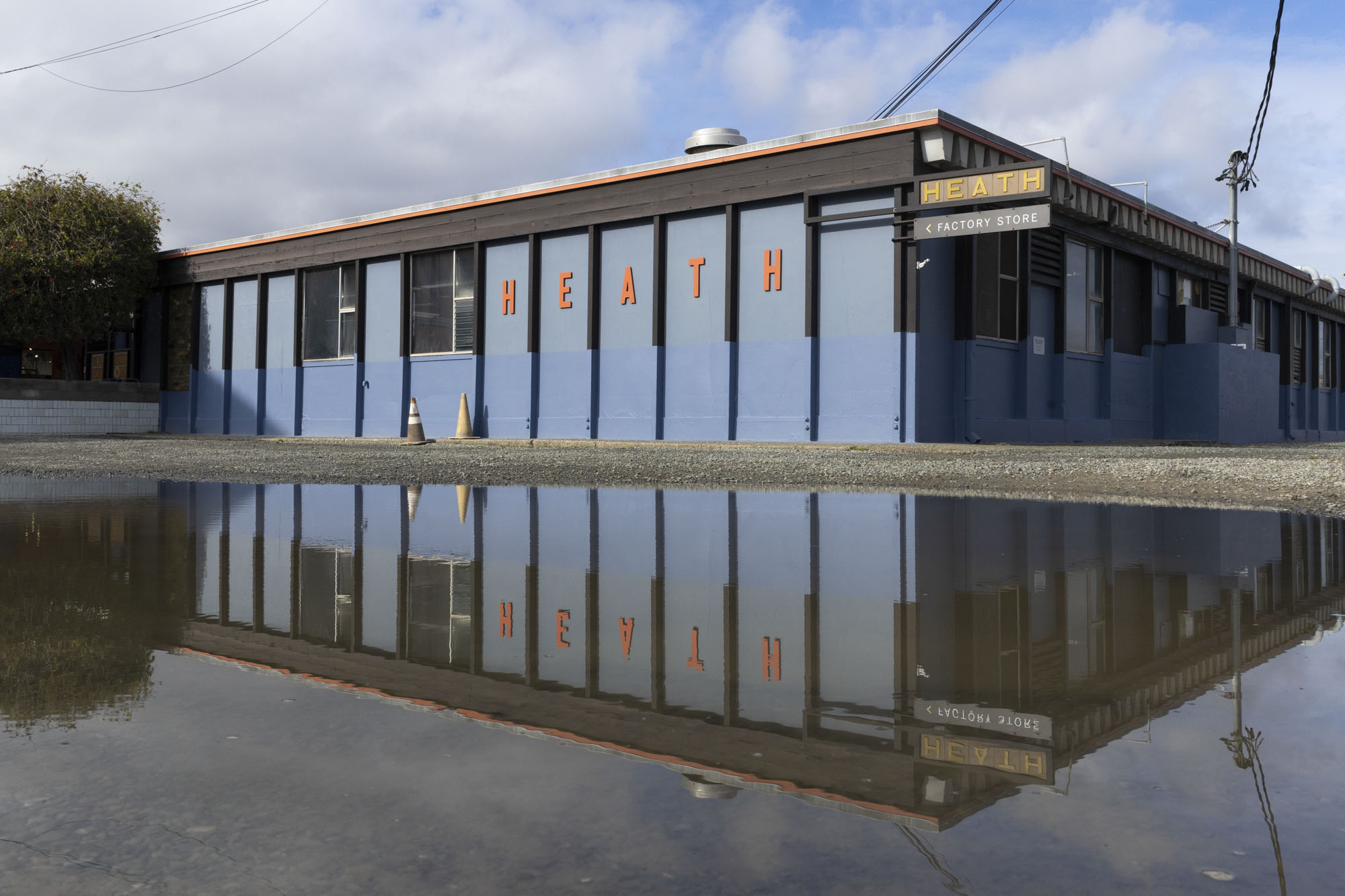
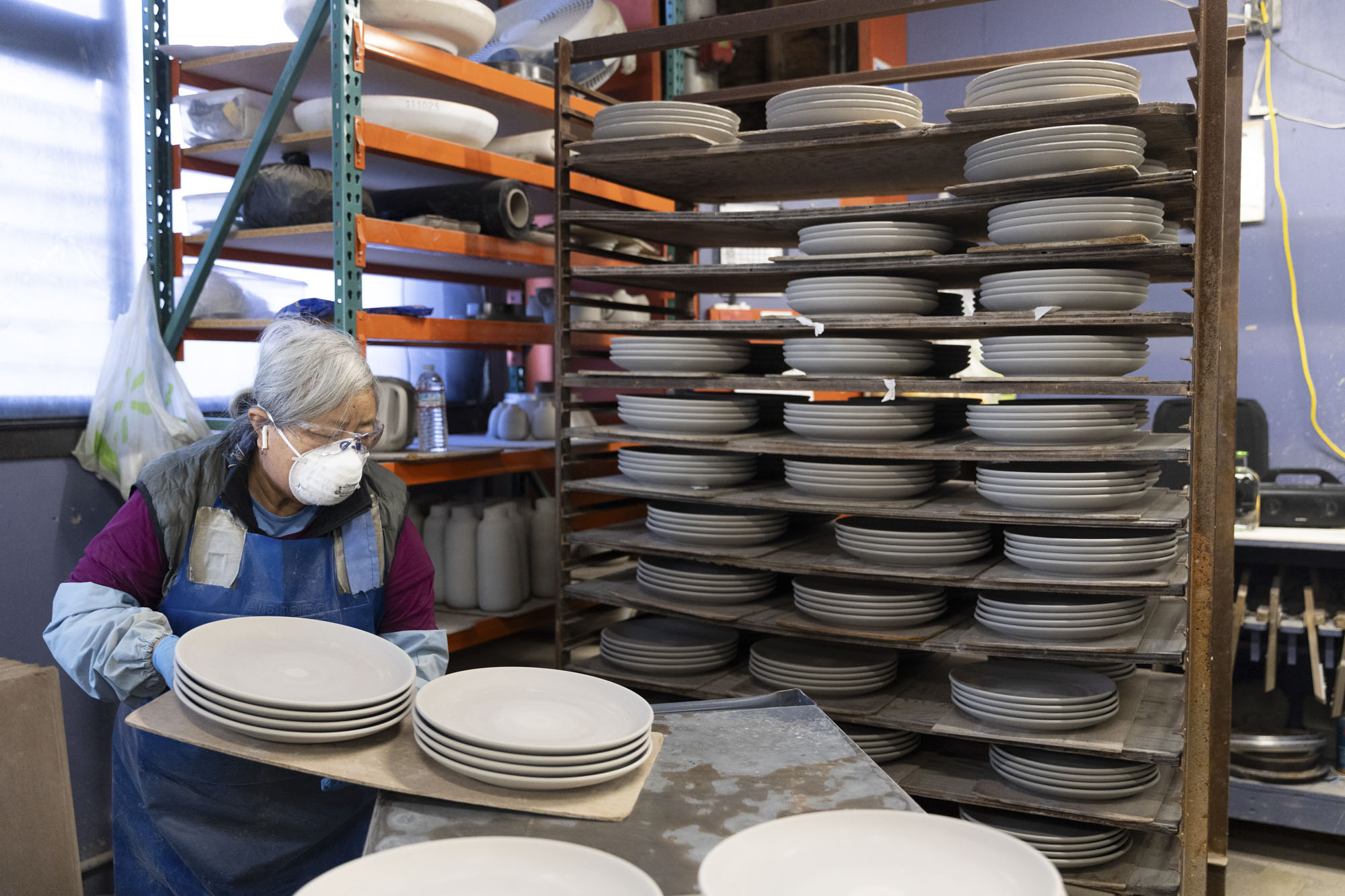
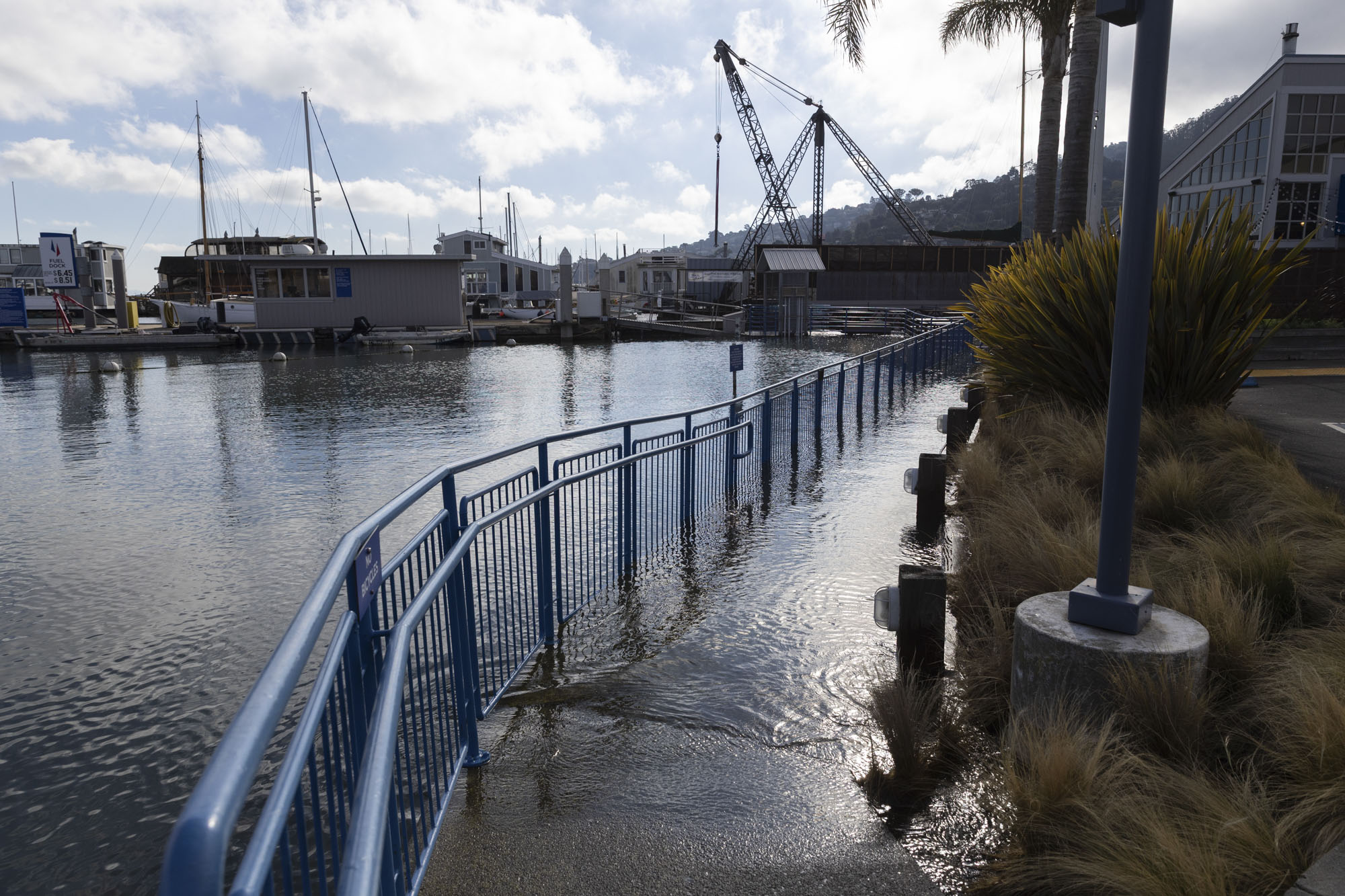
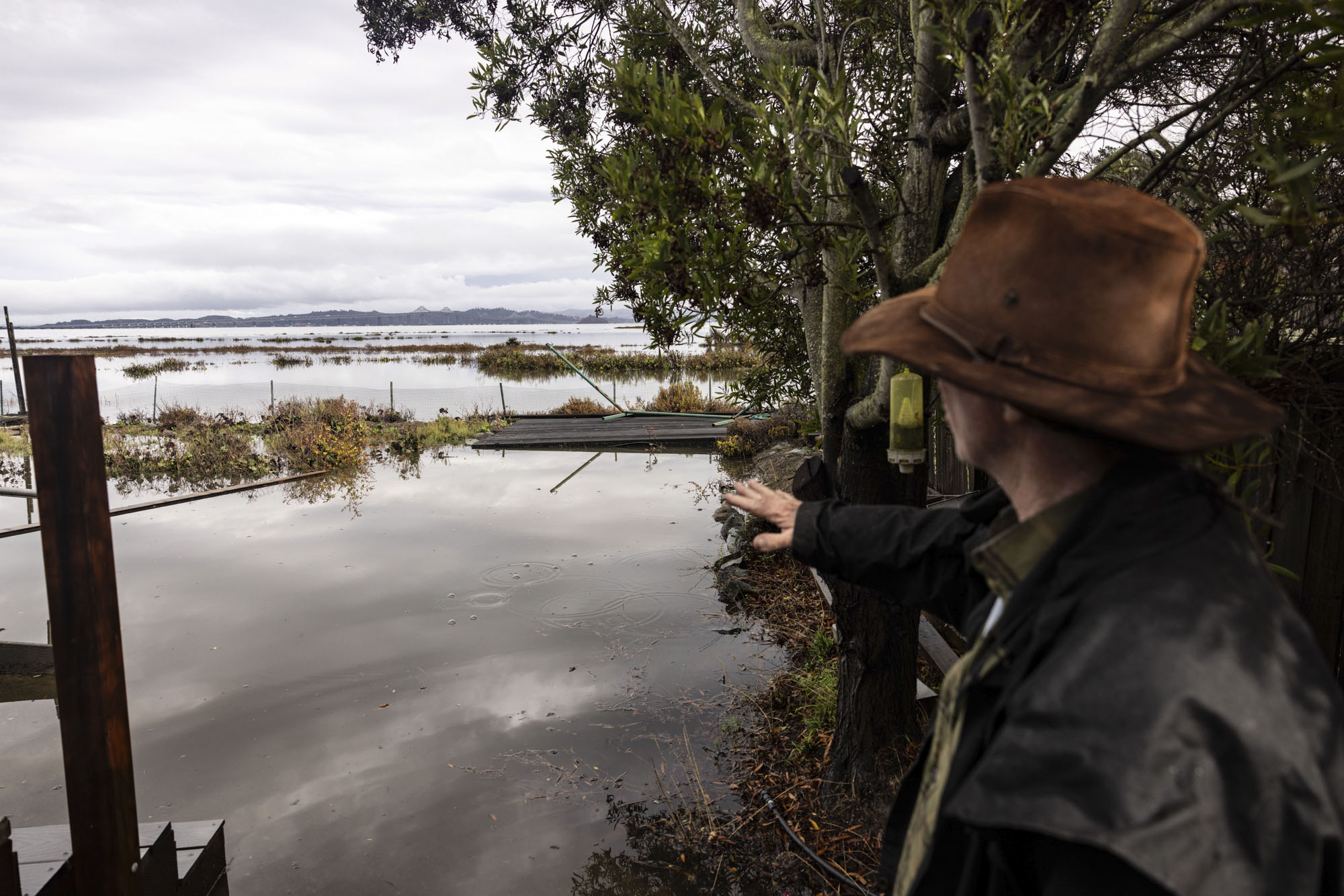
For a month and a half, floodwaters have nearly surrounded Heath Ceramics, one of the Bay Area’s most beloved handcrafted producers, during high tides.
So much so that Allison Banks, Heath’s president of operations, said figuring out ways to stop the water from entering the Sausalito store and factory has become a nearly full-time job.
“The water was up to my thighs out in front,” Banks said, of flooding over the last few weeks in front of the factory built in 1959.
Heath staff have installed a flood gate in front of the business and built a cinder block wall piled high with sandbags around key infrastructure to protect the factory and store from 10-foot tides. They have used computer mapping to figure out how the building could flood, plywood and waterproof paint to keep water out of electrical boxes and installed pumps at the ready in case water pours into the building.
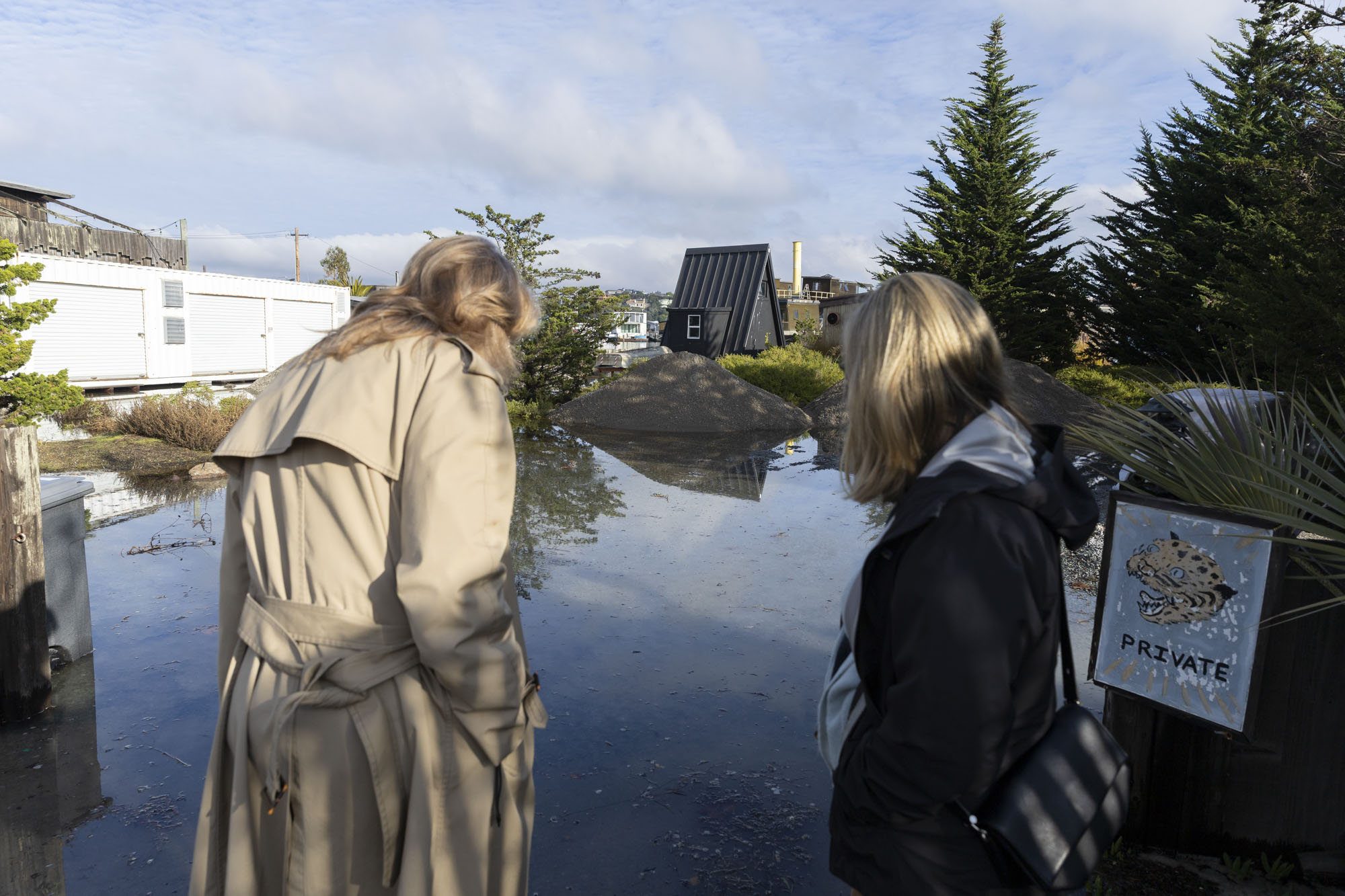
“If it’s a 10-foot tide, it could go up to these windows, and it could pour into the building,” Banks said. “That would be catastrophic. Our business would not be able to operate.”
The team built the structures to withstand 10 feet of tide, Banks said, based on calculations showing that early predictions of king tides, storms and temporary high sea levels suggested water levels could reach above 9.71 feet this week.
Heath Ceramics is just one of many businesses, homes and roads at risk of inundation in Sausalito and across the region. Highways, airports and shoreline places like San Francisco’s Embarcadero are all at risk of flooding this week, if a perfect storm of high tides, rains and elevated sea levels due to El Niño lines up.
On Monday, mounting king tides didn’t flood the ceramics factory. That’s thanks in part to businesses in the area pooled together around $80,000 to raise nearby Varda Landing Road to block tides of up to 9.2 feet. The city also installed temporary pumps and a floodgate on Coloma Creek to stop water from spilling into the city’s Harbor Drive area — home to marinas, waterfront dining and businesses like Heath Ceramics.
“It’s akin to drawing water with a sieve in some ways, but we have figured out where we can push water with pumps,” said Patrick Guasco, the city’s maintenance division manager. “We were able to move water around. At this point, it gives a certain amount of relief to the people with cars and [businesses].”
But the water slowly crept up to the rebuilt roadside Monday. King tides, the highest tides of the year, could creep up around 2.7 feet at the San Francisco tidal gauge, according to the National Weather Service, in part because of thermal expansion due to El Niño. The lingering caveat is how a storm Tuesday and Wednesday will coincide with the king tides, possibly raising tides even higher.
Daniel Swain, a climate scientist with UC Agriculture and Natural Resources, said Monday in a special office hours session that rain this week does not look “record-breaking. He also noted that this week’s king tides will likely be the weakest of two other cycles around Christmas and in January.
For the Bay Area, Swain said this week’s storm won’t be as notable as last week’s.
“Nonetheless, we may still approach or exceed all-time record water levels even without a significant storm in the Bay Area this week, with additional opportunities to break even these water levels again by a further margin in December and January,” Swain said.
Guasco said that even medium-sized storms can bring storm surge up Richardson Bay, and rainfall and winds could push high tides even higher.
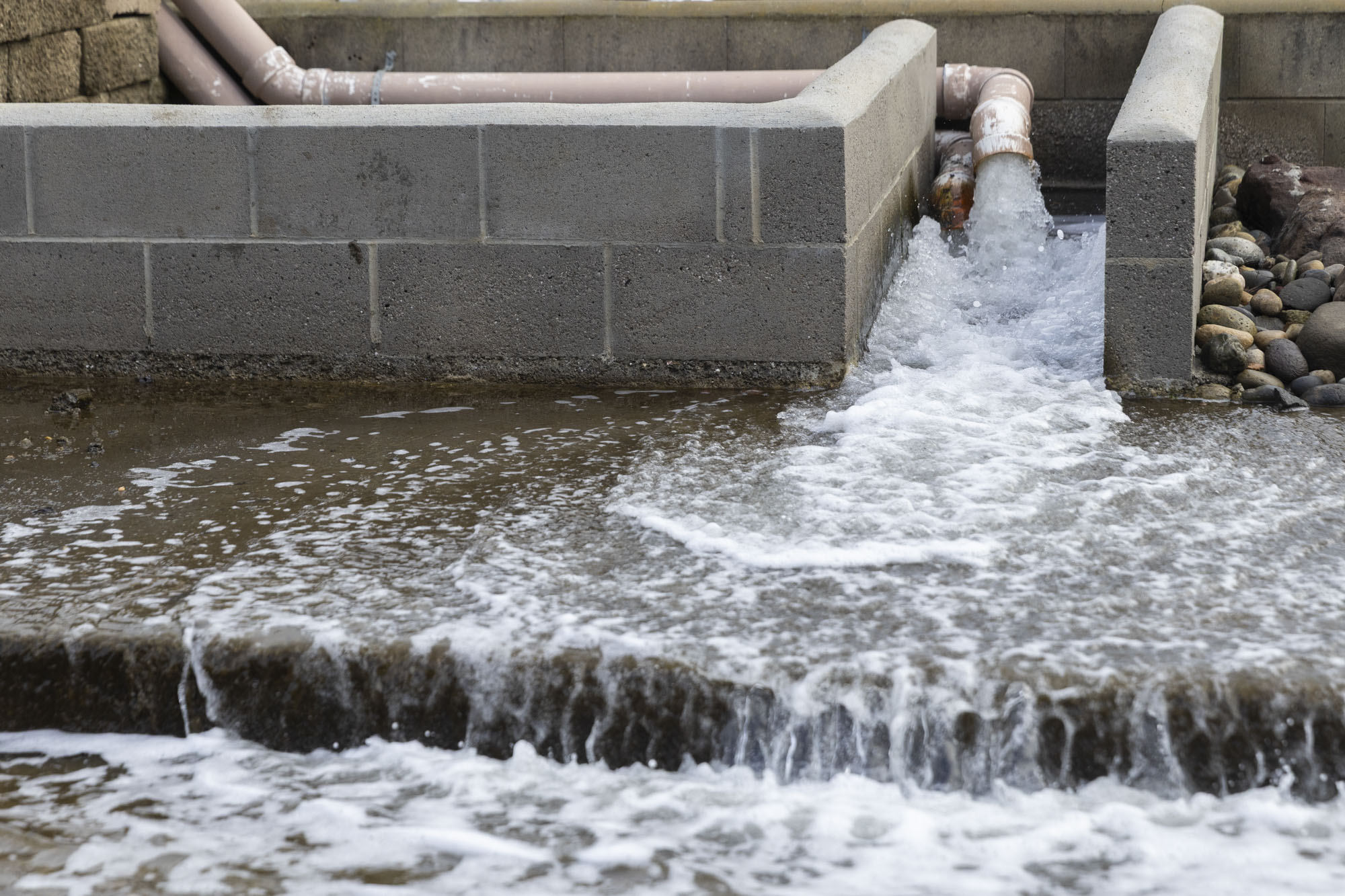
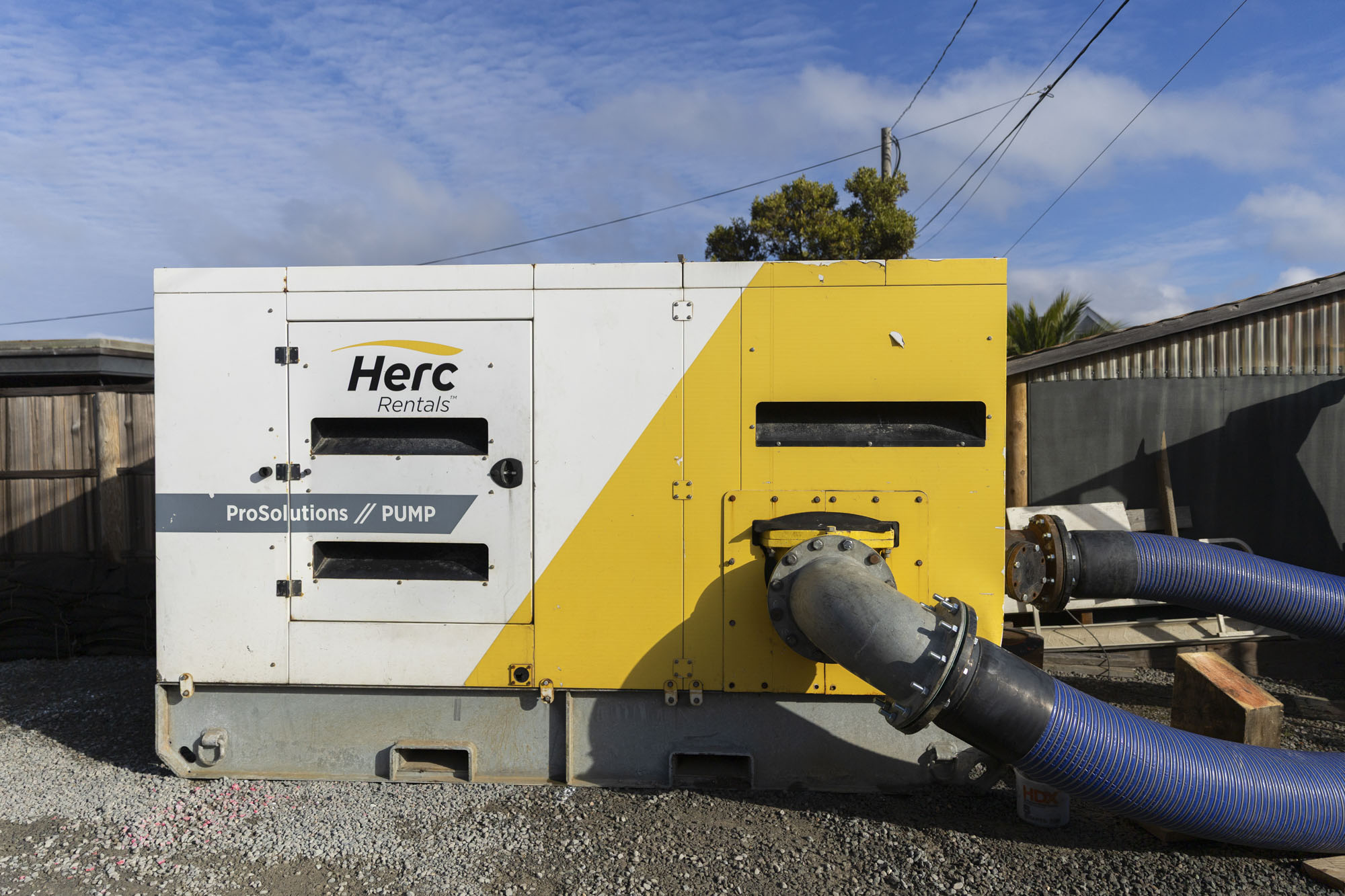
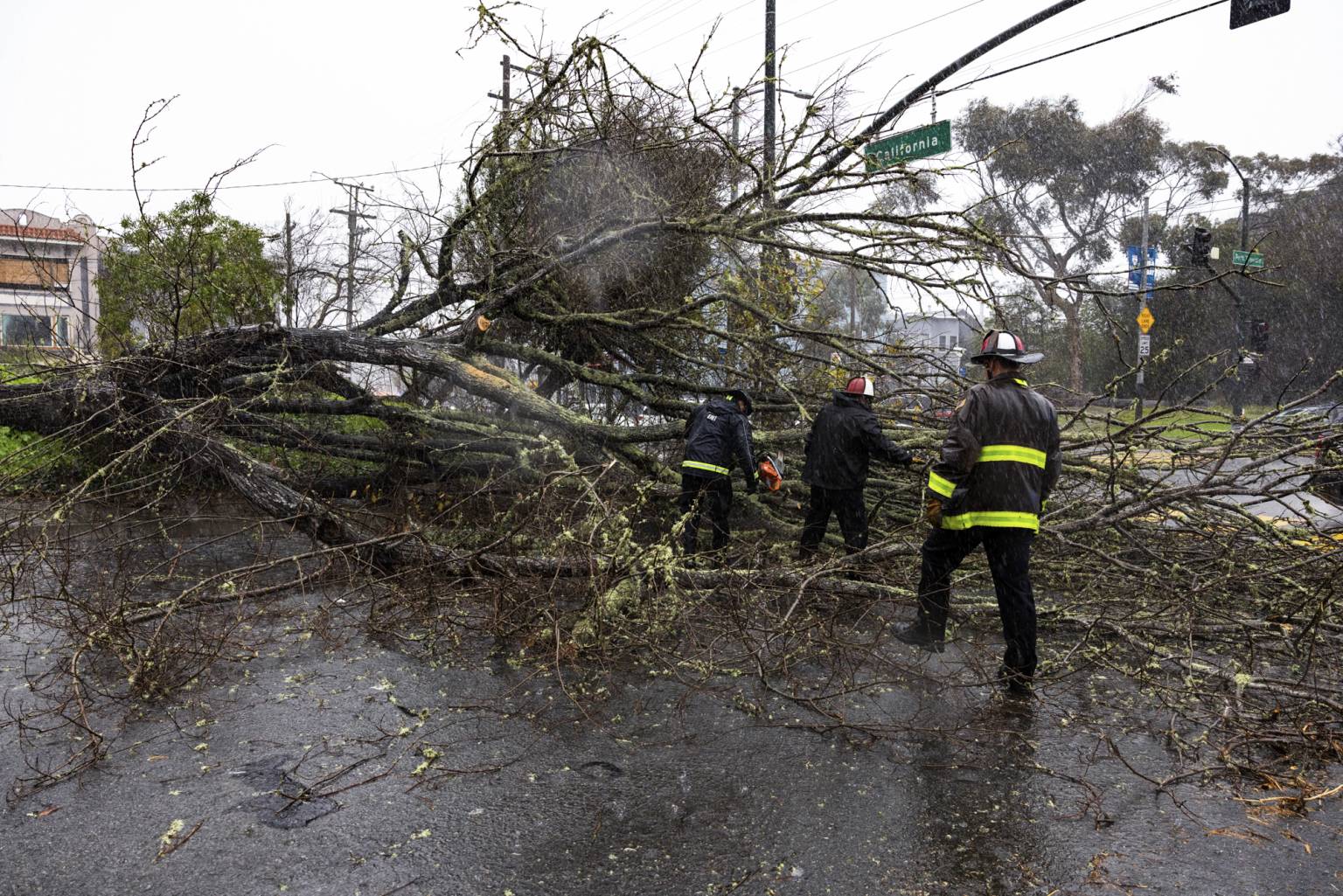
“There was hardly any flooding Monday because we didn’t have rain,” Guasco said. “It’ll be very interesting to see how the pumps perform, and the big show is the torrential rain and wind. Once the wind comes, it is a bit of mayhem.”
Cynthia Palmer, a meteorologist with the National Weather Service’s Bay Area office, said the storm’s slowing is working in favor of low-lying areas that flood, like Sausalito.
“But that being said, we’re still going to flood,” Palmer said. “I don’t think we’ll necessarily break the record; however, I do think the tides we’re going to see this week are all going to be historic, potentially in the top five.”
‘Stuck in a pickle’
Heath Ceramics isn’t the only business worried about the floodwaters and rain. Businesses across the region from Pacifica to San Francisco to Sausalito are nervous flooding could potentially displace them.
This summer, waves and tides cracked Pacifica Municipal Pier, prompting the teardown of beloved restaurant Chit Chat Cafe. Last week, an early season storm inundated the Bay Area, flooding homes, roadways and businesses.
Cars and a shipping container floated along San Francisco’s 14th Street near Folsom Street Wednesday. Water gushed into a row of businesses, including a bagel shop, a Japanese restaurant, and a pizzeria. The eateries flooded from the inside out.
“Toilets were shooting up water; the floor drains were shooting up water,” said Matthew Corric, owner of Pink Onion Pizza shop.
Corric said he might have to relocate his shop unless the city fixes the flooding caused by its sewer infrastructure. But his neighbors at BĀGELETTO are determined to stay because they just opened less than two years ago.
“You’re kind of stuck in a pickle,” said Kiki Theodorides, co-owner of the bagel shop. “It’s like, you have to clean it because you just can’t have it sitting around, but then you also are gonna clean it again.”
For now, they’re going to eat the thousands and thousands of dollars it will take to get the bagel shop up and running. The shop served as their main hub for all their baking operations.
“We have to stay positive; we have to figure out remedies for getting through this winter and then basically come up with a long-term plan,” said Rich D’Aloia, co-owner of BĀGELETTO. “We can’t shut down. We have everything invested in this operation.”
‘We can’t stay’
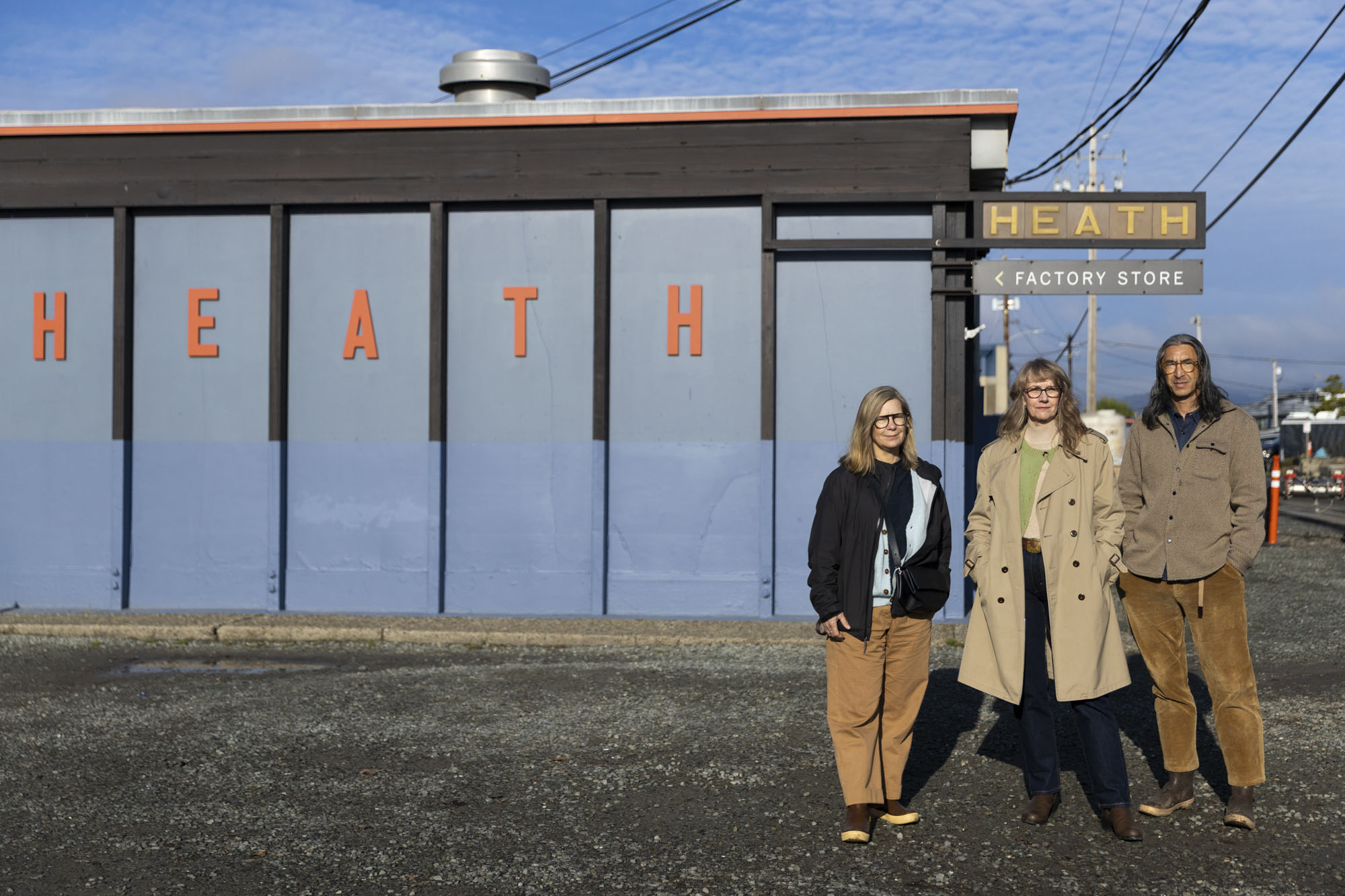
Robin Petravic, Heath’s co-owner, said that even though the rain forecast this week keeps shrinking, he’s nervous the floodwaters could still overtake the raised road and race toward the ceramics manufacturer.
“We have got comfortable with water lapping up against the building and the entrance,” Petravic said. “I’m used to what is predictable, even though predictable is bad. And now it’s unpredictable.”
While he’s glad the city has finally come up with a short-term solution for the flooding, he’s “frustrated that it took so long.”
“We’re happy to see things dry today, but we’re not out of the woods yet,” Petravic said.
“If the tides reach over 9.2 feet, it’s going to overtop, and what they’ve done over there is not going to be effective.”
Petravic and co-owner Catherine Bailey think the repetitive flooding this winter likely means that they will be on the hunt for a new location for the iconic Bay Area ceramics business. They already opened a pop-up shop in Larkspur because of the frequent flooding and said it could be a “first step towards the future where it’s not something that is just temporary.”
“It’s heartbreaking to think that where we’ve been in this purpose-built building since 1959 isn’t tenable,” Bailey said. “It doesn’t appear that it’s something that we could really manage long term. Our facilities people are not repairing our equipment; they’re building flood walls and managing vendors, and we can’t stay doing this here.”
Petravic said he thought this reality of daily flooding would come in a few decades with permanent higher tides — the long-lasting effects of human-caused climate change on the ocean and bay.
“Given what’s happening this year, I think that time has run out,” Petravic said. “We don’t have the time we thought we did, and it’s perhaps a little bit too late to address things on a really effective level. We need to think about making some moves of our own.
KQED’s Ella Jackson and Samantha Kennedy contributed to this report.