After Declaring a ‘Rent Emergency,’ San Francisco Is Bringing in New Tenant Protections

While the frenzy leading up to the midterms was dominating headlines, San Francisco was busy beefing up its protections for renters.
Mayor Daniel Lurie signed two pieces of legislation back on Oct. 29 intended to act as an extra lifeline for tenants struggling to stay above water in one of the country’s hottest rental markets. The first ordinance, authored by Supervisor Jackie Fielder, changes how much rent a tenant must owe before a landlord can start an eviction process.
The second, written by Supervisor Bilal Mahmood, requires property owners to clearly show the full price to rent a home — including any additional fees — in online listings and lease agreements.
“San Franciscans deserve to know what they’ll pay for a home and have a fair chance to stay in it,” Lurie said in a statement, framing these two new laws as steps in addressing what he’s called the city’s “rent emergency.”

Fueled in part by the AI boom, rents in San Francisco have risen this year faster than anywhere else in the country. As of last February, property owners had filed 1,488 eviction notices over the previous 12 months — the highest annual number since before the pandemic. About a quarter of these notices were given due to failure to pay rent.
Meanwhile, renters looking for a new spot are competing with each other for smaller spaces, a growing list of extra fees and even a whole new breed of scams.
Here’s what San Francisco renters — and landlords — should know about these two new housing laws.
When do these new rental laws start in San Francisco?
Fielder’s ordinance kicks in first: Starting on Nov. 29, a landlord cannot move forward with an eviction for failure to pay rent if the tenant owes less than a month’s worth of “fair market rent.” That amount is a standard set by the federal government (more on that below).
And Mahmood’s legislation will require landlords to clearly show the base rent — plus any other fees that come with the home — on all new San Francisco leases signed starting Jan. 1.
Legal experts told KQED that tenants will be an essential part in making sure the rental market follows these new rules.
“We want to make sure that tenants are really well informed as they try to enforce these rights,” said Lisa Kye Young Kim, housing attorney at Bay Area Legal Aid.
How much rent can you miss before you can get an eviction notice?
Using survey data, each year the U.S. Department of Housing and Urban Development calculates a fair market rent — or “FMR” — for different metro areas across the country.
This number is normally used by federal officials to determine standard payment amounts for federal housing vouchers. In Fielder’s legislation, however, FMR is set up as an independent threshold — an amount that decides whether the landlord can move forward with an eviction for missing rent payments.
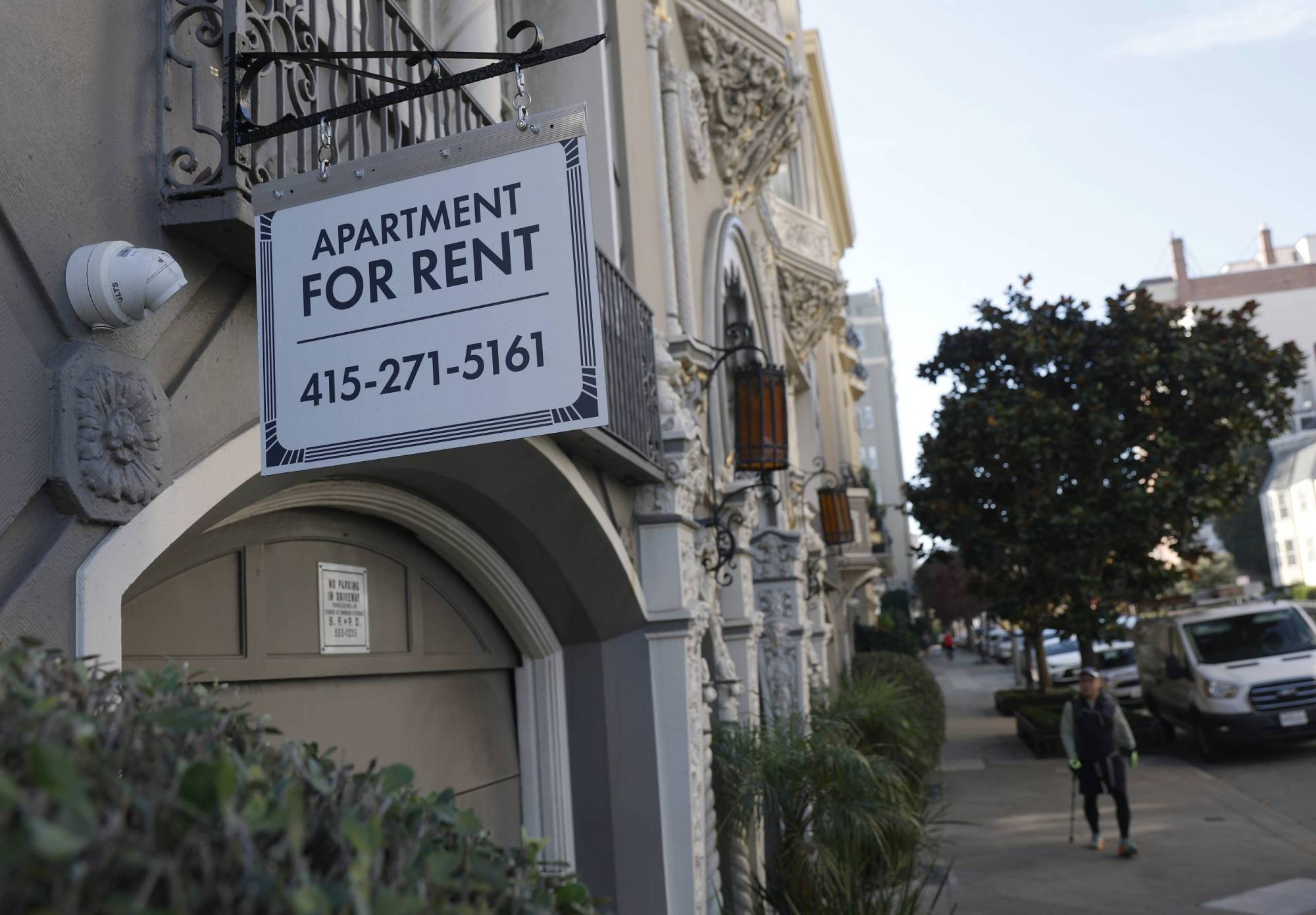
San Francisco’s current fair market rate for a two-bedroom apartment is calculated at $3,697 per month. According to the new rules, a tenant could not be legally evicted for failure to pay rent if they owe, for example, $2,000.
“Landlords can only issue a non-payment notice if tenants owe more than the equivalent of one month of fair market rent,” said Molly Goldberg, director of the San Francisco Anti-Displacement Coalition, which worked closely with Fielder’s office on this policy.
The FMR also varies by how big your home is — the metric ranges from a studio apartment (labeled as “efficiency”) all the way to a four-bedroom home.
However, the city’s new legislation states clearly that this new threshold “does not excuse a tenant from their obligation to pay the rent.” It also doesn’t restrict the landlord from recovering the rent — or moving forward with an eviction once the amount has exceeded the newly established minimum.
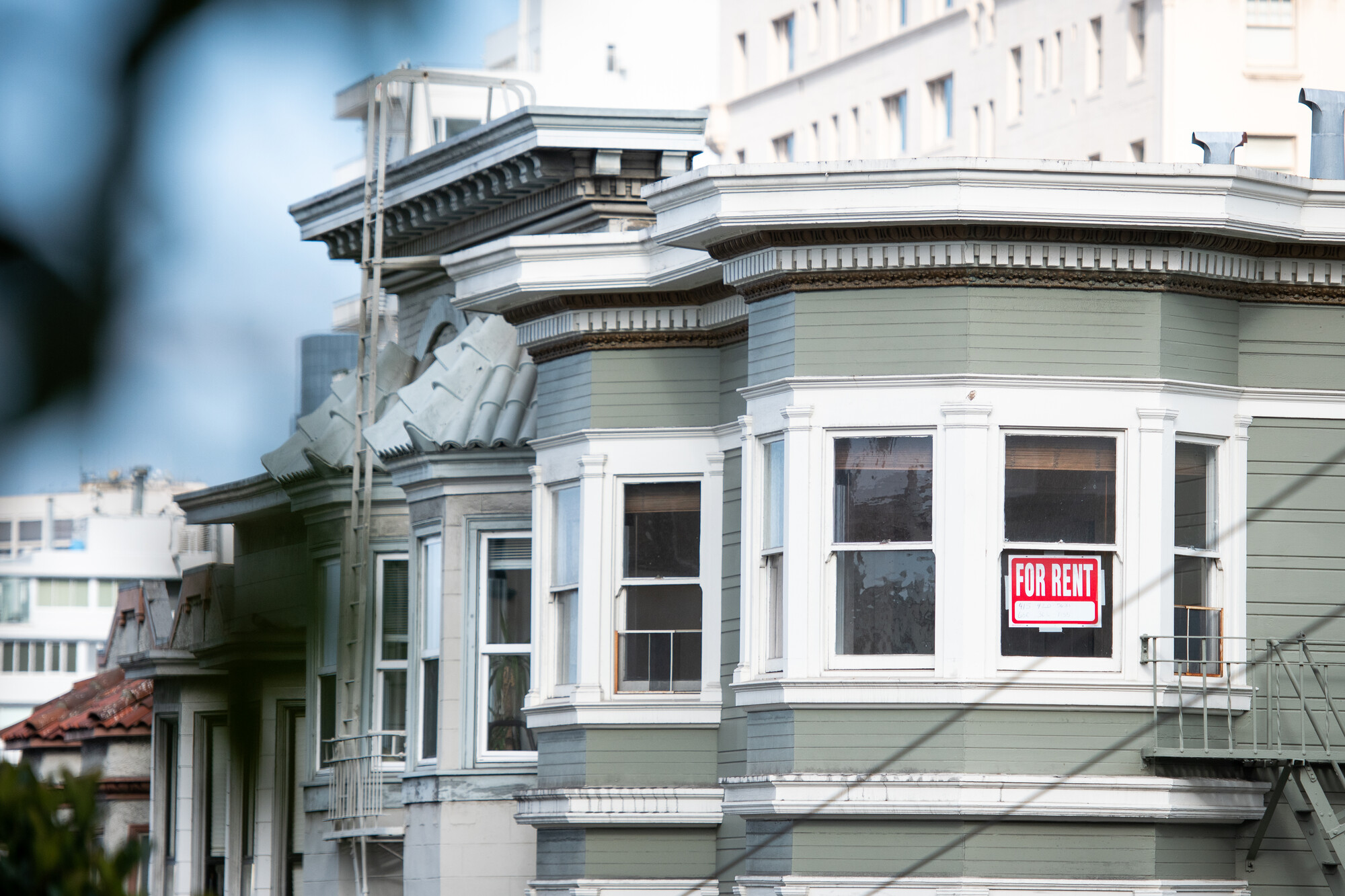
Some social media users have talked about this ordinance as a ban on evictions “over a single month of rent.” And while at first read that may sound like what this new rule does, the devil’s in the details.
Remember: The threshold is set at whatever amount HUD has calculated for an apartment your size in your metro area. If you live in a one-bedroom apartment and are paying, say, more than $4,000 (very common in today’s market), then, yes — the city’s new protection will not be enough if you don’t pay your rent for one month.
“It’s important for people to understand that the threshold is not your rent,” Goldberg said, acknowledging that the benefits of this law could vary by tenant. But across the board, “this creates more time for people to do the problem-solving that they need to do,” she added.
“Perhaps their rent improperly increased, and they need time to contest that,” she said. “Or maybe they need time to deal with a sudden unexpected financial situation.”
Looking for a new apartment? Changes are coming your way
Another new term for tenants to get familiar with: Total Estimated Monthly Cost.
City rules now define that as “the base rent” plus — and this is important — “any other lawful fees or charges that the landlord may require the tenant to pay to or on behalf of the landlord on an ongoing basis as a condition of the tenancy.”
You’ll likely see this term pop up a lot more starting Jan. 1, when landlords will have to include it in online listings (along with the base rent) and on lease agreements. Mahmood’s legislation even requires the base rent and the Total Estimated Monthly Cost to be shown “in the same sized font” — meaning no more small print concealing added fees.
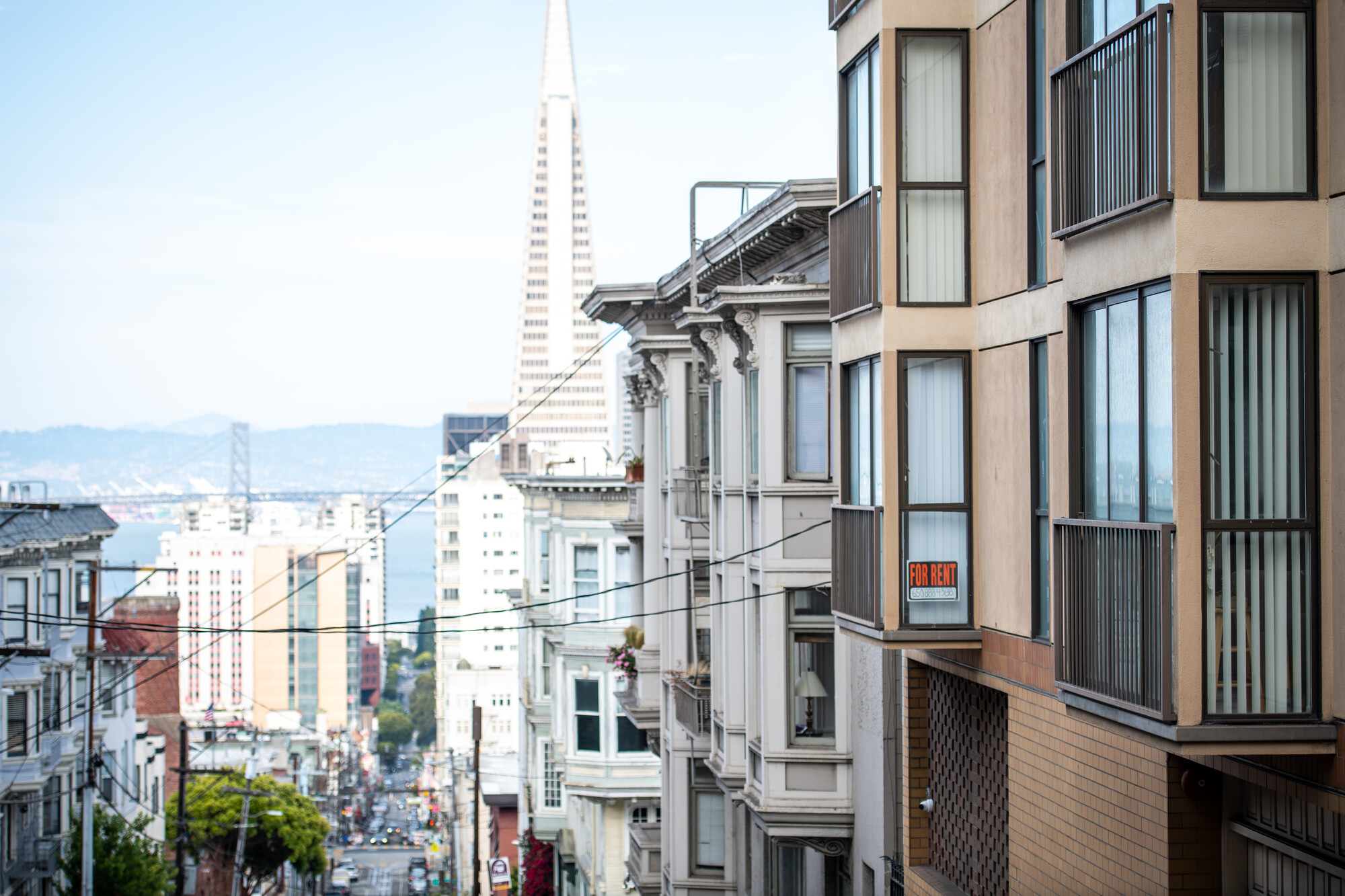
Any tenant signing a new lease in 2027 should have a list of each additional fee they’re paying while they live there, said Kim from Bay Area Legal Aid: “what each fee is for and how much it is.”
And if the fee varies, she said, “the landlord should get an average cost from the previous 12 months and put that into the lease.”
The rule also gives San Francisco tenants additional protections against eviction if the landlord charges them for a fee that isn’t on the lease. To enforce this part of the law, tenants would have to show that this charge wasn’t listed in the online listing or in their latest lease agreement, if they’ve recently renewed it.
Whether a digital or physical copy, tenants should always keep a copy of their lease agreement, Kim said. And it could even help to keep a printout of the lease for your apartment or a screengrab from when you saw it online.
“A tenant’s ability to enforce their rights is really dependent on the tenant’s documentation,” Kim said.
When talking with your landlord, remember …
Besides having all your lease documents in order, legal experts recommend updating your landlord when you have questions about what you need to pay. And if you’re going through a hard time, you can let them know that you may miss out on a payment as soon as possible.
“Communication is the number one thing tenants need to do,” said Randy Shaw, director of the Tenderloin Housing Clinic in San Francisco. “Be very honest with your landlord about the situation, because they’ll know when you don’t pay rent.”

Shaw acknowledged that some tenants may not fully trust their landlord. “But in this case, you’re trying to serve your own self-interest by being open about your situation,” he said. For example, you might reach out to explain that what you’re going through is temporary — like a one-time big expense you had to cover this month — or a more long-term problem, like losing your job.
“If you’ve lost your job, your rent is very high, and you’re not going to have a job for a number of months, then you may work out a thing [with the landlord] where they give you time before you move out,” Shaw said.
If there’s no communication — and the amount of owed rent keeps growing — the landlord could move forward with an eviction lawsuit, also known as an unlawful detainer.
“We don’t want to have tenants get evicted or get an unlawful detainer because it makes it very difficult [for them] to get another apartment in the future,” Shaw said.
San Francisco still offers one-time emergency assistance to renters who meet specific income criteria, as part of a program that began during the COVID-19 pandemic.