The Bay Area’s Era of Voter Vitriol Is Over: ‘The Sun Is Shining Down’
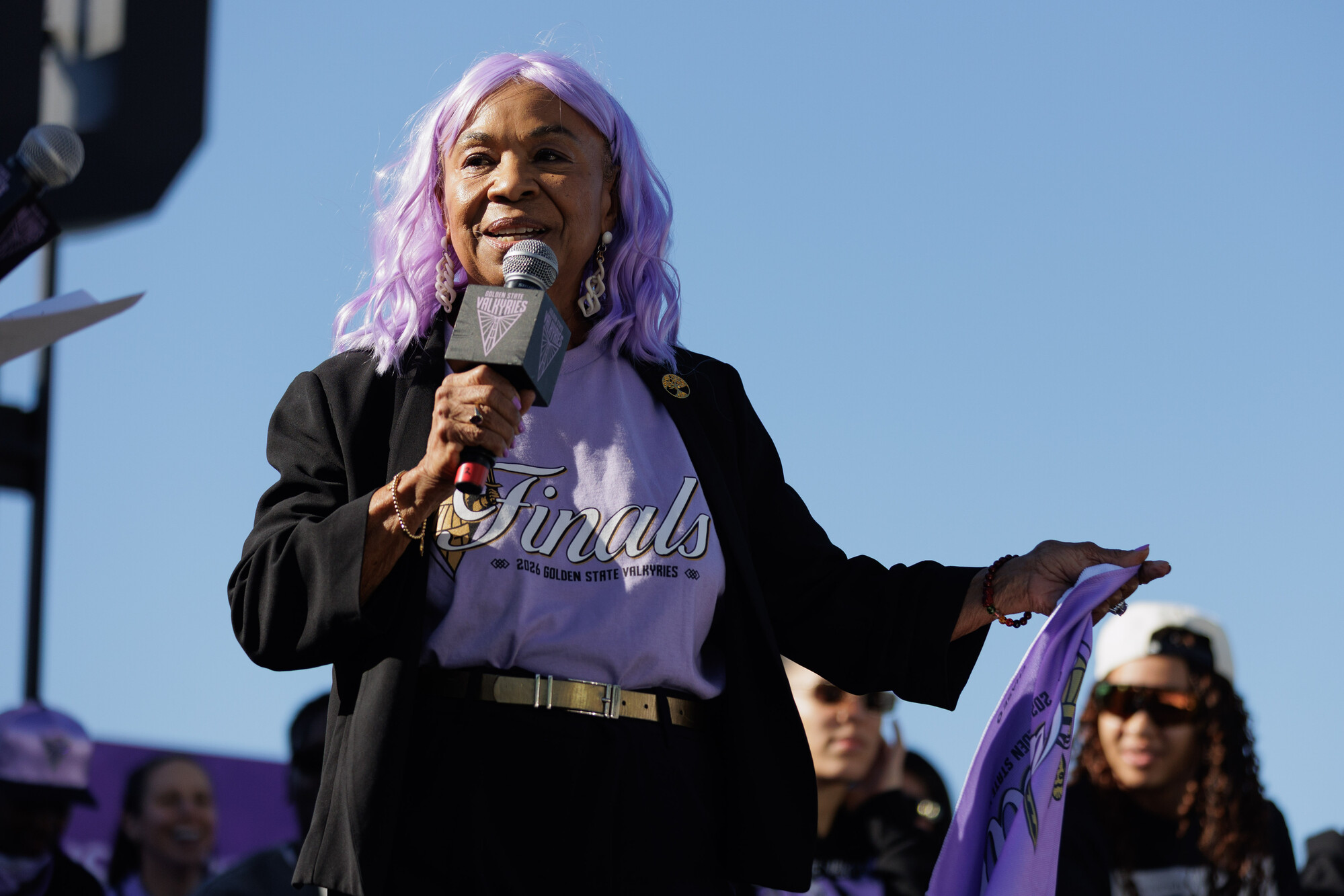
Maybe it was the lingering cleanse of the blue wave that had washed over the nation on election night. Or the warm sun that greeted bleary-eyed Bay Area politicos as they gathered along the Embarcadero the following morning.
Either way, a parade celebrating the Golden State Valkyries’ historic WNBA championship doubled as a toast to a brighter political moment, with the region’s leaders riding along.
“The sun is shining down on our city and, yes, our country,” said San Francisco Mayor Daniel Lurie.
After years of unceremoniously dumping incumbents and backing political outsiders promising to shake up the status quo, Bay Area residents delivered a vote of confidence in local leaders and their priorities last week — handing big wins to Lurie and Oakland Mayor Barbara Lee, and supporting political stability across the region.
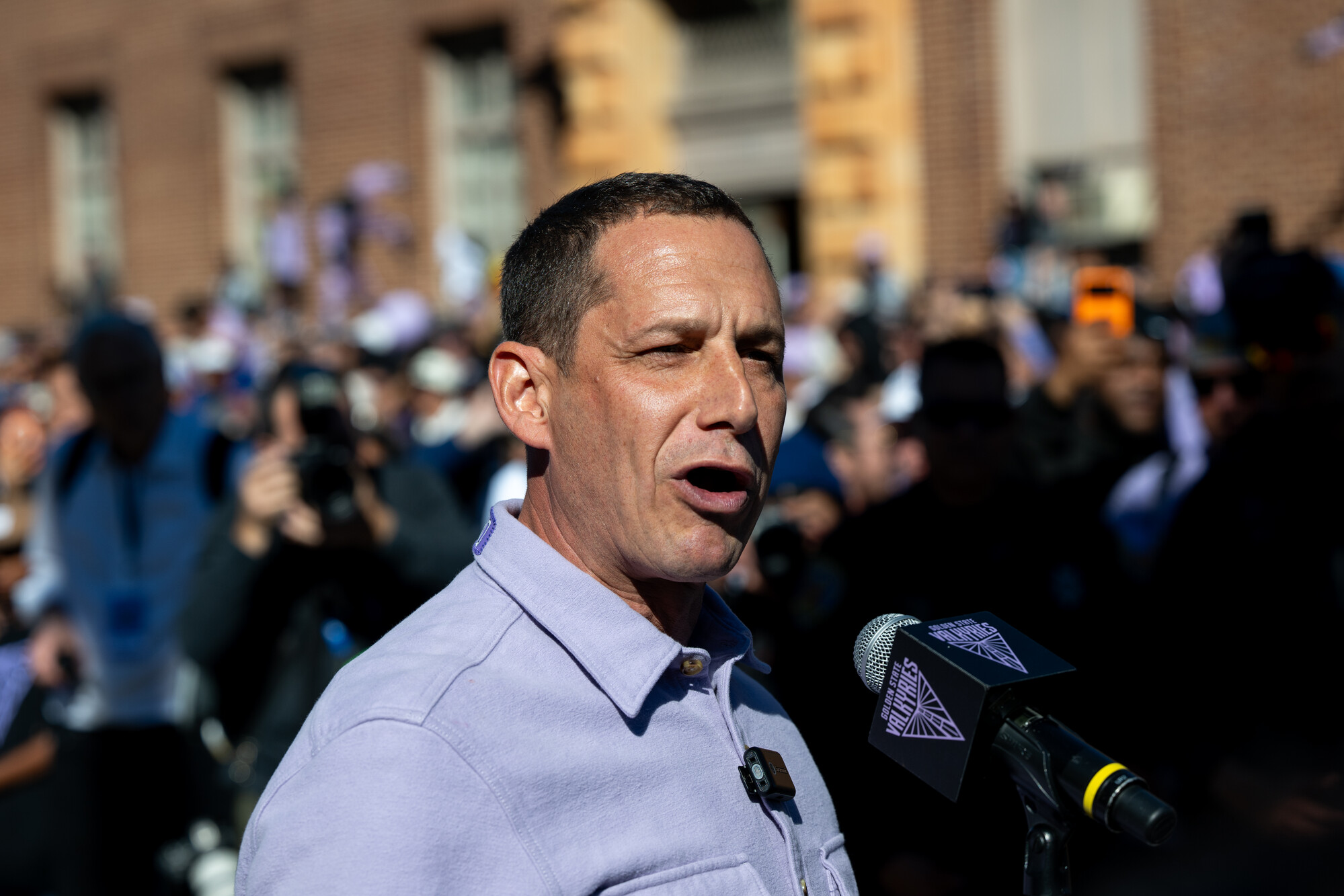
“You look back during those [post-pandemic] years … there was an awful lot of confusion and turmoil every election cycle and a lot of anger among the voters,” said Matt Regan, chief policy officer for the Bay Area Council. “I think we’re getting to a place now where there’s a little more of a settled atmosphere in the electorate.”
The show of support cut across the region’s typical moderate-progressive or business-labor lines.
Lee, a progressive icon, was reelected in a landslide and won support for a ballot measure that will give her executive authority over city government. Lurie, a moderate, also gained new powers over the city bureaucracy — part of a sweeping package of charter reforms resoundingly approved by voters.
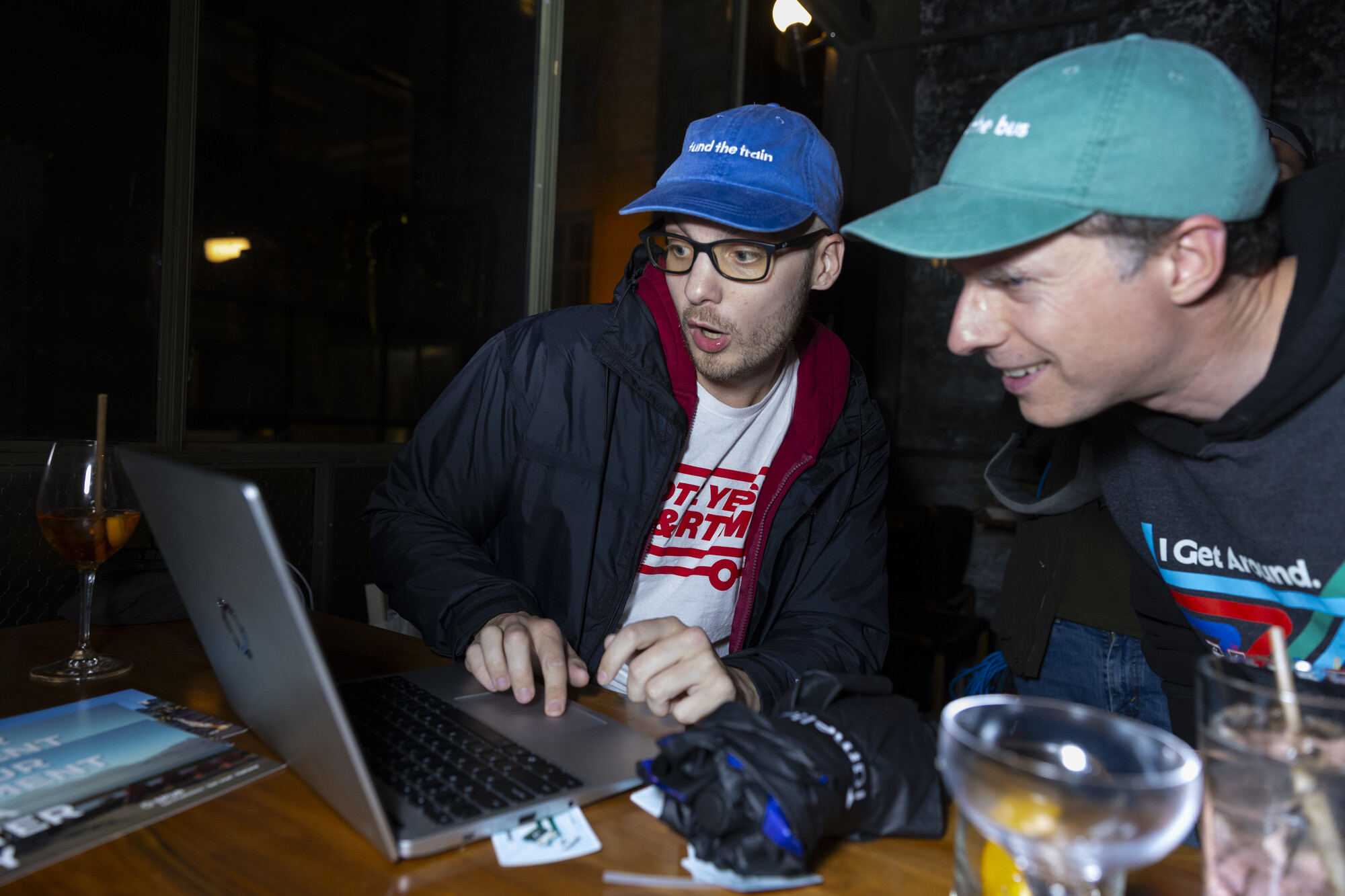
Business and labor groups teamed up to champion Measure RTM, a new regional sales tax to fund public transit that won an emphatic victory across five counties.
And not a single city official in Oakland, San Francisco or San José was voted out of office this year, a feat of stability last achieved in 2010 (or 2011 if you count a San Francisco-only election that year for mayor, sheriff and district attorney).
It was a marked departure from years of voter angst over homelessness, crime and affordability that seemed to favor candidates and campaigns that ran on a promise of change. In most cases, the backlash hurt progressive officials who were often on the receiving end of well-funded attacks.
In 2022, San Francisco voters recalled three school board members and District Attorney Chesa Boudin, while Matt Mahan upset establishment favorite Cindy Chavez in the race for San José mayor. Two years later, Alameda County District Attorney Pamela Price and Oakland Mayor Sheng Thao were recalled, while Lurie unseated San Francisco Mayor London Breed.
“We were in a period of time that voters just felt like things were going in the wrong direction for a variety of reasons,” said Jason McDaniel, a professor of political science at San Francisco State. “Probably most importantly related to inflationary pressures, but also kind of a post-COVID, post-pandemic era of disorder.”
Residents now see the region’s largest cities on the right track. Oakland voters believe the city is headed in the right direction by a 46%-36% margin, according to an October survey by the Oakland Metropolitan Chamber of Commerce — the first positive reading measured since 2017. Surveys conducted by San Francisco and San José found residents increasingly bullish about public safety, cleanliness and government services.
San Francisco voters approved four Lurie-backed measures this month, including Proposition F, which will give the mayor new power to directly hire and fire department heads. A strong-mayor measure proposing similar changes was rejected by city voters in 2024.
“I think voters have this year said very loudly and clearly they like the direction that San Francisco is headed,” said David Lee, executive director of the Chinese American Voters Education Committee. “They feel that the mayor is doing a good job and that he’s a popular mayor, and they’ve repeatedly voted for the mayor’s candidates and the mayor’s propositions.”
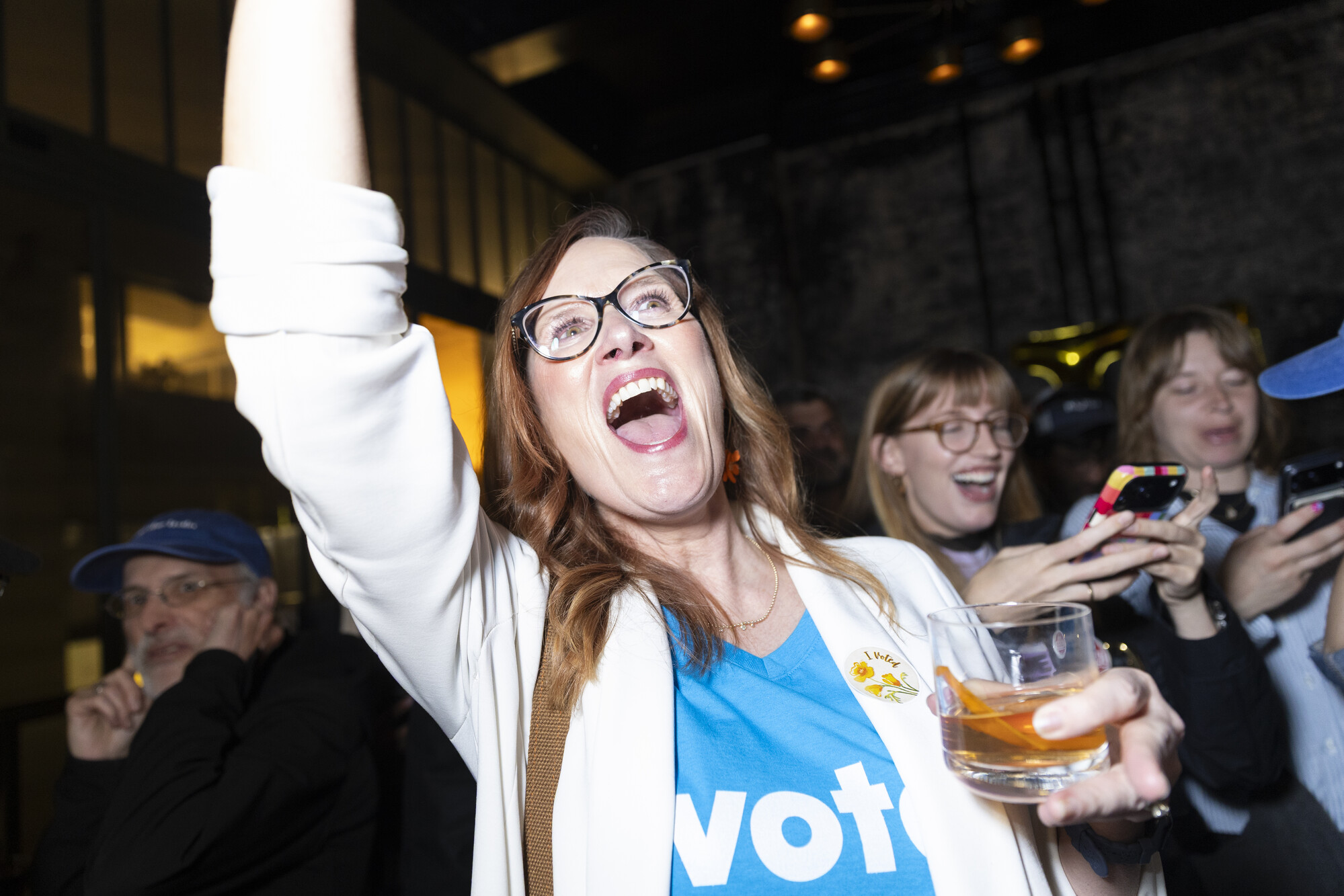
In San José, a sleepy election saw both progressive and moderate incumbents on the City Council win reelection. Genny Altwer, a former police officer supported by Mahan, won the only open seat, in District 9.
Perhaps the night’s most resounding victories belonged to Lee, who won reelection with nearly 90% of the vote and delivered a winning argument for Measure EE, an overhaul of city government that will give the mayor, rather than the city administrator, executive power over city departments and operations along with new ability to veto legislation and budget line items.
Oakland City Councilmember Janani Ramachandran, who was reelected on Tuesday, opposed the idea of a strong mayor system. But, she concluded, “people want to keep a good thing going.”
“When they see in the last year and a half that Oakland is starting to change, the person that’s a head of it, who is absolutely contributing to it, should keep doing what they’re doing and get added powers to do even more of what they are doing,” she said.
Incumbents across the three cities can point to encouraging signs of progress. Crime is down throughout the region, mirroring state and national trends. After years of little progress, street homelessness has also dropped, with large declines of 27% in Oakland and 22% in San Francisco announced this year.
Yet the statistics don’t align neatly with the electorate’s mood shift. Crime was already trending down in San Francisco and Oakland in 2024 when voters decided to oust Breed and Thao. Measures of resident sentiment seemed to flip overnight: A poll conducted by the San Francisco Chamber of Commerce just two weeks into Lurie’s tenure found the share of voters who believed the city was on the right track had doubled from a year earlier.
“I think the right track/wrong direction, probably in San Francisco, if you had a daily tracker on it, it would have changed the day after the 2024 election,” said Dan Newman, a political strategist who has worked on campaigns to support Lurie and his initiatives.
“It wasn’t like the day after the election the streets were cleaner and housing was happening,” he said. “There’s just sort of a general sense that this is going to all work out because we’ve got thoughtful, smart, hard-working, principled, effective leadership in place — and so we can go back to watching [Warriors rookie] Yaxel Lendeborg.”
Ramachandran said residents could also be picking up on a more collegial spirit emanating from local government bodies that had been rife with internal discord in the post-pandemic years.
She described her first two years on the Oakland City Council as “chaos,” with elected officials divided into cliques and consumed with scoring political reprisals.
“The mayor’s come in and she’s been super professional,” Ramachandran said. “We want to work together and I think residents are seeing that too — there’s less of this infighting and drama.”
The Bay Area’s era of political angst also lines up roughly with Donald Trump’s time out of office. His return to the White House in 2025 gave local Democrats a new target for their anger, said McDaniel.
“That is part of this idea that ‘right track’ is saying like, OK, we’ve elected somebody, things are going well … we’re seeing some improvements — and then we’re also focused on the national level,” McDaniel said.
Beneath the sweeping wins for incumbents, Bay Area voters also sent signals that the status quo is failing to keep residents afloat amid growing income inequality, said Kimi Lee, executive director of the grassroots political network Bay Rising Action.
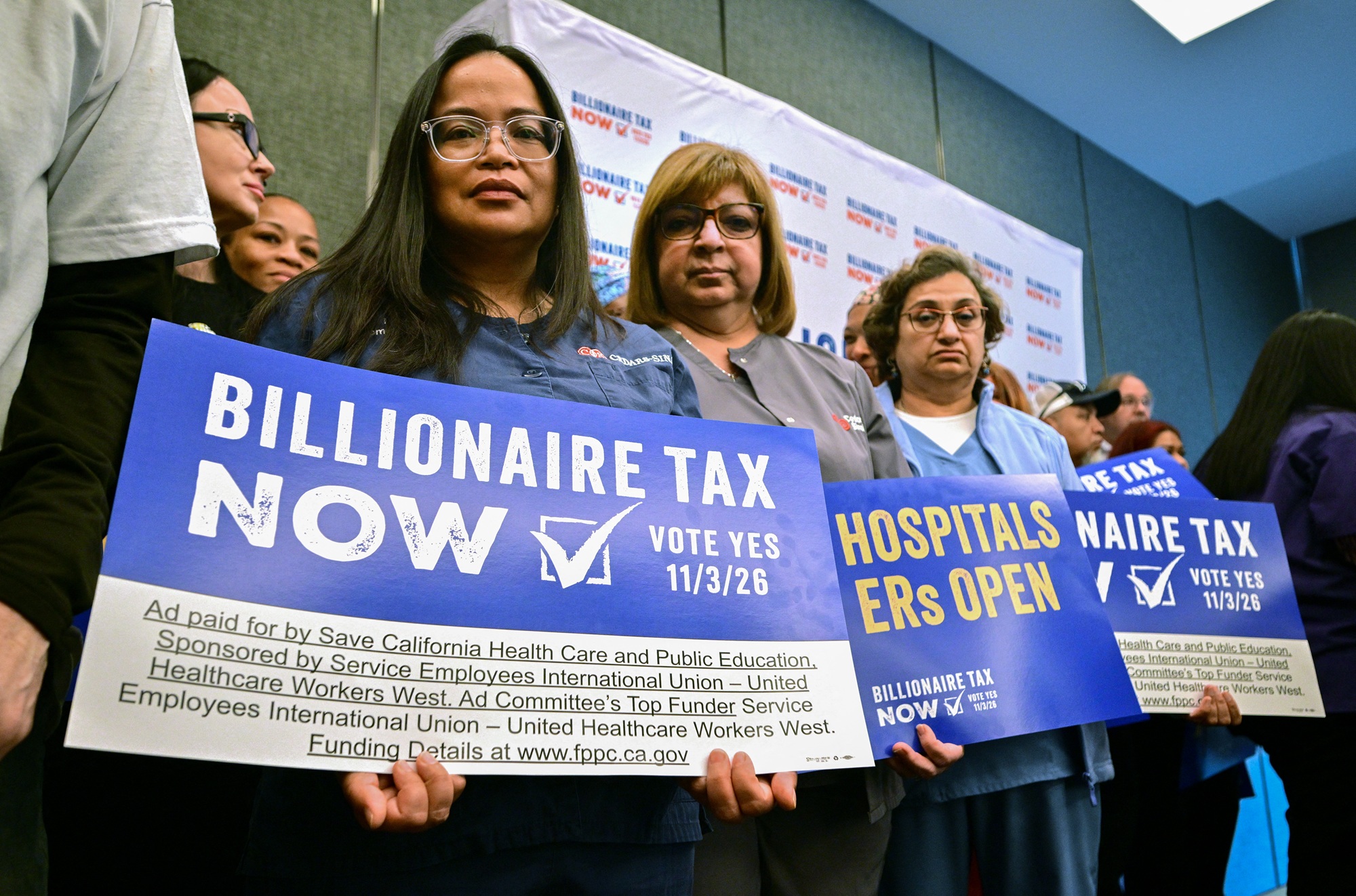
Voters in Berkeley and San Pablo approved rent control measures (though an effort in Redwood City failed) and Marin County passed a parcel tax to fund child care. And while Proposition 40, the billionaire wealth tax, was defeated statewide, the measure is narrowly winning a majority of votes in the nine-county Bay Area.
“Every time we have all these parcel taxes, it’s all these band-aids,” Lee said. “But it’s really a question of — we need to build our infrastructure, we need to support our schools, we need to support healthcare, and so we do need to have tax reform in California.”
McDaniel said the region’s economic outlook could be the biggest storm cloud threatening the day in the sun currently being enjoyed by the region’s incumbent politicians.
“These mayors need to continue to govern in a way that voters approve of; that’s not guaranteed,” he said. “But the key is also economic performance — if there’s an economic downturn, this will turn around like that.”