Central Valley Farmers Face Rising Costs. Is It Enough to Flip a House Seat?
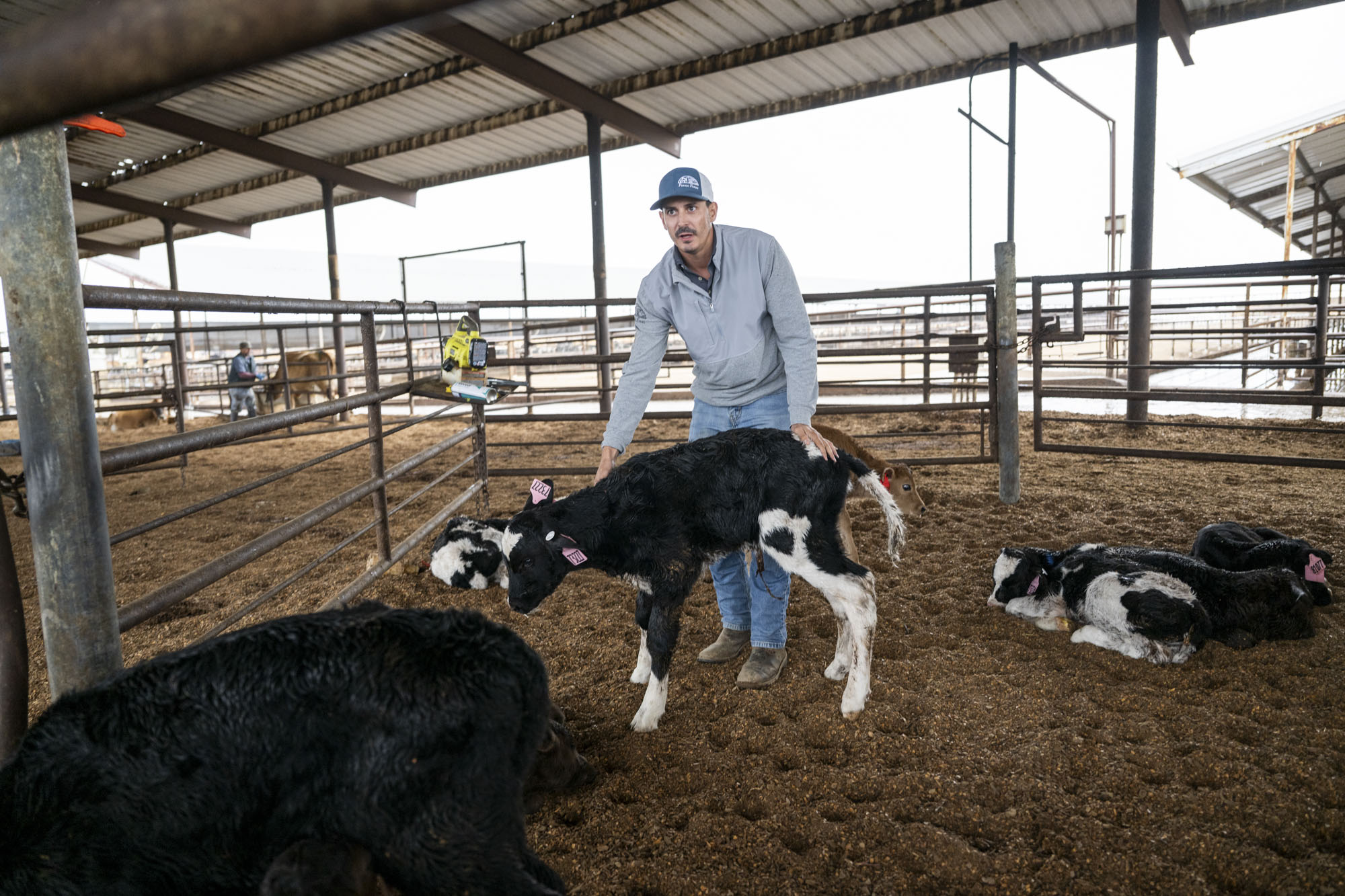
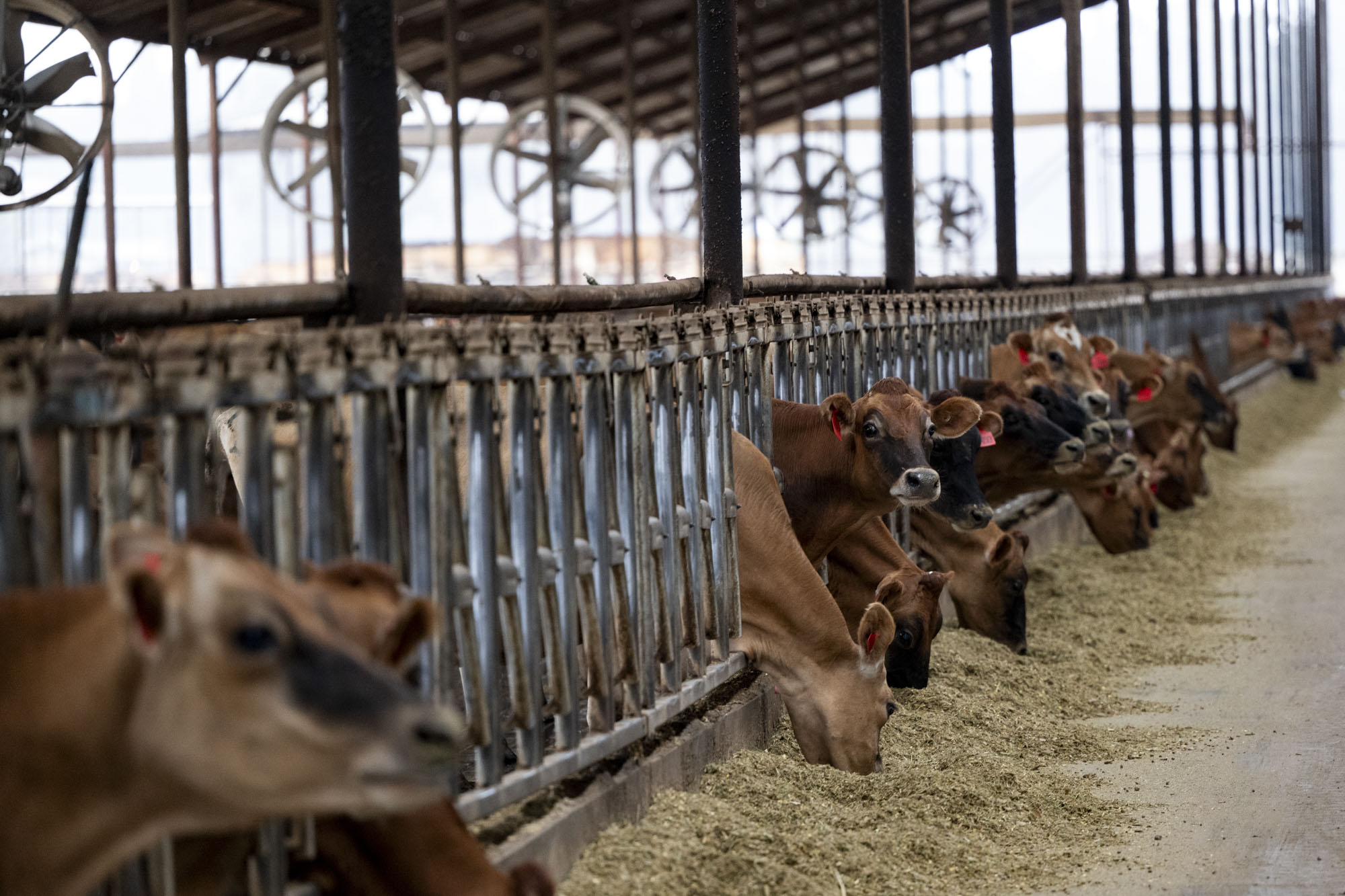
TULARE — As he walks through a barn where brown Jersey cows are feeding, Landon Fernandes picks up handfuls of the feed and lists the ingredients: alfalfa hay, corn silage, wheat mill run, canola meal, cotton seed and almond hulls.
His family-owned dairy operation grows or buys everything to make the feed for more than 10,000 animals a day, and they change the recipe regularly based on fluctuating costs. Fernandes estimates it typically accounts for 40% of the farm’s expenses but has surged by 10% as feed costs have climbed over the last 12 months.
“The hardest thing about farming is you can’t control your price,” he said. “So you do the best you can to control your inputs, but sometimes that’s out of your hands as well.”
Fernandes, 36, is a third-generation dairy farmer in Tulare and president of the Tulare County Farm Bureau. Like other farmers KQED spoke to ahead of the midterm election, he attributes those rising costs in part to President Donald Trump’s trade disputes and the war in Iran, which has driven up fuel prices. Unlike feed ingredients, diesel has no substitute; Fernandes needs it to power his tractors, and higher prices raise the surcharges that trucking companies bill him for deliveries.
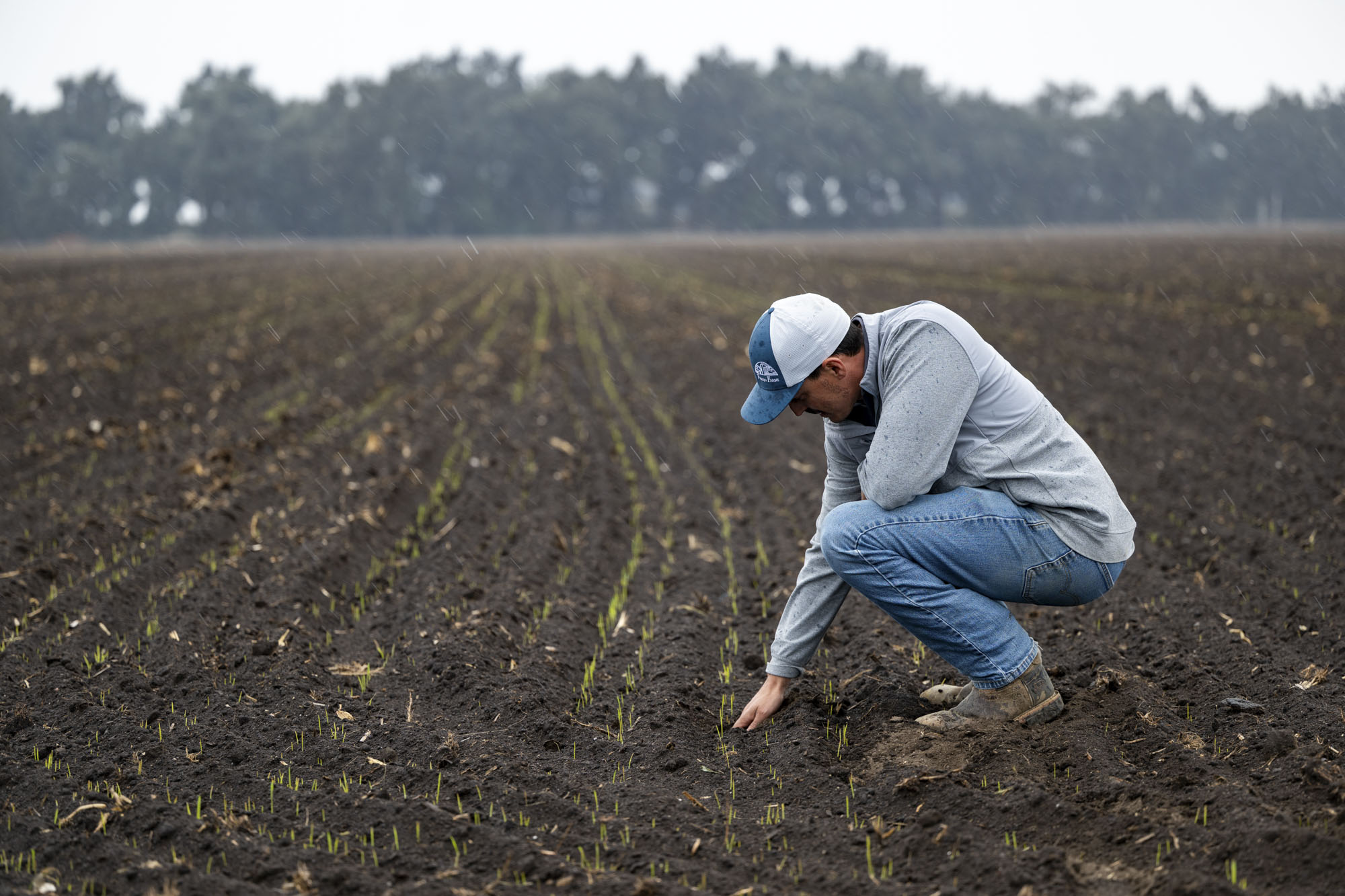
Those economic pressures — and their ties to Trump in the eyes of some farmers — could spell trouble for the Republican Party here in the Central Valley, home to the heart of California’s agricultural production as well as the state’s only true toss-up House race this year, according to the nonpartisan Cook Political Report.
Dave Puglia, president and CEO of Western Growers, said he has never seen so many serious problems hit farmers all at once. The nonprofit represents family farmers in California, Arizona, Colorado and New Mexico.
“There’s sort of an existential crisis feeling across the agriculture industry,” Puglia said.
Fernandes remembers shoveling manure, cleaning milk barns and cutting hay bales as a kid growing up on the ranch. It mostly produces milk that is processed into cheese, butter and whole milk powder, but they also planted an almond orchard in 2016 and a pistachio orchard in 2020 to diversify their income.
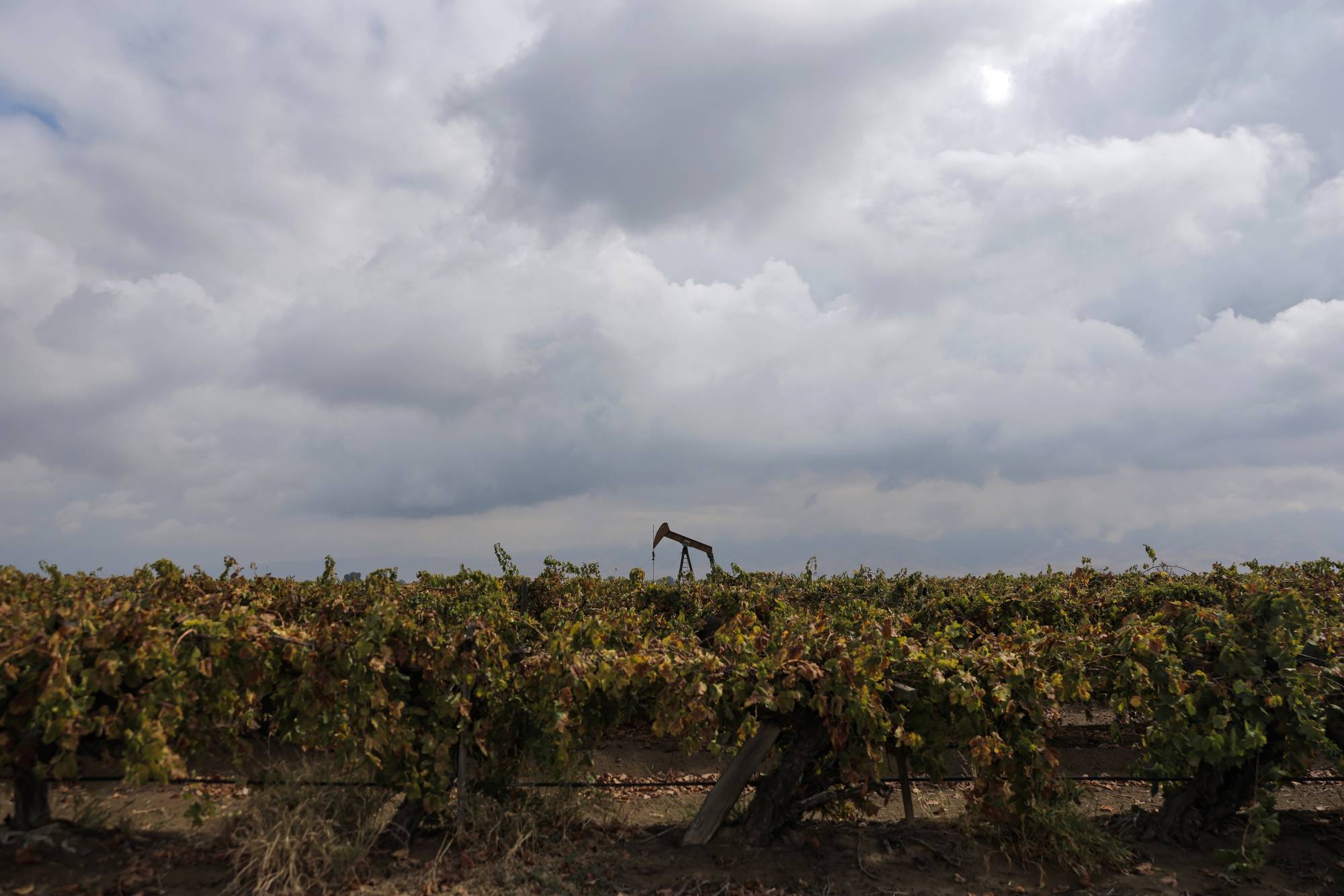
On top of rising costs for feed and fuel, the ranch is contending with falling milk prices, which Fernandes partly traces to Canada’s retaliatory tariffs on U.S. dairy, and rising labor costs, which he ties to the state minimum wage and agricultural overtime laws. The result, he said, is a “perfect storm” that has hurt his bottom line and forced him to draw on cash reserves and loans.
A quarter of farmers rank the Trump administration as the most responsible for agriculture-related challenges, according to an April survey commissioned by the firm Amato Advisors and conducted by Farm Journal. Many costs, including diesel prices, have only risen since then.
The same poll found that 4 in 10 farmers are “persuadable” this year — as in, they are considering voting for a different party than they usually do. In the 22nd Congressional District, which spans parts of five counties in the San Joaquin Valley and where farming, fishing and forestry are the top employment sectors, that could put Rep. David Valadao to the test in the Nov. 3 midterm.
The Republican incumbent is defending his seat against progressive Democrat Randy Villegas in a redrawn district that Trump won in 2024. Both are courting the farm vote, which has typically leaned Republican.
Villegas, a community college professor and son of Mexican immigrants, is running an economic populist campaign. His strategy is to tie Valadao to Trump policies that are unpopular with farmers, like allowing duty-free imports of lean beef trimmings for 90 days this fall.
“When they announce they are going to import 300,000 metric tons of beef from across the world, they’re literally undercutting our own ranchers and farmers here in the Central Valley and across the country,” Villegas said in an interview with KQED’s Political Breakdown.
Valadao is the son of Portuguese immigrants who came to California as dairy farmers.
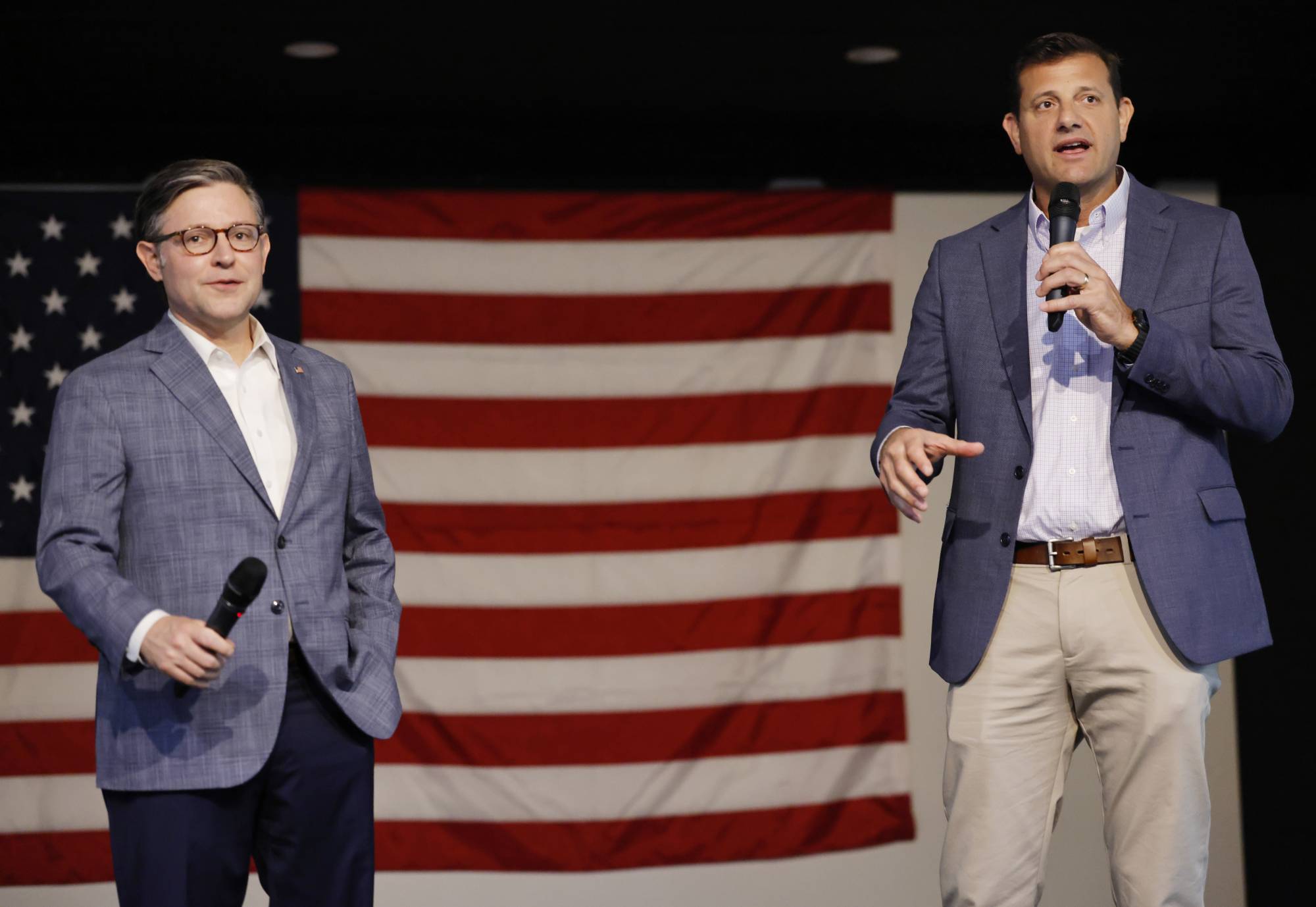
He did not respond to KQED’s interview requests, but at a televised debate this month, he leaned into his farming roots and directed blame for high costs to the state’s Democratic-led Legislature.
“The fact that our fuel is so much higher has a lot more to do with Sacramento than anything else,” he said. “If we really want to change prices, we really need to focus on Sacramento, get some of those refineries back up and going, and produce as much fuel as we can here locally.”
That message resonates with farmers here, who also see the state’s regulatory environment, water shortages and labor costs as drivers of the current crisis.
“In the past two years, I would definitely say there’s been increased unwanted activity in closures of farming businesses, flat out bankruptcies and asset sales, or more commonly, consolidation with larger and larger companies,” Puglia said. “I trace that as much to state policy as federal policy. I think both share some of the blame for that.”
While Republicans nationally struggle to separate themselves from Trump, Republican strategist Liz Mair said Valadao is an exception. He has “cut a very independent profile” by breaking with his party on immigration and voting to impeach Trump after the Jan. 6, 2021, attack on the Capitol, she said.
“He is not a stereotypical Republican in any way, shape or form,” she said. “[That] has traditionally given him quite an advantage even in very tough election cycles.”
Valadao has won six of the last seven elections despite Democrats’ edge in voter registration here. His only loss came in the 2018 “blue wave.”
This year, Villegas will have the advantage of a district redrawn further in Democrats’ favor by Proposition 50. Trump carried the 22nd Congressional District by almost 6 points in 2024 under the old lines, but if the redrawn boundaries were in effect, he would have won by less than 2, according to the California Target Book.
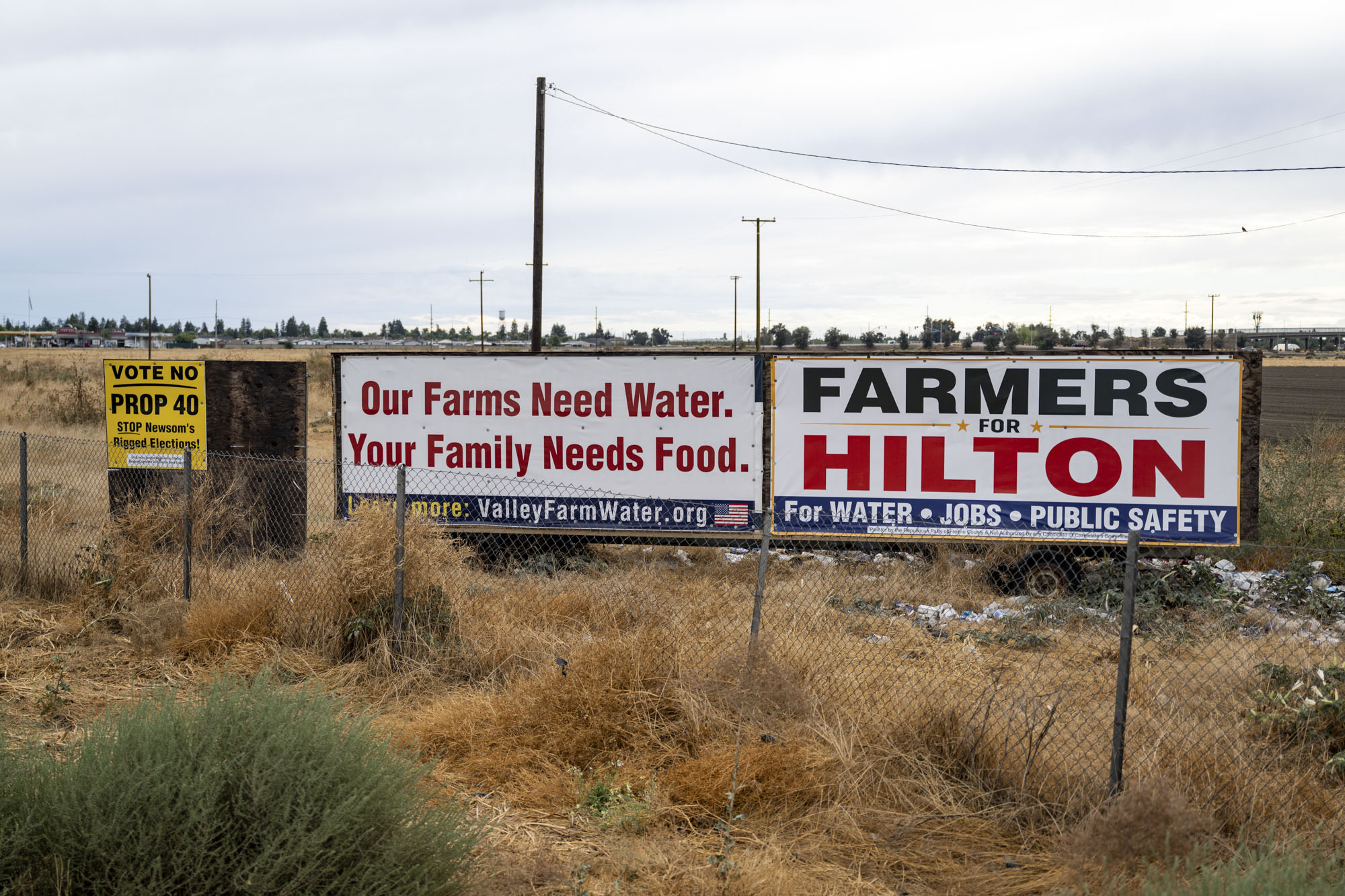
Valadao could also benefit from the district’s makeup. It’s a “unique district,” Mair said, where farmers don’t fit the same mold as farmers elsewhere in the country.
“I think when you’re looking at California Central Valley farmers, they do tend to be a more conservative lot, but they’re not conservative in the way that MAGA is,” she said. “To me, there’s a libertarian versus big government conservative axis.”
Fernandes is a registered Republican because he sees the party as aligned with less government oversight, less red tape and more economic growth. His father once registered as a Democrat, he said, but politics were never a priority growing up.
“We were always so busy working, we didn’t get too bogged down in the politics or the ‘drama’ as I call it sometimes,” he said.
Even now, Fernandes insists he isn’t into politics.
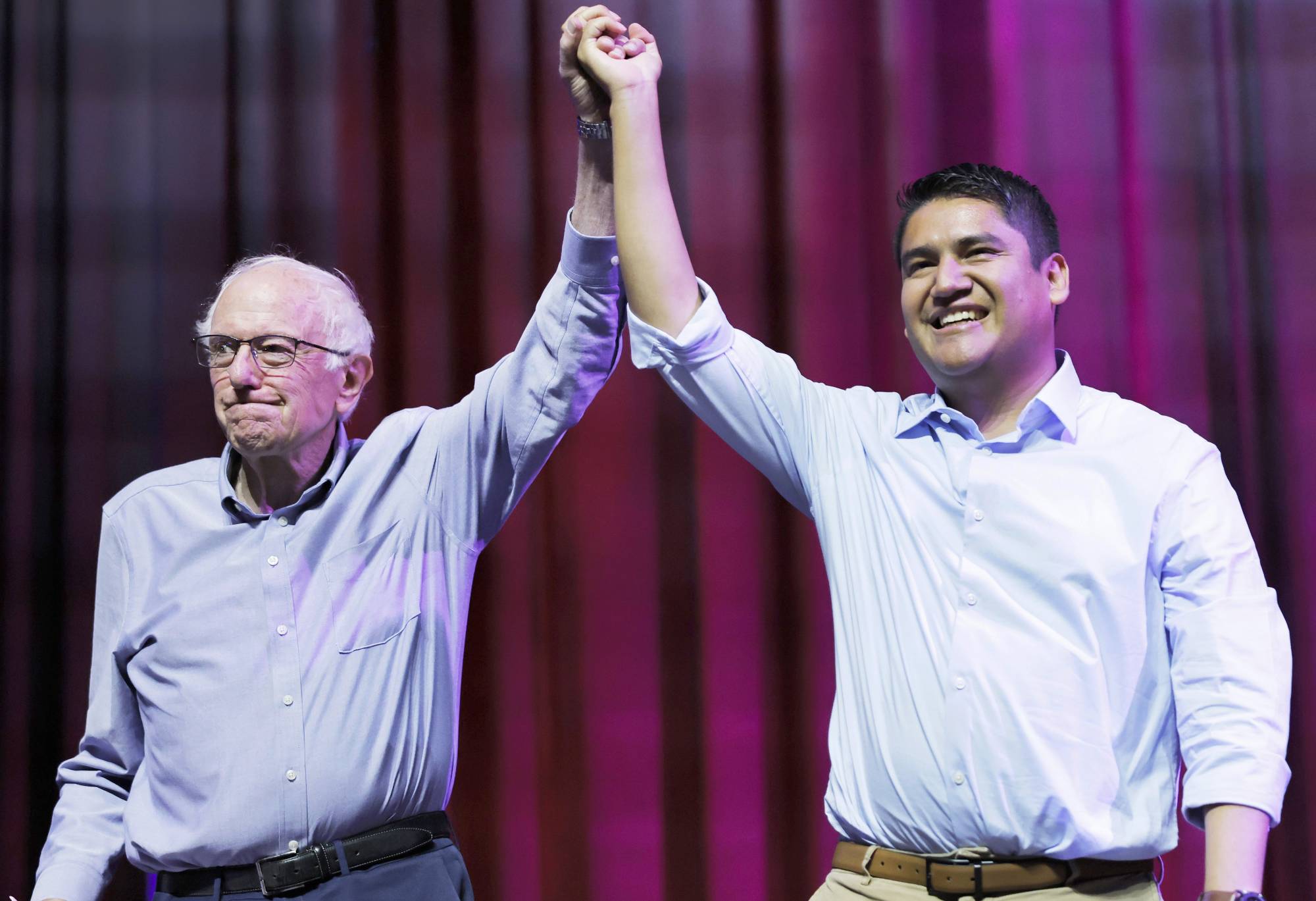
If he were to vote for a Democrat, he said, it would be a more moderate candidate than Villegas. Seeing Villegas rally alongside Democratic socialists like Vermont Sen. Bernie Sanders and New York Rep. Alexandria Ocasio-Cortez does not give him a “warm and fuzzy feeling,” he said.
Other farmers in the district told KQED they don’t think Villegas is truly courting their vote. Lee Guthrie, a Tulare County cattle rancher, believes Villegas is more focused on the laborers who work the farms.
“I don’t think we’re his target voters,” she said.
The Kern County Farm Bureau, which has officially endorsed Valadao, said it hasn’t heard from Villegas at all.
When asked whom he has approached in the agricultural industry, Villegas said he spoke to local farmers who are worried about water access. He then pivoted to the Trump administration’s attacks on the people who make up much of the industry’s workforce.
“Agriculture depends in large part on immigrant labor,” he said. “The fact that we are seeing that same workforce attacked by this administration is unjust.”
As Fernandes weighs his choice for Congress, Trump isn’t part of the calculation.
“I’m pro-Valadao because Valadao is pro-ag,” he said. “Naturally, you’re going to vote for what better impacts you personally, your family, your business.”
For his part, Fernandes said he doesn’t know a single person in agriculture here who’s voting for Villegas.