In Tight Central Valley Race, Trump's Policies Could Impact Agriculture Vote
Here are the morning’s top stories on Wednesday, October 28, 2026
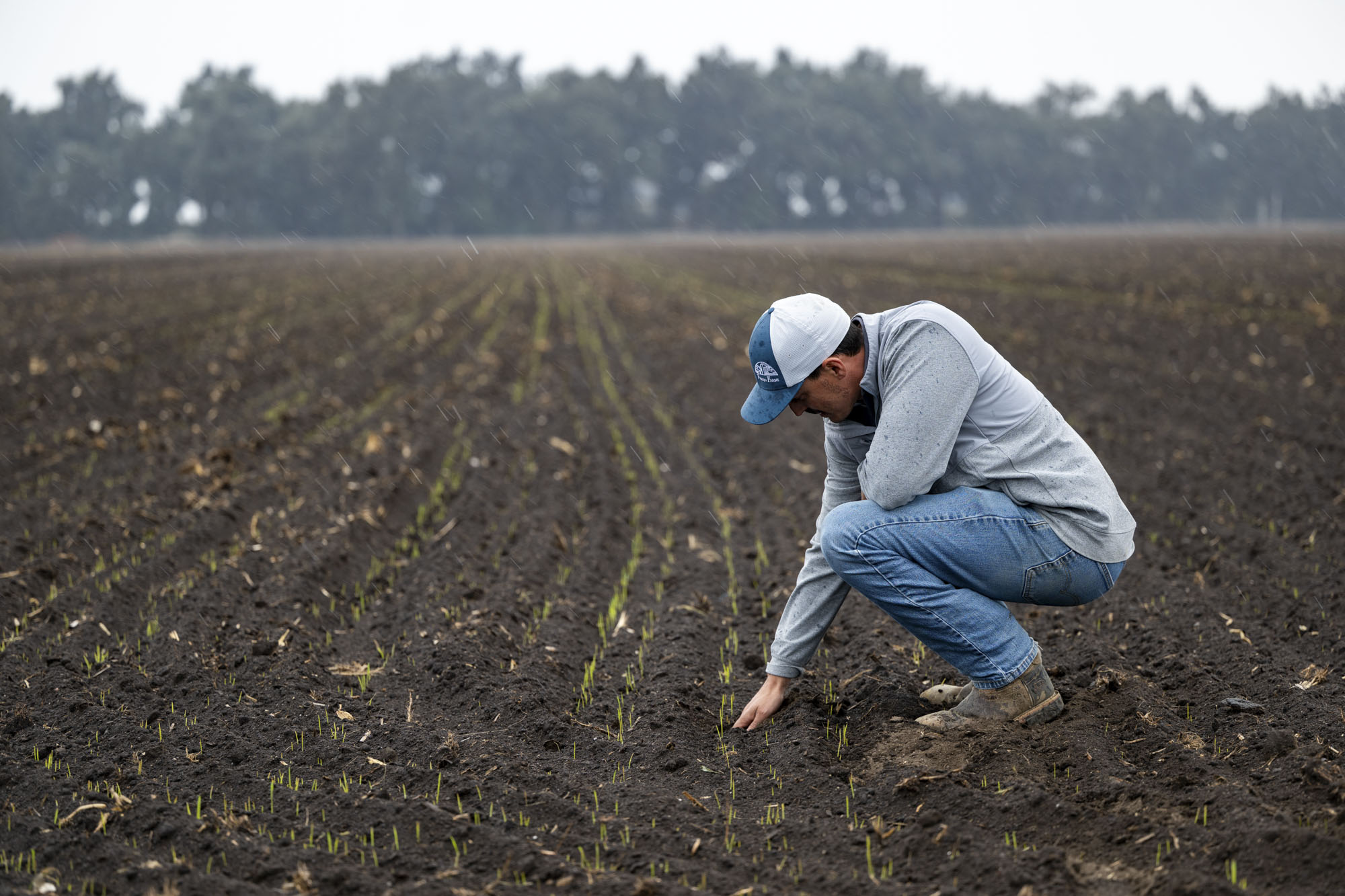
- Farmers and ranchers have long been a reliable Republican voting bloc, but that may shift this midterm election as federal policies drive discontent among these communities. How is this playing out in the heart of California’s agricultural production?
- California has tentatively agreed to pay $10 million to settle a class action lawsuit filed on behalf of incarcerated women at the Central California Women’s Facility in Chowchilla.
- A federal judge in Los Angeles is expected to rule today in a lawsuit filed by the Trump administration, over ballots in next week’s midterm election here in California. Federal officials have been seeking to prevent the state from processing the ballots of voters who they believe are not citizens.
Are Trump policies enough to swing key ag vote in District 22 race?
Farmers and ranchers have long been a reliable Republican voting bloc. But that may shift this midterm election as federal policies drive discontent among these communities. How is this playing out in the heart of California’s agricultural production?
As he walks through a barn where Jersey cows are feeding, Landon Fernandes lists the many challenges facing his family-owned business right now. “When you have feed cost increase, labor increase, fuel, other supplies and inputs, and then at the same time you have milk prices come down. That’s when you have the perfect storm, right?” he said.
Fernandes is a third generation dairy farmer in Tulare and president of the Tulare County Farm Bureau. His family’s ranch spans over 1,000 acres and 6,000 dairy cows. The milk they produce here is processed into cheese, butter and whole milk powder. This year – in part due to tariffs and the Iran War, Fernandes said his margins are thinner. “We’ve had to go into cash reserves. We have an operating line of credit with our local lender,” Fernandes said.
A quarter of farmers rank the Trump administration as the single biggest cause of ag-related problems, according to a national Farm Journal survey in April. The same poll found that 4 in 10 farmers are “persuadable” this year, which could spell trouble for Republicans, who typically count on this electorate.
The Central Valley’s 22nd Congressional District is considered the only toss-up race in the state. It pits incumbent Republican Congressman David Valadao, who faces a challenge from progressive Democrat Randy Villegas. Both are courting the farm vote.
Nationally, Republicans are struggling to separate themselves from President Trump. But Republican strategist Liz Mair said Valadao has successfully carved out an independent image, breaking with his party on immigration and even voting to impeach Trump after the January 6th attack on the Capitol. “He’s a very peculiar sort of political animal in the current climate,” she said.
That may explain his staying power. Valadao has won six of the last seven elections despite Democrats’ registration edge here. His only loss came in the 2018 blue wave. Another thing may play in Valadao’s favor. Mair said Central Valley farmers don’t fit the same mold as farmers elsewhere in the country. “I think when you’re looking at California Central Valley farmers, they do tend to be a more conservative lot. But they’re not conservative in the way that MAGA is. There’s like a libertarian versus big government conservative axis,” Mair said.
California has reached a tentative $10 million agreement to settle a class-action lawsuit filed on behalf of incarcerated women at the Central California Women’s Facility who were held in a crowded dining hall and sprayed with tear gas and pepper spray in 2024.
“There’s no amount of money that can fix what we went through that day,” said Angelina Hernandez, who is no longer in prison. “I have really bad PTSD. It really messed me up in a lot of different ways.”
On the morning of Aug. 2, 2024, correctional officers at the Chowchilla facility moved more than 150 women to the dining hall to conduct a massive search of their unit, according to the suit, and seize any personal belongings that did not fit in a 6-cubic-foot box. After hours of being confined to the cafeteria without food, water or access to medication, tensions became heightened. Women shouted at the officers and banged on the tables, according to internal documents obtained by KQED. Officers deployed chemical grenades and pepper spray on the women — first inside the chow hall, and then again after the women were zip-tied and seated in the yard outside. At least one woman named Christina Wind was also beaten by officers with batons. Women suffered injuries ranging from seizures, stroke and loss of eyesight.
The mass use-of-force event led to the largest corrective action related to a single incident in state history, according to the California Department of Corrections and Rehabilitation. Three correctional officers were fired and 31 more received discipline, ranging from reprimands to pay cuts. Several officers are still appealing those actions. Under the agreement, $7.45 million would be split among the class members, while $2.5 million would go to their attorneys. Another lawsuit filed on behalf of 13 women who were injured during the incident was settled for $1.9 million in March, bringing the combined value of the settlements to nearly $12 million.
Saying he had concerns it could disenfranchise voters during the midterm election, a federal judge on Tuesday seemed skeptical of the Trump administration’s demands that California election officials set aside 20,000 ballots that it claimed could have been mailed to noncitizens. “Some of these may be very valid voters, and that’s my concern about disenfranchisement,” said U.S. District Judge David O. Carter, an appointee of President Bill Clinton.
Carter said he would issue a formal ruling by Wednesday, but he told the courtroom he was likely going to appoint a special master to weigh the evidence both sides present at a hearing in two weeks. That means his final ruling might not come until after the election. He said he didn’t want to “just wing it with a ruling” based on last-minute evidence the federal government submitted to the court the night before Tuesday’s hearing.
Carter also suggested that his ruling would order federal authorities to stop telling election officials that they could face criminal charges if they didn’t comply with the Trump administration’s demands. The Trump administration on Friday sent letters to California election officials telling them to set aside ballots from suspected noncitizens, and threatened them with criminal charges if they allowed those people to vote.
Carter’s remarks point to yet another likely legal blow to the Trump administration as it seeks to validate President Donald Trump’s longstanding claims of widespread election fraud favoring Democrats. Experts and election officials say those claims are meritless.
Bill Essayli, the first assistant U.S. attorney in Los Angeles, acknowledged that the government’s list of 20,000 people may contain citizens, but he said the possibility that noncitizens were voting illegally was too great a threat. “I would ask the state how many illegal votes is OK for them?” Essayli said. “It cannot be that the state has a right to facilitate the counting and tabulation of noncitizen votes. There’s no right to that.”
The Trump administration sued California earlier this month saying election officials refused to comply with a 48-hour federal deadline to set aside the ballots of up to 20,000 people the administration had flagged as possible noncitizens until the voters’ citizenship could be verified. The administration sought a temporary restraining order forcing the state to comply. California officials argued there was no way they could since they were busy overseeing the election. They also called the demand an illegal effort to meddle in state-run elections that could disenfranchise legal voters.