Despite Affordability Concerns, Bay Area Farmworker Housing Project Lags in Early Returns
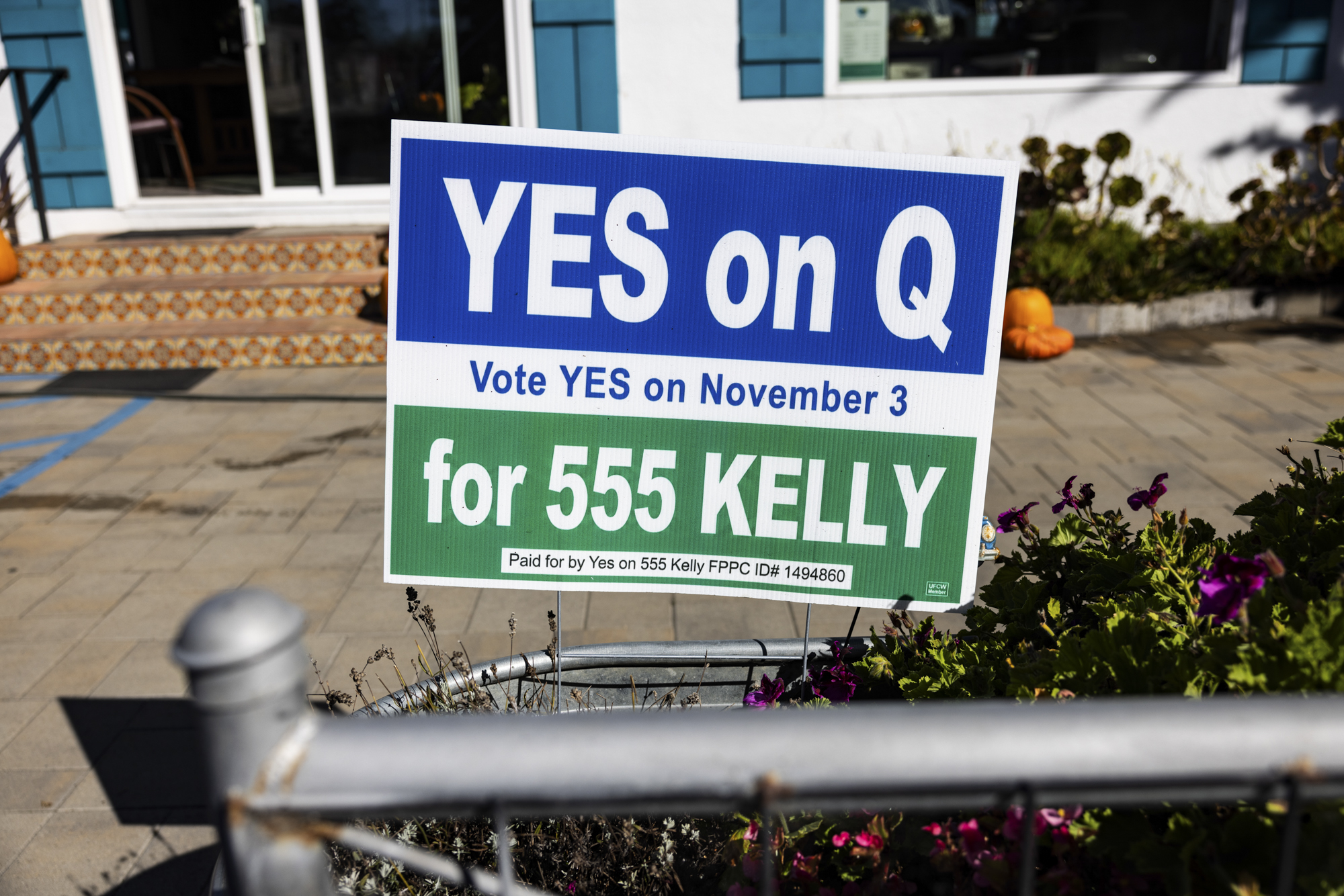
Just 64 votes separated the two sides of Half Moon Bay’s Measure Q on Wednesday, leaving the future of a downtown housing development for older farmworkers uncertain as ballots continue to be counted.
The measure had just over 49% support, with 1,608 votes in favor and 1,672 against, according to preliminary results from the San Mateo County Registrar of Voters. The outcome remains too close to call.
Many ballots remain uncounted countywide, including mail-in ballots received or dropped after Oct. 30, as well as provisional and conditional voter registration ballots, according to the elections office. The county’s next update on results is expected Thursday before 4:30 p.m.
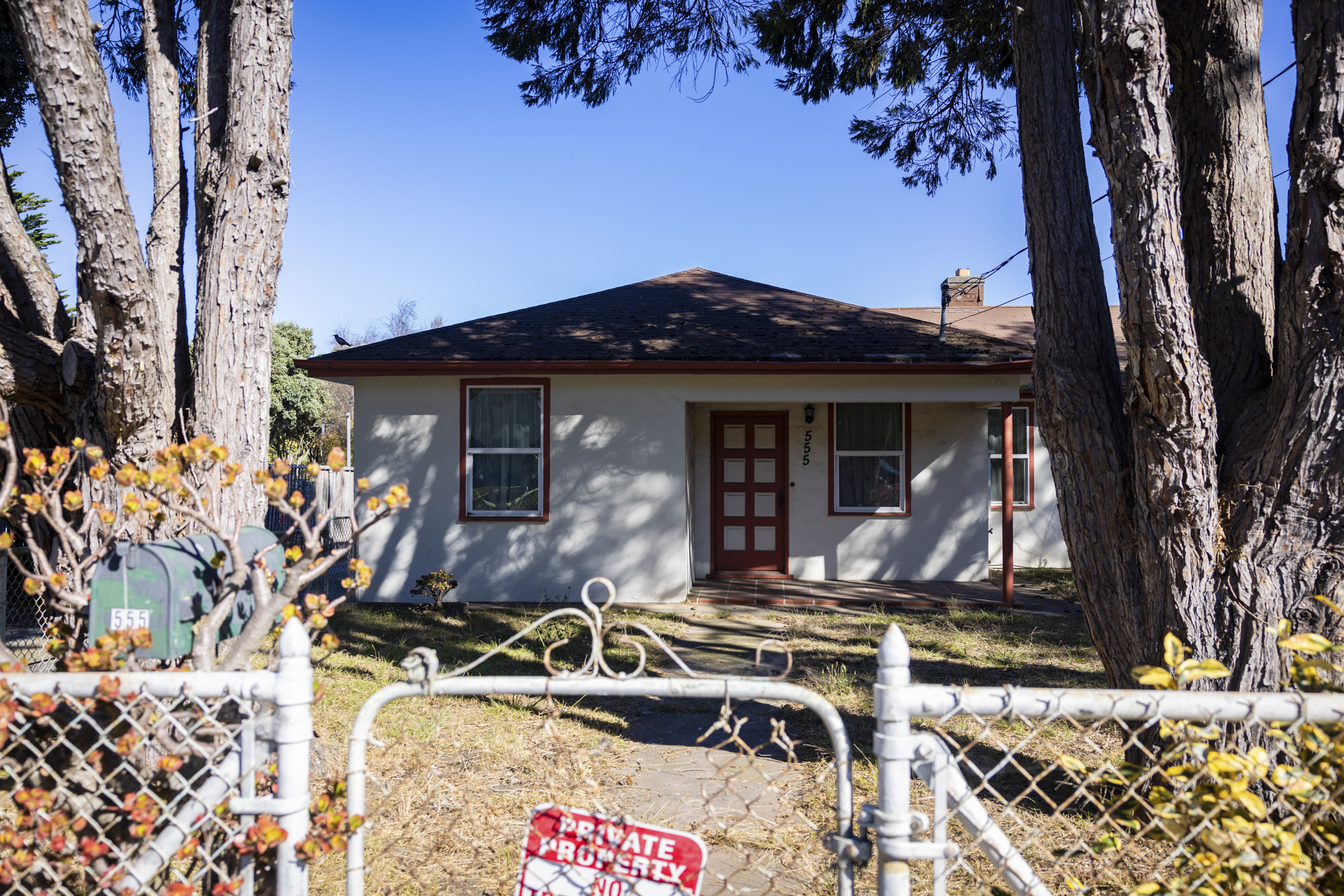
The vote is a referendum on the city’s approval this summer of a controversial five-story apartment building at 555 Kelly Ave. in downtown Half Moon Bay that’s been hotly debated for the past four years.

The project, from nonprofit developer Mercy Housing and nonprofit advocacy organization Ayudando Latinos A Soñar, or ALAS, would include 39 affordable apartments for low-income agricultural workers aged 55 and older and one manager’s unit.
The proposal predates the 2023 mass shooting at two Half Moon Bay farms that killed seven people and exposed substandard living conditions among local farmworkers. The killings intensified calls for better housing in a community where many agricultural workers struggle to afford a place to live.
And it comes as Half Moon Bay faces pressure from the state to build more housing. In July, Attorney General Rob Bonta and Gov. Gavin Newsom’s administration sued the city, saying it had fallen behind on zoning changes required under state housing law.

Lilli Rey, board president of ALAS, said supporters of the Kelly Avenue project remain hopeful as they wait for more ballots to be counted.
“It’s not easy to see numbers like this, but it’s so close,” she said. “There’s definitely more votes to come in. And we’re just staying optimistic.”
Supporters have argued the development would help older farmworkers remain in the community where they spent decades working, with a downtown location near groceries, health care and other services. Rey said the prospect of the measure failing is “truly devastating.”
Rick Hernandez, vice chair of the city’s Planning Commission and an opponent of the project, said the early results show a community divided.
“There’s a lot of people who really want to address the need that we see and sense in the community,” Hernandez said. “And there are a lot of questions about, are we doing this the right way that works for our town?”
Opponents of Measure Q raised concerns about the building’s height, parking and traffic, and the city’s commitments under a 99-year ground lease. Some also questioned whether there are enough protections in place to ensure local farmworkers actually receive the apartments.
If Measure Q fails, Hernandez said he wants a community task force to bring stakeholders together to help shape affordable housing plans for farmworkers and other residents.
Despite their differences over the project, both Hernandez and Rey said they want to bring the community together, regardless of the outcome.
“It’s been an ugly, long fight,” Rey said.
Mercy Housing and ALAS proposed the project in 2022, but it took two years before the city approved land-use permits.
Roughly two years after that, in May 2026, the City Council approved an ordinance authorizing a 99-year ground lease for the city-owned property and related agreements with Mercy Housing.
Shortly after the council approved the lease, opponents gathered enough signatures to force a referendum and put the decision before voters.
Mercy Housing said the project would prioritize eligible senior agricultural workers who live or work in Half Moon Bay, followed by those on the coastside and then elsewhere in San Mateo County. That preference would not guarantee housing for every eligible local applicant.
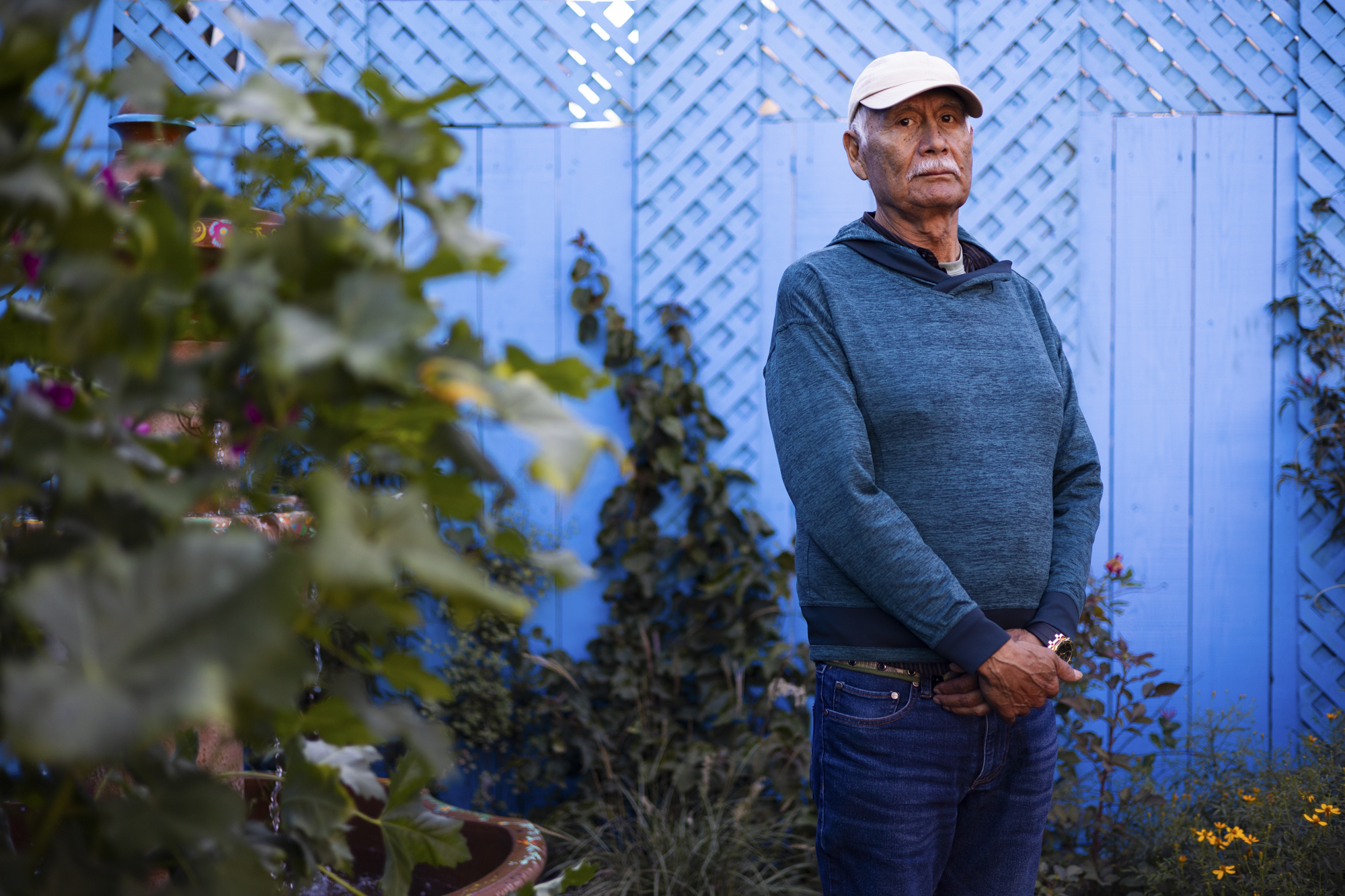
For Cándido Rosales, 67, the development represents a chance to live with his wife again after more than half a century of marriage.
She recently joined him from Mexico after waiting years for her immigration paperwork to go through. But they haven’t found a place they can afford together in Half Moon Bay. She is staying with her sister, while he shares a rented room with another person.
“A family has to be together, not separated,” he said in Spanish.
Rosales, who spent nearly 40 years working in agriculture, said his pension is about $1,200 a month, less than the roughly $1,500 he has seen advertised for nearby rooms.