San José Launches Its Automated Speed Cameras. Here’s Where They’ll Be
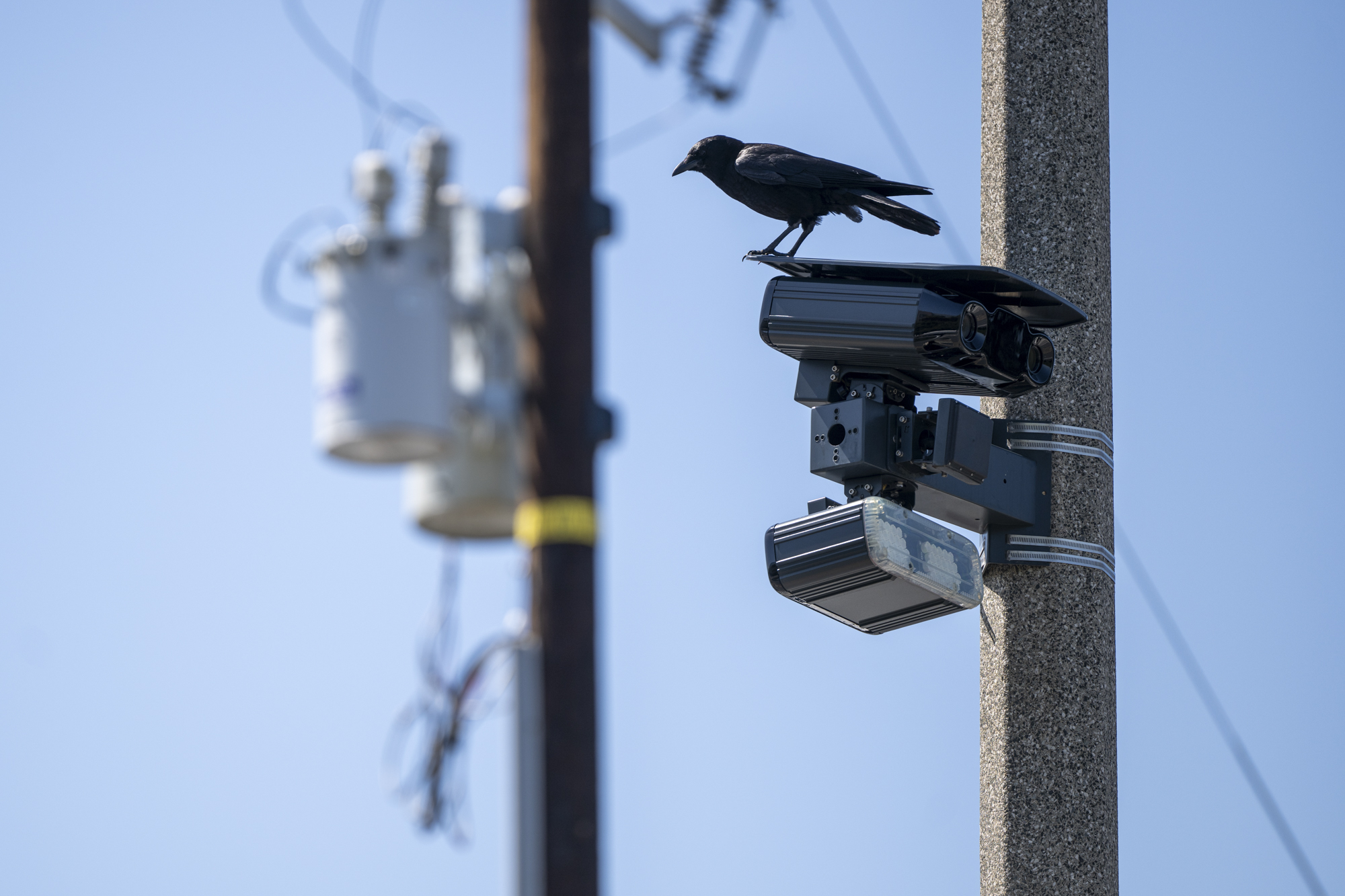
San José has launched its automated speed safety camera program in an effort to curb the city’s most deadly driving behavior, Mayor Matt Mahan announced Friday.
The cameras will be located at 33 locations throughout the city — two at each site. Beginning Dec. 14, the cameras will issue warnings to any vehicles traveling 11 mph or more over the speed limit. Sixty days later, they’ll issue citations starting at $50, with higher penalties for greater speeds. Every vehicle gets one courtesy warning for its first violation.
“This is really about enhancing community safety,” Mahan said. “It’s devastating to meet families who have lost loved ones unexpectedly due to traffic accidents, and particularly speeding.”
Speeding is the No. 1 cause of traffic accidents and fatalities in San José, Mahan said. The city has, so far, recorded 41 traffic-related deaths this year — down from a high of 65 in 2022.
Mahan said more people die in traffic deaths than by homicide in San José.
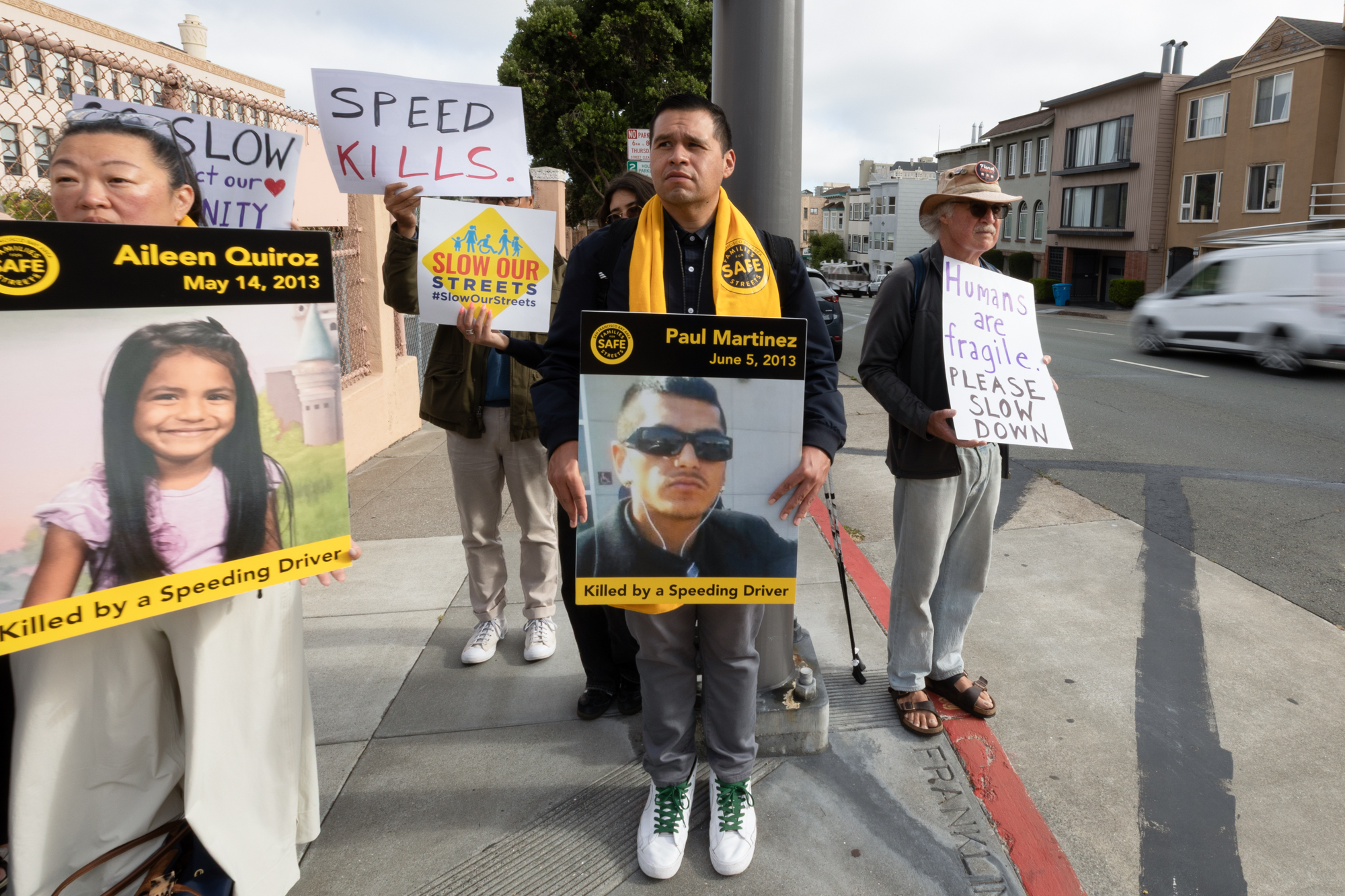
“ This is a step towards preventing the kind of tragedy that shattered our world,” said Jorge Quiroz, whose 5-year-old daughter Aileen was days away from graduating kindergarten when she, her sister and her aunt were struck by a speeding driver near San José’s Parkview Elementary in 2013.
Quiroz said Aileen was killed instantly, and he and his wife Elizabeth then spent five years advocating for a speed camera pilot to state lawmakers in Sacramento.
“ It’s not to punish the drivers. We want to change the culture,” Quiroz said. “We want them to think of these cameras as a saving life tool. I want them to think of Aileen, of those families who will never get another hug.”
Each of the city’s 10 City Council districts will have at least one camera. The city selected camera locations based on past crash history, including sites that have seen collisions due to speeding, red light running or failure to yield to pedestrians or bicyclists, as well as proximity to places like hospitals and senior centers.
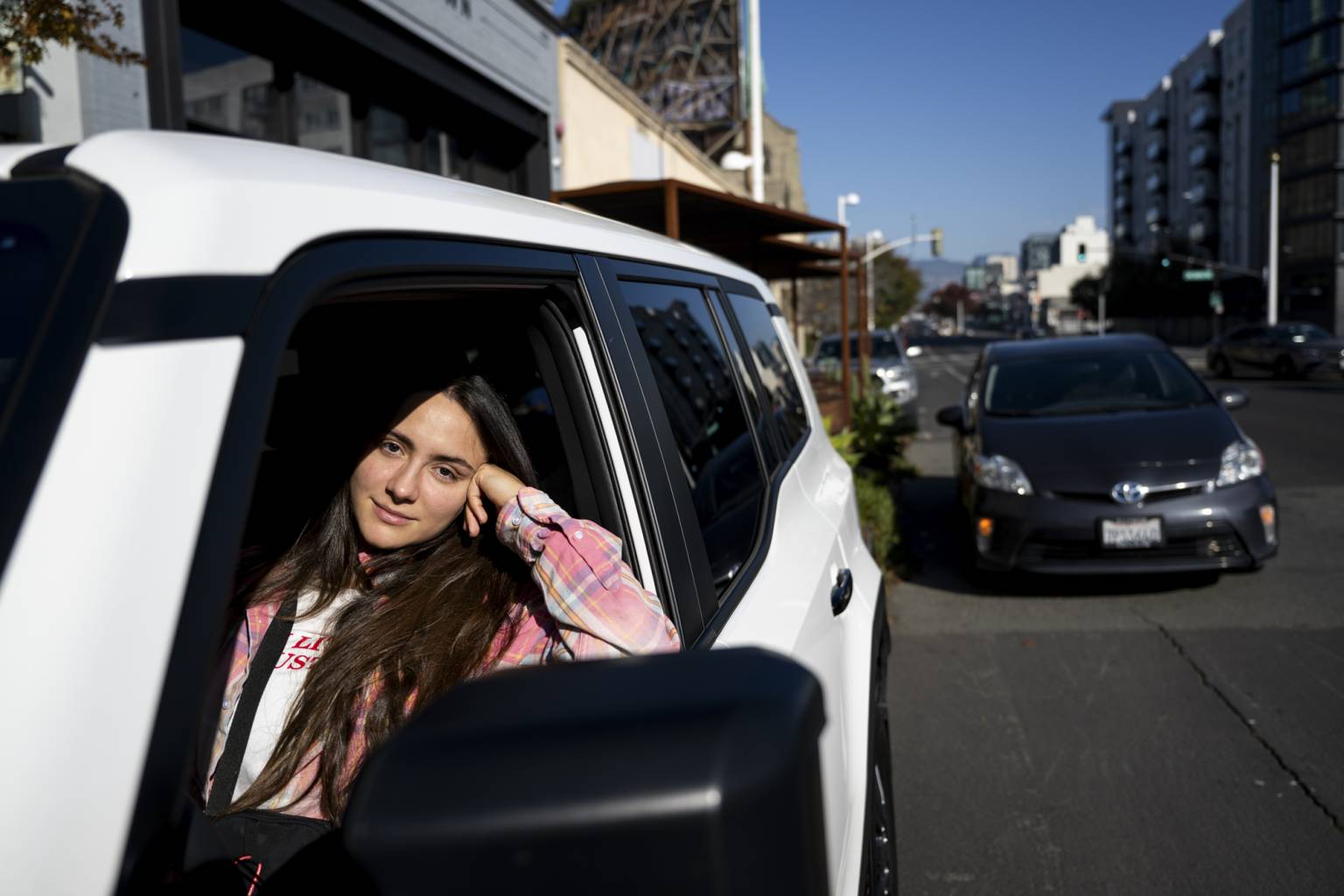
San José is the final Bay Area city to implement AB 645, a state law passed in 2023 — which authorized six cities in the state, including San Francisco, Oakland, Long Beach, Glendale and Los Angeles — to pilot automated speed enforcement for five years or until Jan. 1, 2032, whichever comes first.
Mahan said San José intended to be the first city to start the pilot, but it faced delays because the Trump administration withheld an $8.5 million grant that it had previously awarded to the city to cover some of the program’s costs. He said the city was instead forced to source that funding from local revenue.
Under state law, San José’s speed cameras are set to begin issuing citations on Feb. 12, 2027. The city has installed cameras at four locations and plans to finish over the next several weeks, Mahan said.
The city estimates the program will cost between $15.4 million and $17.9 million to install, operate and maintain over the five-year pilot.
Speed cameras began ticketing in San Francisco in August 2025 and in Oakland in March 2026. Both cities have reported major drops in speeding at camera locations since the cameras began operating.
According to a recent report on the first 18 months of San Francisco’s program, the share of drivers traveling more than 10 mph over the speed limit dropped by nearly 84% across camera locations compared to pre-implementation levels — and 63% of the vehicles cited did not get a second warning or citation.
“We’re seeing significant progress over time, which overall makes San Francisco streets safer,” said Viktoriya Wise, director of streets at the San Francisco Municipal Transportation Agency.

In an August report on the first six months of its program, Oakland said drivers traveling 11 mph or more over the speed limit dropped by 70% at its camera locations. One location saw a 91% reduction in speeding, according to the city’s Department of Transportation.
Street safety advocacy groups, like Walk San Francisco, have begun pushing for a new state law to expand San Francisco’s speed camera program and expand it to other cities in the state.
“Walk SF is aware of more than a dozen California cities, big and small, that now want speed camera programs for their city to help address dangerous speeding,” said Marta Lindsey, communications director for Walk San Francisco.
San José, like other Bay Area cities, has recently seen intense opposition to other camera systems in use in the city, like the nearly 500 automated license plate readers operated by the company Flock Safety, but Mahan stressed that the speed cameras “are not surveillance cameras.”
“ We don’t know who’s in the vehicle. There’s no facial recognition. There’s no image of the people,” Mahan said.
The speed cameras will only capture a vehicle’s rear license plate, unlike Flock’s technology, which also records vehicle characteristics.
The city also operates four red-light cameras under a separate pilot program, which ticket drivers who drive through an intersection against a red light. San José has cited red-light running as the second-highest contributing factor to traffic deaths and severe injuries in the city, after speeding.
Mahan said speed camera data will be deleted within five days if no infraction is issued, and within 60 days if there is an infraction. He said the city has sole control over the encrypted data and is not allowed to share it with any other levels of government unless ordered by a court.
Safe streets advocates in Oakland have said the speed cameras are a good step to help reduce speeding, but cities should continue to focus on other measures to discourage the behavior, like redesigning roads in ways that force drivers to travel more slowly and protect cyclists and pedestrians.
The city has contracted Verra Mobility Services, an Arizona-based transportation technology company, to provide tech support and process citations. Verra holds similar contracts for San Francisco’s and Oakland’s automated speed camera programs.
Citations generated by automated speed cameras are a civil penalty, so they don’t generate points against a driver’s driving record like a criminal penalty. Revenue generated from San José’s speed camera citations will go toward the cost of running the program, and any surplus revenue may only be used on traffic safety improvements, in accordance with AB 645.
Quiroz said speed cameras are “just another tool” to prevent speeding.
“ Is it going to solve the whole issue? No, I don’t think so. But I think it’s going to help save lives,” he said. “This is so preventable.”
KQED’s Sara Hossaini contributed to this report.