South Bay Judge Rules San José’s Flock Cameras Don’t Invade Privacy
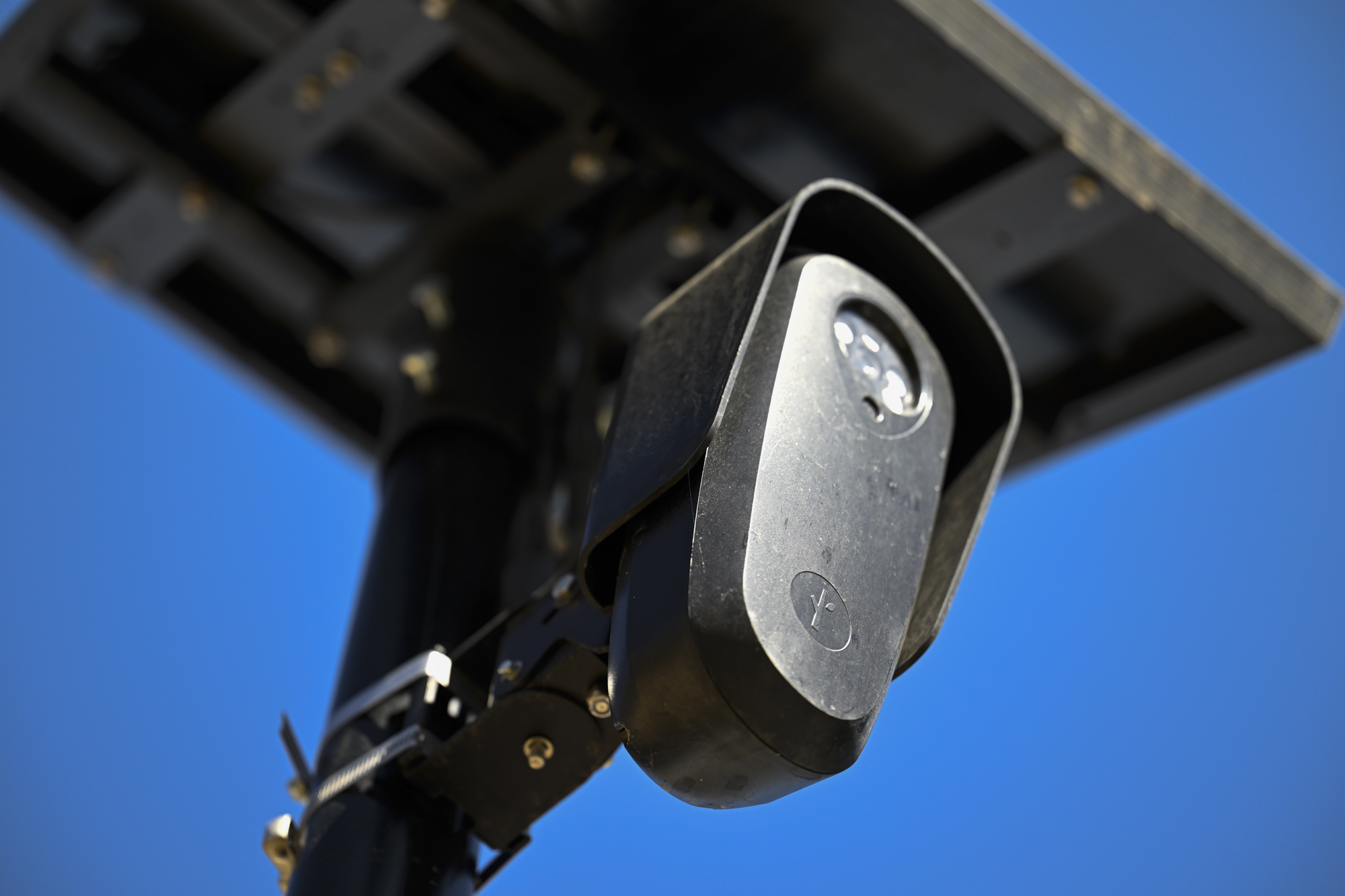
A Santa Clara County judge has dismissed a lawsuit challenging San José’s massive license plate reader network, dealing a major blow to advocates for privacy and civil liberties.
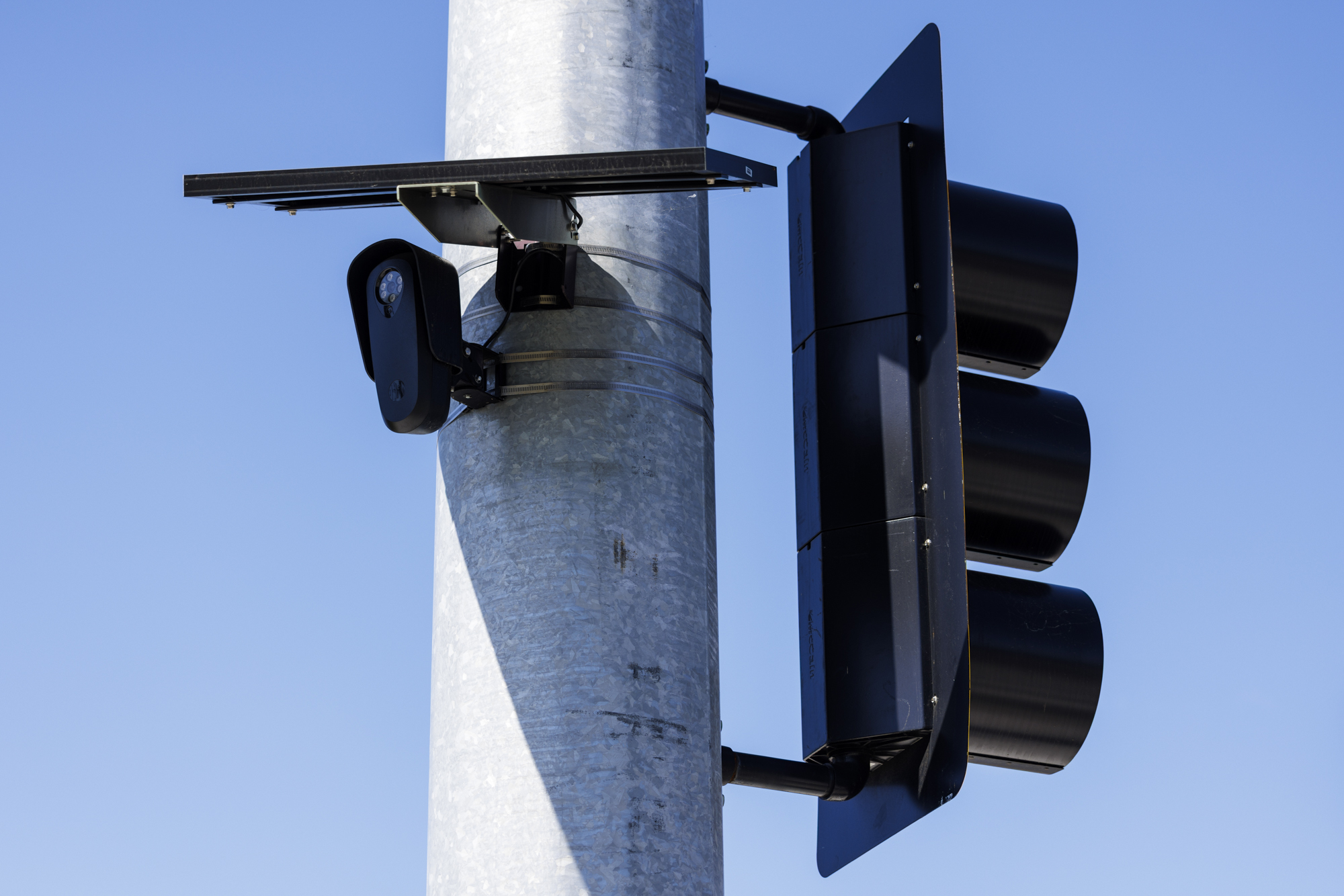
In a ruling on Friday, Judge Jeffrey El-Hajj said that the city’s arsenal of nearly 500 Flock automated license plate readers, which scan hundreds of millions of plates every year, does not violate people’s right to privacy, as the lawsuit alleged.
El-Hajj’s ruling leans on a decision from a state appeals court in 2024 that said a set of traffic surveillance cameras in San Diego was not an invasion of privacy. The decision this month sides with San José, which argued in a January filing that the lawsuit didn’t have a firm enough legal footing to continue.
“We are pleased with the court’s decision as it validates that the city’s deployment and oversight of its ALPR system meets required constitutional privacy standards,” City Attorney Susana Alcala Wood said in an emailed statement on Monday.
In November 2025, the American Civil Liberties Union of Northern California and the Electronic Frontier Foundation filed the lawsuit on behalf of the California chapter of the Council on American Islamic Relations, known as CAIR-CA, and the Services, Immigrant Rights and Education Network, known as SIREN.
The lawsuit said the city’s nearly 500 license plate readers and its searchable AI-powered database that stores plate and car information for a month amount to a “deeply invasive” mass surveillance system that violates residents’ rights to privacy under the California Constitution. The group argued that a warrant should be required before such searches could take place.
When the lawsuit was first filed, San José was keeping that information for a year.
Andrew Crocker, the surveillance litigation director for the EFF, said the group is disappointed in the ruling and that the plaintiffs may file an appeal.
“We’re considering all our options about how to proceed in this case, but we think that the tide is turning against ALPRs both in the courts and in just public sentiment around the country,” Crocker said Monday. “We can see folks objecting to existing ALPR networks and trying to block them being further expanded.”
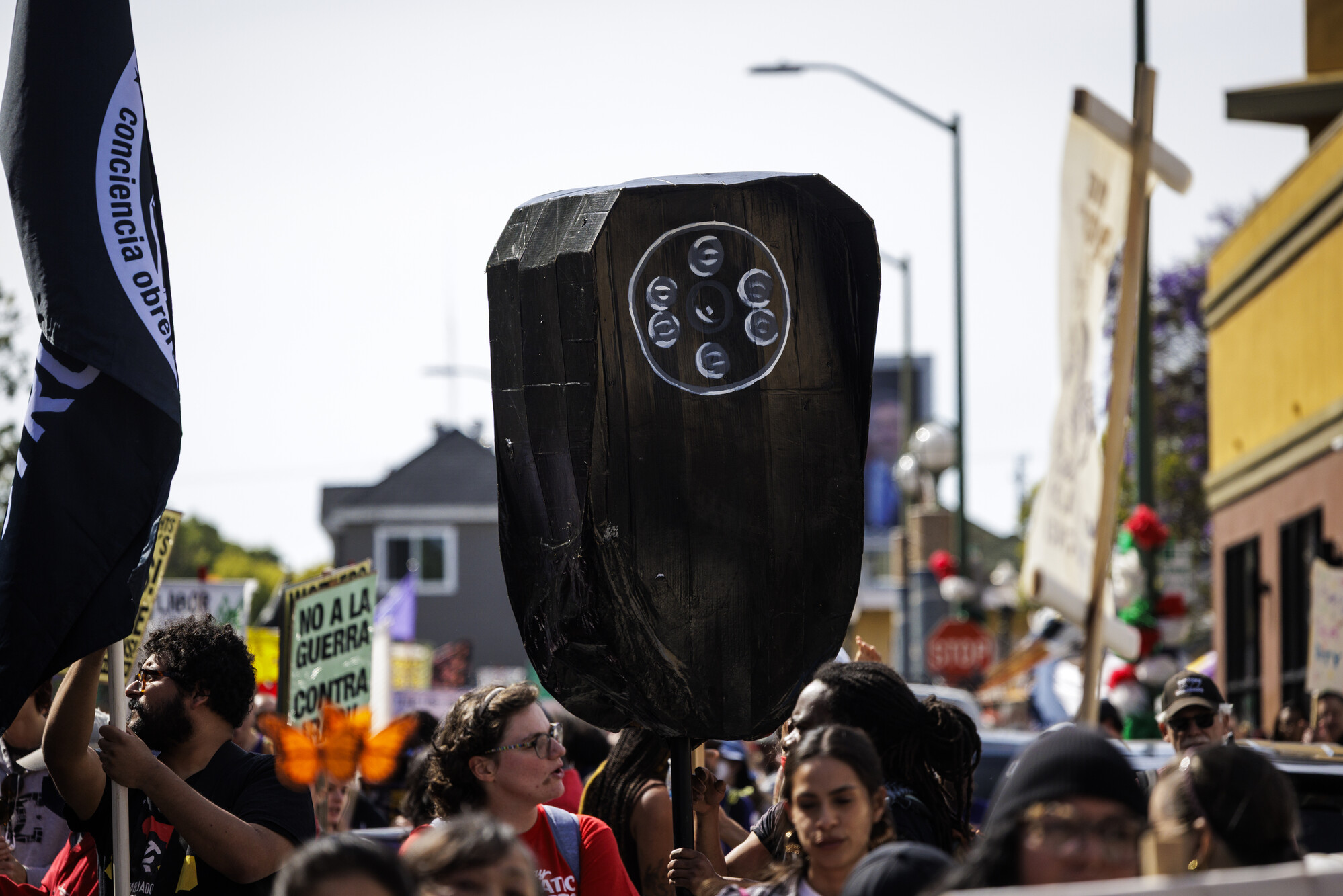
Crocker said the question of how large, connected networks of ALPRs like the one in San José fare against the rights of residents under the U.S. and state constitutions “is a cutting-edge issue” that courts are wrangling with currently.
“You can see courts around the country, including a federal district court in Oklahoma, coming to a different conclusion and saying that ALPRs are a violation of the Fourth Amendment because they invade people’s expectation of privacy against being tracked everywhere they drive,” Crocker said.
The court decision in Santa Clara County comes only weeks after officials revealed that a San José police officer was fired for abusing the city’s license plate reader network to help his family member track the whereabouts of a woman who accused the family member of domestic violence.
In the wake of that revelation, Mayor Matt Mahan said he’ll petition state lawmakers to make it a crime to abuse such systems. Mahan and Vice Mayor Pam Foley also put forth a proposal to beef up audits of police searches and tighten restrictions on how police can access the database, barring them from using personal devices.
The city has also reduced the amount of time it retains license plate and car information from one year to 30 days, and has barred the cameras from recording outside places of worship, reproductive health clinics and other sensitive locations, officials said.
Crocker said the restrictions don’t go nearly far enough.
“Clearly these cities are recognizing there’s a problem, and I don’t think that restrictions like this are going to solve that problem. Really any use of ALPRs is harmful, and the only way to stop the risk of this kind of abuse is to end their use in these cities,” Crocker said.
“Short of that, they could get a warrant, they could go before a court and present probable cause to run these searches, which is what we’re seeking in this lawsuit,” he said. “San José has not done that. San Francisco has not done that. So it’s insufficient, and it’s very likely that we will see further abuse of these systems.”
Alcala Wood said the city’s use of the readers seeks “to balance the use of a significant crime detection and community safety tool with stringent protection of individual privacy rights.”
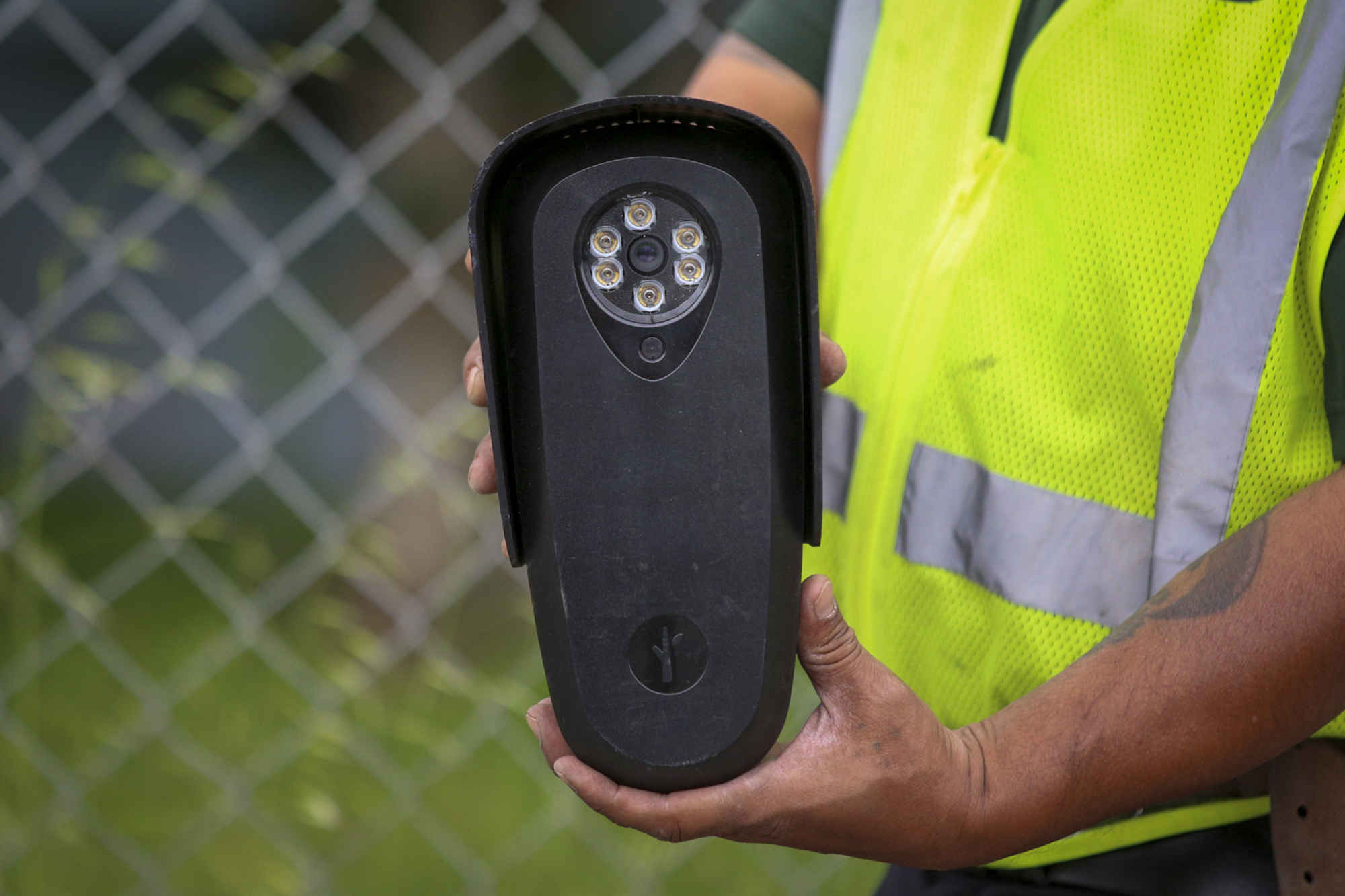
San José is also still facing a similar lawsuit against the license plate reader network in federal court, where three residents have sued over privacy rights under the Fourth Amendment of the U.S. Constitution. The residents are seeking class-action status on behalf of all who live in the city who have or will have their license plate scanned. The city is also seeking a dismissal in that case, which is pending.
After media reports revealed that federal agencies like Customs and Border Protection and Immigration and Customs Enforcement were able to access data from vast local Flock camera networks across the country, more than two dozen cities and counties across the U.S. — including Santa Clara County, along with Santa Cruz and Los Altos Hills — cut contracts with or distanced themselves from Flock.
Other cities, like Oakland and San Francisco, have doubled down on their contracts, lauding the technology’s benefits to aid in investigations.
While Flock is the largest single purveyor of such cameras and software, Crocker said many cities and counties also maintain large networks of license plate readers from other vendors, and it’s those types of mass surveillance systems in general that “give rise to this invasion of privacy, these harms and the risk of abuse.”