Yosemite’s Dome Fire Was Caused by An Abandoned Campfire. Here’s What to Know About Camping During Fire Season
CalFire confirmed this week that a campfire was the cause of the Dome Fire in Yosemite National Park, which has burned over 6,000 acres and is around 40% contained as of Friday.
Two helicopter pilots were killed in a crash on Sunday while assisting the wildfire-fighting effort. The Dome Fire, which is burning in a remote area of Yosemite, also led to the premature closure of Glacier Point Road for the season.
The human cause of the fire was first reported on the website InciWeb, which serves as a repository for wildfire updates from various governmental agencies responding to wildfire, and which listed the Dome Fire’s cause as “abandoned campfire”. Federal and local officials did not provide more information to KQED.
Campfire restrictions had been in effect since Aug. 1, according to a post from Yosemite National Park. The park posted this week that it is seeking information from hikers in the area of Chilnualna Falls between September 9 and 15 who may have witnessed the start of the fire.
Wildfires are one of the biggest risks of being outdoors in California, especially at this time of year — and particularly if you’re planning to stay outdoors in a campsite.
But if you’ve got a camping trip planned, and a wildfire is burning not too far away, how do you know when you should cancel?
Or what the air quality in your campsite will be like due to wildfire smoke, if you choose to continue with your plans? And how can you be ready if the worst happens and a wildfire reaches your campground itself?
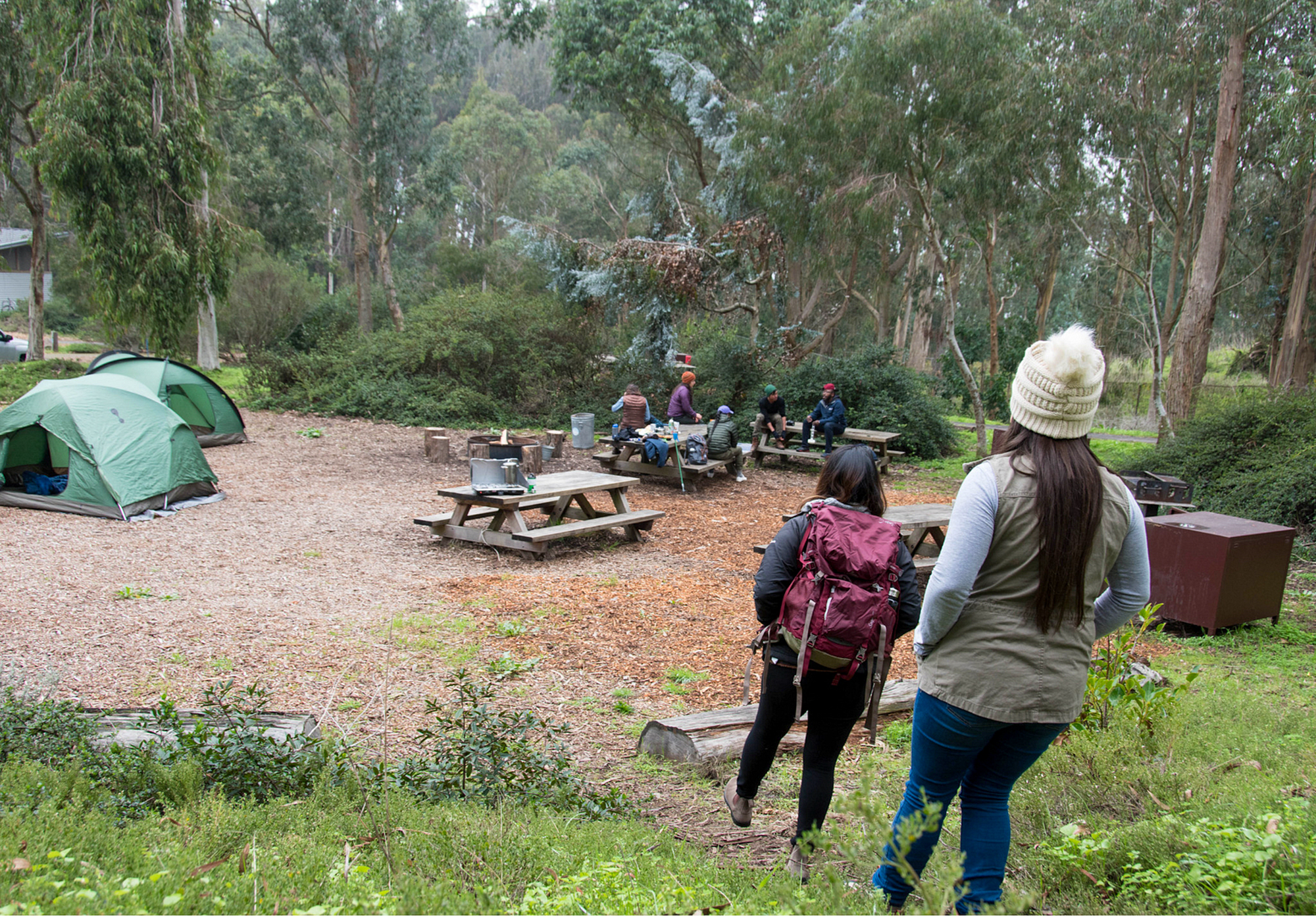
It’s also critical that campers are responsible for following local campfire regulations and, if they are allowed, putting out their fire completely.
There’s at least some good news: There are lots of tools at your disposal to help you decide how to adjust your trip and stay safe, said Peter Ostroskie, staff park and recreation specialist for the Bay Area district of California State Parks.
“I would rather people be more safe than sorry,” Ostroskie said — even if that means rescheduling a much-anticipated trip.
Here’s what you need to know before heading out into fire-prone areas or during the peak of fire season.
Jump straight to:
- How to check air quality at your campsite
- What to know about California State Parks’ new cancellation policy
- Will you be allowed a campfire at your site?
Know the fire risk before you go
Ostroskie’s biggest advice: Check the website of the place you’re planning on camping before you head out to double-check if there are any evacuation notices or information about wildfires.
Check your inbox too, as you may have received an email about conditions at your campsite.
If there’s an active fire near your camping spot, you can use the CalFire incidents webpage to know which zones are currently under evacuation orders or warnings. You can also check apps like Watch Duty that compile reports of fires from users to watch where the fire is moving and learn if your area might soon be at risk.
If you are at all in doubt about safety or whether your campsite is open, just call the local park kiosk and speak to rangers — they will have the latest safety information and will be able to let you know the conditions at the campground, Ostroskie said. (You can usually find that phone number on the main page of your park’s website, or check your reservation for contact information for the park you’re going to.)
Check the air quality at your campsite
Even if your campground is technically open, it might not be all that fun to visit — and sleep outside — if the air quality is poor or even dangerous.
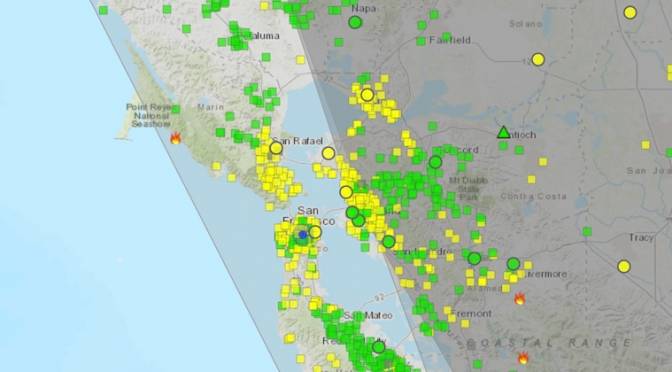
There are a few easy-to-use sources to give you an idea of air quality in the area you’re heading to, including:
- The national AirNow website from the Environmental Protection Agency
- The California Smoke Spotter mobile app
- The crowdsourced Purple Air site (although be aware that crowdsourced air quality sensors tend to be less accurate when measuring extreme smoke)
Each will give you the latest air quality readings from nearby weather stations or community sensors, which can help you decide if it’s safe and comfortable for you to be outside.
To help understand what the colors and numbers mean, you can use the EPA’s guide to reading air quality maps — and don’t forget that some members of your group, including young children and older adults, might be more sensitive to poor air quality.
If you’re planning to camp in a California state park, Ostroskie said the state parks system uses social media and its websites to communicate when an area of a park is experiencing elevated levels of pollutants in the air — and when it might not be the best time to come camping.
“We just tell them, ‘Hey, this is at your own risk, but we really advise you not to be outside,’” he said.
If you are worried about smoke exposure more generally, health experts say using an N95 mask — and wearing it properly, tightly sealed across your face — can help filter out pollutants.
Be OK with canceling (and know the refund policy)
If your campground is under evacuation orders or any other emergency situation, your reservation will be canceled and refunded for each night the park was evacuated or closed, Ostroskie said.
Allow time for processing, but if you’re missing a refund, the best thing to do is to contact the platform you reserved on, like ReserveCalifornia.com, and you should get all of your money back.
But even if the campground is open, you might not want to risk going. State-run campgrounds allow modifications, but they charge an $8.25 fee for any change and are based on campsite availability.
“If somebody’s feeling nervous about the situation, I would reschedule a trip,” he said.
If you’re camping in a California state park, just make sure you’re familiar with the system’s up-to-date policies on campsite cancellations. The $8.25 processing fee is never refundable. If you cancel more than a week in advance, you get a full refund — but canceling within seven days means you won’t get all your money back on the reservation.
And if you no-show three times in one calendar year, you won’t be able to reserve any more campsites on ReserveCalifornia.com for a calendar year.
Check campfire restrictions and follow them
Another must-do before heading out to camp is to check the area’s fire regulations. Many places in the state institute blanket fire bans during the summer, meaning that campfires — even at designated sites and in fire rings — are not allowed.
The best way to find out about fire restrictions is to call the local entity that manages the land or the place you’re camping. That could be a state, city, county park or a federal land management agency like the U.S. Forest Service and Bureau of Land Management.
Check their website for a phone number for the regional office near where you’re going. Their staff will have on-the-ground knowledge of regulations in place.
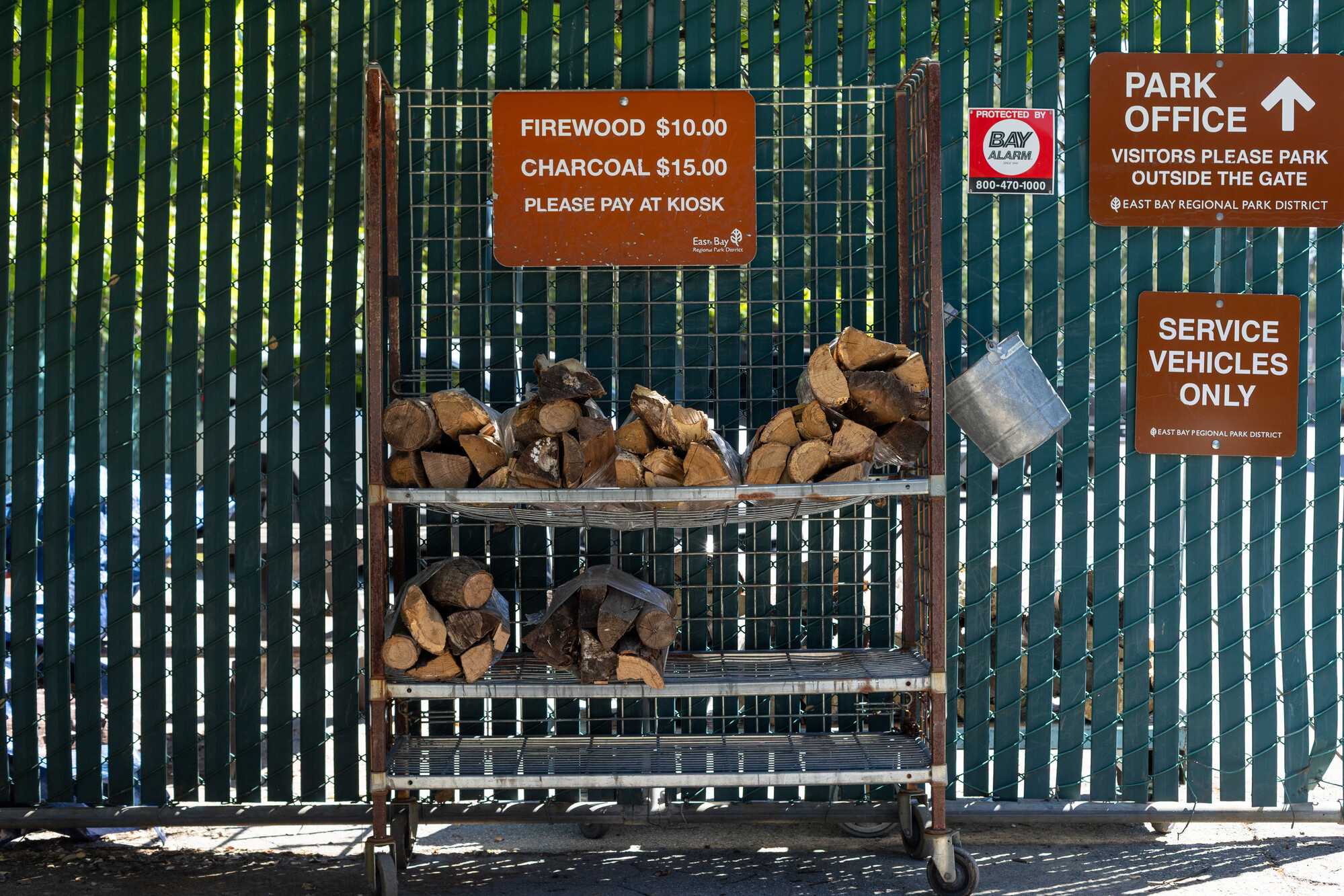
And if you are allowed to make a campfire during the summer, be extra cautious that you’re putting it out fully, Ostroskie said.
“I know a lot of folks; what they’ll do is sometimes they’ll just throw a bucket of water onto a campfire and then they’re like, ‘We’re good,’” he said.
But the reality is that you have to make absolutely sure that your fire is extinguished, which “means that everything is cool to the touch,” he said. “You’re not going to be risking anything restarting or reigniting.”
To do that, “stir and drown,” Ostroskie said, which means: Take a stick and make sure that all the water you’re using to put out your fire is hitting all the hot coals at the bottom.
And do not under any circumstances start a fire during a red flag warning — when hot, windy and dry weather can turn your campfire into a deadly wildfire, Ostroskie said.
Know your exits and consider an emergency device
The idea that a wildfire could reach your campsite itself might seem far-fetched — but it happens. In 2020, campers in Big Basin Redwoods State Park were dramatically evacuated as the CZU Lightning Complex fire approached their campground. So how can you be ready for this kind of emergency yourself?
Before you head out to your campground, make sure you have all of your maps and navigation downloaded ahead of time, using offline maps if you won’t have cellphone signal at your site. Keep an eye out for the nearest evacuation route out of your campground — usually a paved road — and try to memorize how to get there on foot or in a vehicle from your spot.
Just like any other outdoor trip, let someone who isn’t on the trip know where you’re going and when you expect to be back.
If you’re the type of person who is gone all day hiking while out of cellphone range, consider investing in an emergency device, Ostroskie said. Something like a Garmin InReach or a cell phone with satellite capabilities will mean you can stay up-to-date on emergency information.
Having some sort of outdoors insurance can also give you peace of mind, Ostroskie said, and cover instances like medical evacuations.
“If you are an avid backpacker and you are an avid outdoorsperson, you should really be looking at some of those extra insurances that can help pull you out of places, especially if you’re in the backcountry,” he said.
Be ready to bail — without your stuff
Know that in the case of a fire, you won’t be able to pack up all of your stuff before leaving your campsite, Ostroskie said. So you should consider keeping a “go bag” in your car that’s stocked with three to five days of food, a first aid kit, flashlights and water (a full recommended list is here).
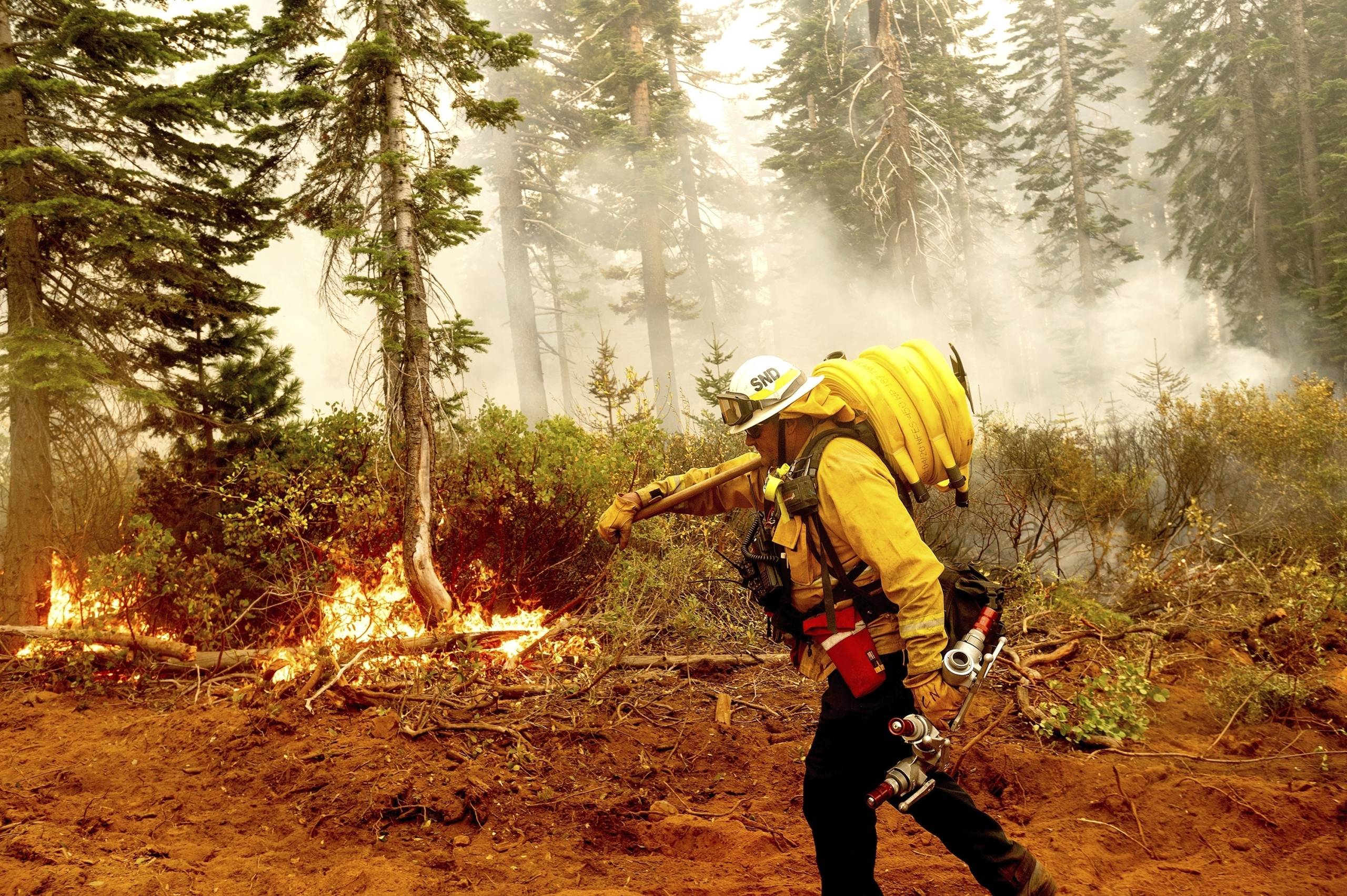
If you do encounter a wildfire near your campsite or while hiking, get to a road as fast as you can, Ostroskie said — and be aware that fires can move quickly.
“If the wind kicks up just right, and if the fuel sources are there, then it can take off really quick, and the fire can move,” he said — so don’t wait to act.
“If you’re seeing large plumes of smoke and you’re worried, get off the trail, get onto a main road, get back to your vehicle, make sure that you have some way of getting out of there and that somebody can see you so that you can get help,” he said.