California Rejected 150,000 Mail Ballots, Marking Highest Rate Since 2014
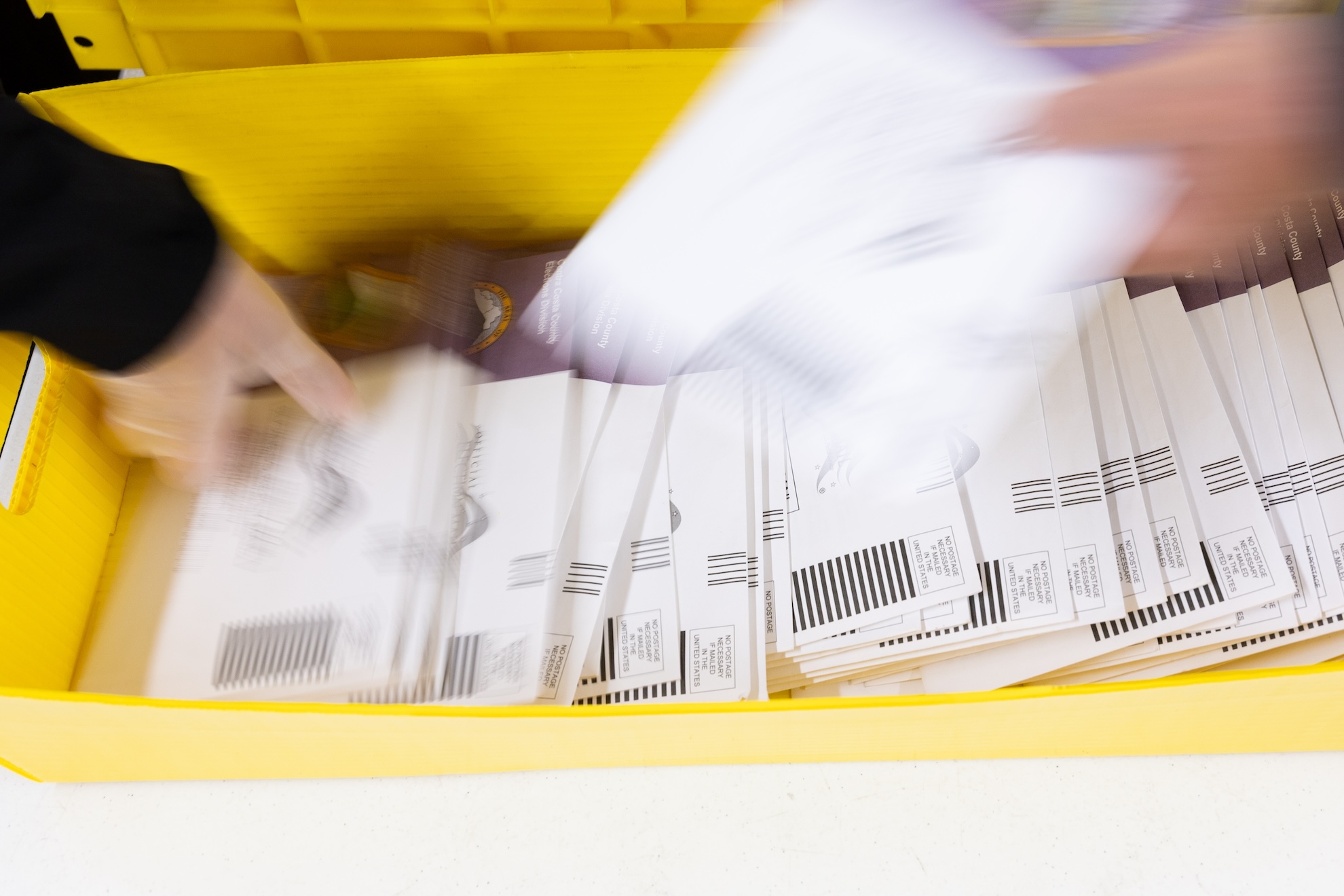
California election officials rejected nearly 150,000 ballots in the June 2 primary election, an increase of tens of thousands over recent elections, according to a report from the secretary of state’s office.
That accounted for 1.7% of all vote-by-mail ballots cast, marking the state’s highest rejection rate since 2014, according to the California Voter Foundation. Most of the rejected ballots were reported as “not received on time,” which can mean that the ballot was either postmarked after Election Day or arrived in election offices after the June 9 receipt deadline.
“It’s always troubling to see an increase,” said Kim Alexander, president of the California Voter Foundation. “Ballots rejected due to lateness are almost always because they’re postmarked too late — not because they don’t arrive during the grace period.”
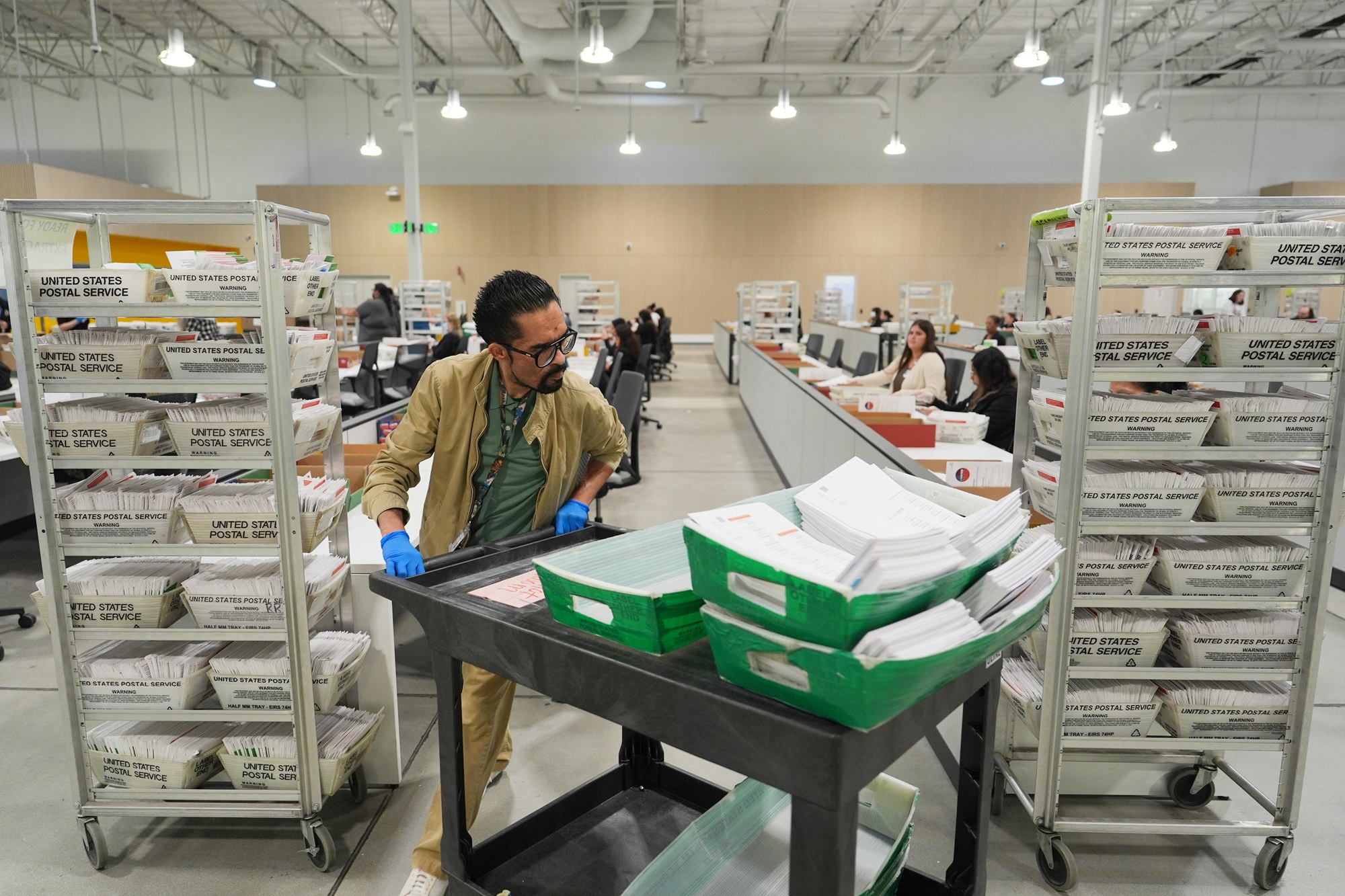
Election officials and voting advocates attribute late ballots to changes in U.S. Postal Service practices that could result in mailpieces not being postmarked on the same day they were mailed, as well as a competitive primary for governor that left many voters undecided until the final days of the campaign.
“Our experience in this election was that voters were waiting until the last minute to vote a lot more than what we’ve seen in past elections,” said Matt Moreles, the registrar of voters in Santa Clara County, which had the highest rate of vote-by-mail ballot rejections in the Bay Area at 2.6%.
In California, every voter receives a ballot in the mail by default, roughly a month before Election Day. Ballots returned in the mail must be postmarked by Election Day and arrive at the county registrar’s office within a week after that.
Last year, USPS officials announced a change in “transportation operations” that resulted in some mailpieces not arriving at central processing facilities, where postmarks are applied, on the same day they are mailed.
As a result, a ballot dropped in a mailbox on Election Day in a community far from one of those hubs could receive a postmark the following day, making it ineligible to be counted.
Of the 148,241 vote-by-mail ballots left uncounted in California, 93,497 were rejected for late arrival.
“We are going to look at that as far as — is there anything we can do in our messaging to voters and in terms of educating voters about the importance of returning their ballots?” Moreles said.
A smaller number — 52,290 — were rejected because the voter either failed to sign their ballot envelope or because that signature did not match their signature on file.
California law allows election officials to resolve signature issues for weeks after Election Day. Under the process known as ballot “curing,” registrars are allowed to contact voters with a missing or mismatched signature and give them a chance to fix it.
Voting advocates argue that ballot rejections are a far more pertinent issue for state lawmakers to address than exceedingly rare cases of voter fraud.

In each of California’s last five statewide elections, more than 100,000 residents did not have their vote counted because their ballot arrived too late or had a signature issue.
“To me it’s always disappointing to see ballot rejection happening, because it’s a lot of work to be a California voter,” Alexander said. “But the fact that you see all of these ballots being rejected is evidence of the careful work election officials undertake each election to make sure that only valid ballots cast are counted and that nobody is voting more than once.”
Gov. Gavin Newsom and state lawmakers are hoping that an infusion of $10 million for voter education will help persuade Californians to vote early and avoid ballot issues.
The budget signed by Newsom in June includes $5 million each for the secretary of state’s office and county officials for the purpose of encouraging an earlier vote.