window.__IS_SSR__=true
window.__INITIAL_STATE__={
"attachmentsReducer": {
"audio_0": {
"type": "attachments",
"id": "audio_0",
"imgSizes": {
"kqedFullSize": {
"file": "https://ww2.kqed.org/news/wp-content/themes/KQED-unified/img/audio_bgs/background0.jpg"
}
}
},
"audio_1": {
"type": "attachments",
"id": "audio_1",
"imgSizes": {
"kqedFullSize": {
"file": "https://ww2.kqed.org/news/wp-content/themes/KQED-unified/img/audio_bgs/background1.jpg"
}
}
},
"audio_2": {
"type": "attachments",
"id": "audio_2",
"imgSizes": {
"kqedFullSize": {
"file": "https://ww2.kqed.org/news/wp-content/themes/KQED-unified/img/audio_bgs/background2.jpg"
}
}
},
"audio_3": {
"type": "attachments",
"id": "audio_3",
"imgSizes": {
"kqedFullSize": {
"file": "https://ww2.kqed.org/news/wp-content/themes/KQED-unified/img/audio_bgs/background3.jpg"
}
}
},
"audio_4": {
"type": "attachments",
"id": "audio_4",
"imgSizes": {
"kqedFullSize": {
"file": "https://ww2.kqed.org/news/wp-content/themes/KQED-unified/img/audio_bgs/background4.jpg"
}
}
},
"placeholder": {
"type": "attachments",
"id": "placeholder",
"imgSizes": {
"thumbnail": {
"file": "https://cdn.kqed.org/wp-content/uploads/2024/12/KQED-Default-Image-816638274-2000x1333-1-160x107.jpg",
"width": 160,
"height": 107,
"mimeType": "image/jpeg"
},
"medium": {
"file": "https://cdn.kqed.org/wp-content/uploads/2024/12/KQED-Default-Image-816638274-2000x1333-1-800x533.jpg",
"width": 800,
"height": 533,
"mimeType": "image/jpeg"
},
"medium_large": {
"file": "https://cdn.kqed.org/wp-content/uploads/2024/12/KQED-Default-Image-816638274-2000x1333-1-768x512.jpg",
"width": 768,
"height": 512,
"mimeType": "image/jpeg"
},
"large": {
"file": "https://cdn.kqed.org/wp-content/uploads/2024/12/KQED-Default-Image-816638274-2000x1333-1-1020x680.jpg",
"width": 1020,
"height": 680,
"mimeType": "image/jpeg"
},
"1536x1536": {
"file": "https://cdn.kqed.org/wp-content/uploads/2024/12/KQED-Default-Image-816638274-2000x1333-1-1536x1024.jpg",
"width": 1536,
"height": 1024,
"mimeType": "image/jpeg"
},
"fd-lrg": {
"file": "https://cdn.kqed.org/wp-content/uploads/2024/12/KQED-Default-Image-816638274-2000x1333-1-1536x1024.jpg",
"width": 1536,
"height": 1024,
"mimeType": "image/jpeg"
},
"fd-med": {
"file": "https://cdn.kqed.org/wp-content/uploads/2024/12/KQED-Default-Image-816638274-2000x1333-1-1020x680.jpg",
"width": 1020,
"height": 680,
"mimeType": "image/jpeg"
},
"fd-sm": {
"file": "https://cdn.kqed.org/wp-content/uploads/2024/12/KQED-Default-Image-816638274-2000x1333-1-800x533.jpg",
"width": 800,
"height": 533,
"mimeType": "image/jpeg"
},
"post-thumbnail": {
"file": "https://cdn.kqed.org/wp-content/uploads/2024/12/KQED-Default-Image-816638274-2000x1333-1-672x372.jpg",
"width": 672,
"height": 372,
"mimeType": "image/jpeg"
},
"twentyfourteen-full-width": {
"file": "https://cdn.kqed.org/wp-content/uploads/2024/12/KQED-Default-Image-816638274-2000x1333-1-1038x576.jpg",
"width": 1038,
"height": 576,
"mimeType": "image/jpeg"
},
"xxsmall": {
"file": "https://cdn.kqed.org/wp-content/uploads/2024/12/KQED-Default-Image-816638274-2000x1333-1-160x107.jpg",
"width": 160,
"height": 107,
"mimeType": "image/jpeg"
},
"xsmall": {
"file": "https://cdn.kqed.org/wp-content/uploads/2024/12/KQED-Default-Image-816638274-2000x1333-1-672x372.jpg",
"width": 672,
"height": 372,
"mimeType": "image/jpeg"
},
"small": {
"file": "https://cdn.kqed.org/wp-content/uploads/2024/12/KQED-Default-Image-816638274-2000x1333-1-672x372.jpg",
"width": 672,
"height": 372,
"mimeType": "image/jpeg"
},
"xlarge": {
"file": "https://cdn.kqed.org/wp-content/uploads/2024/12/KQED-Default-Image-816638274-2000x1333-1-1020x680.jpg",
"width": 1020,
"height": 680,
"mimeType": "image/jpeg"
},
"full-width": {
"file": "https://cdn.kqed.org/wp-content/uploads/2024/12/KQED-Default-Image-816638274-2000x1333-1-1920x1280.jpg",
"width": 1920,
"height": 1280,
"mimeType": "image/jpeg"
},
"guest-author-32": {
"file": "https://cdn.kqed.org/wp-content/uploads/2025/01/KQED-Default-Image-816638274-1333x1333-1-160x160.jpg",
"width": 32,
"height": 32,
"mimeType": "image/jpeg"
},
"guest-author-50": {
"file": "https://cdn.kqed.org/wp-content/uploads/2025/01/KQED-Default-Image-816638274-1333x1333-1-160x160.jpg",
"width": 50,
"height": 50,
"mimeType": "image/jpeg"
},
"guest-author-64": {
"file": "https://cdn.kqed.org/wp-content/uploads/2025/01/KQED-Default-Image-816638274-1333x1333-1-160x160.jpg",
"width": 64,
"height": 64,
"mimeType": "image/jpeg"
},
"guest-author-96": {
"file": "https://cdn.kqed.org/wp-content/uploads/2025/01/KQED-Default-Image-816638274-1333x1333-1-160x160.jpg",
"width": 96,
"height": 96,
"mimeType": "image/jpeg"
},
"guest-author-128": {
"file": "https://cdn.kqed.org/wp-content/uploads/2025/01/KQED-Default-Image-816638274-1333x1333-1-160x160.jpg",
"width": 128,
"height": 128,
"mimeType": "image/jpeg"
},
"detail": {
"file": "https://cdn.kqed.org/wp-content/uploads/2025/01/KQED-Default-Image-816638274-1333x1333-1-160x160.jpg",
"width": 160,
"height": 160,
"mimeType": "image/jpeg"
},
"kqedFullSize": {
"file": "https://cdn.kqed.org/wp-content/uploads/2024/12/KQED-Default-Image-816638274-2000x1333-1.jpg",
"width": 2000,
"height": 1333
}
}
},
"futureofyou_94918": {
"type": "attachments",
"id": "futureofyou_94918",
"meta": {
"index": "attachments_1716263798",
"site": "futureofyou",
"id": "94918",
"found": true
},
"parent": 94913,
"imgSizes": {
"thumbnail": {
"file": "https://ww2.kqed.org/app/uploads/sites/13/2016/01/BirdFlu-400x225.jpg",
"width": 400,
"mimeType": "image/jpeg",
"height": 225
},
"post-thumbnail": {
"file": "https://ww2.kqed.org/app/uploads/sites/13/2016/01/BirdFlu-672x372.jpg",
"width": 672,
"mimeType": "image/jpeg",
"height": 372
},
"kqedFullSize": {
"file": "https://ww2.kqed.org/app/uploads/sites/13/2016/01/BirdFlu.jpg",
"width": 800,
"height": 450
},
"guest-author-96": {
"file": "https://ww2.kqed.org/app/uploads/sites/13/2016/01/BirdFlu-96x96.jpg",
"width": 96,
"mimeType": "image/jpeg",
"height": 96
},
"medium": {
"file": "https://ww2.kqed.org/app/uploads/sites/13/2016/01/BirdFlu-800x450.jpg",
"width": 800,
"mimeType": "image/jpeg",
"height": 450
},
"guest-author-64": {
"file": "https://ww2.kqed.org/app/uploads/sites/13/2016/01/BirdFlu-64x64.jpg",
"width": 64,
"mimeType": "image/jpeg",
"height": 64
},
"detail": {
"file": "https://ww2.kqed.org/app/uploads/sites/13/2016/01/BirdFlu-75x75.jpg",
"width": 75,
"mimeType": "image/jpeg",
"height": 75
},
"guest-author-32": {
"file": "https://ww2.kqed.org/app/uploads/sites/13/2016/01/BirdFlu-32x32.jpg",
"width": 32,
"mimeType": "image/jpeg",
"height": 32
},
"medium_large": {
"file": "https://ww2.kqed.org/app/uploads/sites/13/2016/01/BirdFlu-768x432.jpg",
"width": 768,
"mimeType": "image/jpeg",
"height": 432
},
"guest-author-128": {
"file": "https://ww2.kqed.org/app/uploads/sites/13/2016/01/BirdFlu-128x128.jpg",
"width": 128,
"mimeType": "image/jpeg",
"height": 128
}
},
"publishDate": 1452301169,
"modified": 1452301188,
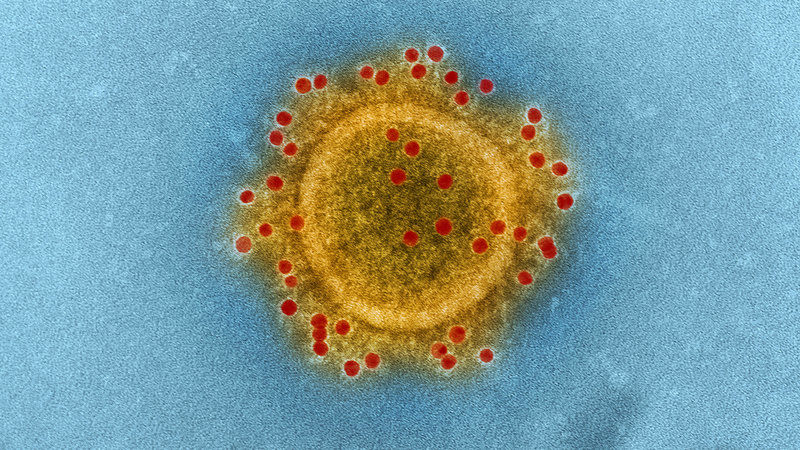
"caption": "The Middle East respiratory syndrome coronavirus, which causes MERS, is one of the microbes that has sparked research controversy.",
"description": null,
"title": "BirdFlu",
"credit": "NIAID/CDC",
"status": "inherit",
"isLoading": false,
"fetchFailed": false
},
"futureofyou_96633": {
"type": "attachments",
"id": "futureofyou_96633",
"meta": {
"index": "attachments_1716263798",
"site": "futureofyou",
"id": "96633",
"found": true
},
"parent": 94836,
"imgSizes": {
"thumbnail": {
"file": "https://ww2.kqed.org/app/uploads/sites/13/2016/01/fitbit-400x224.png",
"width": 400,
"mimeType": "image/png",
"height": 224
},
"post-thumbnail": {
"file": "https://ww2.kqed.org/app/uploads/sites/13/2016/01/fitbit-672x372.png",
"width": 672,
"mimeType": "image/png",
"height": 372
},
"kqedFullSize": {
"file": "https://ww2.kqed.org/app/uploads/sites/13/2016/01/fitbit.png",
"width": 821,
"height": 460
},
"guest-author-96": {
"file": "https://ww2.kqed.org/app/uploads/sites/13/2016/01/fitbit-96x96.png",
"width": 96,
"mimeType": "image/png",
"height": 96
},
"medium": {
"file": "https://ww2.kqed.org/app/uploads/sites/13/2016/01/fitbit-800x448.png",
"width": 800,
"mimeType": "image/png",
"height": 448
},
"guest-author-64": {
"file": "https://ww2.kqed.org/app/uploads/sites/13/2016/01/fitbit-64x64.png",
"width": 64,
"mimeType": "image/png",
"height": 64
},
"detail": {
"file": "https://ww2.kqed.org/app/uploads/sites/13/2016/01/fitbit-75x75.png",
"width": 75,
"mimeType": "image/png",
"height": 75
},
"guest-author-32": {
"file": "https://ww2.kqed.org/app/uploads/sites/13/2016/01/fitbit-32x32.png",
"width": 32,
"mimeType": "image/png",
"height": 32
},
"medium_large": {
"file": "https://ww2.kqed.org/app/uploads/sites/13/2016/01/fitbit-768x430.png",
"width": 768,
"mimeType": "image/png",
"height": 430
},
"guest-author-128": {
"file": "https://ww2.kqed.org/app/uploads/sites/13/2016/01/fitbit-128x128.png",
"width": 128,
"mimeType": "image/png",
"height": 128
}
},
"publishDate": 1452620434,
"modified": 1452620441,
"caption": null,
"description": null,
"title": "fitbit",
"credit": "Fitbit",
"status": "inherit",
"isLoading": false,
"fetchFailed": false
},
"futureofyou_94269": {
"type": "attachments",
"id": "futureofyou_94269",
"meta": {
"index": "attachments_1716263798",
"site": "futureofyou",
"id": "94269",
"found": true
},
"parent": 93782,
"imgSizes": {
"twentyfourteen-full-width": {
"file": "https://ww2.kqed.org/app/uploads/sites/13/2016/01/ArmDemo-1038x576.jpg",
"width": 1038,
"mimeType": "image/jpeg",
"height": 576
},
"thumbnail": {
"file": "https://ww2.kqed.org/app/uploads/sites/13/2016/01/ArmDemo-400x204.jpg",
"width": 400,
"mimeType": "image/jpeg",
"height": 204
},
"fd-sm": {
"file": "https://ww2.kqed.org/app/uploads/sites/13/2016/01/ArmDemo-960x490.jpg",
"width": 960,
"mimeType": "image/jpeg",
"height": 490
},
"post-thumbnail": {
"file": "https://ww2.kqed.org/app/uploads/sites/13/2016/01/ArmDemo-672x372.jpg",
"width": 672,
"mimeType": "image/jpeg",
"height": 372
},
"kqedFullSize": {
"file": "https://ww2.kqed.org/app/uploads/sites/13/2016/01/ArmDemo.jpg",
"width": 1275,
"height": 651
},
"large": {
"file": "https://ww2.kqed.org/app/uploads/sites/13/2016/01/ArmDemo-1180x602.jpg",
"width": 1180,
"mimeType": "image/jpeg",
"height": 602
},
"guest-author-96": {
"file": "https://ww2.kqed.org/app/uploads/sites/13/2016/01/ArmDemo-96x96.jpg",
"width": 96,
"mimeType": "image/jpeg",
"height": 96
},
"medium": {
"file": "https://ww2.kqed.org/app/uploads/sites/13/2016/01/ArmDemo-800x408.jpg",
"width": 800,
"mimeType": "image/jpeg",
"height": 408
},
"guest-author-64": {
"file": "https://ww2.kqed.org/app/uploads/sites/13/2016/01/ArmDemo-64x64.jpg",
"width": 64,
"mimeType": "image/jpeg",
"height": 64
},
"guest-author-32": {
"file": "https://ww2.kqed.org/app/uploads/sites/13/2016/01/ArmDemo-32x32.jpg",
"width": 32,
"mimeType": "image/jpeg",
"height": 32
},
"fd-med": {
"file": "https://ww2.kqed.org/app/uploads/sites/13/2016/01/ArmDemo-1180x602.jpg",
"width": 1180,
"mimeType": "image/jpeg",
"height": 602
},
"detail": {
"file": "https://ww2.kqed.org/app/uploads/sites/13/2016/01/ArmDemo-75x75.jpg",
"width": 75,
"mimeType": "image/jpeg",
"height": 75
},
"medium_large": {
"file": "https://ww2.kqed.org/app/uploads/sites/13/2016/01/ArmDemo-768x392.jpg",
"width": 768,
"mimeType": "image/jpeg",
"height": 392
},
"guest-author-128": {
"file": "https://ww2.kqed.org/app/uploads/sites/13/2016/01/ArmDemo-128x128.jpg",
"width": 128,
"mimeType": "image/jpeg",
"height": 128
}
},
"publishDate": 1452192222,
"modified": 1452192250,
"caption": "From the TED talk \"How to control someone else's arm with your brain.\"",
"description": null,
"title": "ArmDemo",
"credit": null,
"status": "inherit",
"isLoading": false,
"fetchFailed": false
},
"futureofyou_94430": {
"type": "attachments",
"id": "futureofyou_94430",
"meta": {
"index": "attachments_1716263798",
"site": "futureofyou",
"id": "94430",
"found": true
},
"parent": 94346,
"imgSizes": {
"twentyfourteen-full-width": {
"file": "https://ww2.kqed.org/app/uploads/sites/13/2016/01/silvermother-851x576.jpg",
"width": 851,
"mimeType": "image/jpeg",
"height": 576
},
"thumbnail": {
"file": "https://ww2.kqed.org/app/uploads/sites/13/2016/01/silvermother-400x301.jpg",
"width": 400,
"mimeType": "image/jpeg",
"height": 301
},
"post-thumbnail": {
"file": "https://ww2.kqed.org/app/uploads/sites/13/2016/01/silvermother-672x372.jpg",
"width": 672,
"mimeType": "image/jpeg",
"height": 372
},
"kqedFullSize": {
"file": "https://ww2.kqed.org/app/uploads/sites/13/2016/01/silvermother.jpg",
"width": 851,
"height": 640
},
"guest-author-96": {
"file": "https://ww2.kqed.org/app/uploads/sites/13/2016/01/silvermother-96x96.jpg",
"width": 96,
"mimeType": "image/jpeg",
"height": 96
},
"medium": {
"file": "https://ww2.kqed.org/app/uploads/sites/13/2016/01/silvermother-798x600.jpg",
"width": 798,
"mimeType": "image/jpeg",
"height": 600
},
"guest-author-64": {
"file": "https://ww2.kqed.org/app/uploads/sites/13/2016/01/silvermother-64x64.jpg",
"width": 64,
"mimeType": "image/jpeg",
"height": 64
},
"detail": {
"file": "https://ww2.kqed.org/app/uploads/sites/13/2016/01/silvermother-75x75.jpg",
"width": 75,
"mimeType": "image/jpeg",
"height": 75
},
"guest-author-32": {
"file": "https://ww2.kqed.org/app/uploads/sites/13/2016/01/silvermother-32x32.jpg",
"width": 32,
"mimeType": "image/jpeg",
"height": 32
},
"medium_large": {
"file": "https://ww2.kqed.org/app/uploads/sites/13/2016/01/silvermother-768x578.jpg",
"width": 768,
"mimeType": "image/jpeg",
"height": 578
},
"guest-author-128": {
"file": "https://ww2.kqed.org/app/uploads/sites/13/2016/01/silvermother-128x128.jpg",
"width": 128,
"mimeType": "image/jpeg",
"height": 128
}
},
"publishDate": 1452214365,
"modified": 1452214810,
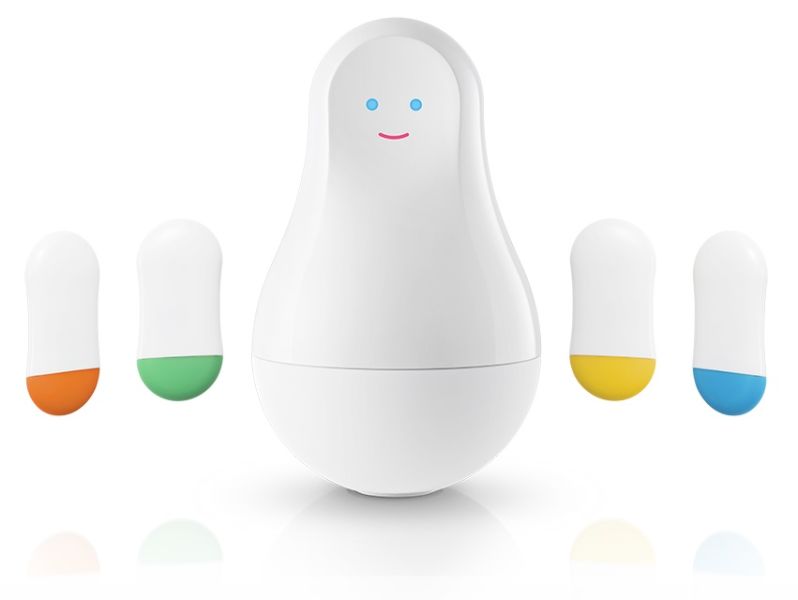
"caption": "Silver Mother will play the sound of running water if a person doesn’t drink enough water for the day.",
"description": null,
"title": "silvermother",
"credit": "sen.se",
"status": "inherit",
"isLoading": false,
"fetchFailed": false
},
"futureofyou_380": {
"type": "attachments",
"id": "futureofyou_380",
"meta": {
"index": "attachments_1716263798",
"site": "futureofyou",
"id": "380",
"found": true
},
"parent": 370,
"imgSizes": {
"twentyfourteen-full-width": {
"file": "https://ww2.kqed.org/app/uploads/sites/13/2015/03/CRISPR_featured-image-1024x576.jpg",
"width": 1024,
"mimeType": "image/jpeg",
"height": 576
},
"thumbnail": {
"file": "https://ww2.kqed.org/app/uploads/sites/13/2015/03/CRISPR_featured-image-400x225.jpg",
"width": 400,
"mimeType": "image/jpeg",
"height": 225
},
"fd-sm": {
"file": "https://ww2.kqed.org/app/uploads/sites/13/2015/03/CRISPR_featured-image-320x180.jpg",
"width": 320,
"mimeType": "image/jpeg",
"height": 180
},
"post-thumbnail": {
"file": "https://ww2.kqed.org/app/uploads/sites/13/2015/03/CRISPR_featured-image-672x372.jpg",
"width": 672,
"mimeType": "image/jpeg",
"height": 372
},
"kqedFullSize": {
"file": "https://ww2.kqed.org/app/uploads/sites/13/2015/03/CRISPR_featured-image.jpg",
"width": 1024,
"height": 576
},
"fd-med": {
"file": "https://ww2.kqed.org/app/uploads/sites/13/2015/03/CRISPR_featured-image-768x432.jpg",
"width": 768,
"mimeType": "image/jpeg",
"height": 432
},
"guest-author-96": {
"file": "https://ww2.kqed.org/app/uploads/sites/13/2015/03/CRISPR_featured-image-96x96.jpg",
"width": 96,
"mimeType": "image/jpeg",
"height": 96
},
"medium": {
"file": "https://ww2.kqed.org/app/uploads/sites/13/2015/03/CRISPR_featured-image-800x450.jpg",
"width": 800,
"mimeType": "image/jpeg",
"height": 450
},
"guest-author-64": {
"file": "https://ww2.kqed.org/app/uploads/sites/13/2015/03/CRISPR_featured-image-64x64.jpg",
"width": 64,
"mimeType": "image/jpeg",
"height": 64
},
"detail": {
"file": "https://ww2.kqed.org/app/uploads/sites/13/2015/03/CRISPR_featured-image-75x75.jpg",
"width": 75,
"mimeType": "image/jpeg",
"height": 75
},
"guest-author-32": {
"file": "https://ww2.kqed.org/app/uploads/sites/13/2015/03/CRISPR_featured-image-32x32.jpg",
"width": 32,
"mimeType": "image/jpeg",
"height": 32
},
"guest-author-128": {
"file": "https://ww2.kqed.org/app/uploads/sites/13/2015/03/CRISPR_featured-image-128x128.jpg",
"width": 128,
"mimeType": "image/jpeg",
"height": 128
}
},
"publishDate": 1426484705,
"modified": 1426535452,
"caption": "Phoenix was born with a rare genetic disease called SCID, or Severe Combined Immunodeficiency. (Mark Andrew Boyer/KQED)",
"description": null,
"title": "CRISPR_featured image",
"credit": null,
"status": "inherit",
"isLoading": false,
"fetchFailed": false
},
"futureofyou_43259": {
"type": "attachments",
"id": "futureofyou_43259",
"meta": {
"index": "attachments_1716263798",
"site": "futureofyou",
"id": "43259",
"found": true
},
"parent": 42356,
"imgSizes": {
"twentyfourteen-full-width": {
"file": "https://ww2.kqed.org/app/uploads/sites/13/2016/09/seitz-1024x576.jpg",
"width": 1024,
"mimeType": "image/jpeg",
"height": 576
},
"thumbnail": {
"file": "https://ww2.kqed.org/app/uploads/sites/13/2016/09/seitz-400x300.jpg",
"width": 400,
"mimeType": "image/jpeg",
"height": 300
},
"fd-sm": {
"file": "https://ww2.kqed.org/app/uploads/sites/13/2016/09/seitz-960x720.jpg",
"width": 960,
"mimeType": "image/jpeg",
"height": 720
},
"post-thumbnail": {
"file": "https://ww2.kqed.org/app/uploads/sites/13/2016/09/seitz-672x372.jpg",
"width": 672,
"mimeType": "image/jpeg",
"height": 372
},
"kqedFullSize": {
"file": "https://ww2.kqed.org/app/uploads/sites/13/2016/09/seitz.jpg",
"width": 1024,
"height": 768
},
"guest-author-96": {
"file": "https://ww2.kqed.org/app/uploads/sites/13/2016/09/seitz-96x96.jpg",
"width": 96,
"mimeType": "image/jpeg",
"height": 96
},
"medium": {
"file": "https://ww2.kqed.org/app/uploads/sites/13/2016/09/seitz-800x600.jpg",
"width": 800,
"mimeType": "image/jpeg",
"height": 600
},
"guest-author-64": {
"file": "https://ww2.kqed.org/app/uploads/sites/13/2016/09/seitz-64x64.jpg",
"width": 64,
"mimeType": "image/jpeg",
"height": 64
},
"detail": {
"file": "https://ww2.kqed.org/app/uploads/sites/13/2016/09/seitz-75x75.jpg",
"width": 75,
"mimeType": "image/jpeg",
"height": 75
},
"guest-author-32": {
"file": "https://ww2.kqed.org/app/uploads/sites/13/2016/09/seitz-32x32.jpg",
"width": 32,
"mimeType": "image/jpeg",
"height": 32
},
"guest-author-128": {
"file": "https://ww2.kqed.org/app/uploads/sites/13/2016/09/seitz-128x128.jpg",
"width": 128,
"mimeType": "image/jpeg",
"height": 128
}
},
"publishDate": 1443038964,
"modified": 1443038988,
"caption": "UC Riverside professor of psychology Aaron Seitz woke up one morning to a hefty fine. ",
"description": null,
"title": "seitz",
"credit": "Sanden Totten/ KPCC.org",
"status": "inherit",
"isLoading": false,
"fetchFailed": false
},
"futureofyou_17004": {
"type": "attachments",
"id": "futureofyou_17004",
"meta": {
"index": "attachments_1716263798",
"site": "futureofyou",
"id": "17004",
"found": true
},
"parent": 17003,
"imgSizes": {
"twentyfourteen-full-width": {
"file": "https://ww2.kqed.org/app/uploads/sites/13/2015/07/Doctor-meeting-with-patient_FOY_edited-1038x576.jpg",
"width": 1038,
"mimeType": "image/jpeg",
"height": 576
},
"thumbnail": {
"file": "https://ww2.kqed.org/app/uploads/sites/13/2015/07/Doctor-meeting-with-patient_FOY_edited-400x225.jpg",
"width": 400,
"mimeType": "image/jpeg",
"height": 225
},
"fd-sm": {
"file": "https://ww2.kqed.org/app/uploads/sites/13/2015/07/Doctor-meeting-with-patient_FOY_edited-960x541.jpg",
"width": 960,
"mimeType": "image/jpeg",
"height": 541
},
"post-thumbnail": {
"file": "https://ww2.kqed.org/app/uploads/sites/13/2015/07/Doctor-meeting-with-patient_FOY_edited-672x372.jpg",
"width": 672,
"mimeType": "image/jpeg",
"height": 372
},
"kqedFullSize": {
"file": "https://ww2.kqed.org/app/uploads/sites/13/2015/07/Doctor-meeting-with-patient_FOY_edited.jpg",
"width": 2328,
"height": 1312
},
"large": {
"file": "https://ww2.kqed.org/app/uploads/sites/13/2015/07/Doctor-meeting-with-patient_FOY_edited-1180x665.jpg",
"width": 1180,
"mimeType": "image/jpeg",
"height": 665
},
"guest-author-96": {
"file": "https://ww2.kqed.org/app/uploads/sites/13/2015/07/Doctor-meeting-with-patient_FOY_edited-96x96.jpg",
"width": 96,
"mimeType": "image/jpeg",
"height": 96
},
"medium": {
"file": "https://ww2.kqed.org/app/uploads/sites/13/2015/07/Doctor-meeting-with-patient_FOY_edited-800x451.jpg",
"width": 800,
"mimeType": "image/jpeg",
"height": 451
},
"guest-author-64": {
"file": "https://ww2.kqed.org/app/uploads/sites/13/2015/07/Doctor-meeting-with-patient_FOY_edited-64x64.jpg",
"width": 64,
"mimeType": "image/jpeg",
"height": 64
},
"guest-author-32": {
"file": "https://ww2.kqed.org/app/uploads/sites/13/2015/07/Doctor-meeting-with-patient_FOY_edited-32x32.jpg",
"width": 32,
"mimeType": "image/jpeg",
"height": 32
},
"fd-lrg": {
"file": "https://ww2.kqed.org/app/uploads/sites/13/2015/07/Doctor-meeting-with-patient_FOY_edited-1400x789.jpg",
"width": 1400,
"mimeType": "image/jpeg",
"height": 789
},
"fd-med": {
"file": "https://ww2.kqed.org/app/uploads/sites/13/2015/07/Doctor-meeting-with-patient_FOY_edited-1180x665.jpg",
"width": 1180,
"mimeType": "image/jpeg",
"height": 665
},
"detail": {
"file": "https://ww2.kqed.org/app/uploads/sites/13/2015/07/Doctor-meeting-with-patient_FOY_edited-75x75.jpg",
"width": 75,
"mimeType": "image/jpeg",
"height": 75
},
"guest-author-128": {
"file": "https://ww2.kqed.org/app/uploads/sites/13/2015/07/Doctor-meeting-with-patient_FOY_edited-128x128.jpg",
"width": 128,
"mimeType": "image/jpeg",
"height": 128
}
},
"publishDate": 1437776418,
"modified": 1437776497,
"caption": "A doctor and patient use the MedTep patient engagement platform.",
"description": null,
"title": "unity stoakes",
"credit": "MedTep",
"status": "inherit",
"isLoading": false,
"fetchFailed": false
},
"futureofyou_13065": {
"type": "attachments",
"id": "futureofyou_13065",
"meta": {
"index": "attachments_1716263798",
"site": "futureofyou",
"id": "13065",
"found": true
},
"parent": 13064,
"imgSizes": {
"twentyfourteen-full-width": {
"file": "https://ww2.kqed.org/app/uploads/sites/13/2015/07/PerinatalAppUse-1038x576.jpg",
"width": 1038,
"mimeType": "image/jpeg",
"height": 576
},
"thumbnail": {
"file": "https://ww2.kqed.org/app/uploads/sites/13/2015/07/PerinatalAppUse-400x303.jpg",
"width": 400,
"mimeType": "image/jpeg",
"height": 303
},
"fd-sm": {
"file": "https://ww2.kqed.org/app/uploads/sites/13/2015/07/PerinatalAppUse-960x726.jpg",
"width": 960,
"mimeType": "image/jpeg",
"height": 726
},
"post-thumbnail": {
"file": "https://ww2.kqed.org/app/uploads/sites/13/2015/07/PerinatalAppUse-672x372.jpg",
"width": 672,
"mimeType": "image/jpeg",
"height": 372
},
"kqedFullSize": {
"file": "https://ww2.kqed.org/app/uploads/sites/13/2015/07/PerinatalAppUse.jpg",
"width": 3098,
"height": 2344
},
"large": {
"file": "https://ww2.kqed.org/app/uploads/sites/13/2015/07/PerinatalAppUse-1180x893.jpg",
"width": 1180,
"mimeType": "image/jpeg",
"height": 893
},
"guest-author-96": {
"file": "https://ww2.kqed.org/app/uploads/sites/13/2015/07/PerinatalAppUse-96x96.jpg",
"width": 96,
"mimeType": "image/jpeg",
"height": 96
},
"medium": {
"file": "https://ww2.kqed.org/app/uploads/sites/13/2015/07/PerinatalAppUse-793x600.jpg",
"width": 793,
"mimeType": "image/jpeg",
"height": 600
},
"guest-author-64": {
"file": "https://ww2.kqed.org/app/uploads/sites/13/2015/07/PerinatalAppUse-64x64.jpg",
"width": 64,
"mimeType": "image/jpeg",
"height": 64
},
"guest-author-32": {
"file": "https://ww2.kqed.org/app/uploads/sites/13/2015/07/PerinatalAppUse-32x32.jpg",
"width": 32,
"mimeType": "image/jpeg",
"height": 32
},
"fd-med": {
"file": "https://ww2.kqed.org/app/uploads/sites/13/2015/07/PerinatalAppUse-1180x893.jpg",
"width": 1180,
"mimeType": "image/jpeg",
"height": 893
},
"detail": {
"file": "https://ww2.kqed.org/app/uploads/sites/13/2015/07/PerinatalAppUse-75x75.jpg",
"width": 75,
"mimeType": "image/jpeg",
"height": 75
},
"guest-author-128": {
"file": "https://ww2.kqed.org/app/uploads/sites/13/2015/07/PerinatalAppUse-128x128.jpg",
"width": 128,
"mimeType": "image/jpeg",
"height": 128
}
},
"publishDate": 1436818076,
"modified": 1436818189,
"caption": "A pregnant woman in San Francisco uses the Ginger.io app to reflect on her mood and practice mental health coping strategies.",
"description": null,
"title": "postpartum depression",
"credit": "Mariya Campwala/Ginger.io",
"status": "inherit",
"isLoading": false,
"fetchFailed": false
},
"futureofyou_4268": {
"type": "attachments",
"id": "futureofyou_4268",
"meta": {
"index": "attachments_1716263798",
"site": "futureofyou",
"id": "4268",
"found": true
},
"parent": 4265,
"imgSizes": {
"twentyfourteen-full-width": {
"file": "https://ww2.kqed.org/app/uploads/sites/13/2015/06/Samples-in-80-C-freezer10_SCAN-960x720-960x576.jpg",
"width": 960,
"mimeType": "image/jpeg",
"height": 576
},
"thumbnail": {
"file": "https://ww2.kqed.org/app/uploads/sites/13/2015/06/Samples-in-80-C-freezer10_SCAN-960x720-400x300.jpg",
"width": 400,
"mimeType": "image/jpeg",
"height": 300
},
"fd-sm": {
"file": "https://ww2.kqed.org/app/uploads/sites/13/2015/06/Samples-in-80-C-freezer10_SCAN-960x720-960x720.jpg",
"width": 960,
"mimeType": "image/jpeg",
"height": 720
},
"post-thumbnail": {
"file": "https://ww2.kqed.org/app/uploads/sites/13/2015/06/Samples-in-80-C-freezer10_SCAN-960x720-672x372.jpg",
"width": 672,
"mimeType": "image/jpeg",
"height": 372
},
"kqedFullSize": {
"file": "https://ww2.kqed.org/app/uploads/sites/13/2015/06/Samples-in-80-C-freezer10_SCAN-960x720.jpg",
"width": 960,
"height": 720
},
"guest-author-96": {
"file": "https://ww2.kqed.org/app/uploads/sites/13/2015/06/Samples-in-80-C-freezer10_SCAN-960x720-96x96.jpg",
"width": 96,
"mimeType": "image/jpeg",
"height": 96
},
"medium": {
"file": "https://ww2.kqed.org/app/uploads/sites/13/2015/06/Samples-in-80-C-freezer10_SCAN-960x720-800x600.jpg",
"width": 800,
"mimeType": "image/jpeg",
"height": 600
},
"guest-author-64": {
"file": "https://ww2.kqed.org/app/uploads/sites/13/2015/06/Samples-in-80-C-freezer10_SCAN-960x720-64x64.jpg",
"width": 64,
"mimeType": "image/jpeg",
"height": 64
},
"detail": {
"file": "https://ww2.kqed.org/app/uploads/sites/13/2015/06/Samples-in-80-C-freezer10_SCAN-960x720-75x75.jpg",
"width": 75,
"mimeType": "image/jpeg",
"height": 75
},
"guest-author-32": {
"file": "https://ww2.kqed.org/app/uploads/sites/13/2015/06/Samples-in-80-C-freezer10_SCAN-960x720-32x32.jpg",
"width": 32,
"mimeType": "image/jpeg",
"height": 32
},
"guest-author-128": {
"file": "https://ww2.kqed.org/app/uploads/sites/13/2015/06/Samples-in-80-C-freezer10_SCAN-960x720-128x128.jpg",
"width": 128,
"mimeType": "image/jpeg",
"height": 128
}
},
"publishDate": 1434383049,
"modified": 1434383102,
"caption": "Massachusetts-based Open Biome sells frozen poop to doctors performing fecal transplants. (Open Biome)",
"description": "Massachusetts-based Open Biome sells frozen poop to doctors performing fecal transplants. (Open Biome)",
"title": "Future of Fecal",
"credit": null,
"status": "inherit",
"isLoading": false,
"fetchFailed": false
},
"futureofyou_2774": {
"type": "attachments",
"id": "futureofyou_2774",
"meta": {
"index": "attachments_1716263798",
"site": "futureofyou",
"id": "2774",
"found": true
},
"parent": 2770,
"imgSizes": {
"twentyfourteen-full-width": {
"file": "https://ww2.kqed.org/app/uploads/sites/13/2015/05/heart-rate-1-1038x576.jpg",
"width": 1038,
"mimeType": "image/jpeg",
"height": 576
},
"thumbnail": {
"file": "https://ww2.kqed.org/app/uploads/sites/13/2015/05/heart-rate-1-400x281.jpg",
"width": 400,
"mimeType": "image/jpeg",
"height": 281
},
"fd-sm": {
"file": "https://ww2.kqed.org/app/uploads/sites/13/2015/05/heart-rate-1-960x674.jpg",
"width": 960,
"mimeType": "image/jpeg",
"height": 674
},
"post-thumbnail": {
"file": "https://ww2.kqed.org/app/uploads/sites/13/2015/05/heart-rate-1-672x372.jpg",
"width": 672,
"mimeType": "image/jpeg",
"height": 372
},
"kqedFullSize": {
"file": "https://ww2.kqed.org/app/uploads/sites/13/2015/05/heart-rate-1.jpg",
"width": 3000,
"height": 2107
},
"large": {
"file": "https://ww2.kqed.org/app/uploads/sites/13/2015/05/heart-rate-1-1180x829.jpg",
"width": 1180,
"mimeType": "image/jpeg",
"height": 829
},
"guest-author-96": {
"file": "https://ww2.kqed.org/app/uploads/sites/13/2015/05/heart-rate-1-96x96.jpg",
"width": 96,
"mimeType": "image/jpeg",
"height": 96
},
"medium": {
"file": "https://ww2.kqed.org/app/uploads/sites/13/2015/05/heart-rate-1-800x562.jpg",
"width": 800,
"mimeType": "image/jpeg",
"height": 562
},
"guest-author-64": {
"file": "https://ww2.kqed.org/app/uploads/sites/13/2015/05/heart-rate-1-64x64.jpg",
"width": 64,
"mimeType": "image/jpeg",
"height": 64
},
"guest-author-32": {
"file": "https://ww2.kqed.org/app/uploads/sites/13/2015/05/heart-rate-1-32x32.jpg",
"width": 32,
"mimeType": "image/jpeg",
"height": 32
},
"fd-med": {
"file": "https://ww2.kqed.org/app/uploads/sites/13/2015/05/heart-rate-1-1180x829.jpg",
"width": 1180,
"mimeType": "image/jpeg",
"height": 829
},
"detail": {
"file": "https://ww2.kqed.org/app/uploads/sites/13/2015/05/heart-rate-1-75x75.jpg",
"width": 75,
"mimeType": "image/jpeg",
"height": 75
},
"guest-author-128": {
"file": "https://ww2.kqed.org/app/uploads/sites/13/2015/05/heart-rate-1-128x128.jpg",
"width": 128,
"mimeType": "image/jpeg",
"height": 128
}
},
"publishDate": 1430937150,
"modified": 1430937404,
"caption": "A patient using the AliveCor monitor to track their heart health ",
"description": null,
"title": "heart rate 1",
"credit": "AliveCor",
"status": "inherit",
"isLoading": false,
"fetchFailed": false
},
"futureofyou_2525": {
"type": "attachments",
"id": "futureofyou_2525",
"meta": {
"index": "attachments_1716263798",
"site": "futureofyou",
"id": "2525",
"found": true
},
"parent": 2522,
"imgSizes": {
"twentyfourteen-full-width": {
"file": "https://ww2.kqed.org/app/uploads/sites/13/2015/04/BRCAhillside-1038x576.jpg",
"width": 1038,
"mimeType": "image/jpeg",
"height": 576
},
"thumbnail": {
"file": "https://ww2.kqed.org/app/uploads/sites/13/2015/04/BRCAhillside-400x223.jpg",
"width": 400,
"mimeType": "image/jpeg",
"height": 223
},
"fd-sm": {
"file": "https://ww2.kqed.org/app/uploads/sites/13/2015/04/BRCAhillside-960x534.jpg",
"width": 960,
"mimeType": "image/jpeg",
"height": 534
},
"post-thumbnail": {
"file": "https://ww2.kqed.org/app/uploads/sites/13/2015/04/BRCAhillside-672x372.jpg",
"width": 672,
"mimeType": "image/jpeg",
"height": 372
},
"kqedFullSize": {
"file": "https://ww2.kqed.org/app/uploads/sites/13/2015/04/BRCAhillside.jpg",
"width": 1920,
"height": 1068
},
"large": {
"file": "https://ww2.kqed.org/app/uploads/sites/13/2015/04/BRCAhillside-1180x656.jpg",
"width": 1180,
"mimeType": "image/jpeg",
"height": 656
},
"guest-author-96": {
"file": "https://ww2.kqed.org/app/uploads/sites/13/2015/04/BRCAhillside-96x96.jpg",
"width": 96,
"mimeType": "image/jpeg",
"height": 96
},
"medium": {
"file": "https://ww2.kqed.org/app/uploads/sites/13/2015/04/BRCAhillside-800x445.jpg",
"width": 800,
"mimeType": "image/jpeg",
"height": 445
},
"guest-author-64": {
"file": "https://ww2.kqed.org/app/uploads/sites/13/2015/04/BRCAhillside-64x64.jpg",
"width": 64,
"mimeType": "image/jpeg",
"height": 64
},
"guest-author-32": {
"file": "https://ww2.kqed.org/app/uploads/sites/13/2015/04/BRCAhillside-32x32.jpg",
"width": 32,
"mimeType": "image/jpeg",
"height": 32
},
"fd-med": {
"file": "https://ww2.kqed.org/app/uploads/sites/13/2015/04/BRCAhillside-1180x656.jpg",
"width": 1180,
"mimeType": "image/jpeg",
"height": 656
},
"detail": {
"file": "https://ww2.kqed.org/app/uploads/sites/13/2015/04/BRCAhillside-75x75.jpg",
"width": 75,
"mimeType": "image/jpeg",
"height": 75
},
"guest-author-128": {
"file": "https://ww2.kqed.org/app/uploads/sites/13/2015/04/BRCAhillside-128x128.jpg",
"width": 128,
"mimeType": "image/jpeg",
"height": 128
}
},
"publishDate": 1430336300,
"modified": 1430495613,
"caption": "Color Genomics is offering an affordable genetic test for breast and ovarian cancer that includes the famous BRCA1 and BRCA2 genes.",
"description": null,
"title": "BRCAhillside",
"credit": null,
"status": "inherit",
"isLoading": false,
"fetchFailed": false
},
"futureofyou_2697": {
"type": "attachments",
"id": "futureofyou_2697",
"meta": {
"index": "attachments_1716263798",
"site": "futureofyou",
"id": "2697",
"found": true
},
"parent": 2694,
"imgSizes": {
"thumbnail": {
"file": "https://ww2.kqed.org/app/uploads/sites/13/2015/05/Screen-Shot-2015-05-04-at-9.58.49-AM-400x222.png",
"width": 400,
"mimeType": "image/png",
"height": 222
},
"post-thumbnail": {
"file": "https://ww2.kqed.org/app/uploads/sites/13/2015/05/Screen-Shot-2015-05-04-at-9.58.49-AM-672x372.png",
"width": 672,
"mimeType": "image/png",
"height": 372
},
"kqedFullSize": {
"file": "https://ww2.kqed.org/app/uploads/sites/13/2015/05/Screen-Shot-2015-05-04-at-9.58.49-AM.png",
"width": 842,
"height": 468
},
"guest-author-96": {
"file": "https://ww2.kqed.org/app/uploads/sites/13/2015/05/Screen-Shot-2015-05-04-at-9.58.49-AM-96x96.png",
"width": 96,
"mimeType": "image/png",
"height": 96
},
"medium": {
"file": "https://ww2.kqed.org/app/uploads/sites/13/2015/05/Screen-Shot-2015-05-04-at-9.58.49-AM-800x445.png",
"width": 800,
"mimeType": "image/png",
"height": 445
},
"guest-author-64": {
"file": "https://ww2.kqed.org/app/uploads/sites/13/2015/05/Screen-Shot-2015-05-04-at-9.58.49-AM-64x64.png",
"width": 64,
"mimeType": "image/png",
"height": 64
},
"detail": {
"file": "https://ww2.kqed.org/app/uploads/sites/13/2015/05/Screen-Shot-2015-05-04-at-9.58.49-AM-75x75.png",
"width": 75,
"mimeType": "image/png",
"height": 75
},
"guest-author-32": {
"file": "https://ww2.kqed.org/app/uploads/sites/13/2015/05/Screen-Shot-2015-05-04-at-9.58.49-AM-32x32.png",
"width": 32,
"mimeType": "image/png",
"height": 32
},
"guest-author-128": {
"file": "https://ww2.kqed.org/app/uploads/sites/13/2015/05/Screen-Shot-2015-05-04-at-9.58.49-AM-128x128.png",
"width": 128,
"mimeType": "image/png",
"height": 128
}
},
"publishDate": 1430758749,
"modified": 1430758781,
"caption": "A patient using an iPhone to record health and fitness metrics ",
"description": null,
"title": "Screen Shot 2015-05-04 at 9.58.49 AM",
"credit": "EveryAppleVideo",
"status": "inherit",
"isLoading": false,
"fetchFailed": false
}
},
"audioPlayerReducer": {
"postId": "stream_live",
"isPaused": true,
"isPlaying": false,
"pfsActive": false,
"pledgeModalIsOpen": true,
"playerDrawerIsOpen": false,
"liveAudioPlayStartedAt": 0,
"liveAudioPlayContext": ""
},
"authorsReducer": {
"byline_futureofyou_94913": {
"type": "authors",
"id": "byline_futureofyou_94913",
"meta": {
"override": true
},
"slug": "byline_futureofyou_94913",
"name": "Nell Greenfieldboyce\u003cbr />NPR",
"isLoading": false
},
"byline_futureofyou_17003": {
"type": "authors",
"id": "byline_futureofyou_17003",
"meta": {
"override": true
},
"slug": "byline_futureofyou_17003",
"name": "Unity Stoakes",
"isLoading": false
},
"byline_futureofyou_13064": {
"type": "authors",
"id": "byline_futureofyou_13064",
"meta": {
"override": true
},
"slug": "byline_futureofyou_13064",
"name": "Rebecca Grant",
"isLoading": false
},
"byline_futureofyou_2694": {
"type": "authors",
"id": "byline_futureofyou_2694",
"meta": {
"override": true
},
"slug": "byline_futureofyou_2694",
"name": "NPR Staff",
"isLoading": false
},
"jbrooks": {
"type": "authors",
"id": "80",
"meta": {
"index": "authors_1716337520",
"id": "80",
"found": true
},
"name": "Jon Brooks",
"firstName": "Jon",
"lastName": "Brooks",
"slug": "jbrooks",
"email": "jbrooks@kqed.org",
"display_author_email": true,
"staff_mastheads": [
"science"
],
"title": "Digital Editor",
"bio": "Jon Brooks is a former Digital Editor for KQED Science. He is the former editor of KQED’s daily news blog, News Fix. In 2014, he won a California Journalism Award for his coverage of ride services like Uber and Lyft and the taxi industry. A veteran blogger, he previously worked for Yahoo! in various news writing and editing roles. Jon is also a playwright whose work has been produced in San Francisco, New York, Italy, and around the U.S. He has written about film for his own blog and studied film at Boston University.",
"avatar": "https://secure.gravatar.com/avatar/98887f7ed1c876ed414d4c915e969584?s=600&d=blank&r=g",
"twitter": "jbrooksfoy",
"facebook": null,
"instagram": null,
"linkedin": null,
"sites": [
{
"site": "arts",
"roles": [
"Contributor",
"editor"
]
},
{
"site": "news",
"roles": [
"author"
]
},
{
"site": "futureofyou",
"roles": [
"administrator"
]
},
{
"site": "mindshift",
"roles": [
"editor"
]
},
{
"site": "stateofhealth",
"roles": [
"editor"
]
},
{
"site": "science",
"roles": [
"administrator"
]
},
{
"site": "quest",
"roles": [
"editor"
]
}
],
"headData": {
"title": "Jon Brooks | KQED",
"description": "Digital Editor",
"ogImgSrc": "https://secure.gravatar.com/avatar/98887f7ed1c876ed414d4c915e969584?s=600&d=blank&r=g",
"twImgSrc": "https://secure.gravatar.com/avatar/98887f7ed1c876ed414d4c915e969584?s=600&d=blank&r=g"
},
"isLoading": false,
"link": "/author/jbrooks"
},
"amystanden": {
"type": "authors",
"id": "210",
"meta": {
"index": "authors_1716337520",
"id": "210",
"found": true
},
"name": "Amy Standen",
"firstName": "Amy",
"lastName": "Standen",
"slug": "amystanden",
"email": "astanden@kqed.org",
"display_author_email": false,
"staff_mastheads": [],
"title": "KQED Contributor",
"bio": "Amy Standen (@amystanden) is co-host of #\u003ca href=\"https://ww2.kqed.org/news/programs/the-leap\">TheLeapPodcast\u003c/a> (subscribe on iTunes or Stitcher!) and host of KQED and PBSDigital Studios' science video series, \u003ca href=\"https://www.youtube.com/user/KQEDDeepLook\">Deep Look\u003c/a>. Her science radio stories appear on KQED and NPR.\r\n\r\nEmail her at astanden@kqed.org",
"avatar": "https://secure.gravatar.com/avatar/3d021b72de685a788b0487b059d0a6a1?s=600&d=blank&r=g",
"twitter": null,
"facebook": null,
"instagram": null,
"linkedin": null,
"sites": [
{
"site": "news",
"roles": [
"subscriber"
]
},
{
"site": "futureofyou",
"roles": [
"subscriber"
]
},
{
"site": "stateofhealth",
"roles": [
"subscriber"
]
},
{
"site": "science",
"roles": []
},
{
"site": "quest",
"roles": [
"subscriber"
]
}
],
"headData": {
"title": "Amy Standen | KQED",
"description": "KQED Contributor",
"ogImgSrc": "https://secure.gravatar.com/avatar/3d021b72de685a788b0487b059d0a6a1?s=600&d=blank&r=g",
"twImgSrc": "https://secure.gravatar.com/avatar/3d021b72de685a788b0487b059d0a6a1?s=600&d=blank&r=g"
},
"isLoading": false,
"link": "/author/amystanden"
},
"cfarr": {
"type": "authors",
"id": "3252",
"meta": {
"index": "authors_1716337520",
"id": "3252",
"found": true
},
"name": "Christina Farr",
"firstName": "Christina",
"lastName": "Farr",
"slug": "cfarr",
"email": "cfarr@kqed.org",
"display_author_email": false,
"staff_mastheads": [],
"title": "KQED Contributor",
"bio": "Christina Farr (\u003ca href=\"https://twitter.com/chrissyfarr\">@chrissyfarr\u003c/a>) is the former editor and host of Future of You. She was previously with Reuters, covering digital health and Apple and before that, she reported for Venture Beat. Christina was born and raised in London and has graduate degrees from University of London and the Stanford School of Journalism. Farr’s work has appeared in a variety of publications, including the New York Times, the Daily Telegraph, the Bay Citizen and SFGate.com. She has appeared as a featured expert on NBC, ABC and Reuters TV, among others, and frequently speaks at health and technology conferences. She is also co-founder of Ladies Who Vino, a networking group for women in technology and business.",
"avatar": "https://secure.gravatar.com/avatar/22c63869a7901c61c15e204391c1261d?s=600&d=blank&r=g",
"twitter": null,
"facebook": null,
"instagram": null,
"linkedin": null,
"sites": [
{
"site": "futureofyou",
"roles": [
"administrator"
]
},
{
"site": "stateofhealth",
"roles": [
"author"
]
},
{
"site": "science",
"roles": []
}
],
"headData": {
"title": "Christina Farr | KQED",
"description": "KQED Contributor",
"ogImgSrc": "https://secure.gravatar.com/avatar/22c63869a7901c61c15e204391c1261d?s=600&d=blank&r=g",
"twImgSrc": "https://secure.gravatar.com/avatar/22c63869a7901c61c15e204391c1261d?s=600&d=blank&r=g"
},
"isLoading": false,
"link": "/author/cfarr"
},
"dr-barry-starr": {
"type": "authors",
"id": "6177",
"meta": {
"index": "authors_1716337520",
"id": "6177",
"found": true
},
"name": "Dr. Barry Starr",
"firstName": "Dr. Barry",
"lastName": "Starr",
"slug": "dr-barry-starr",
"email": "bstarr@thetech.org",
"display_author_email": false,
"staff_mastheads": [],
"title": "KQED Contributor",
"bio": "Dr. Barry Starr (\u003ca href=\"https://twitter.com/geneticsboy\">@geneticsboy\u003c/a>) is a Geneticist-in-Residence at The Tech Museum of Innovation in San Jose, CA and runs their Stanford at The Tech program. The program is part of an ongoing collaboration between the \u003ca href=\"http://genetics.stanford.edu/\">Stanford Department of Genetics\u003c/a> and \u003ca href=\"http://www.thetech.org/\">The Tech Museum of Innovation\u003c/a>. Together these two partners created the \u003ca href=\"http://www.thetech.org/exhibits/permanent/index.php?sGalKey=gtwt&galKey=lt\">Genetics: Technology with a Twist\u003c/a> exhibition.\r\n\r\nYou can also see \u003ca href=\"https://ww2.kqed.org/science/author/dr-barry-starr/\">additional posts by Barry at KQED Science\u003c/a>, and read his \u003ca href=\"http://science.kqed.org/quest/author/dr-barry-starr/\">previous contributions\u003c/a> to \u003ca href=\"http://science.kqed.org/quest/\">QUEST\u003c/a>, a project dedicated to exploring the Science of Sustainability.",
"avatar": "https://secure.gravatar.com/avatar/4a5680e4c642ea0f0f3041af16018969?s=600&d=blank&r=g",
"twitter": "geneticsboy",
"facebook": null,
"instagram": null,
"linkedin": null,
"sites": [
{
"site": "futureofyou",
"roles": []
},
{
"site": "science",
"roles": [
"author"
]
},
{
"site": "quest",
"roles": [
"subscriber"
]
}
],
"headData": {
"title": "Dr. Barry Starr | KQED",
"description": "KQED Contributor",
"ogImgSrc": "https://secure.gravatar.com/avatar/4a5680e4c642ea0f0f3041af16018969?s=600&d=blank&r=g",
"twImgSrc": "https://secure.gravatar.com/avatar/4a5680e4c642ea0f0f3041af16018969?s=600&d=blank&r=g"
},
"isLoading": false,
"link": "/author/dr-barry-starr"
}
},
"pagesReducer": {
"futureofyou_program_future-of-you": {
"type": "terms",
"id": "futureofyou_54",
"meta": {
"index": "terms_1716263798",
"site": "futureofyou",
"id": "54",
"score": 14.775631
},
"featImg": null,
"name": "Future of You",
"description": null,
"taxonomy": "program",
"headData": {
"twImgId": null,
"twTitle": null,
"ogTitle": null,
"ogImgId": null,
"twDescription": null,
"description": null,
"title": "Future of You Archives | KQED Arts",
"ogDescription": null
},
"ttid": 54,
"slug": "future-of-you",
"isLoading": false,
"title": "Future of You",
"pageMeta": {
"site": "futureofyou",
"WpPageTemplate": "page-topic-editorial",
"currentPage": 12
},
"blocks": [
{
"blockName": "kqed/post-list",
"attrs": {
"layout": "cardArticle2",
"query": "posts/futureofyou?program=future-of-you",
"seeMore": false,
"paginated": true,
"page": 12
}
},
{
"blockName": "kqed/ad"
}
]
}
},
"pfsSessionReducer": {},
"postsReducer": {
"stream_live": {
"type": "live",
"id": "stream_live",
"audioUrl": "https://streams.kqed.org/kqedradio",
"title": "Live Stream",
"excerpt": "Live Stream information currently unavailable.",
"link": "/radio",
"featImg": "",
"label": {
"name": "KQED Live",
"link": "/"
}
},
"stream_kqedNewscast": {
"type": "posts",
"id": "stream_kqedNewscast",
"audioUrl": "https://www.kqed.org/.stream/anon/radio/RDnews/newscast.mp3?_=1",
"title": "KQED Newscast",
"featImg": "",
"label": {
"name": "88.5 FM",
"link": "/"
}
},
"futureofyou_94913": {
"type": "posts",
"id": "futureofyou_94913",
"meta": {
"index": "posts_1716263798",
"site": "futureofyou",
"id": "94913",
"score": null,
"sort": [
1452409445000
]
},
"parent": 0,
"labelTerm": {
"site": "futureofyou",
"term": 54
},
"blocks": [],
"publishDate": 1452409445,
"format": "standard",
"disqusTitle": "Should We Research More Dangerous Viruses, Despite Potential for Pandemic?",
"title": "Should We Research More Dangerous Viruses, Despite Potential for Pandemic?",
"headTitle": "Future of You | KQED Future of You | KQED Science",
"content": "\u003cp>Former United Nations bioweapons inspector Rocco Casagrande has a Ph.D. in experimental biology from MIT. He's got a rational, science-loving mind, so he's not the kind of guy you'd expect to have a big picture of a tarot card over his office desk.\u003c/p>\n\u003cp>\"I like what it symbolizes,\" says Casagrande, hastening to explain he doesn't believe in tarot. He just thinks that this particular card, known as the Hanged Man, illustrates something important for solving problems.\u003c/p>\n\u003cp>\"The story is the fool, who is the hanged man, needed to solve some puzzle,\" says Casagrande. \"So he hanged himself upside down from a tree for seven days and figured it out from that change of perspective.\"\u003c/p>\n\u003cp>Getting a change in perspective is why federal officials recently hired Casagrande to help them grapple with a really tough puzzle. For more than four years, scientists have been \u003ca href=\"http://www.npr.org/sections/health-shots/2014/08/13/339854400/biologists-choose-sides-in-safety-debate-over-lab-made-pathogens\">arguing\u003c/a> over whether to do experiments that could make more dangerous forms of certain viruses — influenza, SARS or MERS — that could potentially start a pandemic in people if those creations got out of the lab.\u003c/p>\n\u003cp>Proponents of the work say that viruses out in nature are mutating all the time, and researchers have to prepare for the threat of another naturally occurring pandemic like the 1918 flu that killed millions. They say they need to understand what these viruses might do.\u003c/p>\n\u003cp>[ad fullwidth]\u003c/p>\n\u003cp>Critics say the work is too dangerous, because a lab-altered virus might escape or fall into the wrong hands and cause a global outbreak.\u003c/p>\n\u003cp>In October 2014, the White House put a \u003ca href=\"http://www.npr.org/sections/health-shots/2014/10/23/358122198/scientists-fight-for-superbug-research-as-u-s-pauses-funding\">moratorium\u003c/a> on funding these types of experiments so that officials could think it through. \"There are very few examples where the government has ceased funding of research because of safety concerns,\" Casagrande says. \"And that is an extremely momentous decision that was made.\"\u003c/p>\n\u003cp>When Casagrande saw the government wanted someone to do an independent assessment of the benefits and risks, his company \u003ca href=\"https://www.google.com/search?q=gryphon+scientific&sourceid=ie7&rls=com.microsoft:en-us:IE-Address&ie=&oe=&rlz=1I7GGHP_enUS558&gws_rd=ssl\">Gryphon Scientific\u003c/a> applied for the job.\u003c/p>\n\u003cp>\"I knew that this was one of the more important scientific policy questions in the life sciences, probably in my lifetime,\" he says.\u003c/p>\n\u003cp>He also knew what he was getting into. \"We knew it would be contentious. The debate would be passionate. We knew there'd be stark criticisms no matter what we found,\" Casagrande says. \"But we figured the analysis had to be done as rigorously as possible and that we could do it.\"\u003c/p>\n\u003cp>His team's \u003ca href=\"http://osp.od.nih.gov/sites/default/files/Risk%20and%20Benefit%20Analysis%20of%20Gain%20of%20Function%20Research%20-%20Draft%20Final%20Report.pdf\">report\u003c/a> is over 1,000 pages long and will be discussed Thursday and Friday at the National Institutes of Health, which is holding a \u003ca href=\"http://osp.od.nih.gov/office-biotechnology-activities/event/2016-01-07-130000-2016-01-08-220000/national-science-advisory-board-biosecurity-nsabb-meeting\">meeting\u003c/a> of a government advisory committee called the National Science Advisory Board for Biosecurity.\u003c/p>\n\u003cp>Proponents and critics of this research both say the independent review supports their views — and where it doesn't, they say, it's flawed.\u003c/p>\n\u003cp>Virologist \u003ca href=\"http://www.erasmusmc.nl/MScMM/faculty/CVs/fouchier_cv?lang=en\">Ron Fouchier\u003c/a>, at Erasmus Medical Center in the Netherlands, got U.S. funding to create a modified bird flu that sparked this whole debate back in 2011. He says the report overstates the risk of his \u003ca href=\"http://www.npr.org/sections/health-shots/2014/04/10/301432633/scientists-publish-recipe-for-making-bird-flu-more-contagious\">work\u003c/a>.\u003c/p>\n\u003cp>He says labs like his have enhanced safety features to contain airborne pathogens that weren't considered in this report. \"And therefore any risk that is being calculated is off by a few orders of magnitude from what it must be in my opinion,\" says Fouchier.\u003c/p>\n\u003cp>Still, he liked how the report laid out the potential benefits.\u003c/p>\n\u003cp>If you want the exact opposite opinion, talk to \u003ca href=\"http://www.hsph.harvard.edu/marc-lipsitch/\">Marc Lipsitch\u003c/a>, an epidemiologist at the Harvard School of Public health. He says the report exaggerates the benefits while downplaying the risk that a lab-modified virus might get out and start a pandemic.\u003c/p>\n\u003cp>\"Even given their very optimistic assumptions in some cases and erroneous assumptions in other cases, which all lead them to think the risk is smaller than it is, they still come out with a level of risk that is unacceptable,\" says Lipsitch.\u003c/p>\n\u003cp>He thinks these experiments shouldn't be done at all. \"Experiments to manufacture viruses in the lab that may be highly virulent and highly transmissible in humans are extremely risky, and have very little value for improving our response to these viruses, compared to safe alternatives,\" says Lipsitch.\u003c/p>\n\u003cp>These kinds of responses don't surprise Casagrande. When you try to be impartial, he says, \"you expect to be damned by both sides.\"\u003c/p>\n\u003cp>He says his job was just to gather the best available evidence into a kind of encyclopedia of risks and benefits for genetic experiments with these viruses.\u003c/p>\n\u003cp>\"If anyone's worried about any particular manipulation, they can use our report to find out exactly how risky it is, compared to an unmodified strain, and then go to the benefits section and then say, 'OK, what are the benefits of doing that type of work?' And then make their own conclusions,\" Casagrande explains.\u003c/p>\n\u003cp>It'll be months before government officials come to any conclusions on what kinds of experiments can go ahead. They're waiting to hear the final word from their advisory group, and that won't come until draft recommendations get discussed at a public\u003ca href=\"http://dels.nas.edu/Upcoming-Event/Gain-Function-Research-Second/AUTO-9-61-70-Q?bname=bls\">meeting\u003c/a> hosted by the National Academy of Sciences scheduled for March.\u003c/p>\n\u003cp>But in the end, after these years of debate, what U. S. officials decide may not matter much. Scientific research happens all around the world, after all, and not all nations will see things the same way.\u003c/p>\n\u003cp>At Fouchier's lab in the Netherlands, certain experiments that were funded by the U.S. have been halted because of the moratorium. \"There are people like me who are very much in favor of this work because we truly believe that this is the only way forward. And then there are people who are thinking the exact opposite,\" says Fouchier. \"I think it's going to be very hard to reach consensus.\"\u003c/p>\n\u003cp>\u003c/p>\n\u003cp>He says if Americans eventually decide they can't support this work, he'll just find a different source of funding and start back up again.\u003c/p>\n\n",
"disqusIdentifier": "94913 http://ww2.kqed.org/futureofyou/?p=94913",
"disqusUrl": "https://ww2.kqed.org/futureofyou/2016/01/09/bird_flu_pandemic/",
"stats": {
"hasVideo": false,
"hasChartOrMap": false,
"hasAudio": false,
"hasPolis": false,
"wordCount": 1000,
"hasGoogleForm": false,
"hasGallery": false,
"hasHearkenModule": false,
"iframeSrcs": [],
"paragraphCount": 27
},
"modified": 1452723668,
"excerpt": "For more than four years, scientists have been arguing: Would experimenting with mutations prepare them for a threat, or risk a pandemic?",
"headData": {
"twImgId": "",
"twTitle": "",
"ogTitle": "",
"ogImgId": "",
"twDescription": "",
"description": "For more than four years, scientists have been arguing: Would experimenting with mutations prepare them for a threat, or risk a pandemic?",
"title": "Should We Research More Dangerous Viruses, Despite Potential for Pandemic? | KQED",
"ogDescription": "",
"schema": {
"@context": "https://schema.org",
"@type": "Article",
"headline": "Should We Research More Dangerous Viruses, Despite Potential for Pandemic?",
"datePublished": "2016-01-09T23:04:05-08:00",
"dateModified": "2016-01-13T14:21:08-08:00",
"image": "https://cdn.kqed.org/wp-content/uploads/2020/02/KQED-OG-Image@1x.png"
}
},
"guestAuthors": [],
"slug": "bird_flu_pandemic",
"status": "publish",
"nprByline": "Nell Greenfieldboyce\u003cbr />NPR",
"path": "/futureofyou/94913/bird_flu_pandemic",
"audioTrackLength": null,
"parsedContent": [
{
"type": "contentString",
"content": "\u003cdiv class=\"post-body\">\u003cp>\u003cp>Former United Nations bioweapons inspector Rocco Casagrande has a Ph.D. in experimental biology from MIT. He's got a rational, science-loving mind, so he's not the kind of guy you'd expect to have a big picture of a tarot card over his office desk.\u003c/p>\n\u003cp>\"I like what it symbolizes,\" says Casagrande, hastening to explain he doesn't believe in tarot. He just thinks that this particular card, known as the Hanged Man, illustrates something important for solving problems.\u003c/p>\n\u003cp>\"The story is the fool, who is the hanged man, needed to solve some puzzle,\" says Casagrande. \"So he hanged himself upside down from a tree for seven days and figured it out from that change of perspective.\"\u003c/p>\n\u003cp>Getting a change in perspective is why federal officials recently hired Casagrande to help them grapple with a really tough puzzle. For more than four years, scientists have been \u003ca href=\"http://www.npr.org/sections/health-shots/2014/08/13/339854400/biologists-choose-sides-in-safety-debate-over-lab-made-pathogens\">arguing\u003c/a> over whether to do experiments that could make more dangerous forms of certain viruses — influenza, SARS or MERS — that could potentially start a pandemic in people if those creations got out of the lab.\u003c/p>\n\u003cp>Proponents of the work say that viruses out in nature are mutating all the time, and researchers have to prepare for the threat of another naturally occurring pandemic like the 1918 flu that killed millions. They say they need to understand what these viruses might do.\u003c/p>\n\u003cp>\u003c/p>\u003c/div>",
"attributes": {
"named": {},
"numeric": []
}
},
{
"type": "component",
"content": "",
"name": "ad",
"attributes": {
"named": {
"label": "fullwidth"
},
"numeric": [
"fullwidth"
]
}
},
{
"type": "contentString",
"content": "\u003cdiv class=\"post-body\">\u003cp>\u003c/p>\n\u003cp>Critics say the work is too dangerous, because a lab-altered virus might escape or fall into the wrong hands and cause a global outbreak.\u003c/p>\n\u003cp>In October 2014, the White House put a \u003ca href=\"http://www.npr.org/sections/health-shots/2014/10/23/358122198/scientists-fight-for-superbug-research-as-u-s-pauses-funding\">moratorium\u003c/a> on funding these types of experiments so that officials could think it through. \"There are very few examples where the government has ceased funding of research because of safety concerns,\" Casagrande says. \"And that is an extremely momentous decision that was made.\"\u003c/p>\n\u003cp>When Casagrande saw the government wanted someone to do an independent assessment of the benefits and risks, his company \u003ca href=\"https://www.google.com/search?q=gryphon+scientific&sourceid=ie7&rls=com.microsoft:en-us:IE-Address&ie=&oe=&rlz=1I7GGHP_enUS558&gws_rd=ssl\">Gryphon Scientific\u003c/a> applied for the job.\u003c/p>\n\u003cp>\"I knew that this was one of the more important scientific policy questions in the life sciences, probably in my lifetime,\" he says.\u003c/p>\n\u003cp>He also knew what he was getting into. \"We knew it would be contentious. The debate would be passionate. We knew there'd be stark criticisms no matter what we found,\" Casagrande says. \"But we figured the analysis had to be done as rigorously as possible and that we could do it.\"\u003c/p>\n\u003cp>His team's \u003ca href=\"http://osp.od.nih.gov/sites/default/files/Risk%20and%20Benefit%20Analysis%20of%20Gain%20of%20Function%20Research%20-%20Draft%20Final%20Report.pdf\">report\u003c/a> is over 1,000 pages long and will be discussed Thursday and Friday at the National Institutes of Health, which is holding a \u003ca href=\"http://osp.od.nih.gov/office-biotechnology-activities/event/2016-01-07-130000-2016-01-08-220000/national-science-advisory-board-biosecurity-nsabb-meeting\">meeting\u003c/a> of a government advisory committee called the National Science Advisory Board for Biosecurity.\u003c/p>\n\u003cp>Proponents and critics of this research both say the independent review supports their views — and where it doesn't, they say, it's flawed.\u003c/p>\n\u003cp>Virologist \u003ca href=\"http://www.erasmusmc.nl/MScMM/faculty/CVs/fouchier_cv?lang=en\">Ron Fouchier\u003c/a>, at Erasmus Medical Center in the Netherlands, got U.S. funding to create a modified bird flu that sparked this whole debate back in 2011. He says the report overstates the risk of his \u003ca href=\"http://www.npr.org/sections/health-shots/2014/04/10/301432633/scientists-publish-recipe-for-making-bird-flu-more-contagious\">work\u003c/a>.\u003c/p>\n\u003cp>He says labs like his have enhanced safety features to contain airborne pathogens that weren't considered in this report. \"And therefore any risk that is being calculated is off by a few orders of magnitude from what it must be in my opinion,\" says Fouchier.\u003c/p>\n\u003cp>Still, he liked how the report laid out the potential benefits.\u003c/p>\n\u003cp>If you want the exact opposite opinion, talk to \u003ca href=\"http://www.hsph.harvard.edu/marc-lipsitch/\">Marc Lipsitch\u003c/a>, an epidemiologist at the Harvard School of Public health. He says the report exaggerates the benefits while downplaying the risk that a lab-modified virus might get out and start a pandemic.\u003c/p>\n\u003cp>\"Even given their very optimistic assumptions in some cases and erroneous assumptions in other cases, which all lead them to think the risk is smaller than it is, they still come out with a level of risk that is unacceptable,\" says Lipsitch.\u003c/p>\n\u003cp>He thinks these experiments shouldn't be done at all. \"Experiments to manufacture viruses in the lab that may be highly virulent and highly transmissible in humans are extremely risky, and have very little value for improving our response to these viruses, compared to safe alternatives,\" says Lipsitch.\u003c/p>\n\u003cp>These kinds of responses don't surprise Casagrande. When you try to be impartial, he says, \"you expect to be damned by both sides.\"\u003c/p>\n\u003cp>He says his job was just to gather the best available evidence into a kind of encyclopedia of risks and benefits for genetic experiments with these viruses.\u003c/p>\n\u003cp>\"If anyone's worried about any particular manipulation, they can use our report to find out exactly how risky it is, compared to an unmodified strain, and then go to the benefits section and then say, 'OK, what are the benefits of doing that type of work?' And then make their own conclusions,\" Casagrande explains.\u003c/p>\n\u003cp>It'll be months before government officials come to any conclusions on what kinds of experiments can go ahead. They're waiting to hear the final word from their advisory group, and that won't come until draft recommendations get discussed at a public\u003ca href=\"http://dels.nas.edu/Upcoming-Event/Gain-Function-Research-Second/AUTO-9-61-70-Q?bname=bls\">meeting\u003c/a> hosted by the National Academy of Sciences scheduled for March.\u003c/p>\n\u003cp>But in the end, after these years of debate, what U. S. officials decide may not matter much. Scientific research happens all around the world, after all, and not all nations will see things the same way.\u003c/p>\n\u003cp>At Fouchier's lab in the Netherlands, certain experiments that were funded by the U.S. have been halted because of the moratorium. \"There are people like me who are very much in favor of this work because we truly believe that this is the only way forward. And then there are people who are thinking the exact opposite,\" says Fouchier. \"I think it's going to be very hard to reach consensus.\"\u003c/p>\n\u003cp>\u003c/p>\n\u003cp>He says if Americans eventually decide they can't support this work, he'll just find a different source of funding and start back up again.\u003c/p>\n\n\u003c/div>\u003c/p>",
"attributes": {
"named": {},
"numeric": []
}
}
],
"link": "/futureofyou/94913/bird_flu_pandemic",
"authors": [
"byline_futureofyou_94913"
],
"programs": [
"futureofyou_54"
],
"categories": [
"futureofyou_452",
"futureofyou_1"
],
"tags": [
"futureofyou_696",
"futureofyou_80"
],
"featImg": "futureofyou_94918",
"label": "futureofyou_54"
},
"futureofyou_94836": {
"type": "posts",
"id": "futureofyou_94836",
"meta": {
"index": "posts_1716263798",
"site": "futureofyou",
"id": "94836",
"score": null,
"sort": [
1452292251000
]
},
"parent": 0,
"labelTerm": {},
"blocks": [],
"publishDate": 1452292251,
"format": "standard",
"disqusTitle": "Fitbit Hit With Class Action Lawsuit Over Alleged Misreading of Heart Rates",
"title": "Fitbit Hit With Class Action Lawsuit Over Alleged Misreading of Heart Rates",
"headTitle": "Future of You | KQED Future of You | KQED Science",
"content": "\u003cp>Some consumers are throwing a spitfit over Fitbit.\u003c/p>\n\u003cp>The maker of\u003ca href=\"http://www.fitbit.com/home\" target=\"_blank\"> wearable activity trackers\u003c/a> was hit with a \u003ca href=\"http://lchbdocs.com/pdf/Fitbit-class-action-complaint.pdf\" target=\"_blank\">class action lawsuit\u003c/a> Tuesday claiming the device used to measure heart rates in the company's Charge HR and Surge fitness watches \"do not and cannot consistently and accurately record wearers' heart rates\" during exercise.\u003c/p>\n\u003cp>The company advertises using the slogan \"every beat counts.\"\u003c/p>\n\u003cp>The suit was filed in San Francisco federal court on behalf of three Fitbit users and all others who have used the products.\u003c/p>\n\u003cp>The lawsuit claims testing has confirmed that the San Francisco-based company's PurePulse Trackers \"consistently mis-record heart rates by a very significant margin, particularly during exercise.\"\u003c/p>\n\u003cp>[ad fullwidth]\u003c/p>\n\u003cp>According to the suit, one of the plaintiffs, Kate McLellan, of Murietta, California, compared her real-time heart rate readings from a Charge HR with those on a stationary exercise machine and noticed a discrepancy. She called Fitbit and was told to reboot the device. That didn't work, so she asked for a refund in an online chat with a company rep, but that was denied.\u003cbr>\n\u003c!-- iframe plugin v.4.3 wordpress.org/plugins/iframe/ -->\u003cbr>\n\u003ciframe src=\"http://www.today.com/offsite/fitbit-facing-class-action-lawsuit-over-heart-rate-reading-accuracy-598328899503\" scrolling=\"no\" frameborder=\"0\" width=\"100%\" height=\"500\" class=\"iframe-class\">\u003c/iframe>\u003cbr>\nFitbit issued a statement to various media, standing by the accuracy of the monitors. \"PurePulse provides better overall heart rate tracking than cardio machines at the gym, as it tracks your heart rate continuously – even while you’re not at the gym or working out,\" the statement said. \"But it’s also important to note that Fitbit trackers are designed to provide meaningful data to our users to help them reach their health and fitness goals, and are not intended to be scientific or medical devices.'\u003c/p>\n\u003cp>The lawsuit was filed the same day as Fitbit introduced, at the Consumer Electronics Show in Las Vegas, the Fitbit Blaze, which some reviewers have called an \u003ca href=\"http://www.smh.com.au/digital-life/wearables/fitbit-hits-back-at-apple-watch-with-the-blaze-20160105-gm02aq.html\" target=\"_blank\">answer\u003c/a> to the Apple Watch. \u003ca href=\"http://www.engadget.com/2016/01/07/fitbit-blaze-smartwatch-hands-on/\" target=\"_blank\"> Not everyone was impressed,\u003c/a> however, and the company's\u003ca href=\"http://www.dcrainmaker.com/2016/01/fitbits-multiple-lawsuits.html\" target=\"_blank\"> stock hit the skids\u003c/a>. (Fitbit, along with Apple, was also hit with a\u003ca href=\"http://www.patentlyapple.com/patently-apple/2016/01/valencell-a-biometrics-company-sues-apple-by-claiming-the-apple-watch-infringes-their-technology.html\" target=\"_blank\"> patent infringement lawsuit\u003c/a> on the same day.)\u003c/p>\n\u003cp>\u003cstrong>Arbitration Test Case\u003c/strong>\u003c/p>\n\u003cp>There's an interesting wrinkle to this lawsuit. You may have read, a couple of months back, \u003ca href=\"http://www.nytimes.com/2015/11/01/business/dealbook/arbitration-everywhere-stacking-the-deck-of-justice.html\" target=\"_blank\">The New York Times series on the widespread use of arbitration agreements\u003c/a>. It's long and involved, so we'll boil it down for you: You can't barely purchase a stick of gum anymore without agreeing to forego your right to sue in a court of law. That's an exaggeration, but only slightly.\u003c/p>\n\u003cp>The Times reported that \"clauses buried in tens of millions of contracts have deprived Americans of one of their most fundamental rights: their day in court.\" Meaning that any time you sign up for a service or product, like cable TV, a credit card or health insurance, part of the terms of service is a prohibition against joining other consumers in a class-action lawsuit, as well as suing on your own. Instead, you must agree to resolve any dispute by going before a \u003ca href=\"http://www.nytimes.com/2015/11/02/business/dealbook/in-arbitration-a-privatization-of-the-justice-system.html\" target=\"_blank\">private arbitrator\u003c/a>, usually the employee of a company hired by the defendant.\u003c/p>\n\u003cp>Well, as Alison Frankel\u003ca href=\"http://blogs.reuters.com/alison-frankel/2016/01/06/how-fitbit-heart-rate-class-action-intends-to-bust-arbitration-agreement/\" target=\"_blank\"> explains for Reuters\u003c/a>, Fitbit, like many companies, also employs an arbitration clause; it's included in the terms of service you sign when you register at the company's website. And you need to do that for the device to work.\u003c/p>\n\u003cp>However, the three plaintiffs named in the suit all bought their Fitbits at other retailers. Says the lawsuit, in identical language referring to all three plaintiffs:\u003c/p>\n\u003cp>\"At no point before or during the purchase of her Charge HR was [the plaintiff] provided with or required to agree to an arbitration clause or class action ban, nor was she put on notice that she would be required to agree to an arbitration clause or class action ban for her Charge HR to function as intended.\"\u003c/p>\n\u003cp>That, says the lawsuit, brought by San Francisco's Lieff, Cabraser Heimann & Bernstein and Robert H. Klonoff, constitutes an \"unconscionable post-purchase agreement, which class members were required to accept in order to render operational\" the Fitbits they purchased.\u003c/p>\n\u003cp>\u003c/p>\n\u003cp>Fitbit doesn't agree. Wrote Alison Frankel:\u003c/p>\n\u003cblockquote>\u003cp>In a response to my email about whether the class waiver applies to users who bought their devices elsewhere, a Fitbit representative said, “All end users agree to the terms of service when they set up a Fitbit account regardless of where they purchased the device.” She [the representative] also said Fitbit “stands behind our heart rate technology and strongly disagrees with the statements made in the complaint and plans to vigorously defend the lawsuit.”\u003c/p>\u003c/blockquote>\n\n",
"disqusIdentifier": "94836 http://ww2.kqed.org/futureofyou/?p=94836",
"disqusUrl": "https://ww2.kqed.org/futureofyou/2016/01/08/fitbit-hit-with-class-action-lawsuit-over-alleged-misreading-of-heart-rates/",
"stats": {
"hasVideo": false,
"hasChartOrMap": false,
"hasAudio": false,
"hasPolis": false,
"wordCount": 785,
"hasGoogleForm": false,
"hasGallery": false,
"hasHearkenModule": false,
"iframeSrcs": [],
"paragraphCount": 18
},
"modified": 1453243370,
"excerpt": "The lawsuit claims Fitbit's Charge HR and Surge products \"do not and cannot consistently and accurately\" record heart rates during exercise.",
"headData": {
"twImgId": "",
"twTitle": "",
"ogTitle": "",
"ogImgId": "",
"twDescription": "",
"description": "The lawsuit claims Fitbit's Charge HR and Surge products "do not and cannot consistently and accurately" record heart rates during exercise.",
"title": "Fitbit Hit With Class Action Lawsuit Over Alleged Misreading of Heart Rates | KQED",
"ogDescription": "",
"schema": {
"@context": "https://schema.org",
"@type": "Article",
"headline": "Fitbit Hit With Class Action Lawsuit Over Alleged Misreading of Heart Rates",
"datePublished": "2016-01-08T14:30:51-08:00",
"dateModified": "2016-01-19T14:42:50-08:00",
"image": "https://cdn.kqed.org/wp-content/uploads/2020/02/KQED-OG-Image@1x.png"
}
},
"guestAuthors": [],
"slug": "fitbit-hit-with-class-action-lawsuit-over-alleged-misreading-of-heart-rates",
"status": "publish",
"source": "Mobile Health & Wearables",
"path": "/futureofyou/94836/fitbit-hit-with-class-action-lawsuit-over-alleged-misreading-of-heart-rates",
"audioTrackLength": null,
"parsedContent": [
{
"type": "contentString",
"content": "\u003cdiv class=\"post-body\">\u003cp>\u003cp>Some consumers are throwing a spitfit over Fitbit.\u003c/p>\n\u003cp>The maker of\u003ca href=\"http://www.fitbit.com/home\" target=\"_blank\"> wearable activity trackers\u003c/a> was hit with a \u003ca href=\"http://lchbdocs.com/pdf/Fitbit-class-action-complaint.pdf\" target=\"_blank\">class action lawsuit\u003c/a> Tuesday claiming the device used to measure heart rates in the company's Charge HR and Surge fitness watches \"do not and cannot consistently and accurately record wearers' heart rates\" during exercise.\u003c/p>\n\u003cp>The company advertises using the slogan \"every beat counts.\"\u003c/p>\n\u003cp>The suit was filed in San Francisco federal court on behalf of three Fitbit users and all others who have used the products.\u003c/p>\n\u003cp>The lawsuit claims testing has confirmed that the San Francisco-based company's PurePulse Trackers \"consistently mis-record heart rates by a very significant margin, particularly during exercise.\"\u003c/p>\n\u003cp>\u003c/p>\u003c/div>",
"attributes": {
"named": {},
"numeric": []
}
},
{
"type": "component",
"content": "",
"name": "ad",
"attributes": {
"named": {
"label": "fullwidth"
},
"numeric": [
"fullwidth"
]
}
},
{
"type": "contentString",
"content": "\u003cdiv class=\"post-body\">\u003cp>\u003c/p>\n\u003cp>According to the suit, one of the plaintiffs, Kate McLellan, of Murietta, California, compared her real-time heart rate readings from a Charge HR with those on a stationary exercise machine and noticed a discrepancy. She called Fitbit and was told to reboot the device. That didn't work, so she asked for a refund in an online chat with a company rep, but that was denied.\u003cbr>\n\u003c!-- iframe plugin v.4.3 wordpress.org/plugins/iframe/ -->\u003cbr>\n\u003ciframe src=\"http://www.today.com/offsite/fitbit-facing-class-action-lawsuit-over-heart-rate-reading-accuracy-598328899503\" scrolling=\"no\" frameborder=\"0\" width=\"100%\" height=\"500\" class=\"iframe-class\">\u003c/iframe>\u003cbr>\nFitbit issued a statement to various media, standing by the accuracy of the monitors. \"PurePulse provides better overall heart rate tracking than cardio machines at the gym, as it tracks your heart rate continuously – even while you’re not at the gym or working out,\" the statement said. \"But it’s also important to note that Fitbit trackers are designed to provide meaningful data to our users to help them reach their health and fitness goals, and are not intended to be scientific or medical devices.'\u003c/p>\n\u003cp>The lawsuit was filed the same day as Fitbit introduced, at the Consumer Electronics Show in Las Vegas, the Fitbit Blaze, which some reviewers have called an \u003ca href=\"http://www.smh.com.au/digital-life/wearables/fitbit-hits-back-at-apple-watch-with-the-blaze-20160105-gm02aq.html\" target=\"_blank\">answer\u003c/a> to the Apple Watch. \u003ca href=\"http://www.engadget.com/2016/01/07/fitbit-blaze-smartwatch-hands-on/\" target=\"_blank\"> Not everyone was impressed,\u003c/a> however, and the company's\u003ca href=\"http://www.dcrainmaker.com/2016/01/fitbits-multiple-lawsuits.html\" target=\"_blank\"> stock hit the skids\u003c/a>. (Fitbit, along with Apple, was also hit with a\u003ca href=\"http://www.patentlyapple.com/patently-apple/2016/01/valencell-a-biometrics-company-sues-apple-by-claiming-the-apple-watch-infringes-their-technology.html\" target=\"_blank\"> patent infringement lawsuit\u003c/a> on the same day.)\u003c/p>\n\u003cp>\u003cstrong>Arbitration Test Case\u003c/strong>\u003c/p>\n\u003cp>There's an interesting wrinkle to this lawsuit. You may have read, a couple of months back, \u003ca href=\"http://www.nytimes.com/2015/11/01/business/dealbook/arbitration-everywhere-stacking-the-deck-of-justice.html\" target=\"_blank\">The New York Times series on the widespread use of arbitration agreements\u003c/a>. It's long and involved, so we'll boil it down for you: You can't barely purchase a stick of gum anymore without agreeing to forego your right to sue in a court of law. That's an exaggeration, but only slightly.\u003c/p>\n\u003cp>The Times reported that \"clauses buried in tens of millions of contracts have deprived Americans of one of their most fundamental rights: their day in court.\" Meaning that any time you sign up for a service or product, like cable TV, a credit card or health insurance, part of the terms of service is a prohibition against joining other consumers in a class-action lawsuit, as well as suing on your own. Instead, you must agree to resolve any dispute by going before a \u003ca href=\"http://www.nytimes.com/2015/11/02/business/dealbook/in-arbitration-a-privatization-of-the-justice-system.html\" target=\"_blank\">private arbitrator\u003c/a>, usually the employee of a company hired by the defendant.\u003c/p>\n\u003cp>Well, as Alison Frankel\u003ca href=\"http://blogs.reuters.com/alison-frankel/2016/01/06/how-fitbit-heart-rate-class-action-intends-to-bust-arbitration-agreement/\" target=\"_blank\"> explains for Reuters\u003c/a>, Fitbit, like many companies, also employs an arbitration clause; it's included in the terms of service you sign when you register at the company's website. And you need to do that for the device to work.\u003c/p>\n\u003cp>However, the three plaintiffs named in the suit all bought their Fitbits at other retailers. Says the lawsuit, in identical language referring to all three plaintiffs:\u003c/p>\n\u003cp>\"At no point before or during the purchase of her Charge HR was [the plaintiff] provided with or required to agree to an arbitration clause or class action ban, nor was she put on notice that she would be required to agree to an arbitration clause or class action ban for her Charge HR to function as intended.\"\u003c/p>\n\u003cp>That, says the lawsuit, brought by San Francisco's Lieff, Cabraser Heimann & Bernstein and Robert H. Klonoff, constitutes an \"unconscionable post-purchase agreement, which class members were required to accept in order to render operational\" the Fitbits they purchased.\u003c/p>\n\u003cp>\u003c/p>\n\u003cp>Fitbit doesn't agree. Wrote Alison Frankel:\u003c/p>\n\u003cblockquote>\u003cp>In a response to my email about whether the class waiver applies to users who bought their devices elsewhere, a Fitbit representative said, “All end users agree to the terms of service when they set up a Fitbit account regardless of where they purchased the device.” She [the representative] also said Fitbit “stands behind our heart rate technology and strongly disagrees with the statements made in the complaint and plans to vigorously defend the lawsuit.”\u003c/p>\u003c/blockquote>\n\n\u003c/div>\u003c/p>",
"attributes": {
"named": {},
"numeric": []
}
}
],
"link": "/futureofyou/94836/fitbit-hit-with-class-action-lawsuit-over-alleged-misreading-of-heart-rates",
"authors": [
"80"
],
"programs": [
"futureofyou_54"
],
"categories": [
"futureofyou_452",
"futureofyou_1",
"futureofyou_73"
],
"tags": [
"futureofyou_49",
"futureofyou_80",
"futureofyou_53"
],
"featImg": "futureofyou_96633",
"label": "source_futureofyou_94836"
},
"futureofyou_93782": {
"type": "posts",
"id": "futureofyou_93782",
"meta": {
"index": "posts_1716263798",
"site": "futureofyou",
"id": "93782",
"score": null,
"sort": [
1452239741000
]
},
"parent": 0,
"labelTerm": {},
"blocks": [],
"publishDate": 1452239741,
"format": "standard",
"disqusTitle": "Top 2015 TED Talks in Biomed Point to Advances Worthy of Science Fiction",
"title": "Top 2015 TED Talks in Biomed Point to Advances Worthy of Science Fiction",
"headTitle": "Future of You | KQED Future of You | KQED Science",
"content": "\u003cp>As we all know, TED likes to talk.\u003c/p>\n\u003cp>The organization that is devoted to spreading ideas associated with a \u003ca href=\"https://www.ted.com/talks\" target=\"_blank\">multitude of subject areas\u003c/a> -- not to mention inspiring your friends to clutter your Facebook feed with entreaties to \"Watch this!\" -- has curated a sort of \"Best of\" List for 2015, called \u003ca href=\"http://yearinideas.ted.com/2015/\" target=\"_blank\">The Year in Ideas\u003c/a>.\u003c/p>\n\u003caside class=\"alignright\">Editing DNA, reversing aging, and a form of mind control were among this year's presentations.\u003c/aside>\n\u003cp>Among the segments are five that deal with cutting edge research and advancements in medicine and biology. All of them are fascinating, and the presentation on a \u003ca href=\"http://ww2.kqed.org/futureofyou/2015/12/30/a-crispr-solution-to-bubble-boy-disease/\" target=\"_blank\">new technology\u003c/a> allowing for the reprogramming of DNA, which Science magazine named its \u003ca href=\"http://news.sciencemag.org/scientific-community/2015/12/and-science-s-breakthrough-year\" target=\"_blank\">Breakthrough of the Year\u003c/a>, includes its co-inventor issuing this warning:\u003c/p>\n\u003cblockquote>\u003cp>\u003cspan id=\"t-624485\" class=\"talk-transcript__fragment\">Imagine that we could try to engineer humans\u003c/span> \u003cspan id=\"t-627553\" class=\"talk-transcript__fragment\">that have enhanced properties, such as stronger bones,\u003c/span> \u003cspan id=\"t-632012\" class=\"talk-transcript__fragment\">or less susceptibility to cardiovascular disease\u003c/span> \u003cspan id=\"t-636107\" class=\"talk-transcript__fragment\">or even to have properties\u003c/span> \u003cspan id=\"t-637642\" class=\"talk-transcript__fragment\">that we would consider maybe to be desirable,\u003c/span> \u003cspan id=\"t-640065\" class=\"talk-transcript__fragment\">like a different eye color or to be taller, things like that.\u003c/span> \u003cspan id=\"t-645942\" class=\"talk-transcript__fragment\">\"Designer humans,\" if you will.\u003c/span> \u003cspan id=\"t-648780\" class=\"talk-transcript__fragment\">Right now, the genetic information\u003c/span> \u003cspan id=\"t-651194\" class=\"talk-transcript__fragment\">to understand what types of genes would give rise to these traits\u003c/span> \u003cspan id=\"t-655711\" class=\"talk-transcript__fragment\">is mostly not known.\u003c/span> \u003cspan id=\"t-657468\" class=\"talk-transcript__fragment\">But it's important to know\u003c/span> \u003cspan id=\"t-658738\" class=\"talk-transcript__fragment\">that the CRISPR technology gives us a tool to make such changes,\u003c/span>\u003cspan id=\"t-663047\" class=\"talk-transcript__fragment\">once that knowledge becomes available.\u003c/span>\u003c/p>\n\u003cp>\u003cspan id=\"t-666651\" class=\"talk-transcript__fragment\">This raises a number of ethical questions that we have to carefully consider,\u003c/span> \u003cspan id=\"t-670786\" class=\"talk-transcript__fragment\">and this is why I and my colleagues have called for a global pause\u003c/span> \u003cspan id=\"t-675025\" class=\"talk-transcript__fragment\">in any clinical application of the CRISPR technology in human embryos,\u003c/span> \u003cspan id=\"t-679795\" class=\"talk-transcript__fragment\">to give us time\u003c/span> \u003cspan id=\"t-680970\" class=\"talk-transcript__fragment\">to really consider all of the various implications of doing so. (\u003ca href=\"https://www.ted.com/talks/jennifer_doudna_we_can_now_edit_our_dna_but_let_s_do_it_wisely/transcript?language=en\" target=\"_blank\">Transcript\u003c/a> and \u003ca href=\"http://ww2.kqed.org/futureofyou/2015/12/30/a-crispr-solution-to-bubble-boy-disease/\" target=\"_blank\">Future of You story\u003c/a>)\u003c/span>\u003c/p>\u003c/blockquote>\n\u003cp>[ted id=2354]\u003c/p>\n\u003cp>When some of us were kids -- or even a few years ago -- that was the stuff of science fiction. As would have been the presentation called \"How to control someone else's arm with your brain.\" That's not a clickbait headline -- in the video, you'll see a man involuntarily flex his arm when the woman he is connected to through an interface does the same. Neuroscientist Greg Gage explains this is done by copying and transmitting the woman's brain signal. All we can say is the implications for relations between the sexes are too great to ponder. As Gage tells his male volunteeer, \"S\u003cspan id=\"t-225726\" class=\"talk-transcript__fragment\">he will take away your free will \u003c/span>\u003cspan id=\"t-228933\" class=\"talk-transcript__fragment\">and you will no longer have any control over this hand.\" \u003c/span>\u003c/p>\n\u003cp>[ad fullwidth]\u003c/p>\n\u003cp>[ted id=2244]\u003c/p>\n\u003cp>The other TED talks in biomedicine that made the list for 2015:\u003c/p>\n\u003ch2>\u003c/h2>\n\u003ch2>How young blood might help reverse aging. Yes, really\u003c/h2>\n\u003cp>\u003cem>TED description\u003c/em>: Tony Wyss-Coray studies the impact of aging on the human body and brain. In this eye-opening talk, he shares new research from his Stanford lab and other teams which shows that a solution for some of the less great aspects of old age might actually lie within us all. \u003cem>\u003ca href=\"https://www.ted.com/talks/tony_wyss_coray_how_young_blood_might_help_reverse_aging_yes_really/transcript?language=en\" target=\"_blank\">Transcript\u003c/a> and \u003ca href=\"http://www.kqed.org/a/forum/R201405070930\" target=\"_blank\">KQED Forum\u003c/a>\u003c/em>.\u003c/p>\n\u003cp>[ted id=2315]\u003c/p>\n\u003chr>\n\u003ch2>Can we create new senses for humans?\u003c/h2>\n\u003cp>\u003cem>TED description: \u003c/em>As humans, we can perceive less than a ten-trillionth of all light waves. “Our experience of reality,” says neuroscientist David Eagleman, “is constrained by our biology.” He wants to change that. His research into our brain processes has led him to create new interfaces — such as a sensory vest — to take in previously unseen information about the world around us. \u003cem>\u003ca href=\"https://www.ted.com/talks/david_eagleman_can_we_create_new_senses_for_humans/transcript?language=en\" target=\"_blank\">Transcript\u003c/a>\u003c/em>\u003c/p>\n\u003cp>[ted id=2215]\u003c/p>\n\u003chr>\n\u003ch2>This app knows how you feel -- from the look on your face.\u003c/h2>\n\u003cp>\u003cem>TED description:\u003c/em> Our emotions influence every aspect of our lives — how we learn, how we communicate, how we make decisions. Yet they’re absent from our digital lives; the devices and apps we interact with have no way of knowing how we feel. Scientist Rana el Kaliouby aims to change that. She demos a powerful new technology that reads your facial expressions and matches them to corresponding emotions. This “emotion engine” has big implications, she says, and could change not just how we interact with machines — but with each other. \u003cem>\u003ca href=\"https://www.ted.com/talks/rana_el_kaliouby_this_app_knows_how_you_feel_from_the_look_on_your_face/transcript?language=en\" target=\"_blank\">Transcript\u003c/a>\u003c/em>\u003c/p>\n\u003cp>\u003c/p>\n\u003cp>[ted id=2279]\u003c/p>\n\n",
"disqusIdentifier": "93782 http://ww2.kqed.org/futureofyou/?p=93782",
"disqusUrl": "https://ww2.kqed.org/futureofyou/2016/01/07/woman-controls-a-mans-arm-with-just-her-brain-best-of-ted-2015/",
"stats": {
"hasVideo": false,
"hasChartOrMap": false,
"hasAudio": false,
"hasPolis": false,
"wordCount": 693,
"hasGoogleForm": false,
"hasGallery": false,
"hasHearkenModule": false,
"iframeSrcs": [],
"paragraphCount": 17
},
"modified": 1477272432,
"excerpt": "From TED's \"Year in Ideas 2015\" list: Editing our DNA, creating new human senses, reversing aging and more.",
"headData": {
"twImgId": "",
"twTitle": "",
"ogTitle": "",
"ogImgId": "",
"twDescription": "",
"description": "From TED's "Year in Ideas 2015" list: Editing our DNA, creating new human senses, reversing aging and more.",
"title": "Top 2015 TED Talks in Biomed Point to Advances Worthy of Science Fiction | KQED",
"ogDescription": "",
"schema": {
"@context": "https://schema.org",
"@type": "Article",
"headline": "Top 2015 TED Talks in Biomed Point to Advances Worthy of Science Fiction",
"datePublished": "2016-01-07T23:55:41-08:00",
"dateModified": "2016-10-23T18:27:12-07:00",
"image": "https://cdn.kqed.org/wp-content/uploads/2020/02/KQED-OG-Image@1x.png"
}
},
"guestAuthors": [],
"slug": "woman-controls-a-mans-arm-with-just-her-brain-best-of-ted-2015",
"status": "publish",
"source": "Big Ideas",
"path": "/futureofyou/93782/woman-controls-a-mans-arm-with-just-her-brain-best-of-ted-2015",
"audioTrackLength": null,
"parsedContent": [
{
"type": "contentString",
"content": "\u003cdiv class=\"post-body\">\u003cp>\u003cp>As we all know, TED likes to talk.\u003c/p>\n\u003cp>The organization that is devoted to spreading ideas associated with a \u003ca href=\"https://www.ted.com/talks\" target=\"_blank\">multitude of subject areas\u003c/a> -- not to mention inspiring your friends to clutter your Facebook feed with entreaties to \"Watch this!\" -- has curated a sort of \"Best of\" List for 2015, called \u003ca href=\"http://yearinideas.ted.com/2015/\" target=\"_blank\">The Year in Ideas\u003c/a>.\u003c/p>\n\u003caside class=\"alignright\">Editing DNA, reversing aging, and a form of mind control were among this year's presentations.\u003c/aside>\n\u003cp>Among the segments are five that deal with cutting edge research and advancements in medicine and biology. All of them are fascinating, and the presentation on a \u003ca href=\"http://ww2.kqed.org/futureofyou/2015/12/30/a-crispr-solution-to-bubble-boy-disease/\" target=\"_blank\">new technology\u003c/a> allowing for the reprogramming of DNA, which Science magazine named its \u003ca href=\"http://news.sciencemag.org/scientific-community/2015/12/and-science-s-breakthrough-year\" target=\"_blank\">Breakthrough of the Year\u003c/a>, includes its co-inventor issuing this warning:\u003c/p>\n\u003cblockquote>\u003cp>\u003cspan id=\"t-624485\" class=\"talk-transcript__fragment\">Imagine that we could try to engineer humans\u003c/span> \u003cspan id=\"t-627553\" class=\"talk-transcript__fragment\">that have enhanced properties, such as stronger bones,\u003c/span> \u003cspan id=\"t-632012\" class=\"talk-transcript__fragment\">or less susceptibility to cardiovascular disease\u003c/span> \u003cspan id=\"t-636107\" class=\"talk-transcript__fragment\">or even to have properties\u003c/span> \u003cspan id=\"t-637642\" class=\"talk-transcript__fragment\">that we would consider maybe to be desirable,\u003c/span> \u003cspan id=\"t-640065\" class=\"talk-transcript__fragment\">like a different eye color or to be taller, things like that.\u003c/span> \u003cspan id=\"t-645942\" class=\"talk-transcript__fragment\">\"Designer humans,\" if you will.\u003c/span> \u003cspan id=\"t-648780\" class=\"talk-transcript__fragment\">Right now, the genetic information\u003c/span> \u003cspan id=\"t-651194\" class=\"talk-transcript__fragment\">to understand what types of genes would give rise to these traits\u003c/span> \u003cspan id=\"t-655711\" class=\"talk-transcript__fragment\">is mostly not known.\u003c/span> \u003cspan id=\"t-657468\" class=\"talk-transcript__fragment\">But it's important to know\u003c/span> \u003cspan id=\"t-658738\" class=\"talk-transcript__fragment\">that the CRISPR technology gives us a tool to make such changes,\u003c/span>\u003cspan id=\"t-663047\" class=\"talk-transcript__fragment\">once that knowledge becomes available.\u003c/span>\u003c/p>\n\u003cp>\u003cspan id=\"t-666651\" class=\"talk-transcript__fragment\">This raises a number of ethical questions that we have to carefully consider,\u003c/span> \u003cspan id=\"t-670786\" class=\"talk-transcript__fragment\">and this is why I and my colleagues have called for a global pause\u003c/span> \u003cspan id=\"t-675025\" class=\"talk-transcript__fragment\">in any clinical application of the CRISPR technology in human embryos,\u003c/span> \u003cspan id=\"t-679795\" class=\"talk-transcript__fragment\">to give us time\u003c/span> \u003cspan id=\"t-680970\" class=\"talk-transcript__fragment\">to really consider all of the various implications of doing so. (\u003ca href=\"https://www.ted.com/talks/jennifer_doudna_we_can_now_edit_our_dna_but_let_s_do_it_wisely/transcript?language=en\" target=\"_blank\">Transcript\u003c/a> and \u003ca href=\"http://ww2.kqed.org/futureofyou/2015/12/30/a-crispr-solution-to-bubble-boy-disease/\" target=\"_blank\">Future of You story\u003c/a>)\u003c/span>\u003c/p>\u003c/blockquote>\n\u003cp>[ted id=2354]\u003c/p>\n\u003cp>When some of us were kids -- or even a few years ago -- that was the stuff of science fiction. As would have been the presentation called \"How to control someone else's arm with your brain.\" That's not a clickbait headline -- in the video, you'll see a man involuntarily flex his arm when the woman he is connected to through an interface does the same. Neuroscientist Greg Gage explains this is done by copying and transmitting the woman's brain signal. All we can say is the implications for relations between the sexes are too great to ponder. As Gage tells his male volunteeer, \"S\u003cspan id=\"t-225726\" class=\"talk-transcript__fragment\">he will take away your free will \u003c/span>\u003cspan id=\"t-228933\" class=\"talk-transcript__fragment\">and you will no longer have any control over this hand.\" \u003c/span>\u003c/p>\n\u003cp>\u003c/p>\u003c/div>",
"attributes": {
"named": {},
"numeric": []
}
},
{
"type": "component",
"content": "",
"name": "ad",
"attributes": {
"named": {
"label": "fullwidth"
},
"numeric": [
"fullwidth"
]
}
},
{
"type": "contentString",
"content": "\u003cdiv class=\"post-body\">\u003cp>\u003c/p>\n\u003cp>[ted id=2244]\u003c/p>\n\u003cp>The other TED talks in biomedicine that made the list for 2015:\u003c/p>\n\u003ch2>\u003c/h2>\n\u003ch2>How young blood might help reverse aging. Yes, really\u003c/h2>\n\u003cp>\u003cem>TED description\u003c/em>: Tony Wyss-Coray studies the impact of aging on the human body and brain. In this eye-opening talk, he shares new research from his Stanford lab and other teams which shows that a solution for some of the less great aspects of old age might actually lie within us all. \u003cem>\u003ca href=\"https://www.ted.com/talks/tony_wyss_coray_how_young_blood_might_help_reverse_aging_yes_really/transcript?language=en\" target=\"_blank\">Transcript\u003c/a> and \u003ca href=\"http://www.kqed.org/a/forum/R201405070930\" target=\"_blank\">KQED Forum\u003c/a>\u003c/em>.\u003c/p>\n\u003cp>[ted id=2315]\u003c/p>\n\u003chr>\n\u003ch2>Can we create new senses for humans?\u003c/h2>\n\u003cp>\u003cem>TED description: \u003c/em>As humans, we can perceive less than a ten-trillionth of all light waves. “Our experience of reality,” says neuroscientist David Eagleman, “is constrained by our biology.” He wants to change that. His research into our brain processes has led him to create new interfaces — such as a sensory vest — to take in previously unseen information about the world around us. \u003cem>\u003ca href=\"https://www.ted.com/talks/david_eagleman_can_we_create_new_senses_for_humans/transcript?language=en\" target=\"_blank\">Transcript\u003c/a>\u003c/em>\u003c/p>\n\u003cp>[ted id=2215]\u003c/p>\n\u003chr>\n\u003ch2>This app knows how you feel -- from the look on your face.\u003c/h2>\n\u003cp>\u003cem>TED description:\u003c/em> Our emotions influence every aspect of our lives — how we learn, how we communicate, how we make decisions. Yet they’re absent from our digital lives; the devices and apps we interact with have no way of knowing how we feel. Scientist Rana el Kaliouby aims to change that. She demos a powerful new technology that reads your facial expressions and matches them to corresponding emotions. This “emotion engine” has big implications, she says, and could change not just how we interact with machines — but with each other. \u003cem>\u003ca href=\"https://www.ted.com/talks/rana_el_kaliouby_this_app_knows_how_you_feel_from_the_look_on_your_face/transcript?language=en\" target=\"_blank\">Transcript\u003c/a>\u003c/em>\u003c/p>\n\u003cp>\u003c/p>\n\u003cp>[ted id=2279]\u003c/p>\n\n\u003c/div>\u003c/p>",
"attributes": {
"named": {},
"numeric": []
}
}
],
"link": "/futureofyou/93782/woman-controls-a-mans-arm-with-just-her-brain-best-of-ted-2015",
"authors": [
"80"
],
"programs": [
"futureofyou_54"
],
"categories": [
"futureofyou_1061",
"futureofyou_1064"
],
"tags": [
"futureofyou_94",
"futureofyou_90",
"futureofyou_80",
"futureofyou_318"
],
"featImg": "futureofyou_94269",
"label": "source_futureofyou_93782"
},
"futureofyou_94346": {
"type": "posts",
"id": "futureofyou_94346",
"meta": {
"index": "posts_1716263798",
"site": "futureofyou",
"id": "94346",
"score": null,
"sort": [
1452222488000
]
},
"parent": 0,
"labelTerm": {},
"blocks": [],
"publishDate": 1452222488,
"format": "standard",
"disqusTitle": "A Passive-Aggressive Minder Doll and Other Health Gadgets at CES 2016",
"title": "A Passive-Aggressive Minder Doll and Other Health Gadgets at CES 2016",
"headTitle": "Future of You | KQED Future of You | KQED Science",
"content": "\u003cp>Whoever the original reporter was to use the phrase \"\u003ca href=\"https://www.google.com/#q=%22what+happens+in+vegas%22+ces&tbm=nws\" target=\"_blank\">What happens in Vegas\u003c/a> ...\" in his or her coverage of the annual Consumer Electronics Show is now lost to history. So we'll ditch that approach and just remind you that companies big and small have gathered in the nation's gambling capital to wager bets of their own that their participation will help propel the various gadgets they're hawking into the promised land of profitability.\u003c/p>\n\u003caside class=\"alignright noborder\">[twitter-timeline id=685226551722377216]\u003c/aside>\n\u003cp>One big theme at this year's show, which began Wednesday and continues to Saturday: health and fitness wearables and other devices. Here's a roundup of reporting on those products, from various sources. But before you start amending your Amazon wishlist or buying stock shares, just remember: In 2013, at least, half of the U.S. consumers who bought a wearable no longer used it by the next year, and 33 percent stopped using it within six month, according to a 2014 \u003ca href=\"http://endeavourpartners.net/press/33-percent-of-wearable-device-early-adopters-reportedly-are-bailing-on-them/\" target=\"_blank\">report\u003c/a>.\u003c/p>\n\u003cp>Salivate or scoff at will ....\u003c/p>\n\u003cp>\u003cstrong>Passive Aggressive Health Reminders\u003c/strong>\u003cbr>\n(AP) Call her mom. A small white plastic figure that resembles a Russian nesting doll offers a digital smile while it monitors if people it's watching are taking their pills, drinking enough water or doing any of their daily routines.\u003c/p>\n\u003cp>Silver Mother is being marketed to caretakers and family members wanting to keep an eye on elderly loved ones.\u003c/p>\n\u003cp>[ad fullwidth]\u003c/p>\n\u003cp>Along with alerting caretakers and family, founder Rafi Haladjian says the white \"mother hub\" will play the sound of running water if a person doesn't drink enough water for the day. It will also call people on the phone to remind them to take their pills.\u003c/p>\n\u003cp>The hub and four sensors, which can be attached to anything, including pill bottles, is sold for $290.\u003c/p>\n\u003chr>\n\u003cp>\u003cstrong>Call Him 'Dr.' Watson Now \u003c/strong>\u003cbr>\n(AP) IBM CEO Virginia Rometty says the future of gadgets is not just connectivity, but the ability to analyze and \"think.\"\u003c/p>\n\u003cp>While IBM isn't known for consumer technology, Rometty argued that her company's \"Watson\" artificial brain can enhance a variety of consumer products. In a talk Wednesday at the CES gadget show, she announced new partnerships with three companies that will use Watson, the IBM \"cognitive computing\" system that ran the table on Jeopardy a few years back.\u003c/p>\n\u003cp>Under Armour, the athletic apparel maker, is releasing a fitness app that uses Watson to analyze a users' activity, weight and other data to make personalized recommendations for diet and exercise. Medtronic, which makes medical equipment, has developed an app that uses Watson to help diabetics. Fitness trackers, of course, demand solid athletic endorsements, which is why sports stars such as football quarterback Tony Romo, Olympic swimmer Michael Phelps and baseball hall of famer Cal Ripken Jr. are making booth appearances. All three are representing Under Armour.\u003c/p>\n\u003chr>\n\u003cp>\u003cstrong>Fitbit Goes Smartwatch\u003c/strong>\u003cbr>\n(AP) Fitbit, a leading maker of fitness trackers, is unveiling a mid-range model with heart-rate monitoring and smartwatch-like functions, such as audio playback control and message notifications.\u003c/p>\n\u003cp>The new Blaze won't have GPS built-in, but it will be able to use the GPS from a companion smartphone to display pace and distance more accurately. It's a similar approach to the Apple Watch.\u003c/p>\n\u003cp>The Blaze will sit alongside Fitbit's existing Charge HR, which monitors heart rate but has no ability to latch on to the phone's GPS.\u003c/p>\n\u003cp>The Blaze is the first Fitbit model to have a color display.\u003c/p>\n\u003cp>The Blaze will sell for $200 when it comes out in March.\u003c/p>\n\u003chr>\n\u003cp>\u003cstrong>Brushing Your Teeth: The Game\u003c/strong>\u003cbr>\n(AP) Thomas Serval's dentist called him a bad father when his then-7-year-old refused to brush her teeth. So he and his dentist made teeth-brushing fun — almost too much fun.\u003c/p>\n\u003cp>Serval's company Kolibree made a toothbrush into a video game controller kids can use to make rabbits race and pirates plunder in games on a smartphone.\u003c/p>\n\u003cp>He says his company studied as many as 50 kids in a dentist office to see how they used his toothbrush versus a regular one. The kids brushed for more than two minutes on average with his brush and game combo, and he tweaked the product based on what he learned. The games themselves now last a little less than two minutes and appear to keep an avid brusher from playing more than three times a day.\u003c/p>\n\u003cp>There's no price tag, yet, for the kid version of the toothbrush, which should be available by April. The adult version, which looks almost identical but has a shorter battery life, sells for $149. (AP)\u003c/p>\n\u003chr>\n\u003cp>\u003cstrong>Sportswear Firm Gets Gadgety\u003c/strong>\u003cbr>\n(AP) A new version of Under Armour's Record app seeks to integrate all aspects of your health and fitness — including nutrition, sleep and exercise — though a few features will require a companion app, MapMyRun. The apps are free and will also work with competing devices, such as Fitbit and Garmin watches.\u003c/p>\n\u003cp>Under Armour is offering a starter package, the UA HealthBox, for $400. It includes the scale, a chest strap to monitor heart rate and a fitness band to track steps and sleep. Each item is also sold separately. Beyond that, Under Armour is offering a shoe embedded with a chip to track exercise — even without a smartphone or any other GPS-enabled device for recording distance. The company is also making two headphones, including one that can measure heart rate at the ear.\u003c/p>\n\u003cp>Under Armour partnered with smartphone maker HTC for the HealthBox items and with Harman's JBL business for the headphones.\u003c/p>\n\u003cp>Most of the items will ship Jan. 22; the shoes and heart-rate headphones will come later.\u003c/p>\n\u003chr>\n\u003cp>\u003cstrong>It's Called a \"Welt\"\u003c/strong>\u003cbr>\n(\u003ca href=\"http://www.cnet.com/news/the-coolest-wearables-at-ces-2016-are-hidden-in-samsungs-booth/\" target=\"_blank\">c/net\u003c/a>) The new creations shown at CES included the Samsung WELT, or Wellness Belt. The WELT communicates with your phone to tell you how many steps you've taken, how long you've been sitting, eating habits and your waistline size. It then sends the data to a specially-designed app for analysis, to tell you things like -- if you keep eating like you did today, you're going to gain 2 pounds this month. Samsung expects the WELT to go on sale this year.\u003c/p>\n\u003cp>[ad floatright]\u003c/p>\n\u003cp>And Samsung's Body Compass 2.0 workout suit contains six different kinds of sensors to track your fitness levels like heart rate, respiration and body fat levels. The company hasn't yet decided if it will release the product, said a product manager at the Samsung booth.\u003c/p>\n\n",
"disqusIdentifier": "94346 http://ww2.kqed.org/futureofyou/?p=94346",
"disqusUrl": "https://ww2.kqed.org/futureofyou/2016/01/07/a-passive-aggressive-minder-doll-and-other-health-gadgets-at-ces-2016/",
"stats": {
"hasVideo": false,
"hasChartOrMap": false,
"hasAudio": false,
"hasPolis": false,
"wordCount": 1102,
"hasGoogleForm": false,
"hasGallery": false,
"hasHearkenModule": false,
"iframeSrcs": [],
"paragraphCount": 27
},
"modified": 1477272732,
"excerpt": "Wearables and other health tech are big at the Consumer Electronics Show this year. ",
"headData": {
"twImgId": "",
"twTitle": "",
"ogTitle": "",
"ogImgId": "",
"twDescription": "",
"description": "Wearables and other health tech are big at the Consumer Electronics Show this year. ",
"title": "A Passive-Aggressive Minder Doll and Other Health Gadgets at CES 2016 | KQED",
"ogDescription": "",
"schema": {
"@context": "https://schema.org",
"@type": "Article",
"headline": "A Passive-Aggressive Minder Doll and Other Health Gadgets at CES 2016",
"datePublished": "2016-01-07T19:08:08-08:00",
"dateModified": "2016-10-23T18:32:12-07:00",
"image": "https://cdn.kqed.org/wp-content/uploads/2020/02/KQED-OG-Image@1x.png"
}
},
"guestAuthors": [],
"slug": "a-passive-aggressive-minder-doll-and-other-health-gadgets-at-ces-2016",
"status": "publish",
"source": "Mobile Health & Wearables",
"path": "/futureofyou/94346/a-passive-aggressive-minder-doll-and-other-health-gadgets-at-ces-2016",
"audioTrackLength": null,
"parsedContent": [
{
"type": "contentString",
"content": "\u003cdiv class=\"post-body\">\u003cp>\u003cp>Whoever the original reporter was to use the phrase \"\u003ca href=\"https://www.google.com/#q=%22what+happens+in+vegas%22+ces&tbm=nws\" target=\"_blank\">What happens in Vegas\u003c/a> ...\" in his or her coverage of the annual Consumer Electronics Show is now lost to history. So we'll ditch that approach and just remind you that companies big and small have gathered in the nation's gambling capital to wager bets of their own that their participation will help propel the various gadgets they're hawking into the promised land of profitability.\u003c/p>\n\u003caside class=\"alignright noborder\">\u003c/p>\u003c/div>",
"attributes": {
"named": {},
"numeric": []
}
},
{
"type": "component",
"content": "",
"name": "twitter-timeline",
"attributes": {
"named": {
"id": "685226551722377216",
"label": ""
},
"numeric": []
}
},
{
"type": "contentString",
"content": "\u003cdiv class=\"post-body\">\u003cp>\u003c/aside>\n\u003cp>One big theme at this year's show, which began Wednesday and continues to Saturday: health and fitness wearables and other devices. Here's a roundup of reporting on those products, from various sources. But before you start amending your Amazon wishlist or buying stock shares, just remember: In 2013, at least, half of the U.S. consumers who bought a wearable no longer used it by the next year, and 33 percent stopped using it within six month, according to a 2014 \u003ca href=\"http://endeavourpartners.net/press/33-percent-of-wearable-device-early-adopters-reportedly-are-bailing-on-them/\" target=\"_blank\">report\u003c/a>.\u003c/p>\n\u003cp>Salivate or scoff at will ....\u003c/p>\n\u003cp>\u003cstrong>Passive Aggressive Health Reminders\u003c/strong>\u003cbr>\n(AP) Call her mom. A small white plastic figure that resembles a Russian nesting doll offers a digital smile while it monitors if people it's watching are taking their pills, drinking enough water or doing any of their daily routines.\u003c/p>\n\u003cp>Silver Mother is being marketed to caretakers and family members wanting to keep an eye on elderly loved ones.\u003c/p>\n\u003cp>\u003c/p>\u003c/div>",
"attributes": {
"named": {},
"numeric": []
}
},
{
"type": "component",
"content": "",
"name": "ad",
"attributes": {
"named": {
"label": "fullwidth"
},
"numeric": [
"fullwidth"
]
}
},
{
"type": "contentString",
"content": "\u003cdiv class=\"post-body\">\u003cp>\u003c/p>\n\u003cp>Along with alerting caretakers and family, founder Rafi Haladjian says the white \"mother hub\" will play the sound of running water if a person doesn't drink enough water for the day. It will also call people on the phone to remind them to take their pills.\u003c/p>\n\u003cp>The hub and four sensors, which can be attached to anything, including pill bottles, is sold for $290.\u003c/p>\n\u003chr>\n\u003cp>\u003cstrong>Call Him 'Dr.' Watson Now \u003c/strong>\u003cbr>\n(AP) IBM CEO Virginia Rometty says the future of gadgets is not just connectivity, but the ability to analyze and \"think.\"\u003c/p>\n\u003cp>While IBM isn't known for consumer technology, Rometty argued that her company's \"Watson\" artificial brain can enhance a variety of consumer products. In a talk Wednesday at the CES gadget show, she announced new partnerships with three companies that will use Watson, the IBM \"cognitive computing\" system that ran the table on Jeopardy a few years back.\u003c/p>\n\u003cp>Under Armour, the athletic apparel maker, is releasing a fitness app that uses Watson to analyze a users' activity, weight and other data to make personalized recommendations for diet and exercise. Medtronic, which makes medical equipment, has developed an app that uses Watson to help diabetics. Fitness trackers, of course, demand solid athletic endorsements, which is why sports stars such as football quarterback Tony Romo, Olympic swimmer Michael Phelps and baseball hall of famer Cal Ripken Jr. are making booth appearances. All three are representing Under Armour.\u003c/p>\n\u003chr>\n\u003cp>\u003cstrong>Fitbit Goes Smartwatch\u003c/strong>\u003cbr>\n(AP) Fitbit, a leading maker of fitness trackers, is unveiling a mid-range model with heart-rate monitoring and smartwatch-like functions, such as audio playback control and message notifications.\u003c/p>\n\u003cp>The new Blaze won't have GPS built-in, but it will be able to use the GPS from a companion smartphone to display pace and distance more accurately. It's a similar approach to the Apple Watch.\u003c/p>\n\u003cp>The Blaze will sit alongside Fitbit's existing Charge HR, which monitors heart rate but has no ability to latch on to the phone's GPS.\u003c/p>\n\u003cp>The Blaze is the first Fitbit model to have a color display.\u003c/p>\n\u003cp>The Blaze will sell for $200 when it comes out in March.\u003c/p>\n\u003chr>\n\u003cp>\u003cstrong>Brushing Your Teeth: The Game\u003c/strong>\u003cbr>\n(AP) Thomas Serval's dentist called him a bad father when his then-7-year-old refused to brush her teeth. So he and his dentist made teeth-brushing fun — almost too much fun.\u003c/p>\n\u003cp>Serval's company Kolibree made a toothbrush into a video game controller kids can use to make rabbits race and pirates plunder in games on a smartphone.\u003c/p>\n\u003cp>He says his company studied as many as 50 kids in a dentist office to see how they used his toothbrush versus a regular one. The kids brushed for more than two minutes on average with his brush and game combo, and he tweaked the product based on what he learned. The games themselves now last a little less than two minutes and appear to keep an avid brusher from playing more than three times a day.\u003c/p>\n\u003cp>There's no price tag, yet, for the kid version of the toothbrush, which should be available by April. The adult version, which looks almost identical but has a shorter battery life, sells for $149. (AP)\u003c/p>\n\u003chr>\n\u003cp>\u003cstrong>Sportswear Firm Gets Gadgety\u003c/strong>\u003cbr>\n(AP) A new version of Under Armour's Record app seeks to integrate all aspects of your health and fitness — including nutrition, sleep and exercise — though a few features will require a companion app, MapMyRun. The apps are free and will also work with competing devices, such as Fitbit and Garmin watches.\u003c/p>\n\u003cp>Under Armour is offering a starter package, the UA HealthBox, for $400. It includes the scale, a chest strap to monitor heart rate and a fitness band to track steps and sleep. Each item is also sold separately. Beyond that, Under Armour is offering a shoe embedded with a chip to track exercise — even without a smartphone or any other GPS-enabled device for recording distance. The company is also making two headphones, including one that can measure heart rate at the ear.\u003c/p>\n\u003cp>Under Armour partnered with smartphone maker HTC for the HealthBox items and with Harman's JBL business for the headphones.\u003c/p>\n\u003cp>Most of the items will ship Jan. 22; the shoes and heart-rate headphones will come later.\u003c/p>\n\u003chr>\n\u003cp>\u003cstrong>It's Called a \"Welt\"\u003c/strong>\u003cbr>\n(\u003ca href=\"http://www.cnet.com/news/the-coolest-wearables-at-ces-2016-are-hidden-in-samsungs-booth/\" target=\"_blank\">c/net\u003c/a>) The new creations shown at CES included the Samsung WELT, or Wellness Belt. The WELT communicates with your phone to tell you how many steps you've taken, how long you've been sitting, eating habits and your waistline size. It then sends the data to a specially-designed app for analysis, to tell you things like -- if you keep eating like you did today, you're going to gain 2 pounds this month. Samsung expects the WELT to go on sale this year.\u003c/p>\n\u003cp>\u003c/p>\u003c/div>",
"attributes": {
"named": {},
"numeric": []
}
},
{
"type": "component",
"content": "",
"name": "ad",
"attributes": {
"named": {
"label": "floatright"
},
"numeric": [
"floatright"
]
}
},
{
"type": "contentString",
"content": "\u003cdiv class=\"post-body\">\u003cp>\u003c/p>\n\u003cp>And Samsung's Body Compass 2.0 workout suit contains six different kinds of sensors to track your fitness levels like heart rate, respiration and body fat levels. The company hasn't yet decided if it will release the product, said a product manager at the Samsung booth.\u003c/p>\n\n\u003c/div>\u003c/p>",
"attributes": {
"named": {},
"numeric": []
}
}
],
"link": "/futureofyou/94346/a-passive-aggressive-minder-doll-and-other-health-gadgets-at-ces-2016",
"authors": [
"80"
],
"programs": [
"futureofyou_54"
],
"categories": [
"futureofyou_1060"
],
"tags": [
"futureofyou_694",
"futureofyou_695",
"futureofyou_80"
],
"featImg": "futureofyou_94430",
"label": "source_futureofyou_94346"
},
"futureofyou_370": {
"type": "posts",
"id": "futureofyou_370",
"meta": {
"index": "posts_1716263798",
"site": "futureofyou",
"id": "370",
"score": null,
"sort": [
1451462462000
]
},
"parent": 0,
"labelTerm": {
"site": "futureofyou",
"term": 54
},
"blocks": [],
"publishDate": 1451462462,
"format": "audio",
"disqusTitle": "CRISPR: What You Need to Know About the Medical Science 'Breakthrough of the Year'",
"title": "CRISPR: What You Need to Know About the Medical Science 'Breakthrough of the Year'",
"headTitle": "Future of You | KQED Future of You | KQED Science",
"content": "\u003cp>http://www.kqed.org/.stream/anon/radio/science/2015/03/20150313ScienceCRISPR.mp3\u003c/p>\n\u003cp>\u003cem>Editor's Note: One of our most fascinating stories of 2015 was this one, about a dramatic breakthrough that could help children suffering from the tragic illness known as \"Bubble-Boy Disease.\" This breakthrough in gene editing, using a tool called CRISPR, is \u003ca href=\"http://www.npr.org/sections/health-shots/2015/12/28/460705645/gene-editing-tool-hailed-as-a-breakthrough-and-it-really-is-one\" target=\"_blank\">revolutionizing medical research\u003c/a>. Science magazine has \u003ca href=\"http://news.sciencemag.org/scientific-community/2015/12/and-science-s-breakthrough-year\" target=\"_blank\">named CRISPR\u003c/a> the 2015 Breakthrough of the Year. We present this story again here, in case you missed it in March.\u003c/em>\u003c/p>\n\u003cp>They named him Phoenix because he was born five weeks early while his parents were on vacation, and spent his first few weeks in an incubator. Kristen and Patrick Wilkinson thought they knew exactly which ashes their son might soon rise from.\u003c/p>\n\u003cp>But when they got him home to San Francisco things just got worse, Kristen says.\u003c/p>\n\u003cp>Phoenix wasn’t gaining weight. He had a persistent skin rash. Eventually he was admitted to \u003ca href=\"https://www.ucsfbenioffchildrens.org/\">UCSF Benioff Children's Hospital\u003c/a> with a diagnosis of “failure to thrive.”\u003c/p>\n\u003cp>[ad fullwidth]\u003c/p>\n\u003cp>Phoenix had been born in Kentucky, a state where, unlike in California, infants are not routinely screened for a disease called SCID -- Severe Combined Immunodeficiency. So at first, California doctors puzzled over what might be wrong with him.\u003c/p>\n\u003cfigure id=\"attachment_384\" class=\"wp-caption alignleft\" style=\"max-width: 669px\">\u003ca href=\"http://ww2.kqed.org/futureofyou/wp-content/uploads/sites/13/2015/03/ucsf-8.jpg\">\u003cimg class=\"size-medium wp-image-384\" src=\"http://ww2.kqed.org/futureofyou/wp-content/uploads/sites/13/2015/03/ucsf-8-669x600.jpg\" alt=\"\" width=\"669\" height=\"600\" srcset=\"https://ww2.kqed.org/app/uploads/sites/13/2015/03/ucsf-8-669x600.jpg 669w, https://ww2.kqed.org/app/uploads/sites/13/2015/03/ucsf-8-400x359.jpg 400w, https://ww2.kqed.org/app/uploads/sites/13/2015/03/ucsf-8-768x689.jpg 768w, https://ww2.kqed.org/app/uploads/sites/13/2015/03/ucsf-8-320x287.jpg 320w, https://ww2.kqed.org/app/uploads/sites/13/2015/03/ucsf-8.jpg 1024w\" sizes=\"(max-width: 669px) 100vw, 669px\">\u003c/a>\u003cfigcaption class=\"wp-caption-text\">Phoenix was lucky: His doctors found a good match for a bone marrow transplant. But he still had to undergo chemotherapy. Researchers say CRISPR could lead to better treatments. (Mark Andrew Boyer/KQED)\u003c/figcaption>\u003c/figure>\n\u003cp>But Dr. Jennifer Puck, a SCID specialist at UCSF who pioneered the screening test, says Phoenix’s rash was the hallmark of an almost completely deficient immune system.\u003c/p>\n\u003cp>(The Jeffrey Modell Foundation maintains a map of states that have implemented infant SCID screening (\u003ca href=\"http://downloads.info4pi.org/pdfs/JMF_International_Map_3-9-2015.pdf\">PDF\u003c/a>), as well as a \u003ca href=\"http://www.info4pi.org/town-hall/newborn-screening\">list of states\u003c/a>.)\u003c/p>\n\u003cp>“The baby’s rogue [immune] cells were attacking his own skin,” says Puck.\u003c/p>\n\u003cp>Left unchecked, she says, SCID is fatal. “Babies who don’t have this immunity start out getting one infection after another and can’t get over any of them.”\u003c/p>\n\u003cp>\u003cstrong>From Bubbles to Transplants\u003c/strong>\u003c/p>\n\u003cp>A generation ago, SCID was commonly known as “bubble boy disease,” named after the kids (including one portrayed by John Travolta in a 1976 \u003ca href=\"http://en.wikipedia.org/wiki/The_Boy_in_the_Plastic_Bubble\">made-for-TV movie\u003c/a>) who spent their lives in plastic bubbles to shield them from germs.\u003c/p>\n\u003cp>Nowadays SCID babies receive bone marrow transplants. Healthy donors contribute bone marrow capable of producing infection-fighting white blood cells.\u003c/p>\n\u003cp>Transplanted into the blood stream of a SCID baby, the donated cells take up residence in the infant’s bone marrow and begin building a functional immune system.\u003c/p>\n\u003cp>But transplants are tough on babies and their families.\u003c/p>\n\u003cp>It can be difficult to find a good donor match. And even once one is found, most SCID babies must undergo chemotherapy to prepare their bodies for the transplanted cells.\u003c/p>\n\u003cfigure id=\"attachment_386\" class=\"wp-caption alignright\" style=\"max-width: 442px\">\u003ca href=\"http://ww2.kqed.org/futureofyou/wp-content/uploads/sites/13/2015/03/Phoenix-baby.jpg\">\u003cimg class=\" wp-image-386\" src=\"http://ww2.kqed.org/futureofyou/wp-content/uploads/sites/13/2015/03/Phoenix-baby-600x600.jpg\" alt=\"\" width=\"442\" height=\"442\" srcset=\"https://ww2.kqed.org/app/uploads/sites/13/2015/03/Phoenix-baby-600x600.jpg 600w, https://ww2.kqed.org/app/uploads/sites/13/2015/03/Phoenix-baby-400x400.jpg 400w, https://ww2.kqed.org/app/uploads/sites/13/2015/03/Phoenix-baby-768x768.jpg 768w, https://ww2.kqed.org/app/uploads/sites/13/2015/03/Phoenix-baby-320x320.jpg 320w, https://ww2.kqed.org/app/uploads/sites/13/2015/03/Phoenix-baby-32x32.jpg 32w, https://ww2.kqed.org/app/uploads/sites/13/2015/03/Phoenix-baby-64x64.jpg 64w, https://ww2.kqed.org/app/uploads/sites/13/2015/03/Phoenix-baby-96x96.jpg 96w, https://ww2.kqed.org/app/uploads/sites/13/2015/03/Phoenix-baby-128x128.jpg 128w, https://ww2.kqed.org/app/uploads/sites/13/2015/03/Phoenix-baby-75x75.jpg 75w, https://ww2.kqed.org/app/uploads/sites/13/2015/03/Phoenix-baby.jpg 1024w\" sizes=\"(max-width: 442px) 100vw, 442px\">\u003c/a>\u003cfigcaption class=\"wp-caption-text\">Phoenix is back at home now and doing \"great,\" says his mom, Kristen Wilkinson. (Photo courtesy Kristen Wilkinson)\u003c/figcaption>\u003c/figure>\n\u003cp>Kristen Wilkinson says the chemo was the hardest part.\u003c/p>\n\u003cp>Phoenix had painful sores on the inside of his mouth. He stopped breastfeeding, had to be fed intravenously.\u003c/p>\n\u003cp>“He was throwing up, really nauseous,” she says. “Anytime he was awake he was screaming. He never was awake and not screaming.”\u003c/p>\n\u003cp>\u003cstrong>Hope for Future Treatment\u003c/strong>\u003c/p>\n\u003cp>Today Phoenix is six months old, home with his parents and doing well. But Dr. Puck and others want better treatment for babies like him.\u003c/p>\n\u003cp>The best idea, says Puck, would be to fix the SCID mutation in Phoenix’s own cells: Take them out, reprogram them so that they can make a functional immune system, and then put them back into his body.\u003c/p>\n\u003cp>Phoenix would be his own donor. There would be no search for a donor match, no fear of rejection, no chemo.\u003c/p>\n\u003cp>“Actually just correcting the spelling mistake of the gene in the person, and not putting in any new genetic material is very attractive,” Puck says. \"That should be safer.”\u003c/p>\n\u003cp>Gene therapy, as this is called, is not a new strategy. But it’s proved to be a challenging one.\u003c/p>\n\u003cp>One way to explain why is to picture a string of Christmas tree lights containing one broken bulb.\u003c/p>\n\u003cp>\u003cstrong>A Promising Treatment Backfires\u003c/strong>\u003c/p>\n\u003cp>That string is the DNA, wound up inside the nucleus of a cell. The broken bulb is the mutation.\u003c/p>\n\u003cp>Say you want to replace the broken bulb, but the string is too small to see. How do you know you’re taking out the right bulb and putting a new one in the correct place?\u003c/p>\n\u003cp>In the 1990s, doctors in Europe tried this kind of fix on a group of babies with SCID, with mixed results.\u003c/p>\n\u003cp>“In placing the correct copy of the gene into a chromosome, we couldn’t direct where it was going to land,” says Puck. “And sometimes it landed in a dangerous spot.”\u003c/p>\n\u003cp>The “dangerous spot” in this case, was next to a growth factor gene that was inadvertently turned on by the insertion.\u003c/p>\n\u003cp>“Growth factor genes incorrectly turned on are called oncogenes,” explains Puck. “Cancer genes.”\u003c/p>\n\u003cp>Five children got Leukemia, induced by a treatment that had been intended to save their lives.\u003c/p>\n\u003cp>Four of them recovered. One baby died. Puck says it was a devastating time for the entire field.\u003c/p>\n\u003cp>“The whole world mourned the loss of that baby,” she says.\u003c/p>\n\u003cp>\u003cstrong>Enter CRISPR\u003c/strong>\u003c/p>\n\u003cp>Today, Puck is excited about a new tool for making precise changes in a baby’s genome. It’s called CRISPR, an acronym for “clustered regularly interspaced short palindromic repeats.”\u003c/p>\n\u003cp>As UC Berkeley biologist Jennifer Doudna puts it, think of CRISPR as “a molecular scalpel.”\u003c/p>\n\u003cfigure id=\"attachment_389\" class=\"wp-caption alignleft\" style=\"max-width: 427px\">\u003ca href=\"http://ww2.kqed.org/futureofyou/wp-content/uploads/sites/13/2015/03/Cas9_CRISPR.jpg\">\u003cimg class=\"size-full wp-image-389\" src=\"http://ww2.kqed.org/futureofyou/wp-content/uploads/sites/13/2015/03/Cas9_CRISPR.jpg\" alt=\"The enzyme Cas9, shown in blue and gray, can cut DNA, shown in gold, at selected sites. The enzyme can be programmed to snip out mutated DNA and replace it with healthy DNA. This model was created from electron microscope images. (David Taylor and Jennifer Doudna/UC Berkeley)\" width=\"427\" height=\"477\" srcset=\"https://ww2.kqed.org/app/uploads/sites/13/2015/03/Cas9_CRISPR.jpg 427w, https://ww2.kqed.org/app/uploads/sites/13/2015/03/Cas9_CRISPR-400x447.jpg 400w, https://ww2.kqed.org/app/uploads/sites/13/2015/03/Cas9_CRISPR-320x357.jpg 320w\" sizes=\"(max-width: 427px) 100vw, 427px\">\u003c/a>\u003cfigcaption class=\"wp-caption-text\">The enzyme Cas9, shown in blue and gray, can cut DNA, shown in gold, at selected sites. The enzyme can be programmed to snip out mutated DNA and replace it with healthy DNA. This model was created from electron microscope images. (David Taylor and Jennifer Doudna/UC Berkeley)\u003c/figcaption>\u003c/figure>\n\u003cp>Doudna isn’t a medical doctor, or even a medical researcher. She studies bacteria -- more specifically, an enzyme, called Cas9, produced by bacteria.\u003c/p>\n\u003cp>Previous scientists had noticed that these bacteria possess an unusually effective way of fighting off viruses. The bacteria were able to recognize viral DNA and use Cas9 to precisely disable the virus.\u003c/p>\n\u003cp>In 2012, Doudna and collaborators, including \u003ca href=\"http://www.helmholtz-hzi.de/en/research/research_topics/bacterial_and_viral_pathogens/regulation_in_infection_biology/e_charpentier/\">Emmanuelle Charpentier\u003c/a>, took this a step further \u003ca href=\"http://www.sciencemag.org/content/337/6096/816.abstract?sid=3750cfc2-3490-4c65-ab99-fb2a2b6099bc\">in a paper\u003c/a> in the journal Science that thrilled cell biologists around the world.\u003c/p>\n\u003cp>The paper showed that biologists could program Cas9 -- arm it, in other words -- with a customized DNA payload.\u003c/p>\n\u003cp>They could direct the enzyme at virtually any cell, programmed to make whatever genetic change they wanted.\u003c/p>\n\u003cp>In other words, says Doudna, “scientists can go into the DNA and make a precise change that corrects the mutations that give rise to disease.\"\u003c/p>\n\u003cp>\u003cstrong>A “State of Wonder”\u003c/strong>\u003c/p>\n\u003cp>Fixing the DNA in a cell: that idea had been around for a while. But CRISPR works dramatically better than the old ways. It’s more accurate, faster. A process that could take years of trial and error now took an inexpensive few weeks.\u003c/p>\n\u003cp>“Many scientists are just -- they're sort of in a state of wonder about this,” Doudna says.\u003c/p>\n\u003caside class=\"pullquote alignright\">“CRISPR works in almost every organism it's been tried in.”\u003ccite>George Church, Harvard geneticist\u003c/cite>\u003c/aside>\n\u003cp>On the day we met, Doudna was showing visitors around a brand-new research center at UC Berkeley, the \u003ca href=\"http://innovativegenomics.org/\">Innovative Genomics Initiative\u003c/a>, which is devoted to CRISPR research.\u003c/p>\n\u003cp>There are now several such centers around the world and hundreds of researchers working with CRISPR on the cells of mice, cows, monkeys, plants and humans.\u003c/p>\n\u003cp>“CRISPR works in almost every organism it’s been tried in,” says Harvard geneticist George Church. “Dozens.”\u003c/p>\n\u003cp>Church is quick to point out that there are currently no CRISPR-based treatments in clinical trials. The technology is too new.\u003c/p>\n\u003cp>He believes this could change in a few years, though for which disease, it’s hard to say.\u003c/p>\n\u003cp>Church reels off a few of what he thinks might be early contenders: “Sickle cell anemia, clotting diseases, muscular dystrophies, blindness.”\u003c/p>\n\u003cp>\u003cstrong>“Oodles and Oodles of Money”\u003c/strong>\u003c/p>\n\u003cp>If CRISPR is a big deal for people who have these diseases, it’ll also be a big financial deal for the scientists who helped develop it.\u003c/p>\n\u003cp>And by big, Jacob Sherkow, an associate professor at New York Law School and author of a recent \u003ca href=\"http://www.nature.com/nbt/journal/v33/n3/full/nbt.3160.html\">paper\u003c/a> on CRISPR in Nature Biotechnology, “big” means “oodles and oodles of money. Potentially in the $200 billion to $300 billion range.”\u003c/p>\n\u003cp>\u003ca href=\"http://ww2.kqed.org/futureofyou/wp-content/uploads/sites/13/2015/03/Crispr-Publications.jpg\">\u003cimg class=\"alignleft size-medium wp-image-392\" src=\"http://ww2.kqed.org/futureofyou/wp-content/uploads/sites/13/2015/03/Crispr-Publications-322x600.jpg\" alt=\"Crispr-Publications\" width=\"322\" height=\"600\" srcset=\"https://ww2.kqed.org/app/uploads/sites/13/2015/03/Crispr-Publications-322x600.jpg 322w, https://ww2.kqed.org/app/uploads/sites/13/2015/03/Crispr-Publications-400x745.jpg 400w, https://ww2.kqed.org/app/uploads/sites/13/2015/03/Crispr-Publications-320x596.jpg 320w, https://ww2.kqed.org/app/uploads/sites/13/2015/03/Crispr-Publications.jpg 550w\" sizes=\"(max-width: 322px) 100vw, 322px\">\u003c/a>This windfall, he says, could go to whoever holds key patents on CRISPR.\u003c/p>\n\u003cp>As has been \u003ca href=\"http://www.technologyreview.com/featuredstory/532796/who-owns-the-biggest-biotech-discovery-of-the-century/\">widely\u003c/a> \u003ca href=\"https://www.genomeweb.com/rnai/crispr-cas9-technology-sets-take-uncertainty-swirls-around-ip-landscape\">reported\u003c/a>, even though the University of California filed Doudna and Charpentier's application first, a key CRISPR patent went to another researcher -- Feng Zhang at MIT’s Broad Institute, which filed afterwards, but paid an additional fee to have its application expedited.\u003c/p>\n\u003cp>On the subject of CRISPR patents, Doudna says only that she is “very confident in the UC position.”\u003c/p>\n\u003cp>If Zhang’s patent prevails, Doudna and her collaborators could find themselves in the position of having to license a technology they are widely credited with discovering.\u003c/p>\n\u003cp>“We’re very confident that we’re going to be able to do incredible science,\" she says, \"and we’ll let the dispute play out as it will.”\u003c/p>\n\u003cp>Sherkow says there are a number of ways this dispute could play out.\u003c/p>\n\u003cp>The US Patent Office could deny UC’s application and let Zhang's patent stand. Or it could reverse its earlier decision, revoking the Broad patent and awarding it to Doudna and her collaborators instead.\u003c/p>\n\u003cp>Doudna and Zhang both point to a third possibility: that among what will likely be dozens of CRISPR patents it could be difficult, at this point, to know which one will be most lucrative or important.\u003c/p>\n\u003cp>These early CRISPR patents, says Zhang “are just the first ones. There will be many more.”\u003c/p>\n\u003cp>There’s also a fourth possibility: that CRISPR could disappoint everyone, a “tempest in the teapot,” as George Church puts it.\u003c/p>\n\u003cp>[ad floatright]\u003c/p>\n\u003cp>\"But I hope that’s not the case,” he says, laughing.\u003c/p>\n\n",
"disqusIdentifier": "370 http://ww2.kqed.org/futureofyou/?p=370",
"disqusUrl": "https://ww2.kqed.org/futureofyou/2015/12/30/a-crispr-solution-to-bubble-boy-disease/",
"stats": {
"hasVideo": false,
"hasChartOrMap": false,
"hasAudio": true,
"hasPolis": false,
"wordCount": 1763,
"hasGoogleForm": false,
"hasGallery": false,
"hasHearkenModule": false,
"iframeSrcs": [],
"paragraphCount": 69
},
"modified": 1477272814,
"excerpt": "This hot new gene-editing technique may help researchers find new cures for disease. Here's your primer for 2016 and beyond. ",
"headData": {
"twImgId": "",
"twTitle": "",
"ogTitle": "",
"ogImgId": "",
"twDescription": "",
"description": "This hot new gene-editing technique may help researchers find new cures for disease. Here's your primer for 2016 and beyond. ",
"title": "CRISPR: What You Need to Know About the Medical Science 'Breakthrough of the Year' | KQED",
"ogDescription": "",
"schema": {
"@context": "https://schema.org",
"@type": "Article",
"headline": "CRISPR: What You Need to Know About the Medical Science 'Breakthrough of the Year'",
"datePublished": "2015-12-30T00:01:02-08:00",
"dateModified": "2016-10-23T18:33:34-07:00",
"image": "https://cdn.kqed.org/wp-content/uploads/2020/02/KQED-OG-Image@1x.png"
}
},
"guestAuthors": [],
"slug": "a-crispr-solution-to-bubble-boy-disease",
"status": "publish",
"customPermalink": "CRISPR%3A-What-You-Need-to-Know-About-the-Medical-Science-%27Breakthrough-of-the-Year%27",
"path": "/futureofyou/370/a-crispr-solution-to-bubble-boy-disease",
"audioUrl": "http://www.kqed.org/.stream/anon/radio/science/2015/03/20150313ScienceCRISPR.mp3",
"audioDuration": null,
"audioTrackLength": null,
"parsedContent": [
{
"type": "contentString",
"content": "\u003cdiv class=\"post-body\">\u003cp>\u003c/p>\u003c/div>",
"attributes": {
"named": {},
"numeric": []
}
},
{
"type": "component",
"content": "",
"name": "audioLink",
"attributes": {
"named": {
"src": "http://www.kqed.org/.stream/anon/radio/science/2015/03/20150313ScienceCRISPR.mp3"
},
"numeric": []
}
},
{
"type": "contentString",
"content": "\u003cdiv class=\"post-body\">\u003cp>\u003cp>\u003cem>Editor's Note: One of our most fascinating stories of 2015 was this one, about a dramatic breakthrough that could help children suffering from the tragic illness known as \"Bubble-Boy Disease.\" This breakthrough in gene editing, using a tool called CRISPR, is \u003ca href=\"http://www.npr.org/sections/health-shots/2015/12/28/460705645/gene-editing-tool-hailed-as-a-breakthrough-and-it-really-is-one\" target=\"_blank\">revolutionizing medical research\u003c/a>. Science magazine has \u003ca href=\"http://news.sciencemag.org/scientific-community/2015/12/and-science-s-breakthrough-year\" target=\"_blank\">named CRISPR\u003c/a> the 2015 Breakthrough of the Year. We present this story again here, in case you missed it in March.\u003c/em>\u003c/p>\n\u003cp>They named him Phoenix because he was born five weeks early while his parents were on vacation, and spent his first few weeks in an incubator. Kristen and Patrick Wilkinson thought they knew exactly which ashes their son might soon rise from.\u003c/p>\n\u003cp>But when they got him home to San Francisco things just got worse, Kristen says.\u003c/p>\n\u003cp>Phoenix wasn’t gaining weight. He had a persistent skin rash. Eventually he was admitted to \u003ca href=\"https://www.ucsfbenioffchildrens.org/\">UCSF Benioff Children's Hospital\u003c/a> with a diagnosis of “failure to thrive.”\u003c/p>\n\u003cp>\u003c/p>\u003c/div>",
"attributes": {
"named": {},
"numeric": []
}
},
{
"type": "component",
"content": "",
"name": "ad",
"attributes": {
"named": {
"label": "fullwidth"
},
"numeric": [
"fullwidth"
]
}
},
{
"type": "contentString",
"content": "\u003cdiv class=\"post-body\">\u003cp>\u003c/p>\n\u003cp>Phoenix had been born in Kentucky, a state where, unlike in California, infants are not routinely screened for a disease called SCID -- Severe Combined Immunodeficiency. So at first, California doctors puzzled over what might be wrong with him.\u003c/p>\n\u003cfigure id=\"attachment_384\" class=\"wp-caption alignleft\" style=\"max-width: 669px\">\u003ca href=\"http://ww2.kqed.org/futureofyou/wp-content/uploads/sites/13/2015/03/ucsf-8.jpg\">\u003cimg class=\"size-medium wp-image-384\" src=\"http://ww2.kqed.org/futureofyou/wp-content/uploads/sites/13/2015/03/ucsf-8-669x600.jpg\" alt=\"\" width=\"669\" height=\"600\" srcset=\"https://ww2.kqed.org/app/uploads/sites/13/2015/03/ucsf-8-669x600.jpg 669w, https://ww2.kqed.org/app/uploads/sites/13/2015/03/ucsf-8-400x359.jpg 400w, https://ww2.kqed.org/app/uploads/sites/13/2015/03/ucsf-8-768x689.jpg 768w, https://ww2.kqed.org/app/uploads/sites/13/2015/03/ucsf-8-320x287.jpg 320w, https://ww2.kqed.org/app/uploads/sites/13/2015/03/ucsf-8.jpg 1024w\" sizes=\"(max-width: 669px) 100vw, 669px\">\u003c/a>\u003cfigcaption class=\"wp-caption-text\">Phoenix was lucky: His doctors found a good match for a bone marrow transplant. But he still had to undergo chemotherapy. Researchers say CRISPR could lead to better treatments. (Mark Andrew Boyer/KQED)\u003c/figcaption>\u003c/figure>\n\u003cp>But Dr. Jennifer Puck, a SCID specialist at UCSF who pioneered the screening test, says Phoenix’s rash was the hallmark of an almost completely deficient immune system.\u003c/p>\n\u003cp>(The Jeffrey Modell Foundation maintains a map of states that have implemented infant SCID screening (\u003ca href=\"http://downloads.info4pi.org/pdfs/JMF_International_Map_3-9-2015.pdf\">PDF\u003c/a>), as well as a \u003ca href=\"http://www.info4pi.org/town-hall/newborn-screening\">list of states\u003c/a>.)\u003c/p>\n\u003cp>“The baby’s rogue [immune] cells were attacking his own skin,” says Puck.\u003c/p>\n\u003cp>Left unchecked, she says, SCID is fatal. “Babies who don’t have this immunity start out getting one infection after another and can’t get over any of them.”\u003c/p>\n\u003cp>\u003cstrong>From Bubbles to Transplants\u003c/strong>\u003c/p>\n\u003cp>A generation ago, SCID was commonly known as “bubble boy disease,” named after the kids (including one portrayed by John Travolta in a 1976 \u003ca href=\"http://en.wikipedia.org/wiki/The_Boy_in_the_Plastic_Bubble\">made-for-TV movie\u003c/a>) who spent their lives in plastic bubbles to shield them from germs.\u003c/p>\n\u003cp>Nowadays SCID babies receive bone marrow transplants. Healthy donors contribute bone marrow capable of producing infection-fighting white blood cells.\u003c/p>\n\u003cp>Transplanted into the blood stream of a SCID baby, the donated cells take up residence in the infant’s bone marrow and begin building a functional immune system.\u003c/p>\n\u003cp>But transplants are tough on babies and their families.\u003c/p>\n\u003cp>It can be difficult to find a good donor match. And even once one is found, most SCID babies must undergo chemotherapy to prepare their bodies for the transplanted cells.\u003c/p>\n\u003cfigure id=\"attachment_386\" class=\"wp-caption alignright\" style=\"max-width: 442px\">\u003ca href=\"http://ww2.kqed.org/futureofyou/wp-content/uploads/sites/13/2015/03/Phoenix-baby.jpg\">\u003cimg class=\" wp-image-386\" src=\"http://ww2.kqed.org/futureofyou/wp-content/uploads/sites/13/2015/03/Phoenix-baby-600x600.jpg\" alt=\"\" width=\"442\" height=\"442\" srcset=\"https://ww2.kqed.org/app/uploads/sites/13/2015/03/Phoenix-baby-600x600.jpg 600w, https://ww2.kqed.org/app/uploads/sites/13/2015/03/Phoenix-baby-400x400.jpg 400w, https://ww2.kqed.org/app/uploads/sites/13/2015/03/Phoenix-baby-768x768.jpg 768w, https://ww2.kqed.org/app/uploads/sites/13/2015/03/Phoenix-baby-320x320.jpg 320w, https://ww2.kqed.org/app/uploads/sites/13/2015/03/Phoenix-baby-32x32.jpg 32w, https://ww2.kqed.org/app/uploads/sites/13/2015/03/Phoenix-baby-64x64.jpg 64w, https://ww2.kqed.org/app/uploads/sites/13/2015/03/Phoenix-baby-96x96.jpg 96w, https://ww2.kqed.org/app/uploads/sites/13/2015/03/Phoenix-baby-128x128.jpg 128w, https://ww2.kqed.org/app/uploads/sites/13/2015/03/Phoenix-baby-75x75.jpg 75w, https://ww2.kqed.org/app/uploads/sites/13/2015/03/Phoenix-baby.jpg 1024w\" sizes=\"(max-width: 442px) 100vw, 442px\">\u003c/a>\u003cfigcaption class=\"wp-caption-text\">Phoenix is back at home now and doing \"great,\" says his mom, Kristen Wilkinson. (Photo courtesy Kristen Wilkinson)\u003c/figcaption>\u003c/figure>\n\u003cp>Kristen Wilkinson says the chemo was the hardest part.\u003c/p>\n\u003cp>Phoenix had painful sores on the inside of his mouth. He stopped breastfeeding, had to be fed intravenously.\u003c/p>\n\u003cp>“He was throwing up, really nauseous,” she says. “Anytime he was awake he was screaming. He never was awake and not screaming.”\u003c/p>\n\u003cp>\u003cstrong>Hope for Future Treatment\u003c/strong>\u003c/p>\n\u003cp>Today Phoenix is six months old, home with his parents and doing well. But Dr. Puck and others want better treatment for babies like him.\u003c/p>\n\u003cp>The best idea, says Puck, would be to fix the SCID mutation in Phoenix’s own cells: Take them out, reprogram them so that they can make a functional immune system, and then put them back into his body.\u003c/p>\n\u003cp>Phoenix would be his own donor. There would be no search for a donor match, no fear of rejection, no chemo.\u003c/p>\n\u003cp>“Actually just correcting the spelling mistake of the gene in the person, and not putting in any new genetic material is very attractive,” Puck says. \"That should be safer.”\u003c/p>\n\u003cp>Gene therapy, as this is called, is not a new strategy. But it’s proved to be a challenging one.\u003c/p>\n\u003cp>One way to explain why is to picture a string of Christmas tree lights containing one broken bulb.\u003c/p>\n\u003cp>\u003cstrong>A Promising Treatment Backfires\u003c/strong>\u003c/p>\n\u003cp>That string is the DNA, wound up inside the nucleus of a cell. The broken bulb is the mutation.\u003c/p>\n\u003cp>Say you want to replace the broken bulb, but the string is too small to see. How do you know you’re taking out the right bulb and putting a new one in the correct place?\u003c/p>\n\u003cp>In the 1990s, doctors in Europe tried this kind of fix on a group of babies with SCID, with mixed results.\u003c/p>\n\u003cp>“In placing the correct copy of the gene into a chromosome, we couldn’t direct where it was going to land,” says Puck. “And sometimes it landed in a dangerous spot.”\u003c/p>\n\u003cp>The “dangerous spot” in this case, was next to a growth factor gene that was inadvertently turned on by the insertion.\u003c/p>\n\u003cp>“Growth factor genes incorrectly turned on are called oncogenes,” explains Puck. “Cancer genes.”\u003c/p>\n\u003cp>Five children got Leukemia, induced by a treatment that had been intended to save their lives.\u003c/p>\n\u003cp>Four of them recovered. One baby died. Puck says it was a devastating time for the entire field.\u003c/p>\n\u003cp>“The whole world mourned the loss of that baby,” she says.\u003c/p>\n\u003cp>\u003cstrong>Enter CRISPR\u003c/strong>\u003c/p>\n\u003cp>Today, Puck is excited about a new tool for making precise changes in a baby’s genome. It’s called CRISPR, an acronym for “clustered regularly interspaced short palindromic repeats.”\u003c/p>\n\u003cp>As UC Berkeley biologist Jennifer Doudna puts it, think of CRISPR as “a molecular scalpel.”\u003c/p>\n\u003cfigure id=\"attachment_389\" class=\"wp-caption alignleft\" style=\"max-width: 427px\">\u003ca href=\"http://ww2.kqed.org/futureofyou/wp-content/uploads/sites/13/2015/03/Cas9_CRISPR.jpg\">\u003cimg class=\"size-full wp-image-389\" src=\"http://ww2.kqed.org/futureofyou/wp-content/uploads/sites/13/2015/03/Cas9_CRISPR.jpg\" alt=\"The enzyme Cas9, shown in blue and gray, can cut DNA, shown in gold, at selected sites. The enzyme can be programmed to snip out mutated DNA and replace it with healthy DNA. This model was created from electron microscope images. (David Taylor and Jennifer Doudna/UC Berkeley)\" width=\"427\" height=\"477\" srcset=\"https://ww2.kqed.org/app/uploads/sites/13/2015/03/Cas9_CRISPR.jpg 427w, https://ww2.kqed.org/app/uploads/sites/13/2015/03/Cas9_CRISPR-400x447.jpg 400w, https://ww2.kqed.org/app/uploads/sites/13/2015/03/Cas9_CRISPR-320x357.jpg 320w\" sizes=\"(max-width: 427px) 100vw, 427px\">\u003c/a>\u003cfigcaption class=\"wp-caption-text\">The enzyme Cas9, shown in blue and gray, can cut DNA, shown in gold, at selected sites. The enzyme can be programmed to snip out mutated DNA and replace it with healthy DNA. This model was created from electron microscope images. (David Taylor and Jennifer Doudna/UC Berkeley)\u003c/figcaption>\u003c/figure>\n\u003cp>Doudna isn’t a medical doctor, or even a medical researcher. She studies bacteria -- more specifically, an enzyme, called Cas9, produced by bacteria.\u003c/p>\n\u003cp>Previous scientists had noticed that these bacteria possess an unusually effective way of fighting off viruses. The bacteria were able to recognize viral DNA and use Cas9 to precisely disable the virus.\u003c/p>\n\u003cp>In 2012, Doudna and collaborators, including \u003ca href=\"http://www.helmholtz-hzi.de/en/research/research_topics/bacterial_and_viral_pathogens/regulation_in_infection_biology/e_charpentier/\">Emmanuelle Charpentier\u003c/a>, took this a step further \u003ca href=\"http://www.sciencemag.org/content/337/6096/816.abstract?sid=3750cfc2-3490-4c65-ab99-fb2a2b6099bc\">in a paper\u003c/a> in the journal Science that thrilled cell biologists around the world.\u003c/p>\n\u003cp>The paper showed that biologists could program Cas9 -- arm it, in other words -- with a customized DNA payload.\u003c/p>\n\u003cp>They could direct the enzyme at virtually any cell, programmed to make whatever genetic change they wanted.\u003c/p>\n\u003cp>In other words, says Doudna, “scientists can go into the DNA and make a precise change that corrects the mutations that give rise to disease.\"\u003c/p>\n\u003cp>\u003cstrong>A “State of Wonder”\u003c/strong>\u003c/p>\n\u003cp>Fixing the DNA in a cell: that idea had been around for a while. But CRISPR works dramatically better than the old ways. It’s more accurate, faster. A process that could take years of trial and error now took an inexpensive few weeks.\u003c/p>\n\u003cp>“Many scientists are just -- they're sort of in a state of wonder about this,” Doudna says.\u003c/p>\n\u003caside class=\"pullquote alignright\">“CRISPR works in almost every organism it's been tried in.”\u003ccite>George Church, Harvard geneticist\u003c/cite>\u003c/aside>\n\u003cp>On the day we met, Doudna was showing visitors around a brand-new research center at UC Berkeley, the \u003ca href=\"http://innovativegenomics.org/\">Innovative Genomics Initiative\u003c/a>, which is devoted to CRISPR research.\u003c/p>\n\u003cp>There are now several such centers around the world and hundreds of researchers working with CRISPR on the cells of mice, cows, monkeys, plants and humans.\u003c/p>\n\u003cp>“CRISPR works in almost every organism it’s been tried in,” says Harvard geneticist George Church. “Dozens.”\u003c/p>\n\u003cp>Church is quick to point out that there are currently no CRISPR-based treatments in clinical trials. The technology is too new.\u003c/p>\n\u003cp>He believes this could change in a few years, though for which disease, it’s hard to say.\u003c/p>\n\u003cp>Church reels off a few of what he thinks might be early contenders: “Sickle cell anemia, clotting diseases, muscular dystrophies, blindness.”\u003c/p>\n\u003cp>\u003cstrong>“Oodles and Oodles of Money”\u003c/strong>\u003c/p>\n\u003cp>If CRISPR is a big deal for people who have these diseases, it’ll also be a big financial deal for the scientists who helped develop it.\u003c/p>\n\u003cp>And by big, Jacob Sherkow, an associate professor at New York Law School and author of a recent \u003ca href=\"http://www.nature.com/nbt/journal/v33/n3/full/nbt.3160.html\">paper\u003c/a> on CRISPR in Nature Biotechnology, “big” means “oodles and oodles of money. Potentially in the $200 billion to $300 billion range.”\u003c/p>\n\u003cp>\u003ca href=\"http://ww2.kqed.org/futureofyou/wp-content/uploads/sites/13/2015/03/Crispr-Publications.jpg\">\u003cimg class=\"alignleft size-medium wp-image-392\" src=\"http://ww2.kqed.org/futureofyou/wp-content/uploads/sites/13/2015/03/Crispr-Publications-322x600.jpg\" alt=\"Crispr-Publications\" width=\"322\" height=\"600\" srcset=\"https://ww2.kqed.org/app/uploads/sites/13/2015/03/Crispr-Publications-322x600.jpg 322w, https://ww2.kqed.org/app/uploads/sites/13/2015/03/Crispr-Publications-400x745.jpg 400w, https://ww2.kqed.org/app/uploads/sites/13/2015/03/Crispr-Publications-320x596.jpg 320w, https://ww2.kqed.org/app/uploads/sites/13/2015/03/Crispr-Publications.jpg 550w\" sizes=\"(max-width: 322px) 100vw, 322px\">\u003c/a>This windfall, he says, could go to whoever holds key patents on CRISPR.\u003c/p>\n\u003cp>As has been \u003ca href=\"http://www.technologyreview.com/featuredstory/532796/who-owns-the-biggest-biotech-discovery-of-the-century/\">widely\u003c/a> \u003ca href=\"https://www.genomeweb.com/rnai/crispr-cas9-technology-sets-take-uncertainty-swirls-around-ip-landscape\">reported\u003c/a>, even though the University of California filed Doudna and Charpentier's application first, a key CRISPR patent went to another researcher -- Feng Zhang at MIT’s Broad Institute, which filed afterwards, but paid an additional fee to have its application expedited.\u003c/p>\n\u003cp>On the subject of CRISPR patents, Doudna says only that she is “very confident in the UC position.”\u003c/p>\n\u003cp>If Zhang’s patent prevails, Doudna and her collaborators could find themselves in the position of having to license a technology they are widely credited with discovering.\u003c/p>\n\u003cp>“We’re very confident that we’re going to be able to do incredible science,\" she says, \"and we’ll let the dispute play out as it will.”\u003c/p>\n\u003cp>Sherkow says there are a number of ways this dispute could play out.\u003c/p>\n\u003cp>The US Patent Office could deny UC’s application and let Zhang's patent stand. Or it could reverse its earlier decision, revoking the Broad patent and awarding it to Doudna and her collaborators instead.\u003c/p>\n\u003cp>Doudna and Zhang both point to a third possibility: that among what will likely be dozens of CRISPR patents it could be difficult, at this point, to know which one will be most lucrative or important.\u003c/p>\n\u003cp>These early CRISPR patents, says Zhang “are just the first ones. There will be many more.”\u003c/p>\n\u003cp>There’s also a fourth possibility: that CRISPR could disappoint everyone, a “tempest in the teapot,” as George Church puts it.\u003c/p>\n\u003cp>\u003c/p>\u003c/div>",
"attributes": {
"named": {},
"numeric": []
}
},
{
"type": "component",
"content": "",
"name": "ad",
"attributes": {
"named": {
"label": "floatright"
},
"numeric": [
"floatright"
]
}
},
{
"type": "contentString",
"content": "\u003cdiv class=\"post-body\">\u003cp>\u003c/p>\n\u003cp>\"But I hope that’s not the case,” he says, laughing.\u003c/p>\n\n\u003c/div>\u003c/p>",
"attributes": {
"named": {},
"numeric": []
}
}
],
"link": "/futureofyou/370/a-crispr-solution-to-bubble-boy-disease",
"authors": [
"210"
],
"programs": [
"futureofyou_54"
],
"categories": [
"futureofyou_1064"
],
"tags": [
"futureofyou_91",
"futureofyou_896",
"futureofyou_93",
"futureofyou_94",
"futureofyou_90",
"futureofyou_88",
"futureofyou_80",
"futureofyou_89"
],
"featImg": "futureofyou_380",
"label": "futureofyou_54"
},
"futureofyou_42356": {
"type": "posts",
"id": "futureofyou_42356",
"meta": {
"index": "posts_1716263798",
"site": "futureofyou",
"id": "42356",
"score": null,
"sort": [
1443040271000
]
},
"parent": 0,
"labelTerm": {
"site": "futureofyou",
"term": 54
},
"blocks": [],
"publishDate": 1443040271,
"format": "standard",
"disqusTitle": "UC Riverside Professor Slams Feds, Stands By His Health App",
"title": "UC Riverside Professor Slams Feds, Stands By His Health App",
"headTitle": "Future of You | KQED Future of You | KQED Science",
"content": "\u003cp>UC Riverside professor of psychology Aaron Seitz had an idea for a mobile health app based on his area of research. In 2014, he launched.\u003c/p>\n\u003cp>In 2015, he was hit with a substantial fine and a firestorm of \u003ca href=\"https://www.washingtonpost.com/news/the-switch/wp/2015/09/17/apps-are-making-health-claims-but-they-may-not-have-the-science-to-back-them-up/\" target=\"_blank\">bad press\u003c/a>.\u003c/p>\n\u003cp>Seitz is the academic behind \u003ca href=\"https://ultimeyesvision.com/\" target=\"_blank\">UltimEyes\u003c/a>, the vision improvement app that \u003ca href=\"https://www.ftc.gov/news-events/press-releases/2015/09/ftc-charges-marketers-vision-improvement-app-deceptive-claims\">got dinged by the Federal Trade Commission (FTC)\u003c/a> for $150,000 last week for making deceptive claims about the app's efficacy. Seitz and his business partner, Adam Goldberg, are the co-owners and only employees of Carrot Neurotechnology, Inc., the company that sells UltimEyes. Seitz told KQED in an interview Tuesday he and Goldberg had to pony up $75,000 each.\u003c/p>\n\u003caside class=\"pullquote alignright\">“If you look at the mobile apps being promoted, it’s still the wild west out there.\"\u003ccite>Attorney Bradley Merrill Thompson\u003c/cite>\u003c/aside>\n\u003cp>As for the legal fees, he said, \"Don't ask me about that. It's crazy.\"\u003c/p>\n\u003cp>Aside from the money owed, Seitz and Goldberg \u003ca href=\"https://www.ftc.gov/system/files/documents/cases/150917carrotneuroorder.pdf\" target=\"_blank\">agreed\u003c/a> to stop making claims about the mobile app's ability to improve vision. Prior to the FTC's involvement, \u003ca href=\"https://www.ftc.gov/system/files/documents/cases/150917carrotneuroexhibits.pdf\" target=\"_blank\">promotional material and language\u003c/a> on the UltimEyes website (still available on the Apple and Google Play app stores, for $5.99) said the app was “scientifically shown\" to do just that.\u003c/p>\n\u003cp>[ad fullwidth]\u003c/p>\n\u003cp>The \u003ca href=\"https://www.ftc.gov/system/files/documents/cases/150917carrotneurocmpt.pdf\" target=\"_blank\">FTC complaint\u003c/a> against Carrot Neurotechnology lists an array of related assertions on that theme, including one that the app improved vision an average of 31 percent and two lines on the standard \u003ca href=\"http://www.nytimes.com/2013/05/26/magazine/who-made-that-eye-chart.html?_r=0\" target=\"_blank\">Stellen eye chart\u003c/a>, and another that it helps mitigate \u003ca href=\"http://www.mayoclinic.org/diseases-conditions/presbyopia/basics/definition/con-2003226\" target=\"_blank\">presbyopia\u003c/a>, the gradual loss of the ability to focus on nearby objects.\u003c/p>\n\u003cp>The FTC also reprimanded Carrot for not disclosing Seitz’s connection to the company when it cited his own research. Seitz says as soon as the FTC brought that to the company's attention, it disclosed the potential conflict of interest on its site.\u003c/p>\n\u003cp>\u003cstrong>Standing by Claims\u003c/strong>\u003c/p>\n\u003cp>Despite the agreement with the FTC, Seitz stands by the original UltimEyes claims. He called the FTC action “dangerous.”\u003c/p>\n\u003cp>“Is it a good thing that you have the FTC not just going after companies, but going after individuals when they’re trying to take the university mission of taking research and translating it to the public good?\" he said. \"Scientists should be incentivized to translate the research in the way I’m doing.”\u003c/p>\n\u003cp>Seitz has laid out his concerns in an \u003ca href=\"http://www.faculty.ucr.edu/~aseitz/OpenLetter.html\" target=\"_blank\">open letter \u003c/a>on his UC Riverside faculty page, asking friends and colleagues to post supportive \u003ca href=\"https://www.ftc.gov/policy/public-comments/initiative-625\" target=\"_blank\">comments \u003c/a>with the FTC during the public comment period. Seitz said “numerous scientists” have come to the defense of the company.\u003c/p>\n\u003cp>“The government really needs to be listening to scientists here,\" he said. \"They ignored experts we brought to testify and the scientific literature. They're using us as a way to establish some precedent so they can go after some larger companies in the industry.\"\u003c/p>\n\u003cp>The FTC said UltimEyes racked up more than $350,000 in U.S. sales from January 2012 to June 2015. Seitz acknowledges that if the app had hit it big, he would have gained financially. But, he said, “my main aim was to let the public get a hold of my research.” He said neither he nor his partner made any money from the app.\u003c/p>\n\u003cp>In its complaint, the FTC also cited \u003ca href=\"http://tune.pk/video/2448640/Brain-Training-Makes-Better-Batters\">a video that was posted on the UltimEyes site\u003c/a> featuring Seitz and others discussing a study involving the 2013 UC Riverside baseball team, which ostensibly improved its performance after going through the app's exercises. In the video, a researcher says players reported they could “see things in dimmer light conditions, being able to see the ball better, being able to hit the ball better.”\u003c/p>\n\u003cp>\u003cstrong>The Research\u003c/strong>\u003c/p>\n\u003cp>Seitz says UltimEyes is based on \u003ca href=\"https://www.google.com/search?q=perceptual+learning\" target=\"_blank\">perceptual learning\u003c/a>, which he describes as \"an improvement in a perceptual task induced by practice or experience. \" The National Institutes of Health gave him a \u003ca href=\"http://ucrtoday.ucr.edu/18771\" target=\"_blank\">$1.7 million grant\u003c/a> in 2013 to study the field.\u003c/p>\n\u003cp>Last year, \u003ca href=\"http://mashable.com/2014/05/01/ultimeyes-test-video/#nng4T.bGuqkP\">Mashable\u003c/a> tested the app out on an iPad and called it “half-game, half-eye exam.”\u003c/p>\n\u003cp>[Scroll to the bottom of this post for a video of the app in action.]\u003c/p>\n\u003cp>The UC Riverside baseball experiment was also the subject of a \u003ca href=\"http://www.cell.com/current-biology/abstract/S0960-9822(14)00005-0\">paper published in Current Biology\u003c/a>, co-authored by Seitz. (Not to mention the subject of a \u003ca href=\"http://www.scpr.org/news/2014/03/28/43098/how-neuroscience-is-helping-uc-riverside-baseball/\" target=\"_blank\">Southern California Public Radio story\u003c/a> in 2014).\u003c/p>\n\u003cp>That was one of three peer-reviewed studies, Seitz says, that prove UltimEyes does what it said. He said the FTC went after the app because the agency wants to see randomized, double blind studies to substantiate such claims. Seitz does not agree with that standard.\u003c/p>\n\u003cp>“They’re saying that if research is not done with a double blind placebo study, it doesn’t provide evidence of anything. ... But if you talk with most scientists, they say that there are tons of studies that use that methodology that are junk, and tons of studies that don’t use it that are informative.\u003c/p>\n\u003cp>“It’s a useful study design that provides information and context. It has great purpose, but there are many circumstances -- and this research is actually one of them -- where it doesn’t apply.”\u003c/p>\n\u003cp>The FTC declined to comment.\u003c/p>\n\u003cp>\u003cstrong>Federal Agencies \"Doing a Reasonable Job\" of Policing Apps\u003c/strong>\u003c/p>\n\u003cp>Dr. John Halamka, co-chair of the federal Health Information Technology Standards Committee, which advises the U.S. Department of Health and Human Services on technology and health care, does not agree with Seitz that the FTC overreached in taking action against his app. He says requiring a stringent level of proof is appropriate here.\u003c/p>\n\u003cp>\"This is not one that is just face valid, or peer review could say, ‘okay sounds reasonable.’ It needs to be proven,\" he said, adding that peer review doesn't prove \"rigorous scientific evaluation of a phenomena.\"\u003c/p>\n\u003cp>Halamka said using UltimEyes presents a certain level of risk to the public because it involves diagnosis or therapy.\u003c/p>\n\u003cp>\"In the case of apps that are making claims that may or may not be true, if this is a therapy claiming a result, I think all of our federal agencies are doing a reasonable job to ask for rigor.\"\u003c/p>\n\u003cp>\u003cstrong>More to Come?\u003c/strong>\u003c/p>\n\u003cp>Enforcement actions like the one against UltimEyes are probably going to happen more frequently, says Bradley Merrill Thompson, a lawyer at Epstein, Becker & Green who works on regulatory issues with medical device and drug companies.\u003c/p>\n\u003cp>“The agreement is the next step in a whole series of cases the FTC has brought with respect to mobile applications,\" he said. Last month, the FTC \u003ca href=\"https://www.ftc.gov/news-events/press-releases/2015/08/melanoma-detection-app-sellers-barred-making-deceptive-health\" target=\"_blank\">barred a company\u003c/a> from making claims that the“Mole Detective” line of apps could detect melanoma.\u003c/p>\n\u003cp>\"I fear that there will be a lot more cases, ” Merrill Thompson said. \"If you look at the mobile apps being promoted, it’s still the wild west out there. There’s still a lot of very small organizations operating out of their garage, making boastful claims about their technology.\"\u003c/p>\n\u003cp>\u003ca href=\"http://ww2.kqed.org/futureofyou/\">KQED Future of You\u003c/a> editor Christina Farr wrote about the \u003ca href=\"http://www.reuters.com/article/2014/06/10/us-mobilephone-healthcare-idUSKBN0EL23M20140610\" target=\"_blank\">proliferation of unproven claims\u003c/a> by health-related apps for Reuters in 2014. She reported that a recent study from the New England Center for Investigative Research revealed that of the 1,500 health apps it evaluated, 20 percent claimed to treat or cure medical problems, but only a small percentage of them had been clinically validated.\u003c/p>\n\u003cp>Farr wrote that the FDA lacks the resources to monitor all the health-related apps on the market.\u003c/p>\n\u003cp>Bradley Merrill Thompson says the FDA has been “suspiciously quiet” on the topic.\u003c/p>\n\u003cp>“One would have to be suspicious that the FDA and FTC are collaborating behind the scenes, and the FTC has agreed to be the bad cop,” said Merrill Thompson. “The FDA has been embattled over the past few years as being too heavy-handed and too burdensome in regard to mobile apps.”\u003c/p>\n\u003cp>He explained that in a case like the one against UltimEyes, the FTC is viewing the app as a medical device, which comes under the purview of both agencies.\u003c/p>\n\u003cp>“Clearly there’s overlap,” he said, and either agency could have brought an action.\u003c/p>\n\u003cp>[vimeo 90324562 w=500 h=313]\u003c/p>\n\u003cp>[ad floatright]\u003c/p>\n\u003cp>\u003cem>This post has been updated to reflect the FTC's declining to comment.\u003c/em>\u003c/p>\n\n",
"disqusIdentifier": "42356 http://ww2.kqed.org/futureofyou/?p=42356",
"disqusUrl": "https://ww2.kqed.org/futureofyou/2015/09/23/uc-riverside-professor-slams-feds-stands-by-his-health-app/",
"stats": {
"hasVideo": true,
"hasChartOrMap": false,
"hasAudio": false,
"hasPolis": false,
"wordCount": 1478,
"hasGoogleForm": false,
"hasGallery": false,
"hasHearkenModule": false,
"iframeSrcs": [],
"paragraphCount": 42
},
"modified": 1443116985,
"excerpt": "A UC Riverside psychology professor calls the FTC action against him and his business partner 'dangerous.'",
"headData": {
"twImgId": "",
"twTitle": "",
"ogTitle": "",
"ogImgId": "",
"twDescription": "",
"description": "A UC Riverside psychology professor calls the FTC action against him and his business partner 'dangerous.'",
"title": "UC Riverside Professor Slams Feds, Stands By His Health App | KQED",
"ogDescription": "",
"schema": {
"@context": "https://schema.org",
"@type": "Article",
"headline": "UC Riverside Professor Slams Feds, Stands By His Health App",
"datePublished": "2015-09-23T13:31:11-07:00",
"dateModified": "2015-09-24T10:49:45-07:00",
"image": "https://cdn.kqed.org/wp-content/uploads/2020/02/KQED-OG-Image@1x.png"
}
},
"guestAuthors": [],
"slug": "uc-riverside-professor-slams-feds-stands-by-his-health-app",
"status": "publish",
"path": "/futureofyou/42356/uc-riverside-professor-slams-feds-stands-by-his-health-app",
"audioTrackLength": null,
"parsedContent": [
{
"type": "contentString",
"content": "\u003cdiv class=\"post-body\">\u003cp>\u003cp>UC Riverside professor of psychology Aaron Seitz had an idea for a mobile health app based on his area of research. In 2014, he launched.\u003c/p>\n\u003cp>In 2015, he was hit with a substantial fine and a firestorm of \u003ca href=\"https://www.washingtonpost.com/news/the-switch/wp/2015/09/17/apps-are-making-health-claims-but-they-may-not-have-the-science-to-back-them-up/\" target=\"_blank\">bad press\u003c/a>.\u003c/p>\n\u003cp>Seitz is the academic behind \u003ca href=\"https://ultimeyesvision.com/\" target=\"_blank\">UltimEyes\u003c/a>, the vision improvement app that \u003ca href=\"https://www.ftc.gov/news-events/press-releases/2015/09/ftc-charges-marketers-vision-improvement-app-deceptive-claims\">got dinged by the Federal Trade Commission (FTC)\u003c/a> for $150,000 last week for making deceptive claims about the app's efficacy. Seitz and his business partner, Adam Goldberg, are the co-owners and only employees of Carrot Neurotechnology, Inc., the company that sells UltimEyes. Seitz told KQED in an interview Tuesday he and Goldberg had to pony up $75,000 each.\u003c/p>\n\u003caside class=\"pullquote alignright\">“If you look at the mobile apps being promoted, it’s still the wild west out there.\"\u003ccite>Attorney Bradley Merrill Thompson\u003c/cite>\u003c/aside>\n\u003cp>As for the legal fees, he said, \"Don't ask me about that. It's crazy.\"\u003c/p>\n\u003cp>Aside from the money owed, Seitz and Goldberg \u003ca href=\"https://www.ftc.gov/system/files/documents/cases/150917carrotneuroorder.pdf\" target=\"_blank\">agreed\u003c/a> to stop making claims about the mobile app's ability to improve vision. Prior to the FTC's involvement, \u003ca href=\"https://www.ftc.gov/system/files/documents/cases/150917carrotneuroexhibits.pdf\" target=\"_blank\">promotional material and language\u003c/a> on the UltimEyes website (still available on the Apple and Google Play app stores, for $5.99) said the app was “scientifically shown\" to do just that.\u003c/p>\n\u003cp>\u003c/p>\u003c/div>",
"attributes": {
"named": {},
"numeric": []
}
},
{
"type": "component",
"content": "",
"name": "ad",
"attributes": {
"named": {
"label": "fullwidth"
},
"numeric": [
"fullwidth"
]
}
},
{
"type": "contentString",
"content": "\u003cdiv class=\"post-body\">\u003cp>\u003c/p>\n\u003cp>The \u003ca href=\"https://www.ftc.gov/system/files/documents/cases/150917carrotneurocmpt.pdf\" target=\"_blank\">FTC complaint\u003c/a> against Carrot Neurotechnology lists an array of related assertions on that theme, including one that the app improved vision an average of 31 percent and two lines on the standard \u003ca href=\"http://www.nytimes.com/2013/05/26/magazine/who-made-that-eye-chart.html?_r=0\" target=\"_blank\">Stellen eye chart\u003c/a>, and another that it helps mitigate \u003ca href=\"http://www.mayoclinic.org/diseases-conditions/presbyopia/basics/definition/con-2003226\" target=\"_blank\">presbyopia\u003c/a>, the gradual loss of the ability to focus on nearby objects.\u003c/p>\n\u003cp>The FTC also reprimanded Carrot for not disclosing Seitz’s connection to the company when it cited his own research. Seitz says as soon as the FTC brought that to the company's attention, it disclosed the potential conflict of interest on its site.\u003c/p>\n\u003cp>\u003cstrong>Standing by Claims\u003c/strong>\u003c/p>\n\u003cp>Despite the agreement with the FTC, Seitz stands by the original UltimEyes claims. He called the FTC action “dangerous.”\u003c/p>\n\u003cp>“Is it a good thing that you have the FTC not just going after companies, but going after individuals when they’re trying to take the university mission of taking research and translating it to the public good?\" he said. \"Scientists should be incentivized to translate the research in the way I’m doing.”\u003c/p>\n\u003cp>Seitz has laid out his concerns in an \u003ca href=\"http://www.faculty.ucr.edu/~aseitz/OpenLetter.html\" target=\"_blank\">open letter \u003c/a>on his UC Riverside faculty page, asking friends and colleagues to post supportive \u003ca href=\"https://www.ftc.gov/policy/public-comments/initiative-625\" target=\"_blank\">comments \u003c/a>with the FTC during the public comment period. Seitz said “numerous scientists” have come to the defense of the company.\u003c/p>\n\u003cp>“The government really needs to be listening to scientists here,\" he said. \"They ignored experts we brought to testify and the scientific literature. They're using us as a way to establish some precedent so they can go after some larger companies in the industry.\"\u003c/p>\n\u003cp>The FTC said UltimEyes racked up more than $350,000 in U.S. sales from January 2012 to June 2015. Seitz acknowledges that if the app had hit it big, he would have gained financially. But, he said, “my main aim was to let the public get a hold of my research.” He said neither he nor his partner made any money from the app.\u003c/p>\n\u003cp>In its complaint, the FTC also cited \u003ca href=\"http://tune.pk/video/2448640/Brain-Training-Makes-Better-Batters\">a video that was posted on the UltimEyes site\u003c/a> featuring Seitz and others discussing a study involving the 2013 UC Riverside baseball team, which ostensibly improved its performance after going through the app's exercises. In the video, a researcher says players reported they could “see things in dimmer light conditions, being able to see the ball better, being able to hit the ball better.”\u003c/p>\n\u003cp>\u003cstrong>The Research\u003c/strong>\u003c/p>\n\u003cp>Seitz says UltimEyes is based on \u003ca href=\"https://www.google.com/search?q=perceptual+learning\" target=\"_blank\">perceptual learning\u003c/a>, which he describes as \"an improvement in a perceptual task induced by practice or experience. \" The National Institutes of Health gave him a \u003ca href=\"http://ucrtoday.ucr.edu/18771\" target=\"_blank\">$1.7 million grant\u003c/a> in 2013 to study the field.\u003c/p>\n\u003cp>Last year, \u003ca href=\"http://mashable.com/2014/05/01/ultimeyes-test-video/#nng4T.bGuqkP\">Mashable\u003c/a> tested the app out on an iPad and called it “half-game, half-eye exam.”\u003c/p>\n\u003cp>[Scroll to the bottom of this post for a video of the app in action.]\u003c/p>\n\u003cp>The UC Riverside baseball experiment was also the subject of a \u003ca href=\"http://www.cell.com/current-biology/abstract/S0960-9822(14)00005-0\">paper published in Current Biology\u003c/a>, co-authored by Seitz. (Not to mention the subject of a \u003ca href=\"http://www.scpr.org/news/2014/03/28/43098/how-neuroscience-is-helping-uc-riverside-baseball/\" target=\"_blank\">Southern California Public Radio story\u003c/a> in 2014).\u003c/p>\n\u003cp>That was one of three peer-reviewed studies, Seitz says, that prove UltimEyes does what it said. He said the FTC went after the app because the agency wants to see randomized, double blind studies to substantiate such claims. Seitz does not agree with that standard.\u003c/p>\n\u003cp>“They’re saying that if research is not done with a double blind placebo study, it doesn’t provide evidence of anything. ... But if you talk with most scientists, they say that there are tons of studies that use that methodology that are junk, and tons of studies that don’t use it that are informative.\u003c/p>\n\u003cp>“It’s a useful study design that provides information and context. It has great purpose, but there are many circumstances -- and this research is actually one of them -- where it doesn’t apply.”\u003c/p>\n\u003cp>The FTC declined to comment.\u003c/p>\n\u003cp>\u003cstrong>Federal Agencies \"Doing a Reasonable Job\" of Policing Apps\u003c/strong>\u003c/p>\n\u003cp>Dr. John Halamka, co-chair of the federal Health Information Technology Standards Committee, which advises the U.S. Department of Health and Human Services on technology and health care, does not agree with Seitz that the FTC overreached in taking action against his app. He says requiring a stringent level of proof is appropriate here.\u003c/p>\n\u003cp>\"This is not one that is just face valid, or peer review could say, ‘okay sounds reasonable.’ It needs to be proven,\" he said, adding that peer review doesn't prove \"rigorous scientific evaluation of a phenomena.\"\u003c/p>\n\u003cp>Halamka said using UltimEyes presents a certain level of risk to the public because it involves diagnosis or therapy.\u003c/p>\n\u003cp>\"In the case of apps that are making claims that may or may not be true, if this is a therapy claiming a result, I think all of our federal agencies are doing a reasonable job to ask for rigor.\"\u003c/p>\n\u003cp>\u003cstrong>More to Come?\u003c/strong>\u003c/p>\n\u003cp>Enforcement actions like the one against UltimEyes are probably going to happen more frequently, says Bradley Merrill Thompson, a lawyer at Epstein, Becker & Green who works on regulatory issues with medical device and drug companies.\u003c/p>\n\u003cp>“The agreement is the next step in a whole series of cases the FTC has brought with respect to mobile applications,\" he said. Last month, the FTC \u003ca href=\"https://www.ftc.gov/news-events/press-releases/2015/08/melanoma-detection-app-sellers-barred-making-deceptive-health\" target=\"_blank\">barred a company\u003c/a> from making claims that the“Mole Detective” line of apps could detect melanoma.\u003c/p>\n\u003cp>\"I fear that there will be a lot more cases, ” Merrill Thompson said. \"If you look at the mobile apps being promoted, it’s still the wild west out there. There’s still a lot of very small organizations operating out of their garage, making boastful claims about their technology.\"\u003c/p>\n\u003cp>\u003ca href=\"http://ww2.kqed.org/futureofyou/\">KQED Future of You\u003c/a> editor Christina Farr wrote about the \u003ca href=\"http://www.reuters.com/article/2014/06/10/us-mobilephone-healthcare-idUSKBN0EL23M20140610\" target=\"_blank\">proliferation of unproven claims\u003c/a> by health-related apps for Reuters in 2014. She reported that a recent study from the New England Center for Investigative Research revealed that of the 1,500 health apps it evaluated, 20 percent claimed to treat or cure medical problems, but only a small percentage of them had been clinically validated.\u003c/p>\n\u003cp>Farr wrote that the FDA lacks the resources to monitor all the health-related apps on the market.\u003c/p>\n\u003cp>Bradley Merrill Thompson says the FDA has been “suspiciously quiet” on the topic.\u003c/p>\n\u003cp>“One would have to be suspicious that the FDA and FTC are collaborating behind the scenes, and the FTC has agreed to be the bad cop,” said Merrill Thompson. “The FDA has been embattled over the past few years as being too heavy-handed and too burdensome in regard to mobile apps.”\u003c/p>\n\u003cp>He explained that in a case like the one against UltimEyes, the FTC is viewing the app as a medical device, which comes under the purview of both agencies.\u003c/p>\n\u003cp>“Clearly there’s overlap,” he said, and either agency could have brought an action.\u003c/p>\n\u003cp>\u003c/p>\u003c/div>",
"attributes": {
"named": {},
"numeric": []
}
},
{
"type": "component",
"content": "",
"name": "vimeo",
"attributes": {
"named": {
"w": "500",
"h": "313",
"label": "90324562"
},
"numeric": [
"90324562"
]
}
},
{
"type": "contentString",
"content": "\u003cdiv class=\"post-body\">\u003cp>\u003c/p>\n\u003cp>\u003c/p>\u003c/div>",
"attributes": {
"named": {},
"numeric": []
}
},
{
"type": "component",
"content": "",
"name": "ad",
"attributes": {
"named": {
"label": "floatright"
},
"numeric": [
"floatright"
]
}
},
{
"type": "contentString",
"content": "\u003cdiv class=\"post-body\">\u003cp>\u003c/p>\n\u003cp>\u003cem>This post has been updated to reflect the FTC's declining to comment.\u003c/em>\u003c/p>\n\n\u003c/div>\u003c/p>",
"attributes": {
"named": {},
"numeric": []
}
}
],
"link": "/futureofyou/42356/uc-riverside-professor-slams-feds-stands-by-his-health-app",
"authors": [
"80"
],
"programs": [
"futureofyou_54"
],
"categories": [
"futureofyou_452",
"futureofyou_73"
],
"tags": [
"futureofyou_596",
"futureofyou_469",
"futureofyou_453",
"futureofyou_270",
"futureofyou_80",
"futureofyou_547"
],
"featImg": "futureofyou_43259",
"label": "futureofyou_54"
},
"futureofyou_17003": {
"type": "posts",
"id": "futureofyou_17003",
"meta": {
"index": "posts_1716263798",
"site": "futureofyou",
"id": "17003",
"score": null,
"sort": [
1438002030000
]
},
"parent": 0,
"labelTerm": {
"site": "futureofyou",
"term": 54
},
"blocks": [],
"publishDate": 1438002030,
"format": "standard",
"disqusTitle": "5 Digital Health Trends Today’s Tech-Savvy Doctors Are Adopting",
"title": "5 Digital Health Trends Today’s Tech-Savvy Doctors Are Adopting",
"headTitle": "Contributor | Future of You | KQED Future of You | KQED Science",
"content": "\u003cp>Doctors around the world who want to be at the forefront of medicine have many more tools today than they had 20 years ago. Technology and research have come a long way, and primary care is a testing ground for innovative models that embrace these advancements.\u003c/p>\n\u003cp>While many doctors still practice medicine in an analog world, others are grabbing hold of digital tools to empower their patients and improve human health. These avant-garde clinicians are challenging the assumptions of their predecessors, and bringing medicine into the 21st century.\u003c/p>\n\u003caside class=\"pullquote alignright\">\"We are moving toward a world where it is not your doctor's job to 'fix' you.\"\u003ccite>Dr. Robin Berzin, Parsley Health\u003c/cite>\u003c/aside>\n\u003cp>During the early 1990s, before the Web, mobile, sensor and consumer genomics revolutions made today’s era of digital health advancements possible, “sick care” was at its zenith. For decades, much of the focus of healthcare has emphasized the reactive treatment of acute ailments instead of the proactive focus on wellness. Communication between patients and their providers at this time didn’t have the connected devices and smart tools available today.\u003c/p>\n\u003cp>Moreover, the process of care delivery (especially in the West) is based on a fragmented system of providers who often don’t collaborate or have access to data to give them an integrated understanding of each patient’s whole-health continuum.\u003c/p>\n\u003cfigure id=\"attachment_17006\" class=\"wp-caption alignleft\" style=\"max-width: 399px\">\u003ca href=\"http://ww2.kqed.org/futureofyou/wp-content/uploads/sites/13/2015/07/Patient-using-MedTep-platform.jpg\">\u003cimg class=\" wp-image-17006\" src=\"http://ww2.kqed.org/futureofyou/wp-content/uploads/sites/13/2015/07/Patient-using-MedTep-platform-800x600.jpg\" alt=\"Patients can use the MedTep engagement platform in Spanish and English.\" width=\"399\" height=\"299\" srcset=\"https://ww2.kqed.org/app/uploads/sites/13/2015/07/Patient-using-MedTep-platform-800x600.jpg 800w, https://ww2.kqed.org/app/uploads/sites/13/2015/07/Patient-using-MedTep-platform-400x300.jpg 400w, https://ww2.kqed.org/app/uploads/sites/13/2015/07/Patient-using-MedTep-platform-1180x885.jpg 1180w, https://ww2.kqed.org/app/uploads/sites/13/2015/07/Patient-using-MedTep-platform-1400x1050.jpg 1400w, https://ww2.kqed.org/app/uploads/sites/13/2015/07/Patient-using-MedTep-platform-960x720.jpg 960w, https://ww2.kqed.org/app/uploads/sites/13/2015/07/Patient-using-MedTep-platform.jpg 1920w\" sizes=\"(max-width: 399px) 100vw, 399px\">\u003c/a>\u003cfigcaption class=\"wp-caption-text\">Patients can use the MedTep engagement platform in Spanish and English. \u003ccite>(MedTep)\u003c/cite>\u003c/figcaption>\u003c/figure>\n\u003cp>In recent years, research on genomics, the microbiome, brain science and the immune system has changed our understanding of human biology. The quantified-self movement taught us how minute changes in diet or daily activity over time can have lasting impacts—both on gross biology (such as liver or cardiac health) and also on more subtle predictors of health (such as immune health and microbiome activity). And new communications platforms are making it possible to connect the dots, not only between patient and clinician, but also between all those involved in the process of providing care.\u003c/p>\n\u003cp>[ad fullwidth]\u003c/p>\n\u003cp>Today, many doctors are rethinking this fragmented approach to caring for their patients by combining advanced technology and diagnostic platforms, an integrated philosophy and a holistic approach that focuses much more on lifestyle development. Most significantly, the patient is a key player in driving the process. Dr. Robin Berzin, founder of \u003ca href=\"http://parsleyhealth.co/\">Parsley Health\u003c/a>, is one of these pioneering practitioners.\u003c/p>\n\u003cp>“We are moving toward a world where it is not your doctor’s job to ‘fix’ you,” Berzin said. “Instead, doctors and patients are coming together to generate health rather than treat illness.”\u003c/p>\n\u003cfigure id=\"attachment_17007\" class=\"wp-caption alignright\" style=\"max-width: 461px\">\u003ca href=\"http://ww2.kqed.org/futureofyou/wp-content/uploads/sites/13/2015/07/image1.jpg\">\u003cimg class=\" wp-image-17007\" src=\"http://ww2.kqed.org/futureofyou/wp-content/uploads/sites/13/2015/07/image1-800x450.jpg\" alt=\"Unity Stoakes interviews Dr. Douglas Wood, Medical Director of the Mayo Clinic Center for Innovation, about the future of healthcare.\" width=\"461\" height=\"259\" srcset=\"https://ww2.kqed.org/app/uploads/sites/13/2015/07/image1-800x450.jpg 800w, https://ww2.kqed.org/app/uploads/sites/13/2015/07/image1-400x225.jpg 400w, https://ww2.kqed.org/app/uploads/sites/13/2015/07/image1-960x541.jpg 960w, https://ww2.kqed.org/app/uploads/sites/13/2015/07/image1.jpg 1023w\" sizes=\"(max-width: 461px) 100vw, 461px\">\u003c/a>\u003cfigcaption class=\"wp-caption-text\">Unity Stoakes interviews Dr. Douglas Wood, Medical Director of the Mayo Clinic Center for Innovation, about the future of healthcare. \u003ccite>(StartUp Health)\u003c/cite>\u003c/figcaption>\u003c/figure>\n\u003cp>[ad floatright]\u003c/p>\n\u003cp>At \u003ca href=\"http://www.startuphealth.com/\">StartUp Health\u003c/a>, a global network fostering innovation in digital health, I’ve had the opportunity to meet hundreds of bright minds like Dr. Berzin, who are thinking differently about the practice of medicine. I have identified five practices clinicians should be pursuing to keep pace with today’s innovations, and that patients should be demanding from their doctors:\u003c/p>\n\u003cul>\n\u003cli>\u003cstrong>Digital Integration\u003c/strong>\u003c/li>\n\u003cp>Today, streams of data are swirling around us. There’s data streaming from your FitBit or Apple Watch, there are notes from your recent doctor’s visit, and there are past medical records. But too few doctors are integrating this data and helping you access it. Forward-thinking doctors are not only making it simpler for you to get your data but also interacting with patients through online “platforms,” or patient portals. These shouldn’t be complicated electronic health records; the best platforms are as intuitive as your mobile banking app. They allow patients to track their medical records and communicate with their doctor through secure email or chat. Keeping all this information in one place helps patients take control over their data and, more importantly, spot important personal health trends.\u003c/p>\n\u003cli>\u003cstrong>Analyzing More Data, Not Less\u003c/strong>\u003c/li>\n\u003cp>Unfortunately, many doctors still shun the idea that more data is better—often for logical reasons like the rate of false-positives, the cost of diagnostics or their lack of knowledge about how the data could be useful. These providers may be wary of genetic testing, for example, because the information may cause unnecessary stress. They may be cautious about quantifying the microbiome because the analytics systems have not been perfected. But costs are coming down rapidly for new types of diagnostics, and analytics are quickly becoming elegant enough to weed out the false alarms and spot patterns in the chaos. Many people find that knowing about a genetic marker or a certain biometric pattern can help them better understand their health.\u003c/p>\n\u003cul>\n\u003cli>\u003cstrong>Functional Medicine \u003c/strong>\u003c/li>\n\u003cp>The concept of “functional medicine” is something Dr. Berzin is executing with her health services at Parsley Health. It’s the simple idea that doctors should be focused on disease prevention rather than triaging patients after they have already become ill. This concept is not just a grassroots movement. Cleveland Clinic, one of the nation’s largest healthcare and research centers, recently founded a \u003ca href=\"http://my.clevelandclinic.org/services/center-for-functional-medicine\">Center for Functional Medicine\u003c/a>. And \u003ca href=\"https://www.functionalmedicine.org/files/library/evidence.pdf\">Research shows\u003c/a> people live longer, healthier lives when they integrate meditation, exercise and proper diet—not just take medications. The best practitioners are treating you holistically, as your doctor and your life coach, helping you achieve all health goals, whether they're traditionally “medical,” or fall under the purview of emotional and lifestyle support.\u003c/p>\n\u003cli>\u003cstrong>Care Anywhere\u003c/strong>\u003c/li>\n\u003cp>Most of your health happens outside the hospital, as you’re living life. Tragically, a patient’s first experience with the healthcare system is usually after it’s too late—after a stroke, hypoglycemic attack or late-stage cancer, for example. “We need to shift the focus of care out of the hospital and into the community,” Dr. Berzin says. A savvy doctor should be able to bring care into your home, instead of making you trek to a hospital or clinic. Sometimes, they can do this via telemedicine solutions like video conferencing. Harkening back to the mid-19th century, a new brand of doctors is out making house calls. A company called \u003ca href=\"https://www.medicast.com/\">Medicast\u003c/a> is helping doctors and hospitals coordinate the logistics of house visits. Companies like \u003ca href=\"http://carepredict.com/\">CarePredict\u003c/a> and \u003ca href=\"http://www.mylively.com/\">Lively\u003c/a> are developing devices that can track patients’ health in the home. \u003cem>(Disclaimer: Medicast and CarePredict are StartUp Health portfolio companies.)\u003c/em>\u003c/p>\n\u003cul>\n\u003cli>\u003cstrong>Team-Based Care\u003c/strong>\u003c/li>\n\u003cp>Your doctor shouldn’t be the only person directly involved in your care. Instead, you could have an entire team of experts, including patient advocates, nurses, wellness coaches, chiropractors, acupuncturists, nutritionist, lifestyle coaches and financial advisors. Instead of bombarding you with advice separately, this team comes together to craft a care plan that’s specifically suited to you. Most importantly YOU should be the key member of the team. Team-based care is not a new concept. In fact, the World Health Organization and the Institutes of Medicine both emphasize team-based care \u003ca href=\"http://www.ihi.org/communities/blogs/_layouts/ihi/community/blog/itemview.aspx?List=0f316db6-7f8a-430f-a63a-ed7602d1366a&ID=29\">in their recommendations for primary care doctors\u003c/a>. Yet realistically speaking, the practical execution of team-based care at scale is only recently becoming possible, as a result of new digital solutions, and data and communications platforms connecting everyone involved.\n\u003c/p>\u003c/ul>\n\u003cp>\u003cem>Unity Stoakes is cofounder and president of StartUp Health, a health innovation company with more than 100 digital health and wellness companies in its portfolio. Learn more at \u003ca href=\"http://www.startuphealth.com/\">www.startuphealth.com\u003c/a> or @startuphealth.\u003c/em>\u003c/p>\n\u003c/ul>\u003c/ul>\n",
"disqusIdentifier": "17003 http://ww2.kqed.org/futureofyou/?p=17003",
"disqusUrl": "https://ww2.kqed.org/futureofyou/2015/07/27/5-digital-health-trends-todays-tech-savvy-doctors-are-adopting/",
"stats": {
"hasVideo": false,
"hasChartOrMap": false,
"hasAudio": false,
"hasPolis": false,
"wordCount": 1251,
"hasGoogleForm": false,
"hasGallery": false,
"hasHearkenModule": false,
"iframeSrcs": [],
"paragraphCount": 16
},
"modified": 1437783144,
"excerpt": null,
"headData": {
"twImgId": "",
"twTitle": "",
"ogTitle": "",
"ogImgId": "",
"twDescription": "",
"description": "Doctors around the world who want to be at the forefront of medicine have many more tools today than they had 20 years ago. Technology and research have come a long way, and primary care is a testing ground for innovative models that embrace these advancements. While many doctors still practice medicine in an analog",
"title": "5 Digital Health Trends Today’s Tech-Savvy Doctors Are Adopting | KQED",
"ogDescription": "",
"schema": {
"@context": "https://schema.org",
"@type": "Article",
"headline": "5 Digital Health Trends Today’s Tech-Savvy Doctors Are Adopting",
"datePublished": "2015-07-27T06:00:30-07:00",
"dateModified": "2015-07-24T17:12:24-07:00",
"image": "https://cdn.kqed.org/wp-content/uploads/2020/02/KQED-OG-Image@1x.png"
}
},
"guestAuthors": [],
"slug": "5-digital-health-trends-todays-tech-savvy-doctors-are-adopting",
"status": "publish",
"nprByline": "Unity Stoakes",
"path": "/futureofyou/17003/5-digital-health-trends-todays-tech-savvy-doctors-are-adopting",
"audioTrackLength": null,
"parsedContent": [
{
"type": "contentString",
"content": "\u003cdiv class=\"post-body\">\u003cp>\u003cp>Doctors around the world who want to be at the forefront of medicine have many more tools today than they had 20 years ago. Technology and research have come a long way, and primary care is a testing ground for innovative models that embrace these advancements.\u003c/p>\n\u003cp>While many doctors still practice medicine in an analog world, others are grabbing hold of digital tools to empower their patients and improve human health. These avant-garde clinicians are challenging the assumptions of their predecessors, and bringing medicine into the 21st century.\u003c/p>\n\u003caside class=\"pullquote alignright\">\"We are moving toward a world where it is not your doctor's job to 'fix' you.\"\u003ccite>Dr. Robin Berzin, Parsley Health\u003c/cite>\u003c/aside>\n\u003cp>During the early 1990s, before the Web, mobile, sensor and consumer genomics revolutions made today’s era of digital health advancements possible, “sick care” was at its zenith. For decades, much of the focus of healthcare has emphasized the reactive treatment of acute ailments instead of the proactive focus on wellness. Communication between patients and their providers at this time didn’t have the connected devices and smart tools available today.\u003c/p>\n\u003cp>Moreover, the process of care delivery (especially in the West) is based on a fragmented system of providers who often don’t collaborate or have access to data to give them an integrated understanding of each patient’s whole-health continuum.\u003c/p>\n\u003cfigure id=\"attachment_17006\" class=\"wp-caption alignleft\" style=\"max-width: 399px\">\u003ca href=\"http://ww2.kqed.org/futureofyou/wp-content/uploads/sites/13/2015/07/Patient-using-MedTep-platform.jpg\">\u003cimg class=\" wp-image-17006\" src=\"http://ww2.kqed.org/futureofyou/wp-content/uploads/sites/13/2015/07/Patient-using-MedTep-platform-800x600.jpg\" alt=\"Patients can use the MedTep engagement platform in Spanish and English.\" width=\"399\" height=\"299\" srcset=\"https://ww2.kqed.org/app/uploads/sites/13/2015/07/Patient-using-MedTep-platform-800x600.jpg 800w, https://ww2.kqed.org/app/uploads/sites/13/2015/07/Patient-using-MedTep-platform-400x300.jpg 400w, https://ww2.kqed.org/app/uploads/sites/13/2015/07/Patient-using-MedTep-platform-1180x885.jpg 1180w, https://ww2.kqed.org/app/uploads/sites/13/2015/07/Patient-using-MedTep-platform-1400x1050.jpg 1400w, https://ww2.kqed.org/app/uploads/sites/13/2015/07/Patient-using-MedTep-platform-960x720.jpg 960w, https://ww2.kqed.org/app/uploads/sites/13/2015/07/Patient-using-MedTep-platform.jpg 1920w\" sizes=\"(max-width: 399px) 100vw, 399px\">\u003c/a>\u003cfigcaption class=\"wp-caption-text\">Patients can use the MedTep engagement platform in Spanish and English. \u003ccite>(MedTep)\u003c/cite>\u003c/figcaption>\u003c/figure>\n\u003cp>In recent years, research on genomics, the microbiome, brain science and the immune system has changed our understanding of human biology. The quantified-self movement taught us how minute changes in diet or daily activity over time can have lasting impacts—both on gross biology (such as liver or cardiac health) and also on more subtle predictors of health (such as immune health and microbiome activity). And new communications platforms are making it possible to connect the dots, not only between patient and clinician, but also between all those involved in the process of providing care.\u003c/p>\n\u003cp>\u003c/p>\u003c/div>",
"attributes": {
"named": {},
"numeric": []
}
},
{
"type": "component",
"content": "",
"name": "ad",
"attributes": {
"named": {
"label": "fullwidth"
},
"numeric": [
"fullwidth"
]
}
},
{
"type": "contentString",
"content": "\u003cdiv class=\"post-body\">\u003cp>\u003c/p>\n\u003cp>Today, many doctors are rethinking this fragmented approach to caring for their patients by combining advanced technology and diagnostic platforms, an integrated philosophy and a holistic approach that focuses much more on lifestyle development. Most significantly, the patient is a key player in driving the process. Dr. Robin Berzin, founder of \u003ca href=\"http://parsleyhealth.co/\">Parsley Health\u003c/a>, is one of these pioneering practitioners.\u003c/p>\n\u003cp>“We are moving toward a world where it is not your doctor’s job to ‘fix’ you,” Berzin said. “Instead, doctors and patients are coming together to generate health rather than treat illness.”\u003c/p>\n\u003cfigure id=\"attachment_17007\" class=\"wp-caption alignright\" style=\"max-width: 461px\">\u003ca href=\"http://ww2.kqed.org/futureofyou/wp-content/uploads/sites/13/2015/07/image1.jpg\">\u003cimg class=\" wp-image-17007\" src=\"http://ww2.kqed.org/futureofyou/wp-content/uploads/sites/13/2015/07/image1-800x450.jpg\" alt=\"Unity Stoakes interviews Dr. Douglas Wood, Medical Director of the Mayo Clinic Center for Innovation, about the future of healthcare.\" width=\"461\" height=\"259\" srcset=\"https://ww2.kqed.org/app/uploads/sites/13/2015/07/image1-800x450.jpg 800w, https://ww2.kqed.org/app/uploads/sites/13/2015/07/image1-400x225.jpg 400w, https://ww2.kqed.org/app/uploads/sites/13/2015/07/image1-960x541.jpg 960w, https://ww2.kqed.org/app/uploads/sites/13/2015/07/image1.jpg 1023w\" sizes=\"(max-width: 461px) 100vw, 461px\">\u003c/a>\u003cfigcaption class=\"wp-caption-text\">Unity Stoakes interviews Dr. Douglas Wood, Medical Director of the Mayo Clinic Center for Innovation, about the future of healthcare. \u003ccite>(StartUp Health)\u003c/cite>\u003c/figcaption>\u003c/figure>\n\u003cp>\u003c/p>\u003c/div>",
"attributes": {
"named": {},
"numeric": []
}
},
{
"type": "component",
"content": "",
"name": "ad",
"attributes": {
"named": {
"label": "floatright"
},
"numeric": [
"floatright"
]
}
},
{
"type": "contentString",
"content": "\u003cdiv class=\"post-body\">\u003cp>\u003c/p>\n\u003cp>At \u003ca href=\"http://www.startuphealth.com/\">StartUp Health\u003c/a>, a global network fostering innovation in digital health, I’ve had the opportunity to meet hundreds of bright minds like Dr. Berzin, who are thinking differently about the practice of medicine. I have identified five practices clinicians should be pursuing to keep pace with today’s innovations, and that patients should be demanding from their doctors:\u003c/p>\n\u003cul>\n\u003cli>\u003cstrong>Digital Integration\u003c/strong>\u003c/li>\n\u003cp>Today, streams of data are swirling around us. There’s data streaming from your FitBit or Apple Watch, there are notes from your recent doctor’s visit, and there are past medical records. But too few doctors are integrating this data and helping you access it. Forward-thinking doctors are not only making it simpler for you to get your data but also interacting with patients through online “platforms,” or patient portals. These shouldn’t be complicated electronic health records; the best platforms are as intuitive as your mobile banking app. They allow patients to track their medical records and communicate with their doctor through secure email or chat. Keeping all this information in one place helps patients take control over their data and, more importantly, spot important personal health trends.\u003c/p>\n\u003cli>\u003cstrong>Analyzing More Data, Not Less\u003c/strong>\u003c/li>\n\u003cp>Unfortunately, many doctors still shun the idea that more data is better—often for logical reasons like the rate of false-positives, the cost of diagnostics or their lack of knowledge about how the data could be useful. These providers may be wary of genetic testing, for example, because the information may cause unnecessary stress. They may be cautious about quantifying the microbiome because the analytics systems have not been perfected. But costs are coming down rapidly for new types of diagnostics, and analytics are quickly becoming elegant enough to weed out the false alarms and spot patterns in the chaos. Many people find that knowing about a genetic marker or a certain biometric pattern can help them better understand their health.\u003c/p>\n\u003cul>\n\u003cli>\u003cstrong>Functional Medicine \u003c/strong>\u003c/li>\n\u003cp>The concept of “functional medicine” is something Dr. Berzin is executing with her health services at Parsley Health. It’s the simple idea that doctors should be focused on disease prevention rather than triaging patients after they have already become ill. This concept is not just a grassroots movement. Cleveland Clinic, one of the nation’s largest healthcare and research centers, recently founded a \u003ca href=\"http://my.clevelandclinic.org/services/center-for-functional-medicine\">Center for Functional Medicine\u003c/a>. And \u003ca href=\"https://www.functionalmedicine.org/files/library/evidence.pdf\">Research shows\u003c/a> people live longer, healthier lives when they integrate meditation, exercise and proper diet—not just take medications. The best practitioners are treating you holistically, as your doctor and your life coach, helping you achieve all health goals, whether they're traditionally “medical,” or fall under the purview of emotional and lifestyle support.\u003c/p>\n\u003cli>\u003cstrong>Care Anywhere\u003c/strong>\u003c/li>\n\u003cp>Most of your health happens outside the hospital, as you’re living life. Tragically, a patient’s first experience with the healthcare system is usually after it’s too late—after a stroke, hypoglycemic attack or late-stage cancer, for example. “We need to shift the focus of care out of the hospital and into the community,” Dr. Berzin says. A savvy doctor should be able to bring care into your home, instead of making you trek to a hospital or clinic. Sometimes, they can do this via telemedicine solutions like video conferencing. Harkening back to the mid-19th century, a new brand of doctors is out making house calls. A company called \u003ca href=\"https://www.medicast.com/\">Medicast\u003c/a> is helping doctors and hospitals coordinate the logistics of house visits. Companies like \u003ca href=\"http://carepredict.com/\">CarePredict\u003c/a> and \u003ca href=\"http://www.mylively.com/\">Lively\u003c/a> are developing devices that can track patients’ health in the home. \u003cem>(Disclaimer: Medicast and CarePredict are StartUp Health portfolio companies.)\u003c/em>\u003c/p>\n\u003cul>\n\u003cli>\u003cstrong>Team-Based Care\u003c/strong>\u003c/li>\n\u003cp>Your doctor shouldn’t be the only person directly involved in your care. Instead, you could have an entire team of experts, including patient advocates, nurses, wellness coaches, chiropractors, acupuncturists, nutritionist, lifestyle coaches and financial advisors. Instead of bombarding you with advice separately, this team comes together to craft a care plan that’s specifically suited to you. Most importantly YOU should be the key member of the team. Team-based care is not a new concept. In fact, the World Health Organization and the Institutes of Medicine both emphasize team-based care \u003ca href=\"http://www.ihi.org/communities/blogs/_layouts/ihi/community/blog/itemview.aspx?List=0f316db6-7f8a-430f-a63a-ed7602d1366a&ID=29\">in their recommendations for primary care doctors\u003c/a>. Yet realistically speaking, the practical execution of team-based care at scale is only recently becoming possible, as a result of new digital solutions, and data and communications platforms connecting everyone involved.\n\u003c/p>\u003c/ul>\n\u003cp>\u003cem>Unity Stoakes is cofounder and president of StartUp Health, a health innovation company with more than 100 digital health and wellness companies in its portfolio. Learn more at \u003ca href=\"http://www.startuphealth.com/\">www.startuphealth.com\u003c/a> or @startuphealth.\u003c/em>\u003c/p>\n\u003c/ul>\u003c/ul>\n\u003c/div>\u003c/p>",
"attributes": {
"named": {},
"numeric": []
}
}
],
"link": "/futureofyou/17003/5-digital-health-trends-todays-tech-savvy-doctors-are-adopting",
"authors": [
"byline_futureofyou_17003"
],
"programs": [
"futureofyou_54"
],
"series": [
"futureofyou_172"
],
"categories": [
"futureofyou_1"
],
"tags": [
"futureofyou_80",
"futureofyou_52",
"futureofyou_540",
"futureofyou_457"
],
"featImg": "futureofyou_17004",
"label": "futureofyou_54"
},
"futureofyou_13064": {
"type": "posts",
"id": "futureofyou_13064",
"meta": {
"index": "posts_1716263798",
"site": "futureofyou",
"id": "13064",
"score": null,
"sort": [
1436819243000
]
},
"parent": 0,
"labelTerm": {
"site": "futureofyou",
"term": 54
},
"blocks": [],
"publishDate": 1436819243,
"format": "standard",
"disqusTitle": "Ginger.io Harnesses Big Data to Help Women Fight Perinatal Depression",
"title": "Ginger.io Harnesses Big Data to Help Women Fight Perinatal Depression",
"headTitle": "Contributor | Future of You | KQED Future of You | KQED Science",
"content": "\u003cp>A new baby usually ushers in a period of sleeplessness and joy in roughly equal measure, but sometimes pregnancy and birth also usher in a period of anxiety and depression.\u003c/p>\n\u003cp>An academic study of 10,000 mothers in Pittsburgh, the \u003ca href=\"http://archpsyc.jamanetwork.com/article.aspx?articleid=1666651\">largest study on this topic to date\u003c/a>, found 14 percent of them suffered from postpartum depression in the year after birth. For some women, the struggle actually starts to emerge while they are pregnant.\u003c/p>\n\u003cp>Prenatal and postnatal depression are \u003ca href=\"http://www.webmd.com/depression/features/postpartum\">two elements in a “constellation”\u003c/a> of mood disorders that affect women during the perinatal period, which spans through pregnancy and up to a year after. Estimates for perinatal mood disorders vary because it is widely underreported -- \u003ca href=\"http://www.ncbi.nlm.nih.gov/pmc/articles/PMC2684038/#bib3\">more than half of cases go undetected and undiagnosed\u003c/a>. This is much more serious than the “baby blues,” which is a result of normal hormonal changes and can affect \u003ca href=\"http://www.ncbi.nlm.nih.gov/pmc/articles/PMC2684038/\">80 percent of women\u003c/a> in the days immediately following childbirth.\u003c/p>\n\u003caside class=\"pullquote alignright\">“These women continue to suffer, most in silence and bewilderment, about the pathology of their condition, a condition which is treatable and possibly even preventable.”\u003ccite>Sara Thurgood, Daniel Avery\u003cbr>\nand Lloyda Williamson\u003cbr>\nAmerican Journal of Clinical Medicine\u003c/cite>\u003c/aside>\n\u003cp>In fact, one study found mental health conditions tied with urinary tract infections as \u003ca href=\"http://www.cdc.gov/reproductivehealth/Depression/PDFs/Mental_Health_Women_Repo_Age.pdf\">one of the top three\u003c/a> types of maternal complications during pregnancy. Another study found postpartum depression is the \u003ca href=\"http://www.aapsus.org/articles/11.pdf\">most common complication\u003c/a> of childbirth. And yet, a compilation of studies indicate that just \u003ca href=\"http://www.readcube.com/articles/10.1111%2Fj.1523-536X.2006.00130.x?r3_referer=wol&tracking_action=preview_click&show_checkout=1&purchase_referrer=onlinelibrary.wiley.com&purchase_site_license=LICENSE_DENIED_NO_CUSTOMER\">15 percent of women\u003c/a> with perinatal mood disorders receive treatment.\u003c/p>\n\u003cp>Why do so few women get the help and support they need? The overwhelming reason is fear of being stigmatized as an “unhappy” or “bad” mother.\u003c/p>\n\u003cp>[ad fullwidth]\u003c/p>\n\u003cp>“They may minimize their symptoms or attribute them to feeling overwhelmed by the demands of a new baby, lack of sleep, or difficult infant temperament,” \u003ca href=\"http://www.aapsus.org/articles/11.pdf\">write Sara Thurgood, Daniel Avery and Lloyda Williamson\u003c/a>, in the \u003ca href=\"http://www.aapsus.org/journals\">American Journal of Clinical Medicine\u003c/a>. “These women continue to suffer, most in silence and bewilderment, about the pathology of their condition, a condition which is treatable and possibly even preventable.”\u003c/p>\n\u003cp>\u003cstrong>Maybe Help Could Be, Literally, At Hand\u003c/strong>\u003c/p>\n\u003cp>San Francisco-based \u003ca href=\"https://ginger.io/\">Ginger.io\u003c/a> is a mobile startup seeking to help women by connecting them with medical support when they need it. The perinatal depression app is intended to help users and health care providers identify the difference between normal mood fluctuations and anxieties, and times when intervention and/or treatment is needed.\u003c/p>\n\u003cp>The app collects sensor data and self-reported information for factors such as how much you move around, eat, sleep and talk with people. Then it creates a map of your behavior patterns. When it notices significant changes that indicate perinatal depression or anxiety, the app notifies your care provider who can then reach out with support. In addition, Ginger.io makes it easy for women who are pregnant or recently had a baby to create a log of their behavior and emotions, so they have tangible data to share with during doctor visits.\u003c/p>\n\u003cp>The company emerged out of the MIT Media Lab in 2010 with the broad goal of using smartphones to improve mental health care. It has since formed partnerships with more than 30 institutions across the country, including eight of the top academic medical centers in the U.S..\u003c/p>\n\u003cp>Ginger.io’s perinatal depression program is currently being piloted with three major health systems -- Novant Health in North Carolina, the University of Pennsylvania and a California system the company hasn’t named.\u003c/p>\n\u003cp>\u003cstrong>Identifying Perinatal Depression\u003c/strong>\u003c/p>\n\u003cp>“So often things fall through the cracks,” said Naomi Kincler, Ginger.io’s Head of Customer Success who helped implement the program at Novant. “Even in pregnancy, when you are coming in regularly for visits, a lot that can still happen in between, and the usual visit with a doctor is no more than 15 minutes.”\u003c/p>\n\u003cfigure id=\"attachment_13081\" class=\"wp-caption alignright\" style=\"max-width: 504px\">\u003ca href=\"http://ww2.kqed.org/futureofyou/wp-content/uploads/sites/13/2015/07/cdc-chart.jpg\">\u003cimg class=\" wp-image-13081\" src=\"http://ww2.kqed.org/futureofyou/wp-content/uploads/sites/13/2015/07/cdc-chart.jpg\" alt=\"Source: Centers for Disease Control and Prevention\" width=\"504\" height=\"203\" srcset=\"https://ww2.kqed.org/app/uploads/sites/13/2015/07/cdc-chart.jpg 728w, https://ww2.kqed.org/app/uploads/sites/13/2015/07/cdc-chart-400x162.jpg 400w\" sizes=\"(max-width: 504px) 100vw, 504px\">\u003c/a>\u003cfigcaption class=\"wp-caption-text\">Source: Centers for Disease Control and Prevention\u003c/figcaption>\u003c/figure>\n\u003cp>Kincler shared the story of a patient with a history of depression, who stopped taking her antidepressant for fear it would harm the baby. Ginger.io triggered an alert to her doctor, noting elevated symptoms of depression. Kincler says when the doctor reached out, the woman said she had no idea it would be so hard and she was done being pregnant.\u003c/p>\n\u003cp>Kincler said the doctor believed the woman was at risk for self-harm, and recommended she restart her antidepressants. But the following week, Ginger.io sent another alert. A triage nurse followed up and found the woman had not restarted her meds. The doctor then followed up again to reinforce the safety of taking the medication, and the woman was able to resume treatment and manage her symptoms.\u003c/p>\n\u003cp>“This story highlights the fact that visits alone don't always provide the best venue to have those discussions with the patients,” Kincler said. “The real power behind our tool is the ability to dig deep into issues, track improvement, and connect dots between visits.”\u003c/p>\n\u003cp>Nurse Birdie Gunyon Meyer backs that up.\u003c/p>\n\u003cp>“Many, many of our care providers are not asking women how they are doing emotionally,” said Meyer, coordinator of the Perinatal Mood Disorders Program at Indiana University Health, and the former President of Postpartum Support International. “They are so busy and only have so much time to see each patient. Most of our OB care providers’ offices still do not screen because it is time-consuming, and so women just don’t know where to go or who to call.”\u003c/p>\n\u003cp>However, Meyer is skeptical that an app would be able to bridge this communication gap.\u003c/p>\n\u003cp>“Care providers are very busy, and so while the app might provide great, useful information, I wonder if they would actually use it?” she said. “And many women may still be reluctant to tell the truth because they do not want to look bad to their OB/GYN. If the care provider usually doesn’t ask how they are doing, they may not feel safe saying anything. Even if they do, its important to make sure women are connected with proper social support, not just medication.”\u003c/p>\n\u003cp>\u003cstrong>In-App Intimacy \u003c/strong>\u003c/p>\n\u003cp>The mental health of pregnant women and new moms is an extremely sensitive issue. Meyer said many women may feel uncomfortable sharing this kind of information with an app. What if the data fell into the wrong hands? Could this information be used in an unwarranted way, for example, to alert Child Protective Services, or to advertise pharmaceuticals?\u003c/p>\n\u003cp>Kincler said Ginger.io treats patient data like a medical record, encrypting it and sharing it only with care providers. Users can also ask Ginger.io to delete their data.\u003c/p>\n\u003cp>Being pregnant and having a newborn can be stressful. Feeling depressed or anxious can be stressful. Keeping secrets can be stressful. With perinatal mood disorders, all three of these stresses can coalesce into one, unbearable burden.\u003c/p>\n\u003cp>Meyer says a key part of alleviating this burden is sharing one simple message: You are not alone. You are not to blame. With help, you will be well.\u003c/p>\n\u003cp>[ad floatright]\u003c/p>\n\u003cp>It comes down to communication: If the app helps women express their experiences honestly, and if care providers respond quickly and effectively -- two big “ifs” -- then the app could be a tool to help get more women with perinatal mood disorders diagnosed and helped.\u003c/p>\n\n",
"disqusIdentifier": "13064 http://ww2.kqed.org/futureofyou/?p=13064",
"disqusUrl": "https://ww2.kqed.org/futureofyou/2015/07/13/ginger-io-harnesses-big-data-to-help-women-fight-perinatal-depression/",
"stats": {
"hasVideo": false,
"hasChartOrMap": false,
"hasAudio": false,
"hasPolis": false,
"wordCount": 1245,
"hasGoogleForm": false,
"hasGallery": false,
"hasHearkenModule": false,
"iframeSrcs": [],
"paragraphCount": 28
},
"modified": 1436820330,
"excerpt": "The app tracks mood and behavior, and notifies care providers when a woman shows symptoms of depression.",
"headData": {
"twImgId": "",
"twTitle": "",
"ogTitle": "",
"ogImgId": "",
"twDescription": "",
"description": "The app tracks mood and behavior, and notifies care providers when a woman shows symptoms of depression.",
"title": "Ginger.io Harnesses Big Data to Help Women Fight Perinatal Depression | KQED",
"ogDescription": "",
"schema": {
"@context": "https://schema.org",
"@type": "Article",
"headline": "Ginger.io Harnesses Big Data to Help Women Fight Perinatal Depression",
"datePublished": "2015-07-13T13:27:23-07:00",
"dateModified": "2015-07-13T13:45:30-07:00",
"image": "https://cdn.kqed.org/wp-content/uploads/2020/02/KQED-OG-Image@1x.png"
}
},
"guestAuthors": [],
"slug": "ginger-io-harnesses-big-data-to-help-women-fight-perinatal-depression",
"status": "publish",
"nprByline": "Rebecca Grant",
"path": "/futureofyou/13064/ginger-io-harnesses-big-data-to-help-women-fight-perinatal-depression",
"audioTrackLength": null,
"parsedContent": [
{
"type": "contentString",
"content": "\u003cdiv class=\"post-body\">\u003cp>\u003cp>A new baby usually ushers in a period of sleeplessness and joy in roughly equal measure, but sometimes pregnancy and birth also usher in a period of anxiety and depression.\u003c/p>\n\u003cp>An academic study of 10,000 mothers in Pittsburgh, the \u003ca href=\"http://archpsyc.jamanetwork.com/article.aspx?articleid=1666651\">largest study on this topic to date\u003c/a>, found 14 percent of them suffered from postpartum depression in the year after birth. For some women, the struggle actually starts to emerge while they are pregnant.\u003c/p>\n\u003cp>Prenatal and postnatal depression are \u003ca href=\"http://www.webmd.com/depression/features/postpartum\">two elements in a “constellation”\u003c/a> of mood disorders that affect women during the perinatal period, which spans through pregnancy and up to a year after. Estimates for perinatal mood disorders vary because it is widely underreported -- \u003ca href=\"http://www.ncbi.nlm.nih.gov/pmc/articles/PMC2684038/#bib3\">more than half of cases go undetected and undiagnosed\u003c/a>. This is much more serious than the “baby blues,” which is a result of normal hormonal changes and can affect \u003ca href=\"http://www.ncbi.nlm.nih.gov/pmc/articles/PMC2684038/\">80 percent of women\u003c/a> in the days immediately following childbirth.\u003c/p>\n\u003caside class=\"pullquote alignright\">“These women continue to suffer, most in silence and bewilderment, about the pathology of their condition, a condition which is treatable and possibly even preventable.”\u003ccite>Sara Thurgood, Daniel Avery\u003cbr>\nand Lloyda Williamson\u003cbr>\nAmerican Journal of Clinical Medicine\u003c/cite>\u003c/aside>\n\u003cp>In fact, one study found mental health conditions tied with urinary tract infections as \u003ca href=\"http://www.cdc.gov/reproductivehealth/Depression/PDFs/Mental_Health_Women_Repo_Age.pdf\">one of the top three\u003c/a> types of maternal complications during pregnancy. Another study found postpartum depression is the \u003ca href=\"http://www.aapsus.org/articles/11.pdf\">most common complication\u003c/a> of childbirth. And yet, a compilation of studies indicate that just \u003ca href=\"http://www.readcube.com/articles/10.1111%2Fj.1523-536X.2006.00130.x?r3_referer=wol&tracking_action=preview_click&show_checkout=1&purchase_referrer=onlinelibrary.wiley.com&purchase_site_license=LICENSE_DENIED_NO_CUSTOMER\">15 percent of women\u003c/a> with perinatal mood disorders receive treatment.\u003c/p>\n\u003cp>Why do so few women get the help and support they need? The overwhelming reason is fear of being stigmatized as an “unhappy” or “bad” mother.\u003c/p>\n\u003cp>\u003c/p>\u003c/div>",
"attributes": {
"named": {},
"numeric": []
}
},
{
"type": "component",
"content": "",
"name": "ad",
"attributes": {
"named": {
"label": "fullwidth"
},
"numeric": [
"fullwidth"
]
}
},
{
"type": "contentString",
"content": "\u003cdiv class=\"post-body\">\u003cp>\u003c/p>\n\u003cp>“They may minimize their symptoms or attribute them to feeling overwhelmed by the demands of a new baby, lack of sleep, or difficult infant temperament,” \u003ca href=\"http://www.aapsus.org/articles/11.pdf\">write Sara Thurgood, Daniel Avery and Lloyda Williamson\u003c/a>, in the \u003ca href=\"http://www.aapsus.org/journals\">American Journal of Clinical Medicine\u003c/a>. “These women continue to suffer, most in silence and bewilderment, about the pathology of their condition, a condition which is treatable and possibly even preventable.”\u003c/p>\n\u003cp>\u003cstrong>Maybe Help Could Be, Literally, At Hand\u003c/strong>\u003c/p>\n\u003cp>San Francisco-based \u003ca href=\"https://ginger.io/\">Ginger.io\u003c/a> is a mobile startup seeking to help women by connecting them with medical support when they need it. The perinatal depression app is intended to help users and health care providers identify the difference between normal mood fluctuations and anxieties, and times when intervention and/or treatment is needed.\u003c/p>\n\u003cp>The app collects sensor data and self-reported information for factors such as how much you move around, eat, sleep and talk with people. Then it creates a map of your behavior patterns. When it notices significant changes that indicate perinatal depression or anxiety, the app notifies your care provider who can then reach out with support. In addition, Ginger.io makes it easy for women who are pregnant or recently had a baby to create a log of their behavior and emotions, so they have tangible data to share with during doctor visits.\u003c/p>\n\u003cp>The company emerged out of the MIT Media Lab in 2010 with the broad goal of using smartphones to improve mental health care. It has since formed partnerships with more than 30 institutions across the country, including eight of the top academic medical centers in the U.S..\u003c/p>\n\u003cp>Ginger.io’s perinatal depression program is currently being piloted with three major health systems -- Novant Health in North Carolina, the University of Pennsylvania and a California system the company hasn’t named.\u003c/p>\n\u003cp>\u003cstrong>Identifying Perinatal Depression\u003c/strong>\u003c/p>\n\u003cp>“So often things fall through the cracks,” said Naomi Kincler, Ginger.io’s Head of Customer Success who helped implement the program at Novant. “Even in pregnancy, when you are coming in regularly for visits, a lot that can still happen in between, and the usual visit with a doctor is no more than 15 minutes.”\u003c/p>\n\u003cfigure id=\"attachment_13081\" class=\"wp-caption alignright\" style=\"max-width: 504px\">\u003ca href=\"http://ww2.kqed.org/futureofyou/wp-content/uploads/sites/13/2015/07/cdc-chart.jpg\">\u003cimg class=\" wp-image-13081\" src=\"http://ww2.kqed.org/futureofyou/wp-content/uploads/sites/13/2015/07/cdc-chart.jpg\" alt=\"Source: Centers for Disease Control and Prevention\" width=\"504\" height=\"203\" srcset=\"https://ww2.kqed.org/app/uploads/sites/13/2015/07/cdc-chart.jpg 728w, https://ww2.kqed.org/app/uploads/sites/13/2015/07/cdc-chart-400x162.jpg 400w\" sizes=\"(max-width: 504px) 100vw, 504px\">\u003c/a>\u003cfigcaption class=\"wp-caption-text\">Source: Centers for Disease Control and Prevention\u003c/figcaption>\u003c/figure>\n\u003cp>Kincler shared the story of a patient with a history of depression, who stopped taking her antidepressant for fear it would harm the baby. Ginger.io triggered an alert to her doctor, noting elevated symptoms of depression. Kincler says when the doctor reached out, the woman said she had no idea it would be so hard and she was done being pregnant.\u003c/p>\n\u003cp>Kincler said the doctor believed the woman was at risk for self-harm, and recommended she restart her antidepressants. But the following week, Ginger.io sent another alert. A triage nurse followed up and found the woman had not restarted her meds. The doctor then followed up again to reinforce the safety of taking the medication, and the woman was able to resume treatment and manage her symptoms.\u003c/p>\n\u003cp>“This story highlights the fact that visits alone don't always provide the best venue to have those discussions with the patients,” Kincler said. “The real power behind our tool is the ability to dig deep into issues, track improvement, and connect dots between visits.”\u003c/p>\n\u003cp>Nurse Birdie Gunyon Meyer backs that up.\u003c/p>\n\u003cp>“Many, many of our care providers are not asking women how they are doing emotionally,” said Meyer, coordinator of the Perinatal Mood Disorders Program at Indiana University Health, and the former President of Postpartum Support International. “They are so busy and only have so much time to see each patient. Most of our OB care providers’ offices still do not screen because it is time-consuming, and so women just don’t know where to go or who to call.”\u003c/p>\n\u003cp>However, Meyer is skeptical that an app would be able to bridge this communication gap.\u003c/p>\n\u003cp>“Care providers are very busy, and so while the app might provide great, useful information, I wonder if they would actually use it?” she said. “And many women may still be reluctant to tell the truth because they do not want to look bad to their OB/GYN. If the care provider usually doesn’t ask how they are doing, they may not feel safe saying anything. Even if they do, its important to make sure women are connected with proper social support, not just medication.”\u003c/p>\n\u003cp>\u003cstrong>In-App Intimacy \u003c/strong>\u003c/p>\n\u003cp>The mental health of pregnant women and new moms is an extremely sensitive issue. Meyer said many women may feel uncomfortable sharing this kind of information with an app. What if the data fell into the wrong hands? Could this information be used in an unwarranted way, for example, to alert Child Protective Services, or to advertise pharmaceuticals?\u003c/p>\n\u003cp>Kincler said Ginger.io treats patient data like a medical record, encrypting it and sharing it only with care providers. Users can also ask Ginger.io to delete their data.\u003c/p>\n\u003cp>Being pregnant and having a newborn can be stressful. Feeling depressed or anxious can be stressful. Keeping secrets can be stressful. With perinatal mood disorders, all three of these stresses can coalesce into one, unbearable burden.\u003c/p>\n\u003cp>Meyer says a key part of alleviating this burden is sharing one simple message: You are not alone. You are not to blame. With help, you will be well.\u003c/p>\n\u003cp>\u003c/p>\u003c/div>",
"attributes": {
"named": {},
"numeric": []
}
},
{
"type": "component",
"content": "",
"name": "ad",
"attributes": {
"named": {
"label": "floatright"
},
"numeric": [
"floatright"
]
}
},
{
"type": "contentString",
"content": "\u003cdiv class=\"post-body\">\u003cp>\u003c/p>\n\u003cp>It comes down to communication: If the app helps women express their experiences honestly, and if care providers respond quickly and effectively -- two big “ifs” -- then the app could be a tool to help get more women with perinatal mood disorders diagnosed and helped.\u003c/p>\n\n\u003c/div>\u003c/p>",
"attributes": {
"named": {},
"numeric": []
}
}
],
"link": "/futureofyou/13064/ginger-io-harnesses-big-data-to-help-women-fight-perinatal-depression",
"authors": [
"byline_futureofyou_13064"
],
"programs": [
"futureofyou_54"
],
"series": [
"futureofyou_172"
],
"categories": [
"futureofyou_1",
"futureofyou_73"
],
"tags": [
"futureofyou_515",
"futureofyou_80",
"futureofyou_516",
"futureofyou_517"
],
"featImg": "futureofyou_13065",
"label": "futureofyou_54"
},
"futureofyou_4265": {
"type": "posts",
"id": "futureofyou_4265",
"meta": {
"index": "posts_1716263798",
"site": "futureofyou",
"id": "4265",
"score": null,
"sort": [
1434383370000
]
},
"parent": 0,
"labelTerm": {
"site": "futureofyou",
"term": 54
},
"blocks": [],
"publishDate": 1434383370,
"format": "audio",
"disqusTitle": "In Future Fecal Transplants, \"The Tool Won't Be Stool\"",
"title": "In Future Fecal Transplants, \"The Tool Won't Be Stool\"",
"headTitle": "Future of You | KQED Future of You | KQED Science",
"content": "\u003cp>http://www.kqed.org/.stream/anon/radio/science/2015/06/Science_fecal_transplants.mp3\u003cbr>\nSeven years ago, a patient asked Neil Stollman, a gastroenterologist in Oakland, to do something so “absurd,” he says, he was tempted to turn her down immediately: to transplant feces from one person to another, using a colonoscopy tube.\u003c/p>\n\u003cp>“I said, 'No. What, are you crazy? I’m not putting poop in someone’s tush,'” recalls Stollman.\u003c/p>\n\u003cp>Still, Stollman had to admit it wasn’t an \u003cem>entirely\u003c/em> crazy idea.\u003c/p>\n\u003cp>The patient had C. diff, a disabling intestinal infection that kills about 15,000 people a year. C. diff is often picked up in hospitals or after heavy rounds of antibiotics.\u003c/p>\n\u003cfigure id=\"attachment_45978\" class=\"wp-caption alignleft\" style=\"max-width: 200px\">\u003ca href=\"http://ww2.kqed.org/science/wp-content/uploads/sites/35/2015/06/Neil-head-shot-new-better.jpg\">\u003cimg class=\" wp-image-45978\" src=\"http://ww2.kqed.org/science/wp-content/uploads/sites/35/2015/06/Neil-head-shot-new-better-800x1200.jpg\" alt=\"Neil Stollman, an Oakland-based gastroenterologist, was one of the first doctors to perform fecal transplants. (Neil Stollman)\" width=\"200\" height=\"300\">\u003c/a>\u003cfigcaption class=\"wp-caption-text\">Neil Stollman, an Oakland-based gastroenterologist, was one of the first doctors in the Bay Area to perform fecal transplants. (Neil Stollman)\u003c/figcaption>\u003c/figure>\n\u003cp>C. diff is caused by bad bacteria in the gut. So, Stollman says, once he \"got over the absolute ick-ness of it,\" it seemed logical that you might cure C. diff with good bacteria donated from a healthy person. The easiest place to find millions of live human gut bacteria? Poop.\u003c/p>\n\u003cp>[ad fullwidth]\u003c/p>\n\u003cp>The transplant worked. Stollman’s patient was cured.\u003c/p>\n\u003cp>Today, fecal transplants are widely accepted as an effective therapy for C. diff.\u003c/p>\n\u003cp>A handful of companies, including the Massachusetts-based \u003ca href=\"http://www.openbiome.org/\">Open Biome\u003c/a>, have sprung up to try and make the procedure more palatable, by providing pre-screened donor poop, or frozen poop pills that obviate the need for the tube. Meanwhile, about 70 clinical trials are in process to see what else fecal transplants might cure, but researchers say they haven’t seen the kind of slam dunk effect they do with C. diff.\u003c/p>\n\u003caside class=\"pullquote alignright\">“You have no idea what the life span of this microbe is going to be in that person's gut. It may be there for the rest of their life.”\u003ccite>Justin Sonnenburg, Stanford University\u003c/cite>\u003c/aside>\n\u003cp>And some researchers -- including Stollman -- say there’s got to be a better method, even for C. diff.\u003c/p>\n\u003cp>“This is a community of hundreds to thousands of species of microorganisms, so there’s just so much about it that we don’t understand,” says Justin Sonnenburg, a Stanford researcher and author of \u003cem>The Good Gut: Taking Control of Your Weight, Your Mood, and your Long Term Health\u003c/em>.\u003c/p>\n\u003cp>Sonnenburg calls fecal transplants a kitchen-sink approach. Rather than pinpointing specific bacteria in the patient’s gut, the transplant largely replaces it with trillions of live bacteria, many of whose functions are still unknown. They could make the patient sicker.\u003c/p>\n\u003cp>And remember, they’re alive. The whole idea of dosage kind of flies out the window.\u003c/p>\n\u003cp>“You have no idea what the life span of this microbe is going to be in that person's gut,” says Sonnenburg. “It may be there for the rest of their life.”\u003c/p>\n\u003cfigure id=\"attachment_45981\" class=\"wp-caption alignleft\" style=\"max-width: 395px\">\u003ca href=\"http://ww2.kqed.org/science/wp-content/uploads/sites/35/2015/06/IMG_0089.jpg\">\u003cimg class=\" wp-image-45981\" src=\"http://ww2.kqed.org/science/wp-content/uploads/sites/35/2015/06/IMG_0089-800x600.jpg\" alt=\"Peter DiLaura is CEO of Second Genome in South Francisco.\" width=\"395\" height=\"296\">\u003c/a>\u003cfigcaption class=\"wp-caption-text\">Peter DiLaura is CEO of Second Genome in South Francisco.\u003c/figcaption>\u003c/figure>\n\u003cp>In South San Francisco, a company called \u003ca href=\"http://www.secondgenome.com/\">Second Genome\u003c/a> is looking for a way around that problem.\u003c/p>\n\u003cp>CEO Peter DiLaura opens a freezer full of glass vials. They’re samples of poop, naturally, but also samples from other microbial communities, such as the bacteria and other organisms that live on our skin.\u003c/p>\n\u003cp>Second Genome collects samples from hundreds of people with specific diseases, like for example, inflammatory bowel disease, or IBD.\u003c/p>\n\u003cp>Using $100,000 Illumina gene sequencers, researchers scan the patients' microbiota to look for commonalities. Perhaps some bacteria are more prevalent, or conspicuously absent, in people who have the disease.\u003c/p>\n\u003cp>The next question, says DiLaura, is what those specific bacteria are doing.\u003c/p>\n\u003cp>“What are they secreting? And how do the things that they secrete affect the human biology of that disease?”\u003c/p>\n\u003cfigure id=\"attachment_45983\" class=\"wp-caption alignright\" style=\"max-width: 479px\">\u003ca href=\"http://ww2.kqed.org/science/wp-content/uploads/sites/35/2015/06/IMG_0071.jpg\">\u003cimg class=\" wp-image-45983\" src=\"http://ww2.kqed.org/science/wp-content/uploads/sites/35/2015/06/IMG_0071.jpg\" alt=\"At Second Genome, hundreds of stool samples from patients with IBD and other diseases are stored in freezers. (Amy Standen/KQED)\" width=\"479\" height=\"359\">\u003c/a>\u003cfigcaption class=\"wp-caption-text\">At Second Genome, hundreds of stool samples from patients with IBD and other diseases are stored in freezers. (Amy Standen/KQED)\u003c/figcaption>\u003c/figure>\n\u003cp>Maybe there are chemicals out there that could target -- actually zero in on -- those specific bacteria.\u003c/p>\n\u003cp>The goal is a drug that blocks the damaging effects of the microbiome in inflammatory bowel disease. Second Genome's first drug is currently in Phase 1 clinical trials, which are designed to show whether a product is safe. Subsequent phases, in a process that could take several years or longer, test for efficacy.\u003c/p>\n\u003cp>Unlike antibiotics, which kill bacteria largely indiscriminately, these drugs would feed certain bacteria and starve others. And because there’s no actual, live bacteria involved, there’s less of a concern about dosage.\u003c/p>\n\u003cp>If it works, says Dr. Neil Stollman, in Oakland, one day in the not-so-distant future, “the tool won’t be stool.”\u003c/p>\n\u003cp>That is, live poop might eventually be replaced with something a lot more like a pill. Inert. Odorless. Something the FDA could regulate and doctors could prescribe.\u003c/p>\n\u003cp>\u003c/p>\n\u003cp>Of course that’d put Stollman out of the fecal transplant business. He says that is fine with him.\u003c/p>\n\n",
"disqusIdentifier": "4265 http://ww2.kqed.org/futureofyou/?p=4265",
"disqusUrl": "https://ww2.kqed.org/futureofyou/2015/06/15/in-future-fecal-transplants-the-tool-wont-be-stool/",
"stats": {
"hasVideo": false,
"hasChartOrMap": false,
"hasAudio": true,
"hasPolis": false,
"wordCount": 838,
"hasGoogleForm": false,
"hasGallery": false,
"hasHearkenModule": false,
"iframeSrcs": [],
"paragraphCount": 26
},
"modified": 1477281685,
"excerpt": "Researchers are seeking a treatment a bit less yucky, and more targeted, than the live bacteria in poop.",
"headData": {
"twImgId": "",
"twTitle": "",
"ogTitle": "",
"ogImgId": "",
"twDescription": "",
"description": "Researchers are seeking a treatment a bit less yucky, and more targeted, than the live bacteria in poop.",
"title": "In Future Fecal Transplants, \"The Tool Won't Be Stool\" | KQED",
"ogDescription": "",
"schema": {
"@context": "https://schema.org",
"@type": "Article",
"headline": "In Future Fecal Transplants, \"The Tool Won't Be Stool\"",
"datePublished": "2015-06-15T08:49:30-07:00",
"dateModified": "2016-10-23T21:01:25-07:00",
"image": "https://cdn.kqed.org/wp-content/uploads/2020/02/KQED-OG-Image@1x.png"
}
},
"guestAuthors": [],
"slug": "in-future-fecal-transplants-the-tool-wont-be-stool",
"status": "publish",
"path": "/futureofyou/4265/in-future-fecal-transplants-the-tool-wont-be-stool",
"audioUrl": "http://www.kqed.org/.stream/anon/radio/science/2015/06/Science_fecal_transplants.mp3",
"audioDuration": null,
"audioTrackLength": null,
"parsedContent": [
{
"type": "contentString",
"content": "\u003cdiv class=\"post-body\">\u003cp>\u003cp>http://www.kqed.org/.stream/anon/radio/science/2015/06/Science_fecal_transplants.mp3\u003cbr>\nSeven years ago, a patient asked Neil Stollman, a gastroenterologist in Oakland, to do something so “absurd,” he says, he was tempted to turn her down immediately: to transplant feces from one person to another, using a colonoscopy tube.\u003c/p>\n\u003cp>“I said, 'No. What, are you crazy? I’m not putting poop in someone’s tush,'” recalls Stollman.\u003c/p>\n\u003cp>Still, Stollman had to admit it wasn’t an \u003cem>entirely\u003c/em> crazy idea.\u003c/p>\n\u003cp>The patient had C. diff, a disabling intestinal infection that kills about 15,000 people a year. C. diff is often picked up in hospitals or after heavy rounds of antibiotics.\u003c/p>\n\u003cfigure id=\"attachment_45978\" class=\"wp-caption alignleft\" style=\"max-width: 200px\">\u003ca href=\"http://ww2.kqed.org/science/wp-content/uploads/sites/35/2015/06/Neil-head-shot-new-better.jpg\">\u003cimg class=\" wp-image-45978\" src=\"http://ww2.kqed.org/science/wp-content/uploads/sites/35/2015/06/Neil-head-shot-new-better-800x1200.jpg\" alt=\"Neil Stollman, an Oakland-based gastroenterologist, was one of the first doctors to perform fecal transplants. (Neil Stollman)\" width=\"200\" height=\"300\">\u003c/a>\u003cfigcaption class=\"wp-caption-text\">Neil Stollman, an Oakland-based gastroenterologist, was one of the first doctors in the Bay Area to perform fecal transplants. (Neil Stollman)\u003c/figcaption>\u003c/figure>\n\u003cp>C. diff is caused by bad bacteria in the gut. So, Stollman says, once he \"got over the absolute ick-ness of it,\" it seemed logical that you might cure C. diff with good bacteria donated from a healthy person. The easiest place to find millions of live human gut bacteria? Poop.\u003c/p>\n\u003cp>\u003c/p>\u003c/div>",
"attributes": {
"named": {},
"numeric": []
}
},
{
"type": "component",
"content": "",
"name": "ad",
"attributes": {
"named": {
"label": "fullwidth"
},
"numeric": [
"fullwidth"
]
}
},
{
"type": "contentString",
"content": "\u003cdiv class=\"post-body\">\u003cp>\u003c/p>\n\u003cp>The transplant worked. Stollman’s patient was cured.\u003c/p>\n\u003cp>Today, fecal transplants are widely accepted as an effective therapy for C. diff.\u003c/p>\n\u003cp>A handful of companies, including the Massachusetts-based \u003ca href=\"http://www.openbiome.org/\">Open Biome\u003c/a>, have sprung up to try and make the procedure more palatable, by providing pre-screened donor poop, or frozen poop pills that obviate the need for the tube. Meanwhile, about 70 clinical trials are in process to see what else fecal transplants might cure, but researchers say they haven’t seen the kind of slam dunk effect they do with C. diff.\u003c/p>\n\u003caside class=\"pullquote alignright\">“You have no idea what the life span of this microbe is going to be in that person's gut. It may be there for the rest of their life.”\u003ccite>Justin Sonnenburg, Stanford University\u003c/cite>\u003c/aside>\n\u003cp>And some researchers -- including Stollman -- say there’s got to be a better method, even for C. diff.\u003c/p>\n\u003cp>“This is a community of hundreds to thousands of species of microorganisms, so there’s just so much about it that we don’t understand,” says Justin Sonnenburg, a Stanford researcher and author of \u003cem>The Good Gut: Taking Control of Your Weight, Your Mood, and your Long Term Health\u003c/em>.\u003c/p>\n\u003cp>Sonnenburg calls fecal transplants a kitchen-sink approach. Rather than pinpointing specific bacteria in the patient’s gut, the transplant largely replaces it with trillions of live bacteria, many of whose functions are still unknown. They could make the patient sicker.\u003c/p>\n\u003cp>And remember, they’re alive. The whole idea of dosage kind of flies out the window.\u003c/p>\n\u003cp>“You have no idea what the life span of this microbe is going to be in that person's gut,” says Sonnenburg. “It may be there for the rest of their life.”\u003c/p>\n\u003cfigure id=\"attachment_45981\" class=\"wp-caption alignleft\" style=\"max-width: 395px\">\u003ca href=\"http://ww2.kqed.org/science/wp-content/uploads/sites/35/2015/06/IMG_0089.jpg\">\u003cimg class=\" wp-image-45981\" src=\"http://ww2.kqed.org/science/wp-content/uploads/sites/35/2015/06/IMG_0089-800x600.jpg\" alt=\"Peter DiLaura is CEO of Second Genome in South Francisco.\" width=\"395\" height=\"296\">\u003c/a>\u003cfigcaption class=\"wp-caption-text\">Peter DiLaura is CEO of Second Genome in South Francisco.\u003c/figcaption>\u003c/figure>\n\u003cp>In South San Francisco, a company called \u003ca href=\"http://www.secondgenome.com/\">Second Genome\u003c/a> is looking for a way around that problem.\u003c/p>\n\u003cp>CEO Peter DiLaura opens a freezer full of glass vials. They’re samples of poop, naturally, but also samples from other microbial communities, such as the bacteria and other organisms that live on our skin.\u003c/p>\n\u003cp>Second Genome collects samples from hundreds of people with specific diseases, like for example, inflammatory bowel disease, or IBD.\u003c/p>\n\u003cp>Using $100,000 Illumina gene sequencers, researchers scan the patients' microbiota to look for commonalities. Perhaps some bacteria are more prevalent, or conspicuously absent, in people who have the disease.\u003c/p>\n\u003cp>The next question, says DiLaura, is what those specific bacteria are doing.\u003c/p>\n\u003cp>“What are they secreting? And how do the things that they secrete affect the human biology of that disease?”\u003c/p>\n\u003cfigure id=\"attachment_45983\" class=\"wp-caption alignright\" style=\"max-width: 479px\">\u003ca href=\"http://ww2.kqed.org/science/wp-content/uploads/sites/35/2015/06/IMG_0071.jpg\">\u003cimg class=\" wp-image-45983\" src=\"http://ww2.kqed.org/science/wp-content/uploads/sites/35/2015/06/IMG_0071.jpg\" alt=\"At Second Genome, hundreds of stool samples from patients with IBD and other diseases are stored in freezers. (Amy Standen/KQED)\" width=\"479\" height=\"359\">\u003c/a>\u003cfigcaption class=\"wp-caption-text\">At Second Genome, hundreds of stool samples from patients with IBD and other diseases are stored in freezers. (Amy Standen/KQED)\u003c/figcaption>\u003c/figure>\n\u003cp>Maybe there are chemicals out there that could target -- actually zero in on -- those specific bacteria.\u003c/p>\n\u003cp>The goal is a drug that blocks the damaging effects of the microbiome in inflammatory bowel disease. Second Genome's first drug is currently in Phase 1 clinical trials, which are designed to show whether a product is safe. Subsequent phases, in a process that could take several years or longer, test for efficacy.\u003c/p>\n\u003cp>Unlike antibiotics, which kill bacteria largely indiscriminately, these drugs would feed certain bacteria and starve others. And because there’s no actual, live bacteria involved, there’s less of a concern about dosage.\u003c/p>\n\u003cp>If it works, says Dr. Neil Stollman, in Oakland, one day in the not-so-distant future, “the tool won’t be stool.”\u003c/p>\n\u003cp>That is, live poop might eventually be replaced with something a lot more like a pill. Inert. Odorless. Something the FDA could regulate and doctors could prescribe.\u003c/p>\n\u003cp>\u003c/p>\n\u003cp>Of course that’d put Stollman out of the fecal transplant business. He says that is fine with him.\u003c/p>\n\n\u003c/div>\u003c/p>",
"attributes": {
"named": {},
"numeric": []
}
}
],
"link": "/futureofyou/4265/in-future-fecal-transplants-the-tool-wont-be-stool",
"authors": [
"210"
],
"programs": [
"futureofyou_54"
],
"categories": [
"futureofyou_1062",
"futureofyou_1064"
],
"tags": [
"futureofyou_440",
"futureofyou_439",
"futureofyou_80"
],
"featImg": "futureofyou_4268",
"label": "futureofyou_54"
},
"futureofyou_2770": {
"type": "posts",
"id": "futureofyou_2770",
"meta": {
"index": "posts_1716263798",
"site": "futureofyou",
"id": "2770",
"score": null,
"sort": [
1430932859000
]
},
"parent": 0,
"labelTerm": {
"site": "futureofyou",
"term": 54
},
"blocks": [],
"publishDate": 1430932859,
"format": "image",
"disqusTitle": "Can a Smartwatch Help Prevent a Heart Attack?",
"title": "Can a Smartwatch Help Prevent a Heart Attack?",
"headTitle": "Future of You | KQED Future of You | KQED Science",
"content": "\u003cp>Forget step-tracking. From the \u003ca href=\"http://www.apple.com/watch/?cid=wwa-us-kwg-watch-com\">Apple Watch\u003c/a> to the \u003ca href=\"https://www.mybasis.com/\">Basis Peak,\u003c/a> the latest \"smart\" devices hitting the market can monitor more sophisticated metrics, like your heart rate.\u003c/p>\n\u003cp>The majority of these devices are targeted to fitness junkies, who track their heart rate from the wrist as an alternative to a bulky chest strap. Many of these companies use terms like \"optimizing performance\" to describe their gadgets.\u003c/p>\n\u003cp>But can these devices support the millions of people who suffer from heart disease? \u003ca href=\"http://www.cdc.gov/heartdisease/facts.htm\">Some 610,000 people die\u003c/a> of heart disease in the United States every year, which accounts for one in four deaths.\u003c/p>\n\u003cp>What's preventing these companies from targeting their products to the sick? Could heart rate monitors eventually be used to alert people about potentially-fatal outcomes?\u003c/p>\n\u003cp>To answer these questions and more,\u003cem> KQED\u003c/em> sat down with Euan Thomson, a health-technology investor, trained medical physicist and the chief executive of \u003ca href=\"http://alivecor.com\">AliveCor\u003c/a>, maker of the first device to win regulatory approval in the U.S. to detect a serious heart condition from\u003cspan id=\"articleText\"> electrocardiogram (ECG) readings via a mobile device. \u003c/span>This interview has been edited for brevity.\u003c/p>\n\u003cp>[ad fullwidth]\u003c/p>\n\u003cp>\u003cstrong>We've seen a lot of hype around heart rate monitoring. Where are we with understanding how to measure heart health? \u003c/strong>\u003c/p>\n\u003cp>Today, we know very little about heart performance. Most of the measurements we take are under specific circumstances, like when your doctor takes your blood pressure. I'm hoping that we'll start measuring changes in someone's heart performance as well as the context of what they're doing: Did they sleep poorly, drink coffee, or gain some weight? When we start to gather this kind of longitudinal data, that will have an impact on how we treat heart disease in the long-term.\u003c/p>\n\u003cp>The way we treat heart disease today is akin to pulling everyone off the road because we know that traffic accidents kill a proportion of people.\u003c/p>\n\u003cp>\u003cstrong>What are the metrics that we should be measuring to better understand heart health?\u003c/strong>\u003c/p>\n\u003cp>We know that it's important to look at metrics like blood pressure, weight, sleep patterns, stress levels and alcohol consumption. The problem is that we know there are a lot of things that are generally bad for the heart, but that's very unspecific.\u003c/p>\n\u003cp>Ideally, we'll start measuring the ECG [\u003cspan class=\"_Tgc\">the process of recording the electrical activity of the heart] \u003c/span>three or four times a day; continuously track blood pressure, and compare that data to daily habits like diet and stress.\u003c/p>\n\u003cp>\u003cstrong>Many of the current heart rate monitors are worn on the wrist. What's the best part of the body for tracking the heart?\u003c/strong>\u003c/p>\n\u003cp>Chest straps are known to be less prone to noise, especially if you're running around a lot and moving your hands. But it's less comfortable on the chest. I think we have a lot of work to do to marry both comfort and accuracy.\u003c/p>\n\u003cfigure id=\"attachment_2775\" class=\"wp-caption alignright\" style=\"max-width: 460px\">\u003cimg class=\" wp-image-2775\" src=\"http://ww2.kqed.org/futureofyou/wp-content/uploads/sites/13/2015/05/Patient_Overhead1-800x533.jpg\" alt=\"A patient examining a reading from home \" width=\"460\" height=\"306\" srcset=\"https://ww2.kqed.org/app/uploads/sites/13/2015/05/Patient_Overhead1-800x533.jpg 800w, https://ww2.kqed.org/app/uploads/sites/13/2015/05/Patient_Overhead1-400x267.jpg 400w, https://ww2.kqed.org/app/uploads/sites/13/2015/05/Patient_Overhead1-1180x787.jpg 1180w, https://ww2.kqed.org/app/uploads/sites/13/2015/05/Patient_Overhead1-960x640.jpg 960w\" sizes=\"(max-width: 460px) 100vw, 460px\">\u003cfigcaption class=\"wp-caption-text\">A patient examining a reading from home \u003ccite>(AliveCor)\u003c/cite>\u003c/figcaption>\u003c/figure>\n\u003cp>\u003ccite>\u003c/cite>\u003cstrong>Can wearable devices like the Apple Watch help to improve our clinical knowledge?\u003c/strong>\u003c/p>\n\u003cp>These devices are not intended for medical uses. None of these wearable tech companies that track heart rate are cleared by the FDA to give medical guidance. You wouldn't use them to find patterns that might be specific indicators of potentially-fatal abnormalities.\u003c/p>\n\u003cp>For example, if you just look at heart rate patterns using one of these monitors -- without the ECG -- you wouldn't know what's indicative of something being medically wrong, or whether it's because you've vigorously exercised, for instance.\u003c/p>\n\u003cp>\u003cstrong>So why bother using one of these heart rate monitors?\u003c/strong>\u003c/p>\n\u003cp>From a fitness standpoint, you may see that you've lowered your resting heart rate by exercising regularly. Heart rate is a wellness metric that I'd put in the same category of step-tracking.It's kind of useful for fitness, but it isn't a health care indicator.\u003c/p>\n\u003cp>\u003cstrong>There's been some talk of using heart rate monitors, like the Apple Watch, to assist patients with their rehab after heart surgeries. Is that a viable option?\u003c/strong>\u003c/p>\n\u003caside class=\"pullquote alignright\">“The amount of money being spent on useless metrics from a health care standpoint is stunning.\"\u003cbr>\n\u003ccite>Euan Thomson, CEO of AliveCor\u003c/cite>\u003c/aside>\n\u003cp>I see huge potential for this approach. If someone is recovering from heart surgery, they are often enrolled in a rehab program, which involves steadily increasing exercise under controlled conditions. Their ECG is also observed while they're walking or jogging on the treadmill.\u003c/p>\n\u003cp>I could envision a program that uses smartwatches for remote monitoring, so patients don't need to go to a rehab facility. Their doctor could say something like, 'I want to measure your heart rate while you take 2,000 steps over the next few weeks. Then I want to increase your exercise to 6,000 steps. I don't want your heart rate going above 80 beats per minute.'\u003c/p>\n\u003cp>We don't have any specific guidance like this to give to patients at the moment. But we could come up with something over time. I could see that having a major positive impact because so few people actually finish their rehab. It's often very inconvenient for them.\u003c/p>\n\u003cp>\u003cstrong>Would smartwatch makers need to prove to regulators and doctors that the data is accurate?\u003c/strong>\u003c/p>\n\u003cp>The program itself probably would need regulatory approval. We could probably get away without regulating the devices themselves, but the companies would need to invest in clinical studies to show the heart rate and steps data they gather is accurate.\u003c/p>\n\u003cp>The wearable tech-makers with adequate cash should invest in the health care process. I've noticed a certain unwillingness. Many companies are opting instead to give these semi-meaningless metrics to people that give little more than high-level guidance.\u003c/p>\n\u003cp>\u003cstrong>So heart rate monitoring isn't regulated, but ECG-tracking is? Why is that?\u003c/strong>\u003c/p>\n\u003caside class=\"pullquote alignleft\">\"In the next few years, I believe that the industry will be able to spot the characteristics of someone who's likely to have a heart attack in the next three days.\"\u003cbr>\n\u003ccite>Euan Thomson, CEO of AliveCor\u003c/cite>\u003c/aside>\n\u003cp>ECGs are a regulated biometric as they are specialized, meaning most people can't look at them and detect abnormalities. If you want to display that data, you need to talk to the FDA. Unfortunately, not everyone wants to take on the job.\u003c/p>\n\u003cp>When it comes to regulation, it is more about the claims that companies make, rather than the device itself. When the company markets its heart rate monitor as the latest fitness gadget, it's not regulated. That's why you saw dozens of these low-cost performance monitors at the most recent \u003ca href=\"http://www.cesweb.org/\">Consumer Electronics Show\u003c/a>.\u003c/p>\n\u003cp>It's a very small club that is monitoring the ECG. But that is the way these other companies should go. I hope Silicon Valley doesn't spend millions of dollars developing devices that aren't medically relevant. The amount of money being spent on useless metrics from a health care standpoint is stunning.\u003c/p>\n\u003cp>We are on the brink here of something very exciting. We have so much data, which would be useful when combined with the performance of the heart. We have the capability to understand for the first time how the heart actually works.\u003c/p>\n\u003cp>\u003cstrong>Can you provide any examples of how we might be able to intervene in the future?\u003c/strong>\u003c/p>\n\u003cp>We could send an alert to someone who is soon to have a stroke or heart attack if we do enough measurements of an ECG and we gather other data points about that person.\u003c/p>\n\u003cp>At my company, AliveCor, we are working to deskill the process of determining characteristics of Arrhythmia [an irregular heart beat]. On our app today, we have an \u003ca href=\"http://www.alivecor.com/press/press-releases/alivecor-receives-first-fda-clearance-to-detect-a-serious-heart-condition-in-an-ecg-on-a-mobile-device\">FDA-approved algorithm \u003c/a>that can detect the presence of Atrial fibrillation [an irregular, often rapid heart rate that can cause poor blood flow]. We are also logging the context around it: How is it linked to coffee consumption or stress?\u003c/p>\n\u003cp>In the next few years, I believe that the industry will be able to spot the characteristics of someone who's likely to have a heart attack in the next three days.\u003c/p>\n\u003cp>\u003cstrong>Ford \u003ca href=\"http://mobihealthnews.com/43191/ford-puts-the-brakes-on-its-heart-rate-sensing-car-seat-project/\">recently put the brakes \u003c/a>on a project to embed heart rate sensors in car seats. How pervasive do you think heart rate monitoring will be in our daily lives?\u003c/strong>\u003c/p>\n\u003cp>I think we are moving into an era where there will be a huge diversity of sensors. I am sure we'll have heart rate sensors, maybe ECGs, built into steering wheels of our cars in the future. \u003ca href=\"http://ww2.kqed.org/futureofyou/2015/04/02/why-smart-clothing-is-the-next-frontier-for-wearable-health-tech/\">And 'smart clothing' to track a variety of biometrics \u003c/a>is already in existence.\u003c/p>\n\u003cp>The key is what people do with that data. There needs to be more focus on making it medically relevant, cool and appealing to people. I bet you'd be interested to learn, for instance, that a new job is prompting far more stress and a skyrocketing blood pressure.\u003c/p>\n\u003cp>\u003cstrong>Life insurer John Hancock recently announced that it will give discounts on its insurance to healthy people that track their steps using Fitbits, \u003ca href=\"http://www.kqed.org/news/story/2015/04/08/159902/with_discounts_for_healthy_behavior_john_hancock_courts_privacy?source=npr&category=health\">which raised the alarm from a privacy perspective.\u003c/a> Should we be concerned about this data getting into the wrong hands?\u003c/strong>\u003c/p>\n\u003cp>Right now, many employers offer incentives to people who give up smoking. There's no reason why they shouldn't be more involved with specific measurements about our heart health -- and I suspect they will be.\u003c/p>\n\u003cp>[ad floatright]\u003c/p>\n\u003cp>That said, these measured biometrics belong to us and we should have a say about where the data goes. The key is that people shouldn't be forced to share this data, it should only be on a voluntary basis. If someone is generally fit and has a healthy lifestyle, they may wish to share this data to get a discount. But if people are penalized for unhealthy lifestyles, that's clearly taking it too far.\u003c/p>\n\n",
"disqusIdentifier": "2770 http://ww2.kqed.org/futureofyou/?p=2770",
"disqusUrl": "https://ww2.kqed.org/futureofyou/2015/05/06/can-a-smartwatch-help-prevent-a-heart-attack/",
"stats": {
"hasVideo": false,
"hasChartOrMap": false,
"hasAudio": false,
"hasPolis": false,
"wordCount": 1646,
"hasGoogleForm": false,
"hasGallery": false,
"hasHearkenModule": false,
"iframeSrcs": [],
"paragraphCount": 42
},
"modified": 1480971706,
"excerpt": "The next generation of heart rate trackers may offer an early warning system for people with serious medical conditions. ",
"headData": {
"twImgId": "",
"twTitle": "",
"ogTitle": "",
"ogImgId": "",
"twDescription": "",
"description": "The next generation of heart rate trackers may offer an early warning system for people with serious medical conditions. ",
"title": "Can a Smartwatch Help Prevent a Heart Attack? | KQED",
"ogDescription": "",
"schema": {
"@context": "https://schema.org",
"@type": "Article",
"headline": "Can a Smartwatch Help Prevent a Heart Attack?",
"datePublished": "2015-05-06T10:20:59-07:00",
"dateModified": "2016-12-05T13:01:46-08:00",
"image": "https://cdn.kqed.org/wp-content/uploads/2020/02/KQED-OG-Image@1x.png"
}
},
"guestAuthors": [],
"slug": "can-a-smartwatch-help-prevent-a-heart-attack",
"status": "publish",
"customPermalink": "2015/03/18/can-a-smartwatch-help-prevent-a-heart-attack/",
"path": "/futureofyou/2770/can-a-smartwatch-help-prevent-a-heart-attack",
"audioTrackLength": null,
"parsedContent": [
{
"type": "contentString",
"content": "\u003cdiv class=\"post-body\">\u003cp>\u003cp>Forget step-tracking. From the \u003ca href=\"http://www.apple.com/watch/?cid=wwa-us-kwg-watch-com\">Apple Watch\u003c/a> to the \u003ca href=\"https://www.mybasis.com/\">Basis Peak,\u003c/a> the latest \"smart\" devices hitting the market can monitor more sophisticated metrics, like your heart rate.\u003c/p>\n\u003cp>The majority of these devices are targeted to fitness junkies, who track their heart rate from the wrist as an alternative to a bulky chest strap. Many of these companies use terms like \"optimizing performance\" to describe their gadgets.\u003c/p>\n\u003cp>But can these devices support the millions of people who suffer from heart disease? \u003ca href=\"http://www.cdc.gov/heartdisease/facts.htm\">Some 610,000 people die\u003c/a> of heart disease in the United States every year, which accounts for one in four deaths.\u003c/p>\n\u003cp>What's preventing these companies from targeting their products to the sick? Could heart rate monitors eventually be used to alert people about potentially-fatal outcomes?\u003c/p>\n\u003cp>To answer these questions and more,\u003cem> KQED\u003c/em> sat down with Euan Thomson, a health-technology investor, trained medical physicist and the chief executive of \u003ca href=\"http://alivecor.com\">AliveCor\u003c/a>, maker of the first device to win regulatory approval in the U.S. to detect a serious heart condition from\u003cspan id=\"articleText\"> electrocardiogram (ECG) readings via a mobile device. \u003c/span>This interview has been edited for brevity.\u003c/p>\n\u003cp>\u003c/p>\u003c/div>",
"attributes": {
"named": {},
"numeric": []
}
},
{
"type": "component",
"content": "",
"name": "ad",
"attributes": {
"named": {
"label": "fullwidth"
},
"numeric": [
"fullwidth"
]
}
},
{
"type": "contentString",
"content": "\u003cdiv class=\"post-body\">\u003cp>\u003c/p>\n\u003cp>\u003cstrong>We've seen a lot of hype around heart rate monitoring. Where are we with understanding how to measure heart health? \u003c/strong>\u003c/p>\n\u003cp>Today, we know very little about heart performance. Most of the measurements we take are under specific circumstances, like when your doctor takes your blood pressure. I'm hoping that we'll start measuring changes in someone's heart performance as well as the context of what they're doing: Did they sleep poorly, drink coffee, or gain some weight? When we start to gather this kind of longitudinal data, that will have an impact on how we treat heart disease in the long-term.\u003c/p>\n\u003cp>The way we treat heart disease today is akin to pulling everyone off the road because we know that traffic accidents kill a proportion of people.\u003c/p>\n\u003cp>\u003cstrong>What are the metrics that we should be measuring to better understand heart health?\u003c/strong>\u003c/p>\n\u003cp>We know that it's important to look at metrics like blood pressure, weight, sleep patterns, stress levels and alcohol consumption. The problem is that we know there are a lot of things that are generally bad for the heart, but that's very unspecific.\u003c/p>\n\u003cp>Ideally, we'll start measuring the ECG [\u003cspan class=\"_Tgc\">the process of recording the electrical activity of the heart] \u003c/span>three or four times a day; continuously track blood pressure, and compare that data to daily habits like diet and stress.\u003c/p>\n\u003cp>\u003cstrong>Many of the current heart rate monitors are worn on the wrist. What's the best part of the body for tracking the heart?\u003c/strong>\u003c/p>\n\u003cp>Chest straps are known to be less prone to noise, especially if you're running around a lot and moving your hands. But it's less comfortable on the chest. I think we have a lot of work to do to marry both comfort and accuracy.\u003c/p>\n\u003cfigure id=\"attachment_2775\" class=\"wp-caption alignright\" style=\"max-width: 460px\">\u003cimg class=\" wp-image-2775\" src=\"http://ww2.kqed.org/futureofyou/wp-content/uploads/sites/13/2015/05/Patient_Overhead1-800x533.jpg\" alt=\"A patient examining a reading from home \" width=\"460\" height=\"306\" srcset=\"https://ww2.kqed.org/app/uploads/sites/13/2015/05/Patient_Overhead1-800x533.jpg 800w, https://ww2.kqed.org/app/uploads/sites/13/2015/05/Patient_Overhead1-400x267.jpg 400w, https://ww2.kqed.org/app/uploads/sites/13/2015/05/Patient_Overhead1-1180x787.jpg 1180w, https://ww2.kqed.org/app/uploads/sites/13/2015/05/Patient_Overhead1-960x640.jpg 960w\" sizes=\"(max-width: 460px) 100vw, 460px\">\u003cfigcaption class=\"wp-caption-text\">A patient examining a reading from home \u003ccite>(AliveCor)\u003c/cite>\u003c/figcaption>\u003c/figure>\n\u003cp>\u003ccite>\u003c/cite>\u003cstrong>Can wearable devices like the Apple Watch help to improve our clinical knowledge?\u003c/strong>\u003c/p>\n\u003cp>These devices are not intended for medical uses. None of these wearable tech companies that track heart rate are cleared by the FDA to give medical guidance. You wouldn't use them to find patterns that might be specific indicators of potentially-fatal abnormalities.\u003c/p>\n\u003cp>For example, if you just look at heart rate patterns using one of these monitors -- without the ECG -- you wouldn't know what's indicative of something being medically wrong, or whether it's because you've vigorously exercised, for instance.\u003c/p>\n\u003cp>\u003cstrong>So why bother using one of these heart rate monitors?\u003c/strong>\u003c/p>\n\u003cp>From a fitness standpoint, you may see that you've lowered your resting heart rate by exercising regularly. Heart rate is a wellness metric that I'd put in the same category of step-tracking.It's kind of useful for fitness, but it isn't a health care indicator.\u003c/p>\n\u003cp>\u003cstrong>There's been some talk of using heart rate monitors, like the Apple Watch, to assist patients with their rehab after heart surgeries. Is that a viable option?\u003c/strong>\u003c/p>\n\u003caside class=\"pullquote alignright\">“The amount of money being spent on useless metrics from a health care standpoint is stunning.\"\u003cbr>\n\u003ccite>Euan Thomson, CEO of AliveCor\u003c/cite>\u003c/aside>\n\u003cp>I see huge potential for this approach. If someone is recovering from heart surgery, they are often enrolled in a rehab program, which involves steadily increasing exercise under controlled conditions. Their ECG is also observed while they're walking or jogging on the treadmill.\u003c/p>\n\u003cp>I could envision a program that uses smartwatches for remote monitoring, so patients don't need to go to a rehab facility. Their doctor could say something like, 'I want to measure your heart rate while you take 2,000 steps over the next few weeks. Then I want to increase your exercise to 6,000 steps. I don't want your heart rate going above 80 beats per minute.'\u003c/p>\n\u003cp>We don't have any specific guidance like this to give to patients at the moment. But we could come up with something over time. I could see that having a major positive impact because so few people actually finish their rehab. It's often very inconvenient for them.\u003c/p>\n\u003cp>\u003cstrong>Would smartwatch makers need to prove to regulators and doctors that the data is accurate?\u003c/strong>\u003c/p>\n\u003cp>The program itself probably would need regulatory approval. We could probably get away without regulating the devices themselves, but the companies would need to invest in clinical studies to show the heart rate and steps data they gather is accurate.\u003c/p>\n\u003cp>The wearable tech-makers with adequate cash should invest in the health care process. I've noticed a certain unwillingness. Many companies are opting instead to give these semi-meaningless metrics to people that give little more than high-level guidance.\u003c/p>\n\u003cp>\u003cstrong>So heart rate monitoring isn't regulated, but ECG-tracking is? Why is that?\u003c/strong>\u003c/p>\n\u003caside class=\"pullquote alignleft\">\"In the next few years, I believe that the industry will be able to spot the characteristics of someone who's likely to have a heart attack in the next three days.\"\u003cbr>\n\u003ccite>Euan Thomson, CEO of AliveCor\u003c/cite>\u003c/aside>\n\u003cp>ECGs are a regulated biometric as they are specialized, meaning most people can't look at them and detect abnormalities. If you want to display that data, you need to talk to the FDA. Unfortunately, not everyone wants to take on the job.\u003c/p>\n\u003cp>When it comes to regulation, it is more about the claims that companies make, rather than the device itself. When the company markets its heart rate monitor as the latest fitness gadget, it's not regulated. That's why you saw dozens of these low-cost performance monitors at the most recent \u003ca href=\"http://www.cesweb.org/\">Consumer Electronics Show\u003c/a>.\u003c/p>\n\u003cp>It's a very small club that is monitoring the ECG. But that is the way these other companies should go. I hope Silicon Valley doesn't spend millions of dollars developing devices that aren't medically relevant. The amount of money being spent on useless metrics from a health care standpoint is stunning.\u003c/p>\n\u003cp>We are on the brink here of something very exciting. We have so much data, which would be useful when combined with the performance of the heart. We have the capability to understand for the first time how the heart actually works.\u003c/p>\n\u003cp>\u003cstrong>Can you provide any examples of how we might be able to intervene in the future?\u003c/strong>\u003c/p>\n\u003cp>We could send an alert to someone who is soon to have a stroke or heart attack if we do enough measurements of an ECG and we gather other data points about that person.\u003c/p>\n\u003cp>At my company, AliveCor, we are working to deskill the process of determining characteristics of Arrhythmia [an irregular heart beat]. On our app today, we have an \u003ca href=\"http://www.alivecor.com/press/press-releases/alivecor-receives-first-fda-clearance-to-detect-a-serious-heart-condition-in-an-ecg-on-a-mobile-device\">FDA-approved algorithm \u003c/a>that can detect the presence of Atrial fibrillation [an irregular, often rapid heart rate that can cause poor blood flow]. We are also logging the context around it: How is it linked to coffee consumption or stress?\u003c/p>\n\u003cp>In the next few years, I believe that the industry will be able to spot the characteristics of someone who's likely to have a heart attack in the next three days.\u003c/p>\n\u003cp>\u003cstrong>Ford \u003ca href=\"http://mobihealthnews.com/43191/ford-puts-the-brakes-on-its-heart-rate-sensing-car-seat-project/\">recently put the brakes \u003c/a>on a project to embed heart rate sensors in car seats. How pervasive do you think heart rate monitoring will be in our daily lives?\u003c/strong>\u003c/p>\n\u003cp>I think we are moving into an era where there will be a huge diversity of sensors. I am sure we'll have heart rate sensors, maybe ECGs, built into steering wheels of our cars in the future. \u003ca href=\"http://ww2.kqed.org/futureofyou/2015/04/02/why-smart-clothing-is-the-next-frontier-for-wearable-health-tech/\">And 'smart clothing' to track a variety of biometrics \u003c/a>is already in existence.\u003c/p>\n\u003cp>The key is what people do with that data. There needs to be more focus on making it medically relevant, cool and appealing to people. I bet you'd be interested to learn, for instance, that a new job is prompting far more stress and a skyrocketing blood pressure.\u003c/p>\n\u003cp>\u003cstrong>Life insurer John Hancock recently announced that it will give discounts on its insurance to healthy people that track their steps using Fitbits, \u003ca href=\"http://www.kqed.org/news/story/2015/04/08/159902/with_discounts_for_healthy_behavior_john_hancock_courts_privacy?source=npr&category=health\">which raised the alarm from a privacy perspective.\u003c/a> Should we be concerned about this data getting into the wrong hands?\u003c/strong>\u003c/p>\n\u003cp>Right now, many employers offer incentives to people who give up smoking. There's no reason why they shouldn't be more involved with specific measurements about our heart health -- and I suspect they will be.\u003c/p>\n\u003cp>\u003c/p>\u003c/div>",
"attributes": {
"named": {},
"numeric": []
}
},
{
"type": "component",
"content": "",
"name": "ad",
"attributes": {
"named": {
"label": "floatright"
},
"numeric": [
"floatright"
]
}
},
{
"type": "contentString",
"content": "\u003cdiv class=\"post-body\">\u003cp>\u003c/p>\n\u003cp>That said, these measured biometrics belong to us and we should have a say about where the data goes. The key is that people shouldn't be forced to share this data, it should only be on a voluntary basis. If someone is generally fit and has a healthy lifestyle, they may wish to share this data to get a discount. But if people are penalized for unhealthy lifestyles, that's clearly taking it too far.\u003c/p>\n\n\u003c/div>\u003c/p>",
"attributes": {
"named": {},
"numeric": []
}
}
],
"link": "/futureofyou/2770/can-a-smartwatch-help-prevent-a-heart-attack",
"authors": [
"3252"
],
"programs": [
"futureofyou_54"
],
"categories": [
"futureofyou_1060"
],
"tags": [
"futureofyou_741",
"futureofyou_138",
"futureofyou_61",
"futureofyou_279",
"futureofyou_80",
"futureofyou_282",
"futureofyou_281"
],
"featImg": "futureofyou_2774",
"label": "futureofyou_54"
},
"futureofyou_2522": {
"type": "posts",
"id": "futureofyou_2522",
"meta": {
"index": "posts_1716263798",
"site": "futureofyou",
"id": "2522",
"score": null,
"sort": [
1430846022000
]
},
"parent": 0,
"labelTerm": {
"site": "futureofyou",
"term": 54
},
"blocks": [],
"publishDate": 1430846022,
"format": "standard",
"disqusTitle": "A Geneticist's Take on Cheaper Tests for Breast and Ovarian Cancer Risk",
"title": "A Geneticist's Take on Cheaper Tests for Breast and Ovarian Cancer Risk",
"headTitle": "Women’s Health | Future of You | KQED Future of You | KQED Science",
"content": "\u003cp>A startup in Burlingame, California called \u003ca href=\"https://getcolor.com/#/\">Color Genomics\u003c/a> is offering a genetic test for breast and ovarian cancer risk for only $249. Despite the relatively low cost, you’ll get a lot for your money.\u003c/p>\n\u003cp>The test looks at every base pair of 19 different genes including \u003ca href=\"http://www.nytimes.com/2013/05/14/opinion/my-medical-choice.html\">the two made famous by Angeline Jolie\u003c/a>, BRCA1 and BRCA2. Other tests like this that are currently on the market cost much more out of pocket ($2000 or more). And companies that look at only the most common differences that are at a similar price point would miss rare ones.\u003c/p>\n\u003cp>For example, the older version of \u003ca href=\"https://www.23andme.com/\">23andMe\u003c/a> looked at only the three most common variants in BRCA1 and BRCA2 genes. (To be fair this is back when \u003ca href=\"https://www.myriad.com/\">Myriad\u003c/a> owned the rights to BRCA1 and BRCA2 and so companies were constrained in what they could offer.)\u003c/p>\n\u003cp>[contextly_sidebar id=\"nS0QkX267XGS86eu7MyQQSDsy41eWHON\"]\u003c/p>\n\u003cp>\u003ca href=\"http://www.promethease.com/\">Promethease\u003c/a>, an online site that converts ancestry data from either 23andMe or \u003ca href=\"http://home.ancestry.com/\">AncestryDNA \u003c/a>into health and trait related data, gives you many more SNPs for BRCA1, BRCA2, and many other genes involved in breast cancer (and most every other disease or trait). But still, it and services like it can only see what they are looking for. There is no chance of finding rare changes not already included in the subset of DNA they analyze.\u003c/p>\n\u003cp>[ad fullwidth]\u003c/p>\n\u003cp>So this test sounds great—lots of data for very little money. Of course there are tradeoffs in everything.\u003c/p>\n\u003cp>A potential downside of sequencing entire genes is that you end up with too much of a good thing. You will probably find DNA differences in your gene(s) never before seen in anyone else who has been tested. They could be trouble, mean nothing, or be somewhere in between. (Heck they might even be helpful!)\u003c/p>\n\u003cp>Color Genomics deals with this potential problem in at least a couple of different ways. One is to come out and say that you are going to see some of these things and they don’t know what they mean. The other way is to provide genetic counseling as part of the service.\u003c/p>\n\u003cfigure id=\"attachment_2610\" class=\"wp-caption alignright\" style=\"max-width: 400px\">\u003ca href=\"http://ww2.kqed.org/futureofyou/wp-content/uploads/sites/13/2015/05/Crowd.jpg\">\u003cimg class=\"size-full wp-image-2610\" src=\"http://ww2.kqed.org/futureofyou/wp-content/uploads/sites/13/2015/05/Crowd.jpg\" alt=\"The more people tested, the more new variants will be found which potentially could help more people. (Wikimedia Commons)\" width=\"400\" height=\"258\">\u003c/a>\u003cfigcaption class=\"wp-caption-text\">The more people tested, the more new variants will be found which potentially could help more people. (\u003ca href=\"https://www.flickr.com/photos/jamescridland/613445810\">Flickr\u003c/a>)\u003c/figcaption>\u003c/figure>\n\u003cp>We will see if these are good enough to help patients deal with this much data. And hopefully they are.\u003c/p>\n\u003cp>The company plans to offer up any new variants they find in an anonymized form to \u003ca href=\"http://www.ncbi.nlm.nih.gov/clinvar/\">ClinVar\u003c/a>, a public database for this kind of information. This has the real potential to discover new variants that increase a woman’s risk for breast and ovarian cancer. And the more women (and men) tested, the more variants they’ll find.\u003c/p>\n\u003cp>Add to this the fact they plan to sponsor testing of women who can’t afford the test and that they want to study populations other than the ones of European descent normally studied and you have what looks like a win-win for the company, the customer and, to some extent, society. But of course, nothing is perfect…\u003c/p>\n\u003cp>\u003cstrong>Testing Too Many Women?\u003c/strong>\u003c/p>\n\u003cp>A key benefit and concern with this sort of testing is that many women without a family history of early breast and/or ovarian cancer will get tested. On the one hand this sort of testing can help women who for one reason or another have no family history of breast or ovarian cancer (adoption, BRCA mutation passed through the paternal line, etc.). As seen \u003ca href=\"http://blogs.kqed.org/science/2014/03/24/scanning-dna-for-health-risks-in-the-clinic-gets-an-incomplete-but-still-might-save-your-life/\">here\u003c/a>, women without a family history can still have BRCA1 variants that can lead to an increased risk for breast or ovarian cancer.\u003c/p>\n\u003cfigure id=\"attachment_2607\" class=\"wp-caption alignleft\" style=\"max-width: 300px\">\u003ca href=\"http://ww2.kqed.org/futureofyou/wp-content/uploads/sites/13/2015/05/GeneticCounselorVisit.jpg\">\u003cimg class=\"size-full wp-image-2607\" src=\"http://ww2.kqed.org/futureofyou/wp-content/uploads/sites/13/2015/05/GeneticCounselorVisit.jpg\" alt=\"Genetic counseling is an important part of any genetic test for breast or ovarian cancer and it comes as part of the service offered by Color Genomics. (Wikipedia Commons) \" width=\"300\" height=\"199\">\u003c/a>\u003cfigcaption class=\"wp-caption-text\">Genetic counseling is an important part of any genetic test for breast or ovarian cancer and it comes as part of the service offered by Color Genomics. (\u003ca href=\"http://upload.wikimedia.org/wikipedia/commons/4/4f/Geneticcounseling.jpg\">Wikipedia Commons\u003c/a>)\u003c/figcaption>\u003c/figure>\n\u003cp>The flip side of this is the test may find women with known variants that may not be as dangerous as they think. In the general population, a woman has about a \u003ca href=\"http://www.cancer.gov/cancertopics/types/breast/risk-fact-sheet\">12% chance of developing breast cancer\u003c/a> and a \u003ca href=\"http://seer.cancer.gov/statfacts/html/ovary.html\">1.3% chance of developing ovarian cancer\u003c/a> in her lifetime. With certain BRCA1 variants, the risk for breast cancer goes up to \u003ca href=\"http://inthefamily.kartemquin.com/content/brca-101#chances\">between 37% and 85%\u003c/a> and the risk for ovarian cancer goes up to \u003ca href=\"http://inthefamily.kartemquin.com/content/brca-101#chances\">between 16% and 60%\u003c/a>. This is lower than the older values you may have heard before.\u003c/p>\n\u003cp>From the wide range of risk, you can probably tell that the risk for developing breast cancer is not the same in different women with the same BRCA1 variants. The environment, each woman’s genetic background and a host of other factors all influence her chances for developing breast and/or ovarian cancer.\u003c/p>\n\u003cp>So this brings up the question of what a woman should do if she has a BRCA1 difference known to increase her risk for breast and ovarian cancer. The best treatment almost certainly depends on where she is within the range of risk but without family history, it is very hard to pin down her actual risk as opposed to her average risk.\u003c/p>\n\u003cfigure id=\"attachment_2613\" class=\"wp-caption alignright\" style=\"max-width: 500px\">\u003ca href=\"http://ww2.kqed.org/futureofyou/wp-content/uploads/sites/13/2015/05/DNAdata.jpg\">\u003cimg class=\"size-full wp-image-2613\" src=\"http://ww2.kqed.org/futureofyou/wp-content/uploads/sites/13/2015/05/DNAdata.jpg\" alt=\"How the data and the potential risks are presented to the customer is a critical part of genetic tests like the one offered by Color Genomics. (Flickr)\" width=\"500\" height=\"333\" srcset=\"https://ww2.kqed.org/app/uploads/sites/13/2015/05/DNAdata.jpg 500w, https://ww2.kqed.org/app/uploads/sites/13/2015/05/DNAdata-400x266.jpg 400w\" sizes=\"(max-width: 500px) 100vw, 500px\">\u003c/a>\u003cfigcaption class=\"wp-caption-text\">How the data and the potential risks are presented to the customer is a critical part of genetic tests like the one offered by Color Genomics. (\u003ca href=\"https://www.flickr.com/photos/auge_des_bison/4582553310\">Flickr\u003c/a>)\u003c/figcaption>\u003c/figure>\n\u003cp>Now none of this means women should not be tested. What it does mean is that how the data is presented to the customer is critical so she can make a truly informed decision based on her results. Genetic counseling will definitely help as well but the customer also needs to have a pretty solid understanding of what these risk numbers mean.\u003c/p>\n\u003cp>This also shows a bit why breast and ovarian cancer is such a tricky business. If someone came out with a similar sort of test for type 2 diabetes (which no one will soon), the treatment might be something simple like exercise more and eat less sugar. In this case, even if the risk was overblown, the remedy wouldn’t be so bad. If anything, the customer ends up healthier!\u003c/p>\n\u003cp>The same is obviously not true for removing one’s breasts and/or ovaries. This is a permanent treatment.\u003c/p>\n\u003cp>\u003cstrong>Less Revolutionary, More Evolutionary\u003c/strong>\u003c/p>\n\u003cp>Having said all of this, overall the test looks to be as good as a test like this can be at this time. It has the usual set of problems like making sure customers understand that a \u003ca href=\"http://genetics.thetech.org/ask/ask448\">negative result does not mean they aren’t necessarily at an increased risk of breast or ovarian cancer\u003c/a> and that a positive result does not mean they will for sure get cancer. But the company appears to be dealing with these issues pretty well.\u003c/p>\n\u003cp>The test has to be ordered by a doctor (although it sounds like they have some doctors lined up ready to order a kit for the customers) and the company gives complementary genetic counseling. This seems to be a great way to get genetic testing like this to as many people as possible.\u003c/p>\n\u003cp>In fact, the test really is a step back from the sort of testing 23andMe offered. Their testing was revolutionary—here is everything we know about all the DNA we look at, you don’t need a doctor to get the results, and you don’t need a genetic counselor to help interpret. This was so revolutionary that part of their service ended up getting\u003ca href=\"http://blogs.kqed.org/science/2013/12/09/consumer-genetic-testing-company-23andme-faces-its-own-test-from-the-fda/\"> shut down by the FDA\u003c/a>.\u003c/p>\n\u003cp>The test offered by Color Genomics is really more evolutionary. A simpler, cheaper way to get testing in a way that is just a bit different than the old way of doing it. It looks like Color Genomics learned some key lessons from 23andMe’s experiences. And this is a good thing for people who want to be tested.\u003c/p>\n\u003cp>[youtube http://www.youtube.com/watch?v=OGQrs-GFmqA&w=480&h=360]\u003c/p>\n\u003cp>[ad floatright]\u003c/p>\n\u003cp>\u003cem>A video showing unintended consequences of genetic tests\u003c/em>\u003c/p>\n\n",
"disqusIdentifier": "2522 http://ww2.kqed.org/futureofyou/?p=2522",
"disqusUrl": "https://ww2.kqed.org/futureofyou/2015/05/05/a-geneticists-take-on-cheaper-tests-for-breast-and-ovarian-cancer-risk/",
"stats": {
"hasVideo": true,
"hasChartOrMap": false,
"hasAudio": false,
"hasPolis": false,
"wordCount": 1321,
"hasGoogleForm": false,
"hasGallery": false,
"hasHearkenModule": false,
"iframeSrcs": [],
"paragraphCount": 28
},
"modified": 1477282688,
"excerpt": "Color Genomics is offering an affordable genetic test for breast and ovarian cancer that will make this testing accessible to many more women. ",
"headData": {
"twImgId": "",
"twTitle": "",
"ogTitle": "",
"ogImgId": "",
"twDescription": "",
"description": "Color Genomics is offering an affordable genetic test for breast and ovarian cancer that will make this testing accessible to many more women. ",
"title": "A Geneticist's Take on Cheaper Tests for Breast and Ovarian Cancer Risk | KQED",
"ogDescription": "",
"schema": {
"@context": "https://schema.org",
"@type": "Article",
"headline": "A Geneticist's Take on Cheaper Tests for Breast and Ovarian Cancer Risk",
"datePublished": "2015-05-05T10:13:42-07:00",
"dateModified": "2016-10-23T21:18:08-07:00",
"image": "https://cdn.kqed.org/wp-content/uploads/2020/02/KQED-OG-Image@1x.png"
}
},
"guestAuthors": [],
"slug": "a-geneticists-take-on-cheaper-tests-for-breast-and-ovarian-cancer-risk",
"status": "publish",
"path": "/futureofyou/2522/a-geneticists-take-on-cheaper-tests-for-breast-and-ovarian-cancer-risk",
"audioTrackLength": null,
"parsedContent": [
{
"type": "contentString",
"content": "\u003cdiv class=\"post-body\">\u003cp>\u003cp>A startup in Burlingame, California called \u003ca href=\"https://getcolor.com/#/\">Color Genomics\u003c/a> is offering a genetic test for breast and ovarian cancer risk for only $249. Despite the relatively low cost, you’ll get a lot for your money.\u003c/p>\n\u003cp>The test looks at every base pair of 19 different genes including \u003ca href=\"http://www.nytimes.com/2013/05/14/opinion/my-medical-choice.html\">the two made famous by Angeline Jolie\u003c/a>, BRCA1 and BRCA2. Other tests like this that are currently on the market cost much more out of pocket ($2000 or more). And companies that look at only the most common differences that are at a similar price point would miss rare ones.\u003c/p>\n\u003cp>For example, the older version of \u003ca href=\"https://www.23andme.com/\">23andMe\u003c/a> looked at only the three most common variants in BRCA1 and BRCA2 genes. (To be fair this is back when \u003ca href=\"https://www.myriad.com/\">Myriad\u003c/a> owned the rights to BRCA1 and BRCA2 and so companies were constrained in what they could offer.)\u003c/p>\n\u003cp>\u003c/p>\u003cp>\u003c/p>\u003cp>\u003c/p>\n\u003cp>\u003ca href=\"http://www.promethease.com/\">Promethease\u003c/a>, an online site that converts ancestry data from either 23andMe or \u003ca href=\"http://home.ancestry.com/\">AncestryDNA \u003c/a>into health and trait related data, gives you many more SNPs for BRCA1, BRCA2, and many other genes involved in breast cancer (and most every other disease or trait). But still, it and services like it can only see what they are looking for. There is no chance of finding rare changes not already included in the subset of DNA they analyze.\u003c/p>\n\u003cp>\u003c/p>\u003c/div>",
"attributes": {
"named": {},
"numeric": []
}
},
{
"type": "component",
"content": "",
"name": "ad",
"attributes": {
"named": {
"label": "fullwidth"
},
"numeric": [
"fullwidth"
]
}
},
{
"type": "contentString",
"content": "\u003cdiv class=\"post-body\">\u003cp>\u003c/p>\n\u003cp>So this test sounds great—lots of data for very little money. Of course there are tradeoffs in everything.\u003c/p>\n\u003cp>A potential downside of sequencing entire genes is that you end up with too much of a good thing. You will probably find DNA differences in your gene(s) never before seen in anyone else who has been tested. They could be trouble, mean nothing, or be somewhere in between. (Heck they might even be helpful!)\u003c/p>\n\u003cp>Color Genomics deals with this potential problem in at least a couple of different ways. One is to come out and say that you are going to see some of these things and they don’t know what they mean. The other way is to provide genetic counseling as part of the service.\u003c/p>\n\u003cfigure id=\"attachment_2610\" class=\"wp-caption alignright\" style=\"max-width: 400px\">\u003ca href=\"http://ww2.kqed.org/futureofyou/wp-content/uploads/sites/13/2015/05/Crowd.jpg\">\u003cimg class=\"size-full wp-image-2610\" src=\"http://ww2.kqed.org/futureofyou/wp-content/uploads/sites/13/2015/05/Crowd.jpg\" alt=\"The more people tested, the more new variants will be found which potentially could help more people. (Wikimedia Commons)\" width=\"400\" height=\"258\">\u003c/a>\u003cfigcaption class=\"wp-caption-text\">The more people tested, the more new variants will be found which potentially could help more people. (\u003ca href=\"https://www.flickr.com/photos/jamescridland/613445810\">Flickr\u003c/a>)\u003c/figcaption>\u003c/figure>\n\u003cp>We will see if these are good enough to help patients deal with this much data. And hopefully they are.\u003c/p>\n\u003cp>The company plans to offer up any new variants they find in an anonymized form to \u003ca href=\"http://www.ncbi.nlm.nih.gov/clinvar/\">ClinVar\u003c/a>, a public database for this kind of information. This has the real potential to discover new variants that increase a woman’s risk for breast and ovarian cancer. And the more women (and men) tested, the more variants they’ll find.\u003c/p>\n\u003cp>Add to this the fact they plan to sponsor testing of women who can’t afford the test and that they want to study populations other than the ones of European descent normally studied and you have what looks like a win-win for the company, the customer and, to some extent, society. But of course, nothing is perfect…\u003c/p>\n\u003cp>\u003cstrong>Testing Too Many Women?\u003c/strong>\u003c/p>\n\u003cp>A key benefit and concern with this sort of testing is that many women without a family history of early breast and/or ovarian cancer will get tested. On the one hand this sort of testing can help women who for one reason or another have no family history of breast or ovarian cancer (adoption, BRCA mutation passed through the paternal line, etc.). As seen \u003ca href=\"http://blogs.kqed.org/science/2014/03/24/scanning-dna-for-health-risks-in-the-clinic-gets-an-incomplete-but-still-might-save-your-life/\">here\u003c/a>, women without a family history can still have BRCA1 variants that can lead to an increased risk for breast or ovarian cancer.\u003c/p>\n\u003cfigure id=\"attachment_2607\" class=\"wp-caption alignleft\" style=\"max-width: 300px\">\u003ca href=\"http://ww2.kqed.org/futureofyou/wp-content/uploads/sites/13/2015/05/GeneticCounselorVisit.jpg\">\u003cimg class=\"size-full wp-image-2607\" src=\"http://ww2.kqed.org/futureofyou/wp-content/uploads/sites/13/2015/05/GeneticCounselorVisit.jpg\" alt=\"Genetic counseling is an important part of any genetic test for breast or ovarian cancer and it comes as part of the service offered by Color Genomics. (Wikipedia Commons) \" width=\"300\" height=\"199\">\u003c/a>\u003cfigcaption class=\"wp-caption-text\">Genetic counseling is an important part of any genetic test for breast or ovarian cancer and it comes as part of the service offered by Color Genomics. (\u003ca href=\"http://upload.wikimedia.org/wikipedia/commons/4/4f/Geneticcounseling.jpg\">Wikipedia Commons\u003c/a>)\u003c/figcaption>\u003c/figure>\n\u003cp>The flip side of this is the test may find women with known variants that may not be as dangerous as they think. In the general population, a woman has about a \u003ca href=\"http://www.cancer.gov/cancertopics/types/breast/risk-fact-sheet\">12% chance of developing breast cancer\u003c/a> and a \u003ca href=\"http://seer.cancer.gov/statfacts/html/ovary.html\">1.3% chance of developing ovarian cancer\u003c/a> in her lifetime. With certain BRCA1 variants, the risk for breast cancer goes up to \u003ca href=\"http://inthefamily.kartemquin.com/content/brca-101#chances\">between 37% and 85%\u003c/a> and the risk for ovarian cancer goes up to \u003ca href=\"http://inthefamily.kartemquin.com/content/brca-101#chances\">between 16% and 60%\u003c/a>. This is lower than the older values you may have heard before.\u003c/p>\n\u003cp>From the wide range of risk, you can probably tell that the risk for developing breast cancer is not the same in different women with the same BRCA1 variants. The environment, each woman’s genetic background and a host of other factors all influence her chances for developing breast and/or ovarian cancer.\u003c/p>\n\u003cp>So this brings up the question of what a woman should do if she has a BRCA1 difference known to increase her risk for breast and ovarian cancer. The best treatment almost certainly depends on where she is within the range of risk but without family history, it is very hard to pin down her actual risk as opposed to her average risk.\u003c/p>\n\u003cfigure id=\"attachment_2613\" class=\"wp-caption alignright\" style=\"max-width: 500px\">\u003ca href=\"http://ww2.kqed.org/futureofyou/wp-content/uploads/sites/13/2015/05/DNAdata.jpg\">\u003cimg class=\"size-full wp-image-2613\" src=\"http://ww2.kqed.org/futureofyou/wp-content/uploads/sites/13/2015/05/DNAdata.jpg\" alt=\"How the data and the potential risks are presented to the customer is a critical part of genetic tests like the one offered by Color Genomics. (Flickr)\" width=\"500\" height=\"333\" srcset=\"https://ww2.kqed.org/app/uploads/sites/13/2015/05/DNAdata.jpg 500w, https://ww2.kqed.org/app/uploads/sites/13/2015/05/DNAdata-400x266.jpg 400w\" sizes=\"(max-width: 500px) 100vw, 500px\">\u003c/a>\u003cfigcaption class=\"wp-caption-text\">How the data and the potential risks are presented to the customer is a critical part of genetic tests like the one offered by Color Genomics. (\u003ca href=\"https://www.flickr.com/photos/auge_des_bison/4582553310\">Flickr\u003c/a>)\u003c/figcaption>\u003c/figure>\n\u003cp>Now none of this means women should not be tested. What it does mean is that how the data is presented to the customer is critical so she can make a truly informed decision based on her results. Genetic counseling will definitely help as well but the customer also needs to have a pretty solid understanding of what these risk numbers mean.\u003c/p>\n\u003cp>This also shows a bit why breast and ovarian cancer is such a tricky business. If someone came out with a similar sort of test for type 2 diabetes (which no one will soon), the treatment might be something simple like exercise more and eat less sugar. In this case, even if the risk was overblown, the remedy wouldn’t be so bad. If anything, the customer ends up healthier!\u003c/p>\n\u003cp>The same is obviously not true for removing one’s breasts and/or ovaries. This is a permanent treatment.\u003c/p>\n\u003cp>\u003cstrong>Less Revolutionary, More Evolutionary\u003c/strong>\u003c/p>\n\u003cp>Having said all of this, overall the test looks to be as good as a test like this can be at this time. It has the usual set of problems like making sure customers understand that a \u003ca href=\"http://genetics.thetech.org/ask/ask448\">negative result does not mean they aren’t necessarily at an increased risk of breast or ovarian cancer\u003c/a> and that a positive result does not mean they will for sure get cancer. But the company appears to be dealing with these issues pretty well.\u003c/p>\n\u003cp>The test has to be ordered by a doctor (although it sounds like they have some doctors lined up ready to order a kit for the customers) and the company gives complementary genetic counseling. This seems to be a great way to get genetic testing like this to as many people as possible.\u003c/p>\n\u003cp>In fact, the test really is a step back from the sort of testing 23andMe offered. Their testing was revolutionary—here is everything we know about all the DNA we look at, you don’t need a doctor to get the results, and you don’t need a genetic counselor to help interpret. This was so revolutionary that part of their service ended up getting\u003ca href=\"http://blogs.kqed.org/science/2013/12/09/consumer-genetic-testing-company-23andme-faces-its-own-test-from-the-fda/\"> shut down by the FDA\u003c/a>.\u003c/p>\n\u003cp>The test offered by Color Genomics is really more evolutionary. A simpler, cheaper way to get testing in a way that is just a bit different than the old way of doing it. It looks like Color Genomics learned some key lessons from 23andMe’s experiences. And this is a good thing for people who want to be tested.\u003c/p>\n\u003cp>\u003c/p>\u003cp>\u003cspan class='utils-parseShortcode-shortcodes-__youtubeShortcode__embedYoutube'>\n \u003cspan class='utils-parseShortcode-shortcodes-__youtubeShortcode__embedYoutubeInside'>\n \u003ciframe\n loading='lazy'\n class='utils-parseShortcode-shortcodes-__youtubeShortcode__youtubePlayer'\n type='text/html'\n src='//www.youtube.com/embed/OGQrs-GFmqA'\n title='//www.youtube.com/embed/OGQrs-GFmqA'\n allowfullscreen='true'\n style='border:0;'>\u003c/iframe>\n \u003c/span>\n \u003c/span>\u003c/p>\u003cp>\u003c/p>\n\u003cp>\u003c/p>\u003c/div>",
"attributes": {
"named": {},
"numeric": []
}
},
{
"type": "component",
"content": "",
"name": "ad",
"attributes": {
"named": {
"label": "floatright"
},
"numeric": [
"floatright"
]
}
},
{
"type": "contentString",
"content": "\u003cdiv class=\"post-body\">\u003cp>\u003c/p>\n\u003cp>\u003cem>A video showing unintended consequences of genetic tests\u003c/em>\u003c/p>\n\n\u003c/div>\u003c/p>",
"attributes": {
"named": {},
"numeric": []
}
}
],
"link": "/futureofyou/2522/a-geneticists-take-on-cheaper-tests-for-breast-and-ovarian-cancer-risk",
"authors": [
"6177"
],
"programs": [
"futureofyou_54"
],
"series": [
"futureofyou_172",
"futureofyou_219"
],
"categories": [
"futureofyou_1064"
],
"tags": [
"futureofyou_263",
"futureofyou_264",
"futureofyou_266",
"futureofyou_80",
"futureofyou_265"
],
"featImg": "futureofyou_2525",
"label": "futureofyou_54"
},
"futureofyou_2694": {
"type": "posts",
"id": "futureofyou_2694",
"meta": {
"index": "posts_1716263798",
"site": "futureofyou",
"id": "2694",
"score": null,
"sort": [
1430758873000
]
},
"parent": 0,
"labelTerm": {
"site": "futureofyou",
"term": 54
},
"blocks": [],
"publishDate": 1430758873,
"format": "standard",
"disqusTitle": "The Promise and Potential Pitfalls of Apple's ResearchKit",
"title": "The Promise and Potential Pitfalls of Apple's ResearchKit",
"headTitle": "Contributor | Future of You | KQED Future of You | KQED Science",
"content": "\u003cp>Most of the tech buzz these days has centered on the new Apple Watch -- including on the potential for \u003ca href=\"http://www.npr.org/blogs/alltechconsidered/2015/04/25/402039156/as-health-apps-hop-on-the-apple-watch-privacy-will-be-key\">health-related apps\u003c/a>. Less attention has been given to Apple's \u003ca href=\"https://www.apple.com/researchkit/\">ResearchKit\u003c/a>, an open-source mobile software platform released in March.\u003c/p>\n\u003cp>But the medical world is paying attention.\u003c/p>\n\u003cp>\"It's designed to let medical researchers and developers create apps that can be downloaded through the app store, and then users can decide to join a study that's conducted solely through their phones,\" Arielle Duhaime-Ross, a science reporter at The Verge, tells NPR's Arun Rath.\u003c/p>\n\u003cp>So far, researchers have developed ResearchKit apps to study diseases including breast cancer, asthma and Parkinson's disease. \u003ca href=\"http://www.bloomberg.com/news/articles/2015-03-11/apple-researchkit-sees-thousands-sign-up-amid-bias-criticism\">Thousands of volunteers\u003c/a> have signed up.\u003c/p>\n\u003cp>But Duhaime-Ross tells Rath there are concerns about privacy and informed consent. Here are some interview highlights:\u003c/p>\n\u003chr>\n\u003cp>\u003cstrong>On privacy concerns\u003c/strong>\u003c/p>\n\u003cp>[ad fullwidth]\u003c/p>\n\u003cp>When you join a [ResearchKit] study, you go through an informed consent process where they tell you about the risks of joining the study. They'll ask you whether you want to share your data with other researchers and any other partners, but they do explain that they will make that data anonymous.\u003c/p>\n\u003cp>And really, Apple is relying on these researchers, these institutions, to make sure that everything is kosher. And that's where it might get a little bit hairy, where data breaches might occur. It's very young and it's very unclear whether there will be any issues later on.\u003c/p>\n\u003cp>\u003cstrong>On the question of informed consent\u003c/strong>\u003c/p>\n\u003cp>Every app that I've tested so far tells you toward the end that there is no guarantee that we can protect your data completely. Usually when you do this, you do this in person with the researcher or on the phone. You have the opportunity to ask a number of questions. You have the opportunity to demonstrate that maybe you don't quite understand what you're signing up for.\u003c/p>\n\u003cp>Now, the informed consent process with the apps, they do ask you a number of questions to verify that you understand everything that you've just read. But these questions are yes/no questions and it's very easy to essentially fudge the process. ...\u003c/p>\n\u003cp>If you go into the Parkinson's disease app ... when you first decide to join the study, it asks you three questions. One of them is \"Are you over 18?\" The first time that I downloaded it, I pressed on \"no\" ... It said, \"You're not eligible.\" I was able to press on the back button very easily and then I was able to answer again and say that I was over 18. So there's definitely a question about the ethics of this process.\u003c/p>\n\u003cp>\u003cstrong>On how Apple addressed some concerns after the release\u003c/strong>\u003c/p>\n\u003cp>\u003c/p>\n\u003cp>Apple has asked ... that all apps have institutional review board approval. This means that at the institutions where they are based in, they need to have an independent ethics board review the work to make sure that the people who are partaking in it are properly informed about the risks, are aware of how everything will run, that the questions are valuable questions that are being asked and that we're not conducting a study of little value.\u003c/p>\n\u003cdiv class=\"fullattribution\">Copyright 2015 NPR. To see more, visit http://www.npr.org/.\u003cimg src=\"http://www.google-analytics.com/__utm.gif?utmac=UA-5828686-4&utmdt=The+Promise+And+Potential+Pitfalls+Of+Apple%27s+ResearchKit+&utme=8(APIKey)9(MDAxOTAwOTE4MDEyMTkxMDAzNjczZDljZA004)\" alt=\"\">\u003c/div>\n\u003cdiv class=\"fullattribution\">\u003c/div>\n\u003cdiv class=\"fullattribution\">\u003ca href=\"http://www.npr.org/blogs/alltechconsidered/2015/05/03/404023370/the-promise-and-potential-pitfalls-of-apples-researchkit\">Read the full transcript of the interview here. \u003c/a>\u003c/div>\n\n",
"disqusIdentifier": "2694 http://ww2.kqed.org/futureofyou/?p=2694",
"disqusUrl": "https://ww2.kqed.org/futureofyou/2015/05/04/the-promise-and-potential-pitfalls-of-apples-researchkit/",
"stats": {
"hasVideo": false,
"hasChartOrMap": false,
"hasAudio": false,
"hasPolis": false,
"wordCount": 558,
"hasGoogleForm": false,
"hasGallery": false,
"hasHearkenModule": false,
"iframeSrcs": [],
"paragraphCount": 16
},
"modified": 1477282718,
"excerpt": "Apple's new mobile software platform is designed to help collect data for medical research, but concerns have been raised about privacy and informed consent.",
"headData": {
"twImgId": "",
"twTitle": "",
"ogTitle": "",
"ogImgId": "",
"twDescription": "",
"description": "Apple's new mobile software platform is designed to help collect data for medical research, but concerns have been raised about privacy and informed consent.",
"title": "The Promise and Potential Pitfalls of Apple's ResearchKit | KQED",
"ogDescription": "",
"schema": {
"@context": "https://schema.org",
"@type": "Article",
"headline": "The Promise and Potential Pitfalls of Apple's ResearchKit",
"datePublished": "2015-05-04T10:01:13-07:00",
"dateModified": "2016-10-23T21:18:38-07:00",
"image": "https://cdn.kqed.org/wp-content/uploads/2020/02/KQED-OG-Image@1x.png"
}
},
"guestAuthors": [],
"slug": "the-promise-and-potential-pitfalls-of-apples-researchkit",
"status": "publish",
"nprApiLink": "http://api.npr.org/query?id=404023370&apiKey=MDAxOTAwOTE4MDEyMTkxMDAzNjczZDljZA004",
"nprByline": "NPR Staff",
"nprStoryDate": "Sun, 03 May 2015 18:44:00 -0400",
"nprLastModifiedDate": "Mon, 04 May 2015 09:37:03 -0400",
"nprHtmlLink": "http://www.npr.org/blogs/alltechconsidered/2015/05/03/404023370/the-promise-and-potential-pitfalls-of-apples-researchkit?ft=nprml&f=404023370",
"nprAudio": "http://pd.npr.org/anon.npr-mp3/npr/atc/2015/05/20150503_atc_apple_research_kit.mp3?orgId=1&topicId=1019&d=273&p=2&story=404023370&t=progseg&e=404027989&seg=5&ft=nprml&f=404023370",
"nprAudioM3u": "http://api.npr.org/m3u/1404028033-69b76a.m3u?orgId=1&topicId=1019&d=273&p=2&story=404023370&t=progseg&e=404027989&seg=5&ft=nprml&f=404023370",
"nprStoryId": "404023370",
"nprRetrievedStory": "1",
"nprPubDate": "Mon, 04 May 2015 09:37:00 -0400",
"path": "/futureofyou/2694/the-promise-and-potential-pitfalls-of-apples-researchkit",
"audioUrl": "http://pd.npr.org/anon.npr-mp3/npr/atc/2015/05/20150503_atc_apple_research_kit.mp3?orgId=1&topicId=1019&d=273&p=2&story=404023370&t=progseg&e=404027989&seg=5&ft=nprml&f=404023370",
"audioTrackLength": null,
"parsedContent": [
{
"type": "contentString",
"content": "\u003cdiv class=\"post-body\">\u003cp>\u003cp>Most of the tech buzz these days has centered on the new Apple Watch -- including on the potential for \u003ca href=\"http://www.npr.org/blogs/alltechconsidered/2015/04/25/402039156/as-health-apps-hop-on-the-apple-watch-privacy-will-be-key\">health-related apps\u003c/a>. Less attention has been given to Apple's \u003ca href=\"https://www.apple.com/researchkit/\">ResearchKit\u003c/a>, an open-source mobile software platform released in March.\u003c/p>\n\u003cp>But the medical world is paying attention.\u003c/p>\n\u003cp>\"It's designed to let medical researchers and developers create apps that can be downloaded through the app store, and then users can decide to join a study that's conducted solely through their phones,\" Arielle Duhaime-Ross, a science reporter at The Verge, tells NPR's Arun Rath.\u003c/p>\n\u003cp>So far, researchers have developed ResearchKit apps to study diseases including breast cancer, asthma and Parkinson's disease. \u003ca href=\"http://www.bloomberg.com/news/articles/2015-03-11/apple-researchkit-sees-thousands-sign-up-amid-bias-criticism\">Thousands of volunteers\u003c/a> have signed up.\u003c/p>\n\u003cp>But Duhaime-Ross tells Rath there are concerns about privacy and informed consent. Here are some interview highlights:\u003c/p>\n\u003chr>\n\u003cp>\u003cstrong>On privacy concerns\u003c/strong>\u003c/p>\n\u003cp>\u003c/p>\u003c/div>",
"attributes": {
"named": {},
"numeric": []
}
},
{
"type": "component",
"content": "",
"name": "ad",
"attributes": {
"named": {
"label": "fullwidth"
},
"numeric": [
"fullwidth"
]
}
},
{
"type": "contentString",
"content": "\u003cdiv class=\"post-body\">\u003cp>\u003c/p>\n\u003cp>When you join a [ResearchKit] study, you go through an informed consent process where they tell you about the risks of joining the study. They'll ask you whether you want to share your data with other researchers and any other partners, but they do explain that they will make that data anonymous.\u003c/p>\n\u003cp>And really, Apple is relying on these researchers, these institutions, to make sure that everything is kosher. And that's where it might get a little bit hairy, where data breaches might occur. It's very young and it's very unclear whether there will be any issues later on.\u003c/p>\n\u003cp>\u003cstrong>On the question of informed consent\u003c/strong>\u003c/p>\n\u003cp>Every app that I've tested so far tells you toward the end that there is no guarantee that we can protect your data completely. Usually when you do this, you do this in person with the researcher or on the phone. You have the opportunity to ask a number of questions. You have the opportunity to demonstrate that maybe you don't quite understand what you're signing up for.\u003c/p>\n\u003cp>Now, the informed consent process with the apps, they do ask you a number of questions to verify that you understand everything that you've just read. But these questions are yes/no questions and it's very easy to essentially fudge the process. ...\u003c/p>\n\u003cp>If you go into the Parkinson's disease app ... when you first decide to join the study, it asks you three questions. One of them is \"Are you over 18?\" The first time that I downloaded it, I pressed on \"no\" ... It said, \"You're not eligible.\" I was able to press on the back button very easily and then I was able to answer again and say that I was over 18. So there's definitely a question about the ethics of this process.\u003c/p>\n\u003cp>\u003cstrong>On how Apple addressed some concerns after the release\u003c/strong>\u003c/p>\n\u003cp>\u003c/p>\n\u003cp>Apple has asked ... that all apps have institutional review board approval. This means that at the institutions where they are based in, they need to have an independent ethics board review the work to make sure that the people who are partaking in it are properly informed about the risks, are aware of how everything will run, that the questions are valuable questions that are being asked and that we're not conducting a study of little value.\u003c/p>\n\u003cdiv class=\"fullattribution\">Copyright 2015 NPR. To see more, visit http://www.npr.org/.\u003cimg src=\"http://www.google-analytics.com/__utm.gif?utmac=UA-5828686-4&utmdt=The+Promise+And+Potential+Pitfalls+Of+Apple%27s+ResearchKit+&utme=8(APIKey)9(MDAxOTAwOTE4MDEyMTkxMDAzNjczZDljZA004)\" alt=\"\">\u003c/div>\n\u003cdiv class=\"fullattribution\">\u003c/div>\n\u003cdiv class=\"fullattribution\">\u003ca href=\"http://www.npr.org/blogs/alltechconsidered/2015/05/03/404023370/the-promise-and-potential-pitfalls-of-apples-researchkit\">Read the full transcript of the interview here. \u003c/a>\u003c/div>\n\n\u003c/div>\u003c/p>",
"attributes": {
"named": {},
"numeric": []
}
}
],
"link": "/futureofyou/2694/the-promise-and-potential-pitfalls-of-apples-researchkit",
"authors": [
"byline_futureofyou_2694"
],
"programs": [
"futureofyou_54"
],
"series": [
"futureofyou_172"
],
"categories": [
"futureofyou_1060"
],
"tags": [
"futureofyou_235",
"futureofyou_34",
"futureofyou_138",
"futureofyou_61",
"futureofyou_270",
"futureofyou_80",
"futureofyou_272",
"futureofyou_269",
"futureofyou_271"
],
"featImg": "futureofyou_2697",
"label": "futureofyou_54"
}
},
"podcastsReducer": {
"isFetching": false,
"fetchFailed": false,
"hasFetched": false,
"podcasts": {}
},
"radioProgramsReducer": {
"isFetching": false,
"fetchFailed": false,
"hasFetched": false,
"radioPrograms": {}
},
"radioSearchSegmentsReducer": {},
"programsReducer": {
"all-things-considered": {
"id": "all-things-considered",
"title": "All Things Considered",
"info": "Every weekday, \u003cem>All Things Considered\u003c/em> hosts Robert Siegel, Audie Cornish, Ari Shapiro, and Kelly McEvers present the program's trademark mix of news, interviews, commentaries, reviews, and offbeat features. Michel Martin hosts on the weekends.",
"airtime": "MON-FRI 1pm-2pm, 4:30pm-6:30pm\u003cbr />SAT-SUN 5pm-6pm",
"imageSrc": "https://cdn.kqed.org/wp-content/uploads/2024/04/All-Things-Considered-Podcast-Tile-360x360-1.jpg",
"officialWebsiteLink": "https://www.npr.org/programs/all-things-considered/",
"meta": {
"site": "news",
"source": "npr"
},
"link": "/radio/program/all-things-considered"
},
"american-suburb-podcast": {
"id": "american-suburb-podcast",
"title": "American Suburb: The Podcast",
"tagline": "The flip side of gentrification, told through one town",
"info": "Gentrification is changing cities across America, forcing people from neighborhoods they have long called home. Call them the displaced. Now those priced out of the Bay Area are looking for a better life in an unlikely place. American Suburb follows this migration to one California town along the Delta, 45 miles from San Francisco. But is this once sleepy suburb ready for them?",
"imageSrc": "https://cdn.kqed.org/wp-content/uploads/2024/04/American-Suburb-Podcast-Tile-703x703-1.jpg",
"officialWebsiteLink": "/news/series/american-suburb-podcast",
"meta": {
"site": "news",
"source": "kqed",
"order": 19
},
"link": "/news/series/american-suburb-podcast/",
"subscribe": {
"npr": "https://rpb3r.app.goo.gl/RBrW",
"apple": "https://itunes.apple.com/WebObjects/MZStore.woa/wa/viewPodcast?mt=2&id=1287748328",
"tuneIn": "https://tunein.com/radio/American-Suburb-p1086805/",
"rss": "https://ww2.kqed.org/news/series/american-suburb-podcast/feed/podcast",
"google": "https://podcasts.google.com/feed/aHR0cHM6Ly9mZWVkcy5tZWdhcGhvbmUuZm0vS1FJTkMzMDExODgxNjA5"
}
},
"baycurious": {
"id": "baycurious",
"title": "Bay Curious",
"tagline": "Exploring the Bay Area, one question at a time",
"info": "KQED’s new podcast, Bay Curious, gets to the bottom of the mysteries — both profound and peculiar — that give the Bay Area its unique identity. And we’ll do it with your help! You ask the questions. You decide what Bay Curious investigates. And you join us on the journey to find the answers.",
"imageSrc": "https://cdn.kqed.org/wp-content/uploads/2024/04/Bay-Curious-Podcast-Tile-703x703-1.jpg",
"imageAlt": "KQED Bay Curious",
"officialWebsiteLink": "/news/series/baycurious",
"meta": {
"site": "news",
"source": "kqed",
"order": 3
},
"link": "/podcasts/baycurious",
"subscribe": {
"apple": "https://podcasts.apple.com/us/podcast/bay-curious/id1172473406",
"npr": "https://www.npr.org/podcasts/500557090/bay-curious",
"rss": "https://ww2.kqed.org/news/category/bay-curious-podcast/feed/podcast",
"amazon": "https://music.amazon.com/podcasts/9a90d476-aa04-455d-9a4c-0871ed6216d4/bay-curious",
"stitcher": "https://www.stitcher.com/podcast/kqed/bay-curious",
"spotify": "https://open.spotify.com/show/6O76IdmhixfijmhTZLIJ8k"
}
},
"bbc-world-service": {
"id": "bbc-world-service",
"title": "BBC World Service",
"info": "The day's top stories from BBC News compiled twice daily in the week, once at weekends.",
"airtime": "MON-FRI 9pm-10pm, TUE-FRI 1am-2am",
"imageSrc": "https://cdn.kqed.org/wp-content/uploads/2024/04/BBC-World-Service-Podcast-Tile-360x360-1.jpg",
"officialWebsiteLink": "https://www.bbc.co.uk/sounds/play/live:bbc_world_service",
"meta": {
"site": "news",
"source": "BBC World Service"
},
"link": "/radio/program/bbc-world-service",
"subscribe": {
"apple": "https://itunes.apple.com/us/podcast/global-news-podcast/id135067274?mt=2",
"tuneIn": "https://tunein.com/radio/BBC-World-Service-p455581/",
"rss": "https://podcasts.files.bbci.co.uk/p02nq0gn.rss"
}
},
"californiareport": {
"id": "californiareport",
"title": "The California Report",
"tagline": "California, day by day",
"info": "KQED’s statewide radio news program providing daily coverage of issues, trends and public policy decisions.",
"imageSrc": "https://cdn.kqed.org/wp-content/uploads/2024/04/The-California-Report-Podcast-Tile-703x703-1.jpg",
"imageAlt": "KQED The California Report",
"officialWebsiteLink": "/californiareport",
"meta": {
"site": "news",
"source": "kqed",
"order": 8
},
"link": "/californiareport",
"subscribe": {
"apple": "https://podcasts.apple.com/us/podcast/kqeds-the-california-report/id79681292",
"amazon": "https://music.amazon.com/podcasts/26099305-72af-4542-9dde-ac1807fe36d5/kqed-s-the-california-report",
"npr": "https://www.npr.org/podcasts/432285393/the-california-report",
"stitcher": "https://www.stitcher.com/podcast/kqedfm-kqeds-the-california-report-podcast-8838",
"rss": "https://ww2.kqed.org/news/tag/tcram/feed/podcast"
}
},
"californiareportmagazine": {
"id": "californiareportmagazine",
"title": "The California Report Magazine",
"tagline": "Your state, your stories",
"info": "Every week, The California Report Magazine takes you on a road trip for the ears: to visit the places and meet the people who make California unique. The in-depth storytelling podcast from the California Report.",
"airtime": "FRI 4:30pm-5pm, 6:30pm-7pm, 11pm-11:30pm",
"imageSrc": "https://cdn.kqed.org/wp-content/uploads/2024/04/The-California-Report-Magazine-Podcast-Tile-703x703-1.jpg",
"imageAlt": "KQED The California Report Magazine",
"officialWebsiteLink": "/californiareportmagazine",
"meta": {
"site": "news",
"source": "kqed",
"order": 10
},
"link": "/californiareportmagazine",
"subscribe": {
"apple": "https://podcasts.apple.com/us/podcast/the-california-report-magazine/id1314750545",
"google": "https://podcasts.google.com/feed/aHR0cHM6Ly9mZWVkcy5tZWdhcGhvbmUuZm0vS1FJTkM3NjkwNjk1OTAz",
"npr": "https://www.npr.org/podcasts/564733126/the-california-report-magazine",
"stitcher": "https://www.stitcher.com/podcast/kqed/the-california-report-magazine",
"rss": "https://ww2.kqed.org/news/tag/tcrmag/feed/podcast"
}
},
"city-arts": {
"id": "city-arts",
"title": "City Arts & Lectures",
"info": "A one-hour radio program to hear celebrated writers, artists and thinkers address contemporary ideas and values, often discussing the creative process. Please note: tapes or transcripts are not available",
"imageSrc": "https://ww2.kqed.org/radio/wp-content/uploads/sites/50/2018/05/cityartsandlecture-300x300.jpg",
"officialWebsiteLink": "https://www.cityarts.net/",
"airtime": "SUN 1pm-2pm, TUE 10pm, WED 1am",
"meta": {
"site": "news",
"source": "City Arts & Lectures"
},
"link": "https://www.cityarts.net",
"subscribe": {
"tuneIn": "https://tunein.com/radio/City-Arts-and-Lectures-p692/",
"rss": "https://www.cityarts.net/feed/"
}
},
"closealltabs": {
"id": "closealltabs",
"title": "Close All Tabs",
"tagline": "Your irreverent guide to the trends redefining our world",
"info": "Close All Tabs breaks down how digital culture shapes our world through thoughtful insights and irreverent humor.",
"imageSrc": "https://cdn.kqed.org/wp-content/uploads/2025/02/CAT_2_Tile-scaled.jpg",
"imageAlt": "KQED Close All Tabs",
"officialWebsiteLink": "/podcasts/closealltabs",
"meta": {
"site": "news",
"source": "kqed",
"order": 1
},
"link": "/podcasts/closealltabs",
"subscribe": {
"apple": "https://podcasts.apple.com/us/podcast/close-all-tabs/id214663465",
"rss": "https://feeds.megaphone.fm/KQINC6993880386",
"amazon": "https://music.amazon.com/podcasts/92d9d4ac-67a3-4eed-b10a-fb45d45b1ef2/close-all-tabs",
"spotify": "https://open.spotify.com/show/6LAJFHnGK1pYXYzv6SIol6?si=deb0cae19813417c"
}
},
"code-switch-life-kit": {
"id": "code-switch-life-kit",
"title": "Code Switch / Life Kit",
"info": "\u003cem>Code Switch\u003c/em>, which listeners will hear in the first part of the hour, has fearless and much-needed conversations about race. Hosted by journalists of color, the show tackles the subject of race head-on, exploring how it impacts every part of society — from politics and pop culture to history, sports and more.\u003cbr />\u003cbr />\u003cem>Life Kit\u003c/em>, which will be in the second part of the hour, guides you through spaces and feelings no one prepares you for — from finances to mental health, from workplace microaggressions to imposter syndrome, from relationships to parenting. The show features experts with real world experience and shares their knowledge. Because everyone needs a little help being human.\u003cbr />\u003cbr />\u003ca href=\"https://www.npr.org/podcasts/510312/codeswitch\">\u003cem>Code Switch\u003c/em> offical site and podcast\u003c/a>\u003cbr />\u003ca href=\"https://www.npr.org/lifekit\">\u003cem>Life Kit\u003c/em> offical site and podcast\u003c/a>\u003cbr />",
"airtime": "SUN 9pm-10pm",
"imageSrc": "https://cdn.kqed.org/wp-content/uploads/2024/04/Code-Switch-Life-Kit-Podcast-Tile-360x360-1.jpg",
"meta": {
"site": "radio",
"source": "npr"
},
"link": "/radio/program/code-switch-life-kit",
"subscribe": {
"apple": "https://podcasts.apple.com/podcast/1112190608?mt=2&at=11l79Y&ct=nprdirectory",
"google": "https://podcasts.google.com/feed/aHR0cHM6Ly93d3cubnByLm9yZy9yc3MvcG9kY2FzdC5waHA_aWQ9NTEwMzEy",
"spotify": "https://open.spotify.com/show/3bExJ9JQpkwNhoHvaIIuyV",
"rss": "https://feeds.npr.org/510312/podcast.xml"
}
},
"commonwealth-club": {
"id": "commonwealth-club",
"title": "Commonwealth Club of California Podcast",
"info": "The Commonwealth Club of California is the nation's oldest and largest public affairs forum. As a non-partisan forum, The Club brings to the public airwaves diverse viewpoints on important topics. The Club's weekly radio broadcast - the oldest in the U.S., dating back to 1924 - is carried across the nation on public radio stations and is now podcasting. Our website archive features audio of our recent programs, as well as selected speeches from our long and distinguished history. This podcast feed is usually updated twice a week and is always un-edited.",
"airtime": "THU 10pm, FRI 1am",
"imageSrc": "https://cdn.kqed.org/wp-content/uploads/2024/04/Commonwealth-Club-Podcast-Tile-360x360-1.jpg",
"officialWebsiteLink": "https://www.commonwealthclub.org/podcasts",
"meta": {
"site": "news",
"source": "Commonwealth Club of California"
},
"link": "/radio/program/commonwealth-club",
"subscribe": {
"apple": "https://itunes.apple.com/us/podcast/commonwealth-club-of-california-podcast/id976334034?mt=2",
"google": "https://podcasts.google.com/feed/aHR0cDovL3d3dy5jb21tb253ZWFsdGhjbHViLm9yZy9hdWRpby9wb2RjYXN0L3dlZWtseS54bWw",
"tuneIn": "https://tunein.com/radio/Commonwealth-Club-of-California-p1060/"
}
},
"forum": {
"id": "forum",
"title": "Forum",
"tagline": "The conversation starts here",
"info": "KQED’s live call-in program discussing local, state, national and international issues, as well as in-depth interviews.",
"airtime": "MON-FRI 9am-11am, 10pm-11pm",
"imageSrc": "https://cdn.kqed.org/wp-content/uploads/2024/04/Forum-Podcast-Tile-703x703-1.jpg",
"imageAlt": "KQED Forum with Mina Kim and Alexis Madrigal",
"officialWebsiteLink": "/forum",
"meta": {
"site": "news",
"source": "kqed",
"order": 9
},
"link": "/forum",
"subscribe": {
"apple": "https://podcasts.apple.com/us/podcast/kqeds-forum/id73329719",
"google": "https://podcasts.google.com/feed/aHR0cHM6Ly9mZWVkcy5tZWdhcGhvbmUuZm0vS1FJTkM5NTU3MzgxNjMz",
"npr": "https://www.npr.org/podcasts/432307980/forum",
"stitcher": "https://www.stitcher.com/podcast/kqedfm-kqeds-forum-podcast",
"rss": "https://feeds.megaphone.fm/KQINC9557381633"
}
},
"freakonomics-radio": {
"id": "freakonomics-radio",
"title": "Freakonomics Radio",
"info": "Freakonomics Radio is a one-hour award-winning podcast and public-radio project hosted by Stephen Dubner, with co-author Steve Levitt as a regular guest. It is produced in partnership with WNYC.",
"imageSrc": "https://ww2.kqed.org/news/wp-content/uploads/sites/10/2018/05/freakonomicsRadio.png",
"officialWebsiteLink": "http://freakonomics.com/",
"airtime": "SUN 1am-2am, SAT 3pm-4pm",
"meta": {
"site": "radio",
"source": "WNYC"
},
"link": "/radio/program/freakonomics-radio",
"subscribe": {
"npr": "https://rpb3r.app.goo.gl/4s8b",
"apple": "https://itunes.apple.com/us/podcast/freakonomics-radio/id354668519",
"tuneIn": "https://tunein.com/podcasts/WNYC-Podcasts/Freakonomics-Radio-p272293/",
"rss": "https://feeds.feedburner.com/freakonomicsradio"
}
},
"fresh-air": {
"id": "fresh-air",
"title": "Fresh Air",
"info": "Hosted by Terry Gross, \u003cem>Fresh Air from WHYY\u003c/em> is the Peabody Award-winning weekday magazine of contemporary arts and issues. One of public radio's most popular programs, Fresh Air features intimate conversations with today's biggest luminaries.",
"airtime": "MON-FRI 7pm-8pm",
"imageSrc": "https://cdn.kqed.org/wp-content/uploads/2024/04/Fresh-Air-Podcast-Tile-360x360-1.jpg",
"officialWebsiteLink": "https://www.npr.org/programs/fresh-air/",
"meta": {
"site": "radio",
"source": "npr"
},
"link": "/radio/program/fresh-air",
"subscribe": {
"npr": "https://rpb3r.app.goo.gl/4s8b",
"apple": "https://itunes.apple.com/WebObjects/MZStore.woa/wa/viewPodcast?s=143441&mt=2&id=214089682&at=11l79Y&ct=nprdirectory",
"tuneIn": "https://tunein.com/radio/Fresh-Air-p17/",
"rss": "https://feeds.npr.org/381444908/podcast.xml"
}
},
"here-and-now": {
"id": "here-and-now",
"title": "Here & Now",
"info": "A live production of NPR and WBUR Boston, in collaboration with stations across the country, Here & Now reflects the fluid world of news as it's happening in the middle of the day, with timely, in-depth news, interviews and conversation. Hosted by Robin Young, Jeremy Hobson and Tonya Mosley.",
"airtime": "MON-THU 11am-12pm",
"imageSrc": "https://cdn.kqed.org/wp-content/uploads/2024/04/Here-And-Now-Podcast-Tile-360x360-1.jpg",
"officialWebsiteLink": "http://www.wbur.org/hereandnow",
"meta": {
"site": "news",
"source": "npr"
},
"link": "/radio/program/here-and-now",
"subsdcribe": {
"apple": "https://itunes.apple.com/WebObjects/MZStore.woa/wa/viewPodcast?mt=2&id=426698661",
"tuneIn": "https://tunein.com/radio/Here--Now-p211/",
"rss": "https://feeds.npr.org/510051/podcast.xml"
}
},
"hidden-brain": {
"id": "hidden-brain",
"title": "Hidden Brain",
"info": "Shankar Vedantam uses science and storytelling to reveal the unconscious patterns that drive human behavior, shape our choices and direct our relationships.",
"imageSrc": "https://ww2.kqed.org/radio/wp-content/uploads/sites/50/2018/05/hiddenbrain.jpg",
"officialWebsiteLink": "https://www.npr.org/series/423302056/hidden-brain",
"airtime": "SUN 7pm-8pm",
"meta": {
"site": "news",
"source": "NPR"
},
"link": "/radio/program/hidden-brain",
"subscribe": {
"apple": "https://itunes.apple.com/us/podcast/hidden-brain/id1028908750?mt=2",
"tuneIn": "https://tunein.com/podcasts/Science-Podcasts/Hidden-Brain-p787503/",
"rss": "https://feeds.npr.org/510308/podcast.xml"
}
},
"how-i-built-this": {
"id": "how-i-built-this",
"title": "How I Built This with Guy Raz",
"info": "Guy Raz dives into the stories behind some of the world's best known companies. How I Built This weaves a narrative journey about innovators, entrepreneurs and idealists—and the movements they built.",
"imageSrc": "https://ww2.kqed.org/news/wp-content/uploads/sites/10/2018/05/howIBuiltThis.png",
"officialWebsiteLink": "https://www.npr.org/podcasts/510313/how-i-built-this",
"airtime": "SUN 7:30pm-8pm",
"meta": {
"site": "news",
"source": "npr"
},
"link": "/radio/program/how-i-built-this",
"subscribe": {
"npr": "https://rpb3r.app.goo.gl/3zxy",
"apple": "https://itunes.apple.com/us/podcast/how-i-built-this-with-guy-raz/id1150510297?mt=2",
"tuneIn": "https://tunein.com/podcasts/Arts--Culture-Podcasts/How-I-Built-This-p910896/",
"rss": "https://feeds.npr.org/510313/podcast.xml"
}
},
"hyphenacion": {
"id": "hyphenacion",
"title": "Hyphenación",
"tagline": "Where conversation and cultura meet",
"info": "What kind of no sabo word is Hyphenación? For us, it’s about living within a hyphenation. Like being a third-gen Mexican-American from the Texas border now living that Bay Area Chicano life. Like Xorje! Each week we bring together a couple of hyphenated Latinos to talk all about personal life choices: family, careers, relationships, belonging … everything is on the table. ",
"imageSrc": "https://cdn.kqed.org/wp-content/uploads/2025/03/Hyphenacion_FinalAssets_PodcastTile.png",
"imageAlt": "KQED Hyphenación",
"officialWebsiteLink": "/podcasts/hyphenacion",
"meta": {
"site": "news",
"source": "kqed",
"order": 15
},
"link": "/podcasts/hyphenacion",
"subscribe": {
"apple": "https://podcasts.apple.com/us/podcast/hyphenaci%C3%B3n/id1191591838",
"spotify": "https://open.spotify.com/show/2p3Fifq96nw9BPcmFdIq0o?si=39209f7b25774f38",
"youtube": "https://www.youtube.com/c/kqedarts",
"amazon": "https://music.amazon.com/podcasts/6c3dd23c-93fb-4aab-97ba-1725fa6315f1/hyphenaci%C3%B3n",
"rss": "https://feeds.megaphone.fm/KQINC2275451163"
}
},
"jerrybrown": {
"id": "jerrybrown",
"title": "The Political Mind of Jerry Brown",
"tagline": "Lessons from a lifetime in politics",
"info": "The Political Mind of Jerry Brown brings listeners the wisdom of the former Governor, Mayor, and presidential candidate. Scott Shafer interviewed Brown for more than 40 hours, covering the former governor's life and half-century in the political game – and Brown has some lessons he'd like to share. ",
"imageSrc": "https://cdn.kqed.org/wp-content/uploads/2024/04/The-Political-Mind-of-Jerry-Brown-Podcast-Tile-703x703-1.jpg",
"imageAlt": "KQED The Political Mind of Jerry Brown",
"officialWebsiteLink": "/podcasts/jerrybrown",
"meta": {
"site": "news",
"source": "kqed",
"order": 18
},
"link": "/podcasts/jerrybrown",
"subscribe": {
"npr": "https://www.npr.org/podcasts/790253322/the-political-mind-of-jerry-brown",
"apple": "https://itunes.apple.com/us/podcast/id1492194549",
"rss": "https://ww2.kqed.org/news/series/jerrybrown/feed/podcast/",
"tuneIn": "http://tun.in/pjGcK",
"stitcher": "https://www.stitcher.com/podcast/kqed/the-political-mind-of-jerry-brown",
"spotify": "https://open.spotify.com/show/54C1dmuyFyKMFttY6X2j6r?si=K8SgRCoISNK6ZbjpXrX5-w",
"amazon": "https://music.amazon.com/podcasts/44420f75-3b0e-4301-ab3b-16da6b09e543/the-political-mind-of-jerry-brown"
}
},
"latino-usa": {
"id": "latino-usa",
"title": "Latino USA",
"airtime": "MON 1am-2am, SUN 6pm-7pm",
"info": "Latino USA, the radio journal of news and culture, is the only national, English-language radio program produced from a Latino perspective.",
"imageSrc": "https://ww2.kqed.org/radio/wp-content/uploads/sites/50/2018/04/latinoUsa.jpg",
"officialWebsiteLink": "http://latinousa.org/",
"meta": {
"site": "news",
"source": "npr"
},
"link": "/radio/program/latino-usa",
"subscribe": {
"npr": "https://rpb3r.app.goo.gl/xtTd",
"apple": "https://itunes.apple.com/WebObjects/MZStore.woa/wa/viewPodcast?s=143441&mt=2&id=79681317&at=11l79Y&ct=nprdirectory",
"tuneIn": "https://tunein.com/radio/Latino-USA-p621/",
"rss": "https://feeds.npr.org/510016/podcast.xml"
}
},
"marketplace": {
"id": "marketplace",
"title": "Marketplace",
"info": "Our flagship program, helmed by Kai Ryssdal, examines what the day in money delivered, through stories, conversations, newsworthy numbers and more. Updated Monday through Friday at about 3:30 p.m. PT.",
"airtime": "MON-FRI 4pm-4:30pm, MON-WED 6:30pm-7pm",
"imageSrc": "https://cdn.kqed.org/wp-content/uploads/2024/04/Marketplace-Podcast-Tile-360x360-1.jpg",
"officialWebsiteLink": "https://www.marketplace.org/",
"meta": {
"site": "news",
"source": "American Public Media"
},
"link": "/radio/program/marketplace",
"subscribe": {
"apple": "https://itunes.apple.com/WebObjects/MZStore.woa/wa/viewPodcast?s=143441&mt=2&id=201853034&at=11l79Y&ct=nprdirectory",
"tuneIn": "https://tunein.com/radio/APM-Marketplace-p88/",
"rss": "https://feeds.publicradio.org/public_feeds/marketplace-pm/rss/rss"
}
},
"masters-of-scale": {
"id": "masters-of-scale",
"title": "Masters of Scale",
"info": "Masters of Scale is an original podcast in which LinkedIn co-founder and Greylock Partner Reid Hoffman sets out to describe and prove theories that explain how great entrepreneurs take their companies from zero to a gazillion in ingenious fashion.",
"airtime": "Every other Wednesday June 12 through October 16 at 8pm (repeats Thursdays at 2am)",
"imageSrc": "https://cdn.kqed.org/wp-content/uploads/2024/04/Masters-of-Scale-Podcast-Tile-360x360-1.jpg",
"officialWebsiteLink": "https://mastersofscale.com/",
"meta": {
"site": "radio",
"source": "WaitWhat"
},
"link": "/radio/program/masters-of-scale",
"subscribe": {
"apple": "http://mastersofscale.app.link/",
"rss": "https://rss.art19.com/masters-of-scale"
}
},
"mindshift": {
"id": "mindshift",
"title": "MindShift",
"tagline": "A podcast about the future of learning and how we raise our kids",
"info": "The MindShift podcast explores the innovations in education that are shaping how kids learn. Hosts Ki Sung and Katrina Schwartz introduce listeners to educators, researchers, parents and students who are developing effective ways to improve how kids learn. We cover topics like how fed-up administrators are developing surprising tactics to deal with classroom disruptions; how listening to podcasts are helping kids develop reading skills; the consequences of overparenting; and why interdisciplinary learning can engage students on all ends of the traditional achievement spectrum. This podcast is part of the MindShift education site, a division of KQED News. KQED is an NPR/PBS member station based in San Francisco. You can also visit the MindShift website for episodes and supplemental blog posts or tweet us \u003ca href=\"https://twitter.com/MindShiftKQED\">@MindShiftKQED\u003c/a> or visit us at \u003ca href=\"/mindshift\">MindShift.KQED.org\u003c/a>",
"imageSrc": "https://cdn.kqed.org/wp-content/uploads/2024/04/Mindshift-Podcast-Tile-703x703-1.jpg",
"imageAlt": "KQED MindShift: How We Will Learn",
"officialWebsiteLink": "/mindshift/",
"meta": {
"site": "news",
"source": "kqed",
"order": 12
},
"link": "/podcasts/mindshift",
"subscribe": {
"apple": "https://podcasts.apple.com/us/podcast/mindshift-podcast/id1078765985",
"google": "https://podcasts.google.com/feed/aHR0cHM6Ly9mZWVkcy5tZWdhcGhvbmUuZm0vS1FJTkM1NzY0NjAwNDI5",
"npr": "https://www.npr.org/podcasts/464615685/mind-shift-podcast",
"stitcher": "https://www.stitcher.com/podcast/kqed/stories-teachers-share",
"spotify": "https://open.spotify.com/show/0MxSpNYZKNprFLCl7eEtyx"
}
},
"morning-edition": {
"id": "morning-edition",
"title": "Morning Edition",
"info": "\u003cem>Morning Edition\u003c/em> takes listeners around the country and the world with multi-faceted stories and commentaries every weekday. Hosts Steve Inskeep, David Greene and Rachel Martin bring you the latest breaking news and features to prepare you for the day.",
"airtime": "MON-FRI 3am-9am",
"imageSrc": "https://cdn.kqed.org/wp-content/uploads/2024/04/Morning-Edition-Podcast-Tile-360x360-1.jpg",
"officialWebsiteLink": "https://www.npr.org/programs/morning-edition/",
"meta": {
"site": "news",
"source": "npr"
},
"link": "/radio/program/morning-edition"
},
"onourwatch": {
"id": "onourwatch",
"title": "On Our Watch",
"tagline": "Deeply-reported investigative journalism",
"info": "For decades, the process for how police police themselves has been inconsistent – if not opaque. In some states, like California, these proceedings were completely hidden. After a new police transparency law unsealed scores of internal affairs files, our reporters set out to examine these cases and the shadow world of police discipline. On Our Watch brings listeners into the rooms where officers are questioned and witnesses are interrogated to find out who this system is really protecting. Is it the officers, or the public they've sworn to serve?",
"imageSrc": "https://cdn.kqed.org/wp-content/uploads/2024/04/On-Our-Watch-Podcast-Tile-703x703-1.jpg",
"imageAlt": "On Our Watch from NPR and KQED",
"officialWebsiteLink": "/podcasts/onourwatch",
"meta": {
"site": "news",
"source": "kqed",
"order": 11
},
"link": "/podcasts/onourwatch",
"subscribe": {
"apple": "https://podcasts.apple.com/podcast/id1567098962",
"google": "https://podcasts.google.com/feed/aHR0cHM6Ly9mZWVkcy5ucHIub3JnLzUxMDM2MC9wb2RjYXN0LnhtbD9zYz1nb29nbGVwb2RjYXN0cw",
"npr": "https://rpb3r.app.goo.gl/onourwatch",
"spotify": "https://open.spotify.com/show/0OLWoyizopu6tY1XiuX70x",
"tuneIn": "https://tunein.com/radio/On-Our-Watch-p1436229/",
"stitcher": "https://www.stitcher.com/show/on-our-watch",
"rss": "https://feeds.npr.org/510360/podcast.xml"
}
},
"on-the-media": {
"id": "on-the-media",
"title": "On The Media",
"info": "Our weekly podcast explores how the media 'sausage' is made, casts an incisive eye on fluctuations in the marketplace of ideas, and examines threats to the freedom of information and expression in America and abroad. For one hour a week, the show tries to lift the veil from the process of \"making media,\" especially news media, because it's through that lens that we see the world and the world sees us",
"airtime": "SUN 2pm-3pm, MON 12am-1am",
"imageSrc": "https://ww2.kqed.org/radio/wp-content/uploads/sites/50/2018/04/onTheMedia.png",
"officialWebsiteLink": "https://www.wnycstudios.org/shows/otm",
"meta": {
"site": "news",
"source": "wnyc"
},
"link": "/radio/program/on-the-media",
"subscribe": {
"apple": "https://itunes.apple.com/us/podcast/on-the-media/id73330715?mt=2",
"tuneIn": "https://tunein.com/radio/On-the-Media-p69/",
"rss": "http://feeds.wnyc.org/onthemedia"
}
},
"pbs-newshour": {
"id": "pbs-newshour",
"title": "PBS NewsHour",
"info": "Analysis, background reports and updates from the PBS NewsHour putting today's news in context.",
"airtime": "MON-FRI 3pm-4pm",
"imageSrc": "https://cdn.kqed.org/wp-content/uploads/2024/04/PBS-News-Hour-Podcast-Tile-360x360-1.jpg",
"officialWebsiteLink": "https://www.pbs.org/newshour/",
"meta": {
"site": "news",
"source": "pbs"
},
"link": "/radio/program/pbs-newshour",
"subscribe": {
"apple": "https://itunes.apple.com/us/podcast/pbs-newshour-full-show/id394432287?mt=2",
"tuneIn": "https://tunein.com/radio/PBS-NewsHour---Full-Show-p425698/",
"rss": "https://www.pbs.org/newshour/feeds/rss/podcasts/show"
}
},
"perspectives": {
"id": "perspectives",
"title": "Perspectives",
"tagline": "KQED's series of daily listener commentaries since 1991",
"info": "KQED's series of daily listener commentaries since 1991.",
"imageSrc": "https://cdn.kqed.org/wp-content/uploads/2025/01/Perspectives_Tile_Final.jpg",
"imageAlt": "KQED Perspectives",
"officialWebsiteLink": "/perspectives/",
"meta": {
"site": "radio",
"source": "kqed",
"order": 14
},
"link": "/perspectives",
"subscribe": {
"apple": "https://podcasts.apple.com/us/podcast/id73801135",
"npr": "https://www.npr.org/podcasts/432309616/perspectives",
"rss": "https://ww2.kqed.org/perspectives/category/perspectives/feed/",
"google": "https://podcasts.google.com/feed/aHR0cHM6Ly93dzIua3FlZC5vcmcvcGVyc3BlY3RpdmVzL2NhdGVnb3J5L3BlcnNwZWN0aXZlcy9mZWVkLw"
}
},
"planet-money": {
"id": "planet-money",
"title": "Planet Money",
"info": "The economy explained. Imagine you could call up a friend and say, Meet me at the bar and tell me what's going on with the economy. Now imagine that's actually a fun evening.",
"airtime": "SUN 3pm-4pm",
"imageSrc": "https://ww2.kqed.org/radio/wp-content/uploads/sites/50/2018/04/planetmoney.jpg",
"officialWebsiteLink": "https://www.npr.org/sections/money/",
"meta": {
"site": "news",
"source": "npr"
},
"link": "/radio/program/planet-money",
"subscribe": {
"npr": "https://rpb3r.app.goo.gl/M4f5",
"apple": "https://itunes.apple.com/us/podcast/planet-money/id290783428?mt=2",
"tuneIn": "https://tunein.com/podcasts/Business--Economics-Podcasts/Planet-Money-p164680/",
"rss": "https://feeds.npr.org/510289/podcast.xml"
}
},
"politicalbreakdown": {
"id": "politicalbreakdown",
"title": "Political Breakdown",
"tagline": "Politics from a personal perspective",
"info": "Political Breakdown is a new series that explores the political intersection of California and the nation. Each week hosts Scott Shafer and Marisa Lagos are joined with a new special guest to unpack politics -- with personality — and offer an insider’s glimpse at how politics happens.",
"airtime": "THU 6:30pm-7pm",
"imageSrc": "https://cdn.kqed.org/wp-content/uploads/2024/04/Political-Breakdown-2024-Podcast-Tile-703x703-1.jpg",
"imageAlt": "KQED Political Breakdown",
"officialWebsiteLink": "/podcasts/politicalbreakdown",
"meta": {
"site": "radio",
"source": "kqed",
"order": 5
},
"link": "/podcasts/politicalbreakdown",
"subscribe": {
"apple": "https://podcasts.apple.com/us/podcast/political-breakdown/id1327641087",
"amazon": "https://music.amazon.com/podcasts/e0c2d153-ad36-4c8d-901d-f1da6a724824/political-breakdown",
"npr": "https://www.npr.org/podcasts/572155894/political-breakdown",
"stitcher": "https://www.stitcher.com/podcast/kqed/political-breakdown",
"spotify": "https://open.spotify.com/show/07RVyIjIdk2WDuVehvBMoN",
"rss": "https://ww2.kqed.org/news/tag/political-breakdown/feed/podcast"
}
},
"possible": {
"id": "possible",
"title": "Possible",
"info": "Possible is hosted by entrepreneur Reid Hoffman and writer Aria Finger. Together in Possible, Hoffman and Finger lead enlightening discussions about building a brighter collective future. The show features interviews with visionary guests like Trevor Noah, Sam Altman and Janette Sadik-Khan. Possible paints an optimistic portrait of the world we can create through science, policy, business, art and our shared humanity. It asks: What if everything goes right for once? How can we get there? Each episode also includes a short fiction story generated by advanced AI GPT-4, serving as a thought-provoking springboard to speculate how humanity could leverage technology for good.",
"airtime": "SUN 2pm",
"imageSrc": "https://cdn.kqed.org/wp-content/uploads/2024/04/Possible-Podcast-Tile-360x360-1.jpg",
"officialWebsiteLink": "https://www.possible.fm/",
"meta": {
"site": "news",
"source": "Possible"
},
"link": "/radio/program/possible",
"subscribe": {
"apple": "https://podcasts.apple.com/us/podcast/possible/id1677184070",
"spotify": "https://open.spotify.com/show/730YpdUSNlMyPQwNnyjp4k"
}
},
"pri-the-world": {
"id": "pri-the-world",
"title": "PRI's The World: Latest Edition",
"info": "Each weekday, host Marco Werman and his team of producers bring you the world's most interesting stories in an hour of radio that reminds us just how small our planet really is.",
"airtime": "MON-FRI 2pm-3pm",
"imageSrc": "https://cdn.kqed.org/wp-content/uploads/2024/04/The-World-Podcast-Tile-360x360-1.jpg",
"officialWebsiteLink": "https://www.pri.org/programs/the-world",
"meta": {
"site": "news",
"source": "PRI"
},
"link": "/radio/program/pri-the-world",
"subscribe": {
"apple": "https://itunes.apple.com/us/podcast/pris-the-world-latest-edition/id278196007?mt=2",
"tuneIn": "https://tunein.com/podcasts/News--Politics-Podcasts/PRIs-The-World-p24/",
"rss": "http://feeds.feedburner.com/pri/theworld"
}
},
"radiolab": {
"id": "radiolab",
"title": "Radiolab",
"info": "A two-time Peabody Award-winner, Radiolab is an investigation told through sounds and stories, and centered around one big idea. In the Radiolab world, information sounds like music and science and culture collide. Hosted by Jad Abumrad and Robert Krulwich, the show is designed for listeners who demand skepticism, but appreciate wonder. WNYC Studios is the producer of other leading podcasts including Freakonomics Radio, Death, Sex & Money, On the Media and many more.",
"airtime": "SUN 12am-1am, SAT 2pm-3pm",
"imageSrc": "https://ww2.kqed.org/radio/wp-content/uploads/sites/50/2018/04/radiolab1400.png",
"officialWebsiteLink": "https://www.wnycstudios.org/shows/radiolab/",
"meta": {
"site": "science",
"source": "WNYC"
},
"link": "/radio/program/radiolab",
"subscribe": {
"apple": "https://itunes.apple.com/us/podcast/radiolab/id152249110?mt=2",
"tuneIn": "https://tunein.com/radio/RadioLab-p68032/",
"rss": "https://feeds.wnyc.org/radiolab"
}
},
"reveal": {
"id": "reveal",
"title": "Reveal",
"info": "Created by The Center for Investigative Reporting and PRX, Reveal is public radios first one-hour weekly radio show and podcast dedicated to investigative reporting. Credible, fact based and without a partisan agenda, Reveal combines the power and artistry of driveway moment storytelling with data-rich reporting on critically important issues. The result is stories that inform and inspire, arming our listeners with information to right injustices, hold the powerful accountable and improve lives.Reveal is hosted by Al Letson and showcases the award-winning work of CIR and newsrooms large and small across the nation. In a radio and podcast market crowded with choices, Reveal focuses on important and often surprising stories that illuminate the world for our listeners.",
"airtime": "SAT 4pm-5pm",
"imageSrc": "https://ww2.kqed.org/radio/wp-content/uploads/sites/50/2018/04/reveal300px.png",
"officialWebsiteLink": "https://www.revealnews.org/episodes/",
"meta": {
"site": "news",
"source": "npr"
},
"link": "/radio/program/reveal",
"subscribe": {
"apple": "https://itunes.apple.com/us/podcast/reveal/id886009669",
"tuneIn": "https://tunein.com/radio/Reveal-p679597/",
"rss": "http://feeds.revealradio.org/revealpodcast"
}
},
"rightnowish": {
"id": "rightnowish",
"title": "Rightnowish",
"tagline": "Art is where you find it",
"info": "Rightnowish digs into life in the Bay Area right now… ish. Journalist Pendarvis Harshaw takes us to galleries painted on the sides of liquor stores in West Oakland. We'll dance in warehouses in the Bayview, make smoothies with kids in South Berkeley, and listen to classical music in a 1984 Cutlass Supreme in Richmond. Every week, Pen talks to movers and shakers about how the Bay Area shapes what they create, and how they shape the place we call home.",
"imageSrc": "https://cdn.kqed.org/wp-content/uploads/2024/04/Rightnowish-Podcast-Tile-500x500-1.jpg",
"imageAlt": "KQED Rightnowish with Pendarvis Harshaw",
"officialWebsiteLink": "/podcasts/rightnowish",
"meta": {
"site": "arts",
"source": "kqed",
"order": 16
},
"link": "/podcasts/rightnowish",
"subscribe": {
"npr": "https://www.npr.org/podcasts/721590300/rightnowish",
"rss": "https://ww2.kqed.org/arts/programs/rightnowish/feed/podcast",
"apple": "https://podcasts.apple.com/us/podcast/rightnowish/id1482187648",
"stitcher": "https://www.stitcher.com/podcast/kqed/rightnowish",
"google": "https://podcasts.google.com/feed/aHR0cHM6Ly9mZWVkcy5tZWdhcGhvbmUuZm0vS1FJTkMxMjU5MTY3NDc4",
"spotify": "https://open.spotify.com/show/7kEJuafTzTVan7B78ttz1I"
}
},
"science-friday": {
"id": "science-friday",
"title": "Science Friday",
"info": "Science Friday is a weekly science talk show, broadcast live over public radio stations nationwide. Each week, the show focuses on science topics that are in the news and tries to bring an educated, balanced discussion to bear on the scientific issues at hand. Panels of expert guests join host Ira Flatow, a veteran science journalist, to discuss science and to take questions from listeners during the call-in portion of the program.",
"airtime": "FRI 11am-1pm",
"imageSrc": "https://cdn.kqed.org/wp-content/uploads/2024/04/Science-Friday-Podcast-Tile-360x360-1.jpg",
"officialWebsiteLink": "https://www.wnycstudios.org/shows/science-friday",
"meta": {
"site": "news",
"source": "npr"
},
"link": "/radio/program/science-friday",
"subscribe": {
"apple": "https://itunes.apple.com/WebObjects/MZStore.woa/wa/viewPodcast?s=143441&mt=2&id=73329284&at=11l79Y&ct=nprdirectory",
"tuneIn": "https://tunein.com/radio/Science-Friday-p394/",
"rss": "http://feeds.wnyc.org/science-friday"
}
},
"snap-judgment": {
"id": "snap-judgment",
"title": "Snap Judgment",
"tagline": "Real stories with killer beats",
"info": "The Snap Judgment radio show and podcast mixes real stories with killer beats to produce cinematic, dramatic radio. Snap's musical brand of storytelling dares listeners to see the world through the eyes of another. This is storytelling... with a BEAT!! Snap first aired on public radio stations nationwide in July 2010. Today, Snap Judgment airs on over 450 public radio stations and is brought to the airwaves by KQED & PRX.",
"airtime": "SAT 1pm-2pm, 9pm-10pm",
"imageSrc": "https://cdn.kqed.org/wp-content/uploads/2024/05/Snap-Judgment-Podcast-Tile-703x703-1.jpg",
"imageAlt": "KQED Snap Judgment",
"officialWebsiteLink": "https://snapjudgment.org",
"meta": {
"site": "arts",
"source": "kqed",
"order": 4
},
"link": "https://snapjudgment.org",
"subscribe": {
"apple": "https://podcasts.apple.com/us/podcast/snap-judgment/id283657561",
"npr": "https://www.npr.org/podcasts/449018144/snap-judgment",
"stitcher": "https://www.pandora.com/podcast/snap-judgment/PC:241?source=stitcher-sunset",
"spotify": "https://open.spotify.com/show/3Cct7ZWmxHNAtLgBTqjC5v",
"rss": "https://snap.feed.snapjudgment.org/"
}
},
"soldout": {
"id": "soldout",
"title": "SOLD OUT: Rethinking Housing in America",
"tagline": "A new future for housing",
"info": "Sold Out: Rethinking Housing in America",
"imageSrc": "https://cdn.kqed.org/wp-content/uploads/2024/04/Sold-Out-Podcast-Tile-703x703-1.jpg",
"imageAlt": "KQED Sold Out: Rethinking Housing in America",
"officialWebsiteLink": "/podcasts/soldout",
"meta": {
"site": "news",
"source": "kqed",
"order": 13
},
"link": "/podcasts/soldout",
"subscribe": {
"npr": "https://www.npr.org/podcasts/911586047/s-o-l-d-o-u-t-a-new-future-for-housing",
"apple": "https://podcasts.apple.com/us/podcast/introducing-sold-out-rethinking-housing-in-america/id1531354937",
"rss": "https://feeds.megaphone.fm/soldout",
"spotify": "https://open.spotify.com/show/38dTBSk2ISFoPiyYNoKn1X",
"stitcher": "https://www.stitcher.com/podcast/kqed/sold-out-rethinking-housing-in-america",
"tunein": "https://tunein.com/radio/SOLD-OUT-Rethinking-Housing-in-America-p1365871/"
}
},
"spooked": {
"id": "spooked",
"title": "Spooked",
"tagline": "True-life supernatural stories",
"info": "",
"imageSrc": "https://cdn.kqed.org/wp-content/uploads/2024/10/Spooked-Podcast-Tile-703x703-1.jpg",
"imageAlt": "KQED Spooked",
"officialWebsiteLink": "https://spookedpodcast.org/",
"meta": {
"site": "news",
"source": "kqed",
"order": 7
},
"link": "https://spookedpodcast.org/",
"subscribe": {
"apple": "https://podcasts.apple.com/us/podcast/spooked/id1279361017",
"npr": "https://www.npr.org/podcasts/549547848/snap-judgment-presents-spooked",
"spotify": "https://open.spotify.com/show/76571Rfl3m7PLJQZKQIGCT",
"rss": "https://feeds.simplecast.com/TBotaapn"
}
},
"tech-nation": {
"id": "tech-nation",
"title": "Tech Nation Radio Podcast",
"info": "Tech Nation is a weekly public radio program, hosted by Dr. Moira Gunn. Founded in 1993, it has grown from a simple interview show to a multi-faceted production, featuring conversations with noted technology and science leaders, and a weekly science and technology-related commentary.",
"airtime": "FRI 10pm",
"imageSrc": "https://cdn.kqed.org/wp-content/uploads/2024/04/Tech-Nation-Radio-Podcast-Tile-360x360-1.jpg",
"officialWebsiteLink": "http://technation.podomatic.com/",
"meta": {
"site": "science",
"source": "Tech Nation Media"
},
"link": "/radio/program/tech-nation",
"subscribe": {
"rss": "https://technation.podomatic.com/rss2.xml"
}
},
"ted-radio-hour": {
"id": "ted-radio-hour",
"title": "TED Radio Hour",
"info": "The TED Radio Hour is a journey through fascinating ideas, astonishing inventions, fresh approaches to old problems, and new ways to think and create.",
"airtime": "SUN 3pm-4pm, SAT 10pm-11pm",
"imageSrc": "https://ww2.kqed.org/radio/wp-content/uploads/sites/50/2018/04/tedRadioHour.jpg",
"officialWebsiteLink": "https://www.npr.org/programs/ted-radio-hour/?showDate=2018-06-22",
"meta": {
"site": "news",
"source": "npr"
},
"link": "/radio/program/ted-radio-hour",
"subscribe": {
"npr": "https://rpb3r.app.goo.gl/8vsS",
"apple": "https://itunes.apple.com/WebObjects/MZStore.woa/wa/viewPodcast?s=143441&mt=2&id=523121474&at=11l79Y&ct=nprdirectory",
"tuneIn": "https://tunein.com/radio/TED-Radio-Hour-p418021/",
"rss": "https://feeds.npr.org/510298/podcast.xml"
}
},
"thebay": {
"id": "thebay",
"title": "The Bay",
"tagline": "Local news to keep you rooted",
"info": "Host Devin Katayama walks you through the biggest story of the day with reporters and newsmakers.",
"imageSrc": "https://cdn.kqed.org/wp-content/uploads/2024/04/The-Bay-Podcast-Tile-703x703-1.jpg",
"imageAlt": "KQED The Bay",
"officialWebsiteLink": "/podcasts/thebay",
"meta": {
"site": "radio",
"source": "kqed",
"order": 2
},
"link": "/podcasts/thebay",
"subscribe": {
"apple": "https://podcasts.apple.com/us/podcast/the-bay/id1350043452",
"amazon": "https://music.amazon.com/podcasts/d800ea4c-7a2c-42f2-b861-edaf78a5db0b/the-bay",
"npr": "https://www.npr.org/podcasts/586725995/the-bay",
"stitcher": "https://www.stitcher.com/podcast/kqed/the-bay",
"spotify": "https://open.spotify.com/show/4BIKBKIujizLHlIlBNaAqQ",
"rss": "https://feeds.megaphone.fm/KQINC8259786327"
}
},
"thelatest": {
"id": "thelatest",
"title": "The Latest",
"tagline": "Trusted local news in real time",
"info": "",
"imageSrc": "https://cdn.kqed.org/wp-content/uploads/2025/05/The-Latest-2025-Podcast-Tile-703x703-1.jpg",
"imageAlt": "KQED The Latest",
"officialWebsiteLink": "/thelatest",
"meta": {
"site": "news",
"source": "kqed",
"order": 6
},
"link": "/thelatest",
"subscribe": {
"apple": "https://podcasts.apple.com/us/podcast/the-latest-from-kqed/id1197721799",
"npr": "https://www.npr.org/podcasts/1257949365/the-latest-from-k-q-e-d",
"spotify": "https://open.spotify.com/show/5KIIXMgM9GTi5AepwOYvIZ?si=bd3053fec7244dba",
"rss": "https://feeds.megaphone.fm/KQINC9137121918"
}
},
"theleap": {
"id": "theleap",
"title": "The Leap",
"tagline": "What if you closed your eyes, and jumped?",
"info": "Stories about people making dramatic, risky changes, told by award-winning public radio reporter Judy Campbell.",
"imageSrc": "https://cdn.kqed.org/wp-content/uploads/2024/04/The-Leap-Podcast-Tile-703x703-1.jpg",
"imageAlt": "KQED The Leap",
"officialWebsiteLink": "/podcasts/theleap",
"meta": {
"site": "news",
"source": "kqed",
"order": 17
},
"link": "/podcasts/theleap",
"subscribe": {
"apple": "https://podcasts.apple.com/us/podcast/the-leap/id1046668171",
"npr": "https://www.npr.org/podcasts/447248267/the-leap",
"stitcher": "https://www.stitcher.com/podcast/kqed/the-leap",
"spotify": "https://open.spotify.com/show/3sSlVHHzU0ytLwuGs1SD1U",
"rss": "https://ww2.kqed.org/news/programs/the-leap/feed/podcast"
}
},
"the-moth-radio-hour": {
"id": "the-moth-radio-hour",
"title": "The Moth Radio Hour",
"info": "Since its launch in 1997, The Moth has presented thousands of true stories, told live and without notes, to standing-room-only crowds worldwide. Moth storytellers stand alone, under a spotlight, with only a microphone and a roomful of strangers. The storyteller and the audience embark on a high-wire act of shared experience which is both terrifying and exhilarating. Since 2008, The Moth podcast has featured many of our favorite stories told live on Moth stages around the country. For information on all of our programs and live events, visit themoth.org.",
"airtime": "SAT 8pm-9pm and SUN 11am-12pm",
"imageSrc": "https://ww2.kqed.org/radio/wp-content/uploads/sites/50/2018/04/theMoth.jpg",
"officialWebsiteLink": "https://themoth.org/",
"meta": {
"site": "arts",
"source": "prx"
},
"link": "/radio/program/the-moth-radio-hour",
"subscribe": {
"apple": "https://itunes.apple.com/us/podcast/the-moth-podcast/id275699983?mt=2",
"tuneIn": "https://tunein.com/radio/The-Moth-p273888/",
"rss": "http://feeds.themoth.org/themothpodcast"
}
},
"the-new-yorker-radio-hour": {
"id": "the-new-yorker-radio-hour",
"title": "The New Yorker Radio Hour",
"info": "The New Yorker Radio Hour is a weekly program presented by the magazine's editor, David Remnick, and produced by WNYC Studios and The New Yorker. Each episode features a diverse mix of interviews, profiles, storytelling, and an occasional burst of humor inspired by the magazine, and shaped by its writers, artists, and editors. This isn't a radio version of a magazine, but something all its own, reflecting the rich possibilities of audio storytelling and conversation. Theme music for the show was composed and performed by Merrill Garbus of tUnE-YArDs.",
"airtime": "SAT 10am-11am",
"imageSrc": "https://cdn.kqed.org/wp-content/uploads/2024/04/The-New-Yorker-Podcast-Tile-360x360-1.jpg",
"officialWebsiteLink": "https://www.wnycstudios.org/shows/tnyradiohour",
"meta": {
"site": "arts",
"source": "WNYC"
},
"link": "/radio/program/the-new-yorker-radio-hour",
"subscribe": {
"apple": "https://itunes.apple.com/us/podcast/id1050430296",
"tuneIn": "https://tunein.com/podcasts/WNYC-Podcasts/New-Yorker-Radio-Hour-p803804/",
"rss": "https://feeds.feedburner.com/newyorkerradiohour"
}
},
"the-sam-sanders-show": {
"id": "the-sam-sanders-show",
"title": "The Sam Sanders Show",
"info": "One of public radio's most dynamic voices, Sam Sanders helped launch The NPR Politics Podcast and hosted NPR's hit show It's Been A Minute. Now, the award-winning host returns with something brand new, The Sam Sanders Show. Every week, Sam Sanders and friends dig into the culture that shapes our lives: what's driving the biggest trends, how artists really think, and even the memes you can't stop scrolling past. Sam is beloved for his way of unpacking the world and bringing you up close to fresh currents and engaging conversations. The Sam Sanders Show is smart, funny and always a good time.",
"airtime": "FRI 12-1pm AND SAT 11am-12pm",
"imageSrc": "https://cdn.kqed.org/wp-content/uploads/2025/11/The-Sam-Sanders-Show-Podcast-Tile-400x400-1.jpg",
"officialWebsiteLink": "https://www.kcrw.com/shows/the-sam-sanders-show/latest",
"meta": {
"site": "arts",
"source": "KCRW"
},
"link": "https://www.kcrw.com/shows/the-sam-sanders-show/latest",
"subscribe": {
"rss": "https://feed.cdnstream1.com/zjb/feed/download/ac/28/59/ac28594c-e1d0-4231-8728-61865cdc80e8.xml"
}
},
"the-splendid-table": {
"id": "the-splendid-table",
"title": "The Splendid Table",
"info": "\u003cem>The Splendid Table\u003c/em> hosts our nation's conversations about cooking, sustainability and food culture.",
"imageSrc": "https://cdn.kqed.org/wp-content/uploads/2024/04/The-Splendid-Table-Podcast-Tile-360x360-1.jpg",
"officialWebsiteLink": "https://www.splendidtable.org/",
"airtime": "SUN 10-11 pm",
"meta": {
"site": "radio",
"source": "npr"
},
"link": "/radio/program/the-splendid-table"
},
"this-american-life": {
"id": "this-american-life",
"title": "This American Life",
"info": "This American Life is a weekly public radio show, heard by 2.2 million people on more than 500 stations. Another 2.5 million people download the weekly podcast. It is hosted by Ira Glass, produced in collaboration with Chicago Public Media, delivered to stations by PRX The Public Radio Exchange, and has won all of the major broadcasting awards.",
"airtime": "SAT 12pm-1pm, 7pm-8pm",
"imageSrc": "https://ww2.kqed.org/radio/wp-content/uploads/sites/50/2018/04/thisAmericanLife.png",
"officialWebsiteLink": "https://www.thisamericanlife.org/",
"meta": {
"site": "news",
"source": "wbez"
},
"link": "/radio/program/this-american-life",
"subscribe": {
"apple": "https://itunes.apple.com/WebObjects/MZStore.woa/wa/viewPodcast?s=143441&mt=2&id=201671138&at=11l79Y&ct=nprdirectory",
"rss": "https://www.thisamericanlife.org/podcast/rss.xml"
}
},
"tinydeskradio": {
"id": "tinydeskradio",
"title": "Tiny Desk Radio",
"info": "We're bringing the best of Tiny Desk to the airwaves, only on public radio.",
"airtime": "SUN 8pm and SAT 9pm",
"imageSrc": "https://cdn.kqed.org/wp-content/uploads/2025/04/300x300-For-Member-Station-Logo-Tiny-Desk-Radio-@2x.png",
"officialWebsiteLink": "https://www.npr.org/series/g-s1-52030/tiny-desk-radio",
"meta": {
"site": "news",
"source": "npr"
},
"link": "/radio/program/tinydeskradio",
"subscribe": {
"rss": "https://feeds.npr.org/g-s1-52030/rss.xml"
}
},
"wait-wait-dont-tell-me": {
"id": "wait-wait-dont-tell-me",
"title": "Wait Wait... Don't Tell Me!",
"info": "Peter Sagal and Bill Kurtis host the weekly NPR News quiz show alongside some of the best and brightest news and entertainment personalities.",
"airtime": "SUN 10am-11am, SAT 11am-12pm, SAT 6pm-7pm",
"imageSrc": "https://cdn.kqed.org/wp-content/uploads/2024/04/Wait-Wait-Podcast-Tile-300x300-1.jpg",
"officialWebsiteLink": "https://www.npr.org/programs/wait-wait-dont-tell-me/",
"meta": {
"site": "news",
"source": "npr"
},
"link": "/radio/program/wait-wait-dont-tell-me",
"subscribe": {
"npr": "https://rpb3r.app.goo.gl/Xogv",
"apple": "https://itunes.apple.com/WebObjects/MZStore.woa/wa/viewPodcast?s=143441&mt=2&id=121493804&at=11l79Y&ct=nprdirectory",
"tuneIn": "https://tunein.com/radio/Wait-Wait-Dont-Tell-Me-p46/",
"rss": "https://feeds.npr.org/344098539/podcast.xml"
}
},
"weekend-edition-saturday": {
"id": "weekend-edition-saturday",
"title": "Weekend Edition Saturday",
"info": "Weekend Edition Saturday wraps up the week's news and offers a mix of analysis and features on a wide range of topics, including arts, sports, entertainment, and human interest stories. The two-hour program is hosted by NPR's Peabody Award-winning Scott Simon.",
"airtime": "SAT 5am-10am",
"imageSrc": "https://cdn.kqed.org/wp-content/uploads/2024/04/Weekend-Edition-Podcast-Tile-360x360-1.jpg",
"officialWebsiteLink": "https://www.npr.org/programs/weekend-edition-saturday/",
"meta": {
"site": "news",
"source": "npr"
},
"link": "/radio/program/weekend-edition-saturday"
},
"weekend-edition-sunday": {
"id": "weekend-edition-sunday",
"title": "Weekend Edition Sunday",
"info": "Weekend Edition Sunday features interviews with newsmakers, artists, scientists, politicians, musicians, writers, theologians and historians. The program has covered news events from Nelson Mandela's 1990 release from a South African prison to the capture of Saddam Hussein.",
"airtime": "SUN 5am-10am",
"imageSrc": "https://cdn.kqed.org/wp-content/uploads/2024/04/Weekend-Edition-Podcast-Tile-360x360-1.jpg",
"officialWebsiteLink": "https://www.npr.org/programs/weekend-edition-sunday/",
"meta": {
"site": "news",
"source": "npr"
},
"link": "/radio/program/weekend-edition-sunday"
}
},
"racesReducer": {},
"racesGenElectionReducer": {},
"racesGenElection2026Reducer": {},
"radioSchedulesReducer": {},
"listsReducer": {
"posts/futureofyou?program=future-of-you": {
"isFetching": false,
"latestQuery": {
"from": 132,
"size": 12
},
"vitalsOnly": false,
"totalRequested": 12,
"isLoading": false,
"isLoadingMore": true,
"total": {
"value": 168,
"relation": "eq"
},
"items": [
"futureofyou_94913",
"futureofyou_94836",
"futureofyou_93782",
"futureofyou_94346",
"futureofyou_370",
"futureofyou_42356",
"futureofyou_17003",
"futureofyou_13064",
"futureofyou_4265",
"futureofyou_2770",
"futureofyou_2522",
"futureofyou_2694"
],
"complete": true
}
},
"recallGuideReducer": {
"intros": {},
"policy": {},
"candidates": {}
},
"savedArticleReducer": {
"articles": [],
"status": {}
},
"newslettersReducer": {
"isFetching": false,
"fetchFailed": false,
"hasFetched": false,
"newsletters": {},
"isSubscribing": false,
"isUnsubscribing": false,
"subscribedNewsletters": {}
},
"termsReducer": {
"about": {
"name": "About",
"type": "terms",
"id": "about",
"slug": "about",
"link": "/about",
"taxonomy": "site"
},
"arts": {
"name": "Arts & Culture",
"grouping": [
"arts",
"pop",
"trulyca"
],
"description": "KQED Arts provides daily in-depth coverage of the Bay Area's music, art, film, performing arts, literature and arts news, as well as cultural commentary and criticism.",
"type": "terms",
"id": "arts",
"slug": "arts",
"link": "/arts",
"taxonomy": "site"
},
"artschool": {
"name": "Art School",
"parent": "arts",
"type": "terms",
"id": "artschool",
"slug": "artschool",
"link": "/artschool",
"taxonomy": "site"
},
"bayareabites": {
"name": "KQED food",
"grouping": [
"food",
"bayareabites",
"checkplease"
],
"parent": "food",
"type": "terms",
"id": "bayareabites",
"slug": "bayareabites",
"link": "/food",
"taxonomy": "site"
},
"bayareahiphop": {
"name": "Bay Area Hiphop",
"type": "terms",
"id": "bayareahiphop",
"slug": "bayareahiphop",
"link": "/bayareahiphop",
"taxonomy": "site"
},
"campaign21": {
"name": "Campaign 21",
"type": "terms",
"id": "campaign21",
"slug": "campaign21",
"link": "/campaign21",
"taxonomy": "site"
},
"careers": {
"name": "Careers",
"type": "terms",
"id": "careers",
"slug": "careers",
"link": "/careers",
"taxonomy": "site"
},
"checkplease": {
"name": "KQED food",
"grouping": [
"food",
"bayareabites",
"checkplease"
],
"parent": "food",
"type": "terms",
"id": "checkplease",
"slug": "checkplease",
"link": "/food",
"taxonomy": "site"
},
"education": {
"name": "Education",
"grouping": [
"education"
],
"type": "terms",
"id": "education",
"slug": "education",
"link": "/education",
"taxonomy": "site"
},
"elections": {
"name": "Elections",
"type": "terms",
"id": "elections",
"slug": "elections",
"link": "/elections",
"taxonomy": "site"
},
"events": {
"name": "Events",
"type": "terms",
"id": "events",
"slug": "events",
"link": "/events",
"taxonomy": "site"
},
"event": {
"name": "Event",
"alias": "events",
"type": "terms",
"id": "event",
"slug": "event",
"link": "/event",
"taxonomy": "site"
},
"filmschoolshorts": {
"name": "Film School Shorts",
"type": "terms",
"id": "filmschoolshorts",
"slug": "filmschoolshorts",
"link": "/filmschoolshorts",
"taxonomy": "site"
},
"food": {
"name": "KQED food",
"grouping": [
"food",
"bayareabites",
"checkplease"
],
"type": "terms",
"id": "food",
"slug": "food",
"link": "/food",
"taxonomy": "site"
},
"forum": {
"name": "Forum",
"relatedContentQuery": "posts/forum?",
"parent": "news",
"type": "terms",
"id": "forum",
"slug": "forum",
"link": "/forum",
"taxonomy": "site"
},
"futureofyou": {
"name": "Future of You",
"grouping": [
"science",
"futureofyou"
],
"parent": "science",
"type": "terms",
"id": "futureofyou",
"slug": "futureofyou",
"link": "/futureofyou",
"taxonomy": "site"
},
"jpepinheart": {
"name": "KQED food",
"relatedContentQuery": "posts/food,bayareabites,checkplease",
"parent": "food",
"type": "terms",
"id": "jpepinheart",
"slug": "jpepinheart",
"link": "/food",
"taxonomy": "site"
},
"liveblog": {
"name": "Live Blog",
"type": "terms",
"id": "liveblog",
"slug": "liveblog",
"link": "/liveblog",
"taxonomy": "site"
},
"livetv": {
"name": "Live TV",
"parent": "tv",
"type": "terms",
"id": "livetv",
"slug": "livetv",
"link": "/livetv",
"taxonomy": "site"
},
"lowdown": {
"name": "The Lowdown",
"relatedContentQuery": "posts/lowdown?",
"parent": "news",
"type": "terms",
"id": "lowdown",
"slug": "lowdown",
"link": "/lowdown",
"taxonomy": "site"
},
"mindshift": {
"name": "Mindshift",
"parent": "news",
"description": "MindShift explores the future of education by highlighting the innovative – and sometimes counterintuitive – ways educators and parents are helping all children succeed.",
"type": "terms",
"id": "mindshift",
"slug": "mindshift",
"link": "/mindshift",
"taxonomy": "site"
},
"news": {
"name": "News",
"grouping": [
"news",
"forum"
],
"type": "terms",
"id": "news",
"slug": "news",
"link": "/news",
"taxonomy": "site"
},
"newsletters": {
"name": "newsletters",
"type": "terms",
"id": "newsletters",
"slug": "newsletters",
"link": "/newsletters",
"taxonomy": "site"
},
"perspectives": {
"name": "Perspectives",
"parent": "radio",
"type": "terms",
"id": "perspectives",
"slug": "perspectives",
"link": "/perspectives",
"taxonomy": "site"
},
"podcasts": {
"name": "Podcasts",
"type": "terms",
"id": "podcasts",
"slug": "podcasts",
"link": "/podcasts",
"taxonomy": "site"
},
"pop": {
"name": "Pop",
"parent": "arts",
"type": "terms",
"id": "pop",
"slug": "pop",
"link": "/pop",
"taxonomy": "site"
},
"pressroom": {
"name": "Pressroom",
"type": "terms",
"id": "pressroom",
"slug": "pressroom",
"link": "/pressroom",
"taxonomy": "site"
},
"quest": {
"name": "Quest",
"parent": "science",
"type": "terms",
"id": "quest",
"slug": "quest",
"link": "/quest",
"taxonomy": "site"
},
"radio": {
"name": "Radio",
"grouping": [
"forum",
"perspectives"
],
"description": "Listen to KQED Public Radio – home of Forum and The California Report – on 88.5 FM in San Francisco, 89.3 FM in Sacramento, 88.3 FM in Santa Rosa and 88.1 FM in Martinez.",
"type": "terms",
"id": "radio",
"slug": "radio",
"link": "/radio",
"taxonomy": "site"
},
"root": {
"name": "KQED",
"image": "https://ww2.kqed.org/app/uploads/2020/02/KQED-OG-Image@1x.png",
"imageWidth": 1200,
"imageHeight": 630,
"headData": {
"title": "KQED | News, Radio, Podcasts, TV | Public Media for Northern California",
"description": "KQED provides public radio, television, and independent reporting on issues that matter to the Bay Area. We’re the NPR and PBS member station for Northern California."
},
"type": "terms",
"id": "root",
"slug": "root",
"link": "/root",
"taxonomy": "site"
},
"science": {
"name": "Science",
"grouping": [
"science",
"futureofyou"
],
"description": "KQED Science brings you award-winning science and environment coverage from the Bay Area and beyond.",
"type": "terms",
"id": "science",
"slug": "science",
"link": "/science",
"taxonomy": "site"
},
"stateofhealth": {
"name": "State of Health",
"parent": "science",
"type": "terms",
"id": "stateofhealth",
"slug": "stateofhealth",
"link": "/stateofhealth",
"taxonomy": "site"
},
"support": {
"name": "Support",
"type": "terms",
"id": "support",
"slug": "support",
"link": "/support",
"taxonomy": "site"
},
"thedolist": {
"name": "The Do List",
"parent": "arts",
"type": "terms",
"id": "thedolist",
"slug": "thedolist",
"link": "/thedolist",
"taxonomy": "site"
},
"trulyca": {
"name": "Truly CA",
"grouping": [
"arts",
"pop",
"trulyca"
],
"parent": "arts",
"type": "terms",
"id": "trulyca",
"slug": "trulyca",
"link": "/trulyca",
"taxonomy": "site"
},
"tv": {
"name": "TV",
"type": "terms",
"id": "tv",
"slug": "tv",
"link": "/tv",
"taxonomy": "site"
},
"voterguide": {
"name": "Voter Guide",
"parent": "elections",
"alias": "elections",
"type": "terms",
"id": "voterguide",
"slug": "voterguide",
"link": "/voterguide",
"taxonomy": "site"
},
"guiaelectoral": {
"name": "Guia Electoral",
"parent": "elections",
"alias": "elections",
"type": "terms",
"id": "guiaelectoral",
"slug": "guiaelectoral",
"link": "/guiaelectoral",
"taxonomy": "site"
},
"futureofyou_program_future-of-you": {
"isLoading": true
},
"futureofyou_54": {
"type": "terms",
"id": "futureofyou_54",
"meta": {
"index": "terms_1716263798",
"site": "futureofyou",
"id": "54",
"found": true
},
"relationships": {},
"featImg": null,
"name": "Future of You",
"description": null,
"taxonomy": "program",
"headData": {
"twImgId": null,
"twTitle": null,
"ogTitle": null,
"ogImgId": null,
"twDescription": null,
"description": null,
"title": "Future of You Archives | KQED Arts",
"ogDescription": null
},
"ttid": 54,
"slug": "future-of-you",
"isLoading": false,
"link": "/futureofyou/program/future-of-you"
},
"source_futureofyou_94836": {
"type": "terms",
"id": "source_futureofyou_94836",
"meta": {
"override": true
},
"name": "Mobile Health & Wearables",
"isLoading": false
},
"source_futureofyou_93782": {
"type": "terms",
"id": "source_futureofyou_93782",
"meta": {
"override": true
},
"name": "Big Ideas",
"isLoading": false
},
"source_futureofyou_94346": {
"type": "terms",
"id": "source_futureofyou_94346",
"meta": {
"override": true
},
"name": "Mobile Health & Wearables",
"isLoading": false
},
"futureofyou_452": {
"type": "terms",
"id": "futureofyou_452",
"meta": {
"index": "terms_1716263798",
"site": "futureofyou",
"id": "452",
"found": true
},
"relationships": {},
"featImg": null,
"name": "Health Policy",
"description": null,
"taxonomy": "category",
"headData": {
"twImgId": null,
"twTitle": null,
"ogTitle": null,
"ogImgId": null,
"twDescription": null,
"description": null,
"title": "Health Policy Archives | KQED Arts",
"ogDescription": null
},
"ttid": 452,
"slug": "health-policy",
"isLoading": false,
"link": "/futureofyou/category/health-policy"
},
"futureofyou_1": {
"type": "terms",
"id": "futureofyou_1",
"meta": {
"index": "terms_1716263798",
"site": "futureofyou",
"id": "1",
"found": true
},
"relationships": {},
"featImg": null,
"name": "KQED Future Of You",
"description": null,
"taxonomy": "category",
"headData": {
"twImgId": null,
"twTitle": null,
"ogTitle": null,
"ogImgId": null,
"twDescription": null,
"description": null,
"title": "KQED Future Of You Archives | KQED Arts",
"ogDescription": null
},
"ttid": 1,
"slug": "future-of-you",
"isLoading": false,
"link": "/futureofyou/category/future-of-you"
},
"futureofyou_696": {
"type": "terms",
"id": "futureofyou_696",
"meta": {
"index": "terms_1716263798",
"site": "futureofyou",
"id": "696",
"found": true
},
"relationships": {},
"featImg": null,
"name": "bird flu",
"description": null,
"taxonomy": "tag",
"headData": {
"twImgId": null,
"twTitle": null,
"ogTitle": null,
"ogImgId": null,
"twDescription": null,
"description": null,
"title": "bird flu Archives | KQED Arts",
"ogDescription": null
},
"ttid": 696,
"slug": "bird-flu",
"isLoading": false,
"link": "/futureofyou/tag/bird-flu"
},
"futureofyou_80": {
"type": "terms",
"id": "futureofyou_80",
"meta": {
"index": "terms_1716263798",
"site": "futureofyou",
"id": "80",
"found": true
},
"relationships": {},
"featImg": null,
"name": "kqedscience",
"description": null,
"taxonomy": "tag",
"headData": {
"twImgId": null,
"twTitle": null,
"ogTitle": null,
"ogImgId": null,
"twDescription": null,
"description": null,
"title": "kqedscience Archives | KQED Arts",
"ogDescription": null
},
"ttid": 80,
"slug": "kqedscience",
"isLoading": false,
"link": "/futureofyou/tag/kqedscience"
},
"futureofyou_73": {
"type": "terms",
"id": "futureofyou_73",
"meta": {
"index": "terms_1716263798",
"site": "futureofyou",
"id": "73",
"found": true
},
"relationships": {},
"featImg": null,
"name": "KQED News",
"description": null,
"taxonomy": "category",
"headData": {
"twImgId": null,
"twTitle": null,
"ogTitle": null,
"ogImgId": null,
"twDescription": null,
"description": null,
"title": "KQED News Archives | KQED Arts",
"ogDescription": null
},
"ttid": 73,
"slug": "kqed-news",
"isLoading": false,
"link": "/futureofyou/category/kqed-news"
},
"futureofyou_49": {
"type": "terms",
"id": "futureofyou_49",
"meta": {
"index": "terms_1716263798",
"site": "futureofyou",
"id": "49",
"found": true
},
"relationships": {},
"featImg": null,
"name": "Fitbit",
"description": null,
"taxonomy": "tag",
"headData": {
"twImgId": null,
"twTitle": null,
"ogTitle": null,
"ogImgId": null,
"twDescription": null,
"description": null,
"title": "Fitbit Archives | KQED Arts",
"ogDescription": null
},
"ttid": 49,
"slug": "fitbit",
"isLoading": false,
"link": "/futureofyou/tag/fitbit"
},
"futureofyou_53": {
"type": "terms",
"id": "futureofyou_53",
"meta": {
"index": "terms_1716263798",
"site": "futureofyou",
"id": "53",
"found": true
},
"relationships": {},
"featImg": null,
"name": "wearable devices",
"description": null,
"taxonomy": "tag",
"headData": {
"twImgId": null,
"twTitle": null,
"ogTitle": null,
"ogImgId": null,
"twDescription": null,
"description": null,
"title": "wearable devices Archives | KQED Arts",
"ogDescription": null
},
"ttid": 53,
"slug": "wearable-devices",
"isLoading": false,
"link": "/futureofyou/tag/wearable-devices"
},
"futureofyou_1061": {
"type": "terms",
"id": "futureofyou_1061",
"meta": {
"index": "terms_1716263798",
"site": "futureofyou",
"id": "1061",
"found": true
},
"relationships": {},
"featImg": null,
"name": "Your Brain on Tech",
"description": null,
"taxonomy": "category",
"headData": {
"twImgId": null,
"twTitle": null,
"ogTitle": null,
"ogImgId": null,
"twDescription": null,
"description": null,
"title": "Your Brain on Tech Archives | KQED Arts",
"ogDescription": null
},
"ttid": 1061,
"slug": "your-brain-on-tech",
"isLoading": false,
"link": "/futureofyou/category/your-brain-on-tech"
},
"futureofyou_1064": {
"type": "terms",
"id": "futureofyou_1064",
"meta": {
"index": "terms_1716263798",
"site": "futureofyou",
"id": "1064",
"found": true
},
"relationships": {},
"featImg": null,
"name": "Your Genes",
"description": null,
"taxonomy": "category",
"headData": {
"twImgId": null,
"twTitle": null,
"ogTitle": null,
"ogImgId": null,
"twDescription": null,
"description": null,
"title": "Your Genes Archives | KQED Arts",
"ogDescription": null
},
"ttid": 1064,
"slug": "your-genes",
"isLoading": false,
"link": "/futureofyou/category/your-genes"
},
"futureofyou_94": {
"type": "terms",
"id": "futureofyou_94",
"meta": {
"index": "terms_1716263798",
"site": "futureofyou",
"id": "94",
"found": true
},
"relationships": {},
"featImg": null,
"name": "CRISPR",
"description": null,
"taxonomy": "tag",
"headData": {
"twImgId": null,
"twTitle": null,
"ogTitle": null,
"ogImgId": null,
"twDescription": null,
"description": null,
"title": "CRISPR Archives | KQED Arts",
"ogDescription": null
},
"ttid": 94,
"slug": "crispr",
"isLoading": false,
"link": "/futureofyou/tag/crispr"
},
"futureofyou_90": {
"type": "terms",
"id": "futureofyou_90",
"meta": {
"index": "terms_1716263798",
"site": "futureofyou",
"id": "90",
"found": true
},
"relationships": {},
"featImg": null,
"name": "Doudna",
"description": null,
"taxonomy": "tag",
"headData": {
"twImgId": null,
"twTitle": null,
"ogTitle": null,
"ogImgId": null,
"twDescription": null,
"description": null,
"title": "Doudna Archives | KQED Arts",
"ogDescription": null
},
"ttid": 90,
"slug": "doudna",
"isLoading": false,
"link": "/futureofyou/tag/doudna"
},
"futureofyou_318": {
"type": "terms",
"id": "futureofyou_318",
"meta": {
"index": "terms_1716263798",
"site": "futureofyou",
"id": "318",
"found": true
},
"relationships": {},
"featImg": null,
"name": "TED",
"description": null,
"taxonomy": "tag",
"headData": {
"twImgId": null,
"twTitle": null,
"ogTitle": null,
"ogImgId": null,
"twDescription": null,
"description": null,
"title": "TED Archives | KQED Arts",
"ogDescription": null
},
"ttid": 318,
"slug": "ted",
"isLoading": false,
"link": "/futureofyou/tag/ted"
},
"futureofyou_1060": {
"type": "terms",
"id": "futureofyou_1060",
"meta": {
"index": "terms_1716263798",
"site": "futureofyou",
"id": "1060",
"found": true
},
"relationships": {},
"featImg": null,
"name": "DIY Health",
"description": null,
"taxonomy": "category",
"headData": {
"twImgId": null,
"twTitle": null,
"ogTitle": null,
"ogImgId": null,
"twDescription": null,
"description": null,
"title": "DIY Health Archives | KQED Arts",
"ogDescription": null
},
"ttid": 1060,
"slug": "diy-health",
"isLoading": false,
"link": "/futureofyou/category/diy-health"
},
"futureofyou_694": {
"type": "terms",
"id": "futureofyou_694",
"meta": {
"index": "terms_1716263798",
"site": "futureofyou",
"id": "694",
"found": true
},
"relationships": {},
"featImg": null,
"name": "CES 2016",
"description": null,
"taxonomy": "tag",
"headData": {
"twImgId": null,
"twTitle": null,
"ogTitle": null,
"ogImgId": null,
"twDescription": null,
"description": null,
"title": "CES 2016 Archives | KQED Arts",
"ogDescription": null
},
"ttid": 694,
"slug": "ces-2016",
"isLoading": false,
"link": "/futureofyou/tag/ces-2016"
},
"futureofyou_695": {
"type": "terms",
"id": "futureofyou_695",
"meta": {
"index": "terms_1716263798",
"site": "futureofyou",
"id": "695",
"found": true
},
"relationships": {},
"featImg": null,
"name": "Consumer Electronics Show",
"description": null,
"taxonomy": "tag",
"headData": {
"twImgId": null,
"twTitle": null,
"ogTitle": null,
"ogImgId": null,
"twDescription": null,
"description": null,
"title": "Consumer Electronics Show Archives | KQED Arts",
"ogDescription": null
},
"ttid": 695,
"slug": "consumer-electronics-show",
"isLoading": false,
"link": "/futureofyou/tag/consumer-electronics-show"
},
"futureofyou_91": {
"type": "terms",
"id": "futureofyou_91",
"meta": {
"index": "terms_1716263798",
"site": "futureofyou",
"id": "91",
"found": true
},
"relationships": {},
"featImg": null,
"name": "Broad Institute",
"description": null,
"taxonomy": "tag",
"headData": {
"twImgId": null,
"twTitle": null,
"ogTitle": null,
"ogImgId": null,
"twDescription": null,
"description": null,
"title": "Broad Institute Archives | KQED Arts",
"ogDescription": null
},
"ttid": 91,
"slug": "broad-institute",
"isLoading": false,
"link": "/futureofyou/tag/broad-institute"
},
"futureofyou_896": {
"type": "terms",
"id": "futureofyou_896",
"meta": {
"index": "terms_1716263798",
"site": "futureofyou",
"id": "896",
"found": true
},
"relationships": {},
"featImg": null,
"name": "Cas9",
"description": null,
"taxonomy": "tag",
"headData": {
"twImgId": null,
"twTitle": null,
"ogTitle": null,
"ogImgId": null,
"twDescription": null,
"description": null,
"title": "Cas9 Archives | KQED Arts",
"ogDescription": null
},
"ttid": 896,
"slug": "cas9",
"isLoading": false,
"link": "/futureofyou/tag/cas9"
},
"futureofyou_93": {
"type": "terms",
"id": "futureofyou_93",
"meta": {
"index": "terms_1716263798",
"site": "futureofyou",
"id": "93",
"found": true
},
"relationships": {},
"featImg": null,
"name": "Charpentier",
"description": null,
"taxonomy": "tag",
"headData": {
"twImgId": null,
"twTitle": null,
"ogTitle": null,
"ogImgId": null,
"twDescription": null,
"description": null,
"title": "Charpentier Archives | KQED Arts",
"ogDescription": null
},
"ttid": 93,
"slug": "charpentier",
"isLoading": false,
"link": "/futureofyou/tag/charpentier"
},
"futureofyou_88": {
"type": "terms",
"id": "futureofyou_88",
"meta": {
"index": "terms_1716263798",
"site": "futureofyou",
"id": "88",
"found": true
},
"relationships": {},
"featImg": null,
"name": "George Church",
"description": null,
"taxonomy": "tag",
"headData": {
"twImgId": null,
"twTitle": null,
"ogTitle": null,
"ogImgId": null,
"twDescription": null,
"description": null,
"title": "George Church Archives | KQED Arts",
"ogDescription": null
},
"ttid": 88,
"slug": "george-church",
"isLoading": false,
"link": "/futureofyou/tag/george-church"
},
"futureofyou_89": {
"type": "terms",
"id": "futureofyou_89",
"meta": {
"index": "terms_1716263798",
"site": "futureofyou",
"id": "89",
"found": true
},
"relationships": {},
"featImg": null,
"name": "UC Berkeley",
"description": null,
"taxonomy": "tag",
"headData": {
"twImgId": null,
"twTitle": null,
"ogTitle": null,
"ogImgId": null,
"twDescription": null,
"description": null,
"title": "UC Berkeley Archives | KQED Arts",
"ogDescription": null
},
"ttid": 89,
"slug": "uc-berkeley",
"isLoading": false,
"link": "/futureofyou/tag/uc-berkeley"
},
"futureofyou_596": {
"type": "terms",
"id": "futureofyou_596",
"meta": {
"index": "terms_1716263798",
"site": "futureofyou",
"id": "596",
"found": true
},
"relationships": {},
"featImg": null,
"name": "FTC",
"description": null,
"taxonomy": "tag",
"headData": {
"twImgId": null,
"twTitle": null,
"ogTitle": null,
"ogImgId": null,
"twDescription": null,
"description": null,
"title": "FTC Archives | KQED Arts",
"ogDescription": null
},
"ttid": 596,
"slug": "ftc",
"isLoading": false,
"link": "/futureofyou/tag/ftc"
},
"futureofyou_469": {
"type": "terms",
"id": "futureofyou_469",
"meta": {
"index": "terms_1716263798",
"site": "futureofyou",
"id": "469",
"found": true
},
"relationships": {},
"featImg": null,
"name": "health policy",
"description": null,
"taxonomy": "tag",
"headData": {
"twImgId": null,
"twTitle": null,
"ogTitle": null,
"ogImgId": null,
"twDescription": null,
"description": null,
"title": "health policy Archives | KQED Arts",
"ogDescription": null
},
"ttid": 469,
"slug": "health-policy",
"isLoading": false,
"link": "/futureofyou/tag/health-policy"
},
"futureofyou_453": {
"type": "terms",
"id": "futureofyou_453",
"meta": {
"index": "terms_1716263798",
"site": "futureofyou",
"id": "453",
"found": true
},
"relationships": {},
"featImg": null,
"name": "healthpolicy",
"description": null,
"taxonomy": "tag",
"headData": {
"twImgId": null,
"twTitle": null,
"ogTitle": null,
"ogImgId": null,
"twDescription": null,
"description": null,
"title": "healthpolicy Archives | KQED Arts",
"ogDescription": null
},
"ttid": 453,
"slug": "healthpolicy",
"isLoading": false,
"link": "/futureofyou/tag/healthpolicy"
},
"futureofyou_270": {
"type": "terms",
"id": "futureofyou_270",
"meta": {
"index": "terms_1716263798",
"site": "futureofyou",
"id": "270",
"found": true
},
"relationships": {},
"featImg": null,
"name": "kqednews",
"description": null,
"taxonomy": "tag",
"headData": {
"twImgId": null,
"twTitle": null,
"ogTitle": null,
"ogImgId": null,
"twDescription": null,
"description": null,
"title": "kqednews Archives | KQED Arts",
"ogDescription": null
},
"ttid": 270,
"slug": "kqednews",
"isLoading": false,
"link": "/futureofyou/tag/kqednews"
},
"futureofyou_547": {
"type": "terms",
"id": "futureofyou_547",
"meta": {
"index": "terms_1716263798",
"site": "futureofyou",
"id": "547",
"found": true
},
"relationships": {},
"featImg": null,
"name": "mobile health",
"description": null,
"taxonomy": "tag",
"headData": {
"twImgId": null,
"twTitle": null,
"ogTitle": null,
"ogImgId": null,
"twDescription": null,
"description": null,
"title": "mobile health Archives | KQED Arts",
"ogDescription": null
},
"ttid": 547,
"slug": "mobile-health",
"isLoading": false,
"link": "/futureofyou/tag/mobile-health"
},
"futureofyou_172": {
"type": "terms",
"id": "futureofyou_172",
"meta": {
"index": "terms_1716263798",
"site": "futureofyou",
"id": "172",
"found": true
},
"relationships": {},
"featImg": null,
"name": "Contributor",
"description": null,
"taxonomy": "series",
"headData": {
"twImgId": null,
"twTitle": null,
"ogTitle": null,
"ogImgId": null,
"twDescription": null,
"description": null,
"title": "Contributor Archives | KQED Arts",
"ogDescription": null
},
"ttid": 172,
"slug": "contributor",
"isLoading": false,
"link": "/futureofyou/series/contributor"
},
"futureofyou_52": {
"type": "terms",
"id": "futureofyou_52",
"meta": {
"index": "terms_1716263798",
"site": "futureofyou",
"id": "52",
"found": true
},
"relationships": {},
"featImg": null,
"name": "quantified self",
"description": null,
"taxonomy": "tag",
"headData": {
"twImgId": null,
"twTitle": null,
"ogTitle": null,
"ogImgId": null,
"twDescription": null,
"description": null,
"title": "quantified self Archives | KQED Arts",
"ogDescription": null
},
"ttid": 52,
"slug": "quantified-self",
"isLoading": false,
"link": "/futureofyou/tag/quantified-self"
},
"futureofyou_540": {
"type": "terms",
"id": "futureofyou_540",
"meta": {
"index": "terms_1716263798",
"site": "futureofyou",
"id": "540",
"found": true
},
"relationships": {},
"featImg": null,
"name": "StartUp Health",
"description": null,
"taxonomy": "tag",
"headData": {
"twImgId": null,
"twTitle": null,
"ogTitle": null,
"ogImgId": null,
"twDescription": null,
"description": null,
"title": "StartUp Health Archives | KQED Arts",
"ogDescription": null
},
"ttid": 540,
"slug": "startup-health",
"isLoading": false,
"link": "/futureofyou/tag/startup-health"
},
"futureofyou_457": {
"type": "terms",
"id": "futureofyou_457",
"meta": {
"index": "terms_1716263798",
"site": "futureofyou",
"id": "457",
"found": true
},
"relationships": {},
"featImg": null,
"name": "Unity Stoakes",
"description": null,
"taxonomy": "tag",
"headData": {
"twImgId": null,
"twTitle": null,
"ogTitle": null,
"ogImgId": null,
"twDescription": null,
"description": null,
"title": "Unity Stoakes Archives | KQED Arts",
"ogDescription": null
},
"ttid": 457,
"slug": "unity-stoakes",
"isLoading": false,
"link": "/futureofyou/tag/unity-stoakes"
},
"futureofyou_515": {
"type": "terms",
"id": "futureofyou_515",
"meta": {
"index": "terms_1716263798",
"site": "futureofyou",
"id": "515",
"found": true
},
"relationships": {},
"featImg": null,
"name": "ginger.io",
"description": null,
"taxonomy": "tag",
"headData": {
"twImgId": null,
"twTitle": null,
"ogTitle": null,
"ogImgId": null,
"twDescription": null,
"description": null,
"title": "ginger.io Archives | KQED Arts",
"ogDescription": null
},
"ttid": 515,
"slug": "ginger-io",
"isLoading": false,
"link": "/futureofyou/tag/ginger-io"
},
"futureofyou_516": {
"type": "terms",
"id": "futureofyou_516",
"meta": {
"index": "terms_1716263798",
"site": "futureofyou",
"id": "516",
"found": true
},
"relationships": {},
"featImg": null,
"name": "perinatal mood disorders",
"description": null,
"taxonomy": "tag",
"headData": {
"twImgId": null,
"twTitle": null,
"ogTitle": null,
"ogImgId": null,
"twDescription": null,
"description": null,
"title": "perinatal mood disorders Archives | KQED Arts",
"ogDescription": null
},
"ttid": 516,
"slug": "perinatal-mood-disorders",
"isLoading": false,
"link": "/futureofyou/tag/perinatal-mood-disorders"
},
"futureofyou_517": {
"type": "terms",
"id": "futureofyou_517",
"meta": {
"index": "terms_1716263798",
"site": "futureofyou",
"id": "517",
"found": true
},
"relationships": {},
"featImg": null,
"name": "postpartum depression",
"description": null,
"taxonomy": "tag",
"headData": {
"twImgId": null,
"twTitle": null,
"ogTitle": null,
"ogImgId": null,
"twDescription": null,
"description": null,
"title": "postpartum depression Archives | KQED Arts",
"ogDescription": null
},
"ttid": 517,
"slug": "postpartum-depression",
"isLoading": false,
"link": "/futureofyou/tag/postpartum-depression"
},
"futureofyou_1062": {
"type": "terms",
"id": "futureofyou_1062",
"meta": {
"index": "terms_1716263798",
"site": "futureofyou",
"id": "1062",
"found": true
},
"relationships": {},
"featImg": null,
"name": "Hope/Hype",
"description": null,
"taxonomy": "category",
"headData": {
"twImgId": null,
"twTitle": null,
"ogTitle": null,
"ogImgId": null,
"twDescription": null,
"description": null,
"title": "Hope/Hype Archives | KQED Arts",
"ogDescription": null
},
"ttid": 1062,
"slug": "hopehype",
"isLoading": false,
"link": "/futureofyou/category/hopehype"
},
"futureofyou_440": {
"type": "terms",
"id": "futureofyou_440",
"meta": {
"index": "terms_1716263798",
"site": "futureofyou",
"id": "440",
"found": true
},
"relationships": {},
"featImg": null,
"name": "c. diff",
"description": null,
"taxonomy": "tag",
"headData": {
"twImgId": null,
"twTitle": null,
"ogTitle": null,
"ogImgId": null,
"twDescription": null,
"description": null,
"title": "c. diff Archives | KQED Arts",
"ogDescription": null
},
"ttid": 440,
"slug": "c-diff",
"isLoading": false,
"link": "/futureofyou/tag/c-diff"
},
"futureofyou_439": {
"type": "terms",
"id": "futureofyou_439",
"meta": {
"index": "terms_1716263798",
"site": "futureofyou",
"id": "439",
"found": true
},
"relationships": {},
"featImg": null,
"name": "fecal transplant",
"description": null,
"taxonomy": "tag",
"headData": {
"twImgId": null,
"twTitle": null,
"ogTitle": null,
"ogImgId": null,
"twDescription": null,
"description": null,
"title": "fecal transplant Archives | KQED Arts",
"ogDescription": null
},
"ttid": 439,
"slug": "fecal-transplant",
"isLoading": false,
"link": "/futureofyou/tag/fecal-transplant"
},
"futureofyou_741": {
"type": "terms",
"id": "futureofyou_741",
"meta": {
"index": "terms_1716263798",
"site": "futureofyou",
"id": "741",
"found": true
},
"relationships": {},
"featImg": null,
"name": "cardiology",
"description": null,
"taxonomy": "tag",
"headData": {
"twImgId": null,
"twTitle": null,
"ogTitle": null,
"ogImgId": null,
"twDescription": null,
"description": null,
"title": "cardiology Archives | KQED Arts",
"ogDescription": null
},
"ttid": 741,
"slug": "cardiology",
"isLoading": false,
"link": "/futureofyou/tag/cardiology"
},
"futureofyou_138": {
"type": "terms",
"id": "futureofyou_138",
"meta": {
"index": "terms_1716263798",
"site": "futureofyou",
"id": "138",
"found": true
},
"relationships": {},
"featImg": null,
"name": "futureofyou",
"description": null,
"taxonomy": "tag",
"headData": {
"twImgId": null,
"twTitle": null,
"ogTitle": null,
"ogImgId": null,
"twDescription": null,
"description": null,
"title": "futureofyou Archives | KQED Arts",
"ogDescription": null
},
"ttid": 138,
"slug": "futureofyou",
"isLoading": false,
"link": "/futureofyou/tag/futureofyou"
},
"futureofyou_61": {
"type": "terms",
"id": "futureofyou_61",
"meta": {
"index": "terms_1716263798",
"site": "futureofyou",
"id": "61",
"found": true
},
"relationships": {},
"featImg": null,
"name": "Health",
"description": null,
"taxonomy": "tag",
"headData": {
"twImgId": null,
"twTitle": null,
"ogTitle": null,
"ogImgId": null,
"twDescription": null,
"description": null,
"title": "Health Archives | KQED Arts",
"ogDescription": null
},
"ttid": 61,
"slug": "health",
"isLoading": false,
"link": "/futureofyou/tag/health"
},
"futureofyou_279": {
"type": "terms",
"id": "futureofyou_279",
"meta": {
"index": "terms_1716263798",
"site": "futureofyou",
"id": "279",
"found": true
},
"relationships": {},
"featImg": null,
"name": "heart",
"description": null,
"taxonomy": "tag",
"headData": {
"twImgId": null,
"twTitle": null,
"ogTitle": null,
"ogImgId": null,
"twDescription": null,
"description": null,
"title": "heart Archives | KQED Arts",
"ogDescription": null
},
"ttid": 279,
"slug": "heart",
"isLoading": false,
"link": "/futureofyou/tag/heart"
},
"futureofyou_282": {
"type": "terms",
"id": "futureofyou_282",
"meta": {
"index": "terms_1716263798",
"site": "futureofyou",
"id": "282",
"found": true
},
"relationships": {},
"featImg": null,
"name": "monitor",
"description": null,
"taxonomy": "tag",
"headData": {
"twImgId": null,
"twTitle": null,
"ogTitle": null,
"ogImgId": null,
"twDescription": null,
"description": null,
"title": "monitor Archives | KQED Arts",
"ogDescription": null
},
"ttid": 282,
"slug": "monitor",
"isLoading": false,
"link": "/futureofyou/tag/monitor"
},
"futureofyou_281": {
"type": "terms",
"id": "futureofyou_281",
"meta": {
"index": "terms_1716263798",
"site": "futureofyou",
"id": "281",
"found": true
},
"relationships": {},
"featImg": null,
"name": "smartwatch",
"description": null,
"taxonomy": "tag",
"headData": {
"twImgId": null,
"twTitle": null,
"ogTitle": null,
"ogImgId": null,
"twDescription": null,
"description": null,
"title": "smartwatch Archives | KQED Arts",
"ogDescription": null
},
"ttid": 281,
"slug": "smartwatch",
"isLoading": false,
"link": "/futureofyou/tag/smartwatch"
},
"futureofyou_219": {
"type": "terms",
"id": "futureofyou_219",
"meta": {
"index": "terms_1716263798",
"site": "futureofyou",
"id": "219",
"found": true
},
"relationships": {},
"featImg": null,
"name": "Women's Health",
"description": null,
"taxonomy": "series",
"headData": {
"twImgId": null,
"twTitle": null,
"ogTitle": null,
"ogImgId": null,
"twDescription": null,
"description": null,
"title": "Women's Health Archives | KQED Arts",
"ogDescription": null
},
"ttid": 219,
"slug": "womens-health",
"isLoading": false,
"link": "/futureofyou/series/womens-health"
},
"futureofyou_263": {
"type": "terms",
"id": "futureofyou_263",
"meta": {
"index": "terms_1716263798",
"site": "futureofyou",
"id": "263",
"found": true
},
"relationships": {},
"featImg": null,
"name": "BRCA",
"description": null,
"taxonomy": "tag",
"headData": {
"twImgId": null,
"twTitle": null,
"ogTitle": null,
"ogImgId": null,
"twDescription": null,
"description": null,
"title": "BRCA Archives | KQED Arts",
"ogDescription": null
},
"ttid": 263,
"slug": "brca",
"isLoading": false,
"link": "/futureofyou/tag/brca"
},
"futureofyou_264": {
"type": "terms",
"id": "futureofyou_264",
"meta": {
"index": "terms_1716263798",
"site": "futureofyou",
"id": "264",
"found": true
},
"relationships": {},
"featImg": null,
"name": "breast cancer",
"description": null,
"taxonomy": "tag",
"headData": {
"twImgId": null,
"twTitle": null,
"ogTitle": null,
"ogImgId": null,
"twDescription": null,
"description": null,
"title": "breast cancer Archives | KQED Arts",
"ogDescription": null
},
"ttid": 264,
"slug": "breast-cancer",
"isLoading": false,
"link": "/futureofyou/tag/breast-cancer"
},
"futureofyou_266": {
"type": "terms",
"id": "futureofyou_266",
"meta": {
"index": "terms_1716263798",
"site": "futureofyou",
"id": "266",
"found": true
},
"relationships": {},
"featImg": null,
"name": "genetic test",
"description": null,
"taxonomy": "tag",
"headData": {
"twImgId": null,
"twTitle": null,
"ogTitle": null,
"ogImgId": null,
"twDescription": null,
"description": null,
"title": "genetic test Archives | KQED Arts",
"ogDescription": null
},
"ttid": 266,
"slug": "genetic-test",
"isLoading": false,
"link": "/futureofyou/tag/genetic-test"
},
"futureofyou_265": {
"type": "terms",
"id": "futureofyou_265",
"meta": {
"index": "terms_1716263798",
"site": "futureofyou",
"id": "265",
"found": true
},
"relationships": {},
"featImg": null,
"name": "ovarian cancer",
"description": null,
"taxonomy": "tag",
"headData": {
"twImgId": null,
"twTitle": null,
"ogTitle": null,
"ogImgId": null,
"twDescription": null,
"description": null,
"title": "ovarian cancer Archives | KQED Arts",
"ogDescription": null
},
"ttid": 265,
"slug": "ovarian-cancer",
"isLoading": false,
"link": "/futureofyou/tag/ovarian-cancer"
},
"futureofyou_235": {
"type": "terms",
"id": "futureofyou_235",
"meta": {
"index": "terms_1716263798",
"site": "futureofyou",
"id": "235",
"found": true
},
"relationships": {},
"featImg": null,
"name": "Apple",
"description": null,
"taxonomy": "tag",
"headData": {
"twImgId": null,
"twTitle": null,
"ogTitle": null,
"ogImgId": null,
"twDescription": null,
"description": null,
"title": "Apple Archives | KQED Arts",
"ogDescription": null
},
"ttid": 235,
"slug": "apple",
"isLoading": false,
"link": "/futureofyou/tag/apple"
},
"futureofyou_34": {
"type": "terms",
"id": "futureofyou_34",
"meta": {
"index": "terms_1716263798",
"site": "futureofyou",
"id": "34",
"found": true
},
"relationships": {},
"featImg": null,
"name": "Future of You",
"description": null,
"taxonomy": "tag",
"headData": {
"twImgId": null,
"twTitle": null,
"ogTitle": null,
"ogImgId": null,
"twDescription": null,
"description": null,
"title": "Future of You Archives | KQED Arts",
"ogDescription": null
},
"ttid": 34,
"slug": "future-of-you",
"isLoading": false,
"link": "/futureofyou/tag/future-of-you"
},
"futureofyou_272": {
"type": "terms",
"id": "futureofyou_272",
"meta": {
"index": "terms_1716263798",
"site": "futureofyou",
"id": "272",
"found": true
},
"relationships": {},
"featImg": null,
"name": "mobile",
"description": null,
"taxonomy": "tag",
"headData": {
"twImgId": null,
"twTitle": null,
"ogTitle": null,
"ogImgId": null,
"twDescription": null,
"description": null,
"title": "mobile Archives | KQED Arts",
"ogDescription": null
},
"ttid": 272,
"slug": "mobile",
"isLoading": false,
"link": "/futureofyou/tag/mobile"
},
"futureofyou_269": {
"type": "terms",
"id": "futureofyou_269",
"meta": {
"index": "terms_1716263798",
"site": "futureofyou",
"id": "269",
"found": true
},
"relationships": {},
"featImg": null,
"name": "researchkit",
"description": null,
"taxonomy": "tag",
"headData": {
"twImgId": null,
"twTitle": null,
"ogTitle": null,
"ogImgId": null,
"twDescription": null,
"description": null,
"title": "researchkit Archives | KQED Arts",
"ogDescription": null
},
"ttid": 269,
"slug": "researchkit",
"isLoading": false,
"link": "/futureofyou/tag/researchkit"
},
"futureofyou_271": {
"type": "terms",
"id": "futureofyou_271",
"meta": {
"index": "terms_1716263798",
"site": "futureofyou",
"id": "271",
"found": true
},
"relationships": {},
"featImg": null,
"name": "science",
"description": null,
"taxonomy": "tag",
"headData": {
"twImgId": null,
"twTitle": null,
"ogTitle": null,
"ogImgId": null,
"twDescription": null,
"description": null,
"title": "science Archives | KQED Arts",
"ogDescription": null
},
"ttid": 271,
"slug": "science",
"isLoading": false,
"link": "/futureofyou/tag/science"
}
},
"userPermissionsReducer": {
"wpLoggedIn": false
},
"eventsReducer": {},
"fssReducer": {},
"tvDailyScheduleReducer": {},
"tvWeeklyScheduleReducer": {},
"tvPrimetimeScheduleReducer": {},
"tvMonthlyScheduleReducer": {},
"userAccountReducer": {
"user": {
"email": null,
"emailStatus": "EMAIL_UNVALIDATED",
"loggedStatus": "LOGGED_OUT",
"loggingChecked": false,
"articles": [],
"firstName": null,
"lastName": null,
"phoneNumber": null,
"fetchingMembership": false,
"membershipError": false,
"memberships": [
{
"id": null,
"startDate": null,
"firstName": null,
"lastName": null,
"familyNumber": null,
"memberNumber": null,
"memberSince": null,
"expirationDate": null,
"pfsEligible": false,
"isSustaining": false,
"membershipLevel": "Prospect",
"membershipStatus": "Non Member",
"lastGiftDate": null,
"renewalDate": null,
"lastDonationAmount": null
}
]
},
"authModal": {
"isOpen": false,
"view": "LANDING_VIEW"
},
"error": null
},
"youthMediaReducer": {},
"checkPleaseReducer": {
"filterData": {
"region": {
"key": "Restaurant Region",
"filters": [
"Any Region"
]
},
"cuisine": {
"key": "Restaurant Cuisine",
"filters": [
"Any Cuisine"
]
}
},
"restaurantDataById": {},
"restaurantIdsSorted": [],
"error": null
},
"userAgentReducer": {
"userAgent": "Mozilla/5.0 AppleWebKit/537.36 (KHTML, like Gecko; compatible; ClaudeBot/1.0; +claudebot@anthropic.com)",
"isBot": true
},
"requestOutcomesReducer": {
"notFound": []
}
}