window.__IS_SSR__=true
window.__INITIAL_STATE__={
"attachmentsReducer": {
"audio_0": {
"type": "attachments",
"id": "audio_0",
"imgSizes": {
"kqedFullSize": {
"file": "https://ww2.kqed.org/news/wp-content/themes/KQED-unified/img/audio_bgs/background0.jpg"
}
}
},
"audio_1": {
"type": "attachments",
"id": "audio_1",
"imgSizes": {
"kqedFullSize": {
"file": "https://ww2.kqed.org/news/wp-content/themes/KQED-unified/img/audio_bgs/background1.jpg"
}
}
},
"audio_2": {
"type": "attachments",
"id": "audio_2",
"imgSizes": {
"kqedFullSize": {
"file": "https://ww2.kqed.org/news/wp-content/themes/KQED-unified/img/audio_bgs/background2.jpg"
}
}
},
"audio_3": {
"type": "attachments",
"id": "audio_3",
"imgSizes": {
"kqedFullSize": {
"file": "https://ww2.kqed.org/news/wp-content/themes/KQED-unified/img/audio_bgs/background3.jpg"
}
}
},
"audio_4": {
"type": "attachments",
"id": "audio_4",
"imgSizes": {
"kqedFullSize": {
"file": "https://ww2.kqed.org/news/wp-content/themes/KQED-unified/img/audio_bgs/background4.jpg"
}
}
},
"placeholder": {
"type": "attachments",
"id": "placeholder",
"imgSizes": {
"thumbnail": {
"file": "https://cdn.kqed.org/wp-content/uploads/2024/12/KQED-Default-Image-816638274-2000x1333-1-160x107.jpg",
"width": 160,
"height": 107,
"mimeType": "image/jpeg"
},
"medium": {
"file": "https://cdn.kqed.org/wp-content/uploads/2024/12/KQED-Default-Image-816638274-2000x1333-1-800x533.jpg",
"width": 800,
"height": 533,
"mimeType": "image/jpeg"
},
"medium_large": {
"file": "https://cdn.kqed.org/wp-content/uploads/2024/12/KQED-Default-Image-816638274-2000x1333-1-768x512.jpg",
"width": 768,
"height": 512,
"mimeType": "image/jpeg"
},
"large": {
"file": "https://cdn.kqed.org/wp-content/uploads/2024/12/KQED-Default-Image-816638274-2000x1333-1-1020x680.jpg",
"width": 1020,
"height": 680,
"mimeType": "image/jpeg"
},
"1536x1536": {
"file": "https://cdn.kqed.org/wp-content/uploads/2024/12/KQED-Default-Image-816638274-2000x1333-1-1536x1024.jpg",
"width": 1536,
"height": 1024,
"mimeType": "image/jpeg"
},
"fd-lrg": {
"file": "https://cdn.kqed.org/wp-content/uploads/2024/12/KQED-Default-Image-816638274-2000x1333-1-1536x1024.jpg",
"width": 1536,
"height": 1024,
"mimeType": "image/jpeg"
},
"fd-med": {
"file": "https://cdn.kqed.org/wp-content/uploads/2024/12/KQED-Default-Image-816638274-2000x1333-1-1020x680.jpg",
"width": 1020,
"height": 680,
"mimeType": "image/jpeg"
},
"fd-sm": {
"file": "https://cdn.kqed.org/wp-content/uploads/2024/12/KQED-Default-Image-816638274-2000x1333-1-800x533.jpg",
"width": 800,
"height": 533,
"mimeType": "image/jpeg"
},
"post-thumbnail": {
"file": "https://cdn.kqed.org/wp-content/uploads/2024/12/KQED-Default-Image-816638274-2000x1333-1-672x372.jpg",
"width": 672,
"height": 372,
"mimeType": "image/jpeg"
},
"twentyfourteen-full-width": {
"file": "https://cdn.kqed.org/wp-content/uploads/2024/12/KQED-Default-Image-816638274-2000x1333-1-1038x576.jpg",
"width": 1038,
"height": 576,
"mimeType": "image/jpeg"
},
"xxsmall": {
"file": "https://cdn.kqed.org/wp-content/uploads/2024/12/KQED-Default-Image-816638274-2000x1333-1-160x107.jpg",
"width": 160,
"height": 107,
"mimeType": "image/jpeg"
},
"xsmall": {
"file": "https://cdn.kqed.org/wp-content/uploads/2024/12/KQED-Default-Image-816638274-2000x1333-1-672x372.jpg",
"width": 672,
"height": 372,
"mimeType": "image/jpeg"
},
"small": {
"file": "https://cdn.kqed.org/wp-content/uploads/2024/12/KQED-Default-Image-816638274-2000x1333-1-672x372.jpg",
"width": 672,
"height": 372,
"mimeType": "image/jpeg"
},
"xlarge": {
"file": "https://cdn.kqed.org/wp-content/uploads/2024/12/KQED-Default-Image-816638274-2000x1333-1-1020x680.jpg",
"width": 1020,
"height": 680,
"mimeType": "image/jpeg"
},
"full-width": {
"file": "https://cdn.kqed.org/wp-content/uploads/2024/12/KQED-Default-Image-816638274-2000x1333-1-1920x1280.jpg",
"width": 1920,
"height": 1280,
"mimeType": "image/jpeg"
},
"guest-author-32": {
"file": "https://cdn.kqed.org/wp-content/uploads/2025/01/KQED-Default-Image-816638274-1333x1333-1-160x160.jpg",
"width": 32,
"height": 32,
"mimeType": "image/jpeg"
},
"guest-author-50": {
"file": "https://cdn.kqed.org/wp-content/uploads/2025/01/KQED-Default-Image-816638274-1333x1333-1-160x160.jpg",
"width": 50,
"height": 50,
"mimeType": "image/jpeg"
},
"guest-author-64": {
"file": "https://cdn.kqed.org/wp-content/uploads/2025/01/KQED-Default-Image-816638274-1333x1333-1-160x160.jpg",
"width": 64,
"height": 64,
"mimeType": "image/jpeg"
},
"guest-author-96": {
"file": "https://cdn.kqed.org/wp-content/uploads/2025/01/KQED-Default-Image-816638274-1333x1333-1-160x160.jpg",
"width": 96,
"height": 96,
"mimeType": "image/jpeg"
},
"guest-author-128": {
"file": "https://cdn.kqed.org/wp-content/uploads/2025/01/KQED-Default-Image-816638274-1333x1333-1-160x160.jpg",
"width": 128,
"height": 128,
"mimeType": "image/jpeg"
},
"detail": {
"file": "https://cdn.kqed.org/wp-content/uploads/2025/01/KQED-Default-Image-816638274-1333x1333-1-160x160.jpg",
"width": 160,
"height": 160,
"mimeType": "image/jpeg"
},
"kqedFullSize": {
"file": "https://cdn.kqed.org/wp-content/uploads/2024/12/KQED-Default-Image-816638274-2000x1333-1.jpg",
"width": 2000,
"height": 1333
}
}
},
"bayareabites_124598": {
"type": "attachments",
"id": "bayareabites_124598",
"meta": {
"index": "attachments_1716263798",
"site": "bayareabites",
"id": "124598",
"found": true
},
"parent": 124597,
"imgSizes": {
"small": {
"file": "https://ww2.kqed.org/app/uploads/sites/24/2018/01/wild-bees_custom-f1d7181ff70d45082b915047d371bbd4d9639a7e-520x347.jpg",
"width": 520,
"mimeType": "image/jpeg",
"height": 347
},
"twentyfourteen-full-width": {
"file": "https://ww2.kqed.org/app/uploads/sites/24/2018/01/wild-bees_custom-f1d7181ff70d45082b915047d371bbd4d9639a7e-1038x576.jpg",
"width": 1038,
"mimeType": "image/jpeg",
"height": 576
},
"thumbnail": {
"file": "https://ww2.kqed.org/app/uploads/sites/24/2018/01/wild-bees_custom-f1d7181ff70d45082b915047d371bbd4d9639a7e-160x107.jpg",
"width": 160,
"mimeType": "image/jpeg",
"height": 107
},
"fd-sm": {
"file": "https://ww2.kqed.org/app/uploads/sites/24/2018/01/wild-bees_custom-f1d7181ff70d45082b915047d371bbd4d9639a7e-960x640.jpg",
"width": 960,
"mimeType": "image/jpeg",
"height": 640
},
"post-thumbnail": {
"file": "https://ww2.kqed.org/app/uploads/sites/24/2018/01/wild-bees_custom-f1d7181ff70d45082b915047d371bbd4d9639a7e-672x372.jpg",
"width": 672,
"mimeType": "image/jpeg",
"height": 372
},
"xsmall": {
"file": "https://ww2.kqed.org/app/uploads/sites/24/2018/01/wild-bees_custom-f1d7181ff70d45082b915047d371bbd4d9639a7e-375x250.jpg",
"width": 375,
"mimeType": "image/jpeg",
"height": 250
},
"kqedFullSize": {
"file": "https://ww2.kqed.org/app/uploads/sites/24/2018/01/wild-bees_custom-f1d7181ff70d45082b915047d371bbd4d9639a7e.jpg",
"width": 2000,
"height": 1333
},
"large": {
"file": "https://ww2.kqed.org/app/uploads/sites/24/2018/01/wild-bees_custom-f1d7181ff70d45082b915047d371bbd4d9639a7e-1020x680.jpg",
"width": 1020,
"mimeType": "image/jpeg",
"height": 680
},
"xlarge": {
"file": "https://ww2.kqed.org/app/uploads/sites/24/2018/01/wild-bees_custom-f1d7181ff70d45082b915047d371bbd4d9639a7e-1180x786.jpg",
"width": 1180,
"mimeType": "image/jpeg",
"height": 786
},
"guest-author-50": {
"file": "https://ww2.kqed.org/app/uploads/sites/24/2018/01/wild-bees_custom-f1d7181ff70d45082b915047d371bbd4d9639a7e-50x50.jpg",
"width": 50,
"mimeType": "image/jpeg",
"height": 50
},
"guest-author-96": {
"file": "https://ww2.kqed.org/app/uploads/sites/24/2018/01/wild-bees_custom-f1d7181ff70d45082b915047d371bbd4d9639a7e-96x96.jpg",
"width": 96,
"mimeType": "image/jpeg",
"height": 96
},
"medium": {
"file": "https://ww2.kqed.org/app/uploads/sites/24/2018/01/wild-bees_custom-f1d7181ff70d45082b915047d371bbd4d9639a7e-800x533.jpg",
"width": 800,
"mimeType": "image/jpeg",
"height": 533
},
"guest-author-64": {
"file": "https://ww2.kqed.org/app/uploads/sites/24/2018/01/wild-bees_custom-f1d7181ff70d45082b915047d371bbd4d9639a7e-64x64.jpg",
"width": 64,
"mimeType": "image/jpeg",
"height": 64
},
"guest-author-32": {
"file": "https://ww2.kqed.org/app/uploads/sites/24/2018/01/wild-bees_custom-f1d7181ff70d45082b915047d371bbd4d9639a7e-32x32.jpg",
"width": 32,
"mimeType": "image/jpeg",
"height": 32
},
"fd-lrg": {
"file": "https://ww2.kqed.org/app/uploads/sites/24/2018/01/wild-bees_custom-f1d7181ff70d45082b915047d371bbd4d9639a7e-1920x1280.jpg",
"width": 1920,
"mimeType": "image/jpeg",
"height": 1280
},
"fd-med": {
"file": "https://ww2.kqed.org/app/uploads/sites/24/2018/01/wild-bees_custom-f1d7181ff70d45082b915047d371bbd4d9639a7e-1180x786.jpg",
"width": 1180,
"mimeType": "image/jpeg",
"height": 786
},
"full-width": {
"file": "https://ww2.kqed.org/app/uploads/sites/24/2018/01/wild-bees_custom-f1d7181ff70d45082b915047d371bbd4d9639a7e-1920x1280.jpg",
"width": 1920,
"mimeType": "image/jpeg",
"height": 1280
},
"detail": {
"file": "https://ww2.kqed.org/app/uploads/sites/24/2018/01/wild-bees_custom-f1d7181ff70d45082b915047d371bbd4d9639a7e-150x150.jpg",
"width": 150,
"mimeType": "image/jpeg",
"height": 150
},
"medium_large": {
"file": "https://ww2.kqed.org/app/uploads/sites/24/2018/01/wild-bees_custom-f1d7181ff70d45082b915047d371bbd4d9639a7e-768x512.jpg",
"width": 768,
"mimeType": "image/jpeg",
"height": 512
},
"guest-author-128": {
"file": "https://ww2.kqed.org/app/uploads/sites/24/2018/01/wild-bees_custom-f1d7181ff70d45082b915047d371bbd4d9639a7e-128x128.jpg",
"width": 128,
"mimeType": "image/jpeg",
"height": 128
},
"xxsmall": {
"file": "https://ww2.kqed.org/app/uploads/sites/24/2018/01/wild-bees_custom-f1d7181ff70d45082b915047d371bbd4d9639a7e-240x160.jpg",
"width": 240,
"mimeType": "image/jpeg",
"height": 160
}
},
"publishDate": 1517183882,
"modified": 1517184092,
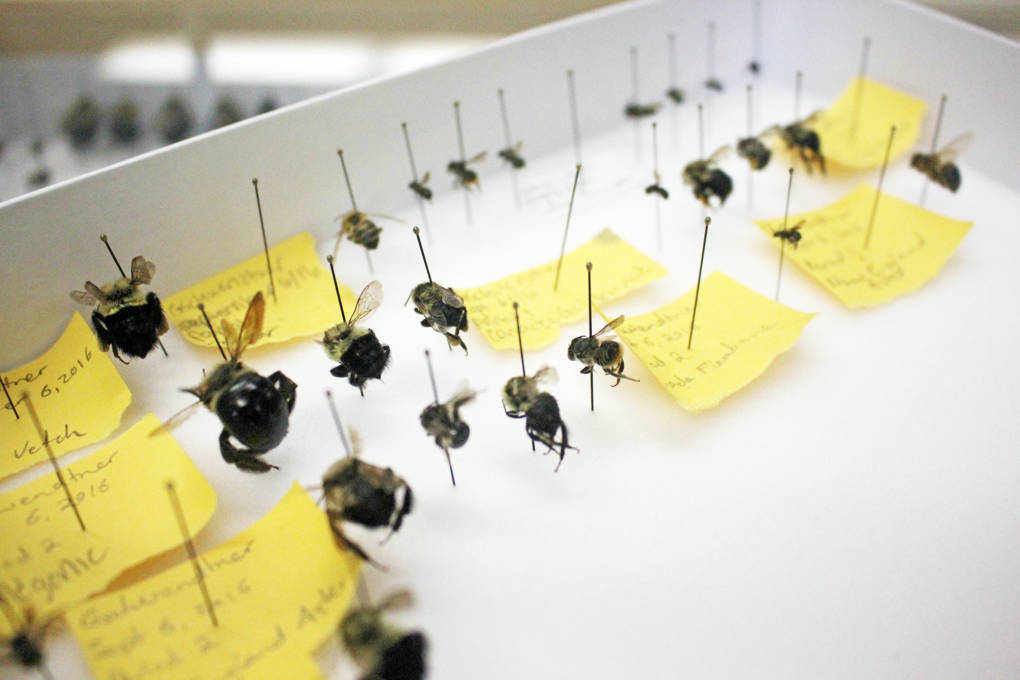
"caption": "Nigel Raine keeps a collection of wild bees in his laboratory at the University of Guelph, in Canada. Farmed honeybees can compete with wild bees for food, making it harder for wild species to survive.",
"description": "Nigel Raine keeps a collection of wild bees in his laboratory at the University of Guelph, in Canada. Farmed honeybees can compete with wild bees for food, making it harder for wild species to survive.",
"title": "Nigel Raine keeps a collection of wild bees in his laboratory at the University of Guelph, in Canada. Farmed honeybees can compete with wild bees for food, making it harder for wild species to survive.",
"credit": "Dan Charles/NPR",
"status": "inherit",
"isLoading": false,
"fetchFailed": false
},
"bayareabites_124482": {
"type": "attachments",
"id": "bayareabites_124482",
"meta": {
"index": "attachments_1716263798",
"site": "bayareabites",
"id": "124482",
"found": true
},
"parent": 124479,
"imgSizes": {
"small": {
"file": "https://ww2.kqed.org/app/uploads/sites/24/2018/01/GettyImages-141479142-520x345.jpg",
"width": 520,
"mimeType": "image/jpeg",
"height": 345
},
"twentyfourteen-full-width": {
"file": "https://ww2.kqed.org/app/uploads/sites/24/2018/01/GettyImages-141479142-1038x576.jpg",
"width": 1038,
"mimeType": "image/jpeg",
"height": 576
},
"thumbnail": {
"file": "https://ww2.kqed.org/app/uploads/sites/24/2018/01/GettyImages-141479142-160x106.jpg",
"width": 160,
"mimeType": "image/jpeg",
"height": 106
},
"fd-sm": {
"file": "https://ww2.kqed.org/app/uploads/sites/24/2018/01/GettyImages-141479142-960x637.jpg",
"width": 960,
"mimeType": "image/jpeg",
"height": 637
},
"post-thumbnail": {
"file": "https://ww2.kqed.org/app/uploads/sites/24/2018/01/GettyImages-141479142-672x372.jpg",
"width": 672,
"mimeType": "image/jpeg",
"height": 372
},
"xsmall": {
"file": "https://ww2.kqed.org/app/uploads/sites/24/2018/01/GettyImages-141479142-375x249.jpg",
"width": 375,
"mimeType": "image/jpeg",
"height": 249
},
"kqedFullSize": {
"file": "https://ww2.kqed.org/app/uploads/sites/24/2018/01/GettyImages-141479142.jpg",
"width": 2784,
"height": 1848
},
"large": {
"file": "https://ww2.kqed.org/app/uploads/sites/24/2018/01/GettyImages-141479142-1020x677.jpg",
"width": 1020,
"mimeType": "image/jpeg",
"height": 677
},
"xlarge": {
"file": "https://ww2.kqed.org/app/uploads/sites/24/2018/01/GettyImages-141479142-1180x783.jpg",
"width": 1180,
"mimeType": "image/jpeg",
"height": 783
},
"guest-author-50": {
"file": "https://ww2.kqed.org/app/uploads/sites/24/2018/01/GettyImages-141479142-50x50.jpg",
"width": 50,
"mimeType": "image/jpeg",
"height": 50
},
"guest-author-96": {
"file": "https://ww2.kqed.org/app/uploads/sites/24/2018/01/GettyImages-141479142-96x96.jpg",
"width": 96,
"mimeType": "image/jpeg",
"height": 96
},
"medium": {
"file": "https://ww2.kqed.org/app/uploads/sites/24/2018/01/GettyImages-141479142-800x531.jpg",
"width": 800,
"mimeType": "image/jpeg",
"height": 531
},
"guest-author-64": {
"file": "https://ww2.kqed.org/app/uploads/sites/24/2018/01/GettyImages-141479142-64x64.jpg",
"width": 64,
"mimeType": "image/jpeg",
"height": 64
},
"guest-author-32": {
"file": "https://ww2.kqed.org/app/uploads/sites/24/2018/01/GettyImages-141479142-32x32.jpg",
"width": 32,
"mimeType": "image/jpeg",
"height": 32
},
"fd-lrg": {
"file": "https://ww2.kqed.org/app/uploads/sites/24/2018/01/GettyImages-141479142-1920x1274.jpg",
"width": 1920,
"mimeType": "image/jpeg",
"height": 1274
},
"fd-med": {
"file": "https://ww2.kqed.org/app/uploads/sites/24/2018/01/GettyImages-141479142-1180x783.jpg",
"width": 1180,
"mimeType": "image/jpeg",
"height": 783
},
"full-width": {
"file": "https://ww2.kqed.org/app/uploads/sites/24/2018/01/GettyImages-141479142-1920x1274.jpg",
"width": 1920,
"mimeType": "image/jpeg",
"height": 1274
},
"detail": {
"file": "https://ww2.kqed.org/app/uploads/sites/24/2018/01/GettyImages-141479142-150x150.jpg",
"width": 150,
"mimeType": "image/jpeg",
"height": 150
},
"medium_large": {
"file": "https://ww2.kqed.org/app/uploads/sites/24/2018/01/GettyImages-141479142-768x510.jpg",
"width": 768,
"mimeType": "image/jpeg",
"height": 510
},
"guest-author-128": {
"file": "https://ww2.kqed.org/app/uploads/sites/24/2018/01/GettyImages-141479142-128x128.jpg",
"width": 128,
"mimeType": "image/jpeg",
"height": 128
},
"xxsmall": {
"file": "https://ww2.kqed.org/app/uploads/sites/24/2018/01/GettyImages-141479142-240x159.jpg",
"width": 240,
"mimeType": "image/jpeg",
"height": 159
}
},
"publishDate": 1516401813,
"modified": 1516401845,
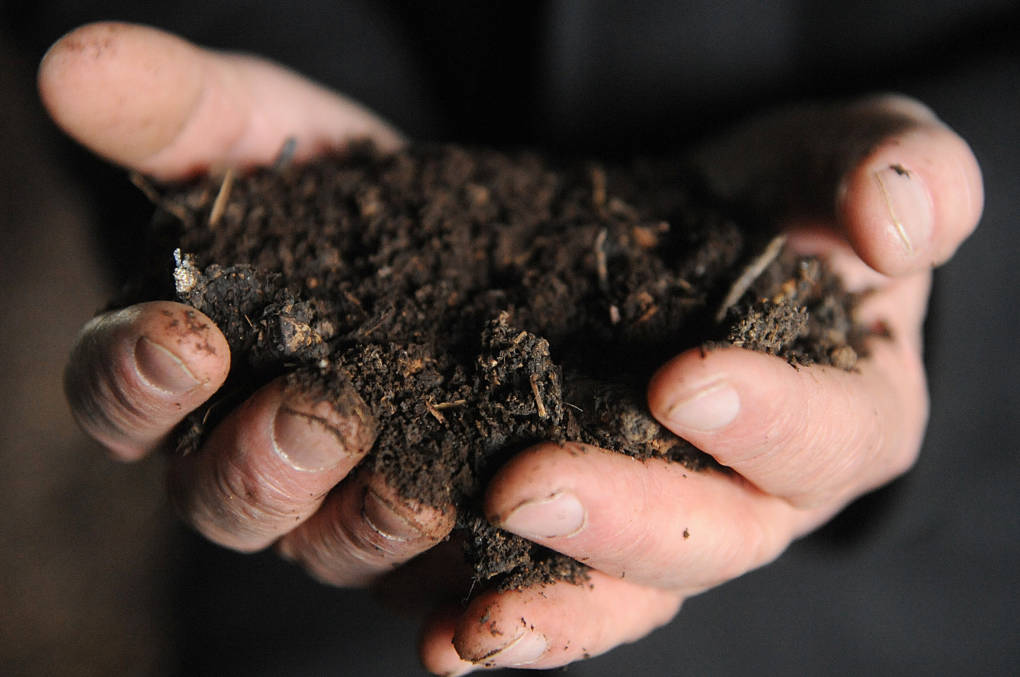
"caption": "Microorganisms play a vital role in growing food and sustaining the planet, but they do it anonymously. Scientists haven't identified most soil microbes, but they are learning which are most common.",
"description": "Microorganisms play a vital role in growing food and sustaining the planet, but they do it anonymously. Scientists haven't identified most soil microbes, but they are learning which are most common.",
"title": "TO GO WITH AFP STORY BY ALEXANDRE PEYRIL",
"credit": "REMY GABALDA/AFP/Getty Images",
"status": "inherit",
"isLoading": false,
"fetchFailed": false
},
"bayareabites_124459": {
"type": "attachments",
"id": "bayareabites_124459",
"meta": {
"index": "attachments_1716263798",
"site": "bayareabites",
"id": "124459",
"found": true
},
"parent": 124458,
"imgSizes": {
"small": {
"file": "https://ww2.kqed.org/app/uploads/sites/24/2018/01/making-dinner_h-horig_lowres_wide-eb5d07dd1f7e4789bf16f823e4bf70f1d5fdee49-520x292.jpg",
"width": 520,
"mimeType": "image/jpeg",
"height": 292
},
"twentyfourteen-full-width": {
"file": "https://ww2.kqed.org/app/uploads/sites/24/2018/01/making-dinner_h-horig_lowres_wide-eb5d07dd1f7e4789bf16f823e4bf70f1d5fdee49-1038x576.jpg",
"width": 1038,
"mimeType": "image/jpeg",
"height": 576
},
"thumbnail": {
"file": "https://ww2.kqed.org/app/uploads/sites/24/2018/01/making-dinner_h-horig_lowres_wide-eb5d07dd1f7e4789bf16f823e4bf70f1d5fdee49-160x90.jpg",
"width": 160,
"mimeType": "image/jpeg",
"height": 90
},
"fd-sm": {
"file": "https://ww2.kqed.org/app/uploads/sites/24/2018/01/making-dinner_h-horig_lowres_wide-eb5d07dd1f7e4789bf16f823e4bf70f1d5fdee49-960x540.jpg",
"width": 960,
"mimeType": "image/jpeg",
"height": 540
},
"post-thumbnail": {
"file": "https://ww2.kqed.org/app/uploads/sites/24/2018/01/making-dinner_h-horig_lowres_wide-eb5d07dd1f7e4789bf16f823e4bf70f1d5fdee49-672x372.jpg",
"width": 672,
"mimeType": "image/jpeg",
"height": 372
},
"xsmall": {
"file": "https://ww2.kqed.org/app/uploads/sites/24/2018/01/making-dinner_h-horig_lowres_wide-eb5d07dd1f7e4789bf16f823e4bf70f1d5fdee49-375x211.jpg",
"width": 375,
"mimeType": "image/jpeg",
"height": 211
},
"kqedFullSize": {
"file": "https://ww2.kqed.org/app/uploads/sites/24/2018/01/making-dinner_h-horig_lowres_wide-eb5d07dd1f7e4789bf16f823e4bf70f1d5fdee49.jpg",
"width": 1597,
"height": 898
},
"large": {
"file": "https://ww2.kqed.org/app/uploads/sites/24/2018/01/making-dinner_h-horig_lowres_wide-eb5d07dd1f7e4789bf16f823e4bf70f1d5fdee49-1020x574.jpg",
"width": 1020,
"mimeType": "image/jpeg",
"height": 574
},
"xlarge": {
"file": "https://ww2.kqed.org/app/uploads/sites/24/2018/01/making-dinner_h-horig_lowres_wide-eb5d07dd1f7e4789bf16f823e4bf70f1d5fdee49-1180x664.jpg",
"width": 1180,
"mimeType": "image/jpeg",
"height": 664
},
"guest-author-50": {
"file": "https://ww2.kqed.org/app/uploads/sites/24/2018/01/making-dinner_h-horig_lowres_wide-eb5d07dd1f7e4789bf16f823e4bf70f1d5fdee49-50x50.jpg",
"width": 50,
"mimeType": "image/jpeg",
"height": 50
},
"guest-author-96": {
"file": "https://ww2.kqed.org/app/uploads/sites/24/2018/01/making-dinner_h-horig_lowres_wide-eb5d07dd1f7e4789bf16f823e4bf70f1d5fdee49-96x96.jpg",
"width": 96,
"mimeType": "image/jpeg",
"height": 96
},
"medium": {
"file": "https://ww2.kqed.org/app/uploads/sites/24/2018/01/making-dinner_h-horig_lowres_wide-eb5d07dd1f7e4789bf16f823e4bf70f1d5fdee49-800x450.jpg",
"width": 800,
"mimeType": "image/jpeg",
"height": 450
},
"guest-author-64": {
"file": "https://ww2.kqed.org/app/uploads/sites/24/2018/01/making-dinner_h-horig_lowres_wide-eb5d07dd1f7e4789bf16f823e4bf70f1d5fdee49-64x64.jpg",
"width": 64,
"mimeType": "image/jpeg",
"height": 64
},
"guest-author-32": {
"file": "https://ww2.kqed.org/app/uploads/sites/24/2018/01/making-dinner_h-horig_lowres_wide-eb5d07dd1f7e4789bf16f823e4bf70f1d5fdee49-32x32.jpg",
"width": 32,
"mimeType": "image/jpeg",
"height": 32
},
"fd-med": {
"file": "https://ww2.kqed.org/app/uploads/sites/24/2018/01/making-dinner_h-horig_lowres_wide-eb5d07dd1f7e4789bf16f823e4bf70f1d5fdee49-1180x664.jpg",
"width": 1180,
"mimeType": "image/jpeg",
"height": 664
},
"detail": {
"file": "https://ww2.kqed.org/app/uploads/sites/24/2018/01/making-dinner_h-horig_lowres_wide-eb5d07dd1f7e4789bf16f823e4bf70f1d5fdee49-150x150.jpg",
"width": 150,
"mimeType": "image/jpeg",
"height": 150
},
"medium_large": {
"file": "https://ww2.kqed.org/app/uploads/sites/24/2018/01/making-dinner_h-horig_lowres_wide-eb5d07dd1f7e4789bf16f823e4bf70f1d5fdee49-768x432.jpg",
"width": 768,
"mimeType": "image/jpeg",
"height": 432
},
"guest-author-128": {
"file": "https://ww2.kqed.org/app/uploads/sites/24/2018/01/making-dinner_h-horig_lowres_wide-eb5d07dd1f7e4789bf16f823e4bf70f1d5fdee49-128x128.jpg",
"width": 128,
"mimeType": "image/jpeg",
"height": 128
},
"xxsmall": {
"file": "https://ww2.kqed.org/app/uploads/sites/24/2018/01/making-dinner_h-horig_lowres_wide-eb5d07dd1f7e4789bf16f823e4bf70f1d5fdee49-240x135.jpg",
"width": 240,
"mimeType": "image/jpeg",
"height": 135
}
},
"publishDate": 1516393504,
"modified": 1516393614,
"caption": "Already, Ripple has expanded its offerings to include a creamy half-and-half and, this month, a Greek-style yogurt, both of which can be used in cooking.",
"description": "Already, Ripple has expanded its offerings to include a creamy half-and-half and, this month, a Greek-style yogurt, both of which can be used in cooking.",
"title": "Already, Ripple has expanded its offerings to include a creamy half-and-half and, this month, a Greek-style yogurt, both of which can be used in cooking.",
"credit": "Caitlin Maddox-Smith/Ripple Foods",
"status": "inherit",
"isLoading": false,
"fetchFailed": false
},
"bayareabites_124448": {
"type": "attachments",
"id": "bayareabites_124448",
"meta": {
"index": "attachments_1716263798",
"site": "bayareabites",
"id": "124448",
"found": true
},
"parent": 124447,
"imgSizes": {
"small": {
"file": "https://ww2.kqed.org/app/uploads/sites/24/2018/01/gettyimages-511143558_slide-55885884e3b0f3ba538eae970d257c40a5b1898f-520x347.jpg",
"width": 520,
"mimeType": "image/jpeg",
"height": 347
},
"twentyfourteen-full-width": {
"file": "https://ww2.kqed.org/app/uploads/sites/24/2018/01/gettyimages-511143558_slide-55885884e3b0f3ba538eae970d257c40a5b1898f-1038x576.jpg",
"width": 1038,
"mimeType": "image/jpeg",
"height": 576
},
"thumbnail": {
"file": "https://ww2.kqed.org/app/uploads/sites/24/2018/01/gettyimages-511143558_slide-55885884e3b0f3ba538eae970d257c40a5b1898f-160x107.jpg",
"width": 160,
"mimeType": "image/jpeg",
"height": 107
},
"fd-sm": {
"file": "https://ww2.kqed.org/app/uploads/sites/24/2018/01/gettyimages-511143558_slide-55885884e3b0f3ba538eae970d257c40a5b1898f-960x640.jpg",
"width": 960,
"mimeType": "image/jpeg",
"height": 640
},
"post-thumbnail": {
"file": "https://ww2.kqed.org/app/uploads/sites/24/2018/01/gettyimages-511143558_slide-55885884e3b0f3ba538eae970d257c40a5b1898f-672x372.jpg",
"width": 672,
"mimeType": "image/jpeg",
"height": 372
},
"xsmall": {
"file": "https://ww2.kqed.org/app/uploads/sites/24/2018/01/gettyimages-511143558_slide-55885884e3b0f3ba538eae970d257c40a5b1898f-375x250.jpg",
"width": 375,
"mimeType": "image/jpeg",
"height": 250
},
"kqedFullSize": {
"file": "https://ww2.kqed.org/app/uploads/sites/24/2018/01/gettyimages-511143558_slide-55885884e3b0f3ba538eae970d257c40a5b1898f.jpg",
"width": 6779,
"height": 4519
},
"large": {
"file": "https://ww2.kqed.org/app/uploads/sites/24/2018/01/gettyimages-511143558_slide-55885884e3b0f3ba538eae970d257c40a5b1898f-1020x680.jpg",
"width": 1020,
"mimeType": "image/jpeg",
"height": 680
},
"xlarge": {
"file": "https://ww2.kqed.org/app/uploads/sites/24/2018/01/gettyimages-511143558_slide-55885884e3b0f3ba538eae970d257c40a5b1898f-1180x787.jpg",
"width": 1180,
"mimeType": "image/jpeg",
"height": 787
},
"guest-author-50": {
"file": "https://ww2.kqed.org/app/uploads/sites/24/2018/01/gettyimages-511143558_slide-55885884e3b0f3ba538eae970d257c40a5b1898f-50x50.jpg",
"width": 50,
"mimeType": "image/jpeg",
"height": 50
},
"guest-author-96": {
"file": "https://ww2.kqed.org/app/uploads/sites/24/2018/01/gettyimages-511143558_slide-55885884e3b0f3ba538eae970d257c40a5b1898f-96x96.jpg",
"width": 96,
"mimeType": "image/jpeg",
"height": 96
},
"medium": {
"file": "https://ww2.kqed.org/app/uploads/sites/24/2018/01/gettyimages-511143558_slide-55885884e3b0f3ba538eae970d257c40a5b1898f-800x533.jpg",
"width": 800,
"mimeType": "image/jpeg",
"height": 533
},
"guest-author-64": {
"file": "https://ww2.kqed.org/app/uploads/sites/24/2018/01/gettyimages-511143558_slide-55885884e3b0f3ba538eae970d257c40a5b1898f-64x64.jpg",
"width": 64,
"mimeType": "image/jpeg",
"height": 64
},
"guest-author-32": {
"file": "https://ww2.kqed.org/app/uploads/sites/24/2018/01/gettyimages-511143558_slide-55885884e3b0f3ba538eae970d257c40a5b1898f-32x32.jpg",
"width": 32,
"mimeType": "image/jpeg",
"height": 32
},
"fd-lrg": {
"file": "https://ww2.kqed.org/app/uploads/sites/24/2018/01/gettyimages-511143558_slide-55885884e3b0f3ba538eae970d257c40a5b1898f-1920x1280.jpg",
"width": 1920,
"mimeType": "image/jpeg",
"height": 1280
},
"fd-med": {
"file": "https://ww2.kqed.org/app/uploads/sites/24/2018/01/gettyimages-511143558_slide-55885884e3b0f3ba538eae970d257c40a5b1898f-1180x787.jpg",
"width": 1180,
"mimeType": "image/jpeg",
"height": 787
},
"full-width": {
"file": "https://ww2.kqed.org/app/uploads/sites/24/2018/01/gettyimages-511143558_slide-55885884e3b0f3ba538eae970d257c40a5b1898f-1920x1280.jpg",
"width": 1920,
"mimeType": "image/jpeg",
"height": 1280
},
"detail": {
"file": "https://ww2.kqed.org/app/uploads/sites/24/2018/01/gettyimages-511143558_slide-55885884e3b0f3ba538eae970d257c40a5b1898f-150x150.jpg",
"width": 150,
"mimeType": "image/jpeg",
"height": 150
},
"medium_large": {
"file": "https://ww2.kqed.org/app/uploads/sites/24/2018/01/gettyimages-511143558_slide-55885884e3b0f3ba538eae970d257c40a5b1898f-768x512.jpg",
"width": 768,
"mimeType": "image/jpeg",
"height": 512
},
"guest-author-128": {
"file": "https://ww2.kqed.org/app/uploads/sites/24/2018/01/gettyimages-511143558_slide-55885884e3b0f3ba538eae970d257c40a5b1898f-128x128.jpg",
"width": 128,
"mimeType": "image/jpeg",
"height": 128
},
"xxsmall": {
"file": "https://ww2.kqed.org/app/uploads/sites/24/2018/01/gettyimages-511143558_slide-55885884e3b0f3ba538eae970d257c40a5b1898f-240x160.jpg",
"width": 240,
"mimeType": "image/jpeg",
"height": 160
}
},
"publishDate": 1516228527,
"modified": 1516228799,
"caption": "A grande Cafe Nero, large Costa Coffee and venti-sized Starbucks to-go cups sold in London. The U.K. Parliament is considering a tax on disposable cups in an effort to cut down on waste.",
"description": "A grande Cafe Nero, large Costa Coffee and venti-sized Starbucks to-go cups sold in London. The U.K. Parliament is considering a tax on disposable cups in an effort to cut down on waste.",
"title": "A grande Cafe Nero, large Costa Coffee and venti-sized Starbucks to-go cups sold in London. The U.K. Parliament is considering a tax on disposable cups in an effort to cut down on waste.",
"credit": "Ben Pruchnie/Getty Images",
"status": "inherit",
"isLoading": false,
"fetchFailed": false
},
"bayareabites_124443": {
"type": "attachments",
"id": "bayareabites_124443",
"meta": {
"index": "attachments_1716263798",
"site": "bayareabites",
"id": "124443",
"found": true
},
"parent": 124442,
"imgSizes": {
"small": {
"file": "https://ww2.kqed.org/app/uploads/sites/24/2018/01/gettyimages-8497759121_custom-403f041b019f2f4eba7eeec808ec668d0cb9b0ed-520x344.jpg",
"width": 520,
"mimeType": "image/jpeg",
"height": 344
},
"twentyfourteen-full-width": {
"file": "https://ww2.kqed.org/app/uploads/sites/24/2018/01/gettyimages-8497759121_custom-403f041b019f2f4eba7eeec808ec668d0cb9b0ed-1038x576.jpg",
"width": 1038,
"mimeType": "image/jpeg",
"height": 576
},
"thumbnail": {
"file": "https://ww2.kqed.org/app/uploads/sites/24/2018/01/gettyimages-8497759121_custom-403f041b019f2f4eba7eeec808ec668d0cb9b0ed-160x106.jpg",
"width": 160,
"mimeType": "image/jpeg",
"height": 106
},
"fd-sm": {
"file": "https://ww2.kqed.org/app/uploads/sites/24/2018/01/gettyimages-8497759121_custom-403f041b019f2f4eba7eeec808ec668d0cb9b0ed-960x636.jpg",
"width": 960,
"mimeType": "image/jpeg",
"height": 636
},
"post-thumbnail": {
"file": "https://ww2.kqed.org/app/uploads/sites/24/2018/01/gettyimages-8497759121_custom-403f041b019f2f4eba7eeec808ec668d0cb9b0ed-672x372.jpg",
"width": 672,
"mimeType": "image/jpeg",
"height": 372
},
"xsmall": {
"file": "https://ww2.kqed.org/app/uploads/sites/24/2018/01/gettyimages-8497759121_custom-403f041b019f2f4eba7eeec808ec668d0cb9b0ed-375x248.jpg",
"width": 375,
"mimeType": "image/jpeg",
"height": 248
},
"kqedFullSize": {
"file": "https://ww2.kqed.org/app/uploads/sites/24/2018/01/gettyimages-8497759121_custom-403f041b019f2f4eba7eeec808ec668d0cb9b0ed.jpg",
"width": 5875,
"height": 3892
},
"large": {
"file": "https://ww2.kqed.org/app/uploads/sites/24/2018/01/gettyimages-8497759121_custom-403f041b019f2f4eba7eeec808ec668d0cb9b0ed-1020x676.jpg",
"width": 1020,
"mimeType": "image/jpeg",
"height": 676
},
"xlarge": {
"file": "https://ww2.kqed.org/app/uploads/sites/24/2018/01/gettyimages-8497759121_custom-403f041b019f2f4eba7eeec808ec668d0cb9b0ed-1180x782.jpg",
"width": 1180,
"mimeType": "image/jpeg",
"height": 782
},
"guest-author-50": {
"file": "https://ww2.kqed.org/app/uploads/sites/24/2018/01/gettyimages-8497759121_custom-403f041b019f2f4eba7eeec808ec668d0cb9b0ed-50x50.jpg",
"width": 50,
"mimeType": "image/jpeg",
"height": 50
},
"guest-author-96": {
"file": "https://ww2.kqed.org/app/uploads/sites/24/2018/01/gettyimages-8497759121_custom-403f041b019f2f4eba7eeec808ec668d0cb9b0ed-96x96.jpg",
"width": 96,
"mimeType": "image/jpeg",
"height": 96
},
"medium": {
"file": "https://ww2.kqed.org/app/uploads/sites/24/2018/01/gettyimages-8497759121_custom-403f041b019f2f4eba7eeec808ec668d0cb9b0ed-800x530.jpg",
"width": 800,
"mimeType": "image/jpeg",
"height": 530
},
"guest-author-64": {
"file": "https://ww2.kqed.org/app/uploads/sites/24/2018/01/gettyimages-8497759121_custom-403f041b019f2f4eba7eeec808ec668d0cb9b0ed-64x64.jpg",
"width": 64,
"mimeType": "image/jpeg",
"height": 64
},
"guest-author-32": {
"file": "https://ww2.kqed.org/app/uploads/sites/24/2018/01/gettyimages-8497759121_custom-403f041b019f2f4eba7eeec808ec668d0cb9b0ed-32x32.jpg",
"width": 32,
"mimeType": "image/jpeg",
"height": 32
},
"fd-lrg": {
"file": "https://ww2.kqed.org/app/uploads/sites/24/2018/01/gettyimages-8497759121_custom-403f041b019f2f4eba7eeec808ec668d0cb9b0ed-1920x1272.jpg",
"width": 1920,
"mimeType": "image/jpeg",
"height": 1272
},
"fd-med": {
"file": "https://ww2.kqed.org/app/uploads/sites/24/2018/01/gettyimages-8497759121_custom-403f041b019f2f4eba7eeec808ec668d0cb9b0ed-1180x782.jpg",
"width": 1180,
"mimeType": "image/jpeg",
"height": 782
},
"full-width": {
"file": "https://ww2.kqed.org/app/uploads/sites/24/2018/01/gettyimages-8497759121_custom-403f041b019f2f4eba7eeec808ec668d0cb9b0ed-1920x1272.jpg",
"width": 1920,
"mimeType": "image/jpeg",
"height": 1272
},
"detail": {
"file": "https://ww2.kqed.org/app/uploads/sites/24/2018/01/gettyimages-8497759121_custom-403f041b019f2f4eba7eeec808ec668d0cb9b0ed-150x150.jpg",
"width": 150,
"mimeType": "image/jpeg",
"height": 150
},
"medium_large": {
"file": "https://ww2.kqed.org/app/uploads/sites/24/2018/01/gettyimages-8497759121_custom-403f041b019f2f4eba7eeec808ec668d0cb9b0ed-768x509.jpg",
"width": 768,
"mimeType": "image/jpeg",
"height": 509
},
"guest-author-128": {
"file": "https://ww2.kqed.org/app/uploads/sites/24/2018/01/gettyimages-8497759121_custom-403f041b019f2f4eba7eeec808ec668d0cb9b0ed-128x128.jpg",
"width": 128,
"mimeType": "image/jpeg",
"height": 128
},
"xxsmall": {
"file": "https://ww2.kqed.org/app/uploads/sites/24/2018/01/gettyimages-8497759121_custom-403f041b019f2f4eba7eeec808ec668d0cb9b0ed-240x159.jpg",
"width": 240,
"mimeType": "image/jpeg",
"height": 159
}
},
"publishDate": 1516147561,
"modified": 1516147800,
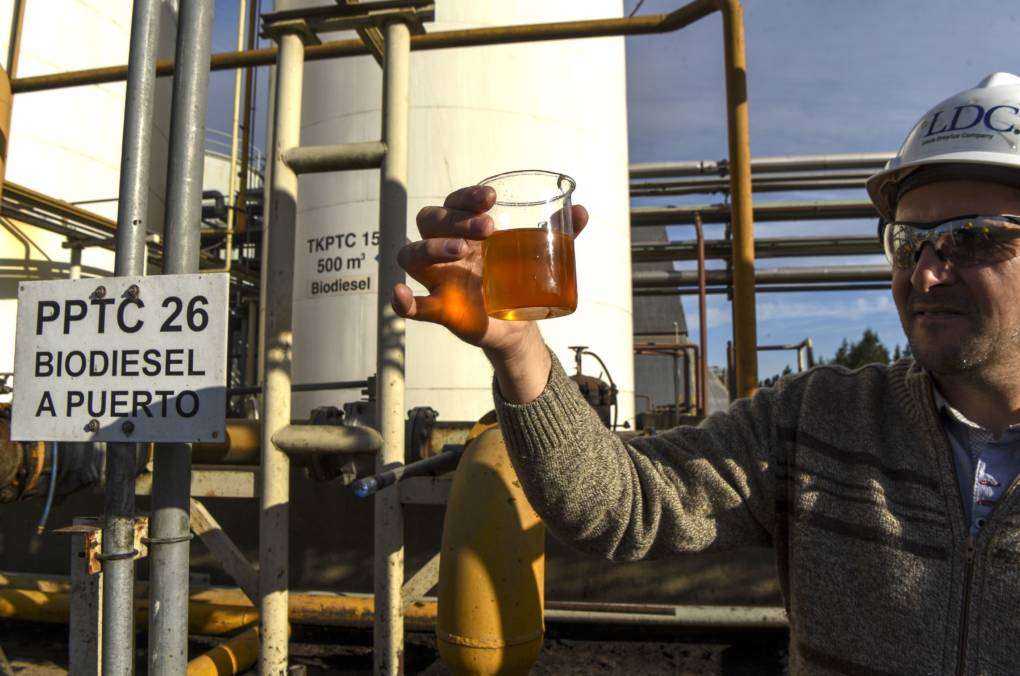
"caption": "An engineer shows a sample of biodiesel at an industrial complex in General Lagos, Santa Fe province, Argentina. The United States recently imposed duties on Argentine biodiesel, blocking it from the U.S. market.",
"description": "An engineer shows a sample of biodiesel at an industrial complex in General Lagos, Santa Fe province, Argentina. The United States recently imposed duties on Argentine biodiesel, blocking it from the U.S. market.",
"title": "An engineer shows a sample of biodiesel at an industrial complex in General Lagos, Santa Fe province, Argentina. The United States recently imposed duties on Argentine biodiesel, blocking it from the U.S. market.",
"credit": "Eitan Abramovich/AFP/Getty Images",
"status": "inherit",
"isLoading": false,
"fetchFailed": false
},
"bayareabites_124349": {
"type": "attachments",
"id": "bayareabites_124349",
"meta": {
"index": "attachments_1716263798",
"site": "bayareabites",
"id": "124349",
"found": true
},
"parent": 124348,
"imgSizes": {
"small": {
"file": "https://ww2.kqed.org/app/uploads/sites/24/2018/01/adi-nacoba-farmer2_credit-sonia-narang-e9206d5c051e90820ce122206982720d132fc047-520x390.jpg",
"width": 520,
"mimeType": "image/jpeg",
"height": 390
},
"twentyfourteen-full-width": {
"file": "https://ww2.kqed.org/app/uploads/sites/24/2018/01/adi-nacoba-farmer2_credit-sonia-narang-e9206d5c051e90820ce122206982720d132fc047-1038x576.jpg",
"width": 1038,
"mimeType": "image/jpeg",
"height": 576
},
"thumbnail": {
"file": "https://ww2.kqed.org/app/uploads/sites/24/2018/01/adi-nacoba-farmer2_credit-sonia-narang-e9206d5c051e90820ce122206982720d132fc047-160x120.jpg",
"width": 160,
"mimeType": "image/jpeg",
"height": 120
},
"fd-sm": {
"file": "https://ww2.kqed.org/app/uploads/sites/24/2018/01/adi-nacoba-farmer2_credit-sonia-narang-e9206d5c051e90820ce122206982720d132fc047-960x720.jpg",
"width": 960,
"mimeType": "image/jpeg",
"height": 720
},
"post-thumbnail": {
"file": "https://ww2.kqed.org/app/uploads/sites/24/2018/01/adi-nacoba-farmer2_credit-sonia-narang-e9206d5c051e90820ce122206982720d132fc047-672x372.jpg",
"width": 672,
"mimeType": "image/jpeg",
"height": 372
},
"xsmall": {
"file": "https://ww2.kqed.org/app/uploads/sites/24/2018/01/adi-nacoba-farmer2_credit-sonia-narang-e9206d5c051e90820ce122206982720d132fc047-375x281.jpg",
"width": 375,
"mimeType": "image/jpeg",
"height": 281
},
"kqedFullSize": {
"file": "https://ww2.kqed.org/app/uploads/sites/24/2018/01/adi-nacoba-farmer2_credit-sonia-narang-e9206d5c051e90820ce122206982720d132fc047.jpg",
"width": 4001,
"height": 3001
},
"large": {
"file": "https://ww2.kqed.org/app/uploads/sites/24/2018/01/adi-nacoba-farmer2_credit-sonia-narang-e9206d5c051e90820ce122206982720d132fc047-1020x765.jpg",
"width": 1020,
"mimeType": "image/jpeg",
"height": 765
},
"xlarge": {
"file": "https://ww2.kqed.org/app/uploads/sites/24/2018/01/adi-nacoba-farmer2_credit-sonia-narang-e9206d5c051e90820ce122206982720d132fc047-1180x885.jpg",
"width": 1180,
"mimeType": "image/jpeg",
"height": 885
},
"guest-author-50": {
"file": "https://ww2.kqed.org/app/uploads/sites/24/2018/01/adi-nacoba-farmer2_credit-sonia-narang-e9206d5c051e90820ce122206982720d132fc047-50x50.jpg",
"width": 50,
"mimeType": "image/jpeg",
"height": 50
},
"guest-author-96": {
"file": "https://ww2.kqed.org/app/uploads/sites/24/2018/01/adi-nacoba-farmer2_credit-sonia-narang-e9206d5c051e90820ce122206982720d132fc047-96x96.jpg",
"width": 96,
"mimeType": "image/jpeg",
"height": 96
},
"medium": {
"file": "https://ww2.kqed.org/app/uploads/sites/24/2018/01/adi-nacoba-farmer2_credit-sonia-narang-e9206d5c051e90820ce122206982720d132fc047-800x600.jpg",
"width": 800,
"mimeType": "image/jpeg",
"height": 600
},
"guest-author-64": {
"file": "https://ww2.kqed.org/app/uploads/sites/24/2018/01/adi-nacoba-farmer2_credit-sonia-narang-e9206d5c051e90820ce122206982720d132fc047-64x64.jpg",
"width": 64,
"mimeType": "image/jpeg",
"height": 64
},
"guest-author-32": {
"file": "https://ww2.kqed.org/app/uploads/sites/24/2018/01/adi-nacoba-farmer2_credit-sonia-narang-e9206d5c051e90820ce122206982720d132fc047-32x32.jpg",
"width": 32,
"mimeType": "image/jpeg",
"height": 32
},
"fd-lrg": {
"file": "https://ww2.kqed.org/app/uploads/sites/24/2018/01/adi-nacoba-farmer2_credit-sonia-narang-e9206d5c051e90820ce122206982720d132fc047-1920x1440.jpg",
"width": 1920,
"mimeType": "image/jpeg",
"height": 1440
},
"fd-med": {
"file": "https://ww2.kqed.org/app/uploads/sites/24/2018/01/adi-nacoba-farmer2_credit-sonia-narang-e9206d5c051e90820ce122206982720d132fc047-1180x885.jpg",
"width": 1180,
"mimeType": "image/jpeg",
"height": 885
},
"full-width": {
"file": "https://ww2.kqed.org/app/uploads/sites/24/2018/01/adi-nacoba-farmer2_credit-sonia-narang-e9206d5c051e90820ce122206982720d132fc047-1920x1440.jpg",
"width": 1920,
"mimeType": "image/jpeg",
"height": 1440
},
"detail": {
"file": "https://ww2.kqed.org/app/uploads/sites/24/2018/01/adi-nacoba-farmer2_credit-sonia-narang-e9206d5c051e90820ce122206982720d132fc047-150x150.jpg",
"width": 150,
"mimeType": "image/jpeg",
"height": 150
},
"medium_large": {
"file": "https://ww2.kqed.org/app/uploads/sites/24/2018/01/adi-nacoba-farmer2_credit-sonia-narang-e9206d5c051e90820ce122206982720d132fc047-768x576.jpg",
"width": 768,
"mimeType": "image/jpeg",
"height": 576
},
"guest-author-128": {
"file": "https://ww2.kqed.org/app/uploads/sites/24/2018/01/adi-nacoba-farmer2_credit-sonia-narang-e9206d5c051e90820ce122206982720d132fc047-128x128.jpg",
"width": 128,
"mimeType": "image/jpeg",
"height": 128
},
"xxsmall": {
"file": "https://ww2.kqed.org/app/uploads/sites/24/2018/01/adi-nacoba-farmer2_credit-sonia-narang-e9206d5c051e90820ce122206982720d132fc047-240x180.jpg",
"width": 240,
"mimeType": "image/jpeg",
"height": 180
}
},
"publishDate": 1515560885,
"modified": 1515560987,
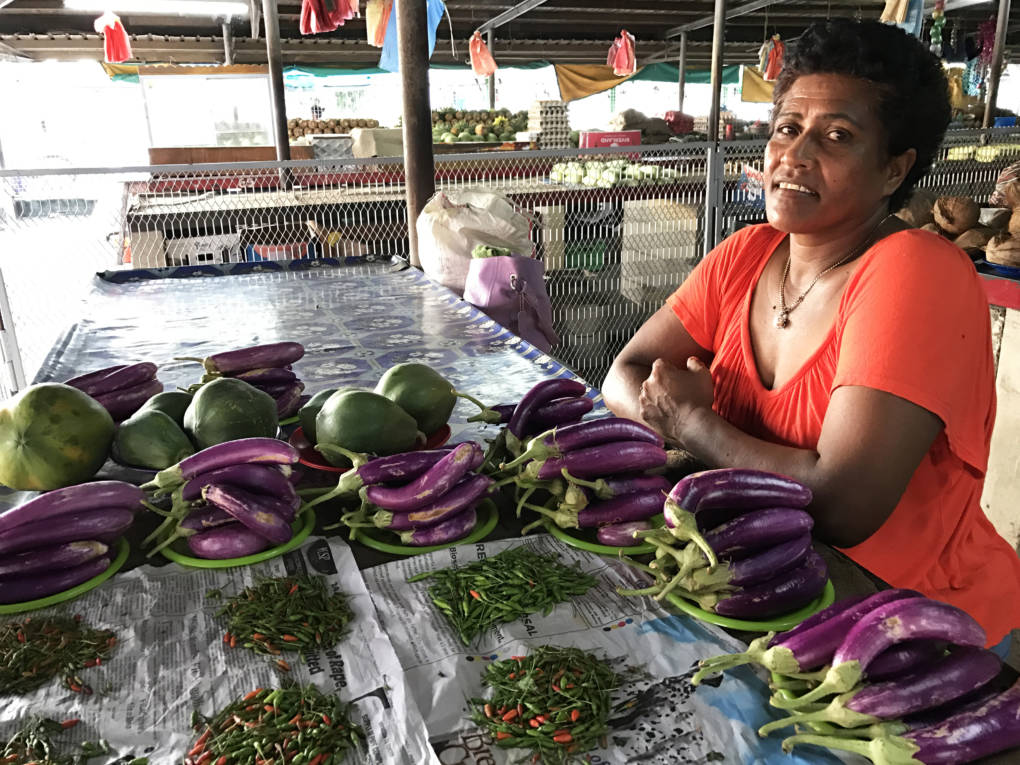
"caption": "Farmer Adi Nacoba began diversifying her crops and spreading out plantings after a cyclone destroyed her farm in 2016.",
"description": "Farmer Adi Nacoba began diversifying her crops and spreading out plantings after a cyclone destroyed her farm in 2016.",
"title": "Farmer Adi Nacoba began diversifying her crops and spreading out plantings after a cyclone destroyed her farm in 2016.",
"credit": "Sonia Narang",
"status": "inherit",
"isLoading": false,
"fetchFailed": false
},
"bayareabites_122471": {
"type": "attachments",
"id": "bayareabites_122471",
"meta": {
"index": "attachments_1716263798",
"site": "bayareabites",
"id": "122471",
"found": true
},
"parent": 122470,
"imgSizes": {
"small": {
"file": "https://ww2.kqed.org/app/uploads/sites/24/2017/11/shark_fin_soup-1_wide-c7ed12b203645f6b0c621adeea85de585c894eba-520x293.jpg",
"width": 520,
"mimeType": "image/jpeg",
"height": 293
},
"twentyfourteen-full-width": {
"file": "https://ww2.kqed.org/app/uploads/sites/24/2017/11/shark_fin_soup-1_wide-c7ed12b203645f6b0c621adeea85de585c894eba-1038x576.jpg",
"width": 1038,
"mimeType": "image/jpeg",
"height": 576
},
"thumbnail": {
"file": "https://ww2.kqed.org/app/uploads/sites/24/2017/11/shark_fin_soup-1_wide-c7ed12b203645f6b0c621adeea85de585c894eba-160x90.jpg",
"width": 160,
"mimeType": "image/jpeg",
"height": 90
},
"fd-sm": {
"file": "https://ww2.kqed.org/app/uploads/sites/24/2017/11/shark_fin_soup-1_wide-c7ed12b203645f6b0c621adeea85de585c894eba-960x540.jpg",
"width": 960,
"mimeType": "image/jpeg",
"height": 540
},
"post-thumbnail": {
"file": "https://ww2.kqed.org/app/uploads/sites/24/2017/11/shark_fin_soup-1_wide-c7ed12b203645f6b0c621adeea85de585c894eba-672x372.jpg",
"width": 672,
"mimeType": "image/jpeg",
"height": 372
},
"xsmall": {
"file": "https://ww2.kqed.org/app/uploads/sites/24/2017/11/shark_fin_soup-1_wide-c7ed12b203645f6b0c621adeea85de585c894eba-375x211.jpg",
"width": 375,
"mimeType": "image/jpeg",
"height": 211
},
"kqedFullSize": {
"file": "https://ww2.kqed.org/app/uploads/sites/24/2017/11/shark_fin_soup-1_wide-c7ed12b203645f6b0c621adeea85de585c894eba.jpg",
"width": 2000,
"height": 1125
},
"large": {
"file": "https://ww2.kqed.org/app/uploads/sites/24/2017/11/shark_fin_soup-1_wide-c7ed12b203645f6b0c621adeea85de585c894eba-1020x574.jpg",
"width": 1020,
"mimeType": "image/jpeg",
"height": 574
},
"xlarge": {
"file": "https://ww2.kqed.org/app/uploads/sites/24/2017/11/shark_fin_soup-1_wide-c7ed12b203645f6b0c621adeea85de585c894eba-1180x664.jpg",
"width": 1180,
"mimeType": "image/jpeg",
"height": 664
},
"guest-author-50": {
"file": "https://ww2.kqed.org/app/uploads/sites/24/2017/11/shark_fin_soup-1_wide-c7ed12b203645f6b0c621adeea85de585c894eba-50x50.jpg",
"width": 50,
"mimeType": "image/jpeg",
"height": 50
},
"guest-author-96": {
"file": "https://ww2.kqed.org/app/uploads/sites/24/2017/11/shark_fin_soup-1_wide-c7ed12b203645f6b0c621adeea85de585c894eba-96x96.jpg",
"width": 96,
"mimeType": "image/jpeg",
"height": 96
},
"medium": {
"file": "https://ww2.kqed.org/app/uploads/sites/24/2017/11/shark_fin_soup-1_wide-c7ed12b203645f6b0c621adeea85de585c894eba-800x450.jpg",
"width": 800,
"mimeType": "image/jpeg",
"height": 450
},
"guest-author-64": {
"file": "https://ww2.kqed.org/app/uploads/sites/24/2017/11/shark_fin_soup-1_wide-c7ed12b203645f6b0c621adeea85de585c894eba-64x64.jpg",
"width": 64,
"mimeType": "image/jpeg",
"height": 64
},
"guest-author-32": {
"file": "https://ww2.kqed.org/app/uploads/sites/24/2017/11/shark_fin_soup-1_wide-c7ed12b203645f6b0c621adeea85de585c894eba-32x32.jpg",
"width": 32,
"mimeType": "image/jpeg",
"height": 32
},
"fd-lrg": {
"file": "https://ww2.kqed.org/app/uploads/sites/24/2017/11/shark_fin_soup-1_wide-c7ed12b203645f6b0c621adeea85de585c894eba-1920x1080.jpg",
"width": 1920,
"mimeType": "image/jpeg",
"height": 1080
},
"fd-med": {
"file": "https://ww2.kqed.org/app/uploads/sites/24/2017/11/shark_fin_soup-1_wide-c7ed12b203645f6b0c621adeea85de585c894eba-1180x664.jpg",
"width": 1180,
"mimeType": "image/jpeg",
"height": 664
},
"full-width": {
"file": "https://ww2.kqed.org/app/uploads/sites/24/2017/11/shark_fin_soup-1_wide-c7ed12b203645f6b0c621adeea85de585c894eba-1920x1080.jpg",
"width": 1920,
"mimeType": "image/jpeg",
"height": 1080
},
"detail": {
"file": "https://ww2.kqed.org/app/uploads/sites/24/2017/11/shark_fin_soup-1_wide-c7ed12b203645f6b0c621adeea85de585c894eba-150x150.jpg",
"width": 150,
"mimeType": "image/jpeg",
"height": 150
},
"medium_large": {
"file": "https://ww2.kqed.org/app/uploads/sites/24/2017/11/shark_fin_soup-1_wide-c7ed12b203645f6b0c621adeea85de585c894eba-768x432.jpg",
"width": 768,
"mimeType": "image/jpeg",
"height": 432
},
"guest-author-128": {
"file": "https://ww2.kqed.org/app/uploads/sites/24/2017/11/shark_fin_soup-1_wide-c7ed12b203645f6b0c621adeea85de585c894eba-128x128.jpg",
"width": 128,
"mimeType": "image/jpeg",
"height": 128
},
"xxsmall": {
"file": "https://ww2.kqed.org/app/uploads/sites/24/2017/11/shark_fin_soup-1_wide-c7ed12b203645f6b0c621adeea85de585c894eba-240x135.jpg",
"width": 240,
"mimeType": "image/jpeg",
"height": 135
}
},
"publishDate": 1510616840,
"modified": 1510616954,
"caption": "A waitress serving shark fin soup in a restaurant in Guangzhou, in southern China's Guangdong province. Environmental and animal rights groups have campaigned for decades against consumption of shark fin, arguing that demand for the delicacy has decimated the world's shark population and that the methods used to obtain it are inhumane.",
"description": "A waitress serving shark fin soup in a restaurant in Guangzhou, in southern China's Guangdong province. Environmental and animal rights groups have campaigned for decades against consumption of shark fin, arguing that demand for the delicacy has decimated the world's shark population and that the methods used to obtain it are inhumane.",
"title": "A waitress serving shark fin soup in a restaurant in Guangzhou, in southern China's Guangdong province. Environmental and animal rights groups have campaigned for decades against consumption of shark fin, arguing that demand for the delicacy has decimated the world's shark population and that the methods used to obtain it are inhumane.",
"credit": "Johannes Eisele/AFP/Getty Images",
"status": "inherit",
"isLoading": false,
"fetchFailed": false
},
"bayareabites_122177": {
"type": "attachments",
"id": "bayareabites_122177",
"meta": {
"index": "attachments_1716263798",
"site": "bayareabites",
"id": "122177",
"found": true
},
"parent": 122176,
"imgSizes": {
"small": {
"file": "https://ww2.kqed.org/app/uploads/sites/24/2017/11/bees-520x347.jpg",
"width": 520,
"mimeType": "image/jpeg",
"height": 347
},
"twentyfourteen-full-width": {
"file": "https://ww2.kqed.org/app/uploads/sites/24/2017/11/bees-1038x576.jpg",
"width": 1038,
"mimeType": "image/jpeg",
"height": 576
},
"thumbnail": {
"file": "https://ww2.kqed.org/app/uploads/sites/24/2017/11/bees-160x107.jpg",
"width": 160,
"mimeType": "image/jpeg",
"height": 107
},
"fd-sm": {
"file": "https://ww2.kqed.org/app/uploads/sites/24/2017/11/bees-960x640.jpg",
"width": 960,
"mimeType": "image/jpeg",
"height": 640
},
"post-thumbnail": {
"file": "https://ww2.kqed.org/app/uploads/sites/24/2017/11/bees-672x372.jpg",
"width": 672,
"mimeType": "image/jpeg",
"height": 372
},
"xsmall": {
"file": "https://ww2.kqed.org/app/uploads/sites/24/2017/11/bees-375x250.jpg",
"width": 375,
"mimeType": "image/jpeg",
"height": 250
},
"kqedFullSize": {
"file": "https://ww2.kqed.org/app/uploads/sites/24/2017/11/bees.jpg",
"width": 1920,
"height": 1280
},
"large": {
"file": "https://ww2.kqed.org/app/uploads/sites/24/2017/11/bees-1020x680.jpg",
"width": 1020,
"mimeType": "image/jpeg",
"height": 680
},
"xlarge": {
"file": "https://ww2.kqed.org/app/uploads/sites/24/2017/11/bees-1180x787.jpg",
"width": 1180,
"mimeType": "image/jpeg",
"height": 787
},
"guest-author-50": {
"file": "https://ww2.kqed.org/app/uploads/sites/24/2017/11/bees-50x50.jpg",
"width": 50,
"mimeType": "image/jpeg",
"height": 50
},
"guest-author-96": {
"file": "https://ww2.kqed.org/app/uploads/sites/24/2017/11/bees-96x96.jpg",
"width": 96,
"mimeType": "image/jpeg",
"height": 96
},
"medium": {
"file": "https://ww2.kqed.org/app/uploads/sites/24/2017/11/bees-800x533.jpg",
"width": 800,
"mimeType": "image/jpeg",
"height": 533
},
"guest-author-64": {
"file": "https://ww2.kqed.org/app/uploads/sites/24/2017/11/bees-64x64.jpg",
"width": 64,
"mimeType": "image/jpeg",
"height": 64
},
"guest-author-32": {
"file": "https://ww2.kqed.org/app/uploads/sites/24/2017/11/bees-32x32.jpg",
"width": 32,
"mimeType": "image/jpeg",
"height": 32
},
"fd-lrg": {
"file": "https://ww2.kqed.org/app/uploads/sites/24/2017/11/bees-1920x1280.jpg",
"width": 1920,
"mimeType": "image/jpeg",
"height": 1280
},
"fd-med": {
"file": "https://ww2.kqed.org/app/uploads/sites/24/2017/11/bees-1180x787.jpg",
"width": 1180,
"mimeType": "image/jpeg",
"height": 787
},
"full-width": {
"file": "https://ww2.kqed.org/app/uploads/sites/24/2017/11/bees-1920x1280.jpg",
"width": 1920,
"mimeType": "image/jpeg",
"height": 1280
},
"detail": {
"file": "https://ww2.kqed.org/app/uploads/sites/24/2017/11/bees-150x150.jpg",
"width": 150,
"mimeType": "image/jpeg",
"height": 150
},
"medium_large": {
"file": "https://ww2.kqed.org/app/uploads/sites/24/2017/11/bees-768x512.jpg",
"width": 768,
"mimeType": "image/jpeg",
"height": 512
},
"guest-author-128": {
"file": "https://ww2.kqed.org/app/uploads/sites/24/2017/11/bees-128x128.jpg",
"width": 128,
"mimeType": "image/jpeg",
"height": 128
},
"xxsmall": {
"file": "https://ww2.kqed.org/app/uploads/sites/24/2017/11/bees-240x160.jpg",
"width": 240,
"mimeType": "image/jpeg",
"height": 160
}
},
"publishDate": 1509656344,
"modified": 1509656430,
"caption": "Sonoma County honeybees were hard hit by the North Bay fires. ",
"description": null,
"title": "bees",
"credit": "Justin Whitaker ",
"status": "inherit",
"isLoading": false,
"fetchFailed": false
},
"bayareabites_122140": {
"type": "attachments",
"id": "bayareabites_122140",
"meta": {
"index": "attachments_1716263798",
"site": "bayareabites",
"id": "122140",
"found": true
},
"parent": 122139,
"imgSizes": {
"small": {
"file": "https://ww2.kqed.org/app/uploads/sites/24/2017/10/dicamba_not_love_story-1_custom-b2b257513177c51dd530a642dc19452d79fb33b1-520x317.jpg",
"width": 520,
"mimeType": "image/jpeg",
"height": 317
},
"twentyfourteen-full-width": {
"file": "https://ww2.kqed.org/app/uploads/sites/24/2017/10/dicamba_not_love_story-1_custom-b2b257513177c51dd530a642dc19452d79fb33b1-1038x576.jpg",
"width": 1038,
"mimeType": "image/jpeg",
"height": 576
},
"thumbnail": {
"file": "https://ww2.kqed.org/app/uploads/sites/24/2017/10/dicamba_not_love_story-1_custom-b2b257513177c51dd530a642dc19452d79fb33b1-160x98.jpg",
"width": 160,
"mimeType": "image/jpeg",
"height": 98
},
"fd-sm": {
"file": "https://ww2.kqed.org/app/uploads/sites/24/2017/10/dicamba_not_love_story-1_custom-b2b257513177c51dd530a642dc19452d79fb33b1-960x586.jpg",
"width": 960,
"mimeType": "image/jpeg",
"height": 586
},
"post-thumbnail": {
"file": "https://ww2.kqed.org/app/uploads/sites/24/2017/10/dicamba_not_love_story-1_custom-b2b257513177c51dd530a642dc19452d79fb33b1-672x372.jpg",
"width": 672,
"mimeType": "image/jpeg",
"height": 372
},
"xsmall": {
"file": "https://ww2.kqed.org/app/uploads/sites/24/2017/10/dicamba_not_love_story-1_custom-b2b257513177c51dd530a642dc19452d79fb33b1-375x229.jpg",
"width": 375,
"mimeType": "image/jpeg",
"height": 229
},
"kqedFullSize": {
"file": "https://ww2.kqed.org/app/uploads/sites/24/2017/10/dicamba_not_love_story-1_custom-b2b257513177c51dd530a642dc19452d79fb33b1.jpg",
"width": 2000,
"height": 1220
},
"large": {
"file": "https://ww2.kqed.org/app/uploads/sites/24/2017/10/dicamba_not_love_story-1_custom-b2b257513177c51dd530a642dc19452d79fb33b1-1020x622.jpg",
"width": 1020,
"mimeType": "image/jpeg",
"height": 622
},
"xlarge": {
"file": "https://ww2.kqed.org/app/uploads/sites/24/2017/10/dicamba_not_love_story-1_custom-b2b257513177c51dd530a642dc19452d79fb33b1-1180x720.jpg",
"width": 1180,
"mimeType": "image/jpeg",
"height": 720
},
"guest-author-50": {
"file": "https://ww2.kqed.org/app/uploads/sites/24/2017/10/dicamba_not_love_story-1_custom-b2b257513177c51dd530a642dc19452d79fb33b1-50x50.jpg",
"width": 50,
"mimeType": "image/jpeg",
"height": 50
},
"guest-author-96": {
"file": "https://ww2.kqed.org/app/uploads/sites/24/2017/10/dicamba_not_love_story-1_custom-b2b257513177c51dd530a642dc19452d79fb33b1-96x96.jpg",
"width": 96,
"mimeType": "image/jpeg",
"height": 96
},
"medium": {
"file": "https://ww2.kqed.org/app/uploads/sites/24/2017/10/dicamba_not_love_story-1_custom-b2b257513177c51dd530a642dc19452d79fb33b1-800x488.jpg",
"width": 800,
"mimeType": "image/jpeg",
"height": 488
},
"guest-author-64": {
"file": "https://ww2.kqed.org/app/uploads/sites/24/2017/10/dicamba_not_love_story-1_custom-b2b257513177c51dd530a642dc19452d79fb33b1-64x64.jpg",
"width": 64,
"mimeType": "image/jpeg",
"height": 64
},
"guest-author-32": {
"file": "https://ww2.kqed.org/app/uploads/sites/24/2017/10/dicamba_not_love_story-1_custom-b2b257513177c51dd530a642dc19452d79fb33b1-32x32.jpg",
"width": 32,
"mimeType": "image/jpeg",
"height": 32
},
"fd-lrg": {
"file": "https://ww2.kqed.org/app/uploads/sites/24/2017/10/dicamba_not_love_story-1_custom-b2b257513177c51dd530a642dc19452d79fb33b1-1920x1171.jpg",
"width": 1920,
"mimeType": "image/jpeg",
"height": 1171
},
"fd-med": {
"file": "https://ww2.kqed.org/app/uploads/sites/24/2017/10/dicamba_not_love_story-1_custom-b2b257513177c51dd530a642dc19452d79fb33b1-1180x720.jpg",
"width": 1180,
"mimeType": "image/jpeg",
"height": 720
},
"full-width": {
"file": "https://ww2.kqed.org/app/uploads/sites/24/2017/10/dicamba_not_love_story-1_custom-b2b257513177c51dd530a642dc19452d79fb33b1-1920x1171.jpg",
"width": 1920,
"mimeType": "image/jpeg",
"height": 1171
},
"detail": {
"file": "https://ww2.kqed.org/app/uploads/sites/24/2017/10/dicamba_not_love_story-1_custom-b2b257513177c51dd530a642dc19452d79fb33b1-150x150.jpg",
"width": 150,
"mimeType": "image/jpeg",
"height": 150
},
"medium_large": {
"file": "https://ww2.kqed.org/app/uploads/sites/24/2017/10/dicamba_not_love_story-1_custom-b2b257513177c51dd530a642dc19452d79fb33b1-768x468.jpg",
"width": 768,
"mimeType": "image/jpeg",
"height": 468
},
"guest-author-128": {
"file": "https://ww2.kqed.org/app/uploads/sites/24/2017/10/dicamba_not_love_story-1_custom-b2b257513177c51dd530a642dc19452d79fb33b1-128x128.jpg",
"width": 128,
"mimeType": "image/jpeg",
"height": 128
},
"xxsmall": {
"file": "https://ww2.kqed.org/app/uploads/sites/24/2017/10/dicamba_not_love_story-1_custom-b2b257513177c51dd530a642dc19452d79fb33b1-240x146.jpg",
"width": 240,
"mimeType": "image/jpeg",
"height": 146
}
},
"publishDate": 1509398922,
"modified": 1509401829,
"caption": "Bob Scott, a weed scientist at the University of Arkansas, says he wishes more testing could have been done on the new dicamba formulations, but \"the product was not made available to us.\"",
"description": "Bob Scott, a weed scientist at the University of Arkansas, says he wishes more testing could have been done on the new dicamba formulations, but \"the product was not made available to us.\"",
"title": "Bob Scott, a weed scientist at the University of Arkansas, says he wishes more testing could have been done on the new dicamba formulations, but \"the product was not made available to us.\"",
"credit": "Dan Charles/ NPR",
"status": "inherit",
"isLoading": false,
"fetchFailed": false
},
"bayareabites_121661": {
"type": "attachments",
"id": "bayareabites_121661",
"meta": {
"index": "attachments_1716263798",
"site": "bayareabites",
"id": "121661",
"found": true
},
"parent": 121656,
"imgSizes": {
"small": {
"file": "https://ww2.kqed.org/app/uploads/sites/24/2017/10/Screen-Shot-2017-10-17-at-2.54.07-PM-520x263.png",
"width": 520,
"mimeType": "image/png",
"height": 263
},
"twentyfourteen-full-width": {
"file": "https://ww2.kqed.org/app/uploads/sites/24/2017/10/Screen-Shot-2017-10-17-at-2.54.07-PM-1038x576.png",
"width": 1038,
"mimeType": "image/png",
"height": 576
},
"thumbnail": {
"file": "https://ww2.kqed.org/app/uploads/sites/24/2017/10/Screen-Shot-2017-10-17-at-2.54.07-PM-160x81.png",
"width": 160,
"mimeType": "image/png",
"height": 81
},
"fd-sm": {
"file": "https://ww2.kqed.org/app/uploads/sites/24/2017/10/Screen-Shot-2017-10-17-at-2.54.07-PM-960x485.png",
"width": 960,
"mimeType": "image/png",
"height": 485
},
"post-thumbnail": {
"file": "https://ww2.kqed.org/app/uploads/sites/24/2017/10/Screen-Shot-2017-10-17-at-2.54.07-PM-672x372.png",
"width": 672,
"mimeType": "image/png",
"height": 372
},
"xsmall": {
"file": "https://ww2.kqed.org/app/uploads/sites/24/2017/10/Screen-Shot-2017-10-17-at-2.54.07-PM-375x190.png",
"width": 375,
"mimeType": "image/png",
"height": 190
},
"kqedFullSize": {
"file": "https://ww2.kqed.org/app/uploads/sites/24/2017/10/Screen-Shot-2017-10-17-at-2.54.07-PM.png",
"width": 2770,
"height": 1400
},
"large": {
"file": "https://ww2.kqed.org/app/uploads/sites/24/2017/10/Screen-Shot-2017-10-17-at-2.54.07-PM-1020x516.png",
"width": 1020,
"mimeType": "image/png",
"height": 516
},
"xlarge": {
"file": "https://ww2.kqed.org/app/uploads/sites/24/2017/10/Screen-Shot-2017-10-17-at-2.54.07-PM-1180x596.png",
"width": 1180,
"mimeType": "image/png",
"height": 596
},
"guest-author-50": {
"file": "https://ww2.kqed.org/app/uploads/sites/24/2017/10/Screen-Shot-2017-10-17-at-2.54.07-PM-50x50.png",
"width": 50,
"mimeType": "image/png",
"height": 50
},
"guest-author-96": {
"file": "https://ww2.kqed.org/app/uploads/sites/24/2017/10/Screen-Shot-2017-10-17-at-2.54.07-PM-96x96.png",
"width": 96,
"mimeType": "image/png",
"height": 96
},
"medium": {
"file": "https://ww2.kqed.org/app/uploads/sites/24/2017/10/Screen-Shot-2017-10-17-at-2.54.07-PM-800x404.png",
"width": 800,
"mimeType": "image/png",
"height": 404
},
"guest-author-64": {
"file": "https://ww2.kqed.org/app/uploads/sites/24/2017/10/Screen-Shot-2017-10-17-at-2.54.07-PM-64x64.png",
"width": 64,
"mimeType": "image/png",
"height": 64
},
"guest-author-32": {
"file": "https://ww2.kqed.org/app/uploads/sites/24/2017/10/Screen-Shot-2017-10-17-at-2.54.07-PM-32x32.png",
"width": 32,
"mimeType": "image/png",
"height": 32
},
"fd-lrg": {
"file": "https://ww2.kqed.org/app/uploads/sites/24/2017/10/Screen-Shot-2017-10-17-at-2.54.07-PM-1920x970.png",
"width": 1920,
"mimeType": "image/png",
"height": 970
},
"fd-med": {
"file": "https://ww2.kqed.org/app/uploads/sites/24/2017/10/Screen-Shot-2017-10-17-at-2.54.07-PM-1180x596.png",
"width": 1180,
"mimeType": "image/png",
"height": 596
},
"full-width": {
"file": "https://ww2.kqed.org/app/uploads/sites/24/2017/10/Screen-Shot-2017-10-17-at-2.54.07-PM-1920x970.png",
"width": 1920,
"mimeType": "image/png",
"height": 970
},
"detail": {
"file": "https://ww2.kqed.org/app/uploads/sites/24/2017/10/Screen-Shot-2017-10-17-at-2.54.07-PM-150x150.png",
"width": 150,
"mimeType": "image/png",
"height": 150
},
"medium_large": {
"file": "https://ww2.kqed.org/app/uploads/sites/24/2017/10/Screen-Shot-2017-10-17-at-2.54.07-PM-768x388.png",
"width": 768,
"mimeType": "image/png",
"height": 388
},
"guest-author-128": {
"file": "https://ww2.kqed.org/app/uploads/sites/24/2017/10/Screen-Shot-2017-10-17-at-2.54.07-PM-128x128.png",
"width": 128,
"mimeType": "image/png",
"height": 128
},
"xxsmall": {
"file": "https://ww2.kqed.org/app/uploads/sites/24/2017/10/Screen-Shot-2017-10-17-at-2.54.07-PM-240x121.png",
"width": 240,
"mimeType": "image/png",
"height": 121
}
},
"publishDate": 1508277276,
"modified": 1508277365,
"caption": "Anthony Bourdain in new documentary, Wasted! The Story of Food Waste.",
"description": null,
"title": "Screen Shot 2017-10-17 at 2.54.07 PM",
"credit": null,
"status": "inherit",
"isLoading": false,
"fetchFailed": false
},
"bayareabites_121648": {
"type": "attachments",
"id": "bayareabites_121648",
"meta": {
"index": "attachments_1716263798",
"site": "bayareabites",
"id": "121648",
"found": true
},
"parent": 121647,
"imgSizes": {
"small": {
"file": "https://ww2.kqed.org/app/uploads/sites/24/2017/10/img_6034_custom-1ff1b0eaf37498b6767c34bd47a25ce954eeb9ad-520x346.jpg",
"width": 520,
"mimeType": "image/jpeg",
"height": 346
},
"twentyfourteen-full-width": {
"file": "https://ww2.kqed.org/app/uploads/sites/24/2017/10/img_6034_custom-1ff1b0eaf37498b6767c34bd47a25ce954eeb9ad-1038x576.jpg",
"width": 1038,
"mimeType": "image/jpeg",
"height": 576
},
"thumbnail": {
"file": "https://ww2.kqed.org/app/uploads/sites/24/2017/10/img_6034_custom-1ff1b0eaf37498b6767c34bd47a25ce954eeb9ad-160x107.jpg",
"width": 160,
"mimeType": "image/jpeg",
"height": 107
},
"fd-sm": {
"file": "https://ww2.kqed.org/app/uploads/sites/24/2017/10/img_6034_custom-1ff1b0eaf37498b6767c34bd47a25ce954eeb9ad-960x639.jpg",
"width": 960,
"mimeType": "image/jpeg",
"height": 639
},
"post-thumbnail": {
"file": "https://ww2.kqed.org/app/uploads/sites/24/2017/10/img_6034_custom-1ff1b0eaf37498b6767c34bd47a25ce954eeb9ad-672x372.jpg",
"width": 672,
"mimeType": "image/jpeg",
"height": 372
},
"xsmall": {
"file": "https://ww2.kqed.org/app/uploads/sites/24/2017/10/img_6034_custom-1ff1b0eaf37498b6767c34bd47a25ce954eeb9ad-375x250.jpg",
"width": 375,
"mimeType": "image/jpeg",
"height": 250
},
"kqedFullSize": {
"file": "https://ww2.kqed.org/app/uploads/sites/24/2017/10/img_6034_custom-1ff1b0eaf37498b6767c34bd47a25ce954eeb9ad.jpg",
"width": 3000,
"height": 1998
},
"large": {
"file": "https://ww2.kqed.org/app/uploads/sites/24/2017/10/img_6034_custom-1ff1b0eaf37498b6767c34bd47a25ce954eeb9ad-1020x679.jpg",
"width": 1020,
"mimeType": "image/jpeg",
"height": 679
},
"xlarge": {
"file": "https://ww2.kqed.org/app/uploads/sites/24/2017/10/img_6034_custom-1ff1b0eaf37498b6767c34bd47a25ce954eeb9ad-1180x786.jpg",
"width": 1180,
"mimeType": "image/jpeg",
"height": 786
},
"guest-author-50": {
"file": "https://ww2.kqed.org/app/uploads/sites/24/2017/10/img_6034_custom-1ff1b0eaf37498b6767c34bd47a25ce954eeb9ad-50x50.jpg",
"width": 50,
"mimeType": "image/jpeg",
"height": 50
},
"guest-author-96": {
"file": "https://ww2.kqed.org/app/uploads/sites/24/2017/10/img_6034_custom-1ff1b0eaf37498b6767c34bd47a25ce954eeb9ad-96x96.jpg",
"width": 96,
"mimeType": "image/jpeg",
"height": 96
},
"medium": {
"file": "https://ww2.kqed.org/app/uploads/sites/24/2017/10/img_6034_custom-1ff1b0eaf37498b6767c34bd47a25ce954eeb9ad-800x533.jpg",
"width": 800,
"mimeType": "image/jpeg",
"height": 533
},
"guest-author-64": {
"file": "https://ww2.kqed.org/app/uploads/sites/24/2017/10/img_6034_custom-1ff1b0eaf37498b6767c34bd47a25ce954eeb9ad-64x64.jpg",
"width": 64,
"mimeType": "image/jpeg",
"height": 64
},
"guest-author-32": {
"file": "https://ww2.kqed.org/app/uploads/sites/24/2017/10/img_6034_custom-1ff1b0eaf37498b6767c34bd47a25ce954eeb9ad-32x32.jpg",
"width": 32,
"mimeType": "image/jpeg",
"height": 32
},
"fd-lrg": {
"file": "https://ww2.kqed.org/app/uploads/sites/24/2017/10/img_6034_custom-1ff1b0eaf37498b6767c34bd47a25ce954eeb9ad-1920x1279.jpg",
"width": 1920,
"mimeType": "image/jpeg",
"height": 1279
},
"fd-med": {
"file": "https://ww2.kqed.org/app/uploads/sites/24/2017/10/img_6034_custom-1ff1b0eaf37498b6767c34bd47a25ce954eeb9ad-1180x786.jpg",
"width": 1180,
"mimeType": "image/jpeg",
"height": 786
},
"full-width": {
"file": "https://ww2.kqed.org/app/uploads/sites/24/2017/10/img_6034_custom-1ff1b0eaf37498b6767c34bd47a25ce954eeb9ad-1920x1279.jpg",
"width": 1920,
"mimeType": "image/jpeg",
"height": 1279
},
"detail": {
"file": "https://ww2.kqed.org/app/uploads/sites/24/2017/10/img_6034_custom-1ff1b0eaf37498b6767c34bd47a25ce954eeb9ad-150x150.jpg",
"width": 150,
"mimeType": "image/jpeg",
"height": 150
},
"medium_large": {
"file": "https://ww2.kqed.org/app/uploads/sites/24/2017/10/img_6034_custom-1ff1b0eaf37498b6767c34bd47a25ce954eeb9ad-768x511.jpg",
"width": 768,
"mimeType": "image/jpeg",
"height": 511
},
"guest-author-128": {
"file": "https://ww2.kqed.org/app/uploads/sites/24/2017/10/img_6034_custom-1ff1b0eaf37498b6767c34bd47a25ce954eeb9ad-128x128.jpg",
"width": 128,
"mimeType": "image/jpeg",
"height": 128
},
"xxsmall": {
"file": "https://ww2.kqed.org/app/uploads/sites/24/2017/10/img_6034_custom-1ff1b0eaf37498b6767c34bd47a25ce954eeb9ad-240x160.jpg",
"width": 240,
"mimeType": "image/jpeg",
"height": 160
}
},
"publishDate": 1508201327,
"modified": 1508201446,
"caption": "Brent Henderson harvests soybeans on his farm near Weona, Ark. \"If it's going to be legal to use and neighbors are planting it, I'm going to have to plant [dicamba-tolerant soybeans] to protect myself,\" he says. \"It's very annoying. ... My neighbor should not dictate what I do on my farm.\"",
"description": "Brent Henderson harvests soybeans on his farm near Weona, Ark. \"If it's going to be legal to use and neighbors are planting it, I'm going to have to plant [dicamba-tolerant soybeans] to protect myself,\" he says. \"It's very annoying. ... My neighbor should not dictate what I do on my farm.",
"title": "Brent Henderson harvests soybeans on his farm near Weona, Ark. \"If it's going to be legal to use and neighbors are planting it, I'm going to have to plant [dicamba-tolerant soybeans] to protect myself,\" he says. \"It's very annoying. ... My neighbor should not dictate what I do on my farm.\"",
"credit": "Dan Charles/NPR",
"status": "inherit",
"isLoading": false,
"fetchFailed": false
},
"bayareabites_121348": {
"type": "attachments",
"id": "bayareabites_121348",
"meta": {
"index": "attachments_1716263798",
"site": "bayareabites",
"id": "121348",
"found": true
},
"parent": 121345,
"imgSizes": {
"small": {
"file": "https://ww2.kqed.org/app/uploads/sites/24/2017/10/plastic-containers-520x390.jpg",
"width": 520,
"mimeType": "image/jpeg",
"height": 390
},
"twentyfourteen-full-width": {
"file": "https://ww2.kqed.org/app/uploads/sites/24/2017/10/plastic-containers-1038x576.jpg",
"width": 1038,
"mimeType": "image/jpeg",
"height": 576
},
"thumbnail": {
"file": "https://ww2.kqed.org/app/uploads/sites/24/2017/10/plastic-containers-160x120.jpg",
"width": 160,
"mimeType": "image/jpeg",
"height": 120
},
"fd-sm": {
"file": "https://ww2.kqed.org/app/uploads/sites/24/2017/10/plastic-containers-960x720.jpg",
"width": 960,
"mimeType": "image/jpeg",
"height": 720
},
"post-thumbnail": {
"file": "https://ww2.kqed.org/app/uploads/sites/24/2017/10/plastic-containers-672x372.jpg",
"width": 672,
"mimeType": "image/jpeg",
"height": 372
},
"xsmall": {
"file": "https://ww2.kqed.org/app/uploads/sites/24/2017/10/plastic-containers-375x281.jpg",
"width": 375,
"mimeType": "image/jpeg",
"height": 281
},
"kqedFullSize": {
"file": "https://ww2.kqed.org/app/uploads/sites/24/2017/10/plastic-containers.jpg",
"width": 1920,
"height": 1440
},
"large": {
"file": "https://ww2.kqed.org/app/uploads/sites/24/2017/10/plastic-containers-1020x765.jpg",
"width": 1020,
"mimeType": "image/jpeg",
"height": 765
},
"xlarge": {
"file": "https://ww2.kqed.org/app/uploads/sites/24/2017/10/plastic-containers-1180x885.jpg",
"width": 1180,
"mimeType": "image/jpeg",
"height": 885
},
"guest-author-50": {
"file": "https://ww2.kqed.org/app/uploads/sites/24/2017/10/plastic-containers-50x50.jpg",
"width": 50,
"mimeType": "image/jpeg",
"height": 50
},
"guest-author-96": {
"file": "https://ww2.kqed.org/app/uploads/sites/24/2017/10/plastic-containers-96x96.jpg",
"width": 96,
"mimeType": "image/jpeg",
"height": 96
},
"medium": {
"file": "https://ww2.kqed.org/app/uploads/sites/24/2017/10/plastic-containers-800x600.jpg",
"width": 800,
"mimeType": "image/jpeg",
"height": 600
},
"guest-author-64": {
"file": "https://ww2.kqed.org/app/uploads/sites/24/2017/10/plastic-containers-64x64.jpg",
"width": 64,
"mimeType": "image/jpeg",
"height": 64
},
"guest-author-32": {
"file": "https://ww2.kqed.org/app/uploads/sites/24/2017/10/plastic-containers-32x32.jpg",
"width": 32,
"mimeType": "image/jpeg",
"height": 32
},
"fd-lrg": {
"file": "https://ww2.kqed.org/app/uploads/sites/24/2017/10/plastic-containers-1920x1440.jpg",
"width": 1920,
"mimeType": "image/jpeg",
"height": 1440
},
"fd-med": {
"file": "https://ww2.kqed.org/app/uploads/sites/24/2017/10/plastic-containers-1180x885.jpg",
"width": 1180,
"mimeType": "image/jpeg",
"height": 885
},
"full-width": {
"file": "https://ww2.kqed.org/app/uploads/sites/24/2017/10/plastic-containers-1920x1440.jpg",
"width": 1920,
"mimeType": "image/jpeg",
"height": 1440
},
"detail": {
"file": "https://ww2.kqed.org/app/uploads/sites/24/2017/10/plastic-containers-150x150.jpg",
"width": 150,
"mimeType": "image/jpeg",
"height": 150
},
"medium_large": {
"file": "https://ww2.kqed.org/app/uploads/sites/24/2017/10/plastic-containers-768x576.jpg",
"width": 768,
"mimeType": "image/jpeg",
"height": 576
},
"guest-author-128": {
"file": "https://ww2.kqed.org/app/uploads/sites/24/2017/10/plastic-containers-128x128.jpg",
"width": 128,
"mimeType": "image/jpeg",
"height": 128
},
"xxsmall": {
"file": "https://ww2.kqed.org/app/uploads/sites/24/2017/10/plastic-containers-240x180.jpg",
"width": 240,
"mimeType": "image/jpeg",
"height": 180
}
},
"publishDate": 1507316480,
"modified": 1507316519,
"caption": "Manufacturers are not required to disclose if BPA, or other similar compounds, are used in their packaging.",
"description": null,
"title": "plastic-containers",
"credit": "Wendy Goodfriend",
"status": "inherit",
"isLoading": false,
"fetchFailed": false
}
},
"audioPlayerReducer": {
"postId": "stream_live",
"isPaused": true,
"isPlaying": false,
"pfsActive": false,
"pledgeModalIsOpen": true,
"playerDrawerIsOpen": false,
"liveAudioPlayStartedAt": 0,
"liveAudioPlayContext": ""
},
"authorsReducer": {
"byline_bayareabites_124597": {
"type": "authors",
"id": "byline_bayareabites_124597",
"meta": {
"override": true
},
"slug": "byline_bayareabites_124597",
"name": "Dan Charles, \u003cstrong>\u003ca href=\"https://www.npr.org/sections/thesalt/2018/01/27/581007165/honeybees-help-farmers-but-they-dont-help-the-environment\">NPR Food\u003c/a>\u003c/strong>",
"isLoading": false
},
"byline_bayareabites_124479": {
"type": "authors",
"id": "byline_bayareabites_124479",
"meta": {
"override": true
},
"slug": "byline_bayareabites_124479",
"name": "Dan Charles, \u003cstrong>\u003ca href=\"https://www.npr.org/sections/thesalt/2018/01/18/578924748/scientists-peek-inside-the-black-box-of-soil-microbes-to-learn-their-secrets\">NPR Food\u003c/a>\u003c/strong>",
"isLoading": false
},
"byline_bayareabites_124458": {
"type": "authors",
"id": "byline_bayareabites_124458",
"meta": {
"override": true
},
"slug": "byline_bayareabites_124458",
"name": "Whitney Pipkin, \u003cstrong>\u003ca href=\"https://www.npr.org/sections/thesalt/2018/01/19/578880390/a-peas-offering-for-the-dairy-aisle-can-this-milk-alternative-rival-the-real-dea\">NPR Food\u003c/a>\u003c/strong>",
"isLoading": false
},
"byline_bayareabites_124447": {
"type": "authors",
"id": "byline_bayareabites_124447",
"meta": {
"override": true
},
"slug": "byline_bayareabites_124447",
"name": "Samantha Raphelson, \u003cstrong>\u003ca href=\"https://www.npr.org/sections/thesalt/2018/01/17/578655161/u-k-lawmakers-want-to-battle-waste-with-a-latte-levy-on-disposable-cups\">NPR Food\u003c/a>\u003c/strong",
"isLoading": false
},
"byline_bayareabites_124442": {
"type": "authors",
"id": "byline_bayareabites_124442",
"meta": {
"override": true
},
"slug": "byline_bayareabites_124442",
"name": "Dan Charles, \u003cstrong>\u003ca href=\"https://www.npr.org/sections/thesalt/2018/01/16/577649838/turning-soybeans-into-diesel-fuel-is-costing-us-billions\">NPR Food\u003c/a>\u003c/strong>",
"isLoading": false
},
"byline_bayareabites_124348": {
"type": "authors",
"id": "byline_bayareabites_124348",
"meta": {
"override": true
},
"slug": "byline_bayareabites_124348",
"name": "Sonia Narang, \u003cstrong>\u003ca href=\"https://www.npr.org/sections/thesalt/2018/01/09/573521139/after-devastating-cyclone-fiji-farmers-plant-for-a-changed-climate\">NPR Food\u003c/a>\u003c/strong>",
"isLoading": false
},
"byline_bayareabites_122470": {
"type": "authors",
"id": "byline_bayareabites_122470",
"meta": {
"override": true
},
"slug": "byline_bayareabites_122470",
"name": "Alan Yu and Paige Pfleger, NPR Food",
"isLoading": false
},
"byline_bayareabites_122139": {
"type": "authors",
"id": "byline_bayareabites_122139",
"meta": {
"override": true
},
"slug": "byline_bayareabites_122139",
"name": "Dan Charles, NPR Food",
"isLoading": false
},
"byline_bayareabites_121656": {
"type": "authors",
"id": "byline_bayareabites_121656",
"meta": {
"override": true
},
"slug": "byline_bayareabites_121656",
"name": "Jeremy Hobson, Here & Now, NPR Food",
"isLoading": false
},
"byline_bayareabites_121647": {
"type": "authors",
"id": "byline_bayareabites_121647",
"meta": {
"override": true
},
"slug": "byline_bayareabites_121647",
"name": "Dan Charles, NPR Food",
"isLoading": false
},
"byline_bayareabites_121345": {
"type": "authors",
"id": "byline_bayareabites_121345",
"meta": {
"override": true
},
"slug": "byline_bayareabites_121345",
"name": "Natalie Jacewicz, \u003ca href=\"https://ww2.kqed.org/bayareabites/author/nprfood/\">NPR Food\u003c/a>",
"isLoading": false
},
"lclark": {
"type": "authors",
"id": "3224",
"meta": {
"index": "authors_1716337520",
"id": "3224",
"found": true
},
"name": "Leilani Clark",
"firstName": "Leilani",
"lastName": "Clark",
"slug": "lclark",
"email": "clark.leil@gmail.com",
"display_author_email": false,
"staff_mastheads": [],
"title": null,
"bio": "Leilani Clark writes about books for KQED Arts. Her writing has been published at Mother Jones, The Guardian, Civil Eats, Time Magazine, Food & Wine, Edible Marin & Wine Country, and The Rumpus. She is the editor of Made Local magazine in Sonoma County. Find her on Twitter \u003ca href=\"https://twitter.com/leilclark\">@leilclark\u003c/a>.",
"avatar": "https://secure.gravatar.com/avatar/7f691fdc52ed2e3f4cf164d1f4ec0889?s=600&d=blank&r=g",
"twitter": null,
"facebook": null,
"instagram": null,
"linkedin": null,
"sites": [
{
"site": "arts",
"roles": [
"contributor"
]
},
{
"site": "bayareabites",
"roles": [
"contributor"
]
},
{
"site": "food",
"roles": [
"contributor"
]
}
],
"headData": {
"title": "Leilani Clark | KQED",
"description": null,
"ogImgSrc": "https://secure.gravatar.com/avatar/7f691fdc52ed2e3f4cf164d1f4ec0889?s=600&d=blank&r=g",
"twImgSrc": "https://secure.gravatar.com/avatar/7f691fdc52ed2e3f4cf164d1f4ec0889?s=600&d=blank&r=g"
},
"isLoading": false,
"link": "/author/lclark"
}
},
"pagesReducer": {
"bayareabites_category_sustainability": {
"type": "terms",
"id": "bayareabites_60",
"meta": {
"index": "terms_1716263798",
"site": "bayareabites",
"id": "60",
"score": 12.370369
},
"featImg": null,
"name": "sustainability, environment, climate change",
"description": null,
"taxonomy": "category",
"headData": {
"twImgId": null,
"twTitle": null,
"ogTitle": null,
"ogImgId": null,
"twDescription": null,
"description": null,
"title": "sustainability, environment, climate change Archives | KQED Bay Area Bites",
"ogDescription": null
},
"ttid": 23,
"slug": "sustainability",
"isLoading": false,
"title": "sustainability, environment, climate change",
"pageMeta": {
"site": "bayareabites",
"WpPageTemplate": "page-topic-editorial",
"currentPage": 7
},
"blocks": [
{
"blockName": "kqed/post-list",
"attrs": {
"layout": "cardArticle2",
"query": "posts/bayareabites?category=sustainability",
"seeMore": false,
"paginated": true,
"page": 7
}
},
{
"blockName": "kqed/ad"
}
]
}
},
"pfsSessionReducer": {},
"postsReducer": {
"stream_live": {
"type": "live",
"id": "stream_live",
"audioUrl": "https://streams.kqed.org/kqedradio",
"title": "Live Stream",
"excerpt": "Live Stream information currently unavailable.",
"link": "/radio",
"featImg": "",
"label": {
"name": "KQED Live",
"link": "/"
}
},
"stream_kqedNewscast": {
"type": "posts",
"id": "stream_kqedNewscast",
"audioUrl": "https://www.kqed.org/.stream/anon/radio/RDnews/newscast.mp3?_=1",
"title": "KQED Newscast",
"featImg": "",
"label": {
"name": "88.5 FM",
"link": "/"
}
},
"bayareabites_124597": {
"type": "posts",
"id": "bayareabites_124597",
"meta": {
"index": "posts_1716263798",
"site": "bayareabites",
"id": "124597",
"score": null,
"sort": [
1517184191000
]
},
"parent": 0,
"labelTerm": {
"site": "bayareabites"
},
"blocks": [],
"publishDate": 1517184191,
"format": "audio",
"disqusTitle": "Honeybees Help Farmers, But They Don't Help the Environment",
"title": "Honeybees Help Farmers, But They Don't Help the Environment",
"headTitle": "Bay Area Bites | KQED Food",
"content": "\u003cp>\u003cstrong>Listen to the story on Weekend Edition:\u003c/strong>\u003cbr>\nhttps://ondemand.npr.org/anon.npr-mp3/npr/wesat/2018/01/20180127_wesat_honeybees_help_farmers_but_they_dont_help_the_environment.mp3\u003c/p>\n\u003cp>Honeybees are amazing and adorable, and they suffer when people spray pesticides or mow down wildflowers. We've heard plenty in recent years about collapsing bee colonies.\u003c/p>\n\u003cp>So Jonas Geldmann, at the University of Cambridge, says he understands how the honeybee became a symbol of environmental conservation.\u003c/p>\n\u003cp>But he still doesn't like it.\u003c/p>\n\u003cp>\"Lots of conservation organizations are promoting local honey, and even promoting sponsorships of honeybees and that kind of stuff, and that increasingly annoyed me,\" he says.\u003c/p>\n\u003cp>[ad fullwidth]\u003c/p>\n\u003cp>It annoyed him because the honeybee is perhaps the one type of bee that we should worry about the least. Honeybee hives aren't natural, and they don't help the environment. In fact, they may harm it.\u003c/p>\n\u003cp>There are thousands of bee species. Almost all of them live in the wild, hiding away in the ground or in odd cavities, like hollow plant stems. They play a vital role in the ecosystem, pollinating flowering plants. Many are in peril; some species have disappeared.\u003c/p>\n\u003cp>Researcher \u003ca href=\"https://www.uoguelph.ca/ses/people/nigel-raine\">Nigel Raine\u003c/a> has a whole array of wild bees impaled on pins in his laboratory at the University of Guelph, in Canada. Many are tiny. Raine says that gardeners often assume they're flies. \"If you sit down and say, 'No, that's a small, solitary bee; that's a metallic green one' — when you show them a metallic green bee in their yard, they say, 'Wow! That's amazing!' \"\u003c/p>\n\u003cp>And then there's the honeybee: originally imported from Europe, raised and managed by beekeepers in order to make honey or to pollinate crops like almonds. It's an agricultural animal, in the same way that sheep and cattle are.\u003c/p>\n\u003cp>When flowers are abundant, there is plenty of pollen for both honeybees and their wild cousins. But in many landscapes, or when an orchard stops blooming, farmed honeybees can compete with wild bees for food, making it harder for wild species to survive.\u003c/p>\n\u003cp>Basically, a healthy environment needs bees — but not honeybees, Geldmann says. This week, he published a \u003ca href=\"http://science.sciencemag.org/content/359/6374/392\">commentary\u003c/a> in the journal \u003cem>Science\u003c/em> trying to spread the word to a wider audience. \"The way we're managing honeybees, in these hives, has nothing to do with nature conservation,\" he says.\u003c/p>\n\u003cp>Scientists who study bees already understand this. But they struggle with how to talk to the public about it.\u003c/p>\n\u003cp>\"We're on a learning curve, all of us,\" says \u003ca href=\"https://www.beelab.umn.edu/meet-us/dr-marla-spivak\">Marla Spivak\u003c/a>, at the University of Minnesota, one of the country's most prominent bee researchers. \"It's like honeybees were the portal — the door to much larger issues, conservation issues in general.\"\u003c/p>\n\u003cp>Concern for honeybees helped more people understand why it's important to have more land covered with wildflowers and trees — and free from pesticides, Spivak says. Such a landscape is good for both honeybees and wild bees.\u003c/p>\n\u003cp>\"My preference is not to pit one bee against another,\" Spivak says. \"I would prefer to live on a planet where there are bountiful flowers to support all of our bees.\"\u003c/p>\n\u003cp>But the bee that needs our help the most may be that tiny green bee in your garden and not the honeybee. \u003c/p>\n\u003cp>\u003c/p>\n\u003cp>\u003cem>Copyright 2018 \u003ca href=\"http://www.npr.org/\" rel=\"noopener\" target=\"_blank\">NPR\u003c/a>. \u003c/em>\u003c/p>\n\n",
"disqusIdentifier": "124597 https://ww2.kqed.org/bayareabites/?p=124597",
"disqusUrl": "https://ww2.kqed.org/bayareabites/2018/01/28/honeybees-help-farmers-but-they-dont-help-the-environment/",
"stats": {
"hasVideo": false,
"hasChartOrMap": false,
"hasAudio": false,
"hasPolis": false,
"wordCount": 547,
"hasGoogleForm": false,
"hasGallery": false,
"hasHearkenModule": false,
"iframeSrcs": [],
"paragraphCount": 19
},
"modified": 1517184191,
"excerpt": "Maybe honeybees get too much attention. They are agricultural animals, like sheep or cattle, and they sometimes make life harder for wild bees. In fact, the bees in true peril are the wild ones.",
"headData": {
"twImgId": "",
"twTitle": "",
"ogTitle": "",
"ogImgId": "",
"twDescription": "",
"description": "Maybe honeybees get too much attention. They are agricultural animals, like sheep or cattle, and they sometimes make life harder for wild bees. In fact, the bees in true peril are the wild ones.",
"title": "Honeybees Help Farmers, But They Don't Help the Environment | KQED",
"ogDescription": "",
"schema": {
"@context": "https://schema.org",
"@type": "Article",
"headline": "Honeybees Help Farmers, But They Don't Help the Environment",
"datePublished": "2018-01-28T16:03:11-08:00",
"dateModified": "2018-01-28T16:03:11-08:00",
"image": "https://cdn.kqed.org/wp-content/uploads/2020/02/KQED-OG-Image@1x.png"
}
},
"guestAuthors": [],
"slug": "honeybees-help-farmers-but-they-dont-help-the-environment",
"status": "publish",
"nprApiLink": "http://api.npr.org/query?id=581007165&apiKey=MDAxOTAwOTE4MDEyMTkxMDAzNjczZDljZA004",
"nprByline": "Dan Charles, \u003cstrong>\u003ca href=\"https://www.npr.org/sections/thesalt/2018/01/27/581007165/honeybees-help-farmers-but-they-dont-help-the-environment\">NPR Food\u003c/a>\u003c/strong>",
"nprStoryDate": "Sat, 27 Jan 2018 08:21:55 -0500",
"nprLastModifiedDate": "Sat, 27 Jan 2018 18:13:50 -0500",
"nprHtmlLink": "https://www.npr.org/sections/thesalt/2018/01/27/581007165/honeybees-help-farmers-but-they-dont-help-the-environment?ft=nprml&f=581007165",
"nprAudio": "https://ondemand.npr.org/anon.npr-mp3/npr/wesat/2018/01/20180127_wesat_honeybees_help_farmers_but_they_dont_help_the_environment.mp3?orgId=1&topicId=1025&d=170&p=7&story=581007165&ft=nprml&f=581007165",
"nprImageAgency": "NPR",
"nprImageCredit": "Dan Charles",
"nprAudioM3u": "http://api.npr.org/m3u/1581269104-e58aa8.m3u?orgId=1&topicId=1025&d=170&p=7&story=581007165&ft=nprml&f=581007165",
"nprStoryId": "581007165",
"nprRetrievedStory": "1",
"nprPubDate": "Sat, 27 Jan 2018 18:13:00 -0500",
"path": "/bayareabites/124597/honeybees-help-farmers-but-they-dont-help-the-environment",
"audioUrl": "https://ondemand.npr.org/anon.npr-mp3/npr/wesat/2018/01/20180127_wesat_honeybees_help_farmers_but_they_dont_help_the_environment.mp3?orgId=1&topicId=1025&d=170&p=7&story=581007165&ft=nprml&f=581007165",
"audioTrackLength": null,
"parsedContent": [
{
"type": "contentString",
"content": "\u003cdiv class=\"post-body\">\u003cp>\u003cp>\u003cstrong>Listen to the story on Weekend Edition:\u003c/strong>\u003cbr>\n\u003c/p>\u003c/div>",
"attributes": {
"named": {},
"numeric": []
}
},
{
"type": "component",
"content": "",
"name": "nprOneAudioLink",
"attributes": {
"named": {
"src": "https://ondemand.npr.org/anon.npr-mp3/npr/wesat/2018/01/20180127_wesat_honeybees_help_farmers_but_they_dont_help_the_environment.mp3"
},
"numeric": []
}
},
{
"type": "contentString",
"content": "\u003cdiv class=\"post-body\">\u003cp>\u003c/p>\n\u003cp>Honeybees are amazing and adorable, and they suffer when people spray pesticides or mow down wildflowers. We've heard plenty in recent years about collapsing bee colonies.\u003c/p>\n\u003cp>So Jonas Geldmann, at the University of Cambridge, says he understands how the honeybee became a symbol of environmental conservation.\u003c/p>\n\u003cp>But he still doesn't like it.\u003c/p>\n\u003cp>\"Lots of conservation organizations are promoting local honey, and even promoting sponsorships of honeybees and that kind of stuff, and that increasingly annoyed me,\" he says.\u003c/p>\n\u003cp>\u003c/p>\u003c/div>",
"attributes": {
"named": {},
"numeric": []
}
},
{
"type": "component",
"content": "",
"name": "ad",
"attributes": {
"named": {
"label": "fullwidth"
},
"numeric": [
"fullwidth"
]
}
},
{
"type": "contentString",
"content": "\u003cdiv class=\"post-body\">\u003cp>\u003c/p>\n\u003cp>It annoyed him because the honeybee is perhaps the one type of bee that we should worry about the least. Honeybee hives aren't natural, and they don't help the environment. In fact, they may harm it.\u003c/p>\n\u003cp>There are thousands of bee species. Almost all of them live in the wild, hiding away in the ground or in odd cavities, like hollow plant stems. They play a vital role in the ecosystem, pollinating flowering plants. Many are in peril; some species have disappeared.\u003c/p>\n\u003cp>Researcher \u003ca href=\"https://www.uoguelph.ca/ses/people/nigel-raine\">Nigel Raine\u003c/a> has a whole array of wild bees impaled on pins in his laboratory at the University of Guelph, in Canada. Many are tiny. Raine says that gardeners often assume they're flies. \"If you sit down and say, 'No, that's a small, solitary bee; that's a metallic green one' — when you show them a metallic green bee in their yard, they say, 'Wow! That's amazing!' \"\u003c/p>\n\u003cp>And then there's the honeybee: originally imported from Europe, raised and managed by beekeepers in order to make honey or to pollinate crops like almonds. It's an agricultural animal, in the same way that sheep and cattle are.\u003c/p>\n\u003cp>When flowers are abundant, there is plenty of pollen for both honeybees and their wild cousins. But in many landscapes, or when an orchard stops blooming, farmed honeybees can compete with wild bees for food, making it harder for wild species to survive.\u003c/p>\n\u003cp>Basically, a healthy environment needs bees — but not honeybees, Geldmann says. This week, he published a \u003ca href=\"http://science.sciencemag.org/content/359/6374/392\">commentary\u003c/a> in the journal \u003cem>Science\u003c/em> trying to spread the word to a wider audience. \"The way we're managing honeybees, in these hives, has nothing to do with nature conservation,\" he says.\u003c/p>\n\u003cp>Scientists who study bees already understand this. But they struggle with how to talk to the public about it.\u003c/p>\n\u003cp>\"We're on a learning curve, all of us,\" says \u003ca href=\"https://www.beelab.umn.edu/meet-us/dr-marla-spivak\">Marla Spivak\u003c/a>, at the University of Minnesota, one of the country's most prominent bee researchers. \"It's like honeybees were the portal — the door to much larger issues, conservation issues in general.\"\u003c/p>\n\u003cp>Concern for honeybees helped more people understand why it's important to have more land covered with wildflowers and trees — and free from pesticides, Spivak says. Such a landscape is good for both honeybees and wild bees.\u003c/p>\n\u003cp>\"My preference is not to pit one bee against another,\" Spivak says. \"I would prefer to live on a planet where there are bountiful flowers to support all of our bees.\"\u003c/p>\n\u003cp>But the bee that needs our help the most may be that tiny green bee in your garden and not the honeybee. \u003c/p>\n\u003cp>\u003c/p>\n\u003cp>\u003cem>Copyright 2018 \u003ca href=\"http://www.npr.org/\" rel=\"noopener\" target=\"_blank\">NPR\u003c/a>. \u003c/em>\u003c/p>\n\n\u003c/div>\u003c/p>",
"attributes": {
"named": {},
"numeric": []
}
}
],
"link": "/bayareabites/124597/honeybees-help-farmers-but-they-dont-help-the-environment",
"authors": [
"byline_bayareabites_124597"
],
"categories": [
"bayareabites_1874",
"bayareabites_358",
"bayareabites_60"
],
"tags": [
"bayareabites_875",
"bayareabites_877",
"bayareabites_11445"
],
"featImg": "bayareabites_124598",
"label": "bayareabites"
},
"bayareabites_124479": {
"type": "posts",
"id": "bayareabites_124479",
"meta": {
"index": "posts_1716263798",
"site": "bayareabites",
"id": "124479",
"score": null,
"sort": [
1516401877000
]
},
"parent": 0,
"labelTerm": {
"site": "bayareabites"
},
"blocks": [],
"publishDate": 1516401877,
"format": "audio",
"disqusTitle": "Scientists Peek Inside the 'Black Box' of Soil Microbes to Learn Their Secrets",
"title": "Scientists Peek Inside the 'Black Box' of Soil Microbes to Learn Their Secrets",
"headTitle": "Bay Area Bites | KQED Food",
"content": "\u003cp>\u003cstrong>Listen to the story on All Things Considered:\u003c/strong>\u003c/p>\n\u003cp>https://ondemand.npr.org/anon.npr-mp3/npr/atc/2018/01/20180118_atc_a_peak_inside_the_black_box_of_soil_microbes.mp3\u003c/p>\n\u003cp>A tablespoon of soil contains billions of microscopic organisms. Life on Earth, especially the growing of food, depends on these microbes, but scientists don't even have names for most of them, much less a description.\u003c/p>\n\u003cp>That's changing, slowly, thanks to researchers like \u003ca href=\"https://www.colorado.edu/ebio/noah-fierer\">Noah Fierer\u003c/a>, at the University of Colorado, Boulder. Fierer think microbes have lived in obscurity for too long. \"They do a lot of important things for us, directly or indirectly, and I hope they get the respect they deserve,\" he says.\u003c/p>\n\u003cp>These microbes create fertile soils, help plants grow, consume and release carbon dioxide, oxygen and other vital elements. But they do it all anonymously. Scientists haven't identified most of these species and don't know much else about them, either, such as \"what they're doing in soil, how they're surviving, what they look like,\" Fierer says.\u003c/p>\n\u003cp>[ad fullwidth]\u003c/p>\n\u003cp>According to Fierer, they've been extremely difficult to study, in part, because most of them refuse to grow anywhere but in the dirt, \"so we can't take them out of soil and study them in the lab.\"\u003c/p>\n\u003cp>Some scientists call the community of soil microbes a \"black box.\" You can't see inside.\u003c/p>\n\u003cp>Fierer and other scientists, however, have come up with new ways to open up that box just a little. They collect samples of soil and extract all the DNA contained in that sample, from all the organisms living there. That's a lot of diversity, even in a small sample. \"Thousands of bacterial species can be found in a given teaspoon of soil,\" Fierer says.\u003c/p>\n\u003cp>They study the DNA in each sample. They look, specifically, at a particular region of DNA that's common to all living organisms. And by making a catalog of all the different versions of that region, they can tell how many different kinds of microbes live in that sample. They also can tell how common each type of microbe is. There's a huge consortium of scientists, called the \u003ca href=\"http://www.earthmicrobiome.org/\">Earth Microbiome Project\u003c/a>, using this approach to study soil microbes.\u003c/p>\n\u003cp>Fierer, who's a member of that collaboration, \u003ca href=\"http://science.sciencemag.org/content/359/6373/320\">discovered\u003c/a> that even though there may be millions of soil microbes, there's a relatively small group that seems to dominate. The microbes show up in large numbers in soil samples from deserts, grassy prairies and forests. Fierer's report appears this week in the journal \u003cem>Science.\u003c/em>\u003c/p>\n\u003cp>Fierer made a list of 500 bacteria that often account for almost half of all soil bacteria. In the quest to understand the soil ecosystem, he says, it makes sense to start by focusing on these dominant species. He calls it a \"most-wanted list,\" but it's also a list of question marks.\u003c/p>\n\u003cp>\"Most of the microorganisms that made our most-wanted list — they don't have a species name,\" he says. \"They're un-described.\"\u003c/p>\n\u003cp>\u003ca href=\"https://www.pnnl.gov/science/staff/staff_info.asp?staff_num=8138\">Janet Jansson\u003c/a>, a top scientist at the Pacific Northwest National Laboratory in Richland, Wash., is helping to lead the Earth Microbiome Project. She says scientists will be looking closely at these commonly found microbes.\u003c/p>\n\u003cp>\"They probably play an important role, because they are dominant and ubiquitous, so I think that's what the next step has to be: Characterizing what they do, and how they are impacted by change — climate change, for example,\" she says.\u003c/p>\n\u003cp>Jansson also says it may be possible to piece together the entire genetic sequence of these microbes, so that even if you can't grow the microbes in a lab, scientists may be able to figure out what they're doing just from looking at their genes.\u003c/p>\n\u003cp>These soil microbes, whether they're common or rare, could also be the source of important new discoveries, she says, including biotechnologies like \"new enzymes that remain to be discovered. Novel antibiotics that remain to be discovered.\"\u003c/p>\n\u003cp>\u003c/p>\n\u003cp>\u003cem>Copyright 2018 \u003ca href=\"http://www.npr.org\" rel=\"noopener\" target=\"_blank\">NPR\u003c/a>. \u003c/em>\u003c/p>\n\n",
"disqusIdentifier": "124479 https://ww2.kqed.org/bayareabites/?p=124479",
"disqusUrl": "https://ww2.kqed.org/bayareabites/2018/01/19/scientists-peek-inside-the-black-box-of-soil-microbes-to-learn-their-secrets/",
"stats": {
"hasVideo": false,
"hasChartOrMap": false,
"hasAudio": false,
"hasPolis": false,
"wordCount": 662,
"hasGoogleForm": false,
"hasGallery": false,
"hasHearkenModule": false,
"iframeSrcs": [],
"paragraphCount": 18
},
"modified": 1516401877,
"excerpt": "Microorganisms play a vital role in growing food and sustaining the planet, but they do it anonymously. Scientists haven't identified most soil microbes, but they are learning which are most common.",
"headData": {
"twImgId": "",
"twTitle": "",
"ogTitle": "",
"ogImgId": "",
"twDescription": "",
"description": "Microorganisms play a vital role in growing food and sustaining the planet, but they do it anonymously. Scientists haven't identified most soil microbes, but they are learning which are most common.",
"title": "Scientists Peek Inside the 'Black Box' of Soil Microbes to Learn Their Secrets | KQED",
"ogDescription": "",
"schema": {
"@context": "https://schema.org",
"@type": "Article",
"headline": "Scientists Peek Inside the 'Black Box' of Soil Microbes to Learn Their Secrets",
"datePublished": "2018-01-19T14:44:37-08:00",
"dateModified": "2018-01-19T14:44:37-08:00",
"image": "https://cdn.kqed.org/wp-content/uploads/2020/02/KQED-OG-Image@1x.png"
}
},
"guestAuthors": [],
"slug": "scientists-peek-inside-the-black-box-of-soil-microbes-to-learn-their-secrets",
"status": "publish",
"nprApiLink": "http://api.npr.org/query?id=578924748&apiKey=MDAxOTAwOTE4MDEyMTkxMDAzNjczZDljZA004",
"nprByline": "Dan Charles, \u003cstrong>\u003ca href=\"https://www.npr.org/sections/thesalt/2018/01/18/578924748/scientists-peek-inside-the-black-box-of-soil-microbes-to-learn-their-secrets\">NPR Food\u003c/a>\u003c/strong>",
"nprStoryDate": "Thu, 18 Jan 2018 17:51:00 -0500",
"nprLastModifiedDate": "Fri, 19 Jan 2018 07:10:59 -0500",
"nprHtmlLink": "https://www.npr.org/sections/thesalt/2018/01/18/578924748/scientists-peek-inside-the-black-box-of-soil-microbes-to-learn-their-secrets?ft=nprml&f=578924748",
"nprAudio": "https://ondemand.npr.org/anon.npr-mp3/npr/atc/2018/01/20180118_atc_a_peak_inside_the_black_box_of_soil_microbes.mp3?orgId=1&topicId=1024&d=189&p=2&story=578924748&ft=nprml&f=578924748",
"nprImageAgency": "Getty Images",
"nprImageCredit": "PeopleImages",
"nprAudioM3u": "http://api.npr.org/m3u/1578956991-1d7904.m3u?orgId=1&topicId=1024&d=189&p=2&story=578924748&ft=nprml&f=578924748",
"nprStoryId": "578924748",
"nprRetrievedStory": "1",
"nprPubDate": "Thu, 18 Jan 2018 20:30:00 -0500",
"path": "/bayareabites/124479/scientists-peek-inside-the-black-box-of-soil-microbes-to-learn-their-secrets",
"audioUrl": "https://ondemand.npr.org/anon.npr-mp3/npr/atc/2018/01/20180118_atc_a_peak_inside_the_black_box_of_soil_microbes.mp3?orgId=1&topicId=1024&d=189&p=2&story=578924748&ft=nprml&f=578924748",
"audioTrackLength": null,
"parsedContent": [
{
"type": "contentString",
"content": "\u003cdiv class=\"post-body\">\u003cp>\u003cp>\u003cstrong>Listen to the story on All Things Considered:\u003c/strong>\u003c/p>\n\u003cp>\u003c/p>\u003c/div>",
"attributes": {
"named": {},
"numeric": []
}
},
{
"type": "component",
"content": "",
"name": "nprOneAudioLink",
"attributes": {
"named": {
"src": "https://ondemand.npr.org/anon.npr-mp3/npr/atc/2018/01/20180118_atc_a_peak_inside_the_black_box_of_soil_microbes.mp3"
},
"numeric": []
}
},
{
"type": "contentString",
"content": "\u003cdiv class=\"post-body\">\u003cp>\u003c/p>\n\u003cp>A tablespoon of soil contains billions of microscopic organisms. Life on Earth, especially the growing of food, depends on these microbes, but scientists don't even have names for most of them, much less a description.\u003c/p>\n\u003cp>That's changing, slowly, thanks to researchers like \u003ca href=\"https://www.colorado.edu/ebio/noah-fierer\">Noah Fierer\u003c/a>, at the University of Colorado, Boulder. Fierer think microbes have lived in obscurity for too long. \"They do a lot of important things for us, directly or indirectly, and I hope they get the respect they deserve,\" he says.\u003c/p>\n\u003cp>These microbes create fertile soils, help plants grow, consume and release carbon dioxide, oxygen and other vital elements. But they do it all anonymously. Scientists haven't identified most of these species and don't know much else about them, either, such as \"what they're doing in soil, how they're surviving, what they look like,\" Fierer says.\u003c/p>\n\u003cp>\u003c/p>\u003c/div>",
"attributes": {
"named": {},
"numeric": []
}
},
{
"type": "component",
"content": "",
"name": "ad",
"attributes": {
"named": {
"label": "fullwidth"
},
"numeric": [
"fullwidth"
]
}
},
{
"type": "contentString",
"content": "\u003cdiv class=\"post-body\">\u003cp>\u003c/p>\n\u003cp>According to Fierer, they've been extremely difficult to study, in part, because most of them refuse to grow anywhere but in the dirt, \"so we can't take them out of soil and study them in the lab.\"\u003c/p>\n\u003cp>Some scientists call the community of soil microbes a \"black box.\" You can't see inside.\u003c/p>\n\u003cp>Fierer and other scientists, however, have come up with new ways to open up that box just a little. They collect samples of soil and extract all the DNA contained in that sample, from all the organisms living there. That's a lot of diversity, even in a small sample. \"Thousands of bacterial species can be found in a given teaspoon of soil,\" Fierer says.\u003c/p>\n\u003cp>They study the DNA in each sample. They look, specifically, at a particular region of DNA that's common to all living organisms. And by making a catalog of all the different versions of that region, they can tell how many different kinds of microbes live in that sample. They also can tell how common each type of microbe is. There's a huge consortium of scientists, called the \u003ca href=\"http://www.earthmicrobiome.org/\">Earth Microbiome Project\u003c/a>, using this approach to study soil microbes.\u003c/p>\n\u003cp>Fierer, who's a member of that collaboration, \u003ca href=\"http://science.sciencemag.org/content/359/6373/320\">discovered\u003c/a> that even though there may be millions of soil microbes, there's a relatively small group that seems to dominate. The microbes show up in large numbers in soil samples from deserts, grassy prairies and forests. Fierer's report appears this week in the journal \u003cem>Science.\u003c/em>\u003c/p>\n\u003cp>Fierer made a list of 500 bacteria that often account for almost half of all soil bacteria. In the quest to understand the soil ecosystem, he says, it makes sense to start by focusing on these dominant species. He calls it a \"most-wanted list,\" but it's also a list of question marks.\u003c/p>\n\u003cp>\"Most of the microorganisms that made our most-wanted list — they don't have a species name,\" he says. \"They're un-described.\"\u003c/p>\n\u003cp>\u003ca href=\"https://www.pnnl.gov/science/staff/staff_info.asp?staff_num=8138\">Janet Jansson\u003c/a>, a top scientist at the Pacific Northwest National Laboratory in Richland, Wash., is helping to lead the Earth Microbiome Project. She says scientists will be looking closely at these commonly found microbes.\u003c/p>\n\u003cp>\"They probably play an important role, because they are dominant and ubiquitous, so I think that's what the next step has to be: Characterizing what they do, and how they are impacted by change — climate change, for example,\" she says.\u003c/p>\n\u003cp>Jansson also says it may be possible to piece together the entire genetic sequence of these microbes, so that even if you can't grow the microbes in a lab, scientists may be able to figure out what they're doing just from looking at their genes.\u003c/p>\n\u003cp>These soil microbes, whether they're common or rare, could also be the source of important new discoveries, she says, including biotechnologies like \"new enzymes that remain to be discovered. Novel antibiotics that remain to be discovered.\"\u003c/p>\n\u003cp>\u003c/p>\n\u003cp>\u003cem>Copyright 2018 \u003ca href=\"http://www.npr.org\" rel=\"noopener\" target=\"_blank\">NPR\u003c/a>. \u003c/em>\u003c/p>\n\n\u003c/div>\u003c/p>",
"attributes": {
"named": {},
"numeric": []
}
}
],
"link": "/bayareabites/124479/scientists-peek-inside-the-black-box-of-soil-microbes-to-learn-their-secrets",
"authors": [
"byline_bayareabites_124479"
],
"categories": [
"bayareabites_1874",
"bayareabites_358",
"bayareabites_60"
],
"tags": [
"bayareabites_12168"
],
"featImg": "bayareabites_124482",
"label": "bayareabites"
},
"bayareabites_124458": {
"type": "posts",
"id": "bayareabites_124458",
"meta": {
"index": "posts_1716263798",
"site": "bayareabites",
"id": "124458",
"score": null,
"sort": [
1516393883000
]
},
"parent": 0,
"labelTerm": {
"site": "bayareabites"
},
"blocks": [],
"publishDate": 1516393883,
"format": "standard",
"disqusTitle": "A Peas Offering for the Dairy Aisle: Can This Milk Alternative Rival the Real Deal?",
"title": "A Peas Offering for the Dairy Aisle: Can This Milk Alternative Rival the Real Deal?",
"headTitle": "Bay Area Bites | KQED Food",
"content": "\u003cp>The nearly \u003ca href=\"https://www.marketsandmarkets.com/PressReleases/dairy-alternative-plant-milk-beverages.asp\">$8 billion\u003c/a> dairy-alternatives market is expected to double in size over the next four years, thanks in part to the growing number of people avoiding cow's milk. But, even if former milk drinkers can get over the differences in taste, there's one front on which the almond, cashew and coconut cannot compete with the cow: protein.\u003c/p>\n\u003cp>That's the problem Adam Lowry and Neil Renninger — Silicon Valley-based scientists who previously founded \u003ca href=\"https://methodhome.com/\" target=\"_blank\" rel=\"noopener\">Method\u003c/a> cleaning products and \u003ca href=\"https://amyris.com/\">Amyris Biotechnologies\u003c/a>, respectively — set out to solve when they launched a line of \u003ca href=\"https://www.ripplefoods.com/\" target=\"_blank\" rel=\"noopener\">Ripple Foods\u003c/a> milks made not from nuts or soybeans, but from split yellow peas. Their goal: a plant-based milk that could rival the real deal in both nutrition and taste while using a fraction of the natural resources.\u003c/p>\n\u003cp>\"Depending on the study, anywhere from 20 to 40 percent of carbon emissions globally come from the food system — and a quarter of all food emissions come from the dairy industry,\" says Renninger, an MIT-educated biochemical engineer. \"If we could make a change here, we could have a massive impact.\"\u003c/p>\n\u003cp>Ripple's \u003ca href=\"https://www.ripplefoods.com/products/\" target=\"_blank\" rel=\"noopener\">lineup\u003c/a> of pea-based milks was the first of its kind when it hit the market in 2015. They milks are now available at 10,000 stores nationwide, including Kroger, Target and Whole Foods Market. The plant-based beverages boast 8 grams of protein per cup — the same as a cup of cow's milk — compared with 1 gram of protein in a cup of almond milk. Ripple's original milk also has half the sugar and twice as much calcium as a cup of 2-percent cow's milk.\u003c/p>\n\u003cp>The pea's nutritional punch has other dairy-alternative brands adding it to their recipes. WhiteWave Food's Silk brand launched a \"\u003ca href=\"https://silk.com/products/protein-nutmilk\">protein nutmilk\u003c/a>\" in late 2016 that leans on peas for 10 grams of protein per serving while leaving other nuts in the mix. And Bolthouse Farms, owned by Campbell Soup Company, launched its own \"\u003ca href=\"https://www.bolthouse.com/products/beverages/plant-protein-milk/\">plant protein milk\u003c/a>\" made from peas last year.\u003c/p>\n\u003cp>[ad fullwidth]\u003c/p>\n\u003cp>But Ripple's founders say they have something the others do not: a pea milk that leaves behind the legume's funky flavor. Their secret sauce is a patent-pending process that extracts the protein isolate from the pea without any of the taste that accompanies many plant-based proteins in their final products.\u003c/p>\n\u003cfigure id=\"attachment_124460\" class=\"wp-caption alignright\" style=\"max-width: 640px\">\u003ca href=\"https://ww2.kqed.org/bayareabites/wp-content/uploads/sites/24/2018/01/ripple-cereal_vert-25580ec96d4795beae7106681f5f2dc412d7886d.jpg\">\u003cimg class=\"size-large wp-image-124460\" src=\"https://ww2.kqed.org/bayareabites/wp-content/uploads/sites/24/2018/01/ripple-cereal_vert-25580ec96d4795beae7106681f5f2dc412d7886d-1020x1360.jpg\" alt=\"Ripple's pea-based milk contains 8 grams of protein per cup, the same amount as in a cup of cow's milk.\" width=\"640\" height=\"853\" srcset=\"https://ww2.kqed.org/app/uploads/sites/24/2018/01/ripple-cereal_vert-25580ec96d4795beae7106681f5f2dc412d7886d-1020x1360.jpg 1020w, https://ww2.kqed.org/app/uploads/sites/24/2018/01/ripple-cereal_vert-25580ec96d4795beae7106681f5f2dc412d7886d-160x213.jpg 160w, https://ww2.kqed.org/app/uploads/sites/24/2018/01/ripple-cereal_vert-25580ec96d4795beae7106681f5f2dc412d7886d-800x1067.jpg 800w, https://ww2.kqed.org/app/uploads/sites/24/2018/01/ripple-cereal_vert-25580ec96d4795beae7106681f5f2dc412d7886d-768x1024.jpg 768w, https://ww2.kqed.org/app/uploads/sites/24/2018/01/ripple-cereal_vert-25580ec96d4795beae7106681f5f2dc412d7886d-1180x1574.jpg 1180w, https://ww2.kqed.org/app/uploads/sites/24/2018/01/ripple-cereal_vert-25580ec96d4795beae7106681f5f2dc412d7886d-960x1280.jpg 960w, https://ww2.kqed.org/app/uploads/sites/24/2018/01/ripple-cereal_vert-25580ec96d4795beae7106681f5f2dc412d7886d-240x320.jpg 240w, https://ww2.kqed.org/app/uploads/sites/24/2018/01/ripple-cereal_vert-25580ec96d4795beae7106681f5f2dc412d7886d-375x500.jpg 375w, https://ww2.kqed.org/app/uploads/sites/24/2018/01/ripple-cereal_vert-25580ec96d4795beae7106681f5f2dc412d7886d-520x693.jpg 520w\" sizes=\"(max-width: 640px) 100vw, 640px\">\u003c/a>\u003cfigcaption class=\"wp-caption-text\">Ripple's pea-based milk contains 8 grams of protein per cup, the same amount as in a cup of cow's milk. \u003ccite>(Whitney Pipkin/NPR)\u003c/cite>\u003c/figcaption>\u003c/figure>\n\u003cp>They call the flavorless, protein-packed ingredient \"\u003ca href=\"https://www.ripplefoods.com/ripptein/\" target=\"_blank\" rel=\"noopener\">Ripptein\u003c/a>\" — and it could have uses far beyond the dairy section. Already, the company has expanded its offerings to include a creamy half-and-half and, this month, a Greek-style yogurt.\u003c/p>\n\u003cp>Renninger says they developed the technology while breaking down the parts that make up cow's milk — proteins, fats, sugars — and replicating them with plant sources in a lab. Those sources can often mimic milk while containing less fat and sugar, and many also have the protein needed to bond the disparate parts together. But there's more to the equation.\u003c/p>\n\u003cp>\"The problem with most plant proteins is they taste like the plants they come from,\" Renninger says. Protein molecules, however, \"are too big to hit the taste receptors on your tongue. Really, what we're tasting is not the protein; it's all the other stuff that's coming along for the ride.\"\u003c/p>\n\u003cp>Using a combination of pressure, temperature and salt, Renninger found a way to untangle the plant protein from its flavor-carrying parts. He describes it as a several-step process in which the protein molecule is mined from the others until it's all that remains.\u003c/p>\n\u003cp>The resulting protein powder is combined with ingredients such as sunflower oil, cane sugar, algal oil (for omega-3 fatty acids) and vitamins and minerals to create a beverage that resembles milk. In its lab, Ripple is working on recipes to take over more of the dairy aisle, with nutritional shakes, cheese and ice cream products.\u003c/p>\n\u003cp>\"It's great for people who have to avoid cow's milk or nut-based milks like almond and cashew to be able to have another alternative for a beverage,\" says Alexia Beauregard, a registered dietitian who specializes in food allergies in Greenville, S.C.\u003c/p>\n\u003cp>But she cautions patients dealing with food allergies against seeing any one plant-based product as a cure-all for their sensitivities. Plant proteins, for example, are \u003ca href=\"https://www.npr.org/templates/story/story.php?storyId=129137062\">not considered \"complete\u003c/a>,\" meaning they do not contain the same combination of essential amino acids — those our bodies cannot produce on their own — as meat and eggs.\u003c/p>\n\u003cp>\"Variety is the key to a healthy diet, no matter what diet,\" Beauregard adds.\u003c/p>\n\u003cp>Still, having a dairy alternative with eight times the protein of almond milk could be a boon for parents trying to funnel nutrition into their children with allergies or aversions — especially if it passes muster on taste. (In a \u003ca href=\"http://www.cookinglight.com/eating-smart/smart-choices/what-is-pea-milk\">taste test\u003c/a>, three out of four editors at \u003cem>Cooking Light\u003c/em> gave Ripple's original milk the green light.)\u003c/p>\n\u003cp>\"We still have people who look at the product and think, 'Oh, milk from peas. I don't like peas,'\" says Renninger, who says his two boys, ages 9 and 11, aren't fans of the green orbs but \"guzzle\" Ripple. \"A lot of the marketing we've done is just to get people to try the product.\"\u003c/p>\n\u003cp>Though taste and nutrition are the deciding factors for most consumers, the pea has an impressive sustainability portfolio, too. Peas are good rotational crops for farmers that fix nitrogen into the soil and often can be grown without irrigation. Making milk from them uses six times less water than making milk from almonds, which are a water-intensive crop.\u003c/p>\n\u003cp>For Ripple, peas are just the beginning. The same protein-extraction process behind its milk could, for example, be used to turn waste products such as flaxseed meal and spent brewer's yeast into protein-rich ingredients.\u003c/p>\n\u003cp>\"Having this really clean protein allows us a lot of space,\" Renninger says, \"We can do a lot of things that haven't been done before.\"\u003c/p>\n\u003cp>\u003cem>Whitney Pipkin is a freelance journalist living just outside Washington, D.C. You can find more of her work \u003ca href=\"http://www.whitneypipkin.com\">here\u003c/a>. Follow her on Twitter at \u003ca href=\"http://www.twitter.com/Whitneypipkin\">@WhitneyPipkin\u003c/a>.\u003c/em>\u003c/p>\n\u003cp>\u003c/p>\n\u003cp>\u003cem>Copyright 2018 \u003ca href=\"http://www.npr.org/\" target=\"_blank\" rel=\"noopener\">NPR\u003c/a>. \u003c/em>\u003c/p>\n\n",
"disqusIdentifier": "124458 https://ww2.kqed.org/bayareabites/?p=124458",
"disqusUrl": "https://ww2.kqed.org/bayareabites/2018/01/19/a-peas-offering-for-the-dairy-aisle-can-this-milk-alternative-rival-the-real-deal/",
"stats": {
"hasVideo": false,
"hasChartOrMap": false,
"hasAudio": false,
"hasPolis": false,
"wordCount": 1067,
"hasGoogleForm": false,
"hasGallery": false,
"hasHearkenModule": false,
"iframeSrcs": [],
"paragraphCount": 23
},
"modified": 1516393883,
"excerpt": "Yellow-pea milk might sound odd, but the founders of Ripple Foods think their protein-rich dairy alternatives could give cow's milk a run for its money and open the door to more plant-based products.",
"headData": {
"twImgId": "",
"twTitle": "",
"ogTitle": "",
"ogImgId": "",
"twDescription": "",
"description": "Yellow-pea milk might sound odd, but the founders of Ripple Foods think their protein-rich dairy alternatives could give cow's milk a run for its money and open the door to more plant-based products.",
"title": "A Peas Offering for the Dairy Aisle: Can This Milk Alternative Rival the Real Deal? | KQED",
"ogDescription": "",
"schema": {
"@context": "https://schema.org",
"@type": "Article",
"headline": "A Peas Offering for the Dairy Aisle: Can This Milk Alternative Rival the Real Deal?",
"datePublished": "2018-01-19T12:31:23-08:00",
"dateModified": "2018-01-19T12:31:23-08:00",
"image": "https://cdn.kqed.org/wp-content/uploads/2020/02/KQED-OG-Image@1x.png"
}
},
"guestAuthors": [],
"slug": "a-peas-offering-for-the-dairy-aisle-can-this-milk-alternative-rival-the-real-deal",
"status": "publish",
"nprApiLink": "http://api.npr.org/query?id=578880390&apiKey=MDAxOTAwOTE4MDEyMTkxMDAzNjczZDljZA004",
"nprByline": "Whitney Pipkin, \u003cstrong>\u003ca href=\"https://www.npr.org/sections/thesalt/2018/01/19/578880390/a-peas-offering-for-the-dairy-aisle-can-this-milk-alternative-rival-the-real-dea\">NPR Food\u003c/a>\u003c/strong>",
"nprStoryDate": "Fri, 19 Jan 2018 12:34:00 -0500",
"nprLastModifiedDate": "Fri, 19 Jan 2018 12:35:07 -0500",
"nprHtmlLink": "https://www.npr.org/sections/thesalt/2018/01/19/578880390/a-peas-offering-for-the-dairy-aisle-can-this-milk-alternative-rival-the-real-dea?ft=nprml&f=578880390",
"nprImageAgency": "Ripple Foods",
"nprImageCredit": "Caitlin Maddox-Smith",
"nprStoryId": "578880390",
"nprRetrievedStory": "1",
"nprPubDate": "Fri, 19 Jan 2018 12:34:00 -0500",
"path": "/bayareabites/124458/a-peas-offering-for-the-dairy-aisle-can-this-milk-alternative-rival-the-real-deal",
"audioTrackLength": null,
"parsedContent": [
{
"type": "contentString",
"content": "\u003cdiv class=\"post-body\">\u003cp>\u003cp>The nearly \u003ca href=\"https://www.marketsandmarkets.com/PressReleases/dairy-alternative-plant-milk-beverages.asp\">$8 billion\u003c/a> dairy-alternatives market is expected to double in size over the next four years, thanks in part to the growing number of people avoiding cow's milk. But, even if former milk drinkers can get over the differences in taste, there's one front on which the almond, cashew and coconut cannot compete with the cow: protein.\u003c/p>\n\u003cp>That's the problem Adam Lowry and Neil Renninger — Silicon Valley-based scientists who previously founded \u003ca href=\"https://methodhome.com/\" target=\"_blank\" rel=\"noopener\">Method\u003c/a> cleaning products and \u003ca href=\"https://amyris.com/\">Amyris Biotechnologies\u003c/a>, respectively — set out to solve when they launched a line of \u003ca href=\"https://www.ripplefoods.com/\" target=\"_blank\" rel=\"noopener\">Ripple Foods\u003c/a> milks made not from nuts or soybeans, but from split yellow peas. Their goal: a plant-based milk that could rival the real deal in both nutrition and taste while using a fraction of the natural resources.\u003c/p>\n\u003cp>\"Depending on the study, anywhere from 20 to 40 percent of carbon emissions globally come from the food system — and a quarter of all food emissions come from the dairy industry,\" says Renninger, an MIT-educated biochemical engineer. \"If we could make a change here, we could have a massive impact.\"\u003c/p>\n\u003cp>Ripple's \u003ca href=\"https://www.ripplefoods.com/products/\" target=\"_blank\" rel=\"noopener\">lineup\u003c/a> of pea-based milks was the first of its kind when it hit the market in 2015. They milks are now available at 10,000 stores nationwide, including Kroger, Target and Whole Foods Market. The plant-based beverages boast 8 grams of protein per cup — the same as a cup of cow's milk — compared with 1 gram of protein in a cup of almond milk. Ripple's original milk also has half the sugar and twice as much calcium as a cup of 2-percent cow's milk.\u003c/p>\n\u003cp>The pea's nutritional punch has other dairy-alternative brands adding it to their recipes. WhiteWave Food's Silk brand launched a \"\u003ca href=\"https://silk.com/products/protein-nutmilk\">protein nutmilk\u003c/a>\" in late 2016 that leans on peas for 10 grams of protein per serving while leaving other nuts in the mix. And Bolthouse Farms, owned by Campbell Soup Company, launched its own \"\u003ca href=\"https://www.bolthouse.com/products/beverages/plant-protein-milk/\">plant protein milk\u003c/a>\" made from peas last year.\u003c/p>\n\u003cp>\u003c/p>\u003c/div>",
"attributes": {
"named": {},
"numeric": []
}
},
{
"type": "component",
"content": "",
"name": "ad",
"attributes": {
"named": {
"label": "fullwidth"
},
"numeric": [
"fullwidth"
]
}
},
{
"type": "contentString",
"content": "\u003cdiv class=\"post-body\">\u003cp>\u003c/p>\n\u003cp>But Ripple's founders say they have something the others do not: a pea milk that leaves behind the legume's funky flavor. Their secret sauce is a patent-pending process that extracts the protein isolate from the pea without any of the taste that accompanies many plant-based proteins in their final products.\u003c/p>\n\u003cfigure id=\"attachment_124460\" class=\"wp-caption alignright\" style=\"max-width: 640px\">\u003ca href=\"https://ww2.kqed.org/bayareabites/wp-content/uploads/sites/24/2018/01/ripple-cereal_vert-25580ec96d4795beae7106681f5f2dc412d7886d.jpg\">\u003cimg class=\"size-large wp-image-124460\" src=\"https://ww2.kqed.org/bayareabites/wp-content/uploads/sites/24/2018/01/ripple-cereal_vert-25580ec96d4795beae7106681f5f2dc412d7886d-1020x1360.jpg\" alt=\"Ripple's pea-based milk contains 8 grams of protein per cup, the same amount as in a cup of cow's milk.\" width=\"640\" height=\"853\" srcset=\"https://ww2.kqed.org/app/uploads/sites/24/2018/01/ripple-cereal_vert-25580ec96d4795beae7106681f5f2dc412d7886d-1020x1360.jpg 1020w, https://ww2.kqed.org/app/uploads/sites/24/2018/01/ripple-cereal_vert-25580ec96d4795beae7106681f5f2dc412d7886d-160x213.jpg 160w, https://ww2.kqed.org/app/uploads/sites/24/2018/01/ripple-cereal_vert-25580ec96d4795beae7106681f5f2dc412d7886d-800x1067.jpg 800w, https://ww2.kqed.org/app/uploads/sites/24/2018/01/ripple-cereal_vert-25580ec96d4795beae7106681f5f2dc412d7886d-768x1024.jpg 768w, https://ww2.kqed.org/app/uploads/sites/24/2018/01/ripple-cereal_vert-25580ec96d4795beae7106681f5f2dc412d7886d-1180x1574.jpg 1180w, https://ww2.kqed.org/app/uploads/sites/24/2018/01/ripple-cereal_vert-25580ec96d4795beae7106681f5f2dc412d7886d-960x1280.jpg 960w, https://ww2.kqed.org/app/uploads/sites/24/2018/01/ripple-cereal_vert-25580ec96d4795beae7106681f5f2dc412d7886d-240x320.jpg 240w, https://ww2.kqed.org/app/uploads/sites/24/2018/01/ripple-cereal_vert-25580ec96d4795beae7106681f5f2dc412d7886d-375x500.jpg 375w, https://ww2.kqed.org/app/uploads/sites/24/2018/01/ripple-cereal_vert-25580ec96d4795beae7106681f5f2dc412d7886d-520x693.jpg 520w\" sizes=\"(max-width: 640px) 100vw, 640px\">\u003c/a>\u003cfigcaption class=\"wp-caption-text\">Ripple's pea-based milk contains 8 grams of protein per cup, the same amount as in a cup of cow's milk. \u003ccite>(Whitney Pipkin/NPR)\u003c/cite>\u003c/figcaption>\u003c/figure>\n\u003cp>They call the flavorless, protein-packed ingredient \"\u003ca href=\"https://www.ripplefoods.com/ripptein/\" target=\"_blank\" rel=\"noopener\">Ripptein\u003c/a>\" — and it could have uses far beyond the dairy section. Already, the company has expanded its offerings to include a creamy half-and-half and, this month, a Greek-style yogurt.\u003c/p>\n\u003cp>Renninger says they developed the technology while breaking down the parts that make up cow's milk — proteins, fats, sugars — and replicating them with plant sources in a lab. Those sources can often mimic milk while containing less fat and sugar, and many also have the protein needed to bond the disparate parts together. But there's more to the equation.\u003c/p>\n\u003cp>\"The problem with most plant proteins is they taste like the plants they come from,\" Renninger says. Protein molecules, however, \"are too big to hit the taste receptors on your tongue. Really, what we're tasting is not the protein; it's all the other stuff that's coming along for the ride.\"\u003c/p>\n\u003cp>Using a combination of pressure, temperature and salt, Renninger found a way to untangle the plant protein from its flavor-carrying parts. He describes it as a several-step process in which the protein molecule is mined from the others until it's all that remains.\u003c/p>\n\u003cp>The resulting protein powder is combined with ingredients such as sunflower oil, cane sugar, algal oil (for omega-3 fatty acids) and vitamins and minerals to create a beverage that resembles milk. In its lab, Ripple is working on recipes to take over more of the dairy aisle, with nutritional shakes, cheese and ice cream products.\u003c/p>\n\u003cp>\"It's great for people who have to avoid cow's milk or nut-based milks like almond and cashew to be able to have another alternative for a beverage,\" says Alexia Beauregard, a registered dietitian who specializes in food allergies in Greenville, S.C.\u003c/p>\n\u003cp>But she cautions patients dealing with food allergies against seeing any one plant-based product as a cure-all for their sensitivities. Plant proteins, for example, are \u003ca href=\"https://www.npr.org/templates/story/story.php?storyId=129137062\">not considered \"complete\u003c/a>,\" meaning they do not contain the same combination of essential amino acids — those our bodies cannot produce on their own — as meat and eggs.\u003c/p>\n\u003cp>\"Variety is the key to a healthy diet, no matter what diet,\" Beauregard adds.\u003c/p>\n\u003cp>Still, having a dairy alternative with eight times the protein of almond milk could be a boon for parents trying to funnel nutrition into their children with allergies or aversions — especially if it passes muster on taste. (In a \u003ca href=\"http://www.cookinglight.com/eating-smart/smart-choices/what-is-pea-milk\">taste test\u003c/a>, three out of four editors at \u003cem>Cooking Light\u003c/em> gave Ripple's original milk the green light.)\u003c/p>\n\u003cp>\"We still have people who look at the product and think, 'Oh, milk from peas. I don't like peas,'\" says Renninger, who says his two boys, ages 9 and 11, aren't fans of the green orbs but \"guzzle\" Ripple. \"A lot of the marketing we've done is just to get people to try the product.\"\u003c/p>\n\u003cp>Though taste and nutrition are the deciding factors for most consumers, the pea has an impressive sustainability portfolio, too. Peas are good rotational crops for farmers that fix nitrogen into the soil and often can be grown without irrigation. Making milk from them uses six times less water than making milk from almonds, which are a water-intensive crop.\u003c/p>\n\u003cp>For Ripple, peas are just the beginning. The same protein-extraction process behind its milk could, for example, be used to turn waste products such as flaxseed meal and spent brewer's yeast into protein-rich ingredients.\u003c/p>\n\u003cp>\"Having this really clean protein allows us a lot of space,\" Renninger says, \"We can do a lot of things that haven't been done before.\"\u003c/p>\n\u003cp>\u003cem>Whitney Pipkin is a freelance journalist living just outside Washington, D.C. You can find more of her work \u003ca href=\"http://www.whitneypipkin.com\">here\u003c/a>. Follow her on Twitter at \u003ca href=\"http://www.twitter.com/Whitneypipkin\">@WhitneyPipkin\u003c/a>.\u003c/em>\u003c/p>\n\u003cp>\u003c/p>\n\u003cp>\u003cem>Copyright 2018 \u003ca href=\"http://www.npr.org/\" target=\"_blank\" rel=\"noopener\">NPR\u003c/a>. \u003c/em>\u003c/p>\n\n\u003c/div>\u003c/p>",
"attributes": {
"named": {},
"numeric": []
}
}
],
"link": "/bayareabites/124458/a-peas-offering-for-the-dairy-aisle-can-this-milk-alternative-rival-the-real-deal",
"authors": [
"byline_bayareabites_124458"
],
"categories": [
"bayareabites_13306",
"bayareabites_4084",
"bayareabites_60",
"bayareabites_1873"
],
"tags": [
"bayareabites_8841",
"bayareabites_9067",
"bayareabites_10480",
"bayareabites_1621"
],
"featImg": "bayareabites_124459",
"label": "bayareabites"
},
"bayareabites_124447": {
"type": "posts",
"id": "bayareabites_124447",
"meta": {
"index": "posts_1716263798",
"site": "bayareabites",
"id": "124447",
"score": null,
"sort": [
1516229425000
]
},
"parent": 0,
"labelTerm": {
"site": "bayareabites"
},
"blocks": [],
"publishDate": 1516229425,
"format": "standard",
"disqusTitle": "U.K. Lawmakers Want to Battle Waste with a 'Latte Levy' on Disposable Cups",
"title": "U.K. Lawmakers Want to Battle Waste with a 'Latte Levy' on Disposable Cups",
"headTitle": "Bay Area Bites | KQED Food",
"content": "\u003cp>Lawmakers in the United Kingdom are debating a new tax on disposable cups in an effort to cut down on waste.\u003c/p>\n\u003cp>While the so-called \"latte levy\" is controversial, the goal is to replicate the success of Britain's \u003ca href=\"https://www.nytimes.com/2018/01/05/world/europe/uk-coffee-cup-tax.html?_r=0\">tax on plastic bags\u003c/a>; their use has declined by 80 percent since the tax was introduced in 2015. Proponents of the tax say it would encourage people to carry around their own reusable cups rather than use disposable ones, which in their current form are difficult to recycle.\u003c/p>\n\u003cp>Simon Ellin, chief executive of \u003ca href=\"http://www.therecyclingassociation.com/\">The Recycling Association\u003c/a>, tells \u003cem>Here & Now's\u003c/em> Jeremy Hobson that the law is designed to \u003ca href=\"http://www.wbur.org/hereandnow/2018/01/17/uk-latte-levy-disposable-cups\">shift consumer behavior\u003c/a> towards the cheaper, more environmentally friendly option, though he admits the proposal does have its limitations.\u003c/p>\n\u003cp>\"Human nature says if it's going to cost you more, then you would take the cheaper option and that would be for you to bring your own mug,\" he says. \"I'm probably as guilty as anybody when I'm catching a train or on the road, I probably would always have a [disposable] coffee cup with me.\" But the point of the tax, he says, is \"changing the way that the general public [perceives] waste and recycling.\"\u003c/p>\n\u003cp>The British Parliament \u003ca href=\"https://publications.parliament.uk/pa/cm201719/cmselect/cmenvaud/657/657.pdf\">issued a report\u003c/a> earlier this month proposing a 34-cent (25-pence) tax, which would amount to about 10 percent on every cup sold. By comparison, the British tax on plastic bags is 7 cents (5 pence) per bag.\u003c/p>\n\u003cp>[ad fullwidth]\u003c/p>\n\u003cp>According to the report, 2.5 billion disposable cups are tossed out each year in Britain alone, and that number is expected to rise given the growth of coffee shops in the U.K. in recent years. (There are more than four times as many coffee shops today as there were in 2000.)\u003c/p>\n\u003cp>Disposable cups have a plastic lining that makes them waterproof, which means they cannot be processed by most recycling facilities, the report notes. As a result, most of them end up in landfills or are incinerated.\u003c/p>\n\u003cp>The report also points out that many people mistakenly think coffee cups \u003cem>are\u003c/em> recycled when they are disposed of in recycling bins. As \u003cem>The New York Times\u003c/em> \u003ca href=\"https://www.nytimes.com/2018/01/05/world/europe/uk-coffee-cup-tax.html?_r=0\">notes\u003c/a>:\u003c/p>\n\u003cblockquote>\u003cp>\"A 2011 consumer survey cited by the lawmakers found that eight in 10 consumers were laboring under the misconception that disposable cups were being recycled, and that most consumers tried to discard their cups in recycling bins. The report found that fewer than one cup in 400, or 0.25 percent, gets recycled.\"\u003c/p>\u003c/blockquote>\n\u003cp>Right now, Britain is home to just two facilities capable of recycling disposable cups by stripping the plastic from the paper, Ellin says. He says many to-go cups contain drink residue that \u003ca href=\"https://www.huffingtonpost.com/entry/how-to-recycle-basics_us_578d7e8ce4b0c53d5cfab03d\">makes them difficult\u003c/a> to recycle.\u003c/p>\n\u003cp>\"Just because you design a recyclable coffee cup doesn't necessarily mean that it will be recycled,\" he says.\u003c/p>\n\u003cp>And if drink residue in a disposable cup spills over onto other containers in a recycling bin, it can make them harder to recycle, too, Ellin says.\u003c/p>\n\u003cp>Earlier this month, Starbucks said it would experiment with a \u003ca href=\"https://news.starbucks.com/emea/starbucks-reusable-cup\">5-pence paper cup charge\u003c/a> in 25 London stores starting in February. The company already offers a discount for customers who use reusable cups, as do other coffee chains.\u003c/p>\n\u003cp>And McDonald's \u003ca href=\"http://www.wbur.org/hereandnow/2018/01/17/mcdonalds-packaging-recycled-materials\">recently announced\u003c/a> it will produce all of its packaging from recycled or sustainable materials by 2025.\u003c/p>\n\u003cp>\"One of the things we're looking at is cups,\" says Francesca DeBiase, the fast-food giant's chief sustainability officer. \"There's been a lot of work in the industry related to cups and finding a cup for cold drinks that lasts as long as our customers may want to keep their cup in their car throughout the day. That's been a challenge for us.\"\u003c/p>\n\u003cp>\u003c/p>\n\u003cp>\u003cem>Copyright 2018 \u003ca href=\"http://www.npr.org/\" target=\"_blank\" rel=\"noopener\">NPR\u003c/a>. \u003c/em>\u003c/p>\n\n",
"disqusIdentifier": "124447 https://ww2.kqed.org/bayareabites/?p=124447",
"disqusUrl": "https://ww2.kqed.org/bayareabites/2018/01/17/u-k-lawmakers-want-to-battle-waste-with-a-latte-levy-on-disposable-cups/",
"stats": {
"hasVideo": false,
"hasChartOrMap": false,
"hasAudio": false,
"hasPolis": false,
"wordCount": 631,
"hasGoogleForm": false,
"hasGallery": false,
"hasHearkenModule": false,
"iframeSrcs": [],
"paragraphCount": 18
},
"modified": 1516229425,
"excerpt": "The British Parliament is considering a 34-cent tax on to-go cups to encourage diners to bring their own reusable containers. The goal is to replicate the success of Britain's tax on plastic bags.",
"headData": {
"twImgId": "",
"twTitle": "",
"ogTitle": "",
"ogImgId": "",
"twDescription": "",
"description": "The British Parliament is considering a 34-cent tax on to-go cups to encourage diners to bring their own reusable containers. The goal is to replicate the success of Britain's tax on plastic bags.",
"title": "U.K. Lawmakers Want to Battle Waste with a 'Latte Levy' on Disposable Cups | KQED",
"ogDescription": "",
"schema": {
"@context": "https://schema.org",
"@type": "Article",
"headline": "U.K. Lawmakers Want to Battle Waste with a 'Latte Levy' on Disposable Cups",
"datePublished": "2018-01-17T14:50:25-08:00",
"dateModified": "2018-01-17T14:50:25-08:00",
"image": "https://cdn.kqed.org/wp-content/uploads/2020/02/KQED-OG-Image@1x.png"
}
},
"guestAuthors": [],
"slug": "u-k-lawmakers-want-to-battle-waste-with-a-latte-levy-on-disposable-cups",
"status": "publish",
"nprApiLink": "http://api.npr.org/query?id=578655161&apiKey=MDAxOTAwOTE4MDEyMTkxMDAzNjczZDljZA004",
"nprByline": "Samantha Raphelson, \u003cstrong>\u003ca href=\"https://www.npr.org/sections/thesalt/2018/01/17/578655161/u-k-lawmakers-want-to-battle-waste-with-a-latte-levy-on-disposable-cups\">NPR Food\u003c/a>\u003c/strong",
"nprStoryDate": "Wed, 17 Jan 2018 17:16:23 -0500",
"nprLastModifiedDate": "Wed, 17 Jan 2018 17:16:23 -0500",
"nprHtmlLink": "https://www.npr.org/sections/thesalt/2018/01/17/578655161/u-k-lawmakers-want-to-battle-waste-with-a-latte-levy-on-disposable-cups?ft=nprml&f=578655161",
"nprImageAgency": "Getty Images",
"nprImageCredit": "Ben Pruchnie",
"nprStoryId": "578655161",
"nprRetrievedStory": "1",
"nprPubDate": "Wed, 17 Jan 2018 17:16:00 -0500",
"path": "/bayareabites/124447/u-k-lawmakers-want-to-battle-waste-with-a-latte-levy-on-disposable-cups",
"audioTrackLength": null,
"parsedContent": [
{
"type": "contentString",
"content": "\u003cdiv class=\"post-body\">\u003cp>\u003cp>Lawmakers in the United Kingdom are debating a new tax on disposable cups in an effort to cut down on waste.\u003c/p>\n\u003cp>While the so-called \"latte levy\" is controversial, the goal is to replicate the success of Britain's \u003ca href=\"https://www.nytimes.com/2018/01/05/world/europe/uk-coffee-cup-tax.html?_r=0\">tax on plastic bags\u003c/a>; their use has declined by 80 percent since the tax was introduced in 2015. Proponents of the tax say it would encourage people to carry around their own reusable cups rather than use disposable ones, which in their current form are difficult to recycle.\u003c/p>\n\u003cp>Simon Ellin, chief executive of \u003ca href=\"http://www.therecyclingassociation.com/\">The Recycling Association\u003c/a>, tells \u003cem>Here & Now's\u003c/em> Jeremy Hobson that the law is designed to \u003ca href=\"http://www.wbur.org/hereandnow/2018/01/17/uk-latte-levy-disposable-cups\">shift consumer behavior\u003c/a> towards the cheaper, more environmentally friendly option, though he admits the proposal does have its limitations.\u003c/p>\n\u003cp>\"Human nature says if it's going to cost you more, then you would take the cheaper option and that would be for you to bring your own mug,\" he says. \"I'm probably as guilty as anybody when I'm catching a train or on the road, I probably would always have a [disposable] coffee cup with me.\" But the point of the tax, he says, is \"changing the way that the general public [perceives] waste and recycling.\"\u003c/p>\n\u003cp>The British Parliament \u003ca href=\"https://publications.parliament.uk/pa/cm201719/cmselect/cmenvaud/657/657.pdf\">issued a report\u003c/a> earlier this month proposing a 34-cent (25-pence) tax, which would amount to about 10 percent on every cup sold. By comparison, the British tax on plastic bags is 7 cents (5 pence) per bag.\u003c/p>\n\u003cp>\u003c/p>\u003c/div>",
"attributes": {
"named": {},
"numeric": []
}
},
{
"type": "component",
"content": "",
"name": "ad",
"attributes": {
"named": {
"label": "fullwidth"
},
"numeric": [
"fullwidth"
]
}
},
{
"type": "contentString",
"content": "\u003cdiv class=\"post-body\">\u003cp>\u003c/p>\n\u003cp>According to the report, 2.5 billion disposable cups are tossed out each year in Britain alone, and that number is expected to rise given the growth of coffee shops in the U.K. in recent years. (There are more than four times as many coffee shops today as there were in 2000.)\u003c/p>\n\u003cp>Disposable cups have a plastic lining that makes them waterproof, which means they cannot be processed by most recycling facilities, the report notes. As a result, most of them end up in landfills or are incinerated.\u003c/p>\n\u003cp>The report also points out that many people mistakenly think coffee cups \u003cem>are\u003c/em> recycled when they are disposed of in recycling bins. As \u003cem>The New York Times\u003c/em> \u003ca href=\"https://www.nytimes.com/2018/01/05/world/europe/uk-coffee-cup-tax.html?_r=0\">notes\u003c/a>:\u003c/p>\n\u003cblockquote>\u003cp>\"A 2011 consumer survey cited by the lawmakers found that eight in 10 consumers were laboring under the misconception that disposable cups were being recycled, and that most consumers tried to discard their cups in recycling bins. The report found that fewer than one cup in 400, or 0.25 percent, gets recycled.\"\u003c/p>\u003c/blockquote>\n\u003cp>Right now, Britain is home to just two facilities capable of recycling disposable cups by stripping the plastic from the paper, Ellin says. He says many to-go cups contain drink residue that \u003ca href=\"https://www.huffingtonpost.com/entry/how-to-recycle-basics_us_578d7e8ce4b0c53d5cfab03d\">makes them difficult\u003c/a> to recycle.\u003c/p>\n\u003cp>\"Just because you design a recyclable coffee cup doesn't necessarily mean that it will be recycled,\" he says.\u003c/p>\n\u003cp>And if drink residue in a disposable cup spills over onto other containers in a recycling bin, it can make them harder to recycle, too, Ellin says.\u003c/p>\n\u003cp>Earlier this month, Starbucks said it would experiment with a \u003ca href=\"https://news.starbucks.com/emea/starbucks-reusable-cup\">5-pence paper cup charge\u003c/a> in 25 London stores starting in February. The company already offers a discount for customers who use reusable cups, as do other coffee chains.\u003c/p>\n\u003cp>And McDonald's \u003ca href=\"http://www.wbur.org/hereandnow/2018/01/17/mcdonalds-packaging-recycled-materials\">recently announced\u003c/a> it will produce all of its packaging from recycled or sustainable materials by 2025.\u003c/p>\n\u003cp>\"One of the things we're looking at is cups,\" says Francesca DeBiase, the fast-food giant's chief sustainability officer. \"There's been a lot of work in the industry related to cups and finding a cup for cold drinks that lasts as long as our customers may want to keep their cup in their car throughout the day. That's been a challenge for us.\"\u003c/p>\n\u003cp>\u003c/p>\n\u003cp>\u003cem>Copyright 2018 \u003ca href=\"http://www.npr.org/\" target=\"_blank\" rel=\"noopener\">NPR\u003c/a>. \u003c/em>\u003c/p>\n\n\u003c/div>\u003c/p>",
"attributes": {
"named": {},
"numeric": []
}
}
],
"link": "/bayareabites/124447/u-k-lawmakers-want-to-battle-waste-with-a-latte-levy-on-disposable-cups",
"authors": [
"byline_bayareabites_124447"
],
"categories": [
"bayareabites_10028",
"bayareabites_2035",
"bayareabites_60",
"bayareabites_1248"
],
"tags": [
"bayareabites_125",
"bayareabites_15351",
"bayareabites_12867"
],
"featImg": "bayareabites_124448",
"label": "bayareabites"
},
"bayareabites_124442": {
"type": "posts",
"id": "bayareabites_124442",
"meta": {
"index": "posts_1716263798",
"site": "bayareabites",
"id": "124442",
"score": null,
"sort": [
1516147900000
]
},
"parent": 0,
"labelTerm": {
"site": "bayareabites"
},
"blocks": [],
"publishDate": 1516147900,
"format": "standard",
"disqusTitle": "Turning Soybeans Into Diesel Fuel is Costing Us Billions",
"title": "Turning Soybeans Into Diesel Fuel is Costing Us Billions",
"headTitle": "Bay Area Bites | KQED Food",
"content": "\u003cp>This year, trucks and other heavy-duty motors in America will burn some 3 billion gallons of diesel fuel that was made from soybean oil. They're doing it, though, not because it's cheaper or better, but because they're required to, by law.\u003c/p>\n\u003cp>The law is the Renewable Fuel Standard, or RFS. For some, especially Midwestern farmers, it's the key to creating clean energy from American soil and sun. For others — like many economists — it's a wasteful misuse of resources.\u003c/p>\n\u003cp>And the most wasteful part of the RFS, according to some, is biodiesel. It's different from ethanol, a fuel that's made from corn and mixed into gasoline, also as required by the RFS. In fact, gasoline companies \u003ca href=\"https://www.npr.org/sections/thesalt/2016/02/10/466010209/the-shocking-truth-about-americas-ethanol-law-it-doesnt-matter-for-now\">probably\u003c/a> would use ethanol even if there were no law requiring it, because ethanol is a useful fuel additive. That's not true of biodiesel.\u003c/p>\n\u003cp>\"This is an easy one, economically. Biodiesel is very expensive, relative to petroleum diesel,\" says Scott Irwin, an economist at the University of Illinois, who follows biofuel markets closely. He calculates that the extra cost for biodiesel comes to about $1.80 per gallon right now, meaning that the biofuel law is costing Americans about $5.4 billion a year.\u003c/p>\n\u003cp>Irwin explains that use of biodiesel is driven by three different parts of the Renewable Fuel Standard. The law includes a quota for biodiesel use, but in addition to that, biodiesel also is used in order to meet the law's demand for \"advanced biofuels.\" Finally, there's an overall quota for biofuels of all sorts, and companies are using biodiesel to meet that quota as well because they've run into limits on their ability to blend ethanol into gasoline.\u003c/p>\n\u003cp>[ad fullwidth]\u003c/p>\n\u003cp>Defenders of biodiesel \u003ca href=\"https://unitedsoybean.org/media-center/issue-briefs/biodiesel/\">insist\u003c/a> that it's a much cleaner fuel than regular diesel, because it doesn't come from the ground, but from soybean plants that capture carbon dioxide from the air as they grow. In fact, by the EPA's calculations, replacing petroleum-based fuel with biodiesel will cut greenhouse emissions at least in half.\u003c/p>\n\u003cp>A growing number of environmentalists, however, say that this calculation is dead wrong. They say that if more soybeans are needed to make fuel in addition to food, it inevitably means that people somewhere on Earth will have to plow up grasslands or cut down forests in order to grow that additional supply — and clearing such land releases huge amounts of carbon dioxide into the atmosphere.\u003c/p>\n\u003cp>Two environmental groups — ActionAid USA and Mighty Earth — just released a \u003ca href=\"https://www.actionaidusa.org/wp-content/uploads/2018/01/AAUSA_MightyEarth_Burned_FINAL_web.pdf\">report\u003c/a> connecting America's biodiesel demands directly to deforestation in Argentina.\u003c/p>\n\u003cp>Investigators from the two groups documented widespread clearing of Argentine forests in order to expand cultivation of soybeans. Simultaneously, Argentina expanded its exports of soybean-derived biodiesel to the United States. In 2016, in fact, Argentina shipped more than 400 million gallons of biodiesel to the U.S., equivalent to almost 15 percent of all the biodiesel that Americans consumed.\u003c/p>\n\u003cp>The story, however, is more complicated than it seems. For one thing, that boom in Argentine biodiesel exports is over, at least for now. Last summer, the the United States accused Argentina of subsidizing its biodiesel producers and \"dumping\" cheap biodiesel on the world market. In retaliation, the U.S. \u003ca href=\"https://enforcement.trade.gov/download/factsheets/factsheet-multiple-biodiesel-cvd-prelim-082217.pdf\">imposed\u003c/a> hefty taxes on on all biodiesel from Argentina. Overnight, those imports ceased. Americans now will have to rely on biodiesel produced here in the U.S. — which also is more expensive. (In a way, Argentina was doing the U.S. a favor, helping it satisfy its biodiesel demands more cheaply.)\u003c/p>\n\u003cp>In addition, the most powerful factor driving demand for soybeans these days is China's appetite for soy meal, to feed its pigs and chickens, rather than America's need for soy oil to make fuel.\u003c/p>\n\u003cp>\"The big story is China's demand,\" says Irwin of the University of Illinois. \"If anything is related to tearing up pastures in Argentina to grow soybeans, it's China and not biodiesel.\"\u003c/p>\n\u003cp>In fact, China wants so much soy meal that it's boosted global supplies of soy oil, because soybeans, when they're crushed, yield both meal and oil. By satisfying China's demand for meal, soy processors inevitably end up with plenty of oil to sell, too. (Interestingly, this is a reversal of the situation a century ago, when soybeans were mainly grown for their oil, and producers struggled to find uses for the meal.)\u003c/p>\n\u003cp>\u003c/p>\n\u003cp>\u003cem>Copyright 2018 \u003ca href=\"http://www.npr.org/\" rel=\"noopener\" target=\"_blank\">NPR\u003c/a>. \u003c/em>\u003c/p>\n\n",
"disqusIdentifier": "124442 https://ww2.kqed.org/bayareabites/?p=124442",
"disqusUrl": "https://ww2.kqed.org/bayareabites/2018/01/16/turning-soybeans-into-diesel-fuel-is-costing-us-billions/",
"stats": {
"hasVideo": false,
"hasChartOrMap": false,
"hasAudio": false,
"hasPolis": false,
"wordCount": 750,
"hasGoogleForm": false,
"hasGallery": false,
"hasHearkenModule": false,
"iframeSrcs": [],
"paragraphCount": 16
},
"modified": 1516147900,
"excerpt": "The law that requires America to turn some of its soybeans into diesel fuel for trucks has created a new industry. But it's costing American consumers about $5 billion each year.",
"headData": {
"twImgId": "",
"twTitle": "",
"ogTitle": "",
"ogImgId": "",
"twDescription": "",
"description": "The law that requires America to turn some of its soybeans into diesel fuel for trucks has created a new industry. But it's costing American consumers about $5 billion each year.",
"title": "Turning Soybeans Into Diesel Fuel is Costing Us Billions | KQED",
"ogDescription": "",
"schema": {
"@context": "https://schema.org",
"@type": "Article",
"headline": "Turning Soybeans Into Diesel Fuel is Costing Us Billions",
"datePublished": "2018-01-16T16:11:40-08:00",
"dateModified": "2018-01-16T16:11:40-08:00",
"image": "https://cdn.kqed.org/wp-content/uploads/2020/02/KQED-OG-Image@1x.png"
}
},
"guestAuthors": [],
"slug": "turning-soybeans-into-diesel-fuel-is-costing-us-billions",
"status": "publish",
"nprApiLink": "http://api.npr.org/query?id=577649838&apiKey=MDAxOTAwOTE4MDEyMTkxMDAzNjczZDljZA004",
"nprByline": "Dan Charles, \u003cstrong>\u003ca href=\"https://www.npr.org/sections/thesalt/2018/01/16/577649838/turning-soybeans-into-diesel-fuel-is-costing-us-billions\">NPR Food\u003c/a>\u003c/strong>",
"nprStoryDate": "Tue, 16 Jan 2018 17:43:23 -0500",
"nprLastModifiedDate": "Tue, 16 Jan 2018 17:43:23 -0500",
"nprHtmlLink": "https://www.npr.org/sections/thesalt/2018/01/16/577649838/turning-soybeans-into-diesel-fuel-is-costing-us-billions?ft=nprml&f=577649838",
"nprImageAgency": "AFP/Getty Images",
"nprImageCredit": "Eitan Abramovich",
"nprStoryId": "577649838",
"nprRetrievedStory": "1",
"nprPubDate": "Tue, 16 Jan 2018 17:43:00 -0500",
"path": "/bayareabites/124442/turning-soybeans-into-diesel-fuel-is-costing-us-billions",
"audioTrackLength": null,
"parsedContent": [
{
"type": "contentString",
"content": "\u003cdiv class=\"post-body\">\u003cp>\u003cp>This year, trucks and other heavy-duty motors in America will burn some 3 billion gallons of diesel fuel that was made from soybean oil. They're doing it, though, not because it's cheaper or better, but because they're required to, by law.\u003c/p>\n\u003cp>The law is the Renewable Fuel Standard, or RFS. For some, especially Midwestern farmers, it's the key to creating clean energy from American soil and sun. For others — like many economists — it's a wasteful misuse of resources.\u003c/p>\n\u003cp>And the most wasteful part of the RFS, according to some, is biodiesel. It's different from ethanol, a fuel that's made from corn and mixed into gasoline, also as required by the RFS. In fact, gasoline companies \u003ca href=\"https://www.npr.org/sections/thesalt/2016/02/10/466010209/the-shocking-truth-about-americas-ethanol-law-it-doesnt-matter-for-now\">probably\u003c/a> would use ethanol even if there were no law requiring it, because ethanol is a useful fuel additive. That's not true of biodiesel.\u003c/p>\n\u003cp>\"This is an easy one, economically. Biodiesel is very expensive, relative to petroleum diesel,\" says Scott Irwin, an economist at the University of Illinois, who follows biofuel markets closely. He calculates that the extra cost for biodiesel comes to about $1.80 per gallon right now, meaning that the biofuel law is costing Americans about $5.4 billion a year.\u003c/p>\n\u003cp>Irwin explains that use of biodiesel is driven by three different parts of the Renewable Fuel Standard. The law includes a quota for biodiesel use, but in addition to that, biodiesel also is used in order to meet the law's demand for \"advanced biofuels.\" Finally, there's an overall quota for biofuels of all sorts, and companies are using biodiesel to meet that quota as well because they've run into limits on their ability to blend ethanol into gasoline.\u003c/p>\n\u003cp>\u003c/p>\u003c/div>",
"attributes": {
"named": {},
"numeric": []
}
},
{
"type": "component",
"content": "",
"name": "ad",
"attributes": {
"named": {
"label": "fullwidth"
},
"numeric": [
"fullwidth"
]
}
},
{
"type": "contentString",
"content": "\u003cdiv class=\"post-body\">\u003cp>\u003c/p>\n\u003cp>Defenders of biodiesel \u003ca href=\"https://unitedsoybean.org/media-center/issue-briefs/biodiesel/\">insist\u003c/a> that it's a much cleaner fuel than regular diesel, because it doesn't come from the ground, but from soybean plants that capture carbon dioxide from the air as they grow. In fact, by the EPA's calculations, replacing petroleum-based fuel with biodiesel will cut greenhouse emissions at least in half.\u003c/p>\n\u003cp>A growing number of environmentalists, however, say that this calculation is dead wrong. They say that if more soybeans are needed to make fuel in addition to food, it inevitably means that people somewhere on Earth will have to plow up grasslands or cut down forests in order to grow that additional supply — and clearing such land releases huge amounts of carbon dioxide into the atmosphere.\u003c/p>\n\u003cp>Two environmental groups — ActionAid USA and Mighty Earth — just released a \u003ca href=\"https://www.actionaidusa.org/wp-content/uploads/2018/01/AAUSA_MightyEarth_Burned_FINAL_web.pdf\">report\u003c/a> connecting America's biodiesel demands directly to deforestation in Argentina.\u003c/p>\n\u003cp>Investigators from the two groups documented widespread clearing of Argentine forests in order to expand cultivation of soybeans. Simultaneously, Argentina expanded its exports of soybean-derived biodiesel to the United States. In 2016, in fact, Argentina shipped more than 400 million gallons of biodiesel to the U.S., equivalent to almost 15 percent of all the biodiesel that Americans consumed.\u003c/p>\n\u003cp>The story, however, is more complicated than it seems. For one thing, that boom in Argentine biodiesel exports is over, at least for now. Last summer, the the United States accused Argentina of subsidizing its biodiesel producers and \"dumping\" cheap biodiesel on the world market. In retaliation, the U.S. \u003ca href=\"https://enforcement.trade.gov/download/factsheets/factsheet-multiple-biodiesel-cvd-prelim-082217.pdf\">imposed\u003c/a> hefty taxes on on all biodiesel from Argentina. Overnight, those imports ceased. Americans now will have to rely on biodiesel produced here in the U.S. — which also is more expensive. (In a way, Argentina was doing the U.S. a favor, helping it satisfy its biodiesel demands more cheaply.)\u003c/p>\n\u003cp>In addition, the most powerful factor driving demand for soybeans these days is China's appetite for soy meal, to feed its pigs and chickens, rather than America's need for soy oil to make fuel.\u003c/p>\n\u003cp>\"The big story is China's demand,\" says Irwin of the University of Illinois. \"If anything is related to tearing up pastures in Argentina to grow soybeans, it's China and not biodiesel.\"\u003c/p>\n\u003cp>In fact, China wants so much soy meal that it's boosted global supplies of soy oil, because soybeans, when they're crushed, yield both meal and oil. By satisfying China's demand for meal, soy processors inevitably end up with plenty of oil to sell, too. (Interestingly, this is a reversal of the situation a century ago, when soybeans were mainly grown for their oil, and producers struggled to find uses for the meal.)\u003c/p>\n\u003cp>\u003c/p>\n\u003cp>\u003cem>Copyright 2018 \u003ca href=\"http://www.npr.org/\" rel=\"noopener\" target=\"_blank\">NPR\u003c/a>. \u003c/em>\u003c/p>\n\n\u003c/div>\u003c/p>",
"attributes": {
"named": {},
"numeric": []
}
}
],
"link": "/bayareabites/124442/turning-soybeans-into-diesel-fuel-is-costing-us-billions",
"authors": [
"byline_bayareabites_124442"
],
"categories": [
"bayareabites_1962",
"bayareabites_1874",
"bayareabites_10028",
"bayareabites_358",
"bayareabites_60"
],
"tags": [
"bayareabites_16049",
"bayareabites_3582"
],
"featImg": "bayareabites_124443",
"label": "bayareabites"
},
"bayareabites_124348": {
"type": "posts",
"id": "bayareabites_124348",
"meta": {
"index": "posts_1716263798",
"site": "bayareabites",
"id": "124348",
"score": null,
"sort": [
1515561463000
]
},
"parent": 0,
"labelTerm": {
"site": "bayareabites"
},
"blocks": [],
"publishDate": 1515561463,
"format": "standard",
"disqusTitle": "After Devastating Cyclone, Fiji Farmers Plant For A Changed Climate",
"title": "After Devastating Cyclone, Fiji Farmers Plant For A Changed Climate",
"headTitle": "Bay Area Bites | KQED Food",
"content": "\u003cp>Inside a bustling market in the north coast town of Tavua on Fiji's largest island, farmer Adi Alesi Nacoba stacks her produce of the day. She carefully lays out eggplants, chilies, and papayas at her newspaper-lined table.\u003c/p>\n\u003cp>The Tavua Municipal Market is a large, warehouse-like space with long rows of vendors competing fiercely for customers' attention. A few Indian-Fijian customers wander from the street towards her booth, and Nacoba, an indigenous Fijian, greets them in Hindi. She manages to sell them a pile of her green and red chili peppers, a popular ingredient for Indo-Fijian cooking.\u003c/p>\n\u003cp>A former policewoman in her late 40s, Nacoba switched to farming about five years ago to be her own boss and earn money daily instead of waiting for bi-monthly paychecks. Then, in February 2016, the most powerful and destructive cyclone ever recorded in the Southern Hemisphere struck Fiji's islands. According to the United Nations, the storm \u003ca href=\"https://reliefweb.int/report/fiji/fiji-severe-tropical-cyclone-winston-situation-report-no-19-23-march-2016\">destroyed\u003c/a> more than 30,000 homes and displaced more than 150,000 people.\u003c/p>\n\u003cp>Cyclone Winston, a Category 5 storm, wiped out entire villages, including Nacoba's. Powerful 200 mph gusts of wind blew the roof off her home and left her farm in shambles. \"Everything I planted, it was all gone,\" Nacoba says. \"My farm was all gone.\"\u003c/p>\n\u003cp>Even after the cyclone passed, the rain did not let up, leading to flooding, major landslides and soil erosion. Scientists say \u003ca href=\"http://newsroom.unfccc.int/cop-23-bonn/how-fiji-is-impacted-by-climate-change/\">warmer ocean temperatures\u003c/a> in the South Pacific are creating more intense storms and flooding. Low-lying islands like Fiji's face some of the most severe effects of climate change. As the country begins to feel these effects, farmers there are re-thinking how they plant.\u003c/p>\n\u003cfigure id=\"attachment_124350\" class=\"wp-caption alignright\" style=\"max-width: 640px\">\u003ca href=\"https://ww2.kqed.org/bayareabites/wp-content/uploads/sites/24/2018/01/eggplants-at-market_credit-sonia-narang-35f8585a9a3965bcb4fffd92772ca7c05b6befba.jpg\">\u003cimg class=\"size-large wp-image-124350\" src=\"https://ww2.kqed.org/bayareabites/wp-content/uploads/sites/24/2018/01/eggplants-at-market_credit-sonia-narang-35f8585a9a3965bcb4fffd92772ca7c05b6befba-1020x765.jpg\" alt=\"A selection of eggplant for sale at the Tavua Municipal Market in Fiji.\" width=\"640\" height=\"480\" srcset=\"https://ww2.kqed.org/app/uploads/sites/24/2018/01/eggplants-at-market_credit-sonia-narang-35f8585a9a3965bcb4fffd92772ca7c05b6befba-1020x765.jpg 1020w, https://ww2.kqed.org/app/uploads/sites/24/2018/01/eggplants-at-market_credit-sonia-narang-35f8585a9a3965bcb4fffd92772ca7c05b6befba-160x120.jpg 160w, https://ww2.kqed.org/app/uploads/sites/24/2018/01/eggplants-at-market_credit-sonia-narang-35f8585a9a3965bcb4fffd92772ca7c05b6befba-800x600.jpg 800w, https://ww2.kqed.org/app/uploads/sites/24/2018/01/eggplants-at-market_credit-sonia-narang-35f8585a9a3965bcb4fffd92772ca7c05b6befba-768x576.jpg 768w, https://ww2.kqed.org/app/uploads/sites/24/2018/01/eggplants-at-market_credit-sonia-narang-35f8585a9a3965bcb4fffd92772ca7c05b6befba-1180x885.jpg 1180w, https://ww2.kqed.org/app/uploads/sites/24/2018/01/eggplants-at-market_credit-sonia-narang-35f8585a9a3965bcb4fffd92772ca7c05b6befba-960x720.jpg 960w, https://ww2.kqed.org/app/uploads/sites/24/2018/01/eggplants-at-market_credit-sonia-narang-35f8585a9a3965bcb4fffd92772ca7c05b6befba-240x180.jpg 240w, https://ww2.kqed.org/app/uploads/sites/24/2018/01/eggplants-at-market_credit-sonia-narang-35f8585a9a3965bcb4fffd92772ca7c05b6befba-375x281.jpg 375w, https://ww2.kqed.org/app/uploads/sites/24/2018/01/eggplants-at-market_credit-sonia-narang-35f8585a9a3965bcb4fffd92772ca7c05b6befba-520x390.jpg 520w\" sizes=\"(max-width: 640px) 100vw, 640px\">\u003c/a>\u003cfigcaption class=\"wp-caption-text\">A selection of eggplant for sale at the Tavua Municipal Market in Fiji. \u003ccite>(Sonia Narang)\u003c/cite>\u003c/figcaption>\u003c/figure>\n\u003cp>\u003cstrong>Diversifying crops for food security\u003c/strong>\u003c/p>\n\u003cp>[ad fullwidth]\u003c/p>\n\u003cp>After the storm and flooding passed, Nacoba spent the next six months getting her farm back in shape. As she rebuilt, she adopted climate-resilient techniques she learned about after attending workshops led by the United Nations Women \u003ca href=\"http://asiapacific.unwomen.org/en/digital-library/publications/2016/02/markets-for-change\">Markets for Change\u003c/a> program.\u003c/p>\n\u003cp>For starters, she significantly diversified her crops by planting 27 different kinds of fruits and vegetables, making it more likely for something to survive. \"I'm trying to plant two acres of cassava, \u003cem>komala\u003c/em> [sweet potato], a big tree of fruits, mango, \u003cem>bele\u003c/em> [a Fijian leafy vegetable], eggplant, chilies, papaya, \u003cem>bora\u003c/em> [long green beans full of cowpeas], and \u003cem>dalo\u003c/em> (also known as taro).\"\u003c/p>\n\u003cp>Planting a variety of crops is essential to climate-smart farming, says Vikash Kumar, a Fiji-based agricultural coordinator with the \u003ca href=\"https://www.facebook.com/UNDP.Pacific/posts/1025758417479227:0\">UN Development Program\u003c/a>. \"Farmers are considering a triple-layered integrated farming system with some short term crops of three to four-month maturity, medium term crops such as taro and cassava, and long term crops,\" Kumar says.\u003c/p>\n\u003cp>Despite the expert's fancy-sounding description, this technique is actually an ancient Fijian farming method. Farmers are also going back to older varieties of the popular root crop taro, which can grow more easily in a harsh climate.\u003c/p>\n\u003cp>They are learning to adapt in other ways, too. Nacoba now staggers the planting of various crops and keeps meticulous planting records. \"I never did that before, but now I record the date that I sow the seeds, and I plan out when to harvest each one,\" she says. \"I've changed everything I do.\"\u003c/p>\n\u003cp>\u003cstrong>Banking seeds and money\u003c/strong>\u003c/p>\n\u003cp>Kumar says it's much better for farmers to save their seeds rather than planting all of them at once. \"They must plant in phases, so that if extreme conditions happen, they do not lose huge amounts of crops,\" he says. \"Small phased planting also ensures that seeds are not wasted, and there's enough seeds left for quick planting after disasters.\"\u003c/p>\n\u003cp>Farmers are not only banking seeds, but also banking money in this new era of climate unpredictability. At Tavua market, local farmer Vasenai Ralulu took it upon herself to set up a co-op banking system for her fellow farmers.\u003c/p>\n\u003cp>\"When I came to know that some of them are not banking, but putting their money at home, I explained they can keep aside some money in a safe place,\" Ralulu says. \"Especially with climate change or cyclones or floods, they know that the money put inside the bank is safe for them.\"\u003c/p>\n\u003cp>Sandra Bernklau, a regional specialist with UN Women in Fiji says she's seen the rise of savings clubs after the cyclone. \"I know that a lot of women farmers are saving more. They're much more conscious of having some money in the bank when things go wrong,\" she says.\u003c/p>\n\u003cp>Another new development is terrace farming, which involves planting on the gentle slopes of hills, by creating a gradual staircase or terraces. It allows farmers to grow at different elevations.\u003c/p>\n\u003cp>\"They have started terracing to make sure if the short crops die because of floods, there are tall crops available. If tall crops are affected by wind, there are short crops available,\" says Sashi Kiran, founder of the Fijian non-profit \u003ca href=\"http://friendfiji.com\">Foundation for Rural Integrated Enterprises & Development\u003c/a> (FRIEND), which supports local farmers.\u003c/p>\n\u003cp>\"Everybody recognizes that disaster is a fact of life for us. It's very much in our face, and we can't turn around,\" Kiran says. As farmers continue learning how to harvest in a quickly changing climate, their adaptations offer a model for other storm-prone communities worldwide.\u003c/p>\n\u003cp>Even veteran farmers at the Tavua market are beginning to adapt. Sugarcane farmer Sushil Gounder says sugarcane has passed down through her family for generations, from her grandparents all the way to her granddaughter. But excessive flooding and rising waters on her family's six acres of coastal farmland have deluged her crop.\u003c/p>\n\u003cp>\"Half of the land is in the seawater,\" Gounder says. \"We have dug a drain, but now the drain is full. When it is high tide, all the water rises to a high level.\"\u003c/p>\n\u003cp>So she's been relying on a back-up garden, where she grows eggplant, tomatoes, and chilies. Agricultural expert Kumar says this is a smart move — a \"food bank for disasters,\" he says.\u003c/p>\n\u003cp>As the Tavua market wraps up for the day, Nacoba packs up her leftover produce after a long, hot day of slower-than-usual sales. But she'll get right back to work on her farm at 7 a.m. tomorrow.\u003c/p>\n\u003cp>\"I have to stand on my own two feet, I have to plant,\" Nacoba says. \"Since God gave us two hands and two legs to work and earn a living, I have to do that.\"\u003c/p>\n\u003cp>[ad floatright]\u003c/p>\n\u003cp>\u003ca href=\"https://www.instagram.com/sonianarang\">\u003cem>Sonia Narang\u003c/em>\u003c/a>\u003cem> is a journalist based in Los Angeles. Follow her on Instagram @\u003c/em>\u003ca href=\"https://www.instagram.com/sonianarang\">\u003cem>sonianarang\u003c/em>\u003c/a>\u003cem>. This story was reported with support from the International Women's Media Foundation.\u003c/em>\u003c/p>\n\u003cdiv class=\"fullattribution\">\u003cem>Copyright 2018 \u003ca href=\"http://www.npr.org/\" target=\"_blank\" rel=\"noopener\">NPR\u003c/a>.\u003c/em>\u003c/div>\n\n",
"disqusIdentifier": "124348 https://ww2.kqed.org/bayareabites/?p=124348",
"disqusUrl": "https://ww2.kqed.org/bayareabites/2018/01/09/after-devastating-cyclone-fiji-farmers-plant-for-a-changed-climate/",
"stats": {
"hasVideo": false,
"hasChartOrMap": false,
"hasAudio": false,
"hasPolis": false,
"wordCount": 1134,
"hasGoogleForm": false,
"hasGallery": false,
"hasHearkenModule": false,
"iframeSrcs": [],
"paragraphCount": 27
},
"modified": 1515561463,
"excerpt": "As the Pacific island archipelago of Fiji faces a warming planet, the country's farmers are turning to more climate-resilient techniques that other storm-prone communities worldwide could model.",
"headData": {
"twImgId": "",
"twTitle": "",
"ogTitle": "",
"ogImgId": "",
"twDescription": "",
"description": "As the Pacific island archipelago of Fiji faces a warming planet, the country's farmers are turning to more climate-resilient techniques that other storm-prone communities worldwide could model.",
"title": "After Devastating Cyclone, Fiji Farmers Plant For A Changed Climate | KQED",
"ogDescription": "",
"schema": {
"@context": "https://schema.org",
"@type": "Article",
"headline": "After Devastating Cyclone, Fiji Farmers Plant For A Changed Climate",
"datePublished": "2018-01-09T21:17:43-08:00",
"dateModified": "2018-01-09T21:17:43-08:00",
"image": "https://cdn.kqed.org/wp-content/uploads/2020/02/KQED-OG-Image@1x.png"
}
},
"guestAuthors": [],
"slug": "after-devastating-cyclone-fiji-farmers-plant-for-a-changed-climate",
"status": "publish",
"nprApiLink": "http://api.npr.org/query?id=573521139&apiKey=MDAxOTAwOTE4MDEyMTkxMDAzNjczZDljZA004",
"nprByline": "Sonia Narang, \u003cstrong>\u003ca href=\"https://www.npr.org/sections/thesalt/2018/01/09/573521139/after-devastating-cyclone-fiji-farmers-plant-for-a-changed-climate\">NPR Food\u003c/a>\u003c/strong>",
"nprStoryDate": "Tue, 09 Jan 2018 08:01:16 -0500",
"nprLastModifiedDate": "Tue, 09 Jan 2018 10:30:02 -0500",
"nprHtmlLink": "https://www.npr.org/sections/thesalt/2018/01/09/573521139/after-devastating-cyclone-fiji-farmers-plant-for-a-changed-climate?ft=nprml&f=573521139",
"nprImageAgency": "Sonia Narang",
"nprStoryId": "573521139",
"nprRetrievedStory": "1",
"nprPubDate": "Tue, 09 Jan 2018 10:29:00 -0500",
"path": "/bayareabites/124348/after-devastating-cyclone-fiji-farmers-plant-for-a-changed-climate",
"audioTrackLength": null,
"parsedContent": [
{
"type": "contentString",
"content": "\u003cdiv class=\"post-body\">\u003cp>\u003cp>Inside a bustling market in the north coast town of Tavua on Fiji's largest island, farmer Adi Alesi Nacoba stacks her produce of the day. She carefully lays out eggplants, chilies, and papayas at her newspaper-lined table.\u003c/p>\n\u003cp>The Tavua Municipal Market is a large, warehouse-like space with long rows of vendors competing fiercely for customers' attention. A few Indian-Fijian customers wander from the street towards her booth, and Nacoba, an indigenous Fijian, greets them in Hindi. She manages to sell them a pile of her green and red chili peppers, a popular ingredient for Indo-Fijian cooking.\u003c/p>\n\u003cp>A former policewoman in her late 40s, Nacoba switched to farming about five years ago to be her own boss and earn money daily instead of waiting for bi-monthly paychecks. Then, in February 2016, the most powerful and destructive cyclone ever recorded in the Southern Hemisphere struck Fiji's islands. According to the United Nations, the storm \u003ca href=\"https://reliefweb.int/report/fiji/fiji-severe-tropical-cyclone-winston-situation-report-no-19-23-march-2016\">destroyed\u003c/a> more than 30,000 homes and displaced more than 150,000 people.\u003c/p>\n\u003cp>Cyclone Winston, a Category 5 storm, wiped out entire villages, including Nacoba's. Powerful 200 mph gusts of wind blew the roof off her home and left her farm in shambles. \"Everything I planted, it was all gone,\" Nacoba says. \"My farm was all gone.\"\u003c/p>\n\u003cp>Even after the cyclone passed, the rain did not let up, leading to flooding, major landslides and soil erosion. Scientists say \u003ca href=\"http://newsroom.unfccc.int/cop-23-bonn/how-fiji-is-impacted-by-climate-change/\">warmer ocean temperatures\u003c/a> in the South Pacific are creating more intense storms and flooding. Low-lying islands like Fiji's face some of the most severe effects of climate change. As the country begins to feel these effects, farmers there are re-thinking how they plant.\u003c/p>\n\u003cfigure id=\"attachment_124350\" class=\"wp-caption alignright\" style=\"max-width: 640px\">\u003ca href=\"https://ww2.kqed.org/bayareabites/wp-content/uploads/sites/24/2018/01/eggplants-at-market_credit-sonia-narang-35f8585a9a3965bcb4fffd92772ca7c05b6befba.jpg\">\u003cimg class=\"size-large wp-image-124350\" src=\"https://ww2.kqed.org/bayareabites/wp-content/uploads/sites/24/2018/01/eggplants-at-market_credit-sonia-narang-35f8585a9a3965bcb4fffd92772ca7c05b6befba-1020x765.jpg\" alt=\"A selection of eggplant for sale at the Tavua Municipal Market in Fiji.\" width=\"640\" height=\"480\" srcset=\"https://ww2.kqed.org/app/uploads/sites/24/2018/01/eggplants-at-market_credit-sonia-narang-35f8585a9a3965bcb4fffd92772ca7c05b6befba-1020x765.jpg 1020w, https://ww2.kqed.org/app/uploads/sites/24/2018/01/eggplants-at-market_credit-sonia-narang-35f8585a9a3965bcb4fffd92772ca7c05b6befba-160x120.jpg 160w, https://ww2.kqed.org/app/uploads/sites/24/2018/01/eggplants-at-market_credit-sonia-narang-35f8585a9a3965bcb4fffd92772ca7c05b6befba-800x600.jpg 800w, https://ww2.kqed.org/app/uploads/sites/24/2018/01/eggplants-at-market_credit-sonia-narang-35f8585a9a3965bcb4fffd92772ca7c05b6befba-768x576.jpg 768w, https://ww2.kqed.org/app/uploads/sites/24/2018/01/eggplants-at-market_credit-sonia-narang-35f8585a9a3965bcb4fffd92772ca7c05b6befba-1180x885.jpg 1180w, https://ww2.kqed.org/app/uploads/sites/24/2018/01/eggplants-at-market_credit-sonia-narang-35f8585a9a3965bcb4fffd92772ca7c05b6befba-960x720.jpg 960w, https://ww2.kqed.org/app/uploads/sites/24/2018/01/eggplants-at-market_credit-sonia-narang-35f8585a9a3965bcb4fffd92772ca7c05b6befba-240x180.jpg 240w, https://ww2.kqed.org/app/uploads/sites/24/2018/01/eggplants-at-market_credit-sonia-narang-35f8585a9a3965bcb4fffd92772ca7c05b6befba-375x281.jpg 375w, https://ww2.kqed.org/app/uploads/sites/24/2018/01/eggplants-at-market_credit-sonia-narang-35f8585a9a3965bcb4fffd92772ca7c05b6befba-520x390.jpg 520w\" sizes=\"(max-width: 640px) 100vw, 640px\">\u003c/a>\u003cfigcaption class=\"wp-caption-text\">A selection of eggplant for sale at the Tavua Municipal Market in Fiji. \u003ccite>(Sonia Narang)\u003c/cite>\u003c/figcaption>\u003c/figure>\n\u003cp>\u003cstrong>Diversifying crops for food security\u003c/strong>\u003c/p>\n\u003cp>\u003c/p>\u003c/div>",
"attributes": {
"named": {},
"numeric": []
}
},
{
"type": "component",
"content": "",
"name": "ad",
"attributes": {
"named": {
"label": "fullwidth"
},
"numeric": [
"fullwidth"
]
}
},
{
"type": "contentString",
"content": "\u003cdiv class=\"post-body\">\u003cp>\u003c/p>\n\u003cp>After the storm and flooding passed, Nacoba spent the next six months getting her farm back in shape. As she rebuilt, she adopted climate-resilient techniques she learned about after attending workshops led by the United Nations Women \u003ca href=\"http://asiapacific.unwomen.org/en/digital-library/publications/2016/02/markets-for-change\">Markets for Change\u003c/a> program.\u003c/p>\n\u003cp>For starters, she significantly diversified her crops by planting 27 different kinds of fruits and vegetables, making it more likely for something to survive. \"I'm trying to plant two acres of cassava, \u003cem>komala\u003c/em> [sweet potato], a big tree of fruits, mango, \u003cem>bele\u003c/em> [a Fijian leafy vegetable], eggplant, chilies, papaya, \u003cem>bora\u003c/em> [long green beans full of cowpeas], and \u003cem>dalo\u003c/em> (also known as taro).\"\u003c/p>\n\u003cp>Planting a variety of crops is essential to climate-smart farming, says Vikash Kumar, a Fiji-based agricultural coordinator with the \u003ca href=\"https://www.facebook.com/UNDP.Pacific/posts/1025758417479227:0\">UN Development Program\u003c/a>. \"Farmers are considering a triple-layered integrated farming system with some short term crops of three to four-month maturity, medium term crops such as taro and cassava, and long term crops,\" Kumar says.\u003c/p>\n\u003cp>Despite the expert's fancy-sounding description, this technique is actually an ancient Fijian farming method. Farmers are also going back to older varieties of the popular root crop taro, which can grow more easily in a harsh climate.\u003c/p>\n\u003cp>They are learning to adapt in other ways, too. Nacoba now staggers the planting of various crops and keeps meticulous planting records. \"I never did that before, but now I record the date that I sow the seeds, and I plan out when to harvest each one,\" she says. \"I've changed everything I do.\"\u003c/p>\n\u003cp>\u003cstrong>Banking seeds and money\u003c/strong>\u003c/p>\n\u003cp>Kumar says it's much better for farmers to save their seeds rather than planting all of them at once. \"They must plant in phases, so that if extreme conditions happen, they do not lose huge amounts of crops,\" he says. \"Small phased planting also ensures that seeds are not wasted, and there's enough seeds left for quick planting after disasters.\"\u003c/p>\n\u003cp>Farmers are not only banking seeds, but also banking money in this new era of climate unpredictability. At Tavua market, local farmer Vasenai Ralulu took it upon herself to set up a co-op banking system for her fellow farmers.\u003c/p>\n\u003cp>\"When I came to know that some of them are not banking, but putting their money at home, I explained they can keep aside some money in a safe place,\" Ralulu says. \"Especially with climate change or cyclones or floods, they know that the money put inside the bank is safe for them.\"\u003c/p>\n\u003cp>Sandra Bernklau, a regional specialist with UN Women in Fiji says she's seen the rise of savings clubs after the cyclone. \"I know that a lot of women farmers are saving more. They're much more conscious of having some money in the bank when things go wrong,\" she says.\u003c/p>\n\u003cp>Another new development is terrace farming, which involves planting on the gentle slopes of hills, by creating a gradual staircase or terraces. It allows farmers to grow at different elevations.\u003c/p>\n\u003cp>\"They have started terracing to make sure if the short crops die because of floods, there are tall crops available. If tall crops are affected by wind, there are short crops available,\" says Sashi Kiran, founder of the Fijian non-profit \u003ca href=\"http://friendfiji.com\">Foundation for Rural Integrated Enterprises & Development\u003c/a> (FRIEND), which supports local farmers.\u003c/p>\n\u003cp>\"Everybody recognizes that disaster is a fact of life for us. It's very much in our face, and we can't turn around,\" Kiran says. As farmers continue learning how to harvest in a quickly changing climate, their adaptations offer a model for other storm-prone communities worldwide.\u003c/p>\n\u003cp>Even veteran farmers at the Tavua market are beginning to adapt. Sugarcane farmer Sushil Gounder says sugarcane has passed down through her family for generations, from her grandparents all the way to her granddaughter. But excessive flooding and rising waters on her family's six acres of coastal farmland have deluged her crop.\u003c/p>\n\u003cp>\"Half of the land is in the seawater,\" Gounder says. \"We have dug a drain, but now the drain is full. When it is high tide, all the water rises to a high level.\"\u003c/p>\n\u003cp>So she's been relying on a back-up garden, where she grows eggplant, tomatoes, and chilies. Agricultural expert Kumar says this is a smart move — a \"food bank for disasters,\" he says.\u003c/p>\n\u003cp>As the Tavua market wraps up for the day, Nacoba packs up her leftover produce after a long, hot day of slower-than-usual sales. But she'll get right back to work on her farm at 7 a.m. tomorrow.\u003c/p>\n\u003cp>\"I have to stand on my own two feet, I have to plant,\" Nacoba says. \"Since God gave us two hands and two legs to work and earn a living, I have to do that.\"\u003c/p>\n\u003cp>\u003c/p>\u003c/div>",
"attributes": {
"named": {},
"numeric": []
}
},
{
"type": "component",
"content": "",
"name": "ad",
"attributes": {
"named": {
"label": "floatright"
},
"numeric": [
"floatright"
]
}
},
{
"type": "contentString",
"content": "\u003cdiv class=\"post-body\">\u003cp>\u003c/p>\n\u003cp>\u003ca href=\"https://www.instagram.com/sonianarang\">\u003cem>Sonia Narang\u003c/em>\u003c/a>\u003cem> is a journalist based in Los Angeles. Follow her on Instagram @\u003c/em>\u003ca href=\"https://www.instagram.com/sonianarang\">\u003cem>sonianarang\u003c/em>\u003c/a>\u003cem>. This story was reported with support from the International Women's Media Foundation.\u003c/em>\u003c/p>\n\u003cdiv class=\"fullattribution\">\u003cem>Copyright 2018 \u003ca href=\"http://www.npr.org/\" target=\"_blank\" rel=\"noopener\">NPR\u003c/a>.\u003c/em>\u003c/div>\n\n\u003c/div>\u003c/p>",
"attributes": {
"named": {},
"numeric": []
}
}
],
"link": "/bayareabites/124348/after-devastating-cyclone-fiji-farmers-plant-for-a-changed-climate",
"authors": [
"byline_bayareabites_124348"
],
"categories": [
"bayareabites_1874",
"bayareabites_60"
],
"tags": [
"bayareabites_836",
"bayareabites_16047"
],
"featImg": "bayareabites_124349",
"label": "bayareabites"
},
"bayareabites_122470": {
"type": "posts",
"id": "bayareabites_122470",
"meta": {
"index": "posts_1716263798",
"site": "bayareabites",
"id": "122470",
"score": null,
"sort": [
1510617076000
]
},
"parent": 0,
"labelTerm": {
"site": "bayareabites"
},
"blocks": [],
"publishDate": 1510617076,
"format": "standard",
"disqusTitle": "Shark Fin Trade Faces Troubled Waters As Global Pressure Mounts",
"title": "Shark Fin Trade Faces Troubled Waters As Global Pressure Mounts",
"headTitle": "Bay Area Bites | KQED Food",
"content": "\u003cp>At many Chinese restaurants in the United States, there's a special dish called shark fin soup. It's expensive — a delicacy and status symbol in Chinese culture that's served during banquets.\u003c/p>\n\u003cp>The soup is a hotly debated item in both the scientific and political communities, and it's illegal in 12 states, including Hawaii, Illinois and Texas.\u003c/p>\n\u003cp>Now, Congress is once again considering a federal ban on the shark fin trade.\u003c/p>\n\u003cp>Two bipartisan bills, \u003ca href=\"https://www.congress.gov/bill/115th-congress/house-bill/1456\">one in the House\u003c/a> and \u003ca href=\"https://www.congress.gov/bill/115th-congress/senate-bill/793\">one in the Senate\u003c/a>, would make it illegal to possess, buy, sell or transport shark fins in the United States. \u003ca href=\"https://www.congress.gov/bill/114th-congress/house-bill/5584/text\">House\u003c/a> and \u003ca href=\"https://www.congress.gov/bill/114th-congress/senate-bill/3095/all-actions?overview=closed%23tabs\">Senate\u003c/a> politicians introduced similar bills last year, but they didn't make it out of committee.\u003c/p>\n\u003cp>The new Senate bill \u003ca href=\"https://www.congress.gov/bill/115th-congress/senate-bill/793/text\">asserts that\u003c/a> many shark populations are in peril worldwide, and that some fishermen harvest shark fins by finning, a \"cruel practice in which the fins of a shark are cut off\" on a ship at sea, and the rest of the animal is \"then thrown back into the water to drown, starve or die a slow death.\"\u003c/p>\n\u003cp>[ad fullwidth]\u003c/p>\n\u003cp>A \u003ca href=\"http://www.sciencedirect.com/science/article/pii/S0308597X13000055?via%253Dihub\">2013 study\u003c/a> in the journal \u003cem>Marine Policy\u003c/em> estimates that between 63 and 273 million sharks are killed each year, including those killed for their fins.\u003c/p>\n\u003cp>But not all scientists agree that banning shark fins would be the way to protect sharks. Last month, two marine biologists wrote in\u003ca href=\"http://www.sciencedirect.com/science/article/pii/S0308597X17304384?via%253Dihub\"> \u003c/a>\u003cem>\u003ca href=\"http://www.sciencedirect.com/science/article/pii/S0308597X17304384?via%253Dihub\">Marine Policy\u003c/a>\u003c/em> that a ban would not prevent sharks from being killed worldwide.\u003c/p>\n\u003cp>David Shiffman, a marine biologist who co-wrote the article, studies sharks at Simon Fraser University in British Columbia, Canada. He says that shark fisheries in the U.S. harvest sharks sustainably, shark finning has \u003ca href=\"https://www.congress.gov/bill/106th-congress/house-bill/5461\">already been banned\u003c/a>, and if the U.S. just withdraws from the shark trade altogether, it'll be harder to encourage other countries to follow the U.S. lead in adopting the same kinds of policies.\u003c/p>\n\u003cp>\"It's a lot easier to say, 'You should do it this way, see we're doing it and it works,' than it is to say, 'You should do it this way, pay no attention to the fact that we're not involved anymore,' \" he says.\u003c/p>\n\u003cp>Scientist Neil Hammerschlag of the University of Miami pushes back on that argument, explaining that the U.S. can only lead by example for countries that have the same resources that the U.S. does, including infrastructure to enforce fisheries management.\u003c/p>\n\u003cp>\"But the same policies would not work in some of the big fishing countries which don't really have the capacity,\" he says.\u003c/p>\n\u003cp>Several conservation groups, including the nonprofit Oceana, \u003ca href=\"http://usa.oceana.org/sites/default/files/sharkfinbanrebuttal.pdf\">responded to Shiffman's article against the ban in \u003c/a>\u003ca href=\"http://usa.oceana.org/sites/default/files/sharkfinbanrebuttal.pdf\">Marine Policy\u003c/a>, saying that if the U.S. allows imports of shark fins from countries that don't have sustainable practices, like Myanmar and China, then it is \"complicit in the catch of at-risk species and condoning their lack of finning regulations.\" They say they support the bill because it aims to eliminate U.S. demand for shark fins altogether.\u003c/p>\n\u003cp>Lora Snyder, an Oceana campaign director for responsible fishing and sharks, explains why she thinks the U.S. should just get out of the global fin trade altogether:\u003c/p>\n\u003cp>\"Demand for shark fins is one of the primary drivers of population declines of these species,\" she says, drawing a comparison between shark fins and the ivory trade. It is a global problem, she says, which \"needs a global solution.\"\u003c/p>\n\u003cp>Snyder points out that 150 scientists came out in support of the shark fin ban — in \u003ca href=\"http://usa.oceana.org/sites/default/files/usfintradeban_scientistletter_final.pdf\">an open letter of support\u003c/a>, they called shark conservation \"one of the most pressing biodiversity issues today.\"\u003c/p>\n\u003cp>\"Science is saying sharks are in trouble,\" Snyder says. \"It's necessary to look at policy solutions that are rooted in science through multiple lenses.\"\u003c/p>\n\u003cp>Shelley Clarke is a fisheries management scientist who has studied the shark fin trade in Hong Kong and works with the United Nations' Food and Agriculture Organization. Like Shiffman, she's skeptical of the idea that the U.S. needs to get out of the trade altogether.\u003c/p>\n\u003cp>\"I would rather focus on the point of the kill, which is on the water, determining what the fishermen do with the sharks that are caught on their fishing lines, and making sure that the number of sharks that are killed every year in fisheries is at a sustainable level,\" she says.\u003c/p>\n\u003cp>She works with tuna fisheries to gather better data on how many sharks are caught, which species are most at risk, and how to manage populations through measures like catch limits.\u003c/p>\n\u003cp>\"I think at some point we're going to need to draw a line in the sand and say, 'You can't catch any more sharks than this, because we don't believe the populations can keep pace with that,' \" she says.\u003c/p>\n\u003cp>The shark fin trade is being pressured worldwide, even in China and Hong Kong, a global hub for the trade.\u003c/p>\n\u003cp>Many companies have banned shark fin in their cargo, including shipping giants \u003ca href=\"https://www.wwf.org.hk/en/?15560/Press-release-Sixteen-Top-Global-Shipping-Companies-Have-Committed-to-Stop-Carrying-Shark-Fin-WWF-Hong-Kong-applauds-shipping-companies-effort-to-establish-and-implement--no-shark-fin-carriage-policies\">Maersk\u003c/a> and \u003ca href=\"http://www.scmp.com/news/hong-kong/health-environment/article/1913815/shark-fin-imports-dealt-another-blow-shipping\">OOCL\u003c/a>, Hong Kong's \u003ca href=\"http://www.scmp.com/news/hong-kong/health-environment/article/1979329/hong-kong-airlines-cathay-pacific-and-dragonair\">flagship airlines\u003c/a> Cathay Pacific and Dragonair, and \u003ca href=\"http://www.scmp.com/news/hong-kong/economy/article/2089229/chinas-biggest-airline-bans-shark-fin-cargo\">China's biggest airline\u003c/a>, China Southern.\u003c/p>\n\u003cp>Ernest Kao, an environmental reporter in Hong Kong, says these multinational companies are responding to pressure from conservation groups like WildAID and the World Wildlife Fund.\u003c/p>\n\u003cp>He adds that even the Hong Kong government \u003ca href=\"http://www.news.gov.hk/en/categories/environment/html/2013/09/20130913_181957.shtml\">stopped serving shark fin\u003c/a> at official events, partly citing conservation concerns. After the Chinese Communist Party \u003ca href=\"http://www.china.org.cn/china/2013-12/09/content_30837502.htm\">banned shark fin at official dinners in 2013\u003c/a> to fight \"extravagance,\" the trade \u003ca href=\"http://www.scmp.com/news/hong-kong/article/1469412/hong-kong-shark-fin-imports-fall-35pc\">dropped significantly\u003c/a> the following year, though Kao says that drop has mostly leveled off.\u003c/p>\n\u003cp>He says traders he has spoken to are not pleased, but know there's not much they can do.\u003c/p>\n\u003cp>\"Many of these traders actually are feeling the hit,\" Kao says. \"They are expecting demand for shark fin to go down in the long run, so many of them are actually switching to more trade in other seafood or dried marine products.\"\u003c/p>\n\u003cp>But regardless of a ban, Hammerschlag says that \u003ca href=\"http://www.rsmas.miami.edu/news-events/press-releases/2016/study-finds-shark-fins-meat-contain-high-levels-of-neurotoxins-linked-to-al\">eating shark fins or shark meat is a health risk\u003c/a>.\u003c/p>\n\u003cp>\"One thing that I think potentially people should be aware of when it comes to shark fin ... is that they do have toxins in them,\" he says.\u003c/p>\n\u003cp>Sharks are toward the top of the food web, so they have higher levels of mercury and other toxins that have been linked to degenerative diseases such as Alzheimer's and dementia. \u003c/p>\n\u003cp>[ad floatright]\u003c/p>\n\u003cp>\u003cem>Copyright 2017 \u003ca href=\"http://www.npr.org/\">NPR\u003c/a>.\u003c/em> \u003c/p>\n\n",
"disqusIdentifier": "122470 https://ww2.kqed.org/bayareabites/?p=122470",
"disqusUrl": "https://ww2.kqed.org/bayareabites/2017/11/13/shark-fin-trade-faces-troubled-waters-as-global-pressure-mounts/",
"stats": {
"hasVideo": false,
"hasChartOrMap": false,
"hasAudio": false,
"hasPolis": false,
"wordCount": 1073,
"hasGoogleForm": false,
"hasGallery": false,
"hasHearkenModule": false,
"iframeSrcs": [],
"paragraphCount": 32
},
"modified": 1510617139,
"excerpt": "Congress is once again considering a federal ban on shark fins, used in soup. But scientists are divided about whether a ban is the best way to protect the creatures, which are imperiled worldwide.",
"headData": {
"twImgId": "",
"twTitle": "",
"ogTitle": "",
"ogImgId": "",
"twDescription": "",
"description": "Congress is once again considering a federal ban on shark fins, used in soup. But scientists are divided about whether a ban is the best way to protect the creatures, which are imperiled worldwide.",
"title": "Shark Fin Trade Faces Troubled Waters As Global Pressure Mounts | KQED",
"ogDescription": "",
"schema": {
"@context": "https://schema.org",
"@type": "Article",
"headline": "Shark Fin Trade Faces Troubled Waters As Global Pressure Mounts",
"datePublished": "2017-11-13T15:51:16-08:00",
"dateModified": "2017-11-13T15:52:19-08:00",
"image": "https://cdn.kqed.org/wp-content/uploads/2020/02/KQED-OG-Image@1x.png"
}
},
"guestAuthors": [],
"slug": "shark-fin-trade-faces-troubled-waters-as-global-pressure-mounts",
"status": "publish",
"nprApiLink": "http://api.npr.org/query?id=561900736&apiKey=MDAxOTAwOTE4MDEyMTkxMDAzNjczZDljZA004",
"nprByline": "Alan Yu and Paige Pfleger, NPR Food",
"nprStoryDate": "Tue, 07 Nov 2017 17:15:00 -0500",
"nprLastModifiedDate": "Tue, 07 Nov 2017 17:44:22 -0500",
"nprHtmlLink": "https://www.npr.org/sections/thesalt/2017/11/07/561900736/shark-fin-trade-faces-troubled-waters-as-global-pressure-mounts?ft=nprml&f=561900736",
"nprImageAgency": "AFP/Getty Images",
"nprImageCredit": "Johannes Eisele",
"nprStoryId": "561900736",
"nprRetrievedStory": "1",
"nprPubDate": "Tue, 07 Nov 2017 17:44:00 -0500",
"path": "/bayareabites/122470/shark-fin-trade-faces-troubled-waters-as-global-pressure-mounts",
"audioTrackLength": null,
"parsedContent": [
{
"type": "contentString",
"content": "\u003cdiv class=\"post-body\">\u003cp>\u003cp>At many Chinese restaurants in the United States, there's a special dish called shark fin soup. It's expensive — a delicacy and status symbol in Chinese culture that's served during banquets.\u003c/p>\n\u003cp>The soup is a hotly debated item in both the scientific and political communities, and it's illegal in 12 states, including Hawaii, Illinois and Texas.\u003c/p>\n\u003cp>Now, Congress is once again considering a federal ban on the shark fin trade.\u003c/p>\n\u003cp>Two bipartisan bills, \u003ca href=\"https://www.congress.gov/bill/115th-congress/house-bill/1456\">one in the House\u003c/a> and \u003ca href=\"https://www.congress.gov/bill/115th-congress/senate-bill/793\">one in the Senate\u003c/a>, would make it illegal to possess, buy, sell or transport shark fins in the United States. \u003ca href=\"https://www.congress.gov/bill/114th-congress/house-bill/5584/text\">House\u003c/a> and \u003ca href=\"https://www.congress.gov/bill/114th-congress/senate-bill/3095/all-actions?overview=closed%23tabs\">Senate\u003c/a> politicians introduced similar bills last year, but they didn't make it out of committee.\u003c/p>\n\u003cp>The new Senate bill \u003ca href=\"https://www.congress.gov/bill/115th-congress/senate-bill/793/text\">asserts that\u003c/a> many shark populations are in peril worldwide, and that some fishermen harvest shark fins by finning, a \"cruel practice in which the fins of a shark are cut off\" on a ship at sea, and the rest of the animal is \"then thrown back into the water to drown, starve or die a slow death.\"\u003c/p>\n\u003cp>\u003c/p>\u003c/div>",
"attributes": {
"named": {},
"numeric": []
}
},
{
"type": "component",
"content": "",
"name": "ad",
"attributes": {
"named": {
"label": "fullwidth"
},
"numeric": [
"fullwidth"
]
}
},
{
"type": "contentString",
"content": "\u003cdiv class=\"post-body\">\u003cp>\u003c/p>\n\u003cp>A \u003ca href=\"http://www.sciencedirect.com/science/article/pii/S0308597X13000055?via%253Dihub\">2013 study\u003c/a> in the journal \u003cem>Marine Policy\u003c/em> estimates that between 63 and 273 million sharks are killed each year, including those killed for their fins.\u003c/p>\n\u003cp>But not all scientists agree that banning shark fins would be the way to protect sharks. Last month, two marine biologists wrote in\u003ca href=\"http://www.sciencedirect.com/science/article/pii/S0308597X17304384?via%253Dihub\"> \u003c/a>\u003cem>\u003ca href=\"http://www.sciencedirect.com/science/article/pii/S0308597X17304384?via%253Dihub\">Marine Policy\u003c/a>\u003c/em> that a ban would not prevent sharks from being killed worldwide.\u003c/p>\n\u003cp>David Shiffman, a marine biologist who co-wrote the article, studies sharks at Simon Fraser University in British Columbia, Canada. He says that shark fisheries in the U.S. harvest sharks sustainably, shark finning has \u003ca href=\"https://www.congress.gov/bill/106th-congress/house-bill/5461\">already been banned\u003c/a>, and if the U.S. just withdraws from the shark trade altogether, it'll be harder to encourage other countries to follow the U.S. lead in adopting the same kinds of policies.\u003c/p>\n\u003cp>\"It's a lot easier to say, 'You should do it this way, see we're doing it and it works,' than it is to say, 'You should do it this way, pay no attention to the fact that we're not involved anymore,' \" he says.\u003c/p>\n\u003cp>Scientist Neil Hammerschlag of the University of Miami pushes back on that argument, explaining that the U.S. can only lead by example for countries that have the same resources that the U.S. does, including infrastructure to enforce fisheries management.\u003c/p>\n\u003cp>\"But the same policies would not work in some of the big fishing countries which don't really have the capacity,\" he says.\u003c/p>\n\u003cp>Several conservation groups, including the nonprofit Oceana, \u003ca href=\"http://usa.oceana.org/sites/default/files/sharkfinbanrebuttal.pdf\">responded to Shiffman's article against the ban in \u003c/a>\u003ca href=\"http://usa.oceana.org/sites/default/files/sharkfinbanrebuttal.pdf\">Marine Policy\u003c/a>, saying that if the U.S. allows imports of shark fins from countries that don't have sustainable practices, like Myanmar and China, then it is \"complicit in the catch of at-risk species and condoning their lack of finning regulations.\" They say they support the bill because it aims to eliminate U.S. demand for shark fins altogether.\u003c/p>\n\u003cp>Lora Snyder, an Oceana campaign director for responsible fishing and sharks, explains why she thinks the U.S. should just get out of the global fin trade altogether:\u003c/p>\n\u003cp>\"Demand for shark fins is one of the primary drivers of population declines of these species,\" she says, drawing a comparison between shark fins and the ivory trade. It is a global problem, she says, which \"needs a global solution.\"\u003c/p>\n\u003cp>Snyder points out that 150 scientists came out in support of the shark fin ban — in \u003ca href=\"http://usa.oceana.org/sites/default/files/usfintradeban_scientistletter_final.pdf\">an open letter of support\u003c/a>, they called shark conservation \"one of the most pressing biodiversity issues today.\"\u003c/p>\n\u003cp>\"Science is saying sharks are in trouble,\" Snyder says. \"It's necessary to look at policy solutions that are rooted in science through multiple lenses.\"\u003c/p>\n\u003cp>Shelley Clarke is a fisheries management scientist who has studied the shark fin trade in Hong Kong and works with the United Nations' Food and Agriculture Organization. Like Shiffman, she's skeptical of the idea that the U.S. needs to get out of the trade altogether.\u003c/p>\n\u003cp>\"I would rather focus on the point of the kill, which is on the water, determining what the fishermen do with the sharks that are caught on their fishing lines, and making sure that the number of sharks that are killed every year in fisheries is at a sustainable level,\" she says.\u003c/p>\n\u003cp>She works with tuna fisheries to gather better data on how many sharks are caught, which species are most at risk, and how to manage populations through measures like catch limits.\u003c/p>\n\u003cp>\"I think at some point we're going to need to draw a line in the sand and say, 'You can't catch any more sharks than this, because we don't believe the populations can keep pace with that,' \" she says.\u003c/p>\n\u003cp>The shark fin trade is being pressured worldwide, even in China and Hong Kong, a global hub for the trade.\u003c/p>\n\u003cp>Many companies have banned shark fin in their cargo, including shipping giants \u003ca href=\"https://www.wwf.org.hk/en/?15560/Press-release-Sixteen-Top-Global-Shipping-Companies-Have-Committed-to-Stop-Carrying-Shark-Fin-WWF-Hong-Kong-applauds-shipping-companies-effort-to-establish-and-implement--no-shark-fin-carriage-policies\">Maersk\u003c/a> and \u003ca href=\"http://www.scmp.com/news/hong-kong/health-environment/article/1913815/shark-fin-imports-dealt-another-blow-shipping\">OOCL\u003c/a>, Hong Kong's \u003ca href=\"http://www.scmp.com/news/hong-kong/health-environment/article/1979329/hong-kong-airlines-cathay-pacific-and-dragonair\">flagship airlines\u003c/a> Cathay Pacific and Dragonair, and \u003ca href=\"http://www.scmp.com/news/hong-kong/economy/article/2089229/chinas-biggest-airline-bans-shark-fin-cargo\">China's biggest airline\u003c/a>, China Southern.\u003c/p>\n\u003cp>Ernest Kao, an environmental reporter in Hong Kong, says these multinational companies are responding to pressure from conservation groups like WildAID and the World Wildlife Fund.\u003c/p>\n\u003cp>He adds that even the Hong Kong government \u003ca href=\"http://www.news.gov.hk/en/categories/environment/html/2013/09/20130913_181957.shtml\">stopped serving shark fin\u003c/a> at official events, partly citing conservation concerns. After the Chinese Communist Party \u003ca href=\"http://www.china.org.cn/china/2013-12/09/content_30837502.htm\">banned shark fin at official dinners in 2013\u003c/a> to fight \"extravagance,\" the trade \u003ca href=\"http://www.scmp.com/news/hong-kong/article/1469412/hong-kong-shark-fin-imports-fall-35pc\">dropped significantly\u003c/a> the following year, though Kao says that drop has mostly leveled off.\u003c/p>\n\u003cp>He says traders he has spoken to are not pleased, but know there's not much they can do.\u003c/p>\n\u003cp>\"Many of these traders actually are feeling the hit,\" Kao says. \"They are expecting demand for shark fin to go down in the long run, so many of them are actually switching to more trade in other seafood or dried marine products.\"\u003c/p>\n\u003cp>But regardless of a ban, Hammerschlag says that \u003ca href=\"http://www.rsmas.miami.edu/news-events/press-releases/2016/study-finds-shark-fins-meat-contain-high-levels-of-neurotoxins-linked-to-al\">eating shark fins or shark meat is a health risk\u003c/a>.\u003c/p>\n\u003cp>\"One thing that I think potentially people should be aware of when it comes to shark fin ... is that they do have toxins in them,\" he says.\u003c/p>\n\u003cp>Sharks are toward the top of the food web, so they have higher levels of mercury and other toxins that have been linked to degenerative diseases such as Alzheimer's and dementia. \u003c/p>\n\u003cp>\u003c/p>\u003c/div>",
"attributes": {
"named": {},
"numeric": []
}
},
{
"type": "component",
"content": "",
"name": "ad",
"attributes": {
"named": {
"label": "floatright"
},
"numeric": [
"floatright"
]
}
},
{
"type": "contentString",
"content": "\u003cdiv class=\"post-body\">\u003cp>\u003c/p>\n\u003cp>\u003cem>Copyright 2017 \u003ca href=\"http://www.npr.org/\">NPR\u003c/a>.\u003c/em> \u003c/p>\n\n\u003c/div>\u003c/p>",
"attributes": {
"named": {},
"numeric": []
}
}
],
"link": "/bayareabites/122470/shark-fin-trade-faces-troubled-waters-as-global-pressure-mounts",
"authors": [
"byline_bayareabites_122470"
],
"categories": [
"bayareabites_2998",
"bayareabites_11028",
"bayareabites_10028",
"bayareabites_2035",
"bayareabites_358",
"bayareabites_60"
],
"tags": [
"bayareabites_12575",
"bayareabites_14181",
"bayareabites_8989"
],
"featImg": "bayareabites_122471",
"label": "bayareabites"
},
"bayareabites_122176": {
"type": "posts",
"id": "bayareabites_122176",
"meta": {
"index": "posts_1716263798",
"site": "bayareabites",
"id": "122176",
"score": null,
"sort": [
1509982609000
]
},
"parent": 0,
"labelTerm": {
"site": "bayareabites"
},
"blocks": [],
"publishDate": 1509982609,
"format": "standard",
"disqusTitle": "Despite Heavy Losses From Fires, North Bay Beekeepers Focus on Regeneration",
"title": "Despite Heavy Losses From Fires, North Bay Beekeepers Focus on Regeneration",
"headTitle": "Bay Area Bites | KQED Food",
"content": "\u003cp>\u003cem>Some North Bay beekeepers lost multiple hives to the North Bay fires, while others saw only behavioral changes in their bees. In the end, everyone was impacted.\u003c/em>\u003c/p>\n\u003cp>On a Monday morning, just a few hours after the most devastating wildfire in California history bore down from Calistoga into the northern edges of Santa Rosa, local apiarist Dewitt Barker received a text from his friend Susy Finzell. She’d had to flee her house in the middle of the night. The house was gone. Most likely, his 25 bee colonies had perished too.\u003c/p>\n\u003cp>Finzell lives on 27 acres of land on the backside of Fountaingrove with views of the Sonoma Valley and the Mayacamas Mountains. For eight years, Barker, the founder of \u003ca href=\"https://www.kisstheflowerhoney.com\">Kiss the Flower Honey Company\u003c/a>, had kept his main apiary there, on “pirate bee ships,” his name for large moveable trailers filled with living and empty bee hives.\u003c/p>\n\u003cp>A few days later, Barker saw the destruction with his own eyes. The entire bee-yard had been reduced to ash. Not a single bee had survived. Nothing remained but cinder blocks and five scorched bee boxes. He cried—a big, chest-heaving cry.\u003c/p>\n\u003cp>“I felt such despair because I didn’t have an opportunity to run over there and try to move them,” he says. “There was no warning by the time the fire swept through. They were gone. It’s like your children; you want to protect these vulnerable creatures.”\u003c/p>\n\u003cfigure id=\"attachment_122182\" class=\"wp-caption aligncenter\" style=\"max-width: 600px\">\u003cimg src=\"https://ww2.kqed.org/bayareabites/wp-content/uploads/sites/24/2017/11/IMG_1925-new.jpg\" alt=\"The post-fire remnants of Barker’s “pirate bee ships” on Suzy Fizell’s property in Santa Rosa.\" width=\"600\" class=\"size-full wp-image-122182\" srcset=\"https://ww2.kqed.org/app/uploads/sites/24/2017/11/IMG_1925-new.jpg 1920w, https://ww2.kqed.org/app/uploads/sites/24/2017/11/IMG_1925-new-160x213.jpg 160w, https://ww2.kqed.org/app/uploads/sites/24/2017/11/IMG_1925-new-800x1067.jpg 800w, https://ww2.kqed.org/app/uploads/sites/24/2017/11/IMG_1925-new-768x1024.jpg 768w, https://ww2.kqed.org/app/uploads/sites/24/2017/11/IMG_1925-new-1020x1360.jpg 1020w, https://ww2.kqed.org/app/uploads/sites/24/2017/11/IMG_1925-new-1180x1573.jpg 1180w, https://ww2.kqed.org/app/uploads/sites/24/2017/11/IMG_1925-new-960x1280.jpg 960w, https://ww2.kqed.org/app/uploads/sites/24/2017/11/IMG_1925-new-240x320.jpg 240w, https://ww2.kqed.org/app/uploads/sites/24/2017/11/IMG_1925-new-375x500.jpg 375w, https://ww2.kqed.org/app/uploads/sites/24/2017/11/IMG_1925-new-520x693.jpg 520w\" sizes=\"(max-width: 1920px) 100vw, 1920px\">\u003cfigcaption class=\"wp-caption-text\">The post-fire remnants of Barker’s “pirate bee ships” on Suzy Fizell’s property in Santa Rosa. \u003ccite>(Dewitt Barker)\u003c/cite>\u003c/figcaption>\u003c/figure>\n\u003cfigure id=\"attachment_122181\" class=\"wp-caption aligncenter\" style=\"max-width: 600px\">\u003cimg src=\"https://ww2.kqed.org/bayareabites/wp-content/uploads/sites/24/2017/11/IMG_1923-new.jpg\" alt=\"The post-fire remnants of Barker’s “pirate bee ships” on Suzy Fizell’s property in Santa Rosa.\" width=\"600\" class=\"size-full wp-image-122181\" srcset=\"https://ww2.kqed.org/app/uploads/sites/24/2017/11/IMG_1923-new.jpg 1920w, https://ww2.kqed.org/app/uploads/sites/24/2017/11/IMG_1923-new-160x213.jpg 160w, https://ww2.kqed.org/app/uploads/sites/24/2017/11/IMG_1923-new-800x1067.jpg 800w, https://ww2.kqed.org/app/uploads/sites/24/2017/11/IMG_1923-new-768x1024.jpg 768w, https://ww2.kqed.org/app/uploads/sites/24/2017/11/IMG_1923-new-1020x1360.jpg 1020w, https://ww2.kqed.org/app/uploads/sites/24/2017/11/IMG_1923-new-1180x1573.jpg 1180w, https://ww2.kqed.org/app/uploads/sites/24/2017/11/IMG_1923-new-960x1280.jpg 960w, https://ww2.kqed.org/app/uploads/sites/24/2017/11/IMG_1923-new-240x320.jpg 240w, https://ww2.kqed.org/app/uploads/sites/24/2017/11/IMG_1923-new-375x500.jpg 375w, https://ww2.kqed.org/app/uploads/sites/24/2017/11/IMG_1923-new-520x693.jpg 520w\" sizes=\"(max-width: 1920px) 100vw, 1920px\">\u003cfigcaption class=\"wp-caption-text\">The post-fire remnants of Barker’s “pirate bee ships” on Suzy Fizell’s property in Santa Rosa. \u003ccite>(Dewitt Barker)\u003c/cite>\u003c/figcaption>\u003c/figure>\n\u003cp>The bees, he says, never had a chance in the face of the ferocious and fast-moving fire, which was propelled by hurricane force winds and reached temperatures high enough to melt glass and hubcaps. Plus, bees communicate through smell. With no warning, and a reluctance to fly out in the middle of the night, the bees were overwhelmed by the smoke, which impeded their usually strong ability to communicate and initiate an emergency response.\u003c/p>\n\u003cfigure id=\"attachment_122180\" class=\"wp-caption aligncenter\" style=\"max-width: 600px\">\u003cimg src=\"https://ww2.kqed.org/bayareabites/wp-content/uploads/sites/24/2017/11/IMG_1460-new.jpg\" alt=\"DeWitt Barker with his bees in Graton.\" width=\"600\" class=\"size-full wp-image-122180\" srcset=\"https://ww2.kqed.org/app/uploads/sites/24/2017/11/IMG_1460-new.jpg 1920w, https://ww2.kqed.org/app/uploads/sites/24/2017/11/IMG_1460-new-160x213.jpg 160w, https://ww2.kqed.org/app/uploads/sites/24/2017/11/IMG_1460-new-800x1065.jpg 800w, https://ww2.kqed.org/app/uploads/sites/24/2017/11/IMG_1460-new-768x1022.jpg 768w, https://ww2.kqed.org/app/uploads/sites/24/2017/11/IMG_1460-new-1020x1358.jpg 1020w, https://ww2.kqed.org/app/uploads/sites/24/2017/11/IMG_1460-new-1180x1571.jpg 1180w, https://ww2.kqed.org/app/uploads/sites/24/2017/11/IMG_1460-new-960x1278.jpg 960w, https://ww2.kqed.org/app/uploads/sites/24/2017/11/IMG_1460-new-240x320.jpg 240w, https://ww2.kqed.org/app/uploads/sites/24/2017/11/IMG_1460-new-375x499.jpg 375w, https://ww2.kqed.org/app/uploads/sites/24/2017/11/IMG_1460-new-520x692.jpg 520w\" sizes=\"(max-width: 1920px) 100vw, 1920px\">\u003cfigcaption class=\"wp-caption-text\">DeWitt Barker with his bees in Graton. \u003ccite>(Courtesy of DeWitt Barker)\u003c/cite>\u003c/figcaption>\u003c/figure>\n\u003cp>It wasn’t an easy thing to take in for someone who calls beekeeping his “spiritual practice.” After leaving a career in the music industry, Barker studied beekeeping and queen bee rearing at UC Davis before launching his company in Sonoma County. He describes himself as a treatment-free beekeeper, which means he doesn’t apply \u003ca href=\"http://scientificbeekeeping.com/miticides-2011/\">miticides\u003c/a>, unlike most commercial beekeepers. He also has a deep interest in breeding and genetics, and mourns the loss of a decade of genetics acclimated to that specific location, calling it “a devastating loss of living colonies.”\u003c/p>\n\u003cp>[ad fullwidth]\u003c/p>\n\u003cp>“These were very strong bees at the point that the fires took them out,” says Barker.\u003c/p>\n\u003cfigure id=\"attachment_122178\" class=\"wp-caption aligncenter\" style=\"max-width: 600px\">\u003cimg src=\"https://ww2.kqed.org/bayareabites/wp-content/uploads/sites/24/2017/11/IMG_0955-new.jpg\" alt=\"Bees hard at work.\" width=\"600\" class=\"size-full wp-image-122178\" srcset=\"https://ww2.kqed.org/app/uploads/sites/24/2017/11/IMG_0955-new.jpg 640w, https://ww2.kqed.org/app/uploads/sites/24/2017/11/IMG_0955-new-160x284.jpg 160w, https://ww2.kqed.org/app/uploads/sites/24/2017/11/IMG_0955-new-240x426.jpg 240w, https://ww2.kqed.org/app/uploads/sites/24/2017/11/IMG_0955-new-375x666.jpg 375w, https://ww2.kqed.org/app/uploads/sites/24/2017/11/IMG_0955-new-520x923.jpg 520w\" sizes=\"(max-width: 640px) 100vw, 640px\">\u003cfigcaption class=\"wp-caption-text\">Bees hard at work. \u003ccite>(Courtesy of DeWitt Barker)\u003c/cite>\u003c/figcaption>\u003c/figure>\n\u003cp>Over in the Sonoma Valley, Serge Labesque has been practicing natural beekeeping for twenty years. His unconventional approach to keeping honeybees has brought him notoriety in the North Bay where he teaches classes on natural beekeeping at Santa Rosa Junior College. According to Labesque, who is originally from France, most conventional beekeeping “goes against nature” for the benefit of humans.\u003c/p>\n\u003cp>He handles honeybees like the wild creatures he believes them to be. “I keep the bees in mind,” he says. “Nature knows better than I do as a beekeeper. I try to respect the biology in my approach. I let the bees tell me what to do rather than forcing my intent on them.”\u003c/p>\n\u003cp>Labesque keeps apiaries in four locations near his home in Glen Ellen. His main apiary is at \u003ca href=\"http://oakhillfarm.net\">Oak Hill Farm\u003c/a>, a small, diversified, organic and family-owned farm of Highway 12 near the \u003ca href=\"https://www.egret.org/preserves_bouverie\">Bouverie Wildflower Preserve\u003c/a>. The fires came within a few feet of the hives, but a fire break stopped the flames in their tracks. Everything around them was consumed and turned to ash, but the hives were spared. In what Labesque calls a miracle, the hives have yet to show any physical traces of fire whatsoever, an outcome he attributes to a combination of proximity to fire breaks and plain luck. A “good season” also means that the stores of honey and pollen are abundant.\u003c/p>\n\u003cp>Nonetheless, the bees' behavior indicates subtle negative impacts, perhaps stirred up by the fast-moving wildfire. Most notably, even as stores remain in top condition, the bees have shown signs of stress, mainly displayed as increased aggression. Labesque has discovered severed bee parts— legs and wings—torn away from the bees' bodies when they move too quickly within the hive. He’s also noticed some bees engaged in a behavior called “robbing,” when a strong colony attacks a weaker colony to settle honey.\u003c/p>\n\u003cp>“They are extremely agitated and very defensive much more than normal,” says Labesque. “I attribute that to the density of the smoke.” Despite these worrisome behaviors, he’s optimistic that once the smoke and the odor from burned vegetation and structures subside, the bees will return to normal pre-winter behaviors. They have plenty of food and forage from stands of eucalyptus and coyote brush that survived the fire. He’s not too worried about the bees' stores for the winter. They should have enough.\u003c/p>\n\u003cp>Labesque is encouraging fellow beekeepers to multiply and propagate those bees that make it through the coming winter.\u003c/p>\n\u003cp>“We should multiply the bees that survived the fire and make them available to all the beekeepers who had lost their hives,” he says. “If we don’t do that, we’re going to be opening the door to the introduction bees that aren’t adapted to our local conditions. As we import bees, we import not only genetic material that is unfit to our area, but also new pests and pathogens that harm our bee population.”\u003c/p>\n\u003cp>One animal population that doesn’t get as much attention are local feral bees. Unlike their domesticated cousins, these native pollinators don’t typically keep stores and they live a solitary lifestyle, nesting in holes and leaves on the ground. According to Jon Sevigny, a beekeeper in Napa Valley, the recovery for these bees will be slow.\u003c/p>\n\u003cp>“These colonies that have survived will be in competition for food,” Sevigny said in a statement posted on the \u003ca href=\"https://www.facebook.com/NapaValleyBeekeepers/\">Napa Valley Beekeepers Facebook page.\u003c/a> “A lot of what they’re foraging will be concentrated where there are available food sources, like homes, gardens, and farmland.”\u003c/p>\n\u003cp>Vineyards offer little sustenance to the bees, which means that until replacement plants like lupine spring up, the resources will be slim. But there are ways that people can help the bees rebound. Sevigny recommends planting a diverse assortment of seasonal and winter blooming flowers as bees can travel up to three miles in search of food sources. Rosemary, lavender, mint, and other flowering herbs are popular choices—just make sure they weren’t treated with pesticides or neonicotoids, which have been tied to \u003ca href=\"https://en.wikipedia.org/wiki/Colony_collapse_disorder\">Colony Collapse Disorder\u003c/a>.\u003c/p>\n\u003cp>He also suggests a gentle approach to gardening where leaves and underbrush are allowed to remain in place so as to prove nest locations where feral bees can overwinter. “Bees and more so, native pollinators, have been at this game since time began,” writes Sevigny. “They are resilient and resourceful. They will rebound.”\u003c/p>\n\u003cp>DeWitt Barker, despite the loss of 25 living colonies, shares this positive attitude. With over 60 hives spread throughout Sonoma County, he still has dozens of hives stationed on organic farms and other open spaces in Sebastopol, Graton, and parts of Santa Rosa that were unscathed by the fire.\u003c/p>\n\u003cp>“The bees are building up as we speak,” says Barker about his hives at Blue Lake Farms in east Santa Rosa.”Will, the farmer there, is cover cropping with buckwheat; I’m lucky to know people like him, who are doing the right thing and feeding bees during a time of the year when there is usually no nectar flow going.”\u003c/p>\n\u003cfigure id=\"attachment_122179\" class=\"wp-caption aligncenter\" style=\"max-width: 600px\">\u003cimg src=\"https://ww2.kqed.org/bayareabites/wp-content/uploads/sites/24/2017/11/IMG_1165-new.jpg\" alt=\"Dewitt Barker pulling honeycomb for the farmer’s market from Santa Rosa hives.\" width=\"600\" class=\"size-full wp-image-122179\" srcset=\"https://ww2.kqed.org/app/uploads/sites/24/2017/11/IMG_1165-new.jpg 1920w, https://ww2.kqed.org/app/uploads/sites/24/2017/11/IMG_1165-new-160x213.jpg 160w, https://ww2.kqed.org/app/uploads/sites/24/2017/11/IMG_1165-new-800x1067.jpg 800w, https://ww2.kqed.org/app/uploads/sites/24/2017/11/IMG_1165-new-768x1024.jpg 768w, https://ww2.kqed.org/app/uploads/sites/24/2017/11/IMG_1165-new-1020x1360.jpg 1020w, https://ww2.kqed.org/app/uploads/sites/24/2017/11/IMG_1165-new-1180x1573.jpg 1180w, https://ww2.kqed.org/app/uploads/sites/24/2017/11/IMG_1165-new-960x1280.jpg 960w, https://ww2.kqed.org/app/uploads/sites/24/2017/11/IMG_1165-new-240x320.jpg 240w, https://ww2.kqed.org/app/uploads/sites/24/2017/11/IMG_1165-new-375x500.jpg 375w, https://ww2.kqed.org/app/uploads/sites/24/2017/11/IMG_1165-new-520x693.jpg 520w\" sizes=\"(max-width: 1920px) 100vw, 1920px\">\u003cfigcaption class=\"wp-caption-text\">Dewitt Barker pulling honeycomb for the farmer’s market from Santa Rosa hives. \u003ccite>(Courtesy of DeWitt Barker)\u003c/cite>\u003c/figcaption>\u003c/figure>\n\u003cp>His bees also have strong, locally acclimated genetics, thanks to years of careful breeding. After refreshing his knowledge of queen bee breeding, Barker will work on building up baby colonies from his remaining hives. Urged on by a client, \u003ca href=\"https://www.goodeggs.com/sfbay/welcome/step/zip\">Good Eggs\u003c/a>, the organic grocery delivery service out of San Francisco, Barker is putting together a loan application through \u003ca href=\"https://www.kiva.org\">Kiva,\u003c/a> an online lending platform.\u003c/p>\n\u003cp>It’ll probably take about two years to build back his hives in the hills above Santa Rosa, but he’s up for the challenge.\u003c/p>\n\u003cp>[ad floatright]\u003c/p>\n\u003cp>“There’s nothing like this kind of firestorm to forge one’s will and determination to succeed,” says Barker. “I’m doubling down on my efforts to do my best with what remains, and I have a lot of confidence in the honeybees ability to generate more abundance. Because nature is regenerative; it heals itself.”\u003c/p>\n\n",
"disqusIdentifier": "122176 https://ww2.kqed.org/bayareabites/?p=122176",
"disqusUrl": "https://ww2.kqed.org/bayareabites/2017/11/06/despite-heavy-losses-from-fires-north-bay-beekeepers-focus-on-regeneration/",
"stats": {
"hasVideo": false,
"hasChartOrMap": false,
"hasAudio": false,
"hasPolis": false,
"wordCount": 1574,
"hasGoogleForm": false,
"hasGallery": false,
"hasHearkenModule": false,
"iframeSrcs": [],
"paragraphCount": 26
},
"modified": 1510064093,
"excerpt": "Some North Bay beekeepers lost multiple hives to the North Bay fires, while others saw only behavioral changes in their bees. In the end, everyone was impacted. ",
"headData": {
"twImgId": "",
"twTitle": "",
"ogTitle": "",
"ogImgId": "",
"twDescription": "",
"description": "Some North Bay beekeepers lost multiple hives to the North Bay fires, while others saw only behavioral changes in their bees. In the end, everyone was impacted. ",
"title": "Despite Heavy Losses From Fires, North Bay Beekeepers Focus on Regeneration | KQED",
"ogDescription": "",
"schema": {
"@context": "https://schema.org",
"@type": "Article",
"headline": "Despite Heavy Losses From Fires, North Bay Beekeepers Focus on Regeneration",
"datePublished": "2017-11-06T07:36:49-08:00",
"dateModified": "2017-11-07T06:14:53-08:00",
"image": "https://cdn.kqed.org/wp-content/uploads/2020/02/KQED-OG-Image@1x.png"
}
},
"guestAuthors": [],
"slug": "despite-heavy-losses-from-fires-north-bay-beekeepers-focus-on-regeneration",
"status": "publish",
"path": "/bayareabites/122176/despite-heavy-losses-from-fires-north-bay-beekeepers-focus-on-regeneration",
"audioTrackLength": null,
"parsedContent": [
{
"type": "contentString",
"content": "\u003cdiv class=\"post-body\">\u003cp>\u003cp>\u003cem>Some North Bay beekeepers lost multiple hives to the North Bay fires, while others saw only behavioral changes in their bees. In the end, everyone was impacted.\u003c/em>\u003c/p>\n\u003cp>On a Monday morning, just a few hours after the most devastating wildfire in California history bore down from Calistoga into the northern edges of Santa Rosa, local apiarist Dewitt Barker received a text from his friend Susy Finzell. She’d had to flee her house in the middle of the night. The house was gone. Most likely, his 25 bee colonies had perished too.\u003c/p>\n\u003cp>Finzell lives on 27 acres of land on the backside of Fountaingrove with views of the Sonoma Valley and the Mayacamas Mountains. For eight years, Barker, the founder of \u003ca href=\"https://www.kisstheflowerhoney.com\">Kiss the Flower Honey Company\u003c/a>, had kept his main apiary there, on “pirate bee ships,” his name for large moveable trailers filled with living and empty bee hives.\u003c/p>\n\u003cp>A few days later, Barker saw the destruction with his own eyes. The entire bee-yard had been reduced to ash. Not a single bee had survived. Nothing remained but cinder blocks and five scorched bee boxes. He cried—a big, chest-heaving cry.\u003c/p>\n\u003cp>“I felt such despair because I didn’t have an opportunity to run over there and try to move them,” he says. “There was no warning by the time the fire swept through. They were gone. It’s like your children; you want to protect these vulnerable creatures.”\u003c/p>\n\u003cfigure id=\"attachment_122182\" class=\"wp-caption aligncenter\" style=\"max-width: 600px\">\u003cimg src=\"https://ww2.kqed.org/bayareabites/wp-content/uploads/sites/24/2017/11/IMG_1925-new.jpg\" alt=\"The post-fire remnants of Barker’s “pirate bee ships” on Suzy Fizell’s property in Santa Rosa.\" width=\"600\" class=\"size-full wp-image-122182\" srcset=\"https://ww2.kqed.org/app/uploads/sites/24/2017/11/IMG_1925-new.jpg 1920w, https://ww2.kqed.org/app/uploads/sites/24/2017/11/IMG_1925-new-160x213.jpg 160w, https://ww2.kqed.org/app/uploads/sites/24/2017/11/IMG_1925-new-800x1067.jpg 800w, https://ww2.kqed.org/app/uploads/sites/24/2017/11/IMG_1925-new-768x1024.jpg 768w, https://ww2.kqed.org/app/uploads/sites/24/2017/11/IMG_1925-new-1020x1360.jpg 1020w, https://ww2.kqed.org/app/uploads/sites/24/2017/11/IMG_1925-new-1180x1573.jpg 1180w, https://ww2.kqed.org/app/uploads/sites/24/2017/11/IMG_1925-new-960x1280.jpg 960w, https://ww2.kqed.org/app/uploads/sites/24/2017/11/IMG_1925-new-240x320.jpg 240w, https://ww2.kqed.org/app/uploads/sites/24/2017/11/IMG_1925-new-375x500.jpg 375w, https://ww2.kqed.org/app/uploads/sites/24/2017/11/IMG_1925-new-520x693.jpg 520w\" sizes=\"(max-width: 1920px) 100vw, 1920px\">\u003cfigcaption class=\"wp-caption-text\">The post-fire remnants of Barker’s “pirate bee ships” on Suzy Fizell’s property in Santa Rosa. \u003ccite>(Dewitt Barker)\u003c/cite>\u003c/figcaption>\u003c/figure>\n\u003cfigure id=\"attachment_122181\" class=\"wp-caption aligncenter\" style=\"max-width: 600px\">\u003cimg src=\"https://ww2.kqed.org/bayareabites/wp-content/uploads/sites/24/2017/11/IMG_1923-new.jpg\" alt=\"The post-fire remnants of Barker’s “pirate bee ships” on Suzy Fizell’s property in Santa Rosa.\" width=\"600\" class=\"size-full wp-image-122181\" srcset=\"https://ww2.kqed.org/app/uploads/sites/24/2017/11/IMG_1923-new.jpg 1920w, https://ww2.kqed.org/app/uploads/sites/24/2017/11/IMG_1923-new-160x213.jpg 160w, https://ww2.kqed.org/app/uploads/sites/24/2017/11/IMG_1923-new-800x1067.jpg 800w, https://ww2.kqed.org/app/uploads/sites/24/2017/11/IMG_1923-new-768x1024.jpg 768w, https://ww2.kqed.org/app/uploads/sites/24/2017/11/IMG_1923-new-1020x1360.jpg 1020w, https://ww2.kqed.org/app/uploads/sites/24/2017/11/IMG_1923-new-1180x1573.jpg 1180w, https://ww2.kqed.org/app/uploads/sites/24/2017/11/IMG_1923-new-960x1280.jpg 960w, https://ww2.kqed.org/app/uploads/sites/24/2017/11/IMG_1923-new-240x320.jpg 240w, https://ww2.kqed.org/app/uploads/sites/24/2017/11/IMG_1923-new-375x500.jpg 375w, https://ww2.kqed.org/app/uploads/sites/24/2017/11/IMG_1923-new-520x693.jpg 520w\" sizes=\"(max-width: 1920px) 100vw, 1920px\">\u003cfigcaption class=\"wp-caption-text\">The post-fire remnants of Barker’s “pirate bee ships” on Suzy Fizell’s property in Santa Rosa. \u003ccite>(Dewitt Barker)\u003c/cite>\u003c/figcaption>\u003c/figure>\n\u003cp>The bees, he says, never had a chance in the face of the ferocious and fast-moving fire, which was propelled by hurricane force winds and reached temperatures high enough to melt glass and hubcaps. Plus, bees communicate through smell. With no warning, and a reluctance to fly out in the middle of the night, the bees were overwhelmed by the smoke, which impeded their usually strong ability to communicate and initiate an emergency response.\u003c/p>\n\u003cfigure id=\"attachment_122180\" class=\"wp-caption aligncenter\" style=\"max-width: 600px\">\u003cimg src=\"https://ww2.kqed.org/bayareabites/wp-content/uploads/sites/24/2017/11/IMG_1460-new.jpg\" alt=\"DeWitt Barker with his bees in Graton.\" width=\"600\" class=\"size-full wp-image-122180\" srcset=\"https://ww2.kqed.org/app/uploads/sites/24/2017/11/IMG_1460-new.jpg 1920w, https://ww2.kqed.org/app/uploads/sites/24/2017/11/IMG_1460-new-160x213.jpg 160w, https://ww2.kqed.org/app/uploads/sites/24/2017/11/IMG_1460-new-800x1065.jpg 800w, https://ww2.kqed.org/app/uploads/sites/24/2017/11/IMG_1460-new-768x1022.jpg 768w, https://ww2.kqed.org/app/uploads/sites/24/2017/11/IMG_1460-new-1020x1358.jpg 1020w, https://ww2.kqed.org/app/uploads/sites/24/2017/11/IMG_1460-new-1180x1571.jpg 1180w, https://ww2.kqed.org/app/uploads/sites/24/2017/11/IMG_1460-new-960x1278.jpg 960w, https://ww2.kqed.org/app/uploads/sites/24/2017/11/IMG_1460-new-240x320.jpg 240w, https://ww2.kqed.org/app/uploads/sites/24/2017/11/IMG_1460-new-375x499.jpg 375w, https://ww2.kqed.org/app/uploads/sites/24/2017/11/IMG_1460-new-520x692.jpg 520w\" sizes=\"(max-width: 1920px) 100vw, 1920px\">\u003cfigcaption class=\"wp-caption-text\">DeWitt Barker with his bees in Graton. \u003ccite>(Courtesy of DeWitt Barker)\u003c/cite>\u003c/figcaption>\u003c/figure>\n\u003cp>It wasn’t an easy thing to take in for someone who calls beekeeping his “spiritual practice.” After leaving a career in the music industry, Barker studied beekeeping and queen bee rearing at UC Davis before launching his company in Sonoma County. He describes himself as a treatment-free beekeeper, which means he doesn’t apply \u003ca href=\"http://scientificbeekeeping.com/miticides-2011/\">miticides\u003c/a>, unlike most commercial beekeepers. He also has a deep interest in breeding and genetics, and mourns the loss of a decade of genetics acclimated to that specific location, calling it “a devastating loss of living colonies.”\u003c/p>\n\u003cp>\u003c/p>\u003c/div>",
"attributes": {
"named": {},
"numeric": []
}
},
{
"type": "component",
"content": "",
"name": "ad",
"attributes": {
"named": {
"label": "fullwidth"
},
"numeric": [
"fullwidth"
]
}
},
{
"type": "contentString",
"content": "\u003cdiv class=\"post-body\">\u003cp>\u003c/p>\n\u003cp>“These were very strong bees at the point that the fires took them out,” says Barker.\u003c/p>\n\u003cfigure id=\"attachment_122178\" class=\"wp-caption aligncenter\" style=\"max-width: 600px\">\u003cimg src=\"https://ww2.kqed.org/bayareabites/wp-content/uploads/sites/24/2017/11/IMG_0955-new.jpg\" alt=\"Bees hard at work.\" width=\"600\" class=\"size-full wp-image-122178\" srcset=\"https://ww2.kqed.org/app/uploads/sites/24/2017/11/IMG_0955-new.jpg 640w, https://ww2.kqed.org/app/uploads/sites/24/2017/11/IMG_0955-new-160x284.jpg 160w, https://ww2.kqed.org/app/uploads/sites/24/2017/11/IMG_0955-new-240x426.jpg 240w, https://ww2.kqed.org/app/uploads/sites/24/2017/11/IMG_0955-new-375x666.jpg 375w, https://ww2.kqed.org/app/uploads/sites/24/2017/11/IMG_0955-new-520x923.jpg 520w\" sizes=\"(max-width: 640px) 100vw, 640px\">\u003cfigcaption class=\"wp-caption-text\">Bees hard at work. \u003ccite>(Courtesy of DeWitt Barker)\u003c/cite>\u003c/figcaption>\u003c/figure>\n\u003cp>Over in the Sonoma Valley, Serge Labesque has been practicing natural beekeeping for twenty years. His unconventional approach to keeping honeybees has brought him notoriety in the North Bay where he teaches classes on natural beekeeping at Santa Rosa Junior College. According to Labesque, who is originally from France, most conventional beekeeping “goes against nature” for the benefit of humans.\u003c/p>\n\u003cp>He handles honeybees like the wild creatures he believes them to be. “I keep the bees in mind,” he says. “Nature knows better than I do as a beekeeper. I try to respect the biology in my approach. I let the bees tell me what to do rather than forcing my intent on them.”\u003c/p>\n\u003cp>Labesque keeps apiaries in four locations near his home in Glen Ellen. His main apiary is at \u003ca href=\"http://oakhillfarm.net\">Oak Hill Farm\u003c/a>, a small, diversified, organic and family-owned farm of Highway 12 near the \u003ca href=\"https://www.egret.org/preserves_bouverie\">Bouverie Wildflower Preserve\u003c/a>. The fires came within a few feet of the hives, but a fire break stopped the flames in their tracks. Everything around them was consumed and turned to ash, but the hives were spared. In what Labesque calls a miracle, the hives have yet to show any physical traces of fire whatsoever, an outcome he attributes to a combination of proximity to fire breaks and plain luck. A “good season” also means that the stores of honey and pollen are abundant.\u003c/p>\n\u003cp>Nonetheless, the bees' behavior indicates subtle negative impacts, perhaps stirred up by the fast-moving wildfire. Most notably, even as stores remain in top condition, the bees have shown signs of stress, mainly displayed as increased aggression. Labesque has discovered severed bee parts— legs and wings—torn away from the bees' bodies when they move too quickly within the hive. He’s also noticed some bees engaged in a behavior called “robbing,” when a strong colony attacks a weaker colony to settle honey.\u003c/p>\n\u003cp>“They are extremely agitated and very defensive much more than normal,” says Labesque. “I attribute that to the density of the smoke.” Despite these worrisome behaviors, he’s optimistic that once the smoke and the odor from burned vegetation and structures subside, the bees will return to normal pre-winter behaviors. They have plenty of food and forage from stands of eucalyptus and coyote brush that survived the fire. He’s not too worried about the bees' stores for the winter. They should have enough.\u003c/p>\n\u003cp>Labesque is encouraging fellow beekeepers to multiply and propagate those bees that make it through the coming winter.\u003c/p>\n\u003cp>“We should multiply the bees that survived the fire and make them available to all the beekeepers who had lost their hives,” he says. “If we don’t do that, we’re going to be opening the door to the introduction bees that aren’t adapted to our local conditions. As we import bees, we import not only genetic material that is unfit to our area, but also new pests and pathogens that harm our bee population.”\u003c/p>\n\u003cp>One animal population that doesn’t get as much attention are local feral bees. Unlike their domesticated cousins, these native pollinators don’t typically keep stores and they live a solitary lifestyle, nesting in holes and leaves on the ground. According to Jon Sevigny, a beekeeper in Napa Valley, the recovery for these bees will be slow.\u003c/p>\n\u003cp>“These colonies that have survived will be in competition for food,” Sevigny said in a statement posted on the \u003ca href=\"https://www.facebook.com/NapaValleyBeekeepers/\">Napa Valley Beekeepers Facebook page.\u003c/a> “A lot of what they’re foraging will be concentrated where there are available food sources, like homes, gardens, and farmland.”\u003c/p>\n\u003cp>Vineyards offer little sustenance to the bees, which means that until replacement plants like lupine spring up, the resources will be slim. But there are ways that people can help the bees rebound. Sevigny recommends planting a diverse assortment of seasonal and winter blooming flowers as bees can travel up to three miles in search of food sources. Rosemary, lavender, mint, and other flowering herbs are popular choices—just make sure they weren’t treated with pesticides or neonicotoids, which have been tied to \u003ca href=\"https://en.wikipedia.org/wiki/Colony_collapse_disorder\">Colony Collapse Disorder\u003c/a>.\u003c/p>\n\u003cp>He also suggests a gentle approach to gardening where leaves and underbrush are allowed to remain in place so as to prove nest locations where feral bees can overwinter. “Bees and more so, native pollinators, have been at this game since time began,” writes Sevigny. “They are resilient and resourceful. They will rebound.”\u003c/p>\n\u003cp>DeWitt Barker, despite the loss of 25 living colonies, shares this positive attitude. With over 60 hives spread throughout Sonoma County, he still has dozens of hives stationed on organic farms and other open spaces in Sebastopol, Graton, and parts of Santa Rosa that were unscathed by the fire.\u003c/p>\n\u003cp>“The bees are building up as we speak,” says Barker about his hives at Blue Lake Farms in east Santa Rosa.”Will, the farmer there, is cover cropping with buckwheat; I’m lucky to know people like him, who are doing the right thing and feeding bees during a time of the year when there is usually no nectar flow going.”\u003c/p>\n\u003cfigure id=\"attachment_122179\" class=\"wp-caption aligncenter\" style=\"max-width: 600px\">\u003cimg src=\"https://ww2.kqed.org/bayareabites/wp-content/uploads/sites/24/2017/11/IMG_1165-new.jpg\" alt=\"Dewitt Barker pulling honeycomb for the farmer’s market from Santa Rosa hives.\" width=\"600\" class=\"size-full wp-image-122179\" srcset=\"https://ww2.kqed.org/app/uploads/sites/24/2017/11/IMG_1165-new.jpg 1920w, https://ww2.kqed.org/app/uploads/sites/24/2017/11/IMG_1165-new-160x213.jpg 160w, https://ww2.kqed.org/app/uploads/sites/24/2017/11/IMG_1165-new-800x1067.jpg 800w, https://ww2.kqed.org/app/uploads/sites/24/2017/11/IMG_1165-new-768x1024.jpg 768w, https://ww2.kqed.org/app/uploads/sites/24/2017/11/IMG_1165-new-1020x1360.jpg 1020w, https://ww2.kqed.org/app/uploads/sites/24/2017/11/IMG_1165-new-1180x1573.jpg 1180w, https://ww2.kqed.org/app/uploads/sites/24/2017/11/IMG_1165-new-960x1280.jpg 960w, https://ww2.kqed.org/app/uploads/sites/24/2017/11/IMG_1165-new-240x320.jpg 240w, https://ww2.kqed.org/app/uploads/sites/24/2017/11/IMG_1165-new-375x500.jpg 375w, https://ww2.kqed.org/app/uploads/sites/24/2017/11/IMG_1165-new-520x693.jpg 520w\" sizes=\"(max-width: 1920px) 100vw, 1920px\">\u003cfigcaption class=\"wp-caption-text\">Dewitt Barker pulling honeycomb for the farmer’s market from Santa Rosa hives. \u003ccite>(Courtesy of DeWitt Barker)\u003c/cite>\u003c/figcaption>\u003c/figure>\n\u003cp>His bees also have strong, locally acclimated genetics, thanks to years of careful breeding. After refreshing his knowledge of queen bee breeding, Barker will work on building up baby colonies from his remaining hives. Urged on by a client, \u003ca href=\"https://www.goodeggs.com/sfbay/welcome/step/zip\">Good Eggs\u003c/a>, the organic grocery delivery service out of San Francisco, Barker is putting together a loan application through \u003ca href=\"https://www.kiva.org\">Kiva,\u003c/a> an online lending platform.\u003c/p>\n\u003cp>It’ll probably take about two years to build back his hives in the hills above Santa Rosa, but he’s up for the challenge.\u003c/p>\n\u003cp>\u003c/p>\u003c/div>",
"attributes": {
"named": {},
"numeric": []
}
},
{
"type": "component",
"content": "",
"name": "ad",
"attributes": {
"named": {
"label": "floatright"
},
"numeric": [
"floatright"
]
}
},
{
"type": "contentString",
"content": "\u003cdiv class=\"post-body\">\u003cp>\u003c/p>\n\u003cp>“There’s nothing like this kind of firestorm to forge one’s will and determination to succeed,” says Barker. “I’m doubling down on my efforts to do my best with what remains, and I have a lot of confidence in the honeybees ability to generate more abundance. Because nature is regenerative; it heals itself.”\u003c/p>\n\n\u003c/div>\u003c/p>",
"attributes": {
"named": {},
"numeric": []
}
}
],
"link": "/bayareabites/122176/despite-heavy-losses-from-fires-north-bay-beekeepers-focus-on-regeneration",
"authors": [
"3224"
],
"categories": [
"bayareabites_109",
"bayareabites_1874",
"bayareabites_11028",
"bayareabites_10028",
"bayareabites_1875",
"bayareabites_15155",
"bayareabites_358",
"bayareabites_15156",
"bayareabites_60"
],
"tags": [
"bayareabites_875",
"bayareabites_15996",
"bayareabites_15921"
],
"featImg": "bayareabites_122177",
"label": "bayareabites"
},
"bayareabites_122139": {
"type": "posts",
"id": "bayareabites_122139",
"meta": {
"index": "posts_1716263798",
"site": "bayareabites",
"id": "122139",
"score": null,
"sort": [
1509402299000
]
},
"parent": 0,
"labelTerm": {
"site": "bayareabites"
},
"blocks": [],
"publishDate": 1509402299,
"format": "standard",
"disqusTitle": "Monsanto Attacks Scientists After Studies Show Trouble For Weedkiller Dicamba",
"title": "Monsanto Attacks Scientists After Studies Show Trouble For Weedkiller Dicamba",
"headTitle": "Bay Area Bites | KQED Food",
"content": "\u003cp>\u003cstrong>Listen to the story on Morning Edition:\u003c/strong>\u003cbr>\nhttps://ondemand.npr.org/anon.npr-mp3/npr/me/2017/10/20171026_me_monsanto_and_the_weed_scientists_not_a_love_story.mp3\u003c/p>\n\u003cp>In a normal year, Kevin Bradley, a professor of weed science at the University of Missouri, would have spent his summer testing new ways to control a troublesome little plant called water hemp.\u003c/p>\n\u003cp>This has not been a normal year.\u003c/p>\n\u003cp>\"I don't even talk about weed management anymore,\" \u003ca href=\"https://ipm.missouri.edu/IPCM/2017/8/Update-on-Dicamba-related-Injury-Investigations-and-Estimates-of-Injured-Soybean-Acreage/\">Bradley\u003c/a> tells me, and he sounds disgusted. \"Nobody calls me and ask me those questions. I barely have time to even work with my graduate students. Everything is about dicamba. Every single day.\"\u003c/p>\n\u003cp>Dicamba, an old weedkiller that is being used in new ways, has thrust Bradley and a half-dozen other university weed scientists into the unfamiliar role of whistleblower, confronting what they believe are misleading and scientifically unfounded claims by one of the country's biggest seed and pesticide companies: Monsanto.\u003c/p>\n\u003cp>[ad fullwidth]\u003c/p>\n\u003cp>\"It's not comfortable. I'm like anybody else, I don't like [it when] people are unhappy with me,\" says \u003ca href=\"http://www.weeds.iastate.edu/personnel/owen.htm\">Mike Owen\u003c/a>, a weed specialist at Iowa State University. Then he chuckles. \"But sometimes, like John Wayne said, a man's got to do what a man's got to do!\"\u003c/p>\n\u003cp>\"Certainly, there's not a weed scientist in any of these states who would back down, who would change their story,\" says \u003ca href=\"https://cropsciences.illinois.edu/people/profile/hager\">Aaron Hager\u003c/a>, at the University of Illinois.\u003c/p>\n\u003cp>The tensions between Monsanto and the nation's weed scientists actually began several years ago, when Monsanto first moved to make dicamba the centerpiece of a new weedkilling strategy. The company tweaked the genes in soybeans and cotton and created genetically modified varieties of those crops that can tolerate doses of dicamba. (Normally, dicamba kills those crops.) This allowed farmers to spray the weedkiller directly on their soybean or cotton plants, killing the weeds while their crops survived.\u003c/p>\n\u003cp>It's an approach that Monsanto pioneered with crops that were genetically modified to tolerate glyphosate, or Roundup. After two decades of heavy exposure to glyphosate, however, devastating weeds like \u003ca href=\"http://www.npr.org/sections/thesalt/2012/03/07/147656157/farmers-face-tough-choice-on-ways-to-fight-new-strains-of-weeds\">Palmer amaranth\u003c/a>, or pigweed, developed resistance to it. So farmers are looking for new weedkilling tools.\u003c/p>\n\u003cp>Dicamba, however, has a well-known defect. It's volatile; it tends to evaporate from the soil or vegetation where it has been sprayed, creating a cloud of plant-killing vapor that can spread in unpredictable directions. It happens more in hot weather, and Monsanto's new strategy inevitably would mean spraying dicamba in the heat of summer.\u003c/p>\n\u003cp>Monsanto and two other chemical companies, BASF and DuPont, announced that they had solved this problem with new \"low-volatility\" formulations of dicamba that don't evaporate as easily. Yet the companies — especially Monsanto — made it difficult for university scientists to verify those claims with independent tests before the products were released commercially.\u003c/p>\n\u003cp>\"I wish we could have done more testing. We've been asking to do more testing for several years, but the product was not made available to us,\" says Bob Scott, a weed scientist at the University of Arkansas. \"These are proprietary products. Until they release those formulations for testing, we're not allowed to [test them].\"\u003c/p>\n\u003cp>To make matters worse, Monsanto started selling its new dicamba-tolerant soybeans in 2016, before the new low-volatility formulations of dicamba were even approved for sale. It tempted farmers to use older versions of dicamba on these crops, illegally, and some farmers couldn't resist that temptation. In Arkansas, there were widespread \u003ca href=\"http://www.npr.org/sections/thesalt/2016/08/01/487809643/crime-in-the-fields-how-monsanto-and-scofflaw-farmers-hurt-soybeans-in-arkansas\">reports\u003c/a> that dicamba was damaging neighboring fields that didn't have the benefit of Monsanto's new genes. In one case, a dispute between farmers led to a fatal \u003ca href=\"http://www.npr.org/templates/transcript/transcript.php?storyId=531272125\">shooting\u003c/a>.\u003c/p>\n\u003cp>That fall, at a meeting of weed scientists, Hager confronted Monsanto's representatives. According to Hager, he told the company that \"you knowingly released these varieties in an area of the U.S. where you knew that glyphosate resistance [in weeds] was rampant. When you did that ... you knew what was going to happen.\"\u003c/p>\n\u003cp>\"I got a blank stare,\" Hager recalls.\u003c/p>\n\u003cp>This past summer, the floodgates on dicamba use opened. The new formulations of dicamba were approved for use (although Arkansas only allowed farmers to use BASF's product, not Monsanto's) and farmers rushed to adopt the new technology. They planted dicamba-tolerant crops on 26 million acres.\u003c/p>\n\u003cfigure id=\"attachment_122146\" class=\"wp-caption aligncenter\" style=\"max-width: 2000px\">\u003cimg src=\"https://ww2.kqed.org/bayareabites/wp-content/uploads/sites/24/2017/10/dicamba_not_love_story-2_custom-968664dcf88fa278f1497073c7d0e5450053c5ea-s2500-c85.jpg\" alt=\"A farmer's nightmare weed, glyphosate-resistant Palmer amaranth, or pigweed, sprouts in a soybean field in Arkansas. Its evolution has farmers looking for new weedkilling strategies.\" width=\"2000\" height=\"1332\" class=\"size-full wp-image-122146\" srcset=\"https://ww2.kqed.org/app/uploads/sites/24/2017/10/dicamba_not_love_story-2_custom-968664dcf88fa278f1497073c7d0e5450053c5ea-s2500-c85.jpg 2000w, https://ww2.kqed.org/app/uploads/sites/24/2017/10/dicamba_not_love_story-2_custom-968664dcf88fa278f1497073c7d0e5450053c5ea-s2500-c85-160x107.jpg 160w, https://ww2.kqed.org/app/uploads/sites/24/2017/10/dicamba_not_love_story-2_custom-968664dcf88fa278f1497073c7d0e5450053c5ea-s2500-c85-800x533.jpg 800w, https://ww2.kqed.org/app/uploads/sites/24/2017/10/dicamba_not_love_story-2_custom-968664dcf88fa278f1497073c7d0e5450053c5ea-s2500-c85-768x511.jpg 768w, https://ww2.kqed.org/app/uploads/sites/24/2017/10/dicamba_not_love_story-2_custom-968664dcf88fa278f1497073c7d0e5450053c5ea-s2500-c85-1020x679.jpg 1020w, https://ww2.kqed.org/app/uploads/sites/24/2017/10/dicamba_not_love_story-2_custom-968664dcf88fa278f1497073c7d0e5450053c5ea-s2500-c85-1180x786.jpg 1180w, https://ww2.kqed.org/app/uploads/sites/24/2017/10/dicamba_not_love_story-2_custom-968664dcf88fa278f1497073c7d0e5450053c5ea-s2500-c85-960x639.jpg 960w, https://ww2.kqed.org/app/uploads/sites/24/2017/10/dicamba_not_love_story-2_custom-968664dcf88fa278f1497073c7d0e5450053c5ea-s2500-c85-240x160.jpg 240w, https://ww2.kqed.org/app/uploads/sites/24/2017/10/dicamba_not_love_story-2_custom-968664dcf88fa278f1497073c7d0e5450053c5ea-s2500-c85-375x250.jpg 375w, https://ww2.kqed.org/app/uploads/sites/24/2017/10/dicamba_not_love_story-2_custom-968664dcf88fa278f1497073c7d0e5450053c5ea-s2500-c85-520x346.jpg 520w\" sizes=\"(max-width: 2000px) 100vw, 2000px\">\u003cfigcaption class=\"wp-caption-text\">A farmer's nightmare weed, glyphosate-resistant Palmer amaranth, or pigweed, sprouts in a soybean field in Arkansas. Its evolution has farmers looking for new weedkilling strategies. \u003ccite>( Dan Charles /NPR)\u003c/cite>\u003c/figcaption>\u003c/figure>\n\u003cp>\"The demand for it is overwhelming. The need to control these difficult-to-manage weeds is huge,\" says Scott Partridge, Monsanto's vice president of global strategy.\u003c/p>\n\u003cp>When spraying started, \u003ca href=\"http://www.npr.org/sections/thesalt/2017/10/07/555872494/a-wayward-weed-killer-divides-farm-communities-harms-wildlife\">complaints\u003c/a> rolled in. The new \"low volatility\" versions of dicamba didn't stay where they belonged. They drifted into nearby fields, damaging crops there — mostly soybeans, but also vegetables and orchards. There were reports of damage from Mississippi to Minnesota, but the problem was worst in Arkansas, Missouri and Tennessee.\u003c/p>\n\u003cp>\"By the end of May, first of June, it became impossible; the calls were coming in, three or four a day. Sometimes eight or 12 a day,\" says the University of Arkansas' Scott. \"There is no precedent for what we've seen this year.\"\u003c/p>\n\u003cp>At first, the companies selling these herbicides — both Monsanto and BASF — seemed unconcerned.\u003c/p>\n\u003cp>\"All I got was denial that there was a problem,\" Bradley says. \"What I kept hearing was: It's not a big problem nationwide; we always have these kinds of mistakes or accidents with the introduction of any new technology.\"\u003c/p>\n\u003cp>So Bradley, a past president of the Weed Science Society of America, started collecting data on crop damage from across the country, mapping the epidemic. By the end of the summer, Bradley estimated that at least 3.1 million acres of crops had shown some injury from drifting dicamba.\u003c/p>\n\u003cp>With the scale of dicamba damage increasingly clear, a fierce debate erupted over its cause.\u003c/p>\n\u003cp>Monsanto's executives insist that the people who sprayed dicamba were just learning how to do it properly and didn't follow directions. Partridge says his company checked out more than a thousand cases of dicamba damage, \"and in 88 percent of those instances, the label was not followed.\" Farmers or pesticide applicators sprayed dicamba too close to neighboring fields, didn't clean out their equipment properly or used the wrong nozzles.\u003c/p>\n\u003cp>\"Every one of those [mistakes] is fixable by education,\" Partridge says.\u003c/p>\n\u003cp>University weed scientists say that that is only part of the explanation and that the problem can't be fixed so easily.\u003c/p>\n\u003cp>Bradley, Scott and their colleagues in other states say that much of the damage they saw this year didn't appear to come from \"physical drift\" of windblown droplets of dicamba, coming directly from a sprayer. Physical drift, they say, typically produces a plume of damage that diminishes with distance from the source of the spray. Instead, they saw entire hundred-acre fields of soybeans with cupped leaves, and the damage was uniform from one end to the other. They also saw damage in orchards and fields that were far removed from any fields sprayed with dicamba.\u003c/p>\n\u003cp>This pattern, they say, looks more like what they had feared all along: volatilization.\u003c/p>\n\u003cp>What is more, the scientists say, field experiments that they finally carried out this summer point toward evaporating dicamba as a cause.\u003c/p>\n\u003cp>Bob Scott shows me one such experiment, a field of soybeans at a research station near Lonoke, Ark. Here, soybeans were injured by dicamba that definitely did not enter the field through mistakes in spraying.\u003c/p>\n\u003cp>\"It's important to remember, we did not spray this plot,\" Scott says. Instead, at a location far away from this field, he and his colleagues sprayed trays of soil with various dicamba-containing herbicides. Then they carried the trays into this field and placed them between the rows of soybeans for 48 hours. The trays and soybeans were protected underneath plastic hoops — essentially, miniature greenhouses — that were open at each end. The dicamba evaporated from the trays and injured the soybean plants nearby, curling their leaves and stunting their growth.\u003c/p>\n\u003cp>\"A lot of people were very disappointed when they saw the plots,\" Scott says. \"A lot of people didn't want to see what they were seeing, and were in disbelief.\"\u003c/p>\n\u003cp>These observations have huge implications. If the new formulations of dicamba evaporate and spread, they cannot easily be controlled.\u003c/p>\n\u003cp>\"If this were any other product, I feel like it would be just pulled off the market, and we'd be done with it,\" Scott says.\u003c/p>\n\u003cp>But dicamba, and the crops created to tolerate it, aren't just any products. There is big money behind them. Monsanto, seed dealers, farmers who are struggling with weed problems — they all have a stake in this technology. The university scientists who are pointing out problems with them are confronting an economic juggernaut. \u003c/p>\n\u003cp>Monsanto — and farmers who want to use dicamba — have been fighting back. In Arkansas, where state regulators \u003ca href=\"http://www.npr.org/sections/thesalt/2017/09/22/552803465/arkansas-defies-monsanto-moves-to-ban-rogue-weedkiller\">proposed\u003c/a> a ban on dicamba during the growing season next year, Monsanto recently sued the regulators, arguing that the ban was based on \"unsubstantiated theories regarding product volatility that are contradicted by science.\" The company \u003ca href=\"https://monsanto.com/app/uploads/2017/09/Monsantos-Petition-for-Rulemaking-to-the-Arkansas-State-Plant-B_84746_1.pdf\">called\u003c/a> on regulators to disregard information from Jason Norsworthy, one of the University of Arkansas' weed researchers, because he had recommended that farmers use a non-dicamba alternative from a rival company. Monsanto also attacked the objectivity of Ford Baldwin, a former university weed scientist who now works as a consultant to farmers and herbicide companies.\u003c/p>\n\u003cp>\"I read it as an attack on all of us, and anybody who dares to [gather] outside data,\" Scott says. \"And some of my fellow weed scientists read it that way as well.\"\u003c/p>\n\u003cp>Bradley says executives from Monsanto have made repeated calls to his supervisors. \"What the exact nature of those calls [was], I'm not real sure,\" Bradley says. \"But I'm pretty sure it has something to do with not being happy with what I'm saying.\"\u003c/p>\n\u003cp>I contacted three academic deans at the University of Missouri, asking for details about the calls. A university spokesman said they were too busy to respond.\u003c/p>\n\u003cp>Monsanto's Partridge says, \"We are not attacking Dr. Bradley. We respect him, his position, opinion, and his work. We respect him, and academics in general.\"\u003c/p>\n\u003cp>Bradley says criticism from people in Missouri's farming community whom he has known for years hits him even harder. \"To have somebody say that what [I'm] saying is bad for Missouri agriculture, that's a hard one to take,\" he says. \"There's not a lot of glory in these positions, or major financial incentive. We chose these jobs to help the farmers in our states.\"\u003c/p>\n\u003cp>Monsanto's explanation for what happened this summer, and how to prevent it, seems to be carrying the day in Washington, D.C. Two weeks ago, the Environmental Protection Agency \u003ca href=\"http://www.npr.org/sections/thesalt/2017/10/13/557607443/with-ok-from-epa-use-of-controversial-weedkiller-is-expected-to-double\">announced\u003c/a> that it will allow continued use of dicamba next year. The EPA is imposing a few additional restrictions on who can spray it, and when. Those restrictions will have little effect, or none at all, on damage caused by volatilization.\u003c/p>\n\u003cp>Arkansas' proposal to ban use of dicamba during the growing season next summer has not yet received final approval. A public hearing on the proposal is set for Nov. 8.\u003c/p>\n\u003cp>Kevin Bradley thinks there is one positive result from the controversy. \"It has made more farmers aware of what we do, and that is, unbiased research and calling it like we see it,\" he says.\u003c/p>\n\u003cp>Over the course of recent decades, publicly funded agricultural extension services have shrunk, and farmers have turned to seed and chemical companies for advice. \"It's become so weighted towards — 'well, the companies did their research, and it said this, so that must be the way it is!' \" Bradley says. \"You know what? Maybe that's not the way it is.\" \u003c/p>\n\u003cp>[ad floatright]\u003c/p>\n\u003cp>\u003cem>Copyright 2017 \u003ca href=\"http://www.npr.org/\">NPR\u003c/a>.\u003c/em> \u003c/p>\n\n",
"disqusIdentifier": "122139 https://ww2.kqed.org/bayareabites/?p=122139",
"disqusUrl": "https://ww2.kqed.org/bayareabites/2017/10/30/monsanto-attacks-scientists-after-studies-show-trouble-for-weedkiller-dicamba/",
"stats": {
"hasVideo": false,
"hasChartOrMap": false,
"hasAudio": false,
"hasPolis": false,
"wordCount": 2003,
"hasGoogleForm": false,
"hasGallery": false,
"hasHearkenModule": false,
"iframeSrcs": [],
"paragraphCount": 48
},
"modified": 1509402358,
"excerpt": "Scientists are accusing the seed and pesticide giant of denying the risks of its latest weedkilling technology. Monsanto has responded by attacking some of those critics.",
"headData": {
"twImgId": "",
"twTitle": "",
"ogTitle": "",
"ogImgId": "",
"twDescription": "",
"description": "Scientists are accusing the seed and pesticide giant of denying the risks of its latest weedkilling technology. Monsanto has responded by attacking some of those critics.",
"title": "Monsanto Attacks Scientists After Studies Show Trouble For Weedkiller Dicamba | KQED",
"ogDescription": "",
"schema": {
"@context": "https://schema.org",
"@type": "Article",
"headline": "Monsanto Attacks Scientists After Studies Show Trouble For Weedkiller Dicamba",
"datePublished": "2017-10-30T15:24:59-07:00",
"dateModified": "2017-10-30T15:25:58-07:00",
"image": "https://cdn.kqed.org/wp-content/uploads/2020/02/KQED-OG-Image@1x.png"
}
},
"guestAuthors": [],
"slug": "monsanto-attacks-scientists-after-studies-show-trouble-for-weedkiller-dicamba",
"status": "publish",
"nprApiLink": "http://api.npr.org/query?id=559733837&apiKey=MDAxOTAwOTE4MDEyMTkxMDAzNjczZDljZA004",
"nprByline": "Dan Charles, NPR Food",
"nprStoryDate": "Thu, 26 Oct 2017 04:57:00 -0400",
"nprLastModifiedDate": "Mon, 30 Oct 2017 15:21:48 -0400",
"nprHtmlLink": "http://www.npr.org/sections/thesalt/2017/10/26/559733837/monsanto-and-the-weed-scientists-not-a-love-story?ft=nprml&f=559733837",
"nprAudio": "https://ondemand.npr.org/anon.npr-mp3/npr/me/2017/10/20171026_me_monsanto_and_the_weed_scientists_not_a_love_story.mp3?orgId=1&topicId=1025&d=299&p=3&story=559733837&t=progseg&e=560152235&seg=2&ft=nprml&f=559733837",
"nprImageAgency": "Dan Charles/ NPR",
"nprAudioM3u": "http://api.npr.org/m3u/1560152306-011062.m3u?orgId=1&topicId=1025&d=299&p=3&story=559733837&t=progseg&e=560152235&seg=2&ft=nprml&f=559733837",
"nprStoryId": "559733837",
"nprRetrievedStory": "1",
"nprPubDate": "Thu, 26 Oct 2017 15:09:00 -0400",
"path": "/bayareabites/122139/monsanto-attacks-scientists-after-studies-show-trouble-for-weedkiller-dicamba",
"audioUrl": "https://ondemand.npr.org/anon.npr-mp3/npr/me/2017/10/20171026_me_monsanto_and_the_weed_scientists_not_a_love_story.mp3?orgId=1&topicId=1025&d=299&p=3&story=559733837&t=progseg&e=560152235&seg=2&ft=nprml&f=559733837",
"audioTrackLength": null,
"parsedContent": [
{
"type": "contentString",
"content": "\u003cdiv class=\"post-body\">\u003cp>\u003cp>\u003cstrong>Listen to the story on Morning Edition:\u003c/strong>\u003cbr>\n\u003c/p>\u003c/div>",
"attributes": {
"named": {},
"numeric": []
}
},
{
"type": "component",
"content": "",
"name": "nprOneAudioLink",
"attributes": {
"named": {
"src": "https://ondemand.npr.org/anon.npr-mp3/npr/me/2017/10/20171026_me_monsanto_and_the_weed_scientists_not_a_love_story.mp3"
},
"numeric": []
}
},
{
"type": "contentString",
"content": "\u003cdiv class=\"post-body\">\u003cp>\u003c/p>\n\u003cp>In a normal year, Kevin Bradley, a professor of weed science at the University of Missouri, would have spent his summer testing new ways to control a troublesome little plant called water hemp.\u003c/p>\n\u003cp>This has not been a normal year.\u003c/p>\n\u003cp>\"I don't even talk about weed management anymore,\" \u003ca href=\"https://ipm.missouri.edu/IPCM/2017/8/Update-on-Dicamba-related-Injury-Investigations-and-Estimates-of-Injured-Soybean-Acreage/\">Bradley\u003c/a> tells me, and he sounds disgusted. \"Nobody calls me and ask me those questions. I barely have time to even work with my graduate students. Everything is about dicamba. Every single day.\"\u003c/p>\n\u003cp>Dicamba, an old weedkiller that is being used in new ways, has thrust Bradley and a half-dozen other university weed scientists into the unfamiliar role of whistleblower, confronting what they believe are misleading and scientifically unfounded claims by one of the country's biggest seed and pesticide companies: Monsanto.\u003c/p>\n\u003cp>\u003c/p>\u003c/div>",
"attributes": {
"named": {},
"numeric": []
}
},
{
"type": "component",
"content": "",
"name": "ad",
"attributes": {
"named": {
"label": "fullwidth"
},
"numeric": [
"fullwidth"
]
}
},
{
"type": "contentString",
"content": "\u003cdiv class=\"post-body\">\u003cp>\u003c/p>\n\u003cp>\"It's not comfortable. I'm like anybody else, I don't like [it when] people are unhappy with me,\" says \u003ca href=\"http://www.weeds.iastate.edu/personnel/owen.htm\">Mike Owen\u003c/a>, a weed specialist at Iowa State University. Then he chuckles. \"But sometimes, like John Wayne said, a man's got to do what a man's got to do!\"\u003c/p>\n\u003cp>\"Certainly, there's not a weed scientist in any of these states who would back down, who would change their story,\" says \u003ca href=\"https://cropsciences.illinois.edu/people/profile/hager\">Aaron Hager\u003c/a>, at the University of Illinois.\u003c/p>\n\u003cp>The tensions between Monsanto and the nation's weed scientists actually began several years ago, when Monsanto first moved to make dicamba the centerpiece of a new weedkilling strategy. The company tweaked the genes in soybeans and cotton and created genetically modified varieties of those crops that can tolerate doses of dicamba. (Normally, dicamba kills those crops.) This allowed farmers to spray the weedkiller directly on their soybean or cotton plants, killing the weeds while their crops survived.\u003c/p>\n\u003cp>It's an approach that Monsanto pioneered with crops that were genetically modified to tolerate glyphosate, or Roundup. After two decades of heavy exposure to glyphosate, however, devastating weeds like \u003ca href=\"http://www.npr.org/sections/thesalt/2012/03/07/147656157/farmers-face-tough-choice-on-ways-to-fight-new-strains-of-weeds\">Palmer amaranth\u003c/a>, or pigweed, developed resistance to it. So farmers are looking for new weedkilling tools.\u003c/p>\n\u003cp>Dicamba, however, has a well-known defect. It's volatile; it tends to evaporate from the soil or vegetation where it has been sprayed, creating a cloud of plant-killing vapor that can spread in unpredictable directions. It happens more in hot weather, and Monsanto's new strategy inevitably would mean spraying dicamba in the heat of summer.\u003c/p>\n\u003cp>Monsanto and two other chemical companies, BASF and DuPont, announced that they had solved this problem with new \"low-volatility\" formulations of dicamba that don't evaporate as easily. Yet the companies — especially Monsanto — made it difficult for university scientists to verify those claims with independent tests before the products were released commercially.\u003c/p>\n\u003cp>\"I wish we could have done more testing. We've been asking to do more testing for several years, but the product was not made available to us,\" says Bob Scott, a weed scientist at the University of Arkansas. \"These are proprietary products. Until they release those formulations for testing, we're not allowed to [test them].\"\u003c/p>\n\u003cp>To make matters worse, Monsanto started selling its new dicamba-tolerant soybeans in 2016, before the new low-volatility formulations of dicamba were even approved for sale. It tempted farmers to use older versions of dicamba on these crops, illegally, and some farmers couldn't resist that temptation. In Arkansas, there were widespread \u003ca href=\"http://www.npr.org/sections/thesalt/2016/08/01/487809643/crime-in-the-fields-how-monsanto-and-scofflaw-farmers-hurt-soybeans-in-arkansas\">reports\u003c/a> that dicamba was damaging neighboring fields that didn't have the benefit of Monsanto's new genes. In one case, a dispute between farmers led to a fatal \u003ca href=\"http://www.npr.org/templates/transcript/transcript.php?storyId=531272125\">shooting\u003c/a>.\u003c/p>\n\u003cp>That fall, at a meeting of weed scientists, Hager confronted Monsanto's representatives. According to Hager, he told the company that \"you knowingly released these varieties in an area of the U.S. where you knew that glyphosate resistance [in weeds] was rampant. When you did that ... you knew what was going to happen.\"\u003c/p>\n\u003cp>\"I got a blank stare,\" Hager recalls.\u003c/p>\n\u003cp>This past summer, the floodgates on dicamba use opened. The new formulations of dicamba were approved for use (although Arkansas only allowed farmers to use BASF's product, not Monsanto's) and farmers rushed to adopt the new technology. They planted dicamba-tolerant crops on 26 million acres.\u003c/p>\n\u003cfigure id=\"attachment_122146\" class=\"wp-caption aligncenter\" style=\"max-width: 2000px\">\u003cimg src=\"https://ww2.kqed.org/bayareabites/wp-content/uploads/sites/24/2017/10/dicamba_not_love_story-2_custom-968664dcf88fa278f1497073c7d0e5450053c5ea-s2500-c85.jpg\" alt=\"A farmer's nightmare weed, glyphosate-resistant Palmer amaranth, or pigweed, sprouts in a soybean field in Arkansas. Its evolution has farmers looking for new weedkilling strategies.\" width=\"2000\" height=\"1332\" class=\"size-full wp-image-122146\" srcset=\"https://ww2.kqed.org/app/uploads/sites/24/2017/10/dicamba_not_love_story-2_custom-968664dcf88fa278f1497073c7d0e5450053c5ea-s2500-c85.jpg 2000w, https://ww2.kqed.org/app/uploads/sites/24/2017/10/dicamba_not_love_story-2_custom-968664dcf88fa278f1497073c7d0e5450053c5ea-s2500-c85-160x107.jpg 160w, https://ww2.kqed.org/app/uploads/sites/24/2017/10/dicamba_not_love_story-2_custom-968664dcf88fa278f1497073c7d0e5450053c5ea-s2500-c85-800x533.jpg 800w, https://ww2.kqed.org/app/uploads/sites/24/2017/10/dicamba_not_love_story-2_custom-968664dcf88fa278f1497073c7d0e5450053c5ea-s2500-c85-768x511.jpg 768w, https://ww2.kqed.org/app/uploads/sites/24/2017/10/dicamba_not_love_story-2_custom-968664dcf88fa278f1497073c7d0e5450053c5ea-s2500-c85-1020x679.jpg 1020w, https://ww2.kqed.org/app/uploads/sites/24/2017/10/dicamba_not_love_story-2_custom-968664dcf88fa278f1497073c7d0e5450053c5ea-s2500-c85-1180x786.jpg 1180w, https://ww2.kqed.org/app/uploads/sites/24/2017/10/dicamba_not_love_story-2_custom-968664dcf88fa278f1497073c7d0e5450053c5ea-s2500-c85-960x639.jpg 960w, https://ww2.kqed.org/app/uploads/sites/24/2017/10/dicamba_not_love_story-2_custom-968664dcf88fa278f1497073c7d0e5450053c5ea-s2500-c85-240x160.jpg 240w, https://ww2.kqed.org/app/uploads/sites/24/2017/10/dicamba_not_love_story-2_custom-968664dcf88fa278f1497073c7d0e5450053c5ea-s2500-c85-375x250.jpg 375w, https://ww2.kqed.org/app/uploads/sites/24/2017/10/dicamba_not_love_story-2_custom-968664dcf88fa278f1497073c7d0e5450053c5ea-s2500-c85-520x346.jpg 520w\" sizes=\"(max-width: 2000px) 100vw, 2000px\">\u003cfigcaption class=\"wp-caption-text\">A farmer's nightmare weed, glyphosate-resistant Palmer amaranth, or pigweed, sprouts in a soybean field in Arkansas. Its evolution has farmers looking for new weedkilling strategies. \u003ccite>( Dan Charles /NPR)\u003c/cite>\u003c/figcaption>\u003c/figure>\n\u003cp>\"The demand for it is overwhelming. The need to control these difficult-to-manage weeds is huge,\" says Scott Partridge, Monsanto's vice president of global strategy.\u003c/p>\n\u003cp>When spraying started, \u003ca href=\"http://www.npr.org/sections/thesalt/2017/10/07/555872494/a-wayward-weed-killer-divides-farm-communities-harms-wildlife\">complaints\u003c/a> rolled in. The new \"low volatility\" versions of dicamba didn't stay where they belonged. They drifted into nearby fields, damaging crops there — mostly soybeans, but also vegetables and orchards. There were reports of damage from Mississippi to Minnesota, but the problem was worst in Arkansas, Missouri and Tennessee.\u003c/p>\n\u003cp>\"By the end of May, first of June, it became impossible; the calls were coming in, three or four a day. Sometimes eight or 12 a day,\" says the University of Arkansas' Scott. \"There is no precedent for what we've seen this year.\"\u003c/p>\n\u003cp>At first, the companies selling these herbicides — both Monsanto and BASF — seemed unconcerned.\u003c/p>\n\u003cp>\"All I got was denial that there was a problem,\" Bradley says. \"What I kept hearing was: It's not a big problem nationwide; we always have these kinds of mistakes or accidents with the introduction of any new technology.\"\u003c/p>\n\u003cp>So Bradley, a past president of the Weed Science Society of America, started collecting data on crop damage from across the country, mapping the epidemic. By the end of the summer, Bradley estimated that at least 3.1 million acres of crops had shown some injury from drifting dicamba.\u003c/p>\n\u003cp>With the scale of dicamba damage increasingly clear, a fierce debate erupted over its cause.\u003c/p>\n\u003cp>Monsanto's executives insist that the people who sprayed dicamba were just learning how to do it properly and didn't follow directions. Partridge says his company checked out more than a thousand cases of dicamba damage, \"and in 88 percent of those instances, the label was not followed.\" Farmers or pesticide applicators sprayed dicamba too close to neighboring fields, didn't clean out their equipment properly or used the wrong nozzles.\u003c/p>\n\u003cp>\"Every one of those [mistakes] is fixable by education,\" Partridge says.\u003c/p>\n\u003cp>University weed scientists say that that is only part of the explanation and that the problem can't be fixed so easily.\u003c/p>\n\u003cp>Bradley, Scott and their colleagues in other states say that much of the damage they saw this year didn't appear to come from \"physical drift\" of windblown droplets of dicamba, coming directly from a sprayer. Physical drift, they say, typically produces a plume of damage that diminishes with distance from the source of the spray. Instead, they saw entire hundred-acre fields of soybeans with cupped leaves, and the damage was uniform from one end to the other. They also saw damage in orchards and fields that were far removed from any fields sprayed with dicamba.\u003c/p>\n\u003cp>This pattern, they say, looks more like what they had feared all along: volatilization.\u003c/p>\n\u003cp>What is more, the scientists say, field experiments that they finally carried out this summer point toward evaporating dicamba as a cause.\u003c/p>\n\u003cp>Bob Scott shows me one such experiment, a field of soybeans at a research station near Lonoke, Ark. Here, soybeans were injured by dicamba that definitely did not enter the field through mistakes in spraying.\u003c/p>\n\u003cp>\"It's important to remember, we did not spray this plot,\" Scott says. Instead, at a location far away from this field, he and his colleagues sprayed trays of soil with various dicamba-containing herbicides. Then they carried the trays into this field and placed them between the rows of soybeans for 48 hours. The trays and soybeans were protected underneath plastic hoops — essentially, miniature greenhouses — that were open at each end. The dicamba evaporated from the trays and injured the soybean plants nearby, curling their leaves and stunting their growth.\u003c/p>\n\u003cp>\"A lot of people were very disappointed when they saw the plots,\" Scott says. \"A lot of people didn't want to see what they were seeing, and were in disbelief.\"\u003c/p>\n\u003cp>These observations have huge implications. If the new formulations of dicamba evaporate and spread, they cannot easily be controlled.\u003c/p>\n\u003cp>\"If this were any other product, I feel like it would be just pulled off the market, and we'd be done with it,\" Scott says.\u003c/p>\n\u003cp>But dicamba, and the crops created to tolerate it, aren't just any products. There is big money behind them. Monsanto, seed dealers, farmers who are struggling with weed problems — they all have a stake in this technology. The university scientists who are pointing out problems with them are confronting an economic juggernaut. \u003c/p>\n\u003cp>Monsanto — and farmers who want to use dicamba — have been fighting back. In Arkansas, where state regulators \u003ca href=\"http://www.npr.org/sections/thesalt/2017/09/22/552803465/arkansas-defies-monsanto-moves-to-ban-rogue-weedkiller\">proposed\u003c/a> a ban on dicamba during the growing season next year, Monsanto recently sued the regulators, arguing that the ban was based on \"unsubstantiated theories regarding product volatility that are contradicted by science.\" The company \u003ca href=\"https://monsanto.com/app/uploads/2017/09/Monsantos-Petition-for-Rulemaking-to-the-Arkansas-State-Plant-B_84746_1.pdf\">called\u003c/a> on regulators to disregard information from Jason Norsworthy, one of the University of Arkansas' weed researchers, because he had recommended that farmers use a non-dicamba alternative from a rival company. Monsanto also attacked the objectivity of Ford Baldwin, a former university weed scientist who now works as a consultant to farmers and herbicide companies.\u003c/p>\n\u003cp>\"I read it as an attack on all of us, and anybody who dares to [gather] outside data,\" Scott says. \"And some of my fellow weed scientists read it that way as well.\"\u003c/p>\n\u003cp>Bradley says executives from Monsanto have made repeated calls to his supervisors. \"What the exact nature of those calls [was], I'm not real sure,\" Bradley says. \"But I'm pretty sure it has something to do with not being happy with what I'm saying.\"\u003c/p>\n\u003cp>I contacted three academic deans at the University of Missouri, asking for details about the calls. A university spokesman said they were too busy to respond.\u003c/p>\n\u003cp>Monsanto's Partridge says, \"We are not attacking Dr. Bradley. We respect him, his position, opinion, and his work. We respect him, and academics in general.\"\u003c/p>\n\u003cp>Bradley says criticism from people in Missouri's farming community whom he has known for years hits him even harder. \"To have somebody say that what [I'm] saying is bad for Missouri agriculture, that's a hard one to take,\" he says. \"There's not a lot of glory in these positions, or major financial incentive. We chose these jobs to help the farmers in our states.\"\u003c/p>\n\u003cp>Monsanto's explanation for what happened this summer, and how to prevent it, seems to be carrying the day in Washington, D.C. Two weeks ago, the Environmental Protection Agency \u003ca href=\"http://www.npr.org/sections/thesalt/2017/10/13/557607443/with-ok-from-epa-use-of-controversial-weedkiller-is-expected-to-double\">announced\u003c/a> that it will allow continued use of dicamba next year. The EPA is imposing a few additional restrictions on who can spray it, and when. Those restrictions will have little effect, or none at all, on damage caused by volatilization.\u003c/p>\n\u003cp>Arkansas' proposal to ban use of dicamba during the growing season next summer has not yet received final approval. A public hearing on the proposal is set for Nov. 8.\u003c/p>\n\u003cp>Kevin Bradley thinks there is one positive result from the controversy. \"It has made more farmers aware of what we do, and that is, unbiased research and calling it like we see it,\" he says.\u003c/p>\n\u003cp>Over the course of recent decades, publicly funded agricultural extension services have shrunk, and farmers have turned to seed and chemical companies for advice. \"It's become so weighted towards — 'well, the companies did their research, and it said this, so that must be the way it is!' \" Bradley says. \"You know what? Maybe that's not the way it is.\" \u003c/p>\n\u003cp>\u003c/p>\u003c/div>",
"attributes": {
"named": {},
"numeric": []
}
},
{
"type": "component",
"content": "",
"name": "ad",
"attributes": {
"named": {
"label": "floatright"
},
"numeric": [
"floatright"
]
}
},
{
"type": "contentString",
"content": "\u003cdiv class=\"post-body\">\u003cp>\u003c/p>\n\u003cp>\u003cem>Copyright 2017 \u003ca href=\"http://www.npr.org/\">NPR\u003c/a>.\u003c/em> \u003c/p>\n\n\u003c/div>\u003c/p>",
"attributes": {
"named": {},
"numeric": []
}
}
],
"link": "/bayareabites/122139/monsanto-attacks-scientists-after-studies-show-trouble-for-weedkiller-dicamba",
"authors": [
"byline_bayareabites_122139"
],
"categories": [
"bayareabites_10028",
"bayareabites_1245",
"bayareabites_2035",
"bayareabites_358",
"bayareabites_60"
],
"tags": [
"bayareabites_15550",
"bayareabites_10773"
],
"featImg": "bayareabites_122140",
"label": "bayareabites"
},
"bayareabites_121656": {
"type": "posts",
"id": "bayareabites_121656",
"meta": {
"index": "posts_1716263798",
"site": "bayareabites",
"id": "121656",
"score": null,
"sort": [
1508278777000
]
},
"parent": 0,
"labelTerm": {
"site": "bayareabites"
},
"blocks": [],
"publishDate": 1508278777,
"format": "video",
"disqusTitle": "Anthony Bourdain Urges Americans To 'Value The Things We Eat' in New Documentary \u003cem>Wasted! The Story of Food Waste\u003c/em>",
"title": "Anthony Bourdain Urges Americans To 'Value The Things We Eat' in New Documentary \u003cem>Wasted! The Story of Food Waste\u003c/em>",
"headTitle": "Bay Area Bites | KQED Food",
"content": "\u003cp>One-third of all the food produced each year for human consumption is never eaten. That adds up to about 1.3 billion tons of waste per year. That unappetizing fact is the inspiration for a new documentary, \u003cem>Wasted! The Story of Food Waste\u003c/em>, which was released on Oct. 13 in theaters and on demand.\u003c/p>\n\u003cp>In addition to stories from star chefs such as Dan Barber and Mario Batali, the documentary explores the problem of food waste in America, as well as worldwide policies and possible systemic solutions in U.S. schools and grocery stores.\u003c/p>\n\u003cp>\u003cem>Here & Now\u003c/em>'s Jeremy Hobson talks with the film's host and renowned chef Anthony Bourdain.\u003cbr>\n[audio mp3=\"https://ww2.kqed.org/bayareabites/wp-content/uploads/sites/24/2017/10/BUR4259091323.mp3\"][/audio]\u003c/p>\n\u003cp>This interview has been edited for length and clarity.\u003c/p>\n\u003chr>\n\u003cfigure id=\"attachment_121661\" class=\"wp-caption aligncenter\" style=\"max-width: 2770px\">\u003cimg src=\"https://ww2.kqed.org/bayareabites/wp-content/uploads/sites/24/2017/10/Screen-Shot-2017-10-17-at-2.54.07-PM.png\" alt=\"Anthony Bourdain in new documentary, Wasted! The Story of Food Waste.\" width=\"2770\" height=\"1400\" class=\"size-full wp-image-121661\" srcset=\"https://ww2.kqed.org/app/uploads/sites/24/2017/10/Screen-Shot-2017-10-17-at-2.54.07-PM.png 2770w, https://ww2.kqed.org/app/uploads/sites/24/2017/10/Screen-Shot-2017-10-17-at-2.54.07-PM-160x81.png 160w, https://ww2.kqed.org/app/uploads/sites/24/2017/10/Screen-Shot-2017-10-17-at-2.54.07-PM-800x404.png 800w, https://ww2.kqed.org/app/uploads/sites/24/2017/10/Screen-Shot-2017-10-17-at-2.54.07-PM-768x388.png 768w, https://ww2.kqed.org/app/uploads/sites/24/2017/10/Screen-Shot-2017-10-17-at-2.54.07-PM-1020x516.png 1020w, https://ww2.kqed.org/app/uploads/sites/24/2017/10/Screen-Shot-2017-10-17-at-2.54.07-PM-1180x596.png 1180w, https://ww2.kqed.org/app/uploads/sites/24/2017/10/Screen-Shot-2017-10-17-at-2.54.07-PM-960x485.png 960w, https://ww2.kqed.org/app/uploads/sites/24/2017/10/Screen-Shot-2017-10-17-at-2.54.07-PM-240x121.png 240w, https://ww2.kqed.org/app/uploads/sites/24/2017/10/Screen-Shot-2017-10-17-at-2.54.07-PM-375x190.png 375w, https://ww2.kqed.org/app/uploads/sites/24/2017/10/Screen-Shot-2017-10-17-at-2.54.07-PM-520x263.png 520w\" sizes=\"(max-width: 2770px) 100vw, 2770px\">\u003cfigcaption class=\"wp-caption-text\">Anthony Bourdain in new documentary, Wasted! The Story of Food Waste.\u003c/figcaption>\u003c/figure>\n\u003ch3>Interview Highlights\u003c/h3>\n\u003cp>\u003cstrong>On getting involved with the documentary\u003c/strong>\u003c/p>\n\u003cp>[ad fullwidth]\u003c/p>\n\u003cp>I don't like the idea of being an advocate. I don't like to be certain of anything, or present myself as certain of anything, or adhering to any orthodox view on anything. I'm a doubter by nature. But this is an issue that goes fundamentally against my instincts as a longtime working cook and chef, where we were taught from the very beginning that one just does not and cannot and must not waste food.\u003c/p>\n\u003cp>I thought about how people struggle for food every day in so many places and how much they make with so little, very proudly and generously. How delicious food can be even in places where they have so little to work with. How important those principles and techniques are to even the classic French and Italian gastronomies that I grew up with and love. So that kind of informed my decision to jump into this thing with both feet.\u003c/p>\n\u003cp>\u003cstrong>On what people can do to limit food waste\u003c/strong>\u003c/p>\n\u003cp>It begins with a sense of how we value the things we eat. It begins with just starting to pay attention to how much food you're buying, how much you are actually using, what you are doing with it. Simply by thinking about your home cooking in a way that professional chefs think about restaurant food, meaning, when you order food for the evening — because profit margins are so narrow in the restaurant business — the chef has always had to think, 'What happens if I don't sell all the chicken? What will I do with the leftovers? How will I make something delicious that I can sell that people will want and desire the next day?' If you think about food when you shop in that way, and about all of the parts of proteins and vegetables that we don't currently use, that are in fact quite delicious — in many cases more delicious than the things we attach artificial value to — that's a start.\u003c/p>\n\u003cp>And then demand more of our retailers. It is shocking that we expect our chain supermarkets to have towers of perfect-looking, highly perishable produce. They put a lot of that produce on the shelf deliberately to look abundant, and for no other reason. They know that in order to maintain this appearance of endless abundance, they're gonna have to throw out a significant portion of it. We don't need that, we shouldn't want it and we shouldn't tolerate it.\u003c/p>\n\u003cp>\u003cstrong>On eating different parts of animals\u003c/strong>\u003c/p>\n\u003cp>Foods that we never valued even 20 years ago are now the dishes of the moment. I remember when I started cooking in the early '70s, bluefin tuna would be sold for cat food. Octopus was a garbage fish, a trash fish ... beef cheeks, pork belly. These are hot menu items now. In many cases, in order to eat the food — the ingredients and the traditional dishes that the poor used to have to eat in this country — you have to go to a hipster restaurant in Brooklyn and pay $32 for a plate. So this is not that much of a stretch. It's really a matter of marketing and inspiring people, and in a lot of ways, it's up to chefs and food leaders to convince people with a beautiful and delicious argument that this is what food can be.\u003c/p>\n\u003cp>\u003cstrong>On possible U.S. laws that regulate food waste\u003c/strong>\u003c/p>\n\u003cp>In South Korea, you are taxed or penalized. They monitor how much usable waste you're generating from your home, and you get a bill at the end of the month if you're being particularly wasteful. Animal protein, particularly fish and beef, I don't think these are ever going to get less expensive or more plentiful. So, it is inevitable, if we don't get our act together, that sooner or later in the face of dwindling resources and supplies, that there will be some sort of regulation. And that's something that Americans fundamentally hate, understandably. Hopefully we'll never reach that point. The way forward is to eat better, more delicious food — to enjoy cooking and eating it more, not chaw away mindlessly at this seemingly endless supply of flavorless abundance.\u003c/p>\n\u003cp>\u003cstrong>On the value of kids understanding where food comes from\u003c/strong>\u003c/p>\n\u003cp>I have noticed in my travels, I think anyone who works in a farming community, anyone who lives close to or is involved in the production of food — whether they're fishing, farming, raising beef, whatever — they're less likely to waste, because they've seen it up close, how much work goes into it, what's involved. So I think even limited experience as a child seeing where food comes from and what's involved, this is surely a good thing.\u003c/p>\n\u003cp>\u003cem>This interview aired on Oct. 10 on \u003c/em>\u003ca href=\"http://www.wbur.org/hereandnow/2017/10/10/anthony-bourdain-wasted\">\u003cem>Here & Now,\u003c/em>\u003c/a>\u003cem> a public radio show from NPR and WBUR in Boston.\u003c/em> \u003c/p>\n\u003cp>\u003c/p>\n\u003cp> \u003cem>Copyright 2017 \u003ca href=\"http://www.npr.org/\">NPR\u003c/a>.\u003c/em> \u003c/p>\n\n",
"disqusIdentifier": "121656 https://ww2.kqed.org/bayareabites/?p=121656",
"disqusUrl": "https://ww2.kqed.org/bayareabites/2017/10/17/anthony-bourdain-urges-americans-to-value-the-things-we-eat/",
"stats": {
"hasVideo": false,
"hasChartOrMap": false,
"hasAudio": true,
"hasPolis": false,
"wordCount": 994,
"hasGoogleForm": false,
"hasGallery": false,
"hasHearkenModule": false,
"iframeSrcs": [],
"paragraphCount": 20
},
"modified": 1508278876,
"excerpt": "In an interview with NPR's \u003cem>Here & Now\u003c/em> about his new documentary, \u003cem>Wasted! The Story of Food Waste\u003c/em>, the chef drives home the size of the problem and the importance of changing our perspective.",
"headData": {
"twImgId": "",
"twTitle": "",
"ogTitle": "",
"ogImgId": "",
"twDescription": "",
"description": "In an interview with NPR's Here & Now about his new documentary, Wasted! The Story of Food Waste, the chef drives home the size of the problem and the importance of changing our perspective.",
"title": "Anthony Bourdain Urges Americans To 'Value The Things We Eat' in New Documentary \u003cem>Wasted! The Story of Food Waste\u003c/em> | KQED",
"ogDescription": "",
"schema": {
"@context": "https://schema.org",
"@type": "Article",
"headline": "Anthony Bourdain Urges Americans To 'Value The Things We Eat' in New Documentary \u003cem>Wasted! The Story of Food Waste\u003c/em>",
"datePublished": "2017-10-17T15:19:37-07:00",
"dateModified": "2017-10-17T15:21:16-07:00",
"image": "https://cdn.kqed.org/wp-content/uploads/2020/02/KQED-OG-Image@1x.png"
}
},
"guestAuthors": [],
"slug": "anthony-bourdain-urges-americans-to-value-the-things-we-eat",
"status": "publish",
"nprApiLink": "http://api.npr.org/query?id=558095104&apiKey=MDAxOTAwOTE4MDEyMTkxMDAzNjczZDljZA004",
"videoEmbed": "https://youtu.be/KUQGVSyXDWA",
"nprByline": "Jeremy Hobson, Here & Now, NPR Food",
"nprStoryDate": "Tue, 17 Oct 2017 07:16:26 -0400",
"nprLastModifiedDate": "Tue, 17 Oct 2017 15:02:16 -0400",
"nprHtmlLink": "http://www.npr.org/sections/thesalt/2017/10/17/558095104/anthony-bourdain-urges-americans-to-value-the-things-we-eat?ft=nprml&f=558095104",
"nprStoryId": "558095104",
"nprRetrievedStory": "1",
"nprPubDate": "Tue, 17 Oct 2017 15:02:00 -0400",
"path": "/bayareabites/121656/anthony-bourdain-urges-americans-to-value-the-things-we-eat",
"audioTrackLength": null,
"parsedContent": [
{
"type": "contentString",
"content": "\u003cdiv class=\"post-body\">\u003cp>\u003cp>One-third of all the food produced each year for human consumption is never eaten. That adds up to about 1.3 billion tons of waste per year. That unappetizing fact is the inspiration for a new documentary, \u003cem>Wasted! The Story of Food Waste\u003c/em>, which was released on Oct. 13 in theaters and on demand.\u003c/p>\n\u003cp>In addition to stories from star chefs such as Dan Barber and Mario Batali, the documentary explores the problem of food waste in America, as well as worldwide policies and possible systemic solutions in U.S. schools and grocery stores.\u003c/p>\n\u003cp>\u003cem>Here & Now\u003c/em>'s Jeremy Hobson talks with the film's host and renowned chef Anthony Bourdain.\u003cbr>\n\u003c/p>\u003c/div>",
"attributes": {
"named": {},
"numeric": []
}
},
{
"type": "component",
"content": "",
"name": "audio",
"attributes": {
"named": {
"mp3": "https://ww2.kqed.org/bayareabites/wp-content/uploads/sites/24/2017/10/BUR4259091323.mp3",
"label": ""
},
"numeric": []
}
},
{
"type": "contentString",
"content": "\u003cdiv class=\"post-body\">\u003cp>\u003c/p>\n\u003cp>This interview has been edited for length and clarity.\u003c/p>\n\u003chr>\n\u003cfigure id=\"attachment_121661\" class=\"wp-caption aligncenter\" style=\"max-width: 2770px\">\u003cimg src=\"https://ww2.kqed.org/bayareabites/wp-content/uploads/sites/24/2017/10/Screen-Shot-2017-10-17-at-2.54.07-PM.png\" alt=\"Anthony Bourdain in new documentary, Wasted! The Story of Food Waste.\" width=\"2770\" height=\"1400\" class=\"size-full wp-image-121661\" srcset=\"https://ww2.kqed.org/app/uploads/sites/24/2017/10/Screen-Shot-2017-10-17-at-2.54.07-PM.png 2770w, https://ww2.kqed.org/app/uploads/sites/24/2017/10/Screen-Shot-2017-10-17-at-2.54.07-PM-160x81.png 160w, https://ww2.kqed.org/app/uploads/sites/24/2017/10/Screen-Shot-2017-10-17-at-2.54.07-PM-800x404.png 800w, https://ww2.kqed.org/app/uploads/sites/24/2017/10/Screen-Shot-2017-10-17-at-2.54.07-PM-768x388.png 768w, https://ww2.kqed.org/app/uploads/sites/24/2017/10/Screen-Shot-2017-10-17-at-2.54.07-PM-1020x516.png 1020w, https://ww2.kqed.org/app/uploads/sites/24/2017/10/Screen-Shot-2017-10-17-at-2.54.07-PM-1180x596.png 1180w, https://ww2.kqed.org/app/uploads/sites/24/2017/10/Screen-Shot-2017-10-17-at-2.54.07-PM-960x485.png 960w, https://ww2.kqed.org/app/uploads/sites/24/2017/10/Screen-Shot-2017-10-17-at-2.54.07-PM-240x121.png 240w, https://ww2.kqed.org/app/uploads/sites/24/2017/10/Screen-Shot-2017-10-17-at-2.54.07-PM-375x190.png 375w, https://ww2.kqed.org/app/uploads/sites/24/2017/10/Screen-Shot-2017-10-17-at-2.54.07-PM-520x263.png 520w\" sizes=\"(max-width: 2770px) 100vw, 2770px\">\u003cfigcaption class=\"wp-caption-text\">Anthony Bourdain in new documentary, Wasted! The Story of Food Waste.\u003c/figcaption>\u003c/figure>\n\u003ch3>Interview Highlights\u003c/h3>\n\u003cp>\u003cstrong>On getting involved with the documentary\u003c/strong>\u003c/p>\n\u003cp>\u003c/p>\u003c/div>",
"attributes": {
"named": {},
"numeric": []
}
},
{
"type": "component",
"content": "",
"name": "ad",
"attributes": {
"named": {
"label": "fullwidth"
},
"numeric": [
"fullwidth"
]
}
},
{
"type": "contentString",
"content": "\u003cdiv class=\"post-body\">\u003cp>\u003c/p>\n\u003cp>I don't like the idea of being an advocate. I don't like to be certain of anything, or present myself as certain of anything, or adhering to any orthodox view on anything. I'm a doubter by nature. But this is an issue that goes fundamentally against my instincts as a longtime working cook and chef, where we were taught from the very beginning that one just does not and cannot and must not waste food.\u003c/p>\n\u003cp>I thought about how people struggle for food every day in so many places and how much they make with so little, very proudly and generously. How delicious food can be even in places where they have so little to work with. How important those principles and techniques are to even the classic French and Italian gastronomies that I grew up with and love. So that kind of informed my decision to jump into this thing with both feet.\u003c/p>\n\u003cp>\u003cstrong>On what people can do to limit food waste\u003c/strong>\u003c/p>\n\u003cp>It begins with a sense of how we value the things we eat. It begins with just starting to pay attention to how much food you're buying, how much you are actually using, what you are doing with it. Simply by thinking about your home cooking in a way that professional chefs think about restaurant food, meaning, when you order food for the evening — because profit margins are so narrow in the restaurant business — the chef has always had to think, 'What happens if I don't sell all the chicken? What will I do with the leftovers? How will I make something delicious that I can sell that people will want and desire the next day?' If you think about food when you shop in that way, and about all of the parts of proteins and vegetables that we don't currently use, that are in fact quite delicious — in many cases more delicious than the things we attach artificial value to — that's a start.\u003c/p>\n\u003cp>And then demand more of our retailers. It is shocking that we expect our chain supermarkets to have towers of perfect-looking, highly perishable produce. They put a lot of that produce on the shelf deliberately to look abundant, and for no other reason. They know that in order to maintain this appearance of endless abundance, they're gonna have to throw out a significant portion of it. We don't need that, we shouldn't want it and we shouldn't tolerate it.\u003c/p>\n\u003cp>\u003cstrong>On eating different parts of animals\u003c/strong>\u003c/p>\n\u003cp>Foods that we never valued even 20 years ago are now the dishes of the moment. I remember when I started cooking in the early '70s, bluefin tuna would be sold for cat food. Octopus was a garbage fish, a trash fish ... beef cheeks, pork belly. These are hot menu items now. In many cases, in order to eat the food — the ingredients and the traditional dishes that the poor used to have to eat in this country — you have to go to a hipster restaurant in Brooklyn and pay $32 for a plate. So this is not that much of a stretch. It's really a matter of marketing and inspiring people, and in a lot of ways, it's up to chefs and food leaders to convince people with a beautiful and delicious argument that this is what food can be.\u003c/p>\n\u003cp>\u003cstrong>On possible U.S. laws that regulate food waste\u003c/strong>\u003c/p>\n\u003cp>In South Korea, you are taxed or penalized. They monitor how much usable waste you're generating from your home, and you get a bill at the end of the month if you're being particularly wasteful. Animal protein, particularly fish and beef, I don't think these are ever going to get less expensive or more plentiful. So, it is inevitable, if we don't get our act together, that sooner or later in the face of dwindling resources and supplies, that there will be some sort of regulation. And that's something that Americans fundamentally hate, understandably. Hopefully we'll never reach that point. The way forward is to eat better, more delicious food — to enjoy cooking and eating it more, not chaw away mindlessly at this seemingly endless supply of flavorless abundance.\u003c/p>\n\u003cp>\u003cstrong>On the value of kids understanding where food comes from\u003c/strong>\u003c/p>\n\u003cp>I have noticed in my travels, I think anyone who works in a farming community, anyone who lives close to or is involved in the production of food — whether they're fishing, farming, raising beef, whatever — they're less likely to waste, because they've seen it up close, how much work goes into it, what's involved. So I think even limited experience as a child seeing where food comes from and what's involved, this is surely a good thing.\u003c/p>\n\u003cp>\u003cem>This interview aired on Oct. 10 on \u003c/em>\u003ca href=\"http://www.wbur.org/hereandnow/2017/10/10/anthony-bourdain-wasted\">\u003cem>Here & Now,\u003c/em>\u003c/a>\u003cem> a public radio show from NPR and WBUR in Boston.\u003c/em> \u003c/p>\n\u003cp>\u003c/p>\n\u003cp> \u003cem>Copyright 2017 \u003ca href=\"http://www.npr.org/\">NPR\u003c/a>.\u003c/em> \u003c/p>\n\n\u003c/div>\u003c/p>",
"attributes": {
"named": {},
"numeric": []
}
}
],
"link": "/bayareabites/121656/anthony-bourdain-urges-americans-to-value-the-things-we-eat",
"authors": [
"byline_bayareabites_121656"
],
"categories": [
"bayareabites_63",
"bayareabites_11028",
"bayareabites_3032",
"bayareabites_10028",
"bayareabites_4084",
"bayareabites_2035",
"bayareabites_358",
"bayareabites_60"
],
"featImg": "bayareabites_121661",
"label": "bayareabites"
},
"bayareabites_121647": {
"type": "posts",
"id": "bayareabites_121647",
"meta": {
"index": "posts_1716263798",
"site": "bayareabites",
"id": "121647",
"score": null,
"sort": [
1508201582000
]
},
"parent": 0,
"labelTerm": {
"site": "bayareabites"
},
"blocks": [],
"publishDate": 1508201582,
"format": "standard",
"disqusTitle": "With OK From EPA, Use Of Controversial Weedkiller Is Expected To Double",
"title": "With OK From EPA, Use Of Controversial Weedkiller Is Expected To Double",
"headTitle": "Bay Area Bites | KQED Food",
"content": "\u003cp>The Environmental Protection Agency \u003ca href=\"https://www.epa.gov/pesticides/epa-and-states-collective-efforts-lead-regulatory-action-dicamba\">announced\u003c/a> Friday that it will let farmers keep spraying the weedkilling chemical dicamba on Monsanto's new dicamba-tolerant soybeans and cotton. The decision is a victory for the biotech giant and the farmers who want to use the company's newest weedkilling technology.\u003c/p>\n\u003cp>Farmers across the Midwest and Mid-South have been waiting for the EPA's decision for months ever since it became clear that dicamba was \u003ca href=\"http://www.npr.org/sections/thesalt/2017/10/07/555872494/a-wayward-weed-killer-divides-farm-communities-harms-wildlife\">drifting\u003c/a> into thousands of fields where it didn't belong and damaging those crops. Some \u003ca href=\"https://www.centerforfoodsafety.org/press-releases/4744/public-interest-groups-farmers-file-lawsuit-challenging-monsantos-toxic-pesticides\">groups\u003c/a> have called on the EPA to ban the most troublesome uses of dicamba, following the \u003ca href=\"http://www.npr.org/sections/thesalt/2017/09/22/552803465/arkansas-defies-monsanto-moves-to-ban-rogue-weedkiller\">lead\u003c/a> of regulators in Arkansas.\u003c/p>\n\u003cp>The EPA, however, decided that the problems that occurred this past summer can be solved simply by adding a few new restrictions on how dicamba is used. In the future, applying dicamba will require special training; it can't be applied if the wind speed is greater than 10 mph and farmers will be asked to pay more attention to the risk that dicamba spraying may pose to nearby orchards and vegetable fields.\u003c/p>\n\u003cp>Farmers have used dicamba for decades, but this past summer, they got permission to use it in a new way, spraying it over the top of soybean and cotton crops that Monsanto has genetically modified to tolerate the chemical. This meant that more dicamba was sprayed, and it was being applied in the heat of summer, which makes chemicals more likely to turn into a vapor and drift.\u003c/p>\n\u003cp>Scott Partridge, Monsanto's vice president of global strategy, welcomed the EPA's decision. \"We're very excited about it,\" he said. \"It directly addresses what we found to be the causes of the off-target movement in 2017, and we think it sets the stage for all growers and applicators to have a positive experience in 2018.\"\u003c/p>\n\u003cfigure id=\"attachment_121652\" class=\"wp-caption aligncenter\" style=\"max-width: 1600px\">\u003cimg src=\"https://ww2.kqed.org/bayareabites/wp-content/uploads/sites/24/2017/10/img_6015_custom-d22b57c8d903120f9cf11007ec2f70ac88af9954-s1600-c85.jpg\" alt=\"Bob Scott, a weed scientist at the University of Arkansas, and his colleagues conducted experiments on the effects of dicamba drift on nearby crops.\" width=\"1600\" height=\"1065\" class=\"size-full wp-image-121652\" srcset=\"https://ww2.kqed.org/app/uploads/sites/24/2017/10/img_6015_custom-d22b57c8d903120f9cf11007ec2f70ac88af9954-s1600-c85.jpg 1600w, https://ww2.kqed.org/app/uploads/sites/24/2017/10/img_6015_custom-d22b57c8d903120f9cf11007ec2f70ac88af9954-s1600-c85-160x107.jpg 160w, https://ww2.kqed.org/app/uploads/sites/24/2017/10/img_6015_custom-d22b57c8d903120f9cf11007ec2f70ac88af9954-s1600-c85-800x533.jpg 800w, https://ww2.kqed.org/app/uploads/sites/24/2017/10/img_6015_custom-d22b57c8d903120f9cf11007ec2f70ac88af9954-s1600-c85-768x511.jpg 768w, https://ww2.kqed.org/app/uploads/sites/24/2017/10/img_6015_custom-d22b57c8d903120f9cf11007ec2f70ac88af9954-s1600-c85-1020x679.jpg 1020w, https://ww2.kqed.org/app/uploads/sites/24/2017/10/img_6015_custom-d22b57c8d903120f9cf11007ec2f70ac88af9954-s1600-c85-1180x785.jpg 1180w, https://ww2.kqed.org/app/uploads/sites/24/2017/10/img_6015_custom-d22b57c8d903120f9cf11007ec2f70ac88af9954-s1600-c85-960x639.jpg 960w, https://ww2.kqed.org/app/uploads/sites/24/2017/10/img_6015_custom-d22b57c8d903120f9cf11007ec2f70ac88af9954-s1600-c85-240x160.jpg 240w, https://ww2.kqed.org/app/uploads/sites/24/2017/10/img_6015_custom-d22b57c8d903120f9cf11007ec2f70ac88af9954-s1600-c85-375x250.jpg 375w, https://ww2.kqed.org/app/uploads/sites/24/2017/10/img_6015_custom-d22b57c8d903120f9cf11007ec2f70ac88af9954-s1600-c85-520x346.jpg 520w\" sizes=\"(max-width: 1600px) 100vw, 1600px\">\u003cfigcaption class=\"wp-caption-text\">Bob Scott, a weed scientist at the University of Arkansas, and his colleagues conducted experiments on the effects of dicamba drift on nearby crops. \u003ccite>(Dan Charles/NPR)\u003c/cite>\u003c/figcaption>\u003c/figure>\n\u003cp>With this green light from the EPA, farmers are expected to plant even more dicamba-tolerant soybeans next summer. According to Partridge, farmers planted about 20 million acres of dicamba-tolerant soybeans this summer. He expects that number to double next year.\u003c/p>\n\u003cp>[ad fullwidth]\u003c/p>\n\u003cp>\"The demand for it is overwhelming,\" Partridge says. \"The need to control these difficult-to-manage weeds is huge.\"\u003c/p>\n\u003cp>The new restrictions on dicamba use, however, do not appear to address the problem of \"volatilization\" — when dicamba evaporates from soil or plants where it was sprayed and drifts in unpredictable directions. Many independent scientists say that this vapor drift was a major cause of damage to neighboring fields this summer.\u003c/p>\n\u003cp>Last year, Missouri did impose most of the restrictions that the EPA is set to require, and farmers in the state still saw widespread damage from drifting dicamba.\u003c/p>\n\u003cp>Bob Scott, a weed scientist at the University of Arkansas, recently showed me some experiments that he and his colleagues conducted. They sprayed trays of soil with dicamba, then placed those trays in a field of soybeans far from any dicamba spraying. The soybean plants next to the dicamba-treated soil showed clear signs of exposure to the chemical.\u003c/p>\n\u003cp>\"We had a lot of volatility in these trials, a lot of movement\" in unpredictable directions, Scott says. It wasn't what they were hoping to see, Scott says, but the results \"do help explain why we had 966 complaints in our state.\"\u003c/p>\n\u003cp>In fact, fear of dicamba drift from neighboring farms may persuade some farmers to buy Monsanto's dicamba-tolerant seeds next year because those soybeans won't be vulnerable to windblown dicamba.\u003c/p>\n\u003cp>Brent Henderson, who farms near Weona, Ark., is one of those farmers. \"If it's going to be legal to use and neighbors are planting it, I'm going to have to plant [dicamba-tolerant soybeans] to protect myself,\" he says. \"It's very annoying. It's a property rights issue. My neighbor should not dictate what I do on my farm.\"\u003c/p>\n\u003cp>Partridge, the Monsanto executive, continues to insist that vapor drift was not responsible for any of the damage that farmers saw this past summer. And he also does not believe that farmers are buying dicamba-tolerant soybeans to defend themselves.\u003c/p>\n\u003cp>\"When I talk to growers and ask them why they are deciding to buy our dicamba-tolerant Xtendimax seeds, they say it's because it's the highest-yielding seed out there,\" he says. \u003c/p>\n\u003cp>\u003c/p>\n\u003cp>\u003cem>Copyright 2017 \u003ca href=\"http://www.npr.org/\">NPR\u003c/a>.\u003c/em> \u003c/p>\n\n",
"disqusIdentifier": "121647 https://ww2.kqed.org/bayareabites/?p=121647",
"disqusUrl": "https://ww2.kqed.org/bayareabites/2017/10/16/with-ok-from-epa-use-of-controversial-weedkiller-is-expected-to-double/",
"stats": {
"hasVideo": false,
"hasChartOrMap": false,
"hasAudio": false,
"hasPolis": false,
"wordCount": 751,
"hasGoogleForm": false,
"hasGallery": false,
"hasHearkenModule": false,
"iframeSrcs": [],
"paragraphCount": 18
},
"modified": 1508201582,
"excerpt": "The EPA says farmers can still spray dicamba on their crops next year — with some new restrictions. The weedkiller has been blamed for drifting into fields, damaging millions of acres of crops.",
"headData": {
"twImgId": "",
"twTitle": "",
"ogTitle": "",
"ogImgId": "",
"twDescription": "",
"description": "The EPA says farmers can still spray dicamba on their crops next year — with some new restrictions. The weedkiller has been blamed for drifting into fields, damaging millions of acres of crops.",
"title": "With OK From EPA, Use Of Controversial Weedkiller Is Expected To Double | KQED",
"ogDescription": "",
"schema": {
"@context": "https://schema.org",
"@type": "Article",
"headline": "With OK From EPA, Use Of Controversial Weedkiller Is Expected To Double",
"datePublished": "2017-10-16T17:53:02-07:00",
"dateModified": "2017-10-16T17:53:02-07:00",
"image": "https://cdn.kqed.org/wp-content/uploads/2020/02/KQED-OG-Image@1x.png"
}
},
"guestAuthors": [],
"slug": "with-ok-from-epa-use-of-controversial-weedkiller-is-expected-to-double",
"status": "publish",
"nprApiLink": "http://api.npr.org/query?id=557607443&apiKey=MDAxOTAwOTE4MDEyMTkxMDAzNjczZDljZA004",
"nprByline": "Dan Charles, NPR Food",
"nprStoryDate": "Fri, 13 Oct 2017 17:14:00 -0400",
"nprLastModifiedDate": "Sun, 15 Oct 2017 14:10:18 -0400",
"nprHtmlLink": "http://www.npr.org/sections/thesalt/2017/10/13/557607443/with-ok-from-epa-use-of-controversial-weedkiller-is-expected-to-double?ft=nprml&f=557607443",
"nprImageAgency": "NPR",
"nprImageCredit": "Dan Charles",
"nprStoryId": "557607443",
"nprRetrievedStory": "1",
"nprPubDate": "Sun, 15 Oct 2017 14:10:00 -0400",
"path": "/bayareabites/121647/with-ok-from-epa-use-of-controversial-weedkiller-is-expected-to-double",
"audioTrackLength": null,
"parsedContent": [
{
"type": "contentString",
"content": "\u003cdiv class=\"post-body\">\u003cp>\u003cp>The Environmental Protection Agency \u003ca href=\"https://www.epa.gov/pesticides/epa-and-states-collective-efforts-lead-regulatory-action-dicamba\">announced\u003c/a> Friday that it will let farmers keep spraying the weedkilling chemical dicamba on Monsanto's new dicamba-tolerant soybeans and cotton. The decision is a victory for the biotech giant and the farmers who want to use the company's newest weedkilling technology.\u003c/p>\n\u003cp>Farmers across the Midwest and Mid-South have been waiting for the EPA's decision for months ever since it became clear that dicamba was \u003ca href=\"http://www.npr.org/sections/thesalt/2017/10/07/555872494/a-wayward-weed-killer-divides-farm-communities-harms-wildlife\">drifting\u003c/a> into thousands of fields where it didn't belong and damaging those crops. Some \u003ca href=\"https://www.centerforfoodsafety.org/press-releases/4744/public-interest-groups-farmers-file-lawsuit-challenging-monsantos-toxic-pesticides\">groups\u003c/a> have called on the EPA to ban the most troublesome uses of dicamba, following the \u003ca href=\"http://www.npr.org/sections/thesalt/2017/09/22/552803465/arkansas-defies-monsanto-moves-to-ban-rogue-weedkiller\">lead\u003c/a> of regulators in Arkansas.\u003c/p>\n\u003cp>The EPA, however, decided that the problems that occurred this past summer can be solved simply by adding a few new restrictions on how dicamba is used. In the future, applying dicamba will require special training; it can't be applied if the wind speed is greater than 10 mph and farmers will be asked to pay more attention to the risk that dicamba spraying may pose to nearby orchards and vegetable fields.\u003c/p>\n\u003cp>Farmers have used dicamba for decades, but this past summer, they got permission to use it in a new way, spraying it over the top of soybean and cotton crops that Monsanto has genetically modified to tolerate the chemical. This meant that more dicamba was sprayed, and it was being applied in the heat of summer, which makes chemicals more likely to turn into a vapor and drift.\u003c/p>\n\u003cp>Scott Partridge, Monsanto's vice president of global strategy, welcomed the EPA's decision. \"We're very excited about it,\" he said. \"It directly addresses what we found to be the causes of the off-target movement in 2017, and we think it sets the stage for all growers and applicators to have a positive experience in 2018.\"\u003c/p>\n\u003cfigure id=\"attachment_121652\" class=\"wp-caption aligncenter\" style=\"max-width: 1600px\">\u003cimg src=\"https://ww2.kqed.org/bayareabites/wp-content/uploads/sites/24/2017/10/img_6015_custom-d22b57c8d903120f9cf11007ec2f70ac88af9954-s1600-c85.jpg\" alt=\"Bob Scott, a weed scientist at the University of Arkansas, and his colleagues conducted experiments on the effects of dicamba drift on nearby crops.\" width=\"1600\" height=\"1065\" class=\"size-full wp-image-121652\" srcset=\"https://ww2.kqed.org/app/uploads/sites/24/2017/10/img_6015_custom-d22b57c8d903120f9cf11007ec2f70ac88af9954-s1600-c85.jpg 1600w, https://ww2.kqed.org/app/uploads/sites/24/2017/10/img_6015_custom-d22b57c8d903120f9cf11007ec2f70ac88af9954-s1600-c85-160x107.jpg 160w, https://ww2.kqed.org/app/uploads/sites/24/2017/10/img_6015_custom-d22b57c8d903120f9cf11007ec2f70ac88af9954-s1600-c85-800x533.jpg 800w, https://ww2.kqed.org/app/uploads/sites/24/2017/10/img_6015_custom-d22b57c8d903120f9cf11007ec2f70ac88af9954-s1600-c85-768x511.jpg 768w, https://ww2.kqed.org/app/uploads/sites/24/2017/10/img_6015_custom-d22b57c8d903120f9cf11007ec2f70ac88af9954-s1600-c85-1020x679.jpg 1020w, https://ww2.kqed.org/app/uploads/sites/24/2017/10/img_6015_custom-d22b57c8d903120f9cf11007ec2f70ac88af9954-s1600-c85-1180x785.jpg 1180w, https://ww2.kqed.org/app/uploads/sites/24/2017/10/img_6015_custom-d22b57c8d903120f9cf11007ec2f70ac88af9954-s1600-c85-960x639.jpg 960w, https://ww2.kqed.org/app/uploads/sites/24/2017/10/img_6015_custom-d22b57c8d903120f9cf11007ec2f70ac88af9954-s1600-c85-240x160.jpg 240w, https://ww2.kqed.org/app/uploads/sites/24/2017/10/img_6015_custom-d22b57c8d903120f9cf11007ec2f70ac88af9954-s1600-c85-375x250.jpg 375w, https://ww2.kqed.org/app/uploads/sites/24/2017/10/img_6015_custom-d22b57c8d903120f9cf11007ec2f70ac88af9954-s1600-c85-520x346.jpg 520w\" sizes=\"(max-width: 1600px) 100vw, 1600px\">\u003cfigcaption class=\"wp-caption-text\">Bob Scott, a weed scientist at the University of Arkansas, and his colleagues conducted experiments on the effects of dicamba drift on nearby crops. \u003ccite>(Dan Charles/NPR)\u003c/cite>\u003c/figcaption>\u003c/figure>\n\u003cp>With this green light from the EPA, farmers are expected to plant even more dicamba-tolerant soybeans next summer. According to Partridge, farmers planted about 20 million acres of dicamba-tolerant soybeans this summer. He expects that number to double next year.\u003c/p>\n\u003cp>\u003c/p>\u003c/div>",
"attributes": {
"named": {},
"numeric": []
}
},
{
"type": "component",
"content": "",
"name": "ad",
"attributes": {
"named": {
"label": "fullwidth"
},
"numeric": [
"fullwidth"
]
}
},
{
"type": "contentString",
"content": "\u003cdiv class=\"post-body\">\u003cp>\u003c/p>\n\u003cp>\"The demand for it is overwhelming,\" Partridge says. \"The need to control these difficult-to-manage weeds is huge.\"\u003c/p>\n\u003cp>The new restrictions on dicamba use, however, do not appear to address the problem of \"volatilization\" — when dicamba evaporates from soil or plants where it was sprayed and drifts in unpredictable directions. Many independent scientists say that this vapor drift was a major cause of damage to neighboring fields this summer.\u003c/p>\n\u003cp>Last year, Missouri did impose most of the restrictions that the EPA is set to require, and farmers in the state still saw widespread damage from drifting dicamba.\u003c/p>\n\u003cp>Bob Scott, a weed scientist at the University of Arkansas, recently showed me some experiments that he and his colleagues conducted. They sprayed trays of soil with dicamba, then placed those trays in a field of soybeans far from any dicamba spraying. The soybean plants next to the dicamba-treated soil showed clear signs of exposure to the chemical.\u003c/p>\n\u003cp>\"We had a lot of volatility in these trials, a lot of movement\" in unpredictable directions, Scott says. It wasn't what they were hoping to see, Scott says, but the results \"do help explain why we had 966 complaints in our state.\"\u003c/p>\n\u003cp>In fact, fear of dicamba drift from neighboring farms may persuade some farmers to buy Monsanto's dicamba-tolerant seeds next year because those soybeans won't be vulnerable to windblown dicamba.\u003c/p>\n\u003cp>Brent Henderson, who farms near Weona, Ark., is one of those farmers. \"If it's going to be legal to use and neighbors are planting it, I'm going to have to plant [dicamba-tolerant soybeans] to protect myself,\" he says. \"It's very annoying. It's a property rights issue. My neighbor should not dictate what I do on my farm.\"\u003c/p>\n\u003cp>Partridge, the Monsanto executive, continues to insist that vapor drift was not responsible for any of the damage that farmers saw this past summer. And he also does not believe that farmers are buying dicamba-tolerant soybeans to defend themselves.\u003c/p>\n\u003cp>\"When I talk to growers and ask them why they are deciding to buy our dicamba-tolerant Xtendimax seeds, they say it's because it's the highest-yielding seed out there,\" he says. \u003c/p>\n\u003cp>\u003c/p>\n\u003cp>\u003cem>Copyright 2017 \u003ca href=\"http://www.npr.org/\">NPR\u003c/a>.\u003c/em> \u003c/p>\n\n\u003c/div>\u003c/p>",
"attributes": {
"named": {},
"numeric": []
}
}
],
"link": "/bayareabites/121647/with-ok-from-epa-use-of-controversial-weedkiller-is-expected-to-double",
"authors": [
"byline_bayareabites_121647"
],
"categories": [
"bayareabites_1874",
"bayareabites_10028",
"bayareabites_1245",
"bayareabites_2035",
"bayareabites_358",
"bayareabites_60"
],
"tags": [
"bayareabites_15550",
"bayareabites_11952",
"bayareabites_15549"
],
"featImg": "bayareabites_121648",
"label": "bayareabites"
},
"bayareabites_121345": {
"type": "posts",
"id": "bayareabites_121345",
"meta": {
"index": "posts_1716263798",
"site": "bayareabites",
"id": "121345",
"score": null,
"sort": [
1507316975000
]
},
"parent": 0,
"labelTerm": {},
"blocks": [],
"publishDate": 1507316975,
"format": "standard",
"disqusTitle": "Which Items In Our Kitchens Contain BPA?",
"title": "Which Items In Our Kitchens Contain BPA?",
"headTitle": "Bay Area Bites | KQED Food",
"content": "\u003cp>It's not exactly a secret that many plastic products have an additive called \"bisphenol A,\" or \"BPA,\" for short. NPR has covered the chemical substance many times, including \u003ca href=\"http://www.npr.org/2011/03/02/134196209/study-most-plastics-leach-hormone-like-chemicals\">here\u003c/a>, \u003ca href=\"http://www.npr.org/sections/thesalt/2014/02/26/283030949/government-studies-suggest-bpa-exposure-from-food-isn-t-risky\">here\u003c/a>, and \u003ca href=\"http://www.npr.org/sections/health-shots/2015/02/16/385747786/beyond-bpa-court-battle-reveals-a-shift-in-debate-over-plastic-safety\">here\u003c/a>.\u003c/p>\n\u003cp>Among other things, BPA helps make clear, hard plastic — the kind we associate with food storage containers and water bottles — and also lines the inside of many metal cans to prevent an aluminum taste from leaching into food or drink. The catch: Some studies suggest BPA could also disrupt our reproductive systems by \u003ca href=\"https://www.ncbi.nlm.nih.gov/pmc/articles/PMC2873014/pdf/rstb20080268.pdf\">changing sperm quality\u003c/a> and increasing the risk of reproductive cancers like \u003ca href=\"https://www.ncbi.nlm.nih.gov/pubmed/24424067\">prostate\u003c/a> and \u003ca href=\"http://www.mcsresearch.net/Reports/stateoftheevidence2008.pdf\">breast cancer\u003c/a>.\u003c/p>\n\u003cp>Despite the coverage of BPA, when a reader wrote to the column and asked whether frozen dinner trays, rotisserie chicken containers, and other common items contained BPA, I was stumped. The reason? Manufacturers are not required to disclose whether their products contain BPA.\u003c/p>\n\u003cp>With limited information about what exactly goes into specific products, how should we view the materials in our kitchen? I reached out to academic scientists and the U.S. Food and Drug Administration for answers.\u003c/p>\n\u003cp>The root of scientists' concern about BPA in containers is that the chemical can leach out of packaging and into food. This happens when plastic deteriorates and releases its chemical contents, according to \u003ca href=\"https://people.healthsciences.ucla.edu/institution/personnel?personnel_id=45647\">Nancy Wayne\u003c/a>, a reproductive neuroendocrinologist at UCLA. Acidic foods, like tomato sauce, can break down plastic. Plastic also breaks down when heated; manufacturers may heat metal cans lined with BPA to sterilize them, and consumers frequently put plastic containers of food in the microwave. Once released, BPA can contaminate food and enter the human body, where it interferes with hormonal processes. This hormonal interference has been linked to cancer, \u003ca href=\"https://www.ncbi.nlm.nih.gov/pmc/articles/PMC2800195/\">heart disease\u003c/a>, and \u003ca href=\"https://www.ncbi.nlm.nih.gov/pubmed/25311796\">obesity\u003c/a>.\u003c/p>\n\u003cp>[ad fullwidth]\u003c/p>\n\u003cp>\"We know that the vast majority of Americans [95 percent according to one \u003ca href=\"https://www.ncbi.nlm.nih.gov/pmc/articles/PMC1278476/\">study\u003c/a>] have detectable levels of BPA in their blood and urine,\" Wayne says. \"We're constantly exposed to it.\"\u003c/p>\n\u003cp>Nonetheless, the FDA's \u003ca href=\"https://www.fda.gov/newsevents/publichealthfocus/ucm064437.htm\">official current position\u003c/a> is that the amount of BPA consumers encounter in packaging is safe.\u003c/p>\n\u003cp>\"We've done a \u003ca href=\"https://www.fda.gov/downloads/Food/IngredientsPackagingLabeling/FoodAdditivesIngredients/UCM424071.pdf\">systematic evaluation\u003c/a> of all the information we have,\" says Jason Aungst, a supervisory toxicologist at the FDA. \"At high doses of BPA, it's very clear there are [hormone]-related effects. But when you get to the low dose, there's no consistency. You see so many contradictions between different studies.\"\u003c/p>\n\u003cp>Aungst says the average consumer would have to be exposed to 100,000 times more BPA than is typical to suffer health effects, and that most agencies around the world agree with the FDA that BPA in packaging is safe.\u003c/p>\n\u003cp>But many scientists remain skeptical that BPA is harmless, and several \u003ca href=\"http://consumersunion.org/research/progress-in-protecting-our-children/\">states have partially banned BPA\u003c/a>. Plus, there's one more wrinkle: Products marketed as \"BPA-free\" might not actually be safer than products with BPA, according to \u003ca href=\"https://sites.cns.utexas.edu/bittnerlab/home\">George Bittner\u003c/a>, a professor of neurobiology and pharmacology at University of Texas, Austin. (Bittner also is the founder of PlastiPure, a company that evaluates materials for chemical effects on estrogen.) That's because \"BPA-free\" products may contain functionally identical compounds that go by different names, like BPS, Bittner explains.\u003c/p>\n\u003cp>Fortunately, consumers who are not fully comforted by the FDA's guidance have options. \"You do have some control,\" Wayne says. \"Just be very thoughtful.\"\u003c/p>\n\u003cp>Wayne switched all of her food storage containers from plastic to glass. When she noticed her parents had a collection of old, warped plastic food containers, she bought them glass too. Although Wayne admits buying glass may be pricier than plastic on the front end, she says glass lasts longer. As an alternative to plastic water bottles, Wayne recommends stainless steel. And to get more non-plastic options when shopping, she suggests talking to grocery store management.\u003c/p>\n\u003cp>For those who store or purchase food in plastic containers, Wayne has some cardinal rules: \"Never ever heat plastic in the microwave. And don't put it in the dishwasher. Wash it by hand with gentle detergent.\" And if the plastic begins to visibly degrade, it's time to get rid of it.\u003c/p>\n\u003cp>Finally, both Wayne and Bittner say more federal funding should be directed to developing new materials that don't have chemicals that could tamper with our hormonal wiring.\u003c/p>\n\u003cp>Until then, we'll have to live with the plastics we have, according to Wayne: \"It's the devil that we made a deal with.\"\u003c/p>\n\u003chr>\n\u003cp>Gnawing Questions\u003cem> is a semi-regular column answering the food mysteries puzzling us and our readers. Got a question you want us to explore? \u003c/em>\u003cem>\u003cstrong>Let us know via our \u003c/strong>\u003c/em>\u003ca href=\"https://help.npr.org/customer/portal/emails/new?i=1&s=The%20Salt\">\u003cem>\u003cstrong>contact form\u003c/strong>\u003c/em>\u003c/a>\u003cem>\u003cstrong>.\u003c/strong>\u003c/em> \u003c/p>\n\u003cp>\u003c/p>\n\u003cp>\u003cem>Copyright 2017 \u003ca href=\"http://www.npr.org/\">NPR\u003c/a>.\u003c/em> \u003c/p>\n\n",
"disqusIdentifier": "121345 https://ww2.kqed.org/bayareabites/?p=121345",
"disqusUrl": "https://ww2.kqed.org/bayareabites/2017/10/06/which-items-in-our-kitchens-contain-bpa/",
"stats": {
"hasVideo": false,
"hasChartOrMap": false,
"hasAudio": false,
"hasPolis": false,
"wordCount": 765,
"hasGoogleForm": false,
"hasGallery": false,
"hasHearkenModule": false,
"iframeSrcs": [],
"paragraphCount": 19
},
"modified": 1507316975,
"excerpt": "Manufacturers are not required to disclose whether products contain BPA, which makes it hard to know which kitchen plastics include the additive — or other functionally identical compounds.",
"headData": {
"twImgId": "",
"twTitle": "",
"ogTitle": "",
"ogImgId": "",
"twDescription": "",
"description": "Manufacturers are not required to disclose whether products contain BPA, which makes it hard to know which kitchen plastics include the additive — or other functionally identical compounds.",
"title": "Which Items In Our Kitchens Contain BPA? | KQED",
"ogDescription": "",
"schema": {
"@context": "https://schema.org",
"@type": "Article",
"headline": "Which Items In Our Kitchens Contain BPA?",
"datePublished": "2017-10-06T12:09:35-07:00",
"dateModified": "2017-10-06T12:09:35-07:00",
"image": "https://cdn.kqed.org/wp-content/uploads/2020/02/KQED-OG-Image@1x.png"
}
},
"guestAuthors": [],
"slug": "which-items-in-our-kitchens-contain-bpa",
"status": "publish",
"sourceUrl": "https://ww2.kqed.org/bayareabites/category/marketing-and-advertising/",
"nprApiLink": "http://api.npr.org/query?id=555900292&apiKey=MDAxOTAwOTE4MDEyMTkxMDAzNjczZDljZA004",
"nprByline": "Natalie Jacewicz, \u003ca href=\"https://ww2.kqed.org/bayareabites/author/nprfood/\">NPR Food\u003c/a>",
"nprStoryDate": "Fri, 06 Oct 2017 07:00:19 -0400",
"nprLastModifiedDate": "Fri, 06 Oct 2017 07:00:19 -0400",
"nprHtmlLink": "http://www.npr.org/sections/thesalt/2017/10/06/555900292/which-items-in-our-kitchens-contain-bpa?ft=nprml&f=555900292",
"nprImageAgency": "Getty Images",
"nprImageCredit": "jmalov",
"source": "Marketing, Advertising & Labeling",
"nprStoryId": "555900292",
"nprRetrievedStory": "1",
"nprPubDate": "Fri, 06 Oct 2017 07:00:00 -0400",
"path": "/bayareabites/121345/which-items-in-our-kitchens-contain-bpa",
"audioTrackLength": null,
"parsedContent": [
{
"type": "contentString",
"content": "\u003cdiv class=\"post-body\">\u003cp>\u003cp>It's not exactly a secret that many plastic products have an additive called \"bisphenol A,\" or \"BPA,\" for short. NPR has covered the chemical substance many times, including \u003ca href=\"http://www.npr.org/2011/03/02/134196209/study-most-plastics-leach-hormone-like-chemicals\">here\u003c/a>, \u003ca href=\"http://www.npr.org/sections/thesalt/2014/02/26/283030949/government-studies-suggest-bpa-exposure-from-food-isn-t-risky\">here\u003c/a>, and \u003ca href=\"http://www.npr.org/sections/health-shots/2015/02/16/385747786/beyond-bpa-court-battle-reveals-a-shift-in-debate-over-plastic-safety\">here\u003c/a>.\u003c/p>\n\u003cp>Among other things, BPA helps make clear, hard plastic — the kind we associate with food storage containers and water bottles — and also lines the inside of many metal cans to prevent an aluminum taste from leaching into food or drink. The catch: Some studies suggest BPA could also disrupt our reproductive systems by \u003ca href=\"https://www.ncbi.nlm.nih.gov/pmc/articles/PMC2873014/pdf/rstb20080268.pdf\">changing sperm quality\u003c/a> and increasing the risk of reproductive cancers like \u003ca href=\"https://www.ncbi.nlm.nih.gov/pubmed/24424067\">prostate\u003c/a> and \u003ca href=\"http://www.mcsresearch.net/Reports/stateoftheevidence2008.pdf\">breast cancer\u003c/a>.\u003c/p>\n\u003cp>Despite the coverage of BPA, when a reader wrote to the column and asked whether frozen dinner trays, rotisserie chicken containers, and other common items contained BPA, I was stumped. The reason? Manufacturers are not required to disclose whether their products contain BPA.\u003c/p>\n\u003cp>With limited information about what exactly goes into specific products, how should we view the materials in our kitchen? I reached out to academic scientists and the U.S. Food and Drug Administration for answers.\u003c/p>\n\u003cp>The root of scientists' concern about BPA in containers is that the chemical can leach out of packaging and into food. This happens when plastic deteriorates and releases its chemical contents, according to \u003ca href=\"https://people.healthsciences.ucla.edu/institution/personnel?personnel_id=45647\">Nancy Wayne\u003c/a>, a reproductive neuroendocrinologist at UCLA. Acidic foods, like tomato sauce, can break down plastic. Plastic also breaks down when heated; manufacturers may heat metal cans lined with BPA to sterilize them, and consumers frequently put plastic containers of food in the microwave. Once released, BPA can contaminate food and enter the human body, where it interferes with hormonal processes. This hormonal interference has been linked to cancer, \u003ca href=\"https://www.ncbi.nlm.nih.gov/pmc/articles/PMC2800195/\">heart disease\u003c/a>, and \u003ca href=\"https://www.ncbi.nlm.nih.gov/pubmed/25311796\">obesity\u003c/a>.\u003c/p>\n\u003cp>\u003c/p>\u003c/div>",
"attributes": {
"named": {},
"numeric": []
}
},
{
"type": "component",
"content": "",
"name": "ad",
"attributes": {
"named": {
"label": "fullwidth"
},
"numeric": [
"fullwidth"
]
}
},
{
"type": "contentString",
"content": "\u003cdiv class=\"post-body\">\u003cp>\u003c/p>\n\u003cp>\"We know that the vast majority of Americans [95 percent according to one \u003ca href=\"https://www.ncbi.nlm.nih.gov/pmc/articles/PMC1278476/\">study\u003c/a>] have detectable levels of BPA in their blood and urine,\" Wayne says. \"We're constantly exposed to it.\"\u003c/p>\n\u003cp>Nonetheless, the FDA's \u003ca href=\"https://www.fda.gov/newsevents/publichealthfocus/ucm064437.htm\">official current position\u003c/a> is that the amount of BPA consumers encounter in packaging is safe.\u003c/p>\n\u003cp>\"We've done a \u003ca href=\"https://www.fda.gov/downloads/Food/IngredientsPackagingLabeling/FoodAdditivesIngredients/UCM424071.pdf\">systematic evaluation\u003c/a> of all the information we have,\" says Jason Aungst, a supervisory toxicologist at the FDA. \"At high doses of BPA, it's very clear there are [hormone]-related effects. But when you get to the low dose, there's no consistency. You see so many contradictions between different studies.\"\u003c/p>\n\u003cp>Aungst says the average consumer would have to be exposed to 100,000 times more BPA than is typical to suffer health effects, and that most agencies around the world agree with the FDA that BPA in packaging is safe.\u003c/p>\n\u003cp>But many scientists remain skeptical that BPA is harmless, and several \u003ca href=\"http://consumersunion.org/research/progress-in-protecting-our-children/\">states have partially banned BPA\u003c/a>. Plus, there's one more wrinkle: Products marketed as \"BPA-free\" might not actually be safer than products with BPA, according to \u003ca href=\"https://sites.cns.utexas.edu/bittnerlab/home\">George Bittner\u003c/a>, a professor of neurobiology and pharmacology at University of Texas, Austin. (Bittner also is the founder of PlastiPure, a company that evaluates materials for chemical effects on estrogen.) That's because \"BPA-free\" products may contain functionally identical compounds that go by different names, like BPS, Bittner explains.\u003c/p>\n\u003cp>Fortunately, consumers who are not fully comforted by the FDA's guidance have options. \"You do have some control,\" Wayne says. \"Just be very thoughtful.\"\u003c/p>\n\u003cp>Wayne switched all of her food storage containers from plastic to glass. When she noticed her parents had a collection of old, warped plastic food containers, she bought them glass too. Although Wayne admits buying glass may be pricier than plastic on the front end, she says glass lasts longer. As an alternative to plastic water bottles, Wayne recommends stainless steel. And to get more non-plastic options when shopping, she suggests talking to grocery store management.\u003c/p>\n\u003cp>For those who store or purchase food in plastic containers, Wayne has some cardinal rules: \"Never ever heat plastic in the microwave. And don't put it in the dishwasher. Wash it by hand with gentle detergent.\" And if the plastic begins to visibly degrade, it's time to get rid of it.\u003c/p>\n\u003cp>Finally, both Wayne and Bittner say more federal funding should be directed to developing new materials that don't have chemicals that could tamper with our hormonal wiring.\u003c/p>\n\u003cp>Until then, we'll have to live with the plastics we have, according to Wayne: \"It's the devil that we made a deal with.\"\u003c/p>\n\u003chr>\n\u003cp>Gnawing Questions\u003cem> is a semi-regular column answering the food mysteries puzzling us and our readers. Got a question you want us to explore? \u003c/em>\u003cem>\u003cstrong>Let us know via our \u003c/strong>\u003c/em>\u003ca href=\"https://help.npr.org/customer/portal/emails/new?i=1&s=The%20Salt\">\u003cem>\u003cstrong>contact form\u003c/strong>\u003c/em>\u003c/a>\u003cem>\u003cstrong>.\u003c/strong>\u003c/em> \u003c/p>\n\u003cp>\u003c/p>\n\u003cp>\u003cem>Copyright 2017 \u003ca href=\"http://www.npr.org/\">NPR\u003c/a>.\u003c/em> \u003c/p>\n\n\u003c/div>\u003c/p>",
"attributes": {
"named": {},
"numeric": []
}
}
],
"link": "/bayareabites/121345/which-items-in-our-kitchens-contain-bpa",
"authors": [
"byline_bayareabites_121345"
],
"categories": [
"bayareabites_1321",
"bayareabites_10028",
"bayareabites_1245",
"bayareabites_12555",
"bayareabites_2035",
"bayareabites_358",
"bayareabites_60"
],
"tags": [
"bayareabites_9718"
],
"featImg": "bayareabites_121348",
"label": "source_bayareabites_121345"
}
},
"podcastsReducer": {
"isFetching": false,
"fetchFailed": false,
"hasFetched": false,
"podcasts": {}
},
"radioProgramsReducer": {
"isFetching": false,
"fetchFailed": false,
"hasFetched": false,
"radioPrograms": {}
},
"radioSearchSegmentsReducer": {},
"programsReducer": {
"all-things-considered": {
"id": "all-things-considered",
"title": "All Things Considered",
"info": "Every weekday, \u003cem>All Things Considered\u003c/em> hosts Robert Siegel, Audie Cornish, Ari Shapiro, and Kelly McEvers present the program's trademark mix of news, interviews, commentaries, reviews, and offbeat features. Michel Martin hosts on the weekends.",
"airtime": "MON-FRI 1pm-2pm, 4:30pm-6:30pm\u003cbr />SAT-SUN 5pm-6pm",
"imageSrc": "https://cdn.kqed.org/wp-content/uploads/2024/04/All-Things-Considered-Podcast-Tile-360x360-1.jpg",
"officialWebsiteLink": "https://www.npr.org/programs/all-things-considered/",
"meta": {
"site": "news",
"source": "npr"
},
"link": "/radio/program/all-things-considered"
},
"american-suburb-podcast": {
"id": "american-suburb-podcast",
"title": "American Suburb: The Podcast",
"tagline": "The flip side of gentrification, told through one town",
"info": "Gentrification is changing cities across America, forcing people from neighborhoods they have long called home. Call them the displaced. Now those priced out of the Bay Area are looking for a better life in an unlikely place. American Suburb follows this migration to one California town along the Delta, 45 miles from San Francisco. But is this once sleepy suburb ready for them?",
"imageSrc": "https://cdn.kqed.org/wp-content/uploads/2024/04/American-Suburb-Podcast-Tile-703x703-1.jpg",
"officialWebsiteLink": "/news/series/american-suburb-podcast",
"meta": {
"site": "news",
"source": "kqed",
"order": 19
},
"link": "/news/series/american-suburb-podcast/",
"subscribe": {
"npr": "https://rpb3r.app.goo.gl/RBrW",
"apple": "https://itunes.apple.com/WebObjects/MZStore.woa/wa/viewPodcast?mt=2&id=1287748328",
"tuneIn": "https://tunein.com/radio/American-Suburb-p1086805/",
"rss": "https://ww2.kqed.org/news/series/american-suburb-podcast/feed/podcast",
"google": "https://podcasts.google.com/feed/aHR0cHM6Ly9mZWVkcy5tZWdhcGhvbmUuZm0vS1FJTkMzMDExODgxNjA5"
}
},
"baycurious": {
"id": "baycurious",
"title": "Bay Curious",
"tagline": "Exploring the Bay Area, one question at a time",
"info": "KQED’s new podcast, Bay Curious, gets to the bottom of the mysteries — both profound and peculiar — that give the Bay Area its unique identity. And we’ll do it with your help! You ask the questions. You decide what Bay Curious investigates. And you join us on the journey to find the answers.",
"imageSrc": "https://cdn.kqed.org/wp-content/uploads/2024/04/Bay-Curious-Podcast-Tile-703x703-1.jpg",
"imageAlt": "KQED Bay Curious",
"officialWebsiteLink": "/news/series/baycurious",
"meta": {
"site": "news",
"source": "kqed",
"order": 3
},
"link": "/podcasts/baycurious",
"subscribe": {
"apple": "https://podcasts.apple.com/us/podcast/bay-curious/id1172473406",
"npr": "https://www.npr.org/podcasts/500557090/bay-curious",
"rss": "https://ww2.kqed.org/news/category/bay-curious-podcast/feed/podcast",
"amazon": "https://music.amazon.com/podcasts/9a90d476-aa04-455d-9a4c-0871ed6216d4/bay-curious",
"stitcher": "https://www.stitcher.com/podcast/kqed/bay-curious",
"spotify": "https://open.spotify.com/show/6O76IdmhixfijmhTZLIJ8k"
}
},
"bbc-world-service": {
"id": "bbc-world-service",
"title": "BBC World Service",
"info": "The day's top stories from BBC News compiled twice daily in the week, once at weekends.",
"airtime": "MON-FRI 9pm-10pm, TUE-FRI 1am-2am",
"imageSrc": "https://cdn.kqed.org/wp-content/uploads/2024/04/BBC-World-Service-Podcast-Tile-360x360-1.jpg",
"officialWebsiteLink": "https://www.bbc.co.uk/sounds/play/live:bbc_world_service",
"meta": {
"site": "news",
"source": "BBC World Service"
},
"link": "/radio/program/bbc-world-service",
"subscribe": {
"apple": "https://itunes.apple.com/us/podcast/global-news-podcast/id135067274?mt=2",
"tuneIn": "https://tunein.com/radio/BBC-World-Service-p455581/",
"rss": "https://podcasts.files.bbci.co.uk/p02nq0gn.rss"
}
},
"californiareport": {
"id": "californiareport",
"title": "The California Report",
"tagline": "California, day by day",
"info": "KQED’s statewide radio news program providing daily coverage of issues, trends and public policy decisions.",
"imageSrc": "https://cdn.kqed.org/wp-content/uploads/2024/04/The-California-Report-Podcast-Tile-703x703-1.jpg",
"imageAlt": "KQED The California Report",
"officialWebsiteLink": "/californiareport",
"meta": {
"site": "news",
"source": "kqed",
"order": 8
},
"link": "/californiareport",
"subscribe": {
"apple": "https://podcasts.apple.com/us/podcast/kqeds-the-california-report/id79681292",
"amazon": "https://music.amazon.com/podcasts/26099305-72af-4542-9dde-ac1807fe36d5/kqed-s-the-california-report",
"npr": "https://www.npr.org/podcasts/432285393/the-california-report",
"stitcher": "https://www.stitcher.com/podcast/kqedfm-kqeds-the-california-report-podcast-8838",
"rss": "https://ww2.kqed.org/news/tag/tcram/feed/podcast"
}
},
"californiareportmagazine": {
"id": "californiareportmagazine",
"title": "The California Report Magazine",
"tagline": "Your state, your stories",
"info": "Every week, The California Report Magazine takes you on a road trip for the ears: to visit the places and meet the people who make California unique. The in-depth storytelling podcast from the California Report.",
"airtime": "FRI 4:30pm-5pm, 6:30pm-7pm, 11pm-11:30pm",
"imageSrc": "https://cdn.kqed.org/wp-content/uploads/2024/04/The-California-Report-Magazine-Podcast-Tile-703x703-1.jpg",
"imageAlt": "KQED The California Report Magazine",
"officialWebsiteLink": "/californiareportmagazine",
"meta": {
"site": "news",
"source": "kqed",
"order": 10
},
"link": "/californiareportmagazine",
"subscribe": {
"apple": "https://podcasts.apple.com/us/podcast/the-california-report-magazine/id1314750545",
"google": "https://podcasts.google.com/feed/aHR0cHM6Ly9mZWVkcy5tZWdhcGhvbmUuZm0vS1FJTkM3NjkwNjk1OTAz",
"npr": "https://www.npr.org/podcasts/564733126/the-california-report-magazine",
"stitcher": "https://www.stitcher.com/podcast/kqed/the-california-report-magazine",
"rss": "https://ww2.kqed.org/news/tag/tcrmag/feed/podcast"
}
},
"city-arts": {
"id": "city-arts",
"title": "City Arts & Lectures",
"info": "A one-hour radio program to hear celebrated writers, artists and thinkers address contemporary ideas and values, often discussing the creative process. Please note: tapes or transcripts are not available",
"imageSrc": "https://ww2.kqed.org/radio/wp-content/uploads/sites/50/2018/05/cityartsandlecture-300x300.jpg",
"officialWebsiteLink": "https://www.cityarts.net/",
"airtime": "SUN 1pm-2pm, TUE 10pm, WED 1am",
"meta": {
"site": "news",
"source": "City Arts & Lectures"
},
"link": "https://www.cityarts.net",
"subscribe": {
"tuneIn": "https://tunein.com/radio/City-Arts-and-Lectures-p692/",
"rss": "https://www.cityarts.net/feed/"
}
},
"closealltabs": {
"id": "closealltabs",
"title": "Close All Tabs",
"tagline": "Your irreverent guide to the trends redefining our world",
"info": "Close All Tabs breaks down how digital culture shapes our world through thoughtful insights and irreverent humor.",
"imageSrc": "https://cdn.kqed.org/wp-content/uploads/2025/02/CAT_2_Tile-scaled.jpg",
"imageAlt": "KQED Close All Tabs",
"officialWebsiteLink": "/podcasts/closealltabs",
"meta": {
"site": "news",
"source": "kqed",
"order": 1
},
"link": "/podcasts/closealltabs",
"subscribe": {
"apple": "https://podcasts.apple.com/us/podcast/close-all-tabs/id214663465",
"rss": "https://feeds.megaphone.fm/KQINC6993880386",
"amazon": "https://music.amazon.com/podcasts/92d9d4ac-67a3-4eed-b10a-fb45d45b1ef2/close-all-tabs",
"spotify": "https://open.spotify.com/show/6LAJFHnGK1pYXYzv6SIol6?si=deb0cae19813417c"
}
},
"code-switch-life-kit": {
"id": "code-switch-life-kit",
"title": "Code Switch / Life Kit",
"info": "\u003cem>Code Switch\u003c/em>, which listeners will hear in the first part of the hour, has fearless and much-needed conversations about race. Hosted by journalists of color, the show tackles the subject of race head-on, exploring how it impacts every part of society — from politics and pop culture to history, sports and more.\u003cbr />\u003cbr />\u003cem>Life Kit\u003c/em>, which will be in the second part of the hour, guides you through spaces and feelings no one prepares you for — from finances to mental health, from workplace microaggressions to imposter syndrome, from relationships to parenting. The show features experts with real world experience and shares their knowledge. Because everyone needs a little help being human.\u003cbr />\u003cbr />\u003ca href=\"https://www.npr.org/podcasts/510312/codeswitch\">\u003cem>Code Switch\u003c/em> offical site and podcast\u003c/a>\u003cbr />\u003ca href=\"https://www.npr.org/lifekit\">\u003cem>Life Kit\u003c/em> offical site and podcast\u003c/a>\u003cbr />",
"airtime": "SUN 9pm-10pm",
"imageSrc": "https://cdn.kqed.org/wp-content/uploads/2024/04/Code-Switch-Life-Kit-Podcast-Tile-360x360-1.jpg",
"meta": {
"site": "radio",
"source": "npr"
},
"link": "/radio/program/code-switch-life-kit",
"subscribe": {
"apple": "https://podcasts.apple.com/podcast/1112190608?mt=2&at=11l79Y&ct=nprdirectory",
"google": "https://podcasts.google.com/feed/aHR0cHM6Ly93d3cubnByLm9yZy9yc3MvcG9kY2FzdC5waHA_aWQ9NTEwMzEy",
"spotify": "https://open.spotify.com/show/3bExJ9JQpkwNhoHvaIIuyV",
"rss": "https://feeds.npr.org/510312/podcast.xml"
}
},
"commonwealth-club": {
"id": "commonwealth-club",
"title": "Commonwealth Club of California Podcast",
"info": "The Commonwealth Club of California is the nation's oldest and largest public affairs forum. As a non-partisan forum, The Club brings to the public airwaves diverse viewpoints on important topics. The Club's weekly radio broadcast - the oldest in the U.S., dating back to 1924 - is carried across the nation on public radio stations and is now podcasting. Our website archive features audio of our recent programs, as well as selected speeches from our long and distinguished history. This podcast feed is usually updated twice a week and is always un-edited.",
"airtime": "THU 10pm, FRI 1am",
"imageSrc": "https://cdn.kqed.org/wp-content/uploads/2024/04/Commonwealth-Club-Podcast-Tile-360x360-1.jpg",
"officialWebsiteLink": "https://www.commonwealthclub.org/podcasts",
"meta": {
"site": "news",
"source": "Commonwealth Club of California"
},
"link": "/radio/program/commonwealth-club",
"subscribe": {
"apple": "https://itunes.apple.com/us/podcast/commonwealth-club-of-california-podcast/id976334034?mt=2",
"google": "https://podcasts.google.com/feed/aHR0cDovL3d3dy5jb21tb253ZWFsdGhjbHViLm9yZy9hdWRpby9wb2RjYXN0L3dlZWtseS54bWw",
"tuneIn": "https://tunein.com/radio/Commonwealth-Club-of-California-p1060/"
}
},
"forum": {
"id": "forum",
"title": "Forum",
"tagline": "The conversation starts here",
"info": "KQED’s live call-in program discussing local, state, national and international issues, as well as in-depth interviews.",
"airtime": "MON-FRI 9am-11am, 10pm-11pm",
"imageSrc": "https://cdn.kqed.org/wp-content/uploads/2024/04/Forum-Podcast-Tile-703x703-1.jpg",
"imageAlt": "KQED Forum with Mina Kim and Alexis Madrigal",
"officialWebsiteLink": "/forum",
"meta": {
"site": "news",
"source": "kqed",
"order": 9
},
"link": "/forum",
"subscribe": {
"apple": "https://podcasts.apple.com/us/podcast/kqeds-forum/id73329719",
"google": "https://podcasts.google.com/feed/aHR0cHM6Ly9mZWVkcy5tZWdhcGhvbmUuZm0vS1FJTkM5NTU3MzgxNjMz",
"npr": "https://www.npr.org/podcasts/432307980/forum",
"stitcher": "https://www.stitcher.com/podcast/kqedfm-kqeds-forum-podcast",
"rss": "https://feeds.megaphone.fm/KQINC9557381633"
}
},
"freakonomics-radio": {
"id": "freakonomics-radio",
"title": "Freakonomics Radio",
"info": "Freakonomics Radio is a one-hour award-winning podcast and public-radio project hosted by Stephen Dubner, with co-author Steve Levitt as a regular guest. It is produced in partnership with WNYC.",
"imageSrc": "https://ww2.kqed.org/news/wp-content/uploads/sites/10/2018/05/freakonomicsRadio.png",
"officialWebsiteLink": "http://freakonomics.com/",
"airtime": "SUN 1am-2am, SAT 3pm-4pm",
"meta": {
"site": "radio",
"source": "WNYC"
},
"link": "/radio/program/freakonomics-radio",
"subscribe": {
"npr": "https://rpb3r.app.goo.gl/4s8b",
"apple": "https://itunes.apple.com/us/podcast/freakonomics-radio/id354668519",
"tuneIn": "https://tunein.com/podcasts/WNYC-Podcasts/Freakonomics-Radio-p272293/",
"rss": "https://feeds.feedburner.com/freakonomicsradio"
}
},
"fresh-air": {
"id": "fresh-air",
"title": "Fresh Air",
"info": "Hosted by Terry Gross, \u003cem>Fresh Air from WHYY\u003c/em> is the Peabody Award-winning weekday magazine of contemporary arts and issues. One of public radio's most popular programs, Fresh Air features intimate conversations with today's biggest luminaries.",
"airtime": "MON-FRI 7pm-8pm",
"imageSrc": "https://cdn.kqed.org/wp-content/uploads/2024/04/Fresh-Air-Podcast-Tile-360x360-1.jpg",
"officialWebsiteLink": "https://www.npr.org/programs/fresh-air/",
"meta": {
"site": "radio",
"source": "npr"
},
"link": "/radio/program/fresh-air",
"subscribe": {
"npr": "https://rpb3r.app.goo.gl/4s8b",
"apple": "https://itunes.apple.com/WebObjects/MZStore.woa/wa/viewPodcast?s=143441&mt=2&id=214089682&at=11l79Y&ct=nprdirectory",
"tuneIn": "https://tunein.com/radio/Fresh-Air-p17/",
"rss": "https://feeds.npr.org/381444908/podcast.xml"
}
},
"here-and-now": {
"id": "here-and-now",
"title": "Here & Now",
"info": "A live production of NPR and WBUR Boston, in collaboration with stations across the country, Here & Now reflects the fluid world of news as it's happening in the middle of the day, with timely, in-depth news, interviews and conversation. Hosted by Robin Young, Jeremy Hobson and Tonya Mosley.",
"airtime": "MON-THU 11am-12pm",
"imageSrc": "https://cdn.kqed.org/wp-content/uploads/2024/04/Here-And-Now-Podcast-Tile-360x360-1.jpg",
"officialWebsiteLink": "http://www.wbur.org/hereandnow",
"meta": {
"site": "news",
"source": "npr"
},
"link": "/radio/program/here-and-now",
"subsdcribe": {
"apple": "https://itunes.apple.com/WebObjects/MZStore.woa/wa/viewPodcast?mt=2&id=426698661",
"tuneIn": "https://tunein.com/radio/Here--Now-p211/",
"rss": "https://feeds.npr.org/510051/podcast.xml"
}
},
"hidden-brain": {
"id": "hidden-brain",
"title": "Hidden Brain",
"info": "Shankar Vedantam uses science and storytelling to reveal the unconscious patterns that drive human behavior, shape our choices and direct our relationships.",
"imageSrc": "https://ww2.kqed.org/radio/wp-content/uploads/sites/50/2018/05/hiddenbrain.jpg",
"officialWebsiteLink": "https://www.npr.org/series/423302056/hidden-brain",
"airtime": "SUN 7pm-8pm",
"meta": {
"site": "news",
"source": "NPR"
},
"link": "/radio/program/hidden-brain",
"subscribe": {
"apple": "https://itunes.apple.com/us/podcast/hidden-brain/id1028908750?mt=2",
"tuneIn": "https://tunein.com/podcasts/Science-Podcasts/Hidden-Brain-p787503/",
"rss": "https://feeds.npr.org/510308/podcast.xml"
}
},
"how-i-built-this": {
"id": "how-i-built-this",
"title": "How I Built This with Guy Raz",
"info": "Guy Raz dives into the stories behind some of the world's best known companies. How I Built This weaves a narrative journey about innovators, entrepreneurs and idealists—and the movements they built.",
"imageSrc": "https://ww2.kqed.org/news/wp-content/uploads/sites/10/2018/05/howIBuiltThis.png",
"officialWebsiteLink": "https://www.npr.org/podcasts/510313/how-i-built-this",
"airtime": "SUN 7:30pm-8pm",
"meta": {
"site": "news",
"source": "npr"
},
"link": "/radio/program/how-i-built-this",
"subscribe": {
"npr": "https://rpb3r.app.goo.gl/3zxy",
"apple": "https://itunes.apple.com/us/podcast/how-i-built-this-with-guy-raz/id1150510297?mt=2",
"tuneIn": "https://tunein.com/podcasts/Arts--Culture-Podcasts/How-I-Built-This-p910896/",
"rss": "https://feeds.npr.org/510313/podcast.xml"
}
},
"hyphenacion": {
"id": "hyphenacion",
"title": "Hyphenación",
"tagline": "Where conversation and cultura meet",
"info": "What kind of no sabo word is Hyphenación? For us, it’s about living within a hyphenation. Like being a third-gen Mexican-American from the Texas border now living that Bay Area Chicano life. Like Xorje! Each week we bring together a couple of hyphenated Latinos to talk all about personal life choices: family, careers, relationships, belonging … everything is on the table. ",
"imageSrc": "https://cdn.kqed.org/wp-content/uploads/2025/03/Hyphenacion_FinalAssets_PodcastTile.png",
"imageAlt": "KQED Hyphenación",
"officialWebsiteLink": "/podcasts/hyphenacion",
"meta": {
"site": "news",
"source": "kqed",
"order": 15
},
"link": "/podcasts/hyphenacion",
"subscribe": {
"apple": "https://podcasts.apple.com/us/podcast/hyphenaci%C3%B3n/id1191591838",
"spotify": "https://open.spotify.com/show/2p3Fifq96nw9BPcmFdIq0o?si=39209f7b25774f38",
"youtube": "https://www.youtube.com/c/kqedarts",
"amazon": "https://music.amazon.com/podcasts/6c3dd23c-93fb-4aab-97ba-1725fa6315f1/hyphenaci%C3%B3n",
"rss": "https://feeds.megaphone.fm/KQINC2275451163"
}
},
"jerrybrown": {
"id": "jerrybrown",
"title": "The Political Mind of Jerry Brown",
"tagline": "Lessons from a lifetime in politics",
"info": "The Political Mind of Jerry Brown brings listeners the wisdom of the former Governor, Mayor, and presidential candidate. Scott Shafer interviewed Brown for more than 40 hours, covering the former governor's life and half-century in the political game – and Brown has some lessons he'd like to share. ",
"imageSrc": "https://cdn.kqed.org/wp-content/uploads/2024/04/The-Political-Mind-of-Jerry-Brown-Podcast-Tile-703x703-1.jpg",
"imageAlt": "KQED The Political Mind of Jerry Brown",
"officialWebsiteLink": "/podcasts/jerrybrown",
"meta": {
"site": "news",
"source": "kqed",
"order": 18
},
"link": "/podcasts/jerrybrown",
"subscribe": {
"npr": "https://www.npr.org/podcasts/790253322/the-political-mind-of-jerry-brown",
"apple": "https://itunes.apple.com/us/podcast/id1492194549",
"rss": "https://ww2.kqed.org/news/series/jerrybrown/feed/podcast/",
"tuneIn": "http://tun.in/pjGcK",
"stitcher": "https://www.stitcher.com/podcast/kqed/the-political-mind-of-jerry-brown",
"spotify": "https://open.spotify.com/show/54C1dmuyFyKMFttY6X2j6r?si=K8SgRCoISNK6ZbjpXrX5-w",
"amazon": "https://music.amazon.com/podcasts/44420f75-3b0e-4301-ab3b-16da6b09e543/the-political-mind-of-jerry-brown"
}
},
"latino-usa": {
"id": "latino-usa",
"title": "Latino USA",
"airtime": "MON 1am-2am, SUN 6pm-7pm",
"info": "Latino USA, the radio journal of news and culture, is the only national, English-language radio program produced from a Latino perspective.",
"imageSrc": "https://ww2.kqed.org/radio/wp-content/uploads/sites/50/2018/04/latinoUsa.jpg",
"officialWebsiteLink": "http://latinousa.org/",
"meta": {
"site": "news",
"source": "npr"
},
"link": "/radio/program/latino-usa",
"subscribe": {
"npr": "https://rpb3r.app.goo.gl/xtTd",
"apple": "https://itunes.apple.com/WebObjects/MZStore.woa/wa/viewPodcast?s=143441&mt=2&id=79681317&at=11l79Y&ct=nprdirectory",
"tuneIn": "https://tunein.com/radio/Latino-USA-p621/",
"rss": "https://feeds.npr.org/510016/podcast.xml"
}
},
"marketplace": {
"id": "marketplace",
"title": "Marketplace",
"info": "Our flagship program, helmed by Kai Ryssdal, examines what the day in money delivered, through stories, conversations, newsworthy numbers and more. Updated Monday through Friday at about 3:30 p.m. PT.",
"airtime": "MON-FRI 4pm-4:30pm, MON-WED 6:30pm-7pm",
"imageSrc": "https://cdn.kqed.org/wp-content/uploads/2024/04/Marketplace-Podcast-Tile-360x360-1.jpg",
"officialWebsiteLink": "https://www.marketplace.org/",
"meta": {
"site": "news",
"source": "American Public Media"
},
"link": "/radio/program/marketplace",
"subscribe": {
"apple": "https://itunes.apple.com/WebObjects/MZStore.woa/wa/viewPodcast?s=143441&mt=2&id=201853034&at=11l79Y&ct=nprdirectory",
"tuneIn": "https://tunein.com/radio/APM-Marketplace-p88/",
"rss": "https://feeds.publicradio.org/public_feeds/marketplace-pm/rss/rss"
}
},
"masters-of-scale": {
"id": "masters-of-scale",
"title": "Masters of Scale",
"info": "Masters of Scale is an original podcast in which LinkedIn co-founder and Greylock Partner Reid Hoffman sets out to describe and prove theories that explain how great entrepreneurs take their companies from zero to a gazillion in ingenious fashion.",
"airtime": "Every other Wednesday June 12 through October 16 at 8pm (repeats Thursdays at 2am)",
"imageSrc": "https://cdn.kqed.org/wp-content/uploads/2024/04/Masters-of-Scale-Podcast-Tile-360x360-1.jpg",
"officialWebsiteLink": "https://mastersofscale.com/",
"meta": {
"site": "radio",
"source": "WaitWhat"
},
"link": "/radio/program/masters-of-scale",
"subscribe": {
"apple": "http://mastersofscale.app.link/",
"rss": "https://rss.art19.com/masters-of-scale"
}
},
"mindshift": {
"id": "mindshift",
"title": "MindShift",
"tagline": "A podcast about the future of learning and how we raise our kids",
"info": "The MindShift podcast explores the innovations in education that are shaping how kids learn. Hosts Ki Sung and Katrina Schwartz introduce listeners to educators, researchers, parents and students who are developing effective ways to improve how kids learn. We cover topics like how fed-up administrators are developing surprising tactics to deal with classroom disruptions; how listening to podcasts are helping kids develop reading skills; the consequences of overparenting; and why interdisciplinary learning can engage students on all ends of the traditional achievement spectrum. This podcast is part of the MindShift education site, a division of KQED News. KQED is an NPR/PBS member station based in San Francisco. You can also visit the MindShift website for episodes and supplemental blog posts or tweet us \u003ca href=\"https://twitter.com/MindShiftKQED\">@MindShiftKQED\u003c/a> or visit us at \u003ca href=\"/mindshift\">MindShift.KQED.org\u003c/a>",
"imageSrc": "https://cdn.kqed.org/wp-content/uploads/2024/04/Mindshift-Podcast-Tile-703x703-1.jpg",
"imageAlt": "KQED MindShift: How We Will Learn",
"officialWebsiteLink": "/mindshift/",
"meta": {
"site": "news",
"source": "kqed",
"order": 12
},
"link": "/podcasts/mindshift",
"subscribe": {
"apple": "https://podcasts.apple.com/us/podcast/mindshift-podcast/id1078765985",
"google": "https://podcasts.google.com/feed/aHR0cHM6Ly9mZWVkcy5tZWdhcGhvbmUuZm0vS1FJTkM1NzY0NjAwNDI5",
"npr": "https://www.npr.org/podcasts/464615685/mind-shift-podcast",
"stitcher": "https://www.stitcher.com/podcast/kqed/stories-teachers-share",
"spotify": "https://open.spotify.com/show/0MxSpNYZKNprFLCl7eEtyx"
}
},
"morning-edition": {
"id": "morning-edition",
"title": "Morning Edition",
"info": "\u003cem>Morning Edition\u003c/em> takes listeners around the country and the world with multi-faceted stories and commentaries every weekday. Hosts Steve Inskeep, David Greene and Rachel Martin bring you the latest breaking news and features to prepare you for the day.",
"airtime": "MON-FRI 3am-9am",
"imageSrc": "https://cdn.kqed.org/wp-content/uploads/2024/04/Morning-Edition-Podcast-Tile-360x360-1.jpg",
"officialWebsiteLink": "https://www.npr.org/programs/morning-edition/",
"meta": {
"site": "news",
"source": "npr"
},
"link": "/radio/program/morning-edition"
},
"onourwatch": {
"id": "onourwatch",
"title": "On Our Watch",
"tagline": "Deeply-reported investigative journalism",
"info": "For decades, the process for how police police themselves has been inconsistent – if not opaque. In some states, like California, these proceedings were completely hidden. After a new police transparency law unsealed scores of internal affairs files, our reporters set out to examine these cases and the shadow world of police discipline. On Our Watch brings listeners into the rooms where officers are questioned and witnesses are interrogated to find out who this system is really protecting. Is it the officers, or the public they've sworn to serve?",
"imageSrc": "https://cdn.kqed.org/wp-content/uploads/2024/04/On-Our-Watch-Podcast-Tile-703x703-1.jpg",
"imageAlt": "On Our Watch from NPR and KQED",
"officialWebsiteLink": "/podcasts/onourwatch",
"meta": {
"site": "news",
"source": "kqed",
"order": 11
},
"link": "/podcasts/onourwatch",
"subscribe": {
"apple": "https://podcasts.apple.com/podcast/id1567098962",
"google": "https://podcasts.google.com/feed/aHR0cHM6Ly9mZWVkcy5ucHIub3JnLzUxMDM2MC9wb2RjYXN0LnhtbD9zYz1nb29nbGVwb2RjYXN0cw",
"npr": "https://rpb3r.app.goo.gl/onourwatch",
"spotify": "https://open.spotify.com/show/0OLWoyizopu6tY1XiuX70x",
"tuneIn": "https://tunein.com/radio/On-Our-Watch-p1436229/",
"stitcher": "https://www.stitcher.com/show/on-our-watch",
"rss": "https://feeds.npr.org/510360/podcast.xml"
}
},
"on-the-media": {
"id": "on-the-media",
"title": "On The Media",
"info": "Our weekly podcast explores how the media 'sausage' is made, casts an incisive eye on fluctuations in the marketplace of ideas, and examines threats to the freedom of information and expression in America and abroad. For one hour a week, the show tries to lift the veil from the process of \"making media,\" especially news media, because it's through that lens that we see the world and the world sees us",
"airtime": "SUN 2pm-3pm, MON 12am-1am",
"imageSrc": "https://ww2.kqed.org/radio/wp-content/uploads/sites/50/2018/04/onTheMedia.png",
"officialWebsiteLink": "https://www.wnycstudios.org/shows/otm",
"meta": {
"site": "news",
"source": "wnyc"
},
"link": "/radio/program/on-the-media",
"subscribe": {
"apple": "https://itunes.apple.com/us/podcast/on-the-media/id73330715?mt=2",
"tuneIn": "https://tunein.com/radio/On-the-Media-p69/",
"rss": "http://feeds.wnyc.org/onthemedia"
}
},
"pbs-newshour": {
"id": "pbs-newshour",
"title": "PBS NewsHour",
"info": "Analysis, background reports and updates from the PBS NewsHour putting today's news in context.",
"airtime": "MON-FRI 3pm-4pm",
"imageSrc": "https://cdn.kqed.org/wp-content/uploads/2024/04/PBS-News-Hour-Podcast-Tile-360x360-1.jpg",
"officialWebsiteLink": "https://www.pbs.org/newshour/",
"meta": {
"site": "news",
"source": "pbs"
},
"link": "/radio/program/pbs-newshour",
"subscribe": {
"apple": "https://itunes.apple.com/us/podcast/pbs-newshour-full-show/id394432287?mt=2",
"tuneIn": "https://tunein.com/radio/PBS-NewsHour---Full-Show-p425698/",
"rss": "https://www.pbs.org/newshour/feeds/rss/podcasts/show"
}
},
"perspectives": {
"id": "perspectives",
"title": "Perspectives",
"tagline": "KQED's series of daily listener commentaries since 1991",
"info": "KQED's series of daily listener commentaries since 1991.",
"imageSrc": "https://cdn.kqed.org/wp-content/uploads/2025/01/Perspectives_Tile_Final.jpg",
"imageAlt": "KQED Perspectives",
"officialWebsiteLink": "/perspectives/",
"meta": {
"site": "radio",
"source": "kqed",
"order": 14
},
"link": "/perspectives",
"subscribe": {
"apple": "https://podcasts.apple.com/us/podcast/id73801135",
"npr": "https://www.npr.org/podcasts/432309616/perspectives",
"rss": "https://ww2.kqed.org/perspectives/category/perspectives/feed/",
"google": "https://podcasts.google.com/feed/aHR0cHM6Ly93dzIua3FlZC5vcmcvcGVyc3BlY3RpdmVzL2NhdGVnb3J5L3BlcnNwZWN0aXZlcy9mZWVkLw"
}
},
"planet-money": {
"id": "planet-money",
"title": "Planet Money",
"info": "The economy explained. Imagine you could call up a friend and say, Meet me at the bar and tell me what's going on with the economy. Now imagine that's actually a fun evening.",
"airtime": "SUN 3pm-4pm",
"imageSrc": "https://ww2.kqed.org/radio/wp-content/uploads/sites/50/2018/04/planetmoney.jpg",
"officialWebsiteLink": "https://www.npr.org/sections/money/",
"meta": {
"site": "news",
"source": "npr"
},
"link": "/radio/program/planet-money",
"subscribe": {
"npr": "https://rpb3r.app.goo.gl/M4f5",
"apple": "https://itunes.apple.com/us/podcast/planet-money/id290783428?mt=2",
"tuneIn": "https://tunein.com/podcasts/Business--Economics-Podcasts/Planet-Money-p164680/",
"rss": "https://feeds.npr.org/510289/podcast.xml"
}
},
"politicalbreakdown": {
"id": "politicalbreakdown",
"title": "Political Breakdown",
"tagline": "Politics from a personal perspective",
"info": "Political Breakdown is a new series that explores the political intersection of California and the nation. Each week hosts Scott Shafer and Marisa Lagos are joined with a new special guest to unpack politics -- with personality — and offer an insider’s glimpse at how politics happens.",
"airtime": "THU 6:30pm-7pm",
"imageSrc": "https://cdn.kqed.org/wp-content/uploads/2024/04/Political-Breakdown-2024-Podcast-Tile-703x703-1.jpg",
"imageAlt": "KQED Political Breakdown",
"officialWebsiteLink": "/podcasts/politicalbreakdown",
"meta": {
"site": "radio",
"source": "kqed",
"order": 5
},
"link": "/podcasts/politicalbreakdown",
"subscribe": {
"apple": "https://podcasts.apple.com/us/podcast/political-breakdown/id1327641087",
"amazon": "https://music.amazon.com/podcasts/e0c2d153-ad36-4c8d-901d-f1da6a724824/political-breakdown",
"npr": "https://www.npr.org/podcasts/572155894/political-breakdown",
"stitcher": "https://www.stitcher.com/podcast/kqed/political-breakdown",
"spotify": "https://open.spotify.com/show/07RVyIjIdk2WDuVehvBMoN",
"rss": "https://ww2.kqed.org/news/tag/political-breakdown/feed/podcast"
}
},
"possible": {
"id": "possible",
"title": "Possible",
"info": "Possible is hosted by entrepreneur Reid Hoffman and writer Aria Finger. Together in Possible, Hoffman and Finger lead enlightening discussions about building a brighter collective future. The show features interviews with visionary guests like Trevor Noah, Sam Altman and Janette Sadik-Khan. Possible paints an optimistic portrait of the world we can create through science, policy, business, art and our shared humanity. It asks: What if everything goes right for once? How can we get there? Each episode also includes a short fiction story generated by advanced AI GPT-4, serving as a thought-provoking springboard to speculate how humanity could leverage technology for good.",
"airtime": "SUN 2pm",
"imageSrc": "https://cdn.kqed.org/wp-content/uploads/2024/04/Possible-Podcast-Tile-360x360-1.jpg",
"officialWebsiteLink": "https://www.possible.fm/",
"meta": {
"site": "news",
"source": "Possible"
},
"link": "/radio/program/possible",
"subscribe": {
"apple": "https://podcasts.apple.com/us/podcast/possible/id1677184070",
"spotify": "https://open.spotify.com/show/730YpdUSNlMyPQwNnyjp4k"
}
},
"pri-the-world": {
"id": "pri-the-world",
"title": "PRI's The World: Latest Edition",
"info": "Each weekday, host Marco Werman and his team of producers bring you the world's most interesting stories in an hour of radio that reminds us just how small our planet really is.",
"airtime": "MON-FRI 2pm-3pm",
"imageSrc": "https://cdn.kqed.org/wp-content/uploads/2024/04/The-World-Podcast-Tile-360x360-1.jpg",
"officialWebsiteLink": "https://www.pri.org/programs/the-world",
"meta": {
"site": "news",
"source": "PRI"
},
"link": "/radio/program/pri-the-world",
"subscribe": {
"apple": "https://itunes.apple.com/us/podcast/pris-the-world-latest-edition/id278196007?mt=2",
"tuneIn": "https://tunein.com/podcasts/News--Politics-Podcasts/PRIs-The-World-p24/",
"rss": "http://feeds.feedburner.com/pri/theworld"
}
},
"radiolab": {
"id": "radiolab",
"title": "Radiolab",
"info": "A two-time Peabody Award-winner, Radiolab is an investigation told through sounds and stories, and centered around one big idea. In the Radiolab world, information sounds like music and science and culture collide. Hosted by Jad Abumrad and Robert Krulwich, the show is designed for listeners who demand skepticism, but appreciate wonder. WNYC Studios is the producer of other leading podcasts including Freakonomics Radio, Death, Sex & Money, On the Media and many more.",
"airtime": "SUN 12am-1am, SAT 2pm-3pm",
"imageSrc": "https://ww2.kqed.org/radio/wp-content/uploads/sites/50/2018/04/radiolab1400.png",
"officialWebsiteLink": "https://www.wnycstudios.org/shows/radiolab/",
"meta": {
"site": "science",
"source": "WNYC"
},
"link": "/radio/program/radiolab",
"subscribe": {
"apple": "https://itunes.apple.com/us/podcast/radiolab/id152249110?mt=2",
"tuneIn": "https://tunein.com/radio/RadioLab-p68032/",
"rss": "https://feeds.wnyc.org/radiolab"
}
},
"reveal": {
"id": "reveal",
"title": "Reveal",
"info": "Created by The Center for Investigative Reporting and PRX, Reveal is public radios first one-hour weekly radio show and podcast dedicated to investigative reporting. Credible, fact based and without a partisan agenda, Reveal combines the power and artistry of driveway moment storytelling with data-rich reporting on critically important issues. The result is stories that inform and inspire, arming our listeners with information to right injustices, hold the powerful accountable and improve lives.Reveal is hosted by Al Letson and showcases the award-winning work of CIR and newsrooms large and small across the nation. In a radio and podcast market crowded with choices, Reveal focuses on important and often surprising stories that illuminate the world for our listeners.",
"airtime": "SAT 4pm-5pm",
"imageSrc": "https://ww2.kqed.org/radio/wp-content/uploads/sites/50/2018/04/reveal300px.png",
"officialWebsiteLink": "https://www.revealnews.org/episodes/",
"meta": {
"site": "news",
"source": "npr"
},
"link": "/radio/program/reveal",
"subscribe": {
"apple": "https://itunes.apple.com/us/podcast/reveal/id886009669",
"tuneIn": "https://tunein.com/radio/Reveal-p679597/",
"rss": "http://feeds.revealradio.org/revealpodcast"
}
},
"rightnowish": {
"id": "rightnowish",
"title": "Rightnowish",
"tagline": "Art is where you find it",
"info": "Rightnowish digs into life in the Bay Area right now… ish. Journalist Pendarvis Harshaw takes us to galleries painted on the sides of liquor stores in West Oakland. We'll dance in warehouses in the Bayview, make smoothies with kids in South Berkeley, and listen to classical music in a 1984 Cutlass Supreme in Richmond. Every week, Pen talks to movers and shakers about how the Bay Area shapes what they create, and how they shape the place we call home.",
"imageSrc": "https://cdn.kqed.org/wp-content/uploads/2024/04/Rightnowish-Podcast-Tile-500x500-1.jpg",
"imageAlt": "KQED Rightnowish with Pendarvis Harshaw",
"officialWebsiteLink": "/podcasts/rightnowish",
"meta": {
"site": "arts",
"source": "kqed",
"order": 16
},
"link": "/podcasts/rightnowish",
"subscribe": {
"npr": "https://www.npr.org/podcasts/721590300/rightnowish",
"rss": "https://ww2.kqed.org/arts/programs/rightnowish/feed/podcast",
"apple": "https://podcasts.apple.com/us/podcast/rightnowish/id1482187648",
"stitcher": "https://www.stitcher.com/podcast/kqed/rightnowish",
"google": "https://podcasts.google.com/feed/aHR0cHM6Ly9mZWVkcy5tZWdhcGhvbmUuZm0vS1FJTkMxMjU5MTY3NDc4",
"spotify": "https://open.spotify.com/show/7kEJuafTzTVan7B78ttz1I"
}
},
"science-friday": {
"id": "science-friday",
"title": "Science Friday",
"info": "Science Friday is a weekly science talk show, broadcast live over public radio stations nationwide. Each week, the show focuses on science topics that are in the news and tries to bring an educated, balanced discussion to bear on the scientific issues at hand. Panels of expert guests join host Ira Flatow, a veteran science journalist, to discuss science and to take questions from listeners during the call-in portion of the program.",
"airtime": "FRI 11am-1pm",
"imageSrc": "https://cdn.kqed.org/wp-content/uploads/2024/04/Science-Friday-Podcast-Tile-360x360-1.jpg",
"officialWebsiteLink": "https://www.wnycstudios.org/shows/science-friday",
"meta": {
"site": "news",
"source": "npr"
},
"link": "/radio/program/science-friday",
"subscribe": {
"apple": "https://itunes.apple.com/WebObjects/MZStore.woa/wa/viewPodcast?s=143441&mt=2&id=73329284&at=11l79Y&ct=nprdirectory",
"tuneIn": "https://tunein.com/radio/Science-Friday-p394/",
"rss": "http://feeds.wnyc.org/science-friday"
}
},
"snap-judgment": {
"id": "snap-judgment",
"title": "Snap Judgment",
"tagline": "Real stories with killer beats",
"info": "The Snap Judgment radio show and podcast mixes real stories with killer beats to produce cinematic, dramatic radio. Snap's musical brand of storytelling dares listeners to see the world through the eyes of another. This is storytelling... with a BEAT!! Snap first aired on public radio stations nationwide in July 2010. Today, Snap Judgment airs on over 450 public radio stations and is brought to the airwaves by KQED & PRX.",
"airtime": "SAT 1pm-2pm, 9pm-10pm",
"imageSrc": "https://cdn.kqed.org/wp-content/uploads/2024/05/Snap-Judgment-Podcast-Tile-703x703-1.jpg",
"imageAlt": "KQED Snap Judgment",
"officialWebsiteLink": "https://snapjudgment.org",
"meta": {
"site": "arts",
"source": "kqed",
"order": 4
},
"link": "https://snapjudgment.org",
"subscribe": {
"apple": "https://podcasts.apple.com/us/podcast/snap-judgment/id283657561",
"npr": "https://www.npr.org/podcasts/449018144/snap-judgment",
"stitcher": "https://www.pandora.com/podcast/snap-judgment/PC:241?source=stitcher-sunset",
"spotify": "https://open.spotify.com/show/3Cct7ZWmxHNAtLgBTqjC5v",
"rss": "https://snap.feed.snapjudgment.org/"
}
},
"soldout": {
"id": "soldout",
"title": "SOLD OUT: Rethinking Housing in America",
"tagline": "A new future for housing",
"info": "Sold Out: Rethinking Housing in America",
"imageSrc": "https://cdn.kqed.org/wp-content/uploads/2024/04/Sold-Out-Podcast-Tile-703x703-1.jpg",
"imageAlt": "KQED Sold Out: Rethinking Housing in America",
"officialWebsiteLink": "/podcasts/soldout",
"meta": {
"site": "news",
"source": "kqed",
"order": 13
},
"link": "/podcasts/soldout",
"subscribe": {
"npr": "https://www.npr.org/podcasts/911586047/s-o-l-d-o-u-t-a-new-future-for-housing",
"apple": "https://podcasts.apple.com/us/podcast/introducing-sold-out-rethinking-housing-in-america/id1531354937",
"rss": "https://feeds.megaphone.fm/soldout",
"spotify": "https://open.spotify.com/show/38dTBSk2ISFoPiyYNoKn1X",
"stitcher": "https://www.stitcher.com/podcast/kqed/sold-out-rethinking-housing-in-america",
"tunein": "https://tunein.com/radio/SOLD-OUT-Rethinking-Housing-in-America-p1365871/"
}
},
"spooked": {
"id": "spooked",
"title": "Spooked",
"tagline": "True-life supernatural stories",
"info": "",
"imageSrc": "https://cdn.kqed.org/wp-content/uploads/2024/10/Spooked-Podcast-Tile-703x703-1.jpg",
"imageAlt": "KQED Spooked",
"officialWebsiteLink": "https://spookedpodcast.org/",
"meta": {
"site": "news",
"source": "kqed",
"order": 7
},
"link": "https://spookedpodcast.org/",
"subscribe": {
"apple": "https://podcasts.apple.com/us/podcast/spooked/id1279361017",
"npr": "https://www.npr.org/podcasts/549547848/snap-judgment-presents-spooked",
"spotify": "https://open.spotify.com/show/76571Rfl3m7PLJQZKQIGCT",
"rss": "https://feeds.simplecast.com/TBotaapn"
}
},
"tech-nation": {
"id": "tech-nation",
"title": "Tech Nation Radio Podcast",
"info": "Tech Nation is a weekly public radio program, hosted by Dr. Moira Gunn. Founded in 1993, it has grown from a simple interview show to a multi-faceted production, featuring conversations with noted technology and science leaders, and a weekly science and technology-related commentary.",
"airtime": "FRI 10pm",
"imageSrc": "https://cdn.kqed.org/wp-content/uploads/2024/04/Tech-Nation-Radio-Podcast-Tile-360x360-1.jpg",
"officialWebsiteLink": "http://technation.podomatic.com/",
"meta": {
"site": "science",
"source": "Tech Nation Media"
},
"link": "/radio/program/tech-nation",
"subscribe": {
"rss": "https://technation.podomatic.com/rss2.xml"
}
},
"ted-radio-hour": {
"id": "ted-radio-hour",
"title": "TED Radio Hour",
"info": "The TED Radio Hour is a journey through fascinating ideas, astonishing inventions, fresh approaches to old problems, and new ways to think and create.",
"airtime": "SUN 3pm-4pm, SAT 10pm-11pm",
"imageSrc": "https://ww2.kqed.org/radio/wp-content/uploads/sites/50/2018/04/tedRadioHour.jpg",
"officialWebsiteLink": "https://www.npr.org/programs/ted-radio-hour/?showDate=2018-06-22",
"meta": {
"site": "news",
"source": "npr"
},
"link": "/radio/program/ted-radio-hour",
"subscribe": {
"npr": "https://rpb3r.app.goo.gl/8vsS",
"apple": "https://itunes.apple.com/WebObjects/MZStore.woa/wa/viewPodcast?s=143441&mt=2&id=523121474&at=11l79Y&ct=nprdirectory",
"tuneIn": "https://tunein.com/radio/TED-Radio-Hour-p418021/",
"rss": "https://feeds.npr.org/510298/podcast.xml"
}
},
"thebay": {
"id": "thebay",
"title": "The Bay",
"tagline": "Local news to keep you rooted",
"info": "Host Devin Katayama walks you through the biggest story of the day with reporters and newsmakers.",
"imageSrc": "https://cdn.kqed.org/wp-content/uploads/2024/04/The-Bay-Podcast-Tile-703x703-1.jpg",
"imageAlt": "KQED The Bay",
"officialWebsiteLink": "/podcasts/thebay",
"meta": {
"site": "radio",
"source": "kqed",
"order": 2
},
"link": "/podcasts/thebay",
"subscribe": {
"apple": "https://podcasts.apple.com/us/podcast/the-bay/id1350043452",
"amazon": "https://music.amazon.com/podcasts/d800ea4c-7a2c-42f2-b861-edaf78a5db0b/the-bay",
"npr": "https://www.npr.org/podcasts/586725995/the-bay",
"stitcher": "https://www.stitcher.com/podcast/kqed/the-bay",
"spotify": "https://open.spotify.com/show/4BIKBKIujizLHlIlBNaAqQ",
"rss": "https://feeds.megaphone.fm/KQINC8259786327"
}
},
"thelatest": {
"id": "thelatest",
"title": "The Latest",
"tagline": "Trusted local news in real time",
"info": "",
"imageSrc": "https://cdn.kqed.org/wp-content/uploads/2025/05/The-Latest-2025-Podcast-Tile-703x703-1.jpg",
"imageAlt": "KQED The Latest",
"officialWebsiteLink": "/thelatest",
"meta": {
"site": "news",
"source": "kqed",
"order": 6
},
"link": "/thelatest",
"subscribe": {
"apple": "https://podcasts.apple.com/us/podcast/the-latest-from-kqed/id1197721799",
"npr": "https://www.npr.org/podcasts/1257949365/the-latest-from-k-q-e-d",
"spotify": "https://open.spotify.com/show/5KIIXMgM9GTi5AepwOYvIZ?si=bd3053fec7244dba",
"rss": "https://feeds.megaphone.fm/KQINC9137121918"
}
},
"theleap": {
"id": "theleap",
"title": "The Leap",
"tagline": "What if you closed your eyes, and jumped?",
"info": "Stories about people making dramatic, risky changes, told by award-winning public radio reporter Judy Campbell.",
"imageSrc": "https://cdn.kqed.org/wp-content/uploads/2024/04/The-Leap-Podcast-Tile-703x703-1.jpg",
"imageAlt": "KQED The Leap",
"officialWebsiteLink": "/podcasts/theleap",
"meta": {
"site": "news",
"source": "kqed",
"order": 17
},
"link": "/podcasts/theleap",
"subscribe": {
"apple": "https://podcasts.apple.com/us/podcast/the-leap/id1046668171",
"npr": "https://www.npr.org/podcasts/447248267/the-leap",
"stitcher": "https://www.stitcher.com/podcast/kqed/the-leap",
"spotify": "https://open.spotify.com/show/3sSlVHHzU0ytLwuGs1SD1U",
"rss": "https://ww2.kqed.org/news/programs/the-leap/feed/podcast"
}
},
"the-moth-radio-hour": {
"id": "the-moth-radio-hour",
"title": "The Moth Radio Hour",
"info": "Since its launch in 1997, The Moth has presented thousands of true stories, told live and without notes, to standing-room-only crowds worldwide. Moth storytellers stand alone, under a spotlight, with only a microphone and a roomful of strangers. The storyteller and the audience embark on a high-wire act of shared experience which is both terrifying and exhilarating. Since 2008, The Moth podcast has featured many of our favorite stories told live on Moth stages around the country. For information on all of our programs and live events, visit themoth.org.",
"airtime": "SAT 8pm-9pm and SUN 11am-12pm",
"imageSrc": "https://ww2.kqed.org/radio/wp-content/uploads/sites/50/2018/04/theMoth.jpg",
"officialWebsiteLink": "https://themoth.org/",
"meta": {
"site": "arts",
"source": "prx"
},
"link": "/radio/program/the-moth-radio-hour",
"subscribe": {
"apple": "https://itunes.apple.com/us/podcast/the-moth-podcast/id275699983?mt=2",
"tuneIn": "https://tunein.com/radio/The-Moth-p273888/",
"rss": "http://feeds.themoth.org/themothpodcast"
}
},
"the-new-yorker-radio-hour": {
"id": "the-new-yorker-radio-hour",
"title": "The New Yorker Radio Hour",
"info": "The New Yorker Radio Hour is a weekly program presented by the magazine's editor, David Remnick, and produced by WNYC Studios and The New Yorker. Each episode features a diverse mix of interviews, profiles, storytelling, and an occasional burst of humor inspired by the magazine, and shaped by its writers, artists, and editors. This isn't a radio version of a magazine, but something all its own, reflecting the rich possibilities of audio storytelling and conversation. Theme music for the show was composed and performed by Merrill Garbus of tUnE-YArDs.",
"airtime": "SAT 10am-11am",
"imageSrc": "https://cdn.kqed.org/wp-content/uploads/2024/04/The-New-Yorker-Podcast-Tile-360x360-1.jpg",
"officialWebsiteLink": "https://www.wnycstudios.org/shows/tnyradiohour",
"meta": {
"site": "arts",
"source": "WNYC"
},
"link": "/radio/program/the-new-yorker-radio-hour",
"subscribe": {
"apple": "https://itunes.apple.com/us/podcast/id1050430296",
"tuneIn": "https://tunein.com/podcasts/WNYC-Podcasts/New-Yorker-Radio-Hour-p803804/",
"rss": "https://feeds.feedburner.com/newyorkerradiohour"
}
},
"the-sam-sanders-show": {
"id": "the-sam-sanders-show",
"title": "The Sam Sanders Show",
"info": "One of public radio's most dynamic voices, Sam Sanders helped launch The NPR Politics Podcast and hosted NPR's hit show It's Been A Minute. Now, the award-winning host returns with something brand new, The Sam Sanders Show. Every week, Sam Sanders and friends dig into the culture that shapes our lives: what's driving the biggest trends, how artists really think, and even the memes you can't stop scrolling past. Sam is beloved for his way of unpacking the world and bringing you up close to fresh currents and engaging conversations. The Sam Sanders Show is smart, funny and always a good time.",
"airtime": "FRI 12-1pm AND SAT 11am-12pm",
"imageSrc": "https://cdn.kqed.org/wp-content/uploads/2025/11/The-Sam-Sanders-Show-Podcast-Tile-400x400-1.jpg",
"officialWebsiteLink": "https://www.kcrw.com/shows/the-sam-sanders-show/latest",
"meta": {
"site": "arts",
"source": "KCRW"
},
"link": "https://www.kcrw.com/shows/the-sam-sanders-show/latest",
"subscribe": {
"rss": "https://feed.cdnstream1.com/zjb/feed/download/ac/28/59/ac28594c-e1d0-4231-8728-61865cdc80e8.xml"
}
},
"the-splendid-table": {
"id": "the-splendid-table",
"title": "The Splendid Table",
"info": "\u003cem>The Splendid Table\u003c/em> hosts our nation's conversations about cooking, sustainability and food culture.",
"imageSrc": "https://cdn.kqed.org/wp-content/uploads/2024/04/The-Splendid-Table-Podcast-Tile-360x360-1.jpg",
"officialWebsiteLink": "https://www.splendidtable.org/",
"airtime": "SUN 10-11 pm",
"meta": {
"site": "radio",
"source": "npr"
},
"link": "/radio/program/the-splendid-table"
},
"this-american-life": {
"id": "this-american-life",
"title": "This American Life",
"info": "This American Life is a weekly public radio show, heard by 2.2 million people on more than 500 stations. Another 2.5 million people download the weekly podcast. It is hosted by Ira Glass, produced in collaboration with Chicago Public Media, delivered to stations by PRX The Public Radio Exchange, and has won all of the major broadcasting awards.",
"airtime": "SAT 12pm-1pm, 7pm-8pm",
"imageSrc": "https://ww2.kqed.org/radio/wp-content/uploads/sites/50/2018/04/thisAmericanLife.png",
"officialWebsiteLink": "https://www.thisamericanlife.org/",
"meta": {
"site": "news",
"source": "wbez"
},
"link": "/radio/program/this-american-life",
"subscribe": {
"apple": "https://itunes.apple.com/WebObjects/MZStore.woa/wa/viewPodcast?s=143441&mt=2&id=201671138&at=11l79Y&ct=nprdirectory",
"rss": "https://www.thisamericanlife.org/podcast/rss.xml"
}
},
"tinydeskradio": {
"id": "tinydeskradio",
"title": "Tiny Desk Radio",
"info": "We're bringing the best of Tiny Desk to the airwaves, only on public radio.",
"airtime": "SUN 8pm and SAT 9pm",
"imageSrc": "https://cdn.kqed.org/wp-content/uploads/2025/04/300x300-For-Member-Station-Logo-Tiny-Desk-Radio-@2x.png",
"officialWebsiteLink": "https://www.npr.org/series/g-s1-52030/tiny-desk-radio",
"meta": {
"site": "news",
"source": "npr"
},
"link": "/radio/program/tinydeskradio",
"subscribe": {
"rss": "https://feeds.npr.org/g-s1-52030/rss.xml"
}
},
"wait-wait-dont-tell-me": {
"id": "wait-wait-dont-tell-me",
"title": "Wait Wait... Don't Tell Me!",
"info": "Peter Sagal and Bill Kurtis host the weekly NPR News quiz show alongside some of the best and brightest news and entertainment personalities.",
"airtime": "SUN 10am-11am, SAT 11am-12pm, SAT 6pm-7pm",
"imageSrc": "https://cdn.kqed.org/wp-content/uploads/2024/04/Wait-Wait-Podcast-Tile-300x300-1.jpg",
"officialWebsiteLink": "https://www.npr.org/programs/wait-wait-dont-tell-me/",
"meta": {
"site": "news",
"source": "npr"
},
"link": "/radio/program/wait-wait-dont-tell-me",
"subscribe": {
"npr": "https://rpb3r.app.goo.gl/Xogv",
"apple": "https://itunes.apple.com/WebObjects/MZStore.woa/wa/viewPodcast?s=143441&mt=2&id=121493804&at=11l79Y&ct=nprdirectory",
"tuneIn": "https://tunein.com/radio/Wait-Wait-Dont-Tell-Me-p46/",
"rss": "https://feeds.npr.org/344098539/podcast.xml"
}
},
"weekend-edition-saturday": {
"id": "weekend-edition-saturday",
"title": "Weekend Edition Saturday",
"info": "Weekend Edition Saturday wraps up the week's news and offers a mix of analysis and features on a wide range of topics, including arts, sports, entertainment, and human interest stories. The two-hour program is hosted by NPR's Peabody Award-winning Scott Simon.",
"airtime": "SAT 5am-10am",
"imageSrc": "https://cdn.kqed.org/wp-content/uploads/2024/04/Weekend-Edition-Podcast-Tile-360x360-1.jpg",
"officialWebsiteLink": "https://www.npr.org/programs/weekend-edition-saturday/",
"meta": {
"site": "news",
"source": "npr"
},
"link": "/radio/program/weekend-edition-saturday"
},
"weekend-edition-sunday": {
"id": "weekend-edition-sunday",
"title": "Weekend Edition Sunday",
"info": "Weekend Edition Sunday features interviews with newsmakers, artists, scientists, politicians, musicians, writers, theologians and historians. The program has covered news events from Nelson Mandela's 1990 release from a South African prison to the capture of Saddam Hussein.",
"airtime": "SUN 5am-10am",
"imageSrc": "https://cdn.kqed.org/wp-content/uploads/2024/04/Weekend-Edition-Podcast-Tile-360x360-1.jpg",
"officialWebsiteLink": "https://www.npr.org/programs/weekend-edition-sunday/",
"meta": {
"site": "news",
"source": "npr"
},
"link": "/radio/program/weekend-edition-sunday"
}
},
"racesReducer": {},
"racesGenElectionReducer": {},
"racesGenElection2026Reducer": {},
"racesGenElection2026PresidentialReducer": {},
"radioSchedulesReducer": {},
"listsReducer": {
"posts/bayareabites?category=sustainability": {
"isFetching": false,
"latestQuery": {
"from": 72,
"size": 12
},
"vitalsOnly": false,
"totalRequested": 12,
"isLoading": false,
"isLoadingMore": true,
"total": {
"value": 513,
"relation": "eq"
},
"items": [
"bayareabites_124597",
"bayareabites_124479",
"bayareabites_124458",
"bayareabites_124447",
"bayareabites_124442",
"bayareabites_124348",
"bayareabites_122470",
"bayareabites_122176",
"bayareabites_122139",
"bayareabites_121656",
"bayareabites_121647",
"bayareabites_121345"
],
"complete": true
}
},
"recallGuideReducer": {
"intros": {},
"policy": {},
"candidates": {}
},
"savedArticleReducer": {
"articles": [],
"status": {}
},
"newslettersReducer": {
"isFetching": false,
"fetchFailed": false,
"hasFetched": false,
"newsletters": {},
"isSubscribing": false,
"isUnsubscribing": false,
"subscribedNewsletters": {}
},
"termsReducer": {
"about": {
"name": "About",
"type": "terms",
"id": "about",
"slug": "about",
"link": "/about",
"taxonomy": "site"
},
"arts": {
"name": "Arts & Culture",
"grouping": [
"arts",
"pop",
"trulyca"
],
"description": "KQED Arts provides daily in-depth coverage of the Bay Area's music, art, film, performing arts, literature and arts news, as well as cultural commentary and criticism.",
"type": "terms",
"id": "arts",
"slug": "arts",
"link": "/arts",
"taxonomy": "site"
},
"artschool": {
"name": "Art School",
"parent": "arts",
"type": "terms",
"id": "artschool",
"slug": "artschool",
"link": "/artschool",
"taxonomy": "site"
},
"bayareabites": {
"name": "KQED food",
"grouping": [
"food",
"bayareabites",
"checkplease"
],
"parent": "food",
"type": "terms",
"id": "bayareabites",
"slug": "bayareabites",
"link": "/food",
"taxonomy": "site"
},
"bayareahiphop": {
"name": "Bay Area Hiphop",
"type": "terms",
"id": "bayareahiphop",
"slug": "bayareahiphop",
"link": "/bayareahiphop",
"taxonomy": "site"
},
"campaign21": {
"name": "Campaign 21",
"type": "terms",
"id": "campaign21",
"slug": "campaign21",
"link": "/campaign21",
"taxonomy": "site"
},
"careers": {
"name": "Careers",
"type": "terms",
"id": "careers",
"slug": "careers",
"link": "/careers",
"taxonomy": "site"
},
"checkplease": {
"name": "KQED food",
"grouping": [
"food",
"bayareabites",
"checkplease"
],
"parent": "food",
"type": "terms",
"id": "checkplease",
"slug": "checkplease",
"link": "/food",
"taxonomy": "site"
},
"education": {
"name": "Education",
"grouping": [
"education"
],
"type": "terms",
"id": "education",
"slug": "education",
"link": "/education",
"taxonomy": "site"
},
"elections": {
"name": "Elections",
"type": "terms",
"id": "elections",
"slug": "elections",
"link": "/elections",
"taxonomy": "site"
},
"events": {
"name": "Events",
"type": "terms",
"id": "events",
"slug": "events",
"link": "/events",
"taxonomy": "site"
},
"event": {
"name": "Event",
"alias": "events",
"type": "terms",
"id": "event",
"slug": "event",
"link": "/event",
"taxonomy": "site"
},
"filmschoolshorts": {
"name": "Film School Shorts",
"type": "terms",
"id": "filmschoolshorts",
"slug": "filmschoolshorts",
"link": "/filmschoolshorts",
"taxonomy": "site"
},
"food": {
"name": "KQED food",
"grouping": [
"food",
"bayareabites",
"checkplease"
],
"type": "terms",
"id": "food",
"slug": "food",
"link": "/food",
"taxonomy": "site"
},
"forum": {
"name": "Forum",
"relatedContentQuery": "posts/forum?",
"parent": "news",
"type": "terms",
"id": "forum",
"slug": "forum",
"link": "/forum",
"taxonomy": "site"
},
"futureofyou": {
"name": "Future of You",
"grouping": [
"science",
"futureofyou"
],
"parent": "science",
"type": "terms",
"id": "futureofyou",
"slug": "futureofyou",
"link": "/futureofyou",
"taxonomy": "site"
},
"jpepinheart": {
"name": "KQED food",
"relatedContentQuery": "posts/food,bayareabites,checkplease",
"parent": "food",
"type": "terms",
"id": "jpepinheart",
"slug": "jpepinheart",
"link": "/food",
"taxonomy": "site"
},
"liveblog": {
"name": "Live Blog",
"type": "terms",
"id": "liveblog",
"slug": "liveblog",
"link": "/liveblog",
"taxonomy": "site"
},
"livetv": {
"name": "Live TV",
"parent": "tv",
"type": "terms",
"id": "livetv",
"slug": "livetv",
"link": "/livetv",
"taxonomy": "site"
},
"lowdown": {
"name": "The Lowdown",
"relatedContentQuery": "posts/lowdown?",
"parent": "news",
"type": "terms",
"id": "lowdown",
"slug": "lowdown",
"link": "/lowdown",
"taxonomy": "site"
},
"mindshift": {
"name": "Mindshift",
"parent": "news",
"description": "MindShift explores the future of education by highlighting the innovative – and sometimes counterintuitive – ways educators and parents are helping all children succeed.",
"type": "terms",
"id": "mindshift",
"slug": "mindshift",
"link": "/mindshift",
"taxonomy": "site"
},
"news": {
"name": "News",
"grouping": [
"news",
"forum"
],
"type": "terms",
"id": "news",
"slug": "news",
"link": "/news",
"taxonomy": "site"
},
"newsletters": {
"name": "newsletters",
"type": "terms",
"id": "newsletters",
"slug": "newsletters",
"link": "/newsletters",
"taxonomy": "site"
},
"perspectives": {
"name": "Perspectives",
"parent": "radio",
"type": "terms",
"id": "perspectives",
"slug": "perspectives",
"link": "/perspectives",
"taxonomy": "site"
},
"podcasts": {
"name": "Podcasts",
"type": "terms",
"id": "podcasts",
"slug": "podcasts",
"link": "/podcasts",
"taxonomy": "site"
},
"pop": {
"name": "Pop",
"parent": "arts",
"type": "terms",
"id": "pop",
"slug": "pop",
"link": "/pop",
"taxonomy": "site"
},
"pressroom": {
"name": "Pressroom",
"type": "terms",
"id": "pressroom",
"slug": "pressroom",
"link": "/pressroom",
"taxonomy": "site"
},
"quest": {
"name": "Quest",
"parent": "science",
"type": "terms",
"id": "quest",
"slug": "quest",
"link": "/quest",
"taxonomy": "site"
},
"radio": {
"name": "Radio",
"grouping": [
"forum",
"perspectives"
],
"description": "Listen to KQED Public Radio – home of Forum and The California Report – on 88.5 FM in San Francisco, 89.3 FM in Sacramento, 88.3 FM in Santa Rosa and 88.1 FM in Martinez.",
"type": "terms",
"id": "radio",
"slug": "radio",
"link": "/radio",
"taxonomy": "site"
},
"root": {
"name": "KQED",
"image": "https://ww2.kqed.org/app/uploads/2020/02/KQED-OG-Image@1x.png",
"imageWidth": 1200,
"imageHeight": 630,
"headData": {
"title": "KQED | News, Radio, Podcasts, TV | Public Media for Northern California",
"description": "KQED provides public radio, television, and independent reporting on issues that matter to the Bay Area. We’re the NPR and PBS member station for Northern California."
},
"type": "terms",
"id": "root",
"slug": "root",
"link": "/root",
"taxonomy": "site"
},
"science": {
"name": "Science",
"grouping": [
"science",
"futureofyou"
],
"description": "KQED Science brings you award-winning science and environment coverage from the Bay Area and beyond.",
"type": "terms",
"id": "science",
"slug": "science",
"link": "/science",
"taxonomy": "site"
},
"stateofhealth": {
"name": "State of Health",
"parent": "science",
"type": "terms",
"id": "stateofhealth",
"slug": "stateofhealth",
"link": "/stateofhealth",
"taxonomy": "site"
},
"support": {
"name": "Support",
"type": "terms",
"id": "support",
"slug": "support",
"link": "/support",
"taxonomy": "site"
},
"thedolist": {
"name": "The Do List",
"parent": "arts",
"type": "terms",
"id": "thedolist",
"slug": "thedolist",
"link": "/thedolist",
"taxonomy": "site"
},
"trulyca": {
"name": "Truly CA",
"grouping": [
"arts",
"pop",
"trulyca"
],
"parent": "arts",
"type": "terms",
"id": "trulyca",
"slug": "trulyca",
"link": "/trulyca",
"taxonomy": "site"
},
"tv": {
"name": "TV",
"type": "terms",
"id": "tv",
"slug": "tv",
"link": "/tv",
"taxonomy": "site"
},
"voterguide": {
"name": "Voter Guide",
"parent": "elections",
"alias": "elections",
"type": "terms",
"id": "voterguide",
"slug": "voterguide",
"link": "/voterguide",
"taxonomy": "site"
},
"guiaelectoral": {
"name": "Guia Electoral",
"parent": "elections",
"alias": "elections",
"type": "terms",
"id": "guiaelectoral",
"slug": "guiaelectoral",
"link": "/guiaelectoral",
"taxonomy": "site"
},
"bayareabites_category_sustainability": {
"isLoading": true
},
"bayareabites_60": {
"type": "terms",
"id": "bayareabites_60",
"meta": {
"index": "terms_1716263798",
"site": "bayareabites",
"id": "60",
"found": true
},
"relationships": {},
"featImg": null,
"name": "sustainability, environment, climate change",
"description": null,
"taxonomy": "category",
"headData": {
"twImgId": null,
"twTitle": null,
"ogTitle": null,
"ogImgId": null,
"twDescription": null,
"description": null,
"title": "sustainability, environment, climate change Archives | KQED Bay Area Bites",
"ogDescription": null
},
"ttid": 23,
"slug": "sustainability",
"isLoading": false,
"link": "/bayareabites/category/sustainability"
},
"source_bayareabites_121345": {
"type": "terms",
"id": "source_bayareabites_121345",
"meta": {
"override": true
},
"name": "Marketing, Advertising & Labeling",
"link": "https://ww2.kqed.org/bayareabites/category/marketing-and-advertising/",
"isLoading": false
},
"bayareabites_1874": {
"type": "terms",
"id": "bayareabites_1874",
"meta": {
"index": "terms_1716263798",
"site": "bayareabites",
"id": "1874",
"found": true
},
"relationships": {},
"featImg": null,
"name": "farmers and farms",
"description": null,
"taxonomy": "category",
"headData": {
"twImgId": null,
"twTitle": null,
"ogTitle": null,
"ogImgId": null,
"twDescription": null,
"description": null,
"title": "farmers and farms Archives | KQED Bay Area Bites",
"ogDescription": null
},
"ttid": 1452,
"slug": "farmers-farmers-markets",
"isLoading": false,
"link": "/bayareabites/category/farmers-farmers-markets"
},
"bayareabites_358": {
"type": "terms",
"id": "bayareabites_358",
"meta": {
"index": "terms_1716263798",
"site": "bayareabites",
"id": "358",
"found": true
},
"relationships": {},
"featImg": null,
"name": "science",
"description": null,
"taxonomy": "category",
"headData": {
"twImgId": null,
"twTitle": null,
"ogTitle": null,
"ogImgId": null,
"twDescription": null,
"description": null,
"title": "science Archives | KQED Bay Area Bites",
"ogDescription": null
},
"ttid": 7943,
"slug": "science",
"isLoading": false,
"link": "/bayareabites/category/science"
},
"bayareabites_875": {
"type": "terms",
"id": "bayareabites_875",
"meta": {
"index": "terms_1716263798",
"site": "bayareabites",
"id": "875",
"found": true
},
"relationships": {},
"featImg": null,
"name": "bees",
"description": null,
"taxonomy": "tag",
"headData": {
"twImgId": null,
"twTitle": null,
"ogTitle": null,
"ogImgId": null,
"twDescription": null,
"description": null,
"title": "bees Archives | KQED Bay Area Bites",
"ogDescription": null
},
"ttid": 852,
"slug": "bees",
"isLoading": false,
"link": "/bayareabites/tag/bees"
},
"bayareabites_877": {
"type": "terms",
"id": "bayareabites_877",
"meta": {
"index": "terms_1716263798",
"site": "bayareabites",
"id": "877",
"found": true
},
"relationships": {},
"featImg": null,
"name": "honeybees",
"description": null,
"taxonomy": "tag",
"headData": {
"twImgId": null,
"twTitle": null,
"ogTitle": null,
"ogImgId": null,
"twDescription": null,
"description": null,
"title": "honeybees Archives | KQED Bay Area Bites",
"ogDescription": null
},
"ttid": 854,
"slug": "honeybees",
"isLoading": false,
"link": "/bayareabites/tag/honeybees"
},
"bayareabites_11445": {
"type": "terms",
"id": "bayareabites_11445",
"meta": {
"index": "terms_1716263798",
"site": "bayareabites",
"id": "11445",
"found": true
},
"relationships": {},
"featImg": null,
"name": "pesticides",
"description": null,
"taxonomy": "tag",
"headData": {
"twImgId": null,
"twTitle": null,
"ogTitle": null,
"ogImgId": null,
"twDescription": null,
"description": null,
"title": "pesticides Archives | KQED Bay Area Bites",
"ogDescription": null
},
"ttid": 5905,
"slug": "pesticides",
"isLoading": false,
"link": "/bayareabites/tag/pesticides"
},
"bayareabites_12168": {
"type": "terms",
"id": "bayareabites_12168",
"meta": {
"index": "terms_1716263798",
"site": "bayareabites",
"id": "12168",
"found": true
},
"relationships": {},
"featImg": null,
"name": "soil",
"description": null,
"taxonomy": "tag",
"headData": {
"twImgId": null,
"twTitle": null,
"ogTitle": null,
"ogImgId": null,
"twDescription": null,
"description": null,
"title": "soil Archives | KQED Bay Area Bites",
"ogDescription": null
},
"ttid": 6630,
"slug": "soil",
"isLoading": false,
"link": "/bayareabites/tag/soil"
},
"bayareabites_13306": {
"type": "terms",
"id": "bayareabites_13306",
"meta": {
"index": "terms_1716263798",
"site": "bayareabites",
"id": "13306",
"found": true
},
"relationships": {},
"featImg": null,
"name": "beverages",
"description": null,
"taxonomy": "category",
"headData": {
"twImgId": null,
"twTitle": null,
"ogTitle": null,
"ogImgId": null,
"twDescription": null,
"description": null,
"title": "beverages Archives | KQED Bay Area Bites",
"ogDescription": null
},
"ttid": 7773,
"slug": "beverages",
"isLoading": false,
"link": "/bayareabites/category/beverages"
},
"bayareabites_4084": {
"type": "terms",
"id": "bayareabites_4084",
"meta": {
"index": "terms_1716263798",
"site": "bayareabites",
"id": "4084",
"found": true
},
"relationships": {},
"featImg": null,
"name": "food trends and technology",
"description": null,
"taxonomy": "category",
"headData": {
"twImgId": null,
"twTitle": null,
"ogTitle": null,
"ogImgId": null,
"twDescription": null,
"description": null,
"title": "food trends and technology Archives | KQED Bay Area Bites",
"ogDescription": null
},
"ttid": 2573,
"slug": "food-and-technology",
"isLoading": false,
"link": "/bayareabites/category/food-and-technology"
},
"bayareabites_1873": {
"type": "terms",
"id": "bayareabites_1873",
"meta": {
"index": "terms_1716263798",
"site": "bayareabites",
"id": "1873",
"found": true
},
"relationships": {},
"featImg": null,
"name": "vegetarian and vegan",
"description": null,
"taxonomy": "category",
"headData": {
"twImgId": null,
"twTitle": null,
"ogTitle": null,
"ogImgId": null,
"twDescription": null,
"description": null,
"title": "vegetarian and vegan Archives | KQED Bay Area Bites",
"ogDescription": null
},
"ttid": 1451,
"slug": "vegetarian-and-vegan",
"isLoading": false,
"link": "/bayareabites/category/vegetarian-and-vegan"
},
"bayareabites_8841": {
"type": "terms",
"id": "bayareabites_8841",
"meta": {
"index": "terms_1716263798",
"site": "bayareabites",
"id": "8841",
"found": true
},
"relationships": {},
"featImg": null,
"name": "almond milk",
"description": null,
"taxonomy": "tag",
"headData": {
"twImgId": null,
"twTitle": null,
"ogTitle": null,
"ogImgId": null,
"twDescription": null,
"description": null,
"title": "almond milk Archives | KQED Bay Area Bites",
"ogDescription": null
},
"ttid": 3294,
"slug": "almond-milk",
"isLoading": false,
"link": "/bayareabites/tag/almond-milk"
},
"bayareabites_9067": {
"type": "terms",
"id": "bayareabites_9067",
"meta": {
"index": "terms_1716263798",
"site": "bayareabites",
"id": "9067",
"found": true
},
"relationships": {},
"featImg": null,
"name": "coconut milk",
"description": null,
"taxonomy": "tag",
"headData": {
"twImgId": null,
"twTitle": null,
"ogTitle": null,
"ogImgId": null,
"twDescription": null,
"description": null,
"title": "coconut milk Archives | KQED Bay Area Bites",
"ogDescription": null
},
"ttid": 3521,
"slug": "coconut-milk",
"isLoading": false,
"link": "/bayareabites/tag/coconut-milk"
},
"bayareabites_10480": {
"type": "terms",
"id": "bayareabites_10480",
"meta": {
"index": "terms_1716263798",
"site": "bayareabites",
"id": "10480",
"found": true
},
"relationships": {},
"featImg": null,
"name": "dairy",
"description": null,
"taxonomy": "tag",
"headData": {
"twImgId": null,
"twTitle": null,
"ogTitle": null,
"ogImgId": null,
"twDescription": null,
"description": null,
"title": "dairy Archives | KQED Bay Area Bites",
"ogDescription": null
},
"ttid": 4934,
"slug": "dairy",
"isLoading": false,
"link": "/bayareabites/tag/dairy"
},
"bayareabites_1621": {
"type": "terms",
"id": "bayareabites_1621",
"meta": {
"index": "terms_1716263798",
"site": "bayareabites",
"id": "1621",
"found": true
},
"relationships": {},
"featImg": null,
"name": "milk",
"description": null,
"taxonomy": "tag",
"headData": {
"twImgId": null,
"twTitle": null,
"ogTitle": null,
"ogImgId": null,
"twDescription": null,
"description": null,
"title": "milk Archives | KQED Bay Area Bites",
"ogDescription": null
},
"ttid": 1320,
"slug": "milk",
"isLoading": false,
"link": "/bayareabites/tag/milk"
},
"bayareabites_10028": {
"type": "terms",
"id": "bayareabites_10028",
"meta": {
"index": "terms_1716263798",
"site": "bayareabites",
"id": "10028",
"found": true
},
"relationships": {},
"featImg": null,
"name": "food news",
"description": null,
"taxonomy": "category",
"headData": {
"twImgId": null,
"twTitle": null,
"ogTitle": null,
"ogImgId": null,
"twDescription": null,
"description": null,
"title": "food news Archives | KQED Bay Area Bites",
"ogDescription": null
},
"ttid": 8301,
"slug": "food-news",
"isLoading": false,
"link": "/bayareabites/category/food-news"
},
"bayareabites_2035": {
"type": "terms",
"id": "bayareabites_2035",
"meta": {
"index": "terms_1716263798",
"site": "bayareabites",
"id": "2035",
"found": true
},
"relationships": {},
"featImg": null,
"name": "politics, activism, food safety",
"description": null,
"taxonomy": "category",
"headData": {
"twImgId": null,
"twTitle": null,
"ogTitle": null,
"ogImgId": null,
"twDescription": null,
"description": null,
"title": "politics, activism, food safety Archives | KQED Bay Area Bites",
"ogDescription": null
},
"ttid": 943,
"slug": "politics-activism-food-safety",
"isLoading": false,
"link": "/bayareabites/category/politics-activism-food-safety"
},
"bayareabites_1248": {
"type": "terms",
"id": "bayareabites_1248",
"meta": {
"index": "terms_1716263798",
"site": "bayareabites",
"id": "1248",
"found": true
},
"relationships": {},
"featImg": null,
"name": "tea and coffee",
"description": null,
"taxonomy": "category",
"headData": {
"twImgId": null,
"twTitle": null,
"ogTitle": null,
"ogImgId": null,
"twDescription": null,
"description": null,
"title": "tea and coffee Archives | KQED Bay Area Bites",
"ogDescription": null
},
"ttid": 1086,
"slug": "tea-and-coffee",
"isLoading": false,
"link": "/bayareabites/category/tea-and-coffee"
},
"bayareabites_125": {
"type": "terms",
"id": "bayareabites_125",
"meta": {
"index": "terms_1716263798",
"site": "bayareabites",
"id": "125",
"found": true
},
"relationships": {},
"featImg": null,
"name": "coffee",
"description": null,
"taxonomy": "tag",
"headData": {
"twImgId": null,
"twTitle": null,
"ogTitle": null,
"ogImgId": null,
"twDescription": null,
"description": null,
"title": "coffee Archives | KQED Bay Area Bites",
"ogDescription": null
},
"ttid": 89,
"slug": "coffee",
"isLoading": false,
"link": "/bayareabites/tag/coffee"
},
"bayareabites_15351": {
"type": "terms",
"id": "bayareabites_15351",
"meta": {
"index": "terms_1716263798",
"site": "bayareabites",
"id": "15351",
"found": true
},
"relationships": {},
"featImg": null,
"name": "recycling",
"description": null,
"taxonomy": "tag",
"headData": {
"twImgId": null,
"twTitle": null,
"ogTitle": null,
"ogImgId": null,
"twDescription": null,
"description": null,
"title": "recycling Archives | KQED Bay Area Bites",
"ogDescription": null
},
"ttid": 99681,
"slug": "recycling",
"isLoading": false,
"link": "/bayareabites/tag/recycling"
},
"bayareabites_12867": {
"type": "terms",
"id": "bayareabites_12867",
"meta": {
"index": "terms_1716263798",
"site": "bayareabites",
"id": "12867",
"found": true
},
"relationships": {},
"featImg": null,
"name": "waste",
"description": null,
"taxonomy": "tag",
"headData": {
"twImgId": null,
"twTitle": null,
"ogTitle": null,
"ogImgId": null,
"twDescription": null,
"description": null,
"title": "waste Archives | KQED Bay Area Bites",
"ogDescription": null
},
"ttid": 7330,
"slug": "waste",
"isLoading": false,
"link": "/bayareabites/tag/waste"
},
"bayareabites_1962": {
"type": "terms",
"id": "bayareabites_1962",
"meta": {
"index": "terms_1716263798",
"site": "bayareabites",
"id": "1962",
"found": true
},
"relationships": {},
"featImg": null,
"name": "economy and food costs",
"description": null,
"taxonomy": "category",
"headData": {
"twImgId": null,
"twTitle": null,
"ogTitle": null,
"ogImgId": null,
"twDescription": null,
"description": null,
"title": "economy and food costs Archives | KQED Bay Area Bites",
"ogDescription": null
},
"ttid": 1488,
"slug": "economy-and-food-costs",
"isLoading": false,
"link": "/bayareabites/category/economy-and-food-costs"
},
"bayareabites_16049": {
"type": "terms",
"id": "bayareabites_16049",
"meta": {
"index": "terms_1716263798",
"site": "bayareabites",
"id": "16049",
"found": true
},
"relationships": {},
"featImg": null,
"name": "ethanol",
"description": null,
"taxonomy": "tag",
"headData": {
"twImgId": null,
"twTitle": null,
"ogTitle": null,
"ogImgId": null,
"twDescription": null,
"description": null,
"title": "ethanol Archives | KQED Bay Area Bites",
"ogDescription": null
},
"ttid": 100379,
"slug": "ethanol",
"isLoading": false,
"link": "/bayareabites/tag/ethanol"
},
"bayareabites_3582": {
"type": "terms",
"id": "bayareabites_3582",
"meta": {
"index": "terms_1716263798",
"site": "bayareabites",
"id": "3582",
"found": true
},
"relationships": {},
"featImg": null,
"name": "soybeans",
"description": null,
"taxonomy": "tag",
"headData": {
"twImgId": null,
"twTitle": null,
"ogTitle": null,
"ogImgId": null,
"twDescription": null,
"description": null,
"title": "soybeans Archives | KQED Bay Area Bites",
"ogDescription": null
},
"ttid": 2372,
"slug": "soybeans",
"isLoading": false,
"link": "/bayareabites/tag/soybeans"
},
"bayareabites_836": {
"type": "terms",
"id": "bayareabites_836",
"meta": {
"index": "terms_1716263798",
"site": "bayareabites",
"id": "836",
"found": true
},
"relationships": {},
"featImg": null,
"name": "climate change",
"description": null,
"taxonomy": "tag",
"headData": {
"twImgId": null,
"twTitle": null,
"ogTitle": null,
"ogImgId": null,
"twDescription": null,
"description": null,
"title": "climate change Archives | KQED Bay Area Bites",
"ogDescription": null
},
"ttid": 834,
"slug": "climate-change",
"isLoading": false,
"link": "/bayareabites/tag/climate-change"
},
"bayareabites_16047": {
"type": "terms",
"id": "bayareabites_16047",
"meta": {
"index": "terms_1716263798",
"site": "bayareabites",
"id": "16047",
"found": true
},
"relationships": {},
"featImg": null,
"name": "fiji",
"description": null,
"taxonomy": "tag",
"headData": {
"twImgId": null,
"twTitle": null,
"ogTitle": null,
"ogImgId": null,
"twDescription": null,
"description": null,
"title": "fiji Archives | KQED Bay Area Bites",
"ogDescription": null
},
"ttid": 100377,
"slug": "fiji",
"isLoading": false,
"link": "/bayareabites/tag/fiji"
},
"bayareabites_2998": {
"type": "terms",
"id": "bayareabites_2998",
"meta": {
"index": "terms_1716263798",
"site": "bayareabites",
"id": "2998",
"found": true
},
"relationships": {},
"featImg": null,
"name": "asian food and drink",
"description": null,
"taxonomy": "category",
"headData": {
"twImgId": null,
"twTitle": null,
"ogTitle": null,
"ogImgId": null,
"twDescription": null,
"description": null,
"title": "asian food and drink Archives | KQED Bay Area Bites",
"ogDescription": null
},
"ttid": 58,
"slug": "asian-food-and-drink",
"isLoading": false,
"link": "/bayareabites/category/asian-food-and-drink"
},
"bayareabites_11028": {
"type": "terms",
"id": "bayareabites_11028",
"meta": {
"index": "terms_1716263798",
"site": "bayareabites",
"id": "11028",
"found": true
},
"relationships": {},
"featImg": null,
"name": "food art",
"description": null,
"taxonomy": "category",
"headData": {
"twImgId": null,
"twTitle": null,
"ogTitle": null,
"ogImgId": null,
"twDescription": null,
"description": null,
"title": "food art Archives | KQED Bay Area Bites",
"ogDescription": null
},
"ttid": 7736,
"slug": "food-art",
"isLoading": false,
"link": "/bayareabites/category/food-art"
},
"bayareabites_12575": {
"type": "terms",
"id": "bayareabites_12575",
"meta": {
"index": "terms_1716263798",
"site": "bayareabites",
"id": "12575",
"found": true
},
"relationships": {},
"featImg": null,
"name": "animal activism",
"description": null,
"taxonomy": "tag",
"headData": {
"twImgId": null,
"twTitle": null,
"ogTitle": null,
"ogImgId": null,
"twDescription": null,
"description": null,
"title": "animal activism Archives | KQED Bay Area Bites",
"ogDescription": null
},
"ttid": 7038,
"slug": "animal-activism",
"isLoading": false,
"link": "/bayareabites/tag/animal-activism"
},
"bayareabites_14181": {
"type": "terms",
"id": "bayareabites_14181",
"meta": {
"index": "terms_1716263798",
"site": "bayareabites",
"id": "14181",
"found": true
},
"relationships": {},
"featImg": null,
"name": "shark fin",
"description": null,
"taxonomy": "tag",
"headData": {
"twImgId": null,
"twTitle": null,
"ogTitle": null,
"ogImgId": null,
"twDescription": null,
"description": null,
"title": "shark fin Archives | KQED Bay Area Bites",
"ogDescription": null
},
"ttid": 8657,
"slug": "shark-fin",
"isLoading": false,
"link": "/bayareabites/tag/shark-fin"
},
"bayareabites_8989": {
"type": "terms",
"id": "bayareabites_8989",
"meta": {
"index": "terms_1716263798",
"site": "bayareabites",
"id": "8989",
"found": true
},
"relationships": {},
"featImg": null,
"name": "shark fin soup",
"description": null,
"taxonomy": "tag",
"headData": {
"twImgId": null,
"twTitle": null,
"ogTitle": null,
"ogImgId": null,
"twDescription": null,
"description": null,
"title": "shark fin soup Archives | KQED Bay Area Bites",
"ogDescription": null
},
"ttid": 3442,
"slug": "shark-fin-soup",
"isLoading": false,
"link": "/bayareabites/tag/shark-fin-soup"
},
"bayareabites_109": {
"type": "terms",
"id": "bayareabites_109",
"meta": {
"index": "terms_1716263798",
"site": "bayareabites",
"id": "109",
"found": true
},
"relationships": {},
"featImg": null,
"name": "bay area",
"description": null,
"taxonomy": "category",
"headData": {
"twImgId": null,
"twTitle": null,
"ogTitle": null,
"ogImgId": null,
"twDescription": null,
"description": null,
"title": "bay area Archives | KQED Bay Area Bites",
"ogDescription": null
},
"ttid": 73,
"slug": "bay-area",
"isLoading": false,
"link": "/bayareabites/category/bay-area"
},
"bayareabites_1875": {
"type": "terms",
"id": "bayareabites_1875",
"meta": {
"index": "terms_1716263798",
"site": "bayareabites",
"id": "1875",
"found": true
},
"relationships": {},
"featImg": null,
"name": "local food businesses",
"description": null,
"taxonomy": "category",
"headData": {
"twImgId": null,
"twTitle": null,
"ogTitle": null,
"ogImgId": null,
"twDescription": null,
"description": null,
"title": "local food businesses Archives | KQED Bay Area Bites",
"ogDescription": null
},
"ttid": 1453,
"slug": "local-food-businesses",
"isLoading": false,
"link": "/bayareabites/category/local-food-businesses"
},
"bayareabites_15155": {
"type": "terms",
"id": "bayareabites_15155",
"meta": {
"index": "terms_1716263798",
"site": "bayareabites",
"id": "15155",
"found": true
},
"relationships": {},
"featImg": null,
"name": "north bay",
"description": null,
"taxonomy": "category",
"headData": {
"twImgId": null,
"twTitle": null,
"ogTitle": null,
"ogImgId": null,
"twDescription": null,
"description": null,
"title": "north bay Archives | KQED Bay Area Bites",
"ogDescription": null
},
"ttid": 99485,
"slug": "north-bay",
"isLoading": false,
"link": "/bayareabites/category/north-bay"
},
"bayareabites_15156": {
"type": "terms",
"id": "bayareabites_15156",
"meta": {
"index": "terms_1716263798",
"site": "bayareabites",
"id": "15156",
"found": true
},
"relationships": {},
"featImg": null,
"name": "sonoma",
"description": null,
"taxonomy": "category",
"headData": {
"twImgId": null,
"twTitle": null,
"ogTitle": null,
"ogImgId": null,
"twDescription": null,
"description": null,
"title": "sonoma Archives | KQED Bay Area Bites",
"ogDescription": null
},
"ttid": 99486,
"slug": "sonoma",
"isLoading": false,
"link": "/bayareabites/category/sonoma"
},
"bayareabites_15996": {
"type": "terms",
"id": "bayareabites_15996",
"meta": {
"index": "terms_1716263798",
"site": "bayareabites",
"id": "15996",
"found": true
},
"relationships": {},
"featImg": null,
"name": "north bay fires",
"description": null,
"taxonomy": "tag",
"headData": {
"twImgId": null,
"twTitle": null,
"ogTitle": null,
"ogImgId": null,
"twDescription": null,
"description": null,
"title": "north bay fires Archives | KQED Bay Area Bites",
"ogDescription": null
},
"ttid": 100326,
"slug": "north-bay-fires",
"isLoading": false,
"link": "/bayareabites/tag/north-bay-fires"
},
"bayareabites_15921": {
"type": "terms",
"id": "bayareabites_15921",
"meta": {
"index": "terms_1716263798",
"site": "bayareabites",
"id": "15921",
"found": true
},
"relationships": {},
"featImg": null,
"name": "santa rosa",
"description": null,
"taxonomy": "tag",
"headData": {
"twImgId": null,
"twTitle": null,
"ogTitle": null,
"ogImgId": null,
"twDescription": null,
"description": null,
"title": "santa rosa Archives | KQED Bay Area Bites",
"ogDescription": null
},
"ttid": 100251,
"slug": "santa-rosa",
"isLoading": false,
"link": "/bayareabites/tag/santa-rosa"
},
"bayareabites_1245": {
"type": "terms",
"id": "bayareabites_1245",
"meta": {
"index": "terms_1716263798",
"site": "bayareabites",
"id": "1245",
"found": true
},
"relationships": {},
"featImg": null,
"name": "health and nutrition",
"description": null,
"taxonomy": "category",
"headData": {
"twImgId": null,
"twTitle": null,
"ogTitle": null,
"ogImgId": null,
"twDescription": null,
"description": null,
"title": "health and nutrition Archives | KQED Bay Area Bites",
"ogDescription": null
},
"ttid": 1078,
"slug": "health-and-nutrition",
"isLoading": false,
"link": "/bayareabites/category/health-and-nutrition"
},
"bayareabites_15550": {
"type": "terms",
"id": "bayareabites_15550",
"meta": {
"index": "terms_1716263798",
"site": "bayareabites",
"id": "15550",
"found": true
},
"relationships": {},
"featImg": null,
"name": "dicamba",
"description": null,
"taxonomy": "tag",
"headData": {
"twImgId": null,
"twTitle": null,
"ogTitle": null,
"ogImgId": null,
"twDescription": null,
"description": null,
"title": "dicamba Archives | KQED Bay Area Bites",
"ogDescription": null
},
"ttid": 99880,
"slug": "dicamba",
"isLoading": false,
"link": "/bayareabites/tag/dicamba"
},
"bayareabites_10773": {
"type": "terms",
"id": "bayareabites_10773",
"meta": {
"index": "terms_1716263798",
"site": "bayareabites",
"id": "10773",
"found": true
},
"relationships": {},
"featImg": null,
"name": "Monsanto",
"description": null,
"taxonomy": "tag",
"headData": {
"twImgId": null,
"twTitle": null,
"ogTitle": null,
"ogImgId": null,
"twDescription": null,
"description": null,
"title": "Monsanto Archives | KQED Bay Area Bites",
"ogDescription": null
},
"ttid": 5227,
"slug": "monsanto",
"isLoading": false,
"link": "/bayareabites/tag/monsanto"
},
"bayareabites_63": {
"type": "terms",
"id": "bayareabites_63",
"meta": {
"index": "terms_1716263798",
"site": "bayareabites",
"id": "63",
"found": true
},
"relationships": {},
"featImg": null,
"name": "chefs",
"description": null,
"taxonomy": "category",
"headData": {
"twImgId": null,
"twTitle": null,
"ogTitle": null,
"ogImgId": null,
"twDescription": null,
"description": null,
"title": "chefs Archives | KQED Bay Area Bites",
"ogDescription": null
},
"ttid": 27,
"slug": "chefs",
"isLoading": false,
"link": "/bayareabites/category/chefs"
},
"bayareabites_3032": {
"type": "terms",
"id": "bayareabites_3032",
"meta": {
"index": "terms_1716263798",
"site": "bayareabites",
"id": "3032",
"found": true
},
"relationships": {},
"featImg": null,
"name": "food banks, hunger, volunteer",
"description": null,
"taxonomy": "category",
"headData": {
"twImgId": null,
"twTitle": null,
"ogTitle": null,
"ogImgId": null,
"twDescription": null,
"description": null,
"title": "food banks, hunger, volunteer Archives | KQED Bay Area Bites",
"ogDescription": null
},
"ttid": 2109,
"slug": "food-banks-hunger-volunteer",
"isLoading": false,
"link": "/bayareabites/category/food-banks-hunger-volunteer"
},
"bayareabites_11952": {
"type": "terms",
"id": "bayareabites_11952",
"meta": {
"index": "terms_1716263798",
"site": "bayareabites",
"id": "11952",
"found": true
},
"relationships": {},
"featImg": null,
"name": "EPA",
"description": null,
"taxonomy": "tag",
"headData": {
"twImgId": null,
"twTitle": null,
"ogTitle": null,
"ogImgId": null,
"twDescription": null,
"description": null,
"title": "EPA Archives | KQED Bay Area Bites",
"ogDescription": null
},
"ttid": 6414,
"slug": "epa",
"isLoading": false,
"link": "/bayareabites/tag/epa"
},
"bayareabites_15549": {
"type": "terms",
"id": "bayareabites_15549",
"meta": {
"index": "terms_1716263798",
"site": "bayareabites",
"id": "15549",
"found": true
},
"relationships": {},
"featImg": null,
"name": "weedkiller",
"description": null,
"taxonomy": "tag",
"headData": {
"twImgId": null,
"twTitle": null,
"ogTitle": null,
"ogImgId": null,
"twDescription": null,
"description": null,
"title": "weedkiller Archives | KQED Bay Area Bites",
"ogDescription": null
},
"ttid": 99879,
"slug": "weedkiller",
"isLoading": false,
"link": "/bayareabites/tag/weedkiller"
},
"bayareabites_1321": {
"type": "terms",
"id": "bayareabites_1321",
"meta": {
"index": "terms_1716263798",
"site": "bayareabites",
"id": "1321",
"found": true
},
"relationships": {},
"featImg": null,
"name": "cookware and accessories",
"description": null,
"taxonomy": "category",
"headData": {
"twImgId": null,
"twTitle": null,
"ogTitle": null,
"ogImgId": null,
"twDescription": null,
"description": null,
"title": "cookware and accessories Archives | KQED Bay Area Bites",
"ogDescription": null
},
"ttid": 1155,
"slug": "cookware-and-accessories",
"isLoading": false,
"link": "/bayareabites/category/cookware-and-accessories"
},
"bayareabites_12555": {
"type": "terms",
"id": "bayareabites_12555",
"meta": {
"index": "terms_1716263798",
"site": "bayareabites",
"id": "12555",
"found": true
},
"relationships": {},
"featImg": null,
"name": "marketing, advertising & labeling",
"description": null,
"taxonomy": "category",
"headData": {
"twImgId": null,
"twTitle": null,
"ogTitle": null,
"ogImgId": null,
"twDescription": null,
"description": null,
"title": "marketing, advertising & labeling Archives | KQED Bay Area Bites",
"ogDescription": null
},
"ttid": 7018,
"slug": "marketing-and-advertising",
"isLoading": false,
"link": "/bayareabites/category/marketing-and-advertising"
},
"bayareabites_9718": {
"type": "terms",
"id": "bayareabites_9718",
"meta": {
"index": "terms_1716263798",
"site": "bayareabites",
"id": "9718",
"found": true
},
"relationships": {},
"featImg": null,
"name": "BPA",
"description": null,
"taxonomy": "tag",
"headData": {
"twImgId": null,
"twTitle": null,
"ogTitle": null,
"ogImgId": null,
"twDescription": null,
"description": null,
"title": "BPA Archives | KQED Bay Area Bites",
"ogDescription": null
},
"ttid": 4172,
"slug": "bpa",
"isLoading": false,
"link": "/bayareabites/tag/bpa"
}
},
"userPermissionsReducer": {
"wpLoggedIn": false
},
"eventsReducer": {},
"fssReducer": {},
"tvDailyScheduleReducer": {},
"tvWeeklyScheduleReducer": {},
"tvPrimetimeScheduleReducer": {},
"tvMonthlyScheduleReducer": {},
"userAccountReducer": {
"user": {
"email": null,
"emailStatus": "EMAIL_UNVALIDATED",
"loggedStatus": "LOGGED_OUT",
"loggingChecked": false,
"articles": [],
"firstName": null,
"lastName": null,
"phoneNumber": null,
"fetchingMembership": false,
"membershipError": false,
"memberships": [
{
"id": null,
"startDate": null,
"firstName": null,
"lastName": null,
"familyNumber": null,
"memberNumber": null,
"memberSince": null,
"expirationDate": null,
"pfsEligible": false,
"isSustaining": false,
"membershipLevel": "Prospect",
"membershipStatus": "Non Member",
"lastGiftDate": null,
"renewalDate": null,
"lastDonationAmount": null
}
]
},
"authModal": {
"isOpen": false,
"view": "LANDING_VIEW"
},
"error": null
},
"youthMediaReducer": {},
"checkPleaseReducer": {
"filterData": {
"region": {
"key": "Restaurant Region",
"filters": [
"Any Region"
]
},
"cuisine": {
"key": "Restaurant Cuisine",
"filters": [
"Any Cuisine"
]
}
},
"restaurantDataById": {},
"restaurantIdsSorted": [],
"error": null
},
"userAgentReducer": {
"userAgent": "Mozilla/5.0 AppleWebKit/537.36 (KHTML, like Gecko; compatible; ClaudeBot/1.0; +claudebot@anthropic.com)",
"isBot": true
},
"requestOutcomesReducer": {
"notFound": []
}
}