window.__IS_SSR__=true
window.__INITIAL_STATE__={
"attachmentsReducer": {
"audio_0": {
"type": "attachments",
"id": "audio_0",
"imgSizes": {
"kqedFullSize": {
"file": "https://ww2.kqed.org/news/wp-content/themes/KQED-unified/img/audio_bgs/background0.jpg"
}
}
},
"audio_1": {
"type": "attachments",
"id": "audio_1",
"imgSizes": {
"kqedFullSize": {
"file": "https://ww2.kqed.org/news/wp-content/themes/KQED-unified/img/audio_bgs/background1.jpg"
}
}
},
"audio_2": {
"type": "attachments",
"id": "audio_2",
"imgSizes": {
"kqedFullSize": {
"file": "https://ww2.kqed.org/news/wp-content/themes/KQED-unified/img/audio_bgs/background2.jpg"
}
}
},
"audio_3": {
"type": "attachments",
"id": "audio_3",
"imgSizes": {
"kqedFullSize": {
"file": "https://ww2.kqed.org/news/wp-content/themes/KQED-unified/img/audio_bgs/background3.jpg"
}
}
},
"audio_4": {
"type": "attachments",
"id": "audio_4",
"imgSizes": {
"kqedFullSize": {
"file": "https://ww2.kqed.org/news/wp-content/themes/KQED-unified/img/audio_bgs/background4.jpg"
}
}
},
"placeholder": {
"type": "attachments",
"id": "placeholder",
"imgSizes": {
"thumbnail": {
"file": "https://cdn.kqed.org/wp-content/uploads/2024/12/KQED-Default-Image-816638274-2000x1333-1-160x107.jpg",
"width": 160,
"height": 107,
"mimeType": "image/jpeg"
},
"medium": {
"file": "https://cdn.kqed.org/wp-content/uploads/2024/12/KQED-Default-Image-816638274-2000x1333-1-800x533.jpg",
"width": 800,
"height": 533,
"mimeType": "image/jpeg"
},
"medium_large": {
"file": "https://cdn.kqed.org/wp-content/uploads/2024/12/KQED-Default-Image-816638274-2000x1333-1-768x512.jpg",
"width": 768,
"height": 512,
"mimeType": "image/jpeg"
},
"large": {
"file": "https://cdn.kqed.org/wp-content/uploads/2024/12/KQED-Default-Image-816638274-2000x1333-1-1020x680.jpg",
"width": 1020,
"height": 680,
"mimeType": "image/jpeg"
},
"1536x1536": {
"file": "https://cdn.kqed.org/wp-content/uploads/2024/12/KQED-Default-Image-816638274-2000x1333-1-1536x1024.jpg",
"width": 1536,
"height": 1024,
"mimeType": "image/jpeg"
},
"fd-lrg": {
"file": "https://cdn.kqed.org/wp-content/uploads/2024/12/KQED-Default-Image-816638274-2000x1333-1-1536x1024.jpg",
"width": 1536,
"height": 1024,
"mimeType": "image/jpeg"
},
"fd-med": {
"file": "https://cdn.kqed.org/wp-content/uploads/2024/12/KQED-Default-Image-816638274-2000x1333-1-1020x680.jpg",
"width": 1020,
"height": 680,
"mimeType": "image/jpeg"
},
"fd-sm": {
"file": "https://cdn.kqed.org/wp-content/uploads/2024/12/KQED-Default-Image-816638274-2000x1333-1-800x533.jpg",
"width": 800,
"height": 533,
"mimeType": "image/jpeg"
},
"post-thumbnail": {
"file": "https://cdn.kqed.org/wp-content/uploads/2024/12/KQED-Default-Image-816638274-2000x1333-1-672x372.jpg",
"width": 672,
"height": 372,
"mimeType": "image/jpeg"
},
"twentyfourteen-full-width": {
"file": "https://cdn.kqed.org/wp-content/uploads/2024/12/KQED-Default-Image-816638274-2000x1333-1-1038x576.jpg",
"width": 1038,
"height": 576,
"mimeType": "image/jpeg"
},
"xxsmall": {
"file": "https://cdn.kqed.org/wp-content/uploads/2024/12/KQED-Default-Image-816638274-2000x1333-1-160x107.jpg",
"width": 160,
"height": 107,
"mimeType": "image/jpeg"
},
"xsmall": {
"file": "https://cdn.kqed.org/wp-content/uploads/2024/12/KQED-Default-Image-816638274-2000x1333-1-672x372.jpg",
"width": 672,
"height": 372,
"mimeType": "image/jpeg"
},
"small": {
"file": "https://cdn.kqed.org/wp-content/uploads/2024/12/KQED-Default-Image-816638274-2000x1333-1-672x372.jpg",
"width": 672,
"height": 372,
"mimeType": "image/jpeg"
},
"xlarge": {
"file": "https://cdn.kqed.org/wp-content/uploads/2024/12/KQED-Default-Image-816638274-2000x1333-1-1020x680.jpg",
"width": 1020,
"height": 680,
"mimeType": "image/jpeg"
},
"full-width": {
"file": "https://cdn.kqed.org/wp-content/uploads/2024/12/KQED-Default-Image-816638274-2000x1333-1-1920x1280.jpg",
"width": 1920,
"height": 1280,
"mimeType": "image/jpeg"
},
"guest-author-32": {
"file": "https://cdn.kqed.org/wp-content/uploads/2025/01/KQED-Default-Image-816638274-1333x1333-1-160x160.jpg",
"width": 32,
"height": 32,
"mimeType": "image/jpeg"
},
"guest-author-50": {
"file": "https://cdn.kqed.org/wp-content/uploads/2025/01/KQED-Default-Image-816638274-1333x1333-1-160x160.jpg",
"width": 50,
"height": 50,
"mimeType": "image/jpeg"
},
"guest-author-64": {
"file": "https://cdn.kqed.org/wp-content/uploads/2025/01/KQED-Default-Image-816638274-1333x1333-1-160x160.jpg",
"width": 64,
"height": 64,
"mimeType": "image/jpeg"
},
"guest-author-96": {
"file": "https://cdn.kqed.org/wp-content/uploads/2025/01/KQED-Default-Image-816638274-1333x1333-1-160x160.jpg",
"width": 96,
"height": 96,
"mimeType": "image/jpeg"
},
"guest-author-128": {
"file": "https://cdn.kqed.org/wp-content/uploads/2025/01/KQED-Default-Image-816638274-1333x1333-1-160x160.jpg",
"width": 128,
"height": 128,
"mimeType": "image/jpeg"
},
"detail": {
"file": "https://cdn.kqed.org/wp-content/uploads/2025/01/KQED-Default-Image-816638274-1333x1333-1-160x160.jpg",
"width": 160,
"height": 160,
"mimeType": "image/jpeg"
},
"kqedFullSize": {
"file": "https://cdn.kqed.org/wp-content/uploads/2024/12/KQED-Default-Image-816638274-2000x1333-1.jpg",
"width": 2000,
"height": 1333
}
}
},
"bayareabites_126943": {
"type": "attachments",
"id": "bayareabites_126943",
"meta": {
"index": "attachments_1716263798",
"site": "bayareabites",
"id": "126943",
"found": true
},
"parent": 126942,
"imgSizes": {
"small": {
"file": "https://ww2.kqed.org/app/uploads/sites/24/2018/04/antarctica-plants-01-a8d5a6d58f80d7637b0461065508c4154527c692-520x390.jpg",
"width": 520,
"mimeType": "image/jpeg",
"height": 390
},
"twentyfourteen-full-width": {
"file": "https://ww2.kqed.org/app/uploads/sites/24/2018/04/antarctica-plants-01-a8d5a6d58f80d7637b0461065508c4154527c692-1038x576.jpg",
"width": 1038,
"mimeType": "image/jpeg",
"height": 576
},
"thumbnail": {
"file": "https://ww2.kqed.org/app/uploads/sites/24/2018/04/antarctica-plants-01-a8d5a6d58f80d7637b0461065508c4154527c692-160x120.jpg",
"width": 160,
"mimeType": "image/jpeg",
"height": 120
},
"fd-sm": {
"file": "https://ww2.kqed.org/app/uploads/sites/24/2018/04/antarctica-plants-01-a8d5a6d58f80d7637b0461065508c4154527c692-960x719.jpg",
"width": 960,
"mimeType": "image/jpeg",
"height": 719
},
"post-thumbnail": {
"file": "https://ww2.kqed.org/app/uploads/sites/24/2018/04/antarctica-plants-01-a8d5a6d58f80d7637b0461065508c4154527c692-672x372.jpg",
"width": 672,
"mimeType": "image/jpeg",
"height": 372
},
"xsmall": {
"file": "https://ww2.kqed.org/app/uploads/sites/24/2018/04/antarctica-plants-01-a8d5a6d58f80d7637b0461065508c4154527c692-375x281.jpg",
"width": 375,
"mimeType": "image/jpeg",
"height": 281
},
"kqedFullSize": {
"file": "https://ww2.kqed.org/app/uploads/sites/24/2018/04/antarctica-plants-01-a8d5a6d58f80d7637b0461065508c4154527c692.jpg",
"width": 1776,
"height": 1331
},
"large": {
"file": "https://ww2.kqed.org/app/uploads/sites/24/2018/04/antarctica-plants-01-a8d5a6d58f80d7637b0461065508c4154527c692-1020x764.jpg",
"width": 1020,
"mimeType": "image/jpeg",
"height": 764
},
"xlarge": {
"file": "https://ww2.kqed.org/app/uploads/sites/24/2018/04/antarctica-plants-01-a8d5a6d58f80d7637b0461065508c4154527c692-1180x884.jpg",
"width": 1180,
"mimeType": "image/jpeg",
"height": 884
},
"complete_open_graph": {
"file": "https://ww2.kqed.org/app/uploads/sites/24/2018/04/antarctica-plants-01-a8d5a6d58f80d7637b0461065508c4154527c692-1200x899.jpg",
"width": 1200,
"mimeType": "image/jpeg",
"height": 899
},
"guest-author-50": {
"file": "https://ww2.kqed.org/app/uploads/sites/24/2018/04/antarctica-plants-01-a8d5a6d58f80d7637b0461065508c4154527c692-50x50.jpg",
"width": 50,
"mimeType": "image/jpeg",
"height": 50
},
"guest-author-96": {
"file": "https://ww2.kqed.org/app/uploads/sites/24/2018/04/antarctica-plants-01-a8d5a6d58f80d7637b0461065508c4154527c692-96x96.jpg",
"width": 96,
"mimeType": "image/jpeg",
"height": 96
},
"medium": {
"file": "https://ww2.kqed.org/app/uploads/sites/24/2018/04/antarctica-plants-01-a8d5a6d58f80d7637b0461065508c4154527c692-800x600.jpg",
"width": 800,
"mimeType": "image/jpeg",
"height": 600
},
"guest-author-64": {
"file": "https://ww2.kqed.org/app/uploads/sites/24/2018/04/antarctica-plants-01-a8d5a6d58f80d7637b0461065508c4154527c692-64x64.jpg",
"width": 64,
"mimeType": "image/jpeg",
"height": 64
},
"guest-author-32": {
"file": "https://ww2.kqed.org/app/uploads/sites/24/2018/04/antarctica-plants-01-a8d5a6d58f80d7637b0461065508c4154527c692-32x32.jpg",
"width": 32,
"mimeType": "image/jpeg",
"height": 32
},
"fd-med": {
"file": "https://ww2.kqed.org/app/uploads/sites/24/2018/04/antarctica-plants-01-a8d5a6d58f80d7637b0461065508c4154527c692-1180x884.jpg",
"width": 1180,
"mimeType": "image/jpeg",
"height": 884
},
"detail": {
"file": "https://ww2.kqed.org/app/uploads/sites/24/2018/04/antarctica-plants-01-a8d5a6d58f80d7637b0461065508c4154527c692-150x150.jpg",
"width": 150,
"mimeType": "image/jpeg",
"height": 150
},
"medium_large": {
"file": "https://ww2.kqed.org/app/uploads/sites/24/2018/04/antarctica-plants-01-a8d5a6d58f80d7637b0461065508c4154527c692-768x576.jpg",
"width": 768,
"mimeType": "image/jpeg",
"height": 576
},
"guest-author-128": {
"file": "https://ww2.kqed.org/app/uploads/sites/24/2018/04/antarctica-plants-01-a8d5a6d58f80d7637b0461065508c4154527c692-128x128.jpg",
"width": 128,
"mimeType": "image/jpeg",
"height": 128
},
"xxsmall": {
"file": "https://ww2.kqed.org/app/uploads/sites/24/2018/04/antarctica-plants-01-a8d5a6d58f80d7637b0461065508c4154527c692-240x180.jpg",
"width": 240,
"mimeType": "image/jpeg",
"height": 180
}
},
"publishDate": 1524063898,
"modified": 1524064756,
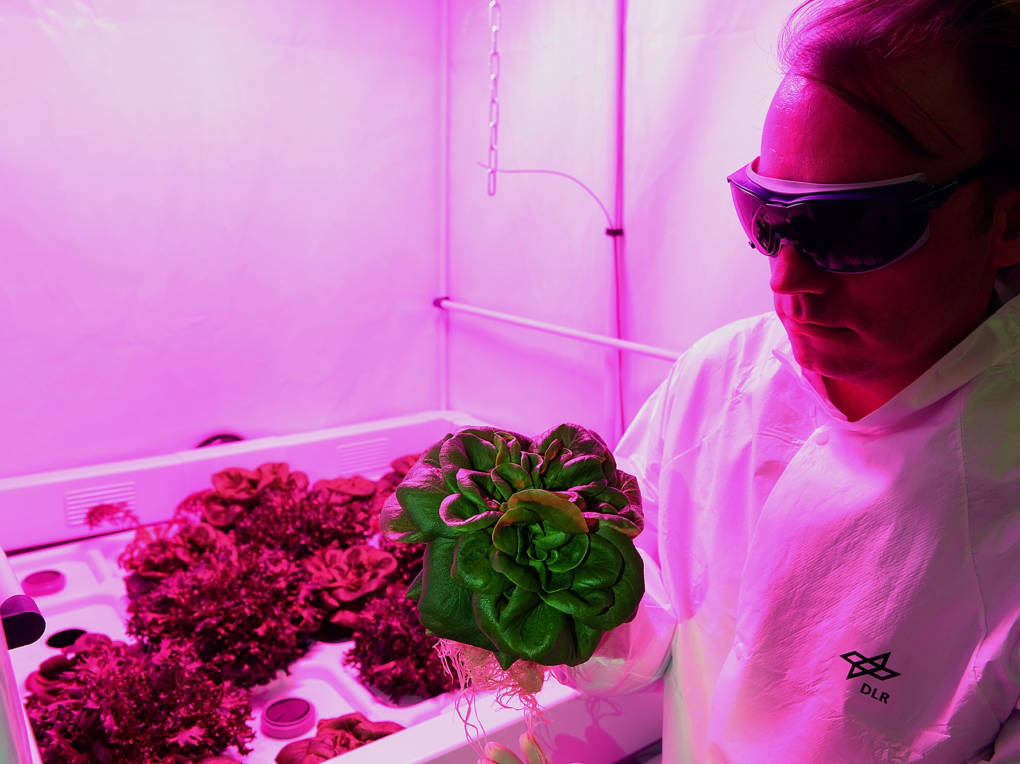
"caption": "Engineer Daniel Schubert inspects lettuce at the German Aerospace Center in Bremen. Scientists there are developing greenhouses for a potential Mars colony. The first greenhouse is being tested in an inhospitable environment in the Antarctic.",
"description": "Engineer Daniel Schubert inspects lettuce at the German Aerospace Center in Bremen. Scientists there are developing greenhouses for a potential Mars colony. The first greenhouse is being tested in an inhospitable environment in the Antarctic.",
"title": "Engineer Daniel Schubert inspects lettuce at the German Aerospace Center in Bremen. Scientists there are developing greenhouses for a potential Mars colony. The first greenhouse is being tested in an inhospitable environment in the Antarctic.",
"credit": " David Hecker/Getty Images",
"status": "inherit",
"isLoading": false,
"fetchFailed": false
},
"bayareabites_126870": {
"type": "attachments",
"id": "bayareabites_126870",
"meta": {
"index": "attachments_1716263798",
"site": "bayareabites",
"id": "126870",
"found": true
},
"parent": 126869,
"imgSizes": {
"small": {
"file": "https://ww2.kqed.org/app/uploads/sites/24/2018/04/gettyimages-186677454-575c53a4948736d3c13bb2d907644034498c0279-520x389.jpg",
"width": 520,
"mimeType": "image/jpeg",
"height": 389
},
"twentyfourteen-full-width": {
"file": "https://ww2.kqed.org/app/uploads/sites/24/2018/04/gettyimages-186677454-575c53a4948736d3c13bb2d907644034498c0279-1038x576.jpg",
"width": 1038,
"mimeType": "image/jpeg",
"height": 576
},
"thumbnail": {
"file": "https://ww2.kqed.org/app/uploads/sites/24/2018/04/gettyimages-186677454-575c53a4948736d3c13bb2d907644034498c0279-160x120.jpg",
"width": 160,
"mimeType": "image/jpeg",
"height": 120
},
"fd-sm": {
"file": "https://ww2.kqed.org/app/uploads/sites/24/2018/04/gettyimages-186677454-575c53a4948736d3c13bb2d907644034498c0279-960x719.jpg",
"width": 960,
"mimeType": "image/jpeg",
"height": 719
},
"post-thumbnail": {
"file": "https://ww2.kqed.org/app/uploads/sites/24/2018/04/gettyimages-186677454-575c53a4948736d3c13bb2d907644034498c0279-672x372.jpg",
"width": 672,
"mimeType": "image/jpeg",
"height": 372
},
"xsmall": {
"file": "https://ww2.kqed.org/app/uploads/sites/24/2018/04/gettyimages-186677454-575c53a4948736d3c13bb2d907644034498c0279-375x281.jpg",
"width": 375,
"mimeType": "image/jpeg",
"height": 281
},
"kqedFullSize": {
"file": "https://ww2.kqed.org/app/uploads/sites/24/2018/04/gettyimages-186677454-575c53a4948736d3c13bb2d907644034498c0279.jpg",
"width": 1888,
"height": 1414
},
"large": {
"file": "https://ww2.kqed.org/app/uploads/sites/24/2018/04/gettyimages-186677454-575c53a4948736d3c13bb2d907644034498c0279-1020x764.jpg",
"width": 1020,
"mimeType": "image/jpeg",
"height": 764
},
"xlarge": {
"file": "https://ww2.kqed.org/app/uploads/sites/24/2018/04/gettyimages-186677454-575c53a4948736d3c13bb2d907644034498c0279-1180x884.jpg",
"width": 1180,
"mimeType": "image/jpeg",
"height": 884
},
"complete_open_graph": {
"file": "https://ww2.kqed.org/app/uploads/sites/24/2018/04/gettyimages-186677454-575c53a4948736d3c13bb2d907644034498c0279-1200x899.jpg",
"width": 1200,
"mimeType": "image/jpeg",
"height": 899
},
"guest-author-50": {
"file": "https://ww2.kqed.org/app/uploads/sites/24/2018/04/gettyimages-186677454-575c53a4948736d3c13bb2d907644034498c0279-50x50.jpg",
"width": 50,
"mimeType": "image/jpeg",
"height": 50
},
"guest-author-96": {
"file": "https://ww2.kqed.org/app/uploads/sites/24/2018/04/gettyimages-186677454-575c53a4948736d3c13bb2d907644034498c0279-96x96.jpg",
"width": 96,
"mimeType": "image/jpeg",
"height": 96
},
"medium": {
"file": "https://ww2.kqed.org/app/uploads/sites/24/2018/04/gettyimages-186677454-575c53a4948736d3c13bb2d907644034498c0279-800x599.jpg",
"width": 800,
"mimeType": "image/jpeg",
"height": 599
},
"guest-author-64": {
"file": "https://ww2.kqed.org/app/uploads/sites/24/2018/04/gettyimages-186677454-575c53a4948736d3c13bb2d907644034498c0279-64x64.jpg",
"width": 64,
"mimeType": "image/jpeg",
"height": 64
},
"guest-author-32": {
"file": "https://ww2.kqed.org/app/uploads/sites/24/2018/04/gettyimages-186677454-575c53a4948736d3c13bb2d907644034498c0279-32x32.jpg",
"width": 32,
"mimeType": "image/jpeg",
"height": 32
},
"fd-med": {
"file": "https://ww2.kqed.org/app/uploads/sites/24/2018/04/gettyimages-186677454-575c53a4948736d3c13bb2d907644034498c0279-1180x884.jpg",
"width": 1180,
"mimeType": "image/jpeg",
"height": 884
},
"detail": {
"file": "https://ww2.kqed.org/app/uploads/sites/24/2018/04/gettyimages-186677454-575c53a4948736d3c13bb2d907644034498c0279-150x150.jpg",
"width": 150,
"mimeType": "image/jpeg",
"height": 150
},
"medium_large": {
"file": "https://ww2.kqed.org/app/uploads/sites/24/2018/04/gettyimages-186677454-575c53a4948736d3c13bb2d907644034498c0279-768x575.jpg",
"width": 768,
"mimeType": "image/jpeg",
"height": 575
},
"guest-author-128": {
"file": "https://ww2.kqed.org/app/uploads/sites/24/2018/04/gettyimages-186677454-575c53a4948736d3c13bb2d907644034498c0279-128x128.jpg",
"width": 128,
"mimeType": "image/jpeg",
"height": 128
},
"xxsmall": {
"file": "https://ww2.kqed.org/app/uploads/sites/24/2018/04/gettyimages-186677454-575c53a4948736d3c13bb2d907644034498c0279-240x180.jpg",
"width": 240,
"mimeType": "image/jpeg",
"height": 180
}
},
"publishDate": 1523923970,
"modified": 1523924071,
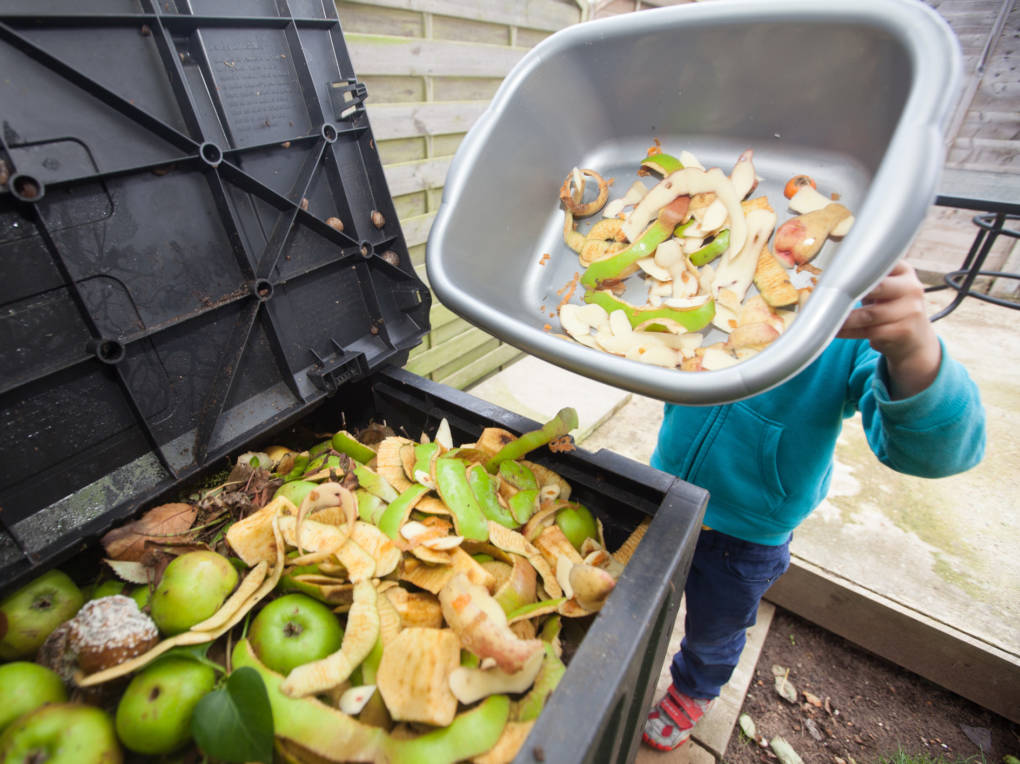
"caption": "Composting food scraps is one way to reduce food waste, but preventing excess food in the first place is better, says the EPA.",
"description": "Composting food scraps is one way to reduce food waste, but preventing excess food in the first place is better, says the EPA.",
"title": "Composting food scraps is one way to reduce food waste, but preventing excess food in the first place is better, says the EPA.",
"credit": "paul mansfield photography/Getty Images",
"status": "inherit",
"isLoading": false,
"fetchFailed": false
},
"bayareabites_126589": {
"type": "attachments",
"id": "bayareabites_126589",
"meta": {
"index": "attachments_1716263798",
"site": "bayareabites",
"id": "126589",
"found": true
},
"parent": 126588,
"imgSizes": {
"small": {
"file": "https://ww2.kqed.org/app/uploads/sites/24/2018/04/dirt-02-322d8118f429ccf8a74e83dbd86a394b1bf92d09-520x390.jpg",
"width": 520,
"mimeType": "image/jpeg",
"height": 390
},
"twentyfourteen-full-width": {
"file": "https://ww2.kqed.org/app/uploads/sites/24/2018/04/dirt-02-322d8118f429ccf8a74e83dbd86a394b1bf92d09-1038x576.jpg",
"width": 1038,
"mimeType": "image/jpeg",
"height": 576
},
"thumbnail": {
"file": "https://ww2.kqed.org/app/uploads/sites/24/2018/04/dirt-02-322d8118f429ccf8a74e83dbd86a394b1bf92d09-160x120.jpg",
"width": 160,
"mimeType": "image/jpeg",
"height": 120
},
"fd-sm": {
"file": "https://ww2.kqed.org/app/uploads/sites/24/2018/04/dirt-02-322d8118f429ccf8a74e83dbd86a394b1bf92d09-960x720.jpg",
"width": 960,
"mimeType": "image/jpeg",
"height": 720
},
"post-thumbnail": {
"file": "https://ww2.kqed.org/app/uploads/sites/24/2018/04/dirt-02-322d8118f429ccf8a74e83dbd86a394b1bf92d09-672x372.jpg",
"width": 672,
"mimeType": "image/jpeg",
"height": 372
},
"xsmall": {
"file": "https://ww2.kqed.org/app/uploads/sites/24/2018/04/dirt-02-322d8118f429ccf8a74e83dbd86a394b1bf92d09-375x281.jpg",
"width": 375,
"mimeType": "image/jpeg",
"height": 281
},
"kqedFullSize": {
"file": "https://ww2.kqed.org/app/uploads/sites/24/2018/04/dirt-02-322d8118f429ccf8a74e83dbd86a394b1bf92d09.jpg",
"width": 1776,
"height": 1332
},
"large": {
"file": "https://ww2.kqed.org/app/uploads/sites/24/2018/04/dirt-02-322d8118f429ccf8a74e83dbd86a394b1bf92d09-1020x765.jpg",
"width": 1020,
"mimeType": "image/jpeg",
"height": 765
},
"xlarge": {
"file": "https://ww2.kqed.org/app/uploads/sites/24/2018/04/dirt-02-322d8118f429ccf8a74e83dbd86a394b1bf92d09-1180x885.jpg",
"width": 1180,
"mimeType": "image/jpeg",
"height": 885
},
"guest-author-50": {
"file": "https://ww2.kqed.org/app/uploads/sites/24/2018/04/dirt-02-322d8118f429ccf8a74e83dbd86a394b1bf92d09-50x50.jpg",
"width": 50,
"mimeType": "image/jpeg",
"height": 50
},
"guest-author-96": {
"file": "https://ww2.kqed.org/app/uploads/sites/24/2018/04/dirt-02-322d8118f429ccf8a74e83dbd86a394b1bf92d09-96x96.jpg",
"width": 96,
"mimeType": "image/jpeg",
"height": 96
},
"medium": {
"file": "https://ww2.kqed.org/app/uploads/sites/24/2018/04/dirt-02-322d8118f429ccf8a74e83dbd86a394b1bf92d09-800x600.jpg",
"width": 800,
"mimeType": "image/jpeg",
"height": 600
},
"guest-author-64": {
"file": "https://ww2.kqed.org/app/uploads/sites/24/2018/04/dirt-02-322d8118f429ccf8a74e83dbd86a394b1bf92d09-64x64.jpg",
"width": 64,
"mimeType": "image/jpeg",
"height": 64
},
"guest-author-32": {
"file": "https://ww2.kqed.org/app/uploads/sites/24/2018/04/dirt-02-322d8118f429ccf8a74e83dbd86a394b1bf92d09-32x32.jpg",
"width": 32,
"mimeType": "image/jpeg",
"height": 32
},
"fd-med": {
"file": "https://ww2.kqed.org/app/uploads/sites/24/2018/04/dirt-02-322d8118f429ccf8a74e83dbd86a394b1bf92d09-1180x885.jpg",
"width": 1180,
"mimeType": "image/jpeg",
"height": 885
},
"detail": {
"file": "https://ww2.kqed.org/app/uploads/sites/24/2018/04/dirt-02-322d8118f429ccf8a74e83dbd86a394b1bf92d09-150x150.jpg",
"width": 150,
"mimeType": "image/jpeg",
"height": 150
},
"medium_large": {
"file": "https://ww2.kqed.org/app/uploads/sites/24/2018/04/dirt-02-322d8118f429ccf8a74e83dbd86a394b1bf92d09-768x576.jpg",
"width": 768,
"mimeType": "image/jpeg",
"height": 576
},
"guest-author-128": {
"file": "https://ww2.kqed.org/app/uploads/sites/24/2018/04/dirt-02-322d8118f429ccf8a74e83dbd86a394b1bf92d09-128x128.jpg",
"width": 128,
"mimeType": "image/jpeg",
"height": 128
},
"xxsmall": {
"file": "https://ww2.kqed.org/app/uploads/sites/24/2018/04/dirt-02-322d8118f429ccf8a74e83dbd86a394b1bf92d09-240x180.jpg",
"width": 240,
"mimeType": "image/jpeg",
"height": 180
}
},
"publishDate": 1523302710,
"modified": 1523303466,
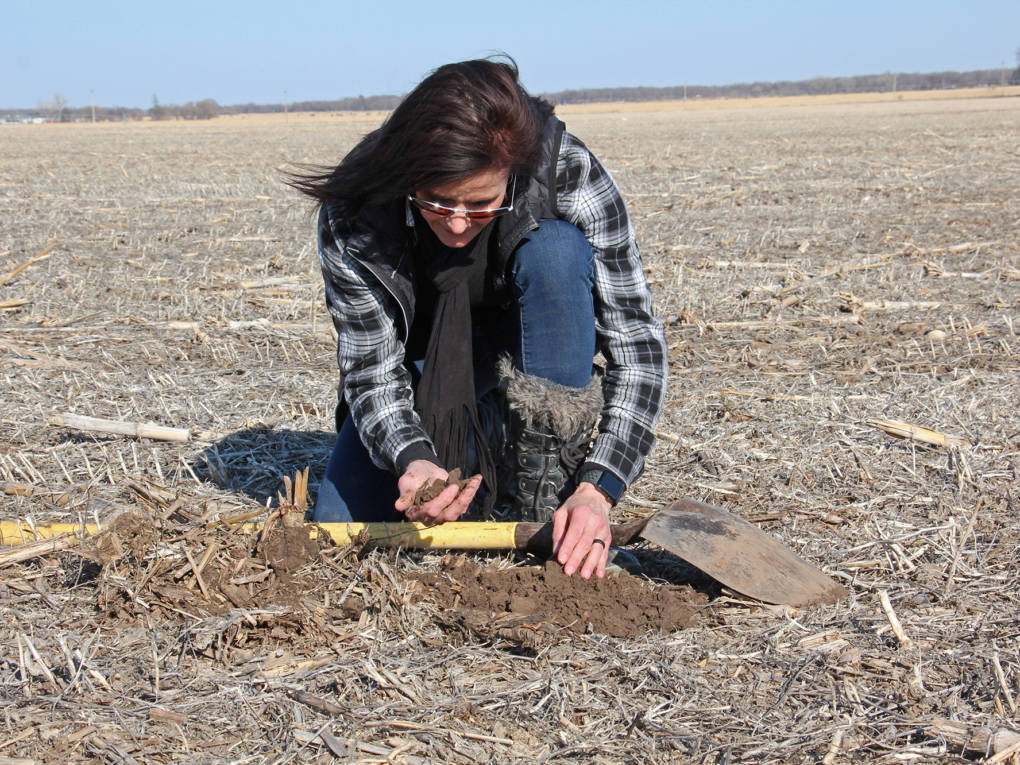
"caption": "Deb Gangwish inspects soil on her farm near Shelton, Neb.",
"description": "Deb Gangwish inspects soil on her farm near Shelton, Neb.",
"title": "Deb Gangwish inspects soil on her farm near Shelton, Neb.",
"credit": " Dan Charles",
"status": "inherit",
"isLoading": false,
"fetchFailed": false
},
"bayareabites_126531": {
"type": "attachments",
"id": "bayareabites_126531",
"meta": {
"index": "attachments_1716263798",
"site": "bayareabites",
"id": "126531",
"found": true
},
"parent": 126530,
"imgSizes": {
"small": {
"file": "https://ww2.kqed.org/app/uploads/sites/24/2018/04/gettyimages-86093797_wide-847a934f835cd1fbec62646ccae247e8c115d5f9-520x292.jpg",
"width": 520,
"mimeType": "image/jpeg",
"height": 292
},
"twentyfourteen-full-width": {
"file": "https://ww2.kqed.org/app/uploads/sites/24/2018/04/gettyimages-86093797_wide-847a934f835cd1fbec62646ccae247e8c115d5f9-1038x576.jpg",
"width": 1038,
"mimeType": "image/jpeg",
"height": 576
},
"thumbnail": {
"file": "https://ww2.kqed.org/app/uploads/sites/24/2018/04/gettyimages-86093797_wide-847a934f835cd1fbec62646ccae247e8c115d5f9-160x90.jpg",
"width": 160,
"mimeType": "image/jpeg",
"height": 90
},
"fd-sm": {
"file": "https://ww2.kqed.org/app/uploads/sites/24/2018/04/gettyimages-86093797_wide-847a934f835cd1fbec62646ccae247e8c115d5f9-960x540.jpg",
"width": 960,
"mimeType": "image/jpeg",
"height": 540
},
"post-thumbnail": {
"file": "https://ww2.kqed.org/app/uploads/sites/24/2018/04/gettyimages-86093797_wide-847a934f835cd1fbec62646ccae247e8c115d5f9-672x372.jpg",
"width": 672,
"mimeType": "image/jpeg",
"height": 372
},
"xsmall": {
"file": "https://ww2.kqed.org/app/uploads/sites/24/2018/04/gettyimages-86093797_wide-847a934f835cd1fbec62646ccae247e8c115d5f9-375x211.jpg",
"width": 375,
"mimeType": "image/jpeg",
"height": 211
},
"kqedFullSize": {
"file": "https://ww2.kqed.org/app/uploads/sites/24/2018/04/gettyimages-86093797_wide-847a934f835cd1fbec62646ccae247e8c115d5f9.jpg",
"width": 2989,
"height": 1681
},
"large": {
"file": "https://ww2.kqed.org/app/uploads/sites/24/2018/04/gettyimages-86093797_wide-847a934f835cd1fbec62646ccae247e8c115d5f9-1020x574.jpg",
"width": 1020,
"mimeType": "image/jpeg",
"height": 574
},
"xlarge": {
"file": "https://ww2.kqed.org/app/uploads/sites/24/2018/04/gettyimages-86093797_wide-847a934f835cd1fbec62646ccae247e8c115d5f9-1180x664.jpg",
"width": 1180,
"mimeType": "image/jpeg",
"height": 664
},
"guest-author-50": {
"file": "https://ww2.kqed.org/app/uploads/sites/24/2018/04/gettyimages-86093797_wide-847a934f835cd1fbec62646ccae247e8c115d5f9-50x50.jpg",
"width": 50,
"mimeType": "image/jpeg",
"height": 50
},
"guest-author-96": {
"file": "https://ww2.kqed.org/app/uploads/sites/24/2018/04/gettyimages-86093797_wide-847a934f835cd1fbec62646ccae247e8c115d5f9-96x96.jpg",
"width": 96,
"mimeType": "image/jpeg",
"height": 96
},
"medium": {
"file": "https://ww2.kqed.org/app/uploads/sites/24/2018/04/gettyimages-86093797_wide-847a934f835cd1fbec62646ccae247e8c115d5f9-800x450.jpg",
"width": 800,
"mimeType": "image/jpeg",
"height": 450
},
"guest-author-64": {
"file": "https://ww2.kqed.org/app/uploads/sites/24/2018/04/gettyimages-86093797_wide-847a934f835cd1fbec62646ccae247e8c115d5f9-64x64.jpg",
"width": 64,
"mimeType": "image/jpeg",
"height": 64
},
"guest-author-32": {
"file": "https://ww2.kqed.org/app/uploads/sites/24/2018/04/gettyimages-86093797_wide-847a934f835cd1fbec62646ccae247e8c115d5f9-32x32.jpg",
"width": 32,
"mimeType": "image/jpeg",
"height": 32
},
"fd-lrg": {
"file": "https://ww2.kqed.org/app/uploads/sites/24/2018/04/gettyimages-86093797_wide-847a934f835cd1fbec62646ccae247e8c115d5f9-1920x1080.jpg",
"width": 1920,
"mimeType": "image/jpeg",
"height": 1080
},
"fd-med": {
"file": "https://ww2.kqed.org/app/uploads/sites/24/2018/04/gettyimages-86093797_wide-847a934f835cd1fbec62646ccae247e8c115d5f9-1180x664.jpg",
"width": 1180,
"mimeType": "image/jpeg",
"height": 664
},
"full-width": {
"file": "https://ww2.kqed.org/app/uploads/sites/24/2018/04/gettyimages-86093797_wide-847a934f835cd1fbec62646ccae247e8c115d5f9-1920x1080.jpg",
"width": 1920,
"mimeType": "image/jpeg",
"height": 1080
},
"detail": {
"file": "https://ww2.kqed.org/app/uploads/sites/24/2018/04/gettyimages-86093797_wide-847a934f835cd1fbec62646ccae247e8c115d5f9-150x150.jpg",
"width": 150,
"mimeType": "image/jpeg",
"height": 150
},
"medium_large": {
"file": "https://ww2.kqed.org/app/uploads/sites/24/2018/04/gettyimages-86093797_wide-847a934f835cd1fbec62646ccae247e8c115d5f9-768x432.jpg",
"width": 768,
"mimeType": "image/jpeg",
"height": 432
},
"guest-author-128": {
"file": "https://ww2.kqed.org/app/uploads/sites/24/2018/04/gettyimages-86093797_wide-847a934f835cd1fbec62646ccae247e8c115d5f9-128x128.jpg",
"width": 128,
"mimeType": "image/jpeg",
"height": 128
},
"xxsmall": {
"file": "https://ww2.kqed.org/app/uploads/sites/24/2018/04/gettyimages-86093797_wide-847a934f835cd1fbec62646ccae247e8c115d5f9-240x135.jpg",
"width": 240,
"mimeType": "image/jpeg",
"height": 135
}
},
"publishDate": 1523222849,
"modified": 1523222881,
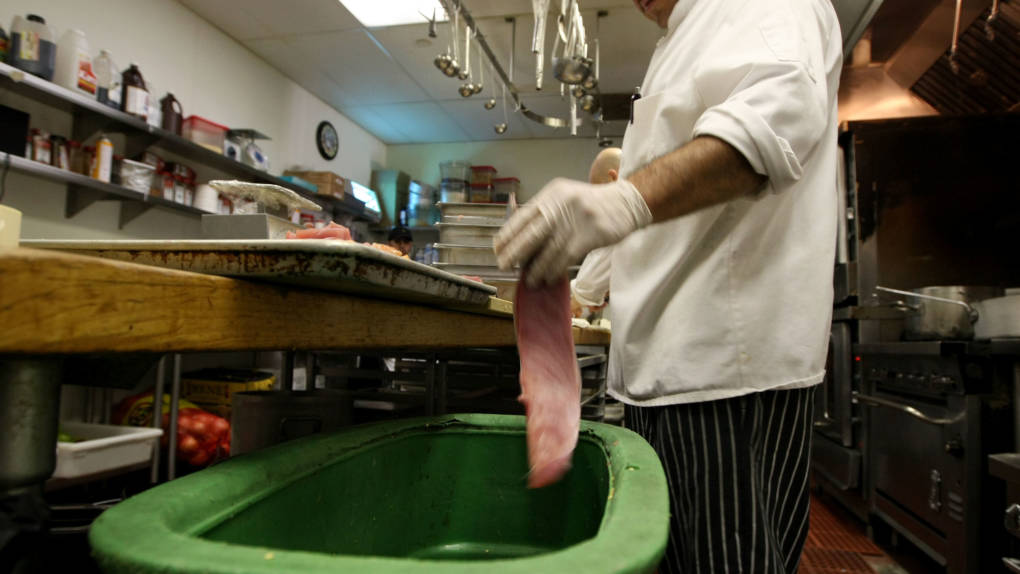
"caption": "A prep cook at a San Francisco restaurant drops fish skin into a food scrap recycling container. Turning food waste into fertilizer is popular in parts of Europe and is catching on in the U.S. But tiny plastics are also making their way into that fertilizer — and into the food chain.",
"description": "A prep cook at a San Francisco restaurant drops fish skin into a food scrap recycling container. Turning food waste into fertilizer is popular in parts of Europe and is catching on in the U.S. But tiny plastics are also making their way into that fertilizer -- and into the food chain.",
"title": "A prep cook at a San Francisco restaurant drops fish skin into a food scrap recycling container. Turning food waste into fertilizer is popular in parts of Europe and is catching on in the U.S. But tiny plastics are also making their way into that fertilizer — and into the food chain.",
"credit": "Justin Sullivan/Getty Images",
"status": "inherit",
"isLoading": false,
"fetchFailed": false
},
"bayareabites_126040": {
"type": "attachments",
"id": "bayareabites_126040",
"meta": {
"index": "attachments_1716263798",
"site": "bayareabites",
"id": "126040",
"found": true
},
"parent": 126036,
"imgSizes": {
"small": {
"file": "https://ww2.kqed.org/app/uploads/sites/24/2018/03/180312-regenerative-agriculture-top1-520x347.jpg",
"width": 520,
"mimeType": "image/jpeg",
"height": 347
},
"twentyfourteen-full-width": {
"file": "https://ww2.kqed.org/app/uploads/sites/24/2018/03/180312-regenerative-agriculture-top1-1038x576.jpg",
"width": 1038,
"mimeType": "image/jpeg",
"height": 576
},
"thumbnail": {
"file": "https://ww2.kqed.org/app/uploads/sites/24/2018/03/180312-regenerative-agriculture-top1-160x107.jpg",
"width": 160,
"mimeType": "image/jpeg",
"height": 107
},
"fd-sm": {
"file": "https://ww2.kqed.org/app/uploads/sites/24/2018/03/180312-regenerative-agriculture-top1-960x640.jpg",
"width": 960,
"mimeType": "image/jpeg",
"height": 640
},
"post-thumbnail": {
"file": "https://ww2.kqed.org/app/uploads/sites/24/2018/03/180312-regenerative-agriculture-top1-672x372.jpg",
"width": 672,
"mimeType": "image/jpeg",
"height": 372
},
"xsmall": {
"file": "https://ww2.kqed.org/app/uploads/sites/24/2018/03/180312-regenerative-agriculture-top1-375x250.jpg",
"width": 375,
"mimeType": "image/jpeg",
"height": 250
},
"kqedFullSize": {
"file": "https://ww2.kqed.org/app/uploads/sites/24/2018/03/180312-regenerative-agriculture-top1.jpg",
"width": 1200,
"height": 800
},
"large": {
"file": "https://ww2.kqed.org/app/uploads/sites/24/2018/03/180312-regenerative-agriculture-top1-1020x680.jpg",
"width": 1020,
"mimeType": "image/jpeg",
"height": 680
},
"xlarge": {
"file": "https://ww2.kqed.org/app/uploads/sites/24/2018/03/180312-regenerative-agriculture-top1-1180x787.jpg",
"width": 1180,
"mimeType": "image/jpeg",
"height": 787
},
"guest-author-50": {
"file": "https://ww2.kqed.org/app/uploads/sites/24/2018/03/180312-regenerative-agriculture-top1-50x50.jpg",
"width": 50,
"mimeType": "image/jpeg",
"height": 50
},
"guest-author-96": {
"file": "https://ww2.kqed.org/app/uploads/sites/24/2018/03/180312-regenerative-agriculture-top1-96x96.jpg",
"width": 96,
"mimeType": "image/jpeg",
"height": 96
},
"medium": {
"file": "https://ww2.kqed.org/app/uploads/sites/24/2018/03/180312-regenerative-agriculture-top1-800x533.jpg",
"width": 800,
"mimeType": "image/jpeg",
"height": 533
},
"guest-author-64": {
"file": "https://ww2.kqed.org/app/uploads/sites/24/2018/03/180312-regenerative-agriculture-top1-64x64.jpg",
"width": 64,
"mimeType": "image/jpeg",
"height": 64
},
"guest-author-32": {
"file": "https://ww2.kqed.org/app/uploads/sites/24/2018/03/180312-regenerative-agriculture-top1-32x32.jpg",
"width": 32,
"mimeType": "image/jpeg",
"height": 32
},
"fd-med": {
"file": "https://ww2.kqed.org/app/uploads/sites/24/2018/03/180312-regenerative-agriculture-top1-1180x787.jpg",
"width": 1180,
"mimeType": "image/jpeg",
"height": 787
},
"detail": {
"file": "https://ww2.kqed.org/app/uploads/sites/24/2018/03/180312-regenerative-agriculture-top1-150x150.jpg",
"width": 150,
"mimeType": "image/jpeg",
"height": 150
},
"medium_large": {
"file": "https://ww2.kqed.org/app/uploads/sites/24/2018/03/180312-regenerative-agriculture-top1-768x512.jpg",
"width": 768,
"mimeType": "image/jpeg",
"height": 512
},
"guest-author-128": {
"file": "https://ww2.kqed.org/app/uploads/sites/24/2018/03/180312-regenerative-agriculture-top1-128x128.jpg",
"width": 128,
"mimeType": "image/jpeg",
"height": 128
},
"xxsmall": {
"file": "https://ww2.kqed.org/app/uploads/sites/24/2018/03/180312-regenerative-agriculture-top1-240x160.jpg",
"width": 240,
"mimeType": "image/jpeg",
"height": 160
}
},
"publishDate": 1521565668,
"modified": 1521565755,
"caption": null,
"description": null,
"title": "180312-regenerative-agriculture-top1",
"credit": "\u003ca href=\"https://rodaleinstitute.org/\">The Rodale Institute\u003c/a>",
"status": "inherit",
"isLoading": false,
"fetchFailed": false
},
"bayareabites_125612": {
"type": "attachments",
"id": "bayareabites_125612",
"meta": {
"index": "attachments_1716263798",
"site": "bayareabites",
"id": "125612",
"found": true
},
"parent": 125611,
"imgSizes": {
"small": {
"file": "https://ww2.kqed.org/app/uploads/sites/24/2018/03/large-chinook-salmon_wide-e91ab4e6c6999d8d452ab3824075c74f0f7bbf3f-520x293.jpg",
"width": 520,
"mimeType": "image/jpeg",
"height": 293
},
"twentyfourteen-full-width": {
"file": "https://ww2.kqed.org/app/uploads/sites/24/2018/03/large-chinook-salmon_wide-e91ab4e6c6999d8d452ab3824075c74f0f7bbf3f-1038x576.jpg",
"width": 1038,
"mimeType": "image/jpeg",
"height": 576
},
"thumbnail": {
"file": "https://ww2.kqed.org/app/uploads/sites/24/2018/03/large-chinook-salmon_wide-e91ab4e6c6999d8d452ab3824075c74f0f7bbf3f-160x90.jpg",
"width": 160,
"mimeType": "image/jpeg",
"height": 90
},
"fd-sm": {
"file": "https://ww2.kqed.org/app/uploads/sites/24/2018/03/large-chinook-salmon_wide-e91ab4e6c6999d8d452ab3824075c74f0f7bbf3f-960x540.jpg",
"width": 960,
"mimeType": "image/jpeg",
"height": 540
},
"post-thumbnail": {
"file": "https://ww2.kqed.org/app/uploads/sites/24/2018/03/large-chinook-salmon_wide-e91ab4e6c6999d8d452ab3824075c74f0f7bbf3f-672x372.jpg",
"width": 672,
"mimeType": "image/jpeg",
"height": 372
},
"xsmall": {
"file": "https://ww2.kqed.org/app/uploads/sites/24/2018/03/large-chinook-salmon_wide-e91ab4e6c6999d8d452ab3824075c74f0f7bbf3f-375x211.jpg",
"width": 375,
"mimeType": "image/jpeg",
"height": 211
},
"kqedFullSize": {
"file": "https://ww2.kqed.org/app/uploads/sites/24/2018/03/large-chinook-salmon_wide-e91ab4e6c6999d8d452ab3824075c74f0f7bbf3f.jpg",
"width": 2000,
"height": 1125
},
"large": {
"file": "https://ww2.kqed.org/app/uploads/sites/24/2018/03/large-chinook-salmon_wide-e91ab4e6c6999d8d452ab3824075c74f0f7bbf3f-1020x574.jpg",
"width": 1020,
"mimeType": "image/jpeg",
"height": 574
},
"xlarge": {
"file": "https://ww2.kqed.org/app/uploads/sites/24/2018/03/large-chinook-salmon_wide-e91ab4e6c6999d8d452ab3824075c74f0f7bbf3f-1180x664.jpg",
"width": 1180,
"mimeType": "image/jpeg",
"height": 664
},
"guest-author-50": {
"file": "https://ww2.kqed.org/app/uploads/sites/24/2018/03/large-chinook-salmon_wide-e91ab4e6c6999d8d452ab3824075c74f0f7bbf3f-50x50.jpg",
"width": 50,
"mimeType": "image/jpeg",
"height": 50
},
"guest-author-96": {
"file": "https://ww2.kqed.org/app/uploads/sites/24/2018/03/large-chinook-salmon_wide-e91ab4e6c6999d8d452ab3824075c74f0f7bbf3f-96x96.jpg",
"width": 96,
"mimeType": "image/jpeg",
"height": 96
},
"medium": {
"file": "https://ww2.kqed.org/app/uploads/sites/24/2018/03/large-chinook-salmon_wide-e91ab4e6c6999d8d452ab3824075c74f0f7bbf3f-800x450.jpg",
"width": 800,
"mimeType": "image/jpeg",
"height": 450
},
"guest-author-64": {
"file": "https://ww2.kqed.org/app/uploads/sites/24/2018/03/large-chinook-salmon_wide-e91ab4e6c6999d8d452ab3824075c74f0f7bbf3f-64x64.jpg",
"width": 64,
"mimeType": "image/jpeg",
"height": 64
},
"guest-author-32": {
"file": "https://ww2.kqed.org/app/uploads/sites/24/2018/03/large-chinook-salmon_wide-e91ab4e6c6999d8d452ab3824075c74f0f7bbf3f-32x32.jpg",
"width": 32,
"mimeType": "image/jpeg",
"height": 32
},
"fd-lrg": {
"file": "https://ww2.kqed.org/app/uploads/sites/24/2018/03/large-chinook-salmon_wide-e91ab4e6c6999d8d452ab3824075c74f0f7bbf3f-1920x1080.jpg",
"width": 1920,
"mimeType": "image/jpeg",
"height": 1080
},
"fd-med": {
"file": "https://ww2.kqed.org/app/uploads/sites/24/2018/03/large-chinook-salmon_wide-e91ab4e6c6999d8d452ab3824075c74f0f7bbf3f-1180x664.jpg",
"width": 1180,
"mimeType": "image/jpeg",
"height": 664
},
"full-width": {
"file": "https://ww2.kqed.org/app/uploads/sites/24/2018/03/large-chinook-salmon_wide-e91ab4e6c6999d8d452ab3824075c74f0f7bbf3f-1920x1080.jpg",
"width": 1920,
"mimeType": "image/jpeg",
"height": 1080
},
"detail": {
"file": "https://ww2.kqed.org/app/uploads/sites/24/2018/03/large-chinook-salmon_wide-e91ab4e6c6999d8d452ab3824075c74f0f7bbf3f-150x150.jpg",
"width": 150,
"mimeType": "image/jpeg",
"height": 150
},
"medium_large": {
"file": "https://ww2.kqed.org/app/uploads/sites/24/2018/03/large-chinook-salmon_wide-e91ab4e6c6999d8d452ab3824075c74f0f7bbf3f-768x432.jpg",
"width": 768,
"mimeType": "image/jpeg",
"height": 432
},
"guest-author-128": {
"file": "https://ww2.kqed.org/app/uploads/sites/24/2018/03/large-chinook-salmon_wide-e91ab4e6c6999d8d452ab3824075c74f0f7bbf3f-128x128.jpg",
"width": 128,
"mimeType": "image/jpeg",
"height": 128
},
"xxsmall": {
"file": "https://ww2.kqed.org/app/uploads/sites/24/2018/03/large-chinook-salmon_wide-e91ab4e6c6999d8d452ab3824075c74f0f7bbf3f-240x135.jpg",
"width": 240,
"mimeType": "image/jpeg",
"height": 135
}
},
"publishDate": 1520872586,
"modified": 1520872807,
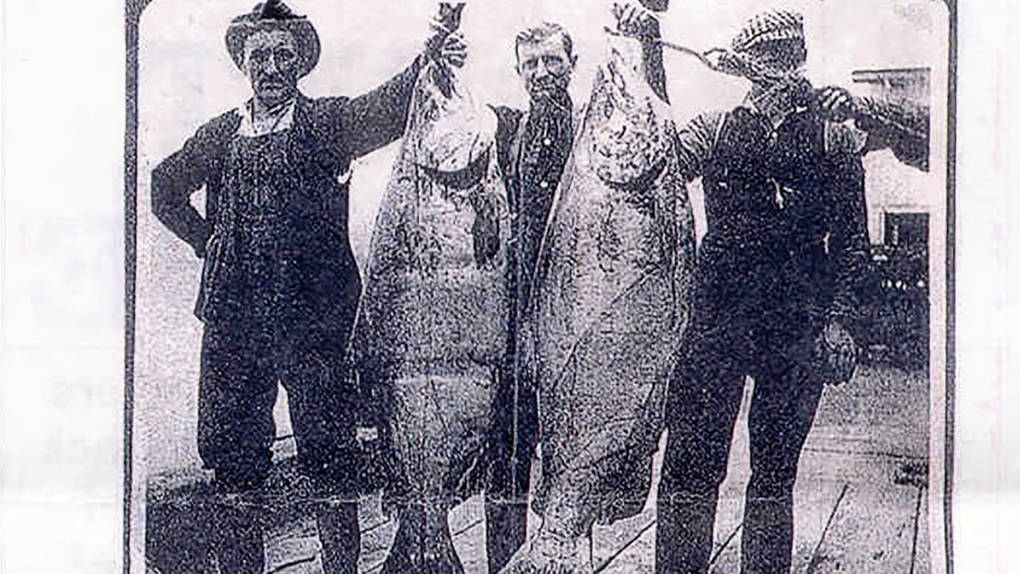
"caption": "A photo taken in Astoria, Ore., circa 1910. It was stated that the chinook on the left weighed 116 pounds and the one on the right weighed 121 pounds.",
"description": "A photo taken in Astoria, Ore., circa 1910. It was stated that the chinook on the left weighed 116 pounds and the one on the right weighed 121 pounds.",
"title": "A photo taken in Astoria, Ore., circa 1910. It was stated that the chinook on the left weighed 116 pounds and the one on the right weighed 121 pounds.",
"credit": "WikiMedia Commons",
"status": "inherit",
"isLoading": false,
"fetchFailed": false
},
"bayareabites_125520": {
"type": "attachments",
"id": "bayareabites_125520",
"meta": {
"index": "attachments_1716263798",
"site": "bayareabites",
"id": "125520",
"found": true
},
"parent": 125519,
"imgSizes": {
"small": {
"file": "https://ww2.kqed.org/app/uploads/sites/24/2018/03/girl-juicebox_wide-4eff0c88df284307072a9da33247352693ffef88-520x293.jpg",
"width": 520,
"mimeType": "image/jpeg",
"height": 293
},
"twentyfourteen-full-width": {
"file": "https://ww2.kqed.org/app/uploads/sites/24/2018/03/girl-juicebox_wide-4eff0c88df284307072a9da33247352693ffef88-1038x576.jpg",
"width": 1038,
"mimeType": "image/jpeg",
"height": 576
},
"thumbnail": {
"file": "https://ww2.kqed.org/app/uploads/sites/24/2018/03/girl-juicebox_wide-4eff0c88df284307072a9da33247352693ffef88-160x90.jpg",
"width": 160,
"mimeType": "image/jpeg",
"height": 90
},
"fd-sm": {
"file": "https://ww2.kqed.org/app/uploads/sites/24/2018/03/girl-juicebox_wide-4eff0c88df284307072a9da33247352693ffef88-960x540.jpg",
"width": 960,
"mimeType": "image/jpeg",
"height": 540
},
"post-thumbnail": {
"file": "https://ww2.kqed.org/app/uploads/sites/24/2018/03/girl-juicebox_wide-4eff0c88df284307072a9da33247352693ffef88-672x372.jpg",
"width": 672,
"mimeType": "image/jpeg",
"height": 372
},
"xsmall": {
"file": "https://ww2.kqed.org/app/uploads/sites/24/2018/03/girl-juicebox_wide-4eff0c88df284307072a9da33247352693ffef88-375x211.jpg",
"width": 375,
"mimeType": "image/jpeg",
"height": 211
},
"kqedFullSize": {
"file": "https://ww2.kqed.org/app/uploads/sites/24/2018/03/girl-juicebox_wide-4eff0c88df284307072a9da33247352693ffef88.jpg",
"width": 2000,
"height": 1125
},
"large": {
"file": "https://ww2.kqed.org/app/uploads/sites/24/2018/03/girl-juicebox_wide-4eff0c88df284307072a9da33247352693ffef88-1020x574.jpg",
"width": 1020,
"mimeType": "image/jpeg",
"height": 574
},
"xlarge": {
"file": "https://ww2.kqed.org/app/uploads/sites/24/2018/03/girl-juicebox_wide-4eff0c88df284307072a9da33247352693ffef88-1180x664.jpg",
"width": 1180,
"mimeType": "image/jpeg",
"height": 664
},
"guest-author-50": {
"file": "https://ww2.kqed.org/app/uploads/sites/24/2018/03/girl-juicebox_wide-4eff0c88df284307072a9da33247352693ffef88-50x50.jpg",
"width": 50,
"mimeType": "image/jpeg",
"height": 50
},
"guest-author-96": {
"file": "https://ww2.kqed.org/app/uploads/sites/24/2018/03/girl-juicebox_wide-4eff0c88df284307072a9da33247352693ffef88-96x96.jpg",
"width": 96,
"mimeType": "image/jpeg",
"height": 96
},
"medium": {
"file": "https://ww2.kqed.org/app/uploads/sites/24/2018/03/girl-juicebox_wide-4eff0c88df284307072a9da33247352693ffef88-800x450.jpg",
"width": 800,
"mimeType": "image/jpeg",
"height": 450
},
"guest-author-64": {
"file": "https://ww2.kqed.org/app/uploads/sites/24/2018/03/girl-juicebox_wide-4eff0c88df284307072a9da33247352693ffef88-64x64.jpg",
"width": 64,
"mimeType": "image/jpeg",
"height": 64
},
"guest-author-32": {
"file": "https://ww2.kqed.org/app/uploads/sites/24/2018/03/girl-juicebox_wide-4eff0c88df284307072a9da33247352693ffef88-32x32.jpg",
"width": 32,
"mimeType": "image/jpeg",
"height": 32
},
"fd-lrg": {
"file": "https://ww2.kqed.org/app/uploads/sites/24/2018/03/girl-juicebox_wide-4eff0c88df284307072a9da33247352693ffef88-1920x1080.jpg",
"width": 1920,
"mimeType": "image/jpeg",
"height": 1080
},
"fd-med": {
"file": "https://ww2.kqed.org/app/uploads/sites/24/2018/03/girl-juicebox_wide-4eff0c88df284307072a9da33247352693ffef88-1180x664.jpg",
"width": 1180,
"mimeType": "image/jpeg",
"height": 664
},
"full-width": {
"file": "https://ww2.kqed.org/app/uploads/sites/24/2018/03/girl-juicebox_wide-4eff0c88df284307072a9da33247352693ffef88-1920x1080.jpg",
"width": 1920,
"mimeType": "image/jpeg",
"height": 1080
},
"detail": {
"file": "https://ww2.kqed.org/app/uploads/sites/24/2018/03/girl-juicebox_wide-4eff0c88df284307072a9da33247352693ffef88-150x150.jpg",
"width": 150,
"mimeType": "image/jpeg",
"height": 150
},
"medium_large": {
"file": "https://ww2.kqed.org/app/uploads/sites/24/2018/03/girl-juicebox_wide-4eff0c88df284307072a9da33247352693ffef88-768x432.jpg",
"width": 768,
"mimeType": "image/jpeg",
"height": 432
},
"guest-author-128": {
"file": "https://ww2.kqed.org/app/uploads/sites/24/2018/03/girl-juicebox_wide-4eff0c88df284307072a9da33247352693ffef88-128x128.jpg",
"width": 128,
"mimeType": "image/jpeg",
"height": 128
},
"xxsmall": {
"file": "https://ww2.kqed.org/app/uploads/sites/24/2018/03/girl-juicebox_wide-4eff0c88df284307072a9da33247352693ffef88-240x135.jpg",
"width": 240,
"mimeType": "image/jpeg",
"height": 135
}
},
"publishDate": 1520688864,
"modified": 1520689564,
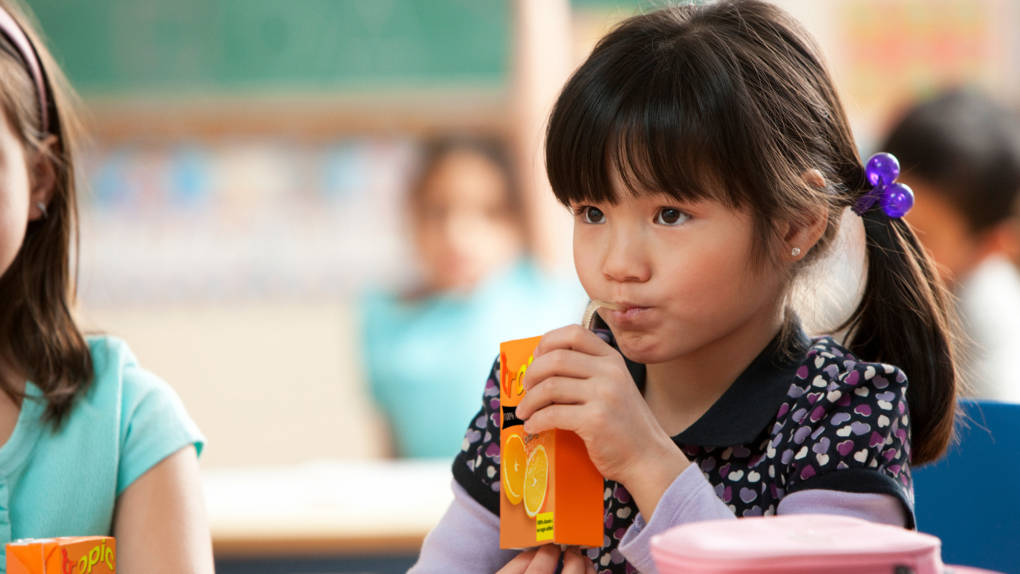
"caption": "Because of layers of material that can be difficult to separate, many containers for juices and broths have traditionally been destined for landfills. But recycling them is getting easier.",
"description": "Because of layers of material that can be difficult to separate, many containers for juices and broths have traditionally been destined for landfills. But recycling them is getting easier.",
"title": "Because of layers of material that can be difficult to separate, many containers for juices and broths have traditionally been destined for landfills. But recycling them is getting easier.",
"credit": "KidStock/Getty Images",
"status": "inherit",
"isLoading": false,
"fetchFailed": false
},
"bayareabites_125461": {
"type": "attachments",
"id": "bayareabites_125461",
"meta": {
"index": "attachments_1716263798",
"site": "bayareabites",
"id": "125461",
"found": true
},
"parent": 125460,
"imgSizes": {
"small": {
"file": "https://ww2.kqed.org/app/uploads/sites/24/2018/03/main-image-a915d28297e446d9b3e40c62006ced1734fa8106-520x390.jpg",
"width": 520,
"mimeType": "image/jpeg",
"height": 390
},
"twentyfourteen-full-width": {
"file": "https://ww2.kqed.org/app/uploads/sites/24/2018/03/main-image-a915d28297e446d9b3e40c62006ced1734fa8106-1038x576.jpg",
"width": 1038,
"mimeType": "image/jpeg",
"height": 576
},
"thumbnail": {
"file": "https://ww2.kqed.org/app/uploads/sites/24/2018/03/main-image-a915d28297e446d9b3e40c62006ced1734fa8106-160x120.jpg",
"width": 160,
"mimeType": "image/jpeg",
"height": 120
},
"fd-sm": {
"file": "https://ww2.kqed.org/app/uploads/sites/24/2018/03/main-image-a915d28297e446d9b3e40c62006ced1734fa8106-960x720.jpg",
"width": 960,
"mimeType": "image/jpeg",
"height": 720
},
"post-thumbnail": {
"file": "https://ww2.kqed.org/app/uploads/sites/24/2018/03/main-image-a915d28297e446d9b3e40c62006ced1734fa8106-672x372.jpg",
"width": 672,
"mimeType": "image/jpeg",
"height": 372
},
"xsmall": {
"file": "https://ww2.kqed.org/app/uploads/sites/24/2018/03/main-image-a915d28297e446d9b3e40c62006ced1734fa8106-375x281.jpg",
"width": 375,
"mimeType": "image/jpeg",
"height": 281
},
"kqedFullSize": {
"file": "https://ww2.kqed.org/app/uploads/sites/24/2018/03/main-image-a915d28297e446d9b3e40c62006ced1734fa8106.jpg",
"width": 4020,
"height": 3015
},
"large": {
"file": "https://ww2.kqed.org/app/uploads/sites/24/2018/03/main-image-a915d28297e446d9b3e40c62006ced1734fa8106-1020x765.jpg",
"width": 1020,
"mimeType": "image/jpeg",
"height": 765
},
"xlarge": {
"file": "https://ww2.kqed.org/app/uploads/sites/24/2018/03/main-image-a915d28297e446d9b3e40c62006ced1734fa8106-1180x885.jpg",
"width": 1180,
"mimeType": "image/jpeg",
"height": 885
},
"guest-author-50": {
"file": "https://ww2.kqed.org/app/uploads/sites/24/2018/03/main-image-a915d28297e446d9b3e40c62006ced1734fa8106-50x50.jpg",
"width": 50,
"mimeType": "image/jpeg",
"height": 50
},
"guest-author-96": {
"file": "https://ww2.kqed.org/app/uploads/sites/24/2018/03/main-image-a915d28297e446d9b3e40c62006ced1734fa8106-96x96.jpg",
"width": 96,
"mimeType": "image/jpeg",
"height": 96
},
"medium": {
"file": "https://ww2.kqed.org/app/uploads/sites/24/2018/03/main-image-a915d28297e446d9b3e40c62006ced1734fa8106-800x600.jpg",
"width": 800,
"mimeType": "image/jpeg",
"height": 600
},
"guest-author-64": {
"file": "https://ww2.kqed.org/app/uploads/sites/24/2018/03/main-image-a915d28297e446d9b3e40c62006ced1734fa8106-64x64.jpg",
"width": 64,
"mimeType": "image/jpeg",
"height": 64
},
"guest-author-32": {
"file": "https://ww2.kqed.org/app/uploads/sites/24/2018/03/main-image-a915d28297e446d9b3e40c62006ced1734fa8106-32x32.jpg",
"width": 32,
"mimeType": "image/jpeg",
"height": 32
},
"fd-lrg": {
"file": "https://ww2.kqed.org/app/uploads/sites/24/2018/03/main-image-a915d28297e446d9b3e40c62006ced1734fa8106-1920x1440.jpg",
"width": 1920,
"mimeType": "image/jpeg",
"height": 1440
},
"fd-med": {
"file": "https://ww2.kqed.org/app/uploads/sites/24/2018/03/main-image-a915d28297e446d9b3e40c62006ced1734fa8106-1180x885.jpg",
"width": 1180,
"mimeType": "image/jpeg",
"height": 885
},
"full-width": {
"file": "https://ww2.kqed.org/app/uploads/sites/24/2018/03/main-image-a915d28297e446d9b3e40c62006ced1734fa8106-1920x1440.jpg",
"width": 1920,
"mimeType": "image/jpeg",
"height": 1440
},
"detail": {
"file": "https://ww2.kqed.org/app/uploads/sites/24/2018/03/main-image-a915d28297e446d9b3e40c62006ced1734fa8106-150x150.jpg",
"width": 150,
"mimeType": "image/jpeg",
"height": 150
},
"medium_large": {
"file": "https://ww2.kqed.org/app/uploads/sites/24/2018/03/main-image-a915d28297e446d9b3e40c62006ced1734fa8106-768x576.jpg",
"width": 768,
"mimeType": "image/jpeg",
"height": 576
},
"guest-author-128": {
"file": "https://ww2.kqed.org/app/uploads/sites/24/2018/03/main-image-a915d28297e446d9b3e40c62006ced1734fa8106-128x128.jpg",
"width": 128,
"mimeType": "image/jpeg",
"height": 128
},
"xxsmall": {
"file": "https://ww2.kqed.org/app/uploads/sites/24/2018/03/main-image-a915d28297e446d9b3e40c62006ced1734fa8106-240x180.jpg",
"width": 240,
"mimeType": "image/jpeg",
"height": 180
}
},
"publishDate": 1520451340,
"modified": 1520451567,
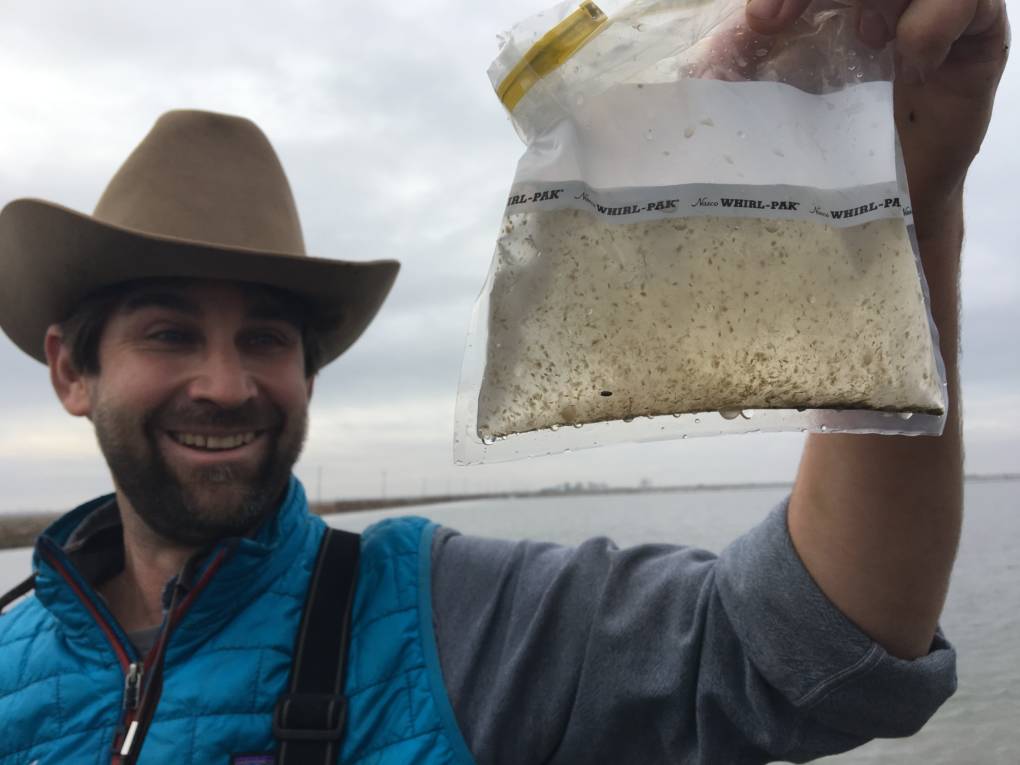
"caption": "Jacob Katz, with California Trout, says growing bugs in rice fields could be part of the solution for boosting salmon populations in rivers statewide.",
"description": "Jacob Katz, with California Trout, says growing bugs in rice fields could be part of the solution for boosting salmon populations in rivers statewide.",
"title": "Jacob Katz, with California Trout, says growing bugs in rice fields could be part of the solution for boosting salmon populations in rivers statewide.",
"credit": "Ezra David Romero/Capital Public Radio",
"status": "inherit",
"isLoading": false,
"fetchFailed": false
},
"bayareabites_125413": {
"type": "attachments",
"id": "bayareabites_125413",
"meta": {
"index": "attachments_1716263798",
"site": "bayareabites",
"id": "125413",
"found": true
},
"parent": 125412,
"imgSizes": {
"small": {
"file": "https://ww2.kqed.org/app/uploads/sites/24/2018/03/classic-blend-burger_custom-1df365a8f45647ff29d403f271e5e60fd9540c84-520x346.jpg",
"width": 520,
"mimeType": "image/jpeg",
"height": 346
},
"twentyfourteen-full-width": {
"file": "https://ww2.kqed.org/app/uploads/sites/24/2018/03/classic-blend-burger_custom-1df365a8f45647ff29d403f271e5e60fd9540c84-1038x576.jpg",
"width": 1038,
"mimeType": "image/jpeg",
"height": 576
},
"thumbnail": {
"file": "https://ww2.kqed.org/app/uploads/sites/24/2018/03/classic-blend-burger_custom-1df365a8f45647ff29d403f271e5e60fd9540c84-160x107.jpg",
"width": 160,
"mimeType": "image/jpeg",
"height": 107
},
"fd-sm": {
"file": "https://ww2.kqed.org/app/uploads/sites/24/2018/03/classic-blend-burger_custom-1df365a8f45647ff29d403f271e5e60fd9540c84-960x639.jpg",
"width": 960,
"mimeType": "image/jpeg",
"height": 639
},
"post-thumbnail": {
"file": "https://ww2.kqed.org/app/uploads/sites/24/2018/03/classic-blend-burger_custom-1df365a8f45647ff29d403f271e5e60fd9540c84-672x372.jpg",
"width": 672,
"mimeType": "image/jpeg",
"height": 372
},
"xsmall": {
"file": "https://ww2.kqed.org/app/uploads/sites/24/2018/03/classic-blend-burger_custom-1df365a8f45647ff29d403f271e5e60fd9540c84-375x250.jpg",
"width": 375,
"mimeType": "image/jpeg",
"height": 250
},
"kqedFullSize": {
"file": "https://ww2.kqed.org/app/uploads/sites/24/2018/03/classic-blend-burger_custom-1df365a8f45647ff29d403f271e5e60fd9540c84.jpg",
"width": 5184,
"height": 3452
},
"large": {
"file": "https://ww2.kqed.org/app/uploads/sites/24/2018/03/classic-blend-burger_custom-1df365a8f45647ff29d403f271e5e60fd9540c84-1020x679.jpg",
"width": 1020,
"mimeType": "image/jpeg",
"height": 679
},
"xlarge": {
"file": "https://ww2.kqed.org/app/uploads/sites/24/2018/03/classic-blend-burger_custom-1df365a8f45647ff29d403f271e5e60fd9540c84-1180x786.jpg",
"width": 1180,
"mimeType": "image/jpeg",
"height": 786
},
"guest-author-50": {
"file": "https://ww2.kqed.org/app/uploads/sites/24/2018/03/classic-blend-burger_custom-1df365a8f45647ff29d403f271e5e60fd9540c84-50x50.jpg",
"width": 50,
"mimeType": "image/jpeg",
"height": 50
},
"guest-author-96": {
"file": "https://ww2.kqed.org/app/uploads/sites/24/2018/03/classic-blend-burger_custom-1df365a8f45647ff29d403f271e5e60fd9540c84-96x96.jpg",
"width": 96,
"mimeType": "image/jpeg",
"height": 96
},
"medium": {
"file": "https://ww2.kqed.org/app/uploads/sites/24/2018/03/classic-blend-burger_custom-1df365a8f45647ff29d403f271e5e60fd9540c84-800x533.jpg",
"width": 800,
"mimeType": "image/jpeg",
"height": 533
},
"guest-author-64": {
"file": "https://ww2.kqed.org/app/uploads/sites/24/2018/03/classic-blend-burger_custom-1df365a8f45647ff29d403f271e5e60fd9540c84-64x64.jpg",
"width": 64,
"mimeType": "image/jpeg",
"height": 64
},
"guest-author-32": {
"file": "https://ww2.kqed.org/app/uploads/sites/24/2018/03/classic-blend-burger_custom-1df365a8f45647ff29d403f271e5e60fd9540c84-32x32.jpg",
"width": 32,
"mimeType": "image/jpeg",
"height": 32
},
"fd-lrg": {
"file": "https://ww2.kqed.org/app/uploads/sites/24/2018/03/classic-blend-burger_custom-1df365a8f45647ff29d403f271e5e60fd9540c84-1920x1279.jpg",
"width": 1920,
"mimeType": "image/jpeg",
"height": 1279
},
"fd-med": {
"file": "https://ww2.kqed.org/app/uploads/sites/24/2018/03/classic-blend-burger_custom-1df365a8f45647ff29d403f271e5e60fd9540c84-1180x786.jpg",
"width": 1180,
"mimeType": "image/jpeg",
"height": 786
},
"full-width": {
"file": "https://ww2.kqed.org/app/uploads/sites/24/2018/03/classic-blend-burger_custom-1df365a8f45647ff29d403f271e5e60fd9540c84-1920x1279.jpg",
"width": 1920,
"mimeType": "image/jpeg",
"height": 1279
},
"detail": {
"file": "https://ww2.kqed.org/app/uploads/sites/24/2018/03/classic-blend-burger_custom-1df365a8f45647ff29d403f271e5e60fd9540c84-150x150.jpg",
"width": 150,
"mimeType": "image/jpeg",
"height": 150
},
"medium_large": {
"file": "https://ww2.kqed.org/app/uploads/sites/24/2018/03/classic-blend-burger_custom-1df365a8f45647ff29d403f271e5e60fd9540c84-768x511.jpg",
"width": 768,
"mimeType": "image/jpeg",
"height": 511
},
"guest-author-128": {
"file": "https://ww2.kqed.org/app/uploads/sites/24/2018/03/classic-blend-burger_custom-1df365a8f45647ff29d403f271e5e60fd9540c84-128x128.jpg",
"width": 128,
"mimeType": "image/jpeg",
"height": 128
},
"xxsmall": {
"file": "https://ww2.kqed.org/app/uploads/sites/24/2018/03/classic-blend-burger_custom-1df365a8f45647ff29d403f271e5e60fd9540c84-240x160.jpg",
"width": 240,
"mimeType": "image/jpeg",
"height": 160
}
},
"publishDate": 1520095809,
"modified": 1520095809,
"caption": null,
"description": "The idea behind the blended beef-mushroom burger is that mixing chopped mushrooms into our burgers boosts the umami taste, adds more moisture and reduces the amount of beef needed. And reducing the need for beef has a big impact on the environment",
"title": "The idea behind the blended beef-mushroom burger is that mixing chopped mushrooms into our burgers boosts the umami taste, adds more moisture and reduces the amount of beef needed. And reducing the need for beef has a big impact on the environment.",
"credit": null,
"status": "inherit",
"isLoading": false,
"fetchFailed": false
},
"bayareabites_125373": {
"type": "attachments",
"id": "bayareabites_125373",
"meta": {
"index": "attachments_1716263798",
"site": "bayareabites",
"id": "125373",
"found": true
},
"parent": 125369,
"imgSizes": {
"small": {
"file": "https://ww2.kqed.org/app/uploads/sites/24/2018/03/GettyImages-472590578-520x347.jpg",
"width": 520,
"mimeType": "image/jpeg",
"height": 347
},
"twentyfourteen-full-width": {
"file": "https://ww2.kqed.org/app/uploads/sites/24/2018/03/GettyImages-472590578-1038x576.jpg",
"width": 1038,
"mimeType": "image/jpeg",
"height": 576
},
"thumbnail": {
"file": "https://ww2.kqed.org/app/uploads/sites/24/2018/03/GettyImages-472590578-160x107.jpg",
"width": 160,
"mimeType": "image/jpeg",
"height": 107
},
"fd-sm": {
"file": "https://ww2.kqed.org/app/uploads/sites/24/2018/03/GettyImages-472590578-960x640.jpg",
"width": 960,
"mimeType": "image/jpeg",
"height": 640
},
"post-thumbnail": {
"file": "https://ww2.kqed.org/app/uploads/sites/24/2018/03/GettyImages-472590578-672x372.jpg",
"width": 672,
"mimeType": "image/jpeg",
"height": 372
},
"xsmall": {
"file": "https://ww2.kqed.org/app/uploads/sites/24/2018/03/GettyImages-472590578-375x250.jpg",
"width": 375,
"mimeType": "image/jpeg",
"height": 250
},
"kqedFullSize": {
"file": "https://ww2.kqed.org/app/uploads/sites/24/2018/03/GettyImages-472590578-e1520016752499.jpg",
"width": 1920,
"height": 1281
},
"large": {
"file": "https://ww2.kqed.org/app/uploads/sites/24/2018/03/GettyImages-472590578-1020x680.jpg",
"width": 1020,
"mimeType": "image/jpeg",
"height": 680
},
"xlarge": {
"file": "https://ww2.kqed.org/app/uploads/sites/24/2018/03/GettyImages-472590578-1180x787.jpg",
"width": 1180,
"mimeType": "image/jpeg",
"height": 787
},
"guest-author-50": {
"file": "https://ww2.kqed.org/app/uploads/sites/24/2018/03/GettyImages-472590578-50x50.jpg",
"width": 50,
"mimeType": "image/jpeg",
"height": 50
},
"guest-author-96": {
"file": "https://ww2.kqed.org/app/uploads/sites/24/2018/03/GettyImages-472590578-96x96.jpg",
"width": 96,
"mimeType": "image/jpeg",
"height": 96
},
"medium": {
"file": "https://ww2.kqed.org/app/uploads/sites/24/2018/03/GettyImages-472590578-800x534.jpg",
"width": 800,
"mimeType": "image/jpeg",
"height": 534
},
"guest-author-64": {
"file": "https://ww2.kqed.org/app/uploads/sites/24/2018/03/GettyImages-472590578-64x64.jpg",
"width": 64,
"mimeType": "image/jpeg",
"height": 64
},
"guest-author-32": {
"file": "https://ww2.kqed.org/app/uploads/sites/24/2018/03/GettyImages-472590578-32x32.jpg",
"width": 32,
"mimeType": "image/jpeg",
"height": 32
},
"fd-lrg": {
"file": "https://ww2.kqed.org/app/uploads/sites/24/2018/03/GettyImages-472590578-1920x1281.jpg",
"width": 1920,
"mimeType": "image/jpeg",
"height": 1281
},
"fd-med": {
"file": "https://ww2.kqed.org/app/uploads/sites/24/2018/03/GettyImages-472590578-1180x787.jpg",
"width": 1180,
"mimeType": "image/jpeg",
"height": 787
},
"full-width": {
"file": "https://ww2.kqed.org/app/uploads/sites/24/2018/03/GettyImages-472590578-1920x1281.jpg",
"width": 1920,
"mimeType": "image/jpeg",
"height": 1281
},
"detail": {
"file": "https://ww2.kqed.org/app/uploads/sites/24/2018/03/GettyImages-472590578-150x150.jpg",
"width": 150,
"mimeType": "image/jpeg",
"height": 150
},
"medium_large": {
"file": "https://ww2.kqed.org/app/uploads/sites/24/2018/03/GettyImages-472590578-768x512.jpg",
"width": 768,
"mimeType": "image/jpeg",
"height": 512
},
"guest-author-128": {
"file": "https://ww2.kqed.org/app/uploads/sites/24/2018/03/GettyImages-472590578-128x128.jpg",
"width": 128,
"mimeType": "image/jpeg",
"height": 128
},
"xxsmall": {
"file": "https://ww2.kqed.org/app/uploads/sites/24/2018/03/GettyImages-472590578-240x160.jpg",
"width": 240,
"mimeType": "image/jpeg",
"height": 160
}
},
"publishDate": 1520016566,
"modified": 1520016737,
"caption": "Stressed walnut trees stand in an orchard in Yuba City, California. An analysis of nearly 90 studies finds warming temperatures may alter where key crops grow across the state, which provides around two-thirds of America's produce.",
"description": "YUBA CITY, CA - MAY 08: Stressed walnut trees stand in an orchard on May 8, 2015 in Yuba City, California. As California enters its fourth year of severe drought, farmers are struggling to keep crops watered as wells run dry and government water allocations have been reduced or terminated. Many have opted to leave acres of their fields fallow. (Photo by Justin Sullivan/Getty Images)",
"title": "Plantings Of Water-Intensive Rice Crops Dwindle During State's Severe Drought",
"credit": "Justin Sullivan/Getty Images",
"status": "inherit",
"isLoading": false,
"fetchFailed": false
},
"bayareabites_125103": {
"type": "attachments",
"id": "bayareabites_125103",
"meta": {
"index": "attachments_1716263798",
"site": "bayareabites",
"id": "125103",
"found": true
},
"parent": 125102,
"imgSizes": {
"small": {
"file": "https://ww2.kqed.org/app/uploads/sites/24/2018/02/coffee-1-8e3d8f0be36660fc608bdc636c3130d71f8856fe-520x390.jpg",
"width": 520,
"mimeType": "image/jpeg",
"height": 390
},
"twentyfourteen-full-width": {
"file": "https://ww2.kqed.org/app/uploads/sites/24/2018/02/coffee-1-8e3d8f0be36660fc608bdc636c3130d71f8856fe-1038x576.jpg",
"width": 1038,
"mimeType": "image/jpeg",
"height": 576
},
"thumbnail": {
"file": "https://ww2.kqed.org/app/uploads/sites/24/2018/02/coffee-1-8e3d8f0be36660fc608bdc636c3130d71f8856fe-160x120.jpg",
"width": 160,
"mimeType": "image/jpeg",
"height": 120
},
"fd-sm": {
"file": "https://ww2.kqed.org/app/uploads/sites/24/2018/02/coffee-1-8e3d8f0be36660fc608bdc636c3130d71f8856fe-960x720.jpg",
"width": 960,
"mimeType": "image/jpeg",
"height": 720
},
"post-thumbnail": {
"file": "https://ww2.kqed.org/app/uploads/sites/24/2018/02/coffee-1-8e3d8f0be36660fc608bdc636c3130d71f8856fe-672x372.jpg",
"width": 672,
"mimeType": "image/jpeg",
"height": 372
},
"xsmall": {
"file": "https://ww2.kqed.org/app/uploads/sites/24/2018/02/coffee-1-8e3d8f0be36660fc608bdc636c3130d71f8856fe-375x281.jpg",
"width": 375,
"mimeType": "image/jpeg",
"height": 281
},
"kqedFullSize": {
"file": "https://ww2.kqed.org/app/uploads/sites/24/2018/02/coffee-1-8e3d8f0be36660fc608bdc636c3130d71f8856fe.jpg",
"width": 1776,
"height": 1332
},
"large": {
"file": "https://ww2.kqed.org/app/uploads/sites/24/2018/02/coffee-1-8e3d8f0be36660fc608bdc636c3130d71f8856fe-1020x765.jpg",
"width": 1020,
"mimeType": "image/jpeg",
"height": 765
},
"xlarge": {
"file": "https://ww2.kqed.org/app/uploads/sites/24/2018/02/coffee-1-8e3d8f0be36660fc608bdc636c3130d71f8856fe-1180x885.jpg",
"width": 1180,
"mimeType": "image/jpeg",
"height": 885
},
"guest-author-50": {
"file": "https://ww2.kqed.org/app/uploads/sites/24/2018/02/coffee-1-8e3d8f0be36660fc608bdc636c3130d71f8856fe-50x50.jpg",
"width": 50,
"mimeType": "image/jpeg",
"height": 50
},
"guest-author-96": {
"file": "https://ww2.kqed.org/app/uploads/sites/24/2018/02/coffee-1-8e3d8f0be36660fc608bdc636c3130d71f8856fe-96x96.jpg",
"width": 96,
"mimeType": "image/jpeg",
"height": 96
},
"medium": {
"file": "https://ww2.kqed.org/app/uploads/sites/24/2018/02/coffee-1-8e3d8f0be36660fc608bdc636c3130d71f8856fe-800x600.jpg",
"width": 800,
"mimeType": "image/jpeg",
"height": 600
},
"guest-author-64": {
"file": "https://ww2.kqed.org/app/uploads/sites/24/2018/02/coffee-1-8e3d8f0be36660fc608bdc636c3130d71f8856fe-64x64.jpg",
"width": 64,
"mimeType": "image/jpeg",
"height": 64
},
"guest-author-32": {
"file": "https://ww2.kqed.org/app/uploads/sites/24/2018/02/coffee-1-8e3d8f0be36660fc608bdc636c3130d71f8856fe-32x32.jpg",
"width": 32,
"mimeType": "image/jpeg",
"height": 32
},
"fd-med": {
"file": "https://ww2.kqed.org/app/uploads/sites/24/2018/02/coffee-1-8e3d8f0be36660fc608bdc636c3130d71f8856fe-1180x885.jpg",
"width": 1180,
"mimeType": "image/jpeg",
"height": 885
},
"detail": {
"file": "https://ww2.kqed.org/app/uploads/sites/24/2018/02/coffee-1-8e3d8f0be36660fc608bdc636c3130d71f8856fe-150x150.jpg",
"width": 150,
"mimeType": "image/jpeg",
"height": 150
},
"medium_large": {
"file": "https://ww2.kqed.org/app/uploads/sites/24/2018/02/coffee-1-8e3d8f0be36660fc608bdc636c3130d71f8856fe-768x576.jpg",
"width": 768,
"mimeType": "image/jpeg",
"height": 576
},
"guest-author-128": {
"file": "https://ww2.kqed.org/app/uploads/sites/24/2018/02/coffee-1-8e3d8f0be36660fc608bdc636c3130d71f8856fe-128x128.jpg",
"width": 128,
"mimeType": "image/jpeg",
"height": 128
},
"xxsmall": {
"file": "https://ww2.kqed.org/app/uploads/sites/24/2018/02/coffee-1-8e3d8f0be36660fc608bdc636c3130d71f8856fe-240x180.jpg",
"width": 240,
"mimeType": "image/jpeg",
"height": 180
}
},
"publishDate": 1518814098,
"modified": 1518814226,
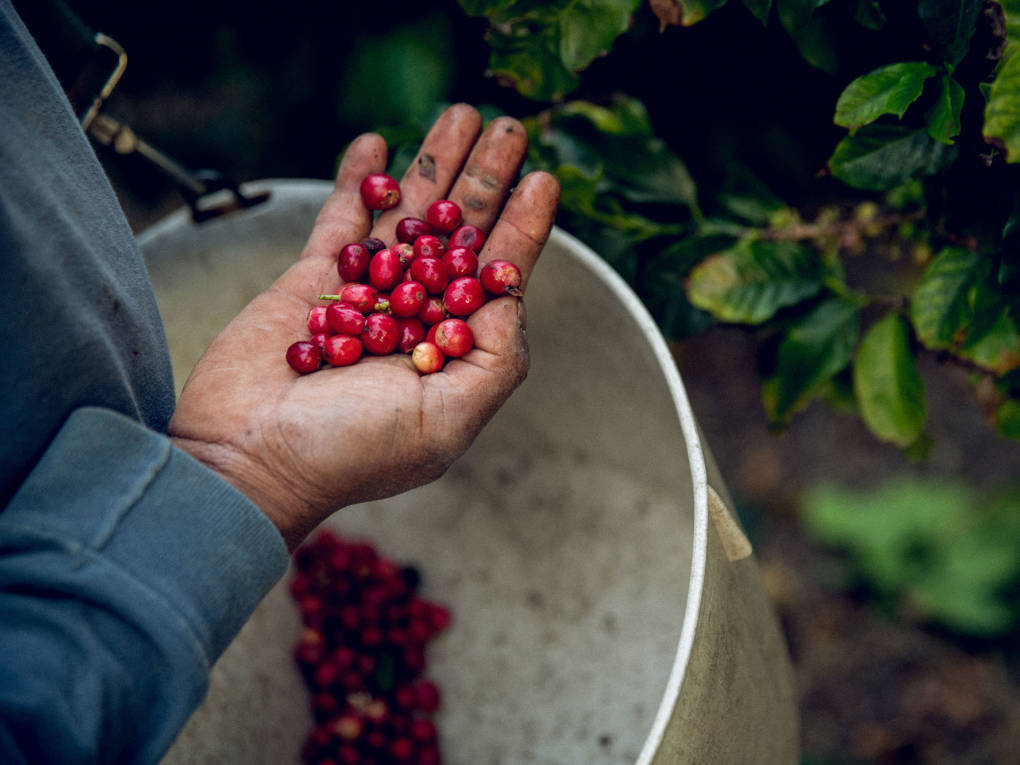
"caption": "Coffee cherries are harvested at Good Land Organics, a farm in Goleta, Calif.",
"description": "Coffee cherries are harvested at Good Land Organics, a farm in Goleta, Calif.",
"title": "Coffee cherries are harvested at Good Land Organics, a farm in Goleta, Calif.",
"credit": "Matthew Christopher Miller/Good Land Organics",
"status": "inherit",
"isLoading": false,
"fetchFailed": false
},
"bayareabites_125003": {
"type": "attachments",
"id": "bayareabites_125003",
"meta": {
"index": "attachments_1716263798",
"site": "bayareabites",
"id": "125003",
"found": true
},
"parent": 124995,
"imgSizes": {
"small": {
"file": "https://ww2.kqed.org/app/uploads/sites/24/2018/02/180125-fish-20-top1-520x347.jpg",
"width": 520,
"mimeType": "image/jpeg",
"height": 347
},
"twentyfourteen-full-width": {
"file": "https://ww2.kqed.org/app/uploads/sites/24/2018/02/180125-fish-20-top1-1038x576.jpg",
"width": 1038,
"mimeType": "image/jpeg",
"height": 576
},
"thumbnail": {
"file": "https://ww2.kqed.org/app/uploads/sites/24/2018/02/180125-fish-20-top1-160x107.jpg",
"width": 160,
"mimeType": "image/jpeg",
"height": 107
},
"fd-sm": {
"file": "https://ww2.kqed.org/app/uploads/sites/24/2018/02/180125-fish-20-top1-960x640.jpg",
"width": 960,
"mimeType": "image/jpeg",
"height": 640
},
"post-thumbnail": {
"file": "https://ww2.kqed.org/app/uploads/sites/24/2018/02/180125-fish-20-top1-672x372.jpg",
"width": 672,
"mimeType": "image/jpeg",
"height": 372
},
"xsmall": {
"file": "https://ww2.kqed.org/app/uploads/sites/24/2018/02/180125-fish-20-top1-375x250.jpg",
"width": 375,
"mimeType": "image/jpeg",
"height": 250
},
"kqedFullSize": {
"file": "https://ww2.kqed.org/app/uploads/sites/24/2018/02/180125-fish-20-top1.jpg",
"width": 1200,
"height": 800
},
"large": {
"file": "https://ww2.kqed.org/app/uploads/sites/24/2018/02/180125-fish-20-top1-1020x680.jpg",
"width": 1020,
"mimeType": "image/jpeg",
"height": 680
},
"xlarge": {
"file": "https://ww2.kqed.org/app/uploads/sites/24/2018/02/180125-fish-20-top1-1180x787.jpg",
"width": 1180,
"mimeType": "image/jpeg",
"height": 787
},
"guest-author-50": {
"file": "https://ww2.kqed.org/app/uploads/sites/24/2018/02/180125-fish-20-top1-50x50.jpg",
"width": 50,
"mimeType": "image/jpeg",
"height": 50
},
"guest-author-96": {
"file": "https://ww2.kqed.org/app/uploads/sites/24/2018/02/180125-fish-20-top1-96x96.jpg",
"width": 96,
"mimeType": "image/jpeg",
"height": 96
},
"medium": {
"file": "https://ww2.kqed.org/app/uploads/sites/24/2018/02/180125-fish-20-top1-800x533.jpg",
"width": 800,
"mimeType": "image/jpeg",
"height": 533
},
"guest-author-64": {
"file": "https://ww2.kqed.org/app/uploads/sites/24/2018/02/180125-fish-20-top1-64x64.jpg",
"width": 64,
"mimeType": "image/jpeg",
"height": 64
},
"guest-author-32": {
"file": "https://ww2.kqed.org/app/uploads/sites/24/2018/02/180125-fish-20-top1-32x32.jpg",
"width": 32,
"mimeType": "image/jpeg",
"height": 32
},
"fd-med": {
"file": "https://ww2.kqed.org/app/uploads/sites/24/2018/02/180125-fish-20-top1-1180x787.jpg",
"width": 1180,
"mimeType": "image/jpeg",
"height": 787
},
"detail": {
"file": "https://ww2.kqed.org/app/uploads/sites/24/2018/02/180125-fish-20-top1-150x150.jpg",
"width": 150,
"mimeType": "image/jpeg",
"height": 150
},
"medium_large": {
"file": "https://ww2.kqed.org/app/uploads/sites/24/2018/02/180125-fish-20-top1-768x512.jpg",
"width": 768,
"mimeType": "image/jpeg",
"height": 512
},
"guest-author-128": {
"file": "https://ww2.kqed.org/app/uploads/sites/24/2018/02/180125-fish-20-top1-128x128.jpg",
"width": 128,
"mimeType": "image/jpeg",
"height": 128
},
"xxsmall": {
"file": "https://ww2.kqed.org/app/uploads/sites/24/2018/02/180125-fish-20-top1-240x160.jpg",
"width": 240,
"mimeType": "image/jpeg",
"height": 160
}
},
"publishDate": 1518485924,
"modified": 1518485979,
"caption": null,
"description": null,
"title": "180125-fish-20-top1",
"credit": "Courtesy Civil Eats",
"status": "inherit",
"isLoading": false,
"fetchFailed": false
}
},
"audioPlayerReducer": {
"postId": "stream_live",
"isPaused": true,
"isPlaying": false,
"pfsActive": false,
"pledgeModalIsOpen": true,
"playerDrawerIsOpen": false,
"liveAudioPlayStartedAt": 0,
"liveAudioPlayContext": ""
},
"authorsReducer": {
"byline_bayareabites_126942": {
"type": "authors",
"id": "byline_bayareabites_126942",
"meta": {
"override": true
},
"slug": "byline_bayareabites_126942",
"name": "Menaka Wilhelm, NPR Food",
"isLoading": false
},
"byline_bayareabites_126869": {
"type": "authors",
"id": "byline_bayareabites_126869",
"meta": {
"override": true
},
"slug": "byline_bayareabites_126869",
"name": "Menaka Wilhelm, NPR Food",
"isLoading": false
},
"byline_bayareabites_126588": {
"type": "authors",
"id": "byline_bayareabites_126588",
"meta": {
"override": true
},
"slug": "byline_bayareabites_126588",
"name": "Dan Charles, NPR Food",
"isLoading": false
},
"byline_bayareabites_126530": {
"type": "authors",
"id": "byline_bayareabites_126530",
"meta": {
"override": true
},
"slug": "byline_bayareabites_126530",
"name": "Christopher Joyce, NPR Food",
"isLoading": false
},
"byline_bayareabites_126036": {
"type": "authors",
"id": "byline_bayareabites_126036",
"meta": {
"override": true
},
"slug": "byline_bayareabites_126036",
"name": "\u003ca href=\"https://civileats.com/author/areguzzoni/\">Ariana Reguzzoni,\u003c/a> \u003ca href=\"https://civileats.com/\">Civil Eats\u003c/a>",
"isLoading": false
},
"byline_bayareabites_125611": {
"type": "authors",
"id": "byline_bayareabites_125611",
"meta": {
"override": true
},
"slug": "byline_bayareabites_125611",
"name": "John Ryan, KUOW, NPR Food",
"isLoading": false
},
"byline_bayareabites_125519": {
"type": "authors",
"id": "byline_bayareabites_125519",
"meta": {
"override": true
},
"slug": "byline_bayareabites_125519",
"name": "Natalie Jacewicz, NPR Food",
"isLoading": false
},
"byline_bayareabites_125460": {
"type": "authors",
"id": "byline_bayareabites_125460",
"meta": {
"override": true
},
"slug": "byline_bayareabites_125460",
"name": "Ezra David Romero, Capital Public Radio",
"isLoading": false
},
"byline_bayareabites_125412": {
"type": "authors",
"id": "byline_bayareabites_125412",
"meta": {
"override": true
},
"slug": "byline_bayareabites_125412",
"name": "Dan Charles, NPR Food",
"isLoading": false
},
"byline_bayareabites_125369": {
"type": "authors",
"id": "byline_bayareabites_125369",
"meta": {
"override": true
},
"slug": "byline_bayareabites_125369",
"name": "Ezra David Romero, \u003ca href=\"http://www.capradio.org\">Capital Public Radio\u003c/a>, NPR Food",
"isLoading": false
},
"byline_bayareabites_125102": {
"type": "authors",
"id": "byline_bayareabites_125102",
"meta": {
"override": true
},
"slug": "byline_bayareabites_125102",
"name": "Jodi Helmer, \u003ca href=\"https://ww2.kqed.org/bayareabites/author/nprfood/\">NPR Food\u003c/a>",
"isLoading": false
},
"byline_bayareabites_124995": {
"type": "authors",
"id": "byline_bayareabites_124995",
"meta": {
"override": true
},
"slug": "byline_bayareabites_124995",
"name": "\u003ca href=\"https://civileats.com/author/sharrison/\">Sara Harrison\u003c/a>, \u003ca href=\"https://ww2.kqed.org/bayareabites/author/civileat/\">Civil Eats\u003c/a>",
"isLoading": false
}
},
"pagesReducer": {
"bayareabites_category_sustainability": {
"type": "terms",
"id": "bayareabites_60",
"meta": {
"index": "terms_1716263798",
"site": "bayareabites",
"id": "60",
"score": 12.370327
},
"featImg": null,
"name": "sustainability, environment, climate change",
"description": null,
"taxonomy": "category",
"headData": {
"twImgId": null,
"twTitle": null,
"ogTitle": null,
"ogImgId": null,
"twDescription": null,
"description": null,
"title": "sustainability, environment, climate change Archives | KQED Bay Area Bites",
"ogDescription": null
},
"ttid": 23,
"slug": "sustainability",
"isLoading": false,
"title": "sustainability, environment, climate change",
"pageMeta": {
"site": "bayareabites",
"WpPageTemplate": "page-topic-editorial",
"currentPage": 6
},
"blocks": [
{
"blockName": "kqed/post-list",
"attrs": {
"layout": "cardArticle2",
"query": "posts/bayareabites?category=sustainability",
"seeMore": false,
"paginated": true,
"page": 6
}
},
{
"blockName": "kqed/ad"
}
]
}
},
"pfsSessionReducer": {},
"postsReducer": {
"stream_live": {
"type": "live",
"id": "stream_live",
"audioUrl": "https://streams.kqed.org/kqedradio",
"title": "Live Stream",
"excerpt": "Live Stream information currently unavailable.",
"link": "/radio",
"featImg": "",
"label": {
"name": "KQED Live",
"link": "/"
}
},
"stream_kqedNewscast": {
"type": "posts",
"id": "stream_kqedNewscast",
"audioUrl": "https://www.kqed.org/.stream/anon/radio/RDnews/newscast.mp3?_=1",
"title": "KQED Newscast",
"featImg": "",
"label": {
"name": "88.5 FM",
"link": "/"
}
},
"bayareabites_126942": {
"type": "posts",
"id": "bayareabites_126942",
"meta": {
"index": "posts_1716263798",
"site": "bayareabites",
"id": "126942",
"score": null,
"sort": [
1524064945000
]
},
"parent": 0,
"labelTerm": {},
"blocks": [],
"publishDate": 1524064945,
"format": "standard",
"disqusTitle": "Antarctic Veggies: Practice For Growing Plants On Other Planets",
"title": "Antarctic Veggies: Practice For Growing Plants On Other Planets",
"headTitle": "Bay Area Bites | KQED Food",
"content": "\u003cp>Last Christmas, Matthew Bamsey was in Antarctica with a giant item on his wish list.\u003c/p>\n\u003cp>As a systems engineer at the German Aerospace Center, Bamsey was hoping the greenhouse he had helped design would arrive at Neumayer Station III, Antarctica, around Dec. 25. His gift was a bit late — icy weather delayed the greenhouse's arrival until Jan. 3, but he didn't mind. After three years of preparation, it was fine that it got there eventually.\u003c/p>\n\u003cp>Now, the greenhouse project, called \u003ca href=\"http://eden-iss.net/\">EDEN ISS\u003c/a>, is fully operational. Bamsey's colleagues in Antarctica harvested their first salads last week.\u003c/p>\n\u003cp>And while growing greens in Antarctica is exciting — for much of the year there's no fresh produce at Neumayer Station III — Bamsey says the end goal of this project is much farther away. EDEN ISS is a practice round for cultivating food in space.\u003c/p>\n\u003cp>The eight-nation team of EDEN ISS researchers chose to grow \"high-water-content, pick-and-eat-plants,\" Bamsey says, \"things that can't normally be stored for long periods of time.\" The crops include lettuce, cucumbers, radishes, swiss chard, and herbs — basil, chives, cilantro and mint. One-tenth of the yield will become research data, while the rest will help feed Neumayer Station III's crew.\u003c/p>\n\u003cp>[ad fullwidth]\u003c/p>\n\u003cp>Astronauts aboard the International Space Station have \u003ca href=\"https://www.npr.org/sections/thesalt/2015/08/10/431343624/this-salad-is-outta-this-world-astronauts-eat-greens-grown-in-space\">harvested and eaten lettuce\u003c/a> before, but only periodically, and at a very small scale, says \u003ca href=\"http://hos.ufl.edu/faculty/rjferl\">Robert Ferl\u003c/a>, a space biologist at the University of Florida. Ferl has previously sent plants to the International Space Station for experiments, and he's also working on the EDEN ISS project.\u003c/p>\n\u003cp>Ferl says having more, well, space, is part of what sets the Antarctic greenhouse apart from the experiments on the International Space Station. Plants aboard the ISS grow in an area smaller than one square meter, Ferl says. The roomier EDEN ISS has 13 square meters available for plants.\u003c/p>\n\u003cp>With all that extra room, hopefully, EDEN ISS will clarify how to expand space farming beyond orbits, onto other planets, says \u003ca href=\"http://hos.ufl.edu/faculty/alpaul\">Anna-Lisa Paul\u003c/a>, who is also a space biologist at the University of Florida. Learning how to set up and operate a greenhouse in Antarctica, the researchers say, should be good preparation for eventually sending a similar system to Mars or the Moon.\u003c/p>\n\u003cp>So from its start, EDEN ISS has been pretty similar to a space mission, says Bamsey, who made Canada's \u003ca href=\"http://www.asc-csa.gc.ca/eng/astronauts/recruitment/map.asp\">short list\u003c/a> for astronaut candidates in 2017. When the greenhouse left Bremen, Germany, it had a strict launch date, just like a rocket. The ship that carried the greenhouse only travels to Neumayer Station III once each year.\u003c/p>\n\u003cp>The ice of Antarctica isn't exactly like the vacuum of space — \"Antarctica has gravity, and space does not,\" Paul says, \"but both environments are isolated, both are a challenge logistically.\" The difficulty of transporting something to Antarctica is a pretty good model for a voyage to the Moon or Mars, she adds.\u003c/p>\n\u003cp>From the ocean, tracked vehicles pulled the components of the greenhouse structure — two 20-foot shipping containers — on sleds for 12 miles. The structure rests about a meter above the ice so that snow accumulation doesn't close it off; for every year EDEN ISS remains in Antarctica, the researchers plan to raise its legs another meter, Bamsey says.\u003c/p>\n\u003cp>The greenhouse also traveled with another shipping container full of supplies, including around 130 gallons of water (to simulate landing on a planet with no water) — but no dirt. \"Every pound that you're sending to the space station costs about $10,000,\" Bamsey says. Given its weight, \"soil is essentially a no-no.\"\u003c/p>\n\u003cp>Instead, the plants grow in air. Misters spray plants' roots with water and nutrients, and LEDs provide the light they need to grow. Another misting system routinely disinfects the entire interior of the greenhouse to discourage any microbes that might take up residence.\u003c/p>\n\u003cp>In Antarctica, one scientist, Paul Zabel, who affectionately \u003ca href=\"http://www.dlr.de/dlr/en/desktopdefault.aspx/tabid-11008/1797_read-26129#/gallery/29773\">refers\u003c/a> to himself on the EDEN ISS blog as \"the winter hermit\", tries to visit the greenhouse for a checkup every day.\u003c/p>\n\u003cp>Sometimes strong winds keep Zabel away for a day or two, but that's not a big deal, says Bamsey, because he and his team can monitor and control the greenhouse from afar. A few dozen webcams pointed at the plants send images back to Germany.\u003c/p>\n\u003cp>From Florida, Ferl and Paul are responsible for even more complex monitoring. They've modified GoPro cameras to collect data on the non-visible light reflecting from plants' leaves, using these measurements to understand how the crops are doing before any salad greens begin looking sad by eye. Their setup lets them tell Zabel, on the ground, \"Listen, you might want to look at tray number 27, plant 52, because that one looks like it's getting stressed,\" Paul says.\u003c/p>\n\u003cp>Paul says space farming operations could very well rely on automation and remote control, so it's doubly important to test these systems in a place as far away as Antarctica. Bamsey agrees, adding that extra isolation will also give crews a good idea of what kind of troubleshooting a greenhouse on another planet might require. In Antarctica, he says, \"when something breaks, you can't just go to the hardware store to get a replacement part.\"\u003c/p>\n\u003cp>EDEN ISS is also a test to see how much time and effort it might take astronauts to grow their own food. The project is closely tracking how long Zabel spends on greenhouse tasks like pruning and equipment maintenance.\u003c/p>\n\u003cp>So in terms of daily routine, Ferl says, it's good that Antarctica has similarities to space. \"[At Neumayer Station III] you have to put a suit on to go outside, then you have to change from that suit to an interior suit to go into the greenhouse,\" Ferl says.\u003c/p>\n\u003cp>But maybe the only way to really understand the relationship between space and Antarctica is to visit one, or both places. Paul has never left the atmosphere, but visiting Neumayer Station III to help set up EDEN ISS made her extra certain that the ice mimicked a pristine planetary environment well.\u003c/p>\n\u003cp>\"Antarctica is so vast and clean and cold and special,\" Paul says, \"that it is very much like being on the surface of another planet.\" \u003c/p>\n\u003cp>[ad floatright]\u003c/p>\n\u003cp>\u003cem>Copyright 2018 \u003ca href=\"http://www.npr.org/\">NPR\u003c/a>.\u003c/em> \u003c/p>\n\n",
"disqusIdentifier": "126942 https://ww2.kqed.org/bayareabites/?p=126942",
"disqusUrl": "https://ww2.kqed.org/bayareabites/2018/04/18/antarctic-veggies-practice-for-growing-plants-on-other-planets/",
"stats": {
"hasVideo": false,
"hasChartOrMap": false,
"hasAudio": false,
"hasPolis": false,
"wordCount": 1064,
"hasGoogleForm": false,
"hasGallery": false,
"hasHearkenModule": false,
"iframeSrcs": [],
"paragraphCount": 24
},
"modified": 1524064945,
"excerpt": "We may cultivate crops in space one day, so scientists are running an Antarctic greenhouse to prepare. They've harvested the first crop, but like any space mission, it's a bit tricky.",
"headData": {
"twImgId": "",
"twTitle": "",
"ogTitle": "",
"ogImgId": "",
"twDescription": "",
"description": "We may cultivate crops in space one day, so scientists are running an Antarctic greenhouse to prepare. They've harvested the first crop, but like any space mission, it's a bit tricky.",
"title": "Antarctic Veggies: Practice For Growing Plants On Other Planets | KQED",
"ogDescription": "",
"schema": {
"@context": "https://schema.org",
"@type": "Article",
"headline": "Antarctic Veggies: Practice For Growing Plants On Other Planets",
"datePublished": "2018-04-18T08:22:25-07:00",
"dateModified": "2018-04-18T08:22:25-07:00",
"image": "https://cdn.kqed.org/wp-content/uploads/2020/02/KQED-OG-Image@1x.png"
}
},
"guestAuthors": [],
"slug": "antarctic-veggies-practice-for-growing-plants-on-other-planets",
"status": "publish",
"sourceUrl": "https://www.kqed.org/bayareabites/category/science",
"nprApiLink": "http://api.npr.org/query?id=601654780&apiKey=MDAxOTAwOTE4MDEyMTkxMDAzNjczZDljZA004",
"nprByline": "Menaka Wilhelm, NPR Food",
"nprStoryDate": "Wed, 18 Apr 2018 08:00:00 -0400",
"nprLastModifiedDate": "Wed, 18 Apr 2018 09:58:50 -0400",
"nprHtmlLink": "https://www.npr.org/sections/thesalt/2018/04/18/601654780/antarctic-veggies-practice-for-growing-plants-on-other-planets?ft=nprml&f=601654780",
"nprImageAgency": "Getty Images",
"nprImageCredit": "David Hecker",
"source": "Science",
"nprStoryId": "601654780",
"nprRetrievedStory": "1",
"nprPubDate": "Wed, 18 Apr 2018 09:58:00 -0400",
"path": "/bayareabites/126942/antarctic-veggies-practice-for-growing-plants-on-other-planets",
"audioTrackLength": null,
"parsedContent": [
{
"type": "contentString",
"content": "\u003cdiv class=\"post-body\">\u003cp>\u003cp>Last Christmas, Matthew Bamsey was in Antarctica with a giant item on his wish list.\u003c/p>\n\u003cp>As a systems engineer at the German Aerospace Center, Bamsey was hoping the greenhouse he had helped design would arrive at Neumayer Station III, Antarctica, around Dec. 25. His gift was a bit late — icy weather delayed the greenhouse's arrival until Jan. 3, but he didn't mind. After three years of preparation, it was fine that it got there eventually.\u003c/p>\n\u003cp>Now, the greenhouse project, called \u003ca href=\"http://eden-iss.net/\">EDEN ISS\u003c/a>, is fully operational. Bamsey's colleagues in Antarctica harvested their first salads last week.\u003c/p>\n\u003cp>And while growing greens in Antarctica is exciting — for much of the year there's no fresh produce at Neumayer Station III — Bamsey says the end goal of this project is much farther away. EDEN ISS is a practice round for cultivating food in space.\u003c/p>\n\u003cp>The eight-nation team of EDEN ISS researchers chose to grow \"high-water-content, pick-and-eat-plants,\" Bamsey says, \"things that can't normally be stored for long periods of time.\" The crops include lettuce, cucumbers, radishes, swiss chard, and herbs — basil, chives, cilantro and mint. One-tenth of the yield will become research data, while the rest will help feed Neumayer Station III's crew.\u003c/p>\n\u003cp>\u003c/p>\u003c/div>",
"attributes": {
"named": {},
"numeric": []
}
},
{
"type": "component",
"content": "",
"name": "ad",
"attributes": {
"named": {
"label": "fullwidth"
},
"numeric": [
"fullwidth"
]
}
},
{
"type": "contentString",
"content": "\u003cdiv class=\"post-body\">\u003cp>\u003c/p>\n\u003cp>Astronauts aboard the International Space Station have \u003ca href=\"https://www.npr.org/sections/thesalt/2015/08/10/431343624/this-salad-is-outta-this-world-astronauts-eat-greens-grown-in-space\">harvested and eaten lettuce\u003c/a> before, but only periodically, and at a very small scale, says \u003ca href=\"http://hos.ufl.edu/faculty/rjferl\">Robert Ferl\u003c/a>, a space biologist at the University of Florida. Ferl has previously sent plants to the International Space Station for experiments, and he's also working on the EDEN ISS project.\u003c/p>\n\u003cp>Ferl says having more, well, space, is part of what sets the Antarctic greenhouse apart from the experiments on the International Space Station. Plants aboard the ISS grow in an area smaller than one square meter, Ferl says. The roomier EDEN ISS has 13 square meters available for plants.\u003c/p>\n\u003cp>With all that extra room, hopefully, EDEN ISS will clarify how to expand space farming beyond orbits, onto other planets, says \u003ca href=\"http://hos.ufl.edu/faculty/alpaul\">Anna-Lisa Paul\u003c/a>, who is also a space biologist at the University of Florida. Learning how to set up and operate a greenhouse in Antarctica, the researchers say, should be good preparation for eventually sending a similar system to Mars or the Moon.\u003c/p>\n\u003cp>So from its start, EDEN ISS has been pretty similar to a space mission, says Bamsey, who made Canada's \u003ca href=\"http://www.asc-csa.gc.ca/eng/astronauts/recruitment/map.asp\">short list\u003c/a> for astronaut candidates in 2017. When the greenhouse left Bremen, Germany, it had a strict launch date, just like a rocket. The ship that carried the greenhouse only travels to Neumayer Station III once each year.\u003c/p>\n\u003cp>The ice of Antarctica isn't exactly like the vacuum of space — \"Antarctica has gravity, and space does not,\" Paul says, \"but both environments are isolated, both are a challenge logistically.\" The difficulty of transporting something to Antarctica is a pretty good model for a voyage to the Moon or Mars, she adds.\u003c/p>\n\u003cp>From the ocean, tracked vehicles pulled the components of the greenhouse structure — two 20-foot shipping containers — on sleds for 12 miles. The structure rests about a meter above the ice so that snow accumulation doesn't close it off; for every year EDEN ISS remains in Antarctica, the researchers plan to raise its legs another meter, Bamsey says.\u003c/p>\n\u003cp>The greenhouse also traveled with another shipping container full of supplies, including around 130 gallons of water (to simulate landing on a planet with no water) — but no dirt. \"Every pound that you're sending to the space station costs about $10,000,\" Bamsey says. Given its weight, \"soil is essentially a no-no.\"\u003c/p>\n\u003cp>Instead, the plants grow in air. Misters spray plants' roots with water and nutrients, and LEDs provide the light they need to grow. Another misting system routinely disinfects the entire interior of the greenhouse to discourage any microbes that might take up residence.\u003c/p>\n\u003cp>In Antarctica, one scientist, Paul Zabel, who affectionately \u003ca href=\"http://www.dlr.de/dlr/en/desktopdefault.aspx/tabid-11008/1797_read-26129#/gallery/29773\">refers\u003c/a> to himself on the EDEN ISS blog as \"the winter hermit\", tries to visit the greenhouse for a checkup every day.\u003c/p>\n\u003cp>Sometimes strong winds keep Zabel away for a day or two, but that's not a big deal, says Bamsey, because he and his team can monitor and control the greenhouse from afar. A few dozen webcams pointed at the plants send images back to Germany.\u003c/p>\n\u003cp>From Florida, Ferl and Paul are responsible for even more complex monitoring. They've modified GoPro cameras to collect data on the non-visible light reflecting from plants' leaves, using these measurements to understand how the crops are doing before any salad greens begin looking sad by eye. Their setup lets them tell Zabel, on the ground, \"Listen, you might want to look at tray number 27, plant 52, because that one looks like it's getting stressed,\" Paul says.\u003c/p>\n\u003cp>Paul says space farming operations could very well rely on automation and remote control, so it's doubly important to test these systems in a place as far away as Antarctica. Bamsey agrees, adding that extra isolation will also give crews a good idea of what kind of troubleshooting a greenhouse on another planet might require. In Antarctica, he says, \"when something breaks, you can't just go to the hardware store to get a replacement part.\"\u003c/p>\n\u003cp>EDEN ISS is also a test to see how much time and effort it might take astronauts to grow their own food. The project is closely tracking how long Zabel spends on greenhouse tasks like pruning and equipment maintenance.\u003c/p>\n\u003cp>So in terms of daily routine, Ferl says, it's good that Antarctica has similarities to space. \"[At Neumayer Station III] you have to put a suit on to go outside, then you have to change from that suit to an interior suit to go into the greenhouse,\" Ferl says.\u003c/p>\n\u003cp>But maybe the only way to really understand the relationship between space and Antarctica is to visit one, or both places. Paul has never left the atmosphere, but visiting Neumayer Station III to help set up EDEN ISS made her extra certain that the ice mimicked a pristine planetary environment well.\u003c/p>\n\u003cp>\"Antarctica is so vast and clean and cold and special,\" Paul says, \"that it is very much like being on the surface of another planet.\" \u003c/p>\n\u003cp>\u003c/p>\u003c/div>",
"attributes": {
"named": {},
"numeric": []
}
},
{
"type": "component",
"content": "",
"name": "ad",
"attributes": {
"named": {
"label": "floatright"
},
"numeric": [
"floatright"
]
}
},
{
"type": "contentString",
"content": "\u003cdiv class=\"post-body\">\u003cp>\u003c/p>\n\u003cp>\u003cem>Copyright 2018 \u003ca href=\"http://www.npr.org/\">NPR\u003c/a>.\u003c/em> \u003c/p>\n\n\u003c/div>\u003c/p>",
"attributes": {
"named": {},
"numeric": []
}
}
],
"link": "/bayareabites/126942/antarctic-veggies-practice-for-growing-plants-on-other-planets",
"authors": [
"byline_bayareabites_126942"
],
"categories": [
"bayareabites_11028",
"bayareabites_10028",
"bayareabites_4084",
"bayareabites_358",
"bayareabites_60"
],
"tags": [
"bayareabites_16109",
"bayareabites_16110",
"bayareabites_13087",
"bayareabites_13447"
],
"featImg": "bayareabites_126943",
"label": "source_bayareabites_126942"
},
"bayareabites_126869": {
"type": "posts",
"id": "bayareabites_126869",
"meta": {
"index": "posts_1716263798",
"site": "bayareabites",
"id": "126869",
"score": null,
"sort": [
1523924265000
]
},
"parent": 0,
"labelTerm": {},
"blocks": [],
"publishDate": 1523924265,
"format": "standard",
"disqusTitle": "Grocery Stores Get Mostly Mediocre Scores On Their Food Waste Efforts",
"title": "Grocery Stores Get Mostly Mediocre Scores On Their Food Waste Efforts",
"headTitle": "Bay Area Bites | KQED Food",
"content": "\u003cp>Any dumpster diver can tell you: Grocery stores throw away a lot of food.\u003c/p>\n\u003cp>But food discarded off the shelf is just one way that grub gets trashed. There's other waste along a grocery store's supply chain —rejected crops at farms, for example — that's often overlooked. So The \u003ca href=\"http://www.biologicaldiversity.org/\">Center for Biological Diversity\u003c/a> and \u003ca href=\"http://www.UglyFruitAndVeg.org\">The \"Ugly\" Fruit and Veg Campaign\u003c/a> recently asked the 10 largest U.S. supermarkets how they handle food waste, and gave each store's efforts a letter grade.\u003c/p>\n\u003cp>Scores for each store appeared in the \u003ca href=\"http://www.biologicaldiversity.org/programs/population_and_sustainability/grocery_waste/\">report\u003c/a>, \"Supermarkets Fail to Make the Grade in Reducing Food Waste,\" released Monday. Letter grades took three overarching categories into account: how much public information a store shared about food waste, what it was doing to prevent food waste, and where its discarded food went.\u003c/p>\n\u003cp>No store got an A.\u003c/p>\n\u003cp>Walmart ranked highest with a B. Kroger, Albertsons and Ahold Delhaize, the parent company that owns Food Lion and Stop & Shop, all got Cs. Costco, Publix, Whole Foods, Trader Joe's and Target all got Ds, and the German-based discount grocer ALDI got an F.\u003c/p>\n\u003cp>[ad fullwidth]\u003c/p>\n\u003cp>NPR asked \u003ca href=\"https://www.linkedin.com/in/jordan-figueiredo-781b7818/\">Jordan Figueiredo\u003c/a>, who runs the \"Ugly\" Fruit and Veg Campaign, a few questions about the report, and how stores could improve their approach to food waste. His answers have been edited for clarity and length.\u003c/p>\n\u003cp>\u003cstrong>Walmart got the best grade of the American stores you studied. What made it stand out?\u003c/strong>\u003c/p>\n\u003cp>Besides donating and composting a lot of discarded food, Walmart has \u003ca href=\"https://www.npr.org/sections/thesalt/2017/09/20/552116399/global-plan-to-streamline-use-by-food-labels-aims-to-cut-food-waste\">worked\u003c/a> to standardize its expiration labels into two categories: \"Best if Used By\" for nonperishable products, and \"Use By\" for food that can spoil. That matters because when different products have different labels — \"sell by,\" \"best by,\" \"use by\" — most people think, \"Oh, it's bad after that date.\" Not everybody's going to do the sniff test.\u003c/p>\n\u003cp>Walmart has also paid attention to wasting less food in stores. Usually if one egg in a carton cracks, a grocery store will throw the whole thing out. Walmart found a way to replace those eggs and still sell most of the pack, which reduced millions of eggs being thrown out every year.\u003c/p>\n\u003cp>I wasn't expecting Walmart to have this much going on — but that points to something important. There must also be a business case for doing this. Otherwise, why would they?\u003c/p>\n\u003cp>For other chains that scored lower, it's not necessarily that they're not trying to reduce food waste, it's that they're not reporting what they're doing. But if they're not reporting that data, then we have no idea how effective these programs are. And something that's just done here or there isn't really meaningful.\u003c/p>\n\u003cp>\u003cstrong>In terms of reporting more data on food waste — where would you want stores to share that information, and how would that help?\u003c/strong>\u003c/p>\n\u003cp>Ahold Delhaize was the only retailer to \u003ca href=\"https://www.aholddelhaize.com/media/6530/2017_aholddelhaize-annual-report_interactive.pdf\">report\u003c/a> total volume of food waste — in 2017 they discarded 5.32 tons of food for every $1.2 million in sales. Most grocery stores often report how many pounds of food they've donated. But is it all food that would've gone to waste, or is it just canned food they chose to donate? It would be great to see, publicly, somewhere on a store's website, how much food is going to landfill, being composted, and being donated.\u003c/p>\n\u003cp>I know there's fear of losing competitive advantage if stores report too much about what they're doing, but if grocers were to report exactly how much food they're throwing in the landfill or wasting, in a bit more detail, more entrepreneurs could pop out of the woodwork to help reduce food waste with new technology or products. \u003ca href=\"https://misfitjuicery.co/\">Misfit Juicery\u003c/a> is creating juice products out of food that would've been wasted, and \u003ca href=\"https://www.regrained.com/\">Regrained\u003c/a> is creating bars and flour out of spent beer grain.\u003c/p>\n\u003cp>\u003cstrong>Another thing the report mentions is whole crop purchasing. What is that, and why is it important?\u003c/strong>\u003c/p>\n\u003cp>In the U.S., grocers can cancel a produce order from a farm or a supplier whenever they want, for whatever reason, and there's no recourse. Whole crop purchasing is a commitment to work with the supplier to send food somewhere rather than just telling them, \"Oh, sorry, I'm only going to purchase 70 percent of your crop this year, the other 30 percent, the produce that's ugly or weather damaged — you're on your own.\"\u003c/p>\n\u003cp>In the UK, grocery stores sometimes commit to purchasing their suppliers' entire crop and figuring out what to do with all the produce, whether it's processing it or finding other outlets for it. In some cases the crops might be composted or fed to animals, but that's still more preferable than actually just leaving it to rot in a landfill or the field.\u003c/p>\n\u003cp>\u003cstrong>Donating food and recycling is probably one of the first things most people think of to reduce food waste, but those activities were worth significantly fewer points in the stores' grades than other activities. How did you decide how grades would work?\u003c/strong>\u003c/p>\n\u003cp>The Environmental Protection Agency came up with a \u003ca href=\"https://www.epa.gov/sustainable-management-food/food-recovery-hierarchy\">food recovery hierarchy\u003c/a> based on environmental impact ... Since preventing waste has the greatest environmental impact, we wanted to weight strategies that work on reducing food waste even before it gets to a plate or a shelf.\u003c/p>\n\u003cp>So that's all the purchasing, delivering, transport — all the steps before food is sold at the store. Whether it's buying ugly produce, committing to purchasing whole crops, or working with delivery companies to find a place where a rejected order could go instead instead of being tossed in a landfill.\u003c/p>\n\u003cp>Whole Foods does this, where they take produce that they pull off the shelves and then they re-purpose it into meals. That's great. The food is still being eaten, and that's the main point — we want all food to be eaten. \u003c/p>\n\u003cp>\u003c/p>\n\u003cp>\u003cem>Copyright 2018 \u003ca href=\"http://www.npr.org/\">NPR\u003c/a>.\u003c/em> \u003c/p>\n\n",
"disqusIdentifier": "126869 https://ww2.kqed.org/bayareabites/?p=126869",
"disqusUrl": "https://ww2.kqed.org/bayareabites/2018/04/16/grocery-stores-get-mostly-mediocre-scores-on-their-food-waste-efforts/",
"stats": {
"hasVideo": false,
"hasChartOrMap": false,
"hasAudio": false,
"hasPolis": false,
"wordCount": 1018,
"hasGoogleForm": false,
"hasGallery": false,
"hasHearkenModule": false,
"iframeSrcs": [],
"paragraphCount": 24
},
"modified": 1523924265,
"excerpt": "A new report, \"Supermarkets Fail to Make the Grade in Reducing Food Waste,\" scores the 10 largest grocery stores on how they handle food waste. No store got an A, but Walmart got a B.",
"headData": {
"twImgId": "",
"twTitle": "",
"ogTitle": "",
"ogImgId": "",
"twDescription": "",
"description": "A new report, "Supermarkets Fail to Make the Grade in Reducing Food Waste," scores the 10 largest grocery stores on how they handle food waste. No store got an A, but Walmart got a B.",
"title": "Grocery Stores Get Mostly Mediocre Scores On Their Food Waste Efforts | KQED",
"ogDescription": "",
"schema": {
"@context": "https://schema.org",
"@type": "Article",
"headline": "Grocery Stores Get Mostly Mediocre Scores On Their Food Waste Efforts",
"datePublished": "2018-04-16T17:17:45-07:00",
"dateModified": "2018-04-16T17:17:45-07:00",
"image": "https://cdn.kqed.org/wp-content/uploads/2020/02/KQED-OG-Image@1x.png"
}
},
"guestAuthors": [],
"slug": "grocery-stores-get-mostly-mediocre-scores-on-their-food-waste-efforts",
"status": "publish",
"sourceUrl": "https://www.kqed.org/bayareabites/category/politics-activism-food-safety",
"nprApiLink": "http://api.npr.org/query?id=602813694&apiKey=MDAxOTAwOTE4MDEyMTkxMDAzNjczZDljZA004",
"nprByline": "Menaka Wilhelm, NPR Food",
"nprStoryDate": "Mon, 16 Apr 2018 12:13:00 -0400",
"nprLastModifiedDate": "Mon, 16 Apr 2018 15:04:12 -0400",
"nprHtmlLink": "https://www.npr.org/sections/thesalt/2018/04/16/602813694/grocery-stores-get-mostly-mediocre-scores-on-their-food-waste-efforts?ft=nprml&f=602813694",
"nprImageAgency": "Getty Images",
"nprImageCredit": "paul mansfield photography",
"source": "Politics, Activism, Food Safety",
"nprStoryId": "602813694",
"nprRetrievedStory": "1",
"nprPubDate": "Mon, 16 Apr 2018 15:04:00 -0400",
"path": "/bayareabites/126869/grocery-stores-get-mostly-mediocre-scores-on-their-food-waste-efforts",
"audioTrackLength": null,
"parsedContent": [
{
"type": "contentString",
"content": "\u003cdiv class=\"post-body\">\u003cp>\u003cp>Any dumpster diver can tell you: Grocery stores throw away a lot of food.\u003c/p>\n\u003cp>But food discarded off the shelf is just one way that grub gets trashed. There's other waste along a grocery store's supply chain —rejected crops at farms, for example — that's often overlooked. So The \u003ca href=\"http://www.biologicaldiversity.org/\">Center for Biological Diversity\u003c/a> and \u003ca href=\"http://www.UglyFruitAndVeg.org\">The \"Ugly\" Fruit and Veg Campaign\u003c/a> recently asked the 10 largest U.S. supermarkets how they handle food waste, and gave each store's efforts a letter grade.\u003c/p>\n\u003cp>Scores for each store appeared in the \u003ca href=\"http://www.biologicaldiversity.org/programs/population_and_sustainability/grocery_waste/\">report\u003c/a>, \"Supermarkets Fail to Make the Grade in Reducing Food Waste,\" released Monday. Letter grades took three overarching categories into account: how much public information a store shared about food waste, what it was doing to prevent food waste, and where its discarded food went.\u003c/p>\n\u003cp>No store got an A.\u003c/p>\n\u003cp>Walmart ranked highest with a B. Kroger, Albertsons and Ahold Delhaize, the parent company that owns Food Lion and Stop & Shop, all got Cs. Costco, Publix, Whole Foods, Trader Joe's and Target all got Ds, and the German-based discount grocer ALDI got an F.\u003c/p>\n\u003cp>\u003c/p>\u003c/div>",
"attributes": {
"named": {},
"numeric": []
}
},
{
"type": "component",
"content": "",
"name": "ad",
"attributes": {
"named": {
"label": "fullwidth"
},
"numeric": [
"fullwidth"
]
}
},
{
"type": "contentString",
"content": "\u003cdiv class=\"post-body\">\u003cp>\u003c/p>\n\u003cp>NPR asked \u003ca href=\"https://www.linkedin.com/in/jordan-figueiredo-781b7818/\">Jordan Figueiredo\u003c/a>, who runs the \"Ugly\" Fruit and Veg Campaign, a few questions about the report, and how stores could improve their approach to food waste. His answers have been edited for clarity and length.\u003c/p>\n\u003cp>\u003cstrong>Walmart got the best grade of the American stores you studied. What made it stand out?\u003c/strong>\u003c/p>\n\u003cp>Besides donating and composting a lot of discarded food, Walmart has \u003ca href=\"https://www.npr.org/sections/thesalt/2017/09/20/552116399/global-plan-to-streamline-use-by-food-labels-aims-to-cut-food-waste\">worked\u003c/a> to standardize its expiration labels into two categories: \"Best if Used By\" for nonperishable products, and \"Use By\" for food that can spoil. That matters because when different products have different labels — \"sell by,\" \"best by,\" \"use by\" — most people think, \"Oh, it's bad after that date.\" Not everybody's going to do the sniff test.\u003c/p>\n\u003cp>Walmart has also paid attention to wasting less food in stores. Usually if one egg in a carton cracks, a grocery store will throw the whole thing out. Walmart found a way to replace those eggs and still sell most of the pack, which reduced millions of eggs being thrown out every year.\u003c/p>\n\u003cp>I wasn't expecting Walmart to have this much going on — but that points to something important. There must also be a business case for doing this. Otherwise, why would they?\u003c/p>\n\u003cp>For other chains that scored lower, it's not necessarily that they're not trying to reduce food waste, it's that they're not reporting what they're doing. But if they're not reporting that data, then we have no idea how effective these programs are. And something that's just done here or there isn't really meaningful.\u003c/p>\n\u003cp>\u003cstrong>In terms of reporting more data on food waste — where would you want stores to share that information, and how would that help?\u003c/strong>\u003c/p>\n\u003cp>Ahold Delhaize was the only retailer to \u003ca href=\"https://www.aholddelhaize.com/media/6530/2017_aholddelhaize-annual-report_interactive.pdf\">report\u003c/a> total volume of food waste — in 2017 they discarded 5.32 tons of food for every $1.2 million in sales. Most grocery stores often report how many pounds of food they've donated. But is it all food that would've gone to waste, or is it just canned food they chose to donate? It would be great to see, publicly, somewhere on a store's website, how much food is going to landfill, being composted, and being donated.\u003c/p>\n\u003cp>I know there's fear of losing competitive advantage if stores report too much about what they're doing, but if grocers were to report exactly how much food they're throwing in the landfill or wasting, in a bit more detail, more entrepreneurs could pop out of the woodwork to help reduce food waste with new technology or products. \u003ca href=\"https://misfitjuicery.co/\">Misfit Juicery\u003c/a> is creating juice products out of food that would've been wasted, and \u003ca href=\"https://www.regrained.com/\">Regrained\u003c/a> is creating bars and flour out of spent beer grain.\u003c/p>\n\u003cp>\u003cstrong>Another thing the report mentions is whole crop purchasing. What is that, and why is it important?\u003c/strong>\u003c/p>\n\u003cp>In the U.S., grocers can cancel a produce order from a farm or a supplier whenever they want, for whatever reason, and there's no recourse. Whole crop purchasing is a commitment to work with the supplier to send food somewhere rather than just telling them, \"Oh, sorry, I'm only going to purchase 70 percent of your crop this year, the other 30 percent, the produce that's ugly or weather damaged — you're on your own.\"\u003c/p>\n\u003cp>In the UK, grocery stores sometimes commit to purchasing their suppliers' entire crop and figuring out what to do with all the produce, whether it's processing it or finding other outlets for it. In some cases the crops might be composted or fed to animals, but that's still more preferable than actually just leaving it to rot in a landfill or the field.\u003c/p>\n\u003cp>\u003cstrong>Donating food and recycling is probably one of the first things most people think of to reduce food waste, but those activities were worth significantly fewer points in the stores' grades than other activities. How did you decide how grades would work?\u003c/strong>\u003c/p>\n\u003cp>The Environmental Protection Agency came up with a \u003ca href=\"https://www.epa.gov/sustainable-management-food/food-recovery-hierarchy\">food recovery hierarchy\u003c/a> based on environmental impact ... Since preventing waste has the greatest environmental impact, we wanted to weight strategies that work on reducing food waste even before it gets to a plate or a shelf.\u003c/p>\n\u003cp>So that's all the purchasing, delivering, transport — all the steps before food is sold at the store. Whether it's buying ugly produce, committing to purchasing whole crops, or working with delivery companies to find a place where a rejected order could go instead instead of being tossed in a landfill.\u003c/p>\n\u003cp>Whole Foods does this, where they take produce that they pull off the shelves and then they re-purpose it into meals. That's great. The food is still being eaten, and that's the main point — we want all food to be eaten. \u003c/p>\n\u003cp>\u003c/p>\n\u003cp>\u003cem>Copyright 2018 \u003ca href=\"http://www.npr.org/\">NPR\u003c/a>.\u003c/em> \u003c/p>\n\n\u003c/div>\u003c/p>",
"attributes": {
"named": {},
"numeric": []
}
}
],
"link": "/bayareabites/126869/grocery-stores-get-mostly-mediocre-scores-on-their-food-waste-efforts",
"authors": [
"byline_bayareabites_126869"
],
"categories": [
"bayareabites_10028",
"bayareabites_4084",
"bayareabites_2035",
"bayareabites_358",
"bayareabites_60"
],
"tags": [
"bayareabites_16103",
"bayareabites_11003",
"bayareabites_11952",
"bayareabites_3707",
"bayareabites_11840",
"bayareabites_15185",
"bayareabites_11872",
"bayareabites_3063"
],
"featImg": "bayareabites_126870",
"label": "source_bayareabites_126869"
},
"bayareabites_126588": {
"type": "posts",
"id": "bayareabites_126588",
"meta": {
"index": "posts_1716263798",
"site": "bayareabites",
"id": "126588",
"score": null,
"sort": [
1523303686000
]
},
"parent": 0,
"labelTerm": {},
"blocks": [],
"publishDate": 1523303686,
"format": "standard",
"disqusTitle": "A Grass-Roots Movement For Healthy Soil Spreads Among Farmers",
"title": "A Grass-Roots Movement For Healthy Soil Spreads Among Farmers",
"headTitle": "Bay Area Bites | KQED Food",
"content": "\u003cp>In American farm country, a grass-roots movement is spreading, a movement to keep more roots in the soil. (Not just grass roots, of course; roots of all kinds.) Its goal: Promoting healthy soil that's full of life.\u003c/p>\n\u003cp>I met three different farmers recently who are part of this movement in one way or another. Each of them took me to a field, dug up some dirt, and showed it off like a kind of hidden treasure.\u003c/p>\n\u003cp>\"You can see how beautiful that soil [is],\" said Deb Gangwish, in Shelton, Neb. \"I'm not a soil scientist, but I love soil!\"\u003c/p>\n\u003cp>\"You can pick it up and it smells like dirt,\" Bryce Irlbeck told me, as we stood in a field near Manning, Iowa. \"You can go on a lot of arms in Iowa and the dirt doesn't smell like dirt anymore.\"\u003c/p>\n\u003cp>And in Pleasant Dale, Neb., Del Ficke was practically ecstatic. \"Look at this! And the smell! It smells beautiful! It's alive!\"\u003c/p>\n\u003cfigure id=\"attachment_126590\" class=\"wp-caption aligncenter\" style=\"max-width: 1920px\">\u003cimg src=\"https://ww2.kqed.org/bayareabites/wp-content/uploads/sites/24/2018/04/dirt-03-5029b2c7cd54232a80afafea5626b319f5ef0cba-e1523303527687.jpg\" alt=\"For Del Ficke, improving the soil is a spiritual quest.\" width=\"1920\" height=\"1440\" class=\"size-full wp-image-126590\">\u003cfigcaption class=\"wp-caption-text\">For Del Ficke, improving the soil is a spiritual quest. \u003ccite>( Dan Charles)\u003c/cite>\u003c/figcaption>\u003c/figure>\n\u003cp>For years, talk of \"healthy soil\" was mostly limited to organic farmers and others on the fringes of mainstream American agriculture. No more. Articles about soil health fill major farm \u003ca href=\"http://www.deere.com/en_US/docs/zmags/agriculture/online_brochures/furrow/2013/furrow_feb2013.html\">publications\u003c/a>. It's the subject of \u003ca href=\"https://www.amazon.com/Kiss-Ground-Reverse-Climate-Ultimately/dp/1501170252/ref=sr_1_1?s=books&ie=UTF8&qid=1522272354&sr=1-1&keywords=kiss+the+ground\">several\u003c/a> \u003ca href=\"https://www.amazon.com/Soil-Will-Save-Us-Scientists/dp/1609615549/ref=pd_sim_14_2?_encoding=UTF8&pd_rd_i=1609615549&pd_rd_r=M1KWD80P8XYFXVRBYQD0&pd_rd_w=MSg6n&pd_rd_wg=aKo3d&psc=1&refRID=M1KWD80P8XYFXVRBYQD0\">recent\u003c/a> \u003ca href=\"https://www.amazon.com/Growing-Revolution-Bringing-Soil-Back/dp/0393608328\">books\u003c/a>. Big food \u003ca href=\"https://www.prnewswire.com/news-releases/general-mills-deepens-investment-in-soil-health-with-735000-contribution-to-national-wheat-foundation-300564366.html\">companies\u003c/a> are on board, and some of them are discussing a new \u003ca href=\"https://www.rodalesorganiclife.com/food/what-is-regenerative-organic-certification\">eco-label\u003c/a> for food, alongside \"organic\" and \"fair trade,\" that would reward farmers for adopting practices the build healthy soil — what many are calling \"regenerative agriculture.\"\u003c/p>\n\u003cp>[ad fullwidth]\u003c/p>\n\u003cp>It's also provoked lots of debate. Some farmers have made claims of dramatic success that others have called \u003ca href=\"http://csanr.wsu.edu/regen-ag-solid-principles-extraordinary-claims/\">unrealistic\u003c/a>. There's no universally accepted measure of soil health, nor a clear definition of regenerative farming. Each of the farmers I met approaches it differently.\u003c/p>\n\u003cp>For Ficke, it's a spiritual quest. He recalls the moment, on a Sunday morning, when he heard a call from God to farm in a different way, one that felt closer to the native prairie that used to flourish in eastern Nebraska.\u003c/p>\n\u003cp>\"I could feel it in my heart that we had to change. We are running out of time,\" he says.\u003c/p>\n\u003cp>The call to change involved a lot of things, but near the top of the list was protecting the soil. Farmers around the world have been mining that soil for centuries.\u003c/p>\n\u003cp>\"It should be on the list of endangered species. Soil is endangered!\" Ficke says.\u003c/p>\n\u003cp>For Ficke, protecting it means, first of all, no more tilling the ground, breaking it up with plows and discs. \"Tillage is the most destructive thing in agriculture,\" he says. \u003c/p>\n\u003cp>That's not even controversial anymore. Many farmers have adopted \"no-till\" farming, recognizing its environmental benefits. But Ficke goes way beyond that. After he harvests his corn or soybeans, he plants something else on those fields right away — often a mixture of grasses and legumes like cowpeas. On some of that land, he keeps those \"cover crops\" growing right on through the next summer, instead of conventional crops like corn. His cattle graze on those fields the way bison once grazed on the prairie.\u003c/p>\n\u003cp>The roots of these cover crops, decaying in undisturbed soil, enrich the soil. So do manure and urine from his grazing cattle. With time, the soil grows darker, more fertile — chock-full of microbes and fungi.\u003c/p>\n\u003cp>None of this is a new discovery, exactly. But two things have changed.\u003c/p>\n\u003cfigure id=\"attachment_126591\" class=\"wp-caption aligncenter\" style=\"max-width: 1920px\">\u003cimg src=\"https://ww2.kqed.org/bayareabites/wp-content/uploads/sites/24/2018/04/dirt-06-07d0677f31d0ff5b2b04ba27487b352e9b6ed071-e1523303586618.jpg\" alt=\"The carbon, or "organic matter" content of this soil on Del Ficke's farm has more than doubled since he changed his farming practices.\" width=\"1920\" height=\"1440\" class=\"size-full wp-image-126591\">\u003cfigcaption class=\"wp-caption-text\">The carbon, or \"organic matter\" content of this soil on Del Ficke's farm has more than doubled since he changed his farming practices. \u003ccite>( Dan Charles)\u003c/cite>\u003c/figcaption>\u003c/figure>\n\u003cp>Change #1: Ficke now has plenty of company.\u003c/p>\n\u003cp>\"When I started doing this stuff — \u003cem>really\u003c/em> doing this stuff — five years ago, you had to go a state away to find people\" farming in a similar way, Ficke says. Perhaps the most famous soil health pioneer is a farmer named \u003ca href=\"http://brownsranch.us/\">Gabe Brown\u003c/a>, in South Dakota. \"Those people are all over now,\" Ficke says. \"You can find someone like that every few miles.\"\u003c/p>\n\u003cp>There's Bryce Irlbeck, for instance. He's simply looking for the practical advantages that healthier soil can bring.\u003c/p>\n\u003cp>\"When we put that carbon back in the soil, we can see the effects of reduced fertilizer [use], reduced erosion,\" he says.\u003c/p>\n\u003cp>Soil that's full of decaying roots and microbes is like a sponge; it soaks up water and is better able to handle floods and droughts. It's also full of plant nutrients, so Irlbeck won't have to spend as much money on fertilizer. \u003c/p>\n\u003cp>\"I think there is a movement, and I believe that farmers want to be part of that movement,\" he says. \"It's just figuring out how to do it and stay economically viable.\"\u003c/p>\n\u003cfigure id=\"attachment_126592\" class=\"wp-caption aligncenter\" style=\"max-width: 1776px\">\u003cimg src=\"https://ww2.kqed.org/bayareabites/wp-content/uploads/sites/24/2018/04/dirt-04-532d9d2baecc17dc921ca9dc8a1d84ac771dc8c3.jpg\" alt=\"Bryce Irlbeck of Manning, Iowa, says his family's farm uses less fertilizer now that they are planting cover crops between harvests.\" width=\"1776\" height=\"1332\" class=\"size-full wp-image-126592\" srcset=\"https://ww2.kqed.org/app/uploads/sites/24/2018/04/dirt-04-532d9d2baecc17dc921ca9dc8a1d84ac771dc8c3.jpg 1776w, https://ww2.kqed.org/app/uploads/sites/24/2018/04/dirt-04-532d9d2baecc17dc921ca9dc8a1d84ac771dc8c3-160x120.jpg 160w, https://ww2.kqed.org/app/uploads/sites/24/2018/04/dirt-04-532d9d2baecc17dc921ca9dc8a1d84ac771dc8c3-800x600.jpg 800w, https://ww2.kqed.org/app/uploads/sites/24/2018/04/dirt-04-532d9d2baecc17dc921ca9dc8a1d84ac771dc8c3-768x576.jpg 768w, https://ww2.kqed.org/app/uploads/sites/24/2018/04/dirt-04-532d9d2baecc17dc921ca9dc8a1d84ac771dc8c3-1020x765.jpg 1020w, https://ww2.kqed.org/app/uploads/sites/24/2018/04/dirt-04-532d9d2baecc17dc921ca9dc8a1d84ac771dc8c3-1180x885.jpg 1180w, https://ww2.kqed.org/app/uploads/sites/24/2018/04/dirt-04-532d9d2baecc17dc921ca9dc8a1d84ac771dc8c3-960x720.jpg 960w, https://ww2.kqed.org/app/uploads/sites/24/2018/04/dirt-04-532d9d2baecc17dc921ca9dc8a1d84ac771dc8c3-240x180.jpg 240w, https://ww2.kqed.org/app/uploads/sites/24/2018/04/dirt-04-532d9d2baecc17dc921ca9dc8a1d84ac771dc8c3-375x281.jpg 375w, https://ww2.kqed.org/app/uploads/sites/24/2018/04/dirt-04-532d9d2baecc17dc921ca9dc8a1d84ac771dc8c3-520x390.jpg 520w\" sizes=\"(max-width: 1776px) 100vw, 1776px\">\u003cfigcaption class=\"wp-caption-text\">Bryce Irlbeck of Manning, Iowa, says his family's farm uses less fertilizer now that they are planting cover crops between harvests. \u003ccite>( Dan Charles)\u003c/cite>\u003c/figcaption>\u003c/figure>\n\u003cp>That's the catch. Planting those additional soil-building cover crops costs money up-front, Irlbeck says, and it takes years to see the benefits. This is the main reason why only 5 or 10 percent of farmers in Iowa are really doing it.\u003c/p>\n\u003cp>In fact, until recently, a lot of his neighbors thought he was a little crazy. Now, they're asking him lots of curious questions.\u003c/p>\n\u003cp>That's probably because of big change #2. Farmers are now hearing about the virtues of healthy soil from some of the biggest, most powerful names in American agriculture.\u003c/p>\n\u003cp>These include Monsanto, the seed and chemical company; food giants like General Mills and Walmart; also environmental organizations like the \u003ca href=\"https://www.ucsusa.org/food-agriculture/advance-sustainable-agriculture/turning-soils-sponges#.WsExxS7wbIU\">Union of Concerned Scientists\u003c/a> and the Nature Conservancy. They're all talking about healthy soil as a way the farmers can help the environment.\u003c/p>\n\u003cp>It's driven in part by concern over global warming. Tilling and draining soil have released enormous amounts of carbon dioxide over the years. Farming to promote healthier soil — which many are calling \"regenerative farming\" — puts some of that carbon back in the ground, slowing global warming.\u003c/p>\n\u003cp>A coalition of food companies and environmental organizations has set up a new organization, the \u003ca href=\"http://soilhealthpartnership.org/\">Soil Health Partnership\u003c/a>, which in turn has signed up a hundred participating farmers — including Deb Gangwish, co-owner of \u003ca href=\"https://www.facebook.com/pgfarmsinc94/\">PG Farms\u003c/a> in Shelton, Nebraska.\u003c/p>\n\u003cp>\"We want to always strive to be better, and I want consumers, or folks who are removed from agriculture, to understand what we are doing, and how much we care, and [that] we're always striving to be more sustainable,\" Gangwish says.\u003c/p>\n\u003cfigure id=\"attachment_126593\" class=\"wp-caption aligncenter\" style=\"max-width: 1734px\">\u003cimg src=\"https://ww2.kqed.org/bayareabites/wp-content/uploads/sites/24/2018/04/dirt-05-2a09190ddc0d04198cbceb0be7f9bb7c4f7393af.jpg\" alt=\"Deb Gangwish with Farley, a cat that once stowed away in a truckload of hay and made it all the way from Nebraska to Illinois and back.\" width=\"1734\" height=\"1300\" class=\"size-full wp-image-126593\" srcset=\"https://ww2.kqed.org/app/uploads/sites/24/2018/04/dirt-05-2a09190ddc0d04198cbceb0be7f9bb7c4f7393af.jpg 1734w, https://ww2.kqed.org/app/uploads/sites/24/2018/04/dirt-05-2a09190ddc0d04198cbceb0be7f9bb7c4f7393af-160x120.jpg 160w, https://ww2.kqed.org/app/uploads/sites/24/2018/04/dirt-05-2a09190ddc0d04198cbceb0be7f9bb7c4f7393af-800x600.jpg 800w, https://ww2.kqed.org/app/uploads/sites/24/2018/04/dirt-05-2a09190ddc0d04198cbceb0be7f9bb7c4f7393af-768x576.jpg 768w, https://ww2.kqed.org/app/uploads/sites/24/2018/04/dirt-05-2a09190ddc0d04198cbceb0be7f9bb7c4f7393af-1020x765.jpg 1020w, https://ww2.kqed.org/app/uploads/sites/24/2018/04/dirt-05-2a09190ddc0d04198cbceb0be7f9bb7c4f7393af-1180x885.jpg 1180w, https://ww2.kqed.org/app/uploads/sites/24/2018/04/dirt-05-2a09190ddc0d04198cbceb0be7f9bb7c4f7393af-960x720.jpg 960w, https://ww2.kqed.org/app/uploads/sites/24/2018/04/dirt-05-2a09190ddc0d04198cbceb0be7f9bb7c4f7393af-240x180.jpg 240w, https://ww2.kqed.org/app/uploads/sites/24/2018/04/dirt-05-2a09190ddc0d04198cbceb0be7f9bb7c4f7393af-375x281.jpg 375w, https://ww2.kqed.org/app/uploads/sites/24/2018/04/dirt-05-2a09190ddc0d04198cbceb0be7f9bb7c4f7393af-520x390.jpg 520w\" sizes=\"(max-width: 1734px) 100vw, 1734px\">\u003cfigcaption class=\"wp-caption-text\">Deb Gangwish with Farley, a cat that once stowed away in a truckload of hay and made it all the way from Nebraska to Illinois and back. \u003ccite>( Dan Charles)\u003c/cite>\u003c/figcaption>\u003c/figure>\n\u003cp>This business-backed soil health organization is promoting changes that are pretty modest. You could call it soil health lite.\u003c/p>\n\u003cp>It's carrying out experiments on these participating farms to measure the impact of farming without tillage, or growing cover crops in between regular plantings of corn and soybeans. The goal is to learn how those practices affect a farmer's profitability along with specific measures of soil health.\u003c/p>\n\u003cp>Del Ficke, the soil health pioneer, has mixed emotions about this partnership. He's in favor anything that persuades more farmers to reduce tillage or plant cover crops is great, but he doesn't entirely trust the companies' new-found enthusiasm for soil health.\u003c/p>\n\u003cp>\"Are they feeling it their heart? Is it a marketing deal? What is it?\" he says.\u003c/p>\n\u003cp>There may, in fact, be a marketing angle to soil health. Some food companies have been talking about a new label for food that's grown using methods that improve the soil. On the supermarket shelf, it might take its place beside packages labeled as organic, non-GMO, or Fair Trade. This one might be called \"regenerative.\"\u003c/p>\n\u003cp>Proponents of such a label say it could encourage farmers to join the movement, paying them to help the soil. But \u003ca href=\"https://www.foodnavigator-usa.com/Article/2018/03/27/Any-talk-about-regenerative-agriculture-must-involve-policy-Clif-Bar-exec\">Matthew Dillon\u003c/a>, director of agriculture for Clif Bar & Company, doesn't think its a good idea, at least not yet.\u003c/p>\n\u003cp>There's a lot of uncertainty about what farming practices really are best for the soil in different regions, he says, so it's too soon to starting using such labels. In an interview with the news site \u003cem>Food Navigator\u003c/em>, Dillon said that the labels \"may be \"good for marketers, but they may not necessarily be good for consumers or for farmers if we're not all clear what the terms mean,\" he says. \u003c/p>\n\u003cp>[ad floatright]\u003c/p>\n\u003cp>\u003cem>Copyright 2018 \u003ca href=\"http://www.npr.org/\">NPR\u003c/a>.\u003c/em> \u003c/p>\n\n",
"disqusIdentifier": "126588 https://ww2.kqed.org/bayareabites/?p=126588",
"disqusUrl": "https://ww2.kqed.org/bayareabites/2018/04/09/a-grass-roots-movement-for-healthy-soil-spreads-among-farmers/",
"stats": {
"hasVideo": false,
"hasChartOrMap": false,
"hasAudio": false,
"hasPolis": false,
"wordCount": 1429,
"hasGoogleForm": false,
"hasGallery": false,
"hasHearkenModule": false,
"iframeSrcs": [],
"paragraphCount": 38
},
"modified": 1523303686,
"excerpt": "America's farmers are digging soil like never before. A movement for \"regenerative agriculture\" is dedicated to building healthier soil and could even lead to a new eco-label on food.",
"headData": {
"twImgId": "",
"twTitle": "",
"ogTitle": "",
"ogImgId": "",
"twDescription": "",
"description": "America's farmers are digging soil like never before. A movement for "regenerative agriculture" is dedicated to building healthier soil and could even lead to a new eco-label on food.",
"title": "A Grass-Roots Movement For Healthy Soil Spreads Among Farmers | KQED",
"ogDescription": "",
"schema": {
"@context": "https://schema.org",
"@type": "Article",
"headline": "A Grass-Roots Movement For Healthy Soil Spreads Among Farmers",
"datePublished": "2018-04-09T12:54:46-07:00",
"dateModified": "2018-04-09T12:54:46-07:00",
"image": "https://cdn.kqed.org/wp-content/uploads/2020/02/KQED-OG-Image@1x.png"
}
},
"guestAuthors": [],
"slug": "a-grass-roots-movement-for-healthy-soil-spreads-among-farmers",
"status": "publish",
"sourceUrl": "https://www.kqed.org/bayareabites/category/sustainability",
"nprApiLink": "http://api.npr.org/query?id=597617822&apiKey=MDAxOTAwOTE4MDEyMTkxMDAzNjczZDljZA004",
"nprByline": "Dan Charles, NPR Food",
"nprStoryDate": "Mon, 09 Apr 2018 15:16:00 -0400",
"nprLastModifiedDate": "Mon, 09 Apr 2018 15:16:09 -0400",
"nprHtmlLink": "https://www.npr.org/sections/thesalt/2018/04/09/597617822/a-grass-roots-movement-for-healthy-soil-spreads-among-farmers?ft=nprml&f=597617822",
"nprImageAgency": "Dan Charles",
"source": "Sustainability, Environment, Climate Change",
"nprStoryId": "597617822",
"nprRetrievedStory": "1",
"nprPubDate": "Mon, 09 Apr 2018 15:16:00 -0400",
"path": "/bayareabites/126588/a-grass-roots-movement-for-healthy-soil-spreads-among-farmers",
"audioTrackLength": null,
"parsedContent": [
{
"type": "contentString",
"content": "\u003cdiv class=\"post-body\">\u003cp>\u003cp>In American farm country, a grass-roots movement is spreading, a movement to keep more roots in the soil. (Not just grass roots, of course; roots of all kinds.) Its goal: Promoting healthy soil that's full of life.\u003c/p>\n\u003cp>I met three different farmers recently who are part of this movement in one way or another. Each of them took me to a field, dug up some dirt, and showed it off like a kind of hidden treasure.\u003c/p>\n\u003cp>\"You can see how beautiful that soil [is],\" said Deb Gangwish, in Shelton, Neb. \"I'm not a soil scientist, but I love soil!\"\u003c/p>\n\u003cp>\"You can pick it up and it smells like dirt,\" Bryce Irlbeck told me, as we stood in a field near Manning, Iowa. \"You can go on a lot of arms in Iowa and the dirt doesn't smell like dirt anymore.\"\u003c/p>\n\u003cp>And in Pleasant Dale, Neb., Del Ficke was practically ecstatic. \"Look at this! And the smell! It smells beautiful! It's alive!\"\u003c/p>\n\u003cfigure id=\"attachment_126590\" class=\"wp-caption aligncenter\" style=\"max-width: 1920px\">\u003cimg src=\"https://ww2.kqed.org/bayareabites/wp-content/uploads/sites/24/2018/04/dirt-03-5029b2c7cd54232a80afafea5626b319f5ef0cba-e1523303527687.jpg\" alt=\"For Del Ficke, improving the soil is a spiritual quest.\" width=\"1920\" height=\"1440\" class=\"size-full wp-image-126590\">\u003cfigcaption class=\"wp-caption-text\">For Del Ficke, improving the soil is a spiritual quest. \u003ccite>( Dan Charles)\u003c/cite>\u003c/figcaption>\u003c/figure>\n\u003cp>For years, talk of \"healthy soil\" was mostly limited to organic farmers and others on the fringes of mainstream American agriculture. No more. Articles about soil health fill major farm \u003ca href=\"http://www.deere.com/en_US/docs/zmags/agriculture/online_brochures/furrow/2013/furrow_feb2013.html\">publications\u003c/a>. It's the subject of \u003ca href=\"https://www.amazon.com/Kiss-Ground-Reverse-Climate-Ultimately/dp/1501170252/ref=sr_1_1?s=books&ie=UTF8&qid=1522272354&sr=1-1&keywords=kiss+the+ground\">several\u003c/a> \u003ca href=\"https://www.amazon.com/Soil-Will-Save-Us-Scientists/dp/1609615549/ref=pd_sim_14_2?_encoding=UTF8&pd_rd_i=1609615549&pd_rd_r=M1KWD80P8XYFXVRBYQD0&pd_rd_w=MSg6n&pd_rd_wg=aKo3d&psc=1&refRID=M1KWD80P8XYFXVRBYQD0\">recent\u003c/a> \u003ca href=\"https://www.amazon.com/Growing-Revolution-Bringing-Soil-Back/dp/0393608328\">books\u003c/a>. Big food \u003ca href=\"https://www.prnewswire.com/news-releases/general-mills-deepens-investment-in-soil-health-with-735000-contribution-to-national-wheat-foundation-300564366.html\">companies\u003c/a> are on board, and some of them are discussing a new \u003ca href=\"https://www.rodalesorganiclife.com/food/what-is-regenerative-organic-certification\">eco-label\u003c/a> for food, alongside \"organic\" and \"fair trade,\" that would reward farmers for adopting practices the build healthy soil — what many are calling \"regenerative agriculture.\"\u003c/p>\n\u003cp>\u003c/p>\u003c/div>",
"attributes": {
"named": {},
"numeric": []
}
},
{
"type": "component",
"content": "",
"name": "ad",
"attributes": {
"named": {
"label": "fullwidth"
},
"numeric": [
"fullwidth"
]
}
},
{
"type": "contentString",
"content": "\u003cdiv class=\"post-body\">\u003cp>\u003c/p>\n\u003cp>It's also provoked lots of debate. Some farmers have made claims of dramatic success that others have called \u003ca href=\"http://csanr.wsu.edu/regen-ag-solid-principles-extraordinary-claims/\">unrealistic\u003c/a>. There's no universally accepted measure of soil health, nor a clear definition of regenerative farming. Each of the farmers I met approaches it differently.\u003c/p>\n\u003cp>For Ficke, it's a spiritual quest. He recalls the moment, on a Sunday morning, when he heard a call from God to farm in a different way, one that felt closer to the native prairie that used to flourish in eastern Nebraska.\u003c/p>\n\u003cp>\"I could feel it in my heart that we had to change. We are running out of time,\" he says.\u003c/p>\n\u003cp>The call to change involved a lot of things, but near the top of the list was protecting the soil. Farmers around the world have been mining that soil for centuries.\u003c/p>\n\u003cp>\"It should be on the list of endangered species. Soil is endangered!\" Ficke says.\u003c/p>\n\u003cp>For Ficke, protecting it means, first of all, no more tilling the ground, breaking it up with plows and discs. \"Tillage is the most destructive thing in agriculture,\" he says. \u003c/p>\n\u003cp>That's not even controversial anymore. Many farmers have adopted \"no-till\" farming, recognizing its environmental benefits. But Ficke goes way beyond that. After he harvests his corn or soybeans, he plants something else on those fields right away — often a mixture of grasses and legumes like cowpeas. On some of that land, he keeps those \"cover crops\" growing right on through the next summer, instead of conventional crops like corn. His cattle graze on those fields the way bison once grazed on the prairie.\u003c/p>\n\u003cp>The roots of these cover crops, decaying in undisturbed soil, enrich the soil. So do manure and urine from his grazing cattle. With time, the soil grows darker, more fertile — chock-full of microbes and fungi.\u003c/p>\n\u003cp>None of this is a new discovery, exactly. But two things have changed.\u003c/p>\n\u003cfigure id=\"attachment_126591\" class=\"wp-caption aligncenter\" style=\"max-width: 1920px\">\u003cimg src=\"https://ww2.kqed.org/bayareabites/wp-content/uploads/sites/24/2018/04/dirt-06-07d0677f31d0ff5b2b04ba27487b352e9b6ed071-e1523303586618.jpg\" alt=\"The carbon, or "organic matter" content of this soil on Del Ficke's farm has more than doubled since he changed his farming practices.\" width=\"1920\" height=\"1440\" class=\"size-full wp-image-126591\">\u003cfigcaption class=\"wp-caption-text\">The carbon, or \"organic matter\" content of this soil on Del Ficke's farm has more than doubled since he changed his farming practices. \u003ccite>( Dan Charles)\u003c/cite>\u003c/figcaption>\u003c/figure>\n\u003cp>Change #1: Ficke now has plenty of company.\u003c/p>\n\u003cp>\"When I started doing this stuff — \u003cem>really\u003c/em> doing this stuff — five years ago, you had to go a state away to find people\" farming in a similar way, Ficke says. Perhaps the most famous soil health pioneer is a farmer named \u003ca href=\"http://brownsranch.us/\">Gabe Brown\u003c/a>, in South Dakota. \"Those people are all over now,\" Ficke says. \"You can find someone like that every few miles.\"\u003c/p>\n\u003cp>There's Bryce Irlbeck, for instance. He's simply looking for the practical advantages that healthier soil can bring.\u003c/p>\n\u003cp>\"When we put that carbon back in the soil, we can see the effects of reduced fertilizer [use], reduced erosion,\" he says.\u003c/p>\n\u003cp>Soil that's full of decaying roots and microbes is like a sponge; it soaks up water and is better able to handle floods and droughts. It's also full of plant nutrients, so Irlbeck won't have to spend as much money on fertilizer. \u003c/p>\n\u003cp>\"I think there is a movement, and I believe that farmers want to be part of that movement,\" he says. \"It's just figuring out how to do it and stay economically viable.\"\u003c/p>\n\u003cfigure id=\"attachment_126592\" class=\"wp-caption aligncenter\" style=\"max-width: 1776px\">\u003cimg src=\"https://ww2.kqed.org/bayareabites/wp-content/uploads/sites/24/2018/04/dirt-04-532d9d2baecc17dc921ca9dc8a1d84ac771dc8c3.jpg\" alt=\"Bryce Irlbeck of Manning, Iowa, says his family's farm uses less fertilizer now that they are planting cover crops between harvests.\" width=\"1776\" height=\"1332\" class=\"size-full wp-image-126592\" srcset=\"https://ww2.kqed.org/app/uploads/sites/24/2018/04/dirt-04-532d9d2baecc17dc921ca9dc8a1d84ac771dc8c3.jpg 1776w, https://ww2.kqed.org/app/uploads/sites/24/2018/04/dirt-04-532d9d2baecc17dc921ca9dc8a1d84ac771dc8c3-160x120.jpg 160w, https://ww2.kqed.org/app/uploads/sites/24/2018/04/dirt-04-532d9d2baecc17dc921ca9dc8a1d84ac771dc8c3-800x600.jpg 800w, https://ww2.kqed.org/app/uploads/sites/24/2018/04/dirt-04-532d9d2baecc17dc921ca9dc8a1d84ac771dc8c3-768x576.jpg 768w, https://ww2.kqed.org/app/uploads/sites/24/2018/04/dirt-04-532d9d2baecc17dc921ca9dc8a1d84ac771dc8c3-1020x765.jpg 1020w, https://ww2.kqed.org/app/uploads/sites/24/2018/04/dirt-04-532d9d2baecc17dc921ca9dc8a1d84ac771dc8c3-1180x885.jpg 1180w, https://ww2.kqed.org/app/uploads/sites/24/2018/04/dirt-04-532d9d2baecc17dc921ca9dc8a1d84ac771dc8c3-960x720.jpg 960w, https://ww2.kqed.org/app/uploads/sites/24/2018/04/dirt-04-532d9d2baecc17dc921ca9dc8a1d84ac771dc8c3-240x180.jpg 240w, https://ww2.kqed.org/app/uploads/sites/24/2018/04/dirt-04-532d9d2baecc17dc921ca9dc8a1d84ac771dc8c3-375x281.jpg 375w, https://ww2.kqed.org/app/uploads/sites/24/2018/04/dirt-04-532d9d2baecc17dc921ca9dc8a1d84ac771dc8c3-520x390.jpg 520w\" sizes=\"(max-width: 1776px) 100vw, 1776px\">\u003cfigcaption class=\"wp-caption-text\">Bryce Irlbeck of Manning, Iowa, says his family's farm uses less fertilizer now that they are planting cover crops between harvests. \u003ccite>( Dan Charles)\u003c/cite>\u003c/figcaption>\u003c/figure>\n\u003cp>That's the catch. Planting those additional soil-building cover crops costs money up-front, Irlbeck says, and it takes years to see the benefits. This is the main reason why only 5 or 10 percent of farmers in Iowa are really doing it.\u003c/p>\n\u003cp>In fact, until recently, a lot of his neighbors thought he was a little crazy. Now, they're asking him lots of curious questions.\u003c/p>\n\u003cp>That's probably because of big change #2. Farmers are now hearing about the virtues of healthy soil from some of the biggest, most powerful names in American agriculture.\u003c/p>\n\u003cp>These include Monsanto, the seed and chemical company; food giants like General Mills and Walmart; also environmental organizations like the \u003ca href=\"https://www.ucsusa.org/food-agriculture/advance-sustainable-agriculture/turning-soils-sponges#.WsExxS7wbIU\">Union of Concerned Scientists\u003c/a> and the Nature Conservancy. They're all talking about healthy soil as a way the farmers can help the environment.\u003c/p>\n\u003cp>It's driven in part by concern over global warming. Tilling and draining soil have released enormous amounts of carbon dioxide over the years. Farming to promote healthier soil — which many are calling \"regenerative farming\" — puts some of that carbon back in the ground, slowing global warming.\u003c/p>\n\u003cp>A coalition of food companies and environmental organizations has set up a new organization, the \u003ca href=\"http://soilhealthpartnership.org/\">Soil Health Partnership\u003c/a>, which in turn has signed up a hundred participating farmers — including Deb Gangwish, co-owner of \u003ca href=\"https://www.facebook.com/pgfarmsinc94/\">PG Farms\u003c/a> in Shelton, Nebraska.\u003c/p>\n\u003cp>\"We want to always strive to be better, and I want consumers, or folks who are removed from agriculture, to understand what we are doing, and how much we care, and [that] we're always striving to be more sustainable,\" Gangwish says.\u003c/p>\n\u003cfigure id=\"attachment_126593\" class=\"wp-caption aligncenter\" style=\"max-width: 1734px\">\u003cimg src=\"https://ww2.kqed.org/bayareabites/wp-content/uploads/sites/24/2018/04/dirt-05-2a09190ddc0d04198cbceb0be7f9bb7c4f7393af.jpg\" alt=\"Deb Gangwish with Farley, a cat that once stowed away in a truckload of hay and made it all the way from Nebraska to Illinois and back.\" width=\"1734\" height=\"1300\" class=\"size-full wp-image-126593\" srcset=\"https://ww2.kqed.org/app/uploads/sites/24/2018/04/dirt-05-2a09190ddc0d04198cbceb0be7f9bb7c4f7393af.jpg 1734w, https://ww2.kqed.org/app/uploads/sites/24/2018/04/dirt-05-2a09190ddc0d04198cbceb0be7f9bb7c4f7393af-160x120.jpg 160w, https://ww2.kqed.org/app/uploads/sites/24/2018/04/dirt-05-2a09190ddc0d04198cbceb0be7f9bb7c4f7393af-800x600.jpg 800w, https://ww2.kqed.org/app/uploads/sites/24/2018/04/dirt-05-2a09190ddc0d04198cbceb0be7f9bb7c4f7393af-768x576.jpg 768w, https://ww2.kqed.org/app/uploads/sites/24/2018/04/dirt-05-2a09190ddc0d04198cbceb0be7f9bb7c4f7393af-1020x765.jpg 1020w, https://ww2.kqed.org/app/uploads/sites/24/2018/04/dirt-05-2a09190ddc0d04198cbceb0be7f9bb7c4f7393af-1180x885.jpg 1180w, https://ww2.kqed.org/app/uploads/sites/24/2018/04/dirt-05-2a09190ddc0d04198cbceb0be7f9bb7c4f7393af-960x720.jpg 960w, https://ww2.kqed.org/app/uploads/sites/24/2018/04/dirt-05-2a09190ddc0d04198cbceb0be7f9bb7c4f7393af-240x180.jpg 240w, https://ww2.kqed.org/app/uploads/sites/24/2018/04/dirt-05-2a09190ddc0d04198cbceb0be7f9bb7c4f7393af-375x281.jpg 375w, https://ww2.kqed.org/app/uploads/sites/24/2018/04/dirt-05-2a09190ddc0d04198cbceb0be7f9bb7c4f7393af-520x390.jpg 520w\" sizes=\"(max-width: 1734px) 100vw, 1734px\">\u003cfigcaption class=\"wp-caption-text\">Deb Gangwish with Farley, a cat that once stowed away in a truckload of hay and made it all the way from Nebraska to Illinois and back. \u003ccite>( Dan Charles)\u003c/cite>\u003c/figcaption>\u003c/figure>\n\u003cp>This business-backed soil health organization is promoting changes that are pretty modest. You could call it soil health lite.\u003c/p>\n\u003cp>It's carrying out experiments on these participating farms to measure the impact of farming without tillage, or growing cover crops in between regular plantings of corn and soybeans. The goal is to learn how those practices affect a farmer's profitability along with specific measures of soil health.\u003c/p>\n\u003cp>Del Ficke, the soil health pioneer, has mixed emotions about this partnership. He's in favor anything that persuades more farmers to reduce tillage or plant cover crops is great, but he doesn't entirely trust the companies' new-found enthusiasm for soil health.\u003c/p>\n\u003cp>\"Are they feeling it their heart? Is it a marketing deal? What is it?\" he says.\u003c/p>\n\u003cp>There may, in fact, be a marketing angle to soil health. Some food companies have been talking about a new label for food that's grown using methods that improve the soil. On the supermarket shelf, it might take its place beside packages labeled as organic, non-GMO, or Fair Trade. This one might be called \"regenerative.\"\u003c/p>\n\u003cp>Proponents of such a label say it could encourage farmers to join the movement, paying them to help the soil. But \u003ca href=\"https://www.foodnavigator-usa.com/Article/2018/03/27/Any-talk-about-regenerative-agriculture-must-involve-policy-Clif-Bar-exec\">Matthew Dillon\u003c/a>, director of agriculture for Clif Bar & Company, doesn't think its a good idea, at least not yet.\u003c/p>\n\u003cp>There's a lot of uncertainty about what farming practices really are best for the soil in different regions, he says, so it's too soon to starting using such labels. In an interview with the news site \u003cem>Food Navigator\u003c/em>, Dillon said that the labels \"may be \"good for marketers, but they may not necessarily be good for consumers or for farmers if we're not all clear what the terms mean,\" he says. \u003c/p>\n\u003cp>\u003c/p>\u003c/div>",
"attributes": {
"named": {},
"numeric": []
}
},
{
"type": "component",
"content": "",
"name": "ad",
"attributes": {
"named": {
"label": "floatright"
},
"numeric": [
"floatright"
]
}
},
{
"type": "contentString",
"content": "\u003cdiv class=\"post-body\">\u003cp>\u003c/p>\n\u003cp>\u003cem>Copyright 2018 \u003ca href=\"http://www.npr.org/\">NPR\u003c/a>.\u003c/em> \u003c/p>\n\n\u003c/div>\u003c/p>",
"attributes": {
"named": {},
"numeric": []
}
}
],
"link": "/bayareabites/126588/a-grass-roots-movement-for-healthy-soil-spreads-among-farmers",
"authors": [
"byline_bayareabites_126588"
],
"categories": [
"bayareabites_1874",
"bayareabites_11028",
"bayareabites_10028",
"bayareabites_358",
"bayareabites_60"
],
"tags": [
"bayareabites_16098",
"bayareabites_12168"
],
"featImg": "bayareabites_126589",
"label": "source_bayareabites_126588"
},
"bayareabites_126530": {
"type": "posts",
"id": "bayareabites_126530",
"meta": {
"index": "posts_1716263798",
"site": "bayareabites",
"id": "126530",
"score": null,
"sort": [
1523223103000
]
},
"parent": 0,
"labelTerm": {},
"blocks": [],
"publishDate": 1523223103,
"format": "audio",
"disqusTitle": "Another Place Plastics Are Turning Up: Organic Fertilizer From Food Waste",
"title": "Another Place Plastics Are Turning Up: Organic Fertilizer From Food Waste",
"headTitle": "Bay Area Bites | KQED Food",
"content": "\u003cp>Tiny particles of plastic are showing up all over the world, floating in the ocean, buried in soil, in food and even in beer. Now there's new research that's found microplastics in fertilizer — organic fertilizer from food waste, in fact.\u003c/p>\n\u003cp>Collecting food waste to make fertilizer is a big deal in parts of Europe and is catching on in the U.S. But \u003ca href=\"http://www.chemie.uni-bayreuth.de/macromolecules/en/mitarbeiter/mit/mitarbeiter_detail.php?id_obj=29942\">Ruth Freitag\u003c/a>, a chemist at the University of Bayreuth in Germany, says there's a problem.\u003c/p>\n\u003cp>https://ondemand.npr.org/anon.npr-mp3/npr/atc/2018/04/20180406_atc_another_place_plastics_are_turning_up_organic_fertilizer_from_food_waste.mp3\u003c/p>\n\u003cp>\"What happens most of the time is that people don't like to put garbage into the bin as it is. They like to wrap it up,\" she says — usually in a plastic bag. Freitag says some of the contamination also comes from plastic food wrappers as well; she can tell by the type of plastic they find.\u003c/p>\n\u003cp>Writing in the journal \u003cem>Science Advances\u003c/em>, the team \u003ca href=\"http://advances.sciencemag.org/content/4/4/eaap8060\">reports\u003c/a> finding plastic in fertilizer made from food waste from both households and commercial sources. These are small particles, fractions of an inch, that result from the composting or \"biodigesting\" processes that turn organic waste into fertilizer.\u003c/p>\n\u003cp>[ad fullwidth]\u003c/p>\n\u003cp>Freitag says the takeaway message here is that even an environmentally friendly idea like using food waste for fertilizer can go awry in unexpected ways.\u003c/p>\n\u003cp>\"Some good ideas work, but only when people are responsible,\" she says, noting that German laws for recycling organic waste are pretty clear — and strict. She notes that communities or businesses planning to recycle food waste should keep in mind how easily it can get contaminated with plastic.\u003c/p>\n\u003cp>Eventually, she says, the plastic pieces get washed out of the fertilizer that's spread on land and washes into waterways.\u003c/p>\n\u003cp>That's where researcher \u003ca href=\"https://rochmanlab.com/\">Chelsea Rochman\u003c/a> at the University of Toronto has been finding tiny pieces of plastic. \"If we move away from the ocean and go upstream,\" she explains, \"there's evidence of microplastics in rivers and lakes and other freshwater bodies.\"\u003c/p>\n\u003cp>In a \u003ca href=\"http://science.sciencemag.org/content/360/6384/28\">perspective\u003c/a> published this week in the journal \u003cem>Science\u003c/em>, Rochman notes that she's found tiny bits of plastic in what comes out of sewage treatment plants. That \"sludge\" is sometimes used for fertilizer. \"The sewage sludge, for example, that we're spreading on the earth [is] a source of plastic out into the environment,\" says Rothman, who studies aquatic ecology. \"How is that interacting with animals and soils?\"\u003c/p>\n\u003cp>Rochman says there hasn't been much research on tracking microplastics on land. Most people have been focusing on where it usually ends up: the oceans. But it's clear that microplastics are making their way into the food chain. \"We find it in our seafood,\" says Rochman, \"we find it in our sea salt. There's now evidence of it in drinking water.\"\u003c/p>\n\u003cp>Rochman says there's good news here, though. As people track the myriad pathways that plastic waste takes, the closer they get to cutting it off at the source. \u003c/p>\n\u003cp>\u003c/p>\n\u003cp>\u003cem>Copyright 2018 \u003ca href=\"http://www.npr.org/\">NPR\u003c/a>.\u003c/em> \u003c/p>\n\n",
"disqusIdentifier": "126530 https://ww2.kqed.org/bayareabites/?p=126530",
"disqusUrl": "https://ww2.kqed.org/bayareabites/2018/04/08/another-place-plastics-are-turning-up-organic-fertilizer-from-food-waste/",
"stats": {
"hasVideo": false,
"hasChartOrMap": false,
"hasAudio": false,
"hasPolis": false,
"wordCount": 505,
"hasGoogleForm": false,
"hasGallery": false,
"hasHearkenModule": false,
"iframeSrcs": [],
"paragraphCount": 14
},
"modified": 1523223103,
"excerpt": "Turning food waste into fertilizer is popular in parts of Europe and is catching on in the U.S. But tiny plastics are also making their way into that fertilizer — and into the food chain.",
"headData": {
"twImgId": "",
"twTitle": "",
"ogTitle": "",
"ogImgId": "",
"twDescription": "",
"description": "Turning food waste into fertilizer is popular in parts of Europe and is catching on in the U.S. But tiny plastics are also making their way into that fertilizer — and into the food chain.",
"title": "Another Place Plastics Are Turning Up: Organic Fertilizer From Food Waste | KQED",
"ogDescription": "",
"schema": {
"@context": "https://schema.org",
"@type": "Article",
"headline": "Another Place Plastics Are Turning Up: Organic Fertilizer From Food Waste",
"datePublished": "2018-04-08T14:31:43-07:00",
"dateModified": "2018-04-08T14:31:43-07:00",
"image": "https://cdn.kqed.org/wp-content/uploads/2020/02/KQED-OG-Image@1x.png"
}
},
"guestAuthors": [],
"slug": "another-place-plastics-are-turning-up-organic-fertilizer-from-food-waste",
"status": "publish",
"nprApiLink": "http://api.npr.org/query?id=600174922&apiKey=MDAxOTAwOTE4MDEyMTkxMDAzNjczZDljZA004",
"nprStoryDate": "Fri, 06 Apr 2018 14:34:00 -0400",
"nprLastModifiedDate": "Fri, 06 Apr 2018 20:50:36 -0400",
"nprHtmlLink": "https://www.npr.org/sections/thesalt/2018/04/06/600174922/another-place-plastics-are-turning-up-organic-fertilizer-from-food-waste?ft=nprml&f=600174922",
"nprAudio": "https://ondemand.npr.org/anon.npr-mp3/npr/atc/2018/04/20180406_atc_another_place_plastics_are_turning_up_organic_fertilizer_from_food_waste.mp3?orgId=1&topicId=1025&d=147&p=2&story=600174922&ft=nprml&f=600174922",
"nprImageAgency": "Getty Images",
"source": "Politics, Activism, Food Safety",
"nprAudioM3u": "http://api.npr.org/m3u/1600288280-88aa26.m3u?orgId=1&topicId=1025&d=147&p=2&story=600174922&ft=nprml&f=600174922",
"nprStoryId": "600174922",
"sourceUrl": "https://www.kqed.org/bayareabites/category/politics-activism-food-safety",
"nprByline": "Christopher Joyce, NPR Food",
"nprImageCredit": "Justin Sullivan",
"nprRetrievedStory": "1",
"nprPubDate": "Fri, 06 Apr 2018 23:44:00 -0400",
"path": "/bayareabites/126530/another-place-plastics-are-turning-up-organic-fertilizer-from-food-waste",
"audioUrl": "https://ondemand.npr.org/anon.npr-mp3/npr/atc/2018/04/20180406_atc_another_place_plastics_are_turning_up_organic_fertilizer_from_food_waste.mp3?orgId=1&topicId=1025&d=147&p=2&story=600174922&ft=nprml&f=600174922",
"audioTrackLength": null,
"parsedContent": [
{
"type": "contentString",
"content": "\u003cdiv class=\"post-body\">\u003cp>\u003cp>Tiny particles of plastic are showing up all over the world, floating in the ocean, buried in soil, in food and even in beer. Now there's new research that's found microplastics in fertilizer — organic fertilizer from food waste, in fact.\u003c/p>\n\u003cp>Collecting food waste to make fertilizer is a big deal in parts of Europe and is catching on in the U.S. But \u003ca href=\"http://www.chemie.uni-bayreuth.de/macromolecules/en/mitarbeiter/mit/mitarbeiter_detail.php?id_obj=29942\">Ruth Freitag\u003c/a>, a chemist at the University of Bayreuth in Germany, says there's a problem.\u003c/p>\n\u003cp>\u003c/p>\u003c/div>",
"attributes": {
"named": {},
"numeric": []
}
},
{
"type": "component",
"content": "",
"name": "nprOneAudioLink",
"attributes": {
"named": {
"src": "https://ondemand.npr.org/anon.npr-mp3/npr/atc/2018/04/20180406_atc_another_place_plastics_are_turning_up_organic_fertilizer_from_food_waste.mp3"
},
"numeric": []
}
},
{
"type": "contentString",
"content": "\u003cdiv class=\"post-body\">\u003cp>\u003c/p>\n\u003cp>\"What happens most of the time is that people don't like to put garbage into the bin as it is. They like to wrap it up,\" she says — usually in a plastic bag. Freitag says some of the contamination also comes from plastic food wrappers as well; she can tell by the type of plastic they find.\u003c/p>\n\u003cp>Writing in the journal \u003cem>Science Advances\u003c/em>, the team \u003ca href=\"http://advances.sciencemag.org/content/4/4/eaap8060\">reports\u003c/a> finding plastic in fertilizer made from food waste from both households and commercial sources. These are small particles, fractions of an inch, that result from the composting or \"biodigesting\" processes that turn organic waste into fertilizer.\u003c/p>\n\u003cp>\u003c/p>\u003c/div>",
"attributes": {
"named": {},
"numeric": []
}
},
{
"type": "component",
"content": "",
"name": "ad",
"attributes": {
"named": {
"label": "fullwidth"
},
"numeric": [
"fullwidth"
]
}
},
{
"type": "contentString",
"content": "\u003cdiv class=\"post-body\">\u003cp>\u003c/p>\n\u003cp>Freitag says the takeaway message here is that even an environmentally friendly idea like using food waste for fertilizer can go awry in unexpected ways.\u003c/p>\n\u003cp>\"Some good ideas work, but only when people are responsible,\" she says, noting that German laws for recycling organic waste are pretty clear — and strict. She notes that communities or businesses planning to recycle food waste should keep in mind how easily it can get contaminated with plastic.\u003c/p>\n\u003cp>Eventually, she says, the plastic pieces get washed out of the fertilizer that's spread on land and washes into waterways.\u003c/p>\n\u003cp>That's where researcher \u003ca href=\"https://rochmanlab.com/\">Chelsea Rochman\u003c/a> at the University of Toronto has been finding tiny pieces of plastic. \"If we move away from the ocean and go upstream,\" she explains, \"there's evidence of microplastics in rivers and lakes and other freshwater bodies.\"\u003c/p>\n\u003cp>In a \u003ca href=\"http://science.sciencemag.org/content/360/6384/28\">perspective\u003c/a> published this week in the journal \u003cem>Science\u003c/em>, Rochman notes that she's found tiny bits of plastic in what comes out of sewage treatment plants. That \"sludge\" is sometimes used for fertilizer. \"The sewage sludge, for example, that we're spreading on the earth [is] a source of plastic out into the environment,\" says Rothman, who studies aquatic ecology. \"How is that interacting with animals and soils?\"\u003c/p>\n\u003cp>Rochman says there hasn't been much research on tracking microplastics on land. Most people have been focusing on where it usually ends up: the oceans. But it's clear that microplastics are making their way into the food chain. \"We find it in our seafood,\" says Rochman, \"we find it in our sea salt. There's now evidence of it in drinking water.\"\u003c/p>\n\u003cp>Rochman says there's good news here, though. As people track the myriad pathways that plastic waste takes, the closer they get to cutting it off at the source. \u003c/p>\n\u003cp>\u003c/p>\n\u003cp>\u003cem>Copyright 2018 \u003ca href=\"http://www.npr.org/\">NPR\u003c/a>.\u003c/em> \u003c/p>\n\n\u003c/div>\u003c/p>",
"attributes": {
"named": {},
"numeric": []
}
}
],
"link": "/bayareabites/126530/another-place-plastics-are-turning-up-organic-fertilizer-from-food-waste",
"authors": [
"byline_bayareabites_126530"
],
"categories": [
"bayareabites_10028",
"bayareabites_4084",
"bayareabites_2035",
"bayareabites_358",
"bayareabites_60"
],
"tags": [
"bayareabites_12866",
"bayareabites_3707",
"bayareabites_9720"
],
"featImg": "bayareabites_126531",
"label": "source_bayareabites_126530"
},
"bayareabites_126036": {
"type": "posts",
"id": "bayareabites_126036",
"meta": {
"index": "posts_1716263798",
"site": "bayareabites",
"id": "126036",
"score": null,
"sort": [
1521566603000
]
},
"parent": 0,
"labelTerm": {},
"blocks": [],
"publishDate": 1521566603,
"format": "standard",
"disqusTitle": "What Does the New Regenerative Organic Certification Mean for the Future of Good Food?",
"title": "What Does the New Regenerative Organic Certification Mean for the Future of Good Food?",
"headTitle": "Bay Area Bites | KQED Food",
"content": "\u003cp>\u003cem>Several new labels introduced recently seek to move beyond USDA organic. Can they shore up sustainable practices, or will they sow consumer confusion?\u003c/em>\u003c/p>\n\u003cp>Organic is not enough. Or that’s the thinking behind the new \u003ca href=\"https://regenorganic.org/\">Regenerative Organic Certification\u003c/a> (ROC) that was officially launched at the Natural Products Expo West trade show last week. The Regenerative Organic Alliance, a coalition of organizations and businesses led by the Rodale Institute, Patagonia, and Dr. Bronner’s, have joined the seemingly \u003ca href=\"https://civileats.com/2017/07/10/should-regenerative-agriculture-get-its-own-label/\">unstoppable engine propelling\u003c/a>sustainable agriculture beyond the term “organic,” or, as some believe, bringing it back to its original meaning.\u003c/p>\n\u003cp>“[The USDA] Organic [label] is super important—thank goodness it was put into play,” says Birgit Cameron, senior director of Patagonia Provisions, an arm of Patagonia that aims to solve environmental issues by supporting climate-friendly food producers. “The ROC is absolutely never meant to replace it, but rather to keep it strong to the original intention.”\u003c/p>\n\u003cp>Like other newly proposed certifications—including the “\u003ca href=\"https://www.realorganicproject.org/\">The Real Organic Project\u003c/a>,” which was also announced last week—one of the Alliance’s primary goals is to require growers to focus on soil health and carbon sequestration. But, as Cameron explains, it is also an attempt to be a “north star” for the industry as a certification that encompasses the health of the planet, animal welfare, and social fairness.\u003c/p>\n\u003cp>As producers move up through its tier system (bronze, silver, and gold) they will eventually set an even “higher bar” than any other labels offered right now. According to Jeff Moyer, executive director of the Rodale Institute, this built-in incentive to constantly improve on-farm practices is something the U.S. Department of Agriculture’s (USDA) organic requirements lack.\u003c/p>\n\u003cp>[ad fullwidth]\u003c/p>\n\u003cp>\u003ca href=\"https://ww2.kqed.org/bayareabites/wp-content/uploads/sites/24/2018/03/180312-regenerative-agriculture-standards.jpg\">\u003cimg src=\"https://ww2.kqed.org/bayareabites/wp-content/uploads/sites/24/2018/03/180312-regenerative-agriculture-standards.jpg\" alt=\"\" width=\"2000\" height=\"1059\" class=\"aligncenter size-full wp-image-126039\" srcset=\"https://ww2.kqed.org/app/uploads/sites/24/2018/03/180312-regenerative-agriculture-standards.jpg 2000w, https://ww2.kqed.org/app/uploads/sites/24/2018/03/180312-regenerative-agriculture-standards-160x85.jpg 160w, https://ww2.kqed.org/app/uploads/sites/24/2018/03/180312-regenerative-agriculture-standards-800x424.jpg 800w, https://ww2.kqed.org/app/uploads/sites/24/2018/03/180312-regenerative-agriculture-standards-768x407.jpg 768w, https://ww2.kqed.org/app/uploads/sites/24/2018/03/180312-regenerative-agriculture-standards-1020x540.jpg 1020w, https://ww2.kqed.org/app/uploads/sites/24/2018/03/180312-regenerative-agriculture-standards-1180x625.jpg 1180w, https://ww2.kqed.org/app/uploads/sites/24/2018/03/180312-regenerative-agriculture-standards-960x508.jpg 960w, https://ww2.kqed.org/app/uploads/sites/24/2018/03/180312-regenerative-agriculture-standards-240x127.jpg 240w, https://ww2.kqed.org/app/uploads/sites/24/2018/03/180312-regenerative-agriculture-standards-375x199.jpg 375w, https://ww2.kqed.org/app/uploads/sites/24/2018/03/180312-regenerative-agriculture-standards-520x275.jpg 520w\" sizes=\"(max-width: 2000px) 100vw, 2000px\">\u003c/a>\u003c/p>\n\u003cp>“When you play with the federal government, you have to give up some things,” Moyer says. “Organic is a fairly static standard … once you become certified you’re in the club and there’s no incentive to move beyond that.”\u003c/p>\n\u003ch4>\u003cstrong>Mechanics of a New Regenerative Label\u003c/strong>\u003c/h4>\n\u003cp>There are still nuances that need to be worked out, but, as it stands now, USDA organic certification (or an international equivalent) is a baseline requirement for ROC certification—a company or farm must at least be USDA Organic certified to earn the ROC label. However, the Alliance—instead of the USDA—will oversee ROC certification. ROC-certified producers must also meet the requirements of one of the existing certifications for animal welfare and social fairness, such as \u003ca href=\"https://animalwelfareapproved.us/\">Animal-Welfare Approved\u003c/a> or \u003ca href=\"https://www.fairtradecertified.org/\">Fair Trade Certified\u003c/a>.\u003c/p>\n\u003cp>And the Alliance’s goal is that ROC will be enforced through the same third-party certifier with whom producers are already working, such as Oregon Tilth or CCOF. Proponents say that requirements will be regularly reevaluated and updated as new practices emerge, and that in this way, it will be a living document.\u003c/p>\n\u003cp>USDA organic requirements are also meant to be updated through the \u003ca href=\"https://www.ams.usda.gov/rules-regulations/organic/nosb\">National Organic Standards Boards\u003c/a> (NOSB), a group of farmers, industry reps, and scientists that meets twice yearly in a public setting to discuss and vote on recommendations for the \u003ca href=\"https://www.ams.usda.gov/about-ams/programs-offices/national-organic-program\">National Organic Program\u003c/a>.\u003c/p>\n\u003cp>The Alliance is part of a growing group of activists and producers disillusioned with the NOSB’s decisions last year to \u003ca href=\"https://civileats.com/2017/10/31/opinion-keep-organic-in-the-soil/\">allow soil-free crops\u003c/a>–such as those grown using hydroponics–to qualify as certified organic and the \u003ca href=\"https://civileats.com/2017/12/18/years-in-the-making-trumps-usda-kills-organic-animal-welfare-rules/\">withdrawal of a rule that required improvements in animal welfare\u003c/a>.\u003c/p>\n\u003cp>Many view the co-opting of the word “organic” by \u003ca href=\"https://www.washingtonpost.com/business/economy/why-your-organic-milk-may-not-be-organic/2017/05/01/708ce5bc-ed76-11e6-9662-6eedf1627882_story.html?utm_term=.a36bfca5d8b8\">large corporations\u003c/a> and mono-crop farms as more evidence of the label’s erosion. They also worry about the \u003ca href=\"https://www.washingtonpost.com/news/wonk/wp/2017/09/18/lax-enforcement-at-ports-allows-bogus-organic-foods-to-reach-u-s-government-report-says/?utm_term=.9153c0fb9a1d\">influx of fraudulent organic\u003c/a> food being imported into the country. And the fact that the current \u003ca href=\"https://civileats.com/2017/10/17/the-state-of-trumps-usda-what-you-need-to-know/\">USDA\u003c/a> and U.S. Environmental Protection Agency (\u003ca href=\"https://civileats.com/2018/02/05/trumps-epa-chief-is-reshaping-food-and-farming-what-you-need-to-know/\">EPA\u003c/a>) have both moved away from many of the values embraced by the organic movement in the last year seems to be spurring this new movement along.\u003c/p>\n\u003cp>The groups behind these labels are also slowly introducing the term “regenerative” to the mainstream. While there is not yet one official definition of the term, Kevin Boyer, project director at the newly established \u003ca href=\"http://regenerativeagriculturefoundation.org/\">Regenerative Agriculture Foundation\u003c/a>, an education and grant-making organization, summed regenerative ag up as “any system of agriculture that continuously improves the cycles on which it relies, including the human community, the biological community, and the economic community.”\u003c/p>\n\u003cp>Boyer says he knows of at least four other regenerative labels that are currently in the works, but ROC is the farthest along. (Not all will use organic certification as a baseline.) This influx of new standards contributes to the urgency the Alliance feels to get out in front of the crowd.\u003c/p>\n\u003cp>“The more popular it gets, the more vulnerable it is to having someone who is not part of the regenerative agriculture community come in and use it,” says Boyer.\u003c/p>\n\u003cp>Last year, the Alliance held \u003ca href=\"http://standards.nsf.org/apps/group_public/document.php?document_id=39305\">a public comment period\u003c/a> facilitated by NSF International, a certifier with whom they have an established relationship. The certification has also gone through two revisions so far, but the Alliance deliberately chose not to pass it through a large committee of reviewers. Instead, they want to “put a stake in the ground” now by presenting it to the public.\u003c/p>\n\u003cp>Despite goals that are broadly supported by many people in the sustainable agriculture community, ROC has garnered skepticism among those who believe it is working in a vacuum and further confusing a marketplace where consumers are already overwhelmed by an abundance of third-party labels such as \u003ca href=\"https://www.nongmoproject.org/\">Non-GMO\u003c/a> and \u003ca href=\"https://www.rainforest-alliance.org/faqs/what-does-rainforest-alliance-certified-mean\">Rainforest Alliance Certified\u003c/a>.\u003c/p>\n\u003cp>“I think ROC did a really beautiful job in addressing all the things that regenerative agriculture is supposed to care about, but it has to be a conversation with the whole community and built in a way that truly promotes the inclusion the movement has had since the very beginning,” says Boyer.\u003c/p>\n\u003ch4>\u003cstrong>Adding Confusion in a Crowded Marketplace?\u003c/strong>\u003c/h4>\n\u003cp>Bob Scowcroft, the retired executive director of the Organic Farming Research Foundation and a 35-year activist and leader in the organic farming movement, also has concerns about splintering support for organic food. At the Ecological Farming Conference in January, he was dismayed to hear \u003ca href=\"https://eco-farm.org/conference/2018/session/scaling-soil-health-deliver-climate-solutions\">a panel of ROC underwriters\u003c/a> tell an audience of successful organic farmers, some of whom undoubtedly spent thousands of dollars on USDA organic certification, that it wasn’t enough.\u003c/p>\n\u003cp>“I try to remind people … organic is only 4.8 percent of the food economy,” he says. “Ninety-five percent of the economy is still sprayed [with synthetic pesticides] or [made up of] CAFOs, so we’re going to shred each other? We can only afford to do that when organic is 45 percent of the economy.”\u003c/p>\n\u003cp>Scowcroft welcomes a “certain amount of agitation” within the umbrella of sustainable agriculture and believes that everything can be improved, but he says adding yet another label into the mix—especially one that is wrapped up in a strong marketing platform instead of extensive research—might not make any significant improvements.\u003c/p>\n\u003cp>“Regenerative agriculture is probably the 262nd term for organic. We really don’t want to do this again,” said Scowcroft.\u003c/p>\n\u003cp>Rather, he would like to see more energy and faith put into the systems that are already established. He points to the \u003ca href=\"https://www.nrcs.usda.gov/wps/portal/nrcs/main/national/soils/health/\">increased awareness\u003c/a> within the USDA’s Natural Resources Conservation Service about cover crops and soil runoff as evidence of the shared value for some “regenerative” requirements. And he supports more research on soil fertility, carbon sequestration, crop rotation, and perennial grasses.\u003c/p>\n\u003cp>As Scowcroft sees it, the finish line of the “30-year march” toward a better food system isn’t even close to being crossed, but there are many important placeholders that have already been set. Programs like the \u003ca href=\"https://nifa.usda.gov/funding-opportunity/organic-agriculture-research-and-extension-initiative\">Organic Agriculture Research and Extension Initiative\u003c/a> and \u003ca href=\"https://www.sare.org/\">Sustainable Agriculture Research and Education\u003c/a> grants have ushered in tremendous positive changes, he says, asking why anyone would want to give up on a system that is still malleable and able to get even stronger.\u003c/p>\n\u003cp>“The model is already there to bring that language to the National Organic Standard Board to further the conversation on eventual improvement,” Scowcroft says. “There shouldn’t be anything stopping anybody from doing that.”\u003c/p>\n\u003cfigure id=\"attachment_126038\" class=\"wp-caption aligncenter\" style=\"max-width: 1200px\">\u003ca href=\"https://ww2.kqed.org/bayareabites/wp-content/uploads/sites/24/2018/03/180312-regenerative-agriculture-grocery-foods.jpg\">\u003cimg src=\"https://ww2.kqed.org/bayareabites/wp-content/uploads/sites/24/2018/03/180312-regenerative-agriculture-grocery-foods.jpg\" alt=\"\" width=\"1200\" height=\"800\" class=\"size-full wp-image-126038\" srcset=\"https://ww2.kqed.org/app/uploads/sites/24/2018/03/180312-regenerative-agriculture-grocery-foods.jpg 1200w, https://ww2.kqed.org/app/uploads/sites/24/2018/03/180312-regenerative-agriculture-grocery-foods-160x107.jpg 160w, https://ww2.kqed.org/app/uploads/sites/24/2018/03/180312-regenerative-agriculture-grocery-foods-800x533.jpg 800w, https://ww2.kqed.org/app/uploads/sites/24/2018/03/180312-regenerative-agriculture-grocery-foods-768x512.jpg 768w, https://ww2.kqed.org/app/uploads/sites/24/2018/03/180312-regenerative-agriculture-grocery-foods-1020x680.jpg 1020w, https://ww2.kqed.org/app/uploads/sites/24/2018/03/180312-regenerative-agriculture-grocery-foods-1180x787.jpg 1180w, https://ww2.kqed.org/app/uploads/sites/24/2018/03/180312-regenerative-agriculture-grocery-foods-960x640.jpg 960w, https://ww2.kqed.org/app/uploads/sites/24/2018/03/180312-regenerative-agriculture-grocery-foods-240x160.jpg 240w, https://ww2.kqed.org/app/uploads/sites/24/2018/03/180312-regenerative-agriculture-grocery-foods-375x250.jpg 375w, https://ww2.kqed.org/app/uploads/sites/24/2018/03/180312-regenerative-agriculture-grocery-foods-520x347.jpg 520w\" sizes=\"(max-width: 1200px) 100vw, 1200px\">\u003c/a>\u003cfigcaption class=\"wp-caption-text\">Photo courtesy of \u003ca href=\"https://vimeo.com/176791286\">Lee Health\u003c/a>\u003c/figcaption>\u003c/figure>\n\u003cp>For other good food advocates, however, the NOSB’s recent decision not to ban hydroponic operations from organic certification was just the latest example of the fact that the board itself is now composed of a number of representatives of large corporations that would \u003ca href=\"http://inthesetimes.com/rural-america/entry/20672/national-organic-standards-board-organic-integrity-usda-corporate-power\">like to see the standards further watered down\u003c/a>.\u003c/p>\n\u003cp>“Some folks fought so long and hard to get [federal organic standards] only to see these things trying to displace them,” says Boyer. “I credit the organic movement for creating an atmosphere that even allows this conversation. But, especially here in California, you don’t have to drive very far to see an organic farm that is not fulfilling the ideal organic vision.”\u003c/p>\n\u003cp>Some ranchers, like Julie Morris of \u003ca href=\"https://www.morrisgrassfed.com/\">Morris Grassfed Beef\u003c/a> in California’s San Benito County, say the organic label has never worked for her family’s operation. Unlike ROC, Morris says the original organic standards were written for fruit and vegetable growers and did not take adequately into account livestock practices. Morris Grassfed’s pastures are certified organic, but their beef is not because they work with smaller butchers who can’t always afford certification.\u003c/p>\n\u003cp>On the other hand, Morris is excited about the coming wave of regenerative standards because, she believes it will consider more of the practices she and her husband already use on their land, with their animals and their employees. For years they have been “first-person certified”—a term Morris uses to describe how they earn customers’ loyalty by showing them first-hand how they run their ranch. But, as more people seek out these kinds of products she says those direct connections don’t always happen.\u003c/p>\n\u003cp>“Consumers want to know that we nurture the earth, raise our animals humanely, and pay our workers fairly,” she said. “We will now have a chance to share that and be transparent.”\u003c/p>\n\u003cp>In the meantime, the Alliance hopes that farmers will also choose to get on board because of the potential market pull and additional premium they could receive for something with the ROC stamp. As Cameron explains, the Alliance is counting on the fact that a significant portion of consumers are already searching for something that exceeds organic.\u003c/p>\n\u003cp>At this point, however, any premiums are speculative. The Alliance is still in the process of deciding whether the label will be consumer-facing or will just come into play in business-to-business interactions. Patagonia, for example, could say they will only buy cotton from farms that are regenerative organic certified, which would be a boon to the farmers, but not much of a step toward educating the public.\u003c/p>\n\u003cp>“[Producers] may or may not advertise to consumers,” says Moyer. “If the market says ‘this is confusing me,’ they might not.”\u003c/p>\n\u003cp>Like Morris, Loren Poncia, rancher and owner of \u003ca href=\"https://stemplecreek.com/\">Stemple Creek Ranch\u003c/a> in Marin County, California, is intrigued by the possibility that this one certification could help consolidate several of the certifications he already earns. And since his pastures are already certified organic and part of the Global Animal Partnership, Stemple Creek might be a prime contender for ROC. But it will also depend on how laborious the certification process is. It’s a challenge, Poncia says, to manage the ranch, the business, and also keep up with all the certifications.\u003c/p>\n\u003cp>“Unless customers are coming to me and asking, ‘Are you certified by this?’ it’s probably not going to motivate me to get another certification,” he says.\u003c/p>\n\u003cp>Another sticking point for some people is the question of specific practices versus outcomes. Right now, ROC, like other certifications, is primarily practice-based rather than measuring specific data-driven outcomes. At first glance, focusing on practices might help regulate the methods (i.e., inputs, tillage, irrigation) a farmer or rancher might employ and get them to their goal more quickly. But Boyer from the Regenerative Agriculture Foundation argues that the opposite tends to happen. He says that a practice-based standard restricts farmers by telling them what they can and cannot do instead of fostering innovation.\u003c/p>\n\u003cp>“A lot of people are good at ticking the boxes, but nothing new comes out of that,” Boyer says. “That doesn’t grow the movement.”\u003c/p>\n\u003cp>On the other hand, an outcomes-based standard encourages farmers to “employ their creativity.” It makes loopholes less appealing because there is more freedom for farmers to utilize practices that are specific to their operations and, therefore, more successful.\u003c/p>\n\u003cp>One thing that everyone agrees on is that the Alliance has more work to do. The next step is to run pilot programs with interested farmers—many of whom are already on their way to reaching the standards.\u003c/p>\n\u003cp>[ad floatright]\u003c/p>\n\u003cp>\u003cem>This article was originally published on\u003c/em> \u003ca href=\"https://civileats.com/2018/03/12/what-does-the-new-regenerative-organic-certification-mean-for-the-future-of-good-food/\">\u003cem>Civil Eats\u003c/em>\u003c/a>.\u003c/p>\n\n",
"disqusIdentifier": "126036 https://ww2.kqed.org/bayareabites/?p=126036",
"disqusUrl": "https://ww2.kqed.org/bayareabites/2018/03/20/what-does-the-new-regenerative-organic-certification-mean-for-the-future-of-good-food/",
"stats": {
"hasVideo": false,
"hasChartOrMap": false,
"hasAudio": false,
"hasPolis": false,
"wordCount": 2278,
"hasGoogleForm": false,
"hasGallery": false,
"hasHearkenModule": false,
"iframeSrcs": [],
"paragraphCount": 42
},
"modified": 1521651198,
"excerpt": "Several new labels introduced recently seek to move beyond USDA organic. Can they shore up sustainable practices, or will they sow consumer confusion?",
"headData": {
"twImgId": "",
"twTitle": "",
"ogTitle": "",
"ogImgId": "",
"twDescription": "",
"description": "Several new labels introduced recently seek to move beyond USDA organic. Can they shore up sustainable practices, or will they sow consumer confusion?",
"title": "What Does the New Regenerative Organic Certification Mean for the Future of Good Food? | KQED",
"ogDescription": "",
"schema": {
"@context": "https://schema.org",
"@type": "Article",
"headline": "What Does the New Regenerative Organic Certification Mean for the Future of Good Food?",
"datePublished": "2018-03-20T10:23:23-07:00",
"dateModified": "2018-03-21T09:53:18-07:00",
"image": "https://cdn.kqed.org/wp-content/uploads/2020/02/KQED-OG-Image@1x.png"
}
},
"guestAuthors": [],
"slug": "what-does-the-new-regenerative-organic-certification-mean-for-the-future-of-good-food",
"status": "publish",
"sourceUrl": "https://www.kqed.org/bayareabites/category/marketing-and-advertising",
"nprByline": "\u003ca href=\"https://civileats.com/author/areguzzoni/\">Ariana Reguzzoni,\u003c/a> \u003ca href=\"https://civileats.com/\">Civil Eats\u003c/a>",
"source": "Labeling",
"path": "/bayareabites/126036/what-does-the-new-regenerative-organic-certification-mean-for-the-future-of-good-food",
"audioTrackLength": null,
"parsedContent": [
{
"type": "contentString",
"content": "\u003cdiv class=\"post-body\">\u003cp>\u003cp>\u003cem>Several new labels introduced recently seek to move beyond USDA organic. Can they shore up sustainable practices, or will they sow consumer confusion?\u003c/em>\u003c/p>\n\u003cp>Organic is not enough. Or that’s the thinking behind the new \u003ca href=\"https://regenorganic.org/\">Regenerative Organic Certification\u003c/a> (ROC) that was officially launched at the Natural Products Expo West trade show last week. The Regenerative Organic Alliance, a coalition of organizations and businesses led by the Rodale Institute, Patagonia, and Dr. Bronner’s, have joined the seemingly \u003ca href=\"https://civileats.com/2017/07/10/should-regenerative-agriculture-get-its-own-label/\">unstoppable engine propelling\u003c/a>sustainable agriculture beyond the term “organic,” or, as some believe, bringing it back to its original meaning.\u003c/p>\n\u003cp>“[The USDA] Organic [label] is super important—thank goodness it was put into play,” says Birgit Cameron, senior director of Patagonia Provisions, an arm of Patagonia that aims to solve environmental issues by supporting climate-friendly food producers. “The ROC is absolutely never meant to replace it, but rather to keep it strong to the original intention.”\u003c/p>\n\u003cp>Like other newly proposed certifications—including the “\u003ca href=\"https://www.realorganicproject.org/\">The Real Organic Project\u003c/a>,” which was also announced last week—one of the Alliance’s primary goals is to require growers to focus on soil health and carbon sequestration. But, as Cameron explains, it is also an attempt to be a “north star” for the industry as a certification that encompasses the health of the planet, animal welfare, and social fairness.\u003c/p>\n\u003cp>As producers move up through its tier system (bronze, silver, and gold) they will eventually set an even “higher bar” than any other labels offered right now. According to Jeff Moyer, executive director of the Rodale Institute, this built-in incentive to constantly improve on-farm practices is something the U.S. Department of Agriculture’s (USDA) organic requirements lack.\u003c/p>\n\u003cp>\u003c/p>\u003c/div>",
"attributes": {
"named": {},
"numeric": []
}
},
{
"type": "component",
"content": "",
"name": "ad",
"attributes": {
"named": {
"label": "fullwidth"
},
"numeric": [
"fullwidth"
]
}
},
{
"type": "contentString",
"content": "\u003cdiv class=\"post-body\">\u003cp>\u003c/p>\n\u003cp>\u003ca href=\"https://ww2.kqed.org/bayareabites/wp-content/uploads/sites/24/2018/03/180312-regenerative-agriculture-standards.jpg\">\u003cimg src=\"https://ww2.kqed.org/bayareabites/wp-content/uploads/sites/24/2018/03/180312-regenerative-agriculture-standards.jpg\" alt=\"\" width=\"2000\" height=\"1059\" class=\"aligncenter size-full wp-image-126039\" srcset=\"https://ww2.kqed.org/app/uploads/sites/24/2018/03/180312-regenerative-agriculture-standards.jpg 2000w, https://ww2.kqed.org/app/uploads/sites/24/2018/03/180312-regenerative-agriculture-standards-160x85.jpg 160w, https://ww2.kqed.org/app/uploads/sites/24/2018/03/180312-regenerative-agriculture-standards-800x424.jpg 800w, https://ww2.kqed.org/app/uploads/sites/24/2018/03/180312-regenerative-agriculture-standards-768x407.jpg 768w, https://ww2.kqed.org/app/uploads/sites/24/2018/03/180312-regenerative-agriculture-standards-1020x540.jpg 1020w, https://ww2.kqed.org/app/uploads/sites/24/2018/03/180312-regenerative-agriculture-standards-1180x625.jpg 1180w, https://ww2.kqed.org/app/uploads/sites/24/2018/03/180312-regenerative-agriculture-standards-960x508.jpg 960w, https://ww2.kqed.org/app/uploads/sites/24/2018/03/180312-regenerative-agriculture-standards-240x127.jpg 240w, https://ww2.kqed.org/app/uploads/sites/24/2018/03/180312-regenerative-agriculture-standards-375x199.jpg 375w, https://ww2.kqed.org/app/uploads/sites/24/2018/03/180312-regenerative-agriculture-standards-520x275.jpg 520w\" sizes=\"(max-width: 2000px) 100vw, 2000px\">\u003c/a>\u003c/p>\n\u003cp>“When you play with the federal government, you have to give up some things,” Moyer says. “Organic is a fairly static standard … once you become certified you’re in the club and there’s no incentive to move beyond that.”\u003c/p>\n\u003ch4>\u003cstrong>Mechanics of a New Regenerative Label\u003c/strong>\u003c/h4>\n\u003cp>There are still nuances that need to be worked out, but, as it stands now, USDA organic certification (or an international equivalent) is a baseline requirement for ROC certification—a company or farm must at least be USDA Organic certified to earn the ROC label. However, the Alliance—instead of the USDA—will oversee ROC certification. ROC-certified producers must also meet the requirements of one of the existing certifications for animal welfare and social fairness, such as \u003ca href=\"https://animalwelfareapproved.us/\">Animal-Welfare Approved\u003c/a> or \u003ca href=\"https://www.fairtradecertified.org/\">Fair Trade Certified\u003c/a>.\u003c/p>\n\u003cp>And the Alliance’s goal is that ROC will be enforced through the same third-party certifier with whom producers are already working, such as Oregon Tilth or CCOF. Proponents say that requirements will be regularly reevaluated and updated as new practices emerge, and that in this way, it will be a living document.\u003c/p>\n\u003cp>USDA organic requirements are also meant to be updated through the \u003ca href=\"https://www.ams.usda.gov/rules-regulations/organic/nosb\">National Organic Standards Boards\u003c/a> (NOSB), a group of farmers, industry reps, and scientists that meets twice yearly in a public setting to discuss and vote on recommendations for the \u003ca href=\"https://www.ams.usda.gov/about-ams/programs-offices/national-organic-program\">National Organic Program\u003c/a>.\u003c/p>\n\u003cp>The Alliance is part of a growing group of activists and producers disillusioned with the NOSB’s decisions last year to \u003ca href=\"https://civileats.com/2017/10/31/opinion-keep-organic-in-the-soil/\">allow soil-free crops\u003c/a>–such as those grown using hydroponics–to qualify as certified organic and the \u003ca href=\"https://civileats.com/2017/12/18/years-in-the-making-trumps-usda-kills-organic-animal-welfare-rules/\">withdrawal of a rule that required improvements in animal welfare\u003c/a>.\u003c/p>\n\u003cp>Many view the co-opting of the word “organic” by \u003ca href=\"https://www.washingtonpost.com/business/economy/why-your-organic-milk-may-not-be-organic/2017/05/01/708ce5bc-ed76-11e6-9662-6eedf1627882_story.html?utm_term=.a36bfca5d8b8\">large corporations\u003c/a> and mono-crop farms as more evidence of the label’s erosion. They also worry about the \u003ca href=\"https://www.washingtonpost.com/news/wonk/wp/2017/09/18/lax-enforcement-at-ports-allows-bogus-organic-foods-to-reach-u-s-government-report-says/?utm_term=.9153c0fb9a1d\">influx of fraudulent organic\u003c/a> food being imported into the country. And the fact that the current \u003ca href=\"https://civileats.com/2017/10/17/the-state-of-trumps-usda-what-you-need-to-know/\">USDA\u003c/a> and U.S. Environmental Protection Agency (\u003ca href=\"https://civileats.com/2018/02/05/trumps-epa-chief-is-reshaping-food-and-farming-what-you-need-to-know/\">EPA\u003c/a>) have both moved away from many of the values embraced by the organic movement in the last year seems to be spurring this new movement along.\u003c/p>\n\u003cp>The groups behind these labels are also slowly introducing the term “regenerative” to the mainstream. While there is not yet one official definition of the term, Kevin Boyer, project director at the newly established \u003ca href=\"http://regenerativeagriculturefoundation.org/\">Regenerative Agriculture Foundation\u003c/a>, an education and grant-making organization, summed regenerative ag up as “any system of agriculture that continuously improves the cycles on which it relies, including the human community, the biological community, and the economic community.”\u003c/p>\n\u003cp>Boyer says he knows of at least four other regenerative labels that are currently in the works, but ROC is the farthest along. (Not all will use organic certification as a baseline.) This influx of new standards contributes to the urgency the Alliance feels to get out in front of the crowd.\u003c/p>\n\u003cp>“The more popular it gets, the more vulnerable it is to having someone who is not part of the regenerative agriculture community come in and use it,” says Boyer.\u003c/p>\n\u003cp>Last year, the Alliance held \u003ca href=\"http://standards.nsf.org/apps/group_public/document.php?document_id=39305\">a public comment period\u003c/a> facilitated by NSF International, a certifier with whom they have an established relationship. The certification has also gone through two revisions so far, but the Alliance deliberately chose not to pass it through a large committee of reviewers. Instead, they want to “put a stake in the ground” now by presenting it to the public.\u003c/p>\n\u003cp>Despite goals that are broadly supported by many people in the sustainable agriculture community, ROC has garnered skepticism among those who believe it is working in a vacuum and further confusing a marketplace where consumers are already overwhelmed by an abundance of third-party labels such as \u003ca href=\"https://www.nongmoproject.org/\">Non-GMO\u003c/a> and \u003ca href=\"https://www.rainforest-alliance.org/faqs/what-does-rainforest-alliance-certified-mean\">Rainforest Alliance Certified\u003c/a>.\u003c/p>\n\u003cp>“I think ROC did a really beautiful job in addressing all the things that regenerative agriculture is supposed to care about, but it has to be a conversation with the whole community and built in a way that truly promotes the inclusion the movement has had since the very beginning,” says Boyer.\u003c/p>\n\u003ch4>\u003cstrong>Adding Confusion in a Crowded Marketplace?\u003c/strong>\u003c/h4>\n\u003cp>Bob Scowcroft, the retired executive director of the Organic Farming Research Foundation and a 35-year activist and leader in the organic farming movement, also has concerns about splintering support for organic food. At the Ecological Farming Conference in January, he was dismayed to hear \u003ca href=\"https://eco-farm.org/conference/2018/session/scaling-soil-health-deliver-climate-solutions\">a panel of ROC underwriters\u003c/a> tell an audience of successful organic farmers, some of whom undoubtedly spent thousands of dollars on USDA organic certification, that it wasn’t enough.\u003c/p>\n\u003cp>“I try to remind people … organic is only 4.8 percent of the food economy,” he says. “Ninety-five percent of the economy is still sprayed [with synthetic pesticides] or [made up of] CAFOs, so we’re going to shred each other? We can only afford to do that when organic is 45 percent of the economy.”\u003c/p>\n\u003cp>Scowcroft welcomes a “certain amount of agitation” within the umbrella of sustainable agriculture and believes that everything can be improved, but he says adding yet another label into the mix—especially one that is wrapped up in a strong marketing platform instead of extensive research—might not make any significant improvements.\u003c/p>\n\u003cp>“Regenerative agriculture is probably the 262nd term for organic. We really don’t want to do this again,” said Scowcroft.\u003c/p>\n\u003cp>Rather, he would like to see more energy and faith put into the systems that are already established. He points to the \u003ca href=\"https://www.nrcs.usda.gov/wps/portal/nrcs/main/national/soils/health/\">increased awareness\u003c/a> within the USDA’s Natural Resources Conservation Service about cover crops and soil runoff as evidence of the shared value for some “regenerative” requirements. And he supports more research on soil fertility, carbon sequestration, crop rotation, and perennial grasses.\u003c/p>\n\u003cp>As Scowcroft sees it, the finish line of the “30-year march” toward a better food system isn’t even close to being crossed, but there are many important placeholders that have already been set. Programs like the \u003ca href=\"https://nifa.usda.gov/funding-opportunity/organic-agriculture-research-and-extension-initiative\">Organic Agriculture Research and Extension Initiative\u003c/a> and \u003ca href=\"https://www.sare.org/\">Sustainable Agriculture Research and Education\u003c/a> grants have ushered in tremendous positive changes, he says, asking why anyone would want to give up on a system that is still malleable and able to get even stronger.\u003c/p>\n\u003cp>“The model is already there to bring that language to the National Organic Standard Board to further the conversation on eventual improvement,” Scowcroft says. “There shouldn’t be anything stopping anybody from doing that.”\u003c/p>\n\u003cfigure id=\"attachment_126038\" class=\"wp-caption aligncenter\" style=\"max-width: 1200px\">\u003ca href=\"https://ww2.kqed.org/bayareabites/wp-content/uploads/sites/24/2018/03/180312-regenerative-agriculture-grocery-foods.jpg\">\u003cimg src=\"https://ww2.kqed.org/bayareabites/wp-content/uploads/sites/24/2018/03/180312-regenerative-agriculture-grocery-foods.jpg\" alt=\"\" width=\"1200\" height=\"800\" class=\"size-full wp-image-126038\" srcset=\"https://ww2.kqed.org/app/uploads/sites/24/2018/03/180312-regenerative-agriculture-grocery-foods.jpg 1200w, https://ww2.kqed.org/app/uploads/sites/24/2018/03/180312-regenerative-agriculture-grocery-foods-160x107.jpg 160w, https://ww2.kqed.org/app/uploads/sites/24/2018/03/180312-regenerative-agriculture-grocery-foods-800x533.jpg 800w, https://ww2.kqed.org/app/uploads/sites/24/2018/03/180312-regenerative-agriculture-grocery-foods-768x512.jpg 768w, https://ww2.kqed.org/app/uploads/sites/24/2018/03/180312-regenerative-agriculture-grocery-foods-1020x680.jpg 1020w, https://ww2.kqed.org/app/uploads/sites/24/2018/03/180312-regenerative-agriculture-grocery-foods-1180x787.jpg 1180w, https://ww2.kqed.org/app/uploads/sites/24/2018/03/180312-regenerative-agriculture-grocery-foods-960x640.jpg 960w, https://ww2.kqed.org/app/uploads/sites/24/2018/03/180312-regenerative-agriculture-grocery-foods-240x160.jpg 240w, https://ww2.kqed.org/app/uploads/sites/24/2018/03/180312-regenerative-agriculture-grocery-foods-375x250.jpg 375w, https://ww2.kqed.org/app/uploads/sites/24/2018/03/180312-regenerative-agriculture-grocery-foods-520x347.jpg 520w\" sizes=\"(max-width: 1200px) 100vw, 1200px\">\u003c/a>\u003cfigcaption class=\"wp-caption-text\">Photo courtesy of \u003ca href=\"https://vimeo.com/176791286\">Lee Health\u003c/a>\u003c/figcaption>\u003c/figure>\n\u003cp>For other good food advocates, however, the NOSB’s recent decision not to ban hydroponic operations from organic certification was just the latest example of the fact that the board itself is now composed of a number of representatives of large corporations that would \u003ca href=\"http://inthesetimes.com/rural-america/entry/20672/national-organic-standards-board-organic-integrity-usda-corporate-power\">like to see the standards further watered down\u003c/a>.\u003c/p>\n\u003cp>“Some folks fought so long and hard to get [federal organic standards] only to see these things trying to displace them,” says Boyer. “I credit the organic movement for creating an atmosphere that even allows this conversation. But, especially here in California, you don’t have to drive very far to see an organic farm that is not fulfilling the ideal organic vision.”\u003c/p>\n\u003cp>Some ranchers, like Julie Morris of \u003ca href=\"https://www.morrisgrassfed.com/\">Morris Grassfed Beef\u003c/a> in California’s San Benito County, say the organic label has never worked for her family’s operation. Unlike ROC, Morris says the original organic standards were written for fruit and vegetable growers and did not take adequately into account livestock practices. Morris Grassfed’s pastures are certified organic, but their beef is not because they work with smaller butchers who can’t always afford certification.\u003c/p>\n\u003cp>On the other hand, Morris is excited about the coming wave of regenerative standards because, she believes it will consider more of the practices she and her husband already use on their land, with their animals and their employees. For years they have been “first-person certified”—a term Morris uses to describe how they earn customers’ loyalty by showing them first-hand how they run their ranch. But, as more people seek out these kinds of products she says those direct connections don’t always happen.\u003c/p>\n\u003cp>“Consumers want to know that we nurture the earth, raise our animals humanely, and pay our workers fairly,” she said. “We will now have a chance to share that and be transparent.”\u003c/p>\n\u003cp>In the meantime, the Alliance hopes that farmers will also choose to get on board because of the potential market pull and additional premium they could receive for something with the ROC stamp. As Cameron explains, the Alliance is counting on the fact that a significant portion of consumers are already searching for something that exceeds organic.\u003c/p>\n\u003cp>At this point, however, any premiums are speculative. The Alliance is still in the process of deciding whether the label will be consumer-facing or will just come into play in business-to-business interactions. Patagonia, for example, could say they will only buy cotton from farms that are regenerative organic certified, which would be a boon to the farmers, but not much of a step toward educating the public.\u003c/p>\n\u003cp>“[Producers] may or may not advertise to consumers,” says Moyer. “If the market says ‘this is confusing me,’ they might not.”\u003c/p>\n\u003cp>Like Morris, Loren Poncia, rancher and owner of \u003ca href=\"https://stemplecreek.com/\">Stemple Creek Ranch\u003c/a> in Marin County, California, is intrigued by the possibility that this one certification could help consolidate several of the certifications he already earns. And since his pastures are already certified organic and part of the Global Animal Partnership, Stemple Creek might be a prime contender for ROC. But it will also depend on how laborious the certification process is. It’s a challenge, Poncia says, to manage the ranch, the business, and also keep up with all the certifications.\u003c/p>\n\u003cp>“Unless customers are coming to me and asking, ‘Are you certified by this?’ it’s probably not going to motivate me to get another certification,” he says.\u003c/p>\n\u003cp>Another sticking point for some people is the question of specific practices versus outcomes. Right now, ROC, like other certifications, is primarily practice-based rather than measuring specific data-driven outcomes. At first glance, focusing on practices might help regulate the methods (i.e., inputs, tillage, irrigation) a farmer or rancher might employ and get them to their goal more quickly. But Boyer from the Regenerative Agriculture Foundation argues that the opposite tends to happen. He says that a practice-based standard restricts farmers by telling them what they can and cannot do instead of fostering innovation.\u003c/p>\n\u003cp>“A lot of people are good at ticking the boxes, but nothing new comes out of that,” Boyer says. “That doesn’t grow the movement.”\u003c/p>\n\u003cp>On the other hand, an outcomes-based standard encourages farmers to “employ their creativity.” It makes loopholes less appealing because there is more freedom for farmers to utilize practices that are specific to their operations and, therefore, more successful.\u003c/p>\n\u003cp>One thing that everyone agrees on is that the Alliance has more work to do. The next step is to run pilot programs with interested farmers—many of whom are already on their way to reaching the standards.\u003c/p>\n\u003cp>\u003c/p>\u003c/div>",
"attributes": {
"named": {},
"numeric": []
}
},
{
"type": "component",
"content": "",
"name": "ad",
"attributes": {
"named": {
"label": "floatright"
},
"numeric": [
"floatright"
]
}
},
{
"type": "contentString",
"content": "\u003cdiv class=\"post-body\">\u003cp>\u003c/p>\n\u003cp>\u003cem>This article was originally published on\u003c/em> \u003ca href=\"https://civileats.com/2018/03/12/what-does-the-new-regenerative-organic-certification-mean-for-the-future-of-good-food/\">\u003cem>Civil Eats\u003c/em>\u003c/a>.\u003c/p>\n\n\u003c/div>\u003c/p>",
"attributes": {
"named": {},
"numeric": []
}
}
],
"link": "/bayareabites/126036/what-does-the-new-regenerative-organic-certification-mean-for-the-future-of-good-food",
"authors": [
"byline_bayareabites_126036"
],
"categories": [
"bayareabites_10028",
"bayareabites_4084",
"bayareabites_1245",
"bayareabites_12555",
"bayareabites_2035",
"bayareabites_358",
"bayareabites_60"
],
"tags": [
"bayareabites_65"
],
"featImg": "bayareabites_126040",
"label": "source_bayareabites_126036"
},
"bayareabites_125611": {
"type": "posts",
"id": "bayareabites_125611",
"meta": {
"index": "posts_1716263798",
"site": "bayareabites",
"id": "125611",
"score": null,
"sort": [
1520872915000
]
},
"parent": 0,
"labelTerm": {},
"blocks": [],
"publishDate": 1520872915,
"format": "aside",
"disqusTitle": "This Is Why You Don't See People-Sized Salmon Anymore",
"title": "This Is Why You Don't See People-Sized Salmon Anymore",
"headTitle": "Bay Area Bites | KQED Food",
"content": "\u003cfigure id=\"attachment_125612\" class=\"wp-caption aligncenter\" style=\"max-width: 2000px\">\u003cimg src=\"https://ww2.kqed.org/bayareabites/wp-content/uploads/sites/24/2018/03/large-chinook-salmon_wide-e91ab4e6c6999d8d452ab3824075c74f0f7bbf3f.jpg\" alt=\"A photo taken in Astoria, Ore., circa 1910. It was stated that the chinook on the left weighed 116 pounds and the one on the right weighed 121 pounds.\" width=\"2000\" height=\"1125\" class=\"size-full wp-image-125612\" srcset=\"https://ww2.kqed.org/app/uploads/sites/24/2018/03/large-chinook-salmon_wide-e91ab4e6c6999d8d452ab3824075c74f0f7bbf3f.jpg 2000w, https://ww2.kqed.org/app/uploads/sites/24/2018/03/large-chinook-salmon_wide-e91ab4e6c6999d8d452ab3824075c74f0f7bbf3f-160x90.jpg 160w, https://ww2.kqed.org/app/uploads/sites/24/2018/03/large-chinook-salmon_wide-e91ab4e6c6999d8d452ab3824075c74f0f7bbf3f-800x450.jpg 800w, https://ww2.kqed.org/app/uploads/sites/24/2018/03/large-chinook-salmon_wide-e91ab4e6c6999d8d452ab3824075c74f0f7bbf3f-768x432.jpg 768w, https://ww2.kqed.org/app/uploads/sites/24/2018/03/large-chinook-salmon_wide-e91ab4e6c6999d8d452ab3824075c74f0f7bbf3f-1020x574.jpg 1020w, https://ww2.kqed.org/app/uploads/sites/24/2018/03/large-chinook-salmon_wide-e91ab4e6c6999d8d452ab3824075c74f0f7bbf3f-1180x664.jpg 1180w, https://ww2.kqed.org/app/uploads/sites/24/2018/03/large-chinook-salmon_wide-e91ab4e6c6999d8d452ab3824075c74f0f7bbf3f-960x540.jpg 960w, https://ww2.kqed.org/app/uploads/sites/24/2018/03/large-chinook-salmon_wide-e91ab4e6c6999d8d452ab3824075c74f0f7bbf3f-240x135.jpg 240w, https://ww2.kqed.org/app/uploads/sites/24/2018/03/large-chinook-salmon_wide-e91ab4e6c6999d8d452ab3824075c74f0f7bbf3f-375x211.jpg 375w, https://ww2.kqed.org/app/uploads/sites/24/2018/03/large-chinook-salmon_wide-e91ab4e6c6999d8d452ab3824075c74f0f7bbf3f-520x293.jpg 520w\" sizes=\"(max-width: 2000px) 100vw, 2000px\">\u003cfigcaption class=\"wp-caption-text\">A photo taken in Astoria, Ore., circa 1910. It was stated that the chinook on the left weighed 116 pounds and the one on the right weighed 121 pounds. \u003ccite>(WikiMedia Commons)\u003c/cite>\u003c/figcaption>\u003c/figure>\n\u003cp>While the orcas of Puget Sound are sliding toward extinction, orcas farther north have been expanding their numbers. Their burgeoning hunger for big fish may be causing the killer whales' main prey, chinook salmon, to shrink up and down the West Coast.\u003c/p>\n\u003cp>Chinook salmon are also known as kings: the biggest of all salmon. They used to grow so enormous that it's hard now to believe the old photos in which fishermen stand next to chinooks almost as tall as they are, sometimes weighing 100 pounds or more.\u003c/p>\n\u003cp>\"This has been a season of unusually large fish, and many weighing from 60 to 70 pounds have been taken,\" \u003ca href=\"https://timesmachine.nytimes.com/timesmachine/1895/06/25/103367293.pdf\">The Oregonian reported\u003c/a> in 1895.\u003c/p>\n\u003cp>Now, more than a century later, \"it's not impossible that we see individuals of that size today, but it's much, much rarer,\" University of Washington research scientist Jan Ohlberger says.\u003c/p>\n\u003cp>Ohlberger has been tracking the downsizing of salmon in recent decades, but salmon have been shrinking in numbers and in size for a long time. A century's worth of dam-building, overfishing, habitat loss and replacement by hatchery fish cut the size of the average chinook in half, studies in the 1980s and 1990s found.\u003c/p>\n\u003cp>[ad fullwidth]\u003c/p>\n\u003cp>Dam-building and fishing have tailed off, but chinooks have been shrinking even faster in the past 15 years, according to a \u003ca href=\"http://onlinelibrary.wiley.com/doi/10.1111/faf.12272/full\">new paper by Ohlberger and colleagues\u003c/a> in the journal \u003cem>Fish and Fisheries\u003c/em>. Older and bigger fish are mostly gone.\u003c/p>\n\u003cp>Few fish are making it to old age, which for a chinook salmon means spending five or six years in the ocean after a year or two in fresh water.\u003c/p>\n\u003cp>\"The older fish, which normally come back after five years in the ocean, they come back earlier and earlier,\" Ohlberger said.\u003c/p>\n\u003cp>The trend is clear, the reasons less so.\u003c/p>\n\u003cp>Two species eat more chinook salmon than any others: orcas and humans.\u003c/p>\n\u003cp>The 2,300 or more resident killer whales in the Northeast Pacific Ocean eat about 20 million pounds of chinook salmon per year — roughly equal to the annual commercial catch of chinook in recent years, according to the new study.\u003c/p>\n\u003cp>\"There is a large number of resident killer whales out there that really target chinook, and they target the large chinook,\" Ohlberger says.\u003c/p>\n\u003cp>A \u003ca href=\"https://www.nature.com/articles/s41598-017-14984-8\">study\u003c/a> from federal researchers in November found that orcas' consumption of chinook salmon in the northeast Pacific Ocean has doubled since 1975, surpassing humans' catches, which have fallen by a third over that time.\u003c/p>\n\u003cp>\"As far as we can see, the killer whales are taking the older and bigger fish,\" said Craig Matkin, a whale researcher with the North Gulf Oceanic Society in Homer, Alaska. Matkin, who was not involved in Ohlberger's paper, studies Alaskan orcas' diets.\u003c/p>\n\u003cp>\"We go along with the animals and scoop up fish scales and bits of flesh from where they kill something,\" Matkin says. \"They're sloppy eaters.\"\u003c/p>\n\u003cp>\"They're going to go for the biggest, oiliest fish there are,\" Matkin continues. \"That's chinooks.\"\u003c/p>\n\u003cp>Salmon born in Oregon and Washington spend most of their lives out at sea, often in Alaskan waters, where orcas aplenty await.\u003c/p>\n\u003cp>\"Our [orca] populations have increased faster than anywhere else, and they're eating chinook from all over the place,\" Matkin says.\u003c/p>\n\u003cp>In short, it seems Puget Sound orcas are having their lunch stolen by their better-off Alaskan relatives.\u003c/p>\n\u003cp>\"It is an interesting twist to blame the marine mammals,\" Ken Balcomb with the Center for Whale Research on San Juan Island said in an email. \"I would first ask how the Chinook evolved to be so big during the preceding 12,000 years in the presence of hordes of such size-selective natural predators throughout their range. Large size was selected by Mother Nature for Chinook salmon in spite of natural predation.\"\u003c/p>\n\u003cp>Balcomb points to overfishing, habitat loss and salmon hatcheries that have diluted the gene pool of wild chinooks.\u003c/p>\n\u003cp>Today's smaller chinook salmon lay fewer eggs than bigger ones can. They also have a harder time digging out gravel nests deep enough to protect their eggs from scouring stream flows.\u003c/p>\n\u003cp>Chinooks' downsizing could spell trouble for all the mammals who want to catch them, whether they have fingers or fins.\u003c/p>\n\u003cp>\"Predators are also going to adapt to this change in size and numbers,\" Matkin says. \"You can't look at it as a static situation.\"\u003c/p>\n\u003cp>\"Ultimately, the whales must eat to survive, and humans have not sufficiently allowed for that in their fisheries' management calculations,\" Balcomb says.\u003c/p>\n\u003cp>\u003cem>This story comes to us from \u003c/em>\u003ca href=\"http://nwpr.org/\">\u003cem>Northwest Public Radio, \u003c/em>\u003c/a>\u003ca href=\"http://kuow.org/\">\u003cem>KUOW\u003c/em>\u003c/a> \u003cem>and\u003c/em> \u003ca href=\"http://earthfix.info/\">EarthFix\u003c/a>, \u003cem>an environmental journalism collaboration led by Oregon Public Broadcasting in partnership with five other public media stations in Oregon, Washington and Idaho. You can follow John Ryan on Twitter: \u003c/em>\u003ca href=\"https://twitter.com/heyjohnryan?ref_src=twsrc%5Egoogle%7Ctwcamp%5Eserp%7Ctwgr%5Eauthor\">\u003cem>@heyjohnryan \u003c/em>\u003c/a> \u003c/p>\n\u003cp>\u003c/p>\n\u003cp>\u003cem>Copyright 2018 \u003ca href=\"http://www.kuow.org\">KUOW\u003c/a>.\u003c/em> \u003c/p>\n\n",
"disqusIdentifier": "125611 https://ww2.kqed.org/bayareabites/?p=125611",
"disqusUrl": "https://ww2.kqed.org/bayareabites/2018/03/12/this-is-why-you-dont-see-people-sized-salmon-anymore/",
"stats": {
"hasVideo": false,
"hasChartOrMap": false,
"hasAudio": false,
"hasPolis": false,
"wordCount": 829,
"hasGoogleForm": false,
"hasGallery": false,
"hasHearkenModule": false,
"iframeSrcs": [],
"paragraphCount": 29
},
"modified": 1520872915,
"excerpt": "Historical photos show fishermen with chinooks almost as tall as they are. A century's worth of dam-building, overfishing, habitat loss and hatcheries has cut the size of the average fish in half.",
"headData": {
"twImgId": "",
"twTitle": "",
"ogTitle": "",
"ogImgId": "",
"twDescription": "",
"description": "Historical photos show fishermen with chinooks almost as tall as they are. A century's worth of dam-building, overfishing, habitat loss and hatcheries has cut the size of the average fish in half.",
"title": "This Is Why You Don't See People-Sized Salmon Anymore | KQED",
"ogDescription": "",
"schema": {
"@context": "https://schema.org",
"@type": "Article",
"headline": "This Is Why You Don't See People-Sized Salmon Anymore",
"datePublished": "2018-03-12T09:41:55-07:00",
"dateModified": "2018-03-12T09:41:55-07:00",
"image": "https://cdn.kqed.org/wp-content/uploads/2020/02/KQED-OG-Image@1x.png"
}
},
"guestAuthors": [],
"slug": "this-is-why-you-dont-see-people-sized-salmon-anymore",
"status": "publish",
"sourceUrl": "https://www.kqed.org/bayareabites/category/sustainability",
"nprApiLink": "http://api.npr.org/query?id=591222003&apiKey=MDAxOTAwOTE4MDEyMTkxMDAzNjczZDljZA004",
"nprByline": "John Ryan, KUOW, NPR Food",
"nprStoryDate": "Mon, 12 Mar 2018 08:00:06 -0400",
"nprLastModifiedDate": "Mon, 12 Mar 2018 10:50:01 -0400",
"nprHtmlLink": "https://www.npr.org/sections/thesalt/2018/03/12/591222003/this-is-why-you-dont-see-people-sized-salmon-anymore?ft=nprml&f=591222003",
"nprImageAgency": "WikiMedia Commons ",
"source": "Sustainability, Environment, Climate Change",
"nprStoryId": "591222003",
"nprRetrievedStory": "1",
"nprPubDate": "Mon, 12 Mar 2018 10:48:00 -0400",
"path": "/bayareabites/125611/this-is-why-you-dont-see-people-sized-salmon-anymore",
"audioTrackLength": null,
"parsedContent": [
{
"type": "contentString",
"content": "\u003cdiv class=\"post-body\">\u003cp>\u003cfigure id=\"attachment_125612\" class=\"wp-caption aligncenter\" style=\"max-width: 2000px\">\u003cimg src=\"https://ww2.kqed.org/bayareabites/wp-content/uploads/sites/24/2018/03/large-chinook-salmon_wide-e91ab4e6c6999d8d452ab3824075c74f0f7bbf3f.jpg\" alt=\"A photo taken in Astoria, Ore., circa 1910. It was stated that the chinook on the left weighed 116 pounds and the one on the right weighed 121 pounds.\" width=\"2000\" height=\"1125\" class=\"size-full wp-image-125612\" srcset=\"https://ww2.kqed.org/app/uploads/sites/24/2018/03/large-chinook-salmon_wide-e91ab4e6c6999d8d452ab3824075c74f0f7bbf3f.jpg 2000w, https://ww2.kqed.org/app/uploads/sites/24/2018/03/large-chinook-salmon_wide-e91ab4e6c6999d8d452ab3824075c74f0f7bbf3f-160x90.jpg 160w, https://ww2.kqed.org/app/uploads/sites/24/2018/03/large-chinook-salmon_wide-e91ab4e6c6999d8d452ab3824075c74f0f7bbf3f-800x450.jpg 800w, https://ww2.kqed.org/app/uploads/sites/24/2018/03/large-chinook-salmon_wide-e91ab4e6c6999d8d452ab3824075c74f0f7bbf3f-768x432.jpg 768w, https://ww2.kqed.org/app/uploads/sites/24/2018/03/large-chinook-salmon_wide-e91ab4e6c6999d8d452ab3824075c74f0f7bbf3f-1020x574.jpg 1020w, https://ww2.kqed.org/app/uploads/sites/24/2018/03/large-chinook-salmon_wide-e91ab4e6c6999d8d452ab3824075c74f0f7bbf3f-1180x664.jpg 1180w, https://ww2.kqed.org/app/uploads/sites/24/2018/03/large-chinook-salmon_wide-e91ab4e6c6999d8d452ab3824075c74f0f7bbf3f-960x540.jpg 960w, https://ww2.kqed.org/app/uploads/sites/24/2018/03/large-chinook-salmon_wide-e91ab4e6c6999d8d452ab3824075c74f0f7bbf3f-240x135.jpg 240w, https://ww2.kqed.org/app/uploads/sites/24/2018/03/large-chinook-salmon_wide-e91ab4e6c6999d8d452ab3824075c74f0f7bbf3f-375x211.jpg 375w, https://ww2.kqed.org/app/uploads/sites/24/2018/03/large-chinook-salmon_wide-e91ab4e6c6999d8d452ab3824075c74f0f7bbf3f-520x293.jpg 520w\" sizes=\"(max-width: 2000px) 100vw, 2000px\">\u003cfigcaption class=\"wp-caption-text\">A photo taken in Astoria, Ore., circa 1910. It was stated that the chinook on the left weighed 116 pounds and the one on the right weighed 121 pounds. \u003ccite>(WikiMedia Commons)\u003c/cite>\u003c/figcaption>\u003c/figure>\n\u003cp>While the orcas of Puget Sound are sliding toward extinction, orcas farther north have been expanding their numbers. Their burgeoning hunger for big fish may be causing the killer whales' main prey, chinook salmon, to shrink up and down the West Coast.\u003c/p>\n\u003cp>Chinook salmon are also known as kings: the biggest of all salmon. They used to grow so enormous that it's hard now to believe the old photos in which fishermen stand next to chinooks almost as tall as they are, sometimes weighing 100 pounds or more.\u003c/p>\n\u003cp>\"This has been a season of unusually large fish, and many weighing from 60 to 70 pounds have been taken,\" \u003ca href=\"https://timesmachine.nytimes.com/timesmachine/1895/06/25/103367293.pdf\">The Oregonian reported\u003c/a> in 1895.\u003c/p>\n\u003cp>Now, more than a century later, \"it's not impossible that we see individuals of that size today, but it's much, much rarer,\" University of Washington research scientist Jan Ohlberger says.\u003c/p>\n\u003cp>Ohlberger has been tracking the downsizing of salmon in recent decades, but salmon have been shrinking in numbers and in size for a long time. A century's worth of dam-building, overfishing, habitat loss and replacement by hatchery fish cut the size of the average chinook in half, studies in the 1980s and 1990s found.\u003c/p>\n\u003cp>\u003c/p>\u003c/div>",
"attributes": {
"named": {},
"numeric": []
}
},
{
"type": "component",
"content": "",
"name": "ad",
"attributes": {
"named": {
"label": "fullwidth"
},
"numeric": [
"fullwidth"
]
}
},
{
"type": "contentString",
"content": "\u003cdiv class=\"post-body\">\u003cp>\u003c/p>\n\u003cp>Dam-building and fishing have tailed off, but chinooks have been shrinking even faster in the past 15 years, according to a \u003ca href=\"http://onlinelibrary.wiley.com/doi/10.1111/faf.12272/full\">new paper by Ohlberger and colleagues\u003c/a> in the journal \u003cem>Fish and Fisheries\u003c/em>. Older and bigger fish are mostly gone.\u003c/p>\n\u003cp>Few fish are making it to old age, which for a chinook salmon means spending five or six years in the ocean after a year or two in fresh water.\u003c/p>\n\u003cp>\"The older fish, which normally come back after five years in the ocean, they come back earlier and earlier,\" Ohlberger said.\u003c/p>\n\u003cp>The trend is clear, the reasons less so.\u003c/p>\n\u003cp>Two species eat more chinook salmon than any others: orcas and humans.\u003c/p>\n\u003cp>The 2,300 or more resident killer whales in the Northeast Pacific Ocean eat about 20 million pounds of chinook salmon per year — roughly equal to the annual commercial catch of chinook in recent years, according to the new study.\u003c/p>\n\u003cp>\"There is a large number of resident killer whales out there that really target chinook, and they target the large chinook,\" Ohlberger says.\u003c/p>\n\u003cp>A \u003ca href=\"https://www.nature.com/articles/s41598-017-14984-8\">study\u003c/a> from federal researchers in November found that orcas' consumption of chinook salmon in the northeast Pacific Ocean has doubled since 1975, surpassing humans' catches, which have fallen by a third over that time.\u003c/p>\n\u003cp>\"As far as we can see, the killer whales are taking the older and bigger fish,\" said Craig Matkin, a whale researcher with the North Gulf Oceanic Society in Homer, Alaska. Matkin, who was not involved in Ohlberger's paper, studies Alaskan orcas' diets.\u003c/p>\n\u003cp>\"We go along with the animals and scoop up fish scales and bits of flesh from where they kill something,\" Matkin says. \"They're sloppy eaters.\"\u003c/p>\n\u003cp>\"They're going to go for the biggest, oiliest fish there are,\" Matkin continues. \"That's chinooks.\"\u003c/p>\n\u003cp>Salmon born in Oregon and Washington spend most of their lives out at sea, often in Alaskan waters, where orcas aplenty await.\u003c/p>\n\u003cp>\"Our [orca] populations have increased faster than anywhere else, and they're eating chinook from all over the place,\" Matkin says.\u003c/p>\n\u003cp>In short, it seems Puget Sound orcas are having their lunch stolen by their better-off Alaskan relatives.\u003c/p>\n\u003cp>\"It is an interesting twist to blame the marine mammals,\" Ken Balcomb with the Center for Whale Research on San Juan Island said in an email. \"I would first ask how the Chinook evolved to be so big during the preceding 12,000 years in the presence of hordes of such size-selective natural predators throughout their range. Large size was selected by Mother Nature for Chinook salmon in spite of natural predation.\"\u003c/p>\n\u003cp>Balcomb points to overfishing, habitat loss and salmon hatcheries that have diluted the gene pool of wild chinooks.\u003c/p>\n\u003cp>Today's smaller chinook salmon lay fewer eggs than bigger ones can. They also have a harder time digging out gravel nests deep enough to protect their eggs from scouring stream flows.\u003c/p>\n\u003cp>Chinooks' downsizing could spell trouble for all the mammals who want to catch them, whether they have fingers or fins.\u003c/p>\n\u003cp>\"Predators are also going to adapt to this change in size and numbers,\" Matkin says. \"You can't look at it as a static situation.\"\u003c/p>\n\u003cp>\"Ultimately, the whales must eat to survive, and humans have not sufficiently allowed for that in their fisheries' management calculations,\" Balcomb says.\u003c/p>\n\u003cp>\u003cem>This story comes to us from \u003c/em>\u003ca href=\"http://nwpr.org/\">\u003cem>Northwest Public Radio, \u003c/em>\u003c/a>\u003ca href=\"http://kuow.org/\">\u003cem>KUOW\u003c/em>\u003c/a> \u003cem>and\u003c/em> \u003ca href=\"http://earthfix.info/\">EarthFix\u003c/a>, \u003cem>an environmental journalism collaboration led by Oregon Public Broadcasting in partnership with five other public media stations in Oregon, Washington and Idaho. You can follow John Ryan on Twitter: \u003c/em>\u003ca href=\"https://twitter.com/heyjohnryan?ref_src=twsrc%5Egoogle%7Ctwcamp%5Eserp%7Ctwgr%5Eauthor\">\u003cem>@heyjohnryan \u003c/em>\u003c/a> \u003c/p>\n\u003cp>\u003c/p>\n\u003cp>\u003cem>Copyright 2018 \u003ca href=\"http://www.kuow.org\">KUOW\u003c/a>.\u003c/em> \u003c/p>\n\n\u003c/div>\u003c/p>",
"attributes": {
"named": {},
"numeric": []
}
}
],
"link": "/bayareabites/125611/this-is-why-you-dont-see-people-sized-salmon-anymore",
"authors": [
"byline_bayareabites_125611"
],
"categories": [
"bayareabites_358",
"bayareabites_60"
],
"tags": [
"bayareabites_16077",
"bayareabites_10659"
],
"featImg": "bayareabites_125612",
"label": "source_bayareabites_125611"
},
"bayareabites_125519": {
"type": "posts",
"id": "bayareabites_125519",
"meta": {
"index": "posts_1716263798",
"site": "bayareabites",
"id": "125519",
"score": null,
"sort": [
1520689830000
]
},
"parent": 0,
"labelTerm": {},
"blocks": [],
"publishDate": 1520689830,
"format": "aside",
"disqusTitle": "In The Recycling World, Why Are Some Cartons Such A Problem?",
"title": "In The Recycling World, Why Are Some Cartons Such A Problem?",
"headTitle": "Bay Area Bites | KQED Food",
"content": "\u003cfigure id=\"attachment_125520\" class=\"wp-caption aligncenter\" style=\"max-width: 2000px\">\u003cimg src=\"https://ww2.kqed.org/bayareabites/wp-content/uploads/sites/24/2018/03/girl-juicebox_wide-4eff0c88df284307072a9da33247352693ffef88.jpg\" alt=\"Because of layers of material that can be difficult to separate, many containers for juices and broths have traditionally been destined for landfills. But recycling them is getting easier.\" width=\"2000\" height=\"1125\" class=\"size-full wp-image-125520\" srcset=\"https://ww2.kqed.org/app/uploads/sites/24/2018/03/girl-juicebox_wide-4eff0c88df284307072a9da33247352693ffef88.jpg 2000w, https://ww2.kqed.org/app/uploads/sites/24/2018/03/girl-juicebox_wide-4eff0c88df284307072a9da33247352693ffef88-160x90.jpg 160w, https://ww2.kqed.org/app/uploads/sites/24/2018/03/girl-juicebox_wide-4eff0c88df284307072a9da33247352693ffef88-800x450.jpg 800w, https://ww2.kqed.org/app/uploads/sites/24/2018/03/girl-juicebox_wide-4eff0c88df284307072a9da33247352693ffef88-768x432.jpg 768w, https://ww2.kqed.org/app/uploads/sites/24/2018/03/girl-juicebox_wide-4eff0c88df284307072a9da33247352693ffef88-1020x574.jpg 1020w, https://ww2.kqed.org/app/uploads/sites/24/2018/03/girl-juicebox_wide-4eff0c88df284307072a9da33247352693ffef88-1180x664.jpg 1180w, https://ww2.kqed.org/app/uploads/sites/24/2018/03/girl-juicebox_wide-4eff0c88df284307072a9da33247352693ffef88-960x540.jpg 960w, https://ww2.kqed.org/app/uploads/sites/24/2018/03/girl-juicebox_wide-4eff0c88df284307072a9da33247352693ffef88-240x135.jpg 240w, https://ww2.kqed.org/app/uploads/sites/24/2018/03/girl-juicebox_wide-4eff0c88df284307072a9da33247352693ffef88-375x211.jpg 375w, https://ww2.kqed.org/app/uploads/sites/24/2018/03/girl-juicebox_wide-4eff0c88df284307072a9da33247352693ffef88-520x293.jpg 520w\" sizes=\"(max-width: 2000px) 100vw, 2000px\">\u003cfigcaption class=\"wp-caption-text\">Because of layers of material that can be difficult to separate, many containers for juices and broths have traditionally been destined for landfills. But recycling them is getting easier. \u003ccite>(KidStock/Getty Images)\u003c/cite>\u003c/figcaption>\u003c/figure>\n\u003cp>Scoot over, cans; cartons are moving in on your shelf space. Specifically, the soft, light rectangular containers commonly associated with juice boxes — \"aseptic cartons\" to the carton literati.\u003c/p>\n\u003cp>\"They're growing in popularity,\" says Jason Pelz, vice president of recycling projects for the Carton Council, an industry group. \"Broth is predominantly in aseptic packaging now, and you see a lot of coconut water in it.\"\u003c/p>\n\u003cp>Aseptic cartons pack several environmental upsides, with one big catch: Traditionally, these containers have been quite difficult to recycle. To take stock of the promises and challenges of this supermarket sensation, I talked to experts on all things carton.\u003c/p>\n\u003cp>Like any enigmatic celebrity, the aseptic carton has layers. Though lightweight, the exterior is composed of multiple coats of paperboard, plastic and aluminum. This type of carton has been around since the 1950s, according to Pelz, but for a long time was limited primarily to milk cartons in countries without refrigerated shipping.\u003c/p>\n\u003cp>The aseptic carton \"has lots of environmental advantages,\" says \u003ca href=\"https://www.nrdc.org/experts/darby-hoover\">Darby Hoover\u003c/a>, a senior resource specialist with the Natural Resources Defense Council. \"It's lightweight, and it typically doesn't need to be refrigerated [until opened].\"\u003c/p>\n\u003cp>[ad fullwidth]\u003c/p>\n\u003cp>Lightweight packaging requires less energy to ship than heavier material. The packaging versus product ratio — seemingly the packaging industry's analog of dress measurements — is a dainty 7 percent packaging to 93 percent product by weight. By comparison, a steel can's ratio is 13 percent packaging to 87 percent product.\u003c/p>\n\u003cp>The carton's rectangular shape allows for close packing in transport, according to Pelz, which makes shipping more efficient. The shelf-stable cartons can also prevent food spoilage.\u003c/p>\n\u003cp>Alas, the aseptic carton has a tragic flaw. \"There's a real challenge in trying to recycle it, because you have all these materials that are essentially glued together,\" explains Hoover.\u003c/p>\n\u003cp>Aseptic cartons aren't the only type to face such challenges. The \"gable-top\" milk carton — a paper-based container plenteous in elementary school cafeterias — also has paper and plastic layers that are difficult for many recycling plants to separate.\u003c/p>\n\u003cp>In recognition of these difficulties, the Carton Council formed in 2009 to increase recycling capabilities for both aseptic and gable-top cartons in the United States.\u003c/p>\n\u003cp>Some countries that have already widely adopted aseptic cartons can offer examples of how to recycle the containers. Pelz says that in Mexico and Brazil, cartons are sometimes turned into pellets for building materials ranging from tiles to flower pots.\u003c/p>\n\u003cp>In the United States, many recycling centers have begun to accept the cartons. In most cases, the plants strip the fiber from cartons and recycle it, but they do not necessarily recycle the plastic or aluminum components. That said, at least one company is offering a more complete recycling package. The Iowa-based \u003ca href=\"http://www.rewallsolutions.com/\">ReWall Co.\u003c/a> shreds whole cartons at a paper mill and smashes the carton scraps in what Pelz describes as a \"giant panini press\" into boards that can be used for roofing, siding and other building projects.\u003c/p>\n\u003cp>When the Carton Council was founded, only 18 percent of households in the U.S. had access to carton recycling. That number has jumped to about 62 percent.\u003c/p>\n\u003cp>The trick is learning what the recycling rules are in one's own community. \"I live in Oakland, and I work in San Francisco,\" says Hoover. \"The things you can put in the recycling bins in those two adjacent cities are not the same.\" In general, Hoover recommends looking at city or public works websites for recycling guidance. For cartons, the council has created a \u003ca href=\"https://www.recyclecartons.com/learn/\">website\u003c/a> that allows searching for carton recycling capability by city or ZIP code, and reporting areas that do not yet have service.\u003c/p>\n\u003cp>Both Pelz and Hoover say they hope that progress continues to be made in recycling cartons. That will help process additional aseptic carton products that may be on the way. Boxed \u003ca href=\"http://banditwines.com/eco-smart\">wine\u003c/a>, anyone?\u003c/p>\n\u003chr>\n\u003cp>\u003cem>Natalie Jacewicz is a science writer based in New York City. You can find more of her work \u003c/em>\u003ca href=\"http://nataliejacewicz.com/\">\u003cem>here\u003c/em>\u003c/a>\u003cem>. \u003c/em>\u003ca href=\"https://www.npr.org/sections/thesalt/524730163/gnawing-questions\">\u003cem>Gnawing Questions\u003c/em>\u003c/a>\u003cem> is a semi-regular column answering the food mysteries puzzling us and our readers. Got a question you want us to explore? \u003c/em>\u003cem>\u003cstrong>Let NPR's The Salt know via their \u003c/strong>\u003c/em>\u003ca href=\"https://help.npr.org/customer/portal/emails/new?i=1&s=The%20Salt\">\u003cem>\u003cstrong>contact form\u003c/strong>\u003c/em>\u003c/a>\u003cem>\u003cstrong>.\u003c/strong>\u003c/em> \u003c/p>\n\u003cp>\u003c/p>\n\u003cp>\u003cem>Copyright 2018 \u003ca href=\"http://www.npr.org/\">NPR\u003c/a>.\u003c/em>\u003c/p>\n\n",
"disqusIdentifier": "125519 https://ww2.kqed.org/bayareabites/?p=125519",
"disqusUrl": "https://ww2.kqed.org/bayareabites/2018/03/10/in-the-recycling-world-why-are-some-cartons-such-a-problem/",
"stats": {
"hasVideo": false,
"hasChartOrMap": false,
"hasAudio": false,
"hasPolis": false,
"wordCount": 739,
"hasGoogleForm": false,
"hasGallery": false,
"hasHearkenModule": false,
"iframeSrcs": [],
"paragraphCount": 19
},
"modified": 1520690003,
"excerpt": "Because of layers of material that can be difficult to separate, many containers for juices and broths have traditionally been destined for landfills. But recycling them is getting easier.",
"headData": {
"twImgId": "",
"twTitle": "",
"ogTitle": "",
"ogImgId": "",
"twDescription": "",
"description": "Because of layers of material that can be difficult to separate, many containers for juices and broths have traditionally been destined for landfills. But recycling them is getting easier.",
"title": "In The Recycling World, Why Are Some Cartons Such A Problem? | KQED",
"ogDescription": "",
"schema": {
"@context": "https://schema.org",
"@type": "Article",
"headline": "In The Recycling World, Why Are Some Cartons Such A Problem?",
"datePublished": "2018-03-10T05:50:30-08:00",
"dateModified": "2018-03-10T05:53:23-08:00",
"image": "https://cdn.kqed.org/wp-content/uploads/2020/02/KQED-OG-Image@1x.png"
}
},
"guestAuthors": [],
"slug": "in-the-recycling-world-why-are-some-cartons-such-a-problem",
"status": "publish",
"sourceUrl": "https://www.kqed.org/bayareabites/category/sustainability",
"nprApiLink": "http://api.npr.org/query?id=591568093&apiKey=MDAxOTAwOTE4MDEyMTkxMDAzNjczZDljZA004",
"nprByline": "Natalie Jacewicz, NPR Food",
"nprStoryDate": "Fri, 09 Mar 2018 08:00:05 -0500",
"nprLastModifiedDate": "Fri, 09 Mar 2018 12:58:32 -0500",
"nprHtmlLink": "https://www.npr.org/sections/thesalt/2018/03/09/591568093/in-the-recycling-world-why-are-some-cartons-such-a-problem?ft=nprml&f=591568093",
"nprImageAgency": "KidStock/Getty Images ",
"source": "Sustainability, Environment, Climate Change",
"nprStoryId": "591568093",
"nprRetrievedStory": "1",
"nprPubDate": "Fri, 09 Mar 2018 12:58:00 -0500",
"path": "/bayareabites/125519/in-the-recycling-world-why-are-some-cartons-such-a-problem",
"audioTrackLength": null,
"parsedContent": [
{
"type": "contentString",
"content": "\u003cdiv class=\"post-body\">\u003cp>\u003cfigure id=\"attachment_125520\" class=\"wp-caption aligncenter\" style=\"max-width: 2000px\">\u003cimg src=\"https://ww2.kqed.org/bayareabites/wp-content/uploads/sites/24/2018/03/girl-juicebox_wide-4eff0c88df284307072a9da33247352693ffef88.jpg\" alt=\"Because of layers of material that can be difficult to separate, many containers for juices and broths have traditionally been destined for landfills. But recycling them is getting easier.\" width=\"2000\" height=\"1125\" class=\"size-full wp-image-125520\" srcset=\"https://ww2.kqed.org/app/uploads/sites/24/2018/03/girl-juicebox_wide-4eff0c88df284307072a9da33247352693ffef88.jpg 2000w, https://ww2.kqed.org/app/uploads/sites/24/2018/03/girl-juicebox_wide-4eff0c88df284307072a9da33247352693ffef88-160x90.jpg 160w, https://ww2.kqed.org/app/uploads/sites/24/2018/03/girl-juicebox_wide-4eff0c88df284307072a9da33247352693ffef88-800x450.jpg 800w, https://ww2.kqed.org/app/uploads/sites/24/2018/03/girl-juicebox_wide-4eff0c88df284307072a9da33247352693ffef88-768x432.jpg 768w, https://ww2.kqed.org/app/uploads/sites/24/2018/03/girl-juicebox_wide-4eff0c88df284307072a9da33247352693ffef88-1020x574.jpg 1020w, https://ww2.kqed.org/app/uploads/sites/24/2018/03/girl-juicebox_wide-4eff0c88df284307072a9da33247352693ffef88-1180x664.jpg 1180w, https://ww2.kqed.org/app/uploads/sites/24/2018/03/girl-juicebox_wide-4eff0c88df284307072a9da33247352693ffef88-960x540.jpg 960w, https://ww2.kqed.org/app/uploads/sites/24/2018/03/girl-juicebox_wide-4eff0c88df284307072a9da33247352693ffef88-240x135.jpg 240w, https://ww2.kqed.org/app/uploads/sites/24/2018/03/girl-juicebox_wide-4eff0c88df284307072a9da33247352693ffef88-375x211.jpg 375w, https://ww2.kqed.org/app/uploads/sites/24/2018/03/girl-juicebox_wide-4eff0c88df284307072a9da33247352693ffef88-520x293.jpg 520w\" sizes=\"(max-width: 2000px) 100vw, 2000px\">\u003cfigcaption class=\"wp-caption-text\">Because of layers of material that can be difficult to separate, many containers for juices and broths have traditionally been destined for landfills. But recycling them is getting easier. \u003ccite>(KidStock/Getty Images)\u003c/cite>\u003c/figcaption>\u003c/figure>\n\u003cp>Scoot over, cans; cartons are moving in on your shelf space. Specifically, the soft, light rectangular containers commonly associated with juice boxes — \"aseptic cartons\" to the carton literati.\u003c/p>\n\u003cp>\"They're growing in popularity,\" says Jason Pelz, vice president of recycling projects for the Carton Council, an industry group. \"Broth is predominantly in aseptic packaging now, and you see a lot of coconut water in it.\"\u003c/p>\n\u003cp>Aseptic cartons pack several environmental upsides, with one big catch: Traditionally, these containers have been quite difficult to recycle. To take stock of the promises and challenges of this supermarket sensation, I talked to experts on all things carton.\u003c/p>\n\u003cp>Like any enigmatic celebrity, the aseptic carton has layers. Though lightweight, the exterior is composed of multiple coats of paperboard, plastic and aluminum. This type of carton has been around since the 1950s, according to Pelz, but for a long time was limited primarily to milk cartons in countries without refrigerated shipping.\u003c/p>\n\u003cp>The aseptic carton \"has lots of environmental advantages,\" says \u003ca href=\"https://www.nrdc.org/experts/darby-hoover\">Darby Hoover\u003c/a>, a senior resource specialist with the Natural Resources Defense Council. \"It's lightweight, and it typically doesn't need to be refrigerated [until opened].\"\u003c/p>\n\u003cp>\u003c/p>\u003c/div>",
"attributes": {
"named": {},
"numeric": []
}
},
{
"type": "component",
"content": "",
"name": "ad",
"attributes": {
"named": {
"label": "fullwidth"
},
"numeric": [
"fullwidth"
]
}
},
{
"type": "contentString",
"content": "\u003cdiv class=\"post-body\">\u003cp>\u003c/p>\n\u003cp>Lightweight packaging requires less energy to ship than heavier material. The packaging versus product ratio — seemingly the packaging industry's analog of dress measurements — is a dainty 7 percent packaging to 93 percent product by weight. By comparison, a steel can's ratio is 13 percent packaging to 87 percent product.\u003c/p>\n\u003cp>The carton's rectangular shape allows for close packing in transport, according to Pelz, which makes shipping more efficient. The shelf-stable cartons can also prevent food spoilage.\u003c/p>\n\u003cp>Alas, the aseptic carton has a tragic flaw. \"There's a real challenge in trying to recycle it, because you have all these materials that are essentially glued together,\" explains Hoover.\u003c/p>\n\u003cp>Aseptic cartons aren't the only type to face such challenges. The \"gable-top\" milk carton — a paper-based container plenteous in elementary school cafeterias — also has paper and plastic layers that are difficult for many recycling plants to separate.\u003c/p>\n\u003cp>In recognition of these difficulties, the Carton Council formed in 2009 to increase recycling capabilities for both aseptic and gable-top cartons in the United States.\u003c/p>\n\u003cp>Some countries that have already widely adopted aseptic cartons can offer examples of how to recycle the containers. Pelz says that in Mexico and Brazil, cartons are sometimes turned into pellets for building materials ranging from tiles to flower pots.\u003c/p>\n\u003cp>In the United States, many recycling centers have begun to accept the cartons. In most cases, the plants strip the fiber from cartons and recycle it, but they do not necessarily recycle the plastic or aluminum components. That said, at least one company is offering a more complete recycling package. The Iowa-based \u003ca href=\"http://www.rewallsolutions.com/\">ReWall Co.\u003c/a> shreds whole cartons at a paper mill and smashes the carton scraps in what Pelz describes as a \"giant panini press\" into boards that can be used for roofing, siding and other building projects.\u003c/p>\n\u003cp>When the Carton Council was founded, only 18 percent of households in the U.S. had access to carton recycling. That number has jumped to about 62 percent.\u003c/p>\n\u003cp>The trick is learning what the recycling rules are in one's own community. \"I live in Oakland, and I work in San Francisco,\" says Hoover. \"The things you can put in the recycling bins in those two adjacent cities are not the same.\" In general, Hoover recommends looking at city or public works websites for recycling guidance. For cartons, the council has created a \u003ca href=\"https://www.recyclecartons.com/learn/\">website\u003c/a> that allows searching for carton recycling capability by city or ZIP code, and reporting areas that do not yet have service.\u003c/p>\n\u003cp>Both Pelz and Hoover say they hope that progress continues to be made in recycling cartons. That will help process additional aseptic carton products that may be on the way. Boxed \u003ca href=\"http://banditwines.com/eco-smart\">wine\u003c/a>, anyone?\u003c/p>\n\u003chr>\n\u003cp>\u003cem>Natalie Jacewicz is a science writer based in New York City. You can find more of her work \u003c/em>\u003ca href=\"http://nataliejacewicz.com/\">\u003cem>here\u003c/em>\u003c/a>\u003cem>. \u003c/em>\u003ca href=\"https://www.npr.org/sections/thesalt/524730163/gnawing-questions\">\u003cem>Gnawing Questions\u003c/em>\u003c/a>\u003cem> is a semi-regular column answering the food mysteries puzzling us and our readers. Got a question you want us to explore? \u003c/em>\u003cem>\u003cstrong>Let NPR's The Salt know via their \u003c/strong>\u003c/em>\u003ca href=\"https://help.npr.org/customer/portal/emails/new?i=1&s=The%20Salt\">\u003cem>\u003cstrong>contact form\u003c/strong>\u003c/em>\u003c/a>\u003cem>\u003cstrong>.\u003c/strong>\u003c/em> \u003c/p>\n\u003cp>\u003c/p>\n\u003cp>\u003cem>Copyright 2018 \u003ca href=\"http://www.npr.org/\">NPR\u003c/a>.\u003c/em>\u003c/p>\n\n\u003c/div>\u003c/p>",
"attributes": {
"named": {},
"numeric": []
}
}
],
"link": "/bayareabites/125519/in-the-recycling-world-why-are-some-cartons-such-a-problem",
"authors": [
"byline_bayareabites_125519"
],
"categories": [
"bayareabites_358",
"bayareabites_60"
],
"tags": [
"bayareabites_15351"
],
"featImg": "bayareabites_125520",
"label": "source_bayareabites_125519"
},
"bayareabites_125460": {
"type": "posts",
"id": "bayareabites_125460",
"meta": {
"index": "posts_1716263798",
"site": "bayareabites",
"id": "125460",
"score": null,
"sort": [
1520451648000
]
},
"parent": 0,
"labelTerm": {
"site": "bayareabites"
},
"blocks": [],
"publishDate": 1520451648,
"format": "standard",
"disqusTitle": "A 'Floating Fillet': Rice Farmers Grow Bugs To Replenish California's Salmon",
"title": "A 'Floating Fillet': Rice Farmers Grow Bugs To Replenish California's Salmon",
"headTitle": "Bay Area Bites | KQED Food",
"content": "\u003cp>Jacob Katz is on the hunt — not for geese or ducks. On a farm about 40 minutes north of Sacramento, he wades through a rice paddy with an aquarium net in hand. But he's not fishing.\u003c/p>\n\u003cp>\"We're going bug hunting,\" Katz says.\u003c/p>\n\u003cp>The senior scientist for California Trout, a conservation group with a focus on protecting wild fish, is at River Garden Farms. Founded in 1913, they typically grow things like corn, wheat and around 5,000 acres of rice — the kind local sushi restaurants use.\u003c/p>\n\u003cp>But today, he's working on a pilot project with UC Davis to create what they call \"floodplain fatties\" — a nickname for the well-fed baby salmon and smelt who will eat his bugs while swimming through the Sacramento River.\u003c/p>\n\u003cp>\"Dip this net into the water and it just comes out literally full of bugs,\" says Katz, adding that they are mostly cladocerans, but that he calls them \"water fleas.\"\u003c/p>\n\u003cp>[ad fullwidth]\u003c/p>\n\u003cp>\"These little bugs are floating fillet for salmon that'll be in the river.\"\u003c/p>\n\u003cp>The reason he's doing this? Young Chinook salmon and other fish need help. Much of the water they require to survive is stored in dams or diverted through thousands of miles of levees. Before this happened, floodplains in the Central Valley supported large populations of fish. The project to grow bugs for the fish is in year two and the end goal is to improve the likelihood that salmon survive the trek to the ocean and back.\u003c/p>\n\u003cp>\"What farmers are doing is reconnecting that floodplain natural wealth to the river system where it's needed,\" Katz says. \"More fish equals a win-win for everybody. It means we have a system that works for people and for the environment.\"\u003c/p>\n\u003cp>The strategy is called the Fish Food on Floodplain Farm Fields Project. It's part of a greater effort to restore threatened fish species — the Sacramento Valley Salmon Recovery Program. The project comes at a key time: A recent UC Davis study suggests that winter-run Chinook salmon could go extinct if no efforts are made to recover the species. The latest population count is less than 2,000. In the 1970s, there were more than 25,000.\u003c/p>\n\u003cp>The project starts with rice paddies, says River Garden Farms General Manager Roger Cornwell. He's used to flooding fields during the off-season to provide a rest stop for millions of birds along the Pacific Flyway. Now, instead of just letting the water soak into the earth, he's made a change that mimics the natural floodplain of the Sacramento River.\u003c/p>\n\u003cfigure id=\"attachment_125462\" class=\"wp-caption alignright\" style=\"max-width: 1138px\">\u003cimg src=\"https://ww2.kqed.org/bayareabites/wp-content/uploads/sites/24/2018/03/river-floodplain-full-frame-cropped-3b8be65ae04adc44a9b08512acff3f89923fcf57.jpg\" alt='\"Floodplain fatties\" is a nickname for the well-fed baby salmon and smelt who will eat bugs farmed in the rice fields while swimming through the Sacramento River.' width=\"1138\" height=\"853\" class=\"size-full wp-image-125462\" srcset=\"https://ww2.kqed.org/app/uploads/sites/24/2018/03/river-floodplain-full-frame-cropped-3b8be65ae04adc44a9b08512acff3f89923fcf57.jpg 1138w, https://ww2.kqed.org/app/uploads/sites/24/2018/03/river-floodplain-full-frame-cropped-3b8be65ae04adc44a9b08512acff3f89923fcf57-160x120.jpg 160w, https://ww2.kqed.org/app/uploads/sites/24/2018/03/river-floodplain-full-frame-cropped-3b8be65ae04adc44a9b08512acff3f89923fcf57-800x600.jpg 800w, https://ww2.kqed.org/app/uploads/sites/24/2018/03/river-floodplain-full-frame-cropped-3b8be65ae04adc44a9b08512acff3f89923fcf57-768x576.jpg 768w, https://ww2.kqed.org/app/uploads/sites/24/2018/03/river-floodplain-full-frame-cropped-3b8be65ae04adc44a9b08512acff3f89923fcf57-1020x765.jpg 1020w, https://ww2.kqed.org/app/uploads/sites/24/2018/03/river-floodplain-full-frame-cropped-3b8be65ae04adc44a9b08512acff3f89923fcf57-960x720.jpg 960w, https://ww2.kqed.org/app/uploads/sites/24/2018/03/river-floodplain-full-frame-cropped-3b8be65ae04adc44a9b08512acff3f89923fcf57-240x180.jpg 240w, https://ww2.kqed.org/app/uploads/sites/24/2018/03/river-floodplain-full-frame-cropped-3b8be65ae04adc44a9b08512acff3f89923fcf57-375x281.jpg 375w, https://ww2.kqed.org/app/uploads/sites/24/2018/03/river-floodplain-full-frame-cropped-3b8be65ae04adc44a9b08512acff3f89923fcf57-520x390.jpg 520w\" sizes=\"(max-width: 1138px) 100vw, 1138px\">\u003cfigcaption class=\"wp-caption-text\">\"Floodplain fatties\" is a nickname for the well-fed baby salmon and smelt who will eat bugs farmed in the rice fields while swimming through the Sacramento River. \u003ccite>(Courtesy of California Trout)\u003c/cite>\u003c/figcaption>\u003c/figure>\n\u003cp>\"We're creating fish food,\" Cornwell says. \"It's very simple. We just pump the water in. Let it slow down and it starts to break down the carbon that is there. It creates algae, algae create bugs, and then we pump that right back to the river to feed the fish.\"\u003c/p>\n\u003cp>So far, 12 farmers are growing bugs on about 50,000 acres in the Sacramento area. That's about 70 pounds of bugs per acre.\u003c/p>\n\u003cp>The group is figuring out the details about exactly how to get that fish food back into the river on a large scale. They hope to ramp up the project with as many rice farms as possible in the future — there are more than 500,000 acres of managed floodplains in the Sacramento Valley alone.\u003c/p>\n\u003cp>Still, Cornwell says kinks still need to be worked out. \"I think for the farmer, it's more of how effectively can we get food to the fish,\" he says. \"We've got to have all the processes figured out to make it easy for everyone to implement,\" such as resolving complications with irrigation pumps and canals.\u003c/p>\n\u003cp>Carson Jeffres — an aquatic biologist with UC Davis — and Katz published a study last year that suggests that, when farmers and conservationists work together, there could be more fish in California Rivers. He thinks projects like this could help eliminate the popular farms versus fish argument.\u003c/p>\n\u003cp>\"As opposed to standing with our heads in the sand, this is getting us to a place where we can have real impact and change over time,\" says Jeffres, who adds that the project could later be implemented in other rivers like the San Joaquin.\u003c/p>\n\u003cp>Back on the rice farm, Cornwell prepares to release the bug-rich water back into the Sacramento River through a system of pumps and canals. \"This water's been out here for right at three weeks right now,\" he says.\u003c/p>\n\u003cp>For Cornwell, who's farmed in the region for more than a decade, this science-farm partnership costs him about $45 per acre.\u003c/p>\n\u003cp>\"We're stepping out of our comfort zone,\" he says. \"As this grows people will see what we are doing, and we will start developing trust among neighbors — and then this program is just going to take off on its own.\"\u003c/p>\n\u003cp>He says the minimal cost is worth it to save fish and to make sure the acreage is around for future generations.\u003c/p>\n\u003cp>\u003c/p>\n\u003cp>\u003cem>This story comes to us from member station \u003c/em>\u003ca href=\"http://www.capradio.org/\">\u003cem>Capital Public Radio\u003c/em>\u003c/a>\u003cem> in Sacramento.\u003c/em> \u003cem>Copyright 2018 \u003ca href=\"http://www.capradio.org\">Capital Public Radio\u003c/a>.\u003c/em> \u003c/p>\n\n",
"disqusIdentifier": "125460 https://ww2.kqed.org/bayareabites/?p=125460",
"disqusUrl": "https://ww2.kqed.org/bayareabites/2018/03/07/a-floating-fillet-rice-farmers-grow-bugs-to-replenish-californias-salmon/",
"stats": {
"hasVideo": false,
"hasChartOrMap": false,
"hasAudio": false,
"hasPolis": false,
"wordCount": 898,
"hasGoogleForm": false,
"hasGallery": false,
"hasHearkenModule": false,
"iframeSrcs": [],
"paragraphCount": 23
},
"modified": 1520474592,
"excerpt": "Insect-rich floodplain water once supported the threatened fish, but it has been diverted. The project's end goal is to improve the likelihood that Chinook survive the trek to the ocean and back.",
"headData": {
"twImgId": "",
"twTitle": "",
"ogTitle": "",
"ogImgId": "",
"twDescription": "",
"description": "Insect-rich floodplain water once supported the threatened fish, but it has been diverted. The project's end goal is to improve the likelihood that Chinook survive the trek to the ocean and back.",
"title": "A 'Floating Fillet': Rice Farmers Grow Bugs To Replenish California's Salmon | KQED",
"ogDescription": "",
"schema": {
"@context": "https://schema.org",
"@type": "Article",
"headline": "A 'Floating Fillet': Rice Farmers Grow Bugs To Replenish California's Salmon",
"datePublished": "2018-03-07T11:40:48-08:00",
"dateModified": "2018-03-07T18:03:12-08:00",
"image": "https://cdn.kqed.org/wp-content/uploads/2020/02/KQED-OG-Image@1x.png"
}
},
"guestAuthors": [],
"slug": "a-floating-fillet-rice-farmers-grow-bugs-to-replenish-californias-salmon",
"status": "publish",
"nprApiLink": "http://api.npr.org/query?id=590329976&apiKey=MDAxOTAwOTE4MDEyMTkxMDAzNjczZDljZA004",
"nprByline": "Ezra David Romero, Capital Public Radio",
"nprStoryDate": "Wed, 07 Mar 2018 08:00:02 -0500",
"nprLastModifiedDate": "Wed, 07 Mar 2018 08:00:02 -0500",
"nprHtmlLink": "https://www.npr.org/sections/thesalt/2018/03/07/590329976/a-floating-fillet-rice-farmers-hunt-bugs-to-replenish-california-s-salmon?ft=nprml&f=590329976",
"nprImageAgency": "Capital Public Radio",
"nprImageCredit": "Ezra David Romero",
"nprStoryId": "590329976",
"nprRetrievedStory": "1",
"nprPubDate": "Wed, 07 Mar 2018 08:00:00 -0500",
"path": "/bayareabites/125460/a-floating-fillet-rice-farmers-grow-bugs-to-replenish-californias-salmon",
"audioTrackLength": null,
"parsedContent": [
{
"type": "contentString",
"content": "\u003cdiv class=\"post-body\">\u003cp>\u003cp>Jacob Katz is on the hunt — not for geese or ducks. On a farm about 40 minutes north of Sacramento, he wades through a rice paddy with an aquarium net in hand. But he's not fishing.\u003c/p>\n\u003cp>\"We're going bug hunting,\" Katz says.\u003c/p>\n\u003cp>The senior scientist for California Trout, a conservation group with a focus on protecting wild fish, is at River Garden Farms. Founded in 1913, they typically grow things like corn, wheat and around 5,000 acres of rice — the kind local sushi restaurants use.\u003c/p>\n\u003cp>But today, he's working on a pilot project with UC Davis to create what they call \"floodplain fatties\" — a nickname for the well-fed baby salmon and smelt who will eat his bugs while swimming through the Sacramento River.\u003c/p>\n\u003cp>\"Dip this net into the water and it just comes out literally full of bugs,\" says Katz, adding that they are mostly cladocerans, but that he calls them \"water fleas.\"\u003c/p>\n\u003cp>\u003c/p>\u003c/div>",
"attributes": {
"named": {},
"numeric": []
}
},
{
"type": "component",
"content": "",
"name": "ad",
"attributes": {
"named": {
"label": "fullwidth"
},
"numeric": [
"fullwidth"
]
}
},
{
"type": "contentString",
"content": "\u003cdiv class=\"post-body\">\u003cp>\u003c/p>\n\u003cp>\"These little bugs are floating fillet for salmon that'll be in the river.\"\u003c/p>\n\u003cp>The reason he's doing this? Young Chinook salmon and other fish need help. Much of the water they require to survive is stored in dams or diverted through thousands of miles of levees. Before this happened, floodplains in the Central Valley supported large populations of fish. The project to grow bugs for the fish is in year two and the end goal is to improve the likelihood that salmon survive the trek to the ocean and back.\u003c/p>\n\u003cp>\"What farmers are doing is reconnecting that floodplain natural wealth to the river system where it's needed,\" Katz says. \"More fish equals a win-win for everybody. It means we have a system that works for people and for the environment.\"\u003c/p>\n\u003cp>The strategy is called the Fish Food on Floodplain Farm Fields Project. It's part of a greater effort to restore threatened fish species — the Sacramento Valley Salmon Recovery Program. The project comes at a key time: A recent UC Davis study suggests that winter-run Chinook salmon could go extinct if no efforts are made to recover the species. The latest population count is less than 2,000. In the 1970s, there were more than 25,000.\u003c/p>\n\u003cp>The project starts with rice paddies, says River Garden Farms General Manager Roger Cornwell. He's used to flooding fields during the off-season to provide a rest stop for millions of birds along the Pacific Flyway. Now, instead of just letting the water soak into the earth, he's made a change that mimics the natural floodplain of the Sacramento River.\u003c/p>\n\u003cfigure id=\"attachment_125462\" class=\"wp-caption alignright\" style=\"max-width: 1138px\">\u003cimg src=\"https://ww2.kqed.org/bayareabites/wp-content/uploads/sites/24/2018/03/river-floodplain-full-frame-cropped-3b8be65ae04adc44a9b08512acff3f89923fcf57.jpg\" alt='\"Floodplain fatties\" is a nickname for the well-fed baby salmon and smelt who will eat bugs farmed in the rice fields while swimming through the Sacramento River.' width=\"1138\" height=\"853\" class=\"size-full wp-image-125462\" srcset=\"https://ww2.kqed.org/app/uploads/sites/24/2018/03/river-floodplain-full-frame-cropped-3b8be65ae04adc44a9b08512acff3f89923fcf57.jpg 1138w, https://ww2.kqed.org/app/uploads/sites/24/2018/03/river-floodplain-full-frame-cropped-3b8be65ae04adc44a9b08512acff3f89923fcf57-160x120.jpg 160w, https://ww2.kqed.org/app/uploads/sites/24/2018/03/river-floodplain-full-frame-cropped-3b8be65ae04adc44a9b08512acff3f89923fcf57-800x600.jpg 800w, https://ww2.kqed.org/app/uploads/sites/24/2018/03/river-floodplain-full-frame-cropped-3b8be65ae04adc44a9b08512acff3f89923fcf57-768x576.jpg 768w, https://ww2.kqed.org/app/uploads/sites/24/2018/03/river-floodplain-full-frame-cropped-3b8be65ae04adc44a9b08512acff3f89923fcf57-1020x765.jpg 1020w, https://ww2.kqed.org/app/uploads/sites/24/2018/03/river-floodplain-full-frame-cropped-3b8be65ae04adc44a9b08512acff3f89923fcf57-960x720.jpg 960w, https://ww2.kqed.org/app/uploads/sites/24/2018/03/river-floodplain-full-frame-cropped-3b8be65ae04adc44a9b08512acff3f89923fcf57-240x180.jpg 240w, https://ww2.kqed.org/app/uploads/sites/24/2018/03/river-floodplain-full-frame-cropped-3b8be65ae04adc44a9b08512acff3f89923fcf57-375x281.jpg 375w, https://ww2.kqed.org/app/uploads/sites/24/2018/03/river-floodplain-full-frame-cropped-3b8be65ae04adc44a9b08512acff3f89923fcf57-520x390.jpg 520w\" sizes=\"(max-width: 1138px) 100vw, 1138px\">\u003cfigcaption class=\"wp-caption-text\">\"Floodplain fatties\" is a nickname for the well-fed baby salmon and smelt who will eat bugs farmed in the rice fields while swimming through the Sacramento River. \u003ccite>(Courtesy of California Trout)\u003c/cite>\u003c/figcaption>\u003c/figure>\n\u003cp>\"We're creating fish food,\" Cornwell says. \"It's very simple. We just pump the water in. Let it slow down and it starts to break down the carbon that is there. It creates algae, algae create bugs, and then we pump that right back to the river to feed the fish.\"\u003c/p>\n\u003cp>So far, 12 farmers are growing bugs on about 50,000 acres in the Sacramento area. That's about 70 pounds of bugs per acre.\u003c/p>\n\u003cp>The group is figuring out the details about exactly how to get that fish food back into the river on a large scale. They hope to ramp up the project with as many rice farms as possible in the future — there are more than 500,000 acres of managed floodplains in the Sacramento Valley alone.\u003c/p>\n\u003cp>Still, Cornwell says kinks still need to be worked out. \"I think for the farmer, it's more of how effectively can we get food to the fish,\" he says. \"We've got to have all the processes figured out to make it easy for everyone to implement,\" such as resolving complications with irrigation pumps and canals.\u003c/p>\n\u003cp>Carson Jeffres — an aquatic biologist with UC Davis — and Katz published a study last year that suggests that, when farmers and conservationists work together, there could be more fish in California Rivers. He thinks projects like this could help eliminate the popular farms versus fish argument.\u003c/p>\n\u003cp>\"As opposed to standing with our heads in the sand, this is getting us to a place where we can have real impact and change over time,\" says Jeffres, who adds that the project could later be implemented in other rivers like the San Joaquin.\u003c/p>\n\u003cp>Back on the rice farm, Cornwell prepares to release the bug-rich water back into the Sacramento River through a system of pumps and canals. \"This water's been out here for right at three weeks right now,\" he says.\u003c/p>\n\u003cp>For Cornwell, who's farmed in the region for more than a decade, this science-farm partnership costs him about $45 per acre.\u003c/p>\n\u003cp>\"We're stepping out of our comfort zone,\" he says. \"As this grows people will see what we are doing, and we will start developing trust among neighbors — and then this program is just going to take off on its own.\"\u003c/p>\n\u003cp>He says the minimal cost is worth it to save fish and to make sure the acreage is around for future generations.\u003c/p>\n\u003cp>\u003c/p>\n\u003cp>\u003cem>This story comes to us from member station \u003c/em>\u003ca href=\"http://www.capradio.org/\">\u003cem>Capital Public Radio\u003c/em>\u003c/a>\u003cem> in Sacramento.\u003c/em> \u003cem>Copyright 2018 \u003ca href=\"http://www.capradio.org\">Capital Public Radio\u003c/a>.\u003c/em> \u003c/p>\n\n\u003c/div>\u003c/p>",
"attributes": {
"named": {},
"numeric": []
}
}
],
"link": "/bayareabites/125460/a-floating-fillet-rice-farmers-grow-bugs-to-replenish-californias-salmon",
"authors": [
"byline_bayareabites_125460"
],
"categories": [
"bayareabites_10028",
"bayareabites_358",
"bayareabites_60"
],
"tags": [
"bayareabites_10489",
"bayareabites_376",
"bayareabites_80"
],
"featImg": "bayareabites_125461",
"label": "bayareabites"
},
"bayareabites_125412": {
"type": "posts",
"id": "bayareabites_125412",
"meta": {
"index": "posts_1716263798",
"site": "bayareabites",
"id": "125412",
"score": null,
"sort": [
1520096000000
]
},
"parent": 0,
"labelTerm": {
"site": "bayareabites"
},
"blocks": [],
"publishDate": 1520096000,
"format": "standard",
"disqusTitle": "Here's Why Environmentalists Are Cheering The Latest Burger At Sonic Drive-In",
"title": "Here's Why Environmentalists Are Cheering The Latest Burger At Sonic Drive-In",
"headTitle": "Bay Area Bites | KQED Food",
"content": "\u003cp>It's a long way, metaphorically speaking, from the campus of the Culinary Institute of America in Hyde Park, N.Y., to the Sonic Drive-In burger joints that line America's highways and small towns, particularly in the South.\u003c/p>\n\u003cp>Come Monday, though, two new items on Sonic's menu will make that leap. They're blended beef-mushroom burgers, a food that the institute has boosted through its \"\u003ca href=\"http://www.menusofchange.org/\">menus of change\u003c/a>\" initiative. According to the institute, this is the kind of menu change that's \"a powerful, and previously underappreciated, way to drive improvements in our health and our planet.\"\u003c/p>\n\u003cp>The idea is that mixing chopped mushrooms into our burgers boosts the umami taste, adds more moisture and reduces the amount of beef required for a burger. And reducing the need for beef has a big impact on the environment. According to the World Resources Institute, if 30 percent of the beef in every burger in America were replaced by mushrooms, it would \u003ca href=\"http://www.wri.org/blog/2018/02/flavor-packed-burger-saves-many-emissions-taking-2-million-cars-road\">reduce\u003c/a> greenhouse emissions by the same amount as taking 2.3 million vehicles off of our roads.\u003c/p>\n\u003cp>Sonic, though, isn't \u003ca href=\"http://ir.sonicdrivein.com/releasedetail.cfm?ReleaseID=1059250\">stressing\u003c/a> the saving-the-planet angle. In a press release, the company's vice president of product innovation and development, Scott Uehlein, said that its new blended cheeseburgers, which contain 25 percent mushrooms, will \"deliver the juicy savory deliciousness you expect from a burger in a way that makes you feel like you're getting away with something.\"\u003c/p>\n\u003cp>The company promises that people eating the burger will get all this flavor but \"none of the guilt\" but does not reveal whether the guilt reduction will come from cutting calories or greenhouse gas emissions.\u003c/p>\n\u003cp>[ad fullwidth]\u003c/p>\n\u003cp>Richard Waite, from the World Resources Institute, is thrilled. \"I think it's great!\" he says. WRI has been pushing the blended beef-mushroom burger as a candidate to become one of America's most-served menu items, which WRI calls \"power meals.\" According to Waite, the list of the top 20 meals served by food service companies currently contains only one plant-based item, a veggie wrap. The rest are meat-centric, including four versions of the classic hamburger.\u003c/p>\n\u003cp>Many niche burger makers and school cafeterias have \u003ca href=\"https://www.npr.org/sections/thesalt/2013/11/05/243218136/make-room-for-mushrooms-fungi-compete-with-meat-in-burgers\">joined\u003c/a> the blended burger bandwagon. In the dining rooms of Stanford University, Waite says, it's the only kind of burger you'll find. But Sonic's 3,500 drive-in restaurants represent a huge boost to the concept.\u003c/p>\n\u003cp>\u003c/p>\n\u003cp>\u003cem>Copyright 2018 \u003ca href=\"http://www.npr.org/\">NPR\u003c/a>.\u003c/em> \u003c/p>\n\n",
"disqusIdentifier": "125412 https://ww2.kqed.org/bayareabites/?p=125412",
"disqusUrl": "https://ww2.kqed.org/bayareabites/2018/03/03/heres-why-environmentalists-are-cheering-the-latest-burger-at-sonic-drive-in/",
"stats": {
"hasVideo": false,
"hasChartOrMap": false,
"hasAudio": false,
"hasPolis": false,
"wordCount": 410,
"hasGoogleForm": false,
"hasGallery": false,
"hasHearkenModule": false,
"iframeSrcs": [],
"paragraphCount": 10
},
"modified": 1520096000,
"excerpt": "The fast-food chain is about to roll out a new kind of burger, made from a mixture of beef and mushrooms. Sonic calls it \"uniquely delicious.\" Environmentalists say it could help save the planet.",
"headData": {
"twImgId": "",
"twTitle": "",
"ogTitle": "",
"ogImgId": "",
"twDescription": "",
"description": "The fast-food chain is about to roll out a new kind of burger, made from a mixture of beef and mushrooms. Sonic calls it "uniquely delicious." Environmentalists say it could help save the planet.",
"title": "Here's Why Environmentalists Are Cheering The Latest Burger At Sonic Drive-In | KQED",
"ogDescription": "",
"schema": {
"@context": "https://schema.org",
"@type": "Article",
"headline": "Here's Why Environmentalists Are Cheering The Latest Burger At Sonic Drive-In",
"datePublished": "2018-03-03T08:53:20-08:00",
"dateModified": "2018-03-03T08:53:20-08:00",
"image": "https://cdn.kqed.org/wp-content/uploads/2020/02/KQED-OG-Image@1x.png"
}
},
"guestAuthors": [],
"slug": "heres-why-environmentalists-are-cheering-the-latest-burger-at-sonic-drive-in",
"status": "publish",
"nprApiLink": "http://api.npr.org/query?id=590253046&apiKey=MDAxOTAwOTE4MDEyMTkxMDAzNjczZDljZA004",
"nprByline": "Dan Charles, NPR Food",
"nprStoryDate": "Fri, 02 Mar 2018 17:34:00 -0500",
"nprLastModifiedDate": "Fri, 02 Mar 2018 18:55:29 -0500",
"nprHtmlLink": "https://www.npr.org/sections/thesalt/2018/03/02/590253046/heres-why-environmentalists-are-cheering-the-latest-burger-at-sonic-drive-in?ft=nprml&f=590253046",
"nprImageAgency": "The Mushroom Council",
"nprStoryId": "590253046",
"nprRetrievedStory": "1",
"nprPubDate": "Fri, 02 Mar 2018 18:55:00 -0500",
"path": "/bayareabites/125412/heres-why-environmentalists-are-cheering-the-latest-burger-at-sonic-drive-in",
"audioTrackLength": null,
"parsedContent": [
{
"type": "contentString",
"content": "\u003cdiv class=\"post-body\">\u003cp>\u003cp>It's a long way, metaphorically speaking, from the campus of the Culinary Institute of America in Hyde Park, N.Y., to the Sonic Drive-In burger joints that line America's highways and small towns, particularly in the South.\u003c/p>\n\u003cp>Come Monday, though, two new items on Sonic's menu will make that leap. They're blended beef-mushroom burgers, a food that the institute has boosted through its \"\u003ca href=\"http://www.menusofchange.org/\">menus of change\u003c/a>\" initiative. According to the institute, this is the kind of menu change that's \"a powerful, and previously underappreciated, way to drive improvements in our health and our planet.\"\u003c/p>\n\u003cp>The idea is that mixing chopped mushrooms into our burgers boosts the umami taste, adds more moisture and reduces the amount of beef required for a burger. And reducing the need for beef has a big impact on the environment. According to the World Resources Institute, if 30 percent of the beef in every burger in America were replaced by mushrooms, it would \u003ca href=\"http://www.wri.org/blog/2018/02/flavor-packed-burger-saves-many-emissions-taking-2-million-cars-road\">reduce\u003c/a> greenhouse emissions by the same amount as taking 2.3 million vehicles off of our roads.\u003c/p>\n\u003cp>Sonic, though, isn't \u003ca href=\"http://ir.sonicdrivein.com/releasedetail.cfm?ReleaseID=1059250\">stressing\u003c/a> the saving-the-planet angle. In a press release, the company's vice president of product innovation and development, Scott Uehlein, said that its new blended cheeseburgers, which contain 25 percent mushrooms, will \"deliver the juicy savory deliciousness you expect from a burger in a way that makes you feel like you're getting away with something.\"\u003c/p>\n\u003cp>The company promises that people eating the burger will get all this flavor but \"none of the guilt\" but does not reveal whether the guilt reduction will come from cutting calories or greenhouse gas emissions.\u003c/p>\n\u003cp>\u003c/p>\u003c/div>",
"attributes": {
"named": {},
"numeric": []
}
},
{
"type": "component",
"content": "",
"name": "ad",
"attributes": {
"named": {
"label": "fullwidth"
},
"numeric": [
"fullwidth"
]
}
},
{
"type": "contentString",
"content": "\u003cdiv class=\"post-body\">\u003cp>\u003c/p>\n\u003cp>Richard Waite, from the World Resources Institute, is thrilled. \"I think it's great!\" he says. WRI has been pushing the blended beef-mushroom burger as a candidate to become one of America's most-served menu items, which WRI calls \"power meals.\" According to Waite, the list of the top 20 meals served by food service companies currently contains only one plant-based item, a veggie wrap. The rest are meat-centric, including four versions of the classic hamburger.\u003c/p>\n\u003cp>Many niche burger makers and school cafeterias have \u003ca href=\"https://www.npr.org/sections/thesalt/2013/11/05/243218136/make-room-for-mushrooms-fungi-compete-with-meat-in-burgers\">joined\u003c/a> the blended burger bandwagon. In the dining rooms of Stanford University, Waite says, it's the only kind of burger you'll find. But Sonic's 3,500 drive-in restaurants represent a huge boost to the concept.\u003c/p>\n\u003cp>\u003c/p>\n\u003cp>\u003cem>Copyright 2018 \u003ca href=\"http://www.npr.org/\">NPR\u003c/a>.\u003c/em> \u003c/p>\n\n\u003c/div>\u003c/p>",
"attributes": {
"named": {},
"numeric": []
}
}
],
"link": "/bayareabites/125412/heres-why-environmentalists-are-cheering-the-latest-burger-at-sonic-drive-in",
"authors": [
"byline_bayareabites_125412"
],
"categories": [
"bayareabites_10028",
"bayareabites_4084",
"bayareabites_358",
"bayareabites_60"
],
"tags": [
"bayareabites_16068"
],
"featImg": "bayareabites_125413",
"label": "bayareabites"
},
"bayareabites_125369": {
"type": "posts",
"id": "bayareabites_125369",
"meta": {
"index": "posts_1716263798",
"site": "bayareabites",
"id": "125369",
"score": null,
"sort": [
1520016866000
]
},
"parent": 0,
"labelTerm": {
"site": "bayareabites"
},
"blocks": [],
"publishDate": 1520016866,
"format": "standard",
"disqusTitle": "From Almonds To Rice, Climate Change Could Slash California Crop Yields By 2050",
"title": "From Almonds To Rice, Climate Change Could Slash California Crop Yields By 2050",
"headTitle": "Bay Area Bites | KQED Food",
"content": "\u003cp>Climate change could decrease the yield of some crops in California by up to 40 percent by 2050. That's a big deal for farmers in the state, which provides about two-thirds of the nation's produce.\u003c/p>\n\u003cp>California farmers grow more than 400 commodity crops. Tapan Pathak, a University of California Cooperative Extension specialist based in California's Central Valley, and his research team analyzed 89 studies on climate change and discovered that warming temperatures may alter where crops grow across the state. Their findings were published in the journal \u003ca href=\"http://www.mdpi.com/2073-4395/8/3/25/htm\">Agronomy\u003c/a>.\u003c/p>\n\u003cp>\"In order to make California agriculture more sustainable, we have to act now,\" Pathak says.\u003c/p>\n\u003cp>As the climate continues to change and drought and heat waves become more frequent, Pathak says the challenges agriculture will face are going to intensify. He's referring to things like how the lack of cold temperatures will impact trees that need a certain number of chill-hours, or sleep each year, as well as increased impacts from pests and diseases.\u003c/p>\n\u003cp>\"That could adversely impact yields and production for some highly valued crops in California,\" Pathak says. The study reports \"several fruit and nut crops are losing yield and decreasing in acreage . . . as a direct consequence of increased winter and nighttime temperatures.\"\u003c/p>\n\u003cp>[ad fullwidth]\u003c/p>\n\u003cp>The study also points out that climatic conditions — warming temperatures and a shrinking snowpack — by the end of the 21st century may make it difficult for the state to even support some of its main tree crops. The study suggests that by the middle of the century, California's Central Valley won't be able to support crops like peaches, walnuts and apricots. That number jumps to 90 percent by the end of the century. Almonds, avocados, cherries, table grapes, corn, tomatoes, rice, strawberries and others are expected to suffer crop yields as well.\u003c/p>\n\u003cp>Walnuts would be the hardest-hit crop because they \"require the highest number of chill hours, implying a future decline in walnut acreage within the valley,\" the authors report. Nearly 99 percent of the nation's supply of the crop originate from California and support around three-quarters of the global supply of the nut.\u003c/p>\n\u003cp>But Pathak says crops planted yearly, like alfalfa, could yield more as temperatures increase. The study also says wine grapes will see small declines in yield.\u003c/p>\n\u003cp>What can be done now to mitigate this?\u003c/p>\n\u003cp>The study's authors say the California agricultural industry needs to take breeding research seriously by testing for heat-tolerant varieties. The report also urges the industry to figure out regional \"management practices that can extend crops' winter dormancy periods. Since different crops react to temperature changes differently, research efforts on climate adaptation should be crop-specific,\" the study reports.\u003c/p>\n\u003cp>While California farmers and ranchers have long experienced fluctuations in weather, the authors say that \"the increased rate and scale of climate change is beyond the realm of experience for the agricultural community.\" And that may translate into food security issues at the state and national level.\u003c/p>\n\u003cp>Peter Gleick, an expert in climate and water for the Oakland-based Pacific Institute, read the study and says, \"it is critical that we start making decisions now to reduce the threats later.\"\u003c/p>\n\u003cp>Gleick says even though some crops will fare better than others, \"impacts will be deeply negative, especially if we are not more aggressive about both reducing emissions and putting in place more climate resilient agriculture.\"\u003c/p>\n\u003cp>He says farmers must take an active role in addressing climate change and the state is going to need to help by expanding \"efforts to help communities that will be negatively affected by changes we won't be able to avoid.\"\u003c/p>\n\u003cp>\u003cem>This story comes to us from member station \u003c/em>\u003ca href=\"http://www.capradio.org/\">\u003cem>Capital Public Radio\u003c/em>\u003c/a>\u003cem> in Sacramento.\u003c/em> \u003c/p>\n\u003cp>\u003c/p>\n\u003cp>\u003cem>Copyright 2018 \u003ca href=\"http://www.capradio.org\">Capital Public Radio\u003c/a>.\u003c/em> \u003c/p>\n\n",
"disqusIdentifier": "125369 https://ww2.kqed.org/bayareabites/?p=125369",
"disqusUrl": "https://ww2.kqed.org/bayareabites/2018/03/02/from-almonds-to-rice-climate-change-could-slash-california-crop-yields-by-2050/",
"stats": {
"hasVideo": false,
"hasChartOrMap": false,
"hasAudio": false,
"hasPolis": false,
"wordCount": 630,
"hasGoogleForm": false,
"hasGallery": false,
"hasHearkenModule": false,
"iframeSrcs": [],
"paragraphCount": 18
},
"modified": 1520016866,
"excerpt": "An analysis of nearly 90 studies finds that warming temperatures may alter where key crops grow across the state, which provides about two-thirds of America's produce.",
"headData": {
"twImgId": "",
"twTitle": "",
"ogTitle": "",
"ogImgId": "",
"twDescription": "",
"description": "An analysis of nearly 90 studies finds that warming temperatures may alter where key crops grow across the state, which provides about two-thirds of America's produce.",
"title": "From Almonds To Rice, Climate Change Could Slash California Crop Yields By 2050 | KQED",
"ogDescription": "",
"schema": {
"@context": "https://schema.org",
"@type": "Article",
"headline": "From Almonds To Rice, Climate Change Could Slash California Crop Yields By 2050",
"datePublished": "2018-03-02T10:54:26-08:00",
"dateModified": "2018-03-02T10:54:26-08:00",
"image": "https://cdn.kqed.org/wp-content/uploads/2020/02/KQED-OG-Image@1x.png"
}
},
"guestAuthors": [],
"slug": "from-almonds-to-rice-climate-change-could-slash-california-crop-yields-by-2050",
"status": "publish",
"nprApiLink": "http://api.npr.org/query?id=590056872&apiKey=MDAxOTAwOTE4MDEyMTkxMDAzNjczZDljZA004",
"nprByline": "Ezra David Romero, \u003ca href=\"http://www.capradio.org\">Capital Public Radio\u003c/a>, NPR Food",
"nprStoryDate": "Fri, 02 Mar 2018 10:54:00 -0500",
"nprLastModifiedDate": "Fri, 02 Mar 2018 11:15:12 -0500",
"nprHtmlLink": "https://www.npr.org/sections/thesalt/2018/03/02/590056872/from-almonds-to-rice-climate-change-could-slash-california-crop-yields-by-2050?ft=nprml&f=590056872",
"nprImageAgency": "David Paul Morris/Bloomberg/Getty Images",
"nprStoryId": "590056872",
"nprRetrievedStory": "1",
"nprPubDate": "Fri, 02 Mar 2018 11:15:00 -0500",
"path": "/bayareabites/125369/from-almonds-to-rice-climate-change-could-slash-california-crop-yields-by-2050",
"audioTrackLength": null,
"parsedContent": [
{
"type": "contentString",
"content": "\u003cdiv class=\"post-body\">\u003cp>\u003cp>Climate change could decrease the yield of some crops in California by up to 40 percent by 2050. That's a big deal for farmers in the state, which provides about two-thirds of the nation's produce.\u003c/p>\n\u003cp>California farmers grow more than 400 commodity crops. Tapan Pathak, a University of California Cooperative Extension specialist based in California's Central Valley, and his research team analyzed 89 studies on climate change and discovered that warming temperatures may alter where crops grow across the state. Their findings were published in the journal \u003ca href=\"http://www.mdpi.com/2073-4395/8/3/25/htm\">Agronomy\u003c/a>.\u003c/p>\n\u003cp>\"In order to make California agriculture more sustainable, we have to act now,\" Pathak says.\u003c/p>\n\u003cp>As the climate continues to change and drought and heat waves become more frequent, Pathak says the challenges agriculture will face are going to intensify. He's referring to things like how the lack of cold temperatures will impact trees that need a certain number of chill-hours, or sleep each year, as well as increased impacts from pests and diseases.\u003c/p>\n\u003cp>\"That could adversely impact yields and production for some highly valued crops in California,\" Pathak says. The study reports \"several fruit and nut crops are losing yield and decreasing in acreage . . . as a direct consequence of increased winter and nighttime temperatures.\"\u003c/p>\n\u003cp>\u003c/p>\u003c/div>",
"attributes": {
"named": {},
"numeric": []
}
},
{
"type": "component",
"content": "",
"name": "ad",
"attributes": {
"named": {
"label": "fullwidth"
},
"numeric": [
"fullwidth"
]
}
},
{
"type": "contentString",
"content": "\u003cdiv class=\"post-body\">\u003cp>\u003c/p>\n\u003cp>The study also points out that climatic conditions — warming temperatures and a shrinking snowpack — by the end of the 21st century may make it difficult for the state to even support some of its main tree crops. The study suggests that by the middle of the century, California's Central Valley won't be able to support crops like peaches, walnuts and apricots. That number jumps to 90 percent by the end of the century. Almonds, avocados, cherries, table grapes, corn, tomatoes, rice, strawberries and others are expected to suffer crop yields as well.\u003c/p>\n\u003cp>Walnuts would be the hardest-hit crop because they \"require the highest number of chill hours, implying a future decline in walnut acreage within the valley,\" the authors report. Nearly 99 percent of the nation's supply of the crop originate from California and support around three-quarters of the global supply of the nut.\u003c/p>\n\u003cp>But Pathak says crops planted yearly, like alfalfa, could yield more as temperatures increase. The study also says wine grapes will see small declines in yield.\u003c/p>\n\u003cp>What can be done now to mitigate this?\u003c/p>\n\u003cp>The study's authors say the California agricultural industry needs to take breeding research seriously by testing for heat-tolerant varieties. The report also urges the industry to figure out regional \"management practices that can extend crops' winter dormancy periods. Since different crops react to temperature changes differently, research efforts on climate adaptation should be crop-specific,\" the study reports.\u003c/p>\n\u003cp>While California farmers and ranchers have long experienced fluctuations in weather, the authors say that \"the increased rate and scale of climate change is beyond the realm of experience for the agricultural community.\" And that may translate into food security issues at the state and national level.\u003c/p>\n\u003cp>Peter Gleick, an expert in climate and water for the Oakland-based Pacific Institute, read the study and says, \"it is critical that we start making decisions now to reduce the threats later.\"\u003c/p>\n\u003cp>Gleick says even though some crops will fare better than others, \"impacts will be deeply negative, especially if we are not more aggressive about both reducing emissions and putting in place more climate resilient agriculture.\"\u003c/p>\n\u003cp>He says farmers must take an active role in addressing climate change and the state is going to need to help by expanding \"efforts to help communities that will be negatively affected by changes we won't be able to avoid.\"\u003c/p>\n\u003cp>\u003cem>This story comes to us from member station \u003c/em>\u003ca href=\"http://www.capradio.org/\">\u003cem>Capital Public Radio\u003c/em>\u003c/a>\u003cem> in Sacramento.\u003c/em> \u003c/p>\n\u003cp>\u003c/p>\n\u003cp>\u003cem>Copyright 2018 \u003ca href=\"http://www.capradio.org\">Capital Public Radio\u003c/a>.\u003c/em> \u003c/p>\n\n\u003c/div>\u003c/p>",
"attributes": {
"named": {},
"numeric": []
}
}
],
"link": "/bayareabites/125369/from-almonds-to-rice-climate-change-could-slash-california-crop-yields-by-2050",
"authors": [
"byline_bayareabites_125369"
],
"categories": [
"bayareabites_10028",
"bayareabites_358",
"bayareabites_60"
],
"featImg": "bayareabites_125373",
"label": "bayareabites"
},
"bayareabites_125102": {
"type": "posts",
"id": "bayareabites_125102",
"meta": {
"index": "posts_1716263798",
"site": "bayareabites",
"id": "125102",
"score": null,
"sort": [
1518815057000
]
},
"parent": 0,
"labelTerm": {
"site": "bayareabites"
},
"blocks": [],
"publishDate": 1518815057,
"format": "standard",
"disqusTitle": "Eureka! California-Grown Coffee Is Becoming The State's Next Gold Mine",
"title": "Eureka! California-Grown Coffee Is Becoming The State's Next Gold Mine",
"headTitle": "Bay Area Bites | KQED Food",
"content": "\u003cp>In most coffee shops, you can choose a cup of joe brewed with beans from countries like Ethiopia, Colombia, Costa Rica and Yemen. Now, a new crop of coffee growers is working to get coffee brewed from California-grown beans included on those menus.\u003c/p>\n\u003cp>When Mark Gaskell moved to California after working in coffee-growing regions in Central America, he noticed coffee plants growing in gardens and wondered if large-scale production was an option.\u003c/p>\n\u003cp>In 2001, Gaskell, farm advisor for the University of California Cooperative Extension, established transplants and discovered that the sub-tropical plants could thrive in the Golden State. He recruited Jay Ruskey of \u003ca href=\"https://goodlandorganics.com\">Good Land Organics\u003c/a> to help with trials, hoping coffee could be a valuable niche crop to help sustain small farms.\u003c/p>\n\u003cp>Ruskey started growing coffee in 2002 on his Santa Barbara, Calif., farm and quickly became a passionate coffee farmer.\u003c/p>\n\u003cp>\"We learned that we had the ability to grow very good coffee with a very unique flavor,\" Ruskey explains. \"There is a misconception that you can't grow coffee outside the Tropic of Cancer.\"\u003c/p>\n\u003cp>[ad fullwidth]\u003c/p>\n\u003cp>Local farmers embraced the idea of California coffee and started planting their own crops. The burgeoning state industry now boasts \u003ca href=\"http://ucanr.edu/?blogtag=Coffee&blogasset=96361\">30 farms growing more than 30,000 coffee trees\u003c/a>, according to the University of California's Division of Agriculture and Natural Resources.\u003c/p>\n\u003cp>At least two dozen more farms are expected to begin growing coffee in 2018.\u003c/p>\n\u003cp>Although coffee farms are scattered throughout California, the biggest concentrations are in Santa Barbara and San Diego counties. Most of the farms are fewer than five years old and their beans are just starting to mature. As that happens, Gaskell expects production to double year over year.\u003c/p>\n\u003cp>\"The California coffee industry is growing very quickly,\" he says.\u003c/p>\n\u003cp>Ruskey founded \u003ca href=\"https://www.frinjcoffee.com\">Frinj Coffee\u003c/a> to supply plant materials, provide post-harvest processing and manage sales of California coffee. Last year, the 24-member coffee cooperative harvested 250 pounds of beans. \u003ca href=\"https://bluebottlecoffee.com/store/coffee?utm_medium=adwords&utm_source=google&utm_campaign=201701_bb-coff_maxc_alc_set2&gclid=CjwKCAiAtorUBRBnEiwAfcp_Y7fcbgA66SU3M9A1K7RfAdst5VGeNDWibxYGuVEdzNNTcMKh0A_ViBoCUTgQAvD_BwE\">Blue Bottle Coffee\u003c/a> purchased the entire crop.\u003c/p>\n\u003cp>Blue Bottle coffee buyer Charlie Habegger paid a premium for the beans — $60 per pound compared with $20 per pound for Hawaiian-grown beans and $5 per pound (or less) for coffee beans imported from Ethiopia — and introduced it in cafes in California, New York, Boston, Miami and Washington, D.C.\u003c/p>\n\u003cp>A single cup sold for $18. The coffee sold out within two weeks.\u003c/p>\n\u003cp>Ruskey visited four different Blue Bottle cafes before finding a location where California coffee was still available.\u003c/p>\n\u003cp>\"Curiosity was the number one factor that made people want to try it,\" Habegger says. \"Having coffee produced in [mainland] America is almost too good to believe.\"\u003c/p>\n\u003cp>The price might seem steep — especially given that a tall Pike Place Roast at Starbucks \u003ca href=\"https://www.starbucks.com/smooth\">retails for $1.50\u003c/a> — but it's not the most expensive coffee on the market.\u003c/p>\n\u003cp>Hacienda La Esmeralda made \u003ca href=\"https://dailycoffeenews.com/2017/07/26/record-coffee-earns-601-per-pound-at-best-of-panama-auction/\">headlines\u003c/a> last year when it sold for $601 per pound at auction, the highest price ever paid for green coffee. \u003ca href=\"https://www.klatchroasting.com/search?q=esmeralda\">Klatch Coffee\u003c/a> in Rancho Cucamonga, Calif., sold the record-breaking coffee for $55 per cup.\u003c/p>\n\u003cp>Even Starbucks has introduced premium-priced coffees. Some brews from \u003ca href=\"https://www.starbucksreserve.com\">Starbucks Reserve\u003c/a>, a collection of rare, small-batch coffees served in its special reserve stores in Seattle, New York, Chicago, Milan, Tokyo and Shanghai, \u003ca href=\"https://www.reuters.com/article/us-starbucks-premium/starbucks-courts-millennials-with-10-coffee-at-new-reserve-bars-idUSKBN13W078\">reportedly\u003c/a> retail for $10 per cup.\u003c/p>\n\u003cp>Thanks to higher costs for land and labor in California, Habegger notes that the profit margins on a pound of coffee are the same in California as conventional coffee-growing regions like Ethiopia and Mexico, where production costs are much lower. The rationale doesn't prevent sticker shock.\u003c/p>\n\u003cp>\"To people that are used to drinking cheap coffee, it might seem like an abomination,\" he says. \"But, relative to all of the other things we're willing to spend $18 on — like a glass of wine or small-batch bourbon — investing in the memorable flavor experience of a great cup of coffee is worth it.\"\u003c/p>\n\u003cp>The California farmers growing coffee think it's worth it, too.\u003c/p>\n\u003cp>Avocado growers like Andy Mullins of Mullins Family Farm in Temecula are among the most enthusiastic coffee farmers.\u003c/p>\n\u003cp>Mullins planted 1,000 coffee trees under the canopies of the avocado trees on his 4-acre farm. The fertilizer and irrigation needs of both crops are the same, but coffee produces a superior profit. Farmers earn about\u003ca href=\"http://www.californiaavocadogrowers.com/industry/pounds-and-dollars-variety\"> 37 cents per pound of avocados, \u003c/a>according to the California Avocado Commission.\u003c/p>\n\u003cp>\"Specialty coffee sells for $60 to $600 per pound; there is not another specialty crop that produces that kind of result,\" he explains. \"The market has embraced a retail price that has allowed coffee production in California.\"\u003c/p>\n\u003cp>Even though the number of California coffee growers is expanding rapidly, Gaskell is confident that the drink's continued status as a specialty crop will keep prices stable for farmers.\u003c/p>\n\u003cp>\"The market is so huge compared to the volume we have,\" he says. \"It's going to be a very long time before we can even begin to meet the demand.\"\u003c/p>\n\u003cp>\u003cem>Jodi Helmer is a North Carolina journalist and beekeeper who frequently writes about food and farming.\u003c/em> \u003c/p>\n\u003cp>\u003c/p>\n\u003cp>\u003cem>Copyright 2018 \u003ca href=\"http://www.npr.org/\">NPR\u003c/a>.\u003c/em> \u003c/p>\n\n",
"disqusIdentifier": "125102 https://ww2.kqed.org/bayareabites/?p=125102",
"disqusUrl": "https://ww2.kqed.org/bayareabites/2018/02/16/eureka-california-grown-coffee-is-becoming-the-states-next-gold-mine/",
"stats": {
"hasVideo": false,
"hasChartOrMap": false,
"hasAudio": false,
"hasPolis": false,
"wordCount": 855,
"hasGoogleForm": false,
"hasGallery": false,
"hasHearkenModule": false,
"iframeSrcs": [],
"paragraphCount": 29
},
"modified": 1518815057,
"excerpt": "Sure, a cup of California-grown coffee sells for about $18 a cup, but people are buying it. The niche industry is booming with no signs of slowing, and the state's farmers still can't meet demand.",
"headData": {
"twImgId": "",
"twTitle": "",
"ogTitle": "",
"ogImgId": "",
"twDescription": "",
"description": "Sure, a cup of California-grown coffee sells for about $18 a cup, but people are buying it. The niche industry is booming with no signs of slowing, and the state's farmers still can't meet demand.",
"title": "Eureka! California-Grown Coffee Is Becoming The State's Next Gold Mine | KQED",
"ogDescription": "",
"schema": {
"@context": "https://schema.org",
"@type": "Article",
"headline": "Eureka! California-Grown Coffee Is Becoming The State's Next Gold Mine",
"datePublished": "2018-02-16T13:04:17-08:00",
"dateModified": "2018-02-16T13:04:17-08:00",
"image": "https://cdn.kqed.org/wp-content/uploads/2020/02/KQED-OG-Image@1x.png"
}
},
"guestAuthors": [],
"slug": "eureka-california-grown-coffee-is-becoming-the-states-next-gold-mine",
"status": "publish",
"nprApiLink": "http://api.npr.org/query?id=585409126&apiKey=MDAxOTAwOTE4MDEyMTkxMDAzNjczZDljZA004",
"nprByline": "Jodi Helmer, \u003ca href=\"https://ww2.kqed.org/bayareabites/author/nprfood/\">NPR Food\u003c/a>",
"nprStoryDate": "Fri, 16 Feb 2018 13:01:22 -0500",
"nprLastModifiedDate": "Fri, 16 Feb 2018 13:01:22 -0500",
"nprHtmlLink": "https://www.npr.org/sections/thesalt/2018/02/16/585409126/eureka-california-grown-coffee-is-becoming-the-states-next-gold-mine?ft=nprml&f=585409126",
"nprImageAgency": "Good Land Organics",
"nprImageCredit": "Matthew Christopher Miller",
"nprStoryId": "585409126",
"nprRetrievedStory": "1",
"nprPubDate": "Fri, 16 Feb 2018 13:01:00 -0500",
"path": "/bayareabites/125102/eureka-california-grown-coffee-is-becoming-the-states-next-gold-mine",
"audioTrackLength": null,
"parsedContent": [
{
"type": "contentString",
"content": "\u003cdiv class=\"post-body\">\u003cp>\u003cp>In most coffee shops, you can choose a cup of joe brewed with beans from countries like Ethiopia, Colombia, Costa Rica and Yemen. Now, a new crop of coffee growers is working to get coffee brewed from California-grown beans included on those menus.\u003c/p>\n\u003cp>When Mark Gaskell moved to California after working in coffee-growing regions in Central America, he noticed coffee plants growing in gardens and wondered if large-scale production was an option.\u003c/p>\n\u003cp>In 2001, Gaskell, farm advisor for the University of California Cooperative Extension, established transplants and discovered that the sub-tropical plants could thrive in the Golden State. He recruited Jay Ruskey of \u003ca href=\"https://goodlandorganics.com\">Good Land Organics\u003c/a> to help with trials, hoping coffee could be a valuable niche crop to help sustain small farms.\u003c/p>\n\u003cp>Ruskey started growing coffee in 2002 on his Santa Barbara, Calif., farm and quickly became a passionate coffee farmer.\u003c/p>\n\u003cp>\"We learned that we had the ability to grow very good coffee with a very unique flavor,\" Ruskey explains. \"There is a misconception that you can't grow coffee outside the Tropic of Cancer.\"\u003c/p>\n\u003cp>\u003c/p>\u003c/div>",
"attributes": {
"named": {},
"numeric": []
}
},
{
"type": "component",
"content": "",
"name": "ad",
"attributes": {
"named": {
"label": "fullwidth"
},
"numeric": [
"fullwidth"
]
}
},
{
"type": "contentString",
"content": "\u003cdiv class=\"post-body\">\u003cp>\u003c/p>\n\u003cp>Local farmers embraced the idea of California coffee and started planting their own crops. The burgeoning state industry now boasts \u003ca href=\"http://ucanr.edu/?blogtag=Coffee&blogasset=96361\">30 farms growing more than 30,000 coffee trees\u003c/a>, according to the University of California's Division of Agriculture and Natural Resources.\u003c/p>\n\u003cp>At least two dozen more farms are expected to begin growing coffee in 2018.\u003c/p>\n\u003cp>Although coffee farms are scattered throughout California, the biggest concentrations are in Santa Barbara and San Diego counties. Most of the farms are fewer than five years old and their beans are just starting to mature. As that happens, Gaskell expects production to double year over year.\u003c/p>\n\u003cp>\"The California coffee industry is growing very quickly,\" he says.\u003c/p>\n\u003cp>Ruskey founded \u003ca href=\"https://www.frinjcoffee.com\">Frinj Coffee\u003c/a> to supply plant materials, provide post-harvest processing and manage sales of California coffee. Last year, the 24-member coffee cooperative harvested 250 pounds of beans. \u003ca href=\"https://bluebottlecoffee.com/store/coffee?utm_medium=adwords&utm_source=google&utm_campaign=201701_bb-coff_maxc_alc_set2&gclid=CjwKCAiAtorUBRBnEiwAfcp_Y7fcbgA66SU3M9A1K7RfAdst5VGeNDWibxYGuVEdzNNTcMKh0A_ViBoCUTgQAvD_BwE\">Blue Bottle Coffee\u003c/a> purchased the entire crop.\u003c/p>\n\u003cp>Blue Bottle coffee buyer Charlie Habegger paid a premium for the beans — $60 per pound compared with $20 per pound for Hawaiian-grown beans and $5 per pound (or less) for coffee beans imported from Ethiopia — and introduced it in cafes in California, New York, Boston, Miami and Washington, D.C.\u003c/p>\n\u003cp>A single cup sold for $18. The coffee sold out within two weeks.\u003c/p>\n\u003cp>Ruskey visited four different Blue Bottle cafes before finding a location where California coffee was still available.\u003c/p>\n\u003cp>\"Curiosity was the number one factor that made people want to try it,\" Habegger says. \"Having coffee produced in [mainland] America is almost too good to believe.\"\u003c/p>\n\u003cp>The price might seem steep — especially given that a tall Pike Place Roast at Starbucks \u003ca href=\"https://www.starbucks.com/smooth\">retails for $1.50\u003c/a> — but it's not the most expensive coffee on the market.\u003c/p>\n\u003cp>Hacienda La Esmeralda made \u003ca href=\"https://dailycoffeenews.com/2017/07/26/record-coffee-earns-601-per-pound-at-best-of-panama-auction/\">headlines\u003c/a> last year when it sold for $601 per pound at auction, the highest price ever paid for green coffee. \u003ca href=\"https://www.klatchroasting.com/search?q=esmeralda\">Klatch Coffee\u003c/a> in Rancho Cucamonga, Calif., sold the record-breaking coffee for $55 per cup.\u003c/p>\n\u003cp>Even Starbucks has introduced premium-priced coffees. Some brews from \u003ca href=\"https://www.starbucksreserve.com\">Starbucks Reserve\u003c/a>, a collection of rare, small-batch coffees served in its special reserve stores in Seattle, New York, Chicago, Milan, Tokyo and Shanghai, \u003ca href=\"https://www.reuters.com/article/us-starbucks-premium/starbucks-courts-millennials-with-10-coffee-at-new-reserve-bars-idUSKBN13W078\">reportedly\u003c/a> retail for $10 per cup.\u003c/p>\n\u003cp>Thanks to higher costs for land and labor in California, Habegger notes that the profit margins on a pound of coffee are the same in California as conventional coffee-growing regions like Ethiopia and Mexico, where production costs are much lower. The rationale doesn't prevent sticker shock.\u003c/p>\n\u003cp>\"To people that are used to drinking cheap coffee, it might seem like an abomination,\" he says. \"But, relative to all of the other things we're willing to spend $18 on — like a glass of wine or small-batch bourbon — investing in the memorable flavor experience of a great cup of coffee is worth it.\"\u003c/p>\n\u003cp>The California farmers growing coffee think it's worth it, too.\u003c/p>\n\u003cp>Avocado growers like Andy Mullins of Mullins Family Farm in Temecula are among the most enthusiastic coffee farmers.\u003c/p>\n\u003cp>Mullins planted 1,000 coffee trees under the canopies of the avocado trees on his 4-acre farm. The fertilizer and irrigation needs of both crops are the same, but coffee produces a superior profit. Farmers earn about\u003ca href=\"http://www.californiaavocadogrowers.com/industry/pounds-and-dollars-variety\"> 37 cents per pound of avocados, \u003c/a>according to the California Avocado Commission.\u003c/p>\n\u003cp>\"Specialty coffee sells for $60 to $600 per pound; there is not another specialty crop that produces that kind of result,\" he explains. \"The market has embraced a retail price that has allowed coffee production in California.\"\u003c/p>\n\u003cp>Even though the number of California coffee growers is expanding rapidly, Gaskell is confident that the drink's continued status as a specialty crop will keep prices stable for farmers.\u003c/p>\n\u003cp>\"The market is so huge compared to the volume we have,\" he says. \"It's going to be a very long time before we can even begin to meet the demand.\"\u003c/p>\n\u003cp>\u003cem>Jodi Helmer is a North Carolina journalist and beekeeper who frequently writes about food and farming.\u003c/em> \u003c/p>\n\u003cp>\u003c/p>\n\u003cp>\u003cem>Copyright 2018 \u003ca href=\"http://www.npr.org/\">NPR\u003c/a>.\u003c/em> \u003c/p>\n\n\u003c/div>\u003c/p>",
"attributes": {
"named": {},
"numeric": []
}
}
],
"link": "/bayareabites/125102/eureka-california-grown-coffee-is-becoming-the-states-next-gold-mine",
"authors": [
"byline_bayareabites_125102"
],
"categories": [
"bayareabites_1874",
"bayareabites_11028",
"bayareabites_10028",
"bayareabites_4084",
"bayareabites_358",
"bayareabites_60",
"bayareabites_1248"
],
"tags": [
"bayareabites_250",
"bayareabites_125"
],
"featImg": "bayareabites_125103",
"label": "bayareabites"
},
"bayareabites_124995": {
"type": "posts",
"id": "bayareabites_124995",
"meta": {
"index": "posts_1716263798",
"site": "bayareabites",
"id": "124995",
"score": null,
"sort": [
1518486724000
]
},
"parent": 0,
"labelTerm": {},
"blocks": [],
"publishDate": 1518486724,
"format": "image",
"disqusTitle": "Fish 2.0 Offers Cash, Advice to an Ocean of Seafood Start-Ups",
"title": "Fish 2.0 Offers Cash, Advice to an Ocean of Seafood Start-Ups",
"headTitle": "Bay Area Bites | KQED Food",
"content": "\u003cp>\u003cem>With the seafood industry in transition, these entrepreneurs are pitching ways to make it more sustainable.\u003c/em>\u003c/p>\n\u003cp>In a large ballroom at Stanford University’s Arrillaga Alumni Center, jittery entrepreneurs make their way onto a small stage to pitch their sustainable seafood ventures. Out of 184 applications, only 40 have made the cut. Among the finalists are a mail-order oyster startup that will ship the food overnight to your door, a manufacturer of devices that track lost fishing gear, an Alaskan processing facility looking to expand, and training programs that teach Peruvian fishermen how to operate more sustainably.\u003c/p>\n\u003cp>They’re taking part in the third bi-annual \u003ca href=\"https://www.fish20.org/\">Fish 2.0 competition\u003c/a>, and the stakes are high. Many of these entrepreneurs have never made a pitch in front of an audience before. And with some of the largest and most respected investors in the sector, including \u003ca href=\"https://www.rabobank.com/en/about-rabobank/food-agribusiness/sectors/from-animals/sustainable-seafood/index.html\">Rabobank\u003c/a>, \u003ca href=\"http://www.aqua-spark.nl/\">Aqua-Spark\u003c/a>, and \u003ca href=\"https://obvious.com/portfolio\">Obvious Ventures\u003c/a>, eagerly looking on, competitors are anxious to make a good impression. Flanked by projectors and armed only with a microphone and a remote to advance their slides, entrepreneurs from as far away as Italy, Peru, and the Solomon Islands have only a few minutes to make their pitch in front of a four-judge panel and a room full of potentially lucrative connections.\u003c/p>\n\u003cp>With global demand for sustainable seafood growing rapidly, the industry hasn’t been able to keep pace. Programs like Fish 2.0 hope to meet that demand and support the sector’s growth by connecting investors to emerging businesses. Similar to accelerators like \u003ca href=\"http://mixingbowlhub.com/about-us/\">Mixing Bowl\u003c/a>, \u003ca href=\"https://www.imagineh2o.org/mission\">Imagine H2O\u003c/a>, and the \u003ca href=\"https://chobaniincubator.com/about/\">Chobani Incubator\u003c/a>, Fish 2.0 aims to strengthen the sustainable seafood movement by helping ventures become financially sustainable, scalable, and profitable.\u003c/p>\n\u003cp>Although Fish 2.0 is framed as a competition, networking is what really matters for most participants. The eight competition winners each receive $5,000 in prize money, but for past winner Norah Eddy, whose company \u003ca href=\"https://www.saltygirlseafood.com/\">Salty Girl Seafood\u003c/a> sells sustainable fish in ready-to-cook, pre-marinated packages, the experience and exposure were more important than the actual cash. Eddy says the connections she fostered at Fish 2.0 two years ago have remained fruitful for Salty Girl, which has expanded its line of products since they \u003ca href=\"https://www.fish20.org/competitions/past\">won a prize\u003c/a> at the competition.\u003c/p>\n\u003cfigure id=\"attachment_125002\" class=\"wp-caption aligncenter\" style=\"max-width: 847px\">\u003cimg src=\"https://ww2.kqed.org/bayareabites/wp-content/uploads/sites/24/2018/02/180125-fish-20-salty-girl-founders.jpg\" alt=\"Salty Girl Seafood founders Norah Eddy (left) and Laura Johnson.\" width=\"847\" height=\"609\" class=\"size-full wp-image-125002\" srcset=\"https://ww2.kqed.org/app/uploads/sites/24/2018/02/180125-fish-20-salty-girl-founders.jpg 847w, https://ww2.kqed.org/app/uploads/sites/24/2018/02/180125-fish-20-salty-girl-founders-160x115.jpg 160w, https://ww2.kqed.org/app/uploads/sites/24/2018/02/180125-fish-20-salty-girl-founders-800x575.jpg 800w, https://ww2.kqed.org/app/uploads/sites/24/2018/02/180125-fish-20-salty-girl-founders-768x552.jpg 768w, https://ww2.kqed.org/app/uploads/sites/24/2018/02/180125-fish-20-salty-girl-founders-240x173.jpg 240w, https://ww2.kqed.org/app/uploads/sites/24/2018/02/180125-fish-20-salty-girl-founders-375x270.jpg 375w, https://ww2.kqed.org/app/uploads/sites/24/2018/02/180125-fish-20-salty-girl-founders-520x374.jpg 520w\" sizes=\"(max-width: 847px) 100vw, 847px\">\u003cfigcaption class=\"wp-caption-text\">Salty Girl Seafood founders Norah Eddy (left) and Laura Johnson. \u003ccite>(Photo courtesy of \u003ca href=\"https://www.saltygirlseafood.com/\">Salty Girl Seafood\u003c/a>)\u003c/cite>\u003c/figcaption>\u003c/figure>\n\u003cp>“We’ve subsequently raised money and our connection to Fish 2.0 has only served us well in business following the competition,” Eddy adds.\u003c/p>\n\u003cp>[ad fullwidth]\u003c/p>\n\u003cp>\u003cstrong>A Forum for Changemakers\u003c/strong>\u003c/p>\n\u003cp>Fish 2.0 is the brainchild of Monica Jain, a Wharton MBA graduate and former marine biologist, and it brings her two passions together. “There are a lot of great companies starting up and they need capital to grow effectively,” she says. “It’s the same in every field. We can’t expect innovative business to grow without capital.”\u003c/p>\n\u003cfigure id=\"attachment_124999\" class=\"wp-caption alignright\" style=\"max-width: 400px\">\u003cimg src=\"https://ww2.kqed.org/bayareabites/wp-content/uploads/sites/24/2018/02/180125-fish-20-monica-jain-1-700x1049.jpg\" alt=\"Monica Jain.\" width=\"400\" class=\"size-full wp-image-124999\" srcset=\"https://ww2.kqed.org/app/uploads/sites/24/2018/02/180125-fish-20-monica-jain-1-700x1049.jpg 700w, https://ww2.kqed.org/app/uploads/sites/24/2018/02/180125-fish-20-monica-jain-1-700x1049-160x240.jpg 160w, https://ww2.kqed.org/app/uploads/sites/24/2018/02/180125-fish-20-monica-jain-1-700x1049-240x360.jpg 240w, https://ww2.kqed.org/app/uploads/sites/24/2018/02/180125-fish-20-monica-jain-1-700x1049-375x562.jpg 375w, https://ww2.kqed.org/app/uploads/sites/24/2018/02/180125-fish-20-monica-jain-1-700x1049-520x779.jpg 520w\" sizes=\"(max-width: 700px) 100vw, 700px\">\u003cfigcaption class=\"wp-caption-text\">Monica Jain. \u003ccite>(Photo courtesy of Fish 2.0)\u003c/cite>\u003c/figcaption>\u003c/figure>\n\u003cp>Funded by academic institutions, the David and Lucile Packard Foundation, USAID, the U.S. State Department, investment funds, and others, the Fish 2.0 process starts a year before the actual event, with businesses applying to the competition online. Each applicant is put through a series of assessments that examine their business plans, potential for impact, risks, and opportunities for investment. While some businesses are well-established and looking to expand, others are looking for their initial seed money.\u003c/p>\n\u003cp>No matter the size of their business, each of the top 40 entrepreneurs is paired with an impact advisor and an investment advisor who offer feedback on both the science and the business sense of their model. The contestants span the broad and diverse seafood supply chain, with offerings ranging from an oyster co-op in Florida looking for investors to help fund construction of a hatchery, to \u003ca href=\"http://seafoodiq.com/\">Seafood IQ\u003c/a>, an Icelandic company that uses radio frequency identification (RFID) labels so consumers can be sure they know where their fish is coming from.\u003c/p>\n\u003cp>Seafood provides a unique challenge because the industry is global, fractured, and full of middlemen. Salmon, for example, may be caught in Alaska, processed in China, and then shipped back to the U.S. for sale. As with \u003ca href=\"https://civileats.com/2017/04/06/will-trump-revive-cool-and-make-american-meat-great-again/\">other meats\u003c/a>, it’s often difficult to tell where seafood is coming from or \u003ca href=\"https://civileats.com/2017/10/11/can-we-trust-the-sustainable-meat-we-order-online/\">whether it’s sustainable\u003c/a>. And the problem is getting more pronounced as global demand increases. In 2016, the Food and Agriculture Organization (FAO) \u003ca href=\"http://www.fao.org/3/a-i5555e.pdf\">found\u003c/a> that global per capita fish consumption had hit more than 44 pounds a year, an all-time high.\u003c/p>\n\u003cp>Earlier this year the World Bank \u003ca href=\"http://www.worldbank.org/en/news/press-release/2017/02/14/giving-oceans-a-break-could-generate-83-billion-in-additional-benefits-for-fisheries\">reported\u003c/a> that, “about 90 percent of marine fisheries monitored by the FAO are fully fished or overfished, up from about 75 percent in 2005.” In addition to increased consumption, the report also points to the fact that “fish stocks are also under pressure from pollution, coastal development, and the impacts of climate change.”\u003c/p>\n\u003cp>Rather than focusing on improving consumer education or tightening governmental regulations, Fish 2.0 hopes to protect the oceans by showing sustainability makes good business sense. Because the seafood industry relies on natural resources, Jain believes that sustainable ventures, which are able to preserve those resources for years to come, are more “likely to do better in the long run.” Sustainable, she says, is simply “better business.”\u003c/p>\n\u003cp>Tim Fitzgerald of the \u003ca href=\"https://edf.org/\">Environmental Defense Fund\u003c/a> (EDF)—and a judge at this year’s Fish 2.0 contest—agrees that this investment is vital to the long-term health of the oceans. “To have large-scale change, you have to engage business,” he says.\u003c/p>\n\u003cp>Increasingly, investors and entrepreneurs are recognizing the potential in the sustainable seafood market. The World Bank \u003ca href=\"http://www.worldbank.org/en/news/press-release/2017/02/14/giving-oceans-a-break-could-generate-83-billion-in-additional-benefits-for-fisheries\">estimates\u003c/a> that better, more sustainable fishing practices could have an incredible impact, “boosting the profitability of the fisheries sector from an estimated $3 billion a year to $86 billion.”\u003c/p>\n\u003cp>\u003cstrong>A Changing Industry\u003c/strong>\u003c/p>\n\u003cp>One of the fastest-growing parts of the sustainable seafood sector is aquaculture, a fact that is evident at Fish 2.0. Even with better fisheries management, experts say it’s unlikely we’ll be able to get much more wild-caught fish out of the oceans. Proponents say aquaculture offers a sustainable alternative for increasing the amount of fish on the market, a prospect that intrigues investors and environmentalists alike. Like industrial farming models, however, aquaculture projects have the potential to create both large amounts of food, and \u003ca href=\"https://civileats.com/2016/01/07/can-land-based-fish-farms-solve-farmed-seafood-woes-aquaculture/\">large impacts on the environment\u003c/a>. Fish farms often have a negative reputation for producing excess waste and sub-par food.\u003c/p>\n\u003cp>Still, says Barton Seaver, Director of \u003ca href=\"https://chge.hsph.harvard.edu/sustainable-seafood-and-health-initiative\">Harvard’s Sustainable Seafood and Health Initiative\u003c/a>, aquaculture has huge potential and has made great strides in recent years. “As an industry, it is so young. It deserves some leeway,” he explains. He sees Fish 2.0 as a way to “begin to tell the narrative of aquaculture as an industry with incredible potential.”\u003c/p>\n\u003cp>Indeed, the contestants presented investors with a wide variety of different problems and solutions. \u003ca href=\"http://www.gaskiyadiagnostics.com/\">Gaskiya Diagnostics\u003c/a> developed a rapid, paper-based diagnostic test for common fish diseases, allowing farmers to use fewer antibiotics and reduce waste. \u003ca href=\"https://www.novonutrients.com/\">NovoNutrients\u003c/a> plans to use microbes to convert industrial carbon dioxide emissions into fish and animal feed.\u003c/p>\n\u003cp>New ventures like these—and venture capital firms ready to fund them—have sprung up in recent years. According to \u003ca href=\"https://www.iisd.org/ssi/\">the State of Sustainability Initiatives\u003c/a>, (SSI), an alliance of organizations focused on informing commodity stakeholders around the world, the market for sustainable seafood grew 35 percent from 2003 to 2005, which amounts to 10 times the growth of the conventional seafood market.\u003c/p>\n\u003cp>That trend has only continued. In 2016, SSI \u003ca href=\"http://www.iisd.org/ssi/standards-and-the-blue-economy/\">reported\u003c/a> that investment in the global seafood market hit $11.5 billion.\u003c/p>\n\u003cfigure id=\"attachment_125001\" class=\"wp-caption aligncenter\" style=\"max-width: 980px\">\u003cimg src=\"https://ww2.kqed.org/bayareabites/wp-content/uploads/sites/24/2018/02/180125-fish-20-panacea-oyster-co.jpg\" alt=\"An oyster harvest with Panacea Oyster Co-op, a 2017 Fish 2.0 winner.\" width=\"980\" height=\"600\" class=\"size-full wp-image-125001\" srcset=\"https://ww2.kqed.org/app/uploads/sites/24/2018/02/180125-fish-20-panacea-oyster-co.jpg 980w, https://ww2.kqed.org/app/uploads/sites/24/2018/02/180125-fish-20-panacea-oyster-co-160x98.jpg 160w, https://ww2.kqed.org/app/uploads/sites/24/2018/02/180125-fish-20-panacea-oyster-co-800x490.jpg 800w, https://ww2.kqed.org/app/uploads/sites/24/2018/02/180125-fish-20-panacea-oyster-co-768x470.jpg 768w, https://ww2.kqed.org/app/uploads/sites/24/2018/02/180125-fish-20-panacea-oyster-co-960x588.jpg 960w, https://ww2.kqed.org/app/uploads/sites/24/2018/02/180125-fish-20-panacea-oyster-co-240x147.jpg 240w, https://ww2.kqed.org/app/uploads/sites/24/2018/02/180125-fish-20-panacea-oyster-co-375x230.jpg 375w, https://ww2.kqed.org/app/uploads/sites/24/2018/02/180125-fish-20-panacea-oyster-co-520x318.jpg 520w\" sizes=\"(max-width: 980px) 100vw, 980px\">\u003cfigcaption class=\"wp-caption-text\">An oyster harvest with Panacea Oyster Co-op, a 2017 Fish 2.0 winner. \u003ccite>(Photo courtesy of \u003ca href=\"https://www.panaceaoysters.com/\">Panacea Oyster\u003c/a>)\u003c/cite>\u003c/figcaption>\u003c/figure>\n\u003cp>Jain and Fish 2.0 have witnessed this explosive growth first hand. Jain says that five years ago, hosting a bi-annual event made sense, with new companies appearing at a relatively modest rate. “But the rate of innovation I’ve seen this year is much faster,” she says, adding that she receives requests year-round for guidance from investors looking to join the market. The event and resulting networking can be transformative.\u003c/p>\n\u003cp>Take, for example, \u003ca href=\"https://lovethewild.com/\">Love the Wild\u003c/a>, a Boulder-based company that creates easy-to-cook meal kits featuring sustainably farmed fish. When the company competed at Fish 2.0 in 2015, CEO Jacqueline Claudia described it as “all vision.” They had sold less than $1,000 in merchandise in their hometown. Now, thanks in large part to the coaching and contacts they made through Fish 2.0, Love the Wild distributes five products nationwide.\u003c/p>\n\u003cp>The event is also fruitful for investors who are new to the space. \u003ca href=\"https://www.freshsourcecapital.com/\">Fresh Source Capital\u003c/a>’s Dan Pullman (who also serves on Civil Eats’ Advisory Board), attended Fish 2.0 for the first time this year looking for companies working in aquaculture and fish feed. “As an investor, it was great to have an efficient overview of entrepreneurs,” he says. “[It] gave me better education and gave me entrepreneurs to talk to and spend time with.”\u003c/p>\n\u003cp>While Fish 2.0 shows there’s clearly a lot of buzz in the space, the market itself still has a long way to go. According to SSI’s assessment, certified sustainably caught seafood made up only 14.2 percent of the total tonnage of seafood produced in 2015. Sustainably managed aquaculture was even lower, at 6.3 percent.\u003c/p>\n\u003cp>The U.S. and Europe have made great strides in protecting their fisheries, but many producers in and around Asia and Africa continue to overfish. SSI \u003ca href=\"http://www.iisd.org/ssi/standards-and-the-blue-economy/\">found\u003c/a> that Asia produces 63 percent of global seafood but only 11 percent of that is certified sustainable. Without buy-in from China, the world’s largest per capita consumer of seafood and a notable absence at Fish 2.0—which Jain is trying hard to remedy—the sustainable seafood industry will struggle to catch up to its traditional counterpart.\u003c/p>\n\u003cp>Jackie Marks of \u003ca href=\"https://www.msc.org/\">the Marine Stewardship Council\u003c/a> (MSC), whose label is one of the oldest markers of sustainability, is optimistic about what she sees as a shifting tide in Asia. “One of the things that is of utmost importance to Chinese consumers is to make sure their seafood is traceable, because they want to know it comes from a reliable source,” she says. Increasingly, these consumers buy seafood on websites like Alibaba and many are becoming interested in labels like MSC, which guarantee high-quality, traceable supply chains.\u003c/p>\n\u003cfigure id=\"attachment_125000\" class=\"wp-caption aligncenter\" style=\"max-width: 1000px\">\u003cimg src=\"https://ww2.kqed.org/bayareabites/wp-content/uploads/sites/24/2018/02/180125-fish-20-northline-foods-Ben-Blakey-Pat-Glaab.jpg\" alt=\"Ben Blakey and Pat Glaab of Northline Seafoods, a 2017 Fish 2.0 winner.\" width=\"1000\" height=\"703\" class=\"size-full wp-image-125000\" srcset=\"https://ww2.kqed.org/app/uploads/sites/24/2018/02/180125-fish-20-northline-foods-Ben-Blakey-Pat-Glaab.jpg 1000w, https://ww2.kqed.org/app/uploads/sites/24/2018/02/180125-fish-20-northline-foods-Ben-Blakey-Pat-Glaab-160x112.jpg 160w, https://ww2.kqed.org/app/uploads/sites/24/2018/02/180125-fish-20-northline-foods-Ben-Blakey-Pat-Glaab-800x562.jpg 800w, https://ww2.kqed.org/app/uploads/sites/24/2018/02/180125-fish-20-northline-foods-Ben-Blakey-Pat-Glaab-768x540.jpg 768w, https://ww2.kqed.org/app/uploads/sites/24/2018/02/180125-fish-20-northline-foods-Ben-Blakey-Pat-Glaab-960x675.jpg 960w, https://ww2.kqed.org/app/uploads/sites/24/2018/02/180125-fish-20-northline-foods-Ben-Blakey-Pat-Glaab-240x169.jpg 240w, https://ww2.kqed.org/app/uploads/sites/24/2018/02/180125-fish-20-northline-foods-Ben-Blakey-Pat-Glaab-375x264.jpg 375w, https://ww2.kqed.org/app/uploads/sites/24/2018/02/180125-fish-20-northline-foods-Ben-Blakey-Pat-Glaab-520x366.jpg 520w\" sizes=\"(max-width: 1000px) 100vw, 1000px\">\u003cfigcaption class=\"wp-caption-text\">Ben Blakey and Pat Glaab of Northline Seafoods, a 2017 Fish 2.0 winner. \u003ccite>(Photo courtesy of \u003ca href=\"https://www.northlineseafoods.com/\">Northline Seafoods\u003c/a>)\u003c/cite>\u003c/figcaption>\u003c/figure>\n\u003cp>EDF’s Fitzgerald remains hopeful. “Fish is the best environmental issue to work on,” he adds. “We know how to fix it; we’ve already fixed it in lots of places.” Fitzgerald acknowledged that fixing seafood might not be easy. But, he said, “when you get things right, the turnaround can be incredibly quick.”\u003c/p>\n\u003cp>He offers the example of red snapper in the Gulf of Mexico. In the 1990s, the supply was down to only 3 percent of historical levels due to overfishing. Between 2007 and 2013, EDF partnered with local fishermen to determine how many fish could be sustainably caught. Then, they allocated specific catch numbers for each fishing operation. In just five years, \u003ca href=\"https://www.edf.org/oceans/gulf-mexico\">the population tripled and revenue doubled\u003c/a>.\u003c/p>\n\u003cp>Those gains, however, may soon be lost. \u003ca href=\"http://blogs.edf.org/edfish/2017/09/20/new-red-snapper-proposals-need-safeguards-from-overfishing/\">H.R. 3588\u003c/a>, which has just passed the House of Representatives’ Natural Resource Committee, threatens to undo that progress by weakening the science-based catch amounts the EDF and fisherman used to revive the fishery. In the current, unpredictable political climate, the role of a well-educated consumer and investor demands seems all the more important.\u003c/p>\n\u003cp>Seaver emphasizes the need for Americans to increase demand for sustainably produced seafood. “We as Americans need to grow our consumption. When we grow our consumption, we incentivize the growth of the industry.”\u003c/p>\n\u003cp>[ad floatright]\u003c/p>\n\u003cp>\u003cem>This story originally appeared on \u003ca href=\"https://civileats.com/2018/01/25/fish-20-offers-cash-advice-to-an-ocean-of-seafood-start-ups/\" target=\"_blank\" rel=\"noopener\">Civil Eats\u003c/a>.\u003c/em>\u003c/p>\n\n",
"disqusIdentifier": "124995 https://ww2.kqed.org/bayareabites/?p=124995",
"disqusUrl": "https://ww2.kqed.org/bayareabites/2018/02/12/fish-2-0-offers-cash-advice-to-an-ocean-of-seafood-start-ups/",
"stats": {
"hasVideo": false,
"hasChartOrMap": false,
"hasAudio": false,
"hasPolis": false,
"wordCount": 2087,
"hasGoogleForm": false,
"hasGallery": false,
"hasHearkenModule": false,
"iframeSrcs": [],
"paragraphCount": 34
},
"modified": 1518486724,
"excerpt": "With the seafood industry in transition, these entrepreneurs are pitching ways to make it more sustainable.",
"headData": {
"twImgId": "",
"twTitle": "",
"ogTitle": "",
"ogImgId": "",
"twDescription": "",
"description": "With the seafood industry in transition, these entrepreneurs are pitching ways to make it more sustainable.",
"title": "Fish 2.0 Offers Cash, Advice to an Ocean of Seafood Start-Ups | KQED",
"ogDescription": "",
"schema": {
"@context": "https://schema.org",
"@type": "Article",
"headline": "Fish 2.0 Offers Cash, Advice to an Ocean of Seafood Start-Ups",
"datePublished": "2018-02-12T17:52:04-08:00",
"dateModified": "2018-02-12T17:52:04-08:00",
"image": "https://cdn.kqed.org/wp-content/uploads/2020/02/KQED-OG-Image@1x.png"
}
},
"guestAuthors": [],
"slug": "fish-2-0-offers-cash-advice-to-an-ocean-of-seafood-start-ups",
"status": "publish",
"sourceUrl": "https://ww2.kqed.org/bayareabites/category/sustainability/",
"nprByline": "\u003ca href=\"https://civileats.com/author/sharrison/\">Sara Harrison\u003c/a>, \u003ca href=\"https://ww2.kqed.org/bayareabites/author/civileat/\">Civil Eats\u003c/a>",
"source": "Sustainability, Environment, Climate Change",
"path": "/bayareabites/124995/fish-2-0-offers-cash-advice-to-an-ocean-of-seafood-start-ups",
"audioTrackLength": null,
"parsedContent": [
{
"type": "contentString",
"content": "\u003cdiv class=\"post-body\">\u003cp>\u003cp>\u003cem>With the seafood industry in transition, these entrepreneurs are pitching ways to make it more sustainable.\u003c/em>\u003c/p>\n\u003cp>In a large ballroom at Stanford University’s Arrillaga Alumni Center, jittery entrepreneurs make their way onto a small stage to pitch their sustainable seafood ventures. Out of 184 applications, only 40 have made the cut. Among the finalists are a mail-order oyster startup that will ship the food overnight to your door, a manufacturer of devices that track lost fishing gear, an Alaskan processing facility looking to expand, and training programs that teach Peruvian fishermen how to operate more sustainably.\u003c/p>\n\u003cp>They’re taking part in the third bi-annual \u003ca href=\"https://www.fish20.org/\">Fish 2.0 competition\u003c/a>, and the stakes are high. Many of these entrepreneurs have never made a pitch in front of an audience before. And with some of the largest and most respected investors in the sector, including \u003ca href=\"https://www.rabobank.com/en/about-rabobank/food-agribusiness/sectors/from-animals/sustainable-seafood/index.html\">Rabobank\u003c/a>, \u003ca href=\"http://www.aqua-spark.nl/\">Aqua-Spark\u003c/a>, and \u003ca href=\"https://obvious.com/portfolio\">Obvious Ventures\u003c/a>, eagerly looking on, competitors are anxious to make a good impression. Flanked by projectors and armed only with a microphone and a remote to advance their slides, entrepreneurs from as far away as Italy, Peru, and the Solomon Islands have only a few minutes to make their pitch in front of a four-judge panel and a room full of potentially lucrative connections.\u003c/p>\n\u003cp>With global demand for sustainable seafood growing rapidly, the industry hasn’t been able to keep pace. Programs like Fish 2.0 hope to meet that demand and support the sector’s growth by connecting investors to emerging businesses. Similar to accelerators like \u003ca href=\"http://mixingbowlhub.com/about-us/\">Mixing Bowl\u003c/a>, \u003ca href=\"https://www.imagineh2o.org/mission\">Imagine H2O\u003c/a>, and the \u003ca href=\"https://chobaniincubator.com/about/\">Chobani Incubator\u003c/a>, Fish 2.0 aims to strengthen the sustainable seafood movement by helping ventures become financially sustainable, scalable, and profitable.\u003c/p>\n\u003cp>Although Fish 2.0 is framed as a competition, networking is what really matters for most participants. The eight competition winners each receive $5,000 in prize money, but for past winner Norah Eddy, whose company \u003ca href=\"https://www.saltygirlseafood.com/\">Salty Girl Seafood\u003c/a> sells sustainable fish in ready-to-cook, pre-marinated packages, the experience and exposure were more important than the actual cash. Eddy says the connections she fostered at Fish 2.0 two years ago have remained fruitful for Salty Girl, which has expanded its line of products since they \u003ca href=\"https://www.fish20.org/competitions/past\">won a prize\u003c/a> at the competition.\u003c/p>\n\u003cfigure id=\"attachment_125002\" class=\"wp-caption aligncenter\" style=\"max-width: 847px\">\u003cimg src=\"https://ww2.kqed.org/bayareabites/wp-content/uploads/sites/24/2018/02/180125-fish-20-salty-girl-founders.jpg\" alt=\"Salty Girl Seafood founders Norah Eddy (left) and Laura Johnson.\" width=\"847\" height=\"609\" class=\"size-full wp-image-125002\" srcset=\"https://ww2.kqed.org/app/uploads/sites/24/2018/02/180125-fish-20-salty-girl-founders.jpg 847w, https://ww2.kqed.org/app/uploads/sites/24/2018/02/180125-fish-20-salty-girl-founders-160x115.jpg 160w, https://ww2.kqed.org/app/uploads/sites/24/2018/02/180125-fish-20-salty-girl-founders-800x575.jpg 800w, https://ww2.kqed.org/app/uploads/sites/24/2018/02/180125-fish-20-salty-girl-founders-768x552.jpg 768w, https://ww2.kqed.org/app/uploads/sites/24/2018/02/180125-fish-20-salty-girl-founders-240x173.jpg 240w, https://ww2.kqed.org/app/uploads/sites/24/2018/02/180125-fish-20-salty-girl-founders-375x270.jpg 375w, https://ww2.kqed.org/app/uploads/sites/24/2018/02/180125-fish-20-salty-girl-founders-520x374.jpg 520w\" sizes=\"(max-width: 847px) 100vw, 847px\">\u003cfigcaption class=\"wp-caption-text\">Salty Girl Seafood founders Norah Eddy (left) and Laura Johnson. \u003ccite>(Photo courtesy of \u003ca href=\"https://www.saltygirlseafood.com/\">Salty Girl Seafood\u003c/a>)\u003c/cite>\u003c/figcaption>\u003c/figure>\n\u003cp>“We’ve subsequently raised money and our connection to Fish 2.0 has only served us well in business following the competition,” Eddy adds.\u003c/p>\n\u003cp>\u003c/p>\u003c/div>",
"attributes": {
"named": {},
"numeric": []
}
},
{
"type": "component",
"content": "",
"name": "ad",
"attributes": {
"named": {
"label": "fullwidth"
},
"numeric": [
"fullwidth"
]
}
},
{
"type": "contentString",
"content": "\u003cdiv class=\"post-body\">\u003cp>\u003c/p>\n\u003cp>\u003cstrong>A Forum for Changemakers\u003c/strong>\u003c/p>\n\u003cp>Fish 2.0 is the brainchild of Monica Jain, a Wharton MBA graduate and former marine biologist, and it brings her two passions together. “There are a lot of great companies starting up and they need capital to grow effectively,” she says. “It’s the same in every field. We can’t expect innovative business to grow without capital.”\u003c/p>\n\u003cfigure id=\"attachment_124999\" class=\"wp-caption alignright\" style=\"max-width: 400px\">\u003cimg src=\"https://ww2.kqed.org/bayareabites/wp-content/uploads/sites/24/2018/02/180125-fish-20-monica-jain-1-700x1049.jpg\" alt=\"Monica Jain.\" width=\"400\" class=\"size-full wp-image-124999\" srcset=\"https://ww2.kqed.org/app/uploads/sites/24/2018/02/180125-fish-20-monica-jain-1-700x1049.jpg 700w, https://ww2.kqed.org/app/uploads/sites/24/2018/02/180125-fish-20-monica-jain-1-700x1049-160x240.jpg 160w, https://ww2.kqed.org/app/uploads/sites/24/2018/02/180125-fish-20-monica-jain-1-700x1049-240x360.jpg 240w, https://ww2.kqed.org/app/uploads/sites/24/2018/02/180125-fish-20-monica-jain-1-700x1049-375x562.jpg 375w, https://ww2.kqed.org/app/uploads/sites/24/2018/02/180125-fish-20-monica-jain-1-700x1049-520x779.jpg 520w\" sizes=\"(max-width: 700px) 100vw, 700px\">\u003cfigcaption class=\"wp-caption-text\">Monica Jain. \u003ccite>(Photo courtesy of Fish 2.0)\u003c/cite>\u003c/figcaption>\u003c/figure>\n\u003cp>Funded by academic institutions, the David and Lucile Packard Foundation, USAID, the U.S. State Department, investment funds, and others, the Fish 2.0 process starts a year before the actual event, with businesses applying to the competition online. Each applicant is put through a series of assessments that examine their business plans, potential for impact, risks, and opportunities for investment. While some businesses are well-established and looking to expand, others are looking for their initial seed money.\u003c/p>\n\u003cp>No matter the size of their business, each of the top 40 entrepreneurs is paired with an impact advisor and an investment advisor who offer feedback on both the science and the business sense of their model. The contestants span the broad and diverse seafood supply chain, with offerings ranging from an oyster co-op in Florida looking for investors to help fund construction of a hatchery, to \u003ca href=\"http://seafoodiq.com/\">Seafood IQ\u003c/a>, an Icelandic company that uses radio frequency identification (RFID) labels so consumers can be sure they know where their fish is coming from.\u003c/p>\n\u003cp>Seafood provides a unique challenge because the industry is global, fractured, and full of middlemen. Salmon, for example, may be caught in Alaska, processed in China, and then shipped back to the U.S. for sale. As with \u003ca href=\"https://civileats.com/2017/04/06/will-trump-revive-cool-and-make-american-meat-great-again/\">other meats\u003c/a>, it’s often difficult to tell where seafood is coming from or \u003ca href=\"https://civileats.com/2017/10/11/can-we-trust-the-sustainable-meat-we-order-online/\">whether it’s sustainable\u003c/a>. And the problem is getting more pronounced as global demand increases. In 2016, the Food and Agriculture Organization (FAO) \u003ca href=\"http://www.fao.org/3/a-i5555e.pdf\">found\u003c/a> that global per capita fish consumption had hit more than 44 pounds a year, an all-time high.\u003c/p>\n\u003cp>Earlier this year the World Bank \u003ca href=\"http://www.worldbank.org/en/news/press-release/2017/02/14/giving-oceans-a-break-could-generate-83-billion-in-additional-benefits-for-fisheries\">reported\u003c/a> that, “about 90 percent of marine fisheries monitored by the FAO are fully fished or overfished, up from about 75 percent in 2005.” In addition to increased consumption, the report also points to the fact that “fish stocks are also under pressure from pollution, coastal development, and the impacts of climate change.”\u003c/p>\n\u003cp>Rather than focusing on improving consumer education or tightening governmental regulations, Fish 2.0 hopes to protect the oceans by showing sustainability makes good business sense. Because the seafood industry relies on natural resources, Jain believes that sustainable ventures, which are able to preserve those resources for years to come, are more “likely to do better in the long run.” Sustainable, she says, is simply “better business.”\u003c/p>\n\u003cp>Tim Fitzgerald of the \u003ca href=\"https://edf.org/\">Environmental Defense Fund\u003c/a> (EDF)—and a judge at this year’s Fish 2.0 contest—agrees that this investment is vital to the long-term health of the oceans. “To have large-scale change, you have to engage business,” he says.\u003c/p>\n\u003cp>Increasingly, investors and entrepreneurs are recognizing the potential in the sustainable seafood market. The World Bank \u003ca href=\"http://www.worldbank.org/en/news/press-release/2017/02/14/giving-oceans-a-break-could-generate-83-billion-in-additional-benefits-for-fisheries\">estimates\u003c/a> that better, more sustainable fishing practices could have an incredible impact, “boosting the profitability of the fisheries sector from an estimated $3 billion a year to $86 billion.”\u003c/p>\n\u003cp>\u003cstrong>A Changing Industry\u003c/strong>\u003c/p>\n\u003cp>One of the fastest-growing parts of the sustainable seafood sector is aquaculture, a fact that is evident at Fish 2.0. Even with better fisheries management, experts say it’s unlikely we’ll be able to get much more wild-caught fish out of the oceans. Proponents say aquaculture offers a sustainable alternative for increasing the amount of fish on the market, a prospect that intrigues investors and environmentalists alike. Like industrial farming models, however, aquaculture projects have the potential to create both large amounts of food, and \u003ca href=\"https://civileats.com/2016/01/07/can-land-based-fish-farms-solve-farmed-seafood-woes-aquaculture/\">large impacts on the environment\u003c/a>. Fish farms often have a negative reputation for producing excess waste and sub-par food.\u003c/p>\n\u003cp>Still, says Barton Seaver, Director of \u003ca href=\"https://chge.hsph.harvard.edu/sustainable-seafood-and-health-initiative\">Harvard’s Sustainable Seafood and Health Initiative\u003c/a>, aquaculture has huge potential and has made great strides in recent years. “As an industry, it is so young. It deserves some leeway,” he explains. He sees Fish 2.0 as a way to “begin to tell the narrative of aquaculture as an industry with incredible potential.”\u003c/p>\n\u003cp>Indeed, the contestants presented investors with a wide variety of different problems and solutions. \u003ca href=\"http://www.gaskiyadiagnostics.com/\">Gaskiya Diagnostics\u003c/a> developed a rapid, paper-based diagnostic test for common fish diseases, allowing farmers to use fewer antibiotics and reduce waste. \u003ca href=\"https://www.novonutrients.com/\">NovoNutrients\u003c/a> plans to use microbes to convert industrial carbon dioxide emissions into fish and animal feed.\u003c/p>\n\u003cp>New ventures like these—and venture capital firms ready to fund them—have sprung up in recent years. According to \u003ca href=\"https://www.iisd.org/ssi/\">the State of Sustainability Initiatives\u003c/a>, (SSI), an alliance of organizations focused on informing commodity stakeholders around the world, the market for sustainable seafood grew 35 percent from 2003 to 2005, which amounts to 10 times the growth of the conventional seafood market.\u003c/p>\n\u003cp>That trend has only continued. In 2016, SSI \u003ca href=\"http://www.iisd.org/ssi/standards-and-the-blue-economy/\">reported\u003c/a> that investment in the global seafood market hit $11.5 billion.\u003c/p>\n\u003cfigure id=\"attachment_125001\" class=\"wp-caption aligncenter\" style=\"max-width: 980px\">\u003cimg src=\"https://ww2.kqed.org/bayareabites/wp-content/uploads/sites/24/2018/02/180125-fish-20-panacea-oyster-co.jpg\" alt=\"An oyster harvest with Panacea Oyster Co-op, a 2017 Fish 2.0 winner.\" width=\"980\" height=\"600\" class=\"size-full wp-image-125001\" srcset=\"https://ww2.kqed.org/app/uploads/sites/24/2018/02/180125-fish-20-panacea-oyster-co.jpg 980w, https://ww2.kqed.org/app/uploads/sites/24/2018/02/180125-fish-20-panacea-oyster-co-160x98.jpg 160w, https://ww2.kqed.org/app/uploads/sites/24/2018/02/180125-fish-20-panacea-oyster-co-800x490.jpg 800w, https://ww2.kqed.org/app/uploads/sites/24/2018/02/180125-fish-20-panacea-oyster-co-768x470.jpg 768w, https://ww2.kqed.org/app/uploads/sites/24/2018/02/180125-fish-20-panacea-oyster-co-960x588.jpg 960w, https://ww2.kqed.org/app/uploads/sites/24/2018/02/180125-fish-20-panacea-oyster-co-240x147.jpg 240w, https://ww2.kqed.org/app/uploads/sites/24/2018/02/180125-fish-20-panacea-oyster-co-375x230.jpg 375w, https://ww2.kqed.org/app/uploads/sites/24/2018/02/180125-fish-20-panacea-oyster-co-520x318.jpg 520w\" sizes=\"(max-width: 980px) 100vw, 980px\">\u003cfigcaption class=\"wp-caption-text\">An oyster harvest with Panacea Oyster Co-op, a 2017 Fish 2.0 winner. \u003ccite>(Photo courtesy of \u003ca href=\"https://www.panaceaoysters.com/\">Panacea Oyster\u003c/a>)\u003c/cite>\u003c/figcaption>\u003c/figure>\n\u003cp>Jain and Fish 2.0 have witnessed this explosive growth first hand. Jain says that five years ago, hosting a bi-annual event made sense, with new companies appearing at a relatively modest rate. “But the rate of innovation I’ve seen this year is much faster,” she says, adding that she receives requests year-round for guidance from investors looking to join the market. The event and resulting networking can be transformative.\u003c/p>\n\u003cp>Take, for example, \u003ca href=\"https://lovethewild.com/\">Love the Wild\u003c/a>, a Boulder-based company that creates easy-to-cook meal kits featuring sustainably farmed fish. When the company competed at Fish 2.0 in 2015, CEO Jacqueline Claudia described it as “all vision.” They had sold less than $1,000 in merchandise in their hometown. Now, thanks in large part to the coaching and contacts they made through Fish 2.0, Love the Wild distributes five products nationwide.\u003c/p>\n\u003cp>The event is also fruitful for investors who are new to the space. \u003ca href=\"https://www.freshsourcecapital.com/\">Fresh Source Capital\u003c/a>’s Dan Pullman (who also serves on Civil Eats’ Advisory Board), attended Fish 2.0 for the first time this year looking for companies working in aquaculture and fish feed. “As an investor, it was great to have an efficient overview of entrepreneurs,” he says. “[It] gave me better education and gave me entrepreneurs to talk to and spend time with.”\u003c/p>\n\u003cp>While Fish 2.0 shows there’s clearly a lot of buzz in the space, the market itself still has a long way to go. According to SSI’s assessment, certified sustainably caught seafood made up only 14.2 percent of the total tonnage of seafood produced in 2015. Sustainably managed aquaculture was even lower, at 6.3 percent.\u003c/p>\n\u003cp>The U.S. and Europe have made great strides in protecting their fisheries, but many producers in and around Asia and Africa continue to overfish. SSI \u003ca href=\"http://www.iisd.org/ssi/standards-and-the-blue-economy/\">found\u003c/a> that Asia produces 63 percent of global seafood but only 11 percent of that is certified sustainable. Without buy-in from China, the world’s largest per capita consumer of seafood and a notable absence at Fish 2.0—which Jain is trying hard to remedy—the sustainable seafood industry will struggle to catch up to its traditional counterpart.\u003c/p>\n\u003cp>Jackie Marks of \u003ca href=\"https://www.msc.org/\">the Marine Stewardship Council\u003c/a> (MSC), whose label is one of the oldest markers of sustainability, is optimistic about what she sees as a shifting tide in Asia. “One of the things that is of utmost importance to Chinese consumers is to make sure their seafood is traceable, because they want to know it comes from a reliable source,” she says. Increasingly, these consumers buy seafood on websites like Alibaba and many are becoming interested in labels like MSC, which guarantee high-quality, traceable supply chains.\u003c/p>\n\u003cfigure id=\"attachment_125000\" class=\"wp-caption aligncenter\" style=\"max-width: 1000px\">\u003cimg src=\"https://ww2.kqed.org/bayareabites/wp-content/uploads/sites/24/2018/02/180125-fish-20-northline-foods-Ben-Blakey-Pat-Glaab.jpg\" alt=\"Ben Blakey and Pat Glaab of Northline Seafoods, a 2017 Fish 2.0 winner.\" width=\"1000\" height=\"703\" class=\"size-full wp-image-125000\" srcset=\"https://ww2.kqed.org/app/uploads/sites/24/2018/02/180125-fish-20-northline-foods-Ben-Blakey-Pat-Glaab.jpg 1000w, https://ww2.kqed.org/app/uploads/sites/24/2018/02/180125-fish-20-northline-foods-Ben-Blakey-Pat-Glaab-160x112.jpg 160w, https://ww2.kqed.org/app/uploads/sites/24/2018/02/180125-fish-20-northline-foods-Ben-Blakey-Pat-Glaab-800x562.jpg 800w, https://ww2.kqed.org/app/uploads/sites/24/2018/02/180125-fish-20-northline-foods-Ben-Blakey-Pat-Glaab-768x540.jpg 768w, https://ww2.kqed.org/app/uploads/sites/24/2018/02/180125-fish-20-northline-foods-Ben-Blakey-Pat-Glaab-960x675.jpg 960w, https://ww2.kqed.org/app/uploads/sites/24/2018/02/180125-fish-20-northline-foods-Ben-Blakey-Pat-Glaab-240x169.jpg 240w, https://ww2.kqed.org/app/uploads/sites/24/2018/02/180125-fish-20-northline-foods-Ben-Blakey-Pat-Glaab-375x264.jpg 375w, https://ww2.kqed.org/app/uploads/sites/24/2018/02/180125-fish-20-northline-foods-Ben-Blakey-Pat-Glaab-520x366.jpg 520w\" sizes=\"(max-width: 1000px) 100vw, 1000px\">\u003cfigcaption class=\"wp-caption-text\">Ben Blakey and Pat Glaab of Northline Seafoods, a 2017 Fish 2.0 winner. \u003ccite>(Photo courtesy of \u003ca href=\"https://www.northlineseafoods.com/\">Northline Seafoods\u003c/a>)\u003c/cite>\u003c/figcaption>\u003c/figure>\n\u003cp>EDF’s Fitzgerald remains hopeful. “Fish is the best environmental issue to work on,” he adds. “We know how to fix it; we’ve already fixed it in lots of places.” Fitzgerald acknowledged that fixing seafood might not be easy. But, he said, “when you get things right, the turnaround can be incredibly quick.”\u003c/p>\n\u003cp>He offers the example of red snapper in the Gulf of Mexico. In the 1990s, the supply was down to only 3 percent of historical levels due to overfishing. Between 2007 and 2013, EDF partnered with local fishermen to determine how many fish could be sustainably caught. Then, they allocated specific catch numbers for each fishing operation. In just five years, \u003ca href=\"https://www.edf.org/oceans/gulf-mexico\">the population tripled and revenue doubled\u003c/a>.\u003c/p>\n\u003cp>Those gains, however, may soon be lost. \u003ca href=\"http://blogs.edf.org/edfish/2017/09/20/new-red-snapper-proposals-need-safeguards-from-overfishing/\">H.R. 3588\u003c/a>, which has just passed the House of Representatives’ Natural Resource Committee, threatens to undo that progress by weakening the science-based catch amounts the EDF and fisherman used to revive the fishery. In the current, unpredictable political climate, the role of a well-educated consumer and investor demands seems all the more important.\u003c/p>\n\u003cp>Seaver emphasizes the need for Americans to increase demand for sustainably produced seafood. “We as Americans need to grow our consumption. When we grow our consumption, we incentivize the growth of the industry.”\u003c/p>\n\u003cp>\u003c/p>\u003c/div>",
"attributes": {
"named": {},
"numeric": []
}
},
{
"type": "component",
"content": "",
"name": "ad",
"attributes": {
"named": {
"label": "floatright"
},
"numeric": [
"floatright"
]
}
},
{
"type": "contentString",
"content": "\u003cdiv class=\"post-body\">\u003cp>\u003c/p>\n\u003cp>\u003cem>This story originally appeared on \u003ca href=\"https://civileats.com/2018/01/25/fish-20-offers-cash-advice-to-an-ocean-of-seafood-start-ups/\" target=\"_blank\" rel=\"noopener\">Civil Eats\u003c/a>.\u003c/em>\u003c/p>\n\n\u003c/div>\u003c/p>",
"attributes": {
"named": {},
"numeric": []
}
}
],
"link": "/bayareabites/124995/fish-2-0-offers-cash-advice-to-an-ocean-of-seafood-start-ups",
"authors": [
"byline_bayareabites_124995"
],
"categories": [
"bayareabites_11028",
"bayareabites_10028",
"bayareabites_4084",
"bayareabites_2035",
"bayareabites_358",
"bayareabites_60"
],
"tags": [
"bayareabites_376",
"bayareabites_323"
],
"featImg": "bayareabites_125003",
"label": "source_bayareabites_124995"
}
},
"podcastsReducer": {
"isFetching": false,
"fetchFailed": false,
"hasFetched": false,
"podcasts": {}
},
"radioProgramsReducer": {
"isFetching": false,
"fetchFailed": false,
"hasFetched": false,
"radioPrograms": {}
},
"radioSearchSegmentsReducer": {},
"programsReducer": {
"all-things-considered": {
"id": "all-things-considered",
"title": "All Things Considered",
"info": "Every weekday, \u003cem>All Things Considered\u003c/em> hosts Robert Siegel, Audie Cornish, Ari Shapiro, and Kelly McEvers present the program's trademark mix of news, interviews, commentaries, reviews, and offbeat features. Michel Martin hosts on the weekends.",
"airtime": "MON-FRI 1pm-2pm, 4:30pm-6:30pm\u003cbr />SAT-SUN 5pm-6pm",
"imageSrc": "https://cdn.kqed.org/wp-content/uploads/2024/04/All-Things-Considered-Podcast-Tile-360x360-1.jpg",
"officialWebsiteLink": "https://www.npr.org/programs/all-things-considered/",
"meta": {
"site": "news",
"source": "npr"
},
"link": "/radio/program/all-things-considered"
},
"american-suburb-podcast": {
"id": "american-suburb-podcast",
"title": "American Suburb: The Podcast",
"tagline": "The flip side of gentrification, told through one town",
"info": "Gentrification is changing cities across America, forcing people from neighborhoods they have long called home. Call them the displaced. Now those priced out of the Bay Area are looking for a better life in an unlikely place. American Suburb follows this migration to one California town along the Delta, 45 miles from San Francisco. But is this once sleepy suburb ready for them?",
"imageSrc": "https://cdn.kqed.org/wp-content/uploads/2024/04/American-Suburb-Podcast-Tile-703x703-1.jpg",
"officialWebsiteLink": "/news/series/american-suburb-podcast",
"meta": {
"site": "news",
"source": "kqed",
"order": 19
},
"link": "/news/series/american-suburb-podcast/",
"subscribe": {
"npr": "https://rpb3r.app.goo.gl/RBrW",
"apple": "https://itunes.apple.com/WebObjects/MZStore.woa/wa/viewPodcast?mt=2&id=1287748328",
"tuneIn": "https://tunein.com/radio/American-Suburb-p1086805/",
"rss": "https://ww2.kqed.org/news/series/american-suburb-podcast/feed/podcast",
"google": "https://podcasts.google.com/feed/aHR0cHM6Ly9mZWVkcy5tZWdhcGhvbmUuZm0vS1FJTkMzMDExODgxNjA5"
}
},
"baycurious": {
"id": "baycurious",
"title": "Bay Curious",
"tagline": "Exploring the Bay Area, one question at a time",
"info": "KQED’s new podcast, Bay Curious, gets to the bottom of the mysteries — both profound and peculiar — that give the Bay Area its unique identity. And we’ll do it with your help! You ask the questions. You decide what Bay Curious investigates. And you join us on the journey to find the answers.",
"imageSrc": "https://cdn.kqed.org/wp-content/uploads/2024/04/Bay-Curious-Podcast-Tile-703x703-1.jpg",
"imageAlt": "KQED Bay Curious",
"officialWebsiteLink": "/news/series/baycurious",
"meta": {
"site": "news",
"source": "kqed",
"order": 3
},
"link": "/podcasts/baycurious",
"subscribe": {
"apple": "https://podcasts.apple.com/us/podcast/bay-curious/id1172473406",
"npr": "https://www.npr.org/podcasts/500557090/bay-curious",
"rss": "https://ww2.kqed.org/news/category/bay-curious-podcast/feed/podcast",
"amazon": "https://music.amazon.com/podcasts/9a90d476-aa04-455d-9a4c-0871ed6216d4/bay-curious",
"stitcher": "https://www.stitcher.com/podcast/kqed/bay-curious",
"spotify": "https://open.spotify.com/show/6O76IdmhixfijmhTZLIJ8k"
}
},
"bbc-world-service": {
"id": "bbc-world-service",
"title": "BBC World Service",
"info": "The day's top stories from BBC News compiled twice daily in the week, once at weekends.",
"airtime": "MON-FRI 9pm-10pm, TUE-FRI 1am-2am",
"imageSrc": "https://cdn.kqed.org/wp-content/uploads/2024/04/BBC-World-Service-Podcast-Tile-360x360-1.jpg",
"officialWebsiteLink": "https://www.bbc.co.uk/sounds/play/live:bbc_world_service",
"meta": {
"site": "news",
"source": "BBC World Service"
},
"link": "/radio/program/bbc-world-service",
"subscribe": {
"apple": "https://itunes.apple.com/us/podcast/global-news-podcast/id135067274?mt=2",
"tuneIn": "https://tunein.com/radio/BBC-World-Service-p455581/",
"rss": "https://podcasts.files.bbci.co.uk/p02nq0gn.rss"
}
},
"californiareport": {
"id": "californiareport",
"title": "The California Report",
"tagline": "California, day by day",
"info": "KQED’s statewide radio news program providing daily coverage of issues, trends and public policy decisions.",
"imageSrc": "https://cdn.kqed.org/wp-content/uploads/2024/04/The-California-Report-Podcast-Tile-703x703-1.jpg",
"imageAlt": "KQED The California Report",
"officialWebsiteLink": "/californiareport",
"meta": {
"site": "news",
"source": "kqed",
"order": 8
},
"link": "/californiareport",
"subscribe": {
"apple": "https://podcasts.apple.com/us/podcast/kqeds-the-california-report/id79681292",
"amazon": "https://music.amazon.com/podcasts/26099305-72af-4542-9dde-ac1807fe36d5/kqed-s-the-california-report",
"npr": "https://www.npr.org/podcasts/432285393/the-california-report",
"stitcher": "https://www.stitcher.com/podcast/kqedfm-kqeds-the-california-report-podcast-8838",
"rss": "https://ww2.kqed.org/news/tag/tcram/feed/podcast"
}
},
"californiareportmagazine": {
"id": "californiareportmagazine",
"title": "The California Report Magazine",
"tagline": "Your state, your stories",
"info": "Every week, The California Report Magazine takes you on a road trip for the ears: to visit the places and meet the people who make California unique. The in-depth storytelling podcast from the California Report.",
"airtime": "FRI 4:30pm-5pm, 6:30pm-7pm, 11pm-11:30pm",
"imageSrc": "https://cdn.kqed.org/wp-content/uploads/2024/04/The-California-Report-Magazine-Podcast-Tile-703x703-1.jpg",
"imageAlt": "KQED The California Report Magazine",
"officialWebsiteLink": "/californiareportmagazine",
"meta": {
"site": "news",
"source": "kqed",
"order": 10
},
"link": "/californiareportmagazine",
"subscribe": {
"apple": "https://podcasts.apple.com/us/podcast/the-california-report-magazine/id1314750545",
"google": "https://podcasts.google.com/feed/aHR0cHM6Ly9mZWVkcy5tZWdhcGhvbmUuZm0vS1FJTkM3NjkwNjk1OTAz",
"npr": "https://www.npr.org/podcasts/564733126/the-california-report-magazine",
"stitcher": "https://www.stitcher.com/podcast/kqed/the-california-report-magazine",
"rss": "https://ww2.kqed.org/news/tag/tcrmag/feed/podcast"
}
},
"city-arts": {
"id": "city-arts",
"title": "City Arts & Lectures",
"info": "A one-hour radio program to hear celebrated writers, artists and thinkers address contemporary ideas and values, often discussing the creative process. Please note: tapes or transcripts are not available",
"imageSrc": "https://ww2.kqed.org/radio/wp-content/uploads/sites/50/2018/05/cityartsandlecture-300x300.jpg",
"officialWebsiteLink": "https://www.cityarts.net/",
"airtime": "SUN 1pm-2pm, TUE 10pm, WED 1am",
"meta": {
"site": "news",
"source": "City Arts & Lectures"
},
"link": "https://www.cityarts.net",
"subscribe": {
"tuneIn": "https://tunein.com/radio/City-Arts-and-Lectures-p692/",
"rss": "https://www.cityarts.net/feed/"
}
},
"closealltabs": {
"id": "closealltabs",
"title": "Close All Tabs",
"tagline": "Your irreverent guide to the trends redefining our world",
"info": "Close All Tabs breaks down how digital culture shapes our world through thoughtful insights and irreverent humor.",
"imageSrc": "https://cdn.kqed.org/wp-content/uploads/2025/02/CAT_2_Tile-scaled.jpg",
"imageAlt": "KQED Close All Tabs",
"officialWebsiteLink": "/podcasts/closealltabs",
"meta": {
"site": "news",
"source": "kqed",
"order": 1
},
"link": "/podcasts/closealltabs",
"subscribe": {
"apple": "https://podcasts.apple.com/us/podcast/close-all-tabs/id214663465",
"rss": "https://feeds.megaphone.fm/KQINC6993880386",
"amazon": "https://music.amazon.com/podcasts/92d9d4ac-67a3-4eed-b10a-fb45d45b1ef2/close-all-tabs",
"spotify": "https://open.spotify.com/show/6LAJFHnGK1pYXYzv6SIol6?si=deb0cae19813417c"
}
},
"code-switch-life-kit": {
"id": "code-switch-life-kit",
"title": "Code Switch / Life Kit",
"info": "\u003cem>Code Switch\u003c/em>, which listeners will hear in the first part of the hour, has fearless and much-needed conversations about race. Hosted by journalists of color, the show tackles the subject of race head-on, exploring how it impacts every part of society — from politics and pop culture to history, sports and more.\u003cbr />\u003cbr />\u003cem>Life Kit\u003c/em>, which will be in the second part of the hour, guides you through spaces and feelings no one prepares you for — from finances to mental health, from workplace microaggressions to imposter syndrome, from relationships to parenting. The show features experts with real world experience and shares their knowledge. Because everyone needs a little help being human.\u003cbr />\u003cbr />\u003ca href=\"https://www.npr.org/podcasts/510312/codeswitch\">\u003cem>Code Switch\u003c/em> offical site and podcast\u003c/a>\u003cbr />\u003ca href=\"https://www.npr.org/lifekit\">\u003cem>Life Kit\u003c/em> offical site and podcast\u003c/a>\u003cbr />",
"airtime": "SUN 9pm-10pm",
"imageSrc": "https://cdn.kqed.org/wp-content/uploads/2024/04/Code-Switch-Life-Kit-Podcast-Tile-360x360-1.jpg",
"meta": {
"site": "radio",
"source": "npr"
},
"link": "/radio/program/code-switch-life-kit",
"subscribe": {
"apple": "https://podcasts.apple.com/podcast/1112190608?mt=2&at=11l79Y&ct=nprdirectory",
"google": "https://podcasts.google.com/feed/aHR0cHM6Ly93d3cubnByLm9yZy9yc3MvcG9kY2FzdC5waHA_aWQ9NTEwMzEy",
"spotify": "https://open.spotify.com/show/3bExJ9JQpkwNhoHvaIIuyV",
"rss": "https://feeds.npr.org/510312/podcast.xml"
}
},
"commonwealth-club": {
"id": "commonwealth-club",
"title": "Commonwealth Club of California Podcast",
"info": "The Commonwealth Club of California is the nation's oldest and largest public affairs forum. As a non-partisan forum, The Club brings to the public airwaves diverse viewpoints on important topics. The Club's weekly radio broadcast - the oldest in the U.S., dating back to 1924 - is carried across the nation on public radio stations and is now podcasting. Our website archive features audio of our recent programs, as well as selected speeches from our long and distinguished history. This podcast feed is usually updated twice a week and is always un-edited.",
"airtime": "THU 10pm, FRI 1am",
"imageSrc": "https://cdn.kqed.org/wp-content/uploads/2024/04/Commonwealth-Club-Podcast-Tile-360x360-1.jpg",
"officialWebsiteLink": "https://www.commonwealthclub.org/podcasts",
"meta": {
"site": "news",
"source": "Commonwealth Club of California"
},
"link": "/radio/program/commonwealth-club",
"subscribe": {
"apple": "https://itunes.apple.com/us/podcast/commonwealth-club-of-california-podcast/id976334034?mt=2",
"google": "https://podcasts.google.com/feed/aHR0cDovL3d3dy5jb21tb253ZWFsdGhjbHViLm9yZy9hdWRpby9wb2RjYXN0L3dlZWtseS54bWw",
"tuneIn": "https://tunein.com/radio/Commonwealth-Club-of-California-p1060/"
}
},
"forum": {
"id": "forum",
"title": "Forum",
"tagline": "The conversation starts here",
"info": "KQED’s live call-in program discussing local, state, national and international issues, as well as in-depth interviews.",
"airtime": "MON-FRI 9am-11am, 10pm-11pm",
"imageSrc": "https://cdn.kqed.org/wp-content/uploads/2024/04/Forum-Podcast-Tile-703x703-1.jpg",
"imageAlt": "KQED Forum with Mina Kim and Alexis Madrigal",
"officialWebsiteLink": "/forum",
"meta": {
"site": "news",
"source": "kqed",
"order": 9
},
"link": "/forum",
"subscribe": {
"apple": "https://podcasts.apple.com/us/podcast/kqeds-forum/id73329719",
"google": "https://podcasts.google.com/feed/aHR0cHM6Ly9mZWVkcy5tZWdhcGhvbmUuZm0vS1FJTkM5NTU3MzgxNjMz",
"npr": "https://www.npr.org/podcasts/432307980/forum",
"stitcher": "https://www.stitcher.com/podcast/kqedfm-kqeds-forum-podcast",
"rss": "https://feeds.megaphone.fm/KQINC9557381633"
}
},
"freakonomics-radio": {
"id": "freakonomics-radio",
"title": "Freakonomics Radio",
"info": "Freakonomics Radio is a one-hour award-winning podcast and public-radio project hosted by Stephen Dubner, with co-author Steve Levitt as a regular guest. It is produced in partnership with WNYC.",
"imageSrc": "https://ww2.kqed.org/news/wp-content/uploads/sites/10/2018/05/freakonomicsRadio.png",
"officialWebsiteLink": "http://freakonomics.com/",
"airtime": "SUN 1am-2am, SAT 3pm-4pm",
"meta": {
"site": "radio",
"source": "WNYC"
},
"link": "/radio/program/freakonomics-radio",
"subscribe": {
"npr": "https://rpb3r.app.goo.gl/4s8b",
"apple": "https://itunes.apple.com/us/podcast/freakonomics-radio/id354668519",
"tuneIn": "https://tunein.com/podcasts/WNYC-Podcasts/Freakonomics-Radio-p272293/",
"rss": "https://feeds.feedburner.com/freakonomicsradio"
}
},
"fresh-air": {
"id": "fresh-air",
"title": "Fresh Air",
"info": "Hosted by Terry Gross, \u003cem>Fresh Air from WHYY\u003c/em> is the Peabody Award-winning weekday magazine of contemporary arts and issues. One of public radio's most popular programs, Fresh Air features intimate conversations with today's biggest luminaries.",
"airtime": "MON-FRI 7pm-8pm",
"imageSrc": "https://cdn.kqed.org/wp-content/uploads/2024/04/Fresh-Air-Podcast-Tile-360x360-1.jpg",
"officialWebsiteLink": "https://www.npr.org/programs/fresh-air/",
"meta": {
"site": "radio",
"source": "npr"
},
"link": "/radio/program/fresh-air",
"subscribe": {
"npr": "https://rpb3r.app.goo.gl/4s8b",
"apple": "https://itunes.apple.com/WebObjects/MZStore.woa/wa/viewPodcast?s=143441&mt=2&id=214089682&at=11l79Y&ct=nprdirectory",
"tuneIn": "https://tunein.com/radio/Fresh-Air-p17/",
"rss": "https://feeds.npr.org/381444908/podcast.xml"
}
},
"here-and-now": {
"id": "here-and-now",
"title": "Here & Now",
"info": "A live production of NPR and WBUR Boston, in collaboration with stations across the country, Here & Now reflects the fluid world of news as it's happening in the middle of the day, with timely, in-depth news, interviews and conversation. Hosted by Robin Young, Jeremy Hobson and Tonya Mosley.",
"airtime": "MON-THU 11am-12pm",
"imageSrc": "https://cdn.kqed.org/wp-content/uploads/2024/04/Here-And-Now-Podcast-Tile-360x360-1.jpg",
"officialWebsiteLink": "http://www.wbur.org/hereandnow",
"meta": {
"site": "news",
"source": "npr"
},
"link": "/radio/program/here-and-now",
"subsdcribe": {
"apple": "https://itunes.apple.com/WebObjects/MZStore.woa/wa/viewPodcast?mt=2&id=426698661",
"tuneIn": "https://tunein.com/radio/Here--Now-p211/",
"rss": "https://feeds.npr.org/510051/podcast.xml"
}
},
"hidden-brain": {
"id": "hidden-brain",
"title": "Hidden Brain",
"info": "Shankar Vedantam uses science and storytelling to reveal the unconscious patterns that drive human behavior, shape our choices and direct our relationships.",
"imageSrc": "https://ww2.kqed.org/radio/wp-content/uploads/sites/50/2018/05/hiddenbrain.jpg",
"officialWebsiteLink": "https://www.npr.org/series/423302056/hidden-brain",
"airtime": "SUN 7pm-8pm",
"meta": {
"site": "news",
"source": "NPR"
},
"link": "/radio/program/hidden-brain",
"subscribe": {
"apple": "https://itunes.apple.com/us/podcast/hidden-brain/id1028908750?mt=2",
"tuneIn": "https://tunein.com/podcasts/Science-Podcasts/Hidden-Brain-p787503/",
"rss": "https://feeds.npr.org/510308/podcast.xml"
}
},
"how-i-built-this": {
"id": "how-i-built-this",
"title": "How I Built This with Guy Raz",
"info": "Guy Raz dives into the stories behind some of the world's best known companies. How I Built This weaves a narrative journey about innovators, entrepreneurs and idealists—and the movements they built.",
"imageSrc": "https://ww2.kqed.org/news/wp-content/uploads/sites/10/2018/05/howIBuiltThis.png",
"officialWebsiteLink": "https://www.npr.org/podcasts/510313/how-i-built-this",
"airtime": "SUN 7:30pm-8pm",
"meta": {
"site": "news",
"source": "npr"
},
"link": "/radio/program/how-i-built-this",
"subscribe": {
"npr": "https://rpb3r.app.goo.gl/3zxy",
"apple": "https://itunes.apple.com/us/podcast/how-i-built-this-with-guy-raz/id1150510297?mt=2",
"tuneIn": "https://tunein.com/podcasts/Arts--Culture-Podcasts/How-I-Built-This-p910896/",
"rss": "https://feeds.npr.org/510313/podcast.xml"
}
},
"hyphenacion": {
"id": "hyphenacion",
"title": "Hyphenación",
"tagline": "Where conversation and cultura meet",
"info": "What kind of no sabo word is Hyphenación? For us, it’s about living within a hyphenation. Like being a third-gen Mexican-American from the Texas border now living that Bay Area Chicano life. Like Xorje! Each week we bring together a couple of hyphenated Latinos to talk all about personal life choices: family, careers, relationships, belonging … everything is on the table. ",
"imageSrc": "https://cdn.kqed.org/wp-content/uploads/2025/03/Hyphenacion_FinalAssets_PodcastTile.png",
"imageAlt": "KQED Hyphenación",
"officialWebsiteLink": "/podcasts/hyphenacion",
"meta": {
"site": "news",
"source": "kqed",
"order": 15
},
"link": "/podcasts/hyphenacion",
"subscribe": {
"apple": "https://podcasts.apple.com/us/podcast/hyphenaci%C3%B3n/id1191591838",
"spotify": "https://open.spotify.com/show/2p3Fifq96nw9BPcmFdIq0o?si=39209f7b25774f38",
"youtube": "https://www.youtube.com/c/kqedarts",
"amazon": "https://music.amazon.com/podcasts/6c3dd23c-93fb-4aab-97ba-1725fa6315f1/hyphenaci%C3%B3n",
"rss": "https://feeds.megaphone.fm/KQINC2275451163"
}
},
"jerrybrown": {
"id": "jerrybrown",
"title": "The Political Mind of Jerry Brown",
"tagline": "Lessons from a lifetime in politics",
"info": "The Political Mind of Jerry Brown brings listeners the wisdom of the former Governor, Mayor, and presidential candidate. Scott Shafer interviewed Brown for more than 40 hours, covering the former governor's life and half-century in the political game – and Brown has some lessons he'd like to share. ",
"imageSrc": "https://cdn.kqed.org/wp-content/uploads/2024/04/The-Political-Mind-of-Jerry-Brown-Podcast-Tile-703x703-1.jpg",
"imageAlt": "KQED The Political Mind of Jerry Brown",
"officialWebsiteLink": "/podcasts/jerrybrown",
"meta": {
"site": "news",
"source": "kqed",
"order": 18
},
"link": "/podcasts/jerrybrown",
"subscribe": {
"npr": "https://www.npr.org/podcasts/790253322/the-political-mind-of-jerry-brown",
"apple": "https://itunes.apple.com/us/podcast/id1492194549",
"rss": "https://ww2.kqed.org/news/series/jerrybrown/feed/podcast/",
"tuneIn": "http://tun.in/pjGcK",
"stitcher": "https://www.stitcher.com/podcast/kqed/the-political-mind-of-jerry-brown",
"spotify": "https://open.spotify.com/show/54C1dmuyFyKMFttY6X2j6r?si=K8SgRCoISNK6ZbjpXrX5-w",
"amazon": "https://music.amazon.com/podcasts/44420f75-3b0e-4301-ab3b-16da6b09e543/the-political-mind-of-jerry-brown"
}
},
"latino-usa": {
"id": "latino-usa",
"title": "Latino USA",
"airtime": "MON 1am-2am, SUN 6pm-7pm",
"info": "Latino USA, the radio journal of news and culture, is the only national, English-language radio program produced from a Latino perspective.",
"imageSrc": "https://ww2.kqed.org/radio/wp-content/uploads/sites/50/2018/04/latinoUsa.jpg",
"officialWebsiteLink": "http://latinousa.org/",
"meta": {
"site": "news",
"source": "npr"
},
"link": "/radio/program/latino-usa",
"subscribe": {
"npr": "https://rpb3r.app.goo.gl/xtTd",
"apple": "https://itunes.apple.com/WebObjects/MZStore.woa/wa/viewPodcast?s=143441&mt=2&id=79681317&at=11l79Y&ct=nprdirectory",
"tuneIn": "https://tunein.com/radio/Latino-USA-p621/",
"rss": "https://feeds.npr.org/510016/podcast.xml"
}
},
"marketplace": {
"id": "marketplace",
"title": "Marketplace",
"info": "Our flagship program, helmed by Kai Ryssdal, examines what the day in money delivered, through stories, conversations, newsworthy numbers and more. Updated Monday through Friday at about 3:30 p.m. PT.",
"airtime": "MON-FRI 4pm-4:30pm, MON-WED 6:30pm-7pm",
"imageSrc": "https://cdn.kqed.org/wp-content/uploads/2024/04/Marketplace-Podcast-Tile-360x360-1.jpg",
"officialWebsiteLink": "https://www.marketplace.org/",
"meta": {
"site": "news",
"source": "American Public Media"
},
"link": "/radio/program/marketplace",
"subscribe": {
"apple": "https://itunes.apple.com/WebObjects/MZStore.woa/wa/viewPodcast?s=143441&mt=2&id=201853034&at=11l79Y&ct=nprdirectory",
"tuneIn": "https://tunein.com/radio/APM-Marketplace-p88/",
"rss": "https://feeds.publicradio.org/public_feeds/marketplace-pm/rss/rss"
}
},
"masters-of-scale": {
"id": "masters-of-scale",
"title": "Masters of Scale",
"info": "Masters of Scale is an original podcast in which LinkedIn co-founder and Greylock Partner Reid Hoffman sets out to describe and prove theories that explain how great entrepreneurs take their companies from zero to a gazillion in ingenious fashion.",
"airtime": "Every other Wednesday June 12 through October 16 at 8pm (repeats Thursdays at 2am)",
"imageSrc": "https://cdn.kqed.org/wp-content/uploads/2024/04/Masters-of-Scale-Podcast-Tile-360x360-1.jpg",
"officialWebsiteLink": "https://mastersofscale.com/",
"meta": {
"site": "radio",
"source": "WaitWhat"
},
"link": "/radio/program/masters-of-scale",
"subscribe": {
"apple": "http://mastersofscale.app.link/",
"rss": "https://rss.art19.com/masters-of-scale"
}
},
"mindshift": {
"id": "mindshift",
"title": "MindShift",
"tagline": "A podcast about the future of learning and how we raise our kids",
"info": "The MindShift podcast explores the innovations in education that are shaping how kids learn. Hosts Ki Sung and Katrina Schwartz introduce listeners to educators, researchers, parents and students who are developing effective ways to improve how kids learn. We cover topics like how fed-up administrators are developing surprising tactics to deal with classroom disruptions; how listening to podcasts are helping kids develop reading skills; the consequences of overparenting; and why interdisciplinary learning can engage students on all ends of the traditional achievement spectrum. This podcast is part of the MindShift education site, a division of KQED News. KQED is an NPR/PBS member station based in San Francisco. You can also visit the MindShift website for episodes and supplemental blog posts or tweet us \u003ca href=\"https://twitter.com/MindShiftKQED\">@MindShiftKQED\u003c/a> or visit us at \u003ca href=\"/mindshift\">MindShift.KQED.org\u003c/a>",
"imageSrc": "https://cdn.kqed.org/wp-content/uploads/2024/04/Mindshift-Podcast-Tile-703x703-1.jpg",
"imageAlt": "KQED MindShift: How We Will Learn",
"officialWebsiteLink": "/mindshift/",
"meta": {
"site": "news",
"source": "kqed",
"order": 12
},
"link": "/podcasts/mindshift",
"subscribe": {
"apple": "https://podcasts.apple.com/us/podcast/mindshift-podcast/id1078765985",
"google": "https://podcasts.google.com/feed/aHR0cHM6Ly9mZWVkcy5tZWdhcGhvbmUuZm0vS1FJTkM1NzY0NjAwNDI5",
"npr": "https://www.npr.org/podcasts/464615685/mind-shift-podcast",
"stitcher": "https://www.stitcher.com/podcast/kqed/stories-teachers-share",
"spotify": "https://open.spotify.com/show/0MxSpNYZKNprFLCl7eEtyx"
}
},
"morning-edition": {
"id": "morning-edition",
"title": "Morning Edition",
"info": "\u003cem>Morning Edition\u003c/em> takes listeners around the country and the world with multi-faceted stories and commentaries every weekday. Hosts Steve Inskeep, David Greene and Rachel Martin bring you the latest breaking news and features to prepare you for the day.",
"airtime": "MON-FRI 3am-9am",
"imageSrc": "https://cdn.kqed.org/wp-content/uploads/2024/04/Morning-Edition-Podcast-Tile-360x360-1.jpg",
"officialWebsiteLink": "https://www.npr.org/programs/morning-edition/",
"meta": {
"site": "news",
"source": "npr"
},
"link": "/radio/program/morning-edition"
},
"onourwatch": {
"id": "onourwatch",
"title": "On Our Watch",
"tagline": "Deeply-reported investigative journalism",
"info": "For decades, the process for how police police themselves has been inconsistent – if not opaque. In some states, like California, these proceedings were completely hidden. After a new police transparency law unsealed scores of internal affairs files, our reporters set out to examine these cases and the shadow world of police discipline. On Our Watch brings listeners into the rooms where officers are questioned and witnesses are interrogated to find out who this system is really protecting. Is it the officers, or the public they've sworn to serve?",
"imageSrc": "https://cdn.kqed.org/wp-content/uploads/2024/04/On-Our-Watch-Podcast-Tile-703x703-1.jpg",
"imageAlt": "On Our Watch from NPR and KQED",
"officialWebsiteLink": "/podcasts/onourwatch",
"meta": {
"site": "news",
"source": "kqed",
"order": 11
},
"link": "/podcasts/onourwatch",
"subscribe": {
"apple": "https://podcasts.apple.com/podcast/id1567098962",
"google": "https://podcasts.google.com/feed/aHR0cHM6Ly9mZWVkcy5ucHIub3JnLzUxMDM2MC9wb2RjYXN0LnhtbD9zYz1nb29nbGVwb2RjYXN0cw",
"npr": "https://rpb3r.app.goo.gl/onourwatch",
"spotify": "https://open.spotify.com/show/0OLWoyizopu6tY1XiuX70x",
"tuneIn": "https://tunein.com/radio/On-Our-Watch-p1436229/",
"stitcher": "https://www.stitcher.com/show/on-our-watch",
"rss": "https://feeds.npr.org/510360/podcast.xml"
}
},
"on-the-media": {
"id": "on-the-media",
"title": "On The Media",
"info": "Our weekly podcast explores how the media 'sausage' is made, casts an incisive eye on fluctuations in the marketplace of ideas, and examines threats to the freedom of information and expression in America and abroad. For one hour a week, the show tries to lift the veil from the process of \"making media,\" especially news media, because it's through that lens that we see the world and the world sees us",
"airtime": "SUN 2pm-3pm, MON 12am-1am",
"imageSrc": "https://ww2.kqed.org/radio/wp-content/uploads/sites/50/2018/04/onTheMedia.png",
"officialWebsiteLink": "https://www.wnycstudios.org/shows/otm",
"meta": {
"site": "news",
"source": "wnyc"
},
"link": "/radio/program/on-the-media",
"subscribe": {
"apple": "https://itunes.apple.com/us/podcast/on-the-media/id73330715?mt=2",
"tuneIn": "https://tunein.com/radio/On-the-Media-p69/",
"rss": "http://feeds.wnyc.org/onthemedia"
}
},
"pbs-newshour": {
"id": "pbs-newshour",
"title": "PBS NewsHour",
"info": "Analysis, background reports and updates from the PBS NewsHour putting today's news in context.",
"airtime": "MON-FRI 3pm-4pm",
"imageSrc": "https://cdn.kqed.org/wp-content/uploads/2024/04/PBS-News-Hour-Podcast-Tile-360x360-1.jpg",
"officialWebsiteLink": "https://www.pbs.org/newshour/",
"meta": {
"site": "news",
"source": "pbs"
},
"link": "/radio/program/pbs-newshour",
"subscribe": {
"apple": "https://itunes.apple.com/us/podcast/pbs-newshour-full-show/id394432287?mt=2",
"tuneIn": "https://tunein.com/radio/PBS-NewsHour---Full-Show-p425698/",
"rss": "https://www.pbs.org/newshour/feeds/rss/podcasts/show"
}
},
"perspectives": {
"id": "perspectives",
"title": "Perspectives",
"tagline": "KQED's series of daily listener commentaries since 1991",
"info": "KQED's series of daily listener commentaries since 1991.",
"imageSrc": "https://cdn.kqed.org/wp-content/uploads/2025/01/Perspectives_Tile_Final.jpg",
"imageAlt": "KQED Perspectives",
"officialWebsiteLink": "/perspectives/",
"meta": {
"site": "radio",
"source": "kqed",
"order": 14
},
"link": "/perspectives",
"subscribe": {
"apple": "https://podcasts.apple.com/us/podcast/id73801135",
"npr": "https://www.npr.org/podcasts/432309616/perspectives",
"rss": "https://ww2.kqed.org/perspectives/category/perspectives/feed/",
"google": "https://podcasts.google.com/feed/aHR0cHM6Ly93dzIua3FlZC5vcmcvcGVyc3BlY3RpdmVzL2NhdGVnb3J5L3BlcnNwZWN0aXZlcy9mZWVkLw"
}
},
"planet-money": {
"id": "planet-money",
"title": "Planet Money",
"info": "The economy explained. Imagine you could call up a friend and say, Meet me at the bar and tell me what's going on with the economy. Now imagine that's actually a fun evening.",
"airtime": "SUN 3pm-4pm",
"imageSrc": "https://ww2.kqed.org/radio/wp-content/uploads/sites/50/2018/04/planetmoney.jpg",
"officialWebsiteLink": "https://www.npr.org/sections/money/",
"meta": {
"site": "news",
"source": "npr"
},
"link": "/radio/program/planet-money",
"subscribe": {
"npr": "https://rpb3r.app.goo.gl/M4f5",
"apple": "https://itunes.apple.com/us/podcast/planet-money/id290783428?mt=2",
"tuneIn": "https://tunein.com/podcasts/Business--Economics-Podcasts/Planet-Money-p164680/",
"rss": "https://feeds.npr.org/510289/podcast.xml"
}
},
"politicalbreakdown": {
"id": "politicalbreakdown",
"title": "Political Breakdown",
"tagline": "Politics from a personal perspective",
"info": "Political Breakdown is a new series that explores the political intersection of California and the nation. Each week hosts Scott Shafer and Marisa Lagos are joined with a new special guest to unpack politics -- with personality — and offer an insider’s glimpse at how politics happens.",
"airtime": "THU 6:30pm-7pm",
"imageSrc": "https://cdn.kqed.org/wp-content/uploads/2024/04/Political-Breakdown-2024-Podcast-Tile-703x703-1.jpg",
"imageAlt": "KQED Political Breakdown",
"officialWebsiteLink": "/podcasts/politicalbreakdown",
"meta": {
"site": "radio",
"source": "kqed",
"order": 5
},
"link": "/podcasts/politicalbreakdown",
"subscribe": {
"apple": "https://podcasts.apple.com/us/podcast/political-breakdown/id1327641087",
"amazon": "https://music.amazon.com/podcasts/e0c2d153-ad36-4c8d-901d-f1da6a724824/political-breakdown",
"npr": "https://www.npr.org/podcasts/572155894/political-breakdown",
"stitcher": "https://www.stitcher.com/podcast/kqed/political-breakdown",
"spotify": "https://open.spotify.com/show/07RVyIjIdk2WDuVehvBMoN",
"rss": "https://ww2.kqed.org/news/tag/political-breakdown/feed/podcast"
}
},
"possible": {
"id": "possible",
"title": "Possible",
"info": "Possible is hosted by entrepreneur Reid Hoffman and writer Aria Finger. Together in Possible, Hoffman and Finger lead enlightening discussions about building a brighter collective future. The show features interviews with visionary guests like Trevor Noah, Sam Altman and Janette Sadik-Khan. Possible paints an optimistic portrait of the world we can create through science, policy, business, art and our shared humanity. It asks: What if everything goes right for once? How can we get there? Each episode also includes a short fiction story generated by advanced AI GPT-4, serving as a thought-provoking springboard to speculate how humanity could leverage technology for good.",
"airtime": "SUN 2pm",
"imageSrc": "https://cdn.kqed.org/wp-content/uploads/2024/04/Possible-Podcast-Tile-360x360-1.jpg",
"officialWebsiteLink": "https://www.possible.fm/",
"meta": {
"site": "news",
"source": "Possible"
},
"link": "/radio/program/possible",
"subscribe": {
"apple": "https://podcasts.apple.com/us/podcast/possible/id1677184070",
"spotify": "https://open.spotify.com/show/730YpdUSNlMyPQwNnyjp4k"
}
},
"pri-the-world": {
"id": "pri-the-world",
"title": "PRI's The World: Latest Edition",
"info": "Each weekday, host Marco Werman and his team of producers bring you the world's most interesting stories in an hour of radio that reminds us just how small our planet really is.",
"airtime": "MON-FRI 2pm-3pm",
"imageSrc": "https://cdn.kqed.org/wp-content/uploads/2024/04/The-World-Podcast-Tile-360x360-1.jpg",
"officialWebsiteLink": "https://www.pri.org/programs/the-world",
"meta": {
"site": "news",
"source": "PRI"
},
"link": "/radio/program/pri-the-world",
"subscribe": {
"apple": "https://itunes.apple.com/us/podcast/pris-the-world-latest-edition/id278196007?mt=2",
"tuneIn": "https://tunein.com/podcasts/News--Politics-Podcasts/PRIs-The-World-p24/",
"rss": "http://feeds.feedburner.com/pri/theworld"
}
},
"radiolab": {
"id": "radiolab",
"title": "Radiolab",
"info": "A two-time Peabody Award-winner, Radiolab is an investigation told through sounds and stories, and centered around one big idea. In the Radiolab world, information sounds like music and science and culture collide. Hosted by Jad Abumrad and Robert Krulwich, the show is designed for listeners who demand skepticism, but appreciate wonder. WNYC Studios is the producer of other leading podcasts including Freakonomics Radio, Death, Sex & Money, On the Media and many more.",
"airtime": "SUN 12am-1am, SAT 2pm-3pm",
"imageSrc": "https://ww2.kqed.org/radio/wp-content/uploads/sites/50/2018/04/radiolab1400.png",
"officialWebsiteLink": "https://www.wnycstudios.org/shows/radiolab/",
"meta": {
"site": "science",
"source": "WNYC"
},
"link": "/radio/program/radiolab",
"subscribe": {
"apple": "https://itunes.apple.com/us/podcast/radiolab/id152249110?mt=2",
"tuneIn": "https://tunein.com/radio/RadioLab-p68032/",
"rss": "https://feeds.wnyc.org/radiolab"
}
},
"reveal": {
"id": "reveal",
"title": "Reveal",
"info": "Created by The Center for Investigative Reporting and PRX, Reveal is public radios first one-hour weekly radio show and podcast dedicated to investigative reporting. Credible, fact based and without a partisan agenda, Reveal combines the power and artistry of driveway moment storytelling with data-rich reporting on critically important issues. The result is stories that inform and inspire, arming our listeners with information to right injustices, hold the powerful accountable and improve lives.Reveal is hosted by Al Letson and showcases the award-winning work of CIR and newsrooms large and small across the nation. In a radio and podcast market crowded with choices, Reveal focuses on important and often surprising stories that illuminate the world for our listeners.",
"airtime": "SAT 4pm-5pm",
"imageSrc": "https://ww2.kqed.org/radio/wp-content/uploads/sites/50/2018/04/reveal300px.png",
"officialWebsiteLink": "https://www.revealnews.org/episodes/",
"meta": {
"site": "news",
"source": "npr"
},
"link": "/radio/program/reveal",
"subscribe": {
"apple": "https://itunes.apple.com/us/podcast/reveal/id886009669",
"tuneIn": "https://tunein.com/radio/Reveal-p679597/",
"rss": "http://feeds.revealradio.org/revealpodcast"
}
},
"rightnowish": {
"id": "rightnowish",
"title": "Rightnowish",
"tagline": "Art is where you find it",
"info": "Rightnowish digs into life in the Bay Area right now… ish. Journalist Pendarvis Harshaw takes us to galleries painted on the sides of liquor stores in West Oakland. We'll dance in warehouses in the Bayview, make smoothies with kids in South Berkeley, and listen to classical music in a 1984 Cutlass Supreme in Richmond. Every week, Pen talks to movers and shakers about how the Bay Area shapes what they create, and how they shape the place we call home.",
"imageSrc": "https://cdn.kqed.org/wp-content/uploads/2024/04/Rightnowish-Podcast-Tile-500x500-1.jpg",
"imageAlt": "KQED Rightnowish with Pendarvis Harshaw",
"officialWebsiteLink": "/podcasts/rightnowish",
"meta": {
"site": "arts",
"source": "kqed",
"order": 16
},
"link": "/podcasts/rightnowish",
"subscribe": {
"npr": "https://www.npr.org/podcasts/721590300/rightnowish",
"rss": "https://ww2.kqed.org/arts/programs/rightnowish/feed/podcast",
"apple": "https://podcasts.apple.com/us/podcast/rightnowish/id1482187648",
"stitcher": "https://www.stitcher.com/podcast/kqed/rightnowish",
"google": "https://podcasts.google.com/feed/aHR0cHM6Ly9mZWVkcy5tZWdhcGhvbmUuZm0vS1FJTkMxMjU5MTY3NDc4",
"spotify": "https://open.spotify.com/show/7kEJuafTzTVan7B78ttz1I"
}
},
"science-friday": {
"id": "science-friday",
"title": "Science Friday",
"info": "Science Friday is a weekly science talk show, broadcast live over public radio stations nationwide. Each week, the show focuses on science topics that are in the news and tries to bring an educated, balanced discussion to bear on the scientific issues at hand. Panels of expert guests join host Ira Flatow, a veteran science journalist, to discuss science and to take questions from listeners during the call-in portion of the program.",
"airtime": "FRI 11am-1pm",
"imageSrc": "https://cdn.kqed.org/wp-content/uploads/2024/04/Science-Friday-Podcast-Tile-360x360-1.jpg",
"officialWebsiteLink": "https://www.wnycstudios.org/shows/science-friday",
"meta": {
"site": "news",
"source": "npr"
},
"link": "/radio/program/science-friday",
"subscribe": {
"apple": "https://itunes.apple.com/WebObjects/MZStore.woa/wa/viewPodcast?s=143441&mt=2&id=73329284&at=11l79Y&ct=nprdirectory",
"tuneIn": "https://tunein.com/radio/Science-Friday-p394/",
"rss": "http://feeds.wnyc.org/science-friday"
}
},
"snap-judgment": {
"id": "snap-judgment",
"title": "Snap Judgment",
"tagline": "Real stories with killer beats",
"info": "The Snap Judgment radio show and podcast mixes real stories with killer beats to produce cinematic, dramatic radio. Snap's musical brand of storytelling dares listeners to see the world through the eyes of another. This is storytelling... with a BEAT!! Snap first aired on public radio stations nationwide in July 2010. Today, Snap Judgment airs on over 450 public radio stations and is brought to the airwaves by KQED & PRX.",
"airtime": "SAT 1pm-2pm, 9pm-10pm",
"imageSrc": "https://cdn.kqed.org/wp-content/uploads/2024/05/Snap-Judgment-Podcast-Tile-703x703-1.jpg",
"imageAlt": "KQED Snap Judgment",
"officialWebsiteLink": "https://snapjudgment.org",
"meta": {
"site": "arts",
"source": "kqed",
"order": 4
},
"link": "https://snapjudgment.org",
"subscribe": {
"apple": "https://podcasts.apple.com/us/podcast/snap-judgment/id283657561",
"npr": "https://www.npr.org/podcasts/449018144/snap-judgment",
"stitcher": "https://www.pandora.com/podcast/snap-judgment/PC:241?source=stitcher-sunset",
"spotify": "https://open.spotify.com/show/3Cct7ZWmxHNAtLgBTqjC5v",
"rss": "https://snap.feed.snapjudgment.org/"
}
},
"soldout": {
"id": "soldout",
"title": "SOLD OUT: Rethinking Housing in America",
"tagline": "A new future for housing",
"info": "Sold Out: Rethinking Housing in America",
"imageSrc": "https://cdn.kqed.org/wp-content/uploads/2024/04/Sold-Out-Podcast-Tile-703x703-1.jpg",
"imageAlt": "KQED Sold Out: Rethinking Housing in America",
"officialWebsiteLink": "/podcasts/soldout",
"meta": {
"site": "news",
"source": "kqed",
"order": 13
},
"link": "/podcasts/soldout",
"subscribe": {
"npr": "https://www.npr.org/podcasts/911586047/s-o-l-d-o-u-t-a-new-future-for-housing",
"apple": "https://podcasts.apple.com/us/podcast/introducing-sold-out-rethinking-housing-in-america/id1531354937",
"rss": "https://feeds.megaphone.fm/soldout",
"spotify": "https://open.spotify.com/show/38dTBSk2ISFoPiyYNoKn1X",
"stitcher": "https://www.stitcher.com/podcast/kqed/sold-out-rethinking-housing-in-america",
"tunein": "https://tunein.com/radio/SOLD-OUT-Rethinking-Housing-in-America-p1365871/"
}
},
"spooked": {
"id": "spooked",
"title": "Spooked",
"tagline": "True-life supernatural stories",
"info": "",
"imageSrc": "https://cdn.kqed.org/wp-content/uploads/2024/10/Spooked-Podcast-Tile-703x703-1.jpg",
"imageAlt": "KQED Spooked",
"officialWebsiteLink": "https://spookedpodcast.org/",
"meta": {
"site": "news",
"source": "kqed",
"order": 7
},
"link": "https://spookedpodcast.org/",
"subscribe": {
"apple": "https://podcasts.apple.com/us/podcast/spooked/id1279361017",
"npr": "https://www.npr.org/podcasts/549547848/snap-judgment-presents-spooked",
"spotify": "https://open.spotify.com/show/76571Rfl3m7PLJQZKQIGCT",
"rss": "https://feeds.simplecast.com/TBotaapn"
}
},
"tech-nation": {
"id": "tech-nation",
"title": "Tech Nation Radio Podcast",
"info": "Tech Nation is a weekly public radio program, hosted by Dr. Moira Gunn. Founded in 1993, it has grown from a simple interview show to a multi-faceted production, featuring conversations with noted technology and science leaders, and a weekly science and technology-related commentary.",
"airtime": "FRI 10pm",
"imageSrc": "https://cdn.kqed.org/wp-content/uploads/2024/04/Tech-Nation-Radio-Podcast-Tile-360x360-1.jpg",
"officialWebsiteLink": "http://technation.podomatic.com/",
"meta": {
"site": "science",
"source": "Tech Nation Media"
},
"link": "/radio/program/tech-nation",
"subscribe": {
"rss": "https://technation.podomatic.com/rss2.xml"
}
},
"ted-radio-hour": {
"id": "ted-radio-hour",
"title": "TED Radio Hour",
"info": "The TED Radio Hour is a journey through fascinating ideas, astonishing inventions, fresh approaches to old problems, and new ways to think and create.",
"airtime": "SUN 3pm-4pm, SAT 10pm-11pm",
"imageSrc": "https://ww2.kqed.org/radio/wp-content/uploads/sites/50/2018/04/tedRadioHour.jpg",
"officialWebsiteLink": "https://www.npr.org/programs/ted-radio-hour/?showDate=2018-06-22",
"meta": {
"site": "news",
"source": "npr"
},
"link": "/radio/program/ted-radio-hour",
"subscribe": {
"npr": "https://rpb3r.app.goo.gl/8vsS",
"apple": "https://itunes.apple.com/WebObjects/MZStore.woa/wa/viewPodcast?s=143441&mt=2&id=523121474&at=11l79Y&ct=nprdirectory",
"tuneIn": "https://tunein.com/radio/TED-Radio-Hour-p418021/",
"rss": "https://feeds.npr.org/510298/podcast.xml"
}
},
"thebay": {
"id": "thebay",
"title": "The Bay",
"tagline": "Local news to keep you rooted",
"info": "Host Devin Katayama walks you through the biggest story of the day with reporters and newsmakers.",
"imageSrc": "https://cdn.kqed.org/wp-content/uploads/2024/04/The-Bay-Podcast-Tile-703x703-1.jpg",
"imageAlt": "KQED The Bay",
"officialWebsiteLink": "/podcasts/thebay",
"meta": {
"site": "radio",
"source": "kqed",
"order": 2
},
"link": "/podcasts/thebay",
"subscribe": {
"apple": "https://podcasts.apple.com/us/podcast/the-bay/id1350043452",
"amazon": "https://music.amazon.com/podcasts/d800ea4c-7a2c-42f2-b861-edaf78a5db0b/the-bay",
"npr": "https://www.npr.org/podcasts/586725995/the-bay",
"stitcher": "https://www.stitcher.com/podcast/kqed/the-bay",
"spotify": "https://open.spotify.com/show/4BIKBKIujizLHlIlBNaAqQ",
"rss": "https://feeds.megaphone.fm/KQINC8259786327"
}
},
"thelatest": {
"id": "thelatest",
"title": "The Latest",
"tagline": "Trusted local news in real time",
"info": "",
"imageSrc": "https://cdn.kqed.org/wp-content/uploads/2025/05/The-Latest-2025-Podcast-Tile-703x703-1.jpg",
"imageAlt": "KQED The Latest",
"officialWebsiteLink": "/thelatest",
"meta": {
"site": "news",
"source": "kqed",
"order": 6
},
"link": "/thelatest",
"subscribe": {
"apple": "https://podcasts.apple.com/us/podcast/the-latest-from-kqed/id1197721799",
"npr": "https://www.npr.org/podcasts/1257949365/the-latest-from-k-q-e-d",
"spotify": "https://open.spotify.com/show/5KIIXMgM9GTi5AepwOYvIZ?si=bd3053fec7244dba",
"rss": "https://feeds.megaphone.fm/KQINC9137121918"
}
},
"theleap": {
"id": "theleap",
"title": "The Leap",
"tagline": "What if you closed your eyes, and jumped?",
"info": "Stories about people making dramatic, risky changes, told by award-winning public radio reporter Judy Campbell.",
"imageSrc": "https://cdn.kqed.org/wp-content/uploads/2024/04/The-Leap-Podcast-Tile-703x703-1.jpg",
"imageAlt": "KQED The Leap",
"officialWebsiteLink": "/podcasts/theleap",
"meta": {
"site": "news",
"source": "kqed",
"order": 17
},
"link": "/podcasts/theleap",
"subscribe": {
"apple": "https://podcasts.apple.com/us/podcast/the-leap/id1046668171",
"npr": "https://www.npr.org/podcasts/447248267/the-leap",
"stitcher": "https://www.stitcher.com/podcast/kqed/the-leap",
"spotify": "https://open.spotify.com/show/3sSlVHHzU0ytLwuGs1SD1U",
"rss": "https://ww2.kqed.org/news/programs/the-leap/feed/podcast"
}
},
"the-moth-radio-hour": {
"id": "the-moth-radio-hour",
"title": "The Moth Radio Hour",
"info": "Since its launch in 1997, The Moth has presented thousands of true stories, told live and without notes, to standing-room-only crowds worldwide. Moth storytellers stand alone, under a spotlight, with only a microphone and a roomful of strangers. The storyteller and the audience embark on a high-wire act of shared experience which is both terrifying and exhilarating. Since 2008, The Moth podcast has featured many of our favorite stories told live on Moth stages around the country. For information on all of our programs and live events, visit themoth.org.",
"airtime": "SAT 8pm-9pm and SUN 11am-12pm",
"imageSrc": "https://ww2.kqed.org/radio/wp-content/uploads/sites/50/2018/04/theMoth.jpg",
"officialWebsiteLink": "https://themoth.org/",
"meta": {
"site": "arts",
"source": "prx"
},
"link": "/radio/program/the-moth-radio-hour",
"subscribe": {
"apple": "https://itunes.apple.com/us/podcast/the-moth-podcast/id275699983?mt=2",
"tuneIn": "https://tunein.com/radio/The-Moth-p273888/",
"rss": "http://feeds.themoth.org/themothpodcast"
}
},
"the-new-yorker-radio-hour": {
"id": "the-new-yorker-radio-hour",
"title": "The New Yorker Radio Hour",
"info": "The New Yorker Radio Hour is a weekly program presented by the magazine's editor, David Remnick, and produced by WNYC Studios and The New Yorker. Each episode features a diverse mix of interviews, profiles, storytelling, and an occasional burst of humor inspired by the magazine, and shaped by its writers, artists, and editors. This isn't a radio version of a magazine, but something all its own, reflecting the rich possibilities of audio storytelling and conversation. Theme music for the show was composed and performed by Merrill Garbus of tUnE-YArDs.",
"airtime": "SAT 10am-11am",
"imageSrc": "https://cdn.kqed.org/wp-content/uploads/2024/04/The-New-Yorker-Podcast-Tile-360x360-1.jpg",
"officialWebsiteLink": "https://www.wnycstudios.org/shows/tnyradiohour",
"meta": {
"site": "arts",
"source": "WNYC"
},
"link": "/radio/program/the-new-yorker-radio-hour",
"subscribe": {
"apple": "https://itunes.apple.com/us/podcast/id1050430296",
"tuneIn": "https://tunein.com/podcasts/WNYC-Podcasts/New-Yorker-Radio-Hour-p803804/",
"rss": "https://feeds.feedburner.com/newyorkerradiohour"
}
},
"the-sam-sanders-show": {
"id": "the-sam-sanders-show",
"title": "The Sam Sanders Show",
"info": "One of public radio's most dynamic voices, Sam Sanders helped launch The NPR Politics Podcast and hosted NPR's hit show It's Been A Minute. Now, the award-winning host returns with something brand new, The Sam Sanders Show. Every week, Sam Sanders and friends dig into the culture that shapes our lives: what's driving the biggest trends, how artists really think, and even the memes you can't stop scrolling past. Sam is beloved for his way of unpacking the world and bringing you up close to fresh currents and engaging conversations. The Sam Sanders Show is smart, funny and always a good time.",
"airtime": "FRI 12-1pm AND SAT 11am-12pm",
"imageSrc": "https://cdn.kqed.org/wp-content/uploads/2025/11/The-Sam-Sanders-Show-Podcast-Tile-400x400-1.jpg",
"officialWebsiteLink": "https://www.kcrw.com/shows/the-sam-sanders-show/latest",
"meta": {
"site": "arts",
"source": "KCRW"
},
"link": "https://www.kcrw.com/shows/the-sam-sanders-show/latest",
"subscribe": {
"rss": "https://feed.cdnstream1.com/zjb/feed/download/ac/28/59/ac28594c-e1d0-4231-8728-61865cdc80e8.xml"
}
},
"the-splendid-table": {
"id": "the-splendid-table",
"title": "The Splendid Table",
"info": "\u003cem>The Splendid Table\u003c/em> hosts our nation's conversations about cooking, sustainability and food culture.",
"imageSrc": "https://cdn.kqed.org/wp-content/uploads/2024/04/The-Splendid-Table-Podcast-Tile-360x360-1.jpg",
"officialWebsiteLink": "https://www.splendidtable.org/",
"airtime": "SUN 10-11 pm",
"meta": {
"site": "radio",
"source": "npr"
},
"link": "/radio/program/the-splendid-table"
},
"this-american-life": {
"id": "this-american-life",
"title": "This American Life",
"info": "This American Life is a weekly public radio show, heard by 2.2 million people on more than 500 stations. Another 2.5 million people download the weekly podcast. It is hosted by Ira Glass, produced in collaboration with Chicago Public Media, delivered to stations by PRX The Public Radio Exchange, and has won all of the major broadcasting awards.",
"airtime": "SAT 12pm-1pm, 7pm-8pm",
"imageSrc": "https://ww2.kqed.org/radio/wp-content/uploads/sites/50/2018/04/thisAmericanLife.png",
"officialWebsiteLink": "https://www.thisamericanlife.org/",
"meta": {
"site": "news",
"source": "wbez"
},
"link": "/radio/program/this-american-life",
"subscribe": {
"apple": "https://itunes.apple.com/WebObjects/MZStore.woa/wa/viewPodcast?s=143441&mt=2&id=201671138&at=11l79Y&ct=nprdirectory",
"rss": "https://www.thisamericanlife.org/podcast/rss.xml"
}
},
"tinydeskradio": {
"id": "tinydeskradio",
"title": "Tiny Desk Radio",
"info": "We're bringing the best of Tiny Desk to the airwaves, only on public radio.",
"airtime": "SUN 8pm and SAT 9pm",
"imageSrc": "https://cdn.kqed.org/wp-content/uploads/2025/04/300x300-For-Member-Station-Logo-Tiny-Desk-Radio-@2x.png",
"officialWebsiteLink": "https://www.npr.org/series/g-s1-52030/tiny-desk-radio",
"meta": {
"site": "news",
"source": "npr"
},
"link": "/radio/program/tinydeskradio",
"subscribe": {
"rss": "https://feeds.npr.org/g-s1-52030/rss.xml"
}
},
"wait-wait-dont-tell-me": {
"id": "wait-wait-dont-tell-me",
"title": "Wait Wait... Don't Tell Me!",
"info": "Peter Sagal and Bill Kurtis host the weekly NPR News quiz show alongside some of the best and brightest news and entertainment personalities.",
"airtime": "SUN 10am-11am, SAT 11am-12pm, SAT 6pm-7pm",
"imageSrc": "https://cdn.kqed.org/wp-content/uploads/2024/04/Wait-Wait-Podcast-Tile-300x300-1.jpg",
"officialWebsiteLink": "https://www.npr.org/programs/wait-wait-dont-tell-me/",
"meta": {
"site": "news",
"source": "npr"
},
"link": "/radio/program/wait-wait-dont-tell-me",
"subscribe": {
"npr": "https://rpb3r.app.goo.gl/Xogv",
"apple": "https://itunes.apple.com/WebObjects/MZStore.woa/wa/viewPodcast?s=143441&mt=2&id=121493804&at=11l79Y&ct=nprdirectory",
"tuneIn": "https://tunein.com/radio/Wait-Wait-Dont-Tell-Me-p46/",
"rss": "https://feeds.npr.org/344098539/podcast.xml"
}
},
"weekend-edition-saturday": {
"id": "weekend-edition-saturday",
"title": "Weekend Edition Saturday",
"info": "Weekend Edition Saturday wraps up the week's news and offers a mix of analysis and features on a wide range of topics, including arts, sports, entertainment, and human interest stories. The two-hour program is hosted by NPR's Peabody Award-winning Scott Simon.",
"airtime": "SAT 5am-10am",
"imageSrc": "https://cdn.kqed.org/wp-content/uploads/2024/04/Weekend-Edition-Podcast-Tile-360x360-1.jpg",
"officialWebsiteLink": "https://www.npr.org/programs/weekend-edition-saturday/",
"meta": {
"site": "news",
"source": "npr"
},
"link": "/radio/program/weekend-edition-saturday"
},
"weekend-edition-sunday": {
"id": "weekend-edition-sunday",
"title": "Weekend Edition Sunday",
"info": "Weekend Edition Sunday features interviews with newsmakers, artists, scientists, politicians, musicians, writers, theologians and historians. The program has covered news events from Nelson Mandela's 1990 release from a South African prison to the capture of Saddam Hussein.",
"airtime": "SUN 5am-10am",
"imageSrc": "https://cdn.kqed.org/wp-content/uploads/2024/04/Weekend-Edition-Podcast-Tile-360x360-1.jpg",
"officialWebsiteLink": "https://www.npr.org/programs/weekend-edition-sunday/",
"meta": {
"site": "news",
"source": "npr"
},
"link": "/radio/program/weekend-edition-sunday"
}
},
"racesReducer": {},
"racesGenElectionReducer": {},
"racesGenElection2026Reducer": {},
"racesGenElection2026PresidentialReducer": {},
"radioSchedulesReducer": {},
"listsReducer": {
"posts/bayareabites?category=sustainability": {
"isFetching": false,
"latestQuery": {
"from": 60,
"size": 12
},
"vitalsOnly": false,
"totalRequested": 12,
"isLoading": false,
"isLoadingMore": true,
"total": {
"value": 513,
"relation": "eq"
},
"items": [
"bayareabites_126942",
"bayareabites_126869",
"bayareabites_126588",
"bayareabites_126530",
"bayareabites_126036",
"bayareabites_125611",
"bayareabites_125519",
"bayareabites_125460",
"bayareabites_125412",
"bayareabites_125369",
"bayareabites_125102",
"bayareabites_124995"
],
"complete": true
}
},
"recallGuideReducer": {
"intros": {},
"policy": {},
"candidates": {}
},
"savedArticleReducer": {
"articles": [],
"status": {}
},
"newslettersReducer": {
"isFetching": false,
"fetchFailed": false,
"hasFetched": false,
"newsletters": {},
"isSubscribing": false,
"isUnsubscribing": false,
"subscribedNewsletters": {}
},
"termsReducer": {
"about": {
"name": "About",
"type": "terms",
"id": "about",
"slug": "about",
"link": "/about",
"taxonomy": "site"
},
"arts": {
"name": "Arts & Culture",
"grouping": [
"arts",
"pop",
"trulyca"
],
"description": "KQED Arts provides daily in-depth coverage of the Bay Area's music, art, film, performing arts, literature and arts news, as well as cultural commentary and criticism.",
"type": "terms",
"id": "arts",
"slug": "arts",
"link": "/arts",
"taxonomy": "site"
},
"artschool": {
"name": "Art School",
"parent": "arts",
"type": "terms",
"id": "artschool",
"slug": "artschool",
"link": "/artschool",
"taxonomy": "site"
},
"bayareabites": {
"name": "KQED food",
"grouping": [
"food",
"bayareabites",
"checkplease"
],
"parent": "food",
"type": "terms",
"id": "bayareabites",
"slug": "bayareabites",
"link": "/food",
"taxonomy": "site"
},
"bayareahiphop": {
"name": "Bay Area Hiphop",
"type": "terms",
"id": "bayareahiphop",
"slug": "bayareahiphop",
"link": "/bayareahiphop",
"taxonomy": "site"
},
"campaign21": {
"name": "Campaign 21",
"type": "terms",
"id": "campaign21",
"slug": "campaign21",
"link": "/campaign21",
"taxonomy": "site"
},
"careers": {
"name": "Careers",
"type": "terms",
"id": "careers",
"slug": "careers",
"link": "/careers",
"taxonomy": "site"
},
"checkplease": {
"name": "KQED food",
"grouping": [
"food",
"bayareabites",
"checkplease"
],
"parent": "food",
"type": "terms",
"id": "checkplease",
"slug": "checkplease",
"link": "/food",
"taxonomy": "site"
},
"education": {
"name": "Education",
"grouping": [
"education"
],
"type": "terms",
"id": "education",
"slug": "education",
"link": "/education",
"taxonomy": "site"
},
"elections": {
"name": "Elections",
"type": "terms",
"id": "elections",
"slug": "elections",
"link": "/elections",
"taxonomy": "site"
},
"events": {
"name": "Events",
"type": "terms",
"id": "events",
"slug": "events",
"link": "/events",
"taxonomy": "site"
},
"event": {
"name": "Event",
"alias": "events",
"type": "terms",
"id": "event",
"slug": "event",
"link": "/event",
"taxonomy": "site"
},
"filmschoolshorts": {
"name": "Film School Shorts",
"type": "terms",
"id": "filmschoolshorts",
"slug": "filmschoolshorts",
"link": "/filmschoolshorts",
"taxonomy": "site"
},
"food": {
"name": "KQED food",
"grouping": [
"food",
"bayareabites",
"checkplease"
],
"type": "terms",
"id": "food",
"slug": "food",
"link": "/food",
"taxonomy": "site"
},
"forum": {
"name": "Forum",
"relatedContentQuery": "posts/forum?",
"parent": "news",
"type": "terms",
"id": "forum",
"slug": "forum",
"link": "/forum",
"taxonomy": "site"
},
"futureofyou": {
"name": "Future of You",
"grouping": [
"science",
"futureofyou"
],
"parent": "science",
"type": "terms",
"id": "futureofyou",
"slug": "futureofyou",
"link": "/futureofyou",
"taxonomy": "site"
},
"jpepinheart": {
"name": "KQED food",
"relatedContentQuery": "posts/food,bayareabites,checkplease",
"parent": "food",
"type": "terms",
"id": "jpepinheart",
"slug": "jpepinheart",
"link": "/food",
"taxonomy": "site"
},
"liveblog": {
"name": "Live Blog",
"type": "terms",
"id": "liveblog",
"slug": "liveblog",
"link": "/liveblog",
"taxonomy": "site"
},
"livetv": {
"name": "Live TV",
"parent": "tv",
"type": "terms",
"id": "livetv",
"slug": "livetv",
"link": "/livetv",
"taxonomy": "site"
},
"lowdown": {
"name": "The Lowdown",
"relatedContentQuery": "posts/lowdown?",
"parent": "news",
"type": "terms",
"id": "lowdown",
"slug": "lowdown",
"link": "/lowdown",
"taxonomy": "site"
},
"mindshift": {
"name": "Mindshift",
"parent": "news",
"description": "MindShift explores the future of education by highlighting the innovative – and sometimes counterintuitive – ways educators and parents are helping all children succeed.",
"type": "terms",
"id": "mindshift",
"slug": "mindshift",
"link": "/mindshift",
"taxonomy": "site"
},
"news": {
"name": "News",
"grouping": [
"news",
"forum"
],
"type": "terms",
"id": "news",
"slug": "news",
"link": "/news",
"taxonomy": "site"
},
"newsletters": {
"name": "newsletters",
"type": "terms",
"id": "newsletters",
"slug": "newsletters",
"link": "/newsletters",
"taxonomy": "site"
},
"perspectives": {
"name": "Perspectives",
"parent": "radio",
"type": "terms",
"id": "perspectives",
"slug": "perspectives",
"link": "/perspectives",
"taxonomy": "site"
},
"podcasts": {
"name": "Podcasts",
"type": "terms",
"id": "podcasts",
"slug": "podcasts",
"link": "/podcasts",
"taxonomy": "site"
},
"pop": {
"name": "Pop",
"parent": "arts",
"type": "terms",
"id": "pop",
"slug": "pop",
"link": "/pop",
"taxonomy": "site"
},
"pressroom": {
"name": "Pressroom",
"type": "terms",
"id": "pressroom",
"slug": "pressroom",
"link": "/pressroom",
"taxonomy": "site"
},
"quest": {
"name": "Quest",
"parent": "science",
"type": "terms",
"id": "quest",
"slug": "quest",
"link": "/quest",
"taxonomy": "site"
},
"radio": {
"name": "Radio",
"grouping": [
"forum",
"perspectives"
],
"description": "Listen to KQED Public Radio – home of Forum and The California Report – on 88.5 FM in San Francisco, 89.3 FM in Sacramento, 88.3 FM in Santa Rosa and 88.1 FM in Martinez.",
"type": "terms",
"id": "radio",
"slug": "radio",
"link": "/radio",
"taxonomy": "site"
},
"root": {
"name": "KQED",
"image": "https://ww2.kqed.org/app/uploads/2020/02/KQED-OG-Image@1x.png",
"imageWidth": 1200,
"imageHeight": 630,
"headData": {
"title": "KQED | News, Radio, Podcasts, TV | Public Media for Northern California",
"description": "KQED provides public radio, television, and independent reporting on issues that matter to the Bay Area. We’re the NPR and PBS member station for Northern California."
},
"type": "terms",
"id": "root",
"slug": "root",
"link": "/root",
"taxonomy": "site"
},
"science": {
"name": "Science",
"grouping": [
"science",
"futureofyou"
],
"description": "KQED Science brings you award-winning science and environment coverage from the Bay Area and beyond.",
"type": "terms",
"id": "science",
"slug": "science",
"link": "/science",
"taxonomy": "site"
},
"stateofhealth": {
"name": "State of Health",
"parent": "science",
"type": "terms",
"id": "stateofhealth",
"slug": "stateofhealth",
"link": "/stateofhealth",
"taxonomy": "site"
},
"support": {
"name": "Support",
"type": "terms",
"id": "support",
"slug": "support",
"link": "/support",
"taxonomy": "site"
},
"thedolist": {
"name": "The Do List",
"parent": "arts",
"type": "terms",
"id": "thedolist",
"slug": "thedolist",
"link": "/thedolist",
"taxonomy": "site"
},
"trulyca": {
"name": "Truly CA",
"grouping": [
"arts",
"pop",
"trulyca"
],
"parent": "arts",
"type": "terms",
"id": "trulyca",
"slug": "trulyca",
"link": "/trulyca",
"taxonomy": "site"
},
"tv": {
"name": "TV",
"type": "terms",
"id": "tv",
"slug": "tv",
"link": "/tv",
"taxonomy": "site"
},
"voterguide": {
"name": "Voter Guide",
"parent": "elections",
"alias": "elections",
"type": "terms",
"id": "voterguide",
"slug": "voterguide",
"link": "/voterguide",
"taxonomy": "site"
},
"guiaelectoral": {
"name": "Guia Electoral",
"parent": "elections",
"alias": "elections",
"type": "terms",
"id": "guiaelectoral",
"slug": "guiaelectoral",
"link": "/guiaelectoral",
"taxonomy": "site"
},
"bayareabites_category_sustainability": {
"isLoading": true
},
"bayareabites_60": {
"type": "terms",
"id": "bayareabites_60",
"meta": {
"index": "terms_1716263798",
"site": "bayareabites",
"id": "60",
"found": true
},
"relationships": {},
"featImg": null,
"name": "sustainability, environment, climate change",
"description": null,
"taxonomy": "category",
"headData": {
"twImgId": null,
"twTitle": null,
"ogTitle": null,
"ogImgId": null,
"twDescription": null,
"description": null,
"title": "sustainability, environment, climate change Archives | KQED Bay Area Bites",
"ogDescription": null
},
"ttid": 23,
"slug": "sustainability",
"isLoading": false,
"link": "/bayareabites/category/sustainability"
},
"source_bayareabites_126942": {
"type": "terms",
"id": "source_bayareabites_126942",
"meta": {
"override": true
},
"name": "Science",
"link": "https://www.kqed.org/bayareabites/category/science",
"isLoading": false
},
"source_bayareabites_126869": {
"type": "terms",
"id": "source_bayareabites_126869",
"meta": {
"override": true
},
"name": "Politics, Activism, Food Safety",
"link": "https://www.kqed.org/bayareabites/category/politics-activism-food-safety",
"isLoading": false
},
"source_bayareabites_126588": {
"type": "terms",
"id": "source_bayareabites_126588",
"meta": {
"override": true
},
"name": "Sustainability, Environment, Climate Change",
"link": "https://www.kqed.org/bayareabites/category/sustainability",
"isLoading": false
},
"source_bayareabites_126530": {
"type": "terms",
"id": "source_bayareabites_126530",
"meta": {
"override": true
},
"name": "Politics, Activism, Food Safety",
"link": "https://www.kqed.org/bayareabites/category/politics-activism-food-safety",
"isLoading": false
},
"source_bayareabites_126036": {
"type": "terms",
"id": "source_bayareabites_126036",
"meta": {
"override": true
},
"name": "Labeling",
"link": "https://www.kqed.org/bayareabites/category/marketing-and-advertising",
"isLoading": false
},
"source_bayareabites_125611": {
"type": "terms",
"id": "source_bayareabites_125611",
"meta": {
"override": true
},
"name": "Sustainability, Environment, Climate Change",
"link": "https://www.kqed.org/bayareabites/category/sustainability",
"isLoading": false
},
"source_bayareabites_125519": {
"type": "terms",
"id": "source_bayareabites_125519",
"meta": {
"override": true
},
"name": "Sustainability, Environment, Climate Change",
"link": "https://www.kqed.org/bayareabites/category/sustainability",
"isLoading": false
},
"source_bayareabites_124995": {
"type": "terms",
"id": "source_bayareabites_124995",
"meta": {
"override": true
},
"name": "Sustainability, Environment, Climate Change",
"link": "https://ww2.kqed.org/bayareabites/category/sustainability/",
"isLoading": false
},
"bayareabites_11028": {
"type": "terms",
"id": "bayareabites_11028",
"meta": {
"index": "terms_1716263798",
"site": "bayareabites",
"id": "11028",
"found": true
},
"relationships": {},
"featImg": null,
"name": "food art",
"description": null,
"taxonomy": "category",
"headData": {
"twImgId": null,
"twTitle": null,
"ogTitle": null,
"ogImgId": null,
"twDescription": null,
"description": null,
"title": "food art Archives | KQED Bay Area Bites",
"ogDescription": null
},
"ttid": 7736,
"slug": "food-art",
"isLoading": false,
"link": "/bayareabites/category/food-art"
},
"bayareabites_10028": {
"type": "terms",
"id": "bayareabites_10028",
"meta": {
"index": "terms_1716263798",
"site": "bayareabites",
"id": "10028",
"found": true
},
"relationships": {},
"featImg": null,
"name": "food news",
"description": null,
"taxonomy": "category",
"headData": {
"twImgId": null,
"twTitle": null,
"ogTitle": null,
"ogImgId": null,
"twDescription": null,
"description": null,
"title": "food news Archives | KQED Bay Area Bites",
"ogDescription": null
},
"ttid": 8301,
"slug": "food-news",
"isLoading": false,
"link": "/bayareabites/category/food-news"
},
"bayareabites_4084": {
"type": "terms",
"id": "bayareabites_4084",
"meta": {
"index": "terms_1716263798",
"site": "bayareabites",
"id": "4084",
"found": true
},
"relationships": {},
"featImg": null,
"name": "food trends and technology",
"description": null,
"taxonomy": "category",
"headData": {
"twImgId": null,
"twTitle": null,
"ogTitle": null,
"ogImgId": null,
"twDescription": null,
"description": null,
"title": "food trends and technology Archives | KQED Bay Area Bites",
"ogDescription": null
},
"ttid": 2573,
"slug": "food-and-technology",
"isLoading": false,
"link": "/bayareabites/category/food-and-technology"
},
"bayareabites_358": {
"type": "terms",
"id": "bayareabites_358",
"meta": {
"index": "terms_1716263798",
"site": "bayareabites",
"id": "358",
"found": true
},
"relationships": {},
"featImg": null,
"name": "science",
"description": null,
"taxonomy": "category",
"headData": {
"twImgId": null,
"twTitle": null,
"ogTitle": null,
"ogImgId": null,
"twDescription": null,
"description": null,
"title": "science Archives | KQED Bay Area Bites",
"ogDescription": null
},
"ttid": 7943,
"slug": "science",
"isLoading": false,
"link": "/bayareabites/category/science"
},
"bayareabites_16109": {
"type": "terms",
"id": "bayareabites_16109",
"meta": {
"index": "terms_1716263798",
"site": "bayareabites",
"id": "16109",
"found": true
},
"relationships": {},
"featImg": null,
"name": "Antarctic",
"description": null,
"taxonomy": "tag",
"headData": {
"twImgId": null,
"twTitle": null,
"ogTitle": null,
"ogImgId": null,
"twDescription": null,
"description": null,
"title": "Antarctic Archives | KQED Bay Area Bites",
"ogDescription": null
},
"ttid": 100439,
"slug": "antarctic",
"isLoading": false,
"link": "/bayareabites/tag/antarctic"
},
"bayareabites_16110": {
"type": "terms",
"id": "bayareabites_16110",
"meta": {
"index": "terms_1716263798",
"site": "bayareabites",
"id": "16110",
"found": true
},
"relationships": {},
"featImg": null,
"name": "EDEN ISS",
"description": null,
"taxonomy": "tag",
"headData": {
"twImgId": null,
"twTitle": null,
"ogTitle": null,
"ogImgId": null,
"twDescription": null,
"description": null,
"title": "EDEN ISS Archives | KQED Bay Area Bites",
"ogDescription": null
},
"ttid": 100440,
"slug": "eden-iss",
"isLoading": false,
"link": "/bayareabites/tag/eden-iss"
},
"bayareabites_13087": {
"type": "terms",
"id": "bayareabites_13087",
"meta": {
"index": "terms_1716263798",
"site": "bayareabites",
"id": "13087",
"found": true
},
"relationships": {},
"featImg": null,
"name": "greenhouse",
"description": null,
"taxonomy": "tag",
"headData": {
"twImgId": null,
"twTitle": null,
"ogTitle": null,
"ogImgId": null,
"twDescription": null,
"description": null,
"title": "greenhouse Archives | KQED Bay Area Bites",
"ogDescription": null
},
"ttid": 7550,
"slug": "greenhouse",
"isLoading": false,
"link": "/bayareabites/tag/greenhouse"
},
"bayareabites_13447": {
"type": "terms",
"id": "bayareabites_13447",
"meta": {
"index": "terms_1716263798",
"site": "bayareabites",
"id": "13447",
"found": true
},
"relationships": {},
"featImg": null,
"name": "space",
"description": null,
"taxonomy": "tag",
"headData": {
"twImgId": null,
"twTitle": null,
"ogTitle": null,
"ogImgId": null,
"twDescription": null,
"description": null,
"title": "space Archives | KQED Bay Area Bites",
"ogDescription": null
},
"ttid": 7916,
"slug": "space",
"isLoading": false,
"link": "/bayareabites/tag/space"
},
"bayareabites_2035": {
"type": "terms",
"id": "bayareabites_2035",
"meta": {
"index": "terms_1716263798",
"site": "bayareabites",
"id": "2035",
"found": true
},
"relationships": {},
"featImg": null,
"name": "politics, activism, food safety",
"description": null,
"taxonomy": "category",
"headData": {
"twImgId": null,
"twTitle": null,
"ogTitle": null,
"ogImgId": null,
"twDescription": null,
"description": null,
"title": "politics, activism, food safety Archives | KQED Bay Area Bites",
"ogDescription": null
},
"ttid": 943,
"slug": "politics-activism-food-safety",
"isLoading": false,
"link": "/bayareabites/category/politics-activism-food-safety"
},
"bayareabites_16103": {
"type": "terms",
"id": "bayareabites_16103",
"meta": {
"index": "terms_1716263798",
"site": "bayareabites",
"id": "16103",
"found": true
},
"relationships": {},
"featImg": null,
"name": "composting",
"description": null,
"taxonomy": "tag",
"headData": {
"twImgId": null,
"twTitle": null,
"ogTitle": null,
"ogImgId": null,
"twDescription": null,
"description": null,
"title": "composting Archives | KQED Bay Area Bites",
"ogDescription": null
},
"ttid": 100433,
"slug": "composting",
"isLoading": false,
"link": "/bayareabites/tag/composting"
},
"bayareabites_11003": {
"type": "terms",
"id": "bayareabites_11003",
"meta": {
"index": "terms_1716263798",
"site": "bayareabites",
"id": "11003",
"found": true
},
"relationships": {},
"featImg": null,
"name": "dumpster diving",
"description": null,
"taxonomy": "tag",
"headData": {
"twImgId": null,
"twTitle": null,
"ogTitle": null,
"ogImgId": null,
"twDescription": null,
"description": null,
"title": "dumpster diving Archives | KQED Bay Area Bites",
"ogDescription": null
},
"ttid": 5462,
"slug": "dumpster-diving",
"isLoading": false,
"link": "/bayareabites/tag/dumpster-diving"
},
"bayareabites_11952": {
"type": "terms",
"id": "bayareabites_11952",
"meta": {
"index": "terms_1716263798",
"site": "bayareabites",
"id": "11952",
"found": true
},
"relationships": {},
"featImg": null,
"name": "EPA",
"description": null,
"taxonomy": "tag",
"headData": {
"twImgId": null,
"twTitle": null,
"ogTitle": null,
"ogImgId": null,
"twDescription": null,
"description": null,
"title": "EPA Archives | KQED Bay Area Bites",
"ogDescription": null
},
"ttid": 6414,
"slug": "epa",
"isLoading": false,
"link": "/bayareabites/tag/epa"
},
"bayareabites_3707": {
"type": "terms",
"id": "bayareabites_3707",
"meta": {
"index": "terms_1716263798",
"site": "bayareabites",
"id": "3707",
"found": true
},
"relationships": {},
"featImg": null,
"name": "food waste",
"description": null,
"taxonomy": "tag",
"headData": {
"twImgId": null,
"twTitle": null,
"ogTitle": null,
"ogImgId": null,
"twDescription": null,
"description": null,
"title": "food waste Archives | KQED Bay Area Bites",
"ogDescription": null
},
"ttid": 2448,
"slug": "food-waste",
"isLoading": false,
"link": "/bayareabites/tag/food-waste"
},
"bayareabites_11840": {
"type": "terms",
"id": "bayareabites_11840",
"meta": {
"index": "terms_1716263798",
"site": "bayareabites",
"id": "11840",
"found": true
},
"relationships": {},
"featImg": null,
"name": "grocery stores",
"description": null,
"taxonomy": "tag",
"headData": {
"twImgId": null,
"twTitle": null,
"ogTitle": null,
"ogImgId": null,
"twDescription": null,
"description": null,
"title": "grocery stores Archives | KQED Bay Area Bites",
"ogDescription": null
},
"ttid": 6302,
"slug": "grocery-stores",
"isLoading": false,
"link": "/bayareabites/tag/grocery-stores"
},
"bayareabites_15185": {
"type": "terms",
"id": "bayareabites_15185",
"meta": {
"index": "terms_1716263798",
"site": "bayareabites",
"id": "15185",
"found": true
},
"relationships": {},
"featImg": null,
"name": "supermarkets",
"description": null,
"taxonomy": "tag",
"headData": {
"twImgId": null,
"twTitle": null,
"ogTitle": null,
"ogImgId": null,
"twDescription": null,
"description": null,
"title": "supermarkets Archives | KQED Bay Area Bites",
"ogDescription": null
},
"ttid": 99515,
"slug": "supermarkets",
"isLoading": false,
"link": "/bayareabites/tag/supermarkets"
},
"bayareabites_11872": {
"type": "terms",
"id": "bayareabites_11872",
"meta": {
"index": "terms_1716263798",
"site": "bayareabites",
"id": "11872",
"found": true
},
"relationships": {},
"featImg": null,
"name": "Walmart",
"description": null,
"taxonomy": "tag",
"headData": {
"twImgId": null,
"twTitle": null,
"ogTitle": null,
"ogImgId": null,
"twDescription": null,
"description": null,
"title": "Walmart Archives | KQED Bay Area Bites",
"ogDescription": null
},
"ttid": 6334,
"slug": "walmart",
"isLoading": false,
"link": "/bayareabites/tag/walmart"
},
"bayareabites_3063": {
"type": "terms",
"id": "bayareabites_3063",
"meta": {
"index": "terms_1716263798",
"site": "bayareabites",
"id": "3063",
"found": true
},
"relationships": {},
"featImg": null,
"name": "Whole Foods",
"description": null,
"taxonomy": "tag",
"headData": {
"twImgId": null,
"twTitle": null,
"ogTitle": null,
"ogImgId": null,
"twDescription": null,
"description": null,
"title": "Whole Foods Archives | KQED Bay Area Bites",
"ogDescription": null
},
"ttid": 2130,
"slug": "whole-foods",
"isLoading": false,
"link": "/bayareabites/tag/whole-foods"
},
"bayareabites_1874": {
"type": "terms",
"id": "bayareabites_1874",
"meta": {
"index": "terms_1716263798",
"site": "bayareabites",
"id": "1874",
"found": true
},
"relationships": {},
"featImg": null,
"name": "farmers and farms",
"description": null,
"taxonomy": "category",
"headData": {
"twImgId": null,
"twTitle": null,
"ogTitle": null,
"ogImgId": null,
"twDescription": null,
"description": null,
"title": "farmers and farms Archives | KQED Bay Area Bites",
"ogDescription": null
},
"ttid": 1452,
"slug": "farmers-farmers-markets",
"isLoading": false,
"link": "/bayareabites/category/farmers-farmers-markets"
},
"bayareabites_16098": {
"type": "terms",
"id": "bayareabites_16098",
"meta": {
"index": "terms_1716263798",
"site": "bayareabites",
"id": "16098",
"found": true
},
"relationships": {},
"featImg": null,
"name": "regenerative agriculture",
"description": null,
"taxonomy": "tag",
"headData": {
"twImgId": null,
"twTitle": null,
"ogTitle": null,
"ogImgId": null,
"twDescription": null,
"description": null,
"title": "regenerative agriculture Archives | KQED Bay Area Bites",
"ogDescription": null
},
"ttid": 100428,
"slug": "regenerative-agriculture",
"isLoading": false,
"link": "/bayareabites/tag/regenerative-agriculture"
},
"bayareabites_12168": {
"type": "terms",
"id": "bayareabites_12168",
"meta": {
"index": "terms_1716263798",
"site": "bayareabites",
"id": "12168",
"found": true
},
"relationships": {},
"featImg": null,
"name": "soil",
"description": null,
"taxonomy": "tag",
"headData": {
"twImgId": null,
"twTitle": null,
"ogTitle": null,
"ogImgId": null,
"twDescription": null,
"description": null,
"title": "soil Archives | KQED Bay Area Bites",
"ogDescription": null
},
"ttid": 6630,
"slug": "soil",
"isLoading": false,
"link": "/bayareabites/tag/soil"
},
"bayareabites_12866": {
"type": "terms",
"id": "bayareabites_12866",
"meta": {
"index": "terms_1716263798",
"site": "bayareabites",
"id": "12866",
"found": true
},
"relationships": {},
"featImg": null,
"name": "fertilizer",
"description": null,
"taxonomy": "tag",
"headData": {
"twImgId": null,
"twTitle": null,
"ogTitle": null,
"ogImgId": null,
"twDescription": null,
"description": null,
"title": "fertilizer Archives | KQED Bay Area Bites",
"ogDescription": null
},
"ttid": 7329,
"slug": "fertilizer",
"isLoading": false,
"link": "/bayareabites/tag/fertilizer"
},
"bayareabites_9720": {
"type": "terms",
"id": "bayareabites_9720",
"meta": {
"index": "terms_1716263798",
"site": "bayareabites",
"id": "9720",
"found": true
},
"relationships": {},
"featImg": null,
"name": "plastic",
"description": null,
"taxonomy": "tag",
"headData": {
"twImgId": null,
"twTitle": null,
"ogTitle": null,
"ogImgId": null,
"twDescription": null,
"description": null,
"title": "plastic Archives | KQED Bay Area Bites",
"ogDescription": null
},
"ttid": 4174,
"slug": "plastic",
"isLoading": false,
"link": "/bayareabites/tag/plastic"
},
"bayareabites_1245": {
"type": "terms",
"id": "bayareabites_1245",
"meta": {
"index": "terms_1716263798",
"site": "bayareabites",
"id": "1245",
"found": true
},
"relationships": {},
"featImg": null,
"name": "health and nutrition",
"description": null,
"taxonomy": "category",
"headData": {
"twImgId": null,
"twTitle": null,
"ogTitle": null,
"ogImgId": null,
"twDescription": null,
"description": null,
"title": "health and nutrition Archives | KQED Bay Area Bites",
"ogDescription": null
},
"ttid": 1078,
"slug": "health-and-nutrition",
"isLoading": false,
"link": "/bayareabites/category/health-and-nutrition"
},
"bayareabites_12555": {
"type": "terms",
"id": "bayareabites_12555",
"meta": {
"index": "terms_1716263798",
"site": "bayareabites",
"id": "12555",
"found": true
},
"relationships": {},
"featImg": null,
"name": "marketing, advertising & labeling",
"description": null,
"taxonomy": "category",
"headData": {
"twImgId": null,
"twTitle": null,
"ogTitle": null,
"ogImgId": null,
"twDescription": null,
"description": null,
"title": "marketing, advertising & labeling Archives | KQED Bay Area Bites",
"ogDescription": null
},
"ttid": 7018,
"slug": "marketing-and-advertising",
"isLoading": false,
"link": "/bayareabites/category/marketing-and-advertising"
},
"bayareabites_65": {
"type": "terms",
"id": "bayareabites_65",
"meta": {
"index": "terms_1716263798",
"site": "bayareabites",
"id": "65",
"found": true
},
"relationships": {},
"featImg": null,
"name": "organic",
"description": null,
"taxonomy": "tag",
"headData": {
"twImgId": null,
"twTitle": null,
"ogTitle": null,
"ogImgId": null,
"twDescription": null,
"description": null,
"title": "organic Archives | KQED Bay Area Bites",
"ogDescription": null
},
"ttid": 29,
"slug": "organic",
"isLoading": false,
"link": "/bayareabites/tag/organic"
},
"bayareabites_16077": {
"type": "terms",
"id": "bayareabites_16077",
"meta": {
"index": "terms_1716263798",
"site": "bayareabites",
"id": "16077",
"found": true
},
"relationships": {},
"featImg": null,
"name": "chinooks",
"description": null,
"taxonomy": "tag",
"headData": {
"twImgId": null,
"twTitle": null,
"ogTitle": null,
"ogImgId": null,
"twDescription": null,
"description": null,
"title": "chinooks Archives | KQED Bay Area Bites",
"ogDescription": null
},
"ttid": 100407,
"slug": "chinooks",
"isLoading": false,
"link": "/bayareabites/tag/chinooks"
},
"bayareabites_10659": {
"type": "terms",
"id": "bayareabites_10659",
"meta": {
"index": "terms_1716263798",
"site": "bayareabites",
"id": "10659",
"found": true
},
"relationships": {},
"featImg": null,
"name": "fishing",
"description": null,
"taxonomy": "tag",
"headData": {
"twImgId": null,
"twTitle": null,
"ogTitle": null,
"ogImgId": null,
"twDescription": null,
"description": null,
"title": "fishing Archives | KQED Bay Area Bites",
"ogDescription": null
},
"ttid": 5113,
"slug": "fishing",
"isLoading": false,
"link": "/bayareabites/tag/fishing"
},
"bayareabites_15351": {
"type": "terms",
"id": "bayareabites_15351",
"meta": {
"index": "terms_1716263798",
"site": "bayareabites",
"id": "15351",
"found": true
},
"relationships": {},
"featImg": null,
"name": "recycling",
"description": null,
"taxonomy": "tag",
"headData": {
"twImgId": null,
"twTitle": null,
"ogTitle": null,
"ogImgId": null,
"twDescription": null,
"description": null,
"title": "recycling Archives | KQED Bay Area Bites",
"ogDescription": null
},
"ttid": 99681,
"slug": "recycling",
"isLoading": false,
"link": "/bayareabites/tag/recycling"
},
"bayareabites_10489": {
"type": "terms",
"id": "bayareabites_10489",
"meta": {
"index": "terms_1716263798",
"site": "bayareabites",
"id": "10489",
"found": true
},
"relationships": {},
"featImg": null,
"name": "Chinook salmon",
"description": null,
"taxonomy": "tag",
"headData": {
"twImgId": null,
"twTitle": null,
"ogTitle": null,
"ogImgId": null,
"twDescription": null,
"description": null,
"title": "Chinook salmon Archives | KQED Bay Area Bites",
"ogDescription": null
},
"ttid": 4943,
"slug": "chinook-salmon",
"isLoading": false,
"link": "/bayareabites/tag/chinook-salmon"
},
"bayareabites_376": {
"type": "terms",
"id": "bayareabites_376",
"meta": {
"index": "terms_1716263798",
"site": "bayareabites",
"id": "376",
"found": true
},
"relationships": {},
"featImg": null,
"name": "fish",
"description": null,
"taxonomy": "tag",
"headData": {
"twImgId": null,
"twTitle": null,
"ogTitle": null,
"ogImgId": null,
"twDescription": null,
"description": null,
"title": "fish Archives | KQED Bay Area Bites",
"ogDescription": null
},
"ttid": 341,
"slug": "fish",
"isLoading": false,
"link": "/bayareabites/tag/fish"
},
"bayareabites_80": {
"type": "terms",
"id": "bayareabites_80",
"meta": {
"index": "terms_1716263798",
"site": "bayareabites",
"id": "80",
"found": true
},
"relationships": {},
"featImg": null,
"name": "salmon",
"description": null,
"taxonomy": "tag",
"headData": {
"twImgId": null,
"twTitle": null,
"ogTitle": null,
"ogImgId": null,
"twDescription": null,
"description": null,
"title": "salmon Archives | KQED Bay Area Bites",
"ogDescription": null
},
"ttid": 44,
"slug": "salmon",
"isLoading": false,
"link": "/bayareabites/tag/salmon"
},
"bayareabites_16068": {
"type": "terms",
"id": "bayareabites_16068",
"meta": {
"index": "terms_1716263798",
"site": "bayareabites",
"id": "16068",
"found": true
},
"relationships": {},
"featImg": null,
"name": "sonic burger",
"description": null,
"taxonomy": "tag",
"headData": {
"twImgId": null,
"twTitle": null,
"ogTitle": null,
"ogImgId": null,
"twDescription": null,
"description": null,
"title": "sonic burger Archives | KQED Bay Area Bites",
"ogDescription": null
},
"ttid": 100398,
"slug": "sonic-burger",
"isLoading": false,
"link": "/bayareabites/tag/sonic-burger"
},
"bayareabites_1248": {
"type": "terms",
"id": "bayareabites_1248",
"meta": {
"index": "terms_1716263798",
"site": "bayareabites",
"id": "1248",
"found": true
},
"relationships": {},
"featImg": null,
"name": "tea and coffee",
"description": null,
"taxonomy": "category",
"headData": {
"twImgId": null,
"twTitle": null,
"ogTitle": null,
"ogImgId": null,
"twDescription": null,
"description": null,
"title": "tea and coffee Archives | KQED Bay Area Bites",
"ogDescription": null
},
"ttid": 1086,
"slug": "tea-and-coffee",
"isLoading": false,
"link": "/bayareabites/category/tea-and-coffee"
},
"bayareabites_250": {
"type": "terms",
"id": "bayareabites_250",
"meta": {
"index": "terms_1716263798",
"site": "bayareabites",
"id": "250",
"found": true
},
"relationships": {},
"featImg": null,
"name": "California",
"description": null,
"taxonomy": "tag",
"headData": {
"twImgId": null,
"twTitle": null,
"ogTitle": null,
"ogImgId": null,
"twDescription": null,
"description": null,
"title": "California Archives | KQED Bay Area Bites",
"ogDescription": null
},
"ttid": 215,
"slug": "california",
"isLoading": false,
"link": "/bayareabites/tag/california"
},
"bayareabites_125": {
"type": "terms",
"id": "bayareabites_125",
"meta": {
"index": "terms_1716263798",
"site": "bayareabites",
"id": "125",
"found": true
},
"relationships": {},
"featImg": null,
"name": "coffee",
"description": null,
"taxonomy": "tag",
"headData": {
"twImgId": null,
"twTitle": null,
"ogTitle": null,
"ogImgId": null,
"twDescription": null,
"description": null,
"title": "coffee Archives | KQED Bay Area Bites",
"ogDescription": null
},
"ttid": 89,
"slug": "coffee",
"isLoading": false,
"link": "/bayareabites/tag/coffee"
},
"bayareabites_323": {
"type": "terms",
"id": "bayareabites_323",
"meta": {
"index": "terms_1716263798",
"site": "bayareabites",
"id": "323",
"found": true
},
"relationships": {},
"featImg": null,
"name": "seafood",
"description": null,
"taxonomy": "tag",
"headData": {
"twImgId": null,
"twTitle": null,
"ogTitle": null,
"ogImgId": null,
"twDescription": null,
"description": null,
"title": "seafood Archives | KQED Bay Area Bites",
"ogDescription": null
},
"ttid": 288,
"slug": "seafood",
"isLoading": false,
"link": "/bayareabites/tag/seafood"
}
},
"userPermissionsReducer": {
"wpLoggedIn": false
},
"eventsReducer": {},
"fssReducer": {},
"tvDailyScheduleReducer": {},
"tvWeeklyScheduleReducer": {},
"tvPrimetimeScheduleReducer": {},
"tvMonthlyScheduleReducer": {},
"userAccountReducer": {
"user": {
"email": null,
"emailStatus": "EMAIL_UNVALIDATED",
"loggedStatus": "LOGGED_OUT",
"loggingChecked": false,
"articles": [],
"firstName": null,
"lastName": null,
"phoneNumber": null,
"fetchingMembership": false,
"membershipError": false,
"memberships": [
{
"id": null,
"startDate": null,
"firstName": null,
"lastName": null,
"familyNumber": null,
"memberNumber": null,
"memberSince": null,
"expirationDate": null,
"pfsEligible": false,
"isSustaining": false,
"membershipLevel": "Prospect",
"membershipStatus": "Non Member",
"lastGiftDate": null,
"renewalDate": null,
"lastDonationAmount": null
}
]
},
"authModal": {
"isOpen": false,
"view": "LANDING_VIEW"
},
"error": null
},
"youthMediaReducer": {},
"checkPleaseReducer": {
"filterData": {
"region": {
"key": "Restaurant Region",
"filters": [
"Any Region"
]
},
"cuisine": {
"key": "Restaurant Cuisine",
"filters": [
"Any Cuisine"
]
}
},
"restaurantDataById": {},
"restaurantIdsSorted": [],
"error": null
},
"userAgentReducer": {
"userAgent": "Mozilla/5.0 AppleWebKit/537.36 (KHTML, like Gecko; compatible; ClaudeBot/1.0; +claudebot@anthropic.com)",
"isBot": true
},
"requestOutcomesReducer": {
"notFound": []
}
}