window.__IS_SSR__=true
window.__INITIAL_STATE__={
"attachmentsReducer": {
"audio_0": {
"type": "attachments",
"id": "audio_0",
"imgSizes": {
"kqedFullSize": {
"file": "https://ww2.kqed.org/news/wp-content/themes/KQED-unified/img/audio_bgs/background0.jpg"
}
}
},
"audio_1": {
"type": "attachments",
"id": "audio_1",
"imgSizes": {
"kqedFullSize": {
"file": "https://ww2.kqed.org/news/wp-content/themes/KQED-unified/img/audio_bgs/background1.jpg"
}
}
},
"audio_2": {
"type": "attachments",
"id": "audio_2",
"imgSizes": {
"kqedFullSize": {
"file": "https://ww2.kqed.org/news/wp-content/themes/KQED-unified/img/audio_bgs/background2.jpg"
}
}
},
"audio_3": {
"type": "attachments",
"id": "audio_3",
"imgSizes": {
"kqedFullSize": {
"file": "https://ww2.kqed.org/news/wp-content/themes/KQED-unified/img/audio_bgs/background3.jpg"
}
}
},
"audio_4": {
"type": "attachments",
"id": "audio_4",
"imgSizes": {
"kqedFullSize": {
"file": "https://ww2.kqed.org/news/wp-content/themes/KQED-unified/img/audio_bgs/background4.jpg"
}
}
},
"placeholder": {
"type": "attachments",
"id": "placeholder",
"imgSizes": {
"thumbnail": {
"file": "https://cdn.kqed.org/wp-content/uploads/2024/12/KQED-Default-Image-816638274-2000x1333-1-160x107.jpg",
"width": 160,
"height": 107,
"mimeType": "image/jpeg"
},
"medium": {
"file": "https://cdn.kqed.org/wp-content/uploads/2024/12/KQED-Default-Image-816638274-2000x1333-1-800x533.jpg",
"width": 800,
"height": 533,
"mimeType": "image/jpeg"
},
"medium_large": {
"file": "https://cdn.kqed.org/wp-content/uploads/2024/12/KQED-Default-Image-816638274-2000x1333-1-768x512.jpg",
"width": 768,
"height": 512,
"mimeType": "image/jpeg"
},
"large": {
"file": "https://cdn.kqed.org/wp-content/uploads/2024/12/KQED-Default-Image-816638274-2000x1333-1-1020x680.jpg",
"width": 1020,
"height": 680,
"mimeType": "image/jpeg"
},
"1536x1536": {
"file": "https://cdn.kqed.org/wp-content/uploads/2024/12/KQED-Default-Image-816638274-2000x1333-1-1536x1024.jpg",
"width": 1536,
"height": 1024,
"mimeType": "image/jpeg"
},
"fd-lrg": {
"file": "https://cdn.kqed.org/wp-content/uploads/2024/12/KQED-Default-Image-816638274-2000x1333-1-1536x1024.jpg",
"width": 1536,
"height": 1024,
"mimeType": "image/jpeg"
},
"fd-med": {
"file": "https://cdn.kqed.org/wp-content/uploads/2024/12/KQED-Default-Image-816638274-2000x1333-1-1020x680.jpg",
"width": 1020,
"height": 680,
"mimeType": "image/jpeg"
},
"fd-sm": {
"file": "https://cdn.kqed.org/wp-content/uploads/2024/12/KQED-Default-Image-816638274-2000x1333-1-800x533.jpg",
"width": 800,
"height": 533,
"mimeType": "image/jpeg"
},
"post-thumbnail": {
"file": "https://cdn.kqed.org/wp-content/uploads/2024/12/KQED-Default-Image-816638274-2000x1333-1-672x372.jpg",
"width": 672,
"height": 372,
"mimeType": "image/jpeg"
},
"twentyfourteen-full-width": {
"file": "https://cdn.kqed.org/wp-content/uploads/2024/12/KQED-Default-Image-816638274-2000x1333-1-1038x576.jpg",
"width": 1038,
"height": 576,
"mimeType": "image/jpeg"
},
"xxsmall": {
"file": "https://cdn.kqed.org/wp-content/uploads/2024/12/KQED-Default-Image-816638274-2000x1333-1-160x107.jpg",
"width": 160,
"height": 107,
"mimeType": "image/jpeg"
},
"xsmall": {
"file": "https://cdn.kqed.org/wp-content/uploads/2024/12/KQED-Default-Image-816638274-2000x1333-1-672x372.jpg",
"width": 672,
"height": 372,
"mimeType": "image/jpeg"
},
"small": {
"file": "https://cdn.kqed.org/wp-content/uploads/2024/12/KQED-Default-Image-816638274-2000x1333-1-672x372.jpg",
"width": 672,
"height": 372,
"mimeType": "image/jpeg"
},
"xlarge": {
"file": "https://cdn.kqed.org/wp-content/uploads/2024/12/KQED-Default-Image-816638274-2000x1333-1-1020x680.jpg",
"width": 1020,
"height": 680,
"mimeType": "image/jpeg"
},
"full-width": {
"file": "https://cdn.kqed.org/wp-content/uploads/2024/12/KQED-Default-Image-816638274-2000x1333-1-1920x1280.jpg",
"width": 1920,
"height": 1280,
"mimeType": "image/jpeg"
},
"guest-author-32": {
"file": "https://cdn.kqed.org/wp-content/uploads/2025/01/KQED-Default-Image-816638274-1333x1333-1-160x160.jpg",
"width": 32,
"height": 32,
"mimeType": "image/jpeg"
},
"guest-author-50": {
"file": "https://cdn.kqed.org/wp-content/uploads/2025/01/KQED-Default-Image-816638274-1333x1333-1-160x160.jpg",
"width": 50,
"height": 50,
"mimeType": "image/jpeg"
},
"guest-author-64": {
"file": "https://cdn.kqed.org/wp-content/uploads/2025/01/KQED-Default-Image-816638274-1333x1333-1-160x160.jpg",
"width": 64,
"height": 64,
"mimeType": "image/jpeg"
},
"guest-author-96": {
"file": "https://cdn.kqed.org/wp-content/uploads/2025/01/KQED-Default-Image-816638274-1333x1333-1-160x160.jpg",
"width": 96,
"height": 96,
"mimeType": "image/jpeg"
},
"guest-author-128": {
"file": "https://cdn.kqed.org/wp-content/uploads/2025/01/KQED-Default-Image-816638274-1333x1333-1-160x160.jpg",
"width": 128,
"height": 128,
"mimeType": "image/jpeg"
},
"detail": {
"file": "https://cdn.kqed.org/wp-content/uploads/2025/01/KQED-Default-Image-816638274-1333x1333-1-160x160.jpg",
"width": 160,
"height": 160,
"mimeType": "image/jpeg"
},
"kqedFullSize": {
"file": "https://cdn.kqed.org/wp-content/uploads/2024/12/KQED-Default-Image-816638274-2000x1333-1.jpg",
"width": 2000,
"height": 1333
}
}
},
"bayareabites_128682": {
"type": "attachments",
"id": "bayareabites_128682",
"meta": {
"index": "attachments_1716263798",
"site": "bayareabites",
"id": "128682",
"found": true
},
"parent": 128681,
"imgSizes": {
"small": {
"file": "https://ww2.kqed.org/app/uploads/sites/24/2018/06/img_4808_wide-25d6c6cc9d49a32989b24e129ba6ddadf308964a-520x293.jpg",
"width": 520,
"mimeType": "image/jpeg",
"height": 293
},
"twentyfourteen-full-width": {
"file": "https://ww2.kqed.org/app/uploads/sites/24/2018/06/img_4808_wide-25d6c6cc9d49a32989b24e129ba6ddadf308964a-1038x576.jpg",
"width": 1038,
"mimeType": "image/jpeg",
"height": 576
},
"thumbnail": {
"file": "https://ww2.kqed.org/app/uploads/sites/24/2018/06/img_4808_wide-25d6c6cc9d49a32989b24e129ba6ddadf308964a-160x90.jpg",
"width": 160,
"mimeType": "image/jpeg",
"height": 90
},
"fd-sm": {
"file": "https://ww2.kqed.org/app/uploads/sites/24/2018/06/img_4808_wide-25d6c6cc9d49a32989b24e129ba6ddadf308964a-960x540.jpg",
"width": 960,
"mimeType": "image/jpeg",
"height": 540
},
"post-thumbnail": {
"file": "https://ww2.kqed.org/app/uploads/sites/24/2018/06/img_4808_wide-25d6c6cc9d49a32989b24e129ba6ddadf308964a-672x372.jpg",
"width": 672,
"mimeType": "image/jpeg",
"height": 372
},
"xsmall": {
"file": "https://ww2.kqed.org/app/uploads/sites/24/2018/06/img_4808_wide-25d6c6cc9d49a32989b24e129ba6ddadf308964a-375x211.jpg",
"width": 375,
"mimeType": "image/jpeg",
"height": 211
},
"kqedFullSize": {
"file": "https://ww2.kqed.org/app/uploads/sites/24/2018/06/img_4808_wide-25d6c6cc9d49a32989b24e129ba6ddadf308964a.jpg",
"width": 1989,
"height": 1119
},
"large": {
"file": "https://ww2.kqed.org/app/uploads/sites/24/2018/06/img_4808_wide-25d6c6cc9d49a32989b24e129ba6ddadf308964a-1020x574.jpg",
"width": 1020,
"mimeType": "image/jpeg",
"height": 574
},
"xlarge": {
"file": "https://ww2.kqed.org/app/uploads/sites/24/2018/06/img_4808_wide-25d6c6cc9d49a32989b24e129ba6ddadf308964a-1180x664.jpg",
"width": 1180,
"mimeType": "image/jpeg",
"height": 664
},
"complete_open_graph": {
"file": "https://ww2.kqed.org/app/uploads/sites/24/2018/06/img_4808_wide-25d6c6cc9d49a32989b24e129ba6ddadf308964a-1200x675.jpg",
"width": 1200,
"mimeType": "image/jpeg",
"height": 675
},
"guest-author-50": {
"file": "https://ww2.kqed.org/app/uploads/sites/24/2018/06/img_4808_wide-25d6c6cc9d49a32989b24e129ba6ddadf308964a-50x50.jpg",
"width": 50,
"mimeType": "image/jpeg",
"height": 50
},
"guest-author-96": {
"file": "https://ww2.kqed.org/app/uploads/sites/24/2018/06/img_4808_wide-25d6c6cc9d49a32989b24e129ba6ddadf308964a-96x96.jpg",
"width": 96,
"mimeType": "image/jpeg",
"height": 96
},
"medium": {
"file": "https://ww2.kqed.org/app/uploads/sites/24/2018/06/img_4808_wide-25d6c6cc9d49a32989b24e129ba6ddadf308964a-800x450.jpg",
"width": 800,
"mimeType": "image/jpeg",
"height": 450
},
"guest-author-64": {
"file": "https://ww2.kqed.org/app/uploads/sites/24/2018/06/img_4808_wide-25d6c6cc9d49a32989b24e129ba6ddadf308964a-64x64.jpg",
"width": 64,
"mimeType": "image/jpeg",
"height": 64
},
"guest-author-32": {
"file": "https://ww2.kqed.org/app/uploads/sites/24/2018/06/img_4808_wide-25d6c6cc9d49a32989b24e129ba6ddadf308964a-32x32.jpg",
"width": 32,
"mimeType": "image/jpeg",
"height": 32
},
"fd-lrg": {
"file": "https://ww2.kqed.org/app/uploads/sites/24/2018/06/img_4808_wide-25d6c6cc9d49a32989b24e129ba6ddadf308964a-1920x1080.jpg",
"width": 1920,
"mimeType": "image/jpeg",
"height": 1080
},
"fd-med": {
"file": "https://ww2.kqed.org/app/uploads/sites/24/2018/06/img_4808_wide-25d6c6cc9d49a32989b24e129ba6ddadf308964a-1180x664.jpg",
"width": 1180,
"mimeType": "image/jpeg",
"height": 664
},
"full-width": {
"file": "https://ww2.kqed.org/app/uploads/sites/24/2018/06/img_4808_wide-25d6c6cc9d49a32989b24e129ba6ddadf308964a-1920x1080.jpg",
"width": 1920,
"mimeType": "image/jpeg",
"height": 1080
},
"detail": {
"file": "https://ww2.kqed.org/app/uploads/sites/24/2018/06/img_4808_wide-25d6c6cc9d49a32989b24e129ba6ddadf308964a-150x150.jpg",
"width": 150,
"mimeType": "image/jpeg",
"height": 150
},
"medium_large": {
"file": "https://ww2.kqed.org/app/uploads/sites/24/2018/06/img_4808_wide-25d6c6cc9d49a32989b24e129ba6ddadf308964a-768x432.jpg",
"width": 768,
"mimeType": "image/jpeg",
"height": 432
},
"guest-author-128": {
"file": "https://ww2.kqed.org/app/uploads/sites/24/2018/06/img_4808_wide-25d6c6cc9d49a32989b24e129ba6ddadf308964a-128x128.jpg",
"width": 128,
"mimeType": "image/jpeg",
"height": 128
},
"xxsmall": {
"file": "https://ww2.kqed.org/app/uploads/sites/24/2018/06/img_4808_wide-25d6c6cc9d49a32989b24e129ba6ddadf308964a-240x135.jpg",
"width": 240,
"mimeType": "image/jpeg",
"height": 135
}
},
"publishDate": 1528143502,
"modified": 1528143978,
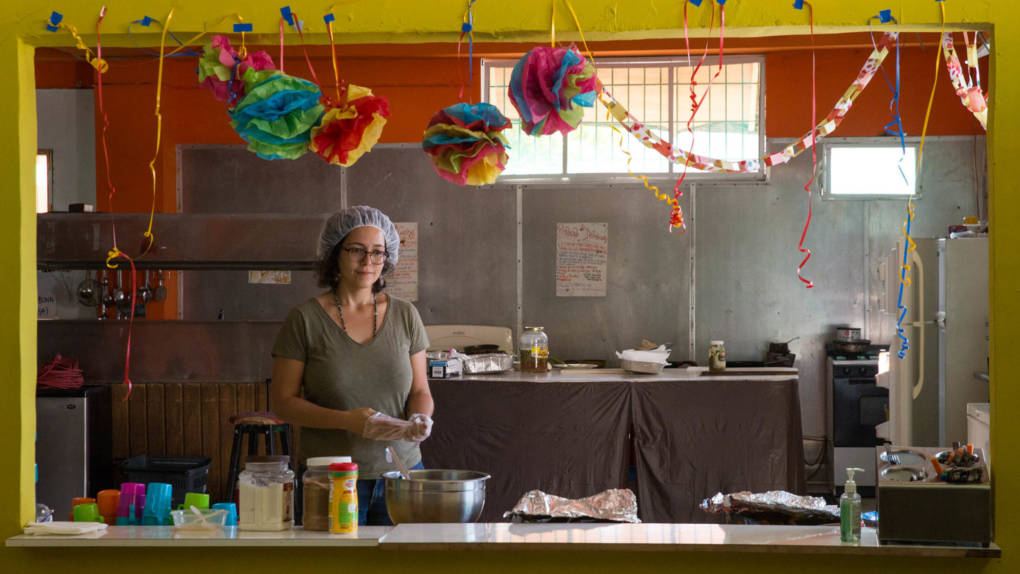
"caption": "Nine days after the Hurricane Maria struck, Emilú De León and other volunteers opened a kitchen to serve meals to the people of Caguas. The first day, they fed 600, De León says.",
"description": "Nine days after the Hurricane Maria struck, Emilú De León and other volunteers opened a kitchen to serve meals to the people of Caguas. The first day, they fed 600, De León sa",
"title": "Nine days after the Hurricane Maria struck, Emilú De León and other volunteers opened a kitchen to serve meals to the people of Caguas. The first day, they fed 600, De León says.",
"credit": "Jenna Miller/Cronkite Borderlands Project",
"status": "inherit",
"isLoading": false,
"fetchFailed": false
},
"bayareabites_128649": {
"type": "attachments",
"id": "bayareabites_128649",
"meta": {
"index": "attachments_1716263798",
"site": "bayareabites",
"id": "128649",
"found": true
},
"parent": 128648,
"imgSizes": {
"small": {
"file": "https://ww2.kqed.org/app/uploads/sites/24/2018/05/ap_18143841863731_custom-ab784c94a44a9a314f7ffb1066da3f0ee5bc8a45-520x357.jpg",
"width": 520,
"mimeType": "image/jpeg",
"height": 357
},
"twentyfourteen-full-width": {
"file": "https://ww2.kqed.org/app/uploads/sites/24/2018/05/ap_18143841863731_custom-ab784c94a44a9a314f7ffb1066da3f0ee5bc8a45-1038x576.jpg",
"width": 1038,
"mimeType": "image/jpeg",
"height": 576
},
"thumbnail": {
"file": "https://ww2.kqed.org/app/uploads/sites/24/2018/05/ap_18143841863731_custom-ab784c94a44a9a314f7ffb1066da3f0ee5bc8a45-160x110.jpg",
"width": 160,
"mimeType": "image/jpeg",
"height": 110
},
"fd-sm": {
"file": "https://ww2.kqed.org/app/uploads/sites/24/2018/05/ap_18143841863731_custom-ab784c94a44a9a314f7ffb1066da3f0ee5bc8a45-960x659.jpg",
"width": 960,
"mimeType": "image/jpeg",
"height": 659
},
"post-thumbnail": {
"file": "https://ww2.kqed.org/app/uploads/sites/24/2018/05/ap_18143841863731_custom-ab784c94a44a9a314f7ffb1066da3f0ee5bc8a45-672x372.jpg",
"width": 672,
"mimeType": "image/jpeg",
"height": 372
},
"xsmall": {
"file": "https://ww2.kqed.org/app/uploads/sites/24/2018/05/ap_18143841863731_custom-ab784c94a44a9a314f7ffb1066da3f0ee5bc8a45-375x257.jpg",
"width": 375,
"mimeType": "image/jpeg",
"height": 257
},
"kqedFullSize": {
"file": "https://ww2.kqed.org/app/uploads/sites/24/2018/05/ap_18143841863731_custom-ab784c94a44a9a314f7ffb1066da3f0ee5bc8a45.jpg",
"width": 2994,
"height": 2055
},
"large": {
"file": "https://ww2.kqed.org/app/uploads/sites/24/2018/05/ap_18143841863731_custom-ab784c94a44a9a314f7ffb1066da3f0ee5bc8a45-1020x700.jpg",
"width": 1020,
"mimeType": "image/jpeg",
"height": 700
},
"xlarge": {
"file": "https://ww2.kqed.org/app/uploads/sites/24/2018/05/ap_18143841863731_custom-ab784c94a44a9a314f7ffb1066da3f0ee5bc8a45-1180x810.jpg",
"width": 1180,
"mimeType": "image/jpeg",
"height": 810
},
"complete_open_graph": {
"file": "https://ww2.kqed.org/app/uploads/sites/24/2018/05/ap_18143841863731_custom-ab784c94a44a9a314f7ffb1066da3f0ee5bc8a45-1200x824.jpg",
"width": 1200,
"mimeType": "image/jpeg",
"height": 824
},
"guest-author-50": {
"file": "https://ww2.kqed.org/app/uploads/sites/24/2018/05/ap_18143841863731_custom-ab784c94a44a9a314f7ffb1066da3f0ee5bc8a45-50x50.jpg",
"width": 50,
"mimeType": "image/jpeg",
"height": 50
},
"guest-author-96": {
"file": "https://ww2.kqed.org/app/uploads/sites/24/2018/05/ap_18143841863731_custom-ab784c94a44a9a314f7ffb1066da3f0ee5bc8a45-96x96.jpg",
"width": 96,
"mimeType": "image/jpeg",
"height": 96
},
"medium": {
"file": "https://ww2.kqed.org/app/uploads/sites/24/2018/05/ap_18143841863731_custom-ab784c94a44a9a314f7ffb1066da3f0ee5bc8a45-800x549.jpg",
"width": 800,
"mimeType": "image/jpeg",
"height": 549
},
"guest-author-64": {
"file": "https://ww2.kqed.org/app/uploads/sites/24/2018/05/ap_18143841863731_custom-ab784c94a44a9a314f7ffb1066da3f0ee5bc8a45-64x64.jpg",
"width": 64,
"mimeType": "image/jpeg",
"height": 64
},
"guest-author-32": {
"file": "https://ww2.kqed.org/app/uploads/sites/24/2018/05/ap_18143841863731_custom-ab784c94a44a9a314f7ffb1066da3f0ee5bc8a45-32x32.jpg",
"width": 32,
"mimeType": "image/jpeg",
"height": 32
},
"fd-lrg": {
"file": "https://ww2.kqed.org/app/uploads/sites/24/2018/05/ap_18143841863731_custom-ab784c94a44a9a314f7ffb1066da3f0ee5bc8a45-1920x1318.jpg",
"width": 1920,
"mimeType": "image/jpeg",
"height": 1318
},
"fd-med": {
"file": "https://ww2.kqed.org/app/uploads/sites/24/2018/05/ap_18143841863731_custom-ab784c94a44a9a314f7ffb1066da3f0ee5bc8a45-1180x810.jpg",
"width": 1180,
"mimeType": "image/jpeg",
"height": 810
},
"full-width": {
"file": "https://ww2.kqed.org/app/uploads/sites/24/2018/05/ap_18143841863731_custom-ab784c94a44a9a314f7ffb1066da3f0ee5bc8a45-1920x1318.jpg",
"width": 1920,
"mimeType": "image/jpeg",
"height": 1318
},
"detail": {
"file": "https://ww2.kqed.org/app/uploads/sites/24/2018/05/ap_18143841863731_custom-ab784c94a44a9a314f7ffb1066da3f0ee5bc8a45-150x150.jpg",
"width": 150,
"mimeType": "image/jpeg",
"height": 150
},
"medium_large": {
"file": "https://ww2.kqed.org/app/uploads/sites/24/2018/05/ap_18143841863731_custom-ab784c94a44a9a314f7ffb1066da3f0ee5bc8a45-768x527.jpg",
"width": 768,
"mimeType": "image/jpeg",
"height": 527
},
"guest-author-128": {
"file": "https://ww2.kqed.org/app/uploads/sites/24/2018/05/ap_18143841863731_custom-ab784c94a44a9a314f7ffb1066da3f0ee5bc8a45-128x128.jpg",
"width": 128,
"mimeType": "image/jpeg",
"height": 128
},
"xxsmall": {
"file": "https://ww2.kqed.org/app/uploads/sites/24/2018/05/ap_18143841863731_custom-ab784c94a44a9a314f7ffb1066da3f0ee5bc8a45-240x165.jpg",
"width": 240,
"mimeType": "image/jpeg",
"height": 165
}
},
"publishDate": 1527791189,
"modified": 1527791223,
"caption": "As awareness grows about the environmental toll of single-use plastics, retailers and regulators alike are finding ways to decrease their use. And straws have become a prime target.",
"description": "As awareness grows about the environmental toll of single-use plastics, retailers and regulators alike are finding ways to decrease their use. And straws have become a prime target.",
"title": "As awareness grows about the environmental toll of single-use plastics, retailers and regulators alike are finding ways to decrease their use. And straws have become a prime target.",
"credit": "Barbara Woike/AP",
"status": "inherit",
"isLoading": false,
"fetchFailed": false
},
"bayareabites_128262": {
"type": "attachments",
"id": "bayareabites_128262",
"meta": {
"index": "attachments_1716263798",
"site": "bayareabites",
"id": "128262",
"found": true
},
"parent": 128261,
"imgSizes": {
"small": {
"file": "https://ww2.kqed.org/app/uploads/sites/24/2018/05/gettyimages-695273956_wide-dd8cbbb4501506c3aa96d168c5f286d6b91219b0-520x292.jpg",
"width": 520,
"mimeType": "image/jpeg",
"height": 292
},
"twentyfourteen-full-width": {
"file": "https://ww2.kqed.org/app/uploads/sites/24/2018/05/gettyimages-695273956_wide-dd8cbbb4501506c3aa96d168c5f286d6b91219b0-1038x576.jpg",
"width": 1038,
"mimeType": "image/jpeg",
"height": 576
},
"thumbnail": {
"file": "https://ww2.kqed.org/app/uploads/sites/24/2018/05/gettyimages-695273956_wide-dd8cbbb4501506c3aa96d168c5f286d6b91219b0-160x90.jpg",
"width": 160,
"mimeType": "image/jpeg",
"height": 90
},
"fd-sm": {
"file": "https://ww2.kqed.org/app/uploads/sites/24/2018/05/gettyimages-695273956_wide-dd8cbbb4501506c3aa96d168c5f286d6b91219b0-960x540.jpg",
"width": 960,
"mimeType": "image/jpeg",
"height": 540
},
"post-thumbnail": {
"file": "https://ww2.kqed.org/app/uploads/sites/24/2018/05/gettyimages-695273956_wide-dd8cbbb4501506c3aa96d168c5f286d6b91219b0-672x372.jpg",
"width": 672,
"mimeType": "image/jpeg",
"height": 372
},
"xsmall": {
"file": "https://ww2.kqed.org/app/uploads/sites/24/2018/05/gettyimages-695273956_wide-dd8cbbb4501506c3aa96d168c5f286d6b91219b0-375x211.jpg",
"width": 375,
"mimeType": "image/jpeg",
"height": 211
},
"kqedFullSize": {
"file": "https://ww2.kqed.org/app/uploads/sites/24/2018/05/gettyimages-695273956_wide-dd8cbbb4501506c3aa96d168c5f286d6b91219b0.jpg",
"width": 5760,
"height": 3239
},
"large": {
"file": "https://ww2.kqed.org/app/uploads/sites/24/2018/05/gettyimages-695273956_wide-dd8cbbb4501506c3aa96d168c5f286d6b91219b0-1020x574.jpg",
"width": 1020,
"mimeType": "image/jpeg",
"height": 574
},
"xlarge": {
"file": "https://ww2.kqed.org/app/uploads/sites/24/2018/05/gettyimages-695273956_wide-dd8cbbb4501506c3aa96d168c5f286d6b91219b0-1180x664.jpg",
"width": 1180,
"mimeType": "image/jpeg",
"height": 664
},
"complete_open_graph": {
"file": "https://ww2.kqed.org/app/uploads/sites/24/2018/05/gettyimages-695273956_wide-dd8cbbb4501506c3aa96d168c5f286d6b91219b0-1200x675.jpg",
"width": 1200,
"mimeType": "image/jpeg",
"height": 675
},
"guest-author-50": {
"file": "https://ww2.kqed.org/app/uploads/sites/24/2018/05/gettyimages-695273956_wide-dd8cbbb4501506c3aa96d168c5f286d6b91219b0-50x50.jpg",
"width": 50,
"mimeType": "image/jpeg",
"height": 50
},
"guest-author-96": {
"file": "https://ww2.kqed.org/app/uploads/sites/24/2018/05/gettyimages-695273956_wide-dd8cbbb4501506c3aa96d168c5f286d6b91219b0-96x96.jpg",
"width": 96,
"mimeType": "image/jpeg",
"height": 96
},
"medium": {
"file": "https://ww2.kqed.org/app/uploads/sites/24/2018/05/gettyimages-695273956_wide-dd8cbbb4501506c3aa96d168c5f286d6b91219b0-800x450.jpg",
"width": 800,
"mimeType": "image/jpeg",
"height": 450
},
"guest-author-64": {
"file": "https://ww2.kqed.org/app/uploads/sites/24/2018/05/gettyimages-695273956_wide-dd8cbbb4501506c3aa96d168c5f286d6b91219b0-64x64.jpg",
"width": 64,
"mimeType": "image/jpeg",
"height": 64
},
"guest-author-32": {
"file": "https://ww2.kqed.org/app/uploads/sites/24/2018/05/gettyimages-695273956_wide-dd8cbbb4501506c3aa96d168c5f286d6b91219b0-32x32.jpg",
"width": 32,
"mimeType": "image/jpeg",
"height": 32
},
"fd-lrg": {
"file": "https://ww2.kqed.org/app/uploads/sites/24/2018/05/gettyimages-695273956_wide-dd8cbbb4501506c3aa96d168c5f286d6b91219b0-1920x1080.jpg",
"width": 1920,
"mimeType": "image/jpeg",
"height": 1080
},
"fd-med": {
"file": "https://ww2.kqed.org/app/uploads/sites/24/2018/05/gettyimages-695273956_wide-dd8cbbb4501506c3aa96d168c5f286d6b91219b0-1180x664.jpg",
"width": 1180,
"mimeType": "image/jpeg",
"height": 664
},
"full-width": {
"file": "https://ww2.kqed.org/app/uploads/sites/24/2018/05/gettyimages-695273956_wide-dd8cbbb4501506c3aa96d168c5f286d6b91219b0-1920x1080.jpg",
"width": 1920,
"mimeType": "image/jpeg",
"height": 1080
},
"detail": {
"file": "https://ww2.kqed.org/app/uploads/sites/24/2018/05/gettyimages-695273956_wide-dd8cbbb4501506c3aa96d168c5f286d6b91219b0-150x150.jpg",
"width": 150,
"mimeType": "image/jpeg",
"height": 150
},
"medium_large": {
"file": "https://ww2.kqed.org/app/uploads/sites/24/2018/05/gettyimages-695273956_wide-dd8cbbb4501506c3aa96d168c5f286d6b91219b0-768x432.jpg",
"width": 768,
"mimeType": "image/jpeg",
"height": 432
},
"guest-author-128": {
"file": "https://ww2.kqed.org/app/uploads/sites/24/2018/05/gettyimages-695273956_wide-dd8cbbb4501506c3aa96d168c5f286d6b91219b0-128x128.jpg",
"width": 128,
"mimeType": "image/jpeg",
"height": 128
},
"xxsmall": {
"file": "https://ww2.kqed.org/app/uploads/sites/24/2018/05/gettyimages-695273956_wide-dd8cbbb4501506c3aa96d168c5f286d6b91219b0-240x135.jpg",
"width": 240,
"mimeType": "image/jpeg",
"height": 135
}
},
"publishDate": 1526660167,
"modified": 1526660342,
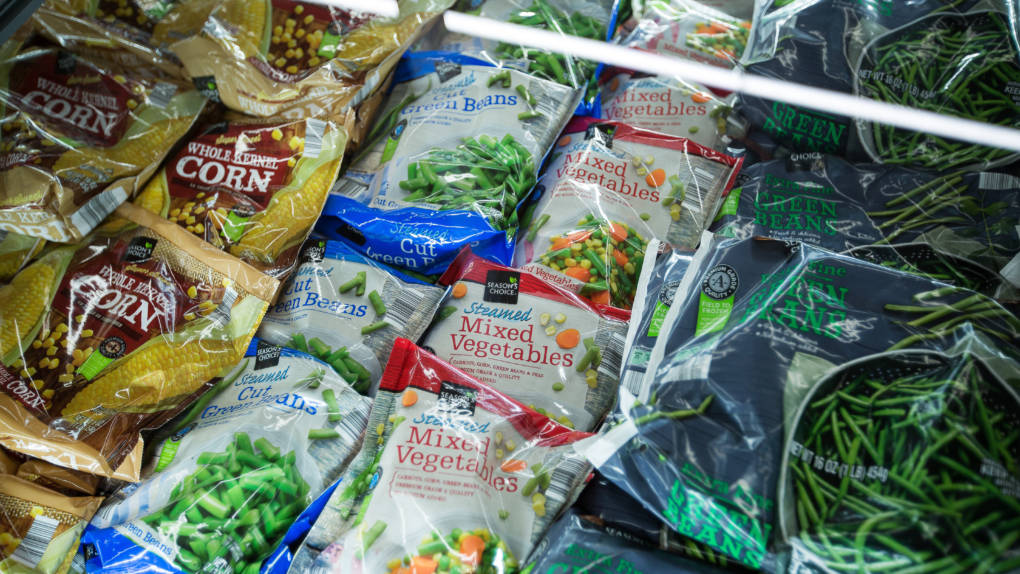
"caption": "Frozen vegetables are displayed for sale at an Aldi supermarket in Hackensack, N.J.",
"description": "Frozen vegetables are displayed for sale at an Aldi supermarket in Hackensack, N.J.",
"title": "Frozen vegetables are displayed for sale at an Aldi supermarket in Hackensack, N.J.",
"credit": "Bloomberg/Bloomberg via Getty Images",
"status": "inherit",
"isLoading": false,
"fetchFailed": false
},
"bayareabites_128210": {
"type": "attachments",
"id": "bayareabites_128210",
"meta": {
"index": "attachments_1716263798",
"site": "bayareabites",
"id": "128210",
"found": true
},
"parent": 128209,
"imgSizes": {
"small": {
"file": "https://ww2.kqed.org/app/uploads/sites/24/2018/05/gettyimages-825598760_custom-25ce6b05ffbd2d9107d161a6d789bc8ee30dec44-520x360.jpg",
"width": 520,
"mimeType": "image/jpeg",
"height": 360
},
"twentyfourteen-full-width": {
"file": "https://ww2.kqed.org/app/uploads/sites/24/2018/05/gettyimages-825598760_custom-25ce6b05ffbd2d9107d161a6d789bc8ee30dec44-1038x576.jpg",
"width": 1038,
"mimeType": "image/jpeg",
"height": 576
},
"thumbnail": {
"file": "https://ww2.kqed.org/app/uploads/sites/24/2018/05/gettyimages-825598760_custom-25ce6b05ffbd2d9107d161a6d789bc8ee30dec44-160x111.jpg",
"width": 160,
"mimeType": "image/jpeg",
"height": 111
},
"fd-sm": {
"file": "https://ww2.kqed.org/app/uploads/sites/24/2018/05/gettyimages-825598760_custom-25ce6b05ffbd2d9107d161a6d789bc8ee30dec44-960x664.jpg",
"width": 960,
"mimeType": "image/jpeg",
"height": 664
},
"post-thumbnail": {
"file": "https://ww2.kqed.org/app/uploads/sites/24/2018/05/gettyimages-825598760_custom-25ce6b05ffbd2d9107d161a6d789bc8ee30dec44-672x372.jpg",
"width": 672,
"mimeType": "image/jpeg",
"height": 372
},
"xsmall": {
"file": "https://ww2.kqed.org/app/uploads/sites/24/2018/05/gettyimages-825598760_custom-25ce6b05ffbd2d9107d161a6d789bc8ee30dec44-375x260.jpg",
"width": 375,
"mimeType": "image/jpeg",
"height": 260
},
"kqedFullSize": {
"file": "https://ww2.kqed.org/app/uploads/sites/24/2018/05/gettyimages-825598760_custom-25ce6b05ffbd2d9107d161a6d789bc8ee30dec44.jpg",
"width": 3000,
"height": 2076
},
"large": {
"file": "https://ww2.kqed.org/app/uploads/sites/24/2018/05/gettyimages-825598760_custom-25ce6b05ffbd2d9107d161a6d789bc8ee30dec44-1020x706.jpg",
"width": 1020,
"mimeType": "image/jpeg",
"height": 706
},
"xlarge": {
"file": "https://ww2.kqed.org/app/uploads/sites/24/2018/05/gettyimages-825598760_custom-25ce6b05ffbd2d9107d161a6d789bc8ee30dec44-1180x817.jpg",
"width": 1180,
"mimeType": "image/jpeg",
"height": 817
},
"complete_open_graph": {
"file": "https://ww2.kqed.org/app/uploads/sites/24/2018/05/gettyimages-825598760_custom-25ce6b05ffbd2d9107d161a6d789bc8ee30dec44-1200x830.jpg",
"width": 1200,
"mimeType": "image/jpeg",
"height": 830
},
"guest-author-50": {
"file": "https://ww2.kqed.org/app/uploads/sites/24/2018/05/gettyimages-825598760_custom-25ce6b05ffbd2d9107d161a6d789bc8ee30dec44-50x50.jpg",
"width": 50,
"mimeType": "image/jpeg",
"height": 50
},
"guest-author-96": {
"file": "https://ww2.kqed.org/app/uploads/sites/24/2018/05/gettyimages-825598760_custom-25ce6b05ffbd2d9107d161a6d789bc8ee30dec44-96x96.jpg",
"width": 96,
"mimeType": "image/jpeg",
"height": 96
},
"medium": {
"file": "https://ww2.kqed.org/app/uploads/sites/24/2018/05/gettyimages-825598760_custom-25ce6b05ffbd2d9107d161a6d789bc8ee30dec44-800x554.jpg",
"width": 800,
"mimeType": "image/jpeg",
"height": 554
},
"guest-author-64": {
"file": "https://ww2.kqed.org/app/uploads/sites/24/2018/05/gettyimages-825598760_custom-25ce6b05ffbd2d9107d161a6d789bc8ee30dec44-64x64.jpg",
"width": 64,
"mimeType": "image/jpeg",
"height": 64
},
"guest-author-32": {
"file": "https://ww2.kqed.org/app/uploads/sites/24/2018/05/gettyimages-825598760_custom-25ce6b05ffbd2d9107d161a6d789bc8ee30dec44-32x32.jpg",
"width": 32,
"mimeType": "image/jpeg",
"height": 32
},
"fd-lrg": {
"file": "https://ww2.kqed.org/app/uploads/sites/24/2018/05/gettyimages-825598760_custom-25ce6b05ffbd2d9107d161a6d789bc8ee30dec44-1920x1329.jpg",
"width": 1920,
"mimeType": "image/jpeg",
"height": 1329
},
"fd-med": {
"file": "https://ww2.kqed.org/app/uploads/sites/24/2018/05/gettyimages-825598760_custom-25ce6b05ffbd2d9107d161a6d789bc8ee30dec44-1180x817.jpg",
"width": 1180,
"mimeType": "image/jpeg",
"height": 817
},
"full-width": {
"file": "https://ww2.kqed.org/app/uploads/sites/24/2018/05/gettyimages-825598760_custom-25ce6b05ffbd2d9107d161a6d789bc8ee30dec44-1920x1329.jpg",
"width": 1920,
"mimeType": "image/jpeg",
"height": 1329
},
"detail": {
"file": "https://ww2.kqed.org/app/uploads/sites/24/2018/05/gettyimages-825598760_custom-25ce6b05ffbd2d9107d161a6d789bc8ee30dec44-150x150.jpg",
"width": 150,
"mimeType": "image/jpeg",
"height": 150
},
"medium_large": {
"file": "https://ww2.kqed.org/app/uploads/sites/24/2018/05/gettyimages-825598760_custom-25ce6b05ffbd2d9107d161a6d789bc8ee30dec44-768x531.jpg",
"width": 768,
"mimeType": "image/jpeg",
"height": 531
},
"guest-author-128": {
"file": "https://ww2.kqed.org/app/uploads/sites/24/2018/05/gettyimages-825598760_custom-25ce6b05ffbd2d9107d161a6d789bc8ee30dec44-128x128.jpg",
"width": 128,
"mimeType": "image/jpeg",
"height": 128
},
"xxsmall": {
"file": "https://ww2.kqed.org/app/uploads/sites/24/2018/05/gettyimages-825598760_custom-25ce6b05ffbd2d9107d161a6d789bc8ee30dec44-240x166.jpg",
"width": 240,
"mimeType": "image/jpeg",
"height": 166
}
},
"publishDate": 1526574750,
"modified": 1526574819,
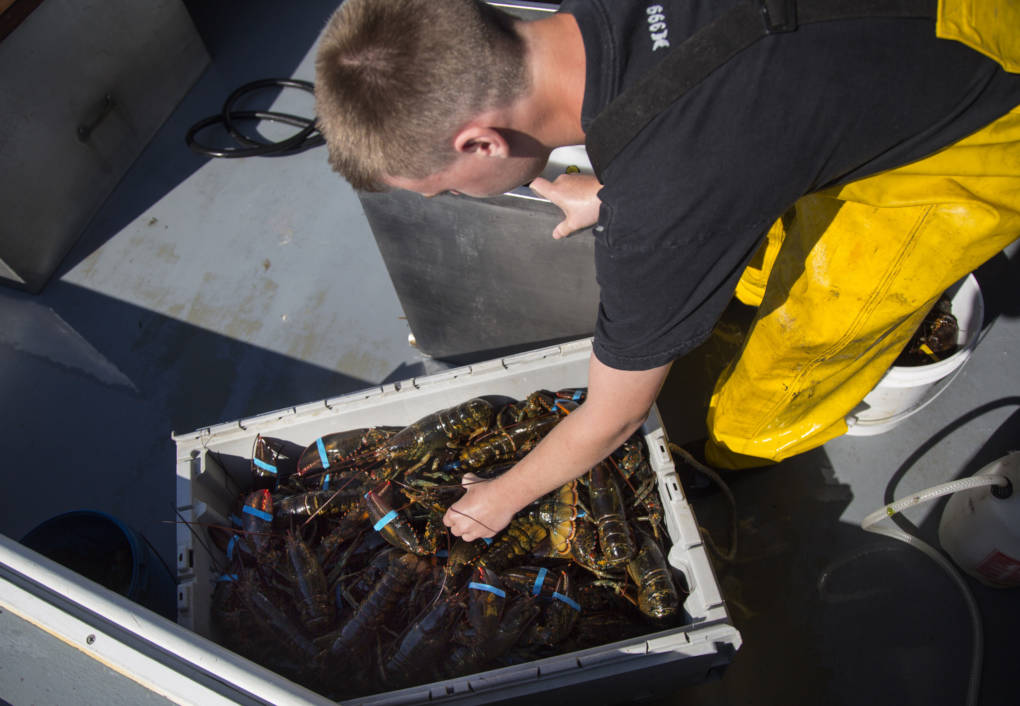
"caption": "Austin Steeves packages lobsters after hauling traps on his grandfather's boat in Casco Bay, Portland, Maine.",
"description": "Austin Steeves packages lobsters after hauling traps on his grandfather's boat in Casco Bay, Portland, Maine.",
"title": "Austin Steeves packages lobsters after hauling traps on his grandfather's boat in Casco Bay, Portland, Maine.",
"credit": "Derek Davis/Portland Press Herald via Getty Images",
"status": "inherit",
"isLoading": false,
"fetchFailed": false
},
"bayareabites_127929": {
"type": "attachments",
"id": "bayareabites_127929",
"meta": {
"index": "attachments_1716263798",
"site": "bayareabites",
"id": "127929",
"found": true
},
"parent": 127928,
"imgSizes": {
"small": {
"file": "https://ww2.kqed.org/app/uploads/sites/24/2018/05/img_5919-7a7e072bc336db826f1dd5383ea7d29b8a45090e-520x390.jpg",
"width": 520,
"mimeType": "image/jpeg",
"height": 390
},
"twentyfourteen-full-width": {
"file": "https://ww2.kqed.org/app/uploads/sites/24/2018/05/img_5919-7a7e072bc336db826f1dd5383ea7d29b8a45090e-1038x576.jpg",
"width": 1038,
"mimeType": "image/jpeg",
"height": 576
},
"thumbnail": {
"file": "https://ww2.kqed.org/app/uploads/sites/24/2018/05/img_5919-7a7e072bc336db826f1dd5383ea7d29b8a45090e-160x120.jpg",
"width": 160,
"mimeType": "image/jpeg",
"height": 120
},
"fd-sm": {
"file": "https://ww2.kqed.org/app/uploads/sites/24/2018/05/img_5919-7a7e072bc336db826f1dd5383ea7d29b8a45090e-960x720.jpg",
"width": 960,
"mimeType": "image/jpeg",
"height": 720
},
"post-thumbnail": {
"file": "https://ww2.kqed.org/app/uploads/sites/24/2018/05/img_5919-7a7e072bc336db826f1dd5383ea7d29b8a45090e-672x372.jpg",
"width": 672,
"mimeType": "image/jpeg",
"height": 372
},
"xsmall": {
"file": "https://ww2.kqed.org/app/uploads/sites/24/2018/05/img_5919-7a7e072bc336db826f1dd5383ea7d29b8a45090e-375x281.jpg",
"width": 375,
"mimeType": "image/jpeg",
"height": 281
},
"kqedFullSize": {
"file": "https://ww2.kqed.org/app/uploads/sites/24/2018/05/img_5919-7a7e072bc336db826f1dd5383ea7d29b8a45090e.jpg",
"width": 4029,
"height": 3022
},
"large": {
"file": "https://ww2.kqed.org/app/uploads/sites/24/2018/05/img_5919-7a7e072bc336db826f1dd5383ea7d29b8a45090e-1020x765.jpg",
"width": 1020,
"mimeType": "image/jpeg",
"height": 765
},
"xlarge": {
"file": "https://ww2.kqed.org/app/uploads/sites/24/2018/05/img_5919-7a7e072bc336db826f1dd5383ea7d29b8a45090e-1180x885.jpg",
"width": 1180,
"mimeType": "image/jpeg",
"height": 885
},
"complete_open_graph": {
"file": "https://ww2.kqed.org/app/uploads/sites/24/2018/05/img_5919-7a7e072bc336db826f1dd5383ea7d29b8a45090e-1200x900.jpg",
"width": 1200,
"mimeType": "image/jpeg",
"height": 900
},
"guest-author-50": {
"file": "https://ww2.kqed.org/app/uploads/sites/24/2018/05/img_5919-7a7e072bc336db826f1dd5383ea7d29b8a45090e-50x50.jpg",
"width": 50,
"mimeType": "image/jpeg",
"height": 50
},
"guest-author-96": {
"file": "https://ww2.kqed.org/app/uploads/sites/24/2018/05/img_5919-7a7e072bc336db826f1dd5383ea7d29b8a45090e-96x96.jpg",
"width": 96,
"mimeType": "image/jpeg",
"height": 96
},
"medium": {
"file": "https://ww2.kqed.org/app/uploads/sites/24/2018/05/img_5919-7a7e072bc336db826f1dd5383ea7d29b8a45090e-800x600.jpg",
"width": 800,
"mimeType": "image/jpeg",
"height": 600
},
"guest-author-64": {
"file": "https://ww2.kqed.org/app/uploads/sites/24/2018/05/img_5919-7a7e072bc336db826f1dd5383ea7d29b8a45090e-64x64.jpg",
"width": 64,
"mimeType": "image/jpeg",
"height": 64
},
"guest-author-32": {
"file": "https://ww2.kqed.org/app/uploads/sites/24/2018/05/img_5919-7a7e072bc336db826f1dd5383ea7d29b8a45090e-32x32.jpg",
"width": 32,
"mimeType": "image/jpeg",
"height": 32
},
"fd-lrg": {
"file": "https://ww2.kqed.org/app/uploads/sites/24/2018/05/img_5919-7a7e072bc336db826f1dd5383ea7d29b8a45090e-1920x1440.jpg",
"width": 1920,
"mimeType": "image/jpeg",
"height": 1440
},
"fd-med": {
"file": "https://ww2.kqed.org/app/uploads/sites/24/2018/05/img_5919-7a7e072bc336db826f1dd5383ea7d29b8a45090e-1180x885.jpg",
"width": 1180,
"mimeType": "image/jpeg",
"height": 885
},
"full-width": {
"file": "https://ww2.kqed.org/app/uploads/sites/24/2018/05/img_5919-7a7e072bc336db826f1dd5383ea7d29b8a45090e-1920x1440.jpg",
"width": 1920,
"mimeType": "image/jpeg",
"height": 1440
},
"detail": {
"file": "https://ww2.kqed.org/app/uploads/sites/24/2018/05/img_5919-7a7e072bc336db826f1dd5383ea7d29b8a45090e-150x150.jpg",
"width": 150,
"mimeType": "image/jpeg",
"height": 150
},
"medium_large": {
"file": "https://ww2.kqed.org/app/uploads/sites/24/2018/05/img_5919-7a7e072bc336db826f1dd5383ea7d29b8a45090e-768x576.jpg",
"width": 768,
"mimeType": "image/jpeg",
"height": 576
},
"guest-author-128": {
"file": "https://ww2.kqed.org/app/uploads/sites/24/2018/05/img_5919-7a7e072bc336db826f1dd5383ea7d29b8a45090e-128x128.jpg",
"width": 128,
"mimeType": "image/jpeg",
"height": 128
},
"xxsmall": {
"file": "https://ww2.kqed.org/app/uploads/sites/24/2018/05/img_5919-7a7e072bc336db826f1dd5383ea7d29b8a45090e-240x180.jpg",
"width": 240,
"mimeType": "image/jpeg",
"height": 180
}
},
"publishDate": 1525727908,
"modified": 1525728110,
"caption": "Signs declare the calorie counts for sandwiches and other grab-and-go items at a Starbucks in Washington, D.C.",
"description": "Signs declare the calorie counts for sandwiches and other grab-and-go items at a Starbucks in Washington, D.C.",
"title": "Signs declare the calorie counts for sandwiches and other grab-and-go items at a Starbucks in Washington, D.C.",
"credit": "Allison Aubrey/NPR",
"status": "inherit",
"isLoading": false,
"fetchFailed": false
},
"bayareabites_127868": {
"type": "attachments",
"id": "bayareabites_127868",
"meta": {
"index": "attachments_1716263798",
"site": "bayareabites",
"id": "127868",
"found": true
},
"parent": 127867,
"imgSizes": {
"small": {
"file": "https://ww2.kqed.org/app/uploads/sites/24/2018/05/ap_605107022119-d975629b142086fd63271c05f6c7b50a446a5984-520x390.jpg",
"width": 520,
"mimeType": "image/jpeg",
"height": 390
},
"twentyfourteen-full-width": {
"file": "https://ww2.kqed.org/app/uploads/sites/24/2018/05/ap_605107022119-d975629b142086fd63271c05f6c7b50a446a5984-1038x576.jpg",
"width": 1038,
"mimeType": "image/jpeg",
"height": 576
},
"thumbnail": {
"file": "https://ww2.kqed.org/app/uploads/sites/24/2018/05/ap_605107022119-d975629b142086fd63271c05f6c7b50a446a5984-160x120.jpg",
"width": 160,
"mimeType": "image/jpeg",
"height": 120
},
"fd-sm": {
"file": "https://ww2.kqed.org/app/uploads/sites/24/2018/05/ap_605107022119-d975629b142086fd63271c05f6c7b50a446a5984-960x720.jpg",
"width": 960,
"mimeType": "image/jpeg",
"height": 720
},
"post-thumbnail": {
"file": "https://ww2.kqed.org/app/uploads/sites/24/2018/05/ap_605107022119-d975629b142086fd63271c05f6c7b50a446a5984-672x372.jpg",
"width": 672,
"mimeType": "image/jpeg",
"height": 372
},
"xsmall": {
"file": "https://ww2.kqed.org/app/uploads/sites/24/2018/05/ap_605107022119-d975629b142086fd63271c05f6c7b50a446a5984-375x281.jpg",
"width": 375,
"mimeType": "image/jpeg",
"height": 281
},
"kqedFullSize": {
"file": "https://ww2.kqed.org/app/uploads/sites/24/2018/05/ap_605107022119-d975629b142086fd63271c05f6c7b50a446a5984.jpg",
"width": 3552,
"height": 2664
},
"large": {
"file": "https://ww2.kqed.org/app/uploads/sites/24/2018/05/ap_605107022119-d975629b142086fd63271c05f6c7b50a446a5984-1020x765.jpg",
"width": 1020,
"mimeType": "image/jpeg",
"height": 765
},
"xlarge": {
"file": "https://ww2.kqed.org/app/uploads/sites/24/2018/05/ap_605107022119-d975629b142086fd63271c05f6c7b50a446a5984-1180x885.jpg",
"width": 1180,
"mimeType": "image/jpeg",
"height": 885
},
"complete_open_graph": {
"file": "https://ww2.kqed.org/app/uploads/sites/24/2018/05/ap_605107022119-d975629b142086fd63271c05f6c7b50a446a5984-1200x900.jpg",
"width": 1200,
"mimeType": "image/jpeg",
"height": 900
},
"guest-author-50": {
"file": "https://ww2.kqed.org/app/uploads/sites/24/2018/05/ap_605107022119-d975629b142086fd63271c05f6c7b50a446a5984-50x50.jpg",
"width": 50,
"mimeType": "image/jpeg",
"height": 50
},
"guest-author-96": {
"file": "https://ww2.kqed.org/app/uploads/sites/24/2018/05/ap_605107022119-d975629b142086fd63271c05f6c7b50a446a5984-96x96.jpg",
"width": 96,
"mimeType": "image/jpeg",
"height": 96
},
"medium": {
"file": "https://ww2.kqed.org/app/uploads/sites/24/2018/05/ap_605107022119-d975629b142086fd63271c05f6c7b50a446a5984-800x600.jpg",
"width": 800,
"mimeType": "image/jpeg",
"height": 600
},
"guest-author-64": {
"file": "https://ww2.kqed.org/app/uploads/sites/24/2018/05/ap_605107022119-d975629b142086fd63271c05f6c7b50a446a5984-64x64.jpg",
"width": 64,
"mimeType": "image/jpeg",
"height": 64
},
"guest-author-32": {
"file": "https://ww2.kqed.org/app/uploads/sites/24/2018/05/ap_605107022119-d975629b142086fd63271c05f6c7b50a446a5984-32x32.jpg",
"width": 32,
"mimeType": "image/jpeg",
"height": 32
},
"fd-lrg": {
"file": "https://ww2.kqed.org/app/uploads/sites/24/2018/05/ap_605107022119-d975629b142086fd63271c05f6c7b50a446a5984-1920x1440.jpg",
"width": 1920,
"mimeType": "image/jpeg",
"height": 1440
},
"fd-med": {
"file": "https://ww2.kqed.org/app/uploads/sites/24/2018/05/ap_605107022119-d975629b142086fd63271c05f6c7b50a446a5984-1180x885.jpg",
"width": 1180,
"mimeType": "image/jpeg",
"height": 885
},
"full-width": {
"file": "https://ww2.kqed.org/app/uploads/sites/24/2018/05/ap_605107022119-d975629b142086fd63271c05f6c7b50a446a5984-1920x1440.jpg",
"width": 1920,
"mimeType": "image/jpeg",
"height": 1440
},
"detail": {
"file": "https://ww2.kqed.org/app/uploads/sites/24/2018/05/ap_605107022119-d975629b142086fd63271c05f6c7b50a446a5984-150x150.jpg",
"width": 150,
"mimeType": "image/jpeg",
"height": 150
},
"medium_large": {
"file": "https://ww2.kqed.org/app/uploads/sites/24/2018/05/ap_605107022119-d975629b142086fd63271c05f6c7b50a446a5984-768x576.jpg",
"width": 768,
"mimeType": "image/jpeg",
"height": 576
},
"guest-author-128": {
"file": "https://ww2.kqed.org/app/uploads/sites/24/2018/05/ap_605107022119-d975629b142086fd63271c05f6c7b50a446a5984-128x128.jpg",
"width": 128,
"mimeType": "image/jpeg",
"height": 128
},
"xxsmall": {
"file": "https://ww2.kqed.org/app/uploads/sites/24/2018/05/ap_605107022119-d975629b142086fd63271c05f6c7b50a446a5984-240x180.jpg",
"width": 240,
"mimeType": "image/jpeg",
"height": 180
}
},
"publishDate": 1525618155,
"modified": 1525618317,
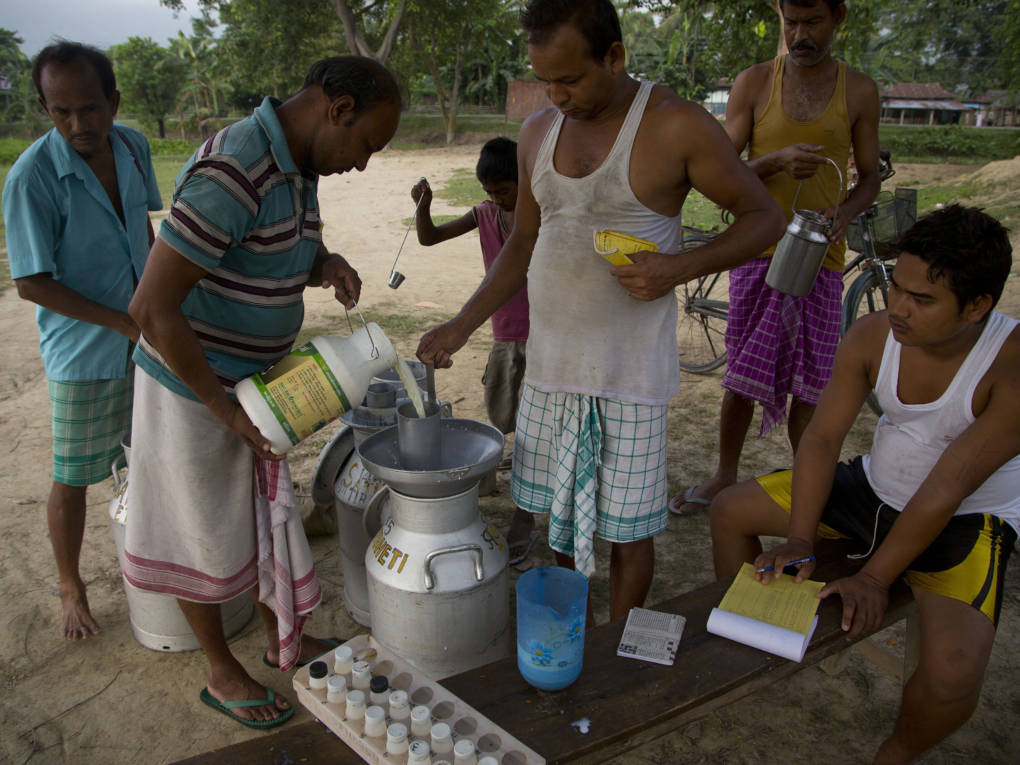
"caption": "A man pours milk into a can in India's Mayong village in 2015. India is the world's largest producer and consumer of milk.",
"description": "A man pours milk into a can in India's Mayong village in 2015. India is the world's largest producer and consumer of milk.",
"title": "A man pours milk into a can in India's Mayong village in 2015. India is the world's largest producer and consumer of milk.",
"credit": "Anupam Nath/AP",
"status": "inherit",
"isLoading": false,
"fetchFailed": false
},
"bayareabites_127672": {
"type": "attachments",
"id": "bayareabites_127672",
"meta": {
"index": "attachments_1716263798",
"site": "bayareabites",
"id": "127672",
"found": true
},
"parent": 127618,
"imgSizes": {
"small": {
"file": "https://ww2.kqed.org/app/uploads/sites/24/2018/05/IMG_3221-new-520x347.jpg",
"width": 520,
"mimeType": "image/jpeg",
"height": 347
},
"twentyfourteen-full-width": {
"file": "https://ww2.kqed.org/app/uploads/sites/24/2018/05/IMG_3221-new-1038x576.jpg",
"width": 1038,
"mimeType": "image/jpeg",
"height": 576
},
"thumbnail": {
"file": "https://ww2.kqed.org/app/uploads/sites/24/2018/05/IMG_3221-new-160x107.jpg",
"width": 160,
"mimeType": "image/jpeg",
"height": 107
},
"fd-sm": {
"file": "https://ww2.kqed.org/app/uploads/sites/24/2018/05/IMG_3221-new-960x640.jpg",
"width": 960,
"mimeType": "image/jpeg",
"height": 640
},
"post-thumbnail": {
"file": "https://ww2.kqed.org/app/uploads/sites/24/2018/05/IMG_3221-new-672x372.jpg",
"width": 672,
"mimeType": "image/jpeg",
"height": 372
},
"xsmall": {
"file": "https://ww2.kqed.org/app/uploads/sites/24/2018/05/IMG_3221-new-375x250.jpg",
"width": 375,
"mimeType": "image/jpeg",
"height": 250
},
"kqedFullSize": {
"file": "https://ww2.kqed.org/app/uploads/sites/24/2018/05/IMG_3221-new.jpg",
"width": 1920,
"height": 1280
},
"large": {
"file": "https://ww2.kqed.org/app/uploads/sites/24/2018/05/IMG_3221-new-1020x680.jpg",
"width": 1020,
"mimeType": "image/jpeg",
"height": 680
},
"xlarge": {
"file": "https://ww2.kqed.org/app/uploads/sites/24/2018/05/IMG_3221-new-1180x787.jpg",
"width": 1180,
"mimeType": "image/jpeg",
"height": 787
},
"complete_open_graph": {
"file": "https://ww2.kqed.org/app/uploads/sites/24/2018/05/IMG_3221-new-1200x800.jpg",
"width": 1200,
"mimeType": "image/jpeg",
"height": 800
},
"guest-author-50": {
"file": "https://ww2.kqed.org/app/uploads/sites/24/2018/05/IMG_3221-new-50x50.jpg",
"width": 50,
"mimeType": "image/jpeg",
"height": 50
},
"guest-author-96": {
"file": "https://ww2.kqed.org/app/uploads/sites/24/2018/05/IMG_3221-new-96x96.jpg",
"width": 96,
"mimeType": "image/jpeg",
"height": 96
},
"medium": {
"file": "https://ww2.kqed.org/app/uploads/sites/24/2018/05/IMG_3221-new-800x533.jpg",
"width": 800,
"mimeType": "image/jpeg",
"height": 533
},
"guest-author-64": {
"file": "https://ww2.kqed.org/app/uploads/sites/24/2018/05/IMG_3221-new-64x64.jpg",
"width": 64,
"mimeType": "image/jpeg",
"height": 64
},
"guest-author-32": {
"file": "https://ww2.kqed.org/app/uploads/sites/24/2018/05/IMG_3221-new-32x32.jpg",
"width": 32,
"mimeType": "image/jpeg",
"height": 32
},
"fd-lrg": {
"file": "https://ww2.kqed.org/app/uploads/sites/24/2018/05/IMG_3221-new-1920x1280.jpg",
"width": 1920,
"mimeType": "image/jpeg",
"height": 1280
},
"fd-med": {
"file": "https://ww2.kqed.org/app/uploads/sites/24/2018/05/IMG_3221-new-1180x787.jpg",
"width": 1180,
"mimeType": "image/jpeg",
"height": 787
},
"full-width": {
"file": "https://ww2.kqed.org/app/uploads/sites/24/2018/05/IMG_3221-new-1920x1280.jpg",
"width": 1920,
"mimeType": "image/jpeg",
"height": 1280
},
"detail": {
"file": "https://ww2.kqed.org/app/uploads/sites/24/2018/05/IMG_3221-new-150x150.jpg",
"width": 150,
"mimeType": "image/jpeg",
"height": 150
},
"medium_large": {
"file": "https://ww2.kqed.org/app/uploads/sites/24/2018/05/IMG_3221-new-768x512.jpg",
"width": 768,
"mimeType": "image/jpeg",
"height": 512
},
"guest-author-128": {
"file": "https://ww2.kqed.org/app/uploads/sites/24/2018/05/IMG_3221-new-128x128.jpg",
"width": 128,
"mimeType": "image/jpeg",
"height": 128
},
"xxsmall": {
"file": "https://ww2.kqed.org/app/uploads/sites/24/2018/05/IMG_3221-new-240x160.jpg",
"width": 240,
"mimeType": "image/jpeg",
"height": 160
}
},
"publishDate": 1525309944,
"modified": 1525310725,
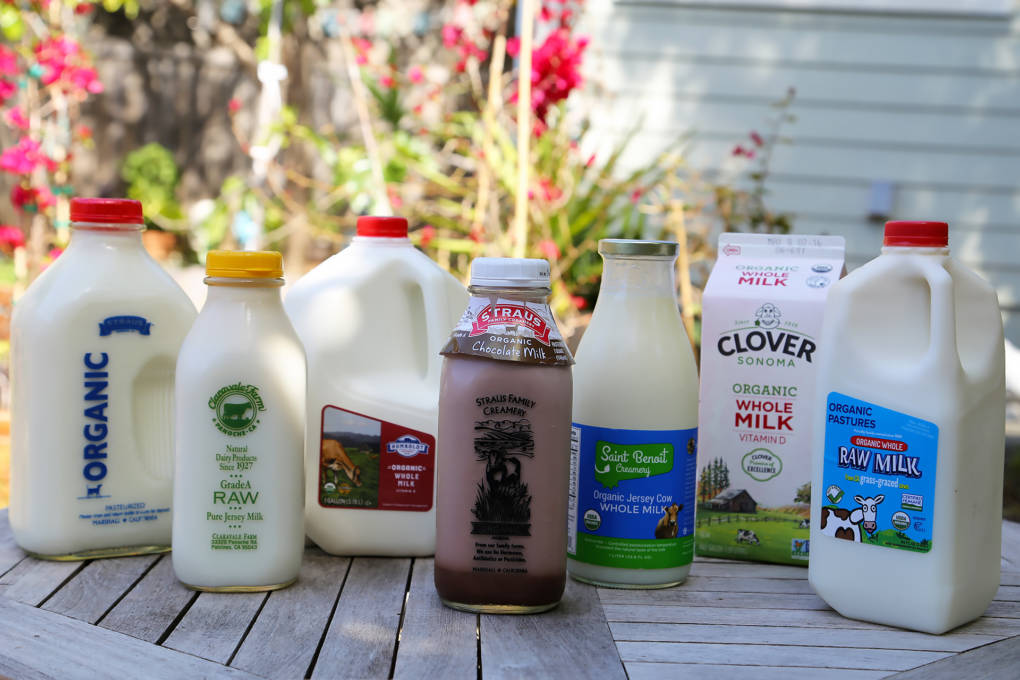
"caption": "The six brands of milk tasted",
"description": null,
"title": "IMG_3221-new",
"credit": "Wendy Goodfriend",
"status": "inherit",
"isLoading": false,
"fetchFailed": false
},
"bayareabites_127468": {
"type": "attachments",
"id": "bayareabites_127468",
"meta": {
"index": "attachments_1716263798",
"site": "bayareabites",
"id": "127468",
"found": true
},
"parent": 127465,
"imgSizes": {
"small": {
"file": "https://ww2.kqed.org/app/uploads/sites/24/2018/04/180328-seed-coatings-top2-520x347.jpg",
"width": 520,
"mimeType": "image/jpeg",
"height": 347
},
"twentyfourteen-full-width": {
"file": "https://ww2.kqed.org/app/uploads/sites/24/2018/04/180328-seed-coatings-top2-1038x576.jpg",
"width": 1038,
"mimeType": "image/jpeg",
"height": 576
},
"thumbnail": {
"file": "https://ww2.kqed.org/app/uploads/sites/24/2018/04/180328-seed-coatings-top2-160x107.jpg",
"width": 160,
"mimeType": "image/jpeg",
"height": 107
},
"fd-sm": {
"file": "https://ww2.kqed.org/app/uploads/sites/24/2018/04/180328-seed-coatings-top2-960x640.jpg",
"width": 960,
"mimeType": "image/jpeg",
"height": 640
},
"post-thumbnail": {
"file": "https://ww2.kqed.org/app/uploads/sites/24/2018/04/180328-seed-coatings-top2-672x372.jpg",
"width": 672,
"mimeType": "image/jpeg",
"height": 372
},
"xsmall": {
"file": "https://ww2.kqed.org/app/uploads/sites/24/2018/04/180328-seed-coatings-top2-375x250.jpg",
"width": 375,
"mimeType": "image/jpeg",
"height": 250
},
"kqedFullSize": {
"file": "https://ww2.kqed.org/app/uploads/sites/24/2018/04/180328-seed-coatings-top2.jpg",
"width": 1200,
"height": 800
},
"large": {
"file": "https://ww2.kqed.org/app/uploads/sites/24/2018/04/180328-seed-coatings-top2-1020x680.jpg",
"width": 1020,
"mimeType": "image/jpeg",
"height": 680
},
"xlarge": {
"file": "https://ww2.kqed.org/app/uploads/sites/24/2018/04/180328-seed-coatings-top2-1180x787.jpg",
"width": 1180,
"mimeType": "image/jpeg",
"height": 787
},
"complete_open_graph": {
"file": "https://ww2.kqed.org/app/uploads/sites/24/2018/04/180328-seed-coatings-top2-1200x800.jpg",
"width": 1200,
"mimeType": "image/jpeg",
"height": 800
},
"guest-author-50": {
"file": "https://ww2.kqed.org/app/uploads/sites/24/2018/04/180328-seed-coatings-top2-50x50.jpg",
"width": 50,
"mimeType": "image/jpeg",
"height": 50
},
"guest-author-96": {
"file": "https://ww2.kqed.org/app/uploads/sites/24/2018/04/180328-seed-coatings-top2-96x96.jpg",
"width": 96,
"mimeType": "image/jpeg",
"height": 96
},
"medium": {
"file": "https://ww2.kqed.org/app/uploads/sites/24/2018/04/180328-seed-coatings-top2-800x533.jpg",
"width": 800,
"mimeType": "image/jpeg",
"height": 533
},
"guest-author-64": {
"file": "https://ww2.kqed.org/app/uploads/sites/24/2018/04/180328-seed-coatings-top2-64x64.jpg",
"width": 64,
"mimeType": "image/jpeg",
"height": 64
},
"guest-author-32": {
"file": "https://ww2.kqed.org/app/uploads/sites/24/2018/04/180328-seed-coatings-top2-32x32.jpg",
"width": 32,
"mimeType": "image/jpeg",
"height": 32
},
"fd-med": {
"file": "https://ww2.kqed.org/app/uploads/sites/24/2018/04/180328-seed-coatings-top2-1180x787.jpg",
"width": 1180,
"mimeType": "image/jpeg",
"height": 787
},
"detail": {
"file": "https://ww2.kqed.org/app/uploads/sites/24/2018/04/180328-seed-coatings-top2-150x150.jpg",
"width": 150,
"mimeType": "image/jpeg",
"height": 150
},
"medium_large": {
"file": "https://ww2.kqed.org/app/uploads/sites/24/2018/04/180328-seed-coatings-top2-768x512.jpg",
"width": 768,
"mimeType": "image/jpeg",
"height": 512
},
"guest-author-128": {
"file": "https://ww2.kqed.org/app/uploads/sites/24/2018/04/180328-seed-coatings-top2-128x128.jpg",
"width": 128,
"mimeType": "image/jpeg",
"height": 128
},
"xxsmall": {
"file": "https://ww2.kqed.org/app/uploads/sites/24/2018/04/180328-seed-coatings-top2-240x160.jpg",
"width": 240,
"mimeType": "image/jpeg",
"height": 160
}
},
"publishDate": 1525109278,
"modified": 1525109790,
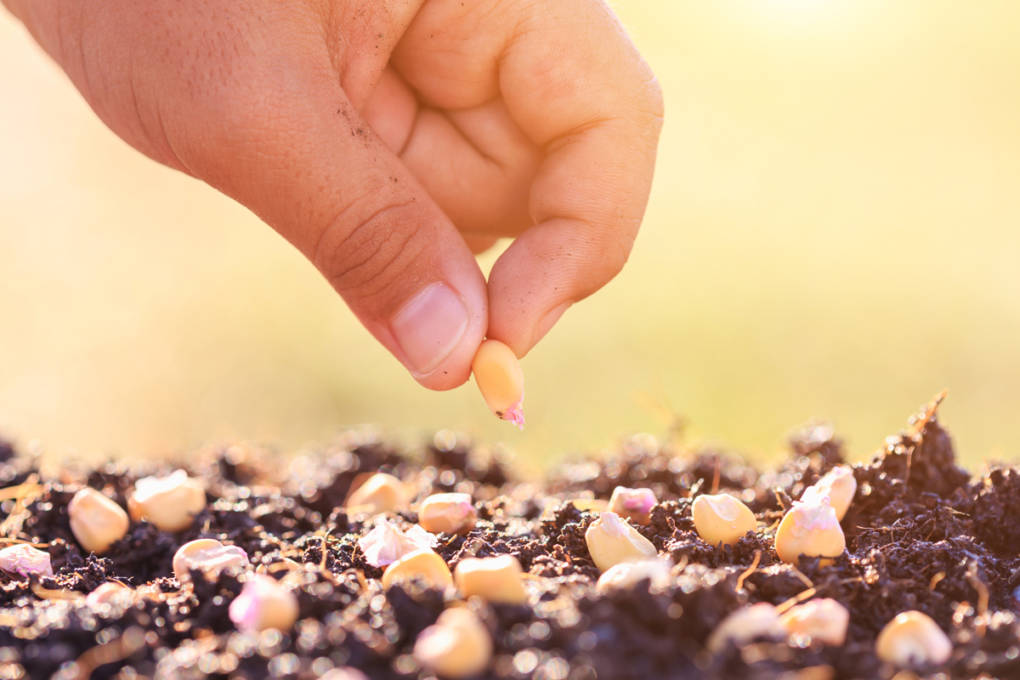
"caption": "Planting corn seeds",
"description": null,
"title": "180328-seed-coatings-top2",
"credit": "courtesy Civil Eats",
"status": "inherit",
"isLoading": false,
"fetchFailed": false
},
"bayareabites_127428": {
"type": "attachments",
"id": "bayareabites_127428",
"meta": {
"index": "attachments_1716263798",
"site": "bayareabites",
"id": "127428",
"found": true
},
"parent": 127421,
"imgSizes": {
"small": {
"file": "https://ww2.kqed.org/app/uploads/sites/24/2018/04/180411-artisan-breads-top1-520x347.jpg",
"width": 520,
"mimeType": "image/jpeg",
"height": 347
},
"twentyfourteen-full-width": {
"file": "https://ww2.kqed.org/app/uploads/sites/24/2018/04/180411-artisan-breads-top1-1038x576.jpg",
"width": 1038,
"mimeType": "image/jpeg",
"height": 576
},
"thumbnail": {
"file": "https://ww2.kqed.org/app/uploads/sites/24/2018/04/180411-artisan-breads-top1-160x107.jpg",
"width": 160,
"mimeType": "image/jpeg",
"height": 107
},
"fd-sm": {
"file": "https://ww2.kqed.org/app/uploads/sites/24/2018/04/180411-artisan-breads-top1-960x640.jpg",
"width": 960,
"mimeType": "image/jpeg",
"height": 640
},
"post-thumbnail": {
"file": "https://ww2.kqed.org/app/uploads/sites/24/2018/04/180411-artisan-breads-top1-672x372.jpg",
"width": 672,
"mimeType": "image/jpeg",
"height": 372
},
"xsmall": {
"file": "https://ww2.kqed.org/app/uploads/sites/24/2018/04/180411-artisan-breads-top1-375x250.jpg",
"width": 375,
"mimeType": "image/jpeg",
"height": 250
},
"kqedFullSize": {
"file": "https://ww2.kqed.org/app/uploads/sites/24/2018/04/180411-artisan-breads-top1.jpg",
"width": 1200,
"height": 800
},
"large": {
"file": "https://ww2.kqed.org/app/uploads/sites/24/2018/04/180411-artisan-breads-top1-1020x680.jpg",
"width": 1020,
"mimeType": "image/jpeg",
"height": 680
},
"xlarge": {
"file": "https://ww2.kqed.org/app/uploads/sites/24/2018/04/180411-artisan-breads-top1-1180x787.jpg",
"width": 1180,
"mimeType": "image/jpeg",
"height": 787
},
"complete_open_graph": {
"file": "https://ww2.kqed.org/app/uploads/sites/24/2018/04/180411-artisan-breads-top1-1200x800.jpg",
"width": 1200,
"mimeType": "image/jpeg",
"height": 800
},
"guest-author-50": {
"file": "https://ww2.kqed.org/app/uploads/sites/24/2018/04/180411-artisan-breads-top1-50x50.jpg",
"width": 50,
"mimeType": "image/jpeg",
"height": 50
},
"guest-author-96": {
"file": "https://ww2.kqed.org/app/uploads/sites/24/2018/04/180411-artisan-breads-top1-96x96.jpg",
"width": 96,
"mimeType": "image/jpeg",
"height": 96
},
"medium": {
"file": "https://ww2.kqed.org/app/uploads/sites/24/2018/04/180411-artisan-breads-top1-800x533.jpg",
"width": 800,
"mimeType": "image/jpeg",
"height": 533
},
"guest-author-64": {
"file": "https://ww2.kqed.org/app/uploads/sites/24/2018/04/180411-artisan-breads-top1-64x64.jpg",
"width": 64,
"mimeType": "image/jpeg",
"height": 64
},
"guest-author-32": {
"file": "https://ww2.kqed.org/app/uploads/sites/24/2018/04/180411-artisan-breads-top1-32x32.jpg",
"width": 32,
"mimeType": "image/jpeg",
"height": 32
},
"fd-med": {
"file": "https://ww2.kqed.org/app/uploads/sites/24/2018/04/180411-artisan-breads-top1-1180x787.jpg",
"width": 1180,
"mimeType": "image/jpeg",
"height": 787
},
"detail": {
"file": "https://ww2.kqed.org/app/uploads/sites/24/2018/04/180411-artisan-breads-top1-150x150.jpg",
"width": 150,
"mimeType": "image/jpeg",
"height": 150
},
"medium_large": {
"file": "https://ww2.kqed.org/app/uploads/sites/24/2018/04/180411-artisan-breads-top1-768x512.jpg",
"width": 768,
"mimeType": "image/jpeg",
"height": 512
},
"guest-author-128": {
"file": "https://ww2.kqed.org/app/uploads/sites/24/2018/04/180411-artisan-breads-top1-128x128.jpg",
"width": 128,
"mimeType": "image/jpeg",
"height": 128
},
"xxsmall": {
"file": "https://ww2.kqed.org/app/uploads/sites/24/2018/04/180411-artisan-breads-top1-240x160.jpg",
"width": 240,
"mimeType": "image/jpeg",
"height": 160
}
},
"publishDate": 1524832383,
"modified": 1524832413,
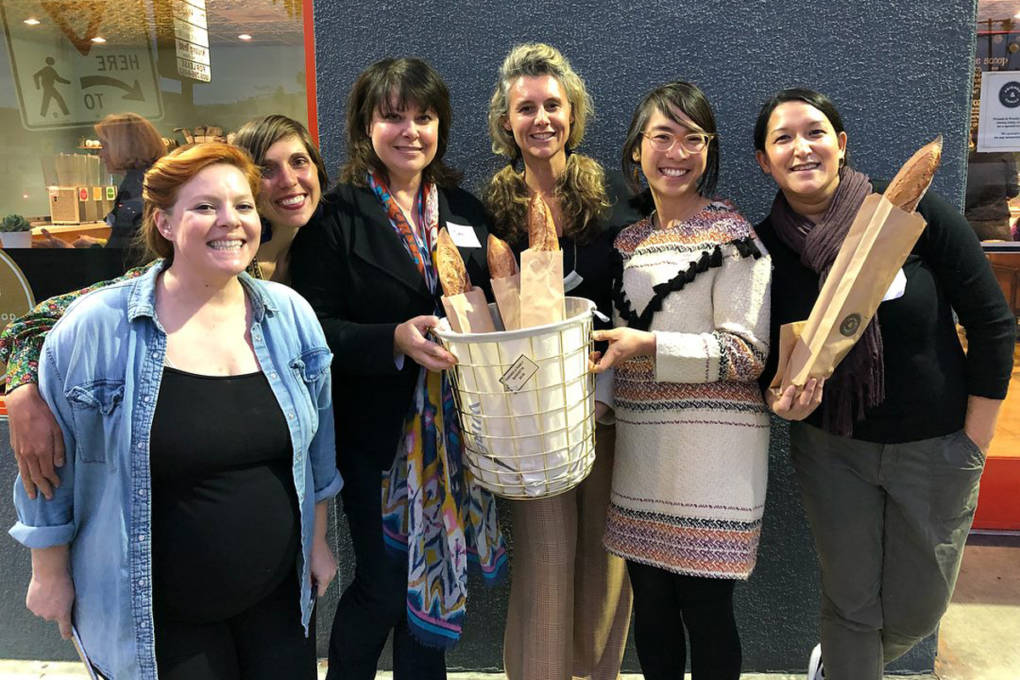
"caption": "From left: Jules Exum, Leyna Lightman, Nan Kohler, Kate Pepper, Mai Nguyen, and Roxana Jullapat.",
"description": null,
"title": "180411-artisan-breads-top1",
"credit": "Guy Frenkel",
"status": "inherit",
"isLoading": false,
"fetchFailed": false
},
"bayareabites_127304": {
"type": "attachments",
"id": "bayareabites_127304",
"meta": {
"index": "attachments_1716263798",
"site": "bayareabites",
"id": "127304",
"found": true
},
"parent": 127290,
"imgSizes": {
"small": {
"file": "https://ww2.kqed.org/app/uploads/sites/24/2018/04/20180322_174544-520x390.jpg",
"width": 520,
"mimeType": "image/jpeg",
"height": 390
},
"twentyfourteen-full-width": {
"file": "https://ww2.kqed.org/app/uploads/sites/24/2018/04/20180322_174544-1038x576.jpg",
"width": 1038,
"mimeType": "image/jpeg",
"height": 576
},
"thumbnail": {
"file": "https://ww2.kqed.org/app/uploads/sites/24/2018/04/20180322_174544-160x120.jpg",
"width": 160,
"mimeType": "image/jpeg",
"height": 120
},
"fd-sm": {
"file": "https://ww2.kqed.org/app/uploads/sites/24/2018/04/20180322_174544-960x720.jpg",
"width": 960,
"mimeType": "image/jpeg",
"height": 720
},
"post-thumbnail": {
"file": "https://ww2.kqed.org/app/uploads/sites/24/2018/04/20180322_174544-672x372.jpg",
"width": 672,
"mimeType": "image/jpeg",
"height": 372
},
"xsmall": {
"file": "https://ww2.kqed.org/app/uploads/sites/24/2018/04/20180322_174544-375x281.jpg",
"width": 375,
"mimeType": "image/jpeg",
"height": 281
},
"kqedFullSize": {
"file": "https://ww2.kqed.org/app/uploads/sites/24/2018/04/20180322_174544.jpg",
"width": 1920,
"height": 1440
},
"large": {
"file": "https://ww2.kqed.org/app/uploads/sites/24/2018/04/20180322_174544-1020x765.jpg",
"width": 1020,
"mimeType": "image/jpeg",
"height": 765
},
"xlarge": {
"file": "https://ww2.kqed.org/app/uploads/sites/24/2018/04/20180322_174544-1180x885.jpg",
"width": 1180,
"mimeType": "image/jpeg",
"height": 885
},
"complete_open_graph": {
"file": "https://ww2.kqed.org/app/uploads/sites/24/2018/04/20180322_174544-1200x900.jpg",
"width": 1200,
"mimeType": "image/jpeg",
"height": 900
},
"guest-author-50": {
"file": "https://ww2.kqed.org/app/uploads/sites/24/2018/04/20180322_174544-50x50.jpg",
"width": 50,
"mimeType": "image/jpeg",
"height": 50
},
"guest-author-96": {
"file": "https://ww2.kqed.org/app/uploads/sites/24/2018/04/20180322_174544-96x96.jpg",
"width": 96,
"mimeType": "image/jpeg",
"height": 96
},
"medium": {
"file": "https://ww2.kqed.org/app/uploads/sites/24/2018/04/20180322_174544-800x600.jpg",
"width": 800,
"mimeType": "image/jpeg",
"height": 600
},
"guest-author-64": {
"file": "https://ww2.kqed.org/app/uploads/sites/24/2018/04/20180322_174544-64x64.jpg",
"width": 64,
"mimeType": "image/jpeg",
"height": 64
},
"guest-author-32": {
"file": "https://ww2.kqed.org/app/uploads/sites/24/2018/04/20180322_174544-32x32.jpg",
"width": 32,
"mimeType": "image/jpeg",
"height": 32
},
"fd-lrg": {
"file": "https://ww2.kqed.org/app/uploads/sites/24/2018/04/20180322_174544-1920x1440.jpg",
"width": 1920,
"mimeType": "image/jpeg",
"height": 1440
},
"fd-med": {
"file": "https://ww2.kqed.org/app/uploads/sites/24/2018/04/20180322_174544-1180x885.jpg",
"width": 1180,
"mimeType": "image/jpeg",
"height": 885
},
"full-width": {
"file": "https://ww2.kqed.org/app/uploads/sites/24/2018/04/20180322_174544-1920x1440.jpg",
"width": 1920,
"mimeType": "image/jpeg",
"height": 1440
},
"detail": {
"file": "https://ww2.kqed.org/app/uploads/sites/24/2018/04/20180322_174544-150x150.jpg",
"width": 150,
"mimeType": "image/jpeg",
"height": 150
},
"medium_large": {
"file": "https://ww2.kqed.org/app/uploads/sites/24/2018/04/20180322_174544-768x576.jpg",
"width": 768,
"mimeType": "image/jpeg",
"height": 576
},
"guest-author-128": {
"file": "https://ww2.kqed.org/app/uploads/sites/24/2018/04/20180322_174544-128x128.jpg",
"width": 128,
"mimeType": "image/jpeg",
"height": 128
},
"xxsmall": {
"file": "https://ww2.kqed.org/app/uploads/sites/24/2018/04/20180322_174544-240x180.jpg",
"width": 240,
"mimeType": "image/jpeg",
"height": 180
}
},
"publishDate": 1524517905,
"modified": 1524604875,
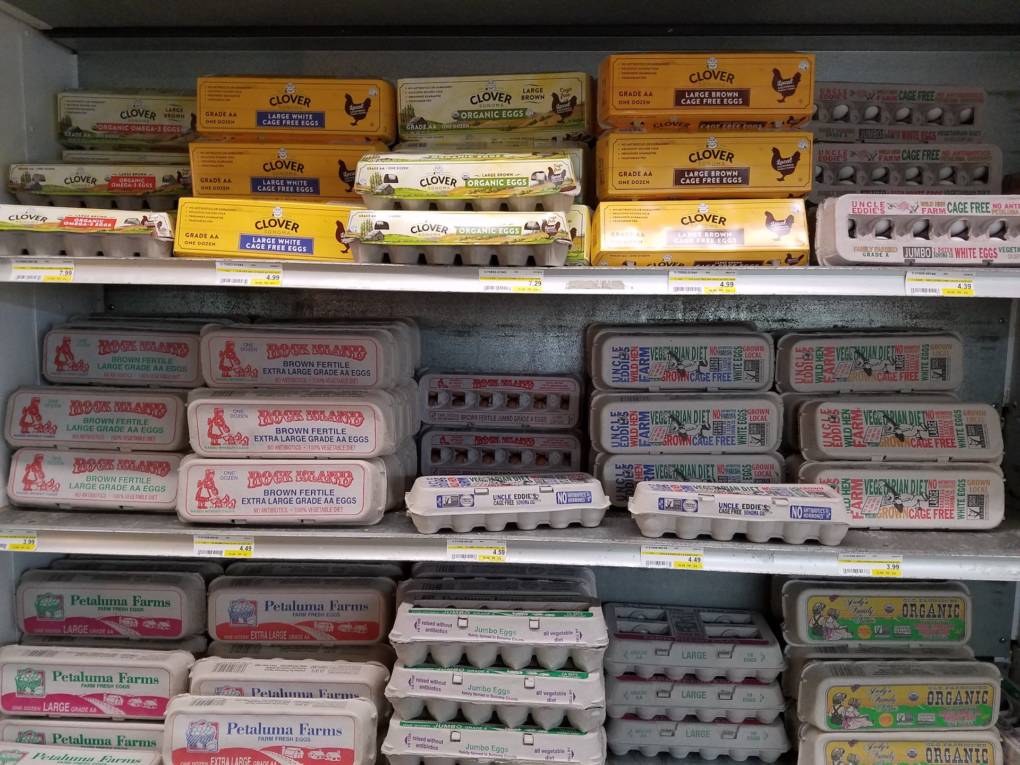
"caption": "Local eggs for sale at the grocery store.",
"description": "Local eggs for sale at the grocery store.",
"title": "20180322_174544",
"credit": "Kelly O'Mara",
"status": "inherit",
"isLoading": false,
"fetchFailed": false
},
"bayareabites_127301": {
"type": "attachments",
"id": "bayareabites_127301",
"meta": {
"index": "attachments_1716263798",
"site": "bayareabites",
"id": "127301",
"found": true
},
"parent": 127300,
"imgSizes": {
"small": {
"file": "https://ww2.kqed.org/app/uploads/sites/24/2018/04/gettyimages-599833439-da5ad4f5026e51d1715482225cdc815262393df0-520x390.jpg",
"width": 520,
"mimeType": "image/jpeg",
"height": 390
},
"twentyfourteen-full-width": {
"file": "https://ww2.kqed.org/app/uploads/sites/24/2018/04/gettyimages-599833439-da5ad4f5026e51d1715482225cdc815262393df0-1038x576.jpg",
"width": 1038,
"mimeType": "image/jpeg",
"height": 576
},
"thumbnail": {
"file": "https://ww2.kqed.org/app/uploads/sites/24/2018/04/gettyimages-599833439-da5ad4f5026e51d1715482225cdc815262393df0-160x120.jpg",
"width": 160,
"mimeType": "image/jpeg",
"height": 120
},
"fd-sm": {
"file": "https://ww2.kqed.org/app/uploads/sites/24/2018/04/gettyimages-599833439-da5ad4f5026e51d1715482225cdc815262393df0-960x720.jpg",
"width": 960,
"mimeType": "image/jpeg",
"height": 720
},
"post-thumbnail": {
"file": "https://ww2.kqed.org/app/uploads/sites/24/2018/04/gettyimages-599833439-da5ad4f5026e51d1715482225cdc815262393df0-672x372.jpg",
"width": 672,
"mimeType": "image/jpeg",
"height": 372
},
"xsmall": {
"file": "https://ww2.kqed.org/app/uploads/sites/24/2018/04/gettyimages-599833439-da5ad4f5026e51d1715482225cdc815262393df0-375x281.jpg",
"width": 375,
"mimeType": "image/jpeg",
"height": 281
},
"kqedFullSize": {
"file": "https://ww2.kqed.org/app/uploads/sites/24/2018/04/gettyimages-599833439-da5ad4f5026e51d1715482225cdc815262393df0.jpg",
"width": 1886,
"height": 1415
},
"large": {
"file": "https://ww2.kqed.org/app/uploads/sites/24/2018/04/gettyimages-599833439-da5ad4f5026e51d1715482225cdc815262393df0-1020x765.jpg",
"width": 1020,
"mimeType": "image/jpeg",
"height": 765
},
"xlarge": {
"file": "https://ww2.kqed.org/app/uploads/sites/24/2018/04/gettyimages-599833439-da5ad4f5026e51d1715482225cdc815262393df0-1180x885.jpg",
"width": 1180,
"mimeType": "image/jpeg",
"height": 885
},
"complete_open_graph": {
"file": "https://ww2.kqed.org/app/uploads/sites/24/2018/04/gettyimages-599833439-da5ad4f5026e51d1715482225cdc815262393df0-1200x900.jpg",
"width": 1200,
"mimeType": "image/jpeg",
"height": 900
},
"guest-author-50": {
"file": "https://ww2.kqed.org/app/uploads/sites/24/2018/04/gettyimages-599833439-da5ad4f5026e51d1715482225cdc815262393df0-50x50.jpg",
"width": 50,
"mimeType": "image/jpeg",
"height": 50
},
"guest-author-96": {
"file": "https://ww2.kqed.org/app/uploads/sites/24/2018/04/gettyimages-599833439-da5ad4f5026e51d1715482225cdc815262393df0-96x96.jpg",
"width": 96,
"mimeType": "image/jpeg",
"height": 96
},
"medium": {
"file": "https://ww2.kqed.org/app/uploads/sites/24/2018/04/gettyimages-599833439-da5ad4f5026e51d1715482225cdc815262393df0-800x600.jpg",
"width": 800,
"mimeType": "image/jpeg",
"height": 600
},
"guest-author-64": {
"file": "https://ww2.kqed.org/app/uploads/sites/24/2018/04/gettyimages-599833439-da5ad4f5026e51d1715482225cdc815262393df0-64x64.jpg",
"width": 64,
"mimeType": "image/jpeg",
"height": 64
},
"guest-author-32": {
"file": "https://ww2.kqed.org/app/uploads/sites/24/2018/04/gettyimages-599833439-da5ad4f5026e51d1715482225cdc815262393df0-32x32.jpg",
"width": 32,
"mimeType": "image/jpeg",
"height": 32
},
"fd-med": {
"file": "https://ww2.kqed.org/app/uploads/sites/24/2018/04/gettyimages-599833439-da5ad4f5026e51d1715482225cdc815262393df0-1180x885.jpg",
"width": 1180,
"mimeType": "image/jpeg",
"height": 885
},
"detail": {
"file": "https://ww2.kqed.org/app/uploads/sites/24/2018/04/gettyimages-599833439-da5ad4f5026e51d1715482225cdc815262393df0-150x150.jpg",
"width": 150,
"mimeType": "image/jpeg",
"height": 150
},
"medium_large": {
"file": "https://ww2.kqed.org/app/uploads/sites/24/2018/04/gettyimages-599833439-da5ad4f5026e51d1715482225cdc815262393df0-768x576.jpg",
"width": 768,
"mimeType": "image/jpeg",
"height": 576
},
"guest-author-128": {
"file": "https://ww2.kqed.org/app/uploads/sites/24/2018/04/gettyimages-599833439-da5ad4f5026e51d1715482225cdc815262393df0-128x128.jpg",
"width": 128,
"mimeType": "image/jpeg",
"height": 128
},
"xxsmall": {
"file": "https://ww2.kqed.org/app/uploads/sites/24/2018/04/gettyimages-599833439-da5ad4f5026e51d1715482225cdc815262393df0-240x180.jpg",
"width": 240,
"mimeType": "image/jpeg",
"height": 180
}
},
"publishDate": 1524511210,
"modified": 1524527342,
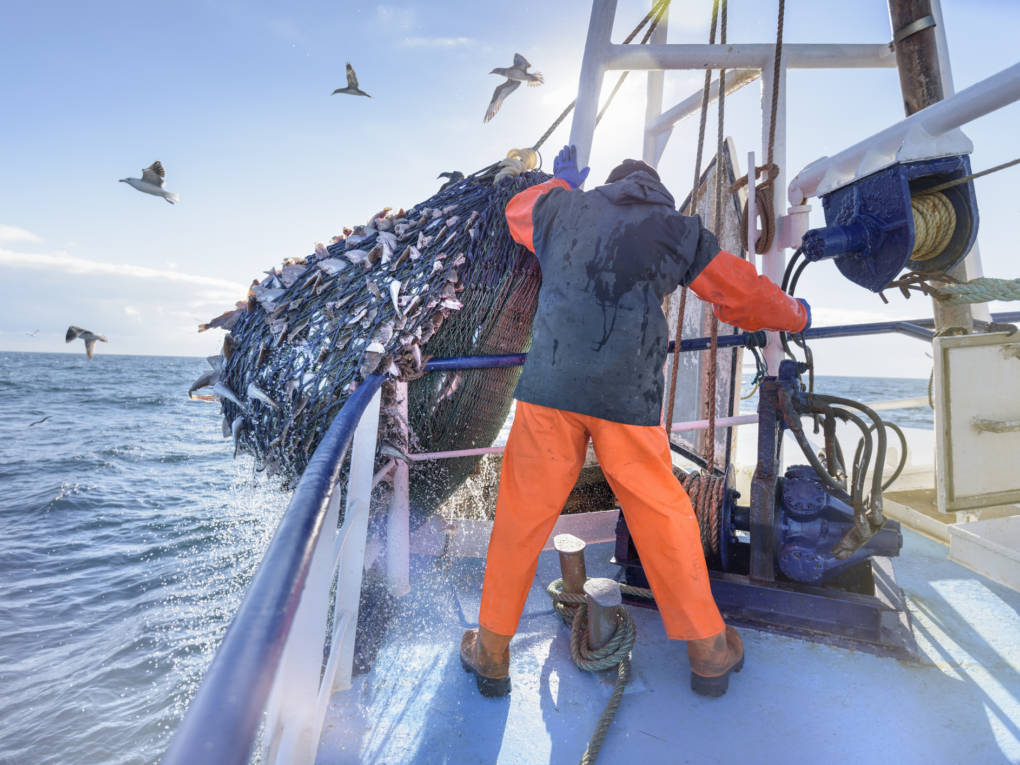
"caption": "Deep-sea trawling can include bycatch and harm coral, so some activists want it banned.",
"description": "Deep-sea trawling can include bycatch and harm coral, so some activists want it banned.",
"title": "Deep-sea trawling can include bycatch and harm coral, so some activists want it banned.",
"credit": "Monty Rakusen/Getty Images/Cultura RF",
"status": "inherit",
"isLoading": false,
"fetchFailed": false
},
"bayareabites_127176": {
"type": "attachments",
"id": "bayareabites_127176",
"meta": {
"index": "attachments_1716263798",
"site": "bayareabites",
"id": "127176",
"found": true
},
"parent": 127175,
"imgSizes": {
"small": {
"file": "https://ww2.kqed.org/app/uploads/sites/24/2018/04/harlan_npr_foodwaste_timma-37_slide-af62b3151863bfc65ac8d838d9238e386e18ad77-520x347.jpg",
"width": 520,
"mimeType": "image/jpeg",
"height": 347
},
"twentyfourteen-full-width": {
"file": "https://ww2.kqed.org/app/uploads/sites/24/2018/04/harlan_npr_foodwaste_timma-37_slide-af62b3151863bfc65ac8d838d9238e386e18ad77-1038x576.jpg",
"width": 1038,
"mimeType": "image/jpeg",
"height": 576
},
"thumbnail": {
"file": "https://ww2.kqed.org/app/uploads/sites/24/2018/04/harlan_npr_foodwaste_timma-37_slide-af62b3151863bfc65ac8d838d9238e386e18ad77-160x107.jpg",
"width": 160,
"mimeType": "image/jpeg",
"height": 107
},
"fd-sm": {
"file": "https://ww2.kqed.org/app/uploads/sites/24/2018/04/harlan_npr_foodwaste_timma-37_slide-af62b3151863bfc65ac8d838d9238e386e18ad77-960x640.jpg",
"width": 960,
"mimeType": "image/jpeg",
"height": 640
},
"post-thumbnail": {
"file": "https://ww2.kqed.org/app/uploads/sites/24/2018/04/harlan_npr_foodwaste_timma-37_slide-af62b3151863bfc65ac8d838d9238e386e18ad77-672x372.jpg",
"width": 672,
"mimeType": "image/jpeg",
"height": 372
},
"xsmall": {
"file": "https://ww2.kqed.org/app/uploads/sites/24/2018/04/harlan_npr_foodwaste_timma-37_slide-af62b3151863bfc65ac8d838d9238e386e18ad77-375x250.jpg",
"width": 375,
"mimeType": "image/jpeg",
"height": 250
},
"kqedFullSize": {
"file": "https://ww2.kqed.org/app/uploads/sites/24/2018/04/harlan_npr_foodwaste_timma-37_slide-af62b3151863bfc65ac8d838d9238e386e18ad77.jpg",
"width": 2997,
"height": 1998
},
"large": {
"file": "https://ww2.kqed.org/app/uploads/sites/24/2018/04/harlan_npr_foodwaste_timma-37_slide-af62b3151863bfc65ac8d838d9238e386e18ad77-1020x680.jpg",
"width": 1020,
"mimeType": "image/jpeg",
"height": 680
},
"xlarge": {
"file": "https://ww2.kqed.org/app/uploads/sites/24/2018/04/harlan_npr_foodwaste_timma-37_slide-af62b3151863bfc65ac8d838d9238e386e18ad77-1180x787.jpg",
"width": 1180,
"mimeType": "image/jpeg",
"height": 787
},
"complete_open_graph": {
"file": "https://ww2.kqed.org/app/uploads/sites/24/2018/04/harlan_npr_foodwaste_timma-37_slide-af62b3151863bfc65ac8d838d9238e386e18ad77-1200x800.jpg",
"width": 1200,
"mimeType": "image/jpeg",
"height": 800
},
"guest-author-50": {
"file": "https://ww2.kqed.org/app/uploads/sites/24/2018/04/harlan_npr_foodwaste_timma-37_slide-af62b3151863bfc65ac8d838d9238e386e18ad77-50x50.jpg",
"width": 50,
"mimeType": "image/jpeg",
"height": 50
},
"guest-author-96": {
"file": "https://ww2.kqed.org/app/uploads/sites/24/2018/04/harlan_npr_foodwaste_timma-37_slide-af62b3151863bfc65ac8d838d9238e386e18ad77-96x96.jpg",
"width": 96,
"mimeType": "image/jpeg",
"height": 96
},
"medium": {
"file": "https://ww2.kqed.org/app/uploads/sites/24/2018/04/harlan_npr_foodwaste_timma-37_slide-af62b3151863bfc65ac8d838d9238e386e18ad77-800x533.jpg",
"width": 800,
"mimeType": "image/jpeg",
"height": 533
},
"guest-author-64": {
"file": "https://ww2.kqed.org/app/uploads/sites/24/2018/04/harlan_npr_foodwaste_timma-37_slide-af62b3151863bfc65ac8d838d9238e386e18ad77-64x64.jpg",
"width": 64,
"mimeType": "image/jpeg",
"height": 64
},
"guest-author-32": {
"file": "https://ww2.kqed.org/app/uploads/sites/24/2018/04/harlan_npr_foodwaste_timma-37_slide-af62b3151863bfc65ac8d838d9238e386e18ad77-32x32.jpg",
"width": 32,
"mimeType": "image/jpeg",
"height": 32
},
"fd-lrg": {
"file": "https://ww2.kqed.org/app/uploads/sites/24/2018/04/harlan_npr_foodwaste_timma-37_slide-af62b3151863bfc65ac8d838d9238e386e18ad77-1920x1280.jpg",
"width": 1920,
"mimeType": "image/jpeg",
"height": 1280
},
"fd-med": {
"file": "https://ww2.kqed.org/app/uploads/sites/24/2018/04/harlan_npr_foodwaste_timma-37_slide-af62b3151863bfc65ac8d838d9238e386e18ad77-1180x787.jpg",
"width": 1180,
"mimeType": "image/jpeg",
"height": 787
},
"full-width": {
"file": "https://ww2.kqed.org/app/uploads/sites/24/2018/04/harlan_npr_foodwaste_timma-37_slide-af62b3151863bfc65ac8d838d9238e386e18ad77-1920x1280.jpg",
"width": 1920,
"mimeType": "image/jpeg",
"height": 1280
},
"detail": {
"file": "https://ww2.kqed.org/app/uploads/sites/24/2018/04/harlan_npr_foodwaste_timma-37_slide-af62b3151863bfc65ac8d838d9238e386e18ad77-150x150.jpg",
"width": 150,
"mimeType": "image/jpeg",
"height": 150
},
"medium_large": {
"file": "https://ww2.kqed.org/app/uploads/sites/24/2018/04/harlan_npr_foodwaste_timma-37_slide-af62b3151863bfc65ac8d838d9238e386e18ad77-768x512.jpg",
"width": 768,
"mimeType": "image/jpeg",
"height": 512
},
"guest-author-128": {
"file": "https://ww2.kqed.org/app/uploads/sites/24/2018/04/harlan_npr_foodwaste_timma-37_slide-af62b3151863bfc65ac8d838d9238e386e18ad77-128x128.jpg",
"width": 128,
"mimeType": "image/jpeg",
"height": 128
},
"xxsmall": {
"file": "https://ww2.kqed.org/app/uploads/sites/24/2018/04/harlan_npr_foodwaste_timma-37_slide-af62b3151863bfc65ac8d838d9238e386e18ad77-240x160.jpg",
"width": 240,
"mimeType": "image/jpeg",
"height": 160
}
},
"publishDate": 1524243382,
"modified": 1524245245,
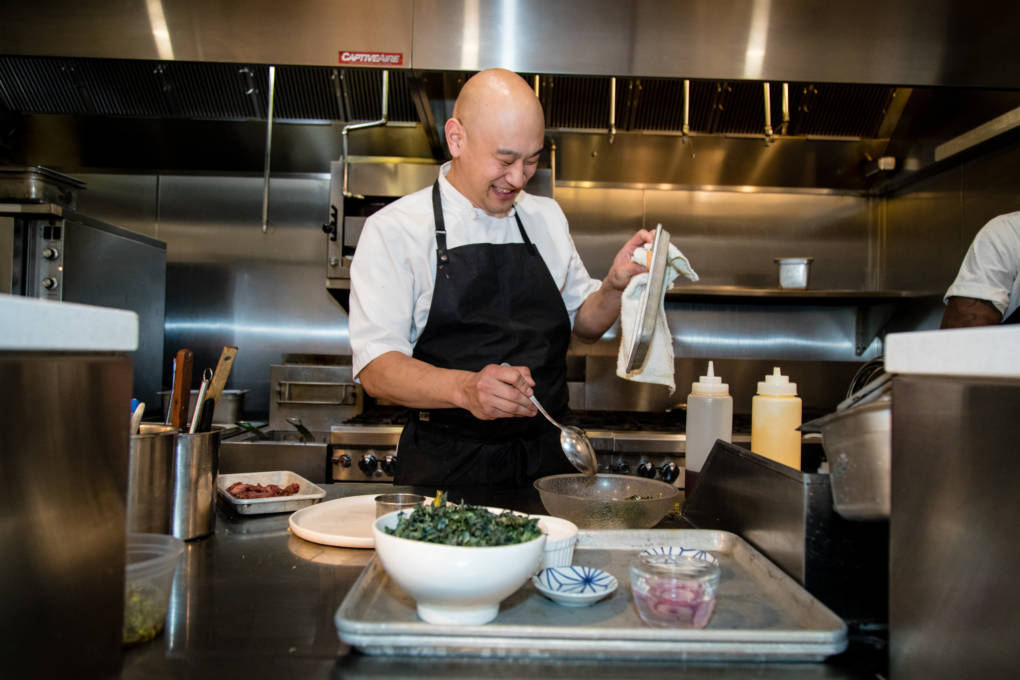
"caption": "Tim Ma prepares a duck confit salad at his restaurant, Kyirisan, in Washington, D.C. Ma says being mindful about reducing food waste is an integral part of his philosophy in the kitchen — not just for environmental reasons but also for profitability.",
"description": "Tim Ma prepares a duck confit salad at his restaurant, Kyirisan, in Washington, D.C. Ma says being mindful about reducing food waste is an integral part of his philosophy in the kitchen — not just for environmental reasons but also for profitabilit",
"title": "Tim Ma prepares a duck confit salad at his restaurant, Kyirisan, in Washington, D.C. Ma says being mindful about reducing food waste is an integral part of his philosophy in the kitchen — not just for environmental reasons but also for profitability.",
"credit": "Becky Harlan/NPR",
"status": "inherit",
"isLoading": false,
"fetchFailed": false
}
},
"audioPlayerReducer": {
"postId": "stream_live",
"isPaused": true,
"isPlaying": false,
"pfsActive": false,
"pledgeModalIsOpen": true,
"playerDrawerIsOpen": false,
"liveAudioPlayStartedAt": 0,
"liveAudioPlayContext": ""
},
"authorsReducer": {
"byline_bayareabites_128681": {
"type": "authors",
"id": "byline_bayareabites_128681",
"meta": {
"override": true
},
"slug": "byline_bayareabites_128681",
"name": "Jenna Miller, NPR Food",
"isLoading": false
},
"byline_bayareabites_128648": {
"type": "authors",
"id": "byline_bayareabites_128648",
"meta": {
"override": true
},
"slug": "byline_bayareabites_128648",
"name": "Sara Kiley Watson, \u003ca href=\"https://www.npr.org/sections/thesalt/2018/05/31/615580695/last-straw-for-plastic-straws-cities-restaurants-move-to-toss-these-sippers\">NPR Food\u003c/a>",
"isLoading": false
},
"byline_bayareabites_128261": {
"type": "authors",
"id": "byline_bayareabites_128261",
"meta": {
"override": true
},
"slug": "byline_bayareabites_128261",
"name": "Allison Aubrey, NPR Food",
"isLoading": false
},
"byline_bayareabites_128209": {
"type": "authors",
"id": "byline_bayareabites_128209",
"meta": {
"override": true
},
"slug": "byline_bayareabites_128209",
"name": "Christopher Joyce, NPR Food",
"isLoading": false
},
"byline_bayareabites_127928": {
"type": "authors",
"id": "byline_bayareabites_127928",
"meta": {
"override": true
},
"slug": "byline_bayareabites_127928",
"name": "Allison Aubrey, NPR Food",
"isLoading": false
},
"byline_bayareabites_127867": {
"type": "authors",
"id": "byline_bayareabites_127867",
"meta": {
"override": true
},
"slug": "byline_bayareabites_127867",
"name": "Lulu Garcia-Navarro, NPR Food",
"isLoading": false
},
"byline_bayareabites_127618": {
"type": "authors",
"id": "byline_bayareabites_127618",
"meta": {
"override": true
},
"slug": "byline_bayareabites_127618",
"name": "\u003ca href=\"https://www.kqed.org/author/kimwesterman\">Kim Westerman\u003c/a> (writer), \u003ca href=\"https://www.kqed.org/author/wendy-goodfriend\">Wendy Goodfriend\u003c/a> (photos/video)",
"isLoading": false
},
"byline_bayareabites_127465": {
"type": "authors",
"id": "byline_bayareabites_127465",
"meta": {
"override": true
},
"slug": "byline_bayareabites_127465",
"name": "\u003ca href=\"https://civileats.com/author/dgurian/\">Doug Gurian-Sherman,\u003c/a> \u003ca href=\"https://www.kqed.org/author/civileat\">Civil Eats\u003c/a>",
"isLoading": false
},
"byline_bayareabites_127421": {
"type": "authors",
"id": "byline_bayareabites_127421",
"meta": {
"override": true
},
"slug": "byline_bayareabites_127421",
"name": "\u003ca href=\"https://civileats.com/author/ahalloran/\">Amy Halloran,\u003c/a> \u003ca href=\"https://www.kqed.org/author/civileat\">Civil Eats\u003c/a>",
"isLoading": false
},
"byline_bayareabites_127300": {
"type": "authors",
"id": "byline_bayareabites_127300",
"meta": {
"override": true
},
"slug": "byline_bayareabites_127300",
"name": "Menaka Wilhelm, NPR Food",
"isLoading": false
},
"byline_bayareabites_127175": {
"type": "authors",
"id": "byline_bayareabites_127175",
"meta": {
"override": true
},
"slug": "byline_bayareabites_127175",
"name": "Maria Godoy, NPR Food",
"isLoading": false
},
"kdomara": {
"type": "authors",
"id": "1459",
"meta": {
"index": "authors_1716337520",
"id": "1459",
"found": true
},
"name": "Kelly O'Mara",
"firstName": "Kelly",
"lastName": "O'Mara",
"slug": "kdomara",
"email": "komara@kqed.org",
"display_author_email": false,
"staff_mastheads": [
"news"
],
"title": "KQED Contributor",
"bio": "Kelly O'Mara is a writer and reporter in the San Francisco Bay Area. She writes about food, health, sports, travel, business and California news. Her work has appeared on KQED, online for Outside Magazine, epsnW, VICE and in Competitor Magazine, among others. Follow Kelly on Twitter \u003ca href=\"https://twitter.com/kellydomara\">@kellydomara\u003c/a>.",
"avatar": "https://secure.gravatar.com/avatar/768fec7412028b72f13bdd0f5f9d8186?s=600&d=blank&r=g",
"twitter": null,
"facebook": null,
"instagram": null,
"linkedin": null,
"sites": [
{
"site": "arts",
"roles": []
},
{
"site": "news",
"roles": []
},
{
"site": "bayareabites",
"roles": []
},
{
"site": "stateofhealth",
"roles": []
},
{
"site": "science",
"roles": []
},
{
"site": "checkplease",
"roles": [
"editor"
]
},
{
"site": "food",
"roles": []
},
{
"site": "forum",
"roles": [
"editor"
]
},
{
"site": "liveblog",
"roles": [
"editor"
]
}
],
"headData": {
"title": "Kelly O'Mara | KQED",
"description": "KQED Contributor",
"ogImgSrc": "https://secure.gravatar.com/avatar/768fec7412028b72f13bdd0f5f9d8186?s=600&d=blank&r=g",
"twImgSrc": "https://secure.gravatar.com/avatar/768fec7412028b72f13bdd0f5f9d8186?s=600&d=blank&r=g"
},
"isLoading": false,
"link": "/author/kdomara"
}
},
"pagesReducer": {
"bayareabites_category_sustainability": {
"type": "terms",
"id": "bayareabites_60",
"meta": {
"index": "terms_1716263798",
"site": "bayareabites",
"id": "60",
"score": 12.370327
},
"featImg": null,
"name": "sustainability, environment, climate change",
"description": null,
"taxonomy": "category",
"headData": {
"twImgId": null,
"twTitle": null,
"ogTitle": null,
"ogImgId": null,
"twDescription": null,
"description": null,
"title": "sustainability, environment, climate change Archives | KQED Bay Area Bites",
"ogDescription": null
},
"ttid": 23,
"slug": "sustainability",
"isLoading": false,
"title": "sustainability, environment, climate change",
"pageMeta": {
"site": "bayareabites",
"WpPageTemplate": "page-topic-editorial",
"currentPage": 5
},
"blocks": [
{
"blockName": "kqed/post-list",
"attrs": {
"layout": "cardArticle2",
"query": "posts/bayareabites?category=sustainability",
"seeMore": false,
"paginated": true,
"page": 5
}
},
{
"blockName": "kqed/ad"
}
]
}
},
"pfsSessionReducer": {},
"postsReducer": {
"stream_live": {
"type": "live",
"id": "stream_live",
"audioUrl": "https://streams.kqed.org/kqedradio",
"title": "Live Stream",
"excerpt": "Live Stream information currently unavailable.",
"link": "/radio",
"featImg": "",
"label": {
"name": "KQED Live",
"link": "/"
}
},
"stream_kqedNewscast": {
"type": "posts",
"id": "stream_kqedNewscast",
"audioUrl": "https://www.kqed.org/.stream/anon/radio/RDnews/newscast.mp3?_=1",
"title": "KQED Newscast",
"featImg": "",
"label": {
"name": "88.5 FM",
"link": "/"
}
},
"bayareabites_128681": {
"type": "posts",
"id": "bayareabites_128681",
"meta": {
"index": "posts_1716263798",
"site": "bayareabites",
"id": "128681",
"score": null,
"sort": [
1528144102000
]
},
"parent": 0,
"labelTerm": {
"site": "bayareabites"
},
"blocks": [],
"publishDate": 1528144102,
"format": "video",
"disqusTitle": "Puerto Rico's Push For Food Independence Intertwined With Statehood Debate",
"title": "Puerto Rico's Push For Food Independence Intertwined With Statehood Debate",
"headTitle": "Bay Area Bites | KQED Food",
"content": "\u003cp>Hurricane Maria has \u003ca href=\"https://www.youtube.com/watch?time_continue=11&v=TynxHmVaH8g\">reignited a small movement\u003c/a> in Puerto Rico aimed at strengthening the local food system so the island can survive and thrive without dependence on the mainland U.S.\u003c/p>\n\u003cp>Before the hurricane struck in September 2017, Puerto Rico imported about 85 percent of its food. And to make matters worse, Maria wiped out 80 percent of crops on the island, according to \u003ca href=\"https://www.nytimes.com/2017/09/24/us/puerto-rico-hurricane-maria-agriculture-.html\" target=\"_blank\">The New York Times\u003c/a>.\u003c/p>\n\u003cp>Local food supporters acted quickly, cleaning debris, helping to replant farms and spreading their belief that a self-sufficient Puerto Rico would be more resilient to future challenges.\u003c/p>\n\u003cfigure id=\"attachment_128682\" class=\"wp-caption aligncenter\" style=\"max-width: 1989px\">\u003cimg src=\"https://ww2.kqed.org/bayareabites/wp-content/uploads/sites/24/2018/06/img_4808_wide-25d6c6cc9d49a32989b24e129ba6ddadf308964a.jpg\" alt=\"Nine days after the Hurricane Maria struck, Emilú De León and other volunteers opened a kitchen to serve meals to the people of Caguas. The first day, they fed 600, De León says.\" width=\"1989\" height=\"1119\" class=\"size-full wp-image-128682\" srcset=\"https://ww2.kqed.org/app/uploads/sites/24/2018/06/img_4808_wide-25d6c6cc9d49a32989b24e129ba6ddadf308964a.jpg 1989w, https://ww2.kqed.org/app/uploads/sites/24/2018/06/img_4808_wide-25d6c6cc9d49a32989b24e129ba6ddadf308964a-160x90.jpg 160w, https://ww2.kqed.org/app/uploads/sites/24/2018/06/img_4808_wide-25d6c6cc9d49a32989b24e129ba6ddadf308964a-800x450.jpg 800w, https://ww2.kqed.org/app/uploads/sites/24/2018/06/img_4808_wide-25d6c6cc9d49a32989b24e129ba6ddadf308964a-768x432.jpg 768w, https://ww2.kqed.org/app/uploads/sites/24/2018/06/img_4808_wide-25d6c6cc9d49a32989b24e129ba6ddadf308964a-1020x574.jpg 1020w, https://ww2.kqed.org/app/uploads/sites/24/2018/06/img_4808_wide-25d6c6cc9d49a32989b24e129ba6ddadf308964a-1200x675.jpg 1200w, https://ww2.kqed.org/app/uploads/sites/24/2018/06/img_4808_wide-25d6c6cc9d49a32989b24e129ba6ddadf308964a-1180x664.jpg 1180w, https://ww2.kqed.org/app/uploads/sites/24/2018/06/img_4808_wide-25d6c6cc9d49a32989b24e129ba6ddadf308964a-960x540.jpg 960w, https://ww2.kqed.org/app/uploads/sites/24/2018/06/img_4808_wide-25d6c6cc9d49a32989b24e129ba6ddadf308964a-240x135.jpg 240w, https://ww2.kqed.org/app/uploads/sites/24/2018/06/img_4808_wide-25d6c6cc9d49a32989b24e129ba6ddadf308964a-375x211.jpg 375w, https://ww2.kqed.org/app/uploads/sites/24/2018/06/img_4808_wide-25d6c6cc9d49a32989b24e129ba6ddadf308964a-520x293.jpg 520w\" sizes=\"(max-width: 1989px) 100vw, 1989px\">\u003cfigcaption class=\"wp-caption-text\">Nine days after the Hurricane Maria struck, Emilú De León and other volunteers opened a kitchen to serve meals to the people of Caguas. The first day, they fed 600, De León says. \u003ccite>(Jenna Miller/Cronkite Borderlands Project)\u003c/cite>\u003c/figcaption>\u003c/figure>\n\u003cp>It's not a new idea. In 2015, Myrna Comas Pagan, Puerto Rico's former agriculture secretary, told officials with \u003ca href=\"https://nifa.usda.gov/announcement/puerto-rico%E2%80%99s-secretary-agriculture-visits-nifa-addresses-food-security-issues\" target=\"_blank\">the U.S. Department of Agriculture\u003c/a>, \"Our island depends on food imports — that's a point of vulnerability. We have a critical situation.\"\u003c/p>\n\u003cp>The government has funded various efforts, including promoting farmers markets, agrotourism and adding local produce to school lunches.\u003c/p>\n\u003cp>[ad fullwidth]\u003c/p>\n\u003cp>However, the idea of becoming more food independent parallels an issue Puerto Rico has grappled with for decades: Should it remain a U.S. commonwealth? Should it become the 51st state? Should it seek independence?\u003c/p>\n\u003cp>Some say Hurricane Maria has shifted the debate by exposing a toxic relationship with the U.S. government, one they view as colonization.\u003c/p>\n\u003cp>\"Maria just let us see that the crisis is just there,\" said Emilú De León, a member of Comedores Sociales in Puerto Rico, a food distribution initiative. \"It's the government that can't do anything, that can't respond. It's the colonialism, the hunger, it's everything.\"\u003c/p>\n\u003cp>Others are thankful for federal aid and say the situation after the hurricane would have been much worse without help from the Federal Emergency Management Agency and other organizations from the mainland.\u003c/p>\n\u003cp>\u003cimg src=\"https://ww2.kqed.org/bayareabites/wp-content/uploads/sites/24/2018/06/img_5466_wide-585984446eee83c0658fd34531bd1db51163311a.jpg\" alt='At Botijas Secondary School No. 1, students work with hoes to ready new beds for planting while chanting in Spanish, \"Up and down, we prepare the earth.\"' width=\"2000\" height=\"1125\" class=\"aligncenter size-full wp-image-128683\" srcset=\"https://ww2.kqed.org/app/uploads/sites/24/2018/06/img_5466_wide-585984446eee83c0658fd34531bd1db51163311a.jpg 2000w, https://ww2.kqed.org/app/uploads/sites/24/2018/06/img_5466_wide-585984446eee83c0658fd34531bd1db51163311a-160x90.jpg 160w, https://ww2.kqed.org/app/uploads/sites/24/2018/06/img_5466_wide-585984446eee83c0658fd34531bd1db51163311a-800x450.jpg 800w, https://ww2.kqed.org/app/uploads/sites/24/2018/06/img_5466_wide-585984446eee83c0658fd34531bd1db51163311a-768x432.jpg 768w, https://ww2.kqed.org/app/uploads/sites/24/2018/06/img_5466_wide-585984446eee83c0658fd34531bd1db51163311a-1020x574.jpg 1020w, https://ww2.kqed.org/app/uploads/sites/24/2018/06/img_5466_wide-585984446eee83c0658fd34531bd1db51163311a-1200x675.jpg 1200w, https://ww2.kqed.org/app/uploads/sites/24/2018/06/img_5466_wide-585984446eee83c0658fd34531bd1db51163311a-1180x664.jpg 1180w, https://ww2.kqed.org/app/uploads/sites/24/2018/06/img_5466_wide-585984446eee83c0658fd34531bd1db51163311a-960x540.jpg 960w, https://ww2.kqed.org/app/uploads/sites/24/2018/06/img_5466_wide-585984446eee83c0658fd34531bd1db51163311a-240x135.jpg 240w, https://ww2.kqed.org/app/uploads/sites/24/2018/06/img_5466_wide-585984446eee83c0658fd34531bd1db51163311a-375x211.jpg 375w, https://ww2.kqed.org/app/uploads/sites/24/2018/06/img_5466_wide-585984446eee83c0658fd34531bd1db51163311a-520x293.jpg 520w\" sizes=\"(max-width: 2000px) 100vw, 2000px\">\u003c/p>\n\u003cp>\"With all the problems, the U.S. government approved $49 billion in aid, not just for Puerto Rico, but for all the territories,\" said Emilio Pantojas, an economist at the University of Puerto Rico. \"Who is going to provide that kind of aid in the international community?\"\u003c/p>\n\u003cp>Puerto Rico, a U.S. commonwealth less than 1,000 miles southeast of Miami, has always had a complicated relationship with Washington, D.C. Residents have U.S. citizenship and access to some federal aid programs, but they can't vote in presidential elections and don't have voting representation in Congress.\u003c/p>\n\u003cp>Lawyer and political analyst Leo Aldridge said the relationship polarizes the Puerto Rican community and has been amplified by the impacts of storm and the federal response.\u003c/p>\n\u003cp>Organizers of the Puerto Rican food movement say the hurricane has made the public aware of the shortcomings of the mainland U.S. government and more receptive to the need to produce healthy food locally.\u003c/p>\n\u003cfigure id=\"attachment_128684\" class=\"wp-caption aligncenter\" style=\"max-width: 2000px\">\u003cimg src=\"https://ww2.kqed.org/bayareabites/wp-content/uploads/sites/24/2018/06/img_5163_wide-92d9034bca5921716eee0db52e9ab73bde12056d.jpg\" alt=\"Six months after Hurricane Maria, electric lines still hang haphazardly along the streets of the small town of Botijas, about an hour inland from San Juan. Down the road, Dalma Cartagena teaches elementary school children how to compost, plant and harvest crops.\" width=\"2000\" height=\"1125\" class=\"size-full wp-image-128684\" srcset=\"https://ww2.kqed.org/app/uploads/sites/24/2018/06/img_5163_wide-92d9034bca5921716eee0db52e9ab73bde12056d.jpg 2000w, https://ww2.kqed.org/app/uploads/sites/24/2018/06/img_5163_wide-92d9034bca5921716eee0db52e9ab73bde12056d-160x90.jpg 160w, https://ww2.kqed.org/app/uploads/sites/24/2018/06/img_5163_wide-92d9034bca5921716eee0db52e9ab73bde12056d-800x450.jpg 800w, https://ww2.kqed.org/app/uploads/sites/24/2018/06/img_5163_wide-92d9034bca5921716eee0db52e9ab73bde12056d-768x432.jpg 768w, https://ww2.kqed.org/app/uploads/sites/24/2018/06/img_5163_wide-92d9034bca5921716eee0db52e9ab73bde12056d-1020x574.jpg 1020w, https://ww2.kqed.org/app/uploads/sites/24/2018/06/img_5163_wide-92d9034bca5921716eee0db52e9ab73bde12056d-1200x675.jpg 1200w, https://ww2.kqed.org/app/uploads/sites/24/2018/06/img_5163_wide-92d9034bca5921716eee0db52e9ab73bde12056d-1180x664.jpg 1180w, https://ww2.kqed.org/app/uploads/sites/24/2018/06/img_5163_wide-92d9034bca5921716eee0db52e9ab73bde12056d-960x540.jpg 960w, https://ww2.kqed.org/app/uploads/sites/24/2018/06/img_5163_wide-92d9034bca5921716eee0db52e9ab73bde12056d-240x135.jpg 240w, https://ww2.kqed.org/app/uploads/sites/24/2018/06/img_5163_wide-92d9034bca5921716eee0db52e9ab73bde12056d-375x211.jpg 375w, https://ww2.kqed.org/app/uploads/sites/24/2018/06/img_5163_wide-92d9034bca5921716eee0db52e9ab73bde12056d-520x293.jpg 520w\" sizes=\"(max-width: 2000px) 100vw, 2000px\">\u003cfigcaption class=\"wp-caption-text\">Six months after Hurricane Maria, electric lines still hang haphazardly along the streets of the small town of Botijas, about an hour inland from San Juan. Down the road, Dalma Cartagena teaches elementary school children how to compost, plant and harvest crops. \u003ccite>(Jenna Miller/Cronkite Borderlands Project)\u003c/cite>\u003c/figcaption>\u003c/figure>\n\u003cp>\u003cem>Cronkite Borderlands Project is a multimedia reporting program in which students cover human rights, immigration and border issues in the U.S. and abroad in both English and Spanish. This story is also part of a new collaboration, Elemental: Covering Sustainability, which focuses on sustainability in the West and involves KJZZ, KPCC, Cronkite News, Arizona PBS, Rocky Mountain PBS and Southern California PBS.\u003c/em> \u003c/p>\n\u003cp>\u003c/p>\n\u003cp>\u003cem>Copyright 2018 \u003ca href=\"http://www.npr.org/\">NPR\u003c/a>.\u003c/em> \u003c/p>\n\n",
"disqusIdentifier": "128681 https://ww2.kqed.org/bayareabites/?p=128681",
"disqusUrl": "https://ww2.kqed.org/bayareabites/2018/06/04/puerto-ricos-push-for-food-independence-intertwined-with-statehood-debate/",
"stats": {
"hasVideo": false,
"hasChartOrMap": false,
"hasAudio": false,
"hasPolis": false,
"wordCount": 619,
"hasGoogleForm": false,
"hasGallery": false,
"hasHearkenModule": false,
"iframeSrcs": [],
"paragraphCount": 18
},
"modified": 1528144102,
"excerpt": "Before Hurricane Maria hit in September, the island imported most of its food. The storm sparked a movement to rely on local crops, and highlighted a complicated relationship with the U.S. government.",
"headData": {
"twImgId": "",
"twTitle": "",
"ogTitle": "",
"ogImgId": "",
"twDescription": "",
"description": "Before Hurricane Maria hit in September, the island imported most of its food. The storm sparked a movement to rely on local crops, and highlighted a complicated relationship with the U.S. government.",
"title": "Puerto Rico's Push For Food Independence Intertwined With Statehood Debate | KQED",
"ogDescription": "",
"schema": {
"@context": "https://schema.org",
"@type": "Article",
"headline": "Puerto Rico's Push For Food Independence Intertwined With Statehood Debate",
"datePublished": "2018-06-04T13:28:22-07:00",
"dateModified": "2018-06-04T13:28:22-07:00",
"image": "https://cdn.kqed.org/wp-content/uploads/2020/02/KQED-OG-Image@1x.png"
}
},
"guestAuthors": [],
"slug": "puerto-ricos-push-for-food-independence-intertwined-with-statehood-debate",
"status": "publish",
"nprApiLink": "http://api.npr.org/query?id=613350827&apiKey=MDAxOTAwOTE4MDEyMTkxMDAzNjczZDljZA004",
"videoEmbed": "https://youtu.be/TynxHmVaH8g",
"nprByline": "Jenna Miller, NPR Food",
"nprStoryDate": "Mon, 04 Jun 2018 11:39:00 -0400",
"nprLastModifiedDate": "Mon, 04 Jun 2018 11:39:29 -0400",
"nprHtmlLink": "https://www.npr.org/sections/thesalt/2018/06/04/613350827/puerto-ricos-push-for-food-independence-intertwined-with-statehood-debate?ft=nprml&f=613350827",
"nprImageAgency": "Cronkite Borderlands Project",
"nprImageCredit": "Jenna Miller",
"nprStoryId": "613350827",
"nprRetrievedStory": "1",
"nprPubDate": "Mon, 04 Jun 2018 11:39:00 -0400",
"path": "/bayareabites/128681/puerto-ricos-push-for-food-independence-intertwined-with-statehood-debate",
"audioTrackLength": null,
"parsedContent": [
{
"type": "contentString",
"content": "\u003cdiv class=\"post-body\">\u003cp>\u003cp>Hurricane Maria has \u003ca href=\"https://www.youtube.com/watch?time_continue=11&v=TynxHmVaH8g\">reignited a small movement\u003c/a> in Puerto Rico aimed at strengthening the local food system so the island can survive and thrive without dependence on the mainland U.S.\u003c/p>\n\u003cp>Before the hurricane struck in September 2017, Puerto Rico imported about 85 percent of its food. And to make matters worse, Maria wiped out 80 percent of crops on the island, according to \u003ca href=\"https://www.nytimes.com/2017/09/24/us/puerto-rico-hurricane-maria-agriculture-.html\" target=\"_blank\">The New York Times\u003c/a>.\u003c/p>\n\u003cp>Local food supporters acted quickly, cleaning debris, helping to replant farms and spreading their belief that a self-sufficient Puerto Rico would be more resilient to future challenges.\u003c/p>\n\u003cfigure id=\"attachment_128682\" class=\"wp-caption aligncenter\" style=\"max-width: 1989px\">\u003cimg src=\"https://ww2.kqed.org/bayareabites/wp-content/uploads/sites/24/2018/06/img_4808_wide-25d6c6cc9d49a32989b24e129ba6ddadf308964a.jpg\" alt=\"Nine days after the Hurricane Maria struck, Emilú De León and other volunteers opened a kitchen to serve meals to the people of Caguas. The first day, they fed 600, De León says.\" width=\"1989\" height=\"1119\" class=\"size-full wp-image-128682\" srcset=\"https://ww2.kqed.org/app/uploads/sites/24/2018/06/img_4808_wide-25d6c6cc9d49a32989b24e129ba6ddadf308964a.jpg 1989w, https://ww2.kqed.org/app/uploads/sites/24/2018/06/img_4808_wide-25d6c6cc9d49a32989b24e129ba6ddadf308964a-160x90.jpg 160w, https://ww2.kqed.org/app/uploads/sites/24/2018/06/img_4808_wide-25d6c6cc9d49a32989b24e129ba6ddadf308964a-800x450.jpg 800w, https://ww2.kqed.org/app/uploads/sites/24/2018/06/img_4808_wide-25d6c6cc9d49a32989b24e129ba6ddadf308964a-768x432.jpg 768w, https://ww2.kqed.org/app/uploads/sites/24/2018/06/img_4808_wide-25d6c6cc9d49a32989b24e129ba6ddadf308964a-1020x574.jpg 1020w, https://ww2.kqed.org/app/uploads/sites/24/2018/06/img_4808_wide-25d6c6cc9d49a32989b24e129ba6ddadf308964a-1200x675.jpg 1200w, https://ww2.kqed.org/app/uploads/sites/24/2018/06/img_4808_wide-25d6c6cc9d49a32989b24e129ba6ddadf308964a-1180x664.jpg 1180w, https://ww2.kqed.org/app/uploads/sites/24/2018/06/img_4808_wide-25d6c6cc9d49a32989b24e129ba6ddadf308964a-960x540.jpg 960w, https://ww2.kqed.org/app/uploads/sites/24/2018/06/img_4808_wide-25d6c6cc9d49a32989b24e129ba6ddadf308964a-240x135.jpg 240w, https://ww2.kqed.org/app/uploads/sites/24/2018/06/img_4808_wide-25d6c6cc9d49a32989b24e129ba6ddadf308964a-375x211.jpg 375w, https://ww2.kqed.org/app/uploads/sites/24/2018/06/img_4808_wide-25d6c6cc9d49a32989b24e129ba6ddadf308964a-520x293.jpg 520w\" sizes=\"(max-width: 1989px) 100vw, 1989px\">\u003cfigcaption class=\"wp-caption-text\">Nine days after the Hurricane Maria struck, Emilú De León and other volunteers opened a kitchen to serve meals to the people of Caguas. The first day, they fed 600, De León says. \u003ccite>(Jenna Miller/Cronkite Borderlands Project)\u003c/cite>\u003c/figcaption>\u003c/figure>\n\u003cp>It's not a new idea. In 2015, Myrna Comas Pagan, Puerto Rico's former agriculture secretary, told officials with \u003ca href=\"https://nifa.usda.gov/announcement/puerto-rico%E2%80%99s-secretary-agriculture-visits-nifa-addresses-food-security-issues\" target=\"_blank\">the U.S. Department of Agriculture\u003c/a>, \"Our island depends on food imports — that's a point of vulnerability. We have a critical situation.\"\u003c/p>\n\u003cp>The government has funded various efforts, including promoting farmers markets, agrotourism and adding local produce to school lunches.\u003c/p>\n\u003cp>\u003c/p>\u003c/div>",
"attributes": {
"named": {},
"numeric": []
}
},
{
"type": "component",
"content": "",
"name": "ad",
"attributes": {
"named": {
"label": "fullwidth"
},
"numeric": [
"fullwidth"
]
}
},
{
"type": "contentString",
"content": "\u003cdiv class=\"post-body\">\u003cp>\u003c/p>\n\u003cp>However, the idea of becoming more food independent parallels an issue Puerto Rico has grappled with for decades: Should it remain a U.S. commonwealth? Should it become the 51st state? Should it seek independence?\u003c/p>\n\u003cp>Some say Hurricane Maria has shifted the debate by exposing a toxic relationship with the U.S. government, one they view as colonization.\u003c/p>\n\u003cp>\"Maria just let us see that the crisis is just there,\" said Emilú De León, a member of Comedores Sociales in Puerto Rico, a food distribution initiative. \"It's the government that can't do anything, that can't respond. It's the colonialism, the hunger, it's everything.\"\u003c/p>\n\u003cp>Others are thankful for federal aid and say the situation after the hurricane would have been much worse without help from the Federal Emergency Management Agency and other organizations from the mainland.\u003c/p>\n\u003cp>\u003cimg src=\"https://ww2.kqed.org/bayareabites/wp-content/uploads/sites/24/2018/06/img_5466_wide-585984446eee83c0658fd34531bd1db51163311a.jpg\" alt='At Botijas Secondary School No. 1, students work with hoes to ready new beds for planting while chanting in Spanish, \"Up and down, we prepare the earth.\"' width=\"2000\" height=\"1125\" class=\"aligncenter size-full wp-image-128683\" srcset=\"https://ww2.kqed.org/app/uploads/sites/24/2018/06/img_5466_wide-585984446eee83c0658fd34531bd1db51163311a.jpg 2000w, https://ww2.kqed.org/app/uploads/sites/24/2018/06/img_5466_wide-585984446eee83c0658fd34531bd1db51163311a-160x90.jpg 160w, https://ww2.kqed.org/app/uploads/sites/24/2018/06/img_5466_wide-585984446eee83c0658fd34531bd1db51163311a-800x450.jpg 800w, https://ww2.kqed.org/app/uploads/sites/24/2018/06/img_5466_wide-585984446eee83c0658fd34531bd1db51163311a-768x432.jpg 768w, https://ww2.kqed.org/app/uploads/sites/24/2018/06/img_5466_wide-585984446eee83c0658fd34531bd1db51163311a-1020x574.jpg 1020w, https://ww2.kqed.org/app/uploads/sites/24/2018/06/img_5466_wide-585984446eee83c0658fd34531bd1db51163311a-1200x675.jpg 1200w, https://ww2.kqed.org/app/uploads/sites/24/2018/06/img_5466_wide-585984446eee83c0658fd34531bd1db51163311a-1180x664.jpg 1180w, https://ww2.kqed.org/app/uploads/sites/24/2018/06/img_5466_wide-585984446eee83c0658fd34531bd1db51163311a-960x540.jpg 960w, https://ww2.kqed.org/app/uploads/sites/24/2018/06/img_5466_wide-585984446eee83c0658fd34531bd1db51163311a-240x135.jpg 240w, https://ww2.kqed.org/app/uploads/sites/24/2018/06/img_5466_wide-585984446eee83c0658fd34531bd1db51163311a-375x211.jpg 375w, https://ww2.kqed.org/app/uploads/sites/24/2018/06/img_5466_wide-585984446eee83c0658fd34531bd1db51163311a-520x293.jpg 520w\" sizes=\"(max-width: 2000px) 100vw, 2000px\">\u003c/p>\n\u003cp>\"With all the problems, the U.S. government approved $49 billion in aid, not just for Puerto Rico, but for all the territories,\" said Emilio Pantojas, an economist at the University of Puerto Rico. \"Who is going to provide that kind of aid in the international community?\"\u003c/p>\n\u003cp>Puerto Rico, a U.S. commonwealth less than 1,000 miles southeast of Miami, has always had a complicated relationship with Washington, D.C. Residents have U.S. citizenship and access to some federal aid programs, but they can't vote in presidential elections and don't have voting representation in Congress.\u003c/p>\n\u003cp>Lawyer and political analyst Leo Aldridge said the relationship polarizes the Puerto Rican community and has been amplified by the impacts of storm and the federal response.\u003c/p>\n\u003cp>Organizers of the Puerto Rican food movement say the hurricane has made the public aware of the shortcomings of the mainland U.S. government and more receptive to the need to produce healthy food locally.\u003c/p>\n\u003cfigure id=\"attachment_128684\" class=\"wp-caption aligncenter\" style=\"max-width: 2000px\">\u003cimg src=\"https://ww2.kqed.org/bayareabites/wp-content/uploads/sites/24/2018/06/img_5163_wide-92d9034bca5921716eee0db52e9ab73bde12056d.jpg\" alt=\"Six months after Hurricane Maria, electric lines still hang haphazardly along the streets of the small town of Botijas, about an hour inland from San Juan. Down the road, Dalma Cartagena teaches elementary school children how to compost, plant and harvest crops.\" width=\"2000\" height=\"1125\" class=\"size-full wp-image-128684\" srcset=\"https://ww2.kqed.org/app/uploads/sites/24/2018/06/img_5163_wide-92d9034bca5921716eee0db52e9ab73bde12056d.jpg 2000w, https://ww2.kqed.org/app/uploads/sites/24/2018/06/img_5163_wide-92d9034bca5921716eee0db52e9ab73bde12056d-160x90.jpg 160w, https://ww2.kqed.org/app/uploads/sites/24/2018/06/img_5163_wide-92d9034bca5921716eee0db52e9ab73bde12056d-800x450.jpg 800w, https://ww2.kqed.org/app/uploads/sites/24/2018/06/img_5163_wide-92d9034bca5921716eee0db52e9ab73bde12056d-768x432.jpg 768w, https://ww2.kqed.org/app/uploads/sites/24/2018/06/img_5163_wide-92d9034bca5921716eee0db52e9ab73bde12056d-1020x574.jpg 1020w, https://ww2.kqed.org/app/uploads/sites/24/2018/06/img_5163_wide-92d9034bca5921716eee0db52e9ab73bde12056d-1200x675.jpg 1200w, https://ww2.kqed.org/app/uploads/sites/24/2018/06/img_5163_wide-92d9034bca5921716eee0db52e9ab73bde12056d-1180x664.jpg 1180w, https://ww2.kqed.org/app/uploads/sites/24/2018/06/img_5163_wide-92d9034bca5921716eee0db52e9ab73bde12056d-960x540.jpg 960w, https://ww2.kqed.org/app/uploads/sites/24/2018/06/img_5163_wide-92d9034bca5921716eee0db52e9ab73bde12056d-240x135.jpg 240w, https://ww2.kqed.org/app/uploads/sites/24/2018/06/img_5163_wide-92d9034bca5921716eee0db52e9ab73bde12056d-375x211.jpg 375w, https://ww2.kqed.org/app/uploads/sites/24/2018/06/img_5163_wide-92d9034bca5921716eee0db52e9ab73bde12056d-520x293.jpg 520w\" sizes=\"(max-width: 2000px) 100vw, 2000px\">\u003cfigcaption class=\"wp-caption-text\">Six months after Hurricane Maria, electric lines still hang haphazardly along the streets of the small town of Botijas, about an hour inland from San Juan. Down the road, Dalma Cartagena teaches elementary school children how to compost, plant and harvest crops. \u003ccite>(Jenna Miller/Cronkite Borderlands Project)\u003c/cite>\u003c/figcaption>\u003c/figure>\n\u003cp>\u003cem>Cronkite Borderlands Project is a multimedia reporting program in which students cover human rights, immigration and border issues in the U.S. and abroad in both English and Spanish. This story is also part of a new collaboration, Elemental: Covering Sustainability, which focuses on sustainability in the West and involves KJZZ, KPCC, Cronkite News, Arizona PBS, Rocky Mountain PBS and Southern California PBS.\u003c/em> \u003c/p>\n\u003cp>\u003c/p>\n\u003cp>\u003cem>Copyright 2018 \u003ca href=\"http://www.npr.org/\">NPR\u003c/a>.\u003c/em> \u003c/p>\n\n\u003c/div>\u003c/p>",
"attributes": {
"named": {},
"numeric": []
}
}
],
"link": "/bayareabites/128681/puerto-ricos-push-for-food-independence-intertwined-with-statehood-debate",
"authors": [
"byline_bayareabites_128681"
],
"categories": [
"bayareabites_11028",
"bayareabites_10028",
"bayareabites_2035",
"bayareabites_358",
"bayareabites_60"
],
"tags": [
"bayareabites_14460"
],
"featImg": "bayareabites_128682",
"label": "bayareabites"
},
"bayareabites_128648": {
"type": "posts",
"id": "bayareabites_128648",
"meta": {
"index": "posts_1716263798",
"site": "bayareabites",
"id": "128648",
"score": null,
"sort": [
1527791359000
]
},
"parent": 0,
"labelTerm": {},
"blocks": [],
"publishDate": 1527791359,
"format": "standard",
"disqusTitle": "Last Straw for Plastic Straws? Cities, Restaurants Move to Toss These Sippers",
"title": "Last Straw for Plastic Straws? Cities, Restaurants Move to Toss These Sippers",
"headTitle": "Bay Area Bites | KQED Food",
"content": "\u003cp>Slurping up smoothies, sodas and slushies through disposable plastic straws could one day become a thing of the past.\u003c/p>\n\u003cp>The call to toss plastic straws out of our food system is growing louder and louder. On Thursday Bon Appétit, a large food service company, announced it is banning plastic straws in all 1,000 of its cafés in 33 states, including locations like AT&T Park, home of the San Francisco Giants. The company says it plans to complete its transition to paper straws by September 2019.\u003c/p>\n\u003cp>It's the latest salvo in a growing war against straws.\u003c/p>\n\u003cp>The movement to oust plastic straws has spread across the U.S., from \u003ca href=\"https://www.local10.com/food/miami-beach-bans-drinking-straws_20151127184558796\">Miami Beach\u003c/a>, where straws are now banned, to \u003ca href=\"https://www.npr.org/2018/04/20/602170604/malibu-moves-to-ban-single-use-plastic\">Malibu\u003c/a>, where the prohibition also extends to single-use plastic utensils and stirrers.\u003c/p>\n\u003cp>The anti-straw movement comes amid growing recognition of the environmental toll of all the single-use plastics we throw out. One compelling example of this: a \u003ca href=\"https://www.youtube.com/watch?v=4wH878t78bw\">video of a sea turtle with a plastic straw stuck up its nose\u003c/a>, which was released a few years ago.\u003c/p>\n\u003cp>[ad fullwidth]\u003c/p>\n\u003cp>In 2014 alone,\u003ca href=\"https://www.epa.gov/sites/production/files/2016-11/documents/2014_smmfactsheet_508.pdf\"> Americans tossed out more than 33 million tons of plastic\u003c/a>, the vast majority of which was not recycled, according to the Environmental Protection Agency. One \u003ca href=\"http://journals.plos.org/plosone/article?id=10.1371/journal.pone.0111913\">2014 study\u003c/a> estimated there are 270,000 metric tons — and more than 5 trillion particles — of plastic in the world's oceans. Straws and stirrers make up more than 7 percent of plastic products found in the environment, according to \u003ca href=\"https://static1.squarespace.com/static/5522e85be4b0b65a7c78ac96/t/5aa0618a8165f553aa68b8b8/1520631281665/5+Gyres+BAN+List2.pdf\">Better Alternatives Now\u003c/a>, or BAN 2.0, an analysis done by several pollution research groups.\u003c/p>\n\u003cp>New York City Councilman Rafael L. Espinal Jr., a Democrat from Brooklyn, introduced a bill last week that would prevent restaurants in all five of the city's boroughs from providing plastic straws to customers.\u003c/p>\n\u003cp>\"I've become increasingly aware of the impact that single-use plastic has on our oceans and environment,\" Espinal tells NPR. \"Over the past few years, I started looking at single-use plastics that we can begin to eliminate without having severe impact on New Yorkers' daily lives. Plastic straws happen to be one of those [products].\"\u003c/p>\n\u003cp>The bill would require that all establishments that serve food or drinks — from Yankee stadium to street food vendors — phase out plastic straws by 2020. Espinal says he hopes to get the bill passed by the end of this summer, adding that \u003ca href=\"http://abc7ny.com/society/councilman-introduces-bill-to-ban-plastic-straws-in-nyc/3513252/\">Mayor Bill de Blasio is already on board\u003c/a> to support the ban.\u003c/p>\n\u003cp>Companies including Alaska Airlines, as well as educational institutions such as University of Portland and Knox College, have also moved to ban plastic straws.\u003c/p>\n\u003cp>In the United Kingdom, several McDonald's locations have \u003ca href=\"https://news.sky.com/story/mcdonalds-to-start-phasing-out-plastic-straws-from-its-uk-restaurants-11306411?dcmp=snt-sf-twitter\">begun testing paper straws and putting plastic straws\u003c/a> behind the counter. However, last week McDonald's \u003ca href=\"https://apnews.com/5d6c3749abea4ebc9663ea22937f31f6\">voted down a shareholder proposal to study the issue\u003c/a> at the chain's 37,000 locations globally. The fast-food giant's distinctive striped straws are the second-most common brand found in the environment, according to the BAN 2.0 report. The most common: the bright green Starbucks straw.\u003c/p>\n\u003cp>\u003ca href=\"https://www.marcuseriksen.com/\">Marcus Eriksen\u003c/a> is the co-founder of the \u003ca href=\"https://www.5gyres.org/\">5 Gyres Institute\u003c/a>, a nonprofit that focuses on reducing plastics pollution, and a contributor to the BAN 2.0 paper and the 2014 study on ocean plastic pollution. He says straws are part of a larger movement to reduce the use of plastics in our daily lives.\u003c/p>\n\u003cp>\"Straws are just the next of many,\" Eriksen says. \"Microbeads, plastic bags, styrofoam — they're all on the way out.\"\u003c/p>\n\u003cp>Some companies are exploring alternatives to plastic straws made of paper or wood. Other businesses have gotten creative, like Paradise Cove restaurant in Malibu, Calif., which now uses compostable, edible pasta in place of plastic straws.\u003c/p>\n\u003cp>There are also reusable straws made of silicon, glass and metal on the market. And some businesses have instituted a policy where customers must explicitly request a straw — plastic or otherwise — in order to get one. That's the law in Santa Cruz, Calif., which not only has banned plastic straws but also plastic cutlery and hot beverage lids. Nowadays, the city's food vendors can only provide straws, lids, cutlery and condiment packages if a customer requests them — even if these products are made from compostable materials.\u003c/p>\n\u003cp>New York Councilman Espinal likewise hopes to push his city to eliminate other plastics beyond straws. Another bill he introduced last week would prohibit vendors in parks and beaches from selling beverages in plastic bottles.\u003c/p>\n\u003cp>Espinal says he's gotten largely positive feedback for his call to decrease plastic waste. Hundreds of bars and restaurants in New York have already moved to phase out plastic straws of their own accord.\u003c/p>\n\u003cp>\u003c/p>\n\u003cp>\"There's a lot of support and this greater consciousness that this is the right thing to do,\" he says.\u003c/p>\n\u003cdiv class=\"fullattribution\">\u003cem>Copyright 2018 NPR. \u003c/em>\u003c/div>\n\n",
"disqusIdentifier": "128648 https://ww2.kqed.org/bayareabites/?p=128648",
"disqusUrl": "https://ww2.kqed.org/bayareabites/2018/05/31/last-straw-for-plastic-straws-cities-restaurants-move-to-toss-these-sippers/",
"stats": {
"hasVideo": false,
"hasChartOrMap": false,
"hasAudio": false,
"hasPolis": false,
"wordCount": 812,
"hasGoogleForm": false,
"hasGallery": false,
"hasHearkenModule": false,
"iframeSrcs": [],
"paragraphCount": 20
},
"modified": 1527791406,
"excerpt": "As awareness grows about the environmental toll of single-use plastics, U.S. retailers and regulators alike are finding ways to decrease their use. And straws have become a prime target.",
"headData": {
"twImgId": "",
"twTitle": "",
"ogTitle": "",
"ogImgId": "",
"twDescription": "",
"description": "As awareness grows about the environmental toll of single-use plastics, U.S. retailers and regulators alike are finding ways to decrease their use. And straws have become a prime target.",
"title": "Last Straw for Plastic Straws? Cities, Restaurants Move to Toss These Sippers | KQED",
"ogDescription": "",
"schema": {
"@context": "https://schema.org",
"@type": "Article",
"headline": "Last Straw for Plastic Straws? Cities, Restaurants Move to Toss These Sippers",
"datePublished": "2018-05-31T11:29:19-07:00",
"dateModified": "2018-05-31T11:30:06-07:00",
"image": "https://cdn.kqed.org/wp-content/uploads/2020/02/KQED-OG-Image@1x.png"
}
},
"guestAuthors": [],
"slug": "last-straw-for-plastic-straws-cities-restaurants-move-to-toss-these-sippers",
"status": "publish",
"sourceUrl": "https://www.npr.org/sections/thesalt/2018/05/31/615580695/last-straw-for-plastic-straws-cities-restaurants-move-to-toss-these-sippers",
"nprApiLink": "http://api.npr.org/query?id=615580695&apiKey=MDAxOTAwOTE4MDEyMTkxMDAzNjczZDljZA004",
"nprByline": "Sara Kiley Watson, \u003ca href=\"https://www.npr.org/sections/thesalt/2018/05/31/615580695/last-straw-for-plastic-straws-cities-restaurants-move-to-toss-these-sippers\">NPR Food\u003c/a>",
"nprStoryDate": "Thu, 31 May 2018 14:00:08 -0400",
"nprLastModifiedDate": "Thu, 31 May 2018 14:00:08 -0400",
"nprHtmlLink": "https://www.npr.org/sections/thesalt/2018/05/31/615580695/last-straw-for-plastic-straws-cities-restaurants-move-to-toss-these-sippers?ft=nprml&f=615580695",
"nprImageAgency": "AP",
"nprImageCredit": "Barbara Woike",
"source": "NPR Food",
"nprStoryId": "615580695",
"nprRetrievedStory": "1",
"nprPubDate": "Thu, 31 May 2018 14:00:00 -0400",
"path": "/bayareabites/128648/last-straw-for-plastic-straws-cities-restaurants-move-to-toss-these-sippers",
"audioTrackLength": null,
"parsedContent": [
{
"type": "contentString",
"content": "\u003cdiv class=\"post-body\">\u003cp>\u003cp>Slurping up smoothies, sodas and slushies through disposable plastic straws could one day become a thing of the past.\u003c/p>\n\u003cp>The call to toss plastic straws out of our food system is growing louder and louder. On Thursday Bon Appétit, a large food service company, announced it is banning plastic straws in all 1,000 of its cafés in 33 states, including locations like AT&T Park, home of the San Francisco Giants. The company says it plans to complete its transition to paper straws by September 2019.\u003c/p>\n\u003cp>It's the latest salvo in a growing war against straws.\u003c/p>\n\u003cp>The movement to oust plastic straws has spread across the U.S., from \u003ca href=\"https://www.local10.com/food/miami-beach-bans-drinking-straws_20151127184558796\">Miami Beach\u003c/a>, where straws are now banned, to \u003ca href=\"https://www.npr.org/2018/04/20/602170604/malibu-moves-to-ban-single-use-plastic\">Malibu\u003c/a>, where the prohibition also extends to single-use plastic utensils and stirrers.\u003c/p>\n\u003cp>The anti-straw movement comes amid growing recognition of the environmental toll of all the single-use plastics we throw out. One compelling example of this: a \u003ca href=\"https://www.youtube.com/watch?v=4wH878t78bw\">video of a sea turtle with a plastic straw stuck up its nose\u003c/a>, which was released a few years ago.\u003c/p>\n\u003cp>\u003c/p>\u003c/div>",
"attributes": {
"named": {},
"numeric": []
}
},
{
"type": "component",
"content": "",
"name": "ad",
"attributes": {
"named": {
"label": "fullwidth"
},
"numeric": [
"fullwidth"
]
}
},
{
"type": "contentString",
"content": "\u003cdiv class=\"post-body\">\u003cp>\u003c/p>\n\u003cp>In 2014 alone,\u003ca href=\"https://www.epa.gov/sites/production/files/2016-11/documents/2014_smmfactsheet_508.pdf\"> Americans tossed out more than 33 million tons of plastic\u003c/a>, the vast majority of which was not recycled, according to the Environmental Protection Agency. One \u003ca href=\"http://journals.plos.org/plosone/article?id=10.1371/journal.pone.0111913\">2014 study\u003c/a> estimated there are 270,000 metric tons — and more than 5 trillion particles — of plastic in the world's oceans. Straws and stirrers make up more than 7 percent of plastic products found in the environment, according to \u003ca href=\"https://static1.squarespace.com/static/5522e85be4b0b65a7c78ac96/t/5aa0618a8165f553aa68b8b8/1520631281665/5+Gyres+BAN+List2.pdf\">Better Alternatives Now\u003c/a>, or BAN 2.0, an analysis done by several pollution research groups.\u003c/p>\n\u003cp>New York City Councilman Rafael L. Espinal Jr., a Democrat from Brooklyn, introduced a bill last week that would prevent restaurants in all five of the city's boroughs from providing plastic straws to customers.\u003c/p>\n\u003cp>\"I've become increasingly aware of the impact that single-use plastic has on our oceans and environment,\" Espinal tells NPR. \"Over the past few years, I started looking at single-use plastics that we can begin to eliminate without having severe impact on New Yorkers' daily lives. Plastic straws happen to be one of those [products].\"\u003c/p>\n\u003cp>The bill would require that all establishments that serve food or drinks — from Yankee stadium to street food vendors — phase out plastic straws by 2020. Espinal says he hopes to get the bill passed by the end of this summer, adding that \u003ca href=\"http://abc7ny.com/society/councilman-introduces-bill-to-ban-plastic-straws-in-nyc/3513252/\">Mayor Bill de Blasio is already on board\u003c/a> to support the ban.\u003c/p>\n\u003cp>Companies including Alaska Airlines, as well as educational institutions such as University of Portland and Knox College, have also moved to ban plastic straws.\u003c/p>\n\u003cp>In the United Kingdom, several McDonald's locations have \u003ca href=\"https://news.sky.com/story/mcdonalds-to-start-phasing-out-plastic-straws-from-its-uk-restaurants-11306411?dcmp=snt-sf-twitter\">begun testing paper straws and putting plastic straws\u003c/a> behind the counter. However, last week McDonald's \u003ca href=\"https://apnews.com/5d6c3749abea4ebc9663ea22937f31f6\">voted down a shareholder proposal to study the issue\u003c/a> at the chain's 37,000 locations globally. The fast-food giant's distinctive striped straws are the second-most common brand found in the environment, according to the BAN 2.0 report. The most common: the bright green Starbucks straw.\u003c/p>\n\u003cp>\u003ca href=\"https://www.marcuseriksen.com/\">Marcus Eriksen\u003c/a> is the co-founder of the \u003ca href=\"https://www.5gyres.org/\">5 Gyres Institute\u003c/a>, a nonprofit that focuses on reducing plastics pollution, and a contributor to the BAN 2.0 paper and the 2014 study on ocean plastic pollution. He says straws are part of a larger movement to reduce the use of plastics in our daily lives.\u003c/p>\n\u003cp>\"Straws are just the next of many,\" Eriksen says. \"Microbeads, plastic bags, styrofoam — they're all on the way out.\"\u003c/p>\n\u003cp>Some companies are exploring alternatives to plastic straws made of paper or wood. Other businesses have gotten creative, like Paradise Cove restaurant in Malibu, Calif., which now uses compostable, edible pasta in place of plastic straws.\u003c/p>\n\u003cp>There are also reusable straws made of silicon, glass and metal on the market. And some businesses have instituted a policy where customers must explicitly request a straw — plastic or otherwise — in order to get one. That's the law in Santa Cruz, Calif., which not only has banned plastic straws but also plastic cutlery and hot beverage lids. Nowadays, the city's food vendors can only provide straws, lids, cutlery and condiment packages if a customer requests them — even if these products are made from compostable materials.\u003c/p>\n\u003cp>New York Councilman Espinal likewise hopes to push his city to eliminate other plastics beyond straws. Another bill he introduced last week would prohibit vendors in parks and beaches from selling beverages in plastic bottles.\u003c/p>\n\u003cp>Espinal says he's gotten largely positive feedback for his call to decrease plastic waste. Hundreds of bars and restaurants in New York have already moved to phase out plastic straws of their own accord.\u003c/p>\n\u003cp>\u003c/p>\n\u003cp>\"There's a lot of support and this greater consciousness that this is the right thing to do,\" he says.\u003c/p>\n\u003cdiv class=\"fullattribution\">\u003cem>Copyright 2018 NPR. \u003c/em>\u003c/div>\n\n\u003c/div>\u003c/p>",
"attributes": {
"named": {},
"numeric": []
}
}
],
"link": "/bayareabites/128648/last-straw-for-plastic-straws-cities-restaurants-move-to-toss-these-sippers",
"authors": [
"byline_bayareabites_128648"
],
"categories": [
"bayareabites_13306",
"bayareabites_10028",
"bayareabites_4084",
"bayareabites_2035",
"bayareabites_60"
],
"tags": [
"bayareabites_9720",
"bayareabites_16173"
],
"featImg": "bayareabites_128649",
"label": "source_bayareabites_128648"
},
"bayareabites_128261": {
"type": "posts",
"id": "bayareabites_128261",
"meta": {
"index": "posts_1716263798",
"site": "bayareabites",
"id": "128261",
"score": null,
"sort": [
1526660481000
]
},
"parent": 0,
"labelTerm": {
"site": "bayareabites"
},
"blocks": [],
"publishDate": 1526660481,
"format": "audio",
"disqusTitle": "Frozen Food Fan? As Sales Rise, Studies Show Frozen Produce Is As Healthy As Fresh",
"title": "Frozen Food Fan? As Sales Rise, Studies Show Frozen Produce Is As Healthy As Fresh",
"headTitle": "Bay Area Bites | KQED Food",
"content": "\u003cp>Americans are rediscovering the coldest aisle in the supermarket.\u003c/p>\n\u003cp>According to a new report, sales of frozen foods, including vegetables and prepared foods, are now on the rise following a multi-year slump.\u003c/p>\n\u003cp>The uptick is new — and modest. But growth \"is accelerating as consumers begin to see freezing as a way to preserve food with fewer negatives,\" concludes a report from RBC Capital Markets.\u003c/p>\n\u003cp>https://ondemand.npr.org/anon.npr-mp3/npr/atc/2018/05/20180517_atc_frozen_food_sales_on_the_rise.mp3\u003c/p>\n\u003cp>At a time when two-thirds of Americans say they \u003cem>want\u003c/em> to eat more vegetables, 85 percent of consumers fail to eat the minimum recommended amount. It's \"one of the widest disconnects in the world of eating,\" concludes the RBC report. Perhaps innovations in the frozen aisle could help narrow this divide.\u003c/p>\n\u003cp>[ad fullwidth]\u003c/p>\n\u003cp>Frozen produce already has several factors going for it: \"its affordability and its convenience,\" says Phil Lempert, editor of Supermarketguru.com. And given that the typical American family \u003ca href=\"https://www.npr.org/sections/thesalt/2015/09/23/441460163/don-t-toss-that-sour-milk-10-tips-cut-food-waste-in-your-kitchen\">tosses out\u003c/a> $1,500 worth of food yearly — normally after it goes bad in the fridge — frozen foods, which have a much longer shelf life, could help cut back on waste. \"People are more concerned about waste than ever before,\" Lempert says.\u003c/p>\n\u003cp>Big food companies are offering up new options in the frozen aisle. The RBC report points to the development of products such as veggie tots, an alternative to carbohydrate-heavy tater tots, and veggie rice, which is seen as a healthier alternative to white rice, which is a refined starch that can spike blood sugar.\u003c/p>\n\u003cp>Pinnacle Foods, which owns Birds Eye, has \u003ca href=\"https://www.birdseye.com/product/zucchini-lentil-pasta-3/\">launched\u003c/a> new pastas made from vegetables. And Green Giant, owned by B&G Foods, has\u003ca href=\"https://www.greengiant.com/veggie-spirals/\"> introduced\u003c/a> Veggie Spirals, made from beets, butternut squash, zucchini and carrots. Options like these may help \"increase vegetable eating occasions\" — and help maintain the growth momentum for frozen foods, the report concludes.\u003c/p>\n\u003cp>But, there are still headwinds facing the frozen food sector. Many Americans have heard the message that fresh is best. And the texture of frozen vegetables turns some people off.\u003c/p>\n\u003cp>\"Fresh and local is what they say tends to be healthier,\" shopper Olivia Mitchell told me as she shopped the aisles of a Trader Joe's with her baby in tow. Mitchell says she prefers to buy fresh produce, and she recently joined a CSA, so she's looking forward to deliveries of local produce this summer.\u003c/p>\n\u003cp>However, with two kids and a busy schedule, Mitchell acknowledges the convenience of frozen food. \"I buy frozen peas and okra,\" she says. She also buys frozen entrees that her husband takes for lunch.\u003c/p>\n\u003cp>As for the assumption that fresh is healthiest, it turns out that frozen produce can pack a punch when it comes to nutrition.\u003c/p>\n\u003cp>When you freeze fruits and vegetables, it locks in nutrients, and several studies have shown that this helps retain high levels of vitamins.\u003c/p>\n\u003cp>\"You can store them in the freezer for a year and the nutrient level pretty much stays the same,\" says plant scientist \u003ca href=\"https://www.mactavishwest.com.au/\">Hazel MacTavish-West\u003c/a>, who is a food industry consultant.\u003ca href=\"https://twitter.com/vegdoctor?lang=en\">\u003c/a>\u003c/p>\n\u003cp>She says many factors \u003ca href=\"http://www.fstjournal.org/features/28-2/fresh-vs-frozen-vegetables\">influence\u003c/a> the nutritional content of fruits and vegetables, but frozen produce tends to hold up pretty well.\u003c/p>\n\u003cp>Food scientists at the University of California, Davis, designed a study to compare the nutritional value of fresh and frozen produce. They measured the nutrients in samples of eight different kinds of fresh and frozen fruits and vegetables — including carrots, broccoli, spinach, peas and berries.\u003c/p>\n\u003cp>\"We were quite surprised to find there were no significant differences,\" says study author \u003ca href=\"https://foodscience.ucdavis.edu/people/diane-barrett\">Diane Barrett\u003c/a>, an emerita professor in the Department of Food Science & Technology at UC Davis.\u003c/p>\n\u003cp>\"Overall, the \u003ca href=\"http://www.affi.org/assets/resources/public/2014-bouzari-et-al-vitamin-retention-in-8-f-v-140.pdf\">frozen was as good as fresh,\u003c/a> and in some cases the frozen fruits and vegetables were better than fresh,\" Barrett says. For instance, most of the frozen fruits and vegetables had higher levels of vitamin E.\u003c/p>\n\u003cp>That study was funded by the Frozen Food Foundation, part of the American Frozen Food Institute. However, Barrett says the foundation did not dictate any of the parameters of the study. \"I designed the study, determined which analytical procedures to use, and interpreted the results,\" Barrett explains.\u003c/p>\n\u003cp>Barrett says frozen produce does lose some nutrients during processing, when it's blanched or steamed. But she says part of the reason the nutrition holds up well in frozen fruits and vegetables can be explained by how quickly it's frozen after harvest. \"Typically, the freezing facilities are very close to where the vegetables are grown, so within hours, [the vegetables] are frozen,\" she says. \u003c/p>\n\u003cp>\u003c/p>\n\u003cp> \u003cem>Copyright 2018 \u003ca href=\"http://www.npr.org/\">NPR\u003c/a>.\u003c/em> \u003c/p>\n\n",
"disqusIdentifier": "128261 https://ww2.kqed.org/bayareabites/?p=128261",
"disqusUrl": "https://ww2.kqed.org/bayareabites/2018/05/18/frozen-food-fan-as-sales-rise-studies-show-frozen-produce-is-as-healthy-as-fresh/",
"stats": {
"hasVideo": false,
"hasChartOrMap": false,
"hasAudio": false,
"hasPolis": false,
"wordCount": 766,
"hasGoogleForm": false,
"hasGallery": false,
"hasHearkenModule": false,
"iframeSrcs": [],
"paragraphCount": 22
},
"modified": 1526772363,
"excerpt": "The uptick is new after a multi-year sales slump. Among the benefits of frozen produce: it packs as much nutrition as fresh, but with less waste if you don't eat it right away.",
"headData": {
"twImgId": "",
"twTitle": "",
"ogTitle": "",
"ogImgId": "",
"twDescription": "",
"description": "The uptick is new after a multi-year sales slump. Among the benefits of frozen produce: it packs as much nutrition as fresh, but with less waste if you don't eat it right away.",
"title": "Frozen Food Fan? As Sales Rise, Studies Show Frozen Produce Is As Healthy As Fresh | KQED",
"ogDescription": "",
"schema": {
"@context": "https://schema.org",
"@type": "Article",
"headline": "Frozen Food Fan? As Sales Rise, Studies Show Frozen Produce Is As Healthy As Fresh",
"datePublished": "2018-05-18T09:21:21-07:00",
"dateModified": "2018-05-19T16:26:03-07:00",
"image": "https://cdn.kqed.org/wp-content/uploads/2020/02/KQED-OG-Image@1x.png"
}
},
"guestAuthors": [],
"slug": "frozen-food-fan-as-sales-rise-studies-show-frozen-produce-is-as-healthy-as-fresh",
"status": "publish",
"nprApiLink": "http://api.npr.org/query?id=611693137&apiKey=MDAxOTAwOTE4MDEyMTkxMDAzNjczZDljZA004",
"nprByline": "Allison Aubrey, NPR Food",
"nprStoryDate": "Thu, 17 May 2018 17:26:00 -0400",
"nprLastModifiedDate": "Fri, 18 May 2018 02:27:31 -0400",
"nprHtmlLink": "https://www.npr.org/sections/thesalt/2018/05/17/611693137/frozen-food-fan-as-sales-rise-studies-show-frozen-produce-is-as-healthy-as-fresh?ft=nprml&f=611693137",
"nprAudio": "https://ondemand.npr.org/anon.npr-mp3/npr/atc/2018/05/20180517_atc_frozen_food_sales_on_the_rise.mp3?orgId=1&topicId=1134&d=196&p=2&story=611693137&ft=nprml&f=611693137",
"nprImageAgency": "Bloomberg via Getty Images",
"nprImageCredit": "Bloomberg",
"nprAudioM3u": "http://api.npr.org/m3u/1612121182-a220a7.m3u?orgId=1&topicId=1134&d=196&p=2&story=611693137&ft=nprml&f=611693137",
"nprStoryId": "611693137",
"nprRetrievedStory": "1",
"nprPubDate": "Fri, 18 May 2018 00:46:00 -0400",
"path": "/bayareabites/128261/frozen-food-fan-as-sales-rise-studies-show-frozen-produce-is-as-healthy-as-fresh",
"audioUrl": "https://ondemand.npr.org/anon.npr-mp3/npr/atc/2018/05/20180517_atc_frozen_food_sales_on_the_rise.mp3?orgId=1&topicId=1134&d=196&p=2&story=611693137&ft=nprml&f=611693137",
"audioTrackLength": null,
"parsedContent": [
{
"type": "contentString",
"content": "\u003cdiv class=\"post-body\">\u003cp>\u003cp>Americans are rediscovering the coldest aisle in the supermarket.\u003c/p>\n\u003cp>According to a new report, sales of frozen foods, including vegetables and prepared foods, are now on the rise following a multi-year slump.\u003c/p>\n\u003cp>The uptick is new — and modest. But growth \"is accelerating as consumers begin to see freezing as a way to preserve food with fewer negatives,\" concludes a report from RBC Capital Markets.\u003c/p>\n\u003cp>\u003c/p>\u003c/div>",
"attributes": {
"named": {},
"numeric": []
}
},
{
"type": "component",
"content": "",
"name": "nprOneAudioLink",
"attributes": {
"named": {
"src": "https://ondemand.npr.org/anon.npr-mp3/npr/atc/2018/05/20180517_atc_frozen_food_sales_on_the_rise.mp3"
},
"numeric": []
}
},
{
"type": "contentString",
"content": "\u003cdiv class=\"post-body\">\u003cp>\u003c/p>\n\u003cp>At a time when two-thirds of Americans say they \u003cem>want\u003c/em> to eat more vegetables, 85 percent of consumers fail to eat the minimum recommended amount. It's \"one of the widest disconnects in the world of eating,\" concludes the RBC report. Perhaps innovations in the frozen aisle could help narrow this divide.\u003c/p>\n\u003cp>\u003c/p>\u003c/div>",
"attributes": {
"named": {},
"numeric": []
}
},
{
"type": "component",
"content": "",
"name": "ad",
"attributes": {
"named": {
"label": "fullwidth"
},
"numeric": [
"fullwidth"
]
}
},
{
"type": "contentString",
"content": "\u003cdiv class=\"post-body\">\u003cp>\u003c/p>\n\u003cp>Frozen produce already has several factors going for it: \"its affordability and its convenience,\" says Phil Lempert, editor of Supermarketguru.com. And given that the typical American family \u003ca href=\"https://www.npr.org/sections/thesalt/2015/09/23/441460163/don-t-toss-that-sour-milk-10-tips-cut-food-waste-in-your-kitchen\">tosses out\u003c/a> $1,500 worth of food yearly — normally after it goes bad in the fridge — frozen foods, which have a much longer shelf life, could help cut back on waste. \"People are more concerned about waste than ever before,\" Lempert says.\u003c/p>\n\u003cp>Big food companies are offering up new options in the frozen aisle. The RBC report points to the development of products such as veggie tots, an alternative to carbohydrate-heavy tater tots, and veggie rice, which is seen as a healthier alternative to white rice, which is a refined starch that can spike blood sugar.\u003c/p>\n\u003cp>Pinnacle Foods, which owns Birds Eye, has \u003ca href=\"https://www.birdseye.com/product/zucchini-lentil-pasta-3/\">launched\u003c/a> new pastas made from vegetables. And Green Giant, owned by B&G Foods, has\u003ca href=\"https://www.greengiant.com/veggie-spirals/\"> introduced\u003c/a> Veggie Spirals, made from beets, butternut squash, zucchini and carrots. Options like these may help \"increase vegetable eating occasions\" — and help maintain the growth momentum for frozen foods, the report concludes.\u003c/p>\n\u003cp>But, there are still headwinds facing the frozen food sector. Many Americans have heard the message that fresh is best. And the texture of frozen vegetables turns some people off.\u003c/p>\n\u003cp>\"Fresh and local is what they say tends to be healthier,\" shopper Olivia Mitchell told me as she shopped the aisles of a Trader Joe's with her baby in tow. Mitchell says she prefers to buy fresh produce, and she recently joined a CSA, so she's looking forward to deliveries of local produce this summer.\u003c/p>\n\u003cp>However, with two kids and a busy schedule, Mitchell acknowledges the convenience of frozen food. \"I buy frozen peas and okra,\" she says. She also buys frozen entrees that her husband takes for lunch.\u003c/p>\n\u003cp>As for the assumption that fresh is healthiest, it turns out that frozen produce can pack a punch when it comes to nutrition.\u003c/p>\n\u003cp>When you freeze fruits and vegetables, it locks in nutrients, and several studies have shown that this helps retain high levels of vitamins.\u003c/p>\n\u003cp>\"You can store them in the freezer for a year and the nutrient level pretty much stays the same,\" says plant scientist \u003ca href=\"https://www.mactavishwest.com.au/\">Hazel MacTavish-West\u003c/a>, who is a food industry consultant.\u003ca href=\"https://twitter.com/vegdoctor?lang=en\">\u003c/a>\u003c/p>\n\u003cp>She says many factors \u003ca href=\"http://www.fstjournal.org/features/28-2/fresh-vs-frozen-vegetables\">influence\u003c/a> the nutritional content of fruits and vegetables, but frozen produce tends to hold up pretty well.\u003c/p>\n\u003cp>Food scientists at the University of California, Davis, designed a study to compare the nutritional value of fresh and frozen produce. They measured the nutrients in samples of eight different kinds of fresh and frozen fruits and vegetables — including carrots, broccoli, spinach, peas and berries.\u003c/p>\n\u003cp>\"We were quite surprised to find there were no significant differences,\" says study author \u003ca href=\"https://foodscience.ucdavis.edu/people/diane-barrett\">Diane Barrett\u003c/a>, an emerita professor in the Department of Food Science & Technology at UC Davis.\u003c/p>\n\u003cp>\"Overall, the \u003ca href=\"http://www.affi.org/assets/resources/public/2014-bouzari-et-al-vitamin-retention-in-8-f-v-140.pdf\">frozen was as good as fresh,\u003c/a> and in some cases the frozen fruits and vegetables were better than fresh,\" Barrett says. For instance, most of the frozen fruits and vegetables had higher levels of vitamin E.\u003c/p>\n\u003cp>That study was funded by the Frozen Food Foundation, part of the American Frozen Food Institute. However, Barrett says the foundation did not dictate any of the parameters of the study. \"I designed the study, determined which analytical procedures to use, and interpreted the results,\" Barrett explains.\u003c/p>\n\u003cp>Barrett says frozen produce does lose some nutrients during processing, when it's blanched or steamed. But she says part of the reason the nutrition holds up well in frozen fruits and vegetables can be explained by how quickly it's frozen after harvest. \"Typically, the freezing facilities are very close to where the vegetables are grown, so within hours, [the vegetables] are frozen,\" she says. \u003c/p>\n\u003cp>\u003c/p>\n\u003cp> \u003cem>Copyright 2018 \u003ca href=\"http://www.npr.org/\">NPR\u003c/a>.\u003c/em> \u003c/p>\n\n\u003c/div>\u003c/p>",
"attributes": {
"named": {},
"numeric": []
}
}
],
"link": "/bayareabites/128261/frozen-food-fan-as-sales-rise-studies-show-frozen-produce-is-as-healthy-as-fresh",
"authors": [
"byline_bayareabites_128261"
],
"categories": [
"bayareabites_1962",
"bayareabites_11028",
"bayareabites_10028",
"bayareabites_4084",
"bayareabites_1245",
"bayareabites_12555",
"bayareabites_2035",
"bayareabites_358",
"bayareabites_60"
],
"tags": [
"bayareabites_11499"
],
"featImg": "bayareabites_128262",
"label": "bayareabites"
},
"bayareabites_128209": {
"type": "posts",
"id": "bayareabites_128209",
"meta": {
"index": "posts_1716263798",
"site": "bayareabites",
"id": "128209",
"score": null,
"sort": [
1526574930000
]
},
"parent": 0,
"labelTerm": {
"site": "bayareabites"
},
"blocks": [],
"publishDate": 1526574930,
"format": "standard",
"disqusTitle": "Warming Waters Push Fish To Cooler Climes, Out Of Some Fishermen's Reach",
"title": "Warming Waters Push Fish To Cooler Climes, Out Of Some Fishermen's Reach",
"headTitle": "Bay Area Bites | KQED Food",
"content": "\u003cp>The oceans are getting warmer and fish are noticing. Many that live along U.S. coastlines are moving to cooler water. New research predicts that will continue, with potentially serious consequences for the fishing industry.\u003c/p>\n\u003cp>Fish can be as picky about their water temperature as Goldilocks was about her porridge. Ecologist \u003ca href=\"http://pinsky.marine.rutgers.edu/\">Malin Pinsky of Rutgers University \u003c/a>says a warming climate is heating up their coastal habitats. \"Here in North American waters,\" he says, \"that means fish and other marine animals, their habitat is shifting further north quite rapidly.\"\u003c/p>\n\u003cp>https://ondemand.npr.org/anon.npr-mp3/npr/me/2018/05/20180517_me_warming_waters_push_fish_to_cooler_climes_out_of_some_fishermens_reach.mp3\u003c/p>\n\u003cp>Pinsky studied 686 marine species ranging from bass and flounder to crab and lobster. He projected how much warmer oceans would get over the next 80 years, using various scenarios for emissions of greenhouse gases and the rate of global warming. Then he projected how fish species would probably react to that based on what they've been doing already. \"And [with] about 450 of those,\" he says, \"we have high certainty in terms of how far they are going to shift in the future.\"\u003c/p>\n\u003cp>Some would move just a few miles. Others, like the Alaskan snow crab that gained fame on the television show \u003cem>Deadliest Catch\u003c/em>, a lot more. \"They're projected to move up to 900 miles farther north, really dramatic changes for a species that's very important,\" says Pinsky.\u003c/p>\n\u003cp>[ad fullwidth]\u003c/p>\n\u003cp>In a \u003ca href=\"https://www.eurekalert.org/pub_releases/2018-05/p-sph050918.php\">research paper\u003c/a> in the journal \u003cem>PLOS One,\u003c/em> he says there's a lot of uncertainty in how fast this will happen. If the climate doesn't warm up too much, fish may take their time and not move too far. If it warms a lot, the fish will move farther and probably faster.\u003c/p>\n\u003cp>But even a shift of a couple hundred miles can put fish or lobster out of range for small boats with limited fuel and time to get to a new fish habitat. And it's a serious problem for organizations that manage fish stocks.\u003c/p>\n\u003cp>\u003ca href=\"http://www.mafmc.org/council-staff/rich-seagraves\">Richard Seagraves \u003c/a>is a scientist formerly with the Mid-Atlantic Fishery Management Council (and a co-author on the Pinsky paper). He notes that for fish like summer flounder, each state gets a quota — a catch limit — based on where fish \u003cem>used\u003c/em> to be, decades ago. \"Some of the Southern states are having trouble catching their quota,\" Seagraves says, \"and states to the north have more availability of fish.\" The fish, he says, are already moving north.\u003c/p>\n\u003cp>Seagraves says natural variation in coastal ocean temperatures already gives headaches to managers of fisheries. He says climate change will make their job even harder. \u003c/p>\n\u003cp>\u003c/p>\n\u003cp>\u003cem>Copyright 2018 \u003ca href=\"http://www.npr.org/\">NPR\u003c/a>.\u003c/em> \u003c/p>\n\n",
"disqusIdentifier": "128209 https://ww2.kqed.org/bayareabites/?p=128209",
"disqusUrl": "https://ww2.kqed.org/bayareabites/2018/05/17/warming-waters-push-fish-to-cooler-climes-out-of-some-fishermens-reach/",
"stats": {
"hasVideo": false,
"hasChartOrMap": false,
"hasAudio": false,
"hasPolis": false,
"wordCount": 442,
"hasGoogleForm": false,
"hasGallery": false,
"hasHearkenModule": false,
"iframeSrcs": [],
"paragraphCount": 11
},
"modified": 1526574959,
"excerpt": "From bass to lobster, hundreds of species that live along U.S. coastlines are projected to migrate north over the next 80 years, making them harder to catch and manage. It's already happening.",
"headData": {
"twImgId": "",
"twTitle": "",
"ogTitle": "",
"ogImgId": "",
"twDescription": "",
"description": "From bass to lobster, hundreds of species that live along U.S. coastlines are projected to migrate north over the next 80 years, making them harder to catch and manage. It's already happening.",
"title": "Warming Waters Push Fish To Cooler Climes, Out Of Some Fishermen's Reach | KQED",
"ogDescription": "",
"schema": {
"@context": "https://schema.org",
"@type": "Article",
"headline": "Warming Waters Push Fish To Cooler Climes, Out Of Some Fishermen's Reach",
"datePublished": "2018-05-17T09:35:30-07:00",
"dateModified": "2018-05-17T09:35:59-07:00",
"image": "https://cdn.kqed.org/wp-content/uploads/2020/02/KQED-OG-Image@1x.png"
}
},
"guestAuthors": [],
"slug": "warming-waters-push-fish-to-cooler-climes-out-of-some-fishermens-reach",
"status": "publish",
"nprApiLink": "http://api.npr.org/query?id=611716731&apiKey=MDAxOTAwOTE4MDEyMTkxMDAzNjczZDljZA004",
"nprByline": "Christopher Joyce, NPR Food",
"nprStoryDate": "Thu, 17 May 2018 04:32:00 -0400",
"nprLastModifiedDate": "Thu, 17 May 2018 10:57:53 -0400",
"nprHtmlLink": "https://www.npr.org/sections/thesalt/2018/05/17/611716731/warming-waters-push-fish-to-cooler-climes-out-of-some-fishermen-s-reach?ft=nprml&f=611716731",
"nprAudio": "https://ondemand.npr.org/anon.npr-mp3/npr/me/2018/05/20180517_me_warming_waters_push_fish_to_cooler_climes_out_of_some_fishermens_reach.mp3?orgId=1&topicId=1007&d=128&p=3&story=611716731&ft=nprml&f=611716731",
"nprImageAgency": "Portland Press Herald via Getty Images",
"nprImageCredit": "Derek Davis",
"nprAudioM3u": "http://api.npr.org/m3u/1611869669-134d7a.m3u?orgId=1&topicId=1007&d=128&p=3&story=611716731&ft=nprml&f=611716731",
"nprStoryId": "611716731",
"nprRetrievedStory": "1",
"nprPubDate": "Thu, 17 May 2018 10:57:00 -0400",
"path": "/bayareabites/128209/warming-waters-push-fish-to-cooler-climes-out-of-some-fishermens-reach",
"audioUrl": "https://ondemand.npr.org/anon.npr-mp3/npr/me/2018/05/20180517_me_warming_waters_push_fish_to_cooler_climes_out_of_some_fishermens_reach.mp3?orgId=1&topicId=1007&d=128&p=3&story=611716731&ft=nprml&f=611716731",
"audioTrackLength": null,
"parsedContent": [
{
"type": "contentString",
"content": "\u003cdiv class=\"post-body\">\u003cp>\u003cp>The oceans are getting warmer and fish are noticing. Many that live along U.S. coastlines are moving to cooler water. New research predicts that will continue, with potentially serious consequences for the fishing industry.\u003c/p>\n\u003cp>Fish can be as picky about their water temperature as Goldilocks was about her porridge. Ecologist \u003ca href=\"http://pinsky.marine.rutgers.edu/\">Malin Pinsky of Rutgers University \u003c/a>says a warming climate is heating up their coastal habitats. \"Here in North American waters,\" he says, \"that means fish and other marine animals, their habitat is shifting further north quite rapidly.\"\u003c/p>\n\u003cp>\u003c/p>\u003c/div>",
"attributes": {
"named": {},
"numeric": []
}
},
{
"type": "component",
"content": "",
"name": "nprOneAudioLink",
"attributes": {
"named": {
"src": "https://ondemand.npr.org/anon.npr-mp3/npr/me/2018/05/20180517_me_warming_waters_push_fish_to_cooler_climes_out_of_some_fishermens_reach.mp3"
},
"numeric": []
}
},
{
"type": "contentString",
"content": "\u003cdiv class=\"post-body\">\u003cp>\u003c/p>\n\u003cp>Pinsky studied 686 marine species ranging from bass and flounder to crab and lobster. He projected how much warmer oceans would get over the next 80 years, using various scenarios for emissions of greenhouse gases and the rate of global warming. Then he projected how fish species would probably react to that based on what they've been doing already. \"And [with] about 450 of those,\" he says, \"we have high certainty in terms of how far they are going to shift in the future.\"\u003c/p>\n\u003cp>Some would move just a few miles. Others, like the Alaskan snow crab that gained fame on the television show \u003cem>Deadliest Catch\u003c/em>, a lot more. \"They're projected to move up to 900 miles farther north, really dramatic changes for a species that's very important,\" says Pinsky.\u003c/p>\n\u003cp>\u003c/p>\u003c/div>",
"attributes": {
"named": {},
"numeric": []
}
},
{
"type": "component",
"content": "",
"name": "ad",
"attributes": {
"named": {
"label": "fullwidth"
},
"numeric": [
"fullwidth"
]
}
},
{
"type": "contentString",
"content": "\u003cdiv class=\"post-body\">\u003cp>\u003c/p>\n\u003cp>In a \u003ca href=\"https://www.eurekalert.org/pub_releases/2018-05/p-sph050918.php\">research paper\u003c/a> in the journal \u003cem>PLOS One,\u003c/em> he says there's a lot of uncertainty in how fast this will happen. If the climate doesn't warm up too much, fish may take their time and not move too far. If it warms a lot, the fish will move farther and probably faster.\u003c/p>\n\u003cp>But even a shift of a couple hundred miles can put fish or lobster out of range for small boats with limited fuel and time to get to a new fish habitat. And it's a serious problem for organizations that manage fish stocks.\u003c/p>\n\u003cp>\u003ca href=\"http://www.mafmc.org/council-staff/rich-seagraves\">Richard Seagraves \u003c/a>is a scientist formerly with the Mid-Atlantic Fishery Management Council (and a co-author on the Pinsky paper). He notes that for fish like summer flounder, each state gets a quota — a catch limit — based on where fish \u003cem>used\u003c/em> to be, decades ago. \"Some of the Southern states are having trouble catching their quota,\" Seagraves says, \"and states to the north have more availability of fish.\" The fish, he says, are already moving north.\u003c/p>\n\u003cp>Seagraves says natural variation in coastal ocean temperatures already gives headaches to managers of fisheries. He says climate change will make their job even harder. \u003c/p>\n\u003cp>\u003c/p>\n\u003cp>\u003cem>Copyright 2018 \u003ca href=\"http://www.npr.org/\">NPR\u003c/a>.\u003c/em> \u003c/p>\n\n\u003c/div>\u003c/p>",
"attributes": {
"named": {},
"numeric": []
}
}
],
"link": "/bayareabites/128209/warming-waters-push-fish-to-cooler-climes-out-of-some-fishermens-reach",
"authors": [
"byline_bayareabites_128209"
],
"categories": [
"bayareabites_10028",
"bayareabites_358",
"bayareabites_60"
],
"tags": [
"bayareabites_836",
"bayareabites_376",
"bayareabites_10659"
],
"featImg": "bayareabites_128210",
"label": "bayareabites"
},
"bayareabites_127928": {
"type": "posts",
"id": "bayareabites_127928",
"meta": {
"index": "posts_1716263798",
"site": "bayareabites",
"id": "127928",
"score": null,
"sort": [
1525732104000
]
},
"parent": 0,
"labelTerm": {
"site": "bayareabites"
},
"blocks": [],
"publishDate": 1525732104,
"format": "audio",
"disqusTitle": "Now That Calorie Labels Are Federal Law, Will We Eat Less?",
"title": "Now That Calorie Labels Are Federal Law, Will We Eat Less?",
"headTitle": "Bay Area Bites | KQED Food",
"content": "\u003cp>Well, it's official. Beginning today, all restaurant chains in the U.S. with 20 or more locations must post calories on menus or menu boards.\u003c/p>\n\u003cp>When Congress passed the Affordable Care Act, back in 2010, the federal calorie posting mandate was born.\u003c/p>\n\u003cp>https://ondemand.npr.org/anon.npr-mp3/npr/atc/2018/05/20180507_atc_now_that_calorie_labels_are_federal_law_will_we_eat_less.mp3\u003c/p>\n\u003cp>Many chains, including McDonald's, Panera and Starbucks, began posting calories several years back. But the proposed regulations hit several snags as industry groups \u003ca href=\"https://www.npr.org/2017/05/02/526514189/fda-delays-calorie-labeling-rule-until-next-year\">lobbied\u003c/a> for changes. Now, there's no escaping them.\u003c/p>\n\u003cp>Walk into any chain, and with a glance, there's the calorie count of that double cheeseburger you're eyeing. You may ask yourself: Should I really order that?\u003c/p>\n\u003cp>[ad fullwidth]\u003c/p>\n\u003cp>\"Surveys show consumers overwhelmingly want this information,\" FDA Commissioner Scott Gottlieb wrote in his blog.\u003c/p>\n\u003cp>And what's the evidence calorie counts will nudge people to cut back?\u003c/p>\n\u003cp>A review by the Cochrane Collaborative, which analyzed several studies, found that calorie labels seem to \u003ca href=\"http://www.cochrane.org/news/new-cochrane-review-evidence-suggests-nutritional-labelling-menus-restaurants-and-cafes-may\">reduce\u003c/a> the number of calories people purchase by an estimated 50 calories per meal.\u003c/p>\n\u003cp>\"That may sound like a small amount,\" writes Gotlieb. It comes out to less than a cookie a day, he points out. \"But over a year, based on that sort of reduction, you could end up consuming 10,000 to 20,000 fewer calories, making you three to five pounds slimmer.\"\u003c/p>\n\u003cp>At a time when more than 1 in 3 adults in the U.S. is obese, Gottlieb says \"national menu labeling could help make a big difference in America's obesity rates.\"\u003c/p>\n\u003cp>The awareness over calorie counts has led chains to rethink their menu offerings. For instance, between 2010 and 2011, when the conversation over calories began to get louder, fast-food restaurants slimmed down their entrees on children's menus by about 40 calories, on average. And chains, including McDonald's, have announced additional downsizing in the calories of kids' meals.\u003c/p>\n\u003cp>And it seems that more new menu items being introduced by large U.S. chains are slightly lower in calories. \u003ca href=\"https://www.npr.org/sections/thesalt/2014/10/08/354377535/restaurants-shave-calories-off-new-menu-items\">One study\u003c/a> found that from 2012 to 2013, new menu items were 56 calories lower, on average.\u003c/p>\n\u003cp>Margo Wootan of the Center for Science in the Public Interest, who's been pushing for clearly posted calories on menus for years, says as more chains began adopting calorie counts, she began to see clear shifts. \"Looking at before to after [calorie] labeling, we've seen a significant decrease in the calories of pastries at Starbucks,\" Wootan told us.\u003c/p>\n\u003cp>She also points to Cosi and Maggiano's as examples of chains that have reworked menu items from salads to entrees to lighten them up. \u003c/p>\n\u003cp>\u003c/p>\n\u003cp> \u003cem>Copyright 2018 \u003ca href=\"http://www.npr.org/\">NPR\u003c/a>.\u003c/em> \u003c/p>\n\n",
"disqusIdentifier": "127928 https://ww2.kqed.org/bayareabites/?p=127928",
"disqusUrl": "https://ww2.kqed.org/bayareabites/2018/05/07/now-that-calorie-labels-are-federal-law-will-we-eat-less/",
"stats": {
"hasVideo": false,
"hasChartOrMap": false,
"hasAudio": false,
"hasPolis": false,
"wordCount": 446,
"hasGoogleForm": false,
"hasGallery": false,
"hasHearkenModule": false,
"iframeSrcs": [],
"paragraphCount": 16
},
"modified": 1525732333,
"excerpt": "Starting Monday, all restaurant chains with 20 or more locations must post calorie counts on menus. Research suggests this information helps diners cut back on calories in small ways that add up.",
"headData": {
"twImgId": "",
"twTitle": "",
"ogTitle": "",
"ogImgId": "",
"twDescription": "",
"description": "Starting Monday, all restaurant chains with 20 or more locations must post calorie counts on menus. Research suggests this information helps diners cut back on calories in small ways that add up.",
"title": "Now That Calorie Labels Are Federal Law, Will We Eat Less? | KQED",
"ogDescription": "",
"schema": {
"@context": "https://schema.org",
"@type": "Article",
"headline": "Now That Calorie Labels Are Federal Law, Will We Eat Less?",
"datePublished": "2018-05-07T15:28:24-07:00",
"dateModified": "2018-05-07T15:32:13-07:00",
"image": "https://cdn.kqed.org/wp-content/uploads/2020/02/KQED-OG-Image@1x.png"
}
},
"guestAuthors": [],
"slug": "now-that-calorie-labels-are-federal-law-will-we-eat-less",
"status": "publish",
"nprApiLink": "http://api.npr.org/query?id=609052865&apiKey=MDAxOTAwOTE4MDEyMTkxMDAzNjczZDljZA004",
"nprByline": "Allison Aubrey, NPR Food",
"nprStoryDate": "Mon, 07 May 2018 12:01:00 -0400",
"nprLastModifiedDate": "Mon, 07 May 2018 17:54:35 -0400",
"nprHtmlLink": "https://www.npr.org/sections/thesalt/2018/05/07/609052865/now-that-calorie-labels-are-federal-law-will-we-eat-less?ft=nprml&f=609052865",
"nprAudio": "https://ondemand.npr.org/anon.npr-mp3/npr/atc/2018/05/20180507_atc_now_that_calorie_labels_are_federal_law_will_we_eat_less.mp3?orgId=1&topicId=1134&d=147&p=2&story=609052865&ft=nprml&f=609052865",
"nprImageAgency": "NPR",
"nprImageCredit": "Allison Aubrey",
"nprAudioM3u": "http://api.npr.org/m3u/1609180895-fc1dc3.m3u?orgId=1&topicId=1134&d=147&p=2&story=609052865&ft=nprml&f=609052865",
"nprStoryId": "609052865",
"nprRetrievedStory": "1",
"nprPubDate": "Mon, 07 May 2018 17:30:00 -0400",
"path": "/bayareabites/127928/now-that-calorie-labels-are-federal-law-will-we-eat-less",
"audioUrl": "https://ondemand.npr.org/anon.npr-mp3/npr/atc/2018/05/20180507_atc_now_that_calorie_labels_are_federal_law_will_we_eat_less.mp3?orgId=1&topicId=1134&d=147&p=2&story=609052865&ft=nprml&f=609052865",
"audioTrackLength": null,
"parsedContent": [
{
"type": "contentString",
"content": "\u003cdiv class=\"post-body\">\u003cp>\u003cp>Well, it's official. Beginning today, all restaurant chains in the U.S. with 20 or more locations must post calories on menus or menu boards.\u003c/p>\n\u003cp>When Congress passed the Affordable Care Act, back in 2010, the federal calorie posting mandate was born.\u003c/p>\n\u003cp>\u003c/p>\u003c/div>",
"attributes": {
"named": {},
"numeric": []
}
},
{
"type": "component",
"content": "",
"name": "nprOneAudioLink",
"attributes": {
"named": {
"src": "https://ondemand.npr.org/anon.npr-mp3/npr/atc/2018/05/20180507_atc_now_that_calorie_labels_are_federal_law_will_we_eat_less.mp3"
},
"numeric": []
}
},
{
"type": "contentString",
"content": "\u003cdiv class=\"post-body\">\u003cp>\u003c/p>\n\u003cp>Many chains, including McDonald's, Panera and Starbucks, began posting calories several years back. But the proposed regulations hit several snags as industry groups \u003ca href=\"https://www.npr.org/2017/05/02/526514189/fda-delays-calorie-labeling-rule-until-next-year\">lobbied\u003c/a> for changes. Now, there's no escaping them.\u003c/p>\n\u003cp>Walk into any chain, and with a glance, there's the calorie count of that double cheeseburger you're eyeing. You may ask yourself: Should I really order that?\u003c/p>\n\u003cp>\u003c/p>\u003c/div>",
"attributes": {
"named": {},
"numeric": []
}
},
{
"type": "component",
"content": "",
"name": "ad",
"attributes": {
"named": {
"label": "fullwidth"
},
"numeric": [
"fullwidth"
]
}
},
{
"type": "contentString",
"content": "\u003cdiv class=\"post-body\">\u003cp>\u003c/p>\n\u003cp>\"Surveys show consumers overwhelmingly want this information,\" FDA Commissioner Scott Gottlieb wrote in his blog.\u003c/p>\n\u003cp>And what's the evidence calorie counts will nudge people to cut back?\u003c/p>\n\u003cp>A review by the Cochrane Collaborative, which analyzed several studies, found that calorie labels seem to \u003ca href=\"http://www.cochrane.org/news/new-cochrane-review-evidence-suggests-nutritional-labelling-menus-restaurants-and-cafes-may\">reduce\u003c/a> the number of calories people purchase by an estimated 50 calories per meal.\u003c/p>\n\u003cp>\"That may sound like a small amount,\" writes Gotlieb. It comes out to less than a cookie a day, he points out. \"But over a year, based on that sort of reduction, you could end up consuming 10,000 to 20,000 fewer calories, making you three to five pounds slimmer.\"\u003c/p>\n\u003cp>At a time when more than 1 in 3 adults in the U.S. is obese, Gottlieb says \"national menu labeling could help make a big difference in America's obesity rates.\"\u003c/p>\n\u003cp>The awareness over calorie counts has led chains to rethink their menu offerings. For instance, between 2010 and 2011, when the conversation over calories began to get louder, fast-food restaurants slimmed down their entrees on children's menus by about 40 calories, on average. And chains, including McDonald's, have announced additional downsizing in the calories of kids' meals.\u003c/p>\n\u003cp>And it seems that more new menu items being introduced by large U.S. chains are slightly lower in calories. \u003ca href=\"https://www.npr.org/sections/thesalt/2014/10/08/354377535/restaurants-shave-calories-off-new-menu-items\">One study\u003c/a> found that from 2012 to 2013, new menu items were 56 calories lower, on average.\u003c/p>\n\u003cp>Margo Wootan of the Center for Science in the Public Interest, who's been pushing for clearly posted calories on menus for years, says as more chains began adopting calorie counts, she began to see clear shifts. \"Looking at before to after [calorie] labeling, we've seen a significant decrease in the calories of pastries at Starbucks,\" Wootan told us.\u003c/p>\n\u003cp>She also points to Cosi and Maggiano's as examples of chains that have reworked menu items from salads to entrees to lighten them up. \u003c/p>\n\u003cp>\u003c/p>\n\u003cp> \u003cem>Copyright 2018 \u003ca href=\"http://www.npr.org/\">NPR\u003c/a>.\u003c/em> \u003c/p>\n\n\u003c/div>\u003c/p>",
"attributes": {
"named": {},
"numeric": []
}
}
],
"link": "/bayareabites/127928/now-that-calorie-labels-are-federal-law-will-we-eat-less",
"authors": [
"byline_bayareabites_127928"
],
"categories": [
"bayareabites_11028",
"bayareabites_10028",
"bayareabites_4084",
"bayareabites_1245",
"bayareabites_12555",
"bayareabites_2035",
"bayareabites_358",
"bayareabites_60"
],
"tags": [
"bayareabites_16143"
],
"featImg": "bayareabites_127929",
"label": "bayareabites"
},
"bayareabites_127867": {
"type": "posts",
"id": "bayareabites_127867",
"meta": {
"index": "posts_1716263798",
"site": "bayareabites",
"id": "127867",
"score": null,
"sort": [
1525618451000
]
},
"parent": 0,
"labelTerm": {
"site": "bayareabites"
},
"blocks": [],
"publishDate": 1525618451,
"format": "audio",
"disqusTitle": "Milk! The 'Most Over-Argued Food In History'",
"title": "Milk! The 'Most Over-Argued Food In History'",
"headTitle": "Bay Area Bites | KQED Food",
"content": "\u003cp>Milk is not the unassuming refrigerator staple you may have thought it was. In fact, debates about milk touch on a host of topics — cultural, genetic, medicinal, and economic — that have been going on for centuries and continue today.\u003c/p>\n\u003cp>NPR's Lulu Garcia-Navarro sat down with author Mark Kurlansky to discuss his new book, \u003cem>Milk!\u003c/em>: \u003cem>A 10,000-Year Food Fracas\u003c/em>, and unpack some of the controversies surrounding what he calls \"the most over-argued food in history.\"\u003c/p>\n\u003cp>https://ondemand.npr.org/anon.npr-mp3/npr/wesun/2018/05/20180506_wesun_milk_the_most_over-argued_food_in_history.mp3\u003c/p>\n\u003cp>Humans, it turns out, are unique in their preference for the dairy drink. \"In nature, we aren't meant to have milk past weaning,\" Kurlansky says.\u003c/p>\n\u003cp>But because of a genetic aberration, many humans can process the sugars found in milk and dairy products well into adulthood.\u003c/p>\n\u003cp>[ad fullwidth]\u003c/p>\n\u003cp>And while that makes some of us unique among mammals, it doesn't mean that all humans have those genes. \"It's still only something like 40 percent of the human population that can drink milk past the age of two,\" Kurlansky told NPR.\u003c/p>\n\u003cp>The genetic change is primarily found in white, northern European populations and their descendants. And although it may be Eurocentric to say that all humans can enjoy dairy in the same way, it hasn't stopped milk from becoming a global industry.\u003c/p>\n\u003cp>Cultures around the world consume milk from different animals and in different ways. From yak yogurt in Tibet to camel milk ice cream in Dubai, there's a lot to milk that goes beyond the gallon of 2 percent we find in our grocery stores.\u003c/p>\n\u003cp>\"Cow milk is kind of bland, and we're kind of used to bland. So if you have sheep milk or goat milk or camel milk,\" Kurlansky says, \"it has this other dimension of flavor, which is kind of nice if it doesn't shock you.\"\u003c/p>\n\u003cp>For most of human history, drinking milk was limited to the farm. Because it spoiled so quickly, most milk was turned into products like cheese and yogurt, which could last longer for transport and trading.\u003c/p>\n\u003cp>It wasn't until about mid-19th century with the advent of pasteurization and widespread refrigeration, that milk became the ubiquitous drink we think of it as today.\u003c/p>\n\u003cp>But milk's popularity has come with pushback. Some wonder if we are treating our milk-producing animals humanely, or if we should even be drinking milk at all.\u003c/p>\n\u003cp>Kurlansky says farmers have to balance consumer demand for more humane and organic dairy products with government subsidies that keep prices artificially low.\u003c/p>\n\u003cp>\"Some people will pay more for milk if it's GMO-free, or if it's organic, or if it's animal-kind,\" he says, \"but there's a catch: usually these things make milk much more expensive to produce.\"\u003c/p>\n\u003cp>Faced with the choice, most consumers still go with what's cheaper.\u003c/p>\n\u003cp>And as for whether we should even be drinking milk at all, Kurlansky says things aren't so clear. Milk can be beneficial for some — particularly those who need more calcium — but can be dangerous for others.\u003c/p>\n\u003cp>\"Blanket health proclamations are always problematic,\" he says.\u003c/p>\n\u003cp>So next time you find yourself perusing the local dairy aisle, remember that milk goes beyond the black-and-white cows dotting American dairy farms. It's much more global — and more controversial — than you may have ever realized.\u003c/p>\n\u003cp>\u003cem>NPR's Ian Wren produced this story for digital.\u003c/em> \u003c/p>\n\u003cp>\u003c/p>\n\u003cp>\u003cem>Copyright 2018\u003ca href=\"http://www.npr.org/\"> NPR\u003c/a>.\u003c/em>\u003c/p>\n\n",
"disqusIdentifier": "127867 https://ww2.kqed.org/bayareabites/?p=127867",
"disqusUrl": "https://ww2.kqed.org/bayareabites/2018/05/06/milk-the-most-over-argued-food-in-history/",
"stats": {
"hasVideo": false,
"hasChartOrMap": false,
"hasAudio": false,
"hasPolis": false,
"wordCount": 588,
"hasGoogleForm": false,
"hasGallery": false,
"hasHearkenModule": false,
"iframeSrcs": [],
"paragraphCount": 21
},
"modified": 1525618451,
"excerpt": "Author Mark Kurlansky discusses his new book \u003cem>Milk!\u003c/em> with NPR's Lulu Garcia-Navarro, and the roots of modern debates on dairy.",
"headData": {
"twImgId": "",
"twTitle": "",
"ogTitle": "",
"ogImgId": "",
"twDescription": "",
"description": "Author Mark Kurlansky discusses his new book Milk! with NPR's Lulu Garcia-Navarro, and the roots of modern debates on dairy.",
"title": "Milk! The 'Most Over-Argued Food In History' | KQED",
"ogDescription": "",
"schema": {
"@context": "https://schema.org",
"@type": "Article",
"headline": "Milk! The 'Most Over-Argued Food In History'",
"datePublished": "2018-05-06T07:54:11-07:00",
"dateModified": "2018-05-06T07:54:11-07:00",
"image": "https://cdn.kqed.org/wp-content/uploads/2020/02/KQED-OG-Image@1x.png"
}
},
"guestAuthors": [],
"slug": "milk-the-most-over-argued-food-in-history",
"status": "publish",
"nprApiLink": "http://api.npr.org/query?id=608757848&apiKey=MDAxOTAwOTE4MDEyMTkxMDAzNjczZDljZA004",
"nprByline": "Lulu Garcia-Navarro, NPR Food",
"nprStoryDate": "Sun, 06 May 2018 08:33:30 -0400",
"nprLastModifiedDate": "Sun, 06 May 2018 08:33:42 -0400",
"nprHtmlLink": "https://www.npr.org/sections/thesalt/2018/05/06/608757848/milk-the-most-over-argued-food-in-history?ft=nprml&f=608757848",
"nprAudio": "https://ondemand.npr.org/anon.npr-mp3/npr/wesun/2018/05/20180506_wesun_milk_the_most_over-argued_food_in_history.mp3?orgId=1&topicId=1053&d=311&p=10&story=608757848&ft=nprml&f=608757848",
"nprImageAgency": "AP",
"nprImageCredit": "Anupam Nath",
"nprAudioM3u": "http://api.npr.org/m3u/1608868217-b26712.m3u?orgId=1&topicId=1053&d=311&p=10&story=608757848&ft=nprml&f=608757848",
"nprStoryId": "608757848",
"nprRetrievedStory": "1",
"nprPubDate": "Sun, 06 May 2018 10:37:00 -0400",
"path": "/bayareabites/127867/milk-the-most-over-argued-food-in-history",
"audioUrl": "https://ondemand.npr.org/anon.npr-mp3/npr/wesun/2018/05/20180506_wesun_milk_the_most_over-argued_food_in_history.mp3?orgId=1&topicId=1053&d=311&p=10&story=608757848&ft=nprml&f=608757848",
"audioTrackLength": null,
"parsedContent": [
{
"type": "contentString",
"content": "\u003cdiv class=\"post-body\">\u003cp>\u003cp>Milk is not the unassuming refrigerator staple you may have thought it was. In fact, debates about milk touch on a host of topics — cultural, genetic, medicinal, and economic — that have been going on for centuries and continue today.\u003c/p>\n\u003cp>NPR's Lulu Garcia-Navarro sat down with author Mark Kurlansky to discuss his new book, \u003cem>Milk!\u003c/em>: \u003cem>A 10,000-Year Food Fracas\u003c/em>, and unpack some of the controversies surrounding what he calls \"the most over-argued food in history.\"\u003c/p>\n\u003cp>\u003c/p>\u003c/div>",
"attributes": {
"named": {},
"numeric": []
}
},
{
"type": "component",
"content": "",
"name": "nprOneAudioLink",
"attributes": {
"named": {
"src": "https://ondemand.npr.org/anon.npr-mp3/npr/wesun/2018/05/20180506_wesun_milk_the_most_over-argued_food_in_history.mp3"
},
"numeric": []
}
},
{
"type": "contentString",
"content": "\u003cdiv class=\"post-body\">\u003cp>\u003c/p>\n\u003cp>Humans, it turns out, are unique in their preference for the dairy drink. \"In nature, we aren't meant to have milk past weaning,\" Kurlansky says.\u003c/p>\n\u003cp>But because of a genetic aberration, many humans can process the sugars found in milk and dairy products well into adulthood.\u003c/p>\n\u003cp>\u003c/p>\u003c/div>",
"attributes": {
"named": {},
"numeric": []
}
},
{
"type": "component",
"content": "",
"name": "ad",
"attributes": {
"named": {
"label": "fullwidth"
},
"numeric": [
"fullwidth"
]
}
},
{
"type": "contentString",
"content": "\u003cdiv class=\"post-body\">\u003cp>\u003c/p>\n\u003cp>And while that makes some of us unique among mammals, it doesn't mean that all humans have those genes. \"It's still only something like 40 percent of the human population that can drink milk past the age of two,\" Kurlansky told NPR.\u003c/p>\n\u003cp>The genetic change is primarily found in white, northern European populations and their descendants. And although it may be Eurocentric to say that all humans can enjoy dairy in the same way, it hasn't stopped milk from becoming a global industry.\u003c/p>\n\u003cp>Cultures around the world consume milk from different animals and in different ways. From yak yogurt in Tibet to camel milk ice cream in Dubai, there's a lot to milk that goes beyond the gallon of 2 percent we find in our grocery stores.\u003c/p>\n\u003cp>\"Cow milk is kind of bland, and we're kind of used to bland. So if you have sheep milk or goat milk or camel milk,\" Kurlansky says, \"it has this other dimension of flavor, which is kind of nice if it doesn't shock you.\"\u003c/p>\n\u003cp>For most of human history, drinking milk was limited to the farm. Because it spoiled so quickly, most milk was turned into products like cheese and yogurt, which could last longer for transport and trading.\u003c/p>\n\u003cp>It wasn't until about mid-19th century with the advent of pasteurization and widespread refrigeration, that milk became the ubiquitous drink we think of it as today.\u003c/p>\n\u003cp>But milk's popularity has come with pushback. Some wonder if we are treating our milk-producing animals humanely, or if we should even be drinking milk at all.\u003c/p>\n\u003cp>Kurlansky says farmers have to balance consumer demand for more humane and organic dairy products with government subsidies that keep prices artificially low.\u003c/p>\n\u003cp>\"Some people will pay more for milk if it's GMO-free, or if it's organic, or if it's animal-kind,\" he says, \"but there's a catch: usually these things make milk much more expensive to produce.\"\u003c/p>\n\u003cp>Faced with the choice, most consumers still go with what's cheaper.\u003c/p>\n\u003cp>And as for whether we should even be drinking milk at all, Kurlansky says things aren't so clear. Milk can be beneficial for some — particularly those who need more calcium — but can be dangerous for others.\u003c/p>\n\u003cp>\"Blanket health proclamations are always problematic,\" he says.\u003c/p>\n\u003cp>So next time you find yourself perusing the local dairy aisle, remember that milk goes beyond the black-and-white cows dotting American dairy farms. It's much more global — and more controversial — than you may have ever realized.\u003c/p>\n\u003cp>\u003cem>NPR's Ian Wren produced this story for digital.\u003c/em> \u003c/p>\n\u003cp>\u003c/p>\n\u003cp>\u003cem>Copyright 2018\u003ca href=\"http://www.npr.org/\"> NPR\u003c/a>.\u003c/em>\u003c/p>\n\n\u003c/div>\u003c/p>",
"attributes": {
"named": {},
"numeric": []
}
}
],
"link": "/bayareabites/127867/milk-the-most-over-argued-food-in-history",
"authors": [
"byline_bayareabites_127867"
],
"categories": [
"bayareabites_13306",
"bayareabites_1874",
"bayareabites_11028",
"bayareabites_2090",
"bayareabites_10028",
"bayareabites_1245",
"bayareabites_2035",
"bayareabites_358",
"bayareabites_60"
],
"tags": [
"bayareabites_2201",
"bayareabites_1621"
],
"featImg": "bayareabites_127868",
"label": "bayareabites"
},
"bayareabites_127618": {
"type": "posts",
"id": "bayareabites_127618",
"meta": {
"index": "posts_1716263798",
"site": "bayareabites",
"id": "127618",
"score": null,
"sort": [
1525370687000
]
},
"parent": 0,
"labelTerm": {},
"blocks": [],
"publishDate": 1525370687,
"format": "standard",
"disqusTitle": "Taste Test: Local, Sustainable Whole Milk From 6 Top California Dairies",
"title": "Taste Test: Local, Sustainable Whole Milk From 6 Top California Dairies",
"headTitle": "Bay Area Bites | KQED Food",
"content": "\u003cp>\u003cem>If your family drinks milk, you'll want to read this guide to the sustainable whole milk choices available in the Bay Area, including two raw milks. Read to the end for an extra tip on the best chocolate milk your kids will ever taste.\u003c/em>\u003c/p>\n\u003cp>Humans have been consuming cow's milk since European dairy farmers developed a genetic adaptation that enabled them to digest lactase about 7,500 years ago. A high-protein, calorie-dense, versatile beverage, milk is a dietary staple for millions of Americans, and it's full of calcium and Vitamin D, to boot. Whether your kids drink it by the gallon or you just splash a bit on your oatmeal every morning, here's a handy guide to the best whole milk available in the Bay Area, with tasting notes for each.\u003c/p>\n\u003cp>While American milk consumption is down 37% since 1970, the USDA estimates that U.S. residents still consume an average of .8 cups per person each day. But despite recent medical research touting the nutritional benefits of full-fat dairy products, whole milk—the focus of this guide—is still out of favor, down to .24 cups per day, on average, for U.S. consumers.\u003c/p>\n\u003cp>This may not be the case, however, in the Bay Area, where there's a tremendous amount of competition among producers of the highest quality sustainable whole milk. We identified six brands that are widely available throughout the Bay Area that meet the criteria for this guide (both sustainable and full-fat) and also taste great, albeit in vastly different ways: \u003ca href=\"https://www.strausfamilycreamery.com\">Straus Family Creamery\u003c/a>, \u003ca href=\"https://cloversonoma.com\">Clover Sonoma\u003c/a>, \u003ca href=\"http://www.stbenoit.com\">Saint Benoît Creamery\u003c/a>, \u003ca href=\"https://www.humboldtcreamery.com\">Humboldt Creamery\u003c/a>, and two less widely available raw milks worth seeking out, from \u003ca href=\"https://claravalefarm.com/\">Claravale\u003c/a> and \u003ca href=\"https://www.organicpastures.com/\">Organic Pastures\u003c/a>.\u003c/p>\n\u003ch2>What Is Sustainable Milk?\u003c/h2>\n\u003cp>I began my research on local whole milk with a focus on organic, and then it became clear that some dairies go well beyond organic certification requirements, making significant contributions to sustainability. \"Sustainability\" is a vague word. It has no legal definition and so it's important to make subjective parameters clear. Given what is happening in California’s dairy industry, contributions to sustainability might include something as deceptively simple as reusable bottles or as obviously complex as carbon farming.\u003c/p>\n\u003cp>[ad fullwidth]\u003c/p>\n\u003cp>Most people think of organic certification as a baseline for sustainability, and all of the milks we've included in this guide are certified organic, except for one, the Claravale raw milk (whose rationale I'll discuss later). First, a brief primer on what organic means in the world of milk, and why it's important.\u003c/p>\n\u003ch2>What Is Organic Milk?\u003c/h2>\n\u003cp>USDA organic certification for all food products is complex and multi-faceted. For consumers, the three most important rules to know about certified organic milk are:\u003c/p>\n\u003cp>\u003cstrong>It must come from cows that...\u003c/strong>\u003c/p>\n\u003col>\n\u003cli>graze on grass for a minimum of 120 days per year;\u003c/li>\n\u003cli>have never been treated with antibiotics; and\u003c/li>\n\u003cli>are fed 100% organic grains as supplements to their forage.\u003c/li>\n\u003c/ol>\n\u003cp>More detailed information is available at the \u003ca href=\"https://www.ams.usda.gov/sites/default/files/media/Dairy%20-%20Guidelines.pdf\">U.S. Department of Agriculture (USDA)\u003c/a>.\u003c/p>\n\u003ch2>Other Contributions to Sustainability\u003c/h2>\n\u003cul>While organic farming practices are a big contribution to sustainability, as they safeguard the welfare of the animals as well as protect consumers from potentially harmful antibiotics, some dairy farmers in California are also upping the ante on sustainability in other ways:\n\u003cli>Paying farmers a premium\u003c/li>\n\u003cli>Recycling water\u003c/li>\n\u003cli>Carbon Farming/Regenerative Agriculture\u003c/li>\n\u003cli>Transparency\u003c/li>\n\u003c/ul>\n\u003cp>See below for information on contributions to sustainability made by each of the dairies featured in this story.\u003c/p>\n\u003ch2>Pasteurized, Homogenized, Both or Neither?\u003c/h2>\n\u003cp>When I was a kid, milk was \"pasteurized and homogenized,\" as if it were one word. But pasteurization and homogenization are two different processes.\u003c/p>\n\u003cp>\u003ca href=\"https://en.wikipedia.org/wiki/Pasteurization\">\u003cstrong>Pasteurization\u003c/strong>\u003c/a>, invented by Louis Pasteur in the 19th century, involves the heating of (in this case) milk to kill microbes that might be harmful. (Raw milk advocates argue that this process kills good bacteria, as well, but that's a debate for another time.) The legal minimum temperature for pasteurization is 145 degrees. \"Ultra-pasteurized\" milk is heated to at least 280 degrees, a category that applies to none of the milks featured in this story.\u003c/p>\n\u003cp>\u003ca href=\"https://en.wikipedia.org/wiki/Homogenization_(chemistry)\">\u003cstrong>Homogenization\u003c/strong>\u003c/a> is the process of dispersing milkfat throughout the milk, preventing the cream from rising to the surface. Homogenization is primarily about appearance and texture, rather than health.\u003c/p>\n\u003cp>And now a bit about each dairy whose milk we tasted.\u003c/p>\n\u003ch3>Beyond Organic: Straus Family Creamery Is the Industry Leader in Sustainability\u003c/h3>\n\u003cfigure id=\"attachment_127718\" class=\"wp-caption aligncenter\" style=\"max-width: 1920px\">\u003cimg class=\"size-full wp-image-127718\" src=\"https://ww2.kqed.org/bayareabites/wp-content/uploads/sites/24/2018/05/IMG_3415-new.jpg\" alt=\"Straus organic whole milk\" width=\"1920\" height=\"1280\" srcset=\"https://ww2.kqed.org/app/uploads/sites/24/2018/05/IMG_3415-new.jpg 1920w, https://ww2.kqed.org/app/uploads/sites/24/2018/05/IMG_3415-new-160x107.jpg 160w, https://ww2.kqed.org/app/uploads/sites/24/2018/05/IMG_3415-new-800x533.jpg 800w, https://ww2.kqed.org/app/uploads/sites/24/2018/05/IMG_3415-new-768x512.jpg 768w, https://ww2.kqed.org/app/uploads/sites/24/2018/05/IMG_3415-new-1020x680.jpg 1020w, https://ww2.kqed.org/app/uploads/sites/24/2018/05/IMG_3415-new-1200x800.jpg 1200w, https://ww2.kqed.org/app/uploads/sites/24/2018/05/IMG_3415-new-1180x787.jpg 1180w, https://ww2.kqed.org/app/uploads/sites/24/2018/05/IMG_3415-new-960x640.jpg 960w, https://ww2.kqed.org/app/uploads/sites/24/2018/05/IMG_3415-new-240x160.jpg 240w, https://ww2.kqed.org/app/uploads/sites/24/2018/05/IMG_3415-new-375x250.jpg 375w, https://ww2.kqed.org/app/uploads/sites/24/2018/05/IMG_3415-new-520x347.jpg 520w\" sizes=\"(max-width: 1920px) 100vw, 1920px\">\u003cfigcaption class=\"wp-caption-text\">Straus organic whole milk \u003ccite>(Wendy Goodfriend)\u003c/cite>\u003c/figcaption>\u003c/figure>\n\u003cp>Albert Straus is a lifelong dairy farmer and an industry leader where sustainability is concerned. The milk, yogurt, butter, sour cream and ice cream produced by \u003ca href=\"https://www.strausfamilycreamery.com/\">Straus Family Creamery\u003c/a> are all certified-organic products. But Straus goes far beyond organic. The glass bottles that some of their milk line is packaged in are first rinsed with recycled water before being sterilized. And because they use the rinse water to irrigate their pastures afterward, they use potassium-based cleaners that are good for the soil.\u003c/p>\n\u003cp>Straus buys 100% renewable electricity from \u003ca href=\"https://www.green-e.org/\">Green-e Energy certified\u003c/a> wind and solar power sources in California, through their partnership with \u003ca href=\"https://www.mcecleanenergy.org/100-renewable/\">Marin Clean Energy’s Deep Green Renewable Program\u003c/a>. And Straus' commitment to being a carbon-free business includes the use of LED lighting throughout the creamery, as well as energy-efficient cooling equipment, motors and monitors. They even offer plug-in electric-vehicle charging stations to their employees.\u003c/p>\n\u003cfigure id=\"attachment_127719\" class=\"wp-caption aligncenter\" style=\"max-width: 1920px\">\u003cimg class=\"size-full wp-image-127719\" src=\"https://ww2.kqed.org/bayareabites/wp-content/uploads/sites/24/2018/05/IMG_2353-new-1.jpg\" alt=\"Straus Go Electric!\" width=\"1920\" height=\"1280\" srcset=\"https://ww2.kqed.org/app/uploads/sites/24/2018/05/IMG_2353-new-1.jpg 1920w, https://ww2.kqed.org/app/uploads/sites/24/2018/05/IMG_2353-new-1-160x107.jpg 160w, https://ww2.kqed.org/app/uploads/sites/24/2018/05/IMG_2353-new-1-800x533.jpg 800w, https://ww2.kqed.org/app/uploads/sites/24/2018/05/IMG_2353-new-1-768x512.jpg 768w, https://ww2.kqed.org/app/uploads/sites/24/2018/05/IMG_2353-new-1-1020x680.jpg 1020w, https://ww2.kqed.org/app/uploads/sites/24/2018/05/IMG_2353-new-1-1200x800.jpg 1200w, https://ww2.kqed.org/app/uploads/sites/24/2018/05/IMG_2353-new-1-1180x787.jpg 1180w, https://ww2.kqed.org/app/uploads/sites/24/2018/05/IMG_2353-new-1-960x640.jpg 960w, https://ww2.kqed.org/app/uploads/sites/24/2018/05/IMG_2353-new-1-240x160.jpg 240w, https://ww2.kqed.org/app/uploads/sites/24/2018/05/IMG_2353-new-1-375x250.jpg 375w, https://ww2.kqed.org/app/uploads/sites/24/2018/05/IMG_2353-new-1-520x347.jpg 520w\" sizes=\"(max-width: 1920px) 100vw, 1920px\">\u003cfigcaption class=\"wp-caption-text\">Straus Go Electric! \u003ccite>(Wendy Goodfriend)\u003c/cite>\u003c/figcaption>\u003c/figure>\n\u003cp>Perhaps the most impressive feature of the Straus operation is its methane digester—a large pond (covered with a tarp) that converts organic waste from the cows into methane gas through the process of anaerobic digestion—that generates energy to power the farm. The digester has reduced methane emissions by more than 1,600 metric tons of greenhouse gases each year—the equivalent of eliminating the annual emissions from about 350 passenger cars. The ultimate aim of carbon farming is not just to reduce the pace of global warming, but to reverse it.\u003c/p>\n\u003cp>Straus was the first non-GMO-verified dairy in North America, and they test every load of feed to ensure that it is GMO-free.\u003c/p>\n\u003cp>Straus was also, by far, the most transparent of the dairies featured in this story, in terms of answering questions and sharing information about products and processes. They even invited us up to the creamery for a tour of the bottling line.\u003c/p>\n\u003cp>https://youtu.be/wnyhs4gb3pQ\u003c/p>\n\u003cp>In a lengthy interview, Albert Straus emphasized his commitment to transforming the dairy industry by way of all the sustainable initiatives his company has undertaken, and he's a local activist for dairy farmers, as well. He says that his life's work is to \"revitalize rural communities,\" and the nine dairy farms he works with in Marina and Sonoma counties get their checks hand-delivered by a company executive every quarter. Straus is currently advocating for dairy farmers in a \u003ca href=\"https://www.sfchronicle.com/opinion/openforum/article/Point-Reyes-lawsuit-settlement-harms-dairies-12760600.php\">dispute with Point Reyes National Seashore\u003c/a> over the presence of historic ranches and farms.\u003c/p>\n\u003cfigure id=\"attachment_127633\" class=\"wp-caption aligncenter\" style=\"max-width: 1920px\">\u003cimg class=\"size-full wp-image-127633\" src=\"https://ww2.kqed.org/bayareabites/wp-content/uploads/sites/24/2018/05/IMG_2342-new.jpg\" alt=\"Albert Straus being interviewed for this guide.\" width=\"1920\" height=\"1280\" srcset=\"https://ww2.kqed.org/app/uploads/sites/24/2018/05/IMG_2342-new.jpg 1920w, https://ww2.kqed.org/app/uploads/sites/24/2018/05/IMG_2342-new-160x107.jpg 160w, https://ww2.kqed.org/app/uploads/sites/24/2018/05/IMG_2342-new-800x533.jpg 800w, https://ww2.kqed.org/app/uploads/sites/24/2018/05/IMG_2342-new-768x512.jpg 768w, https://ww2.kqed.org/app/uploads/sites/24/2018/05/IMG_2342-new-1020x680.jpg 1020w, https://ww2.kqed.org/app/uploads/sites/24/2018/05/IMG_2342-new-1200x800.jpg 1200w, https://ww2.kqed.org/app/uploads/sites/24/2018/05/IMG_2342-new-1180x787.jpg 1180w, https://ww2.kqed.org/app/uploads/sites/24/2018/05/IMG_2342-new-960x640.jpg 960w, https://ww2.kqed.org/app/uploads/sites/24/2018/05/IMG_2342-new-240x160.jpg 240w, https://ww2.kqed.org/app/uploads/sites/24/2018/05/IMG_2342-new-375x250.jpg 375w, https://ww2.kqed.org/app/uploads/sites/24/2018/05/IMG_2342-new-520x347.jpg 520w\" sizes=\"(max-width: 1920px) 100vw, 1920px\">\u003cfigcaption class=\"wp-caption-text\">Albert Straus being interviewed for this guide. \u003ccite>(Wendy Goodfriend)\u003c/cite>\u003c/figcaption>\u003c/figure>\n\u003ch3>Clover Sonoma: Family and Philanthropy\u003c/h3>\n\u003cfigure id=\"attachment_127716\" class=\"wp-caption aligncenter\" style=\"max-width: 1920px\">\u003cimg class=\"size-full wp-image-127716\" src=\"https://ww2.kqed.org/bayareabites/wp-content/uploads/sites/24/2018/05/IMG_3390-new.jpg\" alt=\"Clover Sonoma Organic Whole Milk\" width=\"1920\" height=\"1280\" srcset=\"https://ww2.kqed.org/app/uploads/sites/24/2018/05/IMG_3390-new.jpg 1920w, https://ww2.kqed.org/app/uploads/sites/24/2018/05/IMG_3390-new-160x107.jpg 160w, https://ww2.kqed.org/app/uploads/sites/24/2018/05/IMG_3390-new-800x533.jpg 800w, https://ww2.kqed.org/app/uploads/sites/24/2018/05/IMG_3390-new-768x512.jpg 768w, https://ww2.kqed.org/app/uploads/sites/24/2018/05/IMG_3390-new-1020x680.jpg 1020w, https://ww2.kqed.org/app/uploads/sites/24/2018/05/IMG_3390-new-1200x800.jpg 1200w, https://ww2.kqed.org/app/uploads/sites/24/2018/05/IMG_3390-new-1180x787.jpg 1180w, https://ww2.kqed.org/app/uploads/sites/24/2018/05/IMG_3390-new-960x640.jpg 960w, https://ww2.kqed.org/app/uploads/sites/24/2018/05/IMG_3390-new-240x160.jpg 240w, https://ww2.kqed.org/app/uploads/sites/24/2018/05/IMG_3390-new-375x250.jpg 375w, https://ww2.kqed.org/app/uploads/sites/24/2018/05/IMG_3390-new-520x347.jpg 520w\" sizes=\"(max-width: 1920px) 100vw, 1920px\">\u003cfigcaption class=\"wp-caption-text\">Clover Sonoma Organic Whole Milk \u003ccite>(Wendy Goodfriend)\u003c/cite>\u003c/figcaption>\u003c/figure>\n\u003cp>\u003ca href=\"https://cloversonoma.com/\">Clover Sonoma\u003c/a> works with 27 family dairy farms based in Marin, Sonoma and Mendocino counties, 19 of which are organic. My request for an interview with CEO Marcus Benedetti was ignored, but Kristel Corson, vice president of marketing, offered some information that isn't readily available on the Clover Sonoma website.\u003c/p>\n\u003cp>Regarding Clover Sonoma's commitment to organic farming (Clover Sonoma also sells conventional milk), Corson says, \"We are proud that we made early inroads into organic, and we are committed to growing our organic milk product line. We pay all our farmers a premium to meet our quality standards as set through our \u003ca href=\"https://cloversonoma.com/elevating-dairy/\">Clover Promise of Excellence\u003c/a>. Our organic dairy farms receive higher compensation due to the organic certification process. We see continued consumer demand for organic dairy products and Clover is committed to supporting organic farming and giving consumers what they want.\"\u003c/p>\n\u003cp>Additional sustainability initiatives include certification by the American Humane Association in 2000, the first dairy to receive this distinction. Corson also says that the company was the first dairy to say no to the synthetic growth hormone rBST.\u003c/p>\n\u003cp>Clover Sonoma also donates 5% of its profits to food banks, education non-profits, and other community organizations.\u003c/p>\n\u003ch3>Saint Benoît Offers Organic Milk From All-Jersey Cows\u003c/h3>\n\u003cfigure id=\"attachment_127715\" class=\"wp-caption aligncenter\" style=\"max-width: 1920px\">\u003cimg class=\"size-full wp-image-127715\" src=\"https://ww2.kqed.org/bayareabites/wp-content/uploads/sites/24/2018/05/IMG_3377-new.jpg\" alt=\"Saint Benoît Organic Jersey Cow Whole Milk\" width=\"1920\" height=\"1280\" srcset=\"https://ww2.kqed.org/app/uploads/sites/24/2018/05/IMG_3377-new.jpg 1920w, https://ww2.kqed.org/app/uploads/sites/24/2018/05/IMG_3377-new-160x107.jpg 160w, https://ww2.kqed.org/app/uploads/sites/24/2018/05/IMG_3377-new-800x533.jpg 800w, https://ww2.kqed.org/app/uploads/sites/24/2018/05/IMG_3377-new-768x512.jpg 768w, https://ww2.kqed.org/app/uploads/sites/24/2018/05/IMG_3377-new-1020x680.jpg 1020w, https://ww2.kqed.org/app/uploads/sites/24/2018/05/IMG_3377-new-1200x800.jpg 1200w, https://ww2.kqed.org/app/uploads/sites/24/2018/05/IMG_3377-new-1180x787.jpg 1180w, https://ww2.kqed.org/app/uploads/sites/24/2018/05/IMG_3377-new-960x640.jpg 960w, https://ww2.kqed.org/app/uploads/sites/24/2018/05/IMG_3377-new-240x160.jpg 240w, https://ww2.kqed.org/app/uploads/sites/24/2018/05/IMG_3377-new-375x250.jpg 375w, https://ww2.kqed.org/app/uploads/sites/24/2018/05/IMG_3377-new-520x347.jpg 520w\" sizes=\"(max-width: 1920px) 100vw, 1920px\">\u003cfigcaption class=\"wp-caption-text\">Saint Benoît Organic Jersey Cow Whole Milk \u003ccite>(Wendy Goodfriend)\u003c/cite>\u003c/figcaption>\u003c/figure>\n\u003cp>\u003ca href=\"http://www.stbenoit.com/\">Saint Benoît\u003c/a> organic whole milk is made from 100% Jersey cows. Jersey cows produce milk with the highest content of milk-fat, giving it a creamy yellow appearance (see tasting notes below). Elyzabeth Dehapiot, marketing director for Saint Benoît, didn't speak to any of my questions about production, but did underscore the company's commitment to full-fat organic milk: \"The company was way ahead of its time, as all-Jersey milk has been used since the company's founding in 2004. Back in the early 2000s it was probably ‘off-trend’ to produce a full-fat milk. But the founders (Benoît and David de Korsak) had one objective, to keep it pure and simple.\"\u003c/p>\n\u003cp>The company used to sell this milk in returnable glass bottles, but no longer offers this option. However, the glass packaging remains reusable and recyclable.\u003c/p>\n\u003ch3>Get Humboldt Creamery Organic Whole Milk at Costco\u003c/h3>\n\u003cfigure id=\"attachment_127714\" class=\"wp-caption aligncenter\" style=\"max-width: 1920px\">\u003cimg class=\"size-full wp-image-127714\" src=\"https://ww2.kqed.org/bayareabites/wp-content/uploads/sites/24/2018/05/IMG_3365-new.jpg\" alt=\"Humboldt Creamery Organic Whole Milk\" width=\"1920\" height=\"1280\" srcset=\"https://ww2.kqed.org/app/uploads/sites/24/2018/05/IMG_3365-new.jpg 1920w, https://ww2.kqed.org/app/uploads/sites/24/2018/05/IMG_3365-new-160x107.jpg 160w, https://ww2.kqed.org/app/uploads/sites/24/2018/05/IMG_3365-new-800x533.jpg 800w, https://ww2.kqed.org/app/uploads/sites/24/2018/05/IMG_3365-new-768x512.jpg 768w, https://ww2.kqed.org/app/uploads/sites/24/2018/05/IMG_3365-new-1020x680.jpg 1020w, https://ww2.kqed.org/app/uploads/sites/24/2018/05/IMG_3365-new-1200x800.jpg 1200w, https://ww2.kqed.org/app/uploads/sites/24/2018/05/IMG_3365-new-1180x787.jpg 1180w, https://ww2.kqed.org/app/uploads/sites/24/2018/05/IMG_3365-new-960x640.jpg 960w, https://ww2.kqed.org/app/uploads/sites/24/2018/05/IMG_3365-new-240x160.jpg 240w, https://ww2.kqed.org/app/uploads/sites/24/2018/05/IMG_3365-new-375x250.jpg 375w, https://ww2.kqed.org/app/uploads/sites/24/2018/05/IMG_3365-new-520x347.jpg 520w\" sizes=\"(max-width: 1920px) 100vw, 1920px\">\u003cfigcaption class=\"wp-caption-text\">Humboldt Creamery Organic Whole Milk \u003ccite>(Wendy Goodfriend)\u003c/cite>\u003c/figcaption>\u003c/figure>\n\u003cp>Though I was able to reach Humboldt Creamery's marketing director, John Harrington, after multiple attempts, he was unwilling to provide me any information about the processing of the creamery's milk, beyond that \"our pasteurization temperature meets the legal definition\" and that \"our cow breeds are mostly Holstein, Jersey and cross-breeds.\"\u003c/p>\n\u003cp>Despite the company's lack of accessibility, \u003ca href=\"https://www.humboldtcreamery.com/\">Humboldt Creamery's\u003c/a> organic whole milk is a quality product that is available at Bay Area Costco stores.\u003c/p>\n\u003ch2>Controversy Aside, Raw Milk Is Delicious\u003c/h2>\n\u003cp>Raw milk is distinguished by its being unpasteurized, a controversial subject, to say the least. Advocates argue that there are more nutrients in raw milk than in pasteurized, and that they're more bioavailable. There can also be risks to consuming raw milk because of potentially harmful bacteria, but advocates assert that they're no greater than that of any unprocessed food. I think of raw milk like I do sushi; I'll happily consume it if its lineage is traceable, as is the case with both raw milks featured here. I'll leave the debate over nutrition and safety to the experts, but it's important to note that both the USDA and the California Department of Food and Agriculture have bacteriological standards that must be met in order for raw milk to be legally sold, and \u003ca href=\"https://www.cdfa.ca.gov/ahfss/Milk_and_Dairy_Food_Safety/Milk_Standards.html\">California's standards\u003c/a> are significantly higher than federal guidelines.\u003c/p>\n\u003ch3>Claravale Raw Milk: Intentionally Not Organic-Certified, Decidedly Sustainable\u003c/h3>\n\u003cfigure id=\"attachment_127717\" class=\"wp-caption aligncenter\" style=\"max-width: 1920px\">\u003cimg class=\"size-full wp-image-127717\" src=\"https://ww2.kqed.org/bayareabites/wp-content/uploads/sites/24/2018/05/IMG_3396-new.jpg\" alt=\"Claravale Raw Pure Jersey Milk\" width=\"1920\" height=\"1280\" srcset=\"https://ww2.kqed.org/app/uploads/sites/24/2018/05/IMG_3396-new.jpg 1920w, https://ww2.kqed.org/app/uploads/sites/24/2018/05/IMG_3396-new-160x107.jpg 160w, https://ww2.kqed.org/app/uploads/sites/24/2018/05/IMG_3396-new-800x533.jpg 800w, https://ww2.kqed.org/app/uploads/sites/24/2018/05/IMG_3396-new-768x512.jpg 768w, https://ww2.kqed.org/app/uploads/sites/24/2018/05/IMG_3396-new-1020x680.jpg 1020w, https://ww2.kqed.org/app/uploads/sites/24/2018/05/IMG_3396-new-1200x800.jpg 1200w, https://ww2.kqed.org/app/uploads/sites/24/2018/05/IMG_3396-new-1180x787.jpg 1180w, https://ww2.kqed.org/app/uploads/sites/24/2018/05/IMG_3396-new-960x640.jpg 960w, https://ww2.kqed.org/app/uploads/sites/24/2018/05/IMG_3396-new-240x160.jpg 240w, https://ww2.kqed.org/app/uploads/sites/24/2018/05/IMG_3396-new-375x250.jpg 375w, https://ww2.kqed.org/app/uploads/sites/24/2018/05/IMG_3396-new-520x347.jpg 520w\" sizes=\"(max-width: 1920px) 100vw, 1920px\">\u003cfigcaption class=\"wp-caption-text\">Claravale Raw Pure Jersey Milk \u003ccite>(Wendy Goodfriend)\u003c/cite>\u003c/figcaption>\u003c/figure>\n\u003cp>\u003ca href=\"https://claravalefarm.com/\">Claravale Farm\u003c/a>, in Panoche (San Benito County), made the decision not to get organic certification because they feel that organic regulations are too strict in some ways and not strict enough in others. The company's website goes to great lengths to \u003ca href=\"https://claravalefarm.com/pages/about-us\">explain their philosophy\u003c/a>, but here's the gist: They do not use any pesticides in their feed or antibiotics for their cows, nor do they use any GMO feeds or bovine growth hormone. Further, they don't bottle milk from any dairy other than their own, which means their milk production is quite small, but they can oversee every aspect of it.\u003c/p>\n\u003cp>Claravale also sells its products directly to consumers, which eliminates extra handling by distributors. Their all-Jersey milk is packaged in returnable glass bottles.\u003c/p>\n\u003cp>One of the most fascinating efforts around sustainability being promoted by Claravale is its offer of heifers for grazing in your own backyard, allowing you to produce your own raw milk, completely unimpeded by processing, or even handling. If you have the right conditions for grazing, you can \u003ca href=\"https://claravalefarm.com/pages/backyard-family-milk-cows-available\">purchase a cow from Claravale for $2,500\u003c/a>.\u003c/p>\n\u003ch3>Organic Pastures Offers Widely Available Organic-Certified Raw Milk\u003c/h3>\n\u003cfigure id=\"attachment_127713\" class=\"wp-caption aligncenter\" style=\"max-width: 1920px\">\u003cimg class=\"size-full wp-image-127713\" src=\"https://ww2.kqed.org/bayareabites/wp-content/uploads/sites/24/2018/05/IMG_3361-new.jpg\" alt=\"Organic Pastures Raw Milk\" width=\"1920\" height=\"1280\" srcset=\"https://ww2.kqed.org/app/uploads/sites/24/2018/05/IMG_3361-new.jpg 1920w, https://ww2.kqed.org/app/uploads/sites/24/2018/05/IMG_3361-new-160x107.jpg 160w, https://ww2.kqed.org/app/uploads/sites/24/2018/05/IMG_3361-new-800x533.jpg 800w, https://ww2.kqed.org/app/uploads/sites/24/2018/05/IMG_3361-new-768x512.jpg 768w, https://ww2.kqed.org/app/uploads/sites/24/2018/05/IMG_3361-new-1020x680.jpg 1020w, https://ww2.kqed.org/app/uploads/sites/24/2018/05/IMG_3361-new-1200x800.jpg 1200w, https://ww2.kqed.org/app/uploads/sites/24/2018/05/IMG_3361-new-1180x787.jpg 1180w, https://ww2.kqed.org/app/uploads/sites/24/2018/05/IMG_3361-new-960x640.jpg 960w, https://ww2.kqed.org/app/uploads/sites/24/2018/05/IMG_3361-new-240x160.jpg 240w, https://ww2.kqed.org/app/uploads/sites/24/2018/05/IMG_3361-new-375x250.jpg 375w, https://ww2.kqed.org/app/uploads/sites/24/2018/05/IMG_3361-new-520x347.jpg 520w\" sizes=\"(max-width: 1920px) 100vw, 1920px\">\u003cfigcaption class=\"wp-caption-text\">Organic Pastures Raw Milk \u003ccite>(Wendy Goodfriend)\u003c/cite>\u003c/figcaption>\u003c/figure>\n\u003cp>\u003ca href=\"https://www.organicpastures.com/\">Organic Pastures\u003c/a>, based in Fresno, is a fourth-generation, family-owned farm that is organic-certified and has also earned Certified Humane status. All of the farm's operations involve recycling the water back into the soil, and the farm is also solar-powered.\u003c/p>\n\u003cp>For further safety assurance, the company was the first to develop and implement a comprehensive Risk Analysis Management Program (RAMP). They collect 20 unique samples from each milk lot ID, then combine the separate samples into one composite to be sent to all three available testing labs. Each lot ID must be cleared of E. coli 0157:H7 and other bad bacteria by all three labs prior to distribution.\u003c/p>\n\u003ch2>The Taste Test: Many Milks, Many Sensory Experiences\u003c/h2>\n\u003cfigure id=\"attachment_127681\" class=\"wp-caption aligncenter\" style=\"max-width: 1920px\">\u003cimg class=\"size-full wp-image-127681\" src=\"https://ww2.kqed.org/bayareabites/wp-content/uploads/sites/24/2018/05/IMG_3462-new.jpg\" alt=\"The Taste Test\" width=\"1920\" height=\"1280\" srcset=\"https://ww2.kqed.org/app/uploads/sites/24/2018/05/IMG_3462-new.jpg 1920w, https://ww2.kqed.org/app/uploads/sites/24/2018/05/IMG_3462-new-160x107.jpg 160w, https://ww2.kqed.org/app/uploads/sites/24/2018/05/IMG_3462-new-800x533.jpg 800w, https://ww2.kqed.org/app/uploads/sites/24/2018/05/IMG_3462-new-768x512.jpg 768w, https://ww2.kqed.org/app/uploads/sites/24/2018/05/IMG_3462-new-1020x680.jpg 1020w, https://ww2.kqed.org/app/uploads/sites/24/2018/05/IMG_3462-new-1200x800.jpg 1200w, https://ww2.kqed.org/app/uploads/sites/24/2018/05/IMG_3462-new-1180x787.jpg 1180w, https://ww2.kqed.org/app/uploads/sites/24/2018/05/IMG_3462-new-960x640.jpg 960w, https://ww2.kqed.org/app/uploads/sites/24/2018/05/IMG_3462-new-240x160.jpg 240w, https://ww2.kqed.org/app/uploads/sites/24/2018/05/IMG_3462-new-375x250.jpg 375w, https://ww2.kqed.org/app/uploads/sites/24/2018/05/IMG_3462-new-520x347.jpg 520w\" sizes=\"(max-width: 1920px) 100vw, 1920px\">\u003cfigcaption class=\"wp-caption-text\">The Taste Test \u003ccite>(Wendy Goodfriend)\u003c/cite>\u003c/figcaption>\u003c/figure>\n\u003cp>As a sensory analyst in a coffee lab, a licensed \u003ca href=\"https://www.kqed.org/bayareabites/112633/what-is-the-q-grader-coffee-system-and-what-does-it-mean-for-your-morning-cup\">Q grader\u003c/a>, certified sommelier, and wine and coffee writer, I spend a lot of time coming up with language for how to describe beverages, though I'd never conducted a formal tasting of milks before this one. I designed a tasting of these six milks to include my two kids, as well as two adult tasters who could offer their perceptions to readers. I made the structure of the tasting as simple as possible in order to cover the range of aromas, flavors and textures the average milk-drinker will experience, without getting too technical. The categories we evaluated, in a blind tasting in which all the milks were room temperature, are: color, aroma, mouthfeel, flavor and aftertaste.\u003c/p>\n\u003cfigure id=\"attachment_127683\" class=\"wp-caption aligncenter\" style=\"max-width: 1920px\">\u003ca href=\"https://ww2.kqed.org/bayareabites/wp-content/uploads/sites/24/2018/05/IMG_3465-new.jpg\">\u003cimg class=\"size-full wp-image-127683\" src=\"https://ww2.kqed.org/bayareabites/wp-content/uploads/sites/24/2018/05/IMG_3465-new.jpg\" alt=\"The milk rating system for the taste test\" width=\"1920\" height=\"1280\" srcset=\"https://ww2.kqed.org/app/uploads/sites/24/2018/05/IMG_3465-new.jpg 1920w, https://ww2.kqed.org/app/uploads/sites/24/2018/05/IMG_3465-new-160x107.jpg 160w, https://ww2.kqed.org/app/uploads/sites/24/2018/05/IMG_3465-new-800x533.jpg 800w, https://ww2.kqed.org/app/uploads/sites/24/2018/05/IMG_3465-new-768x512.jpg 768w, https://ww2.kqed.org/app/uploads/sites/24/2018/05/IMG_3465-new-1020x680.jpg 1020w, https://ww2.kqed.org/app/uploads/sites/24/2018/05/IMG_3465-new-1200x800.jpg 1200w, https://ww2.kqed.org/app/uploads/sites/24/2018/05/IMG_3465-new-1180x787.jpg 1180w, https://ww2.kqed.org/app/uploads/sites/24/2018/05/IMG_3465-new-960x640.jpg 960w, https://ww2.kqed.org/app/uploads/sites/24/2018/05/IMG_3465-new-240x160.jpg 240w, https://ww2.kqed.org/app/uploads/sites/24/2018/05/IMG_3465-new-375x250.jpg 375w, https://ww2.kqed.org/app/uploads/sites/24/2018/05/IMG_3465-new-520x347.jpg 520w\" sizes=\"(max-width: 1920px) 100vw, 1920px\">\u003c/a>\u003cfigcaption class=\"wp-caption-text\">The milk rating system for the taste test \u003ccite>(Wendy Goodfriend)\u003c/cite>\u003c/figcaption>\u003c/figure>\n\u003cp>Lastly, I asked our tasters to rate each \u003cstrong>milk's sweetness on a scale of 1-5\u003c/strong> (five being the sweetest). From what I was able to glean about pasteurization (for the four milks that were pasteurized), a higher level of perceived sweetness seems to correspond with higher degrees of pasteurization. You should read this according to your own palate's threshold for sugar. For example, I don't like super-sweet beverages, so Humboldt Creamery tastes like dessert to me; I prefer the 2-3 range of sweetness, which is more balanced (3) and even savory-leaning (2). So, these sweetness ratings (an average of all tasters) is not evaluative, but rather descriptive and, in comparison with other milks on the table, intended to help steer you toward a milk you'll enjoy.\u003c/p>\n\u003cfigure id=\"attachment_127684\" class=\"wp-caption aligncenter\" style=\"max-width: 1920px\">\u003ca href=\"https://ww2.kqed.org/bayareabites/wp-content/uploads/sites/24/2018/05/IMG_3468-new.jpg\">\u003cimg class=\"size-full wp-image-127684\" src=\"https://ww2.kqed.org/bayareabites/wp-content/uploads/sites/24/2018/05/IMG_3468-new.jpg\" alt=\"Testing for aroma\" width=\"1920\" height=\"1280\" srcset=\"https://ww2.kqed.org/app/uploads/sites/24/2018/05/IMG_3468-new.jpg 1920w, https://ww2.kqed.org/app/uploads/sites/24/2018/05/IMG_3468-new-160x107.jpg 160w, https://ww2.kqed.org/app/uploads/sites/24/2018/05/IMG_3468-new-800x533.jpg 800w, https://ww2.kqed.org/app/uploads/sites/24/2018/05/IMG_3468-new-768x512.jpg 768w, https://ww2.kqed.org/app/uploads/sites/24/2018/05/IMG_3468-new-1020x680.jpg 1020w, https://ww2.kqed.org/app/uploads/sites/24/2018/05/IMG_3468-new-1200x800.jpg 1200w, https://ww2.kqed.org/app/uploads/sites/24/2018/05/IMG_3468-new-1180x787.jpg 1180w, https://ww2.kqed.org/app/uploads/sites/24/2018/05/IMG_3468-new-960x640.jpg 960w, https://ww2.kqed.org/app/uploads/sites/24/2018/05/IMG_3468-new-240x160.jpg 240w, https://ww2.kqed.org/app/uploads/sites/24/2018/05/IMG_3468-new-375x250.jpg 375w, https://ww2.kqed.org/app/uploads/sites/24/2018/05/IMG_3468-new-520x347.jpg 520w\" sizes=\"(max-width: 1920px) 100vw, 1920px\">\u003c/a>\u003cfigcaption class=\"wp-caption-text\">Testing for aroma \u003ccite>(Wendy Goodfriend)\u003c/cite>\u003c/figcaption>\u003c/figure>\n\u003cp>Instead of a competition, I approached this as a sensory exploration, and here's what our tasters had to say.\u003c/p>\n\u003ch3>Straus Organic Whole Milk (glass bottle, cream-top)\u003c/h3>\n\u003cul>\n\u003cli>\u003cstrong>Pasteurized:\u003c/strong> Yes, heated to 170 degrees for 18 seconds\u003c/li>\n\u003cli>\u003cstrong>Homogenized:\u003c/strong> No\u003c/li>\n\u003cli>\u003cstrong>Color:\u003c/strong> golden white, off-white, creamy white\u003c/li>\n\u003cli>\u003cstrong>Aroma:\u003c/strong> clean, crisp, rich\u003c/li>\n\u003cli>\u003cstrong>Mouthfeel:\u003c/strong> velvety, rich, viscous\u003c/li>\n\u003cli>\u003cstrong>Flavor:\u003c/strong> balanced, sweetly earthy, floral\u003c/li>\n\u003cli>\u003cstrong>Aftertaste:\u003c/strong> clean, brisk, light, lingering\u003c/li>\n\u003cli>\u003cstrong>Sweetness:\u003c/strong> 3\u003c/li>\n\u003c/ul>\n\u003cp>\u003cstrong>Where to Buy:\u003c/strong> Available at more than 25 retailers throughout the Bay Area (and many farmers' markets). The Straus website maintains a \u003ca href=\"https://www.strausfamilycreamery.com/find-our-products/\">searchable list of products by zip code\u003c/a>.\u003c/p>\n\u003ch3>Clover Sonoma Organic Whole Milk\u003c/h3>\n\u003cul>\n\u003cli>\u003cstrong>Pasteurized:\u003c/strong> Yes, heated to 179 degrees\u003c/li>\n\u003cli>\u003cstrong>Homogenized:\u003c/strong> Yes\u003c/li>\n\u003cli>\u003cstrong>Color:\u003c/strong> very white\u003c/li>\n\u003cli>\u003cstrong>Aroma:\u003c/strong> sweet, uniform, bright\u003c/li>\n\u003cli>\u003cstrong>Mouthfeel:\u003c/strong> medium-bodied, silky\u003c/li>\n\u003cli>\u003cstrong>Flavor:\u003c/strong> unsalted butter, sweet, fruity\u003c/li>\n\u003cli>\u003cstrong>Aftertaste:\u003c/strong> clean, bright, crisp\u003c/li>\n\u003cli>\u003cstrong>Sweetness:\u003c/strong> 4\u003c/li>\n\u003c/ul>\n\u003cp>\u003cstrong>Where to Buy:\u003c/strong> The Clover Sonoma website maintains a \u003ca href=\"https://cloversonoma.com/where-to-buy/\">searchable list of products by zip code\u003c/a>.\u003c/p>\n\u003ch3>Saint Benoît Creamery Organic Jersey Whole Milk (cream-top)\u003c/h3>\n\u003cul>\n\u003cli>\u003cstrong>Pasteurized:\u003c/strong> Vat-pasteurized to 145 degrees\u003c/li>\n\u003cli>\u003cstrong>Homogenized:\u003c/strong> No\u003c/li>\n\u003cli>\u003cstrong>Color:\u003c/strong> golden, dark yellow, creamy\u003c/li>\n\u003cli>\u003cstrong>Aroma:\u003c/strong> floral, cheesy, pleasantly gamey, savory\u003c/li>\n\u003cli>\u003cstrong>Mouthfeel:\u003c/strong> Full, rich, satiny\u003c/li>\n\u003cli>\u003cstrong>Flavor:\u003c/strong> buttery, invitingly barnyardy, caramelized\u003c/li>\n\u003cli>\u003cstrong>Aftertaste:\u003c/strong> long, pleasantly gamey\u003c/li>\n\u003cli>\u003cstrong>Sweetness:\u003c/strong> 3\u003c/li>\n\u003c/ul>\n\u003cp>\u003cstrong>Where to Buy:\u003c/strong> The Saint Benoît website maintains a \u003ca href=\"http://www.stbenoit.com/find-our-products/\">list of availability by state and region\u003c/a>.\u003c/p>\n\u003ch3>Humboldt Creamery Organic Whole Milk\u003c/h3>\n\u003cul>\n\u003cli>\u003cstrong>Pasteurized:\u003c/strong> Yes (specific information unavailable)\u003c/li>\n\u003cli>\u003cstrong>Homogenized:\u003c/strong> Yes\u003c/li>\n\u003cli>\u003cstrong>Color:\u003c/strong> white\u003c/li>\n\u003cli>\u003cstrong>Aroma:\u003c/strong> sweet, fruity, dessert-like\u003c/li>\n\u003cli>\u003cstrong>Mouthfeel:\u003c/strong> light, silky, chalky\u003c/li>\n\u003cli>\u003cstrong>Flavor:\u003c/strong> sweet, brown sugar\u003c/li>\n\u003cli>\u003cstrong>Aftertaste:\u003c/strong> dry, crisp, short\u003c/li>\n\u003cli>\u003cstrong>Sweetness:\u003c/strong> 5\u003c/li>\n\u003c/ul>\n\u003cp>\u003cstrong>Where to Buy:\u003c/strong> Humboldt Creamery marketing director John Harrington reports that this milk is \"sold at Costco and independents throughout the Bay Area and Central Valley.\" (More specific information was not forthcoming.)\u003c/p>\n\u003cp>\u003cstrong>Claravale Raw Whole Milk \u003c/strong>\u003c/p>\n\u003cul>\n\u003cli>\u003cstrong>Pasteurized:\u003c/strong> No\u003c/li>\n\u003cli>\u003cstrong>Homogenized:\u003c/strong> No\u003c/li>\n\u003cli>\u003cstrong>Color:\u003c/strong> yellow, tan, golden\u003c/li>\n\u003cli>\u003cstrong>Aroma:\u003c/strong> fresh, bright, floral, sweetly earthy\u003c/li>\n\u003cli>\u003cstrong>Mouthfeel:\u003c/strong> creamy, rich, plush\u003c/li>\n\u003cli>\u003cstrong>Flavor:\u003c/strong> buttery, invitingly savory, umami\u003c/li>\n\u003cli>\u003cstrong>Aftertaste:\u003c/strong> brown sugar, floral\u003c/li>\n\u003cli>\u003cstrong>Sweetness:\u003c/strong> 2\u003c/li>\n\u003c/ul>\n\u003cp>\u003cstrong>Where to Buy:\u003c/strong> Claravale milk is available at the farm (call ahead), for online order at \u003ca href=\"https://claravalefarm.com/\">claravalefarm.com\u003c/a>, and through Dairy Delivery (707-778-9970) and Real Food Bay Area (408-835-9353). I purchased the milk at \u003ca href=\"http://www.berkeleybowl.com/\">Berkeley Bowl West\u003c/a>.\u003c/p>\n\u003ch3>Organic Pastures Raw Organic Whole Milk\u003c/h3>\n\u003cul>\n\u003cli>\u003cstrong>Pasteurized:\u003c/strong> No\u003c/li>\n\u003cli>\u003cstrong>Homogenized:\u003c/strong> No\u003c/li>\n\u003cli>\u003cstrong>Color:\u003c/strong> pale yellow, golden\u003c/li>\n\u003cli>\u003cstrong>Aroma:\u003c/strong> clean, bright, earthy\u003c/li>\n\u003cli>\u003cstrong>Mouthfeel:\u003c/strong> crisp, chalky, delicate\u003c/li>\n\u003cli>\u003cstrong>Flavor:\u003c/strong> tangy, pleasantly barnyardy\u003c/li>\n\u003cli>\u003cstrong>Aftertaste:\u003c/strong> clean, dry, umami\u003c/li>\n\u003cli>\u003cstrong>Sweetness:\u003c/strong> 2\u003c/li>\n\u003c/ul>\n\u003cp>\u003cstrong>Where to Buy:\u003c/strong> The Organic Pastures website maintains a \u003ca href=\"https://www.organicpastures.com/find/\">searchable list of products by zip code.\u003c/a>\u003c/p>\n\u003cfigure id=\"attachment_127686\" class=\"wp-caption aligncenter\" style=\"max-width: 1920px\">\u003cimg class=\"size-full wp-image-127686\" src=\"https://ww2.kqed.org/bayareabites/wp-content/uploads/sites/24/2018/05/IMG_3477-new.jpg\" alt=\"Taste-testing the milk for flavor\" width=\"1920\" height=\"1280\" srcset=\"https://ww2.kqed.org/app/uploads/sites/24/2018/05/IMG_3477-new.jpg 1920w, https://ww2.kqed.org/app/uploads/sites/24/2018/05/IMG_3477-new-160x107.jpg 160w, https://ww2.kqed.org/app/uploads/sites/24/2018/05/IMG_3477-new-800x533.jpg 800w, https://ww2.kqed.org/app/uploads/sites/24/2018/05/IMG_3477-new-768x512.jpg 768w, https://ww2.kqed.org/app/uploads/sites/24/2018/05/IMG_3477-new-1020x680.jpg 1020w, https://ww2.kqed.org/app/uploads/sites/24/2018/05/IMG_3477-new-1200x800.jpg 1200w, https://ww2.kqed.org/app/uploads/sites/24/2018/05/IMG_3477-new-1180x787.jpg 1180w, https://ww2.kqed.org/app/uploads/sites/24/2018/05/IMG_3477-new-960x640.jpg 960w, https://ww2.kqed.org/app/uploads/sites/24/2018/05/IMG_3477-new-240x160.jpg 240w, https://ww2.kqed.org/app/uploads/sites/24/2018/05/IMG_3477-new-375x250.jpg 375w, https://ww2.kqed.org/app/uploads/sites/24/2018/05/IMG_3477-new-520x347.jpg 520w\" sizes=\"(max-width: 1920px) 100vw, 1920px\">\u003cfigcaption class=\"wp-caption-text\">Taste-testing the milk for flavor \u003ccite>(Wendy Goodfriend)\u003c/cite>\u003c/figcaption>\u003c/figure>\n\u003ch2>Dessert: Straus Organic Chocolate Milk\u003c/h2>\n\u003cfigure id=\"attachment_127720\" class=\"wp-caption aligncenter\" style=\"max-width: 1920px\">\u003cimg class=\"size-full wp-image-127720\" src=\"https://ww2.kqed.org/bayareabites/wp-content/uploads/sites/24/2018/05/IMG_3353-new.jpg\" alt=\"Straus Organic Chocolate Milk\" width=\"1920\" height=\"1280\" srcset=\"https://ww2.kqed.org/app/uploads/sites/24/2018/05/IMG_3353-new.jpg 1920w, https://ww2.kqed.org/app/uploads/sites/24/2018/05/IMG_3353-new-160x107.jpg 160w, https://ww2.kqed.org/app/uploads/sites/24/2018/05/IMG_3353-new-800x533.jpg 800w, https://ww2.kqed.org/app/uploads/sites/24/2018/05/IMG_3353-new-768x512.jpg 768w, https://ww2.kqed.org/app/uploads/sites/24/2018/05/IMG_3353-new-1020x680.jpg 1020w, https://ww2.kqed.org/app/uploads/sites/24/2018/05/IMG_3353-new-1200x800.jpg 1200w, https://ww2.kqed.org/app/uploads/sites/24/2018/05/IMG_3353-new-1180x787.jpg 1180w, https://ww2.kqed.org/app/uploads/sites/24/2018/05/IMG_3353-new-960x640.jpg 960w, https://ww2.kqed.org/app/uploads/sites/24/2018/05/IMG_3353-new-240x160.jpg 240w, https://ww2.kqed.org/app/uploads/sites/24/2018/05/IMG_3353-new-375x250.jpg 375w, https://ww2.kqed.org/app/uploads/sites/24/2018/05/IMG_3353-new-520x347.jpg 520w\" sizes=\"(max-width: 1920px) 100vw, 1920px\">\u003cfigcaption class=\"wp-caption-text\">Straus Organic Chocolate Milk \u003ccite>(Wendy Goodfriend)\u003c/cite>\u003c/figcaption>\u003c/figure>\n\u003cp>[ad floatright]\u003c/p>\n\u003cp>We threw in Straus' organic chocolate milk because we already knew we loved it. Head and shoulders above other brands on the market (yes, we've tried them all, unofficially), this relatively recent addition to the Straus lineup is made with cocoa powder from fair-trade organic cocoa beans grown in the Dominican Republic and homogenized whole milk. In the case of chocolate milk, homogenization helps to blend the cocoa powder into the cream and make the texture consistent throughout the bottle. Because there's no added emulsifiers or stabilizers, natural separation occurs. Just shake and serve, and don't let the kids drink it all! We've even heated it for easy hot chocolate.\u003c/p>\n\u003cfigure id=\"attachment_127689\" class=\"wp-caption aligncenter\" style=\"max-width: 1920px\">\u003cimg class=\"size-full wp-image-127689\" src=\"https://ww2.kqed.org/bayareabites/wp-content/uploads/sites/24/2018/05/IMG_3488-new.jpg\" alt=\"Straus chocolate milk ranked high for this taste-tester\" width=\"1920\" height=\"1280\" srcset=\"https://ww2.kqed.org/app/uploads/sites/24/2018/05/IMG_3488-new.jpg 1920w, https://ww2.kqed.org/app/uploads/sites/24/2018/05/IMG_3488-new-160x107.jpg 160w, https://ww2.kqed.org/app/uploads/sites/24/2018/05/IMG_3488-new-800x533.jpg 800w, https://ww2.kqed.org/app/uploads/sites/24/2018/05/IMG_3488-new-768x512.jpg 768w, https://ww2.kqed.org/app/uploads/sites/24/2018/05/IMG_3488-new-1020x680.jpg 1020w, https://ww2.kqed.org/app/uploads/sites/24/2018/05/IMG_3488-new-1200x800.jpg 1200w, https://ww2.kqed.org/app/uploads/sites/24/2018/05/IMG_3488-new-1180x787.jpg 1180w, https://ww2.kqed.org/app/uploads/sites/24/2018/05/IMG_3488-new-960x640.jpg 960w, https://ww2.kqed.org/app/uploads/sites/24/2018/05/IMG_3488-new-240x160.jpg 240w, https://ww2.kqed.org/app/uploads/sites/24/2018/05/IMG_3488-new-375x250.jpg 375w, https://ww2.kqed.org/app/uploads/sites/24/2018/05/IMG_3488-new-520x347.jpg 520w\" sizes=\"(max-width: 1920px) 100vw, 1920px\">\u003cfigcaption class=\"wp-caption-text\">Straus chocolate milk ranked high for this taste-tester \u003ccite>(Wendy Goodfriend)\u003c/cite>\u003c/figcaption>\u003c/figure>\n\n",
"disqusIdentifier": "127618 https://ww2.kqed.org/bayareabites/?p=127618",
"disqusUrl": "https://ww2.kqed.org/bayareabites/2018/05/03/taste-test-local-sustainable-whole-milk-from-6-top-california-dairies/",
"stats": {
"hasVideo": false,
"hasChartOrMap": false,
"hasAudio": false,
"hasPolis": false,
"wordCount": 2970,
"hasGoogleForm": false,
"hasGallery": false,
"hasHearkenModule": false,
"iframeSrcs": [],
"paragraphCount": 47
},
"modified": 1525732422,
"excerpt": "If your family drinks milk, you'll want to read this guide to the sustainable whole milk choices available in the Bay Area, including two raw milks. Read to the end for an extra tip on the best chocolate milk your kids will ever taste.",
"headData": {
"twImgId": "",
"twTitle": "",
"ogTitle": "",
"ogImgId": "",
"twDescription": "",
"description": "If your family drinks milk, you'll want to read this guide to the sustainable whole milk choices available in the Bay Area, including two raw milks. Read to the end for an extra tip on the best chocolate milk your kids will ever taste.",
"title": "Taste Test: Local, Sustainable Whole Milk From 6 Top California Dairies | KQED",
"ogDescription": "",
"schema": {
"@context": "https://schema.org",
"@type": "Article",
"headline": "Taste Test: Local, Sustainable Whole Milk From 6 Top California Dairies",
"datePublished": "2018-05-03T11:04:47-07:00",
"dateModified": "2018-05-07T15:33:42-07:00",
"image": "https://cdn.kqed.org/wp-content/uploads/2020/02/KQED-OG-Image@1x.png"
}
},
"guestAuthors": [],
"slug": "taste-test-local-sustainable-whole-milk-from-6-top-california-dairies",
"status": "publish",
"sourceUrl": "https://www.kqed.org/bayareabites/category/guides-2",
"nprByline": "\u003ca href=\"https://www.kqed.org/author/kimwesterman\">Kim Westerman\u003c/a> (writer), \u003ca href=\"https://www.kqed.org/author/wendy-goodfriend\">Wendy Goodfriend\u003c/a> (photos/video)",
"source": "Guides",
"path": "/bayareabites/127618/taste-test-local-sustainable-whole-milk-from-6-top-california-dairies",
"audioTrackLength": null,
"parsedContent": [
{
"type": "contentString",
"content": "\u003cdiv class=\"post-body\">\u003cp>\u003cp>\u003cem>If your family drinks milk, you'll want to read this guide to the sustainable whole milk choices available in the Bay Area, including two raw milks. Read to the end for an extra tip on the best chocolate milk your kids will ever taste.\u003c/em>\u003c/p>\n\u003cp>Humans have been consuming cow's milk since European dairy farmers developed a genetic adaptation that enabled them to digest lactase about 7,500 years ago. A high-protein, calorie-dense, versatile beverage, milk is a dietary staple for millions of Americans, and it's full of calcium and Vitamin D, to boot. Whether your kids drink it by the gallon or you just splash a bit on your oatmeal every morning, here's a handy guide to the best whole milk available in the Bay Area, with tasting notes for each.\u003c/p>\n\u003cp>While American milk consumption is down 37% since 1970, the USDA estimates that U.S. residents still consume an average of .8 cups per person each day. But despite recent medical research touting the nutritional benefits of full-fat dairy products, whole milk—the focus of this guide—is still out of favor, down to .24 cups per day, on average, for U.S. consumers.\u003c/p>\n\u003cp>This may not be the case, however, in the Bay Area, where there's a tremendous amount of competition among producers of the highest quality sustainable whole milk. We identified six brands that are widely available throughout the Bay Area that meet the criteria for this guide (both sustainable and full-fat) and also taste great, albeit in vastly different ways: \u003ca href=\"https://www.strausfamilycreamery.com\">Straus Family Creamery\u003c/a>, \u003ca href=\"https://cloversonoma.com\">Clover Sonoma\u003c/a>, \u003ca href=\"http://www.stbenoit.com\">Saint Benoît Creamery\u003c/a>, \u003ca href=\"https://www.humboldtcreamery.com\">Humboldt Creamery\u003c/a>, and two less widely available raw milks worth seeking out, from \u003ca href=\"https://claravalefarm.com/\">Claravale\u003c/a> and \u003ca href=\"https://www.organicpastures.com/\">Organic Pastures\u003c/a>.\u003c/p>\n\u003ch2>What Is Sustainable Milk?\u003c/h2>\n\u003cp>I began my research on local whole milk with a focus on organic, and then it became clear that some dairies go well beyond organic certification requirements, making significant contributions to sustainability. \"Sustainability\" is a vague word. It has no legal definition and so it's important to make subjective parameters clear. Given what is happening in California’s dairy industry, contributions to sustainability might include something as deceptively simple as reusable bottles or as obviously complex as carbon farming.\u003c/p>\n\u003cp>\u003c/p>\u003c/div>",
"attributes": {
"named": {},
"numeric": []
}
},
{
"type": "component",
"content": "",
"name": "ad",
"attributes": {
"named": {
"label": "fullwidth"
},
"numeric": [
"fullwidth"
]
}
},
{
"type": "contentString",
"content": "\u003cdiv class=\"post-body\">\u003cp>\u003c/p>\n\u003cp>Most people think of organic certification as a baseline for sustainability, and all of the milks we've included in this guide are certified organic, except for one, the Claravale raw milk (whose rationale I'll discuss later). First, a brief primer on what organic means in the world of milk, and why it's important.\u003c/p>\n\u003ch2>What Is Organic Milk?\u003c/h2>\n\u003cp>USDA organic certification for all food products is complex and multi-faceted. For consumers, the three most important rules to know about certified organic milk are:\u003c/p>\n\u003cp>\u003cstrong>It must come from cows that...\u003c/strong>\u003c/p>\n\u003col>\n\u003cli>graze on grass for a minimum of 120 days per year;\u003c/li>\n\u003cli>have never been treated with antibiotics; and\u003c/li>\n\u003cli>are fed 100% organic grains as supplements to their forage.\u003c/li>\n\u003c/ol>\n\u003cp>More detailed information is available at the \u003ca href=\"https://www.ams.usda.gov/sites/default/files/media/Dairy%20-%20Guidelines.pdf\">U.S. Department of Agriculture (USDA)\u003c/a>.\u003c/p>\n\u003ch2>Other Contributions to Sustainability\u003c/h2>\n\u003cul>While organic farming practices are a big contribution to sustainability, as they safeguard the welfare of the animals as well as protect consumers from potentially harmful antibiotics, some dairy farmers in California are also upping the ante on sustainability in other ways:\n\u003cli>Paying farmers a premium\u003c/li>\n\u003cli>Recycling water\u003c/li>\n\u003cli>Carbon Farming/Regenerative Agriculture\u003c/li>\n\u003cli>Transparency\u003c/li>\n\u003c/ul>\n\u003cp>See below for information on contributions to sustainability made by each of the dairies featured in this story.\u003c/p>\n\u003ch2>Pasteurized, Homogenized, Both or Neither?\u003c/h2>\n\u003cp>When I was a kid, milk was \"pasteurized and homogenized,\" as if it were one word. But pasteurization and homogenization are two different processes.\u003c/p>\n\u003cp>\u003ca href=\"https://en.wikipedia.org/wiki/Pasteurization\">\u003cstrong>Pasteurization\u003c/strong>\u003c/a>, invented by Louis Pasteur in the 19th century, involves the heating of (in this case) milk to kill microbes that might be harmful. (Raw milk advocates argue that this process kills good bacteria, as well, but that's a debate for another time.) The legal minimum temperature for pasteurization is 145 degrees. \"Ultra-pasteurized\" milk is heated to at least 280 degrees, a category that applies to none of the milks featured in this story.\u003c/p>\n\u003cp>\u003ca href=\"https://en.wikipedia.org/wiki/Homogenization_(chemistry)\">\u003cstrong>Homogenization\u003c/strong>\u003c/a> is the process of dispersing milkfat throughout the milk, preventing the cream from rising to the surface. Homogenization is primarily about appearance and texture, rather than health.\u003c/p>\n\u003cp>And now a bit about each dairy whose milk we tasted.\u003c/p>\n\u003ch3>Beyond Organic: Straus Family Creamery Is the Industry Leader in Sustainability\u003c/h3>\n\u003cfigure id=\"attachment_127718\" class=\"wp-caption aligncenter\" style=\"max-width: 1920px\">\u003cimg class=\"size-full wp-image-127718\" src=\"https://ww2.kqed.org/bayareabites/wp-content/uploads/sites/24/2018/05/IMG_3415-new.jpg\" alt=\"Straus organic whole milk\" width=\"1920\" height=\"1280\" srcset=\"https://ww2.kqed.org/app/uploads/sites/24/2018/05/IMG_3415-new.jpg 1920w, https://ww2.kqed.org/app/uploads/sites/24/2018/05/IMG_3415-new-160x107.jpg 160w, https://ww2.kqed.org/app/uploads/sites/24/2018/05/IMG_3415-new-800x533.jpg 800w, https://ww2.kqed.org/app/uploads/sites/24/2018/05/IMG_3415-new-768x512.jpg 768w, https://ww2.kqed.org/app/uploads/sites/24/2018/05/IMG_3415-new-1020x680.jpg 1020w, https://ww2.kqed.org/app/uploads/sites/24/2018/05/IMG_3415-new-1200x800.jpg 1200w, https://ww2.kqed.org/app/uploads/sites/24/2018/05/IMG_3415-new-1180x787.jpg 1180w, https://ww2.kqed.org/app/uploads/sites/24/2018/05/IMG_3415-new-960x640.jpg 960w, https://ww2.kqed.org/app/uploads/sites/24/2018/05/IMG_3415-new-240x160.jpg 240w, https://ww2.kqed.org/app/uploads/sites/24/2018/05/IMG_3415-new-375x250.jpg 375w, https://ww2.kqed.org/app/uploads/sites/24/2018/05/IMG_3415-new-520x347.jpg 520w\" sizes=\"(max-width: 1920px) 100vw, 1920px\">\u003cfigcaption class=\"wp-caption-text\">Straus organic whole milk \u003ccite>(Wendy Goodfriend)\u003c/cite>\u003c/figcaption>\u003c/figure>\n\u003cp>Albert Straus is a lifelong dairy farmer and an industry leader where sustainability is concerned. The milk, yogurt, butter, sour cream and ice cream produced by \u003ca href=\"https://www.strausfamilycreamery.com/\">Straus Family Creamery\u003c/a> are all certified-organic products. But Straus goes far beyond organic. The glass bottles that some of their milk line is packaged in are first rinsed with recycled water before being sterilized. And because they use the rinse water to irrigate their pastures afterward, they use potassium-based cleaners that are good for the soil.\u003c/p>\n\u003cp>Straus buys 100% renewable electricity from \u003ca href=\"https://www.green-e.org/\">Green-e Energy certified\u003c/a> wind and solar power sources in California, through their partnership with \u003ca href=\"https://www.mcecleanenergy.org/100-renewable/\">Marin Clean Energy’s Deep Green Renewable Program\u003c/a>. And Straus' commitment to being a carbon-free business includes the use of LED lighting throughout the creamery, as well as energy-efficient cooling equipment, motors and monitors. They even offer plug-in electric-vehicle charging stations to their employees.\u003c/p>\n\u003cfigure id=\"attachment_127719\" class=\"wp-caption aligncenter\" style=\"max-width: 1920px\">\u003cimg class=\"size-full wp-image-127719\" src=\"https://ww2.kqed.org/bayareabites/wp-content/uploads/sites/24/2018/05/IMG_2353-new-1.jpg\" alt=\"Straus Go Electric!\" width=\"1920\" height=\"1280\" srcset=\"https://ww2.kqed.org/app/uploads/sites/24/2018/05/IMG_2353-new-1.jpg 1920w, https://ww2.kqed.org/app/uploads/sites/24/2018/05/IMG_2353-new-1-160x107.jpg 160w, https://ww2.kqed.org/app/uploads/sites/24/2018/05/IMG_2353-new-1-800x533.jpg 800w, https://ww2.kqed.org/app/uploads/sites/24/2018/05/IMG_2353-new-1-768x512.jpg 768w, https://ww2.kqed.org/app/uploads/sites/24/2018/05/IMG_2353-new-1-1020x680.jpg 1020w, https://ww2.kqed.org/app/uploads/sites/24/2018/05/IMG_2353-new-1-1200x800.jpg 1200w, https://ww2.kqed.org/app/uploads/sites/24/2018/05/IMG_2353-new-1-1180x787.jpg 1180w, https://ww2.kqed.org/app/uploads/sites/24/2018/05/IMG_2353-new-1-960x640.jpg 960w, https://ww2.kqed.org/app/uploads/sites/24/2018/05/IMG_2353-new-1-240x160.jpg 240w, https://ww2.kqed.org/app/uploads/sites/24/2018/05/IMG_2353-new-1-375x250.jpg 375w, https://ww2.kqed.org/app/uploads/sites/24/2018/05/IMG_2353-new-1-520x347.jpg 520w\" sizes=\"(max-width: 1920px) 100vw, 1920px\">\u003cfigcaption class=\"wp-caption-text\">Straus Go Electric! \u003ccite>(Wendy Goodfriend)\u003c/cite>\u003c/figcaption>\u003c/figure>\n\u003cp>Perhaps the most impressive feature of the Straus operation is its methane digester—a large pond (covered with a tarp) that converts organic waste from the cows into methane gas through the process of anaerobic digestion—that generates energy to power the farm. The digester has reduced methane emissions by more than 1,600 metric tons of greenhouse gases each year—the equivalent of eliminating the annual emissions from about 350 passenger cars. The ultimate aim of carbon farming is not just to reduce the pace of global warming, but to reverse it.\u003c/p>\n\u003cp>Straus was the first non-GMO-verified dairy in North America, and they test every load of feed to ensure that it is GMO-free.\u003c/p>\n\u003cp>Straus was also, by far, the most transparent of the dairies featured in this story, in terms of answering questions and sharing information about products and processes. They even invited us up to the creamery for a tour of the bottling line.\u003c/p>\u003c/p>\u003cp>\u003cspan class='utils-parseShortcode-shortcodes-__youtubeShortcode__embedYoutube'>\n \u003cspan class='utils-parseShortcode-shortcodes-__youtubeShortcode__embedYoutubeInside'>\n \u003ciframe\n loading='lazy'\n class='utils-parseShortcode-shortcodes-__youtubeShortcode__youtubePlayer'\n type='text/html'\n src='//www.youtube.com/embed/wnyhs4gb3pQ'\n title='//www.youtube.com/embed/wnyhs4gb3pQ'\n allowfullscreen='true'\n style='border:0;'>\u003c/iframe>\n \u003c/span>\n \u003c/span>\u003c/p>\u003cp>\u003cp>In a lengthy interview, Albert Straus emphasized his commitment to transforming the dairy industry by way of all the sustainable initiatives his company has undertaken, and he's a local activist for dairy farmers, as well. He says that his life's work is to \"revitalize rural communities,\" and the nine dairy farms he works with in Marina and Sonoma counties get their checks hand-delivered by a company executive every quarter. Straus is currently advocating for dairy farmers in a \u003ca href=\"https://www.sfchronicle.com/opinion/openforum/article/Point-Reyes-lawsuit-settlement-harms-dairies-12760600.php\">dispute with Point Reyes National Seashore\u003c/a> over the presence of historic ranches and farms.\u003c/p>\n\u003cfigure id=\"attachment_127633\" class=\"wp-caption aligncenter\" style=\"max-width: 1920px\">\u003cimg class=\"size-full wp-image-127633\" src=\"https://ww2.kqed.org/bayareabites/wp-content/uploads/sites/24/2018/05/IMG_2342-new.jpg\" alt=\"Albert Straus being interviewed for this guide.\" width=\"1920\" height=\"1280\" srcset=\"https://ww2.kqed.org/app/uploads/sites/24/2018/05/IMG_2342-new.jpg 1920w, https://ww2.kqed.org/app/uploads/sites/24/2018/05/IMG_2342-new-160x107.jpg 160w, https://ww2.kqed.org/app/uploads/sites/24/2018/05/IMG_2342-new-800x533.jpg 800w, https://ww2.kqed.org/app/uploads/sites/24/2018/05/IMG_2342-new-768x512.jpg 768w, https://ww2.kqed.org/app/uploads/sites/24/2018/05/IMG_2342-new-1020x680.jpg 1020w, https://ww2.kqed.org/app/uploads/sites/24/2018/05/IMG_2342-new-1200x800.jpg 1200w, https://ww2.kqed.org/app/uploads/sites/24/2018/05/IMG_2342-new-1180x787.jpg 1180w, https://ww2.kqed.org/app/uploads/sites/24/2018/05/IMG_2342-new-960x640.jpg 960w, https://ww2.kqed.org/app/uploads/sites/24/2018/05/IMG_2342-new-240x160.jpg 240w, https://ww2.kqed.org/app/uploads/sites/24/2018/05/IMG_2342-new-375x250.jpg 375w, https://ww2.kqed.org/app/uploads/sites/24/2018/05/IMG_2342-new-520x347.jpg 520w\" sizes=\"(max-width: 1920px) 100vw, 1920px\">\u003cfigcaption class=\"wp-caption-text\">Albert Straus being interviewed for this guide. \u003ccite>(Wendy Goodfriend)\u003c/cite>\u003c/figcaption>\u003c/figure>\n\u003ch3>Clover Sonoma: Family and Philanthropy\u003c/h3>\n\u003cfigure id=\"attachment_127716\" class=\"wp-caption aligncenter\" style=\"max-width: 1920px\">\u003cimg class=\"size-full wp-image-127716\" src=\"https://ww2.kqed.org/bayareabites/wp-content/uploads/sites/24/2018/05/IMG_3390-new.jpg\" alt=\"Clover Sonoma Organic Whole Milk\" width=\"1920\" height=\"1280\" srcset=\"https://ww2.kqed.org/app/uploads/sites/24/2018/05/IMG_3390-new.jpg 1920w, https://ww2.kqed.org/app/uploads/sites/24/2018/05/IMG_3390-new-160x107.jpg 160w, https://ww2.kqed.org/app/uploads/sites/24/2018/05/IMG_3390-new-800x533.jpg 800w, https://ww2.kqed.org/app/uploads/sites/24/2018/05/IMG_3390-new-768x512.jpg 768w, https://ww2.kqed.org/app/uploads/sites/24/2018/05/IMG_3390-new-1020x680.jpg 1020w, https://ww2.kqed.org/app/uploads/sites/24/2018/05/IMG_3390-new-1200x800.jpg 1200w, https://ww2.kqed.org/app/uploads/sites/24/2018/05/IMG_3390-new-1180x787.jpg 1180w, https://ww2.kqed.org/app/uploads/sites/24/2018/05/IMG_3390-new-960x640.jpg 960w, https://ww2.kqed.org/app/uploads/sites/24/2018/05/IMG_3390-new-240x160.jpg 240w, https://ww2.kqed.org/app/uploads/sites/24/2018/05/IMG_3390-new-375x250.jpg 375w, https://ww2.kqed.org/app/uploads/sites/24/2018/05/IMG_3390-new-520x347.jpg 520w\" sizes=\"(max-width: 1920px) 100vw, 1920px\">\u003cfigcaption class=\"wp-caption-text\">Clover Sonoma Organic Whole Milk \u003ccite>(Wendy Goodfriend)\u003c/cite>\u003c/figcaption>\u003c/figure>\n\u003cp>\u003ca href=\"https://cloversonoma.com/\">Clover Sonoma\u003c/a> works with 27 family dairy farms based in Marin, Sonoma and Mendocino counties, 19 of which are organic. My request for an interview with CEO Marcus Benedetti was ignored, but Kristel Corson, vice president of marketing, offered some information that isn't readily available on the Clover Sonoma website.\u003c/p>\n\u003cp>Regarding Clover Sonoma's commitment to organic farming (Clover Sonoma also sells conventional milk), Corson says, \"We are proud that we made early inroads into organic, and we are committed to growing our organic milk product line. We pay all our farmers a premium to meet our quality standards as set through our \u003ca href=\"https://cloversonoma.com/elevating-dairy/\">Clover Promise of Excellence\u003c/a>. Our organic dairy farms receive higher compensation due to the organic certification process. We see continued consumer demand for organic dairy products and Clover is committed to supporting organic farming and giving consumers what they want.\"\u003c/p>\n\u003cp>Additional sustainability initiatives include certification by the American Humane Association in 2000, the first dairy to receive this distinction. Corson also says that the company was the first dairy to say no to the synthetic growth hormone rBST.\u003c/p>\n\u003cp>Clover Sonoma also donates 5% of its profits to food banks, education non-profits, and other community organizations.\u003c/p>\n\u003ch3>Saint Benoît Offers Organic Milk From All-Jersey Cows\u003c/h3>\n\u003cfigure id=\"attachment_127715\" class=\"wp-caption aligncenter\" style=\"max-width: 1920px\">\u003cimg class=\"size-full wp-image-127715\" src=\"https://ww2.kqed.org/bayareabites/wp-content/uploads/sites/24/2018/05/IMG_3377-new.jpg\" alt=\"Saint Benoît Organic Jersey Cow Whole Milk\" width=\"1920\" height=\"1280\" srcset=\"https://ww2.kqed.org/app/uploads/sites/24/2018/05/IMG_3377-new.jpg 1920w, https://ww2.kqed.org/app/uploads/sites/24/2018/05/IMG_3377-new-160x107.jpg 160w, https://ww2.kqed.org/app/uploads/sites/24/2018/05/IMG_3377-new-800x533.jpg 800w, https://ww2.kqed.org/app/uploads/sites/24/2018/05/IMG_3377-new-768x512.jpg 768w, https://ww2.kqed.org/app/uploads/sites/24/2018/05/IMG_3377-new-1020x680.jpg 1020w, https://ww2.kqed.org/app/uploads/sites/24/2018/05/IMG_3377-new-1200x800.jpg 1200w, https://ww2.kqed.org/app/uploads/sites/24/2018/05/IMG_3377-new-1180x787.jpg 1180w, https://ww2.kqed.org/app/uploads/sites/24/2018/05/IMG_3377-new-960x640.jpg 960w, https://ww2.kqed.org/app/uploads/sites/24/2018/05/IMG_3377-new-240x160.jpg 240w, https://ww2.kqed.org/app/uploads/sites/24/2018/05/IMG_3377-new-375x250.jpg 375w, https://ww2.kqed.org/app/uploads/sites/24/2018/05/IMG_3377-new-520x347.jpg 520w\" sizes=\"(max-width: 1920px) 100vw, 1920px\">\u003cfigcaption class=\"wp-caption-text\">Saint Benoît Organic Jersey Cow Whole Milk \u003ccite>(Wendy Goodfriend)\u003c/cite>\u003c/figcaption>\u003c/figure>\n\u003cp>\u003ca href=\"http://www.stbenoit.com/\">Saint Benoît\u003c/a> organic whole milk is made from 100% Jersey cows. Jersey cows produce milk with the highest content of milk-fat, giving it a creamy yellow appearance (see tasting notes below). Elyzabeth Dehapiot, marketing director for Saint Benoît, didn't speak to any of my questions about production, but did underscore the company's commitment to full-fat organic milk: \"The company was way ahead of its time, as all-Jersey milk has been used since the company's founding in 2004. Back in the early 2000s it was probably ‘off-trend’ to produce a full-fat milk. But the founders (Benoît and David de Korsak) had one objective, to keep it pure and simple.\"\u003c/p>\n\u003cp>The company used to sell this milk in returnable glass bottles, but no longer offers this option. However, the glass packaging remains reusable and recyclable.\u003c/p>\n\u003ch3>Get Humboldt Creamery Organic Whole Milk at Costco\u003c/h3>\n\u003cfigure id=\"attachment_127714\" class=\"wp-caption aligncenter\" style=\"max-width: 1920px\">\u003cimg class=\"size-full wp-image-127714\" src=\"https://ww2.kqed.org/bayareabites/wp-content/uploads/sites/24/2018/05/IMG_3365-new.jpg\" alt=\"Humboldt Creamery Organic Whole Milk\" width=\"1920\" height=\"1280\" srcset=\"https://ww2.kqed.org/app/uploads/sites/24/2018/05/IMG_3365-new.jpg 1920w, https://ww2.kqed.org/app/uploads/sites/24/2018/05/IMG_3365-new-160x107.jpg 160w, https://ww2.kqed.org/app/uploads/sites/24/2018/05/IMG_3365-new-800x533.jpg 800w, https://ww2.kqed.org/app/uploads/sites/24/2018/05/IMG_3365-new-768x512.jpg 768w, https://ww2.kqed.org/app/uploads/sites/24/2018/05/IMG_3365-new-1020x680.jpg 1020w, https://ww2.kqed.org/app/uploads/sites/24/2018/05/IMG_3365-new-1200x800.jpg 1200w, https://ww2.kqed.org/app/uploads/sites/24/2018/05/IMG_3365-new-1180x787.jpg 1180w, https://ww2.kqed.org/app/uploads/sites/24/2018/05/IMG_3365-new-960x640.jpg 960w, https://ww2.kqed.org/app/uploads/sites/24/2018/05/IMG_3365-new-240x160.jpg 240w, https://ww2.kqed.org/app/uploads/sites/24/2018/05/IMG_3365-new-375x250.jpg 375w, https://ww2.kqed.org/app/uploads/sites/24/2018/05/IMG_3365-new-520x347.jpg 520w\" sizes=\"(max-width: 1920px) 100vw, 1920px\">\u003cfigcaption class=\"wp-caption-text\">Humboldt Creamery Organic Whole Milk \u003ccite>(Wendy Goodfriend)\u003c/cite>\u003c/figcaption>\u003c/figure>\n\u003cp>Though I was able to reach Humboldt Creamery's marketing director, John Harrington, after multiple attempts, he was unwilling to provide me any information about the processing of the creamery's milk, beyond that \"our pasteurization temperature meets the legal definition\" and that \"our cow breeds are mostly Holstein, Jersey and cross-breeds.\"\u003c/p>\n\u003cp>Despite the company's lack of accessibility, \u003ca href=\"https://www.humboldtcreamery.com/\">Humboldt Creamery's\u003c/a> organic whole milk is a quality product that is available at Bay Area Costco stores.\u003c/p>\n\u003ch2>Controversy Aside, Raw Milk Is Delicious\u003c/h2>\n\u003cp>Raw milk is distinguished by its being unpasteurized, a controversial subject, to say the least. Advocates argue that there are more nutrients in raw milk than in pasteurized, and that they're more bioavailable. There can also be risks to consuming raw milk because of potentially harmful bacteria, but advocates assert that they're no greater than that of any unprocessed food. I think of raw milk like I do sushi; I'll happily consume it if its lineage is traceable, as is the case with both raw milks featured here. I'll leave the debate over nutrition and safety to the experts, but it's important to note that both the USDA and the California Department of Food and Agriculture have bacteriological standards that must be met in order for raw milk to be legally sold, and \u003ca href=\"https://www.cdfa.ca.gov/ahfss/Milk_and_Dairy_Food_Safety/Milk_Standards.html\">California's standards\u003c/a> are significantly higher than federal guidelines.\u003c/p>\n\u003ch3>Claravale Raw Milk: Intentionally Not Organic-Certified, Decidedly Sustainable\u003c/h3>\n\u003cfigure id=\"attachment_127717\" class=\"wp-caption aligncenter\" style=\"max-width: 1920px\">\u003cimg class=\"size-full wp-image-127717\" src=\"https://ww2.kqed.org/bayareabites/wp-content/uploads/sites/24/2018/05/IMG_3396-new.jpg\" alt=\"Claravale Raw Pure Jersey Milk\" width=\"1920\" height=\"1280\" srcset=\"https://ww2.kqed.org/app/uploads/sites/24/2018/05/IMG_3396-new.jpg 1920w, https://ww2.kqed.org/app/uploads/sites/24/2018/05/IMG_3396-new-160x107.jpg 160w, https://ww2.kqed.org/app/uploads/sites/24/2018/05/IMG_3396-new-800x533.jpg 800w, https://ww2.kqed.org/app/uploads/sites/24/2018/05/IMG_3396-new-768x512.jpg 768w, https://ww2.kqed.org/app/uploads/sites/24/2018/05/IMG_3396-new-1020x680.jpg 1020w, https://ww2.kqed.org/app/uploads/sites/24/2018/05/IMG_3396-new-1200x800.jpg 1200w, https://ww2.kqed.org/app/uploads/sites/24/2018/05/IMG_3396-new-1180x787.jpg 1180w, https://ww2.kqed.org/app/uploads/sites/24/2018/05/IMG_3396-new-960x640.jpg 960w, https://ww2.kqed.org/app/uploads/sites/24/2018/05/IMG_3396-new-240x160.jpg 240w, https://ww2.kqed.org/app/uploads/sites/24/2018/05/IMG_3396-new-375x250.jpg 375w, https://ww2.kqed.org/app/uploads/sites/24/2018/05/IMG_3396-new-520x347.jpg 520w\" sizes=\"(max-width: 1920px) 100vw, 1920px\">\u003cfigcaption class=\"wp-caption-text\">Claravale Raw Pure Jersey Milk \u003ccite>(Wendy Goodfriend)\u003c/cite>\u003c/figcaption>\u003c/figure>\n\u003cp>\u003ca href=\"https://claravalefarm.com/\">Claravale Farm\u003c/a>, in Panoche (San Benito County), made the decision not to get organic certification because they feel that organic regulations are too strict in some ways and not strict enough in others. The company's website goes to great lengths to \u003ca href=\"https://claravalefarm.com/pages/about-us\">explain their philosophy\u003c/a>, but here's the gist: They do not use any pesticides in their feed or antibiotics for their cows, nor do they use any GMO feeds or bovine growth hormone. Further, they don't bottle milk from any dairy other than their own, which means their milk production is quite small, but they can oversee every aspect of it.\u003c/p>\n\u003cp>Claravale also sells its products directly to consumers, which eliminates extra handling by distributors. Their all-Jersey milk is packaged in returnable glass bottles.\u003c/p>\n\u003cp>One of the most fascinating efforts around sustainability being promoted by Claravale is its offer of heifers for grazing in your own backyard, allowing you to produce your own raw milk, completely unimpeded by processing, or even handling. If you have the right conditions for grazing, you can \u003ca href=\"https://claravalefarm.com/pages/backyard-family-milk-cows-available\">purchase a cow from Claravale for $2,500\u003c/a>.\u003c/p>\n\u003ch3>Organic Pastures Offers Widely Available Organic-Certified Raw Milk\u003c/h3>\n\u003cfigure id=\"attachment_127713\" class=\"wp-caption aligncenter\" style=\"max-width: 1920px\">\u003cimg class=\"size-full wp-image-127713\" src=\"https://ww2.kqed.org/bayareabites/wp-content/uploads/sites/24/2018/05/IMG_3361-new.jpg\" alt=\"Organic Pastures Raw Milk\" width=\"1920\" height=\"1280\" srcset=\"https://ww2.kqed.org/app/uploads/sites/24/2018/05/IMG_3361-new.jpg 1920w, https://ww2.kqed.org/app/uploads/sites/24/2018/05/IMG_3361-new-160x107.jpg 160w, https://ww2.kqed.org/app/uploads/sites/24/2018/05/IMG_3361-new-800x533.jpg 800w, https://ww2.kqed.org/app/uploads/sites/24/2018/05/IMG_3361-new-768x512.jpg 768w, https://ww2.kqed.org/app/uploads/sites/24/2018/05/IMG_3361-new-1020x680.jpg 1020w, https://ww2.kqed.org/app/uploads/sites/24/2018/05/IMG_3361-new-1200x800.jpg 1200w, https://ww2.kqed.org/app/uploads/sites/24/2018/05/IMG_3361-new-1180x787.jpg 1180w, https://ww2.kqed.org/app/uploads/sites/24/2018/05/IMG_3361-new-960x640.jpg 960w, https://ww2.kqed.org/app/uploads/sites/24/2018/05/IMG_3361-new-240x160.jpg 240w, https://ww2.kqed.org/app/uploads/sites/24/2018/05/IMG_3361-new-375x250.jpg 375w, https://ww2.kqed.org/app/uploads/sites/24/2018/05/IMG_3361-new-520x347.jpg 520w\" sizes=\"(max-width: 1920px) 100vw, 1920px\">\u003cfigcaption class=\"wp-caption-text\">Organic Pastures Raw Milk \u003ccite>(Wendy Goodfriend)\u003c/cite>\u003c/figcaption>\u003c/figure>\n\u003cp>\u003ca href=\"https://www.organicpastures.com/\">Organic Pastures\u003c/a>, based in Fresno, is a fourth-generation, family-owned farm that is organic-certified and has also earned Certified Humane status. All of the farm's operations involve recycling the water back into the soil, and the farm is also solar-powered.\u003c/p>\n\u003cp>For further safety assurance, the company was the first to develop and implement a comprehensive Risk Analysis Management Program (RAMP). They collect 20 unique samples from each milk lot ID, then combine the separate samples into one composite to be sent to all three available testing labs. Each lot ID must be cleared of E. coli 0157:H7 and other bad bacteria by all three labs prior to distribution.\u003c/p>\n\u003ch2>The Taste Test: Many Milks, Many Sensory Experiences\u003c/h2>\n\u003cfigure id=\"attachment_127681\" class=\"wp-caption aligncenter\" style=\"max-width: 1920px\">\u003cimg class=\"size-full wp-image-127681\" src=\"https://ww2.kqed.org/bayareabites/wp-content/uploads/sites/24/2018/05/IMG_3462-new.jpg\" alt=\"The Taste Test\" width=\"1920\" height=\"1280\" srcset=\"https://ww2.kqed.org/app/uploads/sites/24/2018/05/IMG_3462-new.jpg 1920w, https://ww2.kqed.org/app/uploads/sites/24/2018/05/IMG_3462-new-160x107.jpg 160w, https://ww2.kqed.org/app/uploads/sites/24/2018/05/IMG_3462-new-800x533.jpg 800w, https://ww2.kqed.org/app/uploads/sites/24/2018/05/IMG_3462-new-768x512.jpg 768w, https://ww2.kqed.org/app/uploads/sites/24/2018/05/IMG_3462-new-1020x680.jpg 1020w, https://ww2.kqed.org/app/uploads/sites/24/2018/05/IMG_3462-new-1200x800.jpg 1200w, https://ww2.kqed.org/app/uploads/sites/24/2018/05/IMG_3462-new-1180x787.jpg 1180w, https://ww2.kqed.org/app/uploads/sites/24/2018/05/IMG_3462-new-960x640.jpg 960w, https://ww2.kqed.org/app/uploads/sites/24/2018/05/IMG_3462-new-240x160.jpg 240w, https://ww2.kqed.org/app/uploads/sites/24/2018/05/IMG_3462-new-375x250.jpg 375w, https://ww2.kqed.org/app/uploads/sites/24/2018/05/IMG_3462-new-520x347.jpg 520w\" sizes=\"(max-width: 1920px) 100vw, 1920px\">\u003cfigcaption class=\"wp-caption-text\">The Taste Test \u003ccite>(Wendy Goodfriend)\u003c/cite>\u003c/figcaption>\u003c/figure>\n\u003cp>As a sensory analyst in a coffee lab, a licensed \u003ca href=\"https://www.kqed.org/bayareabites/112633/what-is-the-q-grader-coffee-system-and-what-does-it-mean-for-your-morning-cup\">Q grader\u003c/a>, certified sommelier, and wine and coffee writer, I spend a lot of time coming up with language for how to describe beverages, though I'd never conducted a formal tasting of milks before this one. I designed a tasting of these six milks to include my two kids, as well as two adult tasters who could offer their perceptions to readers. I made the structure of the tasting as simple as possible in order to cover the range of aromas, flavors and textures the average milk-drinker will experience, without getting too technical. The categories we evaluated, in a blind tasting in which all the milks were room temperature, are: color, aroma, mouthfeel, flavor and aftertaste.\u003c/p>\n\u003cfigure id=\"attachment_127683\" class=\"wp-caption aligncenter\" style=\"max-width: 1920px\">\u003ca href=\"https://ww2.kqed.org/bayareabites/wp-content/uploads/sites/24/2018/05/IMG_3465-new.jpg\">\u003cimg class=\"size-full wp-image-127683\" src=\"https://ww2.kqed.org/bayareabites/wp-content/uploads/sites/24/2018/05/IMG_3465-new.jpg\" alt=\"The milk rating system for the taste test\" width=\"1920\" height=\"1280\" srcset=\"https://ww2.kqed.org/app/uploads/sites/24/2018/05/IMG_3465-new.jpg 1920w, https://ww2.kqed.org/app/uploads/sites/24/2018/05/IMG_3465-new-160x107.jpg 160w, https://ww2.kqed.org/app/uploads/sites/24/2018/05/IMG_3465-new-800x533.jpg 800w, https://ww2.kqed.org/app/uploads/sites/24/2018/05/IMG_3465-new-768x512.jpg 768w, https://ww2.kqed.org/app/uploads/sites/24/2018/05/IMG_3465-new-1020x680.jpg 1020w, https://ww2.kqed.org/app/uploads/sites/24/2018/05/IMG_3465-new-1200x800.jpg 1200w, https://ww2.kqed.org/app/uploads/sites/24/2018/05/IMG_3465-new-1180x787.jpg 1180w, https://ww2.kqed.org/app/uploads/sites/24/2018/05/IMG_3465-new-960x640.jpg 960w, https://ww2.kqed.org/app/uploads/sites/24/2018/05/IMG_3465-new-240x160.jpg 240w, https://ww2.kqed.org/app/uploads/sites/24/2018/05/IMG_3465-new-375x250.jpg 375w, https://ww2.kqed.org/app/uploads/sites/24/2018/05/IMG_3465-new-520x347.jpg 520w\" sizes=\"(max-width: 1920px) 100vw, 1920px\">\u003c/a>\u003cfigcaption class=\"wp-caption-text\">The milk rating system for the taste test \u003ccite>(Wendy Goodfriend)\u003c/cite>\u003c/figcaption>\u003c/figure>\n\u003cp>Lastly, I asked our tasters to rate each \u003cstrong>milk's sweetness on a scale of 1-5\u003c/strong> (five being the sweetest). From what I was able to glean about pasteurization (for the four milks that were pasteurized), a higher level of perceived sweetness seems to correspond with higher degrees of pasteurization. You should read this according to your own palate's threshold for sugar. For example, I don't like super-sweet beverages, so Humboldt Creamery tastes like dessert to me; I prefer the 2-3 range of sweetness, which is more balanced (3) and even savory-leaning (2). So, these sweetness ratings (an average of all tasters) is not evaluative, but rather descriptive and, in comparison with other milks on the table, intended to help steer you toward a milk you'll enjoy.\u003c/p>\n\u003cfigure id=\"attachment_127684\" class=\"wp-caption aligncenter\" style=\"max-width: 1920px\">\u003ca href=\"https://ww2.kqed.org/bayareabites/wp-content/uploads/sites/24/2018/05/IMG_3468-new.jpg\">\u003cimg class=\"size-full wp-image-127684\" src=\"https://ww2.kqed.org/bayareabites/wp-content/uploads/sites/24/2018/05/IMG_3468-new.jpg\" alt=\"Testing for aroma\" width=\"1920\" height=\"1280\" srcset=\"https://ww2.kqed.org/app/uploads/sites/24/2018/05/IMG_3468-new.jpg 1920w, https://ww2.kqed.org/app/uploads/sites/24/2018/05/IMG_3468-new-160x107.jpg 160w, https://ww2.kqed.org/app/uploads/sites/24/2018/05/IMG_3468-new-800x533.jpg 800w, https://ww2.kqed.org/app/uploads/sites/24/2018/05/IMG_3468-new-768x512.jpg 768w, https://ww2.kqed.org/app/uploads/sites/24/2018/05/IMG_3468-new-1020x680.jpg 1020w, https://ww2.kqed.org/app/uploads/sites/24/2018/05/IMG_3468-new-1200x800.jpg 1200w, https://ww2.kqed.org/app/uploads/sites/24/2018/05/IMG_3468-new-1180x787.jpg 1180w, https://ww2.kqed.org/app/uploads/sites/24/2018/05/IMG_3468-new-960x640.jpg 960w, https://ww2.kqed.org/app/uploads/sites/24/2018/05/IMG_3468-new-240x160.jpg 240w, https://ww2.kqed.org/app/uploads/sites/24/2018/05/IMG_3468-new-375x250.jpg 375w, https://ww2.kqed.org/app/uploads/sites/24/2018/05/IMG_3468-new-520x347.jpg 520w\" sizes=\"(max-width: 1920px) 100vw, 1920px\">\u003c/a>\u003cfigcaption class=\"wp-caption-text\">Testing for aroma \u003ccite>(Wendy Goodfriend)\u003c/cite>\u003c/figcaption>\u003c/figure>\n\u003cp>Instead of a competition, I approached this as a sensory exploration, and here's what our tasters had to say.\u003c/p>\n\u003ch3>Straus Organic Whole Milk (glass bottle, cream-top)\u003c/h3>\n\u003cul>\n\u003cli>\u003cstrong>Pasteurized:\u003c/strong> Yes, heated to 170 degrees for 18 seconds\u003c/li>\n\u003cli>\u003cstrong>Homogenized:\u003c/strong> No\u003c/li>\n\u003cli>\u003cstrong>Color:\u003c/strong> golden white, off-white, creamy white\u003c/li>\n\u003cli>\u003cstrong>Aroma:\u003c/strong> clean, crisp, rich\u003c/li>\n\u003cli>\u003cstrong>Mouthfeel:\u003c/strong> velvety, rich, viscous\u003c/li>\n\u003cli>\u003cstrong>Flavor:\u003c/strong> balanced, sweetly earthy, floral\u003c/li>\n\u003cli>\u003cstrong>Aftertaste:\u003c/strong> clean, brisk, light, lingering\u003c/li>\n\u003cli>\u003cstrong>Sweetness:\u003c/strong> 3\u003c/li>\n\u003c/ul>\n\u003cp>\u003cstrong>Where to Buy:\u003c/strong> Available at more than 25 retailers throughout the Bay Area (and many farmers' markets). The Straus website maintains a \u003ca href=\"https://www.strausfamilycreamery.com/find-our-products/\">searchable list of products by zip code\u003c/a>.\u003c/p>\n\u003ch3>Clover Sonoma Organic Whole Milk\u003c/h3>\n\u003cul>\n\u003cli>\u003cstrong>Pasteurized:\u003c/strong> Yes, heated to 179 degrees\u003c/li>\n\u003cli>\u003cstrong>Homogenized:\u003c/strong> Yes\u003c/li>\n\u003cli>\u003cstrong>Color:\u003c/strong> very white\u003c/li>\n\u003cli>\u003cstrong>Aroma:\u003c/strong> sweet, uniform, bright\u003c/li>\n\u003cli>\u003cstrong>Mouthfeel:\u003c/strong> medium-bodied, silky\u003c/li>\n\u003cli>\u003cstrong>Flavor:\u003c/strong> unsalted butter, sweet, fruity\u003c/li>\n\u003cli>\u003cstrong>Aftertaste:\u003c/strong> clean, bright, crisp\u003c/li>\n\u003cli>\u003cstrong>Sweetness:\u003c/strong> 4\u003c/li>\n\u003c/ul>\n\u003cp>\u003cstrong>Where to Buy:\u003c/strong> The Clover Sonoma website maintains a \u003ca href=\"https://cloversonoma.com/where-to-buy/\">searchable list of products by zip code\u003c/a>.\u003c/p>\n\u003ch3>Saint Benoît Creamery Organic Jersey Whole Milk (cream-top)\u003c/h3>\n\u003cul>\n\u003cli>\u003cstrong>Pasteurized:\u003c/strong> Vat-pasteurized to 145 degrees\u003c/li>\n\u003cli>\u003cstrong>Homogenized:\u003c/strong> No\u003c/li>\n\u003cli>\u003cstrong>Color:\u003c/strong> golden, dark yellow, creamy\u003c/li>\n\u003cli>\u003cstrong>Aroma:\u003c/strong> floral, cheesy, pleasantly gamey, savory\u003c/li>\n\u003cli>\u003cstrong>Mouthfeel:\u003c/strong> Full, rich, satiny\u003c/li>\n\u003cli>\u003cstrong>Flavor:\u003c/strong> buttery, invitingly barnyardy, caramelized\u003c/li>\n\u003cli>\u003cstrong>Aftertaste:\u003c/strong> long, pleasantly gamey\u003c/li>\n\u003cli>\u003cstrong>Sweetness:\u003c/strong> 3\u003c/li>\n\u003c/ul>\n\u003cp>\u003cstrong>Where to Buy:\u003c/strong> The Saint Benoît website maintains a \u003ca href=\"http://www.stbenoit.com/find-our-products/\">list of availability by state and region\u003c/a>.\u003c/p>\n\u003ch3>Humboldt Creamery Organic Whole Milk\u003c/h3>\n\u003cul>\n\u003cli>\u003cstrong>Pasteurized:\u003c/strong> Yes (specific information unavailable)\u003c/li>\n\u003cli>\u003cstrong>Homogenized:\u003c/strong> Yes\u003c/li>\n\u003cli>\u003cstrong>Color:\u003c/strong> white\u003c/li>\n\u003cli>\u003cstrong>Aroma:\u003c/strong> sweet, fruity, dessert-like\u003c/li>\n\u003cli>\u003cstrong>Mouthfeel:\u003c/strong> light, silky, chalky\u003c/li>\n\u003cli>\u003cstrong>Flavor:\u003c/strong> sweet, brown sugar\u003c/li>\n\u003cli>\u003cstrong>Aftertaste:\u003c/strong> dry, crisp, short\u003c/li>\n\u003cli>\u003cstrong>Sweetness:\u003c/strong> 5\u003c/li>\n\u003c/ul>\n\u003cp>\u003cstrong>Where to Buy:\u003c/strong> Humboldt Creamery marketing director John Harrington reports that this milk is \"sold at Costco and independents throughout the Bay Area and Central Valley.\" (More specific information was not forthcoming.)\u003c/p>\n\u003cp>\u003cstrong>Claravale Raw Whole Milk \u003c/strong>\u003c/p>\n\u003cul>\n\u003cli>\u003cstrong>Pasteurized:\u003c/strong> No\u003c/li>\n\u003cli>\u003cstrong>Homogenized:\u003c/strong> No\u003c/li>\n\u003cli>\u003cstrong>Color:\u003c/strong> yellow, tan, golden\u003c/li>\n\u003cli>\u003cstrong>Aroma:\u003c/strong> fresh, bright, floral, sweetly earthy\u003c/li>\n\u003cli>\u003cstrong>Mouthfeel:\u003c/strong> creamy, rich, plush\u003c/li>\n\u003cli>\u003cstrong>Flavor:\u003c/strong> buttery, invitingly savory, umami\u003c/li>\n\u003cli>\u003cstrong>Aftertaste:\u003c/strong> brown sugar, floral\u003c/li>\n\u003cli>\u003cstrong>Sweetness:\u003c/strong> 2\u003c/li>\n\u003c/ul>\n\u003cp>\u003cstrong>Where to Buy:\u003c/strong> Claravale milk is available at the farm (call ahead), for online order at \u003ca href=\"https://claravalefarm.com/\">claravalefarm.com\u003c/a>, and through Dairy Delivery (707-778-9970) and Real Food Bay Area (408-835-9353). I purchased the milk at \u003ca href=\"http://www.berkeleybowl.com/\">Berkeley Bowl West\u003c/a>.\u003c/p>\n\u003ch3>Organic Pastures Raw Organic Whole Milk\u003c/h3>\n\u003cul>\n\u003cli>\u003cstrong>Pasteurized:\u003c/strong> No\u003c/li>\n\u003cli>\u003cstrong>Homogenized:\u003c/strong> No\u003c/li>\n\u003cli>\u003cstrong>Color:\u003c/strong> pale yellow, golden\u003c/li>\n\u003cli>\u003cstrong>Aroma:\u003c/strong> clean, bright, earthy\u003c/li>\n\u003cli>\u003cstrong>Mouthfeel:\u003c/strong> crisp, chalky, delicate\u003c/li>\n\u003cli>\u003cstrong>Flavor:\u003c/strong> tangy, pleasantly barnyardy\u003c/li>\n\u003cli>\u003cstrong>Aftertaste:\u003c/strong> clean, dry, umami\u003c/li>\n\u003cli>\u003cstrong>Sweetness:\u003c/strong> 2\u003c/li>\n\u003c/ul>\n\u003cp>\u003cstrong>Where to Buy:\u003c/strong> The Organic Pastures website maintains a \u003ca href=\"https://www.organicpastures.com/find/\">searchable list of products by zip code.\u003c/a>\u003c/p>\n\u003cfigure id=\"attachment_127686\" class=\"wp-caption aligncenter\" style=\"max-width: 1920px\">\u003cimg class=\"size-full wp-image-127686\" src=\"https://ww2.kqed.org/bayareabites/wp-content/uploads/sites/24/2018/05/IMG_3477-new.jpg\" alt=\"Taste-testing the milk for flavor\" width=\"1920\" height=\"1280\" srcset=\"https://ww2.kqed.org/app/uploads/sites/24/2018/05/IMG_3477-new.jpg 1920w, https://ww2.kqed.org/app/uploads/sites/24/2018/05/IMG_3477-new-160x107.jpg 160w, https://ww2.kqed.org/app/uploads/sites/24/2018/05/IMG_3477-new-800x533.jpg 800w, https://ww2.kqed.org/app/uploads/sites/24/2018/05/IMG_3477-new-768x512.jpg 768w, https://ww2.kqed.org/app/uploads/sites/24/2018/05/IMG_3477-new-1020x680.jpg 1020w, https://ww2.kqed.org/app/uploads/sites/24/2018/05/IMG_3477-new-1200x800.jpg 1200w, https://ww2.kqed.org/app/uploads/sites/24/2018/05/IMG_3477-new-1180x787.jpg 1180w, https://ww2.kqed.org/app/uploads/sites/24/2018/05/IMG_3477-new-960x640.jpg 960w, https://ww2.kqed.org/app/uploads/sites/24/2018/05/IMG_3477-new-240x160.jpg 240w, https://ww2.kqed.org/app/uploads/sites/24/2018/05/IMG_3477-new-375x250.jpg 375w, https://ww2.kqed.org/app/uploads/sites/24/2018/05/IMG_3477-new-520x347.jpg 520w\" sizes=\"(max-width: 1920px) 100vw, 1920px\">\u003cfigcaption class=\"wp-caption-text\">Taste-testing the milk for flavor \u003ccite>(Wendy Goodfriend)\u003c/cite>\u003c/figcaption>\u003c/figure>\n\u003ch2>Dessert: Straus Organic Chocolate Milk\u003c/h2>\n\u003cfigure id=\"attachment_127720\" class=\"wp-caption aligncenter\" style=\"max-width: 1920px\">\u003cimg class=\"size-full wp-image-127720\" src=\"https://ww2.kqed.org/bayareabites/wp-content/uploads/sites/24/2018/05/IMG_3353-new.jpg\" alt=\"Straus Organic Chocolate Milk\" width=\"1920\" height=\"1280\" srcset=\"https://ww2.kqed.org/app/uploads/sites/24/2018/05/IMG_3353-new.jpg 1920w, https://ww2.kqed.org/app/uploads/sites/24/2018/05/IMG_3353-new-160x107.jpg 160w, https://ww2.kqed.org/app/uploads/sites/24/2018/05/IMG_3353-new-800x533.jpg 800w, https://ww2.kqed.org/app/uploads/sites/24/2018/05/IMG_3353-new-768x512.jpg 768w, https://ww2.kqed.org/app/uploads/sites/24/2018/05/IMG_3353-new-1020x680.jpg 1020w, https://ww2.kqed.org/app/uploads/sites/24/2018/05/IMG_3353-new-1200x800.jpg 1200w, https://ww2.kqed.org/app/uploads/sites/24/2018/05/IMG_3353-new-1180x787.jpg 1180w, https://ww2.kqed.org/app/uploads/sites/24/2018/05/IMG_3353-new-960x640.jpg 960w, https://ww2.kqed.org/app/uploads/sites/24/2018/05/IMG_3353-new-240x160.jpg 240w, https://ww2.kqed.org/app/uploads/sites/24/2018/05/IMG_3353-new-375x250.jpg 375w, https://ww2.kqed.org/app/uploads/sites/24/2018/05/IMG_3353-new-520x347.jpg 520w\" sizes=\"(max-width: 1920px) 100vw, 1920px\">\u003cfigcaption class=\"wp-caption-text\">Straus Organic Chocolate Milk \u003ccite>(Wendy Goodfriend)\u003c/cite>\u003c/figcaption>\u003c/figure>\n\u003cp>\u003c/p>\u003c/div>",
"attributes": {
"named": {},
"numeric": []
}
},
{
"type": "component",
"content": "",
"name": "ad",
"attributes": {
"named": {
"label": "floatright"
},
"numeric": [
"floatright"
]
}
},
{
"type": "contentString",
"content": "\u003cdiv class=\"post-body\">\u003cp>\u003c/p>\n\u003cp>We threw in Straus' organic chocolate milk because we already knew we loved it. Head and shoulders above other brands on the market (yes, we've tried them all, unofficially), this relatively recent addition to the Straus lineup is made with cocoa powder from fair-trade organic cocoa beans grown in the Dominican Republic and homogenized whole milk. In the case of chocolate milk, homogenization helps to blend the cocoa powder into the cream and make the texture consistent throughout the bottle. Because there's no added emulsifiers or stabilizers, natural separation occurs. Just shake and serve, and don't let the kids drink it all! We've even heated it for easy hot chocolate.\u003c/p>\n\u003cfigure id=\"attachment_127689\" class=\"wp-caption aligncenter\" style=\"max-width: 1920px\">\u003cimg class=\"size-full wp-image-127689\" src=\"https://ww2.kqed.org/bayareabites/wp-content/uploads/sites/24/2018/05/IMG_3488-new.jpg\" alt=\"Straus chocolate milk ranked high for this taste-tester\" width=\"1920\" height=\"1280\" srcset=\"https://ww2.kqed.org/app/uploads/sites/24/2018/05/IMG_3488-new.jpg 1920w, https://ww2.kqed.org/app/uploads/sites/24/2018/05/IMG_3488-new-160x107.jpg 160w, https://ww2.kqed.org/app/uploads/sites/24/2018/05/IMG_3488-new-800x533.jpg 800w, https://ww2.kqed.org/app/uploads/sites/24/2018/05/IMG_3488-new-768x512.jpg 768w, https://ww2.kqed.org/app/uploads/sites/24/2018/05/IMG_3488-new-1020x680.jpg 1020w, https://ww2.kqed.org/app/uploads/sites/24/2018/05/IMG_3488-new-1200x800.jpg 1200w, https://ww2.kqed.org/app/uploads/sites/24/2018/05/IMG_3488-new-1180x787.jpg 1180w, https://ww2.kqed.org/app/uploads/sites/24/2018/05/IMG_3488-new-960x640.jpg 960w, https://ww2.kqed.org/app/uploads/sites/24/2018/05/IMG_3488-new-240x160.jpg 240w, https://ww2.kqed.org/app/uploads/sites/24/2018/05/IMG_3488-new-375x250.jpg 375w, https://ww2.kqed.org/app/uploads/sites/24/2018/05/IMG_3488-new-520x347.jpg 520w\" sizes=\"(max-width: 1920px) 100vw, 1920px\">\u003cfigcaption class=\"wp-caption-text\">Straus chocolate milk ranked high for this taste-tester \u003ccite>(Wendy Goodfriend)\u003c/cite>\u003c/figcaption>\u003c/figure>\n\n\u003c/div>\u003c/p>",
"attributes": {
"named": {},
"numeric": []
}
}
],
"link": "/bayareabites/127618/taste-test-local-sustainable-whole-milk-from-6-top-california-dairies",
"authors": [
"byline_bayareabites_127618"
],
"categories": [
"bayareabites_109",
"bayareabites_13306",
"bayareabites_1874",
"bayareabites_11028",
"bayareabites_10028",
"bayareabites_4084",
"bayareabites_13746",
"bayareabites_1245",
"bayareabites_1875",
"bayareabites_15155",
"bayareabites_2035",
"bayareabites_358",
"bayareabites_15156",
"bayareabites_60",
"bayareabites_1873"
],
"tags": [
"bayareabites_16139",
"bayareabites_16136",
"bayareabites_14995",
"bayareabites_16137",
"bayareabites_1621",
"bayareabites_65",
"bayareabites_13552",
"bayareabites_16138",
"bayareabites_16135",
"bayareabites_10172"
],
"featImg": "bayareabites_127672",
"label": "source_bayareabites_127618"
},
"bayareabites_127465": {
"type": "posts",
"id": "bayareabites_127465",
"meta": {
"index": "posts_1716263798",
"site": "bayareabites",
"id": "127465",
"score": null,
"sort": [
1525109919000
]
},
"parent": 0,
"labelTerm": {},
"blocks": [],
"publishDate": 1525109919,
"format": "standard",
"disqusTitle": "New Science Shows Bee-Killing Pesticides Are Unnecessary on Most Farms",
"title": "New Science Shows Bee-Killing Pesticides Are Unnecessary on Most Farms",
"headTitle": "Bay Area Bites | KQED Food",
"content": "\u003cp>\u003cem>Alternatives are available for neonicotinoid insecticide seed coatings, saving farmers money and better protecting the environment.\u003c/em>\u003c/p>\n\u003cp>Conventional corn farmers—who grow the ubiquitous grain on \u003ca href=\"https://www.ers.usda.gov/topics/crops/corn/background.aspx\">90 million acres\u003c/a> in the U.S.—are struggling. Since 2014, these farmers have been \u003ca href=\"https://www.ers.usda.gov/data-products/commodity-costs-and-returns/commodity-costs-and-returns/#Recent%20Costs%20and%20Returns:%20Corn\">spending more to produce corn\u003c/a> than they can earn by selling it. Periods of overproduction and low prices are nothing new, but they can hit hard, as some farmers are forced to sell their operations and the largest landowners tend to get even larger, contributing to the hollowing-out of rural America.\u003c/p>\n\u003cp>What is new this time around is that the last two decades have also seen \u003ca href=\"https://civileats.com/2017/04/10/monsantos-driverless-car-is-crispr-gene-editing-driving-seed-consolidation/\">dramatic consolidation\u003c/a> of the seed and pesticide industries, as well as the arrival of expensive genetically engineered traits like glyphosate herbicide resistance and Bt and insecticide seed coatings. The economic concentration of a few large seed and pesticide companies and their expensive products have \u003ca href=\"https://www.agweb.com/article/seed-price-triples-over-last-20-years-naa-sonja-begemann/\">allowed them\u003c/a> to \u003ca href=\"https://www.ers.usda.gov/data-products/ag-and-food-statistics-charting-the-essentials/farming-and-farm-income/\">capture more farm profit\u003c/a>, leaving less for farmers and their communities.\u003c/p>\n\u003cp>As \u003ca href=\"https://www.agweb.com/article/seed-price-triples-over-last-20-years-naa-sonja-begemann/\">some farmers begin to question these costs\u003c/a>, a \u003ca href=\"https://link.springer.com/content/pdf/10.1007%2Fs11356-017-1052-5.pdf\">recent study\u003c/a> has confirmed that the cost of seed coatings is rarely justified.\u003c/p>\n\u003cp>Seen as an easy way to keep early-season pests at bay, this technology involves coating each seed with neonicotinoid insecticide (or neonics) so that farmers don’t have to apply insecticides in the field. And it has become very popular within the industry. Non-organic corn farmers used to apply insecticides directly to the soil or use crop rotations to control soil-borne pests. Only \u003ca href=\"https://dl.sciencesocieties.org/publications/ael/articles/2/1/170026\">a minority of corn acres were treated\u003c/a> with insecticides. Now, however, \u003ca href=\"https://pubs.acs.org/doi/abs/10.1021/es506141g\">somewhere between 70 and nearly 100 percent\u003c/a> of corn seed is treated with neonic insecticides, with most experts agreeing that the figure is well over 90 percent.\u003c/p>\n\u003cp>[ad fullwidth]\u003c/p>\n\u003cp>Neonics have also made national headlines because of their impact on the ecosystems in which they’re used. They are now firmly established as causing \u003ca href=\"https://link.springer.com/content/pdf/10.1007%2Fs11356-017-0341-3.pdf\">widespread harm\u003c/a> to a range of organisms, including the bees that produce our honey and pollinate our fruits and vegetables, the insects that protect our crops from pests, birds, and a range of aquatic life that provide food for fish. Widespread pesticide use in Germany is also a prime suspect in the \u003ca href=\"http://journals.plos.org/plosone/article?id=10.1371/journal.pone.0185809\">loss of 75 percent of flying insects\u003c/a> there over the course of 27 years, and no doubt elsewhere, which is likely contributing to an equally \u003ca href=\"https://www.theguardian.com/world/2018/mar/21/catastrophe-as-frances-bird-population-collapses-due-to-pesticides\">dramatic loss of the birds\u003c/a> that depend on them for food.\u003c/p>\n\u003cp>With all this in mind, it’s hard not to ask: Are neonics really improving farmers’ lives?\u003c/p>\n\u003ch4>\u003cstrong>Good News for Farmers and the Environment, Bad News for Pesticide Companies\u003c/strong>\u003c/h4>\n\u003cp>The new \u003ca href=\"https://link.springer.com/content/pdf/10.1007%2Fs11356-017-1052-5.pdf\">study\u003c/a>, published in the journal \u003cem>Environmental Science and Pollution Research\u003c/em>, shows that, in fact, only a small fraction of corn acres need neonic seed treatments. Researchers from several European universities found that only about 1 percent of corn acres experience yield loss in corn due to soil pests; the exception is in fields that include factors known to predispose crops to yield loss, such as soil with high organic content and poor drainage.\u003c/p>\n\u003cp>But even in fields where such factors are present, only about 20 percent of corn acres would need neonic or other insecticide treatment—and simple management practices like avoiding planting corn into recently converted pasture can reduce that to 4 percent. Pests reviewed in Europe are also found in the U.S., showing that even for conventional, non-organic farmers, insecticide use could be reduced dramatically on most farm acres—saving the expense for farmers and the reducing the harms they cause the environment.\u003c/p>\n\u003cp>For those skeptical that the European results would apply here in the U.S., I conducted an earlier \u003ca href=\"https://www.centerforfoodsafety.org/files/alternatives-to-neonics_v9_23186.pdf\">review and analysis\u003c/a> of the U.S. research literature that came to similar conclusions. Shortly thereafter, several leading researchers in the study of neonics from Purdue University \u003ca href=\"http://pollinatorstewardship.org/wp-content/uploads/2017/06/Krupke-et-al-2017-neonic-corn-seeds.pdf\">also found\u003c/a>that neonic seed treatments were likely to “far exceed demonstrable need.”\u003c/p>\n\u003cp>For the small percentage of farmers that may still experience some yield loss by forgoing seed treatments, the new report describes what it calls a mutual fund, an insurance pool that could reimburse those farmers. Based on their data, it would cost farmers only 10 percent of the current cost of neonic pesticide coatings to contribute to such a fund.\u003c/p>\n\u003cp>So why are neonics so popular?\u003c/p>\n\u003cp>One explanation may be that they’re intended to control early-season pests found in the soil. You see, once the seed is planted, the crop cannot be treated for these pests because it would disturb the seeds and seedlings.\u003c/p>\n\u003cp>Farmers don’t like to add unnecessary risks to an already risky business. And many would rather pay more for pesticides to be more confident they won’t lose productivity. But it’s worth noting that the current approach is new. Farmers didn’t used to take such a risk-averse approach with soil insecticides, which they used to apply much less often.\u003c/p>\n\u003cp>In my research, I examined possible reasons why farmers are accepting the cost of neonic seed coatings at rates far above what can be justified by damage from pest insects. One by one, reasons such as changed farming practices like reduced tillage or adoption of engineered Bt traits were not found to explain or justify the cost.\u003c/p>\n\u003cp>In the end, one of the main reasons left standing is that farmers have little choice. \u003ca href=\"https://pubs.acs.org/doi/abs/10.1021/es506141g\">Virtually all corn seed is pre-treated by the seed companies\u003c/a> long before the point of purchase, with some companies not even providing untreated seed. And farmers who want to avoid using neonics must special-order untreated seed very early in the season.\u003c/p>\n\u003cp>Secondly, \u003ca href=\"https://dl.sciencesocieties.org/publications/ael/articles/2/1/170026\">surveys have found\u003c/a> that many corn farmers don’t even know that their seeds have been treated. Seed sold by the big corporations now comes with multiple engineered traits and coatings, all with unhelpful trade names, such as Poncho. So it’s not surprising that some farmers don’t have time to learn about everything in their seed package.\u003c/p>\n\u003cp>On top of that, the people who farmers most often turn to for advice and information for controlling pests usually work for seed dealers. As the number of public sector extension scientists has sharply declined in recent years, and public research devotes \u003ca href=\"https://www.sciencedirect.com/science/article/pii/S1462901115300812\">minimal funding\u003c/a> to alternatives to pesticides, it can be harder than ever to access impartial advice.\u003c/p>\n\u003cp>This gets to the fact that, regardless of the science, Bayer and Syngenta—the makers of neonics—need to keep selling them.\u003c/p>\n\u003cp>In Minnesota, for example, Governor Mark Dayton has \u003ca href=\"https://mn.gov/governor/newsroom/?id=1055-253957\">convened a panel\u003c/a> to recommend policies to protect pollinators. When I attended their December meeting, representatives on the panel from industry and several large farms insisted that neonicotinoids are necessary. Their argument? That the seed coating prevents large yield losses in corn.\u003c/p>\n\u003cp>As in the case of climate change, where entrenched and socially destructive corporate interests resist science, reducing neonic use is an uphill challenge without the larger systemic change toward agroecology that we ultimately need. But we can start by supporting farmers in their quest for stable profits \u003cem>and \u003c/em>safe fields.\u003c/p>\n\u003cp>[ad floatright]\u003c/p>\n\u003cp>\u003cem>This article was originally published on\u003c/em> \u003ca href=\"https://civileats.com/2018/03/28/new-science-shows-bee-killing-pesticides-are-unnecessary-on-most-farms/\">\u003cem>Civil Eats\u003c/em>\u003c/a>.\u003c/p>\n\n",
"disqusIdentifier": "127465 https://ww2.kqed.org/bayareabites/?p=127465",
"disqusUrl": "https://ww2.kqed.org/bayareabites/2018/04/30/new-science-shows-bee-killing-pesticides-are-unnecessary-on-most-farms/",
"stats": {
"hasVideo": false,
"hasChartOrMap": false,
"hasAudio": false,
"hasPolis": false,
"wordCount": 1243,
"hasGoogleForm": false,
"hasGallery": false,
"hasHearkenModule": false,
"iframeSrcs": [],
"paragraphCount": 24
},
"modified": 1525109919,
"excerpt": "Alternatives are available for neonicotinoid insecticide seed coatings, saving farmers money and better protecting the environment.\r\n\r\n",
"headData": {
"twImgId": "",
"twTitle": "",
"ogTitle": "",
"ogImgId": "",
"twDescription": "",
"description": "Alternatives are available for neonicotinoid insecticide seed coatings, saving farmers money and better protecting the environment.\r\n\r\n",
"title": "New Science Shows Bee-Killing Pesticides Are Unnecessary on Most Farms | KQED",
"ogDescription": "",
"schema": {
"@context": "https://schema.org",
"@type": "Article",
"headline": "New Science Shows Bee-Killing Pesticides Are Unnecessary on Most Farms",
"datePublished": "2018-04-30T10:38:39-07:00",
"dateModified": "2018-04-30T10:38:39-07:00",
"image": "https://cdn.kqed.org/wp-content/uploads/2020/02/KQED-OG-Image@1x.png"
}
},
"guestAuthors": [],
"slug": "new-science-shows-bee-killing-pesticides-are-unnecessary-on-most-farms",
"status": "publish",
"sourceUrl": "https://www.kqed.org/bayareabites/category/sustainability",
"nprByline": "\u003ca href=\"https://civileats.com/author/dgurian/\">Doug Gurian-Sherman,\u003c/a> \u003ca href=\"https://www.kqed.org/author/civileat\">Civil Eats\u003c/a>",
"source": "Sustainability, Environment, Climate Change",
"path": "/bayareabites/127465/new-science-shows-bee-killing-pesticides-are-unnecessary-on-most-farms",
"audioTrackLength": null,
"parsedContent": [
{
"type": "contentString",
"content": "\u003cdiv class=\"post-body\">\u003cp>\u003cp>\u003cem>Alternatives are available for neonicotinoid insecticide seed coatings, saving farmers money and better protecting the environment.\u003c/em>\u003c/p>\n\u003cp>Conventional corn farmers—who grow the ubiquitous grain on \u003ca href=\"https://www.ers.usda.gov/topics/crops/corn/background.aspx\">90 million acres\u003c/a> in the U.S.—are struggling. Since 2014, these farmers have been \u003ca href=\"https://www.ers.usda.gov/data-products/commodity-costs-and-returns/commodity-costs-and-returns/#Recent%20Costs%20and%20Returns:%20Corn\">spending more to produce corn\u003c/a> than they can earn by selling it. Periods of overproduction and low prices are nothing new, but they can hit hard, as some farmers are forced to sell their operations and the largest landowners tend to get even larger, contributing to the hollowing-out of rural America.\u003c/p>\n\u003cp>What is new this time around is that the last two decades have also seen \u003ca href=\"https://civileats.com/2017/04/10/monsantos-driverless-car-is-crispr-gene-editing-driving-seed-consolidation/\">dramatic consolidation\u003c/a> of the seed and pesticide industries, as well as the arrival of expensive genetically engineered traits like glyphosate herbicide resistance and Bt and insecticide seed coatings. The economic concentration of a few large seed and pesticide companies and their expensive products have \u003ca href=\"https://www.agweb.com/article/seed-price-triples-over-last-20-years-naa-sonja-begemann/\">allowed them\u003c/a> to \u003ca href=\"https://www.ers.usda.gov/data-products/ag-and-food-statistics-charting-the-essentials/farming-and-farm-income/\">capture more farm profit\u003c/a>, leaving less for farmers and their communities.\u003c/p>\n\u003cp>As \u003ca href=\"https://www.agweb.com/article/seed-price-triples-over-last-20-years-naa-sonja-begemann/\">some farmers begin to question these costs\u003c/a>, a \u003ca href=\"https://link.springer.com/content/pdf/10.1007%2Fs11356-017-1052-5.pdf\">recent study\u003c/a> has confirmed that the cost of seed coatings is rarely justified.\u003c/p>\n\u003cp>Seen as an easy way to keep early-season pests at bay, this technology involves coating each seed with neonicotinoid insecticide (or neonics) so that farmers don’t have to apply insecticides in the field. And it has become very popular within the industry. Non-organic corn farmers used to apply insecticides directly to the soil or use crop rotations to control soil-borne pests. Only \u003ca href=\"https://dl.sciencesocieties.org/publications/ael/articles/2/1/170026\">a minority of corn acres were treated\u003c/a> with insecticides. Now, however, \u003ca href=\"https://pubs.acs.org/doi/abs/10.1021/es506141g\">somewhere between 70 and nearly 100 percent\u003c/a> of corn seed is treated with neonic insecticides, with most experts agreeing that the figure is well over 90 percent.\u003c/p>\n\u003cp>\u003c/p>\u003c/div>",
"attributes": {
"named": {},
"numeric": []
}
},
{
"type": "component",
"content": "",
"name": "ad",
"attributes": {
"named": {
"label": "fullwidth"
},
"numeric": [
"fullwidth"
]
}
},
{
"type": "contentString",
"content": "\u003cdiv class=\"post-body\">\u003cp>\u003c/p>\n\u003cp>Neonics have also made national headlines because of their impact on the ecosystems in which they’re used. They are now firmly established as causing \u003ca href=\"https://link.springer.com/content/pdf/10.1007%2Fs11356-017-0341-3.pdf\">widespread harm\u003c/a> to a range of organisms, including the bees that produce our honey and pollinate our fruits and vegetables, the insects that protect our crops from pests, birds, and a range of aquatic life that provide food for fish. Widespread pesticide use in Germany is also a prime suspect in the \u003ca href=\"http://journals.plos.org/plosone/article?id=10.1371/journal.pone.0185809\">loss of 75 percent of flying insects\u003c/a> there over the course of 27 years, and no doubt elsewhere, which is likely contributing to an equally \u003ca href=\"https://www.theguardian.com/world/2018/mar/21/catastrophe-as-frances-bird-population-collapses-due-to-pesticides\">dramatic loss of the birds\u003c/a> that depend on them for food.\u003c/p>\n\u003cp>With all this in mind, it’s hard not to ask: Are neonics really improving farmers’ lives?\u003c/p>\n\u003ch4>\u003cstrong>Good News for Farmers and the Environment, Bad News for Pesticide Companies\u003c/strong>\u003c/h4>\n\u003cp>The new \u003ca href=\"https://link.springer.com/content/pdf/10.1007%2Fs11356-017-1052-5.pdf\">study\u003c/a>, published in the journal \u003cem>Environmental Science and Pollution Research\u003c/em>, shows that, in fact, only a small fraction of corn acres need neonic seed treatments. Researchers from several European universities found that only about 1 percent of corn acres experience yield loss in corn due to soil pests; the exception is in fields that include factors known to predispose crops to yield loss, such as soil with high organic content and poor drainage.\u003c/p>\n\u003cp>But even in fields where such factors are present, only about 20 percent of corn acres would need neonic or other insecticide treatment—and simple management practices like avoiding planting corn into recently converted pasture can reduce that to 4 percent. Pests reviewed in Europe are also found in the U.S., showing that even for conventional, non-organic farmers, insecticide use could be reduced dramatically on most farm acres—saving the expense for farmers and the reducing the harms they cause the environment.\u003c/p>\n\u003cp>For those skeptical that the European results would apply here in the U.S., I conducted an earlier \u003ca href=\"https://www.centerforfoodsafety.org/files/alternatives-to-neonics_v9_23186.pdf\">review and analysis\u003c/a> of the U.S. research literature that came to similar conclusions. Shortly thereafter, several leading researchers in the study of neonics from Purdue University \u003ca href=\"http://pollinatorstewardship.org/wp-content/uploads/2017/06/Krupke-et-al-2017-neonic-corn-seeds.pdf\">also found\u003c/a>that neonic seed treatments were likely to “far exceed demonstrable need.”\u003c/p>\n\u003cp>For the small percentage of farmers that may still experience some yield loss by forgoing seed treatments, the new report describes what it calls a mutual fund, an insurance pool that could reimburse those farmers. Based on their data, it would cost farmers only 10 percent of the current cost of neonic pesticide coatings to contribute to such a fund.\u003c/p>\n\u003cp>So why are neonics so popular?\u003c/p>\n\u003cp>One explanation may be that they’re intended to control early-season pests found in the soil. You see, once the seed is planted, the crop cannot be treated for these pests because it would disturb the seeds and seedlings.\u003c/p>\n\u003cp>Farmers don’t like to add unnecessary risks to an already risky business. And many would rather pay more for pesticides to be more confident they won’t lose productivity. But it’s worth noting that the current approach is new. Farmers didn’t used to take such a risk-averse approach with soil insecticides, which they used to apply much less often.\u003c/p>\n\u003cp>In my research, I examined possible reasons why farmers are accepting the cost of neonic seed coatings at rates far above what can be justified by damage from pest insects. One by one, reasons such as changed farming practices like reduced tillage or adoption of engineered Bt traits were not found to explain or justify the cost.\u003c/p>\n\u003cp>In the end, one of the main reasons left standing is that farmers have little choice. \u003ca href=\"https://pubs.acs.org/doi/abs/10.1021/es506141g\">Virtually all corn seed is pre-treated by the seed companies\u003c/a> long before the point of purchase, with some companies not even providing untreated seed. And farmers who want to avoid using neonics must special-order untreated seed very early in the season.\u003c/p>\n\u003cp>Secondly, \u003ca href=\"https://dl.sciencesocieties.org/publications/ael/articles/2/1/170026\">surveys have found\u003c/a> that many corn farmers don’t even know that their seeds have been treated. Seed sold by the big corporations now comes with multiple engineered traits and coatings, all with unhelpful trade names, such as Poncho. So it’s not surprising that some farmers don’t have time to learn about everything in their seed package.\u003c/p>\n\u003cp>On top of that, the people who farmers most often turn to for advice and information for controlling pests usually work for seed dealers. As the number of public sector extension scientists has sharply declined in recent years, and public research devotes \u003ca href=\"https://www.sciencedirect.com/science/article/pii/S1462901115300812\">minimal funding\u003c/a> to alternatives to pesticides, it can be harder than ever to access impartial advice.\u003c/p>\n\u003cp>This gets to the fact that, regardless of the science, Bayer and Syngenta—the makers of neonics—need to keep selling them.\u003c/p>\n\u003cp>In Minnesota, for example, Governor Mark Dayton has \u003ca href=\"https://mn.gov/governor/newsroom/?id=1055-253957\">convened a panel\u003c/a> to recommend policies to protect pollinators. When I attended their December meeting, representatives on the panel from industry and several large farms insisted that neonicotinoids are necessary. Their argument? That the seed coating prevents large yield losses in corn.\u003c/p>\n\u003cp>As in the case of climate change, where entrenched and socially destructive corporate interests resist science, reducing neonic use is an uphill challenge without the larger systemic change toward agroecology that we ultimately need. But we can start by supporting farmers in their quest for stable profits \u003cem>and \u003c/em>safe fields.\u003c/p>\n\u003cp>\u003c/p>\u003c/div>",
"attributes": {
"named": {},
"numeric": []
}
},
{
"type": "component",
"content": "",
"name": "ad",
"attributes": {
"named": {
"label": "floatright"
},
"numeric": [
"floatright"
]
}
},
{
"type": "contentString",
"content": "\u003cdiv class=\"post-body\">\u003cp>\u003c/p>\n\u003cp>\u003cem>This article was originally published on\u003c/em> \u003ca href=\"https://civileats.com/2018/03/28/new-science-shows-bee-killing-pesticides-are-unnecessary-on-most-farms/\">\u003cem>Civil Eats\u003c/em>\u003c/a>.\u003c/p>\n\n\u003c/div>\u003c/p>",
"attributes": {
"named": {},
"numeric": []
}
}
],
"link": "/bayareabites/127465/new-science-shows-bee-killing-pesticides-are-unnecessary-on-most-farms",
"authors": [
"byline_bayareabites_127465"
],
"categories": [
"bayareabites_11028",
"bayareabites_10028",
"bayareabites_4084",
"bayareabites_2554",
"bayareabites_2035",
"bayareabites_358",
"bayareabites_60"
],
"tags": [
"bayareabites_875",
"bayareabites_14400",
"bayareabites_16134",
"bayareabites_11445"
],
"featImg": "bayareabites_127468",
"label": "source_bayareabites_127465"
},
"bayareabites_127421": {
"type": "posts",
"id": "bayareabites_127421",
"meta": {
"index": "posts_1716263798",
"site": "bayareabites",
"id": "127421",
"score": null,
"sort": [
1524832775000
]
},
"parent": 0,
"labelTerm": {},
"blocks": [],
"publishDate": 1524832775,
"format": "standard",
"disqusTitle": "The Women Reviving Heirloom Grains and Flour",
"title": "The Women Reviving Heirloom Grains and Flour",
"headTitle": "Bay Area Bites | KQED Food",
"content": "\u003cp>\u003cem>Female grain growers, millers, and artisan bread bakers are collaborating to lift women’s role in bread into the spotlight.\u003c/em>\u003c/p>\n\u003cp>In March, when the \u003cem>New York Times \u003c/em>ran an \u003ca href=\"https://www.nytimes.com/2018/03/07/travel/los-angeles-bread-bakeries-food.html\">article\u003c/a> celebrating Los Angeles’ arrival to the artisan bread scene, it focused largely on male bakers.\u003c/p>\n\u003cp>While the reporting included baker Roxana Jullapat and flour miller Nan Kohler, it reflected the media’s habit of treating men in the industry like rock stars and overlooking women doing similar work. This lopsided approach to story telling has become standard as artisan baking has grown hip and regional grain systems have developed over the last decade. But there are plenty of women at the forefront of the movement re-imagining grains, flour, and bread.\u003c/p>\n\u003ch4>\u003cstrong>A Flavorful Conversation\u003c/strong>\u003c/h4>\n\u003cp>Just one week after the \u003cem>Times\u003c/em> article ran, a group of women gathered for a panel discussion in L.A. that had been planned for months, but also functioned as a kind of response to the story. “\u003ca href=\"https://www.meetup.com/Los-Angeles-Bread-Bakers/events/248213812/\">Bread Winners: A Conversation with Women in Bread\u003c/a>” was organized by the \u003ca href=\"https://californiagrains.com/\">California Grain Campaign\u003c/a> to salute the work of women during Women’s History Month.\u003c/p>\n\u003cp>“Zoe Nathan has been baking bread for years [at \u003ca href=\"http://www.huckleberrycafe.com/\">Huckleberry Bakery and Café\u003c/a> and \u003ca href=\"http://rusticcanyonrestaurant.com/\">Rustic Canyon\u003c/a>], but when people talk about [artisan] bread, they act like it started three years ago at \u003ca href=\"https://www.nytimes.com/2018/03/07/travel/los-angeles-bread-bakeries-food.html\">Clark Street Bread\u003c/a>,” said Jullapat, co-owner of \u003ca href=\"http://www.friendsandfamilyla.com/\">Friends And Family\u003c/a>, the bakery and restaurant that hosted the talk.\u003c/p>\n\u003cp>[ad fullwidth]\u003c/p>\n\u003cp>And the event had bigger fish to fry than gender parity. The talk was just one of several in the California Grain Campaign, a grassroots push to get more bakers using 20 percent whole-grain, California-grown and -milled flours by 2020. At farmers’ markets and bakeries, the campaign creates opportunities for fresh flour to speak for itself, and for bakers and other grain advocates to explain what’s going on with this “new” ingredient.\u003c/p>\n\u003cfigure id=\"attachment_127427\" class=\"wp-caption aligncenter\" style=\"max-width: 800px\">\u003cimg class=\"size-full wp-image-127427\" src=\"https://ww2.kqed.org/bayareabites/wp-content/uploads/sites/24/2018/04/180411-artisan-breads-inline-grains.jpg\" alt=\"The California Grain Campaign catalogue with Mai Nguyen’s grains in bread.\" width=\"800\" height=\"464\" srcset=\"https://ww2.kqed.org/app/uploads/sites/24/2018/04/180411-artisan-breads-inline-grains.jpg 800w, https://ww2.kqed.org/app/uploads/sites/24/2018/04/180411-artisan-breads-inline-grains-160x93.jpg 160w, https://ww2.kqed.org/app/uploads/sites/24/2018/04/180411-artisan-breads-inline-grains-768x445.jpg 768w, https://ww2.kqed.org/app/uploads/sites/24/2018/04/180411-artisan-breads-inline-grains-240x139.jpg 240w, https://ww2.kqed.org/app/uploads/sites/24/2018/04/180411-artisan-breads-inline-grains-375x218.jpg 375w, https://ww2.kqed.org/app/uploads/sites/24/2018/04/180411-artisan-breads-inline-grains-520x302.jpg 520w\" sizes=\"(max-width: 800px) 100vw, 800px\">\u003cfigcaption class=\"wp-caption-text\">The California Grain Campaign catalogue with Mai Nguyen’s grains in bread. \u003ccite>(Jessica Blackstock)\u003c/cite>\u003c/figcaption>\u003c/figure>\n\u003cp>Heritage whole-grain flours have very different flavor profiles than off-the-shelf flours, and while they have been creating a buzz in the baking community for years, the campaign’s advocates also hope to help consumers understand why they’re worth the added cost at $2 to $4 a pound.\u003c/p>\n\u003cp>The first Bread Winners event was intended to be an extension of the conversation Jullapat often found herself having with Kohler when picking up heritage grain flour at Kohler’s mill, \u003ca href=\"https://www.gristandtoll.com/\">Grist & Toll\u003c/a>; the two women wanted to tap into that creative exchange and foster a broader dialogue about baking and fresh flour.\u003c/p>\n\u003cp>Soon they invited other speakers to join them, including grain farmer and \u003ca href=\"http://californiagrains.com/\">California Grain Campaign\u003c/a>organizer \u003ca href=\"http://farmermai.com/farmer/\">Mai Nguyen\u003c/a> and baker \u003ca href=\"https://www.katesbread.com/\">Kate Pepper\u003c/a>. The topic hit a chord, and 100 free tickets were snapped up in days. On the day of the event, many people were turned away at the door.\u003c/p>\n\u003cp>Nguyen, who grows heritage wheat in California (and was featured in \u003ca href=\"http://www.youngfarmers.org/heart-and-grain/\">a video series\u003c/a> from King Arthur Flour and the National Young Farmers Coalition on the next generation of grain farmers), framed the talk with a poetic evocation of seeds and grains.\u003c/p>\n\u003cp>“We know from the historical record that women saved seeds,” said Nguyen. In the case of women entering and escaping slavery, persecution, or oppression, she added, “women carried seeds for futures they might not even [be part of].”\u003c/p>\n\u003cp>Many in the crowd were excited about the alternative grains, flours, and baked goods at the center of the panelists’ work. “The word that kept coming up was ‘inspiration.’ Our community is really hungry for that engagement about grains,” Kohler said after the event.\u003c/p>\n\u003cfigure id=\"attachment_127426\" class=\"wp-caption aligncenter\" style=\"max-width: 1200px\">\u003cimg class=\"size-full wp-image-127426\" src=\"https://ww2.kqed.org/bayareabites/wp-content/uploads/sites/24/2018/04/180411-artisan-breads-event-1.jpg\" alt=\"At the Bread Winners event \" width=\"1200\" height=\"800\" srcset=\"https://ww2.kqed.org/app/uploads/sites/24/2018/04/180411-artisan-breads-event-1.jpg 1200w, https://ww2.kqed.org/app/uploads/sites/24/2018/04/180411-artisan-breads-event-1-160x107.jpg 160w, https://ww2.kqed.org/app/uploads/sites/24/2018/04/180411-artisan-breads-event-1-800x533.jpg 800w, https://ww2.kqed.org/app/uploads/sites/24/2018/04/180411-artisan-breads-event-1-768x512.jpg 768w, https://ww2.kqed.org/app/uploads/sites/24/2018/04/180411-artisan-breads-event-1-1020x680.jpg 1020w, https://ww2.kqed.org/app/uploads/sites/24/2018/04/180411-artisan-breads-event-1-1180x787.jpg 1180w, https://ww2.kqed.org/app/uploads/sites/24/2018/04/180411-artisan-breads-event-1-960x640.jpg 960w, https://ww2.kqed.org/app/uploads/sites/24/2018/04/180411-artisan-breads-event-1-240x160.jpg 240w, https://ww2.kqed.org/app/uploads/sites/24/2018/04/180411-artisan-breads-event-1-375x250.jpg 375w, https://ww2.kqed.org/app/uploads/sites/24/2018/04/180411-artisan-breads-event-1-520x347.jpg 520w\" sizes=\"(max-width: 1200px) 100vw, 1200px\">\u003cfigcaption class=\"wp-caption-text\">At the Bread Winners event \u003ccite>(Ashley Payne)\u003c/cite>\u003c/figcaption>\u003c/figure>\n\u003cp>Participants asked questions like: Where do we buy it? How do we use it? What makes it different—and so expensive?\u003c/p>\n\u003ch4>\u003cstrong>Recognizing an Expert\u003c/strong>\u003c/h4>\n\u003cp>The audience wanted to understand what it takes to generate flavorful fresh flour, and how heritage wheat travels from the farm to their croissants.\u003c/p>\n\u003cp>Nguyen told the story of two California women who were not in the room, Sally Fox and Monica Spiller. Key protagonists in the emerging regional grain revival, Fox is a cotton breeder, and Spiller is a chemist with a strong interest in grains. The women have worked in tandem on multiple seed projects at Fox’s farm, with Spiller growing out teaspoons-full of heritage varieties from the U.S. Department of Agriculture’s (USDA) \u003ca href=\"https://www.ars.usda.gov/pacific-west-area/aberdeen-id/small-grains-and-potato-germplasm-research/docs/national-small-grains-collection/\">Small Grains Collection\u003c/a> in Idaho.\u003c/p>\n\u003cp>This initiative helped get white Sonora wheat included in \u003ca href=\"https://www.slowfoodusa.org/ark-item/white-sonora-wheat\">Slow Food’s Ark of Taste\u003c/a>. \u003ca href=\"https://www.nativeseeds.org/\">Native Seeds/SEARCH\u003c/a> also included Sonora wheat in their seed conservation work in Arizona, and Spiller has shepherded it and other grains from sample size to volumes farmers could plant. Sonora wheat is now a relatively familiar food because of the way these women worked behind the scenes. Because Spiller’s name is still unknown, Nguyen wants to change that.\u003c/p>\n\u003cp>At the Bread Winners talk, Nguyen invited the crowd to write thank you notes to Spiller for her work and vision—and the audience did just that.\u003c/p>\n\u003cp>“I’m very grateful that they noticed my work,” Spiller said in a phone interview after the event. She’s the founder of the \u003ca href=\"http://wholegrainconnection.org/\">Whole Grain Connection\u003c/a> and while the organization is dedicated to understanding and supporting landrace grains, whole-grain baking and nutrition are where her heart is.\u003c/p>\n\u003cp>Spiller’s curiosity was piqued when she learned about the superior nutrition of whole grains in the 1970s. “Why on earth do we not eat our grain foods whole?” she wondered at the time. Spiller trained as a chemist, and then worked first in teaching and then in pharmaceuticals. This background applied well to her investigations of whole-grain sourdough baking.\u003c/p>\n\u003cp>She wanted to know what bread was like before the 1880s, when refined flour became widely available, so she studied sourdough. Her interest in old-fashioned wheat varieties began in the early 1990s, as she began to consider how contemporary wheats reflect the needs of industrial milling and factory baking, not the stone-ground flour she saw as superior. Her fascination with grains eventually became her study and profession.\u003c/p>\n\u003cp>“I wanted to grow the [wheat] varieties I had read about in history books, and I realized that the USDA Small Grains Collection would give you samples,” said Spiller. She grew out Sonora, Pacific Bluestem, Baart, Foisy, and other varieties. Collecting her annual selections from the plants that did well, she noticed that these varieties grew taller than modern wheats, and would shade out the weeds, making them perfect for organic farming.\u003c/p>\n\u003cp>In baking with early landrace varieties, she also found culinary traits worth pursuing. She started the Whole Grain Connection in 2000 with a view toward promoting a small selection of varieties and providing farmers with seeds.\u003c/p>\n\u003cp>“Sonora was so attractive because we know its history. It might have been the first wheat introduced on this continent, and it was very successful in the southwestern region of North America,” she said.\u003c/p>\n\u003cp>There are no native wheats in the Americas—corn is this land’s native grain. Many groups of immigrants brought their own varieties, and the ones that survived did so because they thrived where people settled. Sonora, a Mediterranean type of wheat, grows well in Mediterranean climates. Heartier Russian wheats were planted in the Midwest. The Amish brought spelt to Ohio.\u003c/p>\n\u003cp>These grains began to disappear as production and milling centralized, and plant breeders targeted traits that were best for refined flour. America let go of the grains that had been our amber waves, and 125 years of white flour—farming, milling, baking and eating—won’t go away overnight.\u003c/p>\n\u003ch4>\u003cstrong>The Conversation Continues\u003c/strong>\u003c/h4>\n\u003cp>The multiple dialogues that began at Bread Winners are continuing. People see the need to speak up for these new old-fashioned flours, and for women who are championing these grains.\u003c/p>\n\u003cp>Miller Nan Kohler already works hard on the education aspect, creating online and instore materials that detail how her flours perform. The Bread Winners talk also demonstrated the need to host more classes at her mill in Pasadena. The bread classes she runs sell out immediately, and she knows she has to help people get to know her product.\u003c/p>\n\u003cp>“I want to change people’s baking repertoires, and that takes a lot of dialogue because each grain and each grind is unique,” said Kohler. She wishfully joked about having a weekly wheat radio program dedicated to answering questions about alternative grains and flours.\u003c/p>\n\u003cp>Baker Roxana Jullapat left the event in Los Angeles fired up to create a professional network to share baker-to-baker questions, and get recipes out to help people bake with heritage flours in their homes. Now is not the time to be proprietary about recipes, she said.\u003c/p>\n\u003cp>The bakers and farmers all agree on the importance of supporting women-owned grain and bread businesses. Leyna Lightman, also from the California Grain Campaign, started \u003ca href=\"https://docs.google.com/spreadsheets/d/1QxcdU2eWLPhFtOtz9kJHzZcOwn9GifRZ-LvqtDriu3E/edit#gid=0\">a Google doc\u003c/a> with names in the L.A. area after the event.\u003c/p>\n\u003cp>Of course, finding women-run bread businesses isn’t easy. Many appear at farmers’ markets or as subscription-based community supported bakeries (CSBs). This is because the same dynamics that restrict women from advancing in other entrepreneurial spaces are at work in baking. Panelists Kate Pepper of \u003ca href=\"https://www.katesbread.com/\">Kate’s Bread\u003c/a>, Christine Nelson of \u003ca href=\"https://www.demeterbread.com/\">Demeter Bread & Pastry\u003c/a>, and Crystal White of \u003ca href=\"https://www.wayfarerbread.com/\">Wayfarer Bread\u003c/a> have all turned to alternative venues like these when they couldn’t find the funding to establish a brick-and-mortar business.\u003c/p>\n\u003cp>“Many of us are thirsting for more representation, more visibility, and more kinship in the food world,” said Lightman. To that end, future events are in the works, including ones in cities like Portland, Oregon. The goal is to stretch beyond women, too, and amplify all new voices in the artisan baking community, including people of color and gender non-conforming folks.\u003c/p>\n\u003cp>“We want to create real-life solidarity, and opportunities to repeat the sparks that happened at the first Bread Winners talk,” said Lightman.\u003c/p>\n\u003cp>\u003cem>Kris Kohler recorded the Bread Winners event; the audio is embedded below and available on \u003ca href=\"https://soundcloud.com/leyna-lightman-693328340/bread-winners-audio\">Soundcloud\u003c/a>.\u003c/em>\u003cbr>\n\u003ciframe src=\"https://w.soundcloud.com/player/?url=https%3A//api.soundcloud.com/tracks/422519187&color=%23ff5500&auto_play=false&hide_related=false&show_comments=true&show_user=true&show_reposts=false&show_teaser=true&visual=true\" width=\"100%\" height=\"300\" frameborder=\"no\" scrolling=\"no\">\u003c/iframe>\u003c/p>\n\u003cp>[ad floatright]\u003c/p>\n\u003cp>\u003cem>This article was originally published on \u003ca href=\"https://civileats.com/2018/04/11/the-women-reviving-heirloom-grains-and-flour/\">Civil Eats\u003c/a>.\u003c/em>\u003c/p>\n\n",
"disqusIdentifier": "127421 https://ww2.kqed.org/bayareabites/?p=127421",
"disqusUrl": "https://ww2.kqed.org/bayareabites/2018/04/27/the-women-reviving-heirloom-grains-and-flour/",
"stats": {
"hasVideo": false,
"hasChartOrMap": true,
"hasAudio": true,
"hasPolis": false,
"wordCount": 1789,
"hasGoogleForm": false,
"hasGallery": false,
"hasHearkenModule": false,
"iframeSrcs": [
"https://w.soundcloud.com/player/"
],
"paragraphCount": 37
},
"modified": 1524832830,
"excerpt": "Female grain growers, millers, and artisan bread bakers are collaborating to lift women’s role in bread into the spotlight.",
"headData": {
"twImgId": "",
"twTitle": "",
"ogTitle": "",
"ogImgId": "",
"twDescription": "",
"description": "Female grain growers, millers, and artisan bread bakers are collaborating to lift women’s role in bread into the spotlight.",
"title": "The Women Reviving Heirloom Grains and Flour | KQED",
"ogDescription": "",
"schema": {
"@context": "https://schema.org",
"@type": "Article",
"headline": "The Women Reviving Heirloom Grains and Flour",
"datePublished": "2018-04-27T05:39:35-07:00",
"dateModified": "2018-04-27T05:40:30-07:00",
"image": "https://cdn.kqed.org/wp-content/uploads/2020/02/KQED-OG-Image@1x.png"
}
},
"guestAuthors": [],
"slug": "the-women-reviving-heirloom-grains-and-flour",
"status": "publish",
"sourceUrl": "https://www.kqed.org/bayareabites/category/sustainability",
"nprByline": "\u003ca href=\"https://civileats.com/author/ahalloran/\">Amy Halloran,\u003c/a> \u003ca href=\"https://www.kqed.org/author/civileat\">Civil Eats\u003c/a>",
"source": "Sustainability, Environment, Climate Change",
"path": "/bayareabites/127421/the-women-reviving-heirloom-grains-and-flour",
"audioTrackLength": null,
"parsedContent": [
{
"type": "contentString",
"content": "\u003cdiv class=\"post-body\">\u003cp>\u003cp>\u003cem>Female grain growers, millers, and artisan bread bakers are collaborating to lift women’s role in bread into the spotlight.\u003c/em>\u003c/p>\n\u003cp>In March, when the \u003cem>New York Times \u003c/em>ran an \u003ca href=\"https://www.nytimes.com/2018/03/07/travel/los-angeles-bread-bakeries-food.html\">article\u003c/a> celebrating Los Angeles’ arrival to the artisan bread scene, it focused largely on male bakers.\u003c/p>\n\u003cp>While the reporting included baker Roxana Jullapat and flour miller Nan Kohler, it reflected the media’s habit of treating men in the industry like rock stars and overlooking women doing similar work. This lopsided approach to story telling has become standard as artisan baking has grown hip and regional grain systems have developed over the last decade. But there are plenty of women at the forefront of the movement re-imagining grains, flour, and bread.\u003c/p>\n\u003ch4>\u003cstrong>A Flavorful Conversation\u003c/strong>\u003c/h4>\n\u003cp>Just one week after the \u003cem>Times\u003c/em> article ran, a group of women gathered for a panel discussion in L.A. that had been planned for months, but also functioned as a kind of response to the story. “\u003ca href=\"https://www.meetup.com/Los-Angeles-Bread-Bakers/events/248213812/\">Bread Winners: A Conversation with Women in Bread\u003c/a>” was organized by the \u003ca href=\"https://californiagrains.com/\">California Grain Campaign\u003c/a> to salute the work of women during Women’s History Month.\u003c/p>\n\u003cp>“Zoe Nathan has been baking bread for years [at \u003ca href=\"http://www.huckleberrycafe.com/\">Huckleberry Bakery and Café\u003c/a> and \u003ca href=\"http://rusticcanyonrestaurant.com/\">Rustic Canyon\u003c/a>], but when people talk about [artisan] bread, they act like it started three years ago at \u003ca href=\"https://www.nytimes.com/2018/03/07/travel/los-angeles-bread-bakeries-food.html\">Clark Street Bread\u003c/a>,” said Jullapat, co-owner of \u003ca href=\"http://www.friendsandfamilyla.com/\">Friends And Family\u003c/a>, the bakery and restaurant that hosted the talk.\u003c/p>\n\u003cp>\u003c/p>\u003c/div>",
"attributes": {
"named": {},
"numeric": []
}
},
{
"type": "component",
"content": "",
"name": "ad",
"attributes": {
"named": {
"label": "fullwidth"
},
"numeric": [
"fullwidth"
]
}
},
{
"type": "contentString",
"content": "\u003cdiv class=\"post-body\">\u003cp>\u003c/p>\n\u003cp>And the event had bigger fish to fry than gender parity. The talk was just one of several in the California Grain Campaign, a grassroots push to get more bakers using 20 percent whole-grain, California-grown and -milled flours by 2020. At farmers’ markets and bakeries, the campaign creates opportunities for fresh flour to speak for itself, and for bakers and other grain advocates to explain what’s going on with this “new” ingredient.\u003c/p>\n\u003cfigure id=\"attachment_127427\" class=\"wp-caption aligncenter\" style=\"max-width: 800px\">\u003cimg class=\"size-full wp-image-127427\" src=\"https://ww2.kqed.org/bayareabites/wp-content/uploads/sites/24/2018/04/180411-artisan-breads-inline-grains.jpg\" alt=\"The California Grain Campaign catalogue with Mai Nguyen’s grains in bread.\" width=\"800\" height=\"464\" srcset=\"https://ww2.kqed.org/app/uploads/sites/24/2018/04/180411-artisan-breads-inline-grains.jpg 800w, https://ww2.kqed.org/app/uploads/sites/24/2018/04/180411-artisan-breads-inline-grains-160x93.jpg 160w, https://ww2.kqed.org/app/uploads/sites/24/2018/04/180411-artisan-breads-inline-grains-768x445.jpg 768w, https://ww2.kqed.org/app/uploads/sites/24/2018/04/180411-artisan-breads-inline-grains-240x139.jpg 240w, https://ww2.kqed.org/app/uploads/sites/24/2018/04/180411-artisan-breads-inline-grains-375x218.jpg 375w, https://ww2.kqed.org/app/uploads/sites/24/2018/04/180411-artisan-breads-inline-grains-520x302.jpg 520w\" sizes=\"(max-width: 800px) 100vw, 800px\">\u003cfigcaption class=\"wp-caption-text\">The California Grain Campaign catalogue with Mai Nguyen’s grains in bread. \u003ccite>(Jessica Blackstock)\u003c/cite>\u003c/figcaption>\u003c/figure>\n\u003cp>Heritage whole-grain flours have very different flavor profiles than off-the-shelf flours, and while they have been creating a buzz in the baking community for years, the campaign’s advocates also hope to help consumers understand why they’re worth the added cost at $2 to $4 a pound.\u003c/p>\n\u003cp>The first Bread Winners event was intended to be an extension of the conversation Jullapat often found herself having with Kohler when picking up heritage grain flour at Kohler’s mill, \u003ca href=\"https://www.gristandtoll.com/\">Grist & Toll\u003c/a>; the two women wanted to tap into that creative exchange and foster a broader dialogue about baking and fresh flour.\u003c/p>\n\u003cp>Soon they invited other speakers to join them, including grain farmer and \u003ca href=\"http://californiagrains.com/\">California Grain Campaign\u003c/a>organizer \u003ca href=\"http://farmermai.com/farmer/\">Mai Nguyen\u003c/a> and baker \u003ca href=\"https://www.katesbread.com/\">Kate Pepper\u003c/a>. The topic hit a chord, and 100 free tickets were snapped up in days. On the day of the event, many people were turned away at the door.\u003c/p>\n\u003cp>Nguyen, who grows heritage wheat in California (and was featured in \u003ca href=\"http://www.youngfarmers.org/heart-and-grain/\">a video series\u003c/a> from King Arthur Flour and the National Young Farmers Coalition on the next generation of grain farmers), framed the talk with a poetic evocation of seeds and grains.\u003c/p>\n\u003cp>“We know from the historical record that women saved seeds,” said Nguyen. In the case of women entering and escaping slavery, persecution, or oppression, she added, “women carried seeds for futures they might not even [be part of].”\u003c/p>\n\u003cp>Many in the crowd were excited about the alternative grains, flours, and baked goods at the center of the panelists’ work. “The word that kept coming up was ‘inspiration.’ Our community is really hungry for that engagement about grains,” Kohler said after the event.\u003c/p>\n\u003cfigure id=\"attachment_127426\" class=\"wp-caption aligncenter\" style=\"max-width: 1200px\">\u003cimg class=\"size-full wp-image-127426\" src=\"https://ww2.kqed.org/bayareabites/wp-content/uploads/sites/24/2018/04/180411-artisan-breads-event-1.jpg\" alt=\"At the Bread Winners event \" width=\"1200\" height=\"800\" srcset=\"https://ww2.kqed.org/app/uploads/sites/24/2018/04/180411-artisan-breads-event-1.jpg 1200w, https://ww2.kqed.org/app/uploads/sites/24/2018/04/180411-artisan-breads-event-1-160x107.jpg 160w, https://ww2.kqed.org/app/uploads/sites/24/2018/04/180411-artisan-breads-event-1-800x533.jpg 800w, https://ww2.kqed.org/app/uploads/sites/24/2018/04/180411-artisan-breads-event-1-768x512.jpg 768w, https://ww2.kqed.org/app/uploads/sites/24/2018/04/180411-artisan-breads-event-1-1020x680.jpg 1020w, https://ww2.kqed.org/app/uploads/sites/24/2018/04/180411-artisan-breads-event-1-1180x787.jpg 1180w, https://ww2.kqed.org/app/uploads/sites/24/2018/04/180411-artisan-breads-event-1-960x640.jpg 960w, https://ww2.kqed.org/app/uploads/sites/24/2018/04/180411-artisan-breads-event-1-240x160.jpg 240w, https://ww2.kqed.org/app/uploads/sites/24/2018/04/180411-artisan-breads-event-1-375x250.jpg 375w, https://ww2.kqed.org/app/uploads/sites/24/2018/04/180411-artisan-breads-event-1-520x347.jpg 520w\" sizes=\"(max-width: 1200px) 100vw, 1200px\">\u003cfigcaption class=\"wp-caption-text\">At the Bread Winners event \u003ccite>(Ashley Payne)\u003c/cite>\u003c/figcaption>\u003c/figure>\n\u003cp>Participants asked questions like: Where do we buy it? How do we use it? What makes it different—and so expensive?\u003c/p>\n\u003ch4>\u003cstrong>Recognizing an Expert\u003c/strong>\u003c/h4>\n\u003cp>The audience wanted to understand what it takes to generate flavorful fresh flour, and how heritage wheat travels from the farm to their croissants.\u003c/p>\n\u003cp>Nguyen told the story of two California women who were not in the room, Sally Fox and Monica Spiller. Key protagonists in the emerging regional grain revival, Fox is a cotton breeder, and Spiller is a chemist with a strong interest in grains. The women have worked in tandem on multiple seed projects at Fox’s farm, with Spiller growing out teaspoons-full of heritage varieties from the U.S. Department of Agriculture’s (USDA) \u003ca href=\"https://www.ars.usda.gov/pacific-west-area/aberdeen-id/small-grains-and-potato-germplasm-research/docs/national-small-grains-collection/\">Small Grains Collection\u003c/a> in Idaho.\u003c/p>\n\u003cp>This initiative helped get white Sonora wheat included in \u003ca href=\"https://www.slowfoodusa.org/ark-item/white-sonora-wheat\">Slow Food’s Ark of Taste\u003c/a>. \u003ca href=\"https://www.nativeseeds.org/\">Native Seeds/SEARCH\u003c/a> also included Sonora wheat in their seed conservation work in Arizona, and Spiller has shepherded it and other grains from sample size to volumes farmers could plant. Sonora wheat is now a relatively familiar food because of the way these women worked behind the scenes. Because Spiller’s name is still unknown, Nguyen wants to change that.\u003c/p>\n\u003cp>At the Bread Winners talk, Nguyen invited the crowd to write thank you notes to Spiller for her work and vision—and the audience did just that.\u003c/p>\n\u003cp>“I’m very grateful that they noticed my work,” Spiller said in a phone interview after the event. She’s the founder of the \u003ca href=\"http://wholegrainconnection.org/\">Whole Grain Connection\u003c/a> and while the organization is dedicated to understanding and supporting landrace grains, whole-grain baking and nutrition are where her heart is.\u003c/p>\n\u003cp>Spiller’s curiosity was piqued when she learned about the superior nutrition of whole grains in the 1970s. “Why on earth do we not eat our grain foods whole?” she wondered at the time. Spiller trained as a chemist, and then worked first in teaching and then in pharmaceuticals. This background applied well to her investigations of whole-grain sourdough baking.\u003c/p>\n\u003cp>She wanted to know what bread was like before the 1880s, when refined flour became widely available, so she studied sourdough. Her interest in old-fashioned wheat varieties began in the early 1990s, as she began to consider how contemporary wheats reflect the needs of industrial milling and factory baking, not the stone-ground flour she saw as superior. Her fascination with grains eventually became her study and profession.\u003c/p>\n\u003cp>“I wanted to grow the [wheat] varieties I had read about in history books, and I realized that the USDA Small Grains Collection would give you samples,” said Spiller. She grew out Sonora, Pacific Bluestem, Baart, Foisy, and other varieties. Collecting her annual selections from the plants that did well, she noticed that these varieties grew taller than modern wheats, and would shade out the weeds, making them perfect for organic farming.\u003c/p>\n\u003cp>In baking with early landrace varieties, she also found culinary traits worth pursuing. She started the Whole Grain Connection in 2000 with a view toward promoting a small selection of varieties and providing farmers with seeds.\u003c/p>\n\u003cp>“Sonora was so attractive because we know its history. It might have been the first wheat introduced on this continent, and it was very successful in the southwestern region of North America,” she said.\u003c/p>\n\u003cp>There are no native wheats in the Americas—corn is this land’s native grain. Many groups of immigrants brought their own varieties, and the ones that survived did so because they thrived where people settled. Sonora, a Mediterranean type of wheat, grows well in Mediterranean climates. Heartier Russian wheats were planted in the Midwest. The Amish brought spelt to Ohio.\u003c/p>\n\u003cp>These grains began to disappear as production and milling centralized, and plant breeders targeted traits that were best for refined flour. America let go of the grains that had been our amber waves, and 125 years of white flour—farming, milling, baking and eating—won’t go away overnight.\u003c/p>\n\u003ch4>\u003cstrong>The Conversation Continues\u003c/strong>\u003c/h4>\n\u003cp>The multiple dialogues that began at Bread Winners are continuing. People see the need to speak up for these new old-fashioned flours, and for women who are championing these grains.\u003c/p>\n\u003cp>Miller Nan Kohler already works hard on the education aspect, creating online and instore materials that detail how her flours perform. The Bread Winners talk also demonstrated the need to host more classes at her mill in Pasadena. The bread classes she runs sell out immediately, and she knows she has to help people get to know her product.\u003c/p>\n\u003cp>“I want to change people’s baking repertoires, and that takes a lot of dialogue because each grain and each grind is unique,” said Kohler. She wishfully joked about having a weekly wheat radio program dedicated to answering questions about alternative grains and flours.\u003c/p>\n\u003cp>Baker Roxana Jullapat left the event in Los Angeles fired up to create a professional network to share baker-to-baker questions, and get recipes out to help people bake with heritage flours in their homes. Now is not the time to be proprietary about recipes, she said.\u003c/p>\n\u003cp>The bakers and farmers all agree on the importance of supporting women-owned grain and bread businesses. Leyna Lightman, also from the California Grain Campaign, started \u003ca href=\"https://docs.google.com/spreadsheets/d/1QxcdU2eWLPhFtOtz9kJHzZcOwn9GifRZ-LvqtDriu3E/edit#gid=0\">a Google doc\u003c/a> with names in the L.A. area after the event.\u003c/p>\n\u003cp>Of course, finding women-run bread businesses isn’t easy. Many appear at farmers’ markets or as subscription-based community supported bakeries (CSBs). This is because the same dynamics that restrict women from advancing in other entrepreneurial spaces are at work in baking. Panelists Kate Pepper of \u003ca href=\"https://www.katesbread.com/\">Kate’s Bread\u003c/a>, Christine Nelson of \u003ca href=\"https://www.demeterbread.com/\">Demeter Bread & Pastry\u003c/a>, and Crystal White of \u003ca href=\"https://www.wayfarerbread.com/\">Wayfarer Bread\u003c/a> have all turned to alternative venues like these when they couldn’t find the funding to establish a brick-and-mortar business.\u003c/p>\n\u003cp>“Many of us are thirsting for more representation, more visibility, and more kinship in the food world,” said Lightman. To that end, future events are in the works, including ones in cities like Portland, Oregon. The goal is to stretch beyond women, too, and amplify all new voices in the artisan baking community, including people of color and gender non-conforming folks.\u003c/p>\n\u003cp>“We want to create real-life solidarity, and opportunities to repeat the sparks that happened at the first Bread Winners talk,” said Lightman.\u003c/p>\n\u003cp>\u003cem>Kris Kohler recorded the Bread Winners event; the audio is embedded below and available on \u003ca href=\"https://soundcloud.com/leyna-lightman-693328340/bread-winners-audio\">Soundcloud\u003c/a>.\u003c/em>\u003cbr>\n\u003ciframe src=\"https://w.soundcloud.com/player/?url=https%3A//api.soundcloud.com/tracks/422519187&color=%23ff5500&auto_play=false&hide_related=false&show_comments=true&show_user=true&show_reposts=false&show_teaser=true&visual=true\" width=\"100%\" height=\"300\" frameborder=\"no\" scrolling=\"no\">\u003c/iframe>\u003c/p>\n\u003cp>\u003c/p>\u003c/div>",
"attributes": {
"named": {},
"numeric": []
}
},
{
"type": "component",
"content": "",
"name": "ad",
"attributes": {
"named": {
"label": "floatright"
},
"numeric": [
"floatright"
]
}
},
{
"type": "contentString",
"content": "\u003cdiv class=\"post-body\">\u003cp>\u003c/p>\n\u003cp>\u003cem>This article was originally published on \u003ca href=\"https://civileats.com/2018/04/11/the-women-reviving-heirloom-grains-and-flour/\">Civil Eats\u003c/a>.\u003c/em>\u003c/p>\n\n\u003c/div>\u003c/p>",
"attributes": {
"named": {},
"numeric": []
}
}
],
"link": "/bayareabites/127421/the-women-reviving-heirloom-grains-and-flour",
"authors": [
"byline_bayareabites_127421"
],
"categories": [
"bayareabites_1874",
"bayareabites_11028",
"bayareabites_10028",
"bayareabites_4084",
"bayareabites_2035",
"bayareabites_358",
"bayareabites_60"
],
"tags": [
"bayareabites_59",
"bayareabites_4051",
"bayareabites_16129",
"bayareabites_15049"
],
"featImg": "bayareabites_127428",
"label": "source_bayareabites_127421"
},
"bayareabites_127290": {
"type": "posts",
"id": "bayareabites_127290",
"meta": {
"index": "posts_1716263798",
"site": "bayareabites",
"id": "127290",
"score": null,
"sort": [
1524667553000
]
},
"parent": 0,
"labelTerm": {},
"blocks": [],
"publishDate": 1524667553,
"format": "standard",
"disqusTitle": "Guide: 5 Local Bay Area Egg Producers You Should Know",
"title": "Guide: 5 Local Bay Area Egg Producers You Should Know",
"headTitle": "Bay Area Bites | KQED Food",
"content": "\u003cp>When you stand in front of the egg cases at the grocery store it can all start to seem a little overwhelming. What's the difference between fertile and non-fertile? Grade A or AA? Brown and white eggs? With the increase in local eggs in recent years, how do you know which ones are the best ones and which are going to be \u003ca href=\"https://www.kqed.org/bayareabites/126864/207-million-eggs-are-recalled-over-salmonella-fears\" rel=\"noopener\" target=\"_blank\">recalled for Salmonella\u003c/a>?\u003c/p>\n\u003cp>Let's get one thing out of the way to start with: The color of the egg's shell comes from the breed of hen, while the color of the yolk is a result of what the hen eats. \u003c/p>\n\u003cp>Although brown eggs often command a higher price than white eggs, most farmers will tell you there's no real difference. It's more a matter of preference. And \u003ca href=\"https://www.npr.org/sections/thesalt/2018/01/04/575368028/youll-be-shelling-out-more-money-for-eggs-in-2018\" rel=\"noopener\" target=\"_blank\">prices overall for eggs are on the rise this year anyway\u003c/a>, because of an increase in demand and a decrease in international production due to avian influenza. Not to mention there are more fancy local organic vegetarian-fed pasture-raised eggs than ever.\u003c/p>\n\u003cp>\u003cstrong>To understand all those various labels, there are a handful of definitions to know:\u003c/strong>\u003c/p>\n\u003ch2>Organic\u003c/h2>\n\u003cp>Organic is a specific and regulated term that means the chickens and their eggs meet \u003ca href=\"https://www.ams.usda.gov/sites/default/files/media/Poultry%20-%20Guidelines.pdf\" rel=\"noopener\" target=\"_blank\">USDA organic requirements\u003c/a>. Generally, organic standards require the hens to eat organic-certified feed (and, if they're on pastures, organic-certified grass and pasture). The chickens also can't receive most drugs or hormones, and must have access to the outdoors. However, the current Trump administration has \u003ca href=\"https://www.npr.org/sections/thesalt/2017/12/15/571187112/trump-administration-moves-to-kill-rules-for-organic-eggs\" rel=\"noopener\" target=\"_blank\">planned to roll back organic egg standards\u003c/a> and one of the first things to go was \u003ca href=\"https://www.reuters.com/article/us-usa-eggs-organic/usda-withdraws-proposal-to-stiffen-rules-for-organic-egg-farms-idUSKCN1GO2VD\" rel=\"noopener\" target=\"_blank\">stricter animal welfare rules\u003c/a> that would have outlined precisely how much space and what kinds of outdoor access should be required.\u003c/p>\n\u003ch2>Cage-Free\u003c/h2>\n\u003cp>Cage-Free is a USDA label that means the hens aren't held in cages, though they typically are kept in a large barn. \u003cstrong>Free-Range\u003c/strong> is also a USDA-regulated label that requires the hens to have access to the outdoors. What kind of outdoors access can be limited. There are also humane certifications granted \u003ca href=\"https://certifiedhumane.org/\" rel=\"noopener\" target=\"_blank\">by nonprofit animal welfare organizations\u003c/a>. If eggs are certified humane and also cage-free or free-range, then that means they met the humane standards for space per hen, which are higher.\u003c/p>\n\u003ch2>Pasture-Raised\u003c/h2>\n\u003cp>Pasture-Raised eggs are not regulated by USDA, but generally come from hens that have continuous access to pastures. Per \u003ca href=\"https://certifiedhumane.org/\" rel=\"noopener\" target=\"_blank\">certified humane standards\u003c/a>, pasture-raised hens have 108-square feet of outdoors space and indoor access for inclement weather. \u003c/p>\n\u003ch2>Omega-3\u003c/h2>\n\u003cp>Eggs that are labeled with extra Omega-3 simply means that the hens' feed has been fortified with omega-3 fatty acids.\u003c/p>\n\u003ch2>Fertile\u003c/h2>\n\u003cp>Hens lay eggs whether a rooster is involved or not, though the quantity varies over the year. Fertile eggs, however, are eggs that have been fertilized by a rooster. Nutritionally, there isn't a difference. And since eggs in the U.S. are required to be refrigerated and inspected, you won't end up with a baby chick in your egg carton no matter what.\u003c/p>\n\u003ch2>Grade AA, A or B\u003c/h2>\n\u003cp>The most basic of USDA standards are egg gradings. Grade AA, A or B are determined by \u003ca href=\"https://www.ams.usda.gov/sites/default/files/media/Egg%20Grading%20Manual.pdf\" rel=\"noopener\" target=\"_blank\">in-depth USDA grading requirements\u003c/a>. U.S. Grade AA eggs are the top level in consistency, with nearly flawless shells and firms yolks and whites with no defects. Grade A eggs look the same, but might have slightly inferior interior quality per specific standards. Grade B are the lowest quality eggs.\u003c/p>\n\u003cp>[ad fullwidth]\u003c/p>\n\u003cp>Confused yet?\u003c/p>\n\u003cp>Along with USDA certifications and animal welfare standards, the most important factor, of course, is how they taste! We tried five different local eggs to compare taste and make, starting with a basic plate of scrambled eggs and expanding into other styles. (It should be noted, the biggest differences likely can be tasted in soft-boiled eggs, and the differences in taste vary over the year based on the hens' seasonal diets -- especially if they're pasture-raised and eat grass.) Hens who have access to natural light and the outdoors produce more during these longer days, which means now is the best season for fresh pasture-raised eggs. And, honestly, you can't go wrong with a dozen of any of these Bay Area eggs.\u003c/p>\n\u003cfigure id=\"attachment_127318\" class=\"wp-caption aligncenter\" style=\"max-width: 1920px\">\u003ca href=\"https://ww2.kqed.org/bayareabites/wp-content/uploads/sites/24/2018/04/20180423_170255.jpg\">\u003cimg src=\"https://ww2.kqed.org/bayareabites/wp-content/uploads/sites/24/2018/04/20180423_170255.jpg\" alt=\"Clover's organic and organic Omega-3 eggs.\" width=\"1920\" height=\"1440\" class=\"size-full wp-image-127318\" srcset=\"https://ww2.kqed.org/app/uploads/sites/24/2018/04/20180423_170255.jpg 1920w, https://ww2.kqed.org/app/uploads/sites/24/2018/04/20180423_170255-160x120.jpg 160w, https://ww2.kqed.org/app/uploads/sites/24/2018/04/20180423_170255-800x600.jpg 800w, https://ww2.kqed.org/app/uploads/sites/24/2018/04/20180423_170255-768x576.jpg 768w, https://ww2.kqed.org/app/uploads/sites/24/2018/04/20180423_170255-1020x765.jpg 1020w, https://ww2.kqed.org/app/uploads/sites/24/2018/04/20180423_170255-1200x900.jpg 1200w, https://ww2.kqed.org/app/uploads/sites/24/2018/04/20180423_170255-1180x885.jpg 1180w, https://ww2.kqed.org/app/uploads/sites/24/2018/04/20180423_170255-960x720.jpg 960w, https://ww2.kqed.org/app/uploads/sites/24/2018/04/20180423_170255-240x180.jpg 240w, https://ww2.kqed.org/app/uploads/sites/24/2018/04/20180423_170255-375x281.jpg 375w, https://ww2.kqed.org/app/uploads/sites/24/2018/04/20180423_170255-520x390.jpg 520w\" sizes=\"(max-width: 1920px) 100vw, 1920px\">\u003c/a>\u003cfigcaption class=\"wp-caption-text\">Clover's organic and organic Omega-3 eggs. \u003ccite>(Kelly O'Mara)\u003c/cite>\u003c/figcaption>\u003c/figure>\n\u003ch2>\u003ca href=\"https://cloversonoma.com/\" rel=\"noopener\" target=\"_blank\">Clover\u003c/a>\u003c/h2>\n\u003cp>Clover is perhaps the largest of the local egg and dairy producers. Their egg production operates in a similar fashion to their dairy production, which means that they contract with five local farms who are required to meet their quality and sustainability standards. The local farms then retain ownership and control, but Clover works with them to meet all standards and to systematize the process. After being laid on the farm, the eggs are then brought into the Clover facility in Petaluma and distributed either by Clover's own trucks or by their distributor, NuCal.\u003c/p>\n\u003cfigure id=\"attachment_127319\" class=\"wp-caption aligncenter\" style=\"max-width: 1920px\">\u003ca href=\"https://ww2.kqed.org/bayareabites/wp-content/uploads/sites/24/2018/04/20180423_170211.jpg\">\u003cimg src=\"https://ww2.kqed.org/bayareabites/wp-content/uploads/sites/24/2018/04/20180423_170211.jpg\" alt=\"Clover eggs\" width=\"1920\" height=\"1440\" class=\"size-full wp-image-127319\" srcset=\"https://ww2.kqed.org/app/uploads/sites/24/2018/04/20180423_170211.jpg 1920w, https://ww2.kqed.org/app/uploads/sites/24/2018/04/20180423_170211-160x120.jpg 160w, https://ww2.kqed.org/app/uploads/sites/24/2018/04/20180423_170211-800x600.jpg 800w, https://ww2.kqed.org/app/uploads/sites/24/2018/04/20180423_170211-768x576.jpg 768w, https://ww2.kqed.org/app/uploads/sites/24/2018/04/20180423_170211-1020x765.jpg 1020w, https://ww2.kqed.org/app/uploads/sites/24/2018/04/20180423_170211-1200x900.jpg 1200w, https://ww2.kqed.org/app/uploads/sites/24/2018/04/20180423_170211-1180x885.jpg 1180w, https://ww2.kqed.org/app/uploads/sites/24/2018/04/20180423_170211-960x720.jpg 960w, https://ww2.kqed.org/app/uploads/sites/24/2018/04/20180423_170211-240x180.jpg 240w, https://ww2.kqed.org/app/uploads/sites/24/2018/04/20180423_170211-375x281.jpg 375w, https://ww2.kqed.org/app/uploads/sites/24/2018/04/20180423_170211-520x390.jpg 520w\" sizes=\"(max-width: 1920px) 100vw, 1920px\">\u003c/a>\u003cfigcaption class=\"wp-caption-text\">Clover eggs \u003ccite>(Kelly O'Mara)\u003c/cite>\u003c/figcaption>\u003c/figure>\n\u003ch3>What they produce\u003c/h3>\n\u003cp>All of Clover's eggs are cage-free. They also then produce organic eggs, per stricter USDA guidelines, and organic Omega-3 eggs. These are considered a step up from cage-free eggs. This past October, they also added organic pasture-raised eggs from one local farm, which already was involved in a dairy partnership with Clover. The pasture-raised eggs aren't yet available in all stores and are limited since there are just over 3,000 pasture-raised hens. The other Clover farms are all slightly larger.\u003c/p>\n\u003cp>All the hens are also \u003ca href=\"http://humaneheartland.org/our-farm-programs/american-humane-certified\" rel=\"noopener\" target=\"_blank\">American Humane certified\u003c/a>. \u003c/p>\n\u003cfigure id=\"attachment_127320\" class=\"wp-caption aligncenter\" style=\"max-width: 1920px\">\u003ca href=\"https://ww2.kqed.org/bayareabites/wp-content/uploads/sites/24/2018/04/20180423_171451.jpg\">\u003cimg src=\"https://ww2.kqed.org/bayareabites/wp-content/uploads/sites/24/2018/04/20180423_171451.jpg\" alt=\"Sunnyside-up eggs from Clover\" width=\"1920\" height=\"1440\" class=\"size-full wp-image-127320\" srcset=\"https://ww2.kqed.org/app/uploads/sites/24/2018/04/20180423_171451.jpg 1920w, https://ww2.kqed.org/app/uploads/sites/24/2018/04/20180423_171451-160x120.jpg 160w, https://ww2.kqed.org/app/uploads/sites/24/2018/04/20180423_171451-800x600.jpg 800w, https://ww2.kqed.org/app/uploads/sites/24/2018/04/20180423_171451-768x576.jpg 768w, https://ww2.kqed.org/app/uploads/sites/24/2018/04/20180423_171451-1020x765.jpg 1020w, https://ww2.kqed.org/app/uploads/sites/24/2018/04/20180423_171451-1200x900.jpg 1200w, https://ww2.kqed.org/app/uploads/sites/24/2018/04/20180423_171451-1180x885.jpg 1180w, https://ww2.kqed.org/app/uploads/sites/24/2018/04/20180423_171451-960x720.jpg 960w, https://ww2.kqed.org/app/uploads/sites/24/2018/04/20180423_171451-240x180.jpg 240w, https://ww2.kqed.org/app/uploads/sites/24/2018/04/20180423_171451-375x281.jpg 375w, https://ww2.kqed.org/app/uploads/sites/24/2018/04/20180423_171451-520x390.jpg 520w\" sizes=\"(max-width: 1920px) 100vw, 1920px\">\u003c/a>\u003cfigcaption class=\"wp-caption-text\">Sunnyside-up eggs from Clover \u003ccite>(Kelly O'Mara)\u003c/cite>\u003c/figcaption>\u003c/figure>\n\u003ch3>Why buy them and what they taste like\u003c/h3>\n\u003cp>Part of the upside of how Clover operates is that it allows the local farmers to retain control, but still gives them the benefits of working with a company that can offer support and higher prices for their eggs, as well as provide quality assurances for consumers. According to Clover's Vice President of Marketing Kristel Corson, the new pasture-raised eggs could also offer these long-time dairy farmers an opportunity to diversify their income streams and create sustainable business models.\u003c/p>\n\u003cp>In addition to producing cage-free, organic, and now pasture-raised eggs, Clover works with egg farms all within 100 miles of its distribution facilities. That means you're typically getting eggs in the store within 48 hours after they've been laid. That makes them all fresh and then the taste comes down to what specifically they're being fed. For example, the omega-3 eggs have a feed with extra flax seed.\u003c/p>\n\u003cfigure id=\"attachment_127323\" class=\"wp-caption aligncenter\" style=\"max-width: 1920px\">\u003ca href=\"https://ww2.kqed.org/bayareabites/wp-content/uploads/sites/24/2018/04/Untitled.jpg\">\u003cimg src=\"https://ww2.kqed.org/bayareabites/wp-content/uploads/sites/24/2018/04/Untitled.jpg\" alt=\"Cracking Clover Omega-3 eggs.\" width=\"1920\" height=\"2048\" class=\"size-full wp-image-127323\" srcset=\"https://ww2.kqed.org/app/uploads/sites/24/2018/04/Untitled.jpg 1920w, https://ww2.kqed.org/app/uploads/sites/24/2018/04/Untitled-160x171.jpg 160w, https://ww2.kqed.org/app/uploads/sites/24/2018/04/Untitled-800x853.jpg 800w, https://ww2.kqed.org/app/uploads/sites/24/2018/04/Untitled-768x819.jpg 768w, https://ww2.kqed.org/app/uploads/sites/24/2018/04/Untitled-1020x1088.jpg 1020w, https://ww2.kqed.org/app/uploads/sites/24/2018/04/Untitled-1125x1200.jpg 1125w, https://ww2.kqed.org/app/uploads/sites/24/2018/04/Untitled-1180x1259.jpg 1180w, https://ww2.kqed.org/app/uploads/sites/24/2018/04/Untitled-960x1024.jpg 960w, https://ww2.kqed.org/app/uploads/sites/24/2018/04/Untitled-240x256.jpg 240w, https://ww2.kqed.org/app/uploads/sites/24/2018/04/Untitled-375x400.jpg 375w, https://ww2.kqed.org/app/uploads/sites/24/2018/04/Untitled-520x555.jpg 520w\" sizes=\"(max-width: 1920px) 100vw, 1920px\">\u003c/a>\u003cfigcaption class=\"wp-caption-text\">Cracking Clover Omega-3 eggs. \u003ccite>(Kelly O'Mara)\u003c/cite>\u003c/figcaption>\u003c/figure>\n\u003cp>The extra omega-3s gives the eggs a slightly darker yolk, while the regular organic Clover eggs weren't as orange and had more ball-like yolks. Both the cartons were full of a dozen brown eggs and fairly standard looking. The omega-3 eggs were light and flat, slightly richer in taste. Both versions of Clover's eggs were fresh and clean. \u003c/p>\n\u003ch3>Where to get them\u003c/h3>\n\u003cul>\nClover's eggs are around $7-8/dozen. \n\u003cli>Available in most Bay Area grocery stores\u003c/li>\n\u003cli>The new pasture-raised eggs are only currently available at the local chains, like Mollie Stone's and Nugget\u003c/li>\n\u003c/ul>\n\u003cfigure id=\"attachment_127306\" class=\"wp-caption aligncenter\" style=\"max-width: 1920px\">\u003ca href=\"https://ww2.kqed.org/bayareabites/wp-content/uploads/sites/24/2018/04/20180423_125209-1.jpg\">\u003cimg src=\"https://ww2.kqed.org/bayareabites/wp-content/uploads/sites/24/2018/04/20180423_125209-1.jpg\" alt=\"Eggs from Uncle Eddie's, Judy's Family Farm, and Rock Island.\" width=\"1920\" height=\"1440\" class=\"size-full wp-image-127306\" srcset=\"https://ww2.kqed.org/app/uploads/sites/24/2018/04/20180423_125209-1.jpg 1920w, https://ww2.kqed.org/app/uploads/sites/24/2018/04/20180423_125209-1-160x120.jpg 160w, https://ww2.kqed.org/app/uploads/sites/24/2018/04/20180423_125209-1-800x600.jpg 800w, https://ww2.kqed.org/app/uploads/sites/24/2018/04/20180423_125209-1-768x576.jpg 768w, https://ww2.kqed.org/app/uploads/sites/24/2018/04/20180423_125209-1-1020x765.jpg 1020w, https://ww2.kqed.org/app/uploads/sites/24/2018/04/20180423_125209-1-1200x900.jpg 1200w, https://ww2.kqed.org/app/uploads/sites/24/2018/04/20180423_125209-1-1180x885.jpg 1180w, https://ww2.kqed.org/app/uploads/sites/24/2018/04/20180423_125209-1-960x720.jpg 960w, https://ww2.kqed.org/app/uploads/sites/24/2018/04/20180423_125209-1-240x180.jpg 240w, https://ww2.kqed.org/app/uploads/sites/24/2018/04/20180423_125209-1-375x281.jpg 375w, https://ww2.kqed.org/app/uploads/sites/24/2018/04/20180423_125209-1-520x390.jpg 520w\" sizes=\"(max-width: 1920px) 100vw, 1920px\">\u003c/a>\u003cfigcaption class=\"wp-caption-text\">Eggs from Uncle Eddie's, Judy's Family Farm, and Rock Island. \u003ccite>(Kelly O'Mara)\u003c/cite>\u003c/figcaption>\u003c/figure>\n\u003ch2>\u003ca href=\"https://www.judysfamilyfarm.com/\" rel=\"noopener\" target=\"_blank\">Judy's Family Farm\u003c/a> & \u003ca href=\"http://uncleeddieseggs.com/\" rel=\"noopener\" target=\"_blank\">Uncle Eddie's\u003c/a> & Rock Island\u003c/h2>\n\u003cp>You might be more of Uncle Eddie's fan than Judy's Family Farm, but the reality is both those brands (along with the Rock Island fertile eggs) come from Petaluma Farms in Petaluma. The third-generation family farm, run by Steve and Judy Mahrt, also produces eggs for Whole Foods and Organic Valley.\u003c/p>\n\u003cfigure id=\"attachment_127305\" class=\"wp-caption aligncenter\" style=\"max-width: 1920px\">\u003ca href=\"https://ww2.kqed.org/bayareabites/wp-content/uploads/sites/24/2018/04/20180423_125057.jpg\">\u003cimg src=\"https://ww2.kqed.org/bayareabites/wp-content/uploads/sites/24/2018/04/20180423_125057.jpg\" alt=\"Petaluma Farms produces eggs under the Rock Island, Uncle Eddie's and Judy Family Farms brands.\" width=\"1920\" height=\"1440\" class=\"size-full wp-image-127305\" srcset=\"https://ww2.kqed.org/app/uploads/sites/24/2018/04/20180423_125057.jpg 1920w, https://ww2.kqed.org/app/uploads/sites/24/2018/04/20180423_125057-160x120.jpg 160w, https://ww2.kqed.org/app/uploads/sites/24/2018/04/20180423_125057-800x600.jpg 800w, https://ww2.kqed.org/app/uploads/sites/24/2018/04/20180423_125057-768x576.jpg 768w, https://ww2.kqed.org/app/uploads/sites/24/2018/04/20180423_125057-1020x765.jpg 1020w, https://ww2.kqed.org/app/uploads/sites/24/2018/04/20180423_125057-1200x900.jpg 1200w, https://ww2.kqed.org/app/uploads/sites/24/2018/04/20180423_125057-1180x885.jpg 1180w, https://ww2.kqed.org/app/uploads/sites/24/2018/04/20180423_125057-960x720.jpg 960w, https://ww2.kqed.org/app/uploads/sites/24/2018/04/20180423_125057-240x180.jpg 240w, https://ww2.kqed.org/app/uploads/sites/24/2018/04/20180423_125057-375x281.jpg 375w, https://ww2.kqed.org/app/uploads/sites/24/2018/04/20180423_125057-520x390.jpg 520w\" sizes=\"(max-width: 1920px) 100vw, 1920px\">\u003c/a>\u003cfigcaption class=\"wp-caption-text\">Petaluma Farms produces eggs under the Rock Island, Uncle Eddie's and Judy Family Farms brands. \u003ccite>(Kelly O'Mara)\u003c/cite>\u003c/figcaption>\u003c/figure>\n\u003ch3>What they produce\u003c/h3>\n\u003cp>Petaluma Farms has many thousands of hens across multiple facilities outside Petaluma that meet organic and cage-free standards. The various brands comply with the different certifications, based on the hens' feed and housing. All the hens are cage-free and fed a vegetarian diet, but some are also fed organic or omega-3 diets. However, \u003ca href=\"https://www.nytimes.com/2015/01/09/business/direct-action-everywhere-video-of-laying-hens-raises-concerns.html\" rel=\"noopener\" target=\"_blank\">the farm came under criticism a few years ago for an undercover video showing what animal activists deemed inhumane conditions\u003c/a>. The Mahrts said the video showed just three hens, whose conditions were taken out of context. Additionally, Petaluma Farms has met certified humane standards at its organic facilities. \u003c/p>\n\u003cp>You can see a tour of Judy's Family Farm facilities in this YouTube video:\u003c/p>\n\u003cp>https://www.youtube.com/watch?v=-PiYi54io3c\u003c/p>\n\u003cp>Another lawsuit was settled in 2014 over the Judy's egg carton packaging, which \u003ca href=\"http://www.petaluma360.com/news/1856089-181/petaluma-egg-farm-settles-packaging?sba=AAS\" rel=\"noopener\" target=\"_blank\">the Animal Legal Defense Fund claimed was misleading\u003c/a>.\u003c/p>\n\u003ch3>Why buy them and what they taste like\u003c/h3>\n\u003cfigure id=\"attachment_127308\" class=\"wp-caption aligncenter\" style=\"max-width: 1920px\">\u003ca href=\"https://ww2.kqed.org/bayareabites/wp-content/uploads/sites/24/2018/04/rock.jpg\">\u003cimg src=\"https://ww2.kqed.org/bayareabites/wp-content/uploads/sites/24/2018/04/rock.jpg\" alt=\"Rock Island eggs\" width=\"1920\" height=\"1440\" class=\"size-full wp-image-127308\" srcset=\"https://ww2.kqed.org/app/uploads/sites/24/2018/04/rock.jpg 1920w, https://ww2.kqed.org/app/uploads/sites/24/2018/04/rock-160x120.jpg 160w, https://ww2.kqed.org/app/uploads/sites/24/2018/04/rock-800x600.jpg 800w, https://ww2.kqed.org/app/uploads/sites/24/2018/04/rock-768x576.jpg 768w, https://ww2.kqed.org/app/uploads/sites/24/2018/04/rock-1020x765.jpg 1020w, https://ww2.kqed.org/app/uploads/sites/24/2018/04/rock-1200x900.jpg 1200w, https://ww2.kqed.org/app/uploads/sites/24/2018/04/rock-1180x885.jpg 1180w, https://ww2.kqed.org/app/uploads/sites/24/2018/04/rock-960x720.jpg 960w, https://ww2.kqed.org/app/uploads/sites/24/2018/04/rock-240x180.jpg 240w, https://ww2.kqed.org/app/uploads/sites/24/2018/04/rock-375x281.jpg 375w, https://ww2.kqed.org/app/uploads/sites/24/2018/04/rock-520x390.jpg 520w\" sizes=\"(max-width: 1920px) 100vw, 1920px\">\u003c/a>\u003cfigcaption class=\"wp-caption-text\">Rock Island eggs \u003ccite>(Kelly O'Mara)\u003c/cite>\u003c/figcaption>\u003c/figure>\n\u003cp>One of the largest local organic eggs producers, Petaluma Farms supplies many of the cage-free eggs you can buy at the store at a fairly affordable price. They're also one of the original cage-free egg producers in Northern California. In fact, according to the farm press, none of the chickens at any of the Petaluma Farms are raised in cages. In addition, the Mahrts are involved in the local Sonoma County community and sponsor \u003ca href=\"http://www.petalumadowntown.com/butter-and-egg-days-parade.html\" rel=\"noopener\" target=\"_blank\">the Petaluma Butter & Eggs Days Festival\u003c/a>.\u003c/p>\n\u003cp>Rock Island is the company's fertile egg line raised without antibiotics and 100% vegetable diet. The eggs are brown and slightly smaller, with a hard shell. And once cracked, the yolks aren't too runny or overly orange, but taste thick and full of flavor.\u003c/p>\n\u003cfigure id=\"attachment_127309\" class=\"wp-caption aligncenter\" style=\"max-width: 1920px\">\u003ca href=\"https://ww2.kqed.org/bayareabites/wp-content/uploads/sites/24/2018/04/judys.jpg\">\u003cimg src=\"https://ww2.kqed.org/bayareabites/wp-content/uploads/sites/24/2018/04/judys.jpg\" alt=\"Scrambled eggs from Judy's Family Farm\" width=\"1920\" height=\"1440\" class=\"size-full wp-image-127309\" srcset=\"https://ww2.kqed.org/app/uploads/sites/24/2018/04/judys.jpg 1920w, https://ww2.kqed.org/app/uploads/sites/24/2018/04/judys-160x120.jpg 160w, https://ww2.kqed.org/app/uploads/sites/24/2018/04/judys-800x600.jpg 800w, https://ww2.kqed.org/app/uploads/sites/24/2018/04/judys-768x576.jpg 768w, https://ww2.kqed.org/app/uploads/sites/24/2018/04/judys-1020x765.jpg 1020w, https://ww2.kqed.org/app/uploads/sites/24/2018/04/judys-1200x900.jpg 1200w, https://ww2.kqed.org/app/uploads/sites/24/2018/04/judys-1180x885.jpg 1180w, https://ww2.kqed.org/app/uploads/sites/24/2018/04/judys-960x720.jpg 960w, https://ww2.kqed.org/app/uploads/sites/24/2018/04/judys-240x180.jpg 240w, https://ww2.kqed.org/app/uploads/sites/24/2018/04/judys-375x281.jpg 375w, https://ww2.kqed.org/app/uploads/sites/24/2018/04/judys-520x390.jpg 520w\" sizes=\"(max-width: 1920px) 100vw, 1920px\">\u003c/a>\u003cfigcaption class=\"wp-caption-text\">Scrambled eggs from Judy's Family Farm \u003ccite>(Kelly O'Mara)\u003c/cite>\u003c/figcaption>\u003c/figure>\n\u003cp>Judy's eggs are brown and appear bigger than Rock Island's dozen. They're certified organic, humane and non-GMO, as well as cage-free and raised with no antibiotics. The ones I tried were also fortified with omega-3 fatty acid. Judy's tasted lighter than Rock Island, not as heavy and thick, but it's splitting hairs. They were essentially normal local eggs.\u003c/p>\n\u003cfigure id=\"attachment_127310\" class=\"wp-caption aligncenter\" style=\"max-width: 1920px\">\u003ca href=\"https://ww2.kqed.org/bayareabites/wp-content/uploads/sites/24/2018/04/uncle-eddies.jpg\">\u003cimg src=\"https://ww2.kqed.org/bayareabites/wp-content/uploads/sites/24/2018/04/uncle-eddies.jpg\" alt=\"A carton of Uncle Eddie's eggs.\" width=\"1920\" height=\"1546\" class=\"size-full wp-image-127310\" srcset=\"https://ww2.kqed.org/app/uploads/sites/24/2018/04/uncle-eddies.jpg 1920w, https://ww2.kqed.org/app/uploads/sites/24/2018/04/uncle-eddies-160x129.jpg 160w, https://ww2.kqed.org/app/uploads/sites/24/2018/04/uncle-eddies-800x644.jpg 800w, https://ww2.kqed.org/app/uploads/sites/24/2018/04/uncle-eddies-768x618.jpg 768w, https://ww2.kqed.org/app/uploads/sites/24/2018/04/uncle-eddies-1020x821.jpg 1020w, https://ww2.kqed.org/app/uploads/sites/24/2018/04/uncle-eddies-1200x966.jpg 1200w, https://ww2.kqed.org/app/uploads/sites/24/2018/04/uncle-eddies-1180x950.jpg 1180w, https://ww2.kqed.org/app/uploads/sites/24/2018/04/uncle-eddies-960x773.jpg 960w, https://ww2.kqed.org/app/uploads/sites/24/2018/04/uncle-eddies-240x193.jpg 240w, https://ww2.kqed.org/app/uploads/sites/24/2018/04/uncle-eddies-375x302.jpg 375w, https://ww2.kqed.org/app/uploads/sites/24/2018/04/uncle-eddies-520x419.jpg 520w\" sizes=\"(max-width: 1920px) 100vw, 1920px\">\u003c/a>\u003cfigcaption class=\"wp-caption-text\">A carton of Uncle Eddie's eggs. \u003ccite>(Kelly O'Mara)\u003c/cite>\u003c/figcaption>\u003c/figure>\n\u003cp>The most obvious difference with Uncle Eddie's Wild Hen Farm eggs are that they're white and extra large. These cage-free eggs are verified non-GMO, no hormones or antibiotics, and are fed a vegetarian diet too -- as are most of Petaluma Farm's eggs. (Uncle Eddie's, however, are not certified humane.) They tasted slightly fluffier than the heavy Rock Island eggs, but were very similar to Judy's.\u003c/p>\n\u003ch3>Where to get them\u003c/h3>\n\u003cul>\nThe brands range from $4-5/dozen.\n\u003cli>Available in most Bay Area grocery stories, including Whole Foods\u003c/li>\n\u003c/ul>\n\u003cfigure id=\"attachment_127330\" class=\"wp-caption aligncenter\" style=\"max-width: 1920px\">\u003ca href=\"https://ww2.kqed.org/bayareabites/wp-content/uploads/sites/24/2018/04/marinsunfarms.jpg\">\u003cimg src=\"https://ww2.kqed.org/bayareabites/wp-content/uploads/sites/24/2018/04/marinsunfarms.jpg\" alt=\"Marin Sun Farms' eggs can be bought at their butcher shops.\" width=\"1920\" height=\"1318\" class=\"size-full wp-image-127330\" srcset=\"https://ww2.kqed.org/app/uploads/sites/24/2018/04/marinsunfarms.jpg 1920w, https://ww2.kqed.org/app/uploads/sites/24/2018/04/marinsunfarms-160x110.jpg 160w, https://ww2.kqed.org/app/uploads/sites/24/2018/04/marinsunfarms-800x549.jpg 800w, https://ww2.kqed.org/app/uploads/sites/24/2018/04/marinsunfarms-768x527.jpg 768w, https://ww2.kqed.org/app/uploads/sites/24/2018/04/marinsunfarms-1020x700.jpg 1020w, https://ww2.kqed.org/app/uploads/sites/24/2018/04/marinsunfarms-1200x824.jpg 1200w, https://ww2.kqed.org/app/uploads/sites/24/2018/04/marinsunfarms-1180x810.jpg 1180w, https://ww2.kqed.org/app/uploads/sites/24/2018/04/marinsunfarms-960x659.jpg 960w, https://ww2.kqed.org/app/uploads/sites/24/2018/04/marinsunfarms-240x165.jpg 240w, https://ww2.kqed.org/app/uploads/sites/24/2018/04/marinsunfarms-375x257.jpg 375w, https://ww2.kqed.org/app/uploads/sites/24/2018/04/marinsunfarms-520x357.jpg 520w\" sizes=\"(max-width: 1920px) 100vw, 1920px\">\u003c/a>\u003cfigcaption class=\"wp-caption-text\">Marin Sun Farms' eggs can be bought at their butcher shops. \u003ccite>(Kelly O'Mara)\u003c/cite>\u003c/figcaption>\u003c/figure>\n\u003ch2>\u003ca href=\"http://www.marinsunfarms.com/\" rel=\"noopener\" target=\"_blank\">Marin Sun Farms\u003c/a>\u003c/h2>\n\u003cp>Best known for its butcher shops and grass-fed beef, Marin Sun Farms has also gained a following for its local eggs. Though the original ranch outside Point Reyes Station had hens for years, all of Marin Sun Farms eggs now come from a farm out in Fallon, on the edge of the Marin-Sonoma border.\u003c/p>\n\u003cfigure id=\"attachment_127331\" class=\"wp-caption aligncenter\" style=\"max-width: 1920px\">\u003ca href=\"https://ww2.kqed.org/bayareabites/wp-content/uploads/sites/24/2018/04/20180407_141704.jpg\">\u003cimg src=\"https://ww2.kqed.org/bayareabites/wp-content/uploads/sites/24/2018/04/20180407_141704.jpg\" alt=\"Marin Sun Farms eggs\" width=\"1920\" height=\"1440\" class=\"size-full wp-image-127331\" srcset=\"https://ww2.kqed.org/app/uploads/sites/24/2018/04/20180407_141704.jpg 1920w, https://ww2.kqed.org/app/uploads/sites/24/2018/04/20180407_141704-160x120.jpg 160w, https://ww2.kqed.org/app/uploads/sites/24/2018/04/20180407_141704-800x600.jpg 800w, https://ww2.kqed.org/app/uploads/sites/24/2018/04/20180407_141704-768x576.jpg 768w, https://ww2.kqed.org/app/uploads/sites/24/2018/04/20180407_141704-1020x765.jpg 1020w, https://ww2.kqed.org/app/uploads/sites/24/2018/04/20180407_141704-1200x900.jpg 1200w, https://ww2.kqed.org/app/uploads/sites/24/2018/04/20180407_141704-1180x885.jpg 1180w, https://ww2.kqed.org/app/uploads/sites/24/2018/04/20180407_141704-960x720.jpg 960w, https://ww2.kqed.org/app/uploads/sites/24/2018/04/20180407_141704-240x180.jpg 240w, https://ww2.kqed.org/app/uploads/sites/24/2018/04/20180407_141704-375x281.jpg 375w, https://ww2.kqed.org/app/uploads/sites/24/2018/04/20180407_141704-520x390.jpg 520w\" sizes=\"(max-width: 1920px) 100vw, 1920px\">\u003c/a>\u003cfigcaption class=\"wp-caption-text\">Marin Sun Farms eggs \u003ccite>(Kelly O'Mara)\u003c/cite>\u003c/figcaption>\u003c/figure>\n\u003ch3>What they produce\u003c/h3>\n\u003cp>All five of the farms' hen breeds are pasture-raised -- housed in large mobile henhouses and moved to fresh pasture when the grass is eaten down. The diversity of breeds is also why their egg cartons are filled with white, green, and brown eggs. The eggs are also all certified organic, meaning they're fed organic grain and that the pastures are certified organic. They're then washed, packaged, and distributed out of the Marin Sun Farms plant in Petaluma.\u003c/p>\n\u003cfigure id=\"attachment_127332\" class=\"wp-caption aligncenter\" style=\"max-width: 1920px\">\u003ca href=\"https://ww2.kqed.org/bayareabites/wp-content/uploads/sites/24/2018/04/20180407_142347.jpg\">\u003cimg src=\"https://ww2.kqed.org/bayareabites/wp-content/uploads/sites/24/2018/04/20180407_142347.jpg\" alt=\"Marin Sun Farm eggs in the frying pan.\" width=\"1920\" height=\"1440\" class=\"size-full wp-image-127332\" srcset=\"https://ww2.kqed.org/app/uploads/sites/24/2018/04/20180407_142347.jpg 1920w, https://ww2.kqed.org/app/uploads/sites/24/2018/04/20180407_142347-160x120.jpg 160w, https://ww2.kqed.org/app/uploads/sites/24/2018/04/20180407_142347-800x600.jpg 800w, https://ww2.kqed.org/app/uploads/sites/24/2018/04/20180407_142347-768x576.jpg 768w, https://ww2.kqed.org/app/uploads/sites/24/2018/04/20180407_142347-1020x765.jpg 1020w, https://ww2.kqed.org/app/uploads/sites/24/2018/04/20180407_142347-1200x900.jpg 1200w, https://ww2.kqed.org/app/uploads/sites/24/2018/04/20180407_142347-1180x885.jpg 1180w, https://ww2.kqed.org/app/uploads/sites/24/2018/04/20180407_142347-960x720.jpg 960w, https://ww2.kqed.org/app/uploads/sites/24/2018/04/20180407_142347-240x180.jpg 240w, https://ww2.kqed.org/app/uploads/sites/24/2018/04/20180407_142347-375x281.jpg 375w, https://ww2.kqed.org/app/uploads/sites/24/2018/04/20180407_142347-520x390.jpg 520w\" sizes=\"(max-width: 1920px) 100vw, 1920px\">\u003c/a>\u003cfigcaption class=\"wp-caption-text\">Marin Sun Farm eggs in the frying pan. \u003ccite>(Kelly O'Mara)\u003c/cite>\u003c/figcaption>\u003c/figure>\n\u003ch3>Why buy them and what they taste like\u003c/h3>\n\u003cp>Marin Sun Farms is known for its high-quality farm standards and working with local farmers, originally in the cattle industry, to create sustainable models that support Marin and Sonoma agriculture. Their organic, pasture-raised eggs fit with that model. You're also virtually guaranteed to have fresh eggs, if you can get your hands on some, since they sell out every week.\u003c/p>\n\u003cp>Because the hens are true pasture-raised, what they eat does vary over the year, as does their egg production.\u003c/p>\n\u003cfigure id=\"attachment_127344\" class=\"wp-caption aligncenter\" style=\"max-width: 1920px\">\u003ca href=\"https://ww2.kqed.org/bayareabites/wp-content/uploads/sites/24/2018/04/20180407_142900.jpg\">\u003cimg src=\"https://ww2.kqed.org/bayareabites/wp-content/uploads/sites/24/2018/04/20180407_142900.jpg\" alt=\"Marin Sun Farms' eggs scrambled.\" width=\"1920\" height=\"1440\" class=\"size-full wp-image-127344\" srcset=\"https://ww2.kqed.org/app/uploads/sites/24/2018/04/20180407_142900.jpg 1920w, https://ww2.kqed.org/app/uploads/sites/24/2018/04/20180407_142900-160x120.jpg 160w, https://ww2.kqed.org/app/uploads/sites/24/2018/04/20180407_142900-800x600.jpg 800w, https://ww2.kqed.org/app/uploads/sites/24/2018/04/20180407_142900-768x576.jpg 768w, https://ww2.kqed.org/app/uploads/sites/24/2018/04/20180407_142900-1020x765.jpg 1020w, https://ww2.kqed.org/app/uploads/sites/24/2018/04/20180407_142900-1200x900.jpg 1200w, https://ww2.kqed.org/app/uploads/sites/24/2018/04/20180407_142900-1180x885.jpg 1180w, https://ww2.kqed.org/app/uploads/sites/24/2018/04/20180407_142900-960x720.jpg 960w, https://ww2.kqed.org/app/uploads/sites/24/2018/04/20180407_142900-240x180.jpg 240w, https://ww2.kqed.org/app/uploads/sites/24/2018/04/20180407_142900-375x281.jpg 375w, https://ww2.kqed.org/app/uploads/sites/24/2018/04/20180407_142900-520x390.jpg 520w\" sizes=\"(max-width: 1920px) 100vw, 1920px\">\u003c/a>\u003cfigcaption class=\"wp-caption-text\">Marin Sun Farms' eggs scrambled. \u003ccite>(Kelly O'Mara)\u003c/cite>\u003c/figcaption>\u003c/figure>\n\u003cp>The current batch were a bit small with hard shells and a big orange yolk. That larger, heavy yolk gave the eggs more flavor and made them slightly chewier. There was a lot of egg to taste even for the smaller size.\u003c/p>\n\u003ch3>Where to get them\u003c/h3>\n\u003cul>\nTypically, Marin Sun Farms eggs cost $9-10/dozen.\n\u003cli>Available at Marin Sun Farms butcher shops in Point Reyes Station and at \u003ca href=\"https://www.kqed.org/bayareabites/121207/rockridge-market-hall-celebrates-its-30th-anniversary-as-the-east-bays-one-stop-shop-for-all-things-food\">Market Hall\u003c/a> in Oakland\u003c/li>\n\u003cli>Can be purchased at a few local stores, like Bi-Rite\u003c/li>\n\u003c/ul>\n\u003cfigure id=\"attachment_127337\" class=\"wp-caption aligncenter\" style=\"max-width: 1920px\">\u003ca href=\"https://ww2.kqed.org/bayareabites/wp-content/uploads/sites/24/2018/04/eatwell.jpg\">\u003cimg src=\"https://ww2.kqed.org/bayareabites/wp-content/uploads/sites/24/2018/04/eatwell.jpg\" alt=\"Eatwell's carton has a home-grown quality.\" width=\"1920\" height=\"1419\" class=\"size-full wp-image-127337\" srcset=\"https://ww2.kqed.org/app/uploads/sites/24/2018/04/eatwell.jpg 1920w, https://ww2.kqed.org/app/uploads/sites/24/2018/04/eatwell-160x118.jpg 160w, https://ww2.kqed.org/app/uploads/sites/24/2018/04/eatwell-800x591.jpg 800w, https://ww2.kqed.org/app/uploads/sites/24/2018/04/eatwell-768x568.jpg 768w, https://ww2.kqed.org/app/uploads/sites/24/2018/04/eatwell-1020x754.jpg 1020w, https://ww2.kqed.org/app/uploads/sites/24/2018/04/eatwell-1200x887.jpg 1200w, https://ww2.kqed.org/app/uploads/sites/24/2018/04/eatwell-1180x872.jpg 1180w, https://ww2.kqed.org/app/uploads/sites/24/2018/04/eatwell-960x710.jpg 960w, https://ww2.kqed.org/app/uploads/sites/24/2018/04/eatwell-240x177.jpg 240w, https://ww2.kqed.org/app/uploads/sites/24/2018/04/eatwell-375x277.jpg 375w, https://ww2.kqed.org/app/uploads/sites/24/2018/04/eatwell-520x384.jpg 520w\" sizes=\"(max-width: 1920px) 100vw, 1920px\">\u003c/a>\u003cfigcaption class=\"wp-caption-text\">Eatwell's carton has a home-grown quality. \u003ccite>(Kelly O'Mara)\u003c/cite>\u003c/figcaption>\u003c/figure>\n\u003ch2>\u003ca href=\"http://www.eatwell.com/\" rel=\"noopener\" target=\"_blank\">Eatwell Farm\u003c/a>\u003c/h2>\n\u003cp>If you're looking to have eggs delivered in your CSA box, then Eatwell could be for you. The farm out in Dixon does most of its business out of \u003ca href=\"https://eatwell.csaware.com/store/csa.jsp\" rel=\"noopener\" target=\"_blank\">CSA boxes\u003c/a> of seasonal produce, which includes their eggs. There are over 800 families that have CSA boxes delivered, and members are also invited to attend special events at the farm.\u003c/p>\n\u003cfigure id=\"attachment_127335\" class=\"wp-caption aligncenter\" style=\"max-width: 1920px\">\u003ca href=\"https://ww2.kqed.org/bayareabites/wp-content/uploads/sites/24/2018/04/20180423_172356.jpg\">\u003cimg src=\"https://ww2.kqed.org/bayareabites/wp-content/uploads/sites/24/2018/04/20180423_172356.jpg\" alt=\"Eatwell eggs\" width=\"1920\" height=\"1440\" class=\"size-full wp-image-127335\" srcset=\"https://ww2.kqed.org/app/uploads/sites/24/2018/04/20180423_172356.jpg 1920w, https://ww2.kqed.org/app/uploads/sites/24/2018/04/20180423_172356-160x120.jpg 160w, https://ww2.kqed.org/app/uploads/sites/24/2018/04/20180423_172356-800x600.jpg 800w, https://ww2.kqed.org/app/uploads/sites/24/2018/04/20180423_172356-768x576.jpg 768w, https://ww2.kqed.org/app/uploads/sites/24/2018/04/20180423_172356-1020x765.jpg 1020w, https://ww2.kqed.org/app/uploads/sites/24/2018/04/20180423_172356-1200x900.jpg 1200w, https://ww2.kqed.org/app/uploads/sites/24/2018/04/20180423_172356-1180x885.jpg 1180w, https://ww2.kqed.org/app/uploads/sites/24/2018/04/20180423_172356-960x720.jpg 960w, https://ww2.kqed.org/app/uploads/sites/24/2018/04/20180423_172356-240x180.jpg 240w, https://ww2.kqed.org/app/uploads/sites/24/2018/04/20180423_172356-375x281.jpg 375w, https://ww2.kqed.org/app/uploads/sites/24/2018/04/20180423_172356-520x390.jpg 520w\" sizes=\"(max-width: 1920px) 100vw, 1920px\">\u003c/a>\u003cfigcaption class=\"wp-caption-text\">Eatwell eggs \u003ccite>(Kelly O'Mara)\u003c/cite>\u003c/figcaption>\u003c/figure>\n\u003cp>In addition, they sell their eggs at farmers markets and directly to some restaurants and stores. Nopa buys cases of eggs from Eatwell, said Lorraine Walker, who owns and operates the farm \u003ca href=\"https://www.kqed.org/bayareabites/118716/nigel-walker-eatwell-farm-founder-mainstay-at-ferry-building-farmers-market-dies-at-56\">since her husband died\u003c/a>. The farm has about 2,000 hens currently laying eggs, with another 500-600 about to come into production to replace those being \"retired\" to the soup pot.\u003c/p>\n\u003ch3>What they produce\u003c/h3>\n\u003cp>The farm pulled out of organic certification for its eggs a few years ago, said Walker, because much of the grain, soy, wheat and corn that makes up organic chicken feed comes from far away due to a lack of supply locally. Often it's grown as far away as Turkey or India. Walker explained that her husband decided to instead move towards a local non-GMO feed formula made specifically for them, with as much organic material as possible -- but not 100%.\u003c/p>\n\u003cp>The hens are pasture-raised, however, in mobile houses that are open 24 hours a day, except when they need to be moved. And the pastures are certified organic.\u003c/p>\n\u003cfigure id=\"attachment_127336\" class=\"wp-caption aligncenter\" style=\"max-width: 1920px\">\u003ca href=\"https://ww2.kqed.org/bayareabites/wp-content/uploads/sites/24/2018/04/20180423_150210.jpg\">\u003cimg src=\"https://ww2.kqed.org/bayareabites/wp-content/uploads/sites/24/2018/04/20180423_150210.jpg\" alt=\"Eatwell eggs in the pan.\" width=\"1920\" height=\"1440\" class=\"size-full wp-image-127336\" srcset=\"https://ww2.kqed.org/app/uploads/sites/24/2018/04/20180423_150210.jpg 1920w, https://ww2.kqed.org/app/uploads/sites/24/2018/04/20180423_150210-160x120.jpg 160w, https://ww2.kqed.org/app/uploads/sites/24/2018/04/20180423_150210-800x600.jpg 800w, https://ww2.kqed.org/app/uploads/sites/24/2018/04/20180423_150210-768x576.jpg 768w, https://ww2.kqed.org/app/uploads/sites/24/2018/04/20180423_150210-1020x765.jpg 1020w, https://ww2.kqed.org/app/uploads/sites/24/2018/04/20180423_150210-1200x900.jpg 1200w, https://ww2.kqed.org/app/uploads/sites/24/2018/04/20180423_150210-1180x885.jpg 1180w, https://ww2.kqed.org/app/uploads/sites/24/2018/04/20180423_150210-960x720.jpg 960w, https://ww2.kqed.org/app/uploads/sites/24/2018/04/20180423_150210-240x180.jpg 240w, https://ww2.kqed.org/app/uploads/sites/24/2018/04/20180423_150210-375x281.jpg 375w, https://ww2.kqed.org/app/uploads/sites/24/2018/04/20180423_150210-520x390.jpg 520w\" sizes=\"(max-width: 1920px) 100vw, 1920px\">\u003c/a>\u003cfigcaption class=\"wp-caption-text\">Eatwell eggs in the pan. \u003ccite>(Kelly O'Mara)\u003c/cite>\u003c/figcaption>\u003c/figure>\n\u003ch3>Why buy them and what they taste like\u003c/h3>\n\u003cp>Obviously, the carton has a more home-grown look to it, which trickles right down to the eggs. Expect the size and shape to vary slightly from egg to egg, though they were all brown and once cracked had normal yolks. That is was happens when your food comes right from the farm. Buying from Eatwell also has the benefit of supporting the CSA, and if you become a member, then you can attend events at the farm.\u003c/p>\n\u003cfigure id=\"attachment_127334\" class=\"wp-caption aligncenter\" style=\"max-width: 1920px\">\u003ca href=\"https://ww2.kqed.org/bayareabites/wp-content/uploads/sites/24/2018/04/eatwell-toast.jpg\">\u003cimg src=\"https://ww2.kqed.org/bayareabites/wp-content/uploads/sites/24/2018/04/eatwell-toast.jpg\" alt=\"Eatwell egg on toast.\" width=\"1920\" height=\"1361\" class=\"size-full wp-image-127334\" srcset=\"https://ww2.kqed.org/app/uploads/sites/24/2018/04/eatwell-toast.jpg 1920w, https://ww2.kqed.org/app/uploads/sites/24/2018/04/eatwell-toast-160x113.jpg 160w, https://ww2.kqed.org/app/uploads/sites/24/2018/04/eatwell-toast-800x567.jpg 800w, https://ww2.kqed.org/app/uploads/sites/24/2018/04/eatwell-toast-768x544.jpg 768w, https://ww2.kqed.org/app/uploads/sites/24/2018/04/eatwell-toast-1020x723.jpg 1020w, https://ww2.kqed.org/app/uploads/sites/24/2018/04/eatwell-toast-1200x851.jpg 1200w, https://ww2.kqed.org/app/uploads/sites/24/2018/04/eatwell-toast-1180x836.jpg 1180w, https://ww2.kqed.org/app/uploads/sites/24/2018/04/eatwell-toast-960x681.jpg 960w, https://ww2.kqed.org/app/uploads/sites/24/2018/04/eatwell-toast-240x170.jpg 240w, https://ww2.kqed.org/app/uploads/sites/24/2018/04/eatwell-toast-375x266.jpg 375w, https://ww2.kqed.org/app/uploads/sites/24/2018/04/eatwell-toast-520x369.jpg 520w\" sizes=\"(max-width: 1920px) 100vw, 1920px\">\u003c/a>\u003cfigcaption class=\"wp-caption-text\">Eatwell egg on toast. \u003ccite>(Kelly O'Mara)\u003c/cite>\u003c/figcaption>\u003c/figure>\n\u003cp>Of all the eggs I sampled, the Eatwell batch tasted the most different from the others. The yolks were dense and slightly chalky, but the real difference was in the whites, which were thick and had a pillowy texture. \u003c/p>\n\u003ch3>Where to get them\u003c/h3>\n\u003cul>\n\u003cli>Subscribe to \u003ca href=\"https://eatwell.csaware.com/store/csa.jsp\" rel=\"noopener\" target=\"_blank\">their CSA\u003c/a>, which delivers throughout the Bay Area for about $24/box\u003c/li>\n\u003cli>Available at \u003ca href=\"https://cuesa.org/markets/ferry-plaza-farmers-market\" rel=\"noopener\" target=\"_blank\">the Ferry Building Farmers Market on Saturday mornings\u003c/a>\u003c/li>\n\u003cli>Can be purchased at a few stores, like Rainbow [\u003ca href=\"https://bit.ly/2qTB1mt\" rel=\"noopener\" target=\"_blank\">map\u003c/a>] and Fatted Calf [\u003ca href=\"https://bit.ly/2HHYmky\" rel=\"noopener\" target=\"_blank\">map\u003c/a>], which is a CSA drop-site for Eatwell and also sells cartons of their eggs for $9/dozen\u003c/li>\n\u003c/ul>\n\u003cfigure id=\"attachment_127340\" class=\"wp-caption aligncenter\" style=\"max-width: 1920px\">\u003ca href=\"https://ww2.kqed.org/bayareabites/wp-content/uploads/sites/24/2018/04/20180418_195219.jpg\">\u003cimg src=\"https://ww2.kqed.org/bayareabites/wp-content/uploads/sites/24/2018/04/20180418_195219.jpg\" alt=\"Rolling Oaks eggs\" width=\"1920\" height=\"1440\" class=\"size-full wp-image-127340\" srcset=\"https://ww2.kqed.org/app/uploads/sites/24/2018/04/20180418_195219.jpg 1920w, https://ww2.kqed.org/app/uploads/sites/24/2018/04/20180418_195219-160x120.jpg 160w, https://ww2.kqed.org/app/uploads/sites/24/2018/04/20180418_195219-800x600.jpg 800w, https://ww2.kqed.org/app/uploads/sites/24/2018/04/20180418_195219-768x576.jpg 768w, https://ww2.kqed.org/app/uploads/sites/24/2018/04/20180418_195219-1020x765.jpg 1020w, https://ww2.kqed.org/app/uploads/sites/24/2018/04/20180418_195219-1200x900.jpg 1200w, https://ww2.kqed.org/app/uploads/sites/24/2018/04/20180418_195219-1180x885.jpg 1180w, https://ww2.kqed.org/app/uploads/sites/24/2018/04/20180418_195219-960x720.jpg 960w, https://ww2.kqed.org/app/uploads/sites/24/2018/04/20180418_195219-240x180.jpg 240w, https://ww2.kqed.org/app/uploads/sites/24/2018/04/20180418_195219-375x281.jpg 375w, https://ww2.kqed.org/app/uploads/sites/24/2018/04/20180418_195219-520x390.jpg 520w\" sizes=\"(max-width: 1920px) 100vw, 1920px\">\u003c/a>\u003cfigcaption class=\"wp-caption-text\">Rolling Oaks eggs \u003ccite>(Kelly O'Mara)\u003c/cite>\u003c/figcaption>\u003c/figure>\n\u003ch2>\u003ca href=\"http://rollingoaks-ranch.com/Find_Us.html\" rel=\"noopener\" target=\"_blank\">Rolling Oaks Ranch\u003c/a>\u003c/h2>\n\u003cp>The CUESA farmers market \u003ca href=\"https://cuesa.org/article/new-standards-humane-eggs\" rel=\"noopener\" target=\"_blank\">permits only pasture-raised eggs to be sold at their markets\u003c/a>. If you're looking for small, local, straight-from-the-farm eggs, then the farmers market is a good place to start. There are a handful of notable egg producers at CUESA's markets, including Eatwell (listed above) and Rolling Oaks Ranch.\u003c/p>\n\u003cfigure id=\"attachment_127341\" class=\"wp-caption aligncenter\" style=\"max-width: 1920px\">\u003ca href=\"https://ww2.kqed.org/bayareabites/wp-content/uploads/sites/24/2018/04/20180423_125422.jpg\">\u003cimg src=\"https://ww2.kqed.org/bayareabites/wp-content/uploads/sites/24/2018/04/20180423_125422.jpg\" alt=\"The multi-colored eggs.\" width=\"1920\" height=\"1440\" class=\"size-full wp-image-127341\" srcset=\"https://ww2.kqed.org/app/uploads/sites/24/2018/04/20180423_125422.jpg 1920w, https://ww2.kqed.org/app/uploads/sites/24/2018/04/20180423_125422-160x120.jpg 160w, https://ww2.kqed.org/app/uploads/sites/24/2018/04/20180423_125422-800x600.jpg 800w, https://ww2.kqed.org/app/uploads/sites/24/2018/04/20180423_125422-768x576.jpg 768w, https://ww2.kqed.org/app/uploads/sites/24/2018/04/20180423_125422-1020x765.jpg 1020w, https://ww2.kqed.org/app/uploads/sites/24/2018/04/20180423_125422-1200x900.jpg 1200w, https://ww2.kqed.org/app/uploads/sites/24/2018/04/20180423_125422-1180x885.jpg 1180w, https://ww2.kqed.org/app/uploads/sites/24/2018/04/20180423_125422-960x720.jpg 960w, https://ww2.kqed.org/app/uploads/sites/24/2018/04/20180423_125422-240x180.jpg 240w, https://ww2.kqed.org/app/uploads/sites/24/2018/04/20180423_125422-375x281.jpg 375w, https://ww2.kqed.org/app/uploads/sites/24/2018/04/20180423_125422-520x390.jpg 520w\" sizes=\"(max-width: 1920px) 100vw, 1920px\">\u003c/a>\u003cfigcaption class=\"wp-caption-text\">The multi-colored eggs. \u003ccite>(Kelly O'Mara)\u003c/cite>\u003c/figcaption>\u003c/figure>\n\u003ch3>What they produce\u003c/h3>\n\u003cp>Rolling Oaks Ranch, in Ione, was primarily a cattle ranch with a feed and tack store when the couple, Charlie and Liz Sowell, ended up with a flock of chicks a customer had ordered. Today, they have 1,900 hens out on pasture all day and inside at night. They raise seven different breeds of hen, including the \u003ca href=\"https://en.wikipedia.org/wiki/Ameraucana\">Ameraucana\u003c/a>, which produce eggs with green or blue shells.\u003c/p>\n\u003cp>Because the hens stopped laying eggs during the drought at high enough rates to sell to consumers, Rolling Oaks wasn't able to offer its eggs at the farmers market for months. They recently returned when the weather and longer days got the hens going again.\u003c/p>\n\u003ch3>Why buy them and what they taste like\u003c/h3>\n\u003cp>This is a truly family-run operation, with Charlie himself moving the hens' homes from pasture to pasture during the week. It's not organic-certified, but the hens' grass-eating is supplemented with feed from the U.S. They're also fortified with Omega-3s.\u003c/p>\n\u003cfigure id=\"attachment_127342\" class=\"wp-caption aligncenter\" style=\"max-width: 1920px\">\u003ca href=\"https://ww2.kqed.org/bayareabites/wp-content/uploads/sites/24/2018/04/rolling.jpg\">\u003cimg src=\"https://ww2.kqed.org/bayareabites/wp-content/uploads/sites/24/2018/04/rolling.jpg\" alt=\"Rolling Oaks' eggs in the frying pan.\" width=\"1920\" height=\"1374\" class=\"size-full wp-image-127342\" srcset=\"https://ww2.kqed.org/app/uploads/sites/24/2018/04/rolling.jpg 1920w, https://ww2.kqed.org/app/uploads/sites/24/2018/04/rolling-160x115.jpg 160w, https://ww2.kqed.org/app/uploads/sites/24/2018/04/rolling-800x573.jpg 800w, https://ww2.kqed.org/app/uploads/sites/24/2018/04/rolling-768x550.jpg 768w, https://ww2.kqed.org/app/uploads/sites/24/2018/04/rolling-1020x730.jpg 1020w, https://ww2.kqed.org/app/uploads/sites/24/2018/04/rolling-1200x859.jpg 1200w, https://ww2.kqed.org/app/uploads/sites/24/2018/04/rolling-1180x844.jpg 1180w, https://ww2.kqed.org/app/uploads/sites/24/2018/04/rolling-960x687.jpg 960w, https://ww2.kqed.org/app/uploads/sites/24/2018/04/rolling-240x172.jpg 240w, https://ww2.kqed.org/app/uploads/sites/24/2018/04/rolling-375x268.jpg 375w, https://ww2.kqed.org/app/uploads/sites/24/2018/04/rolling-520x372.jpg 520w\" sizes=\"(max-width: 1920px) 100vw, 1920px\">\u003c/a>\u003cfigcaption class=\"wp-caption-text\">Rolling Oaks' eggs in the frying pan. \u003ccite>(Kelly O'Mara)\u003c/cite>\u003c/figcaption>\u003c/figure>\n\u003cp>[ad floatright]\u003c/p>\n\u003cp>The carton was full of multiple colors and big eggs, each with their own unique shapes and oddities. The shells were think and the yolks were big and bright yellow. The eggs, though, weren't overly rich or heavy -- more like normal, light eggs with just a little bit of extra flavor.\u003c/p>\n\u003cfigure id=\"attachment_127339\" class=\"wp-caption aligncenter\" style=\"max-width: 1920px\">\u003ca href=\"https://ww2.kqed.org/bayareabites/wp-content/uploads/sites/24/2018/04/20180423_171929.jpg\">\u003cimg src=\"https://ww2.kqed.org/bayareabites/wp-content/uploads/sites/24/2018/04/20180423_171929.jpg\" alt=\"Rolling Oaks' eggs scrambled\" width=\"1920\" height=\"1440\" class=\"size-full wp-image-127339\" srcset=\"https://ww2.kqed.org/app/uploads/sites/24/2018/04/20180423_171929.jpg 1920w, https://ww2.kqed.org/app/uploads/sites/24/2018/04/20180423_171929-160x120.jpg 160w, https://ww2.kqed.org/app/uploads/sites/24/2018/04/20180423_171929-800x600.jpg 800w, https://ww2.kqed.org/app/uploads/sites/24/2018/04/20180423_171929-768x576.jpg 768w, https://ww2.kqed.org/app/uploads/sites/24/2018/04/20180423_171929-1020x765.jpg 1020w, https://ww2.kqed.org/app/uploads/sites/24/2018/04/20180423_171929-1200x900.jpg 1200w, https://ww2.kqed.org/app/uploads/sites/24/2018/04/20180423_171929-1180x885.jpg 1180w, https://ww2.kqed.org/app/uploads/sites/24/2018/04/20180423_171929-960x720.jpg 960w, https://ww2.kqed.org/app/uploads/sites/24/2018/04/20180423_171929-240x180.jpg 240w, https://ww2.kqed.org/app/uploads/sites/24/2018/04/20180423_171929-375x281.jpg 375w, https://ww2.kqed.org/app/uploads/sites/24/2018/04/20180423_171929-520x390.jpg 520w\" sizes=\"(max-width: 1920px) 100vw, 1920px\">\u003c/a>\u003cfigcaption class=\"wp-caption-text\">Rolling Oaks' eggs scrambled \u003ccite>(Kelly O'Mara)\u003c/cite>\u003c/figcaption>\u003c/figure>\n\u003cul>\n\u003ch3>Where to get them\u003c/h3>\n\u003cli>Available at the \u003ca href=\"https://cuesa.org/markets/ferry-plaza-farmers-market\" rel=\"noopener\" target=\"_blank\">Ferry Building Farmers Markets on Saturdays\u003c/a>\u003c/li>\n\u003cli>Can also be purchased at the ranch in Ione [\u003ca href=\"https://bit.ly/2Fbqgjq\" rel=\"noopener\" target=\"_blank\">map\u003c/a>]\u003c/li>\n\u003c/ul>\n\n",
"disqusIdentifier": "127290 https://ww2.kqed.org/bayareabites/?p=127290",
"disqusUrl": "https://ww2.kqed.org/bayareabites/2018/04/25/guide-5-local-bay-area-egg-producers-you-should-know/",
"stats": {
"hasVideo": true,
"hasChartOrMap": false,
"hasAudio": false,
"hasPolis": false,
"wordCount": 2934,
"hasGoogleForm": false,
"hasGallery": false,
"hasHearkenModule": false,
"iframeSrcs": [],
"paragraphCount": 44
},
"modified": 1525104998,
"excerpt": "Understand the various certifications for eggs and where you can get a good local dozen.",
"headData": {
"twImgId": "",
"twTitle": "",
"ogTitle": "",
"ogImgId": "",
"twDescription": "",
"description": "Understand the various certifications for eggs and where you can get a good local dozen.",
"title": "Guide: 5 Local Bay Area Egg Producers You Should Know | KQED",
"ogDescription": "",
"schema": {
"@context": "https://schema.org",
"@type": "Article",
"headline": "Guide: 5 Local Bay Area Egg Producers You Should Know",
"datePublished": "2018-04-25T07:45:53-07:00",
"dateModified": "2018-04-30T09:16:38-07:00",
"image": "https://cdn.kqed.org/wp-content/uploads/2020/02/KQED-OG-Image@1x.png"
}
},
"guestAuthors": [],
"slug": "guide-5-local-bay-area-egg-producers-you-should-know",
"status": "publish",
"sourceUrl": "https://www.kqed.org/bayareabites/category/guides-2",
"source": "Guides",
"path": "/bayareabites/127290/guide-5-local-bay-area-egg-producers-you-should-know",
"audioTrackLength": null,
"parsedContent": [
{
"type": "contentString",
"content": "\u003cdiv class=\"post-body\">\u003cp>\u003cp>When you stand in front of the egg cases at the grocery store it can all start to seem a little overwhelming. What's the difference between fertile and non-fertile? Grade A or AA? Brown and white eggs? With the increase in local eggs in recent years, how do you know which ones are the best ones and which are going to be \u003ca href=\"https://www.kqed.org/bayareabites/126864/207-million-eggs-are-recalled-over-salmonella-fears\" rel=\"noopener\" target=\"_blank\">recalled for Salmonella\u003c/a>?\u003c/p>\n\u003cp>Let's get one thing out of the way to start with: The color of the egg's shell comes from the breed of hen, while the color of the yolk is a result of what the hen eats. \u003c/p>\n\u003cp>Although brown eggs often command a higher price than white eggs, most farmers will tell you there's no real difference. It's more a matter of preference. And \u003ca href=\"https://www.npr.org/sections/thesalt/2018/01/04/575368028/youll-be-shelling-out-more-money-for-eggs-in-2018\" rel=\"noopener\" target=\"_blank\">prices overall for eggs are on the rise this year anyway\u003c/a>, because of an increase in demand and a decrease in international production due to avian influenza. Not to mention there are more fancy local organic vegetarian-fed pasture-raised eggs than ever.\u003c/p>\n\u003cp>\u003cstrong>To understand all those various labels, there are a handful of definitions to know:\u003c/strong>\u003c/p>\n\u003ch2>Organic\u003c/h2>\n\u003cp>Organic is a specific and regulated term that means the chickens and their eggs meet \u003ca href=\"https://www.ams.usda.gov/sites/default/files/media/Poultry%20-%20Guidelines.pdf\" rel=\"noopener\" target=\"_blank\">USDA organic requirements\u003c/a>. Generally, organic standards require the hens to eat organic-certified feed (and, if they're on pastures, organic-certified grass and pasture). The chickens also can't receive most drugs or hormones, and must have access to the outdoors. However, the current Trump administration has \u003ca href=\"https://www.npr.org/sections/thesalt/2017/12/15/571187112/trump-administration-moves-to-kill-rules-for-organic-eggs\" rel=\"noopener\" target=\"_blank\">planned to roll back organic egg standards\u003c/a> and one of the first things to go was \u003ca href=\"https://www.reuters.com/article/us-usa-eggs-organic/usda-withdraws-proposal-to-stiffen-rules-for-organic-egg-farms-idUSKCN1GO2VD\" rel=\"noopener\" target=\"_blank\">stricter animal welfare rules\u003c/a> that would have outlined precisely how much space and what kinds of outdoor access should be required.\u003c/p>\n\u003ch2>Cage-Free\u003c/h2>\n\u003cp>Cage-Free is a USDA label that means the hens aren't held in cages, though they typically are kept in a large barn. \u003cstrong>Free-Range\u003c/strong> is also a USDA-regulated label that requires the hens to have access to the outdoors. What kind of outdoors access can be limited. There are also humane certifications granted \u003ca href=\"https://certifiedhumane.org/\" rel=\"noopener\" target=\"_blank\">by nonprofit animal welfare organizations\u003c/a>. If eggs are certified humane and also cage-free or free-range, then that means they met the humane standards for space per hen, which are higher.\u003c/p>\n\u003ch2>Pasture-Raised\u003c/h2>\n\u003cp>Pasture-Raised eggs are not regulated by USDA, but generally come from hens that have continuous access to pastures. Per \u003ca href=\"https://certifiedhumane.org/\" rel=\"noopener\" target=\"_blank\">certified humane standards\u003c/a>, pasture-raised hens have 108-square feet of outdoors space and indoor access for inclement weather. \u003c/p>\n\u003ch2>Omega-3\u003c/h2>\n\u003cp>Eggs that are labeled with extra Omega-3 simply means that the hens' feed has been fortified with omega-3 fatty acids.\u003c/p>\n\u003ch2>Fertile\u003c/h2>\n\u003cp>Hens lay eggs whether a rooster is involved or not, though the quantity varies over the year. Fertile eggs, however, are eggs that have been fertilized by a rooster. Nutritionally, there isn't a difference. And since eggs in the U.S. are required to be refrigerated and inspected, you won't end up with a baby chick in your egg carton no matter what.\u003c/p>\n\u003ch2>Grade AA, A or B\u003c/h2>\n\u003cp>The most basic of USDA standards are egg gradings. Grade AA, A or B are determined by \u003ca href=\"https://www.ams.usda.gov/sites/default/files/media/Egg%20Grading%20Manual.pdf\" rel=\"noopener\" target=\"_blank\">in-depth USDA grading requirements\u003c/a>. U.S. Grade AA eggs are the top level in consistency, with nearly flawless shells and firms yolks and whites with no defects. Grade A eggs look the same, but might have slightly inferior interior quality per specific standards. Grade B are the lowest quality eggs.\u003c/p>\n\u003cp>\u003c/p>\u003c/div>",
"attributes": {
"named": {},
"numeric": []
}
},
{
"type": "component",
"content": "",
"name": "ad",
"attributes": {
"named": {
"label": "fullwidth"
},
"numeric": [
"fullwidth"
]
}
},
{
"type": "contentString",
"content": "\u003cdiv class=\"post-body\">\u003cp>\u003c/p>\n\u003cp>Confused yet?\u003c/p>\n\u003cp>Along with USDA certifications and animal welfare standards, the most important factor, of course, is how they taste! We tried five different local eggs to compare taste and make, starting with a basic plate of scrambled eggs and expanding into other styles. (It should be noted, the biggest differences likely can be tasted in soft-boiled eggs, and the differences in taste vary over the year based on the hens' seasonal diets -- especially if they're pasture-raised and eat grass.) Hens who have access to natural light and the outdoors produce more during these longer days, which means now is the best season for fresh pasture-raised eggs. And, honestly, you can't go wrong with a dozen of any of these Bay Area eggs.\u003c/p>\n\u003cfigure id=\"attachment_127318\" class=\"wp-caption aligncenter\" style=\"max-width: 1920px\">\u003ca href=\"https://ww2.kqed.org/bayareabites/wp-content/uploads/sites/24/2018/04/20180423_170255.jpg\">\u003cimg src=\"https://ww2.kqed.org/bayareabites/wp-content/uploads/sites/24/2018/04/20180423_170255.jpg\" alt=\"Clover's organic and organic Omega-3 eggs.\" width=\"1920\" height=\"1440\" class=\"size-full wp-image-127318\" srcset=\"https://ww2.kqed.org/app/uploads/sites/24/2018/04/20180423_170255.jpg 1920w, https://ww2.kqed.org/app/uploads/sites/24/2018/04/20180423_170255-160x120.jpg 160w, https://ww2.kqed.org/app/uploads/sites/24/2018/04/20180423_170255-800x600.jpg 800w, https://ww2.kqed.org/app/uploads/sites/24/2018/04/20180423_170255-768x576.jpg 768w, https://ww2.kqed.org/app/uploads/sites/24/2018/04/20180423_170255-1020x765.jpg 1020w, https://ww2.kqed.org/app/uploads/sites/24/2018/04/20180423_170255-1200x900.jpg 1200w, https://ww2.kqed.org/app/uploads/sites/24/2018/04/20180423_170255-1180x885.jpg 1180w, https://ww2.kqed.org/app/uploads/sites/24/2018/04/20180423_170255-960x720.jpg 960w, https://ww2.kqed.org/app/uploads/sites/24/2018/04/20180423_170255-240x180.jpg 240w, https://ww2.kqed.org/app/uploads/sites/24/2018/04/20180423_170255-375x281.jpg 375w, https://ww2.kqed.org/app/uploads/sites/24/2018/04/20180423_170255-520x390.jpg 520w\" sizes=\"(max-width: 1920px) 100vw, 1920px\">\u003c/a>\u003cfigcaption class=\"wp-caption-text\">Clover's organic and organic Omega-3 eggs. \u003ccite>(Kelly O'Mara)\u003c/cite>\u003c/figcaption>\u003c/figure>\n\u003ch2>\u003ca href=\"https://cloversonoma.com/\" rel=\"noopener\" target=\"_blank\">Clover\u003c/a>\u003c/h2>\n\u003cp>Clover is perhaps the largest of the local egg and dairy producers. Their egg production operates in a similar fashion to their dairy production, which means that they contract with five local farms who are required to meet their quality and sustainability standards. The local farms then retain ownership and control, but Clover works with them to meet all standards and to systematize the process. After being laid on the farm, the eggs are then brought into the Clover facility in Petaluma and distributed either by Clover's own trucks or by their distributor, NuCal.\u003c/p>\n\u003cfigure id=\"attachment_127319\" class=\"wp-caption aligncenter\" style=\"max-width: 1920px\">\u003ca href=\"https://ww2.kqed.org/bayareabites/wp-content/uploads/sites/24/2018/04/20180423_170211.jpg\">\u003cimg src=\"https://ww2.kqed.org/bayareabites/wp-content/uploads/sites/24/2018/04/20180423_170211.jpg\" alt=\"Clover eggs\" width=\"1920\" height=\"1440\" class=\"size-full wp-image-127319\" srcset=\"https://ww2.kqed.org/app/uploads/sites/24/2018/04/20180423_170211.jpg 1920w, https://ww2.kqed.org/app/uploads/sites/24/2018/04/20180423_170211-160x120.jpg 160w, https://ww2.kqed.org/app/uploads/sites/24/2018/04/20180423_170211-800x600.jpg 800w, https://ww2.kqed.org/app/uploads/sites/24/2018/04/20180423_170211-768x576.jpg 768w, https://ww2.kqed.org/app/uploads/sites/24/2018/04/20180423_170211-1020x765.jpg 1020w, https://ww2.kqed.org/app/uploads/sites/24/2018/04/20180423_170211-1200x900.jpg 1200w, https://ww2.kqed.org/app/uploads/sites/24/2018/04/20180423_170211-1180x885.jpg 1180w, https://ww2.kqed.org/app/uploads/sites/24/2018/04/20180423_170211-960x720.jpg 960w, https://ww2.kqed.org/app/uploads/sites/24/2018/04/20180423_170211-240x180.jpg 240w, https://ww2.kqed.org/app/uploads/sites/24/2018/04/20180423_170211-375x281.jpg 375w, https://ww2.kqed.org/app/uploads/sites/24/2018/04/20180423_170211-520x390.jpg 520w\" sizes=\"(max-width: 1920px) 100vw, 1920px\">\u003c/a>\u003cfigcaption class=\"wp-caption-text\">Clover eggs \u003ccite>(Kelly O'Mara)\u003c/cite>\u003c/figcaption>\u003c/figure>\n\u003ch3>What they produce\u003c/h3>\n\u003cp>All of Clover's eggs are cage-free. They also then produce organic eggs, per stricter USDA guidelines, and organic Omega-3 eggs. These are considered a step up from cage-free eggs. This past October, they also added organic pasture-raised eggs from one local farm, which already was involved in a dairy partnership with Clover. The pasture-raised eggs aren't yet available in all stores and are limited since there are just over 3,000 pasture-raised hens. The other Clover farms are all slightly larger.\u003c/p>\n\u003cp>All the hens are also \u003ca href=\"http://humaneheartland.org/our-farm-programs/american-humane-certified\" rel=\"noopener\" target=\"_blank\">American Humane certified\u003c/a>. \u003c/p>\n\u003cfigure id=\"attachment_127320\" class=\"wp-caption aligncenter\" style=\"max-width: 1920px\">\u003ca href=\"https://ww2.kqed.org/bayareabites/wp-content/uploads/sites/24/2018/04/20180423_171451.jpg\">\u003cimg src=\"https://ww2.kqed.org/bayareabites/wp-content/uploads/sites/24/2018/04/20180423_171451.jpg\" alt=\"Sunnyside-up eggs from Clover\" width=\"1920\" height=\"1440\" class=\"size-full wp-image-127320\" srcset=\"https://ww2.kqed.org/app/uploads/sites/24/2018/04/20180423_171451.jpg 1920w, https://ww2.kqed.org/app/uploads/sites/24/2018/04/20180423_171451-160x120.jpg 160w, https://ww2.kqed.org/app/uploads/sites/24/2018/04/20180423_171451-800x600.jpg 800w, https://ww2.kqed.org/app/uploads/sites/24/2018/04/20180423_171451-768x576.jpg 768w, https://ww2.kqed.org/app/uploads/sites/24/2018/04/20180423_171451-1020x765.jpg 1020w, https://ww2.kqed.org/app/uploads/sites/24/2018/04/20180423_171451-1200x900.jpg 1200w, https://ww2.kqed.org/app/uploads/sites/24/2018/04/20180423_171451-1180x885.jpg 1180w, https://ww2.kqed.org/app/uploads/sites/24/2018/04/20180423_171451-960x720.jpg 960w, https://ww2.kqed.org/app/uploads/sites/24/2018/04/20180423_171451-240x180.jpg 240w, https://ww2.kqed.org/app/uploads/sites/24/2018/04/20180423_171451-375x281.jpg 375w, https://ww2.kqed.org/app/uploads/sites/24/2018/04/20180423_171451-520x390.jpg 520w\" sizes=\"(max-width: 1920px) 100vw, 1920px\">\u003c/a>\u003cfigcaption class=\"wp-caption-text\">Sunnyside-up eggs from Clover \u003ccite>(Kelly O'Mara)\u003c/cite>\u003c/figcaption>\u003c/figure>\n\u003ch3>Why buy them and what they taste like\u003c/h3>\n\u003cp>Part of the upside of how Clover operates is that it allows the local farmers to retain control, but still gives them the benefits of working with a company that can offer support and higher prices for their eggs, as well as provide quality assurances for consumers. According to Clover's Vice President of Marketing Kristel Corson, the new pasture-raised eggs could also offer these long-time dairy farmers an opportunity to diversify their income streams and create sustainable business models.\u003c/p>\n\u003cp>In addition to producing cage-free, organic, and now pasture-raised eggs, Clover works with egg farms all within 100 miles of its distribution facilities. That means you're typically getting eggs in the store within 48 hours after they've been laid. That makes them all fresh and then the taste comes down to what specifically they're being fed. For example, the omega-3 eggs have a feed with extra flax seed.\u003c/p>\n\u003cfigure id=\"attachment_127323\" class=\"wp-caption aligncenter\" style=\"max-width: 1920px\">\u003ca href=\"https://ww2.kqed.org/bayareabites/wp-content/uploads/sites/24/2018/04/Untitled.jpg\">\u003cimg src=\"https://ww2.kqed.org/bayareabites/wp-content/uploads/sites/24/2018/04/Untitled.jpg\" alt=\"Cracking Clover Omega-3 eggs.\" width=\"1920\" height=\"2048\" class=\"size-full wp-image-127323\" srcset=\"https://ww2.kqed.org/app/uploads/sites/24/2018/04/Untitled.jpg 1920w, https://ww2.kqed.org/app/uploads/sites/24/2018/04/Untitled-160x171.jpg 160w, https://ww2.kqed.org/app/uploads/sites/24/2018/04/Untitled-800x853.jpg 800w, https://ww2.kqed.org/app/uploads/sites/24/2018/04/Untitled-768x819.jpg 768w, https://ww2.kqed.org/app/uploads/sites/24/2018/04/Untitled-1020x1088.jpg 1020w, https://ww2.kqed.org/app/uploads/sites/24/2018/04/Untitled-1125x1200.jpg 1125w, https://ww2.kqed.org/app/uploads/sites/24/2018/04/Untitled-1180x1259.jpg 1180w, https://ww2.kqed.org/app/uploads/sites/24/2018/04/Untitled-960x1024.jpg 960w, https://ww2.kqed.org/app/uploads/sites/24/2018/04/Untitled-240x256.jpg 240w, https://ww2.kqed.org/app/uploads/sites/24/2018/04/Untitled-375x400.jpg 375w, https://ww2.kqed.org/app/uploads/sites/24/2018/04/Untitled-520x555.jpg 520w\" sizes=\"(max-width: 1920px) 100vw, 1920px\">\u003c/a>\u003cfigcaption class=\"wp-caption-text\">Cracking Clover Omega-3 eggs. \u003ccite>(Kelly O'Mara)\u003c/cite>\u003c/figcaption>\u003c/figure>\n\u003cp>The extra omega-3s gives the eggs a slightly darker yolk, while the regular organic Clover eggs weren't as orange and had more ball-like yolks. Both the cartons were full of a dozen brown eggs and fairly standard looking. The omega-3 eggs were light and flat, slightly richer in taste. Both versions of Clover's eggs were fresh and clean. \u003c/p>\n\u003ch3>Where to get them\u003c/h3>\n\u003cul>\nClover's eggs are around $7-8/dozen. \n\u003cli>Available in most Bay Area grocery stores\u003c/li>\n\u003cli>The new pasture-raised eggs are only currently available at the local chains, like Mollie Stone's and Nugget\u003c/li>\n\u003c/ul>\n\u003cfigure id=\"attachment_127306\" class=\"wp-caption aligncenter\" style=\"max-width: 1920px\">\u003ca href=\"https://ww2.kqed.org/bayareabites/wp-content/uploads/sites/24/2018/04/20180423_125209-1.jpg\">\u003cimg src=\"https://ww2.kqed.org/bayareabites/wp-content/uploads/sites/24/2018/04/20180423_125209-1.jpg\" alt=\"Eggs from Uncle Eddie's, Judy's Family Farm, and Rock Island.\" width=\"1920\" height=\"1440\" class=\"size-full wp-image-127306\" srcset=\"https://ww2.kqed.org/app/uploads/sites/24/2018/04/20180423_125209-1.jpg 1920w, https://ww2.kqed.org/app/uploads/sites/24/2018/04/20180423_125209-1-160x120.jpg 160w, https://ww2.kqed.org/app/uploads/sites/24/2018/04/20180423_125209-1-800x600.jpg 800w, https://ww2.kqed.org/app/uploads/sites/24/2018/04/20180423_125209-1-768x576.jpg 768w, https://ww2.kqed.org/app/uploads/sites/24/2018/04/20180423_125209-1-1020x765.jpg 1020w, https://ww2.kqed.org/app/uploads/sites/24/2018/04/20180423_125209-1-1200x900.jpg 1200w, https://ww2.kqed.org/app/uploads/sites/24/2018/04/20180423_125209-1-1180x885.jpg 1180w, https://ww2.kqed.org/app/uploads/sites/24/2018/04/20180423_125209-1-960x720.jpg 960w, https://ww2.kqed.org/app/uploads/sites/24/2018/04/20180423_125209-1-240x180.jpg 240w, https://ww2.kqed.org/app/uploads/sites/24/2018/04/20180423_125209-1-375x281.jpg 375w, https://ww2.kqed.org/app/uploads/sites/24/2018/04/20180423_125209-1-520x390.jpg 520w\" sizes=\"(max-width: 1920px) 100vw, 1920px\">\u003c/a>\u003cfigcaption class=\"wp-caption-text\">Eggs from Uncle Eddie's, Judy's Family Farm, and Rock Island. \u003ccite>(Kelly O'Mara)\u003c/cite>\u003c/figcaption>\u003c/figure>\n\u003ch2>\u003ca href=\"https://www.judysfamilyfarm.com/\" rel=\"noopener\" target=\"_blank\">Judy's Family Farm\u003c/a> & \u003ca href=\"http://uncleeddieseggs.com/\" rel=\"noopener\" target=\"_blank\">Uncle Eddie's\u003c/a> & Rock Island\u003c/h2>\n\u003cp>You might be more of Uncle Eddie's fan than Judy's Family Farm, but the reality is both those brands (along with the Rock Island fertile eggs) come from Petaluma Farms in Petaluma. The third-generation family farm, run by Steve and Judy Mahrt, also produces eggs for Whole Foods and Organic Valley.\u003c/p>\n\u003cfigure id=\"attachment_127305\" class=\"wp-caption aligncenter\" style=\"max-width: 1920px\">\u003ca href=\"https://ww2.kqed.org/bayareabites/wp-content/uploads/sites/24/2018/04/20180423_125057.jpg\">\u003cimg src=\"https://ww2.kqed.org/bayareabites/wp-content/uploads/sites/24/2018/04/20180423_125057.jpg\" alt=\"Petaluma Farms produces eggs under the Rock Island, Uncle Eddie's and Judy Family Farms brands.\" width=\"1920\" height=\"1440\" class=\"size-full wp-image-127305\" srcset=\"https://ww2.kqed.org/app/uploads/sites/24/2018/04/20180423_125057.jpg 1920w, https://ww2.kqed.org/app/uploads/sites/24/2018/04/20180423_125057-160x120.jpg 160w, https://ww2.kqed.org/app/uploads/sites/24/2018/04/20180423_125057-800x600.jpg 800w, https://ww2.kqed.org/app/uploads/sites/24/2018/04/20180423_125057-768x576.jpg 768w, https://ww2.kqed.org/app/uploads/sites/24/2018/04/20180423_125057-1020x765.jpg 1020w, https://ww2.kqed.org/app/uploads/sites/24/2018/04/20180423_125057-1200x900.jpg 1200w, https://ww2.kqed.org/app/uploads/sites/24/2018/04/20180423_125057-1180x885.jpg 1180w, https://ww2.kqed.org/app/uploads/sites/24/2018/04/20180423_125057-960x720.jpg 960w, https://ww2.kqed.org/app/uploads/sites/24/2018/04/20180423_125057-240x180.jpg 240w, https://ww2.kqed.org/app/uploads/sites/24/2018/04/20180423_125057-375x281.jpg 375w, https://ww2.kqed.org/app/uploads/sites/24/2018/04/20180423_125057-520x390.jpg 520w\" sizes=\"(max-width: 1920px) 100vw, 1920px\">\u003c/a>\u003cfigcaption class=\"wp-caption-text\">Petaluma Farms produces eggs under the Rock Island, Uncle Eddie's and Judy Family Farms brands. \u003ccite>(Kelly O'Mara)\u003c/cite>\u003c/figcaption>\u003c/figure>\n\u003ch3>What they produce\u003c/h3>\n\u003cp>Petaluma Farms has many thousands of hens across multiple facilities outside Petaluma that meet organic and cage-free standards. The various brands comply with the different certifications, based on the hens' feed and housing. All the hens are cage-free and fed a vegetarian diet, but some are also fed organic or omega-3 diets. However, \u003ca href=\"https://www.nytimes.com/2015/01/09/business/direct-action-everywhere-video-of-laying-hens-raises-concerns.html\" rel=\"noopener\" target=\"_blank\">the farm came under criticism a few years ago for an undercover video showing what animal activists deemed inhumane conditions\u003c/a>. The Mahrts said the video showed just three hens, whose conditions were taken out of context. Additionally, Petaluma Farms has met certified humane standards at its organic facilities. \u003c/p>\n\u003cp>You can see a tour of Judy's Family Farm facilities in this YouTube video:\u003c/p>\u003c/p>\u003cp>\u003cspan class='utils-parseShortcode-shortcodes-__youtubeShortcode__embedYoutube'>\n \u003cspan class='utils-parseShortcode-shortcodes-__youtubeShortcode__embedYoutubeInside'>\n \u003ciframe\n loading='lazy'\n class='utils-parseShortcode-shortcodes-__youtubeShortcode__youtubePlayer'\n type='text/html'\n src='//www.youtube.com/embed/-PiYi54io3c'\n title='//www.youtube.com/embed/-PiYi54io3c'\n allowfullscreen='true'\n style='border:0;'>\u003c/iframe>\n \u003c/span>\n \u003c/span>\u003c/p>\u003cp>\u003cp>Another lawsuit was settled in 2014 over the Judy's egg carton packaging, which \u003ca href=\"http://www.petaluma360.com/news/1856089-181/petaluma-egg-farm-settles-packaging?sba=AAS\" rel=\"noopener\" target=\"_blank\">the Animal Legal Defense Fund claimed was misleading\u003c/a>.\u003c/p>\n\u003ch3>Why buy them and what they taste like\u003c/h3>\n\u003cfigure id=\"attachment_127308\" class=\"wp-caption aligncenter\" style=\"max-width: 1920px\">\u003ca href=\"https://ww2.kqed.org/bayareabites/wp-content/uploads/sites/24/2018/04/rock.jpg\">\u003cimg src=\"https://ww2.kqed.org/bayareabites/wp-content/uploads/sites/24/2018/04/rock.jpg\" alt=\"Rock Island eggs\" width=\"1920\" height=\"1440\" class=\"size-full wp-image-127308\" srcset=\"https://ww2.kqed.org/app/uploads/sites/24/2018/04/rock.jpg 1920w, https://ww2.kqed.org/app/uploads/sites/24/2018/04/rock-160x120.jpg 160w, https://ww2.kqed.org/app/uploads/sites/24/2018/04/rock-800x600.jpg 800w, https://ww2.kqed.org/app/uploads/sites/24/2018/04/rock-768x576.jpg 768w, https://ww2.kqed.org/app/uploads/sites/24/2018/04/rock-1020x765.jpg 1020w, https://ww2.kqed.org/app/uploads/sites/24/2018/04/rock-1200x900.jpg 1200w, https://ww2.kqed.org/app/uploads/sites/24/2018/04/rock-1180x885.jpg 1180w, https://ww2.kqed.org/app/uploads/sites/24/2018/04/rock-960x720.jpg 960w, https://ww2.kqed.org/app/uploads/sites/24/2018/04/rock-240x180.jpg 240w, https://ww2.kqed.org/app/uploads/sites/24/2018/04/rock-375x281.jpg 375w, https://ww2.kqed.org/app/uploads/sites/24/2018/04/rock-520x390.jpg 520w\" sizes=\"(max-width: 1920px) 100vw, 1920px\">\u003c/a>\u003cfigcaption class=\"wp-caption-text\">Rock Island eggs \u003ccite>(Kelly O'Mara)\u003c/cite>\u003c/figcaption>\u003c/figure>\n\u003cp>One of the largest local organic eggs producers, Petaluma Farms supplies many of the cage-free eggs you can buy at the store at a fairly affordable price. They're also one of the original cage-free egg producers in Northern California. In fact, according to the farm press, none of the chickens at any of the Petaluma Farms are raised in cages. In addition, the Mahrts are involved in the local Sonoma County community and sponsor \u003ca href=\"http://www.petalumadowntown.com/butter-and-egg-days-parade.html\" rel=\"noopener\" target=\"_blank\">the Petaluma Butter & Eggs Days Festival\u003c/a>.\u003c/p>\n\u003cp>Rock Island is the company's fertile egg line raised without antibiotics and 100% vegetable diet. The eggs are brown and slightly smaller, with a hard shell. And once cracked, the yolks aren't too runny or overly orange, but taste thick and full of flavor.\u003c/p>\n\u003cfigure id=\"attachment_127309\" class=\"wp-caption aligncenter\" style=\"max-width: 1920px\">\u003ca href=\"https://ww2.kqed.org/bayareabites/wp-content/uploads/sites/24/2018/04/judys.jpg\">\u003cimg src=\"https://ww2.kqed.org/bayareabites/wp-content/uploads/sites/24/2018/04/judys.jpg\" alt=\"Scrambled eggs from Judy's Family Farm\" width=\"1920\" height=\"1440\" class=\"size-full wp-image-127309\" srcset=\"https://ww2.kqed.org/app/uploads/sites/24/2018/04/judys.jpg 1920w, https://ww2.kqed.org/app/uploads/sites/24/2018/04/judys-160x120.jpg 160w, https://ww2.kqed.org/app/uploads/sites/24/2018/04/judys-800x600.jpg 800w, https://ww2.kqed.org/app/uploads/sites/24/2018/04/judys-768x576.jpg 768w, https://ww2.kqed.org/app/uploads/sites/24/2018/04/judys-1020x765.jpg 1020w, https://ww2.kqed.org/app/uploads/sites/24/2018/04/judys-1200x900.jpg 1200w, https://ww2.kqed.org/app/uploads/sites/24/2018/04/judys-1180x885.jpg 1180w, https://ww2.kqed.org/app/uploads/sites/24/2018/04/judys-960x720.jpg 960w, https://ww2.kqed.org/app/uploads/sites/24/2018/04/judys-240x180.jpg 240w, https://ww2.kqed.org/app/uploads/sites/24/2018/04/judys-375x281.jpg 375w, https://ww2.kqed.org/app/uploads/sites/24/2018/04/judys-520x390.jpg 520w\" sizes=\"(max-width: 1920px) 100vw, 1920px\">\u003c/a>\u003cfigcaption class=\"wp-caption-text\">Scrambled eggs from Judy's Family Farm \u003ccite>(Kelly O'Mara)\u003c/cite>\u003c/figcaption>\u003c/figure>\n\u003cp>Judy's eggs are brown and appear bigger than Rock Island's dozen. They're certified organic, humane and non-GMO, as well as cage-free and raised with no antibiotics. The ones I tried were also fortified with omega-3 fatty acid. Judy's tasted lighter than Rock Island, not as heavy and thick, but it's splitting hairs. They were essentially normal local eggs.\u003c/p>\n\u003cfigure id=\"attachment_127310\" class=\"wp-caption aligncenter\" style=\"max-width: 1920px\">\u003ca href=\"https://ww2.kqed.org/bayareabites/wp-content/uploads/sites/24/2018/04/uncle-eddies.jpg\">\u003cimg src=\"https://ww2.kqed.org/bayareabites/wp-content/uploads/sites/24/2018/04/uncle-eddies.jpg\" alt=\"A carton of Uncle Eddie's eggs.\" width=\"1920\" height=\"1546\" class=\"size-full wp-image-127310\" srcset=\"https://ww2.kqed.org/app/uploads/sites/24/2018/04/uncle-eddies.jpg 1920w, https://ww2.kqed.org/app/uploads/sites/24/2018/04/uncle-eddies-160x129.jpg 160w, https://ww2.kqed.org/app/uploads/sites/24/2018/04/uncle-eddies-800x644.jpg 800w, https://ww2.kqed.org/app/uploads/sites/24/2018/04/uncle-eddies-768x618.jpg 768w, https://ww2.kqed.org/app/uploads/sites/24/2018/04/uncle-eddies-1020x821.jpg 1020w, https://ww2.kqed.org/app/uploads/sites/24/2018/04/uncle-eddies-1200x966.jpg 1200w, https://ww2.kqed.org/app/uploads/sites/24/2018/04/uncle-eddies-1180x950.jpg 1180w, https://ww2.kqed.org/app/uploads/sites/24/2018/04/uncle-eddies-960x773.jpg 960w, https://ww2.kqed.org/app/uploads/sites/24/2018/04/uncle-eddies-240x193.jpg 240w, https://ww2.kqed.org/app/uploads/sites/24/2018/04/uncle-eddies-375x302.jpg 375w, https://ww2.kqed.org/app/uploads/sites/24/2018/04/uncle-eddies-520x419.jpg 520w\" sizes=\"(max-width: 1920px) 100vw, 1920px\">\u003c/a>\u003cfigcaption class=\"wp-caption-text\">A carton of Uncle Eddie's eggs. \u003ccite>(Kelly O'Mara)\u003c/cite>\u003c/figcaption>\u003c/figure>\n\u003cp>The most obvious difference with Uncle Eddie's Wild Hen Farm eggs are that they're white and extra large. These cage-free eggs are verified non-GMO, no hormones or antibiotics, and are fed a vegetarian diet too -- as are most of Petaluma Farm's eggs. (Uncle Eddie's, however, are not certified humane.) They tasted slightly fluffier than the heavy Rock Island eggs, but were very similar to Judy's.\u003c/p>\n\u003ch3>Where to get them\u003c/h3>\n\u003cul>\nThe brands range from $4-5/dozen.\n\u003cli>Available in most Bay Area grocery stories, including Whole Foods\u003c/li>\n\u003c/ul>\n\u003cfigure id=\"attachment_127330\" class=\"wp-caption aligncenter\" style=\"max-width: 1920px\">\u003ca href=\"https://ww2.kqed.org/bayareabites/wp-content/uploads/sites/24/2018/04/marinsunfarms.jpg\">\u003cimg src=\"https://ww2.kqed.org/bayareabites/wp-content/uploads/sites/24/2018/04/marinsunfarms.jpg\" alt=\"Marin Sun Farms' eggs can be bought at their butcher shops.\" width=\"1920\" height=\"1318\" class=\"size-full wp-image-127330\" srcset=\"https://ww2.kqed.org/app/uploads/sites/24/2018/04/marinsunfarms.jpg 1920w, https://ww2.kqed.org/app/uploads/sites/24/2018/04/marinsunfarms-160x110.jpg 160w, https://ww2.kqed.org/app/uploads/sites/24/2018/04/marinsunfarms-800x549.jpg 800w, https://ww2.kqed.org/app/uploads/sites/24/2018/04/marinsunfarms-768x527.jpg 768w, https://ww2.kqed.org/app/uploads/sites/24/2018/04/marinsunfarms-1020x700.jpg 1020w, https://ww2.kqed.org/app/uploads/sites/24/2018/04/marinsunfarms-1200x824.jpg 1200w, https://ww2.kqed.org/app/uploads/sites/24/2018/04/marinsunfarms-1180x810.jpg 1180w, https://ww2.kqed.org/app/uploads/sites/24/2018/04/marinsunfarms-960x659.jpg 960w, https://ww2.kqed.org/app/uploads/sites/24/2018/04/marinsunfarms-240x165.jpg 240w, https://ww2.kqed.org/app/uploads/sites/24/2018/04/marinsunfarms-375x257.jpg 375w, https://ww2.kqed.org/app/uploads/sites/24/2018/04/marinsunfarms-520x357.jpg 520w\" sizes=\"(max-width: 1920px) 100vw, 1920px\">\u003c/a>\u003cfigcaption class=\"wp-caption-text\">Marin Sun Farms' eggs can be bought at their butcher shops. \u003ccite>(Kelly O'Mara)\u003c/cite>\u003c/figcaption>\u003c/figure>\n\u003ch2>\u003ca href=\"http://www.marinsunfarms.com/\" rel=\"noopener\" target=\"_blank\">Marin Sun Farms\u003c/a>\u003c/h2>\n\u003cp>Best known for its butcher shops and grass-fed beef, Marin Sun Farms has also gained a following for its local eggs. Though the original ranch outside Point Reyes Station had hens for years, all of Marin Sun Farms eggs now come from a farm out in Fallon, on the edge of the Marin-Sonoma border.\u003c/p>\n\u003cfigure id=\"attachment_127331\" class=\"wp-caption aligncenter\" style=\"max-width: 1920px\">\u003ca href=\"https://ww2.kqed.org/bayareabites/wp-content/uploads/sites/24/2018/04/20180407_141704.jpg\">\u003cimg src=\"https://ww2.kqed.org/bayareabites/wp-content/uploads/sites/24/2018/04/20180407_141704.jpg\" alt=\"Marin Sun Farms eggs\" width=\"1920\" height=\"1440\" class=\"size-full wp-image-127331\" srcset=\"https://ww2.kqed.org/app/uploads/sites/24/2018/04/20180407_141704.jpg 1920w, https://ww2.kqed.org/app/uploads/sites/24/2018/04/20180407_141704-160x120.jpg 160w, https://ww2.kqed.org/app/uploads/sites/24/2018/04/20180407_141704-800x600.jpg 800w, https://ww2.kqed.org/app/uploads/sites/24/2018/04/20180407_141704-768x576.jpg 768w, https://ww2.kqed.org/app/uploads/sites/24/2018/04/20180407_141704-1020x765.jpg 1020w, https://ww2.kqed.org/app/uploads/sites/24/2018/04/20180407_141704-1200x900.jpg 1200w, https://ww2.kqed.org/app/uploads/sites/24/2018/04/20180407_141704-1180x885.jpg 1180w, https://ww2.kqed.org/app/uploads/sites/24/2018/04/20180407_141704-960x720.jpg 960w, https://ww2.kqed.org/app/uploads/sites/24/2018/04/20180407_141704-240x180.jpg 240w, https://ww2.kqed.org/app/uploads/sites/24/2018/04/20180407_141704-375x281.jpg 375w, https://ww2.kqed.org/app/uploads/sites/24/2018/04/20180407_141704-520x390.jpg 520w\" sizes=\"(max-width: 1920px) 100vw, 1920px\">\u003c/a>\u003cfigcaption class=\"wp-caption-text\">Marin Sun Farms eggs \u003ccite>(Kelly O'Mara)\u003c/cite>\u003c/figcaption>\u003c/figure>\n\u003ch3>What they produce\u003c/h3>\n\u003cp>All five of the farms' hen breeds are pasture-raised -- housed in large mobile henhouses and moved to fresh pasture when the grass is eaten down. The diversity of breeds is also why their egg cartons are filled with white, green, and brown eggs. The eggs are also all certified organic, meaning they're fed organic grain and that the pastures are certified organic. They're then washed, packaged, and distributed out of the Marin Sun Farms plant in Petaluma.\u003c/p>\n\u003cfigure id=\"attachment_127332\" class=\"wp-caption aligncenter\" style=\"max-width: 1920px\">\u003ca href=\"https://ww2.kqed.org/bayareabites/wp-content/uploads/sites/24/2018/04/20180407_142347.jpg\">\u003cimg src=\"https://ww2.kqed.org/bayareabites/wp-content/uploads/sites/24/2018/04/20180407_142347.jpg\" alt=\"Marin Sun Farm eggs in the frying pan.\" width=\"1920\" height=\"1440\" class=\"size-full wp-image-127332\" srcset=\"https://ww2.kqed.org/app/uploads/sites/24/2018/04/20180407_142347.jpg 1920w, https://ww2.kqed.org/app/uploads/sites/24/2018/04/20180407_142347-160x120.jpg 160w, https://ww2.kqed.org/app/uploads/sites/24/2018/04/20180407_142347-800x600.jpg 800w, https://ww2.kqed.org/app/uploads/sites/24/2018/04/20180407_142347-768x576.jpg 768w, https://ww2.kqed.org/app/uploads/sites/24/2018/04/20180407_142347-1020x765.jpg 1020w, https://ww2.kqed.org/app/uploads/sites/24/2018/04/20180407_142347-1200x900.jpg 1200w, https://ww2.kqed.org/app/uploads/sites/24/2018/04/20180407_142347-1180x885.jpg 1180w, https://ww2.kqed.org/app/uploads/sites/24/2018/04/20180407_142347-960x720.jpg 960w, https://ww2.kqed.org/app/uploads/sites/24/2018/04/20180407_142347-240x180.jpg 240w, https://ww2.kqed.org/app/uploads/sites/24/2018/04/20180407_142347-375x281.jpg 375w, https://ww2.kqed.org/app/uploads/sites/24/2018/04/20180407_142347-520x390.jpg 520w\" sizes=\"(max-width: 1920px) 100vw, 1920px\">\u003c/a>\u003cfigcaption class=\"wp-caption-text\">Marin Sun Farm eggs in the frying pan. \u003ccite>(Kelly O'Mara)\u003c/cite>\u003c/figcaption>\u003c/figure>\n\u003ch3>Why buy them and what they taste like\u003c/h3>\n\u003cp>Marin Sun Farms is known for its high-quality farm standards and working with local farmers, originally in the cattle industry, to create sustainable models that support Marin and Sonoma agriculture. Their organic, pasture-raised eggs fit with that model. You're also virtually guaranteed to have fresh eggs, if you can get your hands on some, since they sell out every week.\u003c/p>\n\u003cp>Because the hens are true pasture-raised, what they eat does vary over the year, as does their egg production.\u003c/p>\n\u003cfigure id=\"attachment_127344\" class=\"wp-caption aligncenter\" style=\"max-width: 1920px\">\u003ca href=\"https://ww2.kqed.org/bayareabites/wp-content/uploads/sites/24/2018/04/20180407_142900.jpg\">\u003cimg src=\"https://ww2.kqed.org/bayareabites/wp-content/uploads/sites/24/2018/04/20180407_142900.jpg\" alt=\"Marin Sun Farms' eggs scrambled.\" width=\"1920\" height=\"1440\" class=\"size-full wp-image-127344\" srcset=\"https://ww2.kqed.org/app/uploads/sites/24/2018/04/20180407_142900.jpg 1920w, https://ww2.kqed.org/app/uploads/sites/24/2018/04/20180407_142900-160x120.jpg 160w, https://ww2.kqed.org/app/uploads/sites/24/2018/04/20180407_142900-800x600.jpg 800w, https://ww2.kqed.org/app/uploads/sites/24/2018/04/20180407_142900-768x576.jpg 768w, https://ww2.kqed.org/app/uploads/sites/24/2018/04/20180407_142900-1020x765.jpg 1020w, https://ww2.kqed.org/app/uploads/sites/24/2018/04/20180407_142900-1200x900.jpg 1200w, https://ww2.kqed.org/app/uploads/sites/24/2018/04/20180407_142900-1180x885.jpg 1180w, https://ww2.kqed.org/app/uploads/sites/24/2018/04/20180407_142900-960x720.jpg 960w, https://ww2.kqed.org/app/uploads/sites/24/2018/04/20180407_142900-240x180.jpg 240w, https://ww2.kqed.org/app/uploads/sites/24/2018/04/20180407_142900-375x281.jpg 375w, https://ww2.kqed.org/app/uploads/sites/24/2018/04/20180407_142900-520x390.jpg 520w\" sizes=\"(max-width: 1920px) 100vw, 1920px\">\u003c/a>\u003cfigcaption class=\"wp-caption-text\">Marin Sun Farms' eggs scrambled. \u003ccite>(Kelly O'Mara)\u003c/cite>\u003c/figcaption>\u003c/figure>\n\u003cp>The current batch were a bit small with hard shells and a big orange yolk. That larger, heavy yolk gave the eggs more flavor and made them slightly chewier. There was a lot of egg to taste even for the smaller size.\u003c/p>\n\u003ch3>Where to get them\u003c/h3>\n\u003cul>\nTypically, Marin Sun Farms eggs cost $9-10/dozen.\n\u003cli>Available at Marin Sun Farms butcher shops in Point Reyes Station and at \u003ca href=\"https://www.kqed.org/bayareabites/121207/rockridge-market-hall-celebrates-its-30th-anniversary-as-the-east-bays-one-stop-shop-for-all-things-food\">Market Hall\u003c/a> in Oakland\u003c/li>\n\u003cli>Can be purchased at a few local stores, like Bi-Rite\u003c/li>\n\u003c/ul>\n\u003cfigure id=\"attachment_127337\" class=\"wp-caption aligncenter\" style=\"max-width: 1920px\">\u003ca href=\"https://ww2.kqed.org/bayareabites/wp-content/uploads/sites/24/2018/04/eatwell.jpg\">\u003cimg src=\"https://ww2.kqed.org/bayareabites/wp-content/uploads/sites/24/2018/04/eatwell.jpg\" alt=\"Eatwell's carton has a home-grown quality.\" width=\"1920\" height=\"1419\" class=\"size-full wp-image-127337\" srcset=\"https://ww2.kqed.org/app/uploads/sites/24/2018/04/eatwell.jpg 1920w, https://ww2.kqed.org/app/uploads/sites/24/2018/04/eatwell-160x118.jpg 160w, https://ww2.kqed.org/app/uploads/sites/24/2018/04/eatwell-800x591.jpg 800w, https://ww2.kqed.org/app/uploads/sites/24/2018/04/eatwell-768x568.jpg 768w, https://ww2.kqed.org/app/uploads/sites/24/2018/04/eatwell-1020x754.jpg 1020w, https://ww2.kqed.org/app/uploads/sites/24/2018/04/eatwell-1200x887.jpg 1200w, https://ww2.kqed.org/app/uploads/sites/24/2018/04/eatwell-1180x872.jpg 1180w, https://ww2.kqed.org/app/uploads/sites/24/2018/04/eatwell-960x710.jpg 960w, https://ww2.kqed.org/app/uploads/sites/24/2018/04/eatwell-240x177.jpg 240w, https://ww2.kqed.org/app/uploads/sites/24/2018/04/eatwell-375x277.jpg 375w, https://ww2.kqed.org/app/uploads/sites/24/2018/04/eatwell-520x384.jpg 520w\" sizes=\"(max-width: 1920px) 100vw, 1920px\">\u003c/a>\u003cfigcaption class=\"wp-caption-text\">Eatwell's carton has a home-grown quality. \u003ccite>(Kelly O'Mara)\u003c/cite>\u003c/figcaption>\u003c/figure>\n\u003ch2>\u003ca href=\"http://www.eatwell.com/\" rel=\"noopener\" target=\"_blank\">Eatwell Farm\u003c/a>\u003c/h2>\n\u003cp>If you're looking to have eggs delivered in your CSA box, then Eatwell could be for you. The farm out in Dixon does most of its business out of \u003ca href=\"https://eatwell.csaware.com/store/csa.jsp\" rel=\"noopener\" target=\"_blank\">CSA boxes\u003c/a> of seasonal produce, which includes their eggs. There are over 800 families that have CSA boxes delivered, and members are also invited to attend special events at the farm.\u003c/p>\n\u003cfigure id=\"attachment_127335\" class=\"wp-caption aligncenter\" style=\"max-width: 1920px\">\u003ca href=\"https://ww2.kqed.org/bayareabites/wp-content/uploads/sites/24/2018/04/20180423_172356.jpg\">\u003cimg src=\"https://ww2.kqed.org/bayareabites/wp-content/uploads/sites/24/2018/04/20180423_172356.jpg\" alt=\"Eatwell eggs\" width=\"1920\" height=\"1440\" class=\"size-full wp-image-127335\" srcset=\"https://ww2.kqed.org/app/uploads/sites/24/2018/04/20180423_172356.jpg 1920w, https://ww2.kqed.org/app/uploads/sites/24/2018/04/20180423_172356-160x120.jpg 160w, https://ww2.kqed.org/app/uploads/sites/24/2018/04/20180423_172356-800x600.jpg 800w, https://ww2.kqed.org/app/uploads/sites/24/2018/04/20180423_172356-768x576.jpg 768w, https://ww2.kqed.org/app/uploads/sites/24/2018/04/20180423_172356-1020x765.jpg 1020w, https://ww2.kqed.org/app/uploads/sites/24/2018/04/20180423_172356-1200x900.jpg 1200w, https://ww2.kqed.org/app/uploads/sites/24/2018/04/20180423_172356-1180x885.jpg 1180w, https://ww2.kqed.org/app/uploads/sites/24/2018/04/20180423_172356-960x720.jpg 960w, https://ww2.kqed.org/app/uploads/sites/24/2018/04/20180423_172356-240x180.jpg 240w, https://ww2.kqed.org/app/uploads/sites/24/2018/04/20180423_172356-375x281.jpg 375w, https://ww2.kqed.org/app/uploads/sites/24/2018/04/20180423_172356-520x390.jpg 520w\" sizes=\"(max-width: 1920px) 100vw, 1920px\">\u003c/a>\u003cfigcaption class=\"wp-caption-text\">Eatwell eggs \u003ccite>(Kelly O'Mara)\u003c/cite>\u003c/figcaption>\u003c/figure>\n\u003cp>In addition, they sell their eggs at farmers markets and directly to some restaurants and stores. Nopa buys cases of eggs from Eatwell, said Lorraine Walker, who owns and operates the farm \u003ca href=\"https://www.kqed.org/bayareabites/118716/nigel-walker-eatwell-farm-founder-mainstay-at-ferry-building-farmers-market-dies-at-56\">since her husband died\u003c/a>. The farm has about 2,000 hens currently laying eggs, with another 500-600 about to come into production to replace those being \"retired\" to the soup pot.\u003c/p>\n\u003ch3>What they produce\u003c/h3>\n\u003cp>The farm pulled out of organic certification for its eggs a few years ago, said Walker, because much of the grain, soy, wheat and corn that makes up organic chicken feed comes from far away due to a lack of supply locally. Often it's grown as far away as Turkey or India. Walker explained that her husband decided to instead move towards a local non-GMO feed formula made specifically for them, with as much organic material as possible -- but not 100%.\u003c/p>\n\u003cp>The hens are pasture-raised, however, in mobile houses that are open 24 hours a day, except when they need to be moved. And the pastures are certified organic.\u003c/p>\n\u003cfigure id=\"attachment_127336\" class=\"wp-caption aligncenter\" style=\"max-width: 1920px\">\u003ca href=\"https://ww2.kqed.org/bayareabites/wp-content/uploads/sites/24/2018/04/20180423_150210.jpg\">\u003cimg src=\"https://ww2.kqed.org/bayareabites/wp-content/uploads/sites/24/2018/04/20180423_150210.jpg\" alt=\"Eatwell eggs in the pan.\" width=\"1920\" height=\"1440\" class=\"size-full wp-image-127336\" srcset=\"https://ww2.kqed.org/app/uploads/sites/24/2018/04/20180423_150210.jpg 1920w, https://ww2.kqed.org/app/uploads/sites/24/2018/04/20180423_150210-160x120.jpg 160w, https://ww2.kqed.org/app/uploads/sites/24/2018/04/20180423_150210-800x600.jpg 800w, https://ww2.kqed.org/app/uploads/sites/24/2018/04/20180423_150210-768x576.jpg 768w, https://ww2.kqed.org/app/uploads/sites/24/2018/04/20180423_150210-1020x765.jpg 1020w, https://ww2.kqed.org/app/uploads/sites/24/2018/04/20180423_150210-1200x900.jpg 1200w, https://ww2.kqed.org/app/uploads/sites/24/2018/04/20180423_150210-1180x885.jpg 1180w, https://ww2.kqed.org/app/uploads/sites/24/2018/04/20180423_150210-960x720.jpg 960w, https://ww2.kqed.org/app/uploads/sites/24/2018/04/20180423_150210-240x180.jpg 240w, https://ww2.kqed.org/app/uploads/sites/24/2018/04/20180423_150210-375x281.jpg 375w, https://ww2.kqed.org/app/uploads/sites/24/2018/04/20180423_150210-520x390.jpg 520w\" sizes=\"(max-width: 1920px) 100vw, 1920px\">\u003c/a>\u003cfigcaption class=\"wp-caption-text\">Eatwell eggs in the pan. \u003ccite>(Kelly O'Mara)\u003c/cite>\u003c/figcaption>\u003c/figure>\n\u003ch3>Why buy them and what they taste like\u003c/h3>\n\u003cp>Obviously, the carton has a more home-grown look to it, which trickles right down to the eggs. Expect the size and shape to vary slightly from egg to egg, though they were all brown and once cracked had normal yolks. That is was happens when your food comes right from the farm. Buying from Eatwell also has the benefit of supporting the CSA, and if you become a member, then you can attend events at the farm.\u003c/p>\n\u003cfigure id=\"attachment_127334\" class=\"wp-caption aligncenter\" style=\"max-width: 1920px\">\u003ca href=\"https://ww2.kqed.org/bayareabites/wp-content/uploads/sites/24/2018/04/eatwell-toast.jpg\">\u003cimg src=\"https://ww2.kqed.org/bayareabites/wp-content/uploads/sites/24/2018/04/eatwell-toast.jpg\" alt=\"Eatwell egg on toast.\" width=\"1920\" height=\"1361\" class=\"size-full wp-image-127334\" srcset=\"https://ww2.kqed.org/app/uploads/sites/24/2018/04/eatwell-toast.jpg 1920w, https://ww2.kqed.org/app/uploads/sites/24/2018/04/eatwell-toast-160x113.jpg 160w, https://ww2.kqed.org/app/uploads/sites/24/2018/04/eatwell-toast-800x567.jpg 800w, https://ww2.kqed.org/app/uploads/sites/24/2018/04/eatwell-toast-768x544.jpg 768w, https://ww2.kqed.org/app/uploads/sites/24/2018/04/eatwell-toast-1020x723.jpg 1020w, https://ww2.kqed.org/app/uploads/sites/24/2018/04/eatwell-toast-1200x851.jpg 1200w, https://ww2.kqed.org/app/uploads/sites/24/2018/04/eatwell-toast-1180x836.jpg 1180w, https://ww2.kqed.org/app/uploads/sites/24/2018/04/eatwell-toast-960x681.jpg 960w, https://ww2.kqed.org/app/uploads/sites/24/2018/04/eatwell-toast-240x170.jpg 240w, https://ww2.kqed.org/app/uploads/sites/24/2018/04/eatwell-toast-375x266.jpg 375w, https://ww2.kqed.org/app/uploads/sites/24/2018/04/eatwell-toast-520x369.jpg 520w\" sizes=\"(max-width: 1920px) 100vw, 1920px\">\u003c/a>\u003cfigcaption class=\"wp-caption-text\">Eatwell egg on toast. \u003ccite>(Kelly O'Mara)\u003c/cite>\u003c/figcaption>\u003c/figure>\n\u003cp>Of all the eggs I sampled, the Eatwell batch tasted the most different from the others. The yolks were dense and slightly chalky, but the real difference was in the whites, which were thick and had a pillowy texture. \u003c/p>\n\u003ch3>Where to get them\u003c/h3>\n\u003cul>\n\u003cli>Subscribe to \u003ca href=\"https://eatwell.csaware.com/store/csa.jsp\" rel=\"noopener\" target=\"_blank\">their CSA\u003c/a>, which delivers throughout the Bay Area for about $24/box\u003c/li>\n\u003cli>Available at \u003ca href=\"https://cuesa.org/markets/ferry-plaza-farmers-market\" rel=\"noopener\" target=\"_blank\">the Ferry Building Farmers Market on Saturday mornings\u003c/a>\u003c/li>\n\u003cli>Can be purchased at a few stores, like Rainbow [\u003ca href=\"https://bit.ly/2qTB1mt\" rel=\"noopener\" target=\"_blank\">map\u003c/a>] and Fatted Calf [\u003ca href=\"https://bit.ly/2HHYmky\" rel=\"noopener\" target=\"_blank\">map\u003c/a>], which is a CSA drop-site for Eatwell and also sells cartons of their eggs for $9/dozen\u003c/li>\n\u003c/ul>\n\u003cfigure id=\"attachment_127340\" class=\"wp-caption aligncenter\" style=\"max-width: 1920px\">\u003ca href=\"https://ww2.kqed.org/bayareabites/wp-content/uploads/sites/24/2018/04/20180418_195219.jpg\">\u003cimg src=\"https://ww2.kqed.org/bayareabites/wp-content/uploads/sites/24/2018/04/20180418_195219.jpg\" alt=\"Rolling Oaks eggs\" width=\"1920\" height=\"1440\" class=\"size-full wp-image-127340\" srcset=\"https://ww2.kqed.org/app/uploads/sites/24/2018/04/20180418_195219.jpg 1920w, https://ww2.kqed.org/app/uploads/sites/24/2018/04/20180418_195219-160x120.jpg 160w, https://ww2.kqed.org/app/uploads/sites/24/2018/04/20180418_195219-800x600.jpg 800w, https://ww2.kqed.org/app/uploads/sites/24/2018/04/20180418_195219-768x576.jpg 768w, https://ww2.kqed.org/app/uploads/sites/24/2018/04/20180418_195219-1020x765.jpg 1020w, https://ww2.kqed.org/app/uploads/sites/24/2018/04/20180418_195219-1200x900.jpg 1200w, https://ww2.kqed.org/app/uploads/sites/24/2018/04/20180418_195219-1180x885.jpg 1180w, https://ww2.kqed.org/app/uploads/sites/24/2018/04/20180418_195219-960x720.jpg 960w, https://ww2.kqed.org/app/uploads/sites/24/2018/04/20180418_195219-240x180.jpg 240w, https://ww2.kqed.org/app/uploads/sites/24/2018/04/20180418_195219-375x281.jpg 375w, https://ww2.kqed.org/app/uploads/sites/24/2018/04/20180418_195219-520x390.jpg 520w\" sizes=\"(max-width: 1920px) 100vw, 1920px\">\u003c/a>\u003cfigcaption class=\"wp-caption-text\">Rolling Oaks eggs \u003ccite>(Kelly O'Mara)\u003c/cite>\u003c/figcaption>\u003c/figure>\n\u003ch2>\u003ca href=\"http://rollingoaks-ranch.com/Find_Us.html\" rel=\"noopener\" target=\"_blank\">Rolling Oaks Ranch\u003c/a>\u003c/h2>\n\u003cp>The CUESA farmers market \u003ca href=\"https://cuesa.org/article/new-standards-humane-eggs\" rel=\"noopener\" target=\"_blank\">permits only pasture-raised eggs to be sold at their markets\u003c/a>. If you're looking for small, local, straight-from-the-farm eggs, then the farmers market is a good place to start. There are a handful of notable egg producers at CUESA's markets, including Eatwell (listed above) and Rolling Oaks Ranch.\u003c/p>\n\u003cfigure id=\"attachment_127341\" class=\"wp-caption aligncenter\" style=\"max-width: 1920px\">\u003ca href=\"https://ww2.kqed.org/bayareabites/wp-content/uploads/sites/24/2018/04/20180423_125422.jpg\">\u003cimg src=\"https://ww2.kqed.org/bayareabites/wp-content/uploads/sites/24/2018/04/20180423_125422.jpg\" alt=\"The multi-colored eggs.\" width=\"1920\" height=\"1440\" class=\"size-full wp-image-127341\" srcset=\"https://ww2.kqed.org/app/uploads/sites/24/2018/04/20180423_125422.jpg 1920w, https://ww2.kqed.org/app/uploads/sites/24/2018/04/20180423_125422-160x120.jpg 160w, https://ww2.kqed.org/app/uploads/sites/24/2018/04/20180423_125422-800x600.jpg 800w, https://ww2.kqed.org/app/uploads/sites/24/2018/04/20180423_125422-768x576.jpg 768w, https://ww2.kqed.org/app/uploads/sites/24/2018/04/20180423_125422-1020x765.jpg 1020w, https://ww2.kqed.org/app/uploads/sites/24/2018/04/20180423_125422-1200x900.jpg 1200w, https://ww2.kqed.org/app/uploads/sites/24/2018/04/20180423_125422-1180x885.jpg 1180w, https://ww2.kqed.org/app/uploads/sites/24/2018/04/20180423_125422-960x720.jpg 960w, https://ww2.kqed.org/app/uploads/sites/24/2018/04/20180423_125422-240x180.jpg 240w, https://ww2.kqed.org/app/uploads/sites/24/2018/04/20180423_125422-375x281.jpg 375w, https://ww2.kqed.org/app/uploads/sites/24/2018/04/20180423_125422-520x390.jpg 520w\" sizes=\"(max-width: 1920px) 100vw, 1920px\">\u003c/a>\u003cfigcaption class=\"wp-caption-text\">The multi-colored eggs. \u003ccite>(Kelly O'Mara)\u003c/cite>\u003c/figcaption>\u003c/figure>\n\u003ch3>What they produce\u003c/h3>\n\u003cp>Rolling Oaks Ranch, in Ione, was primarily a cattle ranch with a feed and tack store when the couple, Charlie and Liz Sowell, ended up with a flock of chicks a customer had ordered. Today, they have 1,900 hens out on pasture all day and inside at night. They raise seven different breeds of hen, including the \u003ca href=\"https://en.wikipedia.org/wiki/Ameraucana\">Ameraucana\u003c/a>, which produce eggs with green or blue shells.\u003c/p>\n\u003cp>Because the hens stopped laying eggs during the drought at high enough rates to sell to consumers, Rolling Oaks wasn't able to offer its eggs at the farmers market for months. They recently returned when the weather and longer days got the hens going again.\u003c/p>\n\u003ch3>Why buy them and what they taste like\u003c/h3>\n\u003cp>This is a truly family-run operation, with Charlie himself moving the hens' homes from pasture to pasture during the week. It's not organic-certified, but the hens' grass-eating is supplemented with feed from the U.S. They're also fortified with Omega-3s.\u003c/p>\n\u003cfigure id=\"attachment_127342\" class=\"wp-caption aligncenter\" style=\"max-width: 1920px\">\u003ca href=\"https://ww2.kqed.org/bayareabites/wp-content/uploads/sites/24/2018/04/rolling.jpg\">\u003cimg src=\"https://ww2.kqed.org/bayareabites/wp-content/uploads/sites/24/2018/04/rolling.jpg\" alt=\"Rolling Oaks' eggs in the frying pan.\" width=\"1920\" height=\"1374\" class=\"size-full wp-image-127342\" srcset=\"https://ww2.kqed.org/app/uploads/sites/24/2018/04/rolling.jpg 1920w, https://ww2.kqed.org/app/uploads/sites/24/2018/04/rolling-160x115.jpg 160w, https://ww2.kqed.org/app/uploads/sites/24/2018/04/rolling-800x573.jpg 800w, https://ww2.kqed.org/app/uploads/sites/24/2018/04/rolling-768x550.jpg 768w, https://ww2.kqed.org/app/uploads/sites/24/2018/04/rolling-1020x730.jpg 1020w, https://ww2.kqed.org/app/uploads/sites/24/2018/04/rolling-1200x859.jpg 1200w, https://ww2.kqed.org/app/uploads/sites/24/2018/04/rolling-1180x844.jpg 1180w, https://ww2.kqed.org/app/uploads/sites/24/2018/04/rolling-960x687.jpg 960w, https://ww2.kqed.org/app/uploads/sites/24/2018/04/rolling-240x172.jpg 240w, https://ww2.kqed.org/app/uploads/sites/24/2018/04/rolling-375x268.jpg 375w, https://ww2.kqed.org/app/uploads/sites/24/2018/04/rolling-520x372.jpg 520w\" sizes=\"(max-width: 1920px) 100vw, 1920px\">\u003c/a>\u003cfigcaption class=\"wp-caption-text\">Rolling Oaks' eggs in the frying pan. \u003ccite>(Kelly O'Mara)\u003c/cite>\u003c/figcaption>\u003c/figure>\n\u003cp>\u003c/p>\u003c/div>",
"attributes": {
"named": {},
"numeric": []
}
},
{
"type": "component",
"content": "",
"name": "ad",
"attributes": {
"named": {
"label": "floatright"
},
"numeric": [
"floatright"
]
}
},
{
"type": "contentString",
"content": "\u003cdiv class=\"post-body\">\u003cp>\u003c/p>\n\u003cp>The carton was full of multiple colors and big eggs, each with their own unique shapes and oddities. The shells were think and the yolks were big and bright yellow. The eggs, though, weren't overly rich or heavy -- more like normal, light eggs with just a little bit of extra flavor.\u003c/p>\n\u003cfigure id=\"attachment_127339\" class=\"wp-caption aligncenter\" style=\"max-width: 1920px\">\u003ca href=\"https://ww2.kqed.org/bayareabites/wp-content/uploads/sites/24/2018/04/20180423_171929.jpg\">\u003cimg src=\"https://ww2.kqed.org/bayareabites/wp-content/uploads/sites/24/2018/04/20180423_171929.jpg\" alt=\"Rolling Oaks' eggs scrambled\" width=\"1920\" height=\"1440\" class=\"size-full wp-image-127339\" srcset=\"https://ww2.kqed.org/app/uploads/sites/24/2018/04/20180423_171929.jpg 1920w, https://ww2.kqed.org/app/uploads/sites/24/2018/04/20180423_171929-160x120.jpg 160w, https://ww2.kqed.org/app/uploads/sites/24/2018/04/20180423_171929-800x600.jpg 800w, https://ww2.kqed.org/app/uploads/sites/24/2018/04/20180423_171929-768x576.jpg 768w, https://ww2.kqed.org/app/uploads/sites/24/2018/04/20180423_171929-1020x765.jpg 1020w, https://ww2.kqed.org/app/uploads/sites/24/2018/04/20180423_171929-1200x900.jpg 1200w, https://ww2.kqed.org/app/uploads/sites/24/2018/04/20180423_171929-1180x885.jpg 1180w, https://ww2.kqed.org/app/uploads/sites/24/2018/04/20180423_171929-960x720.jpg 960w, https://ww2.kqed.org/app/uploads/sites/24/2018/04/20180423_171929-240x180.jpg 240w, https://ww2.kqed.org/app/uploads/sites/24/2018/04/20180423_171929-375x281.jpg 375w, https://ww2.kqed.org/app/uploads/sites/24/2018/04/20180423_171929-520x390.jpg 520w\" sizes=\"(max-width: 1920px) 100vw, 1920px\">\u003c/a>\u003cfigcaption class=\"wp-caption-text\">Rolling Oaks' eggs scrambled \u003ccite>(Kelly O'Mara)\u003c/cite>\u003c/figcaption>\u003c/figure>\n\u003cul>\n\u003ch3>Where to get them\u003c/h3>\n\u003cli>Available at the \u003ca href=\"https://cuesa.org/markets/ferry-plaza-farmers-market\" rel=\"noopener\" target=\"_blank\">Ferry Building Farmers Markets on Saturdays\u003c/a>\u003c/li>\n\u003cli>Can also be purchased at the ranch in Ione [\u003ca href=\"https://bit.ly/2Fbqgjq\" rel=\"noopener\" target=\"_blank\">map\u003c/a>]\u003c/li>\n\u003c/ul>\n\n\u003c/div>\u003c/p>",
"attributes": {
"named": {},
"numeric": []
}
}
],
"link": "/bayareabites/127290/guide-5-local-bay-area-egg-producers-you-should-know",
"authors": [
"1459"
],
"categories": [
"bayareabites_109",
"bayareabites_1874",
"bayareabites_95",
"bayareabites_11028",
"bayareabites_10028",
"bayareabites_4084",
"bayareabites_13746",
"bayareabites_1245",
"bayareabites_15155",
"bayareabites_2035",
"bayareabites_358",
"bayareabites_60"
],
"tags": [
"bayareabites_14995",
"bayareabites_33",
"bayareabites_4159",
"bayareabites_65"
],
"featImg": "bayareabites_127304",
"label": "source_bayareabites_127290"
},
"bayareabites_127300": {
"type": "posts",
"id": "bayareabites_127300",
"meta": {
"index": "posts_1716263798",
"site": "bayareabites",
"id": "127300",
"score": null,
"sort": [
1524527881000
]
},
"parent": 0,
"labelTerm": {},
"blocks": [],
"publishDate": 1524527881,
"format": "standard",
"disqusTitle": "For 50 Years, Deep-Water Trawls Likely Caught More Fish Than Anyone Thought",
"title": "For 50 Years, Deep-Water Trawls Likely Caught More Fish Than Anyone Thought",
"headTitle": "Bay Area Bites | KQED Food",
"content": "\u003cp>Long before it lands on a restaurant menu, Chilean sea bass takes quite a journey to arrive on land. To catch these deep-sea dwellers, fishers usually drag nets along the ocean floor a quarter of a mile, or more, beneath the ocean's surface — a form of fishing called bottom trawling.\u003c/p>\n\u003cp>The United Nations Food and Agriculture Organization tries to keep tabs on bottom trawling, which rakes in juvenile fish and lots of other ocean species that are not the desired catch, depleting future fish stocks. It asks member countries to adhere to quotas and report fishing statistics.\u003c/p>\n\u003cp>But recent \u003ca href=\"https://www.frontiersin.org/articles/10.3389/fmars.2018.00098/full\">research\u003c/a>, published in the journal \u003cem>Frontiers in Marine Science\u003c/em>, suggests that millions of tons of fish caught in deep-water trawl nets have gone unreported in the last 50 years.\u003c/p>\n\u003cp>UN FAO data shows that deep-sea bottom trawls — fishing 1,300 feet below the ocean's surface and deeper — caught 14 million tons of fish between 1950 and 2015. Meanwhile, during the same time period, reconstructed data shows \"an estimated 25 million tons of fish that were extracted, but not included in any of the fisheries statistics,\" says \u003ca href=\"http://www.seaaroundus.org/deng-palomares/\">Maria Palomares\u003c/a>, a researcher at Sea Around Us, a research initiative at the University of British Columbia in an email.\u003c/p>\n\u003cp>That's almost double the amount actually reported.\u003c/p>\n\u003cp>[ad fullwidth]\u003c/p>\n\u003cp>The Sea Around Us numbers are so much higher because they include fish species that FAO reports leave out, as well as bycatch — non-target species swept up in dragnets.\u003c/p>\n\u003cp>It took more than 15 years to piece together this picture of the deep-sea catch, Palomares says. She and her team began their work with FAO or national fishing data as a baseline for a given region and time period. Then, they scoured that information for gaps — missing species, gear types, or areas. Using interviews with fishers, historical archives and sometimes even photographs of trophy fish to fill in the data set, they arrived at this larger estimate of fish that left the ocean.\u003c/p>\n\u003cp>Of the unreported catch, about half the fish were likely sold or eaten, while the other half were thrown away, she says.\u003c/p>\n\u003cp>For Palomares, whether the fish became meals or went to waste, it's important to know how much extra fish left the ocean without being factored into population counts. Accurate fishing data is essential to keeping fish stocks sustainable, she says.\u003c/p>\n\u003cp>\u003ca href=\"https://www.linkedin.com/in/ivan-lopez-van-der-veen-88097827/\">Iván López\u003c/a>, the director of Spanish fishing company Pesquera Ancora, trusts the UN FAO data. And he isn't sure that a historical reconstruction is the best way forward — he'd prefer to focus on the current industry rather than past numbers.\u003c/p>\n\u003cp>López' company abides by regulations set up to make sure trawl ships report all of their catch. \"We have fully documented fisheries now; inspections when you get to land; cross-referencing of invoices and sales,\" López says. \"We are a very well-controlled industry.\" López's company mainly trawls for cod in shallower waters than Palomares studied, but their nets can approach 1,300 feet deep at times.\u003c/p>\n\u003cp>Off the West Coast of the U.S., there are fisheries that trawl at depths between 1,300 and 1,500 feet for fish like Dover sole and sable fish, says \u003ca href=\"https://www.pcouncil.org/council-operations/meet-the-council-staff/\">John DaVore\u003c/a>, an officer of the Pacific Fishery Management Council who focuses on bottom-dwelling fish. But bottom trawling is banned in the deepest waters off the West Coast, anywhere below 4,200 feet, to protect unexplored habitats, he says.\u003c/p>\n\u003cp>Limiting trawling at greater depths, where fish grow slowly and live a long time, Palomares says, is important, since deepwater populations are sensitive. Chilean sea bass, or \u003ca href=\"http://www.fishbase.org/summary/467\">patagonian toothfish\u003c/a>, begin reproducing at about 10 years old, so it takes a population a long time to recover from overfishing. \u003ca href=\"http://www.fishbase.org/summary/334\">Orange roughy\u003c/a>, another deep-sea fish, has been known to live long enough to celebrate its 149th birthday — but it only starts to reproduce in the second or third decade of its life.\u003c/p>\n\u003cp>There's also the ecological cost of dragging gear across the ocean floor. Trawling doesn't just threaten fragile populations, she says, it also scrapes up anything in its path — sponges, anemones, corals. \"The whole bottom becomes a wasteland,\" she says.\u003c/p>\n\u003cp>\u003ca href=\"http://www.bloomassociation.org/en/about-us/the-team-at-bloom/frederic-le-manach/\">Frédéric Le Manach\u003c/a>, scientific director at BLOOM, an organization focused on fishing sustainability, wants to ban deep-sea trawling. He thinks the environmental costs outweigh any benefits to deep-water bottom trawls (Le Manach did not directly work with Palomares on this study; BLOOM director Claire Nouvian did).\u003c/p>\n\u003cp>Historically, suppliers ramped up bottom trawling in search of novel fish products, Le Manach says. \"They developed deep-sea bottom trawling because it was a way to create a new market, to catch fish that nobody else had on their shelves,\" he says.\u003c/p>\n\u003cp>Government subsidies offset costs so that these operations could continue, even when they weren't profitable due to high fuel costs, Le Manach says.\u003c/p>\n\u003cp>And deep-sea trawling doesn't account for all that much fish. Even including the extra unreported catch Palomares predicts, her work shows that deep-sea bottom trawling provided less than 0.5 percent of all fish caught over 65 years.\u003c/p>\n\u003cp>That small contribution to the market is all the more reason to end the practice, Le Manach says. \"It's nothing in terms of volume or in terms of value,\" he says. \"So it would be very easy to stop [deep-sea] bottom trawling.\"\u003c/p>\n\u003cp>The last few years have seen more momentum for bans on bottom trawling. The Pacific Fishery Management Council \u003ca href=\"https://www.pcouncil.org/2018/04/53706/pacific-fishery-management-council-adopts-major-changes-to-west-coast-groundfish-fishery/\">voted\u003c/a> on April 9 to protect an additional 136,000 square miles of ocean off the West Coast, prohibiting bottom trawl gear in new areas. \"That's in addition to a number of habitat areas that were closed off previously,\" DaVore says. Most of that area, he says, is ocean that's around 1000 feet deep.\u003c/p>\n\u003cp>In 2016, the European Union \u003ca href=\"https://eur-lex.europa.eu/legal-content/EN/TXT/?uri=CELEX%3A32016R2336\">banned\u003c/a> bottom trawling below 2,600 feet in Central-East Atlantic or European waters, a measure for which BLOOM campaigned. \u003c/p>\n\u003cp>\u003c/p>\n\u003cp>\u003cem>Copyright 2018 \u003ca href=\"http://www.npr.org/\">NPR\u003c/a>.\u003c/em> \u003c/p>\n\n",
"disqusIdentifier": "127300 https://ww2.kqed.org/bayareabites/?p=127300",
"disqusUrl": "https://ww2.kqed.org/bayareabites/2018/04/23/for-50-years-deep-water-trawls-likely-caught-more-fish-than-anyone-thought/",
"stats": {
"hasVideo": false,
"hasChartOrMap": false,
"hasAudio": false,
"hasPolis": false,
"wordCount": 1029,
"hasGoogleForm": false,
"hasGallery": false,
"hasHearkenModule": false,
"iframeSrcs": [],
"paragraphCount": 24
},
"modified": 1524527897,
"excerpt": "Using historical data and estimates from deep-sea trawls that drag nets along the ocean floor, researchers estimate that millions of tons of catch have gone unreported in the last 50 years.",
"headData": {
"twImgId": "",
"twTitle": "",
"ogTitle": "",
"ogImgId": "",
"twDescription": "",
"description": "Using historical data and estimates from deep-sea trawls that drag nets along the ocean floor, researchers estimate that millions of tons of catch have gone unreported in the last 50 years.",
"title": "For 50 Years, Deep-Water Trawls Likely Caught More Fish Than Anyone Thought | KQED",
"ogDescription": "",
"schema": {
"@context": "https://schema.org",
"@type": "Article",
"headline": "For 50 Years, Deep-Water Trawls Likely Caught More Fish Than Anyone Thought",
"datePublished": "2018-04-23T16:58:01-07:00",
"dateModified": "2018-04-23T16:58:17-07:00",
"image": "https://cdn.kqed.org/wp-content/uploads/2020/02/KQED-OG-Image@1x.png"
}
},
"guestAuthors": [],
"slug": "for-50-years-deep-water-trawls-likely-caught-more-fish-than-anyone-thought",
"status": "publish",
"sourceUrl": "https://www.kqed.org/bayareabites/category/sustainability",
"nprApiLink": "http://api.npr.org/query?id=603755074&apiKey=MDAxOTAwOTE4MDEyMTkxMDAzNjczZDljZA004",
"nprByline": "Menaka Wilhelm, NPR Food",
"nprStoryDate": "Mon, 23 Apr 2018 08:00:25 -0400",
"nprLastModifiedDate": "Mon, 23 Apr 2018 08:00:25 -0400",
"nprHtmlLink": "https://www.npr.org/sections/thesalt/2018/04/23/603755074/for-50-years-deep-water-trawls-likely-caught-more-fish-than-anyone-thought?ft=nprml&f=603755074",
"nprImageAgency": "Getty Images/Cultura RF",
"nprImageCredit": "Monty Rakusen",
"source": "Sustainability, Environment, Climate Change",
"nprStoryId": "603755074",
"nprRetrievedStory": "1",
"nprPubDate": "Mon, 23 Apr 2018 08:00:00 -0400",
"path": "/bayareabites/127300/for-50-years-deep-water-trawls-likely-caught-more-fish-than-anyone-thought",
"audioTrackLength": null,
"parsedContent": [
{
"type": "contentString",
"content": "\u003cdiv class=\"post-body\">\u003cp>\u003cp>Long before it lands on a restaurant menu, Chilean sea bass takes quite a journey to arrive on land. To catch these deep-sea dwellers, fishers usually drag nets along the ocean floor a quarter of a mile, or more, beneath the ocean's surface — a form of fishing called bottom trawling.\u003c/p>\n\u003cp>The United Nations Food and Agriculture Organization tries to keep tabs on bottom trawling, which rakes in juvenile fish and lots of other ocean species that are not the desired catch, depleting future fish stocks. It asks member countries to adhere to quotas and report fishing statistics.\u003c/p>\n\u003cp>But recent \u003ca href=\"https://www.frontiersin.org/articles/10.3389/fmars.2018.00098/full\">research\u003c/a>, published in the journal \u003cem>Frontiers in Marine Science\u003c/em>, suggests that millions of tons of fish caught in deep-water trawl nets have gone unreported in the last 50 years.\u003c/p>\n\u003cp>UN FAO data shows that deep-sea bottom trawls — fishing 1,300 feet below the ocean's surface and deeper — caught 14 million tons of fish between 1950 and 2015. Meanwhile, during the same time period, reconstructed data shows \"an estimated 25 million tons of fish that were extracted, but not included in any of the fisheries statistics,\" says \u003ca href=\"http://www.seaaroundus.org/deng-palomares/\">Maria Palomares\u003c/a>, a researcher at Sea Around Us, a research initiative at the University of British Columbia in an email.\u003c/p>\n\u003cp>That's almost double the amount actually reported.\u003c/p>\n\u003cp>\u003c/p>\u003c/div>",
"attributes": {
"named": {},
"numeric": []
}
},
{
"type": "component",
"content": "",
"name": "ad",
"attributes": {
"named": {
"label": "fullwidth"
},
"numeric": [
"fullwidth"
]
}
},
{
"type": "contentString",
"content": "\u003cdiv class=\"post-body\">\u003cp>\u003c/p>\n\u003cp>The Sea Around Us numbers are so much higher because they include fish species that FAO reports leave out, as well as bycatch — non-target species swept up in dragnets.\u003c/p>\n\u003cp>It took more than 15 years to piece together this picture of the deep-sea catch, Palomares says. She and her team began their work with FAO or national fishing data as a baseline for a given region and time period. Then, they scoured that information for gaps — missing species, gear types, or areas. Using interviews with fishers, historical archives and sometimes even photographs of trophy fish to fill in the data set, they arrived at this larger estimate of fish that left the ocean.\u003c/p>\n\u003cp>Of the unreported catch, about half the fish were likely sold or eaten, while the other half were thrown away, she says.\u003c/p>\n\u003cp>For Palomares, whether the fish became meals or went to waste, it's important to know how much extra fish left the ocean without being factored into population counts. Accurate fishing data is essential to keeping fish stocks sustainable, she says.\u003c/p>\n\u003cp>\u003ca href=\"https://www.linkedin.com/in/ivan-lopez-van-der-veen-88097827/\">Iván López\u003c/a>, the director of Spanish fishing company Pesquera Ancora, trusts the UN FAO data. And he isn't sure that a historical reconstruction is the best way forward — he'd prefer to focus on the current industry rather than past numbers.\u003c/p>\n\u003cp>López' company abides by regulations set up to make sure trawl ships report all of their catch. \"We have fully documented fisheries now; inspections when you get to land; cross-referencing of invoices and sales,\" López says. \"We are a very well-controlled industry.\" López's company mainly trawls for cod in shallower waters than Palomares studied, but their nets can approach 1,300 feet deep at times.\u003c/p>\n\u003cp>Off the West Coast of the U.S., there are fisheries that trawl at depths between 1,300 and 1,500 feet for fish like Dover sole and sable fish, says \u003ca href=\"https://www.pcouncil.org/council-operations/meet-the-council-staff/\">John DaVore\u003c/a>, an officer of the Pacific Fishery Management Council who focuses on bottom-dwelling fish. But bottom trawling is banned in the deepest waters off the West Coast, anywhere below 4,200 feet, to protect unexplored habitats, he says.\u003c/p>\n\u003cp>Limiting trawling at greater depths, where fish grow slowly and live a long time, Palomares says, is important, since deepwater populations are sensitive. Chilean sea bass, or \u003ca href=\"http://www.fishbase.org/summary/467\">patagonian toothfish\u003c/a>, begin reproducing at about 10 years old, so it takes a population a long time to recover from overfishing. \u003ca href=\"http://www.fishbase.org/summary/334\">Orange roughy\u003c/a>, another deep-sea fish, has been known to live long enough to celebrate its 149th birthday — but it only starts to reproduce in the second or third decade of its life.\u003c/p>\n\u003cp>There's also the ecological cost of dragging gear across the ocean floor. Trawling doesn't just threaten fragile populations, she says, it also scrapes up anything in its path — sponges, anemones, corals. \"The whole bottom becomes a wasteland,\" she says.\u003c/p>\n\u003cp>\u003ca href=\"http://www.bloomassociation.org/en/about-us/the-team-at-bloom/frederic-le-manach/\">Frédéric Le Manach\u003c/a>, scientific director at BLOOM, an organization focused on fishing sustainability, wants to ban deep-sea trawling. He thinks the environmental costs outweigh any benefits to deep-water bottom trawls (Le Manach did not directly work with Palomares on this study; BLOOM director Claire Nouvian did).\u003c/p>\n\u003cp>Historically, suppliers ramped up bottom trawling in search of novel fish products, Le Manach says. \"They developed deep-sea bottom trawling because it was a way to create a new market, to catch fish that nobody else had on their shelves,\" he says.\u003c/p>\n\u003cp>Government subsidies offset costs so that these operations could continue, even when they weren't profitable due to high fuel costs, Le Manach says.\u003c/p>\n\u003cp>And deep-sea trawling doesn't account for all that much fish. Even including the extra unreported catch Palomares predicts, her work shows that deep-sea bottom trawling provided less than 0.5 percent of all fish caught over 65 years.\u003c/p>\n\u003cp>That small contribution to the market is all the more reason to end the practice, Le Manach says. \"It's nothing in terms of volume or in terms of value,\" he says. \"So it would be very easy to stop [deep-sea] bottom trawling.\"\u003c/p>\n\u003cp>The last few years have seen more momentum for bans on bottom trawling. The Pacific Fishery Management Council \u003ca href=\"https://www.pcouncil.org/2018/04/53706/pacific-fishery-management-council-adopts-major-changes-to-west-coast-groundfish-fishery/\">voted\u003c/a> on April 9 to protect an additional 136,000 square miles of ocean off the West Coast, prohibiting bottom trawl gear in new areas. \"That's in addition to a number of habitat areas that were closed off previously,\" DaVore says. Most of that area, he says, is ocean that's around 1000 feet deep.\u003c/p>\n\u003cp>In 2016, the European Union \u003ca href=\"https://eur-lex.europa.eu/legal-content/EN/TXT/?uri=CELEX%3A32016R2336\">banned\u003c/a> bottom trawling below 2,600 feet in Central-East Atlantic or European waters, a measure for which BLOOM campaigned. \u003c/p>\n\u003cp>\u003c/p>\n\u003cp>\u003cem>Copyright 2018 \u003ca href=\"http://www.npr.org/\">NPR\u003c/a>.\u003c/em> \u003c/p>\n\n\u003c/div>\u003c/p>",
"attributes": {
"named": {},
"numeric": []
}
}
],
"link": "/bayareabites/127300/for-50-years-deep-water-trawls-likely-caught-more-fish-than-anyone-thought",
"authors": [
"byline_bayareabites_127300"
],
"categories": [
"bayareabites_10028",
"bayareabites_358",
"bayareabites_60"
],
"tags": [
"bayareabites_376",
"bayareabites_10659"
],
"featImg": "bayareabites_127301",
"label": "source_bayareabites_127300"
},
"bayareabites_127175": {
"type": "posts",
"id": "bayareabites_127175",
"meta": {
"index": "posts_1716263798",
"site": "bayareabites",
"id": "127175",
"score": null,
"sort": [
1524245978000
]
},
"parent": 0,
"labelTerm": {},
"blocks": [],
"publishDate": 1524245978,
"format": "standard",
"disqusTitle": "For One Fine-Dining Chef, Cutting Food Waste Saves The Planet And The Bottom Line",
"title": "For One Fine-Dining Chef, Cutting Food Waste Saves The Planet And The Bottom Line",
"headTitle": "Bay Area Bites | KQED Food",
"content": "\u003cp>Where other chefs might see kitchen trash, Tim Ma finds treasure — for his culinary creations, and his bottom line.\u003c/p>\n\u003cp>In Ma's kitchen at his popular Washington, D.C., restaurant, \u003ca href=\"https://www.kyirisandc.com/\">Kyirisan\u003c/a>, sea bass filets are served to diners, the bones becoming the basis for stocks while the heads might be deep fried and served as an off-menu item. Carrot tops aren't tossed out — they're blended with sautéed garlic, oil, water, basil, parsley, pistachios and scallions to make a creamy pesto. Carrot peels are recycled, too — fried into thin strips that become a crunchy garnish. Tough kale stalks might be braised, then fried for more texture and tossed into a salad with pickled shallots, radishes and duck confit.\u003c/p>\n\u003cfigure id=\"attachment_127177\" class=\"wp-caption aligncenter\" style=\"max-width: 1816px\">\u003cimg src=\"https://ww2.kqed.org/bayareabites/wp-content/uploads/sites/24/2018/04/tim-ma-food-waste-1_custom-9700fd6bddf3c01fcc2e23ebfa95f7edb8a94458.jpg\" alt=\"For Ma, kitchen creativity — and frugality — involves finding uses for items that typically end up in the trash, like tough kale stalks and carrot tops.\" width=\"1816\" height=\"600\" class=\"size-full wp-image-127177\" srcset=\"https://ww2.kqed.org/app/uploads/sites/24/2018/04/tim-ma-food-waste-1_custom-9700fd6bddf3c01fcc2e23ebfa95f7edb8a94458.jpg 1816w, https://ww2.kqed.org/app/uploads/sites/24/2018/04/tim-ma-food-waste-1_custom-9700fd6bddf3c01fcc2e23ebfa95f7edb8a94458-160x53.jpg 160w, https://ww2.kqed.org/app/uploads/sites/24/2018/04/tim-ma-food-waste-1_custom-9700fd6bddf3c01fcc2e23ebfa95f7edb8a94458-800x264.jpg 800w, https://ww2.kqed.org/app/uploads/sites/24/2018/04/tim-ma-food-waste-1_custom-9700fd6bddf3c01fcc2e23ebfa95f7edb8a94458-768x254.jpg 768w, https://ww2.kqed.org/app/uploads/sites/24/2018/04/tim-ma-food-waste-1_custom-9700fd6bddf3c01fcc2e23ebfa95f7edb8a94458-1020x337.jpg 1020w, https://ww2.kqed.org/app/uploads/sites/24/2018/04/tim-ma-food-waste-1_custom-9700fd6bddf3c01fcc2e23ebfa95f7edb8a94458-1200x396.jpg 1200w, https://ww2.kqed.org/app/uploads/sites/24/2018/04/tim-ma-food-waste-1_custom-9700fd6bddf3c01fcc2e23ebfa95f7edb8a94458-1180x390.jpg 1180w, https://ww2.kqed.org/app/uploads/sites/24/2018/04/tim-ma-food-waste-1_custom-9700fd6bddf3c01fcc2e23ebfa95f7edb8a94458-960x317.jpg 960w, https://ww2.kqed.org/app/uploads/sites/24/2018/04/tim-ma-food-waste-1_custom-9700fd6bddf3c01fcc2e23ebfa95f7edb8a94458-240x79.jpg 240w, https://ww2.kqed.org/app/uploads/sites/24/2018/04/tim-ma-food-waste-1_custom-9700fd6bddf3c01fcc2e23ebfa95f7edb8a94458-375x124.jpg 375w, https://ww2.kqed.org/app/uploads/sites/24/2018/04/tim-ma-food-waste-1_custom-9700fd6bddf3c01fcc2e23ebfa95f7edb8a94458-520x172.jpg 520w\" sizes=\"(max-width: 1816px) 100vw, 1816px\">\u003cfigcaption class=\"wp-caption-text\">For Ma, kitchen creativity — and frugality — involves finding uses for items that typically end up in the trash, like tough kale stalks and carrot tops. \u003ccite>(Becky Harlan/NPR)\u003c/cite>\u003c/figcaption>\u003c/figure>\n\u003cp>\"I'm in this fine-dining world, but I spend a lot of time going through my garbage,\" jokes Ma.\u003c/p>\n\u003cp>The goal, he says, is not just to show off his culinary creativity, but to fight food waste — and boost his profit margins. \"Food waste and food cost are everyday money things,\" he says. \"We're still learning every day how to be smarter about it. We always look at something and think, oh, I don't want to throw that away. How can I use that in something? And I'd say seven out of 10 times, you can't use that. And the other times, you have to get really creative.\"\u003c/p>\n\u003cp>Indeed, one of Ma's signature dishes — crème fraiche chicken wings with with gochujang (Korean red pepper paste) and sour sudachi juice — was born of this clever conservation. Ma says he used to take the wings left over from the whole chickens he'd order at his previous restaurant, then slather them with his own concoction and serve them to restaurant staff. The wings proved so popular, they ended up on his menu — though Ma was reluctant at first. \"I was like, 'I don't want to put wings on my menu. What's next, loaded potato skins?'\" he jokes.\u003c/p>\n\u003cfigure id=\"attachment_127178\" class=\"wp-caption aligncenter\" style=\"max-width: 1920px\">\u003cimg src=\"https://ww2.kqed.org/bayareabites/wp-content/uploads/sites/24/2018/04/harlan_npr_foodwaste_timma-1-4_custom-71fdd857bbd520d78bab6d065ae459dffb8a082a-e1524245611540.jpg\" alt='\"This dish is every form of carrot you can use,\" Ma says. It features blanched, sauteed heirloom carrots topped with fried, crunchy strips of carrot skin with a side of pesto made with pureed carrots and the green carrot tops that are usually discarded.' width=\"1920\" height=\"1279\" class=\"size-full wp-image-127178\">\u003cfigcaption class=\"wp-caption-text\">\"This dish is every form of carrot you can use,\" Ma says. It features blanched, sauteed heirloom carrots topped with fried, crunchy strips of carrot skin with a side of pesto made with pureed carrots and the green carrot tops that are usually discarded. \u003ccite>(Becky Harlan/NPR)\u003c/cite>\u003c/figcaption>\u003c/figure>\n\u003cp>In recent years, it's become almost chic for chefs to fight food waste. About a third of all food produced in the U.S. is tossed out. It's not only a waste of all the water, energy and other resources that went into growing food, but as these edibles decompose in landfills, they release the powerful greenhouse gas methane.\u003c/p>\n\u003cp>[ad fullwidth]\u003c/p>\n\u003cp>From Dan Barber's \u003ca href=\"https://www.nytimes.com/2015/04/01/dining/at-the-chef-dan-barbers-pop-up-wasted-bruised-and-misshapen-bits-are-dinner.html\">WastED pop-up event\u003c/a>, which transformed food scraps into a $15-a-plate feast, to Massimo Bottura's efforts to re-purpose surplus ingredients into \u003ca href=\"https://www.npr.org/sections/thesalt/2017/11/24/564820065/less-waste-more-taste-a-master-chef-reimagines-thanksgiving-leftovers\">meals for the hungry\u003c/a>, to Anthony Bourdain's documentary \u003cem>\u003ca href=\"https://www.npr.org/sections/thesalt/2017/10/17/558095104/anthony-bourdain-urges-americans-to-value-the-things-we-eat\">Wasted: The Story of Food Waste\u003c/a>\u003c/em>, many in the culinary world have begun to sound the clarion about the environmental repercussions of this prodigality.\u003c/p>\n\u003cp>But Ma, who appears in the film \u003cem>Wasted,\u003c/em> says there's also a strong economic argument for chefs to cut down on squandered food. \"At the end of the day, it's a business decision,\" he says. \"You do this as a function of saving every penny that you can, because the restaurant margins are so slim right now.\"\u003c/p>\n\u003cfigure id=\"attachment_127179\" class=\"wp-caption aligncenter\" style=\"max-width: 1816px\">\u003cimg src=\"https://ww2.kqed.org/bayareabites/wp-content/uploads/sites/24/2018/04/duck-confit_custom-463d931169088cd634d9fad1239dbdf06c5239ef.jpg\" alt=\"Ma prepared a duck confit salad using kale stalks — an item usually tossed out — braised to tenderness, then fried for texture, as well as two kinds of radishes and pickled shallots.\" width=\"1816\" height=\"600\" class=\"size-full wp-image-127179\" srcset=\"https://ww2.kqed.org/app/uploads/sites/24/2018/04/duck-confit_custom-463d931169088cd634d9fad1239dbdf06c5239ef.jpg 1816w, https://ww2.kqed.org/app/uploads/sites/24/2018/04/duck-confit_custom-463d931169088cd634d9fad1239dbdf06c5239ef-160x53.jpg 160w, https://ww2.kqed.org/app/uploads/sites/24/2018/04/duck-confit_custom-463d931169088cd634d9fad1239dbdf06c5239ef-800x264.jpg 800w, https://ww2.kqed.org/app/uploads/sites/24/2018/04/duck-confit_custom-463d931169088cd634d9fad1239dbdf06c5239ef-768x254.jpg 768w, https://ww2.kqed.org/app/uploads/sites/24/2018/04/duck-confit_custom-463d931169088cd634d9fad1239dbdf06c5239ef-1020x337.jpg 1020w, https://ww2.kqed.org/app/uploads/sites/24/2018/04/duck-confit_custom-463d931169088cd634d9fad1239dbdf06c5239ef-1200x396.jpg 1200w, https://ww2.kqed.org/app/uploads/sites/24/2018/04/duck-confit_custom-463d931169088cd634d9fad1239dbdf06c5239ef-1180x390.jpg 1180w, https://ww2.kqed.org/app/uploads/sites/24/2018/04/duck-confit_custom-463d931169088cd634d9fad1239dbdf06c5239ef-960x317.jpg 960w, https://ww2.kqed.org/app/uploads/sites/24/2018/04/duck-confit_custom-463d931169088cd634d9fad1239dbdf06c5239ef-240x79.jpg 240w, https://ww2.kqed.org/app/uploads/sites/24/2018/04/duck-confit_custom-463d931169088cd634d9fad1239dbdf06c5239ef-375x124.jpg 375w, https://ww2.kqed.org/app/uploads/sites/24/2018/04/duck-confit_custom-463d931169088cd634d9fad1239dbdf06c5239ef-520x172.jpg 520w\" sizes=\"(max-width: 1816px) 100vw, 1816px\">\u003cfigcaption class=\"wp-caption-text\">Ma prepared a duck confit salad using kale stalks — an item usually tossed out — braised to tenderness, then fried for texture, as well as two kinds of radishes and pickled shallots. \u003ccite>(Becky Harlan/NPR)\u003c/cite>\u003c/figcaption>\u003c/figure>\n\u003cp>Ma adopted his thrifty ways in the kitchen after his first restaurant, Virginia-based Maple Ave, nearly went under a few months after opening. That prompted him to find ways to pinch pennies anywhere he could. Among the changes he implemented: Instead of ordering food items in bulk from large distributors with minimum orders, he sought out local purveyors who would sell him just the amounts he needed. \"I can get one head of cauliflower if I needed to,\" he says, whereas before, he might've felt obliged to order a whole case of it, even if half might end up going to waste.\u003c/p>\n\u003cp>A former electrical engineer, Ma says he's analytical by nature. He says he spends a lot of his time taking mental inventory of the food on hand. \"I walk through the restaurant and see, this is what I have and I think about tomorrow and today. How much of something do I really need?\"\u003c/p>\n\u003cp>That kind of frugality is especially important now, he says: Food prices are rising, but the amount that chefs can charge diners for a plate has stayed the same. \"I don't go above $30, but there are a lot of dishes here that cost a lot more [to produce] than a $30 dish should.\"\u003c/p>\n\u003cp>Ma says he hasn't calculated exactly how much his waste-not philosophy has boosted his profits, but a \u003ca href=\"https://champions123.org/the-business-case-for-reducing-food-loss-and-waste-hotels/\">new report\u003c/a> by the \u003ca href=\"http://www.wri.org/\">World Resources Institute\u003c/a> and the food waste reduction organization \u003ca href=\"http://www.wrap.org.uk/\">WRAP\u003c/a> spells out the business case for professional kitchens.\u003c/p>\n\u003cp>The report uses data from 42 hotel sites in 15 countries that have implemented waste-reduction strategies — from finding ways to re-purpose kitchen scraps and working with suppliers (like Ma has done) to allow for more flexible ordering for perishable foods, to using a smart scale system to measure and categorize their kitchen waste.\u003c/p>\n\u003cfigure id=\"attachment_127180\" class=\"wp-caption aligncenter\" style=\"max-width: 2664px\">\u003cimg src=\"https://ww2.kqed.org/bayareabites/wp-content/uploads/sites/24/2018/04/harlan_npr_foodwaste_timma-1-7-91d37f06822003e0de9f97535ee354a5eda25e8e.jpg\" alt=\"Tim Ma at his D.C. restaurant, Kyirisan.\" width=\"2664\" height=\"1998\" class=\"size-full wp-image-127180\" srcset=\"https://ww2.kqed.org/app/uploads/sites/24/2018/04/harlan_npr_foodwaste_timma-1-7-91d37f06822003e0de9f97535ee354a5eda25e8e.jpg 2664w, https://ww2.kqed.org/app/uploads/sites/24/2018/04/harlan_npr_foodwaste_timma-1-7-91d37f06822003e0de9f97535ee354a5eda25e8e-160x120.jpg 160w, https://ww2.kqed.org/app/uploads/sites/24/2018/04/harlan_npr_foodwaste_timma-1-7-91d37f06822003e0de9f97535ee354a5eda25e8e-800x600.jpg 800w, https://ww2.kqed.org/app/uploads/sites/24/2018/04/harlan_npr_foodwaste_timma-1-7-91d37f06822003e0de9f97535ee354a5eda25e8e-768x576.jpg 768w, https://ww2.kqed.org/app/uploads/sites/24/2018/04/harlan_npr_foodwaste_timma-1-7-91d37f06822003e0de9f97535ee354a5eda25e8e-1020x765.jpg 1020w, https://ww2.kqed.org/app/uploads/sites/24/2018/04/harlan_npr_foodwaste_timma-1-7-91d37f06822003e0de9f97535ee354a5eda25e8e-1200x900.jpg 1200w, https://ww2.kqed.org/app/uploads/sites/24/2018/04/harlan_npr_foodwaste_timma-1-7-91d37f06822003e0de9f97535ee354a5eda25e8e-1180x885.jpg 1180w, https://ww2.kqed.org/app/uploads/sites/24/2018/04/harlan_npr_foodwaste_timma-1-7-91d37f06822003e0de9f97535ee354a5eda25e8e-960x720.jpg 960w, https://ww2.kqed.org/app/uploads/sites/24/2018/04/harlan_npr_foodwaste_timma-1-7-91d37f06822003e0de9f97535ee354a5eda25e8e-240x180.jpg 240w, https://ww2.kqed.org/app/uploads/sites/24/2018/04/harlan_npr_foodwaste_timma-1-7-91d37f06822003e0de9f97535ee354a5eda25e8e-375x281.jpg 375w, https://ww2.kqed.org/app/uploads/sites/24/2018/04/harlan_npr_foodwaste_timma-1-7-91d37f06822003e0de9f97535ee354a5eda25e8e-520x390.jpg 520w\" sizes=\"(max-width: 2664px) 100vw, 2664px\">\u003cfigcaption class=\"wp-caption-text\">Tim Ma at his D.C. restaurant, Kyirisan. \u003ccite>(Becky Harlan/NPR)\u003c/cite>\u003c/figcaption>\u003c/figure>\n\u003cp>For every dollar invested in cutting down on food waste, these hotel–based restaurants saw a $7 return on average, the report found. Researchers are currently crunching the numbers on another study that looks specifically at traditional restaurants, and while the final figures aren't in, the cost-benefit ratio should be in the same range, says Liz Goodwin, a senior fellow and director of food loss and waste at WRI.\u003c/p>\n\u003cp>Chefs like Ma have a \"very important role\" in fighting food waste, Goodwin says, \"because they are leaders in their kitchen and set the tone and style. It's good for their business, it's good for making their kitchen as profitable as it can be.\"\u003c/p>\n\u003cp>\"But it's also good for their staff,\" she says, \"because staff feel they're working somewhere that's responsible. And I think it's also good for customers, because customers feel as though they're visiting somewhere that's acting responsibly. So I think there are lots of benefits, quite apart from the environmental benefits. In a way, why wouldn't you do it?\" \u003c/p>\n\u003cp>[ad floatright]\u003c/p>\n\u003cp>\u003cem>Copyright 2018 \u003ca href=\"http://www.npr.org/\">NPR\u003c/a>.\u003c/em> \u003c/p>\n\n",
"disqusIdentifier": "127175 https://ww2.kqed.org/bayareabites/?p=127175",
"disqusUrl": "https://ww2.kqed.org/bayareabites/2018/04/20/for-one-fine-dining-chef-cutting-food-waste-saves-the-planet-and-the-bottom-line/",
"stats": {
"hasVideo": false,
"hasChartOrMap": false,
"hasAudio": false,
"hasPolis": false,
"wordCount": 1151,
"hasGoogleForm": false,
"hasGallery": false,
"hasHearkenModule": false,
"iframeSrcs": [],
"paragraphCount": 19
},
"modified": 1524245978,
"excerpt": "After nearly going bankrupt, chef Tim Ma cut costs by cooking creatively with every last bit of ingredients. Some dishes born of frugality have become favorites at his acclaimed D.C. restaurant.",
"headData": {
"twImgId": "",
"twTitle": "",
"ogTitle": "",
"ogImgId": "",
"twDescription": "",
"description": "After nearly going bankrupt, chef Tim Ma cut costs by cooking creatively with every last bit of ingredients. Some dishes born of frugality have become favorites at his acclaimed D.C. restaurant.",
"title": "For One Fine-Dining Chef, Cutting Food Waste Saves The Planet And The Bottom Line | KQED",
"ogDescription": "",
"schema": {
"@context": "https://schema.org",
"@type": "Article",
"headline": "For One Fine-Dining Chef, Cutting Food Waste Saves The Planet And The Bottom Line",
"datePublished": "2018-04-20T10:39:38-07:00",
"dateModified": "2018-04-20T10:39:38-07:00",
"image": "https://cdn.kqed.org/wp-content/uploads/2020/02/KQED-OG-Image@1x.png"
}
},
"guestAuthors": [],
"slug": "for-one-fine-dining-chef-cutting-food-waste-saves-the-planet-and-the-bottom-line",
"status": "publish",
"sourceUrl": "https://www.kqed.org/bayareabites/category/sustainability",
"nprApiLink": "http://api.npr.org/query?id=601975226&apiKey=MDAxOTAwOTE4MDEyMTkxMDAzNjczZDljZA004",
"nprByline": "Maria Godoy, NPR Food",
"nprStoryDate": "Fri, 20 Apr 2018 08:00:24 -0400",
"nprLastModifiedDate": "Fri, 20 Apr 2018 08:00:24 -0400",
"nprHtmlLink": "https://www.npr.org/sections/thesalt/2018/04/20/601975226/for-one-fine-dining-chef-cutting-food-waste-saves-the-planet-and-the-bottom-line?ft=nprml&f=601975226",
"nprImageAgency": "NPR",
"nprImageCredit": "Becky Harlan",
"source": "Sustainability, Environment, Climate Change",
"nprStoryId": "601975226",
"nprRetrievedStory": "1",
"nprPubDate": "Fri, 20 Apr 2018 08:00:00 -0400",
"path": "/bayareabites/127175/for-one-fine-dining-chef-cutting-food-waste-saves-the-planet-and-the-bottom-line",
"audioTrackLength": null,
"parsedContent": [
{
"type": "contentString",
"content": "\u003cdiv class=\"post-body\">\u003cp>\u003cp>Where other chefs might see kitchen trash, Tim Ma finds treasure — for his culinary creations, and his bottom line.\u003c/p>\n\u003cp>In Ma's kitchen at his popular Washington, D.C., restaurant, \u003ca href=\"https://www.kyirisandc.com/\">Kyirisan\u003c/a>, sea bass filets are served to diners, the bones becoming the basis for stocks while the heads might be deep fried and served as an off-menu item. Carrot tops aren't tossed out — they're blended with sautéed garlic, oil, water, basil, parsley, pistachios and scallions to make a creamy pesto. Carrot peels are recycled, too — fried into thin strips that become a crunchy garnish. Tough kale stalks might be braised, then fried for more texture and tossed into a salad with pickled shallots, radishes and duck confit.\u003c/p>\n\u003cfigure id=\"attachment_127177\" class=\"wp-caption aligncenter\" style=\"max-width: 1816px\">\u003cimg src=\"https://ww2.kqed.org/bayareabites/wp-content/uploads/sites/24/2018/04/tim-ma-food-waste-1_custom-9700fd6bddf3c01fcc2e23ebfa95f7edb8a94458.jpg\" alt=\"For Ma, kitchen creativity — and frugality — involves finding uses for items that typically end up in the trash, like tough kale stalks and carrot tops.\" width=\"1816\" height=\"600\" class=\"size-full wp-image-127177\" srcset=\"https://ww2.kqed.org/app/uploads/sites/24/2018/04/tim-ma-food-waste-1_custom-9700fd6bddf3c01fcc2e23ebfa95f7edb8a94458.jpg 1816w, https://ww2.kqed.org/app/uploads/sites/24/2018/04/tim-ma-food-waste-1_custom-9700fd6bddf3c01fcc2e23ebfa95f7edb8a94458-160x53.jpg 160w, https://ww2.kqed.org/app/uploads/sites/24/2018/04/tim-ma-food-waste-1_custom-9700fd6bddf3c01fcc2e23ebfa95f7edb8a94458-800x264.jpg 800w, https://ww2.kqed.org/app/uploads/sites/24/2018/04/tim-ma-food-waste-1_custom-9700fd6bddf3c01fcc2e23ebfa95f7edb8a94458-768x254.jpg 768w, https://ww2.kqed.org/app/uploads/sites/24/2018/04/tim-ma-food-waste-1_custom-9700fd6bddf3c01fcc2e23ebfa95f7edb8a94458-1020x337.jpg 1020w, https://ww2.kqed.org/app/uploads/sites/24/2018/04/tim-ma-food-waste-1_custom-9700fd6bddf3c01fcc2e23ebfa95f7edb8a94458-1200x396.jpg 1200w, https://ww2.kqed.org/app/uploads/sites/24/2018/04/tim-ma-food-waste-1_custom-9700fd6bddf3c01fcc2e23ebfa95f7edb8a94458-1180x390.jpg 1180w, https://ww2.kqed.org/app/uploads/sites/24/2018/04/tim-ma-food-waste-1_custom-9700fd6bddf3c01fcc2e23ebfa95f7edb8a94458-960x317.jpg 960w, https://ww2.kqed.org/app/uploads/sites/24/2018/04/tim-ma-food-waste-1_custom-9700fd6bddf3c01fcc2e23ebfa95f7edb8a94458-240x79.jpg 240w, https://ww2.kqed.org/app/uploads/sites/24/2018/04/tim-ma-food-waste-1_custom-9700fd6bddf3c01fcc2e23ebfa95f7edb8a94458-375x124.jpg 375w, https://ww2.kqed.org/app/uploads/sites/24/2018/04/tim-ma-food-waste-1_custom-9700fd6bddf3c01fcc2e23ebfa95f7edb8a94458-520x172.jpg 520w\" sizes=\"(max-width: 1816px) 100vw, 1816px\">\u003cfigcaption class=\"wp-caption-text\">For Ma, kitchen creativity — and frugality — involves finding uses for items that typically end up in the trash, like tough kale stalks and carrot tops. \u003ccite>(Becky Harlan/NPR)\u003c/cite>\u003c/figcaption>\u003c/figure>\n\u003cp>\"I'm in this fine-dining world, but I spend a lot of time going through my garbage,\" jokes Ma.\u003c/p>\n\u003cp>The goal, he says, is not just to show off his culinary creativity, but to fight food waste — and boost his profit margins. \"Food waste and food cost are everyday money things,\" he says. \"We're still learning every day how to be smarter about it. We always look at something and think, oh, I don't want to throw that away. How can I use that in something? And I'd say seven out of 10 times, you can't use that. And the other times, you have to get really creative.\"\u003c/p>\n\u003cp>Indeed, one of Ma's signature dishes — crème fraiche chicken wings with with gochujang (Korean red pepper paste) and sour sudachi juice — was born of this clever conservation. Ma says he used to take the wings left over from the whole chickens he'd order at his previous restaurant, then slather them with his own concoction and serve them to restaurant staff. The wings proved so popular, they ended up on his menu — though Ma was reluctant at first. \"I was like, 'I don't want to put wings on my menu. What's next, loaded potato skins?'\" he jokes.\u003c/p>\n\u003cfigure id=\"attachment_127178\" class=\"wp-caption aligncenter\" style=\"max-width: 1920px\">\u003cimg src=\"https://ww2.kqed.org/bayareabites/wp-content/uploads/sites/24/2018/04/harlan_npr_foodwaste_timma-1-4_custom-71fdd857bbd520d78bab6d065ae459dffb8a082a-e1524245611540.jpg\" alt='\"This dish is every form of carrot you can use,\" Ma says. It features blanched, sauteed heirloom carrots topped with fried, crunchy strips of carrot skin with a side of pesto made with pureed carrots and the green carrot tops that are usually discarded.' width=\"1920\" height=\"1279\" class=\"size-full wp-image-127178\">\u003cfigcaption class=\"wp-caption-text\">\"This dish is every form of carrot you can use,\" Ma says. It features blanched, sauteed heirloom carrots topped with fried, crunchy strips of carrot skin with a side of pesto made with pureed carrots and the green carrot tops that are usually discarded. \u003ccite>(Becky Harlan/NPR)\u003c/cite>\u003c/figcaption>\u003c/figure>\n\u003cp>In recent years, it's become almost chic for chefs to fight food waste. About a third of all food produced in the U.S. is tossed out. It's not only a waste of all the water, energy and other resources that went into growing food, but as these edibles decompose in landfills, they release the powerful greenhouse gas methane.\u003c/p>\n\u003cp>\u003c/p>\u003c/div>",
"attributes": {
"named": {},
"numeric": []
}
},
{
"type": "component",
"content": "",
"name": "ad",
"attributes": {
"named": {
"label": "fullwidth"
},
"numeric": [
"fullwidth"
]
}
},
{
"type": "contentString",
"content": "\u003cdiv class=\"post-body\">\u003cp>\u003c/p>\n\u003cp>From Dan Barber's \u003ca href=\"https://www.nytimes.com/2015/04/01/dining/at-the-chef-dan-barbers-pop-up-wasted-bruised-and-misshapen-bits-are-dinner.html\">WastED pop-up event\u003c/a>, which transformed food scraps into a $15-a-plate feast, to Massimo Bottura's efforts to re-purpose surplus ingredients into \u003ca href=\"https://www.npr.org/sections/thesalt/2017/11/24/564820065/less-waste-more-taste-a-master-chef-reimagines-thanksgiving-leftovers\">meals for the hungry\u003c/a>, to Anthony Bourdain's documentary \u003cem>\u003ca href=\"https://www.npr.org/sections/thesalt/2017/10/17/558095104/anthony-bourdain-urges-americans-to-value-the-things-we-eat\">Wasted: The Story of Food Waste\u003c/a>\u003c/em>, many in the culinary world have begun to sound the clarion about the environmental repercussions of this prodigality.\u003c/p>\n\u003cp>But Ma, who appears in the film \u003cem>Wasted,\u003c/em> says there's also a strong economic argument for chefs to cut down on squandered food. \"At the end of the day, it's a business decision,\" he says. \"You do this as a function of saving every penny that you can, because the restaurant margins are so slim right now.\"\u003c/p>\n\u003cfigure id=\"attachment_127179\" class=\"wp-caption aligncenter\" style=\"max-width: 1816px\">\u003cimg src=\"https://ww2.kqed.org/bayareabites/wp-content/uploads/sites/24/2018/04/duck-confit_custom-463d931169088cd634d9fad1239dbdf06c5239ef.jpg\" alt=\"Ma prepared a duck confit salad using kale stalks — an item usually tossed out — braised to tenderness, then fried for texture, as well as two kinds of radishes and pickled shallots.\" width=\"1816\" height=\"600\" class=\"size-full wp-image-127179\" srcset=\"https://ww2.kqed.org/app/uploads/sites/24/2018/04/duck-confit_custom-463d931169088cd634d9fad1239dbdf06c5239ef.jpg 1816w, https://ww2.kqed.org/app/uploads/sites/24/2018/04/duck-confit_custom-463d931169088cd634d9fad1239dbdf06c5239ef-160x53.jpg 160w, https://ww2.kqed.org/app/uploads/sites/24/2018/04/duck-confit_custom-463d931169088cd634d9fad1239dbdf06c5239ef-800x264.jpg 800w, https://ww2.kqed.org/app/uploads/sites/24/2018/04/duck-confit_custom-463d931169088cd634d9fad1239dbdf06c5239ef-768x254.jpg 768w, https://ww2.kqed.org/app/uploads/sites/24/2018/04/duck-confit_custom-463d931169088cd634d9fad1239dbdf06c5239ef-1020x337.jpg 1020w, https://ww2.kqed.org/app/uploads/sites/24/2018/04/duck-confit_custom-463d931169088cd634d9fad1239dbdf06c5239ef-1200x396.jpg 1200w, https://ww2.kqed.org/app/uploads/sites/24/2018/04/duck-confit_custom-463d931169088cd634d9fad1239dbdf06c5239ef-1180x390.jpg 1180w, https://ww2.kqed.org/app/uploads/sites/24/2018/04/duck-confit_custom-463d931169088cd634d9fad1239dbdf06c5239ef-960x317.jpg 960w, https://ww2.kqed.org/app/uploads/sites/24/2018/04/duck-confit_custom-463d931169088cd634d9fad1239dbdf06c5239ef-240x79.jpg 240w, https://ww2.kqed.org/app/uploads/sites/24/2018/04/duck-confit_custom-463d931169088cd634d9fad1239dbdf06c5239ef-375x124.jpg 375w, https://ww2.kqed.org/app/uploads/sites/24/2018/04/duck-confit_custom-463d931169088cd634d9fad1239dbdf06c5239ef-520x172.jpg 520w\" sizes=\"(max-width: 1816px) 100vw, 1816px\">\u003cfigcaption class=\"wp-caption-text\">Ma prepared a duck confit salad using kale stalks — an item usually tossed out — braised to tenderness, then fried for texture, as well as two kinds of radishes and pickled shallots. \u003ccite>(Becky Harlan/NPR)\u003c/cite>\u003c/figcaption>\u003c/figure>\n\u003cp>Ma adopted his thrifty ways in the kitchen after his first restaurant, Virginia-based Maple Ave, nearly went under a few months after opening. That prompted him to find ways to pinch pennies anywhere he could. Among the changes he implemented: Instead of ordering food items in bulk from large distributors with minimum orders, he sought out local purveyors who would sell him just the amounts he needed. \"I can get one head of cauliflower if I needed to,\" he says, whereas before, he might've felt obliged to order a whole case of it, even if half might end up going to waste.\u003c/p>\n\u003cp>A former electrical engineer, Ma says he's analytical by nature. He says he spends a lot of his time taking mental inventory of the food on hand. \"I walk through the restaurant and see, this is what I have and I think about tomorrow and today. How much of something do I really need?\"\u003c/p>\n\u003cp>That kind of frugality is especially important now, he says: Food prices are rising, but the amount that chefs can charge diners for a plate has stayed the same. \"I don't go above $30, but there are a lot of dishes here that cost a lot more [to produce] than a $30 dish should.\"\u003c/p>\n\u003cp>Ma says he hasn't calculated exactly how much his waste-not philosophy has boosted his profits, but a \u003ca href=\"https://champions123.org/the-business-case-for-reducing-food-loss-and-waste-hotels/\">new report\u003c/a> by the \u003ca href=\"http://www.wri.org/\">World Resources Institute\u003c/a> and the food waste reduction organization \u003ca href=\"http://www.wrap.org.uk/\">WRAP\u003c/a> spells out the business case for professional kitchens.\u003c/p>\n\u003cp>The report uses data from 42 hotel sites in 15 countries that have implemented waste-reduction strategies — from finding ways to re-purpose kitchen scraps and working with suppliers (like Ma has done) to allow for more flexible ordering for perishable foods, to using a smart scale system to measure and categorize their kitchen waste.\u003c/p>\n\u003cfigure id=\"attachment_127180\" class=\"wp-caption aligncenter\" style=\"max-width: 2664px\">\u003cimg src=\"https://ww2.kqed.org/bayareabites/wp-content/uploads/sites/24/2018/04/harlan_npr_foodwaste_timma-1-7-91d37f06822003e0de9f97535ee354a5eda25e8e.jpg\" alt=\"Tim Ma at his D.C. restaurant, Kyirisan.\" width=\"2664\" height=\"1998\" class=\"size-full wp-image-127180\" srcset=\"https://ww2.kqed.org/app/uploads/sites/24/2018/04/harlan_npr_foodwaste_timma-1-7-91d37f06822003e0de9f97535ee354a5eda25e8e.jpg 2664w, https://ww2.kqed.org/app/uploads/sites/24/2018/04/harlan_npr_foodwaste_timma-1-7-91d37f06822003e0de9f97535ee354a5eda25e8e-160x120.jpg 160w, https://ww2.kqed.org/app/uploads/sites/24/2018/04/harlan_npr_foodwaste_timma-1-7-91d37f06822003e0de9f97535ee354a5eda25e8e-800x600.jpg 800w, https://ww2.kqed.org/app/uploads/sites/24/2018/04/harlan_npr_foodwaste_timma-1-7-91d37f06822003e0de9f97535ee354a5eda25e8e-768x576.jpg 768w, https://ww2.kqed.org/app/uploads/sites/24/2018/04/harlan_npr_foodwaste_timma-1-7-91d37f06822003e0de9f97535ee354a5eda25e8e-1020x765.jpg 1020w, https://ww2.kqed.org/app/uploads/sites/24/2018/04/harlan_npr_foodwaste_timma-1-7-91d37f06822003e0de9f97535ee354a5eda25e8e-1200x900.jpg 1200w, https://ww2.kqed.org/app/uploads/sites/24/2018/04/harlan_npr_foodwaste_timma-1-7-91d37f06822003e0de9f97535ee354a5eda25e8e-1180x885.jpg 1180w, https://ww2.kqed.org/app/uploads/sites/24/2018/04/harlan_npr_foodwaste_timma-1-7-91d37f06822003e0de9f97535ee354a5eda25e8e-960x720.jpg 960w, https://ww2.kqed.org/app/uploads/sites/24/2018/04/harlan_npr_foodwaste_timma-1-7-91d37f06822003e0de9f97535ee354a5eda25e8e-240x180.jpg 240w, https://ww2.kqed.org/app/uploads/sites/24/2018/04/harlan_npr_foodwaste_timma-1-7-91d37f06822003e0de9f97535ee354a5eda25e8e-375x281.jpg 375w, https://ww2.kqed.org/app/uploads/sites/24/2018/04/harlan_npr_foodwaste_timma-1-7-91d37f06822003e0de9f97535ee354a5eda25e8e-520x390.jpg 520w\" sizes=\"(max-width: 2664px) 100vw, 2664px\">\u003cfigcaption class=\"wp-caption-text\">Tim Ma at his D.C. restaurant, Kyirisan. \u003ccite>(Becky Harlan/NPR)\u003c/cite>\u003c/figcaption>\u003c/figure>\n\u003cp>For every dollar invested in cutting down on food waste, these hotel–based restaurants saw a $7 return on average, the report found. Researchers are currently crunching the numbers on another study that looks specifically at traditional restaurants, and while the final figures aren't in, the cost-benefit ratio should be in the same range, says Liz Goodwin, a senior fellow and director of food loss and waste at WRI.\u003c/p>\n\u003cp>Chefs like Ma have a \"very important role\" in fighting food waste, Goodwin says, \"because they are leaders in their kitchen and set the tone and style. It's good for their business, it's good for making their kitchen as profitable as it can be.\"\u003c/p>\n\u003cp>\"But it's also good for their staff,\" she says, \"because staff feel they're working somewhere that's responsible. And I think it's also good for customers, because customers feel as though they're visiting somewhere that's acting responsibly. So I think there are lots of benefits, quite apart from the environmental benefits. In a way, why wouldn't you do it?\" \u003c/p>\n\u003cp>\u003c/p>\u003c/div>",
"attributes": {
"named": {},
"numeric": []
}
},
{
"type": "component",
"content": "",
"name": "ad",
"attributes": {
"named": {
"label": "floatright"
},
"numeric": [
"floatright"
]
}
},
{
"type": "contentString",
"content": "\u003cdiv class=\"post-body\">\u003cp>\u003c/p>\n\u003cp>\u003cem>Copyright 2018 \u003ca href=\"http://www.npr.org/\">NPR\u003c/a>.\u003c/em> \u003c/p>\n\n\u003c/div>\u003c/p>",
"attributes": {
"named": {},
"numeric": []
}
}
],
"link": "/bayareabites/127175/for-one-fine-dining-chef-cutting-food-waste-saves-the-planet-and-the-bottom-line",
"authors": [
"byline_bayareabites_127175"
],
"categories": [
"bayareabites_2998",
"bayareabites_11028",
"bayareabites_10028",
"bayareabites_4084",
"bayareabites_358",
"bayareabites_60"
],
"tags": [
"bayareabites_3707",
"bayareabites_16117",
"bayareabites_16118"
],
"featImg": "bayareabites_127176",
"label": "source_bayareabites_127175"
}
},
"podcastsReducer": {
"isFetching": false,
"fetchFailed": false,
"hasFetched": false,
"podcasts": {}
},
"radioProgramsReducer": {
"isFetching": false,
"fetchFailed": false,
"hasFetched": false,
"radioPrograms": {}
},
"radioSearchSegmentsReducer": {},
"programsReducer": {
"all-things-considered": {
"id": "all-things-considered",
"title": "All Things Considered",
"info": "Every weekday, \u003cem>All Things Considered\u003c/em> hosts Robert Siegel, Audie Cornish, Ari Shapiro, and Kelly McEvers present the program's trademark mix of news, interviews, commentaries, reviews, and offbeat features. Michel Martin hosts on the weekends.",
"airtime": "MON-FRI 1pm-2pm, 4:30pm-6:30pm\u003cbr />SAT-SUN 5pm-6pm",
"imageSrc": "https://cdn.kqed.org/wp-content/uploads/2024/04/All-Things-Considered-Podcast-Tile-360x360-1.jpg",
"officialWebsiteLink": "https://www.npr.org/programs/all-things-considered/",
"meta": {
"site": "news",
"source": "npr"
},
"link": "/radio/program/all-things-considered"
},
"american-suburb-podcast": {
"id": "american-suburb-podcast",
"title": "American Suburb: The Podcast",
"tagline": "The flip side of gentrification, told through one town",
"info": "Gentrification is changing cities across America, forcing people from neighborhoods they have long called home. Call them the displaced. Now those priced out of the Bay Area are looking for a better life in an unlikely place. American Suburb follows this migration to one California town along the Delta, 45 miles from San Francisco. But is this once sleepy suburb ready for them?",
"imageSrc": "https://cdn.kqed.org/wp-content/uploads/2024/04/American-Suburb-Podcast-Tile-703x703-1.jpg",
"officialWebsiteLink": "/news/series/american-suburb-podcast",
"meta": {
"site": "news",
"source": "kqed",
"order": 19
},
"link": "/news/series/american-suburb-podcast/",
"subscribe": {
"npr": "https://rpb3r.app.goo.gl/RBrW",
"apple": "https://itunes.apple.com/WebObjects/MZStore.woa/wa/viewPodcast?mt=2&id=1287748328",
"tuneIn": "https://tunein.com/radio/American-Suburb-p1086805/",
"rss": "https://ww2.kqed.org/news/series/american-suburb-podcast/feed/podcast",
"google": "https://podcasts.google.com/feed/aHR0cHM6Ly9mZWVkcy5tZWdhcGhvbmUuZm0vS1FJTkMzMDExODgxNjA5"
}
},
"baycurious": {
"id": "baycurious",
"title": "Bay Curious",
"tagline": "Exploring the Bay Area, one question at a time",
"info": "KQED’s new podcast, Bay Curious, gets to the bottom of the mysteries — both profound and peculiar — that give the Bay Area its unique identity. And we’ll do it with your help! You ask the questions. You decide what Bay Curious investigates. And you join us on the journey to find the answers.",
"imageSrc": "https://cdn.kqed.org/wp-content/uploads/2024/04/Bay-Curious-Podcast-Tile-703x703-1.jpg",
"imageAlt": "KQED Bay Curious",
"officialWebsiteLink": "/news/series/baycurious",
"meta": {
"site": "news",
"source": "kqed",
"order": 3
},
"link": "/podcasts/baycurious",
"subscribe": {
"apple": "https://podcasts.apple.com/us/podcast/bay-curious/id1172473406",
"npr": "https://www.npr.org/podcasts/500557090/bay-curious",
"rss": "https://ww2.kqed.org/news/category/bay-curious-podcast/feed/podcast",
"amazon": "https://music.amazon.com/podcasts/9a90d476-aa04-455d-9a4c-0871ed6216d4/bay-curious",
"stitcher": "https://www.stitcher.com/podcast/kqed/bay-curious",
"spotify": "https://open.spotify.com/show/6O76IdmhixfijmhTZLIJ8k"
}
},
"bbc-world-service": {
"id": "bbc-world-service",
"title": "BBC World Service",
"info": "The day's top stories from BBC News compiled twice daily in the week, once at weekends.",
"airtime": "MON-FRI 9pm-10pm, TUE-FRI 1am-2am",
"imageSrc": "https://cdn.kqed.org/wp-content/uploads/2024/04/BBC-World-Service-Podcast-Tile-360x360-1.jpg",
"officialWebsiteLink": "https://www.bbc.co.uk/sounds/play/live:bbc_world_service",
"meta": {
"site": "news",
"source": "BBC World Service"
},
"link": "/radio/program/bbc-world-service",
"subscribe": {
"apple": "https://itunes.apple.com/us/podcast/global-news-podcast/id135067274?mt=2",
"tuneIn": "https://tunein.com/radio/BBC-World-Service-p455581/",
"rss": "https://podcasts.files.bbci.co.uk/p02nq0gn.rss"
}
},
"californiareport": {
"id": "californiareport",
"title": "The California Report",
"tagline": "California, day by day",
"info": "KQED’s statewide radio news program providing daily coverage of issues, trends and public policy decisions.",
"imageSrc": "https://cdn.kqed.org/wp-content/uploads/2024/04/The-California-Report-Podcast-Tile-703x703-1.jpg",
"imageAlt": "KQED The California Report",
"officialWebsiteLink": "/californiareport",
"meta": {
"site": "news",
"source": "kqed",
"order": 8
},
"link": "/californiareport",
"subscribe": {
"apple": "https://podcasts.apple.com/us/podcast/kqeds-the-california-report/id79681292",
"amazon": "https://music.amazon.com/podcasts/26099305-72af-4542-9dde-ac1807fe36d5/kqed-s-the-california-report",
"npr": "https://www.npr.org/podcasts/432285393/the-california-report",
"stitcher": "https://www.stitcher.com/podcast/kqedfm-kqeds-the-california-report-podcast-8838",
"rss": "https://ww2.kqed.org/news/tag/tcram/feed/podcast"
}
},
"californiareportmagazine": {
"id": "californiareportmagazine",
"title": "The California Report Magazine",
"tagline": "Your state, your stories",
"info": "Every week, The California Report Magazine takes you on a road trip for the ears: to visit the places and meet the people who make California unique. The in-depth storytelling podcast from the California Report.",
"airtime": "FRI 4:30pm-5pm, 6:30pm-7pm, 11pm-11:30pm",
"imageSrc": "https://cdn.kqed.org/wp-content/uploads/2024/04/The-California-Report-Magazine-Podcast-Tile-703x703-1.jpg",
"imageAlt": "KQED The California Report Magazine",
"officialWebsiteLink": "/californiareportmagazine",
"meta": {
"site": "news",
"source": "kqed",
"order": 10
},
"link": "/californiareportmagazine",
"subscribe": {
"apple": "https://podcasts.apple.com/us/podcast/the-california-report-magazine/id1314750545",
"google": "https://podcasts.google.com/feed/aHR0cHM6Ly9mZWVkcy5tZWdhcGhvbmUuZm0vS1FJTkM3NjkwNjk1OTAz",
"npr": "https://www.npr.org/podcasts/564733126/the-california-report-magazine",
"stitcher": "https://www.stitcher.com/podcast/kqed/the-california-report-magazine",
"rss": "https://ww2.kqed.org/news/tag/tcrmag/feed/podcast"
}
},
"city-arts": {
"id": "city-arts",
"title": "City Arts & Lectures",
"info": "A one-hour radio program to hear celebrated writers, artists and thinkers address contemporary ideas and values, often discussing the creative process. Please note: tapes or transcripts are not available",
"imageSrc": "https://ww2.kqed.org/radio/wp-content/uploads/sites/50/2018/05/cityartsandlecture-300x300.jpg",
"officialWebsiteLink": "https://www.cityarts.net/",
"airtime": "SUN 1pm-2pm, TUE 10pm, WED 1am",
"meta": {
"site": "news",
"source": "City Arts & Lectures"
},
"link": "https://www.cityarts.net",
"subscribe": {
"tuneIn": "https://tunein.com/radio/City-Arts-and-Lectures-p692/",
"rss": "https://www.cityarts.net/feed/"
}
},
"closealltabs": {
"id": "closealltabs",
"title": "Close All Tabs",
"tagline": "Your irreverent guide to the trends redefining our world",
"info": "Close All Tabs breaks down how digital culture shapes our world through thoughtful insights and irreverent humor.",
"imageSrc": "https://cdn.kqed.org/wp-content/uploads/2025/02/CAT_2_Tile-scaled.jpg",
"imageAlt": "KQED Close All Tabs",
"officialWebsiteLink": "/podcasts/closealltabs",
"meta": {
"site": "news",
"source": "kqed",
"order": 1
},
"link": "/podcasts/closealltabs",
"subscribe": {
"apple": "https://podcasts.apple.com/us/podcast/close-all-tabs/id214663465",
"rss": "https://feeds.megaphone.fm/KQINC6993880386",
"amazon": "https://music.amazon.com/podcasts/92d9d4ac-67a3-4eed-b10a-fb45d45b1ef2/close-all-tabs",
"spotify": "https://open.spotify.com/show/6LAJFHnGK1pYXYzv6SIol6?si=deb0cae19813417c"
}
},
"code-switch-life-kit": {
"id": "code-switch-life-kit",
"title": "Code Switch / Life Kit",
"info": "\u003cem>Code Switch\u003c/em>, which listeners will hear in the first part of the hour, has fearless and much-needed conversations about race. Hosted by journalists of color, the show tackles the subject of race head-on, exploring how it impacts every part of society — from politics and pop culture to history, sports and more.\u003cbr />\u003cbr />\u003cem>Life Kit\u003c/em>, which will be in the second part of the hour, guides you through spaces and feelings no one prepares you for — from finances to mental health, from workplace microaggressions to imposter syndrome, from relationships to parenting. The show features experts with real world experience and shares their knowledge. Because everyone needs a little help being human.\u003cbr />\u003cbr />\u003ca href=\"https://www.npr.org/podcasts/510312/codeswitch\">\u003cem>Code Switch\u003c/em> offical site and podcast\u003c/a>\u003cbr />\u003ca href=\"https://www.npr.org/lifekit\">\u003cem>Life Kit\u003c/em> offical site and podcast\u003c/a>\u003cbr />",
"airtime": "SUN 9pm-10pm",
"imageSrc": "https://cdn.kqed.org/wp-content/uploads/2024/04/Code-Switch-Life-Kit-Podcast-Tile-360x360-1.jpg",
"meta": {
"site": "radio",
"source": "npr"
},
"link": "/radio/program/code-switch-life-kit",
"subscribe": {
"apple": "https://podcasts.apple.com/podcast/1112190608?mt=2&at=11l79Y&ct=nprdirectory",
"google": "https://podcasts.google.com/feed/aHR0cHM6Ly93d3cubnByLm9yZy9yc3MvcG9kY2FzdC5waHA_aWQ9NTEwMzEy",
"spotify": "https://open.spotify.com/show/3bExJ9JQpkwNhoHvaIIuyV",
"rss": "https://feeds.npr.org/510312/podcast.xml"
}
},
"commonwealth-club": {
"id": "commonwealth-club",
"title": "Commonwealth Club of California Podcast",
"info": "The Commonwealth Club of California is the nation's oldest and largest public affairs forum. As a non-partisan forum, The Club brings to the public airwaves diverse viewpoints on important topics. The Club's weekly radio broadcast - the oldest in the U.S., dating back to 1924 - is carried across the nation on public radio stations and is now podcasting. Our website archive features audio of our recent programs, as well as selected speeches from our long and distinguished history. This podcast feed is usually updated twice a week and is always un-edited.",
"airtime": "THU 10pm, FRI 1am",
"imageSrc": "https://cdn.kqed.org/wp-content/uploads/2024/04/Commonwealth-Club-Podcast-Tile-360x360-1.jpg",
"officialWebsiteLink": "https://www.commonwealthclub.org/podcasts",
"meta": {
"site": "news",
"source": "Commonwealth Club of California"
},
"link": "/radio/program/commonwealth-club",
"subscribe": {
"apple": "https://itunes.apple.com/us/podcast/commonwealth-club-of-california-podcast/id976334034?mt=2",
"google": "https://podcasts.google.com/feed/aHR0cDovL3d3dy5jb21tb253ZWFsdGhjbHViLm9yZy9hdWRpby9wb2RjYXN0L3dlZWtseS54bWw",
"tuneIn": "https://tunein.com/radio/Commonwealth-Club-of-California-p1060/"
}
},
"forum": {
"id": "forum",
"title": "Forum",
"tagline": "The conversation starts here",
"info": "KQED’s live call-in program discussing local, state, national and international issues, as well as in-depth interviews.",
"airtime": "MON-FRI 9am-11am, 10pm-11pm",
"imageSrc": "https://cdn.kqed.org/wp-content/uploads/2024/04/Forum-Podcast-Tile-703x703-1.jpg",
"imageAlt": "KQED Forum with Mina Kim and Alexis Madrigal",
"officialWebsiteLink": "/forum",
"meta": {
"site": "news",
"source": "kqed",
"order": 9
},
"link": "/forum",
"subscribe": {
"apple": "https://podcasts.apple.com/us/podcast/kqeds-forum/id73329719",
"google": "https://podcasts.google.com/feed/aHR0cHM6Ly9mZWVkcy5tZWdhcGhvbmUuZm0vS1FJTkM5NTU3MzgxNjMz",
"npr": "https://www.npr.org/podcasts/432307980/forum",
"stitcher": "https://www.stitcher.com/podcast/kqedfm-kqeds-forum-podcast",
"rss": "https://feeds.megaphone.fm/KQINC9557381633"
}
},
"freakonomics-radio": {
"id": "freakonomics-radio",
"title": "Freakonomics Radio",
"info": "Freakonomics Radio is a one-hour award-winning podcast and public-radio project hosted by Stephen Dubner, with co-author Steve Levitt as a regular guest. It is produced in partnership with WNYC.",
"imageSrc": "https://ww2.kqed.org/news/wp-content/uploads/sites/10/2018/05/freakonomicsRadio.png",
"officialWebsiteLink": "http://freakonomics.com/",
"airtime": "SUN 1am-2am, SAT 3pm-4pm",
"meta": {
"site": "radio",
"source": "WNYC"
},
"link": "/radio/program/freakonomics-radio",
"subscribe": {
"npr": "https://rpb3r.app.goo.gl/4s8b",
"apple": "https://itunes.apple.com/us/podcast/freakonomics-radio/id354668519",
"tuneIn": "https://tunein.com/podcasts/WNYC-Podcasts/Freakonomics-Radio-p272293/",
"rss": "https://feeds.feedburner.com/freakonomicsradio"
}
},
"fresh-air": {
"id": "fresh-air",
"title": "Fresh Air",
"info": "Hosted by Terry Gross, \u003cem>Fresh Air from WHYY\u003c/em> is the Peabody Award-winning weekday magazine of contemporary arts and issues. One of public radio's most popular programs, Fresh Air features intimate conversations with today's biggest luminaries.",
"airtime": "MON-FRI 7pm-8pm",
"imageSrc": "https://cdn.kqed.org/wp-content/uploads/2024/04/Fresh-Air-Podcast-Tile-360x360-1.jpg",
"officialWebsiteLink": "https://www.npr.org/programs/fresh-air/",
"meta": {
"site": "radio",
"source": "npr"
},
"link": "/radio/program/fresh-air",
"subscribe": {
"npr": "https://rpb3r.app.goo.gl/4s8b",
"apple": "https://itunes.apple.com/WebObjects/MZStore.woa/wa/viewPodcast?s=143441&mt=2&id=214089682&at=11l79Y&ct=nprdirectory",
"tuneIn": "https://tunein.com/radio/Fresh-Air-p17/",
"rss": "https://feeds.npr.org/381444908/podcast.xml"
}
},
"here-and-now": {
"id": "here-and-now",
"title": "Here & Now",
"info": "A live production of NPR and WBUR Boston, in collaboration with stations across the country, Here & Now reflects the fluid world of news as it's happening in the middle of the day, with timely, in-depth news, interviews and conversation. Hosted by Robin Young, Jeremy Hobson and Tonya Mosley.",
"airtime": "MON-THU 11am-12pm",
"imageSrc": "https://cdn.kqed.org/wp-content/uploads/2024/04/Here-And-Now-Podcast-Tile-360x360-1.jpg",
"officialWebsiteLink": "http://www.wbur.org/hereandnow",
"meta": {
"site": "news",
"source": "npr"
},
"link": "/radio/program/here-and-now",
"subsdcribe": {
"apple": "https://itunes.apple.com/WebObjects/MZStore.woa/wa/viewPodcast?mt=2&id=426698661",
"tuneIn": "https://tunein.com/radio/Here--Now-p211/",
"rss": "https://feeds.npr.org/510051/podcast.xml"
}
},
"hidden-brain": {
"id": "hidden-brain",
"title": "Hidden Brain",
"info": "Shankar Vedantam uses science and storytelling to reveal the unconscious patterns that drive human behavior, shape our choices and direct our relationships.",
"imageSrc": "https://ww2.kqed.org/radio/wp-content/uploads/sites/50/2018/05/hiddenbrain.jpg",
"officialWebsiteLink": "https://www.npr.org/series/423302056/hidden-brain",
"airtime": "SUN 7pm-8pm",
"meta": {
"site": "news",
"source": "NPR"
},
"link": "/radio/program/hidden-brain",
"subscribe": {
"apple": "https://itunes.apple.com/us/podcast/hidden-brain/id1028908750?mt=2",
"tuneIn": "https://tunein.com/podcasts/Science-Podcasts/Hidden-Brain-p787503/",
"rss": "https://feeds.npr.org/510308/podcast.xml"
}
},
"how-i-built-this": {
"id": "how-i-built-this",
"title": "How I Built This with Guy Raz",
"info": "Guy Raz dives into the stories behind some of the world's best known companies. How I Built This weaves a narrative journey about innovators, entrepreneurs and idealists—and the movements they built.",
"imageSrc": "https://ww2.kqed.org/news/wp-content/uploads/sites/10/2018/05/howIBuiltThis.png",
"officialWebsiteLink": "https://www.npr.org/podcasts/510313/how-i-built-this",
"airtime": "SUN 7:30pm-8pm",
"meta": {
"site": "news",
"source": "npr"
},
"link": "/radio/program/how-i-built-this",
"subscribe": {
"npr": "https://rpb3r.app.goo.gl/3zxy",
"apple": "https://itunes.apple.com/us/podcast/how-i-built-this-with-guy-raz/id1150510297?mt=2",
"tuneIn": "https://tunein.com/podcasts/Arts--Culture-Podcasts/How-I-Built-This-p910896/",
"rss": "https://feeds.npr.org/510313/podcast.xml"
}
},
"hyphenacion": {
"id": "hyphenacion",
"title": "Hyphenación",
"tagline": "Where conversation and cultura meet",
"info": "What kind of no sabo word is Hyphenación? For us, it’s about living within a hyphenation. Like being a third-gen Mexican-American from the Texas border now living that Bay Area Chicano life. Like Xorje! Each week we bring together a couple of hyphenated Latinos to talk all about personal life choices: family, careers, relationships, belonging … everything is on the table. ",
"imageSrc": "https://cdn.kqed.org/wp-content/uploads/2025/03/Hyphenacion_FinalAssets_PodcastTile.png",
"imageAlt": "KQED Hyphenación",
"officialWebsiteLink": "/podcasts/hyphenacion",
"meta": {
"site": "news",
"source": "kqed",
"order": 15
},
"link": "/podcasts/hyphenacion",
"subscribe": {
"apple": "https://podcasts.apple.com/us/podcast/hyphenaci%C3%B3n/id1191591838",
"spotify": "https://open.spotify.com/show/2p3Fifq96nw9BPcmFdIq0o?si=39209f7b25774f38",
"youtube": "https://www.youtube.com/c/kqedarts",
"amazon": "https://music.amazon.com/podcasts/6c3dd23c-93fb-4aab-97ba-1725fa6315f1/hyphenaci%C3%B3n",
"rss": "https://feeds.megaphone.fm/KQINC2275451163"
}
},
"jerrybrown": {
"id": "jerrybrown",
"title": "The Political Mind of Jerry Brown",
"tagline": "Lessons from a lifetime in politics",
"info": "The Political Mind of Jerry Brown brings listeners the wisdom of the former Governor, Mayor, and presidential candidate. Scott Shafer interviewed Brown for more than 40 hours, covering the former governor's life and half-century in the political game – and Brown has some lessons he'd like to share. ",
"imageSrc": "https://cdn.kqed.org/wp-content/uploads/2024/04/The-Political-Mind-of-Jerry-Brown-Podcast-Tile-703x703-1.jpg",
"imageAlt": "KQED The Political Mind of Jerry Brown",
"officialWebsiteLink": "/podcasts/jerrybrown",
"meta": {
"site": "news",
"source": "kqed",
"order": 18
},
"link": "/podcasts/jerrybrown",
"subscribe": {
"npr": "https://www.npr.org/podcasts/790253322/the-political-mind-of-jerry-brown",
"apple": "https://itunes.apple.com/us/podcast/id1492194549",
"rss": "https://ww2.kqed.org/news/series/jerrybrown/feed/podcast/",
"tuneIn": "http://tun.in/pjGcK",
"stitcher": "https://www.stitcher.com/podcast/kqed/the-political-mind-of-jerry-brown",
"spotify": "https://open.spotify.com/show/54C1dmuyFyKMFttY6X2j6r?si=K8SgRCoISNK6ZbjpXrX5-w",
"amazon": "https://music.amazon.com/podcasts/44420f75-3b0e-4301-ab3b-16da6b09e543/the-political-mind-of-jerry-brown"
}
},
"latino-usa": {
"id": "latino-usa",
"title": "Latino USA",
"airtime": "MON 1am-2am, SUN 6pm-7pm",
"info": "Latino USA, the radio journal of news and culture, is the only national, English-language radio program produced from a Latino perspective.",
"imageSrc": "https://ww2.kqed.org/radio/wp-content/uploads/sites/50/2018/04/latinoUsa.jpg",
"officialWebsiteLink": "http://latinousa.org/",
"meta": {
"site": "news",
"source": "npr"
},
"link": "/radio/program/latino-usa",
"subscribe": {
"npr": "https://rpb3r.app.goo.gl/xtTd",
"apple": "https://itunes.apple.com/WebObjects/MZStore.woa/wa/viewPodcast?s=143441&mt=2&id=79681317&at=11l79Y&ct=nprdirectory",
"tuneIn": "https://tunein.com/radio/Latino-USA-p621/",
"rss": "https://feeds.npr.org/510016/podcast.xml"
}
},
"marketplace": {
"id": "marketplace",
"title": "Marketplace",
"info": "Our flagship program, helmed by Kai Ryssdal, examines what the day in money delivered, through stories, conversations, newsworthy numbers and more. Updated Monday through Friday at about 3:30 p.m. PT.",
"airtime": "MON-FRI 4pm-4:30pm, MON-WED 6:30pm-7pm",
"imageSrc": "https://cdn.kqed.org/wp-content/uploads/2024/04/Marketplace-Podcast-Tile-360x360-1.jpg",
"officialWebsiteLink": "https://www.marketplace.org/",
"meta": {
"site": "news",
"source": "American Public Media"
},
"link": "/radio/program/marketplace",
"subscribe": {
"apple": "https://itunes.apple.com/WebObjects/MZStore.woa/wa/viewPodcast?s=143441&mt=2&id=201853034&at=11l79Y&ct=nprdirectory",
"tuneIn": "https://tunein.com/radio/APM-Marketplace-p88/",
"rss": "https://feeds.publicradio.org/public_feeds/marketplace-pm/rss/rss"
}
},
"masters-of-scale": {
"id": "masters-of-scale",
"title": "Masters of Scale",
"info": "Masters of Scale is an original podcast in which LinkedIn co-founder and Greylock Partner Reid Hoffman sets out to describe and prove theories that explain how great entrepreneurs take their companies from zero to a gazillion in ingenious fashion.",
"airtime": "Every other Wednesday June 12 through October 16 at 8pm (repeats Thursdays at 2am)",
"imageSrc": "https://cdn.kqed.org/wp-content/uploads/2024/04/Masters-of-Scale-Podcast-Tile-360x360-1.jpg",
"officialWebsiteLink": "https://mastersofscale.com/",
"meta": {
"site": "radio",
"source": "WaitWhat"
},
"link": "/radio/program/masters-of-scale",
"subscribe": {
"apple": "http://mastersofscale.app.link/",
"rss": "https://rss.art19.com/masters-of-scale"
}
},
"mindshift": {
"id": "mindshift",
"title": "MindShift",
"tagline": "A podcast about the future of learning and how we raise our kids",
"info": "The MindShift podcast explores the innovations in education that are shaping how kids learn. Hosts Ki Sung and Katrina Schwartz introduce listeners to educators, researchers, parents and students who are developing effective ways to improve how kids learn. We cover topics like how fed-up administrators are developing surprising tactics to deal with classroom disruptions; how listening to podcasts are helping kids develop reading skills; the consequences of overparenting; and why interdisciplinary learning can engage students on all ends of the traditional achievement spectrum. This podcast is part of the MindShift education site, a division of KQED News. KQED is an NPR/PBS member station based in San Francisco. You can also visit the MindShift website for episodes and supplemental blog posts or tweet us \u003ca href=\"https://twitter.com/MindShiftKQED\">@MindShiftKQED\u003c/a> or visit us at \u003ca href=\"/mindshift\">MindShift.KQED.org\u003c/a>",
"imageSrc": "https://cdn.kqed.org/wp-content/uploads/2024/04/Mindshift-Podcast-Tile-703x703-1.jpg",
"imageAlt": "KQED MindShift: How We Will Learn",
"officialWebsiteLink": "/mindshift/",
"meta": {
"site": "news",
"source": "kqed",
"order": 12
},
"link": "/podcasts/mindshift",
"subscribe": {
"apple": "https://podcasts.apple.com/us/podcast/mindshift-podcast/id1078765985",
"google": "https://podcasts.google.com/feed/aHR0cHM6Ly9mZWVkcy5tZWdhcGhvbmUuZm0vS1FJTkM1NzY0NjAwNDI5",
"npr": "https://www.npr.org/podcasts/464615685/mind-shift-podcast",
"stitcher": "https://www.stitcher.com/podcast/kqed/stories-teachers-share",
"spotify": "https://open.spotify.com/show/0MxSpNYZKNprFLCl7eEtyx"
}
},
"morning-edition": {
"id": "morning-edition",
"title": "Morning Edition",
"info": "\u003cem>Morning Edition\u003c/em> takes listeners around the country and the world with multi-faceted stories and commentaries every weekday. Hosts Steve Inskeep, David Greene and Rachel Martin bring you the latest breaking news and features to prepare you for the day.",
"airtime": "MON-FRI 3am-9am",
"imageSrc": "https://cdn.kqed.org/wp-content/uploads/2024/04/Morning-Edition-Podcast-Tile-360x360-1.jpg",
"officialWebsiteLink": "https://www.npr.org/programs/morning-edition/",
"meta": {
"site": "news",
"source": "npr"
},
"link": "/radio/program/morning-edition"
},
"onourwatch": {
"id": "onourwatch",
"title": "On Our Watch",
"tagline": "Deeply-reported investigative journalism",
"info": "For decades, the process for how police police themselves has been inconsistent – if not opaque. In some states, like California, these proceedings were completely hidden. After a new police transparency law unsealed scores of internal affairs files, our reporters set out to examine these cases and the shadow world of police discipline. On Our Watch brings listeners into the rooms where officers are questioned and witnesses are interrogated to find out who this system is really protecting. Is it the officers, or the public they've sworn to serve?",
"imageSrc": "https://cdn.kqed.org/wp-content/uploads/2024/04/On-Our-Watch-Podcast-Tile-703x703-1.jpg",
"imageAlt": "On Our Watch from NPR and KQED",
"officialWebsiteLink": "/podcasts/onourwatch",
"meta": {
"site": "news",
"source": "kqed",
"order": 11
},
"link": "/podcasts/onourwatch",
"subscribe": {
"apple": "https://podcasts.apple.com/podcast/id1567098962",
"google": "https://podcasts.google.com/feed/aHR0cHM6Ly9mZWVkcy5ucHIub3JnLzUxMDM2MC9wb2RjYXN0LnhtbD9zYz1nb29nbGVwb2RjYXN0cw",
"npr": "https://rpb3r.app.goo.gl/onourwatch",
"spotify": "https://open.spotify.com/show/0OLWoyizopu6tY1XiuX70x",
"tuneIn": "https://tunein.com/radio/On-Our-Watch-p1436229/",
"stitcher": "https://www.stitcher.com/show/on-our-watch",
"rss": "https://feeds.npr.org/510360/podcast.xml"
}
},
"on-the-media": {
"id": "on-the-media",
"title": "On The Media",
"info": "Our weekly podcast explores how the media 'sausage' is made, casts an incisive eye on fluctuations in the marketplace of ideas, and examines threats to the freedom of information and expression in America and abroad. For one hour a week, the show tries to lift the veil from the process of \"making media,\" especially news media, because it's through that lens that we see the world and the world sees us",
"airtime": "SUN 2pm-3pm, MON 12am-1am",
"imageSrc": "https://ww2.kqed.org/radio/wp-content/uploads/sites/50/2018/04/onTheMedia.png",
"officialWebsiteLink": "https://www.wnycstudios.org/shows/otm",
"meta": {
"site": "news",
"source": "wnyc"
},
"link": "/radio/program/on-the-media",
"subscribe": {
"apple": "https://itunes.apple.com/us/podcast/on-the-media/id73330715?mt=2",
"tuneIn": "https://tunein.com/radio/On-the-Media-p69/",
"rss": "http://feeds.wnyc.org/onthemedia"
}
},
"pbs-newshour": {
"id": "pbs-newshour",
"title": "PBS NewsHour",
"info": "Analysis, background reports and updates from the PBS NewsHour putting today's news in context.",
"airtime": "MON-FRI 3pm-4pm",
"imageSrc": "https://cdn.kqed.org/wp-content/uploads/2024/04/PBS-News-Hour-Podcast-Tile-360x360-1.jpg",
"officialWebsiteLink": "https://www.pbs.org/newshour/",
"meta": {
"site": "news",
"source": "pbs"
},
"link": "/radio/program/pbs-newshour",
"subscribe": {
"apple": "https://itunes.apple.com/us/podcast/pbs-newshour-full-show/id394432287?mt=2",
"tuneIn": "https://tunein.com/radio/PBS-NewsHour---Full-Show-p425698/",
"rss": "https://www.pbs.org/newshour/feeds/rss/podcasts/show"
}
},
"perspectives": {
"id": "perspectives",
"title": "Perspectives",
"tagline": "KQED's series of daily listener commentaries since 1991",
"info": "KQED's series of daily listener commentaries since 1991.",
"imageSrc": "https://cdn.kqed.org/wp-content/uploads/2025/01/Perspectives_Tile_Final.jpg",
"imageAlt": "KQED Perspectives",
"officialWebsiteLink": "/perspectives/",
"meta": {
"site": "radio",
"source": "kqed",
"order": 14
},
"link": "/perspectives",
"subscribe": {
"apple": "https://podcasts.apple.com/us/podcast/id73801135",
"npr": "https://www.npr.org/podcasts/432309616/perspectives",
"rss": "https://ww2.kqed.org/perspectives/category/perspectives/feed/",
"google": "https://podcasts.google.com/feed/aHR0cHM6Ly93dzIua3FlZC5vcmcvcGVyc3BlY3RpdmVzL2NhdGVnb3J5L3BlcnNwZWN0aXZlcy9mZWVkLw"
}
},
"planet-money": {
"id": "planet-money",
"title": "Planet Money",
"info": "The economy explained. Imagine you could call up a friend and say, Meet me at the bar and tell me what's going on with the economy. Now imagine that's actually a fun evening.",
"airtime": "SUN 3pm-4pm",
"imageSrc": "https://ww2.kqed.org/radio/wp-content/uploads/sites/50/2018/04/planetmoney.jpg",
"officialWebsiteLink": "https://www.npr.org/sections/money/",
"meta": {
"site": "news",
"source": "npr"
},
"link": "/radio/program/planet-money",
"subscribe": {
"npr": "https://rpb3r.app.goo.gl/M4f5",
"apple": "https://itunes.apple.com/us/podcast/planet-money/id290783428?mt=2",
"tuneIn": "https://tunein.com/podcasts/Business--Economics-Podcasts/Planet-Money-p164680/",
"rss": "https://feeds.npr.org/510289/podcast.xml"
}
},
"politicalbreakdown": {
"id": "politicalbreakdown",
"title": "Political Breakdown",
"tagline": "Politics from a personal perspective",
"info": "Political Breakdown is a new series that explores the political intersection of California and the nation. Each week hosts Scott Shafer and Marisa Lagos are joined with a new special guest to unpack politics -- with personality — and offer an insider’s glimpse at how politics happens.",
"airtime": "THU 6:30pm-7pm",
"imageSrc": "https://cdn.kqed.org/wp-content/uploads/2024/04/Political-Breakdown-2024-Podcast-Tile-703x703-1.jpg",
"imageAlt": "KQED Political Breakdown",
"officialWebsiteLink": "/podcasts/politicalbreakdown",
"meta": {
"site": "radio",
"source": "kqed",
"order": 5
},
"link": "/podcasts/politicalbreakdown",
"subscribe": {
"apple": "https://podcasts.apple.com/us/podcast/political-breakdown/id1327641087",
"amazon": "https://music.amazon.com/podcasts/e0c2d153-ad36-4c8d-901d-f1da6a724824/political-breakdown",
"npr": "https://www.npr.org/podcasts/572155894/political-breakdown",
"stitcher": "https://www.stitcher.com/podcast/kqed/political-breakdown",
"spotify": "https://open.spotify.com/show/07RVyIjIdk2WDuVehvBMoN",
"rss": "https://ww2.kqed.org/news/tag/political-breakdown/feed/podcast"
}
},
"possible": {
"id": "possible",
"title": "Possible",
"info": "Possible is hosted by entrepreneur Reid Hoffman and writer Aria Finger. Together in Possible, Hoffman and Finger lead enlightening discussions about building a brighter collective future. The show features interviews with visionary guests like Trevor Noah, Sam Altman and Janette Sadik-Khan. Possible paints an optimistic portrait of the world we can create through science, policy, business, art and our shared humanity. It asks: What if everything goes right for once? How can we get there? Each episode also includes a short fiction story generated by advanced AI GPT-4, serving as a thought-provoking springboard to speculate how humanity could leverage technology for good.",
"airtime": "SUN 2pm",
"imageSrc": "https://cdn.kqed.org/wp-content/uploads/2024/04/Possible-Podcast-Tile-360x360-1.jpg",
"officialWebsiteLink": "https://www.possible.fm/",
"meta": {
"site": "news",
"source": "Possible"
},
"link": "/radio/program/possible",
"subscribe": {
"apple": "https://podcasts.apple.com/us/podcast/possible/id1677184070",
"spotify": "https://open.spotify.com/show/730YpdUSNlMyPQwNnyjp4k"
}
},
"pri-the-world": {
"id": "pri-the-world",
"title": "PRI's The World: Latest Edition",
"info": "Each weekday, host Marco Werman and his team of producers bring you the world's most interesting stories in an hour of radio that reminds us just how small our planet really is.",
"airtime": "MON-FRI 2pm-3pm",
"imageSrc": "https://cdn.kqed.org/wp-content/uploads/2024/04/The-World-Podcast-Tile-360x360-1.jpg",
"officialWebsiteLink": "https://www.pri.org/programs/the-world",
"meta": {
"site": "news",
"source": "PRI"
},
"link": "/radio/program/pri-the-world",
"subscribe": {
"apple": "https://itunes.apple.com/us/podcast/pris-the-world-latest-edition/id278196007?mt=2",
"tuneIn": "https://tunein.com/podcasts/News--Politics-Podcasts/PRIs-The-World-p24/",
"rss": "http://feeds.feedburner.com/pri/theworld"
}
},
"radiolab": {
"id": "radiolab",
"title": "Radiolab",
"info": "A two-time Peabody Award-winner, Radiolab is an investigation told through sounds and stories, and centered around one big idea. In the Radiolab world, information sounds like music and science and culture collide. Hosted by Jad Abumrad and Robert Krulwich, the show is designed for listeners who demand skepticism, but appreciate wonder. WNYC Studios is the producer of other leading podcasts including Freakonomics Radio, Death, Sex & Money, On the Media and many more.",
"airtime": "SUN 12am-1am, SAT 2pm-3pm",
"imageSrc": "https://ww2.kqed.org/radio/wp-content/uploads/sites/50/2018/04/radiolab1400.png",
"officialWebsiteLink": "https://www.wnycstudios.org/shows/radiolab/",
"meta": {
"site": "science",
"source": "WNYC"
},
"link": "/radio/program/radiolab",
"subscribe": {
"apple": "https://itunes.apple.com/us/podcast/radiolab/id152249110?mt=2",
"tuneIn": "https://tunein.com/radio/RadioLab-p68032/",
"rss": "https://feeds.wnyc.org/radiolab"
}
},
"reveal": {
"id": "reveal",
"title": "Reveal",
"info": "Created by The Center for Investigative Reporting and PRX, Reveal is public radios first one-hour weekly radio show and podcast dedicated to investigative reporting. Credible, fact based and without a partisan agenda, Reveal combines the power and artistry of driveway moment storytelling with data-rich reporting on critically important issues. The result is stories that inform and inspire, arming our listeners with information to right injustices, hold the powerful accountable and improve lives.Reveal is hosted by Al Letson and showcases the award-winning work of CIR and newsrooms large and small across the nation. In a radio and podcast market crowded with choices, Reveal focuses on important and often surprising stories that illuminate the world for our listeners.",
"airtime": "SAT 4pm-5pm",
"imageSrc": "https://ww2.kqed.org/radio/wp-content/uploads/sites/50/2018/04/reveal300px.png",
"officialWebsiteLink": "https://www.revealnews.org/episodes/",
"meta": {
"site": "news",
"source": "npr"
},
"link": "/radio/program/reveal",
"subscribe": {
"apple": "https://itunes.apple.com/us/podcast/reveal/id886009669",
"tuneIn": "https://tunein.com/radio/Reveal-p679597/",
"rss": "http://feeds.revealradio.org/revealpodcast"
}
},
"rightnowish": {
"id": "rightnowish",
"title": "Rightnowish",
"tagline": "Art is where you find it",
"info": "Rightnowish digs into life in the Bay Area right now… ish. Journalist Pendarvis Harshaw takes us to galleries painted on the sides of liquor stores in West Oakland. We'll dance in warehouses in the Bayview, make smoothies with kids in South Berkeley, and listen to classical music in a 1984 Cutlass Supreme in Richmond. Every week, Pen talks to movers and shakers about how the Bay Area shapes what they create, and how they shape the place we call home.",
"imageSrc": "https://cdn.kqed.org/wp-content/uploads/2024/04/Rightnowish-Podcast-Tile-500x500-1.jpg",
"imageAlt": "KQED Rightnowish with Pendarvis Harshaw",
"officialWebsiteLink": "/podcasts/rightnowish",
"meta": {
"site": "arts",
"source": "kqed",
"order": 16
},
"link": "/podcasts/rightnowish",
"subscribe": {
"npr": "https://www.npr.org/podcasts/721590300/rightnowish",
"rss": "https://ww2.kqed.org/arts/programs/rightnowish/feed/podcast",
"apple": "https://podcasts.apple.com/us/podcast/rightnowish/id1482187648",
"stitcher": "https://www.stitcher.com/podcast/kqed/rightnowish",
"google": "https://podcasts.google.com/feed/aHR0cHM6Ly9mZWVkcy5tZWdhcGhvbmUuZm0vS1FJTkMxMjU5MTY3NDc4",
"spotify": "https://open.spotify.com/show/7kEJuafTzTVan7B78ttz1I"
}
},
"science-friday": {
"id": "science-friday",
"title": "Science Friday",
"info": "Science Friday is a weekly science talk show, broadcast live over public radio stations nationwide. Each week, the show focuses on science topics that are in the news and tries to bring an educated, balanced discussion to bear on the scientific issues at hand. Panels of expert guests join host Ira Flatow, a veteran science journalist, to discuss science and to take questions from listeners during the call-in portion of the program.",
"airtime": "FRI 11am-1pm",
"imageSrc": "https://cdn.kqed.org/wp-content/uploads/2024/04/Science-Friday-Podcast-Tile-360x360-1.jpg",
"officialWebsiteLink": "https://www.wnycstudios.org/shows/science-friday",
"meta": {
"site": "news",
"source": "npr"
},
"link": "/radio/program/science-friday",
"subscribe": {
"apple": "https://itunes.apple.com/WebObjects/MZStore.woa/wa/viewPodcast?s=143441&mt=2&id=73329284&at=11l79Y&ct=nprdirectory",
"tuneIn": "https://tunein.com/radio/Science-Friday-p394/",
"rss": "http://feeds.wnyc.org/science-friday"
}
},
"snap-judgment": {
"id": "snap-judgment",
"title": "Snap Judgment",
"tagline": "Real stories with killer beats",
"info": "The Snap Judgment radio show and podcast mixes real stories with killer beats to produce cinematic, dramatic radio. Snap's musical brand of storytelling dares listeners to see the world through the eyes of another. This is storytelling... with a BEAT!! Snap first aired on public radio stations nationwide in July 2010. Today, Snap Judgment airs on over 450 public radio stations and is brought to the airwaves by KQED & PRX.",
"airtime": "SAT 1pm-2pm, 9pm-10pm",
"imageSrc": "https://cdn.kqed.org/wp-content/uploads/2024/05/Snap-Judgment-Podcast-Tile-703x703-1.jpg",
"imageAlt": "KQED Snap Judgment",
"officialWebsiteLink": "https://snapjudgment.org",
"meta": {
"site": "arts",
"source": "kqed",
"order": 4
},
"link": "https://snapjudgment.org",
"subscribe": {
"apple": "https://podcasts.apple.com/us/podcast/snap-judgment/id283657561",
"npr": "https://www.npr.org/podcasts/449018144/snap-judgment",
"stitcher": "https://www.pandora.com/podcast/snap-judgment/PC:241?source=stitcher-sunset",
"spotify": "https://open.spotify.com/show/3Cct7ZWmxHNAtLgBTqjC5v",
"rss": "https://snap.feed.snapjudgment.org/"
}
},
"soldout": {
"id": "soldout",
"title": "SOLD OUT: Rethinking Housing in America",
"tagline": "A new future for housing",
"info": "Sold Out: Rethinking Housing in America",
"imageSrc": "https://cdn.kqed.org/wp-content/uploads/2024/04/Sold-Out-Podcast-Tile-703x703-1.jpg",
"imageAlt": "KQED Sold Out: Rethinking Housing in America",
"officialWebsiteLink": "/podcasts/soldout",
"meta": {
"site": "news",
"source": "kqed",
"order": 13
},
"link": "/podcasts/soldout",
"subscribe": {
"npr": "https://www.npr.org/podcasts/911586047/s-o-l-d-o-u-t-a-new-future-for-housing",
"apple": "https://podcasts.apple.com/us/podcast/introducing-sold-out-rethinking-housing-in-america/id1531354937",
"rss": "https://feeds.megaphone.fm/soldout",
"spotify": "https://open.spotify.com/show/38dTBSk2ISFoPiyYNoKn1X",
"stitcher": "https://www.stitcher.com/podcast/kqed/sold-out-rethinking-housing-in-america",
"tunein": "https://tunein.com/radio/SOLD-OUT-Rethinking-Housing-in-America-p1365871/"
}
},
"spooked": {
"id": "spooked",
"title": "Spooked",
"tagline": "True-life supernatural stories",
"info": "",
"imageSrc": "https://cdn.kqed.org/wp-content/uploads/2024/10/Spooked-Podcast-Tile-703x703-1.jpg",
"imageAlt": "KQED Spooked",
"officialWebsiteLink": "https://spookedpodcast.org/",
"meta": {
"site": "news",
"source": "kqed",
"order": 7
},
"link": "https://spookedpodcast.org/",
"subscribe": {
"apple": "https://podcasts.apple.com/us/podcast/spooked/id1279361017",
"npr": "https://www.npr.org/podcasts/549547848/snap-judgment-presents-spooked",
"spotify": "https://open.spotify.com/show/76571Rfl3m7PLJQZKQIGCT",
"rss": "https://feeds.simplecast.com/TBotaapn"
}
},
"tech-nation": {
"id": "tech-nation",
"title": "Tech Nation Radio Podcast",
"info": "Tech Nation is a weekly public radio program, hosted by Dr. Moira Gunn. Founded in 1993, it has grown from a simple interview show to a multi-faceted production, featuring conversations with noted technology and science leaders, and a weekly science and technology-related commentary.",
"airtime": "FRI 10pm",
"imageSrc": "https://cdn.kqed.org/wp-content/uploads/2024/04/Tech-Nation-Radio-Podcast-Tile-360x360-1.jpg",
"officialWebsiteLink": "http://technation.podomatic.com/",
"meta": {
"site": "science",
"source": "Tech Nation Media"
},
"link": "/radio/program/tech-nation",
"subscribe": {
"rss": "https://technation.podomatic.com/rss2.xml"
}
},
"ted-radio-hour": {
"id": "ted-radio-hour",
"title": "TED Radio Hour",
"info": "The TED Radio Hour is a journey through fascinating ideas, astonishing inventions, fresh approaches to old problems, and new ways to think and create.",
"airtime": "SUN 3pm-4pm, SAT 10pm-11pm",
"imageSrc": "https://ww2.kqed.org/radio/wp-content/uploads/sites/50/2018/04/tedRadioHour.jpg",
"officialWebsiteLink": "https://www.npr.org/programs/ted-radio-hour/?showDate=2018-06-22",
"meta": {
"site": "news",
"source": "npr"
},
"link": "/radio/program/ted-radio-hour",
"subscribe": {
"npr": "https://rpb3r.app.goo.gl/8vsS",
"apple": "https://itunes.apple.com/WebObjects/MZStore.woa/wa/viewPodcast?s=143441&mt=2&id=523121474&at=11l79Y&ct=nprdirectory",
"tuneIn": "https://tunein.com/radio/TED-Radio-Hour-p418021/",
"rss": "https://feeds.npr.org/510298/podcast.xml"
}
},
"thebay": {
"id": "thebay",
"title": "The Bay",
"tagline": "Local news to keep you rooted",
"info": "Host Devin Katayama walks you through the biggest story of the day with reporters and newsmakers.",
"imageSrc": "https://cdn.kqed.org/wp-content/uploads/2024/04/The-Bay-Podcast-Tile-703x703-1.jpg",
"imageAlt": "KQED The Bay",
"officialWebsiteLink": "/podcasts/thebay",
"meta": {
"site": "radio",
"source": "kqed",
"order": 2
},
"link": "/podcasts/thebay",
"subscribe": {
"apple": "https://podcasts.apple.com/us/podcast/the-bay/id1350043452",
"amazon": "https://music.amazon.com/podcasts/d800ea4c-7a2c-42f2-b861-edaf78a5db0b/the-bay",
"npr": "https://www.npr.org/podcasts/586725995/the-bay",
"stitcher": "https://www.stitcher.com/podcast/kqed/the-bay",
"spotify": "https://open.spotify.com/show/4BIKBKIujizLHlIlBNaAqQ",
"rss": "https://feeds.megaphone.fm/KQINC8259786327"
}
},
"thelatest": {
"id": "thelatest",
"title": "The Latest",
"tagline": "Trusted local news in real time",
"info": "",
"imageSrc": "https://cdn.kqed.org/wp-content/uploads/2025/05/The-Latest-2025-Podcast-Tile-703x703-1.jpg",
"imageAlt": "KQED The Latest",
"officialWebsiteLink": "/thelatest",
"meta": {
"site": "news",
"source": "kqed",
"order": 6
},
"link": "/thelatest",
"subscribe": {
"apple": "https://podcasts.apple.com/us/podcast/the-latest-from-kqed/id1197721799",
"npr": "https://www.npr.org/podcasts/1257949365/the-latest-from-k-q-e-d",
"spotify": "https://open.spotify.com/show/5KIIXMgM9GTi5AepwOYvIZ?si=bd3053fec7244dba",
"rss": "https://feeds.megaphone.fm/KQINC9137121918"
}
},
"theleap": {
"id": "theleap",
"title": "The Leap",
"tagline": "What if you closed your eyes, and jumped?",
"info": "Stories about people making dramatic, risky changes, told by award-winning public radio reporter Judy Campbell.",
"imageSrc": "https://cdn.kqed.org/wp-content/uploads/2024/04/The-Leap-Podcast-Tile-703x703-1.jpg",
"imageAlt": "KQED The Leap",
"officialWebsiteLink": "/podcasts/theleap",
"meta": {
"site": "news",
"source": "kqed",
"order": 17
},
"link": "/podcasts/theleap",
"subscribe": {
"apple": "https://podcasts.apple.com/us/podcast/the-leap/id1046668171",
"npr": "https://www.npr.org/podcasts/447248267/the-leap",
"stitcher": "https://www.stitcher.com/podcast/kqed/the-leap",
"spotify": "https://open.spotify.com/show/3sSlVHHzU0ytLwuGs1SD1U",
"rss": "https://ww2.kqed.org/news/programs/the-leap/feed/podcast"
}
},
"the-moth-radio-hour": {
"id": "the-moth-radio-hour",
"title": "The Moth Radio Hour",
"info": "Since its launch in 1997, The Moth has presented thousands of true stories, told live and without notes, to standing-room-only crowds worldwide. Moth storytellers stand alone, under a spotlight, with only a microphone and a roomful of strangers. The storyteller and the audience embark on a high-wire act of shared experience which is both terrifying and exhilarating. Since 2008, The Moth podcast has featured many of our favorite stories told live on Moth stages around the country. For information on all of our programs and live events, visit themoth.org.",
"airtime": "SAT 8pm-9pm and SUN 11am-12pm",
"imageSrc": "https://ww2.kqed.org/radio/wp-content/uploads/sites/50/2018/04/theMoth.jpg",
"officialWebsiteLink": "https://themoth.org/",
"meta": {
"site": "arts",
"source": "prx"
},
"link": "/radio/program/the-moth-radio-hour",
"subscribe": {
"apple": "https://itunes.apple.com/us/podcast/the-moth-podcast/id275699983?mt=2",
"tuneIn": "https://tunein.com/radio/The-Moth-p273888/",
"rss": "http://feeds.themoth.org/themothpodcast"
}
},
"the-new-yorker-radio-hour": {
"id": "the-new-yorker-radio-hour",
"title": "The New Yorker Radio Hour",
"info": "The New Yorker Radio Hour is a weekly program presented by the magazine's editor, David Remnick, and produced by WNYC Studios and The New Yorker. Each episode features a diverse mix of interviews, profiles, storytelling, and an occasional burst of humor inspired by the magazine, and shaped by its writers, artists, and editors. This isn't a radio version of a magazine, but something all its own, reflecting the rich possibilities of audio storytelling and conversation. Theme music for the show was composed and performed by Merrill Garbus of tUnE-YArDs.",
"airtime": "SAT 10am-11am",
"imageSrc": "https://cdn.kqed.org/wp-content/uploads/2024/04/The-New-Yorker-Podcast-Tile-360x360-1.jpg",
"officialWebsiteLink": "https://www.wnycstudios.org/shows/tnyradiohour",
"meta": {
"site": "arts",
"source": "WNYC"
},
"link": "/radio/program/the-new-yorker-radio-hour",
"subscribe": {
"apple": "https://itunes.apple.com/us/podcast/id1050430296",
"tuneIn": "https://tunein.com/podcasts/WNYC-Podcasts/New-Yorker-Radio-Hour-p803804/",
"rss": "https://feeds.feedburner.com/newyorkerradiohour"
}
},
"the-sam-sanders-show": {
"id": "the-sam-sanders-show",
"title": "The Sam Sanders Show",
"info": "One of public radio's most dynamic voices, Sam Sanders helped launch The NPR Politics Podcast and hosted NPR's hit show It's Been A Minute. Now, the award-winning host returns with something brand new, The Sam Sanders Show. Every week, Sam Sanders and friends dig into the culture that shapes our lives: what's driving the biggest trends, how artists really think, and even the memes you can't stop scrolling past. Sam is beloved for his way of unpacking the world and bringing you up close to fresh currents and engaging conversations. The Sam Sanders Show is smart, funny and always a good time.",
"airtime": "FRI 12-1pm AND SAT 11am-12pm",
"imageSrc": "https://cdn.kqed.org/wp-content/uploads/2025/11/The-Sam-Sanders-Show-Podcast-Tile-400x400-1.jpg",
"officialWebsiteLink": "https://www.kcrw.com/shows/the-sam-sanders-show/latest",
"meta": {
"site": "arts",
"source": "KCRW"
},
"link": "https://www.kcrw.com/shows/the-sam-sanders-show/latest",
"subscribe": {
"rss": "https://feed.cdnstream1.com/zjb/feed/download/ac/28/59/ac28594c-e1d0-4231-8728-61865cdc80e8.xml"
}
},
"the-splendid-table": {
"id": "the-splendid-table",
"title": "The Splendid Table",
"info": "\u003cem>The Splendid Table\u003c/em> hosts our nation's conversations about cooking, sustainability and food culture.",
"imageSrc": "https://cdn.kqed.org/wp-content/uploads/2024/04/The-Splendid-Table-Podcast-Tile-360x360-1.jpg",
"officialWebsiteLink": "https://www.splendidtable.org/",
"airtime": "SUN 10-11 pm",
"meta": {
"site": "radio",
"source": "npr"
},
"link": "/radio/program/the-splendid-table"
},
"this-american-life": {
"id": "this-american-life",
"title": "This American Life",
"info": "This American Life is a weekly public radio show, heard by 2.2 million people on more than 500 stations. Another 2.5 million people download the weekly podcast. It is hosted by Ira Glass, produced in collaboration with Chicago Public Media, delivered to stations by PRX The Public Radio Exchange, and has won all of the major broadcasting awards.",
"airtime": "SAT 12pm-1pm, 7pm-8pm",
"imageSrc": "https://ww2.kqed.org/radio/wp-content/uploads/sites/50/2018/04/thisAmericanLife.png",
"officialWebsiteLink": "https://www.thisamericanlife.org/",
"meta": {
"site": "news",
"source": "wbez"
},
"link": "/radio/program/this-american-life",
"subscribe": {
"apple": "https://itunes.apple.com/WebObjects/MZStore.woa/wa/viewPodcast?s=143441&mt=2&id=201671138&at=11l79Y&ct=nprdirectory",
"rss": "https://www.thisamericanlife.org/podcast/rss.xml"
}
},
"tinydeskradio": {
"id": "tinydeskradio",
"title": "Tiny Desk Radio",
"info": "We're bringing the best of Tiny Desk to the airwaves, only on public radio.",
"airtime": "SUN 8pm and SAT 9pm",
"imageSrc": "https://cdn.kqed.org/wp-content/uploads/2025/04/300x300-For-Member-Station-Logo-Tiny-Desk-Radio-@2x.png",
"officialWebsiteLink": "https://www.npr.org/series/g-s1-52030/tiny-desk-radio",
"meta": {
"site": "news",
"source": "npr"
},
"link": "/radio/program/tinydeskradio",
"subscribe": {
"rss": "https://feeds.npr.org/g-s1-52030/rss.xml"
}
},
"wait-wait-dont-tell-me": {
"id": "wait-wait-dont-tell-me",
"title": "Wait Wait... Don't Tell Me!",
"info": "Peter Sagal and Bill Kurtis host the weekly NPR News quiz show alongside some of the best and brightest news and entertainment personalities.",
"airtime": "SUN 10am-11am, SAT 11am-12pm, SAT 6pm-7pm",
"imageSrc": "https://cdn.kqed.org/wp-content/uploads/2024/04/Wait-Wait-Podcast-Tile-300x300-1.jpg",
"officialWebsiteLink": "https://www.npr.org/programs/wait-wait-dont-tell-me/",
"meta": {
"site": "news",
"source": "npr"
},
"link": "/radio/program/wait-wait-dont-tell-me",
"subscribe": {
"npr": "https://rpb3r.app.goo.gl/Xogv",
"apple": "https://itunes.apple.com/WebObjects/MZStore.woa/wa/viewPodcast?s=143441&mt=2&id=121493804&at=11l79Y&ct=nprdirectory",
"tuneIn": "https://tunein.com/radio/Wait-Wait-Dont-Tell-Me-p46/",
"rss": "https://feeds.npr.org/344098539/podcast.xml"
}
},
"weekend-edition-saturday": {
"id": "weekend-edition-saturday",
"title": "Weekend Edition Saturday",
"info": "Weekend Edition Saturday wraps up the week's news and offers a mix of analysis and features on a wide range of topics, including arts, sports, entertainment, and human interest stories. The two-hour program is hosted by NPR's Peabody Award-winning Scott Simon.",
"airtime": "SAT 5am-10am",
"imageSrc": "https://cdn.kqed.org/wp-content/uploads/2024/04/Weekend-Edition-Podcast-Tile-360x360-1.jpg",
"officialWebsiteLink": "https://www.npr.org/programs/weekend-edition-saturday/",
"meta": {
"site": "news",
"source": "npr"
},
"link": "/radio/program/weekend-edition-saturday"
},
"weekend-edition-sunday": {
"id": "weekend-edition-sunday",
"title": "Weekend Edition Sunday",
"info": "Weekend Edition Sunday features interviews with newsmakers, artists, scientists, politicians, musicians, writers, theologians and historians. The program has covered news events from Nelson Mandela's 1990 release from a South African prison to the capture of Saddam Hussein.",
"airtime": "SUN 5am-10am",
"imageSrc": "https://cdn.kqed.org/wp-content/uploads/2024/04/Weekend-Edition-Podcast-Tile-360x360-1.jpg",
"officialWebsiteLink": "https://www.npr.org/programs/weekend-edition-sunday/",
"meta": {
"site": "news",
"source": "npr"
},
"link": "/radio/program/weekend-edition-sunday"
}
},
"racesReducer": {},
"racesGenElectionReducer": {},
"racesGenElection2026Reducer": {},
"racesGenElection2026PresidentialReducer": {},
"radioSchedulesReducer": {},
"listsReducer": {
"posts/bayareabites?category=sustainability": {
"isFetching": false,
"latestQuery": {
"from": 48,
"size": 12
},
"vitalsOnly": false,
"totalRequested": 12,
"isLoading": false,
"isLoadingMore": true,
"total": {
"value": 513,
"relation": "eq"
},
"items": [
"bayareabites_128681",
"bayareabites_128648",
"bayareabites_128261",
"bayareabites_128209",
"bayareabites_127928",
"bayareabites_127867",
"bayareabites_127618",
"bayareabites_127465",
"bayareabites_127421",
"bayareabites_127290",
"bayareabites_127300",
"bayareabites_127175"
],
"complete": true
}
},
"recallGuideReducer": {
"intros": {},
"policy": {},
"candidates": {}
},
"savedArticleReducer": {
"articles": [],
"status": {}
},
"newslettersReducer": {
"isFetching": false,
"fetchFailed": false,
"hasFetched": false,
"newsletters": {},
"isSubscribing": false,
"isUnsubscribing": false,
"subscribedNewsletters": {}
},
"termsReducer": {
"about": {
"name": "About",
"type": "terms",
"id": "about",
"slug": "about",
"link": "/about",
"taxonomy": "site"
},
"arts": {
"name": "Arts & Culture",
"grouping": [
"arts",
"pop",
"trulyca"
],
"description": "KQED Arts provides daily in-depth coverage of the Bay Area's music, art, film, performing arts, literature and arts news, as well as cultural commentary and criticism.",
"type": "terms",
"id": "arts",
"slug": "arts",
"link": "/arts",
"taxonomy": "site"
},
"artschool": {
"name": "Art School",
"parent": "arts",
"type": "terms",
"id": "artschool",
"slug": "artschool",
"link": "/artschool",
"taxonomy": "site"
},
"bayareabites": {
"name": "KQED food",
"grouping": [
"food",
"bayareabites",
"checkplease"
],
"parent": "food",
"type": "terms",
"id": "bayareabites",
"slug": "bayareabites",
"link": "/food",
"taxonomy": "site"
},
"bayareahiphop": {
"name": "Bay Area Hiphop",
"type": "terms",
"id": "bayareahiphop",
"slug": "bayareahiphop",
"link": "/bayareahiphop",
"taxonomy": "site"
},
"campaign21": {
"name": "Campaign 21",
"type": "terms",
"id": "campaign21",
"slug": "campaign21",
"link": "/campaign21",
"taxonomy": "site"
},
"careers": {
"name": "Careers",
"type": "terms",
"id": "careers",
"slug": "careers",
"link": "/careers",
"taxonomy": "site"
},
"checkplease": {
"name": "KQED food",
"grouping": [
"food",
"bayareabites",
"checkplease"
],
"parent": "food",
"type": "terms",
"id": "checkplease",
"slug": "checkplease",
"link": "/food",
"taxonomy": "site"
},
"education": {
"name": "Education",
"grouping": [
"education"
],
"type": "terms",
"id": "education",
"slug": "education",
"link": "/education",
"taxonomy": "site"
},
"elections": {
"name": "Elections",
"type": "terms",
"id": "elections",
"slug": "elections",
"link": "/elections",
"taxonomy": "site"
},
"events": {
"name": "Events",
"type": "terms",
"id": "events",
"slug": "events",
"link": "/events",
"taxonomy": "site"
},
"event": {
"name": "Event",
"alias": "events",
"type": "terms",
"id": "event",
"slug": "event",
"link": "/event",
"taxonomy": "site"
},
"filmschoolshorts": {
"name": "Film School Shorts",
"type": "terms",
"id": "filmschoolshorts",
"slug": "filmschoolshorts",
"link": "/filmschoolshorts",
"taxonomy": "site"
},
"food": {
"name": "KQED food",
"grouping": [
"food",
"bayareabites",
"checkplease"
],
"type": "terms",
"id": "food",
"slug": "food",
"link": "/food",
"taxonomy": "site"
},
"forum": {
"name": "Forum",
"relatedContentQuery": "posts/forum?",
"parent": "news",
"type": "terms",
"id": "forum",
"slug": "forum",
"link": "/forum",
"taxonomy": "site"
},
"futureofyou": {
"name": "Future of You",
"grouping": [
"science",
"futureofyou"
],
"parent": "science",
"type": "terms",
"id": "futureofyou",
"slug": "futureofyou",
"link": "/futureofyou",
"taxonomy": "site"
},
"jpepinheart": {
"name": "KQED food",
"relatedContentQuery": "posts/food,bayareabites,checkplease",
"parent": "food",
"type": "terms",
"id": "jpepinheart",
"slug": "jpepinheart",
"link": "/food",
"taxonomy": "site"
},
"liveblog": {
"name": "Live Blog",
"type": "terms",
"id": "liveblog",
"slug": "liveblog",
"link": "/liveblog",
"taxonomy": "site"
},
"livetv": {
"name": "Live TV",
"parent": "tv",
"type": "terms",
"id": "livetv",
"slug": "livetv",
"link": "/livetv",
"taxonomy": "site"
},
"lowdown": {
"name": "The Lowdown",
"relatedContentQuery": "posts/lowdown?",
"parent": "news",
"type": "terms",
"id": "lowdown",
"slug": "lowdown",
"link": "/lowdown",
"taxonomy": "site"
},
"mindshift": {
"name": "Mindshift",
"parent": "news",
"description": "MindShift explores the future of education by highlighting the innovative – and sometimes counterintuitive – ways educators and parents are helping all children succeed.",
"type": "terms",
"id": "mindshift",
"slug": "mindshift",
"link": "/mindshift",
"taxonomy": "site"
},
"news": {
"name": "News",
"grouping": [
"news",
"forum"
],
"type": "terms",
"id": "news",
"slug": "news",
"link": "/news",
"taxonomy": "site"
},
"newsletters": {
"name": "newsletters",
"type": "terms",
"id": "newsletters",
"slug": "newsletters",
"link": "/newsletters",
"taxonomy": "site"
},
"perspectives": {
"name": "Perspectives",
"parent": "radio",
"type": "terms",
"id": "perspectives",
"slug": "perspectives",
"link": "/perspectives",
"taxonomy": "site"
},
"podcasts": {
"name": "Podcasts",
"type": "terms",
"id": "podcasts",
"slug": "podcasts",
"link": "/podcasts",
"taxonomy": "site"
},
"pop": {
"name": "Pop",
"parent": "arts",
"type": "terms",
"id": "pop",
"slug": "pop",
"link": "/pop",
"taxonomy": "site"
},
"pressroom": {
"name": "Pressroom",
"type": "terms",
"id": "pressroom",
"slug": "pressroom",
"link": "/pressroom",
"taxonomy": "site"
},
"quest": {
"name": "Quest",
"parent": "science",
"type": "terms",
"id": "quest",
"slug": "quest",
"link": "/quest",
"taxonomy": "site"
},
"radio": {
"name": "Radio",
"grouping": [
"forum",
"perspectives"
],
"description": "Listen to KQED Public Radio – home of Forum and The California Report – on 88.5 FM in San Francisco, 89.3 FM in Sacramento, 88.3 FM in Santa Rosa and 88.1 FM in Martinez.",
"type": "terms",
"id": "radio",
"slug": "radio",
"link": "/radio",
"taxonomy": "site"
},
"root": {
"name": "KQED",
"image": "https://ww2.kqed.org/app/uploads/2020/02/KQED-OG-Image@1x.png",
"imageWidth": 1200,
"imageHeight": 630,
"headData": {
"title": "KQED | News, Radio, Podcasts, TV | Public Media for Northern California",
"description": "KQED provides public radio, television, and independent reporting on issues that matter to the Bay Area. We’re the NPR and PBS member station for Northern California."
},
"type": "terms",
"id": "root",
"slug": "root",
"link": "/root",
"taxonomy": "site"
},
"science": {
"name": "Science",
"grouping": [
"science",
"futureofyou"
],
"description": "KQED Science brings you award-winning science and environment coverage from the Bay Area and beyond.",
"type": "terms",
"id": "science",
"slug": "science",
"link": "/science",
"taxonomy": "site"
},
"stateofhealth": {
"name": "State of Health",
"parent": "science",
"type": "terms",
"id": "stateofhealth",
"slug": "stateofhealth",
"link": "/stateofhealth",
"taxonomy": "site"
},
"support": {
"name": "Support",
"type": "terms",
"id": "support",
"slug": "support",
"link": "/support",
"taxonomy": "site"
},
"thedolist": {
"name": "The Do List",
"parent": "arts",
"type": "terms",
"id": "thedolist",
"slug": "thedolist",
"link": "/thedolist",
"taxonomy": "site"
},
"trulyca": {
"name": "Truly CA",
"grouping": [
"arts",
"pop",
"trulyca"
],
"parent": "arts",
"type": "terms",
"id": "trulyca",
"slug": "trulyca",
"link": "/trulyca",
"taxonomy": "site"
},
"tv": {
"name": "TV",
"type": "terms",
"id": "tv",
"slug": "tv",
"link": "/tv",
"taxonomy": "site"
},
"voterguide": {
"name": "Voter Guide",
"parent": "elections",
"alias": "elections",
"type": "terms",
"id": "voterguide",
"slug": "voterguide",
"link": "/voterguide",
"taxonomy": "site"
},
"guiaelectoral": {
"name": "Guia Electoral",
"parent": "elections",
"alias": "elections",
"type": "terms",
"id": "guiaelectoral",
"slug": "guiaelectoral",
"link": "/guiaelectoral",
"taxonomy": "site"
},
"bayareabites_category_sustainability": {
"isLoading": true
},
"bayareabites_60": {
"type": "terms",
"id": "bayareabites_60",
"meta": {
"index": "terms_1716263798",
"site": "bayareabites",
"id": "60",
"found": true
},
"relationships": {},
"featImg": null,
"name": "sustainability, environment, climate change",
"description": null,
"taxonomy": "category",
"headData": {
"twImgId": null,
"twTitle": null,
"ogTitle": null,
"ogImgId": null,
"twDescription": null,
"description": null,
"title": "sustainability, environment, climate change Archives | KQED Bay Area Bites",
"ogDescription": null
},
"ttid": 23,
"slug": "sustainability",
"isLoading": false,
"link": "/bayareabites/category/sustainability"
},
"source_bayareabites_128648": {
"type": "terms",
"id": "source_bayareabites_128648",
"meta": {
"override": true
},
"name": "NPR Food",
"link": "https://www.npr.org/sections/thesalt/2018/05/31/615580695/last-straw-for-plastic-straws-cities-restaurants-move-to-toss-these-sippers",
"isLoading": false
},
"source_bayareabites_127618": {
"type": "terms",
"id": "source_bayareabites_127618",
"meta": {
"override": true
},
"name": "Guides",
"link": "https://www.kqed.org/bayareabites/category/guides-2",
"isLoading": false
},
"source_bayareabites_127465": {
"type": "terms",
"id": "source_bayareabites_127465",
"meta": {
"override": true
},
"name": "Sustainability, Environment, Climate Change",
"link": "https://www.kqed.org/bayareabites/category/sustainability",
"isLoading": false
},
"source_bayareabites_127421": {
"type": "terms",
"id": "source_bayareabites_127421",
"meta": {
"override": true
},
"name": "Sustainability, Environment, Climate Change",
"link": "https://www.kqed.org/bayareabites/category/sustainability",
"isLoading": false
},
"source_bayareabites_127290": {
"type": "terms",
"id": "source_bayareabites_127290",
"meta": {
"override": true
},
"name": "Guides",
"link": "https://www.kqed.org/bayareabites/category/guides-2",
"isLoading": false
},
"source_bayareabites_127300": {
"type": "terms",
"id": "source_bayareabites_127300",
"meta": {
"override": true
},
"name": "Sustainability, Environment, Climate Change",
"link": "https://www.kqed.org/bayareabites/category/sustainability",
"isLoading": false
},
"source_bayareabites_127175": {
"type": "terms",
"id": "source_bayareabites_127175",
"meta": {
"override": true
},
"name": "Sustainability, Environment, Climate Change",
"link": "https://www.kqed.org/bayareabites/category/sustainability",
"isLoading": false
},
"bayareabites_11028": {
"type": "terms",
"id": "bayareabites_11028",
"meta": {
"index": "terms_1716263798",
"site": "bayareabites",
"id": "11028",
"found": true
},
"relationships": {},
"featImg": null,
"name": "food art",
"description": null,
"taxonomy": "category",
"headData": {
"twImgId": null,
"twTitle": null,
"ogTitle": null,
"ogImgId": null,
"twDescription": null,
"description": null,
"title": "food art Archives | KQED Bay Area Bites",
"ogDescription": null
},
"ttid": 7736,
"slug": "food-art",
"isLoading": false,
"link": "/bayareabites/category/food-art"
},
"bayareabites_10028": {
"type": "terms",
"id": "bayareabites_10028",
"meta": {
"index": "terms_1716263798",
"site": "bayareabites",
"id": "10028",
"found": true
},
"relationships": {},
"featImg": null,
"name": "food news",
"description": null,
"taxonomy": "category",
"headData": {
"twImgId": null,
"twTitle": null,
"ogTitle": null,
"ogImgId": null,
"twDescription": null,
"description": null,
"title": "food news Archives | KQED Bay Area Bites",
"ogDescription": null
},
"ttid": 8301,
"slug": "food-news",
"isLoading": false,
"link": "/bayareabites/category/food-news"
},
"bayareabites_2035": {
"type": "terms",
"id": "bayareabites_2035",
"meta": {
"index": "terms_1716263798",
"site": "bayareabites",
"id": "2035",
"found": true
},
"relationships": {},
"featImg": null,
"name": "politics, activism, food safety",
"description": null,
"taxonomy": "category",
"headData": {
"twImgId": null,
"twTitle": null,
"ogTitle": null,
"ogImgId": null,
"twDescription": null,
"description": null,
"title": "politics, activism, food safety Archives | KQED Bay Area Bites",
"ogDescription": null
},
"ttid": 943,
"slug": "politics-activism-food-safety",
"isLoading": false,
"link": "/bayareabites/category/politics-activism-food-safety"
},
"bayareabites_358": {
"type": "terms",
"id": "bayareabites_358",
"meta": {
"index": "terms_1716263798",
"site": "bayareabites",
"id": "358",
"found": true
},
"relationships": {},
"featImg": null,
"name": "science",
"description": null,
"taxonomy": "category",
"headData": {
"twImgId": null,
"twTitle": null,
"ogTitle": null,
"ogImgId": null,
"twDescription": null,
"description": null,
"title": "science Archives | KQED Bay Area Bites",
"ogDescription": null
},
"ttid": 7943,
"slug": "science",
"isLoading": false,
"link": "/bayareabites/category/science"
},
"bayareabites_14460": {
"type": "terms",
"id": "bayareabites_14460",
"meta": {
"index": "terms_1716263798",
"site": "bayareabites",
"id": "14460",
"found": true
},
"relationships": {},
"featImg": null,
"name": "Puerto Rico",
"description": null,
"taxonomy": "tag",
"headData": {
"twImgId": null,
"twTitle": null,
"ogTitle": null,
"ogImgId": null,
"twDescription": null,
"description": null,
"title": "Puerto Rico Archives | KQED Bay Area Bites",
"ogDescription": null
},
"ttid": 98836,
"slug": "puerto-rico",
"isLoading": false,
"link": "/bayareabites/tag/puerto-rico"
},
"bayareabites_13306": {
"type": "terms",
"id": "bayareabites_13306",
"meta": {
"index": "terms_1716263798",
"site": "bayareabites",
"id": "13306",
"found": true
},
"relationships": {},
"featImg": null,
"name": "beverages",
"description": null,
"taxonomy": "category",
"headData": {
"twImgId": null,
"twTitle": null,
"ogTitle": null,
"ogImgId": null,
"twDescription": null,
"description": null,
"title": "beverages Archives | KQED Bay Area Bites",
"ogDescription": null
},
"ttid": 7773,
"slug": "beverages",
"isLoading": false,
"link": "/bayareabites/category/beverages"
},
"bayareabites_4084": {
"type": "terms",
"id": "bayareabites_4084",
"meta": {
"index": "terms_1716263798",
"site": "bayareabites",
"id": "4084",
"found": true
},
"relationships": {},
"featImg": null,
"name": "food trends and technology",
"description": null,
"taxonomy": "category",
"headData": {
"twImgId": null,
"twTitle": null,
"ogTitle": null,
"ogImgId": null,
"twDescription": null,
"description": null,
"title": "food trends and technology Archives | KQED Bay Area Bites",
"ogDescription": null
},
"ttid": 2573,
"slug": "food-and-technology",
"isLoading": false,
"link": "/bayareabites/category/food-and-technology"
},
"bayareabites_9720": {
"type": "terms",
"id": "bayareabites_9720",
"meta": {
"index": "terms_1716263798",
"site": "bayareabites",
"id": "9720",
"found": true
},
"relationships": {},
"featImg": null,
"name": "plastic",
"description": null,
"taxonomy": "tag",
"headData": {
"twImgId": null,
"twTitle": null,
"ogTitle": null,
"ogImgId": null,
"twDescription": null,
"description": null,
"title": "plastic Archives | KQED Bay Area Bites",
"ogDescription": null
},
"ttid": 4174,
"slug": "plastic",
"isLoading": false,
"link": "/bayareabites/tag/plastic"
},
"bayareabites_16173": {
"type": "terms",
"id": "bayareabites_16173",
"meta": {
"index": "terms_1716263798",
"site": "bayareabites",
"id": "16173",
"found": true
},
"relationships": {},
"featImg": null,
"name": "straws",
"description": null,
"taxonomy": "tag",
"headData": {
"twImgId": null,
"twTitle": null,
"ogTitle": null,
"ogImgId": null,
"twDescription": null,
"description": null,
"title": "straws Archives | KQED Bay Area Bites",
"ogDescription": null
},
"ttid": 100503,
"slug": "straws",
"isLoading": false,
"link": "/bayareabites/tag/straws"
},
"bayareabites_1962": {
"type": "terms",
"id": "bayareabites_1962",
"meta": {
"index": "terms_1716263798",
"site": "bayareabites",
"id": "1962",
"found": true
},
"relationships": {},
"featImg": null,
"name": "economy and food costs",
"description": null,
"taxonomy": "category",
"headData": {
"twImgId": null,
"twTitle": null,
"ogTitle": null,
"ogImgId": null,
"twDescription": null,
"description": null,
"title": "economy and food costs Archives | KQED Bay Area Bites",
"ogDescription": null
},
"ttid": 1488,
"slug": "economy-and-food-costs",
"isLoading": false,
"link": "/bayareabites/category/economy-and-food-costs"
},
"bayareabites_1245": {
"type": "terms",
"id": "bayareabites_1245",
"meta": {
"index": "terms_1716263798",
"site": "bayareabites",
"id": "1245",
"found": true
},
"relationships": {},
"featImg": null,
"name": "health and nutrition",
"description": null,
"taxonomy": "category",
"headData": {
"twImgId": null,
"twTitle": null,
"ogTitle": null,
"ogImgId": null,
"twDescription": null,
"description": null,
"title": "health and nutrition Archives | KQED Bay Area Bites",
"ogDescription": null
},
"ttid": 1078,
"slug": "health-and-nutrition",
"isLoading": false,
"link": "/bayareabites/category/health-and-nutrition"
},
"bayareabites_12555": {
"type": "terms",
"id": "bayareabites_12555",
"meta": {
"index": "terms_1716263798",
"site": "bayareabites",
"id": "12555",
"found": true
},
"relationships": {},
"featImg": null,
"name": "marketing, advertising & labeling",
"description": null,
"taxonomy": "category",
"headData": {
"twImgId": null,
"twTitle": null,
"ogTitle": null,
"ogImgId": null,
"twDescription": null,
"description": null,
"title": "marketing, advertising & labeling Archives | KQED Bay Area Bites",
"ogDescription": null
},
"ttid": 7018,
"slug": "marketing-and-advertising",
"isLoading": false,
"link": "/bayareabites/category/marketing-and-advertising"
},
"bayareabites_11499": {
"type": "terms",
"id": "bayareabites_11499",
"meta": {
"index": "terms_1716263798",
"site": "bayareabites",
"id": "11499",
"found": true
},
"relationships": {},
"featImg": null,
"name": "frozen food",
"description": null,
"taxonomy": "tag",
"headData": {
"twImgId": null,
"twTitle": null,
"ogTitle": null,
"ogImgId": null,
"twDescription": null,
"description": null,
"title": "frozen food Archives | KQED Bay Area Bites",
"ogDescription": null
},
"ttid": 5960,
"slug": "frozen-food",
"isLoading": false,
"link": "/bayareabites/tag/frozen-food"
},
"bayareabites_836": {
"type": "terms",
"id": "bayareabites_836",
"meta": {
"index": "terms_1716263798",
"site": "bayareabites",
"id": "836",
"found": true
},
"relationships": {},
"featImg": null,
"name": "climate change",
"description": null,
"taxonomy": "tag",
"headData": {
"twImgId": null,
"twTitle": null,
"ogTitle": null,
"ogImgId": null,
"twDescription": null,
"description": null,
"title": "climate change Archives | KQED Bay Area Bites",
"ogDescription": null
},
"ttid": 834,
"slug": "climate-change",
"isLoading": false,
"link": "/bayareabites/tag/climate-change"
},
"bayareabites_376": {
"type": "terms",
"id": "bayareabites_376",
"meta": {
"index": "terms_1716263798",
"site": "bayareabites",
"id": "376",
"found": true
},
"relationships": {},
"featImg": null,
"name": "fish",
"description": null,
"taxonomy": "tag",
"headData": {
"twImgId": null,
"twTitle": null,
"ogTitle": null,
"ogImgId": null,
"twDescription": null,
"description": null,
"title": "fish Archives | KQED Bay Area Bites",
"ogDescription": null
},
"ttid": 341,
"slug": "fish",
"isLoading": false,
"link": "/bayareabites/tag/fish"
},
"bayareabites_10659": {
"type": "terms",
"id": "bayareabites_10659",
"meta": {
"index": "terms_1716263798",
"site": "bayareabites",
"id": "10659",
"found": true
},
"relationships": {},
"featImg": null,
"name": "fishing",
"description": null,
"taxonomy": "tag",
"headData": {
"twImgId": null,
"twTitle": null,
"ogTitle": null,
"ogImgId": null,
"twDescription": null,
"description": null,
"title": "fishing Archives | KQED Bay Area Bites",
"ogDescription": null
},
"ttid": 5113,
"slug": "fishing",
"isLoading": false,
"link": "/bayareabites/tag/fishing"
},
"bayareabites_16143": {
"type": "terms",
"id": "bayareabites_16143",
"meta": {
"index": "terms_1716263798",
"site": "bayareabites",
"id": "16143",
"found": true
},
"relationships": {},
"featImg": null,
"name": "calories. labeling",
"description": null,
"taxonomy": "tag",
"headData": {
"twImgId": null,
"twTitle": null,
"ogTitle": null,
"ogImgId": null,
"twDescription": null,
"description": null,
"title": "calories. labeling Archives | KQED Bay Area Bites",
"ogDescription": null
},
"ttid": 100473,
"slug": "calories-labeling",
"isLoading": false,
"link": "/bayareabites/tag/calories-labeling"
},
"bayareabites_1874": {
"type": "terms",
"id": "bayareabites_1874",
"meta": {
"index": "terms_1716263798",
"site": "bayareabites",
"id": "1874",
"found": true
},
"relationships": {},
"featImg": null,
"name": "farmers and farms",
"description": null,
"taxonomy": "category",
"headData": {
"twImgId": null,
"twTitle": null,
"ogTitle": null,
"ogImgId": null,
"twDescription": null,
"description": null,
"title": "farmers and farms Archives | KQED Bay Area Bites",
"ogDescription": null
},
"ttid": 1452,
"slug": "farmers-farmers-markets",
"isLoading": false,
"link": "/bayareabites/category/farmers-farmers-markets"
},
"bayareabites_2090": {
"type": "terms",
"id": "bayareabites_2090",
"meta": {
"index": "terms_1716263798",
"site": "bayareabites",
"id": "2090",
"found": true
},
"relationships": {},
"featImg": null,
"name": "food history and celebrities",
"description": null,
"taxonomy": "category",
"headData": {
"twImgId": null,
"twTitle": null,
"ogTitle": null,
"ogImgId": null,
"twDescription": null,
"description": null,
"title": "food history and celebrities Archives | KQED Bay Area Bites",
"ogDescription": null
},
"ttid": 1561,
"slug": "food-history-and-celebrities",
"isLoading": false,
"link": "/bayareabites/category/food-history-and-celebrities"
},
"bayareabites_2201": {
"type": "terms",
"id": "bayareabites_2201",
"meta": {
"index": "terms_1716263798",
"site": "bayareabites",
"id": "2201",
"found": true
},
"relationships": {},
"featImg": null,
"name": "mark kurlansky",
"description": null,
"taxonomy": "tag",
"headData": {
"twImgId": null,
"twTitle": null,
"ogTitle": null,
"ogImgId": null,
"twDescription": null,
"description": null,
"title": "mark kurlansky Archives | KQED Bay Area Bites",
"ogDescription": null
},
"ttid": 1637,
"slug": "mark-kurlansky",
"isLoading": false,
"link": "/bayareabites/tag/mark-kurlansky"
},
"bayareabites_1621": {
"type": "terms",
"id": "bayareabites_1621",
"meta": {
"index": "terms_1716263798",
"site": "bayareabites",
"id": "1621",
"found": true
},
"relationships": {},
"featImg": null,
"name": "milk",
"description": null,
"taxonomy": "tag",
"headData": {
"twImgId": null,
"twTitle": null,
"ogTitle": null,
"ogImgId": null,
"twDescription": null,
"description": null,
"title": "milk Archives | KQED Bay Area Bites",
"ogDescription": null
},
"ttid": 1320,
"slug": "milk",
"isLoading": false,
"link": "/bayareabites/tag/milk"
},
"bayareabites_109": {
"type": "terms",
"id": "bayareabites_109",
"meta": {
"index": "terms_1716263798",
"site": "bayareabites",
"id": "109",
"found": true
},
"relationships": {},
"featImg": null,
"name": "bay area",
"description": null,
"taxonomy": "category",
"headData": {
"twImgId": null,
"twTitle": null,
"ogTitle": null,
"ogImgId": null,
"twDescription": null,
"description": null,
"title": "bay area Archives | KQED Bay Area Bites",
"ogDescription": null
},
"ttid": 73,
"slug": "bay-area",
"isLoading": false,
"link": "/bayareabites/category/bay-area"
},
"bayareabites_13746": {
"type": "terms",
"id": "bayareabites_13746",
"meta": {
"index": "terms_1716263798",
"site": "bayareabites",
"id": "13746",
"found": true
},
"relationships": {},
"featImg": null,
"name": "guides",
"description": null,
"taxonomy": "category",
"headData": {
"twImgId": null,
"twTitle": null,
"ogTitle": null,
"ogImgId": null,
"twDescription": null,
"description": null,
"title": "guides Archives | KQED Bay Area Bites",
"ogDescription": null
},
"ttid": 8219,
"slug": "guides-2",
"isLoading": false,
"link": "/bayareabites/category/guides-2"
},
"bayareabites_1875": {
"type": "terms",
"id": "bayareabites_1875",
"meta": {
"index": "terms_1716263798",
"site": "bayareabites",
"id": "1875",
"found": true
},
"relationships": {},
"featImg": null,
"name": "local food businesses",
"description": null,
"taxonomy": "category",
"headData": {
"twImgId": null,
"twTitle": null,
"ogTitle": null,
"ogImgId": null,
"twDescription": null,
"description": null,
"title": "local food businesses Archives | KQED Bay Area Bites",
"ogDescription": null
},
"ttid": 1453,
"slug": "local-food-businesses",
"isLoading": false,
"link": "/bayareabites/category/local-food-businesses"
},
"bayareabites_15155": {
"type": "terms",
"id": "bayareabites_15155",
"meta": {
"index": "terms_1716263798",
"site": "bayareabites",
"id": "15155",
"found": true
},
"relationships": {},
"featImg": null,
"name": "north bay",
"description": null,
"taxonomy": "category",
"headData": {
"twImgId": null,
"twTitle": null,
"ogTitle": null,
"ogImgId": null,
"twDescription": null,
"description": null,
"title": "north bay Archives | KQED Bay Area Bites",
"ogDescription": null
},
"ttid": 99485,
"slug": "north-bay",
"isLoading": false,
"link": "/bayareabites/category/north-bay"
},
"bayareabites_15156": {
"type": "terms",
"id": "bayareabites_15156",
"meta": {
"index": "terms_1716263798",
"site": "bayareabites",
"id": "15156",
"found": true
},
"relationships": {},
"featImg": null,
"name": "sonoma",
"description": null,
"taxonomy": "category",
"headData": {
"twImgId": null,
"twTitle": null,
"ogTitle": null,
"ogImgId": null,
"twDescription": null,
"description": null,
"title": "sonoma Archives | KQED Bay Area Bites",
"ogDescription": null
},
"ttid": 99486,
"slug": "sonoma",
"isLoading": false,
"link": "/bayareabites/category/sonoma"
},
"bayareabites_1873": {
"type": "terms",
"id": "bayareabites_1873",
"meta": {
"index": "terms_1716263798",
"site": "bayareabites",
"id": "1873",
"found": true
},
"relationships": {},
"featImg": null,
"name": "vegetarian and vegan",
"description": null,
"taxonomy": "category",
"headData": {
"twImgId": null,
"twTitle": null,
"ogTitle": null,
"ogImgId": null,
"twDescription": null,
"description": null,
"title": "vegetarian and vegan Archives | KQED Bay Area Bites",
"ogDescription": null
},
"ttid": 1451,
"slug": "vegetarian-and-vegan",
"isLoading": false,
"link": "/bayareabites/category/vegetarian-and-vegan"
},
"bayareabites_16139": {
"type": "terms",
"id": "bayareabites_16139",
"meta": {
"index": "terms_1716263798",
"site": "bayareabites",
"id": "16139",
"found": true
},
"relationships": {},
"featImg": null,
"name": "Claravale",
"description": null,
"taxonomy": "tag",
"headData": {
"twImgId": null,
"twTitle": null,
"ogTitle": null,
"ogImgId": null,
"twDescription": null,
"description": null,
"title": "Claravale Archives | KQED Bay Area Bites",
"ogDescription": null
},
"ttid": 100469,
"slug": "claravale",
"isLoading": false,
"link": "/bayareabites/tag/claravale"
},
"bayareabites_16136": {
"type": "terms",
"id": "bayareabites_16136",
"meta": {
"index": "terms_1716263798",
"site": "bayareabites",
"id": "16136",
"found": true
},
"relationships": {},
"featImg": null,
"name": "Clover",
"description": null,
"taxonomy": "tag",
"headData": {
"twImgId": null,
"twTitle": null,
"ogTitle": null,
"ogImgId": null,
"twDescription": null,
"description": null,
"title": "Clover Archives | KQED Bay Area Bites",
"ogDescription": null
},
"ttid": 100466,
"slug": "clover",
"isLoading": false,
"link": "/bayareabites/tag/clover"
},
"bayareabites_14995": {
"type": "terms",
"id": "bayareabites_14995",
"meta": {
"index": "terms_1716263798",
"site": "bayareabites",
"id": "14995",
"found": true
},
"relationships": {},
"featImg": null,
"name": "Clover Stornetta",
"description": null,
"taxonomy": "tag",
"headData": {
"twImgId": null,
"twTitle": null,
"ogTitle": null,
"ogImgId": null,
"twDescription": null,
"description": null,
"title": "Clover Stornetta Archives | KQED Bay Area Bites",
"ogDescription": null
},
"ttid": 99325,
"slug": "clover-stornetta",
"isLoading": false,
"link": "/bayareabites/tag/clover-stornetta"
},
"bayareabites_16137": {
"type": "terms",
"id": "bayareabites_16137",
"meta": {
"index": "terms_1716263798",
"site": "bayareabites",
"id": "16137",
"found": true
},
"relationships": {},
"featImg": null,
"name": "dairies",
"description": null,
"taxonomy": "tag",
"headData": {
"twImgId": null,
"twTitle": null,
"ogTitle": null,
"ogImgId": null,
"twDescription": null,
"description": null,
"title": "dairies Archives | KQED Bay Area Bites",
"ogDescription": null
},
"ttid": 100467,
"slug": "dairies",
"isLoading": false,
"link": "/bayareabites/tag/dairies"
},
"bayareabites_65": {
"type": "terms",
"id": "bayareabites_65",
"meta": {
"index": "terms_1716263798",
"site": "bayareabites",
"id": "65",
"found": true
},
"relationships": {},
"featImg": null,
"name": "organic",
"description": null,
"taxonomy": "tag",
"headData": {
"twImgId": null,
"twTitle": null,
"ogTitle": null,
"ogImgId": null,
"twDescription": null,
"description": null,
"title": "organic Archives | KQED Bay Area Bites",
"ogDescription": null
},
"ttid": 29,
"slug": "organic",
"isLoading": false,
"link": "/bayareabites/tag/organic"
},
"bayareabites_13552": {
"type": "terms",
"id": "bayareabites_13552",
"meta": {
"index": "terms_1716263798",
"site": "bayareabites",
"id": "13552",
"found": true
},
"relationships": {},
"featImg": null,
"name": "Organic Pastures",
"description": null,
"taxonomy": "tag",
"headData": {
"twImgId": null,
"twTitle": null,
"ogTitle": null,
"ogImgId": null,
"twDescription": null,
"description": null,
"title": "Organic Pastures Archives | KQED Bay Area Bites",
"ogDescription": null
},
"ttid": 8022,
"slug": "organic-pastures",
"isLoading": false,
"link": "/bayareabites/tag/organic-pastures"
},
"bayareabites_16138": {
"type": "terms",
"id": "bayareabites_16138",
"meta": {
"index": "terms_1716263798",
"site": "bayareabites",
"id": "16138",
"found": true
},
"relationships": {},
"featImg": null,
"name": "Saint Benoît",
"description": null,
"taxonomy": "tag",
"headData": {
"twImgId": null,
"twTitle": null,
"ogTitle": null,
"ogImgId": null,
"twDescription": null,
"description": null,
"title": "Saint Benoît Archives | KQED Bay Area Bites",
"ogDescription": null
},
"ttid": 100468,
"slug": "saint-benoit",
"isLoading": false,
"link": "/bayareabites/tag/saint-benoit"
},
"bayareabites_16135": {
"type": "terms",
"id": "bayareabites_16135",
"meta": {
"index": "terms_1716263798",
"site": "bayareabites",
"id": "16135",
"found": true
},
"relationships": {},
"featImg": null,
"name": "Straus",
"description": null,
"taxonomy": "tag",
"headData": {
"twImgId": null,
"twTitle": null,
"ogTitle": null,
"ogImgId": null,
"twDescription": null,
"description": null,
"title": "Straus Archives | KQED Bay Area Bites",
"ogDescription": null
},
"ttid": 100465,
"slug": "straus",
"isLoading": false,
"link": "/bayareabites/tag/straus"
},
"bayareabites_10172": {
"type": "terms",
"id": "bayareabites_10172",
"meta": {
"index": "terms_1716263798",
"site": "bayareabites",
"id": "10172",
"found": true
},
"relationships": {},
"featImg": null,
"name": "Straus Family Creamery",
"description": null,
"taxonomy": "tag",
"headData": {
"twImgId": null,
"twTitle": null,
"ogTitle": null,
"ogImgId": null,
"twDescription": null,
"description": null,
"title": "Straus Family Creamery Archives | KQED Bay Area Bites",
"ogDescription": null
},
"ttid": 4626,
"slug": "straus-family-creamery",
"isLoading": false,
"link": "/bayareabites/tag/straus-family-creamery"
},
"bayareabites_2554": {
"type": "terms",
"id": "bayareabites_2554",
"meta": {
"index": "terms_1716263798",
"site": "bayareabites",
"id": "2554",
"found": true
},
"relationships": {},
"featImg": null,
"name": "gardening and urban farming",
"description": null,
"taxonomy": "category",
"headData": {
"twImgId": null,
"twTitle": null,
"ogTitle": null,
"ogImgId": null,
"twDescription": null,
"description": null,
"title": "gardening and urban farming Archives | KQED Bay Area Bites",
"ogDescription": null
},
"ttid": 1016,
"slug": "gardening-and-urban-farming",
"isLoading": false,
"link": "/bayareabites/category/gardening-and-urban-farming"
},
"bayareabites_875": {
"type": "terms",
"id": "bayareabites_875",
"meta": {
"index": "terms_1716263798",
"site": "bayareabites",
"id": "875",
"found": true
},
"relationships": {},
"featImg": null,
"name": "bees",
"description": null,
"taxonomy": "tag",
"headData": {
"twImgId": null,
"twTitle": null,
"ogTitle": null,
"ogImgId": null,
"twDescription": null,
"description": null,
"title": "bees Archives | KQED Bay Area Bites",
"ogDescription": null
},
"ttid": 852,
"slug": "bees",
"isLoading": false,
"link": "/bayareabites/tag/bees"
},
"bayareabites_14400": {
"type": "terms",
"id": "bayareabites_14400",
"meta": {
"index": "terms_1716263798",
"site": "bayareabites",
"id": "14400",
"found": true
},
"relationships": {},
"featImg": null,
"name": "insecticides",
"description": null,
"taxonomy": "tag",
"headData": {
"twImgId": null,
"twTitle": null,
"ogTitle": null,
"ogImgId": null,
"twDescription": null,
"description": null,
"title": "insecticides Archives | KQED Bay Area Bites",
"ogDescription": null
},
"ttid": 98776,
"slug": "insecticides",
"isLoading": false,
"link": "/bayareabites/tag/insecticides"
},
"bayareabites_16134": {
"type": "terms",
"id": "bayareabites_16134",
"meta": {
"index": "terms_1716263798",
"site": "bayareabites",
"id": "16134",
"found": true
},
"relationships": {},
"featImg": null,
"name": "neonicotinoid",
"description": null,
"taxonomy": "tag",
"headData": {
"twImgId": null,
"twTitle": null,
"ogTitle": null,
"ogImgId": null,
"twDescription": null,
"description": null,
"title": "neonicotinoid Archives | KQED Bay Area Bites",
"ogDescription": null
},
"ttid": 100464,
"slug": "neonicotinoid",
"isLoading": false,
"link": "/bayareabites/tag/neonicotinoid"
},
"bayareabites_11445": {
"type": "terms",
"id": "bayareabites_11445",
"meta": {
"index": "terms_1716263798",
"site": "bayareabites",
"id": "11445",
"found": true
},
"relationships": {},
"featImg": null,
"name": "pesticides",
"description": null,
"taxonomy": "tag",
"headData": {
"twImgId": null,
"twTitle": null,
"ogTitle": null,
"ogImgId": null,
"twDescription": null,
"description": null,
"title": "pesticides Archives | KQED Bay Area Bites",
"ogDescription": null
},
"ttid": 5905,
"slug": "pesticides",
"isLoading": false,
"link": "/bayareabites/tag/pesticides"
},
"bayareabites_59": {
"type": "terms",
"id": "bayareabites_59",
"meta": {
"index": "terms_1716263798",
"site": "bayareabites",
"id": "59",
"found": true
},
"relationships": {},
"featImg": null,
"name": "bread",
"description": null,
"taxonomy": "tag",
"headData": {
"twImgId": null,
"twTitle": null,
"ogTitle": null,
"ogImgId": null,
"twDescription": null,
"description": null,
"title": "bread Archives | KQED Bay Area Bites",
"ogDescription": null
},
"ttid": 22,
"slug": "bread",
"isLoading": false,
"link": "/bayareabites/tag/bread"
},
"bayareabites_4051": {
"type": "terms",
"id": "bayareabites_4051",
"meta": {
"index": "terms_1716263798",
"site": "bayareabites",
"id": "4051",
"found": true
},
"relationships": {},
"featImg": null,
"name": "grains",
"description": null,
"taxonomy": "tag",
"headData": {
"twImgId": null,
"twTitle": null,
"ogTitle": null,
"ogImgId": null,
"twDescription": null,
"description": null,
"title": "grains Archives | KQED Bay Area Bites",
"ogDescription": null
},
"ttid": 2553,
"slug": "grains",
"isLoading": false,
"link": "/bayareabites/tag/grains"
},
"bayareabites_16129": {
"type": "terms",
"id": "bayareabites_16129",
"meta": {
"index": "terms_1716263798",
"site": "bayareabites",
"id": "16129",
"found": true
},
"relationships": {},
"featImg": null,
"name": "heirloom grains",
"description": null,
"taxonomy": "tag",
"headData": {
"twImgId": null,
"twTitle": null,
"ogTitle": null,
"ogImgId": null,
"twDescription": null,
"description": null,
"title": "heirloom grains Archives | KQED Bay Area Bites",
"ogDescription": null
},
"ttid": 100459,
"slug": "heirloom-grains",
"isLoading": false,
"link": "/bayareabites/tag/heirloom-grains"
},
"bayareabites_15049": {
"type": "terms",
"id": "bayareabites_15049",
"meta": {
"index": "terms_1716263798",
"site": "bayareabites",
"id": "15049",
"found": true
},
"relationships": {},
"featImg": null,
"name": "women",
"description": null,
"taxonomy": "tag",
"headData": {
"twImgId": null,
"twTitle": null,
"ogTitle": null,
"ogImgId": null,
"twDescription": null,
"description": null,
"title": "women Archives | KQED Bay Area Bites",
"ogDescription": null
},
"ttid": 99379,
"slug": "women",
"isLoading": false,
"link": "/bayareabites/tag/women"
},
"bayareabites_95": {
"type": "terms",
"id": "bayareabites_95",
"meta": {
"index": "terms_1716263798",
"site": "bayareabites",
"id": "95",
"found": true
},
"relationships": {},
"featImg": null,
"name": "farmers markets",
"description": null,
"taxonomy": "category",
"headData": {
"twImgId": null,
"twTitle": null,
"ogTitle": null,
"ogImgId": null,
"twDescription": null,
"description": null,
"title": "farmers markets Archives | KQED Bay Area Bites",
"ogDescription": null
},
"ttid": 59,
"slug": "farmers-markets",
"isLoading": false,
"link": "/bayareabites/category/farmers-markets"
},
"bayareabites_33": {
"type": "terms",
"id": "bayareabites_33",
"meta": {
"index": "terms_1716263798",
"site": "bayareabites",
"id": "33",
"found": true
},
"relationships": {},
"featImg": null,
"name": "eggs",
"description": null,
"taxonomy": "tag",
"headData": {
"twImgId": null,
"twTitle": null,
"ogTitle": null,
"ogImgId": null,
"twDescription": null,
"description": null,
"title": "eggs Archives | KQED Bay Area Bites",
"ogDescription": null
},
"ttid": 1497,
"slug": "eggs",
"isLoading": false,
"link": "/bayareabites/tag/eggs"
},
"bayareabites_4159": {
"type": "terms",
"id": "bayareabites_4159",
"meta": {
"index": "terms_1716263798",
"site": "bayareabites",
"id": "4159",
"found": true
},
"relationships": {},
"featImg": null,
"name": "marin sun farms",
"description": null,
"taxonomy": "tag",
"headData": {
"twImgId": null,
"twTitle": null,
"ogTitle": null,
"ogImgId": null,
"twDescription": null,
"description": null,
"title": "marin sun farms Archives | KQED Bay Area Bites",
"ogDescription": null
},
"ttid": 2607,
"slug": "marin-sun-farms",
"isLoading": false,
"link": "/bayareabites/tag/marin-sun-farms"
},
"bayareabites_2998": {
"type": "terms",
"id": "bayareabites_2998",
"meta": {
"index": "terms_1716263798",
"site": "bayareabites",
"id": "2998",
"found": true
},
"relationships": {},
"featImg": null,
"name": "asian food and drink",
"description": null,
"taxonomy": "category",
"headData": {
"twImgId": null,
"twTitle": null,
"ogTitle": null,
"ogImgId": null,
"twDescription": null,
"description": null,
"title": "asian food and drink Archives | KQED Bay Area Bites",
"ogDescription": null
},
"ttid": 58,
"slug": "asian-food-and-drink",
"isLoading": false,
"link": "/bayareabites/category/asian-food-and-drink"
},
"bayareabites_3707": {
"type": "terms",
"id": "bayareabites_3707",
"meta": {
"index": "terms_1716263798",
"site": "bayareabites",
"id": "3707",
"found": true
},
"relationships": {},
"featImg": null,
"name": "food waste",
"description": null,
"taxonomy": "tag",
"headData": {
"twImgId": null,
"twTitle": null,
"ogTitle": null,
"ogImgId": null,
"twDescription": null,
"description": null,
"title": "food waste Archives | KQED Bay Area Bites",
"ogDescription": null
},
"ttid": 2448,
"slug": "food-waste",
"isLoading": false,
"link": "/bayareabites/tag/food-waste"
},
"bayareabites_16117": {
"type": "terms",
"id": "bayareabites_16117",
"meta": {
"index": "terms_1716263798",
"site": "bayareabites",
"id": "16117",
"found": true
},
"relationships": {},
"featImg": null,
"name": "Tim Ma",
"description": null,
"taxonomy": "tag",
"headData": {
"twImgId": null,
"twTitle": null,
"ogTitle": null,
"ogImgId": null,
"twDescription": null,
"description": null,
"title": "Tim Ma Archives | KQED Bay Area Bites",
"ogDescription": null
},
"ttid": 100447,
"slug": "tim-ma",
"isLoading": false,
"link": "/bayareabites/tag/tim-ma"
},
"bayareabites_16118": {
"type": "terms",
"id": "bayareabites_16118",
"meta": {
"index": "terms_1716263798",
"site": "bayareabites",
"id": "16118",
"found": true
},
"relationships": {},
"featImg": null,
"name": "Washington D.C",
"description": null,
"taxonomy": "tag",
"headData": {
"twImgId": null,
"twTitle": null,
"ogTitle": null,
"ogImgId": null,
"twDescription": null,
"description": null,
"title": "Washington D.C Archives | KQED Bay Area Bites",
"ogDescription": null
},
"ttid": 100448,
"slug": "washington-d-c",
"isLoading": false,
"link": "/bayareabites/tag/washington-d-c"
}
},
"userPermissionsReducer": {
"wpLoggedIn": false
},
"eventsReducer": {},
"fssReducer": {},
"tvDailyScheduleReducer": {},
"tvWeeklyScheduleReducer": {},
"tvPrimetimeScheduleReducer": {},
"tvMonthlyScheduleReducer": {},
"userAccountReducer": {
"user": {
"email": null,
"emailStatus": "EMAIL_UNVALIDATED",
"loggedStatus": "LOGGED_OUT",
"loggingChecked": false,
"articles": [],
"firstName": null,
"lastName": null,
"phoneNumber": null,
"fetchingMembership": false,
"membershipError": false,
"memberships": [
{
"id": null,
"startDate": null,
"firstName": null,
"lastName": null,
"familyNumber": null,
"memberNumber": null,
"memberSince": null,
"expirationDate": null,
"pfsEligible": false,
"isSustaining": false,
"membershipLevel": "Prospect",
"membershipStatus": "Non Member",
"lastGiftDate": null,
"renewalDate": null,
"lastDonationAmount": null
}
]
},
"authModal": {
"isOpen": false,
"view": "LANDING_VIEW"
},
"error": null
},
"youthMediaReducer": {},
"checkPleaseReducer": {
"filterData": {
"region": {
"key": "Restaurant Region",
"filters": [
"Any Region"
]
},
"cuisine": {
"key": "Restaurant Cuisine",
"filters": [
"Any Cuisine"
]
}
},
"restaurantDataById": {},
"restaurantIdsSorted": [],
"error": null
},
"userAgentReducer": {
"userAgent": "Mozilla/5.0 AppleWebKit/537.36 (KHTML, like Gecko; compatible; ClaudeBot/1.0; +claudebot@anthropic.com)",
"isBot": true
},
"requestOutcomesReducer": {
"notFound": []
}
}