window.__IS_SSR__=true
window.__INITIAL_STATE__={
"attachmentsReducer": {
"audio_0": {
"type": "attachments",
"id": "audio_0",
"imgSizes": {
"kqedFullSize": {
"file": "https://ww2.kqed.org/news/wp-content/themes/KQED-unified/img/audio_bgs/background0.jpg"
}
}
},
"audio_1": {
"type": "attachments",
"id": "audio_1",
"imgSizes": {
"kqedFullSize": {
"file": "https://ww2.kqed.org/news/wp-content/themes/KQED-unified/img/audio_bgs/background1.jpg"
}
}
},
"audio_2": {
"type": "attachments",
"id": "audio_2",
"imgSizes": {
"kqedFullSize": {
"file": "https://ww2.kqed.org/news/wp-content/themes/KQED-unified/img/audio_bgs/background2.jpg"
}
}
},
"audio_3": {
"type": "attachments",
"id": "audio_3",
"imgSizes": {
"kqedFullSize": {
"file": "https://ww2.kqed.org/news/wp-content/themes/KQED-unified/img/audio_bgs/background3.jpg"
}
}
},
"audio_4": {
"type": "attachments",
"id": "audio_4",
"imgSizes": {
"kqedFullSize": {
"file": "https://ww2.kqed.org/news/wp-content/themes/KQED-unified/img/audio_bgs/background4.jpg"
}
}
},
"placeholder": {
"type": "attachments",
"id": "placeholder",
"imgSizes": {
"thumbnail": {
"file": "https://cdn.kqed.org/wp-content/uploads/2024/12/KQED-Default-Image-816638274-2000x1333-1-160x107.jpg",
"width": 160,
"height": 107,
"mimeType": "image/jpeg"
},
"medium": {
"file": "https://cdn.kqed.org/wp-content/uploads/2024/12/KQED-Default-Image-816638274-2000x1333-1-800x533.jpg",
"width": 800,
"height": 533,
"mimeType": "image/jpeg"
},
"medium_large": {
"file": "https://cdn.kqed.org/wp-content/uploads/2024/12/KQED-Default-Image-816638274-2000x1333-1-768x512.jpg",
"width": 768,
"height": 512,
"mimeType": "image/jpeg"
},
"large": {
"file": "https://cdn.kqed.org/wp-content/uploads/2024/12/KQED-Default-Image-816638274-2000x1333-1-1020x680.jpg",
"width": 1020,
"height": 680,
"mimeType": "image/jpeg"
},
"1536x1536": {
"file": "https://cdn.kqed.org/wp-content/uploads/2024/12/KQED-Default-Image-816638274-2000x1333-1-1536x1024.jpg",
"width": 1536,
"height": 1024,
"mimeType": "image/jpeg"
},
"fd-lrg": {
"file": "https://cdn.kqed.org/wp-content/uploads/2024/12/KQED-Default-Image-816638274-2000x1333-1-1536x1024.jpg",
"width": 1536,
"height": 1024,
"mimeType": "image/jpeg"
},
"fd-med": {
"file": "https://cdn.kqed.org/wp-content/uploads/2024/12/KQED-Default-Image-816638274-2000x1333-1-1020x680.jpg",
"width": 1020,
"height": 680,
"mimeType": "image/jpeg"
},
"fd-sm": {
"file": "https://cdn.kqed.org/wp-content/uploads/2024/12/KQED-Default-Image-816638274-2000x1333-1-800x533.jpg",
"width": 800,
"height": 533,
"mimeType": "image/jpeg"
},
"post-thumbnail": {
"file": "https://cdn.kqed.org/wp-content/uploads/2024/12/KQED-Default-Image-816638274-2000x1333-1-672x372.jpg",
"width": 672,
"height": 372,
"mimeType": "image/jpeg"
},
"twentyfourteen-full-width": {
"file": "https://cdn.kqed.org/wp-content/uploads/2024/12/KQED-Default-Image-816638274-2000x1333-1-1038x576.jpg",
"width": 1038,
"height": 576,
"mimeType": "image/jpeg"
},
"xxsmall": {
"file": "https://cdn.kqed.org/wp-content/uploads/2024/12/KQED-Default-Image-816638274-2000x1333-1-160x107.jpg",
"width": 160,
"height": 107,
"mimeType": "image/jpeg"
},
"xsmall": {
"file": "https://cdn.kqed.org/wp-content/uploads/2024/12/KQED-Default-Image-816638274-2000x1333-1-672x372.jpg",
"width": 672,
"height": 372,
"mimeType": "image/jpeg"
},
"small": {
"file": "https://cdn.kqed.org/wp-content/uploads/2024/12/KQED-Default-Image-816638274-2000x1333-1-672x372.jpg",
"width": 672,
"height": 372,
"mimeType": "image/jpeg"
},
"xlarge": {
"file": "https://cdn.kqed.org/wp-content/uploads/2024/12/KQED-Default-Image-816638274-2000x1333-1-1020x680.jpg",
"width": 1020,
"height": 680,
"mimeType": "image/jpeg"
},
"full-width": {
"file": "https://cdn.kqed.org/wp-content/uploads/2024/12/KQED-Default-Image-816638274-2000x1333-1-1920x1280.jpg",
"width": 1920,
"height": 1280,
"mimeType": "image/jpeg"
},
"guest-author-32": {
"file": "https://cdn.kqed.org/wp-content/uploads/2025/01/KQED-Default-Image-816638274-1333x1333-1-160x160.jpg",
"width": 32,
"height": 32,
"mimeType": "image/jpeg"
},
"guest-author-50": {
"file": "https://cdn.kqed.org/wp-content/uploads/2025/01/KQED-Default-Image-816638274-1333x1333-1-160x160.jpg",
"width": 50,
"height": 50,
"mimeType": "image/jpeg"
},
"guest-author-64": {
"file": "https://cdn.kqed.org/wp-content/uploads/2025/01/KQED-Default-Image-816638274-1333x1333-1-160x160.jpg",
"width": 64,
"height": 64,
"mimeType": "image/jpeg"
},
"guest-author-96": {
"file": "https://cdn.kqed.org/wp-content/uploads/2025/01/KQED-Default-Image-816638274-1333x1333-1-160x160.jpg",
"width": 96,
"height": 96,
"mimeType": "image/jpeg"
},
"guest-author-128": {
"file": "https://cdn.kqed.org/wp-content/uploads/2025/01/KQED-Default-Image-816638274-1333x1333-1-160x160.jpg",
"width": 128,
"height": 128,
"mimeType": "image/jpeg"
},
"detail": {
"file": "https://cdn.kqed.org/wp-content/uploads/2025/01/KQED-Default-Image-816638274-1333x1333-1-160x160.jpg",
"width": 160,
"height": 160,
"mimeType": "image/jpeg"
},
"kqedFullSize": {
"file": "https://cdn.kqed.org/wp-content/uploads/2024/12/KQED-Default-Image-816638274-2000x1333-1.jpg",
"width": 2000,
"height": 1333
}
}
},
"bayareabites_134474": {
"type": "attachments",
"id": "bayareabites_134474",
"meta": {
"index": "attachments_1716263798",
"site": "bayareabites",
"id": "134474",
"found": true
},
"parent": 134473,
"imgSizes": {
"twentyfourteen-full-width": {
"file": "https://ww2.kqed.org/app/uploads/sites/24/2019/08/plastics-china-20b6cd3aecb5a51a650d2d3a02c90fec14fdef5a-1038x576.jpg",
"width": 1038,
"mimeType": "image/jpeg",
"height": 576
},
"thumbnail": {
"file": "https://ww2.kqed.org/app/uploads/sites/24/2019/08/plastics-china-20b6cd3aecb5a51a650d2d3a02c90fec14fdef5a-160x120.jpg",
"width": 160,
"mimeType": "image/jpeg",
"height": 120
},
"post-thumbnail": {
"file": "https://ww2.kqed.org/app/uploads/sites/24/2019/08/plastics-china-20b6cd3aecb5a51a650d2d3a02c90fec14fdef5a-672x372.jpg",
"width": 672,
"mimeType": "image/jpeg",
"height": 372
},
"kqedFullSize": {
"file": "https://ww2.kqed.org/app/uploads/sites/24/2019/08/plastics-china-20b6cd3aecb5a51a650d2d3a02c90fec14fdef5a-e1566359264633.jpg",
"width": 1920,
"height": 1440
},
"large": {
"file": "https://ww2.kqed.org/app/uploads/sites/24/2019/08/plastics-china-20b6cd3aecb5a51a650d2d3a02c90fec14fdef5a-1020x765.jpg",
"width": 1020,
"mimeType": "image/jpeg",
"height": 765
},
"complete_open_graph": {
"file": "https://ww2.kqed.org/app/uploads/sites/24/2019/08/plastics-china-20b6cd3aecb5a51a650d2d3a02c90fec14fdef5a-1200x900.jpg",
"width": 1200,
"mimeType": "image/jpeg",
"height": 900
},
"full-width": {
"file": "https://ww2.kqed.org/app/uploads/sites/24/2019/08/plastics-china-20b6cd3aecb5a51a650d2d3a02c90fec14fdef5a-1920x1440.jpg",
"width": 1920,
"mimeType": "image/jpeg",
"height": 1440
},
"medium": {
"file": "https://ww2.kqed.org/app/uploads/sites/24/2019/08/plastics-china-20b6cd3aecb5a51a650d2d3a02c90fec14fdef5a-800x600.jpg",
"width": 800,
"mimeType": "image/jpeg",
"height": 600
},
"medium_large": {
"file": "https://ww2.kqed.org/app/uploads/sites/24/2019/08/plastics-china-20b6cd3aecb5a51a650d2d3a02c90fec14fdef5a-768x576.jpg",
"width": 768,
"mimeType": "image/jpeg",
"height": 576
}
},
"publishDate": 1566359153,
"modified": 1566359334,
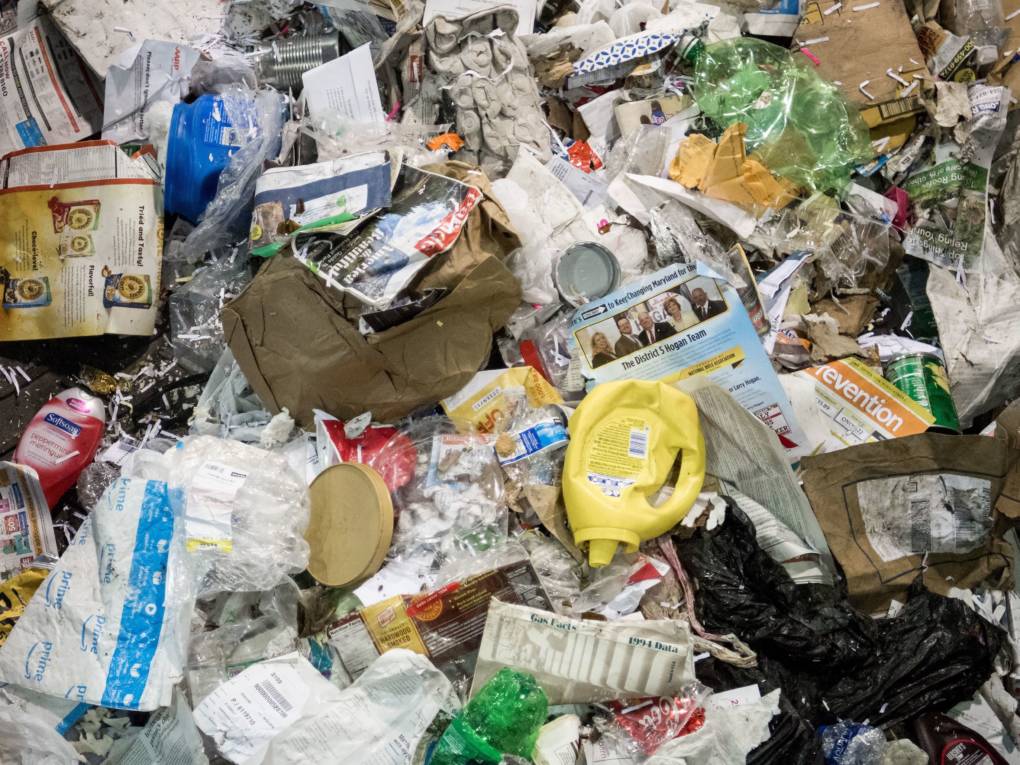
"caption": "Trash sent for recycling moves along a conveyor belt to be sorted at Waste Management's material recovery facility in Elkridge, Md. In 2018, China announced it would no longer buy most plastic waste from places like the United States.",
"description": "Trash sent for recycling moves along a conveyor belt to be sorted at Waste Management's material recovery facility in Elkridge, Md. In 2018, China announced it would no longer buy most plastic waste from places like the United States.",
"title": "Trash sent for recycling moves along a conveyor belt to be sorted at Waste Management's material recovery facility in Elkridge, Md. In 2018, China announced it would no longer buy most plastic waste from places like the United States.",
"credit": "Saul Loeb/AFP/Getty Images",
"status": "inherit",
"isLoading": false,
"fetchFailed": false
},
"bayareabites_134389": {
"type": "attachments",
"id": "bayareabites_134389",
"meta": {
"index": "attachments_1716263798",
"site": "bayareabites",
"id": "134389",
"found": true
},
"parent": 134383,
"imgSizes": {
"thumbnail": {
"file": "https://ww2.kqed.org/app/uploads/sites/24/2019/08/ap_19219653654719-5b2ec93fdced90a9d9a02012fa07997d49be44b0-s700-c85-160x120.jpg",
"width": 160,
"mimeType": "image/jpeg",
"height": 120
},
"post-thumbnail": {
"file": "https://ww2.kqed.org/app/uploads/sites/24/2019/08/ap_19219653654719-5b2ec93fdced90a9d9a02012fa07997d49be44b0-s700-c85-672x372.jpg",
"width": 672,
"mimeType": "image/jpeg",
"height": 372
},
"kqedFullSize": {
"file": "https://ww2.kqed.org/app/uploads/sites/24/2019/08/ap_19219653654719-5b2ec93fdced90a9d9a02012fa07997d49be44b0-s700-c85.jpg",
"width": 700,
"height": 524
}
},
"publishDate": 1565455831,
"modified": 1565455853,
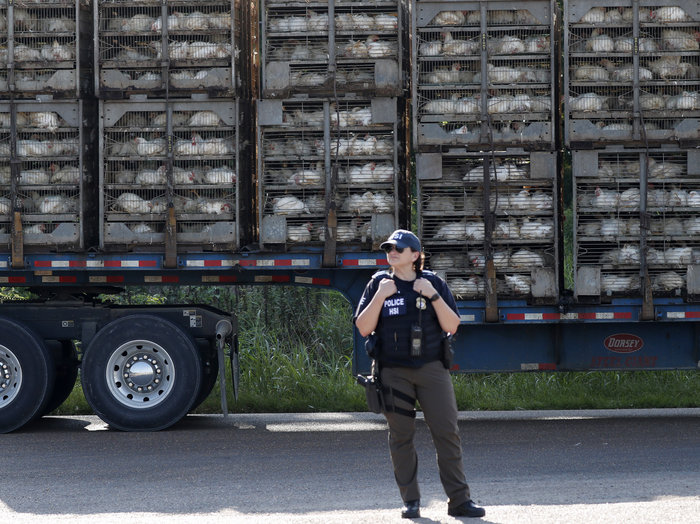
"caption": "A trailer loaded with chickens passes a federal agent outside a Koch Foods plant in Morton, Miss., on Wednesday.",
"description": "A trailer loaded with chickens passes a federal agent outside a Koch Foods plant in Morton, Miss., on Wednesday.",
"title": "ap_19219653654719-5b2ec93fdced90a9d9a02012fa07997d49be44b0-s700-c85",
"credit": "Rogelio V. Solis/AP",
"status": "inherit",
"isLoading": false,
"fetchFailed": false
},
"bayareabites_134323": {
"type": "attachments",
"id": "bayareabites_134323",
"meta": {
"index": "attachments_1716263798",
"site": "bayareabites",
"id": "134323",
"found": true
},
"parent": 134319,
"imgSizes": {
"twentyfourteen-full-width": {
"file": "https://ww2.kqed.org/app/uploads/sites/24/2019/08/BAFAR-organizers-christa-chase-emily-hayward-zeina-ranek-1-1038x576.jpg",
"width": 1038,
"mimeType": "image/jpeg",
"height": 576
},
"thumbnail": {
"file": "https://ww2.kqed.org/app/uploads/sites/24/2019/08/BAFAR-organizers-christa-chase-emily-hayward-zeina-ranek-1-160x107.jpg",
"width": 160,
"mimeType": "image/jpeg",
"height": 107
},
"post-thumbnail": {
"file": "https://ww2.kqed.org/app/uploads/sites/24/2019/08/BAFAR-organizers-christa-chase-emily-hayward-zeina-ranek-1-672x372.jpg",
"width": 672,
"mimeType": "image/jpeg",
"height": 372
},
"kqedFullSize": {
"file": "https://ww2.kqed.org/app/uploads/sites/24/2019/08/BAFAR-organizers-christa-chase-emily-hayward-zeina-ranek-1.jpg",
"width": 1920,
"height": 1281
},
"large": {
"file": "https://ww2.kqed.org/app/uploads/sites/24/2019/08/BAFAR-organizers-christa-chase-emily-hayward-zeina-ranek-1-1020x681.jpg",
"width": 1020,
"mimeType": "image/jpeg",
"height": 681
},
"complete_open_graph": {
"file": "https://ww2.kqed.org/app/uploads/sites/24/2019/08/BAFAR-organizers-christa-chase-emily-hayward-zeina-ranek-1-1200x801.jpg",
"width": 1200,
"mimeType": "image/jpeg",
"height": 801
},
"full-width": {
"file": "https://ww2.kqed.org/app/uploads/sites/24/2019/08/BAFAR-organizers-christa-chase-emily-hayward-zeina-ranek-1-1920x1281.jpg",
"width": 1920,
"mimeType": "image/jpeg",
"height": 1281
},
"medium": {
"file": "https://ww2.kqed.org/app/uploads/sites/24/2019/08/BAFAR-organizers-christa-chase-emily-hayward-zeina-ranek-1-800x534.jpg",
"width": 800,
"mimeType": "image/jpeg",
"height": 534
},
"medium_large": {
"file": "https://ww2.kqed.org/app/uploads/sites/24/2019/08/BAFAR-organizers-christa-chase-emily-hayward-zeina-ranek-1-768x512.jpg",
"width": 768,
"mimeType": "image/jpeg",
"height": 512
}
},
"publishDate": 1564699498,
"modified": 1564699540,
"caption": "Bay Area Fight for Abortion Rights organizers Zeina Razek, Emily Hayward and Christa Chase.",
"description": "Bay Area Fight for Abortion Rights organizers Zeina Razek, Emily Hayward and Christa Chase.",
"title": "BAFAR-organizers-christa-chase-emily-hayward-zeina-ranek",
"credit": "Remy Hale",
"status": "inherit",
"isLoading": false,
"fetchFailed": false
},
"bayareabites_134285": {
"type": "attachments",
"id": "bayareabites_134285",
"meta": {
"index": "attachments_1716263798",
"site": "bayareabites",
"id": "134285",
"found": true
},
"parent": 134283,
"imgSizes": {
"twentyfourteen-full-width": {
"file": "https://ww2.kqed.org/app/uploads/sites/24/2019/07/190724-native-food-security-food-sovereignty-karuk-yurok-foraging-1-1038x576.jpg",
"width": 1038,
"mimeType": "image/jpeg",
"height": 576
},
"thumbnail": {
"file": "https://ww2.kqed.org/app/uploads/sites/24/2019/07/190724-native-food-security-food-sovereignty-karuk-yurok-foraging-1-160x107.jpg",
"width": 160,
"mimeType": "image/jpeg",
"height": 107
},
"post-thumbnail": {
"file": "https://ww2.kqed.org/app/uploads/sites/24/2019/07/190724-native-food-security-food-sovereignty-karuk-yurok-foraging-1-672x372.jpg",
"width": 672,
"mimeType": "image/jpeg",
"height": 372
},
"kqedFullSize": {
"file": "https://ww2.kqed.org/app/uploads/sites/24/2019/07/190724-native-food-security-food-sovereignty-karuk-yurok-foraging-1.jpg",
"width": 1200,
"height": 800
},
"large": {
"file": "https://ww2.kqed.org/app/uploads/sites/24/2019/07/190724-native-food-security-food-sovereignty-karuk-yurok-foraging-1-1020x680.jpg",
"width": 1020,
"mimeType": "image/jpeg",
"height": 680
},
"complete_open_graph": {
"file": "https://ww2.kqed.org/app/uploads/sites/24/2019/07/190724-native-food-security-food-sovereignty-karuk-yurok-foraging-1-1200x800.jpg",
"width": 1200,
"mimeType": "image/jpeg",
"height": 800
},
"medium": {
"file": "https://ww2.kqed.org/app/uploads/sites/24/2019/07/190724-native-food-security-food-sovereignty-karuk-yurok-foraging-1-800x533.jpg",
"width": 800,
"mimeType": "image/jpeg",
"height": 533
},
"medium_large": {
"file": "https://ww2.kqed.org/app/uploads/sites/24/2019/07/190724-native-food-security-food-sovereignty-karuk-yurok-foraging-1-768x512.jpg",
"width": 768,
"mimeType": "image/jpeg",
"height": 512
}
},
"publishDate": 1564429910,
"modified": 1564430128,
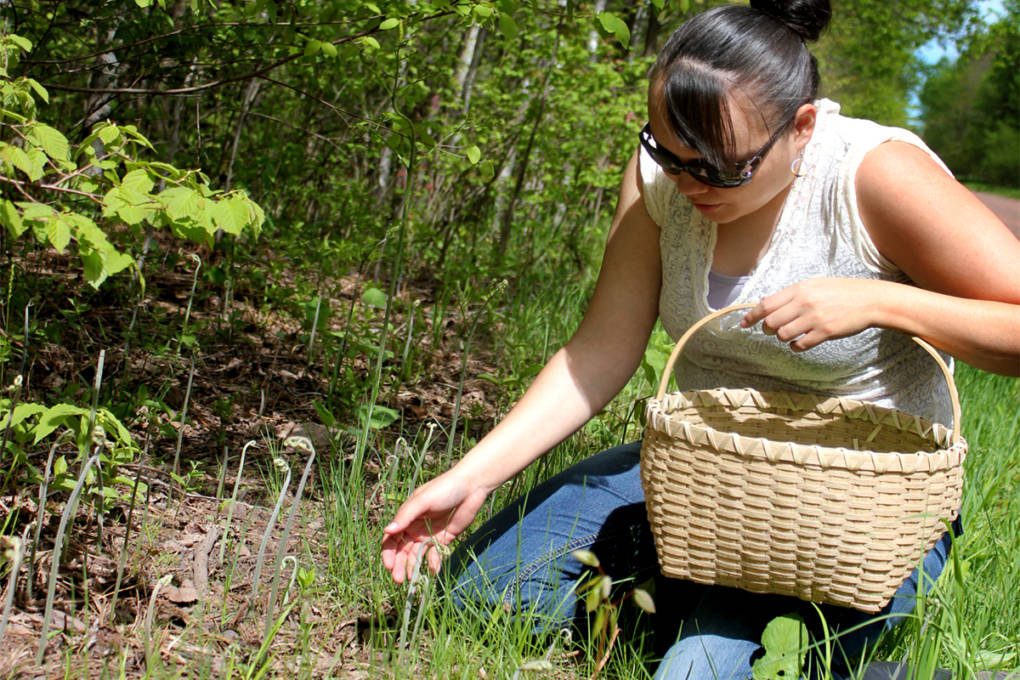
"caption": "New research shows that hunting, fishing, and foraging for traditional Native foods help nourish tribal members—but first they need access to their ancestral lands.",
"description": "New research shows that hunting, fishing, and foraging for traditional Native foods help nourish tribal members—but first they need access to their ancestral lands.",
"title": "190724-native-food-security-food-sovereignty-karuk-yurok-foraging-1",
"credit": "Civil Eats",
"status": "inherit",
"isLoading": false,
"fetchFailed": false
},
"bayareabites_134140": {
"type": "attachments",
"id": "bayareabites_134140",
"meta": {
"index": "attachments_1716263798",
"site": "bayareabites",
"id": "134140",
"found": true
},
"parent": 134139,
"imgSizes": {
"twentyfourteen-full-width": {
"file": "https://ww2.kqed.org/app/uploads/sites/24/2019/07/patima-1260x709_custom-d66a609414eaa0e45dd3f097ce21d6cbd59370ad-1038x576.jpg",
"width": 1038,
"mimeType": "image/jpeg",
"height": 576
},
"thumbnail": {
"file": "https://ww2.kqed.org/app/uploads/sites/24/2019/07/patima-1260x709_custom-d66a609414eaa0e45dd3f097ce21d6cbd59370ad-160x90.jpg",
"width": 160,
"mimeType": "image/jpeg",
"height": 90
},
"post-thumbnail": {
"file": "https://ww2.kqed.org/app/uploads/sites/24/2019/07/patima-1260x709_custom-d66a609414eaa0e45dd3f097ce21d6cbd59370ad-672x372.jpg",
"width": 672,
"mimeType": "image/jpeg",
"height": 372
},
"kqedFullSize": {
"file": "https://ww2.kqed.org/app/uploads/sites/24/2019/07/patima-1260x709_custom-d66a609414eaa0e45dd3f097ce21d6cbd59370ad.jpg",
"width": 1259,
"height": 709
},
"large": {
"file": "https://ww2.kqed.org/app/uploads/sites/24/2019/07/patima-1260x709_custom-d66a609414eaa0e45dd3f097ce21d6cbd59370ad-1020x574.jpg",
"width": 1020,
"mimeType": "image/jpeg",
"height": 574
},
"complete_open_graph": {
"file": "https://ww2.kqed.org/app/uploads/sites/24/2019/07/patima-1260x709_custom-d66a609414eaa0e45dd3f097ce21d6cbd59370ad-1200x676.jpg",
"width": 1200,
"mimeType": "image/jpeg",
"height": 676
},
"medium": {
"file": "https://ww2.kqed.org/app/uploads/sites/24/2019/07/patima-1260x709_custom-d66a609414eaa0e45dd3f097ce21d6cbd59370ad-800x451.jpg",
"width": 800,
"mimeType": "image/jpeg",
"height": 451
},
"medium_large": {
"file": "https://ww2.kqed.org/app/uploads/sites/24/2019/07/patima-1260x709_custom-d66a609414eaa0e45dd3f097ce21d6cbd59370ad-768x432.jpg",
"width": 768,
"mimeType": "image/jpeg",
"height": 432
}
},
"publishDate": 1563209813,
"modified": 1563210484,
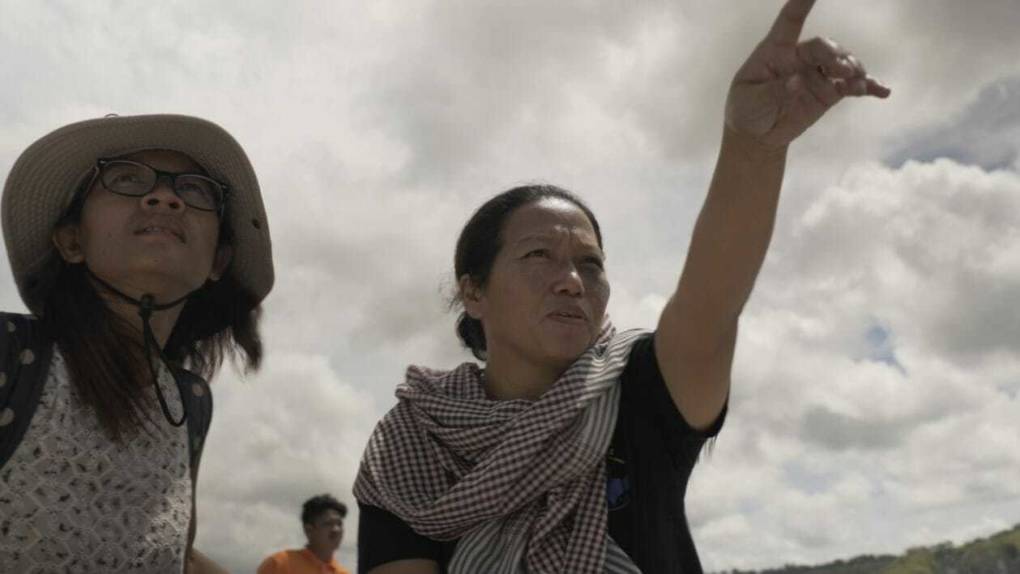
"caption": "Patima Tungpuchayakul (right), a Thai abolitionist, with members of her team on a trip to free enslaved fishermen.",
"description": "Patima Tungpuchayakul (right), a Thai abolitionist, with members of her team on a trip to free enslaved fishermen.",
"title": "Patima Tungpuchayakul (right), a Thai abolitionist, with members of her team on a trip to free enslaved fishermen.",
"credit": "Courtesy of Ghost Fleet",
"status": "inherit",
"isLoading": false,
"fetchFailed": false
},
"bayareabites_134007": {
"type": "attachments",
"id": "bayareabites_134007",
"meta": {
"index": "attachments_1716263798",
"site": "bayareabites",
"id": "134007",
"found": true
},
"parent": 134003,
"imgSizes": {
"twentyfourteen-full-width": {
"file": "https://ww2.kqed.org/app/uploads/sites/24/2019/06/GettyImages-1145146912-1038x576.jpg",
"width": 1038,
"mimeType": "image/jpeg",
"height": 576
},
"thumbnail": {
"file": "https://ww2.kqed.org/app/uploads/sites/24/2019/06/GettyImages-1145146912-160x106.jpg",
"width": 160,
"mimeType": "image/jpeg",
"height": 106
},
"post-thumbnail": {
"file": "https://ww2.kqed.org/app/uploads/sites/24/2019/06/GettyImages-1145146912-672x372.jpg",
"width": 672,
"mimeType": "image/jpeg",
"height": 372
},
"kqedFullSize": {
"file": "https://ww2.kqed.org/app/uploads/sites/24/2019/06/GettyImages-1145146912.jpg",
"width": 1920,
"height": 1274
},
"large": {
"file": "https://ww2.kqed.org/app/uploads/sites/24/2019/06/GettyImages-1145146912-1020x677.jpg",
"width": 1020,
"mimeType": "image/jpeg",
"height": 677
},
"complete_open_graph": {
"file": "https://ww2.kqed.org/app/uploads/sites/24/2019/06/GettyImages-1145146912-1200x796.jpg",
"width": 1200,
"mimeType": "image/jpeg",
"height": 796
},
"full-width": {
"file": "https://ww2.kqed.org/app/uploads/sites/24/2019/06/GettyImages-1145146912-1920x1274.jpg",
"width": 1920,
"mimeType": "image/jpeg",
"height": 1274
},
"medium": {
"file": "https://ww2.kqed.org/app/uploads/sites/24/2019/06/GettyImages-1145146912-800x531.jpg",
"width": 800,
"mimeType": "image/jpeg",
"height": 531
},
"medium_large": {
"file": "https://ww2.kqed.org/app/uploads/sites/24/2019/06/GettyImages-1145146912-768x510.jpg",
"width": 768,
"mimeType": "image/jpeg",
"height": 510
}
},
"publishDate": 1560981029,
"modified": 1560981055,
"caption": "LOS ANGELES, CALIFORNIA - APRIL 25: A woman walks outside of City Hall on April 25, 2019 in Los Angeles, California, According to a Bloomberg study of the most recent Bureau of Economic Analysis data, Los Angeles County produced the highest gross domestic product (GDP) of any county in the country in 2015. The $656 billion produced was approximate to the economic clout of Saudi Arabia. (Photo by Mario Tama/Getty Images)",
"description": "A woman walks outside of City Hall on April 25, 2019 in Los Angeles, California",
"title": "Los Angeles County Holds Highest GDP Among U.S. Counties",
"credit": "Mario Tama/Getty Images",
"status": "inherit",
"isLoading": false,
"fetchFailed": false
},
"bayareabites_133859": {
"type": "attachments",
"id": "bayareabites_133859",
"meta": {
"index": "attachments_1716263798",
"site": "bayareabites",
"id": "133859",
"found": true
},
"parent": 133858,
"imgSizes": {
"twentyfourteen-full-width": {
"file": "https://ww2.kqed.org/app/uploads/sites/24/2019/06/gettyimages-104948150_wide-2c3ea88148f1a37c9820e354146f16b63bc9e825-1038x576.jpg",
"width": 1038,
"mimeType": "image/jpeg",
"height": 576
},
"thumbnail": {
"file": "https://ww2.kqed.org/app/uploads/sites/24/2019/06/gettyimages-104948150_wide-2c3ea88148f1a37c9820e354146f16b63bc9e825-160x90.jpg",
"width": 160,
"mimeType": "image/jpeg",
"height": 90
},
"post-thumbnail": {
"file": "https://ww2.kqed.org/app/uploads/sites/24/2019/06/gettyimages-104948150_wide-2c3ea88148f1a37c9820e354146f16b63bc9e825-672x372.jpg",
"width": 672,
"mimeType": "image/jpeg",
"height": 372
},
"kqedFullSize": {
"file": "https://ww2.kqed.org/app/uploads/sites/24/2019/06/gettyimages-104948150_wide-2c3ea88148f1a37c9820e354146f16b63bc9e825-e1559751045288.jpg",
"width": 1920,
"height": 1080
},
"large": {
"file": "https://ww2.kqed.org/app/uploads/sites/24/2019/06/gettyimages-104948150_wide-2c3ea88148f1a37c9820e354146f16b63bc9e825-1020x574.jpg",
"width": 1020,
"mimeType": "image/jpeg",
"height": 574
},
"complete_open_graph": {
"file": "https://ww2.kqed.org/app/uploads/sites/24/2019/06/gettyimages-104948150_wide-2c3ea88148f1a37c9820e354146f16b63bc9e825-1200x675.jpg",
"width": 1200,
"mimeType": "image/jpeg",
"height": 675
},
"full-width": {
"file": "https://ww2.kqed.org/app/uploads/sites/24/2019/06/gettyimages-104948150_wide-2c3ea88148f1a37c9820e354146f16b63bc9e825-1920x1080.jpg",
"width": 1920,
"mimeType": "image/jpeg",
"height": 1080
},
"medium": {
"file": "https://ww2.kqed.org/app/uploads/sites/24/2019/06/gettyimages-104948150_wide-2c3ea88148f1a37c9820e354146f16b63bc9e825-800x450.jpg",
"width": 800,
"mimeType": "image/jpeg",
"height": 450
},
"medium_large": {
"file": "https://ww2.kqed.org/app/uploads/sites/24/2019/06/gettyimages-104948150_wide-2c3ea88148f1a37c9820e354146f16b63bc9e825-768x432.jpg",
"width": 768,
"mimeType": "image/jpeg",
"height": 432
}
},
"publishDate": 1559750885,
"modified": 1559751070,
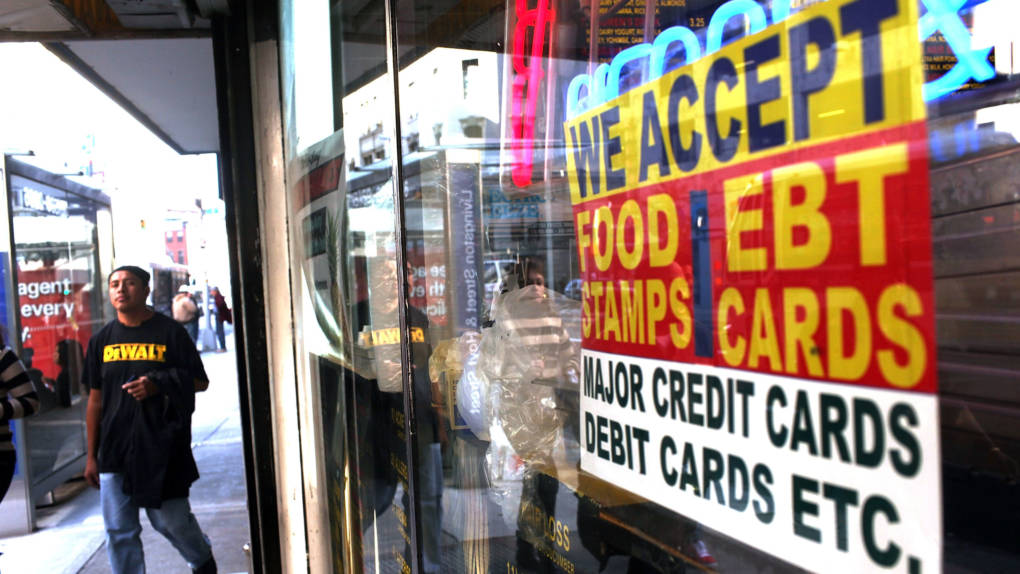
"caption": "A sign in the window of a New York City market advertises the acceptance of food stamps.",
"description": "A sign in the window of a New York City market advertises the acceptance of food stamps.",
"title": "A sign in the window of a New York City market advertises the acceptance of food stamps.",
"credit": "Spencer Platt/Getty Images",
"status": "inherit",
"isLoading": false,
"fetchFailed": false
},
"bayareabites_133835": {
"type": "attachments",
"id": "bayareabites_133835",
"meta": {
"index": "attachments_1716263798",
"site": "bayareabites",
"id": "133835",
"found": true
},
"parent": 133827,
"imgSizes": {
"twentyfourteen-full-width": {
"file": "https://ww2.kqed.org/app/uploads/sites/24/2019/06/GettyImages-488093711-1038x576.jpg",
"width": 1038,
"mimeType": "image/jpeg",
"height": 576
},
"thumbnail": {
"file": "https://ww2.kqed.org/app/uploads/sites/24/2019/06/GettyImages-488093711-160x107.jpg",
"width": 160,
"mimeType": "image/jpeg",
"height": 107
},
"post-thumbnail": {
"file": "https://ww2.kqed.org/app/uploads/sites/24/2019/06/GettyImages-488093711-672x372.jpg",
"width": 672,
"mimeType": "image/jpeg",
"height": 372
},
"kqedFullSize": {
"file": "https://ww2.kqed.org/app/uploads/sites/24/2019/06/GettyImages-488093711.jpg",
"width": 1920,
"height": 1280
},
"large": {
"file": "https://ww2.kqed.org/app/uploads/sites/24/2019/06/GettyImages-488093711-1020x680.jpg",
"width": 1020,
"mimeType": "image/jpeg",
"height": 680
},
"complete_open_graph": {
"file": "https://ww2.kqed.org/app/uploads/sites/24/2019/06/GettyImages-488093711-1200x800.jpg",
"width": 1200,
"mimeType": "image/jpeg",
"height": 800
},
"full-width": {
"file": "https://ww2.kqed.org/app/uploads/sites/24/2019/06/GettyImages-488093711-1920x1280.jpg",
"width": 1920,
"mimeType": "image/jpeg",
"height": 1280
},
"medium": {
"file": "https://ww2.kqed.org/app/uploads/sites/24/2019/06/GettyImages-488093711-800x533.jpg",
"width": 800,
"mimeType": "image/jpeg",
"height": 533
},
"medium_large": {
"file": "https://ww2.kqed.org/app/uploads/sites/24/2019/06/GettyImages-488093711-768x512.jpg",
"width": 768,
"mimeType": "image/jpeg",
"height": 512
}
},
"publishDate": 1559590470,
"modified": 1559590495,
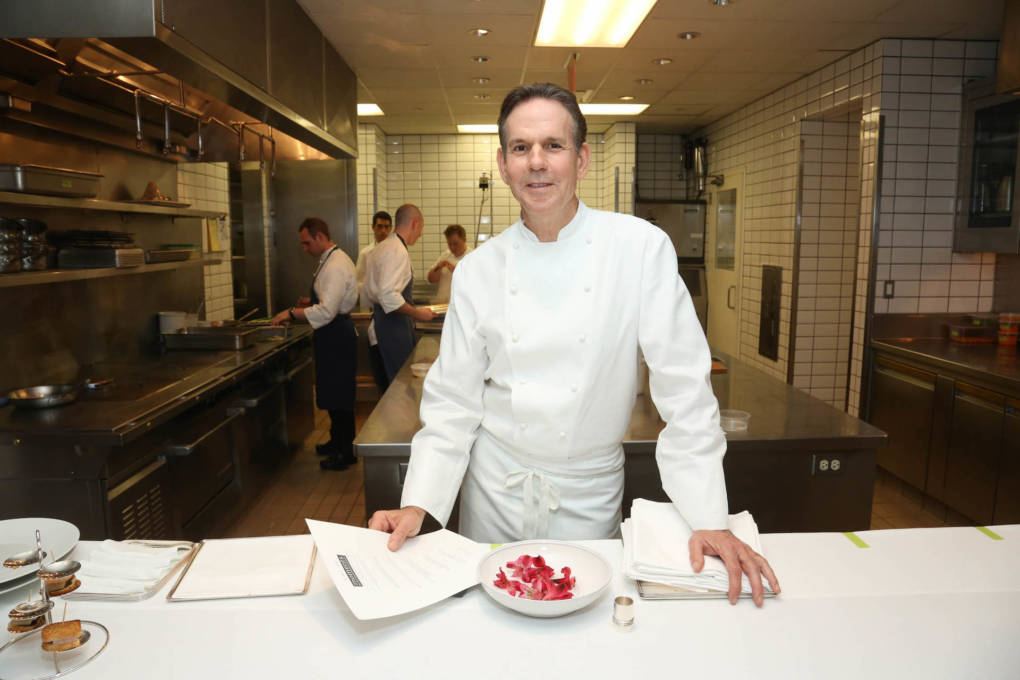
"caption": "NEW YORK, NY - MAY 03: Chef Thomas Keller poses for a portrait at Starwood Preferred Guest's Gourmet Experience of a Lifetime with Chef Thomas Keller at Per Se for Luck SPG Members, Courtesy Of SPG Moments on May 3, 2014 in New York City. (Photo by Rob Kim/Getty Images for Starwood Preferred Guest)",
"description": "Chef Thomas Keller poses for a portrait at Starwood Preferred Guest's Gourmet Experience of a Lifetime with Chef Thomas Keller at Per Se for Luck SPG Members, Courtesy Of SPG Moments on May 3, 2014 in New York City. ",
"title": "Starwood Preferred Guest Hosts Gourmet Experience Of A Lifetime With Chef Thomas Keller At Per Se For Luck SPG Members, Courtesy Of SPG Moments",
"credit": "Rob Kim / Stringer",
"status": "inherit",
"isLoading": false,
"fetchFailed": false
},
"bayareabites_133660": {
"type": "attachments",
"id": "bayareabites_133660",
"meta": {
"index": "attachments_1716263798",
"site": "bayareabites",
"id": "133660",
"found": true
},
"parent": 133659,
"imgSizes": {
"twentyfourteen-full-width": {
"file": "https://ww2.kqed.org/app/uploads/sites/24/2019/05/escobar_feature_1_custom-a3aeb37765a75b2f1c501f858493b3b5f8b21617-1038x576.jpg",
"width": 1038,
"mimeType": "image/jpeg",
"height": 576
},
"thumbnail": {
"file": "https://ww2.kqed.org/app/uploads/sites/24/2019/05/escobar_feature_1_custom-a3aeb37765a75b2f1c501f858493b3b5f8b21617-160x87.jpg",
"width": 160,
"mimeType": "image/jpeg",
"height": 87
},
"post-thumbnail": {
"file": "https://ww2.kqed.org/app/uploads/sites/24/2019/05/escobar_feature_1_custom-a3aeb37765a75b2f1c501f858493b3b5f8b21617-672x372.jpg",
"width": 672,
"mimeType": "image/jpeg",
"height": 372
},
"kqedFullSize": {
"file": "https://ww2.kqed.org/app/uploads/sites/24/2019/05/escobar_feature_1_custom-a3aeb37765a75b2f1c501f858493b3b5f8b21617.jpg",
"width": 1594,
"height": 865
},
"large": {
"file": "https://ww2.kqed.org/app/uploads/sites/24/2019/05/escobar_feature_1_custom-a3aeb37765a75b2f1c501f858493b3b5f8b21617-1020x554.jpg",
"width": 1020,
"mimeType": "image/jpeg",
"height": 554
},
"complete_open_graph": {
"file": "https://ww2.kqed.org/app/uploads/sites/24/2019/05/escobar_feature_1_custom-a3aeb37765a75b2f1c501f858493b3b5f8b21617-1200x651.jpg",
"width": 1200,
"mimeType": "image/jpeg",
"height": 651
},
"medium": {
"file": "https://ww2.kqed.org/app/uploads/sites/24/2019/05/escobar_feature_1_custom-a3aeb37765a75b2f1c501f858493b3b5f8b21617-800x434.jpg",
"width": 800,
"mimeType": "image/jpeg",
"height": 434
},
"medium_large": {
"file": "https://ww2.kqed.org/app/uploads/sites/24/2019/05/escobar_feature_1_custom-a3aeb37765a75b2f1c501f858493b3b5f8b21617-768x417.jpg",
"width": 768,
"mimeType": "image/jpeg",
"height": 417
}
},
"publishDate": 1558368592,
"modified": 1558371086,
"caption": null,
"description": "Panel 1",
"title": "Panel 1",
"credit": "Trinidad Escobar",
"status": "inherit",
"isLoading": false,
"fetchFailed": false
},
"bayareabites_133632": {
"type": "attachments",
"id": "bayareabites_133632",
"meta": {
"index": "attachments_1716263798",
"site": "bayareabites",
"id": "133632",
"found": true
},
"parent": 133630,
"imgSizes": {
"twentyfourteen-full-width": {
"file": "https://ww2.kqed.org/app/uploads/sites/24/2019/05/190506-farmers-of-color-socially-disadvantaged-farmers-california-legislation-7-1038x576.jpg",
"width": 1038,
"mimeType": "image/jpeg",
"height": 576
},
"thumbnail": {
"file": "https://ww2.kqed.org/app/uploads/sites/24/2019/05/190506-farmers-of-color-socially-disadvantaged-farmers-california-legislation-7-160x107.jpg",
"width": 160,
"mimeType": "image/jpeg",
"height": 107
},
"post-thumbnail": {
"file": "https://ww2.kqed.org/app/uploads/sites/24/2019/05/190506-farmers-of-color-socially-disadvantaged-farmers-california-legislation-7-672x372.jpg",
"width": 672,
"mimeType": "image/jpeg",
"height": 372
},
"kqedFullSize": {
"file": "https://ww2.kqed.org/app/uploads/sites/24/2019/05/190506-farmers-of-color-socially-disadvantaged-farmers-california-legislation-7.jpg",
"width": 1200,
"height": 800
},
"large": {
"file": "https://ww2.kqed.org/app/uploads/sites/24/2019/05/190506-farmers-of-color-socially-disadvantaged-farmers-california-legislation-7-1020x680.jpg",
"width": 1020,
"mimeType": "image/jpeg",
"height": 680
},
"complete_open_graph": {
"file": "https://ww2.kqed.org/app/uploads/sites/24/2019/05/190506-farmers-of-color-socially-disadvantaged-farmers-california-legislation-7-1200x800.jpg",
"width": 1200,
"mimeType": "image/jpeg",
"height": 800
},
"medium": {
"file": "https://ww2.kqed.org/app/uploads/sites/24/2019/05/190506-farmers-of-color-socially-disadvantaged-farmers-california-legislation-7-800x533.jpg",
"width": 800,
"mimeType": "image/jpeg",
"height": 533
},
"medium_large": {
"file": "https://ww2.kqed.org/app/uploads/sites/24/2019/05/190506-farmers-of-color-socially-disadvantaged-farmers-california-legislation-7-768x512.jpg",
"width": 768,
"mimeType": "image/jpeg",
"height": 512
}
},
"publishDate": 1558023584,
"modified": 1558023630,
"caption": null,
"description": null,
"title": "190506-farmers-of-color-socially-disadvantaged-farmers-california-legislation-7",
"credit": "Civil Eats",
"status": "inherit",
"isLoading": false,
"fetchFailed": false
},
"bayareabites_132676": {
"type": "attachments",
"id": "bayareabites_132676",
"meta": {
"index": "attachments_1716263798",
"site": "bayareabites",
"id": "132676",
"found": true
},
"parent": 132675,
"imgSizes": {
"twentyfourteen-full-width": {
"file": "https://ww2.kqed.org/app/uploads/sites/24/2019/02/ohlone_trio-1200x751-1038x576.jpg",
"width": 1038,
"mimeType": "image/jpeg",
"height": 576
},
"thumbnail": {
"file": "https://ww2.kqed.org/app/uploads/sites/24/2019/02/ohlone_trio-1200x751-160x100.jpg",
"width": 160,
"mimeType": "image/jpeg",
"height": 100
},
"post-thumbnail": {
"file": "https://ww2.kqed.org/app/uploads/sites/24/2019/02/ohlone_trio-1200x751-672x372.jpg",
"width": 672,
"mimeType": "image/jpeg",
"height": 372
},
"kqedFullSize": {
"file": "https://ww2.kqed.org/app/uploads/sites/24/2019/02/ohlone_trio-1200x751.jpg",
"width": 1200,
"height": 751
},
"large": {
"file": "https://ww2.kqed.org/app/uploads/sites/24/2019/02/ohlone_trio-1200x751-1020x638.jpg",
"width": 1020,
"mimeType": "image/jpeg",
"height": 638
},
"complete_open_graph": {
"file": "https://ww2.kqed.org/app/uploads/sites/24/2019/02/ohlone_trio-1200x751-1200x751.jpg",
"width": 1200,
"mimeType": "image/jpeg",
"height": 751
},
"guest-author-50": {
"file": "https://ww2.kqed.org/app/uploads/sites/24/2019/02/ohlone_trio-1200x751-50x50.jpg",
"width": 50,
"mimeType": "image/jpeg",
"height": 50
},
"guest-author-96": {
"file": "https://ww2.kqed.org/app/uploads/sites/24/2019/02/ohlone_trio-1200x751-96x96.jpg",
"width": 96,
"mimeType": "image/jpeg",
"height": 96
},
"medium": {
"file": "https://ww2.kqed.org/app/uploads/sites/24/2019/02/ohlone_trio-1200x751-800x501.jpg",
"width": 800,
"mimeType": "image/jpeg",
"height": 501
},
"guest-author-64": {
"file": "https://ww2.kqed.org/app/uploads/sites/24/2019/02/ohlone_trio-1200x751-64x64.jpg",
"width": 64,
"mimeType": "image/jpeg",
"height": 64
},
"guest-author-32": {
"file": "https://ww2.kqed.org/app/uploads/sites/24/2019/02/ohlone_trio-1200x751-32x32.jpg",
"width": 32,
"mimeType": "image/jpeg",
"height": 32
},
"detail": {
"file": "https://ww2.kqed.org/app/uploads/sites/24/2019/02/ohlone_trio-1200x751-150x150.jpg",
"width": 150,
"mimeType": "image/jpeg",
"height": 150
},
"medium_large": {
"file": "https://ww2.kqed.org/app/uploads/sites/24/2019/02/ohlone_trio-1200x751-768x481.jpg",
"width": 768,
"mimeType": "image/jpeg",
"height": 481
},
"guest-author-128": {
"file": "https://ww2.kqed.org/app/uploads/sites/24/2019/02/ohlone_trio-1200x751-128x128.jpg",
"width": 128,
"mimeType": "image/jpeg",
"height": 128
}
},
"publishDate": 1551205322,
"modified": 1551205352,
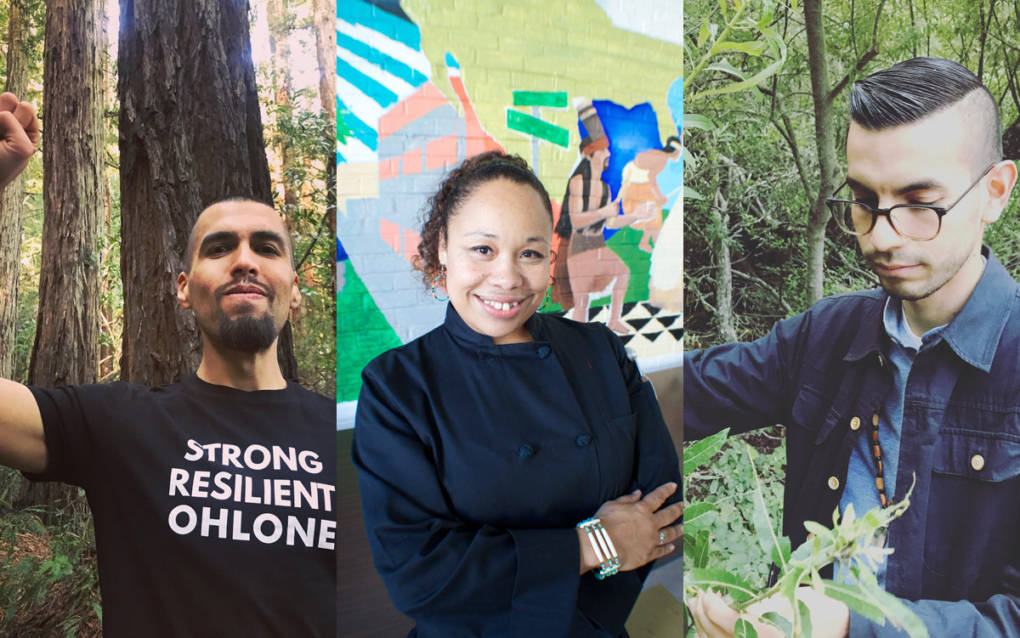
"caption": "Vincent Medina (right) and Louis Trevino (left), founders of Café Ohlone by Mak’amham.",
"description": "Vincent Medina (right) and Louis Trevino (left), founders of Café Ohlone by Mak’amham.",
"title": "Vincent Medina (right) and Louis Trevino (left), founders of Café Ohlone by Mak’amham.",
"credit": "Café Ohlone",
"status": "inherit",
"isLoading": false,
"fetchFailed": false
},
"bayareabites_132077": {
"type": "attachments",
"id": "bayareabites_132077",
"meta": {
"index": "attachments_1716263798",
"site": "bayareabites",
"id": "132077",
"found": true
},
"parent": 132076,
"imgSizes": {
"small": {
"file": "https://ww2.kqed.org/app/uploads/sites/24/2019/01/ap_16218515650236-27c70a747111ae7fb64163f3ecc062c7acdb7a0f-520x390.jpg",
"width": 520,
"mimeType": "image/jpeg",
"height": 390
},
"twentyfourteen-full-width": {
"file": "https://ww2.kqed.org/app/uploads/sites/24/2019/01/ap_16218515650236-27c70a747111ae7fb64163f3ecc062c7acdb7a0f-1038x576.jpg",
"width": 1038,
"mimeType": "image/jpeg",
"height": 576
},
"thumbnail": {
"file": "https://ww2.kqed.org/app/uploads/sites/24/2019/01/ap_16218515650236-27c70a747111ae7fb64163f3ecc062c7acdb7a0f-160x120.jpg",
"width": 160,
"mimeType": "image/jpeg",
"height": 120
},
"fd-sm": {
"file": "https://ww2.kqed.org/app/uploads/sites/24/2019/01/ap_16218515650236-27c70a747111ae7fb64163f3ecc062c7acdb7a0f-960x720.jpg",
"width": 960,
"mimeType": "image/jpeg",
"height": 720
},
"post-thumbnail": {
"file": "https://ww2.kqed.org/app/uploads/sites/24/2019/01/ap_16218515650236-27c70a747111ae7fb64163f3ecc062c7acdb7a0f-672x372.jpg",
"width": 672,
"mimeType": "image/jpeg",
"height": 372
},
"xsmall": {
"file": "https://ww2.kqed.org/app/uploads/sites/24/2019/01/ap_16218515650236-27c70a747111ae7fb64163f3ecc062c7acdb7a0f-375x281.jpg",
"width": 375,
"mimeType": "image/jpeg",
"height": 281
},
"kqedFullSize": {
"file": "https://ww2.kqed.org/app/uploads/sites/24/2019/01/ap_16218515650236-27c70a747111ae7fb64163f3ecc062c7acdb7a0f.jpg",
"width": 1535,
"height": 1151
},
"large": {
"file": "https://ww2.kqed.org/app/uploads/sites/24/2019/01/ap_16218515650236-27c70a747111ae7fb64163f3ecc062c7acdb7a0f-1020x765.jpg",
"width": 1020,
"mimeType": "image/jpeg",
"height": 765
},
"xlarge": {
"file": "https://ww2.kqed.org/app/uploads/sites/24/2019/01/ap_16218515650236-27c70a747111ae7fb64163f3ecc062c7acdb7a0f-1180x885.jpg",
"width": 1180,
"mimeType": "image/jpeg",
"height": 885
},
"complete_open_graph": {
"file": "https://ww2.kqed.org/app/uploads/sites/24/2019/01/ap_16218515650236-27c70a747111ae7fb64163f3ecc062c7acdb7a0f-1200x900.jpg",
"width": 1200,
"mimeType": "image/jpeg",
"height": 900
},
"guest-author-50": {
"file": "https://ww2.kqed.org/app/uploads/sites/24/2019/01/ap_16218515650236-27c70a747111ae7fb64163f3ecc062c7acdb7a0f-50x50.jpg",
"width": 50,
"mimeType": "image/jpeg",
"height": 50
},
"guest-author-96": {
"file": "https://ww2.kqed.org/app/uploads/sites/24/2019/01/ap_16218515650236-27c70a747111ae7fb64163f3ecc062c7acdb7a0f-96x96.jpg",
"width": 96,
"mimeType": "image/jpeg",
"height": 96
},
"medium": {
"file": "https://ww2.kqed.org/app/uploads/sites/24/2019/01/ap_16218515650236-27c70a747111ae7fb64163f3ecc062c7acdb7a0f-800x600.jpg",
"width": 800,
"mimeType": "image/jpeg",
"height": 600
},
"guest-author-64": {
"file": "https://ww2.kqed.org/app/uploads/sites/24/2019/01/ap_16218515650236-27c70a747111ae7fb64163f3ecc062c7acdb7a0f-64x64.jpg",
"width": 64,
"mimeType": "image/jpeg",
"height": 64
},
"guest-author-32": {
"file": "https://ww2.kqed.org/app/uploads/sites/24/2019/01/ap_16218515650236-27c70a747111ae7fb64163f3ecc062c7acdb7a0f-32x32.jpg",
"width": 32,
"mimeType": "image/jpeg",
"height": 32
},
"fd-med": {
"file": "https://ww2.kqed.org/app/uploads/sites/24/2019/01/ap_16218515650236-27c70a747111ae7fb64163f3ecc062c7acdb7a0f-1180x885.jpg",
"width": 1180,
"mimeType": "image/jpeg",
"height": 885
},
"detail": {
"file": "https://ww2.kqed.org/app/uploads/sites/24/2019/01/ap_16218515650236-27c70a747111ae7fb64163f3ecc062c7acdb7a0f-150x150.jpg",
"width": 150,
"mimeType": "image/jpeg",
"height": 150
},
"medium_large": {
"file": "https://ww2.kqed.org/app/uploads/sites/24/2019/01/ap_16218515650236-27c70a747111ae7fb64163f3ecc062c7acdb7a0f-768x576.jpg",
"width": 768,
"mimeType": "image/jpeg",
"height": 576
},
"guest-author-128": {
"file": "https://ww2.kqed.org/app/uploads/sites/24/2019/01/ap_16218515650236-27c70a747111ae7fb64163f3ecc062c7acdb7a0f-128x128.jpg",
"width": 128,
"mimeType": "image/jpeg",
"height": 128
},
"xxsmall": {
"file": "https://ww2.kqed.org/app/uploads/sites/24/2019/01/ap_16218515650236-27c70a747111ae7fb64163f3ecc062c7acdb7a0f-240x180.jpg",
"width": 240,
"mimeType": "image/jpeg",
"height": 180
}
},
"publishDate": 1547235094,
"modified": 1547235145,
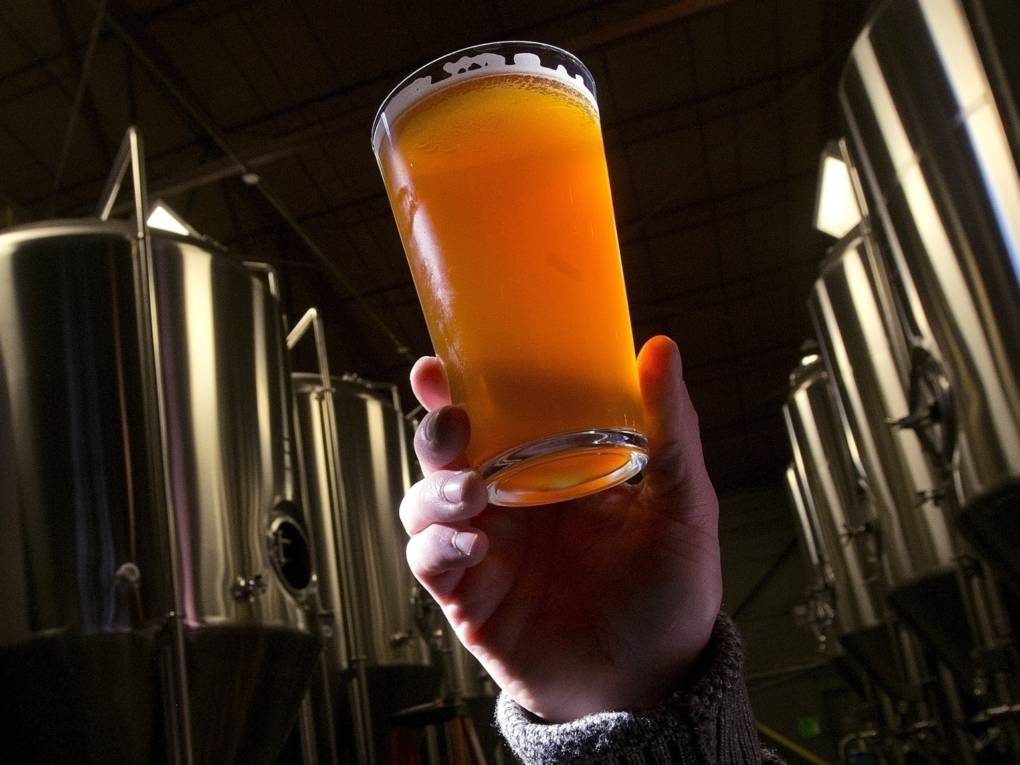
"caption": "Craft beer lovers may not see many new brews on the shelves in coming weeks. The government shutdown means new labels can't be approved, delaying the release of new bottled beers.",
"description": "Craft beer lovers may not see many new brews on the shelves in coming weeks. The government shutdown means new labels can't be approved, delaying the release of new bottled beers.",
"title": "Craft beer lovers may not see many new brews on the shelves in coming weeks. The government shutdown means new labels can't be approved, delaying the release of new bottled beers.",
"credit": "Dave Martin/AP",
"status": "inherit",
"isLoading": false,
"fetchFailed": false
}
},
"audioPlayerReducer": {
"postId": "stream_live",
"isPaused": true,
"isPlaying": false,
"pfsActive": false,
"pledgeModalIsOpen": true,
"playerDrawerIsOpen": false,
"liveAudioPlayStartedAt": 0,
"liveAudioPlayContext": ""
},
"authorsReducer": {
"byline_bayareabites_134473": {
"type": "authors",
"id": "byline_bayareabites_134473",
"meta": {
"override": true
},
"slug": "byline_bayareabites_134473",
"name": "Christopher Joyce, All Things Considered",
"isLoading": false
},
"byline_bayareabites_134383": {
"type": "authors",
"id": "byline_bayareabites_134383",
"meta": {
"override": true
},
"slug": "byline_bayareabites_134383",
"name": "Scott Horsley, All Things Considered",
"isLoading": false
},
"byline_bayareabites_134139": {
"type": "authors",
"id": "byline_bayareabites_134139",
"meta": {
"override": true
},
"slug": "byline_bayareabites_134139",
"name": "Samuel Fromartz, Food & Environment Reporting Network",
"isLoading": false
},
"byline_bayareabites_134003": {
"type": "authors",
"id": "byline_bayareabites_134003",
"meta": {
"override": true
},
"slug": "byline_bayareabites_134003",
"name": "Ari Shapiro, All Things Considered",
"isLoading": false
},
"byline_bayareabites_133858": {
"type": "authors",
"id": "byline_bayareabites_133858",
"meta": {
"override": true
},
"slug": "byline_bayareabites_133858",
"name": "Allison Aubrey, NPR Food",
"isLoading": false
},
"byline_bayareabites_133827": {
"type": "authors",
"id": "byline_bayareabites_133827",
"meta": {
"override": true
},
"slug": "byline_bayareabites_133827",
"name": "Jocelyn Gecker, Associated Press",
"isLoading": false
},
"byline_bayareabites_133659": {
"type": "authors",
"id": "byline_bayareabites_133659",
"meta": {
"override": true
},
"slug": "byline_bayareabites_133659",
"name": "Trinidad Escobar, Malaka Gharib",
"isLoading": false
},
"byline_bayareabites_132076": {
"type": "authors",
"id": "byline_bayareabites_132076",
"meta": {
"override": true
},
"slug": "byline_bayareabites_132076",
"name": "Hope Kirwan, Wisconsin Public Radio",
"isLoading": false
},
"civileat": {
"type": "authors",
"id": "5583",
"meta": {
"index": "authors_1716337520",
"id": "5583",
"found": true
},
"name": "Civil Eats",
"firstName": "Civil",
"lastName": "Eats",
"slug": "civileat",
"email": "twilight@civileats.com",
"display_author_email": false,
"staff_mastheads": [],
"title": null,
"bio": "\u003ca href=\"http://civileats.com/\">Civil Eats\u003c/a> is a daily news source for critical thought about the American food system. We publish stories that shift the conversation around sustainable agriculture in an effort to build economically and socially just communities. Follow Civil Eats on Twitter \u003ca href=\"https://twitter.com/CivilEats\">@civileats\u003c/a> and on \u003ca href=\"https://www.facebook.com/pages/Civil-Eats/56766540637\">Facebook\u003c/a>.",
"avatar": "https://secure.gravatar.com/avatar/8f6f50bfb6403afe7cbc194b66cc1d4d?s=600&d=blank&r=g",
"twitter": "CivilEats",
"facebook": "/pages/Civil-Eats/56766540637?ref=hl",
"instagram": null,
"linkedin": null,
"sites": [
{
"site": "bayareabites",
"roles": [
"contributor"
]
},
{
"site": "food",
"roles": [
"contributor"
]
}
],
"headData": {
"title": "Civil Eats | KQED",
"description": null,
"ogImgSrc": "https://secure.gravatar.com/avatar/8f6f50bfb6403afe7cbc194b66cc1d4d?s=600&d=blank&r=g",
"twImgSrc": "https://secure.gravatar.com/avatar/8f6f50bfb6403afe7cbc194b66cc1d4d?s=600&d=blank&r=g"
},
"isLoading": false,
"link": "/author/civileat"
},
"gcheung": {
"type": "authors",
"id": "11404",
"meta": {
"index": "authors_1716337520",
"id": "11404",
"found": true
},
"name": "Grace Cheung",
"firstName": "Grace",
"lastName": "Cheung",
"slug": "gcheung",
"email": "gcheung@kqed.org",
"display_author_email": false,
"staff_mastheads": [],
"title": "KQED Contributor",
"bio": "Grace was a social media and digital producer at KQED, and her love of food keeps her busy! As an amateur photographer and chef, she documents her recipes, restaurant adventures, and more on her blog, \u003ca href=\"https://put-an-egg-on-it.com/\">Put An Egg On It\u003c/a>. You can mostly follow her eating adventures on Instagram at \u003ca href=\"https://www.instagram.com/gcheung28/\">@gcheung28\u003c/a>.",
"avatar": "https://secure.gravatar.com/avatar/9d5b5595007c3709533a8959e3eda091?s=600&d=blank&r=g",
"twitter": null,
"facebook": null,
"instagram": null,
"linkedin": null,
"sites": [
{
"site": "arts",
"roles": []
},
{
"site": "jpepinheart",
"roles": [
"editor"
]
},
{
"site": "about",
"roles": [
"author"
]
},
{
"site": "bayareabites",
"roles": [
"contributor"
]
},
{
"site": "checkplease",
"roles": [
"subscriber"
]
},
{
"site": "food",
"roles": []
},
{
"site": "essentialpepin",
"roles": [
"administrator"
]
}
],
"headData": {
"title": "Grace Cheung | KQED",
"description": "KQED Contributor",
"ogImgSrc": "https://secure.gravatar.com/avatar/9d5b5595007c3709533a8959e3eda091?s=600&d=blank&r=g",
"twImgSrc": "https://secure.gravatar.com/avatar/9d5b5595007c3709533a8959e3eda091?s=600&d=blank&r=g"
},
"isLoading": false,
"link": "/author/gcheung"
}
},
"pagesReducer": {
"bayareabites_category_politics-activism-food-safety": {
"type": "terms",
"id": "bayareabites_2035",
"meta": {
"index": "terms_1716263798",
"site": "bayareabites",
"id": "2035",
"score": 13.89613
},
"featImg": null,
"name": "politics, activism, food safety",
"description": null,
"taxonomy": "category",
"headData": {
"twImgId": null,
"twTitle": null,
"ogTitle": null,
"ogImgId": null,
"twDescription": null,
"description": null,
"title": "politics, activism, food safety Archives | KQED Bay Area Bites",
"ogDescription": null
},
"ttid": 943,
"slug": "politics-activism-food-safety",
"isLoading": false,
"title": "politics, activism, food safety",
"pageMeta": {
"site": "bayareabites",
"WpPageTemplate": "page-topic-editorial",
"currentPage": 2
},
"blocks": [
{
"blockName": "kqed/post-list",
"attrs": {
"layout": "cardArticle2",
"query": "posts/bayareabites?category=politics-activism-food-safety",
"seeMore": false,
"paginated": true,
"page": 2
}
},
{
"blockName": "kqed/ad"
}
]
}
},
"pfsSessionReducer": {},
"postsReducer": {
"stream_live": {
"type": "live",
"id": "stream_live",
"audioUrl": "https://streams.kqed.org/kqedradio",
"title": "Live Stream",
"excerpt": "Live Stream information currently unavailable.",
"link": "/radio",
"featImg": "",
"label": {
"name": "KQED Live",
"link": "/"
}
},
"stream_kqedNewscast": {
"type": "posts",
"id": "stream_kqedNewscast",
"audioUrl": "https://www.kqed.org/.stream/anon/radio/RDnews/newscast.mp3?_=1",
"title": "KQED Newscast",
"featImg": "",
"label": {
"name": "88.5 FM",
"link": "/"
}
},
"bayareabites_134473": {
"type": "posts",
"id": "bayareabites_134473",
"meta": {
"index": "posts_1716263798",
"site": "bayareabites",
"id": "134473",
"score": null,
"sort": [
1566359881000
]
},
"parent": 0,
"labelTerm": {
"site": "bayareabites"
},
"blocks": [],
"publishDate": 1566359881,
"format": "standard",
"disqusTitle": "U.S. Recycling Industry Is Struggling To Figure Out A Future Without China",
"title": "U.S. Recycling Industry Is Struggling To Figure Out A Future Without China",
"headTitle": "Bay Area Bites | KQED Food",
"content": "\u003cp>[aside postID='science_1941477,forum_2010101871721' label='More on Recycling Plastics']\u003cbr>\nThe U.S. used to send a lot of its plastic waste to China to get recycled. But last year, China put the kibosh on imports of the world's waste. The policy, called National Sword, freaked out people in the U.S. — a huge market for plastic waste had just dried up.\u003c/p>\n\u003cp>Where was it all going to go now?\u003c/p>\n\u003cp>In March, executives from big companies that make or package everything from water to toothpaste in plastic met in Washington, D.C. Recyclers and the people who collect and sort trash were there too. It was the whole chain that makes up the plastic pipeline. It was a time of reckoning.\u003c/p>\n\u003cp>John Caturano of Nestlé Waters North America, which makes bottled water, said plastic is getting a bad reputation. \"The water bottle has in some ways become the mink coat or the pack of cigarettes. It's socially not very acceptable to the young folks, and that scares me,\" he said during a panel called Life After National Sword.\u003c/p>\n\u003cp>Sunil Bagaria, who runs recycling company GDB International, took his colleagues to task. \"Forever, we have depended on shipping our scrap overseas,\" he bemoaned. \"Let's stop that.\" European countries, he added, \"are recycling 35% to 40% [of their plastic waste]. The U.S. only recycles 10%. How tragic is that?\"\u003c/p>\n\u003cp>[ad fullwidth]\u003c/p>\n\u003cp>After a couple of days of this, a woman named Kara Pochiro from the Association of Plastic Recyclers stood up and said not to panic. \"Plastic recycling isn't dead, and it works, and it's important to protecting our environment, and it's essential to the circular economy,\" she reassured.\u003c/p>\n\u003cp>\"Circular economy\" is now a catchphrase that some say is a way out of the plastic mess. The idea is essentially this: Society needs plastic, but people need to recycle a lot more of it and use it again and again and again. That will eliminate a lot of waste and cut down on the avalanche of new plastic made every year.\u003c/p>\n\u003cp>So how does circularity actually work? A good place to find out is at a recycling company called TerraCycle in Trenton, N.J. The company's global vice president for research and development is Ernie Simpson. A cheerful man with a Jamaican accent, he works out of a small lab at TerraCycle's headquarters.\u003c/p>\n\u003cfigure id=\"attachment_134475\" class=\"wp-caption aligncenter\" style=\"max-width: 1920px\">\u003cimg src=\"https://ww2.kqed.org/bayareabites/wp-content/uploads/sites/24/2019/08/terracycle-offices_enl-48b0bd89ee7e6ef664f17834e0f408b14e2962a4-e1566359369460.jpg\" alt=\"Plastic bottles surround an employee at a workstation inside recycling company TerraCycle's headquarters in Trenton, N.J., in 2017.\" width=\"1920\" height=\"1280\" class=\"size-full wp-image-134475\">\u003cfigcaption class=\"wp-caption-text\">Plastic bottles surround an employee at a workstation inside recycling company TerraCycle's headquarters in Trenton, N.J., in 2017. \u003ccite>(David Williams/Bloomberg via Getty Images)\u003c/cite>\u003c/figcaption>\u003c/figure>\n\u003cp>He's also a physicist who's part of a collaboration with Procter & Gamble to turn plastic trash into new products. In his lab, Simpson has an array of very sophisticated and expensive equipment — a Fourier-transform infrared spectrometer and a calorimeter, which use light or heat, respectively, to determine the chemistry of plastic. What goes into those devices is junk.\u003c/p>\n\u003cp>Simpson holds up a clear plastic bag. Inside, he says, \"is the famous beach plastic from the ocean\": wrappers, caps, bottles. To recycle any of it, he has to know what kind of plastic each piece is made of.\u003c/p>\n\u003cp>How many kinds of plastic are there? \"Ohhhh,\" he sighs. \"Indefinite, just about. There are about 20 different categories of material, but there are blends and there are hybrids.\" Almost all possess their own characteristics, some easily recyclable, many not. Some can be melted down; others shredded mechanically or chemically broken down. They end up as pellets the size of small marbles. These go to fabricators that turn the material back into products.\u003cbr>\n[aside postID='news_11714223,news_11768467' align='left' label='More on the Recycling Industry']\u003cbr>\n\"And so that's how the famous Head & Shoulders shampoo bottle was created,\" Simpson says, referring to what P&G calls the \"world's first recyclable shampoo bottle made from beach plastic.\" That's a form of circularity — pouring old plastic into new bottles.\u003c/p>\n\u003cp>There's a catch though. \"This particular one,\" Simpson says of the beach plastic, \"is probably three times as expensive as virgin\" — virgin being brand-new plastic made straight from oil and gas out of the ground. This is one of the obstacles to circularity: It costs a lot. There's not a lot of money to be made from recycling to begin with, and it's tough for recycled plastic to compete with virgin plastic made cheap by the boom in U.S. oil and gas production. And there aren't nearly enough recyclers in the U.S. to handle the tsunami of new plastic pouring out of the petrochemical industry.\u003c/p>\n\u003cfigure id=\"attachment_134476\" class=\"wp-caption aligncenter\" style=\"max-width: 1893px\">\u003cimg src=\"https://ww2.kqed.org/bayareabites/wp-content/uploads/sites/24/2019/08/terracycle-2_enl-791fc7ad00b2af7bc497fd6630dfe93a64d0736c.jpg\" alt=\"Material collected by TerraCycle is shredded for processing.\" width=\"1893\" height=\"1080\" class=\"size-full wp-image-134476\" srcset=\"https://ww2.kqed.org/app/uploads/sites/24/2019/08/terracycle-2_enl-791fc7ad00b2af7bc497fd6630dfe93a64d0736c.jpg 1893w, https://ww2.kqed.org/app/uploads/sites/24/2019/08/terracycle-2_enl-791fc7ad00b2af7bc497fd6630dfe93a64d0736c-160x91.jpg 160w, https://ww2.kqed.org/app/uploads/sites/24/2019/08/terracycle-2_enl-791fc7ad00b2af7bc497fd6630dfe93a64d0736c-800x456.jpg 800w, https://ww2.kqed.org/app/uploads/sites/24/2019/08/terracycle-2_enl-791fc7ad00b2af7bc497fd6630dfe93a64d0736c-768x438.jpg 768w, https://ww2.kqed.org/app/uploads/sites/24/2019/08/terracycle-2_enl-791fc7ad00b2af7bc497fd6630dfe93a64d0736c-1020x582.jpg 1020w, https://ww2.kqed.org/app/uploads/sites/24/2019/08/terracycle-2_enl-791fc7ad00b2af7bc497fd6630dfe93a64d0736c-1200x685.jpg 1200w\" sizes=\"(max-width: 1893px) 100vw, 1893px\">\u003cfigcaption class=\"wp-caption-text\">Material collected by TerraCycle is shredded for processing. \u003ccite>(Courtesy of TerraCycle)\u003c/cite>\u003c/figcaption>\u003c/figure>\n\u003cfigure id=\"attachment_134477\" class=\"wp-caption aligncenter\" style=\"max-width: 1920px\">\u003cimg src=\"https://ww2.kqed.org/bayareabites/wp-content/uploads/sites/24/2019/08/terracycle-3_enl-ff129b0f2f05d93c384f9625f5eb6d6d213b9a2a.jpg\" alt=\"Collected material, including plastic, is baled at TerraCycle.\" width=\"1920\" height=\"1080\" class=\"size-full wp-image-134477\" srcset=\"https://ww2.kqed.org/app/uploads/sites/24/2019/08/terracycle-3_enl-ff129b0f2f05d93c384f9625f5eb6d6d213b9a2a.jpg 1920w, https://ww2.kqed.org/app/uploads/sites/24/2019/08/terracycle-3_enl-ff129b0f2f05d93c384f9625f5eb6d6d213b9a2a-160x90.jpg 160w, https://ww2.kqed.org/app/uploads/sites/24/2019/08/terracycle-3_enl-ff129b0f2f05d93c384f9625f5eb6d6d213b9a2a-800x450.jpg 800w, https://ww2.kqed.org/app/uploads/sites/24/2019/08/terracycle-3_enl-ff129b0f2f05d93c384f9625f5eb6d6d213b9a2a-768x432.jpg 768w, https://ww2.kqed.org/app/uploads/sites/24/2019/08/terracycle-3_enl-ff129b0f2f05d93c384f9625f5eb6d6d213b9a2a-1020x574.jpg 1020w, https://ww2.kqed.org/app/uploads/sites/24/2019/08/terracycle-3_enl-ff129b0f2f05d93c384f9625f5eb6d6d213b9a2a-1200x675.jpg 1200w\" sizes=\"(max-width: 1920px) 100vw, 1920px\">\u003cfigcaption class=\"wp-caption-text\">Collected material, including plastic, is baled at TerraCycle. \u003ccite>(Courtesy of TerraCycle)\u003c/cite>\u003c/figcaption>\u003c/figure>\n\u003cp>\"Recycling is the underdog,\" says Keefe Harrison, CEO of the Recycling Partnership, a nonprofit that seeks to boost the industry. \"We're fighting an uphill battle to make it cost competitive from day one.\" One problem, she says, is the U.S. outsourced so much of its recycling to Asia that the domestic industry languished. And there's the fact that plastic manufacturers keep making more and more of it, and consumer brands like Procter & Gamble, Nestlé and Walmart keep wrapping more consumer goods in it.\u003c/p>\n\u003cp>Harrison explains: \"So we've got these companies producing this new packaging and new materials and new plastics in such a scientific- and business-driven way, and then [they] rely on the disjointed network that is recycling to get it back. And [recycling] is not robust.\" That's an assessment shared by others, such as global financial analysis company IHS Markit.\u003c/p>\n\u003cp>Several petrochemical companies have joined big consumer brands in pledging to make most of their plastic recyclable, reusable or compostable within the next decade or two. Their group, Alliance to End Plastic Waste, has promised to spend $1.5 billion over five years to do that.\u003c/p>\n\u003cp>But as environmental groups like Greenpeace and Break Free From Plastic point out, just because something can technically be recycled doesn't mean it will be. There has to be an industry robust enough to do it — and a profit at the end of the day. And, they say, building up recycling allows plastic producers to keep making 300 million tons of new plastic every year (half of which is for single use) and to put the burden of cleaning up the waste on someone else.\u003c/p>\n\u003cp>Pochiro, of the Association of Plastic Recyclers, says recycling does need help — from consumers, for example. \"We're trying to make consumers understand that recycling isn't just about putting your container in the bin,\" she says. \"You also need to buy recycled,\" meaning products that contain recycled plastic.\u003c/p>\n\u003cp>There's a growing market for such products, stuff like bottles, clothing, packaging or bags, for example. But it's tough to compete against cheap virgin plastic. Recycling companies need huge investments, and to get that, they have to show they have a market for their products. And for that, Pochiro says, they need commitments — voluntary or mandated by law — by consumer goods companies to buy recycled plastic.\u003c/p>\n\u003cp>\"If a recycler can't be confident enough that they have a market for at least maybe six months to a year,\" she says, \"then they aren't going to want to make that investment in their own facilities\" to make more recycled plastic.\u003c/p>\n\u003cp>But there's a disconnect underlying all this talk by the plastics industry to help recyclers and the circular economy of plastic.\u003c/p>\n\u003cp>A report from ICIS, a plastics market research company, says the petrochemical industry will likely double its plastic manufacturing capacity from 2016 to 2024. And the American Chemistry Council, which represents, among others, plastics manufacturers, says it expects industry to spend nearly $25 billion to build new plastic manufacturing capacity by 2025. (That compares with the $1.5 billion that the industry plans to spend on cleaning up plastic waste.) The World Economic Forum has issued a report on plastic that predicts a doubling of production in the next two decades.\u003c/p>\n\u003cp>One thing driving that growth is the belief that demand for petroleum-based fuels will decline — the oil and gas industry is looking to produce more plastics from petrochemicals to take up the slack.\u003c/p>\n\u003cp>So if a new circular plastics economy recycles — that is, reuses — more \u003cem>old\u003c/em> plastic, why is the petrochemical industry spending billions of dollars for a boom in \u003cem>new\u003c/em> plastic? Where is all that new plastic going to go? It seems the industry isn't too worried. The American Chemistry Council's analysis includes this statement about new plastic: \"In a virtuous cycle, as the manufacturing renaissance accelerates, demand for plastic products will be generated, reinforcing resin [raw plastic] demand.\"\u003c/p>\n\u003cp>Essentially, go ahead and make it, and people will find a way to use it. \u003c/p>\n\u003cp>[ad floatright]\u003c/p>\n\u003cp>\u003ci>Copyright 2019 NPR. To see more, visit \u003ca href=\"https://www.npr.org/2019/08/20/750864036/u-s-recycling-industry-is-struggling-to-figure-out-a-future-without-china\">NPR.org\u003c/a>.\u003c/i>\u003c/p>\n\n",
"disqusIdentifier": "134473 https://ww2.kqed.org/bayareabites/?p=134473",
"disqusUrl": "https://ww2.kqed.org/bayareabites/2019/08/20/u-s-recycling-industry-is-struggling-to-figure-out-a-future-without-china/",
"stats": {
"hasVideo": false,
"hasChartOrMap": false,
"hasAudio": false,
"hasPolis": false,
"wordCount": 1497,
"hasGoogleForm": false,
"hasGallery": false,
"hasHearkenModule": false,
"iframeSrcs": [],
"paragraphCount": 27
},
"modified": 1566359881,
"excerpt": "China is no longer taking the world's waste. The U.S. recycling industry is overwhelmed — it can't keep up with the plastic being churned out. This doesn't bode well for our plastic waste problem.",
"headData": {
"twImgId": "",
"twTitle": "",
"ogTitle": "",
"ogImgId": "",
"twDescription": "",
"description": "China is no longer taking the world's waste. The U.S. recycling industry is overwhelmed — it can't keep up with the plastic being churned out. This doesn't bode well for our plastic waste problem.",
"title": "U.S. Recycling Industry Is Struggling To Figure Out A Future Without China | KQED",
"ogDescription": "",
"schema": {
"@context": "https://schema.org",
"@type": "Article",
"headline": "U.S. Recycling Industry Is Struggling To Figure Out A Future Without China",
"datePublished": "2019-08-20T20:58:01-07:00",
"dateModified": "2019-08-20T20:58:01-07:00",
"image": "https://cdn.kqed.org/wp-content/uploads/2020/02/KQED-OG-Image@1x.png"
}
},
"guestAuthors": [],
"slug": "u-s-recycling-industry-is-struggling-to-figure-out-a-future-without-china",
"status": "publish",
"nprApiLink": "http://api.npr.org/query?id=750864036&apiKey=MDAxOTAwOTE4MDEyMTkxMDAzNjczZDljZA004",
"nprByline": "Christopher Joyce, All Things Considered",
"nprStoryDate": "Tue, 20 Aug 2019 15:27:00 -0400",
"nprLastModifiedDate": "Tue, 20 Aug 2019 20:14:02 -0400",
"nprHtmlLink": "https://www.npr.org/2019/08/20/750864036/u-s-recycling-industry-is-struggling-to-figure-out-a-future-without-china?ft=nprml&f=750864036",
"nprAudio": "https://ondemand.npr.org/anon.npr-mp3/npr/atc/2019/08/20190820_atc_us_recycling_industry_is_struggling_to_figure_out_a_future_without_china.mp3?orgId=1&topicId=1007&aggIds=684530164&d=317&p=2&story=750864036&ft=nprml&f=750864036",
"nprImageAgency": "AFP/Getty Images",
"nprImageCredit": "Saul Loeb",
"nprAudioM3u": "http://api.npr.org/m3u/1752882698-5f2771.m3u?orgId=1&topicId=1007&aggIds=684530164&d=317&p=2&story=750864036&ft=nprml&f=750864036",
"nprStoryId": "750864036",
"nprRetrievedStory": "1",
"nprPubDate": "Tue, 20 Aug 2019 20:10:00 -0400",
"path": "/bayareabites/134473/u-s-recycling-industry-is-struggling-to-figure-out-a-future-without-china",
"audioUrl": "https://ondemand.npr.org/anon.npr-mp3/npr/atc/2019/08/20190820_atc_us_recycling_industry_is_struggling_to_figure_out_a_future_without_china.mp3?orgId=1&topicId=1007&aggIds=684530164&d=317&p=2&story=750864036&ft=nprml&f=750864036",
"audioTrackLength": null,
"parsedContent": [
{
"type": "contentString",
"content": "\u003cdiv class=\"post-body\">\u003cp>\u003cp>\u003c/p>\u003c/div>",
"attributes": {
"named": {},
"numeric": []
}
},
{
"type": "component",
"content": "",
"name": "aside",
"attributes": {
"named": {
"postid": "science_1941477,forum_2010101871721",
"label": "More on Recycling Plastics "
},
"numeric": []
}
},
{
"type": "contentString",
"content": "\u003cdiv class=\"post-body\">\u003cp>\u003cbr>\nThe U.S. used to send a lot of its plastic waste to China to get recycled. But last year, China put the kibosh on imports of the world's waste. The policy, called National Sword, freaked out people in the U.S. — a huge market for plastic waste had just dried up.\u003c/p>\n\u003cp>Where was it all going to go now?\u003c/p>\n\u003cp>In March, executives from big companies that make or package everything from water to toothpaste in plastic met in Washington, D.C. Recyclers and the people who collect and sort trash were there too. It was the whole chain that makes up the plastic pipeline. It was a time of reckoning.\u003c/p>\n\u003cp>John Caturano of Nestlé Waters North America, which makes bottled water, said plastic is getting a bad reputation. \"The water bottle has in some ways become the mink coat or the pack of cigarettes. It's socially not very acceptable to the young folks, and that scares me,\" he said during a panel called Life After National Sword.\u003c/p>\n\u003cp>Sunil Bagaria, who runs recycling company GDB International, took his colleagues to task. \"Forever, we have depended on shipping our scrap overseas,\" he bemoaned. \"Let's stop that.\" European countries, he added, \"are recycling 35% to 40% [of their plastic waste]. The U.S. only recycles 10%. How tragic is that?\"\u003c/p>\n\u003cp>\u003c/p>\u003c/div>",
"attributes": {
"named": {},
"numeric": []
}
},
{
"type": "component",
"content": "",
"name": "ad",
"attributes": {
"named": {
"label": "fullwidth"
},
"numeric": [
"fullwidth"
]
}
},
{
"type": "contentString",
"content": "\u003cdiv class=\"post-body\">\u003cp>\u003c/p>\n\u003cp>After a couple of days of this, a woman named Kara Pochiro from the Association of Plastic Recyclers stood up and said not to panic. \"Plastic recycling isn't dead, and it works, and it's important to protecting our environment, and it's essential to the circular economy,\" she reassured.\u003c/p>\n\u003cp>\"Circular economy\" is now a catchphrase that some say is a way out of the plastic mess. The idea is essentially this: Society needs plastic, but people need to recycle a lot more of it and use it again and again and again. That will eliminate a lot of waste and cut down on the avalanche of new plastic made every year.\u003c/p>\n\u003cp>So how does circularity actually work? A good place to find out is at a recycling company called TerraCycle in Trenton, N.J. The company's global vice president for research and development is Ernie Simpson. A cheerful man with a Jamaican accent, he works out of a small lab at TerraCycle's headquarters.\u003c/p>\n\u003cfigure id=\"attachment_134475\" class=\"wp-caption aligncenter\" style=\"max-width: 1920px\">\u003cimg src=\"https://ww2.kqed.org/bayareabites/wp-content/uploads/sites/24/2019/08/terracycle-offices_enl-48b0bd89ee7e6ef664f17834e0f408b14e2962a4-e1566359369460.jpg\" alt=\"Plastic bottles surround an employee at a workstation inside recycling company TerraCycle's headquarters in Trenton, N.J., in 2017.\" width=\"1920\" height=\"1280\" class=\"size-full wp-image-134475\">\u003cfigcaption class=\"wp-caption-text\">Plastic bottles surround an employee at a workstation inside recycling company TerraCycle's headquarters in Trenton, N.J., in 2017. \u003ccite>(David Williams/Bloomberg via Getty Images)\u003c/cite>\u003c/figcaption>\u003c/figure>\n\u003cp>He's also a physicist who's part of a collaboration with Procter & Gamble to turn plastic trash into new products. In his lab, Simpson has an array of very sophisticated and expensive equipment — a Fourier-transform infrared spectrometer and a calorimeter, which use light or heat, respectively, to determine the chemistry of plastic. What goes into those devices is junk.\u003c/p>\n\u003cp>Simpson holds up a clear plastic bag. Inside, he says, \"is the famous beach plastic from the ocean\": wrappers, caps, bottles. To recycle any of it, he has to know what kind of plastic each piece is made of.\u003c/p>\n\u003cp>How many kinds of plastic are there? \"Ohhhh,\" he sighs. \"Indefinite, just about. There are about 20 different categories of material, but there are blends and there are hybrids.\" Almost all possess their own characteristics, some easily recyclable, many not. Some can be melted down; others shredded mechanically or chemically broken down. They end up as pellets the size of small marbles. These go to fabricators that turn the material back into products.\u003cbr>\n\u003c/p>\u003c/div>",
"attributes": {
"named": {},
"numeric": []
}
},
{
"type": "component",
"content": "",
"name": "aside",
"attributes": {
"named": {
"postid": "news_11714223,news_11768467",
"align": "left",
"label": "More on the Recycling Industry "
},
"numeric": []
}
},
{
"type": "contentString",
"content": "\u003cdiv class=\"post-body\">\u003cp>\u003cbr>\n\"And so that's how the famous Head & Shoulders shampoo bottle was created,\" Simpson says, referring to what P&G calls the \"world's first recyclable shampoo bottle made from beach plastic.\" That's a form of circularity — pouring old plastic into new bottles.\u003c/p>\n\u003cp>There's a catch though. \"This particular one,\" Simpson says of the beach plastic, \"is probably three times as expensive as virgin\" — virgin being brand-new plastic made straight from oil and gas out of the ground. This is one of the obstacles to circularity: It costs a lot. There's not a lot of money to be made from recycling to begin with, and it's tough for recycled plastic to compete with virgin plastic made cheap by the boom in U.S. oil and gas production. And there aren't nearly enough recyclers in the U.S. to handle the tsunami of new plastic pouring out of the petrochemical industry.\u003c/p>\n\u003cfigure id=\"attachment_134476\" class=\"wp-caption aligncenter\" style=\"max-width: 1893px\">\u003cimg src=\"https://ww2.kqed.org/bayareabites/wp-content/uploads/sites/24/2019/08/terracycle-2_enl-791fc7ad00b2af7bc497fd6630dfe93a64d0736c.jpg\" alt=\"Material collected by TerraCycle is shredded for processing.\" width=\"1893\" height=\"1080\" class=\"size-full wp-image-134476\" srcset=\"https://ww2.kqed.org/app/uploads/sites/24/2019/08/terracycle-2_enl-791fc7ad00b2af7bc497fd6630dfe93a64d0736c.jpg 1893w, https://ww2.kqed.org/app/uploads/sites/24/2019/08/terracycle-2_enl-791fc7ad00b2af7bc497fd6630dfe93a64d0736c-160x91.jpg 160w, https://ww2.kqed.org/app/uploads/sites/24/2019/08/terracycle-2_enl-791fc7ad00b2af7bc497fd6630dfe93a64d0736c-800x456.jpg 800w, https://ww2.kqed.org/app/uploads/sites/24/2019/08/terracycle-2_enl-791fc7ad00b2af7bc497fd6630dfe93a64d0736c-768x438.jpg 768w, https://ww2.kqed.org/app/uploads/sites/24/2019/08/terracycle-2_enl-791fc7ad00b2af7bc497fd6630dfe93a64d0736c-1020x582.jpg 1020w, https://ww2.kqed.org/app/uploads/sites/24/2019/08/terracycle-2_enl-791fc7ad00b2af7bc497fd6630dfe93a64d0736c-1200x685.jpg 1200w\" sizes=\"(max-width: 1893px) 100vw, 1893px\">\u003cfigcaption class=\"wp-caption-text\">Material collected by TerraCycle is shredded for processing. \u003ccite>(Courtesy of TerraCycle)\u003c/cite>\u003c/figcaption>\u003c/figure>\n\u003cfigure id=\"attachment_134477\" class=\"wp-caption aligncenter\" style=\"max-width: 1920px\">\u003cimg src=\"https://ww2.kqed.org/bayareabites/wp-content/uploads/sites/24/2019/08/terracycle-3_enl-ff129b0f2f05d93c384f9625f5eb6d6d213b9a2a.jpg\" alt=\"Collected material, including plastic, is baled at TerraCycle.\" width=\"1920\" height=\"1080\" class=\"size-full wp-image-134477\" srcset=\"https://ww2.kqed.org/app/uploads/sites/24/2019/08/terracycle-3_enl-ff129b0f2f05d93c384f9625f5eb6d6d213b9a2a.jpg 1920w, https://ww2.kqed.org/app/uploads/sites/24/2019/08/terracycle-3_enl-ff129b0f2f05d93c384f9625f5eb6d6d213b9a2a-160x90.jpg 160w, https://ww2.kqed.org/app/uploads/sites/24/2019/08/terracycle-3_enl-ff129b0f2f05d93c384f9625f5eb6d6d213b9a2a-800x450.jpg 800w, https://ww2.kqed.org/app/uploads/sites/24/2019/08/terracycle-3_enl-ff129b0f2f05d93c384f9625f5eb6d6d213b9a2a-768x432.jpg 768w, https://ww2.kqed.org/app/uploads/sites/24/2019/08/terracycle-3_enl-ff129b0f2f05d93c384f9625f5eb6d6d213b9a2a-1020x574.jpg 1020w, https://ww2.kqed.org/app/uploads/sites/24/2019/08/terracycle-3_enl-ff129b0f2f05d93c384f9625f5eb6d6d213b9a2a-1200x675.jpg 1200w\" sizes=\"(max-width: 1920px) 100vw, 1920px\">\u003cfigcaption class=\"wp-caption-text\">Collected material, including plastic, is baled at TerraCycle. \u003ccite>(Courtesy of TerraCycle)\u003c/cite>\u003c/figcaption>\u003c/figure>\n\u003cp>\"Recycling is the underdog,\" says Keefe Harrison, CEO of the Recycling Partnership, a nonprofit that seeks to boost the industry. \"We're fighting an uphill battle to make it cost competitive from day one.\" One problem, she says, is the U.S. outsourced so much of its recycling to Asia that the domestic industry languished. And there's the fact that plastic manufacturers keep making more and more of it, and consumer brands like Procter & Gamble, Nestlé and Walmart keep wrapping more consumer goods in it.\u003c/p>\n\u003cp>Harrison explains: \"So we've got these companies producing this new packaging and new materials and new plastics in such a scientific- and business-driven way, and then [they] rely on the disjointed network that is recycling to get it back. And [recycling] is not robust.\" That's an assessment shared by others, such as global financial analysis company IHS Markit.\u003c/p>\n\u003cp>Several petrochemical companies have joined big consumer brands in pledging to make most of their plastic recyclable, reusable or compostable within the next decade or two. Their group, Alliance to End Plastic Waste, has promised to spend $1.5 billion over five years to do that.\u003c/p>\n\u003cp>But as environmental groups like Greenpeace and Break Free From Plastic point out, just because something can technically be recycled doesn't mean it will be. There has to be an industry robust enough to do it — and a profit at the end of the day. And, they say, building up recycling allows plastic producers to keep making 300 million tons of new plastic every year (half of which is for single use) and to put the burden of cleaning up the waste on someone else.\u003c/p>\n\u003cp>Pochiro, of the Association of Plastic Recyclers, says recycling does need help — from consumers, for example. \"We're trying to make consumers understand that recycling isn't just about putting your container in the bin,\" she says. \"You also need to buy recycled,\" meaning products that contain recycled plastic.\u003c/p>\n\u003cp>There's a growing market for such products, stuff like bottles, clothing, packaging or bags, for example. But it's tough to compete against cheap virgin plastic. Recycling companies need huge investments, and to get that, they have to show they have a market for their products. And for that, Pochiro says, they need commitments — voluntary or mandated by law — by consumer goods companies to buy recycled plastic.\u003c/p>\n\u003cp>\"If a recycler can't be confident enough that they have a market for at least maybe six months to a year,\" she says, \"then they aren't going to want to make that investment in their own facilities\" to make more recycled plastic.\u003c/p>\n\u003cp>But there's a disconnect underlying all this talk by the plastics industry to help recyclers and the circular economy of plastic.\u003c/p>\n\u003cp>A report from ICIS, a plastics market research company, says the petrochemical industry will likely double its plastic manufacturing capacity from 2016 to 2024. And the American Chemistry Council, which represents, among others, plastics manufacturers, says it expects industry to spend nearly $25 billion to build new plastic manufacturing capacity by 2025. (That compares with the $1.5 billion that the industry plans to spend on cleaning up plastic waste.) The World Economic Forum has issued a report on plastic that predicts a doubling of production in the next two decades.\u003c/p>\n\u003cp>One thing driving that growth is the belief that demand for petroleum-based fuels will decline — the oil and gas industry is looking to produce more plastics from petrochemicals to take up the slack.\u003c/p>\n\u003cp>So if a new circular plastics economy recycles — that is, reuses — more \u003cem>old\u003c/em> plastic, why is the petrochemical industry spending billions of dollars for a boom in \u003cem>new\u003c/em> plastic? Where is all that new plastic going to go? It seems the industry isn't too worried. The American Chemistry Council's analysis includes this statement about new plastic: \"In a virtuous cycle, as the manufacturing renaissance accelerates, demand for plastic products will be generated, reinforcing resin [raw plastic] demand.\"\u003c/p>\n\u003cp>Essentially, go ahead and make it, and people will find a way to use it. \u003c/p>\n\u003cp>\u003c/p>\u003c/div>",
"attributes": {
"named": {},
"numeric": []
}
},
{
"type": "component",
"content": "",
"name": "ad",
"attributes": {
"named": {
"label": "floatright"
},
"numeric": [
"floatright"
]
}
},
{
"type": "contentString",
"content": "\u003cdiv class=\"post-body\">\u003cp>\u003c/p>\n\u003cp>\u003ci>Copyright 2019 NPR. To see more, visit \u003ca href=\"https://www.npr.org/2019/08/20/750864036/u-s-recycling-industry-is-struggling-to-figure-out-a-future-without-china\">NPR.org\u003c/a>.\u003c/i>\u003c/p>\n\n\u003c/div>\u003c/p>",
"attributes": {
"named": {},
"numeric": []
}
}
],
"link": "/bayareabites/134473/u-s-recycling-industry-is-struggling-to-figure-out-a-future-without-china",
"authors": [
"byline_bayareabites_134473"
],
"categories": [
"bayareabites_10028",
"bayareabites_10916",
"bayareabites_2035",
"bayareabites_358",
"bayareabites_60"
],
"tags": [
"bayareabites_16430",
"bayareabites_16272",
"bayareabites_15351",
"bayareabites_14756"
],
"featImg": "bayareabites_134474",
"label": "bayareabites"
},
"bayareabites_134383": {
"type": "posts",
"id": "bayareabites_134383",
"meta": {
"index": "posts_1716263798",
"site": "bayareabites",
"id": "134383",
"score": null,
"sort": [
1565455549000
]
},
"parent": 0,
"labelTerm": {
"site": "bayareabites"
},
"blocks": [],
"publishDate": 1565455549,
"format": "audio",
"disqusTitle": "Chicken Plants See Little Fallout From Immigration Raids",
"title": "Chicken Plants See Little Fallout From Immigration Raids",
"headTitle": "Bay Area Bites | KQED Food",
"content": "\u003cp>[aside postID='bayareabites_101144' label='Want to adopt a chicken?']\u003cbr>\nFederal agents carried out one of the largest immigration raids in recent history this week, arresting nearly 700 workers at chicken processing plants in Mississippi. \u003c/p>\n\u003cp>But you can still buy a rotisserie bird at your local supermarket tonight for less than $10.\u003c/p>\n\u003cp>So far, the government crackdown has had little effect on the wider food processing industry, a dangerous business that is heavily reliant on immigrant labor.\u003c/p>\n\u003cp>The Trump administration says its crackdown helps discourage illegal immigration. But workers' advocates warn it leaves vulnerable employees open to exploitation and unsafe working conditions.\u003c/p>\n\u003cp>\"Americans really need to think about where their chicken and where their beef and their pork comes from and really demand that the industry raise labor standards,\" says Debbie Berkowitz, who directs a health and safety program at the National Employment Law Project. \u003c/p>\n\u003cp>[ad fullwidth]\u003c/p>\n\u003cp>Authorities raided seven Mississippi poultry plants on Wednesday, \u003ca href=\"https://www.justice.gov/usao-sdms/pr/largest-single-state-worksite-enforcement-action-nation-s-history-conducted-ice-and-doj\">arresting 680 people\u003c/a> suspected of living in the country illegally. So far, no charges have been brought against the five companies that run the plants, although federal officials say that could change as the investigation is ongoing.\u003c/p>\n\u003cp>The Trump administration has focused considerable resources on workplace immigration probes. \u003ca href=\"https://www.ice.gov/features/worksite-enforcement\">Investigations and audits more than tripled\u003c/a> last year, and arrests of workers rose even more. But there was no comparable increase in the number of employers cited. \u003c/p>\n\u003cp>\"These enforcement actions are always aimed toward the workforces,\" says Ted Genoways, whose 2014 book, \u003cem>The Chain,\u003c/em> focuses on the food processing industry. \"No one ever seems to ask how it is that a company comes to employ a factory full of people who do not have legal immigration status.\"\u003c/p>\n\u003cp>Genoways says that is reminiscent of other high-profile raids on a meatpacking plant in Postville, Iowa, in 2008 and at half a dozen Swift plants in 2006.\u003cbr>\n[aside postID='bayareabites_117913' label='Meet your meats']\u003cbr>\n\"In all those cases, there were work stoppages, huge numbers of people swept up, families divided, but little to no consequences for the people who did the hiring,\" he says. \"And those plants were back up and in production in fairly short order.\"\u003c/p>\n\u003cp>Koch Foods, one of the companies raided in Mississippi this week, said in \u003ca href=\"http://kochfoodsinc.com/news/2019/08/08/KochFoodsConfirmsMortonMSICERaid\">a statement\u003c/a> that it closed for one shift on Wednesday but planned to keep operating to \"minimize customer impact.\" The company also advertised a \u003ca href=\"https://www.facebook.com/events/1125933620950363/\">hiring fair\u003c/a> in Mississippi next Monday and advised job applicants to bring two forms of ID.\u003c/p>\n\u003cp>Koch Foods (no relation to Charles and David Koch, the majority shareholders of Koch Industries) — \u003ca href=\"https://www.eeoc.gov/eeoc/newsroom/release/8-1-18b.cfm\">paid nearly $4 million\u003c/a> last year to settle a complaint brought by the Equal Employment Opportunity Commission. Latina workers at the company's plant in Morton, Miss., accused the company of both racial and sexual harassment. The company admitted no wrongdoing. \u003c/p>\n\u003cp>Another of the companies raided this week, Peco Foods, had \u003ca href=\"https://www.nelp.org/publication/workplace-safety-enforcement-continues-decline-trump-administration/\">two workers suffer amputations last year\u003c/a> at a chicken processing plant in Arkansas.\u003c/p>\n\u003cp>The \u003ca href=\"https://www.nationalchickencouncil.org/industry-issues/worker-safety-u-s-poultry-industry/\">chicken industry boasts\u003c/a> that its processing plants have gotten safer. The rate of workplace injuries was \u003ca href=\"https://www.ishn.com/articles/111233-poultry-industry-injuries-decreasing\">cut by half \u003c/a>between 2003 and 2016. But poultry workers are still twice as likely to suffer serious injuries and six times as likely to contract a workplace illness as other private sector employees. \u003c/p>\n\u003cp>Berkowitz, who was chief of staff at OSHA during the Obama administration, says those numbers are likely understated, because of \u003ca href=\"https://www.nelp.org/publication/workplace-safety-enforcement-continues-decline-trump-administration/\">declining government inspections\u003c/a>.\u003c/p>\n\u003cp>\"The industry is totally dependent on finding workers who will not raise issues and who, to a degree, live in fear of the company and they'll just keep their head down and do the work,\" Berkowitz says. \"For the last 30 years that's been immigrant labor.\" \u003c/p>\n\u003cp>A quarter-century ago, journalist Tony Horwitz documented the miserable conditions in a chicken processing plant in a \u003ca href=\"https://www.pulitzer.org/winners/tony-horwitz\">Pulitzer Prize-winning story\u003c/a> for \u003cem>The Wall Street Journal\u003c/em>. Industry observers say little has changed since then.\u003c/p>\n\u003cp>\"On a good day, the work is repetitive and stressful,\" Genoways says. \"On a bad day, if there's a single mistake made by anyone in a group, there's a high risk of accident.\"\u003c/p>\n\u003cp>If anything, the pressure on workers has only increased, as \u003ca href=\"https://www.nytimes.com/2019/08/09/business/pork-factory-regulations.html\">processing lines move ever faster\u003c/a>. \u003c/p>\n\u003cp>\"Meatpacking remains one of the most dangerous jobs in America,\" Genoways says. \"And because of that, for really more than a century it's been a job that's very often done by first-generation immigrants who are just looking for a foot in the door and a way up the economic ladder in America.\" \u003c/p>\n\u003cp>\u003c/p>\n\u003cp>\u003ci>Copyright 2019 NPR. To see more, visit \u003ca href=\"https://www.npr.org/2019/08/09/749932968/chicken-plants-see-little-fallout-from-immigration-raids\">NPR.org\u003c/a>.\u003c/i>\u003c/p>\n\n",
"disqusIdentifier": "134383 https://ww2.kqed.org/bayareabites/?p=134383",
"disqusUrl": "https://ww2.kqed.org/bayareabites/2019/08/10/chicken-plants-see-little-fallout-from-immigration-raids/",
"stats": {
"hasVideo": false,
"hasChartOrMap": false,
"hasAudio": false,
"hasPolis": false,
"wordCount": 761,
"hasGoogleForm": false,
"hasGallery": false,
"hasHearkenModule": false,
"iframeSrcs": [],
"paragraphCount": 22
},
"modified": 1565455856,
"excerpt": "The Trump administration says its crackdown helps discourage illegal immigration. But workers' advocates warn it leaves vulnerable employees open to exploitation and unsafe working conditions.",
"headData": {
"twImgId": "",
"twTitle": "",
"ogTitle": "",
"ogImgId": "",
"twDescription": "",
"description": "The Trump administration says its crackdown helps discourage illegal immigration. But workers' advocates warn it leaves vulnerable employees open to exploitation and unsafe working conditions.",
"title": "Chicken Plants See Little Fallout From Immigration Raids | KQED",
"ogDescription": "",
"schema": {
"@context": "https://schema.org",
"@type": "Article",
"headline": "Chicken Plants See Little Fallout From Immigration Raids",
"datePublished": "2019-08-10T09:45:49-07:00",
"dateModified": "2019-08-10T09:50:56-07:00",
"image": "https://cdn.kqed.org/wp-content/uploads/2020/02/KQED-OG-Image@1x.png"
}
},
"guestAuthors": [],
"slug": "chicken-plants-see-little-fallout-from-immigration-raids",
"status": "publish",
"nprApiLink": "http://api.npr.org/query?id=749932968&apiKey=MDAxOTAwOTE4MDEyMTkxMDAzNjczZDljZA004",
"nprByline": "Scott Horsley, All Things Considered",
"nprStoryDate": "Fri, 09 Aug 2019 19:05:12 -0400",
"nprLastModifiedDate": "Sat, 10 Aug 2019 01:56:40 -0400",
"nprHtmlLink": "https://www.npr.org/2019/08/09/749932968/chicken-plants-see-little-fallout-from-immigration-raids?ft=nprml&f=749932968",
"nprAudio": "https://ondemand.npr.org/anon.npr-mp3/npr/atc/2019/08/20190809_atc_immigrant_workers.mp3?orgId=1&topicId=1006&d=229&p=2&story=749932968&ft=nprml&f=749932968",
"nprImageAgency": "AP",
"nprImageCredit": "Rogelio V. Solis",
"nprAudioM3u": "http://api.npr.org/m3u/1749932969-85b8fb.m3u?orgId=1&topicId=1006&d=229&p=2&story=749932968&ft=nprml&f=749932968",
"nprStoryId": "749932968",
"nprRetrievedStory": "1",
"nprPubDate": "Sat, 10 Aug 2019 01:56:00 -0400",
"path": "/bayareabites/134383/chicken-plants-see-little-fallout-from-immigration-raids",
"audioUrl": "https://ondemand.npr.org/anon.npr-mp3/npr/atc/2019/08/20190809_atc_immigrant_workers.mp3?orgId=1&topicId=1006&d=229&p=2&story=749932968&ft=nprml&f=749932968",
"audioTrackLength": null,
"parsedContent": [
{
"type": "contentString",
"content": "\u003cdiv class=\"post-body\">\u003cp>\u003cp>\u003c/p>\u003c/div>",
"attributes": {
"named": {},
"numeric": []
}
},
{
"type": "component",
"content": "",
"name": "aside",
"attributes": {
"named": {
"postid": "bayareabites_101144",
"label": "Want to adopt a chicken? "
},
"numeric": []
}
},
{
"type": "contentString",
"content": "\u003cdiv class=\"post-body\">\u003cp>\u003cbr>\nFederal agents carried out one of the largest immigration raids in recent history this week, arresting nearly 700 workers at chicken processing plants in Mississippi. \u003c/p>\n\u003cp>But you can still buy a rotisserie bird at your local supermarket tonight for less than $10.\u003c/p>\n\u003cp>So far, the government crackdown has had little effect on the wider food processing industry, a dangerous business that is heavily reliant on immigrant labor.\u003c/p>\n\u003cp>The Trump administration says its crackdown helps discourage illegal immigration. But workers' advocates warn it leaves vulnerable employees open to exploitation and unsafe working conditions.\u003c/p>\n\u003cp>\"Americans really need to think about where their chicken and where their beef and their pork comes from and really demand that the industry raise labor standards,\" says Debbie Berkowitz, who directs a health and safety program at the National Employment Law Project. \u003c/p>\n\u003cp>\u003c/p>\u003c/div>",
"attributes": {
"named": {},
"numeric": []
}
},
{
"type": "component",
"content": "",
"name": "ad",
"attributes": {
"named": {
"label": "fullwidth"
},
"numeric": [
"fullwidth"
]
}
},
{
"type": "contentString",
"content": "\u003cdiv class=\"post-body\">\u003cp>\u003c/p>\n\u003cp>Authorities raided seven Mississippi poultry plants on Wednesday, \u003ca href=\"https://www.justice.gov/usao-sdms/pr/largest-single-state-worksite-enforcement-action-nation-s-history-conducted-ice-and-doj\">arresting 680 people\u003c/a> suspected of living in the country illegally. So far, no charges have been brought against the five companies that run the plants, although federal officials say that could change as the investigation is ongoing.\u003c/p>\n\u003cp>The Trump administration has focused considerable resources on workplace immigration probes. \u003ca href=\"https://www.ice.gov/features/worksite-enforcement\">Investigations and audits more than tripled\u003c/a> last year, and arrests of workers rose even more. But there was no comparable increase in the number of employers cited. \u003c/p>\n\u003cp>\"These enforcement actions are always aimed toward the workforces,\" says Ted Genoways, whose 2014 book, \u003cem>The Chain,\u003c/em> focuses on the food processing industry. \"No one ever seems to ask how it is that a company comes to employ a factory full of people who do not have legal immigration status.\"\u003c/p>\n\u003cp>Genoways says that is reminiscent of other high-profile raids on a meatpacking plant in Postville, Iowa, in 2008 and at half a dozen Swift plants in 2006.\u003cbr>\n\u003c/p>\u003c/div>",
"attributes": {
"named": {},
"numeric": []
}
},
{
"type": "component",
"content": "",
"name": "aside",
"attributes": {
"named": {
"postid": "bayareabites_117913",
"label": "Meet your meats "
},
"numeric": []
}
},
{
"type": "contentString",
"content": "\u003cdiv class=\"post-body\">\u003cp>\u003cbr>\n\"In all those cases, there were work stoppages, huge numbers of people swept up, families divided, but little to no consequences for the people who did the hiring,\" he says. \"And those plants were back up and in production in fairly short order.\"\u003c/p>\n\u003cp>Koch Foods, one of the companies raided in Mississippi this week, said in \u003ca href=\"http://kochfoodsinc.com/news/2019/08/08/KochFoodsConfirmsMortonMSICERaid\">a statement\u003c/a> that it closed for one shift on Wednesday but planned to keep operating to \"minimize customer impact.\" The company also advertised a \u003ca href=\"https://www.facebook.com/events/1125933620950363/\">hiring fair\u003c/a> in Mississippi next Monday and advised job applicants to bring two forms of ID.\u003c/p>\n\u003cp>Koch Foods (no relation to Charles and David Koch, the majority shareholders of Koch Industries) — \u003ca href=\"https://www.eeoc.gov/eeoc/newsroom/release/8-1-18b.cfm\">paid nearly $4 million\u003c/a> last year to settle a complaint brought by the Equal Employment Opportunity Commission. Latina workers at the company's plant in Morton, Miss., accused the company of both racial and sexual harassment. The company admitted no wrongdoing. \u003c/p>\n\u003cp>Another of the companies raided this week, Peco Foods, had \u003ca href=\"https://www.nelp.org/publication/workplace-safety-enforcement-continues-decline-trump-administration/\">two workers suffer amputations last year\u003c/a> at a chicken processing plant in Arkansas.\u003c/p>\n\u003cp>The \u003ca href=\"https://www.nationalchickencouncil.org/industry-issues/worker-safety-u-s-poultry-industry/\">chicken industry boasts\u003c/a> that its processing plants have gotten safer. The rate of workplace injuries was \u003ca href=\"https://www.ishn.com/articles/111233-poultry-industry-injuries-decreasing\">cut by half \u003c/a>between 2003 and 2016. But poultry workers are still twice as likely to suffer serious injuries and six times as likely to contract a workplace illness as other private sector employees. \u003c/p>\n\u003cp>Berkowitz, who was chief of staff at OSHA during the Obama administration, says those numbers are likely understated, because of \u003ca href=\"https://www.nelp.org/publication/workplace-safety-enforcement-continues-decline-trump-administration/\">declining government inspections\u003c/a>.\u003c/p>\n\u003cp>\"The industry is totally dependent on finding workers who will not raise issues and who, to a degree, live in fear of the company and they'll just keep their head down and do the work,\" Berkowitz says. \"For the last 30 years that's been immigrant labor.\" \u003c/p>\n\u003cp>A quarter-century ago, journalist Tony Horwitz documented the miserable conditions in a chicken processing plant in a \u003ca href=\"https://www.pulitzer.org/winners/tony-horwitz\">Pulitzer Prize-winning story\u003c/a> for \u003cem>The Wall Street Journal\u003c/em>. Industry observers say little has changed since then.\u003c/p>\n\u003cp>\"On a good day, the work is repetitive and stressful,\" Genoways says. \"On a bad day, if there's a single mistake made by anyone in a group, there's a high risk of accident.\"\u003c/p>\n\u003cp>If anything, the pressure on workers has only increased, as \u003ca href=\"https://www.nytimes.com/2019/08/09/business/pork-factory-regulations.html\">processing lines move ever faster\u003c/a>. \u003c/p>\n\u003cp>\"Meatpacking remains one of the most dangerous jobs in America,\" Genoways says. \"And because of that, for really more than a century it's been a job that's very often done by first-generation immigrants who are just looking for a foot in the door and a way up the economic ladder in America.\" \u003c/p>\n\u003cp>\u003c/p>\n\u003cp>\u003ci>Copyright 2019 NPR. To see more, visit \u003ca href=\"https://www.npr.org/2019/08/09/749932968/chicken-plants-see-little-fallout-from-immigration-raids\">NPR.org\u003c/a>.\u003c/i>\u003c/p>\n\n\u003c/div>\u003c/p>",
"attributes": {
"named": {},
"numeric": []
}
}
],
"link": "/bayareabites/134383/chicken-plants-see-little-fallout-from-immigration-raids",
"authors": [
"byline_bayareabites_134383"
],
"categories": [
"bayareabites_1962",
"bayareabites_10028",
"bayareabites_10916",
"bayareabites_2035"
],
"tags": [
"bayareabites_129",
"bayareabites_14775",
"bayareabites_14177",
"bayareabites_16272"
],
"featImg": "bayareabites_134389",
"label": "bayareabites"
},
"bayareabites_134319": {
"type": "posts",
"id": "bayareabites_134319",
"meta": {
"index": "posts_1716263798",
"site": "bayareabites",
"id": "134319",
"score": null,
"sort": [
1564699992000
]
},
"parent": 0,
"labelTerm": {
"site": "bayareabites"
},
"blocks": [],
"publishDate": 1564699992,
"format": "standard",
"disqusTitle": "Dine and Donate: How Eating Out Can Be Activism in the Bay Area",
"title": "Dine and Donate: How Eating Out Can Be Activism in the Bay Area",
"headTitle": "Bay Area Bites | KQED Food",
"content": "\u003cp>[aside postID='checkplease_20185,forum_2010101869557' label='More Restaurants to Try']\u003c/p>\n\u003cp>Earlier this year, multiple states passed laws that create strict restrictions on abortions; just this past month, Planned Parenthood and the ACLU \u003ca href=\"https://krcgtv.com/news/local/planned-parenthood-and-aclu-suing-over-missouri-abortion-law-07-31-2019\">sued Missouri\u003c/a> over the state’s eight-week abortion ban, which would take effect at on Aug. 28. \u003ca href=\"https://www.lamag.com/citythinkblog/alabama-abortion-ban-2019/\">California protects most abortions\u003c/a>, but, like famed filmmaker \u003ca href=\"https://twitter.com/ava/status/1128550307317698560\">Ava Duvernay said\u003c/a>, “It’s Alabama and abortion today. It’s you and your rights tomorrow. Your silence will not save you. So speak up.” group of women in the Bay Area food and beverage industries decided to speak up by asking you to dine out.\u003c/p>\n\u003cp>Christa Chase, Emily Hayward and Zeina Razek formed the \u003ca href=\"http://www.aborttheban.com/\">Bay Area Fight for Abortion Rights\u003c/a> (BAFAR) earlier this year, to “unite in solidarity with communities across the country to protect and fight for abortion rights.”\u003c/p>\n\u003cp>https://www.instagram.com/p/Bz7Y_4Nht4k/\u003c/p>\n\u003cp>The looming laws in Alabama (a near-total abortion ban), Georgia, Ohio, Kentucky, Mississippi and Louisiana initially ignited fear and fury among the three organizers, but the trio wanted to channel their energies into something productive. With BAFAR, “we’re fighting to protect reproductive healthcare and access to safe and legal abortions,” says Hayward. “We have all been personally affected by this issue in one way or another, and we were angry and frustrated by the continued politicization and policing of women’s bodies.”\u003c/p>\n\u003cp>[ad fullwidth]\u003c/p>\n\u003cp>Chase is the executive chef at San Francisco’s Tartine Manufactory, where Razek was once a sous chef, and Hayward is the Assistant General Manager at Rivoli & Corso Restaurants in Berkeley. As restaurant industry veterans, the three have also experienced a culture of misogyny firsthand. The Bay Area would turn up once a call went out, they believed; they went all in on BAFAR confident their community and the people they’ve served over the years would prove them right.\u003c/p>\n\u003cp>On Aug. 1, diners are invited to join BAFAR to #AbortTheBan by dining at partner restaurants—a percentage of each venue’s proceeds will go directly to Planned Parenthood.\u003c/p>\n\u003cp>https://www.instagram.com/p/B0lnnzEhx_P/\u003c/p>\n\u003cp>BAFAR’s original goal was to enlist 80 restaurants and bars, and, at the time of this post, they had \u003ca href=\"http://www.aborttheban.com/restaurants\">70 on board\u003c/a>. From San Francisco to San Ramon, there are some big names on the list, such as AL’s Place, Nyum Bai, The Slanted Door and Che Fico. Some restaurants like Kantine and Tartine Manufactory are offering a special tasting menu, and others have drink specials or exclusive dishes to raise money.\u003c/p>\n\u003cp>https://www.instagram.com/p/B0oUqsPB7F8/\u003c/p>\n\u003cp>During outreach, a number of local purveyors also jumped on board to offer up goods and services. Those donations will be raffled off at the afterparty at \u003ca href=\"http://www.rosestaproom.com/\">Roses’ Taproom\u003c/a>, starting at 4pm. Show up with a receipt from a partnering restaurant and gets you five free raffle tickets.\u003c/p>\n\u003cp>Merchandise created by Canary Marketing and graphic designer Carol Kammer will be available for purchase until Aug. 15, and donations are being accepted through the project’s \u003ca href=\"https://www.crowdrise.com/o/en/campaign/bay-area-fight-for-abortion-rights\">Crowdrise campaign\u003c/a>.\u003c/p>\n\u003cp>https://www.instagram.com/p/B0TrSrjBg1R/\u003c/p>\n\u003cp>Their goal is $40,000, but the organizers say pulling everything together over the past two months has been rewarding in itself.\u003c/p>\n\u003cp>\u003c/p>\n\u003cp>“We’re feeling really excited, feeling pretty emotional,” says Hayward. “It’s a culmination of a lot of work, a lot of hours, and a lot of energy. And the outpouring of support has been truly humbling and really exciting.”\u003c/p>\n\n",
"disqusIdentifier": "134319 https://ww2.kqed.org/bayareabites/?p=134319",
"disqusUrl": "https://ww2.kqed.org/bayareabites/2019/08/01/dine-and-donate-how-eating-out-can-be-activism-in-the-bay-area/",
"stats": {
"hasVideo": false,
"hasChartOrMap": false,
"hasAudio": false,
"hasPolis": false,
"wordCount": 598,
"hasGoogleForm": false,
"hasGallery": false,
"hasHearkenModule": false,
"iframeSrcs": [],
"paragraphCount": 13
},
"modified": 1564699992,
"excerpt": "On Aug. 1, this group is asking the Bay Area to dine out for a good cause: #AbortTheBan.",
"headData": {
"twImgId": "",
"twTitle": "",
"ogTitle": "",
"ogImgId": "",
"twDescription": "",
"description": "On Aug. 1, this group is asking the Bay Area to dine out for a good cause: #AbortTheBan.",
"title": "Dine and Donate: How Eating Out Can Be Activism in the Bay Area | KQED",
"ogDescription": "",
"schema": {
"@context": "https://schema.org",
"@type": "Article",
"headline": "Dine and Donate: How Eating Out Can Be Activism in the Bay Area",
"datePublished": "2019-08-01T15:53:12-07:00",
"dateModified": "2019-08-01T15:53:12-07:00",
"image": "https://cdn.kqed.org/wp-content/uploads/2020/02/KQED-OG-Image@1x.png"
}
},
"guestAuthors": [],
"slug": "dine-and-donate-how-eating-out-can-be-activism-in-the-bay-area",
"status": "publish",
"path": "/bayareabites/134319/dine-and-donate-how-eating-out-can-be-activism-in-the-bay-area",
"audioTrackLength": null,
"parsedContent": [
{
"type": "contentString",
"content": "\u003cdiv class=\"post-body\">\u003cp>\u003cp>\u003c/p>\u003c/div>",
"attributes": {
"named": {},
"numeric": []
}
},
{
"type": "component",
"content": "",
"name": "aside",
"attributes": {
"named": {
"postid": "checkplease_20185,forum_2010101869557",
"label": "More Restaurants to Try "
},
"numeric": []
}
},
{
"type": "contentString",
"content": "\u003cdiv class=\"post-body\">\u003cp>\u003c/p>\n\u003cp>Earlier this year, multiple states passed laws that create strict restrictions on abortions; just this past month, Planned Parenthood and the ACLU \u003ca href=\"https://krcgtv.com/news/local/planned-parenthood-and-aclu-suing-over-missouri-abortion-law-07-31-2019\">sued Missouri\u003c/a> over the state’s eight-week abortion ban, which would take effect at on Aug. 28. \u003ca href=\"https://www.lamag.com/citythinkblog/alabama-abortion-ban-2019/\">California protects most abortions\u003c/a>, but, like famed filmmaker \u003ca href=\"https://twitter.com/ava/status/1128550307317698560\">Ava Duvernay said\u003c/a>, “It’s Alabama and abortion today. It’s you and your rights tomorrow. Your silence will not save you. So speak up.” group of women in the Bay Area food and beverage industries decided to speak up by asking you to dine out.\u003c/p>\n\u003cp>Christa Chase, Emily Hayward and Zeina Razek formed the \u003ca href=\"http://www.aborttheban.com/\">Bay Area Fight for Abortion Rights\u003c/a> (BAFAR) earlier this year, to “unite in solidarity with communities across the country to protect and fight for abortion rights.”\u003c/p>\u003c/p>\u003c/div>",
"attributes": {
"named": {},
"numeric": []
}
},
{
"type": "component",
"content": "",
"name": "instagramLink",
"attributes": {
"named": {
"instagramUrl": "https://www.instagram.com/p/Bz7Y_4Nht4k/"
},
"numeric": []
}
},
{
"type": "contentString",
"content": "\u003cdiv class=\"post-body\">\u003cp>\u003cp>The looming laws in Alabama (a near-total abortion ban), Georgia, Ohio, Kentucky, Mississippi and Louisiana initially ignited fear and fury among the three organizers, but the trio wanted to channel their energies into something productive. With BAFAR, “we’re fighting to protect reproductive healthcare and access to safe and legal abortions,” says Hayward. “We have all been personally affected by this issue in one way or another, and we were angry and frustrated by the continued politicization and policing of women’s bodies.”\u003c/p>\n\u003cp>\u003c/p>\u003c/div>",
"attributes": {
"named": {},
"numeric": []
}
},
{
"type": "component",
"content": "",
"name": "ad",
"attributes": {
"named": {
"label": "fullwidth"
},
"numeric": [
"fullwidth"
]
}
},
{
"type": "contentString",
"content": "\u003cdiv class=\"post-body\">\u003cp>\u003c/p>\n\u003cp>Chase is the executive chef at San Francisco’s Tartine Manufactory, where Razek was once a sous chef, and Hayward is the Assistant General Manager at Rivoli & Corso Restaurants in Berkeley. As restaurant industry veterans, the three have also experienced a culture of misogyny firsthand. The Bay Area would turn up once a call went out, they believed; they went all in on BAFAR confident their community and the people they’ve served over the years would prove them right.\u003c/p>\n\u003cp>On Aug. 1, diners are invited to join BAFAR to #AbortTheBan by dining at partner restaurants—a percentage of each venue’s proceeds will go directly to Planned Parenthood.\u003c/p>\u003c/p>\u003c/div>",
"attributes": {
"named": {},
"numeric": []
}
},
{
"type": "component",
"content": "",
"name": "instagramLink",
"attributes": {
"named": {
"instagramUrl": "https://www.instagram.com/p/B0lnnzEhx_P/"
},
"numeric": []
}
},
{
"type": "contentString",
"content": "\u003cdiv class=\"post-body\">\u003cp>\u003cp>BAFAR’s original goal was to enlist 80 restaurants and bars, and, at the time of this post, they had \u003ca href=\"http://www.aborttheban.com/restaurants\">70 on board\u003c/a>. From San Francisco to San Ramon, there are some big names on the list, such as AL’s Place, Nyum Bai, The Slanted Door and Che Fico. Some restaurants like Kantine and Tartine Manufactory are offering a special tasting menu, and others have drink specials or exclusive dishes to raise money.\u003c/p>\u003c/p>\u003c/div>",
"attributes": {
"named": {},
"numeric": []
}
},
{
"type": "component",
"content": "",
"name": "instagramLink",
"attributes": {
"named": {
"instagramUrl": "https://www.instagram.com/p/B0oUqsPB7F8/"
},
"numeric": []
}
},
{
"type": "contentString",
"content": "\u003cdiv class=\"post-body\">\u003cp>\u003cp>During outreach, a number of local purveyors also jumped on board to offer up goods and services. Those donations will be raffled off at the afterparty at \u003ca href=\"http://www.rosestaproom.com/\">Roses’ Taproom\u003c/a>, starting at 4pm. Show up with a receipt from a partnering restaurant and gets you five free raffle tickets.\u003c/p>\n\u003cp>Merchandise created by Canary Marketing and graphic designer Carol Kammer will be available for purchase until Aug. 15, and donations are being accepted through the project’s \u003ca href=\"https://www.crowdrise.com/o/en/campaign/bay-area-fight-for-abortion-rights\">Crowdrise campaign\u003c/a>.\u003c/p>\u003c/p>\u003c/div>",
"attributes": {
"named": {},
"numeric": []
}
},
{
"type": "component",
"content": "",
"name": "instagramLink",
"attributes": {
"named": {
"instagramUrl": "https://www.instagram.com/p/B0TrSrjBg1R/"
},
"numeric": []
}
},
{
"type": "contentString",
"content": "\u003cdiv class=\"post-body\">\u003cp>\u003cp>Their goal is $40,000, but the organizers say pulling everything together over the past two months has been rewarding in itself.\u003c/p>\n\u003cp>\u003c/p>\n\u003cp>“We’re feeling really excited, feeling pretty emotional,” says Hayward. “It’s a culmination of a lot of work, a lot of hours, and a lot of energy. And the outpouring of support has been truly humbling and really exciting.”\u003c/p>\n\n\u003c/div>\u003c/p>",
"attributes": {
"named": {},
"numeric": []
}
}
],
"link": "/bayareabites/134319/dine-and-donate-how-eating-out-can-be-activism-in-the-bay-area",
"authors": [
"11404"
],
"categories": [
"bayareabites_109",
"bayareabites_63",
"bayareabites_50",
"bayareabites_11028",
"bayareabites_10028",
"bayareabites_2035",
"bayareabites_1807"
],
"tags": [
"bayareabites_16447",
"bayareabites_9710",
"bayareabites_14775",
"bayareabites_16448",
"bayareabites_2243"
],
"featImg": "bayareabites_134323",
"label": "bayareabites"
},
"bayareabites_134283": {
"type": "posts",
"id": "bayareabites_134283",
"meta": {
"index": "posts_1716263798",
"site": "bayareabites",
"id": "134283",
"score": null,
"sort": [
1564435318000
]
},
"parent": 0,
"labelTerm": {
"site": "bayareabites"
},
"blocks": [],
"publishDate": 1564435318,
"format": "standard",
"disqusTitle": "Indigenous Food Security is Dependent on Food Sovereignty",
"title": "Indigenous Food Security is Dependent on Food Sovereignty",
"headTitle": "Bay Area Bites | KQED Food",
"content": "\u003cp>\u003ci>By Andi Murphy\u003c/i>\u003c/p>\n\u003cp>Several times a year, the locals at Orleans, California see a surge of sport fishermen and trophy hunters come through town, driving big trucks decked out in camouflage and sporting polarized fishing sunglasses.\u003cbr>\n[aside postID='news_11698712,news_11638976,bayareabites_132675' label='More on the History of Indigenous Foods']\u003cbr>\nThe locals, including some of the Native people from tribes in the Klamath Basin, have to enter the same lottery and buy the same hunting permits as the outsiders who may or may not see the cultural and nutritional value of the animals they are harvesting. For some Native people, including Lisa Hillman, seeing their food treated in this way was an unpleasant shock.\u003c/p>\n\u003cp>“It makes me want to turn away,” Hillman said. “Otherwise I might say something I shouldn’t, as a mother and as a leader in the community.”\u003c/p>\n\u003cp>\u003ca href=\"https://www.ncbi.nlm.nih.gov/pmc/articles/PMC5422031/\">Study\u003c/a> after \u003ca href=\"https://onlinelibrary.wiley.com/doi/full/10.1002/pa.1876\">study\u003c/a> has shown that access to healthy food is critically low in Native communities across the U.S. In Orleans, a small, unincorporated town with limited resources, Native people have a hard time accessing food, let alone traditional, indigenous food.\u003c/p>\n\u003cp>A new study from Hillman, a member of the Karuk tribe and the manager of its \u003ca href=\"http://www.karuk.us/index.php/departments/natural-resources/eco-cultural-revitalization/pikyav-field-institute\">Píkyav Field Institute\u003c/a>, and colleagues from U.C. Berkeley’s Department of Environmental Science, Policy, and Management, explores the profound lack of food access among tribal members in the northwestern corner of California.\u003c/p>\n\u003cp>[ad fullwidth]\u003c/p>\n\u003cp>Over the course the last five years, the researchers received more than 711 survey responses, conducted 115 follow-up interviews, and worked with 20 focus groups to determine the food access challenges that members of the Karuk, Yurok, Hoopa, and Klamath tribes face. The study found that \u003ca href=\"https://link.springer.com/article/10.1007/s12571-019-00925-y\">92 percent\u003c/a> face at least some level of food insecurity—compared with \u003ca href=\"https://www.ers.usda.gov/topics/food-nutrition-assistance/food-security-in-the-us/key-statistics-graphics.aspx\">11.8 percent\u003c/a> of all U.S. households.\u003c/p>\n\u003cp>“We only have one highway,” Hillman said about Orleans, a hub for the Karuk tribe with a population of 600. “Getting food here is really difficult,” she said, and the nearest grocery store is a two-hour drive away.\u003c/p>\n\u003cp>The study also showed that essentially everyone who participated wants more access to indigenous foods, but they first have to overcome limited access, regulations, and a legacy of colonialism to eat the food that has been part of their tribal identity and culture since before colonization.\u003c/p>\n\u003cp>“It was just astounding how widespread these feelings of loss, need, want, and frustration were in our area and across the tribes,” said Hillman.\u003c/p>\n\u003cp>Sixty-four percent of Native households in the area rely on food assistance, including the Supplemental Nutrition Assistance Program (SNAP) and the \u003ca href=\"https://www.fns.usda.gov/fdpir/food-distribution-program-indian-reservations\">Food Distribution Program on Indian Reservations\u003c/a>, sometimes called commodities or “commods.” And 21 percent of those households reported using these food assistance programs because Native foods weren’t available. About 40 percent of participants said they rely on Native foods for food security.\u003c/p>\n\u003ch2>A Lack of Access to Native Foods\u003c/h2>\n\u003cp>It wasn’t always like this; 84 percent of people didn’t used to run out of food or worry about running out of food in the past. Traditionally, indigenous people in the Klamath Basin lived off of an abundance of wild game and fish, nuts, berries, and herbs. They also had unlimited access and the practical and cultural knowledge to gather, cook, and preserve these foods.\u003c/p>\n\u003cfigure id=\"attachment_134286\" class=\"wp-caption aligncenter\" style=\"max-width: 1200px\">\u003cimg src=\"https://ww2.kqed.org/bayareabites/wp-content/uploads/sites/24/2019/07/190724-native-food-security-food-sovereignty-karuk-yurok-foraging-sturgeon-2.jpg\" alt=\"\" width=\"1200\" height=\"900\" class=\"size-full wp-image-134286\" srcset=\"https://ww2.kqed.org/app/uploads/sites/24/2019/07/190724-native-food-security-food-sovereignty-karuk-yurok-foraging-sturgeon-2.jpg 1200w, https://ww2.kqed.org/app/uploads/sites/24/2019/07/190724-native-food-security-food-sovereignty-karuk-yurok-foraging-sturgeon-2-160x120.jpg 160w, https://ww2.kqed.org/app/uploads/sites/24/2019/07/190724-native-food-security-food-sovereignty-karuk-yurok-foraging-sturgeon-2-800x600.jpg 800w, https://ww2.kqed.org/app/uploads/sites/24/2019/07/190724-native-food-security-food-sovereignty-karuk-yurok-foraging-sturgeon-2-768x576.jpg 768w, https://ww2.kqed.org/app/uploads/sites/24/2019/07/190724-native-food-security-food-sovereignty-karuk-yurok-foraging-sturgeon-2-1020x765.jpg 1020w\" sizes=\"(max-width: 1200px) 100vw, 1200px\">\u003cfigcaption class=\"wp-caption-text\">A sturgeon caught by Yurok fishermen on the Klamath River. \u003ccite>(Photo CC-licensed by DocentJoyce on Flickr)\u003c/cite>\u003c/figcaption>\u003c/figure>\n\u003cp>Tribal members face a number of barriers that have cropped up over the last 170 years as a result of the California Gold Rush, forced assimilation, broken treaties, and changing land jurisdictions. Their traditional territory is massive compared to the tiny pieces of land now known as reservations.\u003c/p>\n\u003cp>The Karuk don’t technically have a reservation. They have multiple, small sections of land held in trust by the government. The Hoopa Valley Tribe has a small reservation, which includes a section of the Trinity River. The Yurok reservation stretches 44 miles along the Klamath River from the Pacific Ocean to the town of Weitchpec and meets the Hoopa Valley Indian Reservation. Similar to the Karuk tribe, the Klamath Tribes (Klamath, Modoc, and Yahooskin) have land held in trust by the government that is spread across Klamath County.\u003c/p>\n\u003cp>Each tribe has limited rights to hunting and fishing on their own traditional territories (not on reservation land), but off-reservation hunting and fishing are \u003ca href=\"https://www.bia.gov/sites/bia.gov/files/assets/public/raca/manual/pdf/idc2-060922.pdf\">subject to state and federal fish and game laws\u003c/a>, yet another obstacle to accessing their traditional foods.\u003c/p>\n\u003cp>“We aren’t ‘allowed’ in the eyes of the federal government to do these things,” Hillman said. “We have to apply for a permit to hunt our own Native species that we’ve hunted for a long time and managed for a long time before somebody decided this was their land.”\u003c/p>\n\u003cp>Salmon is always a hot-button issue in the Klamath Basin. Salmon populations are most affected by dams and the Hoopa Valley Tribe has been in a \u003ca href=\"https://www.wlj.net/top_headlines/court-ruling-could-prompt-decision-on-klamath-dams/article_6426f18a-2962-11e9-9346-9f2db85c388f.html\">decades-long legal battle\u003c/a> with California and Oregon to get four hydroelectric dams on the Klamath River removed.\u003c/p>\n\u003cp>“We haven’t had access to the fish that we’ve had access to for decades,” Hillman said. This year, the Karuk Tribe put tighter restrictions on salmon fishing and the tribe is \u003ca href=\"http://www.karuk.us/images/docs/press/2019/Press_Release19-02-05_Springer_Candidate_for_listing.pdf\">petitioning\u003c/a> the California Fish and Game Commission to list Spring Chinook as a protected species.\u003c/p>\n\u003cp>Focus groups conducted as part of the five-year study also listed misguided resource management policies, logging, and criminalization of hunting, fishing, and gathering practices as contributing to food insecurity.\u003c/p>\n\u003cp>“We have to go off of the reservation, so basically, they call us outlaws, poachers, whatever. We’re not poachers or outlaws. We are providers. Native man is a provider,” according to one confidential interview highlighted in the study. “He goes out and he gets food for his family. He ain’t out there looking for trophies. He’s looking for meat to feed his family … The Creator gives us these animals so we can live. Now you got to go buy a ticket, a tag, a license to go out and be who you are.”\u003c/p>\n\u003ch2>Food Security Through Food Sovereignty\u003c/h2>\n\u003cp>According to the study, 7 percent of Native households said they are Native food secure, meaning they have access to indigenous foods like pine nuts, acorns, chestnuts, huckleberries, elderberries, wild potatoes, wild mushrooms, eels, salmon, sturgeon, and deer, to name just a few. The study also finds nearly 83 percent of households consumed Native foods at least once in the past year and that there is a strong desire—according to 99.56 percent of survey respondents—to have more access to these foods.\u003c/p>\n\u003cfigure id=\"attachment_134287\" class=\"wp-caption aligncenter\" style=\"max-width: 1200px\">\u003cimg src=\"https://ww2.kqed.org/bayareabites/wp-content/uploads/sites/24/2019/07/190724-native-food-security-food-sovereignty-karuk-yurok-salmon-baking-3.jpg\" alt=\"\" width=\"1200\" height=\"800\" class=\"size-full wp-image-134287\" srcset=\"https://ww2.kqed.org/app/uploads/sites/24/2019/07/190724-native-food-security-food-sovereignty-karuk-yurok-salmon-baking-3.jpg 1200w, https://ww2.kqed.org/app/uploads/sites/24/2019/07/190724-native-food-security-food-sovereignty-karuk-yurok-salmon-baking-3-160x107.jpg 160w, https://ww2.kqed.org/app/uploads/sites/24/2019/07/190724-native-food-security-food-sovereignty-karuk-yurok-salmon-baking-3-800x533.jpg 800w, https://ww2.kqed.org/app/uploads/sites/24/2019/07/190724-native-food-security-food-sovereignty-karuk-yurok-salmon-baking-3-768x512.jpg 768w, https://ww2.kqed.org/app/uploads/sites/24/2019/07/190724-native-food-security-food-sovereignty-karuk-yurok-salmon-baking-3-1020x680.jpg 1020w\" sizes=\"(max-width: 1200px) 100vw, 1200px\">\u003cfigcaption class=\"wp-caption-text\">Glenn Moore, Hoopa/Yurok Cultural Practitioner arranges salmon on skewers during a traditional baking demonstration. \u003ccite>(Photo CC-licensed by the U.S. Forest Service)\u003c/cite>\u003c/figcaption>\u003c/figure>\n\u003cp>These findings led the report authors to make a number of recommendations to better reflect Native food needs in future food insecurity studies. In addition to recommending the USDA factor in Native foods and travel to far-distant stores to use SNAP or WIC in future studies, researchers would like state and federal agencies to strengthen hunting and fishing rights, promote tribal stewardship to the land and natural resources, and increase funds for tribal education, research, and extension programs.\u003c/p>\n\u003cp>In a nutshell: Native people want food sovereignty.\u003c/p>\n\u003cp>“Really, food is at the core of everything we do, who we are. It’s our identity,” Hillman said. “We’re really trying to get it [Native food education] back into the schools, because that’s where we can sort of bridge that knowledge gap.”\u003c/p>\n\u003cp>The \u003ca href=\"http://www.karuk.us/index.php/departments/natural-resources/eco-cultural-revitalization/pikyav-field-institute\">Píkyav Field Institute\u003c/a> has developed a K-12 curriculum that includes Native food in every lesson. The children take field trips to collect acorns and learn food origin stories.\u003c/p>\n\u003cp>Over at the Hoopa Valley Tribe, Meagen Baldy, district coordinator for the Klamath Trinity Resource Conservation District, also helps connect tribal members to traditional foods through cooking demonstrations, food workshops, recipe writing, a community garden, and connecting food to the Hupa language.\u003c/p>\n\u003cp>“My main model is using accessible food, whether it’s traditional, commodities, fished, or hunted foods,” Baldy said.\u003c/p>\n\u003cp>In food workshops, for example, Baldy will combine fresh canned salmon using local fish with kale and leeks from the garden. Or she’ll make traditional huckleberry jams and jellies and dumplings with Food Distribution Program ingredients.\u003c/p>\n\u003cp>“I always tell the kids that ‘Now you’re connected to that jar of jam. When you open it, you’ll be connected back to all of us,’” she said.\u003c/p>\n\u003cp>Establishing that deeper connection with food, its stories and culture is what Baldy’s work is all about. She’s also working to get restrictive food policies changed.\u003c/p>\n\u003cp>“To us, traditional gathering is ‘agriculture,’” Baldy said. “It’s getting that [through] to the USDA.”\u003c/p>\n\u003cp>She sees some light at the end of the tunnel. \u003ca href=\"https://www.hklaw.com/en/insights/publications/2018/12/2018-farm-bill-is-historic-for-indian-country\">With 60 provisions in the 2018 Farm Bill\u003c/a> concerning tribes, such as more support for locally grown and produced foods and more tribal management of the Food Distribution Program on Indian Reservations, tribes have fodder to continue writing the beginning chapters of their tribal food sovereignty stories.\u003c/p>\n\u003cp>“We want to have economic development in our communities and sustainable agriculture, but we need to get rid of barriers,” Baldy said.\u003c/p>\n\u003cp>[ad floatright]\u003c/p>\n\u003cp>\u003ci>This article originally appeared on \u003ca href=\"https://civileats.com/2019/07/24/indigenous-food-security-is-dependent-on-food-sovereignty/\">Civil Eats\u003c/a>.\u003c/i>\u003c/p>\n\n",
"disqusIdentifier": "134283 https://ww2.kqed.org/bayareabites/?p=134283",
"disqusUrl": "https://ww2.kqed.org/bayareabites/2019/07/29/indigenous-food-security-is-dependent-on-food-sovereignty/",
"stats": {
"hasVideo": false,
"hasChartOrMap": false,
"hasAudio": false,
"hasPolis": false,
"wordCount": 1621,
"hasGoogleForm": false,
"hasGallery": false,
"hasHearkenModule": false,
"iframeSrcs": [],
"paragraphCount": 35
},
"modified": 1564435466,
"excerpt": "New research shows that hunting, fishing, and foraging for traditional Native foods help nourish tribal members—but first they need access to their ancestral lands.",
"headData": {
"twImgId": "",
"twTitle": "",
"ogTitle": "",
"ogImgId": "",
"twDescription": "",
"description": "New research shows that hunting, fishing, and foraging for traditional Native foods help nourish tribal members—but first they need access to their ancestral lands.",
"title": "Indigenous Food Security is Dependent on Food Sovereignty | KQED",
"ogDescription": "",
"schema": {
"@context": "https://schema.org",
"@type": "Article",
"headline": "Indigenous Food Security is Dependent on Food Sovereignty",
"datePublished": "2019-07-29T14:21:58-07:00",
"dateModified": "2019-07-29T14:24:26-07:00",
"image": "https://cdn.kqed.org/wp-content/uploads/2020/02/KQED-OG-Image@1x.png"
}
},
"guestAuthors": [],
"slug": "indigenous-food-security-is-dependent-on-food-sovereignty",
"status": "publish",
"path": "/bayareabites/134283/indigenous-food-security-is-dependent-on-food-sovereignty",
"audioTrackLength": null,
"parsedContent": [
{
"type": "contentString",
"content": "\u003cdiv class=\"post-body\">\u003cp>\u003cp>\u003ci>By Andi Murphy\u003c/i>\u003c/p>\n\u003cp>Several times a year, the locals at Orleans, California see a surge of sport fishermen and trophy hunters come through town, driving big trucks decked out in camouflage and sporting polarized fishing sunglasses.\u003cbr>\n\u003c/p>\u003c/div>",
"attributes": {
"named": {},
"numeric": []
}
},
{
"type": "component",
"content": "",
"name": "aside",
"attributes": {
"named": {
"postid": "news_11698712,news_11638976,bayareabites_132675",
"label": "More on the History of Indigenous Foods "
},
"numeric": []
}
},
{
"type": "contentString",
"content": "\u003cdiv class=\"post-body\">\u003cp>\u003cbr>\nThe locals, including some of the Native people from tribes in the Klamath Basin, have to enter the same lottery and buy the same hunting permits as the outsiders who may or may not see the cultural and nutritional value of the animals they are harvesting. For some Native people, including Lisa Hillman, seeing their food treated in this way was an unpleasant shock.\u003c/p>\n\u003cp>“It makes me want to turn away,” Hillman said. “Otherwise I might say something I shouldn’t, as a mother and as a leader in the community.”\u003c/p>\n\u003cp>\u003ca href=\"https://www.ncbi.nlm.nih.gov/pmc/articles/PMC5422031/\">Study\u003c/a> after \u003ca href=\"https://onlinelibrary.wiley.com/doi/full/10.1002/pa.1876\">study\u003c/a> has shown that access to healthy food is critically low in Native communities across the U.S. In Orleans, a small, unincorporated town with limited resources, Native people have a hard time accessing food, let alone traditional, indigenous food.\u003c/p>\n\u003cp>A new study from Hillman, a member of the Karuk tribe and the manager of its \u003ca href=\"http://www.karuk.us/index.php/departments/natural-resources/eco-cultural-revitalization/pikyav-field-institute\">Píkyav Field Institute\u003c/a>, and colleagues from U.C. Berkeley’s Department of Environmental Science, Policy, and Management, explores the profound lack of food access among tribal members in the northwestern corner of California.\u003c/p>\n\u003cp>\u003c/p>\u003c/div>",
"attributes": {
"named": {},
"numeric": []
}
},
{
"type": "component",
"content": "",
"name": "ad",
"attributes": {
"named": {
"label": "fullwidth"
},
"numeric": [
"fullwidth"
]
}
},
{
"type": "contentString",
"content": "\u003cdiv class=\"post-body\">\u003cp>\u003c/p>\n\u003cp>Over the course the last five years, the researchers received more than 711 survey responses, conducted 115 follow-up interviews, and worked with 20 focus groups to determine the food access challenges that members of the Karuk, Yurok, Hoopa, and Klamath tribes face. The study found that \u003ca href=\"https://link.springer.com/article/10.1007/s12571-019-00925-y\">92 percent\u003c/a> face at least some level of food insecurity—compared with \u003ca href=\"https://www.ers.usda.gov/topics/food-nutrition-assistance/food-security-in-the-us/key-statistics-graphics.aspx\">11.8 percent\u003c/a> of all U.S. households.\u003c/p>\n\u003cp>“We only have one highway,” Hillman said about Orleans, a hub for the Karuk tribe with a population of 600. “Getting food here is really difficult,” she said, and the nearest grocery store is a two-hour drive away.\u003c/p>\n\u003cp>The study also showed that essentially everyone who participated wants more access to indigenous foods, but they first have to overcome limited access, regulations, and a legacy of colonialism to eat the food that has been part of their tribal identity and culture since before colonization.\u003c/p>\n\u003cp>“It was just astounding how widespread these feelings of loss, need, want, and frustration were in our area and across the tribes,” said Hillman.\u003c/p>\n\u003cp>Sixty-four percent of Native households in the area rely on food assistance, including the Supplemental Nutrition Assistance Program (SNAP) and the \u003ca href=\"https://www.fns.usda.gov/fdpir/food-distribution-program-indian-reservations\">Food Distribution Program on Indian Reservations\u003c/a>, sometimes called commodities or “commods.” And 21 percent of those households reported using these food assistance programs because Native foods weren’t available. About 40 percent of participants said they rely on Native foods for food security.\u003c/p>\n\u003ch2>A Lack of Access to Native Foods\u003c/h2>\n\u003cp>It wasn’t always like this; 84 percent of people didn’t used to run out of food or worry about running out of food in the past. Traditionally, indigenous people in the Klamath Basin lived off of an abundance of wild game and fish, nuts, berries, and herbs. They also had unlimited access and the practical and cultural knowledge to gather, cook, and preserve these foods.\u003c/p>\n\u003cfigure id=\"attachment_134286\" class=\"wp-caption aligncenter\" style=\"max-width: 1200px\">\u003cimg src=\"https://ww2.kqed.org/bayareabites/wp-content/uploads/sites/24/2019/07/190724-native-food-security-food-sovereignty-karuk-yurok-foraging-sturgeon-2.jpg\" alt=\"\" width=\"1200\" height=\"900\" class=\"size-full wp-image-134286\" srcset=\"https://ww2.kqed.org/app/uploads/sites/24/2019/07/190724-native-food-security-food-sovereignty-karuk-yurok-foraging-sturgeon-2.jpg 1200w, https://ww2.kqed.org/app/uploads/sites/24/2019/07/190724-native-food-security-food-sovereignty-karuk-yurok-foraging-sturgeon-2-160x120.jpg 160w, https://ww2.kqed.org/app/uploads/sites/24/2019/07/190724-native-food-security-food-sovereignty-karuk-yurok-foraging-sturgeon-2-800x600.jpg 800w, https://ww2.kqed.org/app/uploads/sites/24/2019/07/190724-native-food-security-food-sovereignty-karuk-yurok-foraging-sturgeon-2-768x576.jpg 768w, https://ww2.kqed.org/app/uploads/sites/24/2019/07/190724-native-food-security-food-sovereignty-karuk-yurok-foraging-sturgeon-2-1020x765.jpg 1020w\" sizes=\"(max-width: 1200px) 100vw, 1200px\">\u003cfigcaption class=\"wp-caption-text\">A sturgeon caught by Yurok fishermen on the Klamath River. \u003ccite>(Photo CC-licensed by DocentJoyce on Flickr)\u003c/cite>\u003c/figcaption>\u003c/figure>\n\u003cp>Tribal members face a number of barriers that have cropped up over the last 170 years as a result of the California Gold Rush, forced assimilation, broken treaties, and changing land jurisdictions. Their traditional territory is massive compared to the tiny pieces of land now known as reservations.\u003c/p>\n\u003cp>The Karuk don’t technically have a reservation. They have multiple, small sections of land held in trust by the government. The Hoopa Valley Tribe has a small reservation, which includes a section of the Trinity River. The Yurok reservation stretches 44 miles along the Klamath River from the Pacific Ocean to the town of Weitchpec and meets the Hoopa Valley Indian Reservation. Similar to the Karuk tribe, the Klamath Tribes (Klamath, Modoc, and Yahooskin) have land held in trust by the government that is spread across Klamath County.\u003c/p>\n\u003cp>Each tribe has limited rights to hunting and fishing on their own traditional territories (not on reservation land), but off-reservation hunting and fishing are \u003ca href=\"https://www.bia.gov/sites/bia.gov/files/assets/public/raca/manual/pdf/idc2-060922.pdf\">subject to state and federal fish and game laws\u003c/a>, yet another obstacle to accessing their traditional foods.\u003c/p>\n\u003cp>“We aren’t ‘allowed’ in the eyes of the federal government to do these things,” Hillman said. “We have to apply for a permit to hunt our own Native species that we’ve hunted for a long time and managed for a long time before somebody decided this was their land.”\u003c/p>\n\u003cp>Salmon is always a hot-button issue in the Klamath Basin. Salmon populations are most affected by dams and the Hoopa Valley Tribe has been in a \u003ca href=\"https://www.wlj.net/top_headlines/court-ruling-could-prompt-decision-on-klamath-dams/article_6426f18a-2962-11e9-9346-9f2db85c388f.html\">decades-long legal battle\u003c/a> with California and Oregon to get four hydroelectric dams on the Klamath River removed.\u003c/p>\n\u003cp>“We haven’t had access to the fish that we’ve had access to for decades,” Hillman said. This year, the Karuk Tribe put tighter restrictions on salmon fishing and the tribe is \u003ca href=\"http://www.karuk.us/images/docs/press/2019/Press_Release19-02-05_Springer_Candidate_for_listing.pdf\">petitioning\u003c/a> the California Fish and Game Commission to list Spring Chinook as a protected species.\u003c/p>\n\u003cp>Focus groups conducted as part of the five-year study also listed misguided resource management policies, logging, and criminalization of hunting, fishing, and gathering practices as contributing to food insecurity.\u003c/p>\n\u003cp>“We have to go off of the reservation, so basically, they call us outlaws, poachers, whatever. We’re not poachers or outlaws. We are providers. Native man is a provider,” according to one confidential interview highlighted in the study. “He goes out and he gets food for his family. He ain’t out there looking for trophies. He’s looking for meat to feed his family … The Creator gives us these animals so we can live. Now you got to go buy a ticket, a tag, a license to go out and be who you are.”\u003c/p>\n\u003ch2>Food Security Through Food Sovereignty\u003c/h2>\n\u003cp>According to the study, 7 percent of Native households said they are Native food secure, meaning they have access to indigenous foods like pine nuts, acorns, chestnuts, huckleberries, elderberries, wild potatoes, wild mushrooms, eels, salmon, sturgeon, and deer, to name just a few. The study also finds nearly 83 percent of households consumed Native foods at least once in the past year and that there is a strong desire—according to 99.56 percent of survey respondents—to have more access to these foods.\u003c/p>\n\u003cfigure id=\"attachment_134287\" class=\"wp-caption aligncenter\" style=\"max-width: 1200px\">\u003cimg src=\"https://ww2.kqed.org/bayareabites/wp-content/uploads/sites/24/2019/07/190724-native-food-security-food-sovereignty-karuk-yurok-salmon-baking-3.jpg\" alt=\"\" width=\"1200\" height=\"800\" class=\"size-full wp-image-134287\" srcset=\"https://ww2.kqed.org/app/uploads/sites/24/2019/07/190724-native-food-security-food-sovereignty-karuk-yurok-salmon-baking-3.jpg 1200w, https://ww2.kqed.org/app/uploads/sites/24/2019/07/190724-native-food-security-food-sovereignty-karuk-yurok-salmon-baking-3-160x107.jpg 160w, https://ww2.kqed.org/app/uploads/sites/24/2019/07/190724-native-food-security-food-sovereignty-karuk-yurok-salmon-baking-3-800x533.jpg 800w, https://ww2.kqed.org/app/uploads/sites/24/2019/07/190724-native-food-security-food-sovereignty-karuk-yurok-salmon-baking-3-768x512.jpg 768w, https://ww2.kqed.org/app/uploads/sites/24/2019/07/190724-native-food-security-food-sovereignty-karuk-yurok-salmon-baking-3-1020x680.jpg 1020w\" sizes=\"(max-width: 1200px) 100vw, 1200px\">\u003cfigcaption class=\"wp-caption-text\">Glenn Moore, Hoopa/Yurok Cultural Practitioner arranges salmon on skewers during a traditional baking demonstration. \u003ccite>(Photo CC-licensed by the U.S. Forest Service)\u003c/cite>\u003c/figcaption>\u003c/figure>\n\u003cp>These findings led the report authors to make a number of recommendations to better reflect Native food needs in future food insecurity studies. In addition to recommending the USDA factor in Native foods and travel to far-distant stores to use SNAP or WIC in future studies, researchers would like state and federal agencies to strengthen hunting and fishing rights, promote tribal stewardship to the land and natural resources, and increase funds for tribal education, research, and extension programs.\u003c/p>\n\u003cp>In a nutshell: Native people want food sovereignty.\u003c/p>\n\u003cp>“Really, food is at the core of everything we do, who we are. It’s our identity,” Hillman said. “We’re really trying to get it [Native food education] back into the schools, because that’s where we can sort of bridge that knowledge gap.”\u003c/p>\n\u003cp>The \u003ca href=\"http://www.karuk.us/index.php/departments/natural-resources/eco-cultural-revitalization/pikyav-field-institute\">Píkyav Field Institute\u003c/a> has developed a K-12 curriculum that includes Native food in every lesson. The children take field trips to collect acorns and learn food origin stories.\u003c/p>\n\u003cp>Over at the Hoopa Valley Tribe, Meagen Baldy, district coordinator for the Klamath Trinity Resource Conservation District, also helps connect tribal members to traditional foods through cooking demonstrations, food workshops, recipe writing, a community garden, and connecting food to the Hupa language.\u003c/p>\n\u003cp>“My main model is using accessible food, whether it’s traditional, commodities, fished, or hunted foods,” Baldy said.\u003c/p>\n\u003cp>In food workshops, for example, Baldy will combine fresh canned salmon using local fish with kale and leeks from the garden. Or she’ll make traditional huckleberry jams and jellies and dumplings with Food Distribution Program ingredients.\u003c/p>\n\u003cp>“I always tell the kids that ‘Now you’re connected to that jar of jam. When you open it, you’ll be connected back to all of us,’” she said.\u003c/p>\n\u003cp>Establishing that deeper connection with food, its stories and culture is what Baldy’s work is all about. She’s also working to get restrictive food policies changed.\u003c/p>\n\u003cp>“To us, traditional gathering is ‘agriculture,’” Baldy said. “It’s getting that [through] to the USDA.”\u003c/p>\n\u003cp>She sees some light at the end of the tunnel. \u003ca href=\"https://www.hklaw.com/en/insights/publications/2018/12/2018-farm-bill-is-historic-for-indian-country\">With 60 provisions in the 2018 Farm Bill\u003c/a> concerning tribes, such as more support for locally grown and produced foods and more tribal management of the Food Distribution Program on Indian Reservations, tribes have fodder to continue writing the beginning chapters of their tribal food sovereignty stories.\u003c/p>\n\u003cp>“We want to have economic development in our communities and sustainable agriculture, but we need to get rid of barriers,” Baldy said.\u003c/p>\n\u003cp>\u003c/p>\u003c/div>",
"attributes": {
"named": {},
"numeric": []
}
},
{
"type": "component",
"content": "",
"name": "ad",
"attributes": {
"named": {
"label": "floatright"
},
"numeric": [
"floatright"
]
}
},
{
"type": "contentString",
"content": "\u003cdiv class=\"post-body\">\u003cp>\u003c/p>\n\u003cp>\u003ci>This article originally appeared on \u003ca href=\"https://civileats.com/2019/07/24/indigenous-food-security-is-dependent-on-food-sovereignty/\">Civil Eats\u003c/a>.\u003c/i>\u003c/p>\n\n\u003c/div>\u003c/p>",
"attributes": {
"named": {},
"numeric": []
}
}
],
"link": "/bayareabites/134283/indigenous-food-security-is-dependent-on-food-sovereignty",
"authors": [
"5583"
],
"categories": [
"bayareabites_13718",
"bayareabites_2638",
"bayareabites_11028",
"bayareabites_10028",
"bayareabites_2035"
],
"featImg": "bayareabites_134285",
"label": "bayareabites"
},
"bayareabites_134139": {
"type": "posts",
"id": "bayareabites_134139",
"meta": {
"index": "posts_1716263798",
"site": "bayareabites",
"id": "134139",
"score": null,
"sort": [
1563210120000
]
},
"parent": 0,
"labelTerm": {
"site": "bayareabites"
},
"blocks": [],
"publishDate": 1563210120,
"format": "standard",
"disqusTitle": "This Fearless Woman Is Fighting To Keep Slavery Out Of Your Seafood",
"title": "This Fearless Woman Is Fighting To Keep Slavery Out Of Your Seafood",
"headTitle": "Bay Area Bites | KQED Food",
"content": "\u003cp>[aside postID='bayareabites_111409,bayareabites_133521' label='More on Seafood']\u003c/p>\n\u003cp>\u003ca href=\"https://www.vulca\">G\u003cem>host Fleet\u003c/em>\u003c/a> is a gripping new documentary about modern-day slaves in the Thai fishing industry. The film delves into the sordid labor practices of an industry that supplies the United States, Europe and Asia with seafood, but it does so by focusing on the compelling work of Bangkok-based Patima Tungpuchayakul, an abolitionist who has devoted her life to helping \"lost\" men return home.\u003c/p>\n\u003cp>She works with a former slave, Tun Lin, who was kidnapped when he was 14 and forced to fish without pay for 11 years. Together, they visit remote islands in Southeast Asia, where captive men have lived for years — never seeing their families until Tungpuchayakul and her team show up and free them.\u003c/p>\n\u003cp>The documentary grew out of a piece co-director Shannon Service and a colleague \u003ca href=\"https://www.npr.org/2012/06/19/155045295/confined-to-a-thai-fishing-boat-for-three-years\">did for NPR\u003c/a> in 2012 — a story then followed up by \u003cem>The New York Times\u003c/em>, AP, the\u003cem> Guardian\u003c/em>, and others. But the film has an emotional power that's missing from the news reports, captured in the lines etched on the men's faces, in their tears, in the remote tropical locations where the film takes place, and in the strength of the protagonist, Tungpuchayakul.\u003c/p>\n\u003cp>Shannon took time out of her busy screening schedule for the film (\u003ca href=\"https://www.vulcanproductions.com/ghostfleet/thefilm\">which is currently playing in selected theatres in the U.S.\u003c/a>) to talk about the project.\u003c/p>\n\u003cp>[ad fullwidth]\u003c/p>\n\u003cp>https://youtu.be/uws9Pk33gqs\u003c/p>\n\u003cp>\u003cstrong>How did the film come about?\u003c/strong>\u003c/p>\n\u003cp>I've been on this story for seven years. I started with another reporter, Becky Palstrom, and together we spent six months looking into slavery in the Thai fishing industry. We were investigating how it was that tens or hundreds of thousands of men have crossed borders, gone into policed ports, gone out to sea, and disappeared, and nobody was really talking about it. The story took us across Southeast Asia. \u003c/p>\n\u003cp>While we were doing this reporting, it also became obvious that the underbelly of the fishing industry was a crazy, fascinating world. Each one of the men we interviewed could have had a Hollywood film scripted about him. These men left home with the best of intentions to support their family; they were convinced to go into Thailand, or they just walked into a bar and were drugged and woke up on board. \u003c/p>\n\u003cp>They're living in the space of an 18-wheeler, saving each others' lives, keeping each other sane and enduring incredible hardship. Some of them had never seen the ocean before, or swam, and suddenly they're on a boat for many years. If they do see land, they'll grab something that floats, jump into the water to escape, land on an island, and then sleep in trees to avoid snakes. Or they'll marry into an indigenous community, but their actual family thinks they're dead. And they have no hope of getting home. Doing the radio doc, it became clear to me it needed to be a film. And luckily Jeffrey Waldron (co-director) and Greg Kwedar (co-producer) heard the radio piece and contacted me.\u003c/p>\n\u003cfigure id=\"attachment_134150\" class=\"wp-caption aligncenter\" style=\"max-width: 1259px\">\u003cimg src=\"https://ww2.kqed.org/bayareabites/wp-content/uploads/sites/24/2019/07/fishing-boat-1260x709_custom-c3f2ec1e8e35dff56099d8cec58b0a478a26766f-s1600-c85.jpg\" alt=\"View of an Asian fishing vessel, with men asleep on deck.\" width=\"1259\" height=\"709\" class=\"size-full wp-image-134150\" srcset=\"https://ww2.kqed.org/app/uploads/sites/24/2019/07/fishing-boat-1260x709_custom-c3f2ec1e8e35dff56099d8cec58b0a478a26766f-s1600-c85.jpg 1259w, https://ww2.kqed.org/app/uploads/sites/24/2019/07/fishing-boat-1260x709_custom-c3f2ec1e8e35dff56099d8cec58b0a478a26766f-s1600-c85-160x90.jpg 160w, https://ww2.kqed.org/app/uploads/sites/24/2019/07/fishing-boat-1260x709_custom-c3f2ec1e8e35dff56099d8cec58b0a478a26766f-s1600-c85-800x451.jpg 800w, https://ww2.kqed.org/app/uploads/sites/24/2019/07/fishing-boat-1260x709_custom-c3f2ec1e8e35dff56099d8cec58b0a478a26766f-s1600-c85-768x432.jpg 768w, https://ww2.kqed.org/app/uploads/sites/24/2019/07/fishing-boat-1260x709_custom-c3f2ec1e8e35dff56099d8cec58b0a478a26766f-s1600-c85-1020x574.jpg 1020w, https://ww2.kqed.org/app/uploads/sites/24/2019/07/fishing-boat-1260x709_custom-c3f2ec1e8e35dff56099d8cec58b0a478a26766f-s1600-c85-1200x676.jpg 1200w\" sizes=\"(max-width: 1259px) 100vw, 1259px\">\u003cfigcaption class=\"wp-caption-text\">View of an Asian fishing vessel, with men asleep on deck. \u003ccite>(Courtesy of Ghost Fleet)\u003c/cite>\u003c/figcaption>\u003c/figure>\n\u003cp>\u003cstrong>What was the process of making this film over so many years?\u003c/strong>\u003c/p>\n\u003cp>You go shoot a little bit, raise money, shoot more, raise more money. Luckily, there were ocean-focused groups who really saw what we saw: That slavery is the Achilles' heel of overfishing — these boats went further and further from shore and they needed a labor force. So human traffickers stepped into the gap and started selling people. If you have to adhere to good labor standards, decent pay, and get men home to their families, you can't send these boats around the world skirting international and national laws to catch fish. We got a number of oceans organizations and people on board, including the director of \"\u003ca href=\"https://www.youtube.com/watch?v=4KRD8e20fBo\">The Cove\u003c/a>,\" co-producer and \u003ca href=\"https://www.vulcanproductions.com/\">Vulcan Productions\u003c/a>, and they've been absolutely critical. They understood that the film was about the intersection of food, human rights and environmental advocacy.\u003c/p>\n\u003cp>\u003cstrong>Was there pushback because your characters do not speak English — they aren't the white environmentalist saving the world? \u003c/strong>\u003c/p>\n\u003cp>You're right, and it's definitely been a longer and harder road because of that. This is about a woman of color saving men — so it turns the typical Hollywood narrative on its head. We actually had a lot of opportunities to get fully funded if we could \"find a character that the audience can relate to.\" And that's code for white, straight men. There are a lot of Western groups that have been doing amazing work on this issue, but they are not doing the kind of work that Patima and Tun Lin are doing — which is incredibly cinematic, front line, incredibly human, daring work. We heard things like, \"OK, we'll give you the funding as soon as you find the Western hero that speaks English.\" And the message is, these issues are only solved by Western heroes, which is rarely the case. But we stood our ground. I'm very proud of the film for that and proud of our team, but it's definitely been much harder.\u003cbr>\n[aside postID='pop_10684' label='More Documentaries to Watch']\u003cbr>\n\u003cstrong>So what has been the reception for the film?\u003c/strong>\u003c/p>\n\u003cp>It's been extremely strong at film festivals, playing to mostly sold-out rooms. People are very moved. There are a lot of tears. It's a very emotional film and people are really receiving it with a lot of openness. We're getting the same reception from the seafood industry. We didn't do a name-and-shame film where we point out one company, because it's a systemic issue; if that particular company were to shift, people would think the problem was solved when it's not. So it's really opened doors in seafood circles in a reflective way, rather than in a bad-PR way. \u003c/p>\n\u003cp>\u003cstrong>And what's the status of slavery in the seafood industry? You show Patima's dramatic work freeing these workers, but is slavery still the status quo?\u003c/strong>\u003c/p>\n\u003cp>It is, more or less. It's extremely difficult to get solid numbers on it, because it's a black market. The Thai government says this is all in the past, but that is belied by the fact that there are rescues going on all the time. The government is taking admirable steps in the right direction in terms of putting more boots on boats, but they lag way behind in prosecuting captains or owners. And while Thailand is not alone — there are certainly incidents on boats ranging from South Korea to Scotland — Thailand still leads the pack in terms of the scale of this problem.\u003c/p>\n\u003cp>\u003cem>Samuel Fromartz is the editor-in-chief of the Food & Environment Reporting Network and author of \u003c/em>Organic Inc.\u003cem>, and \u003c/em>In Search of the Perfect Loaf.\u003c/p>\n\u003cp>[ad floatright]\u003c/p>\n\u003cp>Copyright 2019 NPR. To see more, visit \u003ca href=\"https://www.npr.org/sections/thesalt/2019/07/15/741138111/this-fearless-woman-is-fighting-to-keep-slavery-out-of-your-seafood\">NPR.org\u003c/a>.\u003c/p>\n\n",
"disqusIdentifier": "134139 https://ww2.kqed.org/bayareabites/?p=134139",
"disqusUrl": "https://ww2.kqed.org/bayareabites/2019/07/15/this-fearless-woman-is-fighting-to-keep-slavery-out-of-your-seafood/",
"stats": {
"hasVideo": false,
"hasChartOrMap": false,
"hasAudio": false,
"hasPolis": false,
"wordCount": 1179,
"hasGoogleForm": false,
"hasGallery": false,
"hasHearkenModule": false,
"iframeSrcs": [],
"paragraphCount": 20
},
"modified": 1563210612,
"excerpt": "Ghost Fleet, a gripping new documentary about modern-day slaves in the global fishing industry, follows Patima Tungpuchayakul, a Thai woman who's devoted her life to freeing men from forced labor.",
"headData": {
"twImgId": "",
"twTitle": "",
"ogTitle": "",
"ogImgId": "",
"twDescription": "",
"description": "Ghost Fleet, a gripping new documentary about modern-day slaves in the global fishing industry, follows Patima Tungpuchayakul, a Thai woman who's devoted her life to freeing men from forced labor.",
"title": "This Fearless Woman Is Fighting To Keep Slavery Out Of Your Seafood | KQED",
"ogDescription": "",
"schema": {
"@context": "https://schema.org",
"@type": "Article",
"headline": "This Fearless Woman Is Fighting To Keep Slavery Out Of Your Seafood",
"datePublished": "2019-07-15T10:02:00-07:00",
"dateModified": "2019-07-15T10:10:12-07:00",
"image": "https://cdn.kqed.org/wp-content/uploads/2020/02/KQED-OG-Image@1x.png"
}
},
"guestAuthors": [],
"slug": "this-fearless-woman-is-fighting-to-keep-slavery-out-of-your-seafood",
"status": "publish",
"nprApiLink": "http://api.npr.org/query?id=741138111&apiKey=MDAxOTAwOTE4MDEyMTkxMDAzNjczZDljZA004",
"nprByline": "Samuel Fromartz, Food & Environment Reporting Network",
"nprStoryDate": "Mon, 15 Jul 2019 07:00:08 -0400",
"nprLastModifiedDate": "Mon, 15 Jul 2019 07:00:08 -0400",
"nprHtmlLink": "https://www.npr.org/sections/thesalt/2019/07/15/741138111/this-fearless-woman-is-fighting-to-keep-slavery-out-of-your-seafood?ft=nprml&f=741138111",
"nprImageAgency": "Courtesy of Ghost Fleet",
"nprStoryId": "741138111",
"nprRetrievedStory": "1",
"nprPubDate": "Mon, 15 Jul 2019 07:00:00 -0400",
"path": "/bayareabites/134139/this-fearless-woman-is-fighting-to-keep-slavery-out-of-your-seafood",
"audioTrackLength": null,
"parsedContent": [
{
"type": "contentString",
"content": "\u003cdiv class=\"post-body\">\u003cp>\u003cp>\u003c/p>\u003c/div>",
"attributes": {
"named": {},
"numeric": []
}
},
{
"type": "component",
"content": "",
"name": "aside",
"attributes": {
"named": {
"postid": "bayareabites_111409,bayareabites_133521",
"label": "More on Seafood "
},
"numeric": []
}
},
{
"type": "contentString",
"content": "\u003cdiv class=\"post-body\">\u003cp>\u003c/p>\n\u003cp>\u003ca href=\"https://www.vulca\">G\u003cem>host Fleet\u003c/em>\u003c/a> is a gripping new documentary about modern-day slaves in the Thai fishing industry. The film delves into the sordid labor practices of an industry that supplies the United States, Europe and Asia with seafood, but it does so by focusing on the compelling work of Bangkok-based Patima Tungpuchayakul, an abolitionist who has devoted her life to helping \"lost\" men return home.\u003c/p>\n\u003cp>She works with a former slave, Tun Lin, who was kidnapped when he was 14 and forced to fish without pay for 11 years. Together, they visit remote islands in Southeast Asia, where captive men have lived for years — never seeing their families until Tungpuchayakul and her team show up and free them.\u003c/p>\n\u003cp>The documentary grew out of a piece co-director Shannon Service and a colleague \u003ca href=\"https://www.npr.org/2012/06/19/155045295/confined-to-a-thai-fishing-boat-for-three-years\">did for NPR\u003c/a> in 2012 — a story then followed up by \u003cem>The New York Times\u003c/em>, AP, the\u003cem> Guardian\u003c/em>, and others. But the film has an emotional power that's missing from the news reports, captured in the lines etched on the men's faces, in their tears, in the remote tropical locations where the film takes place, and in the strength of the protagonist, Tungpuchayakul.\u003c/p>\n\u003cp>Shannon took time out of her busy screening schedule for the film (\u003ca href=\"https://www.vulcanproductions.com/ghostfleet/thefilm\">which is currently playing in selected theatres in the U.S.\u003c/a>) to talk about the project.\u003c/p>\n\u003cp>\u003c/p>\u003c/div>",
"attributes": {
"named": {},
"numeric": []
}
},
{
"type": "component",
"content": "",
"name": "ad",
"attributes": {
"named": {
"label": "fullwidth"
},
"numeric": [
"fullwidth"
]
}
},
{
"type": "contentString",
"content": "\u003cdiv class=\"post-body\">\u003cp>\u003c/p>\u003c/p>\u003cp>\u003cspan class='utils-parseShortcode-shortcodes-__youtubeShortcode__embedYoutube'>\n \u003cspan class='utils-parseShortcode-shortcodes-__youtubeShortcode__embedYoutubeInside'>\n \u003ciframe\n loading='lazy'\n class='utils-parseShortcode-shortcodes-__youtubeShortcode__youtubePlayer'\n type='text/html'\n src='//www.youtube.com/embed/uws9Pk33gqs'\n title='//www.youtube.com/embed/uws9Pk33gqs'\n allowfullscreen='true'\n style='border:0;'>\u003c/iframe>\n \u003c/span>\n \u003c/span>\u003c/p>\u003cp>\u003cp>\u003cstrong>How did the film come about?\u003c/strong>\u003c/p>\n\u003cp>I've been on this story for seven years. I started with another reporter, Becky Palstrom, and together we spent six months looking into slavery in the Thai fishing industry. We were investigating how it was that tens or hundreds of thousands of men have crossed borders, gone into policed ports, gone out to sea, and disappeared, and nobody was really talking about it. The story took us across Southeast Asia. \u003c/p>\n\u003cp>While we were doing this reporting, it also became obvious that the underbelly of the fishing industry was a crazy, fascinating world. Each one of the men we interviewed could have had a Hollywood film scripted about him. These men left home with the best of intentions to support their family; they were convinced to go into Thailand, or they just walked into a bar and were drugged and woke up on board. \u003c/p>\n\u003cp>They're living in the space of an 18-wheeler, saving each others' lives, keeping each other sane and enduring incredible hardship. Some of them had never seen the ocean before, or swam, and suddenly they're on a boat for many years. If they do see land, they'll grab something that floats, jump into the water to escape, land on an island, and then sleep in trees to avoid snakes. Or they'll marry into an indigenous community, but their actual family thinks they're dead. And they have no hope of getting home. Doing the radio doc, it became clear to me it needed to be a film. And luckily Jeffrey Waldron (co-director) and Greg Kwedar (co-producer) heard the radio piece and contacted me.\u003c/p>\n\u003cfigure id=\"attachment_134150\" class=\"wp-caption aligncenter\" style=\"max-width: 1259px\">\u003cimg src=\"https://ww2.kqed.org/bayareabites/wp-content/uploads/sites/24/2019/07/fishing-boat-1260x709_custom-c3f2ec1e8e35dff56099d8cec58b0a478a26766f-s1600-c85.jpg\" alt=\"View of an Asian fishing vessel, with men asleep on deck.\" width=\"1259\" height=\"709\" class=\"size-full wp-image-134150\" srcset=\"https://ww2.kqed.org/app/uploads/sites/24/2019/07/fishing-boat-1260x709_custom-c3f2ec1e8e35dff56099d8cec58b0a478a26766f-s1600-c85.jpg 1259w, https://ww2.kqed.org/app/uploads/sites/24/2019/07/fishing-boat-1260x709_custom-c3f2ec1e8e35dff56099d8cec58b0a478a26766f-s1600-c85-160x90.jpg 160w, https://ww2.kqed.org/app/uploads/sites/24/2019/07/fishing-boat-1260x709_custom-c3f2ec1e8e35dff56099d8cec58b0a478a26766f-s1600-c85-800x451.jpg 800w, https://ww2.kqed.org/app/uploads/sites/24/2019/07/fishing-boat-1260x709_custom-c3f2ec1e8e35dff56099d8cec58b0a478a26766f-s1600-c85-768x432.jpg 768w, https://ww2.kqed.org/app/uploads/sites/24/2019/07/fishing-boat-1260x709_custom-c3f2ec1e8e35dff56099d8cec58b0a478a26766f-s1600-c85-1020x574.jpg 1020w, https://ww2.kqed.org/app/uploads/sites/24/2019/07/fishing-boat-1260x709_custom-c3f2ec1e8e35dff56099d8cec58b0a478a26766f-s1600-c85-1200x676.jpg 1200w\" sizes=\"(max-width: 1259px) 100vw, 1259px\">\u003cfigcaption class=\"wp-caption-text\">View of an Asian fishing vessel, with men asleep on deck. \u003ccite>(Courtesy of Ghost Fleet)\u003c/cite>\u003c/figcaption>\u003c/figure>\n\u003cp>\u003cstrong>What was the process of making this film over so many years?\u003c/strong>\u003c/p>\n\u003cp>You go shoot a little bit, raise money, shoot more, raise more money. Luckily, there were ocean-focused groups who really saw what we saw: That slavery is the Achilles' heel of overfishing — these boats went further and further from shore and they needed a labor force. So human traffickers stepped into the gap and started selling people. If you have to adhere to good labor standards, decent pay, and get men home to their families, you can't send these boats around the world skirting international and national laws to catch fish. We got a number of oceans organizations and people on board, including the director of \"\u003ca href=\"https://www.youtube.com/watch?v=4KRD8e20fBo\">The Cove\u003c/a>,\" co-producer and \u003ca href=\"https://www.vulcanproductions.com/\">Vulcan Productions\u003c/a>, and they've been absolutely critical. They understood that the film was about the intersection of food, human rights and environmental advocacy.\u003c/p>\n\u003cp>\u003cstrong>Was there pushback because your characters do not speak English — they aren't the white environmentalist saving the world? \u003c/strong>\u003c/p>\n\u003cp>You're right, and it's definitely been a longer and harder road because of that. This is about a woman of color saving men — so it turns the typical Hollywood narrative on its head. We actually had a lot of opportunities to get fully funded if we could \"find a character that the audience can relate to.\" And that's code for white, straight men. There are a lot of Western groups that have been doing amazing work on this issue, but they are not doing the kind of work that Patima and Tun Lin are doing — which is incredibly cinematic, front line, incredibly human, daring work. We heard things like, \"OK, we'll give you the funding as soon as you find the Western hero that speaks English.\" And the message is, these issues are only solved by Western heroes, which is rarely the case. But we stood our ground. I'm very proud of the film for that and proud of our team, but it's definitely been much harder.\u003cbr>\n\u003c/p>\u003c/div>",
"attributes": {
"named": {},
"numeric": []
}
},
{
"type": "component",
"content": "",
"name": "aside",
"attributes": {
"named": {
"postid": "pop_10684",
"label": "More Documentaries to Watch "
},
"numeric": []
}
},
{
"type": "contentString",
"content": "\u003cdiv class=\"post-body\">\u003cp>\u003cbr>\n\u003cstrong>So what has been the reception for the film?\u003c/strong>\u003c/p>\n\u003cp>It's been extremely strong at film festivals, playing to mostly sold-out rooms. People are very moved. There are a lot of tears. It's a very emotional film and people are really receiving it with a lot of openness. We're getting the same reception from the seafood industry. We didn't do a name-and-shame film where we point out one company, because it's a systemic issue; if that particular company were to shift, people would think the problem was solved when it's not. So it's really opened doors in seafood circles in a reflective way, rather than in a bad-PR way. \u003c/p>\n\u003cp>\u003cstrong>And what's the status of slavery in the seafood industry? You show Patima's dramatic work freeing these workers, but is slavery still the status quo?\u003c/strong>\u003c/p>\n\u003cp>It is, more or less. It's extremely difficult to get solid numbers on it, because it's a black market. The Thai government says this is all in the past, but that is belied by the fact that there are rescues going on all the time. The government is taking admirable steps in the right direction in terms of putting more boots on boats, but they lag way behind in prosecuting captains or owners. And while Thailand is not alone — there are certainly incidents on boats ranging from South Korea to Scotland — Thailand still leads the pack in terms of the scale of this problem.\u003c/p>\n\u003cp>\u003cem>Samuel Fromartz is the editor-in-chief of the Food & Environment Reporting Network and author of \u003c/em>Organic Inc.\u003cem>, and \u003c/em>In Search of the Perfect Loaf.\u003c/p>\n\u003cp>\u003c/p>\u003c/div>",
"attributes": {
"named": {},
"numeric": []
}
},
{
"type": "component",
"content": "",
"name": "ad",
"attributes": {
"named": {
"label": "floatright"
},
"numeric": [
"floatright"
]
}
},
{
"type": "contentString",
"content": "\u003cdiv class=\"post-body\">\u003cp>\u003c/p>\n\u003cp>Copyright 2019 NPR. To see more, visit \u003ca href=\"https://www.npr.org/sections/thesalt/2019/07/15/741138111/this-fearless-woman-is-fighting-to-keep-slavery-out-of-your-seafood\">NPR.org\u003c/a>.\u003c/p>\n\n\u003c/div>\u003c/p>",
"attributes": {
"named": {},
"numeric": []
}
}
],
"link": "/bayareabites/134139/this-fearless-woman-is-fighting-to-keep-slavery-out-of-your-seafood",
"authors": [
"byline_bayareabites_134139"
],
"categories": [
"bayareabites_11028",
"bayareabites_10028",
"bayareabites_10916",
"bayareabites_2035",
"bayareabites_60",
"bayareabites_1593"
],
"tags": [
"bayareabites_2722",
"bayareabites_16272",
"bayareabites_323"
],
"featImg": "bayareabites_134140",
"label": "bayareabites"
},
"bayareabites_134003": {
"type": "posts",
"id": "bayareabites_134003",
"meta": {
"index": "posts_1716263798",
"site": "bayareabites",
"id": "134003",
"score": null,
"sort": [
1560981457000
]
},
"parent": 0,
"labelTerm": {
"site": "bayareabites"
},
"blocks": [],
"publishDate": 1560981457,
"format": "audio",
"disqusTitle": "What Happens When A Hot New Restaurant Transforms An Established Old Neighborhood",
"title": "What Happens When A Hot New Restaurant Transforms An Established Old Neighborhood",
"headTitle": "Bay Area Bites | KQED Food",
"content": "\u003cp>NPR's Ari Shapiro speaks with Frank Shyong of the Los Angeles Times about how popular restaurants, and the clients they attract, are changing places like L.A.'s Chinatown.\u003c/p>\n\u003cp>In it, Shapiro asks the tough question: \"Is there a way for well-intentioned people to bring investment and foot traffic to a neighborhood with a long history without trampling on that history?\" \u003c/p>\n\u003cp>https://ondemand.npr.org/anon.npr-mp3/npr/atc/2019/06/20190619_atc_la_chinatown_gentrification.mp3\u003c/p>\n\u003cp>Copyright 2019 NPR. To see more, visit \u003ca href=\"https://www.npr.org/2019/06/19/734165376/what-happens-when-a-hot-new-restaurant-transforms-an-established-old-neighborhoo\">NPR.org\u003c/a>.\u003c/p>\n\u003cp>[ad fullwidth]\u003c/p>\u003cp>\u003c/p>\n",
"disqusIdentifier": "134003 https://ww2.kqed.org/bayareabites/?p=134003",
"disqusUrl": "https://ww2.kqed.org/bayareabites/2019/06/19/what-happens-when-a-hot-new-restaurant-transforms-an-established-old-neighborhood/",
"stats": {
"hasVideo": false,
"hasChartOrMap": false,
"hasAudio": false,
"hasPolis": false,
"wordCount": 87,
"hasGoogleForm": false,
"hasGallery": false,
"hasHearkenModule": false,
"iframeSrcs": [],
"paragraphCount": 5
},
"modified": 1560981457,
"excerpt": "NPR's Ari Shapiro speaks with Frank Shyong of the Los Angeles Times about how popular restaurants, and the clients they attract, are changing places like L.A.'s Chinatown.",
"headData": {
"twImgId": "",
"twTitle": "",
"ogTitle": "",
"ogImgId": "",
"twDescription": "",
"description": "NPR's Ari Shapiro speaks with Frank Shyong of the Los Angeles Times about how popular restaurants, and the clients they attract, are changing places like L.A.'s Chinatown.",
"title": "What Happens When A Hot New Restaurant Transforms An Established Old Neighborhood | KQED",
"ogDescription": "",
"schema": {
"@context": "https://schema.org",
"@type": "Article",
"headline": "What Happens When A Hot New Restaurant Transforms An Established Old Neighborhood",
"datePublished": "2019-06-19T14:57:37-07:00",
"dateModified": "2019-06-19T14:57:37-07:00",
"image": "https://cdn.kqed.org/wp-content/uploads/2020/02/KQED-OG-Image@1x.png"
}
},
"guestAuthors": [],
"slug": "what-happens-when-a-hot-new-restaurant-transforms-an-established-old-neighborhood",
"status": "publish",
"nprApiLink": "http://api.npr.org/query?id=734165376&apiKey=MDAxOTAwOTE4MDEyMTkxMDAzNjczZDljZA004",
"nprByline": "Ari Shapiro, All Things Considered",
"nprStoryDate": "Wed, 19 Jun 2019 16:31:00 -0400",
"nprLastModifiedDate": "Wed, 19 Jun 2019 16:36:56 -0400",
"nprHtmlLink": "https://www.npr.org/2019/06/19/734165376/what-happens-when-a-hot-new-restaurant-transforms-an-established-old-neighborhoo?ft=nprml&f=734165376",
"nprAudio": "https://ondemand.npr.org/anon.npr-mp3/npr/atc/2019/06/20190619_atc_la_chinatown_gentrification.mp3?orgId=1&topicId=1053&d=283&p=2&story=734165376&ft=nprml&f=734165376",
"audioTrackLength": 284,
"nprAudioM3u": "http://api.npr.org/m3u/1734165377-a74b9c.m3u?orgId=1&topicId=1053&d=283&p=2&story=734165376&ft=nprml&f=734165376",
"nprStoryId": "734165376",
"nprRetrievedStory": "1",
"nprPubDate": "Wed, 19 Jun 2019 17:29:00 -0400",
"path": "/bayareabites/134003/what-happens-when-a-hot-new-restaurant-transforms-an-established-old-neighborhood",
"audioUrl": "https://ondemand.npr.org/anon.npr-mp3/npr/atc/2019/06/20190619_atc_la_chinatown_gentrification.mp3?orgId=1&topicId=1053&d=283&p=2&story=734165376&ft=nprml&f=734165376",
"parsedContent": [
{
"type": "contentString",
"content": "\u003cdiv class=\"post-body\">\u003cp>\u003cp>NPR's Ari Shapiro speaks with Frank Shyong of the Los Angeles Times about how popular restaurants, and the clients they attract, are changing places like L.A.'s Chinatown.\u003c/p>\n\u003cp>In it, Shapiro asks the tough question: \"Is there a way for well-intentioned people to bring investment and foot traffic to a neighborhood with a long history without trampling on that history?\" \u003c/p>\n\u003cp>\u003c/p>\u003c/div>",
"attributes": {
"named": {},
"numeric": []
}
},
{
"type": "component",
"content": "",
"name": "nprOneAudioLink",
"attributes": {
"named": {
"src": "https://ondemand.npr.org/anon.npr-mp3/npr/atc/2019/06/20190619_atc_la_chinatown_gentrification.mp3"
},
"numeric": []
}
},
{
"type": "contentString",
"content": "\u003cdiv class=\"post-body\">\u003cp>\u003c/p>\n\u003cp>Copyright 2019 NPR. To see more, visit \u003ca href=\"https://www.npr.org/2019/06/19/734165376/what-happens-when-a-hot-new-restaurant-transforms-an-established-old-neighborhoo\">NPR.org\u003c/a>.\u003c/p>\n\u003cp>\u003c/p>\u003c/div>",
"attributes": {
"named": {},
"numeric": []
}
},
{
"type": "component",
"content": "",
"name": "ad",
"attributes": {
"named": {
"label": "fullwidth"
},
"numeric": [
"fullwidth"
]
}
},
{
"type": "contentString",
"content": "\u003cdiv class=\"post-body\">\u003cp>\u003c/p>\u003cp>\u003c/p>\n\u003c/div>\u003c/p>",
"attributes": {
"named": {},
"numeric": []
}
}
],
"link": "/bayareabites/134003/what-happens-when-a-hot-new-restaurant-transforms-an-established-old-neighborhood",
"authors": [
"byline_bayareabites_134003"
],
"categories": [
"bayareabites_11028",
"bayareabites_10028",
"bayareabites_10916",
"bayareabites_2035",
"bayareabites_1807",
"bayareabites_181",
"bayareabites_61"
],
"tags": [
"bayareabites_16435",
"bayareabites_182",
"bayareabites_16272"
],
"featImg": "bayareabites_134007",
"label": "bayareabites"
},
"bayareabites_133858": {
"type": "posts",
"id": "bayareabites_133858",
"meta": {
"index": "posts_1716263798",
"site": "bayareabites",
"id": "133858",
"score": null,
"sort": [
1559751196000
]
},
"parent": 0,
"labelTerm": {
"site": "bayareabites"
},
"blocks": [],
"publishDate": 1559751196,
"format": "standard",
"disqusTitle": "How A Fight Over Beef Jerky Reveals Tensions Over SNAP In The Trump Era",
"title": "How A Fight Over Beef Jerky Reveals Tensions Over SNAP In The Trump Era",
"headTitle": "Bay Area Bites | KQED Food",
"content": "\u003cp>For roughly \u003ca href=\"https://www.fns.usda.gov/pd/supplemental-nutrition-assistance-program-snap\">40 million Americans\u003c/a>, SNAP benefits are a lifeline.\u003c/p>\n\u003cp>The Supplemental Nutrition Assistance Program, formerly known as food stamps, delivers about $60 billion in aid each year. And retailers that accept SNAP benefits are required to stock a variety of staple foods — including a minimum number of fruits and vegetables, meat, dairy and grain options.\u003c/p>\n\u003cp>Now, there's a controversy brewing over which foods count as staples. Should beef jerky, spray cheese and \u003cem>queso\u003c/em> dip count? The Trump administration has proposed a rule that would allow retailers to include these items.\u003c/p>\n\u003cp>\"The Trump administration would weaken what stores would have to offer,\" says \u003ca href=\"https://cspinet.org/biography/margo-wootan\">Margo Wootan\u003c/a> of the Center for Science in the Public Interest, a consumer advocacy group. She says this could result in fewer healthy options in convenience and corner stores where SNAP recipients spend about $3 billion in benefits each year. \u003c/p>\n\u003cp>A rule written during the Obama administration would require retailers to stock at least seven different products in each of four key food categories — fruits and vegetables, meat, dairy and grains. \u003c/p>\n\u003cp>[ad fullwidth]\u003c/p>\n\u003cp>Under the change proposed by the Trump administration, retailers could stock dried meats — such as beef jerky — and shelf-stable, processed cheese products to help them meet their meat and dairy requirements. And this may offset the need to offer as many fresh meat and dairy products. Wootan's complaint about this policy: \"Very few families would serve up a Slim Jim as the main course in a meal,\" she says. It's a snack.\u003c/p>\n\u003cp>As Wootan and I tour a convenience store in Washington, D.C., she points to aisles filled with snack food. \"Almost all of this is chips, snack cakes, candy,\" she says.\u003c/p>\n\u003cp>She says SNAP benefits are intended to provide people with foods they can cook at home. And it would be helpful if convenience stores made it possible for families to do \"a real shop for foods they can prepare into meals,\" Wootan says — more like a grocery store. \u003c/p>\n\u003cp>Studies have shown that a \u003ca href=\"http://thefoodtrust.org/uploads/media_items/access-to-healthy-food.original.pdf\">lack of easy access to healthy foods\u003c/a> — whether it's due to living in an urban \"food desert\" or in a rural area with no supermarket — is one contributor to poor nutrition and obesity.\u003c/p>\n\u003cp>And it's also true that in some areas, convenience stores fill a gap. \"We offer the majority of healthy foods,\" says Robert Forsyth, who operates the MotoMart chain of convenience stores across six Midwestern states, including Illinois, Wisconsin and Ohio. His family has been in the business for decades.\u003c/p>\n\u003cp>He says there was a time when you would only see cigarettes and candy bars at gas station stores. \"We've been in the business so long, we remember before convenience stores were really a thing,\" Forsyth says.\u003c/p>\n\u003cp>Now, people come in \"to buy orange juice and milk and — in our stores — apples, oranges, bananas,\" he says. He also points to an array of nuts, whole-grain breads and yogurts that his stores stock. \"Lots of good, healthy products,\" he says.\u003c/p>\n\u003cp>Forsyth supports the Trump administration's proposed rule changes. In a letter to the USDA, he asked the agency to give retailers even more flexibility in determining which foods meet the requirements. He also defends products such as beef jerky — which he says are popular, nutritious and affordable.\u003c/p>\n\u003cp>\"Affordability is a huge aspect,\" Forsyth says. He says he can only stay in business if he sells items that people want to buy. \"It doesn't do me any good to sell almond milk and goat cheese,\" because he says his customers don't want them. \u003c/p>\n\u003cp>\"You've got to meet SNAP recipients where they are,\" Forsyth says. And he doesn't like the idea of beef jerky or processed cheese being singled out. \"I think it's an elitist attitude.\" He says the rules written during the Obama administration would have hurt his business. \"The situation is the law would have squeezed out convenience store operators\" from being able to accept SNAP benefits. \u003c/p>\n\u003cp>He agrees that people should be taught more about good nutrition. \"We need to educate people on their choices and we need to make sure they have a variety of healthy choices to choose from,\" Forsyth says. But the rules shouldn't be so strict that they undermine his business. He says if convenience stores were squeezed out of some of the small towns where he operates, such as Plover, Wis., and Galion, Ohio, some of his customers who live miles from a major supermarket and don't have easy access to transportation would be left with fewer food-shopping options.\u003c/p>\n\u003cp>The\u003ca href=\"https://www.federalregister.gov/documents/2019/04/05/2019-06597/providing-regulatory-flexibility-for-retailers-in-the-supplemental-nutrition-assistance-program-snap\"> public comment period\u003c/a> on this proposed rule ends Tuesday. \u003c/p>\n\u003cp>\u003c/p>\n\u003cp>\u003ci>Copyright 2019 NPR. To see more, visit \u003ca href=\"https://www.npr.org/sections/thesalt/2019/06/04/729733146/how-a-fight-over-beef-jerky-reveals-tensions-over-snap-in-the-trump-era\">NPR.org\u003c/a>.\u003c/i>\u003c/p>\n\n",
"disqusIdentifier": "133858 https://ww2.kqed.org/bayareabites/?p=133858",
"disqusUrl": "https://ww2.kqed.org/bayareabites/2019/06/05/how-a-fight-over-beef-jerky-reveals-tensions-over-snap-in-the-trump-era/",
"stats": {
"hasVideo": false,
"hasChartOrMap": false,
"hasAudio": false,
"hasPolis": false,
"wordCount": 794,
"hasGoogleForm": false,
"hasGallery": false,
"hasHearkenModule": false,
"iframeSrcs": [],
"paragraphCount": 20
},
"modified": 1559751196,
"excerpt": "Retailers that accept SNAP benefits must stock a variety of staple foods, including a minimum number of fruits and vegetables, meat, dairy and grain options. Now there's a fight over what counts.",
"headData": {
"twImgId": "",
"twTitle": "",
"ogTitle": "",
"ogImgId": "",
"twDescription": "",
"description": "Retailers that accept SNAP benefits must stock a variety of staple foods, including a minimum number of fruits and vegetables, meat, dairy and grain options. Now there's a fight over what counts.",
"title": "How A Fight Over Beef Jerky Reveals Tensions Over SNAP In The Trump Era | KQED",
"ogDescription": "",
"schema": {
"@context": "https://schema.org",
"@type": "Article",
"headline": "How A Fight Over Beef Jerky Reveals Tensions Over SNAP In The Trump Era",
"datePublished": "2019-06-05T09:13:16-07:00",
"dateModified": "2019-06-05T09:13:16-07:00",
"image": "https://cdn.kqed.org/wp-content/uploads/2020/02/KQED-OG-Image@1x.png"
}
},
"guestAuthors": [],
"slug": "how-a-fight-over-beef-jerky-reveals-tensions-over-snap-in-the-trump-era",
"status": "publish",
"nprApiLink": "http://api.npr.org/query?id=729733146&apiKey=MDAxOTAwOTE4MDEyMTkxMDAzNjczZDljZA004",
"nprStoryDate": "Tue, 04 Jun 2019 18:04:19 -0400",
"nprLastModifiedDate": "Tue, 04 Jun 2019 19:08:11 -0400",
"nprHtmlLink": "https://www.npr.org/sections/thesalt/2019/06/04/729733146/how-a-fight-over-beef-jerky-reveals-tensions-over-snap-in-the-trump-era?ft=nprml&f=729733146",
"nprAudio": "https://ondemand.npr.org/anon.npr-mp3/npr/atc/2019/06/20190604_atc_convenience_stores_and_snap_benefits.mp3?orgId=1&topicId=1128&d=194&story=729733146&ft=nprml&f=729733146",
"nprImageAgency": "Getty Images",
"nprAudioM3u": "http://api.npr.org/m3u/1729794740-be8cc4.m3u?orgId=1&topicId=1128&d=194&story=729733146&ft=nprml&f=729733146",
"nprStoryId": "729733146",
"nprByline": "Allison Aubrey, NPR Food",
"audioTrackLength": 194,
"nprImageCredit": "Spencer Platt",
"nprRetrievedStory": "1",
"nprPubDate": "Tue, 04 Jun 2019 19:08:00 -0400",
"path": "/bayareabites/133858/how-a-fight-over-beef-jerky-reveals-tensions-over-snap-in-the-trump-era",
"audioUrl": "https://ondemand.npr.org/anon.npr-mp3/npr/atc/2019/06/20190604_atc_convenience_stores_and_snap_benefits.mp3?orgId=1&topicId=1128&d=194&story=729733146&ft=nprml&f=729733146",
"parsedContent": [
{
"type": "contentString",
"content": "\u003cdiv class=\"post-body\">\u003cp>\u003cp>For roughly \u003ca href=\"https://www.fns.usda.gov/pd/supplemental-nutrition-assistance-program-snap\">40 million Americans\u003c/a>, SNAP benefits are a lifeline.\u003c/p>\n\u003cp>The Supplemental Nutrition Assistance Program, formerly known as food stamps, delivers about $60 billion in aid each year. And retailers that accept SNAP benefits are required to stock a variety of staple foods — including a minimum number of fruits and vegetables, meat, dairy and grain options.\u003c/p>\n\u003cp>Now, there's a controversy brewing over which foods count as staples. Should beef jerky, spray cheese and \u003cem>queso\u003c/em> dip count? The Trump administration has proposed a rule that would allow retailers to include these items.\u003c/p>\n\u003cp>\"The Trump administration would weaken what stores would have to offer,\" says \u003ca href=\"https://cspinet.org/biography/margo-wootan\">Margo Wootan\u003c/a> of the Center for Science in the Public Interest, a consumer advocacy group. She says this could result in fewer healthy options in convenience and corner stores where SNAP recipients spend about $3 billion in benefits each year. \u003c/p>\n\u003cp>A rule written during the Obama administration would require retailers to stock at least seven different products in each of four key food categories — fruits and vegetables, meat, dairy and grains. \u003c/p>\n\u003cp>\u003c/p>\u003c/div>",
"attributes": {
"named": {},
"numeric": []
}
},
{
"type": "component",
"content": "",
"name": "ad",
"attributes": {
"named": {
"label": "fullwidth"
},
"numeric": [
"fullwidth"
]
}
},
{
"type": "contentString",
"content": "\u003cdiv class=\"post-body\">\u003cp>\u003c/p>\n\u003cp>Under the change proposed by the Trump administration, retailers could stock dried meats — such as beef jerky — and shelf-stable, processed cheese products to help them meet their meat and dairy requirements. And this may offset the need to offer as many fresh meat and dairy products. Wootan's complaint about this policy: \"Very few families would serve up a Slim Jim as the main course in a meal,\" she says. It's a snack.\u003c/p>\n\u003cp>As Wootan and I tour a convenience store in Washington, D.C., she points to aisles filled with snack food. \"Almost all of this is chips, snack cakes, candy,\" she says.\u003c/p>\n\u003cp>She says SNAP benefits are intended to provide people with foods they can cook at home. And it would be helpful if convenience stores made it possible for families to do \"a real shop for foods they can prepare into meals,\" Wootan says — more like a grocery store. \u003c/p>\n\u003cp>Studies have shown that a \u003ca href=\"http://thefoodtrust.org/uploads/media_items/access-to-healthy-food.original.pdf\">lack of easy access to healthy foods\u003c/a> — whether it's due to living in an urban \"food desert\" or in a rural area with no supermarket — is one contributor to poor nutrition and obesity.\u003c/p>\n\u003cp>And it's also true that in some areas, convenience stores fill a gap. \"We offer the majority of healthy foods,\" says Robert Forsyth, who operates the MotoMart chain of convenience stores across six Midwestern states, including Illinois, Wisconsin and Ohio. His family has been in the business for decades.\u003c/p>\n\u003cp>He says there was a time when you would only see cigarettes and candy bars at gas station stores. \"We've been in the business so long, we remember before convenience stores were really a thing,\" Forsyth says.\u003c/p>\n\u003cp>Now, people come in \"to buy orange juice and milk and — in our stores — apples, oranges, bananas,\" he says. He also points to an array of nuts, whole-grain breads and yogurts that his stores stock. \"Lots of good, healthy products,\" he says.\u003c/p>\n\u003cp>Forsyth supports the Trump administration's proposed rule changes. In a letter to the USDA, he asked the agency to give retailers even more flexibility in determining which foods meet the requirements. He also defends products such as beef jerky — which he says are popular, nutritious and affordable.\u003c/p>\n\u003cp>\"Affordability is a huge aspect,\" Forsyth says. He says he can only stay in business if he sells items that people want to buy. \"It doesn't do me any good to sell almond milk and goat cheese,\" because he says his customers don't want them. \u003c/p>\n\u003cp>\"You've got to meet SNAP recipients where they are,\" Forsyth says. And he doesn't like the idea of beef jerky or processed cheese being singled out. \"I think it's an elitist attitude.\" He says the rules written during the Obama administration would have hurt his business. \"The situation is the law would have squeezed out convenience store operators\" from being able to accept SNAP benefits. \u003c/p>\n\u003cp>He agrees that people should be taught more about good nutrition. \"We need to educate people on their choices and we need to make sure they have a variety of healthy choices to choose from,\" Forsyth says. But the rules shouldn't be so strict that they undermine his business. He says if convenience stores were squeezed out of some of the small towns where he operates, such as Plover, Wis., and Galion, Ohio, some of his customers who live miles from a major supermarket and don't have easy access to transportation would be left with fewer food-shopping options.\u003c/p>\n\u003cp>The\u003ca href=\"https://www.federalregister.gov/documents/2019/04/05/2019-06597/providing-regulatory-flexibility-for-retailers-in-the-supplemental-nutrition-assistance-program-snap\"> public comment period\u003c/a> on this proposed rule ends Tuesday. \u003c/p>\n\u003cp>\u003c/p>\n\u003cp>\u003ci>Copyright 2019 NPR. To see more, visit \u003ca href=\"https://www.npr.org/sections/thesalt/2019/06/04/729733146/how-a-fight-over-beef-jerky-reveals-tensions-over-snap-in-the-trump-era\">NPR.org\u003c/a>.\u003c/i>\u003c/p>\n\n\u003c/div>\u003c/p>",
"attributes": {
"named": {},
"numeric": []
}
}
],
"link": "/bayareabites/133858/how-a-fight-over-beef-jerky-reveals-tensions-over-snap-in-the-trump-era",
"authors": [
"byline_bayareabites_133858"
],
"categories": [
"bayareabites_3032",
"bayareabites_10028",
"bayareabites_1245",
"bayareabites_10916",
"bayareabites_2035"
],
"tags": [
"bayareabites_10011",
"bayareabites_16272",
"bayareabites_11838"
],
"featImg": "bayareabites_133859",
"label": "bayareabites"
},
"bayareabites_133827": {
"type": "posts",
"id": "bayareabites_133827",
"meta": {
"index": "posts_1716263798",
"site": "bayareabites",
"id": "133827",
"score": null,
"sort": [
1559588246000
]
},
"parent": 0,
"labelTerm": {
"site": "bayareabites"
},
"blocks": [],
"publishDate": 1559588246,
"format": "standard",
"disqusTitle": "Discrimination Trial Begins Against French Laundry Chef Thomas Keller",
"title": "Discrimination Trial Begins Against French Laundry Chef Thomas Keller",
"headTitle": "Bay Area Bites | KQED Food",
"content": "\u003cp>[aside tag='thomas-keller' label='More on Thomas Keller']\u003c/p>\n\u003cp>A former employee of celebrated chef Thomas Keller is suing him and his three-star Michelin restaurants — Per Se in New York and the French Laundry in Yountville — for discrimination, saying she was denied a job transfer and ultimately let go because she was pregnant.\u003c/p>\n\u003cp>Vanessa Scott-Allen is seeking $5 million in damages for allegations that include sex discrimination and violation of pregnancy disability leave and says she hopes her trial, which starts Monday, will draw attention to a “culture of misogyny in fine dining,” said her attorney, Carla Minnard.\u003c/p>\n\u003cp>“This is one of the last bastions where it is OK for women to be discriminated against,” Minnard said ahead of the trial in Napa County Superior Court. She said the case will highlight antiquated traditions in the fine dining world where men are favored for high-paying “front of the house” jobs and seen as more suitable to interact with high-paying guests. In the case of Scott-Allen, “they found out she was pregnant and figured out a way to backpedal on” a job transfer, she said.\u003c/p>\n\u003cp>Keller is named as an individual defendant because he owns and controls the two restaurants. A Thomas Keller Restaurant Group spokesman, Pierre Rougier, said the company cannot comment on pending litigation.\u003c/p>\n\u003cp>[ad fullwidth]\u003c/p>\n\u003cp>Scott-Allen, 28, was hired at Per Se in 2011 as a kitchen server who plated food. She was promoted through the ranks until she was named a “captain” or head waiter at the restaurant, where set menus start at $355 per person and she earned a six-digit salary.\u003c/p>\n\u003cp>According to the lawsuit, she visited the French Laundry in January 2016 during a vacation to California with her husband and told General Manager Michael Minnillo they were considering a move out West. Minnillo told her the French Laundry “would love” to have her work there, the lawsuit says.\u003c/p>\n\u003cp>Scott-Allen returned to New York and hammered out details of moving to the California restaurant, eventually filling out the company’s internal transfer form in February 2016 and agreeing to start her new position that April, the lawsuit says.\u003c/p>\n\u003cp>In the interim, she learned she was pregnant and informed her bosses, who discussed it on company email.\u003c/p>\n\u003cp>“Apparently she is pregnant,” Minnillo wrote in a March 1, 2016, email to the company’s head of human resources, cited in court filings. “She never mentioned this to me. I am confused how to proceed.”\u003c/p>\n\u003cp>“Well, unfortunately not much we can do,” Julie Secviar, head of HR for the Thomas Keller Restaurant Group, replied in an email, cited in court filings. “What was committed verbally or in writing?”\u003c/p>\n\u003cp>Scott-Allen’s lawsuit alleges that Secviar and Minnillo devised a plan to get rid of her by setting up a “sham interview” that would result in her being declared “not the right fit” for the French Laundry. Minnard said Minnillo admitted to the plan during a deposition. Minnillo and the two restaurants are named as defendants in the lawsuit.\u003c/p>\n\u003cp>On March 7, 2016, Scott-Allen was asked to sign a “Notice of Resignation” that management told her was a standard part of the transfer process, but her attorney says was a way to “dupe her into quitting.” As a result of resigning, Scott-Allen lost her health insurance and was unable to see doctors for first-trimester check-ups, the lawsuit says.\u003c/p>\n\u003cp>On March 10, Scott-Allen’s last day of work at Per Se, the restaurant’s internal bulletin published a picture of Keller hugging Scott-Allen with a message: “Thank you Vanessa! May your warmth, grace and impact shine just as brightly at TFL (the French Laundry) as it has here.”\u003c/p>\n\u003cp>In early April, she went to meet French Laundry managers and was asked about her pregnancy, including if she felt she could do her job while pregnant, how much leave she planned to take and when she expected to stop working, the lawsuit says.\u003c/p>\n\u003cp>\u003c/p>\n\u003cp>Within a week, Minnillo told her “there is no position for you” and that he never intended to hire her. In a formal letter April 12, 2016, Minnillo and Secviar told her they were unable to offer her a job.\u003c/p>\n\n",
"disqusIdentifier": "133827 https://ww2.kqed.org/bayareabites/?p=133827",
"disqusUrl": "https://ww2.kqed.org/bayareabites/2019/06/03/trial-opens-against-chef-thomas-keller-his-3-star-eateries/",
"stats": {
"hasVideo": false,
"hasChartOrMap": false,
"hasAudio": false,
"hasPolis": false,
"wordCount": 745,
"hasGoogleForm": false,
"hasGallery": false,
"hasHearkenModule": false,
"iframeSrcs": [],
"paragraphCount": 18
},
"modified": 1559595145,
"excerpt": "A former employee of celebrated chef Thomas Keller is suing him and his three-star Michelin restaurants for discrimination.",
"headData": {
"twImgId": "",
"twTitle": "",
"ogTitle": "",
"ogImgId": "",
"twDescription": "",
"description": "A former employee of celebrated chef Thomas Keller is suing him and his three-star Michelin restaurants for discrimination.",
"title": "Discrimination Trial Begins Against French Laundry Chef Thomas Keller | KQED",
"ogDescription": "",
"schema": {
"@context": "https://schema.org",
"@type": "Article",
"headline": "Discrimination Trial Begins Against French Laundry Chef Thomas Keller",
"datePublished": "2019-06-03T11:57:26-07:00",
"dateModified": "2019-06-03T13:52:25-07:00",
"image": "https://cdn.kqed.org/wp-content/uploads/2020/02/KQED-OG-Image@1x.png"
}
},
"guestAuthors": [],
"slug": "trial-opens-against-chef-thomas-keller-his-3-star-eateries",
"status": "publish",
"nprByline": "Jocelyn Gecker, Associated Press",
"path": "/bayareabites/133827/trial-opens-against-chef-thomas-keller-his-3-star-eateries",
"audioTrackLength": null,
"parsedContent": [
{
"type": "contentString",
"content": "\u003cdiv class=\"post-body\">\u003cp>\u003cp>\u003c/p>\u003c/div>",
"attributes": {
"named": {},
"numeric": []
}
},
{
"type": "component",
"content": "",
"name": "aside",
"attributes": {
"named": {
"tag": "thomas-keller",
"label": "More on Thomas Keller "
},
"numeric": []
}
},
{
"type": "contentString",
"content": "\u003cdiv class=\"post-body\">\u003cp>\u003c/p>\n\u003cp>A former employee of celebrated chef Thomas Keller is suing him and his three-star Michelin restaurants — Per Se in New York and the French Laundry in Yountville — for discrimination, saying she was denied a job transfer and ultimately let go because she was pregnant.\u003c/p>\n\u003cp>Vanessa Scott-Allen is seeking $5 million in damages for allegations that include sex discrimination and violation of pregnancy disability leave and says she hopes her trial, which starts Monday, will draw attention to a “culture of misogyny in fine dining,” said her attorney, Carla Minnard.\u003c/p>\n\u003cp>“This is one of the last bastions where it is OK for women to be discriminated against,” Minnard said ahead of the trial in Napa County Superior Court. She said the case will highlight antiquated traditions in the fine dining world where men are favored for high-paying “front of the house” jobs and seen as more suitable to interact with high-paying guests. In the case of Scott-Allen, “they found out she was pregnant and figured out a way to backpedal on” a job transfer, she said.\u003c/p>\n\u003cp>Keller is named as an individual defendant because he owns and controls the two restaurants. A Thomas Keller Restaurant Group spokesman, Pierre Rougier, said the company cannot comment on pending litigation.\u003c/p>\n\u003cp>\u003c/p>\u003c/div>",
"attributes": {
"named": {},
"numeric": []
}
},
{
"type": "component",
"content": "",
"name": "ad",
"attributes": {
"named": {
"label": "fullwidth"
},
"numeric": [
"fullwidth"
]
}
},
{
"type": "contentString",
"content": "\u003cdiv class=\"post-body\">\u003cp>\u003c/p>\n\u003cp>Scott-Allen, 28, was hired at Per Se in 2011 as a kitchen server who plated food. She was promoted through the ranks until she was named a “captain” or head waiter at the restaurant, where set menus start at $355 per person and she earned a six-digit salary.\u003c/p>\n\u003cp>According to the lawsuit, she visited the French Laundry in January 2016 during a vacation to California with her husband and told General Manager Michael Minnillo they were considering a move out West. Minnillo told her the French Laundry “would love” to have her work there, the lawsuit says.\u003c/p>\n\u003cp>Scott-Allen returned to New York and hammered out details of moving to the California restaurant, eventually filling out the company’s internal transfer form in February 2016 and agreeing to start her new position that April, the lawsuit says.\u003c/p>\n\u003cp>In the interim, she learned she was pregnant and informed her bosses, who discussed it on company email.\u003c/p>\n\u003cp>“Apparently she is pregnant,” Minnillo wrote in a March 1, 2016, email to the company’s head of human resources, cited in court filings. “She never mentioned this to me. I am confused how to proceed.”\u003c/p>\n\u003cp>“Well, unfortunately not much we can do,” Julie Secviar, head of HR for the Thomas Keller Restaurant Group, replied in an email, cited in court filings. “What was committed verbally or in writing?”\u003c/p>\n\u003cp>Scott-Allen’s lawsuit alleges that Secviar and Minnillo devised a plan to get rid of her by setting up a “sham interview” that would result in her being declared “not the right fit” for the French Laundry. Minnard said Minnillo admitted to the plan during a deposition. Minnillo and the two restaurants are named as defendants in the lawsuit.\u003c/p>\n\u003cp>On March 7, 2016, Scott-Allen was asked to sign a “Notice of Resignation” that management told her was a standard part of the transfer process, but her attorney says was a way to “dupe her into quitting.” As a result of resigning, Scott-Allen lost her health insurance and was unable to see doctors for first-trimester check-ups, the lawsuit says.\u003c/p>\n\u003cp>On March 10, Scott-Allen’s last day of work at Per Se, the restaurant’s internal bulletin published a picture of Keller hugging Scott-Allen with a message: “Thank you Vanessa! May your warmth, grace and impact shine just as brightly at TFL (the French Laundry) as it has here.”\u003c/p>\n\u003cp>In early April, she went to meet French Laundry managers and was asked about her pregnancy, including if she felt she could do her job while pregnant, how much leave she planned to take and when she expected to stop working, the lawsuit says.\u003c/p>\n\u003cp>\u003c/p>\n\u003cp>Within a week, Minnillo told her “there is no position for you” and that he never intended to hire her. In a formal letter April 12, 2016, Minnillo and Secviar told her they were unable to offer her a job.\u003c/p>\n\n\u003c/div>\u003c/p>",
"attributes": {
"named": {},
"numeric": []
}
}
],
"link": "/bayareabites/133827/trial-opens-against-chef-thomas-keller-his-3-star-eateries",
"authors": [
"byline_bayareabites_133827"
],
"categories": [
"bayareabites_63",
"bayareabites_10028",
"bayareabites_15155",
"bayareabites_2035",
"bayareabites_1807"
],
"tags": [
"bayareabites_14775",
"bayareabites_16429",
"bayareabites_3787"
],
"featImg": "bayareabites_133835",
"label": "bayareabites"
},
"bayareabites_133659": {
"type": "posts",
"id": "bayareabites_133659",
"meta": {
"index": "posts_1716263798",
"site": "bayareabites",
"id": "133659",
"score": null,
"sort": [
1558371474000
]
},
"parent": 0,
"labelTerm": {
"site": "bayareabites"
},
"blocks": [],
"publishDate": 1558371474,
"format": "standard",
"disqusTitle": "The Colonial Roots Of Pimiento Cheese",
"title": "The Colonial Roots Of Pimiento Cheese",
"headTitle": "Bay Area Bites | KQED Food",
"content": "\u003cp>\u003cimg class=\"aligncenter size-full wp-image-133675\" src=\"https://ww2.kqed.org/bayareabites/wp-content/uploads/sites/24/2019/05/nibopener_custom-a058de0c4bcc607056ccd783f0836a84edf9fe97-s1600-c85.jpg\" alt=\"A Filipina American discovers her favorite cheesy snack has a bloody origin story.\" width=\"1600\" height=\"2243\" srcset=\"https://ww2.kqed.org/app/uploads/sites/24/2019/05/nibopener_custom-a058de0c4bcc607056ccd783f0836a84edf9fe97-s1600-c85.jpg 1600w, https://ww2.kqed.org/app/uploads/sites/24/2019/05/nibopener_custom-a058de0c4bcc607056ccd783f0836a84edf9fe97-s1600-c85-160x224.jpg 160w, https://ww2.kqed.org/app/uploads/sites/24/2019/05/nibopener_custom-a058de0c4bcc607056ccd783f0836a84edf9fe97-s1600-c85-800x1122.jpg 800w, https://ww2.kqed.org/app/uploads/sites/24/2019/05/nibopener_custom-a058de0c4bcc607056ccd783f0836a84edf9fe97-s1600-c85-768x1077.jpg 768w, https://ww2.kqed.org/app/uploads/sites/24/2019/05/nibopener_custom-a058de0c4bcc607056ccd783f0836a84edf9fe97-s1600-c85-1020x1430.jpg 1020w, https://ww2.kqed.org/app/uploads/sites/24/2019/05/nibopener_custom-a058de0c4bcc607056ccd783f0836a84edf9fe97-s1600-c85-856x1200.jpg 856w\" sizes=\"(max-width: 1600px) 100vw, 1600px\">\u003cbr>\n\u003cimg class=\"aligncenter size-full wp-image-133676\" src=\"https://ww2.kqed.org/bayareabites/wp-content/uploads/sites/24/2019/05/escobar_feature_2fix_custom-c2ca7d8c4df4170035bc20fc5d572f3a59ab80d9-s1600-c85.jpg\" alt=\"When I was a kid, my Tito Maro would make us cheese pimiento, a popular sandwich in the Philippines.\" width=\"1600\" height=\"2205\" srcset=\"https://ww2.kqed.org/app/uploads/sites/24/2019/05/escobar_feature_2fix_custom-c2ca7d8c4df4170035bc20fc5d572f3a59ab80d9-s1600-c85.jpg 1600w, https://ww2.kqed.org/app/uploads/sites/24/2019/05/escobar_feature_2fix_custom-c2ca7d8c4df4170035bc20fc5d572f3a59ab80d9-s1600-c85-160x221.jpg 160w, https://ww2.kqed.org/app/uploads/sites/24/2019/05/escobar_feature_2fix_custom-c2ca7d8c4df4170035bc20fc5d572f3a59ab80d9-s1600-c85-800x1103.jpg 800w, https://ww2.kqed.org/app/uploads/sites/24/2019/05/escobar_feature_2fix_custom-c2ca7d8c4df4170035bc20fc5d572f3a59ab80d9-s1600-c85-768x1058.jpg 768w, https://ww2.kqed.org/app/uploads/sites/24/2019/05/escobar_feature_2fix_custom-c2ca7d8c4df4170035bc20fc5d572f3a59ab80d9-s1600-c85-1020x1406.jpg 1020w, https://ww2.kqed.org/app/uploads/sites/24/2019/05/escobar_feature_2fix_custom-c2ca7d8c4df4170035bc20fc5d572f3a59ab80d9-s1600-c85-871x1200.jpg 871w\" sizes=\"(max-width: 1600px) 100vw, 1600px\">\u003cbr>\n\u003cimg class=\"aligncenter size-full wp-image-133677\" src=\"https://ww2.kqed.org/bayareabites/wp-content/uploads/sites/24/2019/05/nib3_custom-f9c717b14d9430913c82be1e6650f580555e6b70-s1600-c85.jpg\" alt=\"As I grew older, I made pimiento cheese for friends, roommates and boyfriends. It was a way for me to share my culture with them.\" width=\"1600\" height=\"2184\" srcset=\"https://ww2.kqed.org/app/uploads/sites/24/2019/05/nib3_custom-f9c717b14d9430913c82be1e6650f580555e6b70-s1600-c85.jpg 1600w, https://ww2.kqed.org/app/uploads/sites/24/2019/05/nib3_custom-f9c717b14d9430913c82be1e6650f580555e6b70-s1600-c85-160x218.jpg 160w, https://ww2.kqed.org/app/uploads/sites/24/2019/05/nib3_custom-f9c717b14d9430913c82be1e6650f580555e6b70-s1600-c85-800x1092.jpg 800w, https://ww2.kqed.org/app/uploads/sites/24/2019/05/nib3_custom-f9c717b14d9430913c82be1e6650f580555e6b70-s1600-c85-768x1048.jpg 768w, https://ww2.kqed.org/app/uploads/sites/24/2019/05/nib3_custom-f9c717b14d9430913c82be1e6650f580555e6b70-s1600-c85-1020x1392.jpg 1020w, https://ww2.kqed.org/app/uploads/sites/24/2019/05/nib3_custom-f9c717b14d9430913c82be1e6650f580555e6b70-s1600-c85-879x1200.jpg 879w\" sizes=\"(max-width: 1600px) 100vw, 1600px\">\u003cbr>\n\u003cimg class=\"aligncenter size-full wp-image-133678\" src=\"https://ww2.kqed.org/bayareabites/wp-content/uploads/sites/24/2019/05/nib3a_custom-5d83c73ab88e525194fa977c986f652a24b2cbc5-s1600-c85.jpg\" alt=\"The Philippines was a Spanish colony for 400 years. After the Spanish-American war of 1898, the USA took possession of the colony.\" width=\"1600\" height=\"2388\" srcset=\"https://ww2.kqed.org/app/uploads/sites/24/2019/05/nib3a_custom-5d83c73ab88e525194fa977c986f652a24b2cbc5-s1600-c85.jpg 1600w, https://ww2.kqed.org/app/uploads/sites/24/2019/05/nib3a_custom-5d83c73ab88e525194fa977c986f652a24b2cbc5-s1600-c85-160x239.jpg 160w, https://ww2.kqed.org/app/uploads/sites/24/2019/05/nib3a_custom-5d83c73ab88e525194fa977c986f652a24b2cbc5-s1600-c85-800x1194.jpg 800w, https://ww2.kqed.org/app/uploads/sites/24/2019/05/nib3a_custom-5d83c73ab88e525194fa977c986f652a24b2cbc5-s1600-c85-768x1146.jpg 768w, https://ww2.kqed.org/app/uploads/sites/24/2019/05/nib3a_custom-5d83c73ab88e525194fa977c986f652a24b2cbc5-s1600-c85-1020x1522.jpg 1020w, https://ww2.kqed.org/app/uploads/sites/24/2019/05/nib3a_custom-5d83c73ab88e525194fa977c986f652a24b2cbc5-s1600-c85-804x1200.jpg 804w\" sizes=\"(max-width: 1600px) 100vw, 1600px\">\u003cbr>\n\u003cimg class=\"aligncenter size-full wp-image-133679\" src=\"https://ww2.kqed.org/bayareabites/wp-content/uploads/sites/24/2019/05/nib4new_custom-8a65e111d2b8e472fc5bc578e7eb75999772b274-s1600-c85.jpg\" alt=\"The USA didn't grant the Philippines independence for 44 years.\" width=\"1600\" height=\"2409\" srcset=\"https://ww2.kqed.org/app/uploads/sites/24/2019/05/nib4new_custom-8a65e111d2b8e472fc5bc578e7eb75999772b274-s1600-c85.jpg 1600w, https://ww2.kqed.org/app/uploads/sites/24/2019/05/nib4new_custom-8a65e111d2b8e472fc5bc578e7eb75999772b274-s1600-c85-160x241.jpg 160w, https://ww2.kqed.org/app/uploads/sites/24/2019/05/nib4new_custom-8a65e111d2b8e472fc5bc578e7eb75999772b274-s1600-c85-800x1205.jpg 800w, https://ww2.kqed.org/app/uploads/sites/24/2019/05/nib4new_custom-8a65e111d2b8e472fc5bc578e7eb75999772b274-s1600-c85-768x1156.jpg 768w, https://ww2.kqed.org/app/uploads/sites/24/2019/05/nib4new_custom-8a65e111d2b8e472fc5bc578e7eb75999772b274-s1600-c85-1020x1536.jpg 1020w, https://ww2.kqed.org/app/uploads/sites/24/2019/05/nib4new_custom-8a65e111d2b8e472fc5bc578e7eb75999772b274-s1600-c85-797x1200.jpg 797w\" sizes=\"(max-width: 1600px) 100vw, 1600px\">\u003cbr>\n\u003cimg class=\"aligncenter size-full wp-image-133680\" src=\"https://ww2.kqed.org/bayareabites/wp-content/uploads/sites/24/2019/05/nib5new_custom-807f6ab83059c78ec33923a182d084e23048975e-s1600-c85.jpg\" alt=\"With the American occupation came American imports of canned foods.\" width=\"1600\" height=\"2275\" srcset=\"https://ww2.kqed.org/app/uploads/sites/24/2019/05/nib5new_custom-807f6ab83059c78ec33923a182d084e23048975e-s1600-c85.jpg 1600w, https://ww2.kqed.org/app/uploads/sites/24/2019/05/nib5new_custom-807f6ab83059c78ec33923a182d084e23048975e-s1600-c85-160x228.jpg 160w, https://ww2.kqed.org/app/uploads/sites/24/2019/05/nib5new_custom-807f6ab83059c78ec33923a182d084e23048975e-s1600-c85-800x1138.jpg 800w, https://ww2.kqed.org/app/uploads/sites/24/2019/05/nib5new_custom-807f6ab83059c78ec33923a182d084e23048975e-s1600-c85-768x1092.jpg 768w, https://ww2.kqed.org/app/uploads/sites/24/2019/05/nib5new_custom-807f6ab83059c78ec33923a182d084e23048975e-s1600-c85-1020x1450.jpg 1020w, https://ww2.kqed.org/app/uploads/sites/24/2019/05/nib5new_custom-807f6ab83059c78ec33923a182d084e23048975e-s1600-c85-844x1200.jpg 844w\" sizes=\"(max-width: 1600px) 100vw, 1600px\">\u003cbr>\n\u003cimg class=\"aligncenter size-full wp-image-133681\" src=\"https://ww2.kqed.org/bayareabites/wp-content/uploads/sites/24/2019/05/nib6new_custom-a56ca0fb3cf1e7c714065cf512a2e8bf3a4e2731-s1600-c85.jpg\" alt=\"My mom says that my grandma would make it for special occasions in the '50s. She'd stuff it into pinwheel sandwiches for fancy cocktail parties.\" width=\"1600\" height=\"2317\" srcset=\"https://ww2.kqed.org/app/uploads/sites/24/2019/05/nib6new_custom-a56ca0fb3cf1e7c714065cf512a2e8bf3a4e2731-s1600-c85.jpg 1600w, https://ww2.kqed.org/app/uploads/sites/24/2019/05/nib6new_custom-a56ca0fb3cf1e7c714065cf512a2e8bf3a4e2731-s1600-c85-160x232.jpg 160w, https://ww2.kqed.org/app/uploads/sites/24/2019/05/nib6new_custom-a56ca0fb3cf1e7c714065cf512a2e8bf3a4e2731-s1600-c85-800x1159.jpg 800w, https://ww2.kqed.org/app/uploads/sites/24/2019/05/nib6new_custom-a56ca0fb3cf1e7c714065cf512a2e8bf3a4e2731-s1600-c85-768x1112.jpg 768w, https://ww2.kqed.org/app/uploads/sites/24/2019/05/nib6new_custom-a56ca0fb3cf1e7c714065cf512a2e8bf3a4e2731-s1600-c85-1020x1477.jpg 1020w, https://ww2.kqed.org/app/uploads/sites/24/2019/05/nib6new_custom-a56ca0fb3cf1e7c714065cf512a2e8bf3a4e2731-s1600-c85-829x1200.jpg 829w\" sizes=\"(max-width: 1600px) 100vw, 1600px\">\u003cbr>\n\u003cimg class=\"aligncenter size-full wp-image-133682\" src=\"https://ww2.kqed.org/bayareabites/wp-content/uploads/sites/24/2019/05/nib7new_custom-0a7e6c4fd10472880acd421d34548da61f67e255-s1600-c85.jpg\" alt=\"Over the generations, cheese pimiento became a regular part of the Filipino lunch tradition, enjoyed by the masses.\" width=\"1600\" height=\"2359\" srcset=\"https://ww2.kqed.org/app/uploads/sites/24/2019/05/nib7new_custom-0a7e6c4fd10472880acd421d34548da61f67e255-s1600-c85.jpg 1600w, https://ww2.kqed.org/app/uploads/sites/24/2019/05/nib7new_custom-0a7e6c4fd10472880acd421d34548da61f67e255-s1600-c85-160x236.jpg 160w, https://ww2.kqed.org/app/uploads/sites/24/2019/05/nib7new_custom-0a7e6c4fd10472880acd421d34548da61f67e255-s1600-c85-800x1180.jpg 800w, https://ww2.kqed.org/app/uploads/sites/24/2019/05/nib7new_custom-0a7e6c4fd10472880acd421d34548da61f67e255-s1600-c85-768x1132.jpg 768w, https://ww2.kqed.org/app/uploads/sites/24/2019/05/nib7new_custom-0a7e6c4fd10472880acd421d34548da61f67e255-s1600-c85-1020x1504.jpg 1020w, https://ww2.kqed.org/app/uploads/sites/24/2019/05/nib7new_custom-0a7e6c4fd10472880acd421d34548da61f67e255-s1600-c85-814x1200.jpg 814w\" sizes=\"(max-width: 1600px) 100vw, 1600px\">\u003cbr>\n\u003cimg class=\"aligncenter size-full wp-image-133683\" src=\"https://ww2.kqed.org/bayareabites/wp-content/uploads/sites/24/2019/05/nib8new_custom-cc1029a878204e61149d551eccc7a6b09e50e2f7-s1600-c85.jpg\" alt=\"But Gem Daus, a Filipino American professor of Asian American studies at the University of Maryland, reminds me that many long-standing Filipino foods aren't really Filipino.\" width=\"1600\" height=\"2261\" srcset=\"https://ww2.kqed.org/app/uploads/sites/24/2019/05/nib8new_custom-cc1029a878204e61149d551eccc7a6b09e50e2f7-s1600-c85.jpg 1600w, https://ww2.kqed.org/app/uploads/sites/24/2019/05/nib8new_custom-cc1029a878204e61149d551eccc7a6b09e50e2f7-s1600-c85-160x226.jpg 160w, https://ww2.kqed.org/app/uploads/sites/24/2019/05/nib8new_custom-cc1029a878204e61149d551eccc7a6b09e50e2f7-s1600-c85-800x1131.jpg 800w, https://ww2.kqed.org/app/uploads/sites/24/2019/05/nib8new_custom-cc1029a878204e61149d551eccc7a6b09e50e2f7-s1600-c85-768x1085.jpg 768w, https://ww2.kqed.org/app/uploads/sites/24/2019/05/nib8new_custom-cc1029a878204e61149d551eccc7a6b09e50e2f7-s1600-c85-1020x1441.jpg 1020w, https://ww2.kqed.org/app/uploads/sites/24/2019/05/nib8new_custom-cc1029a878204e61149d551eccc7a6b09e50e2f7-s1600-c85-849x1200.jpg 849w\" sizes=\"(max-width: 1600px) 100vw, 1600px\">\u003cbr>\n\u003cimg class=\"aligncenter size-full wp-image-133684\" src=\"https://ww2.kqed.org/bayareabites/wp-content/uploads/sites/24/2019/05/nib9new_custom-2910aef1d4e1a3bd4c9877f3b787a0e0ebb6d659-s1600-c85.jpg\" alt=\"But when each dish arrived — whether by force or by trade — Filipinos added their own little spin. They cook it to their tastes, adapting and improvising until it's far from its foreign origins.\" width=\"1600\" height=\"2266\" srcset=\"https://ww2.kqed.org/app/uploads/sites/24/2019/05/nib9new_custom-2910aef1d4e1a3bd4c9877f3b787a0e0ebb6d659-s1600-c85.jpg 1600w, https://ww2.kqed.org/app/uploads/sites/24/2019/05/nib9new_custom-2910aef1d4e1a3bd4c9877f3b787a0e0ebb6d659-s1600-c85-160x227.jpg 160w, https://ww2.kqed.org/app/uploads/sites/24/2019/05/nib9new_custom-2910aef1d4e1a3bd4c9877f3b787a0e0ebb6d659-s1600-c85-800x1133.jpg 800w, https://ww2.kqed.org/app/uploads/sites/24/2019/05/nib9new_custom-2910aef1d4e1a3bd4c9877f3b787a0e0ebb6d659-s1600-c85-768x1088.jpg 768w, https://ww2.kqed.org/app/uploads/sites/24/2019/05/nib9new_custom-2910aef1d4e1a3bd4c9877f3b787a0e0ebb6d659-s1600-c85-1020x1445.jpg 1020w, https://ww2.kqed.org/app/uploads/sites/24/2019/05/nib9new_custom-2910aef1d4e1a3bd4c9877f3b787a0e0ebb6d659-s1600-c85-847x1200.jpg 847w\" sizes=\"(max-width: 1600px) 100vw, 1600px\">\u003cbr>\n\u003cimg src=\"https://ww2.kqed.org/bayareabites/wp-content/uploads/sites/24/2019/05/nib10new_custom-fe83677a07c59a695643e0aff0fb3c6f0e4e7c90-s1600-c85.jpg\" alt=\"And pimiento cheese became cheese pimiento. There's not really much difference in the recipe — it's still cheese and mayo on bread — but we did remix the name.\" width=\"1600\" height=\"2207\" class=\"aligncenter size-full wp-image-133685\" srcset=\"https://ww2.kqed.org/app/uploads/sites/24/2019/05/nib10new_custom-fe83677a07c59a695643e0aff0fb3c6f0e4e7c90-s1600-c85.jpg 1600w, https://ww2.kqed.org/app/uploads/sites/24/2019/05/nib10new_custom-fe83677a07c59a695643e0aff0fb3c6f0e4e7c90-s1600-c85-160x221.jpg 160w, https://ww2.kqed.org/app/uploads/sites/24/2019/05/nib10new_custom-fe83677a07c59a695643e0aff0fb3c6f0e4e7c90-s1600-c85-800x1104.jpg 800w, https://ww2.kqed.org/app/uploads/sites/24/2019/05/nib10new_custom-fe83677a07c59a695643e0aff0fb3c6f0e4e7c90-s1600-c85-768x1059.jpg 768w, https://ww2.kqed.org/app/uploads/sites/24/2019/05/nib10new_custom-fe83677a07c59a695643e0aff0fb3c6f0e4e7c90-s1600-c85-1020x1407.jpg 1020w, https://ww2.kqed.org/app/uploads/sites/24/2019/05/nib10new_custom-fe83677a07c59a695643e0aff0fb3c6f0e4e7c90-s1600-c85-870x1200.jpg 870w\" sizes=\"(max-width: 1600px) 100vw, 1600px\">\u003cbr>\n\u003cimg src=\"https://ww2.kqed.org/bayareabites/wp-content/uploads/sites/24/2019/05/nib10_custom-a26493c34b64616aa3b1c0b1a6218d5487866c17-s1600-c85.jpg\" alt=\"Is my beloved pimiento cheese still good? I made a toasted sandwich recently — the same way Tito Maro made it.\" width=\"1600\" height=\"2353\" class=\"aligncenter size-full wp-image-133686\" srcset=\"https://ww2.kqed.org/app/uploads/sites/24/2019/05/nib10_custom-a26493c34b64616aa3b1c0b1a6218d5487866c17-s1600-c85.jpg 1600w, https://ww2.kqed.org/app/uploads/sites/24/2019/05/nib10_custom-a26493c34b64616aa3b1c0b1a6218d5487866c17-s1600-c85-160x235.jpg 160w, https://ww2.kqed.org/app/uploads/sites/24/2019/05/nib10_custom-a26493c34b64616aa3b1c0b1a6218d5487866c17-s1600-c85-800x1177.jpg 800w, https://ww2.kqed.org/app/uploads/sites/24/2019/05/nib10_custom-a26493c34b64616aa3b1c0b1a6218d5487866c17-s1600-c85-768x1129.jpg 768w, https://ww2.kqed.org/app/uploads/sites/24/2019/05/nib10_custom-a26493c34b64616aa3b1c0b1a6218d5487866c17-s1600-c85-1020x1500.jpg 1020w, https://ww2.kqed.org/app/uploads/sites/24/2019/05/nib10_custom-a26493c34b64616aa3b1c0b1a6218d5487866c17-s1600-c85-816x1200.jpg 816w\" sizes=\"(max-width: 1600px) 100vw, 1600px\">\u003cbr>\n[aside tag='cheese' label='More Cheesyness']\u003cbr>\n\u003cem>This illustrated story \u003c/em>\u003ca href=\"https://membership.thenib.com/empire\">\u003cem>originally appeared in The Nib\u003c/em>\u003c/a>\u003cem>.\u003c/em>\u003c/p>\n\u003cp>\u003ci>Copyright 2019 NPR. To see more, visit \u003ca href=\"https://www.npr.org/sections/thesalt/2019/05/19/724322542/the-colonial-roots-of-pimiento-cheese\">NPR.org\u003c/a>\u003c/i>\u003c/p>\n\u003cp>[ad fullwidth]\u003c/p>\u003cp>\u003c/p>\n",
"disqusIdentifier": "133659 https://ww2.kqed.org/bayareabites/?p=133659",
"disqusUrl": "https://ww2.kqed.org/bayareabites/2019/05/20/the-colonial-roots-of-pimiento-cheese/",
"stats": {
"hasVideo": false,
"hasChartOrMap": false,
"hasAudio": false,
"hasPolis": false,
"wordCount": 25,
"hasGoogleForm": false,
"hasGallery": false,
"hasHearkenModule": false,
"iframeSrcs": [],
"paragraphCount": 4
},
"modified": 1558371555,
"excerpt": "A Filipina American discovers her favorite cheesy snack has a bloody origin story.",
"headData": {
"twImgId": "",
"twTitle": "",
"ogTitle": "",
"ogImgId": "",
"twDescription": "",
"description": "A Filipina American discovers her favorite cheesy snack has a bloody origin story.",
"title": "The Colonial Roots Of Pimiento Cheese | KQED",
"ogDescription": "",
"schema": {
"@context": "https://schema.org",
"@type": "Article",
"headline": "The Colonial Roots Of Pimiento Cheese",
"datePublished": "2019-05-20T09:57:54-07:00",
"dateModified": "2019-05-20T09:59:15-07:00",
"image": "https://cdn.kqed.org/wp-content/uploads/2020/02/KQED-OG-Image@1x.png"
}
},
"guestAuthors": [],
"slug": "the-colonial-roots-of-pimiento-cheese",
"status": "publish",
"nprApiLink": "http://api.npr.org/query?id=724322542&apiKey=MDAxOTAwOTE4MDEyMTkxMDAzNjczZDljZA004",
"nprByline": "Trinidad Escobar, Malaka Gharib",
"nprStoryDate": "Sun, 19 May 2019 07:00:55 -0400",
"nprLastModifiedDate": "Sun, 19 May 2019 07:00:55 -0400",
"nprHtmlLink": "https://www.npr.org/sections/thesalt/2019/05/19/724322542/the-colonial-roots-of-pimiento-cheese?ft=nprml&f=724322542",
"nprImageAgency": "Trinidad Escobar",
"nprStoryId": "724322542",
"nprRetrievedStory": "1",
"nprPubDate": "Sun, 19 May 2019 07:00:00 -0400",
"path": "/bayareabites/133659/the-colonial-roots-of-pimiento-cheese",
"audioTrackLength": null,
"parsedContent": [
{
"type": "contentString",
"content": "\u003cdiv class=\"post-body\">\u003cp>\u003cp>\u003cimg class=\"aligncenter size-full wp-image-133675\" src=\"https://ww2.kqed.org/bayareabites/wp-content/uploads/sites/24/2019/05/nibopener_custom-a058de0c4bcc607056ccd783f0836a84edf9fe97-s1600-c85.jpg\" alt=\"A Filipina American discovers her favorite cheesy snack has a bloody origin story.\" width=\"1600\" height=\"2243\" srcset=\"https://ww2.kqed.org/app/uploads/sites/24/2019/05/nibopener_custom-a058de0c4bcc607056ccd783f0836a84edf9fe97-s1600-c85.jpg 1600w, https://ww2.kqed.org/app/uploads/sites/24/2019/05/nibopener_custom-a058de0c4bcc607056ccd783f0836a84edf9fe97-s1600-c85-160x224.jpg 160w, https://ww2.kqed.org/app/uploads/sites/24/2019/05/nibopener_custom-a058de0c4bcc607056ccd783f0836a84edf9fe97-s1600-c85-800x1122.jpg 800w, https://ww2.kqed.org/app/uploads/sites/24/2019/05/nibopener_custom-a058de0c4bcc607056ccd783f0836a84edf9fe97-s1600-c85-768x1077.jpg 768w, https://ww2.kqed.org/app/uploads/sites/24/2019/05/nibopener_custom-a058de0c4bcc607056ccd783f0836a84edf9fe97-s1600-c85-1020x1430.jpg 1020w, https://ww2.kqed.org/app/uploads/sites/24/2019/05/nibopener_custom-a058de0c4bcc607056ccd783f0836a84edf9fe97-s1600-c85-856x1200.jpg 856w\" sizes=\"(max-width: 1600px) 100vw, 1600px\">\u003cbr>\n\u003cimg class=\"aligncenter size-full wp-image-133676\" src=\"https://ww2.kqed.org/bayareabites/wp-content/uploads/sites/24/2019/05/escobar_feature_2fix_custom-c2ca7d8c4df4170035bc20fc5d572f3a59ab80d9-s1600-c85.jpg\" alt=\"When I was a kid, my Tito Maro would make us cheese pimiento, a popular sandwich in the Philippines.\" width=\"1600\" height=\"2205\" srcset=\"https://ww2.kqed.org/app/uploads/sites/24/2019/05/escobar_feature_2fix_custom-c2ca7d8c4df4170035bc20fc5d572f3a59ab80d9-s1600-c85.jpg 1600w, https://ww2.kqed.org/app/uploads/sites/24/2019/05/escobar_feature_2fix_custom-c2ca7d8c4df4170035bc20fc5d572f3a59ab80d9-s1600-c85-160x221.jpg 160w, https://ww2.kqed.org/app/uploads/sites/24/2019/05/escobar_feature_2fix_custom-c2ca7d8c4df4170035bc20fc5d572f3a59ab80d9-s1600-c85-800x1103.jpg 800w, https://ww2.kqed.org/app/uploads/sites/24/2019/05/escobar_feature_2fix_custom-c2ca7d8c4df4170035bc20fc5d572f3a59ab80d9-s1600-c85-768x1058.jpg 768w, https://ww2.kqed.org/app/uploads/sites/24/2019/05/escobar_feature_2fix_custom-c2ca7d8c4df4170035bc20fc5d572f3a59ab80d9-s1600-c85-1020x1406.jpg 1020w, https://ww2.kqed.org/app/uploads/sites/24/2019/05/escobar_feature_2fix_custom-c2ca7d8c4df4170035bc20fc5d572f3a59ab80d9-s1600-c85-871x1200.jpg 871w\" sizes=\"(max-width: 1600px) 100vw, 1600px\">\u003cbr>\n\u003cimg class=\"aligncenter size-full wp-image-133677\" src=\"https://ww2.kqed.org/bayareabites/wp-content/uploads/sites/24/2019/05/nib3_custom-f9c717b14d9430913c82be1e6650f580555e6b70-s1600-c85.jpg\" alt=\"As I grew older, I made pimiento cheese for friends, roommates and boyfriends. It was a way for me to share my culture with them.\" width=\"1600\" height=\"2184\" srcset=\"https://ww2.kqed.org/app/uploads/sites/24/2019/05/nib3_custom-f9c717b14d9430913c82be1e6650f580555e6b70-s1600-c85.jpg 1600w, https://ww2.kqed.org/app/uploads/sites/24/2019/05/nib3_custom-f9c717b14d9430913c82be1e6650f580555e6b70-s1600-c85-160x218.jpg 160w, https://ww2.kqed.org/app/uploads/sites/24/2019/05/nib3_custom-f9c717b14d9430913c82be1e6650f580555e6b70-s1600-c85-800x1092.jpg 800w, https://ww2.kqed.org/app/uploads/sites/24/2019/05/nib3_custom-f9c717b14d9430913c82be1e6650f580555e6b70-s1600-c85-768x1048.jpg 768w, https://ww2.kqed.org/app/uploads/sites/24/2019/05/nib3_custom-f9c717b14d9430913c82be1e6650f580555e6b70-s1600-c85-1020x1392.jpg 1020w, https://ww2.kqed.org/app/uploads/sites/24/2019/05/nib3_custom-f9c717b14d9430913c82be1e6650f580555e6b70-s1600-c85-879x1200.jpg 879w\" sizes=\"(max-width: 1600px) 100vw, 1600px\">\u003cbr>\n\u003cimg class=\"aligncenter size-full wp-image-133678\" src=\"https://ww2.kqed.org/bayareabites/wp-content/uploads/sites/24/2019/05/nib3a_custom-5d83c73ab88e525194fa977c986f652a24b2cbc5-s1600-c85.jpg\" alt=\"The Philippines was a Spanish colony for 400 years. After the Spanish-American war of 1898, the USA took possession of the colony.\" width=\"1600\" height=\"2388\" srcset=\"https://ww2.kqed.org/app/uploads/sites/24/2019/05/nib3a_custom-5d83c73ab88e525194fa977c986f652a24b2cbc5-s1600-c85.jpg 1600w, https://ww2.kqed.org/app/uploads/sites/24/2019/05/nib3a_custom-5d83c73ab88e525194fa977c986f652a24b2cbc5-s1600-c85-160x239.jpg 160w, https://ww2.kqed.org/app/uploads/sites/24/2019/05/nib3a_custom-5d83c73ab88e525194fa977c986f652a24b2cbc5-s1600-c85-800x1194.jpg 800w, https://ww2.kqed.org/app/uploads/sites/24/2019/05/nib3a_custom-5d83c73ab88e525194fa977c986f652a24b2cbc5-s1600-c85-768x1146.jpg 768w, https://ww2.kqed.org/app/uploads/sites/24/2019/05/nib3a_custom-5d83c73ab88e525194fa977c986f652a24b2cbc5-s1600-c85-1020x1522.jpg 1020w, https://ww2.kqed.org/app/uploads/sites/24/2019/05/nib3a_custom-5d83c73ab88e525194fa977c986f652a24b2cbc5-s1600-c85-804x1200.jpg 804w\" sizes=\"(max-width: 1600px) 100vw, 1600px\">\u003cbr>\n\u003cimg class=\"aligncenter size-full wp-image-133679\" src=\"https://ww2.kqed.org/bayareabites/wp-content/uploads/sites/24/2019/05/nib4new_custom-8a65e111d2b8e472fc5bc578e7eb75999772b274-s1600-c85.jpg\" alt=\"The USA didn't grant the Philippines independence for 44 years.\" width=\"1600\" height=\"2409\" srcset=\"https://ww2.kqed.org/app/uploads/sites/24/2019/05/nib4new_custom-8a65e111d2b8e472fc5bc578e7eb75999772b274-s1600-c85.jpg 1600w, https://ww2.kqed.org/app/uploads/sites/24/2019/05/nib4new_custom-8a65e111d2b8e472fc5bc578e7eb75999772b274-s1600-c85-160x241.jpg 160w, https://ww2.kqed.org/app/uploads/sites/24/2019/05/nib4new_custom-8a65e111d2b8e472fc5bc578e7eb75999772b274-s1600-c85-800x1205.jpg 800w, https://ww2.kqed.org/app/uploads/sites/24/2019/05/nib4new_custom-8a65e111d2b8e472fc5bc578e7eb75999772b274-s1600-c85-768x1156.jpg 768w, https://ww2.kqed.org/app/uploads/sites/24/2019/05/nib4new_custom-8a65e111d2b8e472fc5bc578e7eb75999772b274-s1600-c85-1020x1536.jpg 1020w, https://ww2.kqed.org/app/uploads/sites/24/2019/05/nib4new_custom-8a65e111d2b8e472fc5bc578e7eb75999772b274-s1600-c85-797x1200.jpg 797w\" sizes=\"(max-width: 1600px) 100vw, 1600px\">\u003cbr>\n\u003cimg class=\"aligncenter size-full wp-image-133680\" src=\"https://ww2.kqed.org/bayareabites/wp-content/uploads/sites/24/2019/05/nib5new_custom-807f6ab83059c78ec33923a182d084e23048975e-s1600-c85.jpg\" alt=\"With the American occupation came American imports of canned foods.\" width=\"1600\" height=\"2275\" srcset=\"https://ww2.kqed.org/app/uploads/sites/24/2019/05/nib5new_custom-807f6ab83059c78ec33923a182d084e23048975e-s1600-c85.jpg 1600w, https://ww2.kqed.org/app/uploads/sites/24/2019/05/nib5new_custom-807f6ab83059c78ec33923a182d084e23048975e-s1600-c85-160x228.jpg 160w, https://ww2.kqed.org/app/uploads/sites/24/2019/05/nib5new_custom-807f6ab83059c78ec33923a182d084e23048975e-s1600-c85-800x1138.jpg 800w, https://ww2.kqed.org/app/uploads/sites/24/2019/05/nib5new_custom-807f6ab83059c78ec33923a182d084e23048975e-s1600-c85-768x1092.jpg 768w, https://ww2.kqed.org/app/uploads/sites/24/2019/05/nib5new_custom-807f6ab83059c78ec33923a182d084e23048975e-s1600-c85-1020x1450.jpg 1020w, https://ww2.kqed.org/app/uploads/sites/24/2019/05/nib5new_custom-807f6ab83059c78ec33923a182d084e23048975e-s1600-c85-844x1200.jpg 844w\" sizes=\"(max-width: 1600px) 100vw, 1600px\">\u003cbr>\n\u003cimg class=\"aligncenter size-full wp-image-133681\" src=\"https://ww2.kqed.org/bayareabites/wp-content/uploads/sites/24/2019/05/nib6new_custom-a56ca0fb3cf1e7c714065cf512a2e8bf3a4e2731-s1600-c85.jpg\" alt=\"My mom says that my grandma would make it for special occasions in the '50s. She'd stuff it into pinwheel sandwiches for fancy cocktail parties.\" width=\"1600\" height=\"2317\" srcset=\"https://ww2.kqed.org/app/uploads/sites/24/2019/05/nib6new_custom-a56ca0fb3cf1e7c714065cf512a2e8bf3a4e2731-s1600-c85.jpg 1600w, https://ww2.kqed.org/app/uploads/sites/24/2019/05/nib6new_custom-a56ca0fb3cf1e7c714065cf512a2e8bf3a4e2731-s1600-c85-160x232.jpg 160w, https://ww2.kqed.org/app/uploads/sites/24/2019/05/nib6new_custom-a56ca0fb3cf1e7c714065cf512a2e8bf3a4e2731-s1600-c85-800x1159.jpg 800w, https://ww2.kqed.org/app/uploads/sites/24/2019/05/nib6new_custom-a56ca0fb3cf1e7c714065cf512a2e8bf3a4e2731-s1600-c85-768x1112.jpg 768w, https://ww2.kqed.org/app/uploads/sites/24/2019/05/nib6new_custom-a56ca0fb3cf1e7c714065cf512a2e8bf3a4e2731-s1600-c85-1020x1477.jpg 1020w, https://ww2.kqed.org/app/uploads/sites/24/2019/05/nib6new_custom-a56ca0fb3cf1e7c714065cf512a2e8bf3a4e2731-s1600-c85-829x1200.jpg 829w\" sizes=\"(max-width: 1600px) 100vw, 1600px\">\u003cbr>\n\u003cimg class=\"aligncenter size-full wp-image-133682\" src=\"https://ww2.kqed.org/bayareabites/wp-content/uploads/sites/24/2019/05/nib7new_custom-0a7e6c4fd10472880acd421d34548da61f67e255-s1600-c85.jpg\" alt=\"Over the generations, cheese pimiento became a regular part of the Filipino lunch tradition, enjoyed by the masses.\" width=\"1600\" height=\"2359\" srcset=\"https://ww2.kqed.org/app/uploads/sites/24/2019/05/nib7new_custom-0a7e6c4fd10472880acd421d34548da61f67e255-s1600-c85.jpg 1600w, https://ww2.kqed.org/app/uploads/sites/24/2019/05/nib7new_custom-0a7e6c4fd10472880acd421d34548da61f67e255-s1600-c85-160x236.jpg 160w, https://ww2.kqed.org/app/uploads/sites/24/2019/05/nib7new_custom-0a7e6c4fd10472880acd421d34548da61f67e255-s1600-c85-800x1180.jpg 800w, https://ww2.kqed.org/app/uploads/sites/24/2019/05/nib7new_custom-0a7e6c4fd10472880acd421d34548da61f67e255-s1600-c85-768x1132.jpg 768w, https://ww2.kqed.org/app/uploads/sites/24/2019/05/nib7new_custom-0a7e6c4fd10472880acd421d34548da61f67e255-s1600-c85-1020x1504.jpg 1020w, https://ww2.kqed.org/app/uploads/sites/24/2019/05/nib7new_custom-0a7e6c4fd10472880acd421d34548da61f67e255-s1600-c85-814x1200.jpg 814w\" sizes=\"(max-width: 1600px) 100vw, 1600px\">\u003cbr>\n\u003cimg class=\"aligncenter size-full wp-image-133683\" src=\"https://ww2.kqed.org/bayareabites/wp-content/uploads/sites/24/2019/05/nib8new_custom-cc1029a878204e61149d551eccc7a6b09e50e2f7-s1600-c85.jpg\" alt=\"But Gem Daus, a Filipino American professor of Asian American studies at the University of Maryland, reminds me that many long-standing Filipino foods aren't really Filipino.\" width=\"1600\" height=\"2261\" srcset=\"https://ww2.kqed.org/app/uploads/sites/24/2019/05/nib8new_custom-cc1029a878204e61149d551eccc7a6b09e50e2f7-s1600-c85.jpg 1600w, https://ww2.kqed.org/app/uploads/sites/24/2019/05/nib8new_custom-cc1029a878204e61149d551eccc7a6b09e50e2f7-s1600-c85-160x226.jpg 160w, https://ww2.kqed.org/app/uploads/sites/24/2019/05/nib8new_custom-cc1029a878204e61149d551eccc7a6b09e50e2f7-s1600-c85-800x1131.jpg 800w, https://ww2.kqed.org/app/uploads/sites/24/2019/05/nib8new_custom-cc1029a878204e61149d551eccc7a6b09e50e2f7-s1600-c85-768x1085.jpg 768w, https://ww2.kqed.org/app/uploads/sites/24/2019/05/nib8new_custom-cc1029a878204e61149d551eccc7a6b09e50e2f7-s1600-c85-1020x1441.jpg 1020w, https://ww2.kqed.org/app/uploads/sites/24/2019/05/nib8new_custom-cc1029a878204e61149d551eccc7a6b09e50e2f7-s1600-c85-849x1200.jpg 849w\" sizes=\"(max-width: 1600px) 100vw, 1600px\">\u003cbr>\n\u003cimg class=\"aligncenter size-full wp-image-133684\" src=\"https://ww2.kqed.org/bayareabites/wp-content/uploads/sites/24/2019/05/nib9new_custom-2910aef1d4e1a3bd4c9877f3b787a0e0ebb6d659-s1600-c85.jpg\" alt=\"But when each dish arrived — whether by force or by trade — Filipinos added their own little spin. They cook it to their tastes, adapting and improvising until it's far from its foreign origins.\" width=\"1600\" height=\"2266\" srcset=\"https://ww2.kqed.org/app/uploads/sites/24/2019/05/nib9new_custom-2910aef1d4e1a3bd4c9877f3b787a0e0ebb6d659-s1600-c85.jpg 1600w, https://ww2.kqed.org/app/uploads/sites/24/2019/05/nib9new_custom-2910aef1d4e1a3bd4c9877f3b787a0e0ebb6d659-s1600-c85-160x227.jpg 160w, https://ww2.kqed.org/app/uploads/sites/24/2019/05/nib9new_custom-2910aef1d4e1a3bd4c9877f3b787a0e0ebb6d659-s1600-c85-800x1133.jpg 800w, https://ww2.kqed.org/app/uploads/sites/24/2019/05/nib9new_custom-2910aef1d4e1a3bd4c9877f3b787a0e0ebb6d659-s1600-c85-768x1088.jpg 768w, https://ww2.kqed.org/app/uploads/sites/24/2019/05/nib9new_custom-2910aef1d4e1a3bd4c9877f3b787a0e0ebb6d659-s1600-c85-1020x1445.jpg 1020w, https://ww2.kqed.org/app/uploads/sites/24/2019/05/nib9new_custom-2910aef1d4e1a3bd4c9877f3b787a0e0ebb6d659-s1600-c85-847x1200.jpg 847w\" sizes=\"(max-width: 1600px) 100vw, 1600px\">\u003cbr>\n\u003cimg src=\"https://ww2.kqed.org/bayareabites/wp-content/uploads/sites/24/2019/05/nib10new_custom-fe83677a07c59a695643e0aff0fb3c6f0e4e7c90-s1600-c85.jpg\" alt=\"And pimiento cheese became cheese pimiento. There's not really much difference in the recipe — it's still cheese and mayo on bread — but we did remix the name.\" width=\"1600\" height=\"2207\" class=\"aligncenter size-full wp-image-133685\" srcset=\"https://ww2.kqed.org/app/uploads/sites/24/2019/05/nib10new_custom-fe83677a07c59a695643e0aff0fb3c6f0e4e7c90-s1600-c85.jpg 1600w, https://ww2.kqed.org/app/uploads/sites/24/2019/05/nib10new_custom-fe83677a07c59a695643e0aff0fb3c6f0e4e7c90-s1600-c85-160x221.jpg 160w, https://ww2.kqed.org/app/uploads/sites/24/2019/05/nib10new_custom-fe83677a07c59a695643e0aff0fb3c6f0e4e7c90-s1600-c85-800x1104.jpg 800w, https://ww2.kqed.org/app/uploads/sites/24/2019/05/nib10new_custom-fe83677a07c59a695643e0aff0fb3c6f0e4e7c90-s1600-c85-768x1059.jpg 768w, https://ww2.kqed.org/app/uploads/sites/24/2019/05/nib10new_custom-fe83677a07c59a695643e0aff0fb3c6f0e4e7c90-s1600-c85-1020x1407.jpg 1020w, https://ww2.kqed.org/app/uploads/sites/24/2019/05/nib10new_custom-fe83677a07c59a695643e0aff0fb3c6f0e4e7c90-s1600-c85-870x1200.jpg 870w\" sizes=\"(max-width: 1600px) 100vw, 1600px\">\u003cbr>\n\u003cimg src=\"https://ww2.kqed.org/bayareabites/wp-content/uploads/sites/24/2019/05/nib10_custom-a26493c34b64616aa3b1c0b1a6218d5487866c17-s1600-c85.jpg\" alt=\"Is my beloved pimiento cheese still good? I made a toasted sandwich recently — the same way Tito Maro made it.\" width=\"1600\" height=\"2353\" class=\"aligncenter size-full wp-image-133686\" srcset=\"https://ww2.kqed.org/app/uploads/sites/24/2019/05/nib10_custom-a26493c34b64616aa3b1c0b1a6218d5487866c17-s1600-c85.jpg 1600w, https://ww2.kqed.org/app/uploads/sites/24/2019/05/nib10_custom-a26493c34b64616aa3b1c0b1a6218d5487866c17-s1600-c85-160x235.jpg 160w, https://ww2.kqed.org/app/uploads/sites/24/2019/05/nib10_custom-a26493c34b64616aa3b1c0b1a6218d5487866c17-s1600-c85-800x1177.jpg 800w, https://ww2.kqed.org/app/uploads/sites/24/2019/05/nib10_custom-a26493c34b64616aa3b1c0b1a6218d5487866c17-s1600-c85-768x1129.jpg 768w, https://ww2.kqed.org/app/uploads/sites/24/2019/05/nib10_custom-a26493c34b64616aa3b1c0b1a6218d5487866c17-s1600-c85-1020x1500.jpg 1020w, https://ww2.kqed.org/app/uploads/sites/24/2019/05/nib10_custom-a26493c34b64616aa3b1c0b1a6218d5487866c17-s1600-c85-816x1200.jpg 816w\" sizes=\"(max-width: 1600px) 100vw, 1600px\">\u003cbr>\n\u003c/p>\u003c/div>",
"attributes": {
"named": {},
"numeric": []
}
},
{
"type": "component",
"content": "",
"name": "aside",
"attributes": {
"named": {
"tag": "cheese",
"label": "More Cheesyness "
},
"numeric": []
}
},
{
"type": "contentString",
"content": "\u003cdiv class=\"post-body\">\u003cp>\u003cbr>\n\u003cem>This illustrated story \u003c/em>\u003ca href=\"https://membership.thenib.com/empire\">\u003cem>originally appeared in The Nib\u003c/em>\u003c/a>\u003cem>.\u003c/em>\u003c/p>\n\u003cp>\u003ci>Copyright 2019 NPR. To see more, visit \u003ca href=\"https://www.npr.org/sections/thesalt/2019/05/19/724322542/the-colonial-roots-of-pimiento-cheese\">NPR.org\u003c/a>\u003c/i>\u003c/p>\n\u003cp>\u003c/p>\u003c/div>",
"attributes": {
"named": {},
"numeric": []
}
},
{
"type": "component",
"content": "",
"name": "ad",
"attributes": {
"named": {
"label": "fullwidth"
},
"numeric": [
"fullwidth"
]
}
},
{
"type": "contentString",
"content": "\u003cdiv class=\"post-body\">\u003cp>\u003c/p>\u003cp>\u003c/p>\n\u003c/div>\u003c/p>",
"attributes": {
"named": {},
"numeric": []
}
}
],
"link": "/bayareabites/133659/the-colonial-roots-of-pimiento-cheese",
"authors": [
"byline_bayareabites_133659"
],
"categories": [
"bayareabites_188",
"bayareabites_11028",
"bayareabites_2090",
"bayareabites_10916",
"bayareabites_2035"
],
"tags": [
"bayareabites_16272",
"bayareabites_382"
],
"featImg": "bayareabites_133660",
"label": "bayareabites"
},
"bayareabites_133630": {
"type": "posts",
"id": "bayareabites_133630",
"meta": {
"index": "posts_1716263798",
"site": "bayareabites",
"id": "133630",
"score": null,
"sort": [
1558025283000
]
},
"parent": 0,
"labelTerm": {
"site": "bayareabites"
},
"blocks": [],
"publishDate": 1558025283,
"format": "standard",
"disqusTitle": "Farmers of Color May Soon Get More Support in California",
"title": "Farmers of Color May Soon Get More Support in California",
"headTitle": "Bay Area Bites | KQED Food",
"content": "\u003cp>[aside postID='news_11713330,bayareabites_128791' label='The Politics of Farming']\u003c/p>\n\u003cp>Abel Ruiz would like nothing more than to farm his own land, but he lacks the financial resources to make his dream a reality. Ruiz belongs to a Santa Ana, California farming cooperative called \u003ca href=\"https://www.facebook.com/crececommunityinresistance.co.op/\">Community in Resistance for Ecological and Cultural Empowerment\u003c/a> (CRECE), which farms on a half-acre of land that members lease on a month-to-month basis from a local church. This tenuous arrangement has led the group’s members to try to acquire a lot of their own, but they’ve encountered the same roadblock.\u003c/p>\n\u003cp>“We ran into this wall of bureaucracy,” Ruiz, 35, said. “The city won’t sell us land unless we have some form of financial backing, but funders won’t fund us unless we have some form of assets.”\u003c/p>\n\u003cp>Without investors or assets, co-op members find themselves at square one—working leased land they may not have access to the following month. CRECE’s agreement with the church could end at any time. “That’s not a strong foundation for any farmer,” Ruiz said.\u003c/p>\n\u003cfigure id=\"attachment_133633\" class=\"wp-caption aligncenter\" style=\"max-width: 1200px\">\u003cimg src=\"https://ww2.kqed.org/bayareabites/wp-content/uploads/sites/24/2019/05/190506-farmers-of-color-socially-disadvantaged-farmers-california-legislation-crece-farm-1.jpg\" alt=\"Working on the farm at CRECE.\" width=\"1200\" height=\"800\" class=\"size-full wp-image-133633\" srcset=\"https://ww2.kqed.org/app/uploads/sites/24/2019/05/190506-farmers-of-color-socially-disadvantaged-farmers-california-legislation-crece-farm-1.jpg 1200w, https://ww2.kqed.org/app/uploads/sites/24/2019/05/190506-farmers-of-color-socially-disadvantaged-farmers-california-legislation-crece-farm-1-160x107.jpg 160w, https://ww2.kqed.org/app/uploads/sites/24/2019/05/190506-farmers-of-color-socially-disadvantaged-farmers-california-legislation-crece-farm-1-800x533.jpg 800w, https://ww2.kqed.org/app/uploads/sites/24/2019/05/190506-farmers-of-color-socially-disadvantaged-farmers-california-legislation-crece-farm-1-768x512.jpg 768w, https://ww2.kqed.org/app/uploads/sites/24/2019/05/190506-farmers-of-color-socially-disadvantaged-farmers-california-legislation-crece-farm-1-1020x680.jpg 1020w\" sizes=\"(max-width: 1200px) 100vw, 1200px\">\u003cfigcaption class=\"wp-caption-text\">Working on the farm at CRECE. \u003ccite>(CRECE)\u003c/cite>\u003c/figcaption>\u003c/figure>\n\u003cp>He recently discussed his challenges before the \u003ca href=\"https://agri.assembly.ca.gov/\">California State Assembly’s Committee on Agriculture\u003c/a> in support of a bill sponsored by Assemblyman Robert Rivas, a Democrat who represents the farming-intensive Central Coast, that could be a game-changer for aspiring farm owners like Ruiz. AB 986—the \u003ca href=\"https://leginfo.legislature.ca.gov/faces/billNavClient.xhtml?bill_id=201920200AB986\">Regional Economies and Equity in Agricultural Lands (REEAL) Act\u003c/a>—would create a fund to conserve farmland for socially disadvantaged farmers and give them access to financial resources such as down-payment assistance and one-time investments in infrastructure improvements.\u003c/p>\n\u003cp>[ad fullwidth]\u003c/p>\n\u003cp>Supporters of the bill say it’s sorely needed as the state’s agricultural industry evolves. Aging white farmers are increasingly \u003ca href=\"https://www.desmoinesregister.com/story/money/agriculture/2015/09/14/farmland-investment/72066736/\">turning over their acres to investment firms\u003c/a> who drive up land costs, making ownership off limits to California’s growing share of Latinx and Southeast Asian farmers. Rivas’s bill is one of several aimed at lowering the barriers that farmers of colors face today as a result of agriculture’s ongoing history of racial exclusion.\u003c/p>\n\u003cp>“Farmers of color are the fastest-growing [group of] farmers in the country,” said Neil Thapar, food and farm program director for the \u003ca href=\"https://www.theselc.org/team\">Sustainable Economies Law Center\u003c/a>, which is a member of \u003ca href=\"http://www.farmerjustice.com/\">the California Farmer Justice Collaborative\u003c/a>, another sponsor of AB 986. “As our farming population diversifies, those are the people we need to serve. We need to help them continue and maintain strong local agricultural economies, which allows for more local food to be grown to satisfy the culturally relevant food needs of a more diverse population.”\u003c/p>\n\u003ch2>Legacy of Discrimination\u003c/h2>\n\u003cp>Farmers of color in California have long experienced discrimination at both the state and national level. \u003ca href=\"http://scholarship.law.berkeley.edu/cgi/viewcontent.cgi?article=3652&context=californialawreview\">The California Alien Land Law of 1913\u003c/a> robbed immigrants of Asian descent of the chance to buy farmland or enter into long-term lease contracts. Seven years later, the act was updated as the California Alien Land Law of 1920. Asian farmers worked under these oppressive laws until 1952, when the Supreme Court of California reversed them. Decades later, groups of \u003ca href=\"http://www.cnn.com/2009/US/10/15/latino.farmers.suit/index.html\">Black and Latinx farmers\u003c/a> filed class action lawsuits alleging that the U.S. Department of Agriculture denied them loans and benefits during the 1980s and ‘90s—lawsuits that were settled with historic billion-dollar payouts to the farmers.\u003c/p>\n\u003cp>Given this historical context, Paul Towers, executive director of the \u003ca href=\"https://www.caff.org/\">Community Alliance with Family Farms\u003c/a>, said that the REEAL Act of 2019 serves to address the legacy of racism in California’s agriculture system.\u003c/p>\n\u003cp>“Our future targets those farmers left out and pushed through the margins by a system that has favored wealthier white farmers,” Towers said.\u003c/p>\n\u003cp>California farmworkers and their families have also been subjected to environmental racism directly tied to the agricultural industry. The U.S. Environmental Protection Agency settled a lawsuit in 2011 spearheaded by retired Latinx farmworkers from Oxnard, California, who said their \u003ca href=\"https://www.nbcnews.com/news/latino/california-unsatisfying-settlement-pesticide-spraying-n406001\">children had been routinely exposed to the pesticides\u003c/a> sprayed on strawberry fields near their schools. The settlement required the California Department of Pesticide Regulation to monitor three farming communities for airborne chemicals.\u003c/p>\n\u003cp>“Racism persists today within the agricultural community,” said Beth Smoker, food and agriculture policy consultant for the \u003ca href=\"http://www.panna.org/beth-smoker\">Pesticide Action Network\u003c/a>. “The government structures have been systematically set up so that for this generation of farmers today, those barriers still exist.”\u003c/p>\n\u003cp>The REEAL Act is an outgrowth of California’s \u003ca href=\"https://civileats.com/2017/08/21/a-california-bill-takes-steps-to-end-discrimination-against-farmers/\">Farmer Equity Act of 2017\u003c/a>, which acknowledged the history of racism in agriculture and outlined plans for initiatives to serve socially disadvantaged farmers. So is \u003ca href=\"http://leginfo.legislature.ca.gov/faces/billNavClient.xhtml?bill_id=201920200AB838\">AB 838\u003c/a>, which would require the University of California to establish the statewide Farmer Equity and Innovation Center to provide training and assistance to new farmers and small and medium-sized farm owners. The program, which must be in place by July 1, 2021, would train these farmers to use best farm management practices, manage water efficiently, and market culturally relevant crops—foods that have been staples in diets of ethnic minority groups.\u003c/p>\n\u003cp>At the CRECE co-op, Ruiz and his fellow farmers grow food specifically with the Mexican community in mind, he said. Their crops include garbanzo beans, corn, cucumber, tomatoes, and a mishmash of what he describes as “Mexican kitchen herbs.”\u003c/p>\n\u003cp>“Both land access and technical assistance are major gaps for young farmers,” said Sophie Ackoff, vice president of policy and campaigns for the \u003ca href=\"https://www.youngfarmers.org/\">National Young Farmers Coalition\u003c/a>. “We really see both bills as being the solution. We need both of them.”\u003c/p>\n\u003cp>Ackoff is excited that AB 838 sets out to provide farmers with culturally relevant training practices given in the languages they speak, as language barriers have previously hindered them from getting important information from small-farm advisors. Culturally relevant training also involves supporting farmers of color who use the organic and traditional farming techniques long adopted by their ethnic groups, including intercropping, agroforestry, and no-till farming. Farmers who practice intercropping grow different types of crops, such as lettuce and brussels sprouts, between rows. Agrofroestry combines farming with tree-growing and preservation, and no-till farming entails growing crops without disrupting the soil through tillage.\u003c/p>\n\u003cp>Maya Blow, who owns along with her husband the three-acre \u003ca href=\"http://www.soulflowerfarm.com/\">Soul Flower Farm\u003c/a> in El Sobrante, said that farmers can benefit from technical assistance, as long as it’s culturally relevant. She and her husband are African American and have often felt that the methods people of color have long used to farm are overlooked.\u003c/p>\n\u003cp>“Training is great in my opinion,” Blow said, “but I don’t see it benefitting anybody if it’s just in conventional Western farming techniques that deplete the land.” She cites permaculture, or agroforestry, as an example of an indigenous farming practice that’s catching on with the mainstream farming community. “Permaculture is way to farm using regenerative and sustainable techniques,” she said. “It is an indigenous sustainability practice that was recoined and renamed.”\u003c/p>\n\u003cp>Blow and her husband have had their farm for nine years. They grow most of the crops for themselves, their two sons, and the students Blow teaches at the herbalist school she runs. She grows more than 100 plants, including Mexican marigold, rosemary, thyme, white sage, blue sage, mugwort, and calendula, for medicinal purposes. She also sells these plants at the local farmers’ market.\u003c/p>\n\u003cp>Blow said that she was always drawn to herbalism and farming. She and her husband primarily learned about farming through reading, researching, and connecting with veteran farmers in their community. Because she likes to take their own approach to farming, Blow said that she’s not sure how much she would’ve turned to the state for assistance, but acknowledges the benefits of the pending legislation.\u003c/p>\n\u003cp>“With more help and financial support, we could have accomplished what we’ve done in nine years in two,” she said.\u003c/p>\n\u003ch2>Impact of Rising Land Values\u003c/h2>\n\u003cp>According to the \u003ca href=\"https://www.nass.usda.gov/Publications/AgCensus/2017/Full_Report/Volume_1,_Chapter_1_US/usv1.pdf\">2017 Census of Agriculture\u003c/a>, released in April, farms operated by Hispanics, blacks, Native Americans, and Asians all rose from 2012 to 2017. That this growth is occurring during a period of decline for farm ownership overall signals that farmers of color will likely play key roles in the future of agriculture. But without financial resources, they could be sidelined as the mostly white farming population retires.\u003c/p>\n\u003cp>“Seventy percent of retiring farmers don’t have succession plan,” Thapar said. “That’s really dangerous in that if there are not enough family members left to run the land, it’s going to be sold off to someone else to develop into something else that doesn’t include growing food.”\u003c/p>\n\u003cp>The conversion of agricultural land into other entities has ecological effects as well. The REEAL Act notes that it reduces California’s ability to store carbon, maintain regional ecosystems, and, of course, produce food. The acquisition of California farmland by investment firms and corporations has also raised land values. In California, \u003ca href=\"https://www.nass.usda.gov/Publications/Highlights/2018/2018LandValuesCashRents_Highlights.pdf\">the real estate value of farmland is $9,000 per acre\u003c/a>. Only four states—all on the East Coast—have higher real estate values. And at $340 per acre, California leads the nation in rent paid for agricultural land.\u003c/p>\n\u003cp>“The cost of land is compounding the difficulties farmers of color have to accessing land,” said Young Farmers Coalition’s Ackoff. “They are not inheriting farmland either, so they are left out of this old-boy network.”\u003c/p>\n\u003cp>Pesticide Action Network’s Smoker said that historically discriminatory policies have led to farmers of color slowly losing their land over time. She added that receiving fewer federal loans than their white counterparts has also shaped the state of agriculture today.\u003c/p>\n\u003cp>As farmers of color struggle to buy land that’s rapidly rising in value, more farms are being consolidated. In California and across the country, \u003ca href=\"https://www.agriculture.com/news/business/farms-in-us-drops-size-grows\">the number of farms is decreasing, but the size of farms is increasing\u003c/a>. Towers said this has ramifications for the food supply and for farmers of color.\u003c/p>\n\u003cp>“They are farming more acres and growing fewer and fewer crops in order to make enough money to be viable,” he said. “The pressure of overall consolidation makes it harder and harder to be a smaller farmer and compete with larger farmers in price and access to market. There are not enough farmers’ markets that make up for the difference.”\u003c/p>\n\u003ch2>Should Farm Ownership Be the Goal?\u003c/h2>\n\u003cp>Daniel A. Sumner, a professor of agricultural and resource economics at the University of California, Davis, called the REEAL Act well-intentioned legislation. However, he also expressed some concerns about the bill. He questioned the idea that land ownership should be the ultimate goal of farmers.\u003c/p>\n\u003cp>“Most people who own farmland aren’t farmers, and being a farmer doesn’t necessarily have to do with land ownership,” he said. “Farming is a really tough business. A lot of farmers end up bankrupt and feeling like failures, so the last thing I want to encourage is telling people, ‘Come on in, the water is fine.’”\u003c/p>\n\u003cp>The legislation notes that California agriculture is in a precarious state, with roughly 50,000 acres of farmland and rangeland lost annually. While the REEAL Act would increase efforts to make more farmers of color landowners, it also includes provisions to help these farmers enter into long-term leasing contracts.\u003c/p>\n\u003cp>Ackoff, however, said that ownership is important for farmers because it gives them much-needed stability, allows them to conserve land, and lowers the odds that farms will end up on the real estate market.\u003c/p>\n\u003cp>“The leases many farmers are operating under prevent them from making the investments they need to,” she said.\u003c/p>\n\u003cp>\u003ca href=\"https://civileats.com/2019/04/15/ag-census-more-latinx-farmers-own-their-land-could-they-make-the-food-system-more-sustainable/\">Javier Zamora\u003c/a>, who owns \u003ca href=\"https://www.jsmorganics.com/\">JSM Organic Farms\u003c/a> in Royal Oaks, California, agrees. Until securing a loan from the nonprofit \u003ca href=\"https://www.californiafarmlink.org/\">California FarmLink\u003c/a> that he used to start JSM seven years ago, Zamora spent much of his life working other people’s land.\u003c/p>\n\u003cfigure id=\"attachment_133634\" class=\"wp-caption aligncenter\" style=\"max-width: 1200px\">\u003cimg src=\"https://ww2.kqed.org/bayareabites/wp-content/uploads/sites/24/2019/05/190412-usda-census-of-agriculture-latinx-farmowners-Javier-Zamora.jpg\" alt=\"Javier Zamora on his farm\" width=\"1200\" height=\"800\" class=\"size-full wp-image-133634\" srcset=\"https://ww2.kqed.org/app/uploads/sites/24/2019/05/190412-usda-census-of-agriculture-latinx-farmowners-Javier-Zamora.jpg 1200w, https://ww2.kqed.org/app/uploads/sites/24/2019/05/190412-usda-census-of-agriculture-latinx-farmowners-Javier-Zamora-160x107.jpg 160w, https://ww2.kqed.org/app/uploads/sites/24/2019/05/190412-usda-census-of-agriculture-latinx-farmowners-Javier-Zamora-800x533.jpg 800w, https://ww2.kqed.org/app/uploads/sites/24/2019/05/190412-usda-census-of-agriculture-latinx-farmowners-Javier-Zamora-768x512.jpg 768w, https://ww2.kqed.org/app/uploads/sites/24/2019/05/190412-usda-census-of-agriculture-latinx-farmowners-Javier-Zamora-1020x680.jpg 1020w\" sizes=\"(max-width: 1200px) 100vw, 1200px\">\u003cfigcaption class=\"wp-caption-text\">Javier Zamora on his farm \u003ccite>(Civil Eats)\u003c/cite>\u003c/figcaption>\u003c/figure>\n\u003cp>“When you lease, there’s always something that stops you from fully developing your business,” Zamora said. “You can’t build anything on it. When you own your land, there’s just no limit.”\u003c/p>\n\u003cp>Ruiz believes the legislation has the potential to not only help CRECE but also other would-be farmers in his community.\u003c/p>\n\u003cp>“We’re not the only ones who’ve gravitated toward farming,” he said. “We’ve met some others who’ve kind of given up. There are people who are interested in farming, and they have a wealth of knowledge. We just need to give them access to land.”\u003c/p>\n\u003cp>[ad floatright]\u003c/p>\n\u003cp>\u003ci>This article originally appeared on \u003ca href=\"https://civileats.com/2019/05/06/farmers-of-color-may-soon-get-more-support-in-california/\">Civil Eats\u003c/a>.\u003c/i>\u003c/p>\n\n",
"disqusIdentifier": "133630 https://ww2.kqed.org/bayareabites/?p=133630",
"disqusUrl": "https://ww2.kqed.org/bayareabites/2019/05/16/farmers-of-color-may-soon-get-more-support-in-california/",
"stats": {
"hasVideo": false,
"hasChartOrMap": false,
"hasAudio": false,
"hasPolis": false,
"wordCount": 2191,
"hasGoogleForm": false,
"hasGallery": false,
"hasHearkenModule": false,
"iframeSrcs": [],
"paragraphCount": 40
},
"modified": 1558025283,
"excerpt": "In an effort to address historic, systemic racism, two bills would support socially disadvantaged farmers, offering financial assistance, training, and more.",
"headData": {
"twImgId": "",
"twTitle": "",
"ogTitle": "",
"ogImgId": "",
"twDescription": "",
"description": "In an effort to address historic, systemic racism, two bills would support socially disadvantaged farmers, offering financial assistance, training, and more.",
"title": "Farmers of Color May Soon Get More Support in California | KQED",
"ogDescription": "",
"schema": {
"@context": "https://schema.org",
"@type": "Article",
"headline": "Farmers of Color May Soon Get More Support in California",
"datePublished": "2019-05-16T09:48:03-07:00",
"dateModified": "2019-05-16T09:48:03-07:00",
"image": "https://cdn.kqed.org/wp-content/uploads/2020/02/KQED-OG-Image@1x.png"
}
},
"guestAuthors": [],
"slug": "farmers-of-color-may-soon-get-more-support-in-california",
"status": "publish",
"path": "/bayareabites/133630/farmers-of-color-may-soon-get-more-support-in-california",
"audioTrackLength": null,
"parsedContent": [
{
"type": "contentString",
"content": "\u003cdiv class=\"post-body\">\u003cp>\u003cp>\u003c/p>\u003c/div>",
"attributes": {
"named": {},
"numeric": []
}
},
{
"type": "component",
"content": "",
"name": "aside",
"attributes": {
"named": {
"postid": "news_11713330,bayareabites_128791",
"label": "The Politics of Farming "
},
"numeric": []
}
},
{
"type": "contentString",
"content": "\u003cdiv class=\"post-body\">\u003cp>\u003c/p>\n\u003cp>Abel Ruiz would like nothing more than to farm his own land, but he lacks the financial resources to make his dream a reality. Ruiz belongs to a Santa Ana, California farming cooperative called \u003ca href=\"https://www.facebook.com/crececommunityinresistance.co.op/\">Community in Resistance for Ecological and Cultural Empowerment\u003c/a> (CRECE), which farms on a half-acre of land that members lease on a month-to-month basis from a local church. This tenuous arrangement has led the group’s members to try to acquire a lot of their own, but they’ve encountered the same roadblock.\u003c/p>\n\u003cp>“We ran into this wall of bureaucracy,” Ruiz, 35, said. “The city won’t sell us land unless we have some form of financial backing, but funders won’t fund us unless we have some form of assets.”\u003c/p>\n\u003cp>Without investors or assets, co-op members find themselves at square one—working leased land they may not have access to the following month. CRECE’s agreement with the church could end at any time. “That’s not a strong foundation for any farmer,” Ruiz said.\u003c/p>\n\u003cfigure id=\"attachment_133633\" class=\"wp-caption aligncenter\" style=\"max-width: 1200px\">\u003cimg src=\"https://ww2.kqed.org/bayareabites/wp-content/uploads/sites/24/2019/05/190506-farmers-of-color-socially-disadvantaged-farmers-california-legislation-crece-farm-1.jpg\" alt=\"Working on the farm at CRECE.\" width=\"1200\" height=\"800\" class=\"size-full wp-image-133633\" srcset=\"https://ww2.kqed.org/app/uploads/sites/24/2019/05/190506-farmers-of-color-socially-disadvantaged-farmers-california-legislation-crece-farm-1.jpg 1200w, https://ww2.kqed.org/app/uploads/sites/24/2019/05/190506-farmers-of-color-socially-disadvantaged-farmers-california-legislation-crece-farm-1-160x107.jpg 160w, https://ww2.kqed.org/app/uploads/sites/24/2019/05/190506-farmers-of-color-socially-disadvantaged-farmers-california-legislation-crece-farm-1-800x533.jpg 800w, https://ww2.kqed.org/app/uploads/sites/24/2019/05/190506-farmers-of-color-socially-disadvantaged-farmers-california-legislation-crece-farm-1-768x512.jpg 768w, https://ww2.kqed.org/app/uploads/sites/24/2019/05/190506-farmers-of-color-socially-disadvantaged-farmers-california-legislation-crece-farm-1-1020x680.jpg 1020w\" sizes=\"(max-width: 1200px) 100vw, 1200px\">\u003cfigcaption class=\"wp-caption-text\">Working on the farm at CRECE. \u003ccite>(CRECE)\u003c/cite>\u003c/figcaption>\u003c/figure>\n\u003cp>He recently discussed his challenges before the \u003ca href=\"https://agri.assembly.ca.gov/\">California State Assembly’s Committee on Agriculture\u003c/a> in support of a bill sponsored by Assemblyman Robert Rivas, a Democrat who represents the farming-intensive Central Coast, that could be a game-changer for aspiring farm owners like Ruiz. AB 986—the \u003ca href=\"https://leginfo.legislature.ca.gov/faces/billNavClient.xhtml?bill_id=201920200AB986\">Regional Economies and Equity in Agricultural Lands (REEAL) Act\u003c/a>—would create a fund to conserve farmland for socially disadvantaged farmers and give them access to financial resources such as down-payment assistance and one-time investments in infrastructure improvements.\u003c/p>\n\u003cp>\u003c/p>\u003c/div>",
"attributes": {
"named": {},
"numeric": []
}
},
{
"type": "component",
"content": "",
"name": "ad",
"attributes": {
"named": {
"label": "fullwidth"
},
"numeric": [
"fullwidth"
]
}
},
{
"type": "contentString",
"content": "\u003cdiv class=\"post-body\">\u003cp>\u003c/p>\n\u003cp>Supporters of the bill say it’s sorely needed as the state’s agricultural industry evolves. Aging white farmers are increasingly \u003ca href=\"https://www.desmoinesregister.com/story/money/agriculture/2015/09/14/farmland-investment/72066736/\">turning over their acres to investment firms\u003c/a> who drive up land costs, making ownership off limits to California’s growing share of Latinx and Southeast Asian farmers. Rivas’s bill is one of several aimed at lowering the barriers that farmers of colors face today as a result of agriculture’s ongoing history of racial exclusion.\u003c/p>\n\u003cp>“Farmers of color are the fastest-growing [group of] farmers in the country,” said Neil Thapar, food and farm program director for the \u003ca href=\"https://www.theselc.org/team\">Sustainable Economies Law Center\u003c/a>, which is a member of \u003ca href=\"http://www.farmerjustice.com/\">the California Farmer Justice Collaborative\u003c/a>, another sponsor of AB 986. “As our farming population diversifies, those are the people we need to serve. We need to help them continue and maintain strong local agricultural economies, which allows for more local food to be grown to satisfy the culturally relevant food needs of a more diverse population.”\u003c/p>\n\u003ch2>Legacy of Discrimination\u003c/h2>\n\u003cp>Farmers of color in California have long experienced discrimination at both the state and national level. \u003ca href=\"http://scholarship.law.berkeley.edu/cgi/viewcontent.cgi?article=3652&context=californialawreview\">The California Alien Land Law of 1913\u003c/a> robbed immigrants of Asian descent of the chance to buy farmland or enter into long-term lease contracts. Seven years later, the act was updated as the California Alien Land Law of 1920. Asian farmers worked under these oppressive laws until 1952, when the Supreme Court of California reversed them. Decades later, groups of \u003ca href=\"http://www.cnn.com/2009/US/10/15/latino.farmers.suit/index.html\">Black and Latinx farmers\u003c/a> filed class action lawsuits alleging that the U.S. Department of Agriculture denied them loans and benefits during the 1980s and ‘90s—lawsuits that were settled with historic billion-dollar payouts to the farmers.\u003c/p>\n\u003cp>Given this historical context, Paul Towers, executive director of the \u003ca href=\"https://www.caff.org/\">Community Alliance with Family Farms\u003c/a>, said that the REEAL Act of 2019 serves to address the legacy of racism in California’s agriculture system.\u003c/p>\n\u003cp>“Our future targets those farmers left out and pushed through the margins by a system that has favored wealthier white farmers,” Towers said.\u003c/p>\n\u003cp>California farmworkers and their families have also been subjected to environmental racism directly tied to the agricultural industry. The U.S. Environmental Protection Agency settled a lawsuit in 2011 spearheaded by retired Latinx farmworkers from Oxnard, California, who said their \u003ca href=\"https://www.nbcnews.com/news/latino/california-unsatisfying-settlement-pesticide-spraying-n406001\">children had been routinely exposed to the pesticides\u003c/a> sprayed on strawberry fields near their schools. The settlement required the California Department of Pesticide Regulation to monitor three farming communities for airborne chemicals.\u003c/p>\n\u003cp>“Racism persists today within the agricultural community,” said Beth Smoker, food and agriculture policy consultant for the \u003ca href=\"http://www.panna.org/beth-smoker\">Pesticide Action Network\u003c/a>. “The government structures have been systematically set up so that for this generation of farmers today, those barriers still exist.”\u003c/p>\n\u003cp>The REEAL Act is an outgrowth of California’s \u003ca href=\"https://civileats.com/2017/08/21/a-california-bill-takes-steps-to-end-discrimination-against-farmers/\">Farmer Equity Act of 2017\u003c/a>, which acknowledged the history of racism in agriculture and outlined plans for initiatives to serve socially disadvantaged farmers. So is \u003ca href=\"http://leginfo.legislature.ca.gov/faces/billNavClient.xhtml?bill_id=201920200AB838\">AB 838\u003c/a>, which would require the University of California to establish the statewide Farmer Equity and Innovation Center to provide training and assistance to new farmers and small and medium-sized farm owners. The program, which must be in place by July 1, 2021, would train these farmers to use best farm management practices, manage water efficiently, and market culturally relevant crops—foods that have been staples in diets of ethnic minority groups.\u003c/p>\n\u003cp>At the CRECE co-op, Ruiz and his fellow farmers grow food specifically with the Mexican community in mind, he said. Their crops include garbanzo beans, corn, cucumber, tomatoes, and a mishmash of what he describes as “Mexican kitchen herbs.”\u003c/p>\n\u003cp>“Both land access and technical assistance are major gaps for young farmers,” said Sophie Ackoff, vice president of policy and campaigns for the \u003ca href=\"https://www.youngfarmers.org/\">National Young Farmers Coalition\u003c/a>. “We really see both bills as being the solution. We need both of them.”\u003c/p>\n\u003cp>Ackoff is excited that AB 838 sets out to provide farmers with culturally relevant training practices given in the languages they speak, as language barriers have previously hindered them from getting important information from small-farm advisors. Culturally relevant training also involves supporting farmers of color who use the organic and traditional farming techniques long adopted by their ethnic groups, including intercropping, agroforestry, and no-till farming. Farmers who practice intercropping grow different types of crops, such as lettuce and brussels sprouts, between rows. Agrofroestry combines farming with tree-growing and preservation, and no-till farming entails growing crops without disrupting the soil through tillage.\u003c/p>\n\u003cp>Maya Blow, who owns along with her husband the three-acre \u003ca href=\"http://www.soulflowerfarm.com/\">Soul Flower Farm\u003c/a> in El Sobrante, said that farmers can benefit from technical assistance, as long as it’s culturally relevant. She and her husband are African American and have often felt that the methods people of color have long used to farm are overlooked.\u003c/p>\n\u003cp>“Training is great in my opinion,” Blow said, “but I don’t see it benefitting anybody if it’s just in conventional Western farming techniques that deplete the land.” She cites permaculture, or agroforestry, as an example of an indigenous farming practice that’s catching on with the mainstream farming community. “Permaculture is way to farm using regenerative and sustainable techniques,” she said. “It is an indigenous sustainability practice that was recoined and renamed.”\u003c/p>\n\u003cp>Blow and her husband have had their farm for nine years. They grow most of the crops for themselves, their two sons, and the students Blow teaches at the herbalist school she runs. She grows more than 100 plants, including Mexican marigold, rosemary, thyme, white sage, blue sage, mugwort, and calendula, for medicinal purposes. She also sells these plants at the local farmers’ market.\u003c/p>\n\u003cp>Blow said that she was always drawn to herbalism and farming. She and her husband primarily learned about farming through reading, researching, and connecting with veteran farmers in their community. Because she likes to take their own approach to farming, Blow said that she’s not sure how much she would’ve turned to the state for assistance, but acknowledges the benefits of the pending legislation.\u003c/p>\n\u003cp>“With more help and financial support, we could have accomplished what we’ve done in nine years in two,” she said.\u003c/p>\n\u003ch2>Impact of Rising Land Values\u003c/h2>\n\u003cp>According to the \u003ca href=\"https://www.nass.usda.gov/Publications/AgCensus/2017/Full_Report/Volume_1,_Chapter_1_US/usv1.pdf\">2017 Census of Agriculture\u003c/a>, released in April, farms operated by Hispanics, blacks, Native Americans, and Asians all rose from 2012 to 2017. That this growth is occurring during a period of decline for farm ownership overall signals that farmers of color will likely play key roles in the future of agriculture. But without financial resources, they could be sidelined as the mostly white farming population retires.\u003c/p>\n\u003cp>“Seventy percent of retiring farmers don’t have succession plan,” Thapar said. “That’s really dangerous in that if there are not enough family members left to run the land, it’s going to be sold off to someone else to develop into something else that doesn’t include growing food.”\u003c/p>\n\u003cp>The conversion of agricultural land into other entities has ecological effects as well. The REEAL Act notes that it reduces California’s ability to store carbon, maintain regional ecosystems, and, of course, produce food. The acquisition of California farmland by investment firms and corporations has also raised land values. In California, \u003ca href=\"https://www.nass.usda.gov/Publications/Highlights/2018/2018LandValuesCashRents_Highlights.pdf\">the real estate value of farmland is $9,000 per acre\u003c/a>. Only four states—all on the East Coast—have higher real estate values. And at $340 per acre, California leads the nation in rent paid for agricultural land.\u003c/p>\n\u003cp>“The cost of land is compounding the difficulties farmers of color have to accessing land,” said Young Farmers Coalition’s Ackoff. “They are not inheriting farmland either, so they are left out of this old-boy network.”\u003c/p>\n\u003cp>Pesticide Action Network’s Smoker said that historically discriminatory policies have led to farmers of color slowly losing their land over time. She added that receiving fewer federal loans than their white counterparts has also shaped the state of agriculture today.\u003c/p>\n\u003cp>As farmers of color struggle to buy land that’s rapidly rising in value, more farms are being consolidated. In California and across the country, \u003ca href=\"https://www.agriculture.com/news/business/farms-in-us-drops-size-grows\">the number of farms is decreasing, but the size of farms is increasing\u003c/a>. Towers said this has ramifications for the food supply and for farmers of color.\u003c/p>\n\u003cp>“They are farming more acres and growing fewer and fewer crops in order to make enough money to be viable,” he said. “The pressure of overall consolidation makes it harder and harder to be a smaller farmer and compete with larger farmers in price and access to market. There are not enough farmers’ markets that make up for the difference.”\u003c/p>\n\u003ch2>Should Farm Ownership Be the Goal?\u003c/h2>\n\u003cp>Daniel A. Sumner, a professor of agricultural and resource economics at the University of California, Davis, called the REEAL Act well-intentioned legislation. However, he also expressed some concerns about the bill. He questioned the idea that land ownership should be the ultimate goal of farmers.\u003c/p>\n\u003cp>“Most people who own farmland aren’t farmers, and being a farmer doesn’t necessarily have to do with land ownership,” he said. “Farming is a really tough business. A lot of farmers end up bankrupt and feeling like failures, so the last thing I want to encourage is telling people, ‘Come on in, the water is fine.’”\u003c/p>\n\u003cp>The legislation notes that California agriculture is in a precarious state, with roughly 50,000 acres of farmland and rangeland lost annually. While the REEAL Act would increase efforts to make more farmers of color landowners, it also includes provisions to help these farmers enter into long-term leasing contracts.\u003c/p>\n\u003cp>Ackoff, however, said that ownership is important for farmers because it gives them much-needed stability, allows them to conserve land, and lowers the odds that farms will end up on the real estate market.\u003c/p>\n\u003cp>“The leases many farmers are operating under prevent them from making the investments they need to,” she said.\u003c/p>\n\u003cp>\u003ca href=\"https://civileats.com/2019/04/15/ag-census-more-latinx-farmers-own-their-land-could-they-make-the-food-system-more-sustainable/\">Javier Zamora\u003c/a>, who owns \u003ca href=\"https://www.jsmorganics.com/\">JSM Organic Farms\u003c/a> in Royal Oaks, California, agrees. Until securing a loan from the nonprofit \u003ca href=\"https://www.californiafarmlink.org/\">California FarmLink\u003c/a> that he used to start JSM seven years ago, Zamora spent much of his life working other people’s land.\u003c/p>\n\u003cfigure id=\"attachment_133634\" class=\"wp-caption aligncenter\" style=\"max-width: 1200px\">\u003cimg src=\"https://ww2.kqed.org/bayareabites/wp-content/uploads/sites/24/2019/05/190412-usda-census-of-agriculture-latinx-farmowners-Javier-Zamora.jpg\" alt=\"Javier Zamora on his farm\" width=\"1200\" height=\"800\" class=\"size-full wp-image-133634\" srcset=\"https://ww2.kqed.org/app/uploads/sites/24/2019/05/190412-usda-census-of-agriculture-latinx-farmowners-Javier-Zamora.jpg 1200w, https://ww2.kqed.org/app/uploads/sites/24/2019/05/190412-usda-census-of-agriculture-latinx-farmowners-Javier-Zamora-160x107.jpg 160w, https://ww2.kqed.org/app/uploads/sites/24/2019/05/190412-usda-census-of-agriculture-latinx-farmowners-Javier-Zamora-800x533.jpg 800w, https://ww2.kqed.org/app/uploads/sites/24/2019/05/190412-usda-census-of-agriculture-latinx-farmowners-Javier-Zamora-768x512.jpg 768w, https://ww2.kqed.org/app/uploads/sites/24/2019/05/190412-usda-census-of-agriculture-latinx-farmowners-Javier-Zamora-1020x680.jpg 1020w\" sizes=\"(max-width: 1200px) 100vw, 1200px\">\u003cfigcaption class=\"wp-caption-text\">Javier Zamora on his farm \u003ccite>(Civil Eats)\u003c/cite>\u003c/figcaption>\u003c/figure>\n\u003cp>“When you lease, there’s always something that stops you from fully developing your business,” Zamora said. “You can’t build anything on it. When you own your land, there’s just no limit.”\u003c/p>\n\u003cp>Ruiz believes the legislation has the potential to not only help CRECE but also other would-be farmers in his community.\u003c/p>\n\u003cp>“We’re not the only ones who’ve gravitated toward farming,” he said. “We’ve met some others who’ve kind of given up. There are people who are interested in farming, and they have a wealth of knowledge. We just need to give them access to land.”\u003c/p>\n\u003cp>\u003c/p>\u003c/div>",
"attributes": {
"named": {},
"numeric": []
}
},
{
"type": "component",
"content": "",
"name": "ad",
"attributes": {
"named": {
"label": "floatright"
},
"numeric": [
"floatright"
]
}
},
{
"type": "contentString",
"content": "\u003cdiv class=\"post-body\">\u003cp>\u003c/p>\n\u003cp>\u003ci>This article originally appeared on \u003ca href=\"https://civileats.com/2019/05/06/farmers-of-color-may-soon-get-more-support-in-california/\">Civil Eats\u003c/a>.\u003c/i>\u003c/p>\n\n\u003c/div>\u003c/p>",
"attributes": {
"named": {},
"numeric": []
}
}
],
"link": "/bayareabites/133630/farmers-of-color-may-soon-get-more-support-in-california",
"authors": [
"5583"
],
"categories": [
"bayareabites_13718",
"bayareabites_1874",
"bayareabites_10028",
"bayareabites_2035"
],
"tags": [
"bayareabites_8730",
"bayareabites_134",
"bayareabites_16412"
],
"featImg": "bayareabites_133632",
"label": "bayareabites"
},
"bayareabites_132675": {
"type": "posts",
"id": "bayareabites_132675",
"meta": {
"index": "posts_1716263798",
"site": "bayareabites",
"id": "132675",
"score": null,
"sort": [
1551211549000
]
},
"parent": 0,
"labelTerm": {
"site": "bayareabites"
},
"blocks": [],
"publishDate": 1551211549,
"format": "standard",
"disqusTitle": "Indigenous California Chefs are Reviving and Preserving Native Cuisines",
"title": "Indigenous California Chefs are Reviving and Preserving Native Cuisines",
"headTitle": "Bay Area Bites | KQED Food",
"content": "\u003cp>Vincent Medina spent seven years as a docent at the oldest building in San Francisco, \u003ca href=\"https://www.missiondolores.org/\">Mission Dolores\u003c/a>, one of the 21 missions in the state at which the Spanish tried to convert Native Californians to Catholicism.\u003c/p>\n\u003cp>A member of the Muwekma Ohlone Tribe from the East Bay, Medina (pictured above, at left) was trying to change the narrative schoolchildren heard about the Ohlone people indigenous to the area, who the conquerors enslaved in the missions. But when Medina started to feel locked in at his job at the Mission, he left and started working in the produce department at the popular East Bay grocery store, Berkeley Bowl.\u003c/p>\n\u003cp>“It was so fun to be able to work with these beautiful peaches and apples instead of having to think about slavery,” he said. “I just remember how much I enjoyed being around the food.”\u003c/p>\n\u003cp>Working at the grocery, Medina began thinking about serving the food native to the area, an idea he talked about with his partner, Louis Trevino (pictured above, right), a member of the Rumsen Ohlone tribe, which originated in the Monterey Bay area.\u003c/p>\n\u003cp>Now the two run \u003ca href=\"https://www.makamham.com/\">Café Ohlone by Mak-’amham\u003c/a>—meaning “our food” in Chochenyo, one of several native Ohlone dialects—where they serve up traditional foods such as acorn soup, chia seed pudding, venison meatballs, and acorn-flour brownies.\u003c/p>\n\u003cp>[ad fullwidth]\u003c/p>\n\u003cp>Located outdoors in the backyard of \u003ca href=\"https://www.universitypressbooks.com/\">University Press Books\u003c/a> in Berkeley, the tribe’s aesthetic runs throughout the café. “Ohlone Land” spans the fence in capital letters, tribal baskets decorate shelves, bay laurel—important medicinally and in food—hangs from the balcony, and the space features a large table made from a fallen redwood. The café uses a pop-up model, opening one or two afternoons a week and the occasional evening—announcing all the dates and times beforehand on \u003ca href=\"https://twitter.com/makamham\">social media\u003c/a>.\u003c/p>\n\u003cfigure id=\"attachment_132677\" class=\"wp-caption aligncenter\" style=\"max-width: 1200px\">\u003cimg src=\"https://ww2.kqed.org/bayareabites/wp-content/uploads/sites/24/2019/02/190222-cafe-ohlone-top1.jpg\" alt=\"Louis Trevino (left) and Vincent Medina (right) cooking at Café Ohlone by mak'amham.\" width=\"1200\" height=\"800\" class=\"size-full wp-image-132677\" srcset=\"https://ww2.kqed.org/app/uploads/sites/24/2019/02/190222-cafe-ohlone-top1.jpg 1200w, https://ww2.kqed.org/app/uploads/sites/24/2019/02/190222-cafe-ohlone-top1-160x107.jpg 160w, https://ww2.kqed.org/app/uploads/sites/24/2019/02/190222-cafe-ohlone-top1-800x533.jpg 800w, https://ww2.kqed.org/app/uploads/sites/24/2019/02/190222-cafe-ohlone-top1-768x512.jpg 768w, https://ww2.kqed.org/app/uploads/sites/24/2019/02/190222-cafe-ohlone-top1-1020x680.jpg 1020w\" sizes=\"(max-width: 1200px) 100vw, 1200px\">\u003cfigcaption class=\"wp-caption-text\">Louis Trevino (left) and Vincent Medina (right) cooking at Café Ohlone by mak'amham. \u003ccite>(Emily Wilson)\u003c/cite>\u003c/figcaption>\u003c/figure>\n\u003cp>Trevino and Medina are among a number of \u003ca href=\"https://civileats.com/category/food-and-policy/indigenous-foodways/\">Indigenous chefs around the country\u003c/a> working to preserve and celebrate their heritage in hopes of keeping their culture alive and vital.\u003c/p>\n\u003cp>“For both of us, the café is bringing something to our people we’ve been lacking for too long,” Medina said of Café Ohlone. “Growing up, both Louis and I wanted to go to a place outside of our homes and see our culture, especially in our homeland. The café space is helping repair damages from colonization.”\u003c/p>\n\u003ch2>Grounding the Work in the Ohlone Culture\u003c/h2>\n\u003cp>Trevino and Medina met at the University of California, Berkeley, at a conference for \u003ca href=\"http://linguistics.berkeley.edu/~survey/aicls-breath-of-life/\">Breath of Life\u003c/a>, an organization that works with California Indians to strengthen and revive their languages. Reading old documents from their tribes, they found stories, history, and jokes—as well as loving descriptions of the foods their ancestors ate, such as venison and acorns.\u003c/p>\n\u003cp>Ohlone territory covers about 120 miles—from Vallejo in the east to Big Sur to the southwest, roughly—and Medina guesses the tribe has about 6,000 members. While many remember stories from their families or old dances, Medina said, the Ohlone people were hit hard by colonization—with the Spanish coming first, followed by the Mexicans and Americans—so they couldn’t keep their culture intact.\u003c/p>\n\u003cp>Before opening the café, Medina and Trevino held an event for their families and other Ohlone. For two nights, they camped out in a secluded area in the East Bay hills, where they practiced language lessons, traditional gaming, and tribal bingo. They had books printed for everyone there with old stories translated to Chochenyo and English, as well as family histories and tribal heroes to make their culture more accessible.\u003c/p>\n\u003cp>Then they shared stories around the fire and had a feast of traditional foods—venison, mushrooms, native berries, acorn soup, and acorn brownies. The next morning, they served acorn flour pancakes with honey, blackberries, and hazelnut butter.\u003c/p>\n\u003cp>Because of the cultural loss due to colonization, tasting foods of their tribes meant a lot to participants. “Whether an elder or a young person, when they ate the acorn for the first time, there was this look people had: of feeling proud, of being able to eat that and to know it was something familiar, even if it was their first taste of it,” Medina said.\u003c/p>\n\u003cfigure id=\"attachment_132678\" class=\"wp-caption aligncenter\" style=\"max-width: 1200px\">\u003cimg src=\"https://ww2.kqed.org/bayareabites/wp-content/uploads/sites/24/2019/02/190222-cafe-ohlone-indigenous-foods-chefs-sign.jpg\" alt=\"A sign at Café Ohlone by Mak’amham reads “Ohlone Land”\" width=\"1200\" height=\"1045\" class=\"size-full wp-image-132678\" srcset=\"https://ww2.kqed.org/app/uploads/sites/24/2019/02/190222-cafe-ohlone-indigenous-foods-chefs-sign.jpg 1200w, https://ww2.kqed.org/app/uploads/sites/24/2019/02/190222-cafe-ohlone-indigenous-foods-chefs-sign-160x139.jpg 160w, https://ww2.kqed.org/app/uploads/sites/24/2019/02/190222-cafe-ohlone-indigenous-foods-chefs-sign-800x697.jpg 800w, https://ww2.kqed.org/app/uploads/sites/24/2019/02/190222-cafe-ohlone-indigenous-foods-chefs-sign-768x669.jpg 768w, https://ww2.kqed.org/app/uploads/sites/24/2019/02/190222-cafe-ohlone-indigenous-foods-chefs-sign-1020x888.jpg 1020w\" sizes=\"(max-width: 1200px) 100vw, 1200px\">\u003cfigcaption class=\"wp-caption-text\">A sign at Café Ohlone by Mak’amham reads “Ohlone Land” \u003ccite>(Emily Wilson)\u003c/cite>\u003c/figcaption>\u003c/figure>\n\u003cp>The goal, he added, was to “center the work on returning our food and our culture back to ourselves and our families and recognize the sacrifices of people before us” with the eventual hope of “making sure the future is brighter for [Ohlone] people to come.”\u003c/p>\n\u003ch2>Dispelling Stereotypes with Conversation\u003c/h2>\n\u003cp>Trevino and Medina forage in the hills of the East Bay for ingredients for their café—gathering herbs, seeds, and tea in the same place Medina’s ancestors did. During the meals, they talk with their guests about their Ohlone history and culture.\u003c/p>\n\u003cp>“We’re making people responsible for what they know and where they live and what they’re implicated in by their presence here,” Trevino said. “We’re dispelling stereotypes, and it’s a very powerful way to do it—in conversation.”\u003c/p>\n\u003cp>One of the most persistent stereotypes is that the Ohlone no longer exist. Sita Bhaumik, who was eating at Café Ohlone on a recent afternoon, says the food reminds her to think of Indigenous people in the present and future tense, rather than in the past.\u003c/p>\n\u003cp>A co-founder of the \u003ca href=\"http://peopleskitchencollective.com/\">People’s Kitchen Collective\u003c/a>, Bhaumik teaches a class, “A Taste of Resistance,” at California College of the Arts; Trevino and Medina have spoken to her students about their work. She’s been inspired by the thought-provoking way the two speak about the food they’re serving.\u003c/p>\n\u003cp>“In their presentation, [they say that] flavor is really active—you can’t say, ‘This is what Ohlone people were like, if you’re tasting food in your mouth at that moment,” she said. “That is something colonialism has really done over time—to say either, ‘These people don’t exist,’ or ‘They were here,’ in the past tense.”\u003c/p>\n\u003ch2>Passing Forgotten Traditions to the Younger Generation\u003c/h2>\n\u003cp>Elsewhere in the Bay Area, Crystal Wahpehpah runs a catering business, \u003ca href=\"http://www.wahpepahskitchen.com/\">Wahpehpah’s Kitchen\u003c/a>, at which she cooks traditional Kickapoo food from her ancestors in Oklahoma. Like Medina and Trevino, Wahpehpah loves cooking her native foods; it connects her to her family and their traditions, as well as knowledge and experience she wants to pass on to the younger generation.\u003c/p>\n\u003cfigure id=\"attachment_132679\" class=\"wp-caption aligncenter\" style=\"max-width: 800px\">\u003cimg src=\"https://ww2.kqed.org/bayareabites/wp-content/uploads/sites/24/2019/02/190222-cafe-ohlone-chef-crystal-wahpepah-kickapoo-chili.jpg\" alt=\"Chef Crystal Wahpepah’s Kickapoo Chili.\" width=\"800\" height=\"800\" class=\"size-full wp-image-132679\" srcset=\"https://ww2.kqed.org/app/uploads/sites/24/2019/02/190222-cafe-ohlone-chef-crystal-wahpepah-kickapoo-chili.jpg 800w, https://ww2.kqed.org/app/uploads/sites/24/2019/02/190222-cafe-ohlone-chef-crystal-wahpepah-kickapoo-chili-160x160.jpg 160w, https://ww2.kqed.org/app/uploads/sites/24/2019/02/190222-cafe-ohlone-chef-crystal-wahpepah-kickapoo-chili-768x768.jpg 768w, https://ww2.kqed.org/app/uploads/sites/24/2019/02/190222-cafe-ohlone-chef-crystal-wahpepah-kickapoo-chili-32x32.jpg 32w, https://ww2.kqed.org/app/uploads/sites/24/2019/02/190222-cafe-ohlone-chef-crystal-wahpepah-kickapoo-chili-50x50.jpg 50w, https://ww2.kqed.org/app/uploads/sites/24/2019/02/190222-cafe-ohlone-chef-crystal-wahpepah-kickapoo-chili-64x64.jpg 64w, https://ww2.kqed.org/app/uploads/sites/24/2019/02/190222-cafe-ohlone-chef-crystal-wahpepah-kickapoo-chili-96x96.jpg 96w, https://ww2.kqed.org/app/uploads/sites/24/2019/02/190222-cafe-ohlone-chef-crystal-wahpepah-kickapoo-chili-128x128.jpg 128w, https://ww2.kqed.org/app/uploads/sites/24/2019/02/190222-cafe-ohlone-chef-crystal-wahpepah-kickapoo-chili-150x150.jpg 150w\" sizes=\"(max-width: 800px) 100vw, 800px\">\u003cfigcaption class=\"wp-caption-text\">Chef Crystal Wahpepah’s Kickapoo Chili. \u003ccite>(Civil Eats)\u003c/cite>\u003c/figcaption>\u003c/figure>\n\u003cp>While Wahpepah grew up in Oakland, she’d go every summer to Oklahoma, where she and her aunts and grandma would cook foods traditional to their \u003ca href=\"http://kickapootribeofoklahoma.com/\">Kickapoo tribe\u003c/a>, like sweet corn.\u003c/p>\n\u003cp>“It was one of the special moments I had with my grandmother and aunties of harvesting sweet corn and drying it and having it in winter,” she said. “We would go back in the summertime and harvest it and have family dinners. I thought that was the most beautiful thing, and when we’d come back to the city, I always wondered why we never had indigenous food at a restaurant.”\u003c/p>\n\u003cp>The first Native American chef to be featured on Food Network’s \u003ca href=\"https://www.wework.com/creator/personal-profiles/chopped-chef-crystal-wahpepah-already-star-wework/\">“Chopped” TV show\u003c/a>, Wahpepah started her own catering business, \u003ca href=\"http://www.wahpepahskitchen.com/\">Wahpepah’s Kitchen\u003c/a>, in 2012, cooking those foods.\u003c/p>\n\u003cp>At the time, Wahpepah was attending Cordon Bleu, a cooking school in San Francisco, when a friend told her about \u003ca href=\"https://www.lacocinasf.org/\">La Cocina\u003c/a>, the San Francisco-based organization that helps low-income people, mostly women, start food businesses. La Cocina supported her in building her brand, Wahpepah said.\u003c/p>\n\u003cp>When she first started, Wahpepah went to the Oakland library to read about Indigenous food. Now she travels all over the country meeting Indigenous chefs and talking about reviving the cuisine. In the fall, Wahpepah appeared at \u003ca href=\"https://www.facebook.com/events/164250057825799/?active_tab=about\">an event\u003c/a> at the Jewish Community Center in San Francisco, “Keeping the Seed,” along with Trevino and Medina, where she served her food and discussed her mission to make people aware of Native American cuisines as a means of cultural preservation.\u003c/p>\n\u003cp>“When I was growing up, I didn’t get to see Indigenous chefs or our food in stores,” Wahpepah said. “I take pride in knowing I’m building the foundation for youth to see our foods all over.”\u003c/p>\n\u003cp>Wahpepah wants to keep meeting other Indigenous chefs and one day, to have her own restaurant and write a combination cookbook and memoir. Like Medina and Trevino, she wants everyone to know Indigenous people and their culture are still alive.\u003c/p>\n\u003cp>Eating Indigenous food opens people up to hearing about the culture, Trevino says. “The foods are just inherently delicious—it’s completely inarguable—and as they’re eating these delicious things, and we talk about our truths, they’re extremely receptive,” he said. “They’re walking away with a really strong memory.”\u003c/p>\n\u003cp>“It’s true,” Medina added. “How could people who create such delicious foods be lying about anything?”\u003c/p>\n\u003cp>[ad floatright]\u003c/p>\n\u003cp>\u003ci>This article originally appeared on \u003ca href=\"https://civileats.com/2019/02/21/indigenous-california-chefs-are-reviving-and-preserving-native-cuisines/\">Civil Eats\u003c/a>.\u003c/i>\u003c/p>\n\n",
"disqusIdentifier": "132675 https://ww2.kqed.org/bayareabites/?p=132675",
"disqusUrl": "https://ww2.kqed.org/bayareabites/2019/02/26/indigenous-california-chefs-are-reviving-and-preserving-native-cuisines/",
"stats": {
"hasVideo": false,
"hasChartOrMap": false,
"hasAudio": false,
"hasPolis": false,
"wordCount": 1618,
"hasGoogleForm": false,
"hasGallery": false,
"hasHearkenModule": false,
"iframeSrcs": [],
"paragraphCount": 32
},
"modified": 1551211549,
"excerpt": "Café Ohlone and Wahpepah’s Kitchen move the idea of traditional foods from the past to the present and into the mainstream.",
"headData": {
"twImgId": "",
"twTitle": "",
"ogTitle": "",
"ogImgId": "",
"twDescription": "",
"description": "Café Ohlone and Wahpepah’s Kitchen move the idea of traditional foods from the past to the present and into the mainstream.",
"title": "Indigenous California Chefs are Reviving and Preserving Native Cuisines | KQED",
"ogDescription": "",
"schema": {
"@context": "https://schema.org",
"@type": "Article",
"headline": "Indigenous California Chefs are Reviving and Preserving Native Cuisines",
"datePublished": "2019-02-26T12:05:49-08:00",
"dateModified": "2019-02-26T12:05:49-08:00",
"image": "https://cdn.kqed.org/wp-content/uploads/2020/02/KQED-OG-Image@1x.png"
}
},
"guestAuthors": [],
"slug": "indigenous-california-chefs-are-reviving-and-preserving-native-cuisines",
"status": "publish",
"path": "/bayareabites/132675/indigenous-california-chefs-are-reviving-and-preserving-native-cuisines",
"audioTrackLength": null,
"parsedContent": [
{
"type": "contentString",
"content": "\u003cdiv class=\"post-body\">\u003cp>\u003cp>Vincent Medina spent seven years as a docent at the oldest building in San Francisco, \u003ca href=\"https://www.missiondolores.org/\">Mission Dolores\u003c/a>, one of the 21 missions in the state at which the Spanish tried to convert Native Californians to Catholicism.\u003c/p>\n\u003cp>A member of the Muwekma Ohlone Tribe from the East Bay, Medina (pictured above, at left) was trying to change the narrative schoolchildren heard about the Ohlone people indigenous to the area, who the conquerors enslaved in the missions. But when Medina started to feel locked in at his job at the Mission, he left and started working in the produce department at the popular East Bay grocery store, Berkeley Bowl.\u003c/p>\n\u003cp>“It was so fun to be able to work with these beautiful peaches and apples instead of having to think about slavery,” he said. “I just remember how much I enjoyed being around the food.”\u003c/p>\n\u003cp>Working at the grocery, Medina began thinking about serving the food native to the area, an idea he talked about with his partner, Louis Trevino (pictured above, right), a member of the Rumsen Ohlone tribe, which originated in the Monterey Bay area.\u003c/p>\n\u003cp>Now the two run \u003ca href=\"https://www.makamham.com/\">Café Ohlone by Mak-’amham\u003c/a>—meaning “our food” in Chochenyo, one of several native Ohlone dialects—where they serve up traditional foods such as acorn soup, chia seed pudding, venison meatballs, and acorn-flour brownies.\u003c/p>\n\u003cp>\u003c/p>\u003c/div>",
"attributes": {
"named": {},
"numeric": []
}
},
{
"type": "component",
"content": "",
"name": "ad",
"attributes": {
"named": {
"label": "fullwidth"
},
"numeric": [
"fullwidth"
]
}
},
{
"type": "contentString",
"content": "\u003cdiv class=\"post-body\">\u003cp>\u003c/p>\n\u003cp>Located outdoors in the backyard of \u003ca href=\"https://www.universitypressbooks.com/\">University Press Books\u003c/a> in Berkeley, the tribe’s aesthetic runs throughout the café. “Ohlone Land” spans the fence in capital letters, tribal baskets decorate shelves, bay laurel—important medicinally and in food—hangs from the balcony, and the space features a large table made from a fallen redwood. The café uses a pop-up model, opening one or two afternoons a week and the occasional evening—announcing all the dates and times beforehand on \u003ca href=\"https://twitter.com/makamham\">social media\u003c/a>.\u003c/p>\n\u003cfigure id=\"attachment_132677\" class=\"wp-caption aligncenter\" style=\"max-width: 1200px\">\u003cimg src=\"https://ww2.kqed.org/bayareabites/wp-content/uploads/sites/24/2019/02/190222-cafe-ohlone-top1.jpg\" alt=\"Louis Trevino (left) and Vincent Medina (right) cooking at Café Ohlone by mak'amham.\" width=\"1200\" height=\"800\" class=\"size-full wp-image-132677\" srcset=\"https://ww2.kqed.org/app/uploads/sites/24/2019/02/190222-cafe-ohlone-top1.jpg 1200w, https://ww2.kqed.org/app/uploads/sites/24/2019/02/190222-cafe-ohlone-top1-160x107.jpg 160w, https://ww2.kqed.org/app/uploads/sites/24/2019/02/190222-cafe-ohlone-top1-800x533.jpg 800w, https://ww2.kqed.org/app/uploads/sites/24/2019/02/190222-cafe-ohlone-top1-768x512.jpg 768w, https://ww2.kqed.org/app/uploads/sites/24/2019/02/190222-cafe-ohlone-top1-1020x680.jpg 1020w\" sizes=\"(max-width: 1200px) 100vw, 1200px\">\u003cfigcaption class=\"wp-caption-text\">Louis Trevino (left) and Vincent Medina (right) cooking at Café Ohlone by mak'amham. \u003ccite>(Emily Wilson)\u003c/cite>\u003c/figcaption>\u003c/figure>\n\u003cp>Trevino and Medina are among a number of \u003ca href=\"https://civileats.com/category/food-and-policy/indigenous-foodways/\">Indigenous chefs around the country\u003c/a> working to preserve and celebrate their heritage in hopes of keeping their culture alive and vital.\u003c/p>\n\u003cp>“For both of us, the café is bringing something to our people we’ve been lacking for too long,” Medina said of Café Ohlone. “Growing up, both Louis and I wanted to go to a place outside of our homes and see our culture, especially in our homeland. The café space is helping repair damages from colonization.”\u003c/p>\n\u003ch2>Grounding the Work in the Ohlone Culture\u003c/h2>\n\u003cp>Trevino and Medina met at the University of California, Berkeley, at a conference for \u003ca href=\"http://linguistics.berkeley.edu/~survey/aicls-breath-of-life/\">Breath of Life\u003c/a>, an organization that works with California Indians to strengthen and revive their languages. Reading old documents from their tribes, they found stories, history, and jokes—as well as loving descriptions of the foods their ancestors ate, such as venison and acorns.\u003c/p>\n\u003cp>Ohlone territory covers about 120 miles—from Vallejo in the east to Big Sur to the southwest, roughly—and Medina guesses the tribe has about 6,000 members. While many remember stories from their families or old dances, Medina said, the Ohlone people were hit hard by colonization—with the Spanish coming first, followed by the Mexicans and Americans—so they couldn’t keep their culture intact.\u003c/p>\n\u003cp>Before opening the café, Medina and Trevino held an event for their families and other Ohlone. For two nights, they camped out in a secluded area in the East Bay hills, where they practiced language lessons, traditional gaming, and tribal bingo. They had books printed for everyone there with old stories translated to Chochenyo and English, as well as family histories and tribal heroes to make their culture more accessible.\u003c/p>\n\u003cp>Then they shared stories around the fire and had a feast of traditional foods—venison, mushrooms, native berries, acorn soup, and acorn brownies. The next morning, they served acorn flour pancakes with honey, blackberries, and hazelnut butter.\u003c/p>\n\u003cp>Because of the cultural loss due to colonization, tasting foods of their tribes meant a lot to participants. “Whether an elder or a young person, when they ate the acorn for the first time, there was this look people had: of feeling proud, of being able to eat that and to know it was something familiar, even if it was their first taste of it,” Medina said.\u003c/p>\n\u003cfigure id=\"attachment_132678\" class=\"wp-caption aligncenter\" style=\"max-width: 1200px\">\u003cimg src=\"https://ww2.kqed.org/bayareabites/wp-content/uploads/sites/24/2019/02/190222-cafe-ohlone-indigenous-foods-chefs-sign.jpg\" alt=\"A sign at Café Ohlone by Mak’amham reads “Ohlone Land”\" width=\"1200\" height=\"1045\" class=\"size-full wp-image-132678\" srcset=\"https://ww2.kqed.org/app/uploads/sites/24/2019/02/190222-cafe-ohlone-indigenous-foods-chefs-sign.jpg 1200w, https://ww2.kqed.org/app/uploads/sites/24/2019/02/190222-cafe-ohlone-indigenous-foods-chefs-sign-160x139.jpg 160w, https://ww2.kqed.org/app/uploads/sites/24/2019/02/190222-cafe-ohlone-indigenous-foods-chefs-sign-800x697.jpg 800w, https://ww2.kqed.org/app/uploads/sites/24/2019/02/190222-cafe-ohlone-indigenous-foods-chefs-sign-768x669.jpg 768w, https://ww2.kqed.org/app/uploads/sites/24/2019/02/190222-cafe-ohlone-indigenous-foods-chefs-sign-1020x888.jpg 1020w\" sizes=\"(max-width: 1200px) 100vw, 1200px\">\u003cfigcaption class=\"wp-caption-text\">A sign at Café Ohlone by Mak’amham reads “Ohlone Land” \u003ccite>(Emily Wilson)\u003c/cite>\u003c/figcaption>\u003c/figure>\n\u003cp>The goal, he added, was to “center the work on returning our food and our culture back to ourselves and our families and recognize the sacrifices of people before us” with the eventual hope of “making sure the future is brighter for [Ohlone] people to come.”\u003c/p>\n\u003ch2>Dispelling Stereotypes with Conversation\u003c/h2>\n\u003cp>Trevino and Medina forage in the hills of the East Bay for ingredients for their café—gathering herbs, seeds, and tea in the same place Medina’s ancestors did. During the meals, they talk with their guests about their Ohlone history and culture.\u003c/p>\n\u003cp>“We’re making people responsible for what they know and where they live and what they’re implicated in by their presence here,” Trevino said. “We’re dispelling stereotypes, and it’s a very powerful way to do it—in conversation.”\u003c/p>\n\u003cp>One of the most persistent stereotypes is that the Ohlone no longer exist. Sita Bhaumik, who was eating at Café Ohlone on a recent afternoon, says the food reminds her to think of Indigenous people in the present and future tense, rather than in the past.\u003c/p>\n\u003cp>A co-founder of the \u003ca href=\"http://peopleskitchencollective.com/\">People’s Kitchen Collective\u003c/a>, Bhaumik teaches a class, “A Taste of Resistance,” at California College of the Arts; Trevino and Medina have spoken to her students about their work. She’s been inspired by the thought-provoking way the two speak about the food they’re serving.\u003c/p>\n\u003cp>“In their presentation, [they say that] flavor is really active—you can’t say, ‘This is what Ohlone people were like, if you’re tasting food in your mouth at that moment,” she said. “That is something colonialism has really done over time—to say either, ‘These people don’t exist,’ or ‘They were here,’ in the past tense.”\u003c/p>\n\u003ch2>Passing Forgotten Traditions to the Younger Generation\u003c/h2>\n\u003cp>Elsewhere in the Bay Area, Crystal Wahpehpah runs a catering business, \u003ca href=\"http://www.wahpepahskitchen.com/\">Wahpehpah’s Kitchen\u003c/a>, at which she cooks traditional Kickapoo food from her ancestors in Oklahoma. Like Medina and Trevino, Wahpehpah loves cooking her native foods; it connects her to her family and their traditions, as well as knowledge and experience she wants to pass on to the younger generation.\u003c/p>\n\u003cfigure id=\"attachment_132679\" class=\"wp-caption aligncenter\" style=\"max-width: 800px\">\u003cimg src=\"https://ww2.kqed.org/bayareabites/wp-content/uploads/sites/24/2019/02/190222-cafe-ohlone-chef-crystal-wahpepah-kickapoo-chili.jpg\" alt=\"Chef Crystal Wahpepah’s Kickapoo Chili.\" width=\"800\" height=\"800\" class=\"size-full wp-image-132679\" srcset=\"https://ww2.kqed.org/app/uploads/sites/24/2019/02/190222-cafe-ohlone-chef-crystal-wahpepah-kickapoo-chili.jpg 800w, https://ww2.kqed.org/app/uploads/sites/24/2019/02/190222-cafe-ohlone-chef-crystal-wahpepah-kickapoo-chili-160x160.jpg 160w, https://ww2.kqed.org/app/uploads/sites/24/2019/02/190222-cafe-ohlone-chef-crystal-wahpepah-kickapoo-chili-768x768.jpg 768w, https://ww2.kqed.org/app/uploads/sites/24/2019/02/190222-cafe-ohlone-chef-crystal-wahpepah-kickapoo-chili-32x32.jpg 32w, https://ww2.kqed.org/app/uploads/sites/24/2019/02/190222-cafe-ohlone-chef-crystal-wahpepah-kickapoo-chili-50x50.jpg 50w, https://ww2.kqed.org/app/uploads/sites/24/2019/02/190222-cafe-ohlone-chef-crystal-wahpepah-kickapoo-chili-64x64.jpg 64w, https://ww2.kqed.org/app/uploads/sites/24/2019/02/190222-cafe-ohlone-chef-crystal-wahpepah-kickapoo-chili-96x96.jpg 96w, https://ww2.kqed.org/app/uploads/sites/24/2019/02/190222-cafe-ohlone-chef-crystal-wahpepah-kickapoo-chili-128x128.jpg 128w, https://ww2.kqed.org/app/uploads/sites/24/2019/02/190222-cafe-ohlone-chef-crystal-wahpepah-kickapoo-chili-150x150.jpg 150w\" sizes=\"(max-width: 800px) 100vw, 800px\">\u003cfigcaption class=\"wp-caption-text\">Chef Crystal Wahpepah’s Kickapoo Chili. \u003ccite>(Civil Eats)\u003c/cite>\u003c/figcaption>\u003c/figure>\n\u003cp>While Wahpepah grew up in Oakland, she’d go every summer to Oklahoma, where she and her aunts and grandma would cook foods traditional to their \u003ca href=\"http://kickapootribeofoklahoma.com/\">Kickapoo tribe\u003c/a>, like sweet corn.\u003c/p>\n\u003cp>“It was one of the special moments I had with my grandmother and aunties of harvesting sweet corn and drying it and having it in winter,” she said. “We would go back in the summertime and harvest it and have family dinners. I thought that was the most beautiful thing, and when we’d come back to the city, I always wondered why we never had indigenous food at a restaurant.”\u003c/p>\n\u003cp>The first Native American chef to be featured on Food Network’s \u003ca href=\"https://www.wework.com/creator/personal-profiles/chopped-chef-crystal-wahpepah-already-star-wework/\">“Chopped” TV show\u003c/a>, Wahpepah started her own catering business, \u003ca href=\"http://www.wahpepahskitchen.com/\">Wahpepah’s Kitchen\u003c/a>, in 2012, cooking those foods.\u003c/p>\n\u003cp>At the time, Wahpepah was attending Cordon Bleu, a cooking school in San Francisco, when a friend told her about \u003ca href=\"https://www.lacocinasf.org/\">La Cocina\u003c/a>, the San Francisco-based organization that helps low-income people, mostly women, start food businesses. La Cocina supported her in building her brand, Wahpepah said.\u003c/p>\n\u003cp>When she first started, Wahpepah went to the Oakland library to read about Indigenous food. Now she travels all over the country meeting Indigenous chefs and talking about reviving the cuisine. In the fall, Wahpepah appeared at \u003ca href=\"https://www.facebook.com/events/164250057825799/?active_tab=about\">an event\u003c/a> at the Jewish Community Center in San Francisco, “Keeping the Seed,” along with Trevino and Medina, where she served her food and discussed her mission to make people aware of Native American cuisines as a means of cultural preservation.\u003c/p>\n\u003cp>“When I was growing up, I didn’t get to see Indigenous chefs or our food in stores,” Wahpepah said. “I take pride in knowing I’m building the foundation for youth to see our foods all over.”\u003c/p>\n\u003cp>Wahpepah wants to keep meeting other Indigenous chefs and one day, to have her own restaurant and write a combination cookbook and memoir. Like Medina and Trevino, she wants everyone to know Indigenous people and their culture are still alive.\u003c/p>\n\u003cp>Eating Indigenous food opens people up to hearing about the culture, Trevino says. “The foods are just inherently delicious—it’s completely inarguable—and as they’re eating these delicious things, and we talk about our truths, they’re extremely receptive,” he said. “They’re walking away with a really strong memory.”\u003c/p>\n\u003cp>“It’s true,” Medina added. “How could people who create such delicious foods be lying about anything?”\u003c/p>\n\u003cp>\u003c/p>\u003c/div>",
"attributes": {
"named": {},
"numeric": []
}
},
{
"type": "component",
"content": "",
"name": "ad",
"attributes": {
"named": {
"label": "floatright"
},
"numeric": [
"floatright"
]
}
},
{
"type": "contentString",
"content": "\u003cdiv class=\"post-body\">\u003cp>\u003c/p>\n\u003cp>\u003ci>This article originally appeared on \u003ca href=\"https://civileats.com/2019/02/21/indigenous-california-chefs-are-reviving-and-preserving-native-cuisines/\">Civil Eats\u003c/a>.\u003c/i>\u003c/p>\n\n\u003c/div>\u003c/p>",
"attributes": {
"named": {},
"numeric": []
}
}
],
"link": "/bayareabites/132675/indigenous-california-chefs-are-reviving-and-preserving-native-cuisines",
"authors": [
"5583"
],
"categories": [
"bayareabites_264",
"bayareabites_63",
"bayareabites_13718",
"bayareabites_8770",
"bayareabites_11028",
"bayareabites_2090",
"bayareabites_10028",
"bayareabites_2035",
"bayareabites_1807"
],
"tags": [
"bayareabites_14751",
"bayareabites_14744",
"bayareabites_8730",
"bayareabites_16308"
],
"featImg": "bayareabites_132676",
"label": "bayareabites"
},
"bayareabites_132076": {
"type": "posts",
"id": "bayareabites_132076",
"meta": {
"index": "posts_1716263798",
"site": "bayareabites",
"id": "132076",
"score": null,
"sort": [
1547235355000
]
},
"parent": 0,
"labelTerm": {
"site": "bayareabites"
},
"blocks": [],
"publishDate": 1547235355,
"format": "standard",
"disqusTitle": "New Bottled Brews Delayed By Government Shutdown",
"title": "New Bottled Brews Delayed By Government Shutdown",
"headTitle": "Bay Area Bites | KQED Food",
"content": "\u003cp>Craft beer drinkers in the U.S. may see fewer new bottled beers coming out in the next few months.\u003c/p>\n\u003cp>[contextly_sidebar id=\"XWEIWxKvt2OUb7Vs3kuX1suhnwEo8Fn4\"]\u003c/p>\n\u003cp>That's because the federal agency that approves brewery labels is closed, a result of the government shutdown.\u003c/p>\n\u003cp>The Alcohol and Tobacco Tax and Trade Bureau is part of the U.S. Department of the Treasury. One of the TTB's jobs is to review beverage alcohol labels for things like alcohol content or fluid ounces in a bottle.\u003c/p>\n\u003cp>As of Dec. 21, the TTB had received 192,279 label applications since the start of 2018. That breaks down to over 3,000 applications coming in every week.\u003c/p>\n\u003cp>[ad fullwidth]\u003c/p>\n\u003cp>But since the government shut down, labels aren't getting approved right now. That's a problem for beermakers like Joe Katchever, owner and brewmaster of Pearl Street Brewery in La Crosse, Wis.\u003c/p>\n\u003cp>Pearl Street is celebrating its 20th anniversary in February, and Katchever's team brewed something special for the big anniversary party. Called Deux Decadence (a nod to two decades), the stout has been aging in bourbon barrels from Kentucky for a year.\u003c/p>\n\u003cfigure id=\"attachment_132078\" class=\"wp-caption aligncenter\" style=\"max-width: 1920px\">\u003cimg class=\"size-full wp-image-132078\" src=\"https://ww2.kqed.org/bayareabites/wp-content/uploads/sites/24/2019/01/img-4047-e235c3c28be3d7e5179bc43dccdd3677fac22045-e1547235170573.jpg\" alt=\"Pearl Street Brewery in La Crosse, Wis., is celebrating its 20th anniversary in February, and brewmaster Joe Katchever's team brewed up a new beer called Deux Decadence. The stout has been aging in bourbon barrels from Kentucky for a year but may not be released in bottles because of the government shutdown.\" width=\"1920\" height=\"1440\">\u003cfigcaption class=\"wp-caption-text\">Pearl Street Brewery in La Crosse, Wis., is celebrating its 20th anniversary in February, and brewmaster Joe Katchever's team brewed up a new beer called Deux Decadence. The stout has been aging in bourbon barrels from Kentucky for a year but may not be released in bottles because of the government shutdown. \u003ccite>(Hope Kirwan/Wisconsin Public Radio)\u003c/cite>\u003c/figcaption>\u003c/figure>\n\u003cp>But Katchever can't bottle the more than 500 cases of beer until his label gets approved by the bureau.\u003c/p>\n\u003cp>\"We can still roll out the beer in draft form,\" Katchever said. \"We're all hoping they figure out what they need to figure out and open the government back up.\"\u003c/p>\n\u003cp>Paul Gatza, director of the Brewers Association, estimates half of the craft breweries in the U.S. are in a similar position. \"Any products that need those government approvals are just kind of frozen on hold,\" Gatza said. \"I think about all the spring releases that are going to be coming out soon. Well, a lot of them won't be coming out.\"\u003c/p>\n\u003cp>Gatza said the TTB can generally approve a beer label within five to seven days. But after nearly three weeks of being shut down, the bureau is likely to have a huge backlog of applications waiting when the government reopens.\u003c/p>\n\u003cp>\"Brewers know that they're going to start at the beginning of the stack and get through them,\" Gatza said. \"So for beers that brewers want to release in February or March, a lot of them are trying to rush their paperwork in now, just so they don't get stuck having to wait months.\"\u003c/p>\n\u003cp>Industry leaders say this backlog of applications is also a concern for large beermakers in the U.S.\u003c/p>\n\u003cp>Craig Purser, president of the National Beer Wholesalers Association, said large alcohol companies and their distributors rely on the same services from TTB that craft producers use. \"[It] doesn't matter what the size of the company is; when nobody's answering the phone, the work stops and it really puts the beer industry at a disadvantage,\" Purser said.\u003c/p>\n\u003cp>\u003c/p>\n\u003cp>Purser said breweries big and small worry that disadvantage could start to affect their bottom line if the government shutdown continues to keep them from bottling and selling their beers.\u003c/p>\n\u003cdiv class=\"fullattribution\">Copyright 2019 Wisconsin Public Radio. To see more, visit \u003ca href=\"https://www.wpr.org\">Wisconsin Public Radio\u003c/a>.\u003cimg src=\"https://www.google-analytics.com/__utm.gif?utmac=UA-5828686-4&utmdt=New+Bottled+Brews+Delayed+By+Government+Shutdown&utme=8(APIKey)9(MDAxOTAwOTE4MDEyMTkxMDAzNjczZDljZA004)\">\u003c/div>\n\n",
"disqusIdentifier": "132076 https://ww2.kqed.org/bayareabites/?p=132076",
"disqusUrl": "https://ww2.kqed.org/bayareabites/2019/01/11/new-bottled-brews-delayed-by-government-shutdown/",
"stats": {
"hasVideo": false,
"hasChartOrMap": false,
"hasAudio": false,
"hasPolis": false,
"wordCount": 574,
"hasGoogleForm": false,
"hasGallery": false,
"hasHearkenModule": false,
"iframeSrcs": [],
"paragraphCount": 17
},
"modified": 1547235355,
"excerpt": "Brewmasters at craft breweries across the nation are bemoaning the government shutdown — the federal agency that has to approve new labels for new brews is closed, delaying all new releases.",
"headData": {
"twImgId": "",
"twTitle": "",
"ogTitle": "",
"ogImgId": "",
"twDescription": "",
"description": "Brewmasters at craft breweries across the nation are bemoaning the government shutdown — the federal agency that has to approve new labels for new brews is closed, delaying all new releases.",
"title": "New Bottled Brews Delayed By Government Shutdown | KQED",
"ogDescription": "",
"schema": {
"@context": "https://schema.org",
"@type": "Article",
"headline": "New Bottled Brews Delayed By Government Shutdown",
"datePublished": "2019-01-11T11:35:55-08:00",
"dateModified": "2019-01-11T11:35:55-08:00",
"image": "https://cdn.kqed.org/wp-content/uploads/2020/02/KQED-OG-Image@1x.png"
}
},
"guestAuthors": [],
"slug": "new-bottled-brews-delayed-by-government-shutdown",
"status": "publish",
"nprApiLink": "http://api.npr.org/query?id=684213385&apiKey=MDAxOTAwOTE4MDEyMTkxMDAzNjczZDljZA004",
"nprStoryDate": "Thu, 10 Jan 2019 19:56:31 -0500",
"nprLastModifiedDate": "Fri, 11 Jan 2019 09:13:20 -0500",
"nprHtmlLink": "https://www.npr.org/2019/01/10/684213385/new-bottled-brews-delayed-by-government-shutdown?ft=nprml&f=684213385",
"nprAudio": "https://ondemand.npr.org/anon.npr-mp3/npr/atc/2019/01/20190110_atc_shutdown_affects_breweries.mp3?orgId=365&topicId=1003&d=169&story=684213385&ft=nprml&f=684213385",
"nprImageAgency": "AP",
"nprAudioM3u": "http://api.npr.org/m3u/1684229773-b219fb.m3u?orgId=365&topicId=1003&d=169&story=684213385&ft=nprml&f=684213385",
"nprStoryId": "684213385",
"nprByline": "Hope Kirwan, Wisconsin Public Radio",
"audioTrackLength": 169,
"nprImageCredit": "Dave Martin",
"nprRetrievedStory": "1",
"nprPubDate": "Fri, 11 Jan 2019 09:13:00 -0500",
"path": "/bayareabites/132076/new-bottled-brews-delayed-by-government-shutdown",
"audioUrl": "https://ondemand.npr.org/anon.npr-mp3/npr/atc/2019/01/20190110_atc_shutdown_affects_breweries.mp3?orgId=365&topicId=1003&d=169&story=684213385&ft=nprml&f=684213385",
"parsedContent": [
{
"type": "contentString",
"content": "\u003cdiv class=\"post-body\">\u003cp>\u003cp>Craft beer drinkers in the U.S. may see fewer new bottled beers coming out in the next few months.\u003c/p>\n\u003cp>\u003c/p>\u003cp>\u003c/p>\u003cp>\u003c/p>\n\u003cp>That's because the federal agency that approves brewery labels is closed, a result of the government shutdown.\u003c/p>\n\u003cp>The Alcohol and Tobacco Tax and Trade Bureau is part of the U.S. Department of the Treasury. One of the TTB's jobs is to review beverage alcohol labels for things like alcohol content or fluid ounces in a bottle.\u003c/p>\n\u003cp>As of Dec. 21, the TTB had received 192,279 label applications since the start of 2018. That breaks down to over 3,000 applications coming in every week.\u003c/p>\n\u003cp>\u003c/p>\u003c/div>",
"attributes": {
"named": {},
"numeric": []
}
},
{
"type": "component",
"content": "",
"name": "ad",
"attributes": {
"named": {
"label": "fullwidth"
},
"numeric": [
"fullwidth"
]
}
},
{
"type": "contentString",
"content": "\u003cdiv class=\"post-body\">\u003cp>\u003c/p>\n\u003cp>But since the government shut down, labels aren't getting approved right now. That's a problem for beermakers like Joe Katchever, owner and brewmaster of Pearl Street Brewery in La Crosse, Wis.\u003c/p>\n\u003cp>Pearl Street is celebrating its 20th anniversary in February, and Katchever's team brewed something special for the big anniversary party. Called Deux Decadence (a nod to two decades), the stout has been aging in bourbon barrels from Kentucky for a year.\u003c/p>\n\u003cfigure id=\"attachment_132078\" class=\"wp-caption aligncenter\" style=\"max-width: 1920px\">\u003cimg class=\"size-full wp-image-132078\" src=\"https://ww2.kqed.org/bayareabites/wp-content/uploads/sites/24/2019/01/img-4047-e235c3c28be3d7e5179bc43dccdd3677fac22045-e1547235170573.jpg\" alt=\"Pearl Street Brewery in La Crosse, Wis., is celebrating its 20th anniversary in February, and brewmaster Joe Katchever's team brewed up a new beer called Deux Decadence. The stout has been aging in bourbon barrels from Kentucky for a year but may not be released in bottles because of the government shutdown.\" width=\"1920\" height=\"1440\">\u003cfigcaption class=\"wp-caption-text\">Pearl Street Brewery in La Crosse, Wis., is celebrating its 20th anniversary in February, and brewmaster Joe Katchever's team brewed up a new beer called Deux Decadence. The stout has been aging in bourbon barrels from Kentucky for a year but may not be released in bottles because of the government shutdown. \u003ccite>(Hope Kirwan/Wisconsin Public Radio)\u003c/cite>\u003c/figcaption>\u003c/figure>\n\u003cp>But Katchever can't bottle the more than 500 cases of beer until his label gets approved by the bureau.\u003c/p>\n\u003cp>\"We can still roll out the beer in draft form,\" Katchever said. \"We're all hoping they figure out what they need to figure out and open the government back up.\"\u003c/p>\n\u003cp>Paul Gatza, director of the Brewers Association, estimates half of the craft breweries in the U.S. are in a similar position. \"Any products that need those government approvals are just kind of frozen on hold,\" Gatza said. \"I think about all the spring releases that are going to be coming out soon. Well, a lot of them won't be coming out.\"\u003c/p>\n\u003cp>Gatza said the TTB can generally approve a beer label within five to seven days. But after nearly three weeks of being shut down, the bureau is likely to have a huge backlog of applications waiting when the government reopens.\u003c/p>\n\u003cp>\"Brewers know that they're going to start at the beginning of the stack and get through them,\" Gatza said. \"So for beers that brewers want to release in February or March, a lot of them are trying to rush their paperwork in now, just so they don't get stuck having to wait months.\"\u003c/p>\n\u003cp>Industry leaders say this backlog of applications is also a concern for large beermakers in the U.S.\u003c/p>\n\u003cp>Craig Purser, president of the National Beer Wholesalers Association, said large alcohol companies and their distributors rely on the same services from TTB that craft producers use. \"[It] doesn't matter what the size of the company is; when nobody's answering the phone, the work stops and it really puts the beer industry at a disadvantage,\" Purser said.\u003c/p>\n\u003cp>\u003c/p>\n\u003cp>Purser said breweries big and small worry that disadvantage could start to affect their bottom line if the government shutdown continues to keep them from bottling and selling their beers.\u003c/p>\n\u003cdiv class=\"fullattribution\">Copyright 2019 Wisconsin Public Radio. To see more, visit \u003ca href=\"https://www.wpr.org\">Wisconsin Public Radio\u003c/a>.\u003cimg src=\"https://www.google-analytics.com/__utm.gif?utmac=UA-5828686-4&utmdt=New+Bottled+Brews+Delayed+By+Government+Shutdown&utme=8(APIKey)9(MDAxOTAwOTE4MDEyMTkxMDAzNjczZDljZA004)\">\u003c/div>\n\n\u003c/div>\u003c/p>",
"attributes": {
"named": {},
"numeric": []
}
}
],
"link": "/bayareabites/132076/new-bottled-brews-delayed-by-government-shutdown",
"authors": [
"byline_bayareabites_132076"
],
"categories": [
"bayareabites_301",
"bayareabites_11028",
"bayareabites_10028",
"bayareabites_10916",
"bayareabites_2035",
"bayareabites_358"
],
"tags": [
"bayareabites_14753",
"bayareabites_11160",
"bayareabites_14775",
"bayareabites_16272",
"bayareabites_2243"
],
"featImg": "bayareabites_132077",
"label": "bayareabites"
}
},
"podcastsReducer": {
"isFetching": false,
"fetchFailed": false,
"hasFetched": false,
"podcasts": {}
},
"radioProgramsReducer": {
"isFetching": false,
"fetchFailed": false,
"hasFetched": false,
"radioPrograms": {}
},
"radioSearchSegmentsReducer": {},
"programsReducer": {
"all-things-considered": {
"id": "all-things-considered",
"title": "All Things Considered",
"info": "Every weekday, \u003cem>All Things Considered\u003c/em> hosts Robert Siegel, Audie Cornish, Ari Shapiro, and Kelly McEvers present the program's trademark mix of news, interviews, commentaries, reviews, and offbeat features. Michel Martin hosts on the weekends.",
"airtime": "MON-FRI 1pm-2pm, 4:30pm-6:30pm\u003cbr />SAT-SUN 5pm-6pm",
"imageSrc": "https://cdn.kqed.org/wp-content/uploads/2024/04/All-Things-Considered-Podcast-Tile-360x360-1.jpg",
"officialWebsiteLink": "https://www.npr.org/programs/all-things-considered/",
"meta": {
"site": "news",
"source": "npr"
},
"link": "/radio/program/all-things-considered"
},
"american-suburb-podcast": {
"id": "american-suburb-podcast",
"title": "American Suburb: The Podcast",
"tagline": "The flip side of gentrification, told through one town",
"info": "Gentrification is changing cities across America, forcing people from neighborhoods they have long called home. Call them the displaced. Now those priced out of the Bay Area are looking for a better life in an unlikely place. American Suburb follows this migration to one California town along the Delta, 45 miles from San Francisco. But is this once sleepy suburb ready for them?",
"imageSrc": "https://cdn.kqed.org/wp-content/uploads/2024/04/American-Suburb-Podcast-Tile-703x703-1.jpg",
"officialWebsiteLink": "/news/series/american-suburb-podcast",
"meta": {
"site": "news",
"source": "kqed",
"order": 19
},
"link": "/news/series/american-suburb-podcast/",
"subscribe": {
"npr": "https://rpb3r.app.goo.gl/RBrW",
"apple": "https://itunes.apple.com/WebObjects/MZStore.woa/wa/viewPodcast?mt=2&id=1287748328",
"tuneIn": "https://tunein.com/radio/American-Suburb-p1086805/",
"rss": "https://ww2.kqed.org/news/series/american-suburb-podcast/feed/podcast",
"google": "https://podcasts.google.com/feed/aHR0cHM6Ly9mZWVkcy5tZWdhcGhvbmUuZm0vS1FJTkMzMDExODgxNjA5"
}
},
"baycurious": {
"id": "baycurious",
"title": "Bay Curious",
"tagline": "Exploring the Bay Area, one question at a time",
"info": "KQED’s new podcast, Bay Curious, gets to the bottom of the mysteries — both profound and peculiar — that give the Bay Area its unique identity. And we’ll do it with your help! You ask the questions. You decide what Bay Curious investigates. And you join us on the journey to find the answers.",
"imageSrc": "https://cdn.kqed.org/wp-content/uploads/2024/04/Bay-Curious-Podcast-Tile-703x703-1.jpg",
"imageAlt": "KQED Bay Curious",
"officialWebsiteLink": "/news/series/baycurious",
"meta": {
"site": "news",
"source": "kqed",
"order": 3
},
"link": "/podcasts/baycurious",
"subscribe": {
"apple": "https://podcasts.apple.com/us/podcast/bay-curious/id1172473406",
"npr": "https://www.npr.org/podcasts/500557090/bay-curious",
"rss": "https://ww2.kqed.org/news/category/bay-curious-podcast/feed/podcast",
"amazon": "https://music.amazon.com/podcasts/9a90d476-aa04-455d-9a4c-0871ed6216d4/bay-curious",
"stitcher": "https://www.stitcher.com/podcast/kqed/bay-curious",
"spotify": "https://open.spotify.com/show/6O76IdmhixfijmhTZLIJ8k"
}
},
"bbc-world-service": {
"id": "bbc-world-service",
"title": "BBC World Service",
"info": "The day's top stories from BBC News compiled twice daily in the week, once at weekends.",
"airtime": "MON-FRI 9pm-10pm, TUE-FRI 1am-2am",
"imageSrc": "https://cdn.kqed.org/wp-content/uploads/2024/04/BBC-World-Service-Podcast-Tile-360x360-1.jpg",
"officialWebsiteLink": "https://www.bbc.co.uk/sounds/play/live:bbc_world_service",
"meta": {
"site": "news",
"source": "BBC World Service"
},
"link": "/radio/program/bbc-world-service",
"subscribe": {
"apple": "https://itunes.apple.com/us/podcast/global-news-podcast/id135067274?mt=2",
"tuneIn": "https://tunein.com/radio/BBC-World-Service-p455581/",
"rss": "https://podcasts.files.bbci.co.uk/p02nq0gn.rss"
}
},
"californiareport": {
"id": "californiareport",
"title": "The California Report",
"tagline": "California, day by day",
"info": "KQED’s statewide radio news program providing daily coverage of issues, trends and public policy decisions.",
"imageSrc": "https://cdn.kqed.org/wp-content/uploads/2024/04/The-California-Report-Podcast-Tile-703x703-1.jpg",
"imageAlt": "KQED The California Report",
"officialWebsiteLink": "/californiareport",
"meta": {
"site": "news",
"source": "kqed",
"order": 8
},
"link": "/californiareport",
"subscribe": {
"apple": "https://podcasts.apple.com/us/podcast/kqeds-the-california-report/id79681292",
"amazon": "https://music.amazon.com/podcasts/26099305-72af-4542-9dde-ac1807fe36d5/kqed-s-the-california-report",
"npr": "https://www.npr.org/podcasts/432285393/the-california-report",
"stitcher": "https://www.stitcher.com/podcast/kqedfm-kqeds-the-california-report-podcast-8838",
"rss": "https://ww2.kqed.org/news/tag/tcram/feed/podcast"
}
},
"californiareportmagazine": {
"id": "californiareportmagazine",
"title": "The California Report Magazine",
"tagline": "Your state, your stories",
"info": "Every week, The California Report Magazine takes you on a road trip for the ears: to visit the places and meet the people who make California unique. The in-depth storytelling podcast from the California Report.",
"airtime": "FRI 4:30pm-5pm, 6:30pm-7pm, 11pm-11:30pm",
"imageSrc": "https://cdn.kqed.org/wp-content/uploads/2024/04/The-California-Report-Magazine-Podcast-Tile-703x703-1.jpg",
"imageAlt": "KQED The California Report Magazine",
"officialWebsiteLink": "/californiareportmagazine",
"meta": {
"site": "news",
"source": "kqed",
"order": 10
},
"link": "/californiareportmagazine",
"subscribe": {
"apple": "https://podcasts.apple.com/us/podcast/the-california-report-magazine/id1314750545",
"google": "https://podcasts.google.com/feed/aHR0cHM6Ly9mZWVkcy5tZWdhcGhvbmUuZm0vS1FJTkM3NjkwNjk1OTAz",
"npr": "https://www.npr.org/podcasts/564733126/the-california-report-magazine",
"stitcher": "https://www.stitcher.com/podcast/kqed/the-california-report-magazine",
"rss": "https://ww2.kqed.org/news/tag/tcrmag/feed/podcast"
}
},
"city-arts": {
"id": "city-arts",
"title": "City Arts & Lectures",
"info": "A one-hour radio program to hear celebrated writers, artists and thinkers address contemporary ideas and values, often discussing the creative process. Please note: tapes or transcripts are not available",
"imageSrc": "https://ww2.kqed.org/radio/wp-content/uploads/sites/50/2018/05/cityartsandlecture-300x300.jpg",
"officialWebsiteLink": "https://www.cityarts.net/",
"airtime": "SUN 1pm-2pm, TUE 10pm, WED 1am",
"meta": {
"site": "news",
"source": "City Arts & Lectures"
},
"link": "https://www.cityarts.net",
"subscribe": {
"tuneIn": "https://tunein.com/radio/City-Arts-and-Lectures-p692/",
"rss": "https://www.cityarts.net/feed/"
}
},
"closealltabs": {
"id": "closealltabs",
"title": "Close All Tabs",
"tagline": "Your irreverent guide to the trends redefining our world",
"info": "Close All Tabs breaks down how digital culture shapes our world through thoughtful insights and irreverent humor.",
"imageSrc": "https://cdn.kqed.org/wp-content/uploads/2025/02/CAT_2_Tile-scaled.jpg",
"imageAlt": "KQED Close All Tabs",
"officialWebsiteLink": "/podcasts/closealltabs",
"meta": {
"site": "news",
"source": "kqed",
"order": 1
},
"link": "/podcasts/closealltabs",
"subscribe": {
"apple": "https://podcasts.apple.com/us/podcast/close-all-tabs/id214663465",
"rss": "https://feeds.megaphone.fm/KQINC6993880386",
"amazon": "https://music.amazon.com/podcasts/92d9d4ac-67a3-4eed-b10a-fb45d45b1ef2/close-all-tabs",
"spotify": "https://open.spotify.com/show/6LAJFHnGK1pYXYzv6SIol6?si=deb0cae19813417c"
}
},
"code-switch-life-kit": {
"id": "code-switch-life-kit",
"title": "Code Switch / Life Kit",
"info": "\u003cem>Code Switch\u003c/em>, which listeners will hear in the first part of the hour, has fearless and much-needed conversations about race. Hosted by journalists of color, the show tackles the subject of race head-on, exploring how it impacts every part of society — from politics and pop culture to history, sports and more.\u003cbr />\u003cbr />\u003cem>Life Kit\u003c/em>, which will be in the second part of the hour, guides you through spaces and feelings no one prepares you for — from finances to mental health, from workplace microaggressions to imposter syndrome, from relationships to parenting. The show features experts with real world experience and shares their knowledge. Because everyone needs a little help being human.\u003cbr />\u003cbr />\u003ca href=\"https://www.npr.org/podcasts/510312/codeswitch\">\u003cem>Code Switch\u003c/em> offical site and podcast\u003c/a>\u003cbr />\u003ca href=\"https://www.npr.org/lifekit\">\u003cem>Life Kit\u003c/em> offical site and podcast\u003c/a>\u003cbr />",
"airtime": "SUN 9pm-10pm",
"imageSrc": "https://cdn.kqed.org/wp-content/uploads/2024/04/Code-Switch-Life-Kit-Podcast-Tile-360x360-1.jpg",
"meta": {
"site": "radio",
"source": "npr"
},
"link": "/radio/program/code-switch-life-kit",
"subscribe": {
"apple": "https://podcasts.apple.com/podcast/1112190608?mt=2&at=11l79Y&ct=nprdirectory",
"google": "https://podcasts.google.com/feed/aHR0cHM6Ly93d3cubnByLm9yZy9yc3MvcG9kY2FzdC5waHA_aWQ9NTEwMzEy",
"spotify": "https://open.spotify.com/show/3bExJ9JQpkwNhoHvaIIuyV",
"rss": "https://feeds.npr.org/510312/podcast.xml"
}
},
"commonwealth-club": {
"id": "commonwealth-club",
"title": "Commonwealth Club of California Podcast",
"info": "The Commonwealth Club of California is the nation's oldest and largest public affairs forum. As a non-partisan forum, The Club brings to the public airwaves diverse viewpoints on important topics. The Club's weekly radio broadcast - the oldest in the U.S., dating back to 1924 - is carried across the nation on public radio stations and is now podcasting. Our website archive features audio of our recent programs, as well as selected speeches from our long and distinguished history. This podcast feed is usually updated twice a week and is always un-edited.",
"airtime": "THU 10pm, FRI 1am",
"imageSrc": "https://cdn.kqed.org/wp-content/uploads/2024/04/Commonwealth-Club-Podcast-Tile-360x360-1.jpg",
"officialWebsiteLink": "https://www.commonwealthclub.org/podcasts",
"meta": {
"site": "news",
"source": "Commonwealth Club of California"
},
"link": "/radio/program/commonwealth-club",
"subscribe": {
"apple": "https://itunes.apple.com/us/podcast/commonwealth-club-of-california-podcast/id976334034?mt=2",
"google": "https://podcasts.google.com/feed/aHR0cDovL3d3dy5jb21tb253ZWFsdGhjbHViLm9yZy9hdWRpby9wb2RjYXN0L3dlZWtseS54bWw",
"tuneIn": "https://tunein.com/radio/Commonwealth-Club-of-California-p1060/"
}
},
"forum": {
"id": "forum",
"title": "Forum",
"tagline": "The conversation starts here",
"info": "KQED’s live call-in program discussing local, state, national and international issues, as well as in-depth interviews.",
"airtime": "MON-FRI 9am-11am, 10pm-11pm",
"imageSrc": "https://cdn.kqed.org/wp-content/uploads/2024/04/Forum-Podcast-Tile-703x703-1.jpg",
"imageAlt": "KQED Forum with Mina Kim and Alexis Madrigal",
"officialWebsiteLink": "/forum",
"meta": {
"site": "news",
"source": "kqed",
"order": 9
},
"link": "/forum",
"subscribe": {
"apple": "https://podcasts.apple.com/us/podcast/kqeds-forum/id73329719",
"google": "https://podcasts.google.com/feed/aHR0cHM6Ly9mZWVkcy5tZWdhcGhvbmUuZm0vS1FJTkM5NTU3MzgxNjMz",
"npr": "https://www.npr.org/podcasts/432307980/forum",
"stitcher": "https://www.stitcher.com/podcast/kqedfm-kqeds-forum-podcast",
"rss": "https://feeds.megaphone.fm/KQINC9557381633"
}
},
"freakonomics-radio": {
"id": "freakonomics-radio",
"title": "Freakonomics Radio",
"info": "Freakonomics Radio is a one-hour award-winning podcast and public-radio project hosted by Stephen Dubner, with co-author Steve Levitt as a regular guest. It is produced in partnership with WNYC.",
"imageSrc": "https://ww2.kqed.org/news/wp-content/uploads/sites/10/2018/05/freakonomicsRadio.png",
"officialWebsiteLink": "http://freakonomics.com/",
"airtime": "SUN 1am-2am, SAT 3pm-4pm",
"meta": {
"site": "radio",
"source": "WNYC"
},
"link": "/radio/program/freakonomics-radio",
"subscribe": {
"npr": "https://rpb3r.app.goo.gl/4s8b",
"apple": "https://itunes.apple.com/us/podcast/freakonomics-radio/id354668519",
"tuneIn": "https://tunein.com/podcasts/WNYC-Podcasts/Freakonomics-Radio-p272293/",
"rss": "https://feeds.feedburner.com/freakonomicsradio"
}
},
"fresh-air": {
"id": "fresh-air",
"title": "Fresh Air",
"info": "Hosted by Terry Gross, \u003cem>Fresh Air from WHYY\u003c/em> is the Peabody Award-winning weekday magazine of contemporary arts and issues. One of public radio's most popular programs, Fresh Air features intimate conversations with today's biggest luminaries.",
"airtime": "MON-FRI 7pm-8pm",
"imageSrc": "https://cdn.kqed.org/wp-content/uploads/2024/04/Fresh-Air-Podcast-Tile-360x360-1.jpg",
"officialWebsiteLink": "https://www.npr.org/programs/fresh-air/",
"meta": {
"site": "radio",
"source": "npr"
},
"link": "/radio/program/fresh-air",
"subscribe": {
"npr": "https://rpb3r.app.goo.gl/4s8b",
"apple": "https://itunes.apple.com/WebObjects/MZStore.woa/wa/viewPodcast?s=143441&mt=2&id=214089682&at=11l79Y&ct=nprdirectory",
"tuneIn": "https://tunein.com/radio/Fresh-Air-p17/",
"rss": "https://feeds.npr.org/381444908/podcast.xml"
}
},
"here-and-now": {
"id": "here-and-now",
"title": "Here & Now",
"info": "A live production of NPR and WBUR Boston, in collaboration with stations across the country, Here & Now reflects the fluid world of news as it's happening in the middle of the day, with timely, in-depth news, interviews and conversation. Hosted by Robin Young, Jeremy Hobson and Tonya Mosley.",
"airtime": "MON-THU 11am-12pm",
"imageSrc": "https://cdn.kqed.org/wp-content/uploads/2024/04/Here-And-Now-Podcast-Tile-360x360-1.jpg",
"officialWebsiteLink": "http://www.wbur.org/hereandnow",
"meta": {
"site": "news",
"source": "npr"
},
"link": "/radio/program/here-and-now",
"subsdcribe": {
"apple": "https://itunes.apple.com/WebObjects/MZStore.woa/wa/viewPodcast?mt=2&id=426698661",
"tuneIn": "https://tunein.com/radio/Here--Now-p211/",
"rss": "https://feeds.npr.org/510051/podcast.xml"
}
},
"hidden-brain": {
"id": "hidden-brain",
"title": "Hidden Brain",
"info": "Shankar Vedantam uses science and storytelling to reveal the unconscious patterns that drive human behavior, shape our choices and direct our relationships.",
"imageSrc": "https://ww2.kqed.org/radio/wp-content/uploads/sites/50/2018/05/hiddenbrain.jpg",
"officialWebsiteLink": "https://www.npr.org/series/423302056/hidden-brain",
"airtime": "SUN 7pm-8pm",
"meta": {
"site": "news",
"source": "NPR"
},
"link": "/radio/program/hidden-brain",
"subscribe": {
"apple": "https://itunes.apple.com/us/podcast/hidden-brain/id1028908750?mt=2",
"tuneIn": "https://tunein.com/podcasts/Science-Podcasts/Hidden-Brain-p787503/",
"rss": "https://feeds.npr.org/510308/podcast.xml"
}
},
"how-i-built-this": {
"id": "how-i-built-this",
"title": "How I Built This with Guy Raz",
"info": "Guy Raz dives into the stories behind some of the world's best known companies. How I Built This weaves a narrative journey about innovators, entrepreneurs and idealists—and the movements they built.",
"imageSrc": "https://ww2.kqed.org/news/wp-content/uploads/sites/10/2018/05/howIBuiltThis.png",
"officialWebsiteLink": "https://www.npr.org/podcasts/510313/how-i-built-this",
"airtime": "SUN 7:30pm-8pm",
"meta": {
"site": "news",
"source": "npr"
},
"link": "/radio/program/how-i-built-this",
"subscribe": {
"npr": "https://rpb3r.app.goo.gl/3zxy",
"apple": "https://itunes.apple.com/us/podcast/how-i-built-this-with-guy-raz/id1150510297?mt=2",
"tuneIn": "https://tunein.com/podcasts/Arts--Culture-Podcasts/How-I-Built-This-p910896/",
"rss": "https://feeds.npr.org/510313/podcast.xml"
}
},
"hyphenacion": {
"id": "hyphenacion",
"title": "Hyphenación",
"tagline": "Where conversation and cultura meet",
"info": "What kind of no sabo word is Hyphenación? For us, it’s about living within a hyphenation. Like being a third-gen Mexican-American from the Texas border now living that Bay Area Chicano life. Like Xorje! Each week we bring together a couple of hyphenated Latinos to talk all about personal life choices: family, careers, relationships, belonging … everything is on the table. ",
"imageSrc": "https://cdn.kqed.org/wp-content/uploads/2025/03/Hyphenacion_FinalAssets_PodcastTile.png",
"imageAlt": "KQED Hyphenación",
"officialWebsiteLink": "/podcasts/hyphenacion",
"meta": {
"site": "news",
"source": "kqed",
"order": 15
},
"link": "/podcasts/hyphenacion",
"subscribe": {
"apple": "https://podcasts.apple.com/us/podcast/hyphenaci%C3%B3n/id1191591838",
"spotify": "https://open.spotify.com/show/2p3Fifq96nw9BPcmFdIq0o?si=39209f7b25774f38",
"youtube": "https://www.youtube.com/c/kqedarts",
"amazon": "https://music.amazon.com/podcasts/6c3dd23c-93fb-4aab-97ba-1725fa6315f1/hyphenaci%C3%B3n",
"rss": "https://feeds.megaphone.fm/KQINC2275451163"
}
},
"jerrybrown": {
"id": "jerrybrown",
"title": "The Political Mind of Jerry Brown",
"tagline": "Lessons from a lifetime in politics",
"info": "The Political Mind of Jerry Brown brings listeners the wisdom of the former Governor, Mayor, and presidential candidate. Scott Shafer interviewed Brown for more than 40 hours, covering the former governor's life and half-century in the political game – and Brown has some lessons he'd like to share. ",
"imageSrc": "https://cdn.kqed.org/wp-content/uploads/2024/04/The-Political-Mind-of-Jerry-Brown-Podcast-Tile-703x703-1.jpg",
"imageAlt": "KQED The Political Mind of Jerry Brown",
"officialWebsiteLink": "/podcasts/jerrybrown",
"meta": {
"site": "news",
"source": "kqed",
"order": 18
},
"link": "/podcasts/jerrybrown",
"subscribe": {
"npr": "https://www.npr.org/podcasts/790253322/the-political-mind-of-jerry-brown",
"apple": "https://itunes.apple.com/us/podcast/id1492194549",
"rss": "https://ww2.kqed.org/news/series/jerrybrown/feed/podcast/",
"tuneIn": "http://tun.in/pjGcK",
"stitcher": "https://www.stitcher.com/podcast/kqed/the-political-mind-of-jerry-brown",
"spotify": "https://open.spotify.com/show/54C1dmuyFyKMFttY6X2j6r?si=K8SgRCoISNK6ZbjpXrX5-w",
"amazon": "https://music.amazon.com/podcasts/44420f75-3b0e-4301-ab3b-16da6b09e543/the-political-mind-of-jerry-brown"
}
},
"latino-usa": {
"id": "latino-usa",
"title": "Latino USA",
"airtime": "MON 1am-2am, SUN 6pm-7pm",
"info": "Latino USA, the radio journal of news and culture, is the only national, English-language radio program produced from a Latino perspective.",
"imageSrc": "https://ww2.kqed.org/radio/wp-content/uploads/sites/50/2018/04/latinoUsa.jpg",
"officialWebsiteLink": "http://latinousa.org/",
"meta": {
"site": "news",
"source": "npr"
},
"link": "/radio/program/latino-usa",
"subscribe": {
"npr": "https://rpb3r.app.goo.gl/xtTd",
"apple": "https://itunes.apple.com/WebObjects/MZStore.woa/wa/viewPodcast?s=143441&mt=2&id=79681317&at=11l79Y&ct=nprdirectory",
"tuneIn": "https://tunein.com/radio/Latino-USA-p621/",
"rss": "https://feeds.npr.org/510016/podcast.xml"
}
},
"marketplace": {
"id": "marketplace",
"title": "Marketplace",
"info": "Our flagship program, helmed by Kai Ryssdal, examines what the day in money delivered, through stories, conversations, newsworthy numbers and more. Updated Monday through Friday at about 3:30 p.m. PT.",
"airtime": "MON-FRI 4pm-4:30pm, MON-WED 6:30pm-7pm",
"imageSrc": "https://cdn.kqed.org/wp-content/uploads/2024/04/Marketplace-Podcast-Tile-360x360-1.jpg",
"officialWebsiteLink": "https://www.marketplace.org/",
"meta": {
"site": "news",
"source": "American Public Media"
},
"link": "/radio/program/marketplace",
"subscribe": {
"apple": "https://itunes.apple.com/WebObjects/MZStore.woa/wa/viewPodcast?s=143441&mt=2&id=201853034&at=11l79Y&ct=nprdirectory",
"tuneIn": "https://tunein.com/radio/APM-Marketplace-p88/",
"rss": "https://feeds.publicradio.org/public_feeds/marketplace-pm/rss/rss"
}
},
"masters-of-scale": {
"id": "masters-of-scale",
"title": "Masters of Scale",
"info": "Masters of Scale is an original podcast in which LinkedIn co-founder and Greylock Partner Reid Hoffman sets out to describe and prove theories that explain how great entrepreneurs take their companies from zero to a gazillion in ingenious fashion.",
"airtime": "Every other Wednesday June 12 through October 16 at 8pm (repeats Thursdays at 2am)",
"imageSrc": "https://cdn.kqed.org/wp-content/uploads/2024/04/Masters-of-Scale-Podcast-Tile-360x360-1.jpg",
"officialWebsiteLink": "https://mastersofscale.com/",
"meta": {
"site": "radio",
"source": "WaitWhat"
},
"link": "/radio/program/masters-of-scale",
"subscribe": {
"apple": "http://mastersofscale.app.link/",
"rss": "https://rss.art19.com/masters-of-scale"
}
},
"mindshift": {
"id": "mindshift",
"title": "MindShift",
"tagline": "A podcast about the future of learning and how we raise our kids",
"info": "The MindShift podcast explores the innovations in education that are shaping how kids learn. Hosts Ki Sung and Katrina Schwartz introduce listeners to educators, researchers, parents and students who are developing effective ways to improve how kids learn. We cover topics like how fed-up administrators are developing surprising tactics to deal with classroom disruptions; how listening to podcasts are helping kids develop reading skills; the consequences of overparenting; and why interdisciplinary learning can engage students on all ends of the traditional achievement spectrum. This podcast is part of the MindShift education site, a division of KQED News. KQED is an NPR/PBS member station based in San Francisco. You can also visit the MindShift website for episodes and supplemental blog posts or tweet us \u003ca href=\"https://twitter.com/MindShiftKQED\">@MindShiftKQED\u003c/a> or visit us at \u003ca href=\"/mindshift\">MindShift.KQED.org\u003c/a>",
"imageSrc": "https://cdn.kqed.org/wp-content/uploads/2024/04/Mindshift-Podcast-Tile-703x703-1.jpg",
"imageAlt": "KQED MindShift: How We Will Learn",
"officialWebsiteLink": "/mindshift/",
"meta": {
"site": "news",
"source": "kqed",
"order": 12
},
"link": "/podcasts/mindshift",
"subscribe": {
"apple": "https://podcasts.apple.com/us/podcast/mindshift-podcast/id1078765985",
"google": "https://podcasts.google.com/feed/aHR0cHM6Ly9mZWVkcy5tZWdhcGhvbmUuZm0vS1FJTkM1NzY0NjAwNDI5",
"npr": "https://www.npr.org/podcasts/464615685/mind-shift-podcast",
"stitcher": "https://www.stitcher.com/podcast/kqed/stories-teachers-share",
"spotify": "https://open.spotify.com/show/0MxSpNYZKNprFLCl7eEtyx"
}
},
"morning-edition": {
"id": "morning-edition",
"title": "Morning Edition",
"info": "\u003cem>Morning Edition\u003c/em> takes listeners around the country and the world with multi-faceted stories and commentaries every weekday. Hosts Steve Inskeep, David Greene and Rachel Martin bring you the latest breaking news and features to prepare you for the day.",
"airtime": "MON-FRI 3am-9am",
"imageSrc": "https://cdn.kqed.org/wp-content/uploads/2024/04/Morning-Edition-Podcast-Tile-360x360-1.jpg",
"officialWebsiteLink": "https://www.npr.org/programs/morning-edition/",
"meta": {
"site": "news",
"source": "npr"
},
"link": "/radio/program/morning-edition"
},
"onourwatch": {
"id": "onourwatch",
"title": "On Our Watch",
"tagline": "Deeply-reported investigative journalism",
"info": "For decades, the process for how police police themselves has been inconsistent – if not opaque. In some states, like California, these proceedings were completely hidden. After a new police transparency law unsealed scores of internal affairs files, our reporters set out to examine these cases and the shadow world of police discipline. On Our Watch brings listeners into the rooms where officers are questioned and witnesses are interrogated to find out who this system is really protecting. Is it the officers, or the public they've sworn to serve?",
"imageSrc": "https://cdn.kqed.org/wp-content/uploads/2024/04/On-Our-Watch-Podcast-Tile-703x703-1.jpg",
"imageAlt": "On Our Watch from NPR and KQED",
"officialWebsiteLink": "/podcasts/onourwatch",
"meta": {
"site": "news",
"source": "kqed",
"order": 11
},
"link": "/podcasts/onourwatch",
"subscribe": {
"apple": "https://podcasts.apple.com/podcast/id1567098962",
"google": "https://podcasts.google.com/feed/aHR0cHM6Ly9mZWVkcy5ucHIub3JnLzUxMDM2MC9wb2RjYXN0LnhtbD9zYz1nb29nbGVwb2RjYXN0cw",
"npr": "https://rpb3r.app.goo.gl/onourwatch",
"spotify": "https://open.spotify.com/show/0OLWoyizopu6tY1XiuX70x",
"tuneIn": "https://tunein.com/radio/On-Our-Watch-p1436229/",
"stitcher": "https://www.stitcher.com/show/on-our-watch",
"rss": "https://feeds.npr.org/510360/podcast.xml"
}
},
"on-the-media": {
"id": "on-the-media",
"title": "On The Media",
"info": "Our weekly podcast explores how the media 'sausage' is made, casts an incisive eye on fluctuations in the marketplace of ideas, and examines threats to the freedom of information and expression in America and abroad. For one hour a week, the show tries to lift the veil from the process of \"making media,\" especially news media, because it's through that lens that we see the world and the world sees us",
"airtime": "SUN 2pm-3pm, MON 12am-1am",
"imageSrc": "https://ww2.kqed.org/radio/wp-content/uploads/sites/50/2018/04/onTheMedia.png",
"officialWebsiteLink": "https://www.wnycstudios.org/shows/otm",
"meta": {
"site": "news",
"source": "wnyc"
},
"link": "/radio/program/on-the-media",
"subscribe": {
"apple": "https://itunes.apple.com/us/podcast/on-the-media/id73330715?mt=2",
"tuneIn": "https://tunein.com/radio/On-the-Media-p69/",
"rss": "http://feeds.wnyc.org/onthemedia"
}
},
"pbs-newshour": {
"id": "pbs-newshour",
"title": "PBS NewsHour",
"info": "Analysis, background reports and updates from the PBS NewsHour putting today's news in context.",
"airtime": "MON-FRI 3pm-4pm",
"imageSrc": "https://cdn.kqed.org/wp-content/uploads/2024/04/PBS-News-Hour-Podcast-Tile-360x360-1.jpg",
"officialWebsiteLink": "https://www.pbs.org/newshour/",
"meta": {
"site": "news",
"source": "pbs"
},
"link": "/radio/program/pbs-newshour",
"subscribe": {
"apple": "https://itunes.apple.com/us/podcast/pbs-newshour-full-show/id394432287?mt=2",
"tuneIn": "https://tunein.com/radio/PBS-NewsHour---Full-Show-p425698/",
"rss": "https://www.pbs.org/newshour/feeds/rss/podcasts/show"
}
},
"perspectives": {
"id": "perspectives",
"title": "Perspectives",
"tagline": "KQED's series of daily listener commentaries since 1991",
"info": "KQED's series of daily listener commentaries since 1991.",
"imageSrc": "https://cdn.kqed.org/wp-content/uploads/2025/01/Perspectives_Tile_Final.jpg",
"imageAlt": "KQED Perspectives",
"officialWebsiteLink": "/perspectives/",
"meta": {
"site": "radio",
"source": "kqed",
"order": 14
},
"link": "/perspectives",
"subscribe": {
"apple": "https://podcasts.apple.com/us/podcast/id73801135",
"npr": "https://www.npr.org/podcasts/432309616/perspectives",
"rss": "https://ww2.kqed.org/perspectives/category/perspectives/feed/",
"google": "https://podcasts.google.com/feed/aHR0cHM6Ly93dzIua3FlZC5vcmcvcGVyc3BlY3RpdmVzL2NhdGVnb3J5L3BlcnNwZWN0aXZlcy9mZWVkLw"
}
},
"planet-money": {
"id": "planet-money",
"title": "Planet Money",
"info": "The economy explained. Imagine you could call up a friend and say, Meet me at the bar and tell me what's going on with the economy. Now imagine that's actually a fun evening.",
"airtime": "SUN 3pm-4pm",
"imageSrc": "https://ww2.kqed.org/radio/wp-content/uploads/sites/50/2018/04/planetmoney.jpg",
"officialWebsiteLink": "https://www.npr.org/sections/money/",
"meta": {
"site": "news",
"source": "npr"
},
"link": "/radio/program/planet-money",
"subscribe": {
"npr": "https://rpb3r.app.goo.gl/M4f5",
"apple": "https://itunes.apple.com/us/podcast/planet-money/id290783428?mt=2",
"tuneIn": "https://tunein.com/podcasts/Business--Economics-Podcasts/Planet-Money-p164680/",
"rss": "https://feeds.npr.org/510289/podcast.xml"
}
},
"politicalbreakdown": {
"id": "politicalbreakdown",
"title": "Political Breakdown",
"tagline": "Politics from a personal perspective",
"info": "Political Breakdown is a new series that explores the political intersection of California and the nation. Each week hosts Scott Shafer and Marisa Lagos are joined with a new special guest to unpack politics -- with personality — and offer an insider’s glimpse at how politics happens.",
"airtime": "THU 6:30pm-7pm",
"imageSrc": "https://cdn.kqed.org/wp-content/uploads/2024/04/Political-Breakdown-2024-Podcast-Tile-703x703-1.jpg",
"imageAlt": "KQED Political Breakdown",
"officialWebsiteLink": "/podcasts/politicalbreakdown",
"meta": {
"site": "radio",
"source": "kqed",
"order": 5
},
"link": "/podcasts/politicalbreakdown",
"subscribe": {
"apple": "https://podcasts.apple.com/us/podcast/political-breakdown/id1327641087",
"amazon": "https://music.amazon.com/podcasts/e0c2d153-ad36-4c8d-901d-f1da6a724824/political-breakdown",
"npr": "https://www.npr.org/podcasts/572155894/political-breakdown",
"stitcher": "https://www.stitcher.com/podcast/kqed/political-breakdown",
"spotify": "https://open.spotify.com/show/07RVyIjIdk2WDuVehvBMoN",
"rss": "https://ww2.kqed.org/news/tag/political-breakdown/feed/podcast"
}
},
"possible": {
"id": "possible",
"title": "Possible",
"info": "Possible is hosted by entrepreneur Reid Hoffman and writer Aria Finger. Together in Possible, Hoffman and Finger lead enlightening discussions about building a brighter collective future. The show features interviews with visionary guests like Trevor Noah, Sam Altman and Janette Sadik-Khan. Possible paints an optimistic portrait of the world we can create through science, policy, business, art and our shared humanity. It asks: What if everything goes right for once? How can we get there? Each episode also includes a short fiction story generated by advanced AI GPT-4, serving as a thought-provoking springboard to speculate how humanity could leverage technology for good.",
"airtime": "SUN 2pm",
"imageSrc": "https://cdn.kqed.org/wp-content/uploads/2024/04/Possible-Podcast-Tile-360x360-1.jpg",
"officialWebsiteLink": "https://www.possible.fm/",
"meta": {
"site": "news",
"source": "Possible"
},
"link": "/radio/program/possible",
"subscribe": {
"apple": "https://podcasts.apple.com/us/podcast/possible/id1677184070",
"spotify": "https://open.spotify.com/show/730YpdUSNlMyPQwNnyjp4k"
}
},
"pri-the-world": {
"id": "pri-the-world",
"title": "PRI's The World: Latest Edition",
"info": "Each weekday, host Marco Werman and his team of producers bring you the world's most interesting stories in an hour of radio that reminds us just how small our planet really is.",
"airtime": "MON-FRI 2pm-3pm",
"imageSrc": "https://cdn.kqed.org/wp-content/uploads/2024/04/The-World-Podcast-Tile-360x360-1.jpg",
"officialWebsiteLink": "https://www.pri.org/programs/the-world",
"meta": {
"site": "news",
"source": "PRI"
},
"link": "/radio/program/pri-the-world",
"subscribe": {
"apple": "https://itunes.apple.com/us/podcast/pris-the-world-latest-edition/id278196007?mt=2",
"tuneIn": "https://tunein.com/podcasts/News--Politics-Podcasts/PRIs-The-World-p24/",
"rss": "http://feeds.feedburner.com/pri/theworld"
}
},
"radiolab": {
"id": "radiolab",
"title": "Radiolab",
"info": "A two-time Peabody Award-winner, Radiolab is an investigation told through sounds and stories, and centered around one big idea. In the Radiolab world, information sounds like music and science and culture collide. Hosted by Jad Abumrad and Robert Krulwich, the show is designed for listeners who demand skepticism, but appreciate wonder. WNYC Studios is the producer of other leading podcasts including Freakonomics Radio, Death, Sex & Money, On the Media and many more.",
"airtime": "SUN 12am-1am, SAT 2pm-3pm",
"imageSrc": "https://ww2.kqed.org/radio/wp-content/uploads/sites/50/2018/04/radiolab1400.png",
"officialWebsiteLink": "https://www.wnycstudios.org/shows/radiolab/",
"meta": {
"site": "science",
"source": "WNYC"
},
"link": "/radio/program/radiolab",
"subscribe": {
"apple": "https://itunes.apple.com/us/podcast/radiolab/id152249110?mt=2",
"tuneIn": "https://tunein.com/radio/RadioLab-p68032/",
"rss": "https://feeds.wnyc.org/radiolab"
}
},
"reveal": {
"id": "reveal",
"title": "Reveal",
"info": "Created by The Center for Investigative Reporting and PRX, Reveal is public radios first one-hour weekly radio show and podcast dedicated to investigative reporting. Credible, fact based and without a partisan agenda, Reveal combines the power and artistry of driveway moment storytelling with data-rich reporting on critically important issues. The result is stories that inform and inspire, arming our listeners with information to right injustices, hold the powerful accountable and improve lives.Reveal is hosted by Al Letson and showcases the award-winning work of CIR and newsrooms large and small across the nation. In a radio and podcast market crowded with choices, Reveal focuses on important and often surprising stories that illuminate the world for our listeners.",
"airtime": "SAT 4pm-5pm",
"imageSrc": "https://ww2.kqed.org/radio/wp-content/uploads/sites/50/2018/04/reveal300px.png",
"officialWebsiteLink": "https://www.revealnews.org/episodes/",
"meta": {
"site": "news",
"source": "npr"
},
"link": "/radio/program/reveal",
"subscribe": {
"apple": "https://itunes.apple.com/us/podcast/reveal/id886009669",
"tuneIn": "https://tunein.com/radio/Reveal-p679597/",
"rss": "http://feeds.revealradio.org/revealpodcast"
}
},
"rightnowish": {
"id": "rightnowish",
"title": "Rightnowish",
"tagline": "Art is where you find it",
"info": "Rightnowish digs into life in the Bay Area right now… ish. Journalist Pendarvis Harshaw takes us to galleries painted on the sides of liquor stores in West Oakland. We'll dance in warehouses in the Bayview, make smoothies with kids in South Berkeley, and listen to classical music in a 1984 Cutlass Supreme in Richmond. Every week, Pen talks to movers and shakers about how the Bay Area shapes what they create, and how they shape the place we call home.",
"imageSrc": "https://cdn.kqed.org/wp-content/uploads/2024/04/Rightnowish-Podcast-Tile-500x500-1.jpg",
"imageAlt": "KQED Rightnowish with Pendarvis Harshaw",
"officialWebsiteLink": "/podcasts/rightnowish",
"meta": {
"site": "arts",
"source": "kqed",
"order": 16
},
"link": "/podcasts/rightnowish",
"subscribe": {
"npr": "https://www.npr.org/podcasts/721590300/rightnowish",
"rss": "https://ww2.kqed.org/arts/programs/rightnowish/feed/podcast",
"apple": "https://podcasts.apple.com/us/podcast/rightnowish/id1482187648",
"stitcher": "https://www.stitcher.com/podcast/kqed/rightnowish",
"google": "https://podcasts.google.com/feed/aHR0cHM6Ly9mZWVkcy5tZWdhcGhvbmUuZm0vS1FJTkMxMjU5MTY3NDc4",
"spotify": "https://open.spotify.com/show/7kEJuafTzTVan7B78ttz1I"
}
},
"science-friday": {
"id": "science-friday",
"title": "Science Friday",
"info": "Science Friday is a weekly science talk show, broadcast live over public radio stations nationwide. Each week, the show focuses on science topics that are in the news and tries to bring an educated, balanced discussion to bear on the scientific issues at hand. Panels of expert guests join host Ira Flatow, a veteran science journalist, to discuss science and to take questions from listeners during the call-in portion of the program.",
"airtime": "FRI 11am-1pm",
"imageSrc": "https://cdn.kqed.org/wp-content/uploads/2024/04/Science-Friday-Podcast-Tile-360x360-1.jpg",
"officialWebsiteLink": "https://www.wnycstudios.org/shows/science-friday",
"meta": {
"site": "news",
"source": "npr"
},
"link": "/radio/program/science-friday",
"subscribe": {
"apple": "https://itunes.apple.com/WebObjects/MZStore.woa/wa/viewPodcast?s=143441&mt=2&id=73329284&at=11l79Y&ct=nprdirectory",
"tuneIn": "https://tunein.com/radio/Science-Friday-p394/",
"rss": "http://feeds.wnyc.org/science-friday"
}
},
"snap-judgment": {
"id": "snap-judgment",
"title": "Snap Judgment",
"tagline": "Real stories with killer beats",
"info": "The Snap Judgment radio show and podcast mixes real stories with killer beats to produce cinematic, dramatic radio. Snap's musical brand of storytelling dares listeners to see the world through the eyes of another. This is storytelling... with a BEAT!! Snap first aired on public radio stations nationwide in July 2010. Today, Snap Judgment airs on over 450 public radio stations and is brought to the airwaves by KQED & PRX.",
"airtime": "SAT 1pm-2pm, 9pm-10pm",
"imageSrc": "https://cdn.kqed.org/wp-content/uploads/2024/05/Snap-Judgment-Podcast-Tile-703x703-1.jpg",
"imageAlt": "KQED Snap Judgment",
"officialWebsiteLink": "https://snapjudgment.org",
"meta": {
"site": "arts",
"source": "kqed",
"order": 4
},
"link": "https://snapjudgment.org",
"subscribe": {
"apple": "https://podcasts.apple.com/us/podcast/snap-judgment/id283657561",
"npr": "https://www.npr.org/podcasts/449018144/snap-judgment",
"stitcher": "https://www.pandora.com/podcast/snap-judgment/PC:241?source=stitcher-sunset",
"spotify": "https://open.spotify.com/show/3Cct7ZWmxHNAtLgBTqjC5v",
"rss": "https://snap.feed.snapjudgment.org/"
}
},
"soldout": {
"id": "soldout",
"title": "SOLD OUT: Rethinking Housing in America",
"tagline": "A new future for housing",
"info": "Sold Out: Rethinking Housing in America",
"imageSrc": "https://cdn.kqed.org/wp-content/uploads/2024/04/Sold-Out-Podcast-Tile-703x703-1.jpg",
"imageAlt": "KQED Sold Out: Rethinking Housing in America",
"officialWebsiteLink": "/podcasts/soldout",
"meta": {
"site": "news",
"source": "kqed",
"order": 13
},
"link": "/podcasts/soldout",
"subscribe": {
"npr": "https://www.npr.org/podcasts/911586047/s-o-l-d-o-u-t-a-new-future-for-housing",
"apple": "https://podcasts.apple.com/us/podcast/introducing-sold-out-rethinking-housing-in-america/id1531354937",
"rss": "https://feeds.megaphone.fm/soldout",
"spotify": "https://open.spotify.com/show/38dTBSk2ISFoPiyYNoKn1X",
"stitcher": "https://www.stitcher.com/podcast/kqed/sold-out-rethinking-housing-in-america",
"tunein": "https://tunein.com/radio/SOLD-OUT-Rethinking-Housing-in-America-p1365871/"
}
},
"spooked": {
"id": "spooked",
"title": "Spooked",
"tagline": "True-life supernatural stories",
"info": "",
"imageSrc": "https://cdn.kqed.org/wp-content/uploads/2024/10/Spooked-Podcast-Tile-703x703-1.jpg",
"imageAlt": "KQED Spooked",
"officialWebsiteLink": "https://spookedpodcast.org/",
"meta": {
"site": "news",
"source": "kqed",
"order": 7
},
"link": "https://spookedpodcast.org/",
"subscribe": {
"apple": "https://podcasts.apple.com/us/podcast/spooked/id1279361017",
"npr": "https://www.npr.org/podcasts/549547848/snap-judgment-presents-spooked",
"spotify": "https://open.spotify.com/show/76571Rfl3m7PLJQZKQIGCT",
"rss": "https://feeds.simplecast.com/TBotaapn"
}
},
"tech-nation": {
"id": "tech-nation",
"title": "Tech Nation Radio Podcast",
"info": "Tech Nation is a weekly public radio program, hosted by Dr. Moira Gunn. Founded in 1993, it has grown from a simple interview show to a multi-faceted production, featuring conversations with noted technology and science leaders, and a weekly science and technology-related commentary.",
"airtime": "FRI 10pm",
"imageSrc": "https://cdn.kqed.org/wp-content/uploads/2024/04/Tech-Nation-Radio-Podcast-Tile-360x360-1.jpg",
"officialWebsiteLink": "http://technation.podomatic.com/",
"meta": {
"site": "science",
"source": "Tech Nation Media"
},
"link": "/radio/program/tech-nation",
"subscribe": {
"rss": "https://technation.podomatic.com/rss2.xml"
}
},
"ted-radio-hour": {
"id": "ted-radio-hour",
"title": "TED Radio Hour",
"info": "The TED Radio Hour is a journey through fascinating ideas, astonishing inventions, fresh approaches to old problems, and new ways to think and create.",
"airtime": "SUN 3pm-4pm, SAT 10pm-11pm",
"imageSrc": "https://ww2.kqed.org/radio/wp-content/uploads/sites/50/2018/04/tedRadioHour.jpg",
"officialWebsiteLink": "https://www.npr.org/programs/ted-radio-hour/?showDate=2018-06-22",
"meta": {
"site": "news",
"source": "npr"
},
"link": "/radio/program/ted-radio-hour",
"subscribe": {
"npr": "https://rpb3r.app.goo.gl/8vsS",
"apple": "https://itunes.apple.com/WebObjects/MZStore.woa/wa/viewPodcast?s=143441&mt=2&id=523121474&at=11l79Y&ct=nprdirectory",
"tuneIn": "https://tunein.com/radio/TED-Radio-Hour-p418021/",
"rss": "https://feeds.npr.org/510298/podcast.xml"
}
},
"thebay": {
"id": "thebay",
"title": "The Bay",
"tagline": "Local news to keep you rooted",
"info": "Host Devin Katayama walks you through the biggest story of the day with reporters and newsmakers.",
"imageSrc": "https://cdn.kqed.org/wp-content/uploads/2024/04/The-Bay-Podcast-Tile-703x703-1.jpg",
"imageAlt": "KQED The Bay",
"officialWebsiteLink": "/podcasts/thebay",
"meta": {
"site": "radio",
"source": "kqed",
"order": 2
},
"link": "/podcasts/thebay",
"subscribe": {
"apple": "https://podcasts.apple.com/us/podcast/the-bay/id1350043452",
"amazon": "https://music.amazon.com/podcasts/d800ea4c-7a2c-42f2-b861-edaf78a5db0b/the-bay",
"npr": "https://www.npr.org/podcasts/586725995/the-bay",
"stitcher": "https://www.stitcher.com/podcast/kqed/the-bay",
"spotify": "https://open.spotify.com/show/4BIKBKIujizLHlIlBNaAqQ",
"rss": "https://feeds.megaphone.fm/KQINC8259786327"
}
},
"thelatest": {
"id": "thelatest",
"title": "The Latest",
"tagline": "Trusted local news in real time",
"info": "",
"imageSrc": "https://cdn.kqed.org/wp-content/uploads/2025/05/The-Latest-2025-Podcast-Tile-703x703-1.jpg",
"imageAlt": "KQED The Latest",
"officialWebsiteLink": "/thelatest",
"meta": {
"site": "news",
"source": "kqed",
"order": 6
},
"link": "/thelatest",
"subscribe": {
"apple": "https://podcasts.apple.com/us/podcast/the-latest-from-kqed/id1197721799",
"npr": "https://www.npr.org/podcasts/1257949365/the-latest-from-k-q-e-d",
"spotify": "https://open.spotify.com/show/5KIIXMgM9GTi5AepwOYvIZ?si=bd3053fec7244dba",
"rss": "https://feeds.megaphone.fm/KQINC9137121918"
}
},
"theleap": {
"id": "theleap",
"title": "The Leap",
"tagline": "What if you closed your eyes, and jumped?",
"info": "Stories about people making dramatic, risky changes, told by award-winning public radio reporter Judy Campbell.",
"imageSrc": "https://cdn.kqed.org/wp-content/uploads/2024/04/The-Leap-Podcast-Tile-703x703-1.jpg",
"imageAlt": "KQED The Leap",
"officialWebsiteLink": "/podcasts/theleap",
"meta": {
"site": "news",
"source": "kqed",
"order": 17
},
"link": "/podcasts/theleap",
"subscribe": {
"apple": "https://podcasts.apple.com/us/podcast/the-leap/id1046668171",
"npr": "https://www.npr.org/podcasts/447248267/the-leap",
"stitcher": "https://www.stitcher.com/podcast/kqed/the-leap",
"spotify": "https://open.spotify.com/show/3sSlVHHzU0ytLwuGs1SD1U",
"rss": "https://ww2.kqed.org/news/programs/the-leap/feed/podcast"
}
},
"the-moth-radio-hour": {
"id": "the-moth-radio-hour",
"title": "The Moth Radio Hour",
"info": "Since its launch in 1997, The Moth has presented thousands of true stories, told live and without notes, to standing-room-only crowds worldwide. Moth storytellers stand alone, under a spotlight, with only a microphone and a roomful of strangers. The storyteller and the audience embark on a high-wire act of shared experience which is both terrifying and exhilarating. Since 2008, The Moth podcast has featured many of our favorite stories told live on Moth stages around the country. For information on all of our programs and live events, visit themoth.org.",
"airtime": "SAT 8pm-9pm and SUN 11am-12pm",
"imageSrc": "https://ww2.kqed.org/radio/wp-content/uploads/sites/50/2018/04/theMoth.jpg",
"officialWebsiteLink": "https://themoth.org/",
"meta": {
"site": "arts",
"source": "prx"
},
"link": "/radio/program/the-moth-radio-hour",
"subscribe": {
"apple": "https://itunes.apple.com/us/podcast/the-moth-podcast/id275699983?mt=2",
"tuneIn": "https://tunein.com/radio/The-Moth-p273888/",
"rss": "http://feeds.themoth.org/themothpodcast"
}
},
"the-new-yorker-radio-hour": {
"id": "the-new-yorker-radio-hour",
"title": "The New Yorker Radio Hour",
"info": "The New Yorker Radio Hour is a weekly program presented by the magazine's editor, David Remnick, and produced by WNYC Studios and The New Yorker. Each episode features a diverse mix of interviews, profiles, storytelling, and an occasional burst of humor inspired by the magazine, and shaped by its writers, artists, and editors. This isn't a radio version of a magazine, but something all its own, reflecting the rich possibilities of audio storytelling and conversation. Theme music for the show was composed and performed by Merrill Garbus of tUnE-YArDs.",
"airtime": "SAT 10am-11am",
"imageSrc": "https://cdn.kqed.org/wp-content/uploads/2024/04/The-New-Yorker-Podcast-Tile-360x360-1.jpg",
"officialWebsiteLink": "https://www.wnycstudios.org/shows/tnyradiohour",
"meta": {
"site": "arts",
"source": "WNYC"
},
"link": "/radio/program/the-new-yorker-radio-hour",
"subscribe": {
"apple": "https://itunes.apple.com/us/podcast/id1050430296",
"tuneIn": "https://tunein.com/podcasts/WNYC-Podcasts/New-Yorker-Radio-Hour-p803804/",
"rss": "https://feeds.feedburner.com/newyorkerradiohour"
}
},
"the-sam-sanders-show": {
"id": "the-sam-sanders-show",
"title": "The Sam Sanders Show",
"info": "One of public radio's most dynamic voices, Sam Sanders helped launch The NPR Politics Podcast and hosted NPR's hit show It's Been A Minute. Now, the award-winning host returns with something brand new, The Sam Sanders Show. Every week, Sam Sanders and friends dig into the culture that shapes our lives: what's driving the biggest trends, how artists really think, and even the memes you can't stop scrolling past. Sam is beloved for his way of unpacking the world and bringing you up close to fresh currents and engaging conversations. The Sam Sanders Show is smart, funny and always a good time.",
"airtime": "FRI 12-1pm AND SAT 11am-12pm",
"imageSrc": "https://cdn.kqed.org/wp-content/uploads/2025/11/The-Sam-Sanders-Show-Podcast-Tile-400x400-1.jpg",
"officialWebsiteLink": "https://www.kcrw.com/shows/the-sam-sanders-show/latest",
"meta": {
"site": "arts",
"source": "KCRW"
},
"link": "https://www.kcrw.com/shows/the-sam-sanders-show/latest",
"subscribe": {
"rss": "https://feed.cdnstream1.com/zjb/feed/download/ac/28/59/ac28594c-e1d0-4231-8728-61865cdc80e8.xml"
}
},
"the-splendid-table": {
"id": "the-splendid-table",
"title": "The Splendid Table",
"info": "\u003cem>The Splendid Table\u003c/em> hosts our nation's conversations about cooking, sustainability and food culture.",
"imageSrc": "https://cdn.kqed.org/wp-content/uploads/2024/04/The-Splendid-Table-Podcast-Tile-360x360-1.jpg",
"officialWebsiteLink": "https://www.splendidtable.org/",
"airtime": "SUN 10-11 pm",
"meta": {
"site": "radio",
"source": "npr"
},
"link": "/radio/program/the-splendid-table"
},
"this-american-life": {
"id": "this-american-life",
"title": "This American Life",
"info": "This American Life is a weekly public radio show, heard by 2.2 million people on more than 500 stations. Another 2.5 million people download the weekly podcast. It is hosted by Ira Glass, produced in collaboration with Chicago Public Media, delivered to stations by PRX The Public Radio Exchange, and has won all of the major broadcasting awards.",
"airtime": "SAT 12pm-1pm, 7pm-8pm",
"imageSrc": "https://ww2.kqed.org/radio/wp-content/uploads/sites/50/2018/04/thisAmericanLife.png",
"officialWebsiteLink": "https://www.thisamericanlife.org/",
"meta": {
"site": "news",
"source": "wbez"
},
"link": "/radio/program/this-american-life",
"subscribe": {
"apple": "https://itunes.apple.com/WebObjects/MZStore.woa/wa/viewPodcast?s=143441&mt=2&id=201671138&at=11l79Y&ct=nprdirectory",
"rss": "https://www.thisamericanlife.org/podcast/rss.xml"
}
},
"tinydeskradio": {
"id": "tinydeskradio",
"title": "Tiny Desk Radio",
"info": "We're bringing the best of Tiny Desk to the airwaves, only on public radio.",
"airtime": "SUN 8pm and SAT 9pm",
"imageSrc": "https://cdn.kqed.org/wp-content/uploads/2025/04/300x300-For-Member-Station-Logo-Tiny-Desk-Radio-@2x.png",
"officialWebsiteLink": "https://www.npr.org/series/g-s1-52030/tiny-desk-radio",
"meta": {
"site": "news",
"source": "npr"
},
"link": "/radio/program/tinydeskradio",
"subscribe": {
"rss": "https://feeds.npr.org/g-s1-52030/rss.xml"
}
},
"wait-wait-dont-tell-me": {
"id": "wait-wait-dont-tell-me",
"title": "Wait Wait... Don't Tell Me!",
"info": "Peter Sagal and Bill Kurtis host the weekly NPR News quiz show alongside some of the best and brightest news and entertainment personalities.",
"airtime": "SUN 10am-11am, SAT 11am-12pm, SAT 6pm-7pm",
"imageSrc": "https://cdn.kqed.org/wp-content/uploads/2024/04/Wait-Wait-Podcast-Tile-300x300-1.jpg",
"officialWebsiteLink": "https://www.npr.org/programs/wait-wait-dont-tell-me/",
"meta": {
"site": "news",
"source": "npr"
},
"link": "/radio/program/wait-wait-dont-tell-me",
"subscribe": {
"npr": "https://rpb3r.app.goo.gl/Xogv",
"apple": "https://itunes.apple.com/WebObjects/MZStore.woa/wa/viewPodcast?s=143441&mt=2&id=121493804&at=11l79Y&ct=nprdirectory",
"tuneIn": "https://tunein.com/radio/Wait-Wait-Dont-Tell-Me-p46/",
"rss": "https://feeds.npr.org/344098539/podcast.xml"
}
},
"weekend-edition-saturday": {
"id": "weekend-edition-saturday",
"title": "Weekend Edition Saturday",
"info": "Weekend Edition Saturday wraps up the week's news and offers a mix of analysis and features on a wide range of topics, including arts, sports, entertainment, and human interest stories. The two-hour program is hosted by NPR's Peabody Award-winning Scott Simon.",
"airtime": "SAT 5am-10am",
"imageSrc": "https://cdn.kqed.org/wp-content/uploads/2024/04/Weekend-Edition-Podcast-Tile-360x360-1.jpg",
"officialWebsiteLink": "https://www.npr.org/programs/weekend-edition-saturday/",
"meta": {
"site": "news",
"source": "npr"
},
"link": "/radio/program/weekend-edition-saturday"
},
"weekend-edition-sunday": {
"id": "weekend-edition-sunday",
"title": "Weekend Edition Sunday",
"info": "Weekend Edition Sunday features interviews with newsmakers, artists, scientists, politicians, musicians, writers, theologians and historians. The program has covered news events from Nelson Mandela's 1990 release from a South African prison to the capture of Saddam Hussein.",
"airtime": "SUN 5am-10am",
"imageSrc": "https://cdn.kqed.org/wp-content/uploads/2024/04/Weekend-Edition-Podcast-Tile-360x360-1.jpg",
"officialWebsiteLink": "https://www.npr.org/programs/weekend-edition-sunday/",
"meta": {
"site": "news",
"source": "npr"
},
"link": "/radio/program/weekend-edition-sunday"
}
},
"racesReducer": {},
"racesGenElectionReducer": {},
"racesGenElection2026Reducer": {},
"racesGenElection2026PresidentialReducer": {},
"radioSchedulesReducer": {},
"listsReducer": {
"posts/bayareabites?category=politics-activism-food-safety": {
"isFetching": false,
"latestQuery": {
"from": 12,
"size": 12
},
"vitalsOnly": false,
"totalRequested": 12,
"isLoading": false,
"isLoadingMore": true,
"total": {
"value": 832,
"relation": "eq"
},
"items": [
"bayareabites_134473",
"bayareabites_134383",
"bayareabites_134319",
"bayareabites_134283",
"bayareabites_134139",
"bayareabites_134003",
"bayareabites_133858",
"bayareabites_133827",
"bayareabites_133659",
"bayareabites_133630",
"bayareabites_132675",
"bayareabites_132076"
],
"complete": true
}
},
"recallGuideReducer": {
"intros": {},
"policy": {},
"candidates": {}
},
"savedArticleReducer": {
"articles": [],
"status": {}
},
"newslettersReducer": {
"isFetching": false,
"fetchFailed": false,
"hasFetched": false,
"newsletters": {},
"isSubscribing": false,
"isUnsubscribing": false,
"subscribedNewsletters": {}
},
"termsReducer": {
"about": {
"name": "About",
"type": "terms",
"id": "about",
"slug": "about",
"link": "/about",
"taxonomy": "site"
},
"arts": {
"name": "Arts & Culture",
"grouping": [
"arts",
"pop",
"trulyca"
],
"description": "KQED Arts provides daily in-depth coverage of the Bay Area's music, art, film, performing arts, literature and arts news, as well as cultural commentary and criticism.",
"type": "terms",
"id": "arts",
"slug": "arts",
"link": "/arts",
"taxonomy": "site"
},
"artschool": {
"name": "Art School",
"parent": "arts",
"type": "terms",
"id": "artschool",
"slug": "artschool",
"link": "/artschool",
"taxonomy": "site"
},
"bayareabites": {
"name": "KQED food",
"grouping": [
"food",
"bayareabites",
"checkplease"
],
"parent": "food",
"type": "terms",
"id": "bayareabites",
"slug": "bayareabites",
"link": "/food",
"taxonomy": "site"
},
"bayareahiphop": {
"name": "Bay Area Hiphop",
"type": "terms",
"id": "bayareahiphop",
"slug": "bayareahiphop",
"link": "/bayareahiphop",
"taxonomy": "site"
},
"campaign21": {
"name": "Campaign 21",
"type": "terms",
"id": "campaign21",
"slug": "campaign21",
"link": "/campaign21",
"taxonomy": "site"
},
"careers": {
"name": "Careers",
"type": "terms",
"id": "careers",
"slug": "careers",
"link": "/careers",
"taxonomy": "site"
},
"checkplease": {
"name": "KQED food",
"grouping": [
"food",
"bayareabites",
"checkplease"
],
"parent": "food",
"type": "terms",
"id": "checkplease",
"slug": "checkplease",
"link": "/food",
"taxonomy": "site"
},
"education": {
"name": "Education",
"grouping": [
"education"
],
"type": "terms",
"id": "education",
"slug": "education",
"link": "/education",
"taxonomy": "site"
},
"elections": {
"name": "Elections",
"type": "terms",
"id": "elections",
"slug": "elections",
"link": "/elections",
"taxonomy": "site"
},
"events": {
"name": "Events",
"type": "terms",
"id": "events",
"slug": "events",
"link": "/events",
"taxonomy": "site"
},
"event": {
"name": "Event",
"alias": "events",
"type": "terms",
"id": "event",
"slug": "event",
"link": "/event",
"taxonomy": "site"
},
"filmschoolshorts": {
"name": "Film School Shorts",
"type": "terms",
"id": "filmschoolshorts",
"slug": "filmschoolshorts",
"link": "/filmschoolshorts",
"taxonomy": "site"
},
"food": {
"name": "KQED food",
"grouping": [
"food",
"bayareabites",
"checkplease"
],
"type": "terms",
"id": "food",
"slug": "food",
"link": "/food",
"taxonomy": "site"
},
"forum": {
"name": "Forum",
"relatedContentQuery": "posts/forum?",
"parent": "news",
"type": "terms",
"id": "forum",
"slug": "forum",
"link": "/forum",
"taxonomy": "site"
},
"futureofyou": {
"name": "Future of You",
"grouping": [
"science",
"futureofyou"
],
"parent": "science",
"type": "terms",
"id": "futureofyou",
"slug": "futureofyou",
"link": "/futureofyou",
"taxonomy": "site"
},
"jpepinheart": {
"name": "KQED food",
"relatedContentQuery": "posts/food,bayareabites,checkplease",
"parent": "food",
"type": "terms",
"id": "jpepinheart",
"slug": "jpepinheart",
"link": "/food",
"taxonomy": "site"
},
"liveblog": {
"name": "Live Blog",
"type": "terms",
"id": "liveblog",
"slug": "liveblog",
"link": "/liveblog",
"taxonomy": "site"
},
"livetv": {
"name": "Live TV",
"parent": "tv",
"type": "terms",
"id": "livetv",
"slug": "livetv",
"link": "/livetv",
"taxonomy": "site"
},
"lowdown": {
"name": "The Lowdown",
"relatedContentQuery": "posts/lowdown?",
"parent": "news",
"type": "terms",
"id": "lowdown",
"slug": "lowdown",
"link": "/lowdown",
"taxonomy": "site"
},
"mindshift": {
"name": "Mindshift",
"parent": "news",
"description": "MindShift explores the future of education by highlighting the innovative – and sometimes counterintuitive – ways educators and parents are helping all children succeed.",
"type": "terms",
"id": "mindshift",
"slug": "mindshift",
"link": "/mindshift",
"taxonomy": "site"
},
"news": {
"name": "News",
"grouping": [
"news",
"forum"
],
"type": "terms",
"id": "news",
"slug": "news",
"link": "/news",
"taxonomy": "site"
},
"newsletters": {
"name": "newsletters",
"type": "terms",
"id": "newsletters",
"slug": "newsletters",
"link": "/newsletters",
"taxonomy": "site"
},
"perspectives": {
"name": "Perspectives",
"parent": "radio",
"type": "terms",
"id": "perspectives",
"slug": "perspectives",
"link": "/perspectives",
"taxonomy": "site"
},
"podcasts": {
"name": "Podcasts",
"type": "terms",
"id": "podcasts",
"slug": "podcasts",
"link": "/podcasts",
"taxonomy": "site"
},
"pop": {
"name": "Pop",
"parent": "arts",
"type": "terms",
"id": "pop",
"slug": "pop",
"link": "/pop",
"taxonomy": "site"
},
"pressroom": {
"name": "Pressroom",
"type": "terms",
"id": "pressroom",
"slug": "pressroom",
"link": "/pressroom",
"taxonomy": "site"
},
"quest": {
"name": "Quest",
"parent": "science",
"type": "terms",
"id": "quest",
"slug": "quest",
"link": "/quest",
"taxonomy": "site"
},
"radio": {
"name": "Radio",
"grouping": [
"forum",
"perspectives"
],
"description": "Listen to KQED Public Radio – home of Forum and The California Report – on 88.5 FM in San Francisco, 89.3 FM in Sacramento, 88.3 FM in Santa Rosa and 88.1 FM in Martinez.",
"type": "terms",
"id": "radio",
"slug": "radio",
"link": "/radio",
"taxonomy": "site"
},
"root": {
"name": "KQED",
"image": "https://ww2.kqed.org/app/uploads/2020/02/KQED-OG-Image@1x.png",
"imageWidth": 1200,
"imageHeight": 630,
"headData": {
"title": "KQED | News, Radio, Podcasts, TV | Public Media for Northern California",
"description": "KQED provides public radio, television, and independent reporting on issues that matter to the Bay Area. We’re the NPR and PBS member station for Northern California."
},
"type": "terms",
"id": "root",
"slug": "root",
"link": "/root",
"taxonomy": "site"
},
"science": {
"name": "Science",
"grouping": [
"science",
"futureofyou"
],
"description": "KQED Science brings you award-winning science and environment coverage from the Bay Area and beyond.",
"type": "terms",
"id": "science",
"slug": "science",
"link": "/science",
"taxonomy": "site"
},
"stateofhealth": {
"name": "State of Health",
"parent": "science",
"type": "terms",
"id": "stateofhealth",
"slug": "stateofhealth",
"link": "/stateofhealth",
"taxonomy": "site"
},
"support": {
"name": "Support",
"type": "terms",
"id": "support",
"slug": "support",
"link": "/support",
"taxonomy": "site"
},
"thedolist": {
"name": "The Do List",
"parent": "arts",
"type": "terms",
"id": "thedolist",
"slug": "thedolist",
"link": "/thedolist",
"taxonomy": "site"
},
"trulyca": {
"name": "Truly CA",
"grouping": [
"arts",
"pop",
"trulyca"
],
"parent": "arts",
"type": "terms",
"id": "trulyca",
"slug": "trulyca",
"link": "/trulyca",
"taxonomy": "site"
},
"tv": {
"name": "TV",
"type": "terms",
"id": "tv",
"slug": "tv",
"link": "/tv",
"taxonomy": "site"
},
"voterguide": {
"name": "Voter Guide",
"parent": "elections",
"alias": "elections",
"type": "terms",
"id": "voterguide",
"slug": "voterguide",
"link": "/voterguide",
"taxonomy": "site"
},
"guiaelectoral": {
"name": "Guia Electoral",
"parent": "elections",
"alias": "elections",
"type": "terms",
"id": "guiaelectoral",
"slug": "guiaelectoral",
"link": "/guiaelectoral",
"taxonomy": "site"
},
"bayareabites_category_politics-activism-food-safety": {
"isLoading": true
},
"bayareabites_2035": {
"type": "terms",
"id": "bayareabites_2035",
"meta": {
"index": "terms_1716263798",
"site": "bayareabites",
"id": "2035",
"found": true
},
"relationships": {},
"featImg": null,
"name": "politics, activism, food safety",
"description": null,
"taxonomy": "category",
"headData": {
"twImgId": null,
"twTitle": null,
"ogTitle": null,
"ogImgId": null,
"twDescription": null,
"description": null,
"title": "politics, activism, food safety Archives | KQED Bay Area Bites",
"ogDescription": null
},
"ttid": 943,
"slug": "politics-activism-food-safety",
"isLoading": false,
"link": "/bayareabites/category/politics-activism-food-safety"
},
"bayareabites_10028": {
"type": "terms",
"id": "bayareabites_10028",
"meta": {
"index": "terms_1716263798",
"site": "bayareabites",
"id": "10028",
"found": true
},
"relationships": {},
"featImg": null,
"name": "food news",
"description": null,
"taxonomy": "category",
"headData": {
"twImgId": null,
"twTitle": null,
"ogTitle": null,
"ogImgId": null,
"twDescription": null,
"description": null,
"title": "food news Archives | KQED Bay Area Bites",
"ogDescription": null
},
"ttid": 8301,
"slug": "food-news",
"isLoading": false,
"link": "/bayareabites/category/food-news"
},
"bayareabites_10916": {
"type": "terms",
"id": "bayareabites_10916",
"meta": {
"index": "terms_1716263798",
"site": "bayareabites",
"id": "10916",
"found": true
},
"relationships": {},
"featImg": null,
"name": "NPR food",
"description": null,
"taxonomy": "category",
"headData": {
"twImgId": null,
"twTitle": null,
"ogTitle": null,
"ogImgId": null,
"twDescription": null,
"description": null,
"title": "NPR food Archives | KQED Bay Area Bites",
"ogDescription": null
},
"ttid": 5375,
"slug": "npr-food",
"isLoading": false,
"link": "/bayareabites/category/npr-food"
},
"bayareabites_358": {
"type": "terms",
"id": "bayareabites_358",
"meta": {
"index": "terms_1716263798",
"site": "bayareabites",
"id": "358",
"found": true
},
"relationships": {},
"featImg": null,
"name": "science",
"description": null,
"taxonomy": "category",
"headData": {
"twImgId": null,
"twTitle": null,
"ogTitle": null,
"ogImgId": null,
"twDescription": null,
"description": null,
"title": "science Archives | KQED Bay Area Bites",
"ogDescription": null
},
"ttid": 7943,
"slug": "science",
"isLoading": false,
"link": "/bayareabites/category/science"
},
"bayareabites_60": {
"type": "terms",
"id": "bayareabites_60",
"meta": {
"index": "terms_1716263798",
"site": "bayareabites",
"id": "60",
"found": true
},
"relationships": {},
"featImg": null,
"name": "sustainability, environment, climate change",
"description": null,
"taxonomy": "category",
"headData": {
"twImgId": null,
"twTitle": null,
"ogTitle": null,
"ogImgId": null,
"twDescription": null,
"description": null,
"title": "sustainability, environment, climate change Archives | KQED Bay Area Bites",
"ogDescription": null
},
"ttid": 23,
"slug": "sustainability",
"isLoading": false,
"link": "/bayareabites/category/sustainability"
},
"bayareabites_16430": {
"type": "terms",
"id": "bayareabites_16430",
"meta": {
"index": "terms_1716263798",
"site": "bayareabites",
"id": "16430",
"found": true
},
"relationships": {},
"featImg": null,
"name": "microplastics",
"description": null,
"taxonomy": "tag",
"headData": {
"twImgId": null,
"twTitle": null,
"ogTitle": null,
"ogImgId": null,
"twDescription": null,
"description": null,
"title": "microplastics Archives | KQED Bay Area Bites",
"ogDescription": null
},
"ttid": 100760,
"slug": "microplastics",
"isLoading": false,
"link": "/bayareabites/tag/microplastics"
},
"bayareabites_16272": {
"type": "terms",
"id": "bayareabites_16272",
"meta": {
"index": "terms_1716263798",
"site": "bayareabites",
"id": "16272",
"found": true
},
"relationships": {},
"featImg": null,
"name": "npr food",
"description": null,
"taxonomy": "tag",
"headData": {
"twImgId": null,
"twTitle": null,
"ogTitle": null,
"ogImgId": null,
"twDescription": null,
"description": null,
"title": "npr food Archives | KQED Bay Area Bites",
"ogDescription": null
},
"ttid": 100602,
"slug": "npr-food",
"isLoading": false,
"link": "/bayareabites/tag/npr-food"
},
"bayareabites_15351": {
"type": "terms",
"id": "bayareabites_15351",
"meta": {
"index": "terms_1716263798",
"site": "bayareabites",
"id": "15351",
"found": true
},
"relationships": {},
"featImg": null,
"name": "recycling",
"description": null,
"taxonomy": "tag",
"headData": {
"twImgId": null,
"twTitle": null,
"ogTitle": null,
"ogImgId": null,
"twDescription": null,
"description": null,
"title": "recycling Archives | KQED Bay Area Bites",
"ogDescription": null
},
"ttid": 99681,
"slug": "recycling",
"isLoading": false,
"link": "/bayareabites/tag/recycling"
},
"bayareabites_14756": {
"type": "terms",
"id": "bayareabites_14756",
"meta": {
"index": "terms_1716263798",
"site": "bayareabites",
"id": "14756",
"found": true
},
"relationships": {},
"featImg": null,
"name": "science",
"description": null,
"taxonomy": "tag",
"headData": {
"twImgId": null,
"twTitle": null,
"ogTitle": null,
"ogImgId": null,
"twDescription": null,
"description": null,
"title": "science Archives | KQED Bay Area Bites",
"ogDescription": null
},
"ttid": 323,
"slug": "science",
"isLoading": false,
"link": "/bayareabites/tag/science"
},
"bayareabites_1962": {
"type": "terms",
"id": "bayareabites_1962",
"meta": {
"index": "terms_1716263798",
"site": "bayareabites",
"id": "1962",
"found": true
},
"relationships": {},
"featImg": null,
"name": "economy and food costs",
"description": null,
"taxonomy": "category",
"headData": {
"twImgId": null,
"twTitle": null,
"ogTitle": null,
"ogImgId": null,
"twDescription": null,
"description": null,
"title": "economy and food costs Archives | KQED Bay Area Bites",
"ogDescription": null
},
"ttid": 1488,
"slug": "economy-and-food-costs",
"isLoading": false,
"link": "/bayareabites/category/economy-and-food-costs"
},
"bayareabites_129": {
"type": "terms",
"id": "bayareabites_129",
"meta": {
"index": "terms_1716263798",
"site": "bayareabites",
"id": "129",
"found": true
},
"relationships": {},
"featImg": null,
"name": "agriculture",
"description": null,
"taxonomy": "tag",
"headData": {
"twImgId": null,
"twTitle": null,
"ogTitle": null,
"ogImgId": null,
"twDescription": null,
"description": null,
"title": "agriculture Archives | KQED Bay Area Bites",
"ogDescription": null
},
"ttid": 93,
"slug": "agriculture",
"isLoading": false,
"link": "/bayareabites/tag/agriculture"
},
"bayareabites_14775": {
"type": "terms",
"id": "bayareabites_14775",
"meta": {
"index": "terms_1716263798",
"site": "bayareabites",
"id": "14775",
"found": true
},
"relationships": {},
"featImg": null,
"name": "food news",
"description": null,
"taxonomy": "tag",
"headData": {
"twImgId": null,
"twTitle": null,
"ogTitle": null,
"ogImgId": null,
"twDescription": null,
"description": null,
"title": "food news Archives | KQED Bay Area Bites",
"ogDescription": null
},
"ttid": 4482,
"slug": "food-news",
"isLoading": false,
"link": "/bayareabites/tag/food-news"
},
"bayareabites_14177": {
"type": "terms",
"id": "bayareabites_14177",
"meta": {
"index": "terms_1716263798",
"site": "bayareabites",
"id": "14177",
"found": true
},
"relationships": {},
"featImg": null,
"name": "immigration",
"description": null,
"taxonomy": "tag",
"headData": {
"twImgId": null,
"twTitle": null,
"ogTitle": null,
"ogImgId": null,
"twDescription": null,
"description": null,
"title": "immigration Archives | KQED Bay Area Bites",
"ogDescription": null
},
"ttid": 8653,
"slug": "immigration",
"isLoading": false,
"link": "/bayareabites/tag/immigration"
},
"bayareabites_109": {
"type": "terms",
"id": "bayareabites_109",
"meta": {
"index": "terms_1716263798",
"site": "bayareabites",
"id": "109",
"found": true
},
"relationships": {},
"featImg": null,
"name": "bay area",
"description": null,
"taxonomy": "category",
"headData": {
"twImgId": null,
"twTitle": null,
"ogTitle": null,
"ogImgId": null,
"twDescription": null,
"description": null,
"title": "bay area Archives | KQED Bay Area Bites",
"ogDescription": null
},
"ttid": 73,
"slug": "bay-area",
"isLoading": false,
"link": "/bayareabites/category/bay-area"
},
"bayareabites_63": {
"type": "terms",
"id": "bayareabites_63",
"meta": {
"index": "terms_1716263798",
"site": "bayareabites",
"id": "63",
"found": true
},
"relationships": {},
"featImg": null,
"name": "chefs",
"description": null,
"taxonomy": "category",
"headData": {
"twImgId": null,
"twTitle": null,
"ogTitle": null,
"ogImgId": null,
"twDescription": null,
"description": null,
"title": "chefs Archives | KQED Bay Area Bites",
"ogDescription": null
},
"ttid": 27,
"slug": "chefs",
"isLoading": false,
"link": "/bayareabites/category/chefs"
},
"bayareabites_50": {
"type": "terms",
"id": "bayareabites_50",
"meta": {
"index": "terms_1716263798",
"site": "bayareabites",
"id": "50",
"found": true
},
"relationships": {},
"featImg": null,
"name": "events",
"description": null,
"taxonomy": "category",
"headData": {
"twImgId": null,
"twTitle": null,
"ogTitle": null,
"ogImgId": null,
"twDescription": null,
"description": null,
"title": "events Archives | KQED Bay Area Bites",
"ogDescription": null
},
"ttid": 750,
"slug": "events",
"isLoading": false,
"link": "/bayareabites/category/events"
},
"bayareabites_11028": {
"type": "terms",
"id": "bayareabites_11028",
"meta": {
"index": "terms_1716263798",
"site": "bayareabites",
"id": "11028",
"found": true
},
"relationships": {},
"featImg": null,
"name": "food art",
"description": null,
"taxonomy": "category",
"headData": {
"twImgId": null,
"twTitle": null,
"ogTitle": null,
"ogImgId": null,
"twDescription": null,
"description": null,
"title": "food art Archives | KQED Bay Area Bites",
"ogDescription": null
},
"ttid": 7736,
"slug": "food-art",
"isLoading": false,
"link": "/bayareabites/category/food-art"
},
"bayareabites_1807": {
"type": "terms",
"id": "bayareabites_1807",
"meta": {
"index": "terms_1716263798",
"site": "bayareabites",
"id": "1807",
"found": true
},
"relationships": {},
"featImg": null,
"name": "restaurants, bars, cafes, pop-ups",
"description": null,
"taxonomy": "category",
"headData": {
"twImgId": null,
"twTitle": null,
"ogTitle": null,
"ogImgId": null,
"twDescription": null,
"description": null,
"title": "restaurants, bars, cafes, pop-ups Archives | KQED Bay Area Bites",
"ogDescription": null
},
"ttid": 56,
"slug": "restaurants-and-bars",
"isLoading": false,
"link": "/bayareabites/category/restaurants-and-bars"
},
"bayareabites_16447": {
"type": "terms",
"id": "bayareabites_16447",
"meta": {
"index": "terms_1716263798",
"site": "bayareabites",
"id": "16447",
"found": true
},
"relationships": {},
"featImg": null,
"name": "ACLU",
"description": null,
"taxonomy": "tag",
"headData": {
"twImgId": null,
"twTitle": null,
"ogTitle": null,
"ogImgId": null,
"twDescription": null,
"description": null,
"title": "ACLU Archives | KQED Bay Area Bites",
"ogDescription": null
},
"ttid": 100777,
"slug": "aclu",
"isLoading": false,
"link": "/bayareabites/tag/aclu"
},
"bayareabites_9710": {
"type": "terms",
"id": "bayareabites_9710",
"meta": {
"index": "terms_1716263798",
"site": "bayareabites",
"id": "9710",
"found": true
},
"relationships": {},
"featImg": null,
"name": "featured",
"description": null,
"taxonomy": "tag",
"headData": {
"twImgId": null,
"twTitle": null,
"ogTitle": null,
"ogImgId": null,
"twDescription": null,
"description": null,
"title": "featured Archives | KQED Bay Area Bites",
"ogDescription": null
},
"ttid": 4164,
"slug": "featured",
"isLoading": false,
"link": "/bayareabites/tag/featured"
},
"bayareabites_16448": {
"type": "terms",
"id": "bayareabites_16448",
"meta": {
"index": "terms_1716263798",
"site": "bayareabites",
"id": "16448",
"found": true
},
"relationships": {},
"featImg": null,
"name": "Planned Parenthood",
"description": null,
"taxonomy": "tag",
"headData": {
"twImgId": null,
"twTitle": null,
"ogTitle": null,
"ogImgId": null,
"twDescription": null,
"description": null,
"title": "Planned Parenthood Archives | KQED Bay Area Bites",
"ogDescription": null
},
"ttid": 100778,
"slug": "planned-parenthood",
"isLoading": false,
"link": "/bayareabites/tag/planned-parenthood"
},
"bayareabites_2243": {
"type": "terms",
"id": "bayareabites_2243",
"meta": {
"index": "terms_1716263798",
"site": "bayareabites",
"id": "2243",
"found": true
},
"relationships": {},
"featImg": null,
"name": "politics",
"description": null,
"taxonomy": "tag",
"headData": {
"twImgId": null,
"twTitle": null,
"ogTitle": null,
"ogImgId": null,
"twDescription": null,
"description": null,
"title": "politics Archives | KQED Bay Area Bites",
"ogDescription": null
},
"ttid": 1668,
"slug": "politics",
"isLoading": false,
"link": "/bayareabites/tag/politics"
},
"bayareabites_13718": {
"type": "terms",
"id": "bayareabites_13718",
"meta": {
"index": "terms_1716263798",
"site": "bayareabites",
"id": "13718",
"found": true
},
"relationships": {},
"featImg": null,
"name": "Civil Eats",
"description": null,
"taxonomy": "category",
"headData": {
"twImgId": null,
"twTitle": null,
"ogTitle": null,
"ogImgId": null,
"twDescription": null,
"description": null,
"title": "Civil Eats Archives | KQED Bay Area Bites",
"ogDescription": null
},
"ttid": 8190,
"slug": "civil-eats",
"isLoading": false,
"link": "/bayareabites/category/civil-eats"
},
"bayareabites_2638": {
"type": "terms",
"id": "bayareabites_2638",
"meta": {
"index": "terms_1716263798",
"site": "bayareabites",
"id": "2638",
"found": true
},
"relationships": {},
"featImg": null,
"name": "DIY, foraging, urban homesteading",
"description": null,
"taxonomy": "category",
"headData": {
"twImgId": null,
"twTitle": null,
"ogTitle": null,
"ogImgId": null,
"twDescription": null,
"description": null,
"title": "DIY, foraging, urban homesteading Archives | KQED Bay Area Bites",
"ogDescription": null
},
"ttid": 1880,
"slug": "diy-and-urban-homesteading",
"isLoading": false,
"link": "/bayareabites/category/diy-and-urban-homesteading"
},
"bayareabites_1593": {
"type": "terms",
"id": "bayareabites_1593",
"meta": {
"index": "terms_1716263798",
"site": "bayareabites",
"id": "1593",
"found": true
},
"relationships": {},
"featImg": null,
"name": "tv, film, video, photography",
"description": null,
"taxonomy": "category",
"headData": {
"twImgId": null,
"twTitle": null,
"ogTitle": null,
"ogImgId": null,
"twDescription": null,
"description": null,
"title": "tv, film, video, photography Archives | KQED Bay Area Bites",
"ogDescription": null
},
"ttid": 9,
"slug": "tv-film-video",
"isLoading": false,
"link": "/bayareabites/category/tv-film-video"
},
"bayareabites_2722": {
"type": "terms",
"id": "bayareabites_2722",
"meta": {
"index": "terms_1716263798",
"site": "bayareabites",
"id": "2722",
"found": true
},
"relationships": {},
"featImg": null,
"name": "food justice",
"description": null,
"taxonomy": "tag",
"headData": {
"twImgId": null,
"twTitle": null,
"ogTitle": null,
"ogImgId": null,
"twDescription": null,
"description": null,
"title": "food justice Archives | KQED Bay Area Bites",
"ogDescription": null
},
"ttid": 1927,
"slug": "food-justice",
"isLoading": false,
"link": "/bayareabites/tag/food-justice"
},
"bayareabites_323": {
"type": "terms",
"id": "bayareabites_323",
"meta": {
"index": "terms_1716263798",
"site": "bayareabites",
"id": "323",
"found": true
},
"relationships": {},
"featImg": null,
"name": "seafood",
"description": null,
"taxonomy": "tag",
"headData": {
"twImgId": null,
"twTitle": null,
"ogTitle": null,
"ogImgId": null,
"twDescription": null,
"description": null,
"title": "seafood Archives | KQED Bay Area Bites",
"ogDescription": null
},
"ttid": 288,
"slug": "seafood",
"isLoading": false,
"link": "/bayareabites/tag/seafood"
},
"bayareabites_181": {
"type": "terms",
"id": "bayareabites_181",
"meta": {
"index": "terms_1716263798",
"site": "bayareabites",
"id": "181",
"found": true
},
"relationships": {},
"featImg": null,
"name": "street food and fast food",
"description": null,
"taxonomy": "category",
"headData": {
"twImgId": null,
"twTitle": null,
"ogTitle": null,
"ogImgId": null,
"twDescription": null,
"description": null,
"title": "street food and fast food Archives | KQED Bay Area Bites",
"ogDescription": null
},
"ttid": 1872,
"slug": "street-food",
"isLoading": false,
"link": "/bayareabites/category/street-food"
},
"bayareabites_61": {
"type": "terms",
"id": "bayareabites_61",
"meta": {
"index": "terms_1716263798",
"site": "bayareabites",
"id": "61",
"found": true
},
"relationships": {},
"featImg": null,
"name": "travel",
"description": null,
"taxonomy": "category",
"headData": {
"twImgId": null,
"twTitle": null,
"ogTitle": null,
"ogImgId": null,
"twDescription": null,
"description": null,
"title": "travel Archives | KQED Bay Area Bites",
"ogDescription": null
},
"ttid": 1216,
"slug": "travel",
"isLoading": false,
"link": "/bayareabites/category/travel"
},
"bayareabites_16435": {
"type": "terms",
"id": "bayareabites_16435",
"meta": {
"index": "terms_1716263798",
"site": "bayareabites",
"id": "16435",
"found": true
},
"relationships": {},
"featImg": null,
"name": "gentrification",
"description": null,
"taxonomy": "tag",
"headData": {
"twImgId": null,
"twTitle": null,
"ogTitle": null,
"ogImgId": null,
"twDescription": null,
"description": null,
"title": "gentrification Archives | KQED Bay Area Bites",
"ogDescription": null
},
"ttid": 100765,
"slug": "gentrification",
"isLoading": false,
"link": "/bayareabites/tag/gentrification"
},
"bayareabites_182": {
"type": "terms",
"id": "bayareabites_182",
"meta": {
"index": "terms_1716263798",
"site": "bayareabites",
"id": "182",
"found": true
},
"relationships": {},
"featImg": null,
"name": "los angeles",
"description": null,
"taxonomy": "tag",
"headData": {
"twImgId": null,
"twTitle": null,
"ogTitle": null,
"ogImgId": null,
"twDescription": null,
"description": null,
"title": "los angeles Archives | KQED Bay Area Bites",
"ogDescription": null
},
"ttid": 147,
"slug": "los-angeles",
"isLoading": false,
"link": "/bayareabites/tag/los-angeles"
},
"bayareabites_3032": {
"type": "terms",
"id": "bayareabites_3032",
"meta": {
"index": "terms_1716263798",
"site": "bayareabites",
"id": "3032",
"found": true
},
"relationships": {},
"featImg": null,
"name": "food banks, hunger, volunteer",
"description": null,
"taxonomy": "category",
"headData": {
"twImgId": null,
"twTitle": null,
"ogTitle": null,
"ogImgId": null,
"twDescription": null,
"description": null,
"title": "food banks, hunger, volunteer Archives | KQED Bay Area Bites",
"ogDescription": null
},
"ttid": 2109,
"slug": "food-banks-hunger-volunteer",
"isLoading": false,
"link": "/bayareabites/category/food-banks-hunger-volunteer"
},
"bayareabites_1245": {
"type": "terms",
"id": "bayareabites_1245",
"meta": {
"index": "terms_1716263798",
"site": "bayareabites",
"id": "1245",
"found": true
},
"relationships": {},
"featImg": null,
"name": "health and nutrition",
"description": null,
"taxonomy": "category",
"headData": {
"twImgId": null,
"twTitle": null,
"ogTitle": null,
"ogImgId": null,
"twDescription": null,
"description": null,
"title": "health and nutrition Archives | KQED Bay Area Bites",
"ogDescription": null
},
"ttid": 1078,
"slug": "health-and-nutrition",
"isLoading": false,
"link": "/bayareabites/category/health-and-nutrition"
},
"bayareabites_10011": {
"type": "terms",
"id": "bayareabites_10011",
"meta": {
"index": "terms_1716263798",
"site": "bayareabites",
"id": "10011",
"found": true
},
"relationships": {},
"featImg": null,
"name": "food stamps",
"description": null,
"taxonomy": "tag",
"headData": {
"twImgId": null,
"twTitle": null,
"ogTitle": null,
"ogImgId": null,
"twDescription": null,
"description": null,
"title": "food stamps Archives | KQED Bay Area Bites",
"ogDescription": null
},
"ttid": 4465,
"slug": "food-stamps",
"isLoading": false,
"link": "/bayareabites/tag/food-stamps"
},
"bayareabites_11838": {
"type": "terms",
"id": "bayareabites_11838",
"meta": {
"index": "terms_1716263798",
"site": "bayareabites",
"id": "11838",
"found": true
},
"relationships": {},
"featImg": null,
"name": "SNAP",
"description": null,
"taxonomy": "tag",
"headData": {
"twImgId": null,
"twTitle": null,
"ogTitle": null,
"ogImgId": null,
"twDescription": null,
"description": null,
"title": "SNAP Archives | KQED Bay Area Bites",
"ogDescription": null
},
"ttid": 6300,
"slug": "snap",
"isLoading": false,
"link": "/bayareabites/tag/snap"
},
"bayareabites_15155": {
"type": "terms",
"id": "bayareabites_15155",
"meta": {
"index": "terms_1716263798",
"site": "bayareabites",
"id": "15155",
"found": true
},
"relationships": {},
"featImg": null,
"name": "north bay",
"description": null,
"taxonomy": "category",
"headData": {
"twImgId": null,
"twTitle": null,
"ogTitle": null,
"ogImgId": null,
"twDescription": null,
"description": null,
"title": "north bay Archives | KQED Bay Area Bites",
"ogDescription": null
},
"ttid": 99485,
"slug": "north-bay",
"isLoading": false,
"link": "/bayareabites/category/north-bay"
},
"bayareabites_16429": {
"type": "terms",
"id": "bayareabites_16429",
"meta": {
"index": "terms_1716263798",
"site": "bayareabites",
"id": "16429",
"found": true
},
"relationships": {},
"featImg": null,
"name": "french laundry",
"description": null,
"taxonomy": "tag",
"headData": {
"twImgId": null,
"twTitle": null,
"ogTitle": null,
"ogImgId": null,
"twDescription": null,
"description": null,
"title": "french laundry Archives | KQED Bay Area Bites",
"ogDescription": null
},
"ttid": 100759,
"slug": "french-laundry",
"isLoading": false,
"link": "/bayareabites/tag/french-laundry"
},
"bayareabites_3787": {
"type": "terms",
"id": "bayareabites_3787",
"meta": {
"index": "terms_1716263798",
"site": "bayareabites",
"id": "3787",
"found": true
},
"relationships": {},
"featImg": null,
"name": "thomas keller",
"description": null,
"taxonomy": "tag",
"headData": {
"twImgId": null,
"twTitle": null,
"ogTitle": null,
"ogImgId": null,
"twDescription": null,
"description": null,
"title": "thomas keller Archives | KQED Bay Area Bites",
"ogDescription": null
},
"ttid": 2467,
"slug": "thomas-keller",
"isLoading": false,
"link": "/bayareabites/tag/thomas-keller"
},
"bayareabites_188": {
"type": "terms",
"id": "bayareabites_188",
"meta": {
"index": "terms_1716263798",
"site": "bayareabites",
"id": "188",
"found": true
},
"relationships": {},
"featImg": null,
"name": "cheese",
"description": null,
"taxonomy": "category",
"headData": {
"twImgId": null,
"twTitle": null,
"ogTitle": null,
"ogImgId": null,
"twDescription": null,
"description": null,
"title": "cheese Archives | KQED Bay Area Bites",
"ogDescription": null
},
"ttid": 5989,
"slug": "cheese",
"isLoading": false,
"link": "/bayareabites/category/cheese"
},
"bayareabites_2090": {
"type": "terms",
"id": "bayareabites_2090",
"meta": {
"index": "terms_1716263798",
"site": "bayareabites",
"id": "2090",
"found": true
},
"relationships": {},
"featImg": null,
"name": "food history and celebrities",
"description": null,
"taxonomy": "category",
"headData": {
"twImgId": null,
"twTitle": null,
"ogTitle": null,
"ogImgId": null,
"twDescription": null,
"description": null,
"title": "food history and celebrities Archives | KQED Bay Area Bites",
"ogDescription": null
},
"ttid": 1561,
"slug": "food-history-and-celebrities",
"isLoading": false,
"link": "/bayareabites/category/food-history-and-celebrities"
},
"bayareabites_382": {
"type": "terms",
"id": "bayareabites_382",
"meta": {
"index": "terms_1716263798",
"site": "bayareabites",
"id": "382",
"found": true
},
"relationships": {},
"featImg": null,
"name": "pimiento cheese",
"description": null,
"taxonomy": "tag",
"headData": {
"twImgId": null,
"twTitle": null,
"ogTitle": null,
"ogImgId": null,
"twDescription": null,
"description": null,
"title": "pimiento cheese Archives | KQED Bay Area Bites",
"ogDescription": null
},
"ttid": 347,
"slug": "pimiento-cheese",
"isLoading": false,
"link": "/bayareabites/tag/pimiento-cheese"
},
"bayareabites_1874": {
"type": "terms",
"id": "bayareabites_1874",
"meta": {
"index": "terms_1716263798",
"site": "bayareabites",
"id": "1874",
"found": true
},
"relationships": {},
"featImg": null,
"name": "farmers and farms",
"description": null,
"taxonomy": "category",
"headData": {
"twImgId": null,
"twTitle": null,
"ogTitle": null,
"ogImgId": null,
"twDescription": null,
"description": null,
"title": "farmers and farms Archives | KQED Bay Area Bites",
"ogDescription": null
},
"ttid": 1452,
"slug": "farmers-farmers-markets",
"isLoading": false,
"link": "/bayareabites/category/farmers-farmers-markets"
},
"bayareabites_8730": {
"type": "terms",
"id": "bayareabites_8730",
"meta": {
"index": "terms_1716263798",
"site": "bayareabites",
"id": "8730",
"found": true
},
"relationships": {},
"featImg": null,
"name": "civil eats",
"description": null,
"taxonomy": "tag",
"headData": {
"twImgId": null,
"twTitle": null,
"ogTitle": null,
"ogImgId": null,
"twDescription": null,
"description": null,
"title": "civil eats Archives | KQED Bay Area Bites",
"ogDescription": null
},
"ttid": 3183,
"slug": "civil-eats",
"isLoading": false,
"link": "/bayareabites/tag/civil-eats"
},
"bayareabites_134": {
"type": "terms",
"id": "bayareabites_134",
"meta": {
"index": "terms_1716263798",
"site": "bayareabites",
"id": "134",
"found": true
},
"relationships": {},
"featImg": null,
"name": "farmers",
"description": null,
"taxonomy": "tag",
"headData": {
"twImgId": null,
"twTitle": null,
"ogTitle": null,
"ogImgId": null,
"twDescription": null,
"description": null,
"title": "farmers Archives | KQED Bay Area Bites",
"ogDescription": null
},
"ttid": 99,
"slug": "farmers",
"isLoading": false,
"link": "/bayareabites/tag/farmers"
},
"bayareabites_16412": {
"type": "terms",
"id": "bayareabites_16412",
"meta": {
"index": "terms_1716263798",
"site": "bayareabites",
"id": "16412",
"found": true
},
"relationships": {},
"featImg": null,
"name": "food equity",
"description": null,
"taxonomy": "tag",
"headData": {
"twImgId": null,
"twTitle": null,
"ogTitle": null,
"ogImgId": null,
"twDescription": null,
"description": null,
"title": "food equity Archives | KQED Bay Area Bites",
"ogDescription": null
},
"ttid": 100742,
"slug": "food-equity",
"isLoading": false,
"link": "/bayareabites/tag/food-equity"
},
"bayareabites_264": {
"type": "terms",
"id": "bayareabites_264",
"meta": {
"index": "terms_1716263798",
"site": "bayareabites",
"id": "264",
"found": true
},
"relationships": {},
"featImg": null,
"name": "berkeley",
"description": null,
"taxonomy": "category",
"headData": {
"twImgId": null,
"twTitle": null,
"ogTitle": null,
"ogImgId": null,
"twDescription": null,
"description": null,
"title": "berkeley Archives | KQED Bay Area Bites",
"ogDescription": null
},
"ttid": 7636,
"slug": "berkeley",
"isLoading": false,
"link": "/bayareabites/category/berkeley"
},
"bayareabites_8770": {
"type": "terms",
"id": "bayareabites_8770",
"meta": {
"index": "terms_1716263798",
"site": "bayareabites",
"id": "8770",
"found": true
},
"relationships": {},
"featImg": null,
"name": "east bay",
"description": null,
"taxonomy": "category",
"headData": {
"twImgId": null,
"twTitle": null,
"ogTitle": null,
"ogImgId": null,
"twDescription": null,
"description": null,
"title": "east bay Archives | KQED Bay Area Bites",
"ogDescription": null
},
"ttid": 7634,
"slug": "east-bay",
"isLoading": false,
"link": "/bayareabites/category/east-bay"
},
"bayareabites_14751": {
"type": "terms",
"id": "bayareabites_14751",
"meta": {
"index": "terms_1716263798",
"site": "bayareabites",
"id": "14751",
"found": true
},
"relationships": {},
"featImg": null,
"name": "berkeley",
"description": null,
"taxonomy": "tag",
"headData": {
"twImgId": null,
"twTitle": null,
"ogTitle": null,
"ogImgId": null,
"twDescription": null,
"description": null,
"title": "berkeley Archives | KQED Bay Area Bites",
"ogDescription": null
},
"ttid": 229,
"slug": "berkeley",
"isLoading": false,
"link": "/bayareabites/tag/berkeley"
},
"bayareabites_14744": {
"type": "terms",
"id": "bayareabites_14744",
"meta": {
"index": "terms_1716263798",
"site": "bayareabites",
"id": "14744",
"found": true
},
"relationships": {},
"featImg": null,
"name": "chefs",
"description": null,
"taxonomy": "tag",
"headData": {
"twImgId": null,
"twTitle": null,
"ogTitle": null,
"ogImgId": null,
"twDescription": null,
"description": null,
"title": "chefs Archives | KQED Bay Area Bites",
"ogDescription": null
},
"ttid": 1676,
"slug": "chefs",
"isLoading": false,
"link": "/bayareabites/tag/chefs"
},
"bayareabites_16308": {
"type": "terms",
"id": "bayareabites_16308",
"meta": {
"index": "terms_1716263798",
"site": "bayareabites",
"id": "16308",
"found": true
},
"relationships": {},
"featImg": null,
"name": "indigenous cuisine",
"description": null,
"taxonomy": "tag",
"headData": {
"twImgId": null,
"twTitle": null,
"ogTitle": null,
"ogImgId": null,
"twDescription": null,
"description": null,
"title": "indigenous cuisine Archives | KQED Bay Area Bites",
"ogDescription": null
},
"ttid": 100638,
"slug": "indigenous-cuisine",
"isLoading": false,
"link": "/bayareabites/tag/indigenous-cuisine"
},
"bayareabites_301": {
"type": "terms",
"id": "bayareabites_301",
"meta": {
"index": "terms_1716263798",
"site": "bayareabites",
"id": "301",
"found": true
},
"relationships": {},
"featImg": null,
"name": "beer",
"description": "Beer",
"taxonomy": "category",
"headData": {
"twImgId": null,
"twTitle": null,
"ogTitle": null,
"ogImgId": null,
"twDescription": null,
"description": "beer",
"title": "beer Archives | KQED Bay Area Bites",
"ogDescription": null
},
"ttid": 1071,
"slug": "beer",
"isLoading": false,
"link": "/bayareabites/category/beer"
},
"bayareabites_14753": {
"type": "terms",
"id": "bayareabites_14753",
"meta": {
"index": "terms_1716263798",
"site": "bayareabites",
"id": "14753",
"found": true
},
"relationships": {},
"featImg": null,
"name": "beer",
"description": null,
"taxonomy": "tag",
"headData": {
"twImgId": null,
"twTitle": null,
"ogTitle": null,
"ogImgId": null,
"twDescription": null,
"description": null,
"title": "beer Archives | KQED Bay Area Bites",
"ogDescription": null
},
"ttid": 266,
"slug": "beer",
"isLoading": false,
"link": "/bayareabites/tag/beer"
},
"bayareabites_11160": {
"type": "terms",
"id": "bayareabites_11160",
"meta": {
"index": "terms_1716263798",
"site": "bayareabites",
"id": "11160",
"found": true
},
"relationships": {},
"featImg": null,
"name": "craft beer",
"description": null,
"taxonomy": "tag",
"headData": {
"twImgId": null,
"twTitle": null,
"ogTitle": null,
"ogImgId": null,
"twDescription": null,
"description": null,
"title": "craft beer Archives | KQED Bay Area Bites",
"ogDescription": null
},
"ttid": 5619,
"slug": "craft-beer",
"isLoading": false,
"link": "/bayareabites/tag/craft-beer"
}
},
"userPermissionsReducer": {
"wpLoggedIn": false
},
"eventsReducer": {},
"fssReducer": {},
"tvDailyScheduleReducer": {},
"tvWeeklyScheduleReducer": {},
"tvPrimetimeScheduleReducer": {},
"tvMonthlyScheduleReducer": {},
"userAccountReducer": {
"user": {
"email": null,
"emailStatus": "EMAIL_UNVALIDATED",
"loggedStatus": "LOGGED_OUT",
"loggingChecked": false,
"articles": [],
"firstName": null,
"lastName": null,
"phoneNumber": null,
"fetchingMembership": false,
"membershipError": false,
"memberships": [
{
"id": null,
"startDate": null,
"firstName": null,
"lastName": null,
"familyNumber": null,
"memberNumber": null,
"memberSince": null,
"expirationDate": null,
"pfsEligible": false,
"isSustaining": false,
"membershipLevel": "Prospect",
"membershipStatus": "Non Member",
"lastGiftDate": null,
"renewalDate": null,
"lastDonationAmount": null
}
]
},
"authModal": {
"isOpen": false,
"view": "LANDING_VIEW"
},
"error": null
},
"youthMediaReducer": {},
"checkPleaseReducer": {
"filterData": {
"region": {
"key": "Restaurant Region",
"filters": [
"Any Region"
]
},
"cuisine": {
"key": "Restaurant Cuisine",
"filters": [
"Any Cuisine"
]
}
},
"restaurantDataById": {},
"restaurantIdsSorted": [],
"error": null
},
"userAgentReducer": {
"userAgent": "Mozilla/5.0 AppleWebKit/537.36 (KHTML, like Gecko; compatible; ClaudeBot/1.0; +claudebot@anthropic.com)",
"isBot": true
},
"requestOutcomesReducer": {
"notFound": []
}
}